A TRAVEL ESSAY
Kamakura, Kanagawa
Living in Kamakura, Part 1
A Kamakura-vegetable breakfastand a walk on Enoshima
A breakfast made in a seaside town, and a day of eating my way around the island.
Read the journey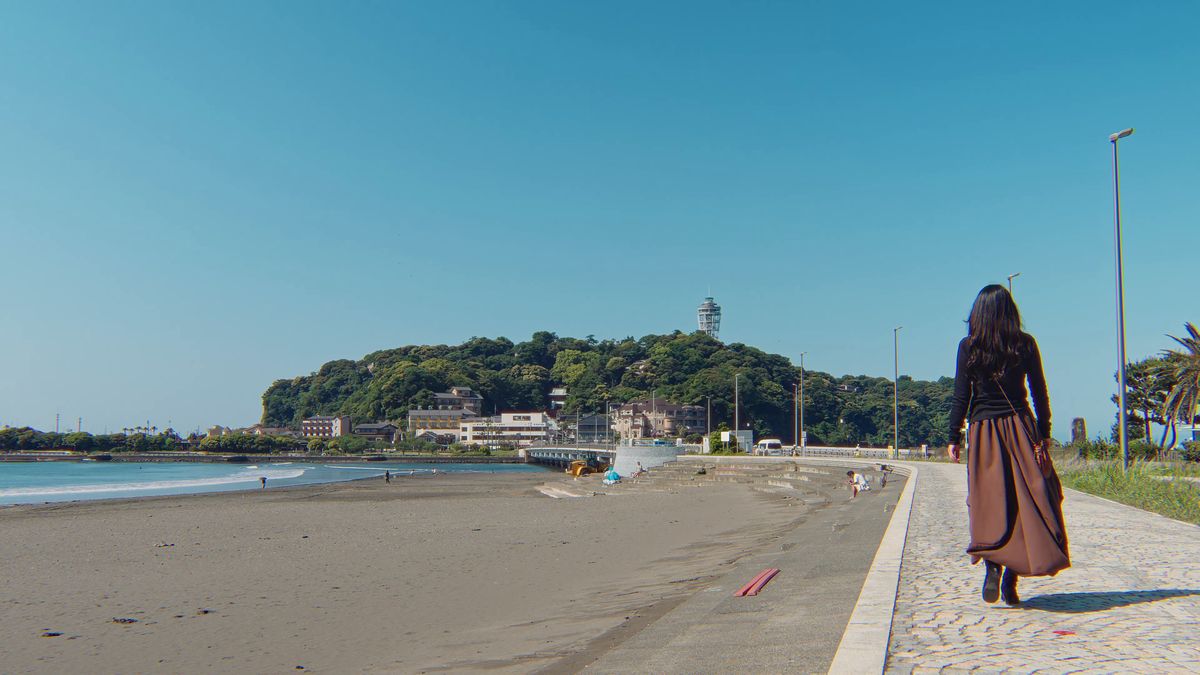
ABOUT THIS JOURNEY
I woke up in Kamakura, a seaside town where the Enoden trains run. I bought Kamakura vegetables at the farmers' market and dried fish at the market next door, then made kenchin-jiru, the local soup, in the kitchen of an old wooden house. In the afternoon I crossed to Enoshima for freshly steamed meoto manju at a sweets shop founded in 1902, and the island's famous Enoshima-don at a restaurant on the cliff, with Mt. Fuji across the water.
A little more about the food and the land01TRAVEL JOURNAL
In the seaside town of the Enoden
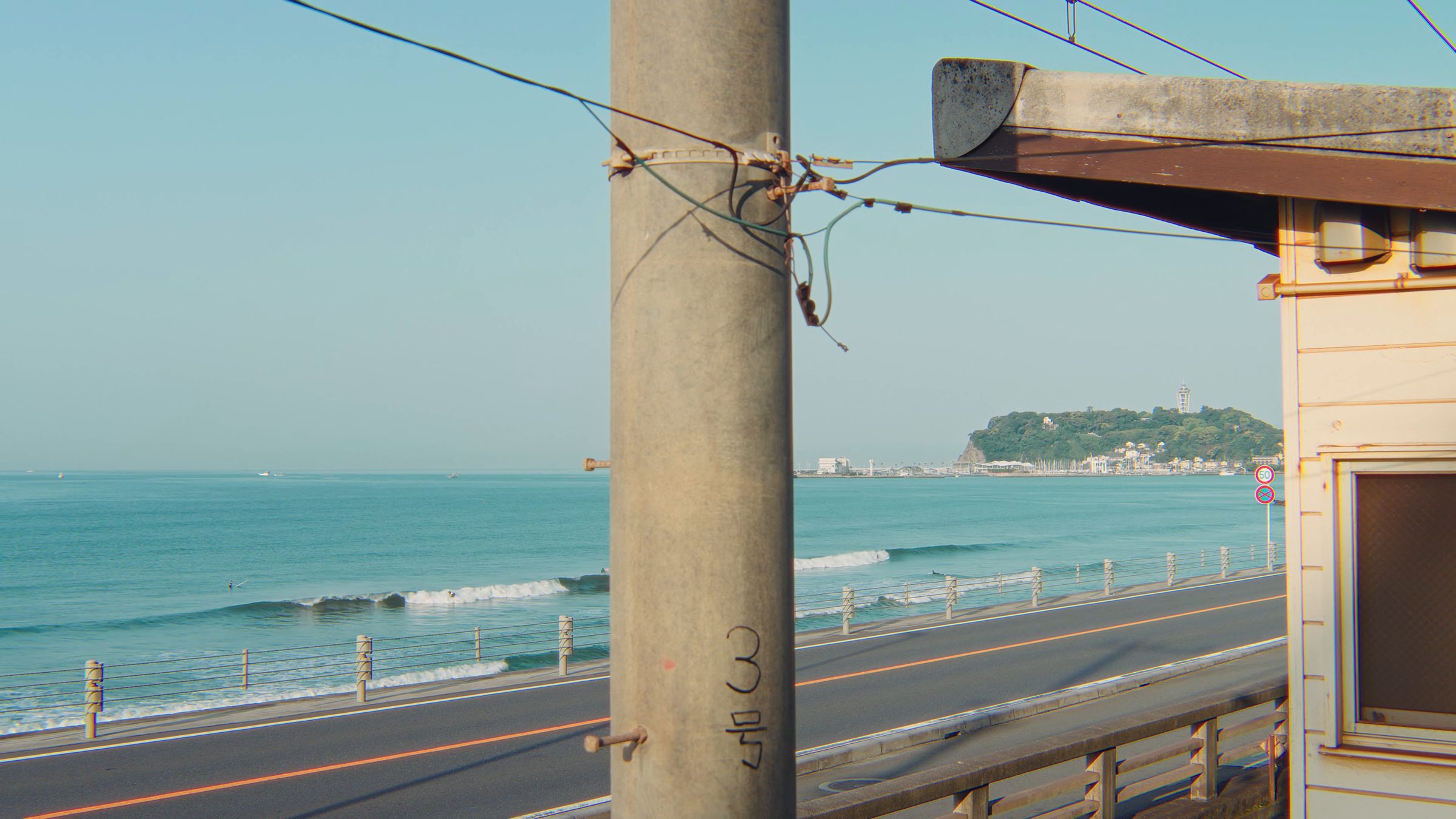
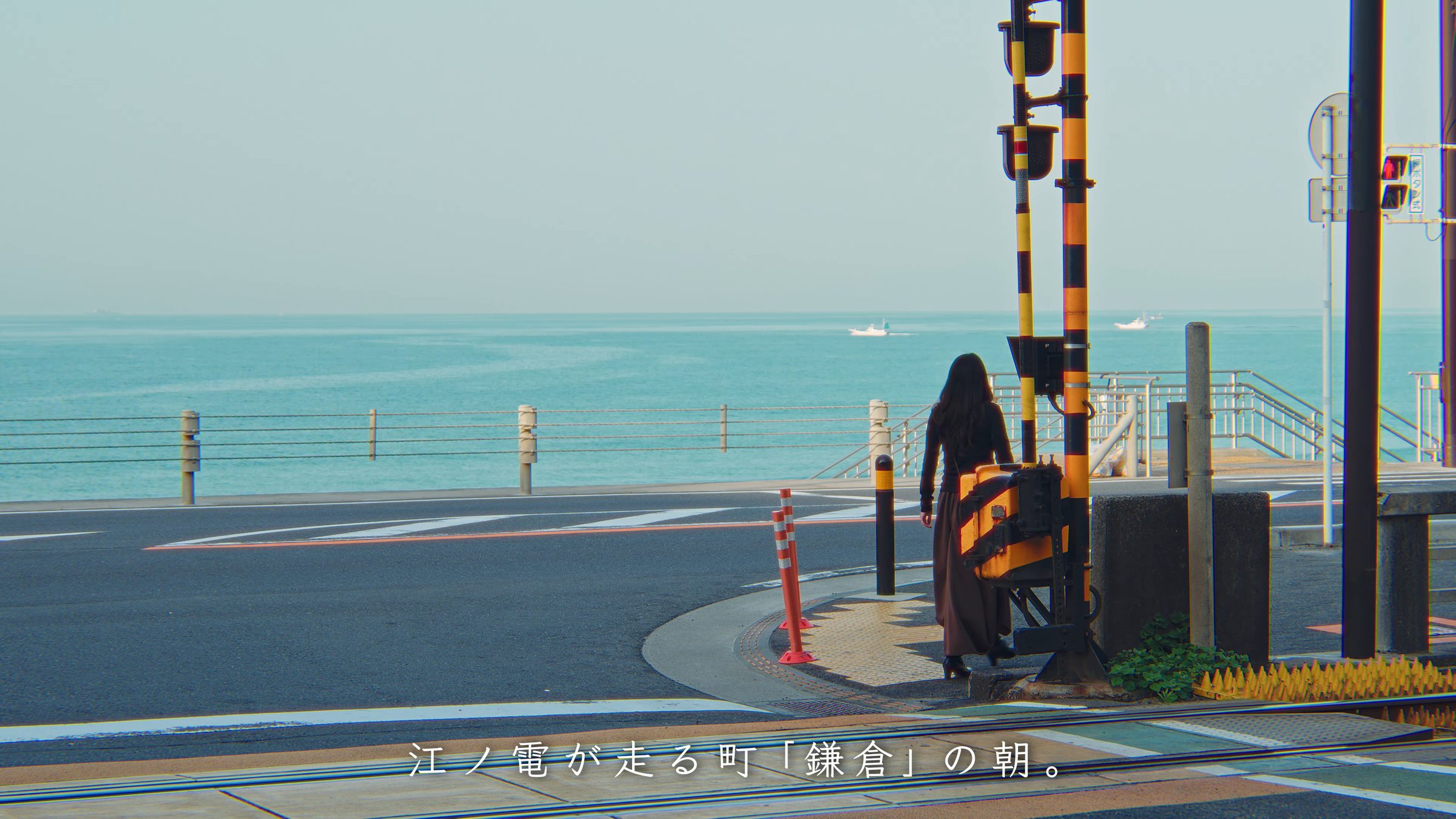
One morning in Kamakura, the town where the Enoden runs. I waited at a crossing while a green-and-cream train rolled past. Beyond the utility poles lay the sea, with the silhouette of Enoshima in the distance.
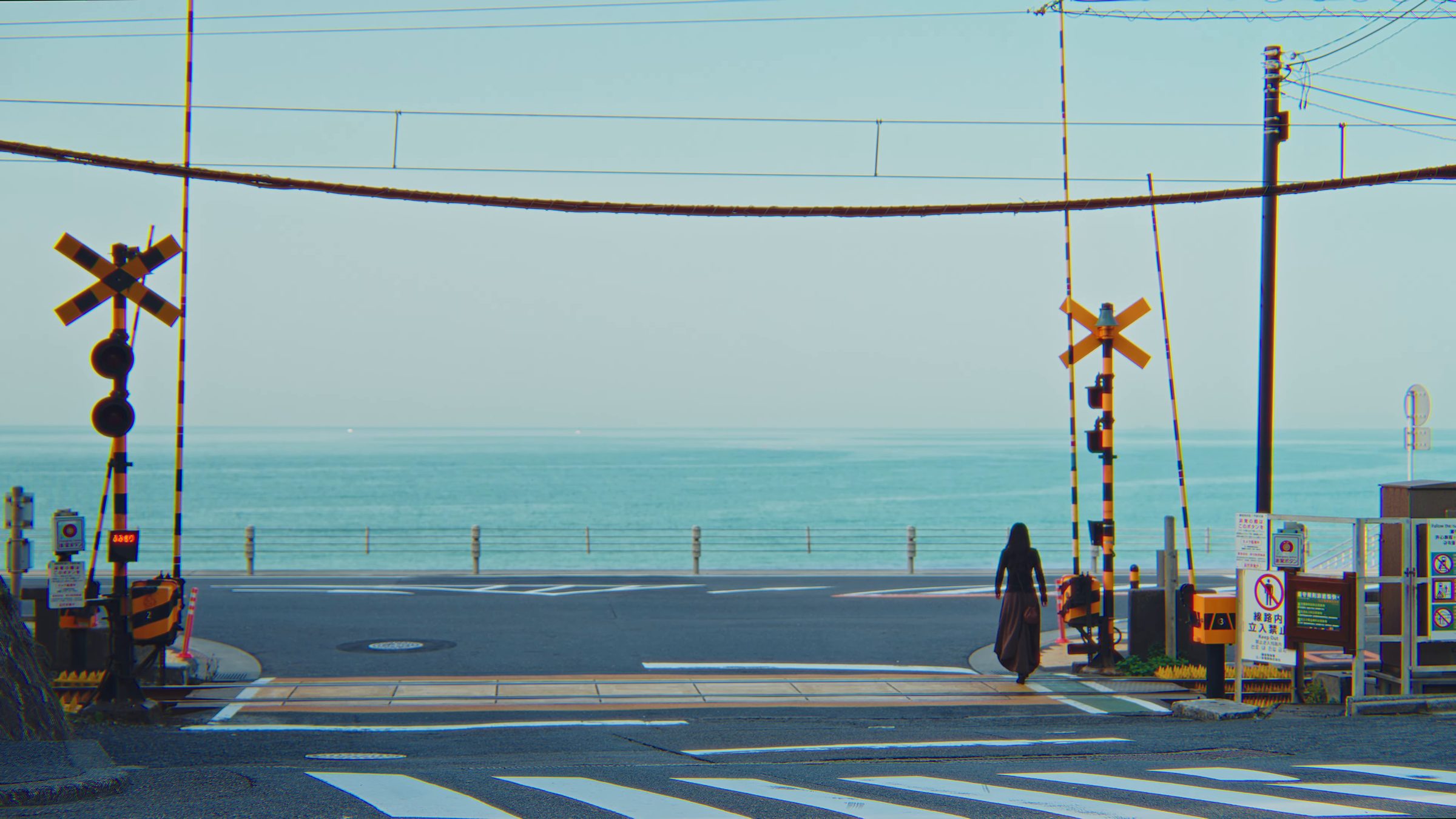
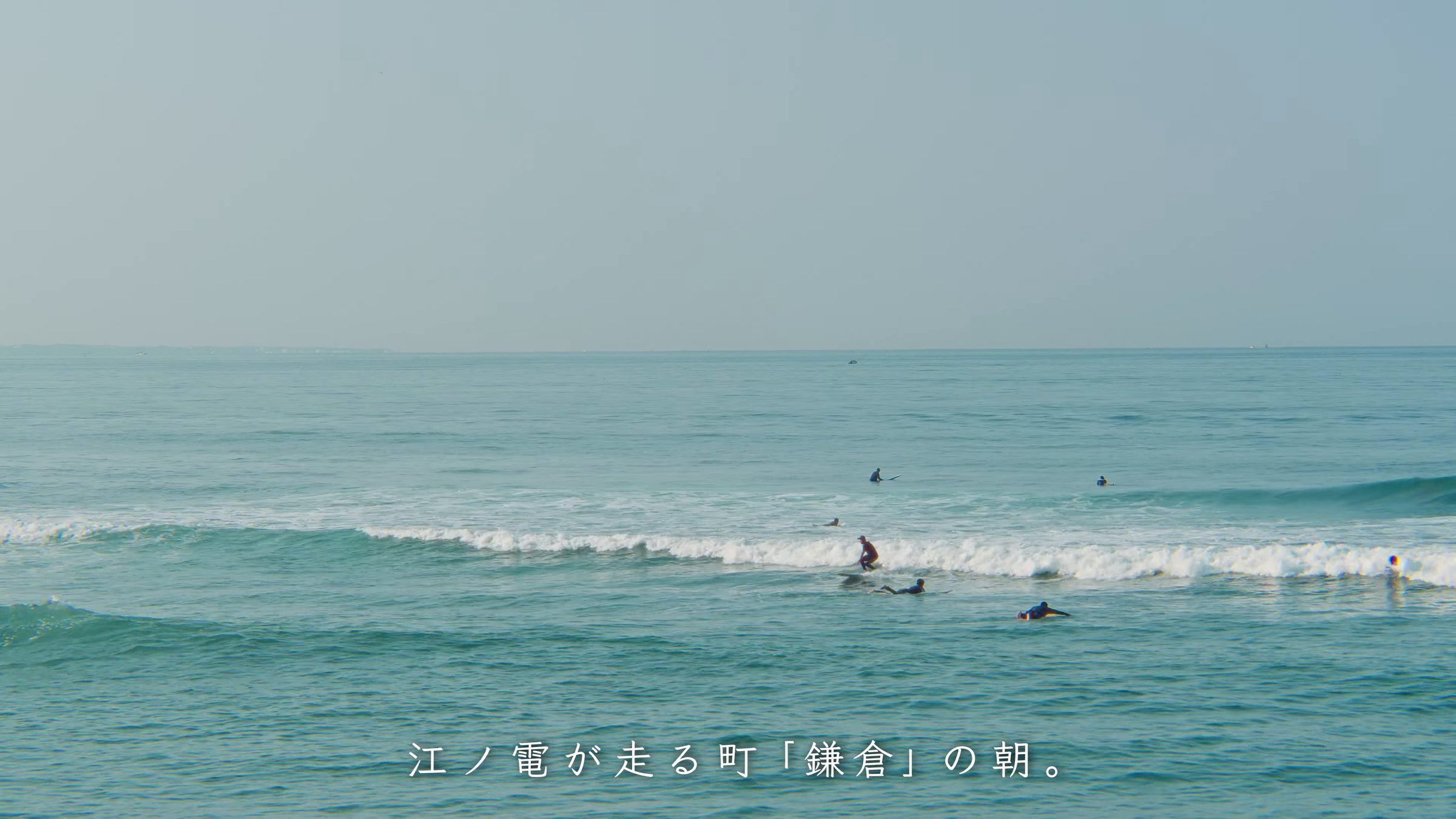
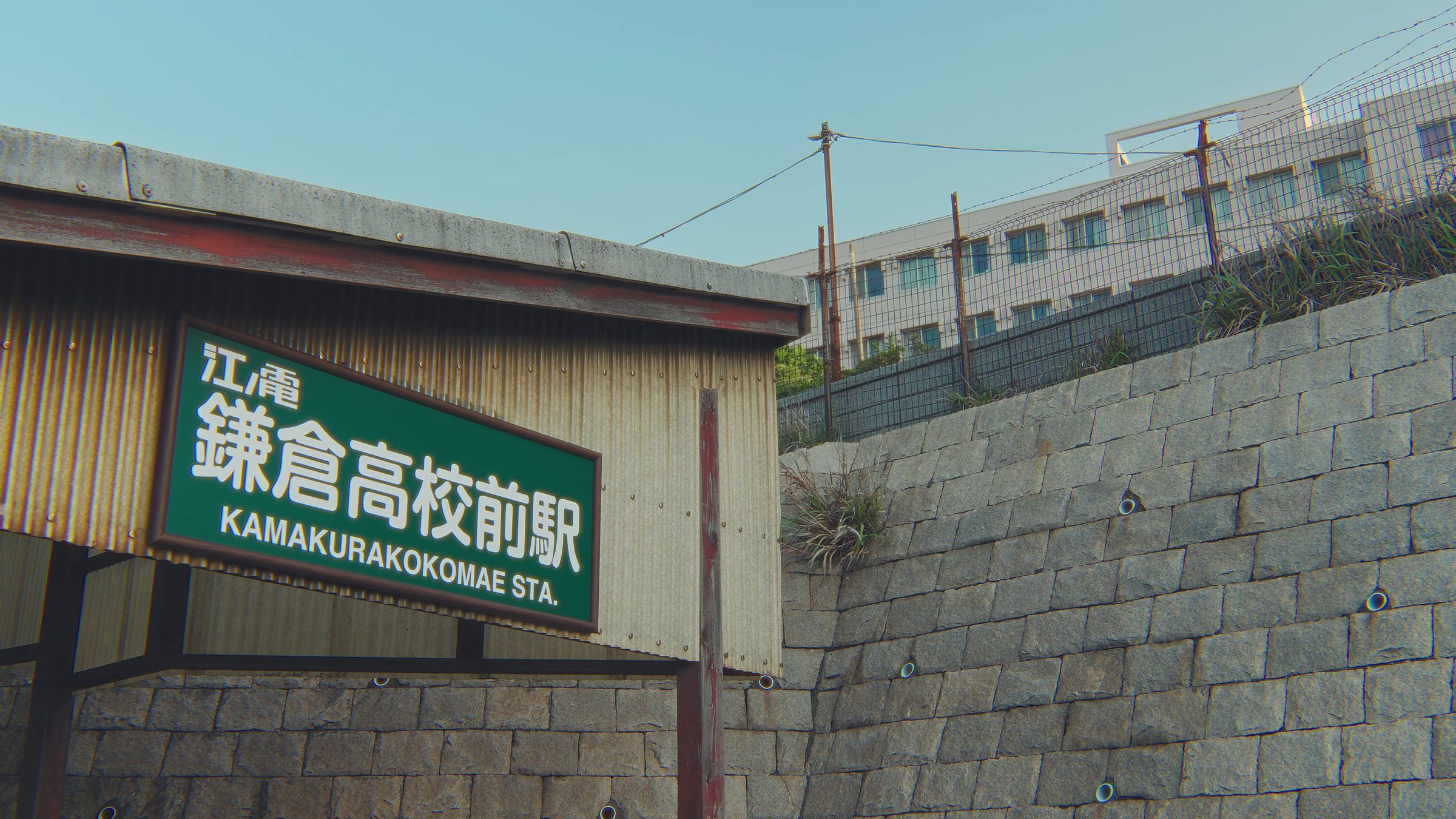
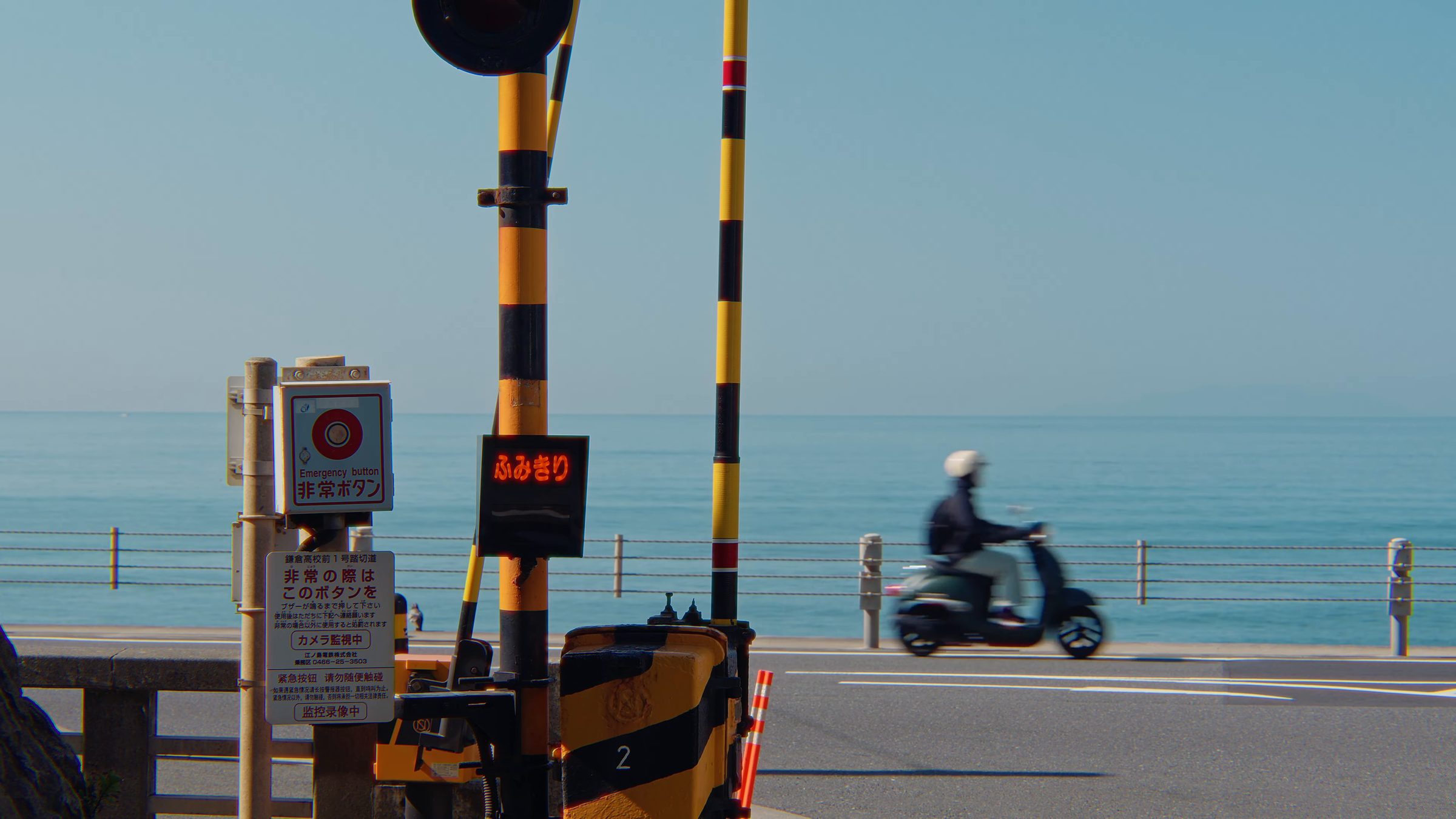
Across the tracks, the road ran right along the shore. I walked past the yellow-and-black crossing gate while surfers rode the morning waves. The station sign read Kamakura-Kokomae: a small Enoden station right beside the sea.
Watch this scene on YouTube0:23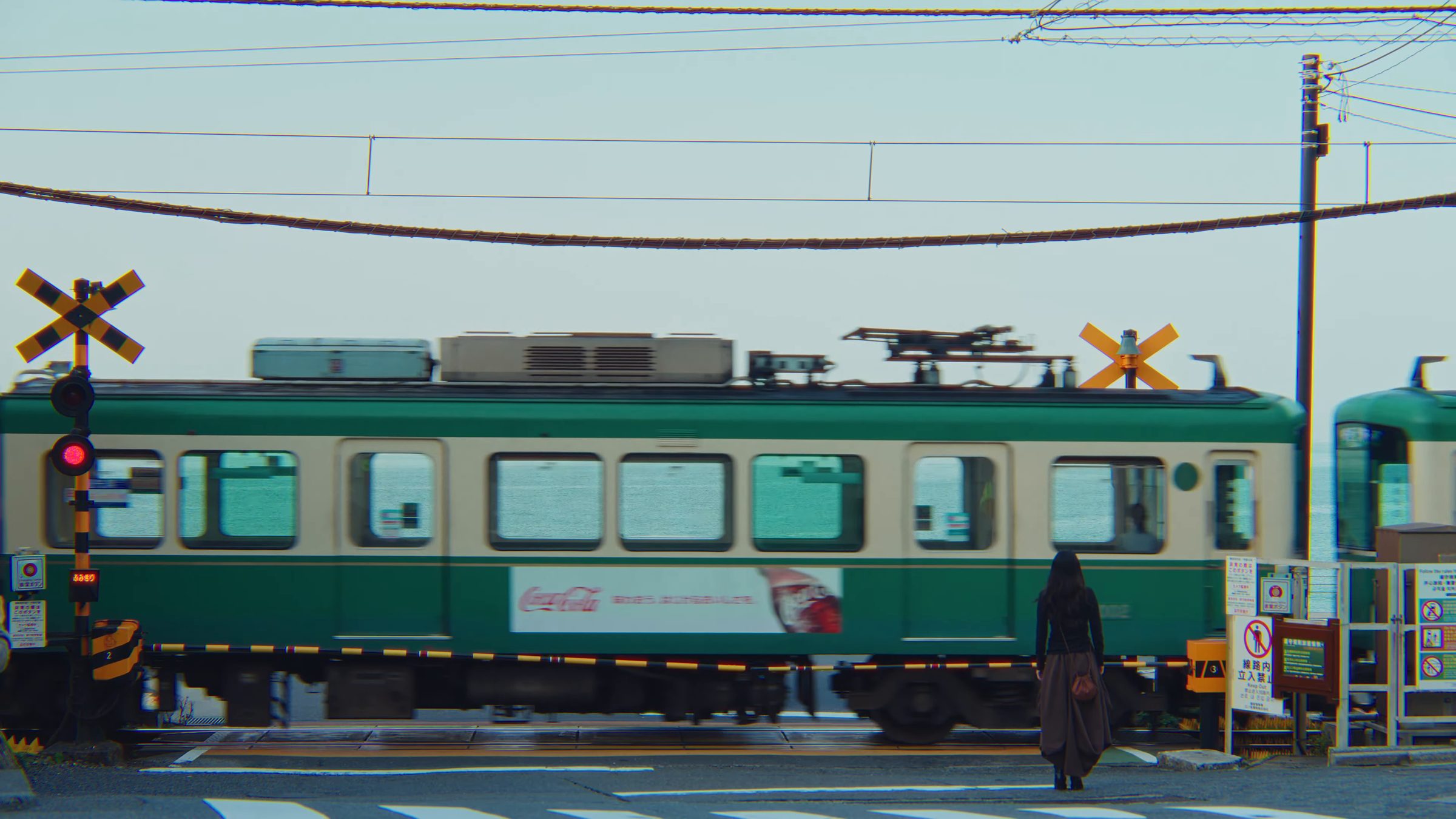
02TRAVEL JOURNAL
Kamakura vegetables at the morning market
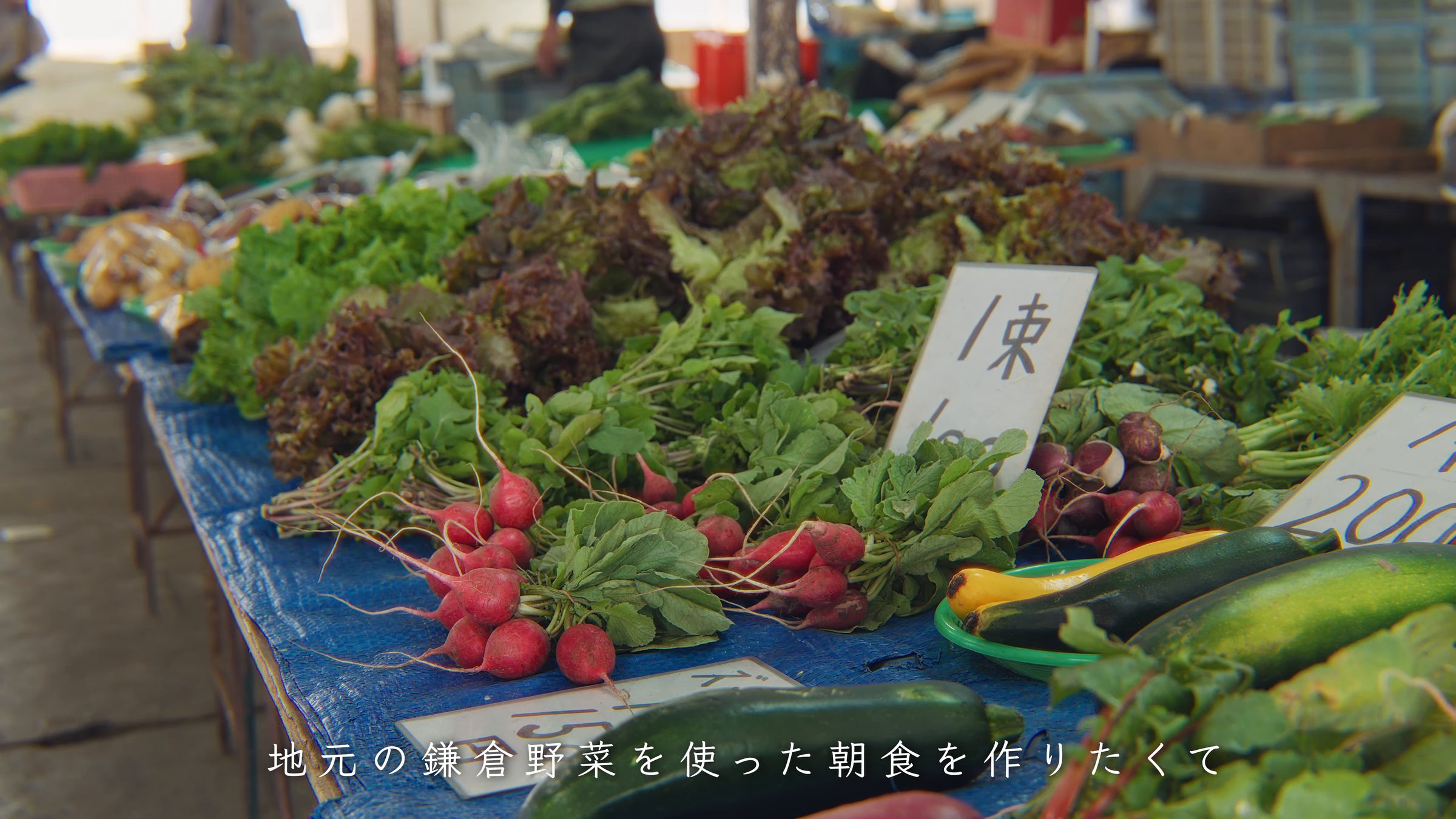
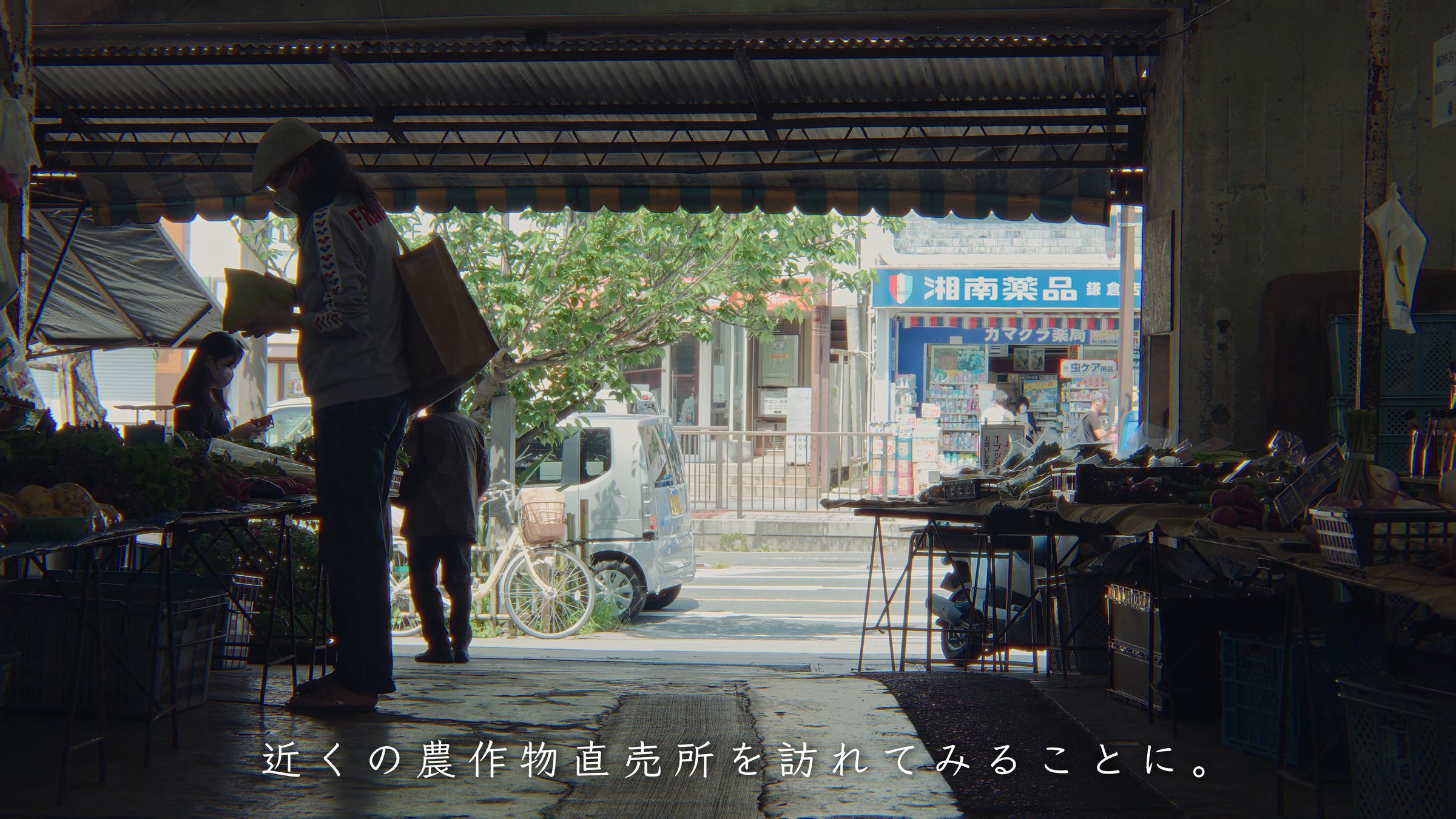
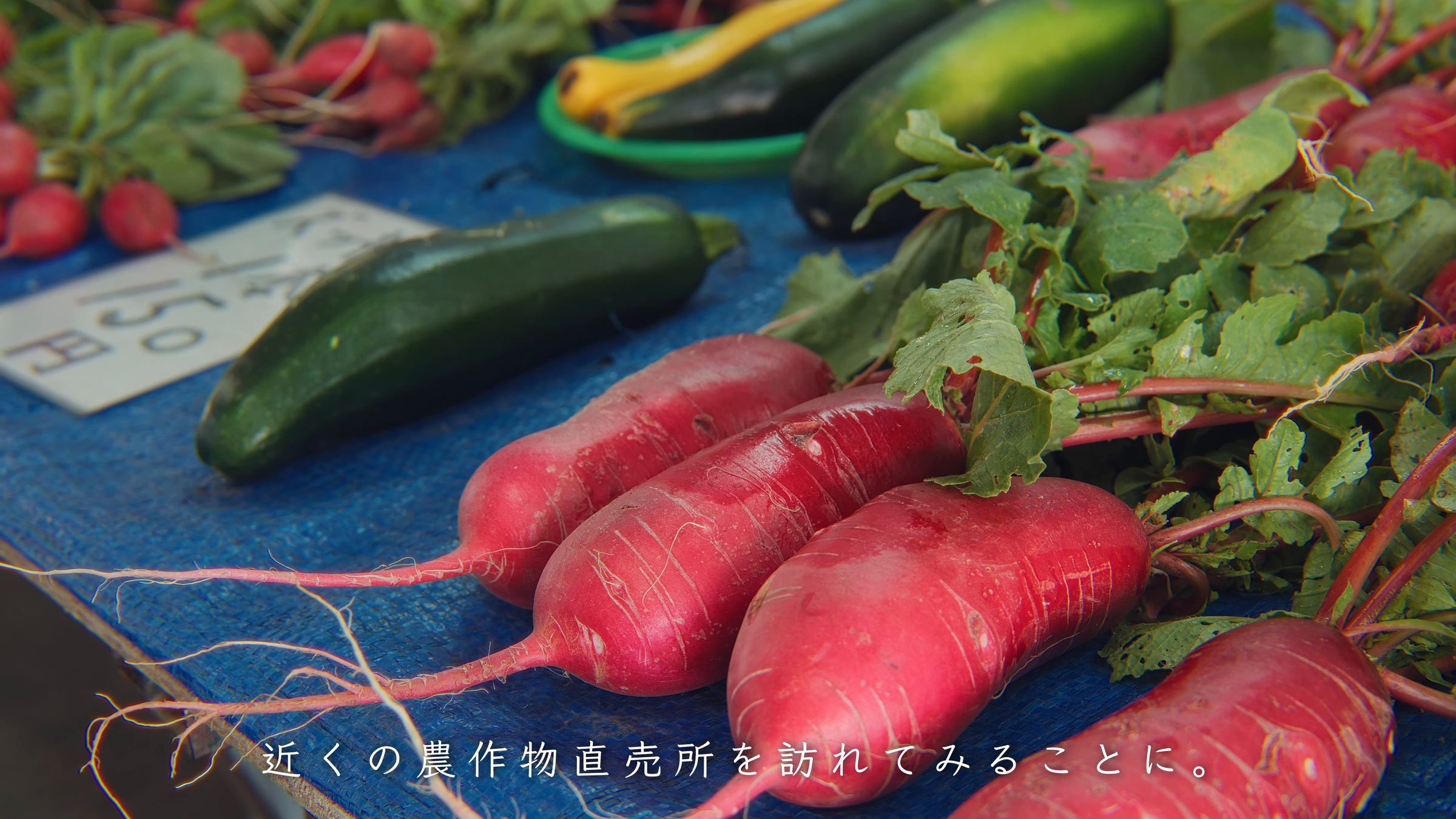
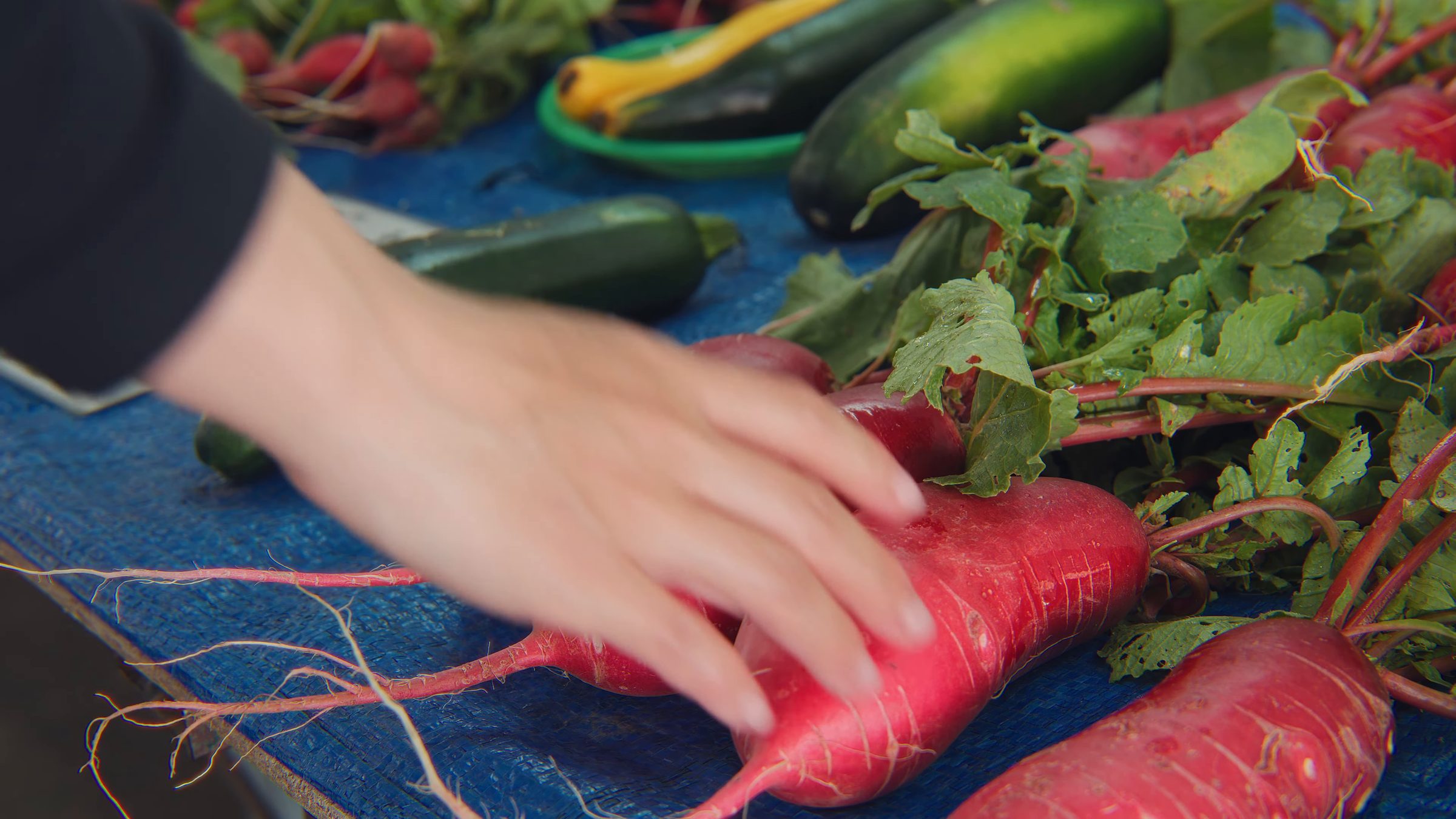
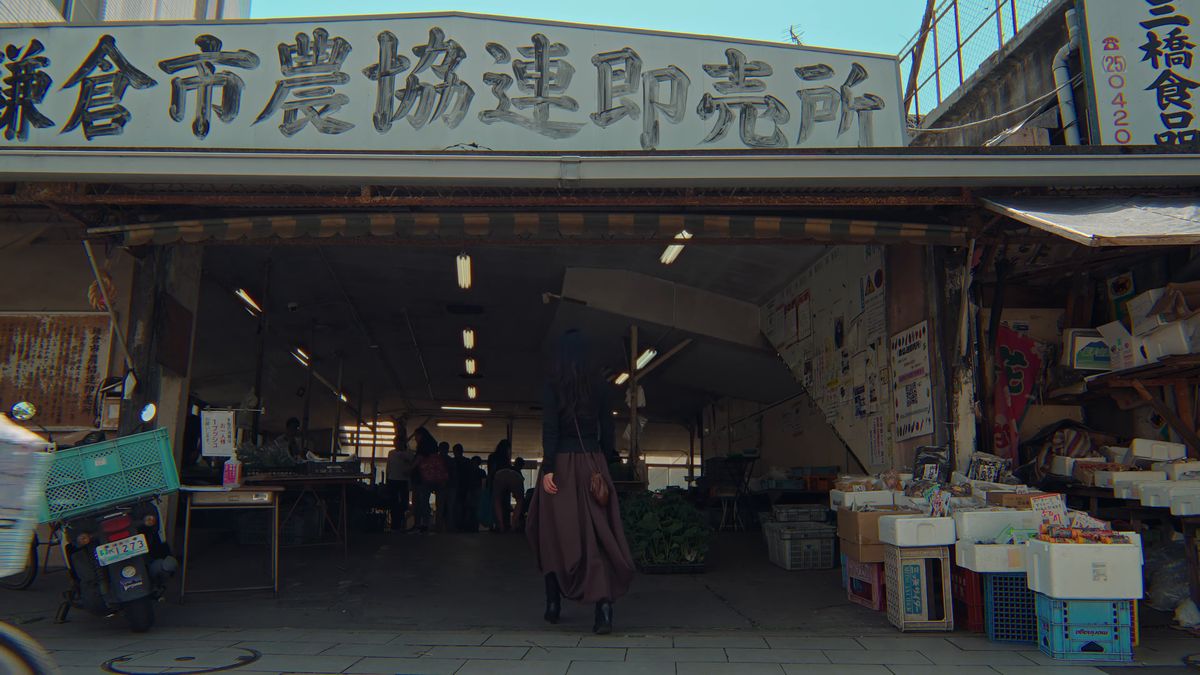
I wanted to make breakfast with local Kamakura vegetables, so I visited a nearby farmers' market. Under the sign of the Kamakura Agricultural Cooperative Market, tables draped in blue sheets were piled with radishes with their leaves still on, red daikon, and green and yellow zucchini. The handwritten price tags simply said so much per bunch.
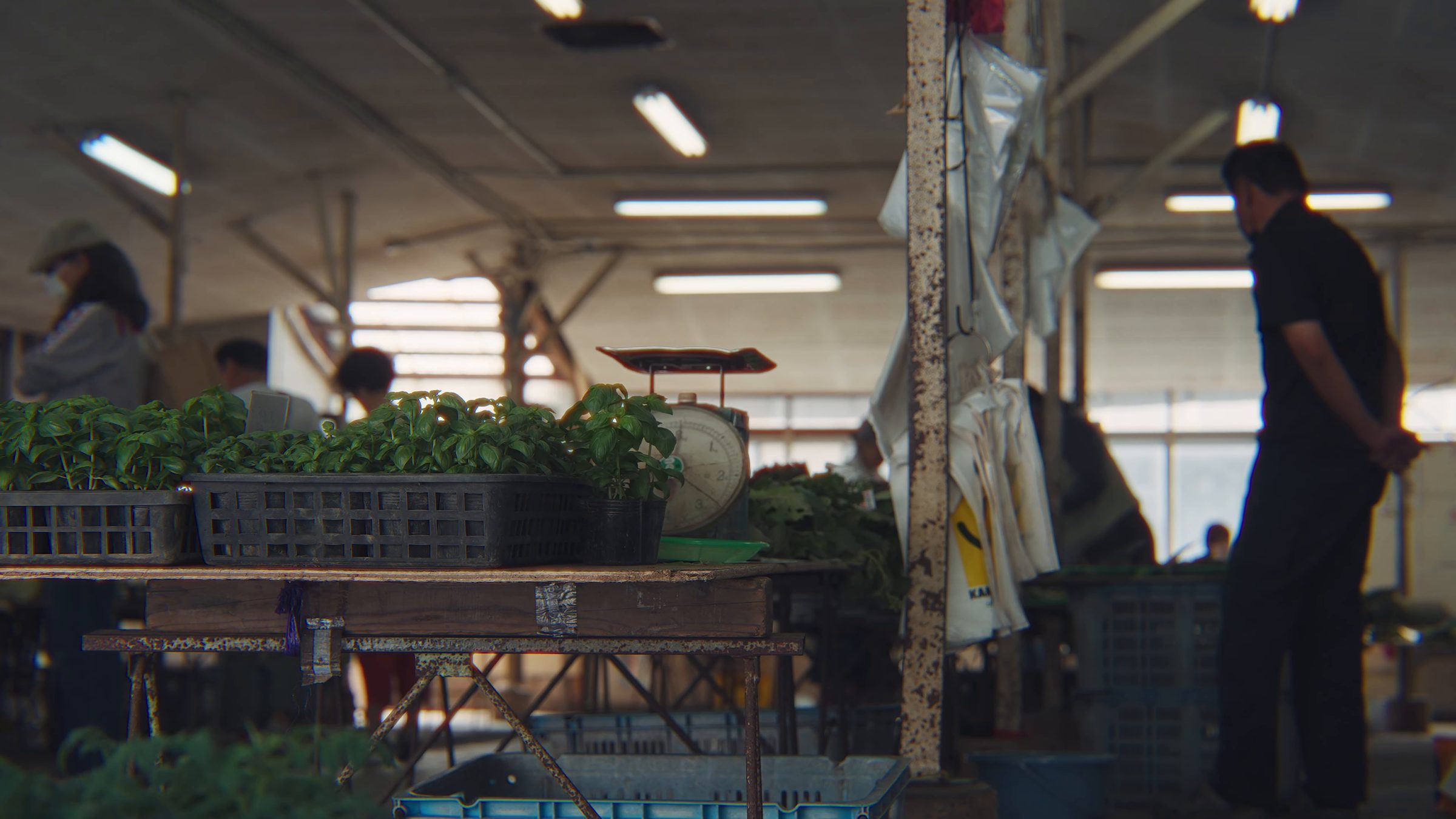
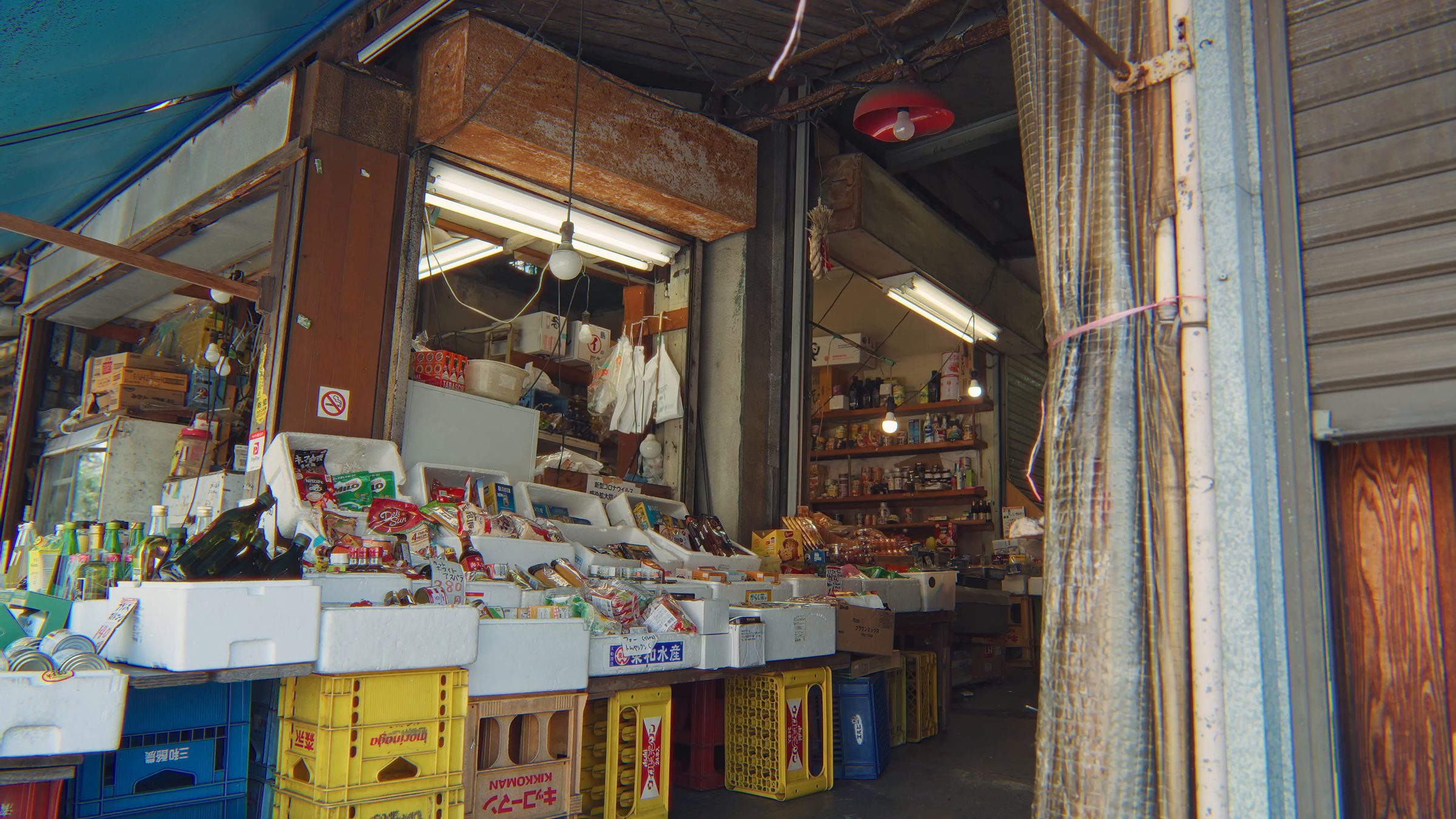
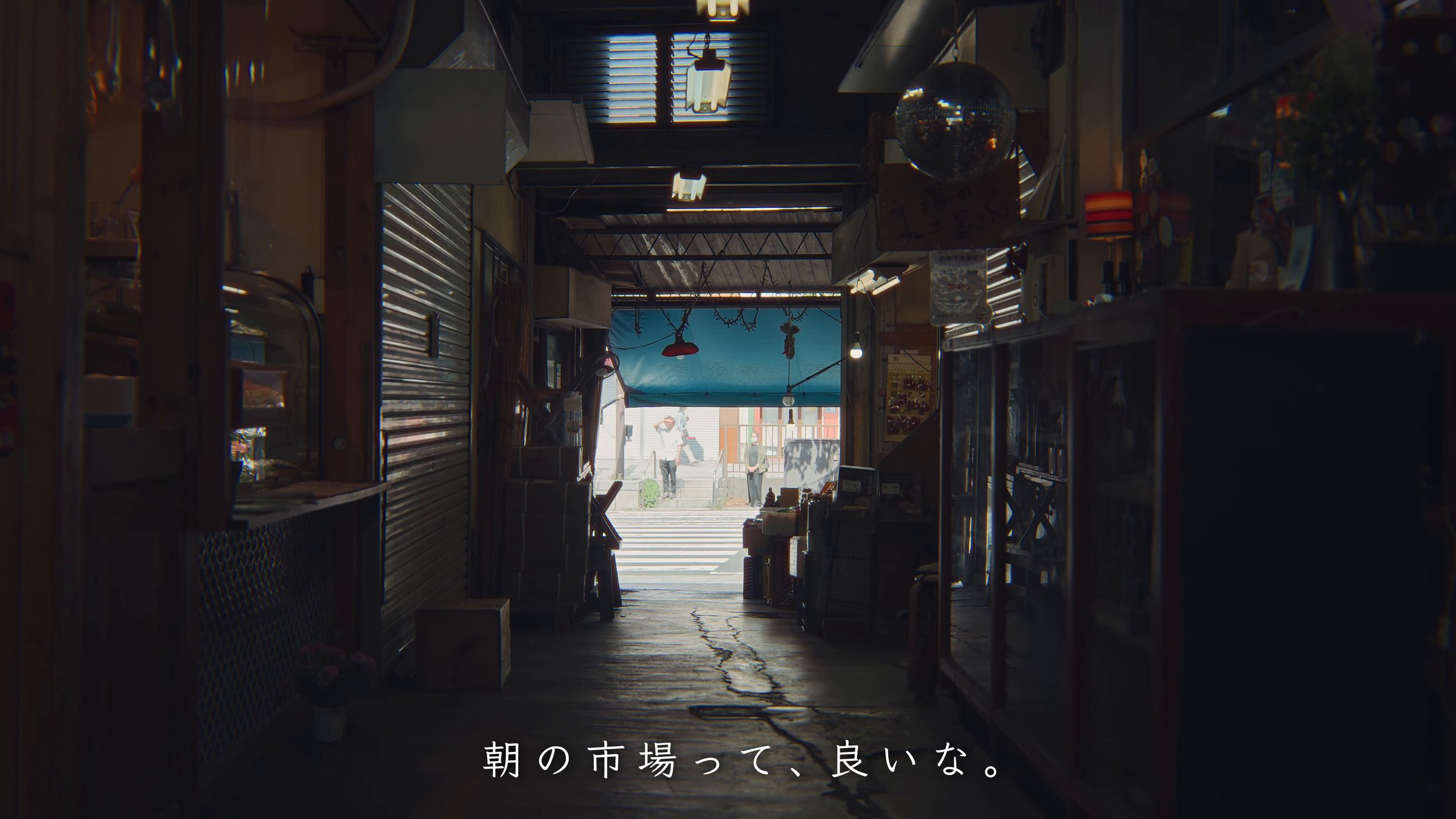
Deeper inside was a stall selling seasonings and dried goods. I like the atmosphere of a market in the morning. At the end of the passage, the bright street was waiting.
Watch this scene on YouTube0:41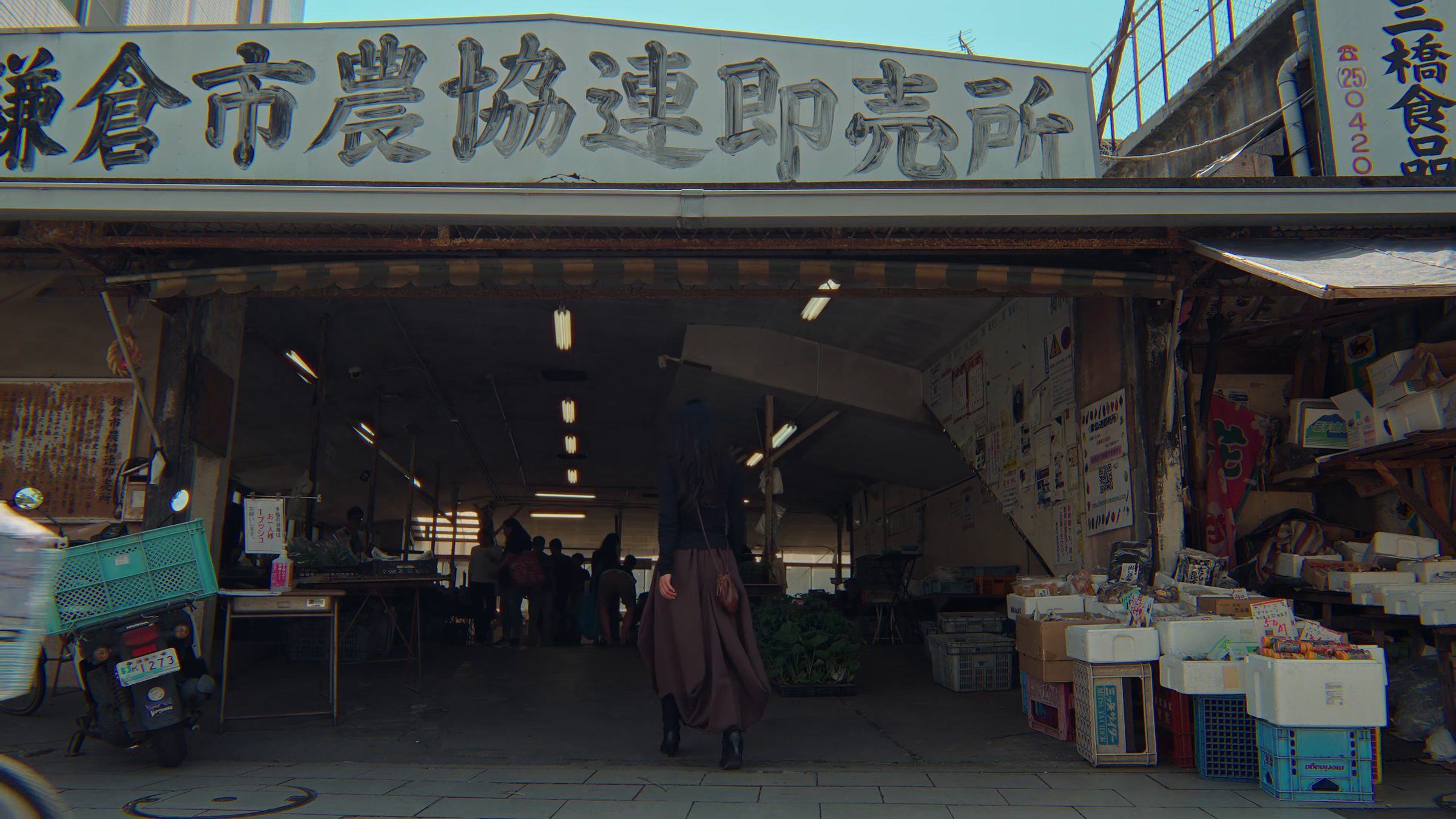
03TRAVEL JOURNAL
Dried fish for a seaside breakfast
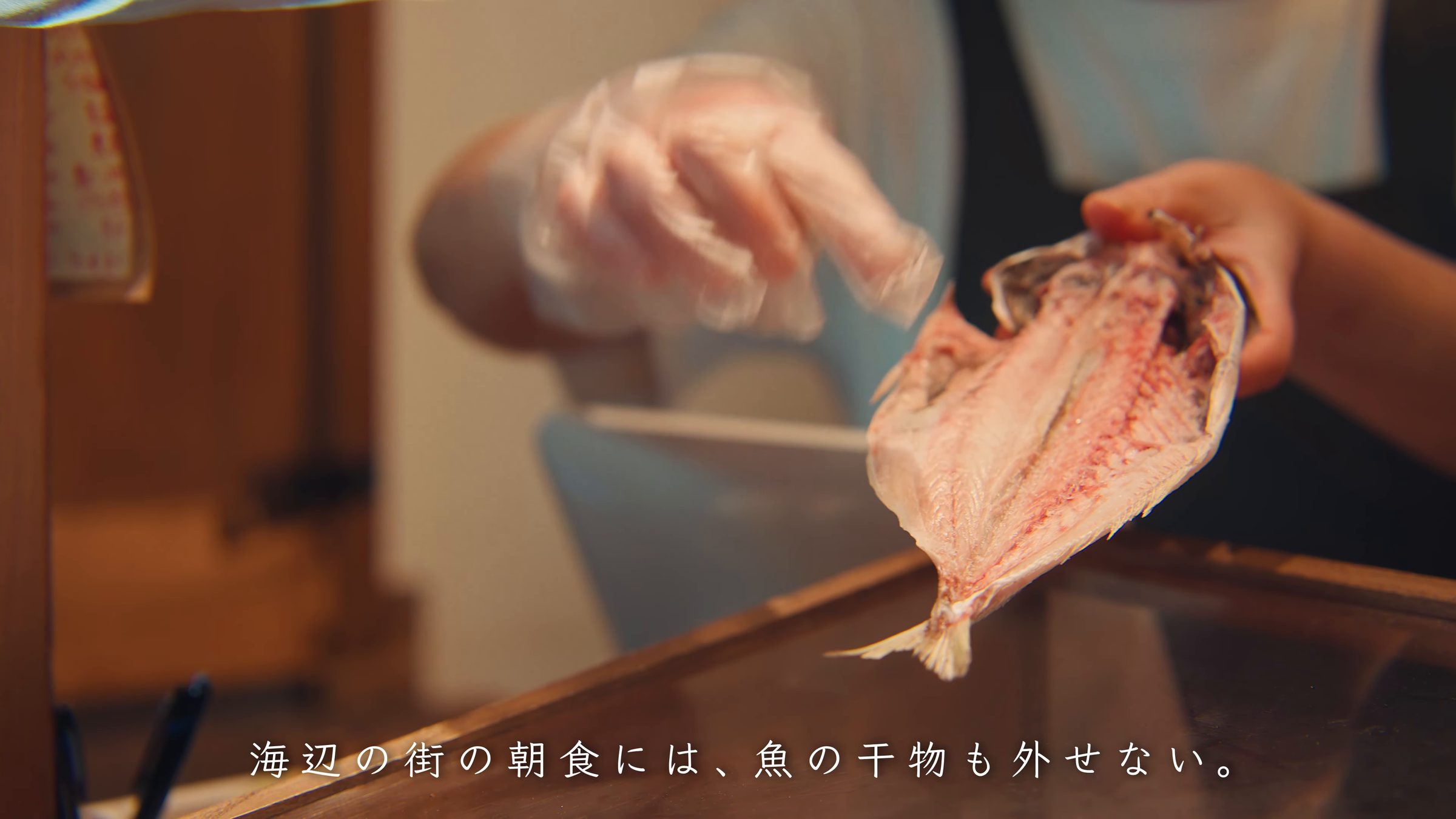
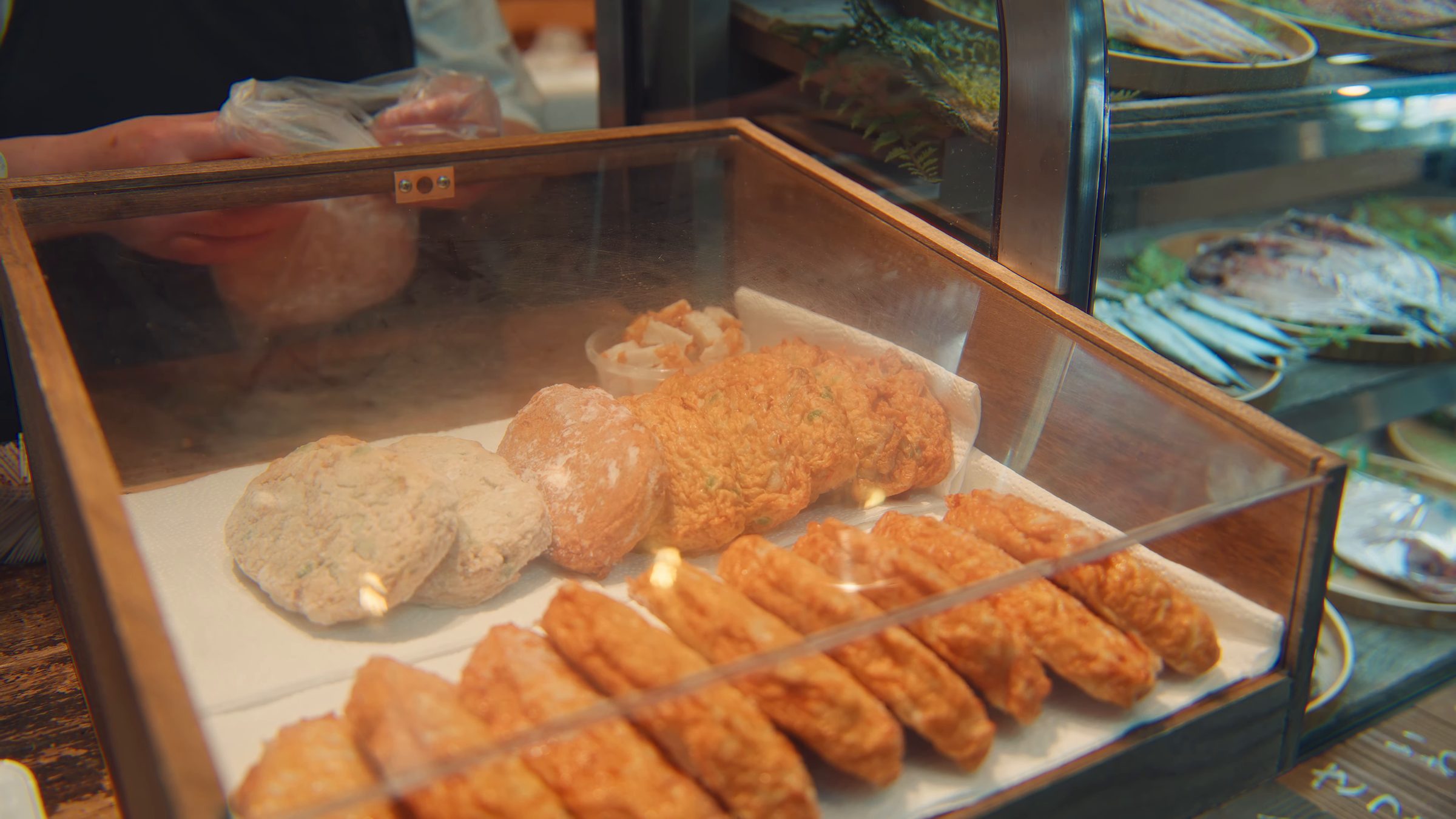
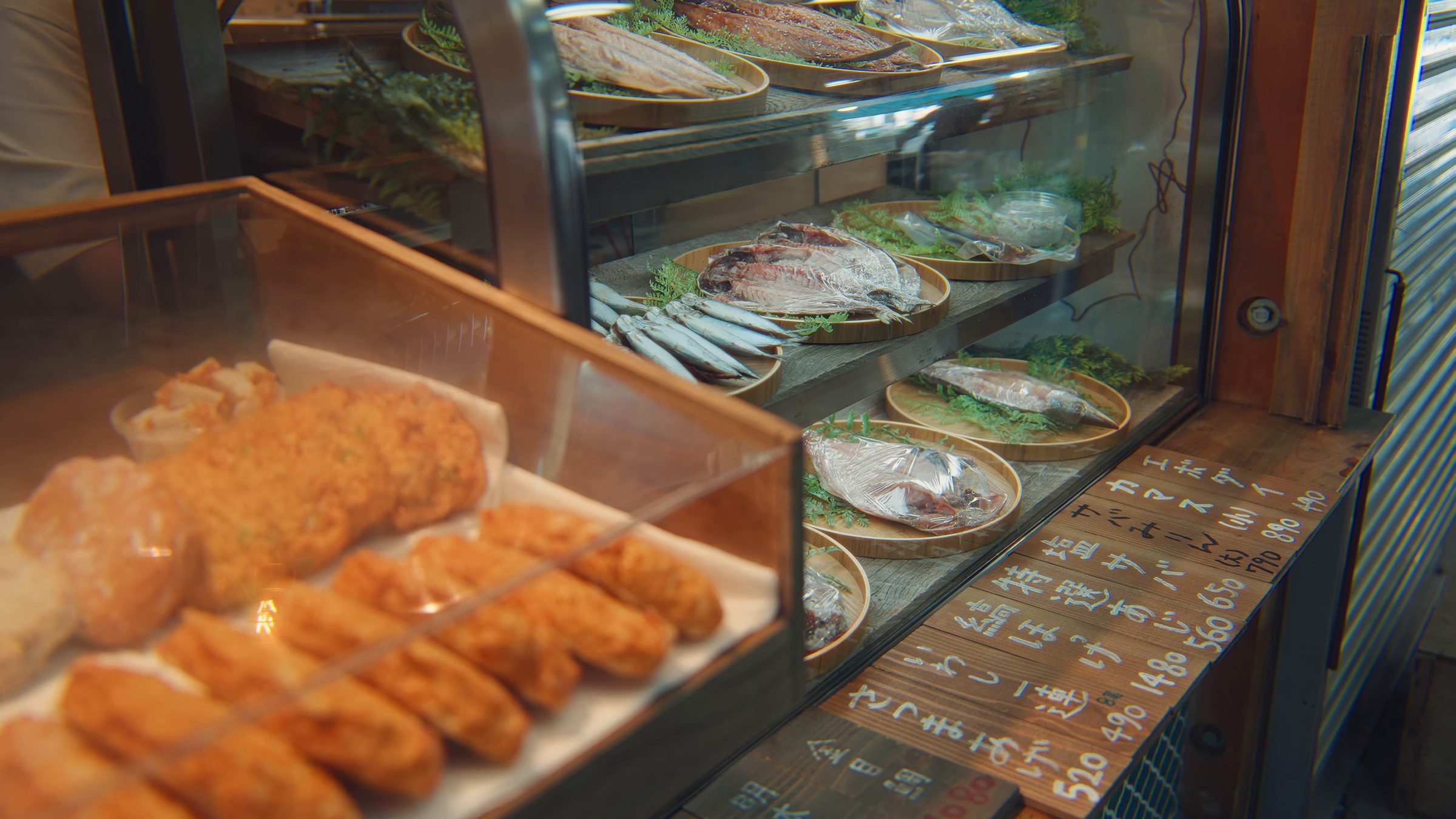
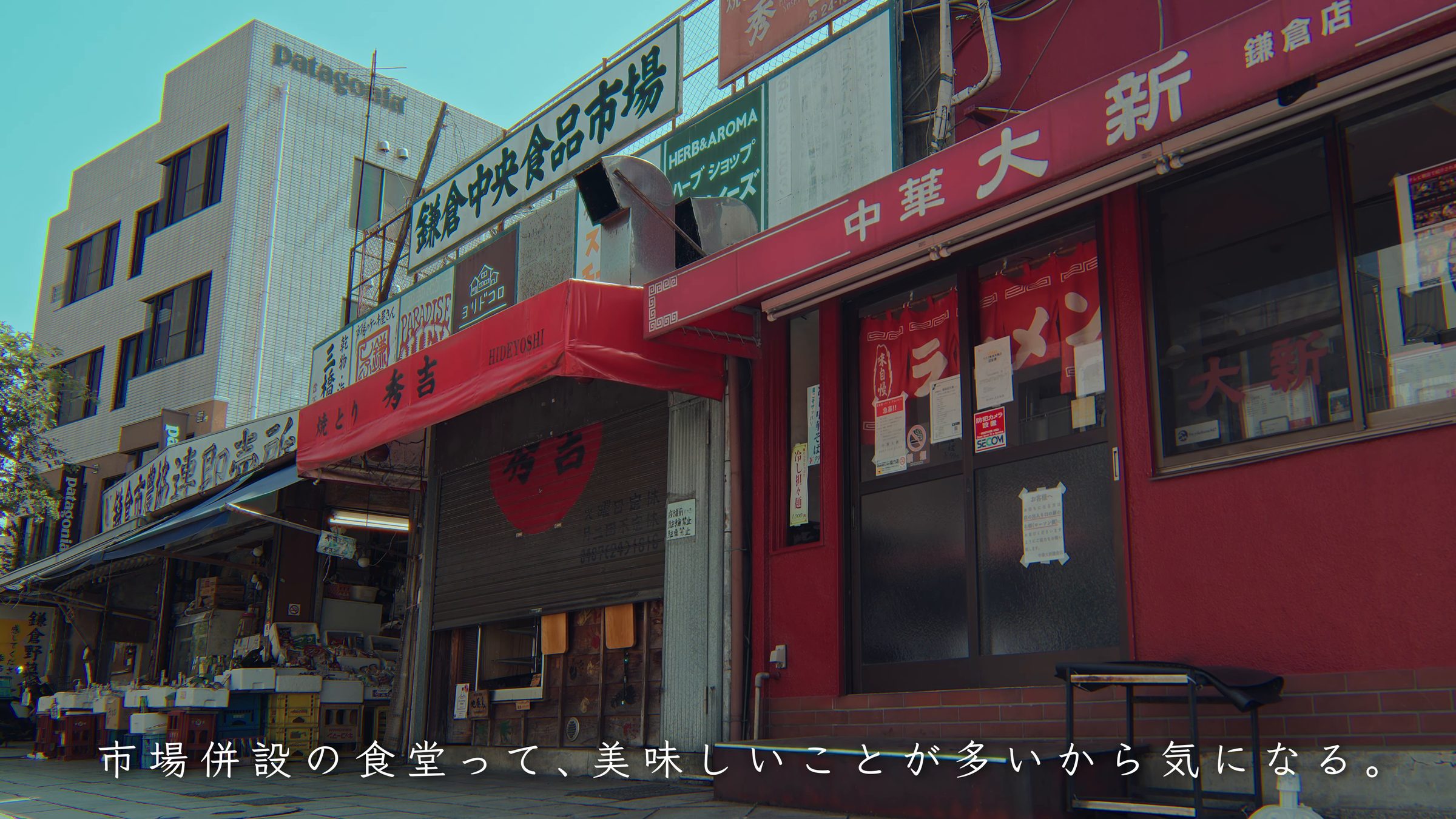
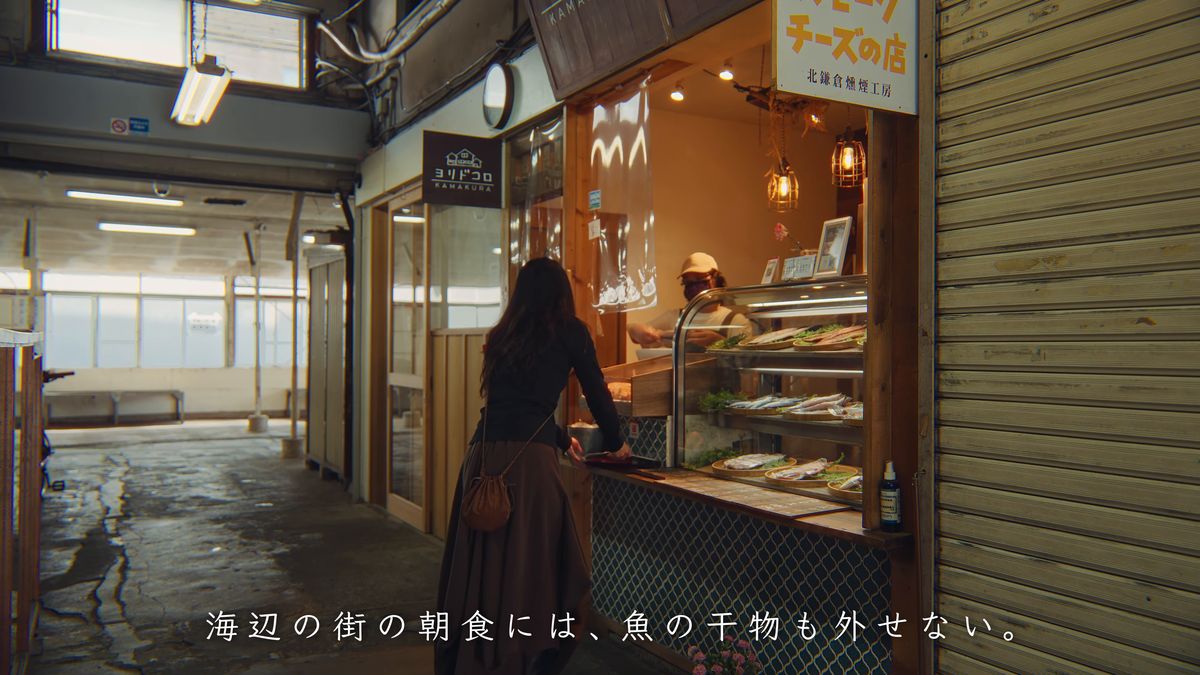
Dried fish is a must for breakfast in a seaside town. At a dried-fish shop in the same market building, I peered into the glass case: next to the fried fish cakes, butterflied horse mackerel, barracuda and striped mackerel lay on bamboo plates. Reading the handwritten tags, I picked out a packet.
The market building also houses a Chinese noodle shop with a red awning. I have a hunch that cafeterias attached to markets are usually good. That one is for another day.
Watch this scene on YouTube1:08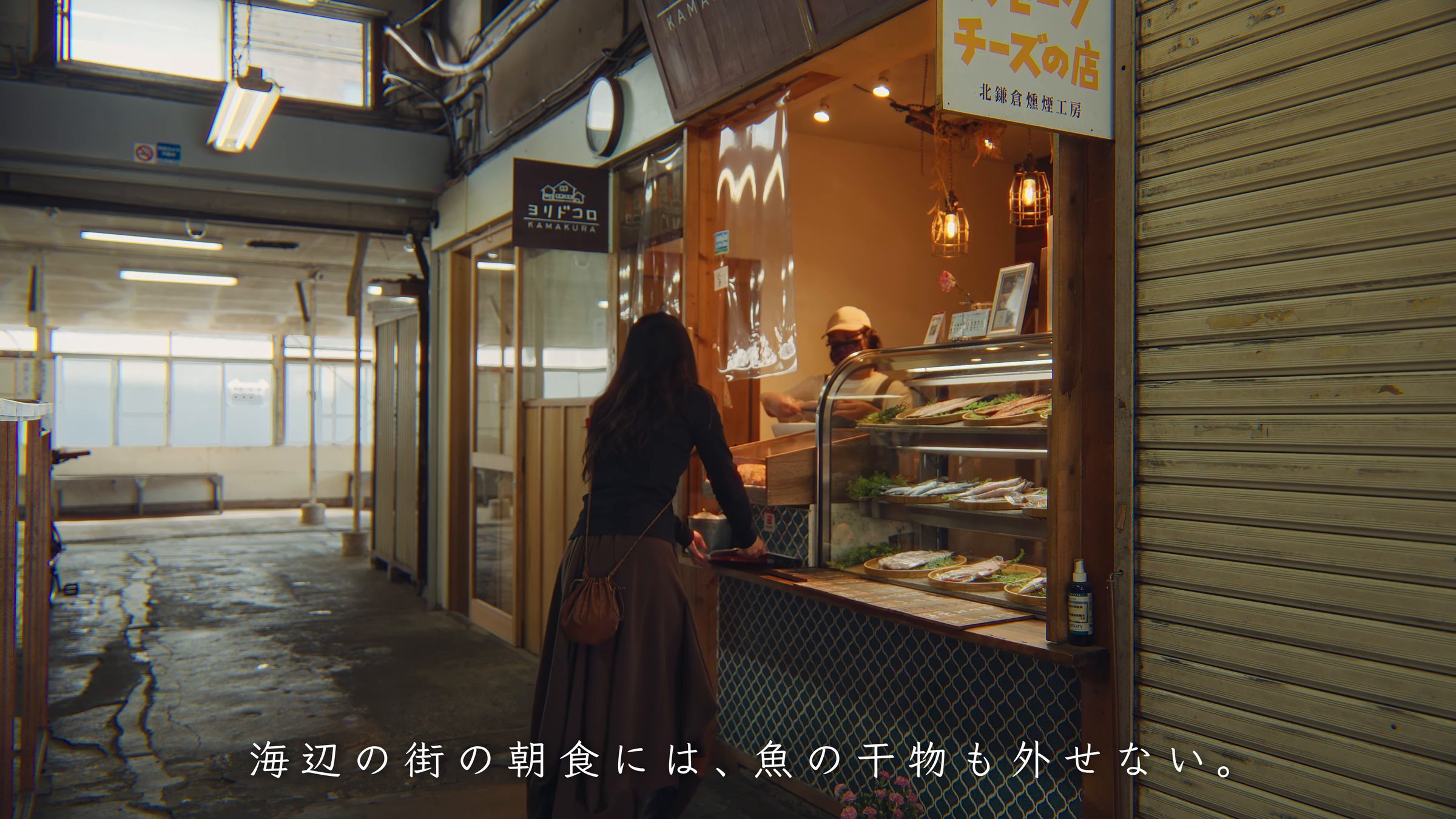
04TRAVEL JOURNAL
I'm home
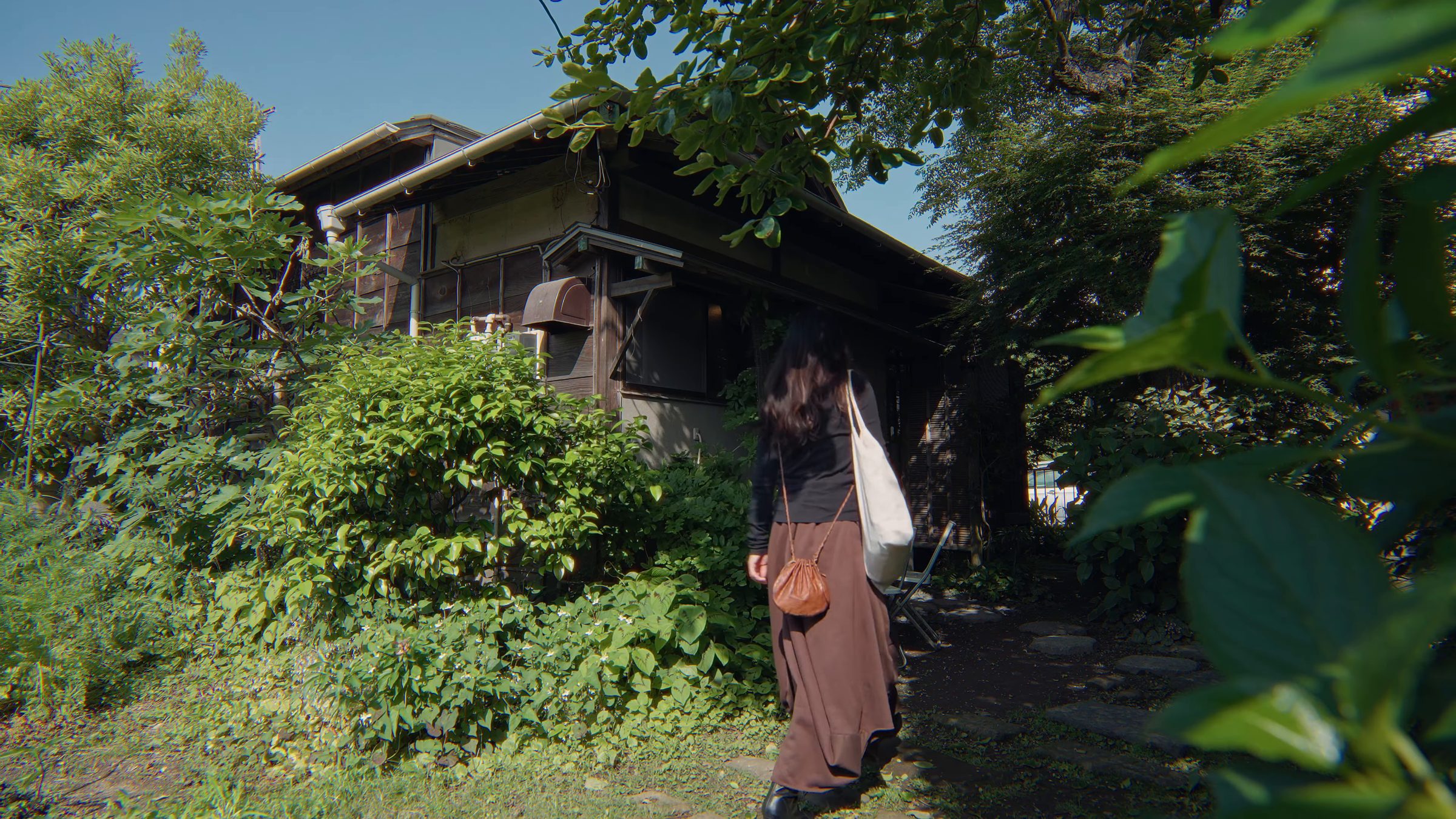
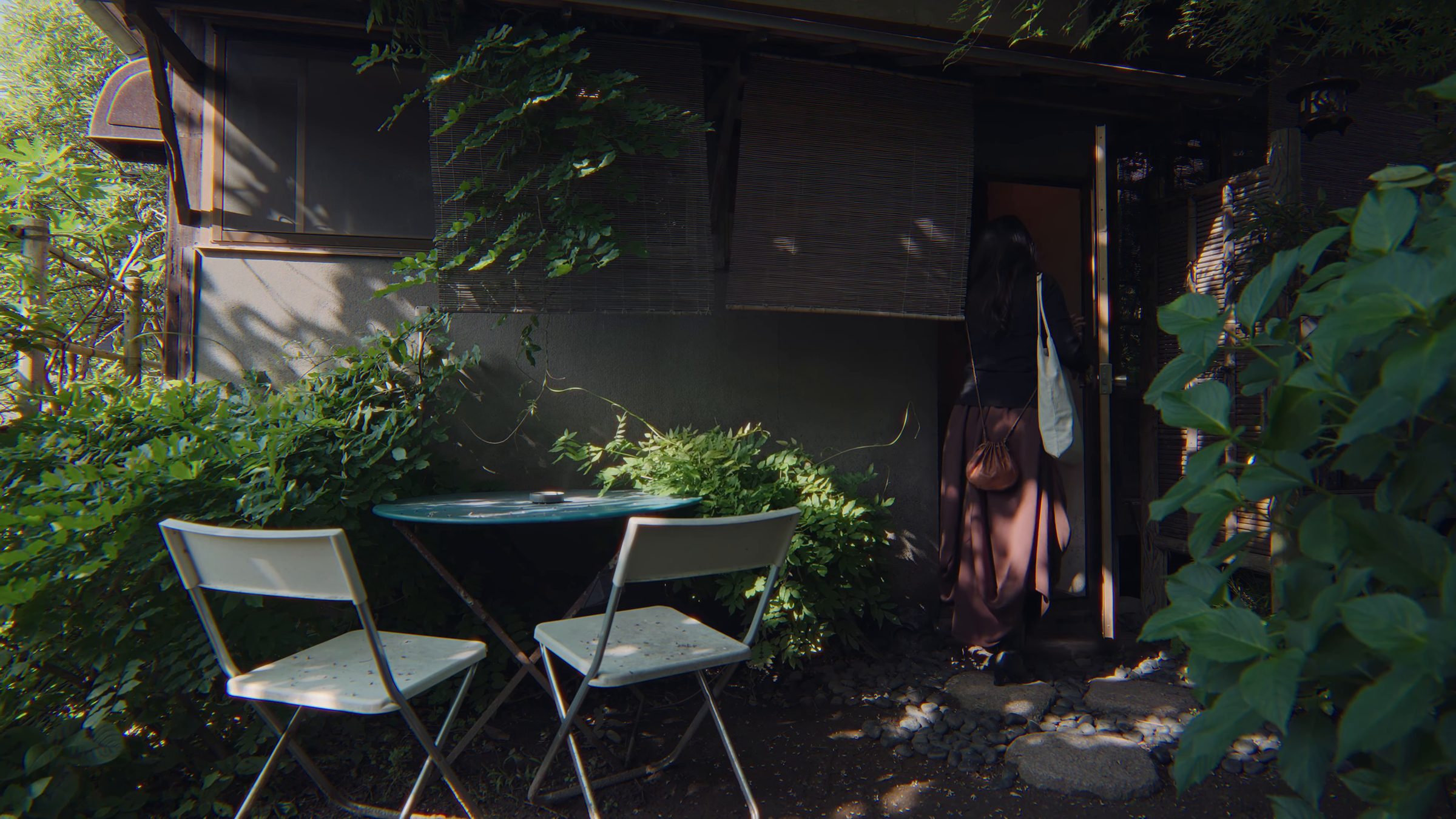
With the sea at my back, I crossed the road and climbed the hill. An old wooden house half-buried in greenery is my borrowed home this time.
I'm home. In the garden stood a white table and chairs, dappled with sunlight through the leaves.
Watch this scene on YouTube1:34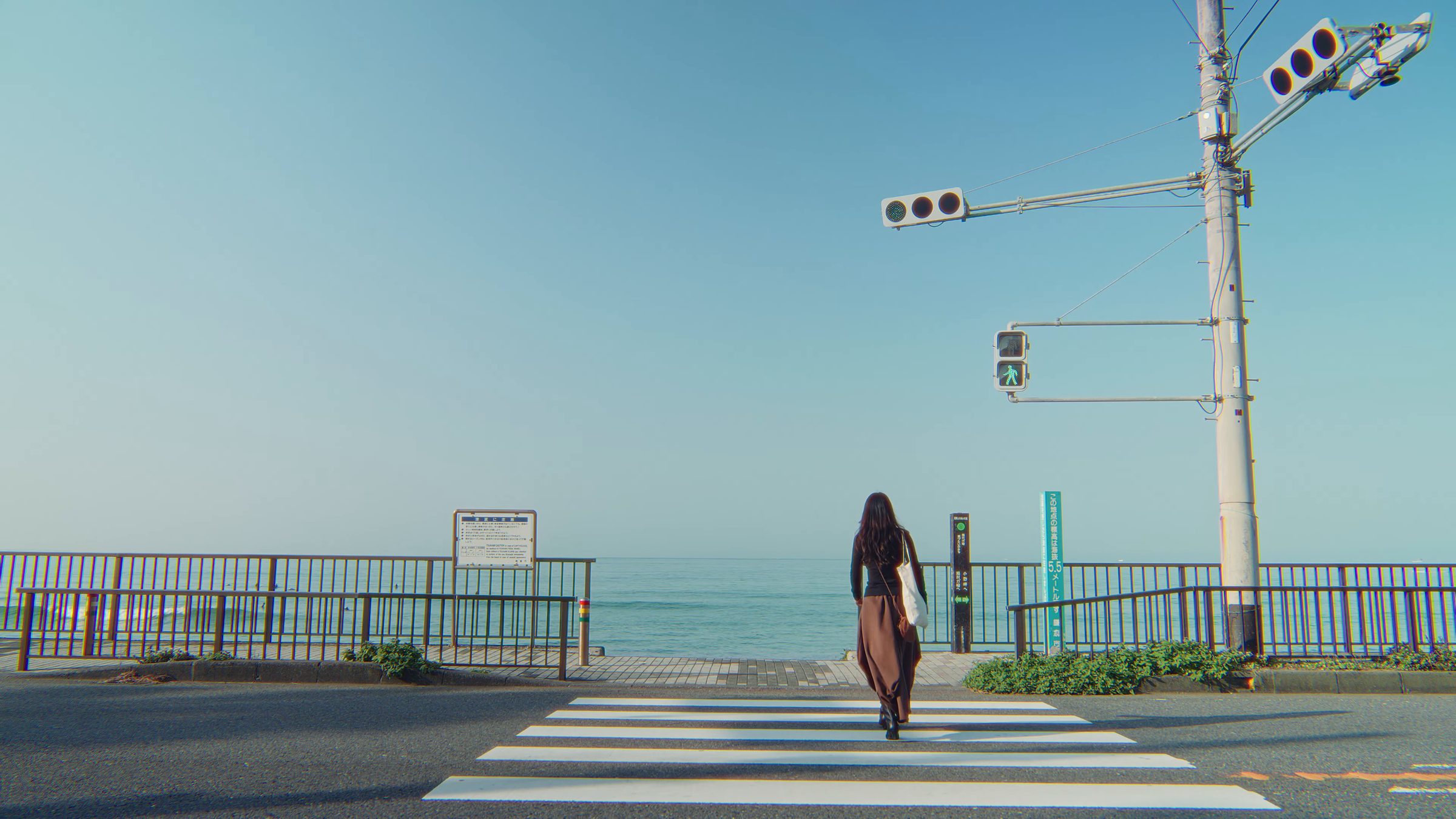
05TRAVEL JOURNAL
Making kenchin-jiru, Kamakura's local dish
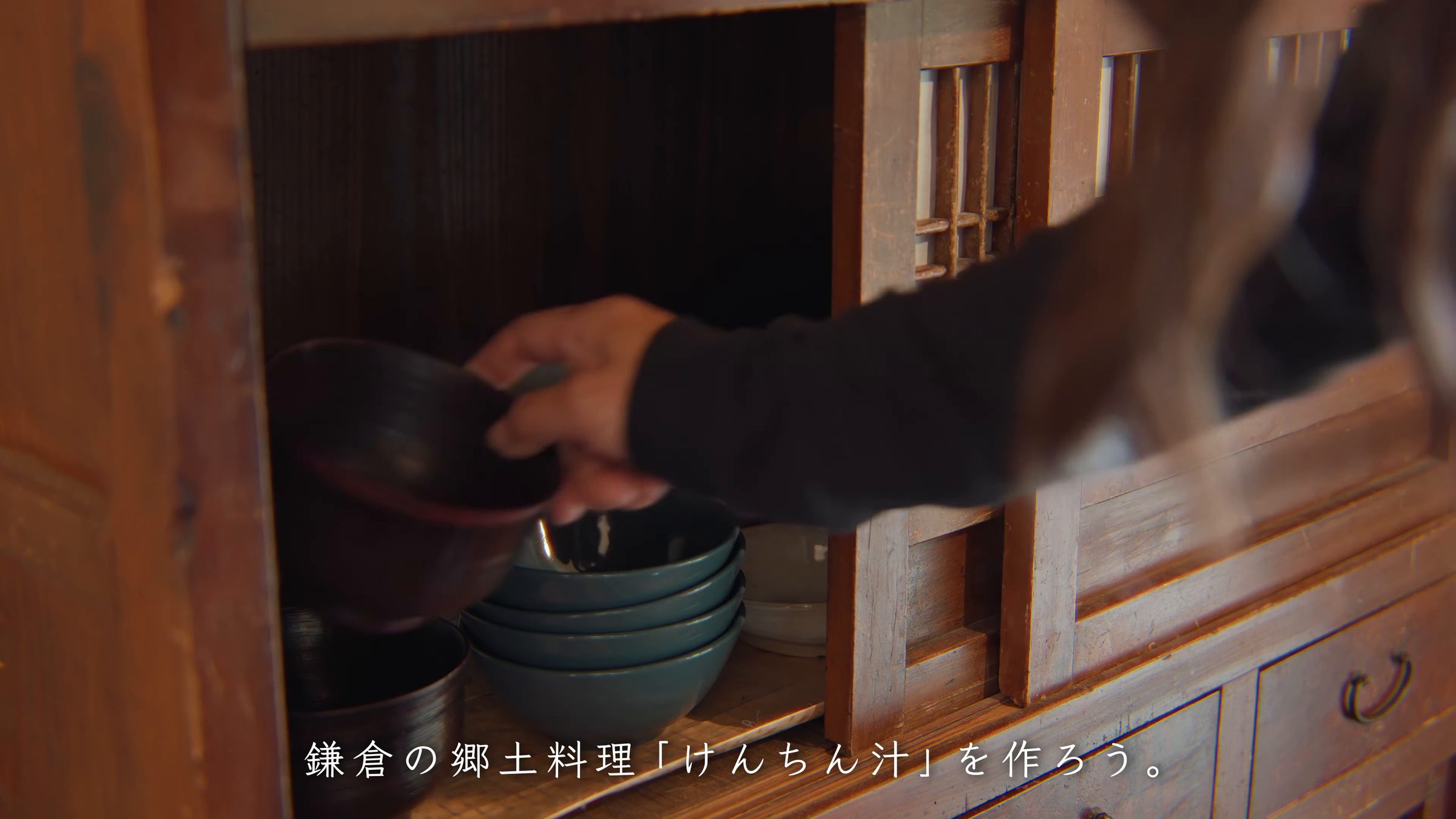
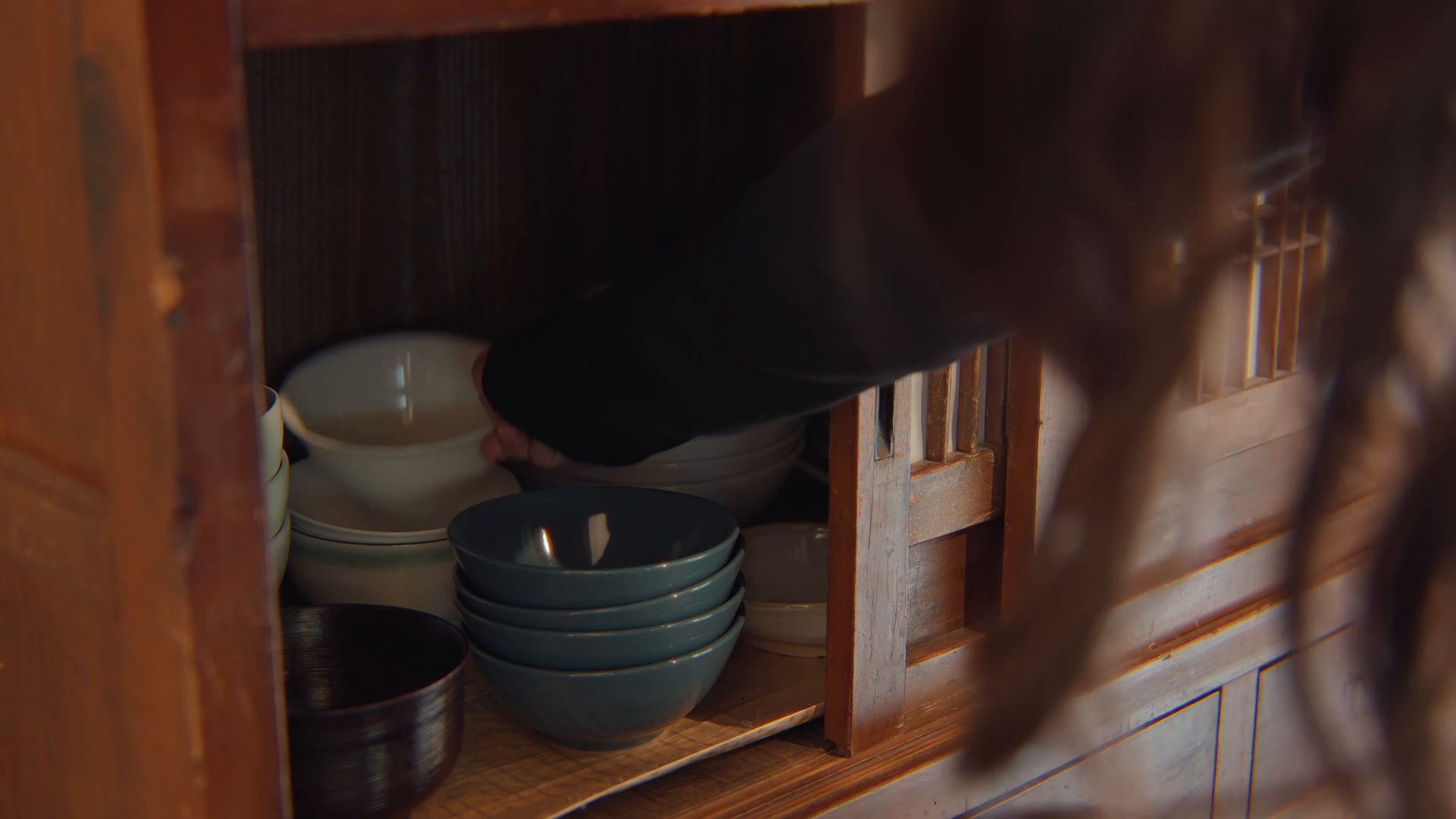
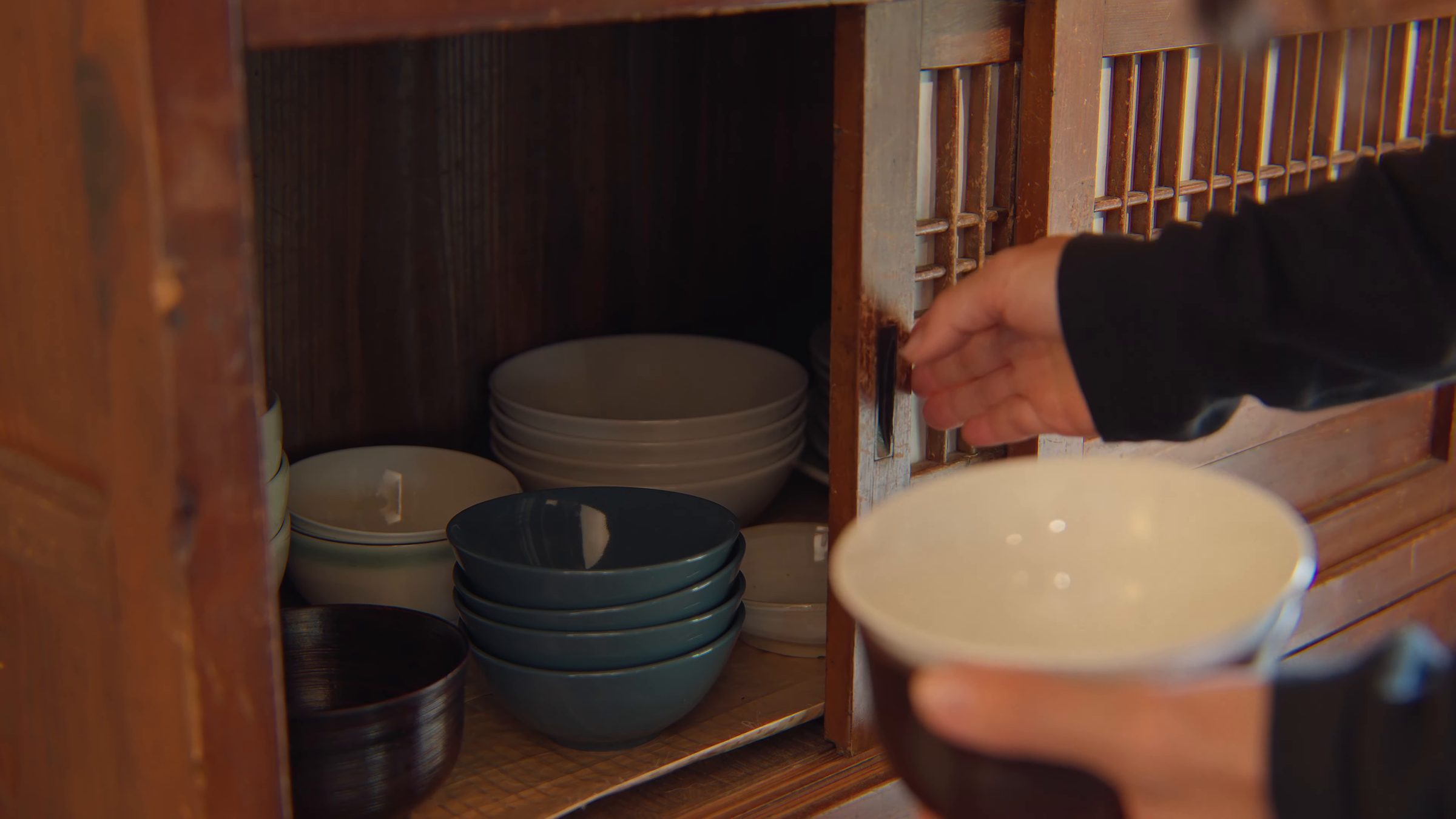
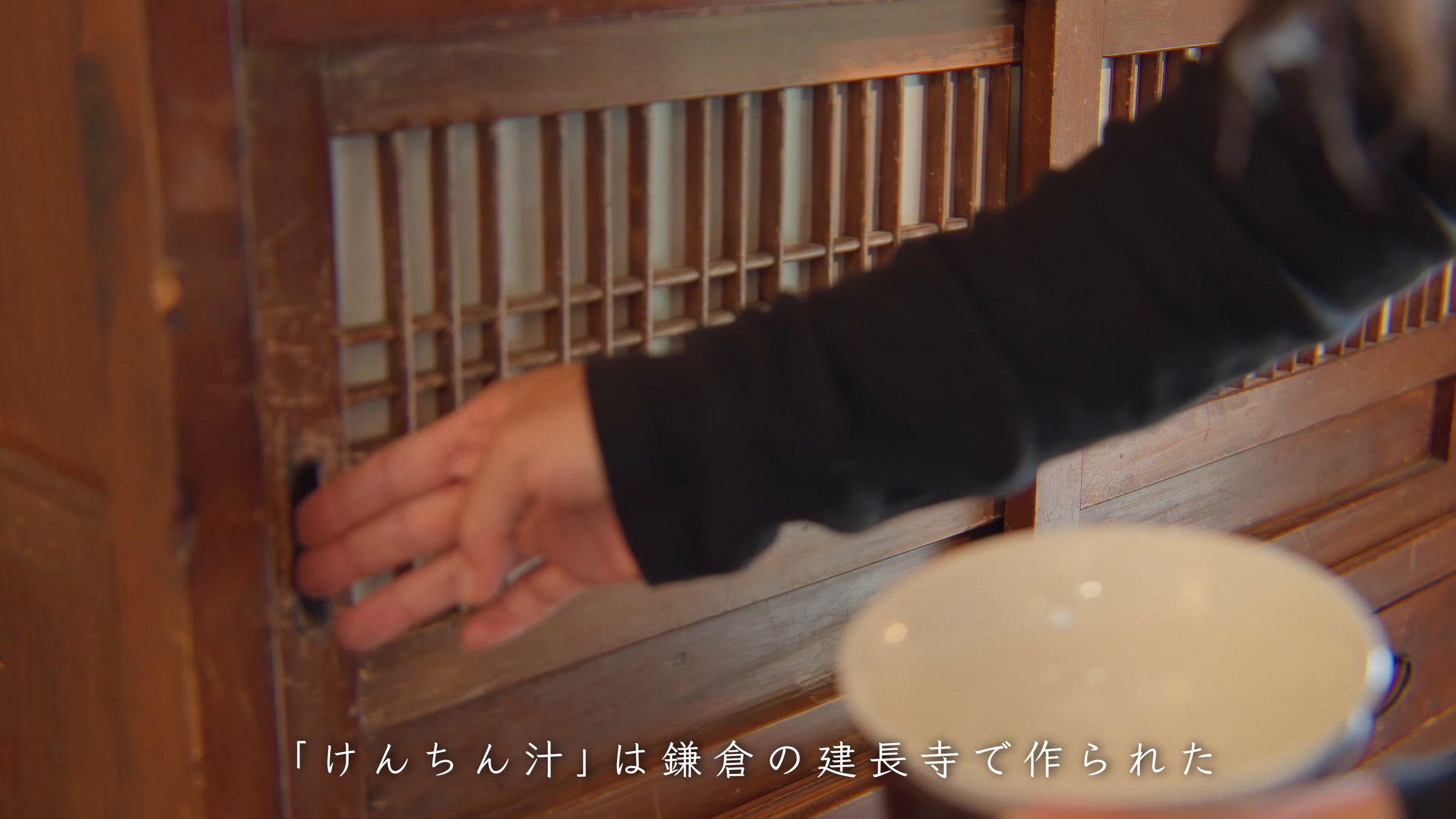
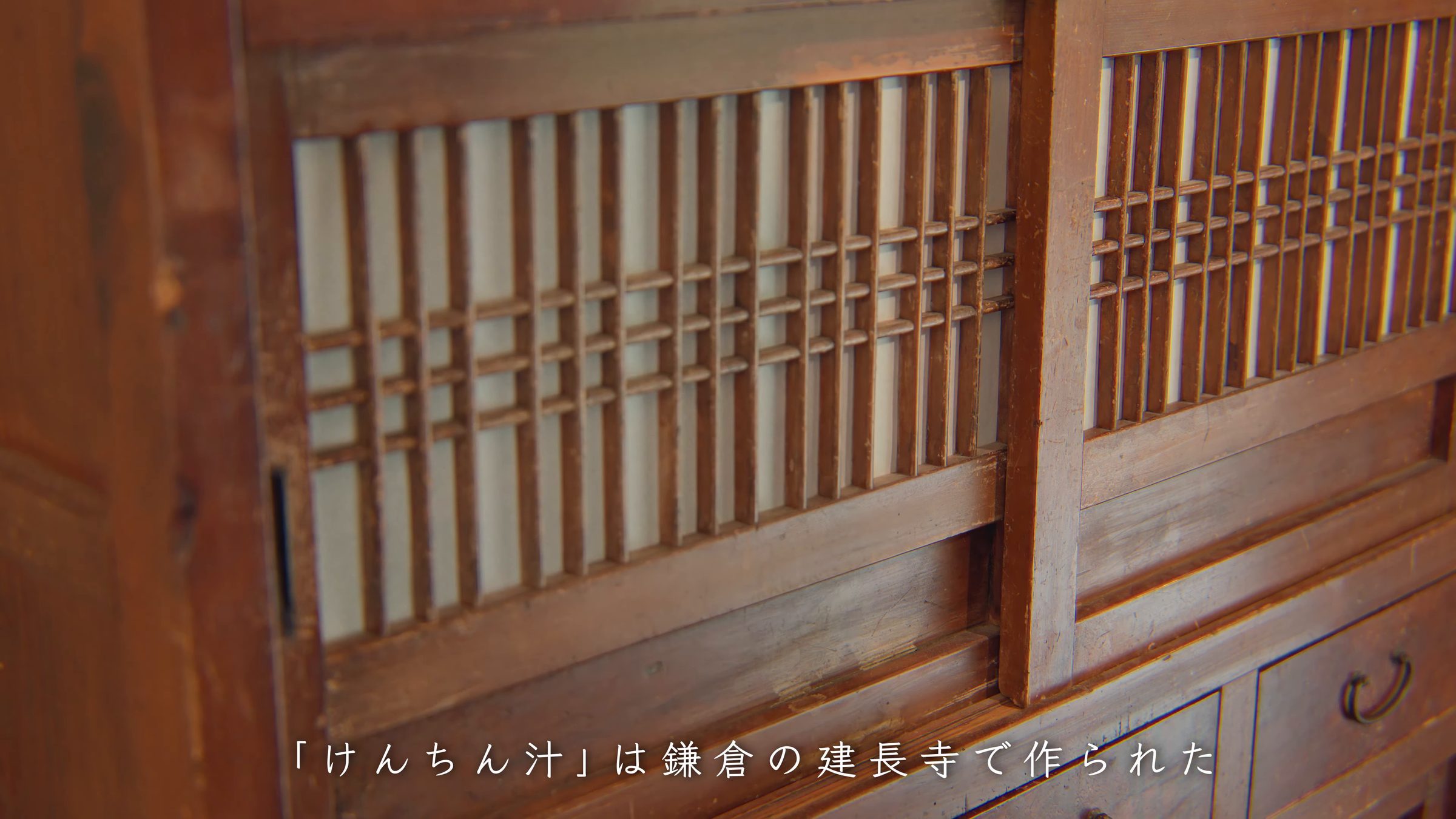
Time to make kenchin-jiru, Kamakura's local dish. On a sheet of newspaper I spread out what I had bought at the market: red daikon, carrots with their tops, a leek and a block of tofu. From an old latticed cupboard I took out bowls.
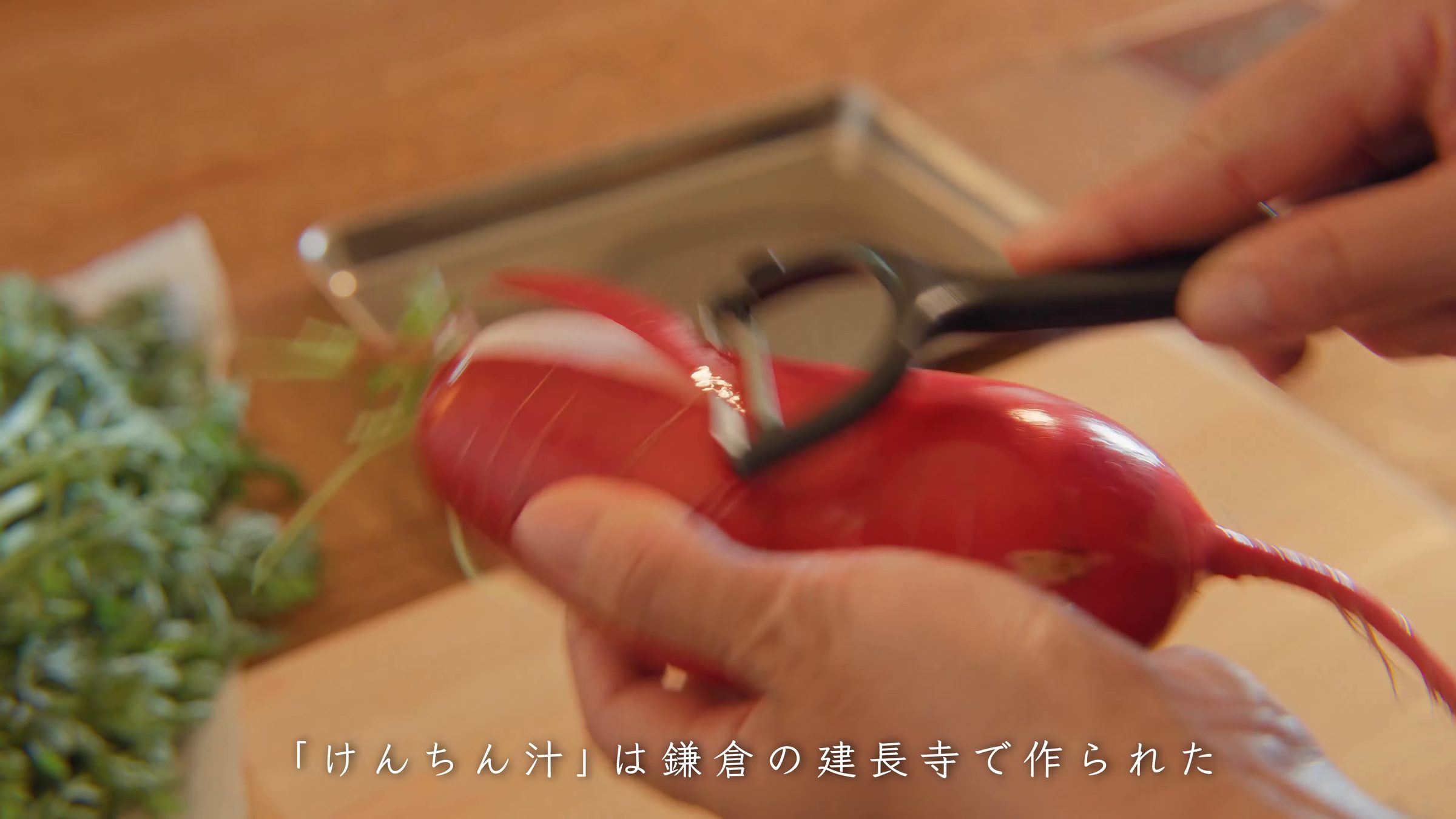
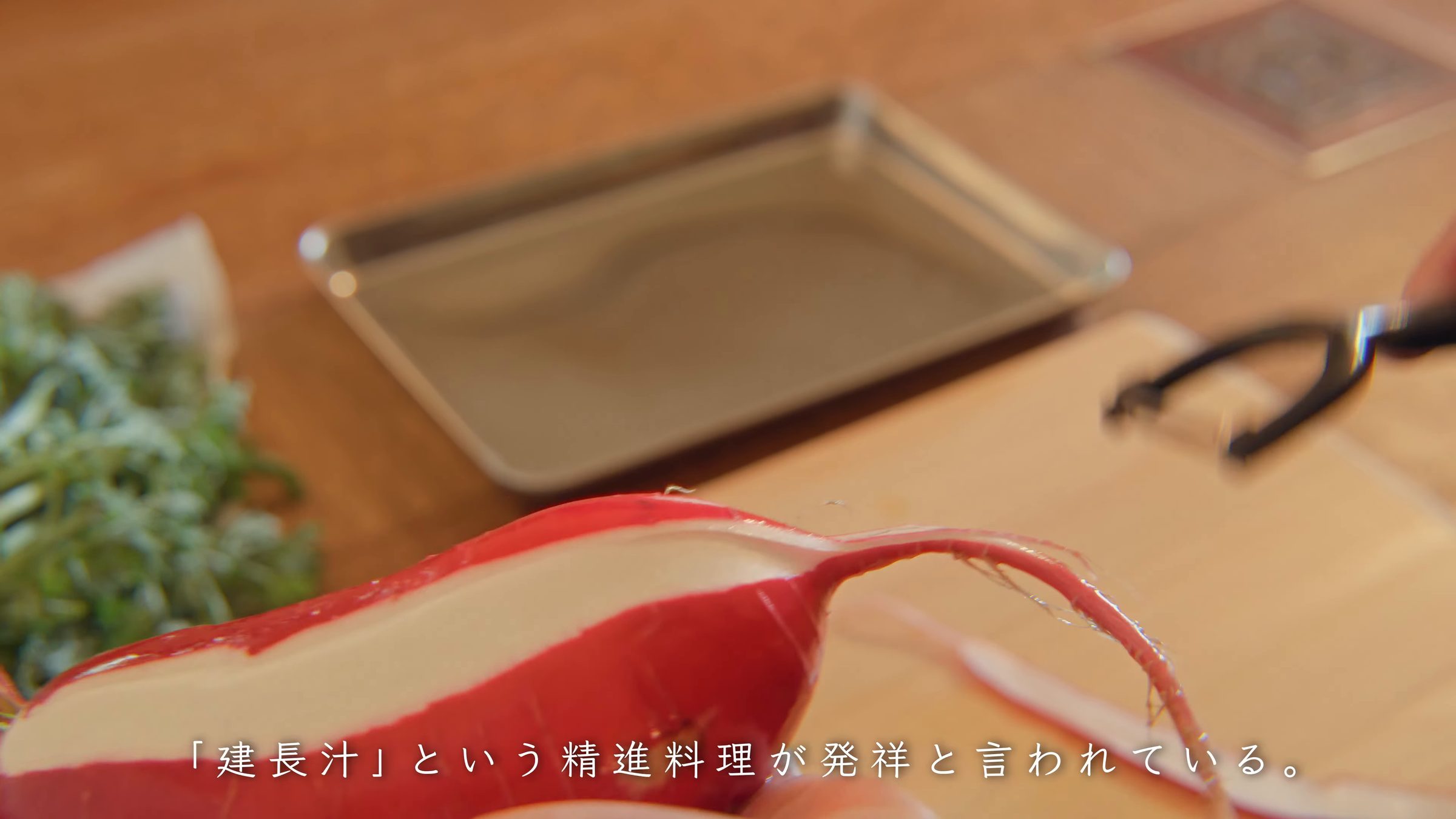
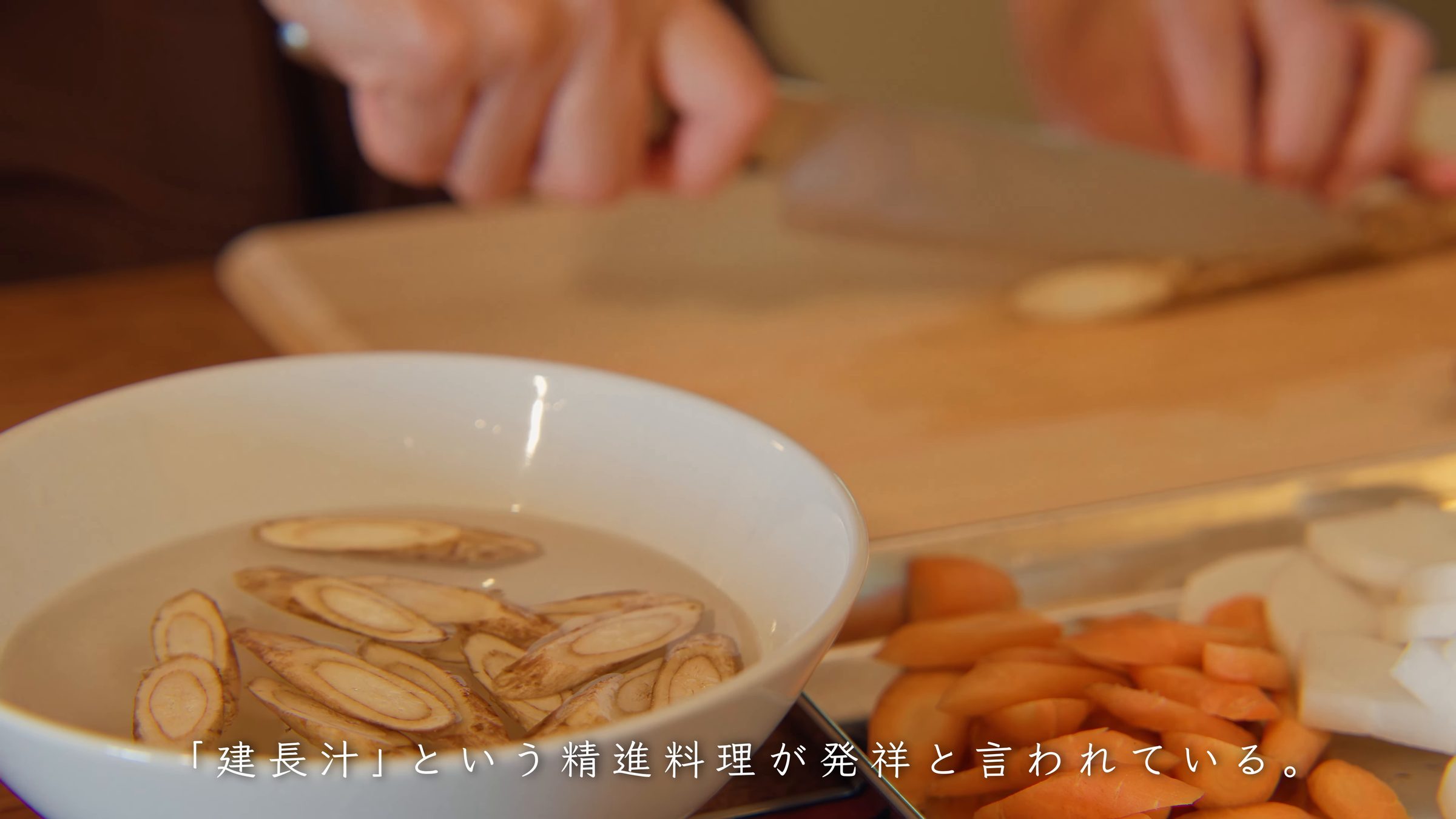
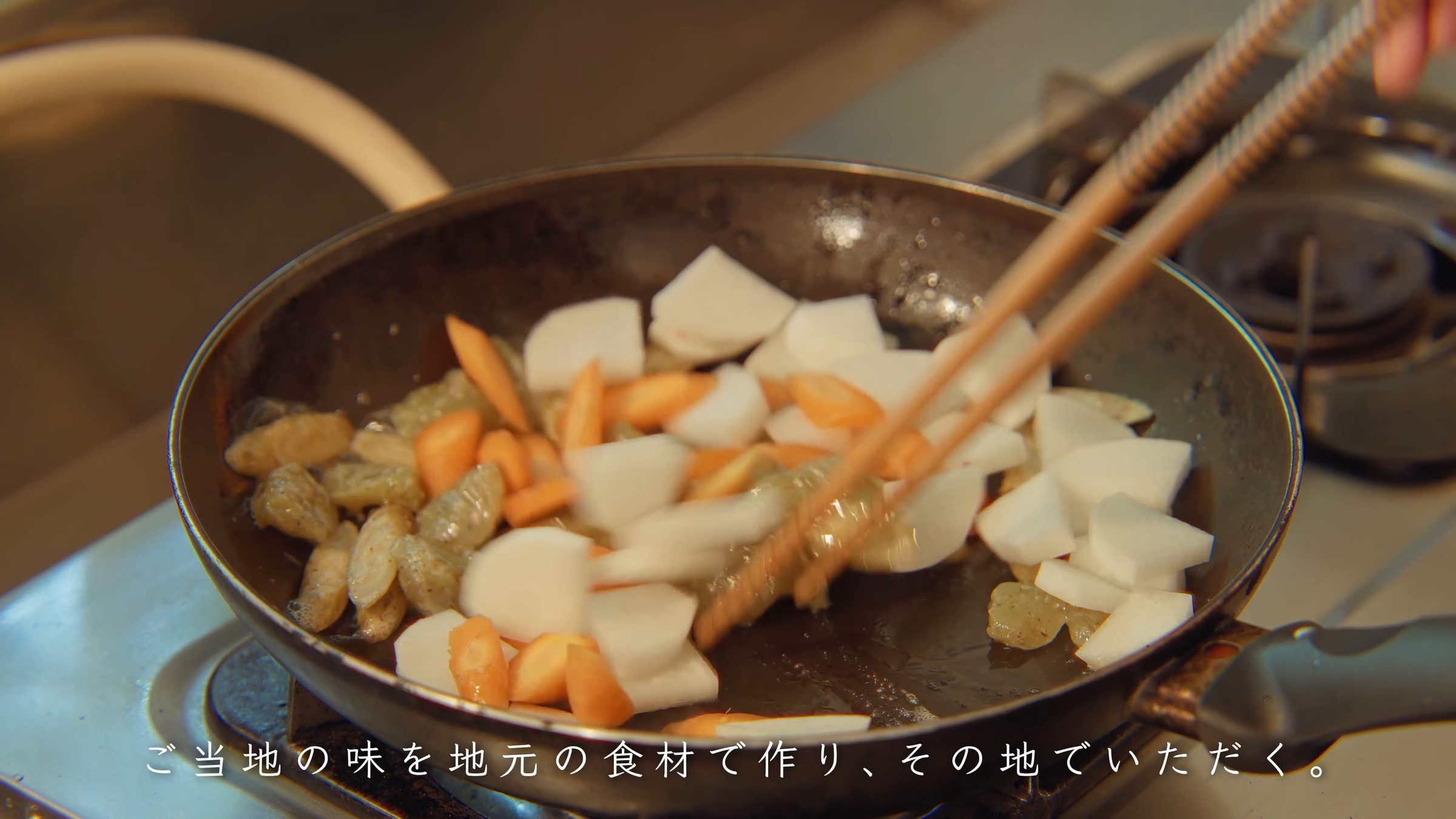
Its roots, they say, lie in kencho-jiru, a vegetarian soup made at Kenchoji Temple in Kamakura. Peeling the red daikon revealed white flesh inside. I sliced the burdock thin and soaked it in water, and cut the carrots to match.
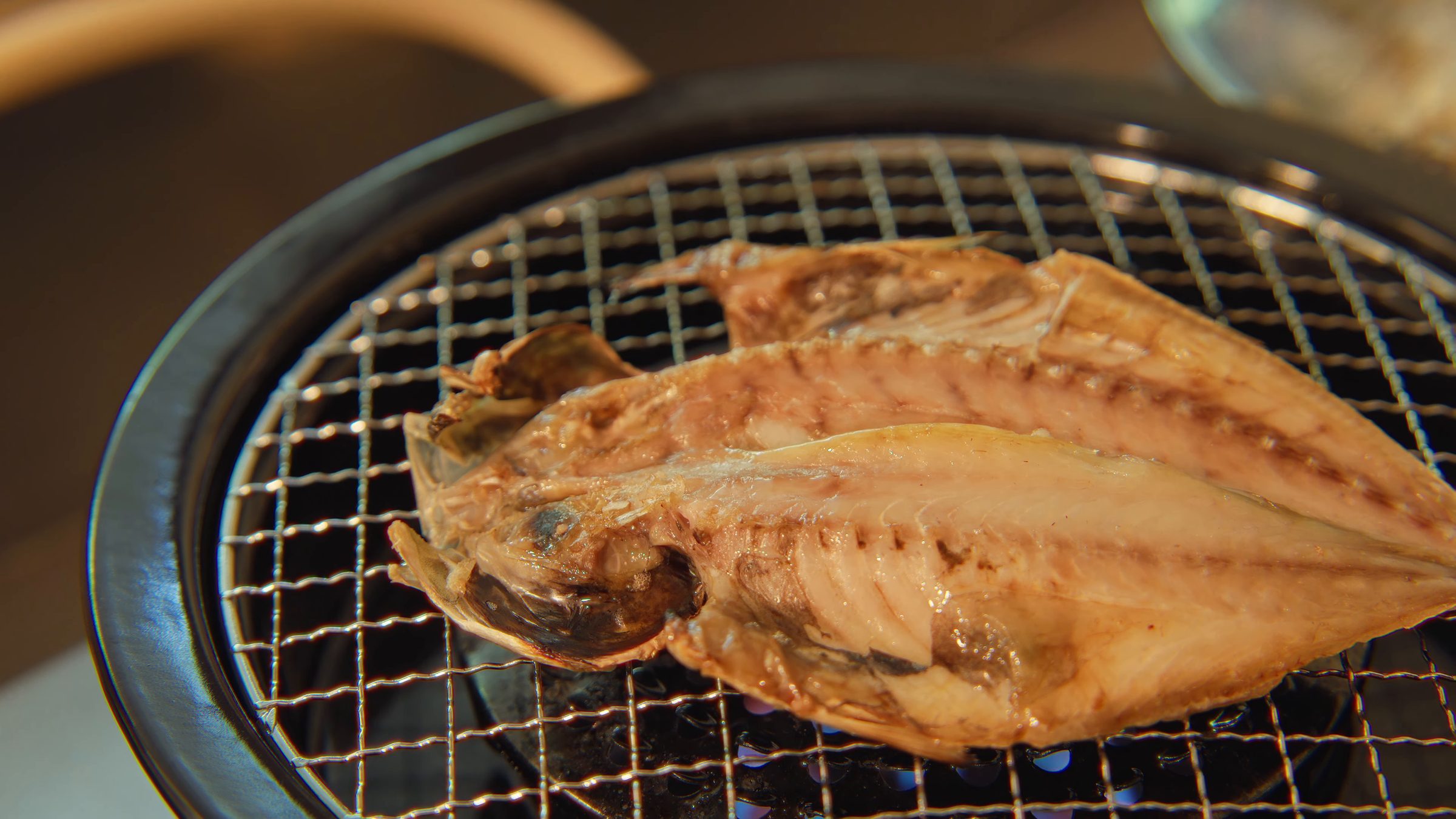
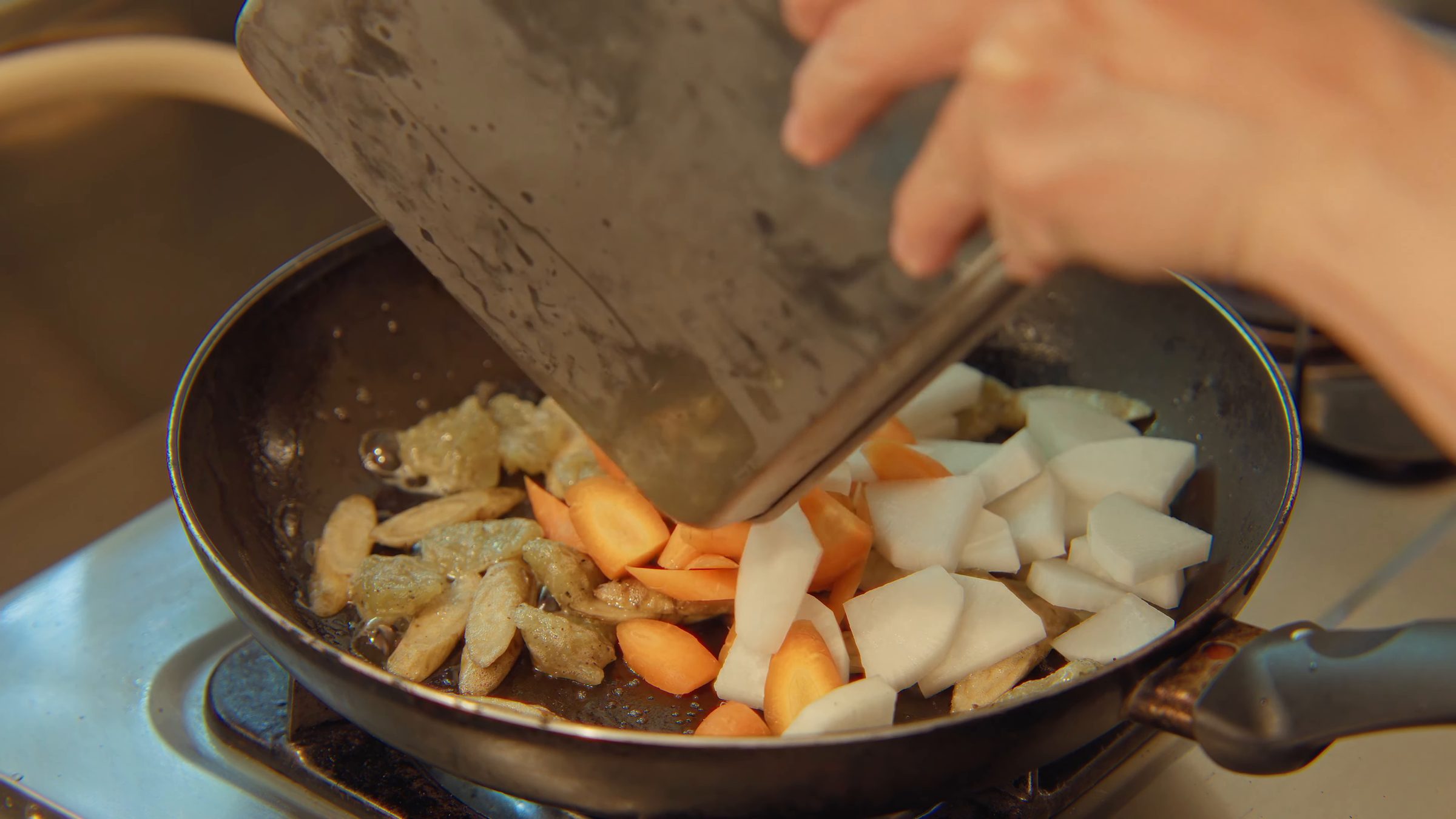
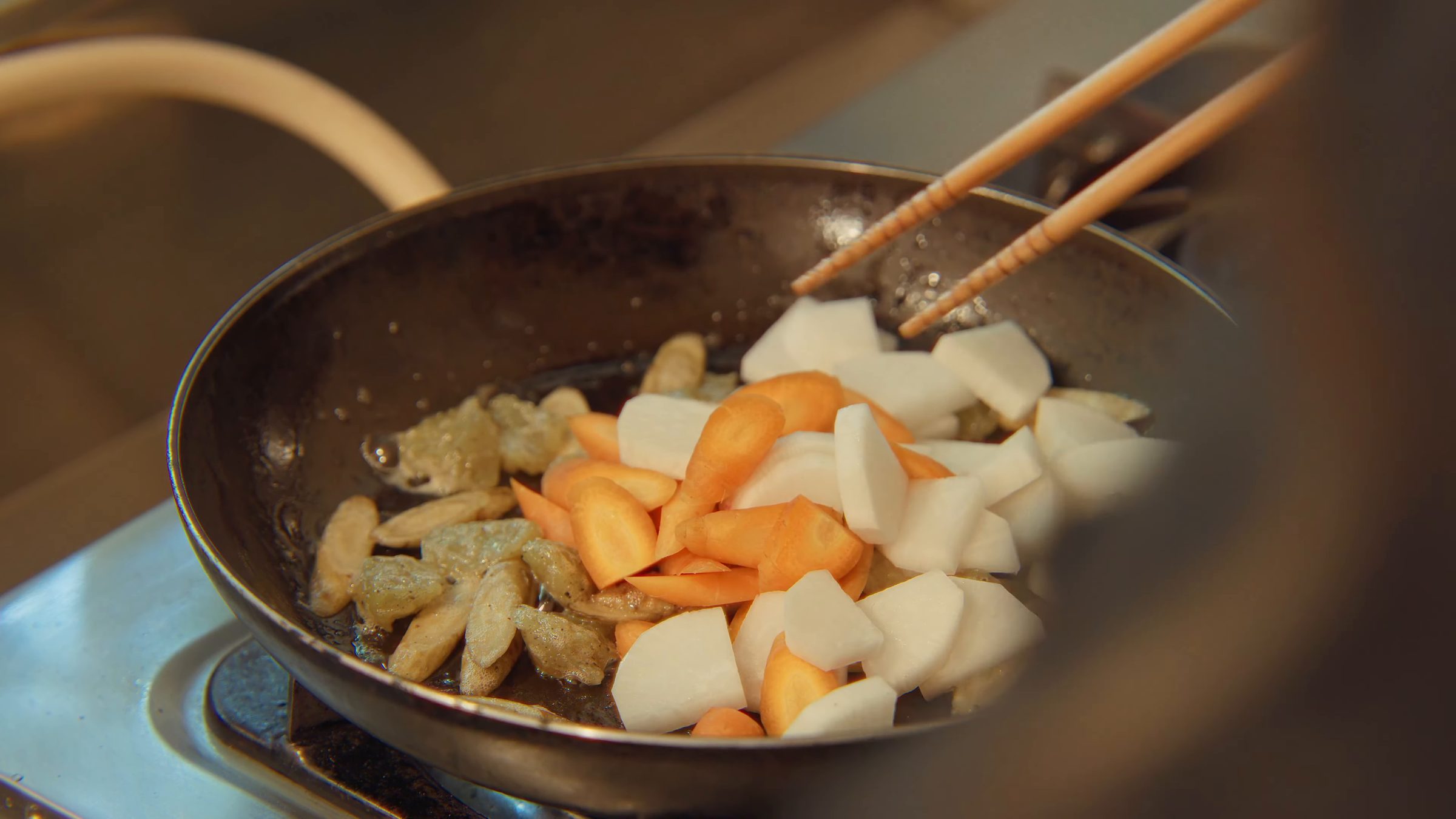
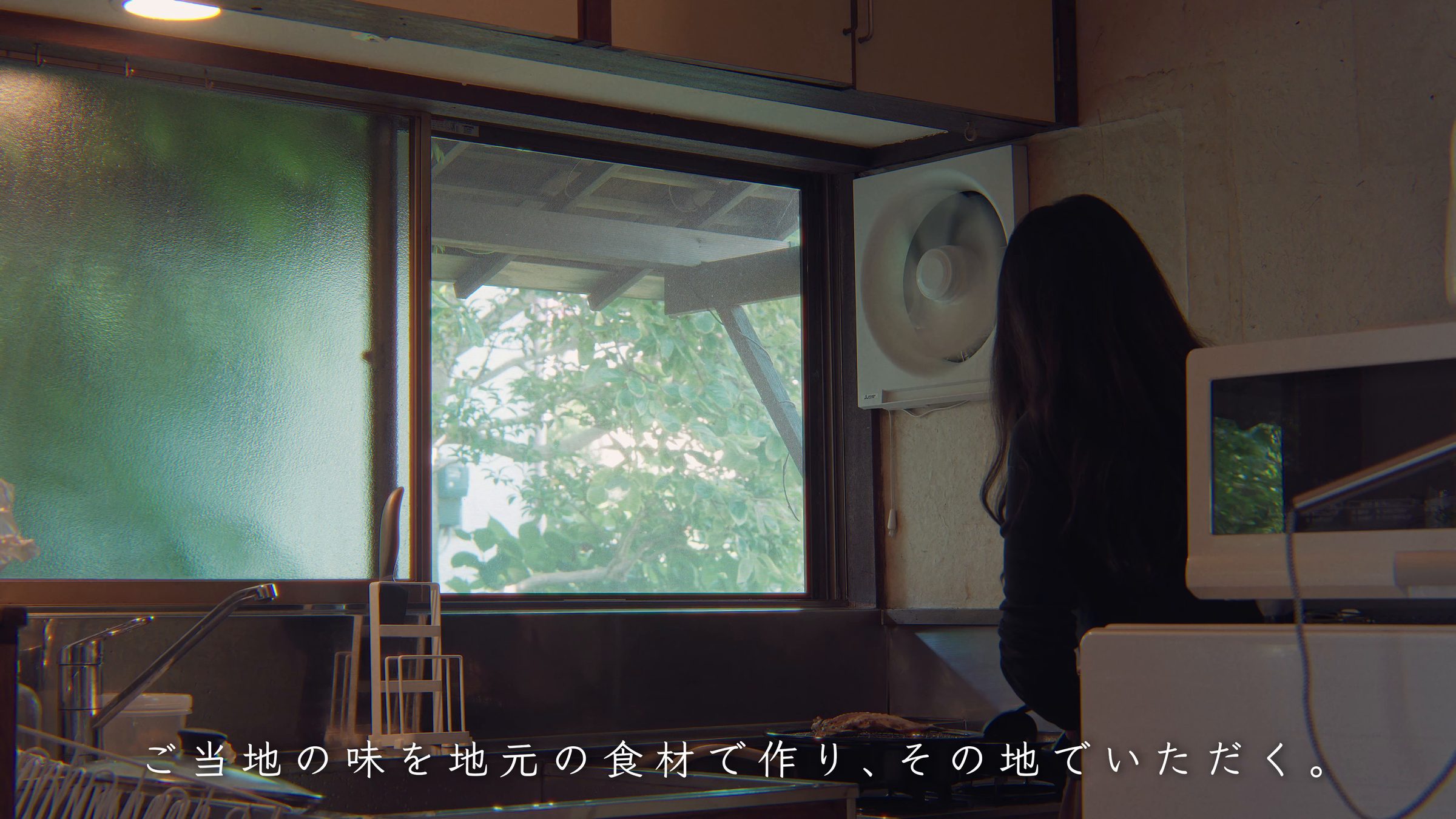
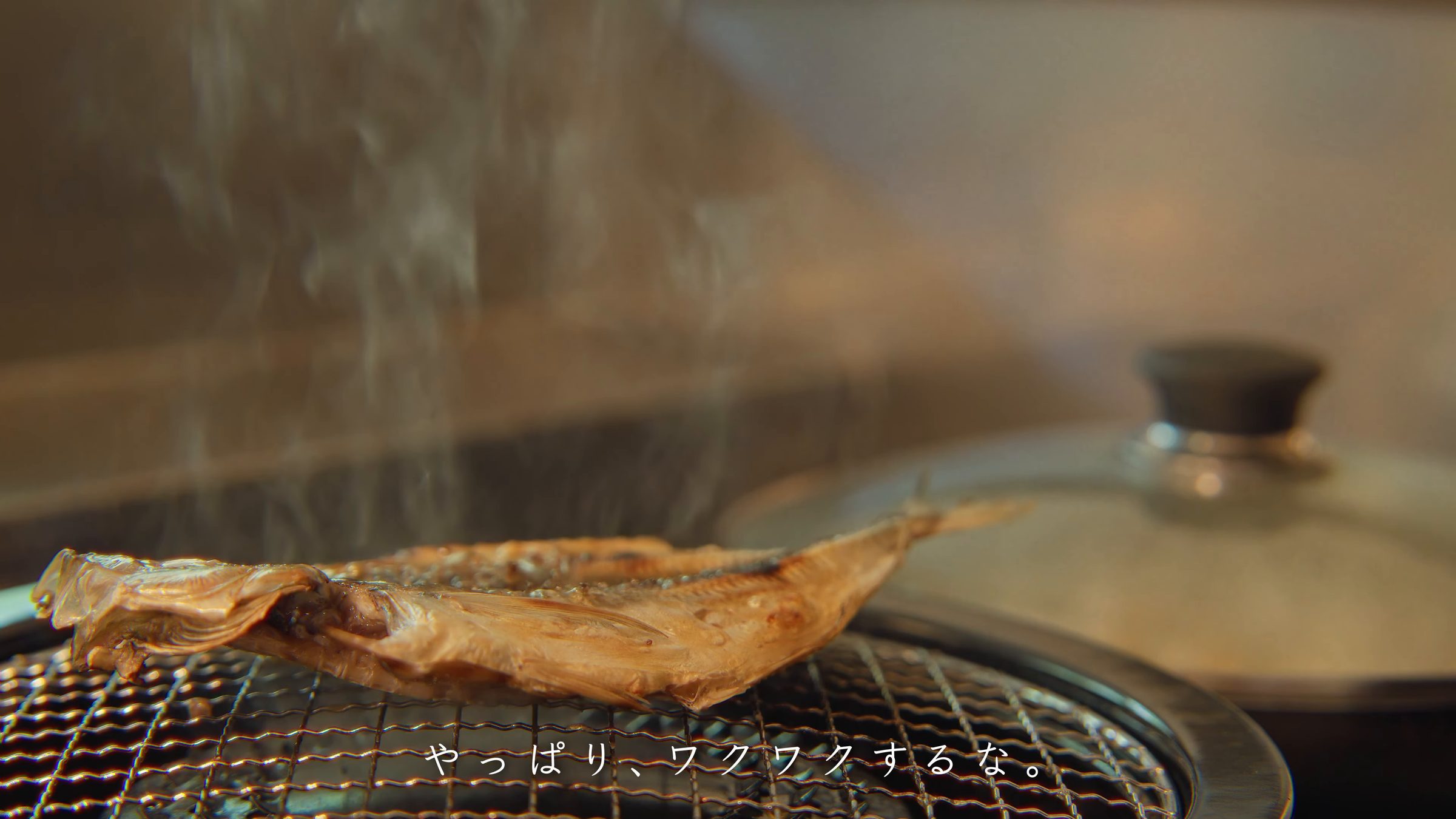
The dried fish went onto the grill. In a frying pan with a little oil, I sautéed the burdock, carrot and daikon. Outside the kitchen window was nothing but green. Watching the fish start to smoke, I felt that familiar excitement.
Watch this scene on YouTube1:54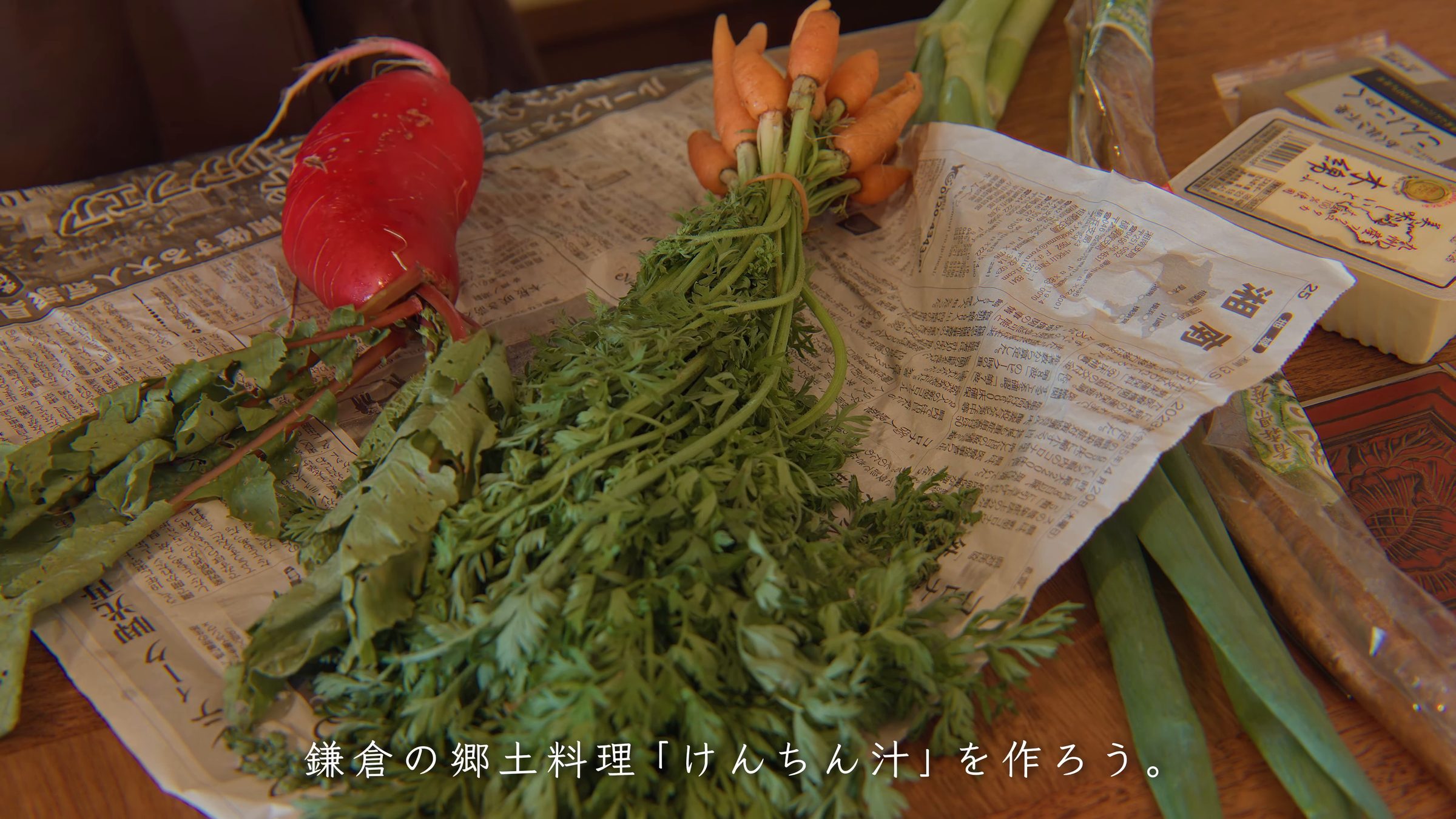
06TRAVEL JOURNAL
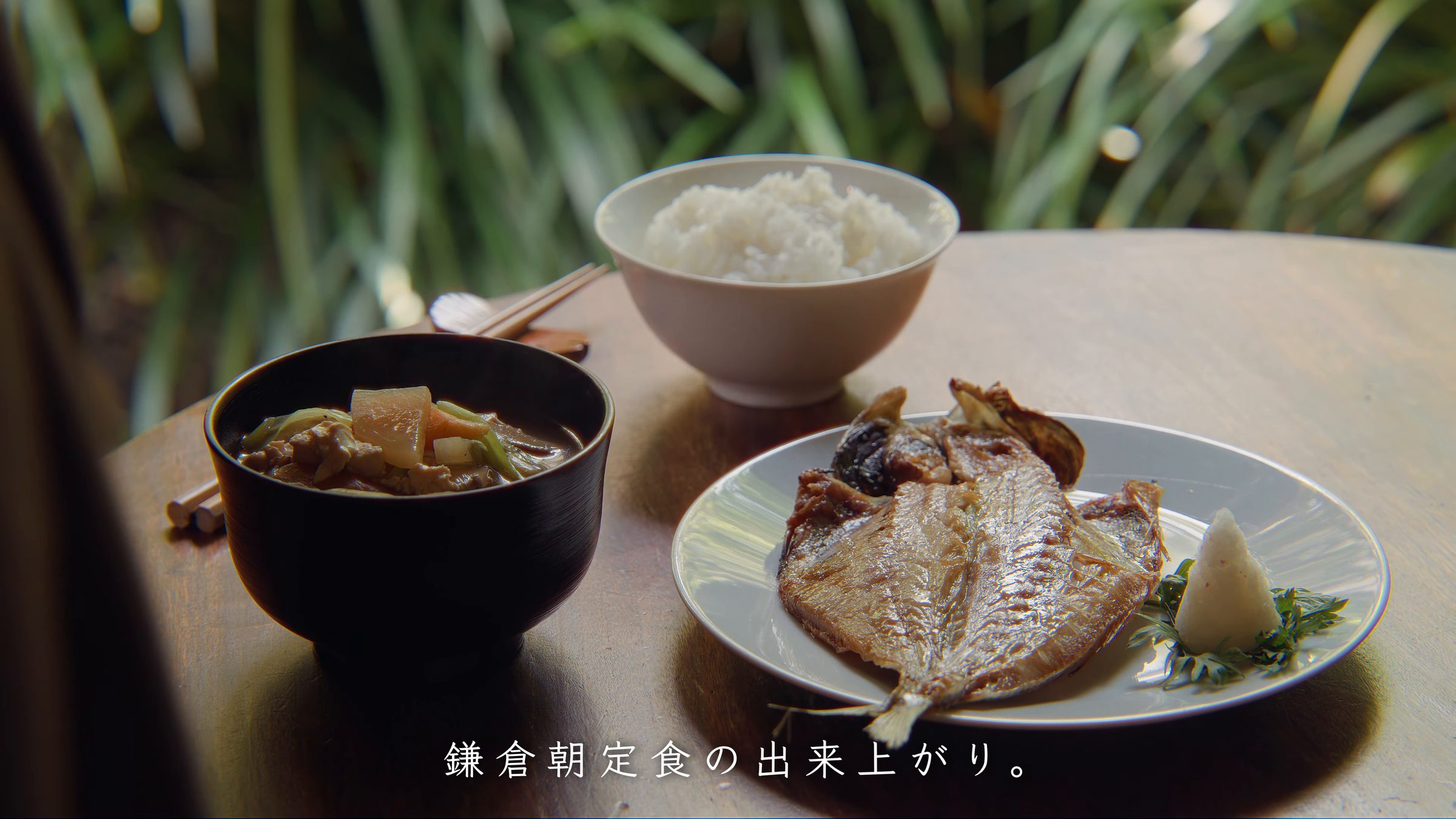
The Kamakura morning set is ready
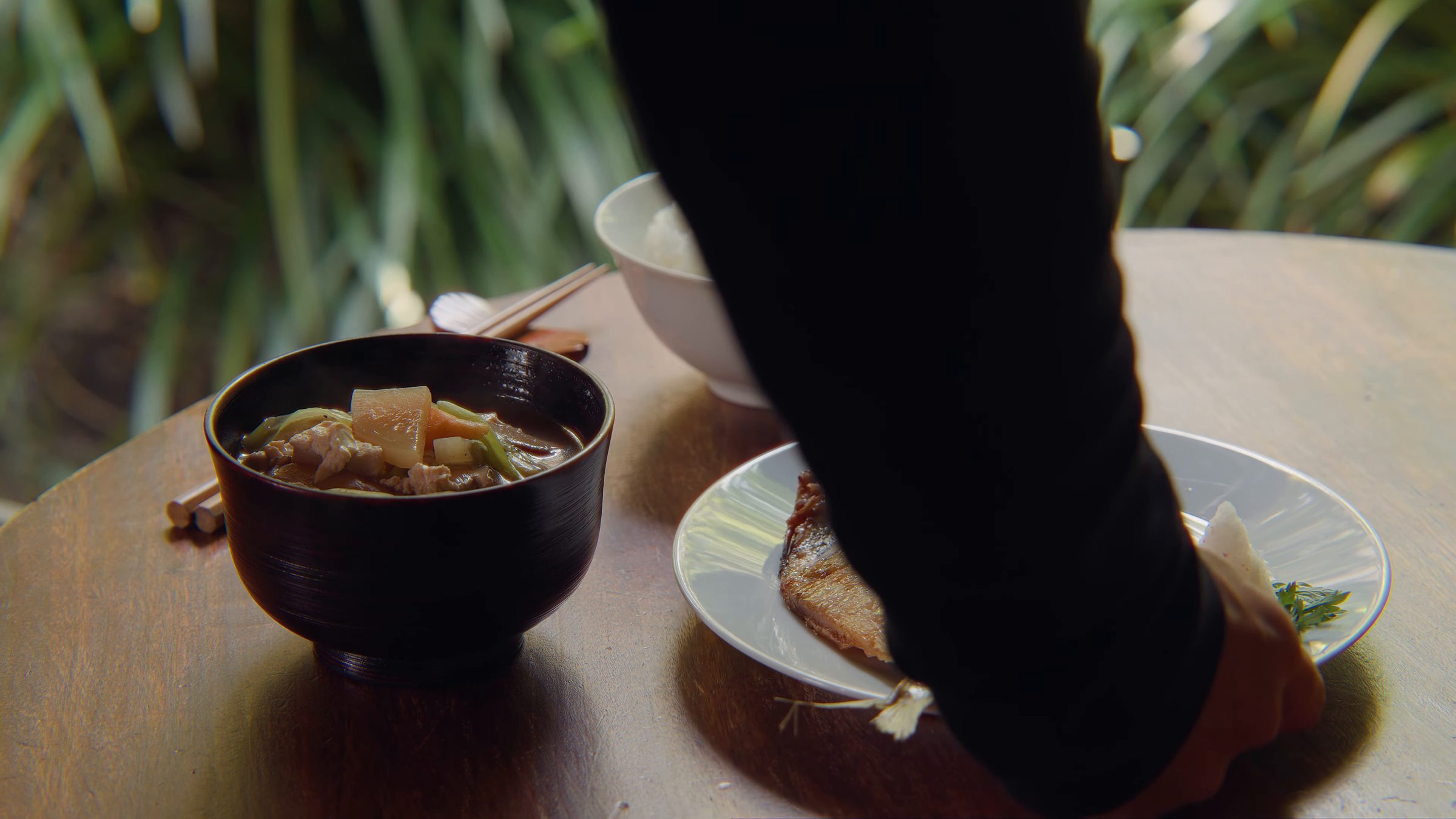
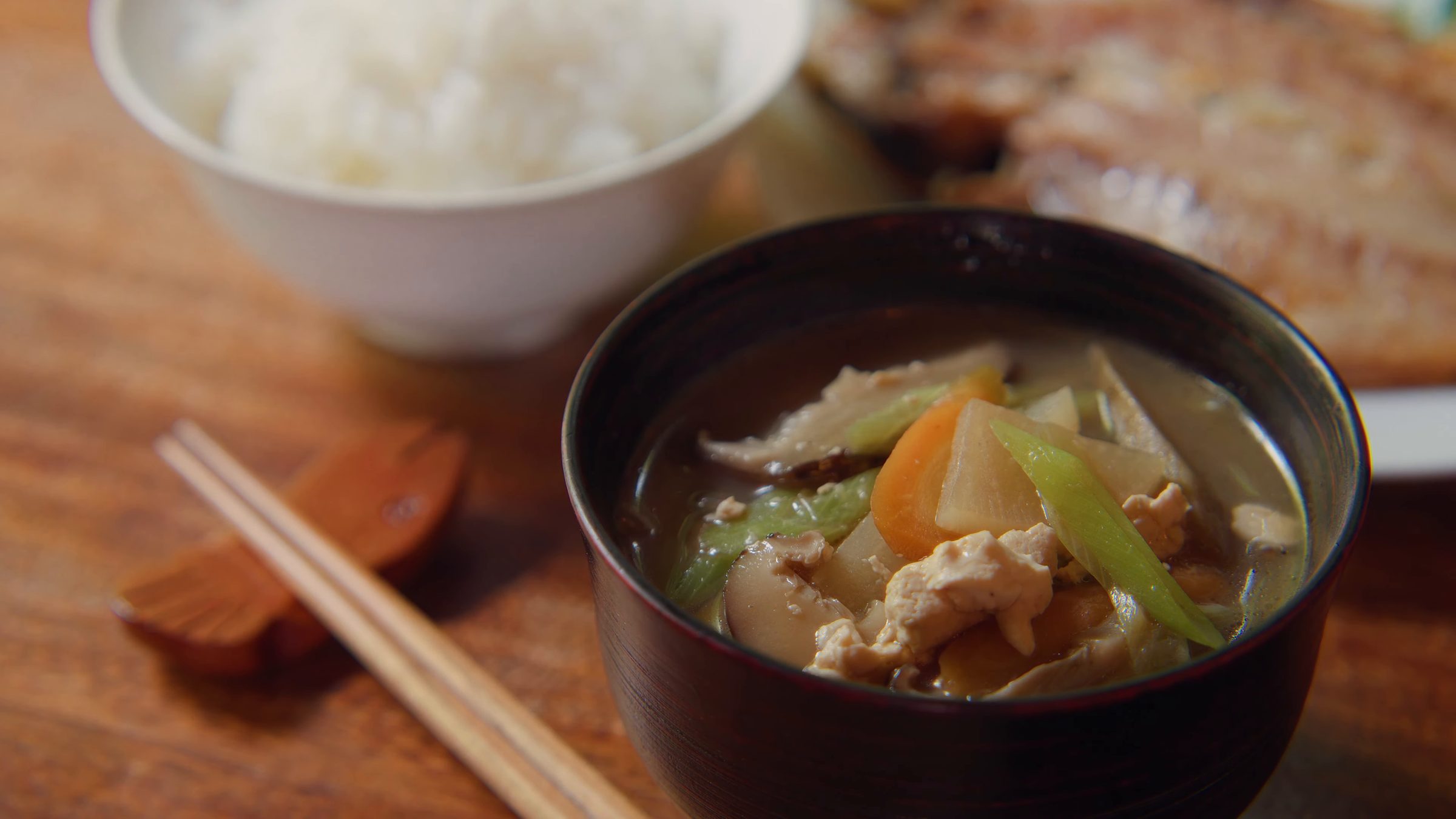
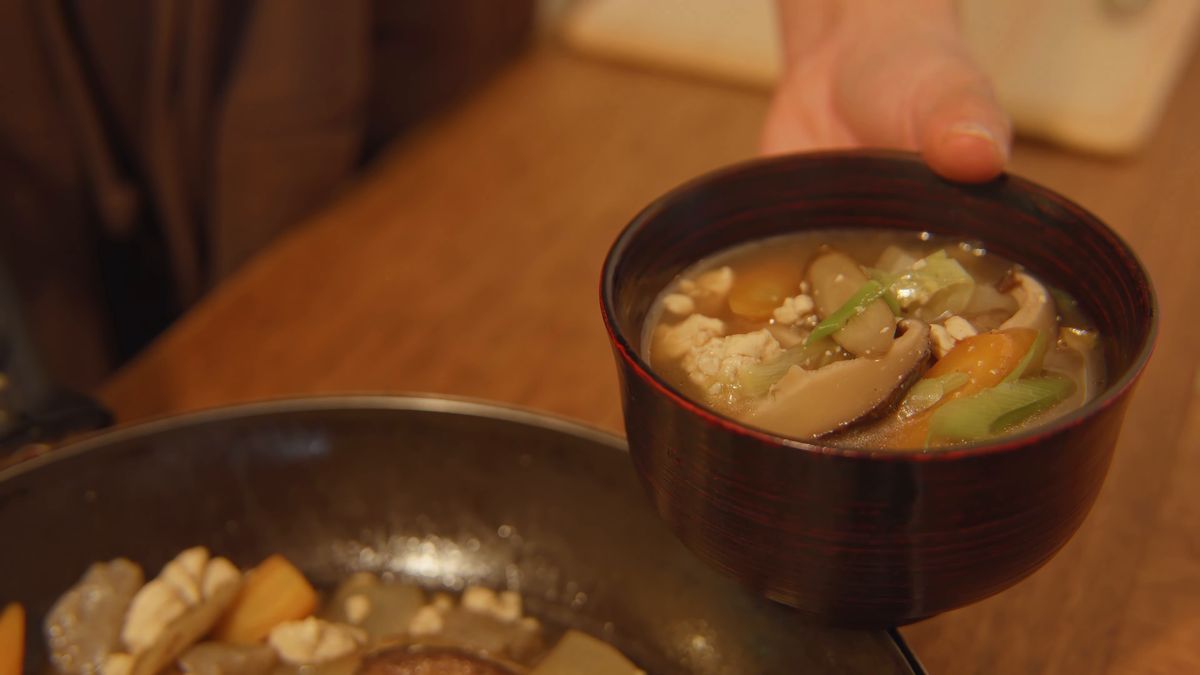
Make local food with local ingredients, and eat it where it belongs. I ladled the finished soup into a lacquered bowl: crumbled tofu, shiitake, carrot, daikon and leek rose to the surface.
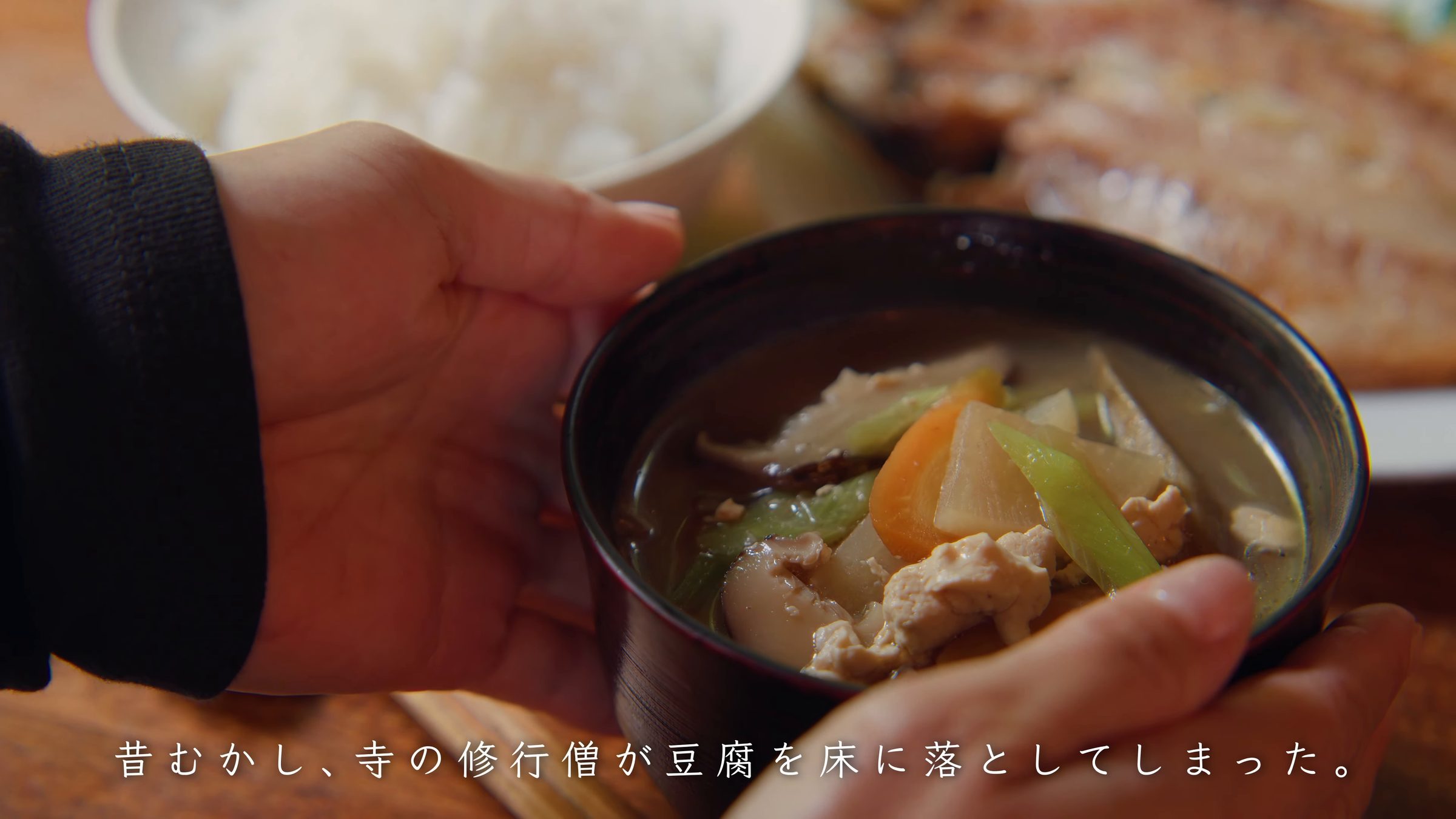
Freshly cooked rice, kenchin-jiru, and the fish hot off the grill. The Kamakura morning set meal was ready. I cupped the bowl in both hands and took a sip.
Watch this scene on YouTube2:50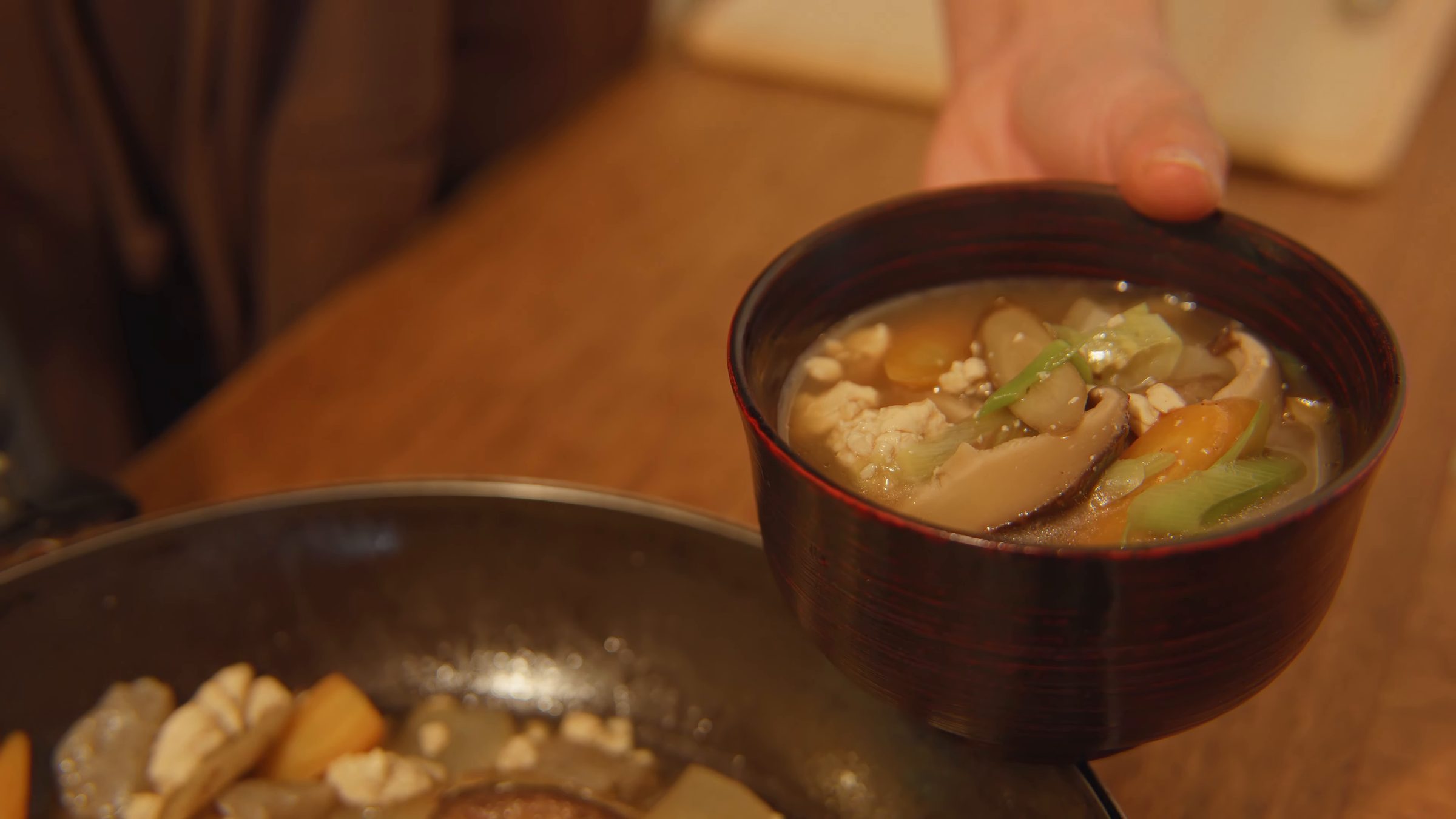
07TRAVEL JOURNAL
The old tale of kencho-jiru
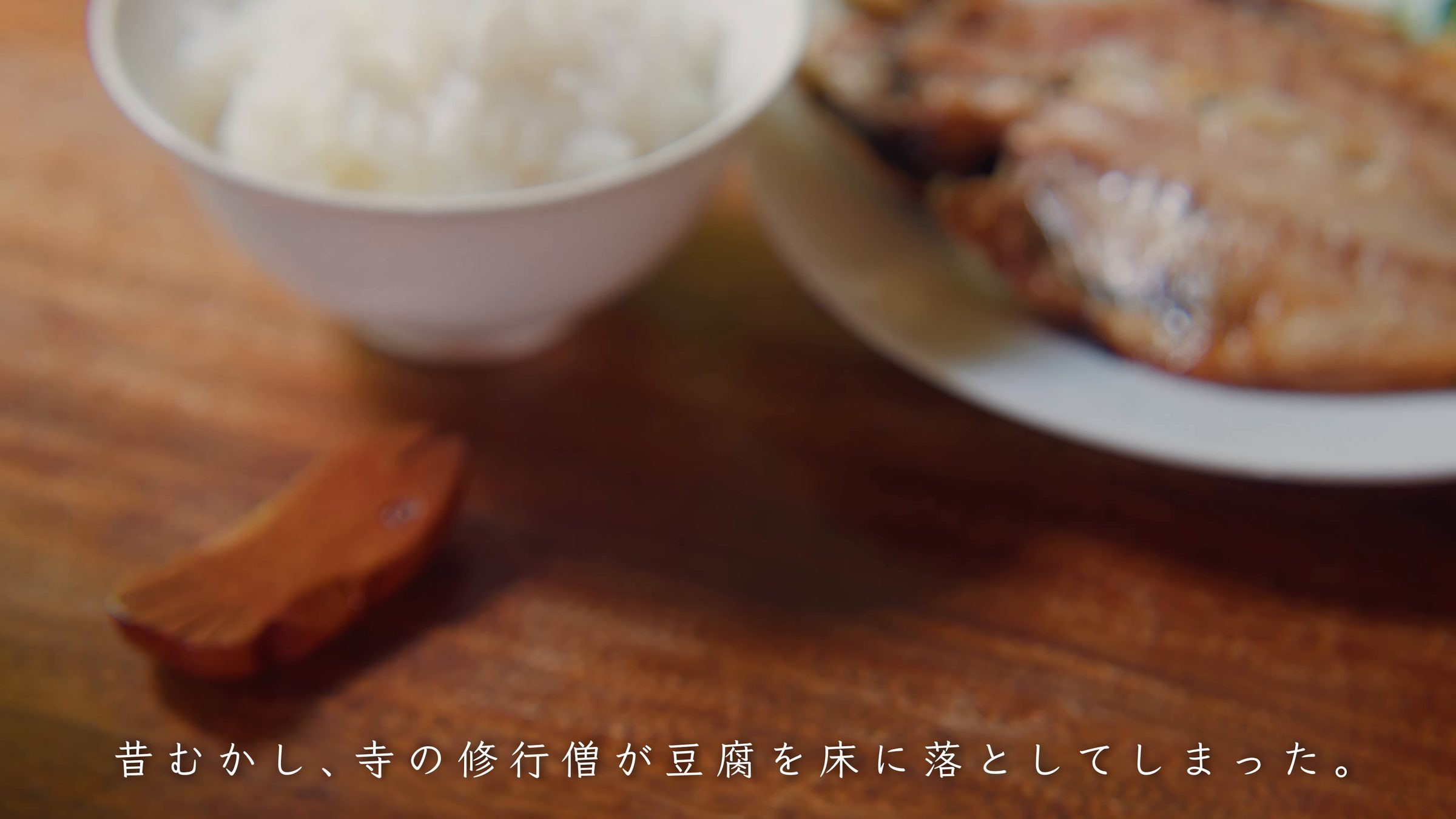
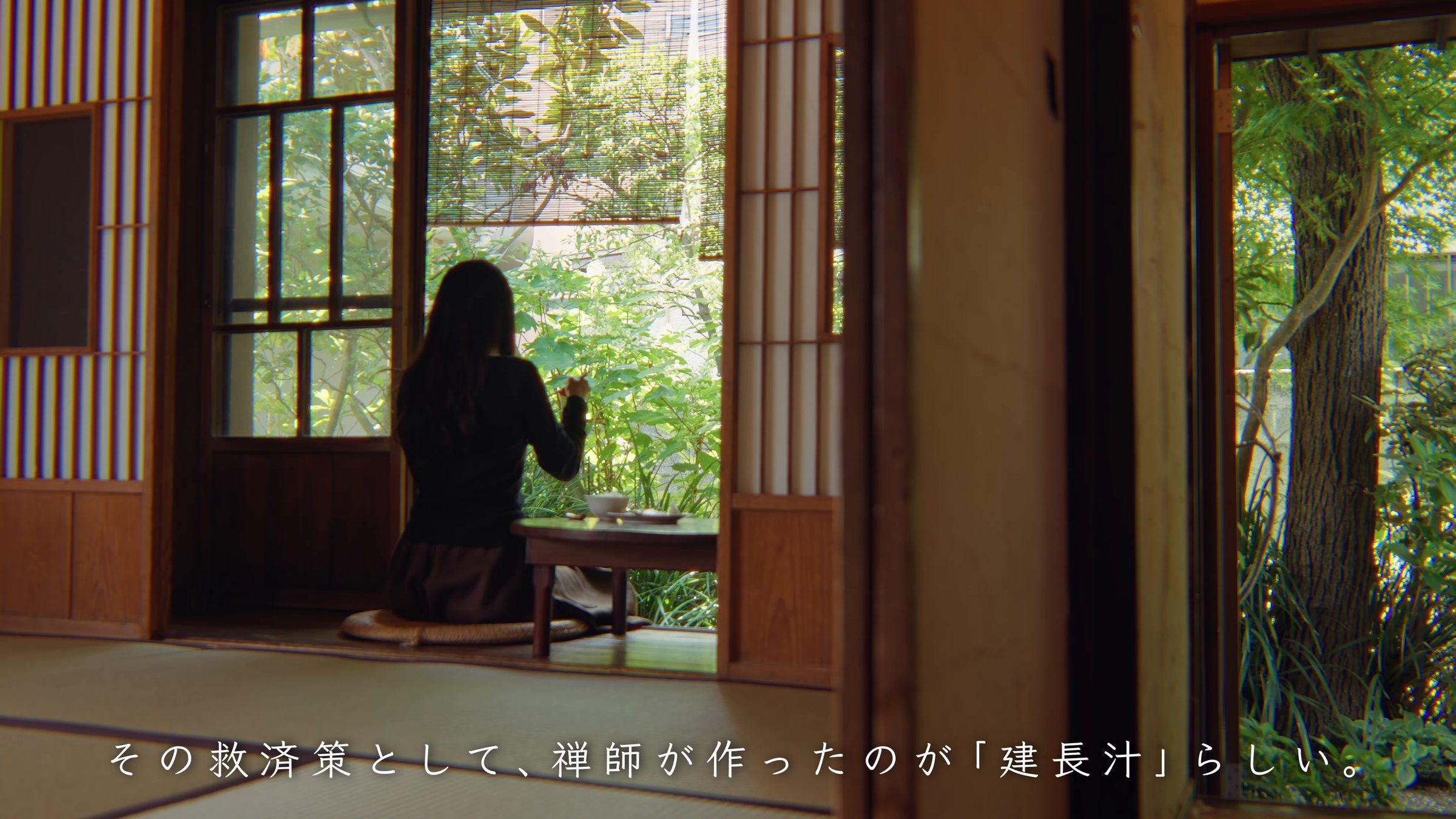
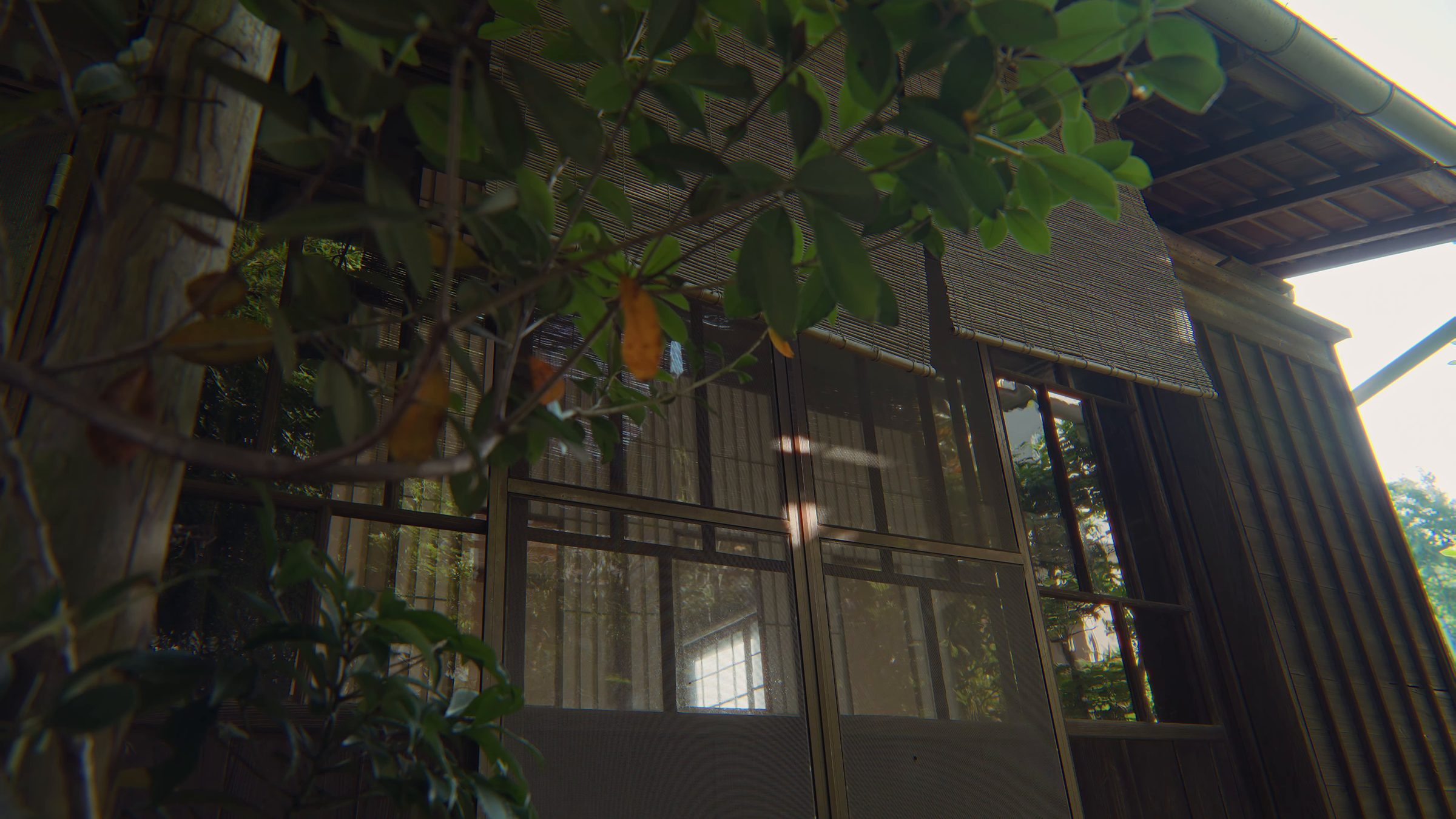
Long ago, the story goes, a monk at the temple dropped a block of tofu on the floor. The Zen master washed it and added it to the vegetable soup, and that was the beginning of kencho-jiru. Sitting on the veranda, looking at the green garden, I sipped the soup with its crumbled tofu.
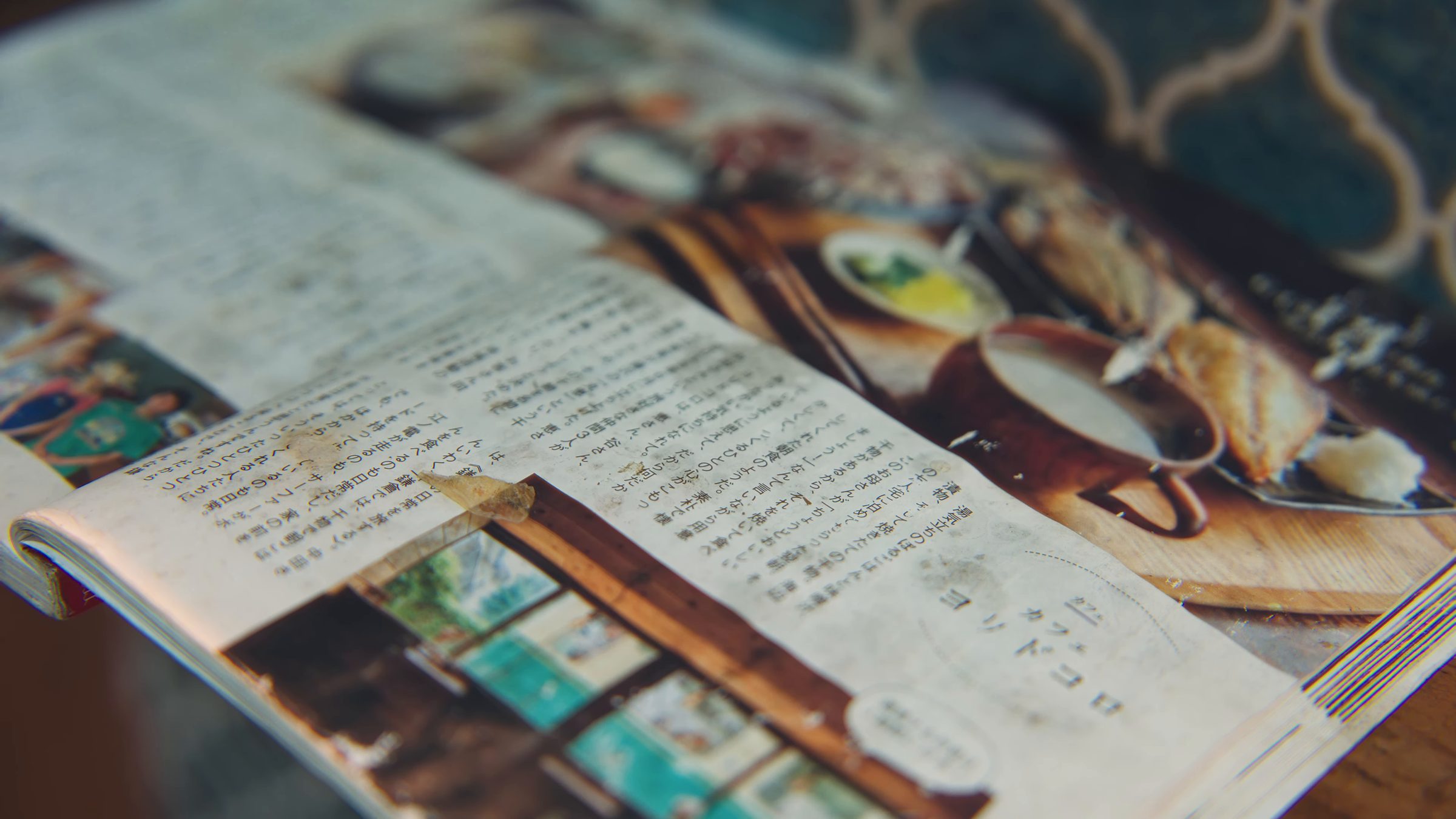
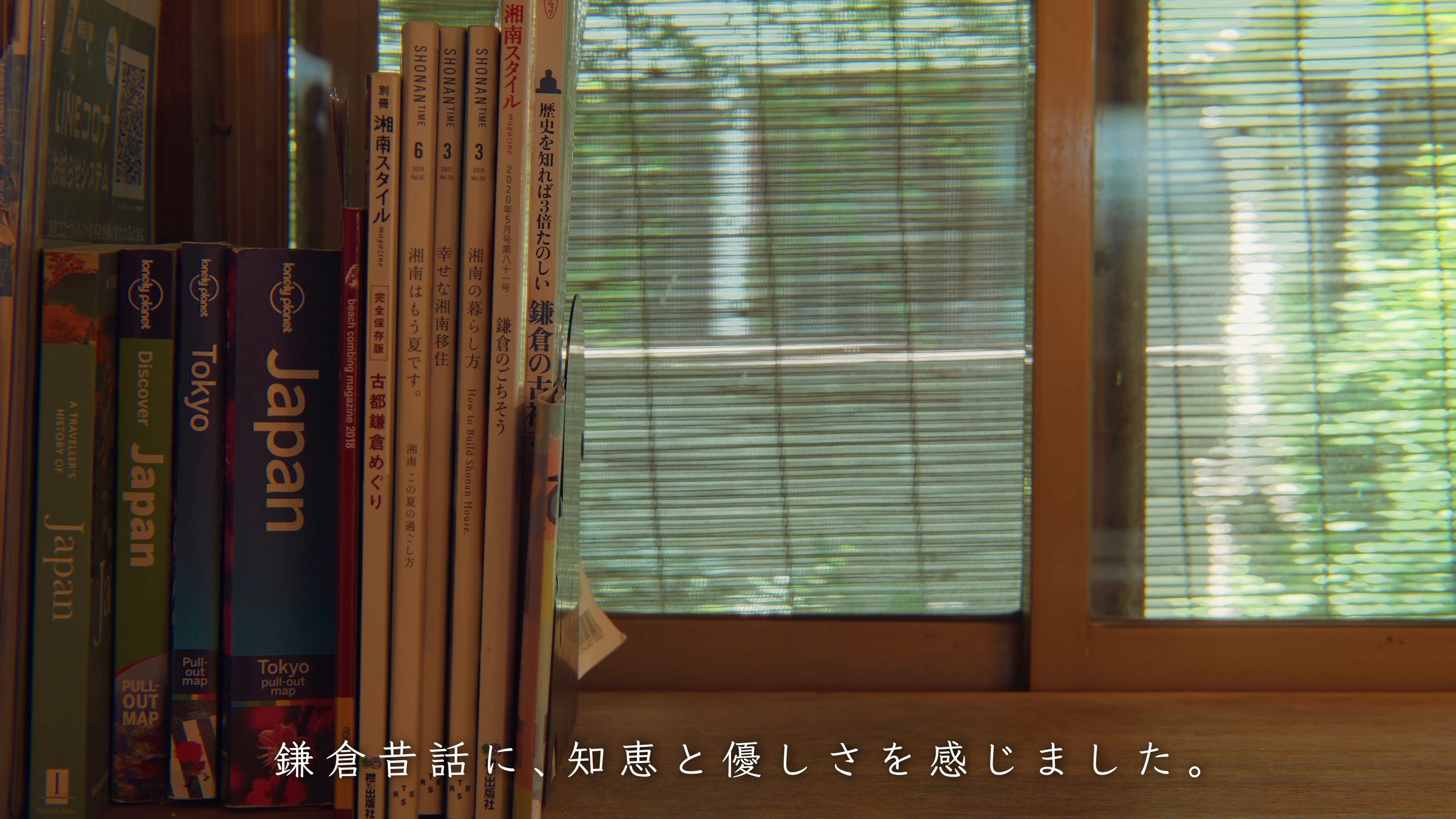
I felt wisdom and kindness in that old Kamakura tale. Guidebooks to Kamakura and Japan lined the shelf, and light through the bamboo blinds fell on the tatami. Through the leaves, the old house's windows caught the sun.
Watch this scene on YouTube3:14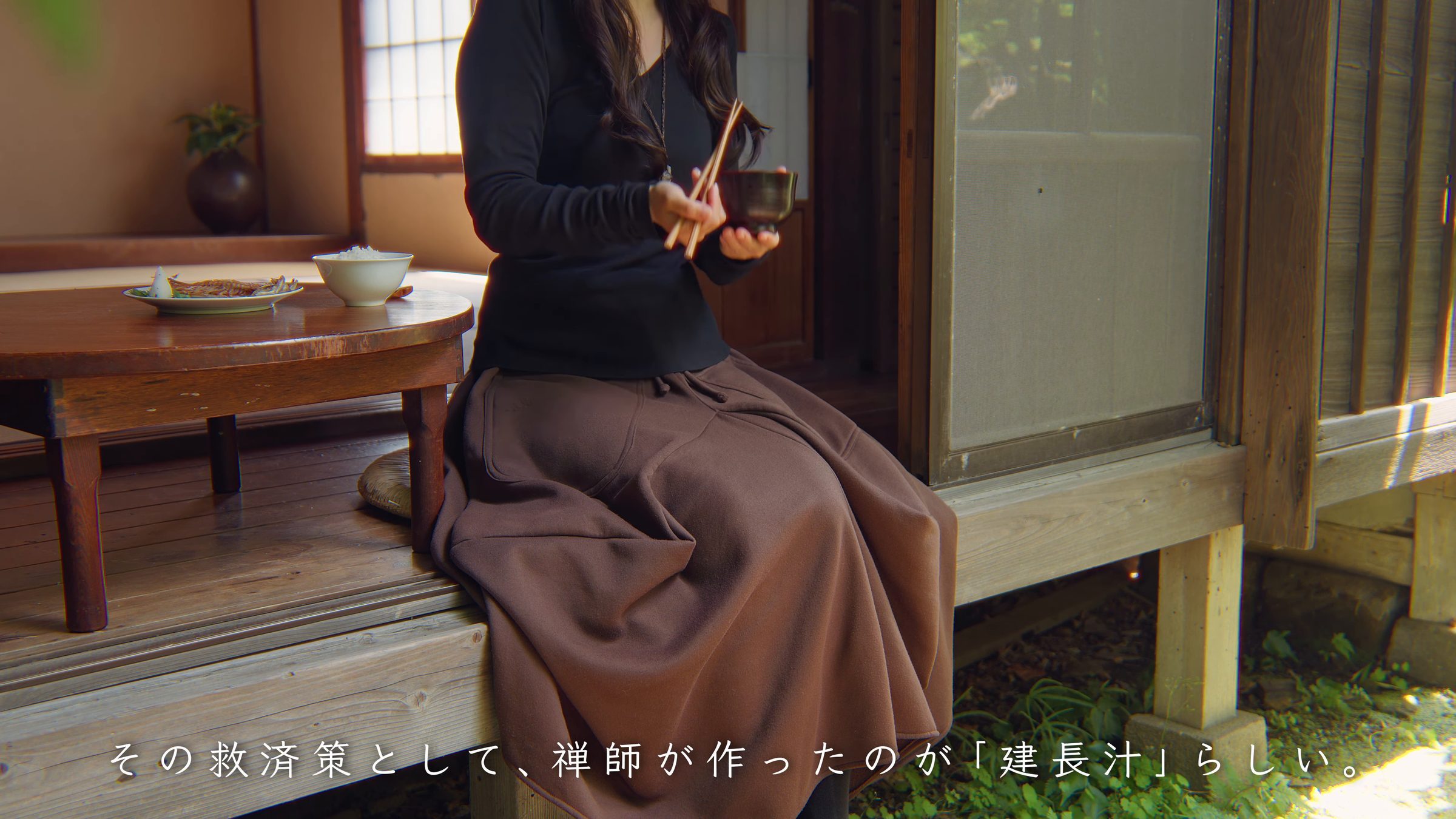
08TRAVEL JOURNAL
To Enoshima
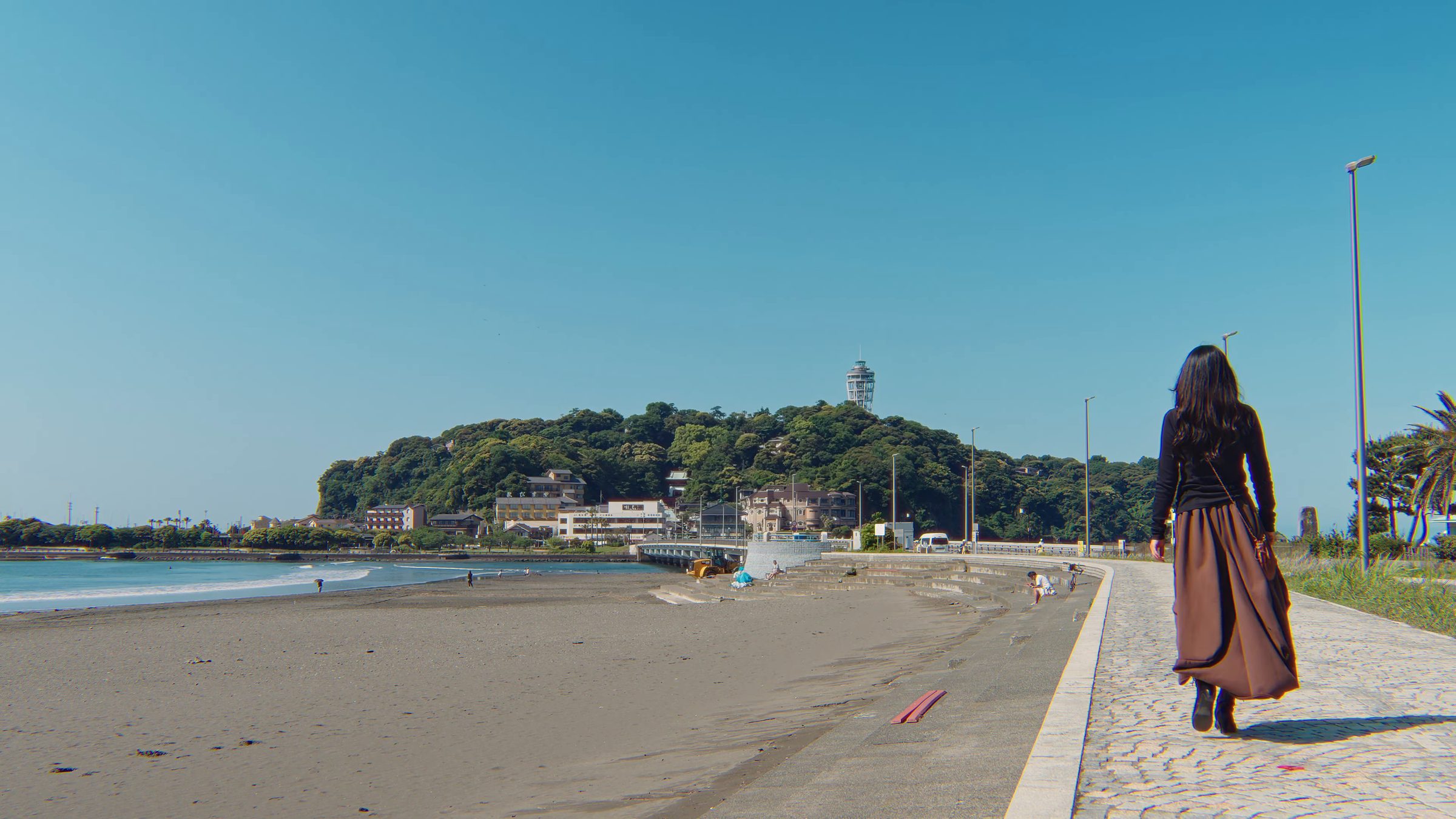
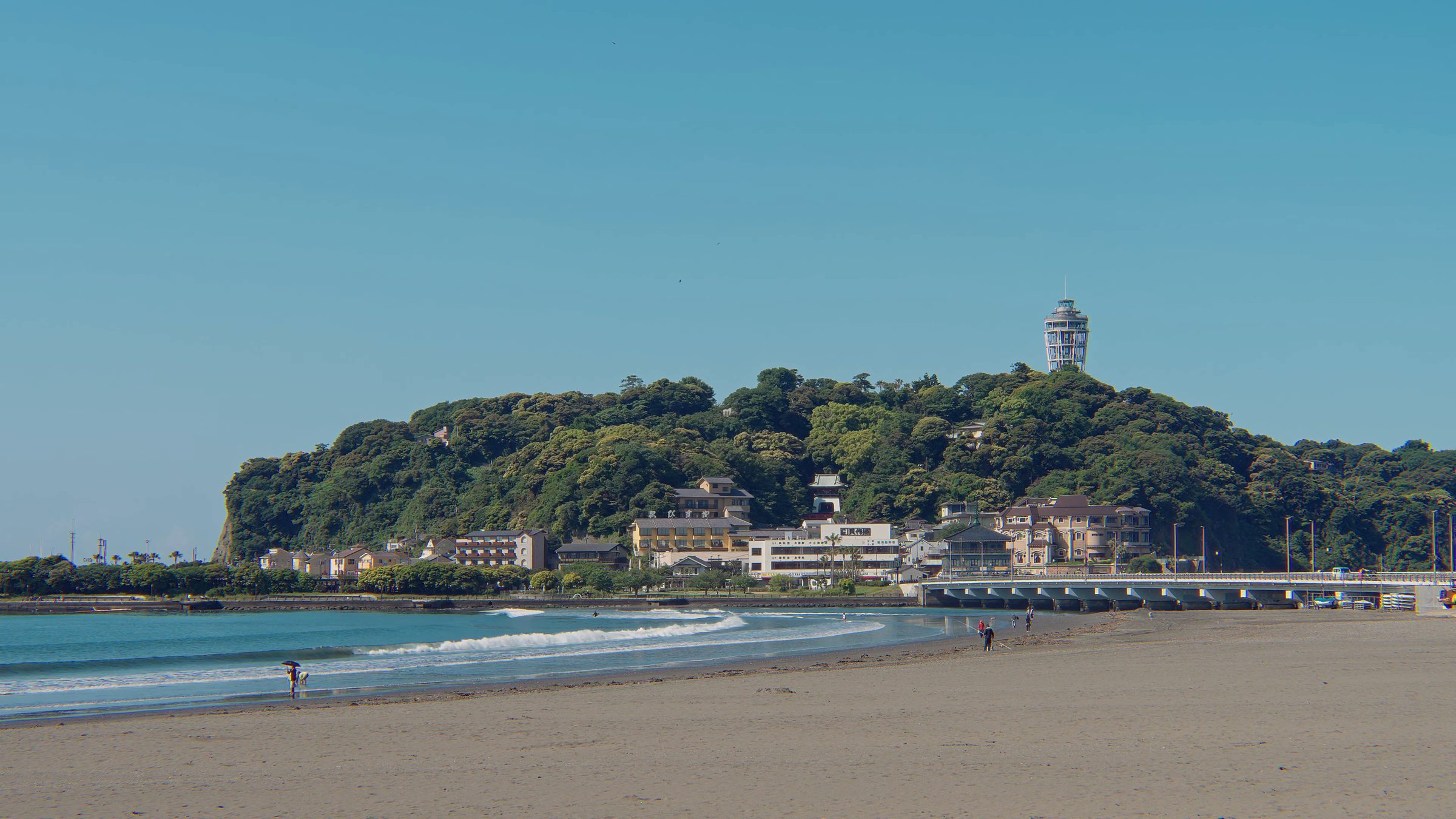
If you are in Kamakura, you should also visit Enoshima. At the crossing a surfer with his board waited for the light, and scooters sped along the shore road. Beyond the beach, the island rose like a green mound.
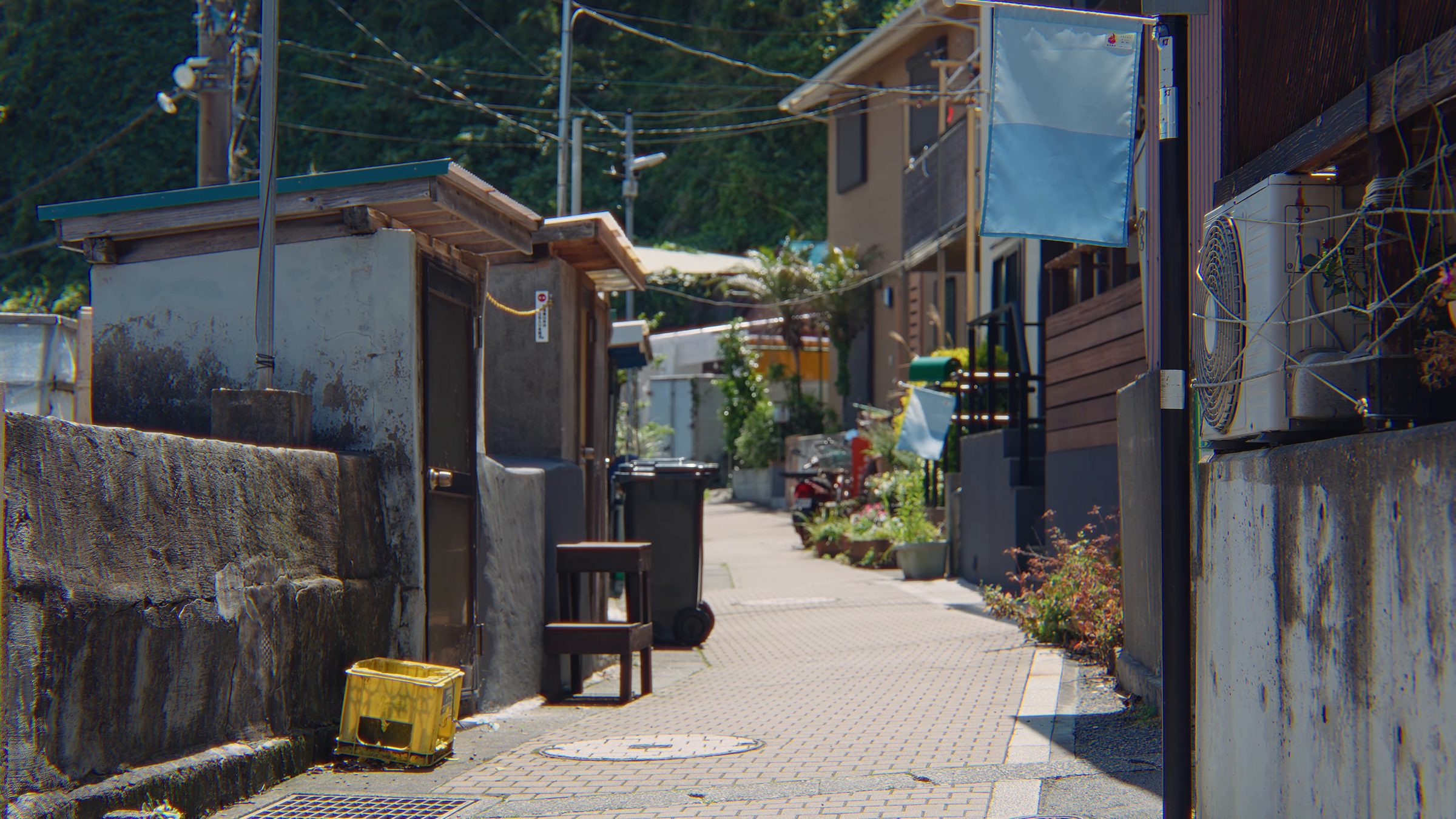
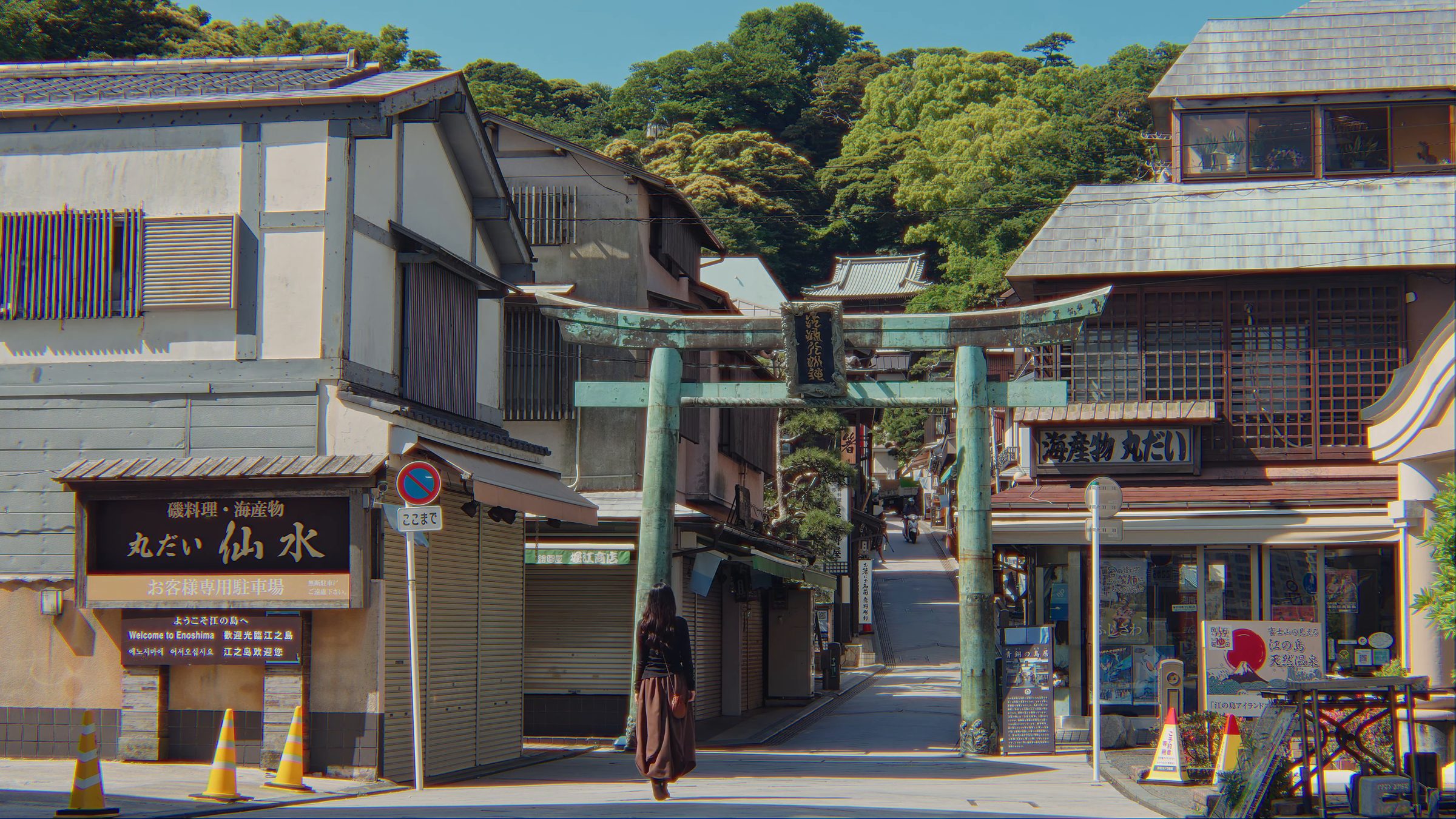
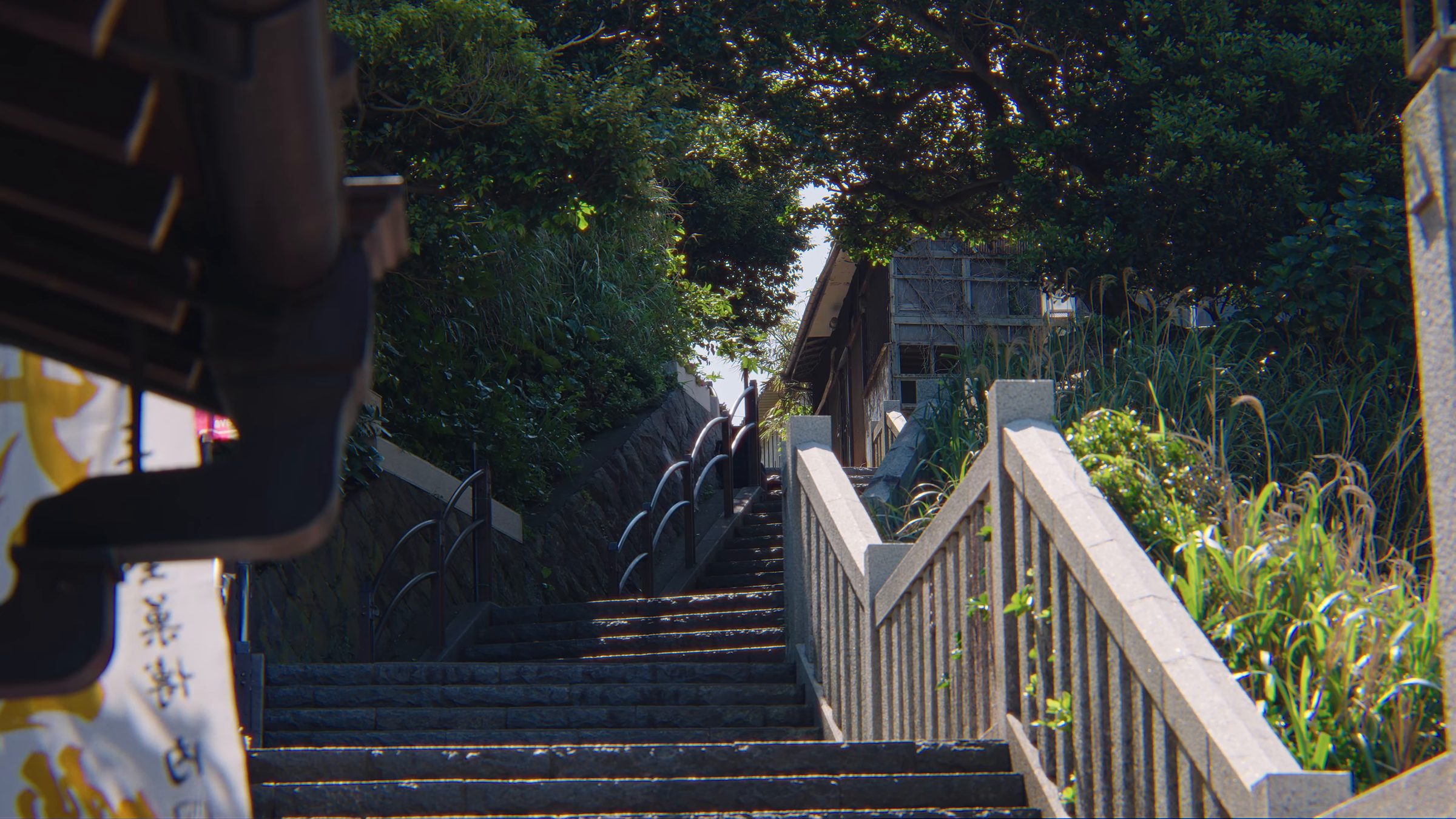
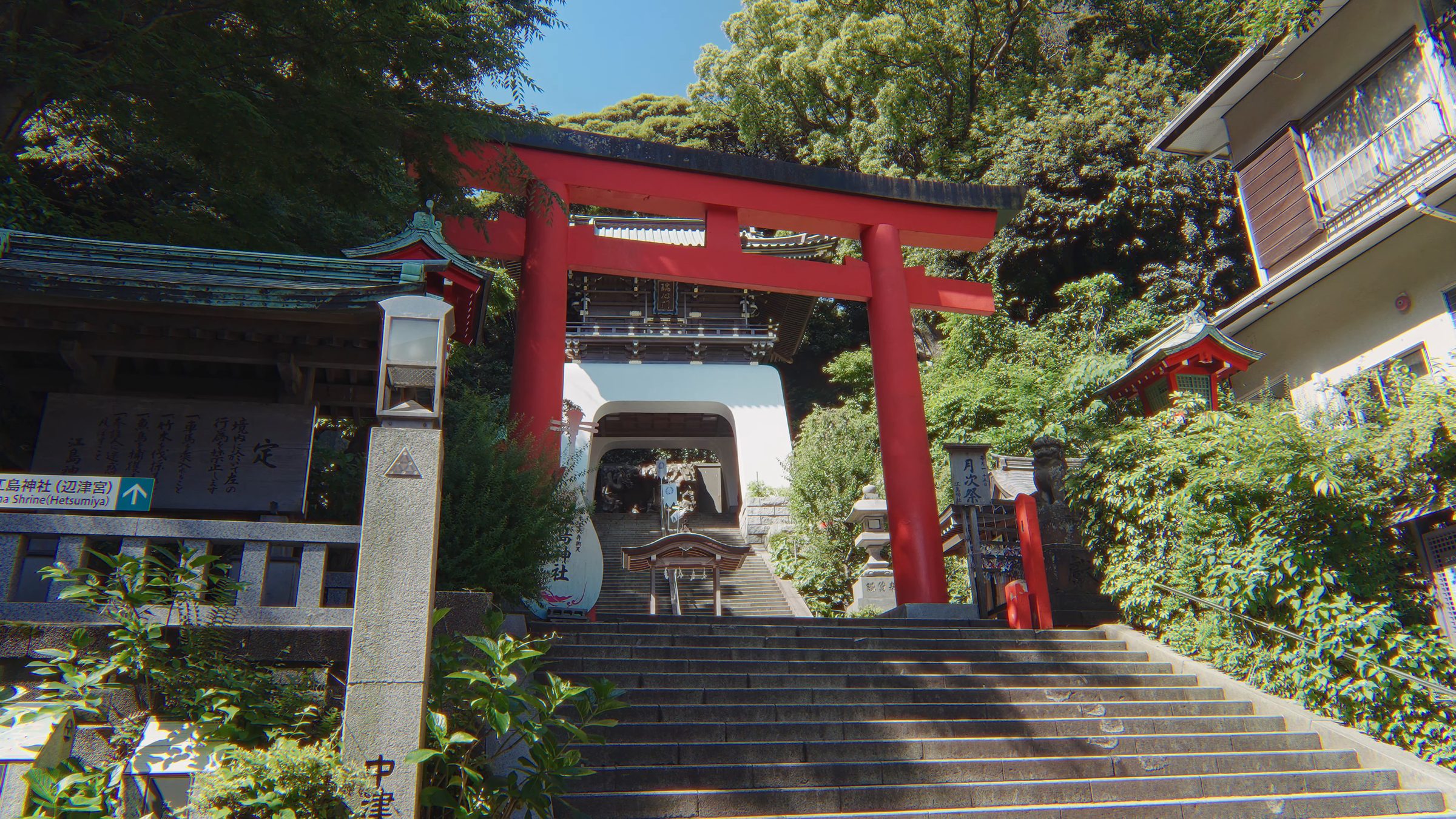
Across the bridge and onto the island. Past a narrow alley, a bronze torii stands at the entrance to the approach. Up the stone steps, a vermilion torii and a gate like the Dragon Palace came into view.
Watch this scene on YouTube3:43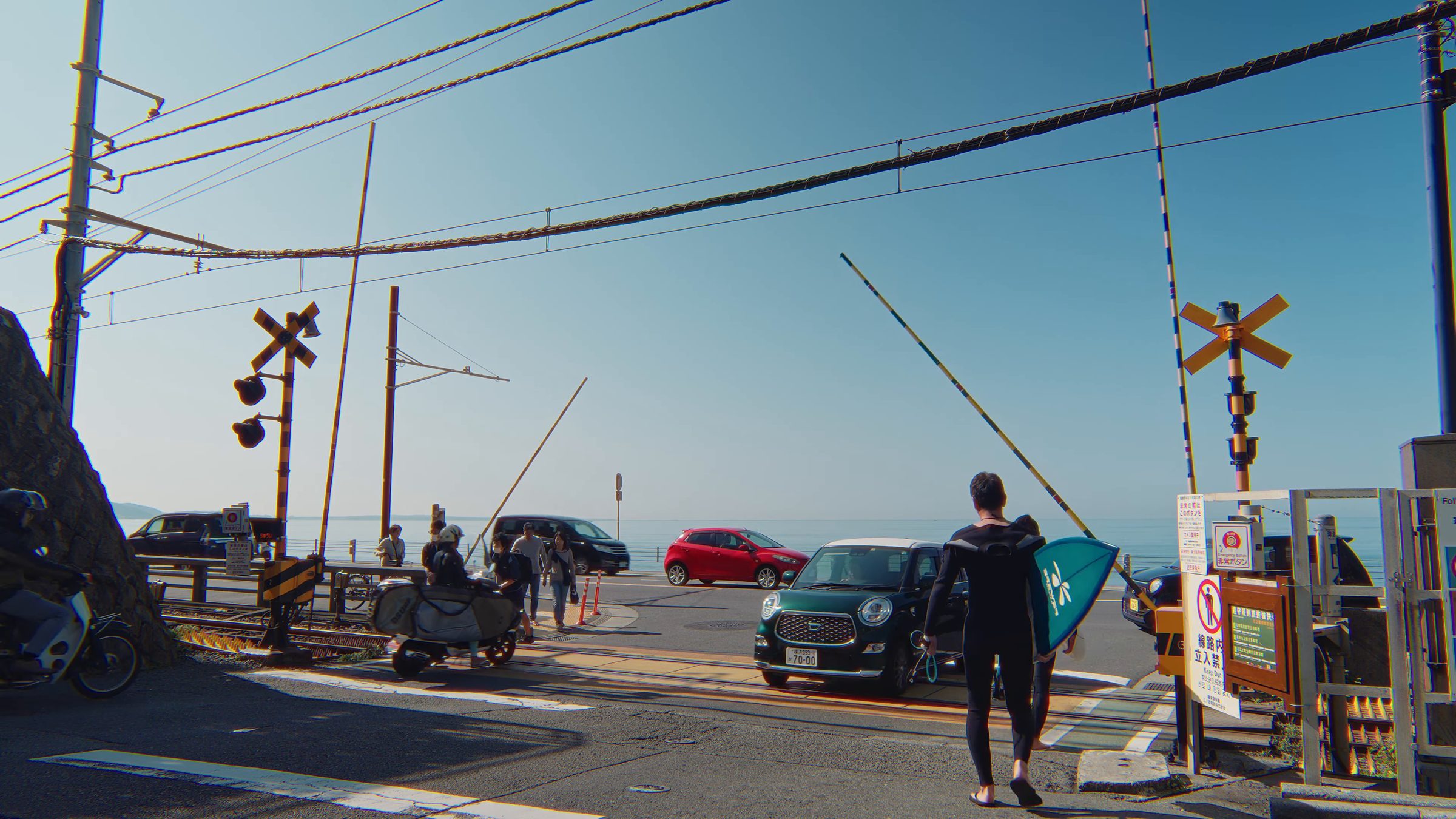
09TRAVEL JOURNAL
Freshly made meoto manju
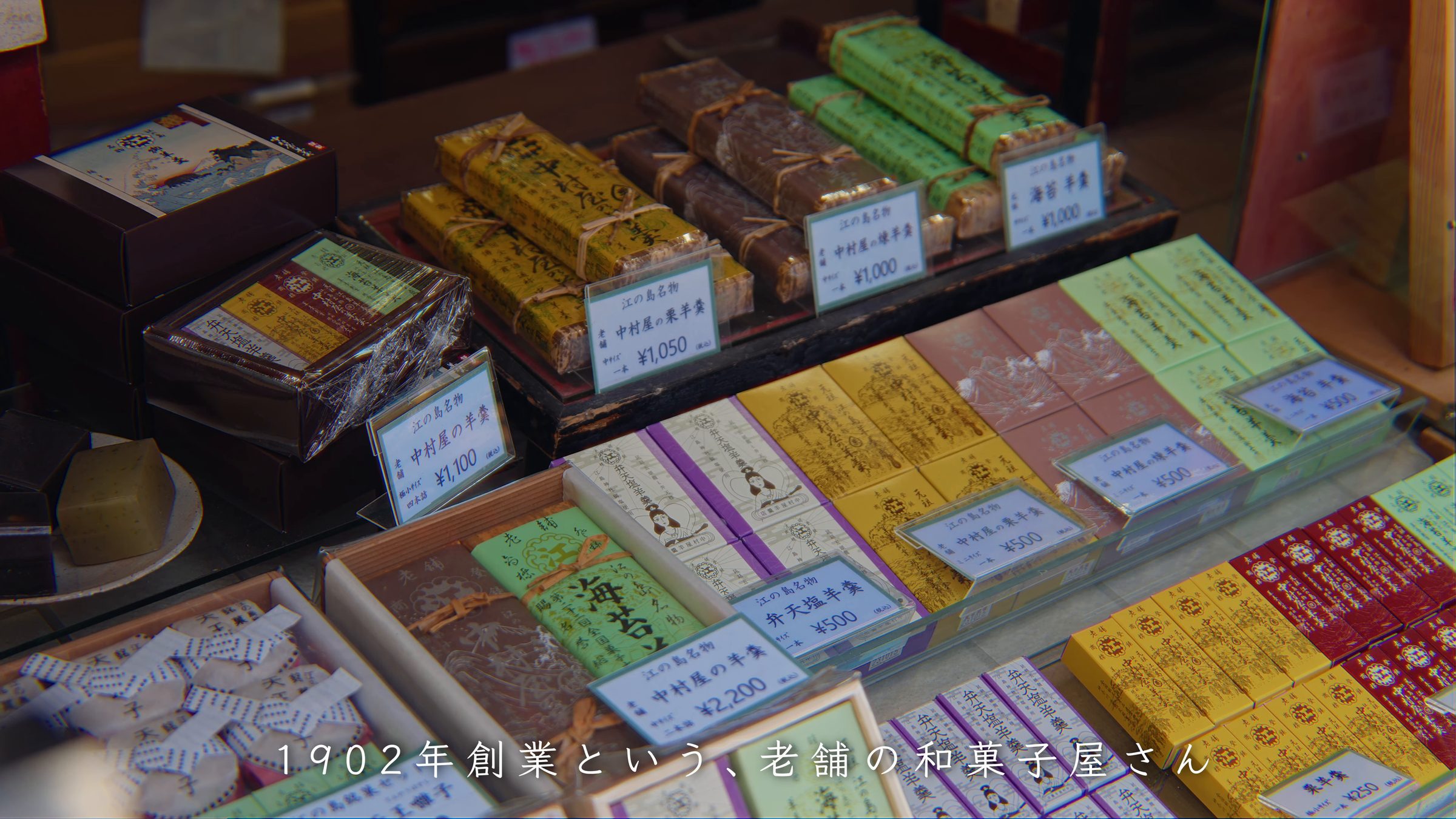
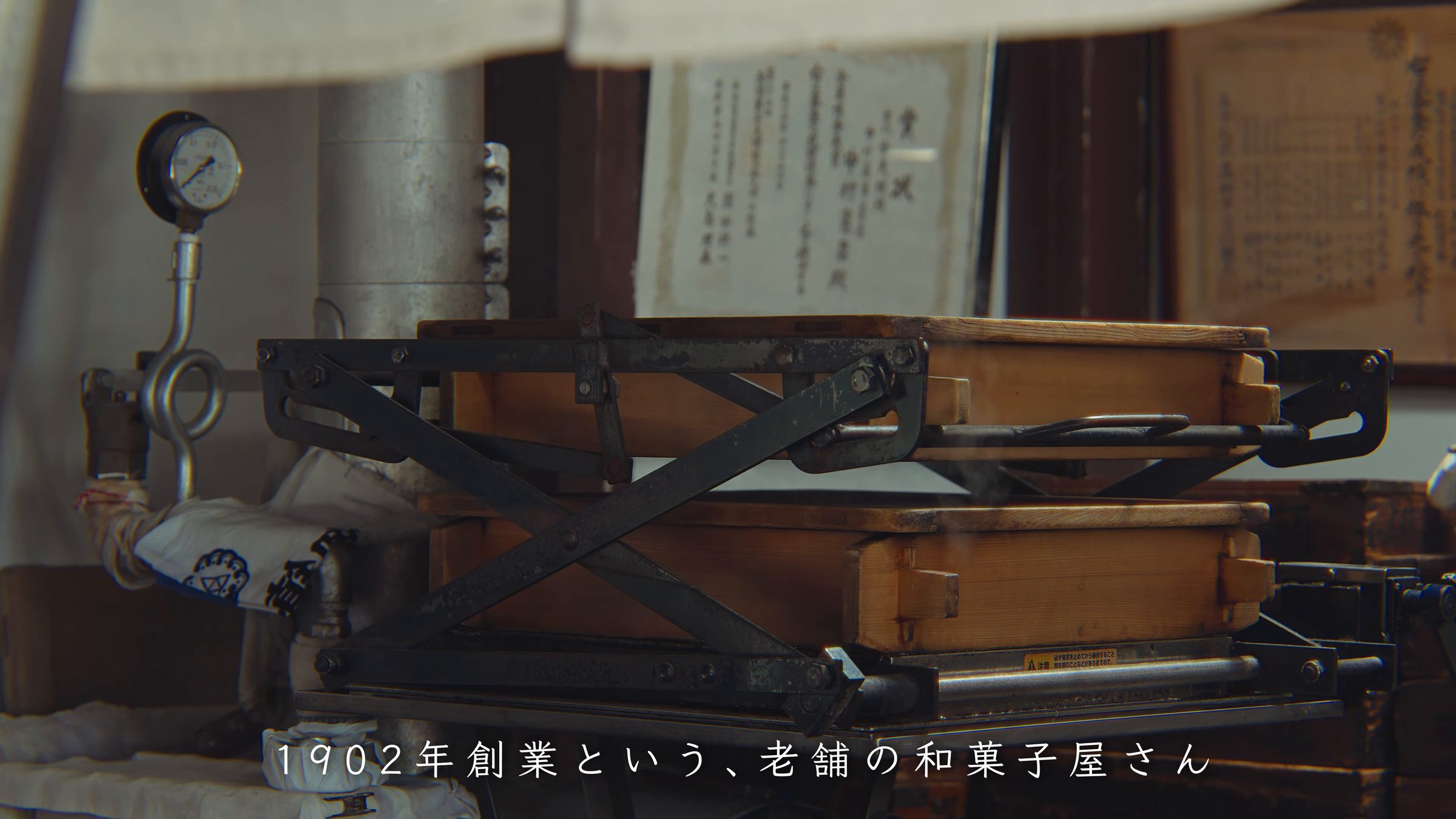
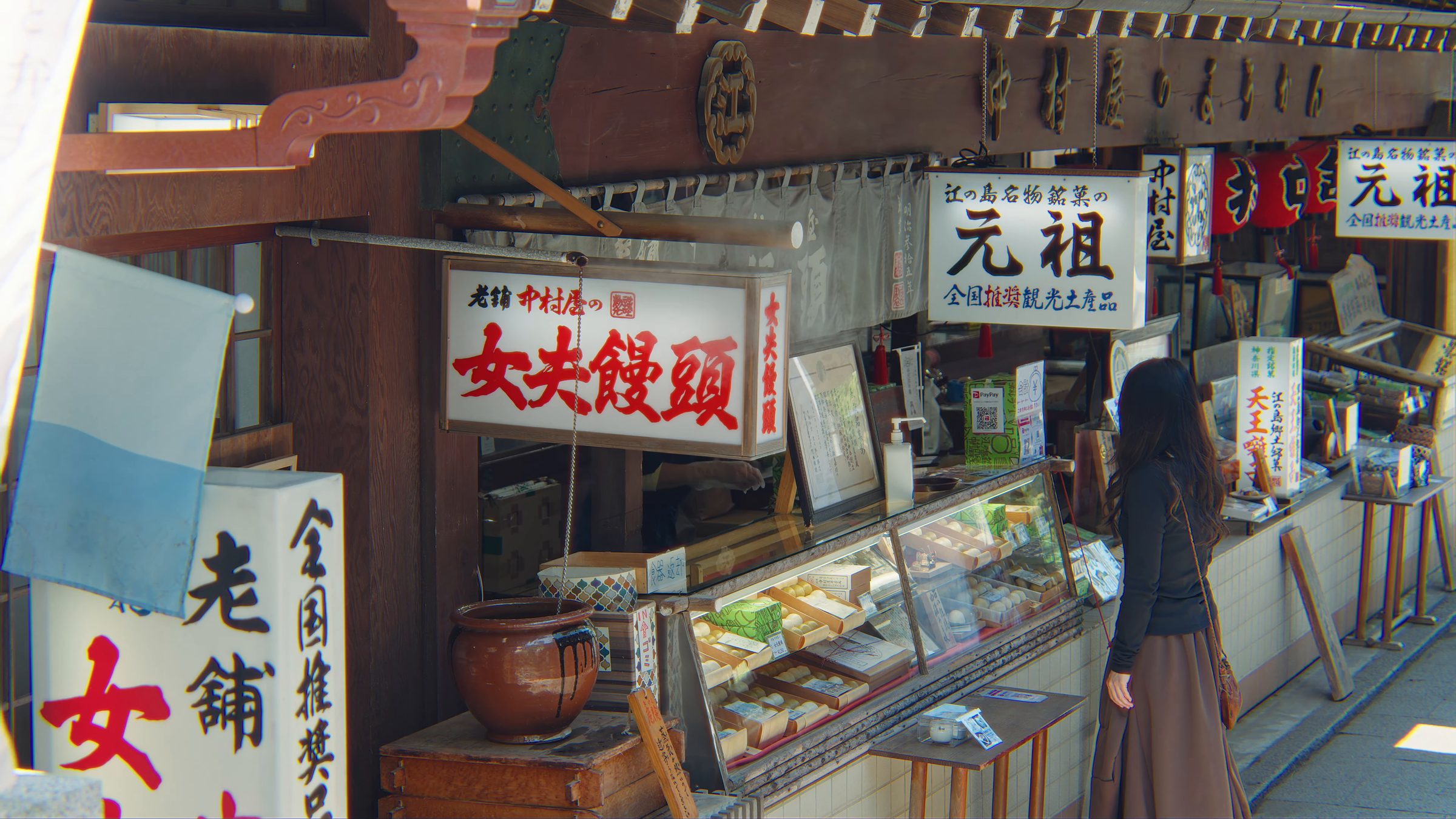
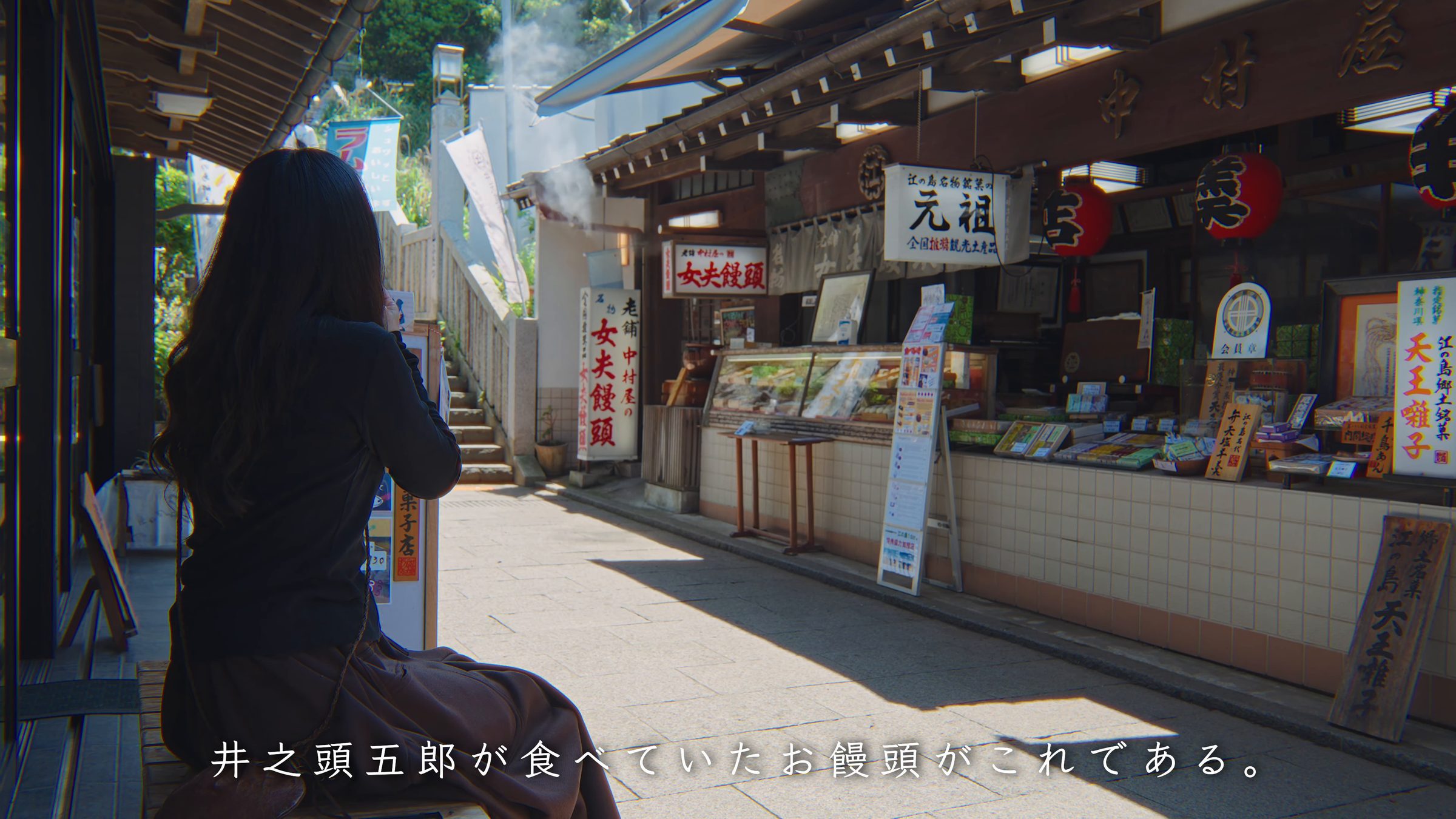
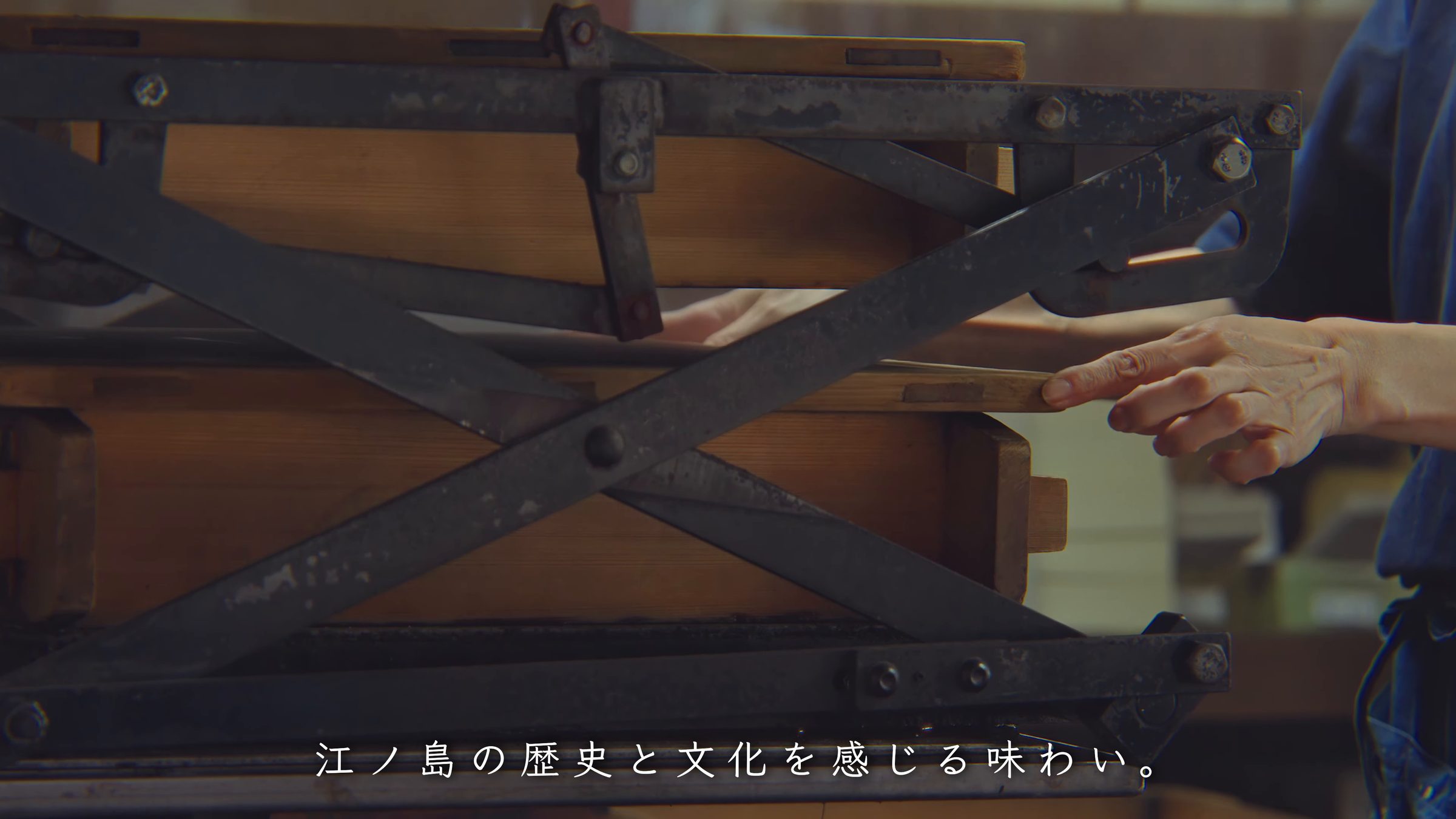
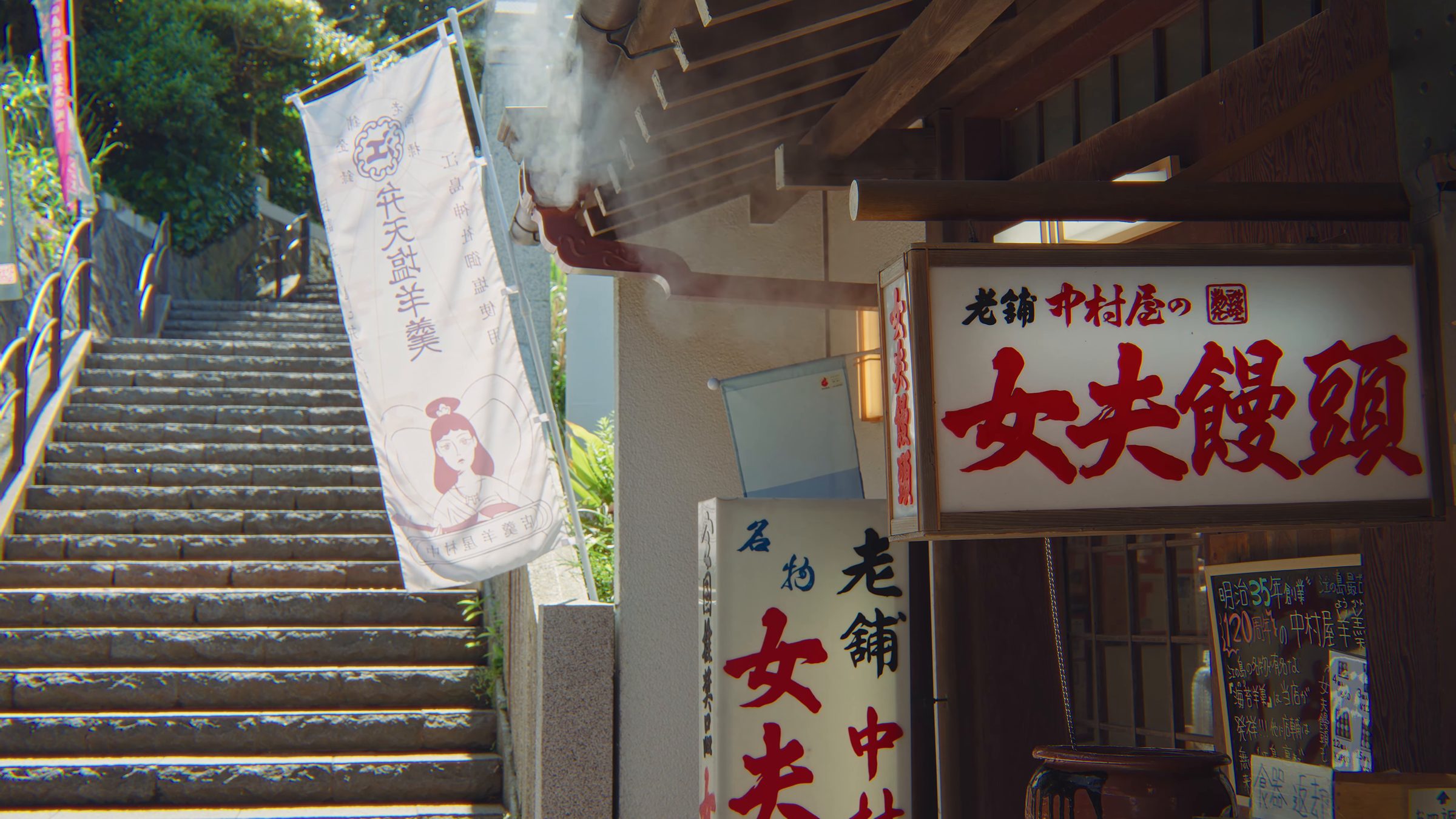
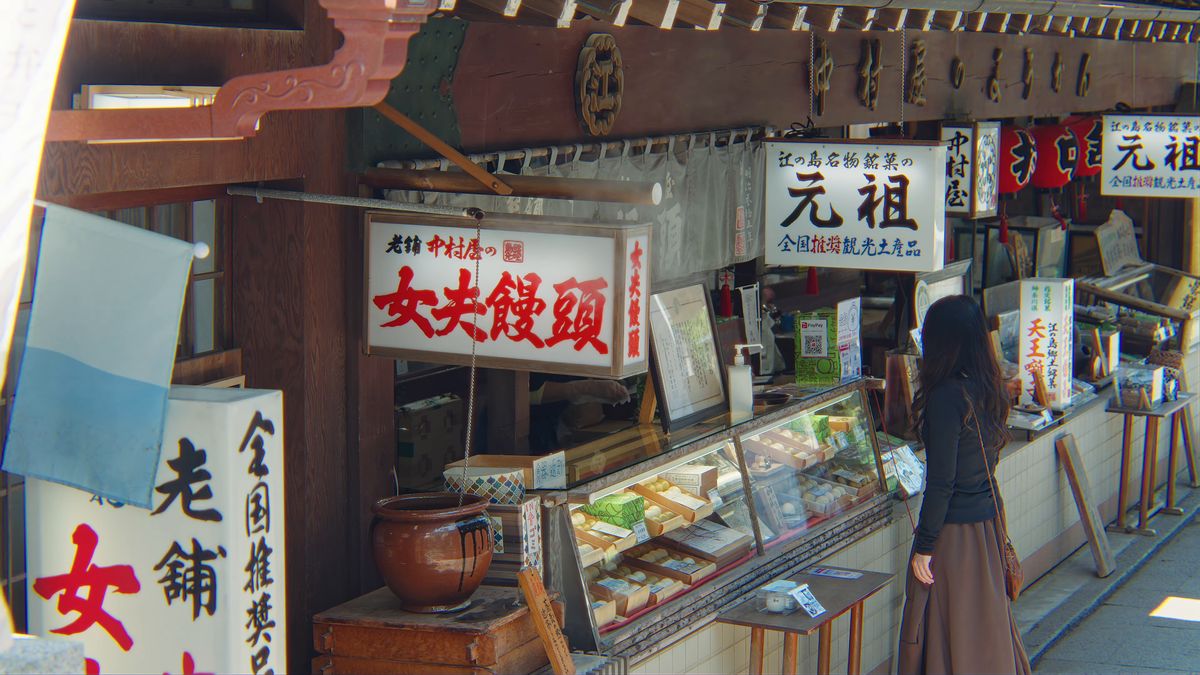
Climbing the stone steps lined with banners, I came to a long-established sweets shop founded in 1902. Boxes of nori yokan and Benten salt yokan filled the shelves out front, and in the back an old machine was steaming manju.
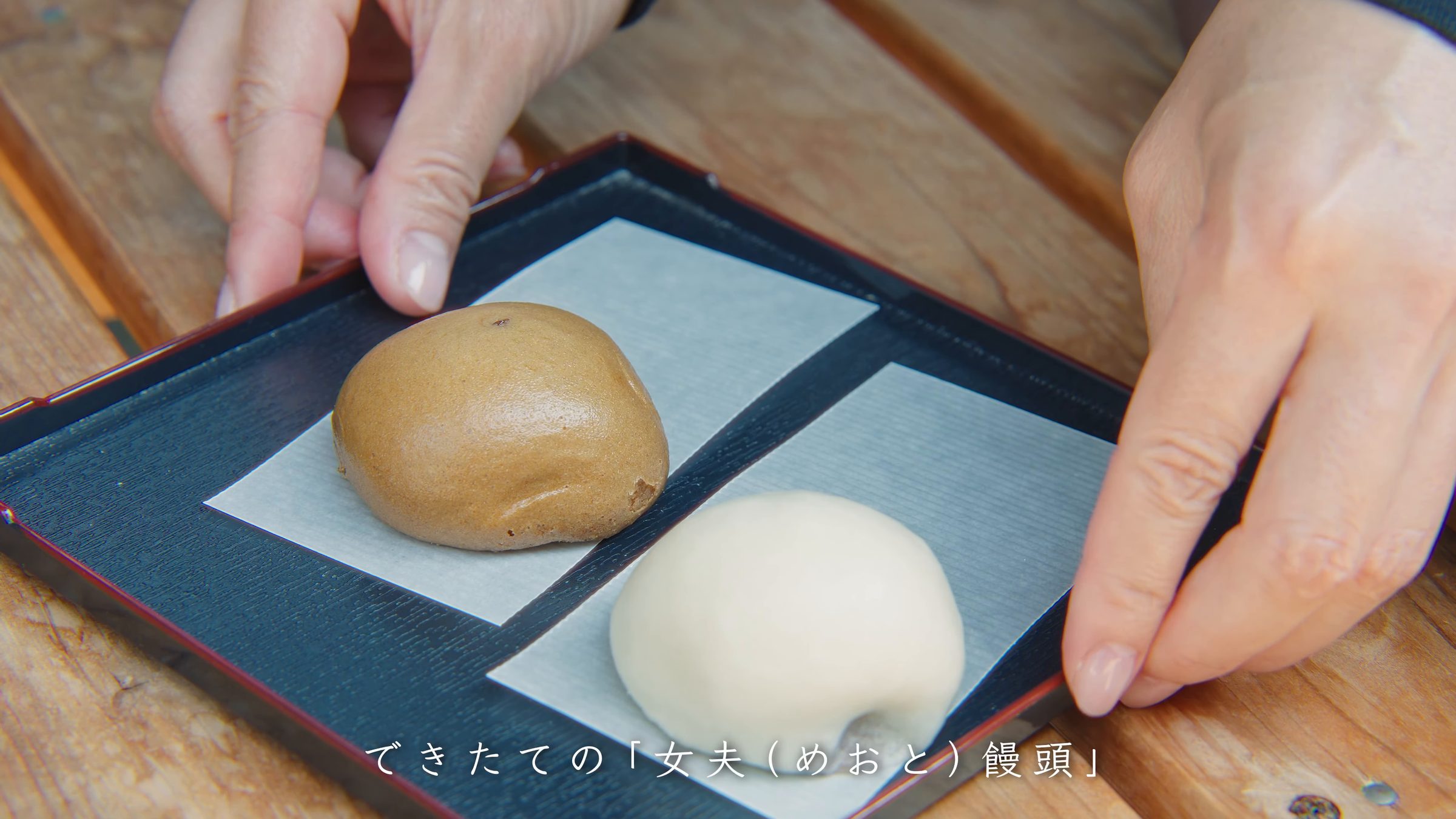
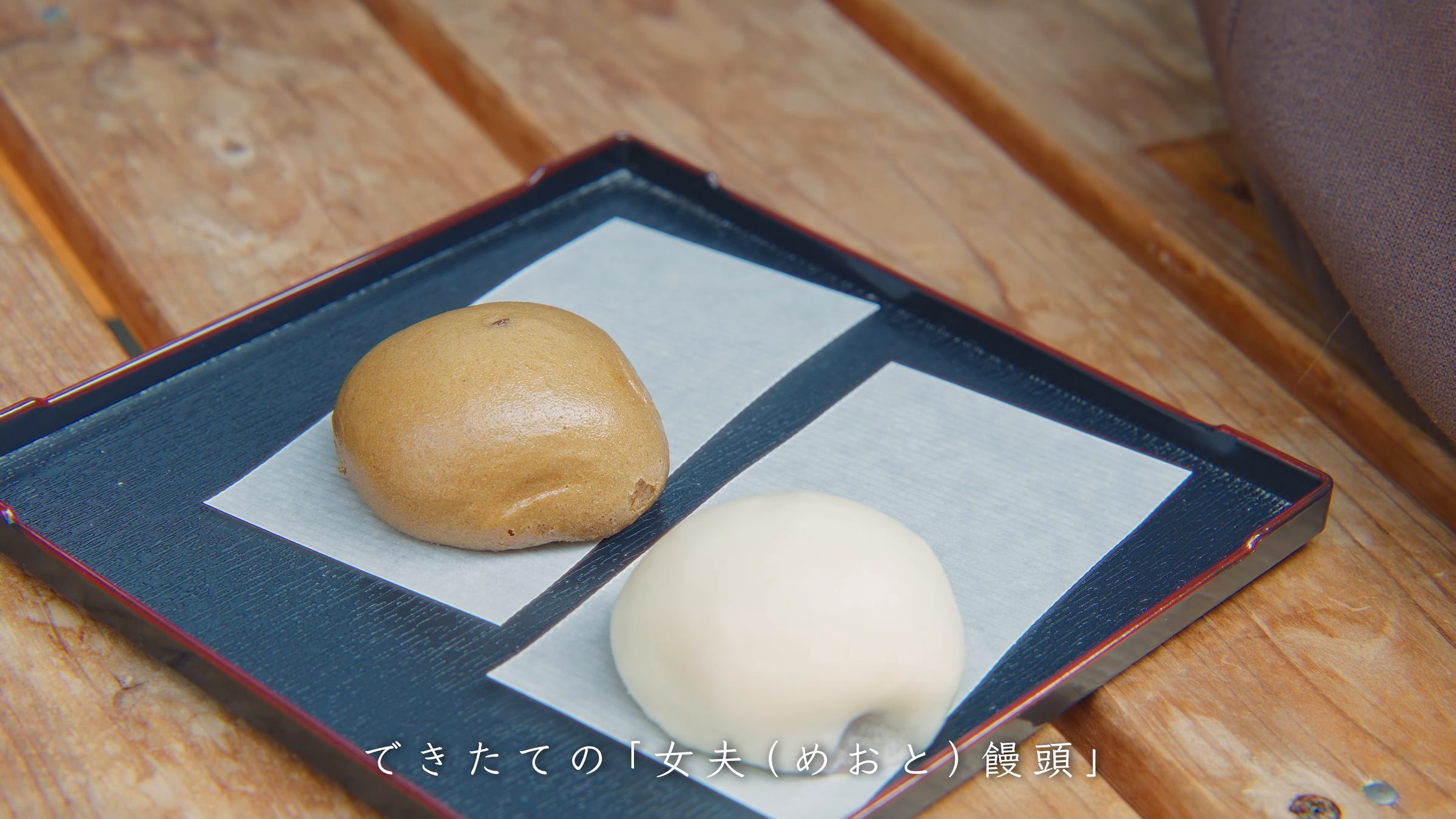
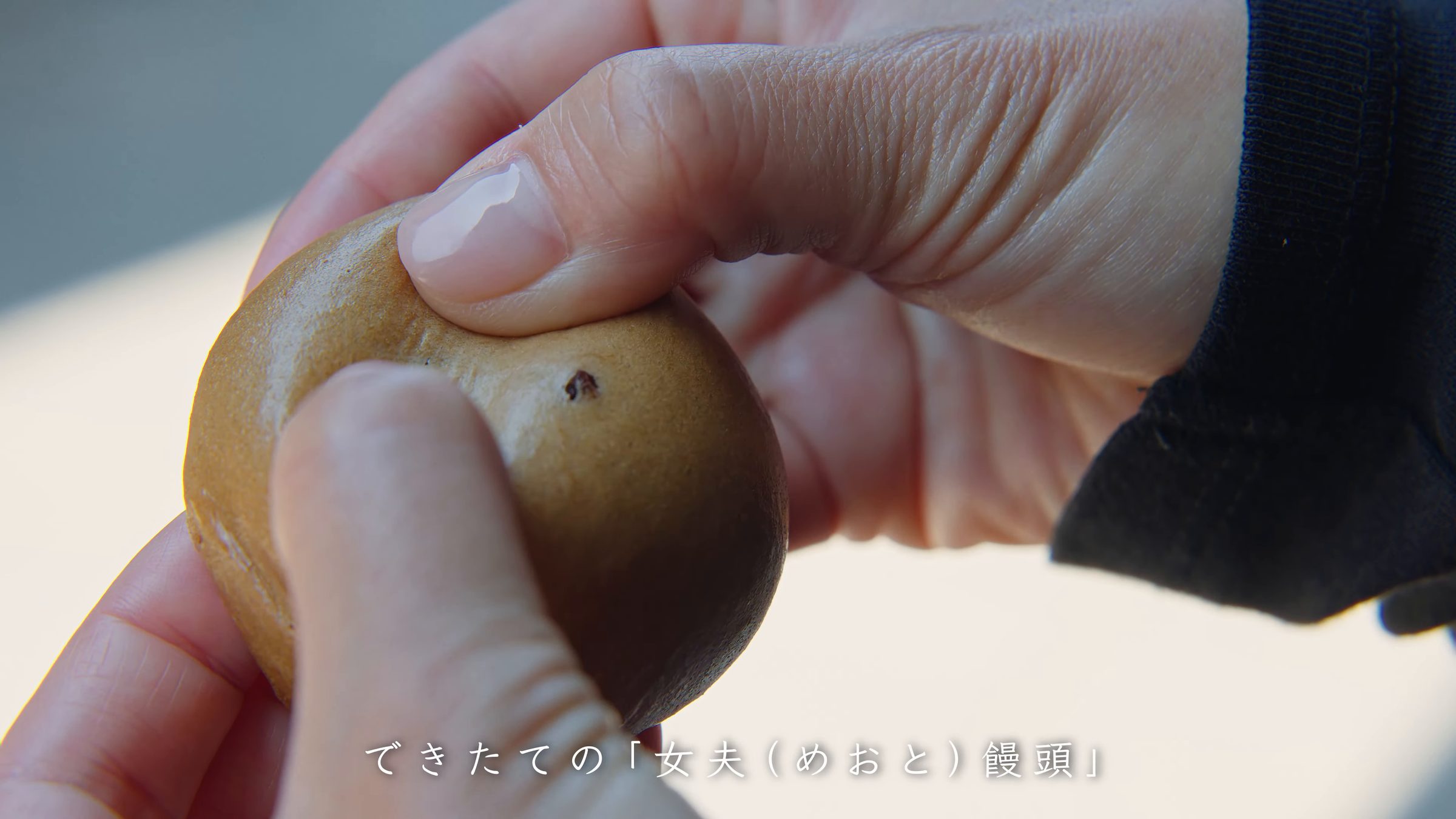
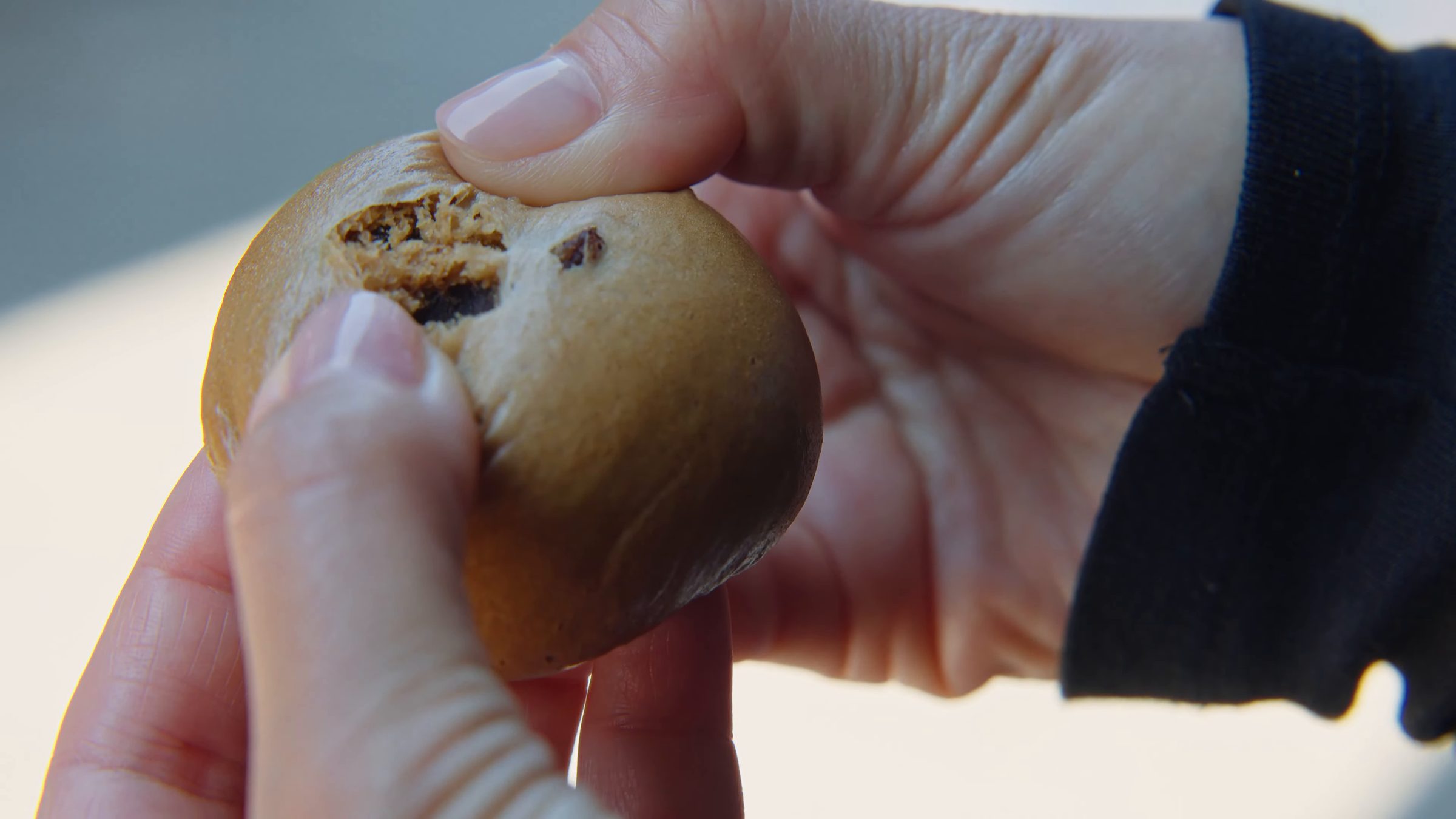
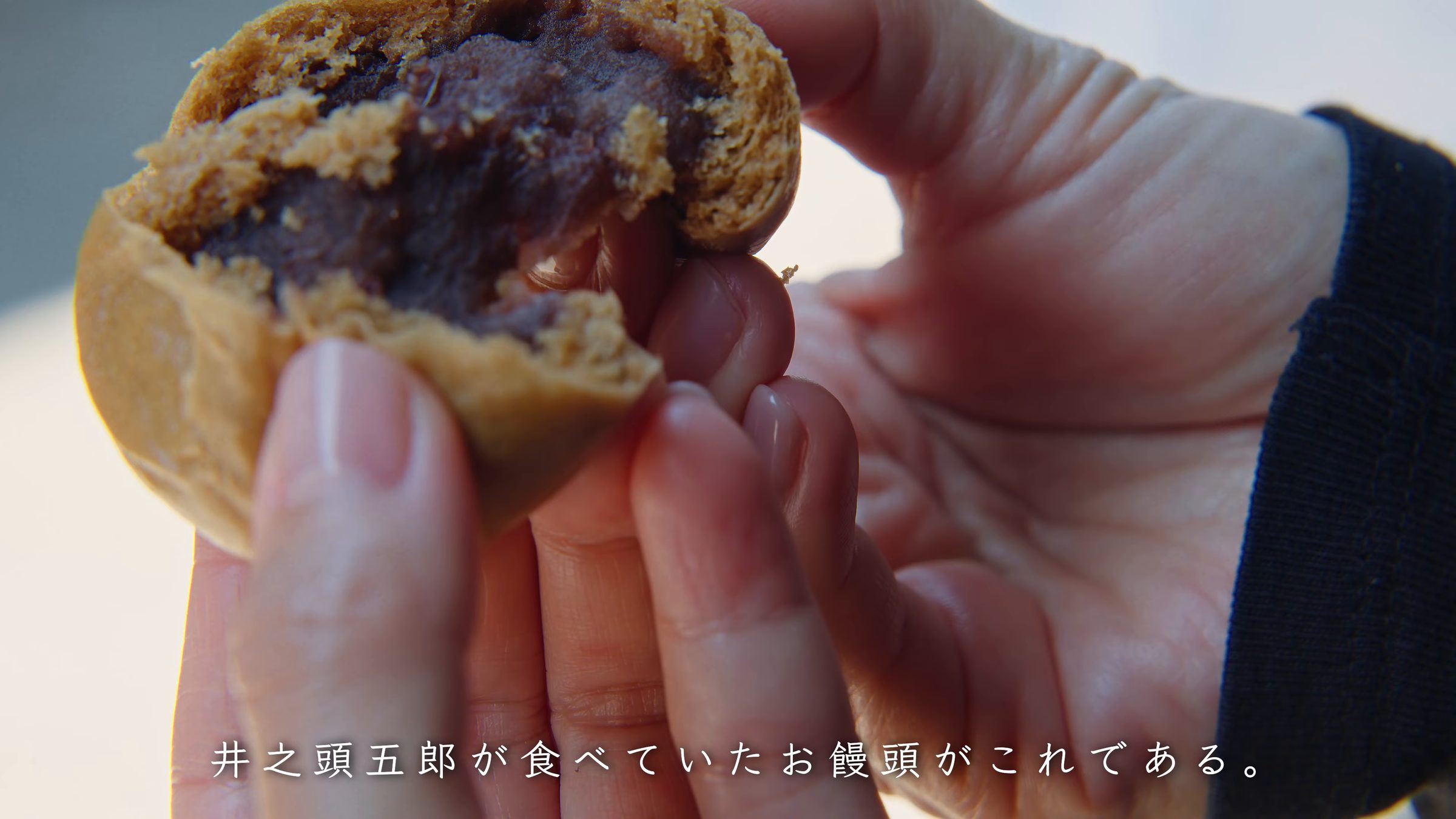
Freshly made meoto manju: one brown, one white, served on a black tray. Breaking the brown one open revealed chunky sweet bean paste. This is the manju that Goro Inogashira ate in the manga The Solitary Gourmet.
I sat on the bench in front of the shop and ate. A taste that carries the history and culture of Enoshima.
Watch this scene on YouTube4:09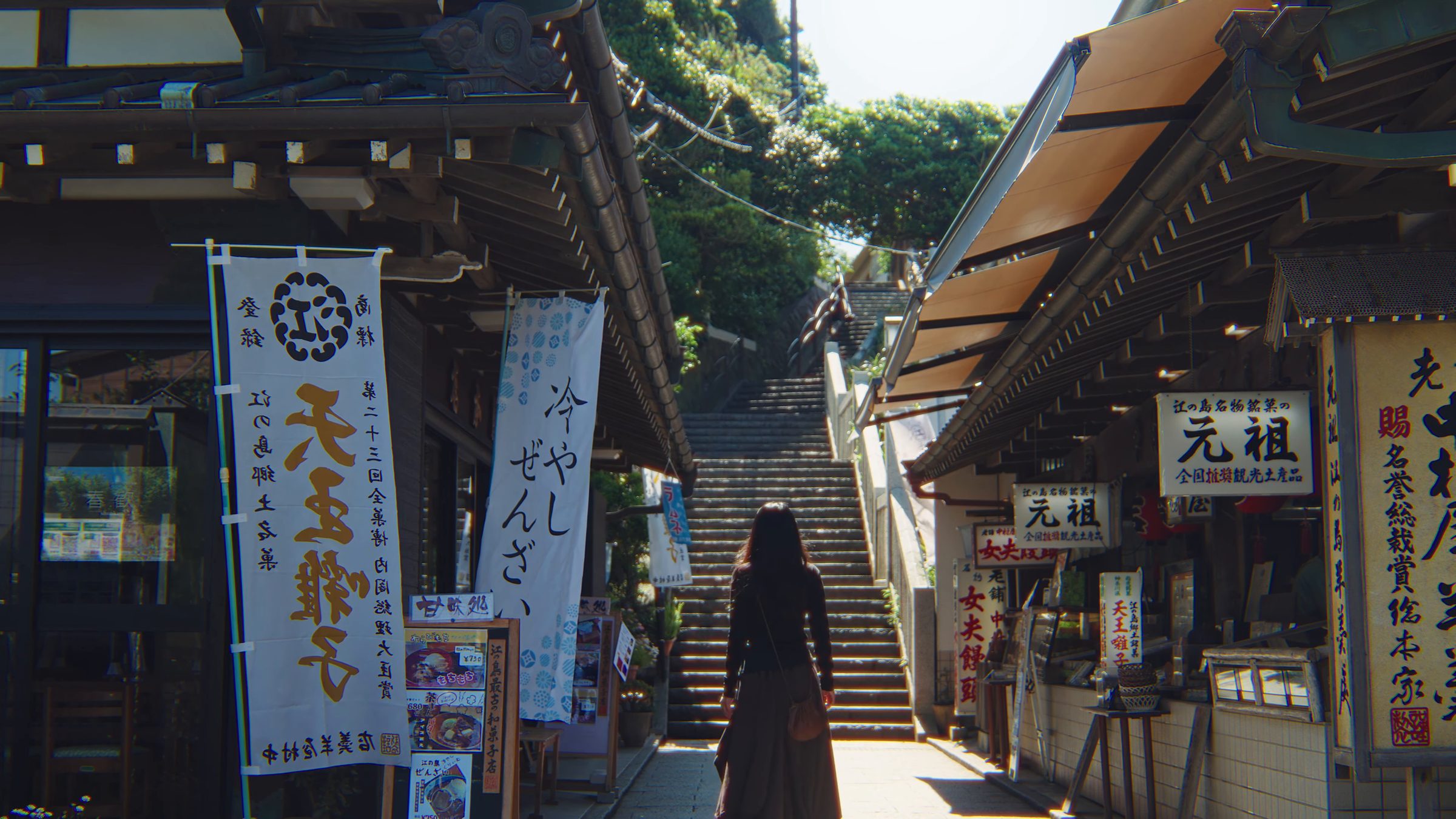
10TRAVEL JOURNAL
Deeper into the island
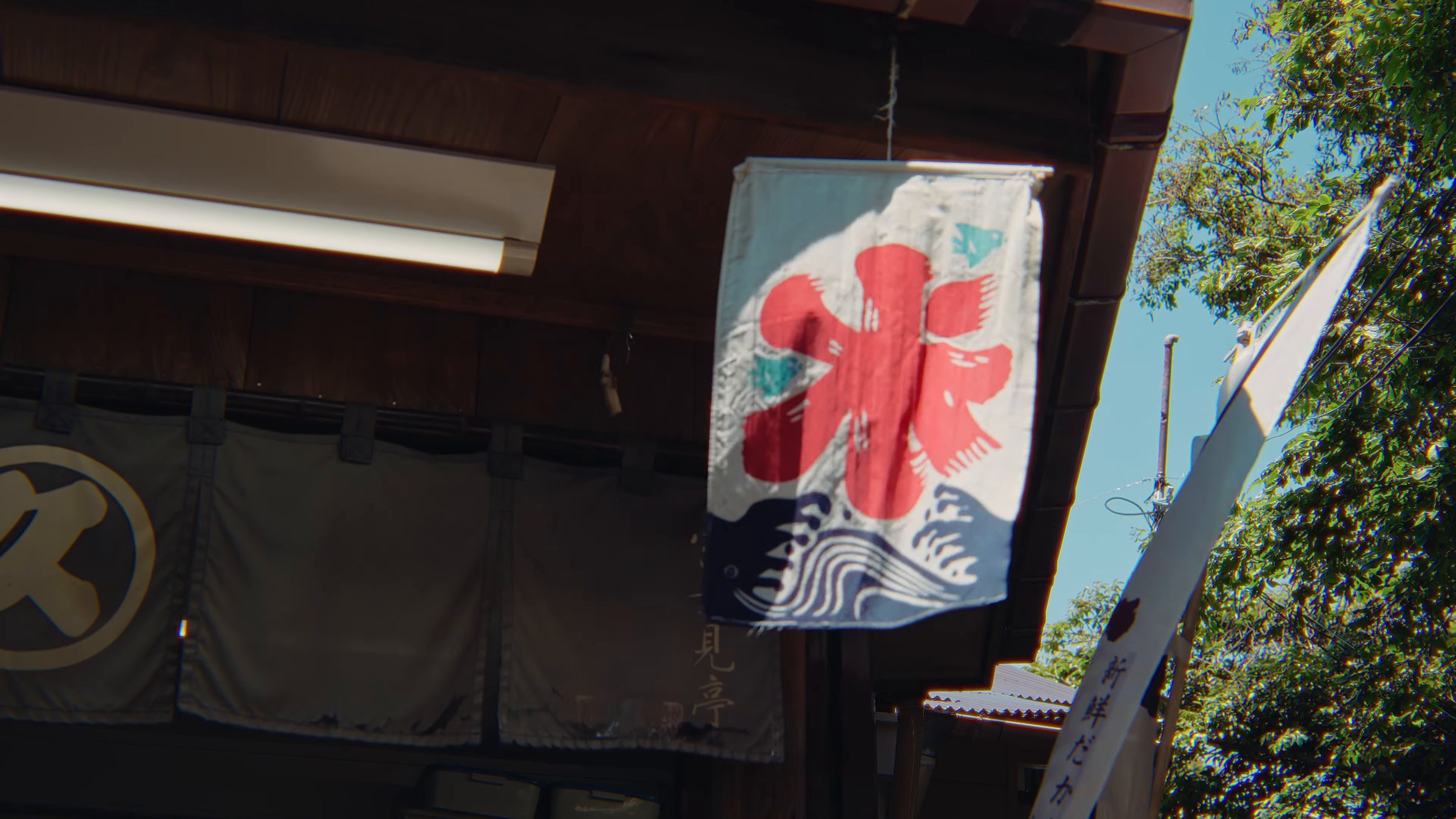
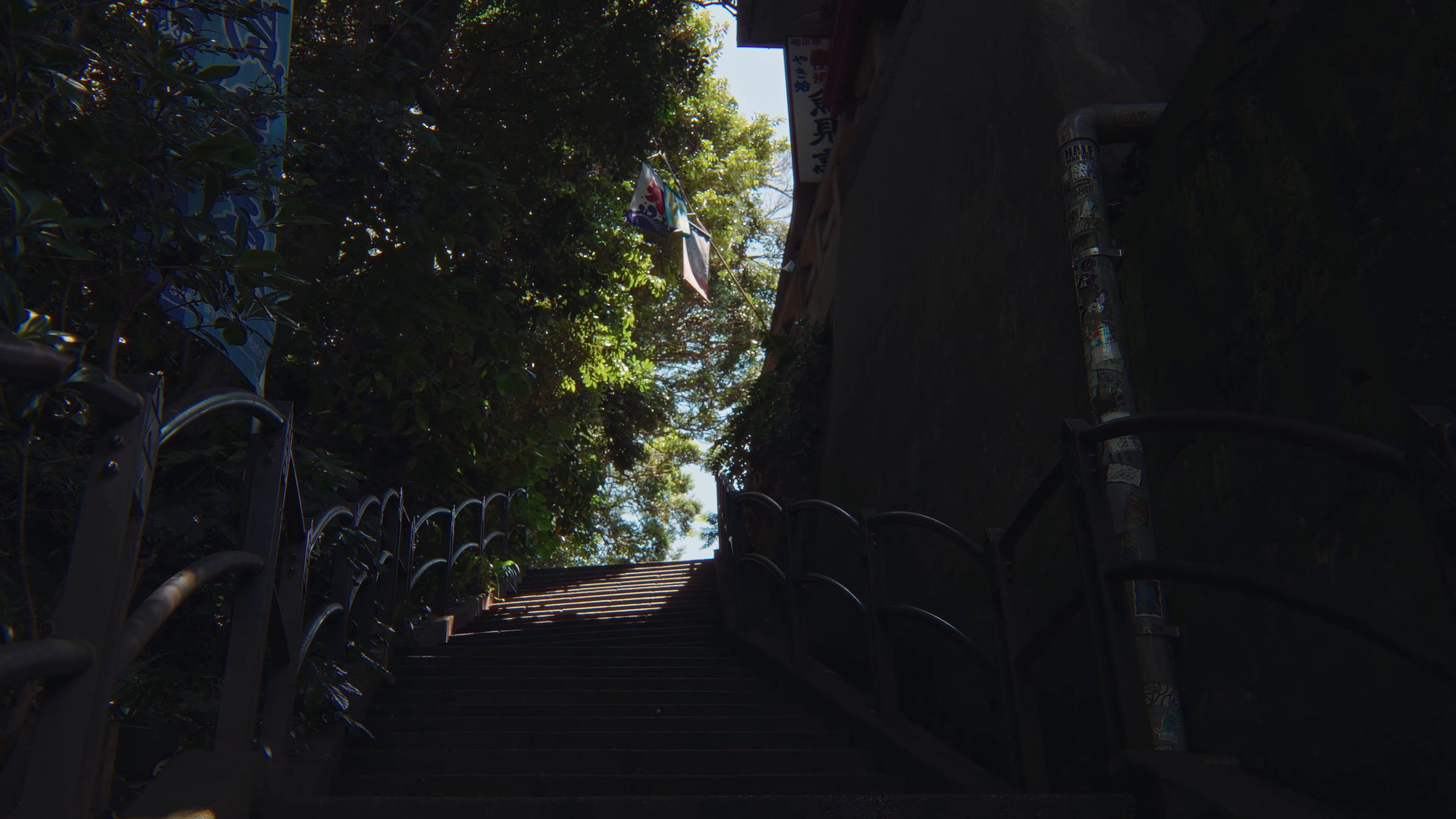
Manju finished, I headed deeper into the island, past a stone monument, past a shop where a shaved-ice banner fluttered, and up stone steps through the trees.
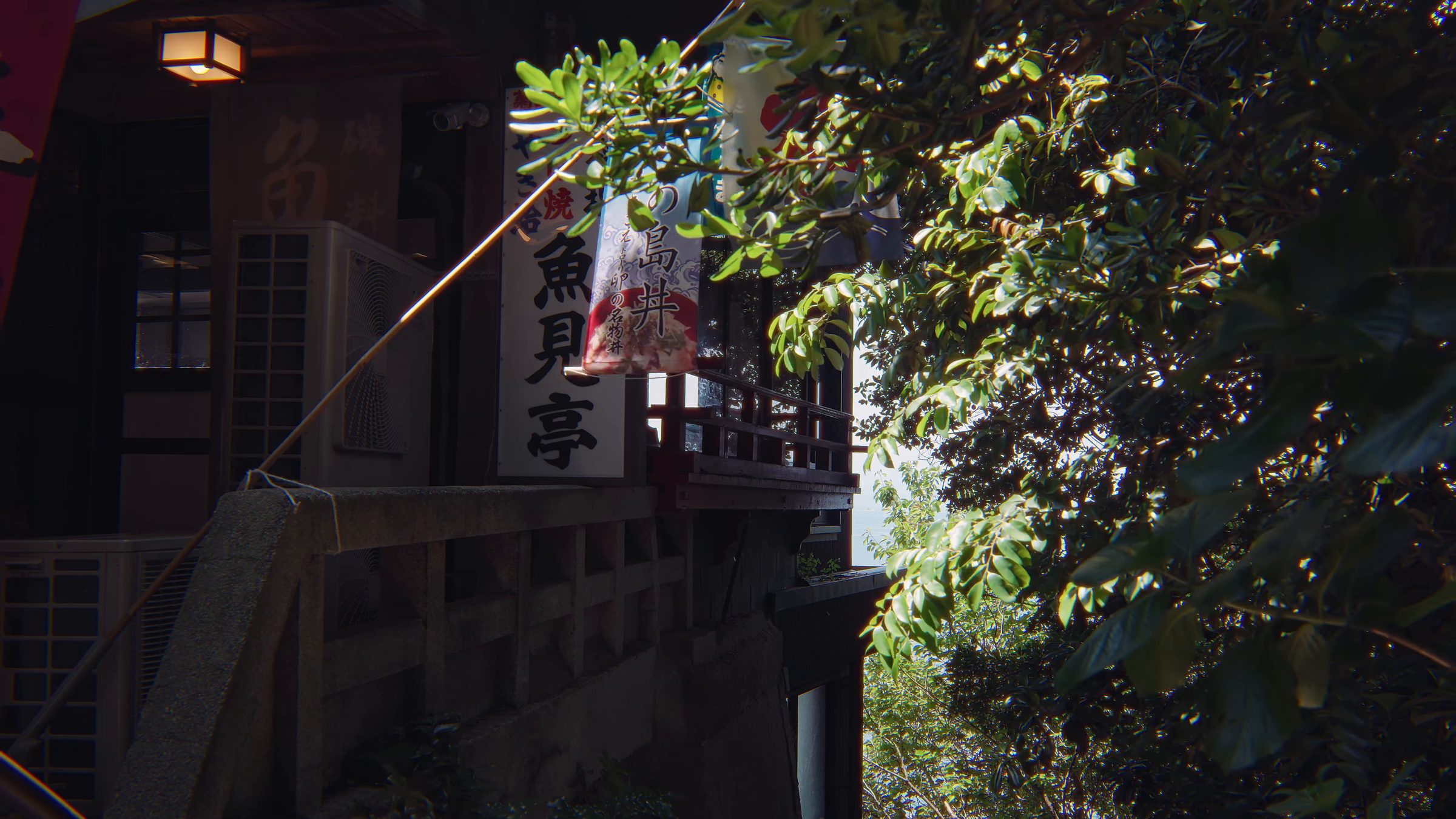
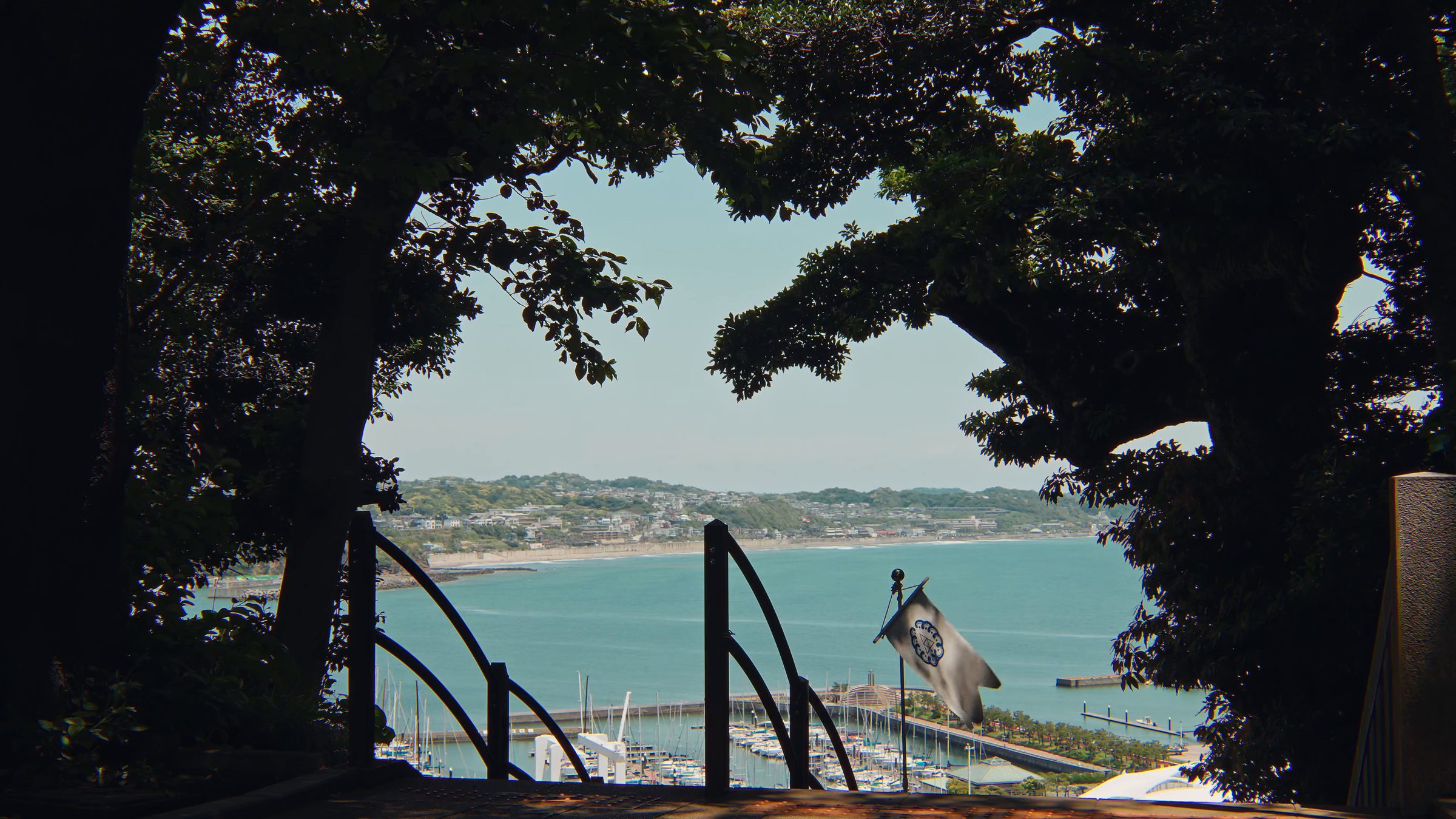
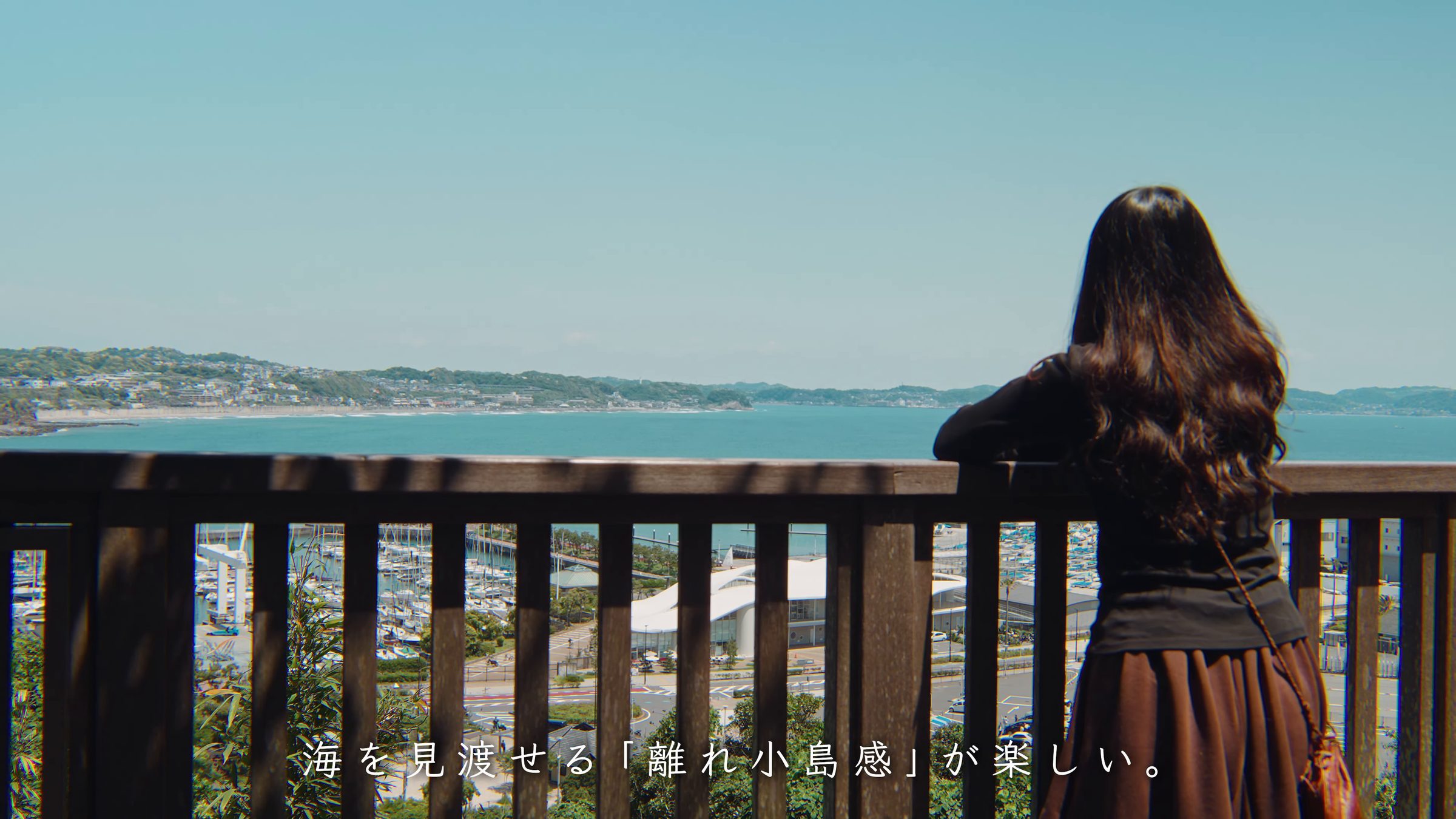
Restaurants facing the sea came into view. Beyond the Uomitei sign and a banner for Enoshima-don, the trees opened onto the yacht harbor and the Shonan coast below.
Watch this scene on YouTube4:49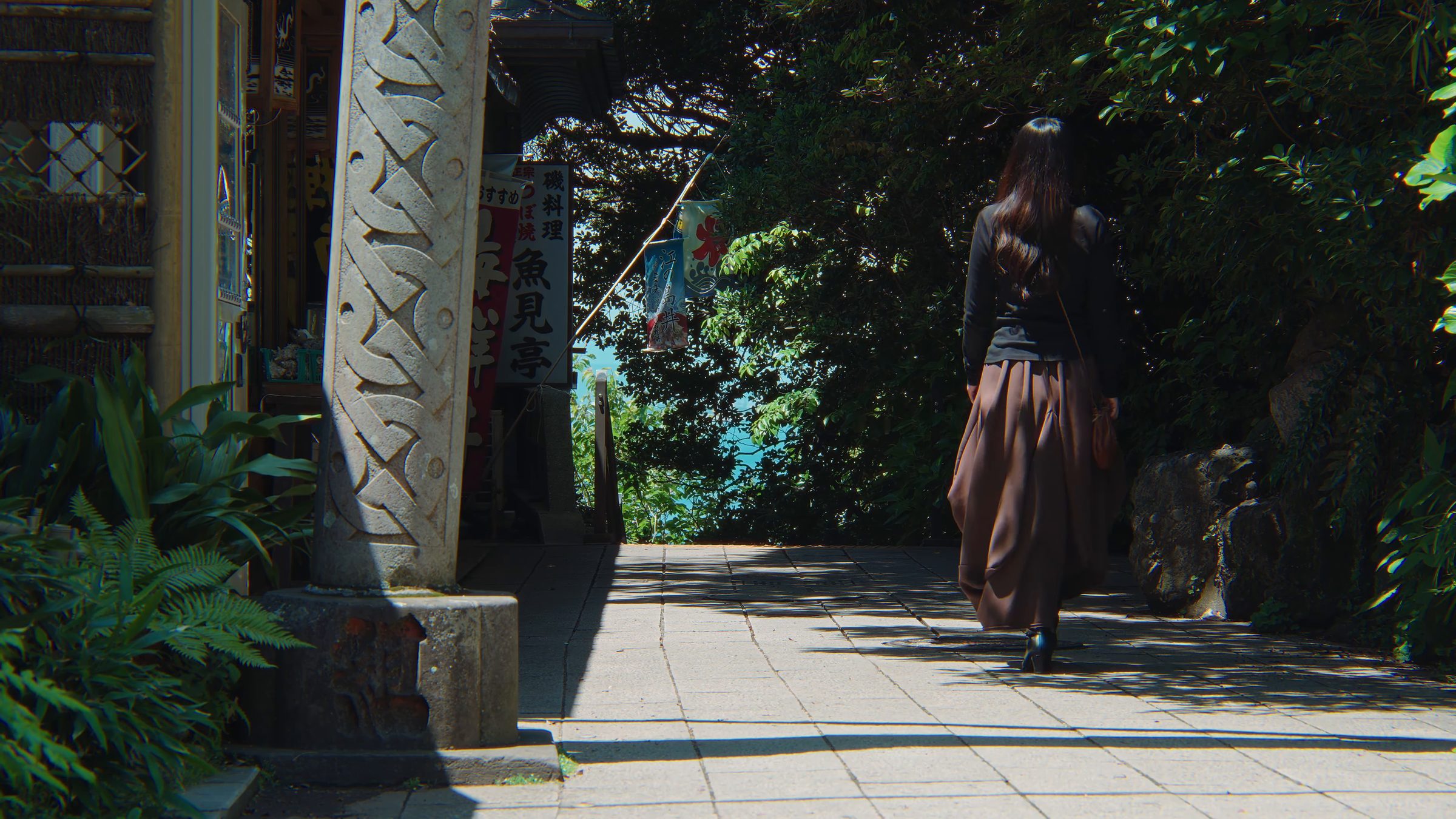
11TRAVEL JOURNAL
Enoshima-don and Mt. Fuji
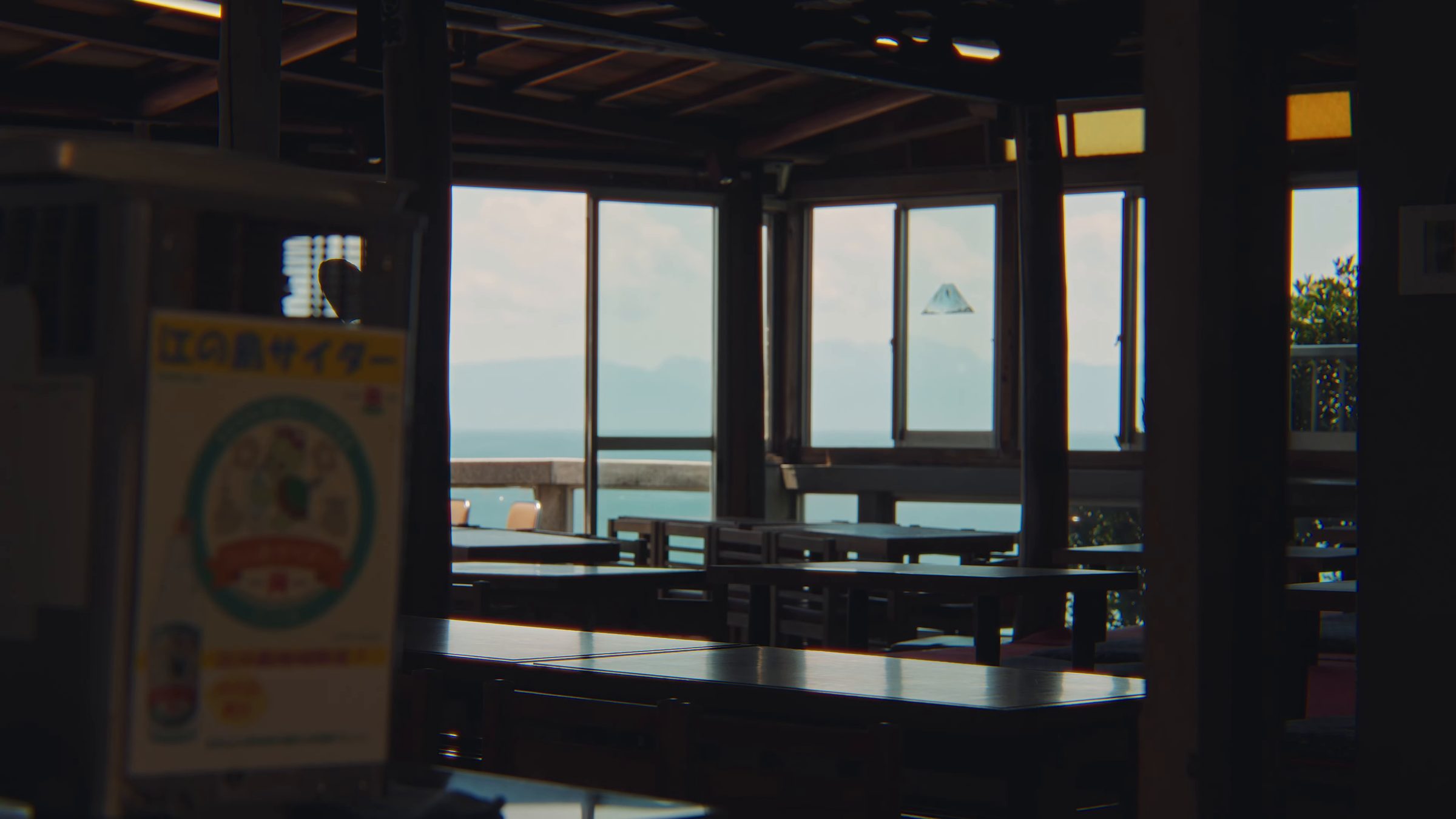
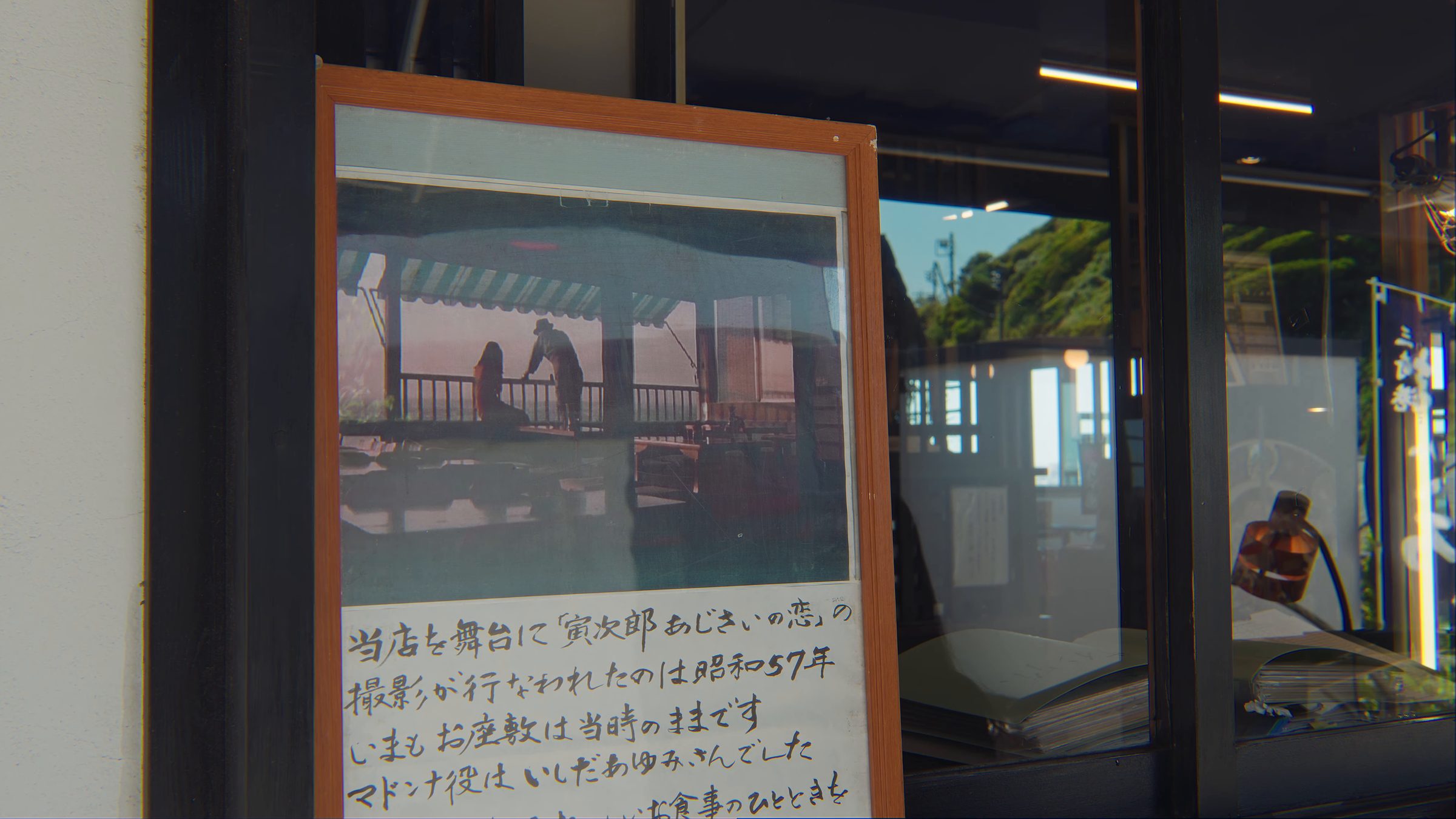
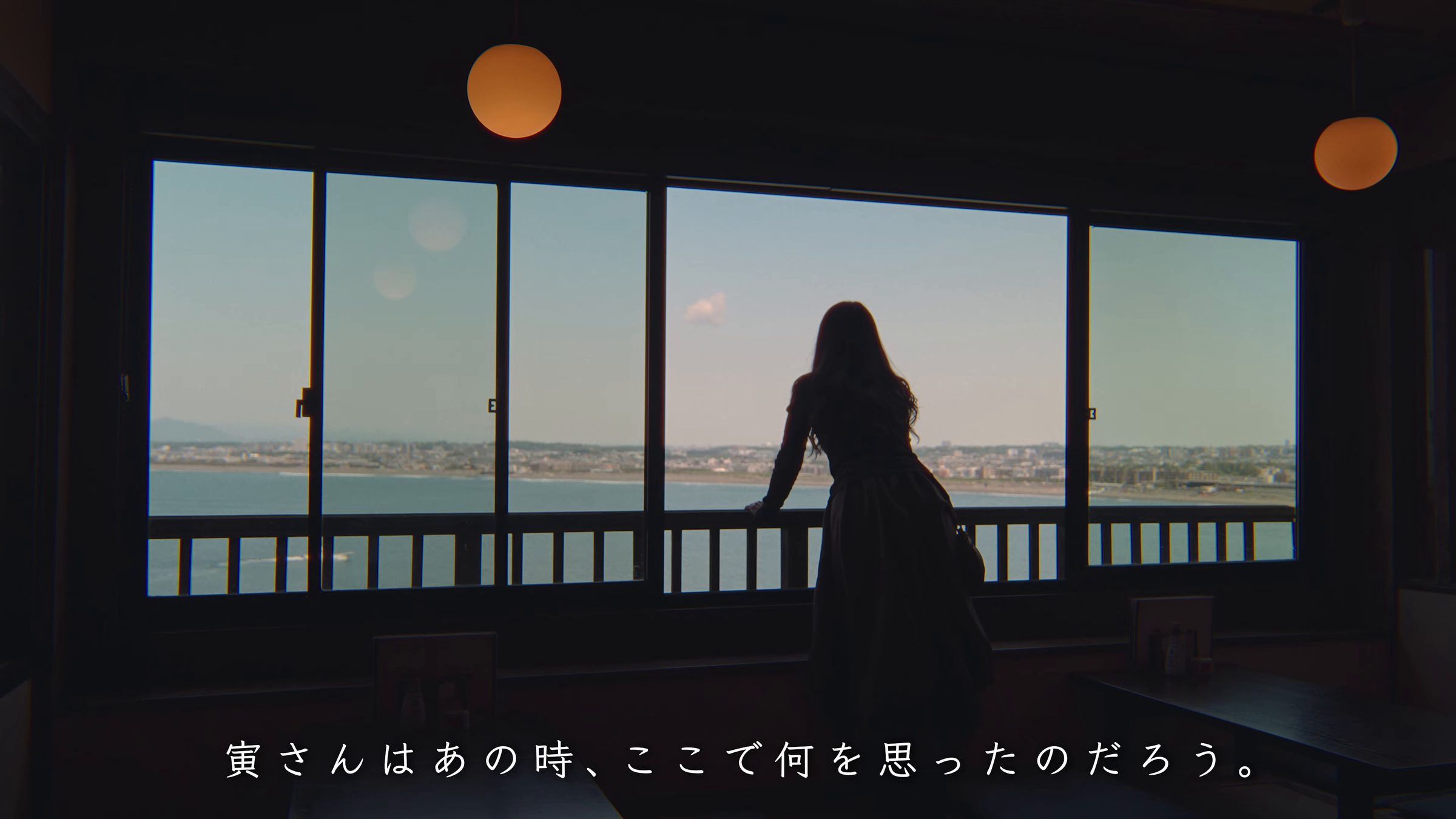
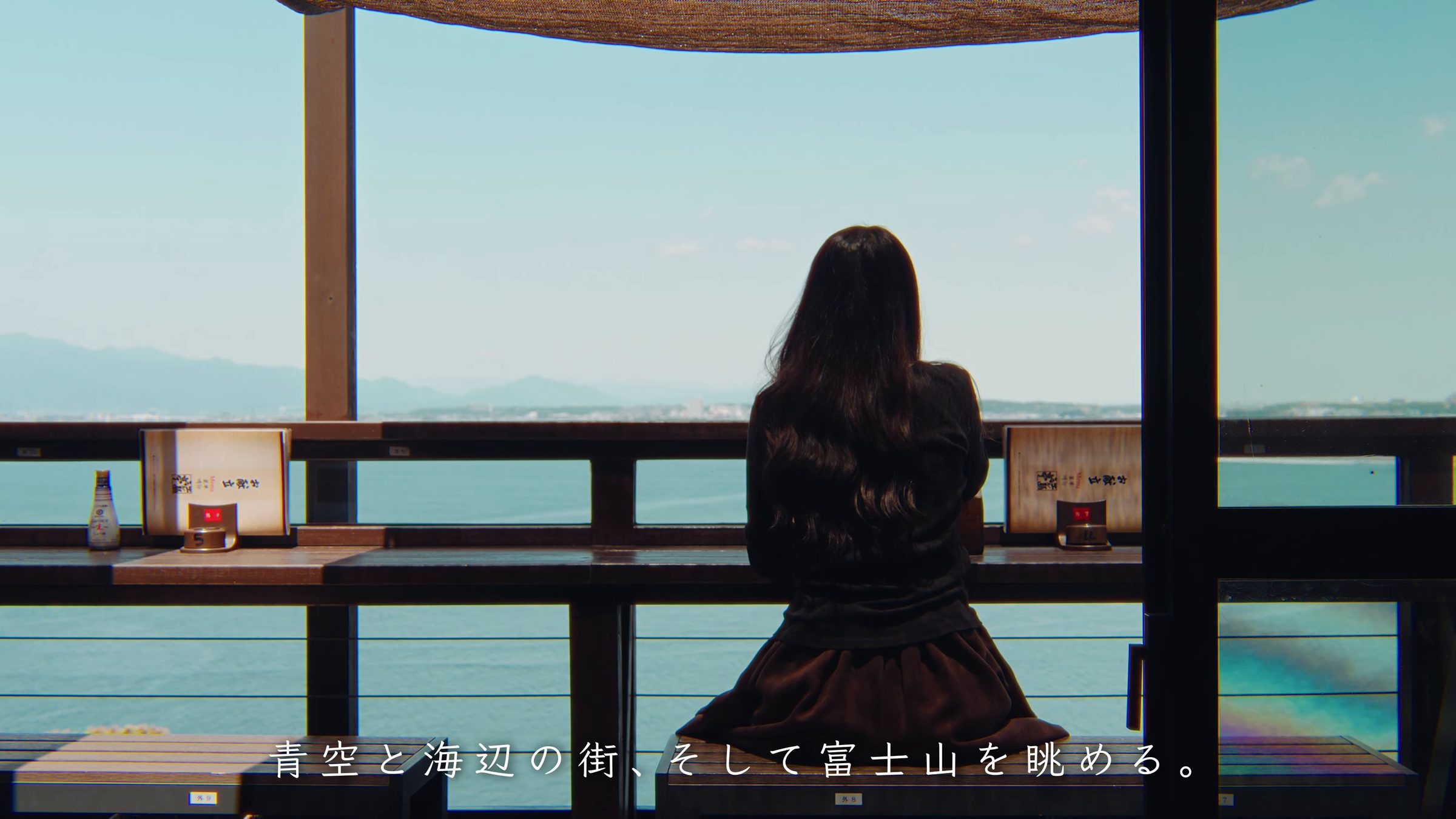
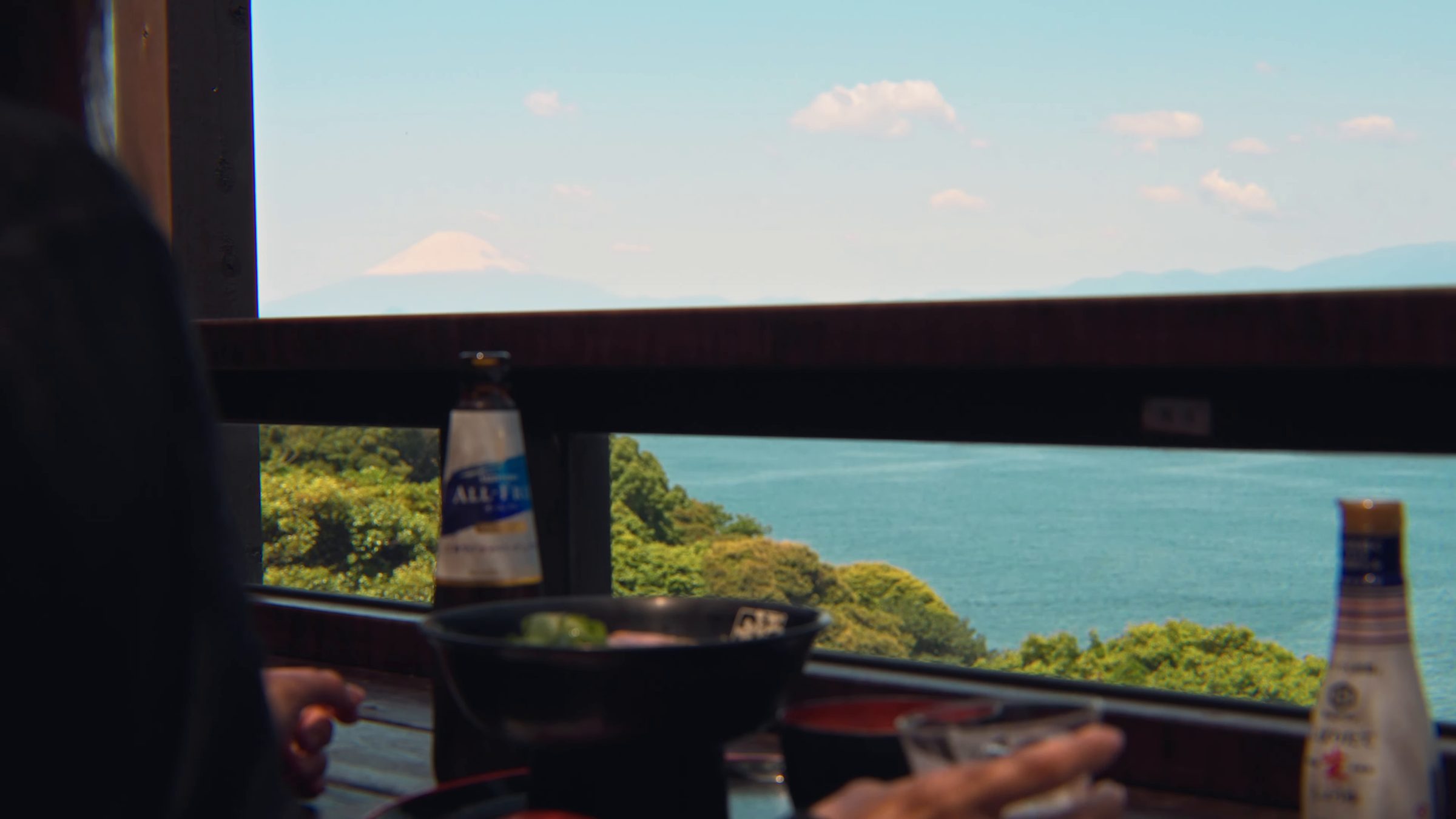
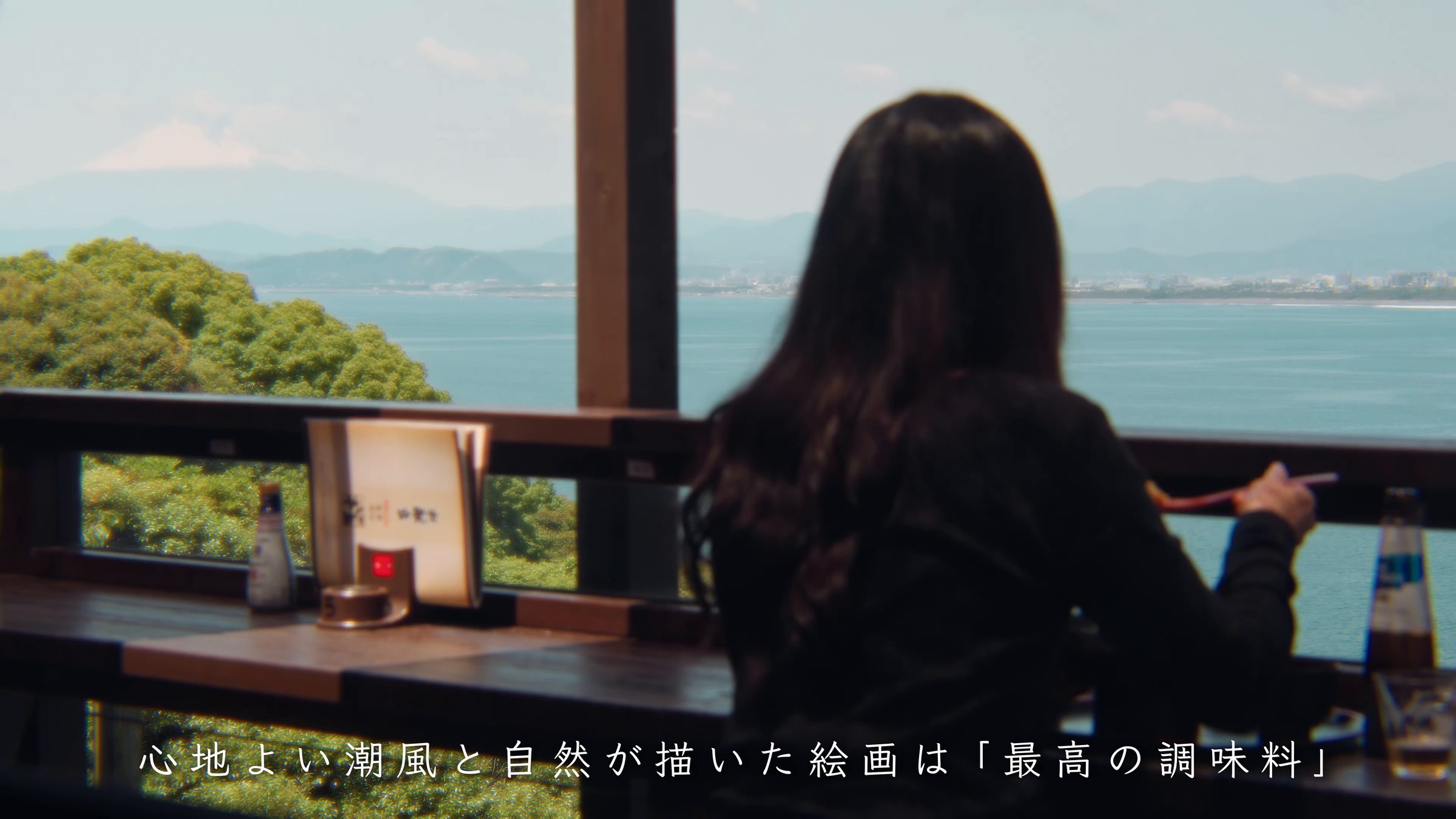
From the deck on the cliff, the sea and the town on the far shore spread out below. It feels wonderfully like being on a little island of its own. A notice on the wall explained that the Tora-san film Torajiro Ajisai no Koi was shot here in 1982, and that the tatami room is just as it was then. I wonder what Tora-san was thinking here at that time.
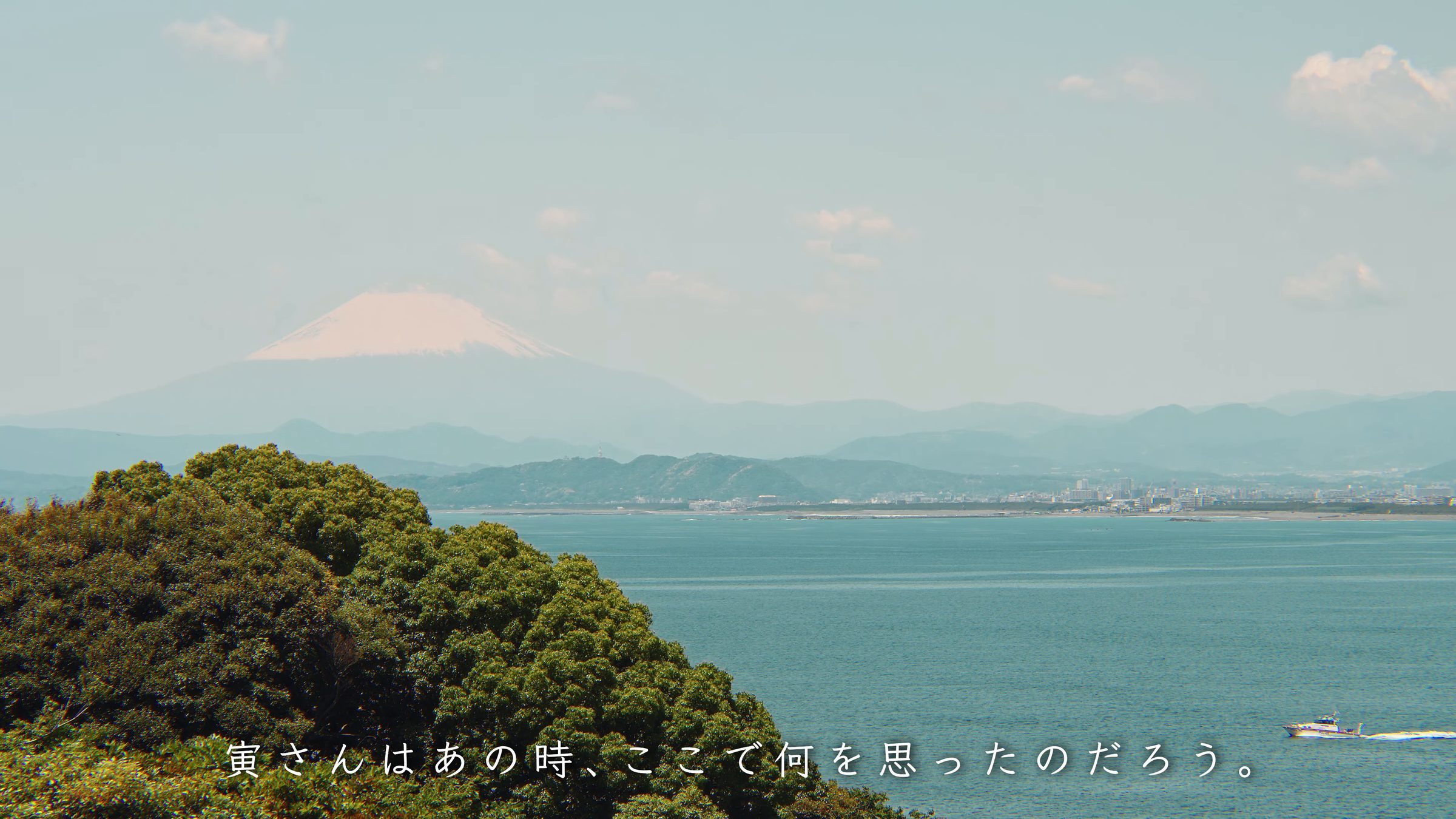
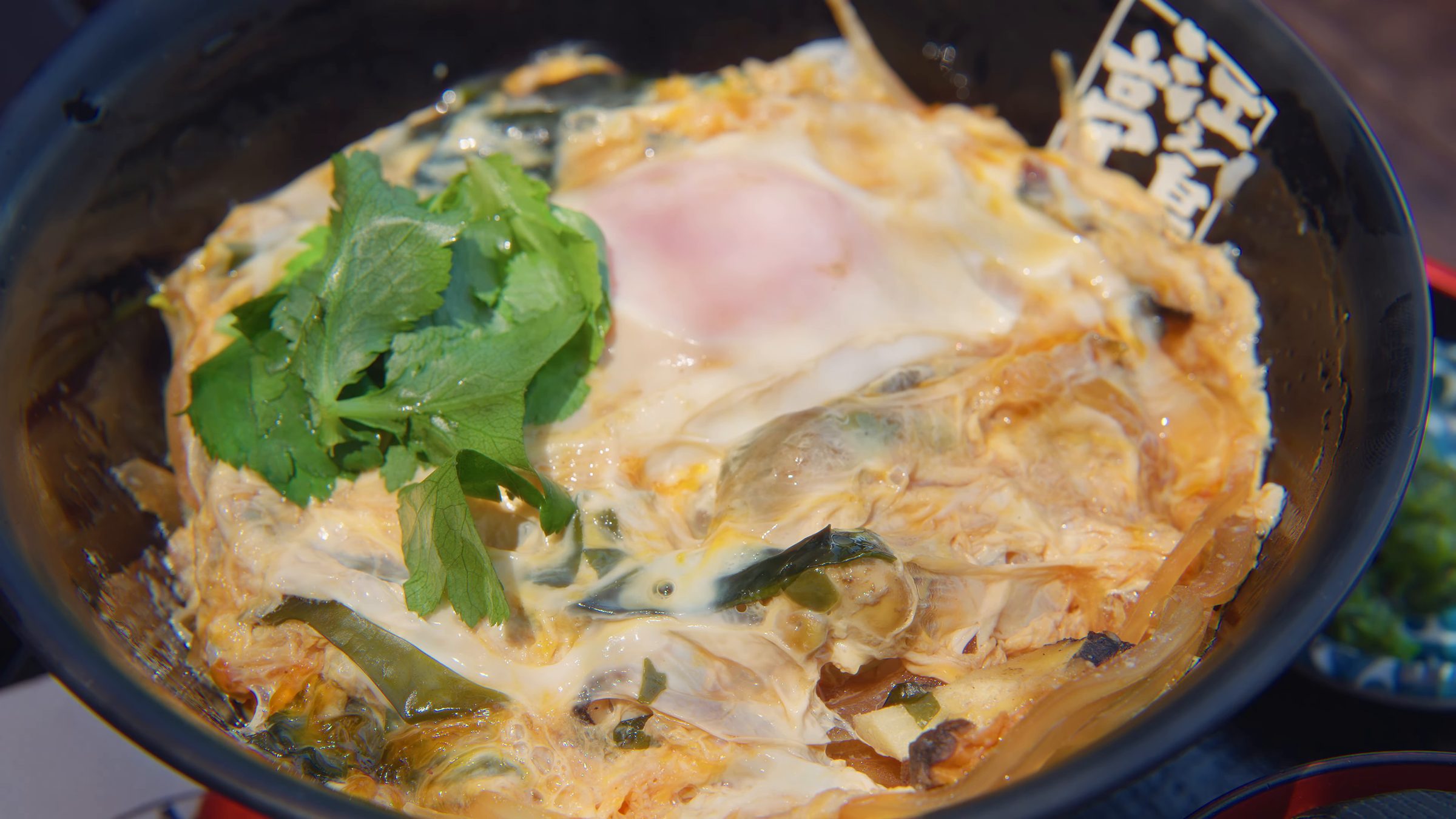
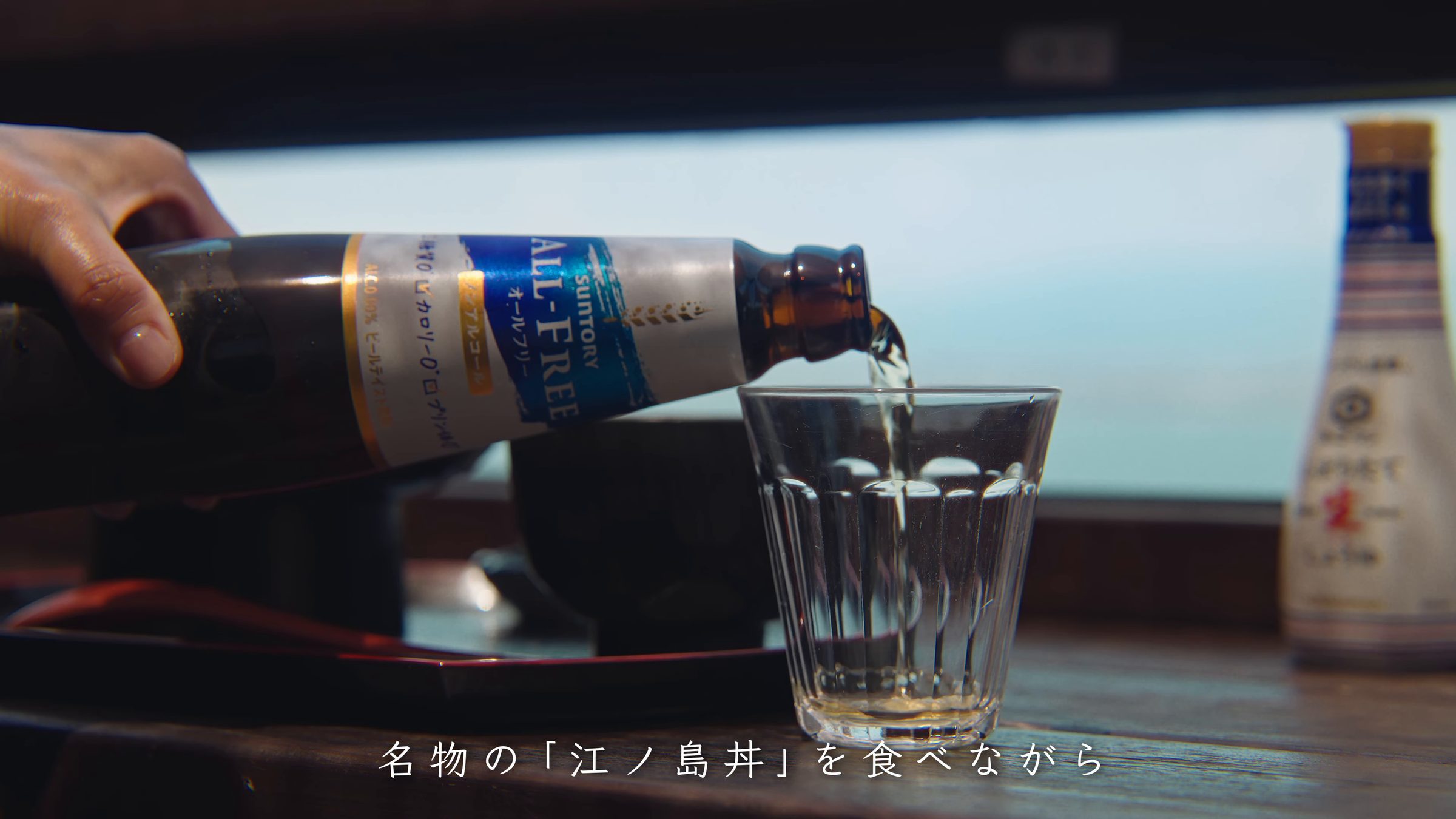
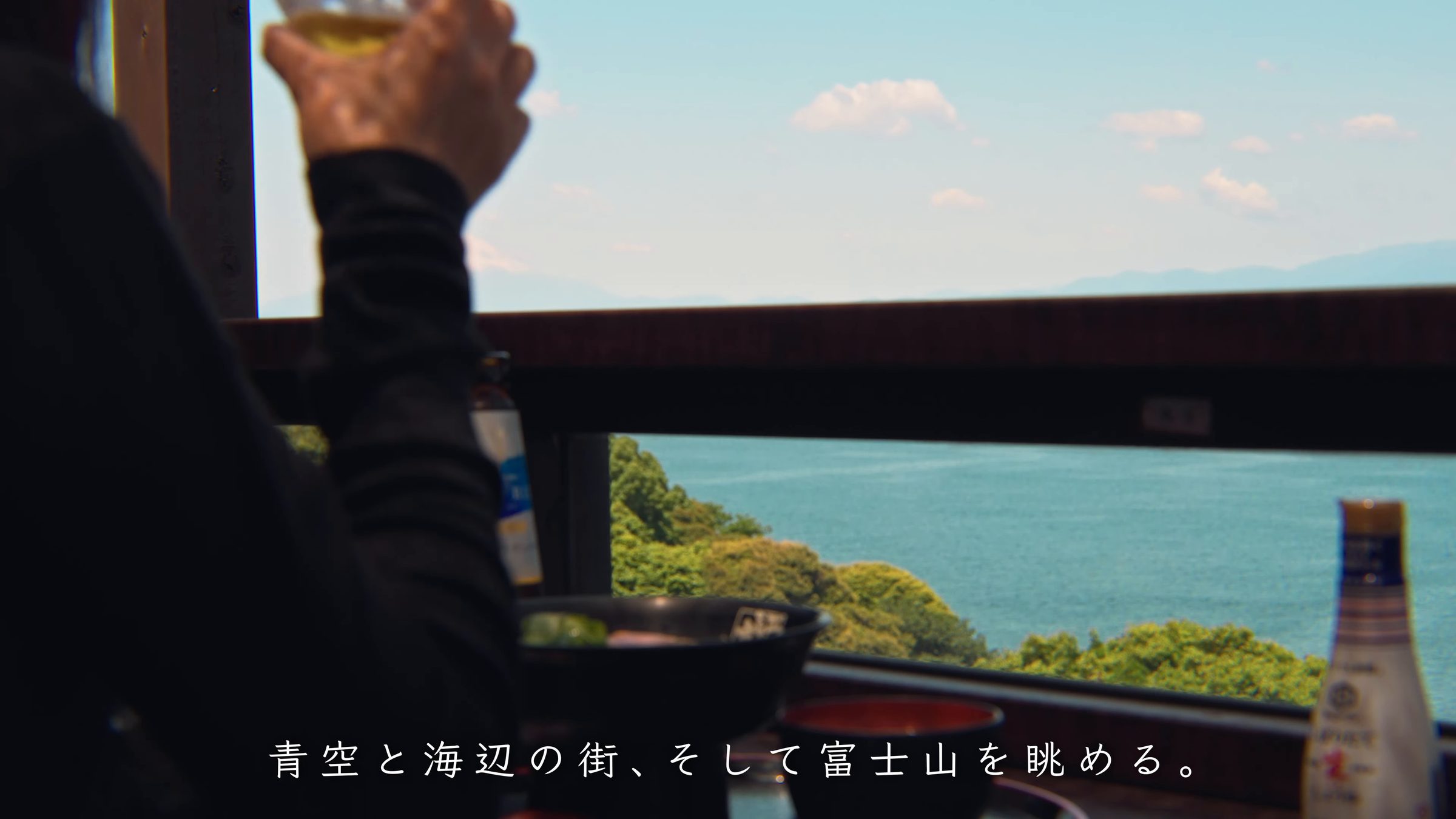
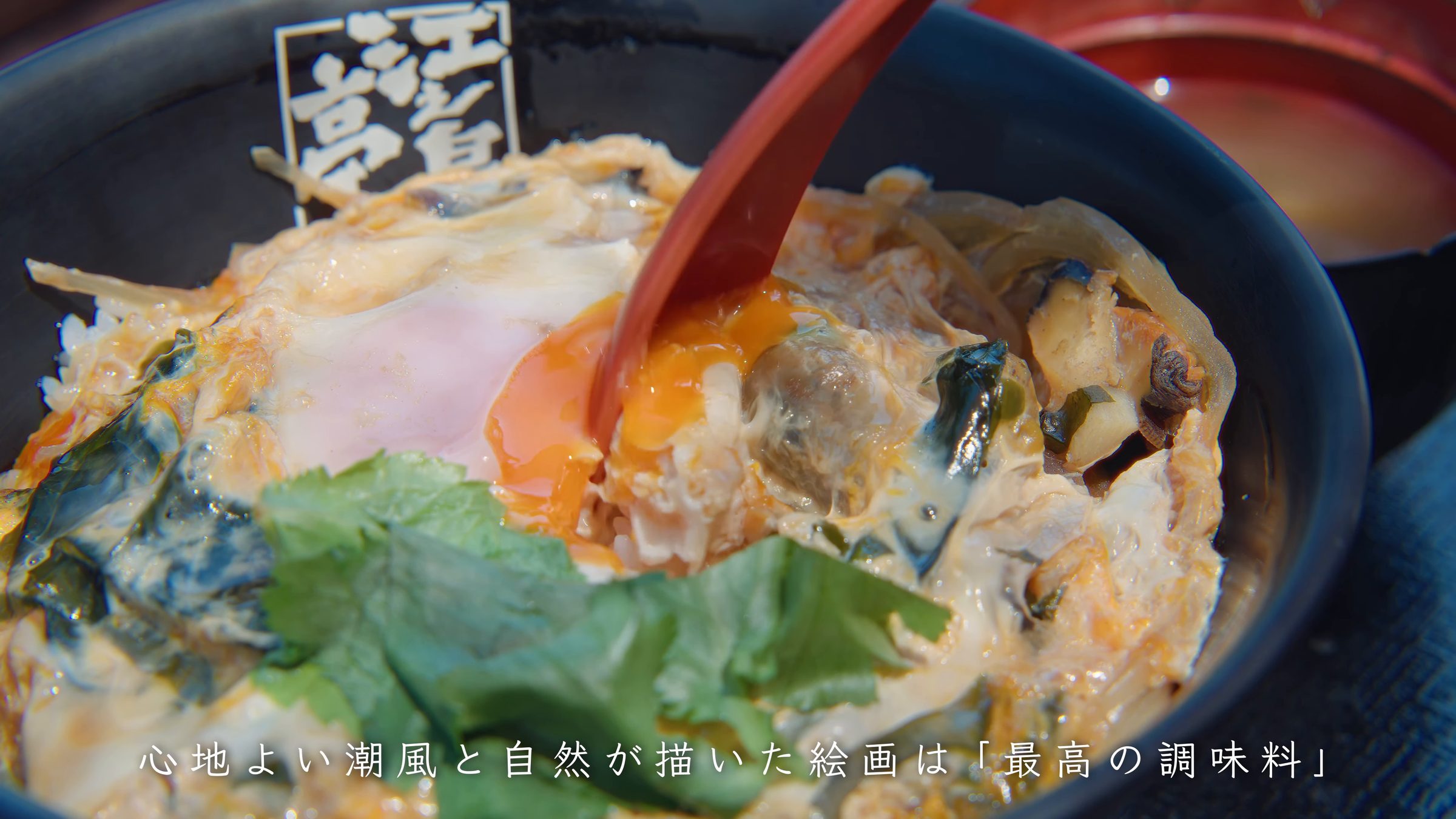
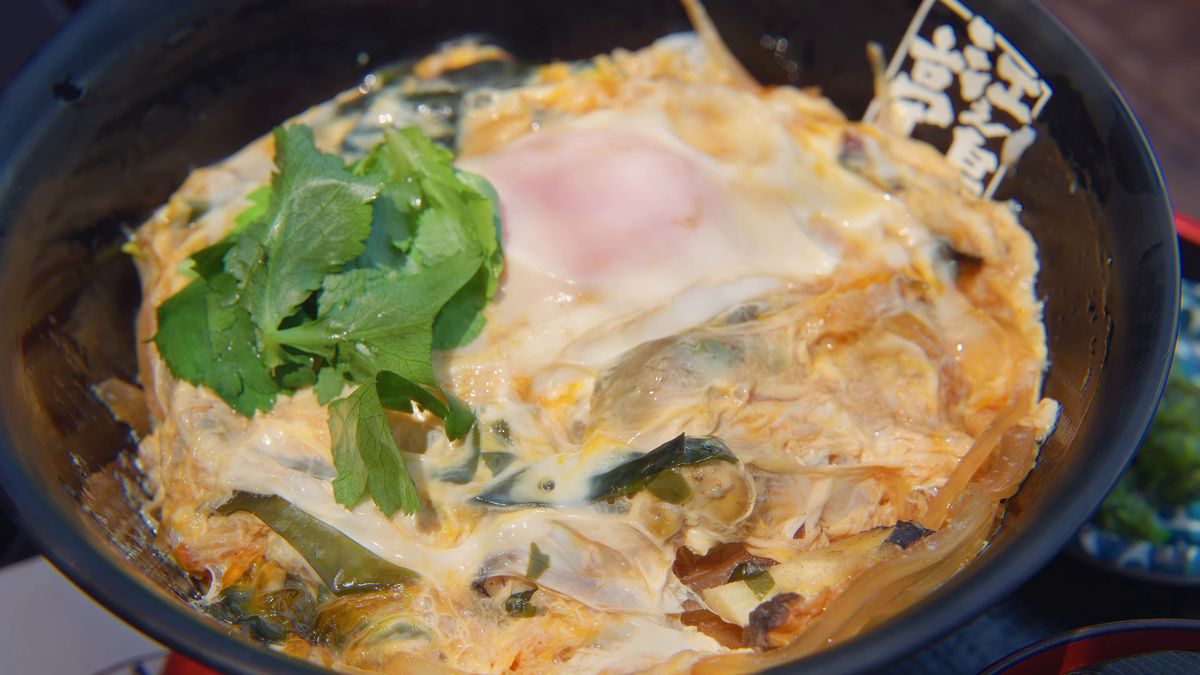
From the window seat, Mt. Fuji rose beyond the water. The famous Enoshima-don is turban shell simmered in egg, topped with mitsuba and a soft-cooked yolk, eaten with a spoon.
Blue sky, the seaside town, and Mt. Fuji. A pleasant sea breeze and a landscape painted by nature are "the best seasoning." I am thoroughly enjoying my borrowed life in Kamakura.
Watch this scene on YouTube5:06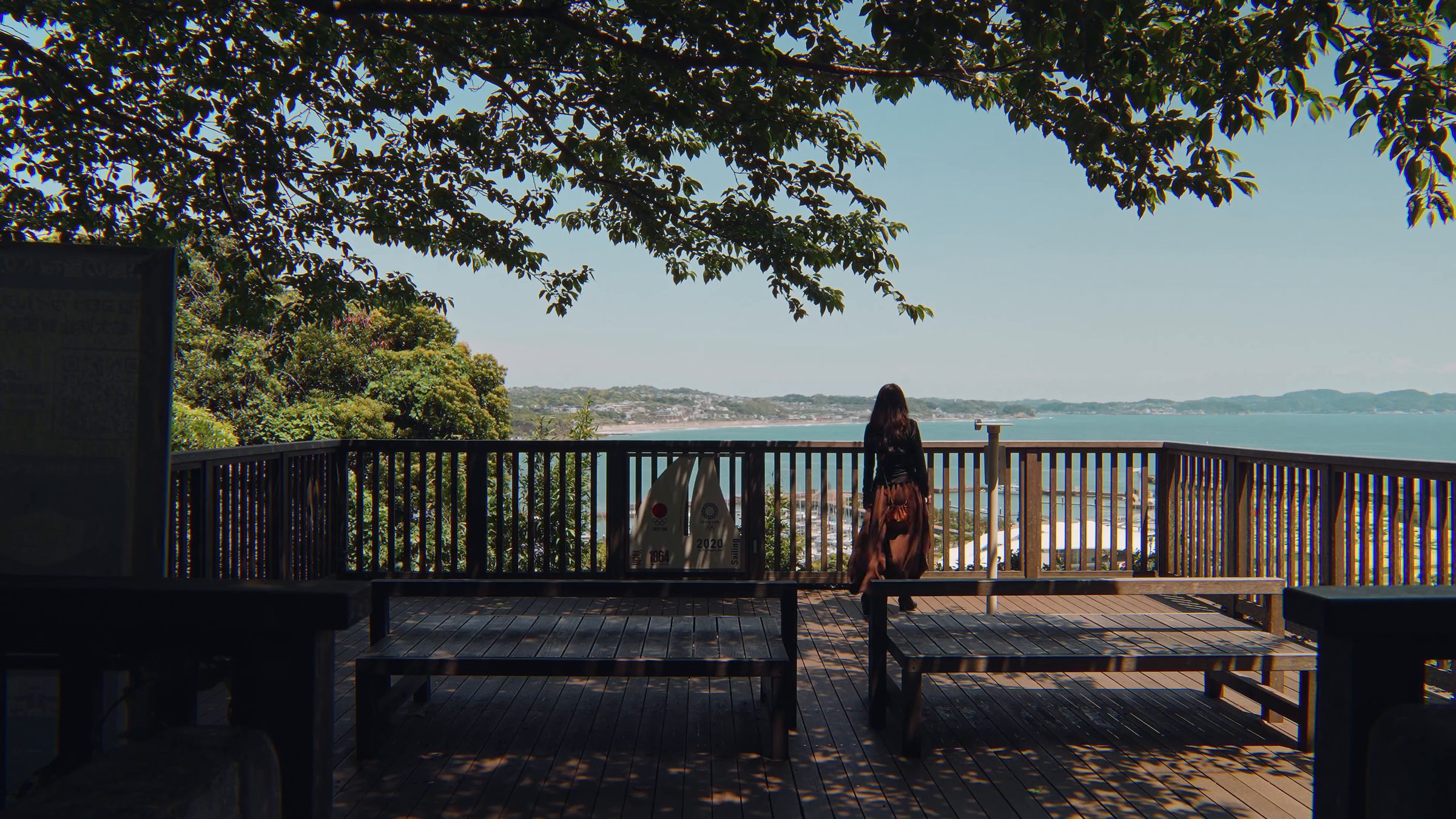
THE JOURNEY IN FILM
The wind. The sounds of a kitchen.
Spend a little more time inside the journey, on film.
Watch the video6 minTHE BORROWER’S NOTES
The Borrower's Notes: Kamakura
Places we stopped, dishes we made, and stories of the land. A few things to keep from the journey.
01Where I ate and shopped
Kamakura Agricultural Cooperative Market (Rembai)
1-13-10 Komachi, Kamakura, Kanagawa
A farmers' market run by growers from Kamakura and nearby, started in 1928 and said to be Japan's first marché. Groups of growers take turns at the stalls with the season's vegetables. This morning I bought red daikon and carrots with their tops here.
Sources: mapple.net
Yoridocoro (dried-fish shop in the market)
A dried-fish shop in the Kamakura Central Food Market building next to the farmers' market. The glass case holds butterflied horse mackerel, barracuda, striped mackerel and salted mackerel, plus fried fish cakes. The same shop runs cafes serving dried-fish set meals in Inamuragasaki and on Yuigahama-dori.
Sources: value-press.com
Nakamuraya Yokan-ten
2-5-25 Enoshima, Fujisawa, Kanagawa
A Japanese sweets shop on the approach to Enoshima Shrine. It is said to have created its original nori yokan in 1902 from seaweed on the island's rocks, and has been in business for more than 120 years. Meoto manju comes in two kinds, smooth and chunky bean paste, steamed in a machine at the storefront. The shop also makes Benten salt yokan, with purifying salt from the shrine, and Tenno-bayashi, a baked sweet shaped like the drums of the island's Tenno festival.
Enoshimatei
2-6-5 Enoshima, Fujisawa, Kanagawa
A restaurant founded in 1909 on the cliffs at the far end of Enoshima. The window seats and terrace look out over the Shonan coast, with Mt. Fuji visible on clear days. Its specialty, Enoshima-don, is turban shell simmered in egg. The window seats were used for filming the 29th Tora-san film, Torajiro Ajisai no Koi (1982), whose leading lady was Ayumi Ishida.
Sources: mapple.net tv-tokyo.co.jp tv-tokyo.co.jp ja.wikipedia.org
02What I cooked
Kenchin-jiru
A soup of root vegetables and tofu, sautéed in oil before simmering. Its origins are debated: one theory traces the name to kenchan, a Chinese Buddhist vegetarian dish, another to the kencho-jiru of Kenchoji Temple in Kamakura. The temple is said to have eaten it for more than 700 years, with monks spreading it across Japan. The tofu is explained by a story that the temple's founding abbot picked up tofu a novice had dropped, washed it, and put it in the soup. As temple food it uses no animal ingredients, and the stock is made from kombu and shiitake. It is still served at Kenchoji's Setsubun festival every February.
IngredientsRed daikon, Carrot, Burdock root, Shiitake mushrooms, Japanese leek, Tofu, Oil
- Peel and cut the red daikon; slice the burdock thin and soak it in water; cut the carrot
- Heat oil in a pan and sauté the burdock, carrot and daikon
- Add the shiitake and leek, simmer, crumble in the tofu by hand, and ladle into bowls
Sources: maff.go.jp
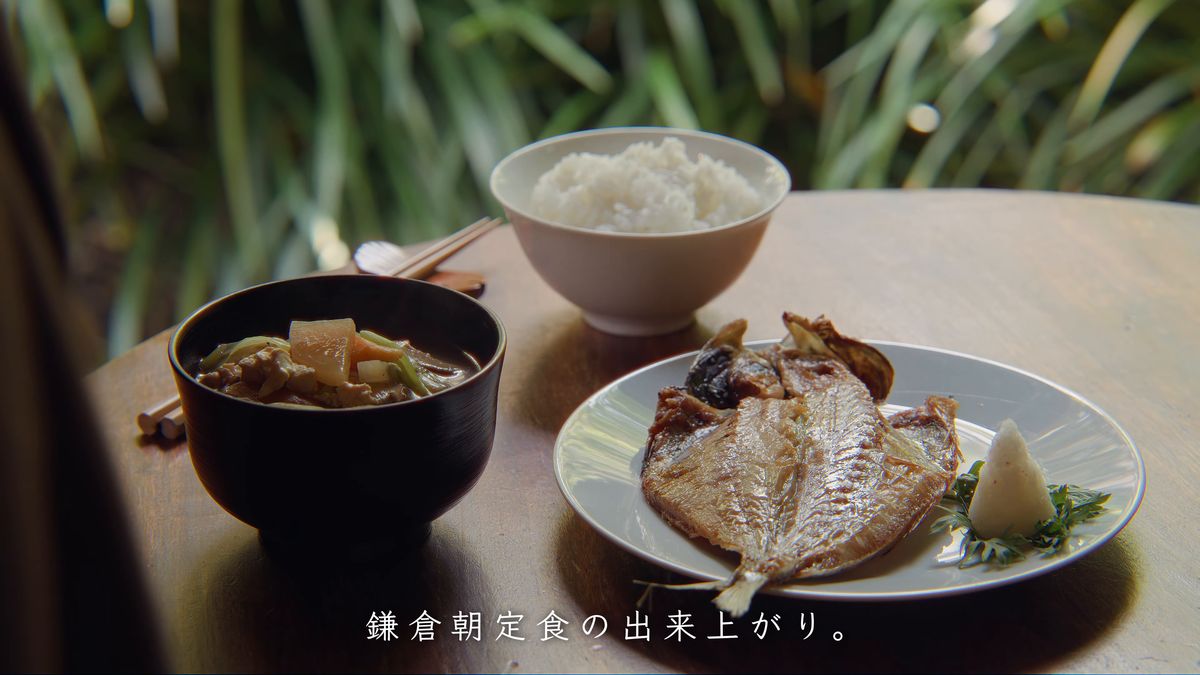
Kamakura morning set with grilled dried fish
Kenchin-jiru made with Kamakura vegetables, with dried fish from the market shop grilled alongside. In a seaside town, dried fish belongs on the breakfast table.
IngredientsCooked rice, Dried fish (butterflied horse mackerel), Kenchin-jiru, A small vegetable garnish
- Grill the dried fish from the market on a wire rack
- Serve with freshly cooked rice and kenchin-jiru
03About the area
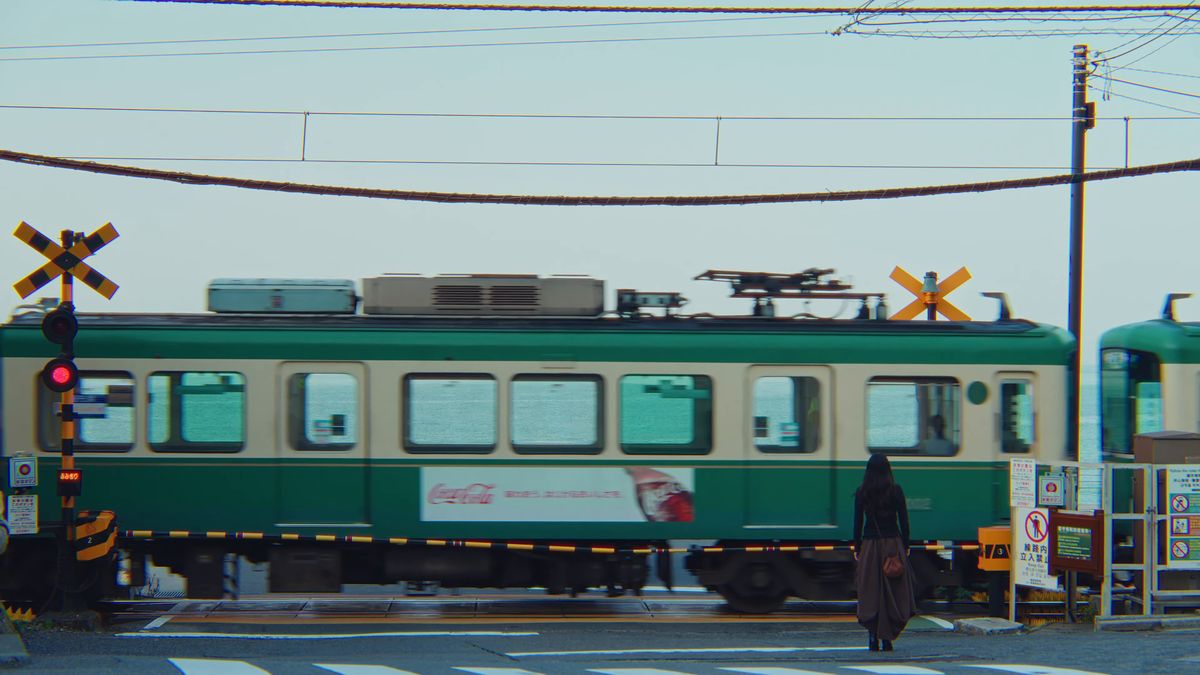
Kamakura-Kokomae Station and the seaside crossing
1-1 Koshigoe, Kamakura, Kanagawa
Kamakura-Kokomae, on the Enoshima Electric Railway, is a station right beside the sea. The crossing a short walk toward Kamakura along the shore is said to be the model for a scene in the opening of the anime Slam Dunk, and draws visitors from around the world. Beyond the tracks you can see Shichirigahama, Enoshima and the Miura Peninsula. It is an ordinary road crossing, so visitors are asked not to step onto the tracks or linger.
Sources: gltjp.com
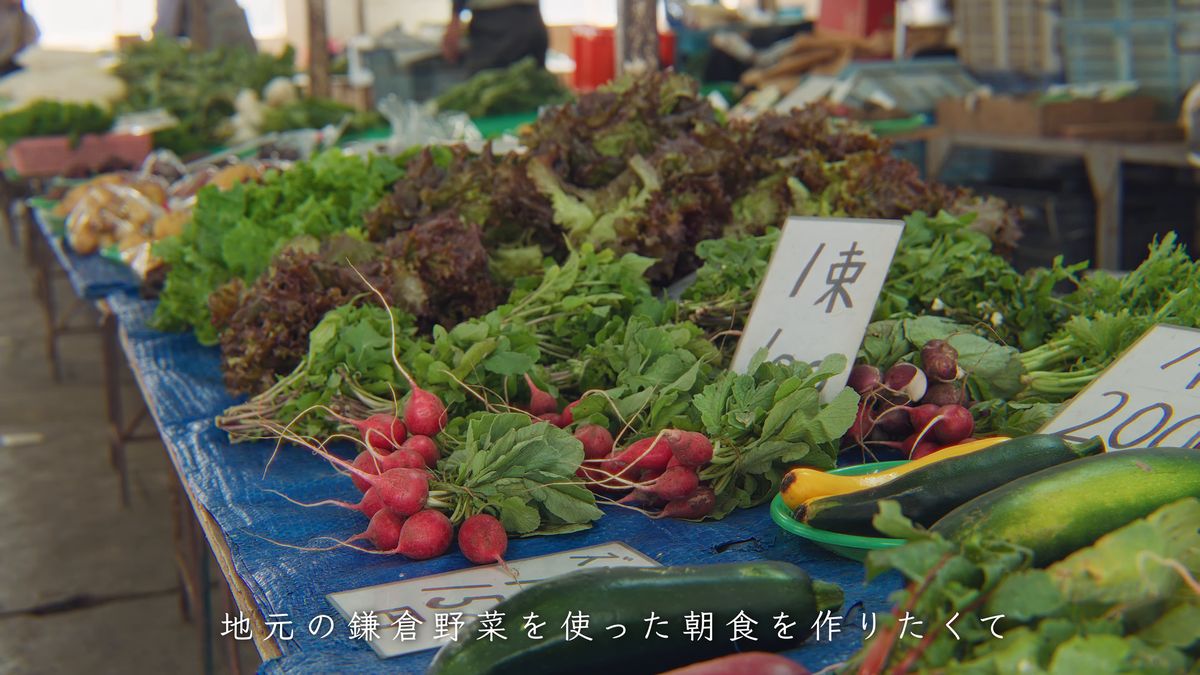
Kamakura vegetables
A collective name for vegetables grown by farmers around Kamakura. They are raised with as little chemical fertilizer and pesticide as possible, in small quantities of many varieties, including Western vegetables such as cavolo nero, ayame turnips, kohlrabi, butternut squash and purple sweet potatoes. At the market you can ask the growers themselves how to cook them.
Sources: mapple.net
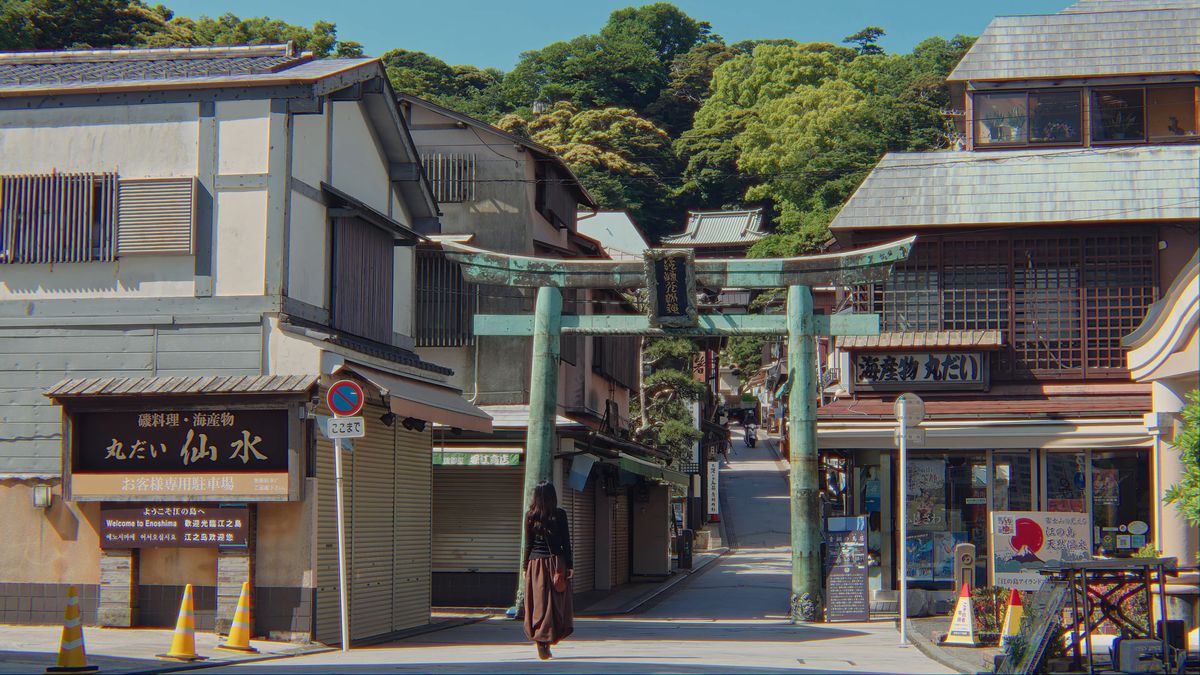
The bronze torii and Zuishinmon gate of Enoshima Shrine
2-3-8 Enoshima, Fujisawa, Kanagawa
Enoshima Shrine consists of three shrines, Hetsumiya, Nakatsumiya and Okutsumiya, and is counted among Japan's three great Benzaiten shrines. The bronze torii that greets you after crossing the Enoshima Benten Bridge was first erected in 1747, at the height of pilgrimages to the island, and the present one dates from a rebuilding in 1821. Up the stone steps, beyond the vermilion torii, stands Zuishinmon, a tower gate modeled on the Dragon Palace.
Sources: tabi-mag.jp gltjp.com
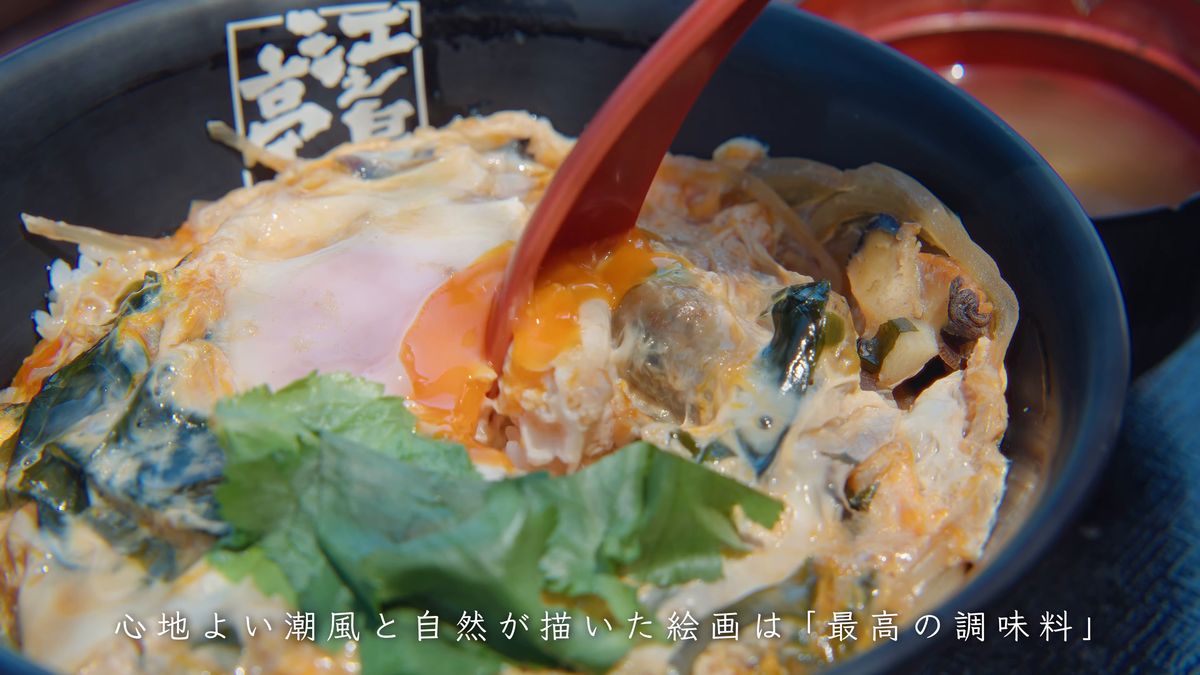
Enoshima-don
Enoshima's signature rice bowl: turban shell simmered in egg and served over rice, offered at many of the island's restaurants. In chapter 9 of the original manga The Solitary Gourmet by Masayuki Qusumi and Jiro Taniguchi, "Enoshima-don in Enoshima, Fujisawa, Kanagawa," the hero Goro Inogashira eats Enoshima-don and grilled turban shell.
Sources: mapple.net ja.wikipedia.org
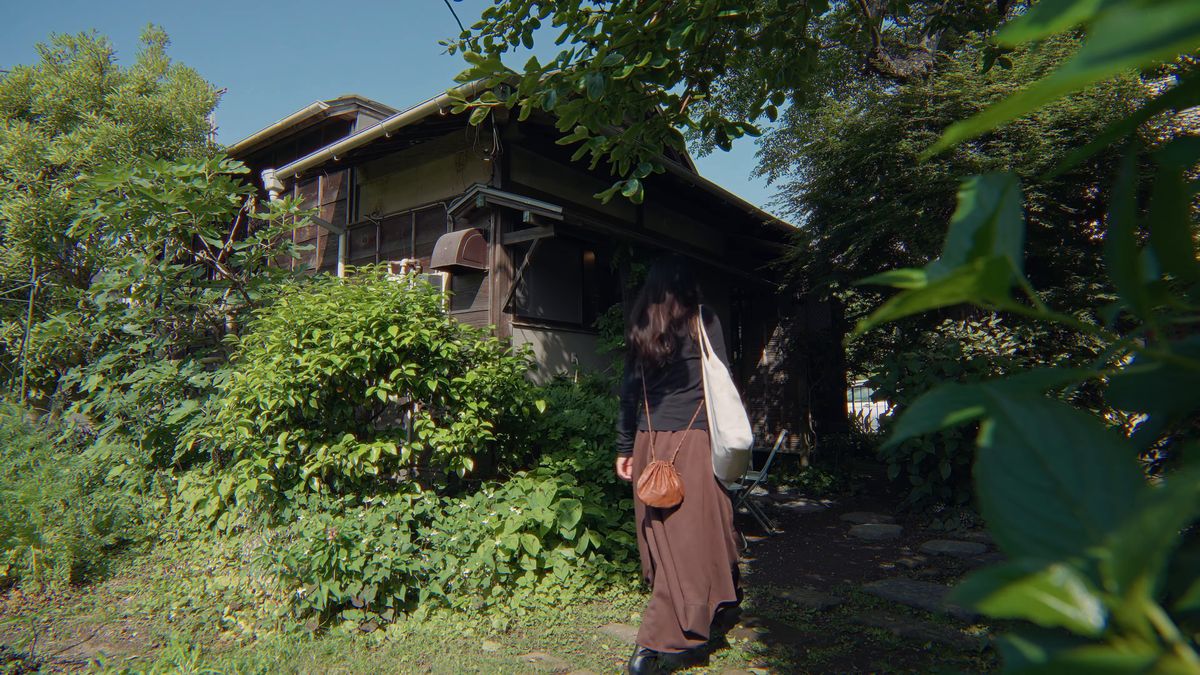
An old wooden house in the greenery
This time I borrowed an old wooden house up a hill from the seaside road. There is a white table and chairs in the garden, a latticed cupboard, a veranda, and a tatami room lit through bamboo blinds.
PHOTO ALBUMPhoto album86Open all photographsClose the photo album
Select a photograph to explore the journey one frame at a time.