LITTLE THINGS TO TAKE HOME
Things to bring homeafter the journey.
Cook the local flavors once more.
Look a little into the town’s history.
Small cultural notes, right beside each journey.
353 notes from 35 journeys
01
Cook the local flavors once more
Dishes made in borrowed kitchens, and how each one connects to the land.
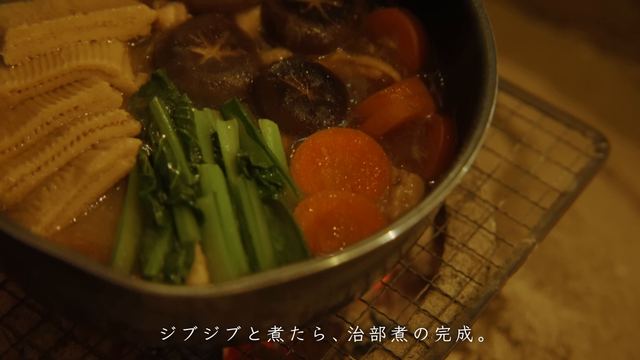
Kanazawa, Ishikawa
Jibuni
A simmered dish of Ishikawa made with duck, sudare-fu and seasonal vegetables, said to have been eaten by samurai households since at least the Edo period.
From: Winter in Kanazawa, from a townhouse kitchen
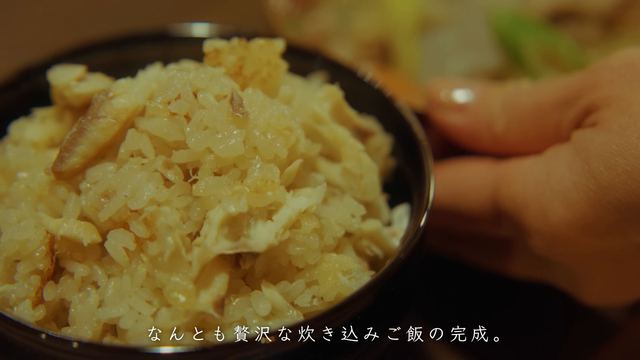
Kanazawa, Ishikawa
Nodoguro takikomi gohan
Nodoguro is a prized fish, so rich in fat it is called "the toro of white fish." The overnight-dried fish I bought at the market was lightly salted using deep-s…
From: Winter in Kanazawa, from a townhouse kitchen
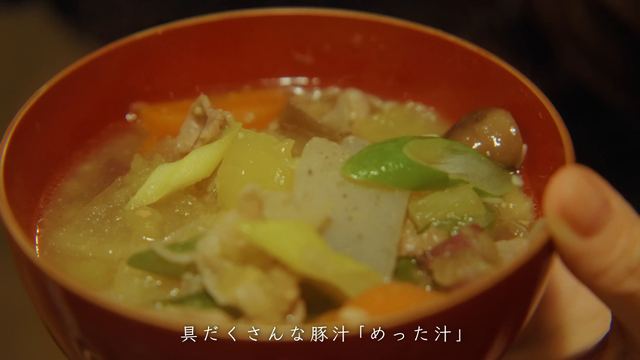
Kanazawa, Ishikawa
Mettajiru
A hearty pork miso soup full of root vegetables, distinguished by using sweet potato in place of the usual potato.
From: Winter in Kanazawa, from a townhouse kitchen
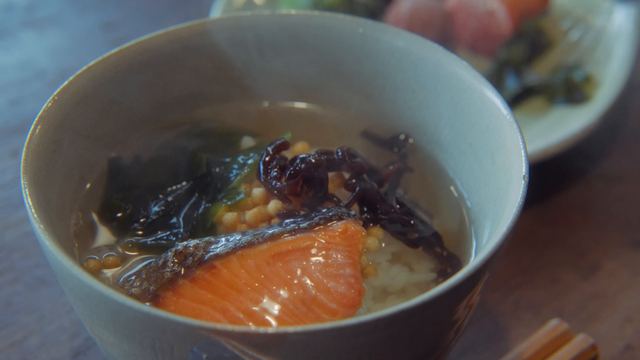
Kanazawa, Ishikawa
My take on Yahoo chazuke
The shop known as "Yahoo chazuke" was Shinano, an ochazuke shop in Katamachi 1-chome, Kanazawa.
From: Winter in Kanazawa, from a townhouse kitchen
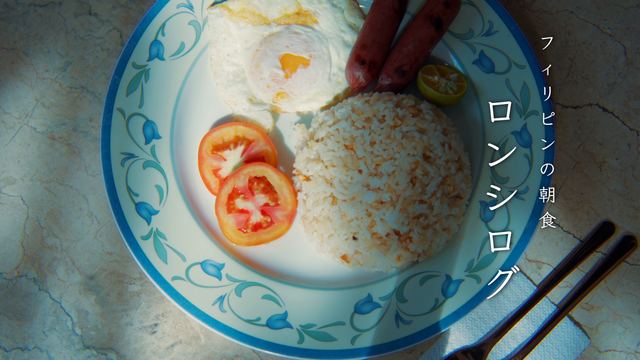
Lapu-Lapu City, Cebu
Longsilog
Silog is the name for a family of Filipino breakfasts built on garlic fried rice and a fried egg; the name changes with what comes alongside.
From: Everyday life on Mactan Island
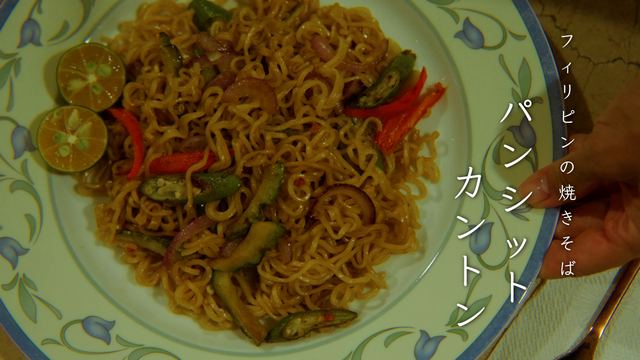
Lapu-Lapu City, Cebu
Pancit canton (from instant noodles)
Pancit, noodles brought to the Philippines by Chinese immigrants, has become a full part of Filipino cooking.
From: Everyday life on Mactan Island
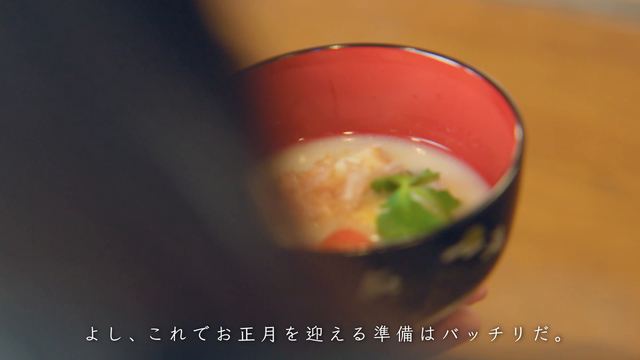
Kyoto City, Kyoto
Kyoto-style ozoni (white miso New Year soup)
Ozoni in and around Kyoto is built on kombu dashi and white miso, with round mochi, taro, carrot and daikon.
From: Making New Year's Eve soba in a Kyoto townhouse
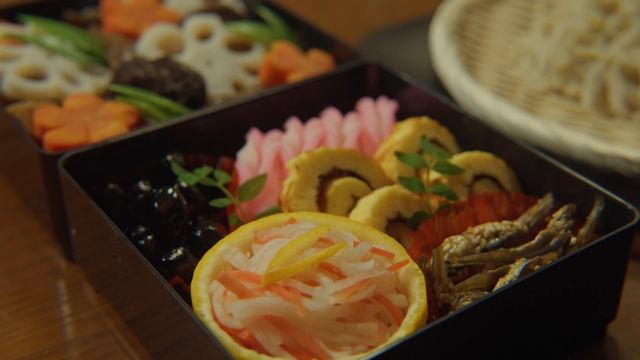
Kyoto City, Kyoto
Osechi (datemaki, red-and-white namasu, decorated kamaboko)
Each osechi dish carries a wish.
From: Making New Year's Eve soba in a Kyoto townhouse
Kyoto City, Kyoto
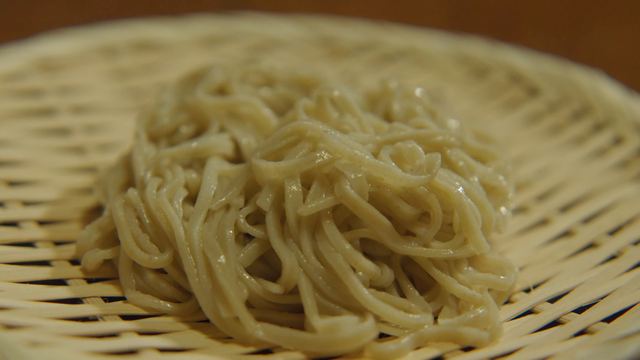
Toshikoshi soba (nihachi soba)
The custom of eating soba on New Year's Eve is said to have spread among ordinary people in the Edo period.
From: Making New Year's Eve soba in a Kyoto townhouse
Hualien, Taiwan
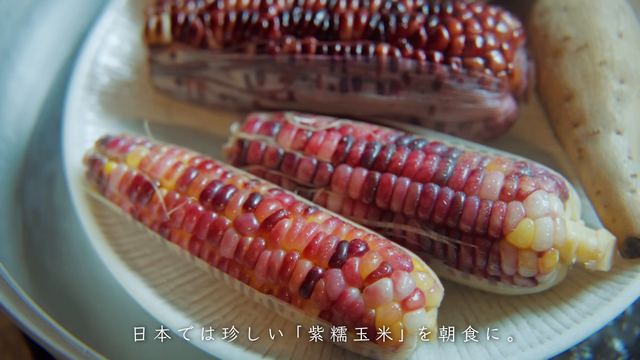
Breakfast of purple waxy corn and Taiwanese sweet potato
In Taiwan, breeders have developed sweet waxy corn that carries both sweet kernels and sticky waxy kernels on a single cob.
From: Hualien: the sea and delicious everyday life
Hualien, Taiwan
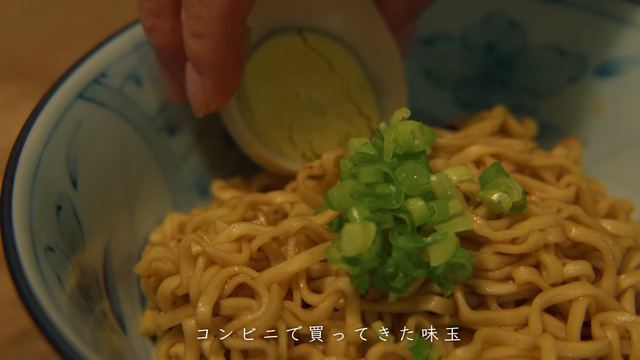
Taiwanese instant zhajiangmian set
Wei Lih zhajiangmian is an instant dry noodle launched in Taiwan in 1973 by Wei Lih Food Industrial.
From: Hualien: the sea and delicious everyday life
Numazu, Shizuoka
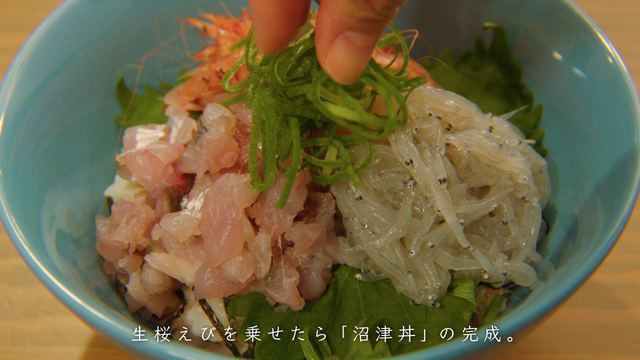
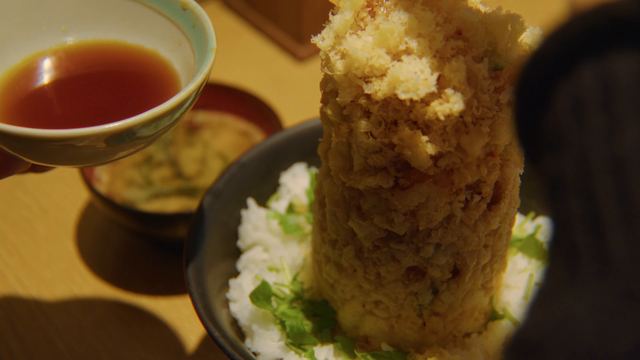
Numazu bowl (Numazu-don)
Numazu-don is a local specialty born at a Numazu bowl contest in 2000: rice cooked with dried horse mackerel, topped with raw whitebait, raw sakura shrimp and c…
From: Gifts of the sea in a town that looks out on Mt. Fuji
Numazu, Shizuoka
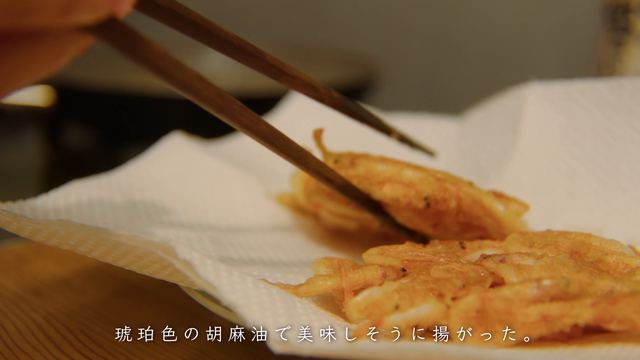
Sakura shrimp kakiage
Every sakura shrimp landed in Japan comes from Suruga Bay.
From: Gifts of the sea in a town that looks out on Mt. Fuji
Numazu, Shizuoka
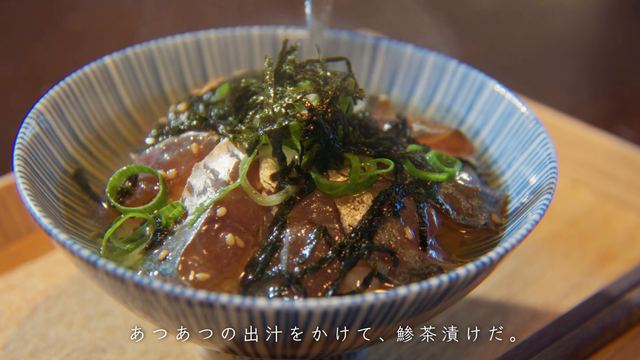
Horse mackerel chazuke
The half of the chopped horse mackerel I had set aside while making the Numazu bowl spent the night in soy sauce and became the next morning's chazuke.
From: Gifts of the sea in a town that looks out on Mt. Fuji
Aridagawa, Wakayama
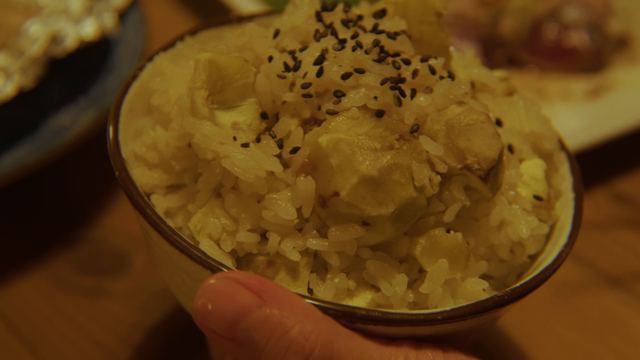
Chestnut rice (kuri gohan)
My first chestnut rice, made with chestnuts I had picked myself.
From: Chestnuts, saury and an autumn feast
Aridagawa, Wakayama
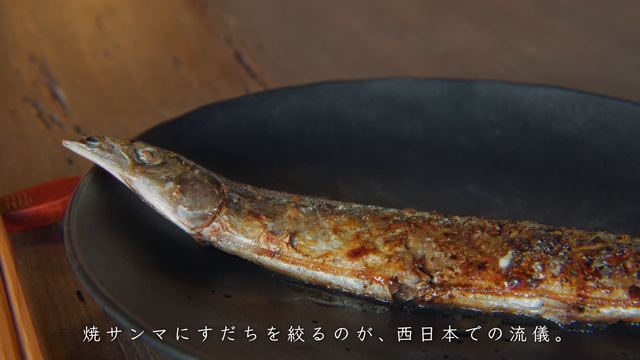
Charcoal-grilled saury with sudachi
Sanma is written 秋刀魚, "autumn sword fish," but that spelling only spread from the Taisho era on; older texts wrote it 青串魚.
From: Chestnuts, saury and an autumn feast
Aridagawa, Wakayama
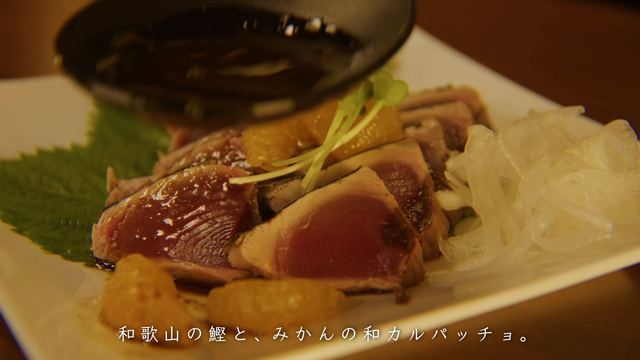
Wakayama bonito and mandarin carpaccio
In contrast to the lean first bonito of spring, the fish that head south from around September are called modori-gatsuo, returning bonito.
From: Chestnuts, saury and an autumn feast
Aridagawa, Wakayama
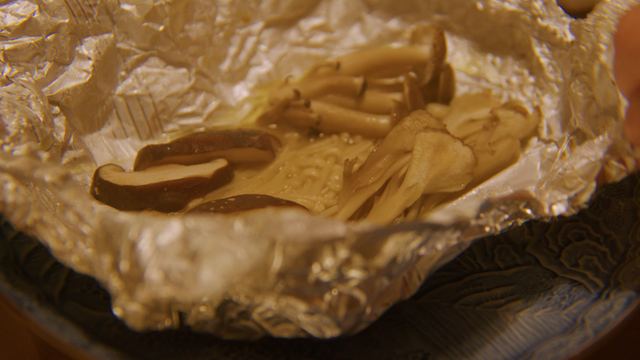
Foil-grilled mushrooms with butter
Mushrooms are another essential of the autumn table.
From: Chestnuts, saury and an autumn feast
Aridagawa, Wakayama
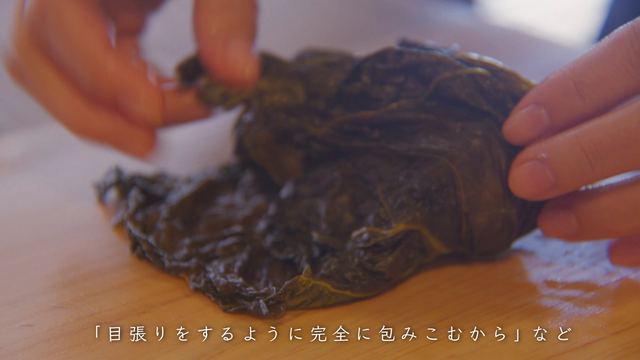
Mehari-zushi
A Wakayama specialty: a large rice ball wrapped in salt-pickled takana leaves.
From: Sushi, Cosmos and Ramen
Aridagawa, Wakayama
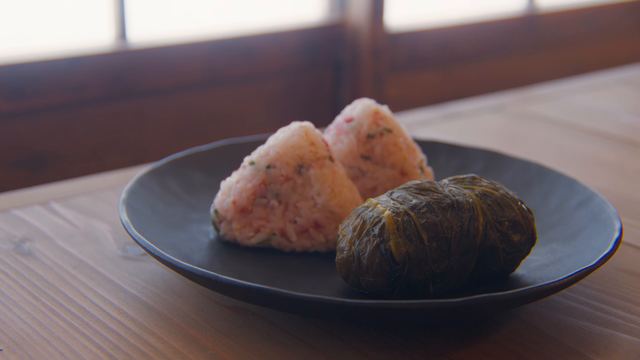
Umeboshi and red shiso rice ball
Wakayama grows more ume than any other prefecture in Japan: 58% of the national harvest in 2024 (64% the year before).
From: Sushi, Cosmos and Ramen
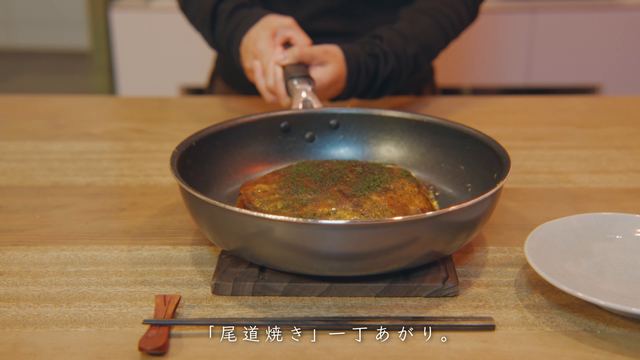
Onomichi, Hiroshima
Onomichi-yaki
Onomichi's okonomiyaki is called Onomichi-yaki.
From: Onomichi ramen and homemade okonomiyaki
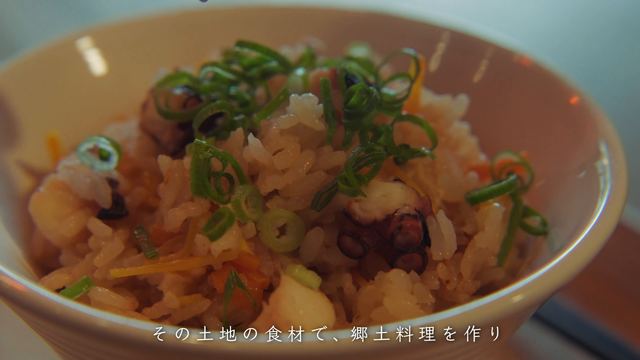
Onomichi, Hiroshima
Octopus rice (tako-meshi)
A regional dish of Hiroshima handed down in Mihara, Onomichi and Fukuyama.
From: Through the Cat Alley to our house in Onomichi
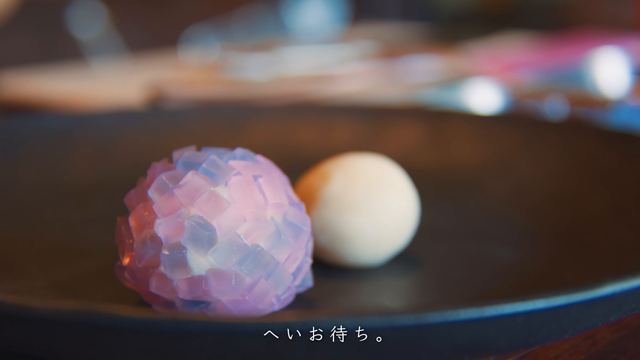
Tamba, Hyogo
Kingyoku hydrangea
Kingyoku (kingyokukan) is a Japanese sweet made by dissolving agar, adding sugar or starch syrup, and letting it set; its translucence is used to suggest water…
From: Hydrangea season in an old house in Tamba
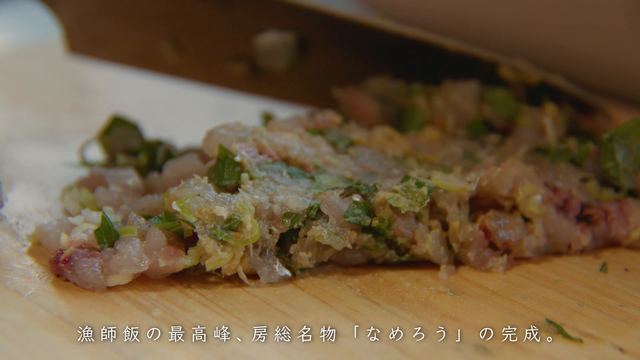
Kamogawa, Chiba
Namero on rice
Namero is a Chiba specialty handed down along the coast of the Boso Peninsula.
From: Zero minutes to the sea: summer vacation in Kamogawa
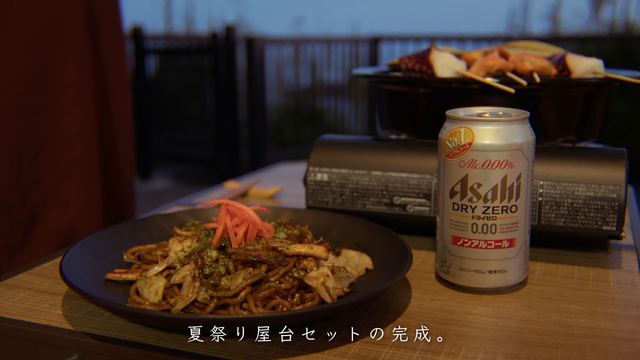
Kamogawa, Chiba
Sauce yakisoba
A staple of summer festival stalls.
From: Zero minutes to the sea: summer vacation in Kamogawa
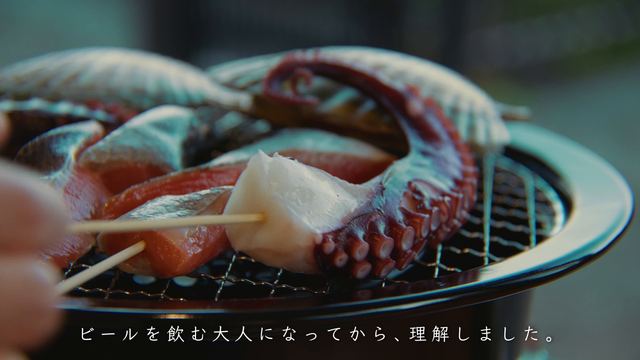
Kamogawa, Chiba
Grilled seafood skewers
The taste of the festival stall, on a small charcoal grill on the veranda.
From: Zero minutes to the sea: summer vacation in Kamogawa
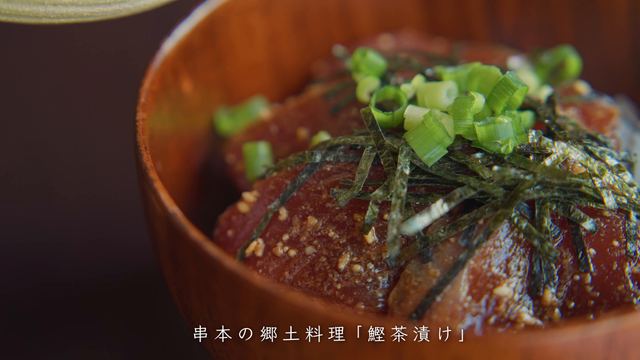
Kushimoto, Wakayama
Katsuo chazuke (bonito over rice with hot broth)
Bonito dressed in sauce is laid over rice and eaten with hot broth poured on top.
From: A house in the forest and a southern sea: a day in Kushimoto
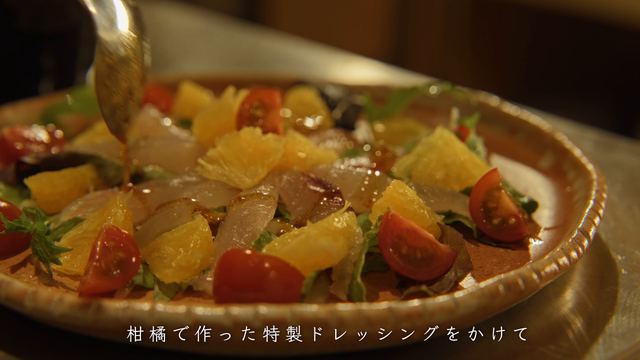
Kushimoto, Wakayama
Flying fish and citrus carpaccio
Besides tuna and bonito, Kushimoto's port lands flying fish and saury.
From: A house in the forest and a southern sea: a day in Kushimoto
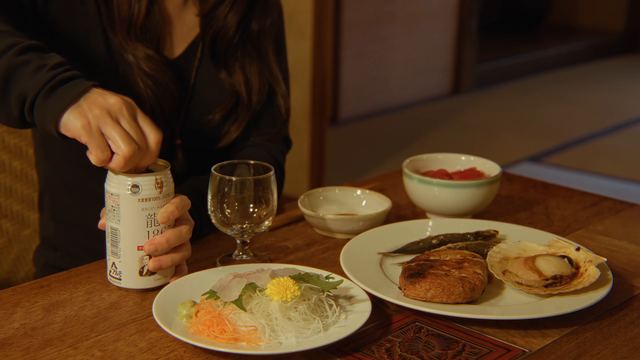
Kamakura, Kanagawa
A little Kamakura drinking set
At the farmers' market near Kamakura Station, growers from around Kamakura sell "Kamakura vegetables," many varieties in small quantities, grown with as little…
From: A hundred-year-old house in the town of the Enoden
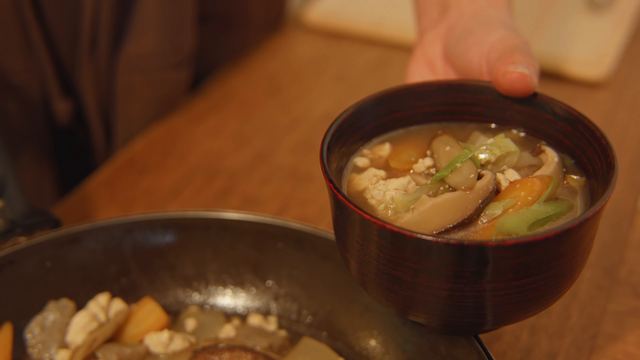
Kamakura, Kanagawa
Kenchin-jiru
A soup of root vegetables and tofu, sautéed in oil before simmering.
From: A Kamakura-vegetable breakfast and a walk on Enoshima
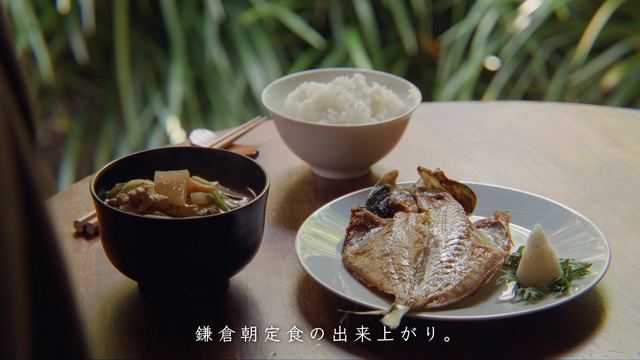
Kamakura, Kanagawa
Kamakura morning set with grilled dried fish
Kenchin-jiru made with Kamakura vegetables, with dried fish from the market shop grilled alongside.
From: A Kamakura-vegetable breakfast and a walk on Enoshima
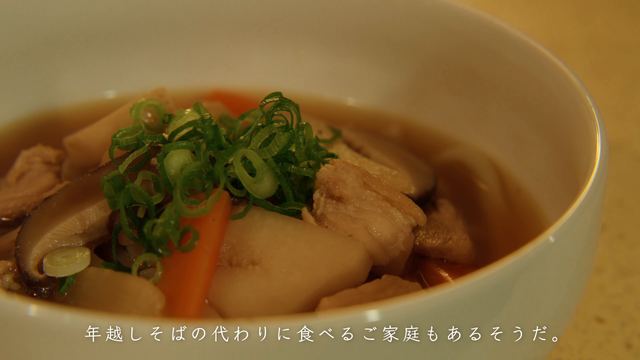
Tadotsu, Kagawa
Shippoku udon
A winter dish found throughout Kagawa.
From: Drawn by the sea breeze and the cats to Sanagi Island
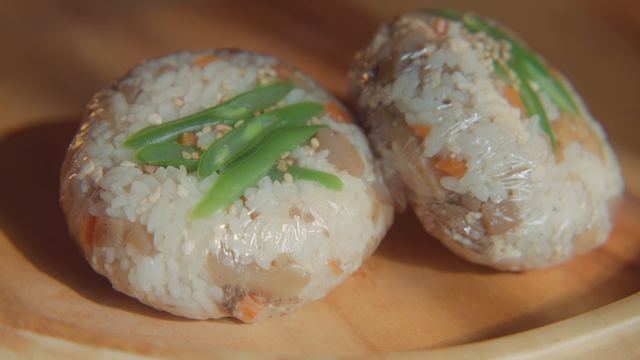
Mitoyo, Kagawa
Niku mosso
A beef version of mossou-meshi, a traditional dish of Mitoyo.
From: A great camphor tree and a garden in the sky: island life in the Seto Inland Sea
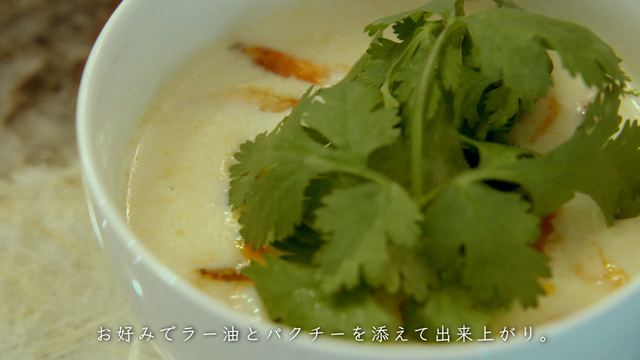
Hsinchu, Taiwan
Xian doujiang (savory soy milk soup)
A classic Taiwanese breakfast.
From: An apartment in Hsinchu and the steam of the night market
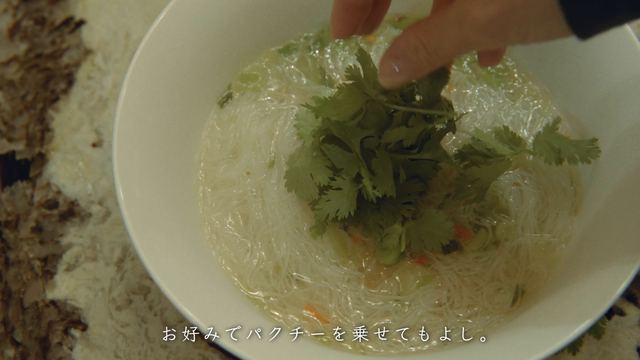
Hsinchu, Taiwan
Hsinchu rice vermicelli (instant)
Hsinchu rice vermicelli has a history of more than 150 years.
From: An apartment in Hsinchu and the steam of the night market
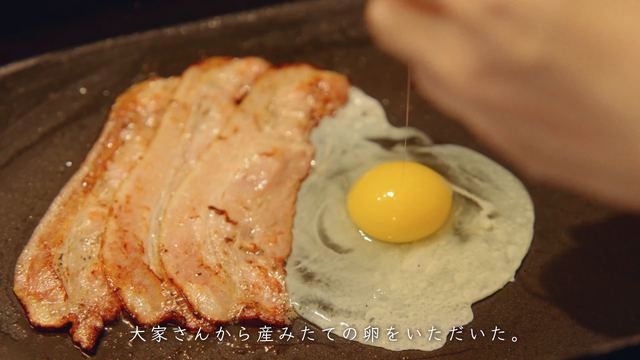
Somerset Region, Queensland
Bacon and eggs with the owner's fresh eggs
Eggs fresh from the farm owner's hens, fried in an iron pan alongside bacon.
From: Borrowing a small house in the Australian countryside
Somerset Region, Queensland
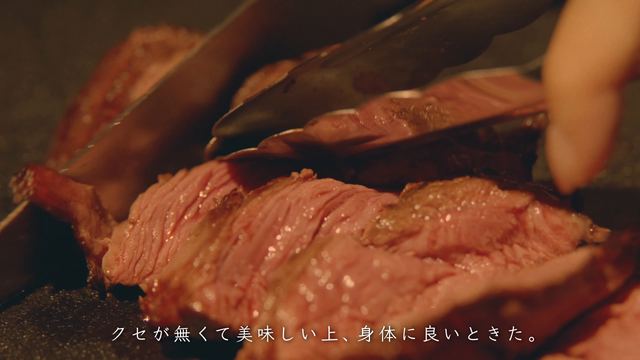
Barbecued kangaroo steak
Kangaroo from the town butcher, grilled on the barbecue in the yard.
From: Borrowing a small house in the Australian countryside
Omihachiman, Shiga
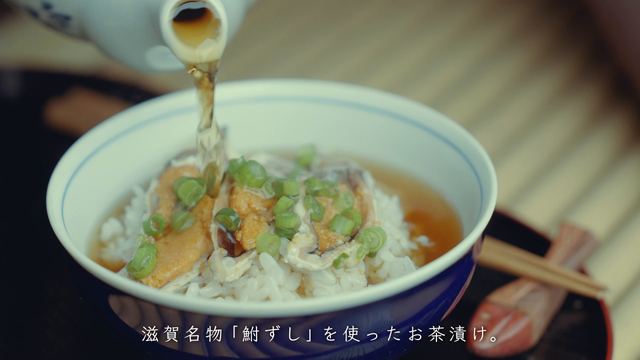
Funazushi ochazuke
Funazushi is a fermented sushi found throughout Shiga: crucian carp from Lake Biwa, salted and then layered with cooked rice in a tub to ferment for more than h…
From: A day in Omihachiman, where boats glide through town
Omihachiman, Shiga
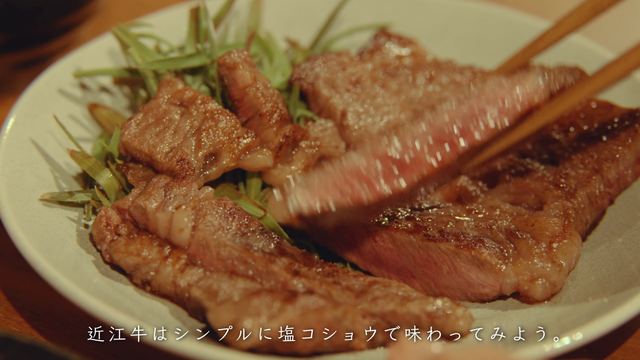
Omi beef steak
Omi beef is Shiga's pride, Japan's first brand of beef and counted among the three great wagyu.
From: A day in Omihachiman, where boats glide through town
Omihachiman, Shiga
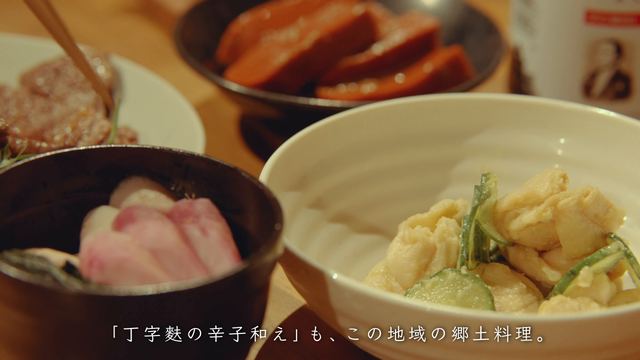
Chojifu with mustard dressing
Chojifu is Omihachiman's local wheat gluten, cut into squares.
From: A day in Omihachiman, where boats glide through town
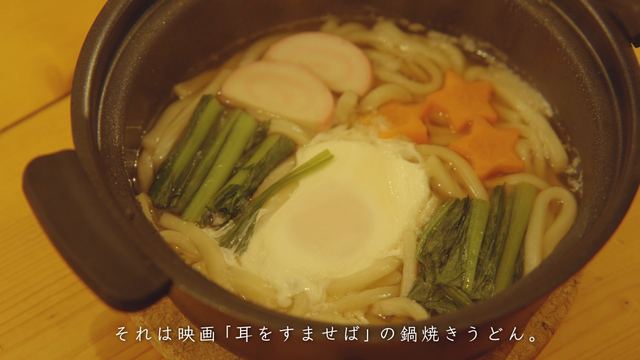
Noboribetsu, Hokkaido
Nabeyaki udon
A tribute to the nabeyaki udon in Studio Ghibli's 1995 film "Whisper of the Heart" (directed by Yoshifumi Kondo), which the owner of the antique shop Chikyuya s…
From: Below freezing outside, a fireplace within
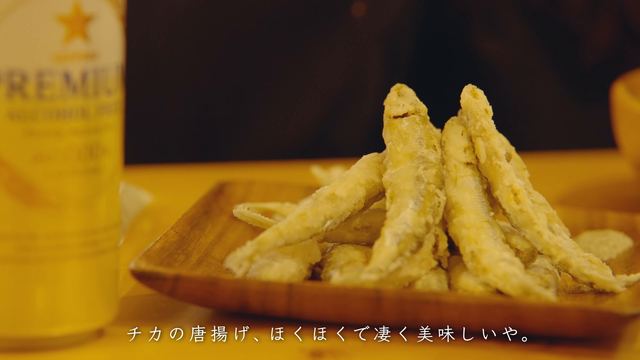
Noboribetsu, Hokkaido
Fried chika
Chika is a sea-dwelling smelt of the same genus as wakasagi, common along the Hokkaido coast.
From: Below freezing outside, a fireplace within
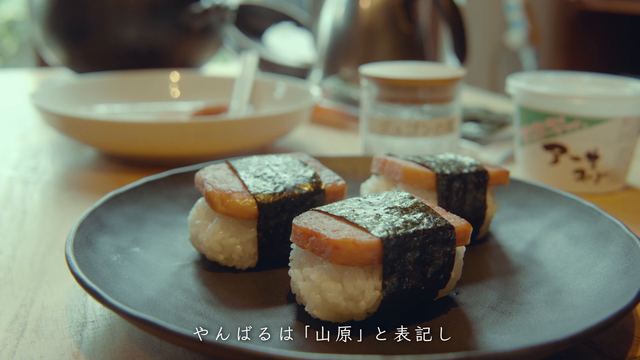
Motobu, Okinawa
Spam musubi
In postwar Okinawa, when meat was hard to come by, canned pork became a widely used source of protein that kept well and was easy to prepare, and serving it wit…
From: Island cooking in a traditional Okinawan house
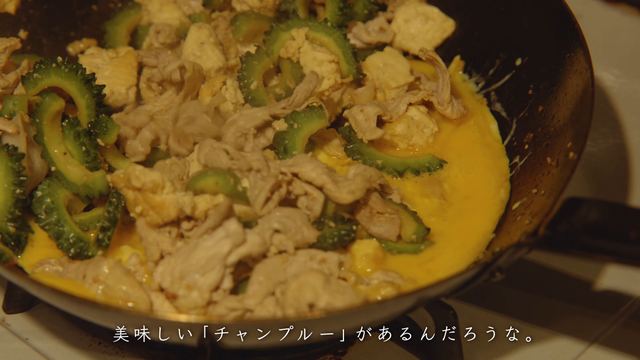
Motobu, Okinawa
Goya chanpuru
Chanpuru, Okinawa's everyday stir-fry, combines seared island tofu with seasonal vegetables, and goya chanpuru is its best-known form.
From: Island cooking in a traditional Okinawan house
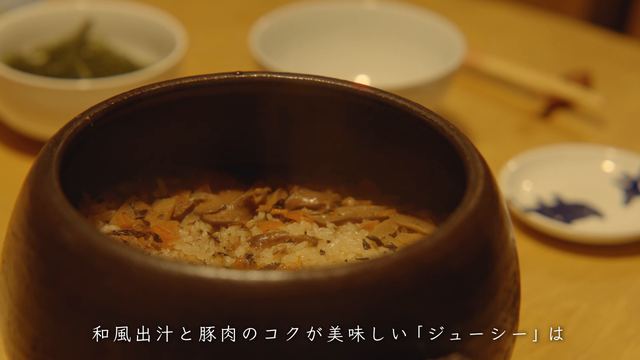
Motobu, Okinawa
Jushi
Jushi is the Okinawan word for seasoned rice.
From: Island cooking in a traditional Okinawan house
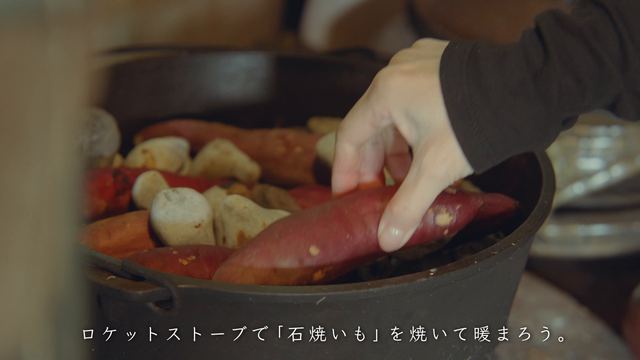
Motobu, Okinawa
Stone-roasted sweet potatoes
The sweet potato is said to have reached the Ryukyu Kingdom in 1605, when Noguni Sokan brought seedlings back from Fujian in China.
From: Island cooking in a traditional Okinawan house
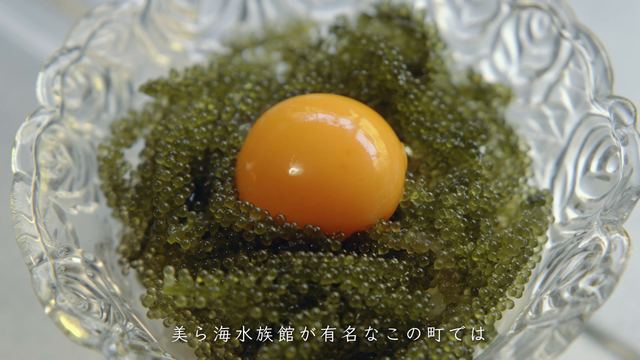
Motobu, Okinawa
Rice with sea grapes and egg yolk
Sea grapes (umibudo) rank third in Okinawa's aquaculture by both volume and value and are known as one of the prefecture's signature products.
From: Early cherry blossoms and an Okinawan winter
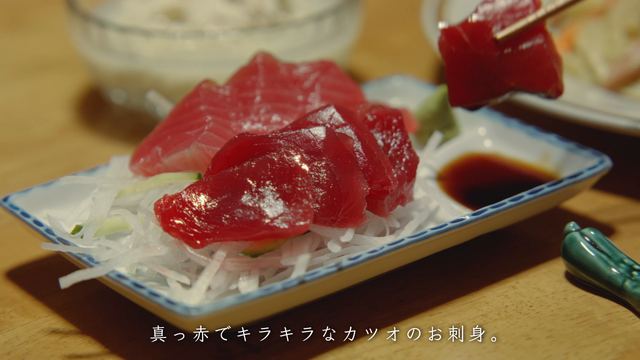
Motobu, Okinawa
Motobu bonito sashimi
Freshly landed bonito from a fish shop in Motobu, the only town on Okinawa's main island where pole-and-line bonito fishing survives, where the fish is fresh en…
From: Early cherry blossoms and an Okinawan winter
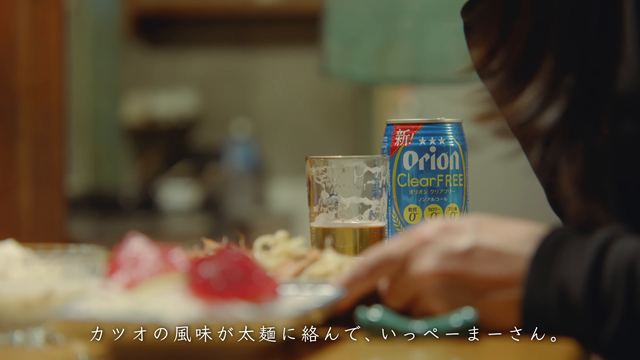
Motobu, Okinawa
Okinawa soba yakisoba
Okinawa soba is a noodle dish made with wheat flour rather than buckwheat.
From: Early cherry blossoms and an Okinawan winter
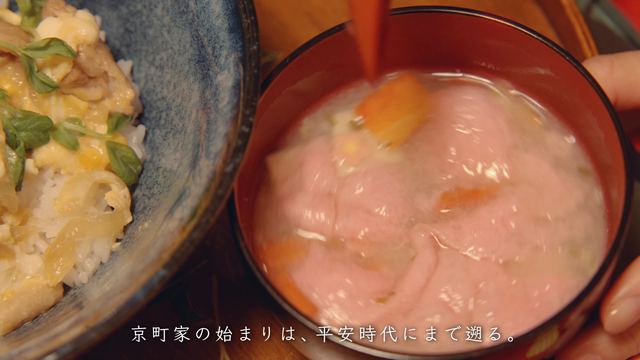
Kyoto City, Kyoto
Oyakodon (chicken and egg over rice)
Chicken and onion simmered in broth, bound with egg and served over rice.
From: An ordinary morning in a hundred-year-old Kyoto townhouse
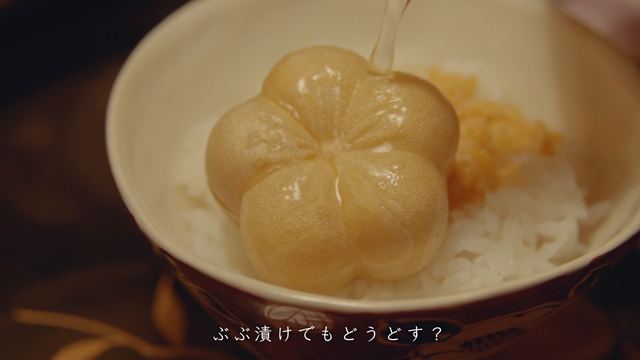
Kyoto City, Kyoto
Bubu-zuke (ochazuke from a monaka wafer)
In Kyoto, ochazuke is called bubu-zuke.
From: An ordinary morning in a hundred-year-old Kyoto townhouse
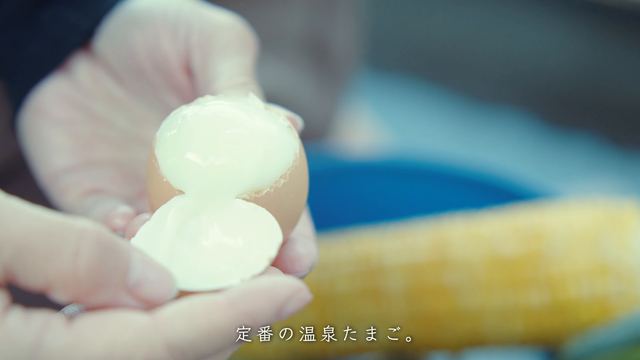
Nozawaonsen, Nagano
Onsen tamago boiled in the hot spring
At the Ogama, the main source of Nozawa Onsen, water close to 90 degrees wells up, and locals have long boiled mountain vegetables and eggs in it.
From: Boiling breakfast in a hot spring: life in Nozawa
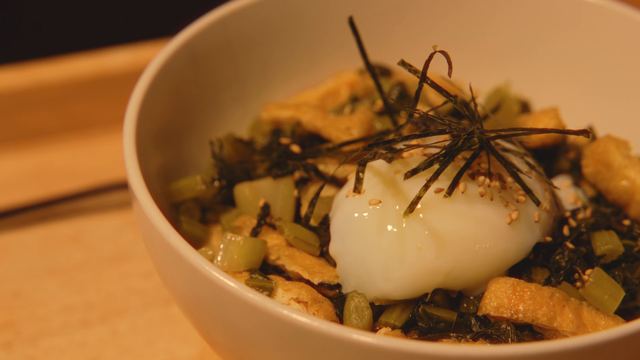
Nozawaonsen, Nagano
Rice bowl with stir-fried nozawana, fried tofu and onsen tamago
Nozawana is said to descend from Tennoji turnip seeds that the priest of Kenmei-ji temple in Nozawa Onsen brought back from Kyoto in 1756.
From: Boiling breakfast in a hot spring: life in Nozawa
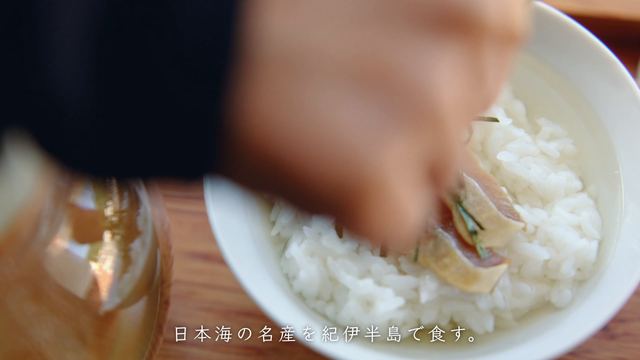
Nachikatsuura, Wakayama
Ochazuke with saba heshiko
Heshiko is a traditional preserved food of the Wakasa region of Fukui: gutted mackerel is salted, then packed in rice bran and left to cure for months.
From: Nachikatsuura: the sea from a fishing-village window
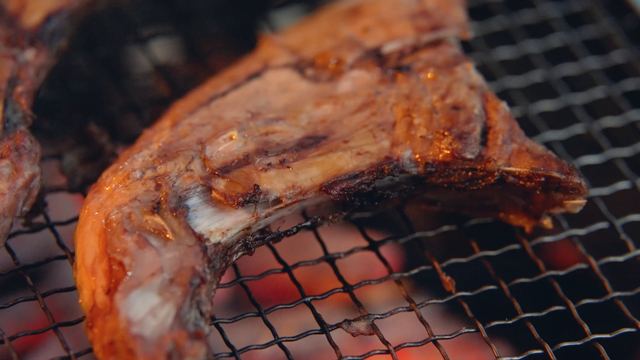
Nachikatsuura, Wakayama
Charcoal-grilled tuna collar
Nachikatsuura is a fishing town that boasts Japan's largest landings of fresh tuna.
From: Nachikatsuura: the sea from a fishing-village window
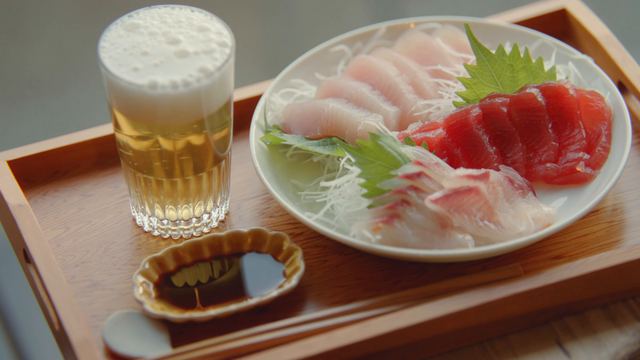
Nachikatsuura, Wakayama
Fresh tuna sashimi
Katsuura's fresh tuna, never frozen, has a soft, chewy texture.
From: Nachikatsuura: the sea from a fishing-village window
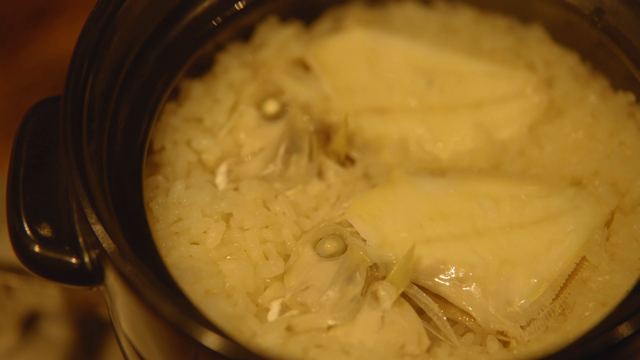
Ine, Kyoto
Rice cooked with filefish
A rice dish made with Kyoto fish bought at the harbor market.
From: Living with the sea in the boathouses of Ine
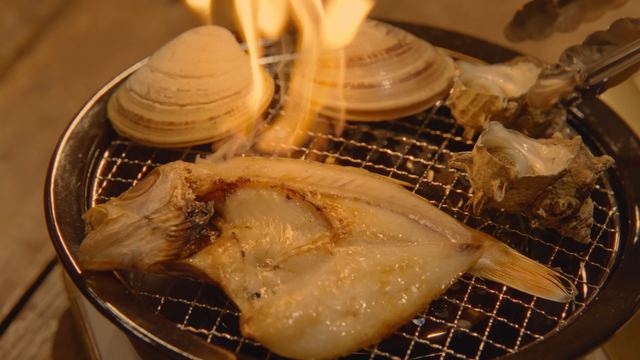
Ine, Kyoto
Grilled seafood
Seafood from the market, put straight on the grill.
From: Living with the sea in the boathouses of Ine
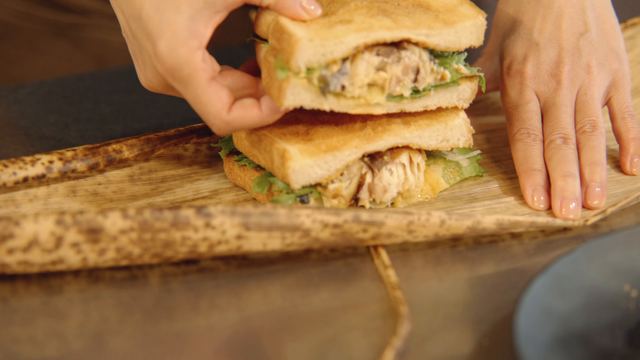
Matsuyama, Ehime
Mackerel sandwich with Setouchi lemon
Breakfast in a fishing village on the Seto Inland Sea, made with the region's Setouchi lemon and eaten on the beach in front of the inn.
From: Shimanami Kaido: sea-bream rice and a salty breeze
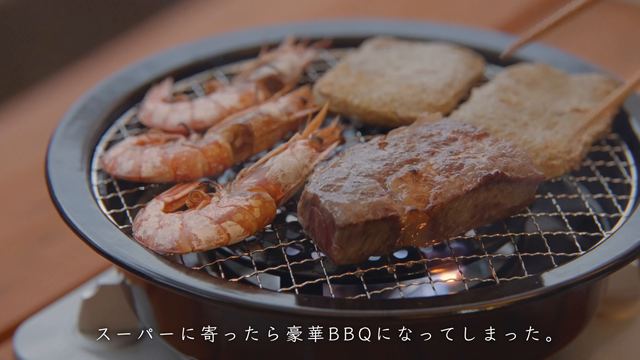
Matsuyama, Ehime
Jako-ten, prawns and Ehime wagyu on a charcoal grill
Jako-ten is a deep-fried fish-paste cake from the Nanyo region of southern Ehime.
From: Shimanami Kaido: sea-bream rice and a salty breeze
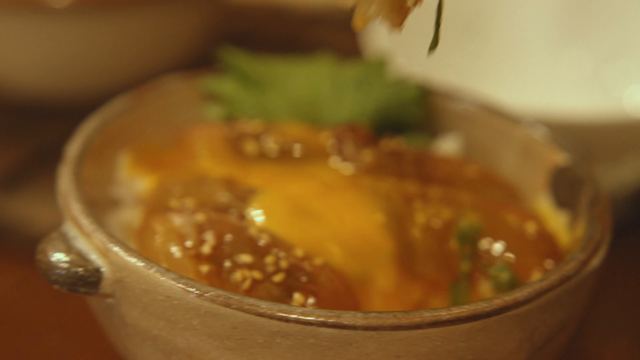
Matsuyama, Ehime
Tai-meshi, sashimi-bowl style
Ehime has two kinds of tai-meshi.
From: Shimanami Kaido: sea-bream rice and a salty breeze
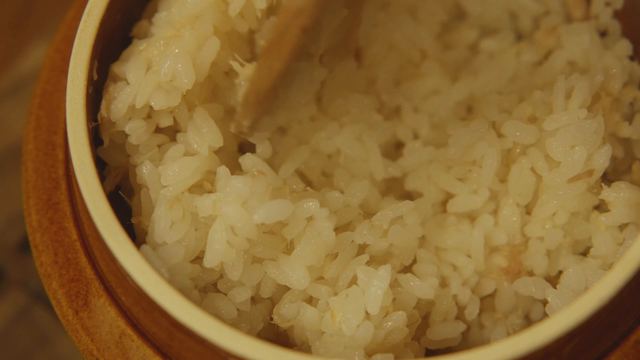
Matsuyama, Ehime
Tai-meshi, pot-rice style (Hojo tai-meshi)
Hojo tai-meshi is the regional dish of Hojo, in Matsuyama: a whole sea bream cooked with the rice, with nothing but bream and kelp dashi, no burdock, carrot or…
From: Shimanami Kaido: sea-bream rice and a salty breeze
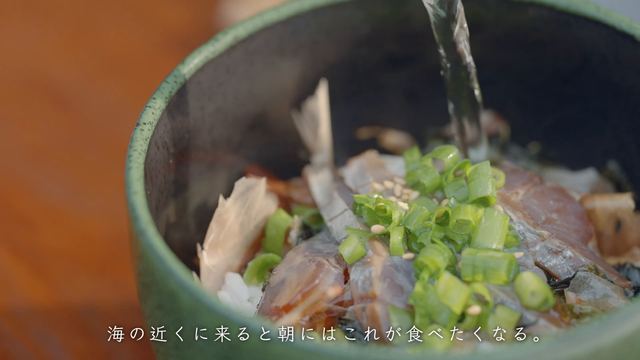
Iyo, Ehime
Fisherman's rice in dashi
Shimonada is a fishing town on the Iyo-nada.
From: A seaside station and slow time in Futami
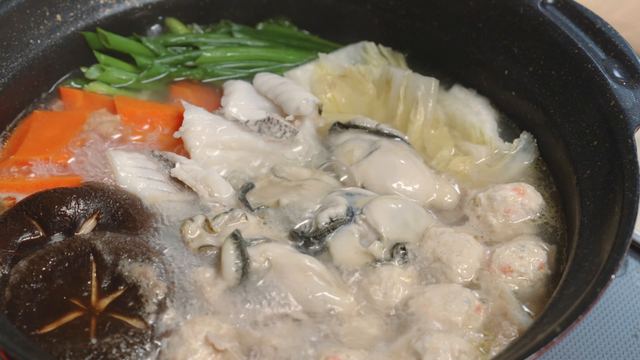
Iyo, Ehime
Setouchi lemon hot pot
A hot pot made with Setouchi lemon broth bought at the Futami roadside station.
From: A seaside station and slow time in Futami
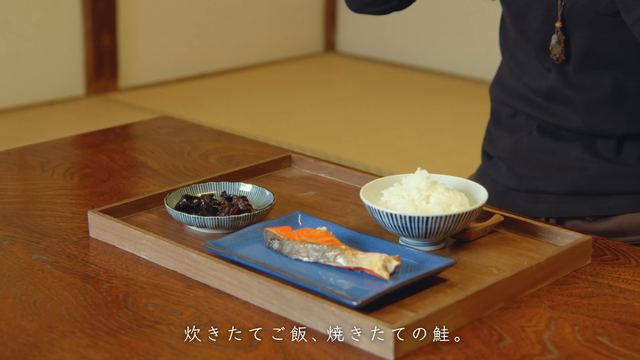
Chuo, Tokyo
A shitamachi breakfast: grilled salmon and tofu miso soup
Tsukudani was born in neighboring Tsukuda.
From: A downtown table in a Tokyo row house
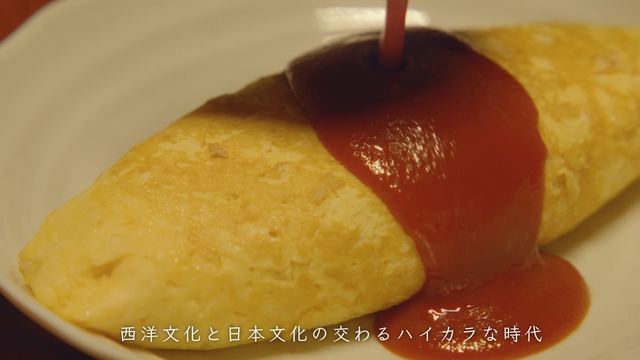
Chuo, Tokyo
Omurice
One story has it that omurice was born in the mid-1920s at a Western-style restaurant in Osaka, where the owner wrapped ketchup rice in a thin omelet for a regu…
From: A downtown table in a Tokyo row house
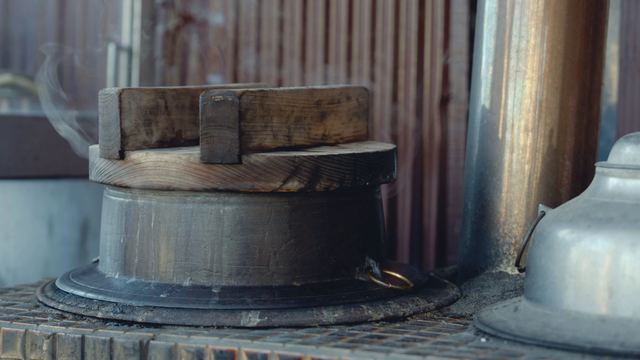
Hamamatsu, Shizuoka
Rice cooked over a kamado
In this house the tiled kamado is still in daily use.
From: Lighting the kamado in a house in the sky
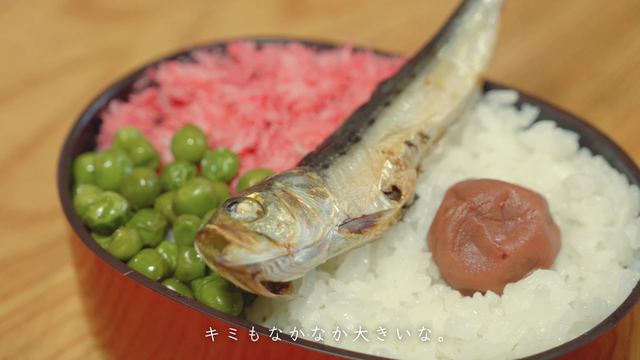
Hamamatsu, Shizuoka
Satsuki's lunch box
A recreation of the lunch Satsuki gets up early to make in My Neighbor Totoro: rice cooked over a kamado, grilled dried sardines, green peas, pink sakura denbu…
From: Lighting the kamado in a house in the sky
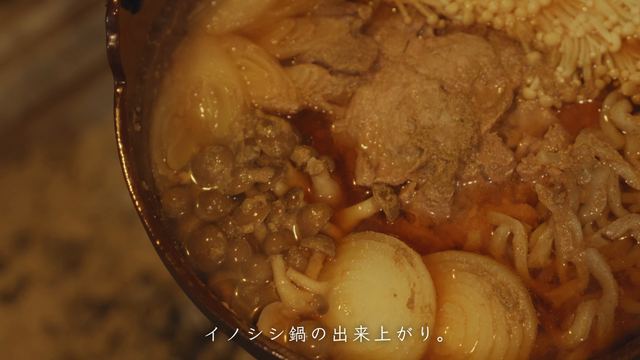
Hamamatsu, Shizuoka
Wild boar hot pot over the hearth
Most of Hamamatsu's Tenryu Ward is forest, and the Tenryu Gibier Fes, a festival of wild game, is held in Futamata (its fifth edition was in May 2025).
From: Lighting the kamado in a house in the sky
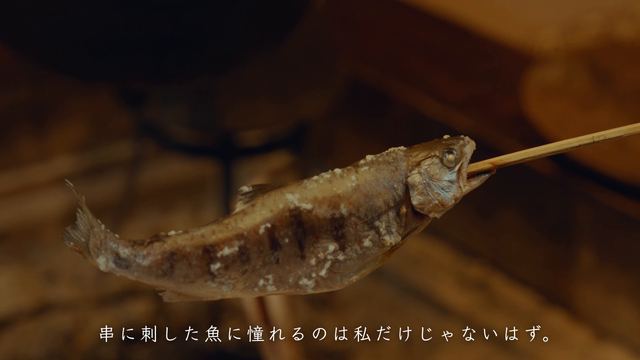
Hamamatsu, Shizuoka
Skewered yamame trout
Every summer a yamame-catching festival is held on the Misakubo River (the 28th was in July 2025).
From: Lighting the kamado in a house in the sky
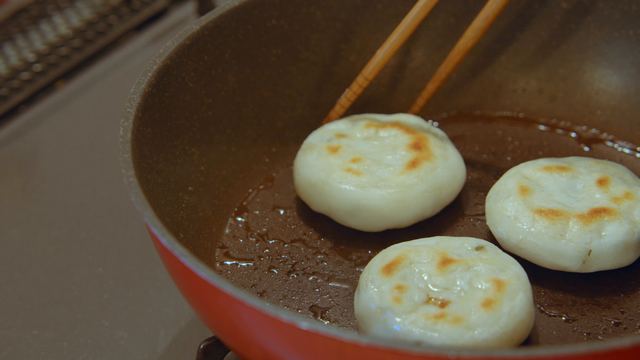
Shiojiri, Nagano
Rice-flour oyaki with nozawana
Oyaki are the signature home dish of Shinshu: a dough of wheat or buckwheat flour rolled thin, wrapped around a filling and baked.
From: Autumn leaves in Narai-juku and an autumn table in Shinshu
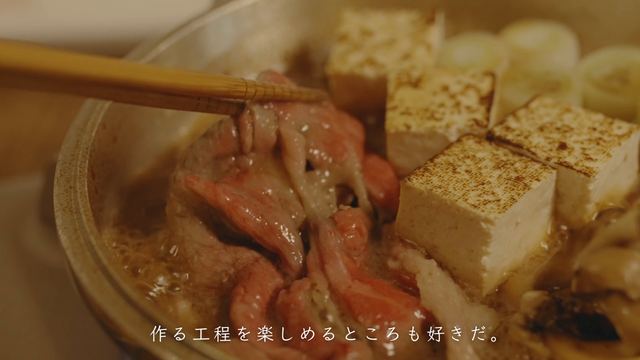
Shiojiri, Nagano
Shinshu beef sukiyaki
Nagano's "apple-fed Shinshu beef" is black wagyu that meets standards set by a producers' association; the cattle are fed by-products of the prefecture's food i…
From: Autumn leaves in Narai-juku and an autumn table in Shinshu
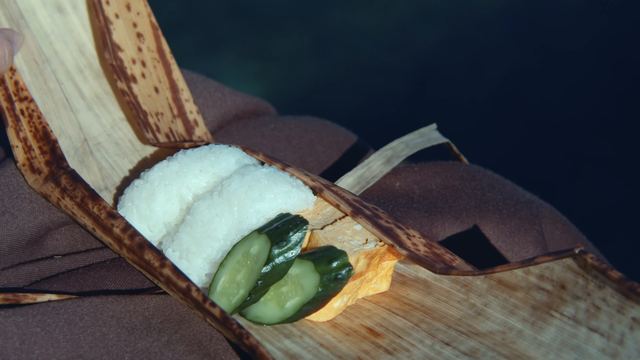
Numazu, Shizuoka
Rice-ball bento in bamboo sheath
I wrapped freshly made rice balls in bamboo sheath with rolled omelet and pickled cucumber and carried them down to the water.
From: Making sushi with a view of Mt. Fuji
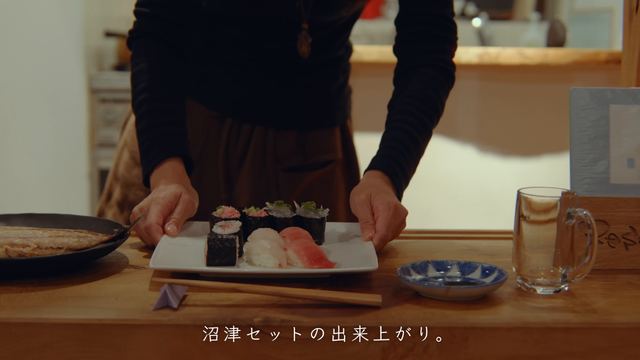
Numazu, Shizuoka
The Numazu special: nigiri and gunkan sushi
Numazu Port is where the fish of Suruga Bay come ashore, with a street of restaurants serving seafood fresh off the boats.
From: Making sushi with a view of Mt. Fuji
02
A little of each town’s story
Sights, specialties and how the towns came to be: small cultural notes beside each journey.
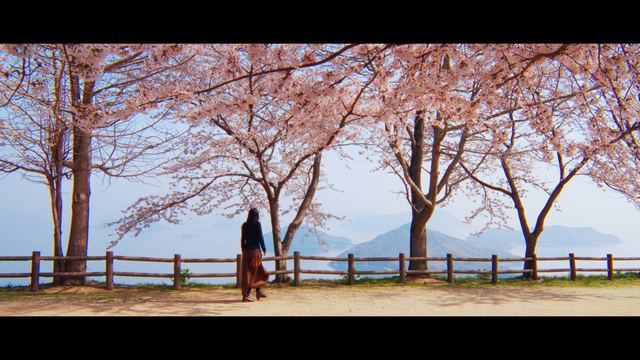
Kagawa, Ehime & Tokyo
Mt. Shiudeyama
At 352 meters, the highest peak on the Shonai Peninsula.
From: Chasing the cherry blossoms across spring Japan
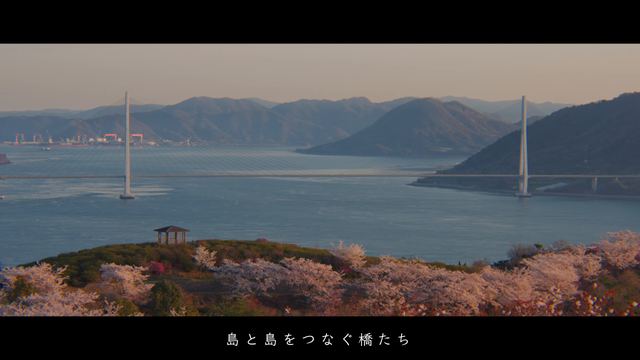
Kagawa, Ehime & Tokyo
Hirakiyama Park
A park at the top of Mt.
From: Chasing the cherry blossoms across spring Japan
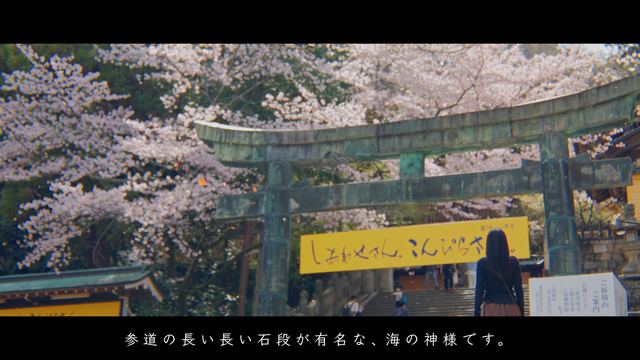
Kagawa, Ehime & Tokyo
Kotohira-gu Shrine (Konpira-san)
A shrine on the eastern slope of Mt.
From: Chasing the cherry blossoms across spring Japan

Kagawa, Ehime & Tokyo
Chichibugahama Beach
A shallow beach stretching about a kilometer.
From: Chasing the cherry blossoms across spring Japan
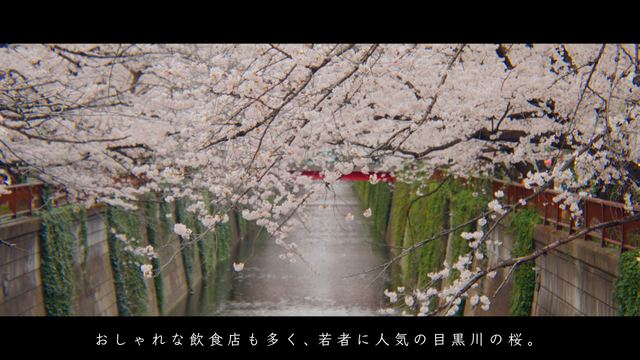
Kagawa, Ehime & Tokyo
Tokyo's cherry blossom spots
Ueno Onshi Park has cherries from kanzakura blooming in February to Kanzan at its best in mid-to-late April, and draws close to 3.3 million visits in the blosso…
From: Chasing the cherry blossoms across spring Japan
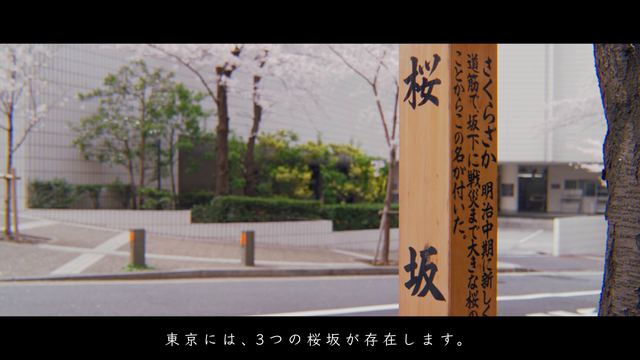
Kagawa, Ehime & Tokyo
Tokyo's Sakurazaka slopes
On the slope I walked in Akasaka and Roppongi, the marker post says the road was laid in the mid-Meiji era and named for a large cherry tree that stood at its f…
From: Chasing the cherry blossoms across spring Japan
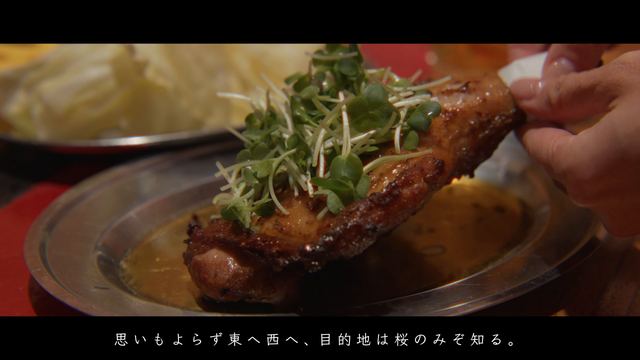
Kagawa, Ehime & Tokyo
Honetsukidori, Marugame's bone-in chicken
A bone-in chicken leg roasted in an oven, a dish rarely found elsewhere in Japan.
From: Chasing the cherry blossoms across spring Japan
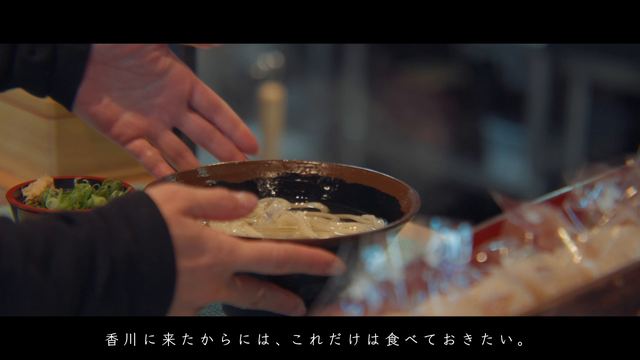
Kagawa, Ehime & Tokyo
Sanuki udon
Sanuki is the old name for Kagawa Prefecture.
From: Chasing the cherry blossoms across spring Japan
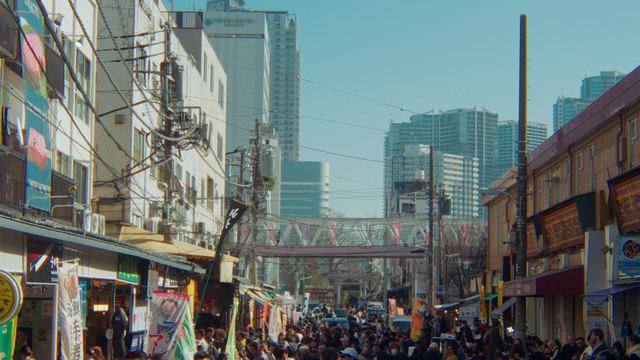
Taito, Tokyo
Tsukiji Outer Market
A market district of about 460 shops.
From: Loach hot pot and Tokyo ramen: more of Asakusa
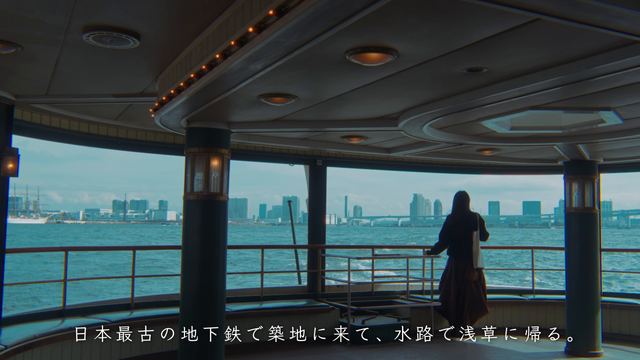
Taito, Tokyo
Sumida River Line water bus
A water bus run by Tokyo Kanko Kisen, linking Asakusa and Hinode Pier.
From: Loach hot pot and Tokyo ramen: more of Asakusa
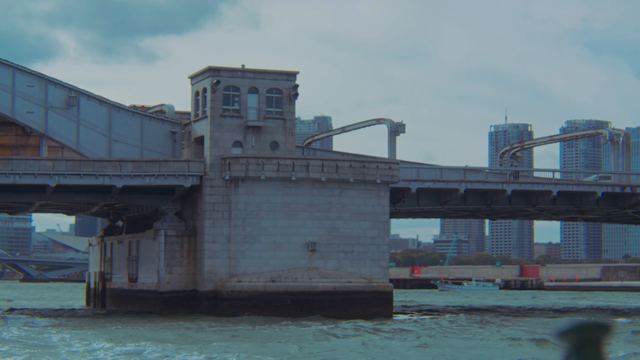
Taito, Tokyo
Kachidoki Bridge
Opened in 1940, it is a steel tied-arch bridge whose center is a Chicago-type double-leaf bascule span; it kept opening and closing after the war, up to a trial…
From: Loach hot pot and Tokyo ramen: more of Asakusa
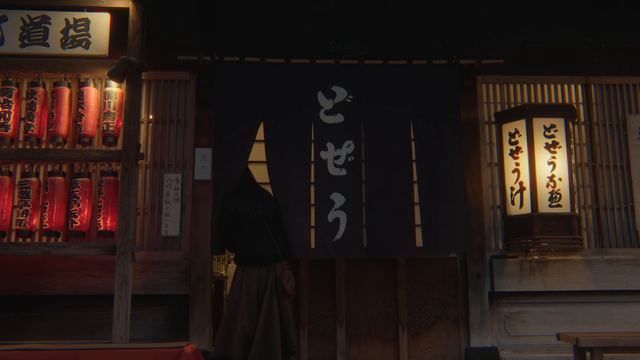
Taito, Tokyo
Asakusa Station, Tokyo Metro Ginza Line
The Ginza Line opened between Asakusa and Ueno in 1927 as the first subway in the East, and was completed all the way to Shibuya in 1939.
From: Loach hot pot and Tokyo ramen: more of Asakusa
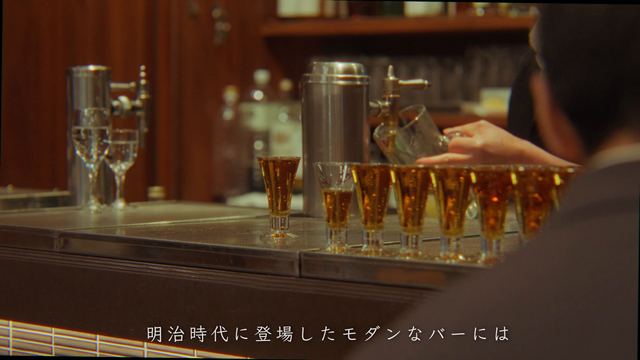
Taito, Tokyo
Denki Bran
A drink created in 1893 by the founder of Kamiya Bar, blending brandy with gin, wine, curaçao and herbs in secret proportions.
From: Loach hot pot and Tokyo ramen: more of Asakusa
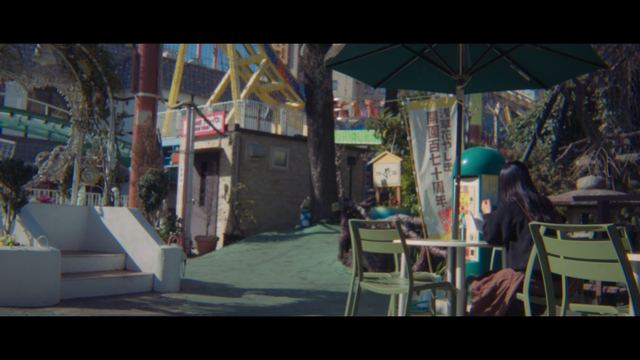
Taito, Tokyo
Asakusa Hanayashiki
Japan's oldest amusement park, opened in 1853 near the end of the Edo period.
From: Loach hot pot and Tokyo ramen: more of Asakusa
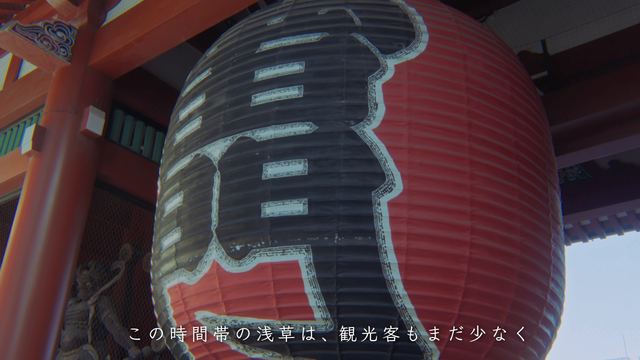
Taito, Tokyo
Kaminarimon and Nakamise at Senso-ji
Kaminarimon is the main gate of Senso-ji; its formal name, Furaijin-mon, comes from the statues of the wind god and the thunder god enshrined on either side.
From: An Asakusa food diary that begins at an old coffee house
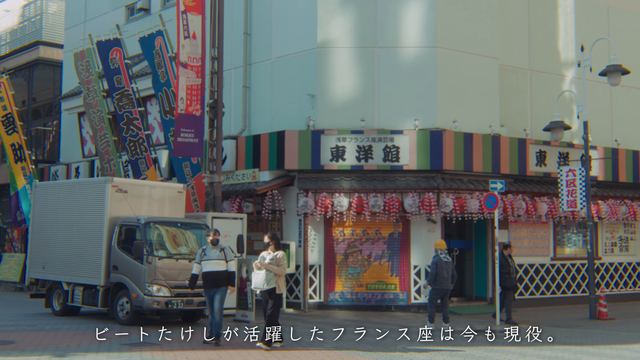
Taito, Tokyo
Asakusa Rokku and the Toyokan theater
The area west of Senso-ji, covering Asakusa 1- and 2-chome, also called Koen Rokku.
From: An Asakusa food diary that begins at an old coffee house
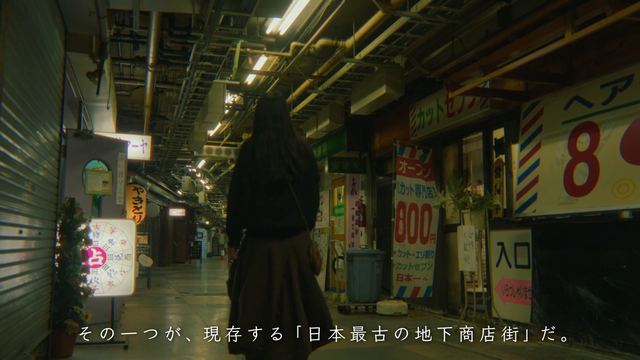
Taito, Tokyo
Asakusa Chikagai underground arcade
Opened in 1955, the oldest underground shopping street still in existence in Japan.
From: An Asakusa food diary that begins at an old coffee house
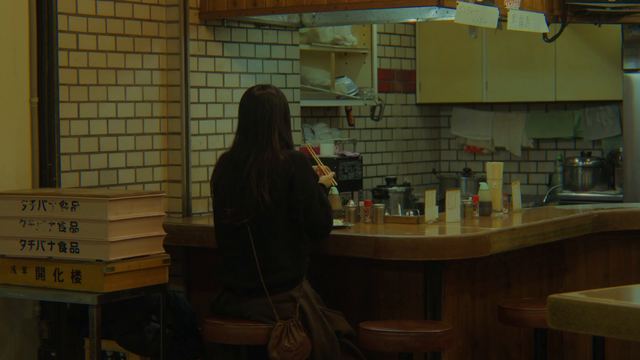
Taito, Tokyo
Noodles from Asakusa Kaikaro
A noodle maker founded in 1950, in the Inaricho area of Taito Ward.
From: An Asakusa food diary that begins at an old coffee house
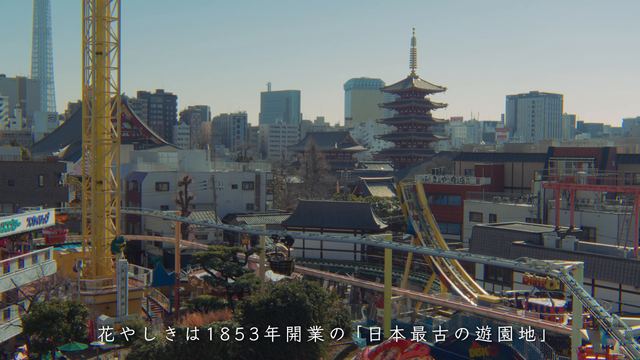
Taito, Tokyo
Asakusa Hanayashiki
Opened in 1853, at the end of the Edo period, as a garden of peonies and chrysanthemums, it still operates as Japan's oldest amusement park.
From: An Asakusa food diary that begins at an old coffee house
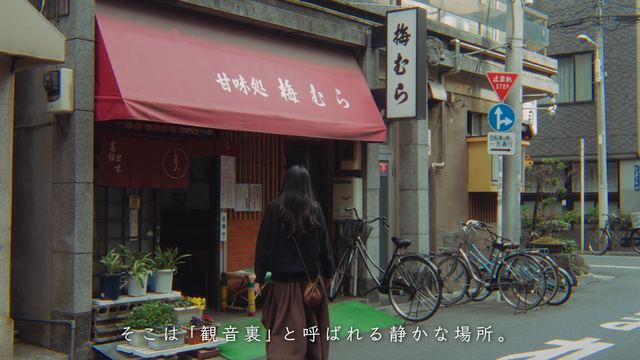
Taito, Tokyo
Kannon-ura
A quiet neighborhood behind Senso-ji, north across Kototoi Street.
From: An Asakusa food diary that begins at an old coffee house
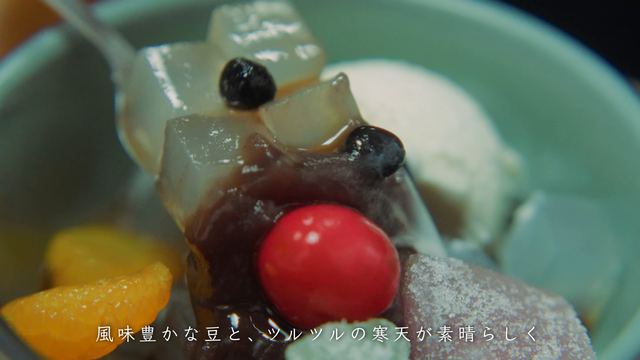
Taito, Tokyo
Mamekan
A sweet of plump simmered red peas and agar topped with kuromitsu syrup.
From: An Asakusa food diary that begins at an old coffee house
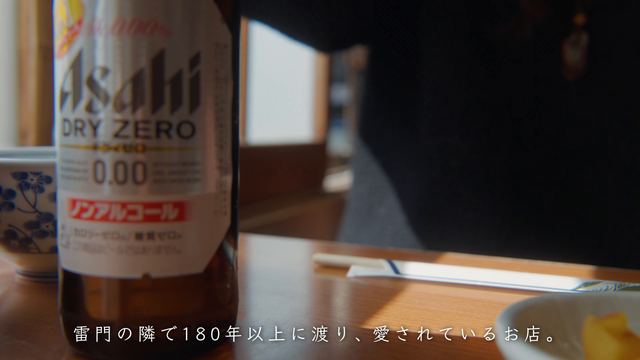
Taito, Tokyo
Asahi Dry Zero, a non-alcoholic beer
What I drank at Sansada was Dry Zero, a non-alcoholic beer-taste drink from Asahi Breweries.
From: An Asakusa food diary that begins at an old coffee house
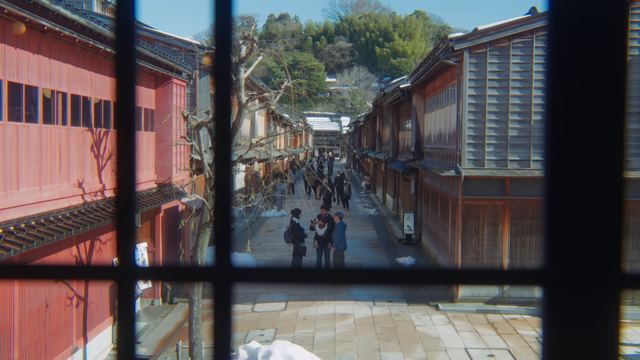
Kanazawa, Ishikawa
Higashi Chaya District
A teahouse district opened in 1820 on the east side of the Asano River with the approval of the Kaga domain.
From: Winter in Kanazawa, from a townhouse kitchen
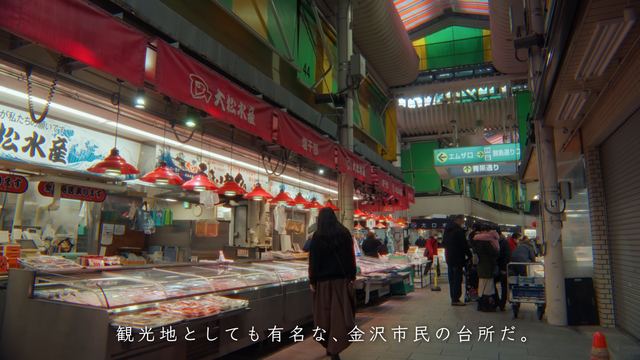
Kanazawa, Ishikawa
Omicho Market
A market in Musashigatsuji, in the heart of Kanazawa, with roughly 300 years of history going back to the days of the domain.
From: Winter in Kanazawa, from a townhouse kitchen
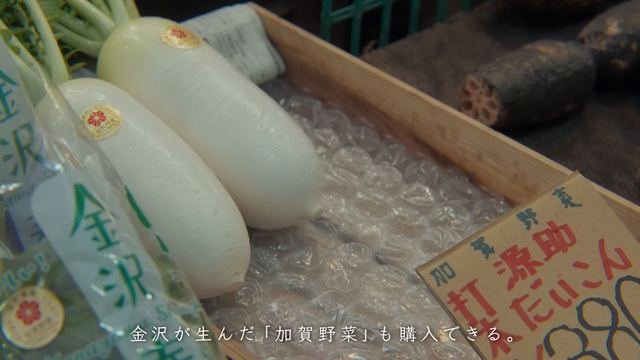
Kanazawa, Ishikawa
Kaga vegetables
Fifteen traditional vegetables of Kanazawa, certified as "vegetables grown since before 1945 and still grown mainly in Kanazawa." They include Gensuke daikon, K…
From: Winter in Kanazawa, from a townhouse kitchen
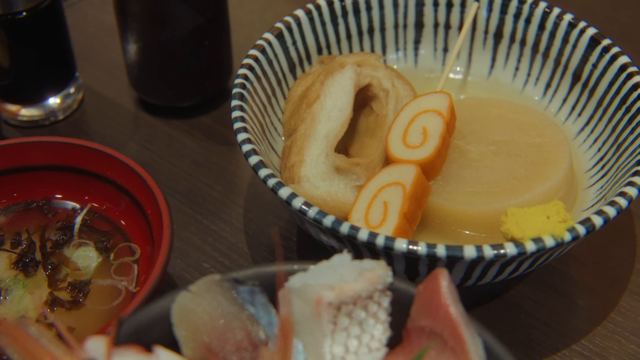
Kanazawa, Ishikawa
Kanazawa oden
Kanazawa's oden uses a broth of kombu and bonito flakes with light soy sauce, and local ingredients such as Kaga vegetables and Hokuriku seafood.
From: Winter in Kanazawa, from a townhouse kitchen
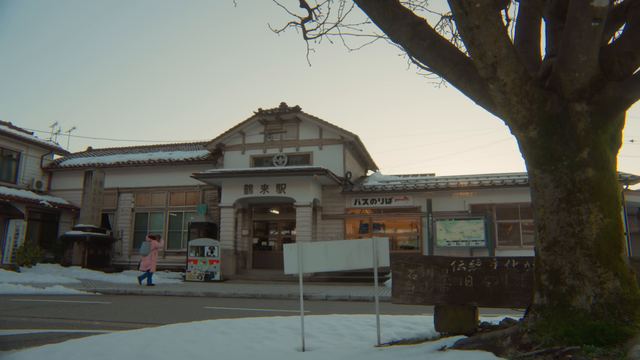
Kanazawa, Ishikawa
Hokuriku Railroad Ishikawa Line and Tsurugi Station
An electrified single-track line of 17 stations and 13.8 kilometers, running from Nomachi to Tsurugi.
From: Winter in Kanazawa, from a townhouse kitchen
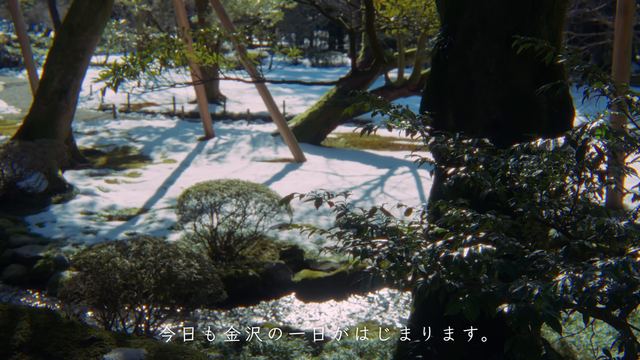
Kanazawa, Ishikawa
Kenrokuen and its yukitsuri
One of Japan's three great gardens, alongside Kairakuen in Mito and Korakuen in Okayama: a daimyo garden of the Edo period shaped over many years by successive…
From: Winter in Kanazawa, from a townhouse kitchen
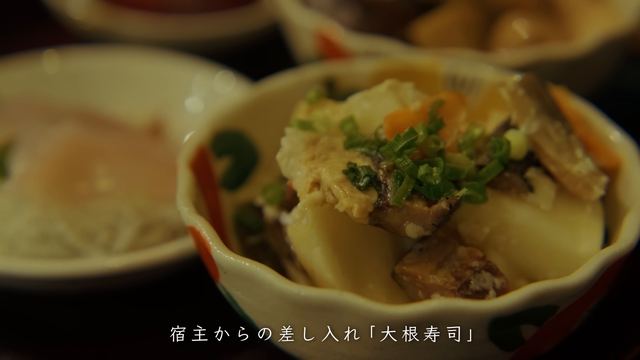
Kanazawa, Ishikawa
Kabura-zushi and daikon-zushi
Both are signature fermented foods of Kaga.
From: Winter in Kanazawa, from a townhouse kitchen
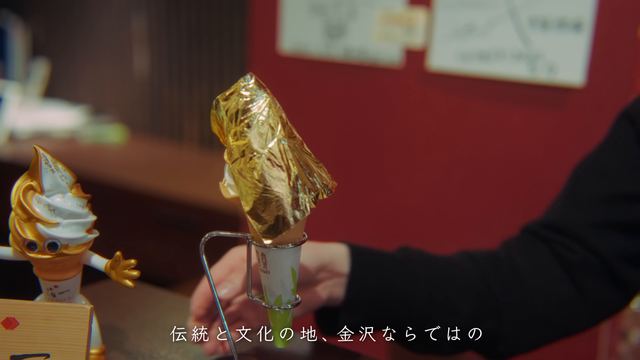
Kanazawa, Ishikawa
Kanazawa gold leaf
A Kanazawa craft dating back to the Azuchi-Momoyama period, which grew rapidly from the Meiji era thanks to the city's skill and the quality of its water.
From: Winter in Kanazawa, from a townhouse kitchen
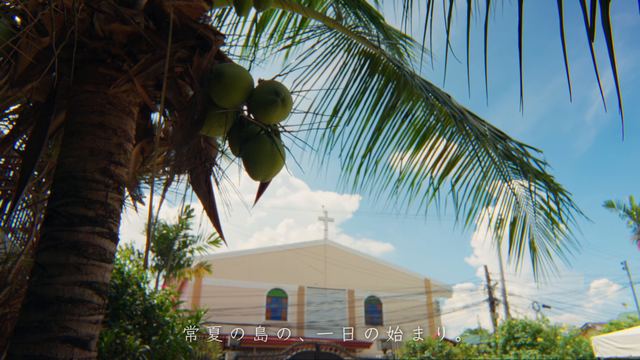
Lapu-Lapu City, Cebu
Mactan Island and Lapu-Lapu City
An island of about 65 square kilometers, lying a few kilometers east of Cebu Island.
From: Everyday life on Mactan Island
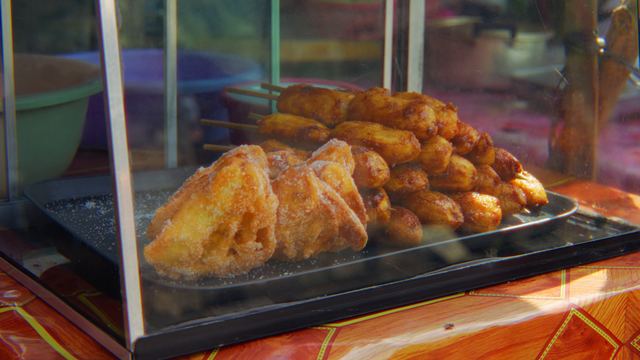
Lapu-Lapu City, Cebu
Banana cue and Lakatan bananas
Banana cue is a Filipino street snack of saba bananas deep-fried in a coat of caramelized brown sugar and served on a bamboo skewer.
From: Everyday life on Mactan Island
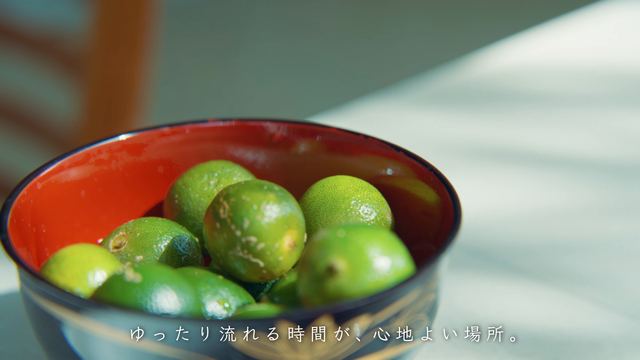
Lapu-Lapu City, Cebu
Kalamansi
A small citrus native to the Philippines, also called calamondin in English.
From: Everyday life on Mactan Island
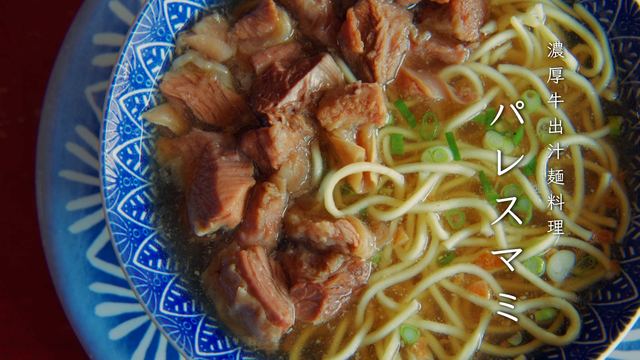
Lapu-Lapu City, Cebu
Pares and mami
Pares is beef asado braised in sweet soy sauce, served with garlic rice and beef broth; the name literally means "pairs," from the practice of pairing the beef…
From: Everyday life on Mactan Island
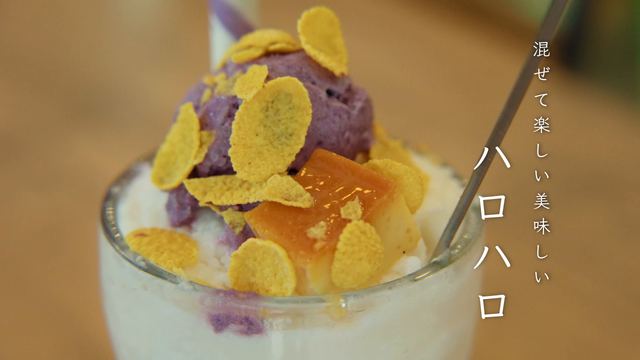
Lapu-Lapu City, Cebu
Halo-halo and ube
The name comes from doubling the Filipino verb halò, "to mix." Shaved ice is combined with evaporated or coconut milk, sweetened beans, coconut meat and jelly…
From: Everyday life on Mactan Island
Lapu-Lapu City, Cebu
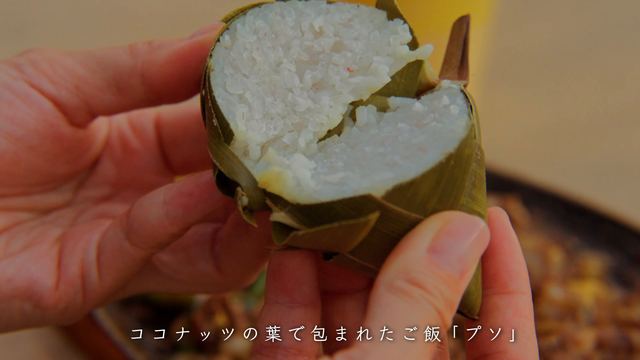
Sisig and puso
Sisig is a Filipino dish of chopped pork jowl and ears seasoned with kalamansi, onions and chili peppers, served on a sizzling plate.
From: Everyday life on Mactan Island
Lapu-Lapu City, Cebu
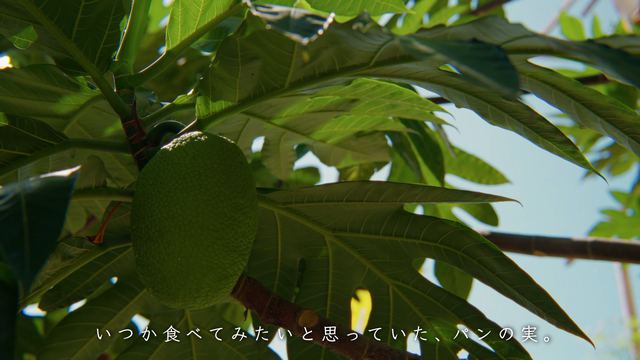
Breadfruit
The fruit of the breadfruit tree, named for its texture when moderately ripe fruit is cooked: like freshly baked bread.
From: Everyday life on Mactan Island
Lapu-Lapu City, Cebu
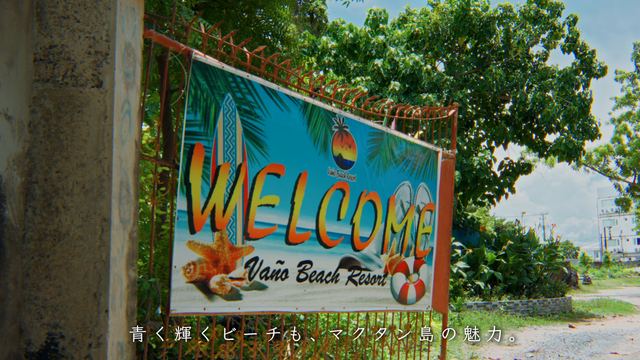
Vaño Beach
A beach in Marigondon, Lapu-Lapu City, reached by a narrow road off the main street.
From: Everyday life on Mactan Island
Lapu-Lapu City, Cebu
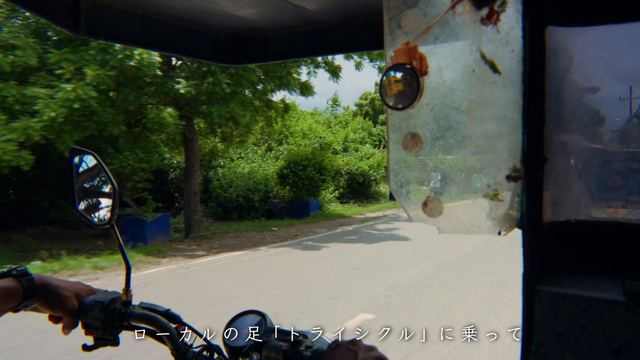
Tricycle
A Philippine vehicle made of a motorcycle with a passenger sidecar attached.
From: Everyday life on Mactan Island
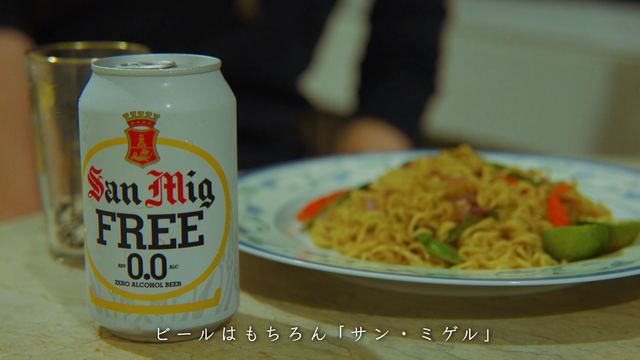
Lapu-Lapu City, Cebu
San Miguel and San Mig Free
San Miguel Beer is the flagship pale lager of the San Miguel Brewery, founded in 1890 in the San Miguel district of Manila.
From: Everyday life on Mactan Island
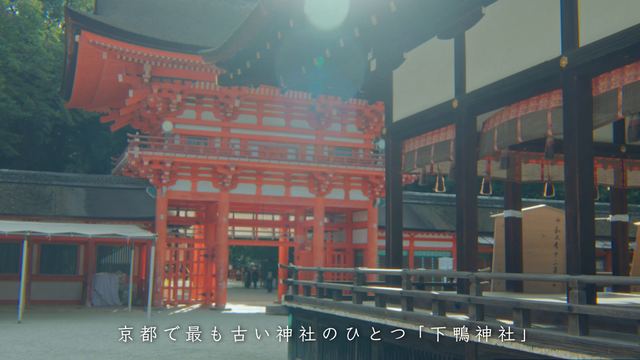
Kyoto City, Kyoto
Shimogamo Shrine (Kamomioya-jinja)
Its official name is Kamomioya-jinja.
From: Making New Year's Eve soba in a Kyoto townhouse
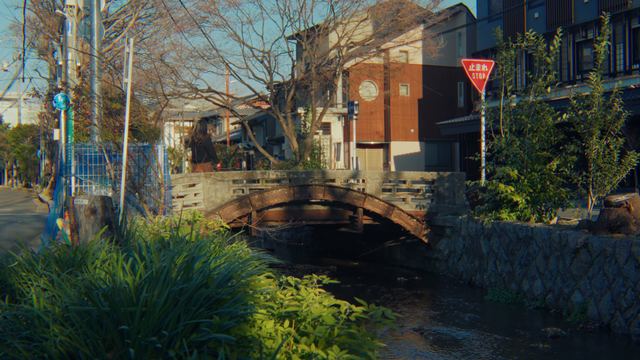
Kyoto City, Kyoto
Takase River
A canal running alongside the Kamo River.
From: Making New Year's Eve soba in a Kyoto townhouse
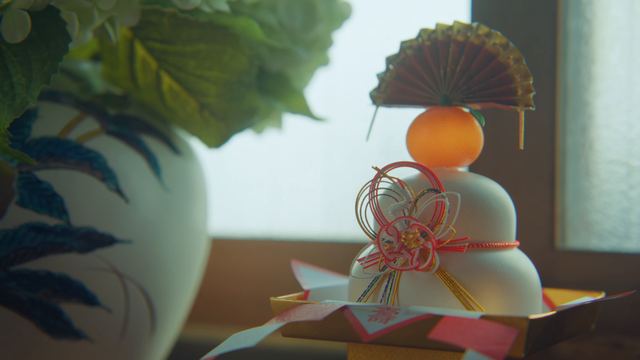
Kyoto City, Kyoto
Kagami-mochi
Kagami-mochi is the offering made when welcoming Toshigami, the deity of the new year, and every part of its decoration has a meaning.
From: Making New Year's Eve soba in a Kyoto townhouse
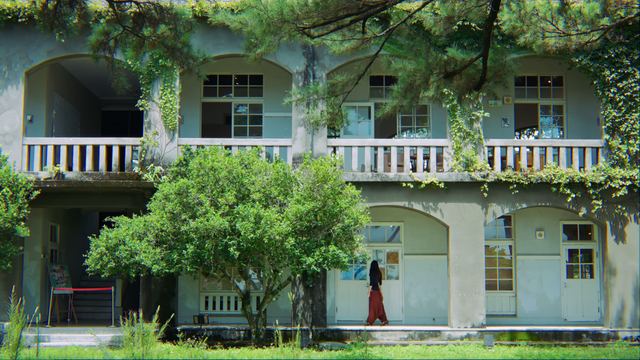
Hualien, Taiwan
Pine Garden (松園別館)
A military facility from the Japanese colonial era, built in 1942 on a hill overlooking Hualien Port.
From: Hualien: the sea and delicious everyday life
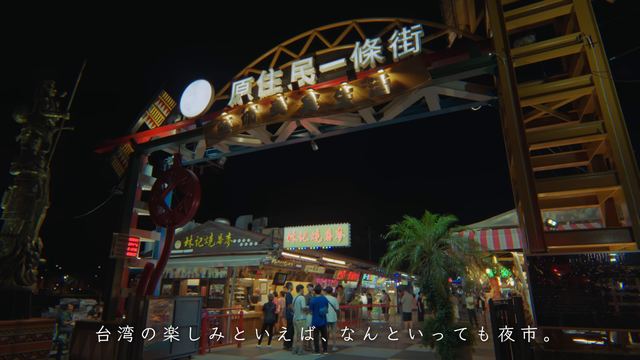
Hualien, Taiwan
Dongdamen Night Market and Indigenous Street
Hualien City's big night market.
From: Hualien: the sea and delicious everyday life
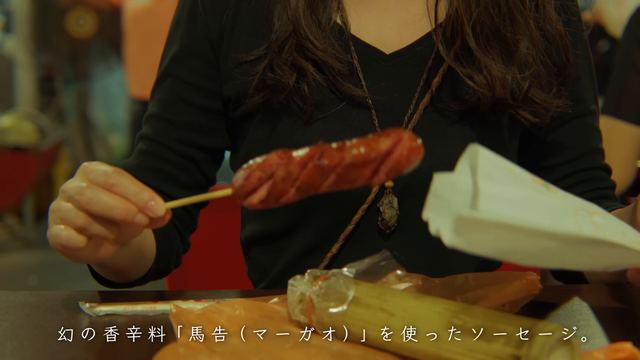
Hualien, Taiwan
Maqaw (馬告), the mountain pepper
Maqaw is the Atayal word for the mountain pepper native to Taiwan.
From: Hualien: the sea and delicious everyday life
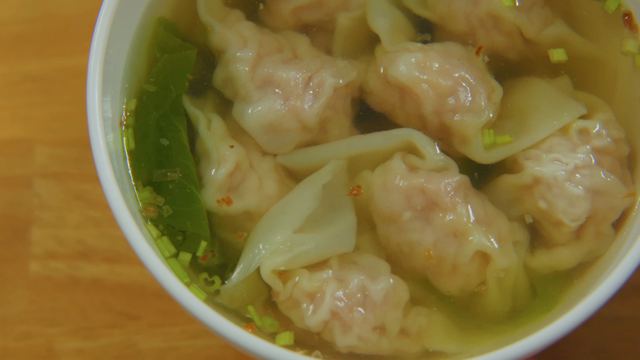
Hualien, Taiwan
Bianshi, the wontons of Hualien
In Hualien you see bianshi (wonton) shops all over town.
From: Hualien: the sea and delicious everyday life
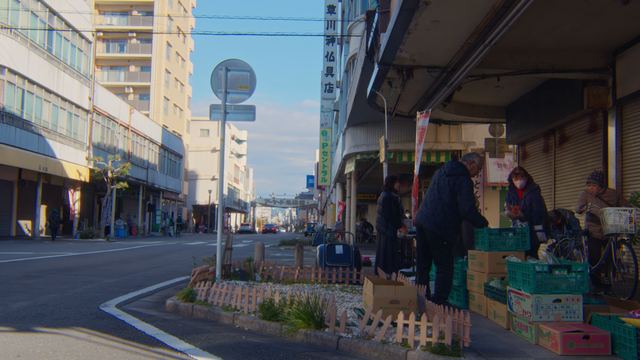
Numazu, Shizuoka
Asa-Ichi, the morning market in the Arcade Meitengai
A morning market held in the shopping arcade near Numazu Station on the first day of every month except January, from 8 a.m.
From: Gifts of the sea in a town that looks out on Mt. Fuji
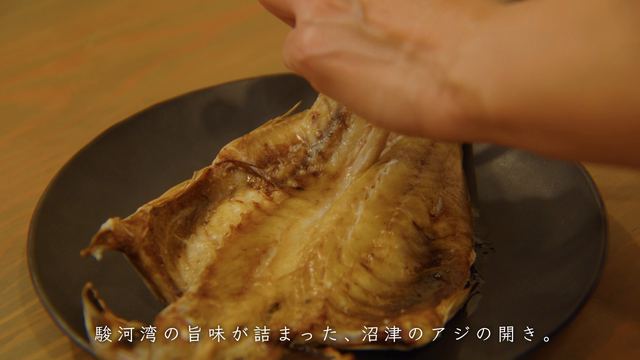
Numazu, Shizuoka
Numazu himono, dried horse mackerel
Numazu is one of Japan's leading producers of dried fish; fish drying at the Numazu post town even appears in Hiroshige's Fifty-three Stations of the Tokaido.
From: Gifts of the sea in a town that looks out on Mt. Fuji
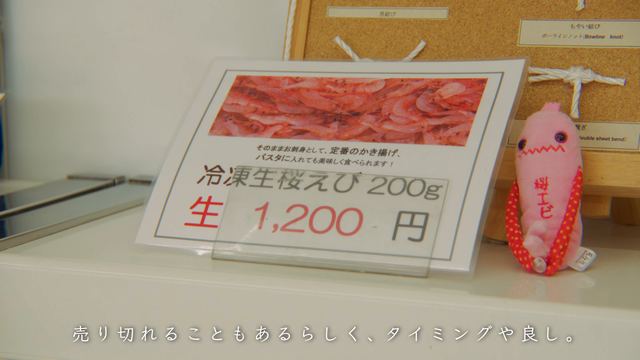
Numazu, Shizuoka
Sakura shrimp of Suruga Bay
Sakura shrimp also live in Tokyo Bay and Sagami Bay, but only Shizuoka Prefecture licenses the fishery, so every shrimp landed in Japan comes from Suruga Bay.
From: Gifts of the sea in a town that looks out on Mt. Fuji
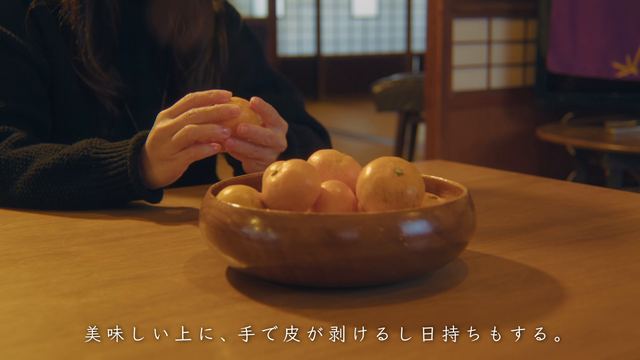
Numazu, Shizuoka
Nishiura mandarins and the Jutaro variety
In the Sanura district of Numazu, made up of Nishiura, Uchiura and Shizuura, mandarin growing can be traced back about 450 years, and full-scale cultivation beg…
From: Gifts of the sea in a town that looks out on Mt. Fuji
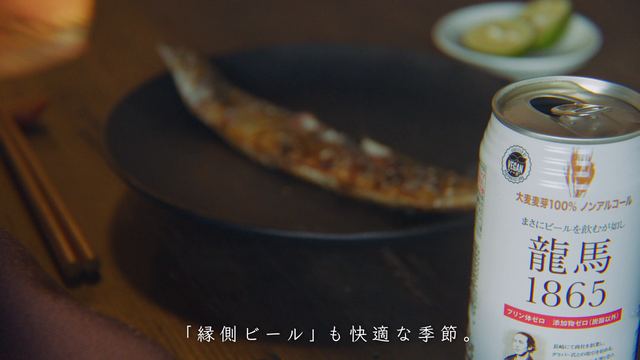
Aridagawa, Wakayama
Ryoma 1865, a non-alcoholic beer
What I drank on the veranda and at dinner was Ryoma 1865, a non-alcoholic beer from Nippon Beer Co.
From: Chestnuts, saury and an autumn feast
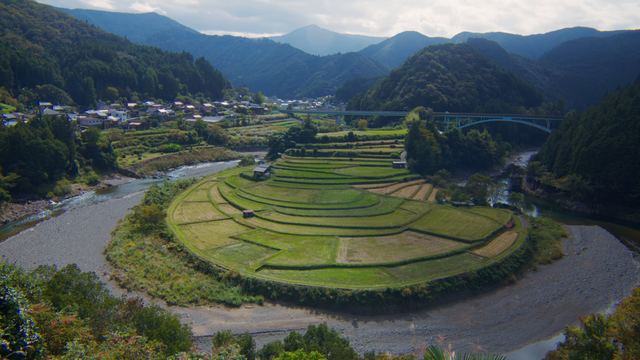
Aridagawa, Wakayama
Aragijima Rice Terraces
A fan-shaped terrace of rice paddies wrapped by a bend of the Arida River.
From: Sushi, Cosmos and Ramen
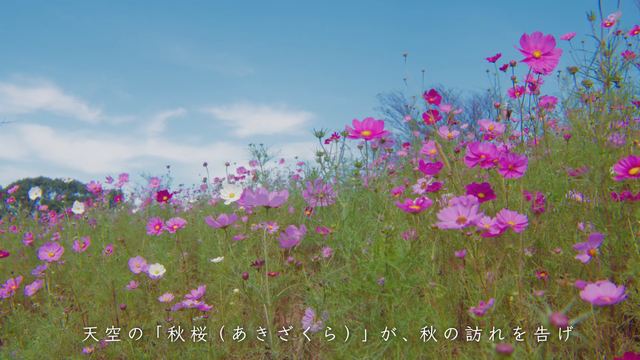
Aridagawa, Wakayama
Washigamine Cosmos Park
About a million cosmos bloom across the summit of Mt.
From: Sushi, Cosmos and Ramen
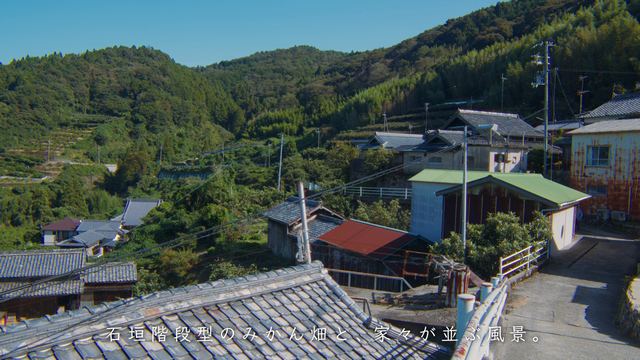
Aridagawa, Wakayama
Arida mandarins and stone-walled terraces
Wakayama produces more unshu mandarins than any other prefecture.
From: Sushi, Cosmos and Ramen
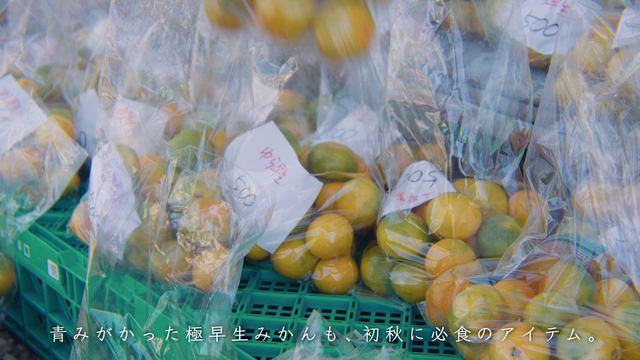
Aridagawa, Wakayama
Yura Wase, an extra-early mandarin
Discovered in 1985 in Yura, Wakayama, as a bud mutation of the Miyagawa Wase mandarin, and registered as a variety in 1995.
From: Sushi, Cosmos and Ramen
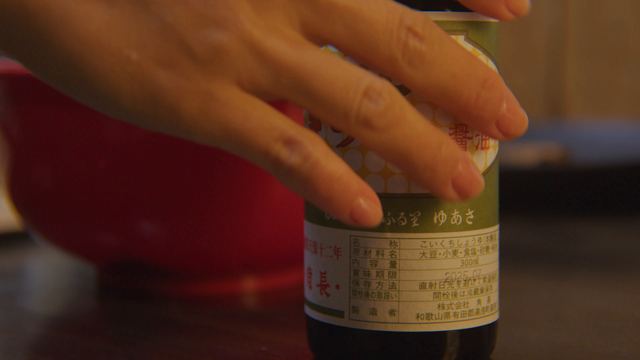
Aridagawa, Wakayama
Soy sauce of Yuasa
Yuasa, the town next to Aridagawa, is known as the birthplace of soy sauce brewing.
From: Sushi, Cosmos and Ramen
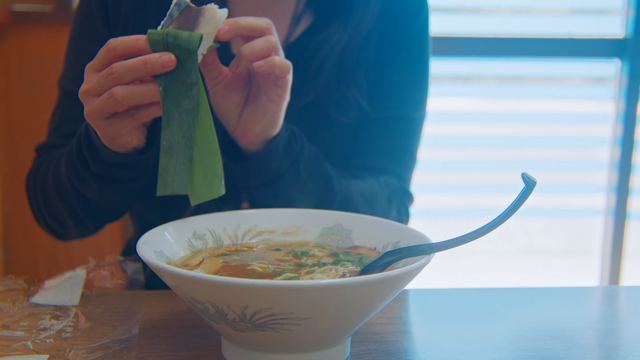
Aridagawa, Wakayama
Wakayama ramen and hayazushi
Locals call Wakayama ramen simply chuka soba; it is said to have begun at street stalls in the early Showa era.
From: Sushi, Cosmos and Ramen
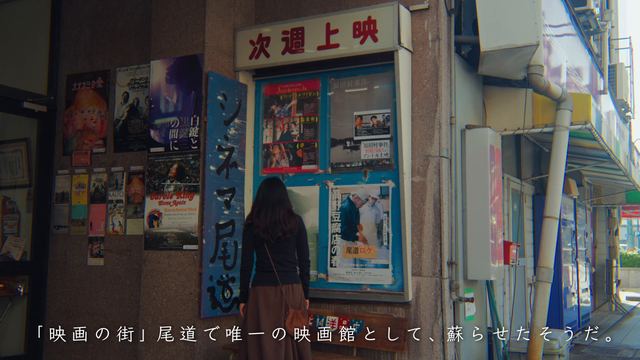
Onomichi, Hiroshima
Cinema Onomichi
The only cinema in Onomichi, the movie town known for Ozu's Tokyo Story and Obayashi's Onomichi trilogy.
From: Onomichi ramen and homemade okonomiyaki
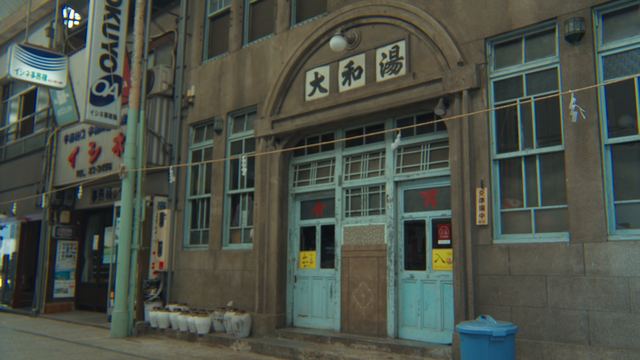
Onomichi, Hiroshima
The former Yamato-yu bathhouse
A former public bathhouse in the Onomichi Hondori arcade, with a concrete facade and an arched entrance.
From: Onomichi ramen and homemade okonomiyaki
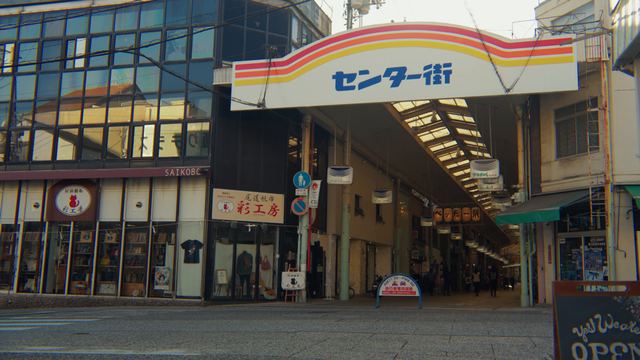
Onomichi, Hiroshima
Onomichi Hondori Shopping Street
An arcade about 1.6 kilometers long, running east to west between the sea and the hills.
From: Onomichi ramen and homemade okonomiyaki
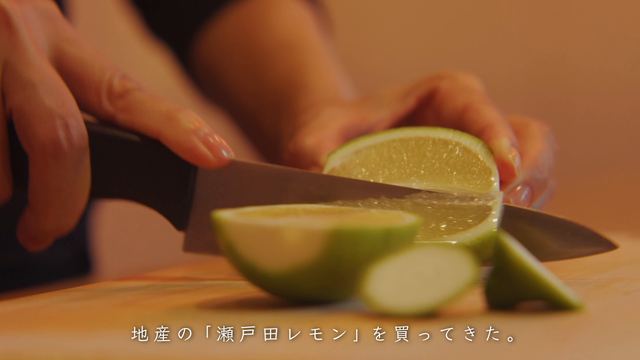
Onomichi, Hiroshima
Setoda lemons
Hiroshima Prefecture grows more lemons than any other in Japan: 4,861 tons in 2020, or 56% of the national crop.
From: Onomichi ramen and homemade okonomiyaki
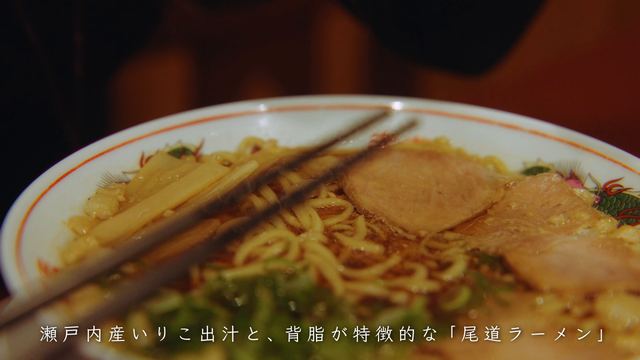
Onomichi, Hiroshima
Onomichi ramen
A soy sauce broth combined with stock from Setouchi small fish such as dried sardines, topped with pork back fat.
From: Onomichi ramen and homemade okonomiyaki
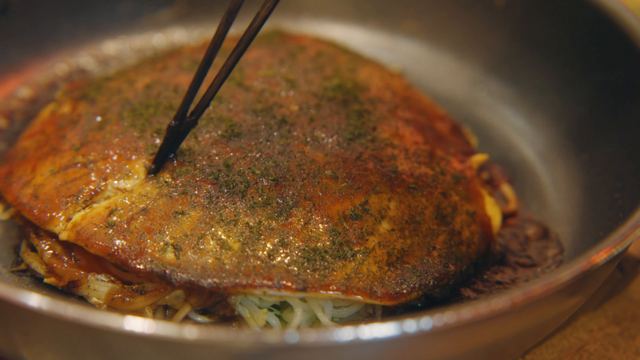
Onomichi, Hiroshima
Yakuza 6 and its Onomichi setting
The poster on the ramen shop wall was for Yakuza 6: The Song of Life, released in December 2016.
From: Onomichi ramen and homemade okonomiyaki
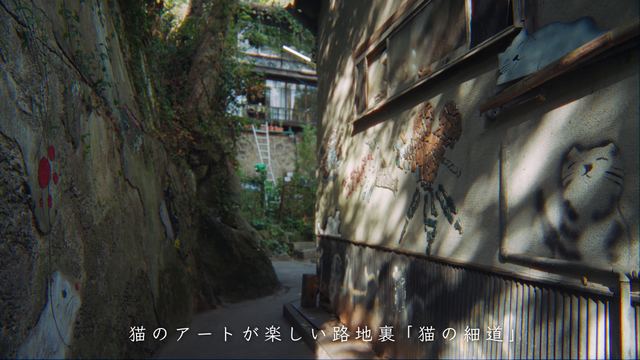
Onomichi, Hiroshima
Neko no Hosomichi (the Cat Alley)
A narrow lane of about 200 meters starting beside the three-story pagoda of Tennei-ji.
From: Through the Cat Alley to our house in Onomichi
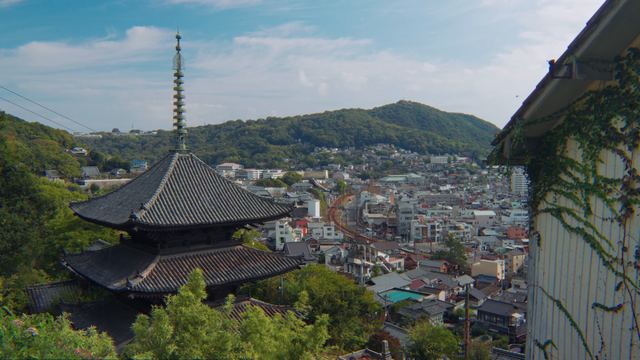
Onomichi, Hiroshima
Kaiun-to, the three-story pagoda of Tennei-ji
A Soto Zen temple said to have been founded in 1367 by Ashikaga Yoshiakira.
From: Through the Cat Alley to our house in Onomichi
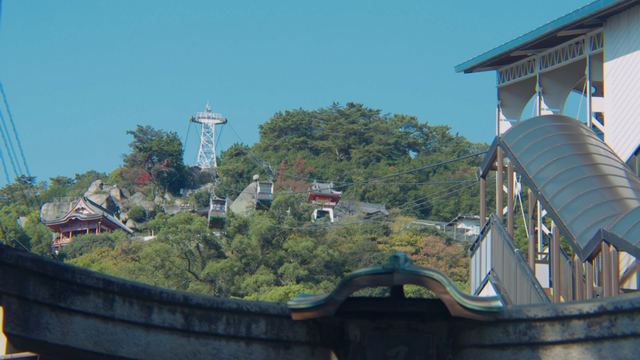
Onomichi, Hiroshima
Senkoji Ropeway
A ropeway linking the town center with Senkoji Park in three minutes.
From: Through the Cat Alley to our house in Onomichi
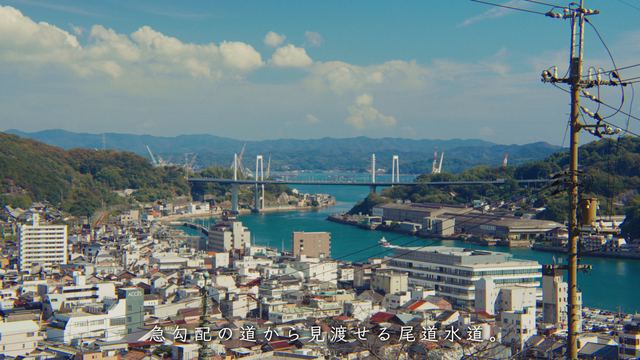
Onomichi, Hiroshima
The Onomichi Waterway and a town of slopes, literature and film
The Onomichi Waterway is the narrow strait between Onomichi proper and the island of Mukaishima, and it has made Onomichi one of the Seto Inland Sea's leading p…
From: Through the Cat Alley to our house in Onomichi
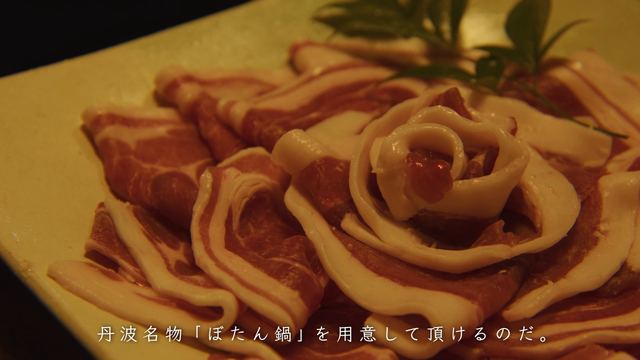
Tamba, Hyogo
Botan nabe of Tamba
Thinly sliced wild boar is arranged like a peony (botan) flower and simmered with vegetables in a miso broth.
From: Hydrangea season in an old house in Tamba
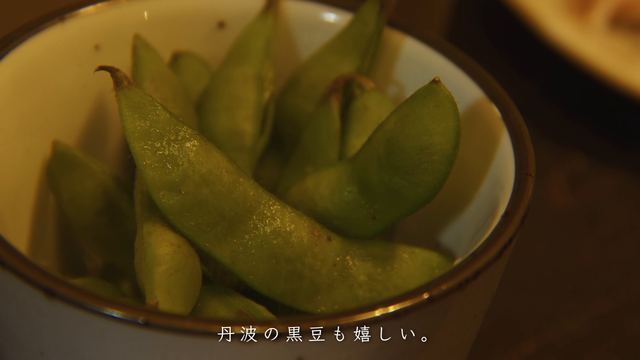
Tamba, Hyogo
Tamba black soybeans
A large black soybean grown in the Tamba region since old times.
From: Hydrangea season in an old house in Tamba
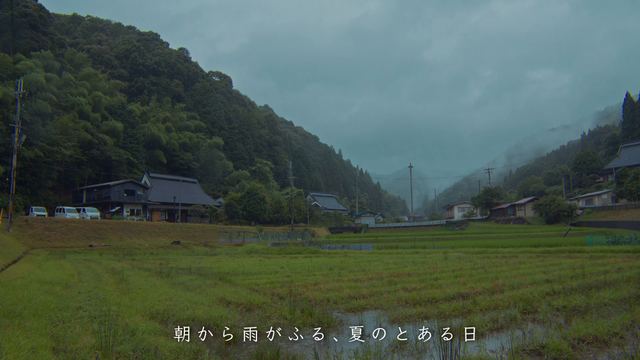
Tamba, Hyogo
Tamba City
An inland city in the hills of eastern Hyogo, roughly midway between the Seto Inland Sea and the Sea of Japan.
From: Hydrangea season in an old house in Tamba
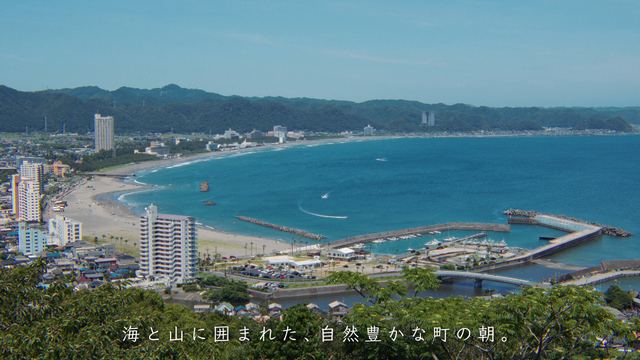
Kamogawa, Chiba
Kamogawa
A town on the Pacific side of the Boso Peninsula, in southeastern Chiba.
From: Zero minutes to the sea: summer vacation in Kamogawa
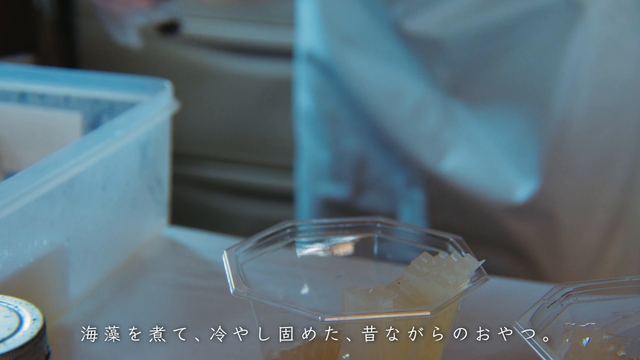
Kamogawa, Chiba
Tengusa seaweed and tokoroten
Tokoroten is made by boiling tengusa seaweed, chilling the liquid until it sets, and pressing the jelly through a wooden press into noodles.
From: Zero minutes to the sea: summer vacation in Kamogawa
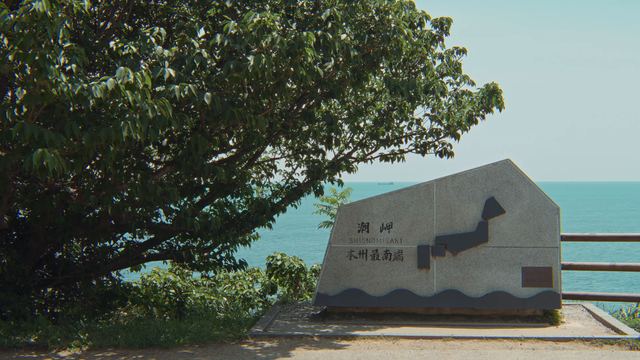
Kushimoto, Wakayama
Cape Shionomisaki, the southernmost point of Honshu
The southernmost point of Honshu, at 135°46′E, 33°26′N.
From: A house in the forest and a southern sea: a day in Kushimoto
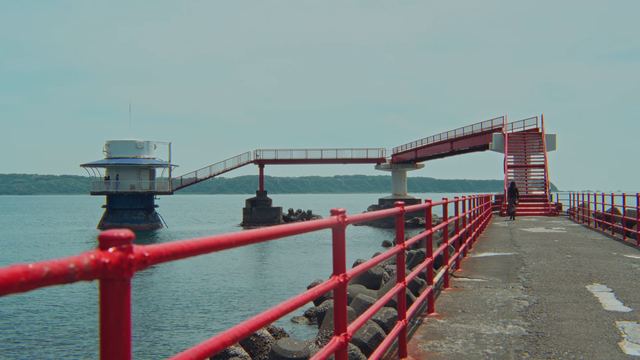
Kushimoto, Wakayama
Kushimoto Marine Park (aquarium and underwater observatory)
An aquarium that recreates the sea of Kushimoto with seawater and creatures from the waters right in front of it.
From: A house in the forest and a southern sea: a day in Kushimoto
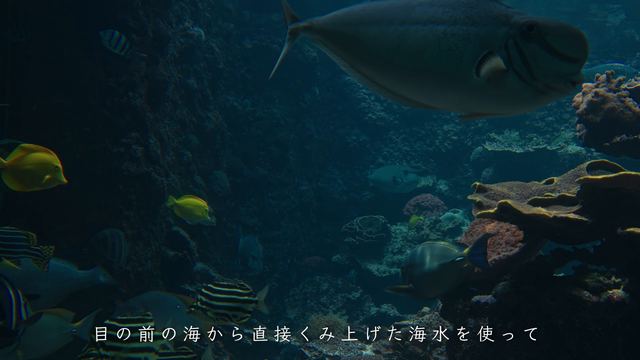
Kushimoto, Wakayama
The coral of Kushimoto's sea
The coastal waters of Kushimoto hold the world's northernmost large coral communities.
From: A house in the forest and a southern sea: a day in Kushimoto
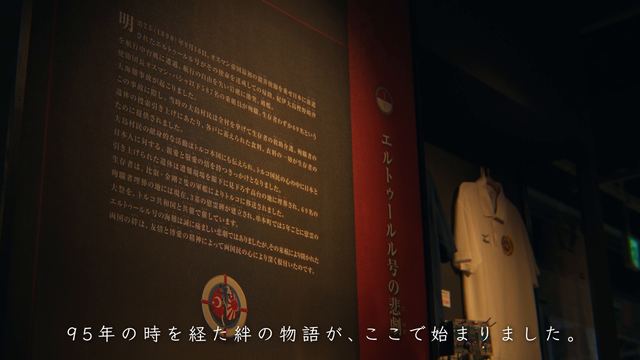
Kushimoto, Wakayama
The Turkish Memorial Museum and the Ertugrul
A museum beside the memorial to the Turkish frigate on Kashinozaki, Kii-Oshima, displaying a model of the Ertugrul along with relics, photographs and documents.
From: A house in the forest and a southern sea: a day in Kushimoto
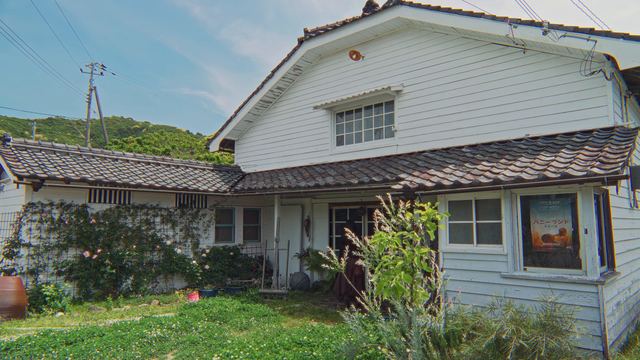
Kushimoto, Wakayama
Tanami Theater
A theater beside JR Tanami Station, built in 1950.
From: A house in the forest and a southern sea: a day in Kushimoto
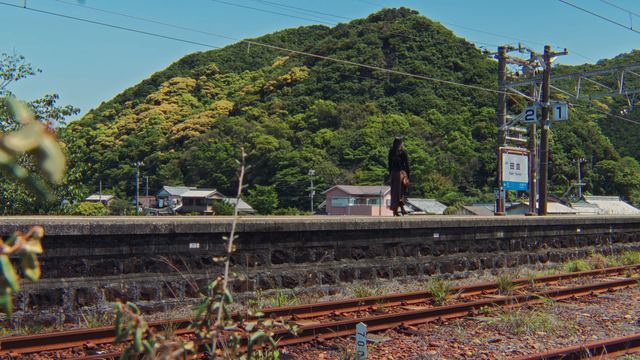
Kushimoto, Wakayama
Tanami Station
A station on the JR West Kisei Main Line (Kinokuni Line), opened on August 8, 1940.
From: A house in the forest and a southern sea: a day in Kushimoto
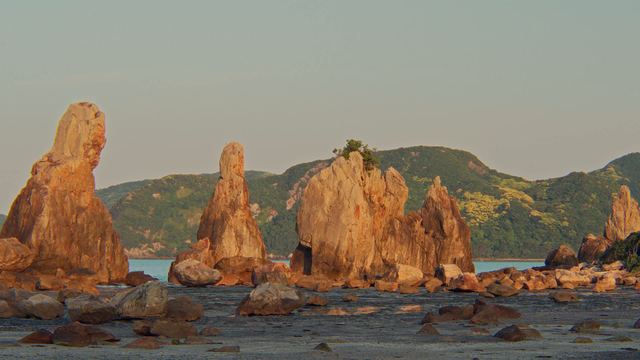
Kushimoto, Wakayama
Hashigui-iwa rocks
About forty rocks of various sizes stand in a line for roughly 850 meters from the Kushimoto shore toward Kii-Oshima.
From: A house in the forest and a southern sea: a day in Kushimoto
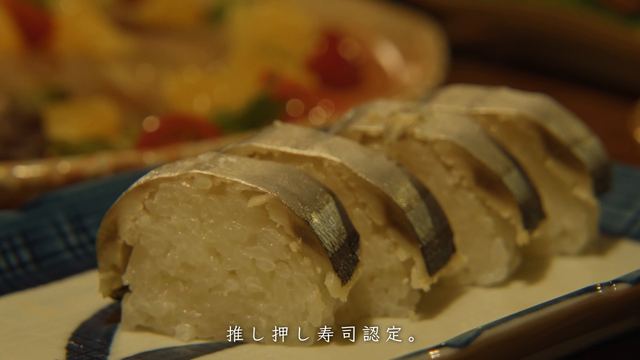
Kushimoto, Wakayama
Saury sushi
A traditional dish of southern Wakayama.
From: A house in the forest and a southern sea: a day in Kushimoto
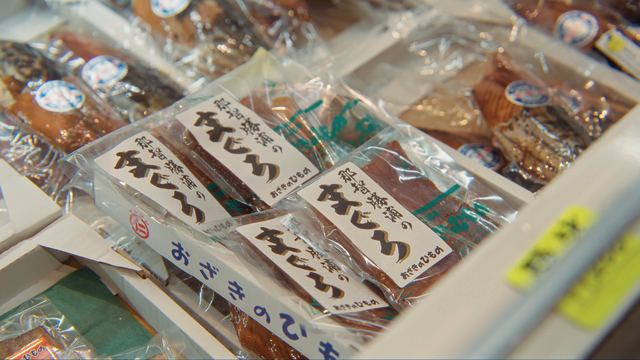
Kushimoto, Wakayama
Ozaki no Himono dried tuna
From a dried-fish shop in Kushimoto with more than seventy years of history, where craftsmen hand-split fish one at a time, both fish caught in the waters aroun…
From: A house in the forest and a southern sea: a day in Kushimoto
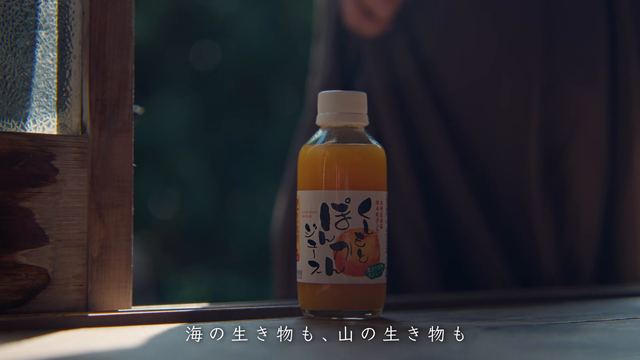
Kushimoto, Wakayama
Kushimoto ponkan juice
Juice made by the Kasaneyama fruit growers' cooperative, formed by ponkan farmers of the Hime and Ikushi districts of Kushimoto.
From: A house in the forest and a southern sea: a day in Kushimoto
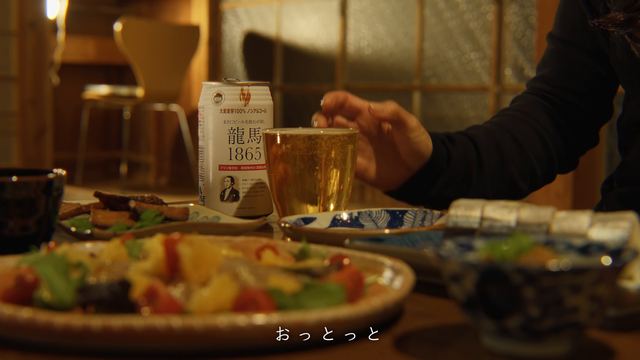
Kushimoto, Wakayama
Ryoma 1865
A non-alcoholic beer from Nippon Beer, brewed from malt, hops and carbonation only, with no additives and 100% malt.
From: A house in the forest and a southern sea: a day in Kushimoto
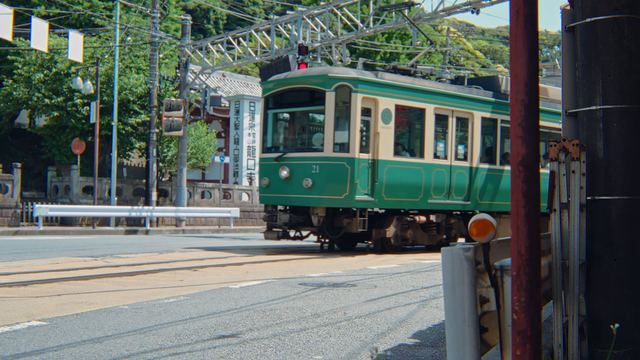
Kamakura, Kanagawa
Enoshima Electric Railway (Enoden)
Japan's sixth electric railway, which began service on September 1, 1902 between Fujisawa and Katase (now Enoshima).
From: A hundred-year-old house in the town of the Enoden
Kamakura, Kanagawa
Ryukoji Temple
A Nichiren-school temple two minutes' walk from Enoshima Station, at the start of the stretch where the Enoden runs along the road.
From: A hundred-year-old house in the town of the Enoden
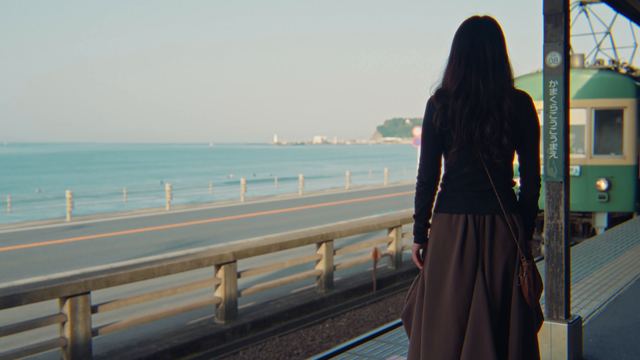
Kamakura, Kanagawa
Kamakura-Kokomae Station
An Enoden station with the Shonan sea spreading out right in front of the platform.
From: A hundred-year-old house in the town of the Enoden
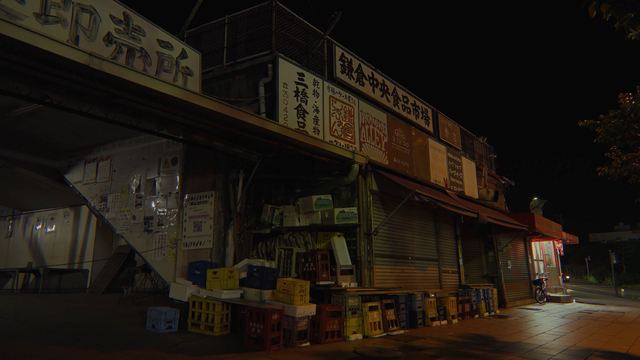
Kamakura, Kanagawa
Kamakura Farmers' Market and Kamakura Central Food Market
A few minutes' walk from the east exit of Kamakura Station, this farmers' market has been running since 1928 and is affectionately known as Renbai.
From: A hundred-year-old house in the town of the Enoden
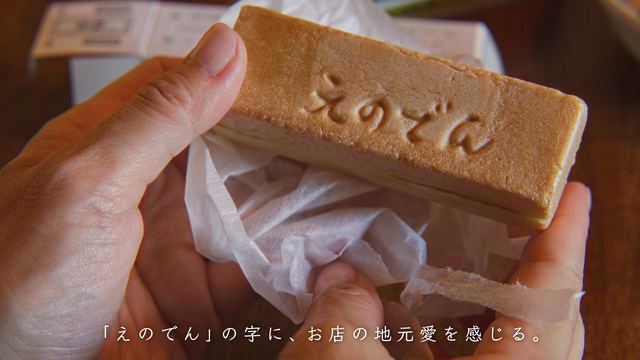
Kamakura, Kanagawa
Enoden Monaka
Ougiya's specialty.
From: A hundred-year-old house in the town of the Enoden
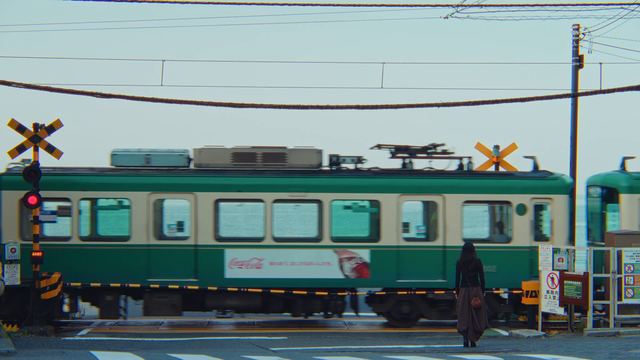
Kamakura, Kanagawa
Kamakura-Kokomae Station and the seaside crossing
Kamakura-Kokomae, on the Enoshima Electric Railway, is a station right beside the sea.
From: A Kamakura-vegetable breakfast and a walk on Enoshima
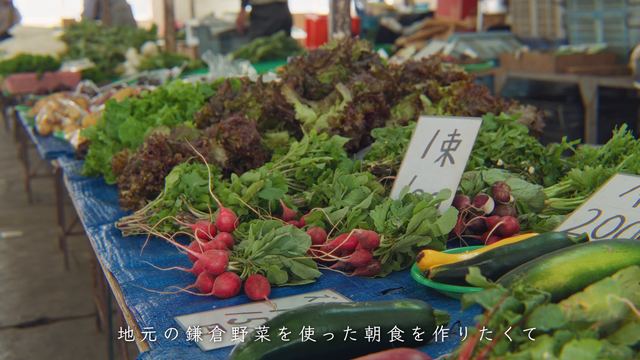
Kamakura, Kanagawa
Kamakura vegetables
A collective name for vegetables grown by farmers around Kamakura.
From: A Kamakura-vegetable breakfast and a walk on Enoshima
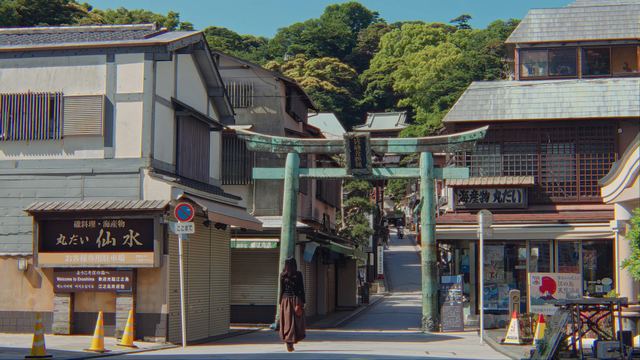
Kamakura, Kanagawa
The bronze torii and Zuishinmon gate of Enoshima Shrine
Enoshima Shrine consists of three shrines, Hetsumiya, Nakatsumiya and Okutsumiya, and is counted among Japan's three great Benzaiten shrines.
From: A Kamakura-vegetable breakfast and a walk on Enoshima
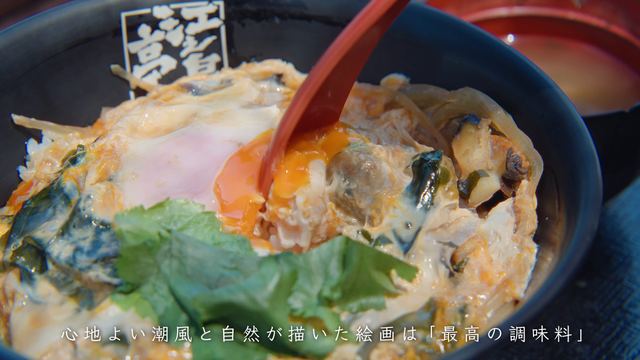
Kamakura, Kanagawa
Enoshima-don
Enoshima's signature rice bowl: turban shell simmered in egg and served over rice, offered at many of the island's restaurants.
From: A Kamakura-vegetable breakfast and a walk on Enoshima
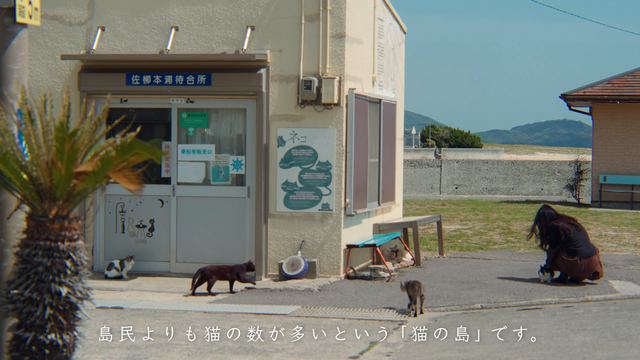
Tadotsu, Kagawa
Sanagi Island
One of the Shiwaku Islands, off the coast of Tadotsu.
From: Drawn by the sea breeze and the cats to Sanagi Island
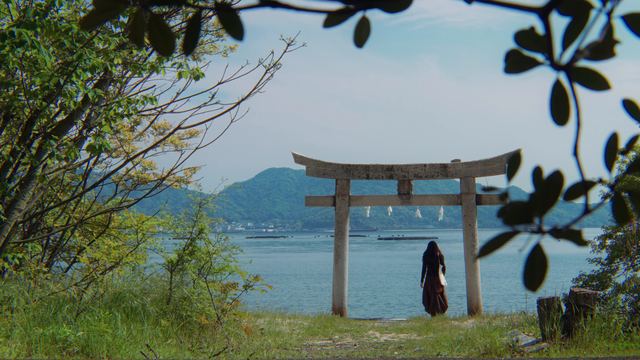
Tadotsu, Kagawa
Maki Hachiman Shrine
A Hachiman shrine on the shore of Awashima.
From: Drawn by the sea breeze and the cats to Sanagi Island
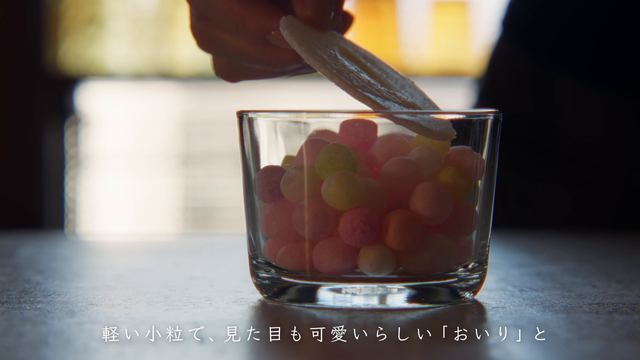
Tadotsu, Kagawa
Oiri
A wedding sweet long handed down in western Kagawa.
From: Drawn by the sea breeze and the cats to Sanagi Island
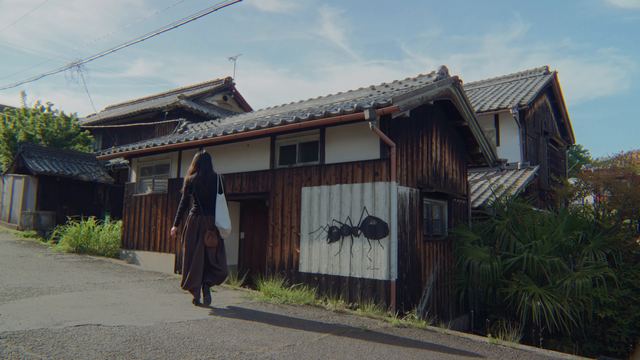
Tadotsu, Kagawa
Awashima
An island of the Shiwaku group, about 15 minutes by boat from Suda port in Mitoyo.
From: Drawn by the sea breeze and the cats to Sanagi Island
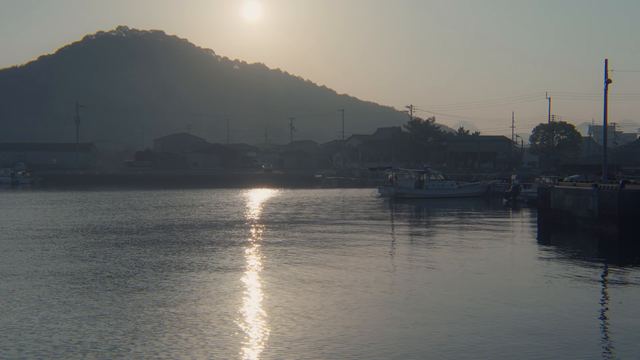
Mitoyo, Kagawa
Awashima
One of the Shiwaku Islands, about 4.5 km northwest of Takuma port in Mitoyo.
From: A great camphor tree and a garden in the sky: island life in the Seto Inland Sea
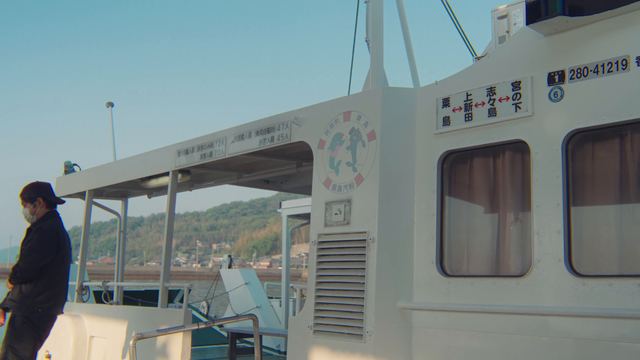
Mitoyo, Kagawa
The boat between Awashima and Shishijima
Awashima Kisen runs passenger boats between Suda and Miyanoshita ports on the mainland and Awashima, Kamishinden and Shishijima.
From: A great camphor tree and a garden in the sky: island life in the Seto Inland Sea
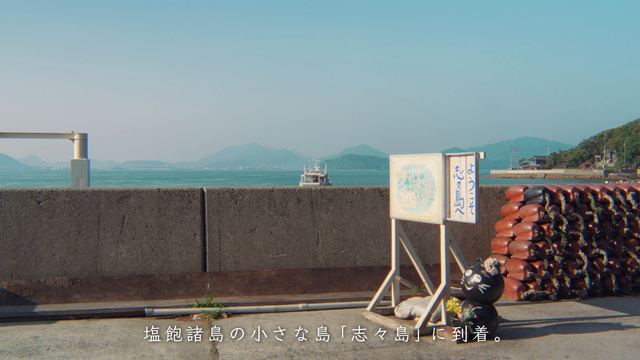
Mitoyo, Kagawa
Shishijima
A small island in the Shiwaku group, part of Mitoyo (formerly Takuma town), about 0.74 square kilometers.
From: A great camphor tree and a garden in the sky: island life in the Seto Inland Sea
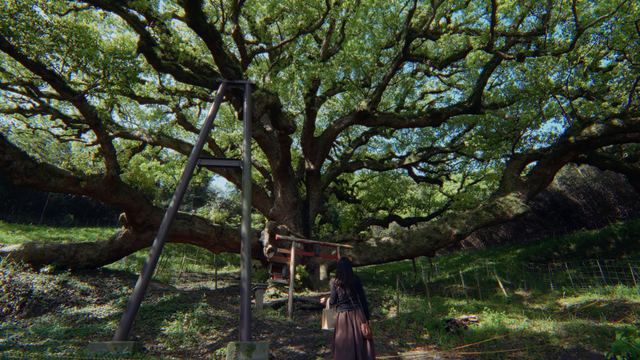
Mitoyo, Kagawa
The Great Camphor Tree of Shishijima
A giant camphor tree on the hillside on the north side of the island.
From: A great camphor tree and a garden in the sky: island life in the Seto Inland Sea
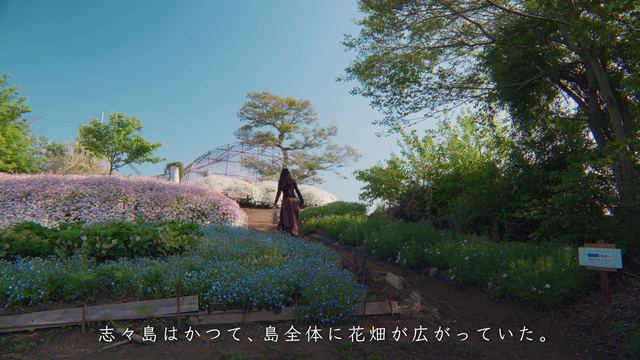
Mitoyo, Kagawa
The Flower Garden in the Sky
After the war, Shishijima thrived on growing pyrethrum and flowers; at its peak more than a hundred farms raised chrysanthemums, stock, marguerites, calendula a…
From: A great camphor tree and a garden in the sky: island life in the Seto Inland Sea
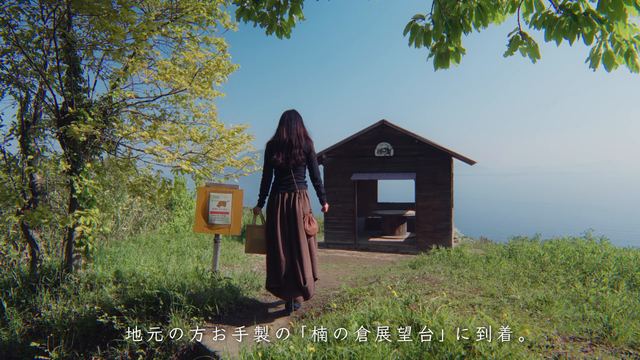
Mitoyo, Kagawa
Kusunokura Observatory
A handmade lookout that the islanders built together on the rise above the great camphor tree.
From: A great camphor tree and a garden in the sky: island life in the Seto Inland Sea
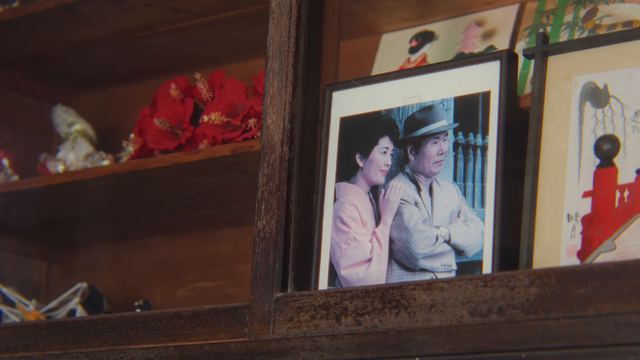
Mitoyo, Kagawa
Tora-san and this island
The 46th film in the Tora-san series, released in December 1993, directed by Yoji Yamada, with Keiko Matsuzaka as the leading lady.
From: A great camphor tree and a garden in the sky: island life in the Seto Inland Sea
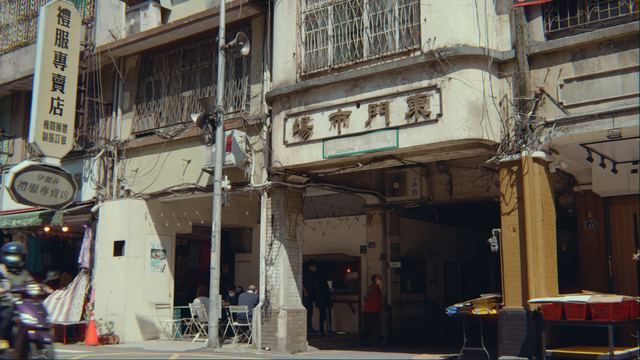
Hsinchu, Taiwan
Dongmen Market
A market established in 1900, under Japanese rule.
From: An apartment in Hsinchu and the steam of the night market
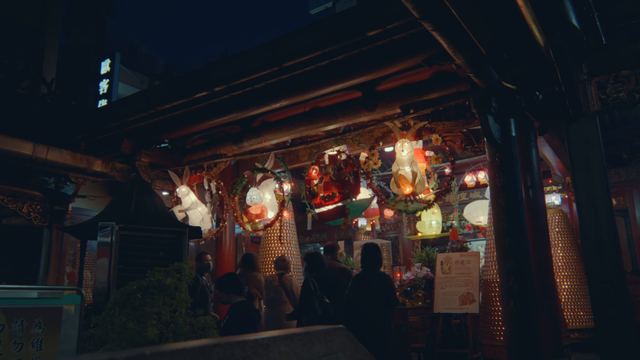
Hsinchu, Taiwan
Hsinchu City God Temple
A City God temple whose construction began in 1747 and was completed in 1748.
From: An apartment in Hsinchu and the steam of the night market
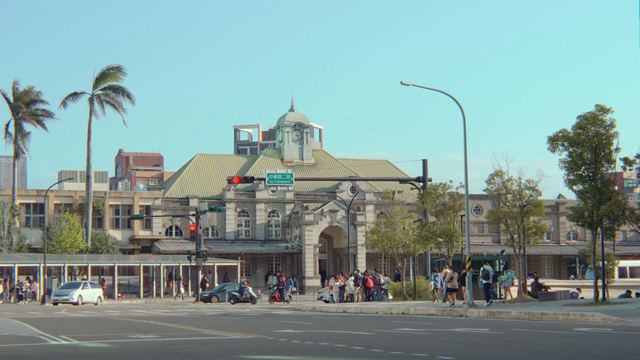
Hsinchu, Taiwan
Hsinchu Station
The station opened in 1893.
From: An apartment in Hsinchu and the steam of the night market
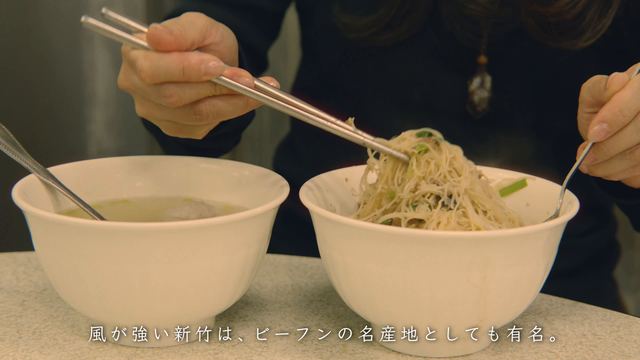
Hsinchu, Taiwan
Hsinchu rice vermicelli and the Jiujiang wind
Hsinchu is nicknamed the "Windy City" for the strength of the Jiujiang wind, which blows around the ninth lunar month (October to November).
From: An apartment in Hsinchu and the steam of the night market
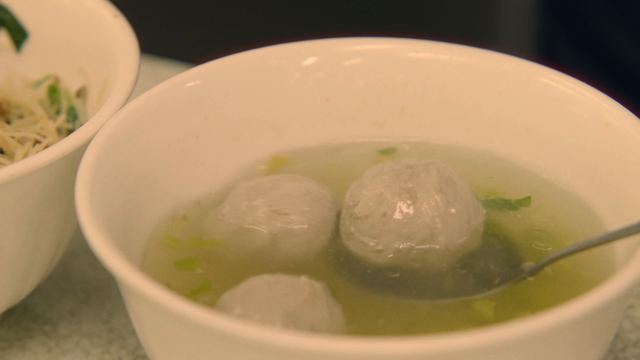
Hsinchu, Taiwan
Gongwan, Hsinchu meatballs
Hsinchu's meatballs, made by pounding pork into a paste and boiling it.
From: An apartment in Hsinchu and the steam of the night market
Somerset Region, Queensland
Fernvale and the Somerset Region
Fernvale is a town in the Somerset Region, about 61 kilometres west of central Brisbane, with a population of 3,629 at the 2021 census.
From: Borrowing a small house in the Australian countryside
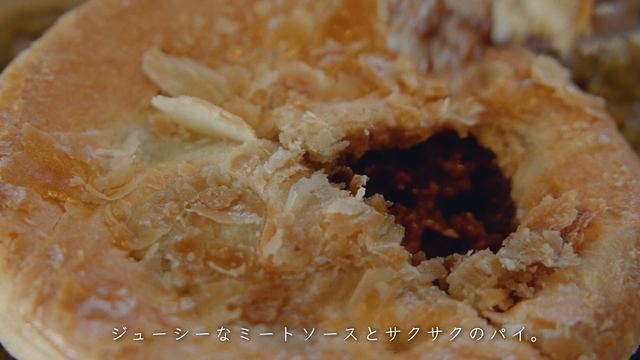
Somerset Region, Queensland
The Australian meat pie
A hand-sized pie of minced or diced meat in gravy, baked in pastry.
From: Borrowing a small house in the Australian countryside
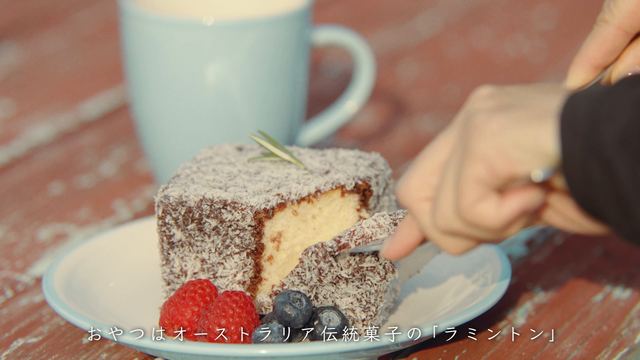
Somerset Region, Queensland
Lamington
Squares of sponge or butter cake dipped in chocolate sauce and rolled in coconut.
From: Borrowing a small house in the Australian countryside
Somerset Region, Queensland
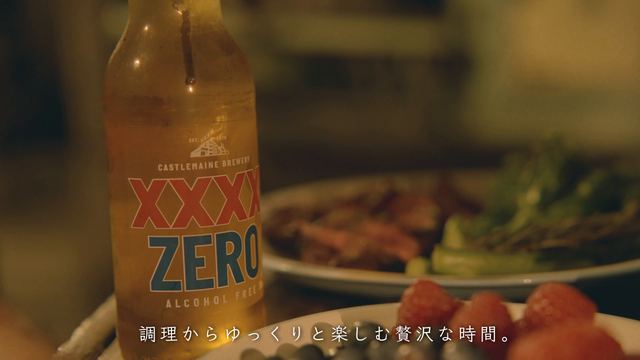
XXXX and Great Northern, the beers of Queensland
XXXX is the beer of Castlemaine Perkins, a brewery founded in Brisbane in 1878; the XXXX brand dates from 1924 and is still brewed at Milton in Brisbane.
From: Borrowing a small house in the Australian countryside
Somerset Region, Queensland
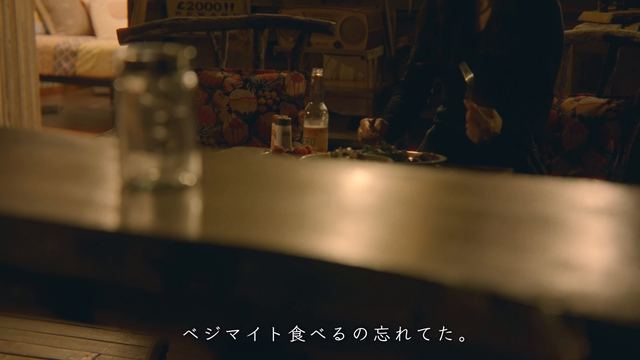
Vegemite
A thick, dark brown spread made from leftover brewers' yeast extract with vegetable and spice additives: salty, slightly bitter and malty.
From: Borrowing a small house in the Australian countryside
Somerset Region, Queensland
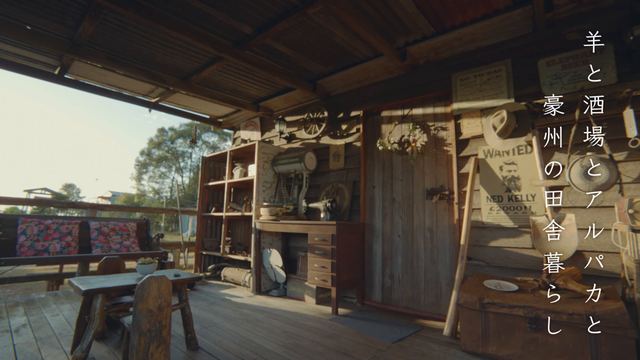
The Ned Kelly wanted poster
On the veranda wall hung a poster reading "WANTED NED KELLY £2000." Ned Kelly (1854-1880) was one of the last of Australia's bushrangers.
From: Borrowing a small house in the Australian countryside
Omihachiman, Shiga
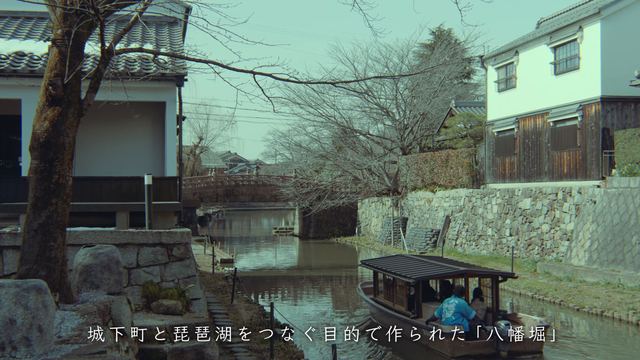
Hachimanbori Canal
A 4,750-meter canal dug in 1585, when Toyotomi Hidetsugu, nephew of Hideyoshi, built his castle on Mt.
From: A day in Omihachiman, where boats glide through town
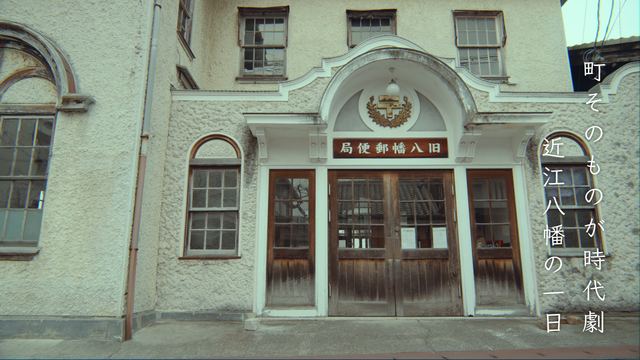
Omihachiman, Shiga
Old Hachiman Post Office
A two-story wooden Western-style building designed by William Merrell Vories and completed in 1921.
From: A day in Omihachiman, where boats glide through town
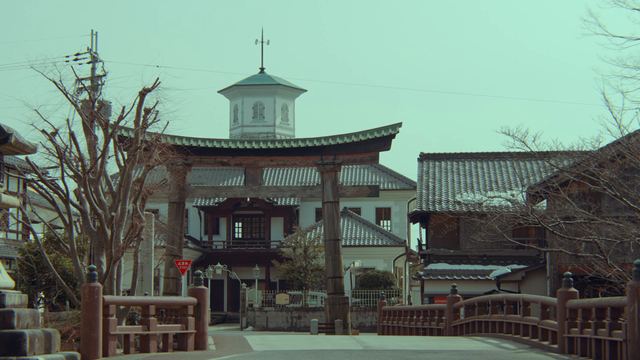
Omihachiman, Shiga
Hakuunkan
Built in 1877 as the Hachiman East School by Omi merchants to educate their children, in a Western-influenced style, with most of the cost covered by donations.
From: A day in Omihachiman, where boats glide through town
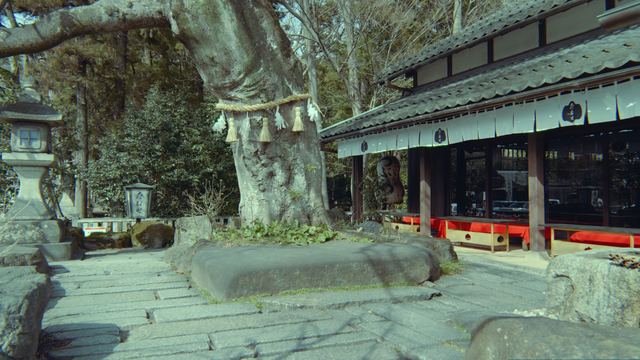
Omihachiman, Shiga
Himure Hachimangu Shrine
An ancient shrine long revered as the guardian of the Omi merchants.
From: A day in Omihachiman, where boats glide through town
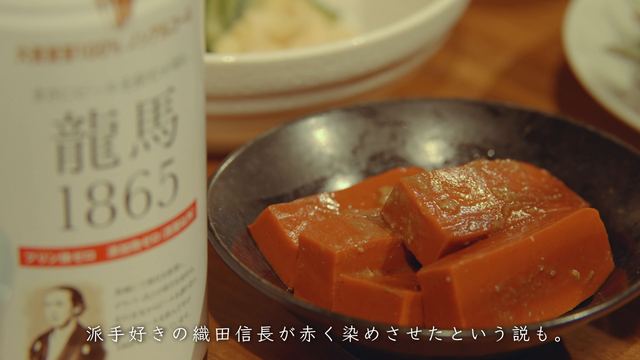
Omihachiman, Shiga
Red konnyaku
A local ingredient that spread nationwide from Omihachiman.
From: A day in Omihachiman, where boats glide through town
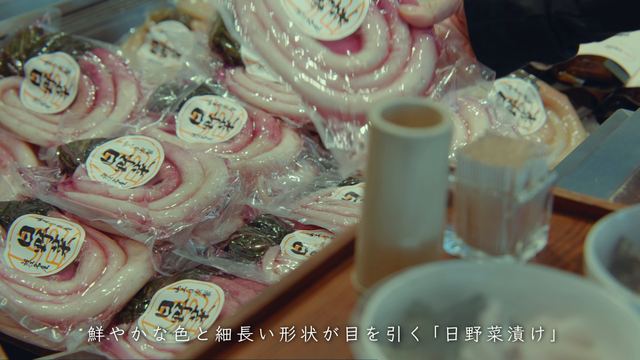
Omihachiman, Shiga
Hinona pickles
Hinona is a slender turnip native to Hino, Shiga, purple-red at the top of the root and white below, with a flavor that carries both bitterness and bite.
From: A day in Omihachiman, where boats glide through town
Omihachiman, Shiga
Ryoma 1865
With dinner I opened Ryoma 1865 from Nippon Beer, an alcohol-free (0.00%) beer made only from malt, hops and carbonation.
From: A day in Omihachiman, where boats glide through town
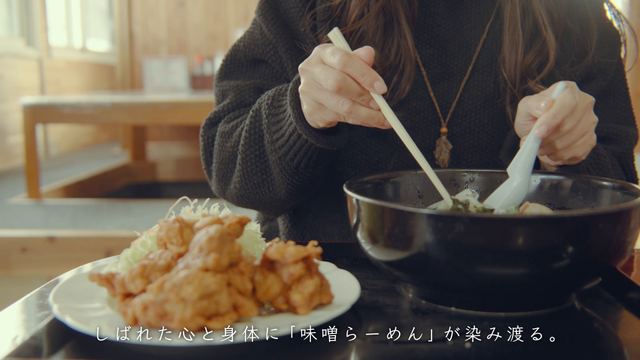
Noboribetsu, Hokkaido
Zangi
Fried chicken eaten all over Hokkaido.
From: Below freezing outside, a fireplace within
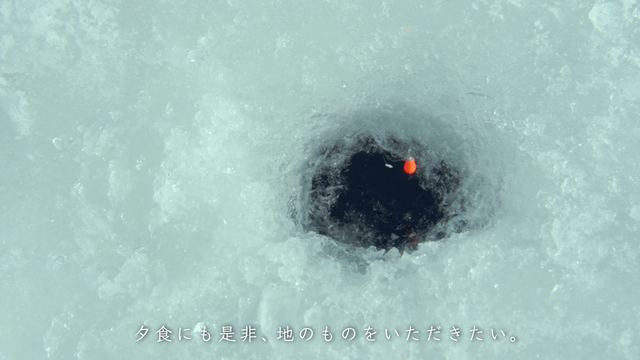
Noboribetsu, Hokkaido
Wakasagi and ice fishing
Wakasagi is a smelt about 10 centimeters long; in Hokkaido it is also called chika locally.
From: Below freezing outside, a fireplace within
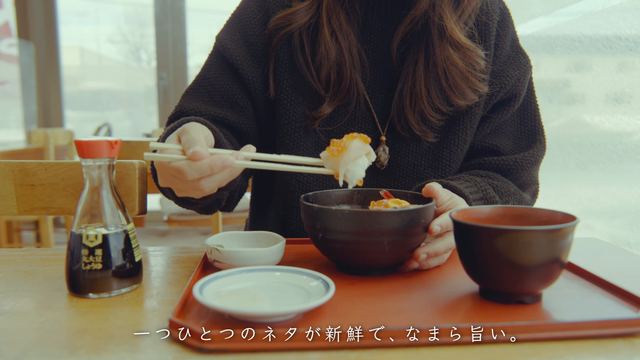
Noboribetsu, Hokkaido
Hokkaido dialect
Three Hokkaido words from this episode's narration: namara means "very"; shibareru means freezing cold; and shitakke means "well then" or "so," and also serves…
From: Below freezing outside, a fireplace within
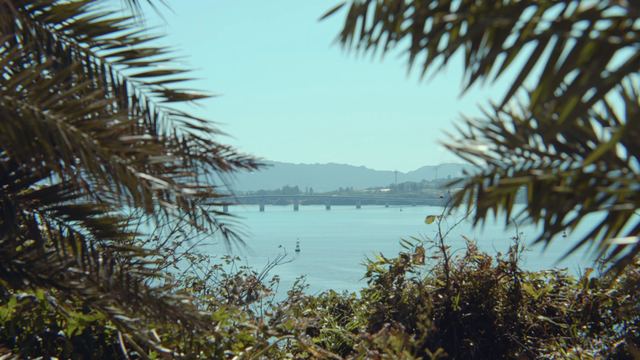
Motobu, Okinawa
Yanbaru
Yanbaru, written with the characters for mountain and field, means a region of connected mountains and spreading forest, and refers to the north of Okinawa Isla…
From: Island cooking in a traditional Okinawan house
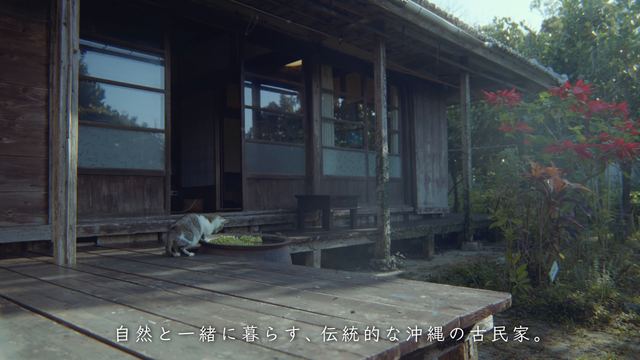
Motobu, Okinawa
Fukugi windbreaks
In Okinawa, fukugi trees have long been planted around homes to shield them from typhoon winds.
From: Island cooking in a traditional Okinawan house
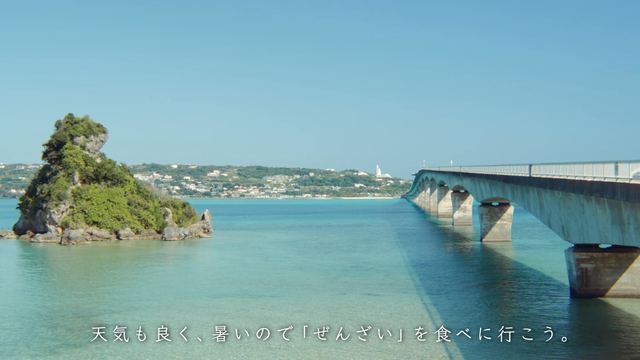
Motobu, Okinawa
Kouri Bridge
A 1,960-meter bridge linking Yagaji Island in Nago with Kouri Island in Nakijin.
From: Island cooking in a traditional Okinawan house
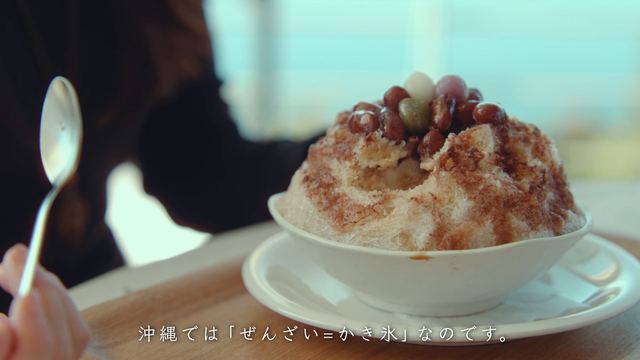
Motobu, Okinawa
Okinawan zenzai
In Okinawa, zenzai is a cold dessert: shaved ice piled over sweetly simmered kintoki beans.
From: Island cooking in a traditional Okinawan house
Motobu, Okinawa
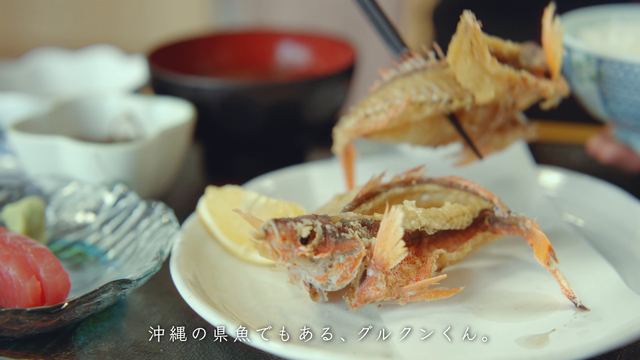
Gurukun, the prefectural fish
Gurukun is the Okinawan name for the double-lined fusilier, called takasago in standard Japanese.
From: Island cooking in a traditional Okinawan house
Motobu, Okinawa
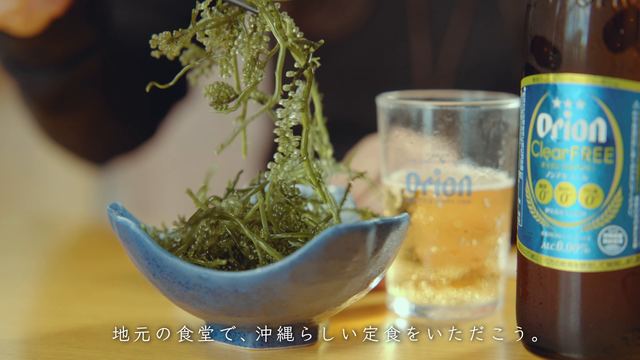
Sea grapes and mozuku
Sea grapes (umibudo) rank third among Okinawa's aquaculture products in both volume and value.
From: Island cooking in a traditional Okinawan house
Motobu, Okinawa
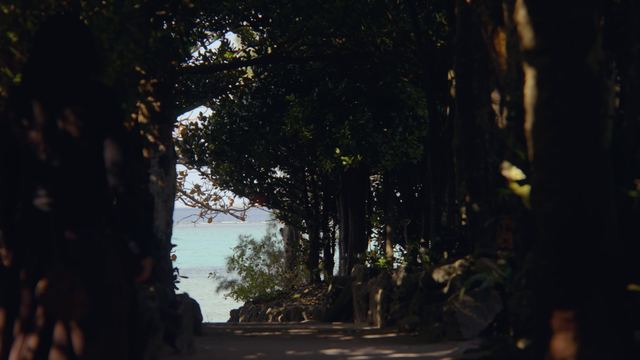
Bise Fukugi Tree Path
In the village of Bise, at the northwestern tip of the Motobu Peninsula, fukugi trees planted as windbreaks around the houses form the largest tree-lined paths…
From: Early cherry blossoms and an Okinawan winter
Motobu, Okinawa
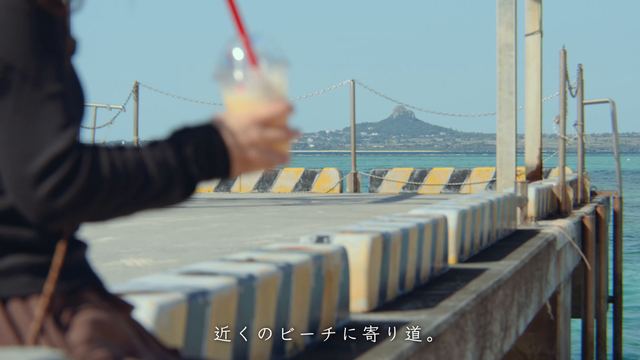
Ie Island and Mt. Gusuku
An island about 5 kilometers west of the Motobu Peninsula, forming the village of Ie.
From: Early cherry blossoms and an Okinawan winter
Motobu, Okinawa
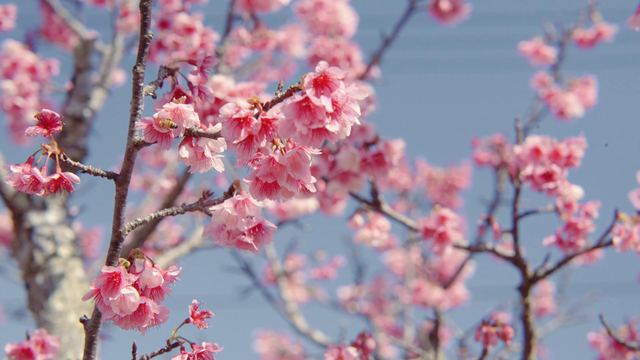
Ryukyu kanhizakura cherry
In Okinawa, cherry blossom means kanhizakura, whose deep pink flowers hang downward like little bells.
From: Early cherry blossoms and an Okinawan winter
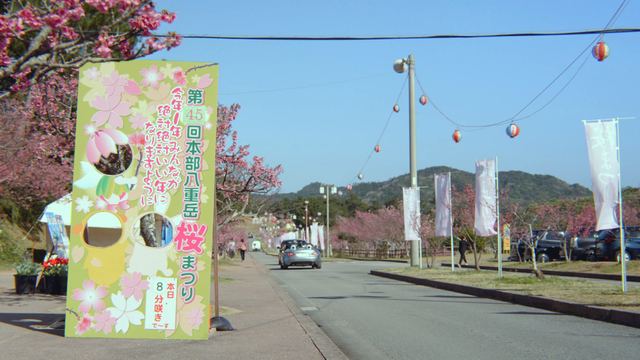
Motobu, Okinawa
Yaedake Sakura no Mori Park and the Motobu Yaedake Cherry Blossom Festival
Mt.
From: Early cherry blossoms and an Okinawan winter
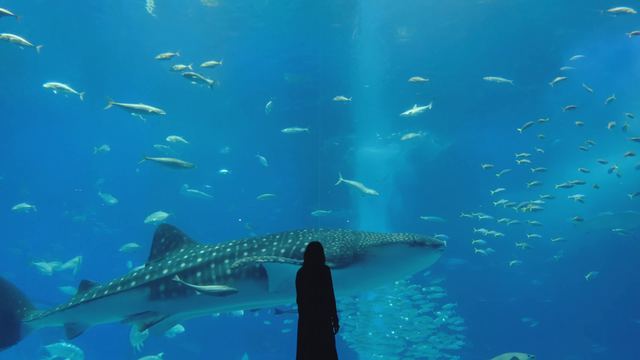
Motobu, Okinawa
Okinawa Churaumi Aquarium
An aquarium inside Ocean Expo Park; the present building opened in November 2002.
From: Early cherry blossoms and an Okinawan winter
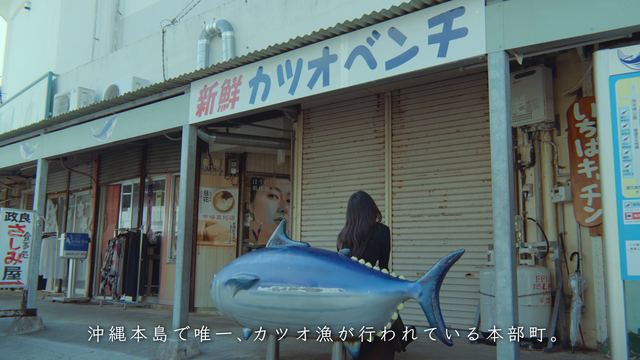
Motobu, Okinawa
Motobu, the bonito town
A town where people say: if bonito, then Motobu; if Motobu, then bonito.
From: Early cherry blossoms and an Okinawan winter
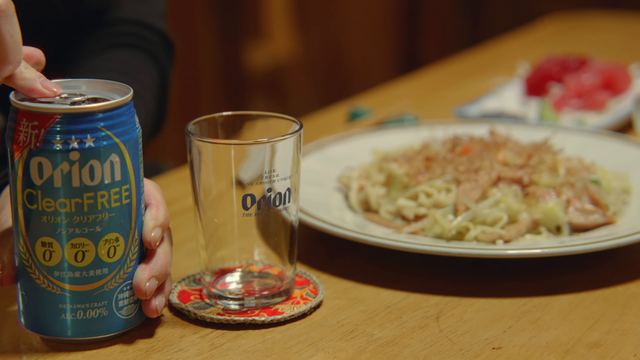
Motobu, Okinawa
Orion Clear Free
A non-alcoholic beer-style drink (0.00% alcohol) made by Orion Breweries of Okinawa, with zero sugar, calories and purines, brewed with locally grown barley.
From: Early cherry blossoms and an Okinawan winter
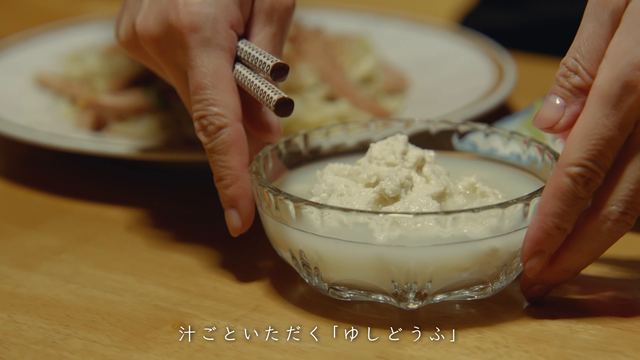
Motobu, Okinawa
Yushidofu
Okinawan tofu is sold warm, and because it holds together it is prized for stir-fries.
From: Early cherry blossoms and an Okinawan winter
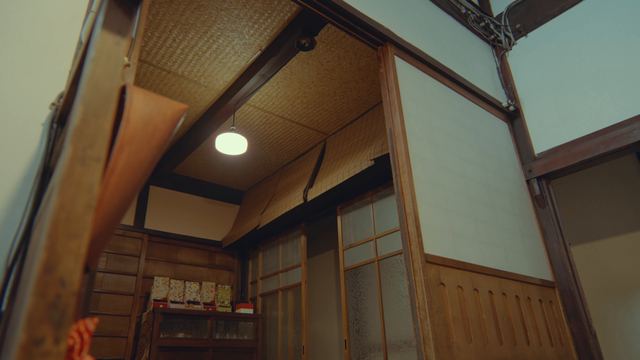
Kyoto City, Kyoto
Kyomachiya, the Kyoto townhouse
Under Kyoto City's ordinance, a kyomachiya is a wooden building of traditional structure and form built before 1950, when the Building Standards Act came into f…
From: An ordinary morning in a hundred-year-old Kyoto townhouse
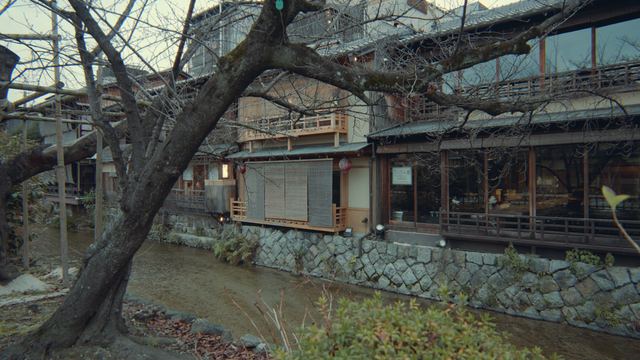
Kyoto City, Kyoto
Gion Shinbashi and the banks of the Shirakawa
The Gion Motoyoshi-cho area along Shinbashi-dori, north of Gion, was designated a national Important Preservation District for Groups of Traditional Buildings o…
From: An ordinary morning in a hundred-year-old Kyoto townhouse
Kyoto City, Kyoto
A plum-blossom-shaped ochazuke monaka
A plum-blossom-shaped monaka wafer that turns into ochazuke when you set it on rice and pour hot water over it.
From: An ordinary morning in a hundred-year-old Kyoto townhouse
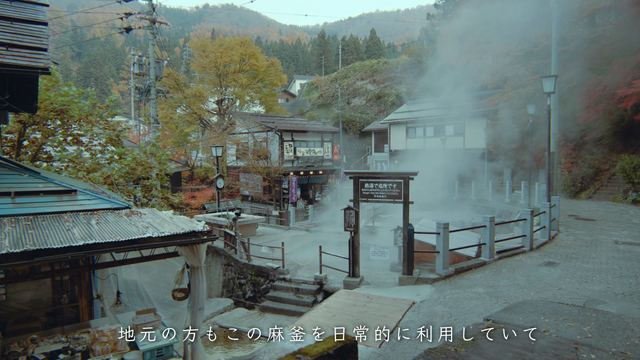
Nozawaonsen, Nagano
The Ogama hot-spring source
One of the springs that feed Nozawa Onsen, with water close to 90 degrees.
From: Boiling breakfast in a hot spring: life in Nozawa
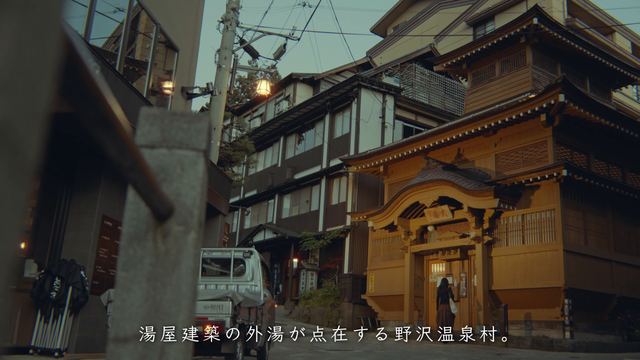
Nozawaonsen, Nagano
The Oyu and the 13 sotoyu bathhouses
Nozawa Onsen has 13 sotoyu, communal bathhouses, kept up by villagers through a system called yunakama.
From: Boiling breakfast in a hot spring: life in Nozawa
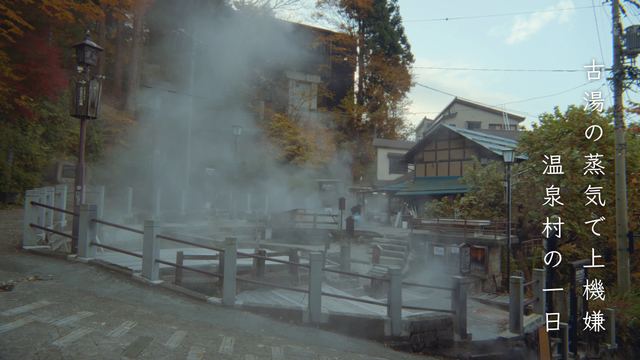
Nozawaonsen, Nagano
The village with onsen in its name
Nozawaonsen, in Shimotakai District, Nagano, is the only village in Japan with onsen in its name.
From: Boiling breakfast in a hot spring: life in Nozawa
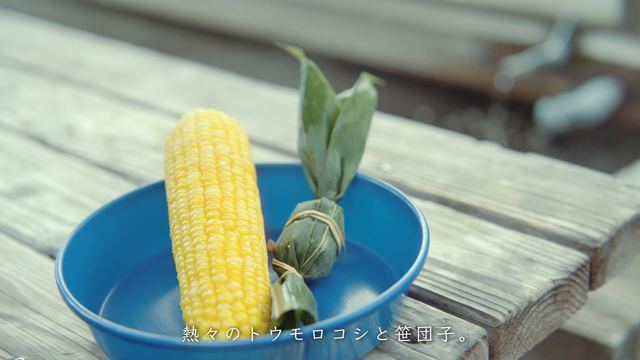
Nozawaonsen, Nagano
Freshly boiled corn and sasa-dango
Eaten with the onsen tamago beside the Ogama.
From: Boiling breakfast in a hot spring: life in Nozawa
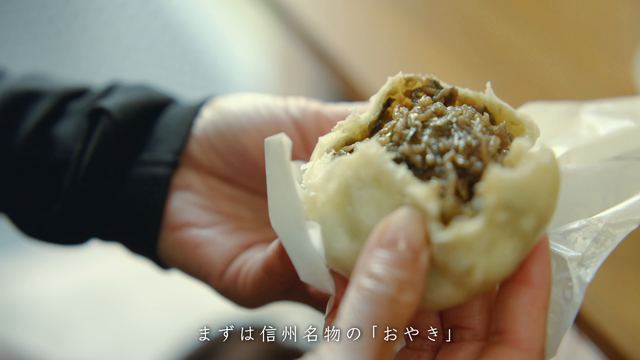
Nozawaonsen, Nagano
Oyaki of Shinshu
One of Nagano's best-known regional foods: a wheat-flour dough wrapped around nozawana, seasonal vegetables or sweet bean paste, then baked or steamed.
From: Boiling breakfast in a hot spring: life in Nozawa
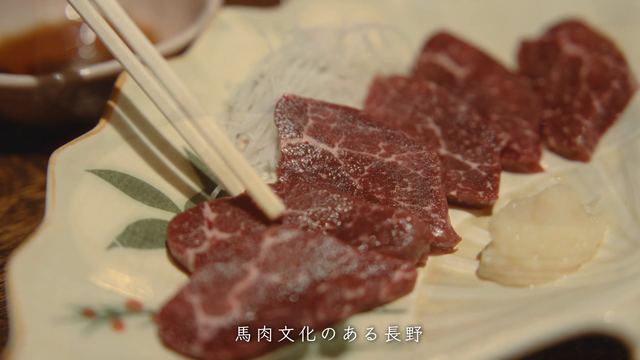
Nozawaonsen, Nagano
Nagano's horse-meat culture
Eating horse meat in Nagano is said to have begun in the late Meiji era, when aging farm horses were put to the table, and took root mainly in the central and s…
From: Boiling breakfast in a hot spring: life in Nozawa
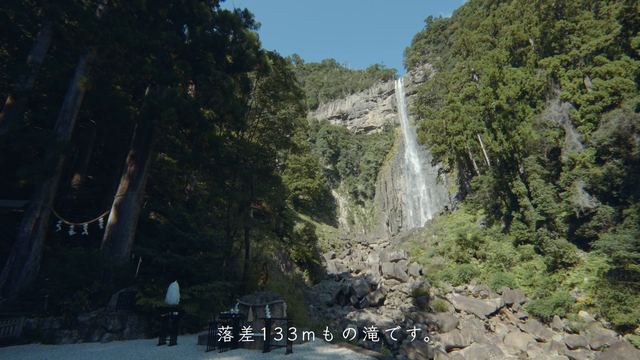
Nachikatsuura, Wakayama
Nachi Falls (Hiro Shrine)
One of Japan's three great waterfalls: 13 meters wide at the lip, with a 10-meter-deep basin, it drops 133 meters in a single fall.
From: Nachikatsuura: the sea from a fishing-village window
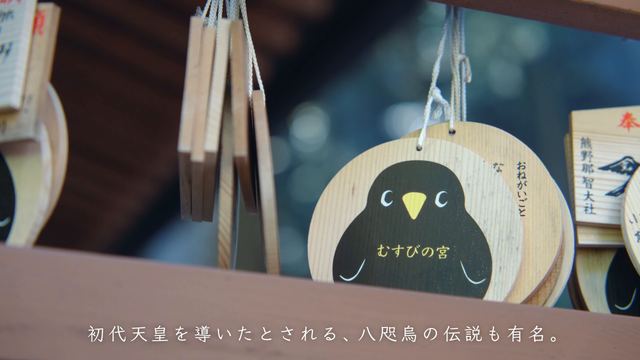
Nachikatsuura, Wakayama
Kumano Nachi Taisha and the Yatagarasu
One of the three grand shrines of Kumano, born of the worship of Nachi Falls, with a history of about 1,700 years.
From: Nachikatsuura: the sea from a fishing-village window
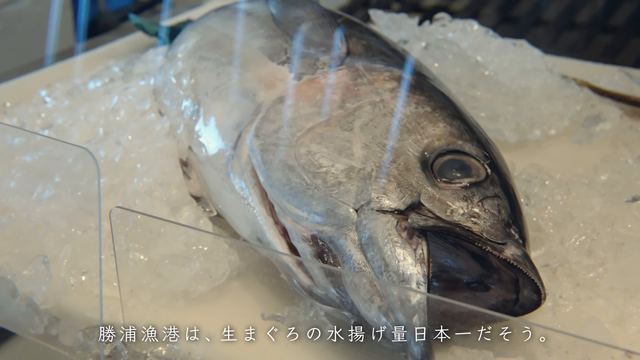
Nachikatsuura, Wakayama
Katsuura's fresh tuna
With the Kuroshio current flowing offshore and a deeply indented coastline, Nachikatsuura is a fishing town with Japan's largest landings of fresh tuna.
From: Nachikatsuura: the sea from a fishing-village window
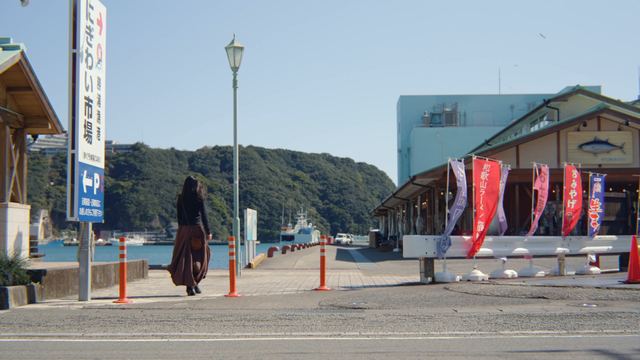
Nachikatsuura, Wakayama
Katsuura Fishing Port Nigiwai Market and the Umi no Yu footbath
A market beside Katsuura Fishing Port, with a direct-sales area for fresh tuna, dried local fish and vegetables, and a food court of tuna dishes, sushi and set…
From: Nachikatsuura: the sea from a fishing-village window
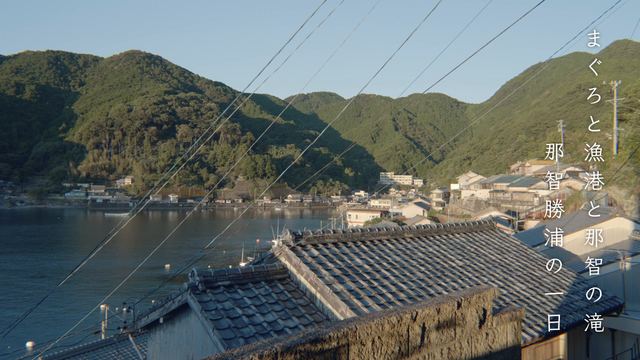
Nachikatsuura, Wakayama
Saba heshiko
A preserved food of the Wakasa region of Fukui: mackerel is salted and then cured in rice bran for about half a year, giving it a strong, salty, almost smoky fl…
From: Nachikatsuura: the sea from a fishing-village window
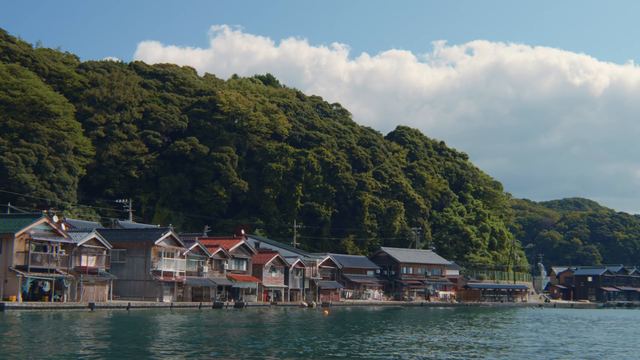
Ine, Kyoto
The boathouses of Ineura
About 230 boathouses line roughly five kilometers of the Ine Bay shore.
From: Living with the sea in the boathouses of Ine
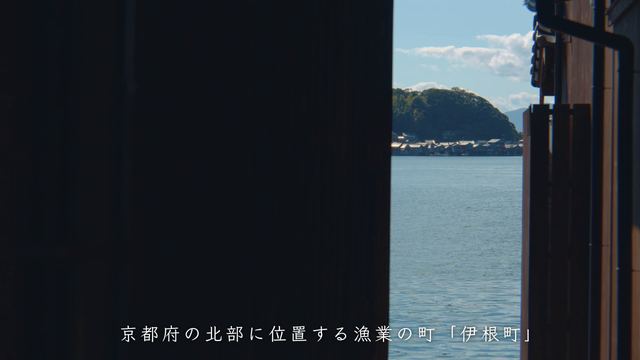
Ine, Kyoto
Aoshima Island
An uninhabited island at the mouth of Ine Bay, known as the island where the gods dwell.
From: Living with the sea in the boathouses of Ine
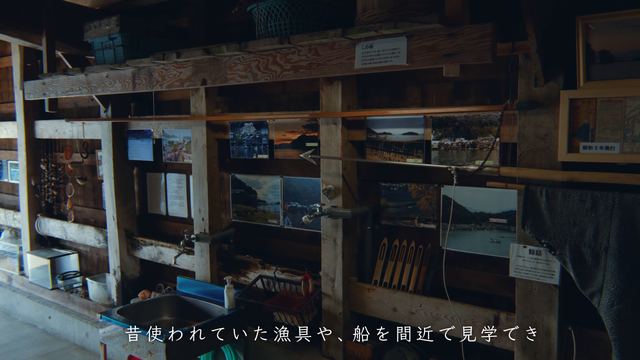
Ine, Kyoto
A boathouse open to visitors
Most boathouses in Ine are private homes, but this one lets visitors inside.
From: Living with the sea in the boathouses of Ine
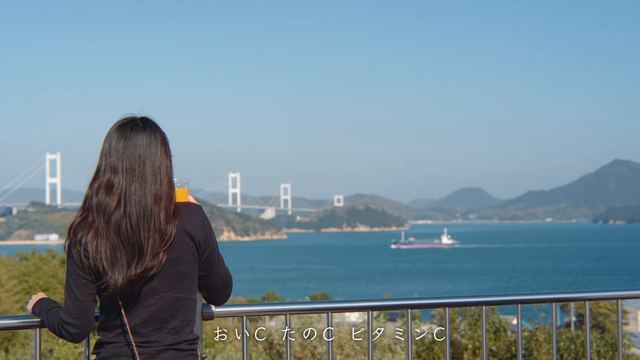
Matsuyama, Ehime
The Kurushima Kaikyo Bridge and the Shimanami Kaido
The Shimanami Kaido (Nishiseto Expressway) is a roughly 60-kilometer motorway that threads through the islands of the Geiyo archipelago, linking Onomichi in Hir…
From: Shimanami Kaido: sea-bream rice and a salty breeze
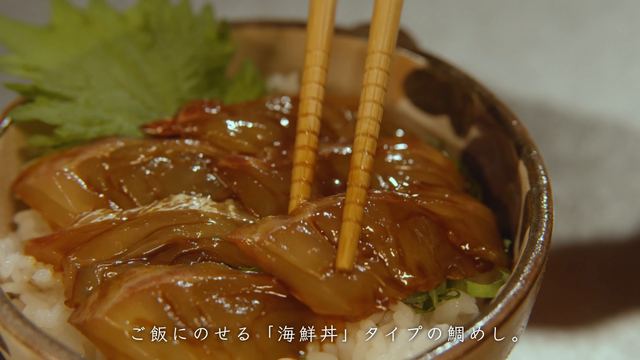
Matsuyama, Ehime
Ehime sea bream
Ehime has led Japan in farmed sea bream production for 33 consecutive years, according to the prefecture's 2024 fisheries statistics.
From: Shimanami Kaido: sea-bream rice and a salty breeze
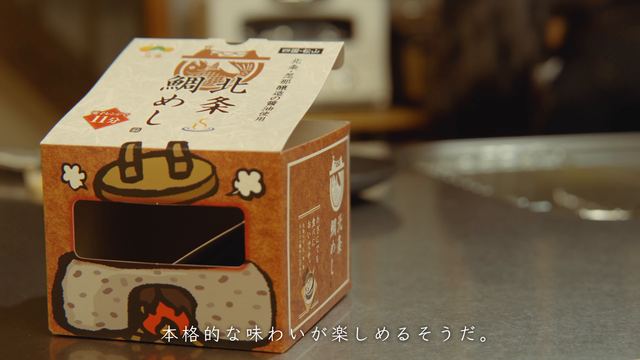
Matsuyama, Ehime
Hojo tai-meshi (ready-to-eat, with a little pot)
A boxed, ready-to-eat version of Hojo tai-meshi, the regional dish of Hojo in Matsuyama.
From: Shimanami Kaido: sea-bream rice and a salty breeze
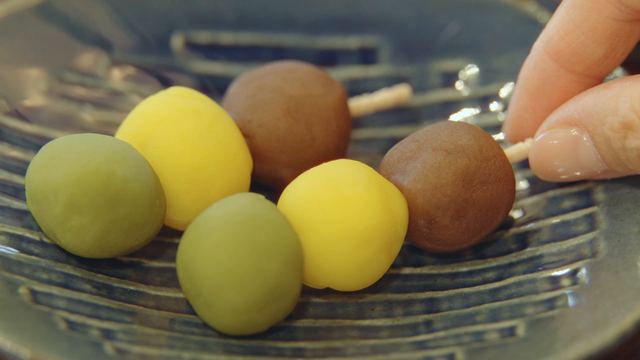
Matsuyama, Ehime
Botchan dango
A Matsuyama confection: balls of soft gyuhi mochi coated in three colors of bean paste (matcha, egg and adzuki), three to a skewer.
From: Shimanami Kaido: sea-bream rice and a salty breeze
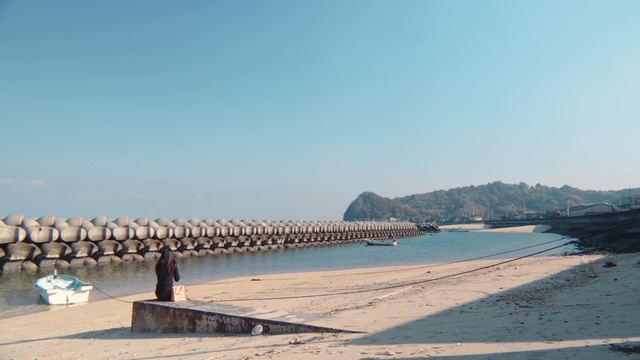
Matsuyama, Ehime
The beach and harbor at Asanamihara
A seaside village in the Asanami area of former Hojo City, at the northern tip of Matsuyama.
From: Shimanami Kaido: sea-bream rice and a salty breeze
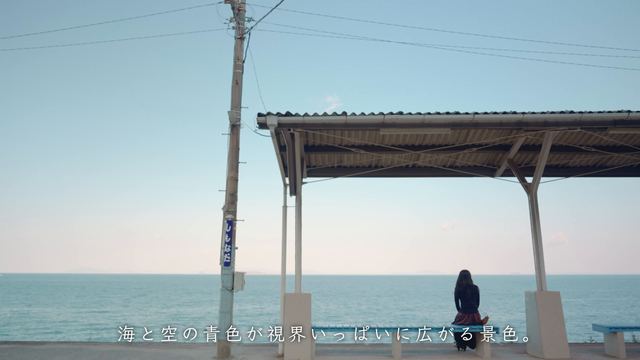
Iyo, Ehime
Shimonada Station
An unstaffed station on the JR Yosan Line, number S09.
From: A seaside station and slow time in Futami
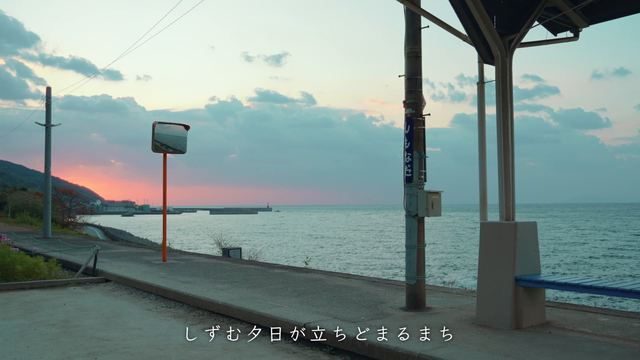
Iyo, Ehime
Futami, where the setting sun stops for a moment
Futami lies at the western edge of central Ehime, facing the Iyo-nada.
From: A seaside station and slow time in Futami
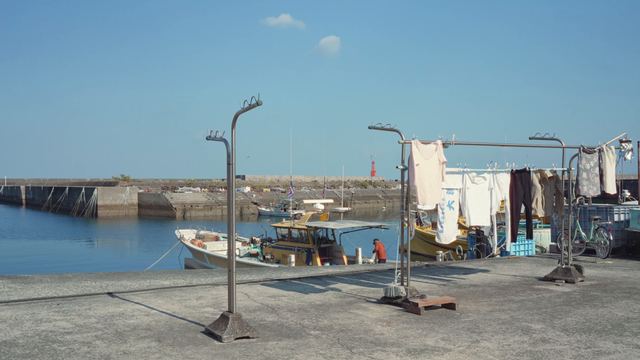
Iyo, Ehime
Hamo, the pike conger of Shimonada
Ehime is one of Japan's leading producers of hamo (pike conger), and the catch at Shimonada in Futami is among the largest.
From: A seaside station and slow time in Futami
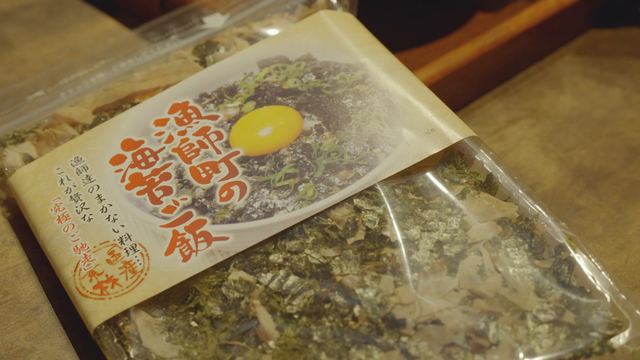
Iyo, Ehime
Nori and bonito-flake rice topping
The rice topping used at breakfast, a mix of nori and bonito flakes.
From: A seaside station and slow time in Futami
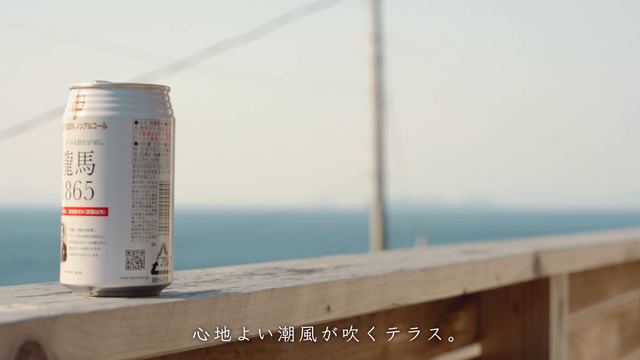
Iyo, Ehime
Ryoma 1865 non-alcoholic beer
The can on the terrace railing is Ryoma 1865, a non-alcoholic beer brewed from 100 percent malt.
From: A seaside station and slow time in Futami
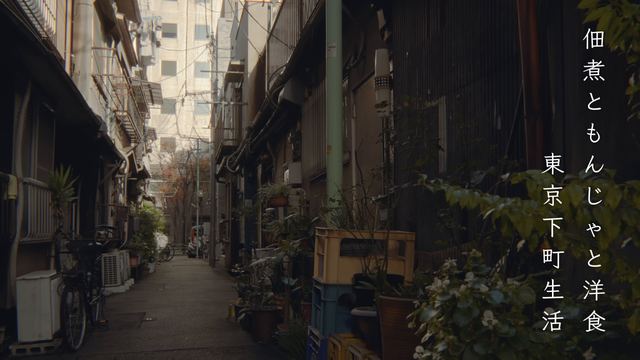
Chuo, Tokyo
Tsukishima and Tsukuda
Tsukuda was built as a fishing village by fishermen from Tsukuda in Settsu Province, brought to Edo by Tokugawa Ieyasu, and is the birthplace of tsukudani.
From: A downtown table in a Tokyo row house
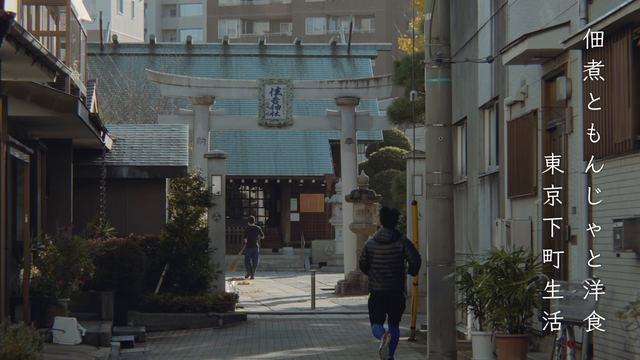
Chuo, Tokyo
Sumiyoshi Shrine, Tsukuda
Founded in 1646 with a spirit brought from Tamino Shrine in Tsukuda, Settsu Province, the home village of the fishermen who built Tsukudajima.
From: A downtown table in a Tokyo row house
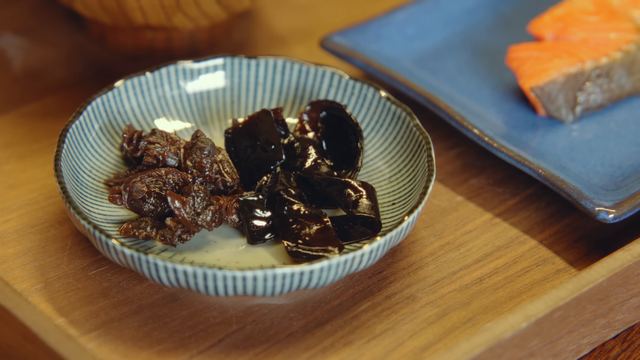
Chuo, Tokyo
Tsukudani
A preserved food of small fish, shellfish or seaweed simmered down in soy sauce and sugar.
From: A downtown table in a Tokyo row house
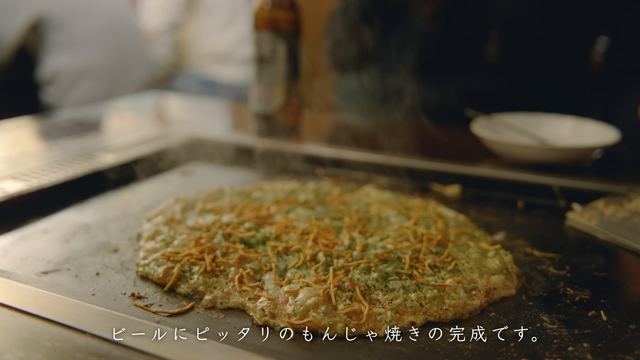
Chuo, Tokyo
Monjayaki
A shitamachi specialty: a loose batter of flour and water cooked on a griddle with cabbage and other fillings.
From: A downtown table in a Tokyo row house
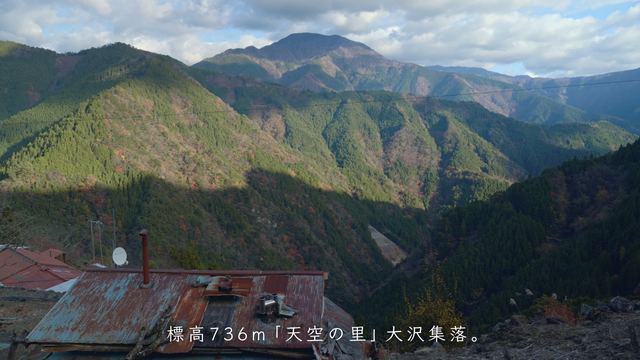
Hamamatsu, Shizuoka
Osawa, the village in the sky
A village high in the mountains of Misakubo, in Hamamatsu's Tenryu Ward.
From: Lighting the kamado in a house in the sky
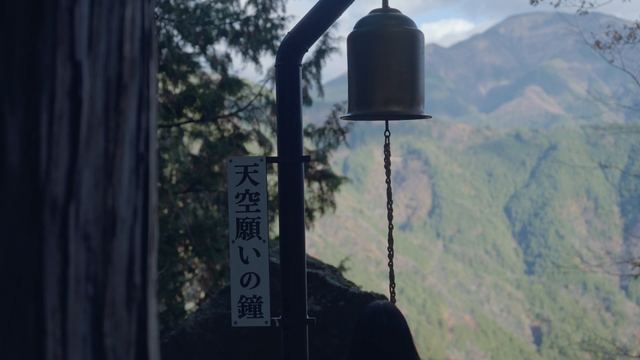
Hamamatsu, Shizuoka
Shohachiman Shrine and the Wishing Bell in the Sky
The only shrine in Osawa, with a stone torii and a small hall in a grove of cedars.
From: Lighting the kamado in a house in the sky
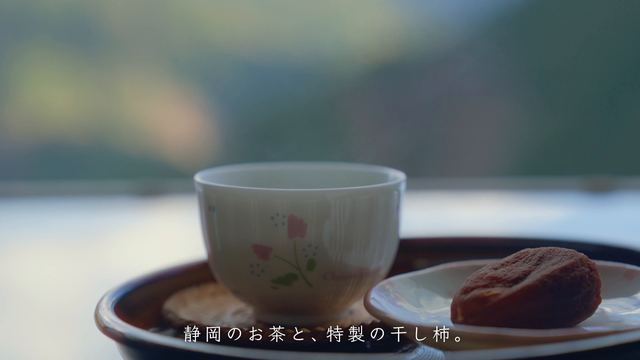
Hamamatsu, Shizuoka
Shizuoka green tea
Shizuoka has the largest tea-growing area in Japan: 11,600 hectares in 2025, or 34.7 percent of the national total, and it also leads in the value of crude tea…
From: Lighting the kamado in a house in the sky
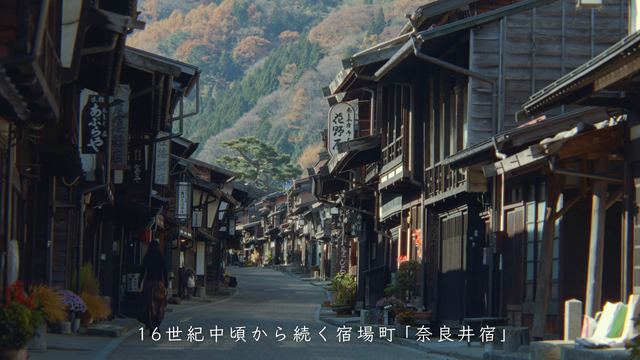
Shiojiri, Nagano
Narai-juku
The 34th of the 69 post towns on the Nakasendo, equidistant from Edo and Kyoto.
From: Autumn leaves in Narai-juku and an autumn table in Shinshu
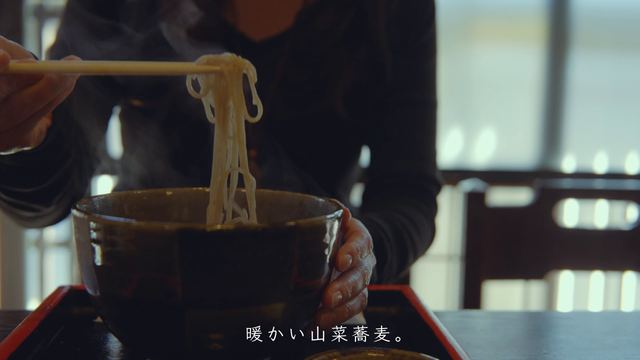
Shiojiri, Nagano
Shinshu soba
Buckwheat grows even in cool highlands where rice and wheat struggle, so it has long been cultivated in Nagano, helped by the wide day-night temperature swings…
From: Autumn leaves in Narai-juku and an autumn table in Shinshu
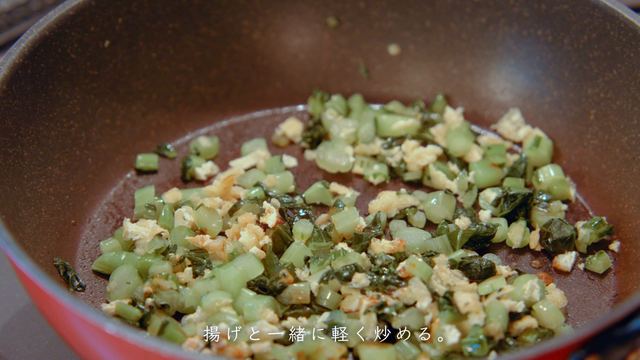
Shiojiri, Nagano
Pickled nozawana
Nozawana is said to descend from Tennoji turnips that a temple priest in Nozawa Onsen brought back from Kyoto in 1756.
From: Autumn leaves in Narai-juku and an autumn table in Shinshu
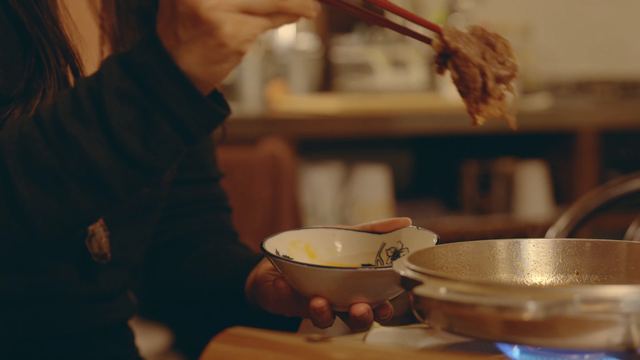
Shiojiri, Nagano
Apple-fed Shinshu beef
A brand of black wagyu from Nagano.
From: Autumn leaves in Narai-juku and an autumn table in Shinshu
Numazu, Shizuoka
Awashima Island
A small island in Suruga Bay at the boundary of Uchiura Bay and Enoura Bay.
From: Making sushi with a view of Mt. Fuji
Numazu, Shizuoka
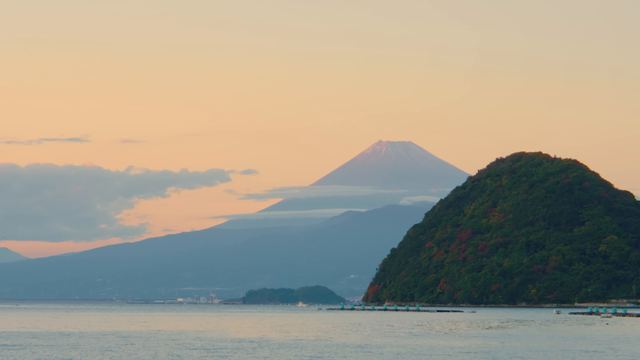
Suruga Bay
Japan's deepest bay, reaching 2,500 meters at its deepest point.
From: Making sushi with a view of Mt. Fuji
Numazu, Shizuoka
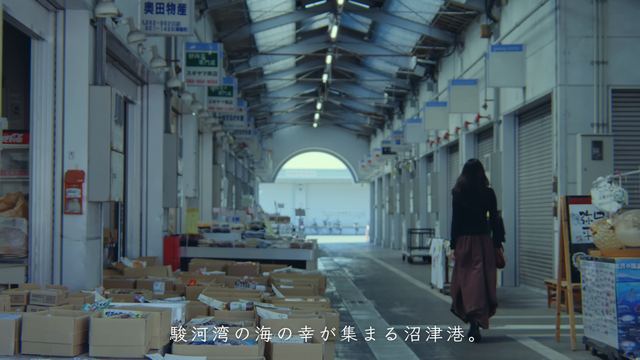
Numazu Port
The port where the bounty of Suruga Bay comes ashore.
From: Making sushi with a view of Mt. Fuji
Numazu, Shizuoka
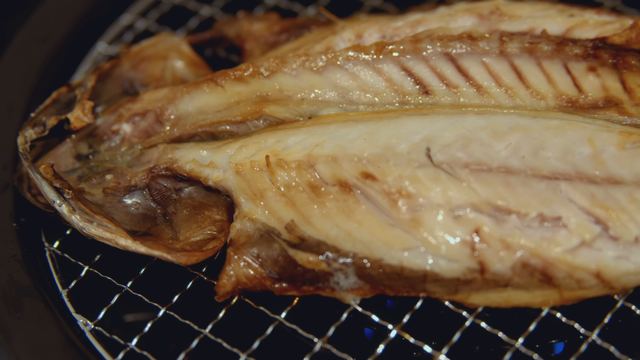
Numazu's dried horse mackerel
Shizuoka produces more salted and dried horse mackerel than any other prefecture: 9,369 tons in 2021, or 42% of the national total, mainly from Numazu, Atami an…
From: Making sushi with a view of Mt. Fuji
Numazu, Shizuoka
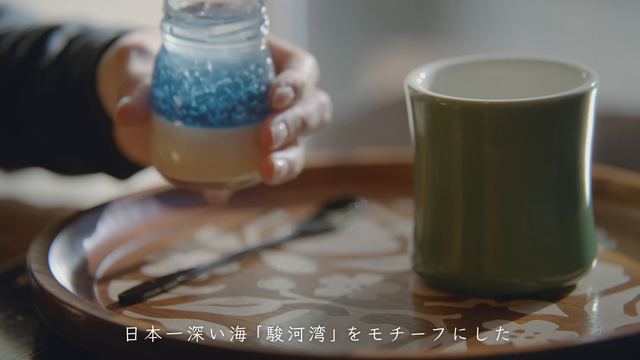
Numazu Deep Sea Pudding
A pudding made by Numazu Shinkai Purin Kobo at Numazu Port (97 Senbon-minatocho, Numazu).
From: Making sushi with a view of Mt. Fuji
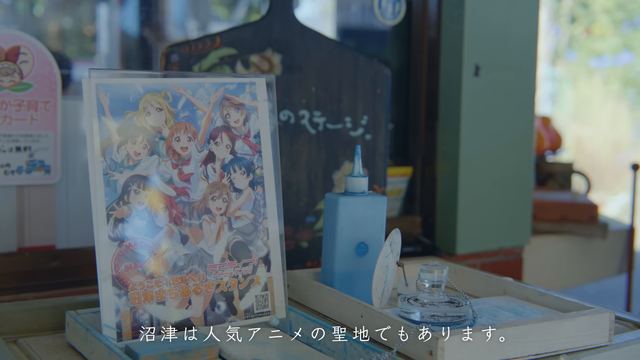
Numazu, Shizuoka
Uchiura, the setting of an anime
"Love Live!
From: Making sushi with a view of Mt. Fuji
03
Places we stopped along the way
What we ate and bought, with shop details checked against published listings.
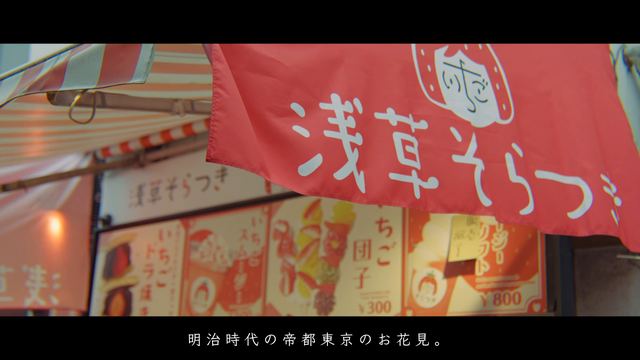
Kagawa, Ehime & Tokyo
Asakusa Soratsuki
A shop for strawberry Japanese sweets on a back street off Nakamise-dori, near Senso-ji.
From: Chasing the cherry blossoms across spring Japan
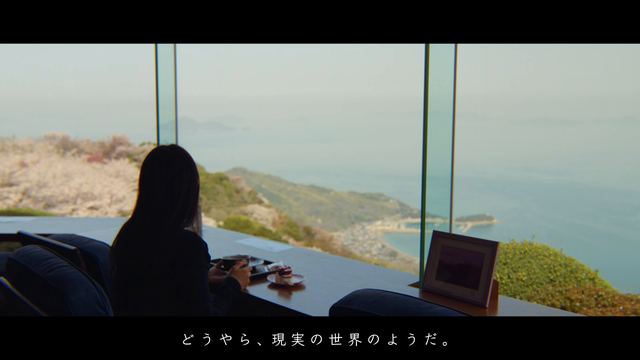
Kagawa, Ehime & Tokyo
Café corner, Shiudeyama Site Museum
A museum near the top of Shiudeyama displaying finds from a Yayoi-period site.
From: Chasing the cherry blossoms across spring Japan
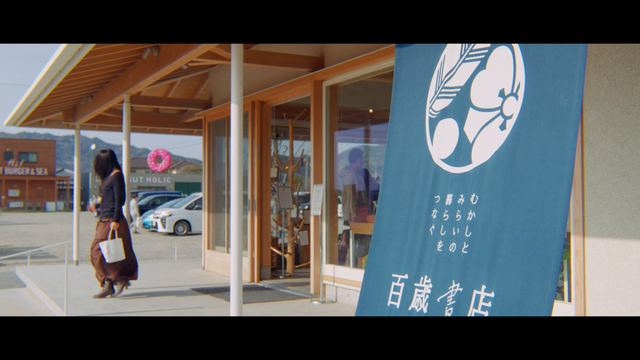
Kagawa, Ehime & Tokyo
Hyakusai Shoten
A shop on Chichibugahama.
From: Chasing the cherry blossoms across spring Japan
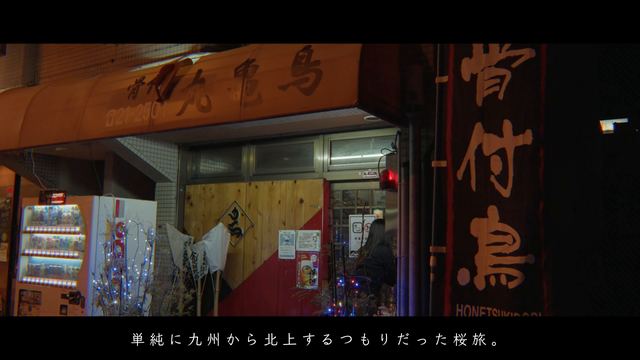
Kagawa, Ehime & Tokyo
Honetsuki Marugame Dori
A honetsukidori restaurant in Toricho, within walking distance of JR Marugame Station.
From: Chasing the cherry blossoms across spring Japan
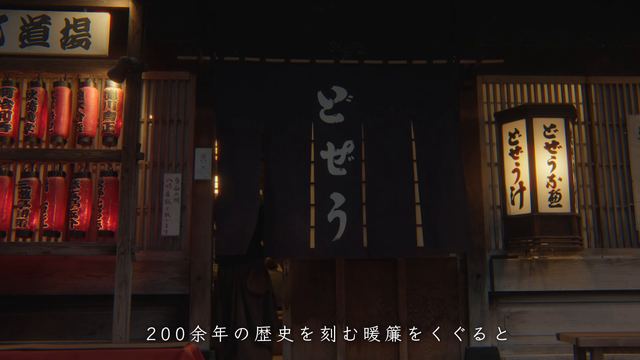
Taito, Tokyo
Komagata Dozeu (main restaurant)
A loach restaurant founded in 1801.
From: Loach hot pot and Tokyo ramen: more of Asakusa
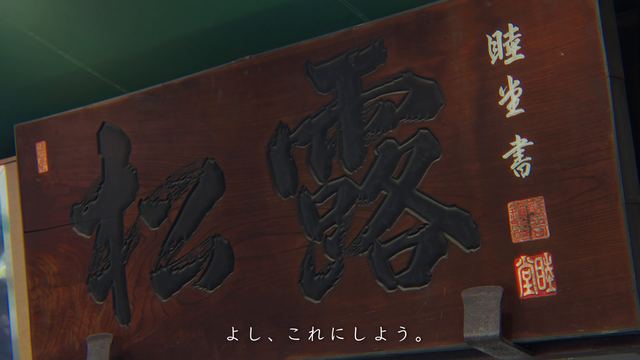
Taito, Tokyo
Tsukiji Shoro (main shop)
It began in 1924, when a shop branching off from Shoro Sushi in Nihonbashi opened in Tsukiji.
From: Loach hot pot and Tokyo ramen: more of Asakusa
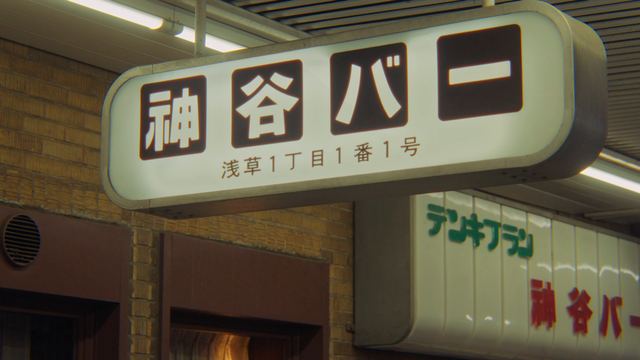
Taito, Tokyo
Kamiya Bar
Founded in 1880 and known as Japan's first bar, it began as a kakuuchi, a liquor shop where you drank at the counter.
From: Loach hot pot and Tokyo ramen: more of Asakusa
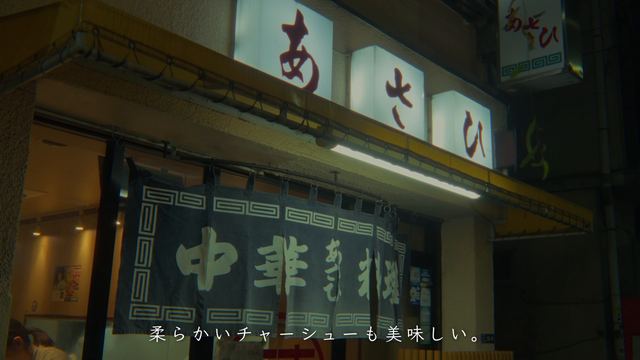
Taito, Tokyo
Asahi, a Chinese restaurant
A machi-chuka on Yanagi-dori behind Asakusa Kannon, now in its fourth generation.
From: Loach hot pot and Tokyo ramen: more of Asakusa
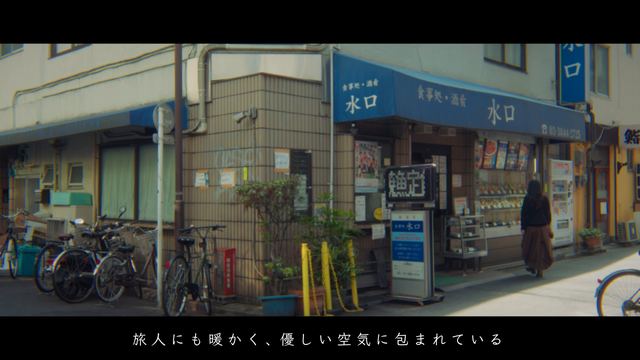
Taito, Tokyo
Mizuguchi, an eatery
An eatery founded in 1950, known for iri-buta, pork and onions stir-fried in a curry-flavored sauce.
From: Loach hot pot and Tokyo ramen: more of Asakusa
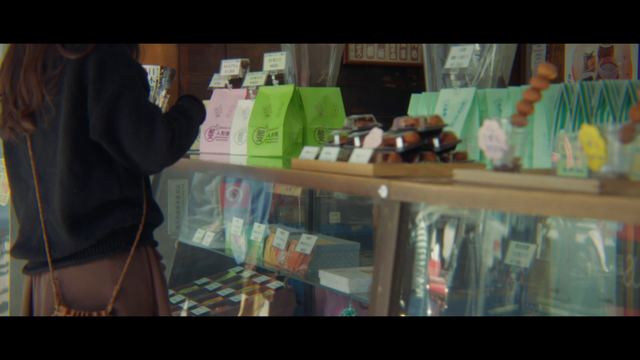
Taito, Tokyo
Kibundo Sohonten
Judging from the paper bags marked Kibun ningyo-yaki, this appears to have been Kibundo Sohonten, a long-established ningyo-yaki shop in Asakusa founded in 1890…
From: Loach hot pot and Tokyo ramen: more of Asakusa
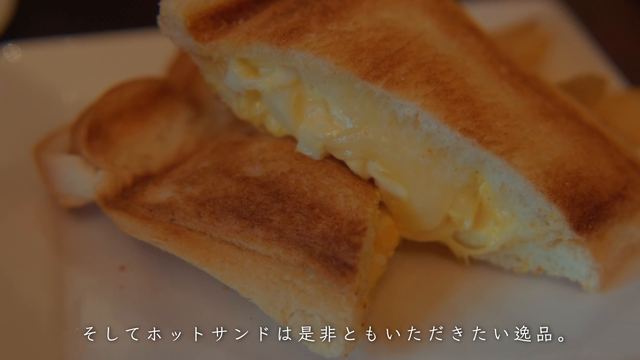
Taito, Tokyo
Royal Coffee (main shop)
A classic kissaten founded in 1962.
From: An Asakusa food diary that begins at an old coffee house
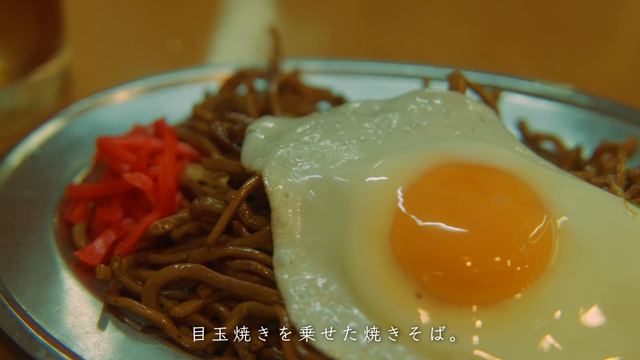
Taito, Tokyo
Asakusa Yakisoba Fuku-chan
A shop at the entrance to the Asakusa underground arcade, open since 1964.
From: An Asakusa food diary that begins at an old coffee house
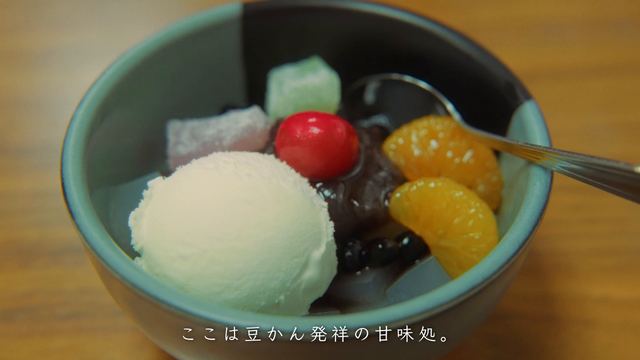
Taito, Tokyo
Umemura (Japanese sweets)
A sweets shop in Kannon-ura, in business since 1968.
From: An Asakusa food diary that begins at an old coffee house
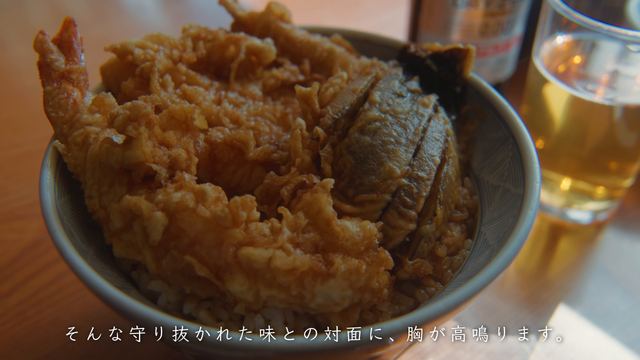
Taito, Tokyo
Kaminarimon Sansada
A tempura restaurant founded in 1837.
From: An Asakusa food diary that begins at an old coffee house
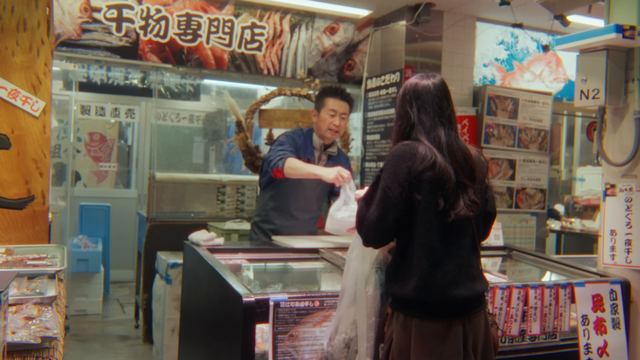
Kanazawa, Ishikawa
A nodoguro dried-fish shop (likely Omicho Ichiba-boshi)
At a shop with a sign reading "dried-fish specialist," I bought overnight-dried nodoguro from Ishikawa.
From: Winter in Kanazawa, from a townhouse kitchen
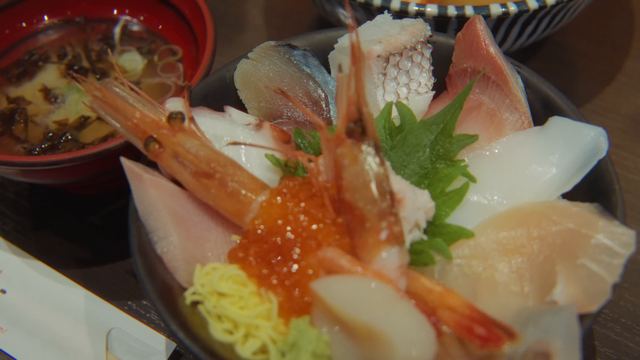
Kanazawa, Ishikawa
Ichiba Meshi Amatsubo
Run by Amatsubo, a long-established izakaya founded in 1964, it serves seafood bowls and local dishes such as Kanazawa oden.
From: Winter in Kanazawa, from a townhouse kitchen
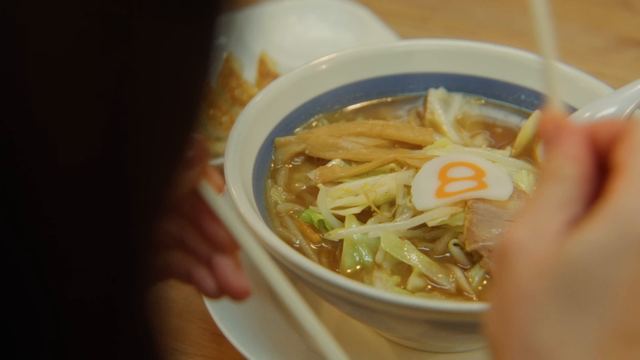
Kanazawa, Ishikawa
Hachiban Ramen
A ramen chain whose first shop opened on February 11, 1967, beside National Route 8 in Kuwabara, Kaga, Ishikawa.
From: Winter in Kanazawa, from a townhouse kitchen
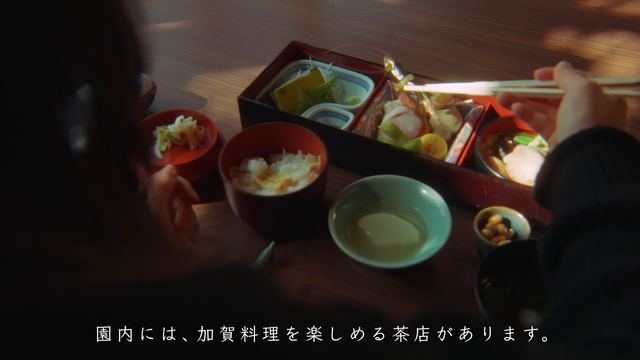
Kanazawa, Ishikawa
Miyoshian
A teahouse beside Hisago Pond in Kenrokuen, serving Kaga cuisine and matcha.
From: Winter in Kanazawa, from a townhouse kitchen
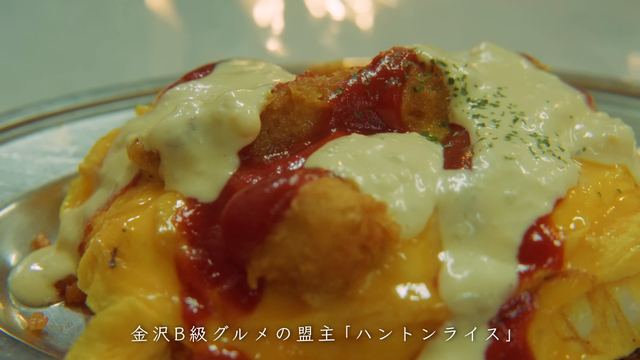
Kanazawa, Ishikawa
Grill Otsuka
A Western-style diner founded in 1957, often introduced as the birthplace of hanton rice.
From: Winter in Kanazawa, from a townhouse kitchen
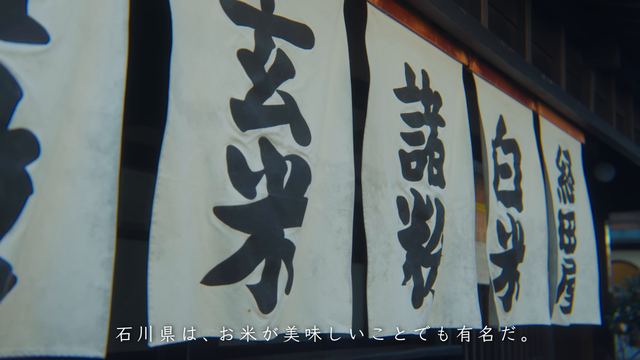
Kanazawa, Ishikawa
An Edo-period rice shop (likely Kyodenya)
Likely the rice shop on the south side of the Higashi Chaya District.
From: Winter in Kanazawa, from a townhouse kitchen
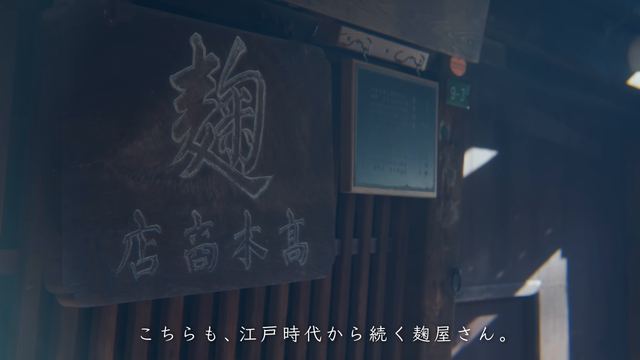
Kanazawa, Ishikawa
Takagi Koji Shoten
A long-established koji and miso maker in the Higashi Chaya District, described in a feature article as having a 180-year history.
From: Winter in Kanazawa, from a townhouse kitchen
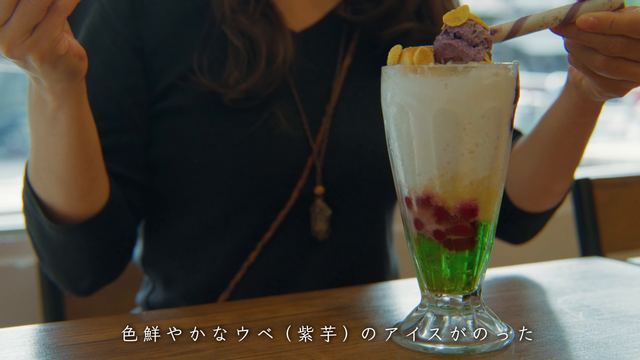
Lapu-Lapu City, Cebu
Sholem Batangas' Best Halo-Halo
A halo-halo shop.
From: Everyday life on Mactan Island
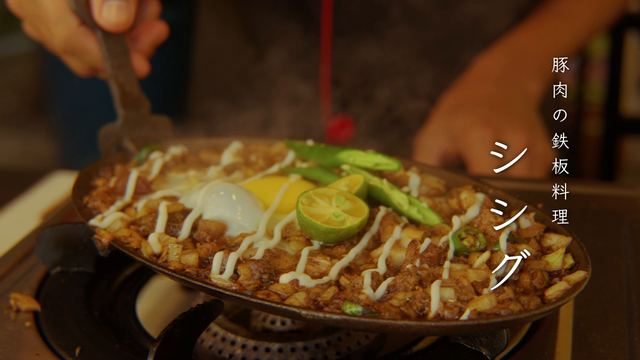
Lapu-Lapu City, Cebu
Pekto's Sizzling Plato (Mercato de Mactan)
A sizzling-plate stall at Mercato de Mactan, a night market in Lapu-Lapu City.
From: Everyday life on Mactan Island
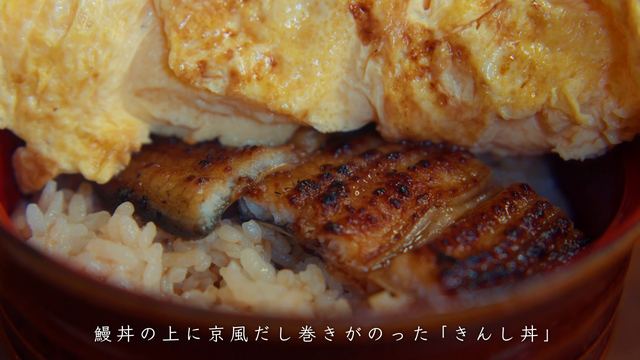
Kyoto City, Kyoto
Kyogoku Kaneyo
An eel restaurant said to date from the Meiji era (one listing says it was founded in the Taisho era), in a wooden building that keeps the look of its early day…
From: Making New Year's Eve soba in a Kyoto townhouse
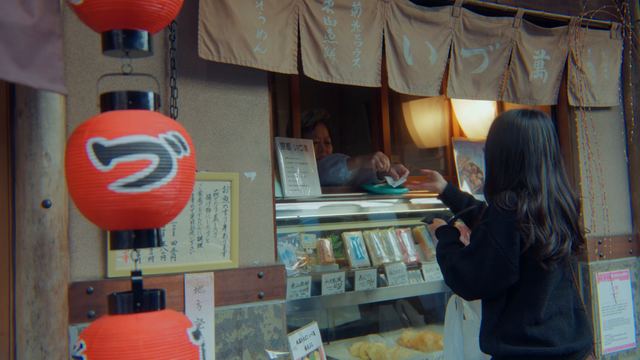
Kyoto City, Kyoto
Izuman
A kamaboko maker founded in 1844 and said to be the oldest in Kyoto.
From: Making New Year's Eve soba in a Kyoto townhouse
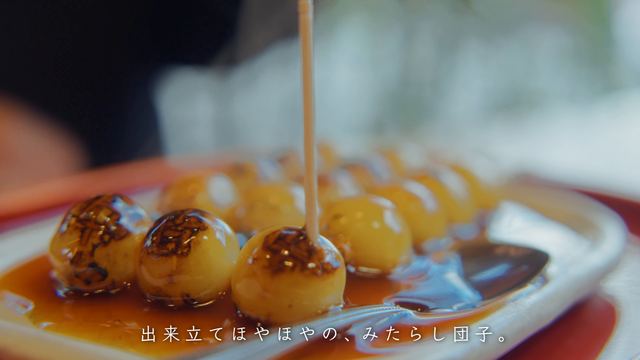
Kyoto City, Kyoto
Kamo Mitarashi Chaya
A teahouse founded in 1922, across Shimogamo-hondori from Shimogamo Shrine.
From: Making New Year's Eve soba in a Kyoto townhouse
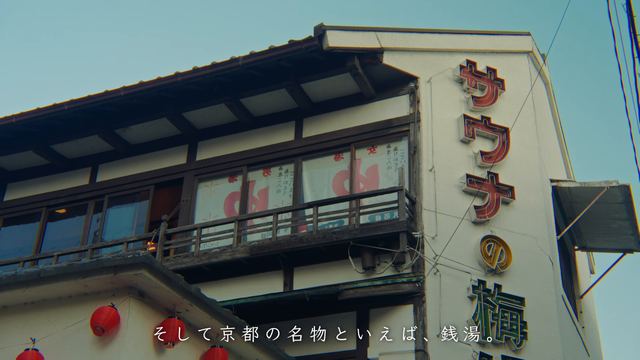
Kyoto City, Kyoto
Sauna no Umeyu
A bathhouse founded in the Meiji era, on the banks of the Takase River.
From: Making New Year's Eve soba in a Kyoto townhouse
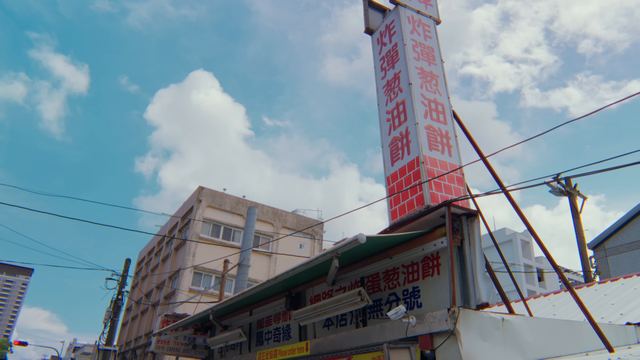
Hualien, Taiwan
Bomb Scallion Pancake, the yellow truck on Fuxing Street
A scallion-pancake stand built around a yellow light truck.
From: Hualien: the sea and delicious everyday life
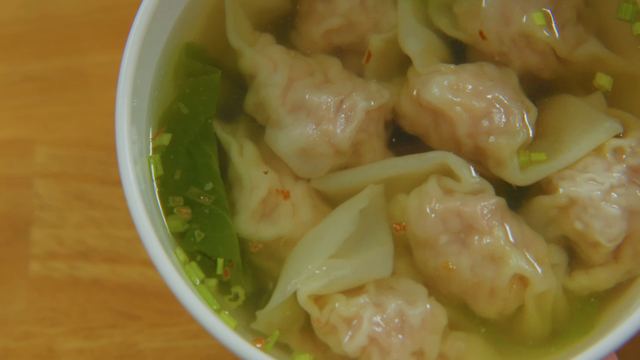
Hualien, Taiwan
Hualien Xiang Wontons (花蓮香扁食)
A shop of the wonton chain that began in Hualien in 1997.
From: Hualien: the sea and delicious everyday life
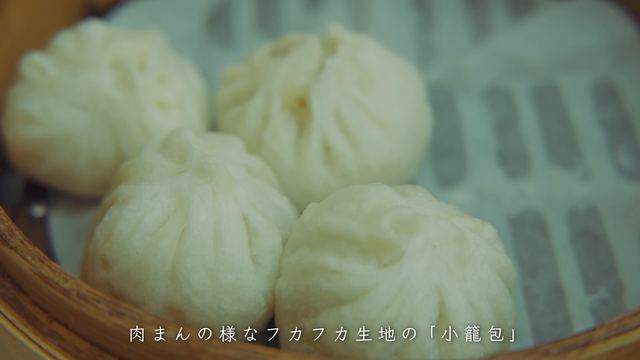
Hualien, Taiwan
Zhou Jia Steamed Dumplings and Xiaolongbao (周家蒸餃小籠包)
A xiaolongbao and steamed-dumpling shop on Gongzheng Street, with bamboo steamers stacked high out front.
From: Hualien: the sea and delicious everyday life
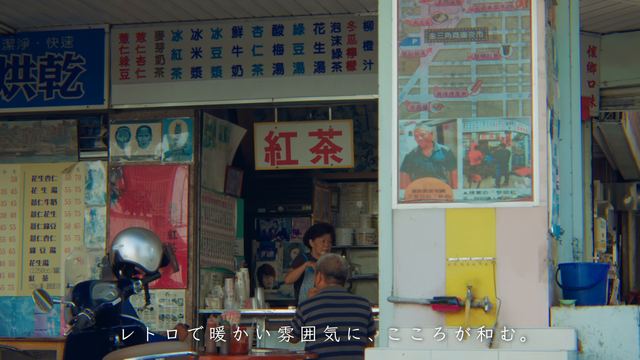
Hualien, Taiwan
Liming Black Tea (黎明紅茶)
A long-established shop, said to have been in business for more than 30 years and counted among the four great black-tea shops of Hualien.
From: Hualien: the sea and delicious everyday life
Hualien, Taiwan
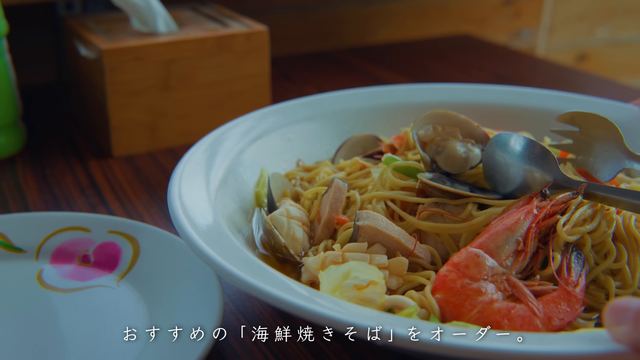
Wanghai Banai Restaurant (望海巴耐)
A restaurant on a cliff at Yanliao, on Provincial Highway 11, about 20 minutes by car from central Hualien.
From: Hualien: the sea and delicious everyday life
Hualien, Taiwan
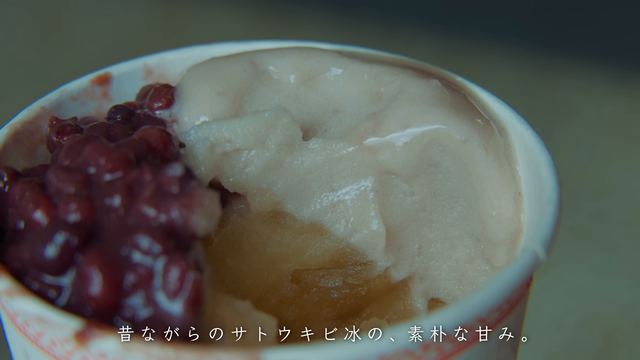
Fengchun Ice Shop (豐春冰菓店)
An ice shop founded in 1949, diagonally across from Shoufeng Station.
From: Hualien: the sea and delicious everyday life
Hualien, Taiwan
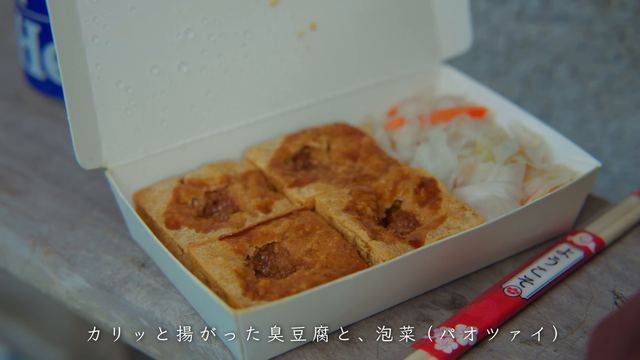
Anran Xiaohun Stinky Tofu (黯然銷魂臭豆腐)
A stinky tofu shop with a yellow sign by the road in Shoufeng.
From: Hualien: the sea and delicious everyday life
Numazu, Shizuoka
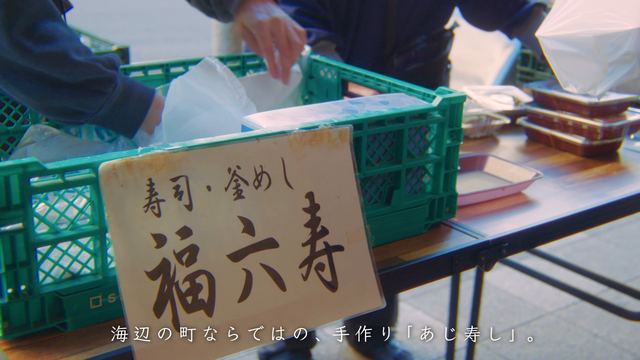
Fukurokuju (stall at the morning market)
An old-style Edomae sushi restaurant in Wakabacho, Numazu.
From: Gifts of the sea in a town that looks out on Mt. Fuji
Numazu, Shizuoka
Uogashi Maruten (Numazu Port)
A seafood restaurant founded in 1966 and one of the best known at Numazu Port.
From: Gifts of the sea in a town that looks out on Mt. Fuji
Numazu, Shizuoka
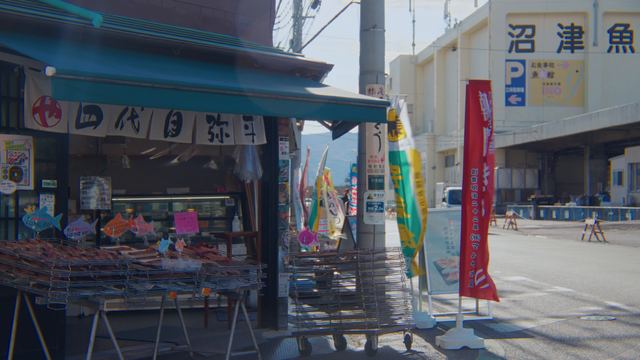
Yondaime Yahei (dried-fish shop at Numazu Port)
A dried-fish shop on the street facing the Numazu Fish Market.
From: Gifts of the sea in a town that looks out on Mt. Fuji
Numazu, Shizuoka
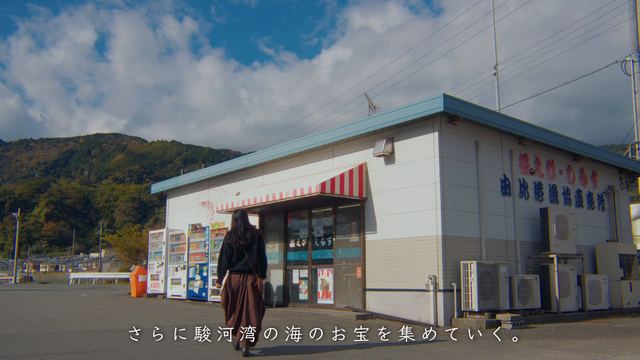
Yui Port Fishery Cooperative Shop
The Yui Port fishery cooperative's own shop, at the fishing port in Yui.
From: Gifts of the sea in a town that looks out on Mt. Fuji
Aridagawa, Wakayama
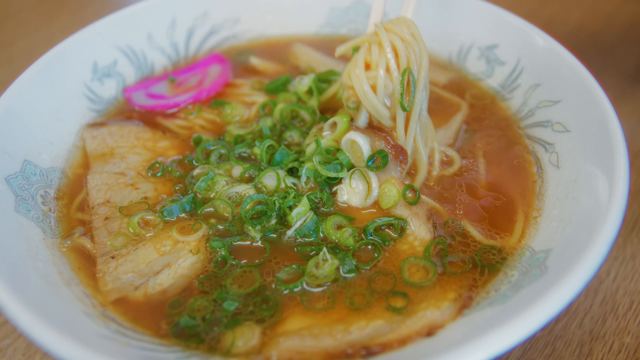
Chuka Soba Marutoku
A long-standing shop serving old-style soy-based chuka soba.
From: Sushi, Cosmos and Ramen
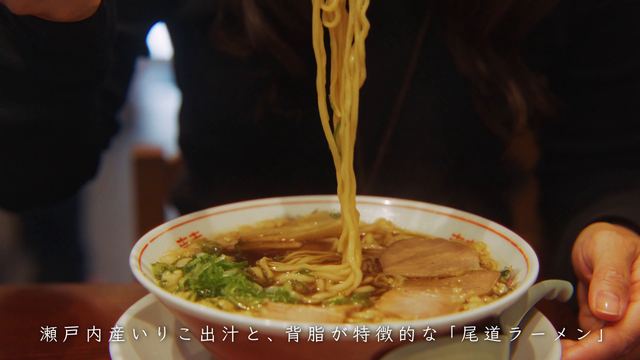
Onomichi, Hiroshima
Onomichi Ramen Maruboshi
An Onomichi ramen shop in Tsuchido, a walk east along the waterfront from Onomichi Station.
From: Onomichi ramen and homemade okonomiyaki
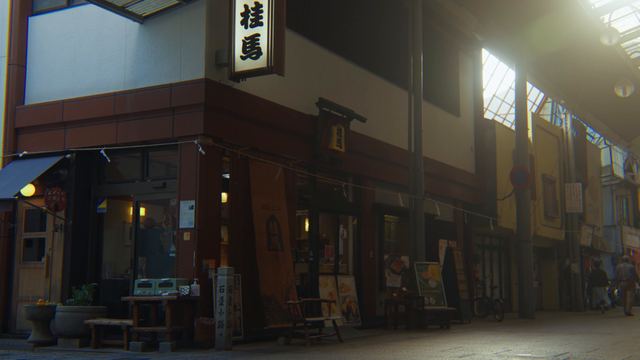
Onomichi, Hiroshima
Keima Kamaboko Shoten
A fish-cake shop in the Onomichi Hondori arcade, founded in 1913.
From: Onomichi ramen and homemade okonomiyaki
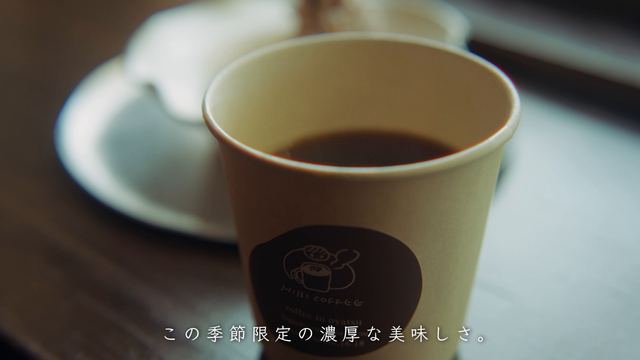
Onomichi, Hiroshima
HIBI COFFEE
A small coffee stand that stood beside the railway tracks partway up the hill.
From: Through the Cat Alley to our house in Onomichi
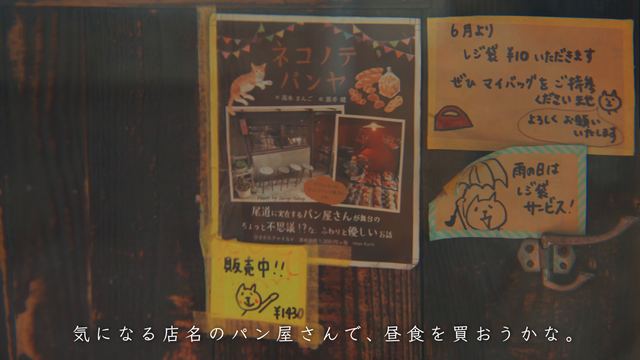
Onomichi, Hiroshima
Nekonote Pan Kojo
A tiny bakery in a renovated old house, tucked into a maze of alleys where cars cannot enter.
From: Through the Cat Alley to our house in Onomichi
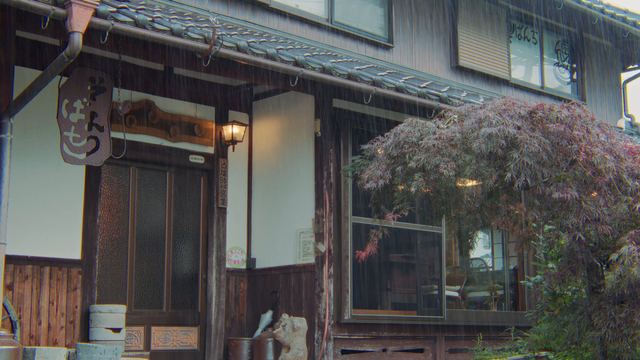
Tamba, Hyogo
Sobanchi
A soba restaurant in an old house, with veranda seats looking out on a garden maple, rice fields and hydrangeas.
From: Hydrangea season in an old house in Tamba
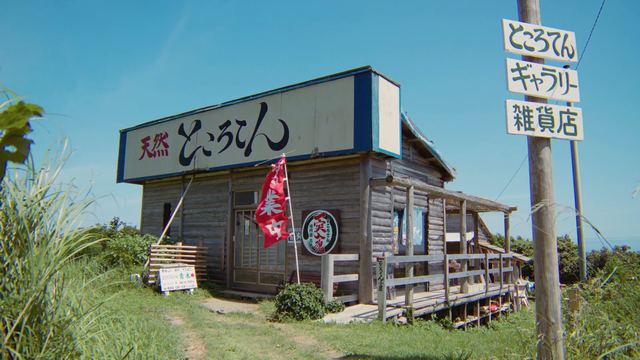
Kamogawa, Chiba
Tokoroten-goya Aoki
A shop devoted to natural tokoroten.
From: Zero minutes to the sea: summer vacation in Kamogawa
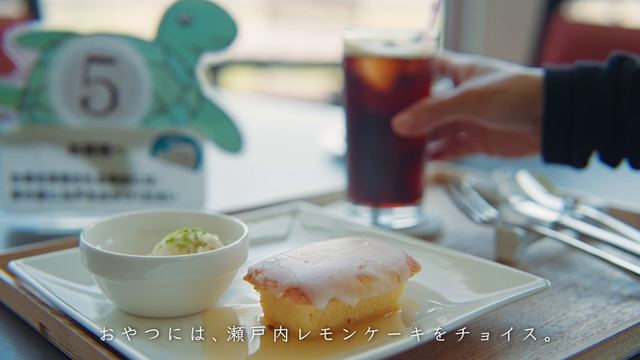
Kushimoto, Wakayama
Marine Park Restaurant Acropora
The restaurant next to the aquarium at Kushimoto Marine Park, with the Pacific outside the windows.
From: A house in the forest and a southern sea: a day in Kushimoto
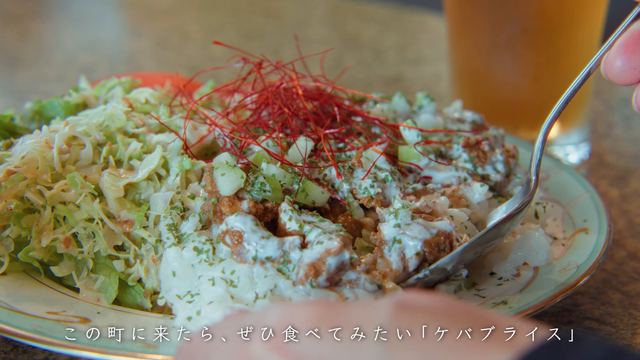
Kushimoto, Wakayama
Cafe Lapin
The name never appears on screen, but the location and the menu suggest it was this cafe.
From: A house in the forest and a southern sea: a day in Kushimoto
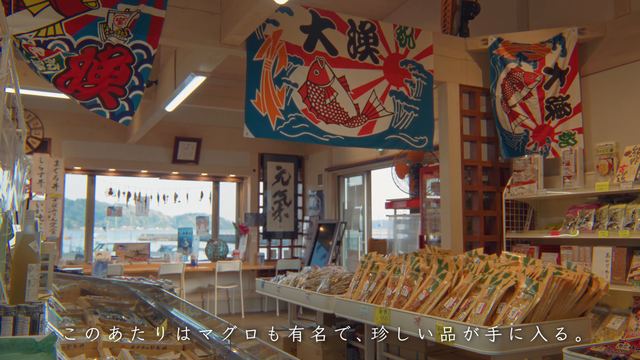
Kushimoto, Wakayama
Kushimoto Hashiguiiwa Roadside Station
A roadside station looking straight out at the Hashigui rocks, a national scenic spot and natural monument.
From: A house in the forest and a southern sea: a day in Kushimoto
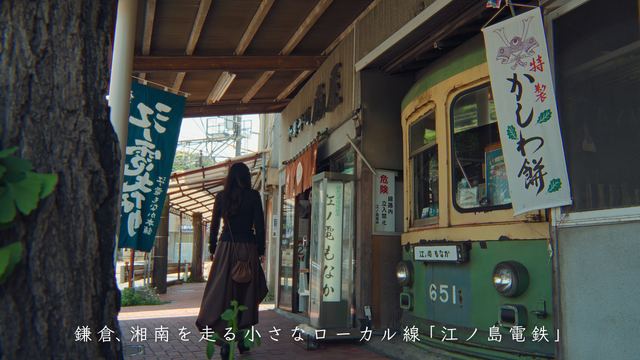
Kamakura, Kanagawa
Ougiya
A sweets shop dating back to the Edo period, a short walk along the tracks from Enoshima Station, in front of Ryukoji temple.
From: A hundred-year-old house in the town of the Enoden
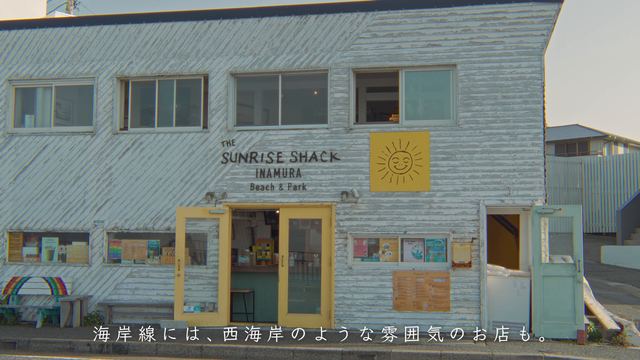
Kamakura, Kanagawa
The Sunrise Shack, Inamuragasaki
The Japanese flagship of a coffee stand that began in a handmade shack on the North Shore of Hawaii.
From: A hundred-year-old house in the town of the Enoden
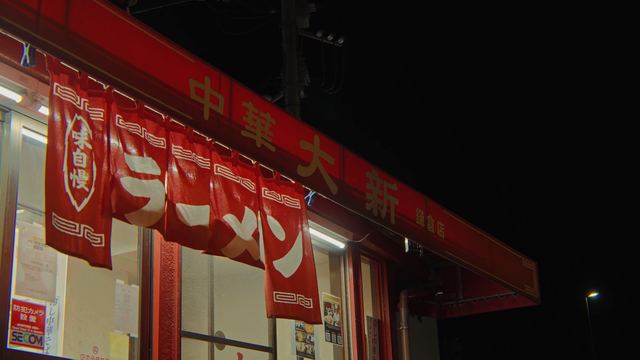
Kamakura, Kanagawa
Chuka Taishin, Kamakura
A neighborhood Chinese restaurant about three minutes' walk from Kamakura Station, on the corner of the Kamakura Central Food Market, the same building as the f…
From: A hundred-year-old house in the town of the Enoden
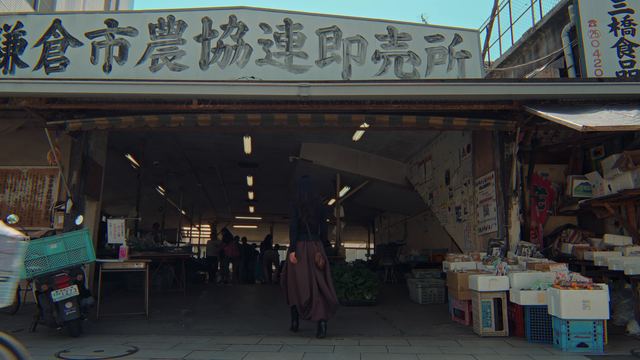
Kamakura, Kanagawa
Kamakura Agricultural Cooperative Market (Rembai)
A farmers' market run by growers from Kamakura and nearby, started in 1928 and said to be Japan's first marché.
From: A Kamakura-vegetable breakfast and a walk on Enoshima
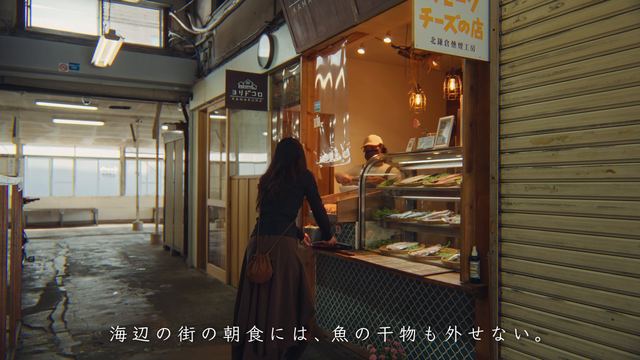
Kamakura, Kanagawa
Yoridocoro (dried-fish shop in the market)
A dried-fish shop in the Kamakura Central Food Market building next to the farmers' market.
From: A Kamakura-vegetable breakfast and a walk on Enoshima
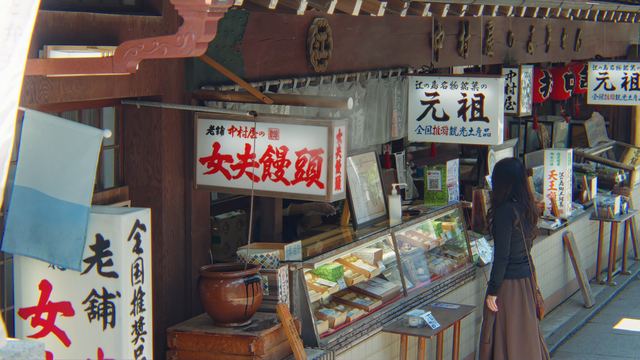
Kamakura, Kanagawa
Nakamuraya Yokan-ten
A Japanese sweets shop on the approach to Enoshima Shrine.
From: A Kamakura-vegetable breakfast and a walk on Enoshima
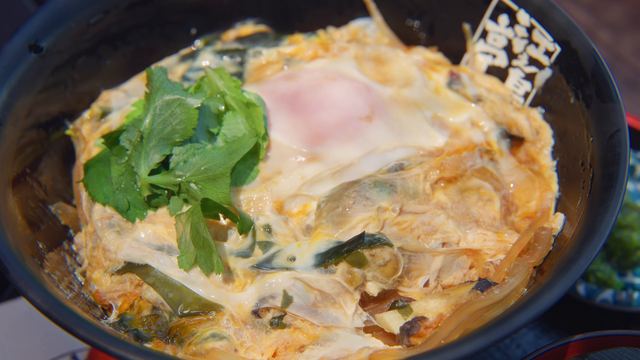
Kamakura, Kanagawa
Enoshimatei
A restaurant founded in 1909 on the cliffs at the far end of Enoshima.
From: A Kamakura-vegetable breakfast and a walk on Enoshima
Tadotsu, Kagawa
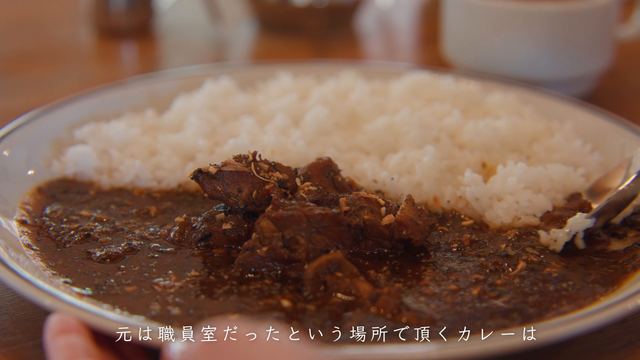
Kissa Nekonoshima
A café attached to a guesthouse in the former Sanagi Elementary School, a wooden schoolhouse built in 1954.
From: Drawn by the sea breeze and the cats to Sanagi Island
Tadotsu, Kagawa
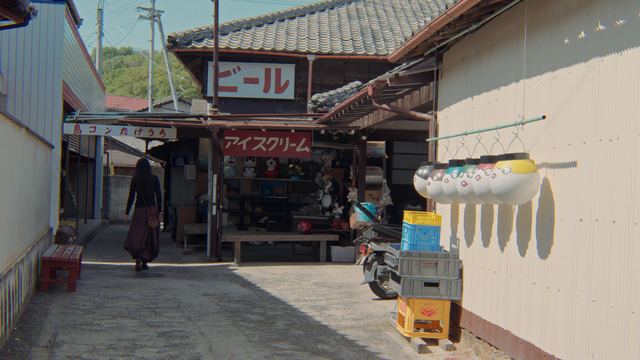
Takeuchi Shoten
The island's only shop, about three minutes' walk from Awashima port, selling food, daily goods, drinks, ice cream and souvenirs.
From: Drawn by the sea breeze and the cats to Sanagi Island
Mitoyo, Kagawa
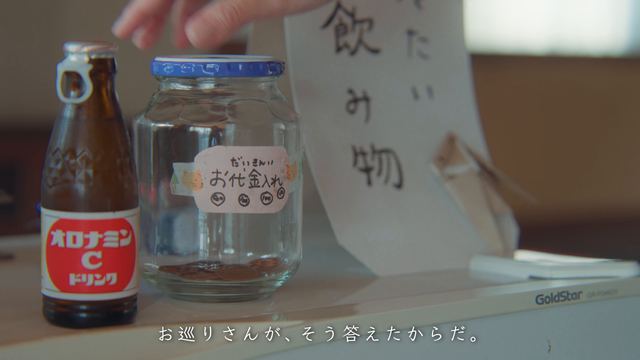
Iseya Shoten
A rest stop just steps from the port of Shishijima, in an old house said to date from the Edo period.
From: A great camphor tree and a garden in the sky: island life in the Seto Inland Sea
Hsinchu, Taiwan
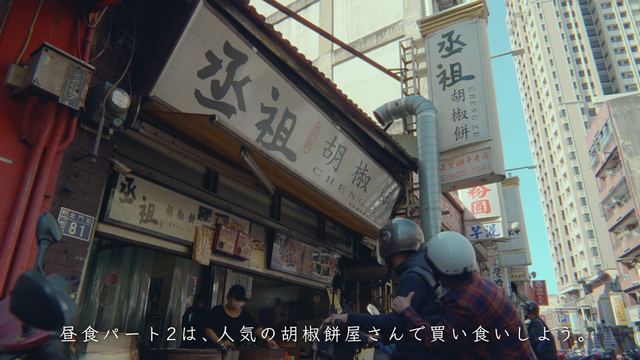
Cheng Zu Pepper Bun
A pepper bun shop founded in 1941 that began in Wanhua, Taipei; the Beimen Street shop is the Hsinchu main store.
From: An apartment in Hsinchu and the steam of the night market
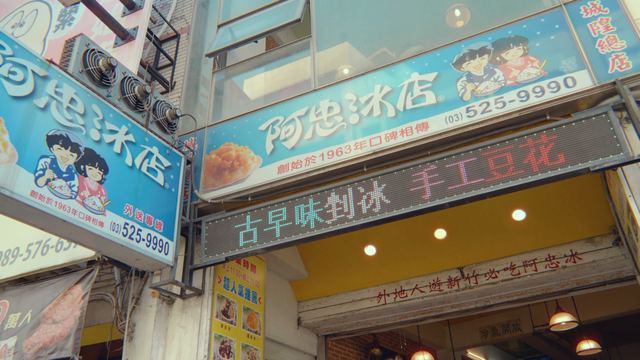
Hsinchu, Taiwan
A-Zhong Ice Shop (阿忠冰店)
A shaved-ice shop beside the Hsinchu City God Temple.
From: An apartment in Hsinchu and the steam of the night market
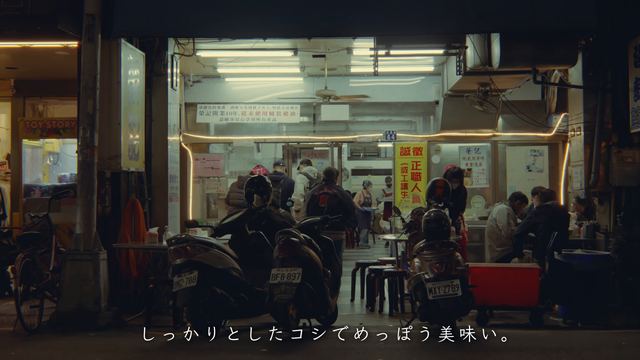
Hsinchu, Taiwan
Rongji Hakka Tangyuan (榮記客家湯圓)
An eatery on Wuchang Street, full of locals.
From: An apartment in Hsinchu and the steam of the night market
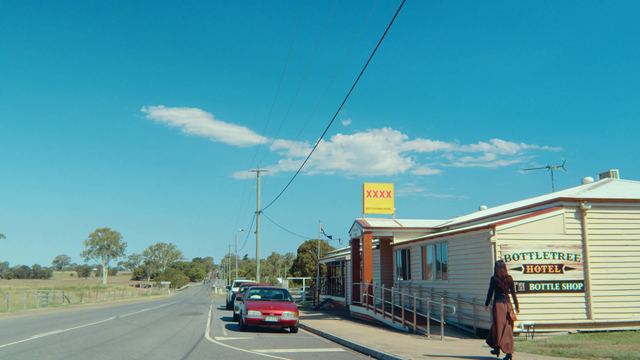
Somerset Region, Queensland
Bottletree Hotel
The pub of Glamorgan Vale, the locality next to Fernvale.
From: Borrowing a small house in the Australian countryside
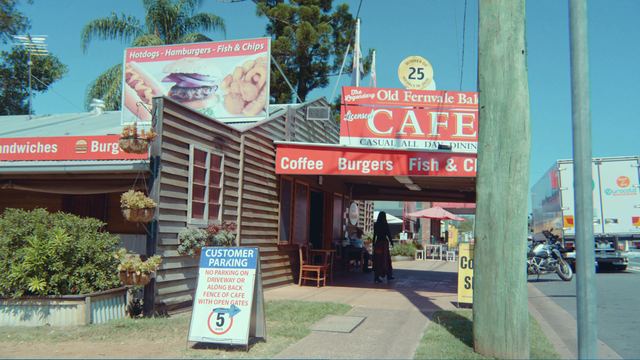
Somerset Region, Queensland
Old Fernvale Bakery & Cafe
A bakery and licensed cafe with big red signs on Fernvale's main street.
From: Borrowing a small house in the Australian countryside
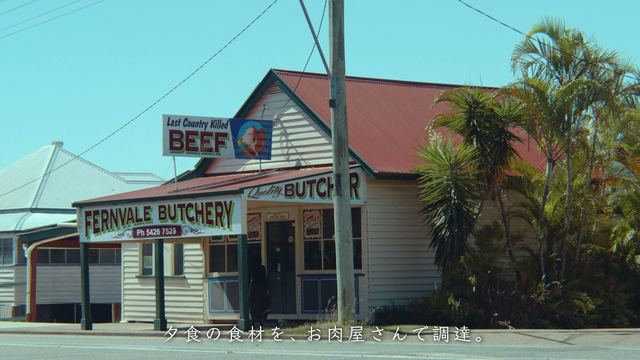
Somerset Region, Queensland
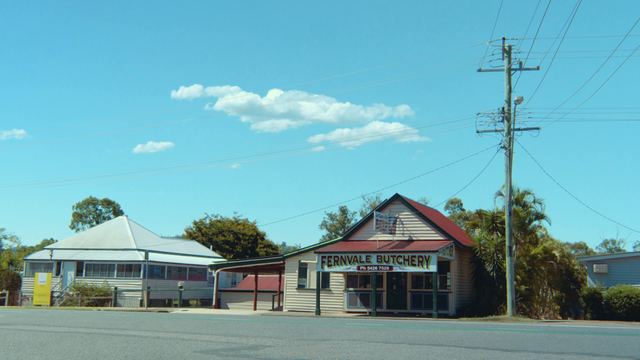
Fernvale Butchery
A red-roofed weatherboard butcher on Fernvale's main road, with a "Last Country Killed BEEF" sign out front.
From: Borrowing a small house in the Australian countryside
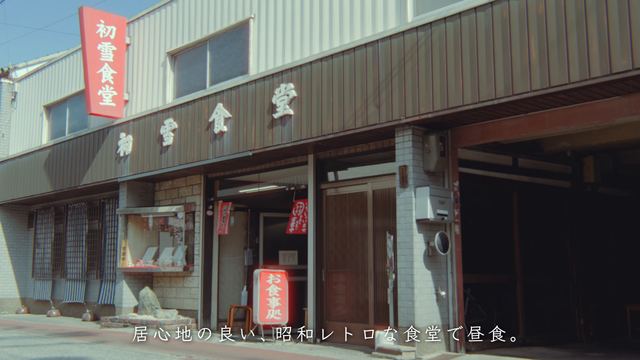
Omihachiman, Shiga
Hatsuyuki Shokudo
A Showa-era diner.
From: A day in Omihachiman, where boats glide through town
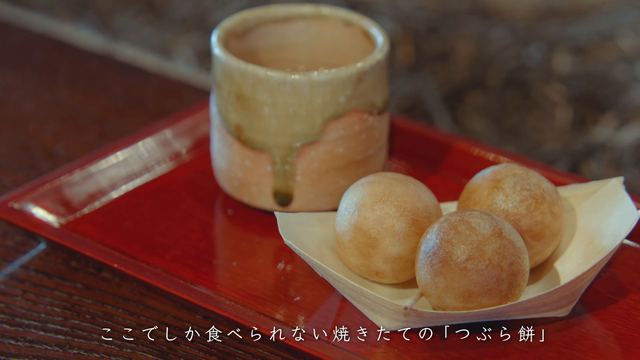
Omihachiman, Shiga
Taneya Himure-no-ya
Taneya's confectionery beside Himure Hachimangu Shrine, in a Japanese-style house with a kamado stove and a sunken hearth.
From: A day in Omihachiman, where boats glide through town
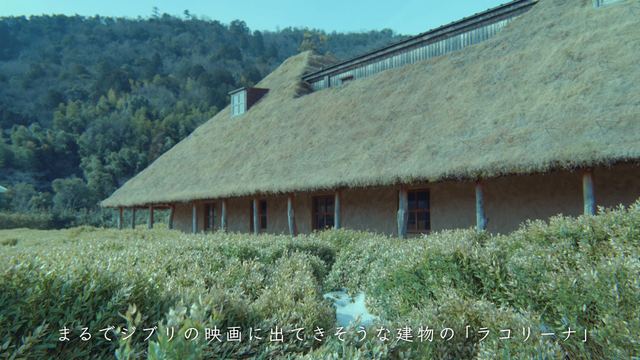
Omihachiman, Shiga
La Collina Omihachiman
The Taneya group's confectionery complex, with grass-roofed buildings.
From: A day in Omihachiman, where boats glide through town
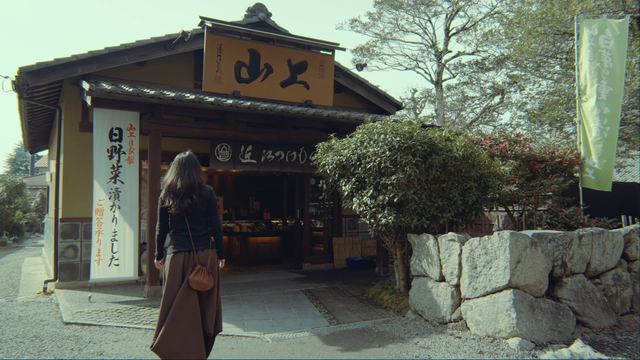
Omihachiman, Shiga
Omi Tsukemono Yamajo, Himure shop
The pickle maker's own shop on the approach to Himure Hachimangu Shrine.
From: A day in Omihachiman, where boats glide through town
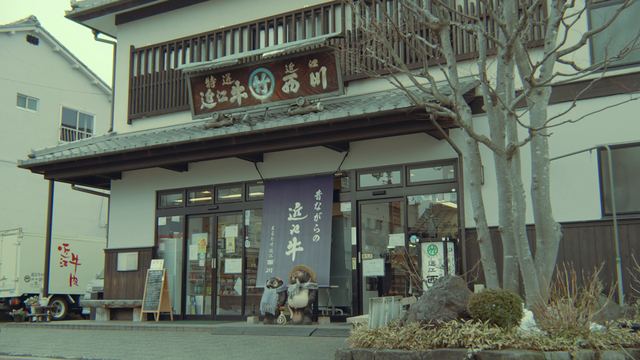
Omihachiman, Shiga
Marutake Omi Nishikawa
An Omi beef shop founded in 1947, with a butcher's counter and a restaurant, selling beef raised on its own farm.
From: A day in Omihachiman, where boats glide through town
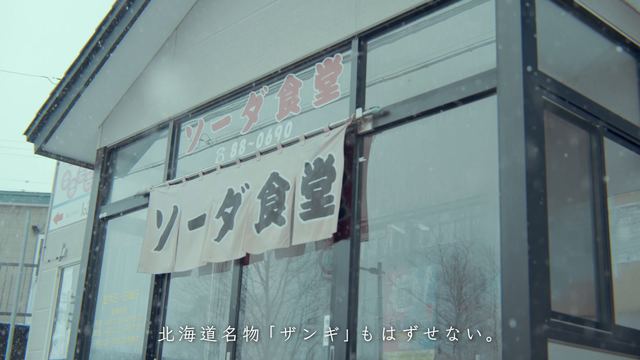
Noboribetsu, Hokkaido
Soda Shokudo
A neighborhood diner in the town of Noboribetsu.
From: Below freezing outside, a fireplace within
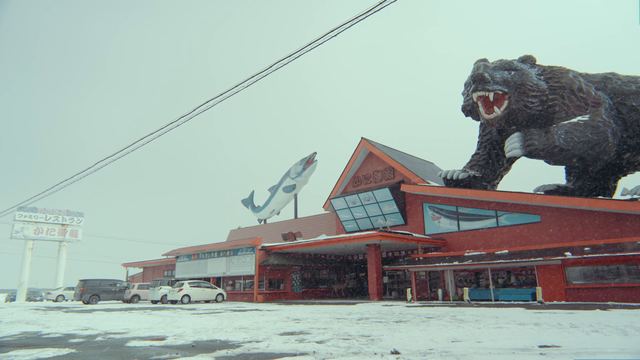
Noboribetsu, Hokkaido
Kani Goten
A red building on Route 36 with a bear and a salmon on its roof, housing a seafood restaurant and a seafood shop.
From: Below freezing outside, a fireplace within
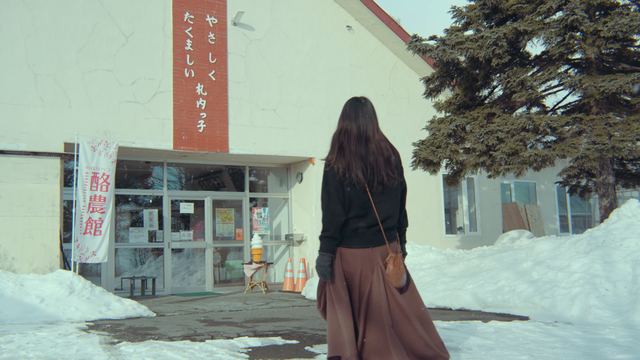
Noboribetsu, Hokkaido
Noboribetsu Rakunokan (dairy)
A dairy that made milk products from Noboribetsu milk, with its factory and shop in a closed school building; a banner from the school's days still hung over th…
From: Below freezing outside, a fireplace within
Motobu, Okinawa
Kinokawa Shokudo
A diner in a quiet residential area a short way in from the coast road.
From: Island cooking in a traditional Okinawan house
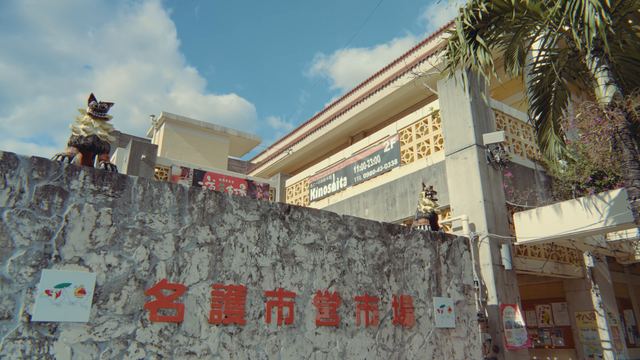
Motobu, Okinawa
Nago Municipal Market
A market in the center of Nago, dating back to the Taisho era; the current building was completed in 2010.
From: Island cooking in a traditional Okinawan house
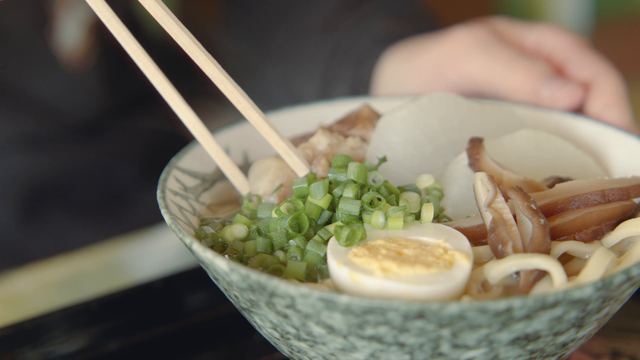
Motobu, Okinawa
Okinawa Soba Mori no Ie
An Okinawa soba restaurant hidden among the trees beside the mountain road up Mt.
From: Early cherry blossoms and an Okinawan winter
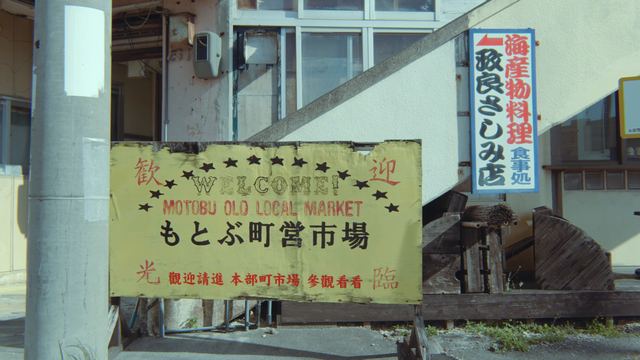
Motobu, Okinawa
Motobu Town Market
An old-style public market in Toguchi, the center of Motobu.
From: Early cherry blossoms and an Okinawan winter
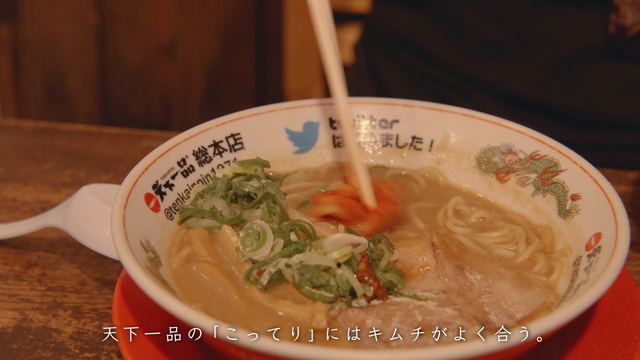
Kyoto City, Kyoto
Tenkaippin Sohonten (Main Shop)
The first shop of Tenkaippin, the ramen chain born in Kyoto.
From: An ordinary morning in a hundred-year-old Kyoto townhouse
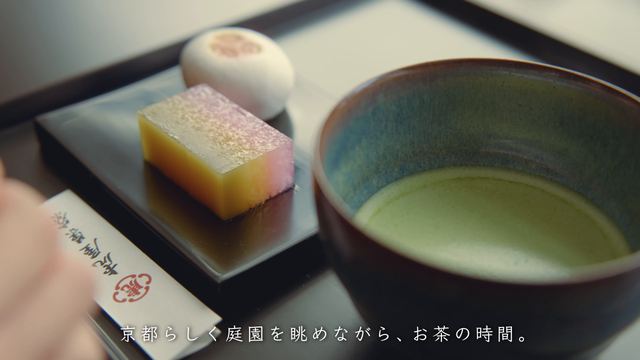
Kyoto City, Kyoto
Toraya Karyo Kyoto Ichijo
Toraya's tearoom in Kyoto, the city where the confectioner was founded.
From: An ordinary morning in a hundred-year-old Kyoto townhouse
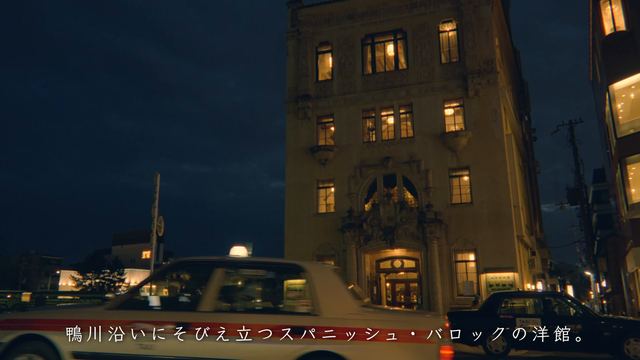
Kyoto City, Kyoto
Tohkasaikan (Main Restaurant)
A Beijing-cuisine restaurant at the west end of Shijo Bridge.
From: An ordinary morning in a hundred-year-old Kyoto townhouse
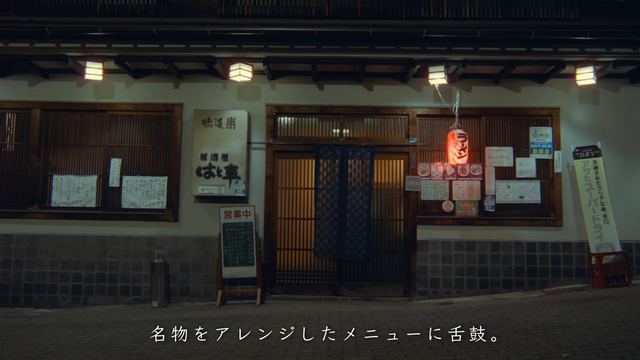
Nozawaonsen, Nagano
Hatoguruma (izakaya)
A tavern marked by a red lantern and a noren curtain.
From: Boiling breakfast in a hot spring: life in Nozawa
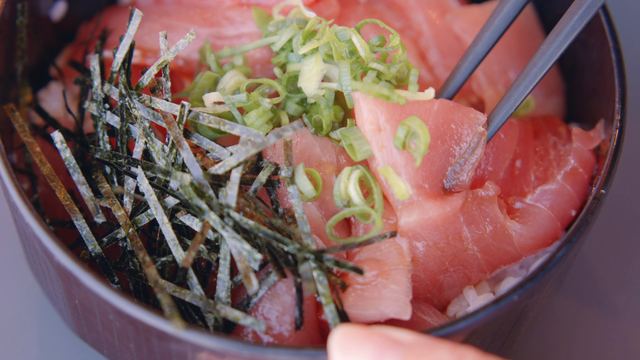
Nachikatsuura, Wakayama
Ichiba Gohan Shige
A rice-bowl stand in the food court of Katsuura Fishing Port Nigiwai Market, ordered through a ticket machine.
From: Nachikatsuura: the sea from a fishing-village window
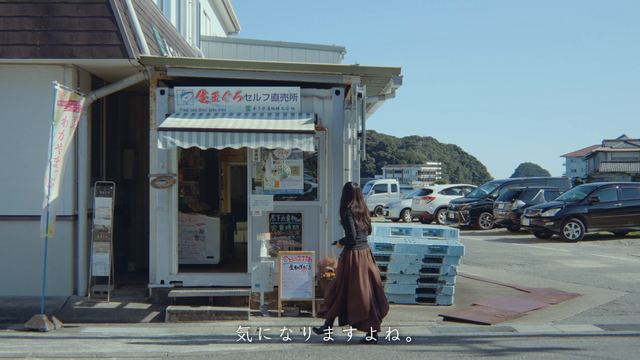
Nachikatsuura, Wakayama
Kinoshita Suisanbutsu Fresh Tuna Self-Service Shop
A self-service shop run by a fresh-tuna wholesaler.
From: Nachikatsuura: the sea from a fishing-village window
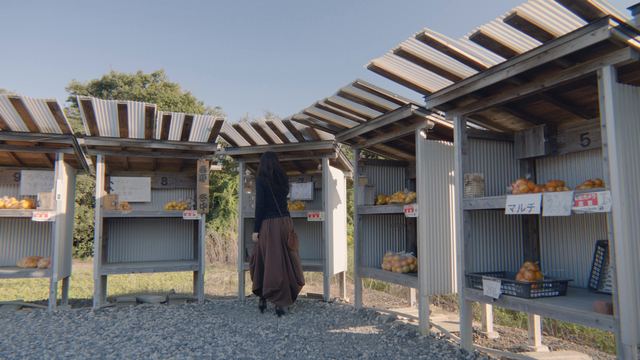
Nachikatsuura, Wakayama
Fruit Market Ichigi
An unstaffed roadside farm stand.
From: Nachikatsuura: the sea from a fishing-village window
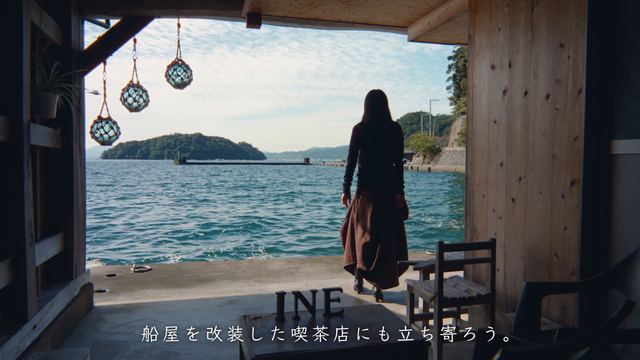
Ine, Kyoto
Ine no Funaya Miyabi
A Japanese-style cafe in a boathouse built about 80 years ago and renovated in the manner of a teahouse.
From: Living with the sea in the boathouses of Ine
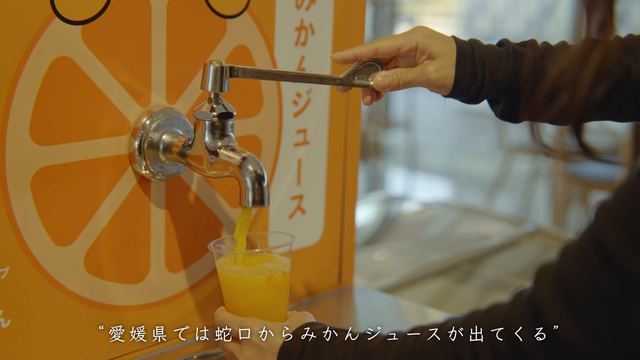
Matsuyama, Ehime
Kurushima Kaikyo Service Area (mandarin juice from a tap)
A service area at the Shikoku end of the Shimanami Kaido, overlooking the Kurushima Strait and its bridge.
From: Shimanami Kaido: sea-bream rice and a salty breeze
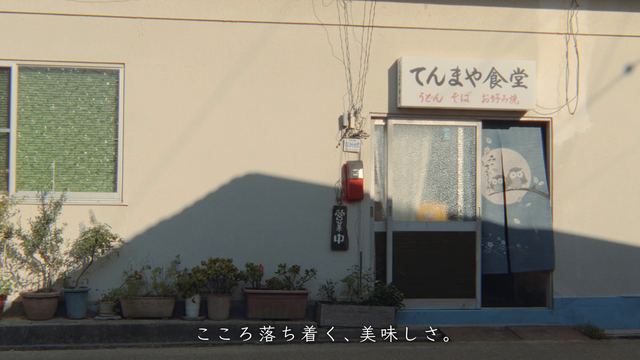
Matsuyama, Ehime
Tenmaya Shokudo
An old-fashioned neighborhood eatery in Namikata, Imabari, serving chuka soba, okonomiyaki, udon and soba.
From: Shimanami Kaido: sea-bream rice and a salty breeze
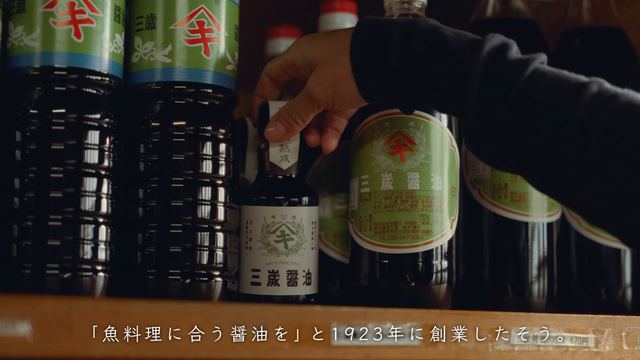
Iyo, Ehime
Uruki Shoyu Brewery
A soy sauce brewery founded in 1923.
From: A seaside station and slow time in Futami
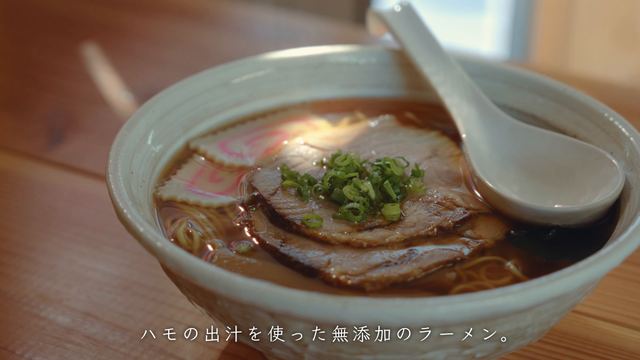
Iyo, Ehime
Kaminada Suisan Hamo Dashi Ramen
A ramen shop run by Kaminada Suisan, a fish wholesaler at the port in Kaminada, Futami, using stock from local pike conger.
From: A seaside station and slow time in Futami
Iyo, Ehime
Futami Roadside Station (Futami Seaside Park)
A roadside station on National Route 378, joined to Futami Seaside Park and its white beach.
From: A seaside station and slow time in Futami
Iyo, Ehime
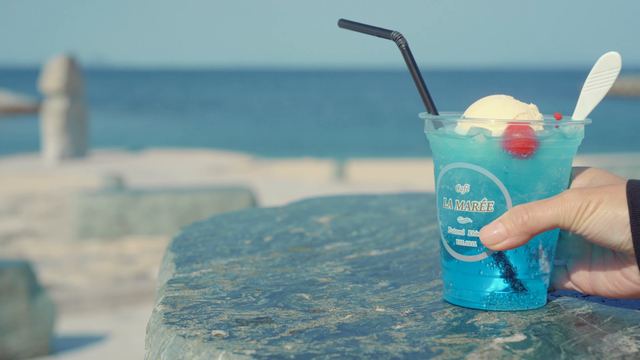
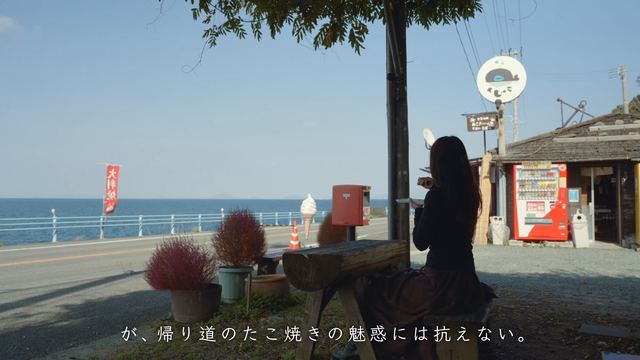
Kujira
A small shop on the coast road serving takoyaki and soft-serve ice cream.
From: A seaside station and slow time in Futami
Chuo, Tokyo
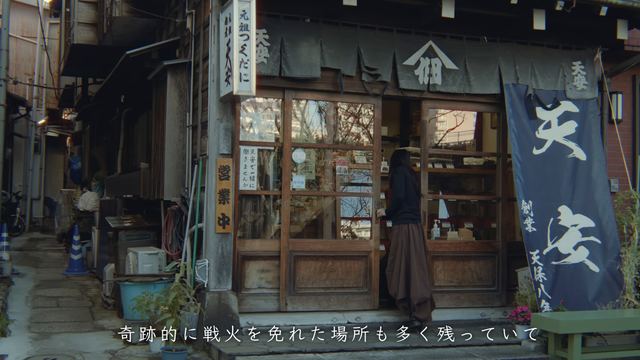
Tenyasu Honten (tsukudani)
Founded in 1837, this is the oldest tsukudani shop still standing in Tsukuda.
From: A downtown table in a Tokyo row house
Chuo, Tokyo
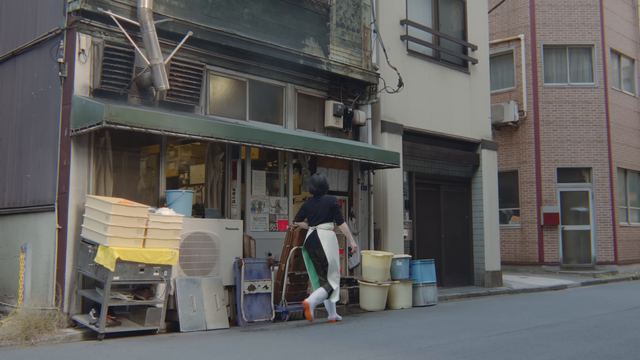
Takayanagi Tofu Shop
An old-fashioned neighborhood tofu shop on a back street in Ningyocho.
From: A downtown table in a Tokyo row house
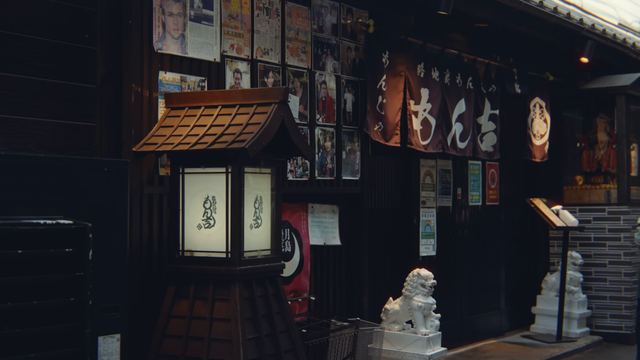
Chuo, Tokyo
Rojiura Monja Monkichi Honten
A popular monja shop in a back alley off Monja Street (Tsukishima Nishinaka-dori), its storefront covered in photographs.
From: A downtown table in a Tokyo row house
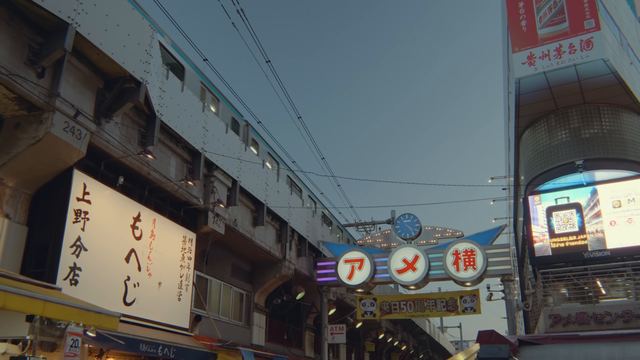
Chuo, Tokyo
Ameyoko Shopping Street
A shopping street of more than 400 shops packed into about 500 meters between JR Ueno and Okachimachi stations.
From: A downtown table in a Tokyo row house
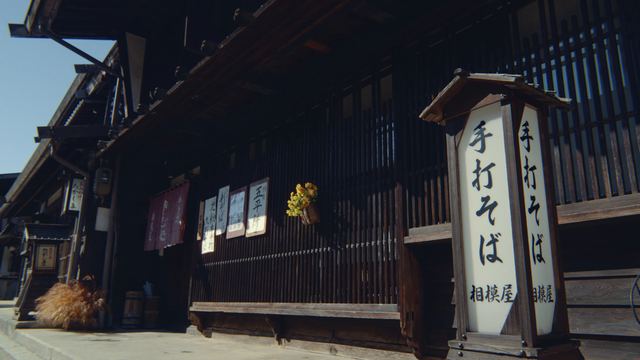
Shiojiri, Nagano
Sagamiya Soba
A handmade soba shop in the middle of Narai-juku.
From: Autumn leaves in Narai-juku and an autumn table in Shinshu
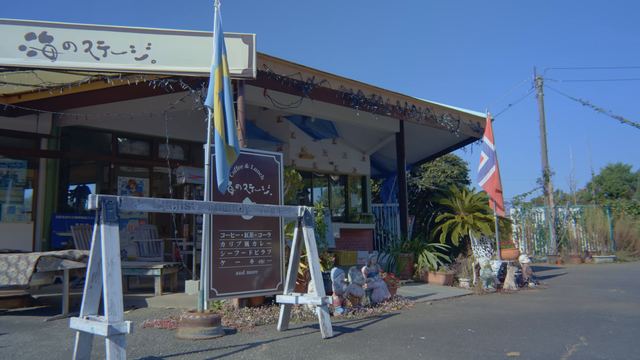
Numazu, Shizuoka
Seaside Cafe Umi no Stage
A cafe on Uchiura Bay with a view of the sea and Mt.
From: Making sushi with a view of Mt. Fuji
No notes match this combination.