A TRAVEL ESSAY
Hamamatsu, Shizuoka
Old house in the sky
Lighting the kamadoin a house in the sky
A day of living with fire in a farmhouse on the mountaintop.
Read the journey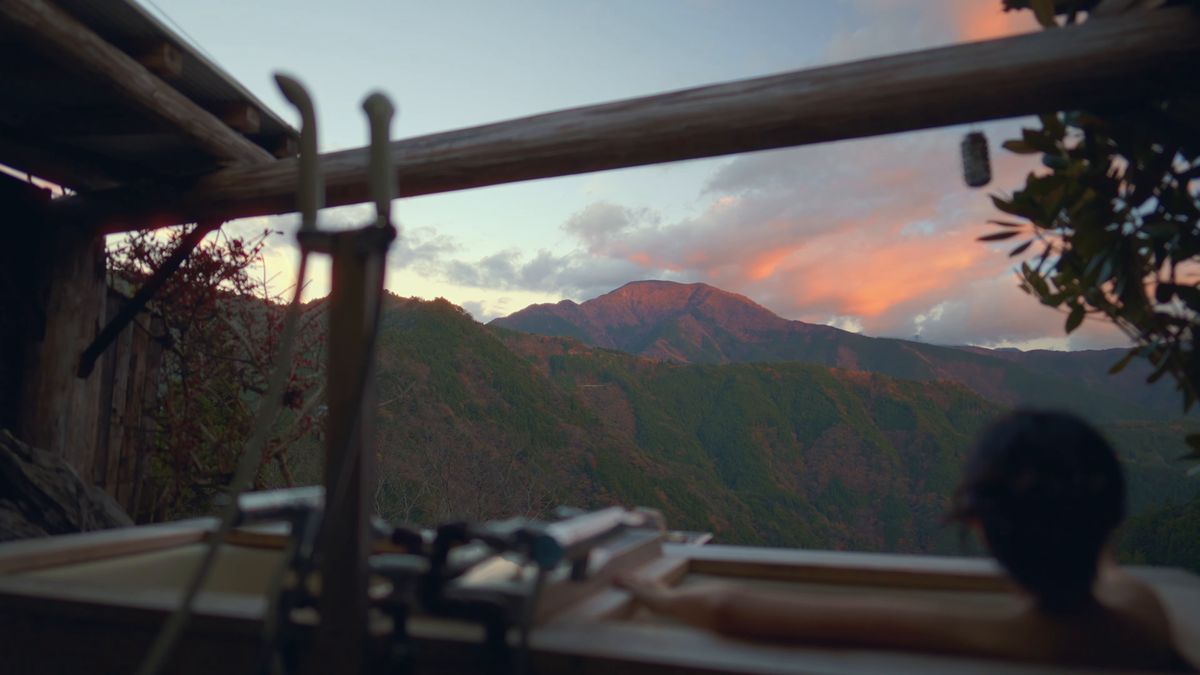
ABOUT THIS JOURNEY
In the mountains at the northern tip of Hamamatsu, Shizuoka, near the Nagano border, I spent a day in an old farmhouse in a village known as the village in the sky, 736 meters up. I struck a match to light the kamado and cook rice, packed a lunch box from My Neighbor Totoro, and walked up through the village. At dusk, a handmade open-air bath; at night, wild boar hot pot and skewered yamame over the hearth. A day lived by fire, on top of a mountain.
A little more about the food and the land01TRAVEL JOURNAL
An old house with a view
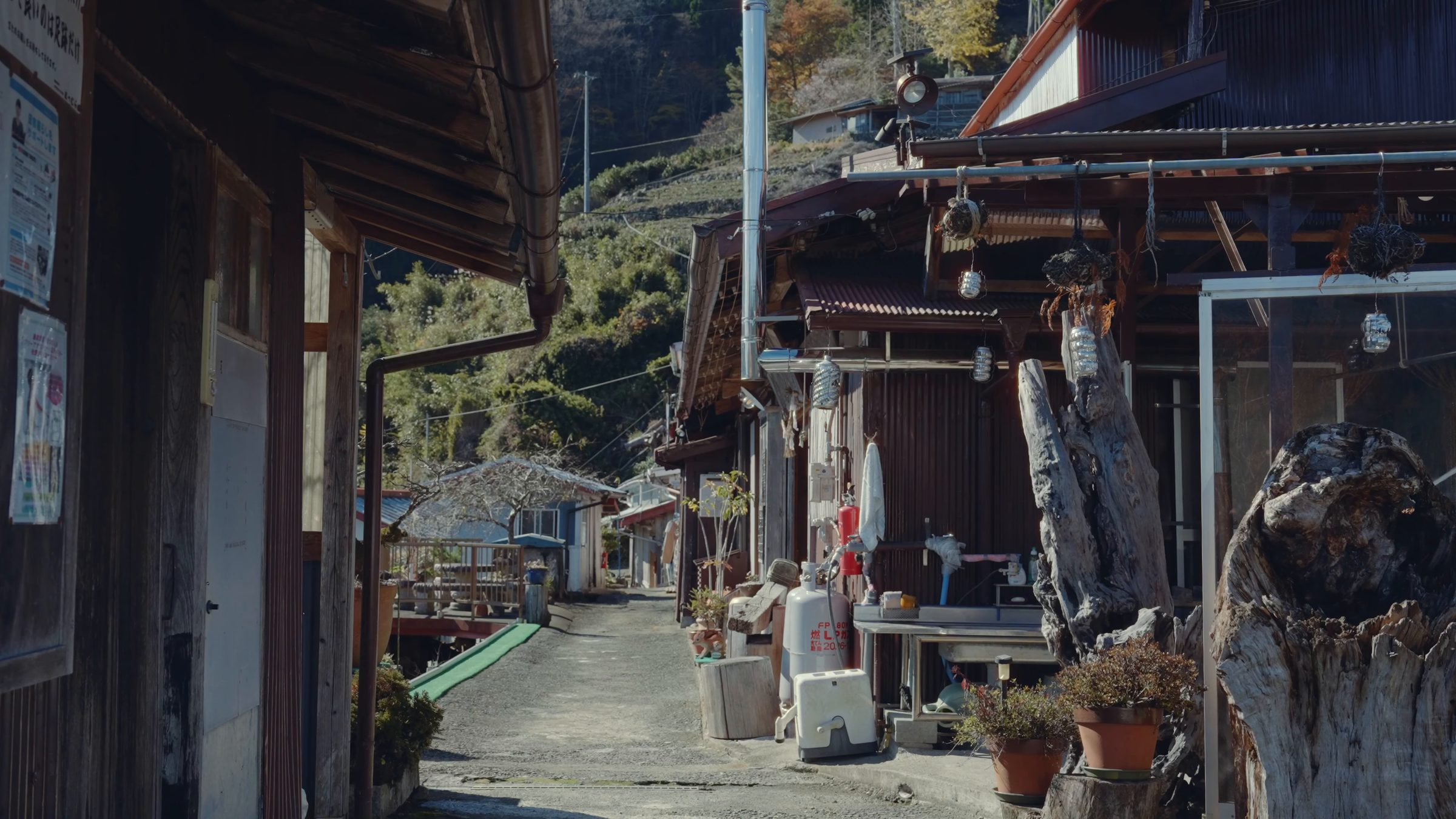
I stayed in an old farmhouse with a fine view, deep in the mountains of Shizuoka. A bench sat by the entrance under a noren curtain, and terraced fields and houses climbed the slope behind.
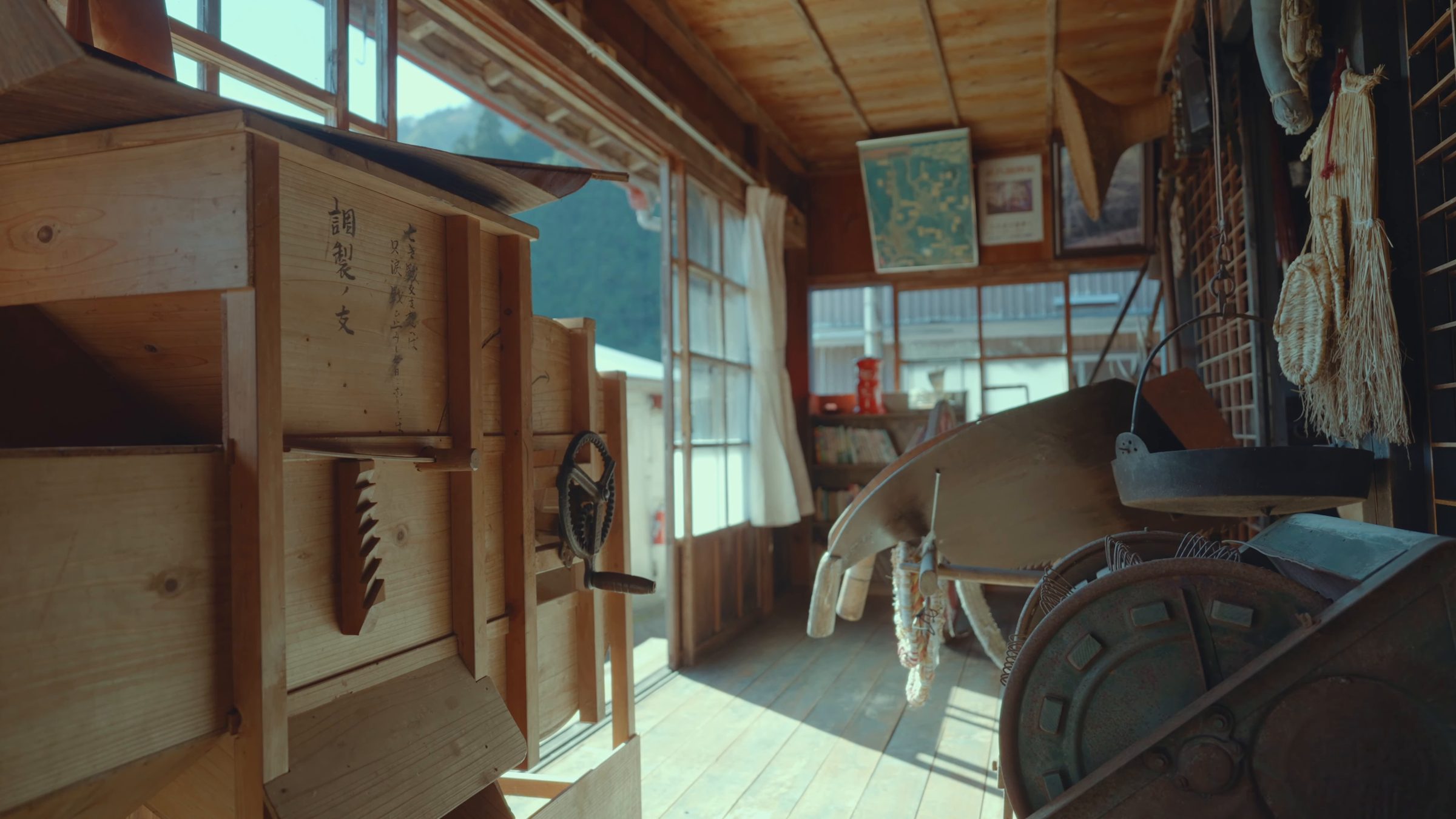
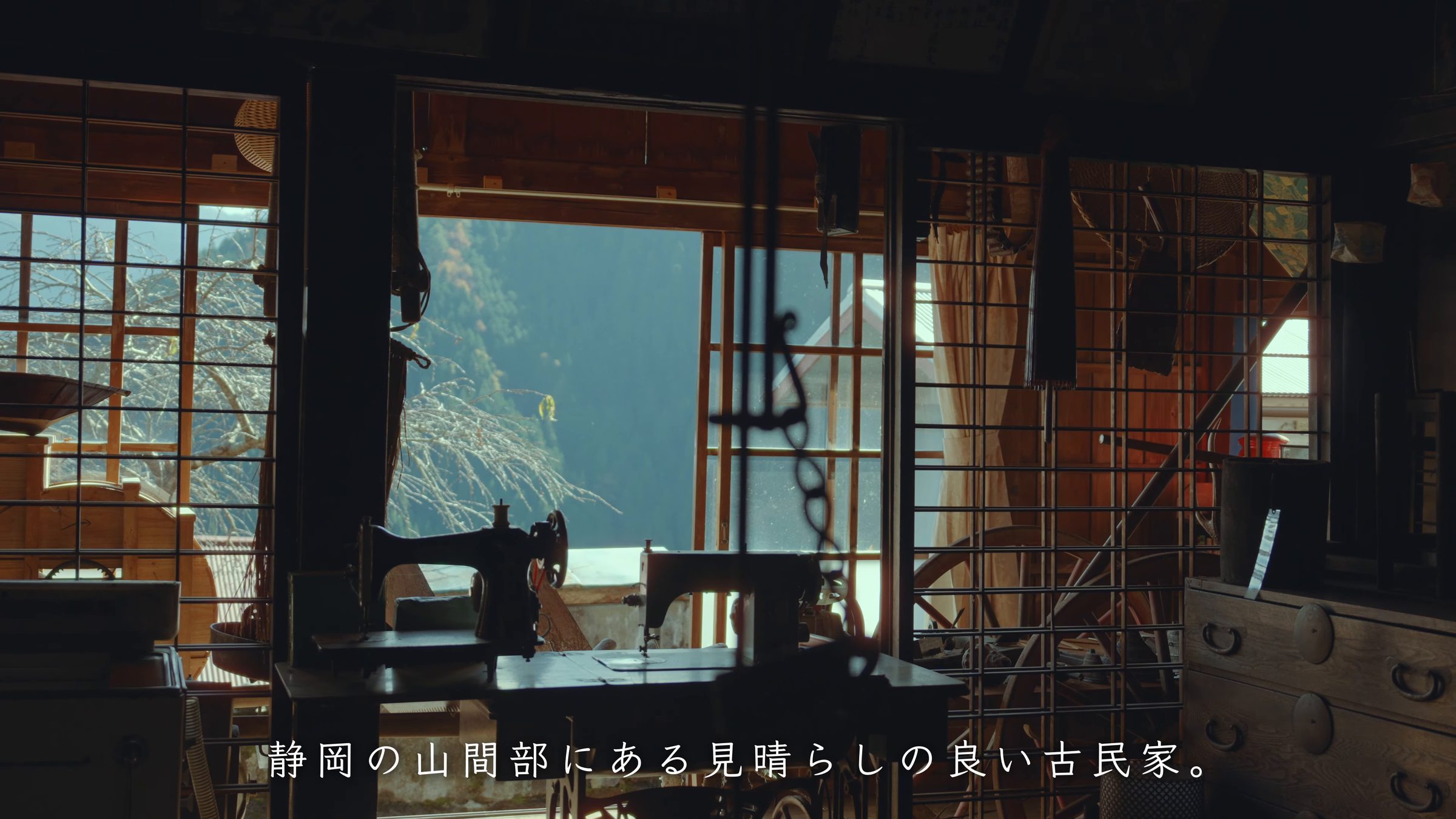
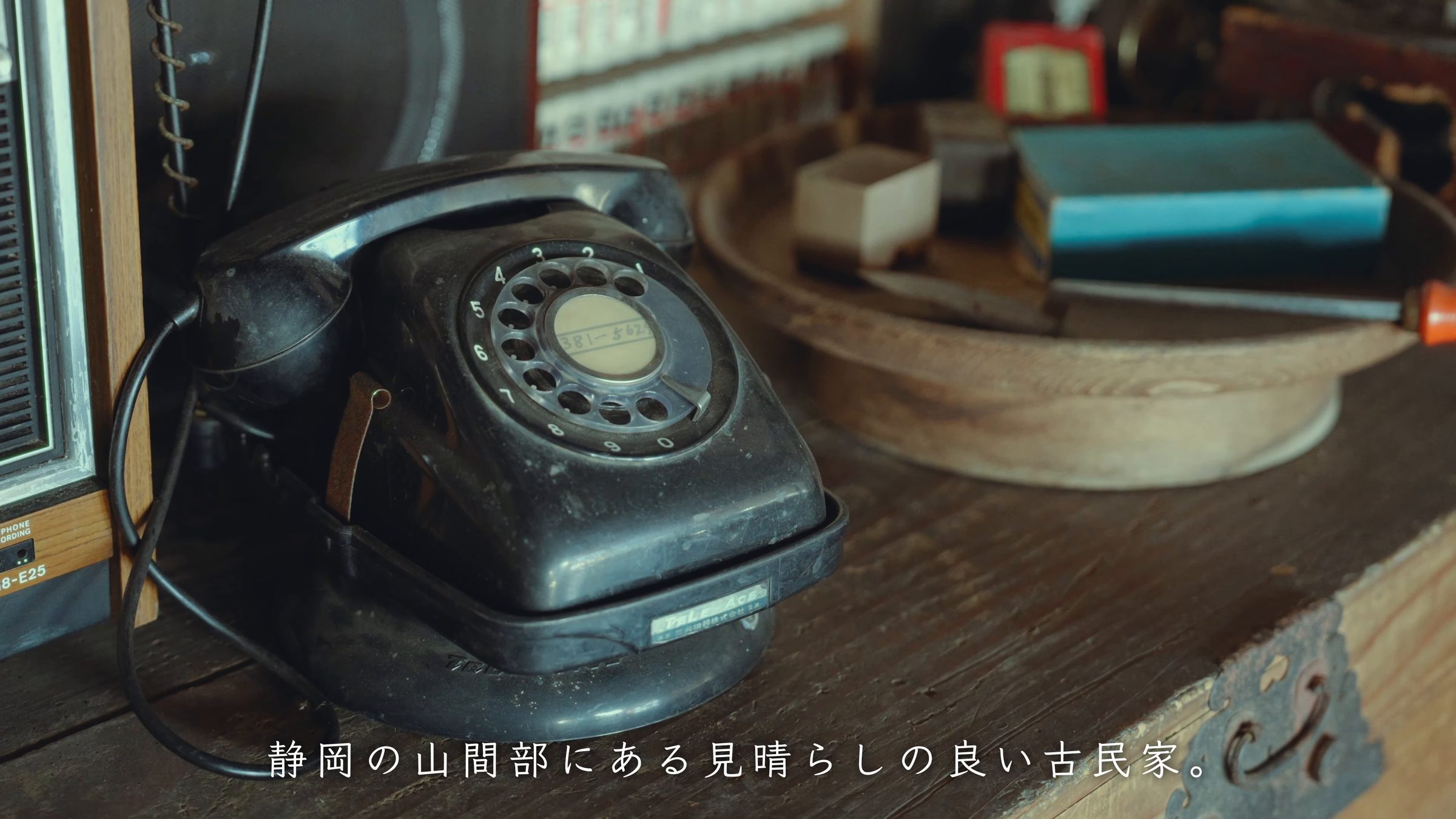
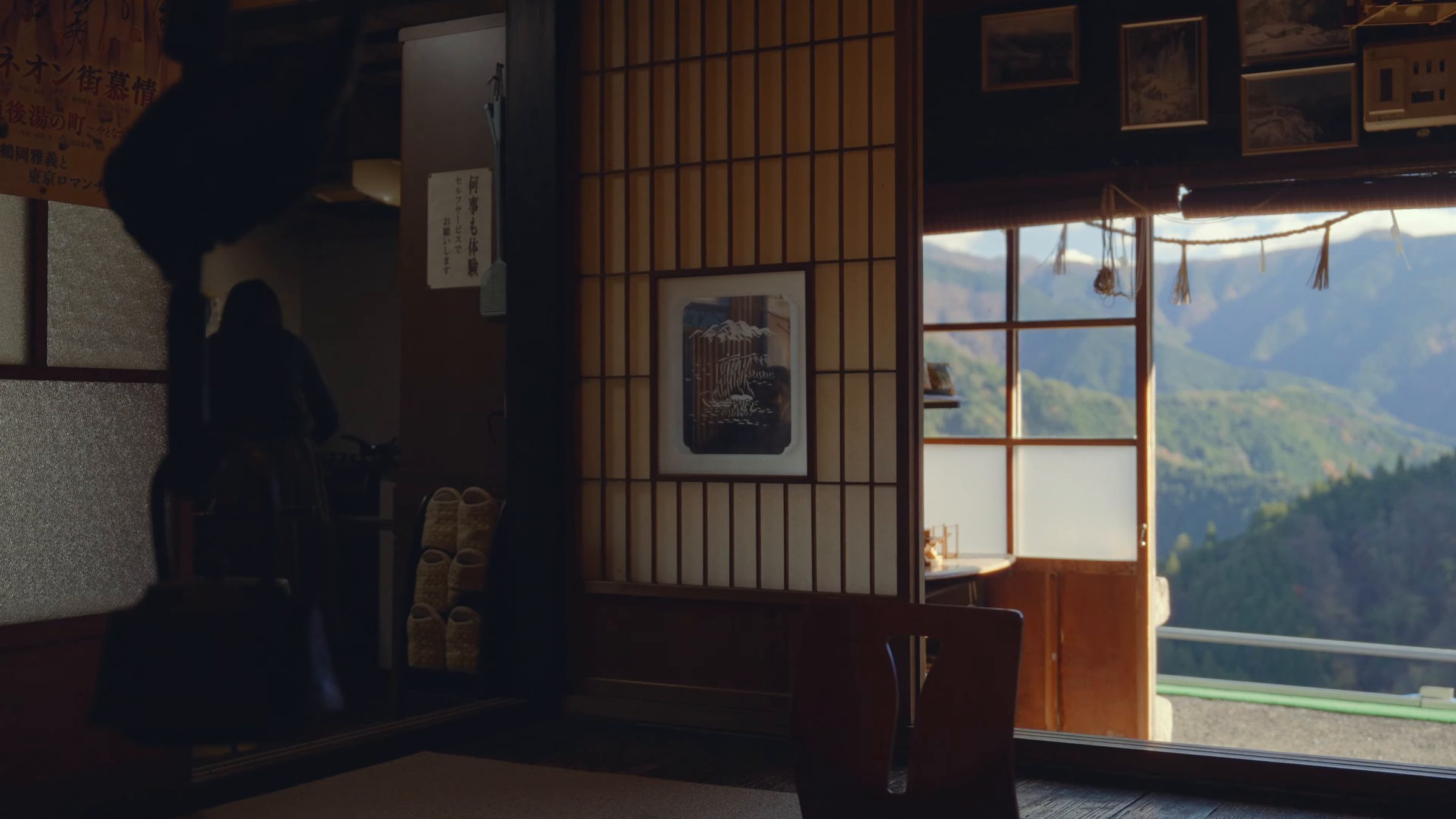
On the veranda were worn wooden boxes and farm tools; by the latticed window stood a treadle sewing machine, and on a shelf, a black rotary telephone. Here the kamado and the hearth are still in daily use, and you can try living the old-fashioned way.
Watch this scene on YouTube0:27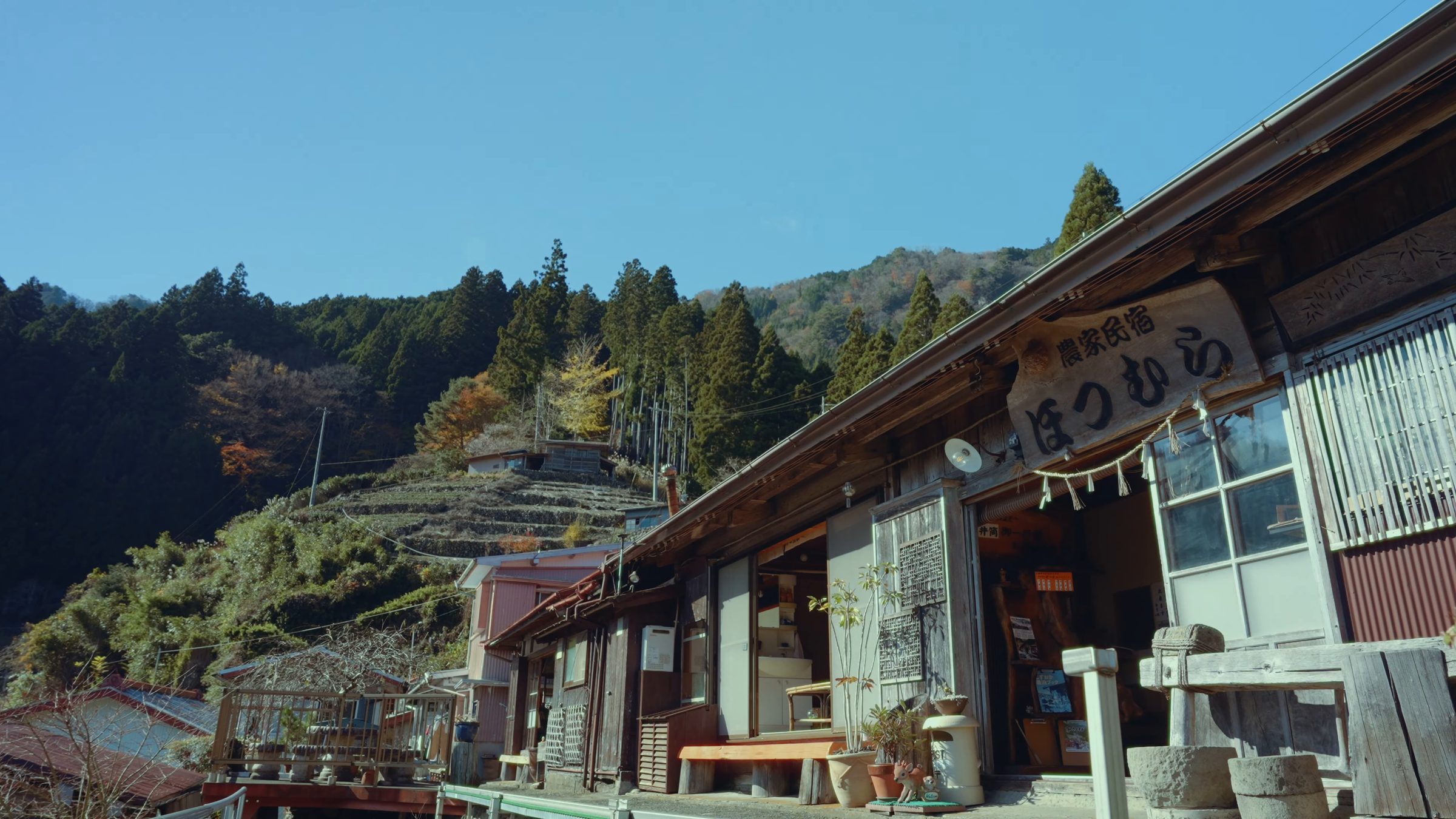
02TRAVEL JOURNAL
Lighting the kamado
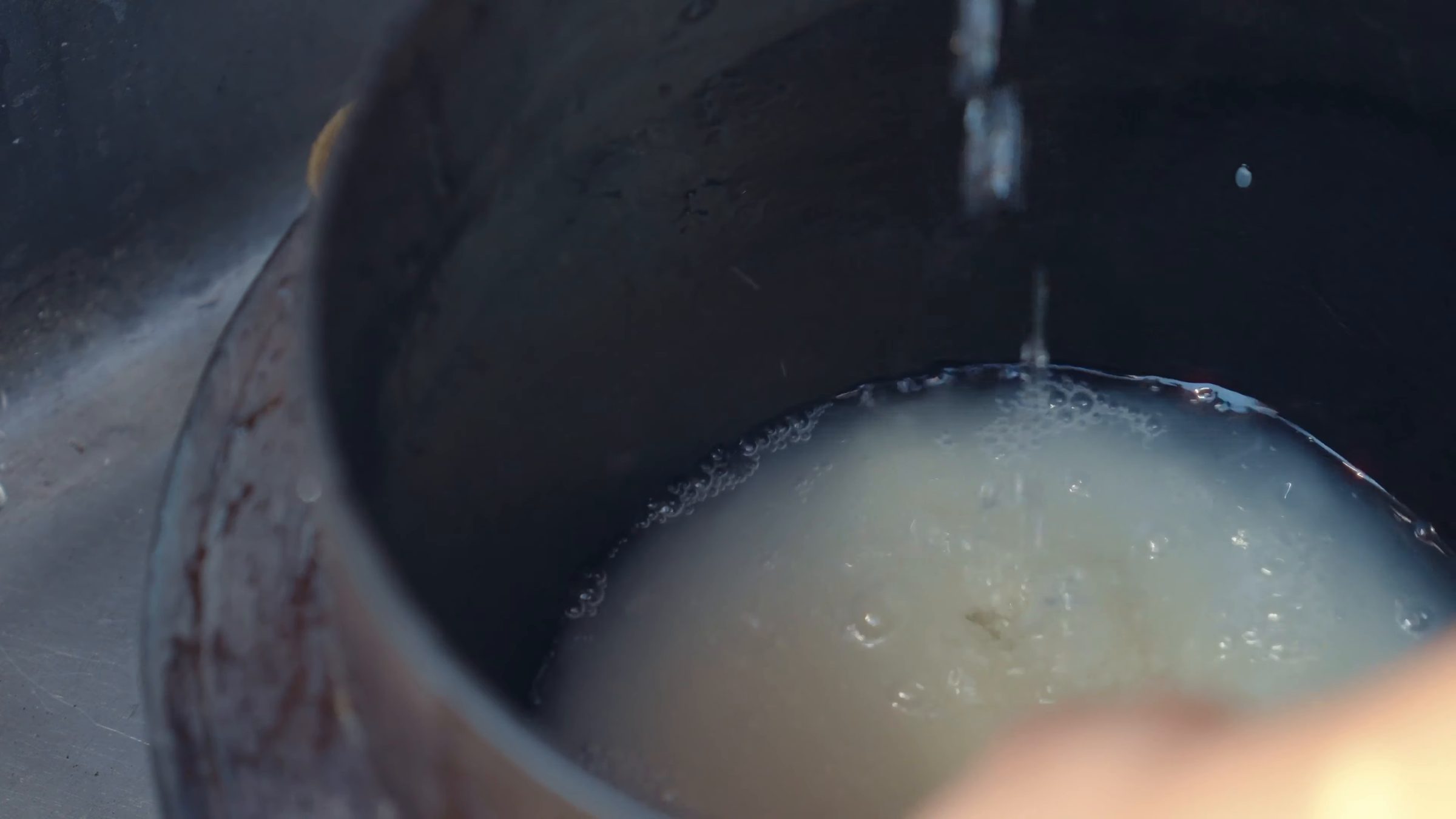
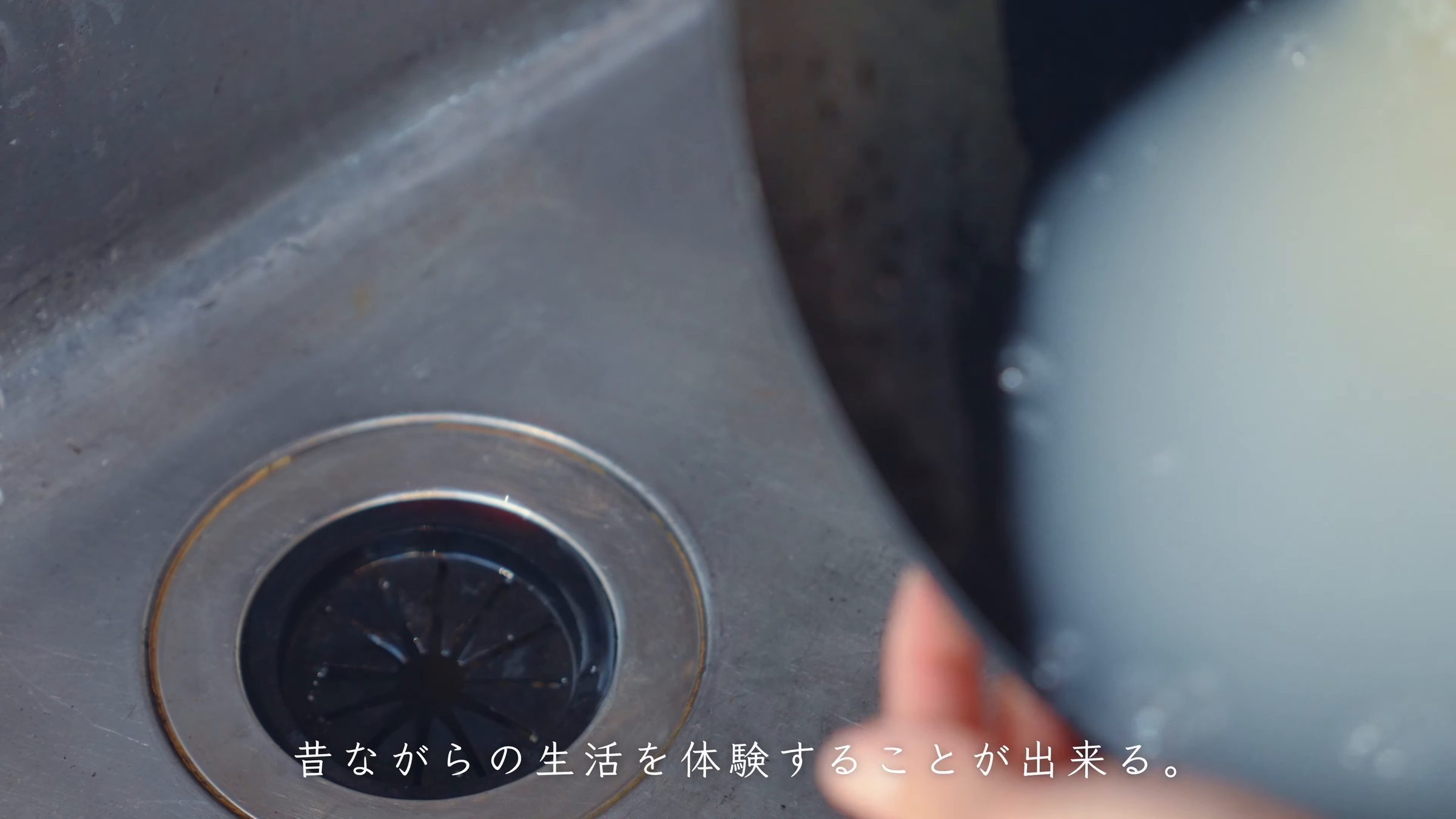
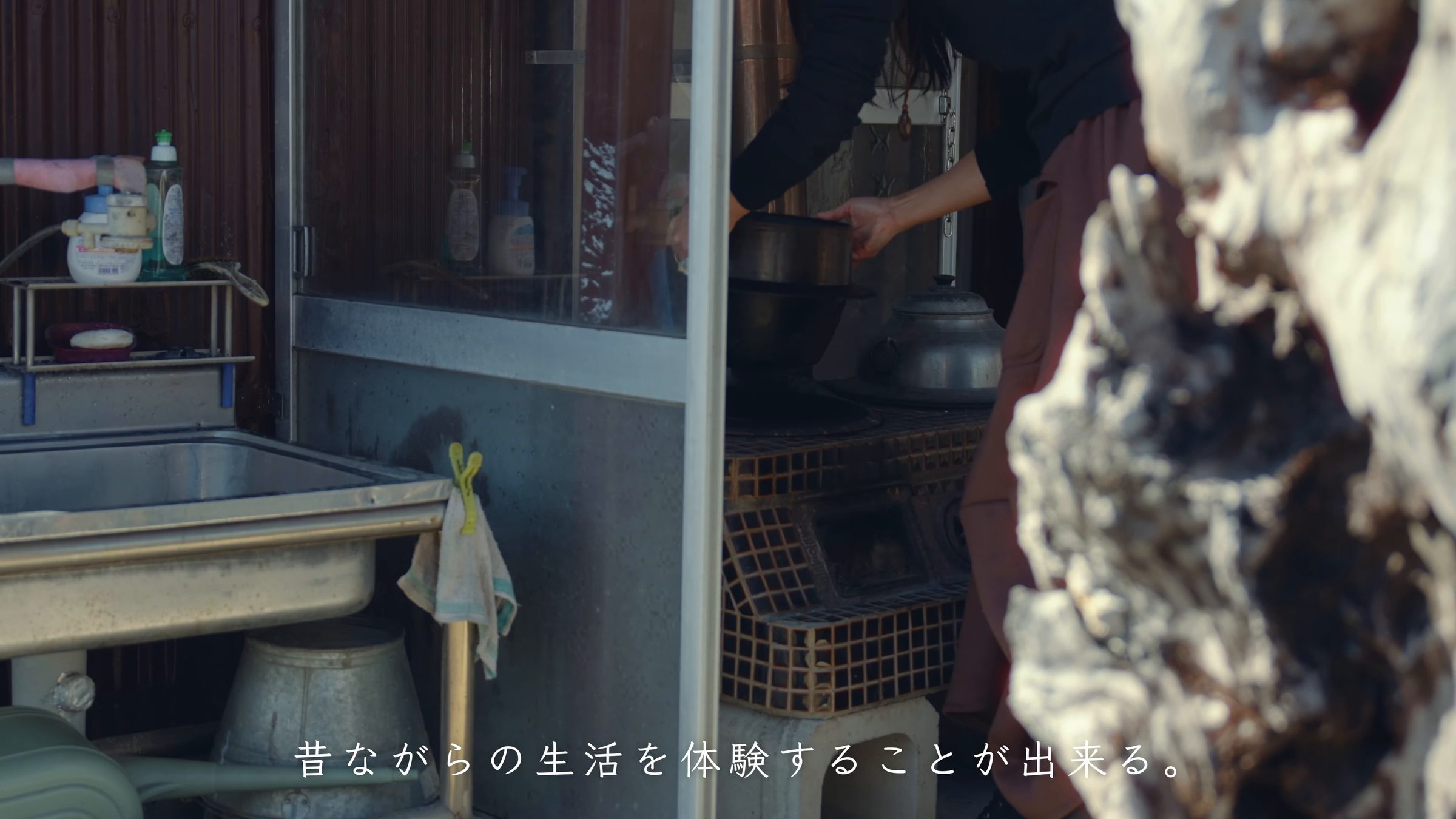
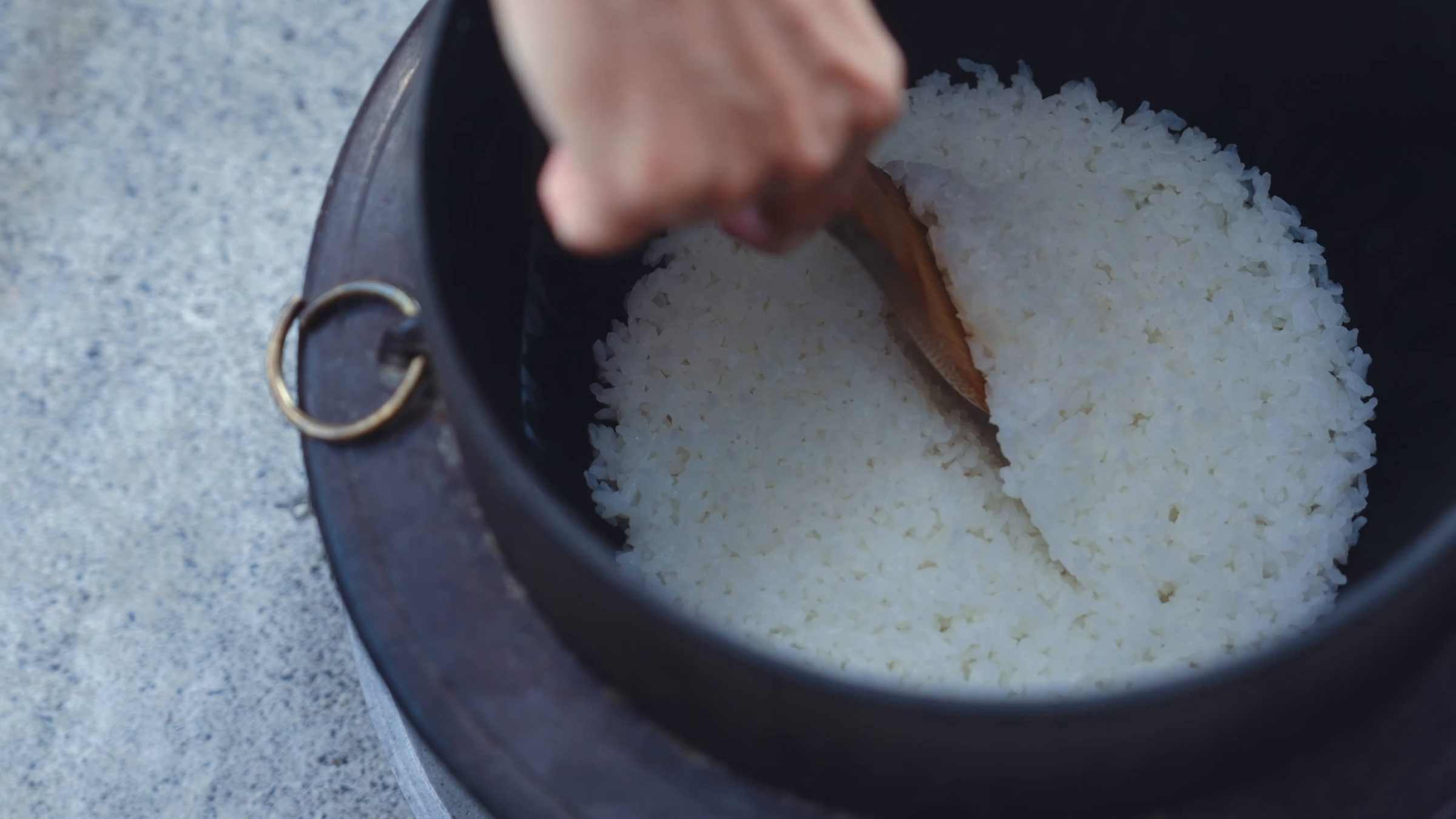
First, I would cook rice over the kamado. I poured rice into the pot, added water and washed it, draining the cloudy water and repeating a few times. I hoped it would turn out well.
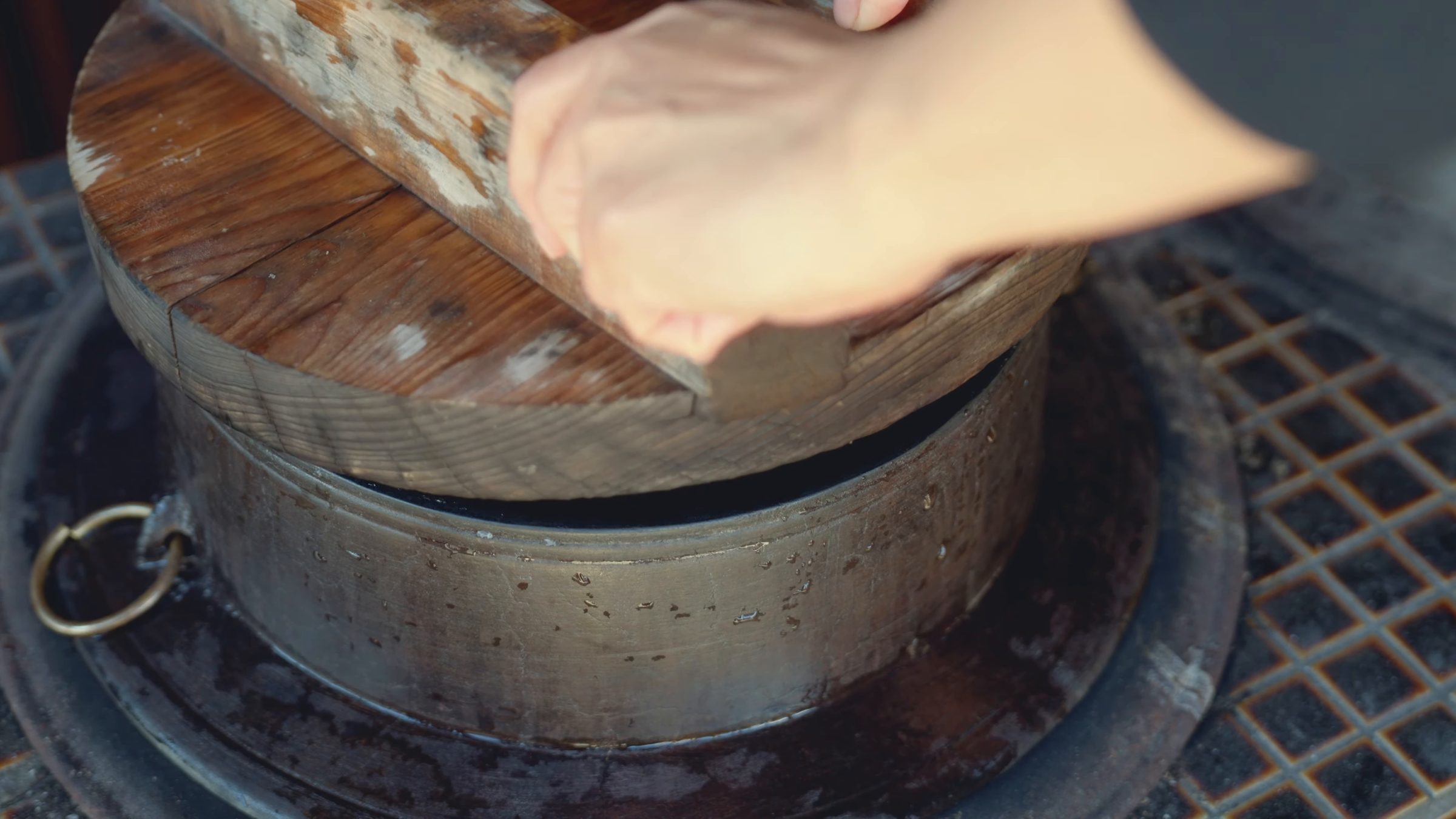
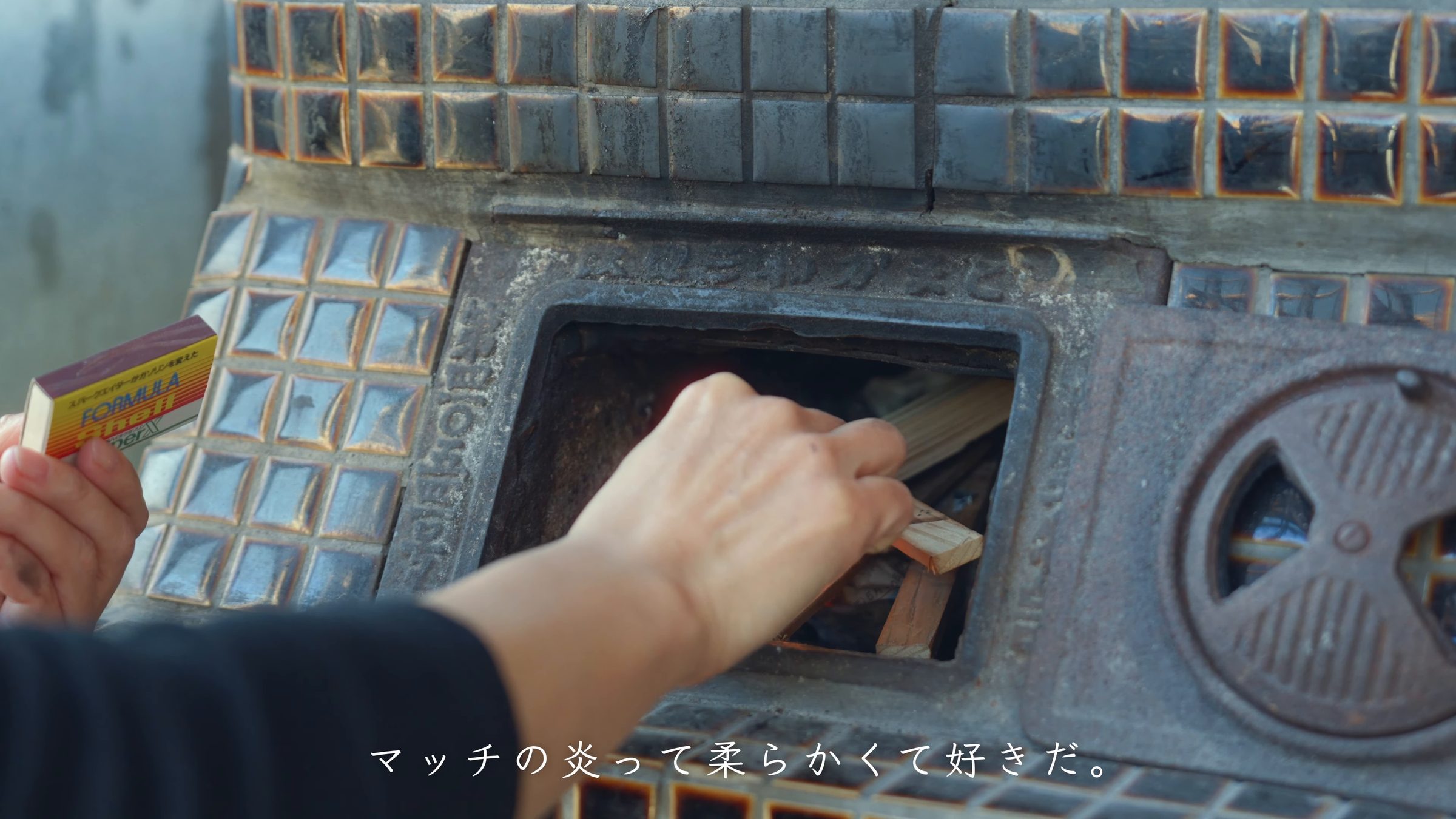
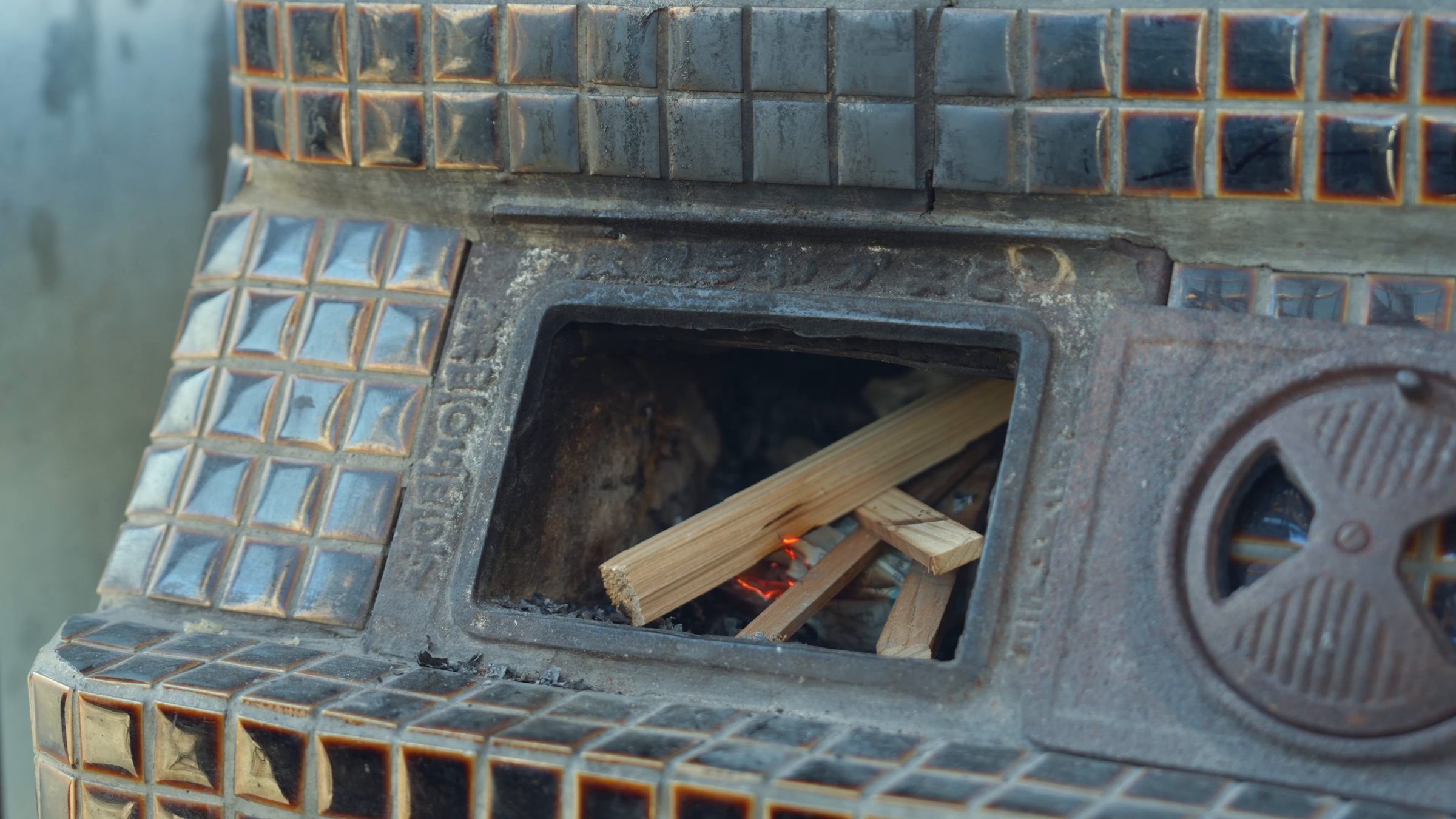
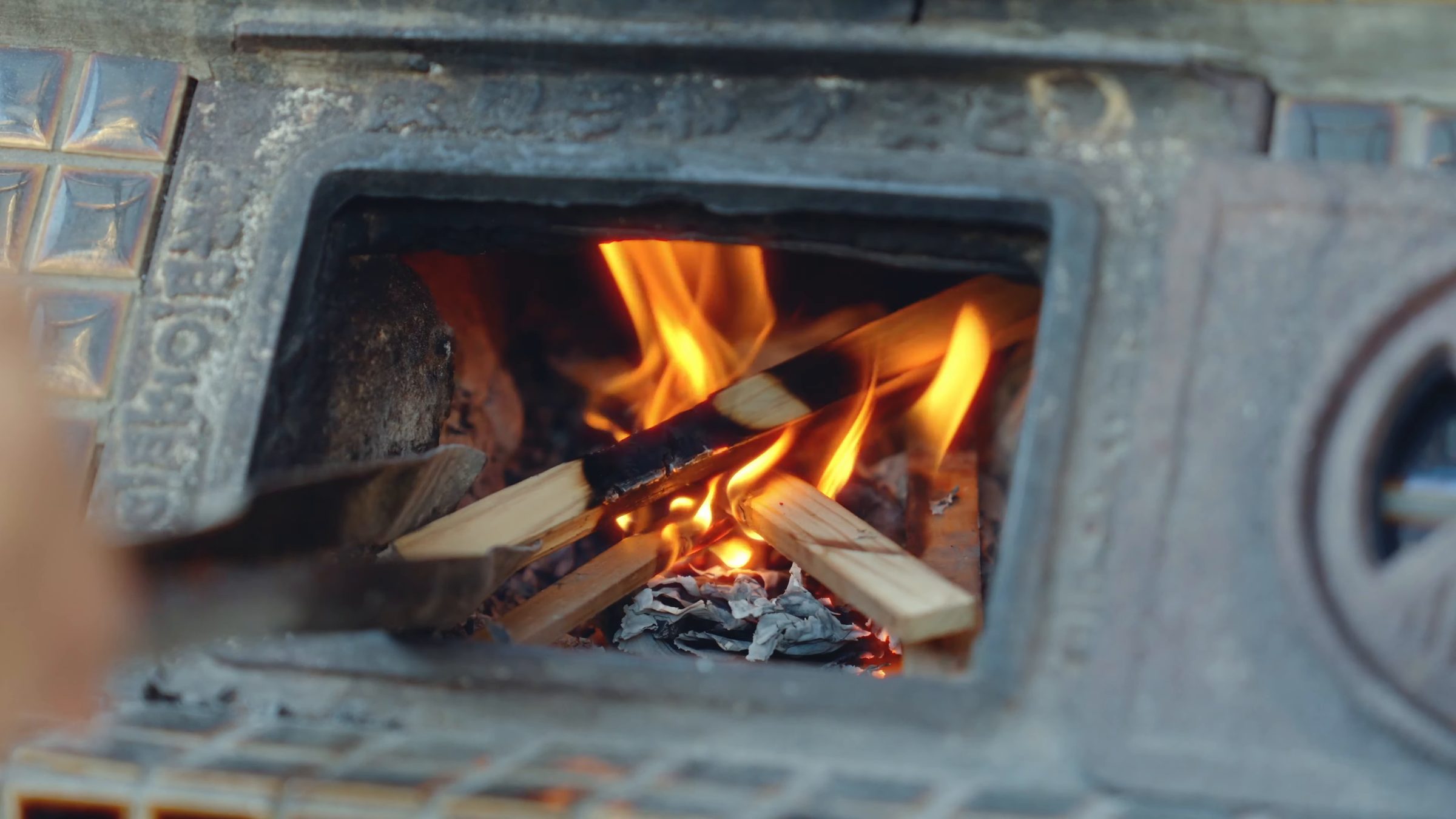
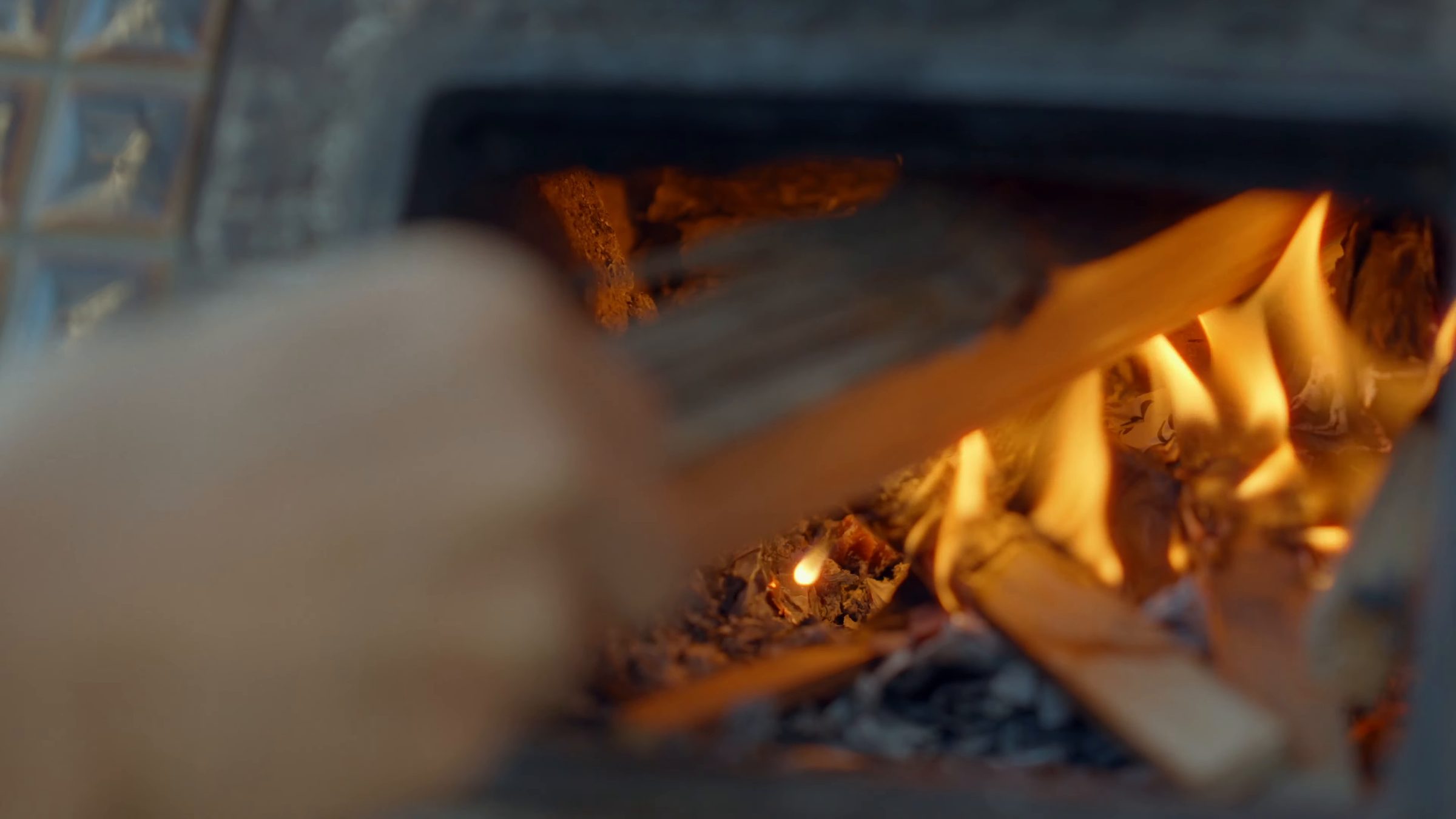
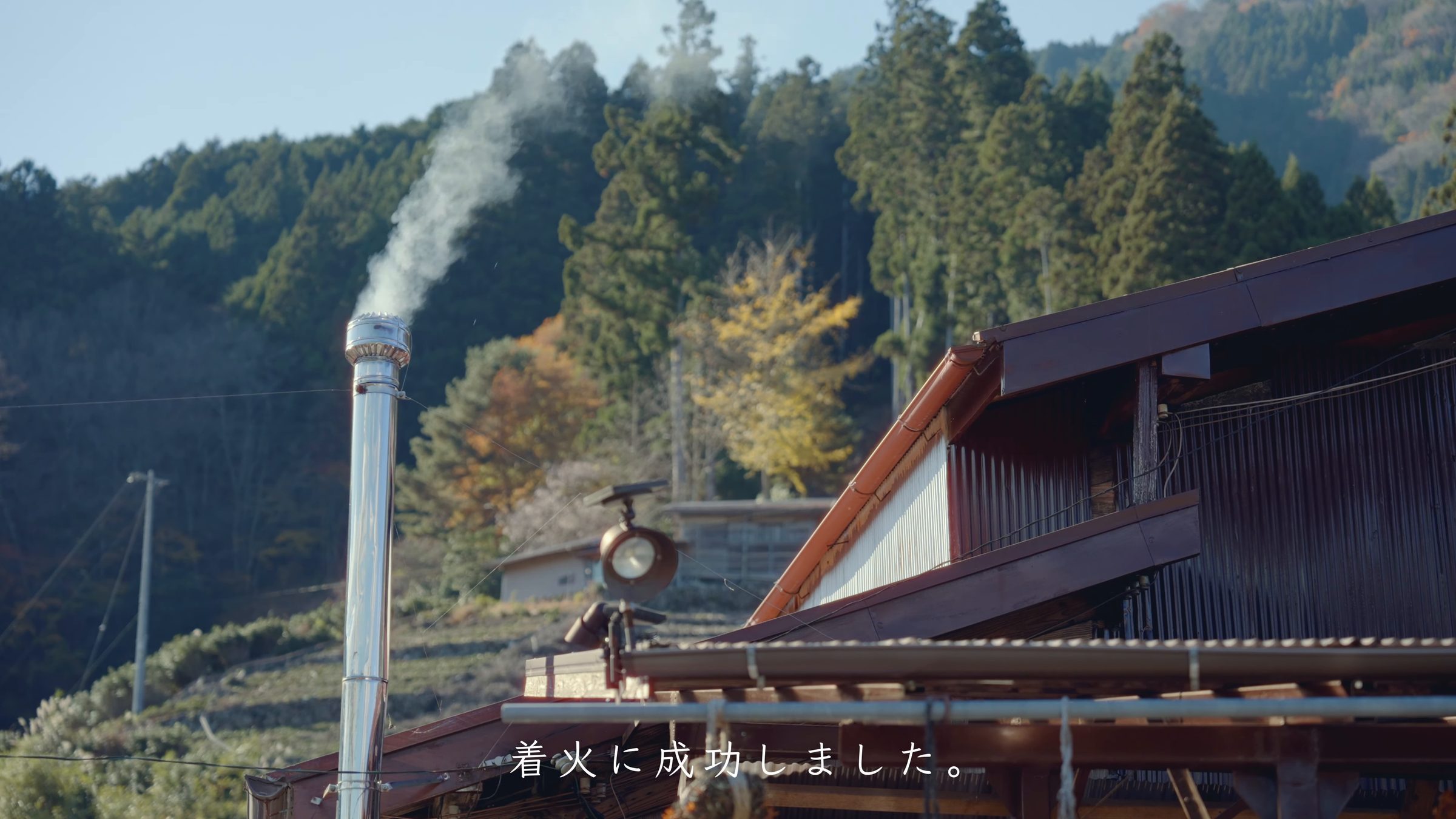
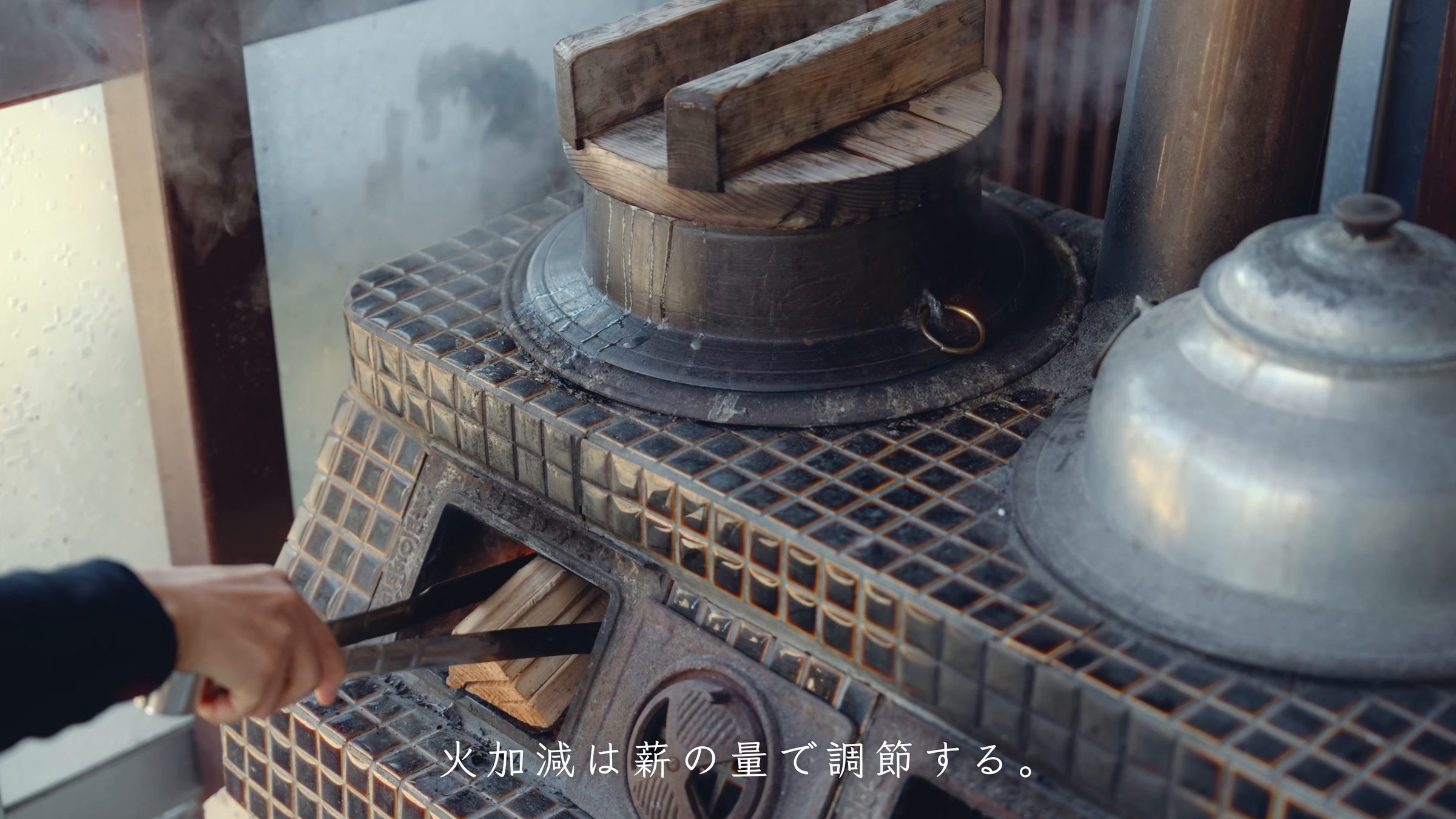
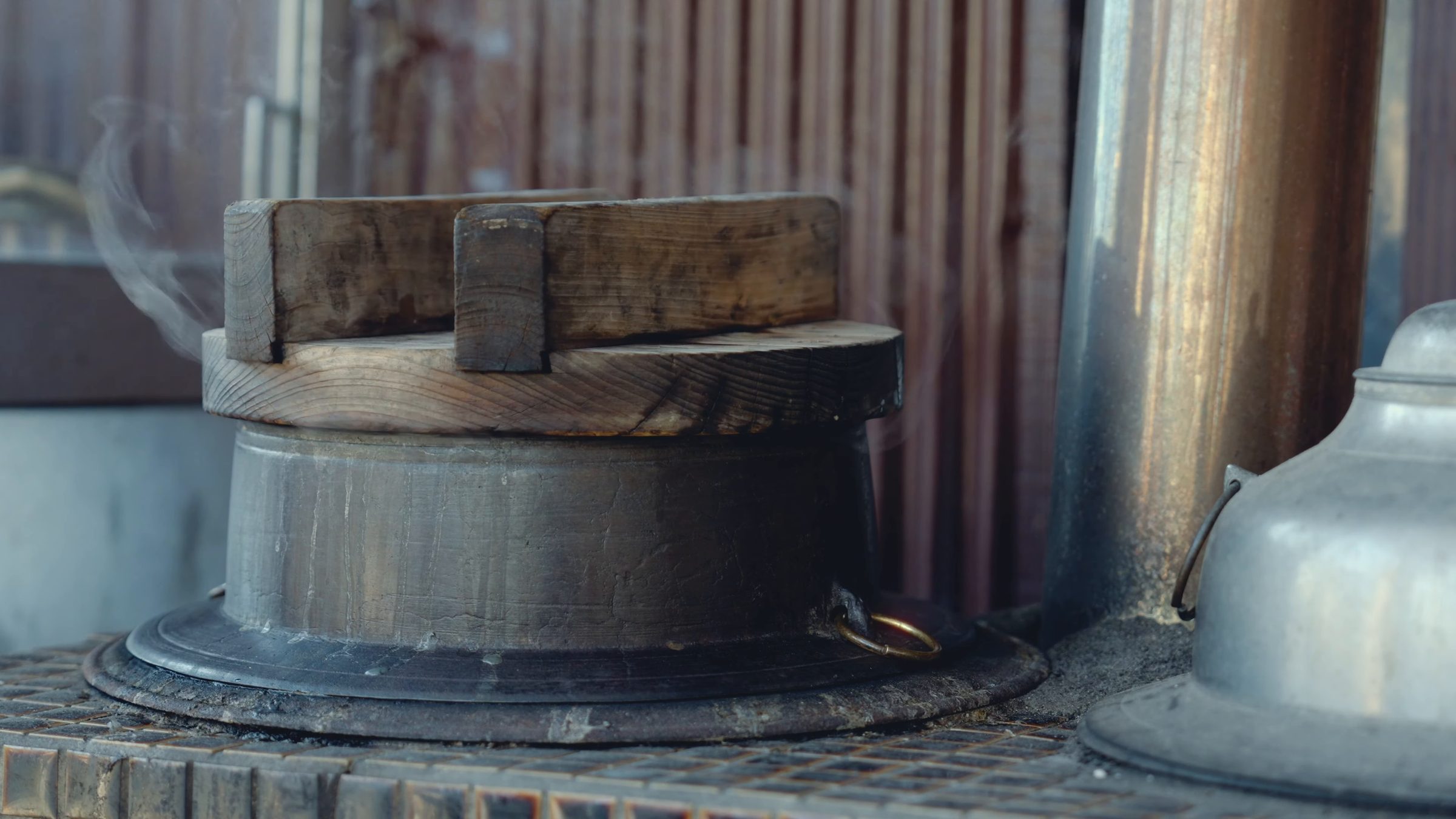
I set the wooden lid on the cast-iron pot and placed it on the tiled stove. Thin sticks of firewood went into the firebox, and I struck a match. I like how soft the flame of a match is. The fire caught, and soon flames filled the firebox. White smoke drifted from the chimney into the sky above the village. Ignition successful.
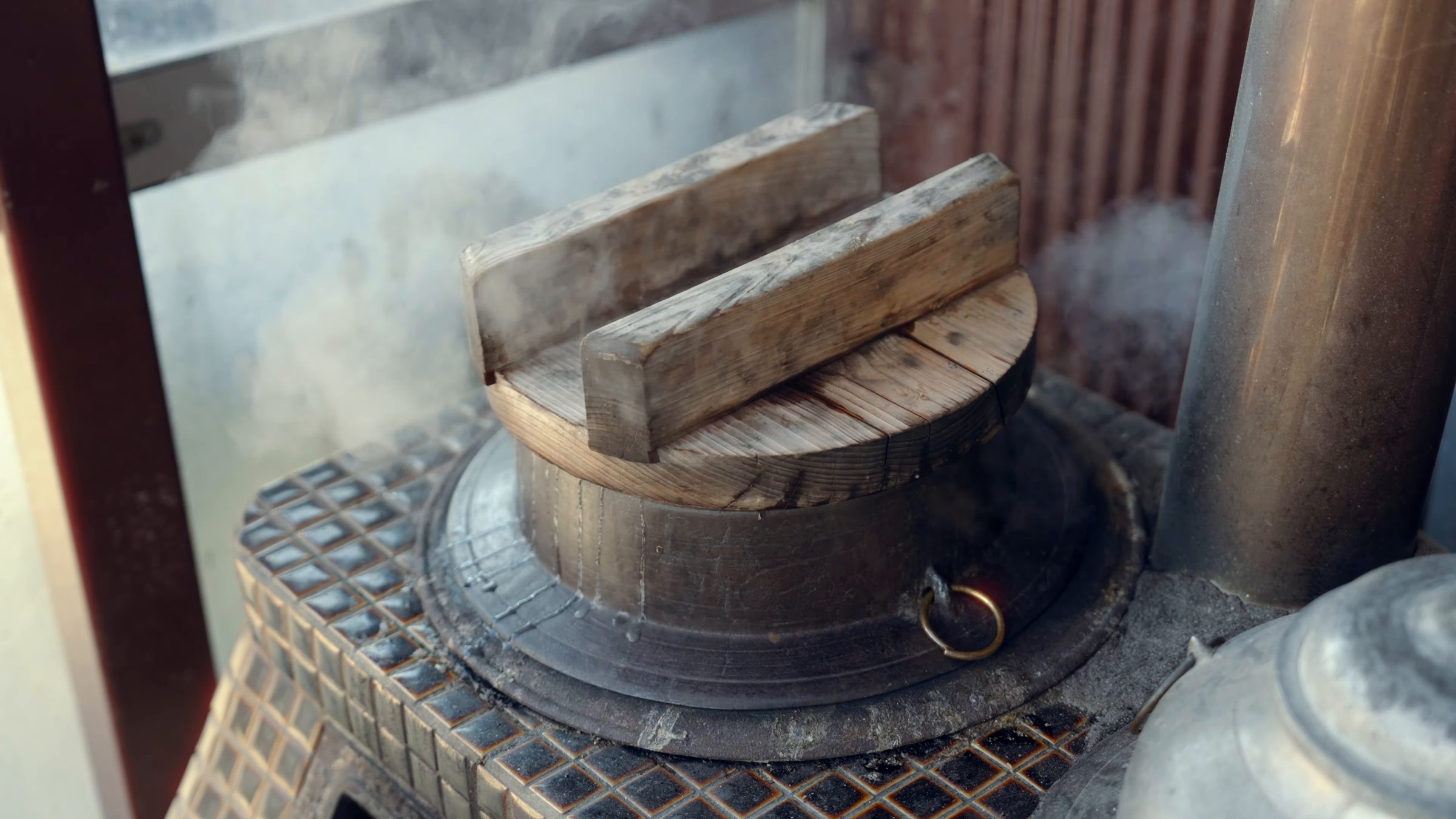
You control the heat by the amount of firewood. Steam burst from under the lid and clouded the air around the pot. Doing by hand what machines usually do for me was quietly moving. While the rice cooked, I stepped out into the narrow lane in front of the house.
Watch this scene on YouTube0:42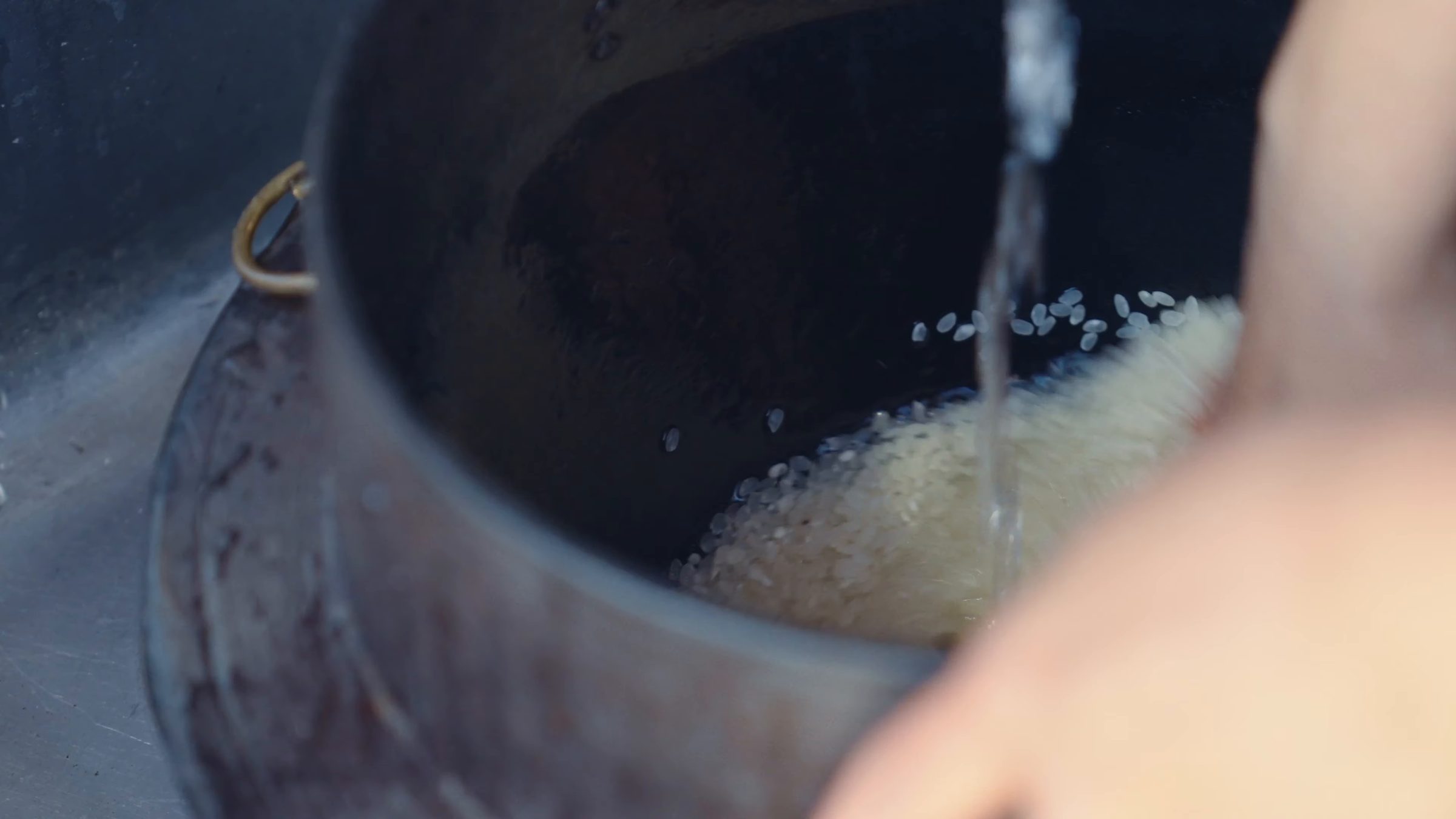
03TRAVEL JOURNAL
Satsuki's lunch box
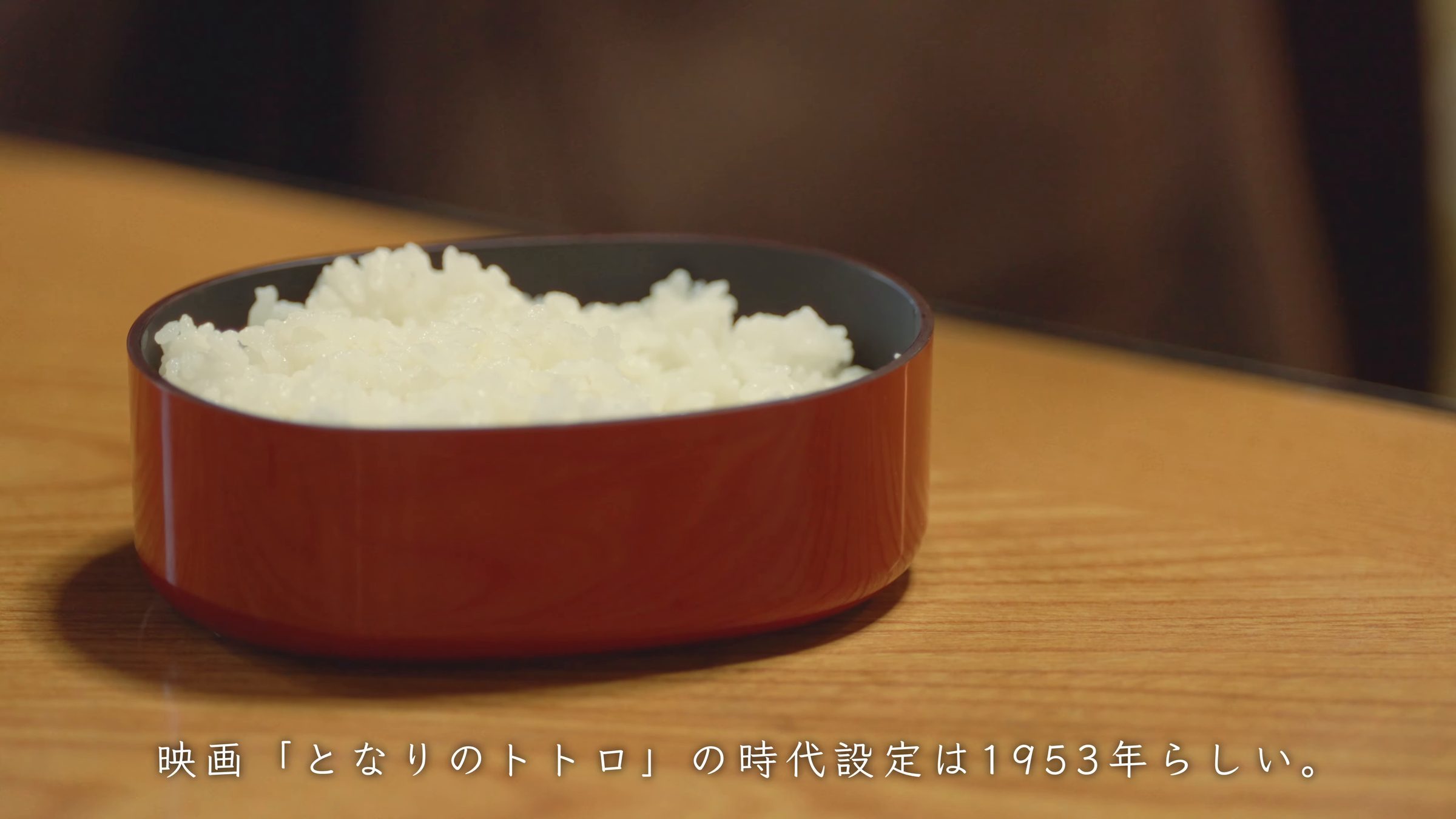
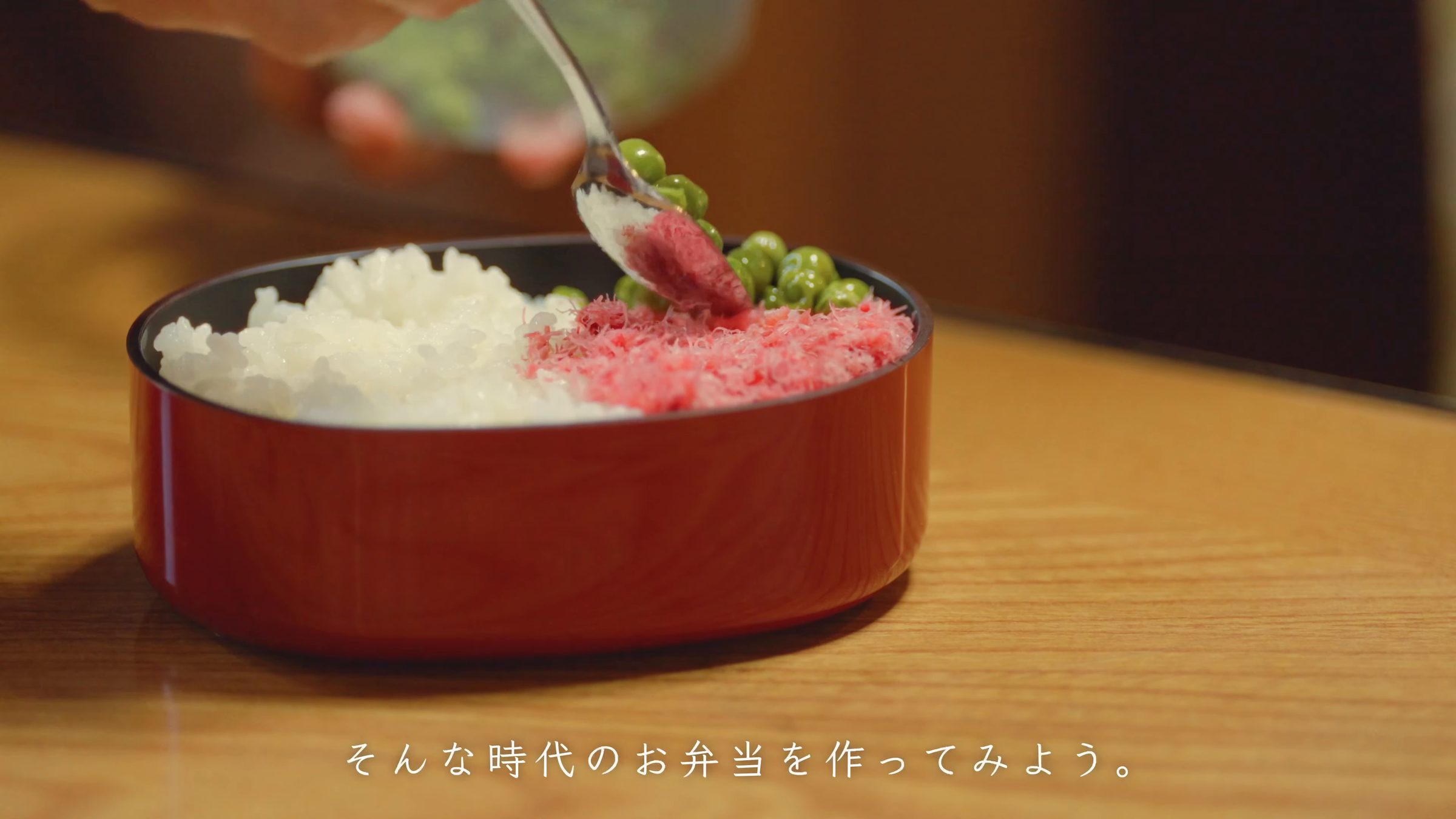
My Neighbor Totoro, I was told, is set around 1953, in the days before television. I decided to make a lunch from that era: the one Satsuki gets up early to pack for her father and her little sister Mei.
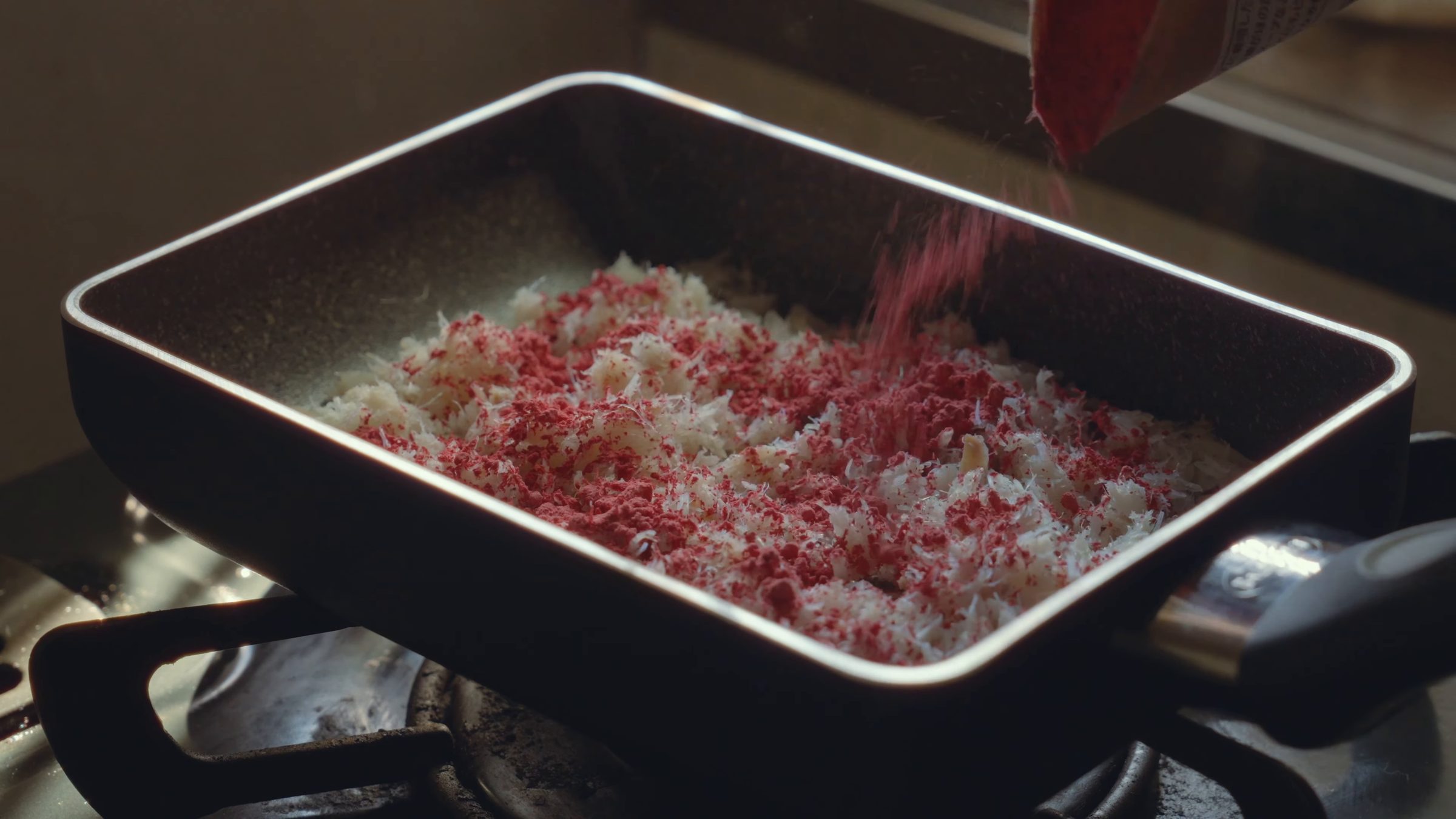
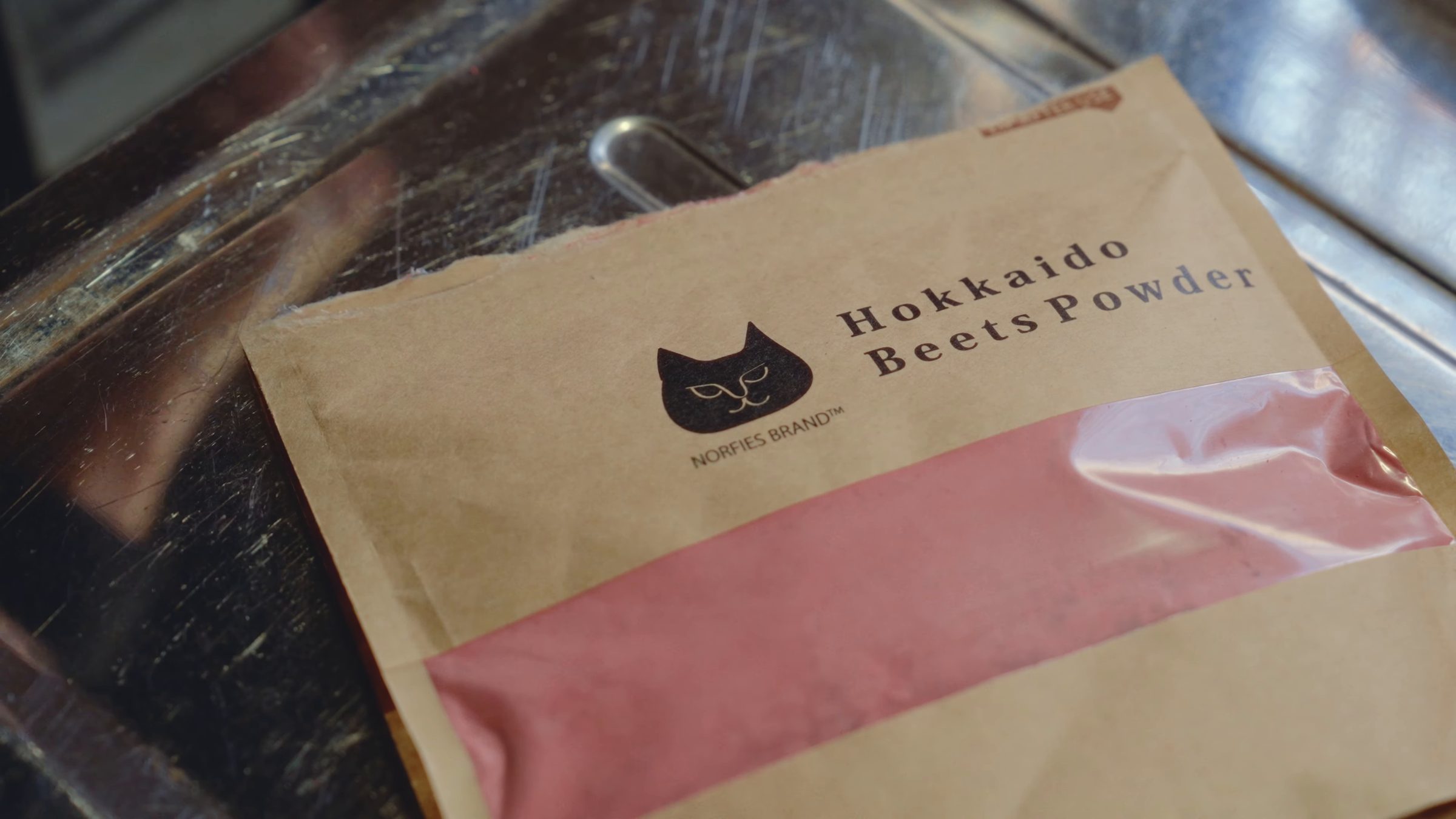
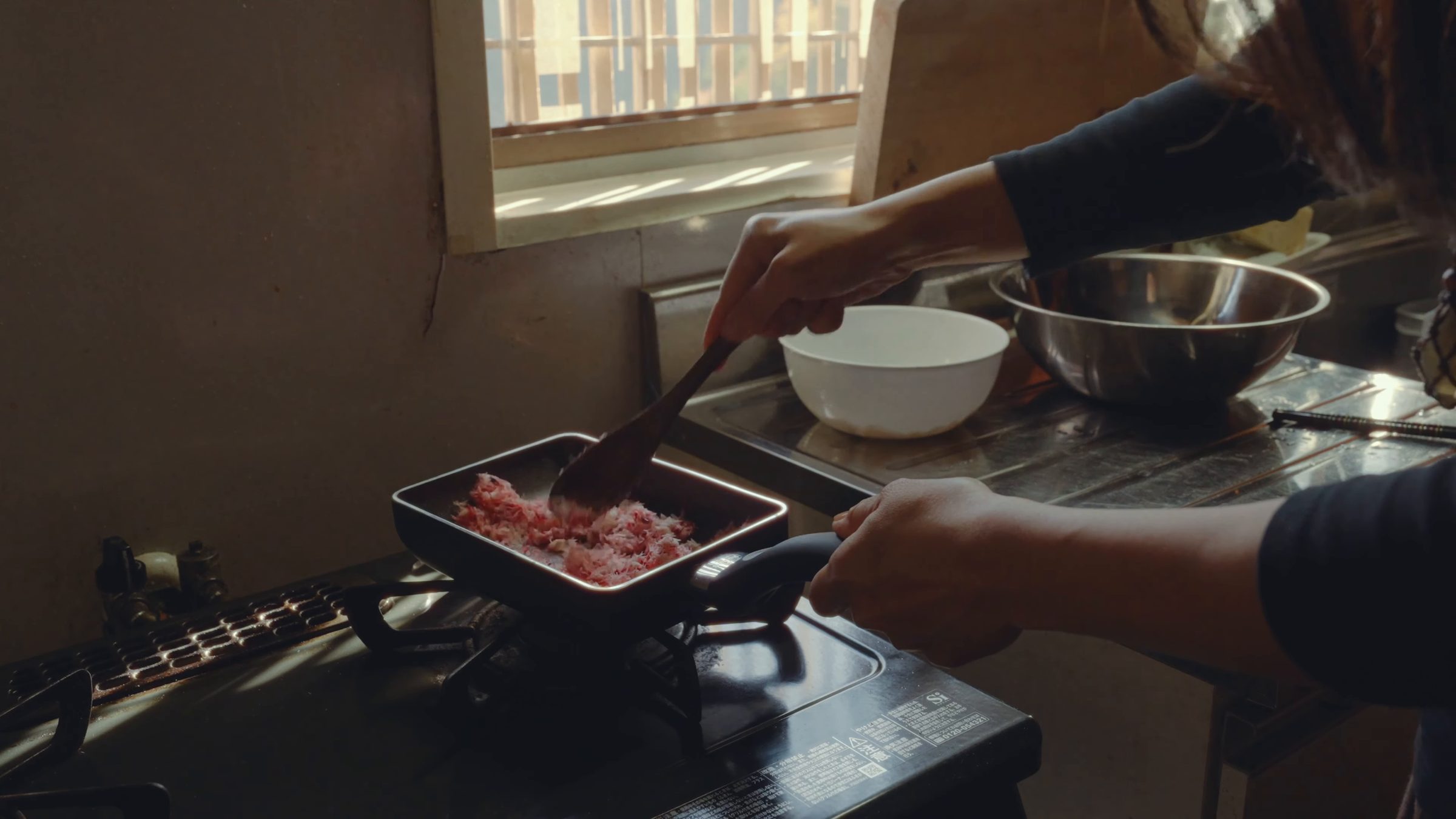
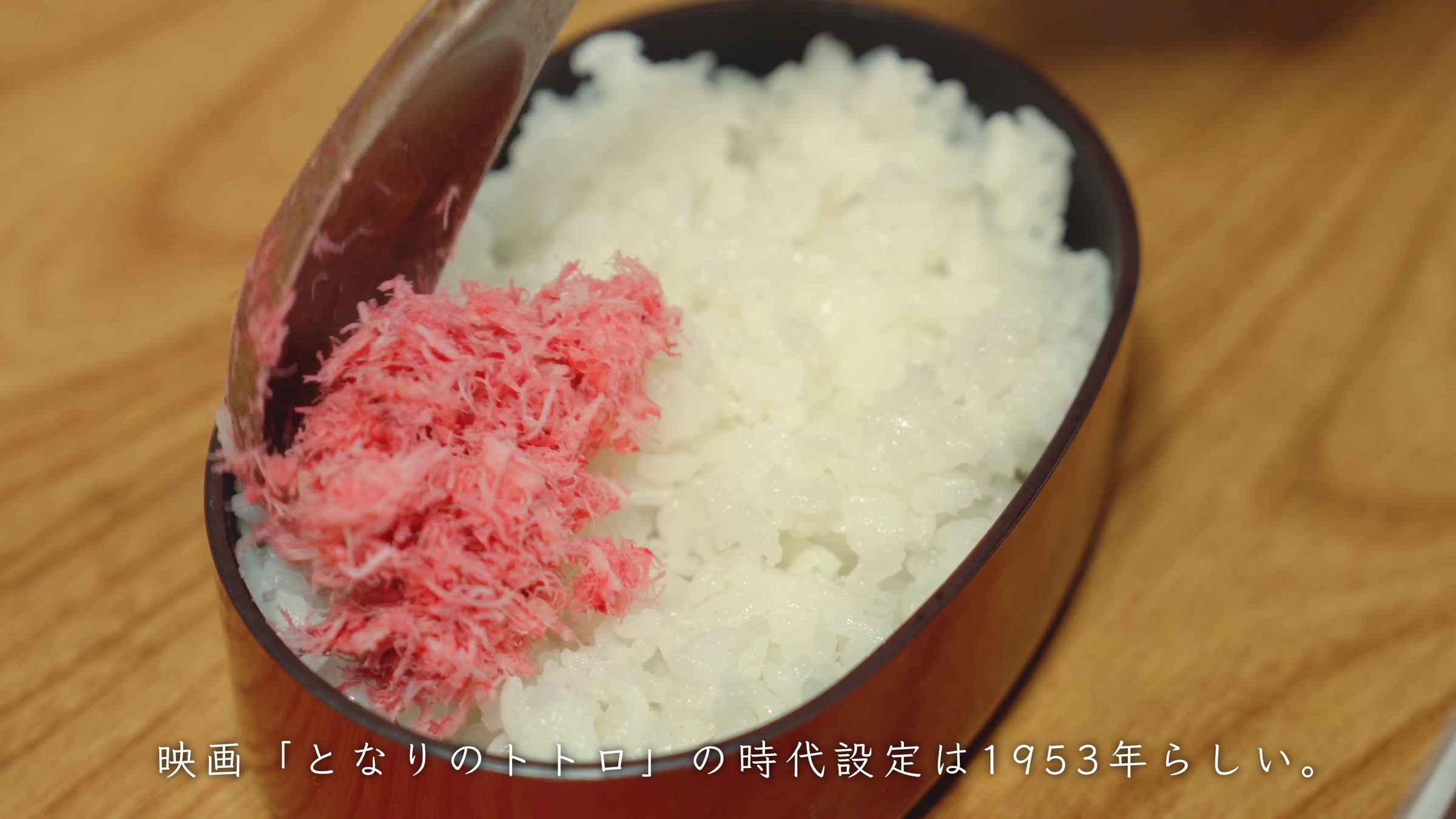
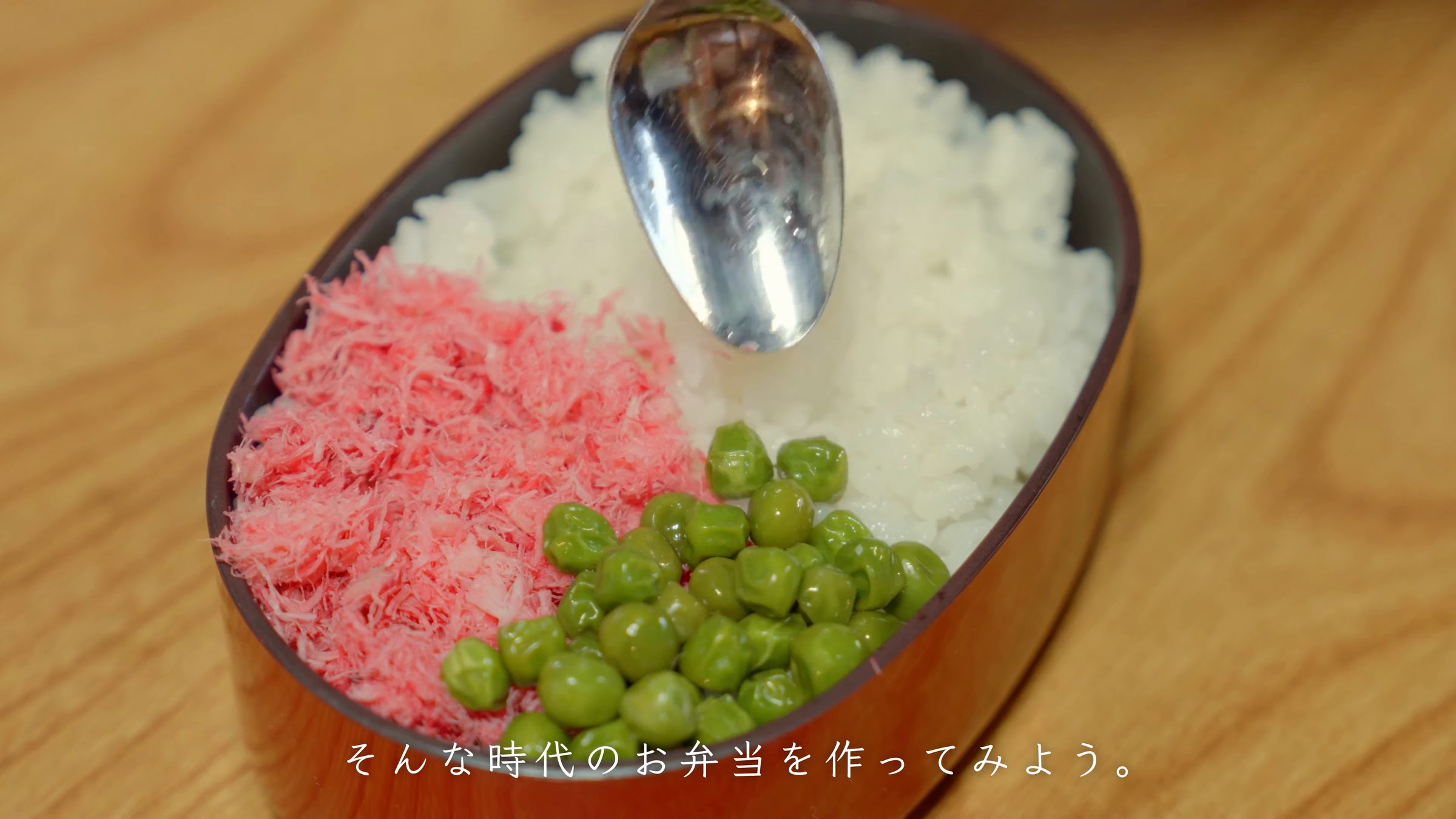
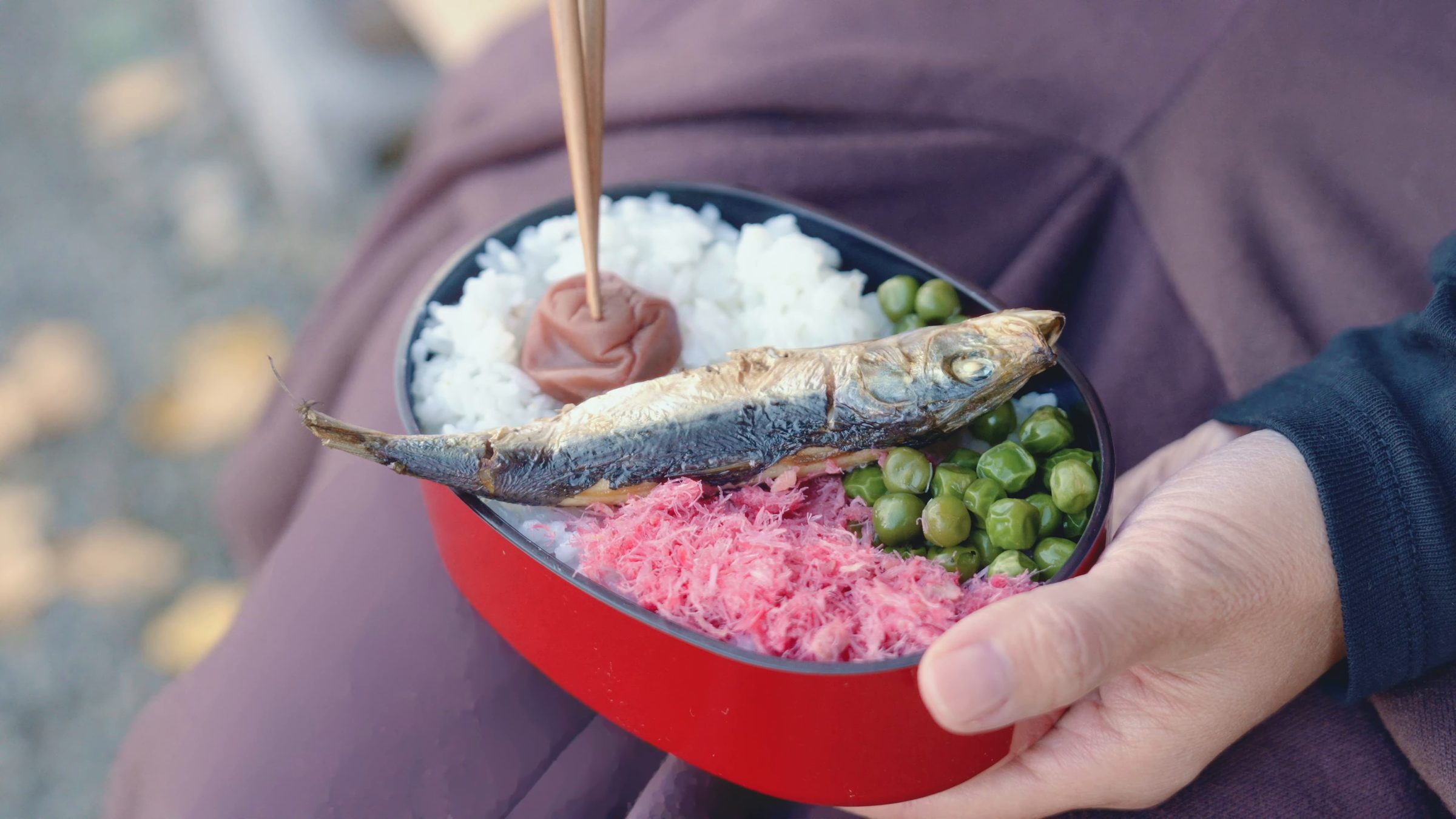
I grilled two small fish. Sprinkling beet powder over white flakes and tossing them in a pan turned them into pink denbu. Beyond the shoji screens, the mountains caught the afternoon light.
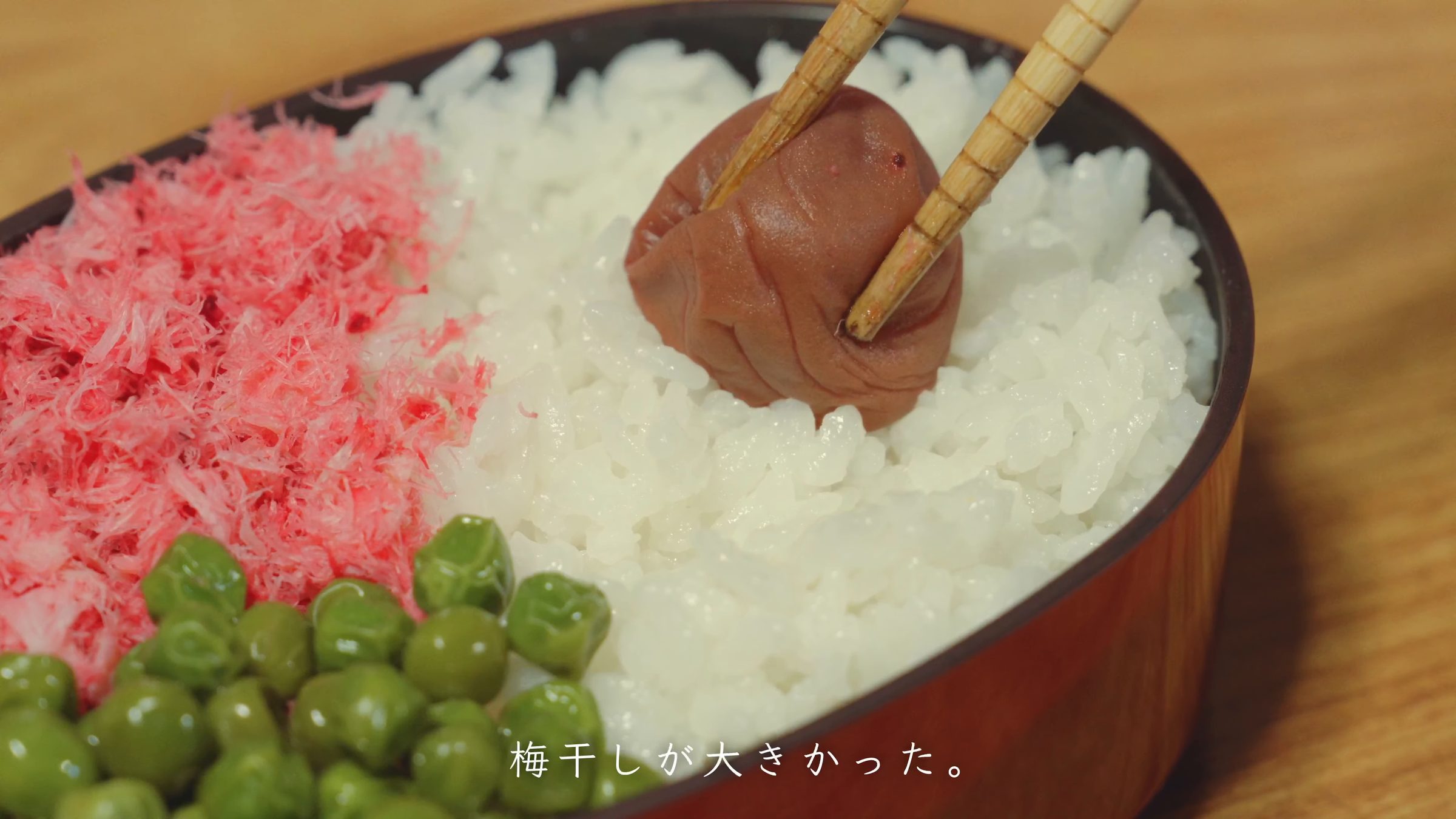
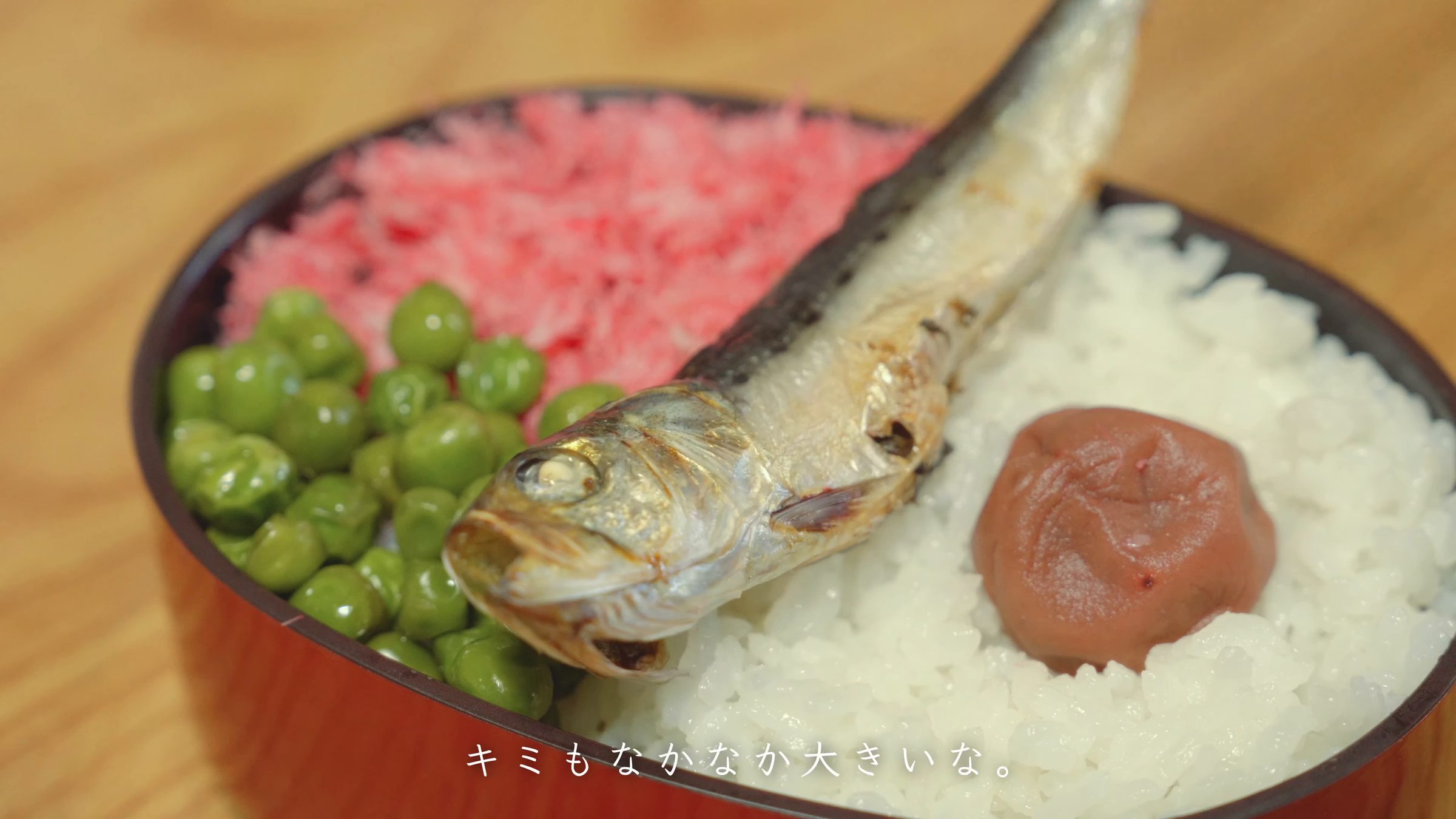
I fluffed the freshly cooked rice and packed it into a red lacquered lunch box: pink denbu, green peas, a pickled plum. The plum turned out to be huge. Then the grilled fish went on top. You're pretty big too.
Watch this scene on YouTube1:45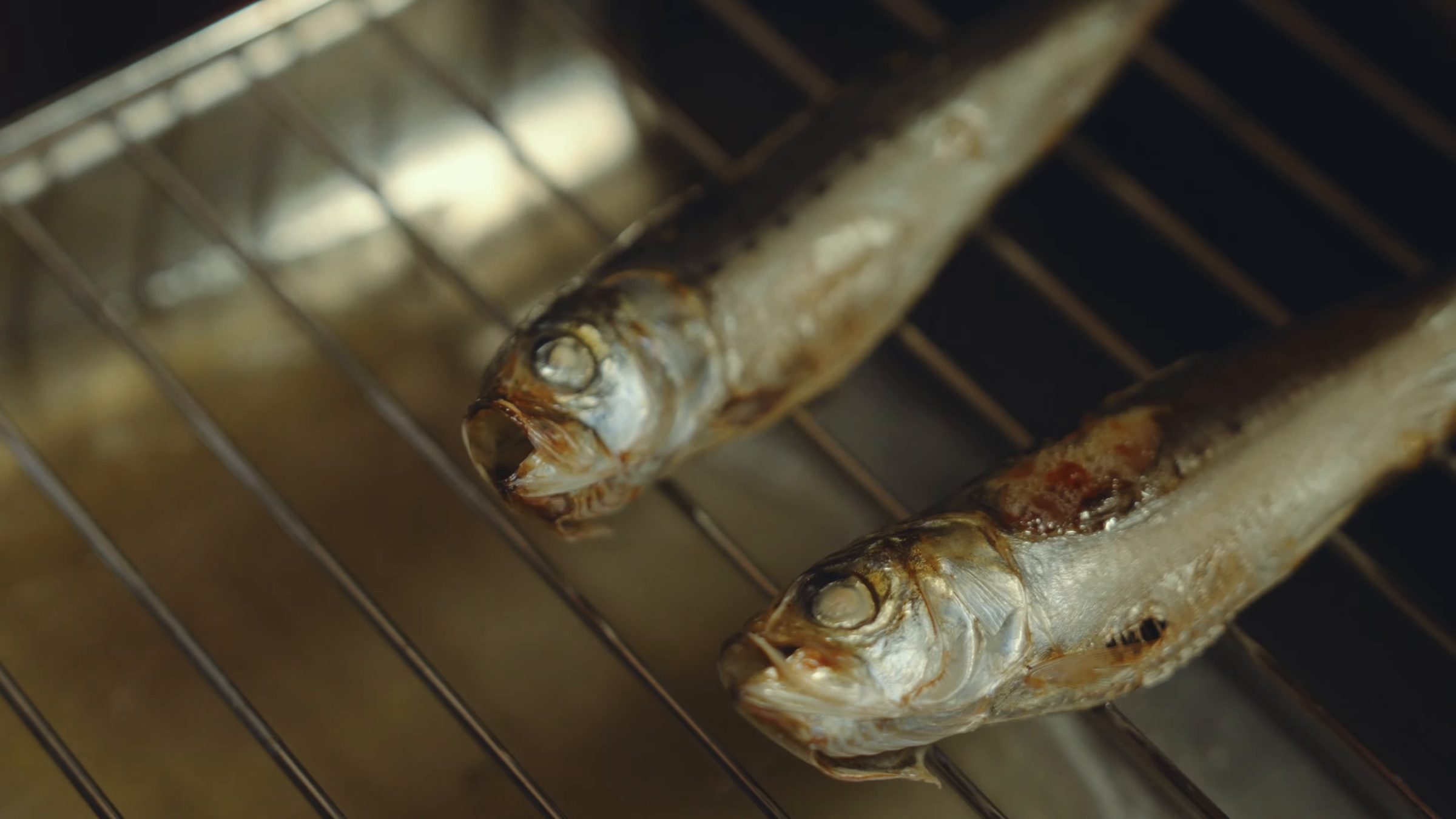
04TRAVEL JOURNAL
Before heading out
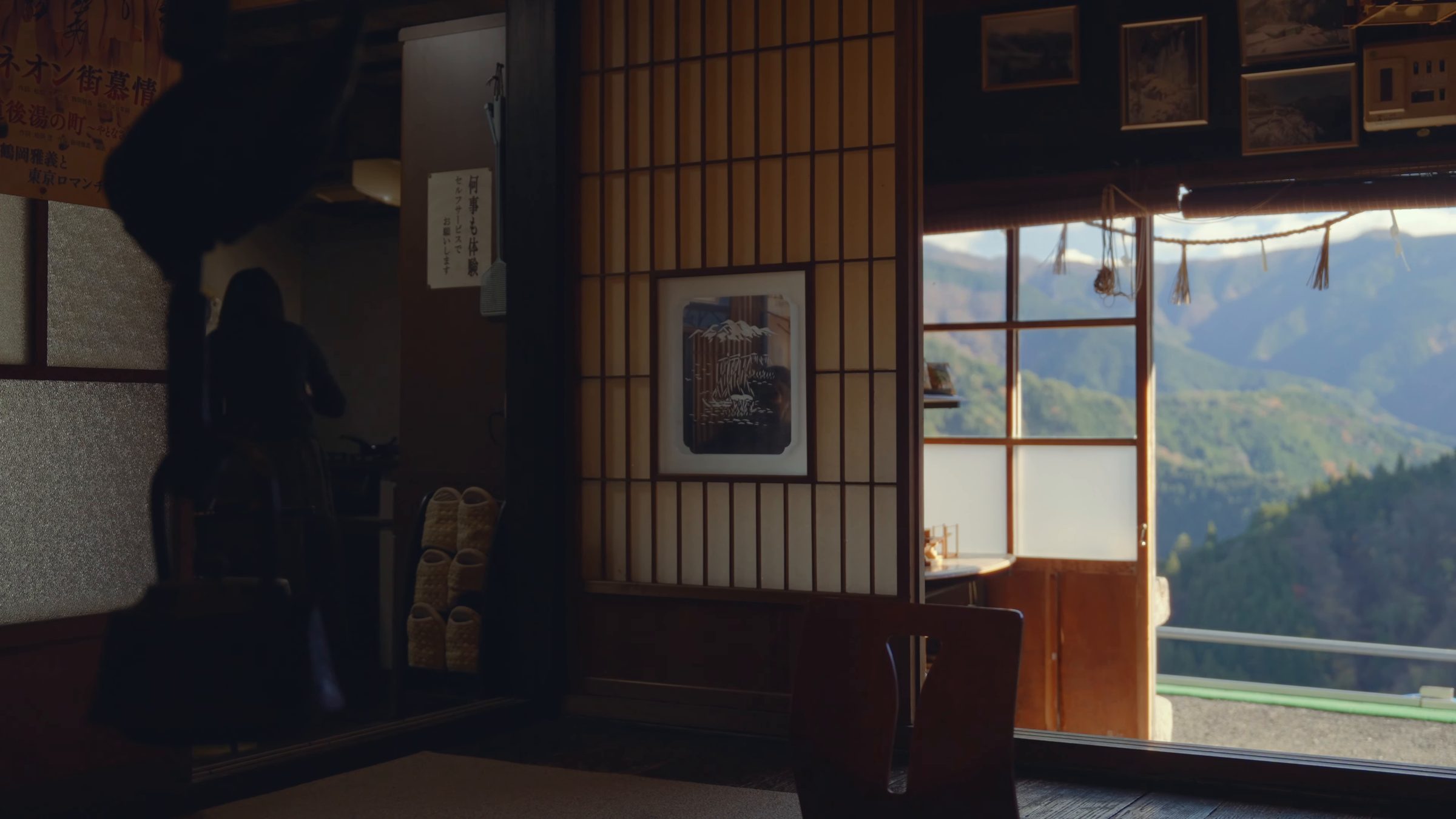
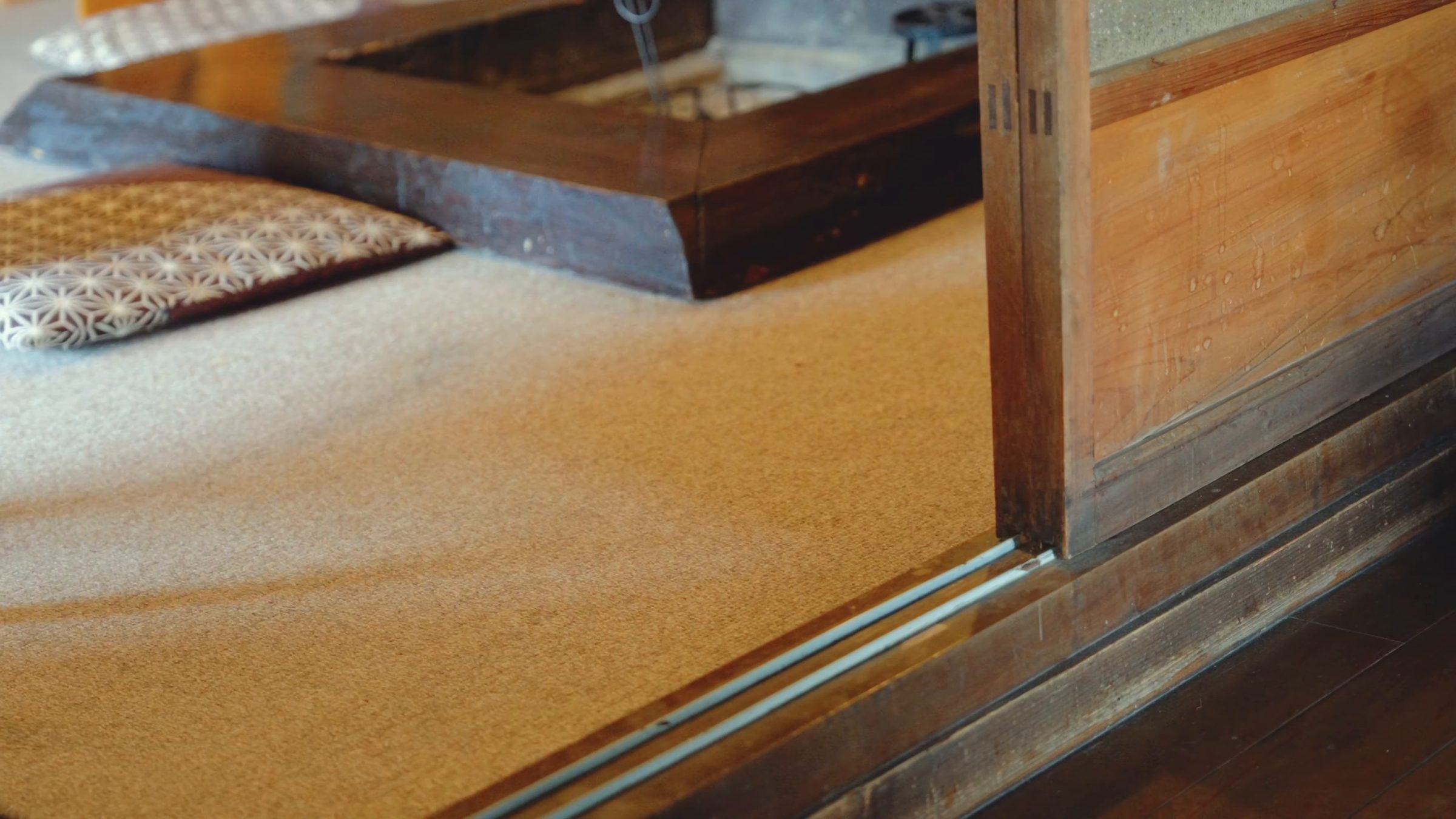
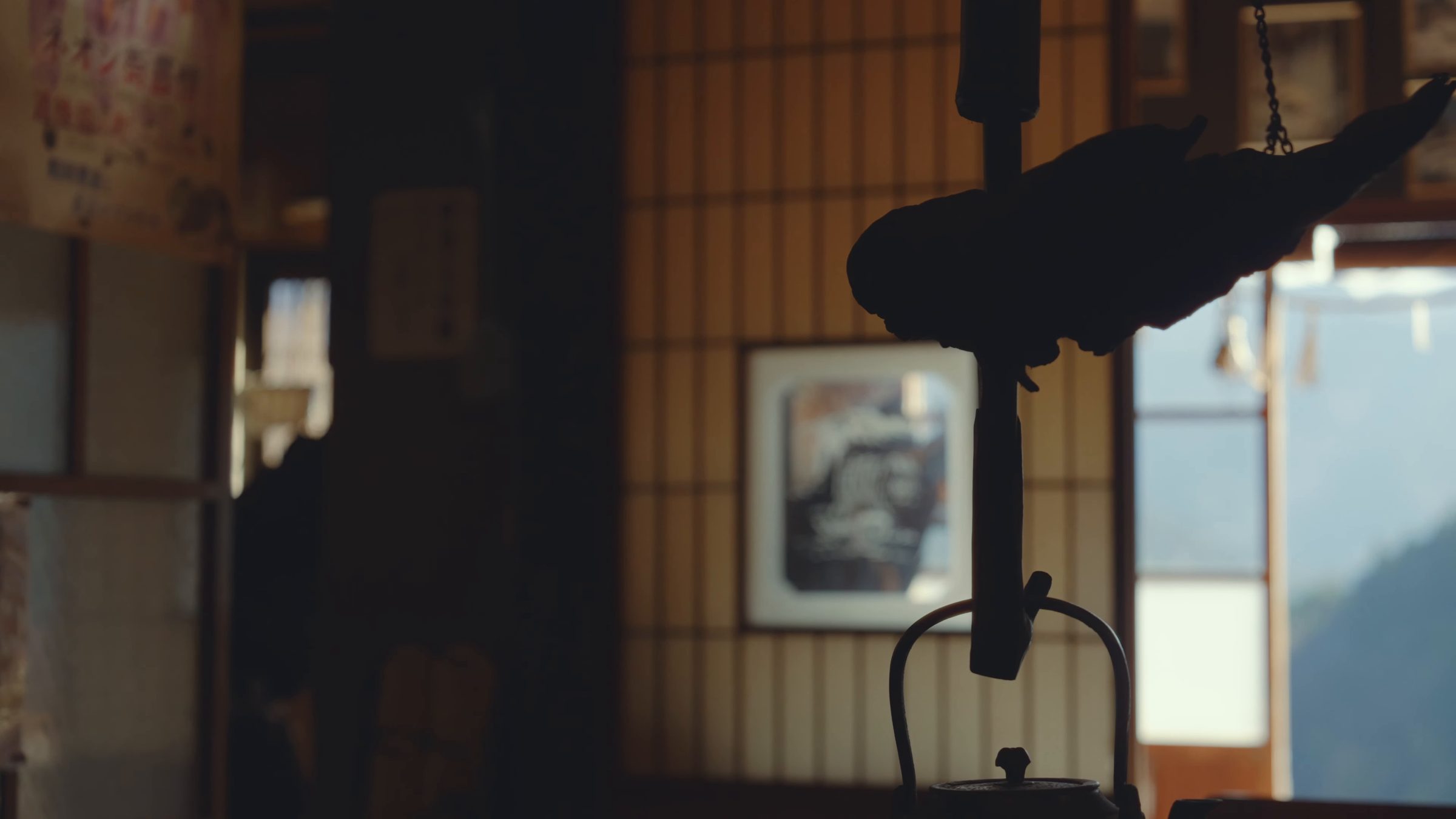
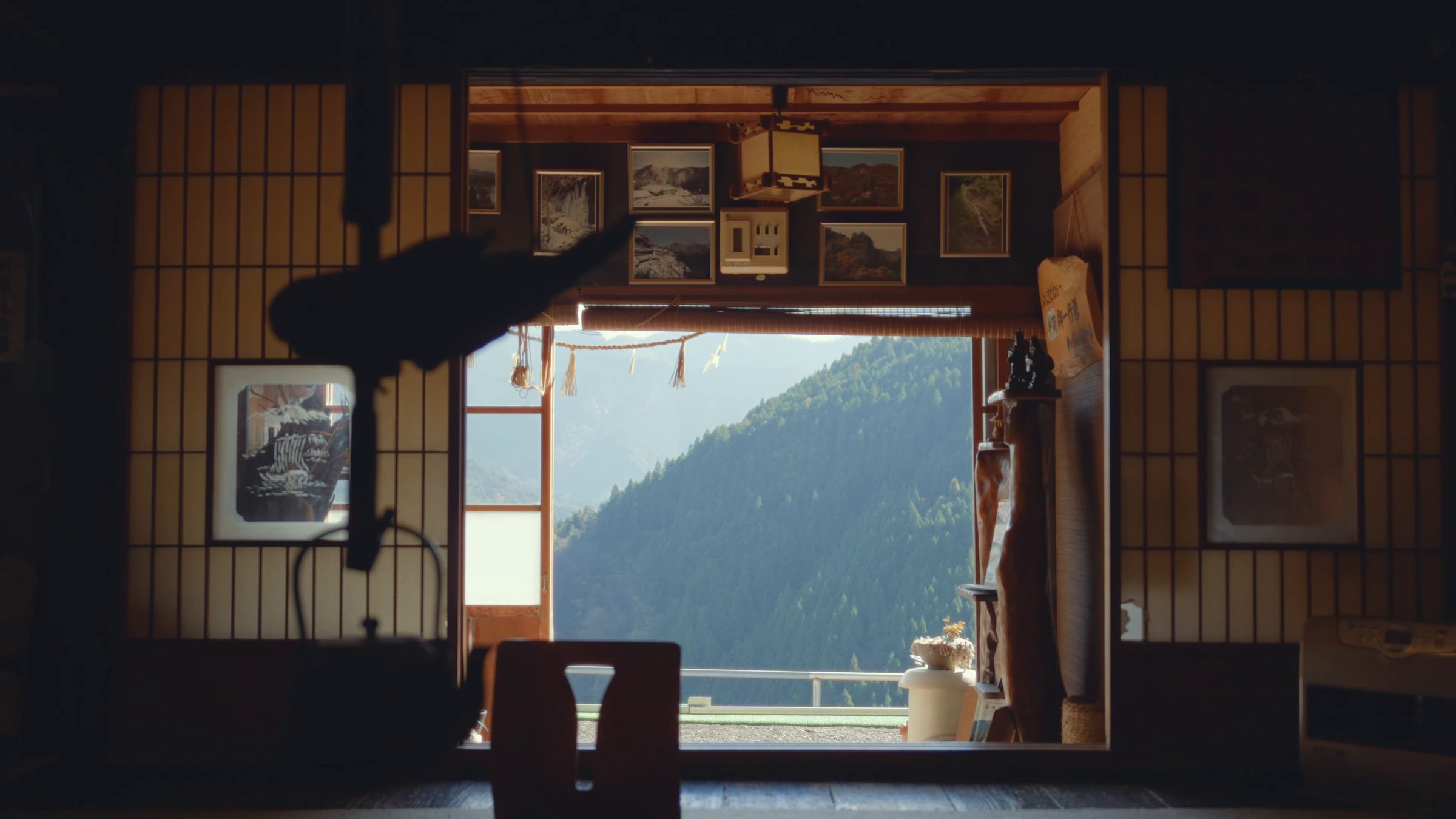
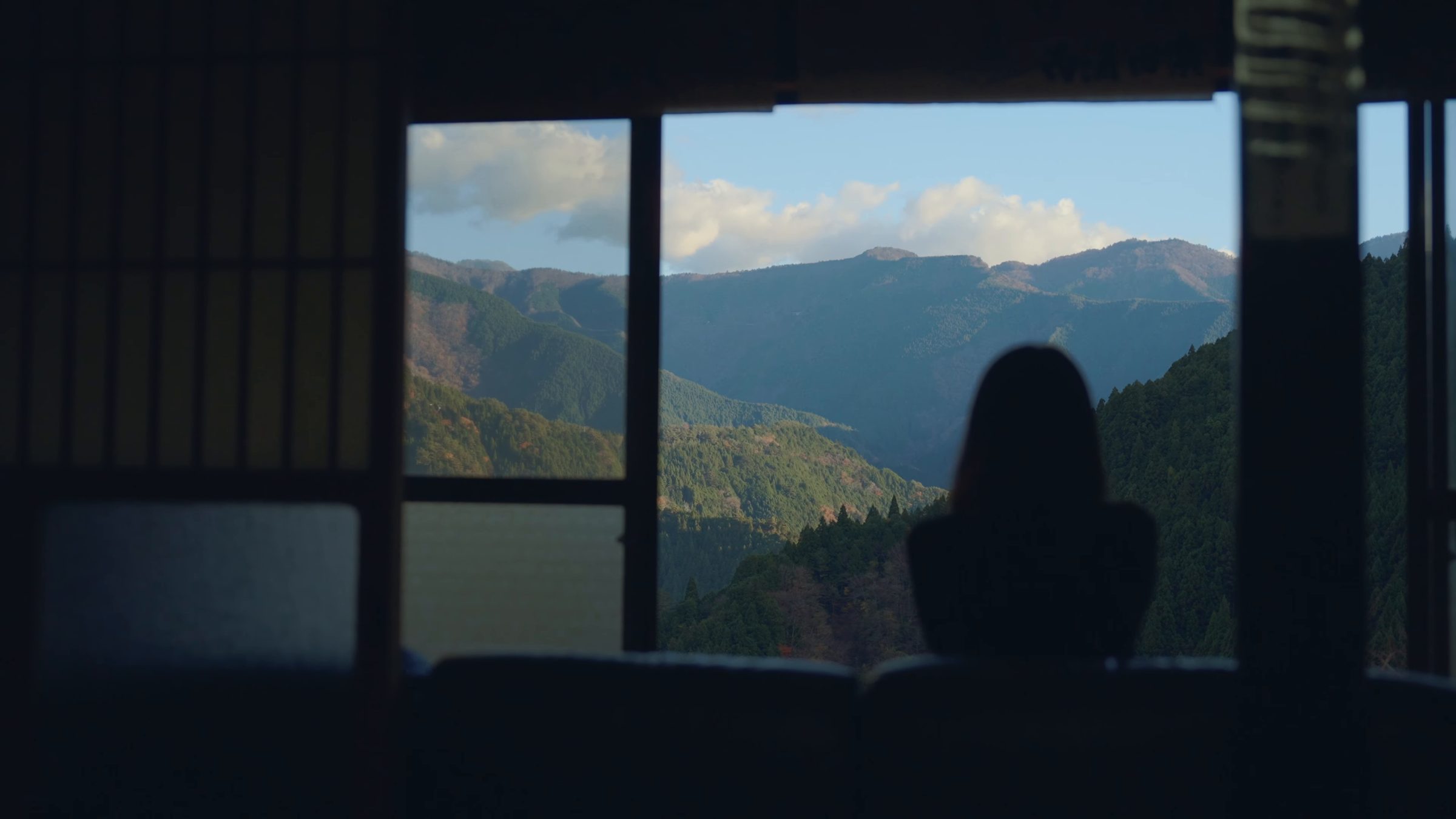
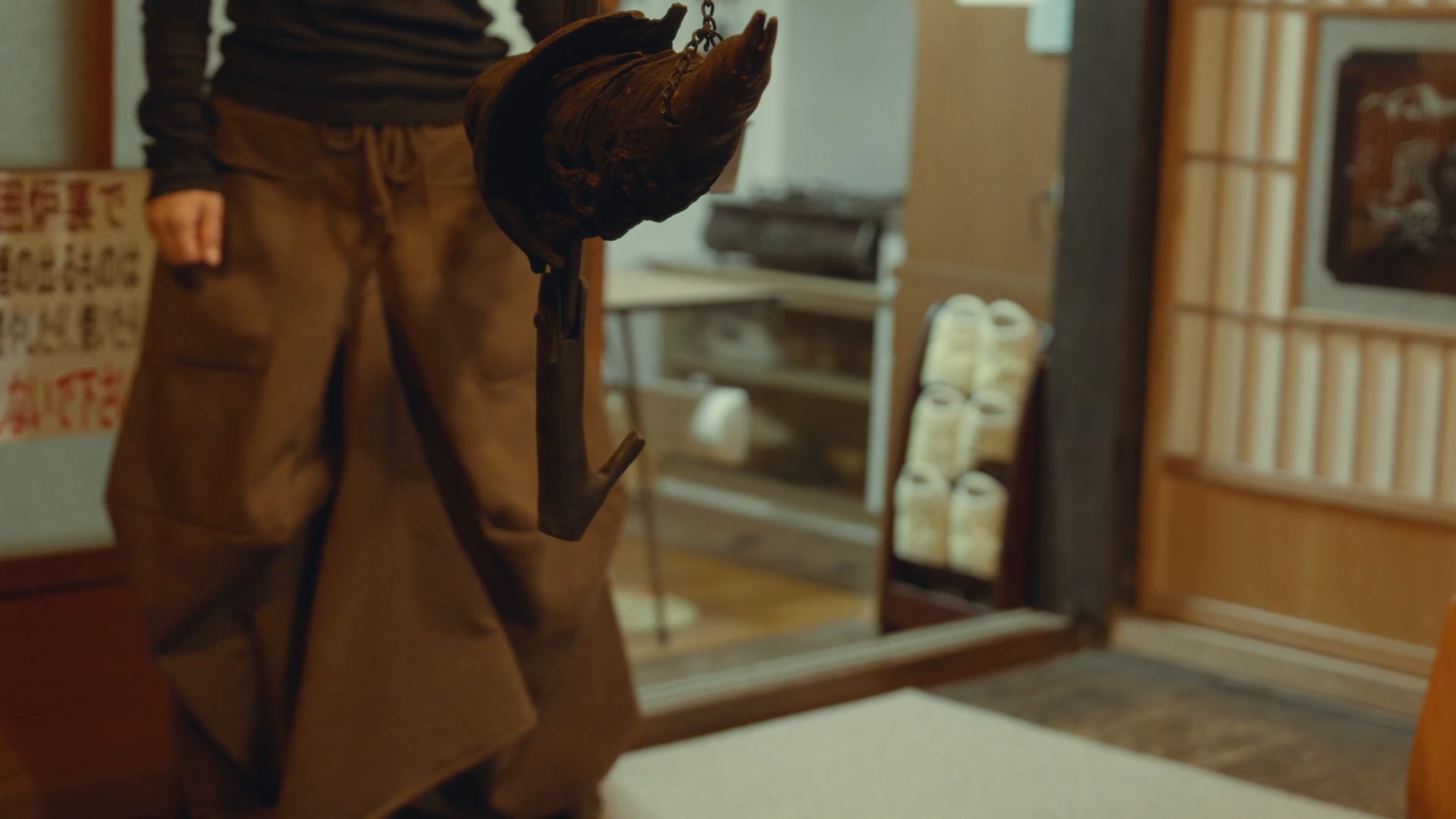
Before heading out, I took a turn around the house. Autumn sun slanted across the tatami by the veranda. In the hearth room, a pot hook hung from the ceiling, and the mountains showed through the open window.
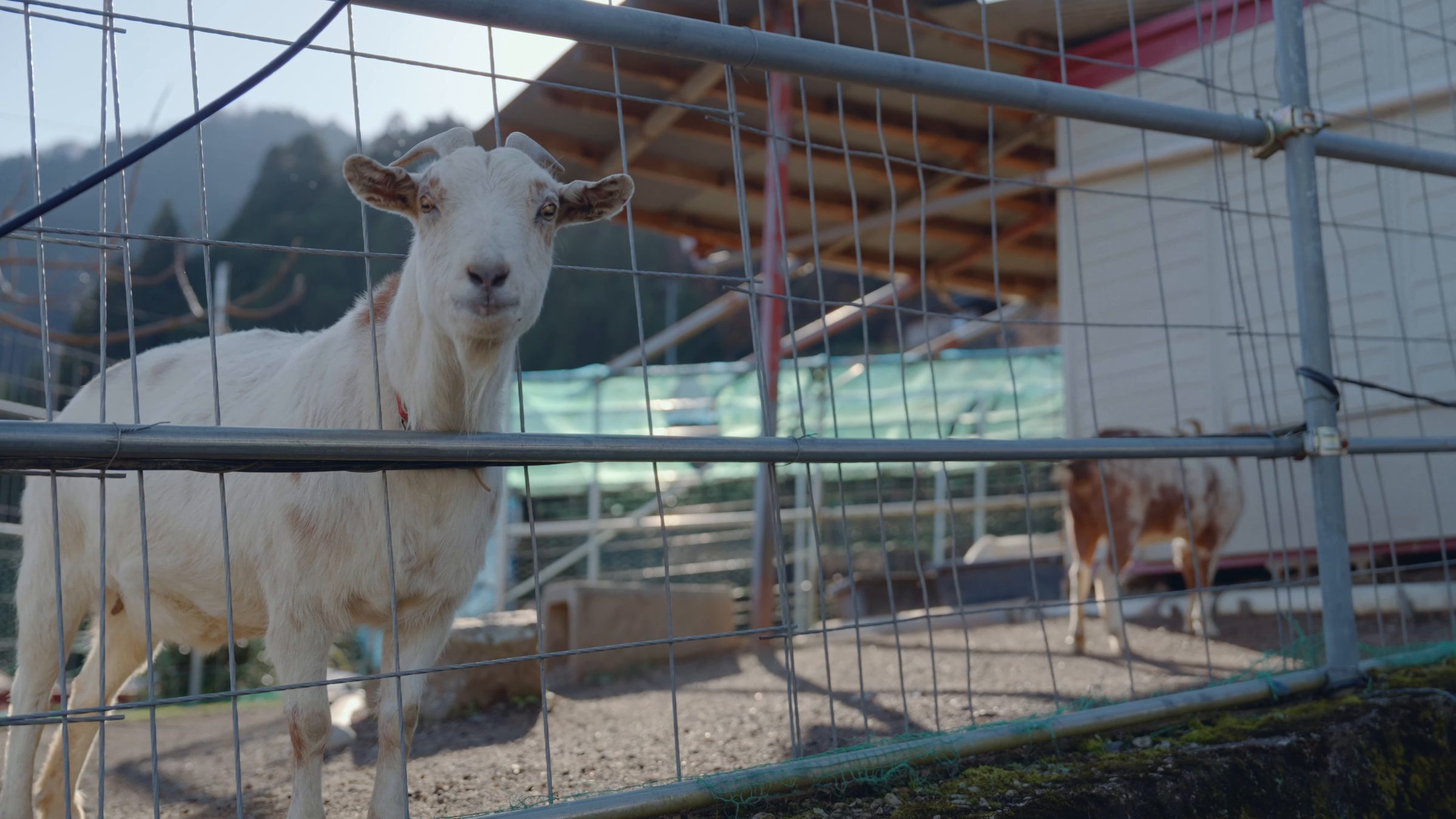
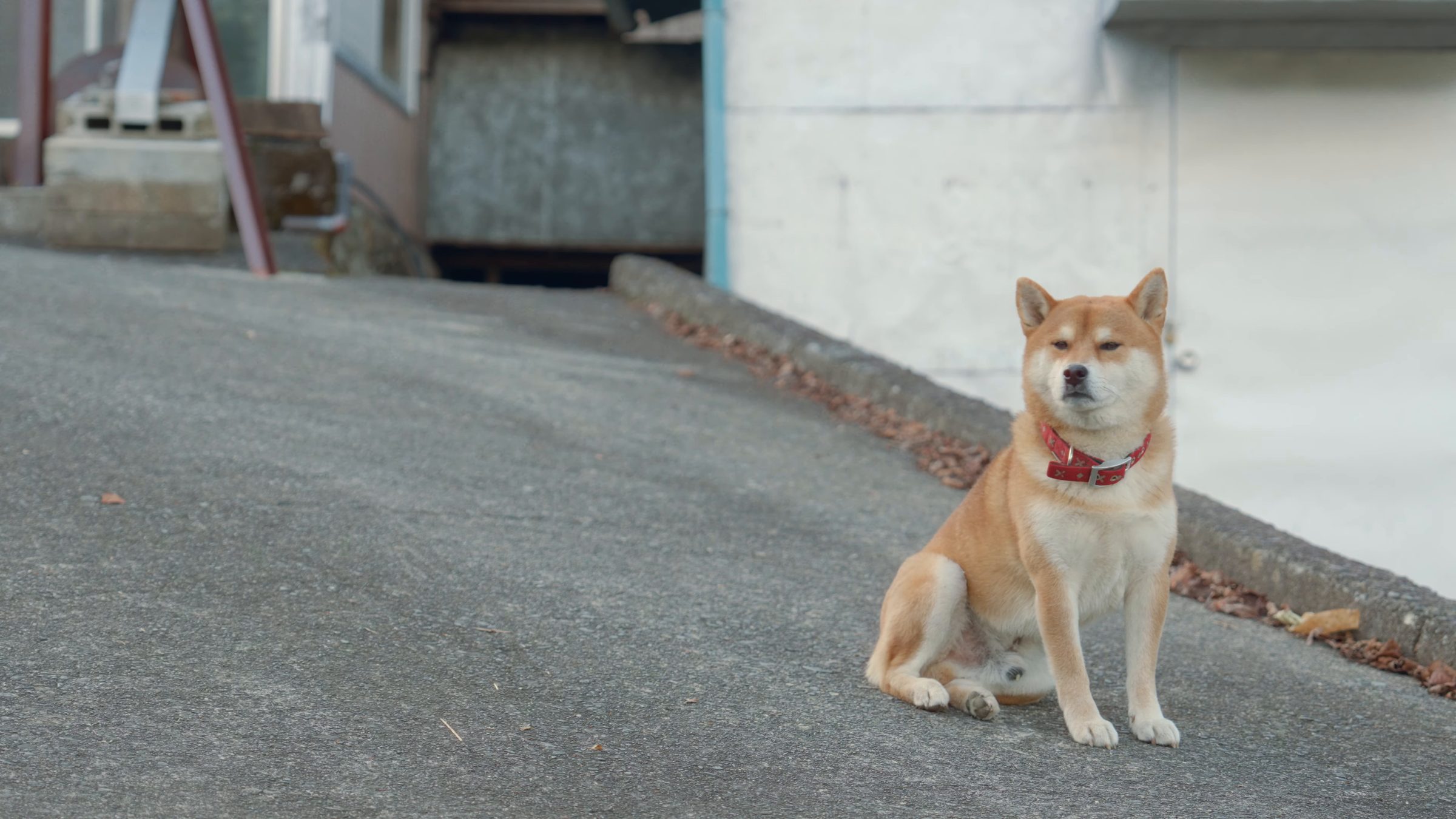
The house has other residents, too: a Shiba dog in a red collar, and goats peering over the fence. Right, then. Time to go out with the lunch box.
Watch this scene on YouTube2:39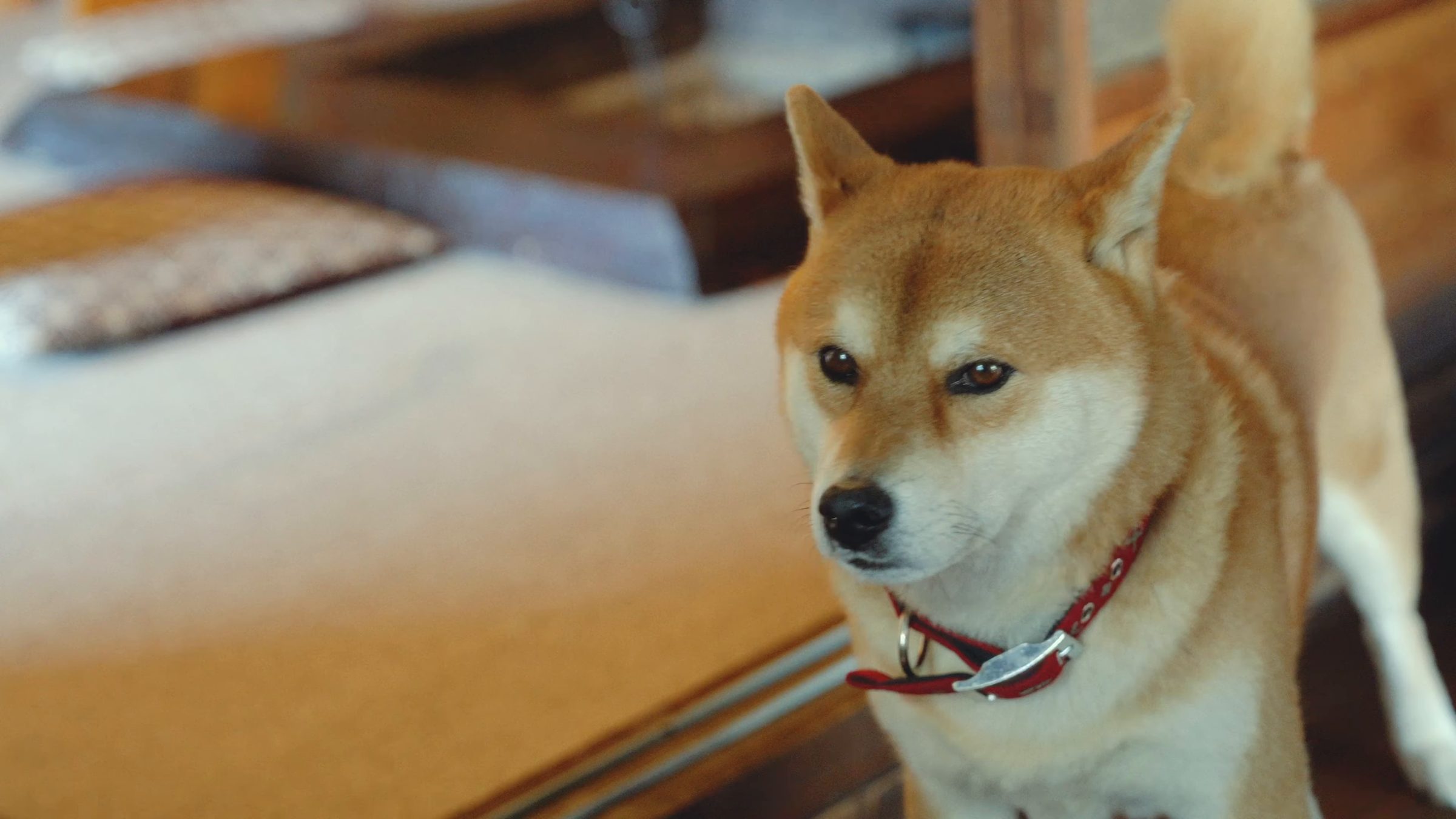
05TRAVEL JOURNAL
A picnic in the village in the sky
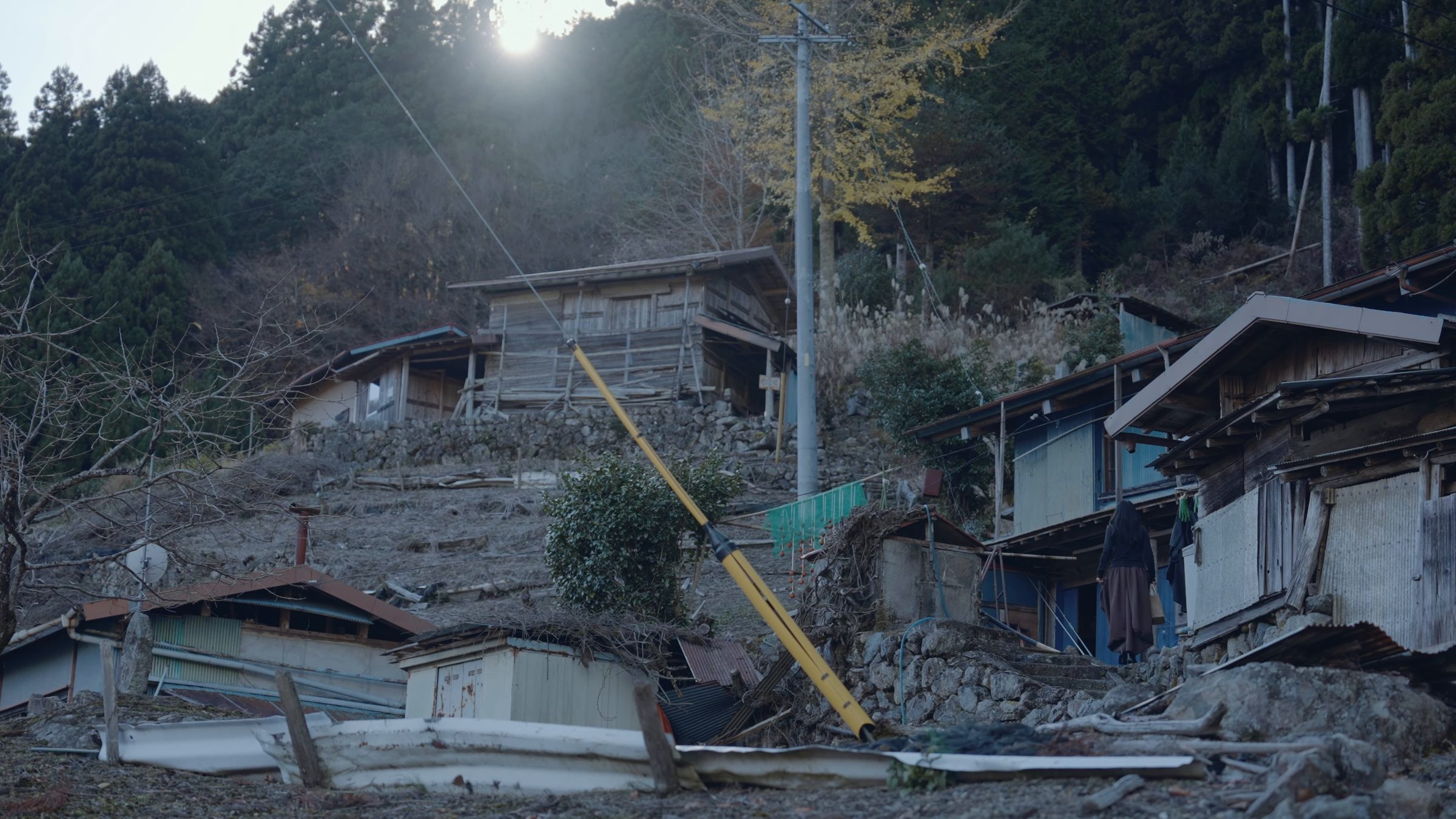
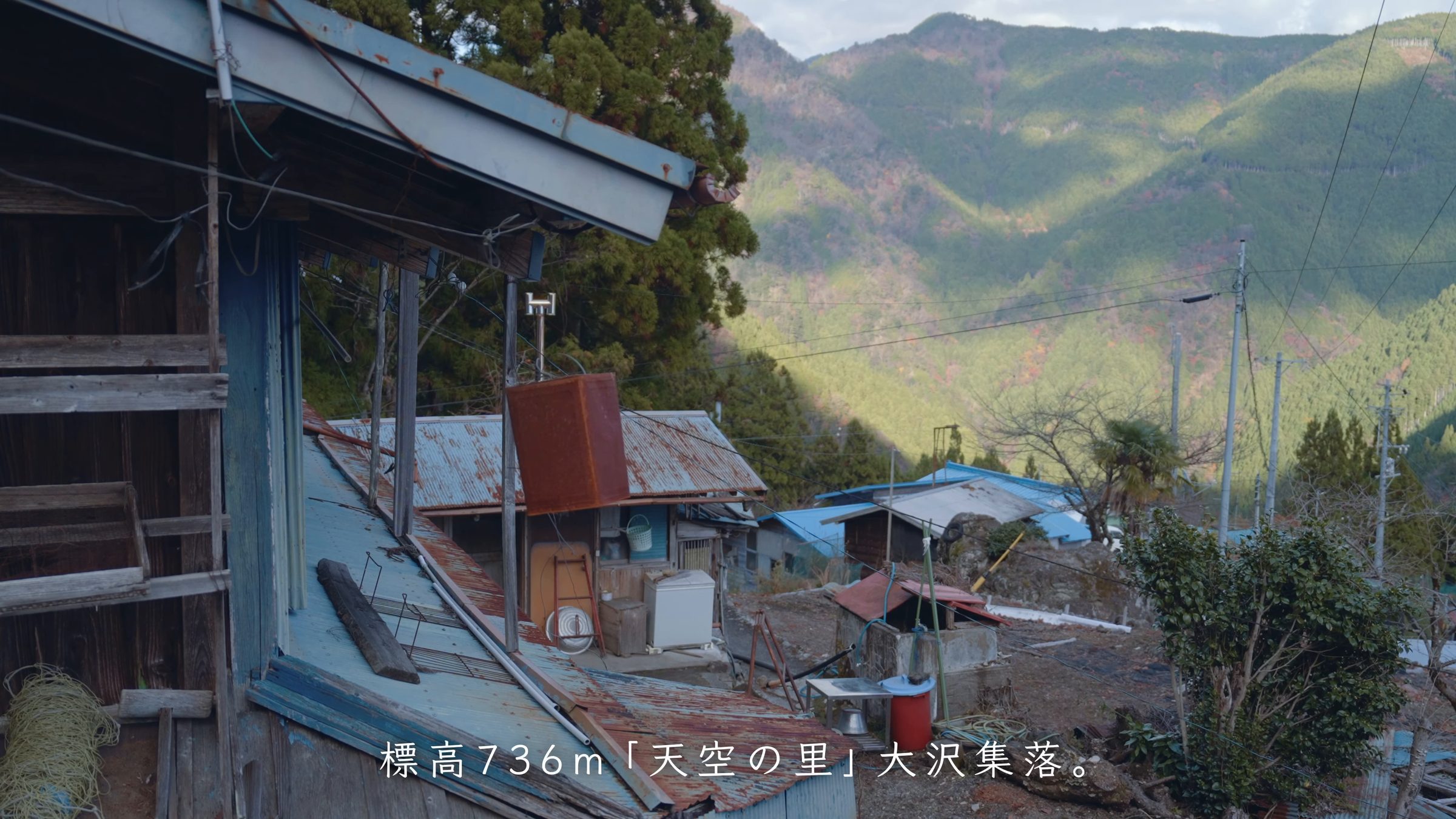
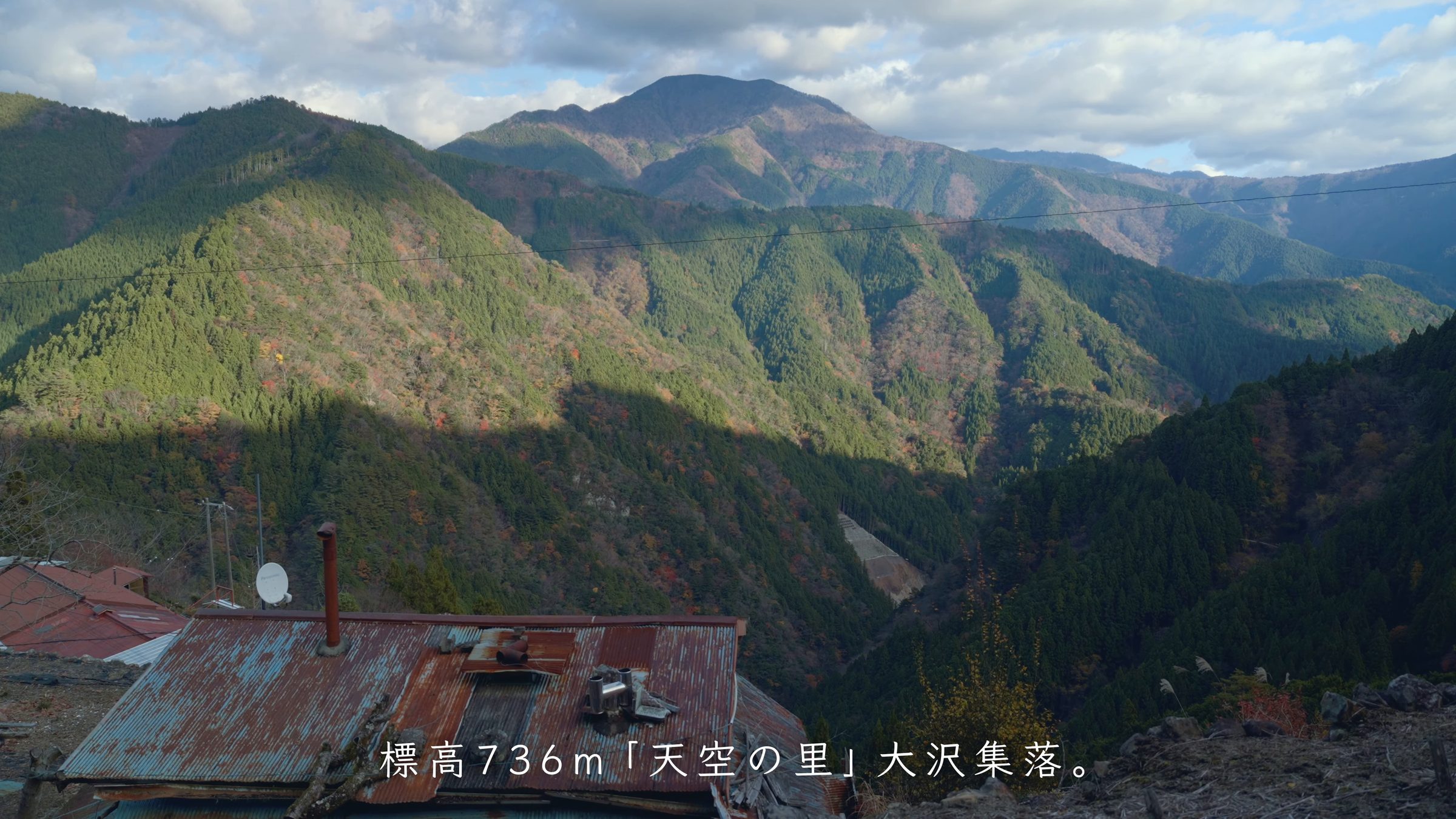
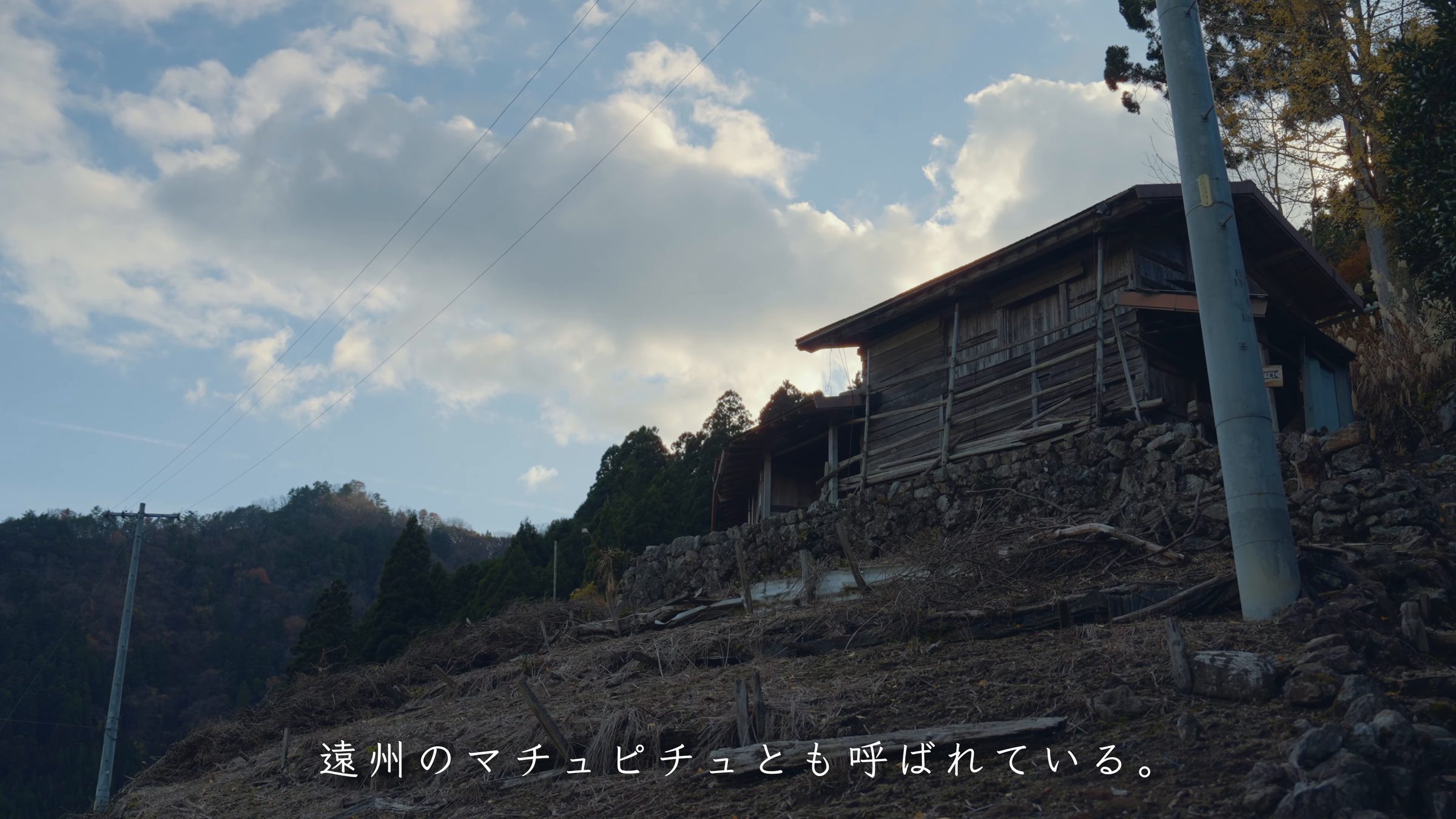
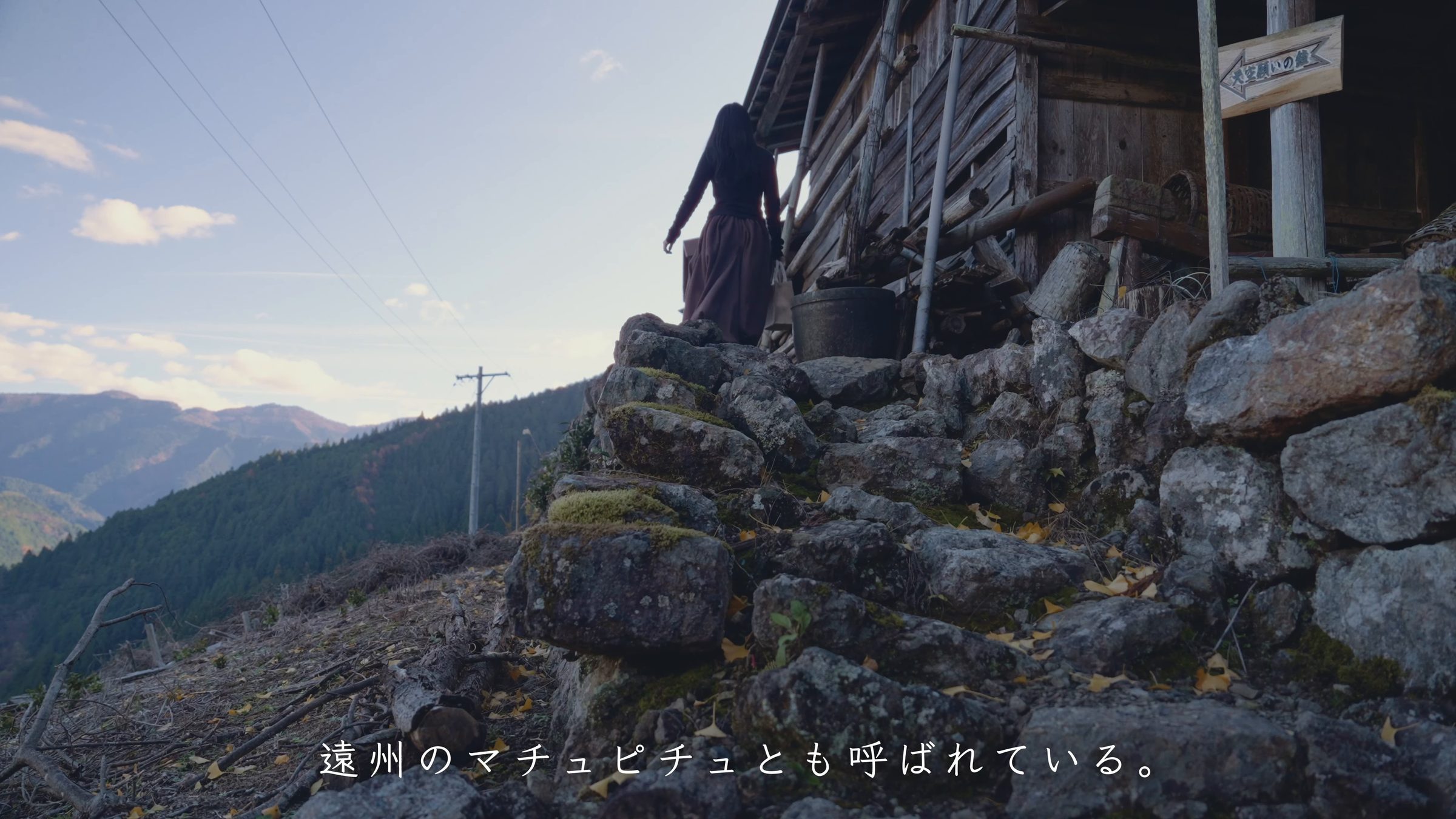
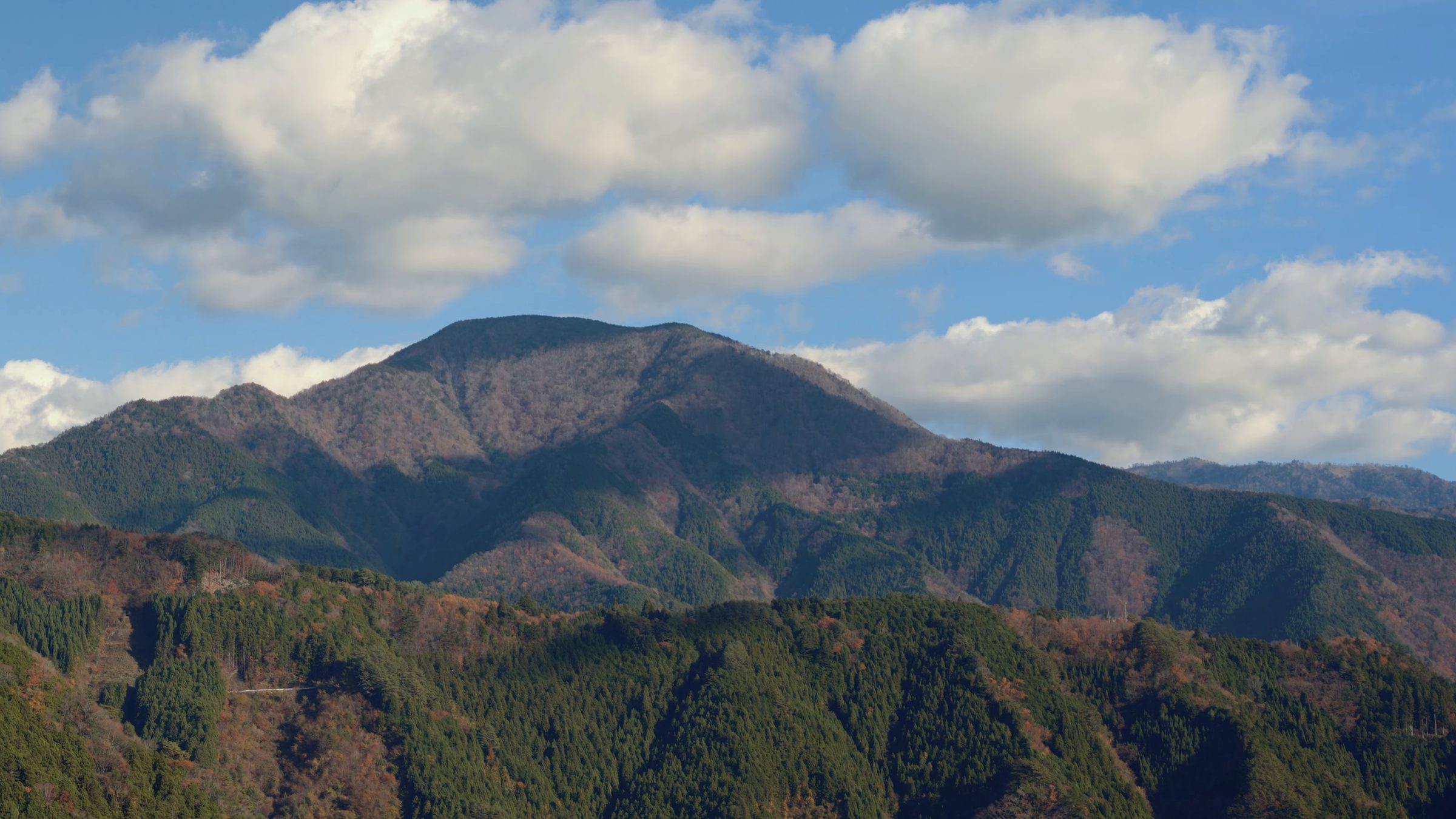
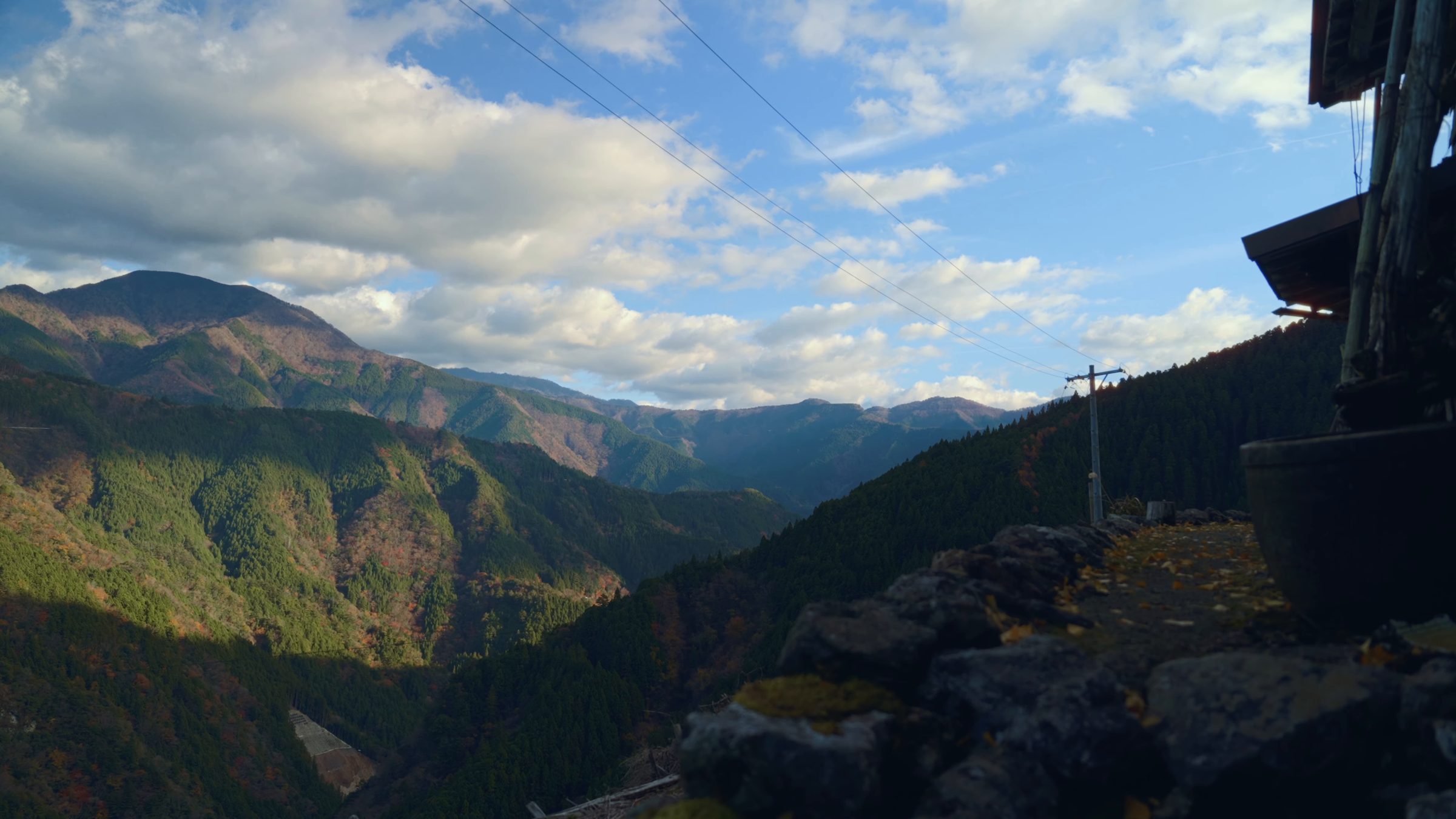
Wishing Bell in the Sky, 300 m. A wooden sign beside the house pointed up the hill. Tin-roofed houses stacked up the slope, and beyond them the mountains went on in fold after fold. This is Osawa, 736 meters up, known as the village in the sky.
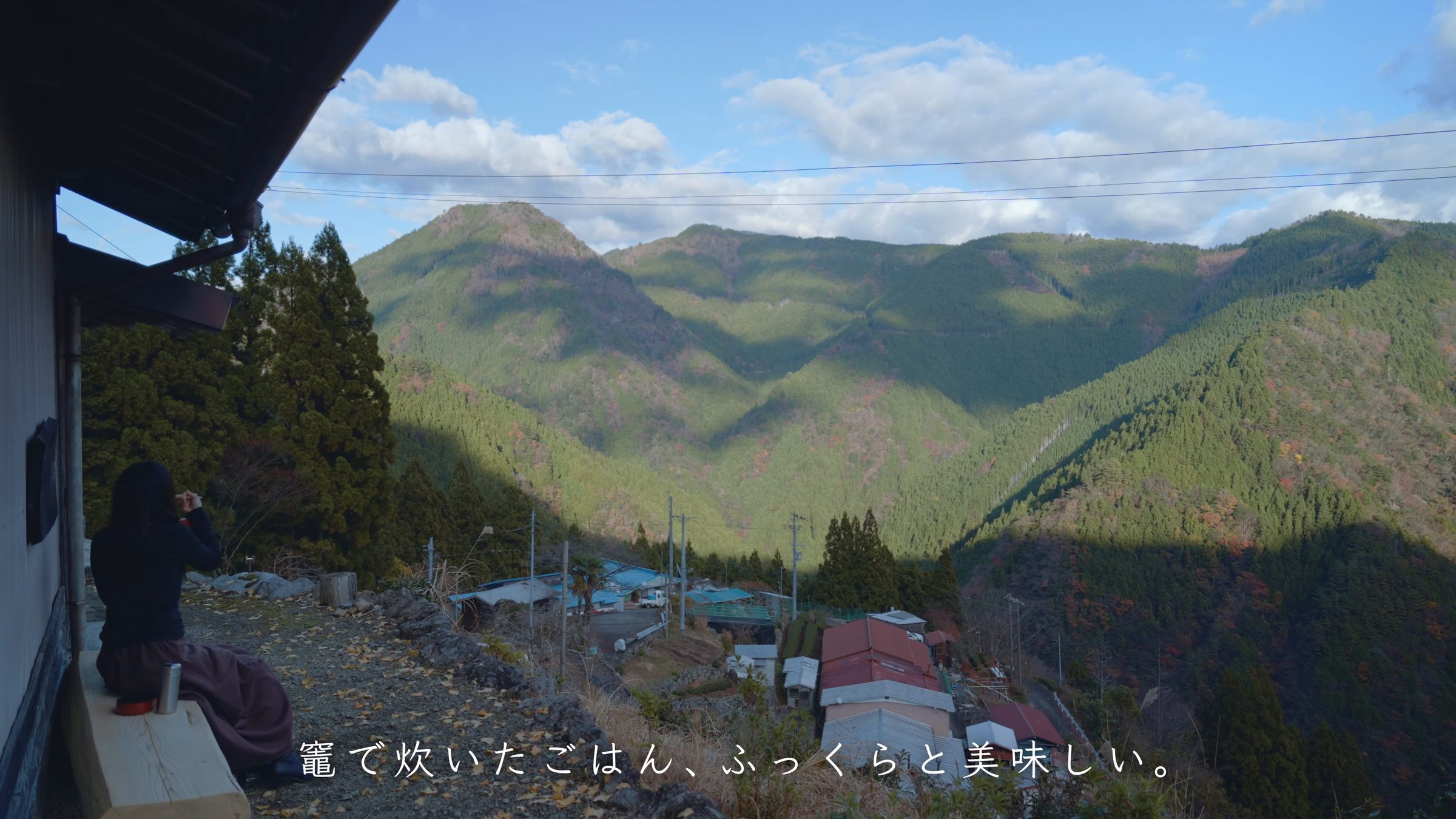
With stone walls built into the steep slope and small fields and houses clinging to them, the village is also called the Machu Picchu of Enshu. I climbed the stone-walled path and sat down on a bench with a view, ginkgo leaves scattered at my feet.
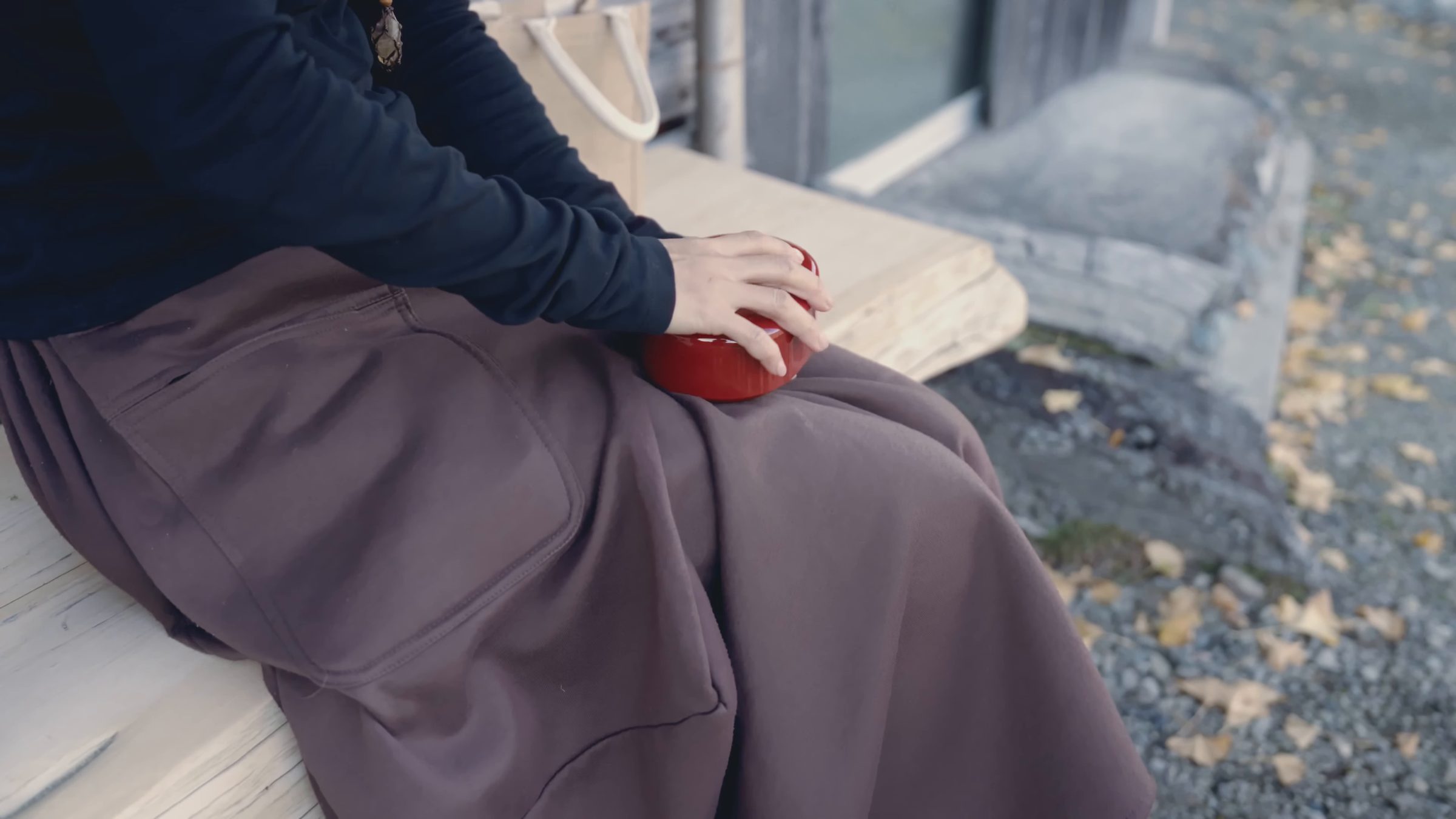
I opened the lunch box on my lap. Rice cooked over a kamado is fluffy and delicious. Lunch, looking down over the village roofs and the mountains across the valley.
Watch this scene on YouTube2:59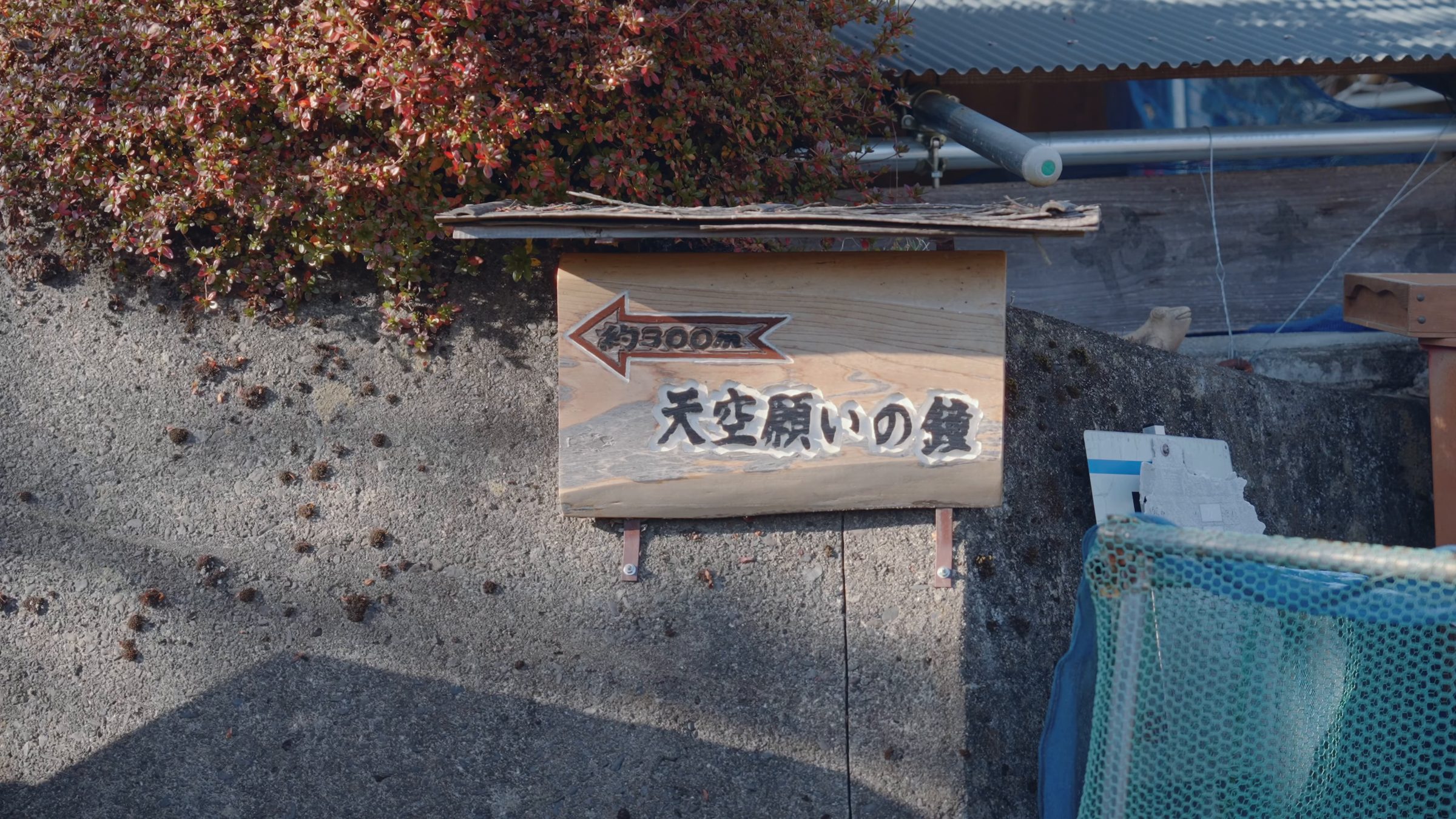
06TRAVEL JOURNAL
The shrine and the Wishing Bell in the Sky
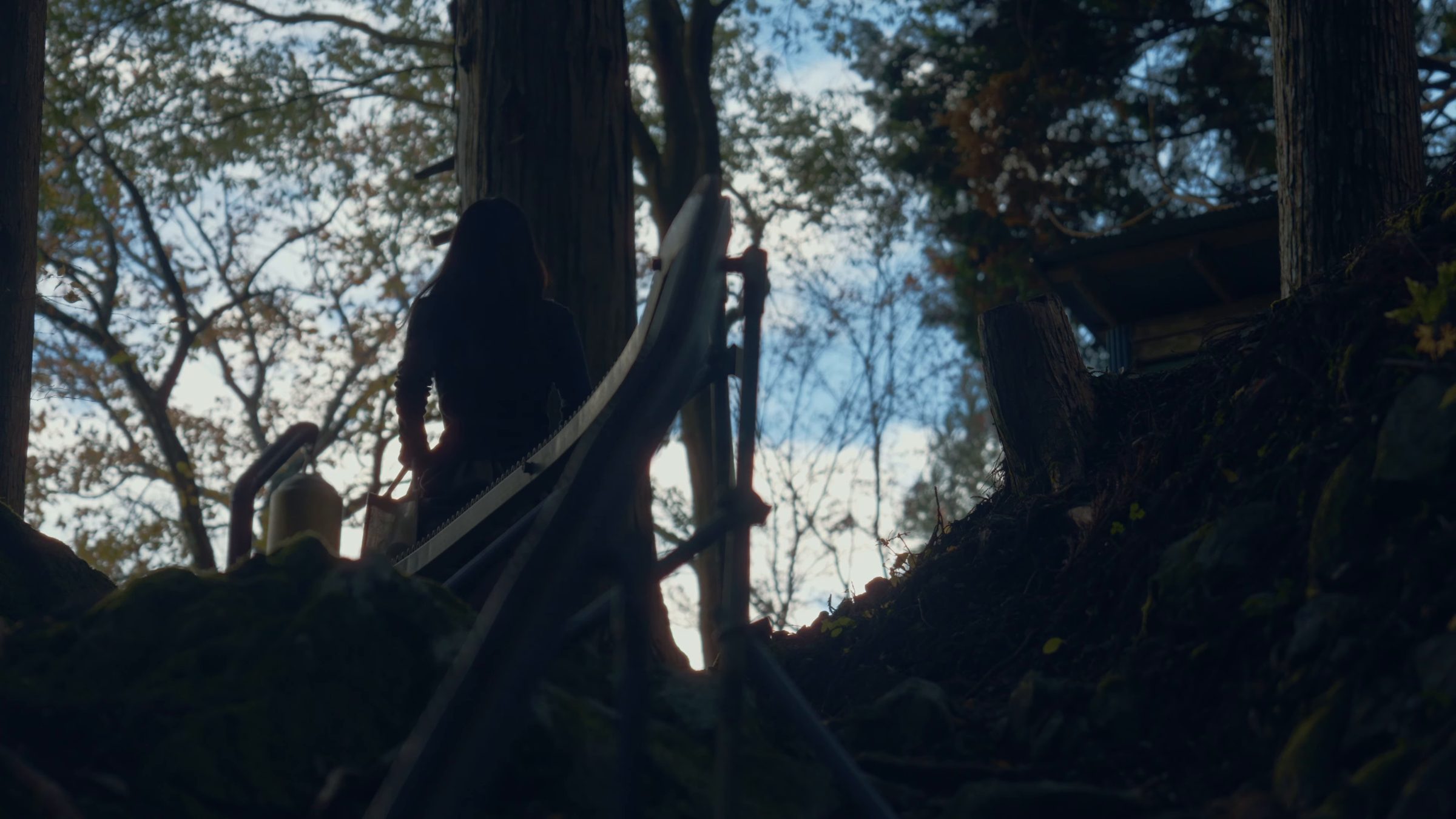
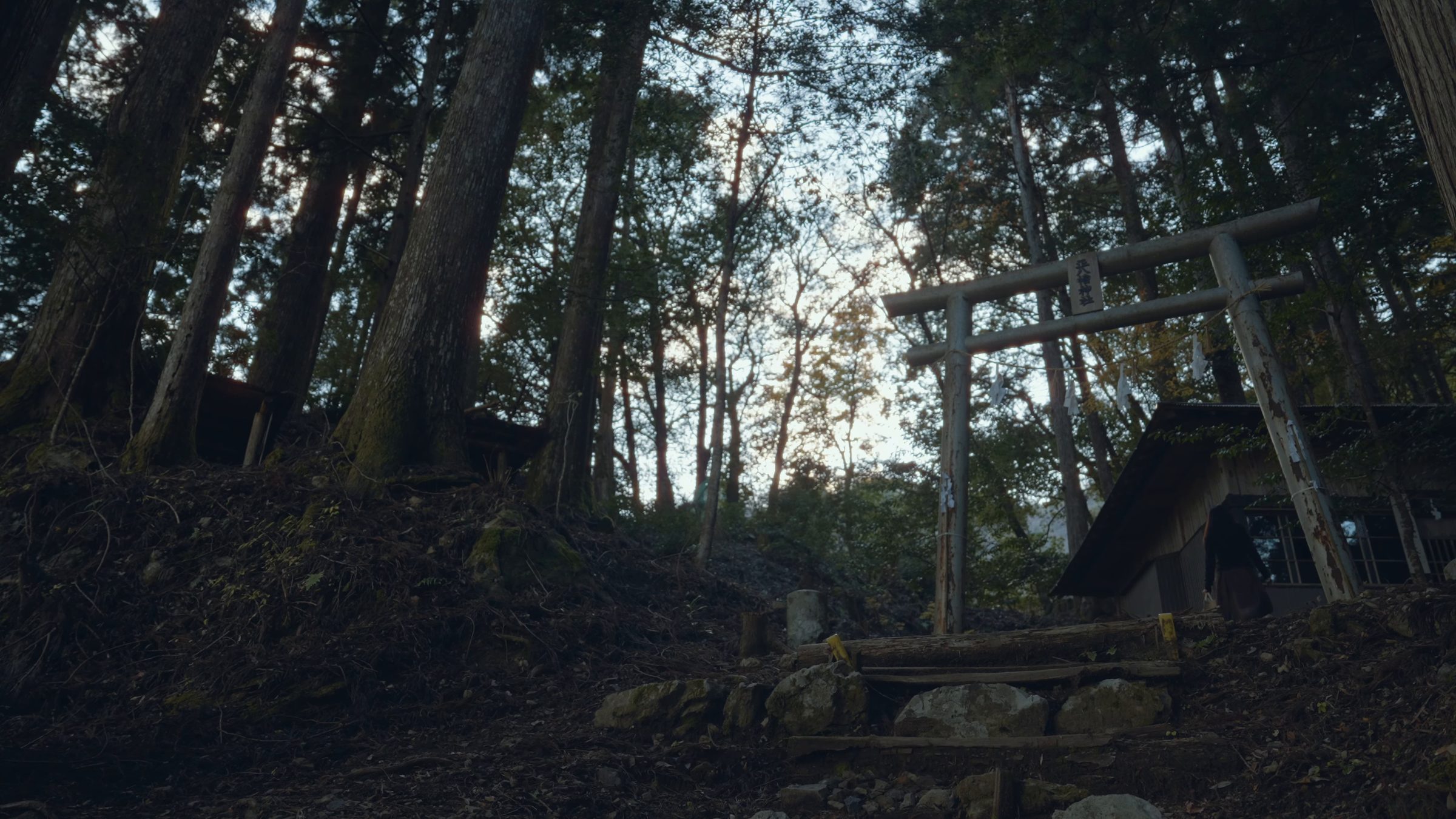
Let's go higher still. Treading on yellow ginkgo leaves, I followed the path through a grove of cedars. A stone torii stood among the trees, with a small shrine hall beyond. This is the village's only shrine, Shohachiman Shrine.
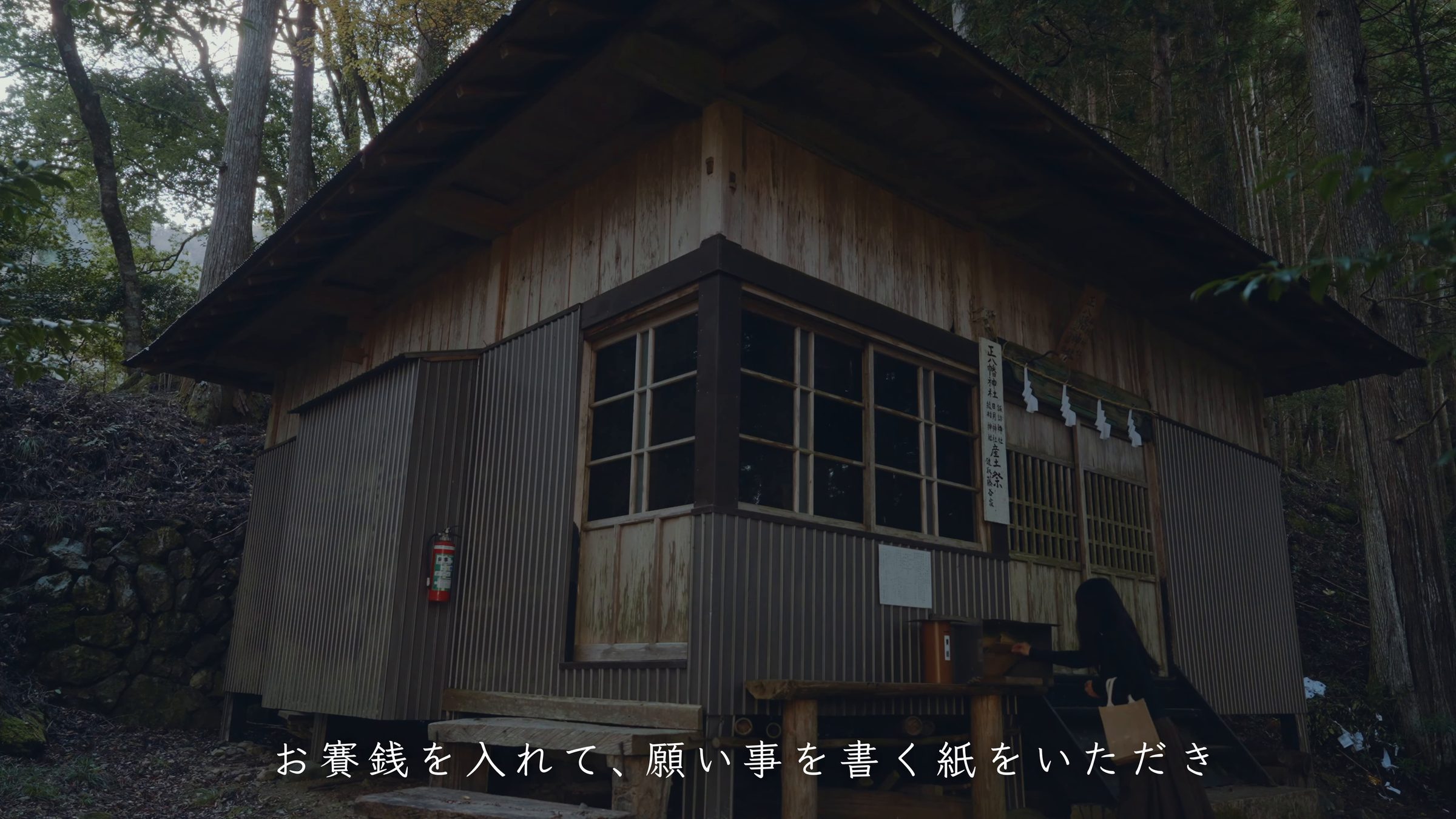
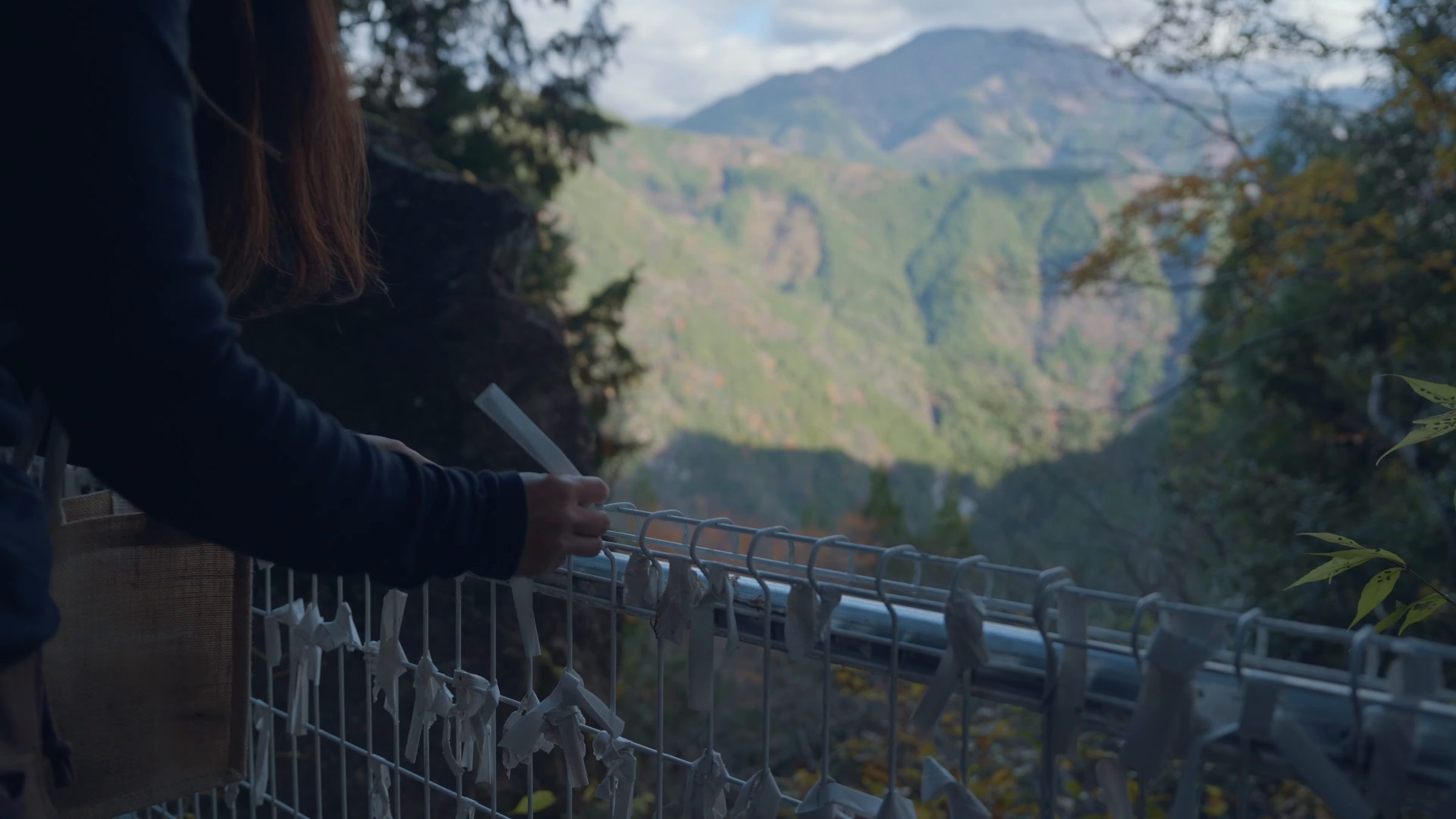
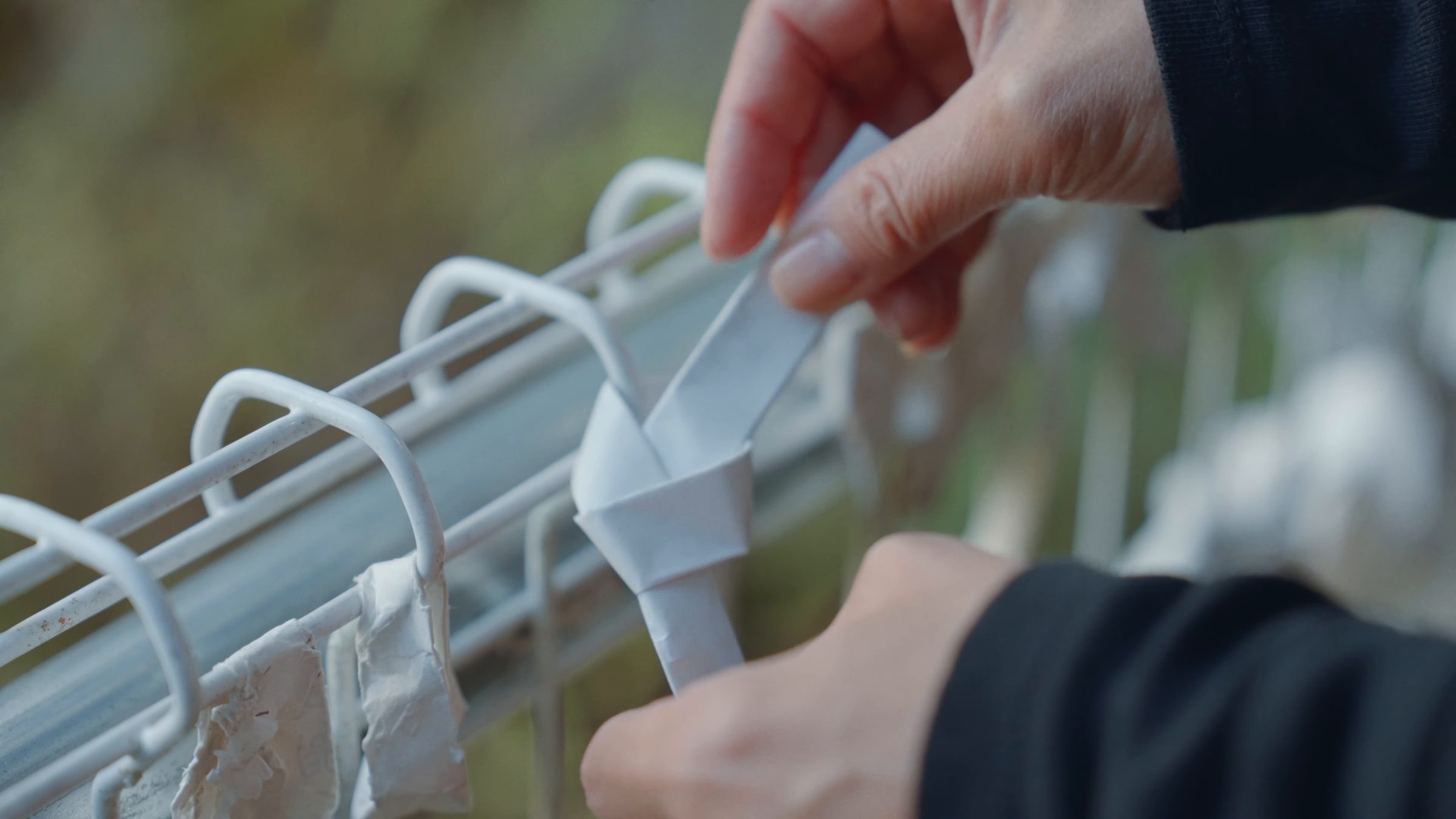
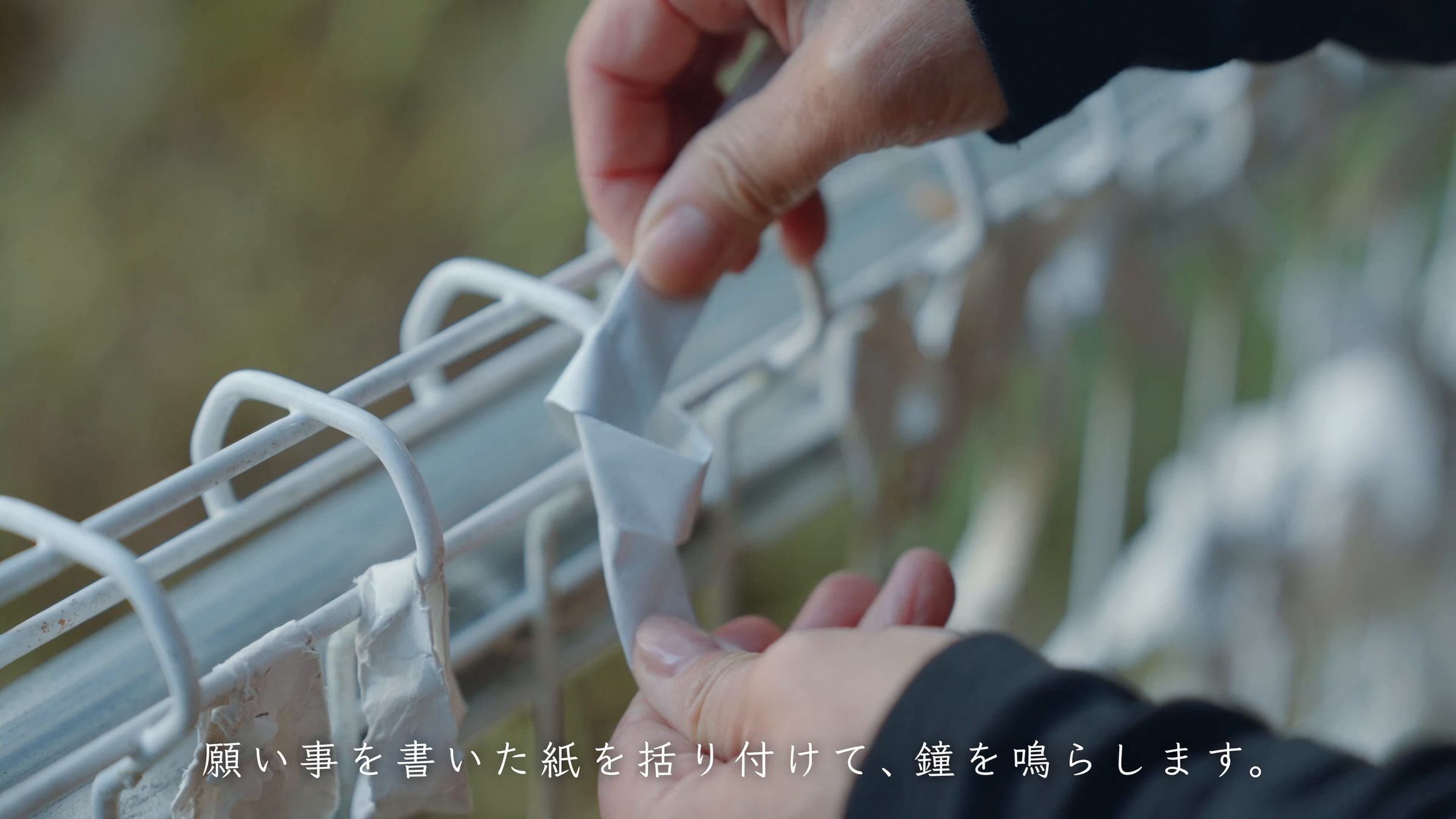
I made an offering and received a slip of paper to write a wish on. Along the railing in front of the hall hung rows of white papers, each tied with a wish. Tie your paper on, and ring the bell.
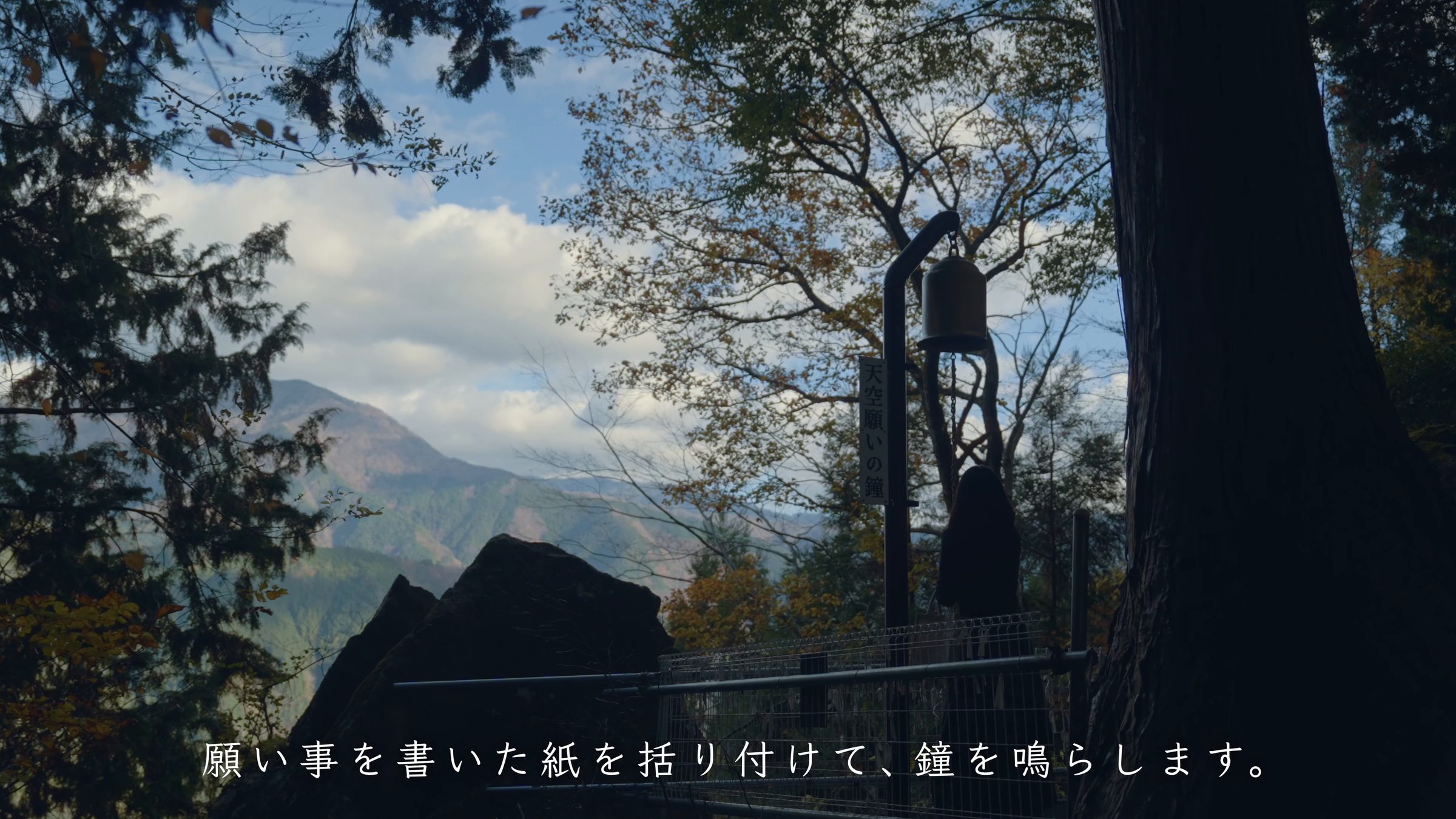
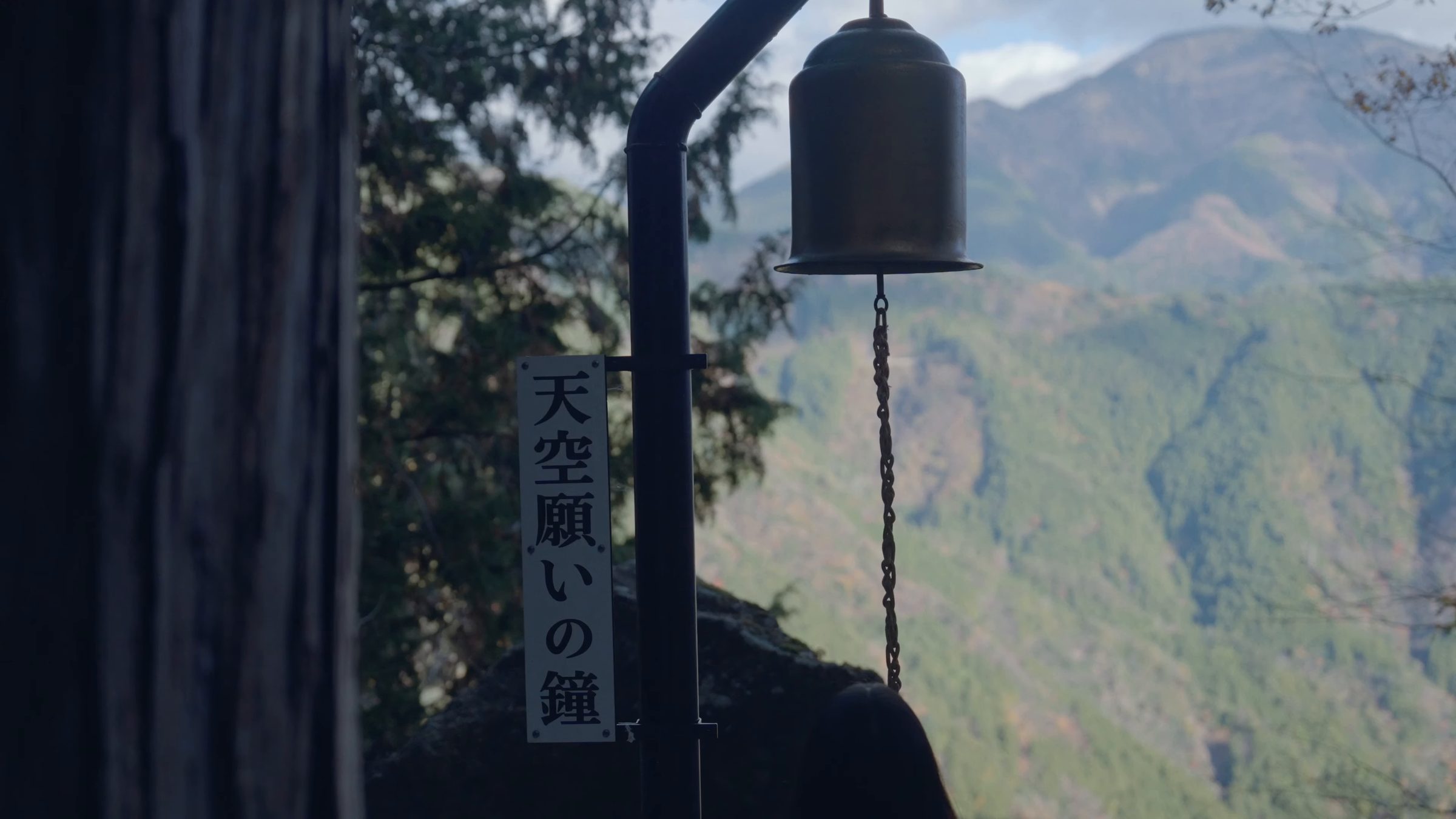
Beside a cedar trunk hung the bell, with a sign reading Wishing Bell in the Sky. Dong. The clear note carried out over the valley. Below, the mountains went on and on.
Watch this scene on YouTube3:33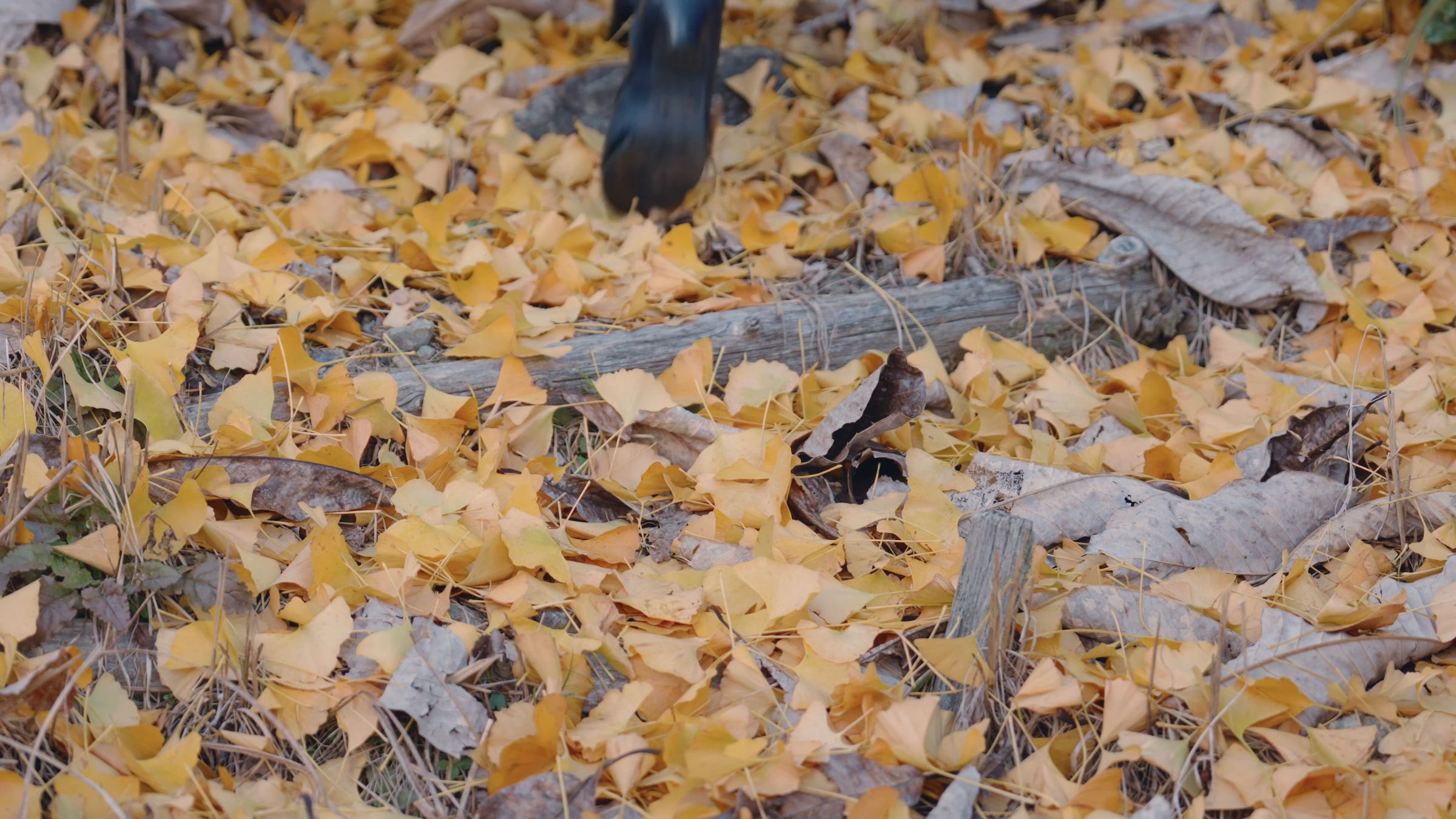
07TRAVEL JOURNAL
Tea and a special dried persimmon
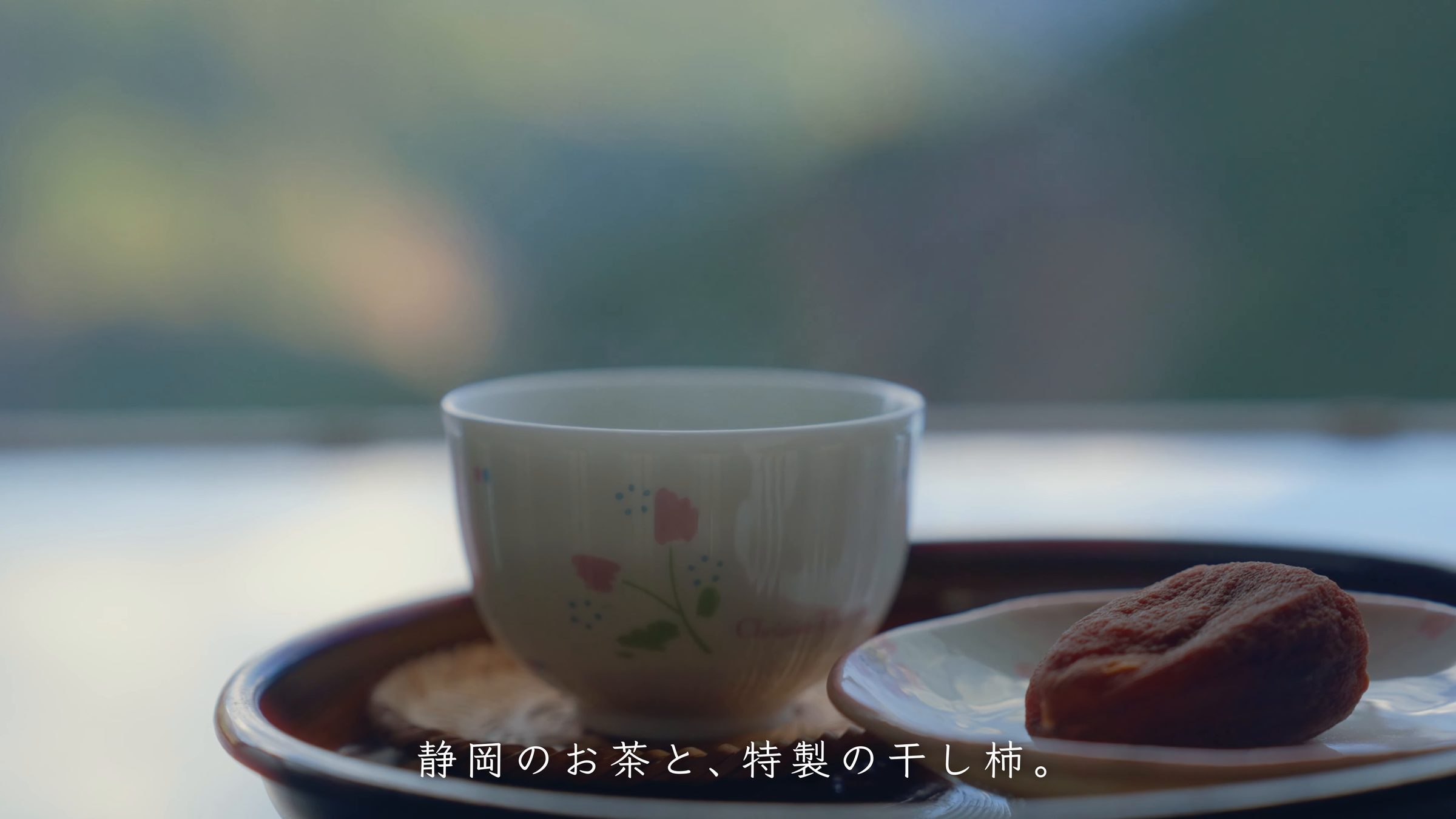
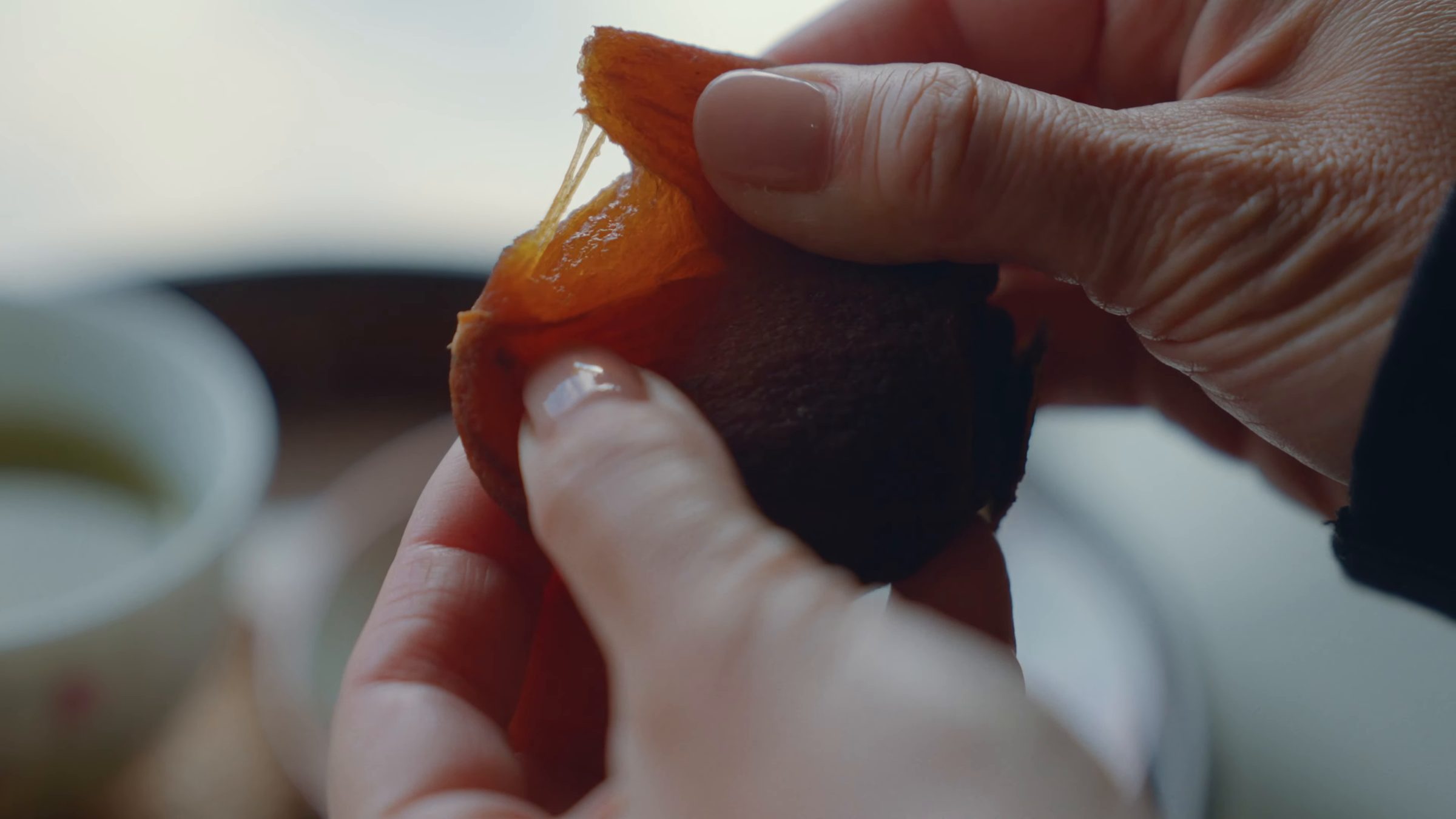
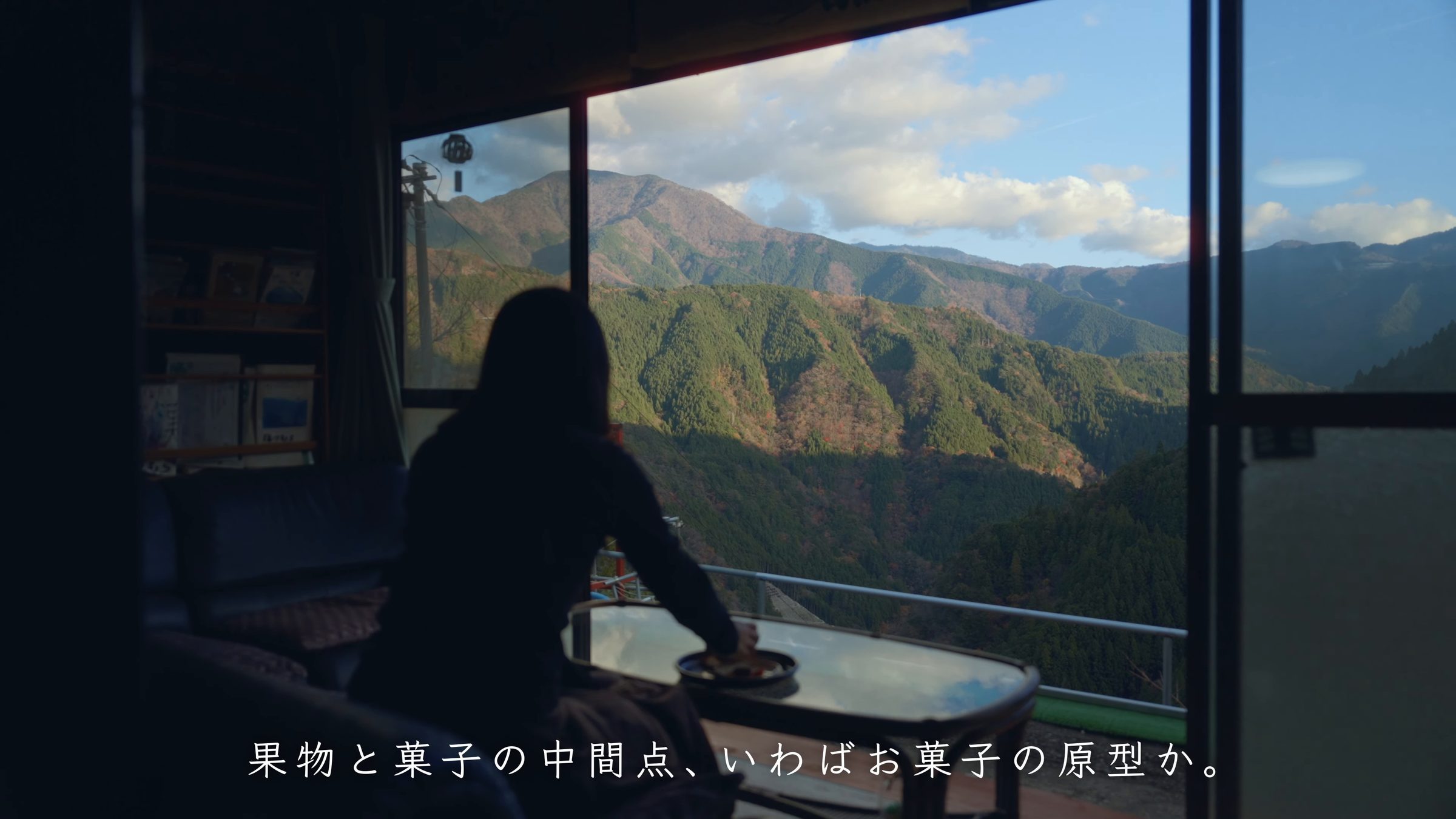
Back at the house, I had a snack at the table by the window: Shizuoka green tea and the house's special dried persimmon. On a small plate beside the teacup sat a single persimmon the color of amber. Such a beautiful color.
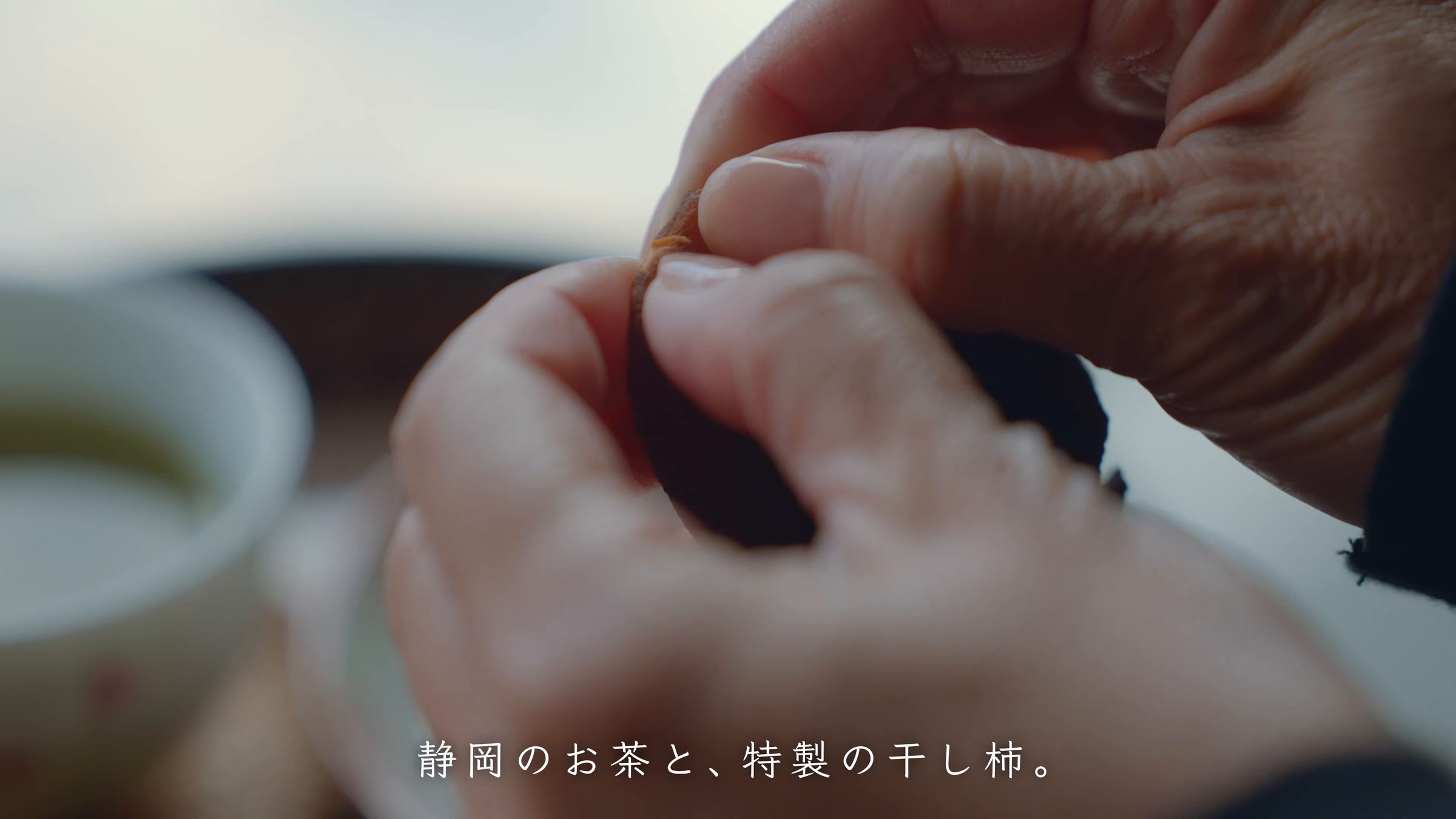
Split with the fingers, the inside was soft and syrupy. A moist texture, a rich flavor, a gentle sweetness. Drying makes it keep longer, and makes it this much more delicious. Somewhere between fruit and confection; the prototype of sweets, perhaps.
Beyond the shoji, the afternoon mountains. I sat at the window and looked out for a while. Outside, the Shiba dog sat in the middle of the lane, watching me.
Watch this scene on YouTube4:18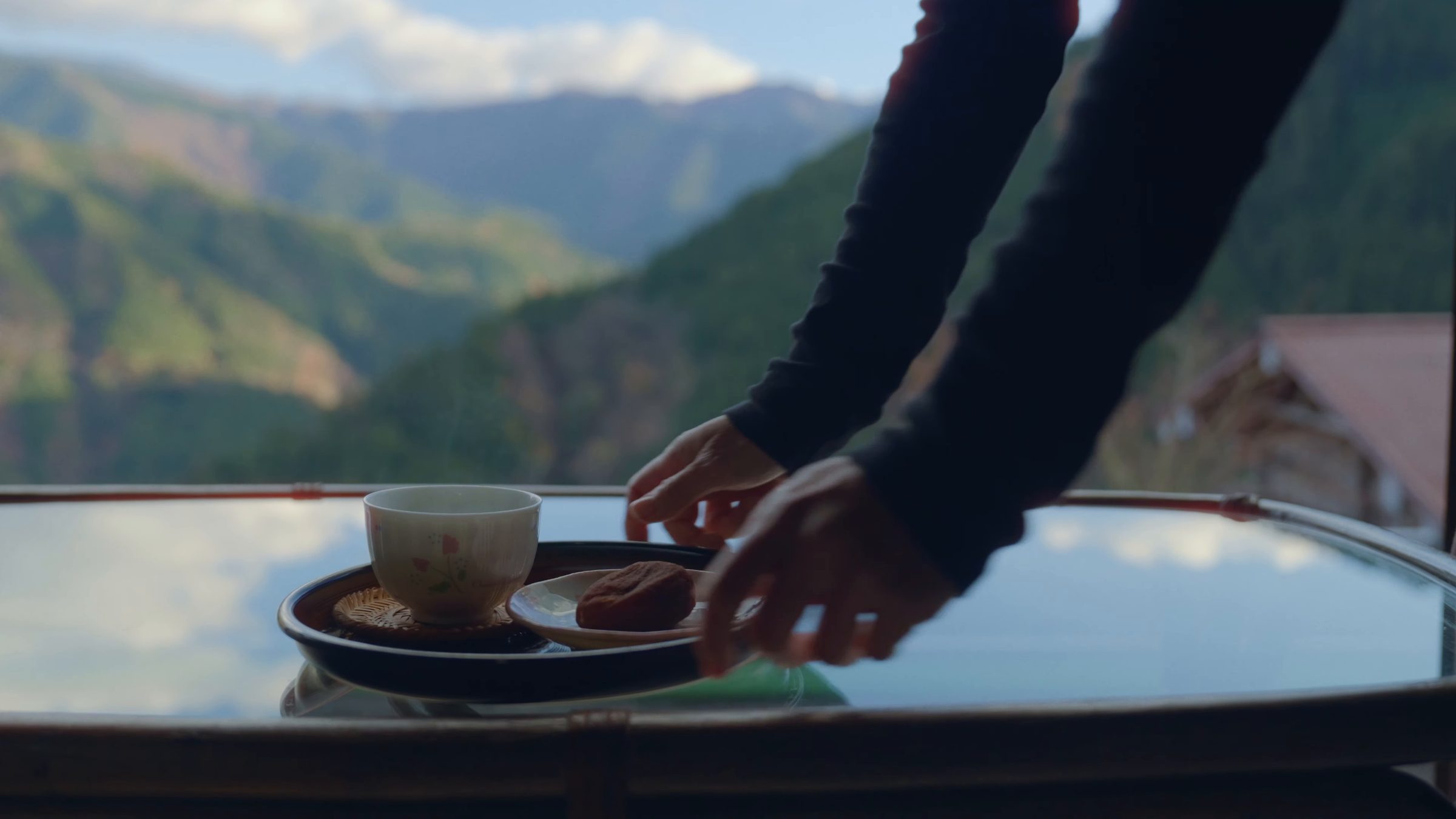
08TRAVEL JOURNAL
An open-air bath at dusk
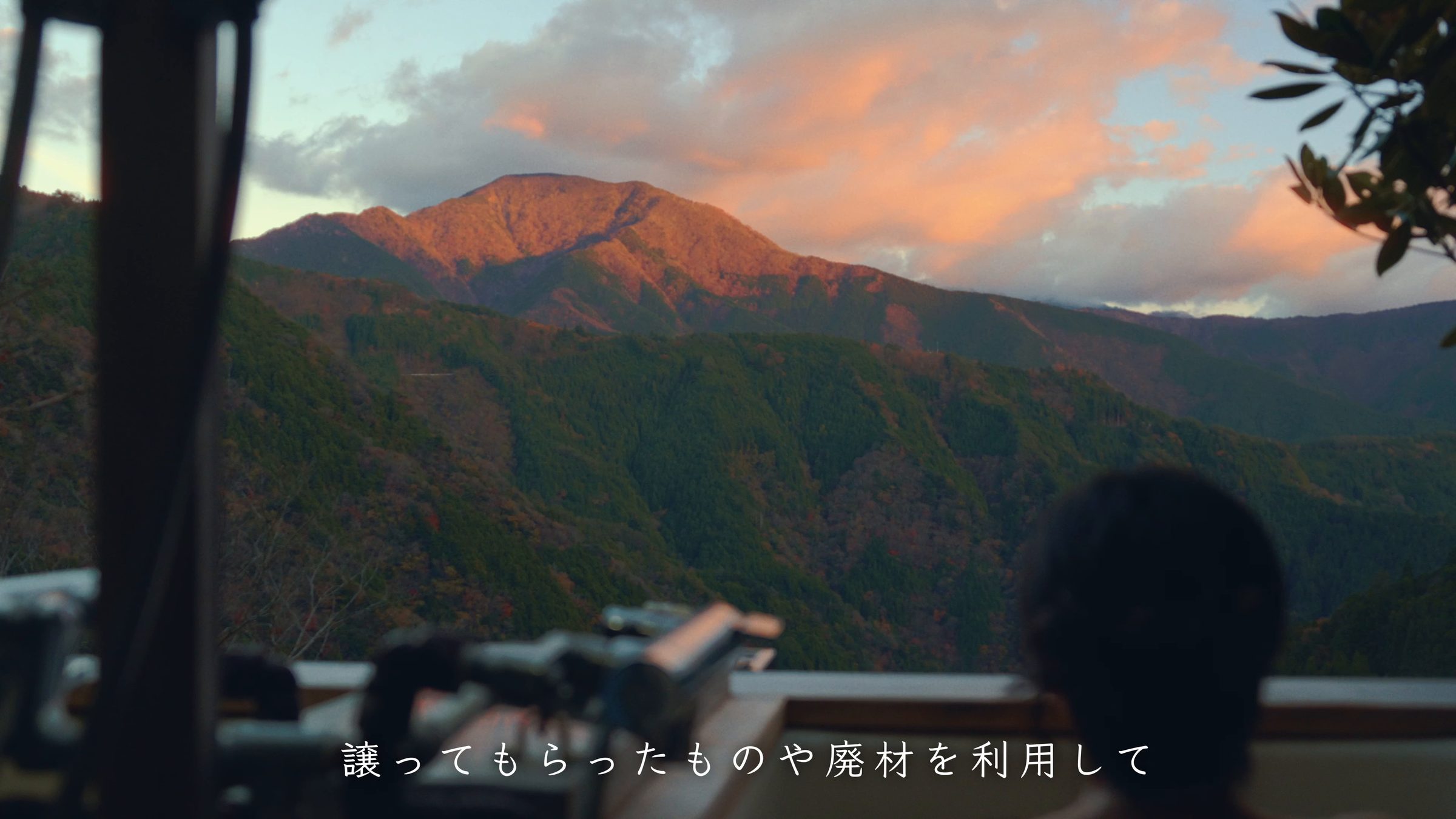
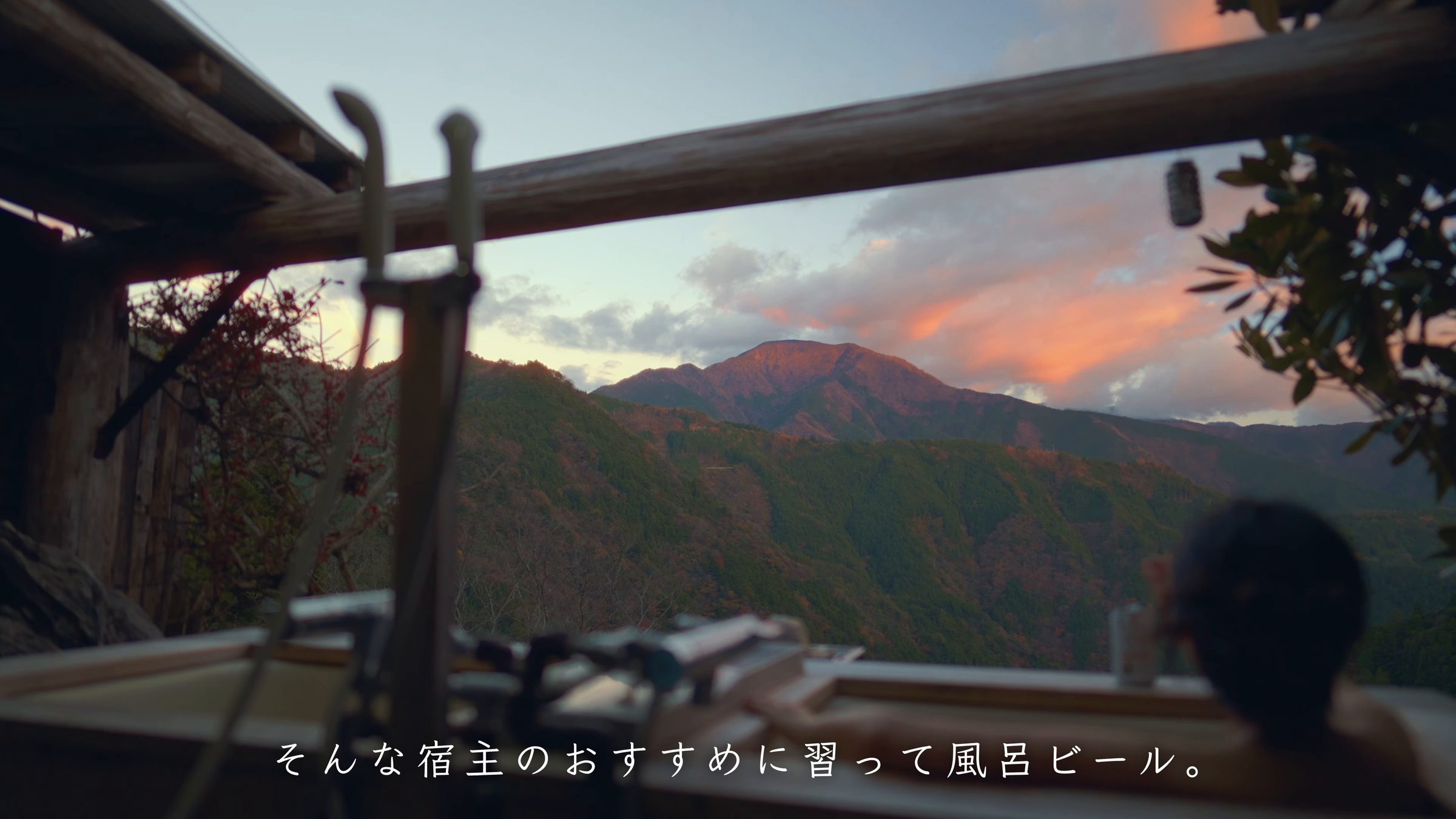
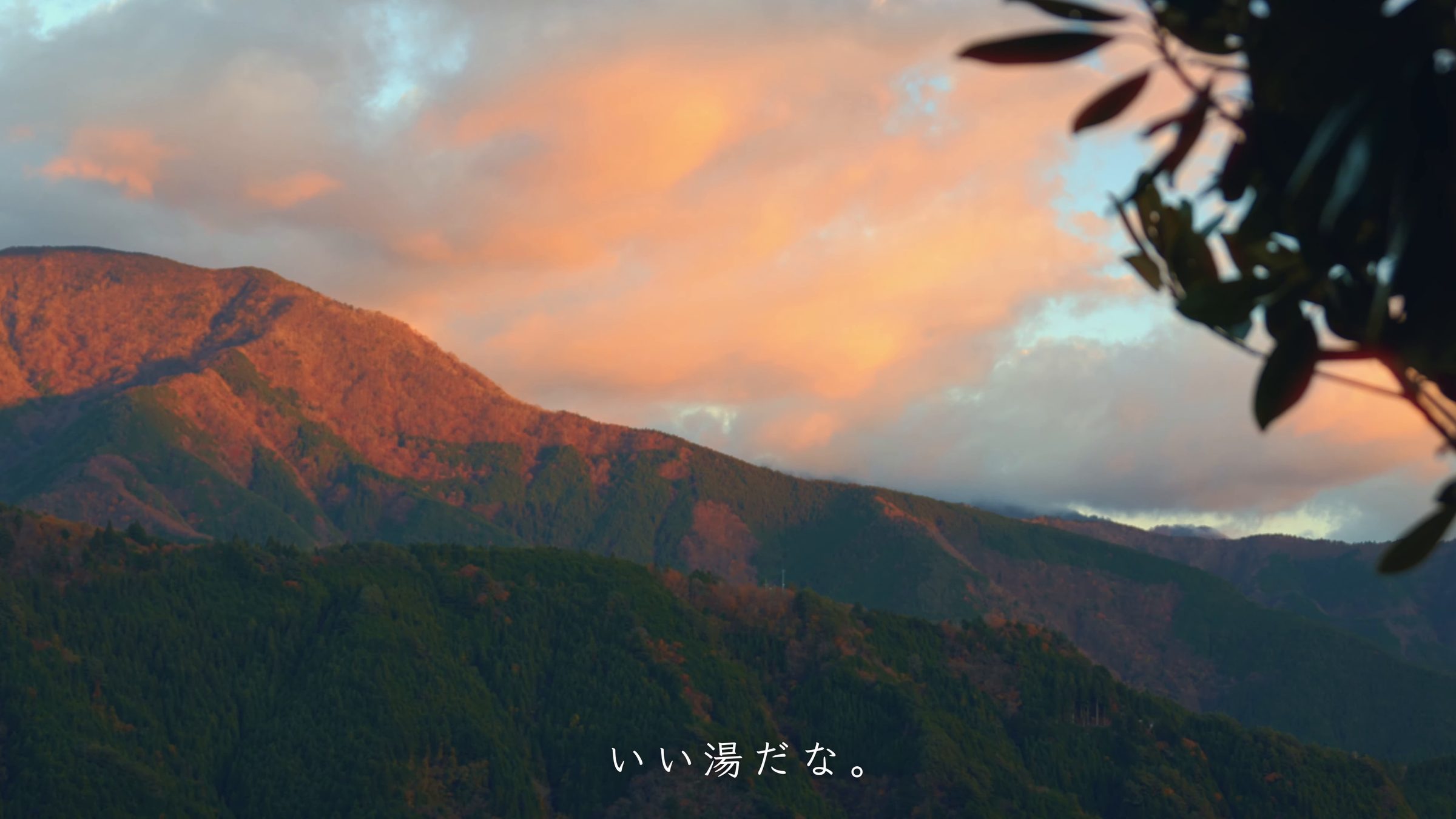
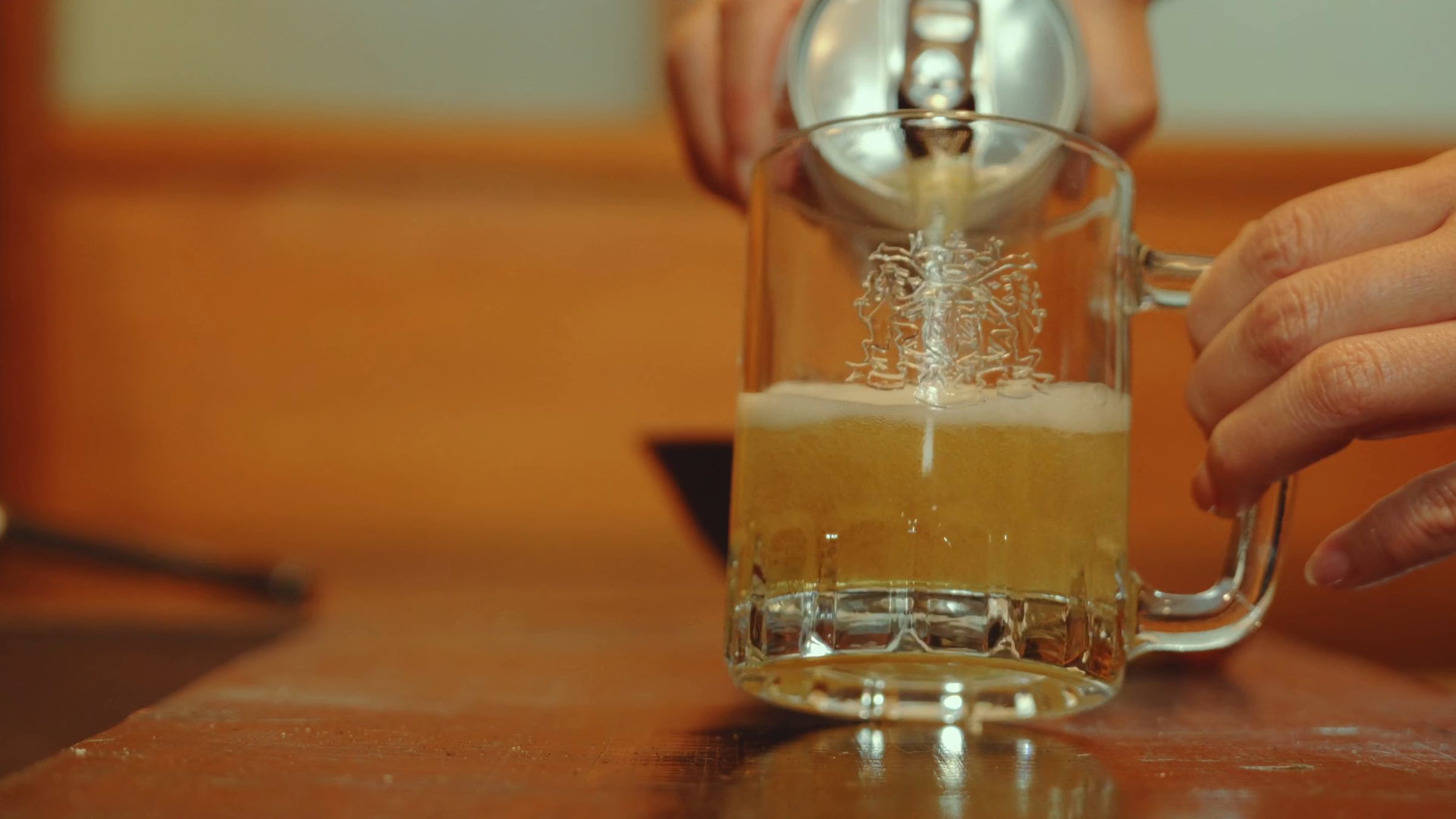
At dusk, into the open-air bath with its spectacular view. I set a can of beer on the rim of the tub as the ridgeline across the valley began to glow red in the setting sun.
The owner built this bath himself, from things he was given and salvaged timber, and he is proud of it. Beyond the beams, rose-colored clouds drifted past. Following the owner's advice, a beer in the bath. Best bath ever.
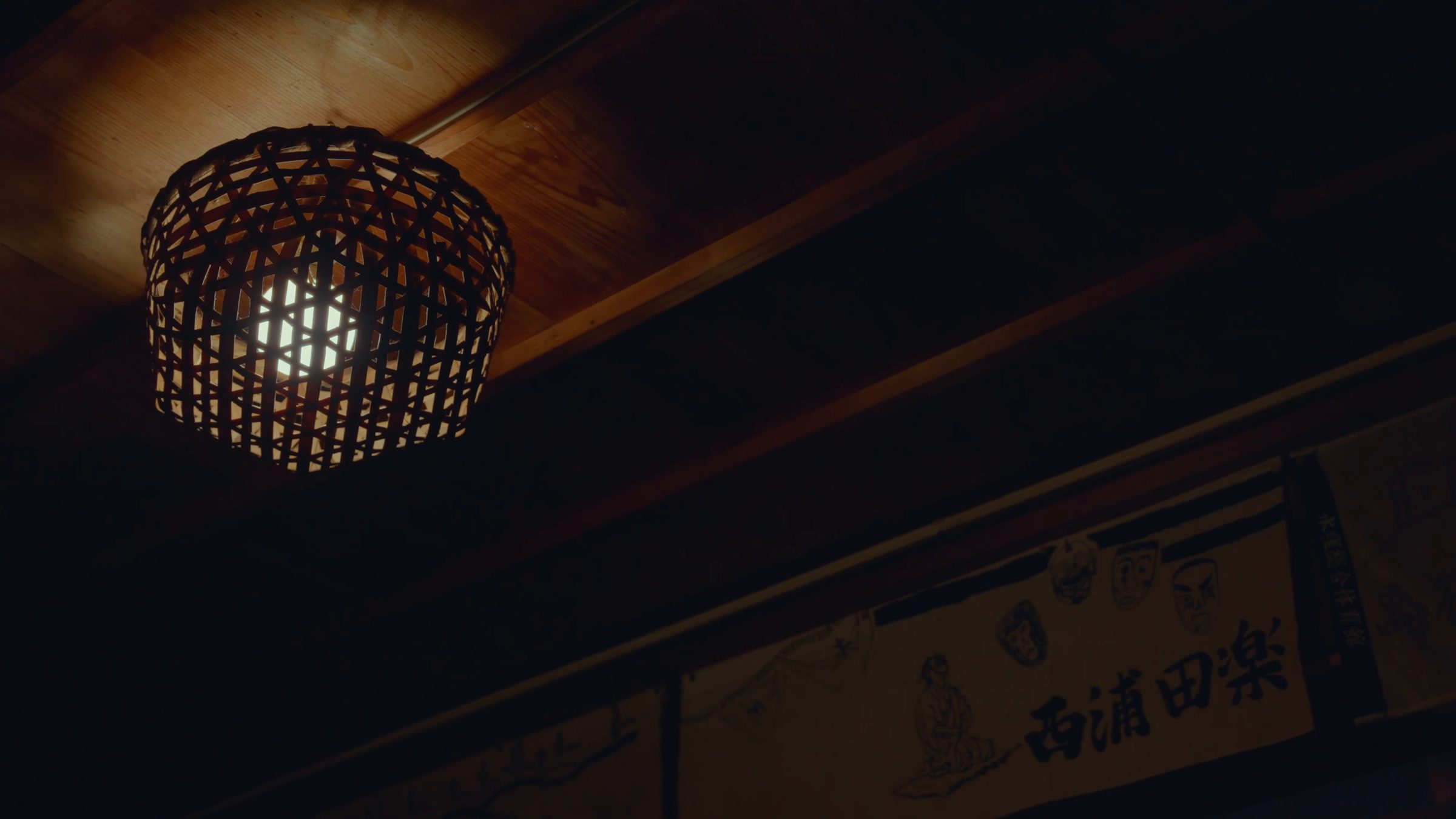
After sunset, the lamp in its woven bamboo shade came on. Outside the window it was already pitch dark.
Watch this scene on YouTube5:03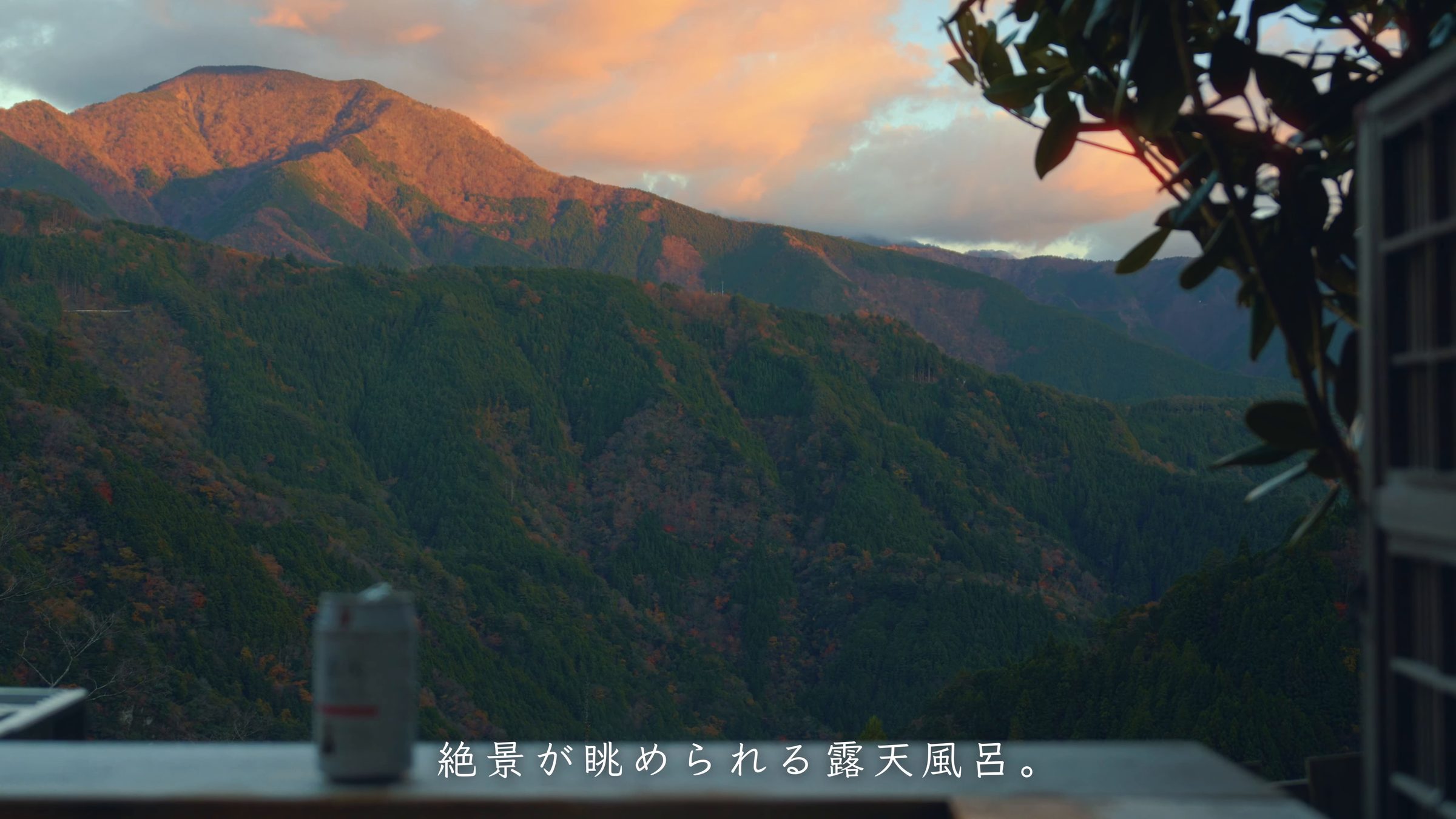
09TRAVEL JOURNAL
Boar hot pot and yamame over the hearth
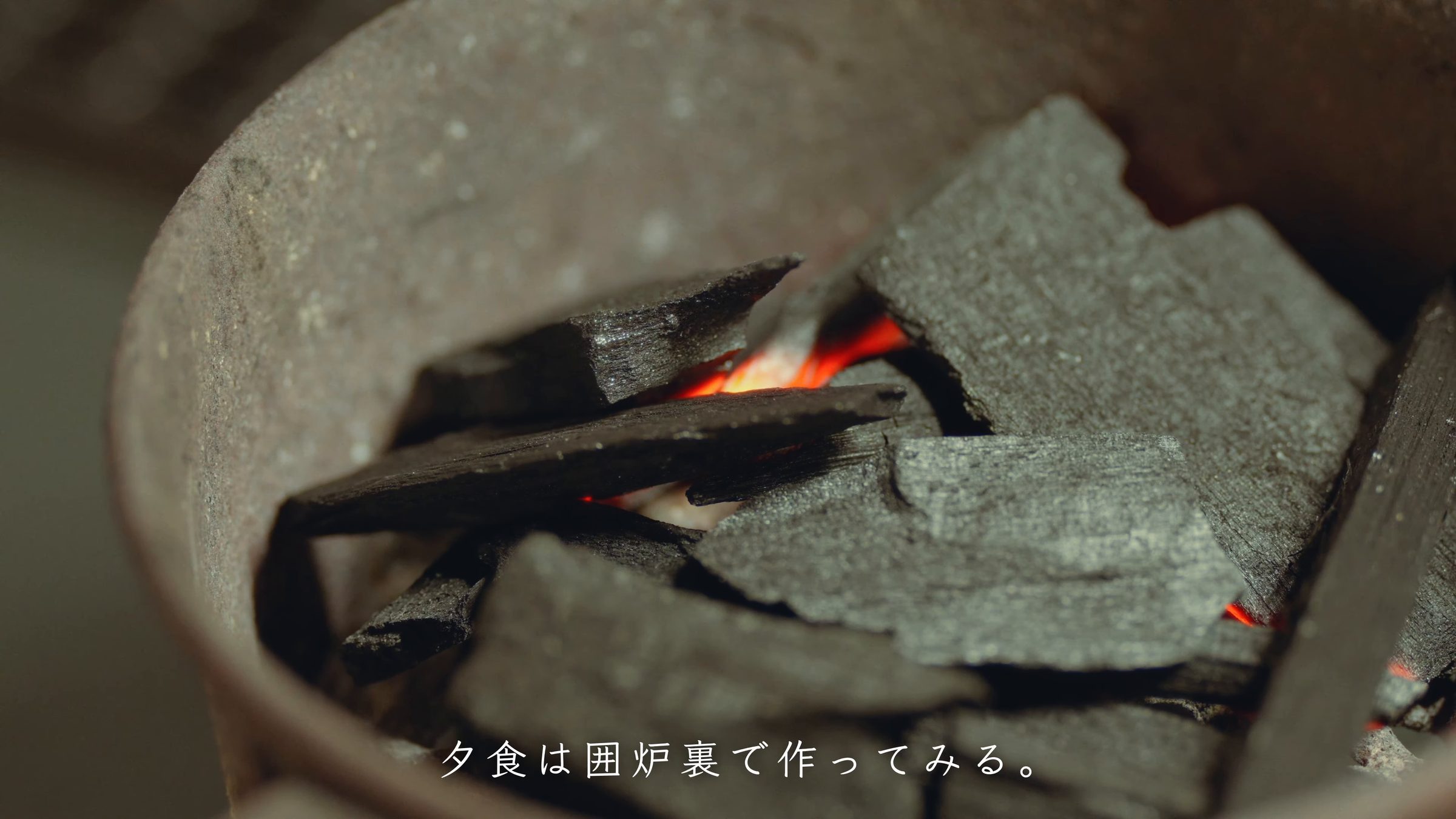
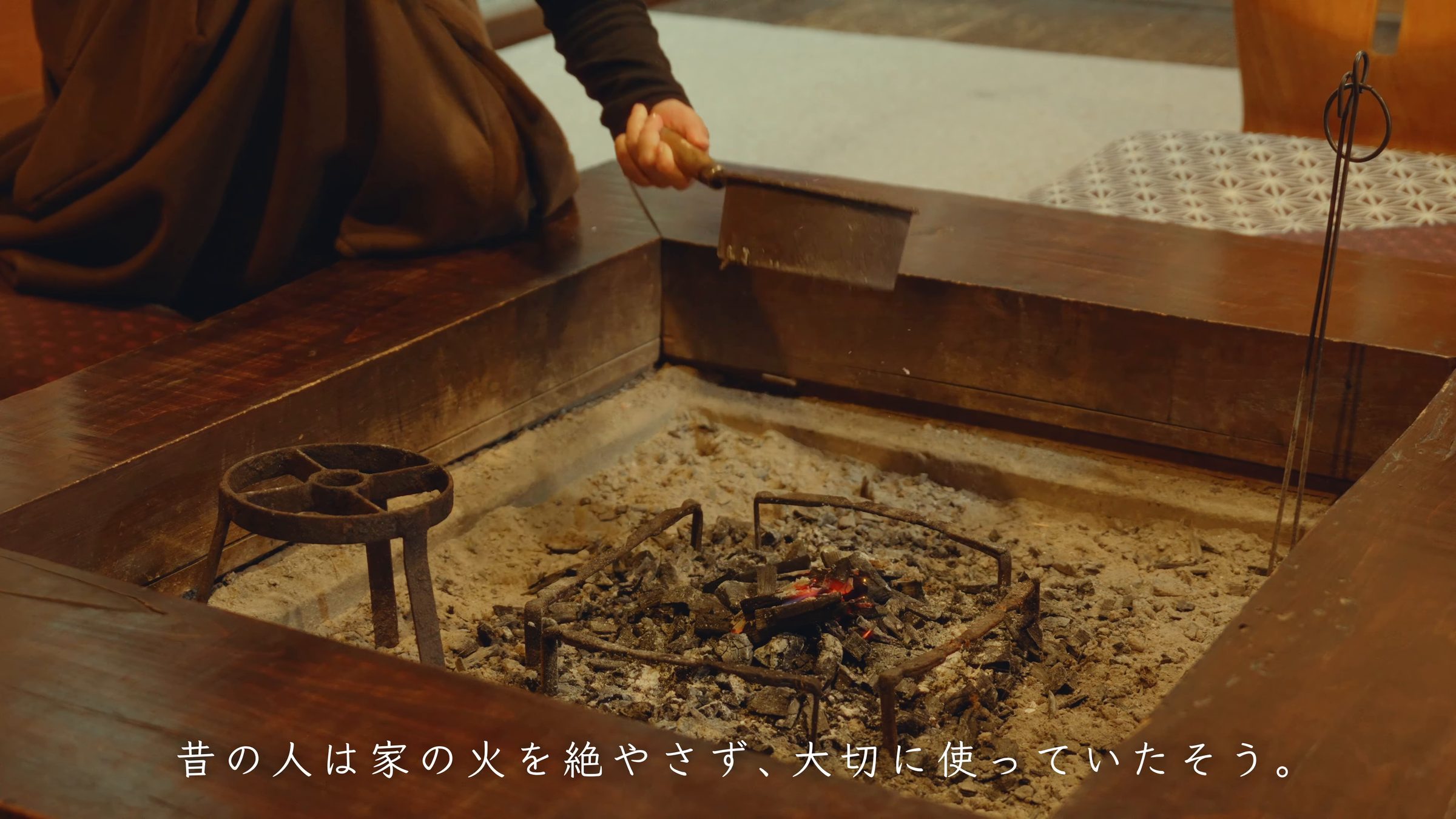
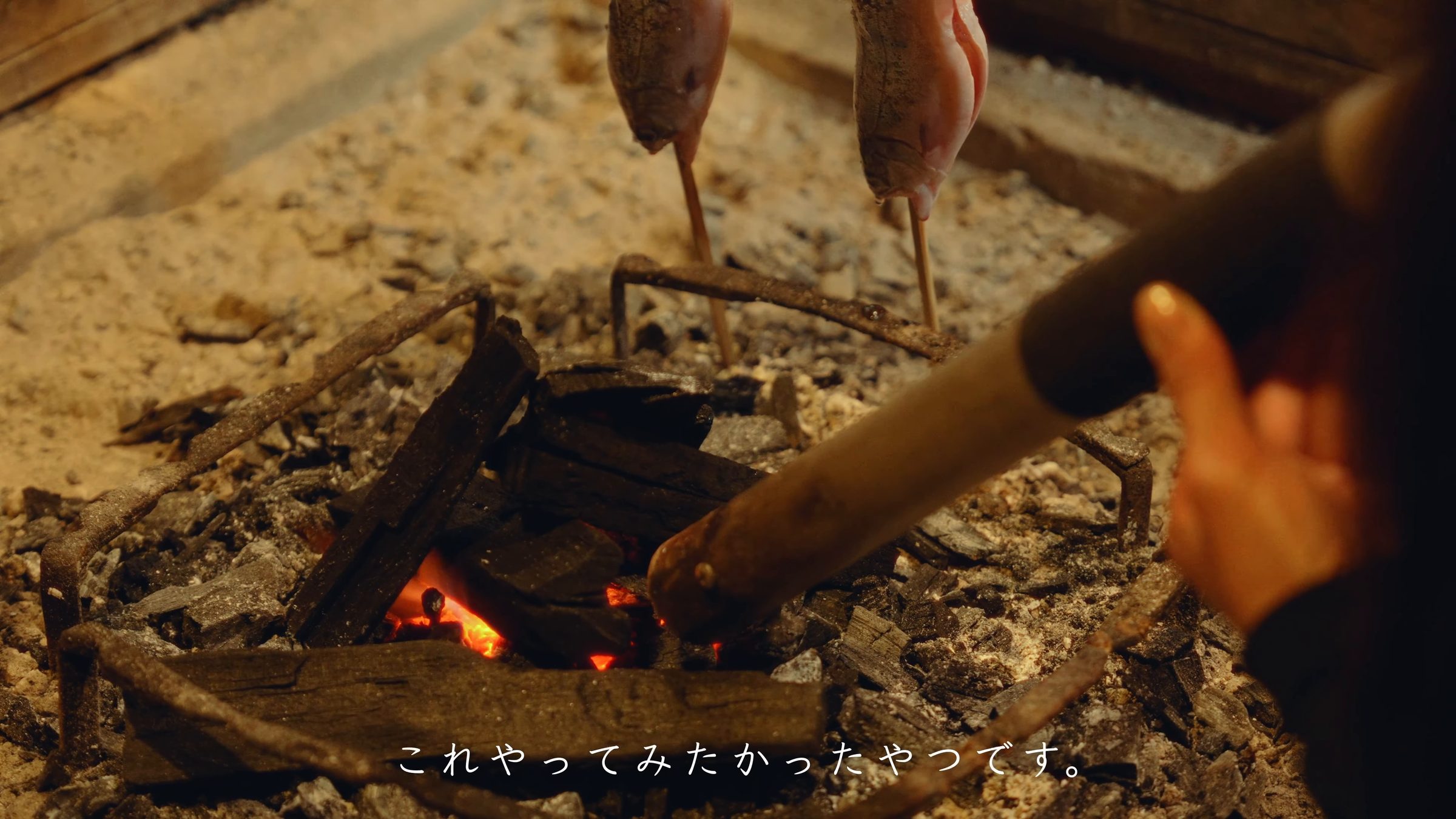
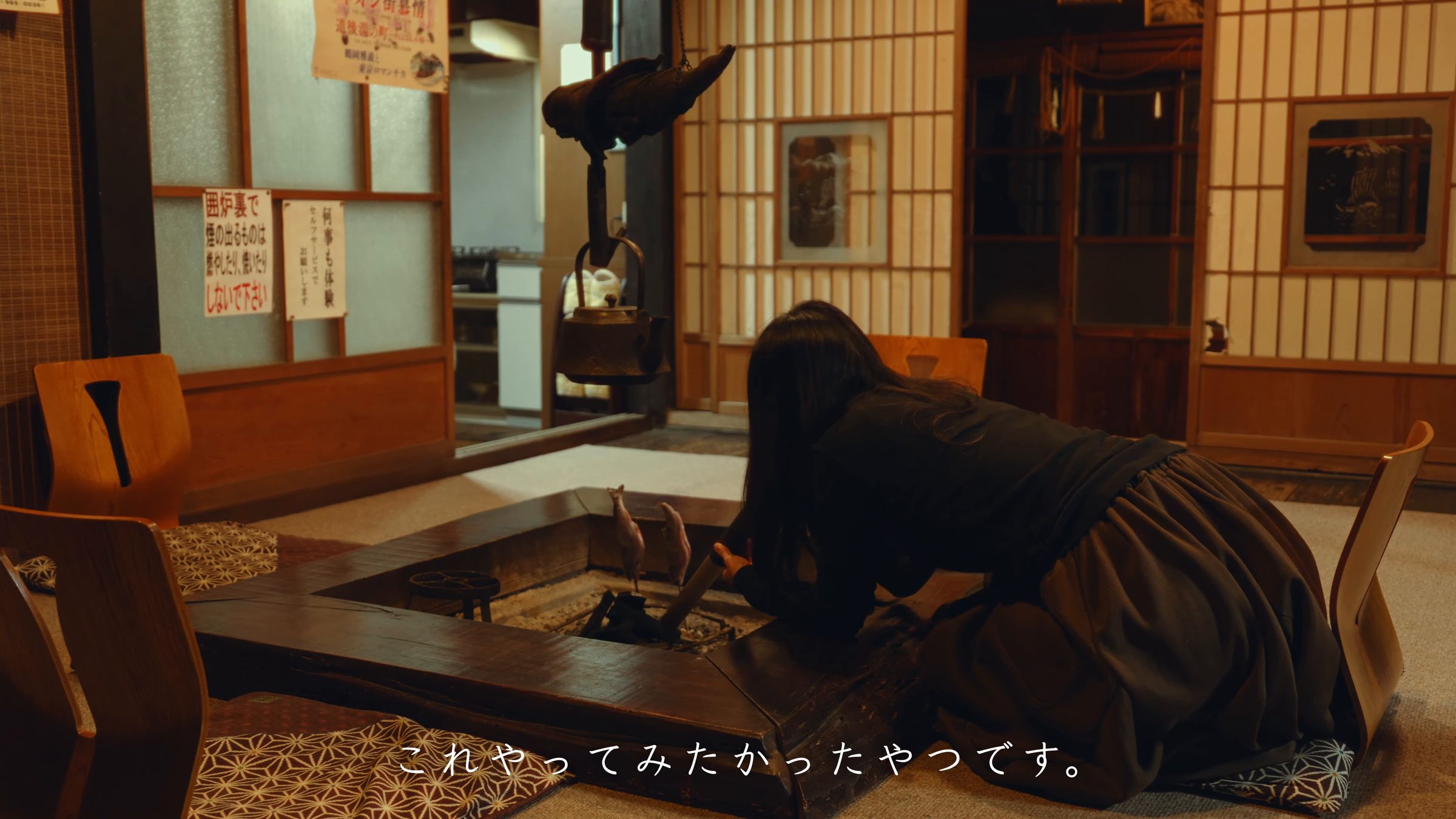
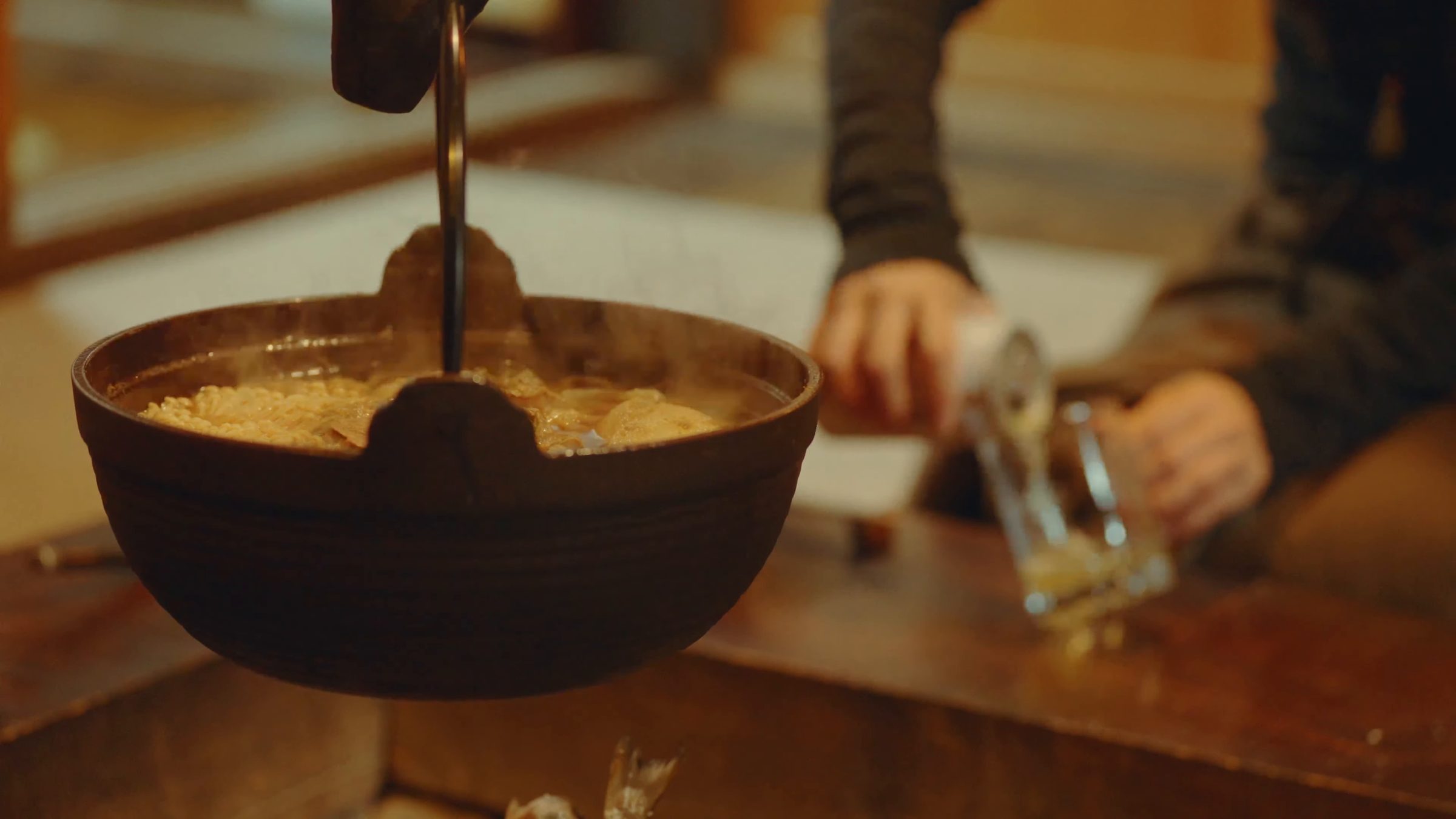
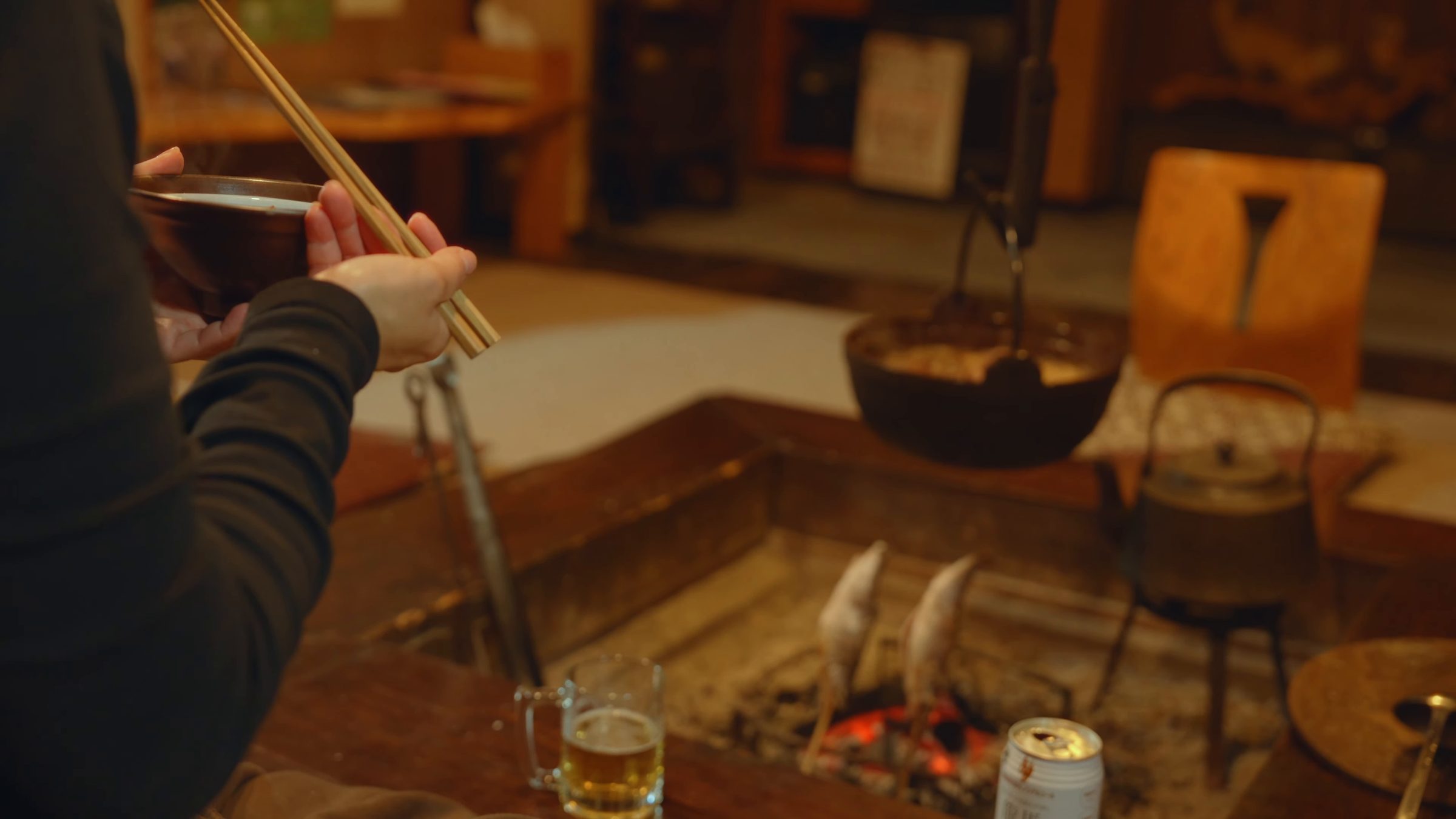
Dinner would be cooked over the hearth. I lit charcoal in a clay brazier and carried it, brazier and all, into the hearth room. The coals glowed red on the ash, and the iron trivet warmed up. In the old days, people kept the house fire going and treated it with care.
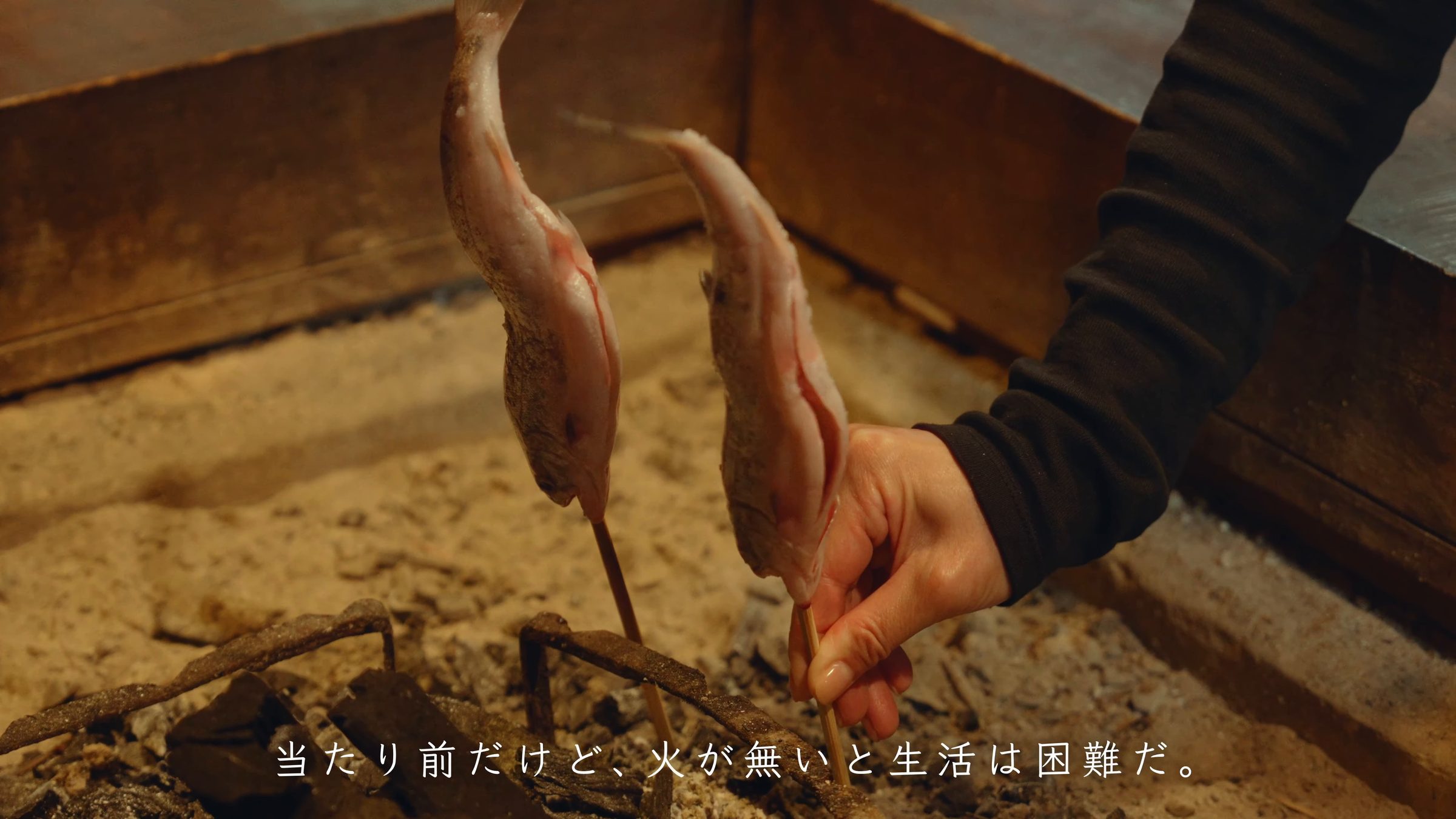
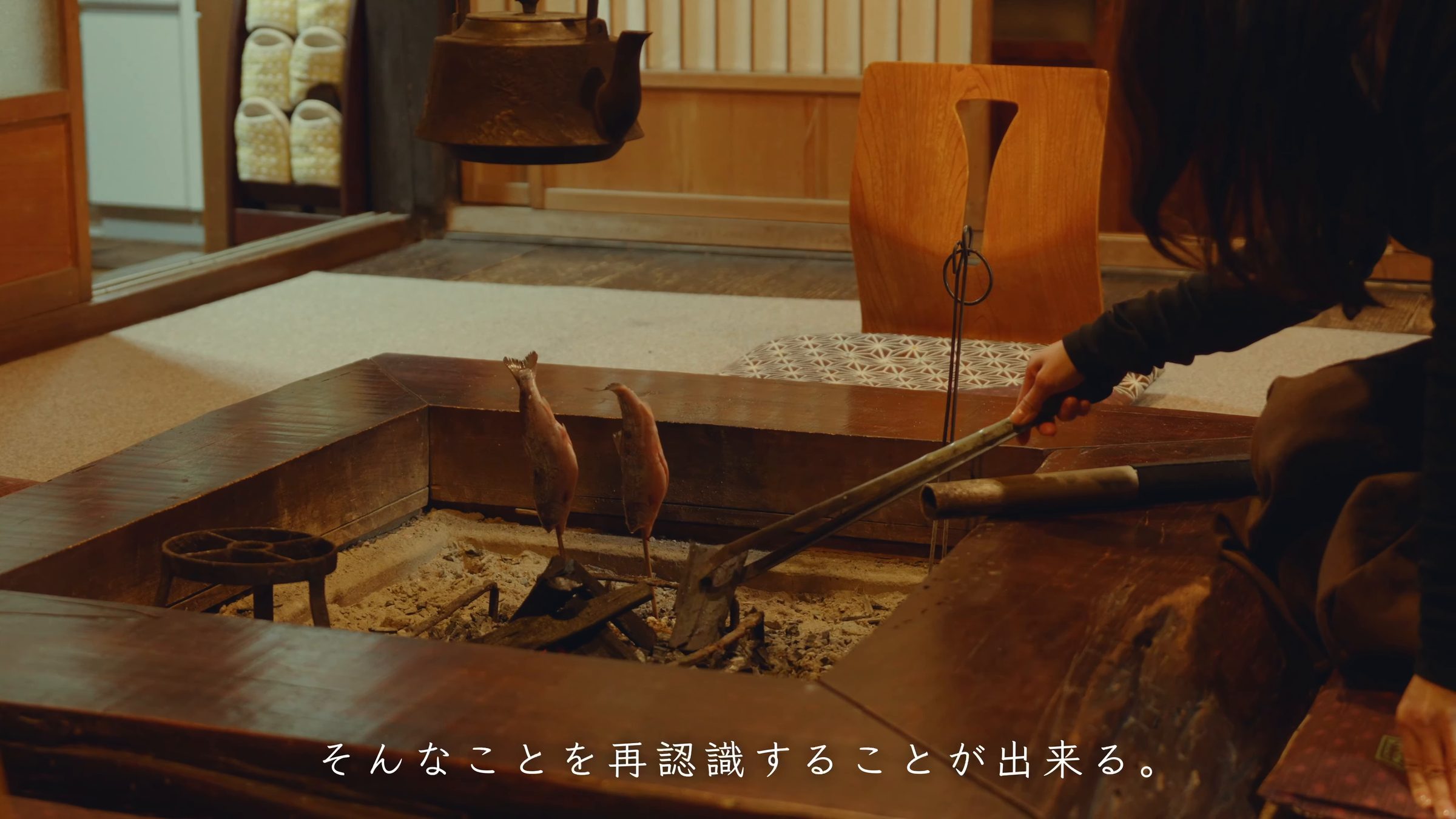
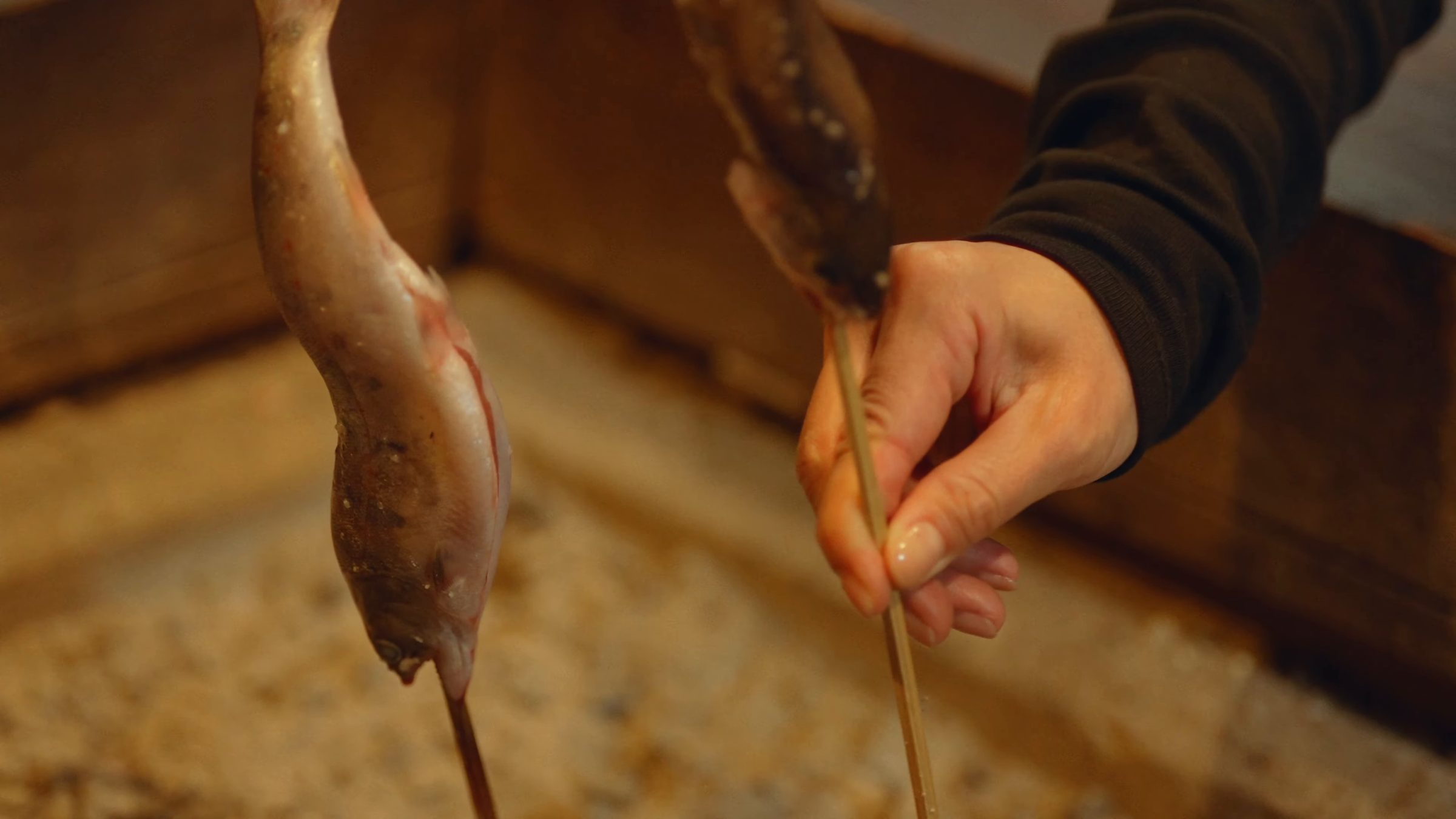
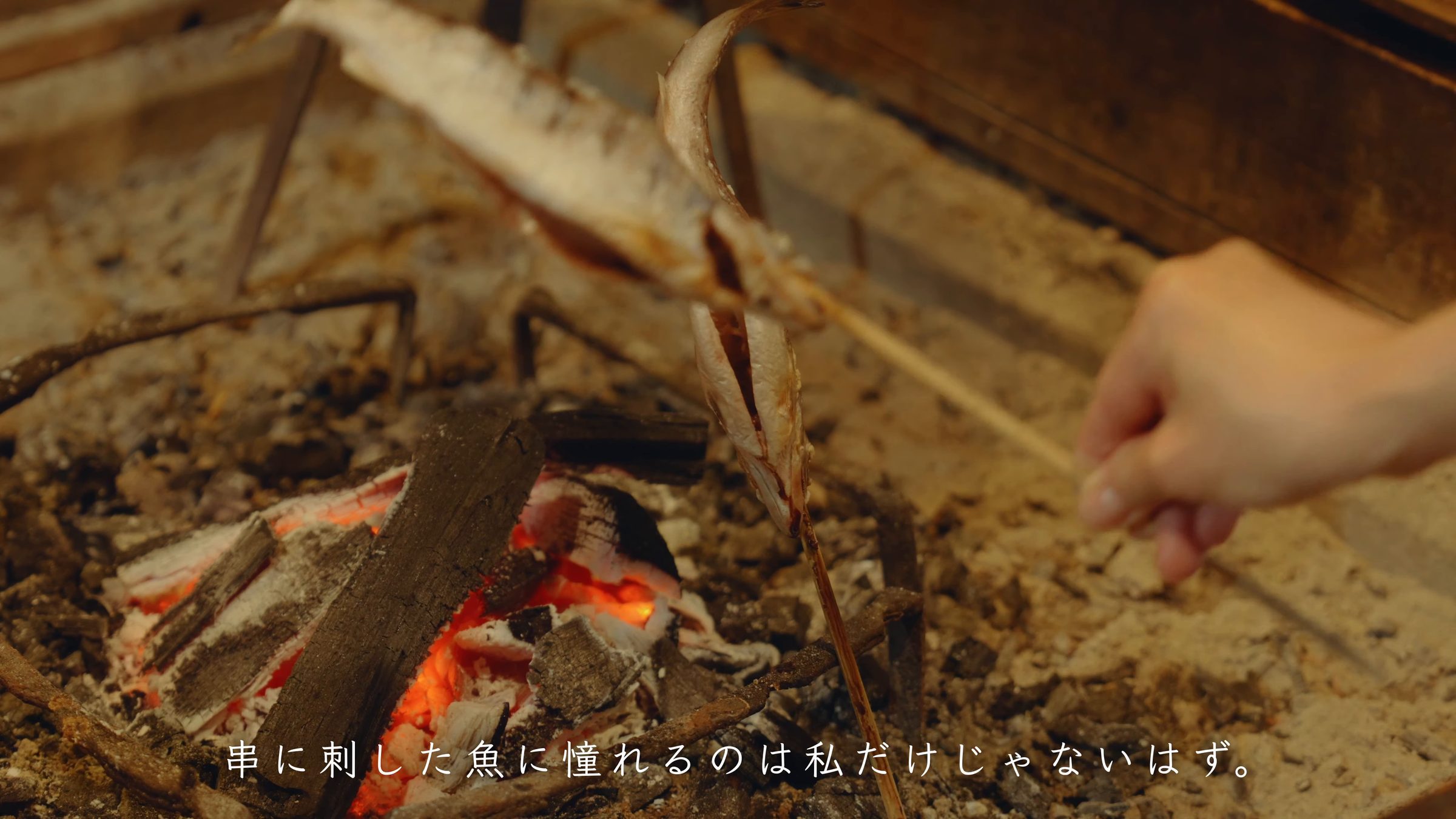
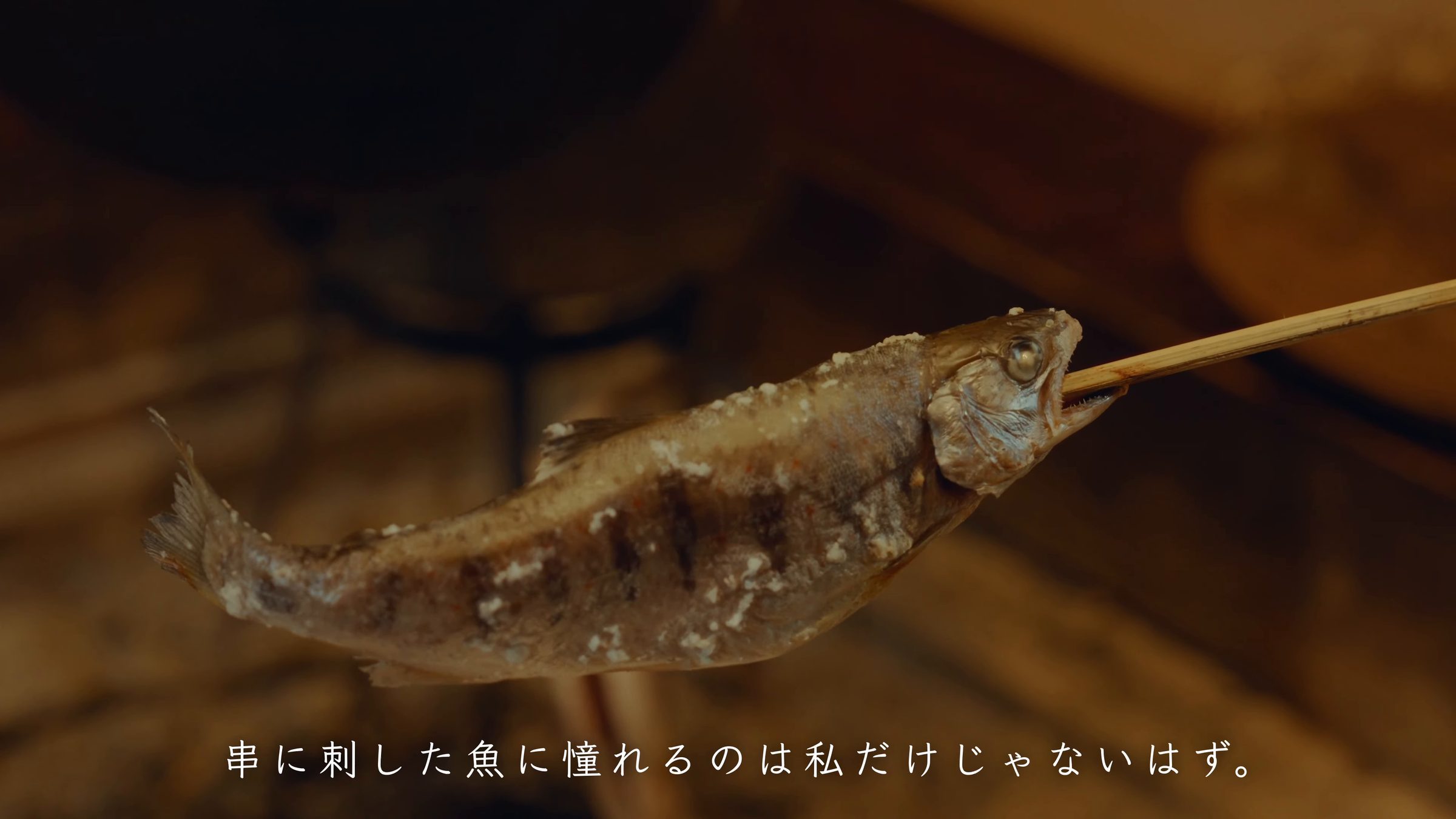
Obvious as it is, life is hard without fire. Sitting before the hearth, I felt that again. I ran a bamboo skewer through each yamame from the mouth, salted them, and stood the skewers in the ash. This is the thing I had always wanted to try.
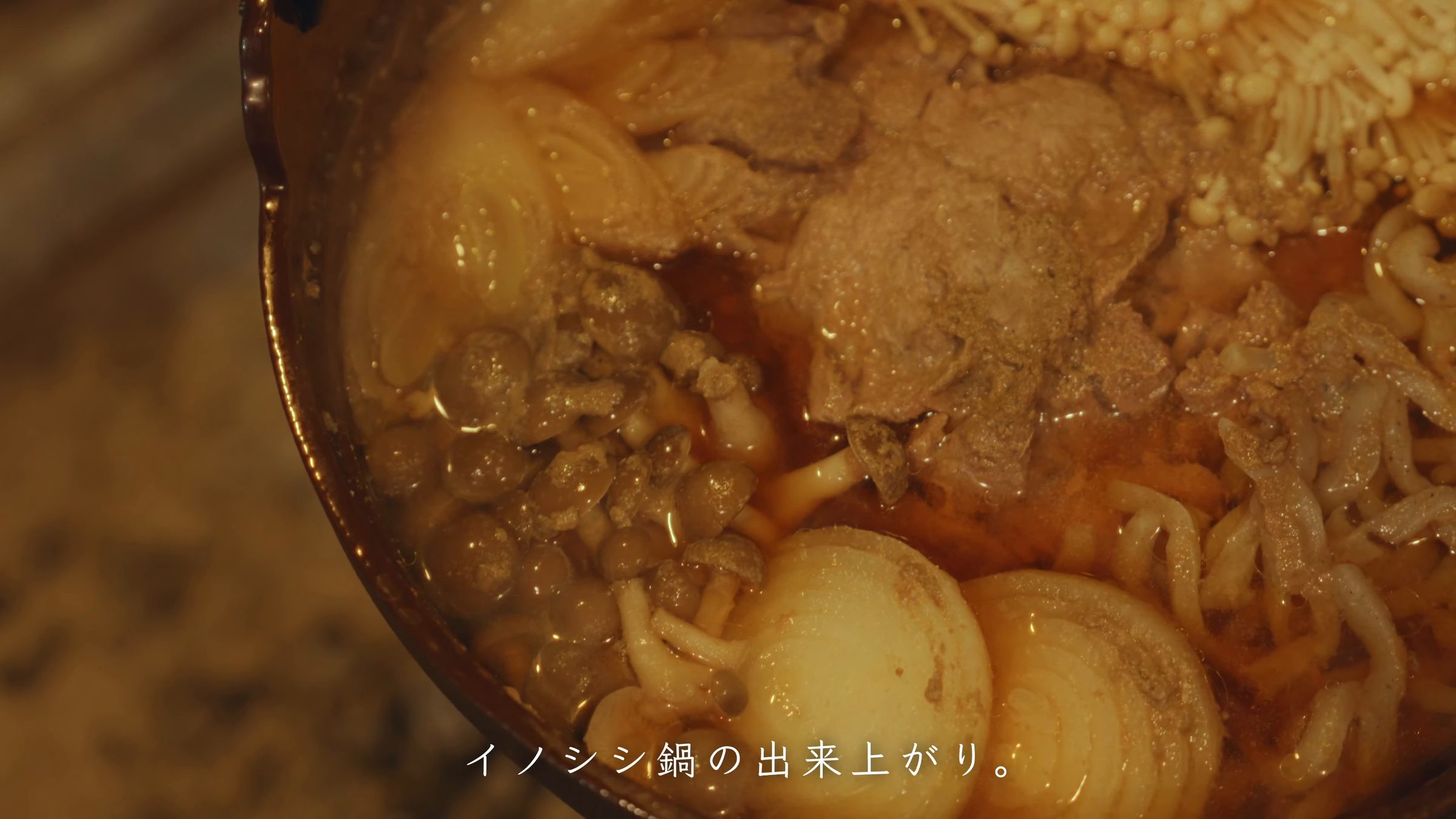
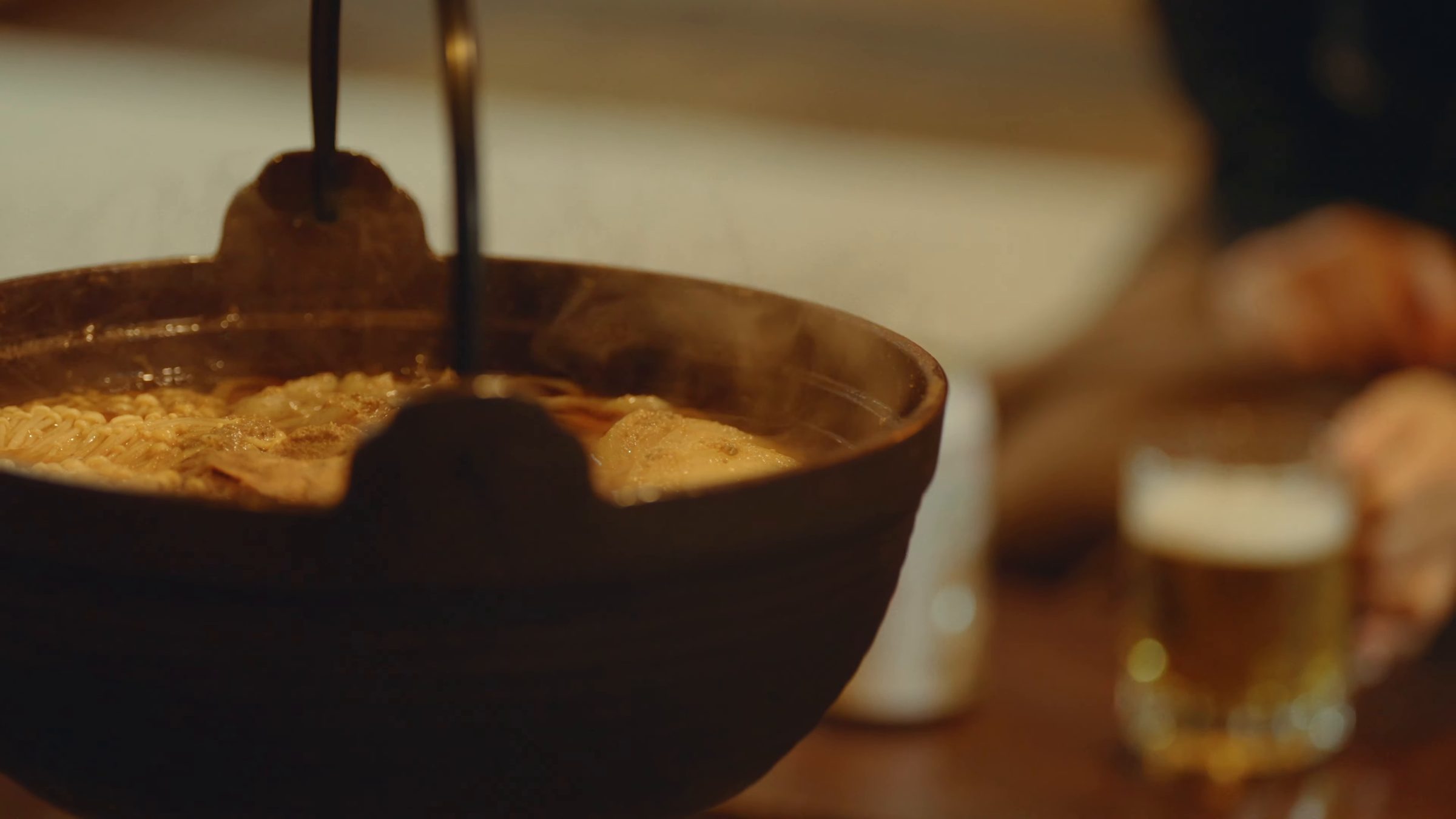
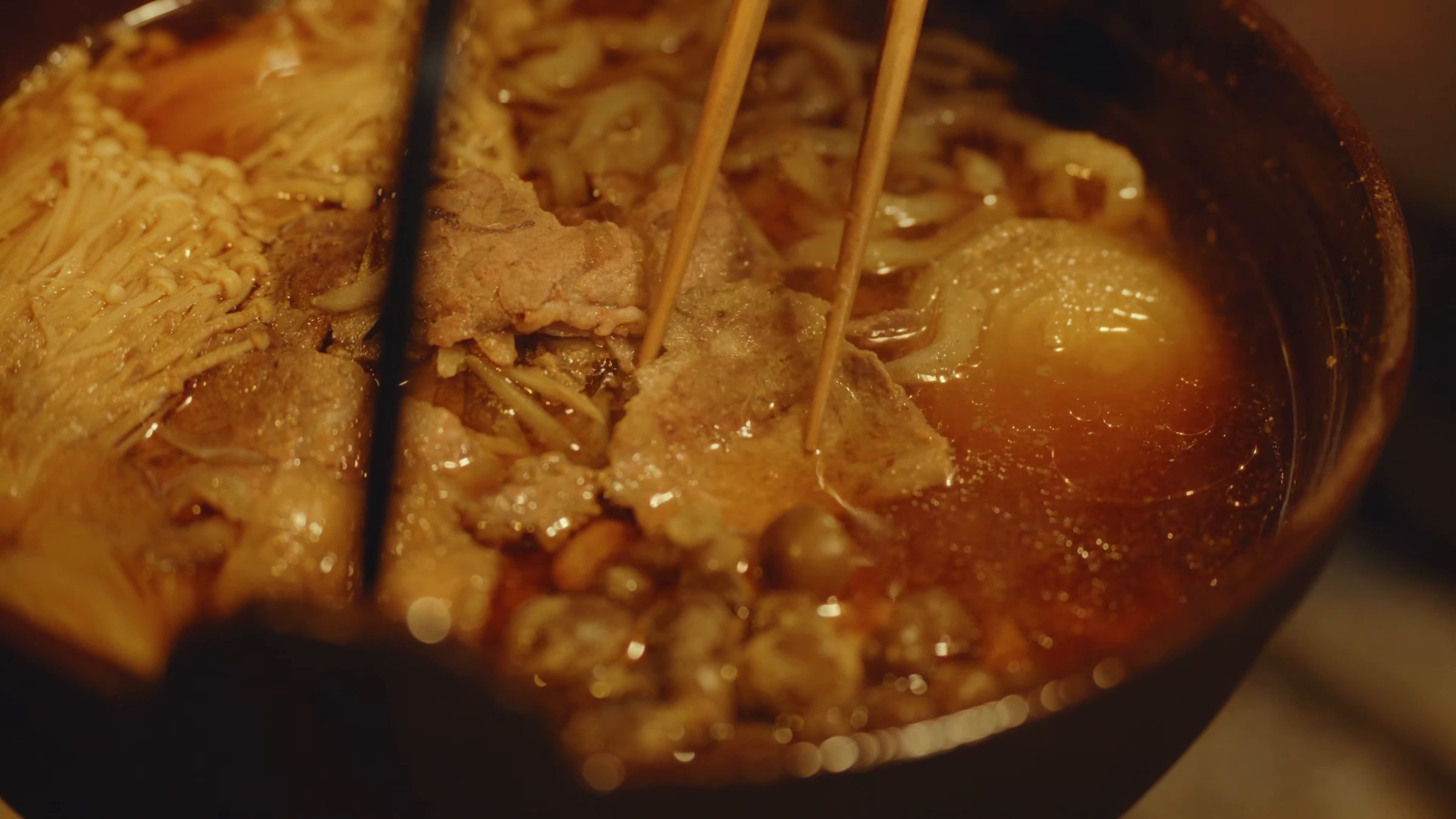
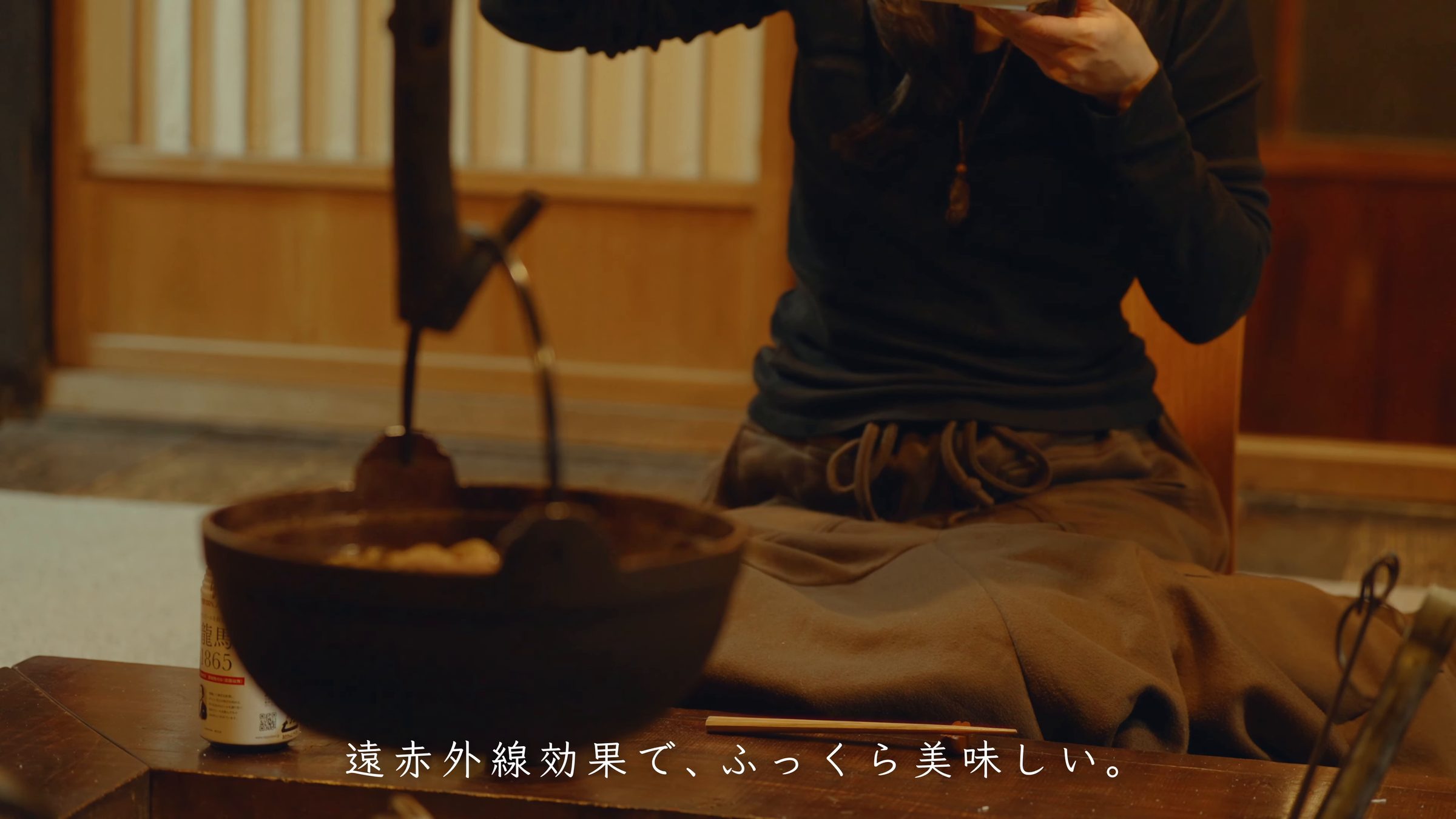
An iron pot hung from the pot hook: wild boar hot pot, with thin slices of boar, onion, enoki mushrooms and shirataki noodles. It bubbled away, and the boar hot pot was ready. I poured a beer into a glass mug, and dinner by the hearth began.
I'm sure I'm not the only one who longs for fish on a skewer. The radiant heat of the charcoal crisps the skin and leaves the flesh fluffy and delicious. Picking at the pot, I watched the fire. I love the hearth.
Watch this scene on YouTube5:53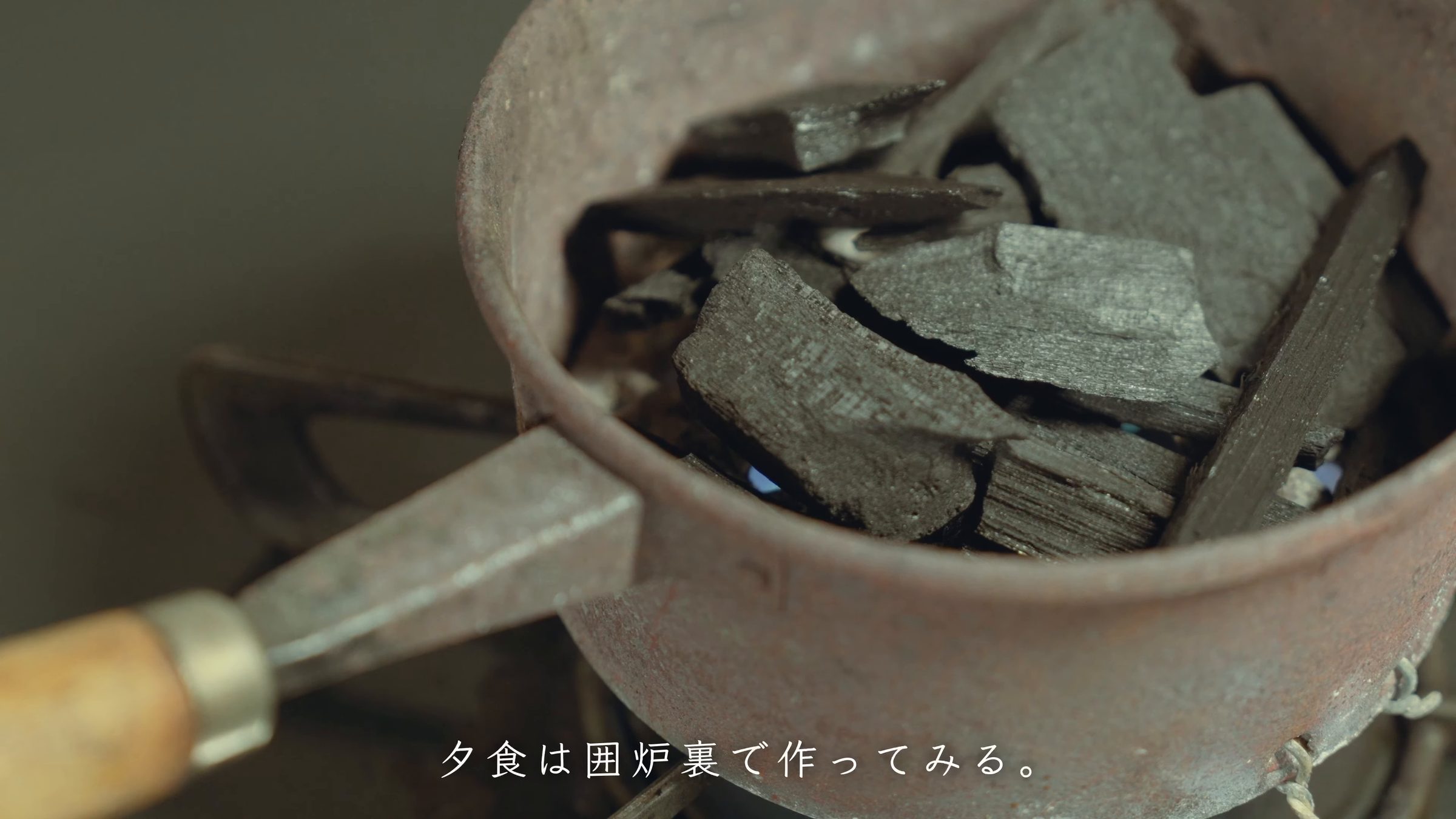
10TRAVEL JOURNAL
A new-moon night
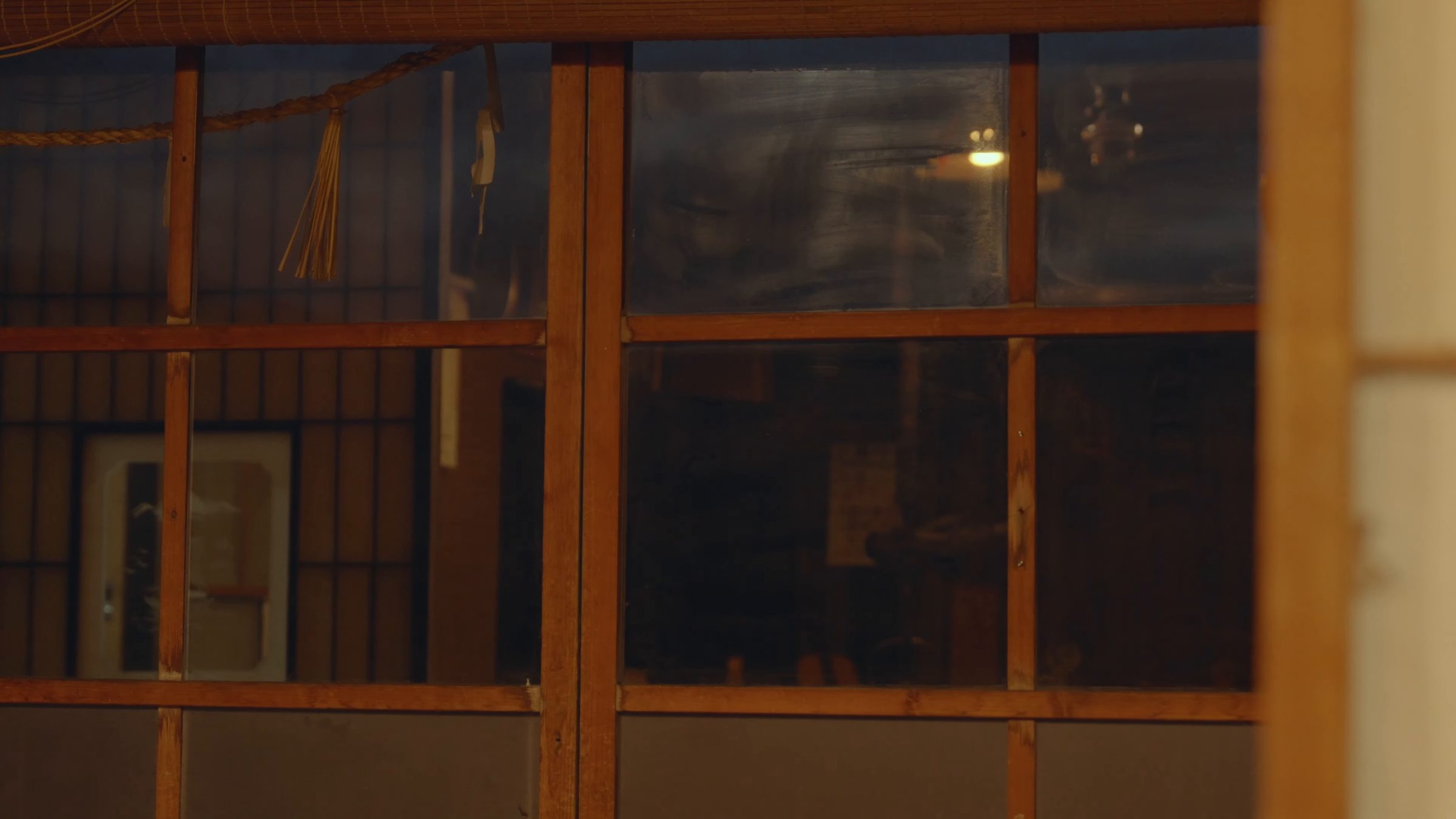
At night I stepped outside; only the light at the entrance was on. It's a new moon tonight, so the stars must be amazing.
Watch this scene on YouTube7:29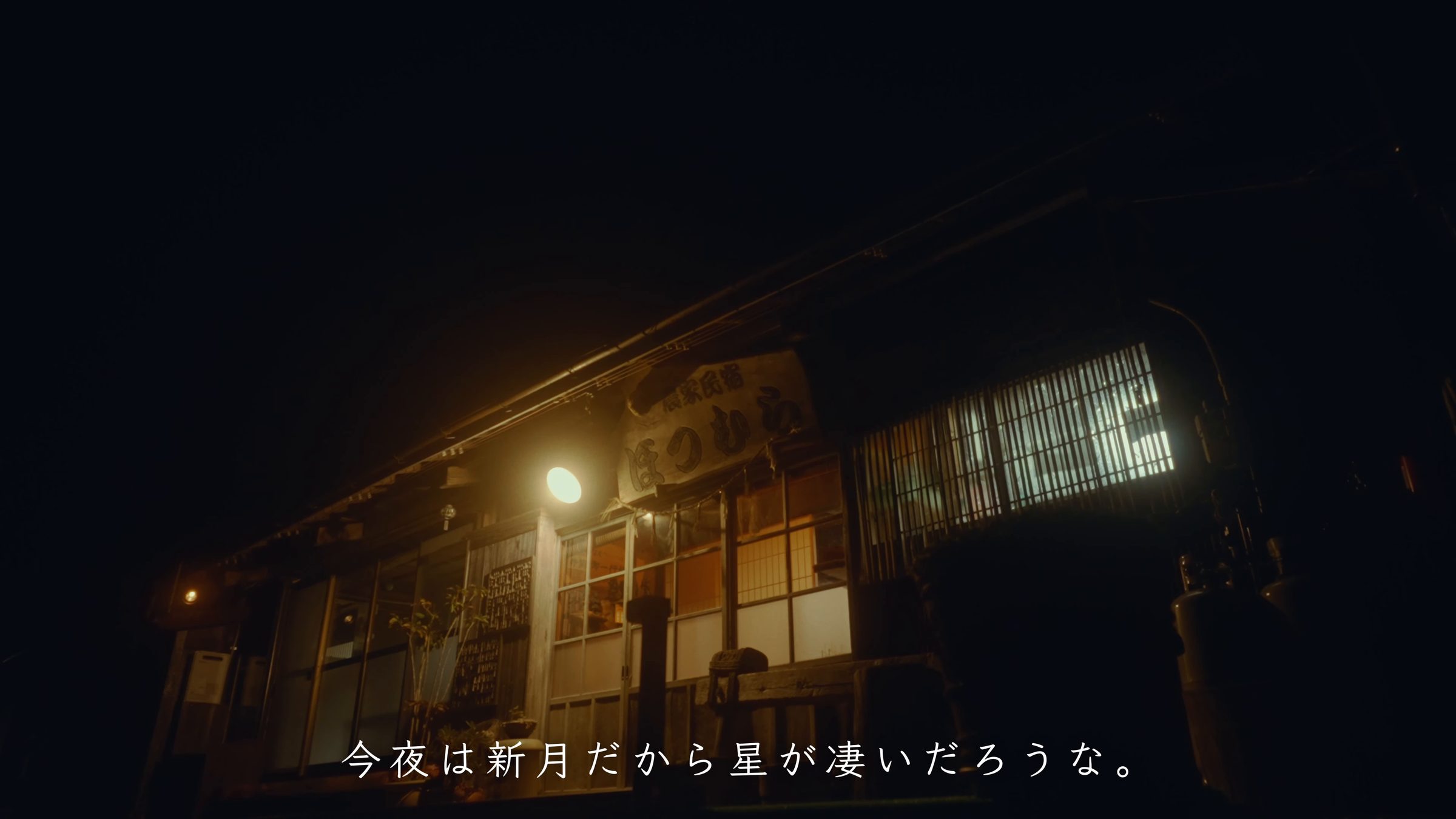
THE JOURNEY IN FILM
The wind. The sounds of a kitchen.
Spend a little more time inside the journey, on film.
Watch the video8 minTHE BORROWER’S NOTES
The Borrower's Notes: Misakubo, Hamamatsu
Places we stopped, dishes we made, and stories of the land. A few things to keep from the journey.
01What I cooked
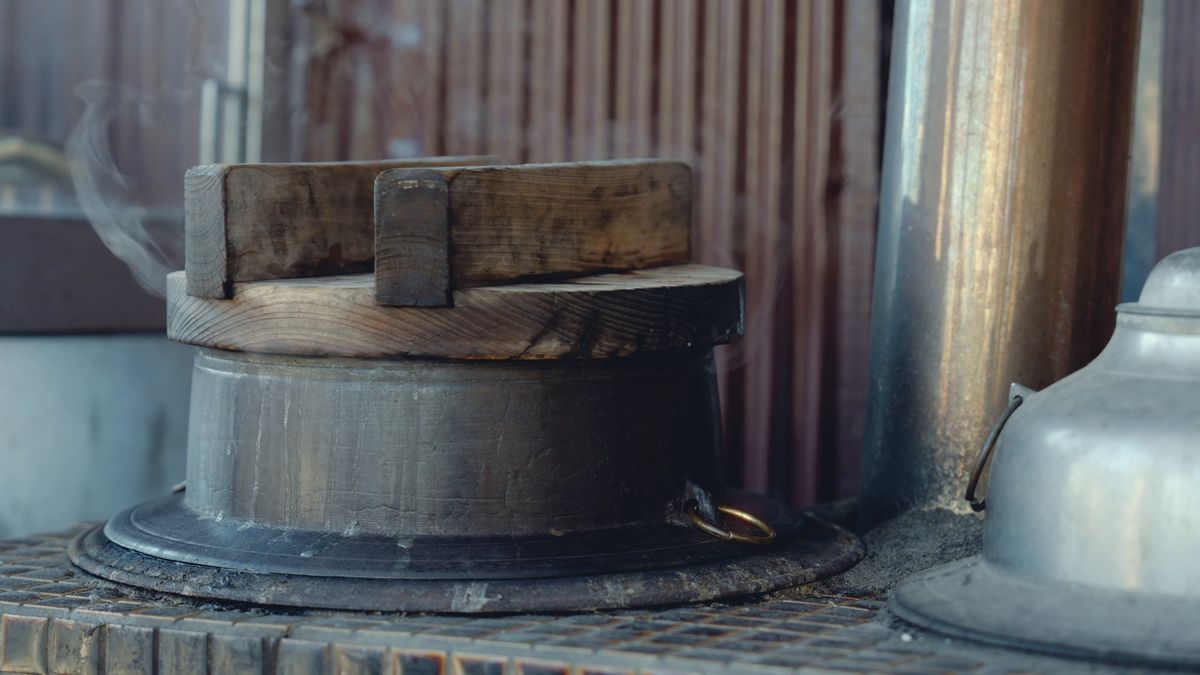
Rice cooked over a kamado
In this house the tiled kamado is still in daily use. What a rice cooker normally does, I did myself with firewood and a match. The heat depends on how much wood you feed in, and white smoke drifts from the chimney over the village. Rice cooked this way comes out fluffy; I packed it in a lunch box and ate it on the mountain.
IngredientsRice, Water, Firewood
- Wash the rice in the pot, draining the cloudy water and repeating a few times
- Fill the pot with water, set the wooden lid on it and place it on the kamado
- Lay thin sticks of firewood in the firebox and light them with a match
- Control the heat by the amount of firewood, and cook until steam bursts from under the lid
- When done, fluff the rice with a paddle
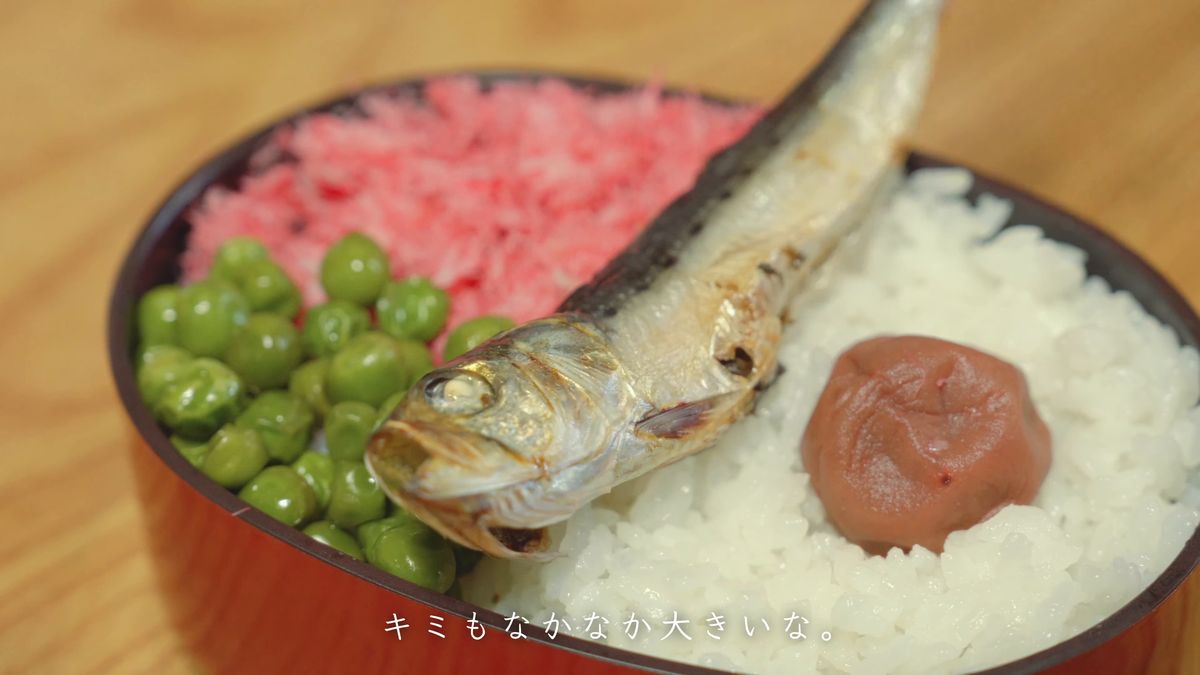
Satsuki's lunch box
A recreation of the lunch Satsuki gets up early to make in My Neighbor Totoro: rice cooked over a kamado, grilled dried sardines, green peas, pink sakura denbu and a pickled plum. The film is said to be set in the mid-1950s, before television had spread through Japan. This time the rice came from the kamado, and the denbu was colored with beet powder.
IngredientsKamado-cooked rice, Small dried fish, Green peas, Pickled plum (umeboshi), White flaked filling, Beet powder
- Grill the small fish
- Sprinkle beet powder over the white flakes and toss in a pan to make pink denbu
- Pack the freshly cooked rice into the lunch box
- Top with the denbu, green peas and pickled plum, and finish with the grilled fish
Sources: news.allabout.co.jp anime.eiga.com
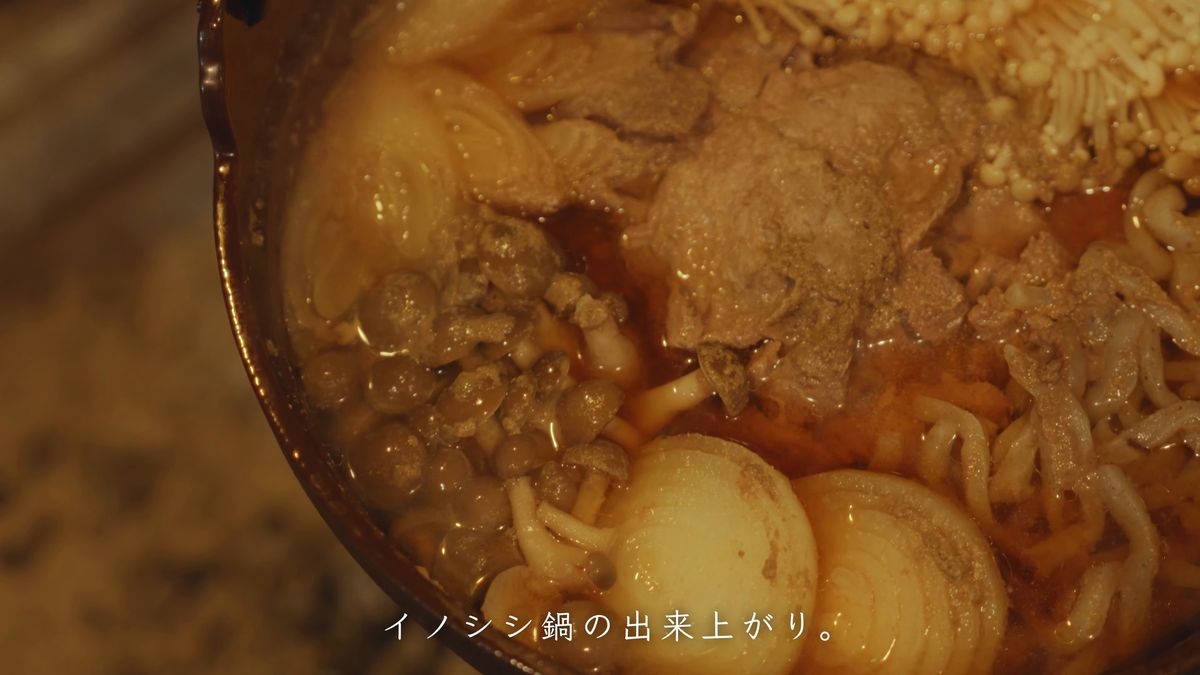
Wild boar hot pot over the hearth
Most of Hamamatsu's Tenryu Ward is forest, and the Tenryu Gibier Fes, a festival of wild game, is held in Futamata (its fifth edition was in May 2025). Misakubo, the town the village belongs to, is a mountain-valley town that is 96 percent forest. I hung an iron pot from the hearth's pot hook and simmered thin slices of boar with onion, enoki and shirataki.
IngredientsWild boar (thinly sliced), Onion, Enoki mushrooms, Shirataki noodles, Broth
- Get the hearth coals going and hang the iron pot from the hook
- Add the boar and vegetables to the broth and simmer
- When cooked, ladle it out by the hearth
Sources: city.hamamatsu.shizuoka.jp misakubo.net
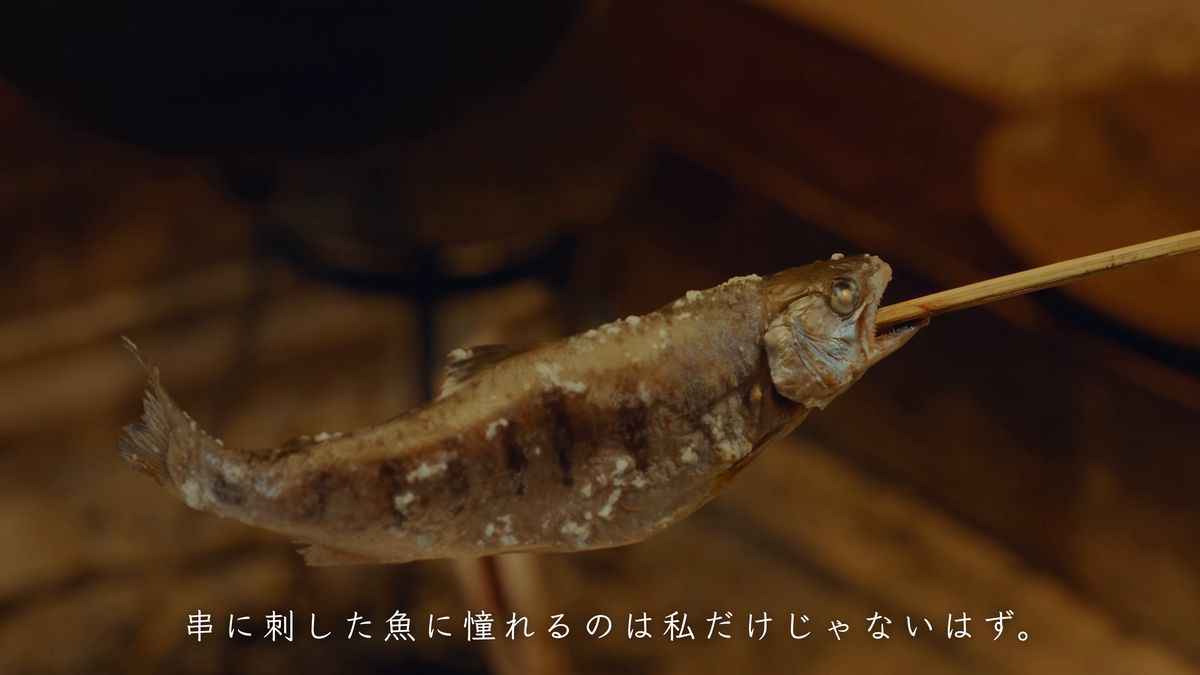
Skewered yamame trout
Every summer a yamame-catching festival is held on the Misakubo River (the 28th was in July 2025). Skewered and stood in the hearth ash, the fish roast slowly in the radiant heat of the charcoal until the skin is crisp and the flesh fluffy.
IngredientsYamame (masu trout), Salt
- Run a bamboo skewer through the fish from the mouth and salt it
- Stand the skewer in the hearth ash and roast slowly beside the coals
Sources: city.hamamatsu.shizuoka.jp
02About the area
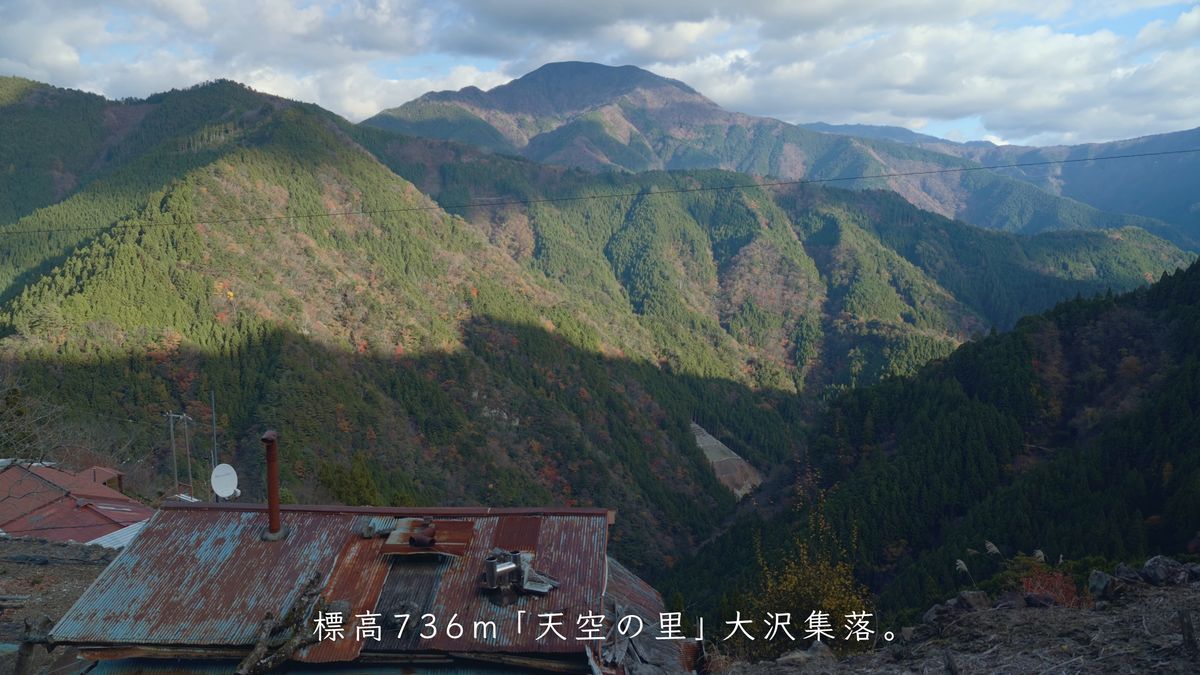
Osawa, the village in the sky
A village high in the mountains of Misakubo, in Hamamatsu's Tenryu Ward. The Misakubo tourist association describes it as the village in the sky, said to be Japan's Machu Picchu; signs in the village give its elevation as 736 meters and call it the Machu Picchu of Enshu. Misakubo lies at the northern tip of Hamamatsu on the border with Nagano, a valley town hemmed in by mountains on three sides. Forest covers 96 percent of the town, and even the center along the Misakubo River sits at 250 meters.
Sources: misakubo.net misakubo.net
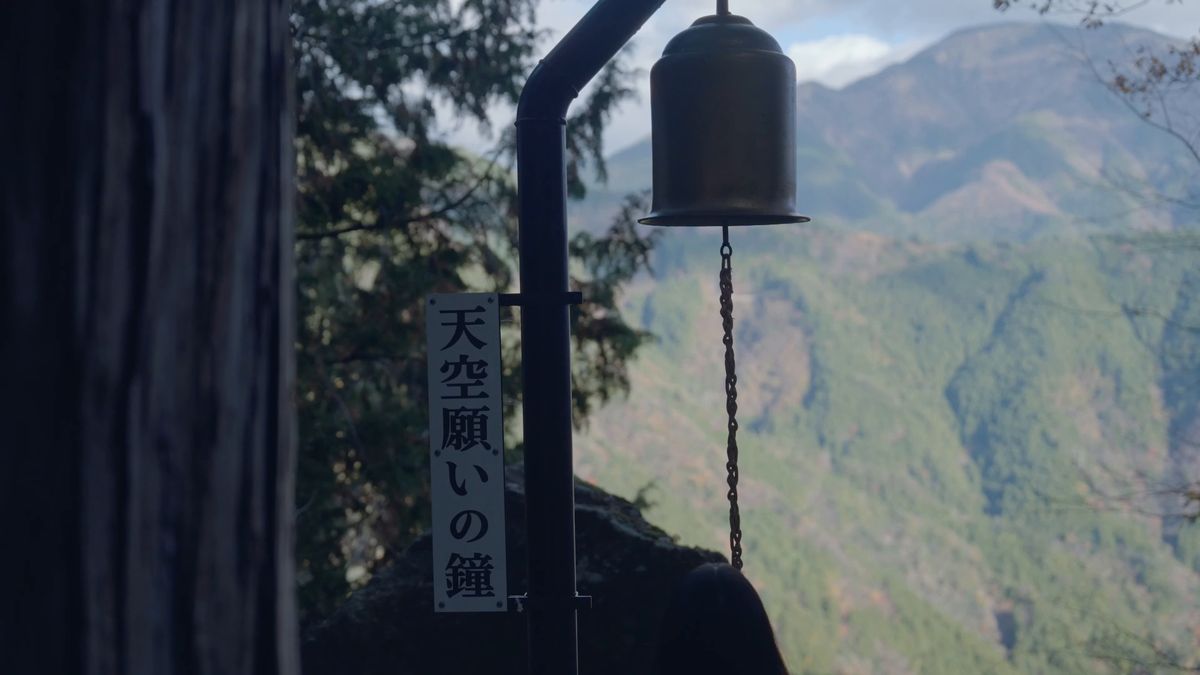
Shohachiman Shrine and the Wishing Bell in the Sky
The only shrine in Osawa, with a stone torii and a small hall in a grove of cedars. You make an offering, receive a slip of paper to write a wish on, tie it to the railing in front of the hall, and then ring the Wishing Bell in the Sky. From beside the bell you can see across the valley to the mountains.
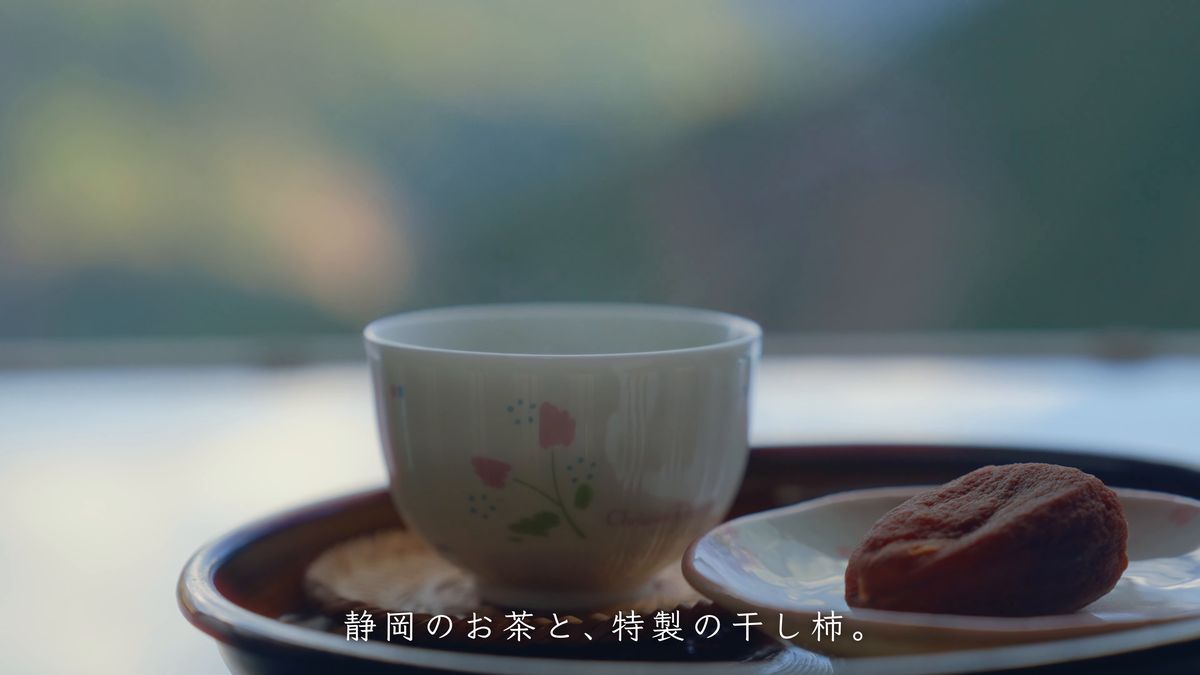
Shizuoka green tea
Shizuoka has the largest tea-growing area in Japan: 11,600 hectares in 2025, or 34.7 percent of the national total, and it also leads in the value of crude tea produced (9.9 billion yen in 2024, 31.5 percent). In Hamamatsu's Tenryu Ward, Tenryu tea is grown along the Tenryu and Atago rivers, where the tea trade has flourished since the Meiji era; tea from these misty mountain gardens is known for its aroma. I don't know exactly where the tea I drank came from.
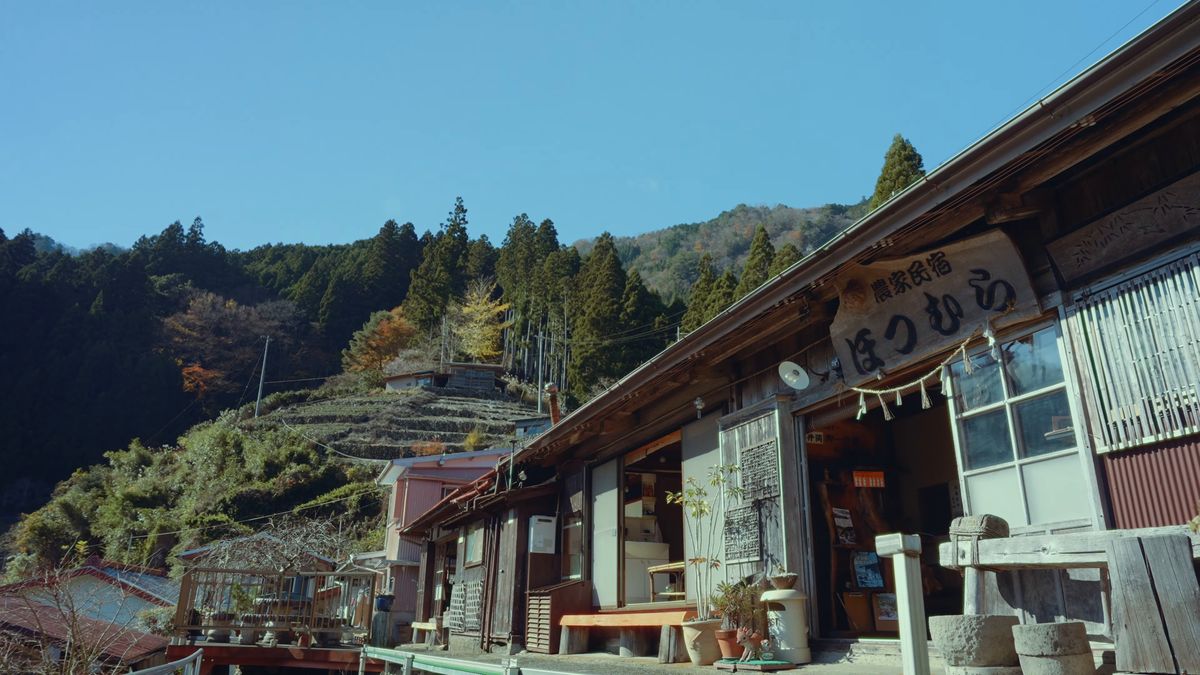
A farmhouse inn with a kamado and a hearth
This time I borrowed a farmhouse inn on the slope of the village in the sky. Its tiled kamado and hearth are still in use, and the open-air bath, which the owner built himself from things he was given and salvaged timber, looks across the valley to the mountains. A Shiba dog in a red collar and a few goats live here too.
PHOTO ALBUMPhoto album88Open all photographsClose the photo album
Select a photograph to explore the journey one frame at a time.