A TRAVEL ESSAY
Chuo, Tokyo
Tokyo's traditional old town and local life
A downtown tablein a Tokyo row house
Tsukudani and tofu for breakfast, monja in Tsukishima, omurice at night.
Read the journey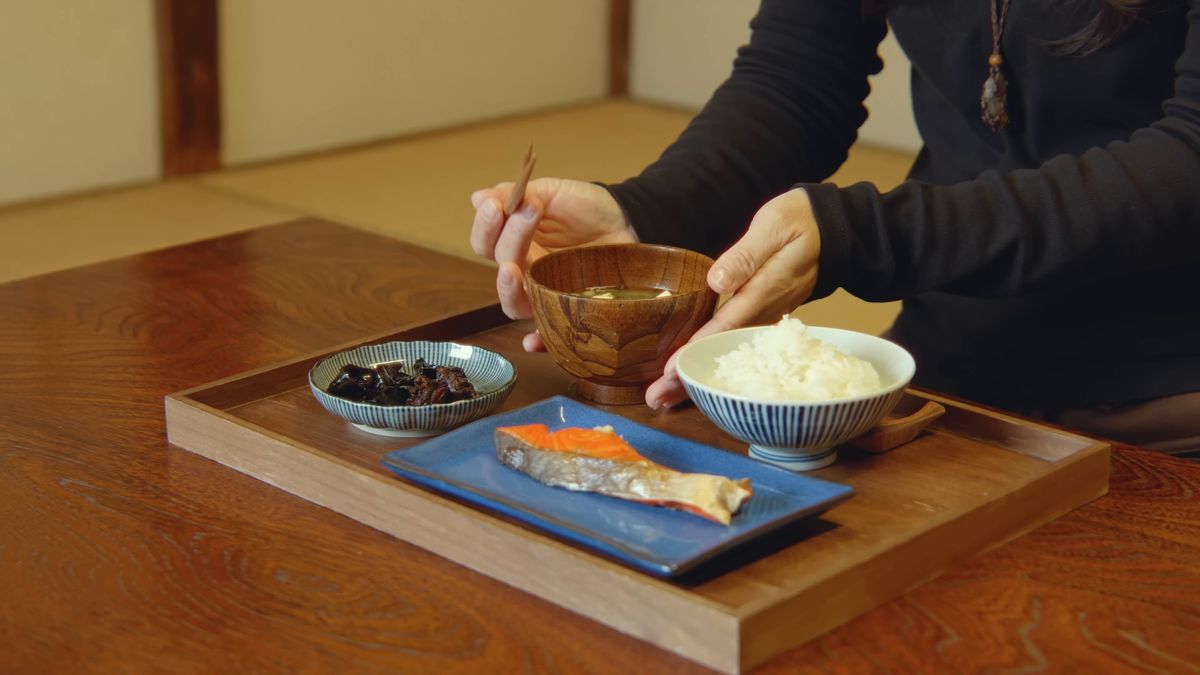
ABOUT THIS JOURNEY
I woke up in an old row house in Tokyo's shitamachi, the old town east of the Yamanote Line. Breakfast came from a tsukudani shop founded in 1837 and a tofu shop in Ningyocho; in Tsukishima I made monjayaki and a sweet bean roll on the griddle. After shopping for dinner at Ameyoko in Ueno, I cooked omurice in the row-house kitchen. A day of eating my way through the good old Tokyo.
A little more about the food and the land01TRAVEL JOURNAL
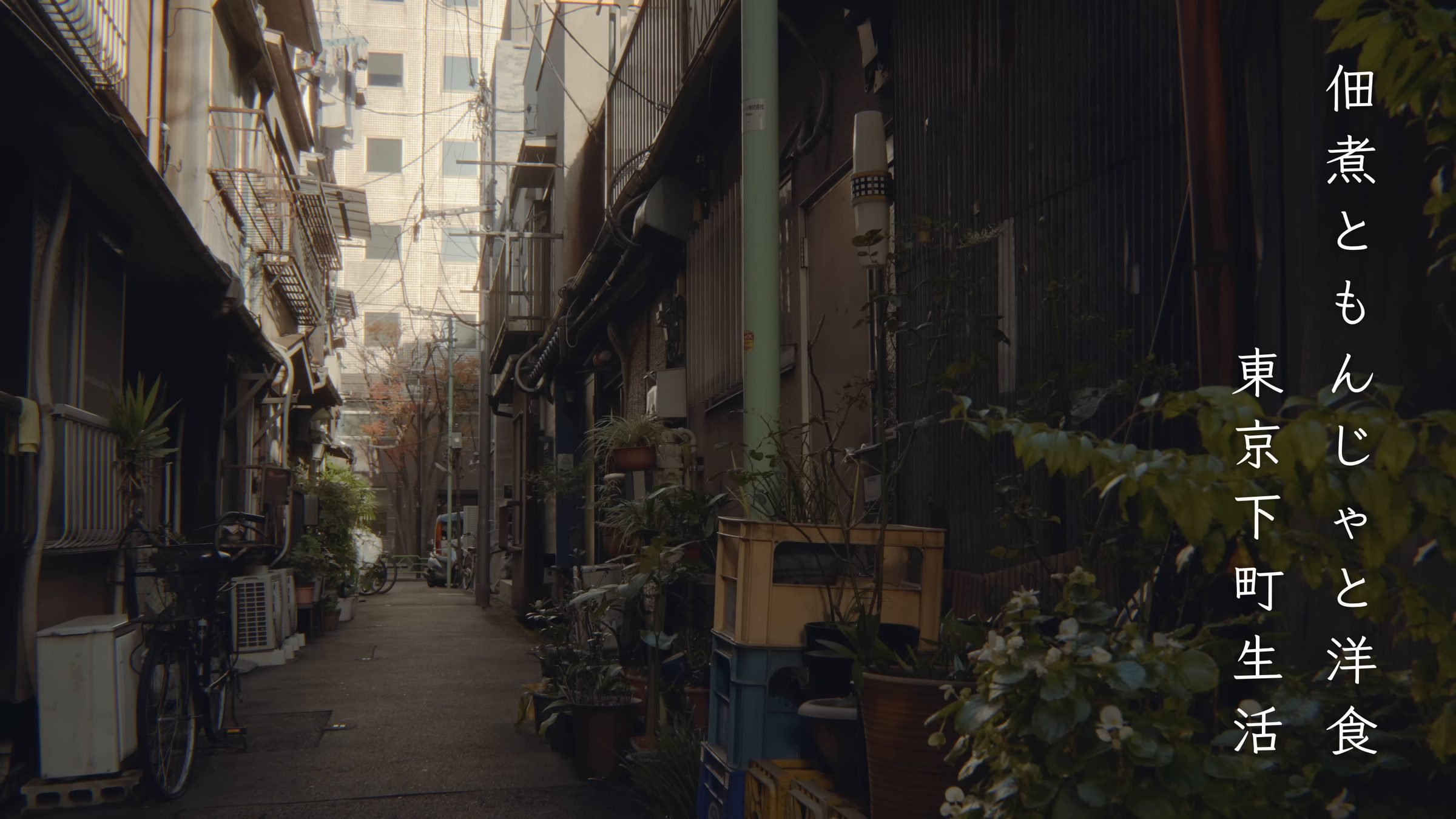
Morning in the shitamachi
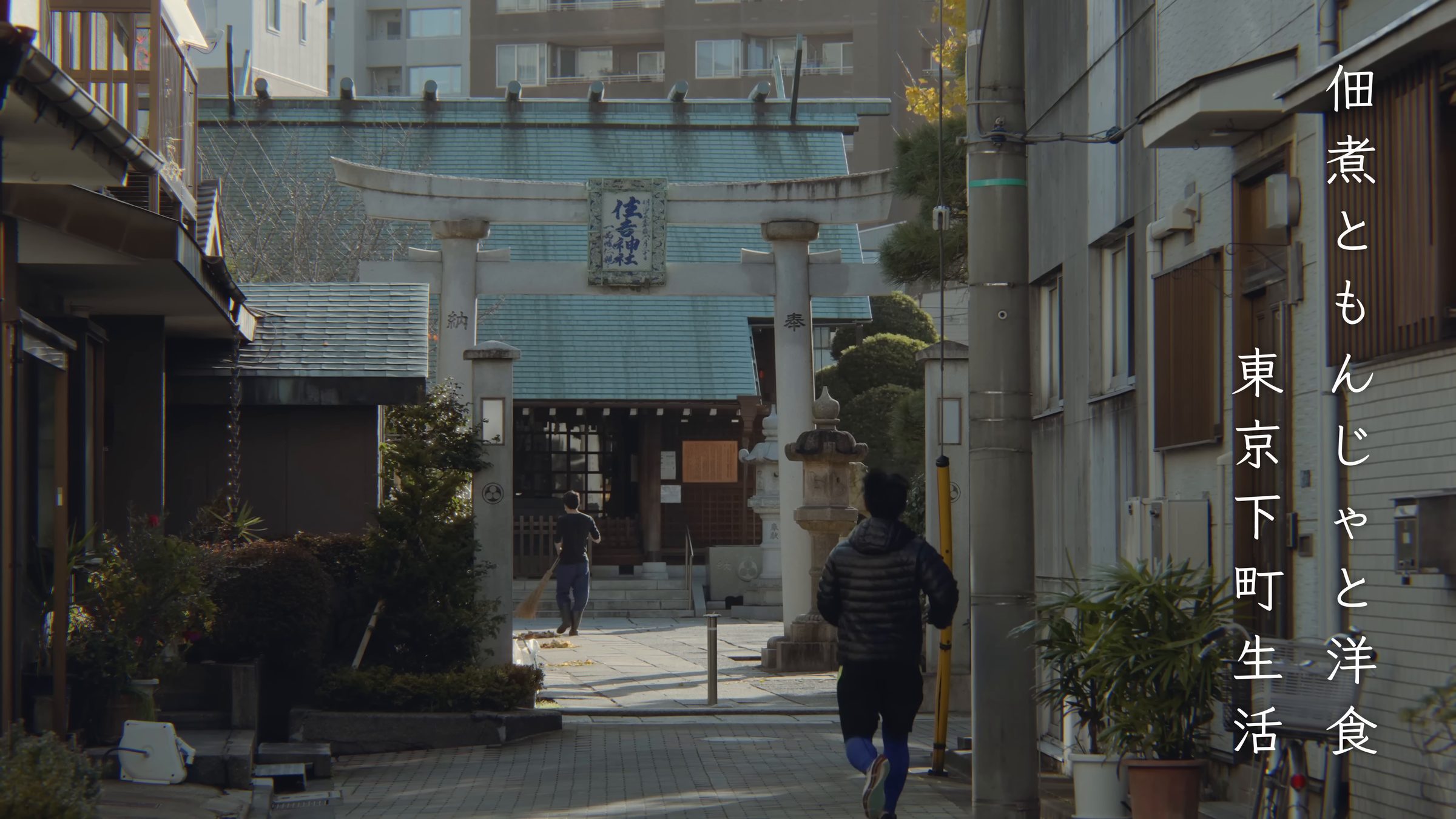
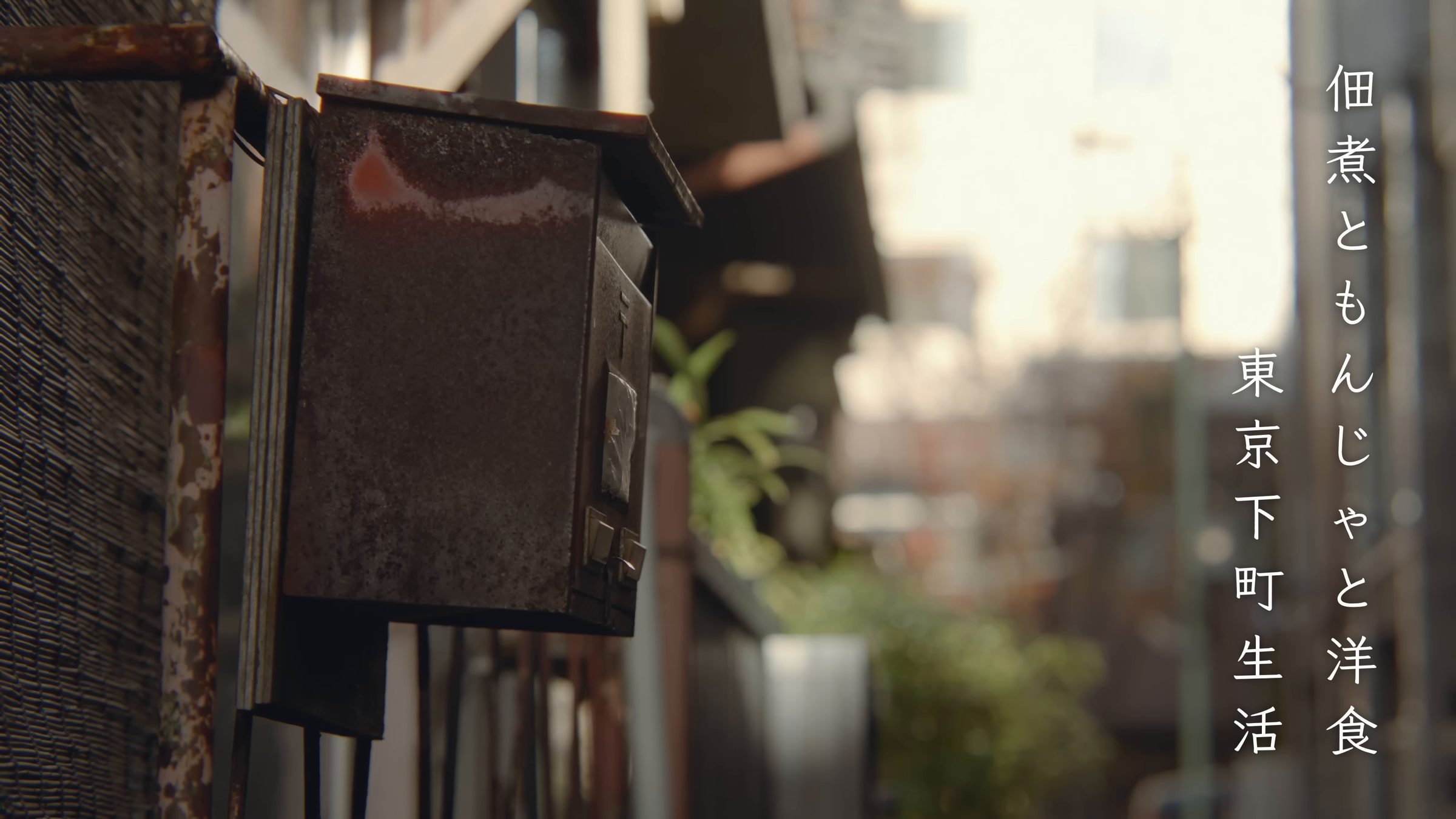
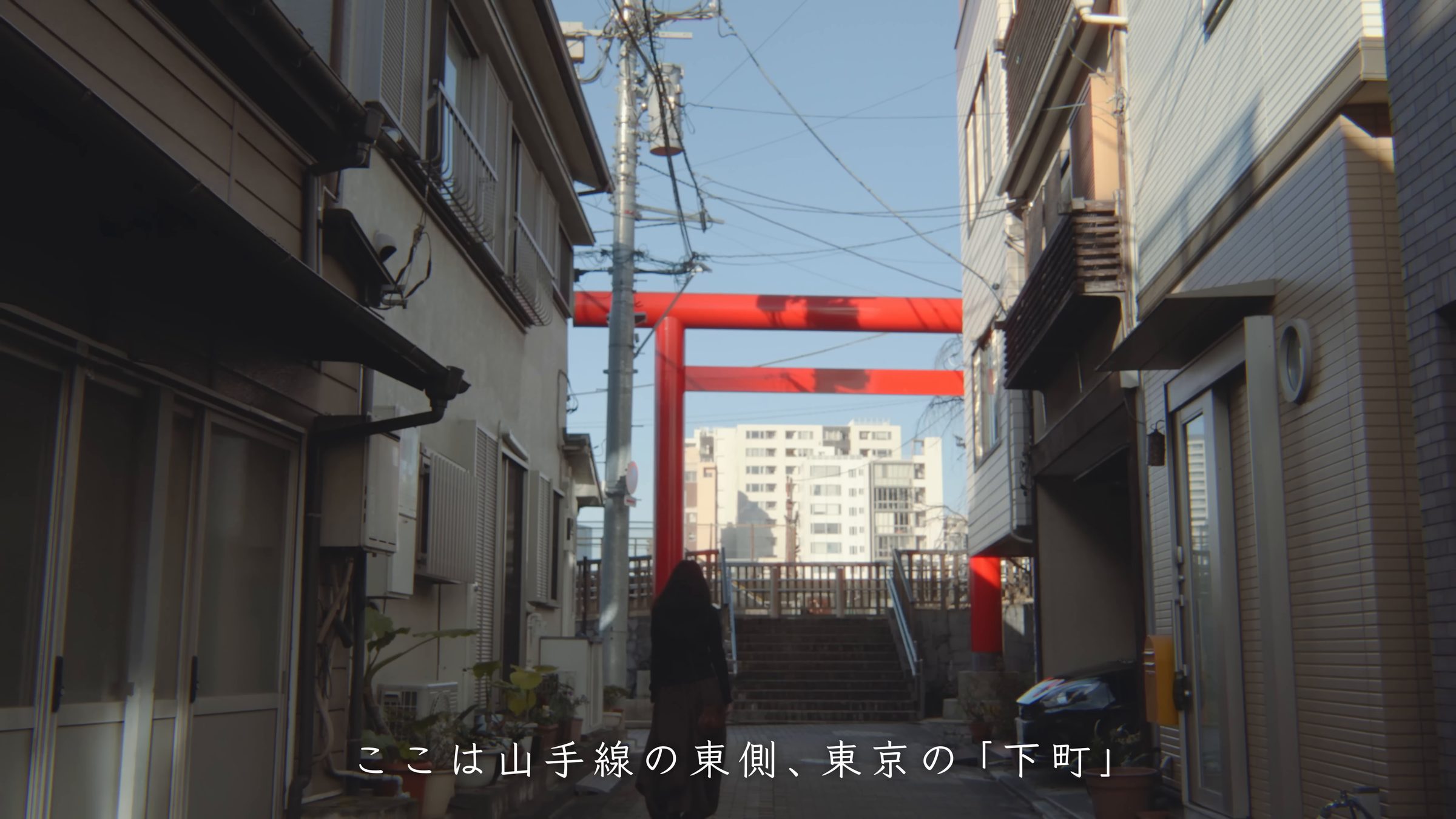
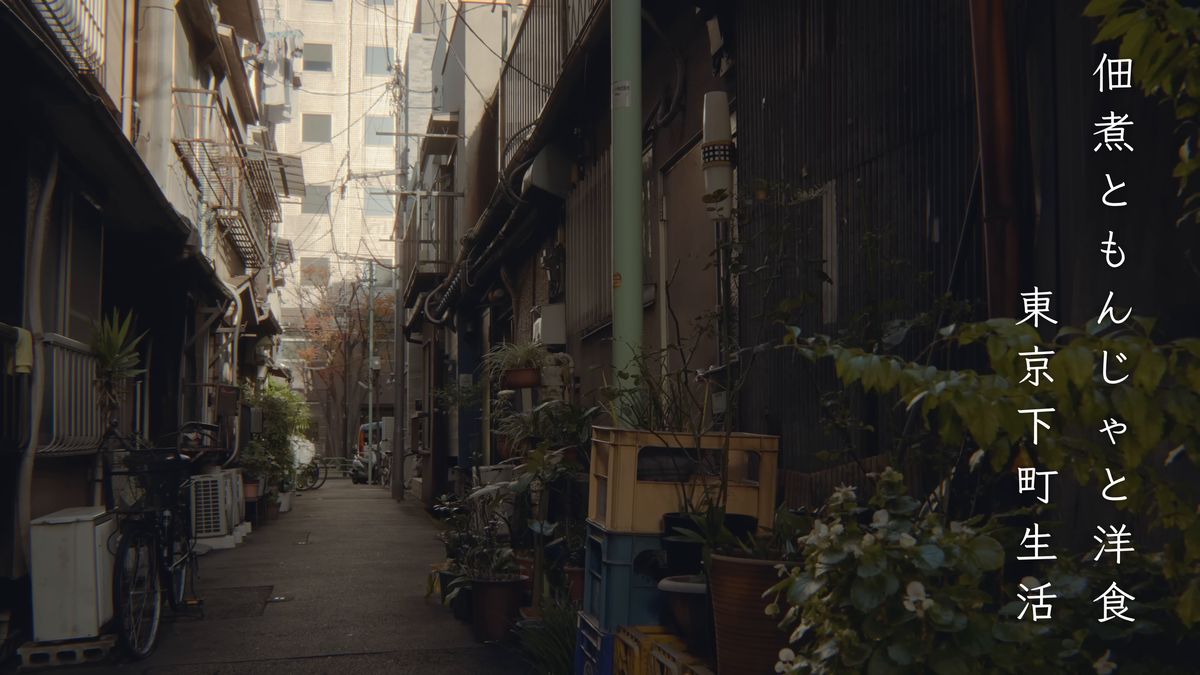
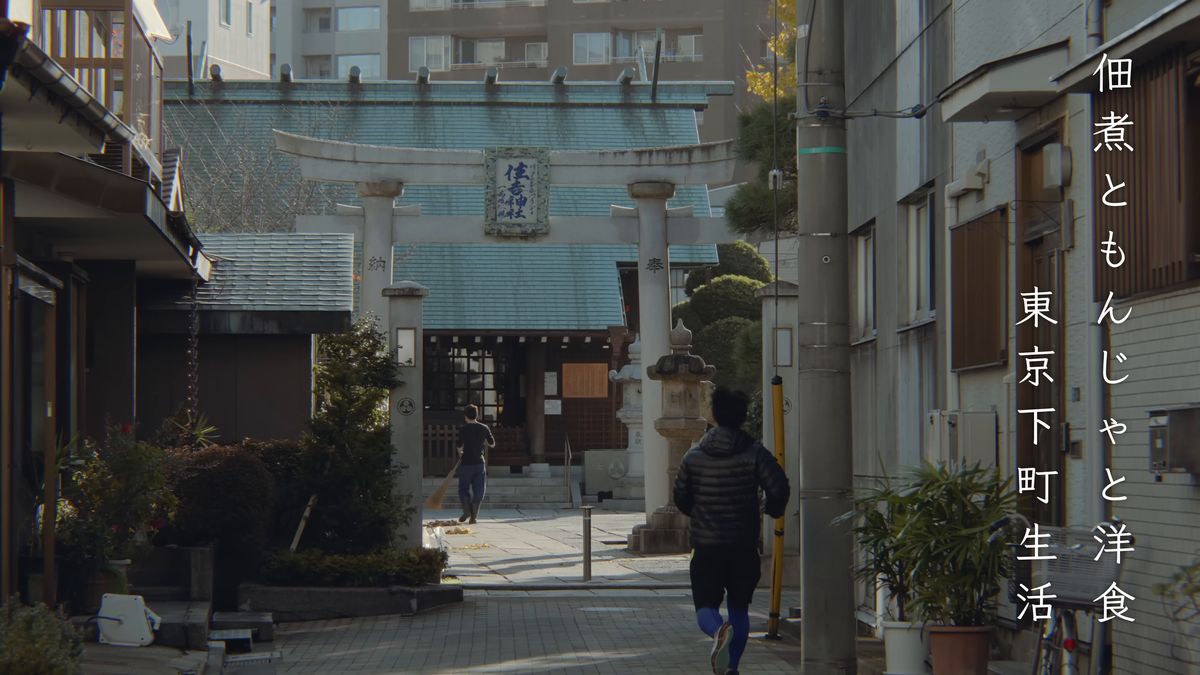
This is Tokyo's shitamachi, the old town on the east side of the Yamanote Line. Small boats sat moored in a basin backed by high-rise apartments. Beyond a stone torii stood the hall of Sumiyoshi Shrine, and the alleys were lined with rusted mailboxes, potted plants and bicycles.
Many corners here escaped the wartime fires, and you can still feel the culture and air of those days. At the end of a narrow alley, a red torii caught the morning sun.
Watch this scene on YouTube0:21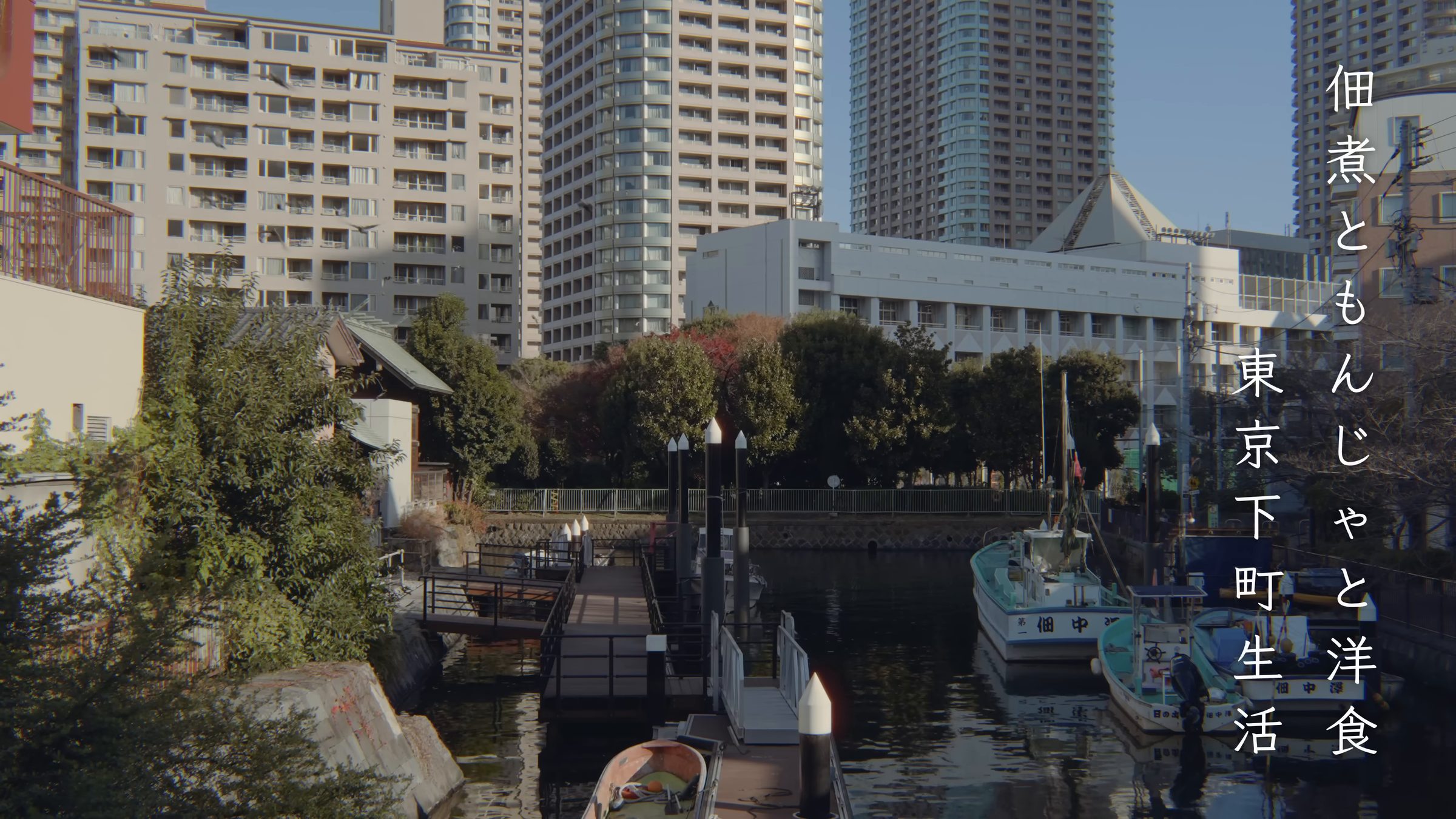
02TRAVEL JOURNAL
A tsukudani shop from 1837
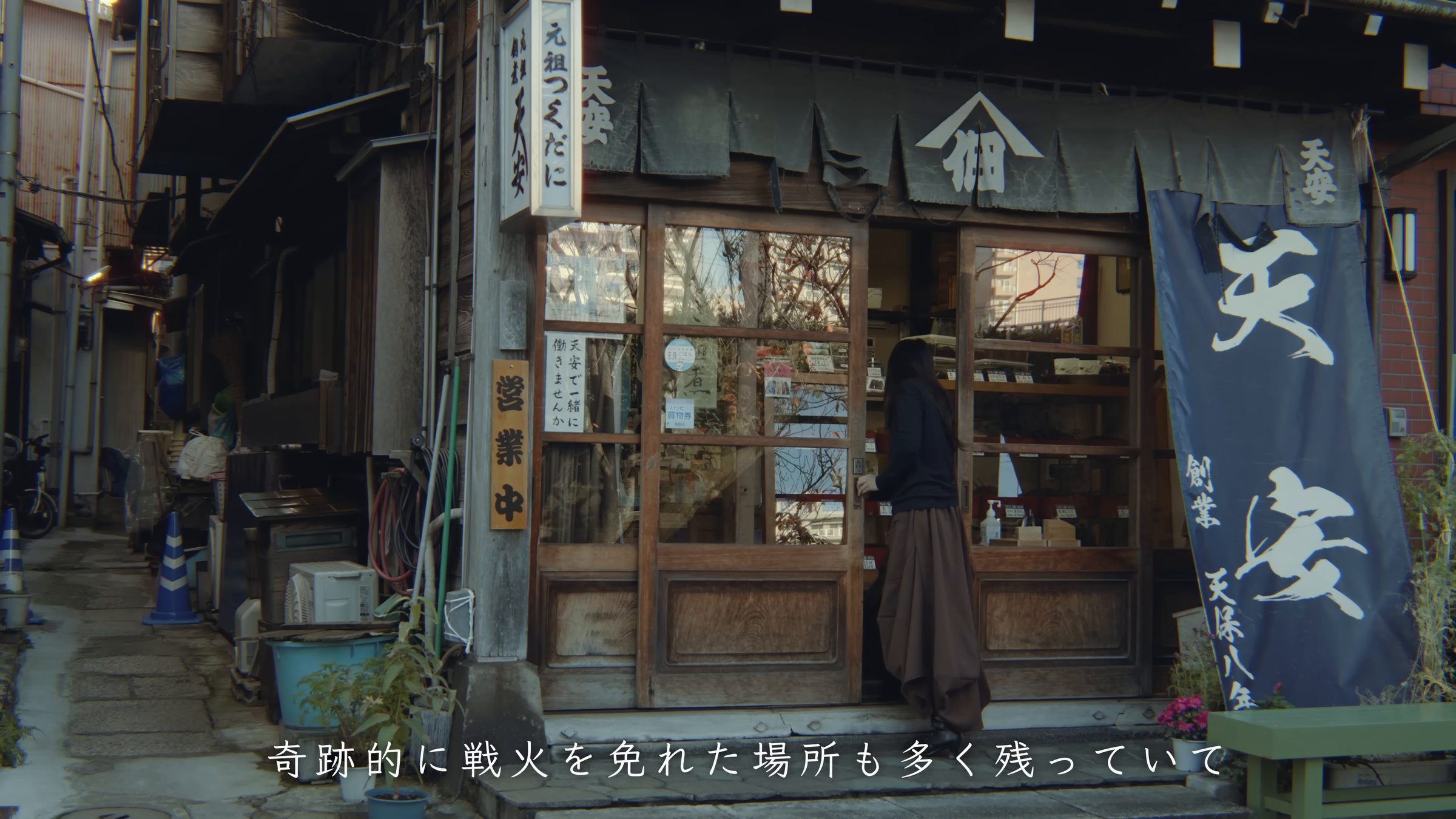
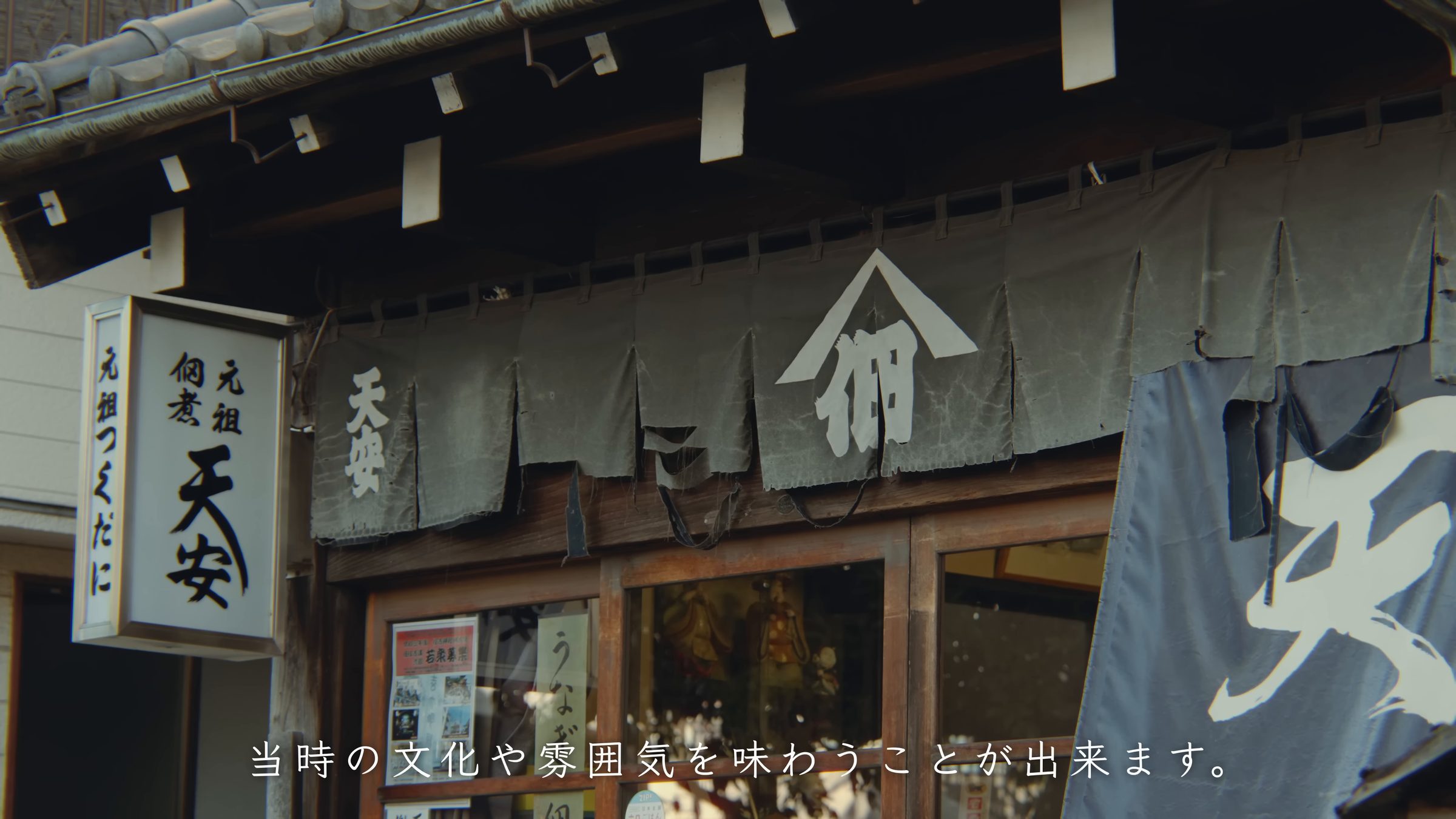
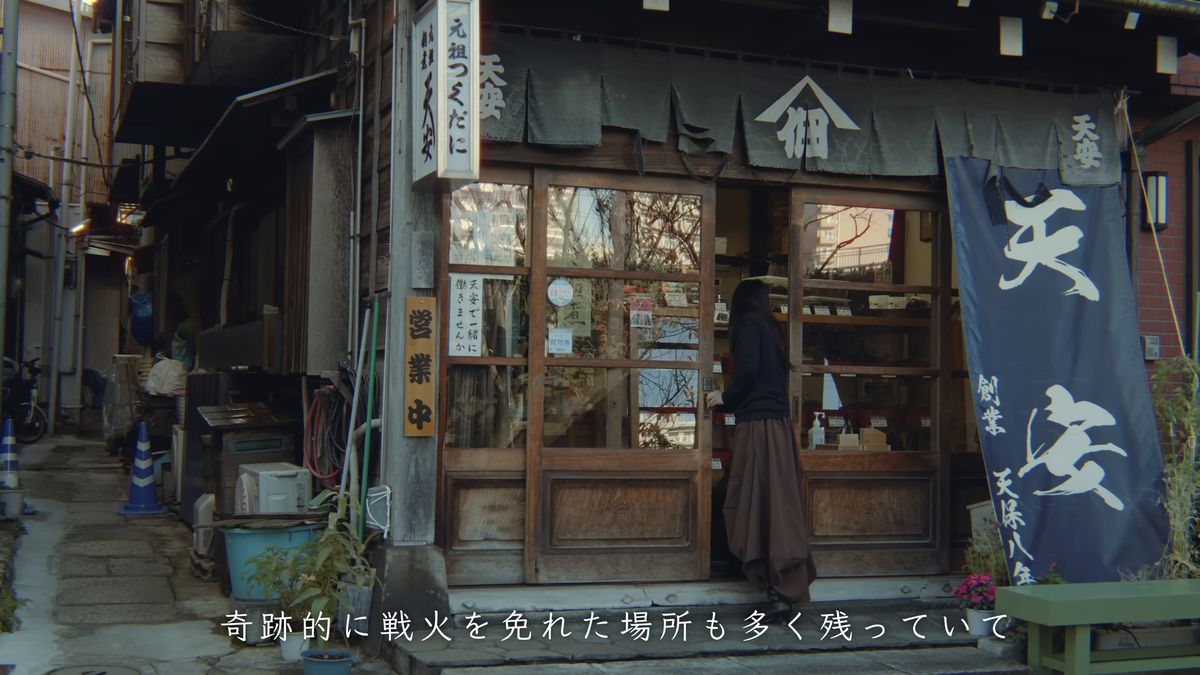
Under the eaves hung an old wooden sign reading Ganso Tsukudani Tenyasu. Founded in 1837, in the Tenpo era, it is the oldest tsukudani shop still standing in Tsukuda. A noren curtain with the shop's name hung from the tiled eaves, and a banner out front announced the founding year.
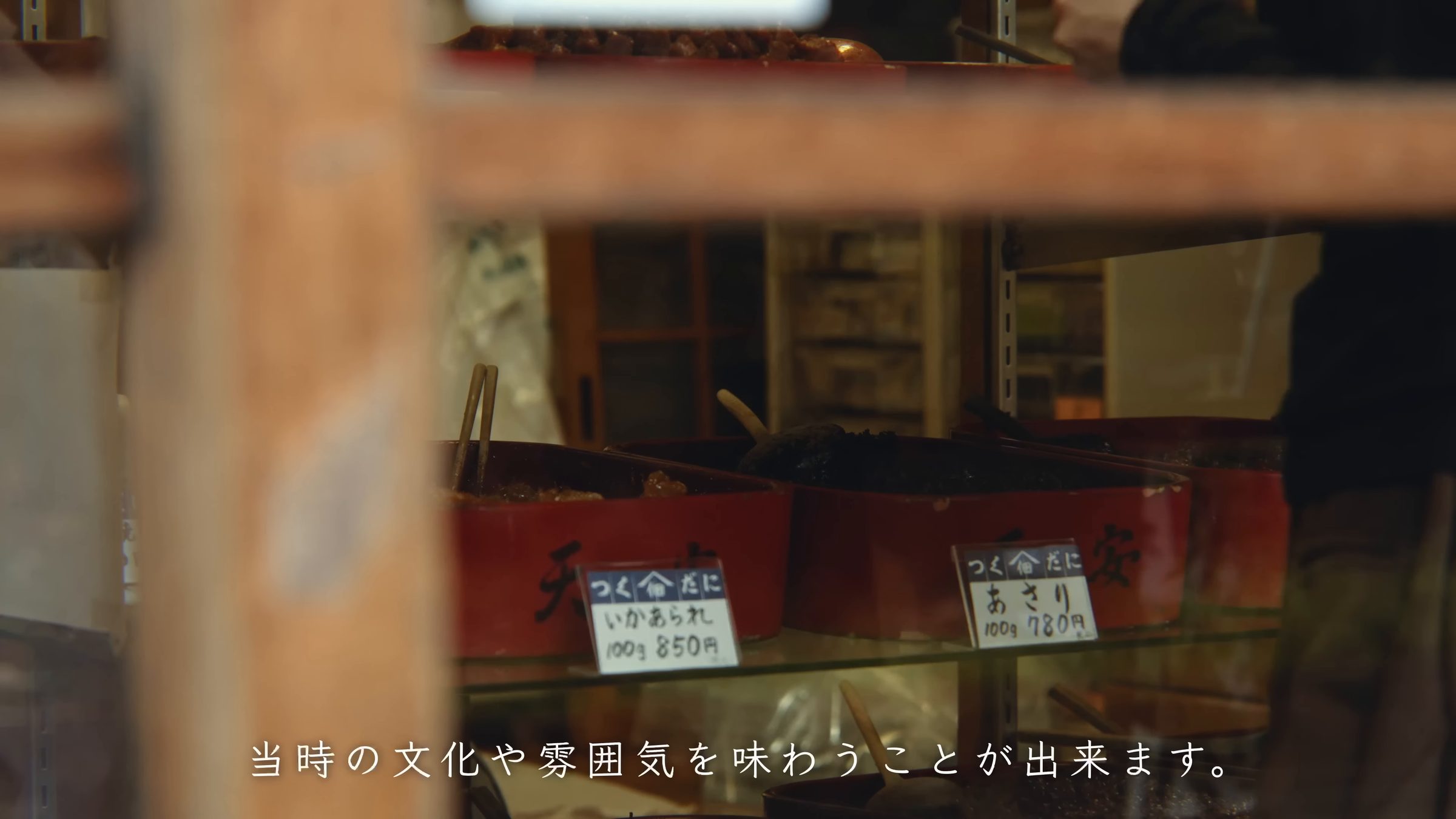
Inside the glass case, tsukudani was heaped in red wooden trays: squid, clams. A storefront that feels like the good old days, a world apart from Tokyo's glittering towers.
Watch this scene on YouTube0:32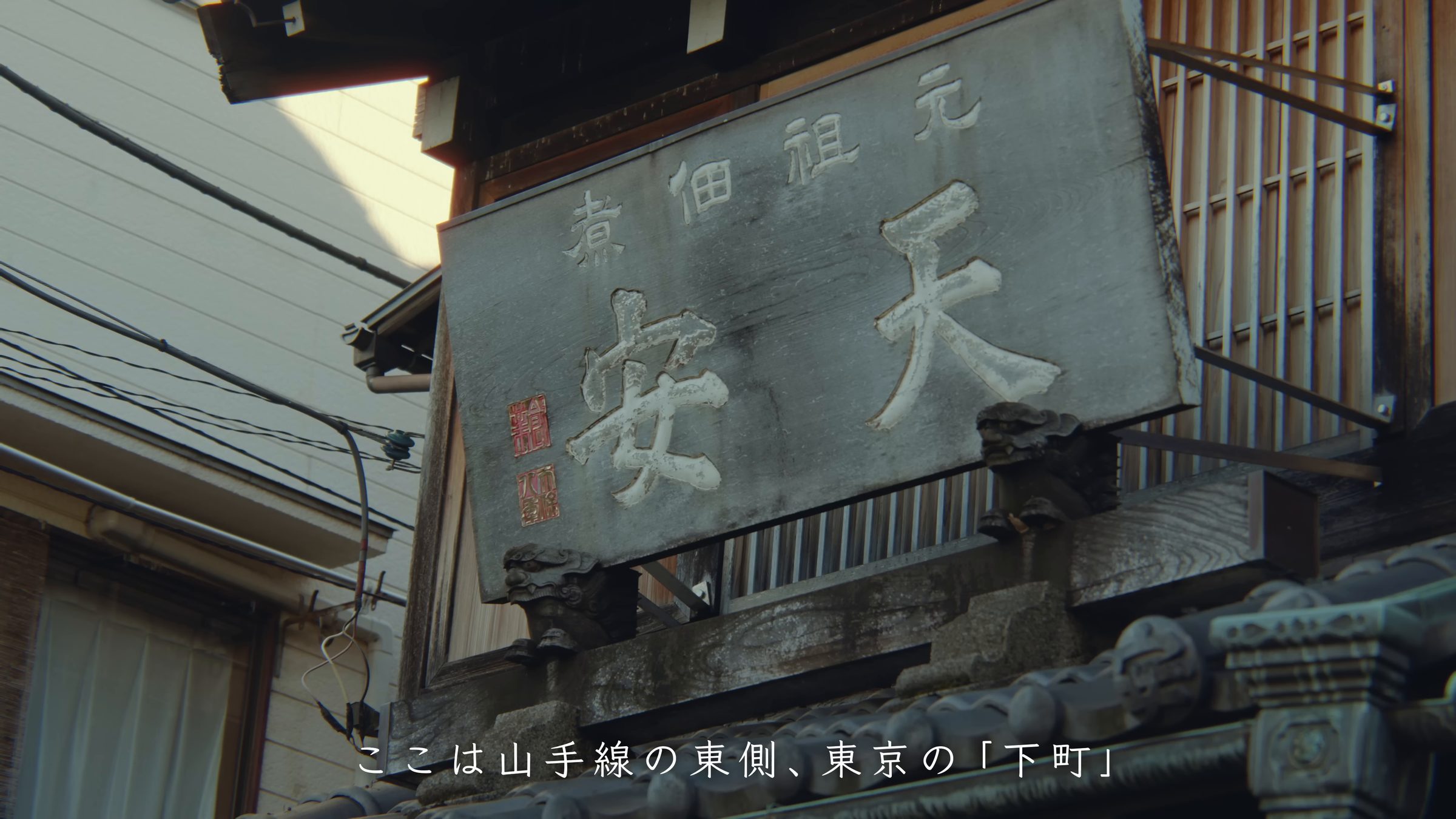
03TRAVEL JOURNAL
The neighborhood tofu shop
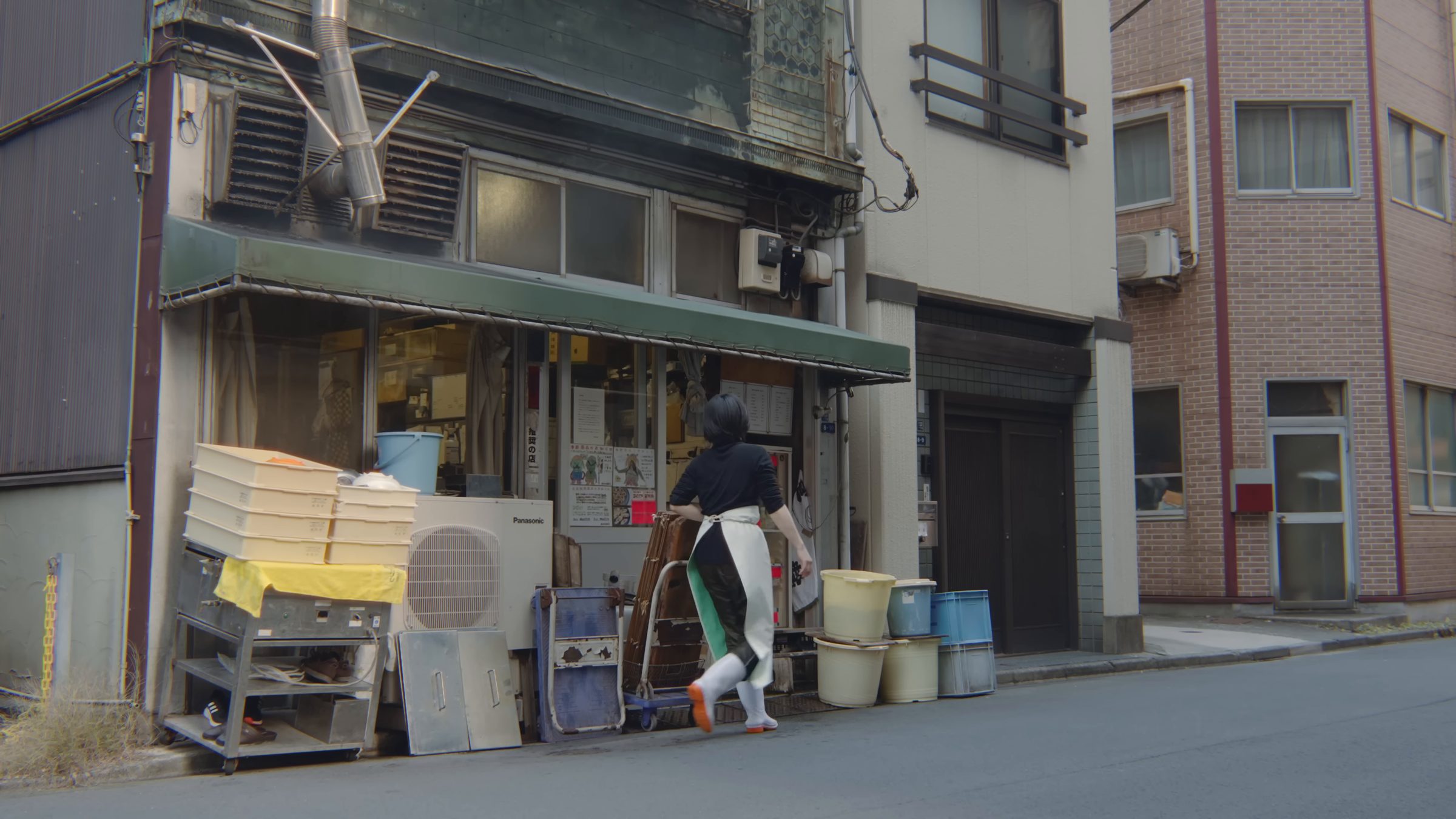
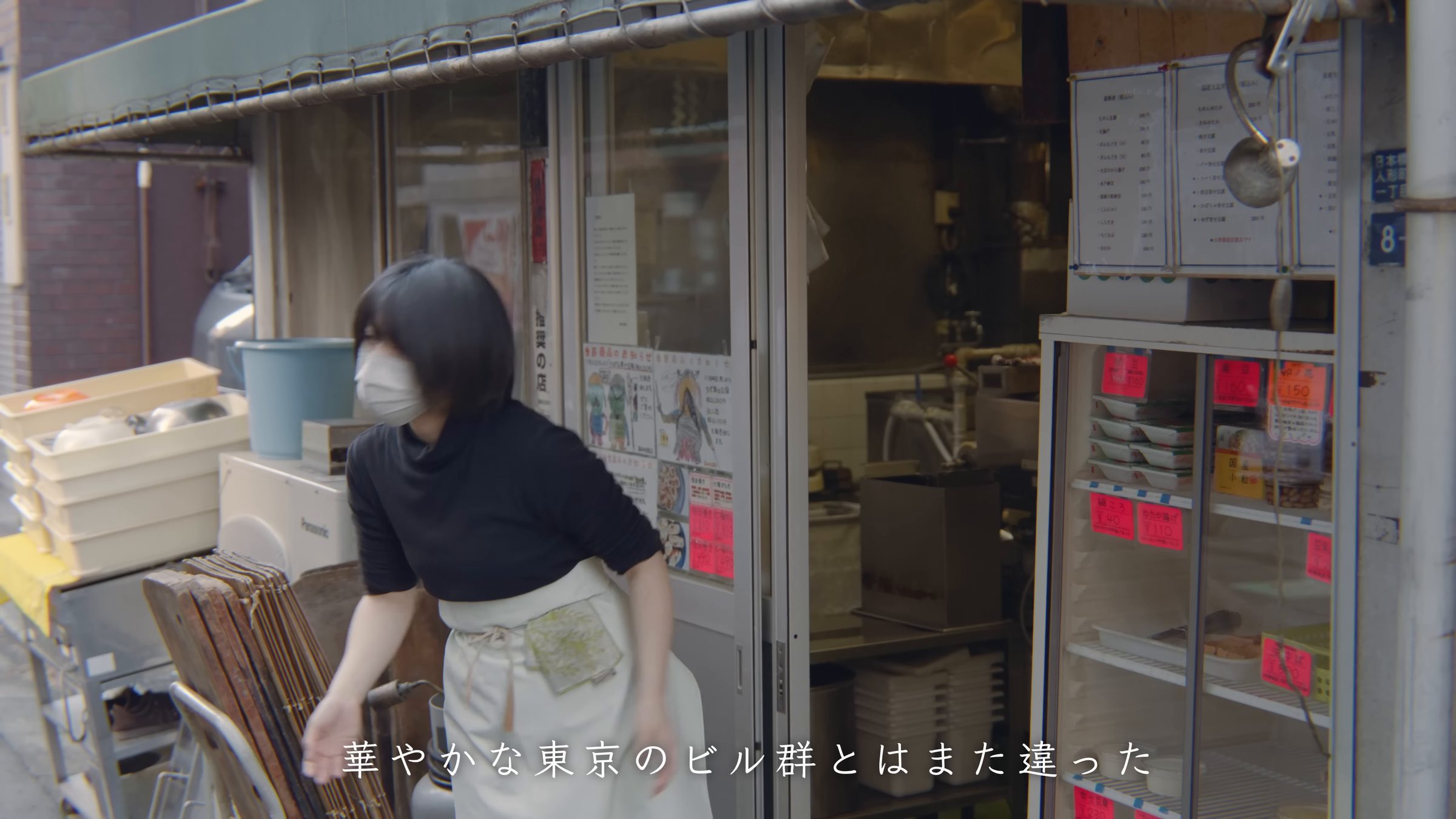
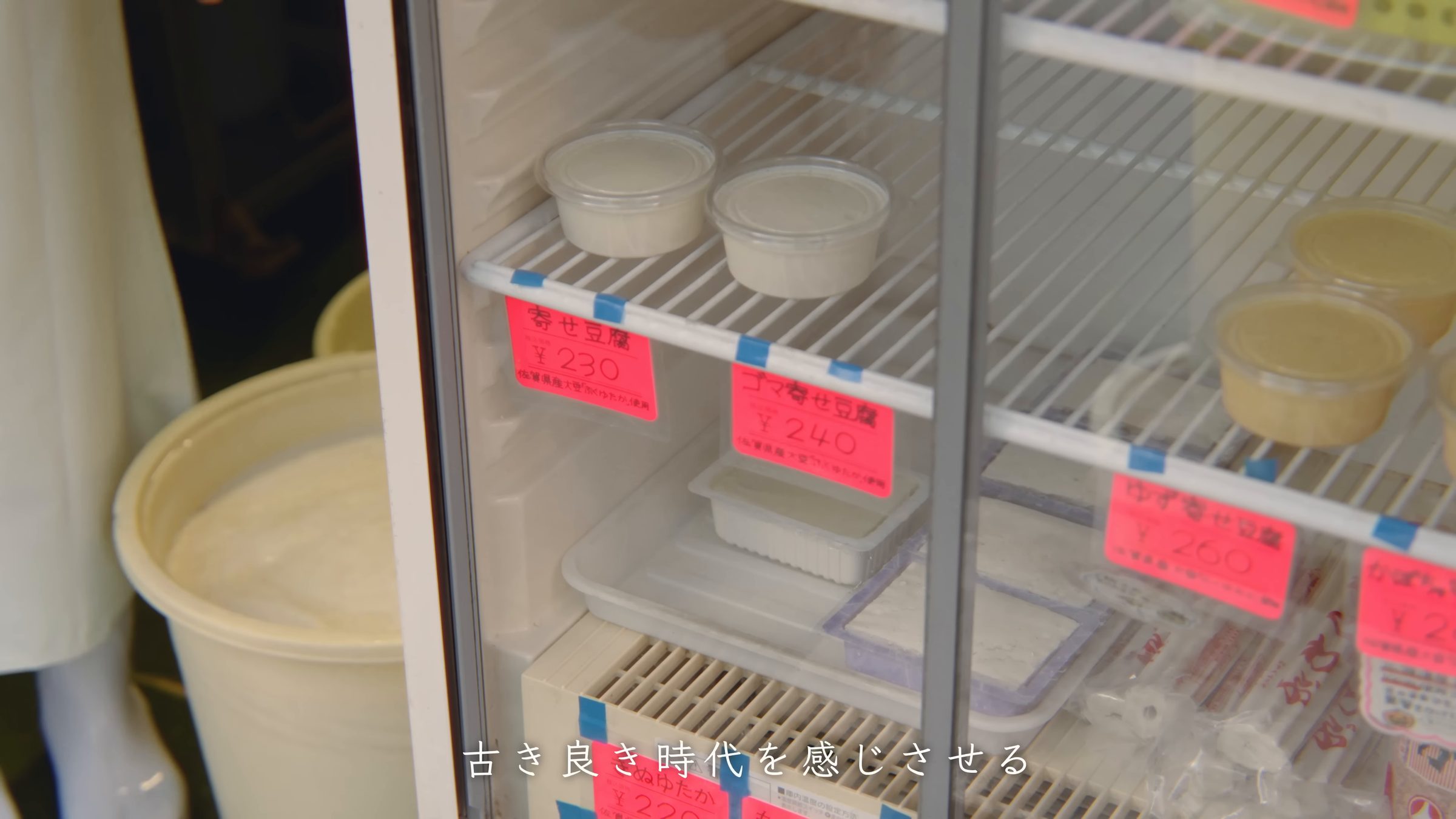
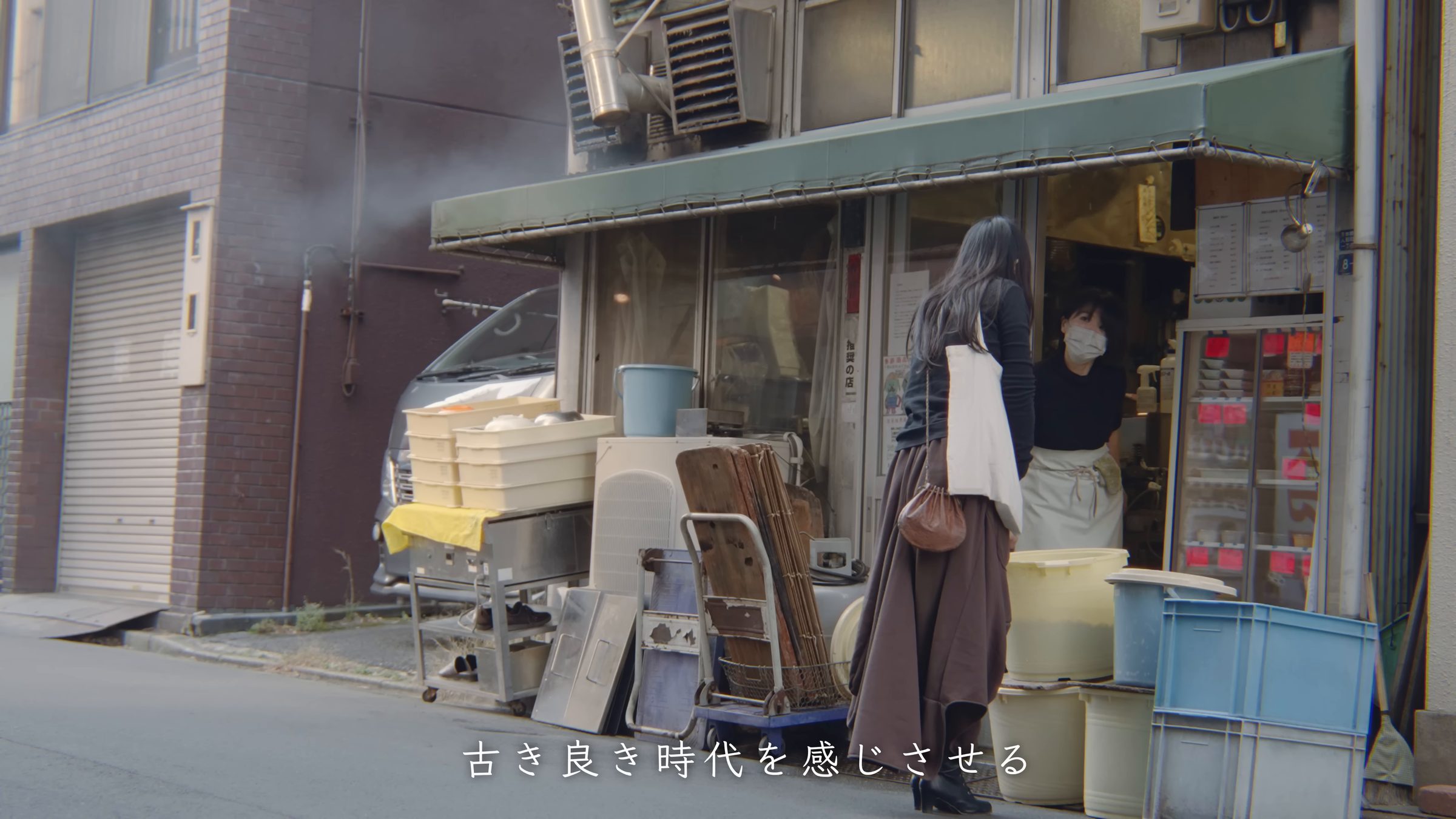
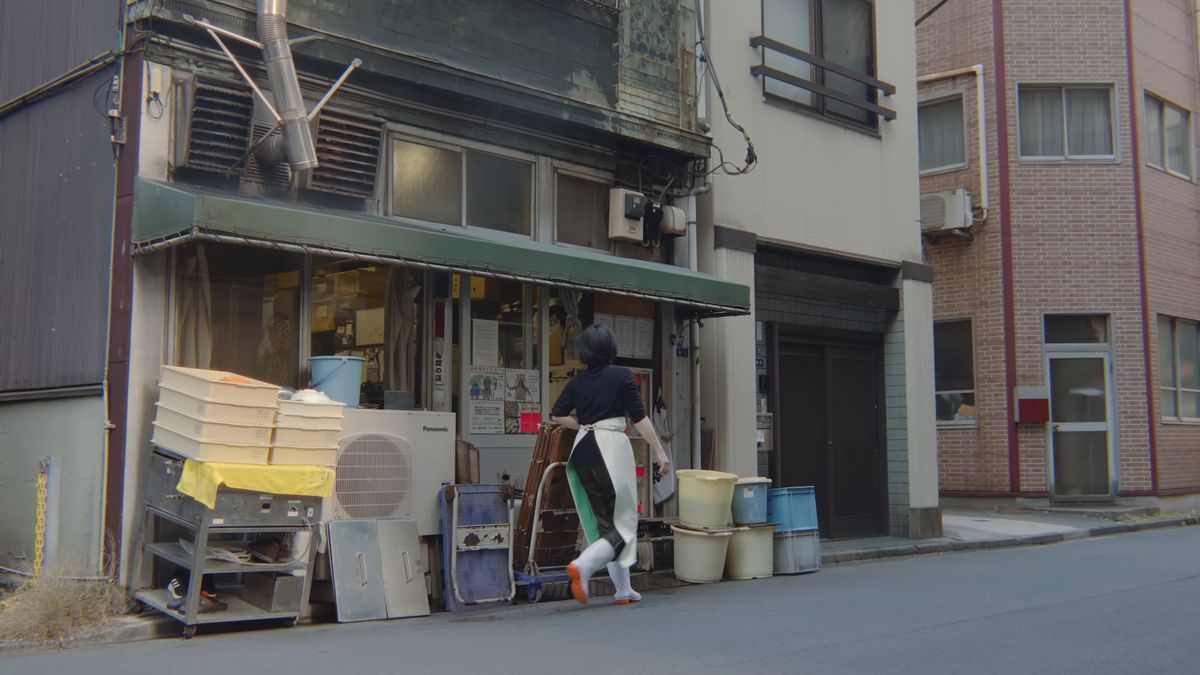
I walked down a sunlit street to the tofu shop, a small place with a green awning. In the chilled case out front sat firm and silken tofu, fried tofu and ganmodoki, each with a red price tag. It is a popular shop that also supplies restaurants in the neighborhood.
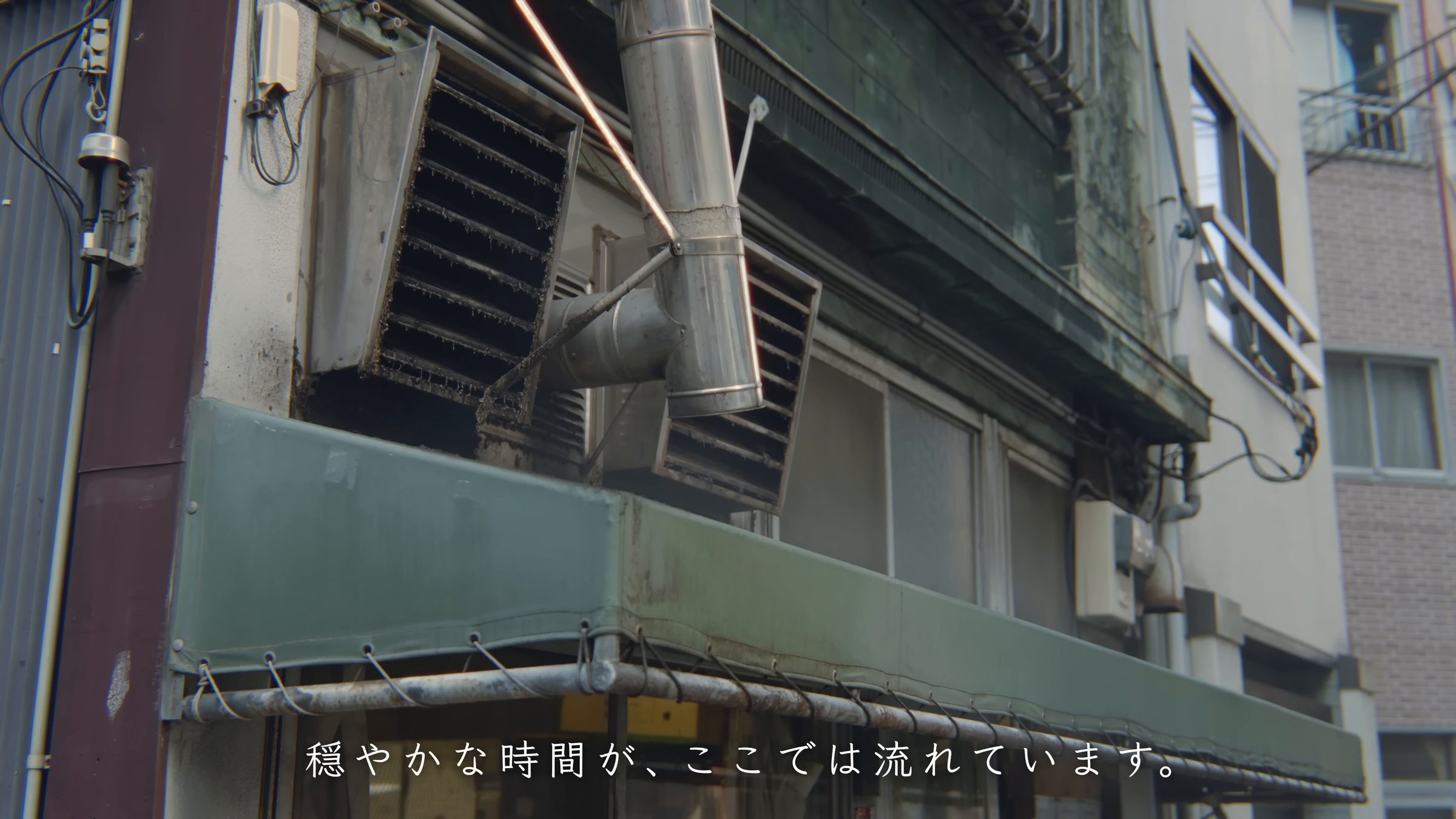
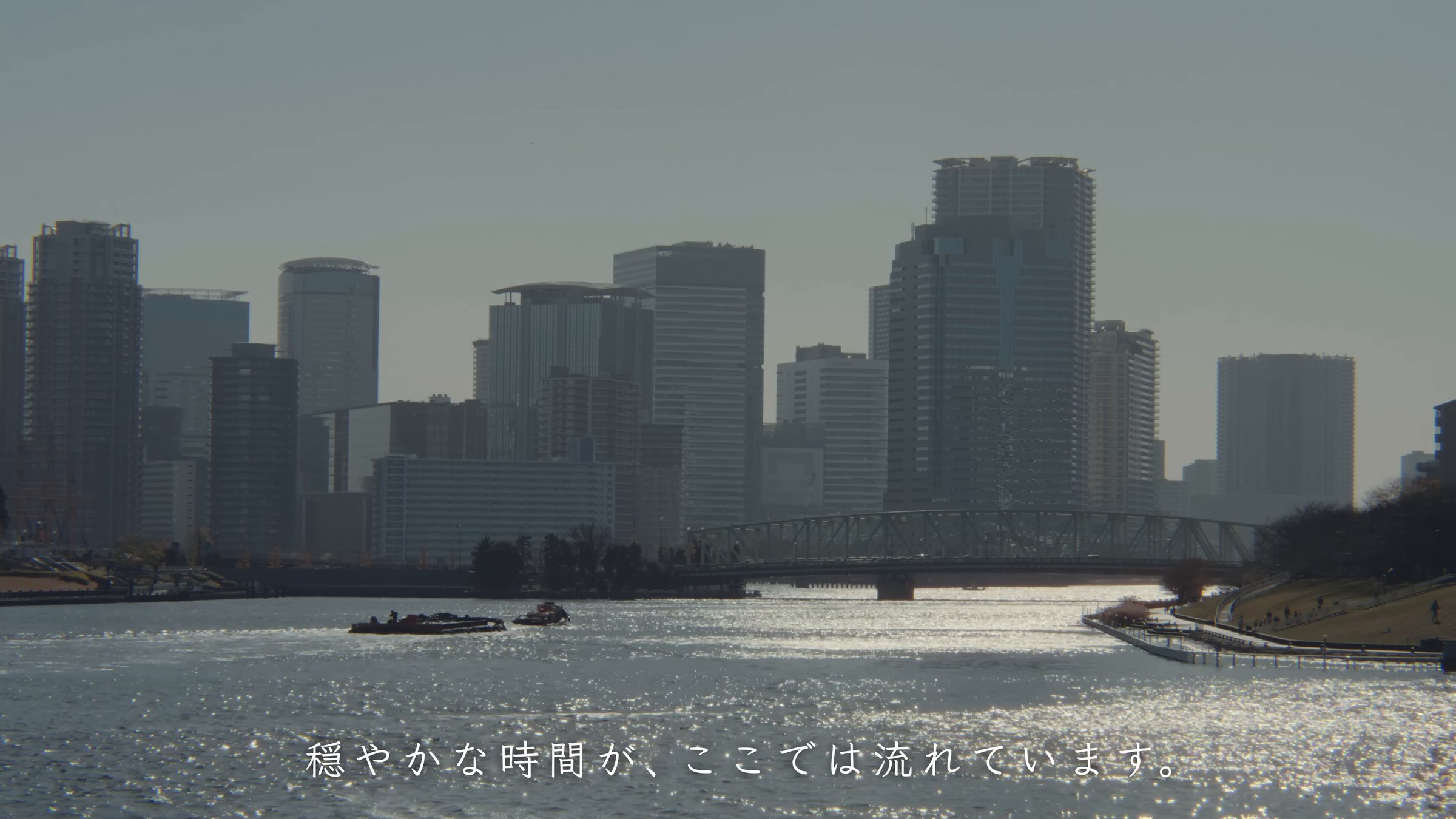
The second-floor wall was clad in copper sheets gone green with age, with a ventilation pipe poking out. Across the Sumida River, high-rises stood in a row and the water sparkled. I like how time moves slowly and peacefully here.
Watch this scene on YouTube0:48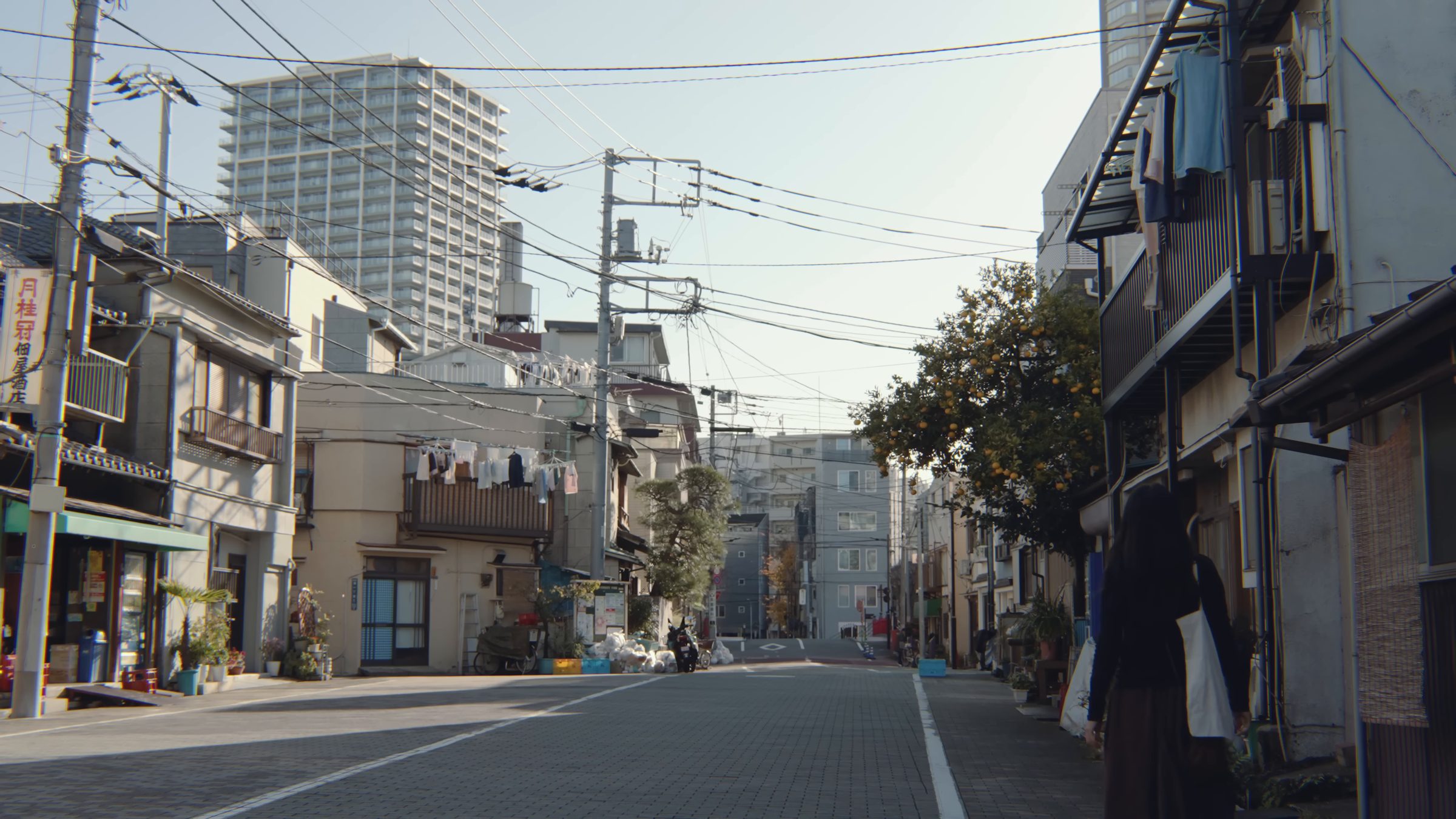
04TRAVEL JOURNAL
A good-mood breakfast
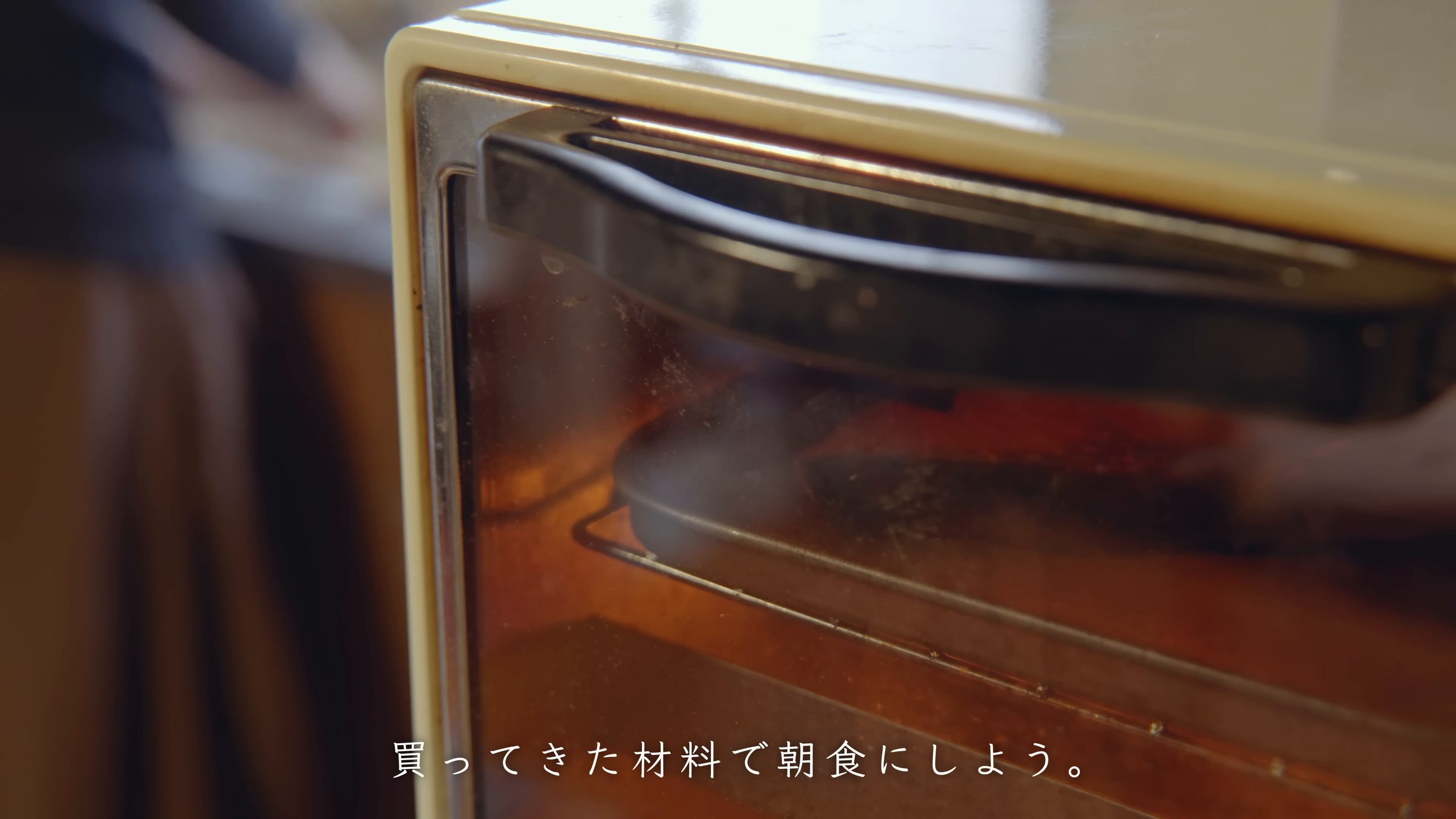
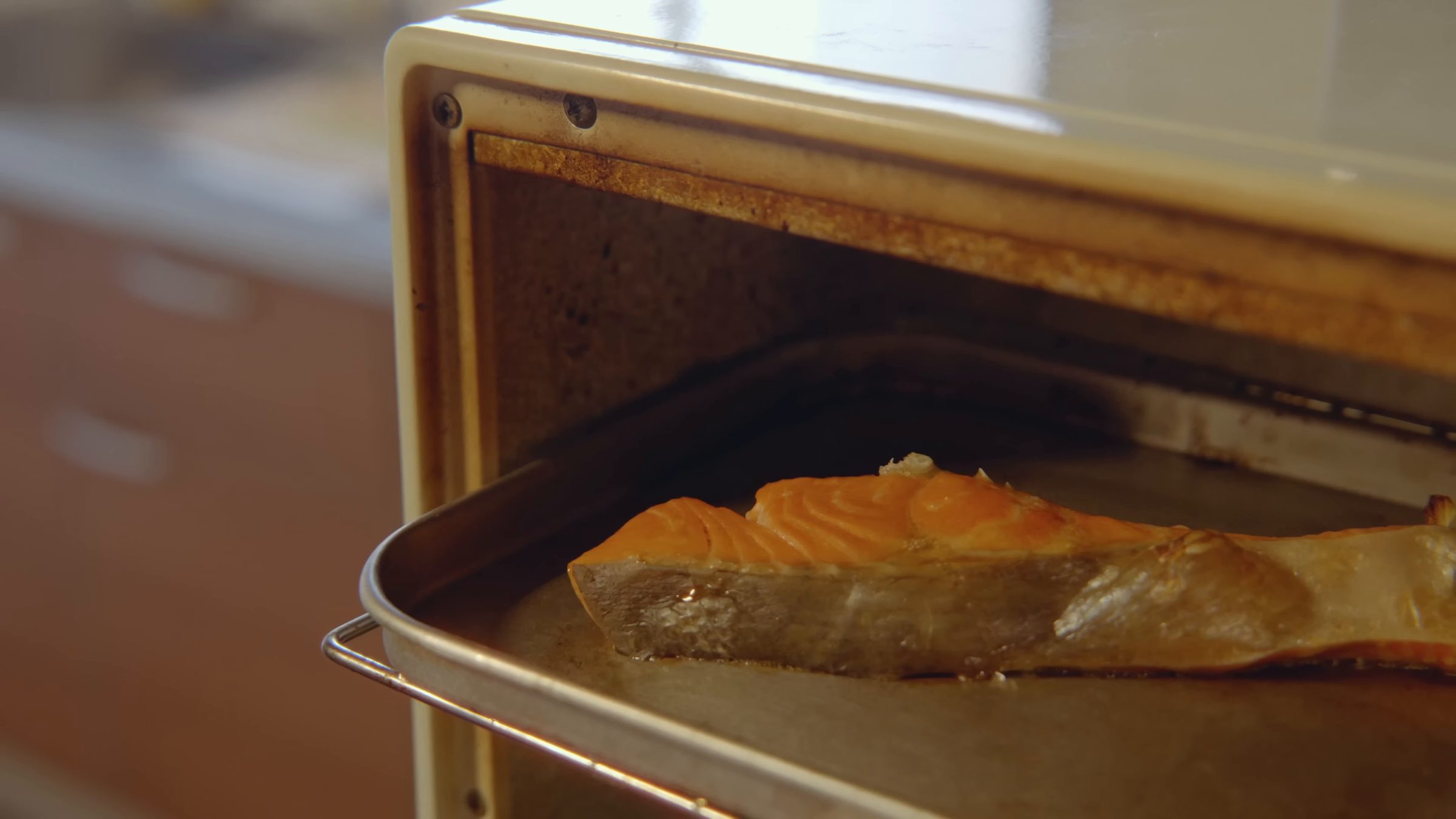
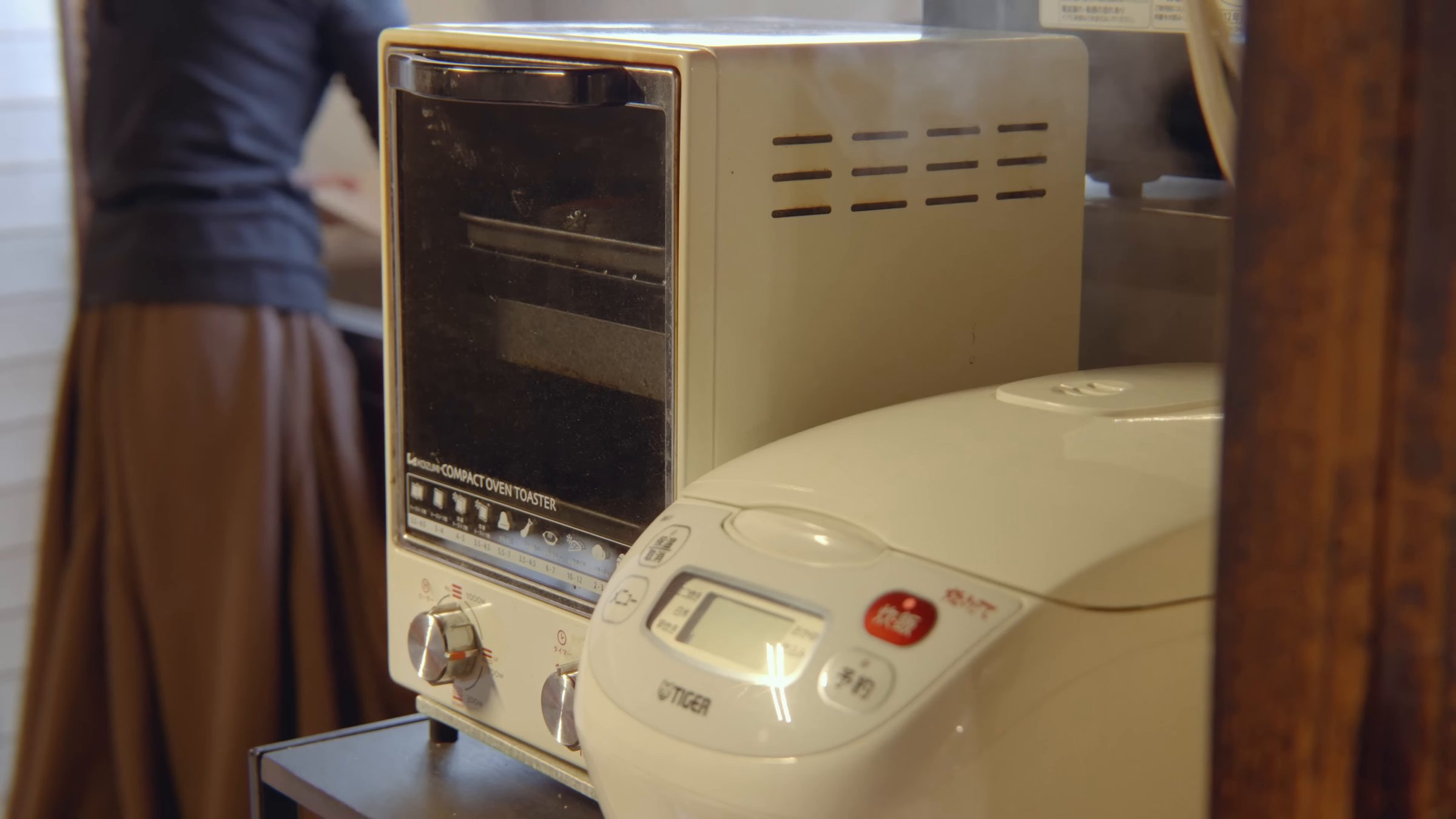
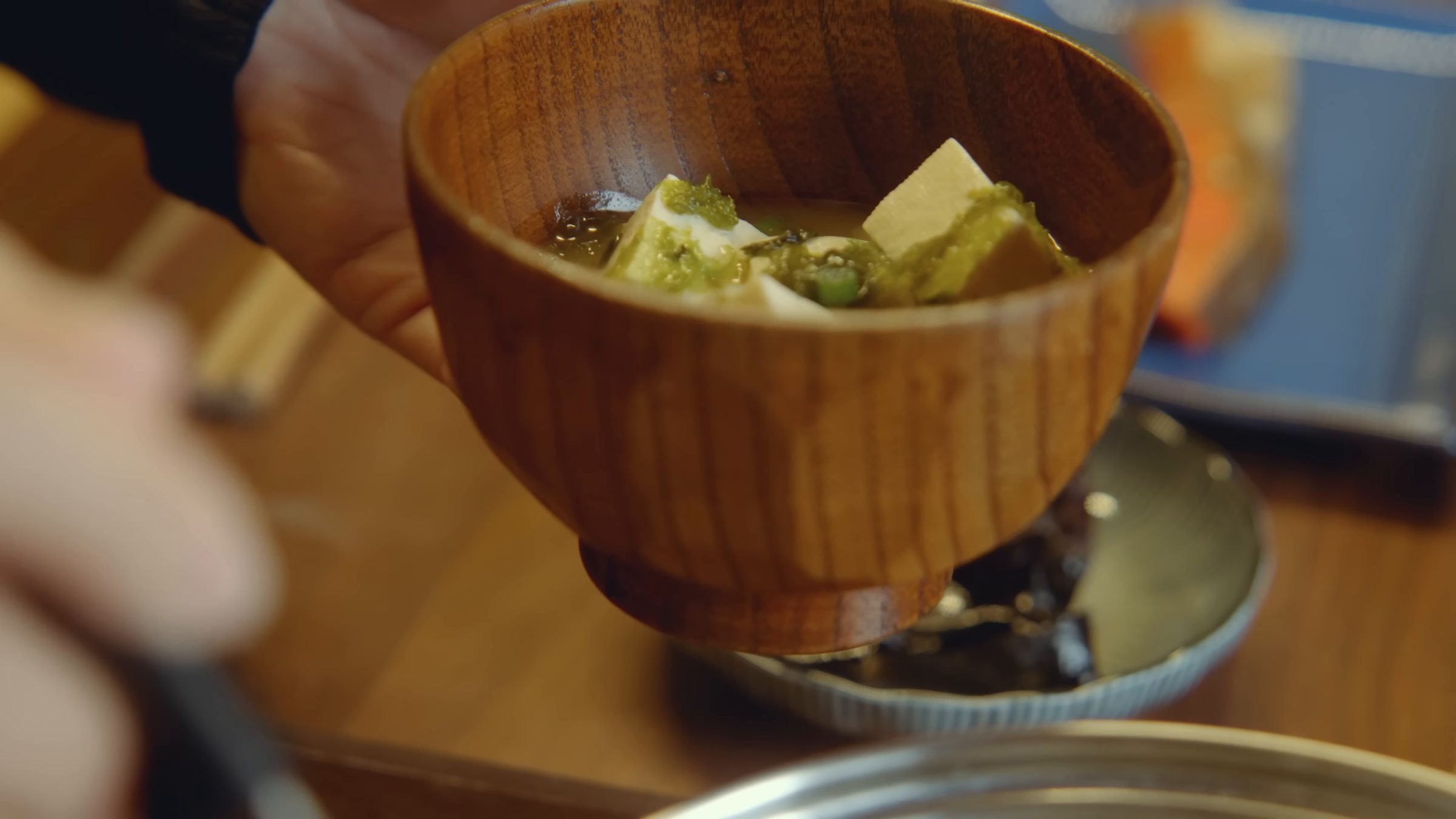
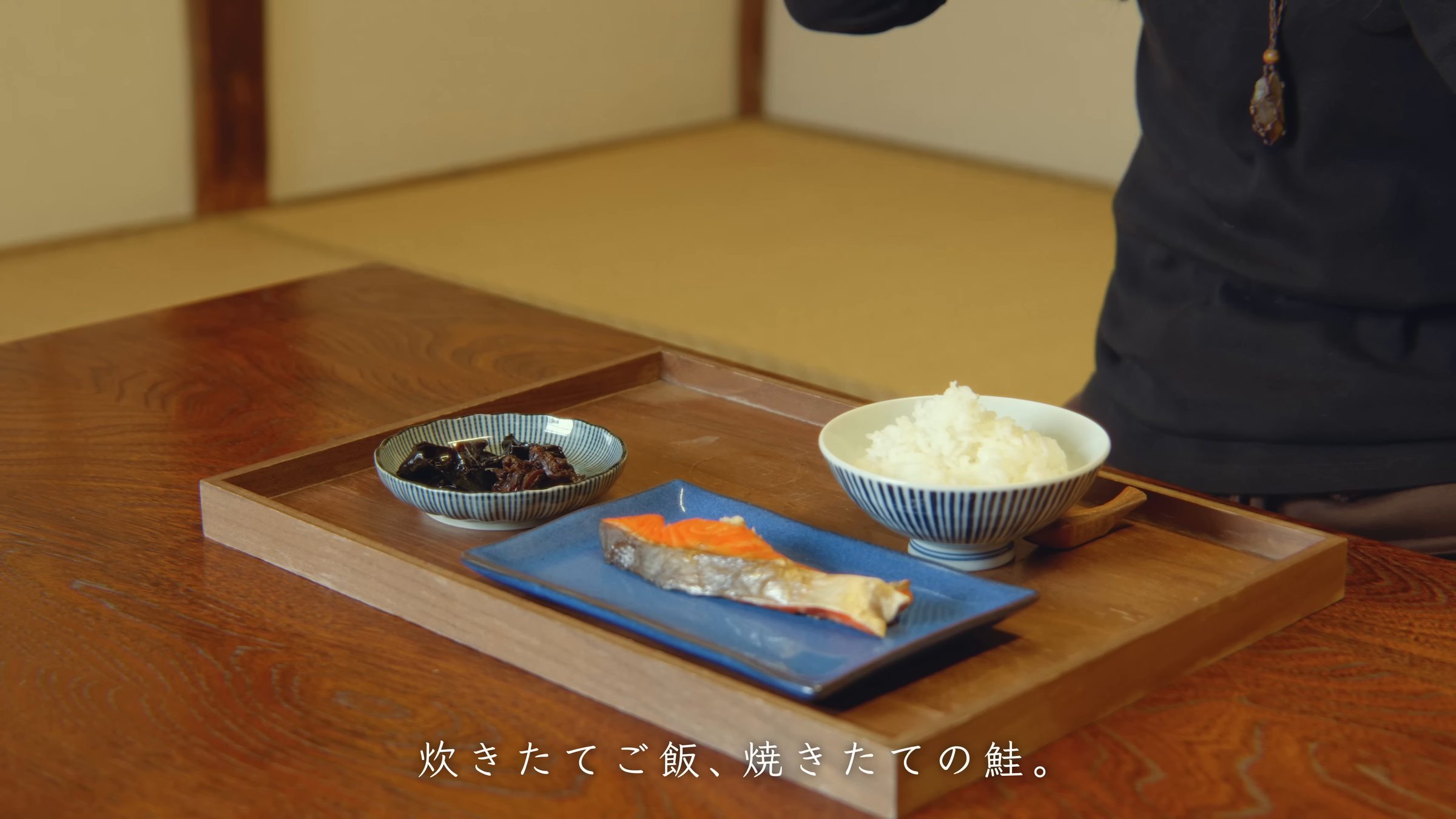
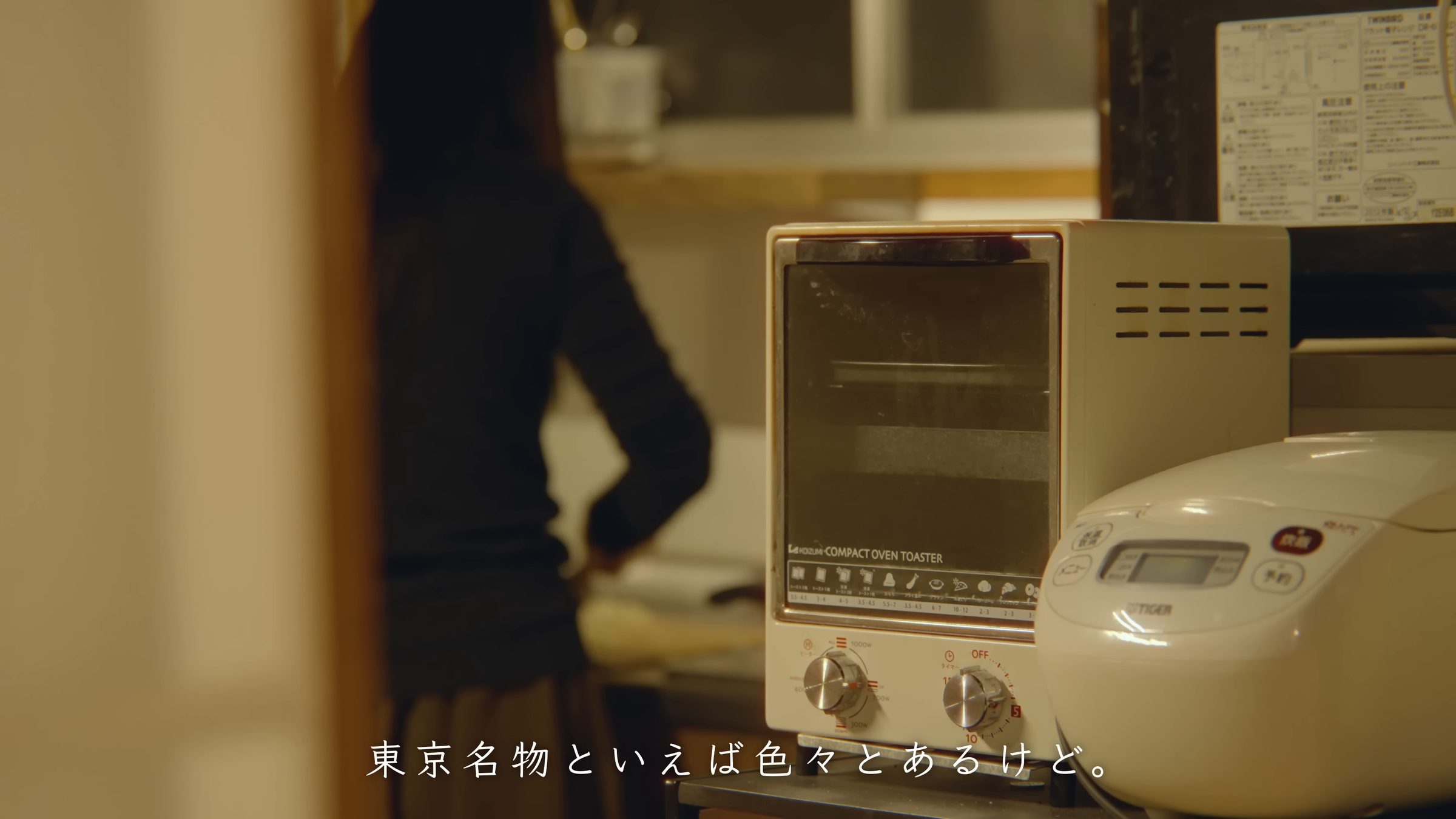
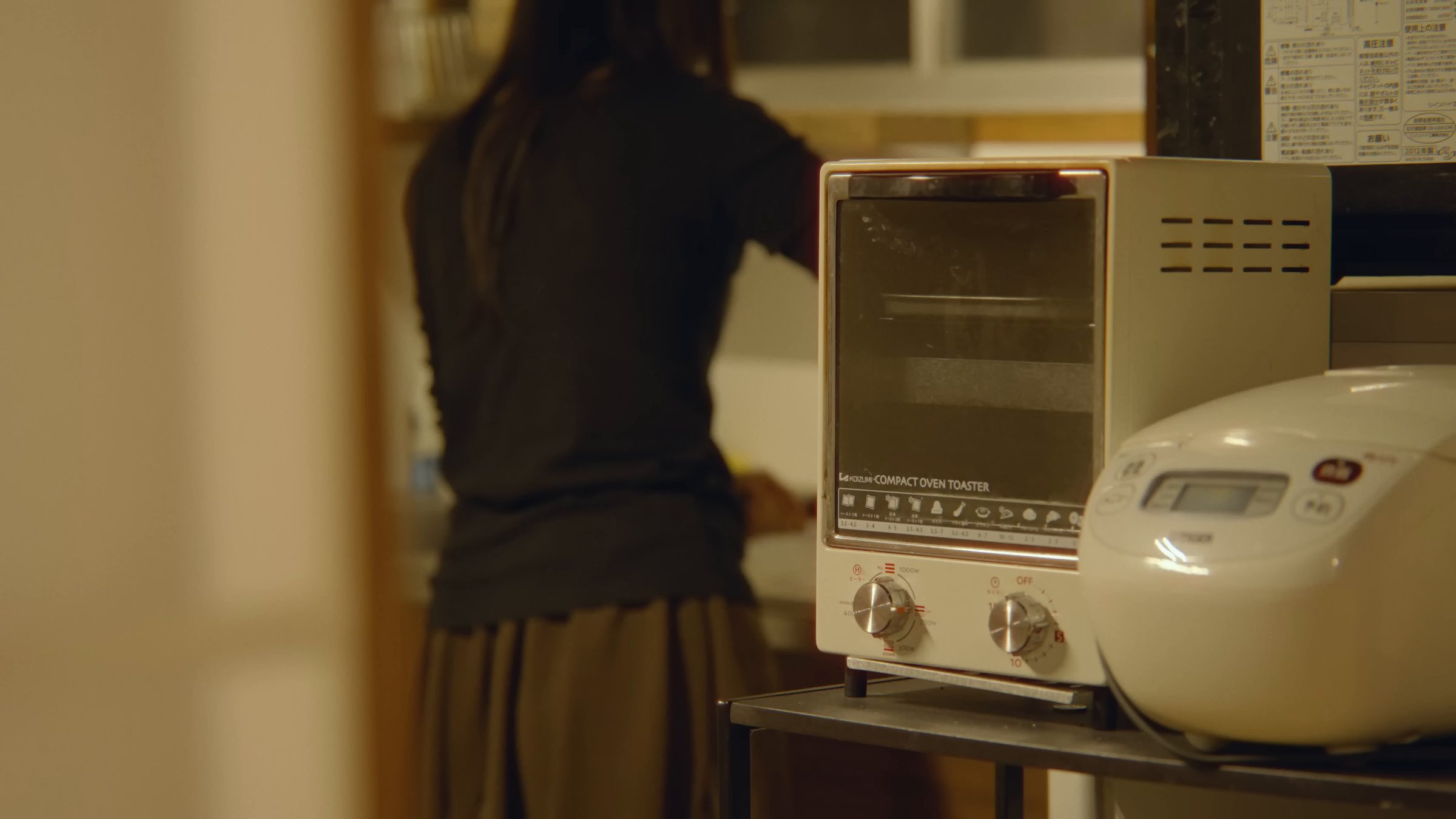
Time to make breakfast with what I bought. I chopped green onions and slid a salmon fillet into the toaster oven. Once the skin was crisp and golden, I scooped rice from the cooker in the kitchen.
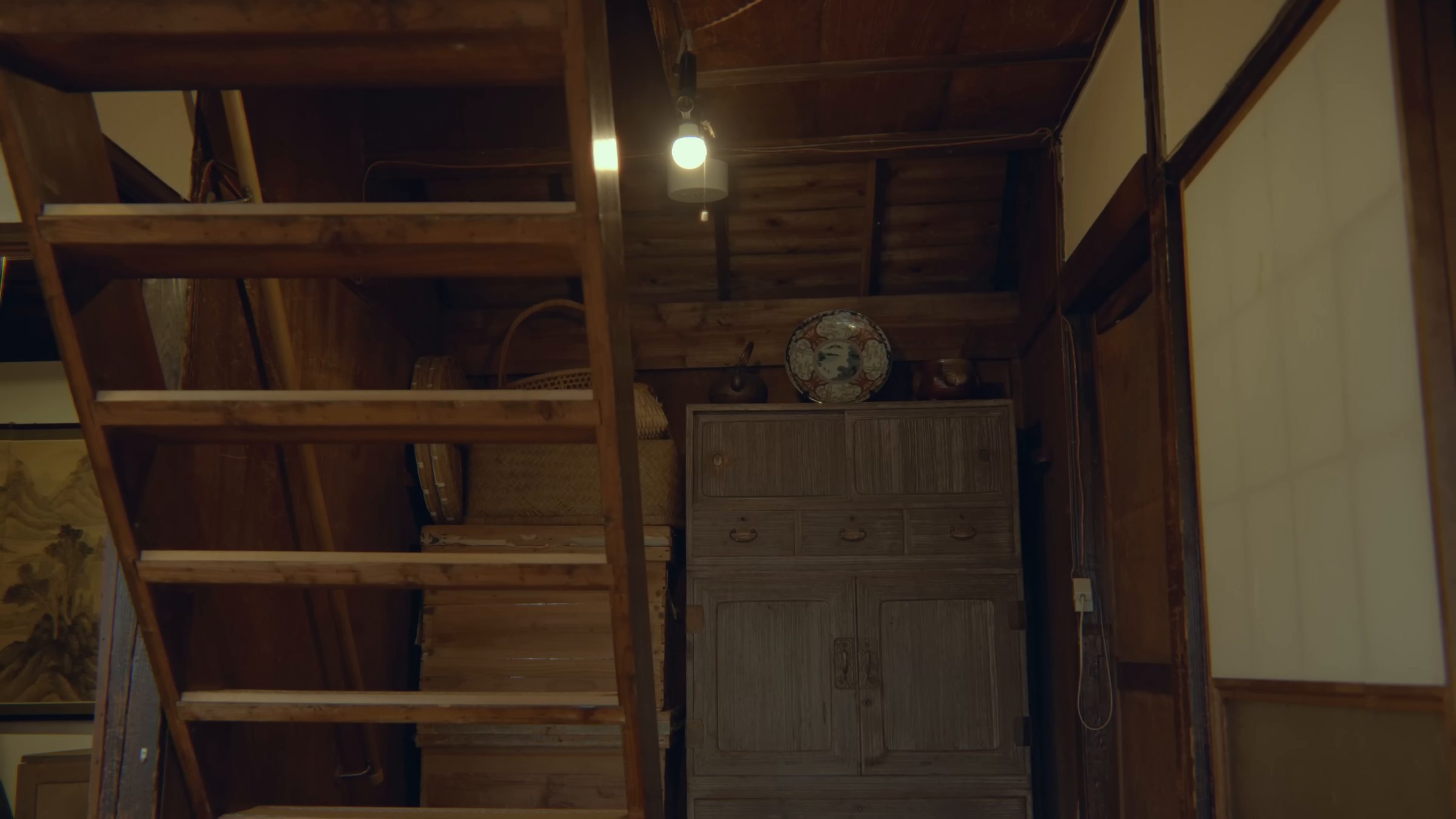
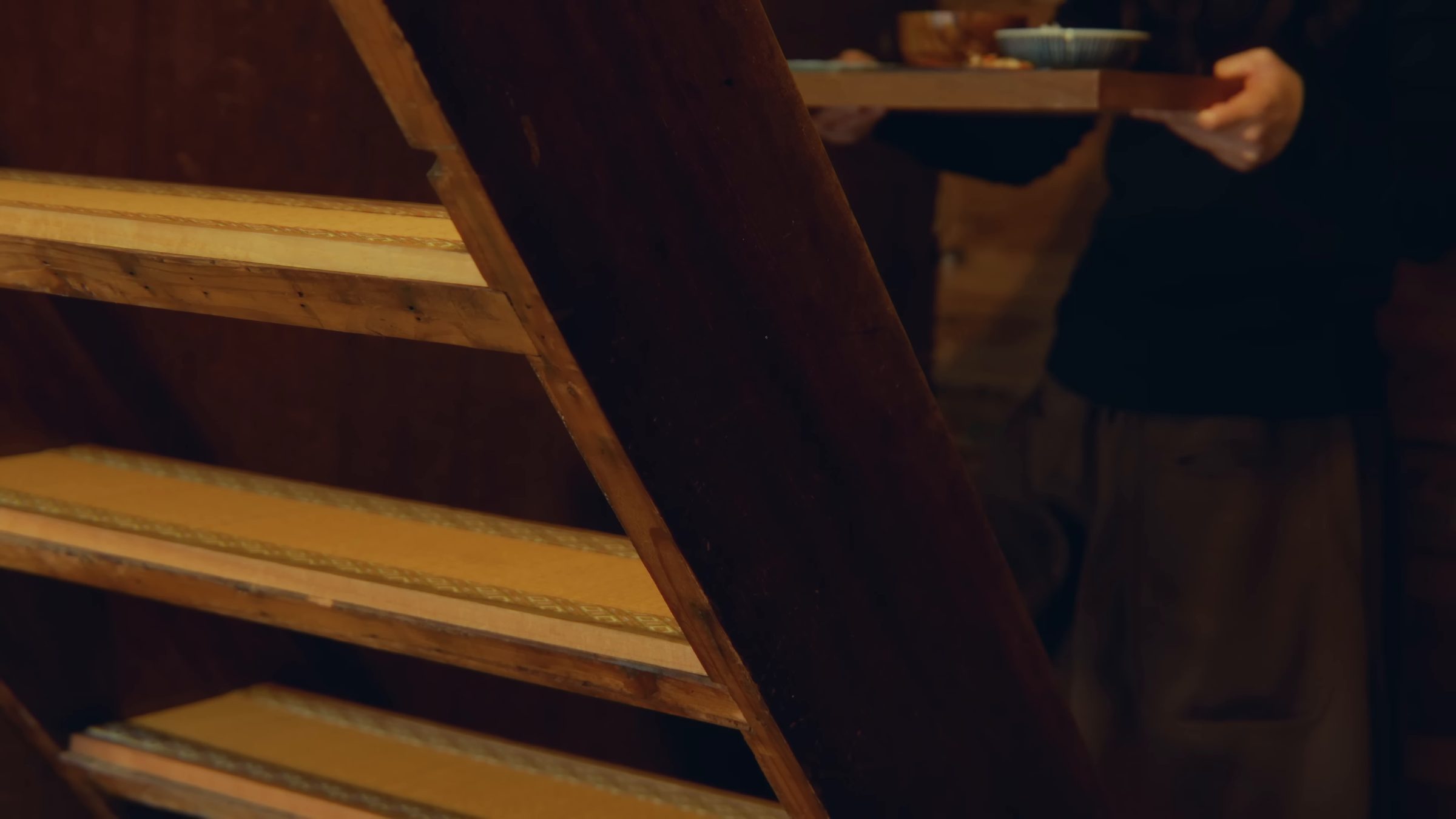
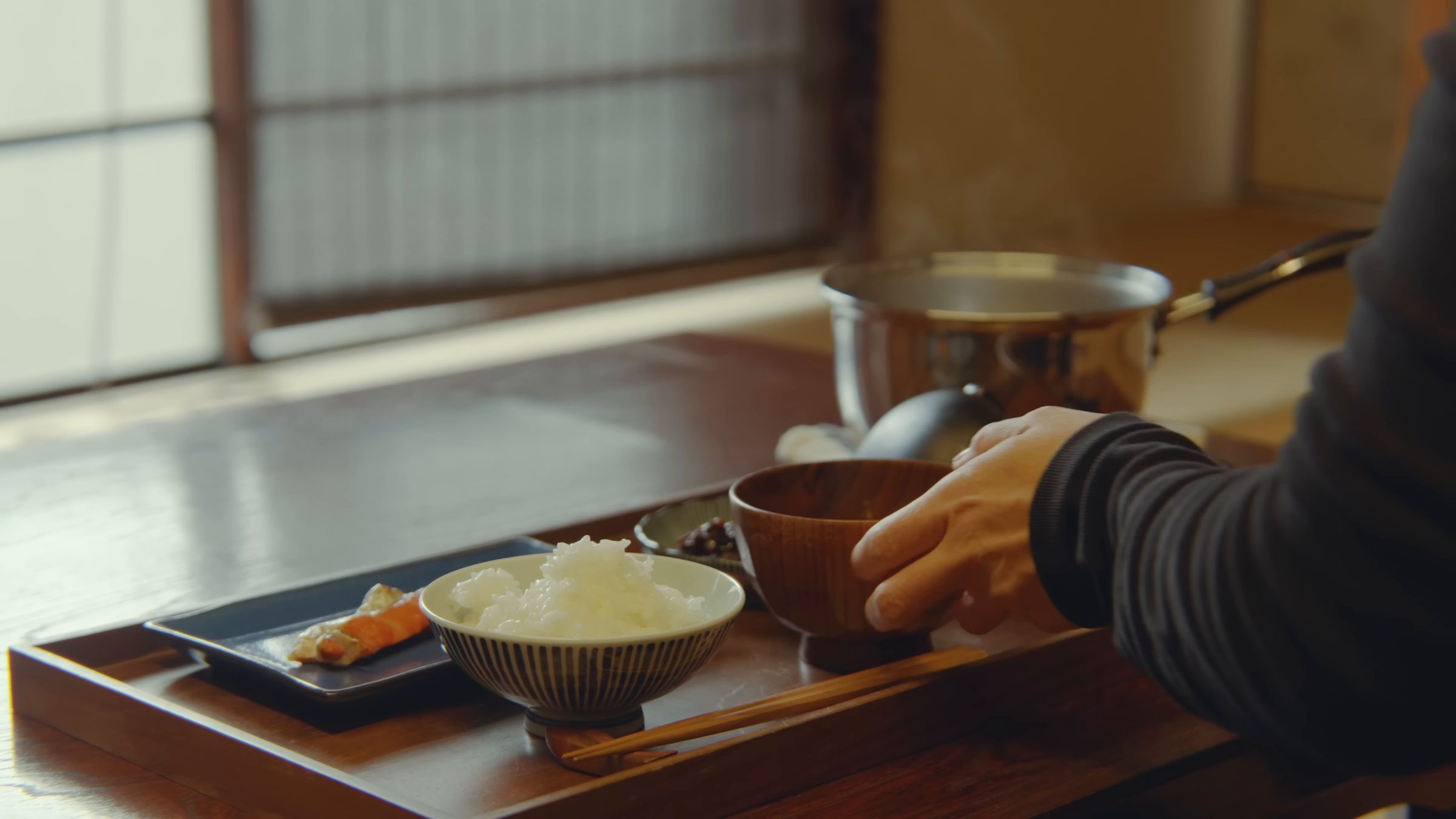
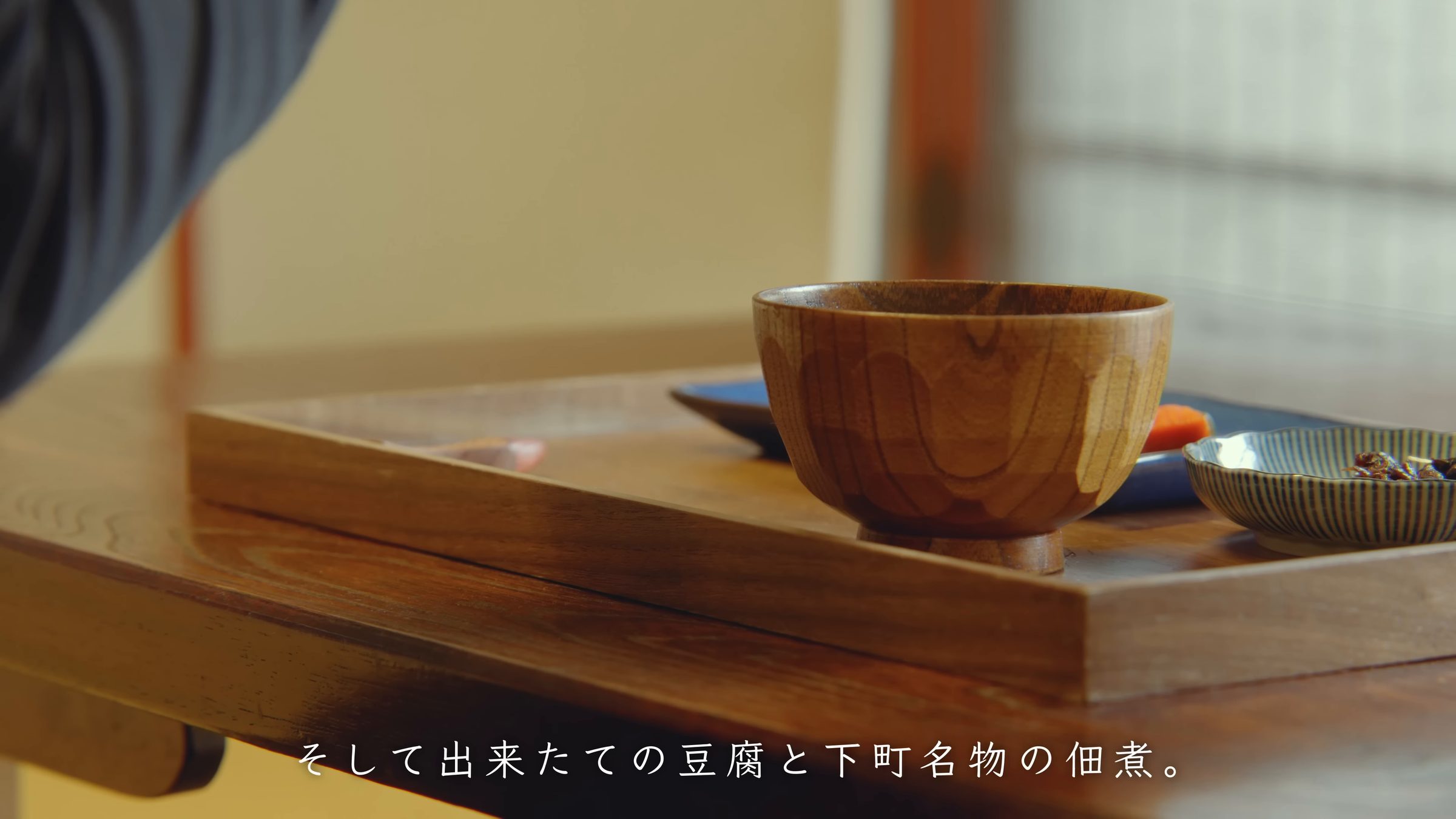
Past the steep wooden stairs, I carried the tray to the low table in front of the shoji screens. Freshly cooked rice, freshly grilled salmon. Miso soup with the just-made tofu and chopped green onions, and tsukudani, the shitamachi specialty.
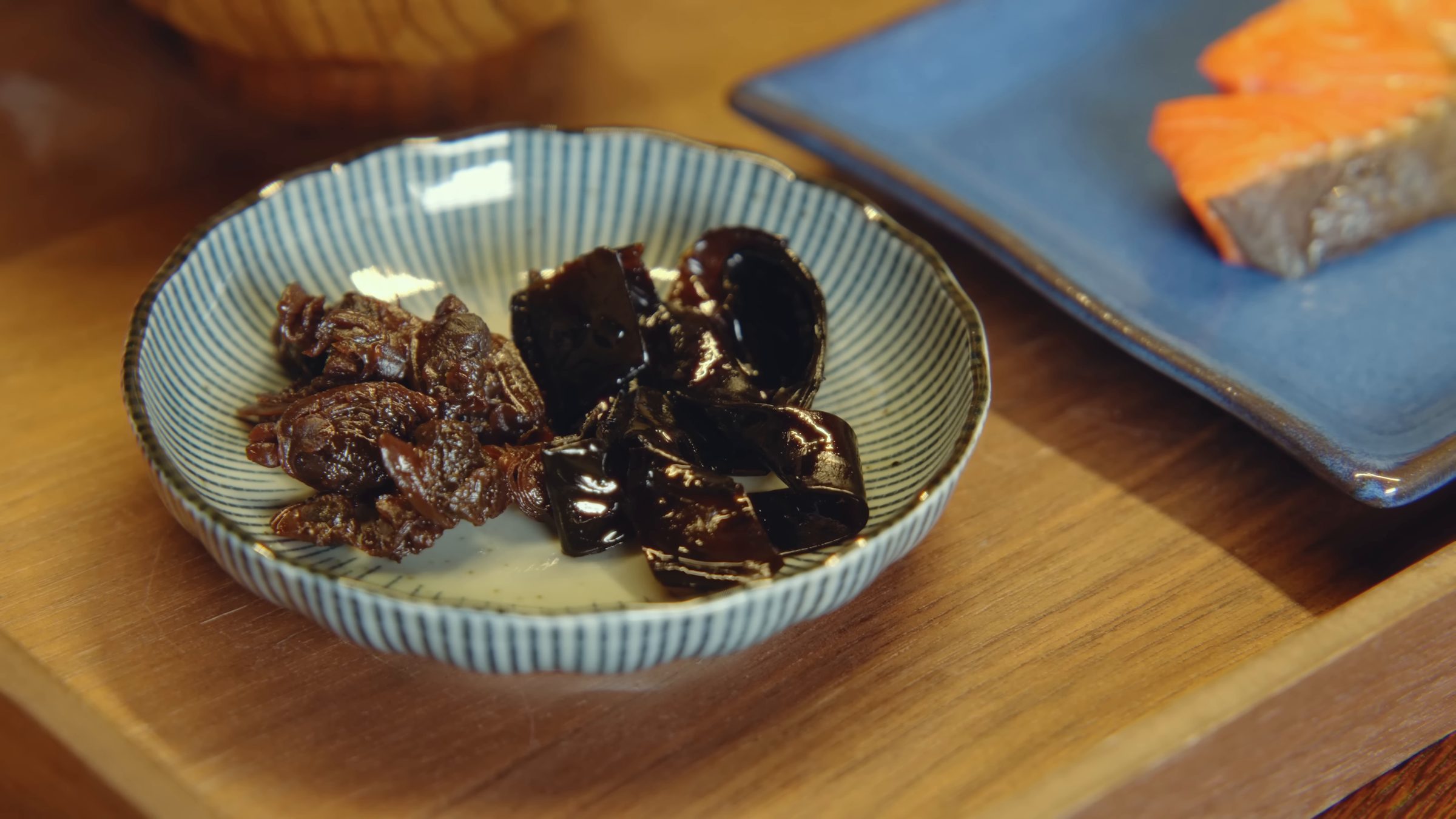
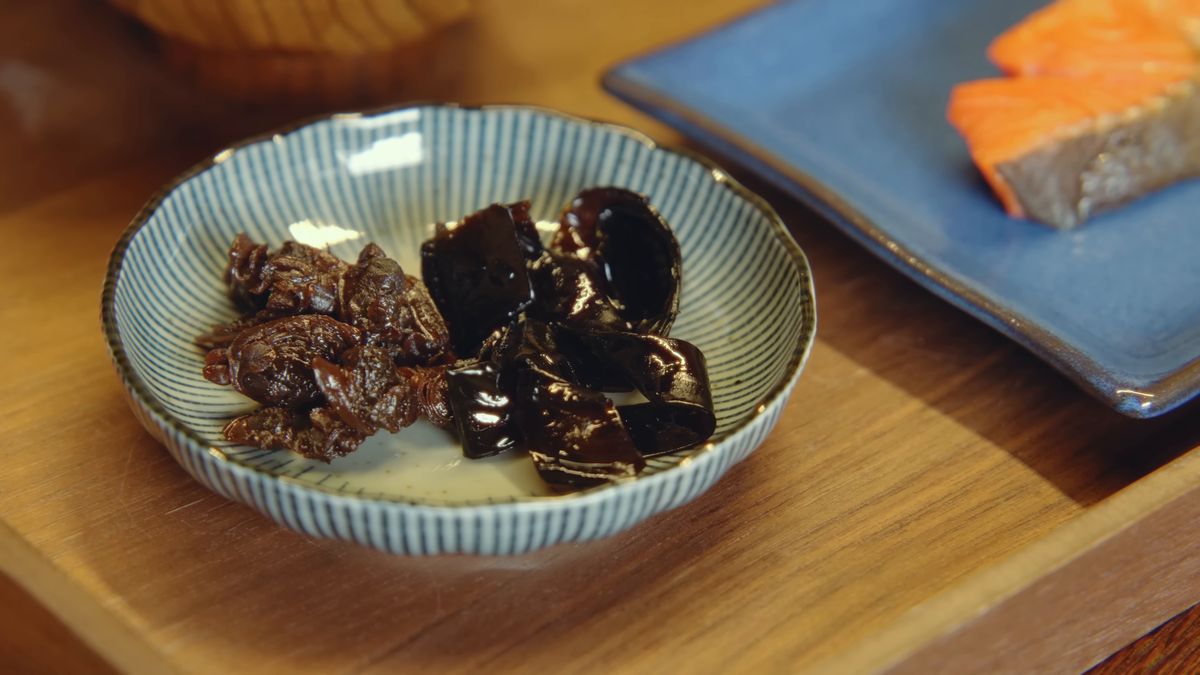
In the striped dish, clam and kelp tsukudani, simmered sweet and salty, perfect with white rice. A good-mood breakfast.
Watch this scene on YouTube1:14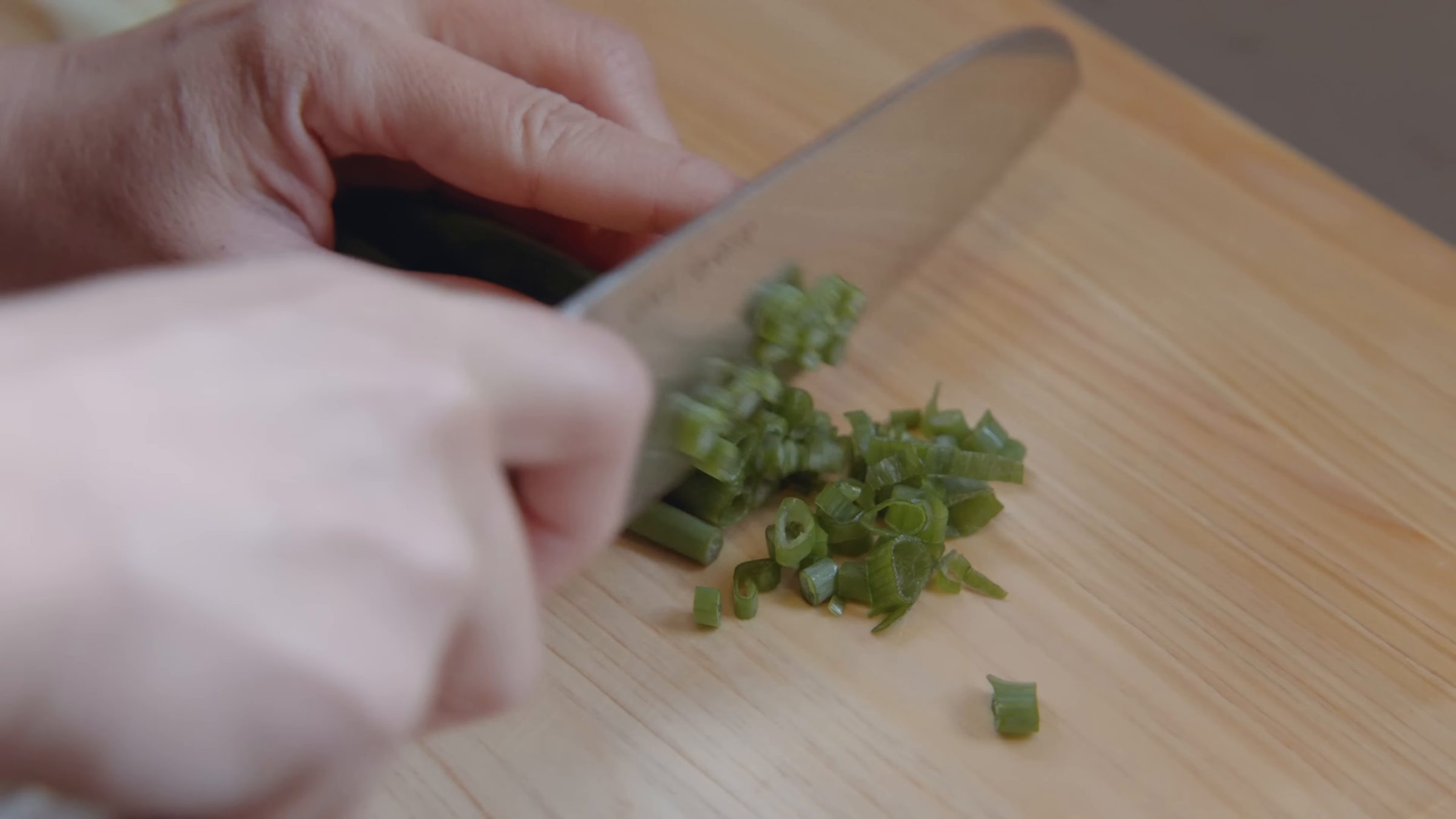
05TRAVEL JOURNAL
A grandfather's memories in the row house
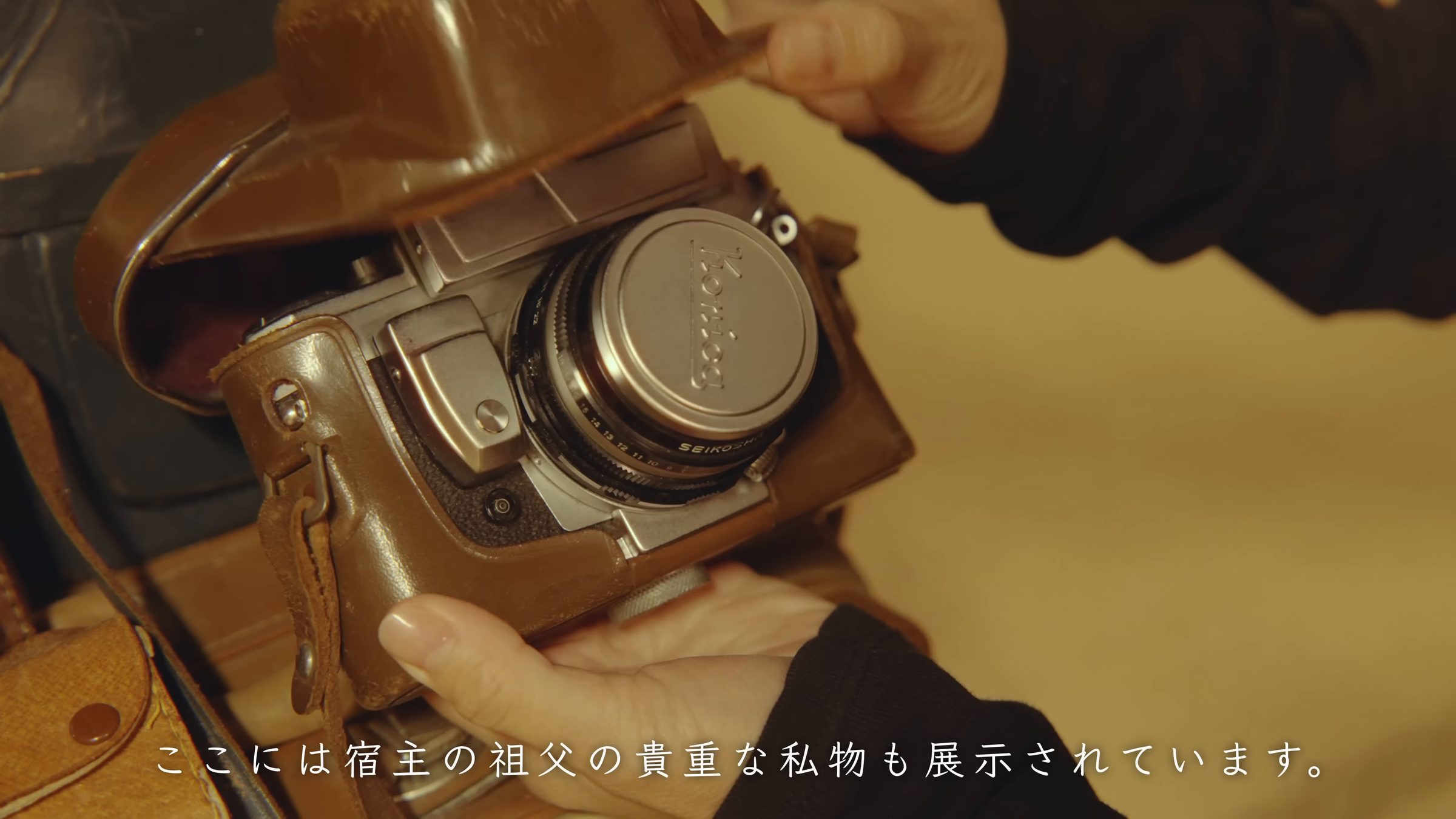
My lodging is an inn in an old row house in the shitamachi, where the owner's grandfather's treasured belongings are on display: the box of an old projector beneath a wooden shelf, a camera resting in its leather case.
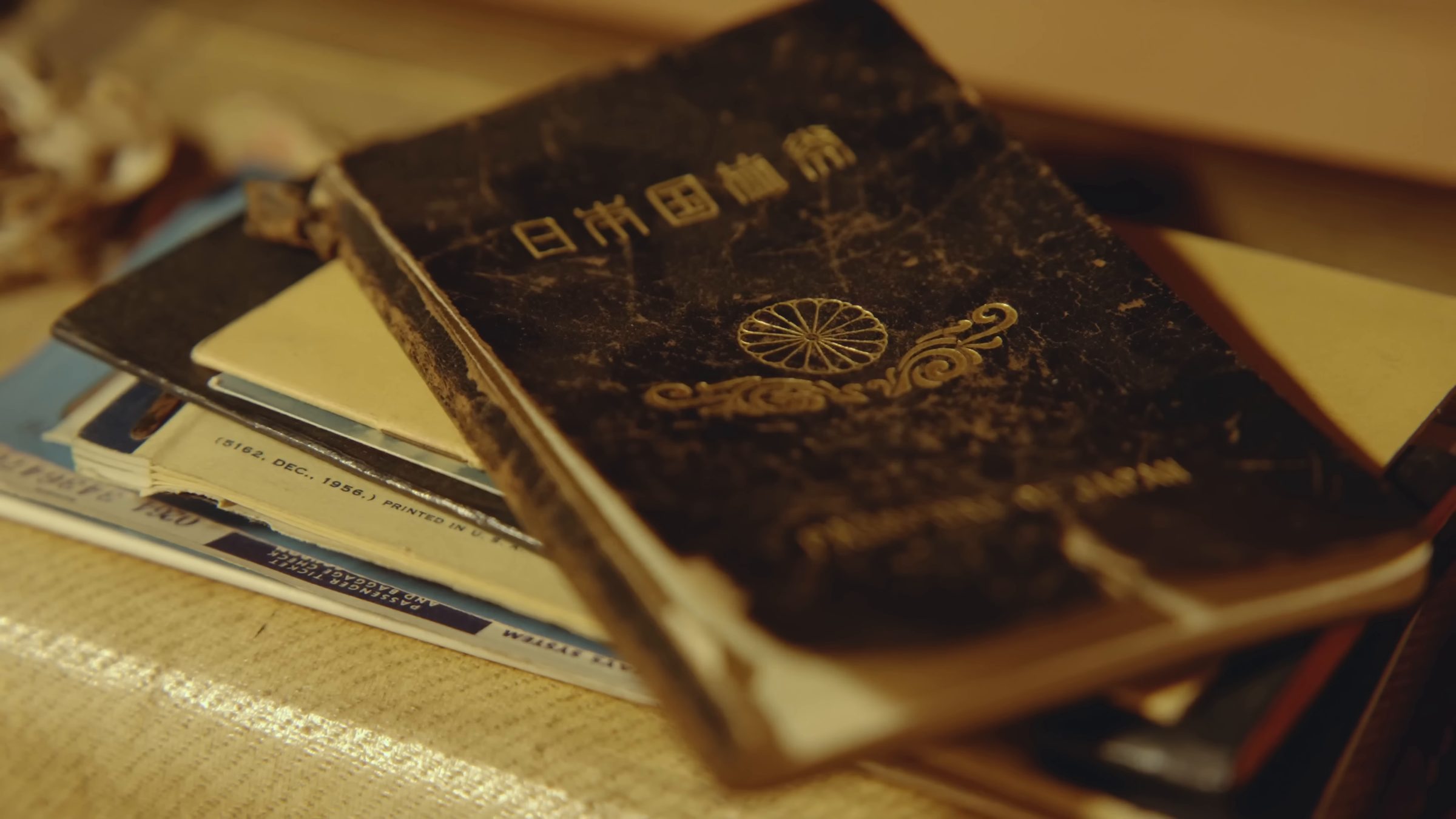
Traveling abroad was rare in those days. Looking at the camera that captured those journeys and the visas stamped in his passport, I could imagine his memories. One of the visas was dated 1960.
Watch this scene on YouTube2:08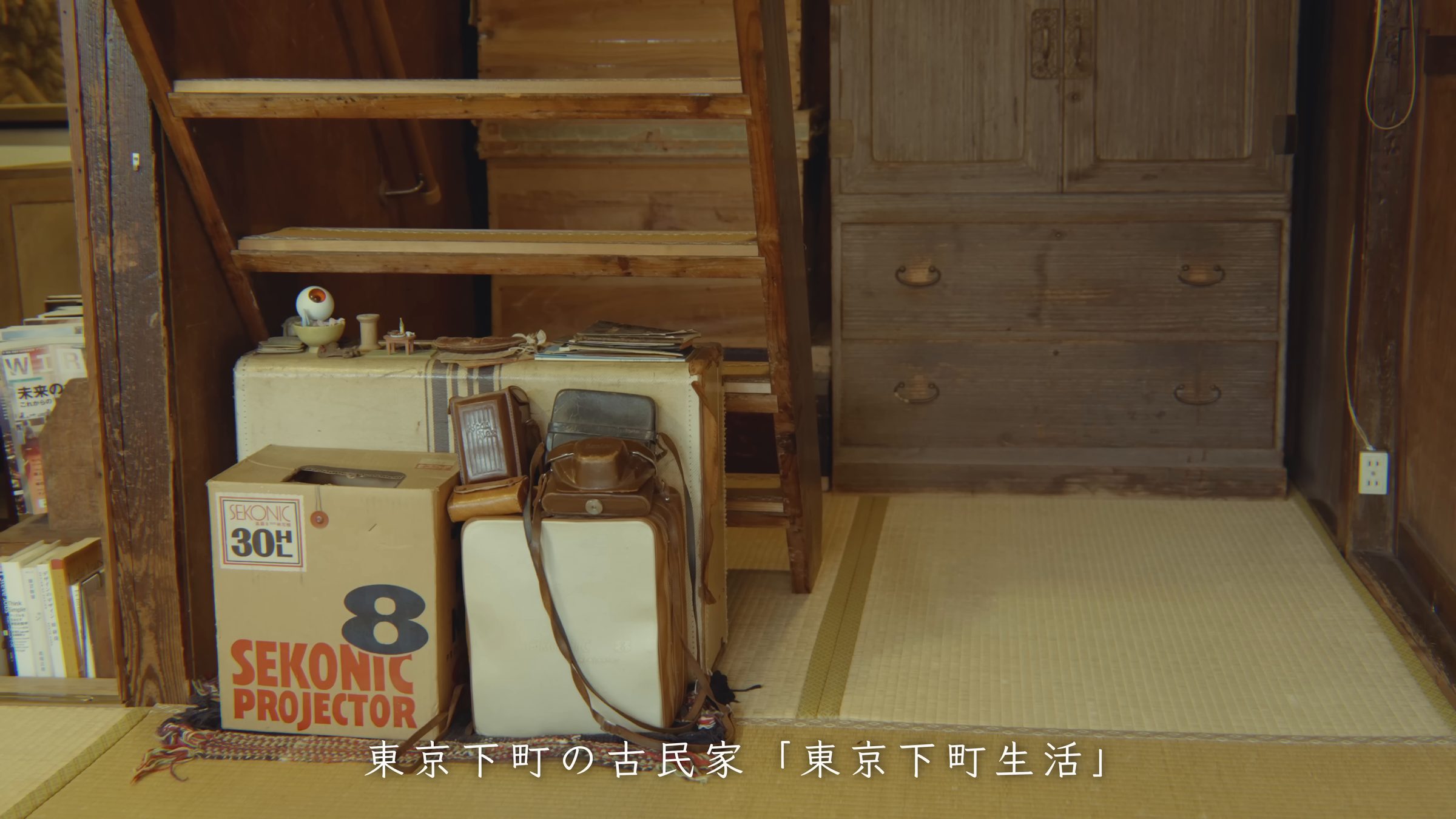
06TRAVEL JOURNAL
Monjayaki, the shitamachi specialty
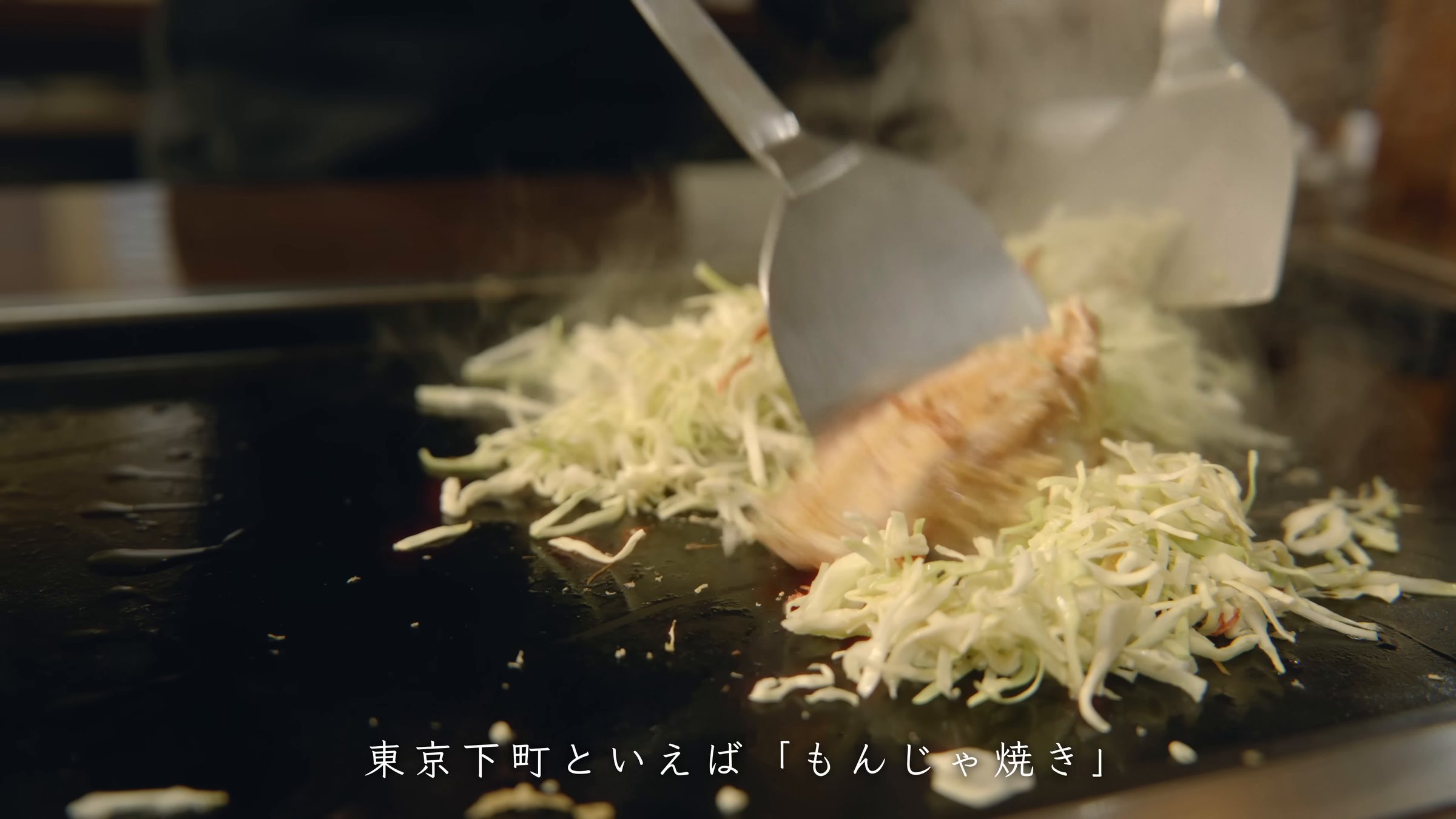
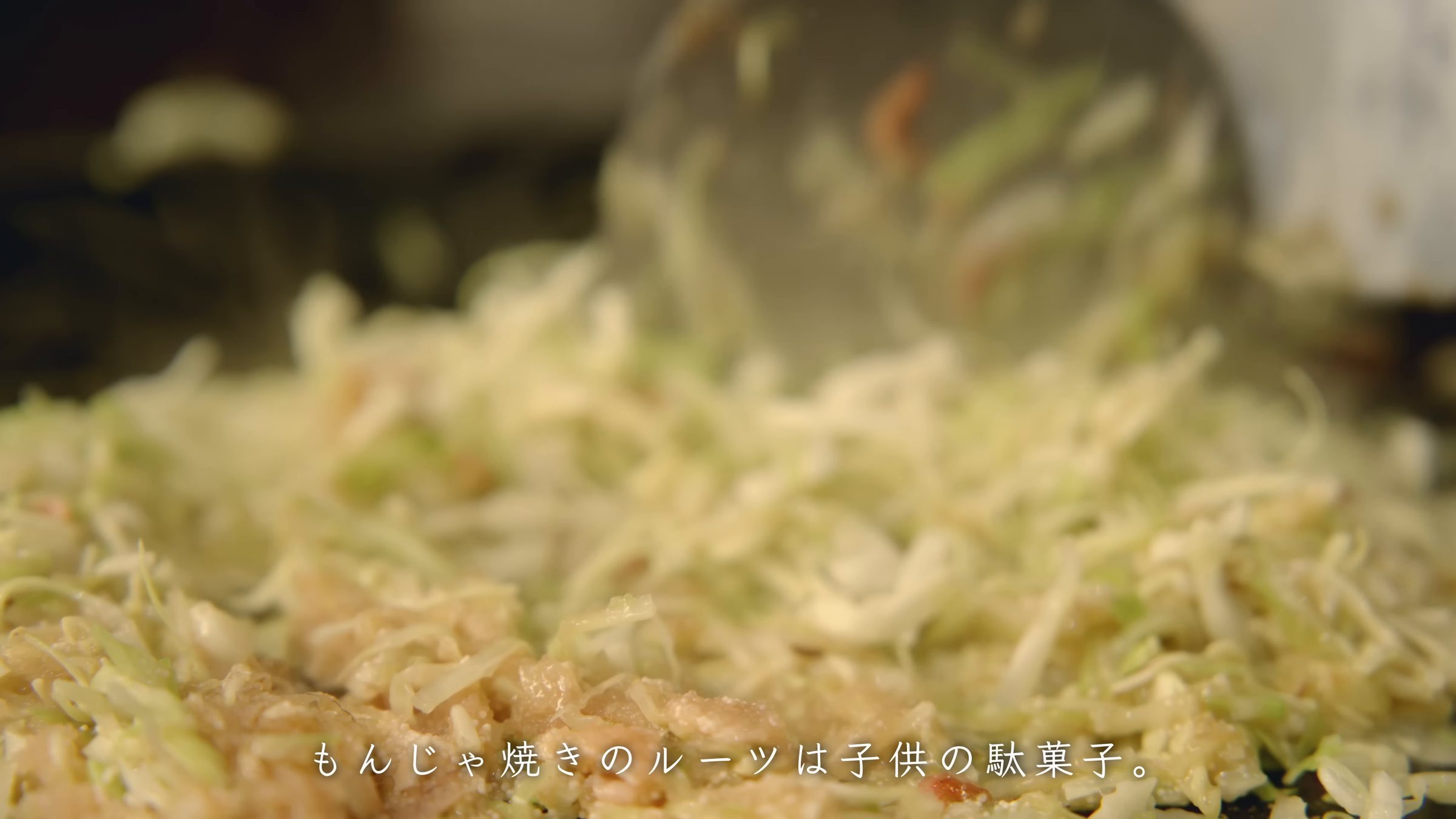
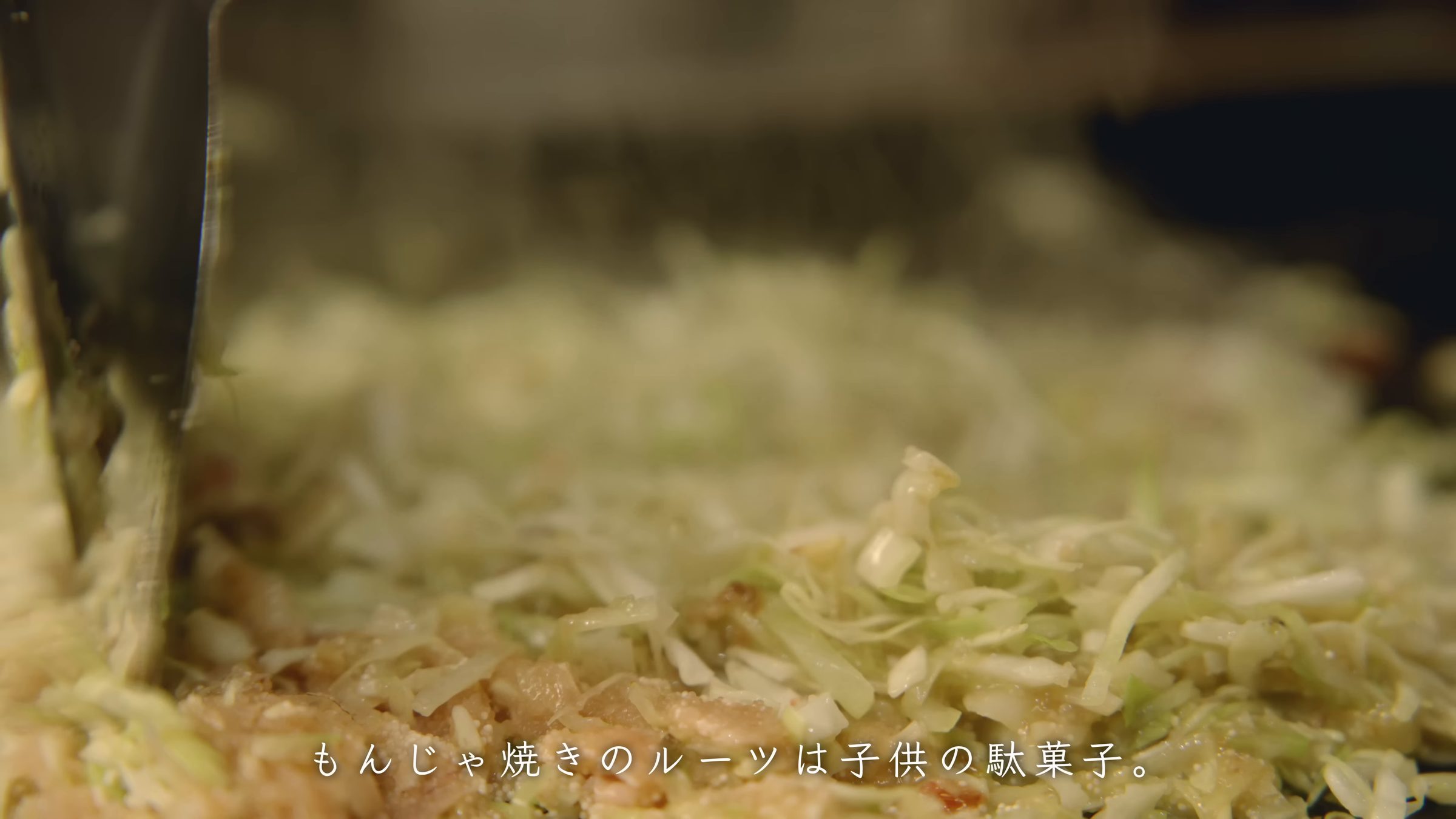
When it comes to shitamachi food, it has to be monjayaki. Monja began as a snack for children at the penny-candy shops, which, I think, is why making and eating it is as much fun as it is delicious.
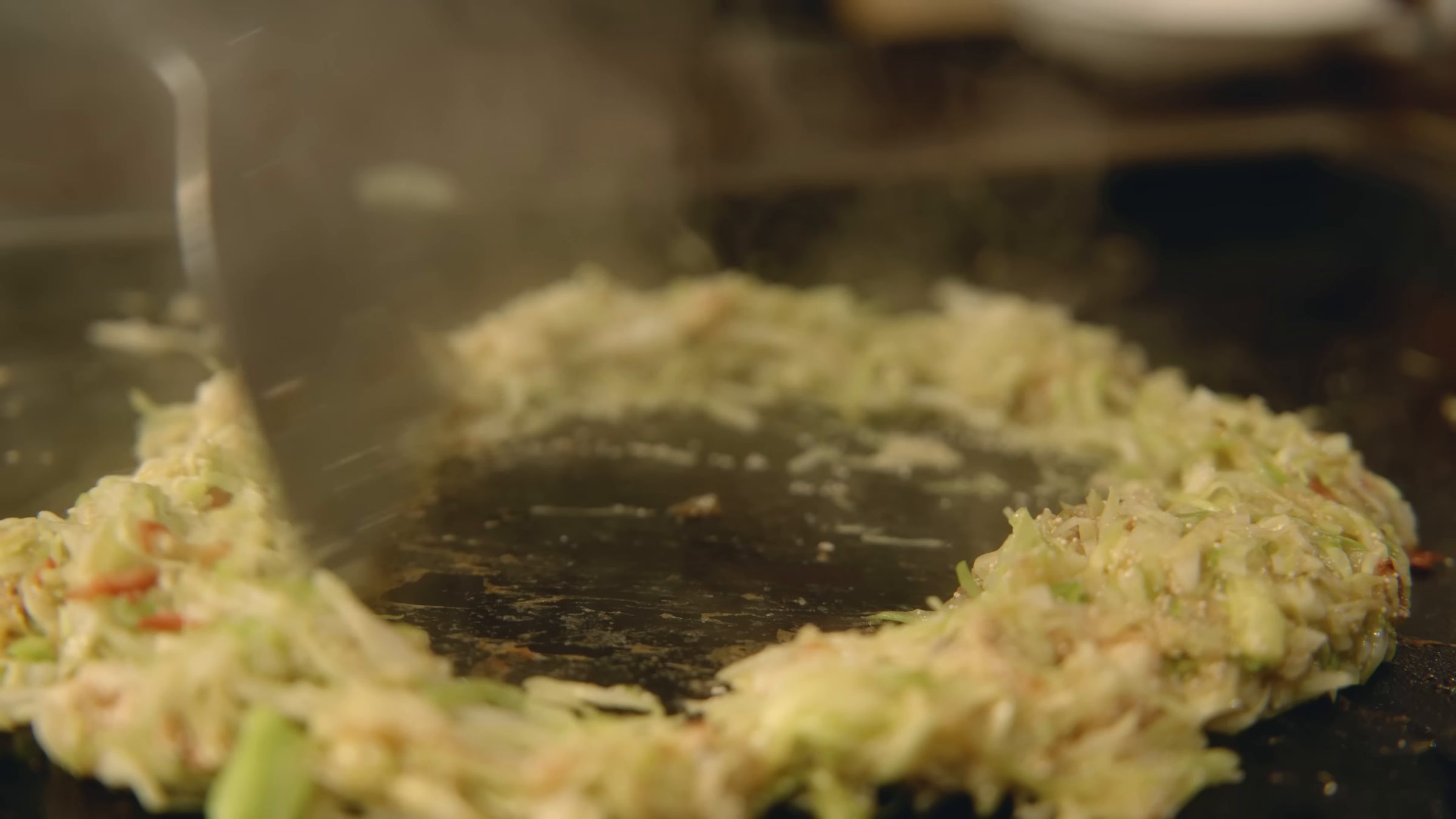
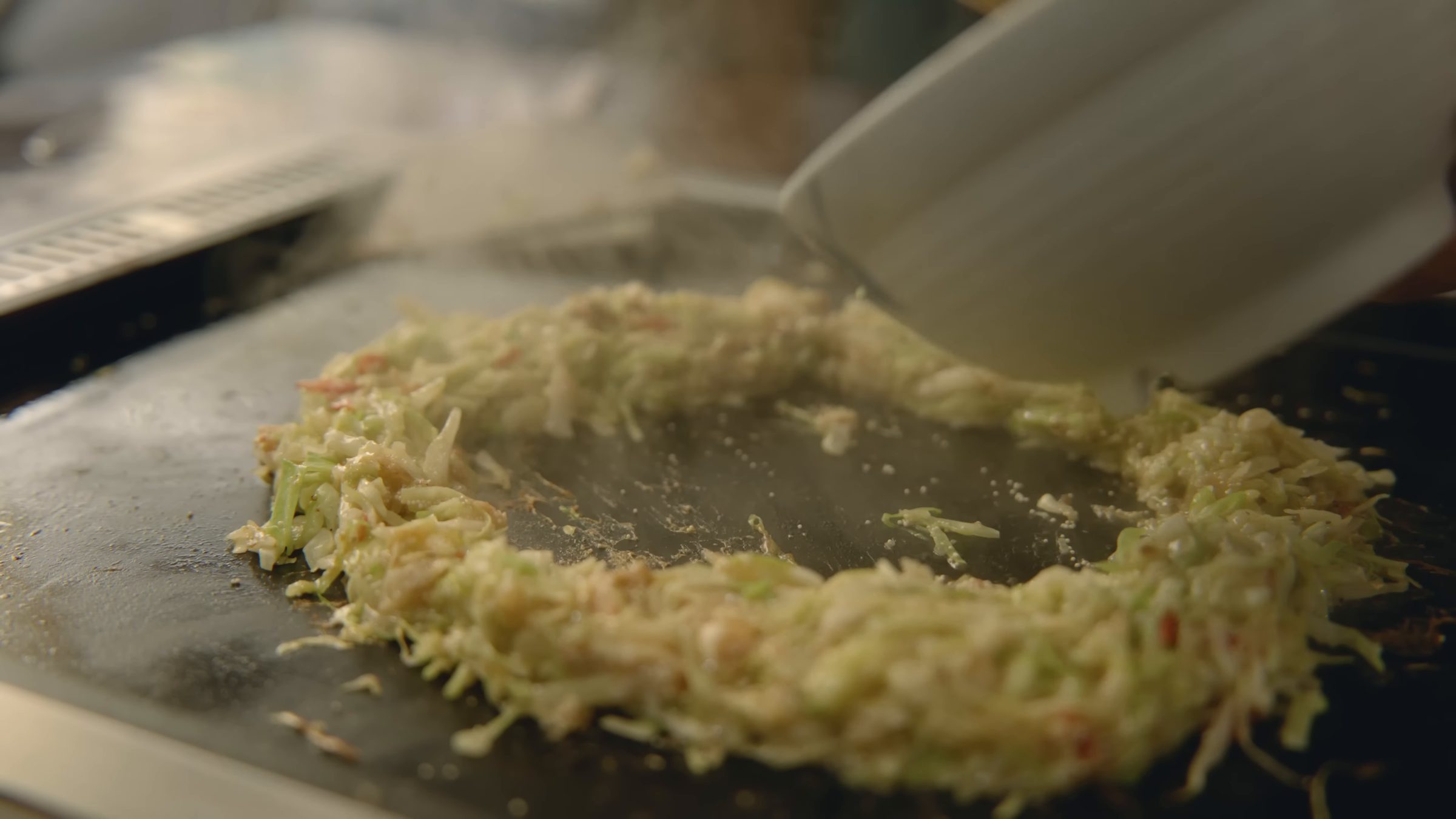
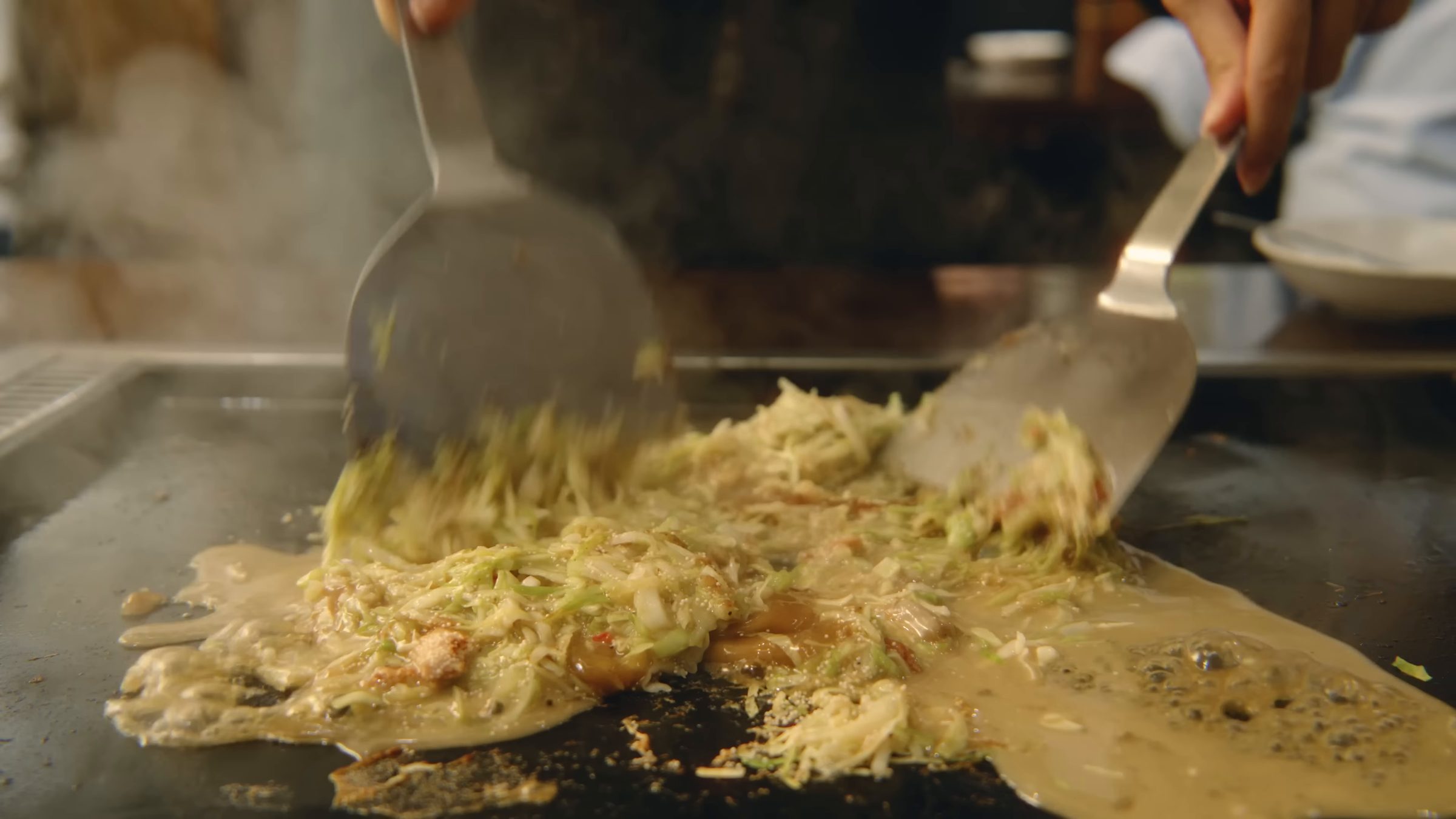
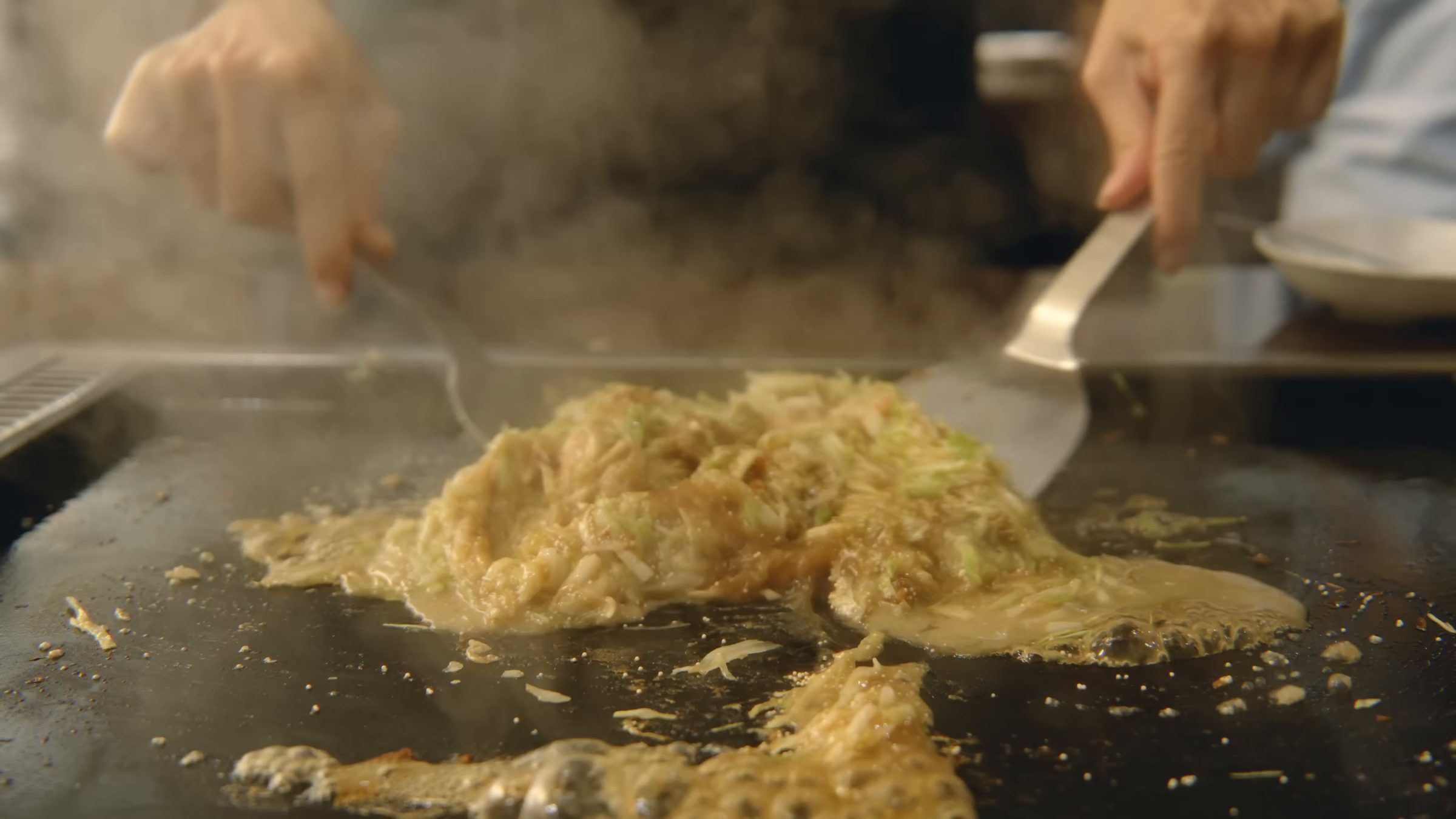
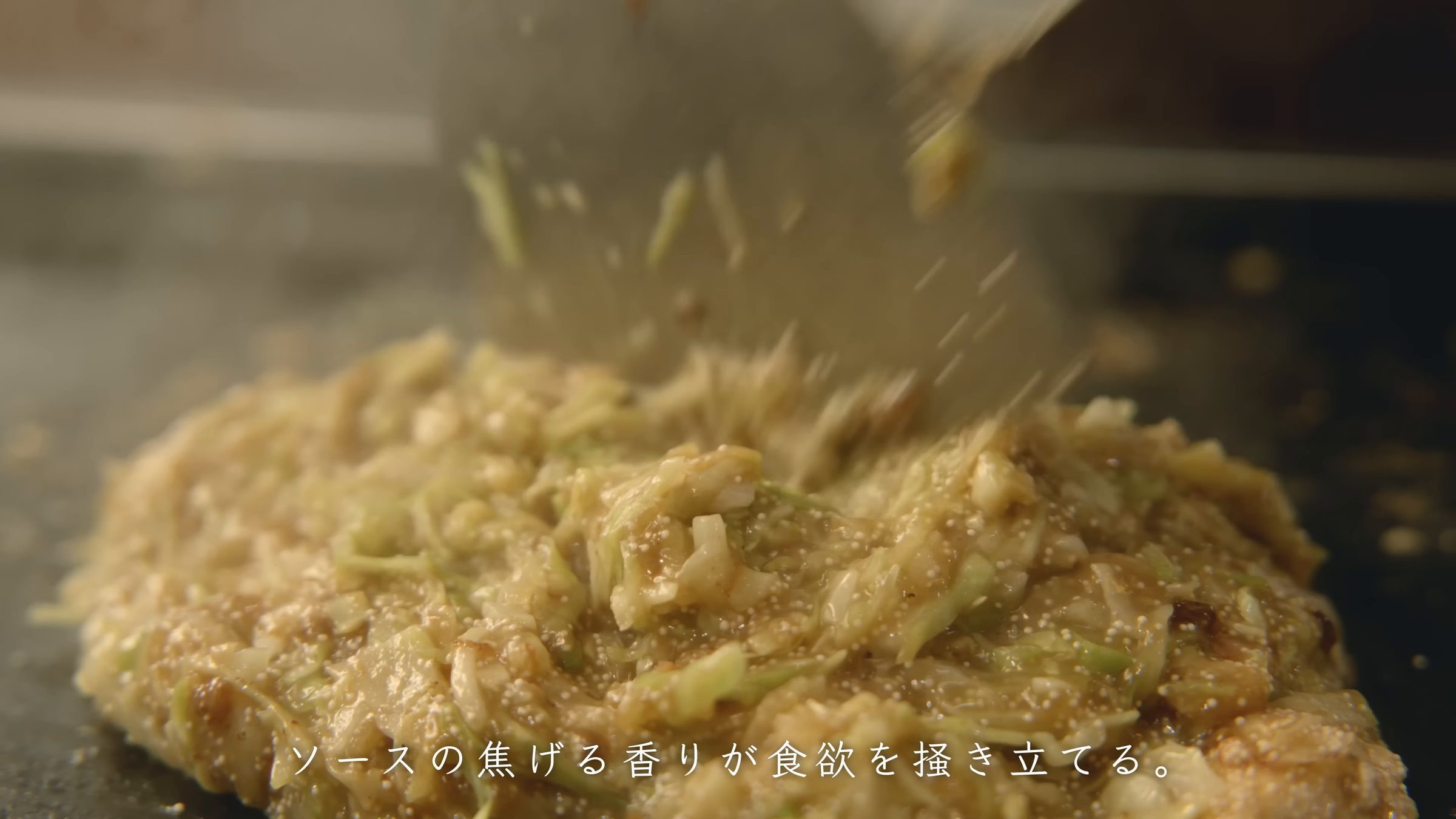
A heap of shredded cabbage and sliced pork went onto the griddle, chopped fine with two spatulas as it cooked. I shaped the filling into a ring and poured the batter into the middle. When it started to simmer, it was time: stir it all together in one go.
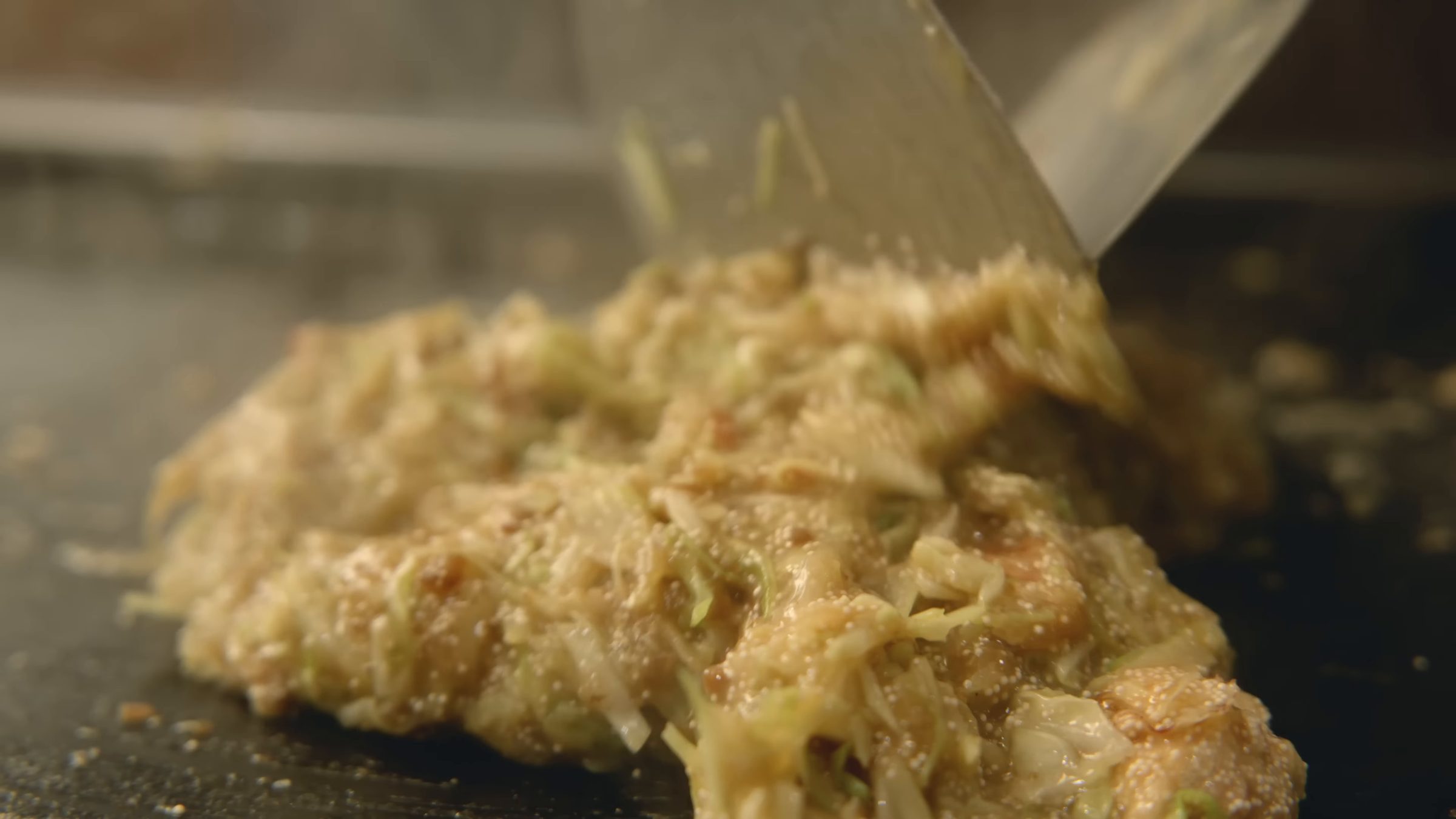
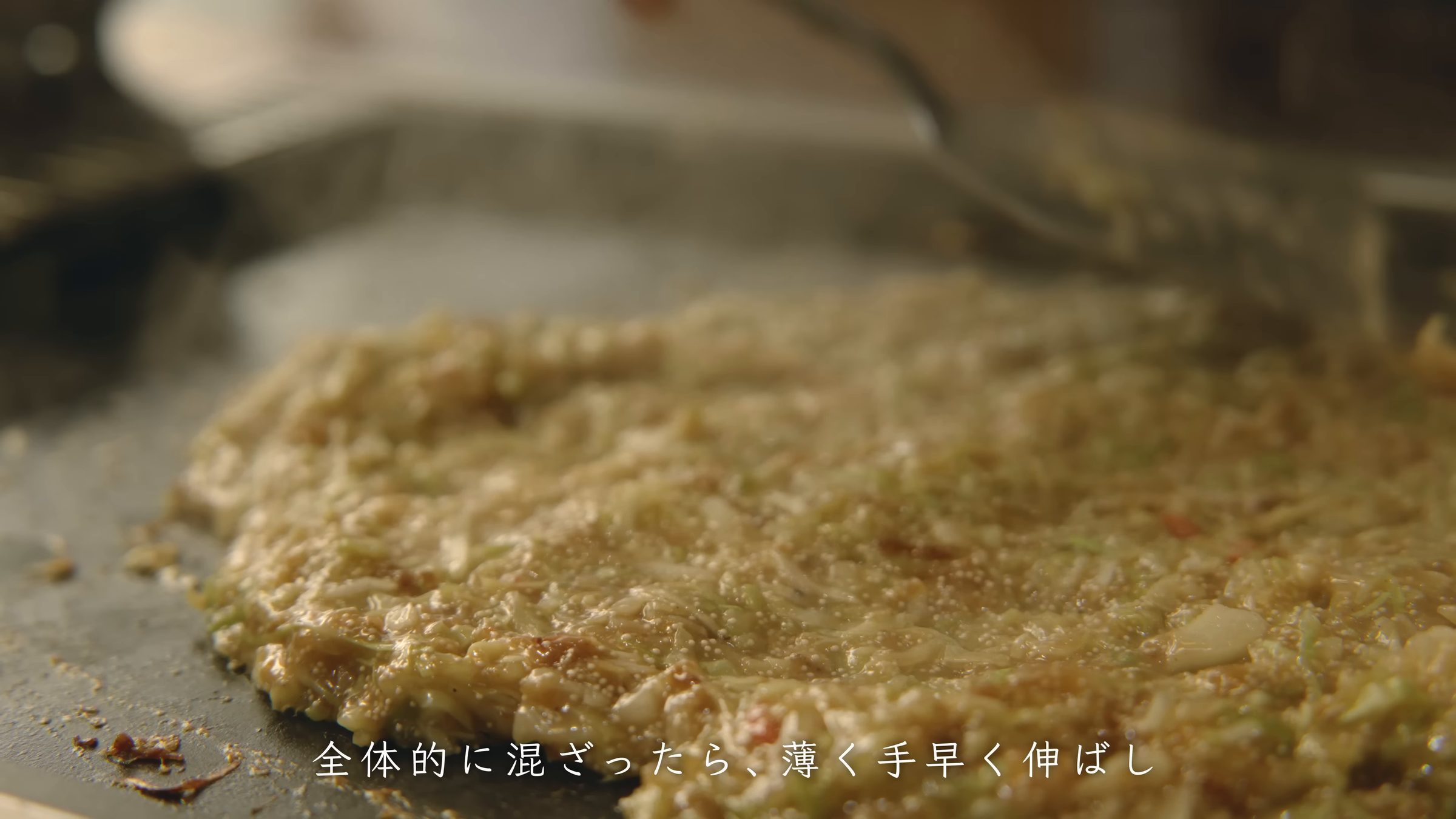
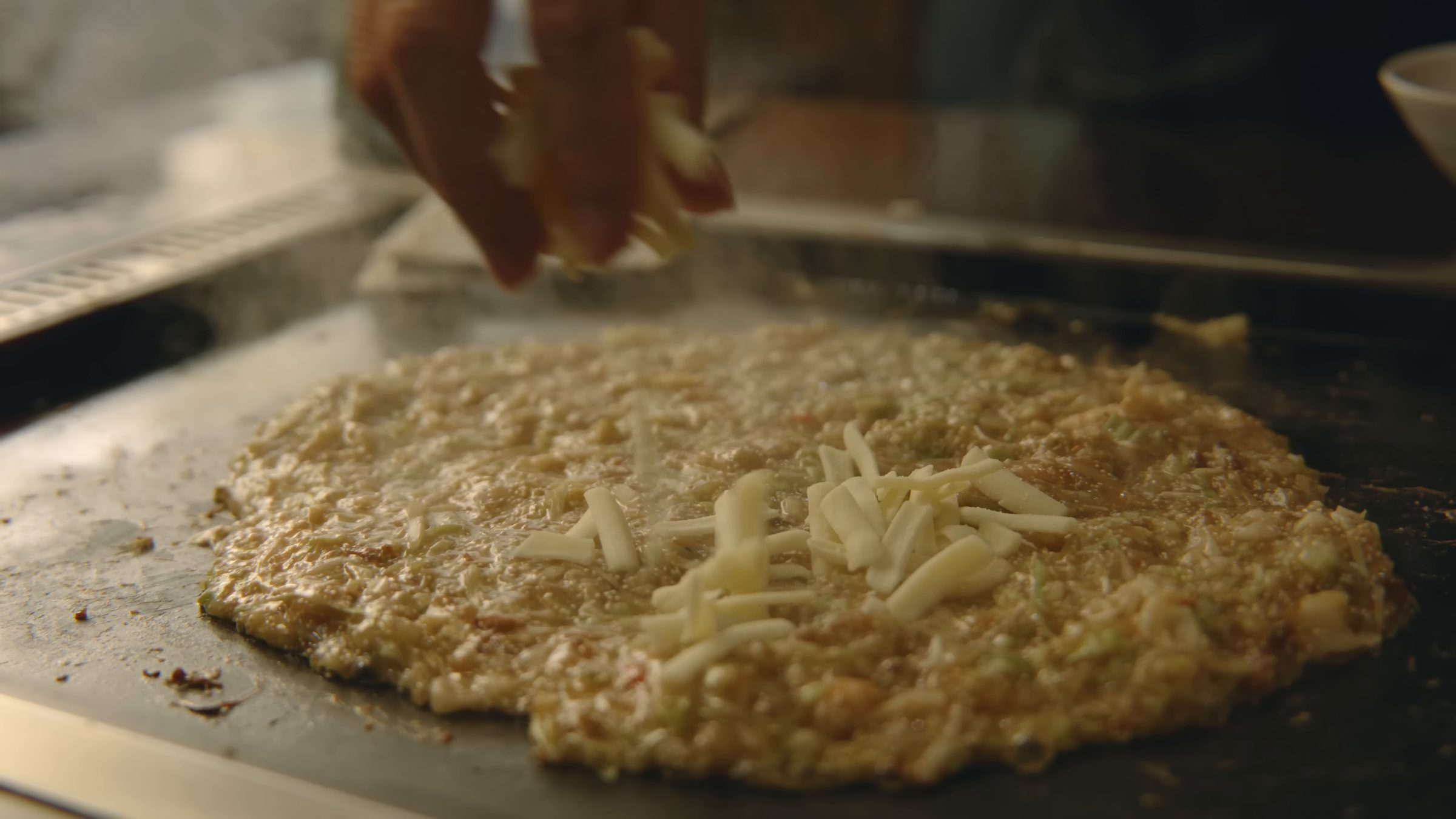
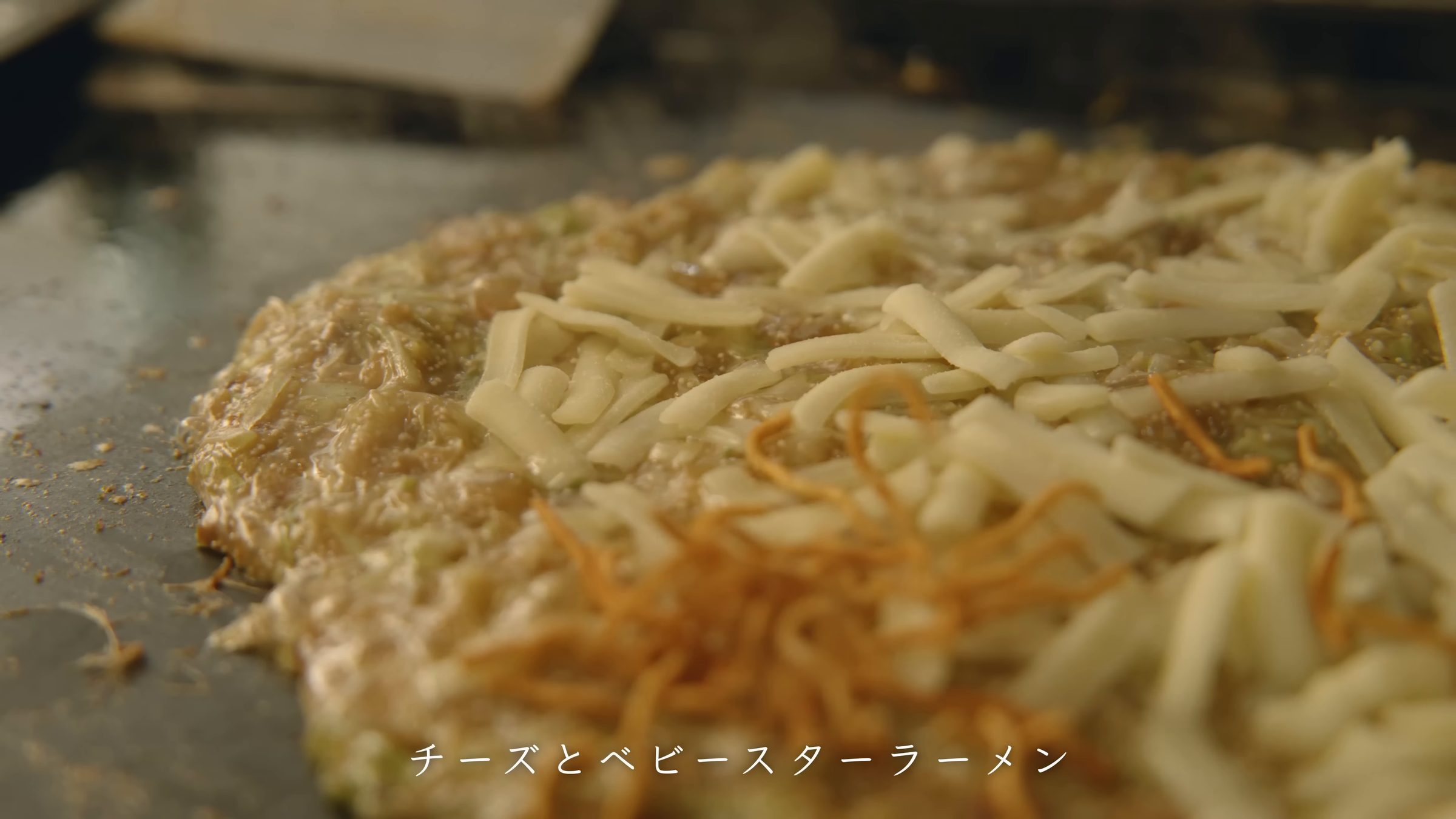
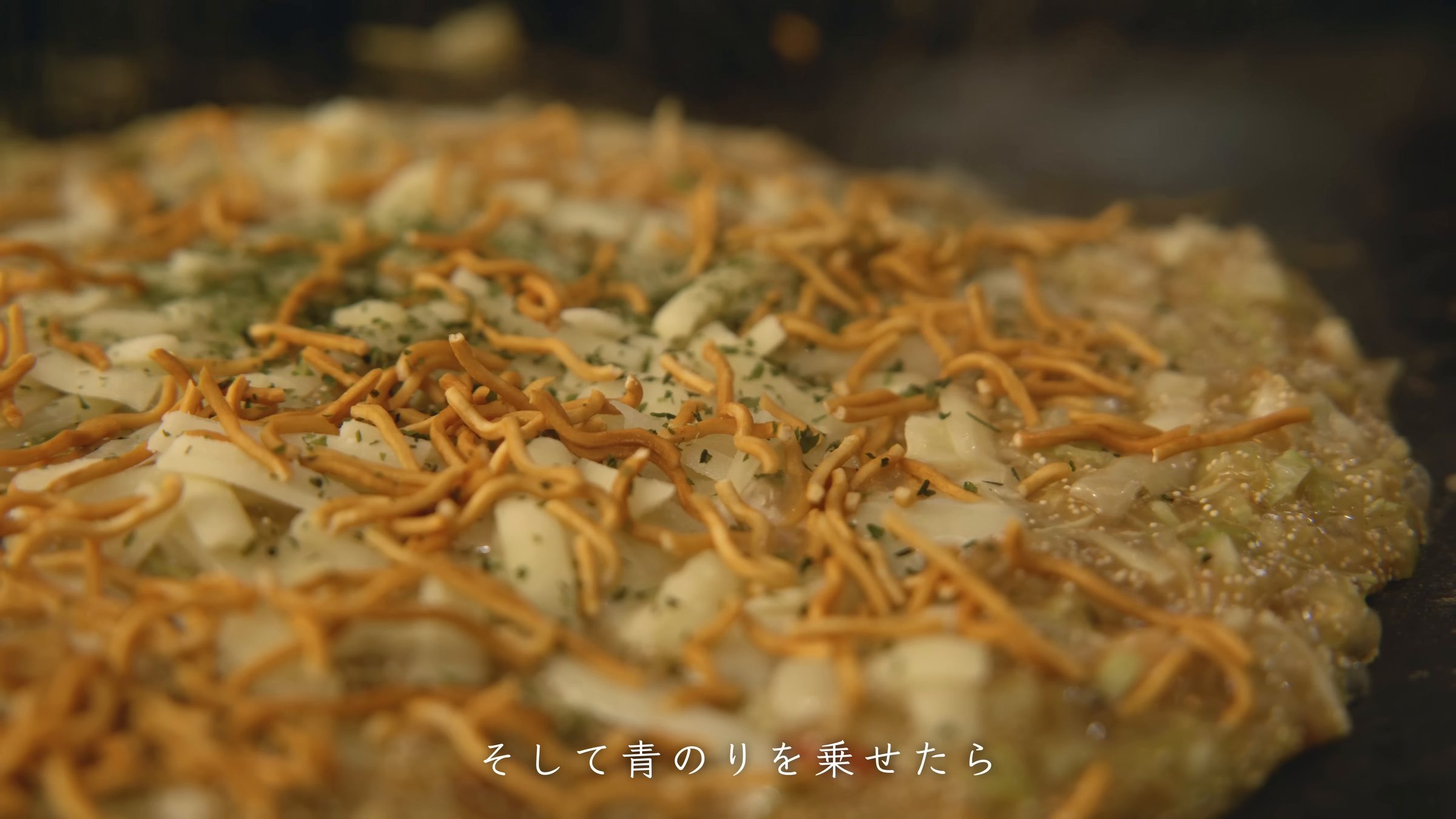
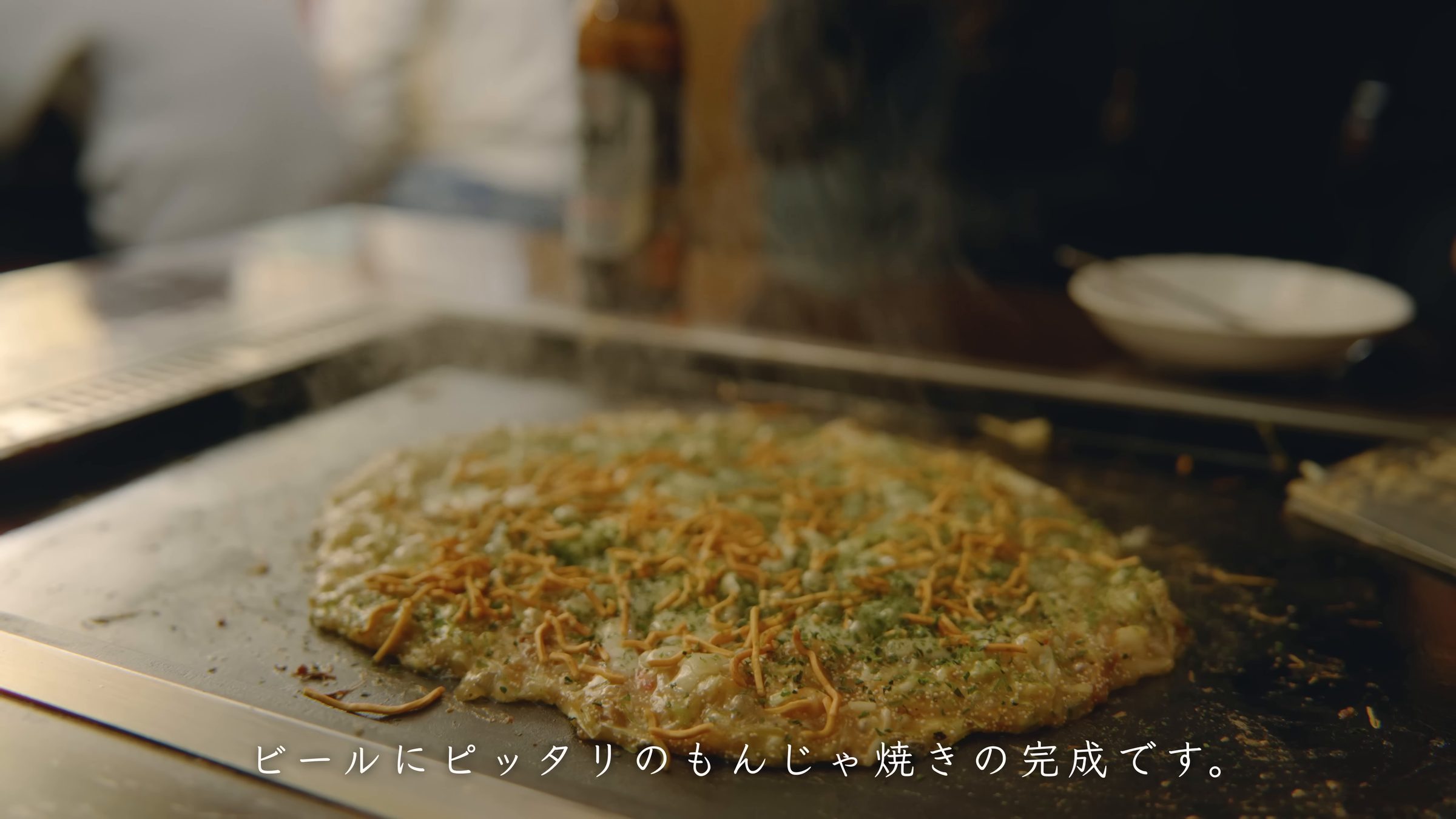
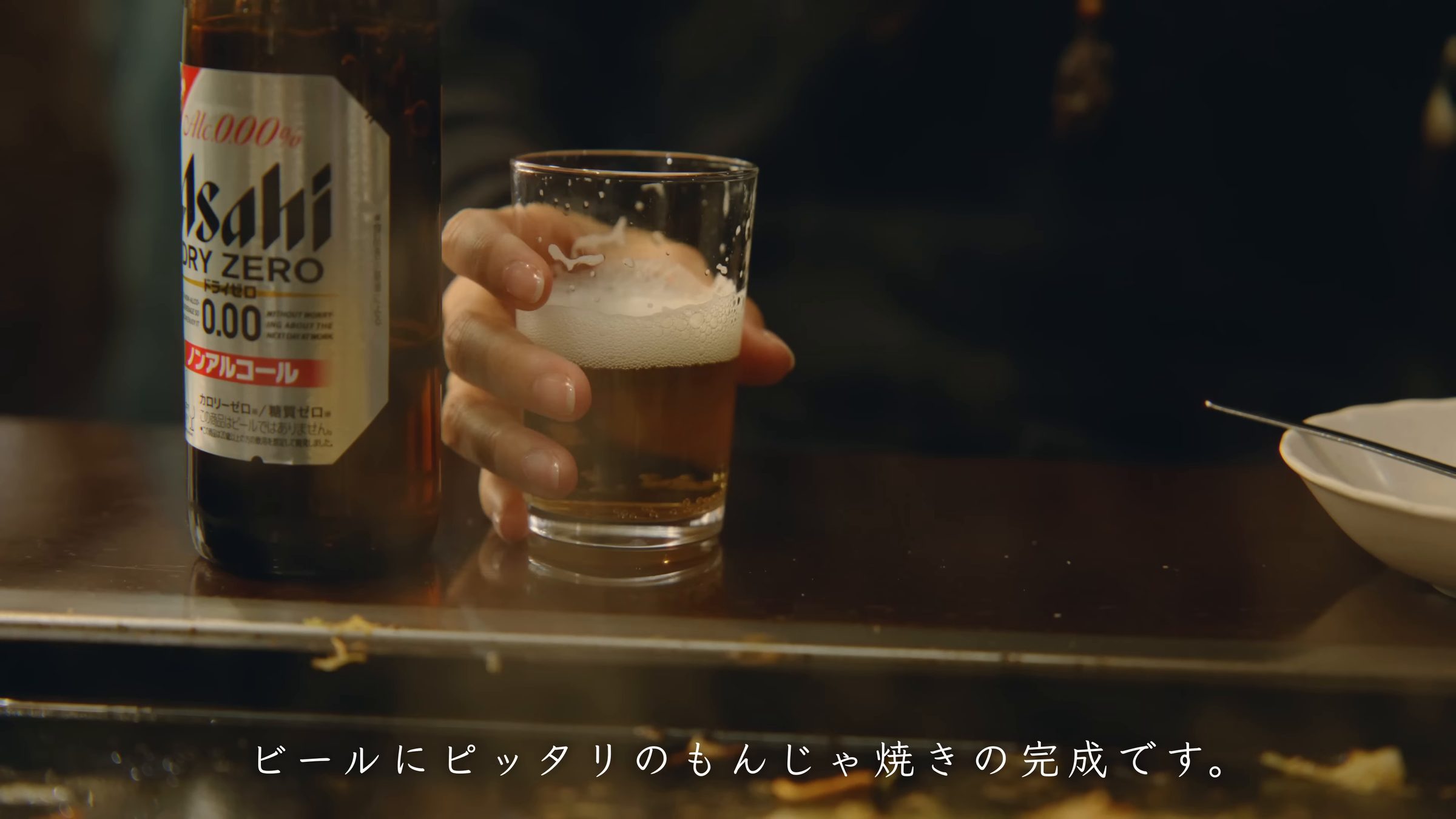
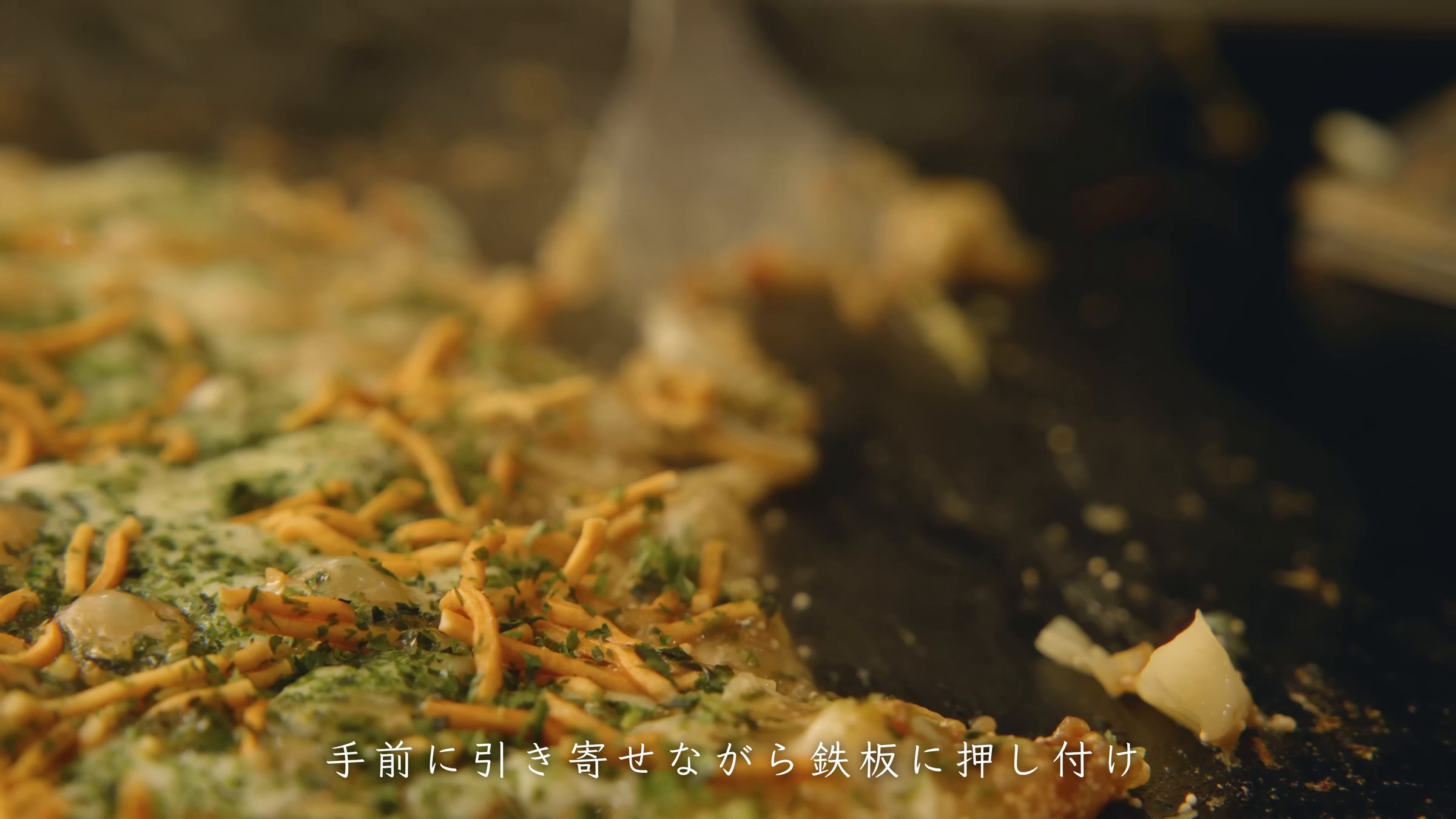
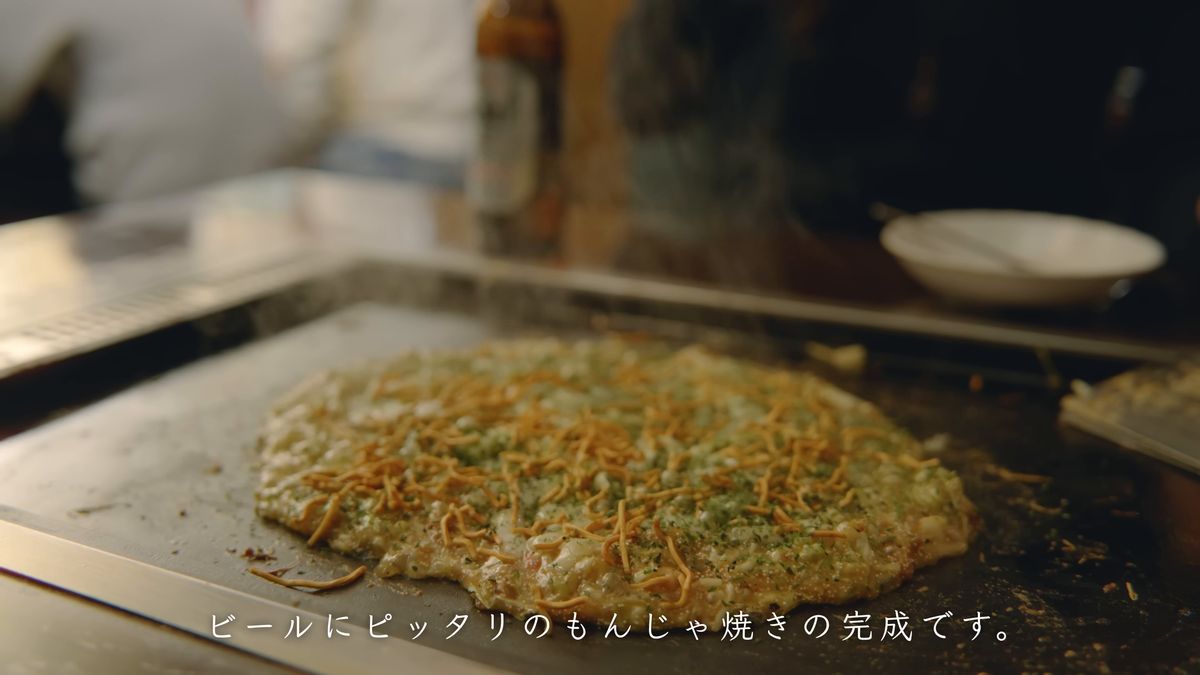
The smell of the sauce browning whets the appetite. Once everything was mixed, I spread it out thin and quick, then topped it with cheese, crunchy noodle snacks and a sprinkle of green seaweed. Monjayaki, perfect with beer, ready to eat.
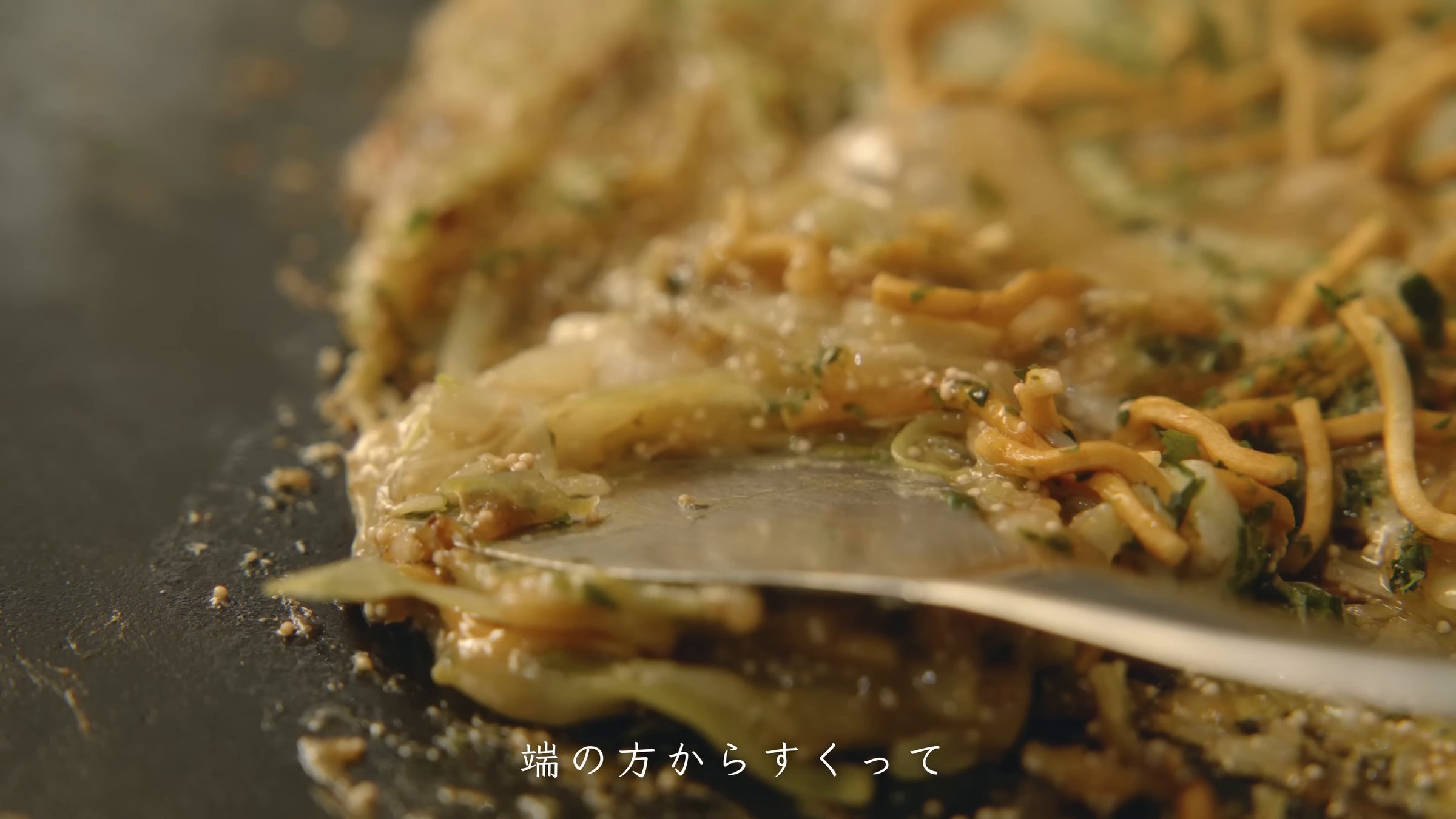
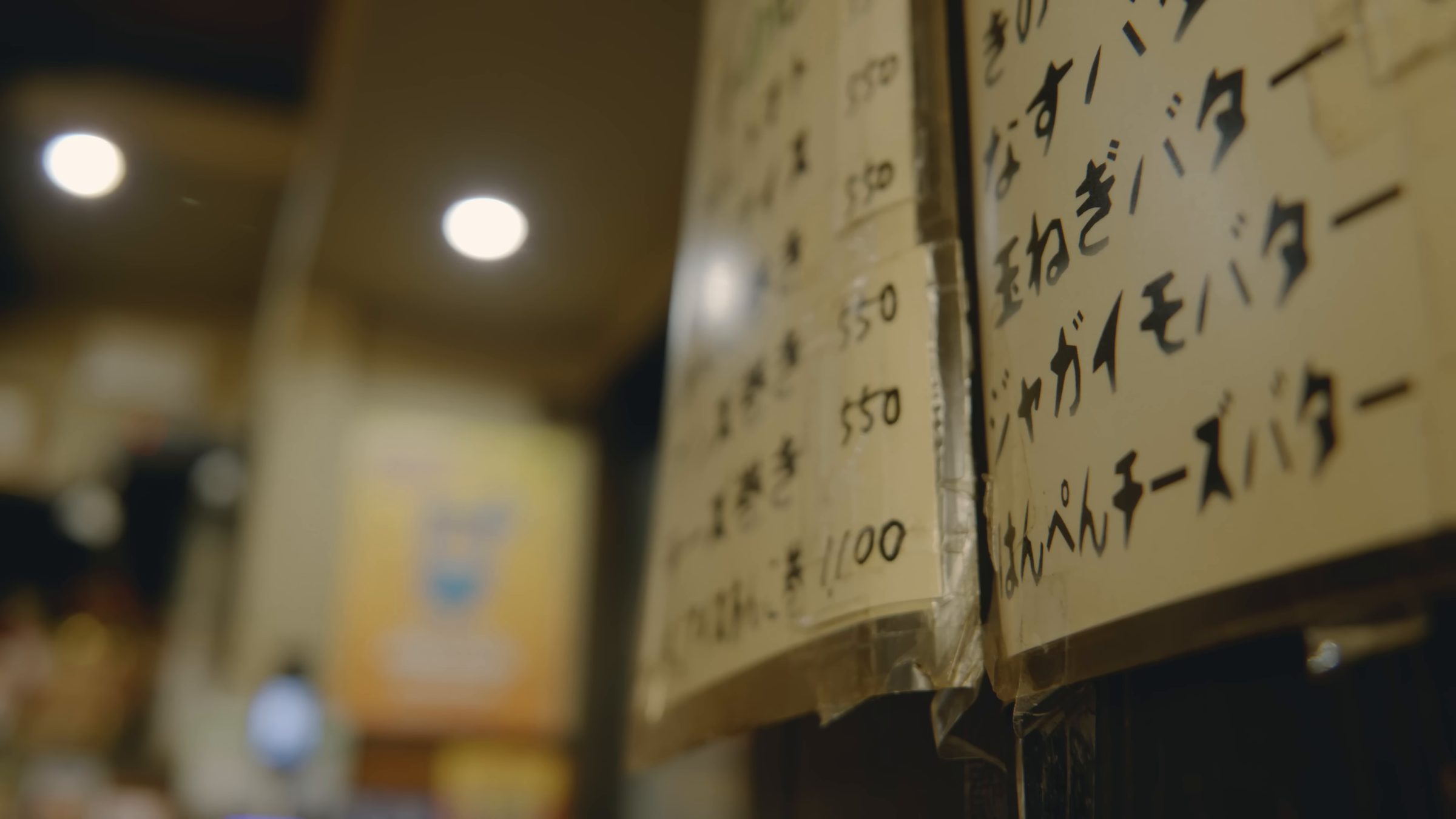
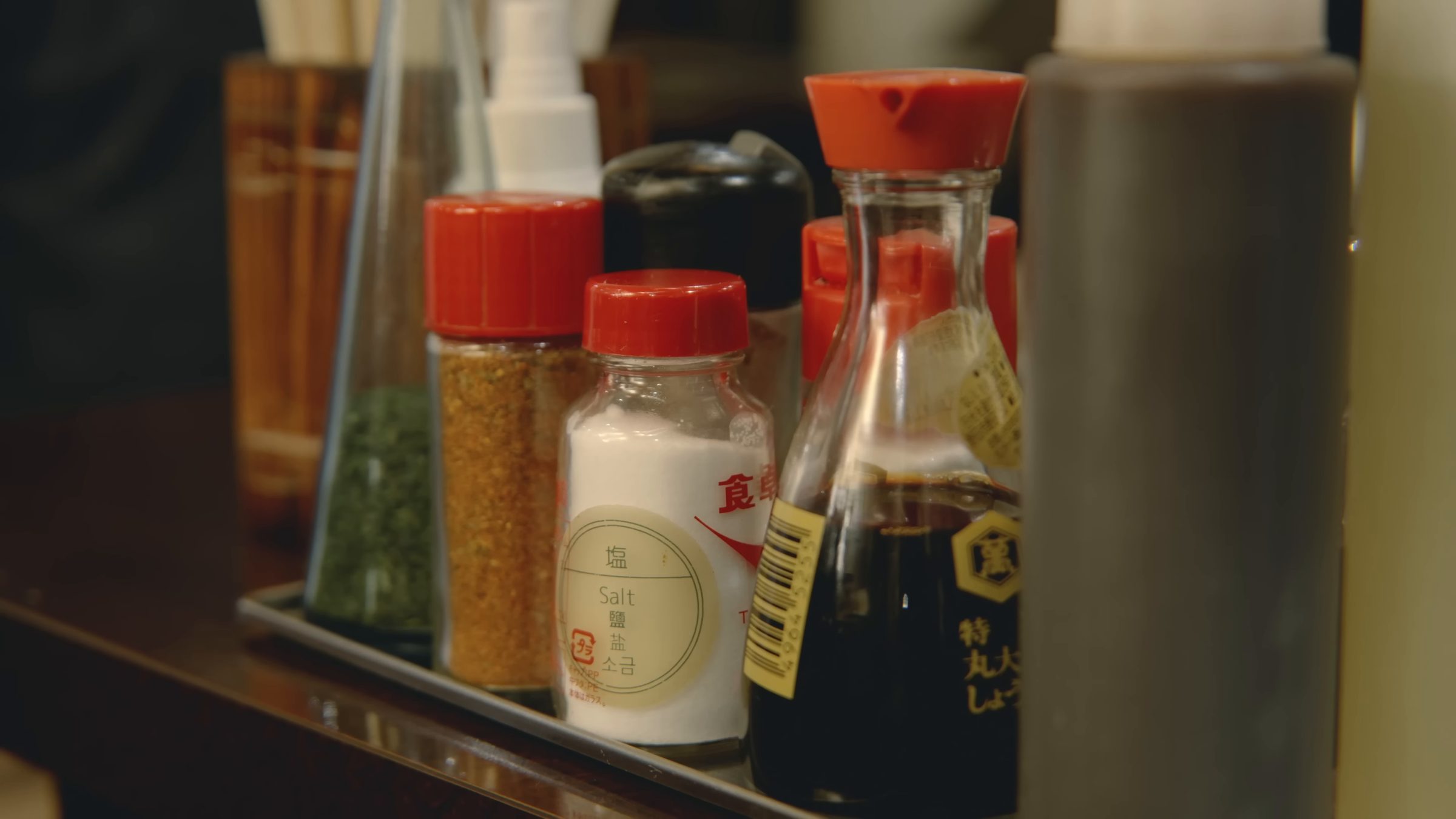
You scoop from the edge with a little spatula, dragging it toward you and pressing it against the iron plate so it browns a bit and turns savory. Handwritten menus lined the wall, eggplant butter, onion butter, and bottles of sauce and soy sauce stood on the table.
Watch this scene on YouTube2:45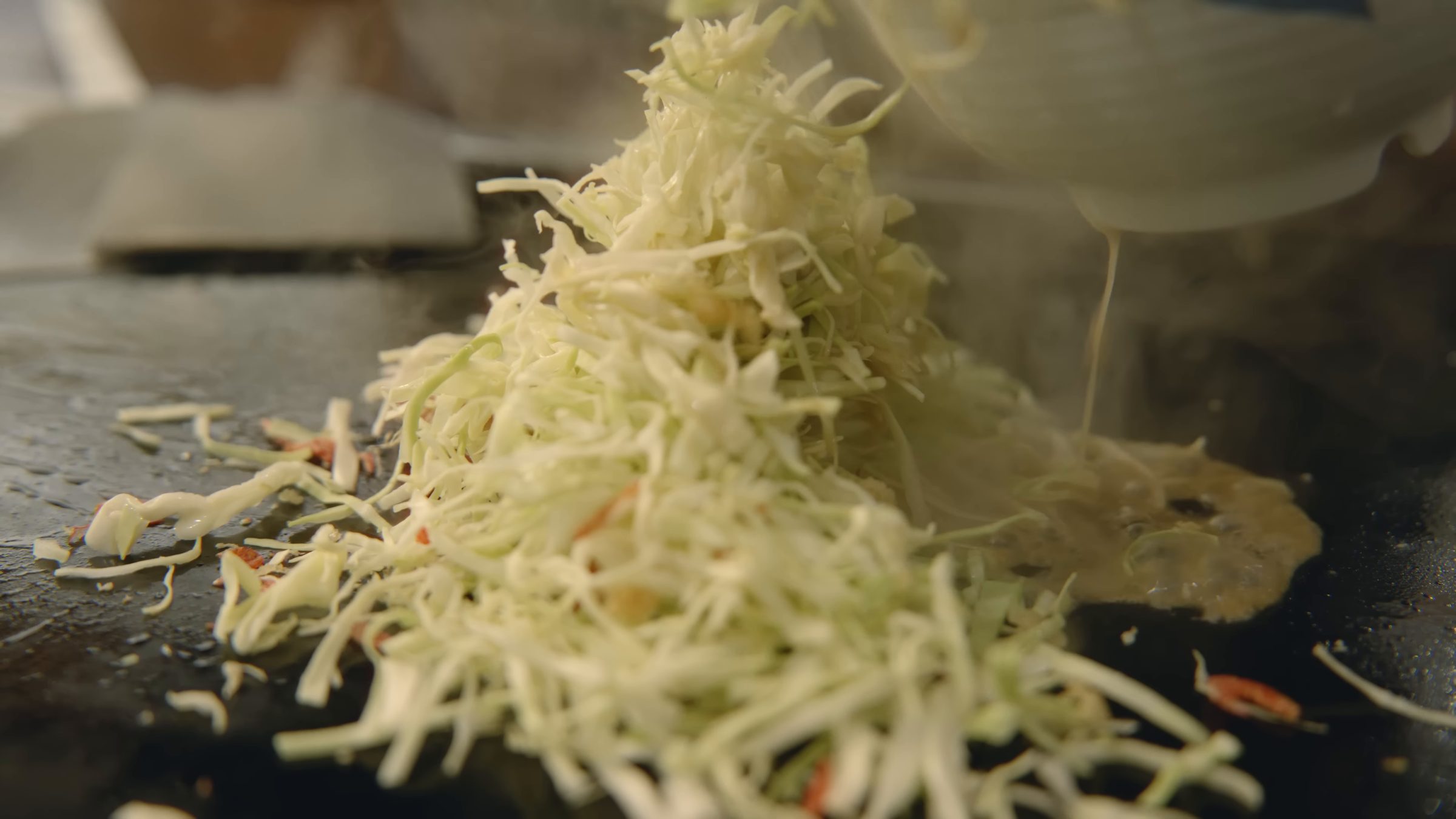
07TRAVEL JOURNAL
Anko-maki on the same griddle
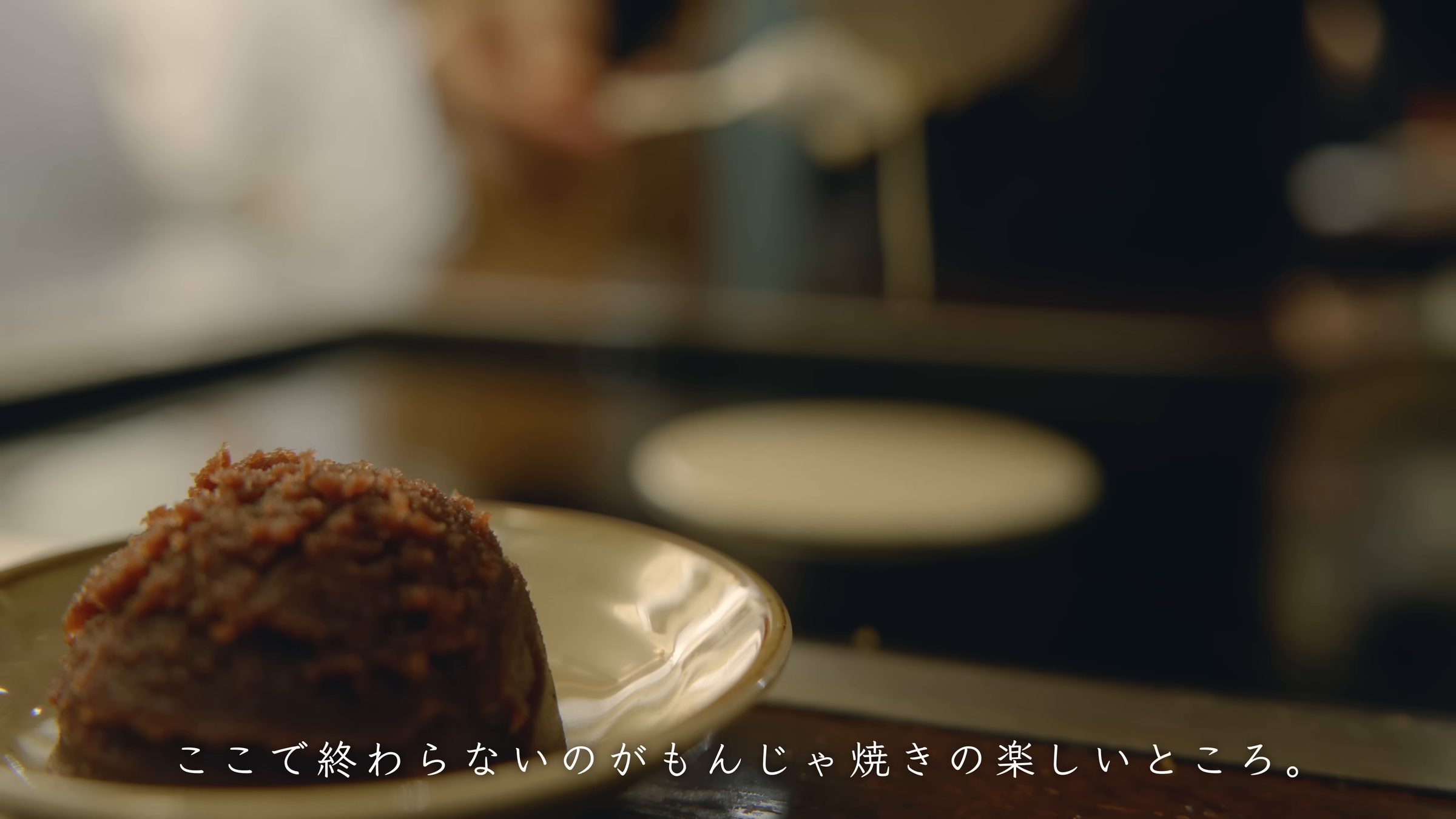
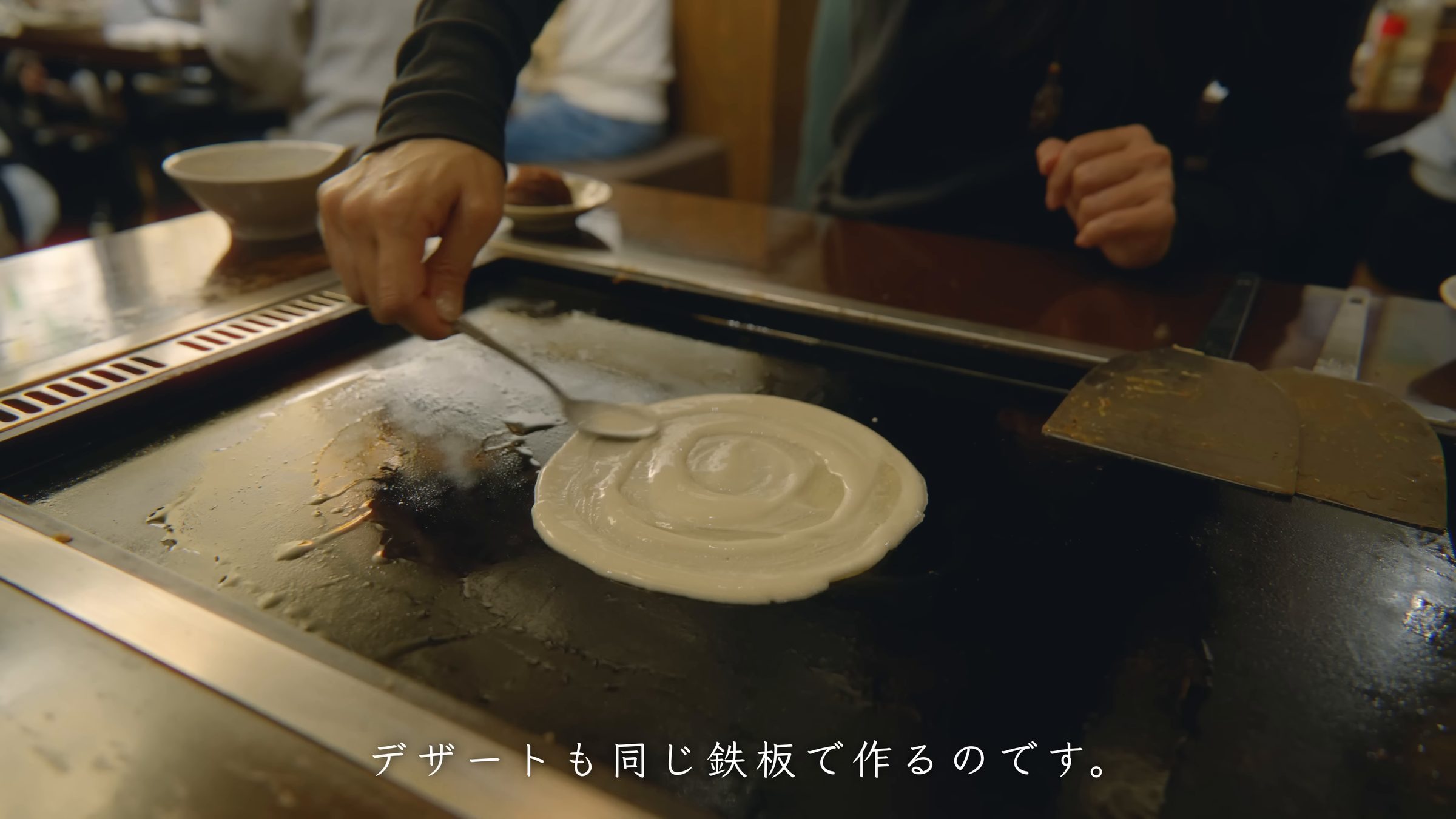
Now then. The fun of monjayaki doesn't end there: dessert is made on the same griddle.
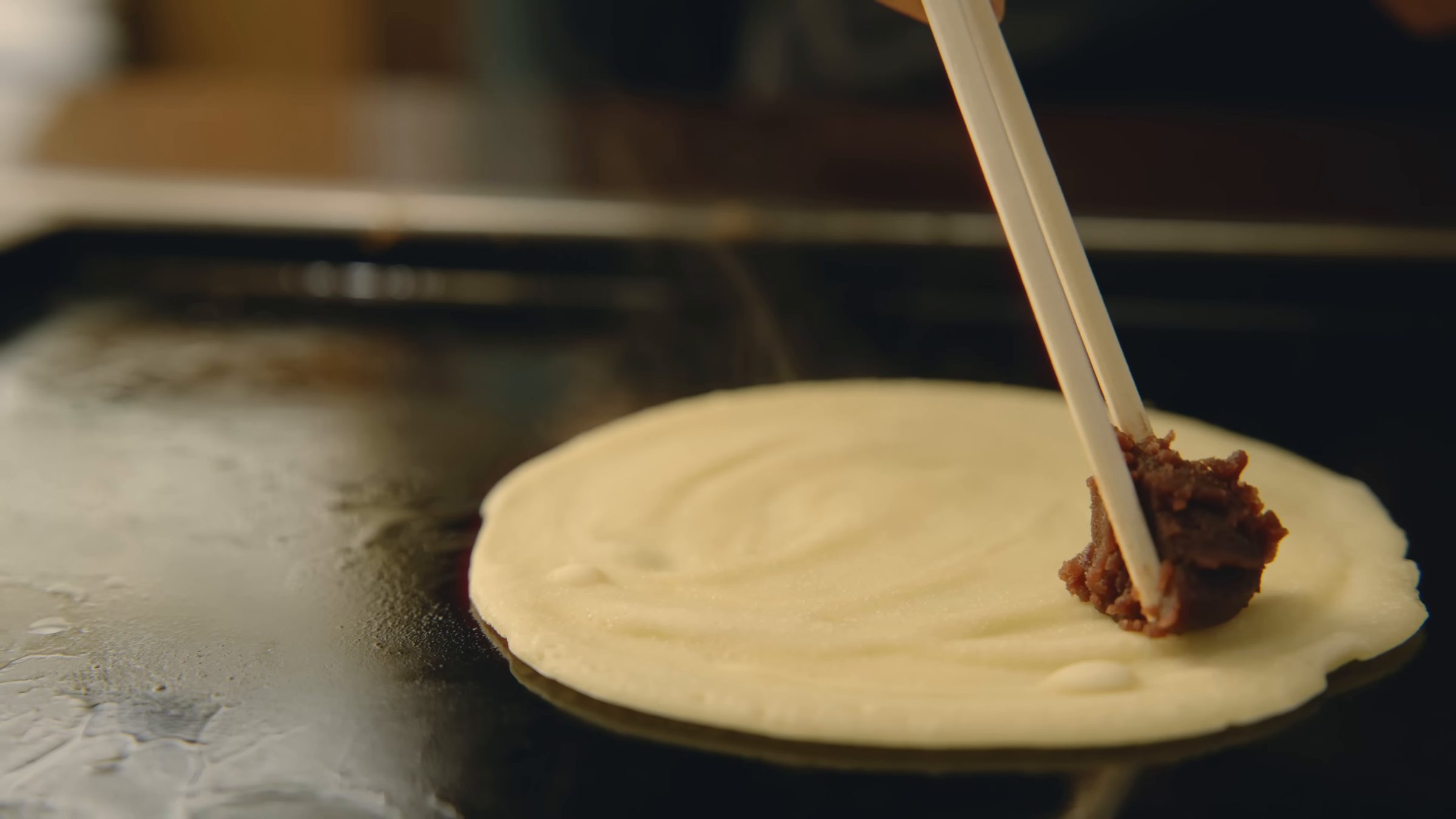
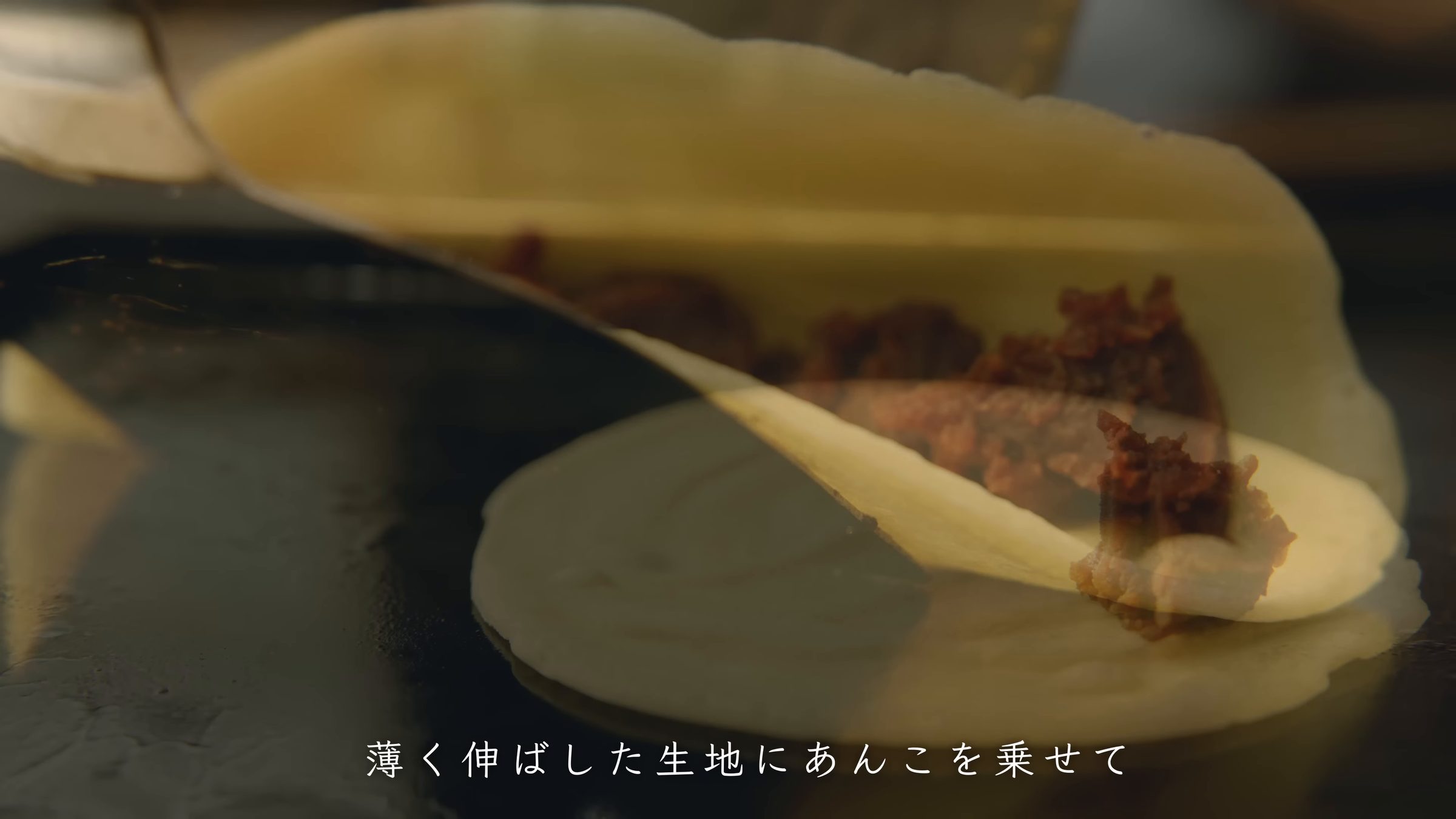
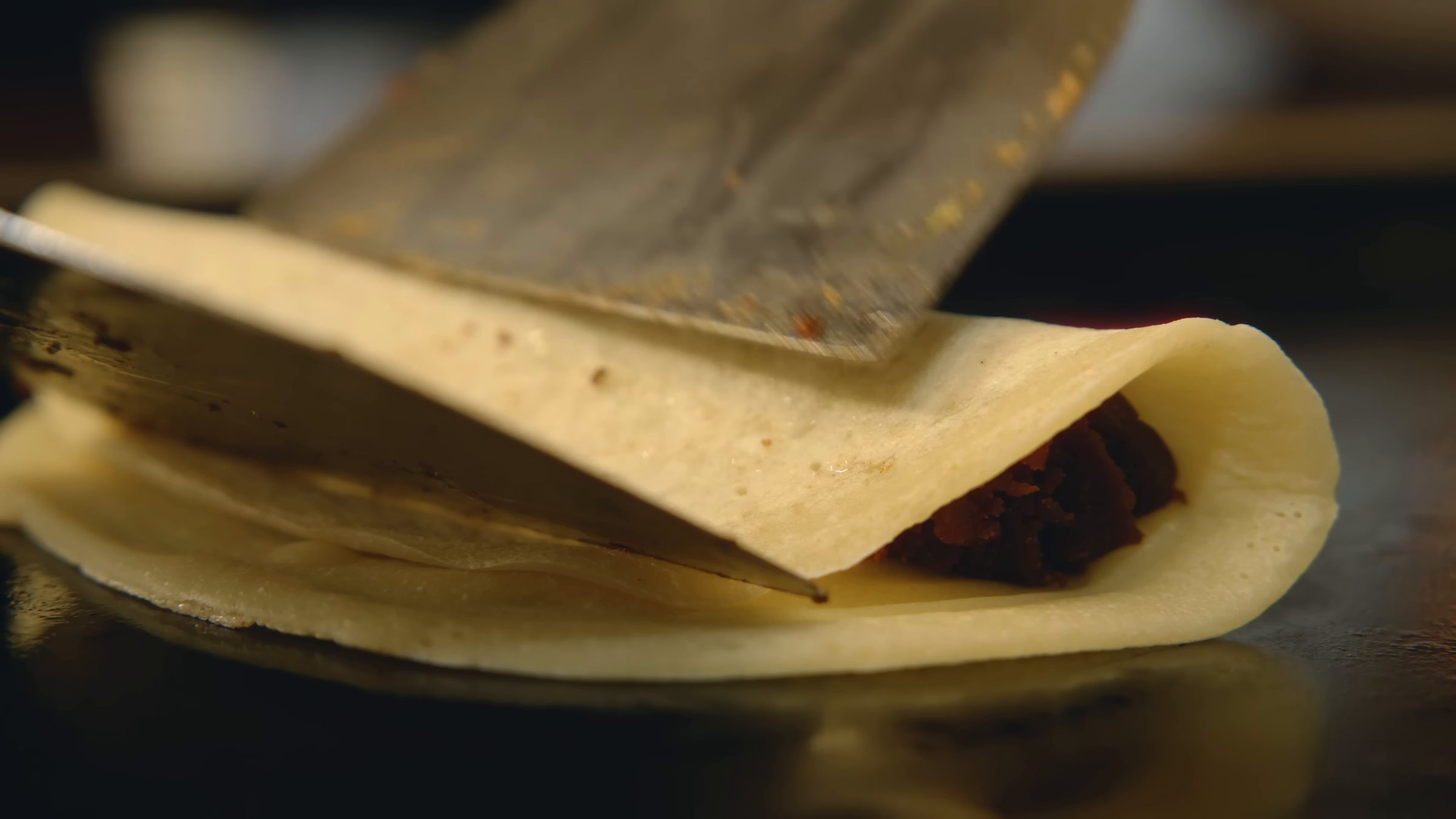
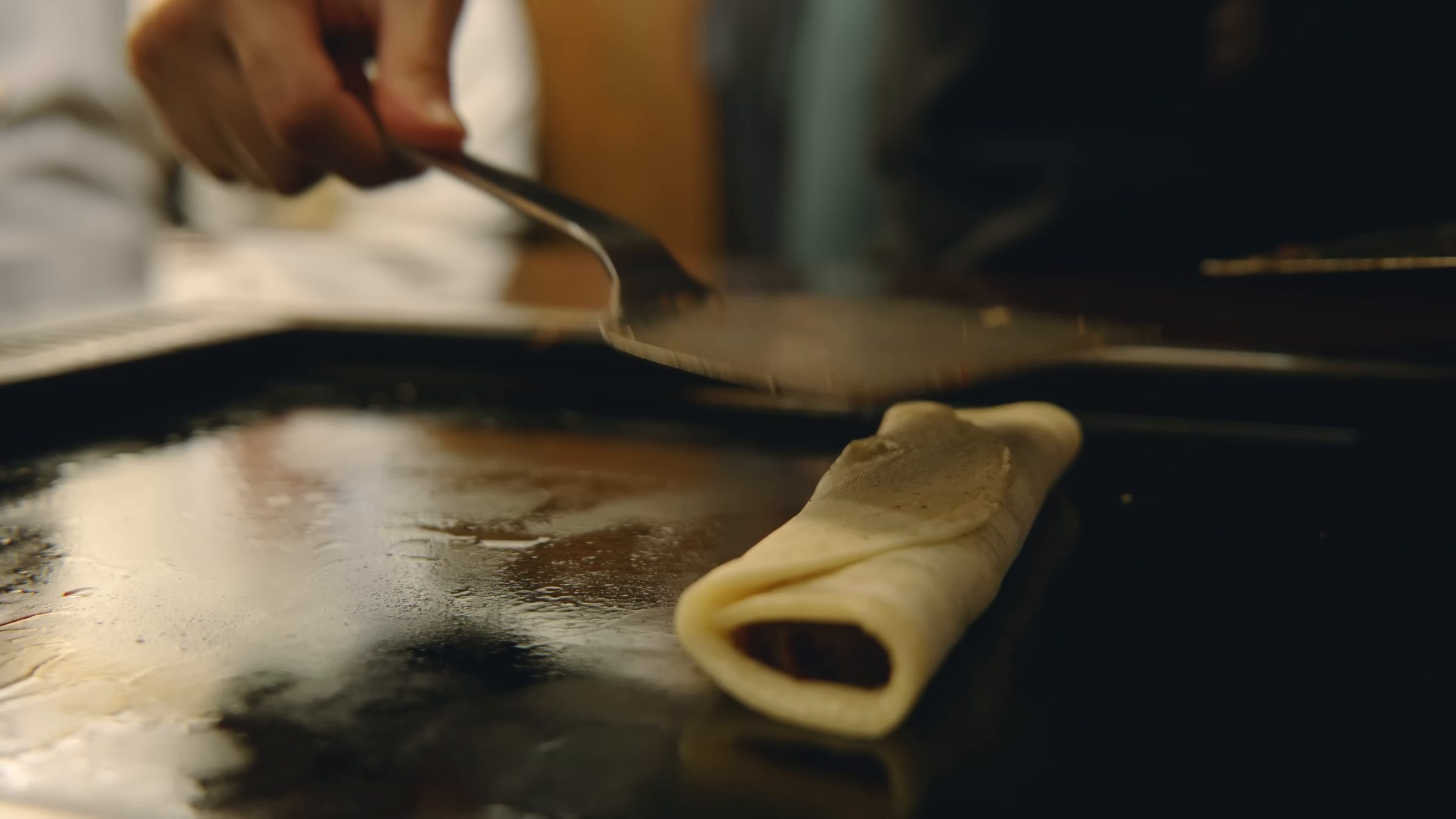
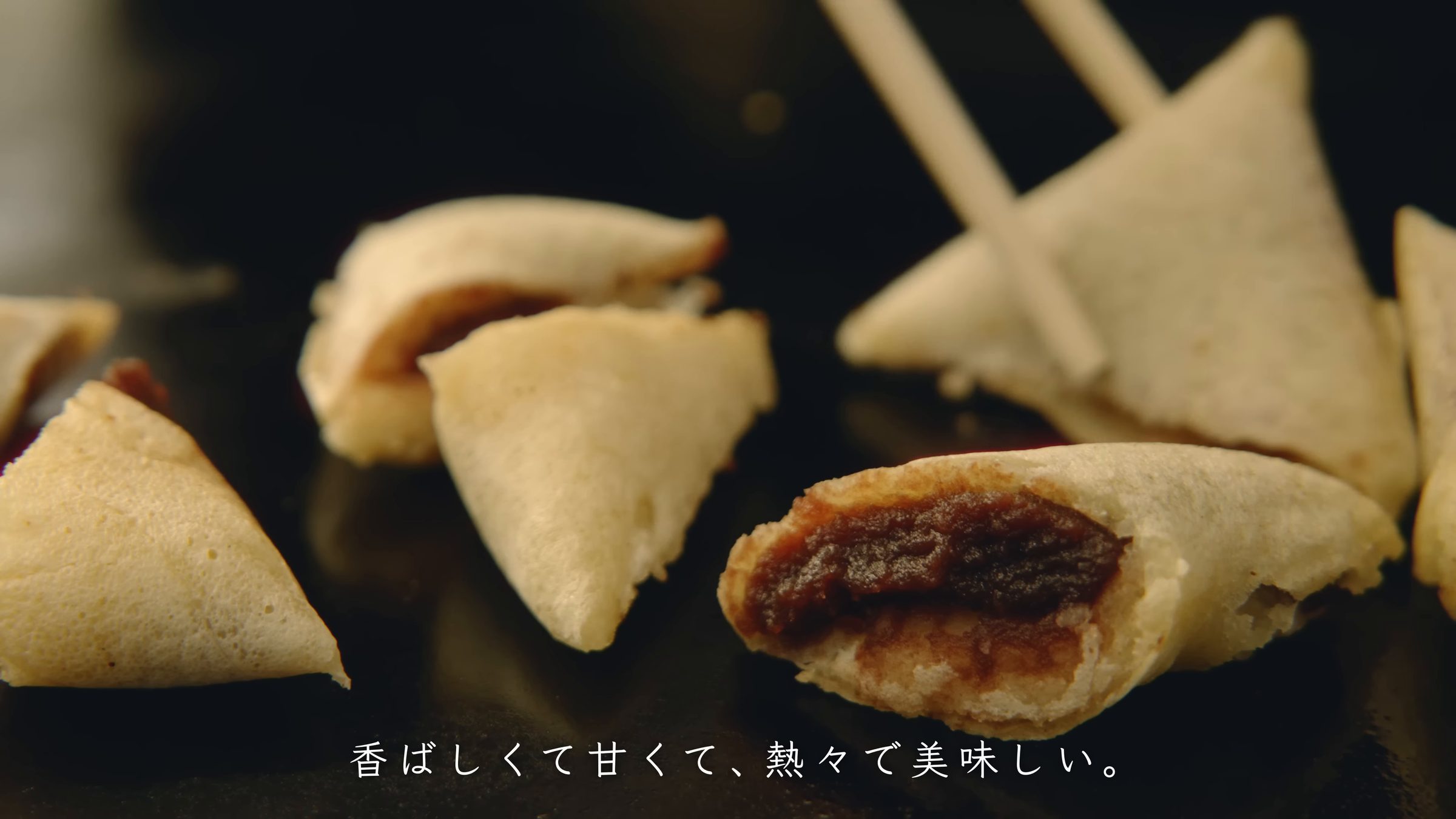
Spread the batter into a thin round, set a spoonful of sweet red bean paste on it with chopsticks, fold it over with the spatula and roll it up, and the anko-maki is ready. Cut into triangles, it was toasty, sweet, piping hot and delicious.
Watch this scene on YouTube3:54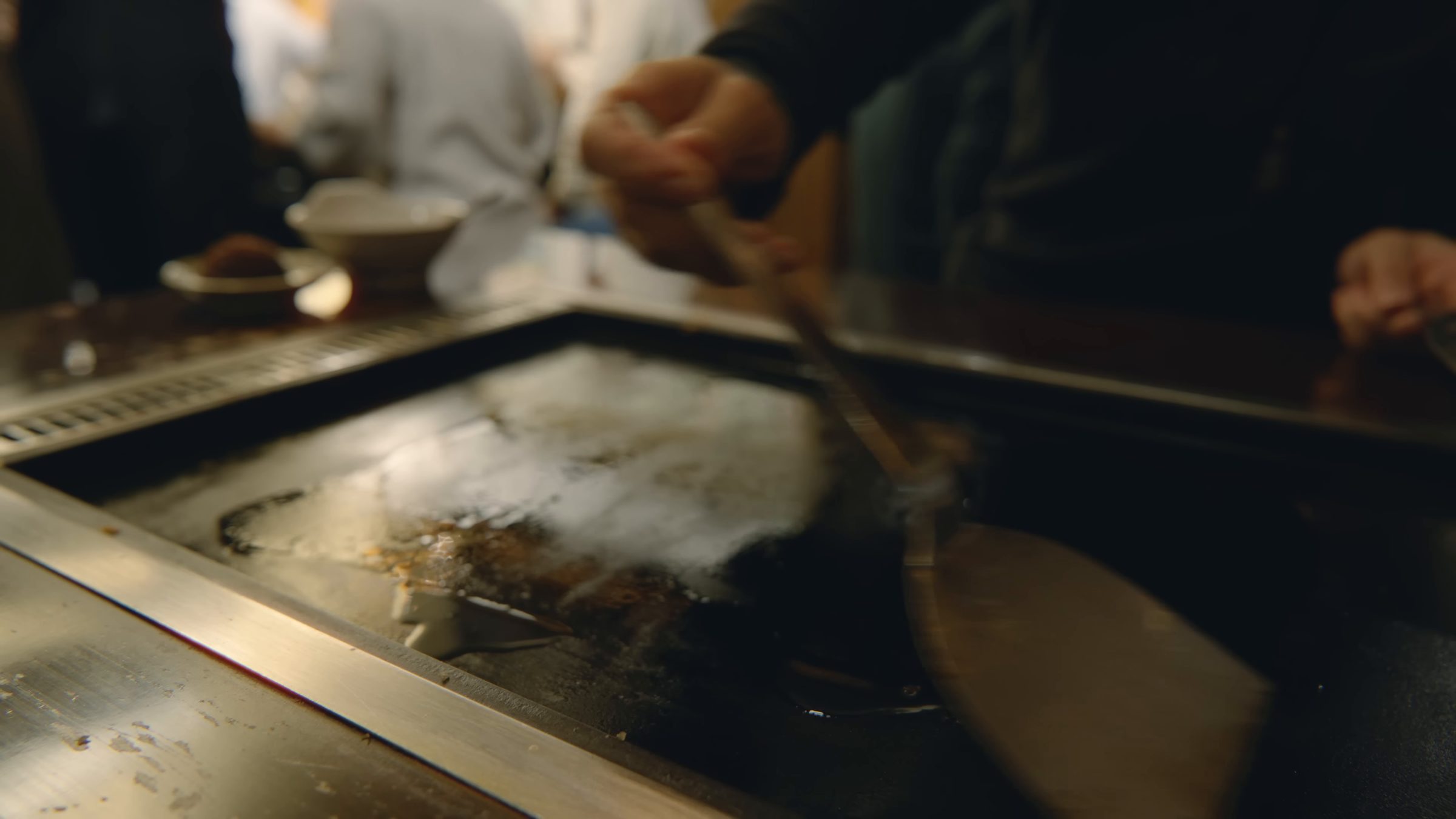
08TRAVEL JOURNAL
From Tsukishima at dusk to the shopping street
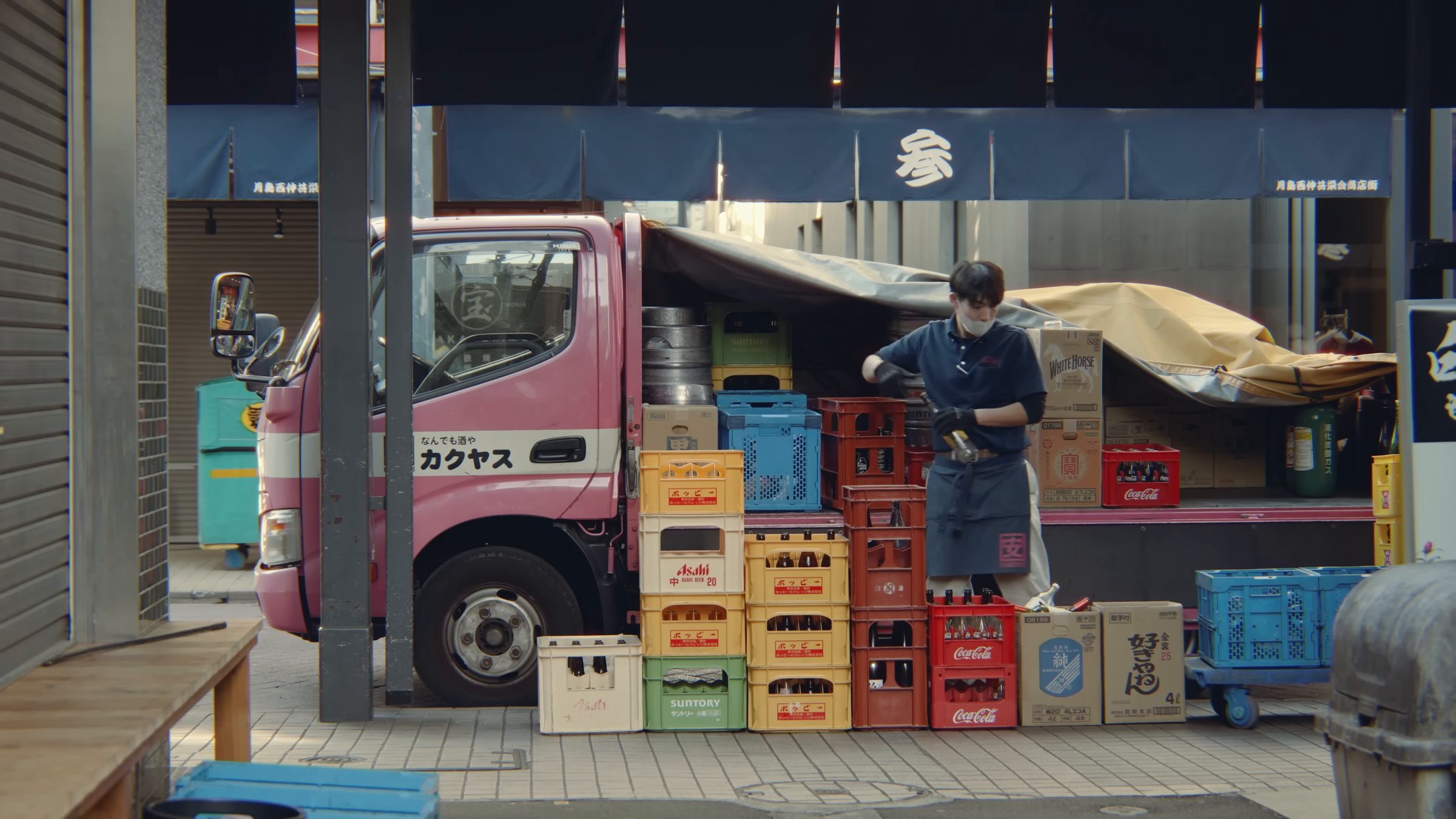
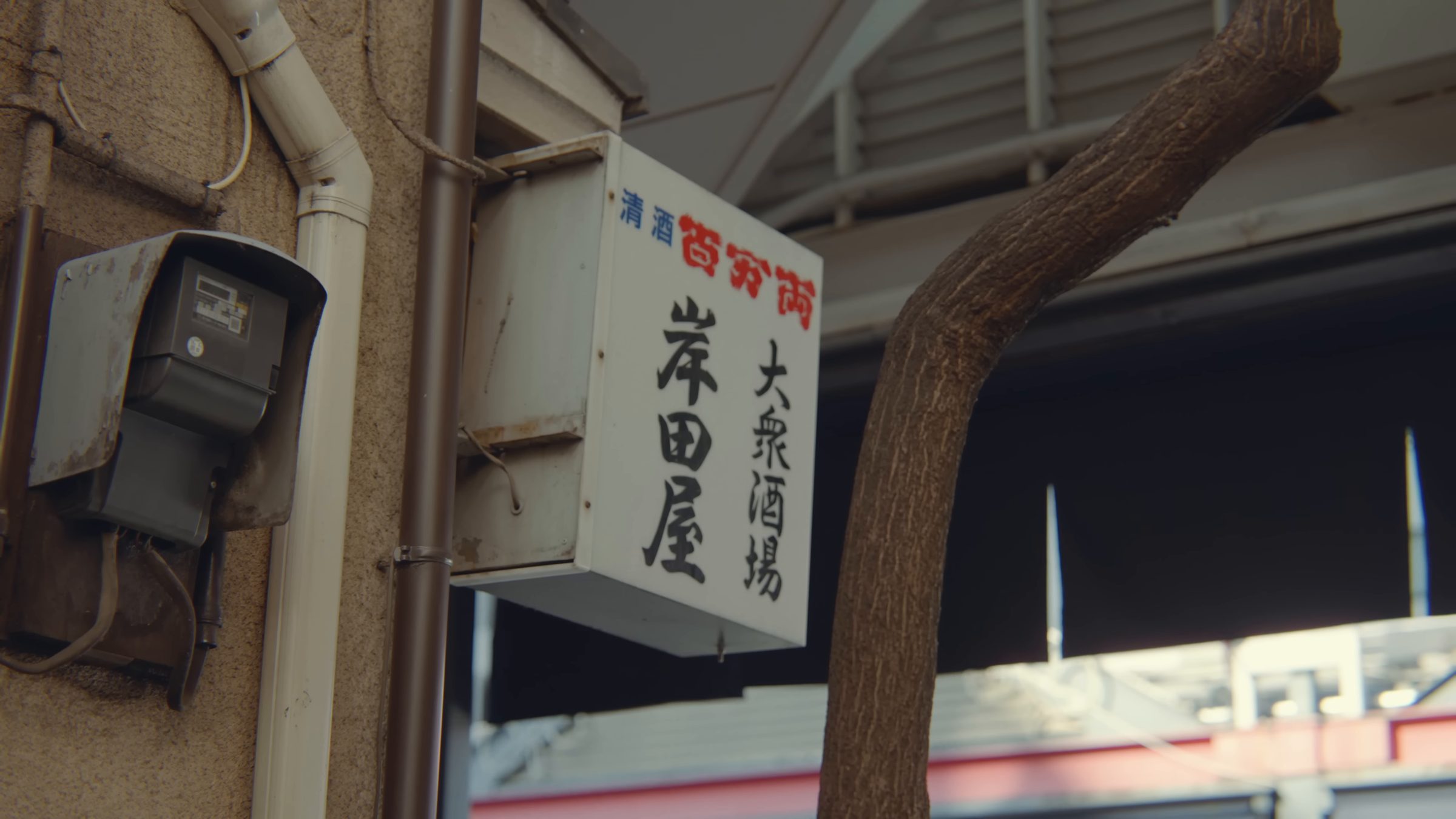
When I came out, the lanterns of the monja shop were lit, its storefront in the back alley plastered with photographs. Crates of beer were being unloaded from a liquor-store truck, and beside a utility pole hung the sign of Kishidaya, an old-style tavern.
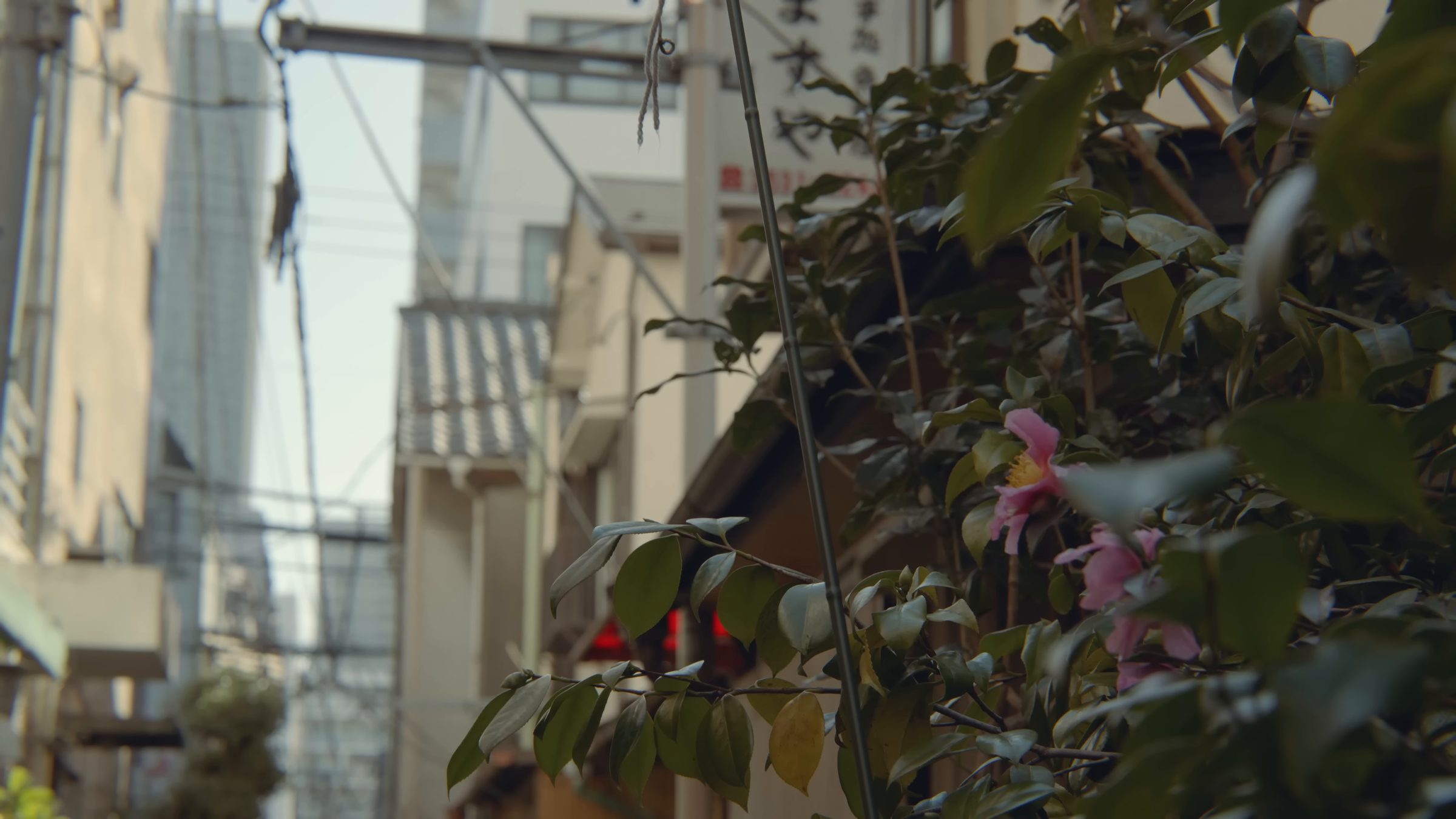
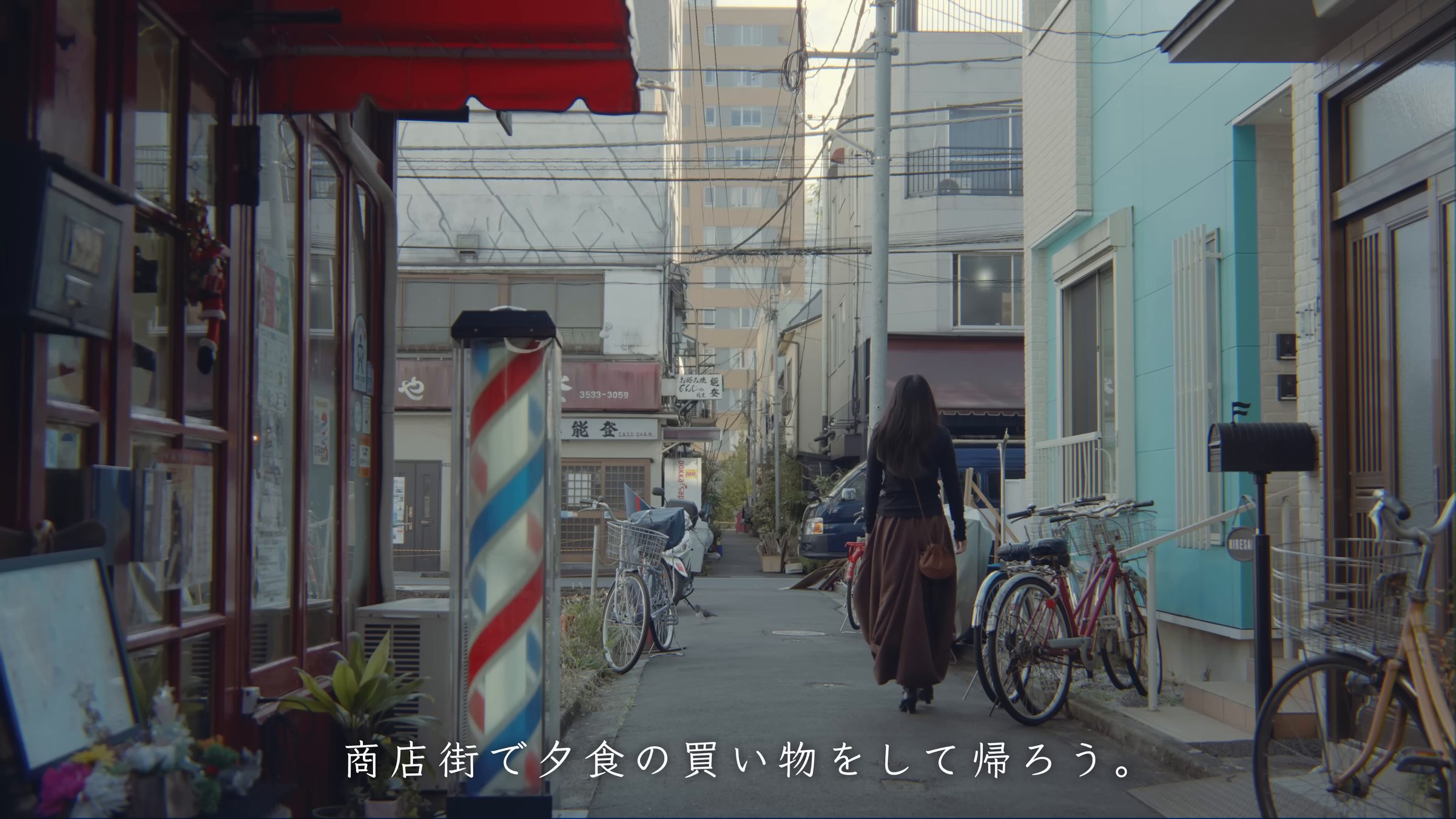
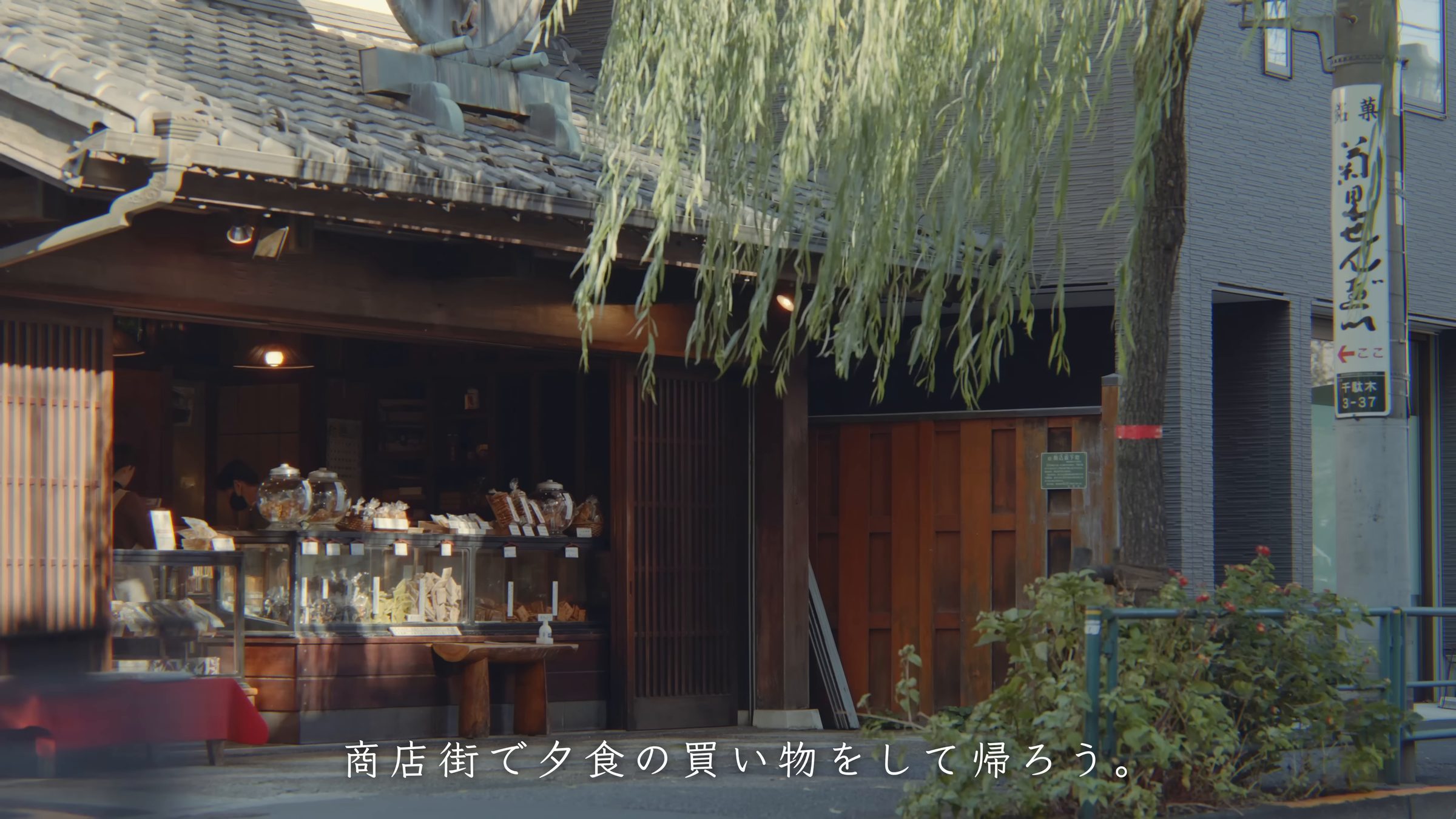
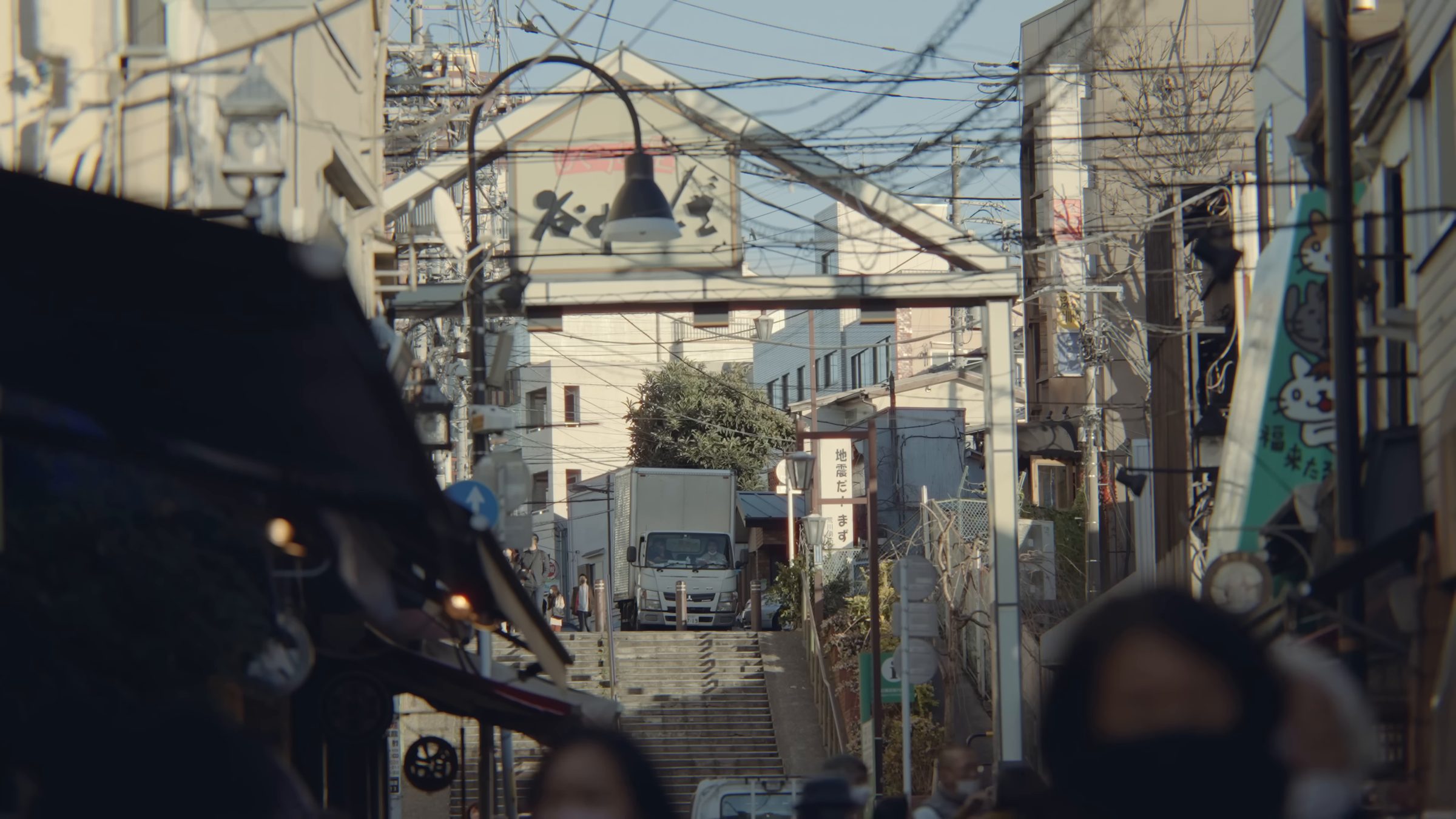
Camellias bloomed against the evening sky. I passed a barber's pole turning in an alley and an old shop beneath a willow tree, heading for a shopping street with an arched sign. Time to shop for dinner on the way home.
Watch this scene on YouTube4:19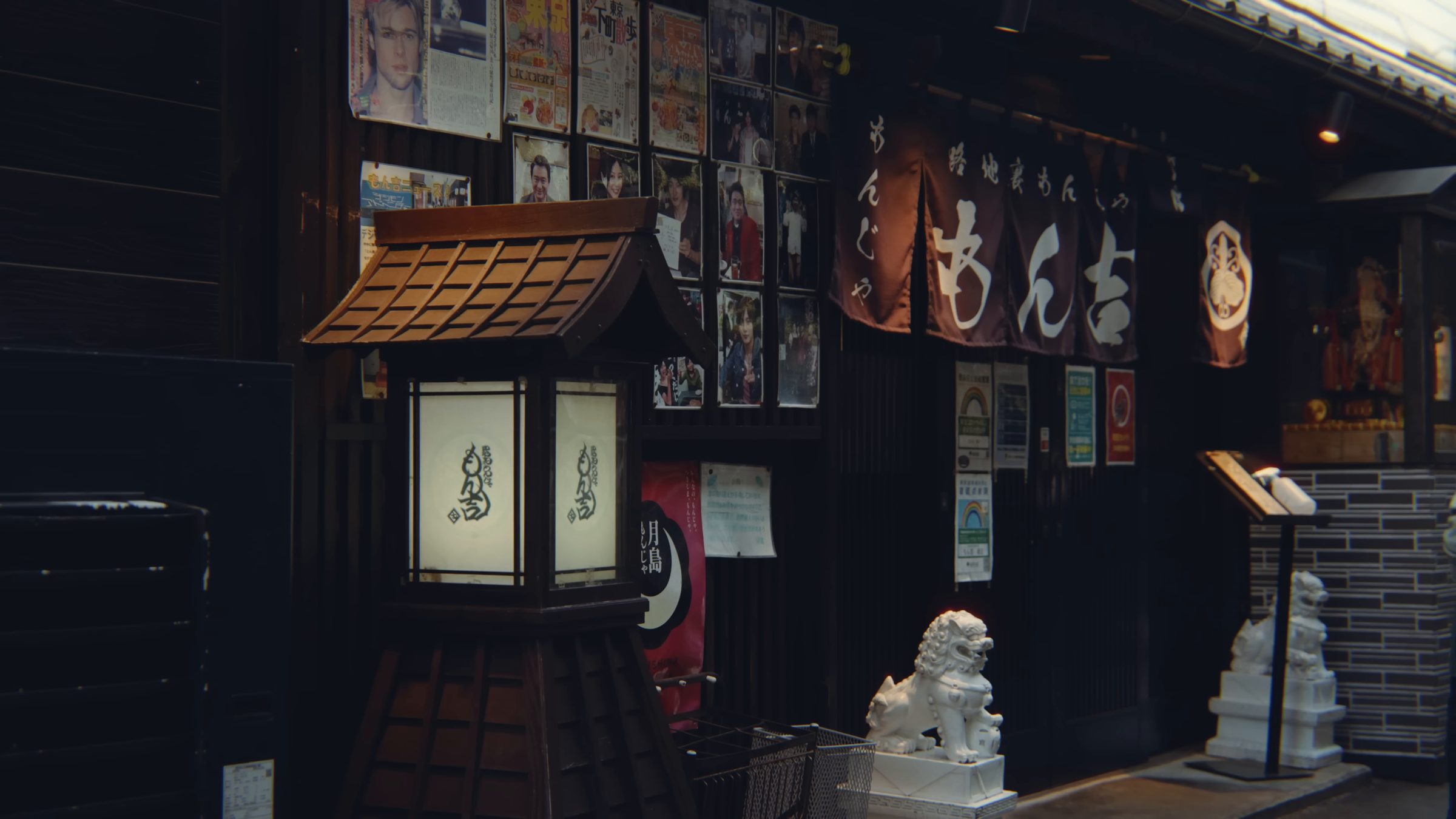
09TRAVEL JOURNAL
Shopping for dinner at Ameyoko
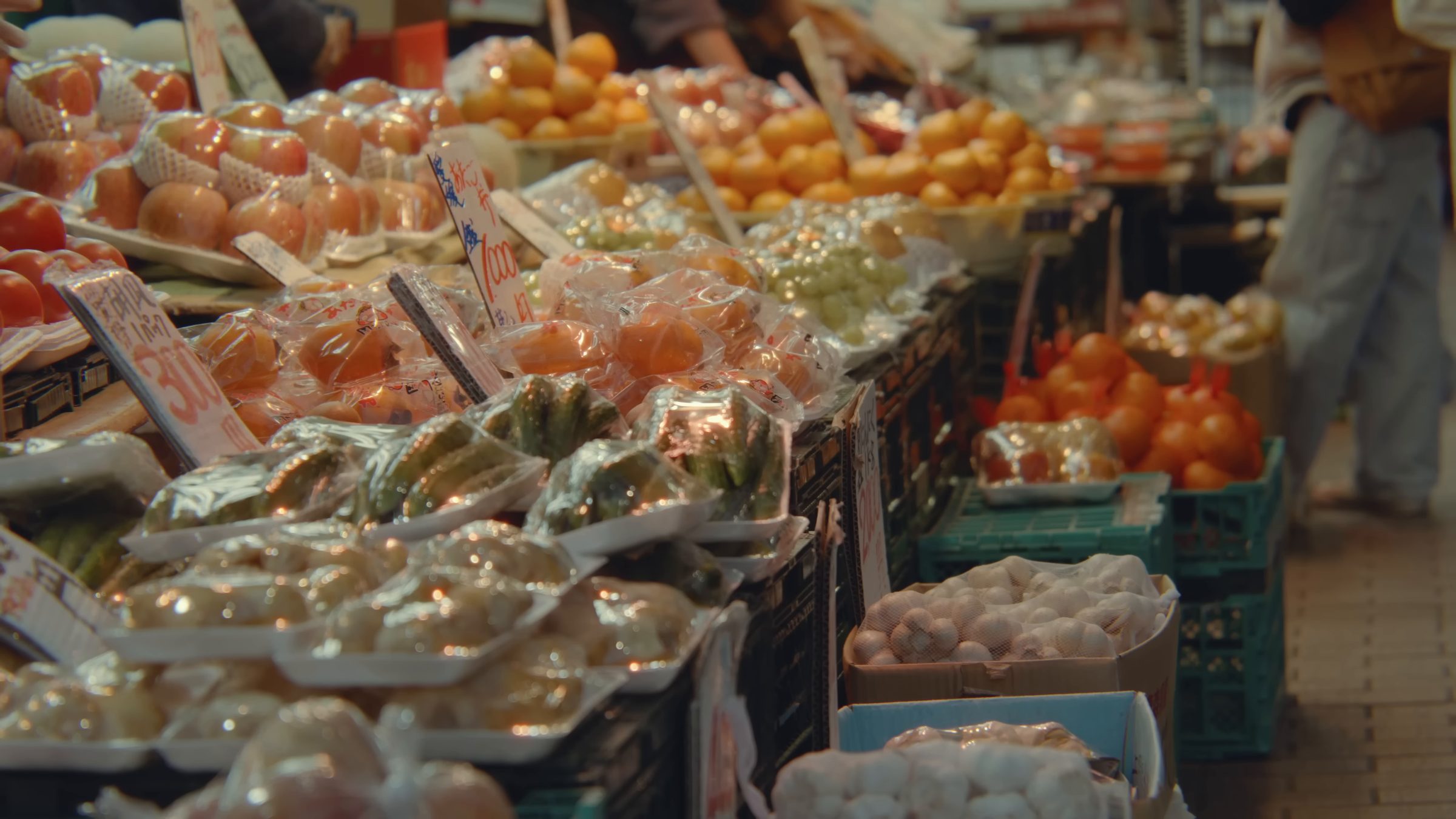
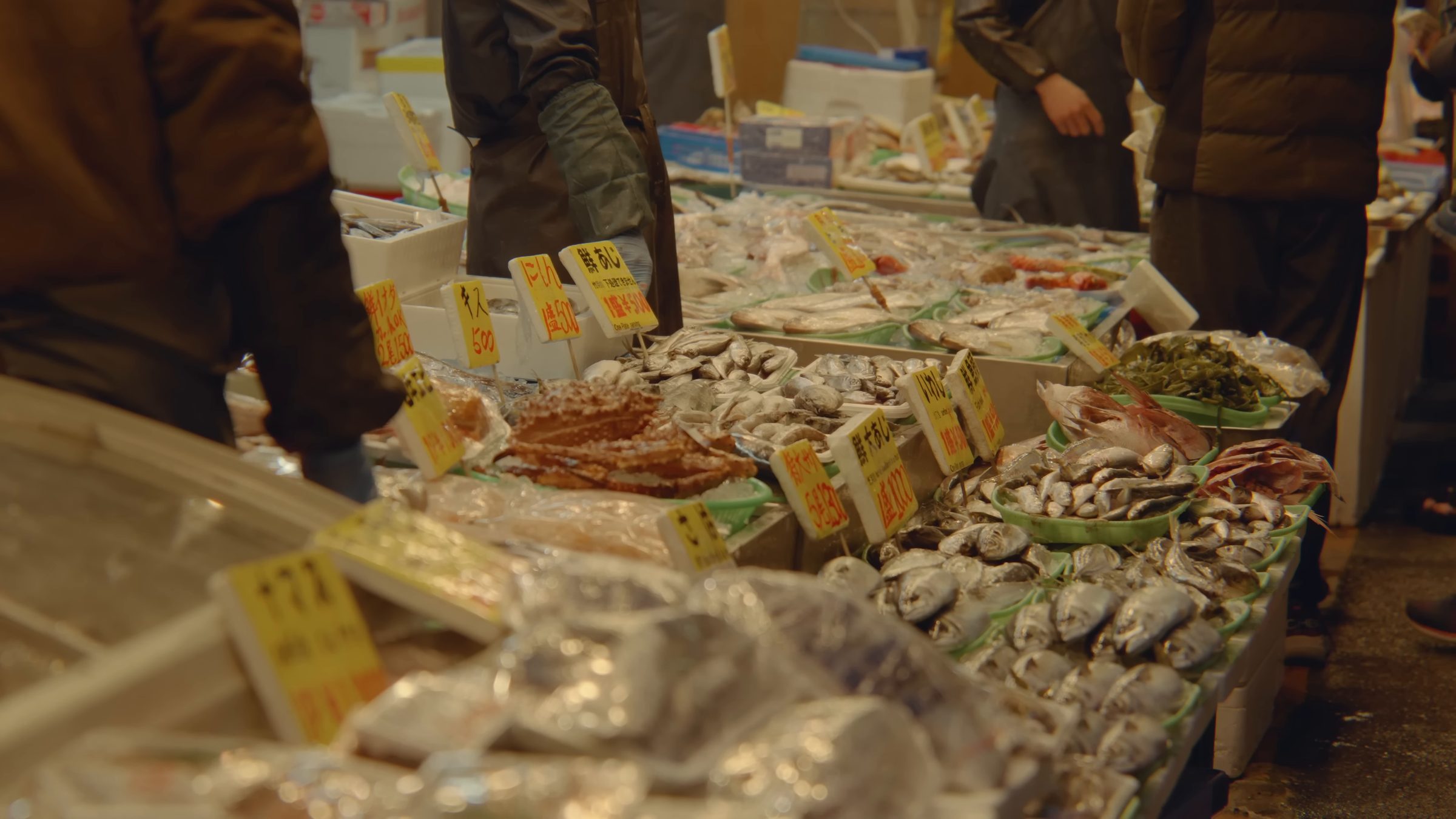
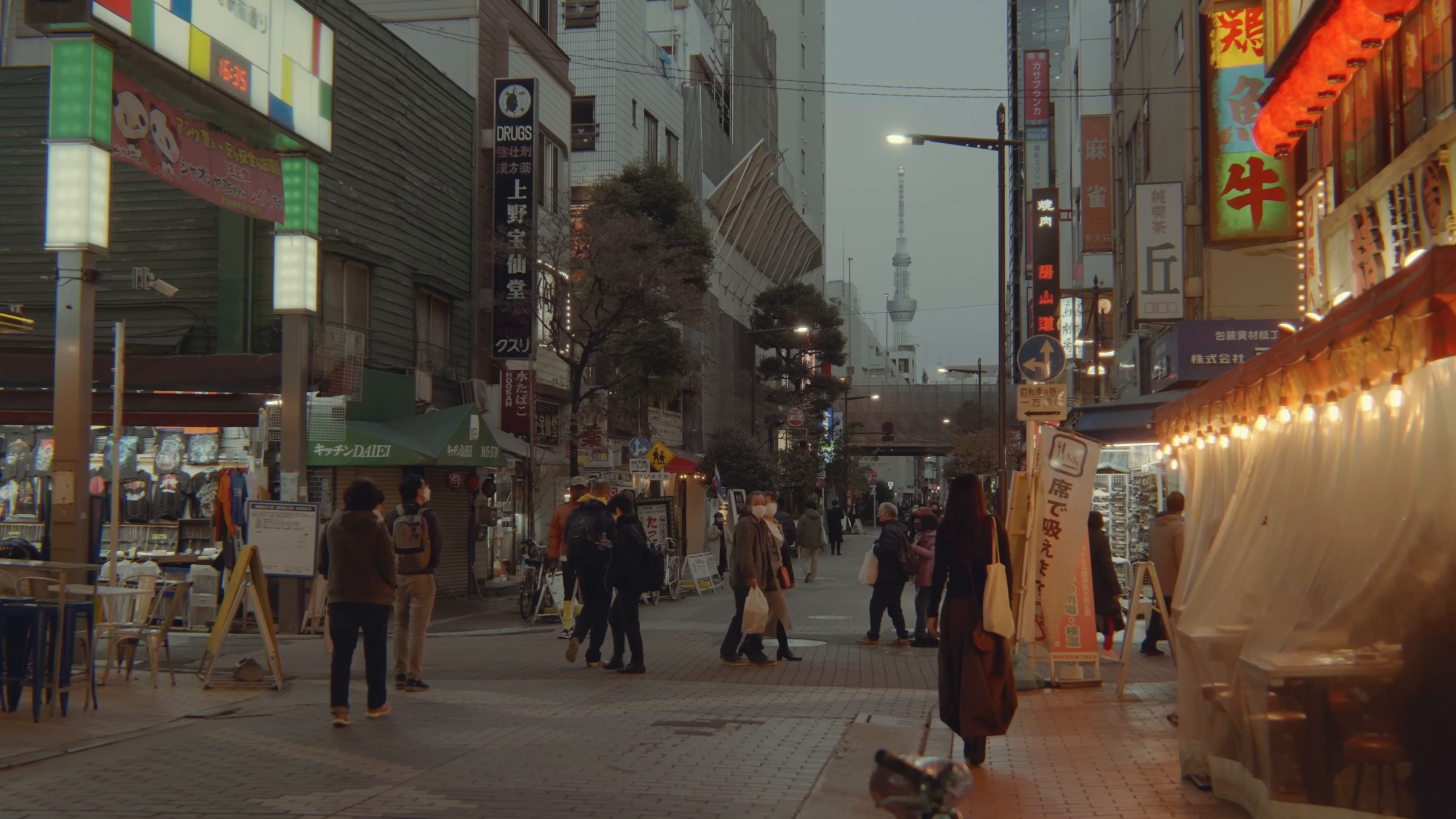
Under the elevated tracks at Ueno, I passed beneath the Ameyoko sign. This shopping street runs about 500 meters between Ueno and Okachimachi stations, with more than 400 shops. Shoppers crowded around stalls of fruit and vegetables, and seafood laid out on ice.
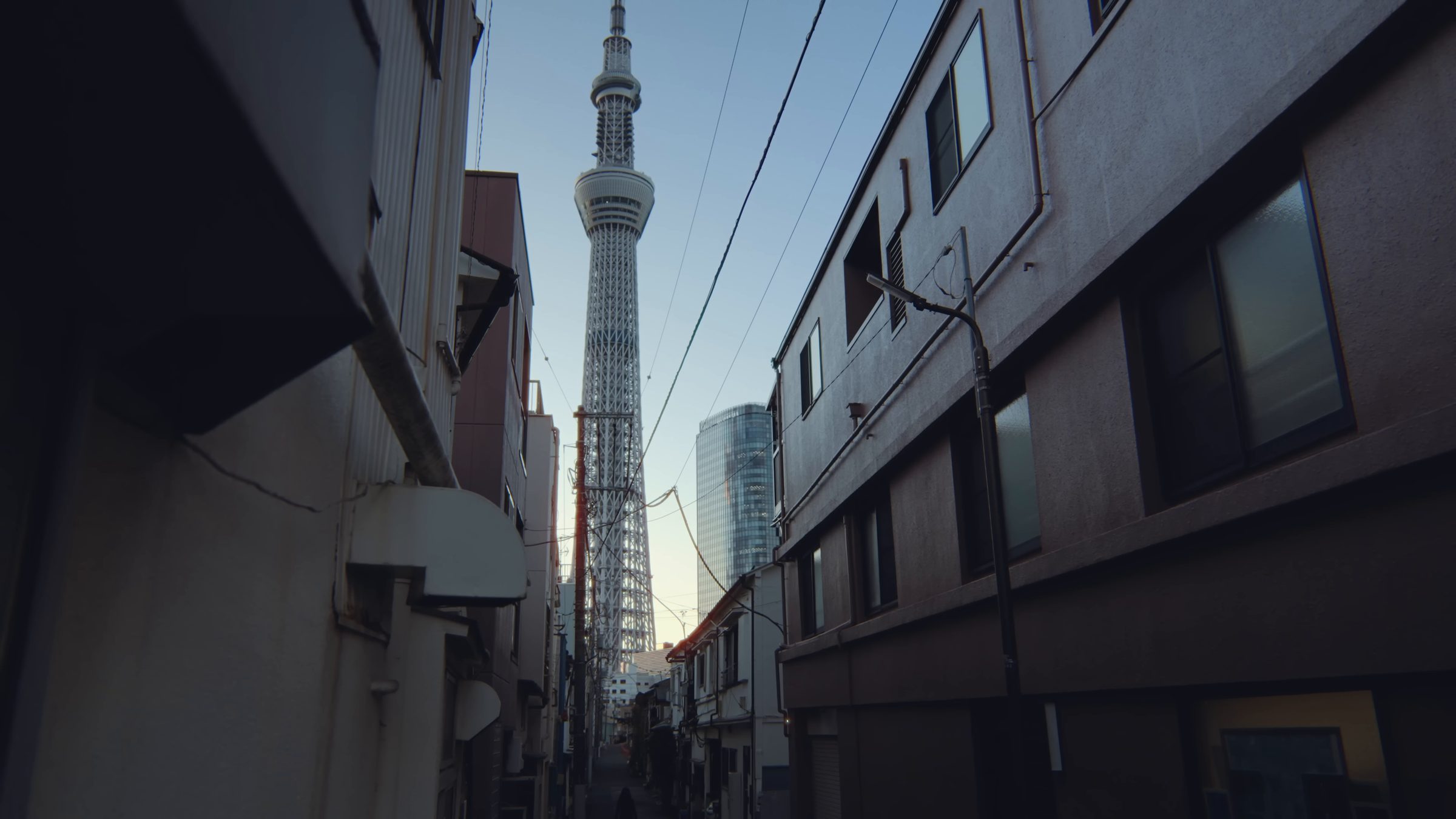
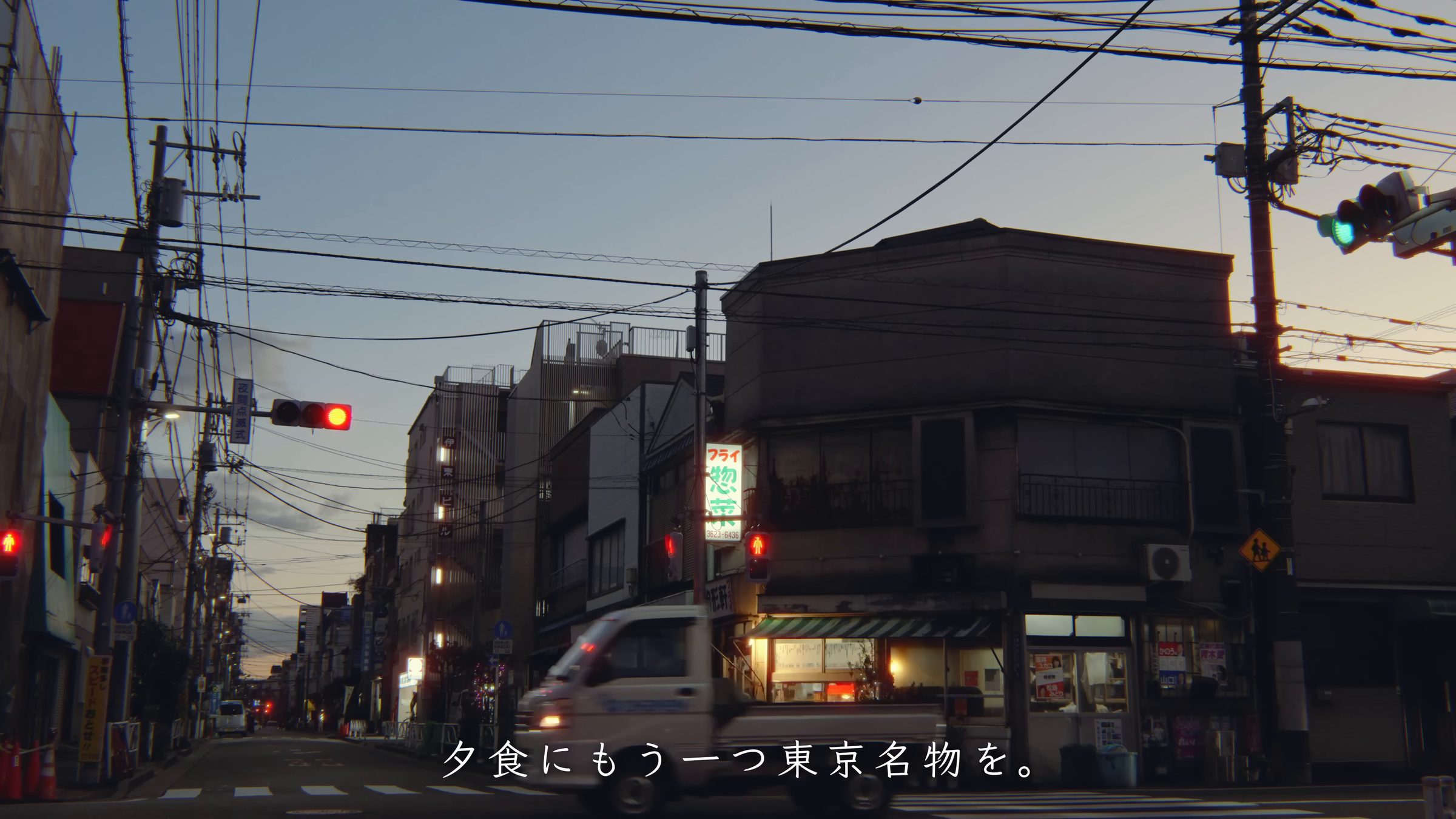
Walking the streets of Ueno at dusk, I spotted the Tokyo Skytree at the end of an alley. I crossed an intersection as the signals lit up and headed home to the row house. One more Tokyo specialty for dinner.
Watch this scene on YouTube4:41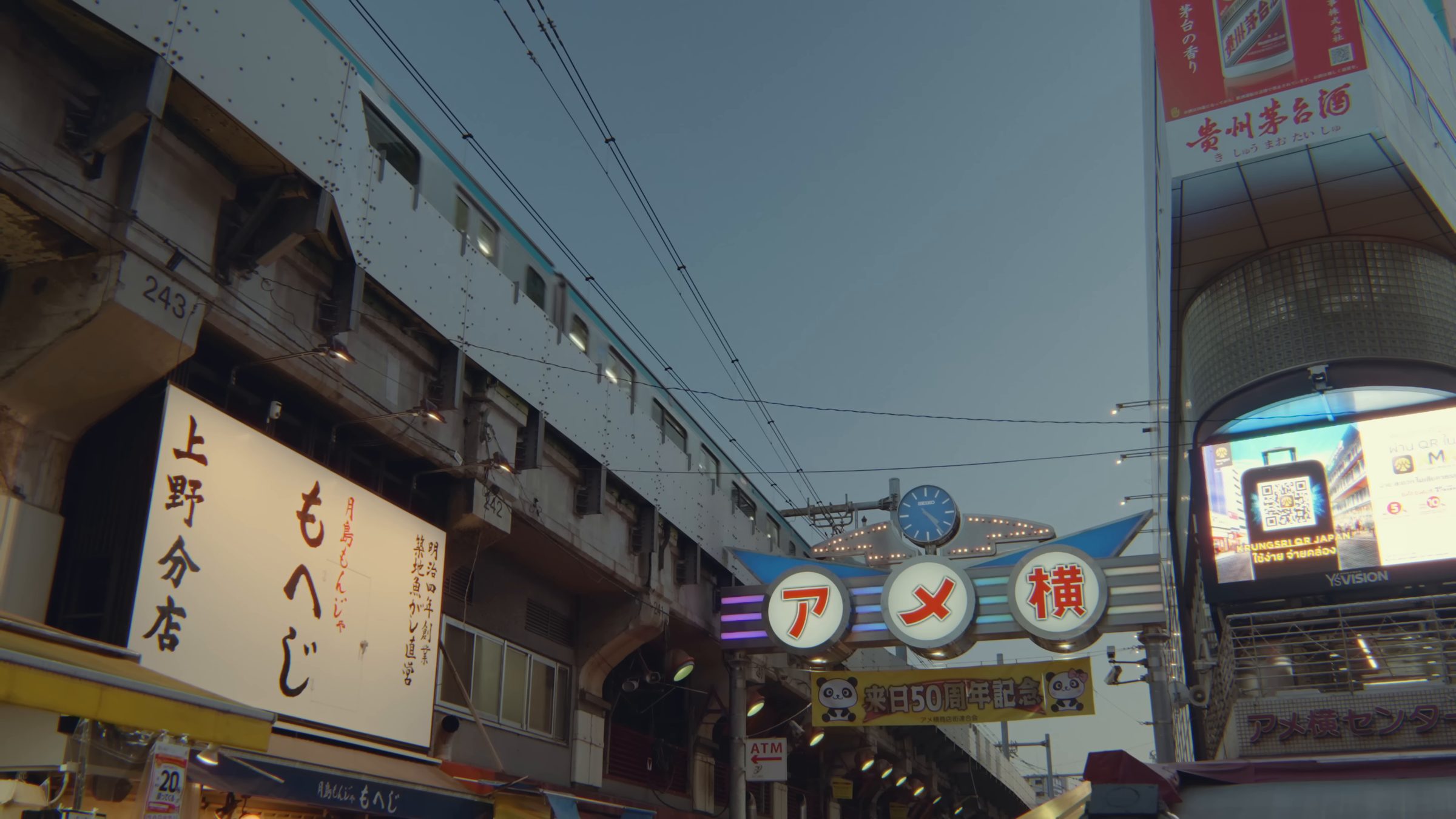
10TRAVEL JOURNAL
Old-fashioned yoshoku: omurice
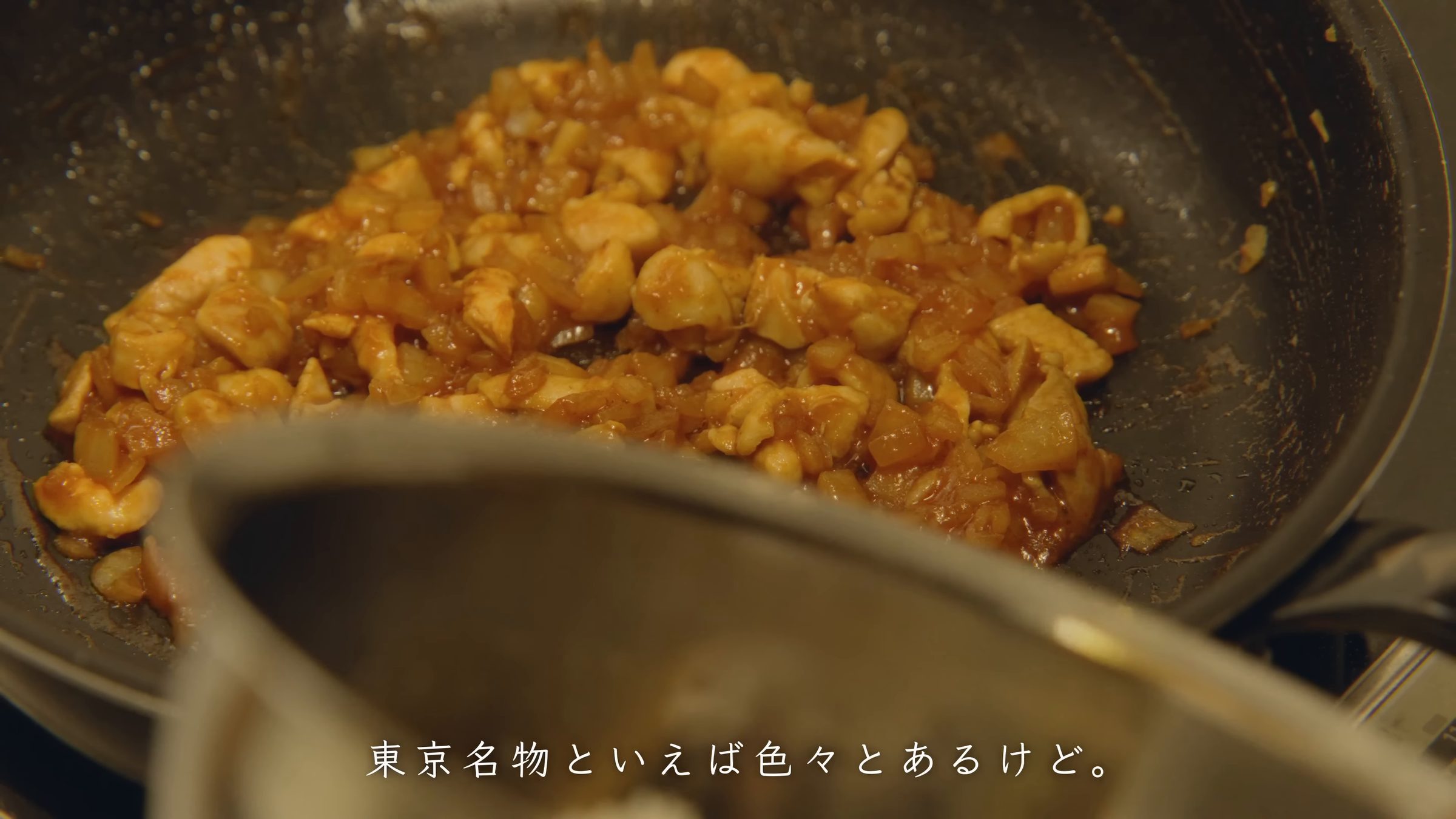
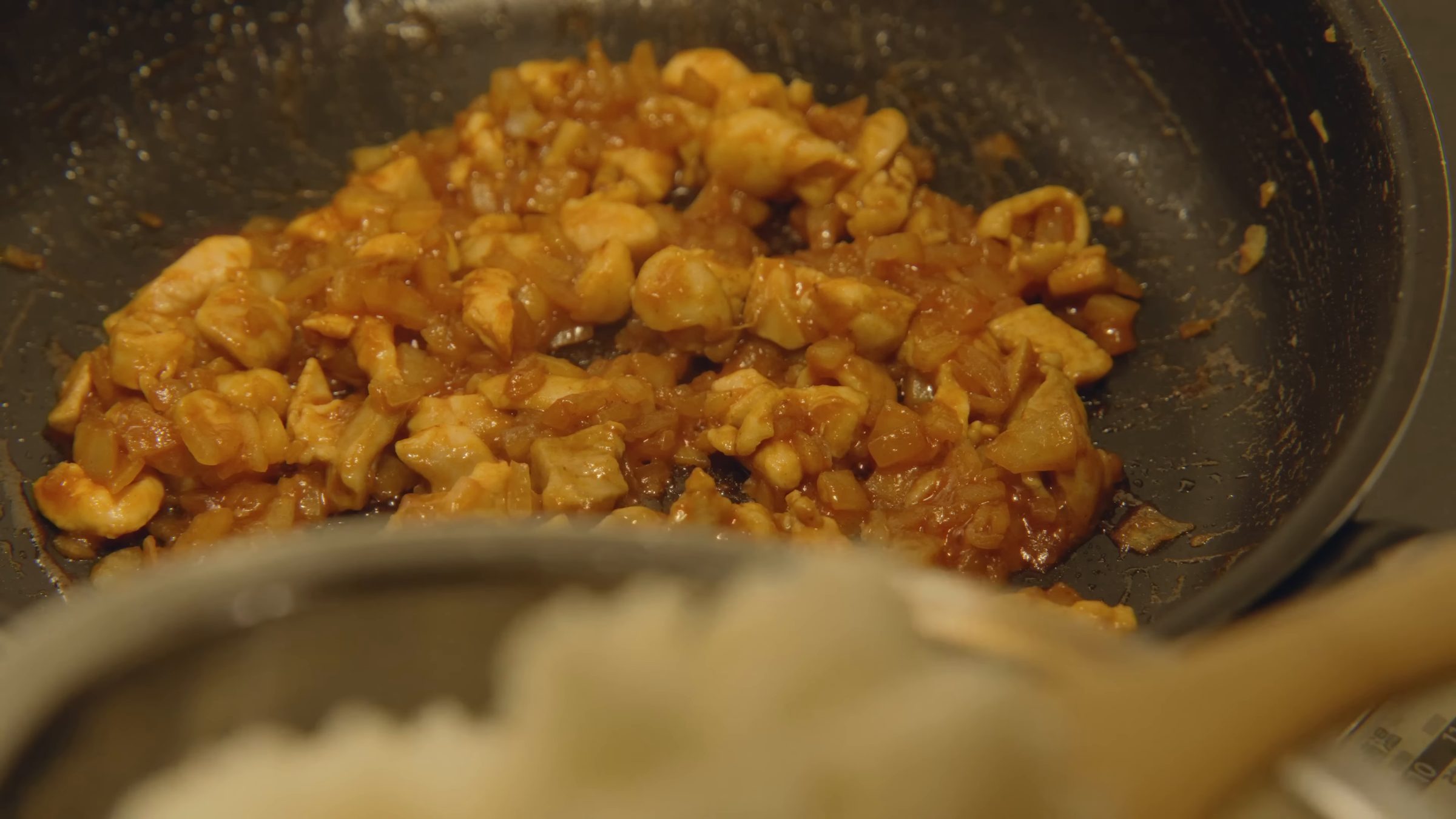
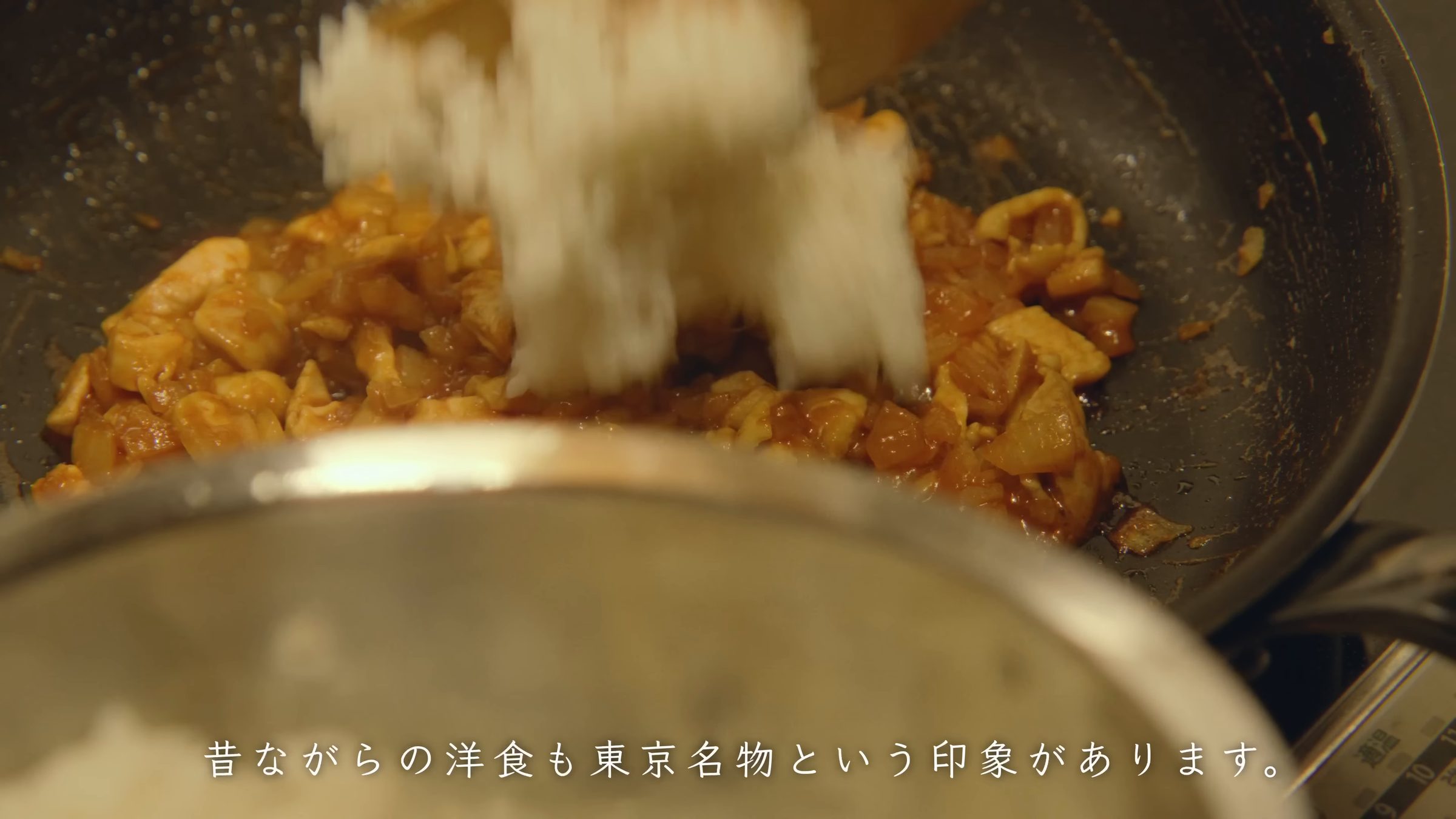
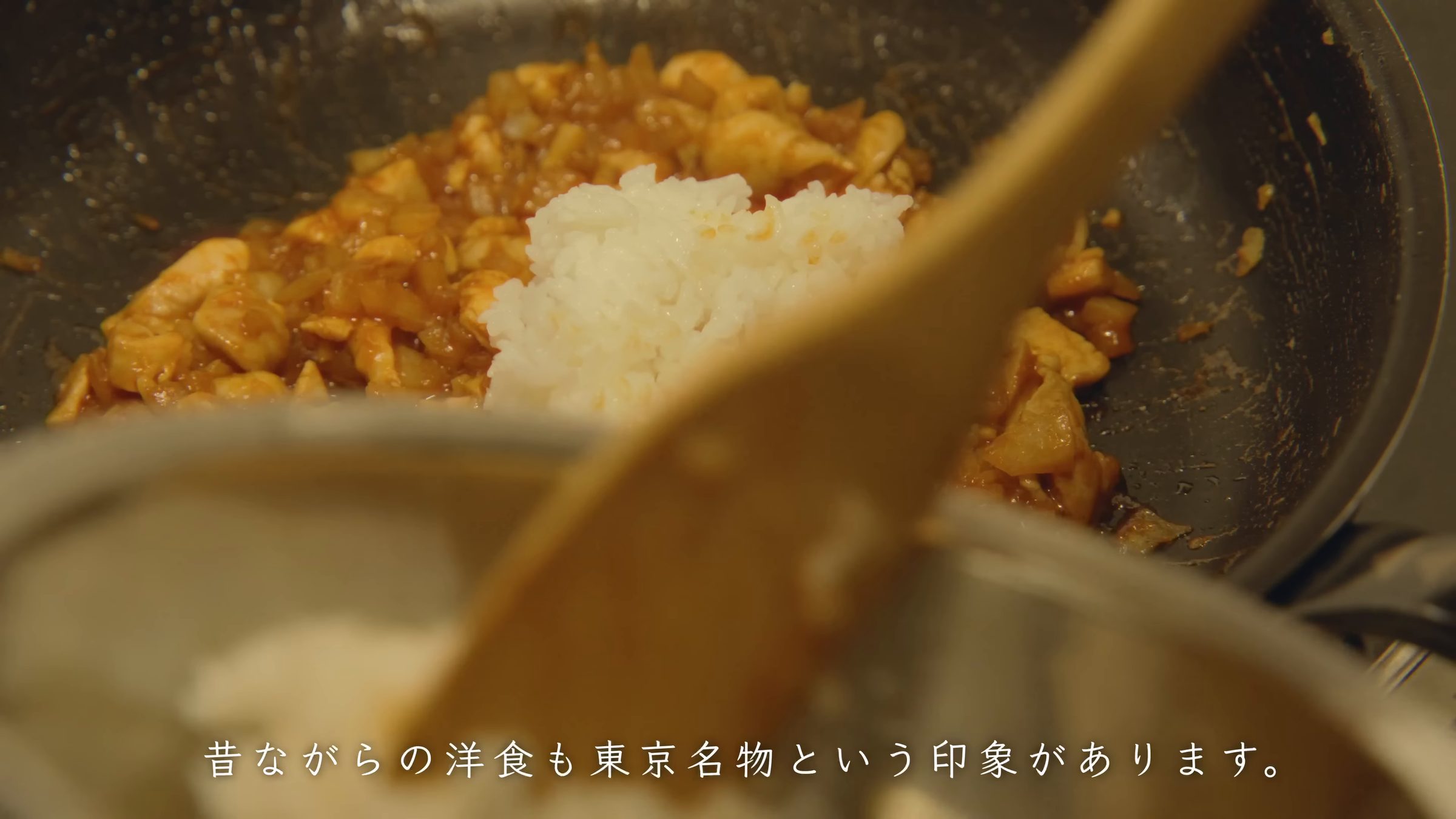
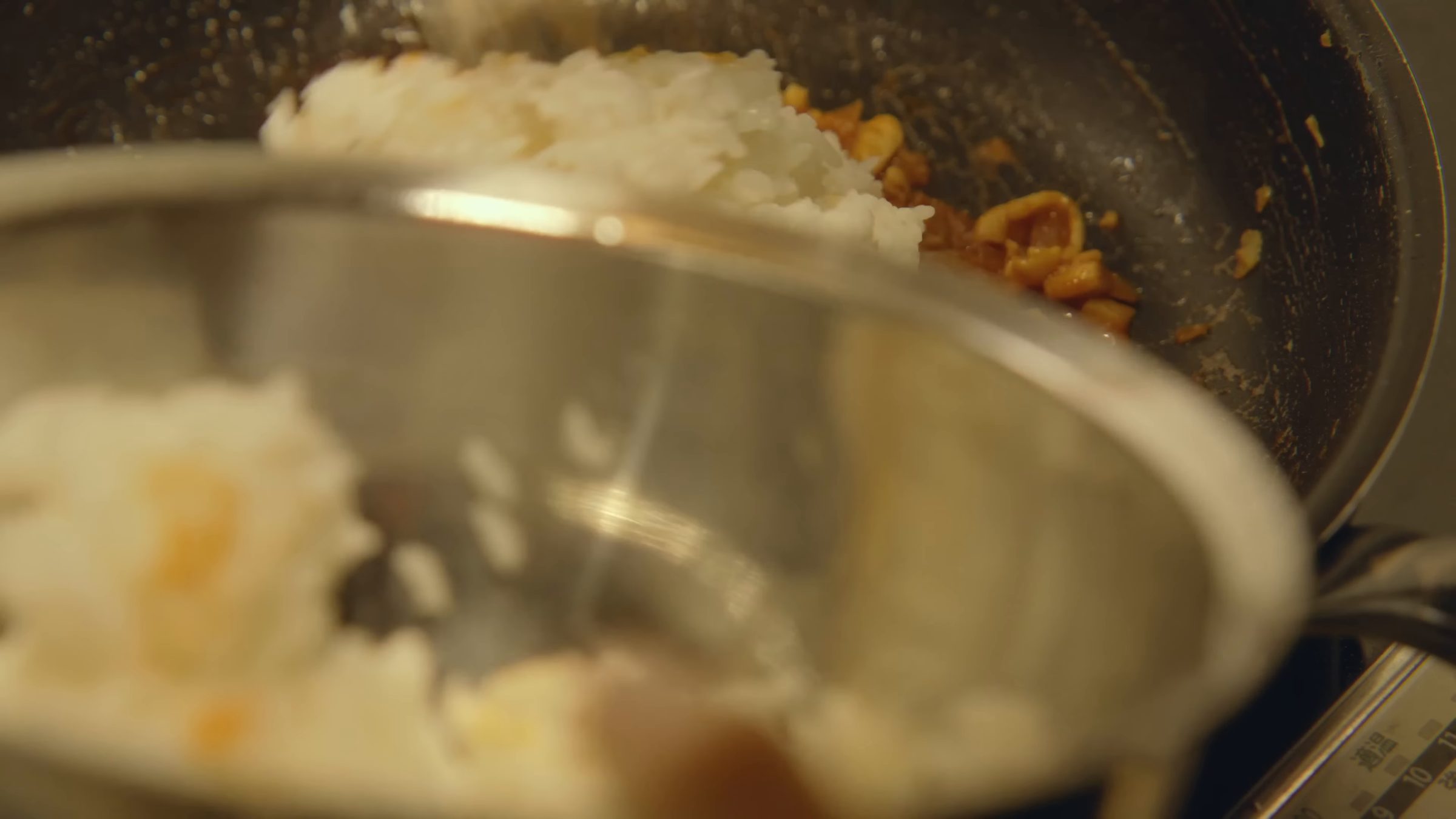
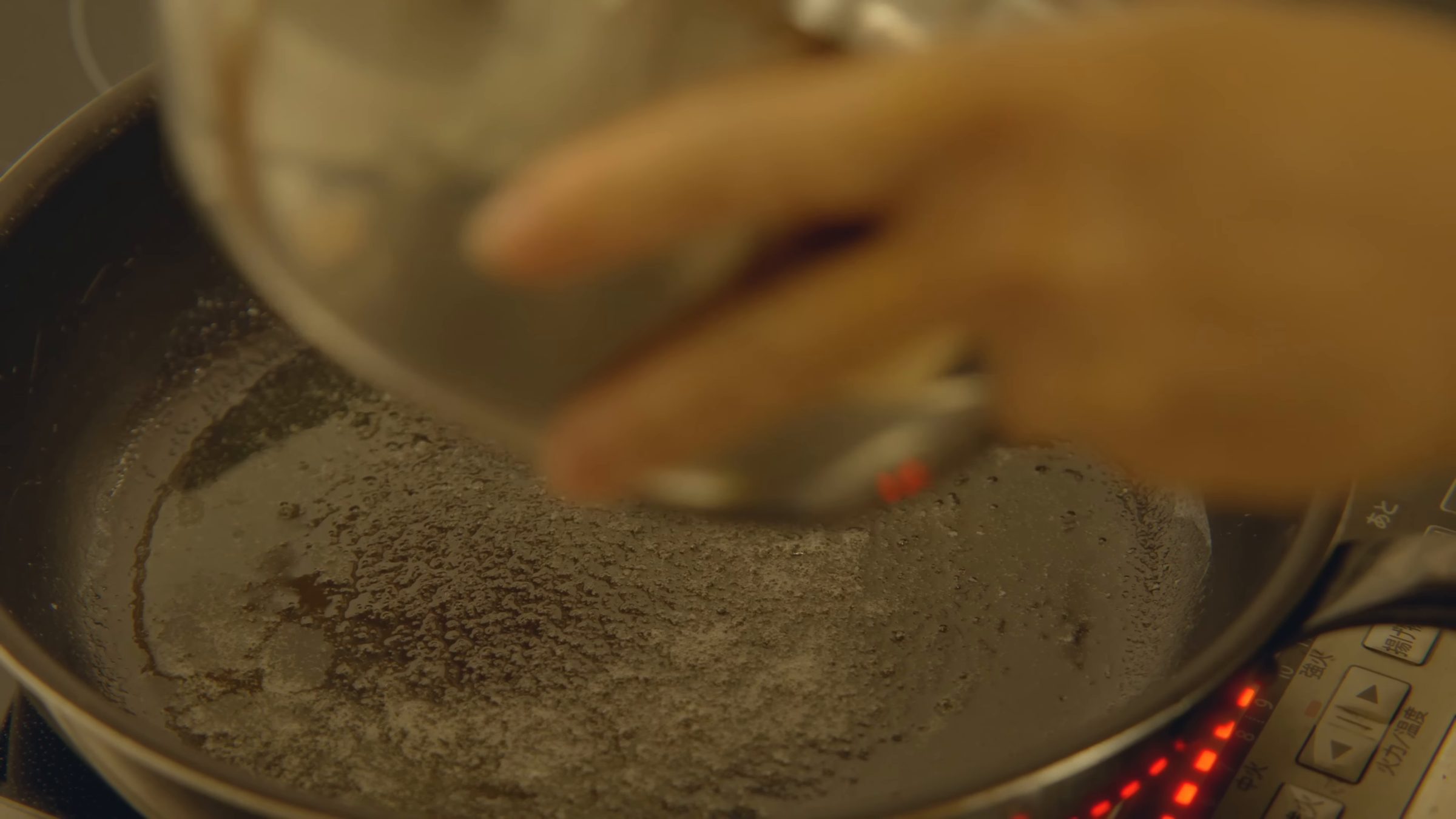
Tokyo has plenty of specialties, but old-fashioned yoshoku, Japanese-style Western food, feels like one of them to me. Tonight, omurice. I chopped an onion, fried it with chicken in ketchup, then added rice and stirred it all with a wooden spatula.
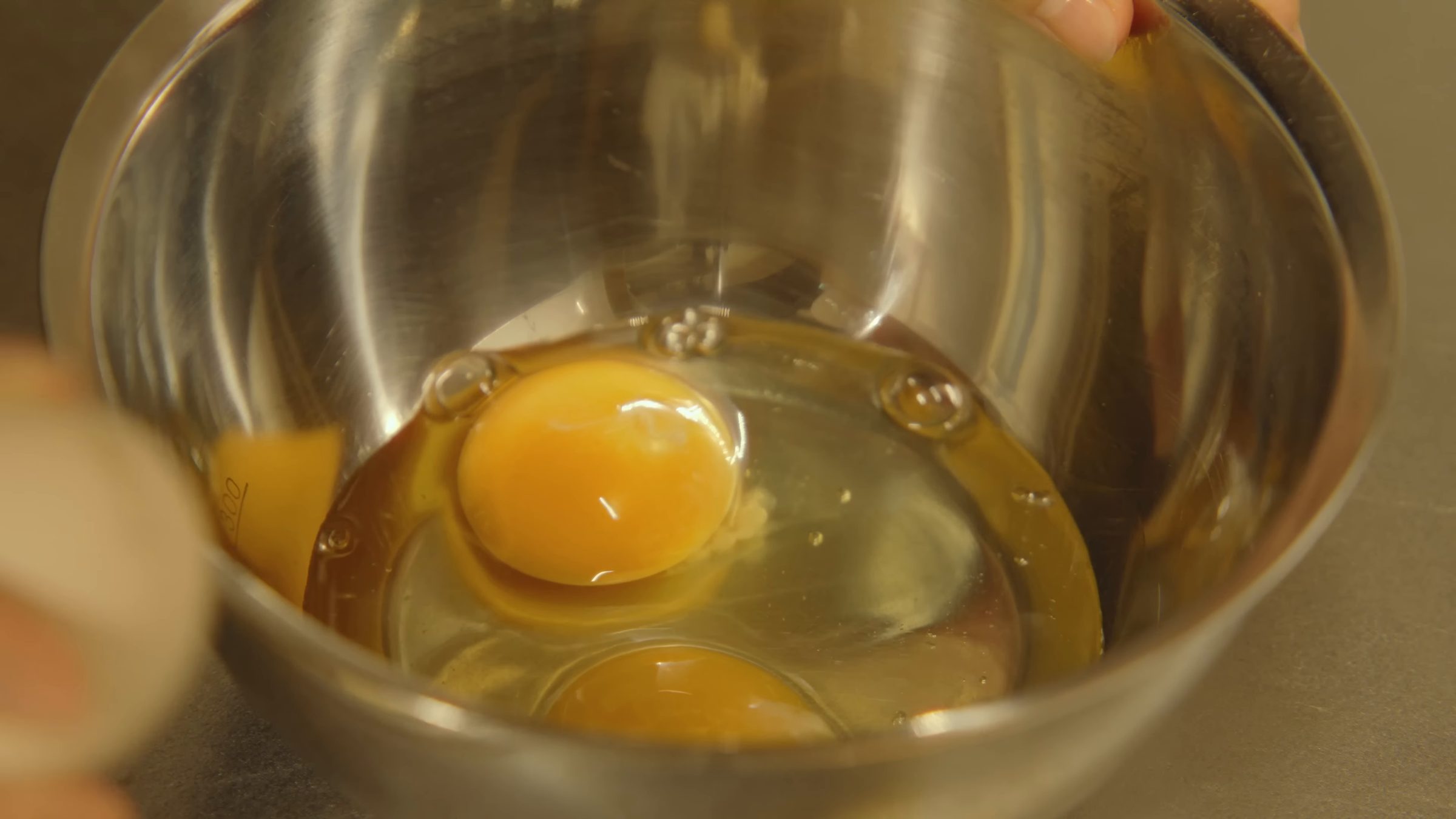
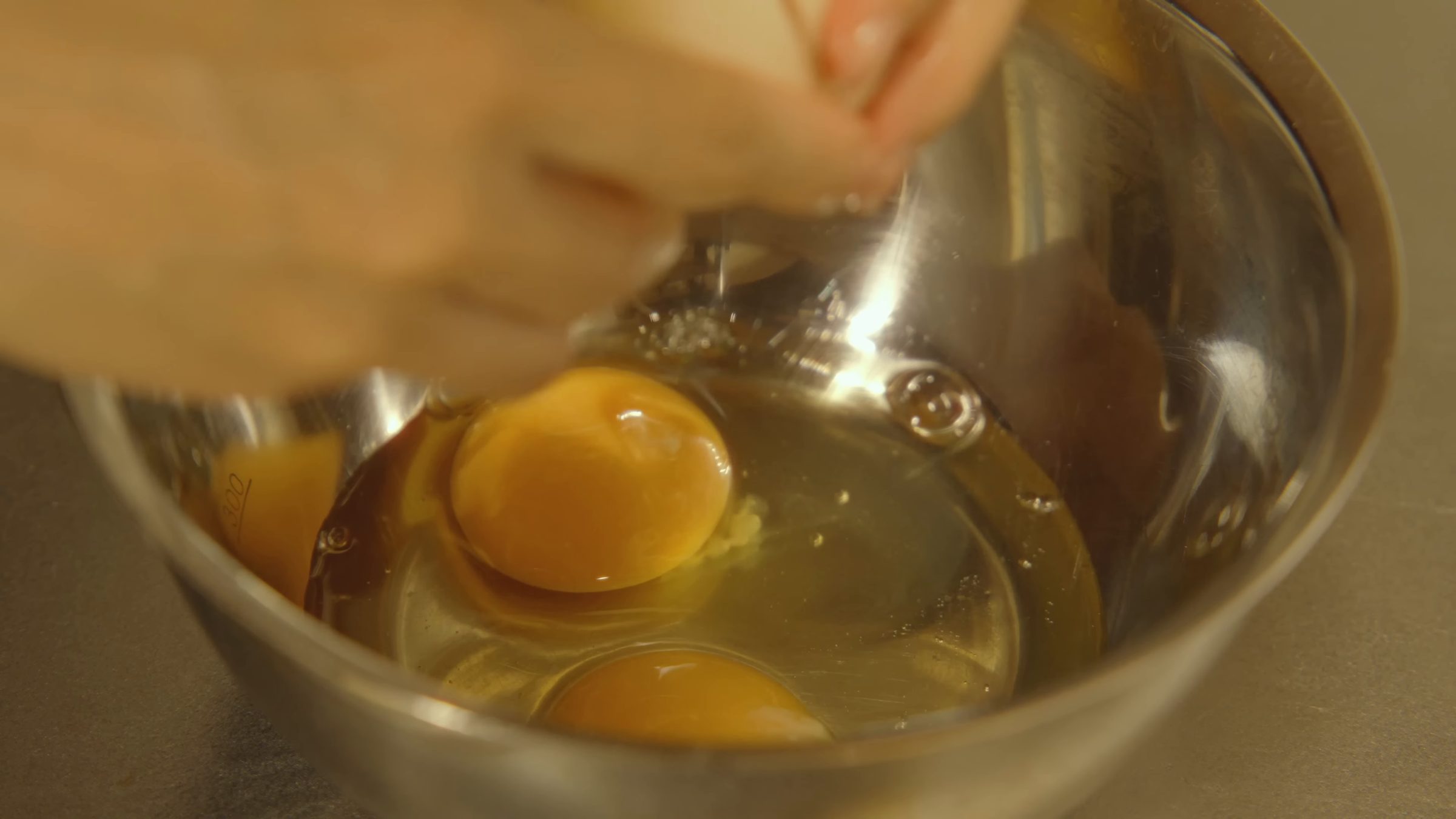
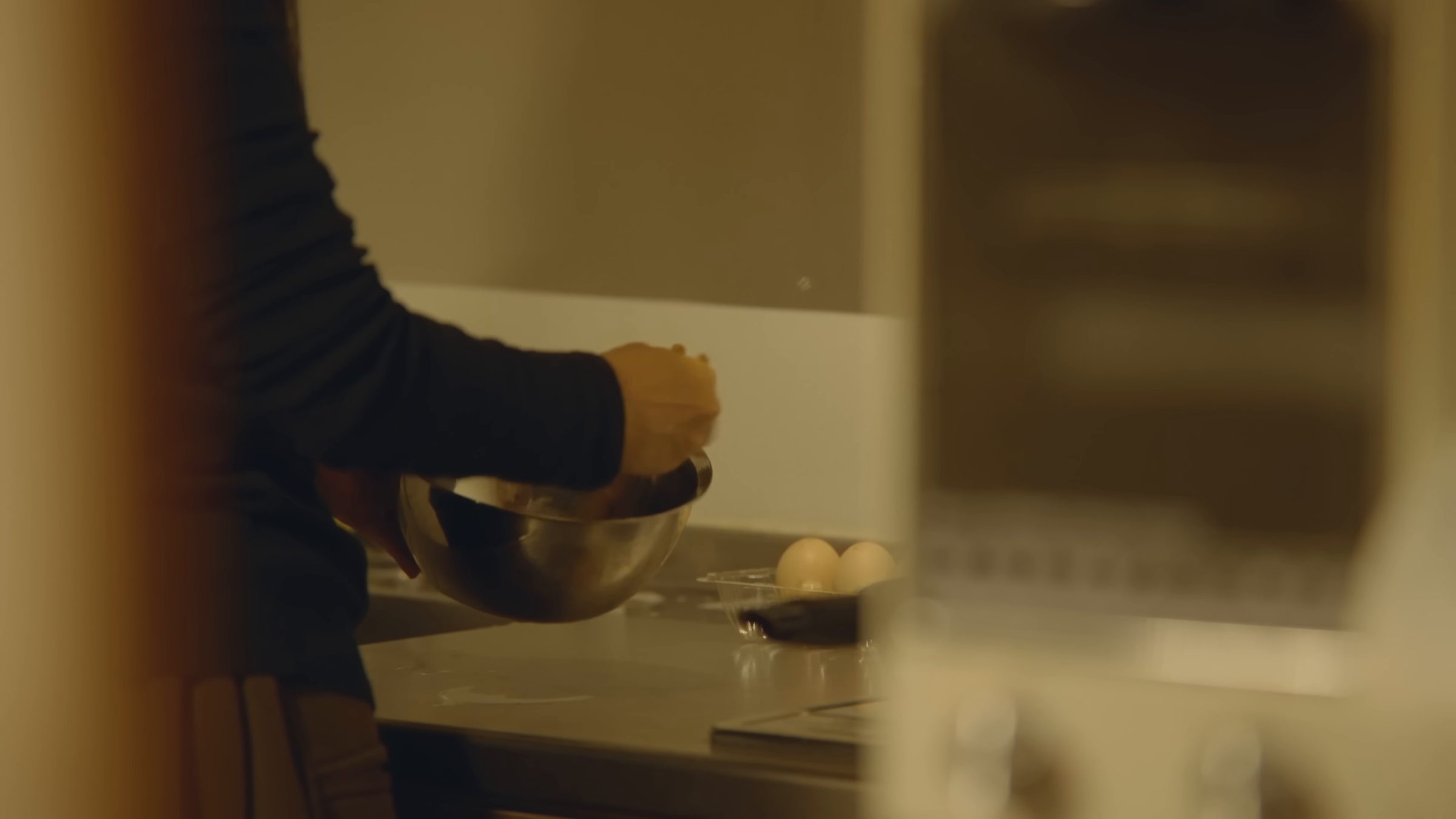
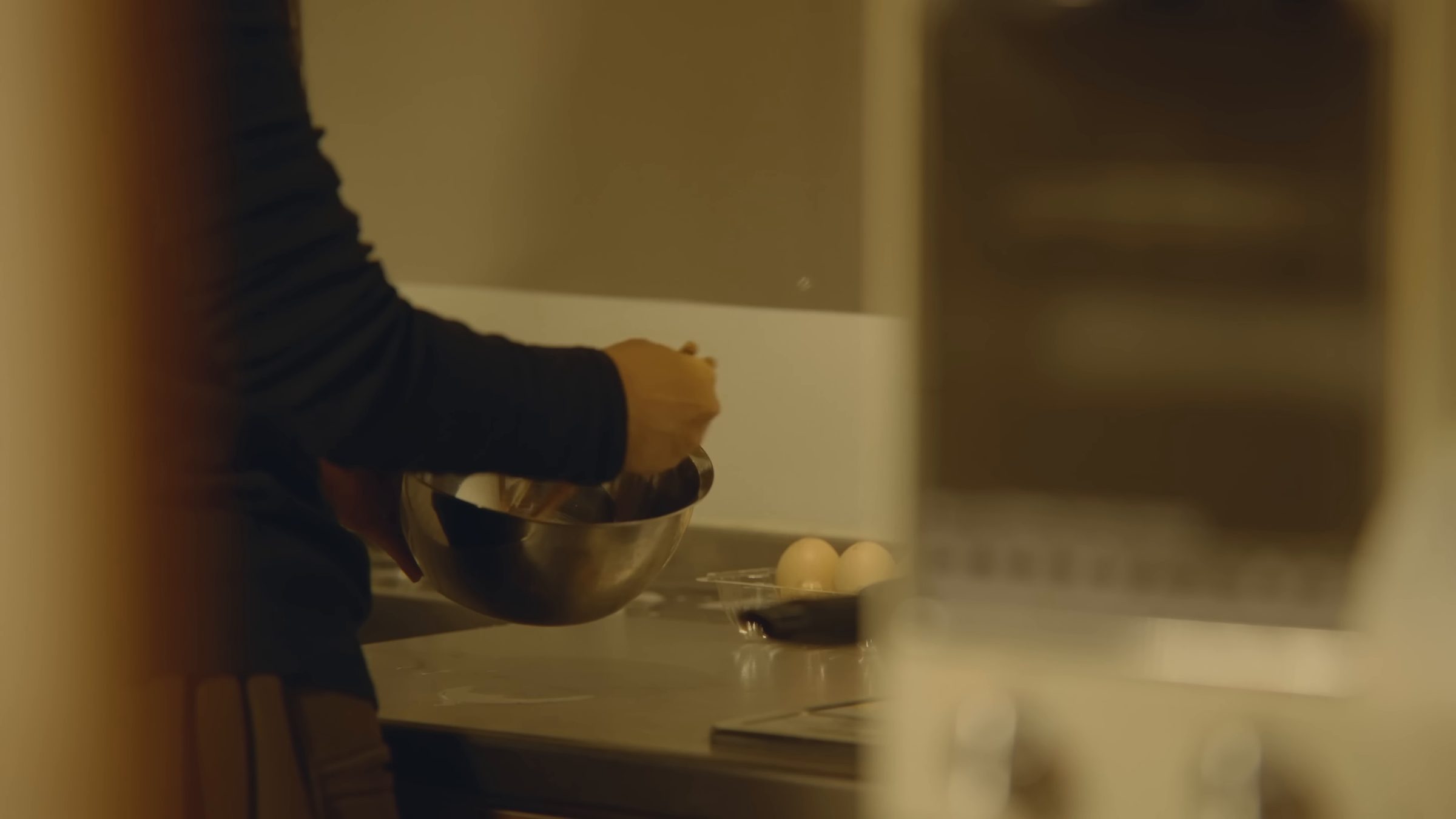
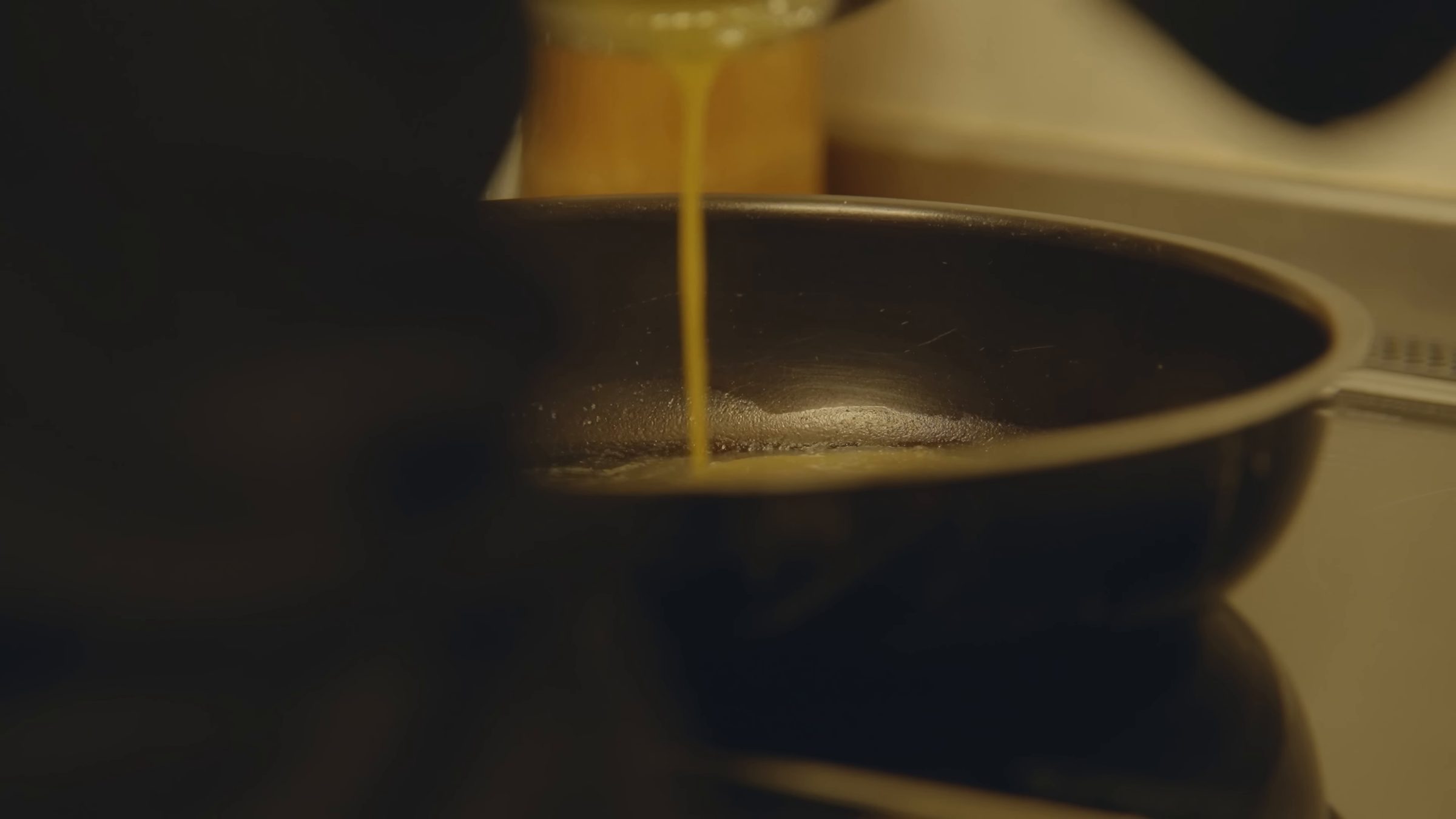
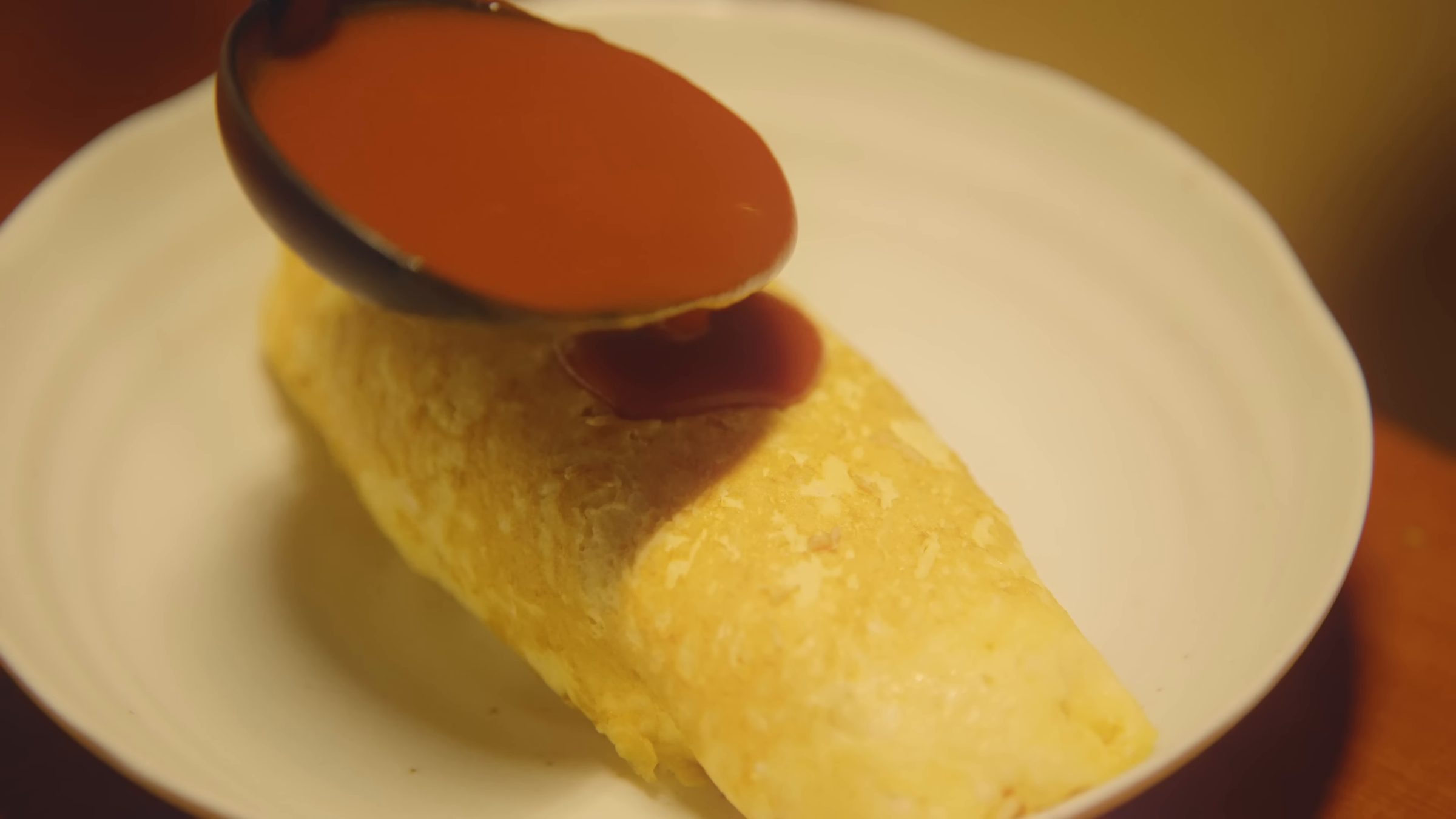
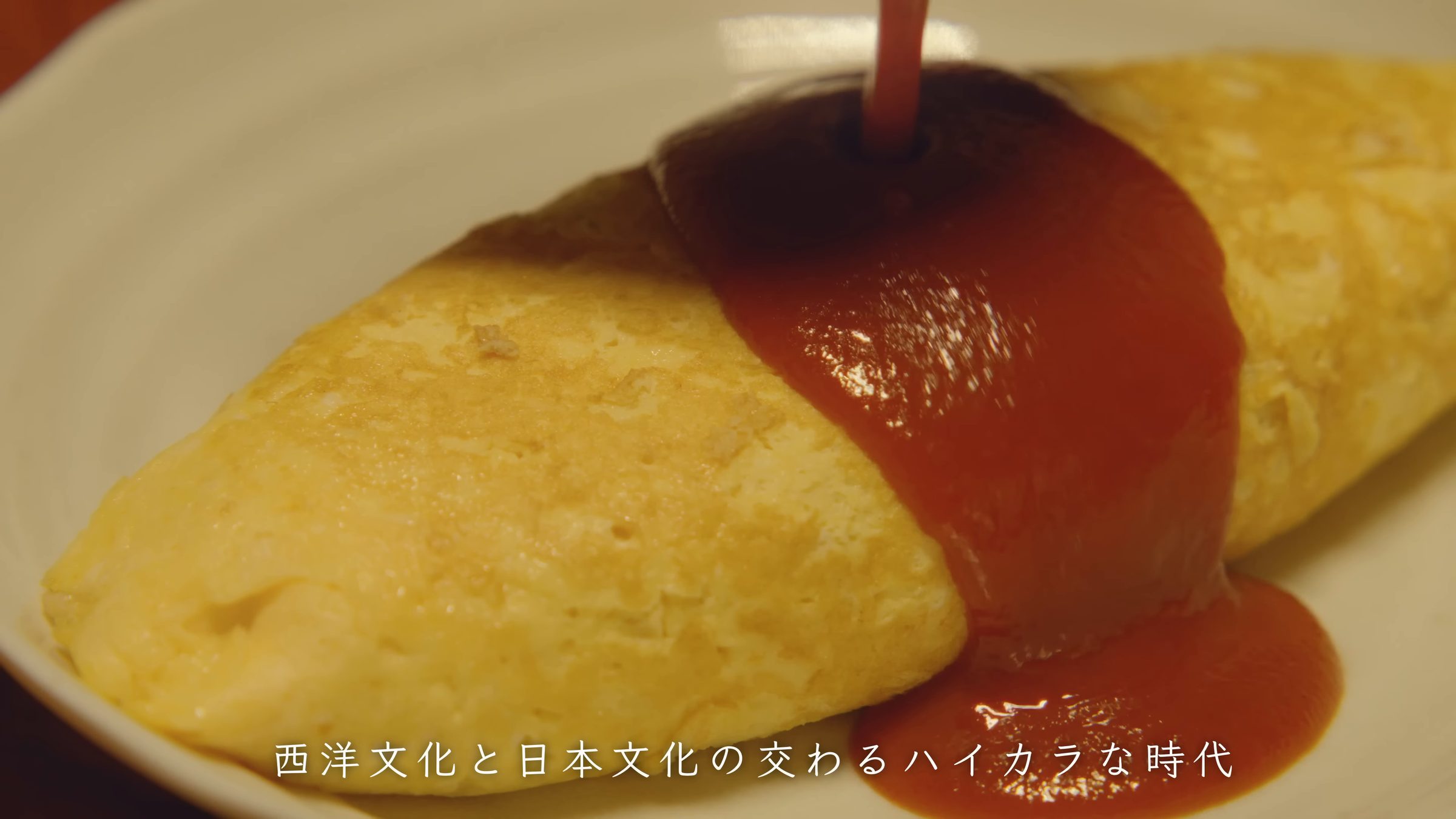
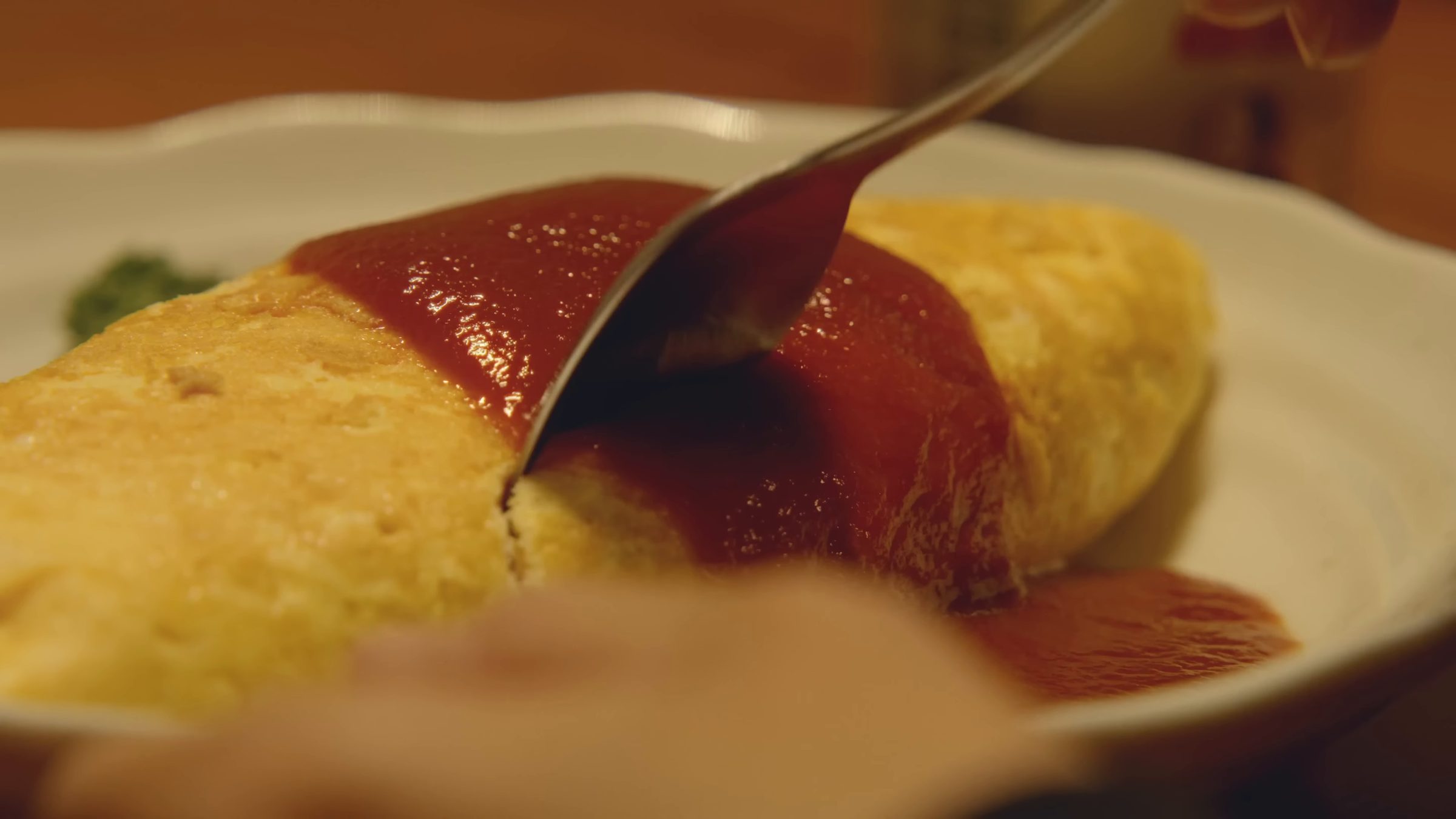
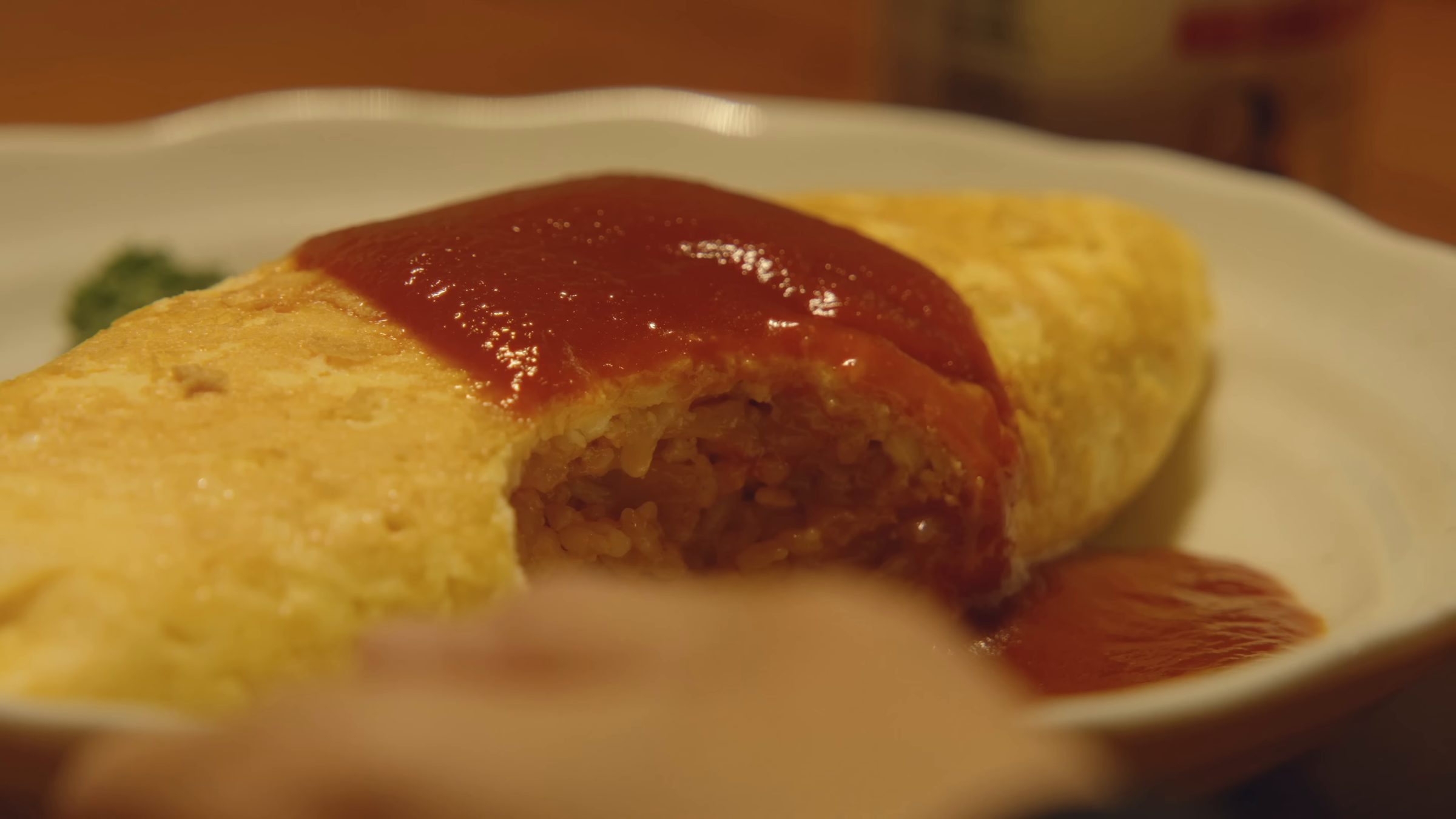
I beat eggs in a bowl and poured them into the hot frying pan. A thin omelet wrapped around the ketchup rice, and a ladle of ketchup went over the top. I thought of that stylish era when Western and Japanese culture first mingled.
Watch this scene on YouTube4:57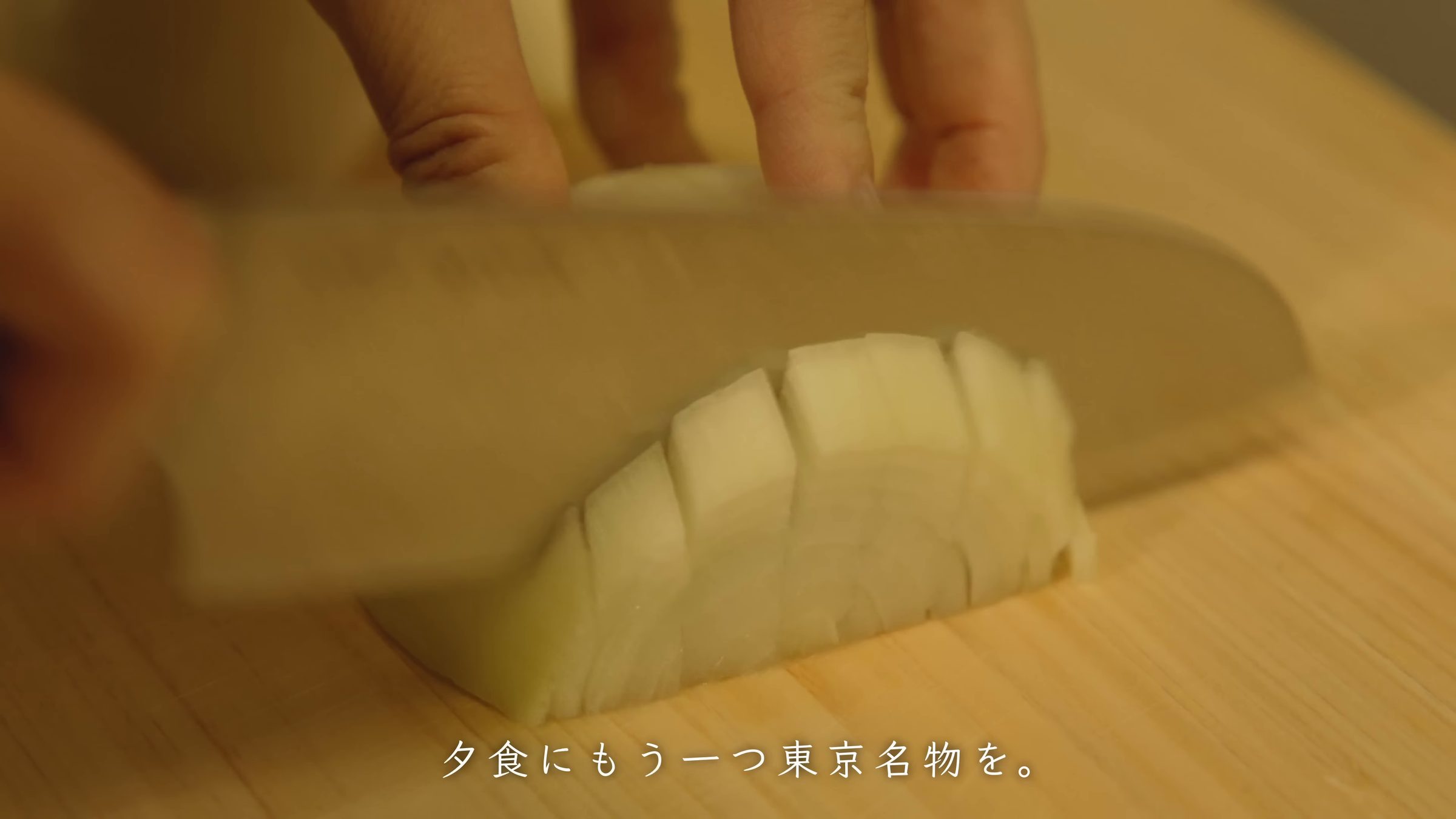
11TRAVEL JOURNAL
A toast to the Tokyo night
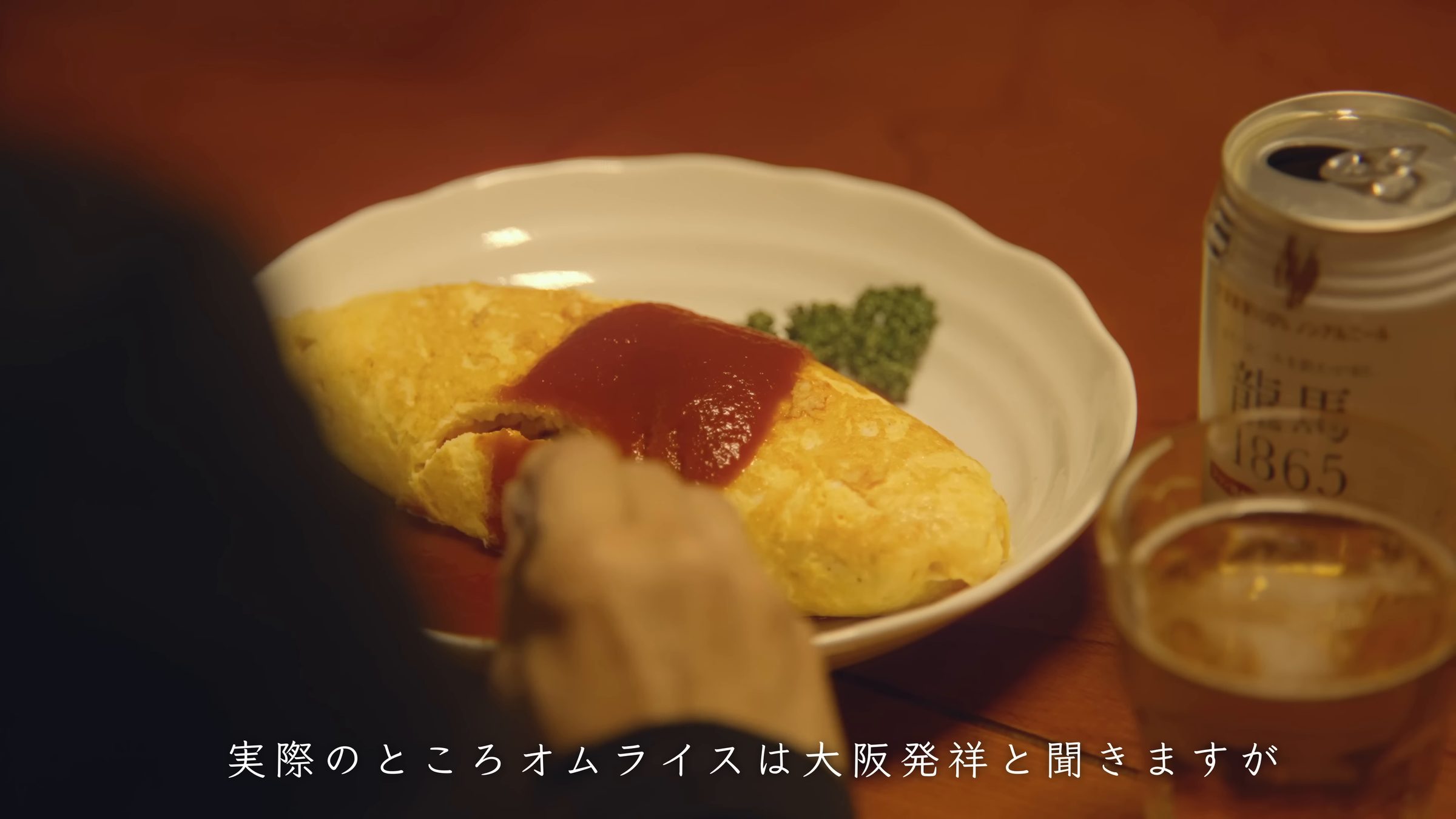
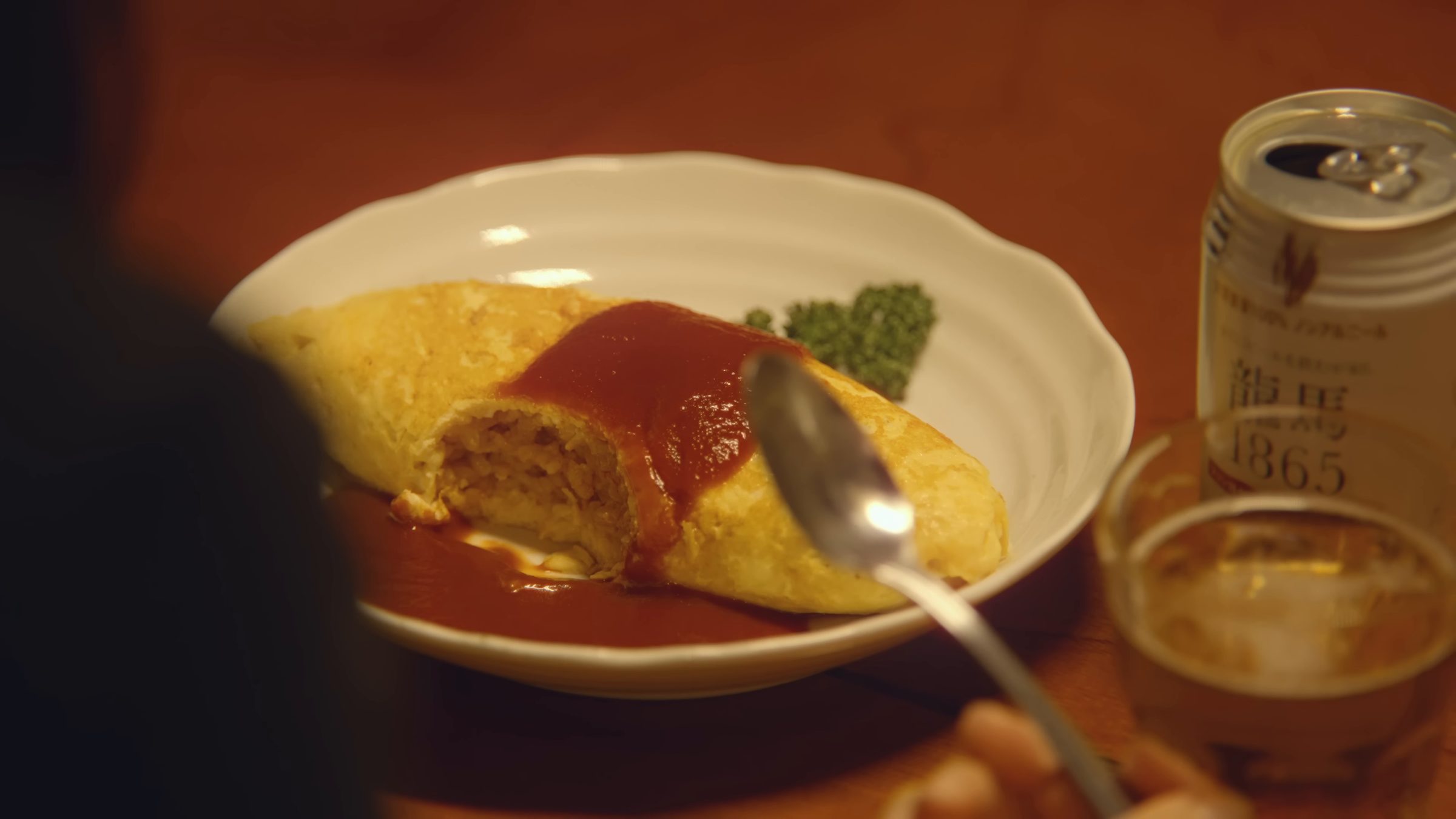
I cracked open a can and raised a toast to the Tokyo night. I hear that omurice was actually born in Osaka, but no need to be strict about it today. My spoon went in, and the ketchup rice peeked out from under the egg.
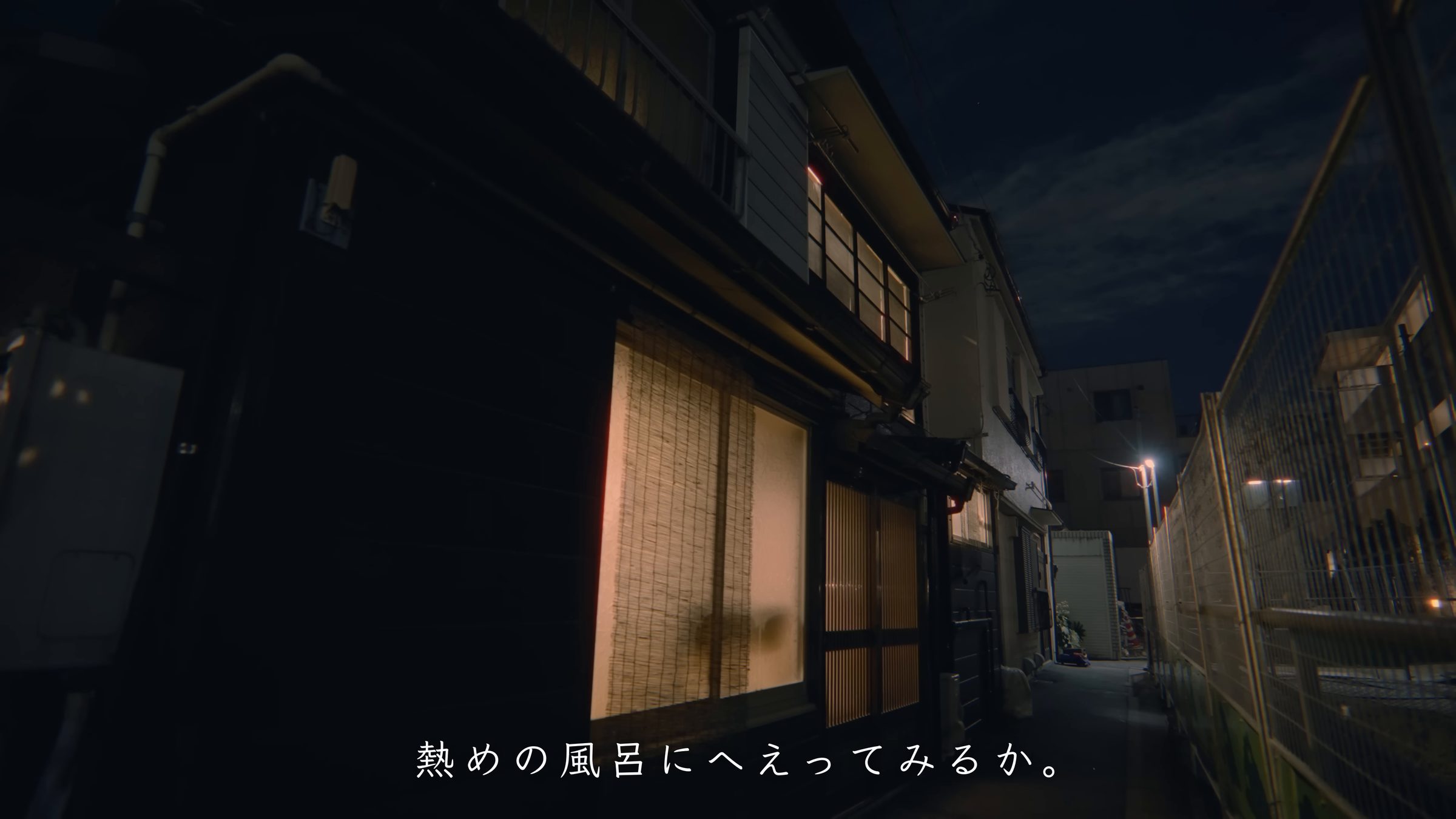
Tokyo, a city of deep flavor, where all kinds of people and things came together to form its culture. Tonight, like a true Edokko, I'll take a hot bath. An old soft-drink advertisement still showed on the fogged bathroom mirror. Night deepened over the row house, its windows glowing through the reed blinds.
Watch this scene on YouTube5:41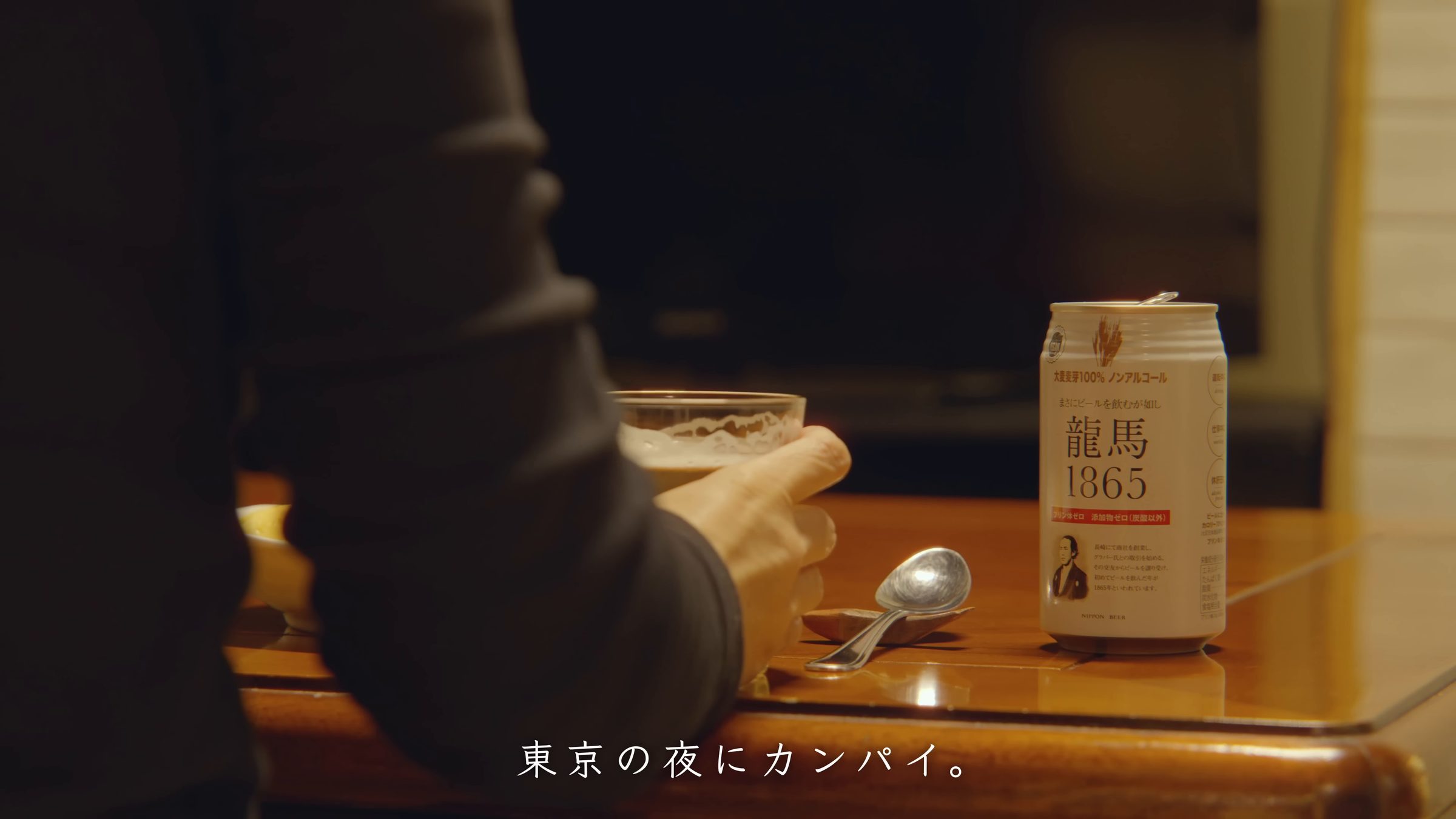
THE JOURNEY IN FILM
The wind. The sounds of a kitchen.
Spend a little more time inside the journey, on film.
Watch the video7 minTHE BORROWER’S NOTES
The Borrower's Notes: Shitamachi, Tokyo
Places we stopped, dishes we made, and stories of the land. A few things to keep from the journey.
01Where I ate and shopped
Tenyasu Honten (tsukudani)
1-3-14 Tsukuda, Chuo, Tokyo
Founded in 1837, this is the oldest tsukudani shop still standing in Tsukuda. In a narrow-fronted townhouse, the glass case holds tsukudani of clams, tiny shrimp, kelp and squid, sold by weight. I bought clam and kelp tsukudani for breakfast.
Sources: tenyasu.jp city.chuo.lg.jp mec-h.com
Takayanagi Tofu Shop
1-8-10 Nihonbashi-Ningyocho, Chuo, Tokyo
An old-fashioned neighborhood tofu shop on a back street in Ningyocho. Under the green awning, the chilled case holds firm and silken tofu, fried tofu, ganmodoki and natto, and the copper-clad second-floor wall has gone green with age. The shop also supplies restaurants nearby. The just-made tofu went into my morning miso soup.
Sources: kinarino.jp city.chuo.lg.jp
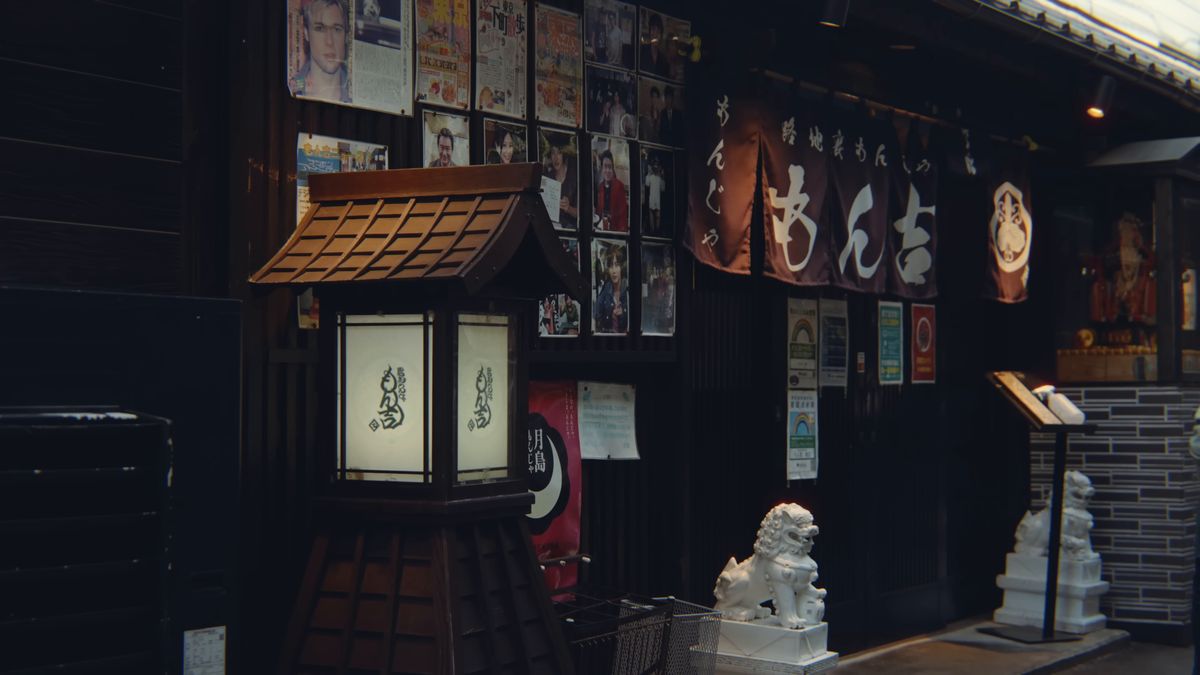
Rojiura Monja Monkichi Honten
3-8-10 Tsukishima, Chuo, Tokyo
A popular monja shop in a back alley off Monja Street (Tsukishima Nishinaka-dori), its storefront covered in photographs. I had a cabbage-and-pork monja topped with cheese, crunchy noodle snacks and green seaweed, then anko-maki for dessert on the same griddle. Handwritten menus line the wall: eggplant butter, onion butter and more.
Sources: gltjp.com
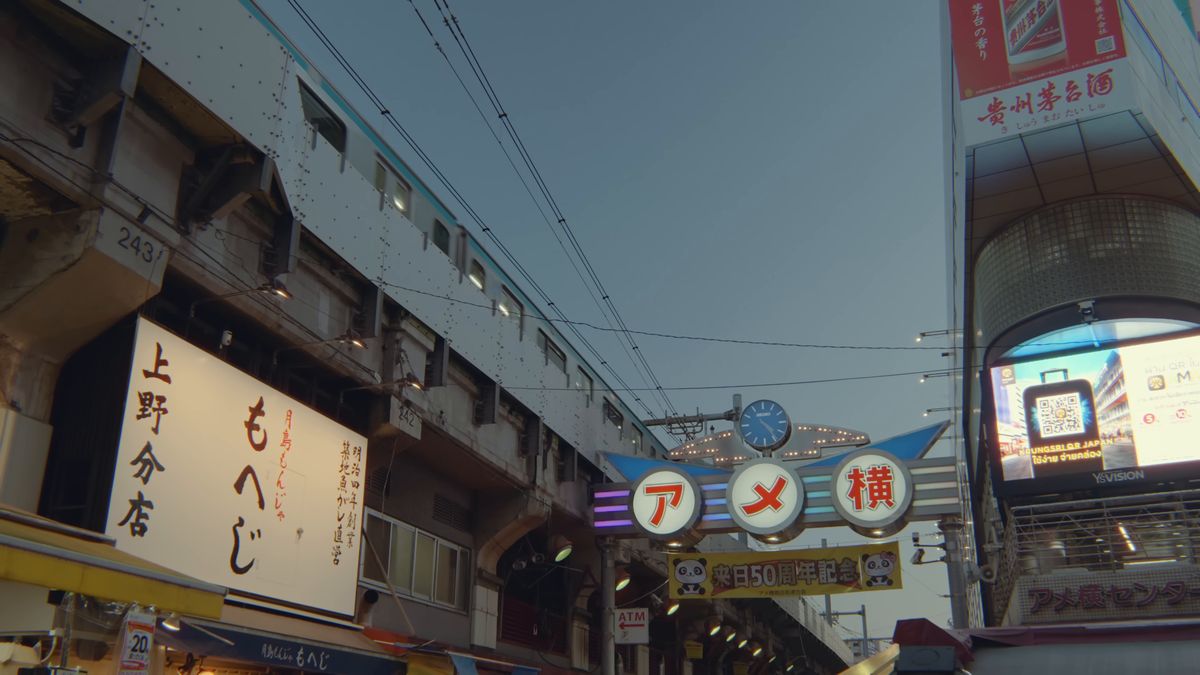
Ameyoko Shopping Street
A shopping street of more than 400 shops packed into about 500 meters between JR Ueno and Okachimachi stations. It grew out of the postwar black market; the name is said to come either from the many candy (ame) shops or from the American goods once sold here. I browsed the fruit and seafood stalls for dinner.
Sources: ameyoko.net
02What I cooked
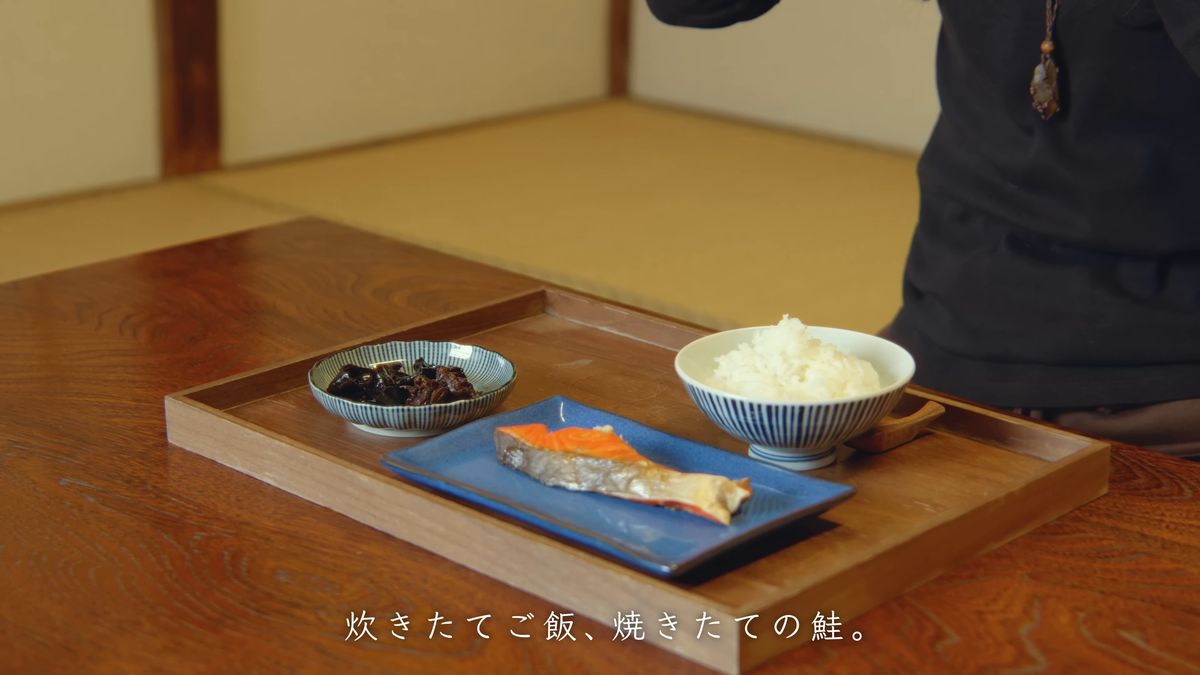
A shitamachi breakfast: grilled salmon and tofu miso soup
Tsukudani was born in neighboring Tsukuda. The fishermen from Osaka whom Tokugawa Ieyasu brought here are said to have simmered small fish and shellfish in salt and soy sauce as a preserved food for fishing trips; cheap and long-lasting, it spread among the people of Edo. This morning it was clam and kelp tsukudani from a shop founded in 1837, alongside miso soup made with tofu fresh from a nearby shop.
IngredientsCooked rice, Salmon fillet, Freshly made tofu, Green onions, Seaweed, Miso, Tsukudani (clam and kelp)
- Chop the green onions
- Grill the salmon in a toaster oven until the skin is crisp
- Make miso soup with the tofu, seaweed and green onions
- Serve with freshly cooked rice and tsukudani on a tray
Sources: mec-h.com
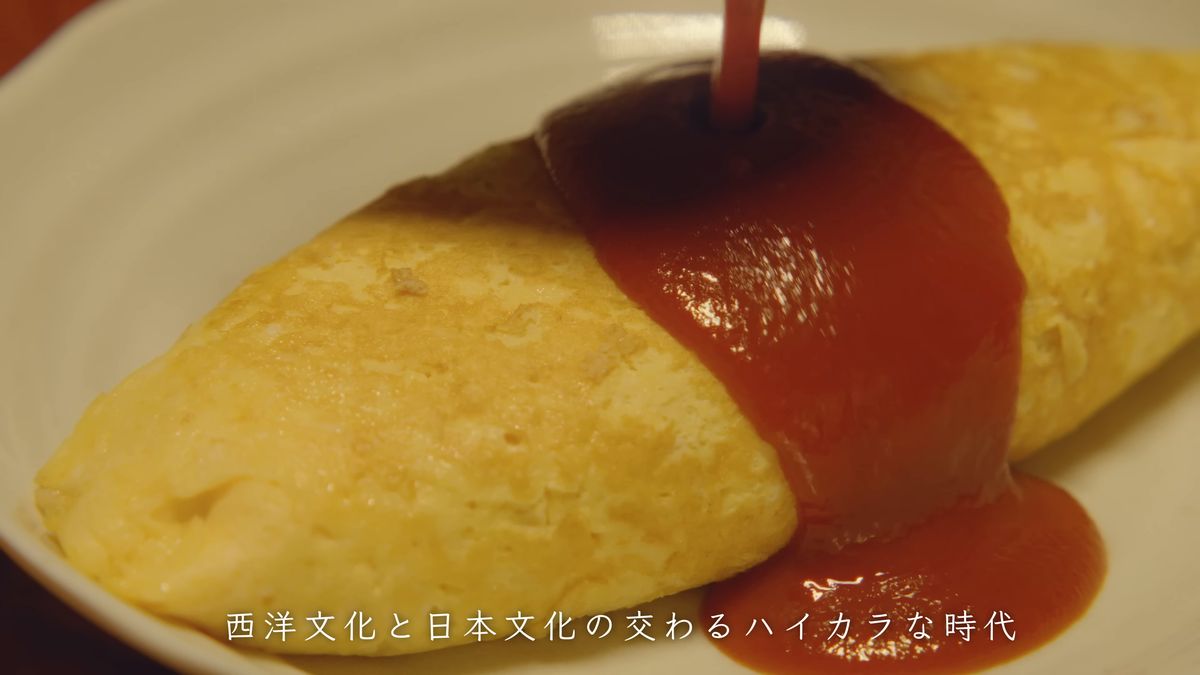
Omurice
One story has it that omurice was born in the mid-1920s at a Western-style restaurant in Osaka, where the owner wrapped ketchup rice in a thin omelet for a regular with a weak stomach. Tokyo, too, has many old yoshoku restaurants, and old-fashioned Western-style dishes feel like a Tokyo taste. Tonight I wrapped chicken-and-onion ketchup rice in egg in the row-house kitchen.
IngredientsCooked rice, Chicken, Onion, Eggs, Ketchup, Parsley
- Chop the onion
- Fry the chicken and onion in ketchup, then add the rice and mix
- Beat the eggs and pour into a hot frying pan to make a thin omelet
- Wrap the ketchup rice in the omelet and top with ketchup
Sources: osaka-info.jp rurubu.jp
03About the area
Tsukishima and Tsukuda
Tsukuda was built as a fishing village by fishermen from Tsukuda in Settsu Province, brought to Edo by Tokugawa Ieyasu, and is the birthplace of tsukudani. Tsukishima was created in 1892 by reclaiming land from Tokyo Bay, and was at first called Tsukishima, "built island." Row houses went up along the alleys laid out in the rebuilding after the 1923 earthquake, and the area escaped the wartime fires, so its prewar streetscape survives. Tsukishima Nishinaka-dori is known as Monja Street.
Sources: mec-h.com city.chuo.lg.jp yomuno.jp
Sumiyoshi Shrine, Tsukuda
1-1-14 Tsukuda, Chuo, Tokyo
Founded in 1646 with a spirit brought from Tamino Shrine in Tsukuda, Settsu Province, the home village of the fishermen who built Tsukudajima. Standing at the mouth of the port of Edo, it was revered as a guardian of safety at sea, and today it is the tutelary shrine of Tsukishima, Kachidoki and Harumi as well. The annual festival falls on August 6 and 7; every third year the portable shrine is carried across the water by boat.
Sources: sumiyoshijinja.or.jp city.chuo.lg.jp
Tsukudani
A preserved food of small fish, shellfish or seaweed simmered down in soy sauce and sugar. The fishermen of Tsukuda made it to keep and to take out on their boats; cheap and long-lasting, it caught on in Edo and took its name from the neighborhood. Tenyasu Honten sells tsukudani of clams, tiny shrimp, kelp, squid and whitebait, cooked the old way.
Sources: mec-h.com tenyasu.jp
Monjayaki
A shitamachi specialty: a loose batter of flour and water cooked on a griddle with cabbage and other fillings. Its roots are in monjiyaki, "letter grilling," sold at penny-candy shops near Tsukishima Nishinaka-dori, so named because children drew letters and pictures in the batter as it cooked. It spread after the war, when flour and broth were all you needed, and cabbage and noodles were added to stretch it. In the 1980s, versions with mochi, cod roe and cheese turned it into a proper meal.
Sources: mec-h.com ddnavi.com
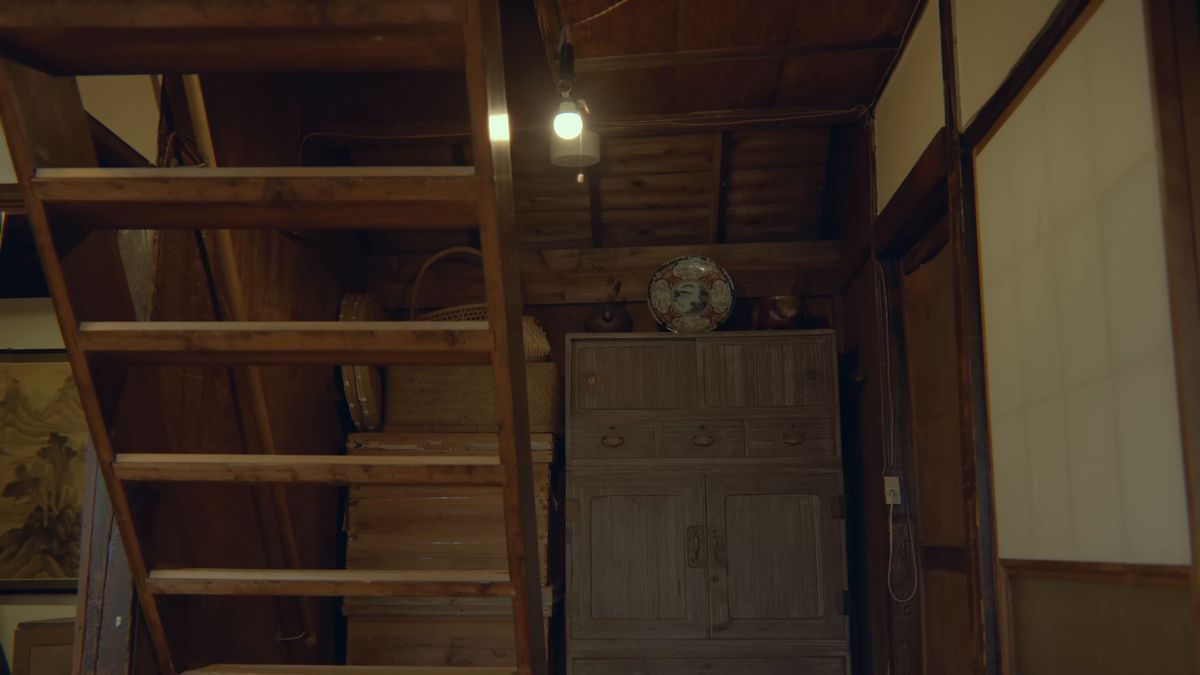
A row-house inn in Tokyo's shitamachi
This time I borrowed an inn in an old row house that still stands in Tokyo's shitamachi, with a steep wooden staircase, old fittings and a shoji-screened room, where the owner's grandfather's projector, camera and passport are on display.
PHOTO ALBUMPhoto album93Open all photographsClose the photo album
Select a photograph to explore the journey one frame at a time.