A TRAVEL ESSAY
Iyo, Ehime
Panoramic Seascape Train Station
A seaside stationand slow time in Futami
A day by the sea, at Shimonada's station and in its fishing town.
Read the journey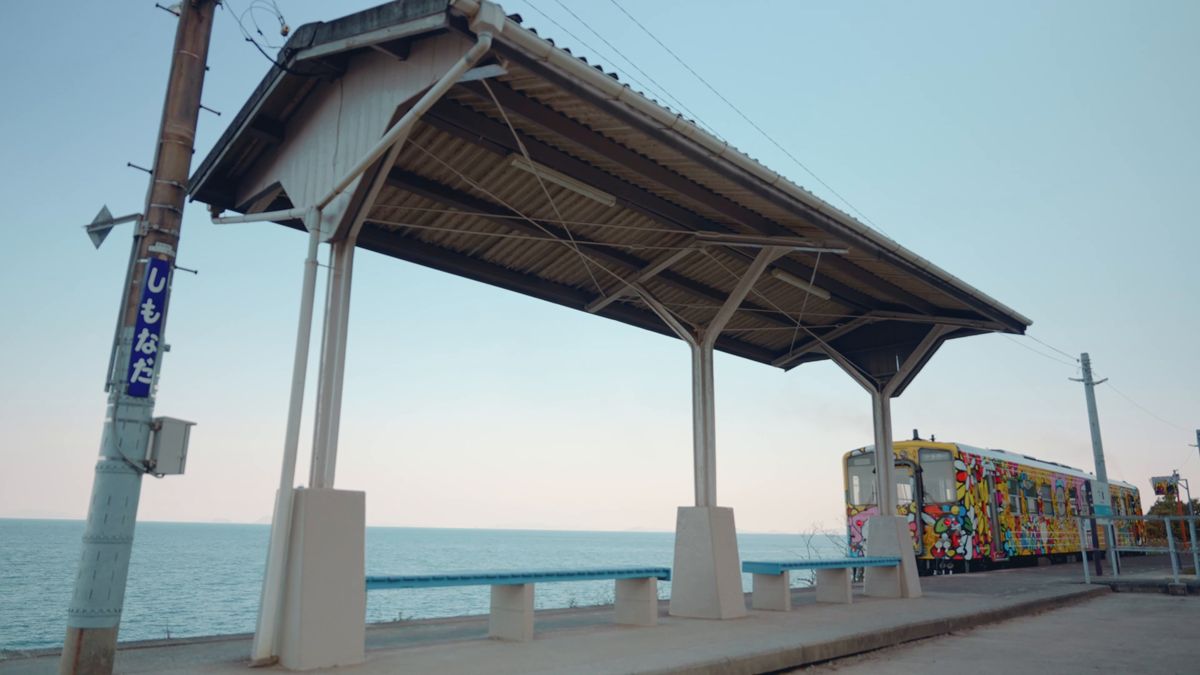
ABOUT THIS JOURNEY
Shimonada, in the Futami district of Iyo City, Ehime, faces the Iyo-nada, an arm of the Seto Inland Sea. I woke in a house above the water and ate a fisherman's breakfast on the terrace: rice with nori, marinated fish and hot dashi poured over the top. Then came Shimonada Station, once called the closest station to the sea in Japan, a soy sauce brewery founded in 1923, and ramen made with pike conger stock by a fishmonger. On the way home I bought takoyaki, and at dusk I watched the sun go down from the station platform.
A little more about the food and the land01TRAVEL JOURNAL
Morning in Shimonada
Shimonada, in the Futami district of Iyo City, Ehime: a small town on the Iyo-nada, part of the Seto Inland Sea. My day by the sea began at a platform with nothing but a roof and a bench, the morning sea spread out beyond it.
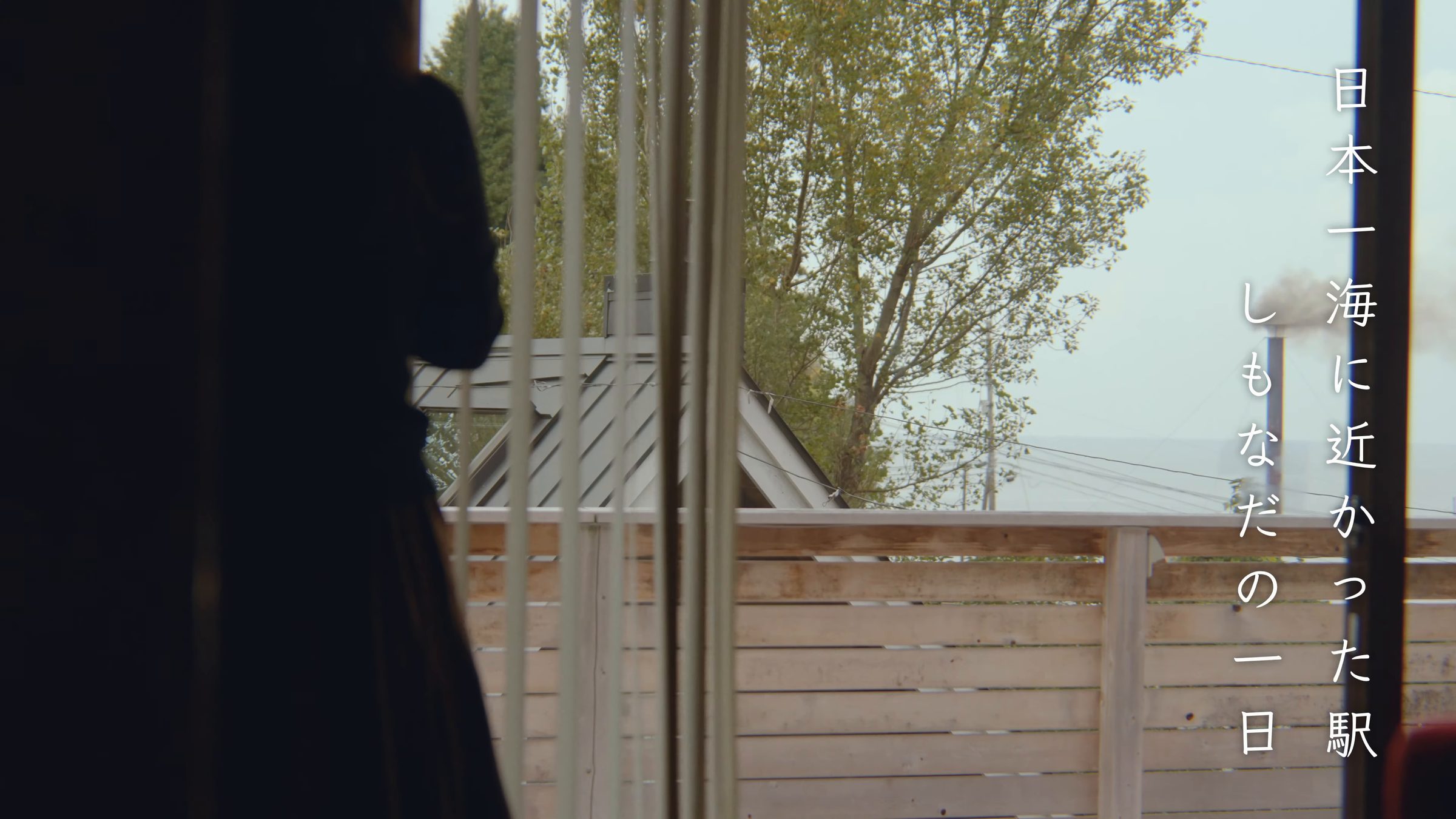
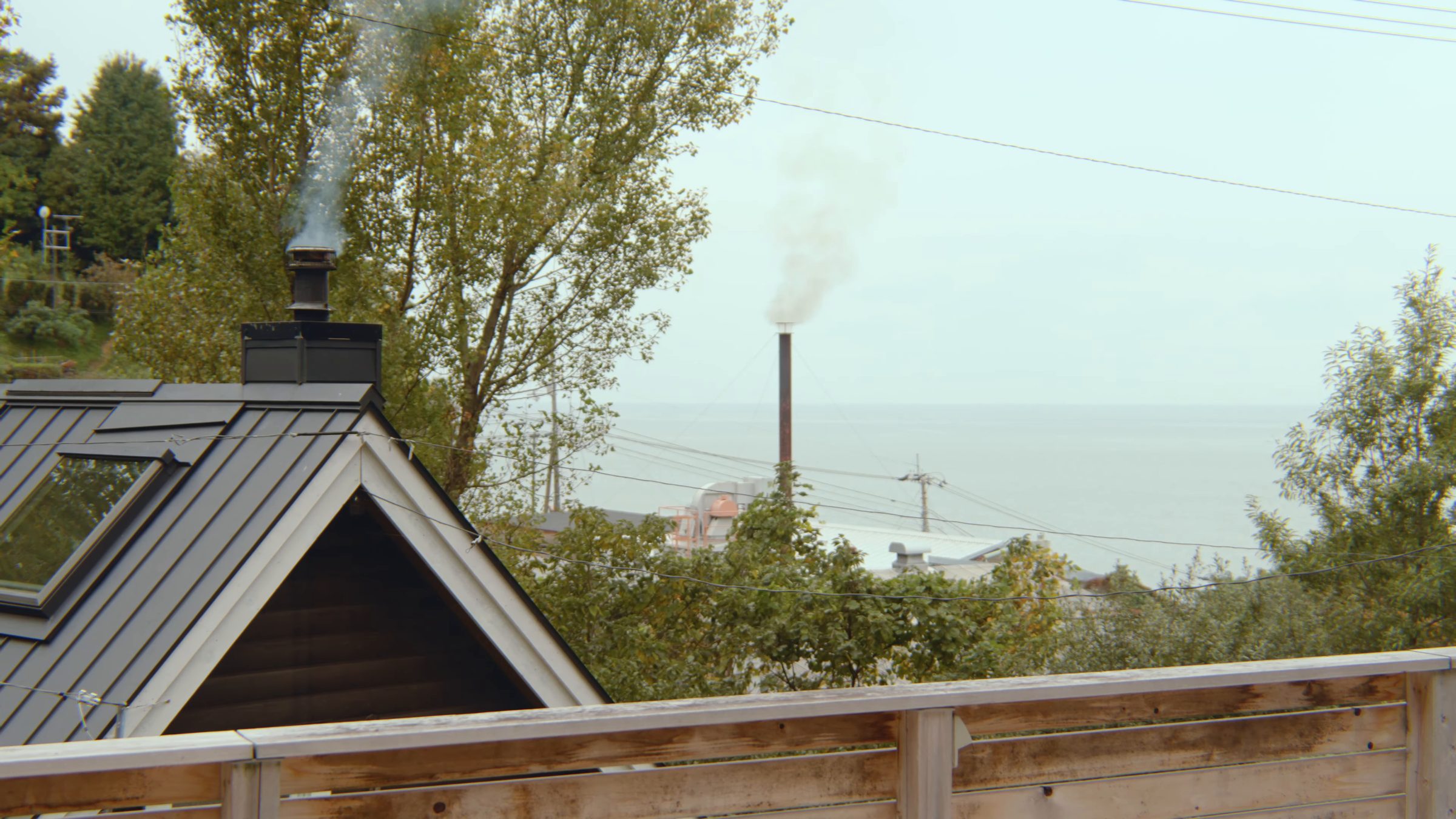
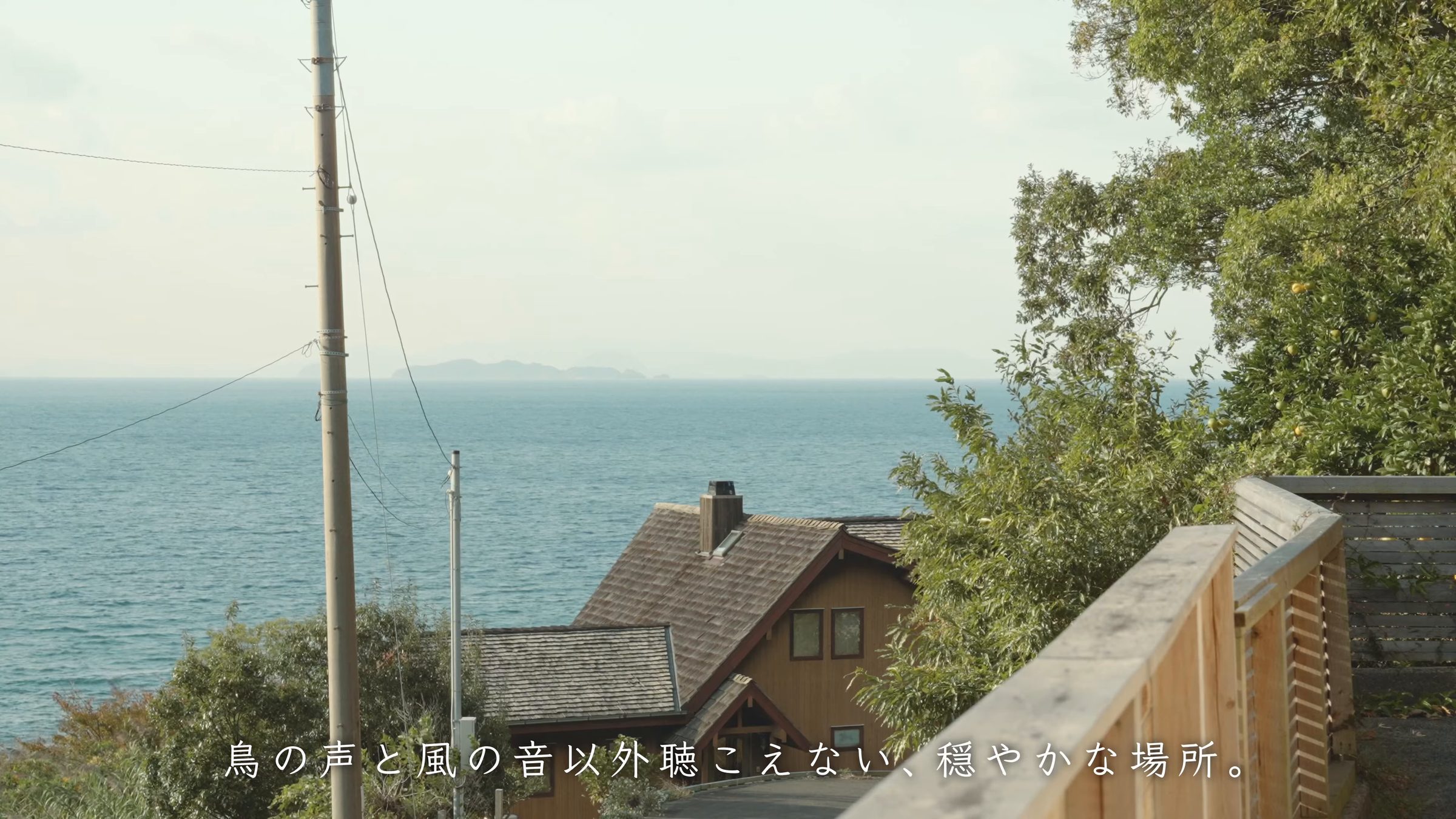
The house I had borrowed was a wooden one on a rise above the water. Standing at the window, I could see rooftops beyond the trees, and white smoke drifting slowly up from a chimney.
Watch this scene on YouTube0:21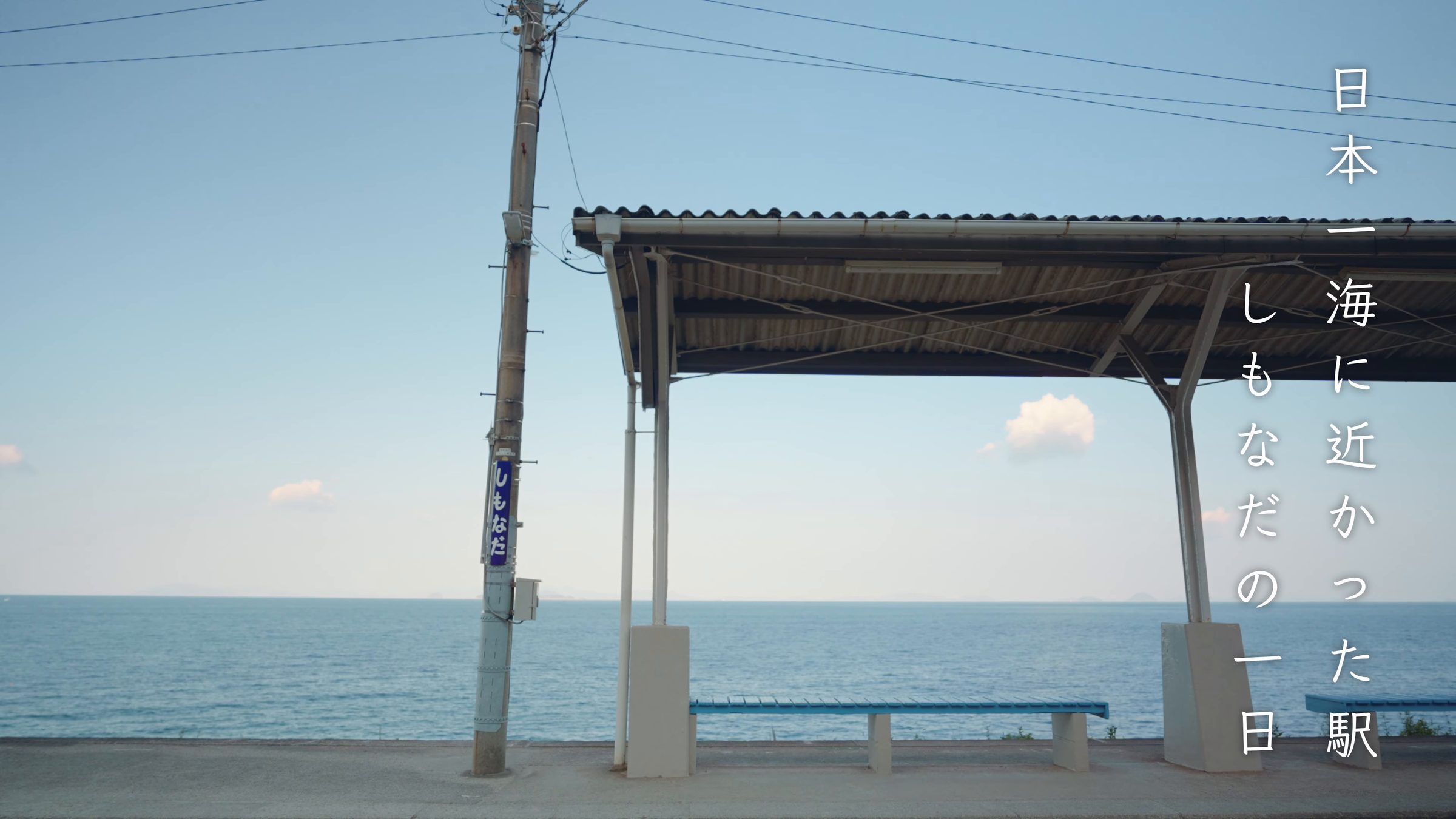
02TRAVEL JOURNAL
A fisherman's breakfast by the sea
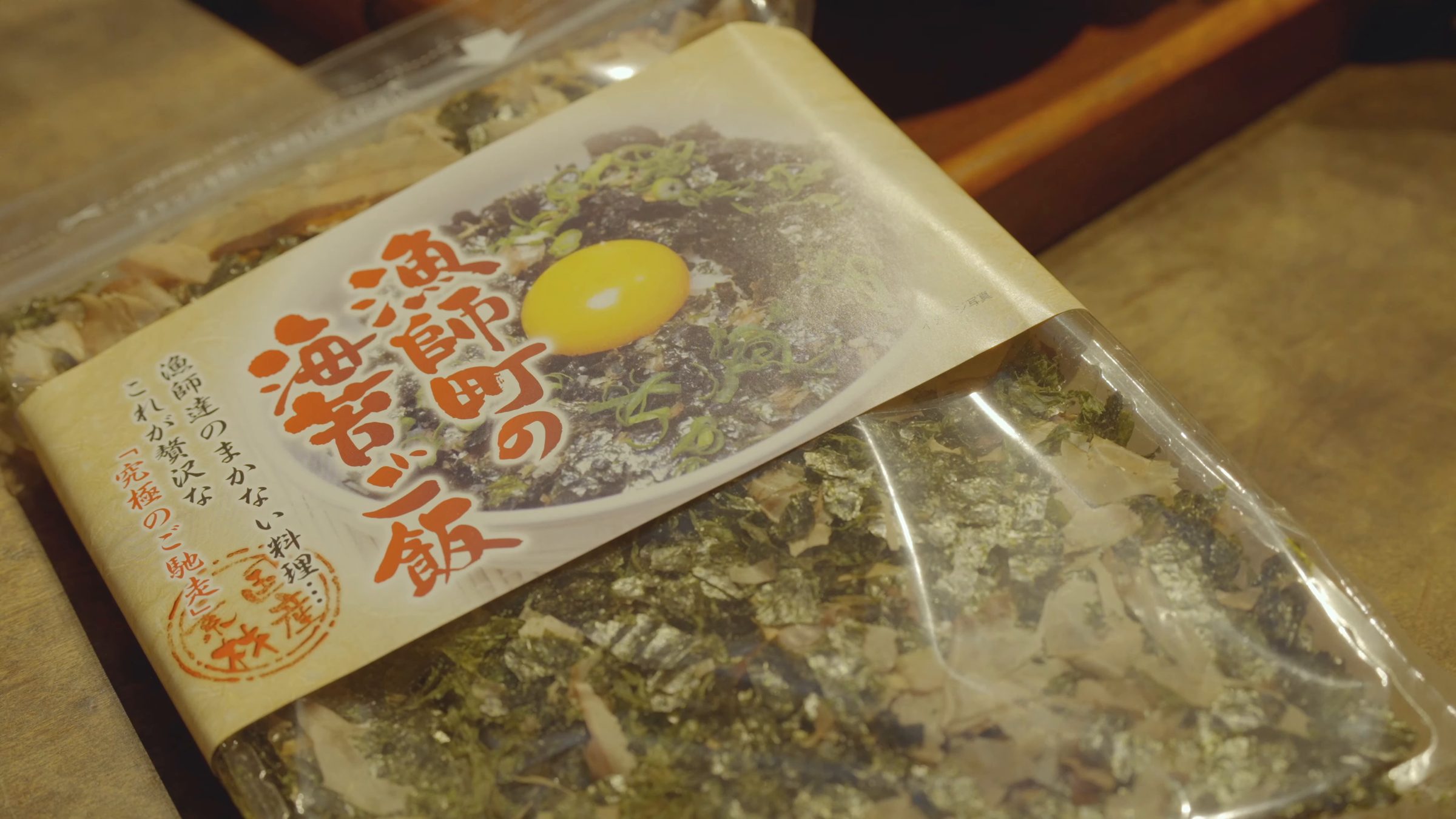
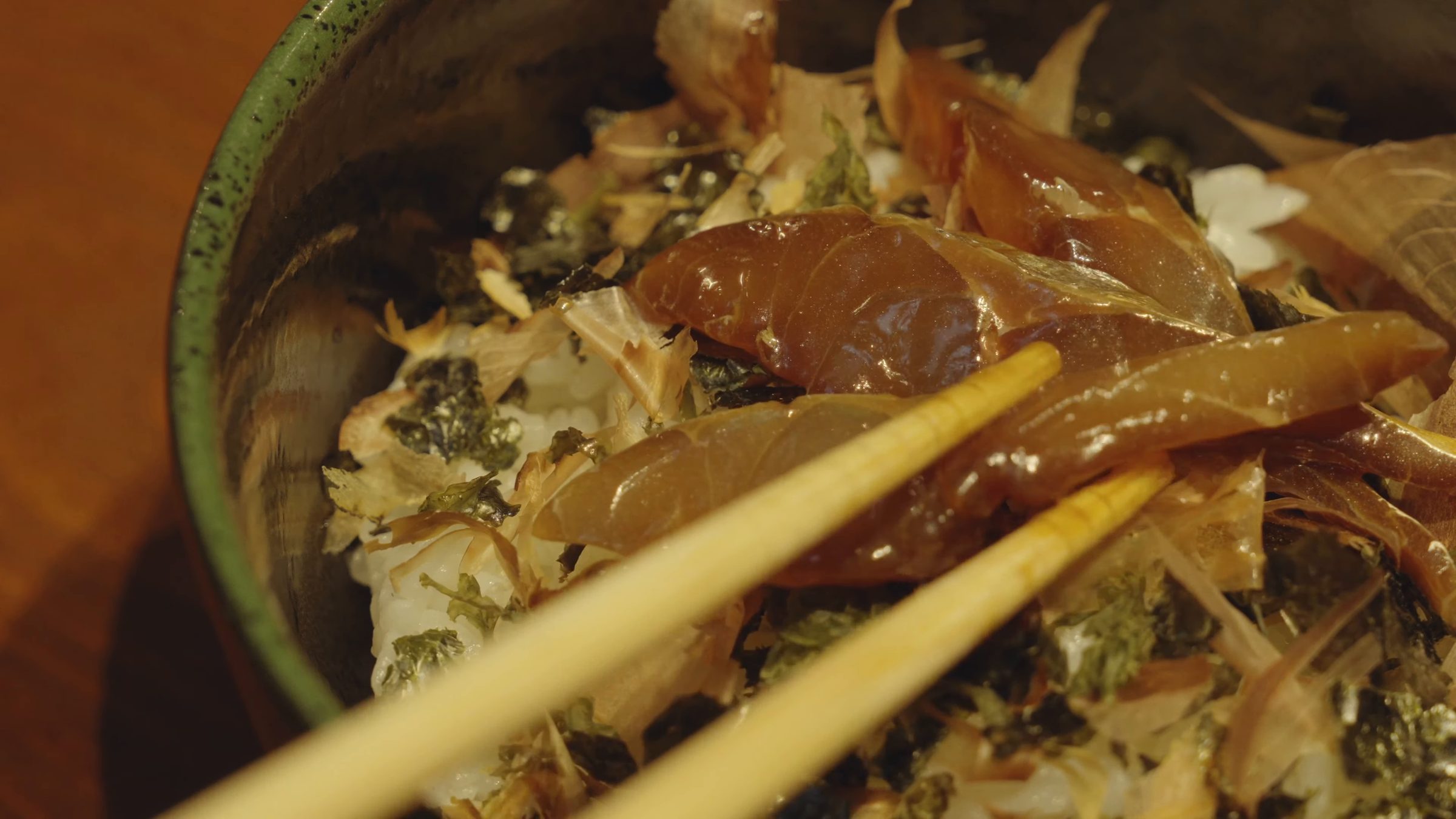
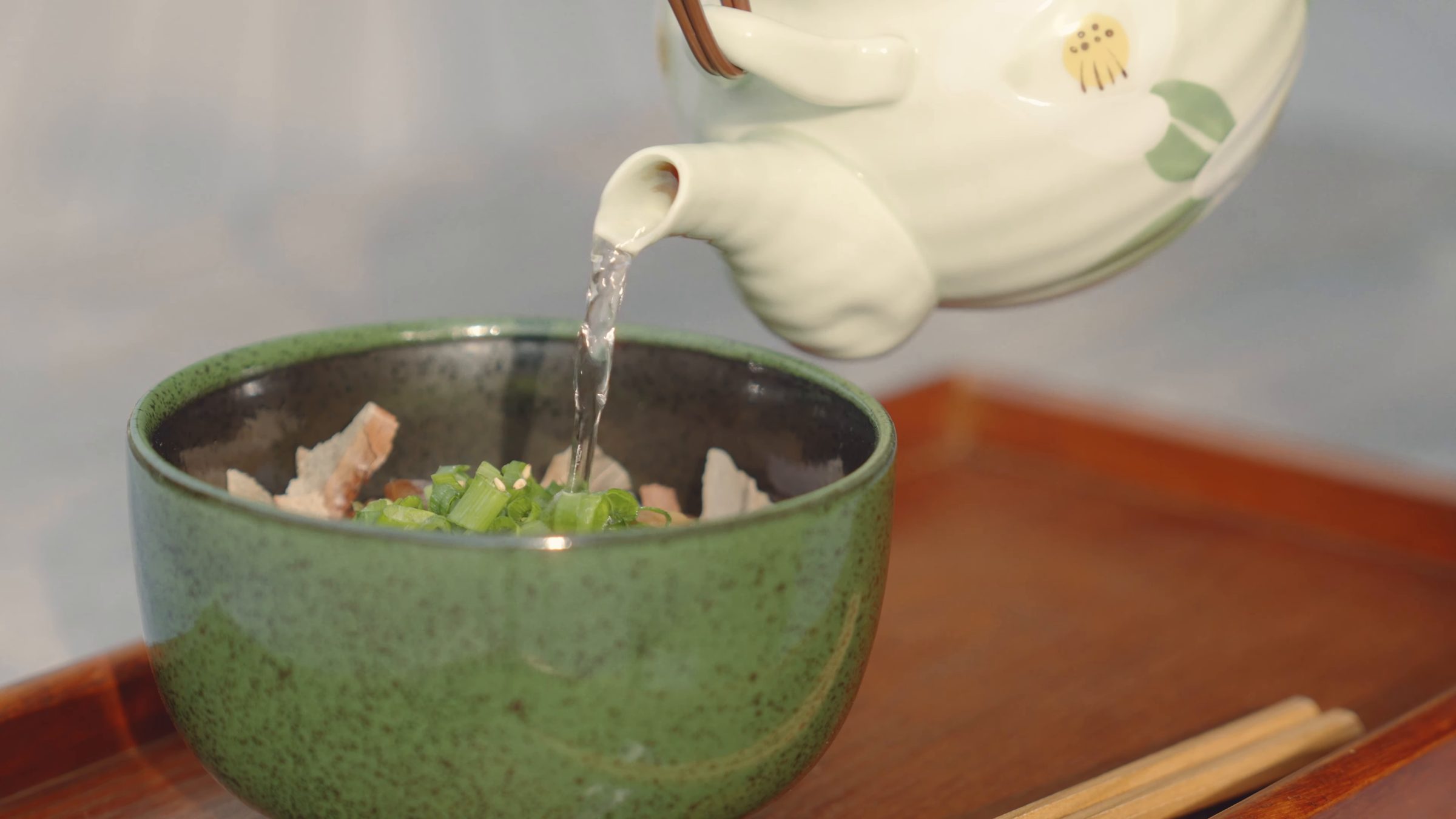
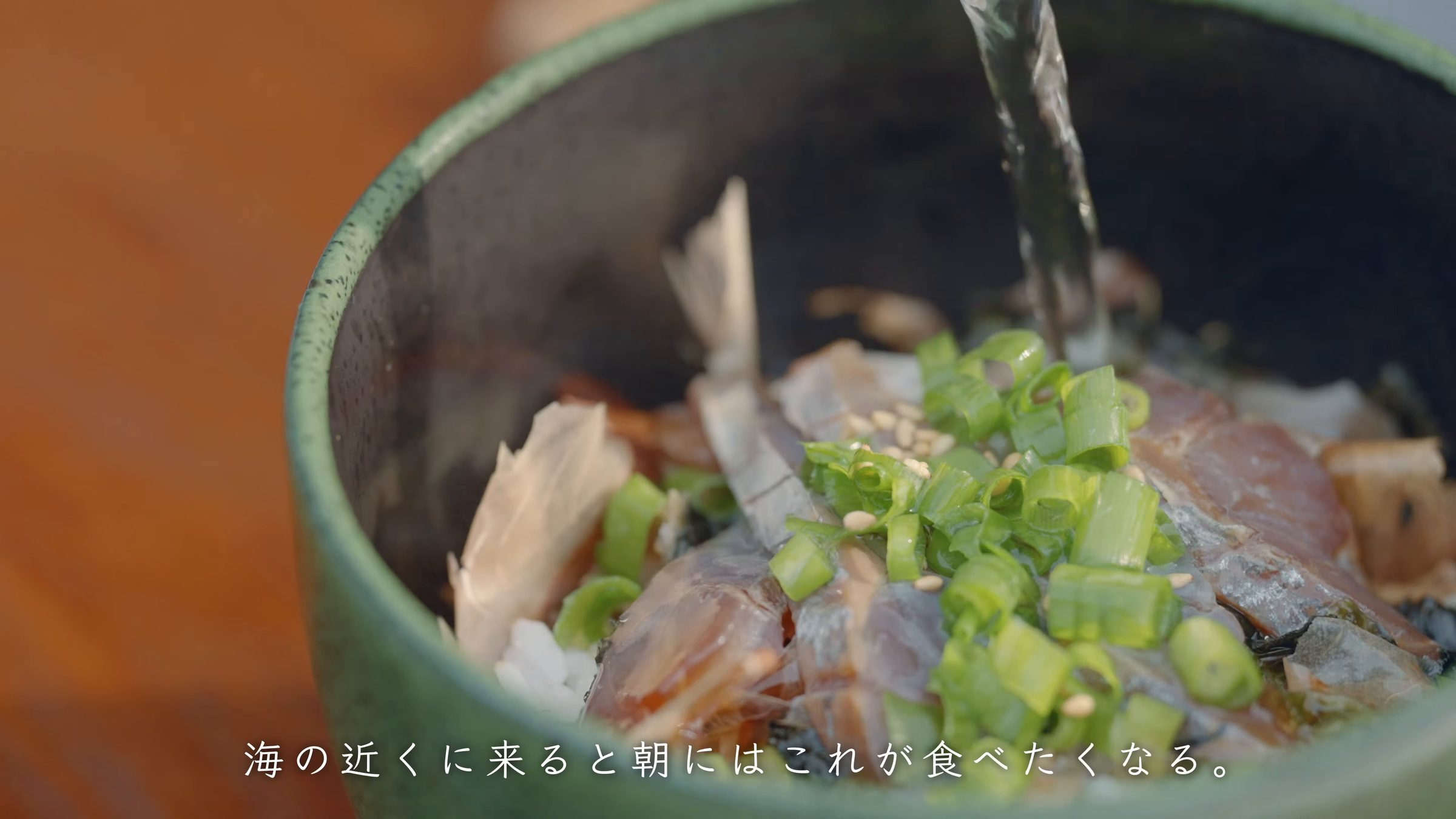
When I come to a fishing village, this is what I want for breakfast. I chopped some green onions and sprinkled a mix of nori and bonito flakes over a bowl of rice, then laid slices of white fish, marinated in soy sauce, on top.
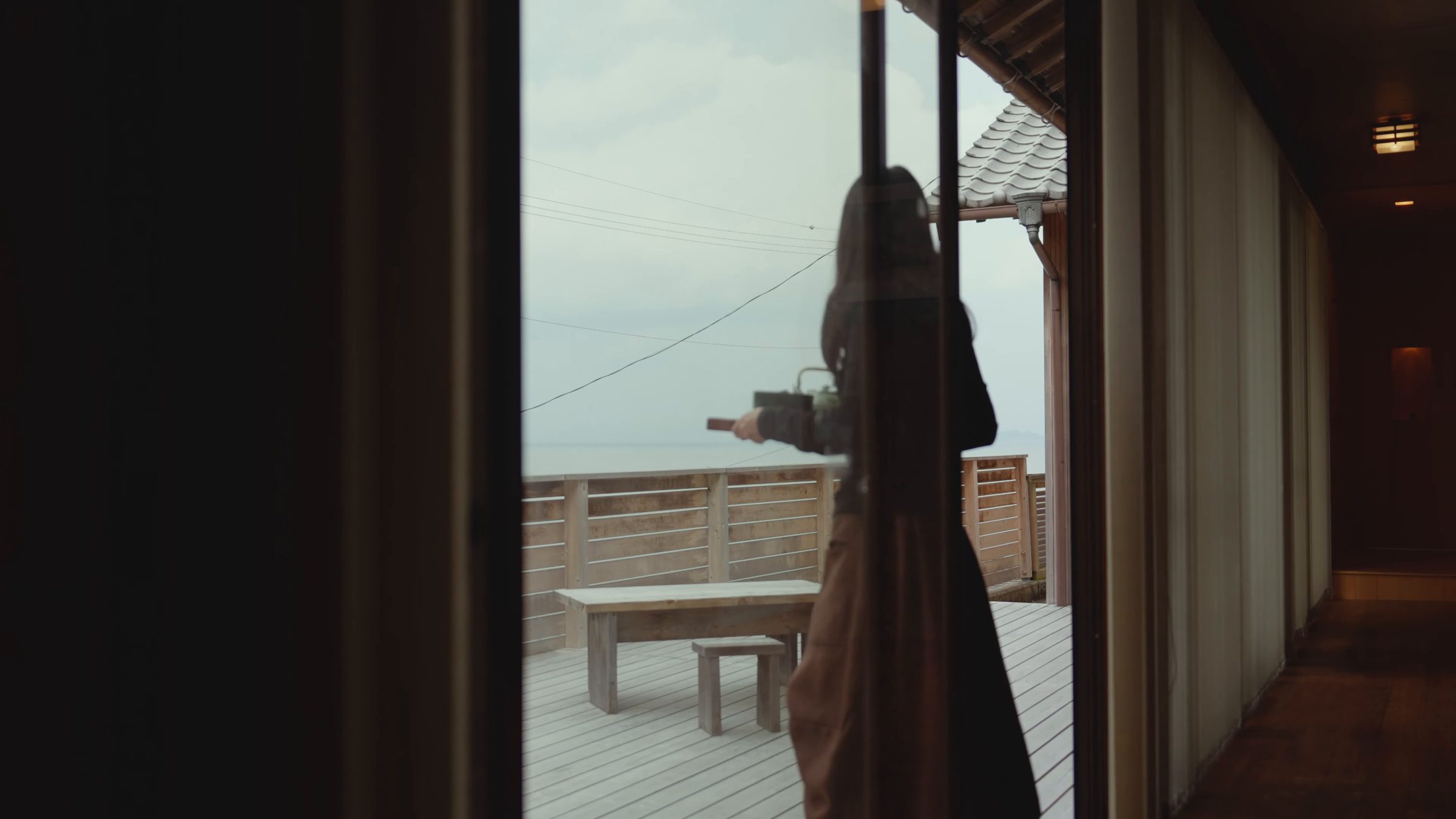
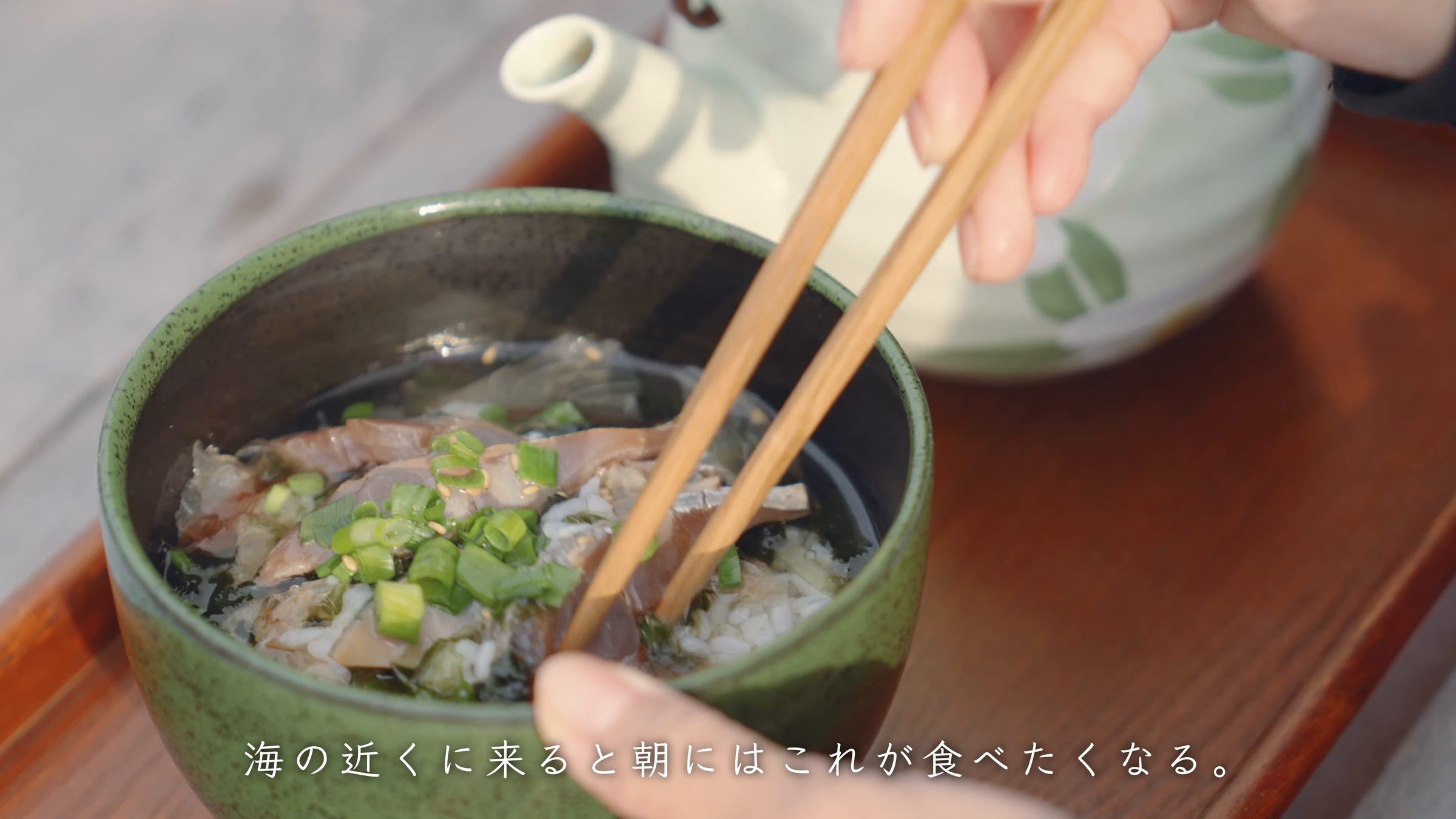
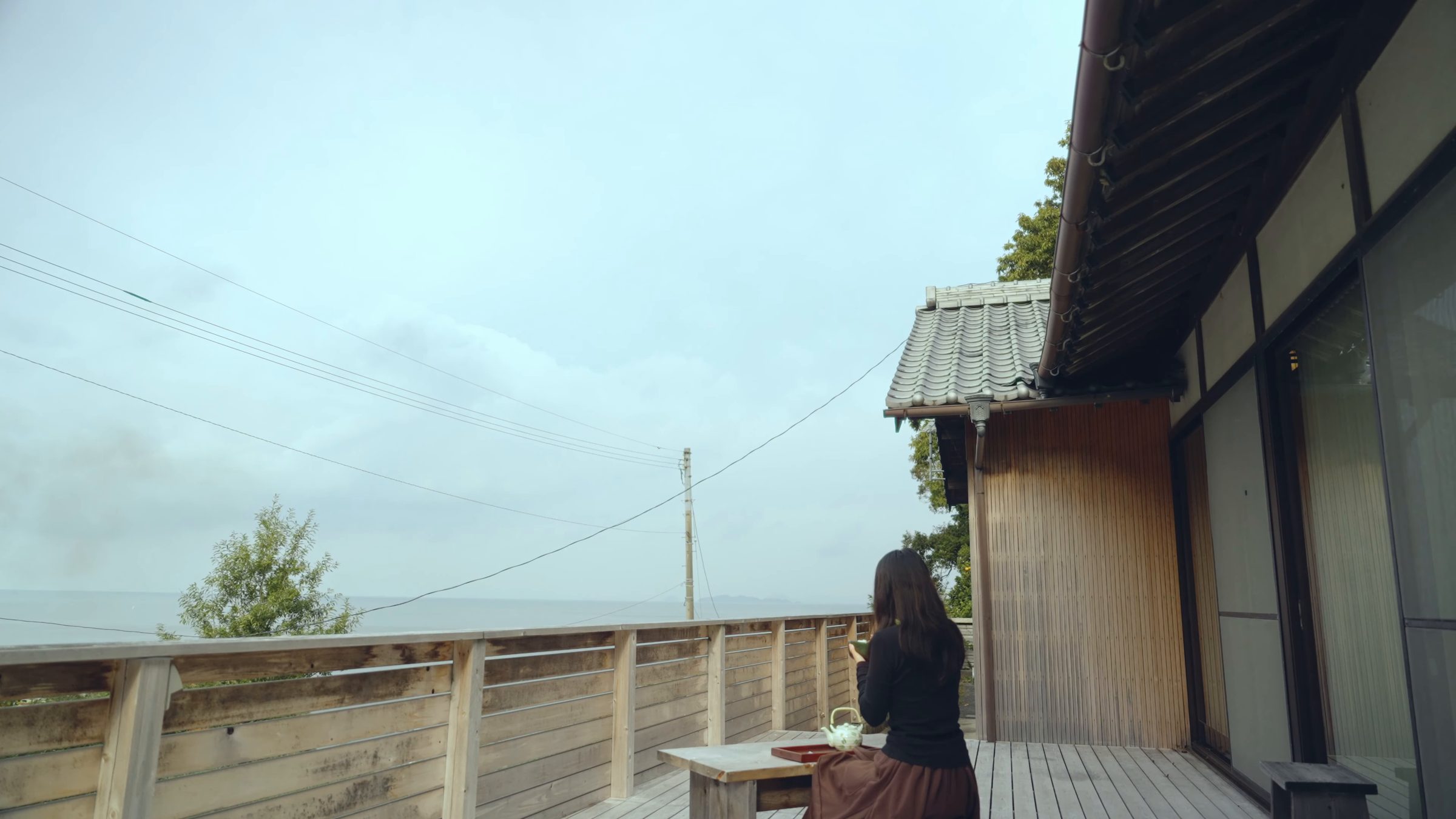
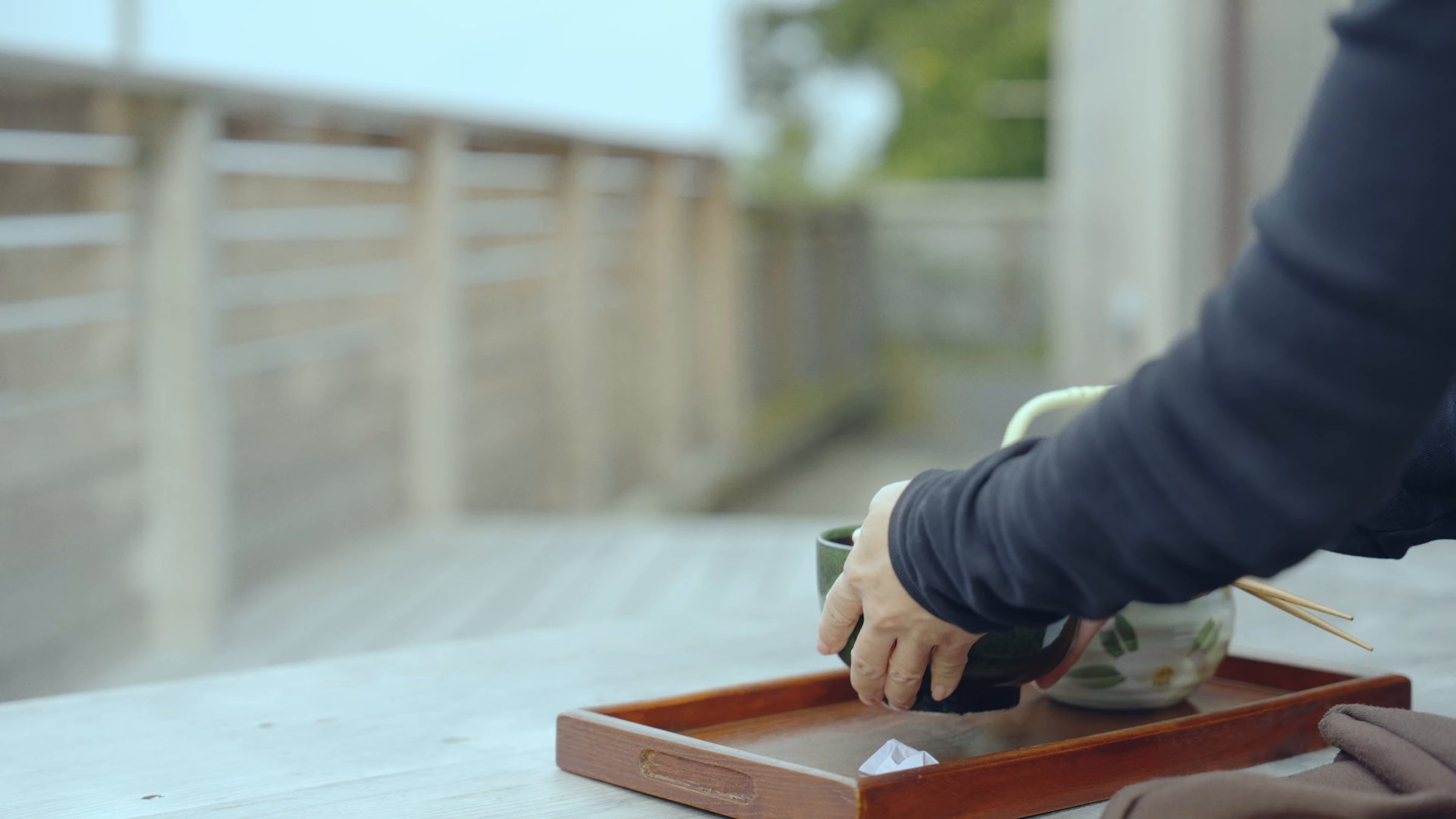
I slid the door open and carried the tray out to the terrace. From a teapot I poured plenty of hot dashi over the bowl, scattered the green onions and stirred it with my chopsticks: a fisherman's breakfast of rice in broth.
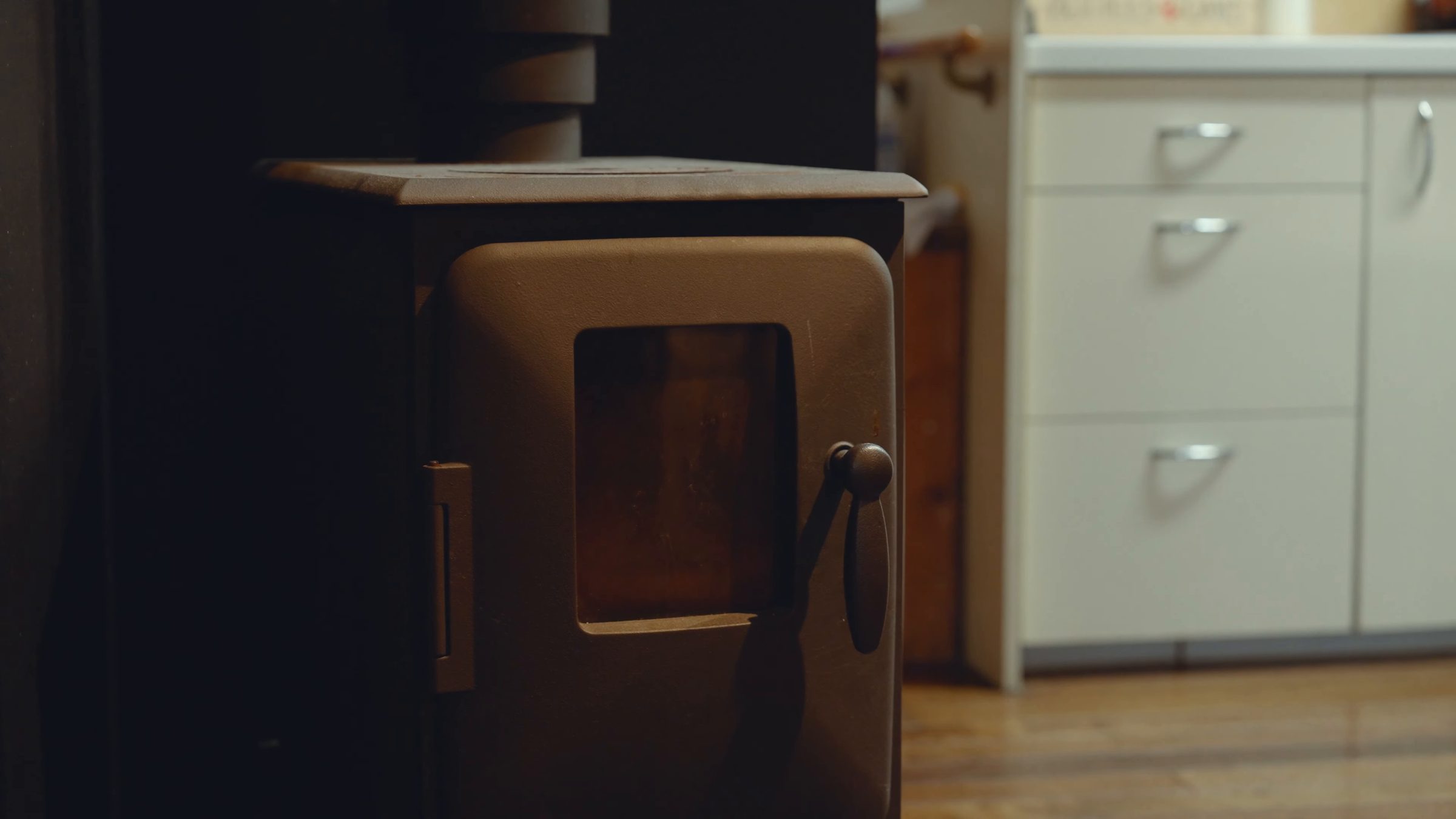
Standing at the edge of the terrace, I had the calm sea right in front of me. I sat down and ate slowly, looking out at the water. Beside the kitchen stood a wood stove.
Watch this scene on YouTube0:28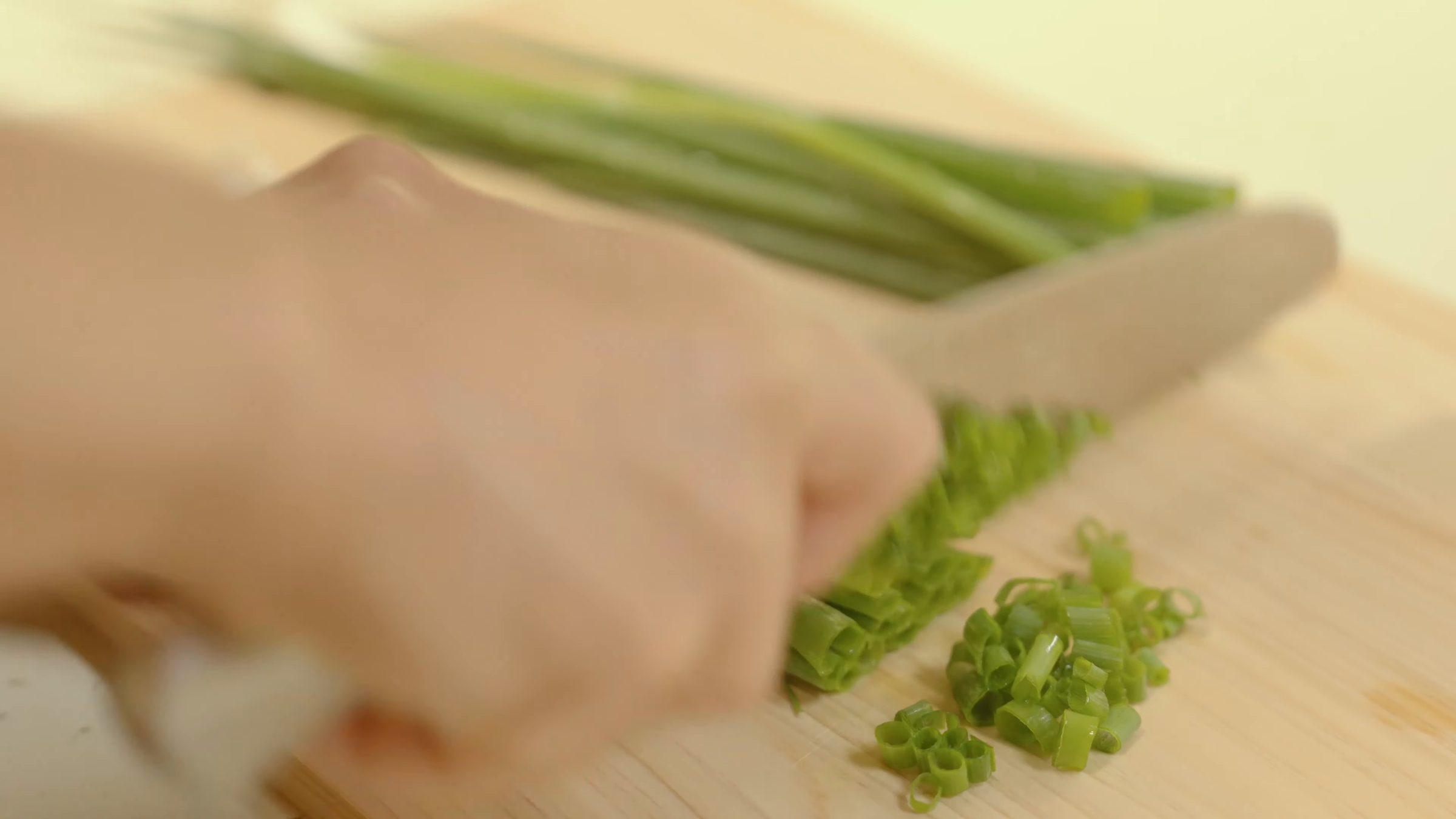
03TRAVEL JOURNAL
Shimonada wakes up
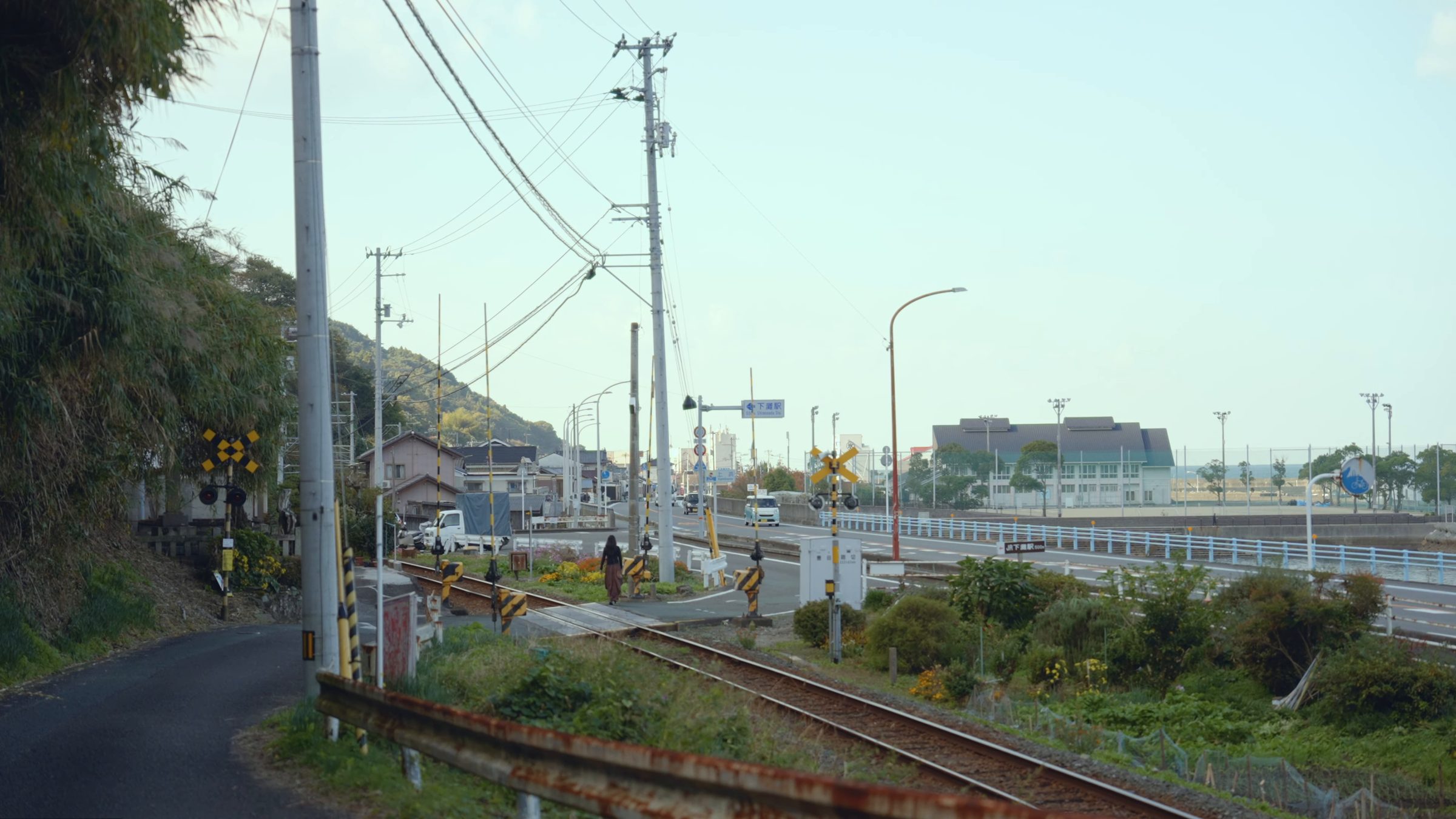
Morning in Shimonada, Iyo City, Ehime Prefecture. Smoke from a chimney drifted off on the wind beyond the trees, and a lane ran down beside the railway toward the sea. Past the crossing I could see the coastal highway and the harbor.
Watch this scene on YouTube0:54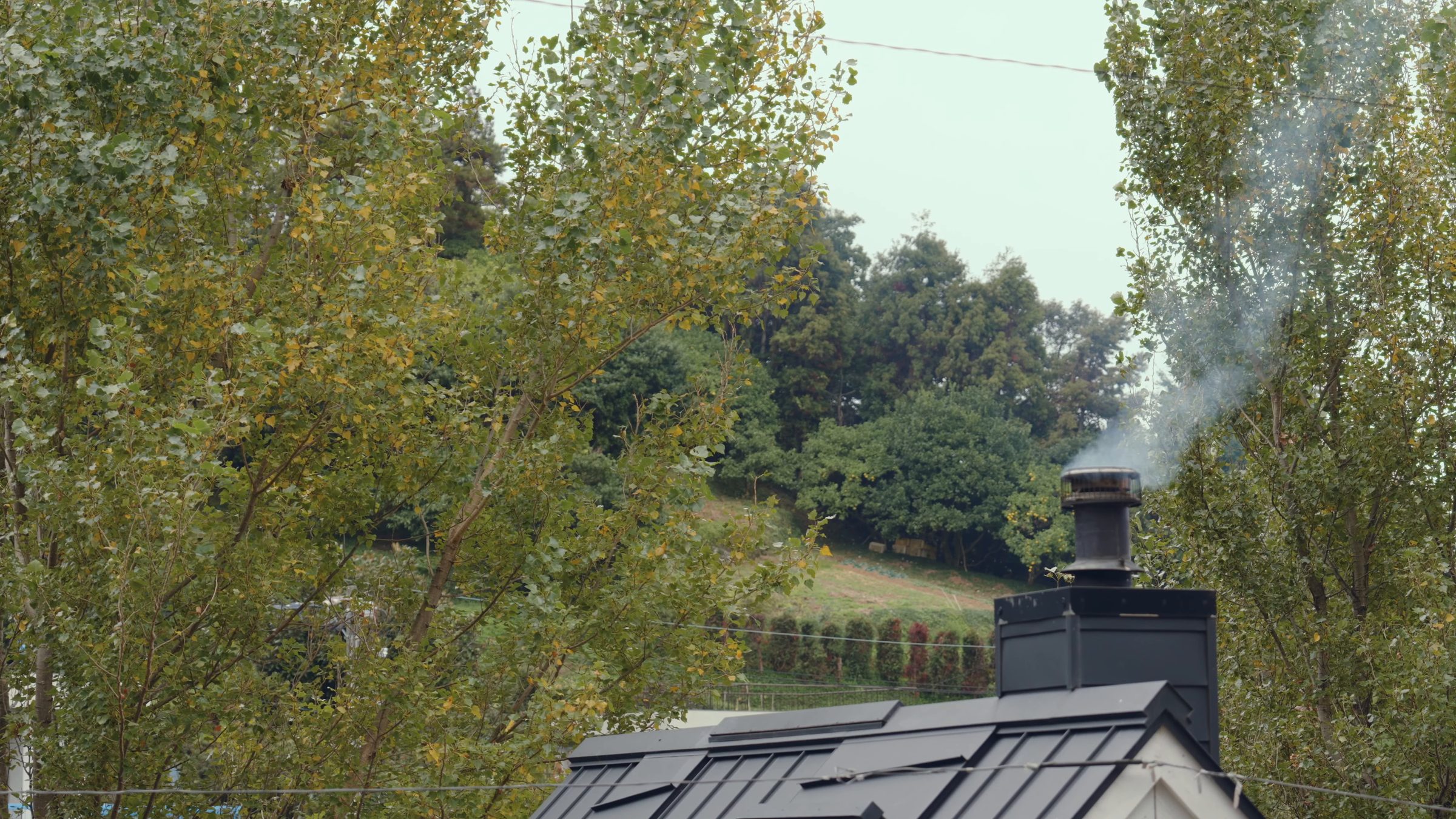
04TRAVEL JOURNAL
The station with a view of the sea
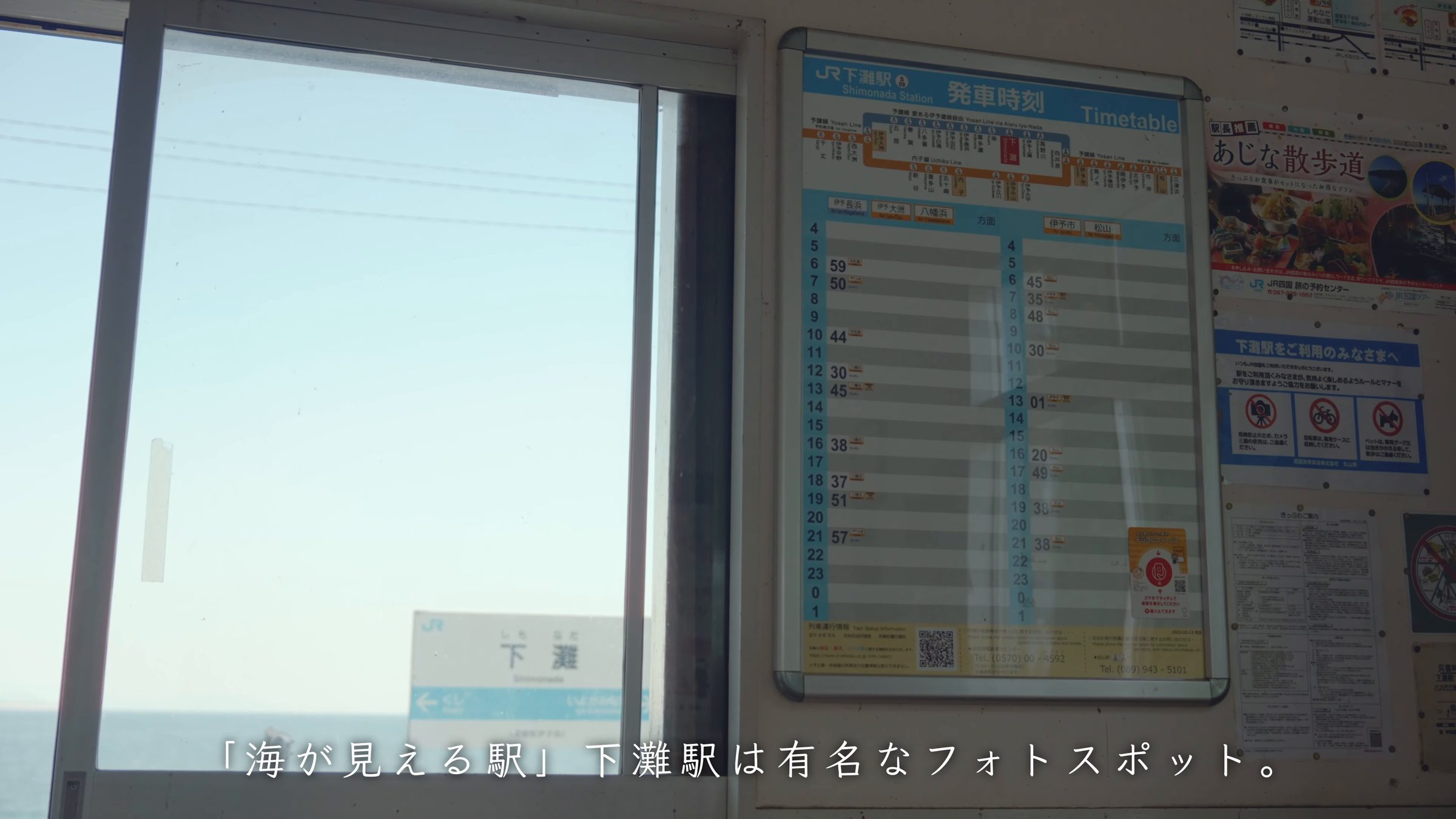
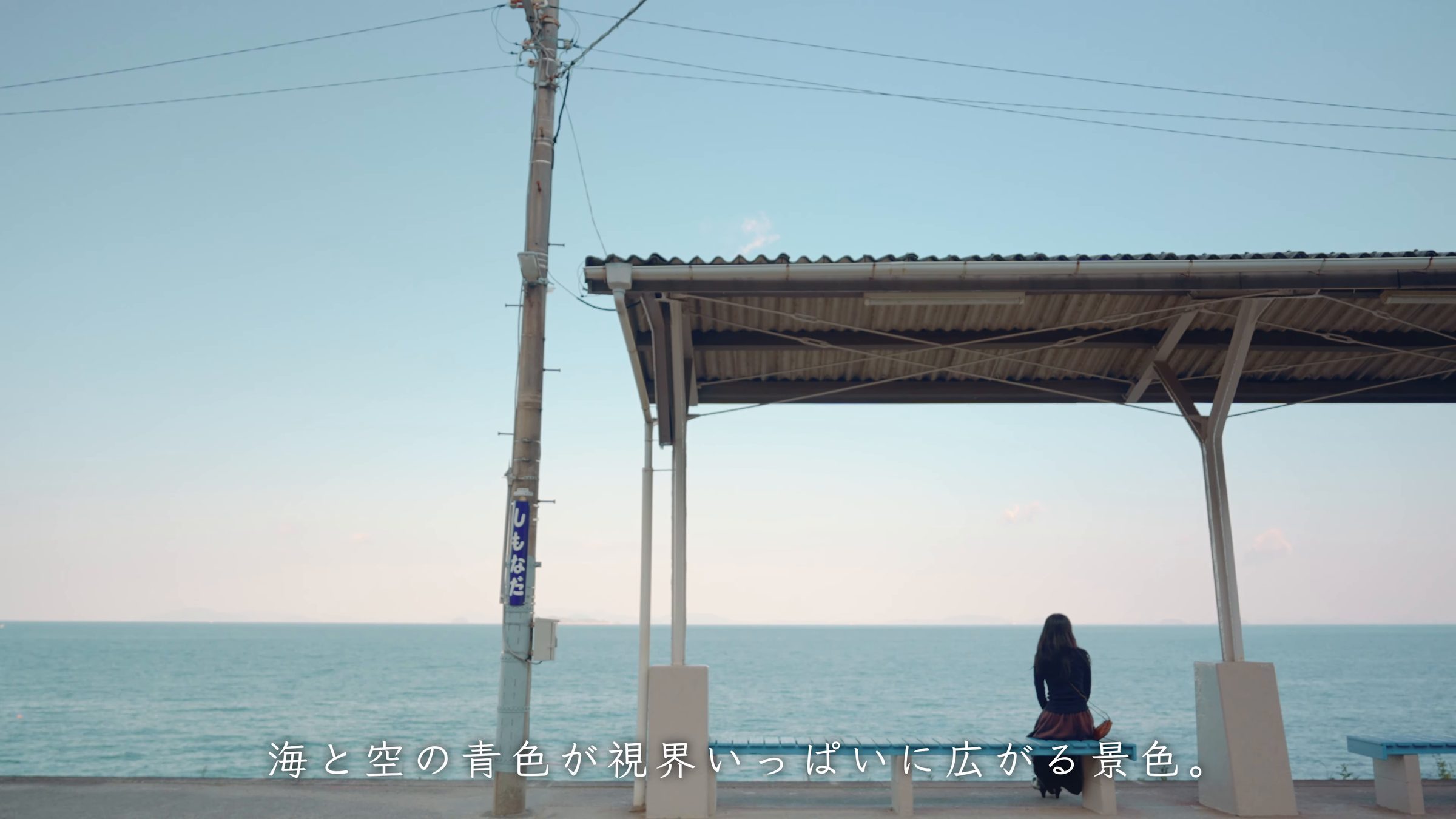
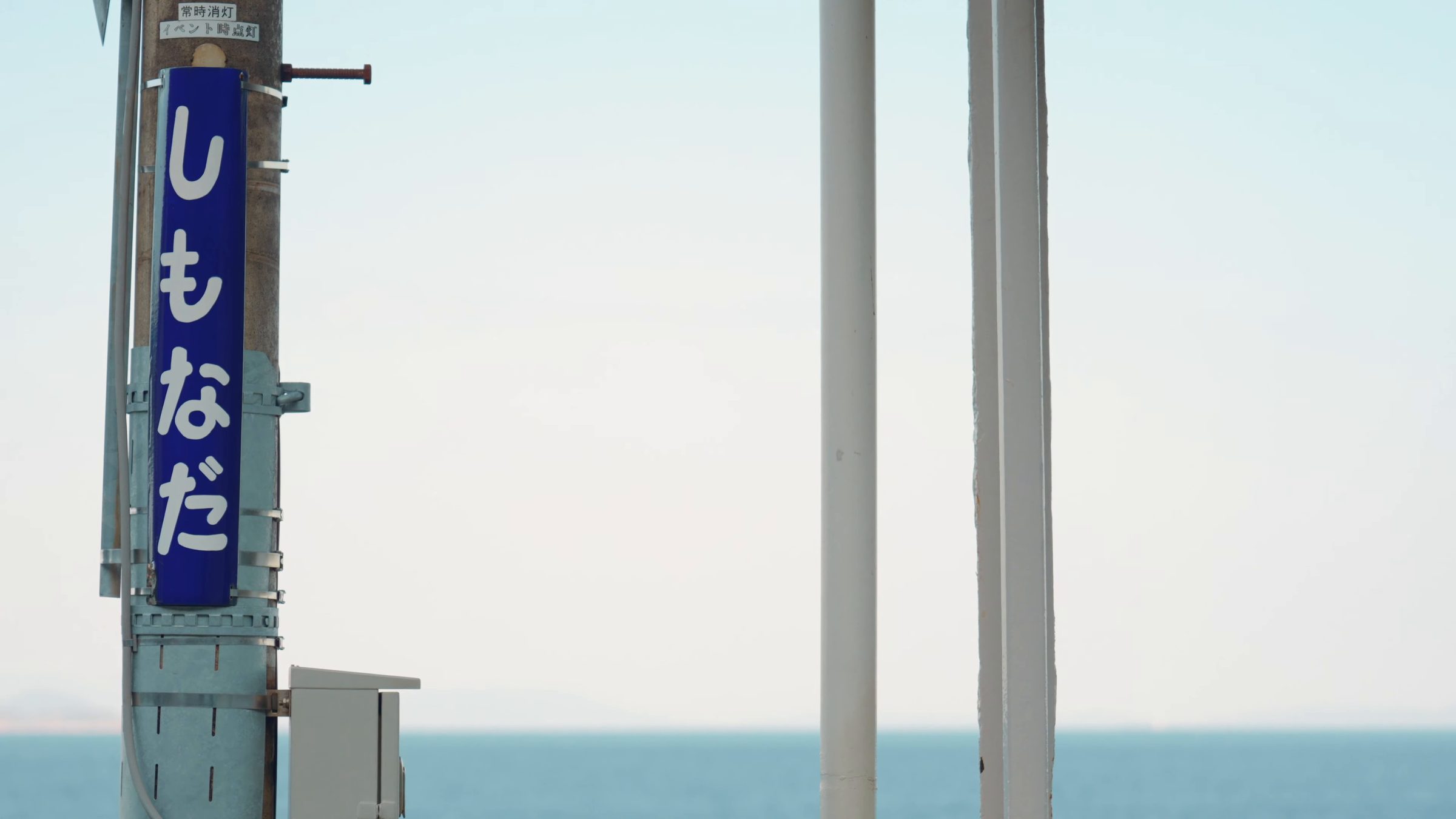
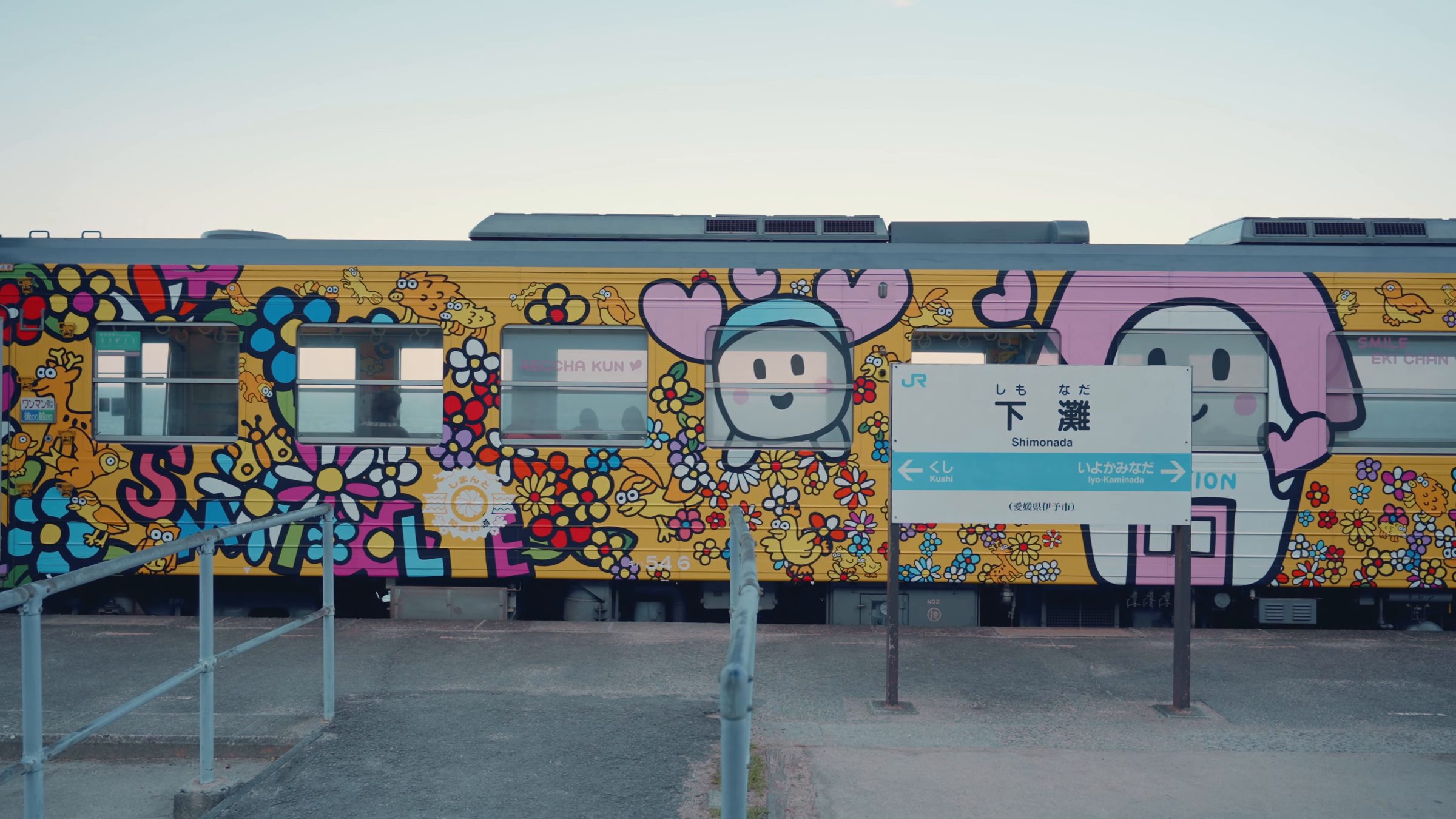
I walked to Shimonada Station, famous as the station with a view of the sea. The waiting room walls were covered with photographs of sunsets and the platform, and the sea glittered through the window beside the timetable.
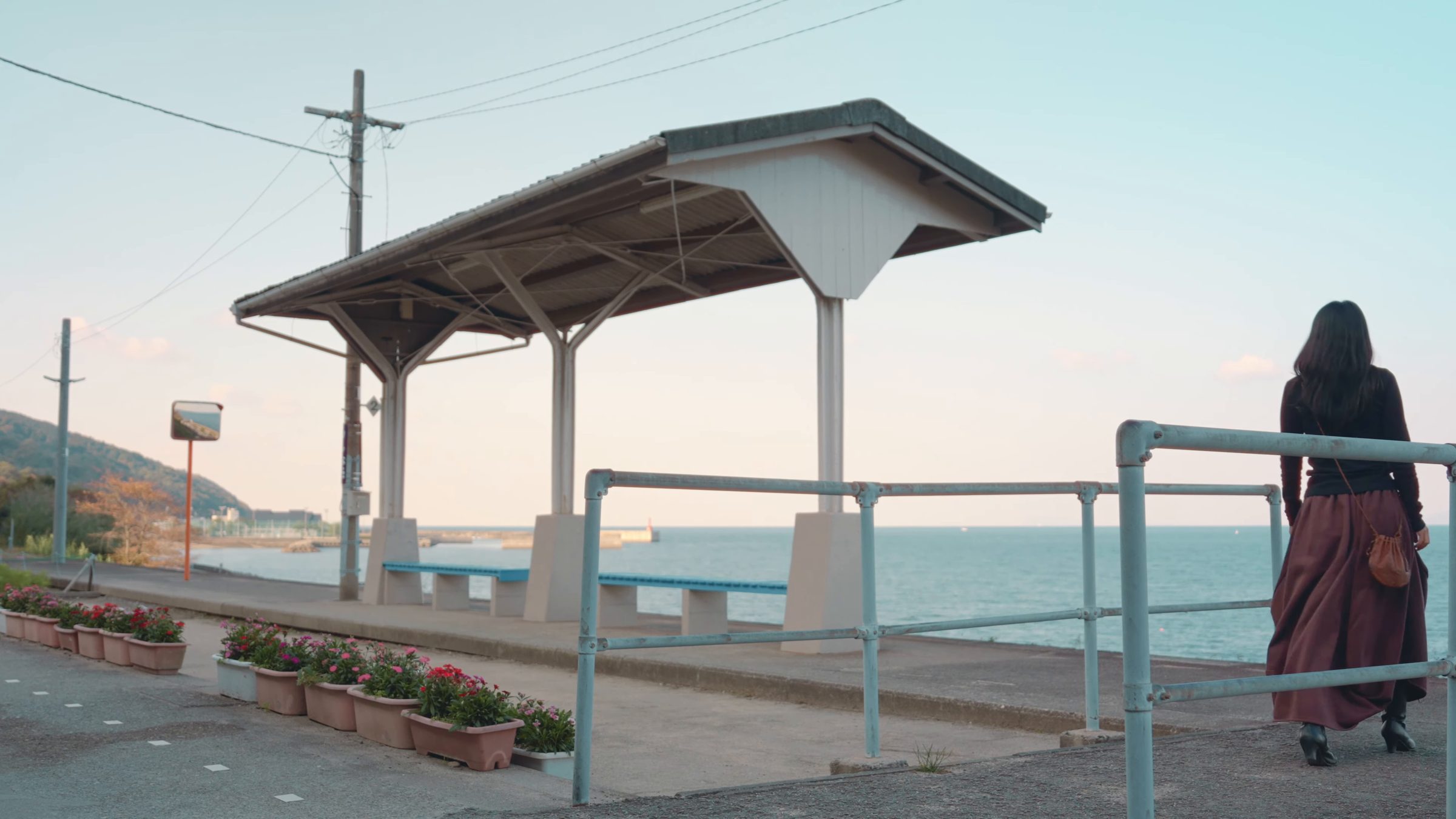
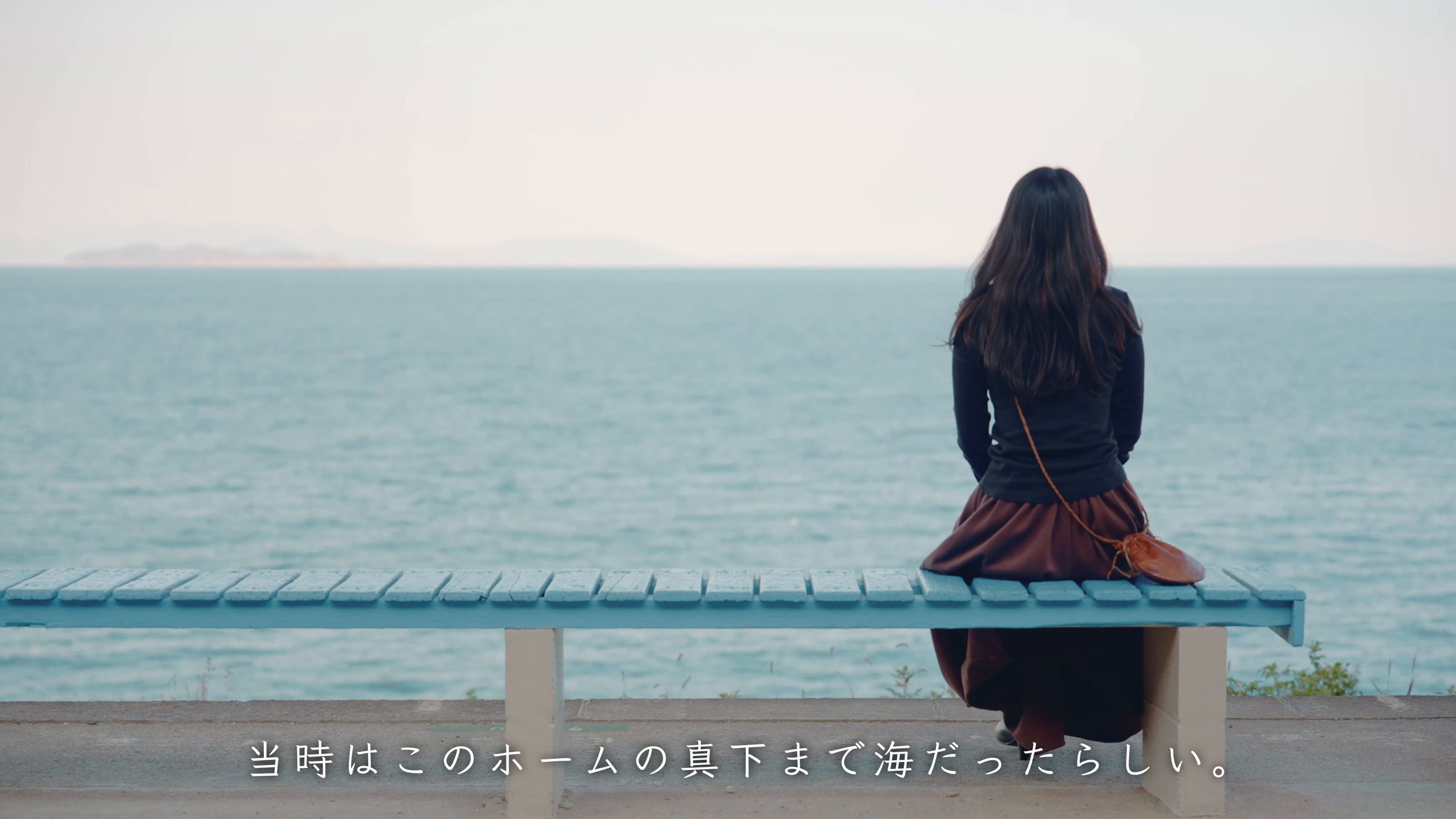
Out on the platform, all you can see is the sky and the sea. Flowers grown by the locals were blooming beautifully along a platform that has nothing but a roof and a bench.
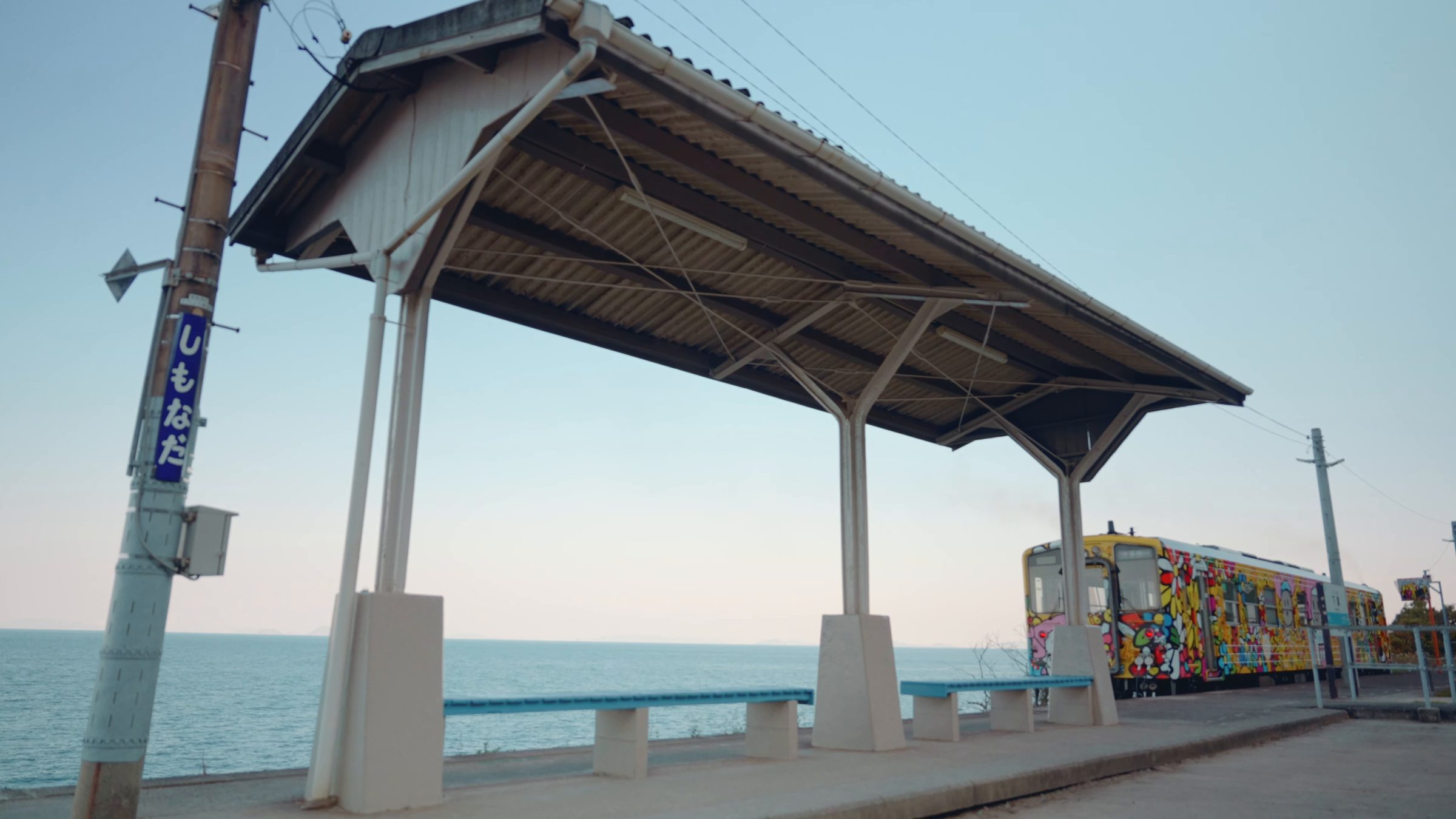
Opened in 1935, the station was once called the closest station to the sea in Japan, until 1981, when National Route 378 was built on reclaimed land on the seaward side. In the old days, the sea was right under this platform. As I sat on the bench looking out at the water, a single car wrapped in flowers rolled slowly into the station.
Watch this scene on YouTube1:01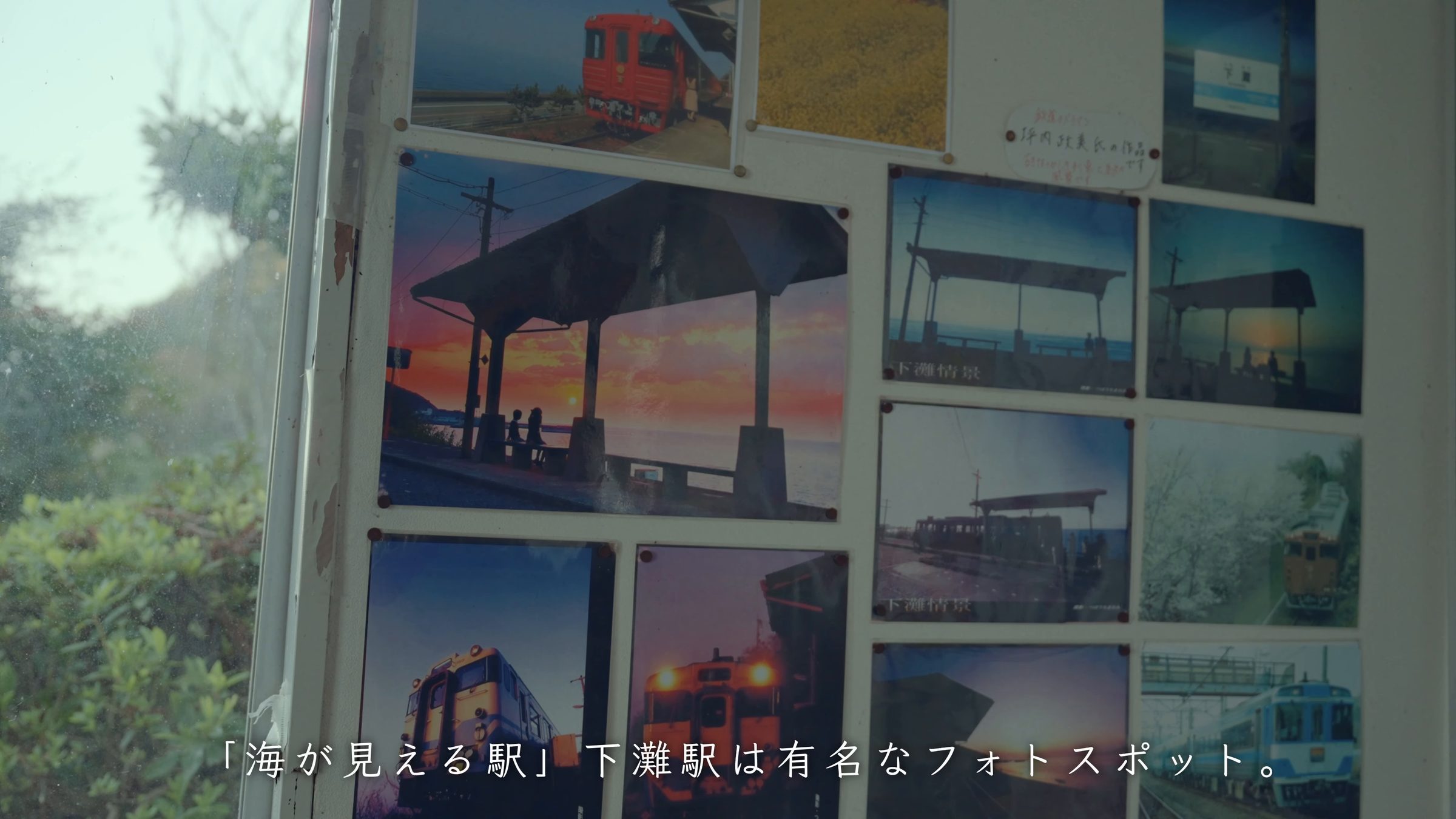
05TRAVEL JOURNAL
Soy sauce loved for a hundred years
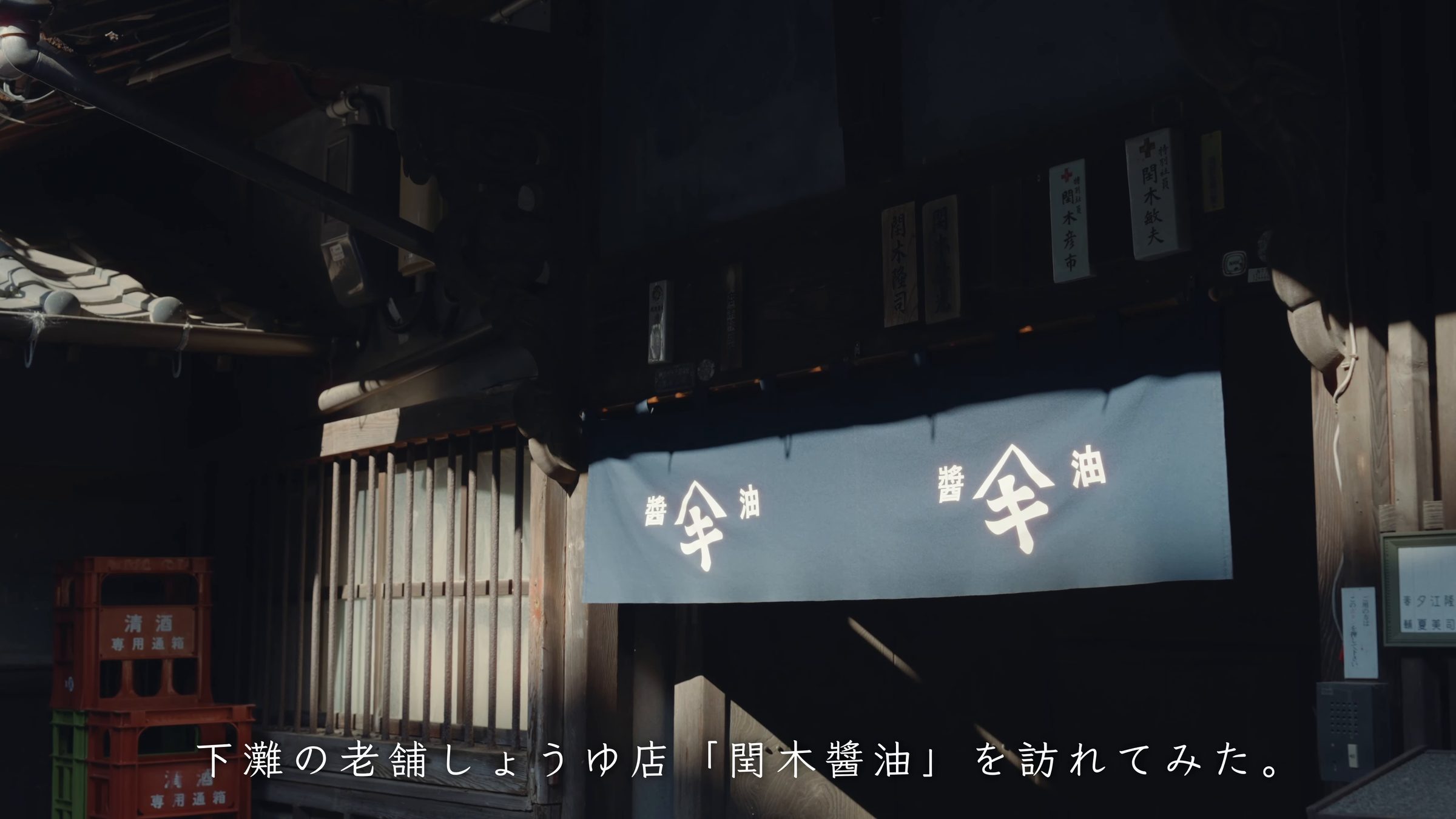
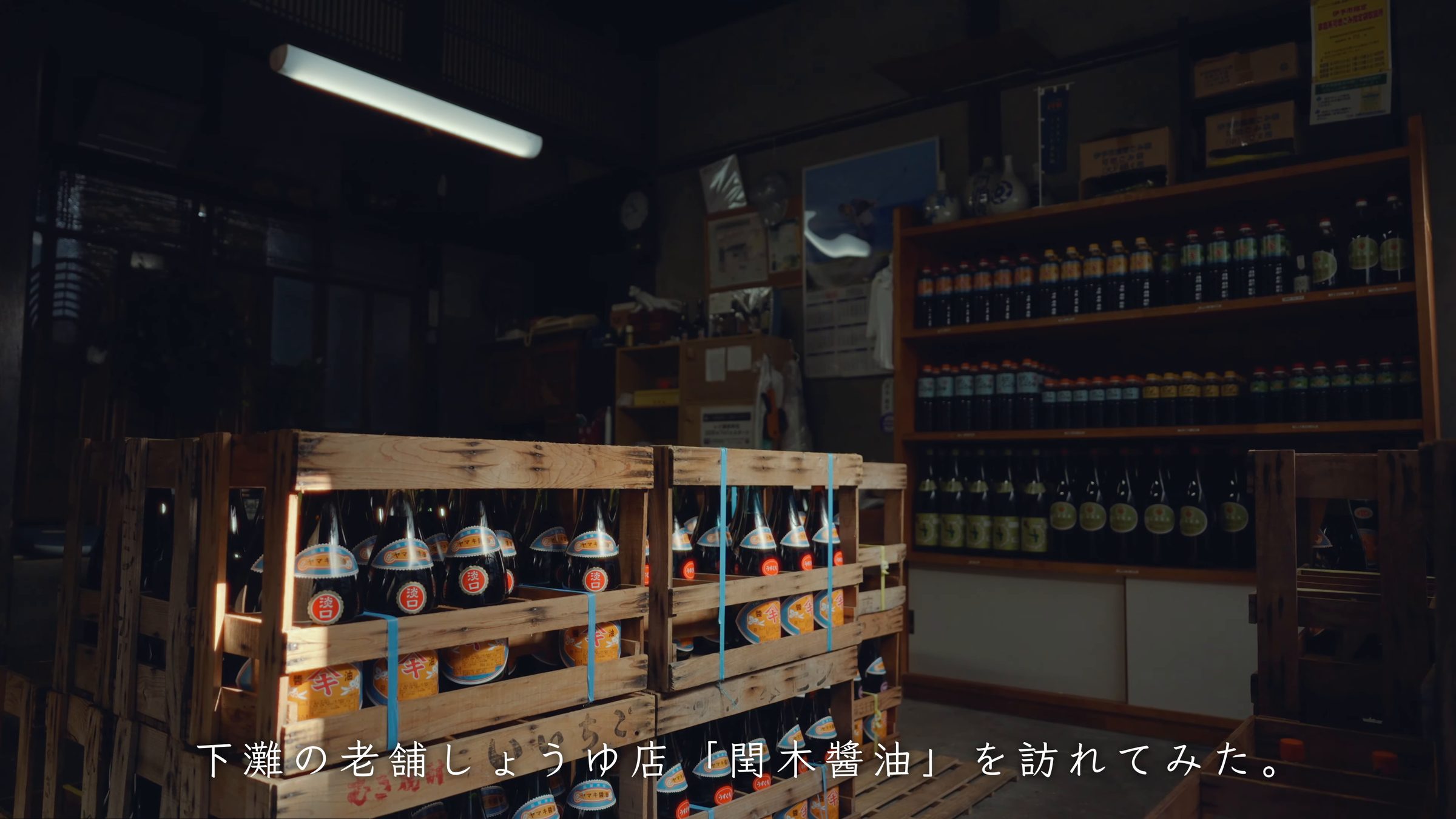
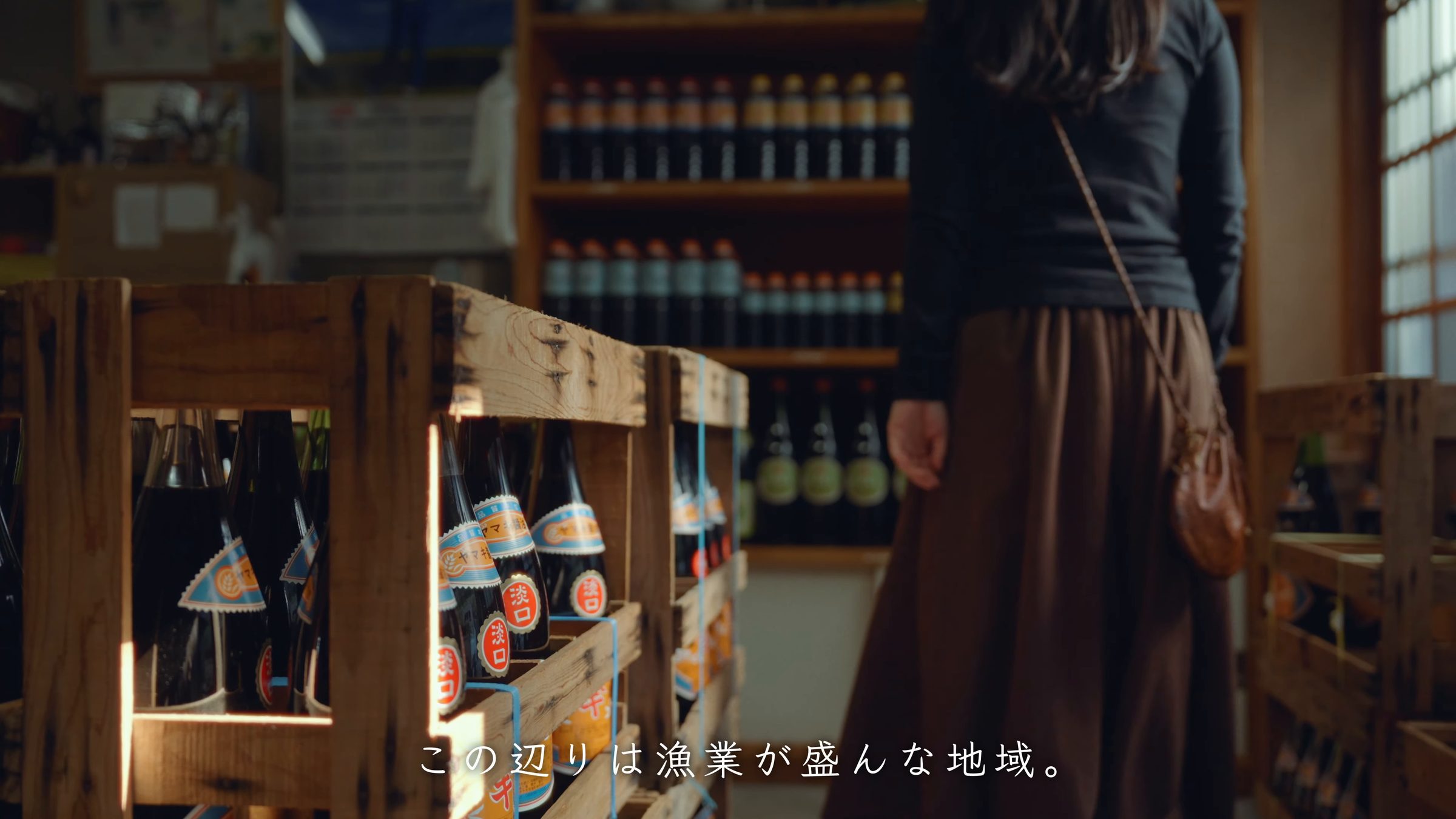
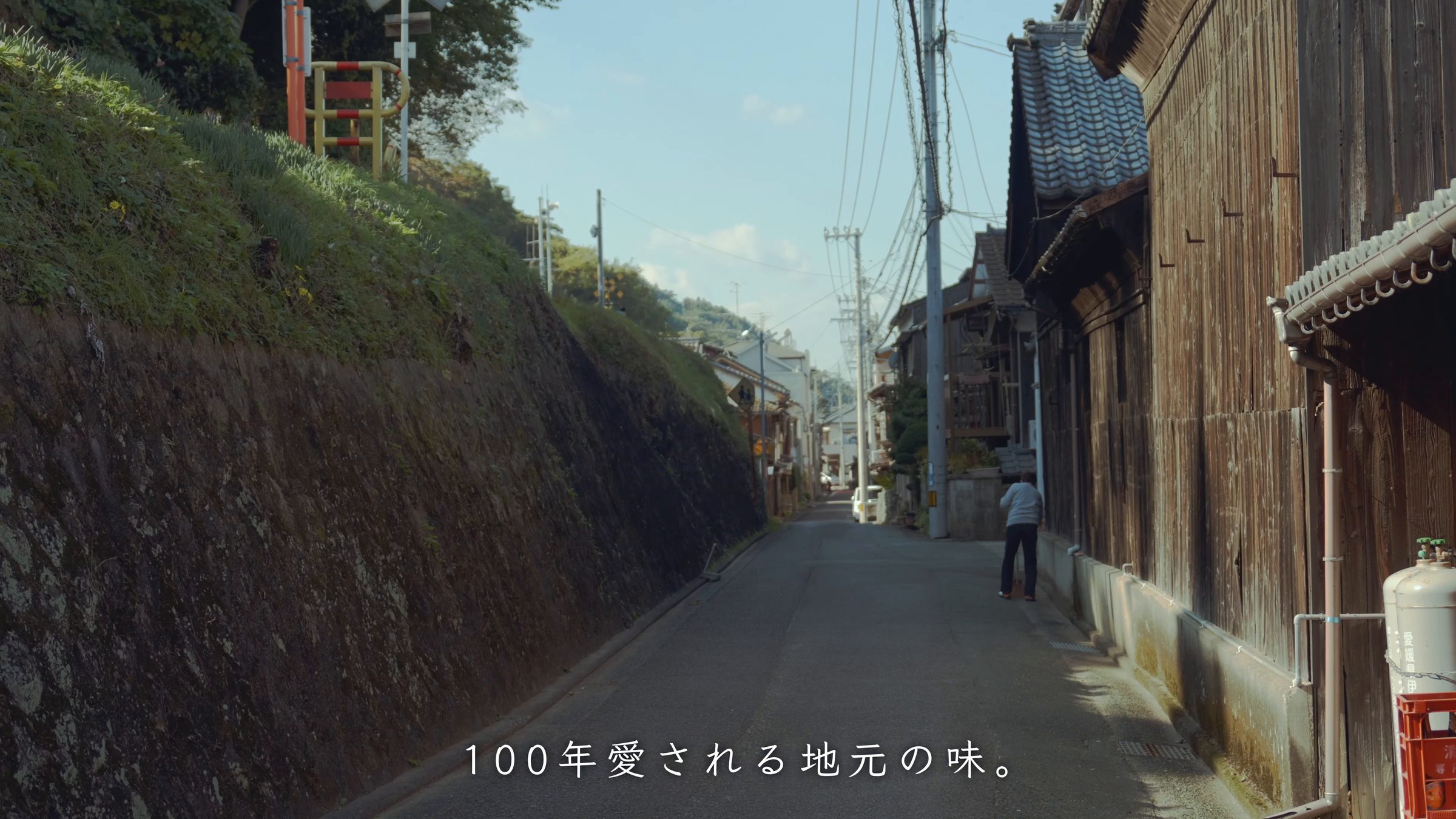
Walking through the lanes of the old townscape, I visited Uruki Shoyu, a long-established soy sauce maker in Shimonada. Past a curtain bearing the shop's crest, bottles sat packed in wooden crates, and the shelves were lined with soy sauce.
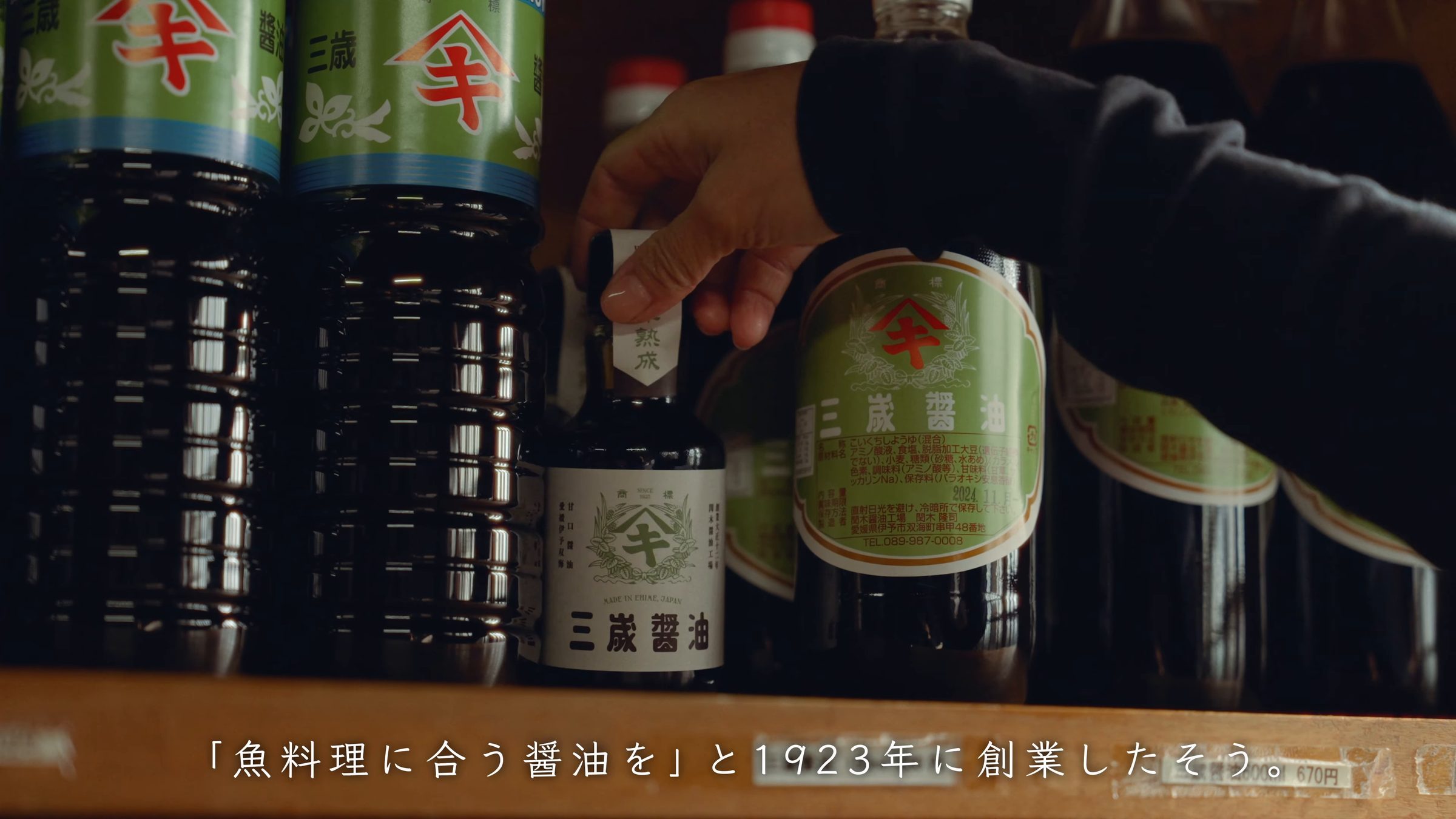
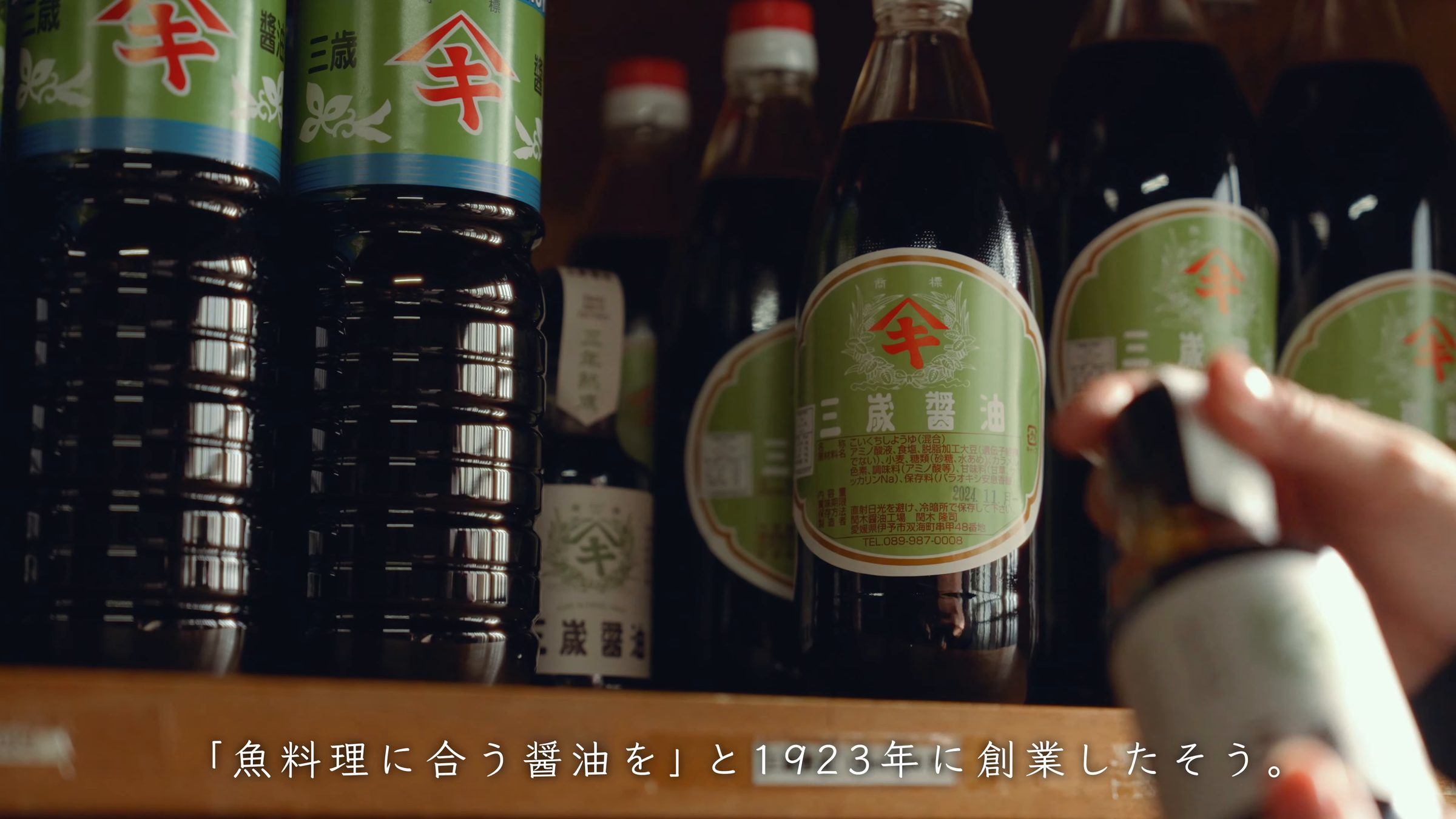
The fishing industry is flourishing in this town, and the brewery was founded in 1923 with the idea of creating soy sauce that goes well with fish dishes. I picked up a small bottle of Mitose Shoyu, brewed over three years: a sweet sashimi soy sauce, I was told, made for the white fish of the Seto Inland Sea.
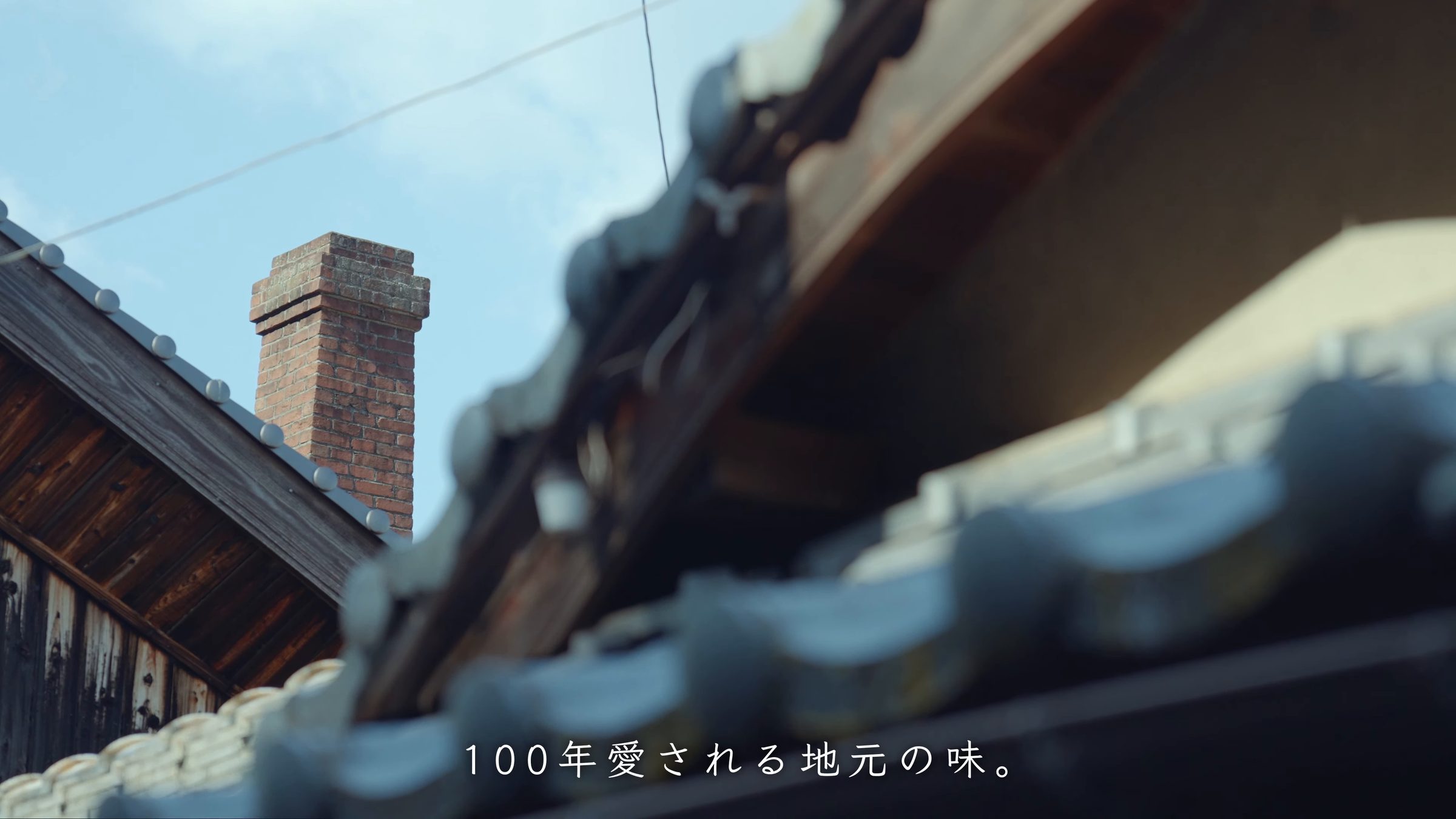
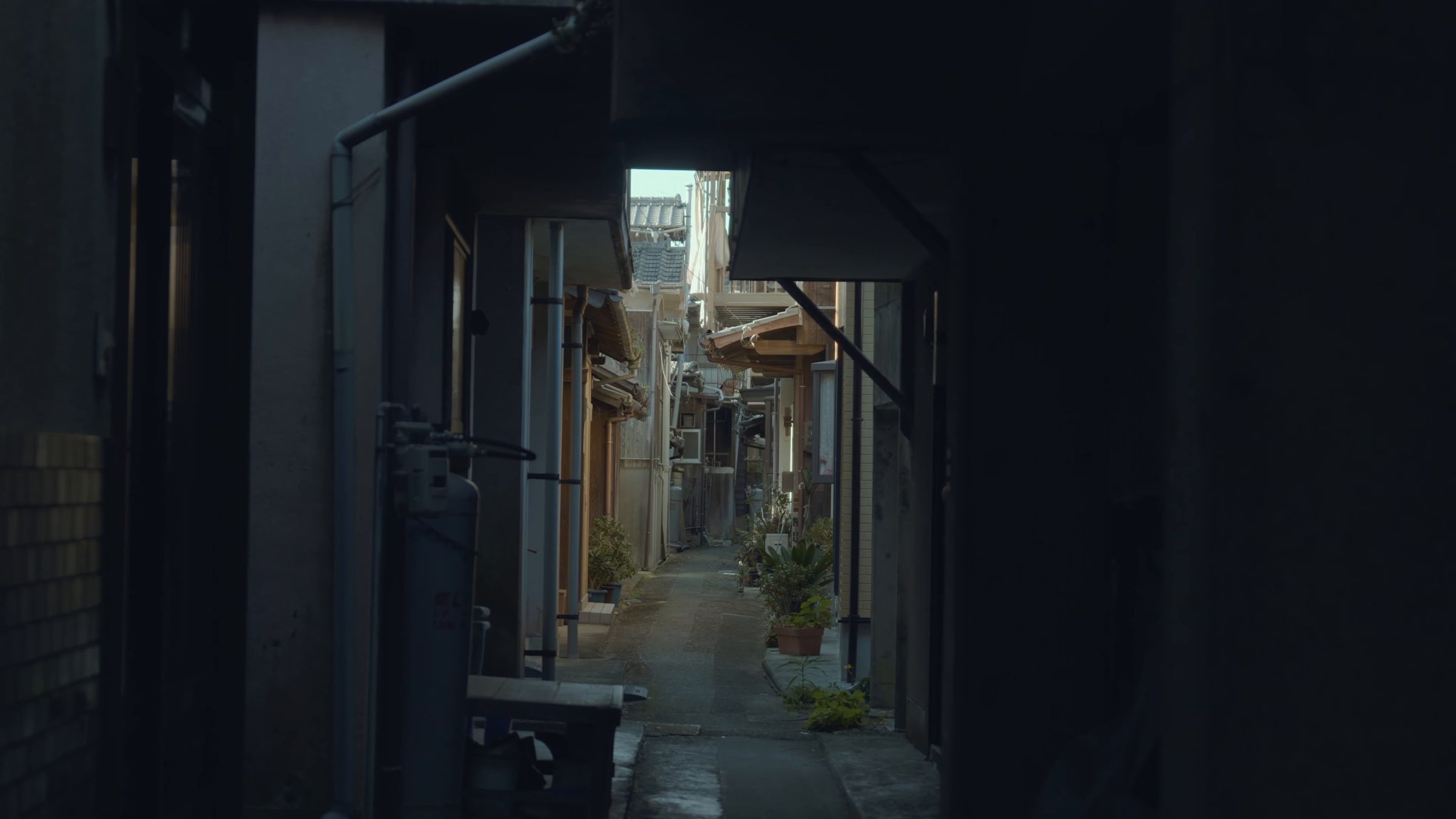
A local taste loved for a hundred years. Outside, a brick chimney rose beyond the tiled roofs. I followed a lane between stone walls and walked toward the light at the end of a narrow, shaded alley.
Watch this scene on YouTube1:53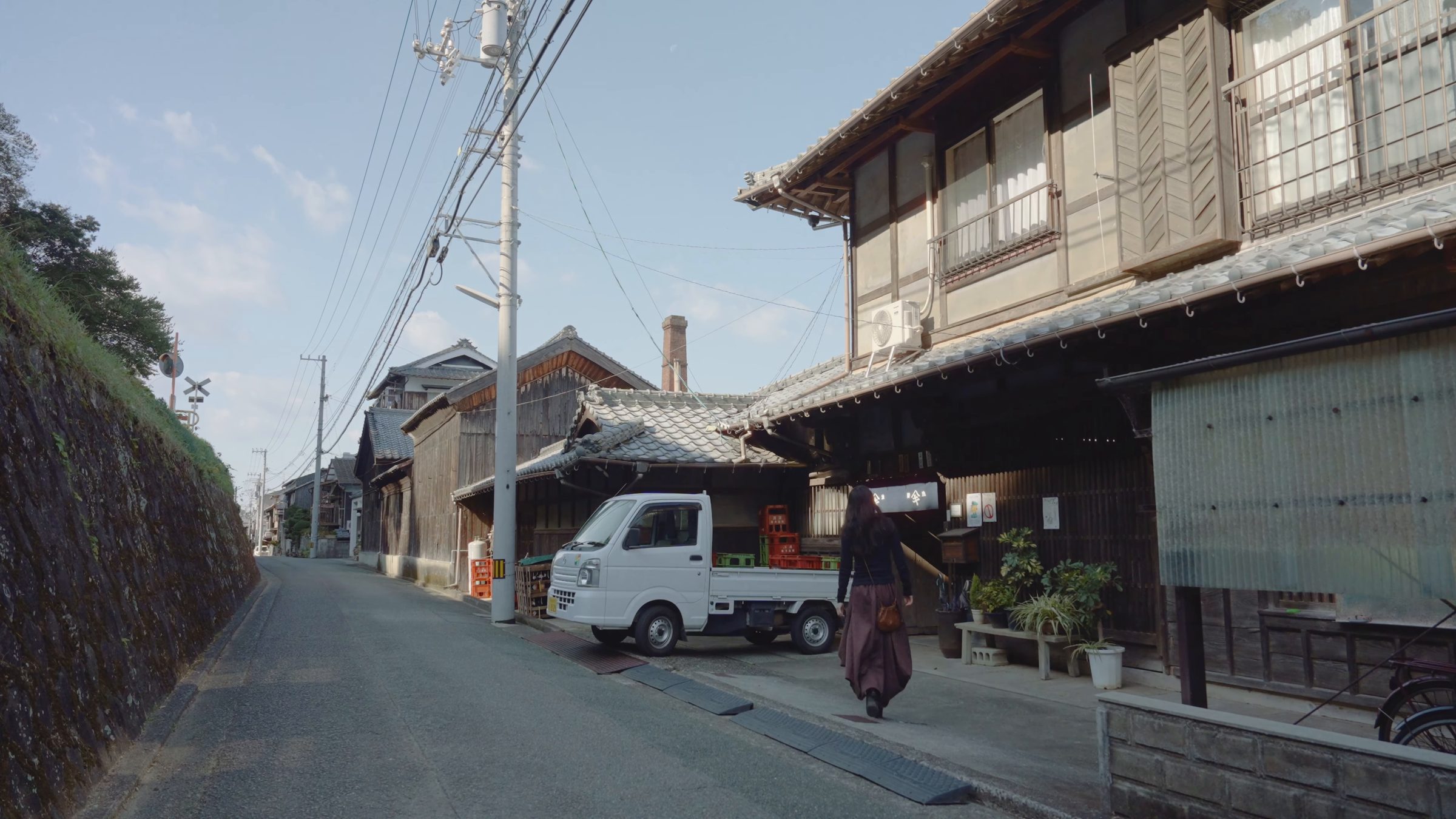
06TRAVEL JOURNAL
Ramen with pike conger stock
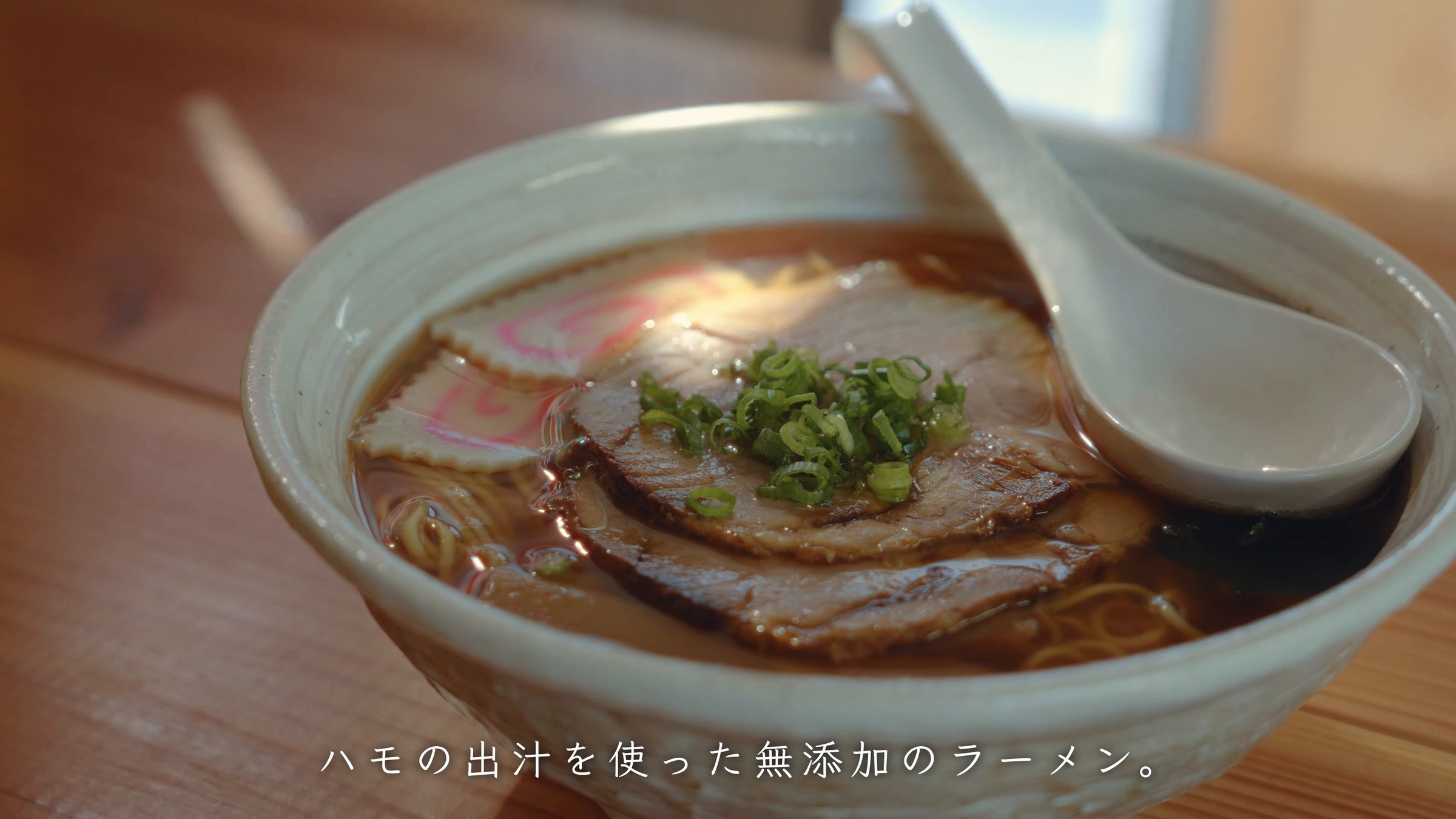
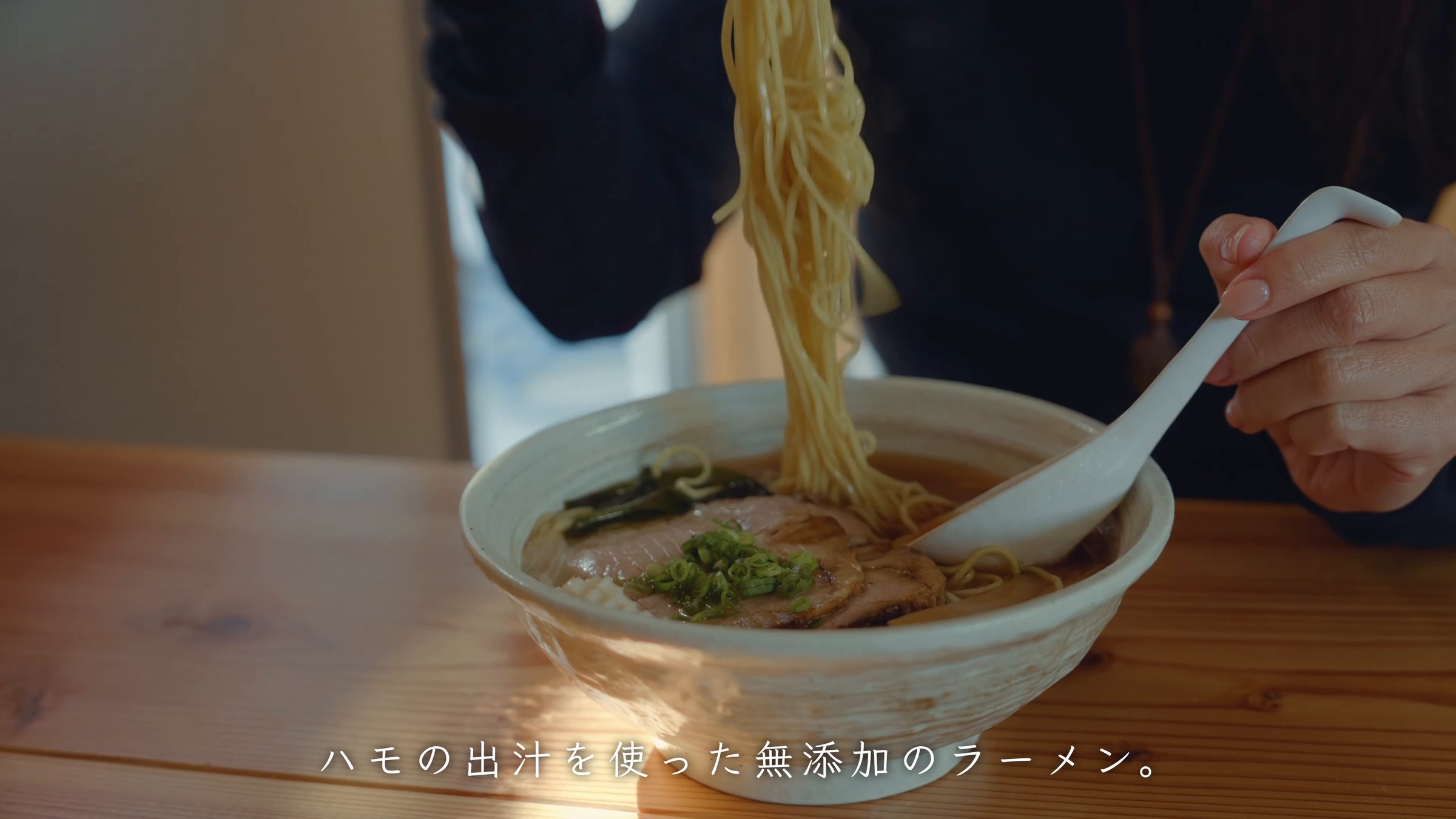
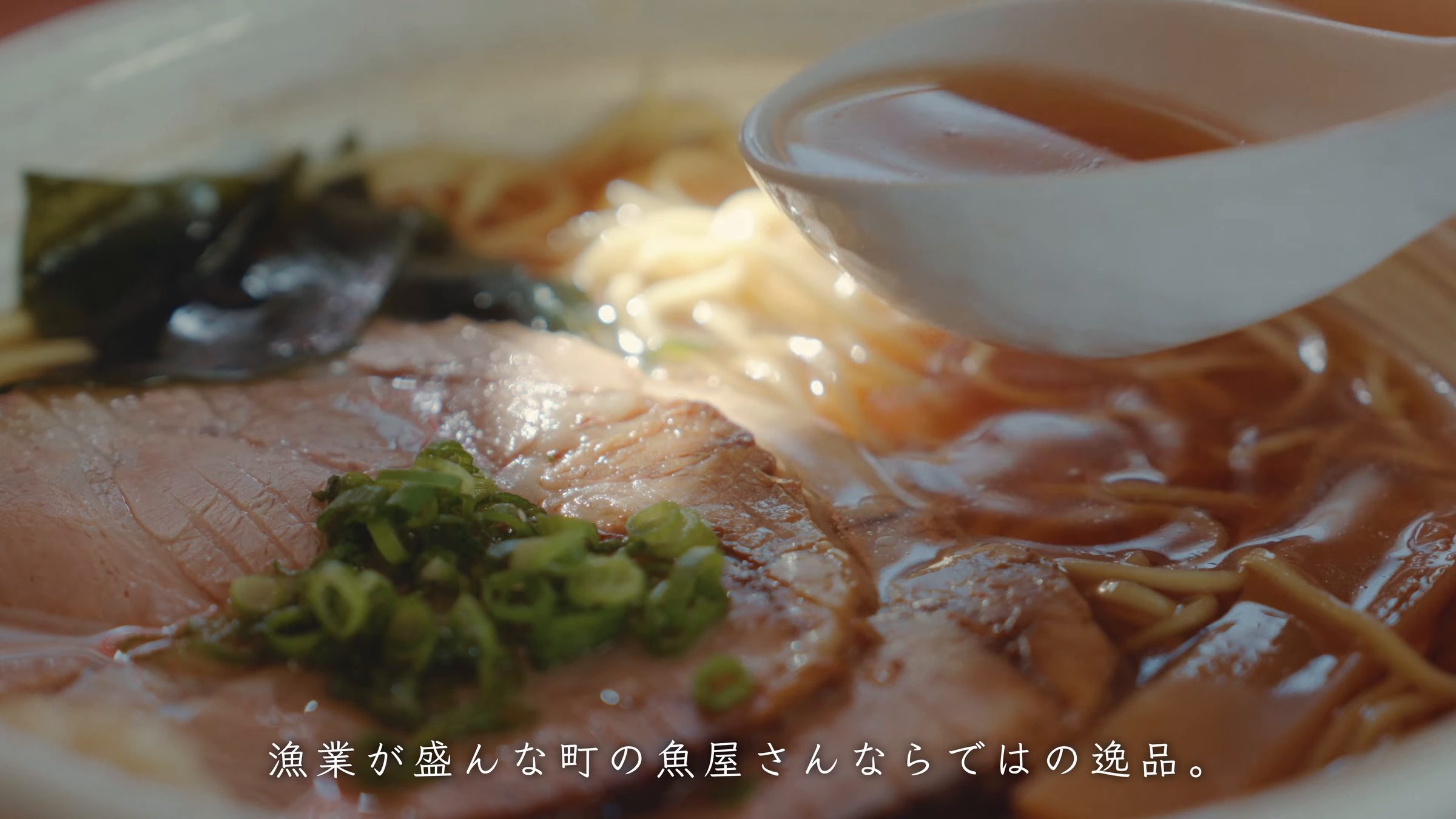
For lunch I went to a ramen shop I found along the coastline. Past the red noren curtain, a bowl arrived: additive-free ramen made with stock from hamo, the local pike conger. The soup glowed gold, the thin noodles were fragrant, and on top sat slices of chashu, green onions and wakame.
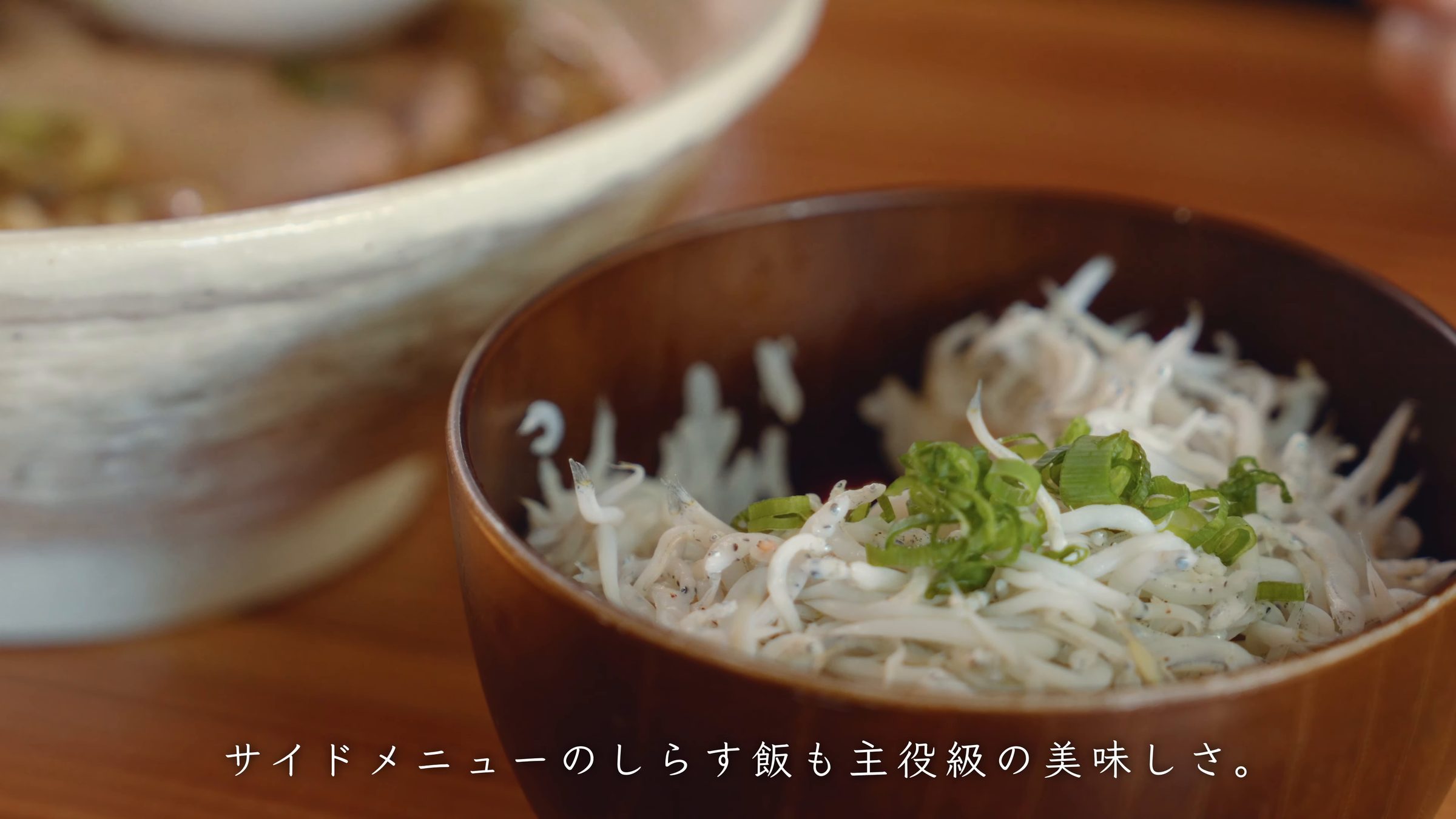
Hamo is landed in large quantities at this town's fishing port, and this bowl is just what you would expect from a ramen shop run by a fishmonger. The whitebait rice on the side menu was delicious enough to be the main dish.
Watch this scene on YouTube2:30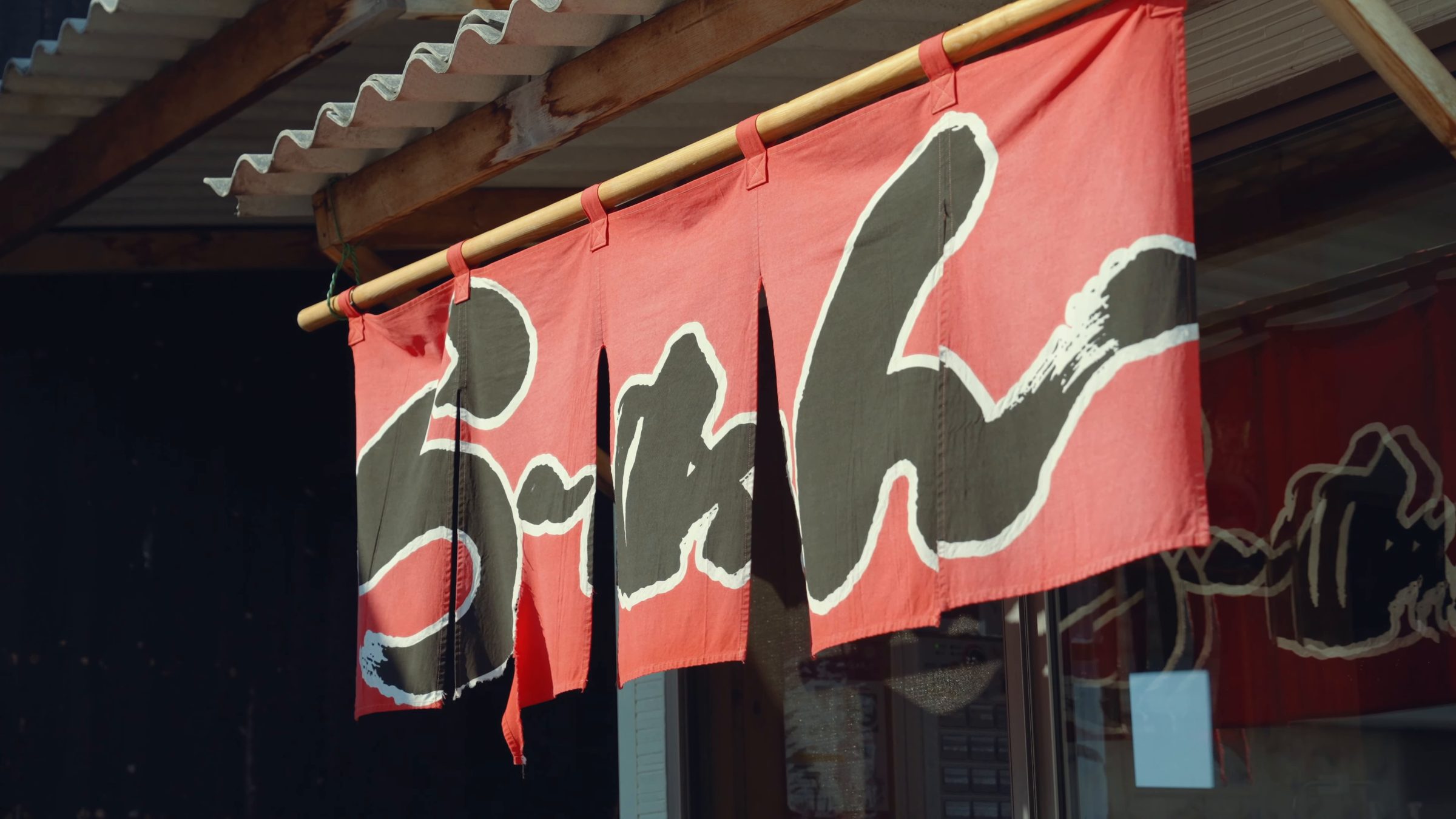
07TRAVEL JOURNAL
I like the seaside town
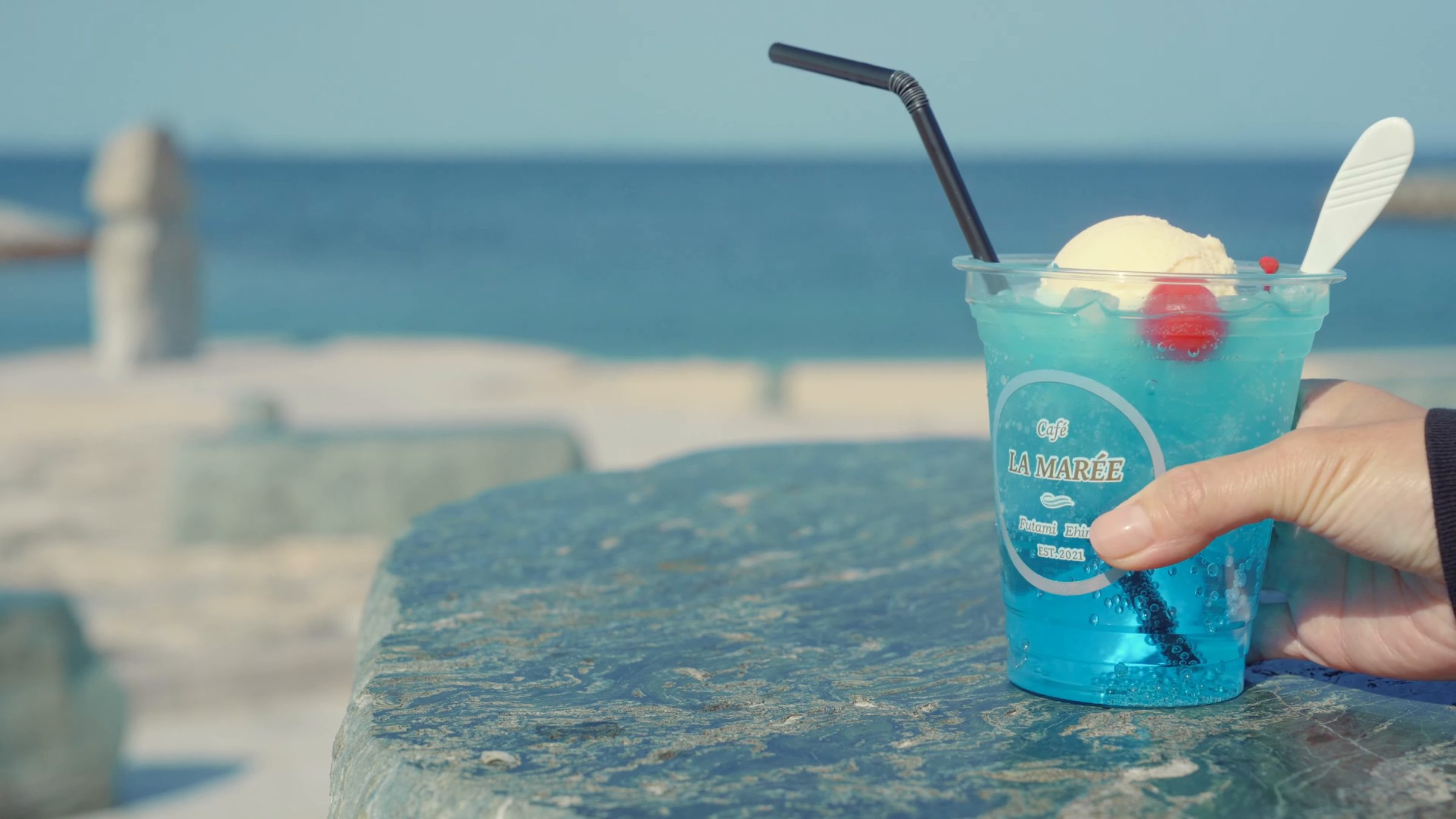
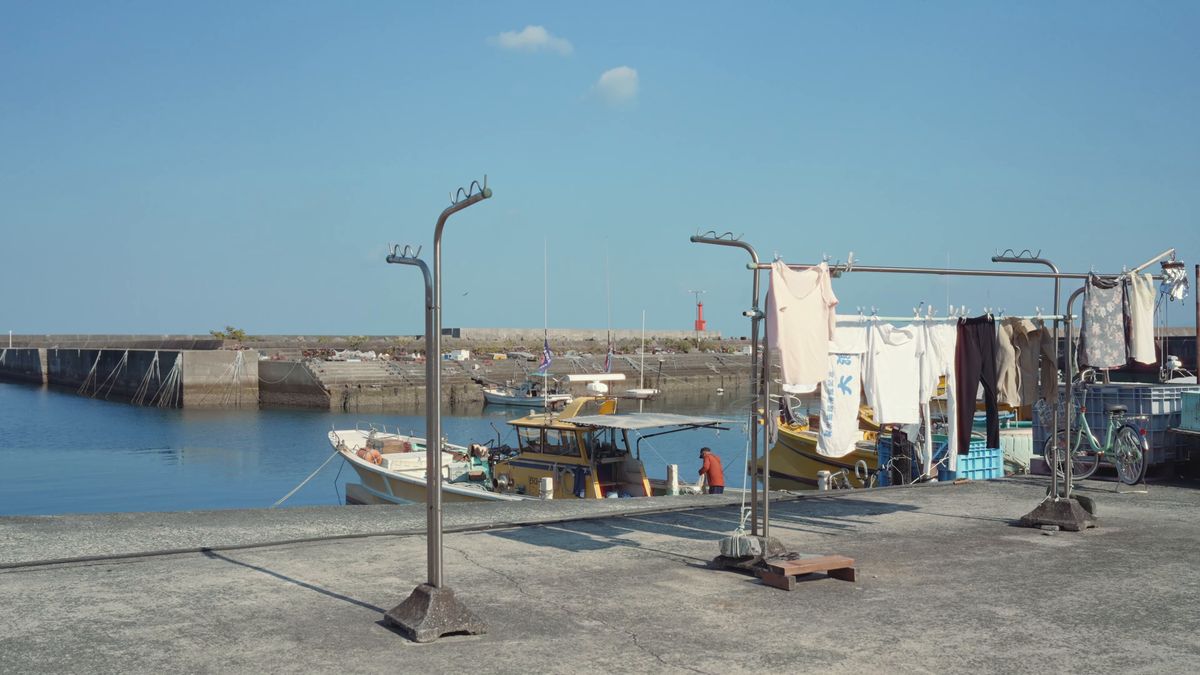
Fishing boats were moored in the harbor, and laundry fluttered in the sea breeze on the quay. I stopped at the Futami roadside station for a blue cream soda, sipped with the sea in view.
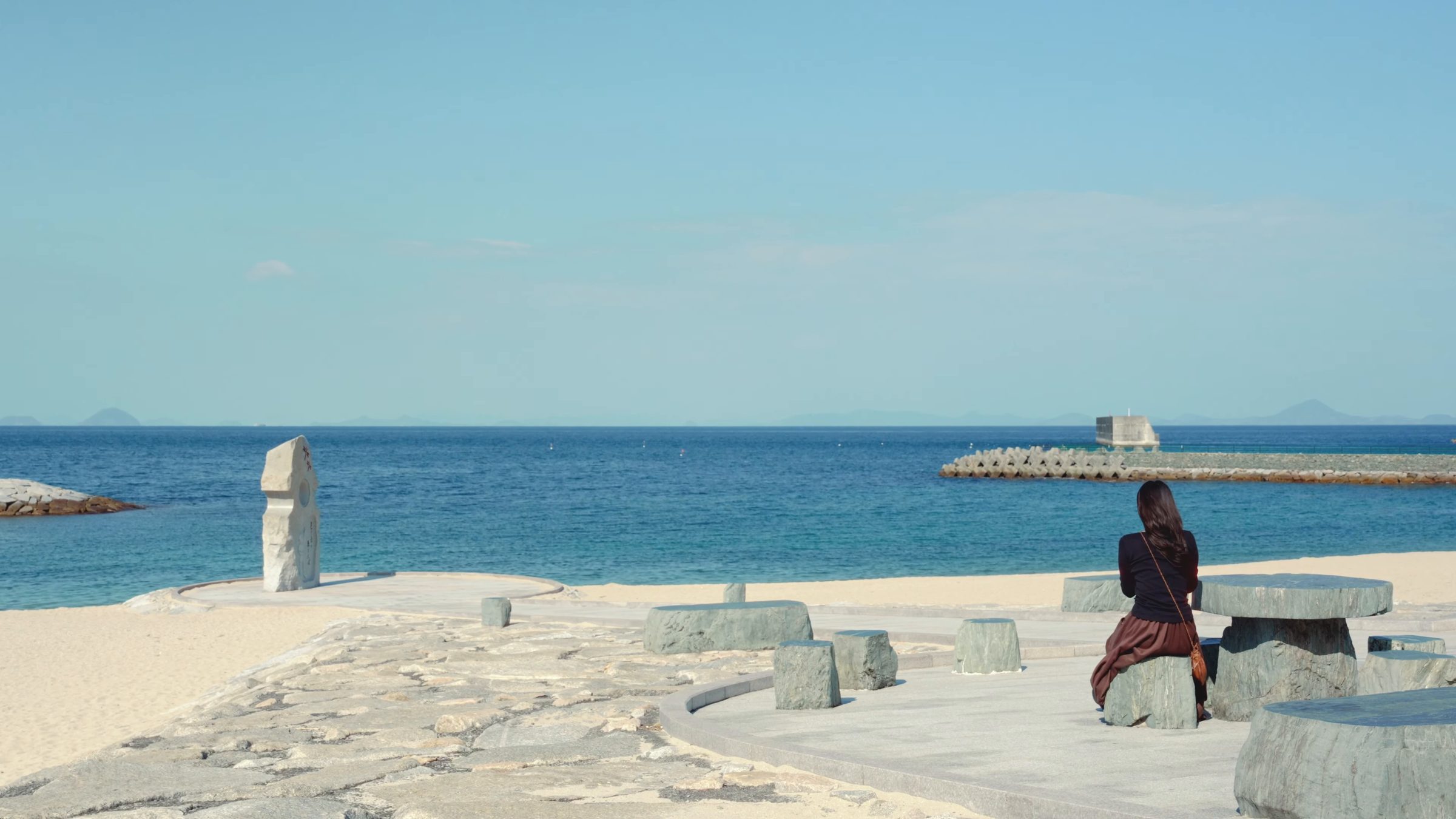
Then I sat down on the white sand and gazed at the Iyo-nada for a while. I like the seaside town.
Watch this scene on YouTube2:58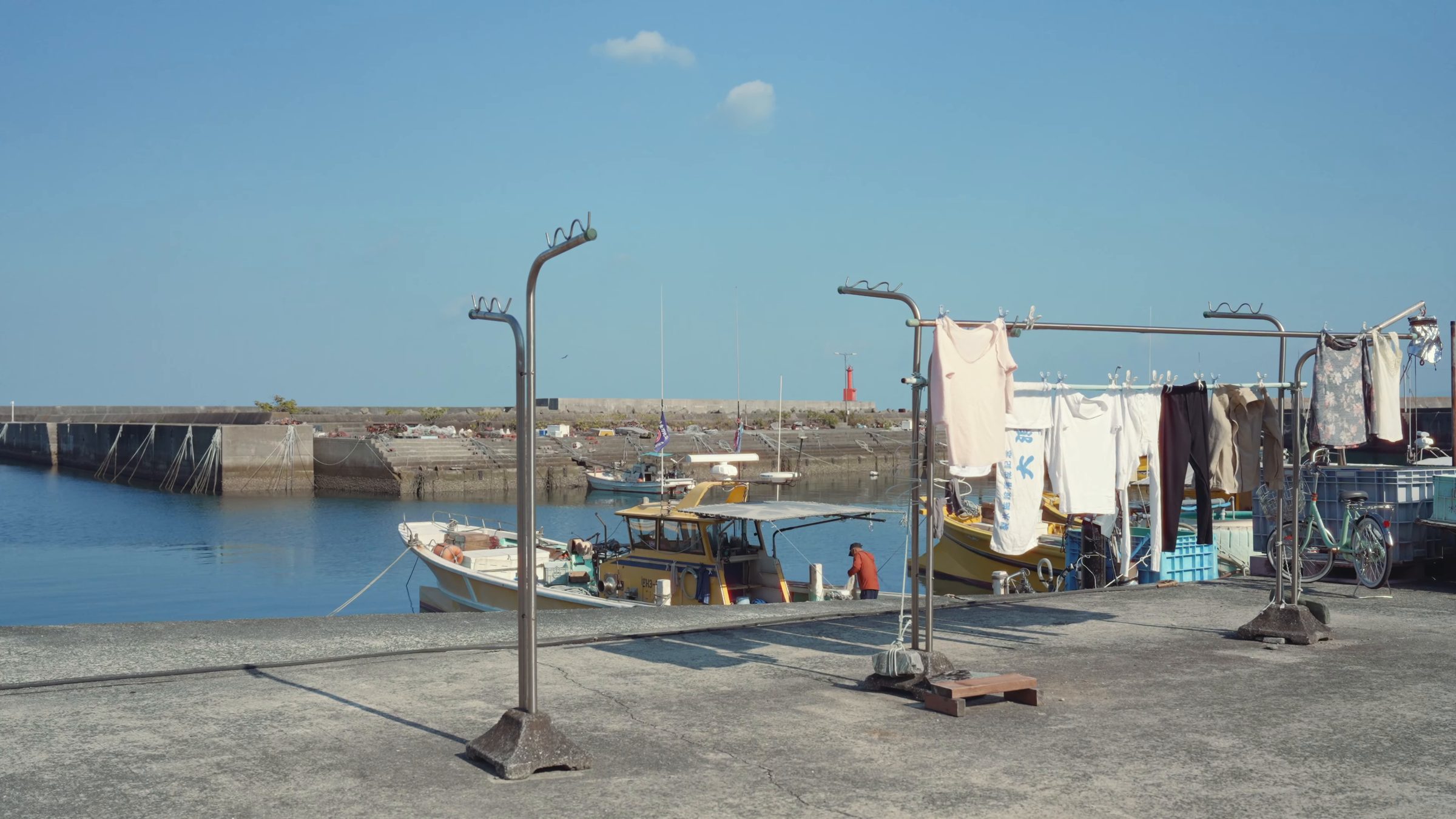
08TRAVEL JOURNAL
Shopping for dinner
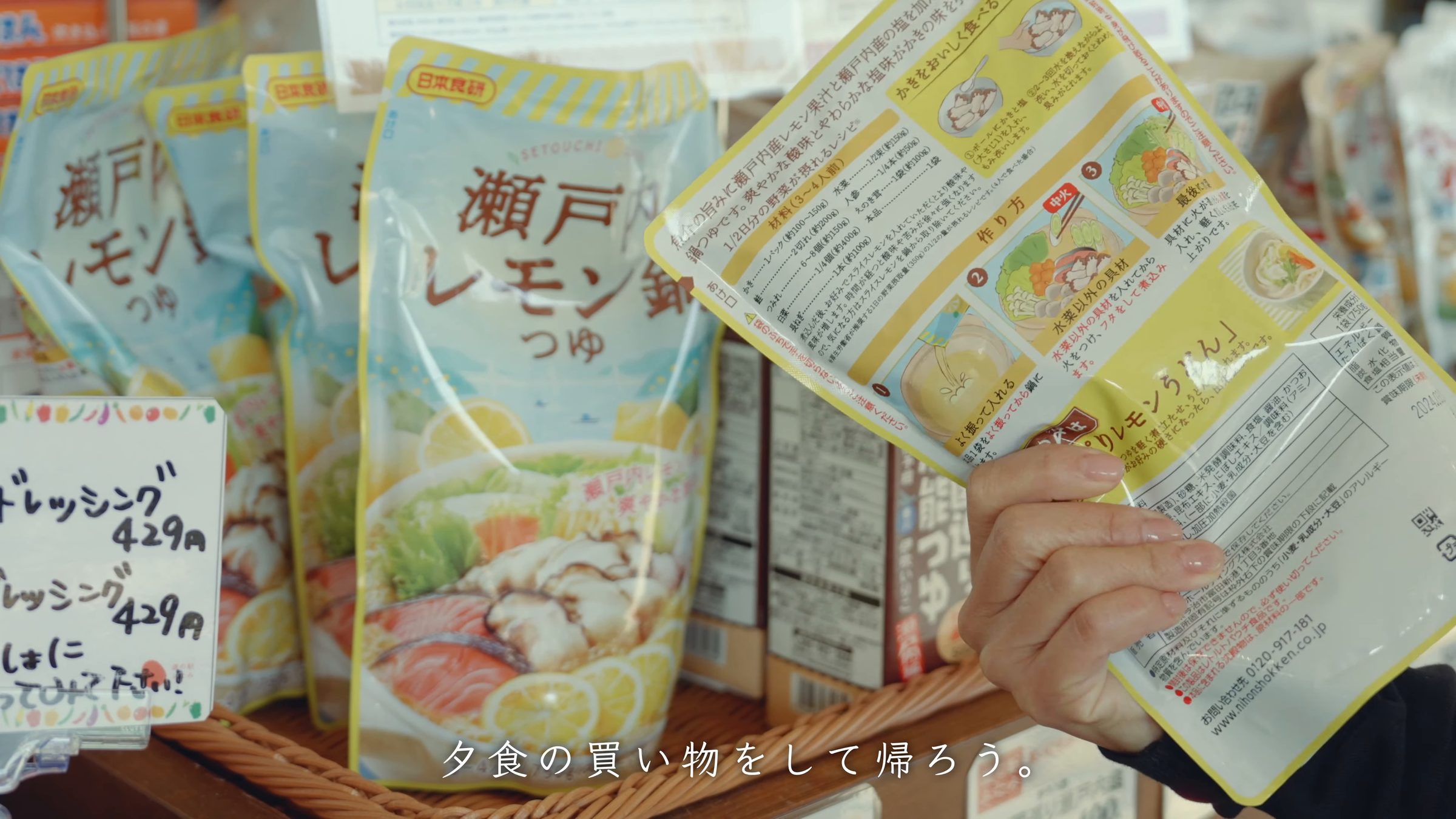
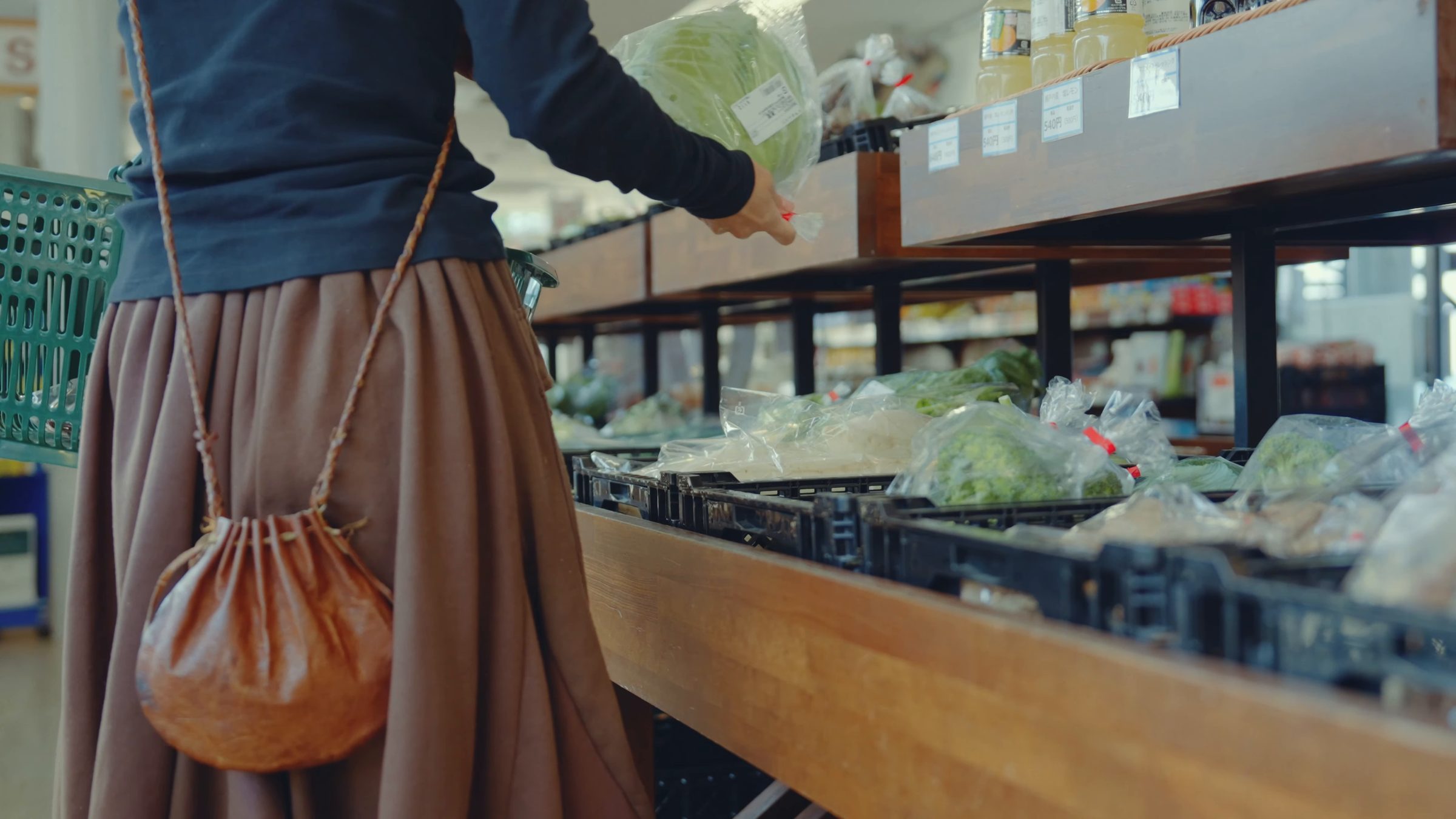
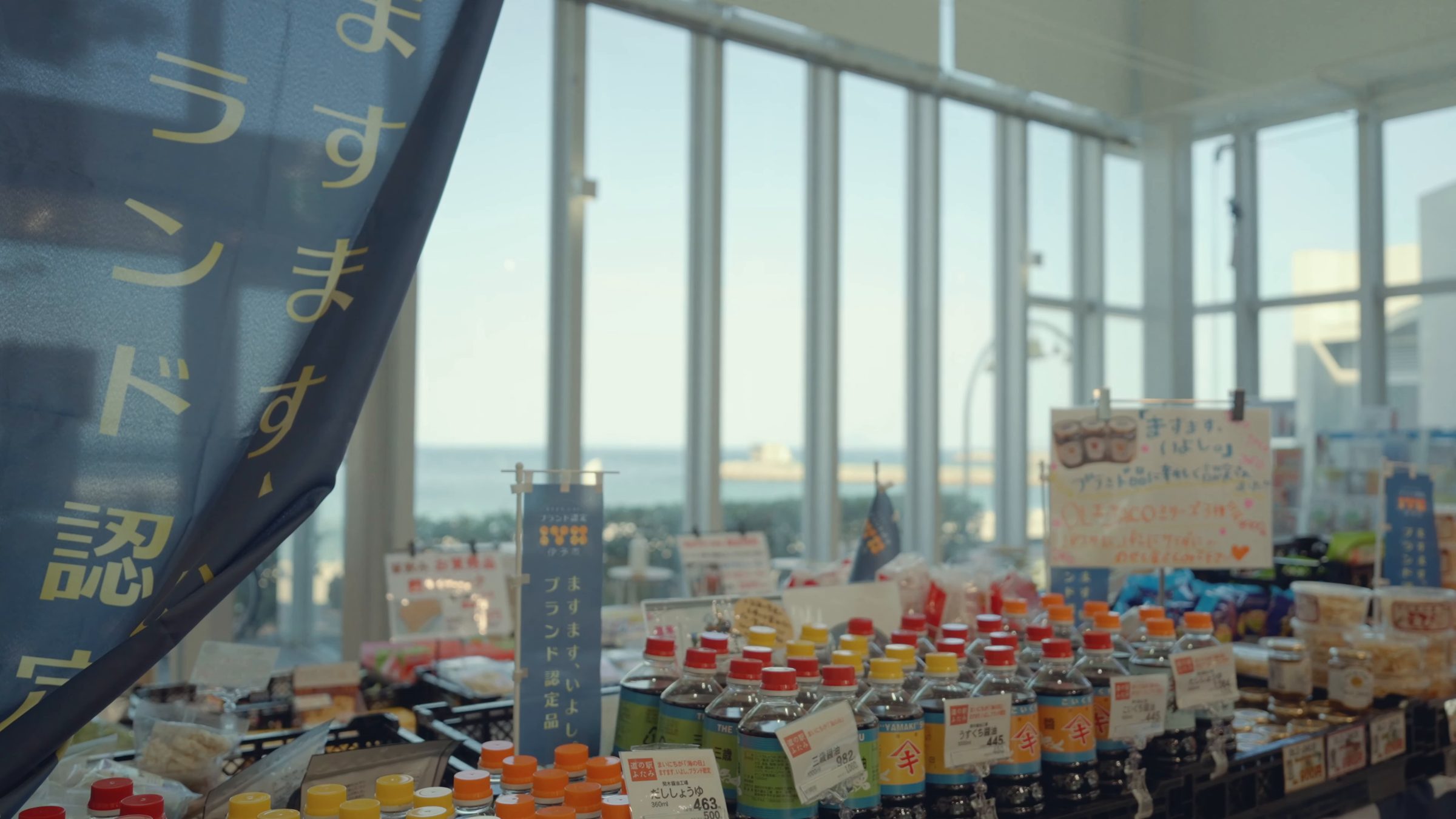
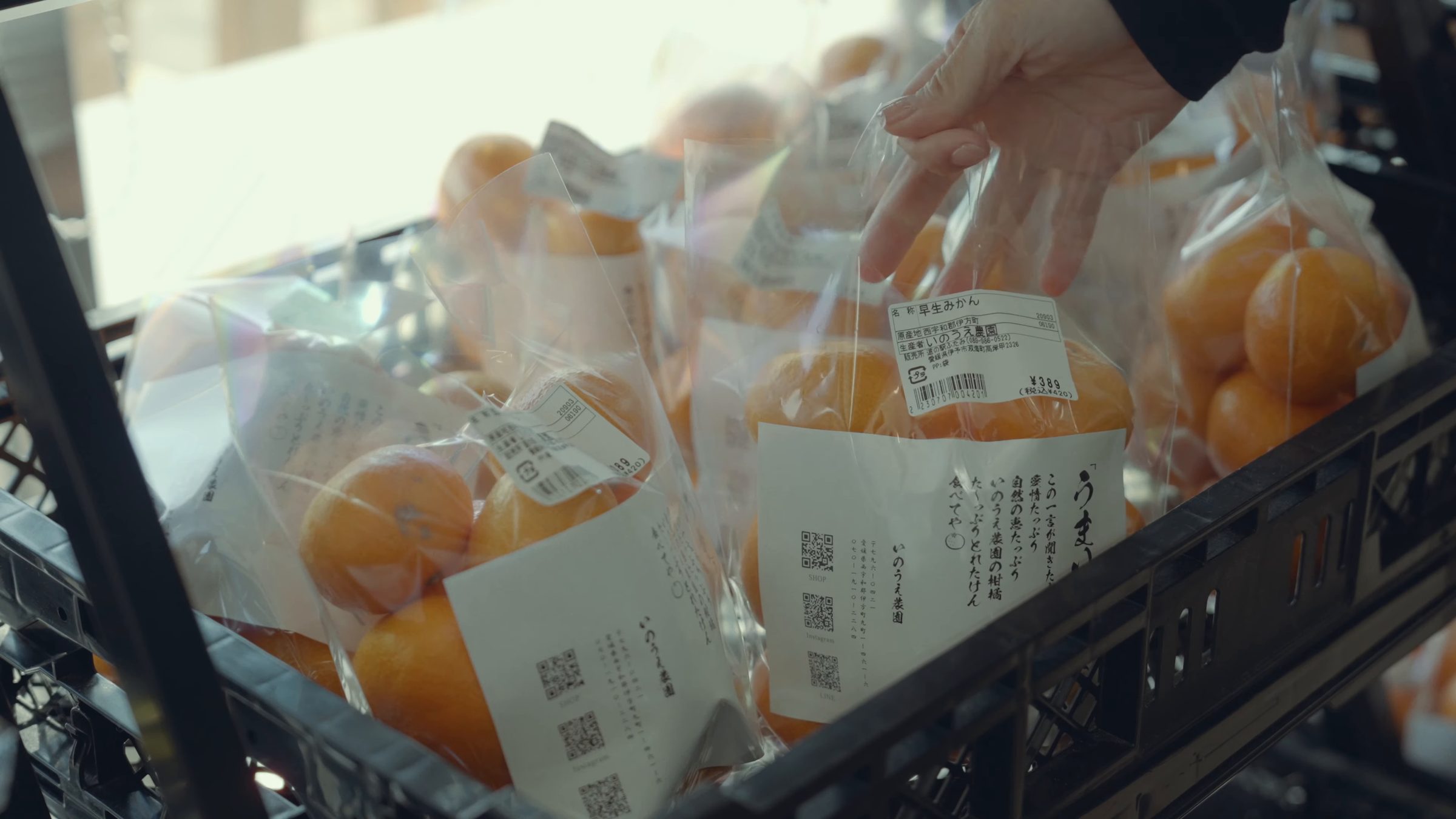
Time to shop for dinner and head home. Tonight would be a lemon hot pot, so I picked up a pouch of Setouchi lemon nabe broth and read the directions on the back. I chose a Chinese cabbage from the farmers' stand, and in the section of Iyo City's certified local products, the sea showed through the windows. A bag of mandarins went into the basket too.
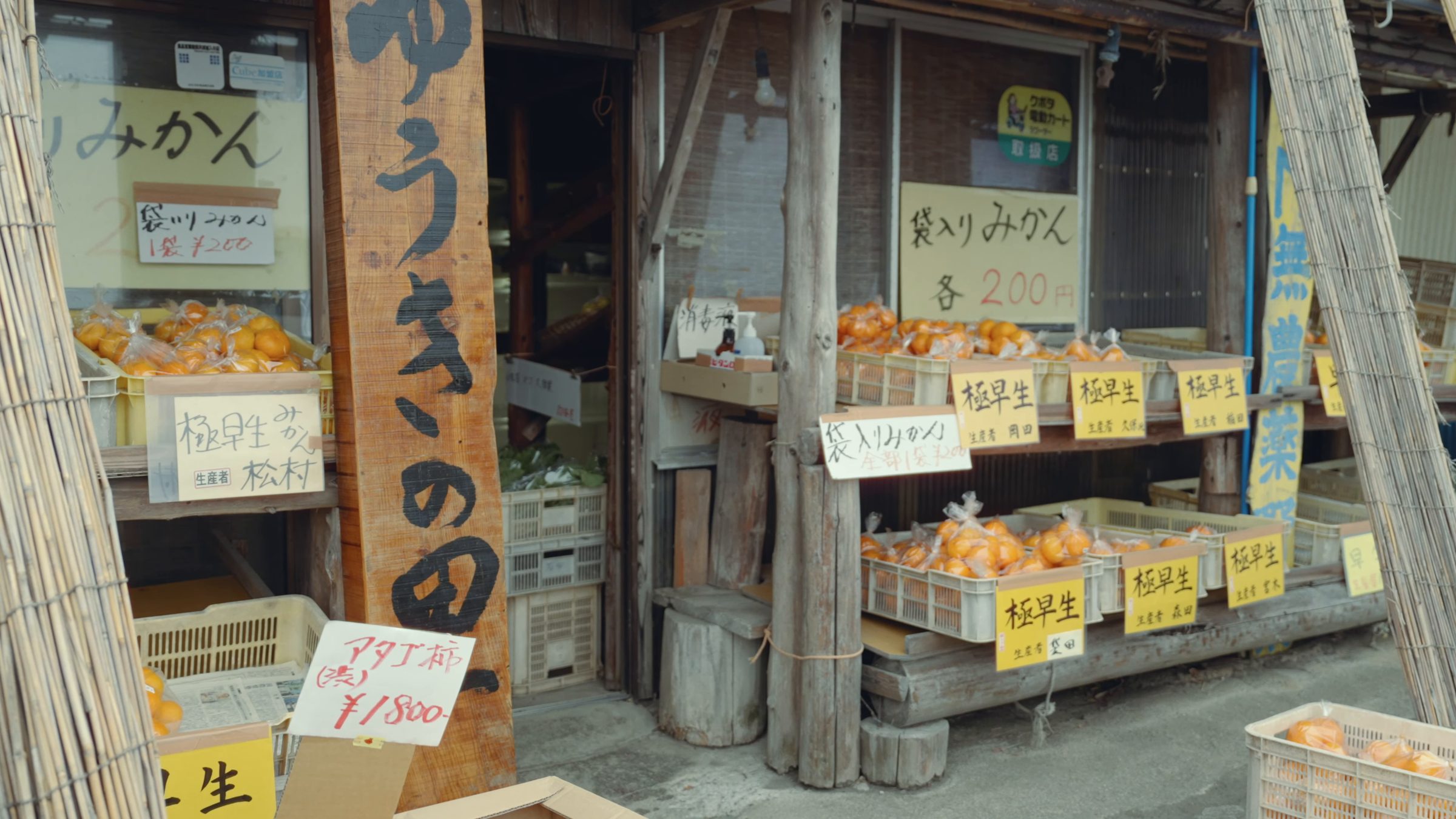
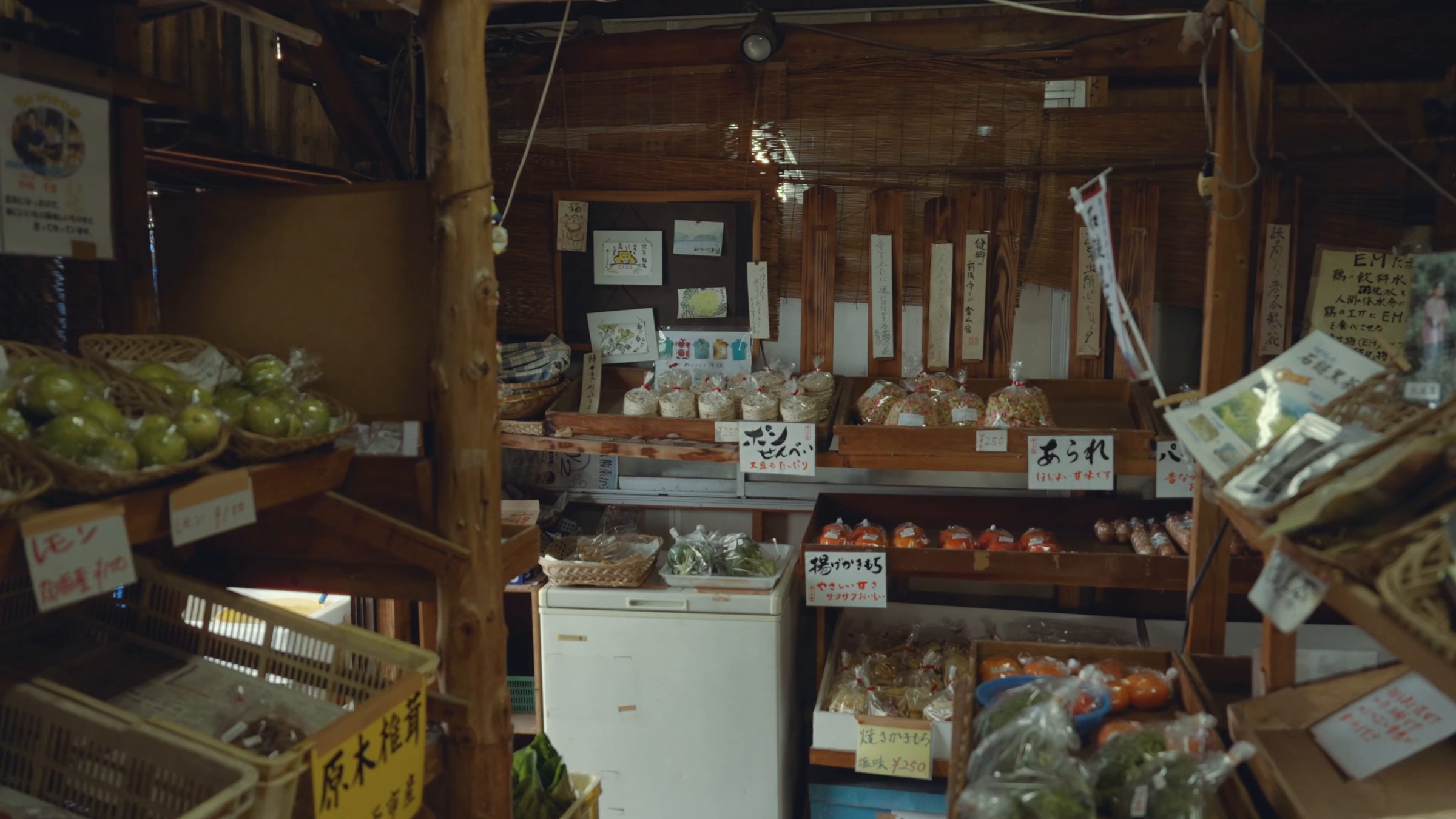
I also stopped at a rustic shop on the coast road. Out front were bags of mandarins, crates of the extra-early variety and a price tag for persimmons; the shelves inside held rice crackers and log-grown shiitake.
Watch this scene on YouTube3:08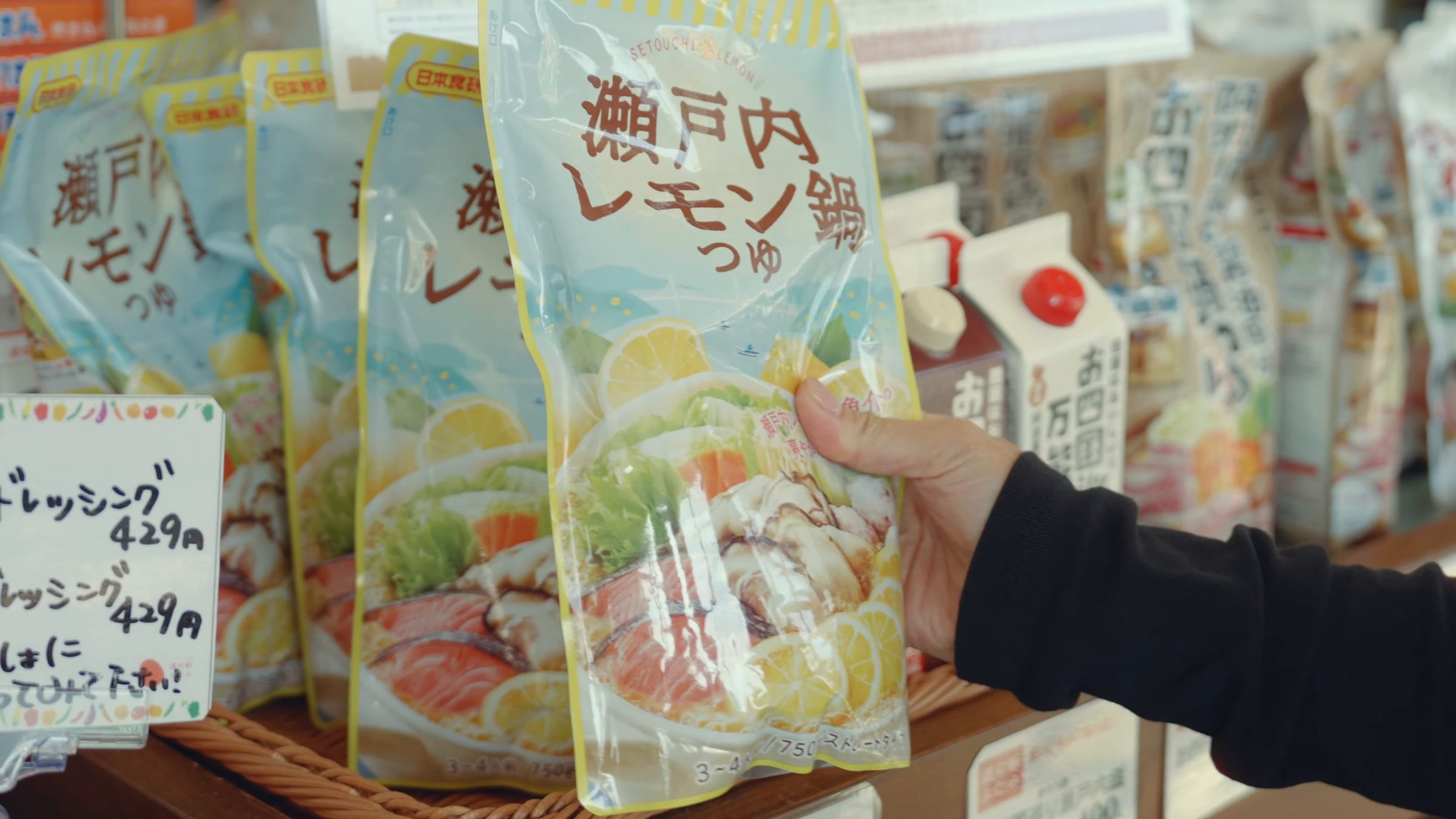
09TRAVEL JOURNAL
Takoyaki on the way home
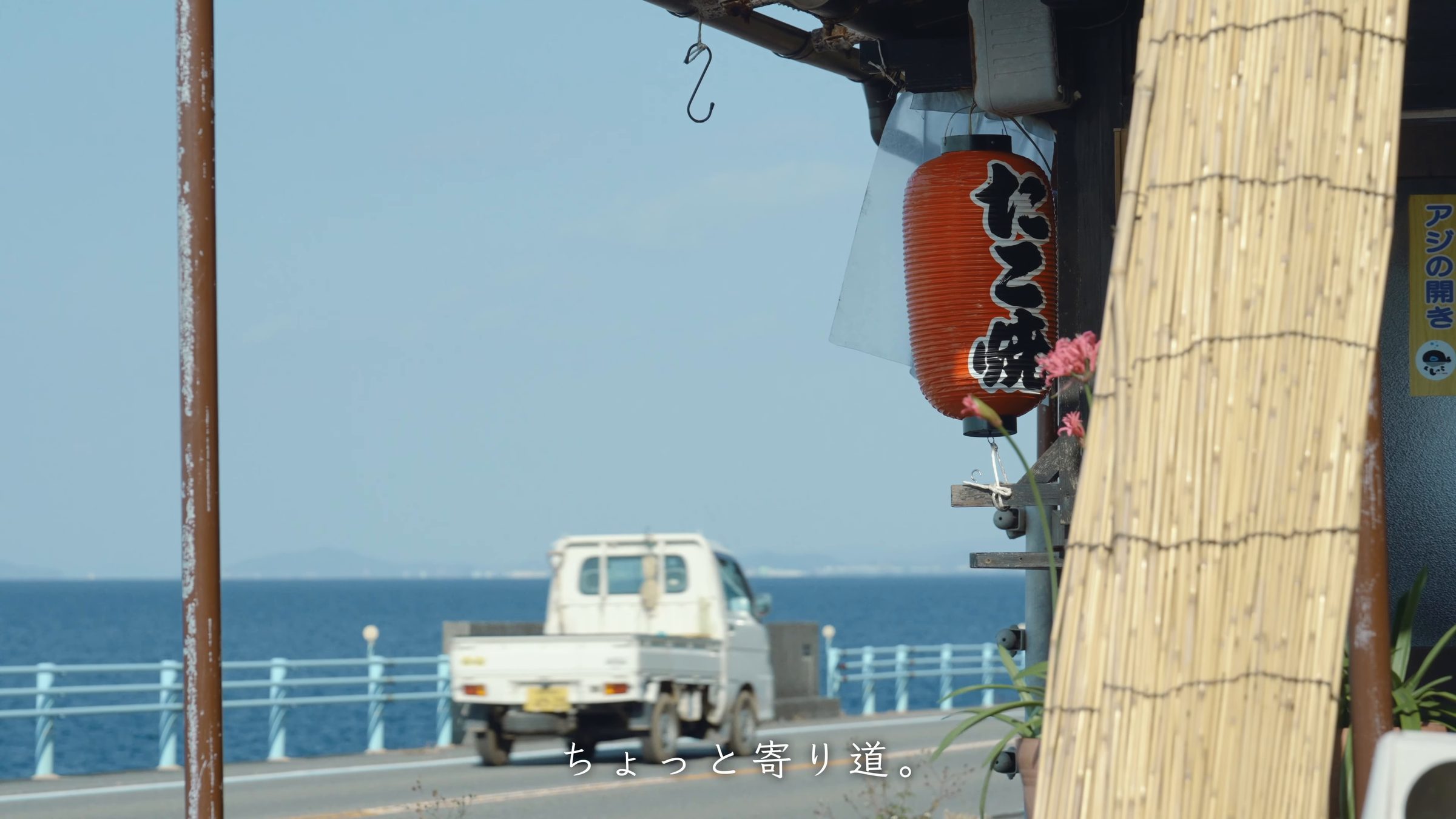
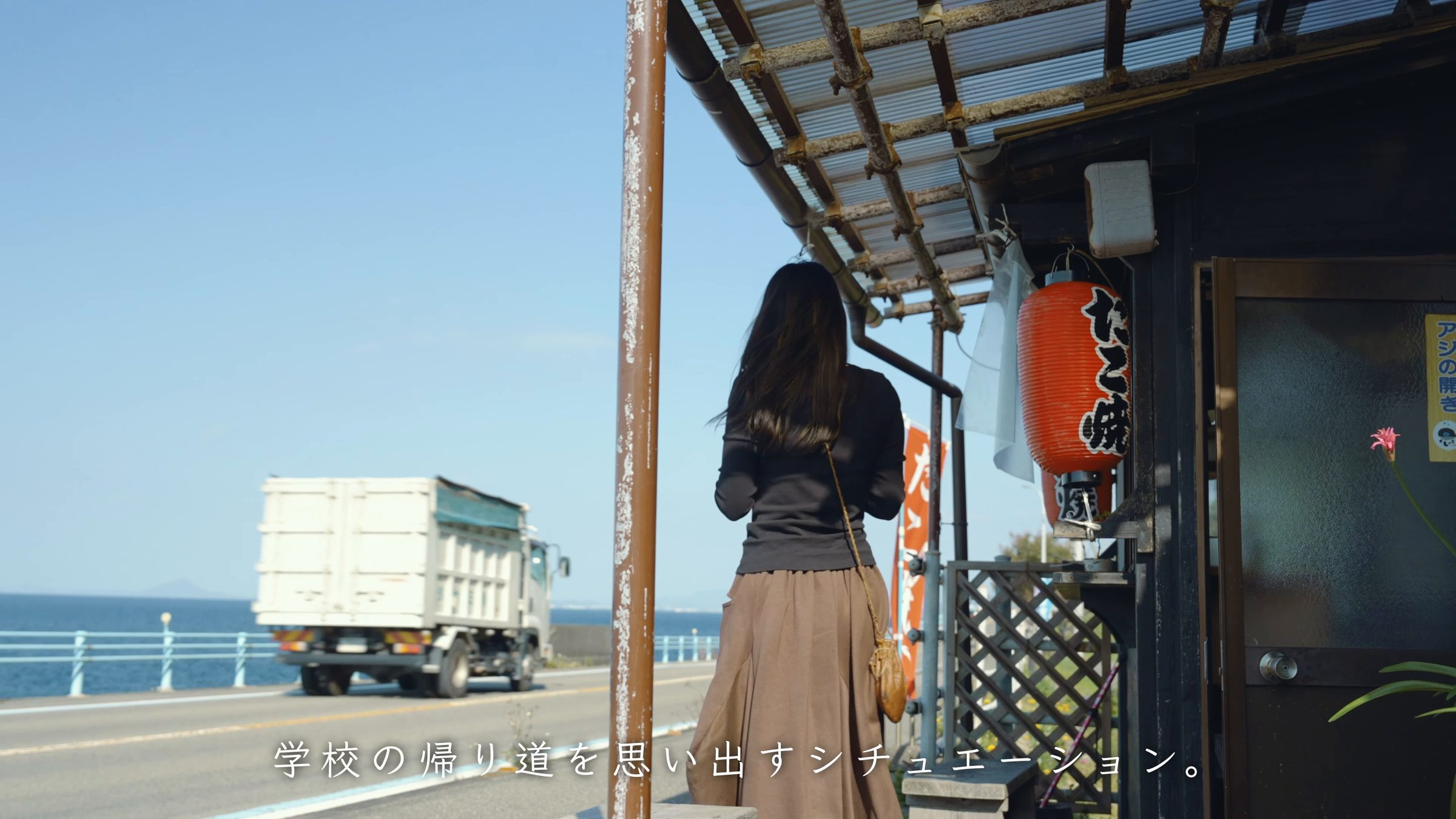
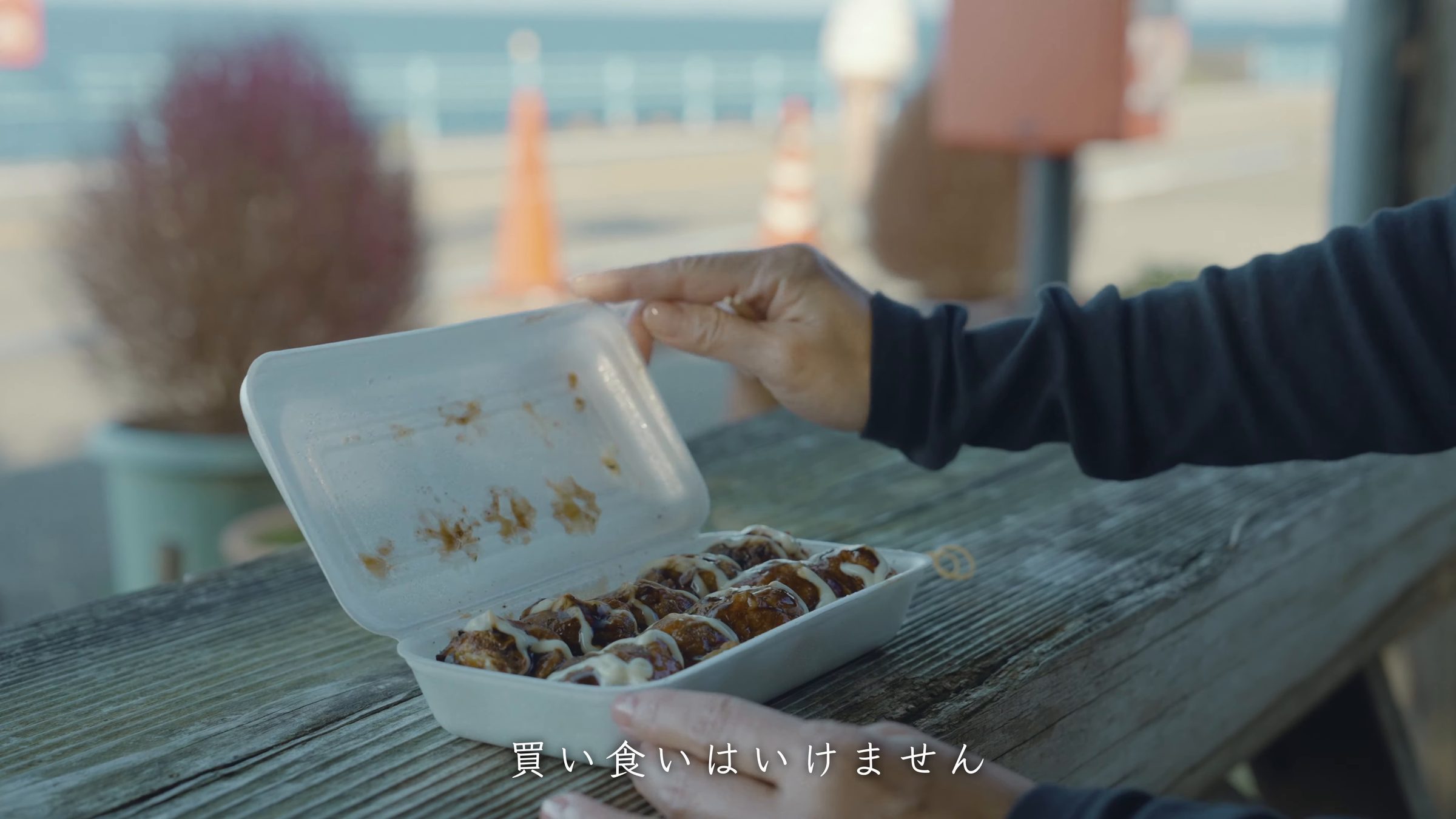
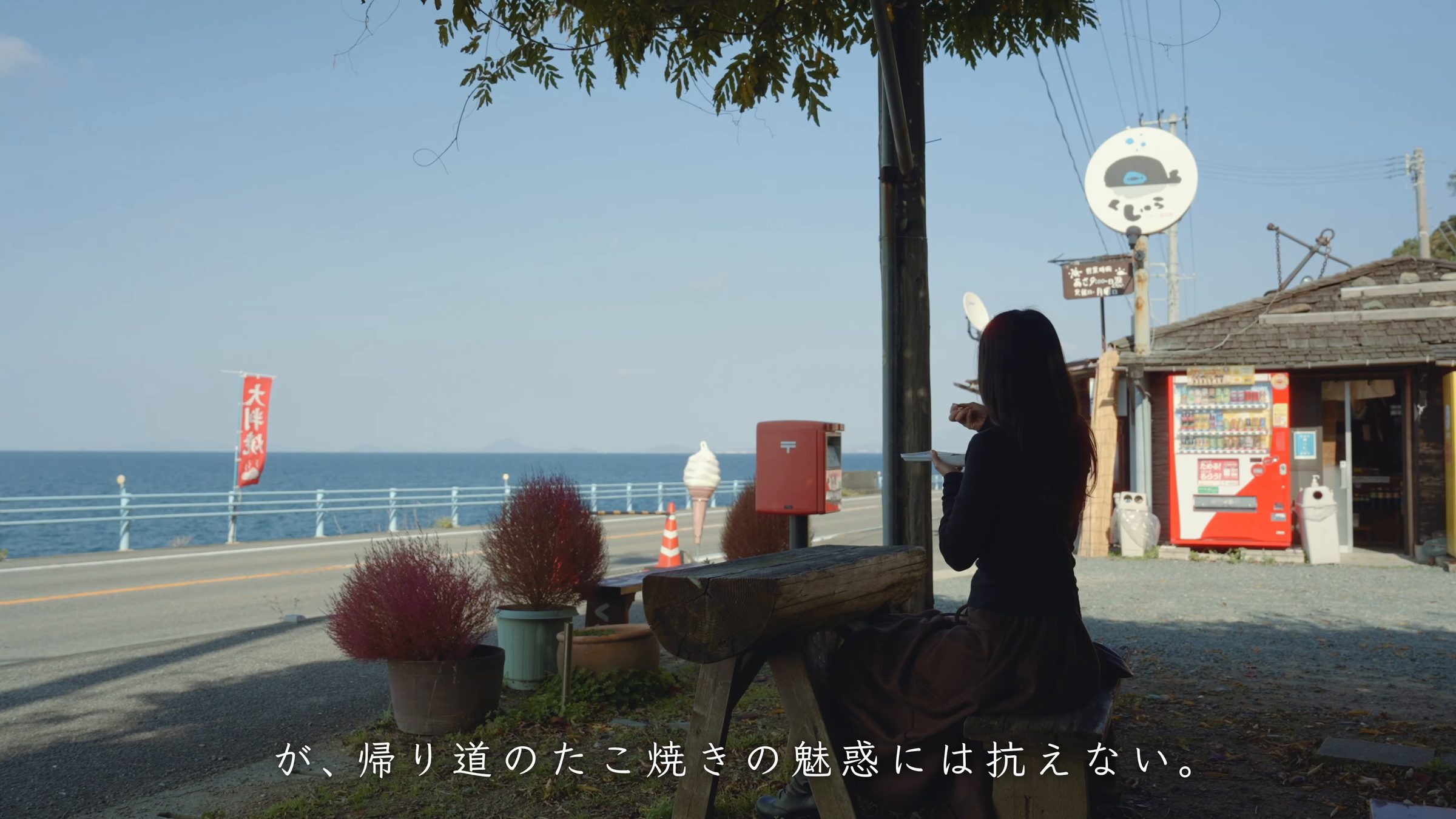
A little detour. A small shop on the coast road, with vending machines lined up out front and a red lantern reading takoyaki hanging under the eaves. It reminded me of the way home from school.
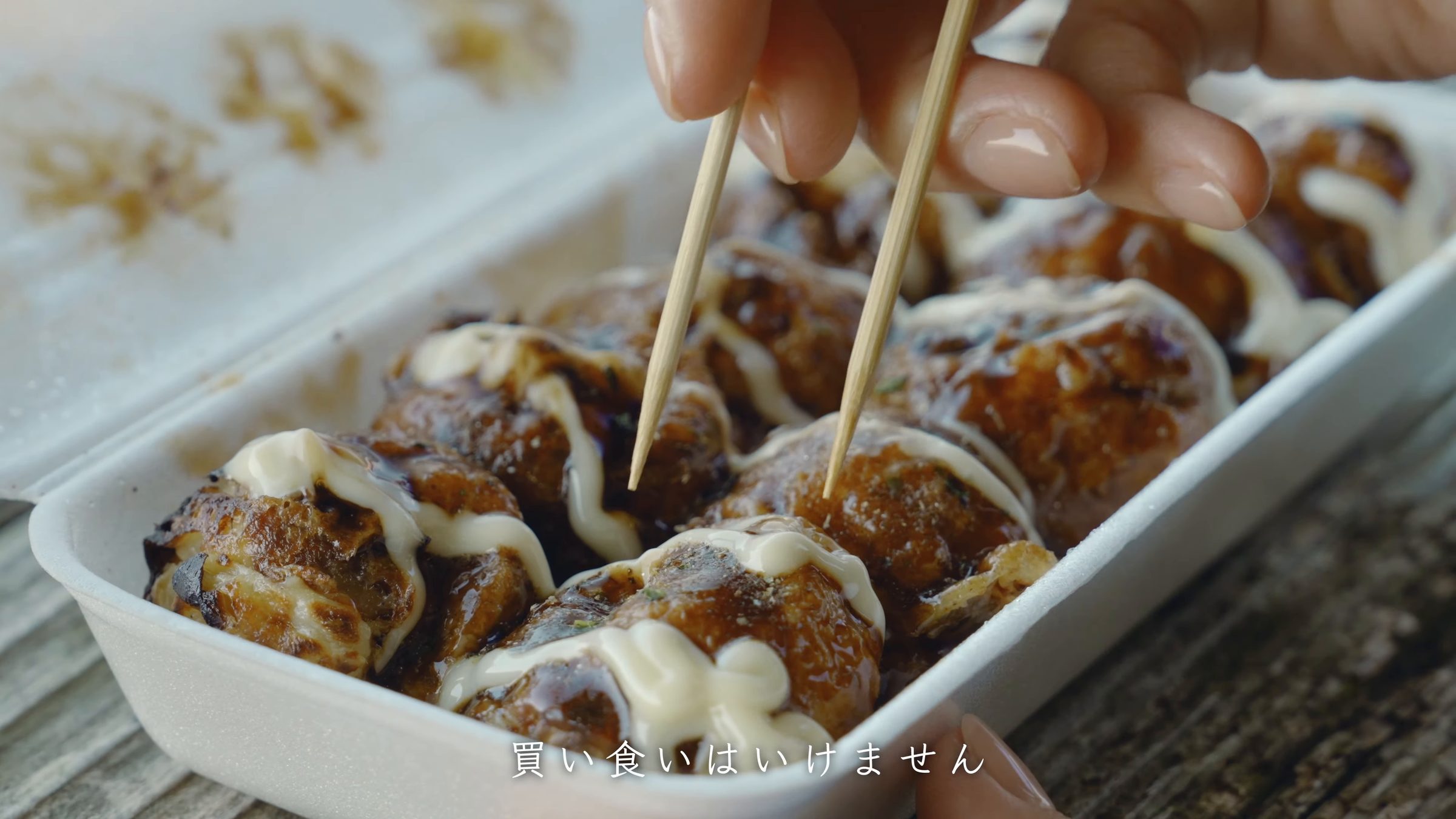
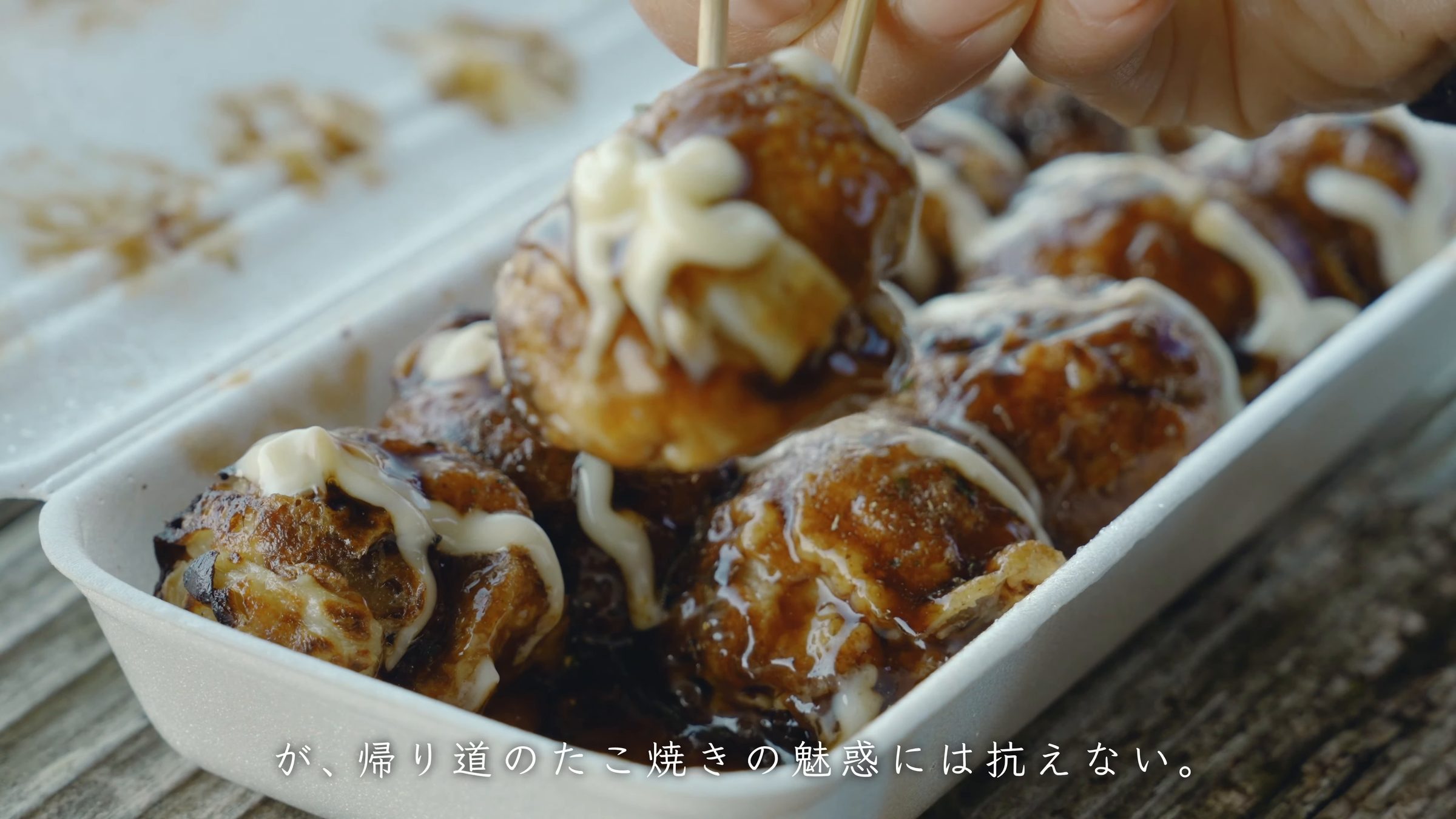
You are not supposed to buy snacks on the way home. But I could not resist the attraction of takoyaki. I opened the pack to find them fresh off the griddle, drizzled with mayonnaise, and ate them on the bench out front, facing the sea. Nostalgia.
Watch this scene on YouTube3:29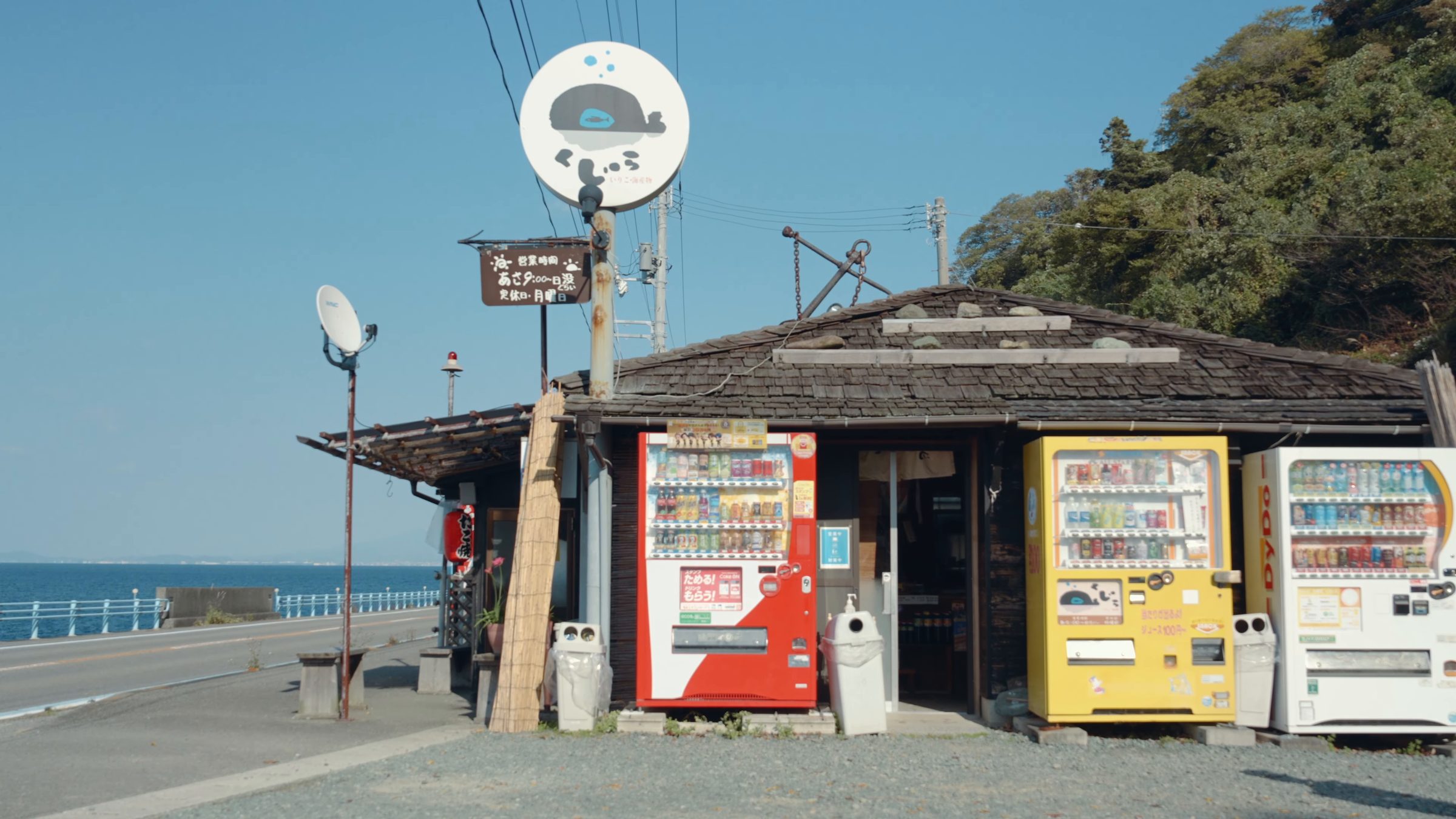
10TRAVEL JOURNAL
A terrace in the sea breeze
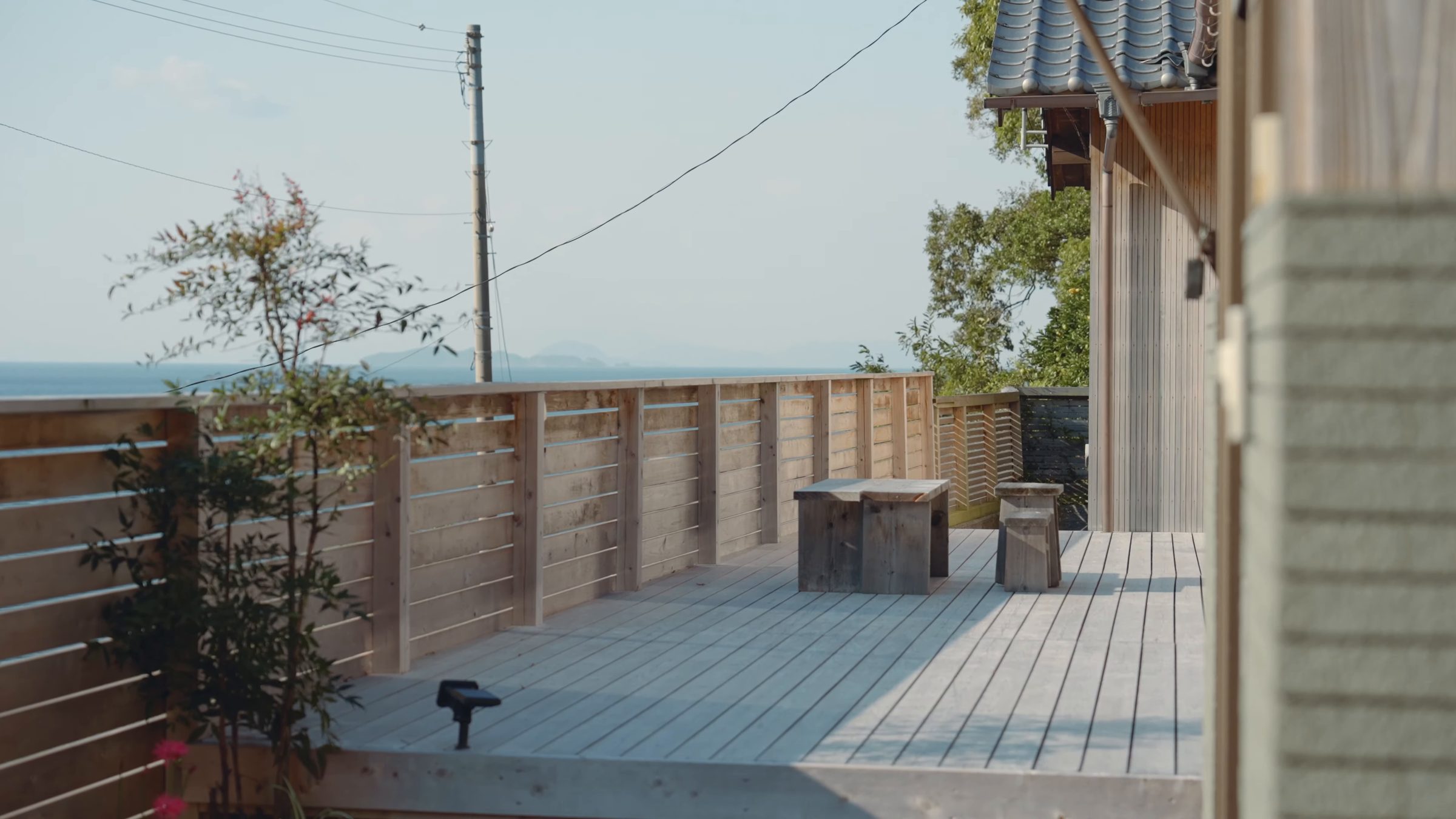
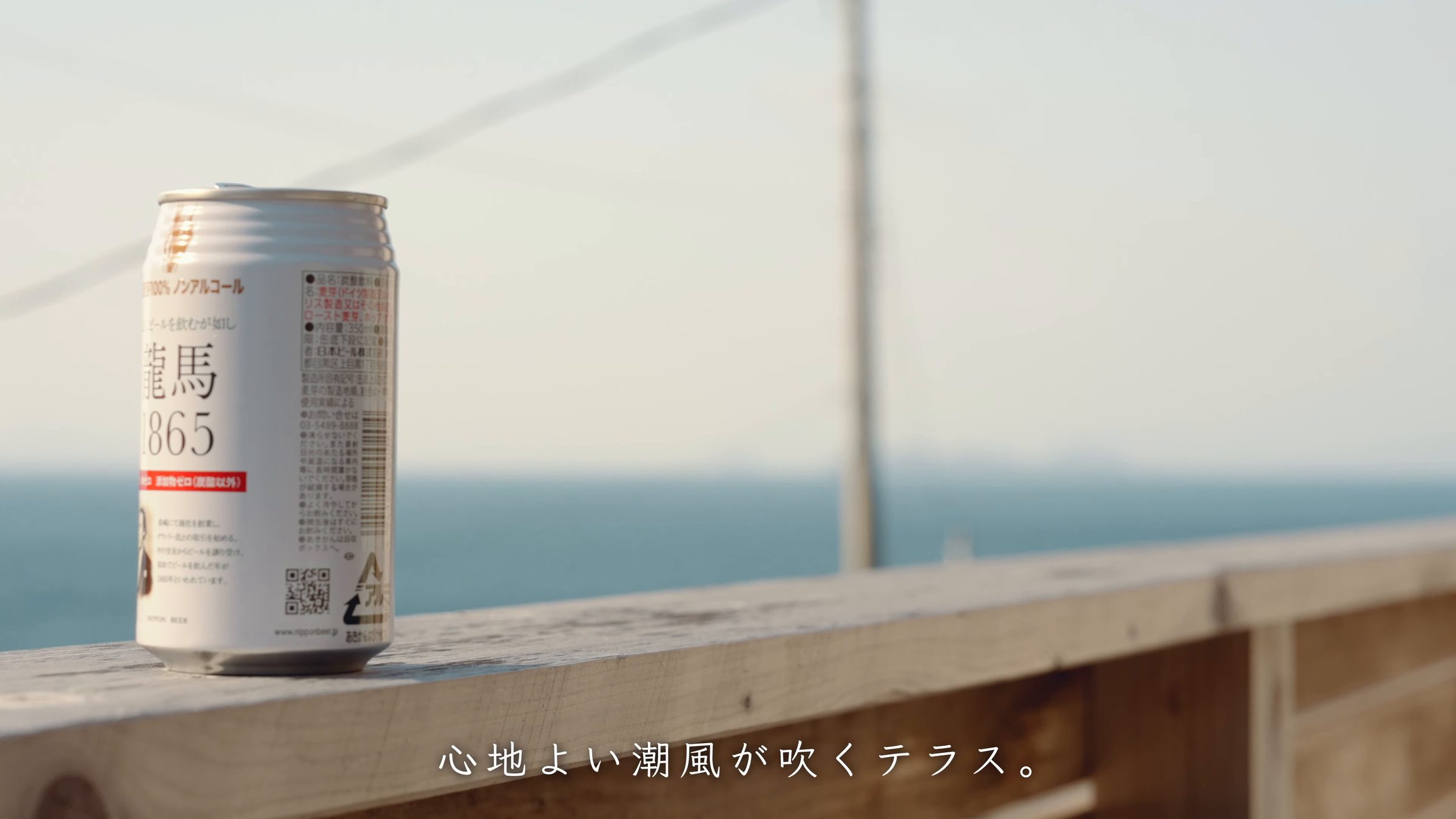
Back at the house: a wooden home behind a wooden fence, with a deck terrace looking down on the sea. I set a can on the railing and let the pleasant sea breeze blow over me.
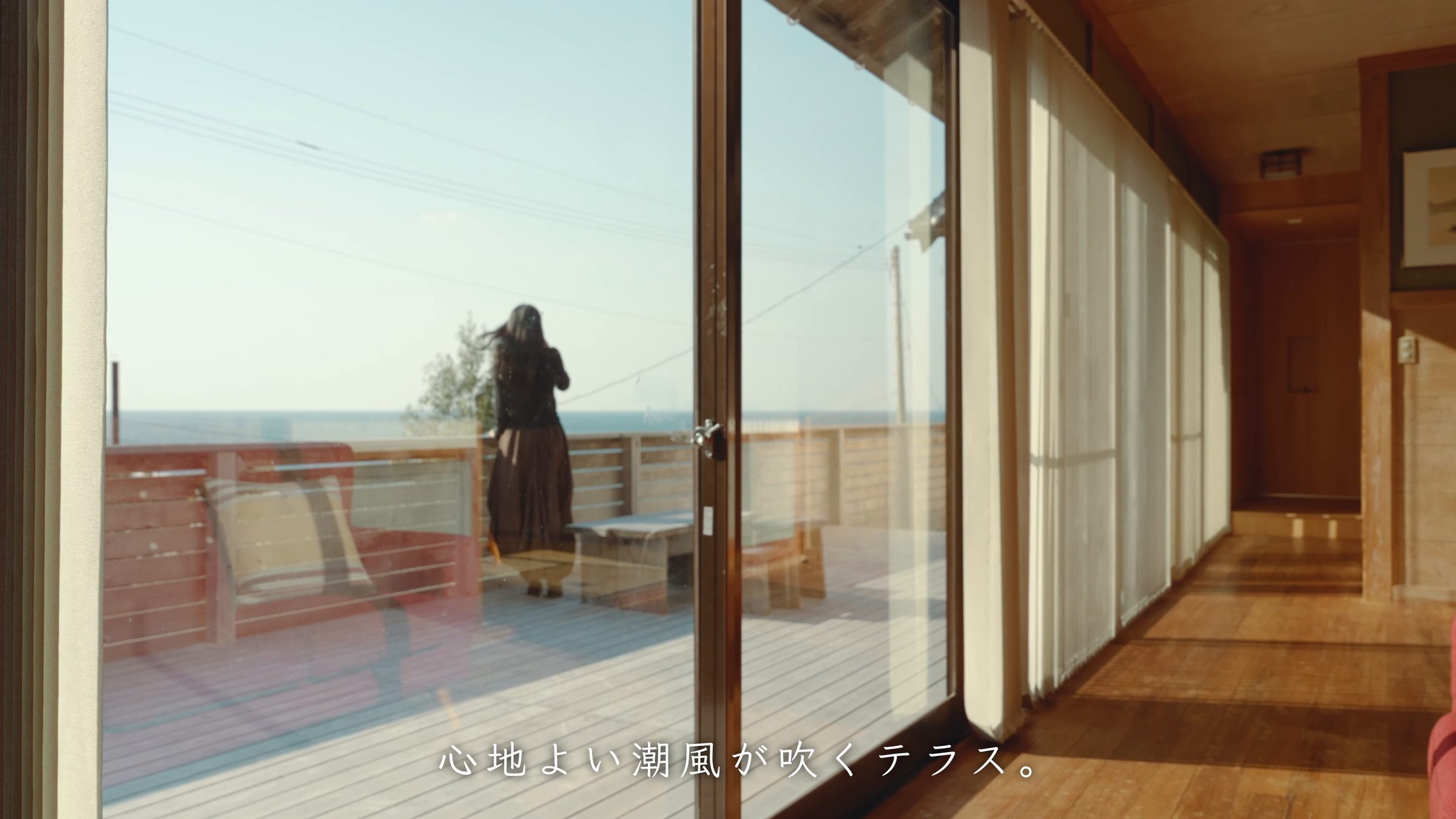
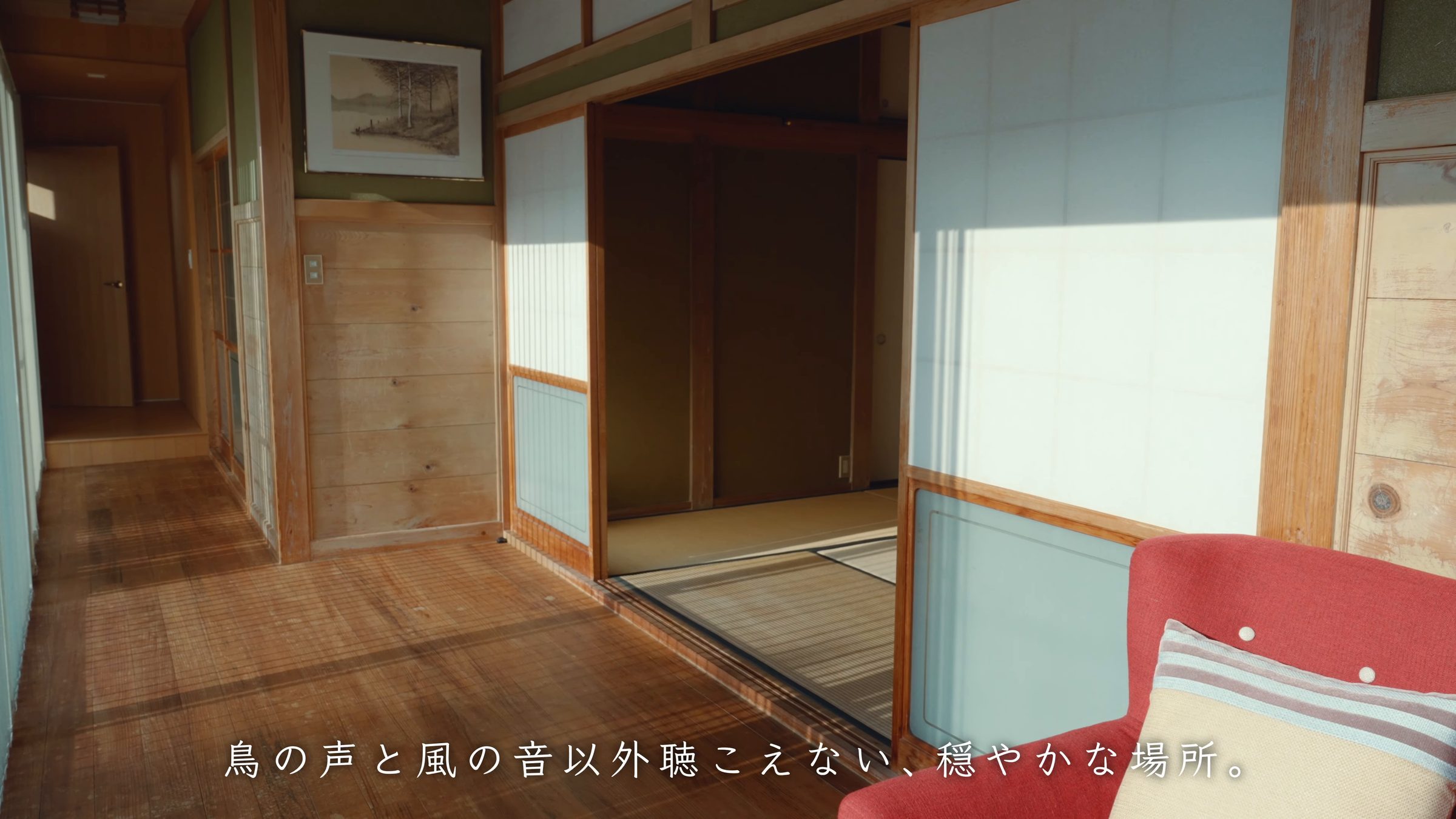
From the tatami room, its sliding doors open wide, I could see the terrace and the sea through the glass. I could only hear birds singing and the sound of the wind. Beyond the houses by the shore, distant islands faded into the haze.
Watch this scene on YouTube3:54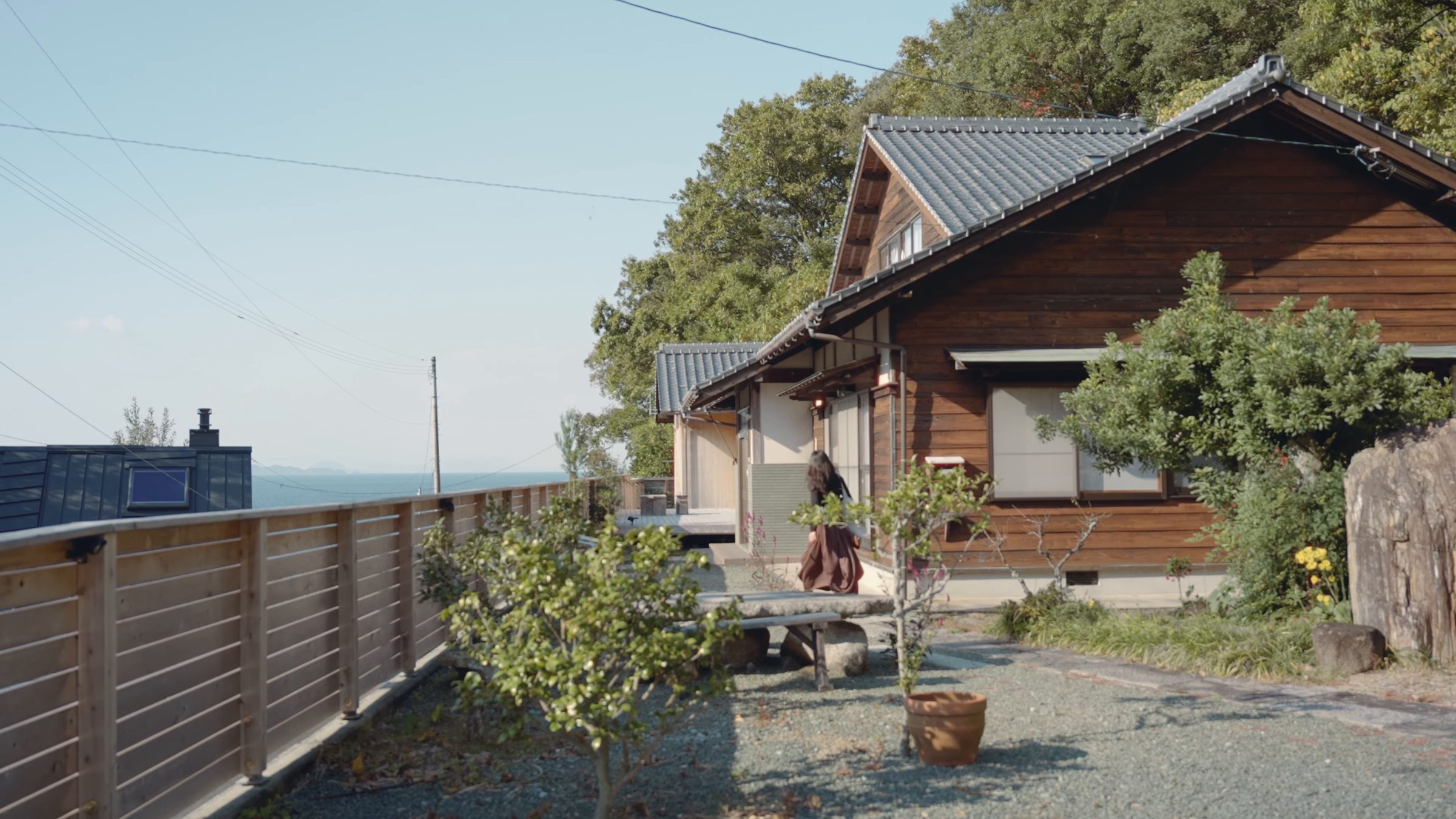
11TRAVEL JOURNAL
Where the setting sun stops for a moment
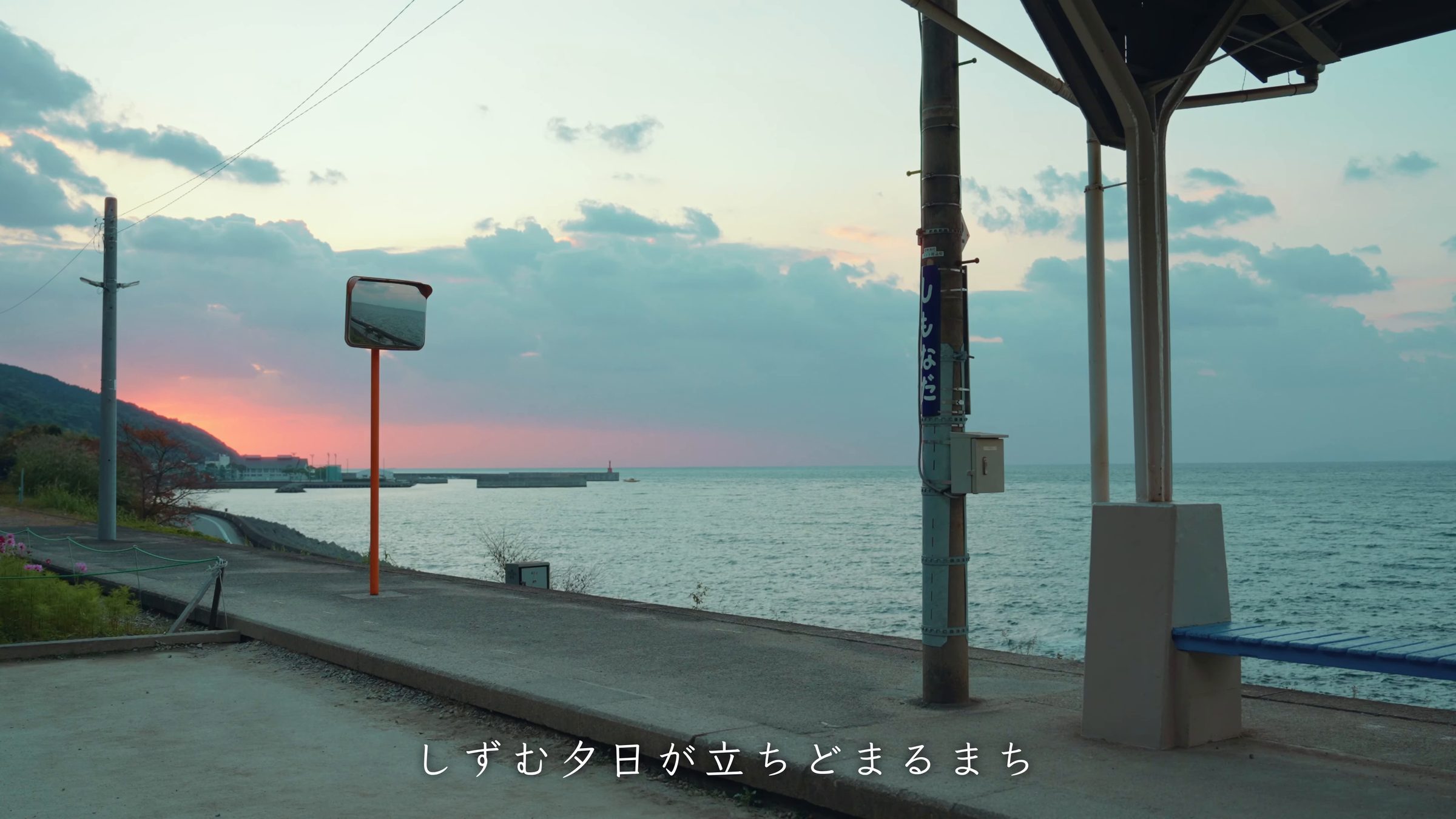
In the evening I walked down the hill to the station once more. Under a sunset sky, the harbor and the sea stretched out beyond the platform. Futami calls itself the town where the setting sun stops for a moment, and true to the words, the sun sank slowly into the sea.
Watch this scene on YouTube4:29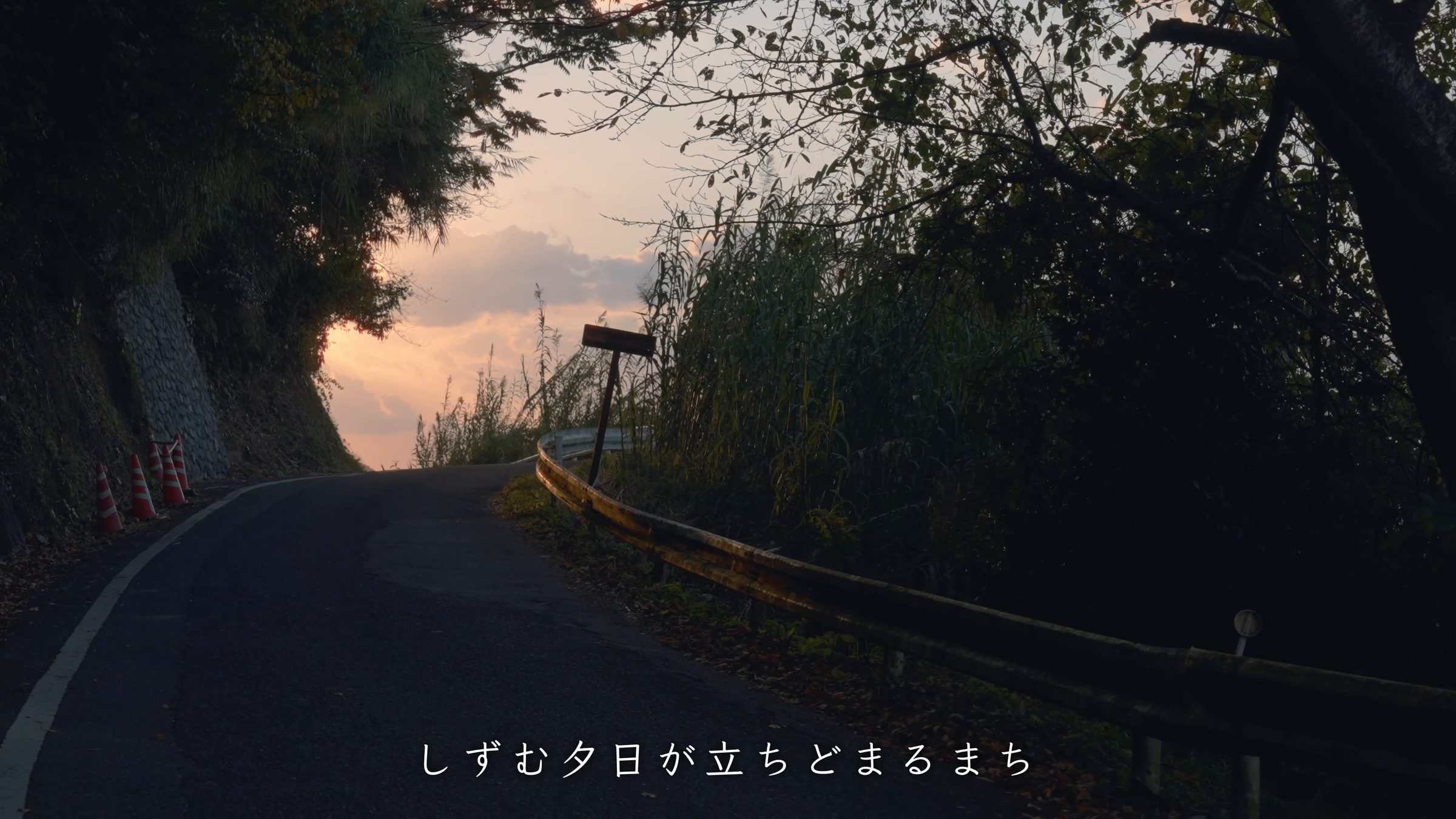
12TRAVEL JOURNAL
Setouchi lemon hot pot
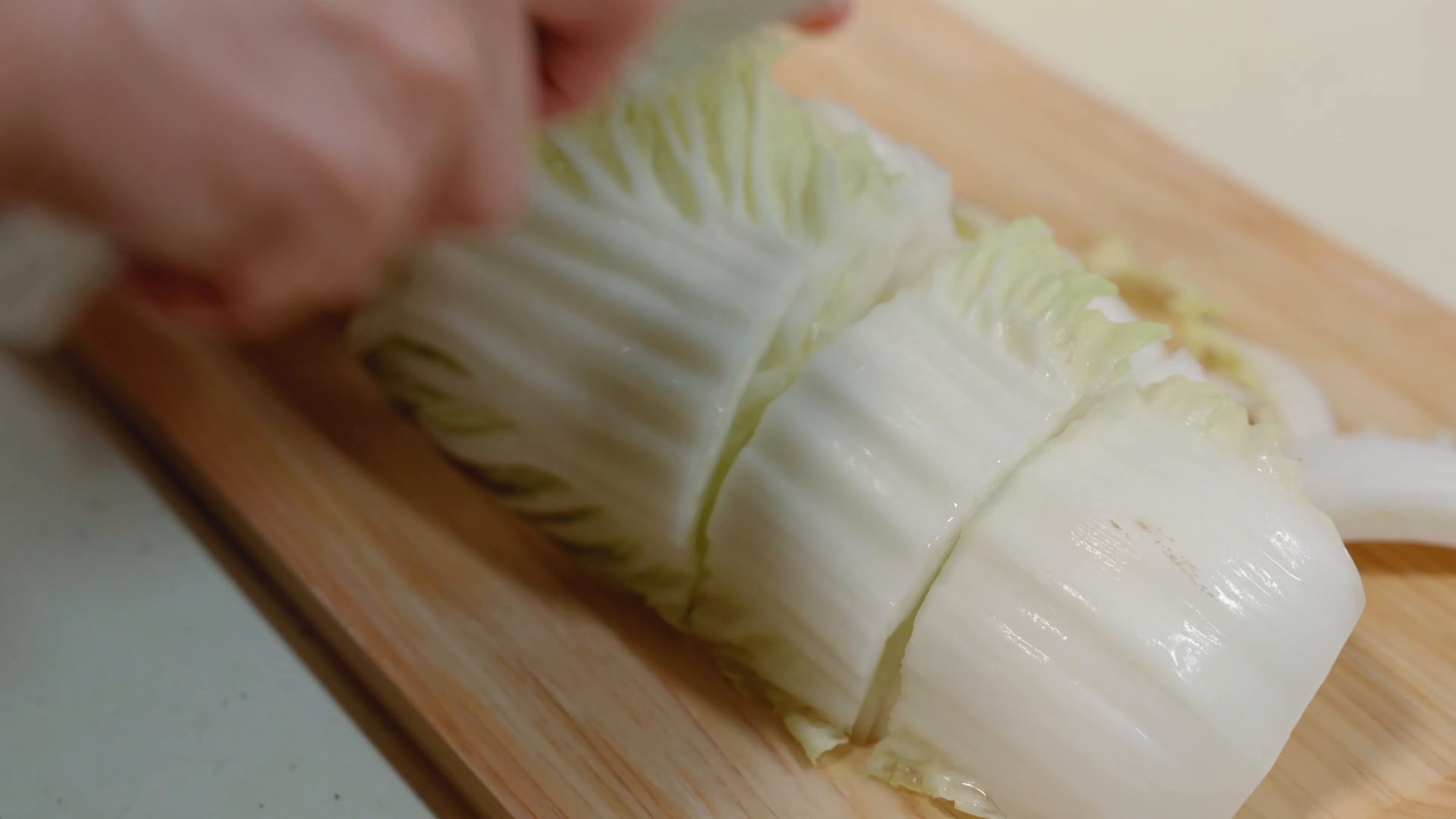
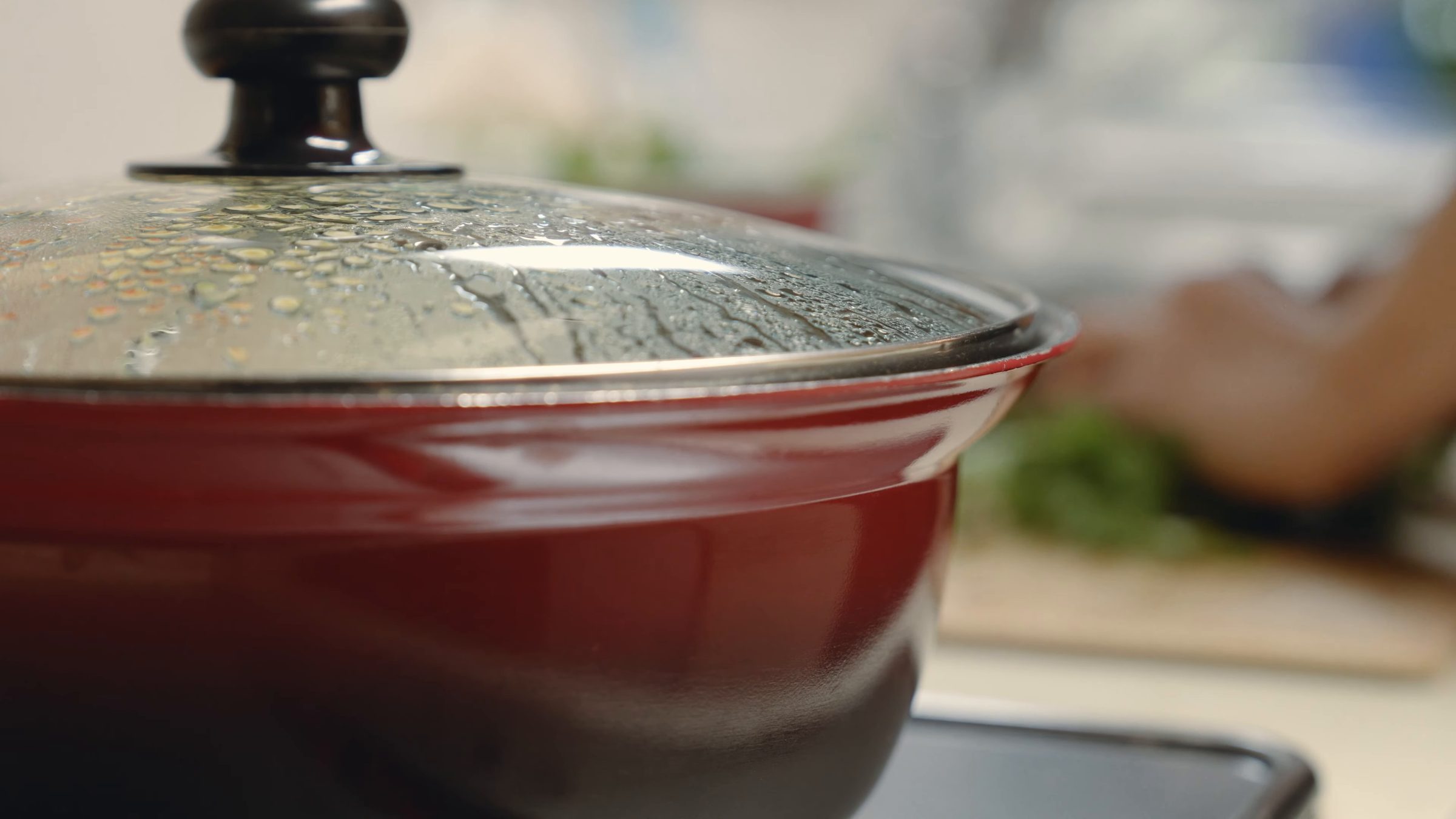
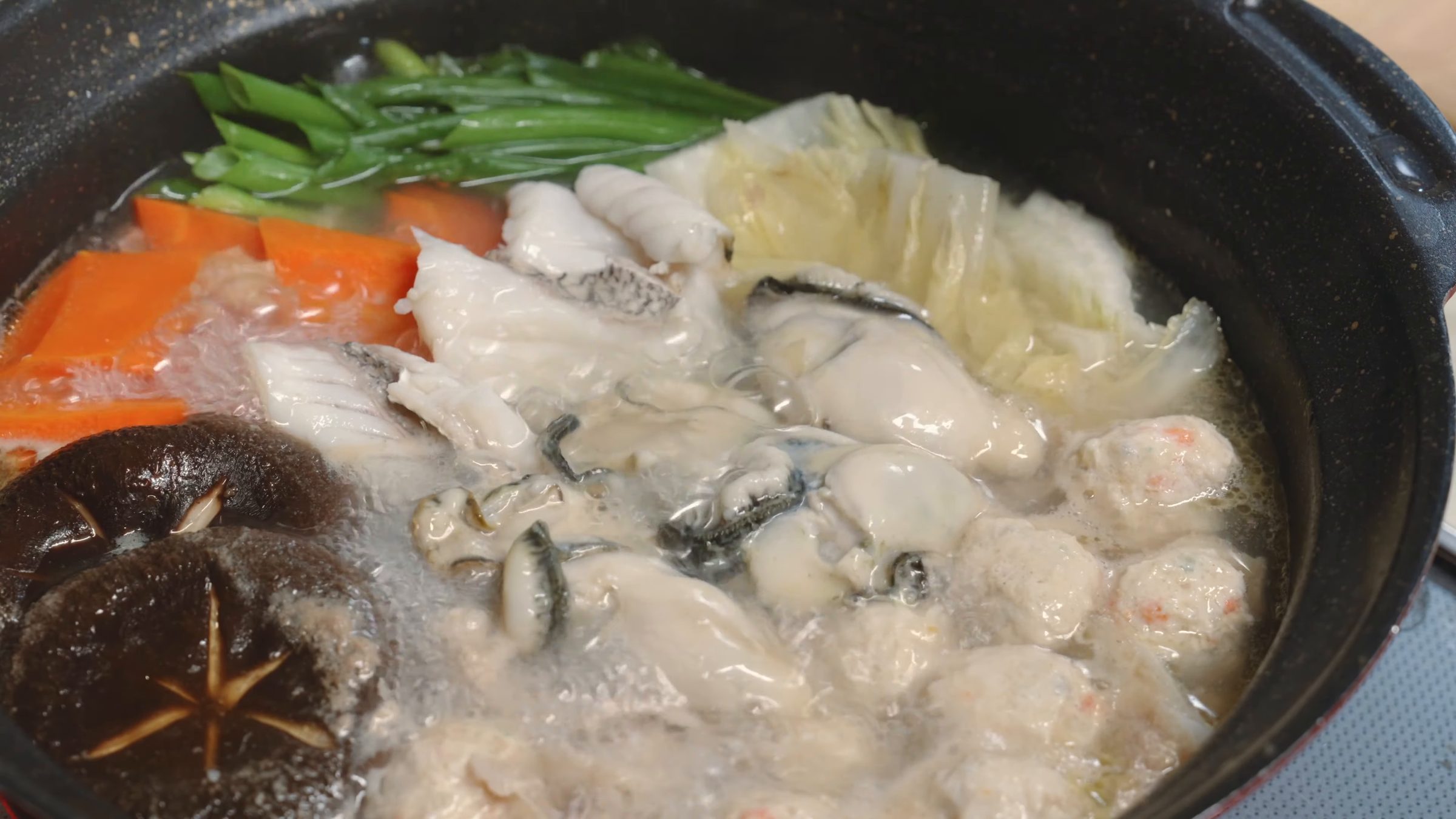
Dinner was a hot pot made with the Setouchi lemon broth from the roadside station. I cut the Chinese cabbage into chunks and simmered it in a red pot with carrot, shiitake, greens, white fish, oysters and fish balls. Lemon-scented steam rose from the pot: a night in a town by the sea.
Watch this scene on YouTube4:38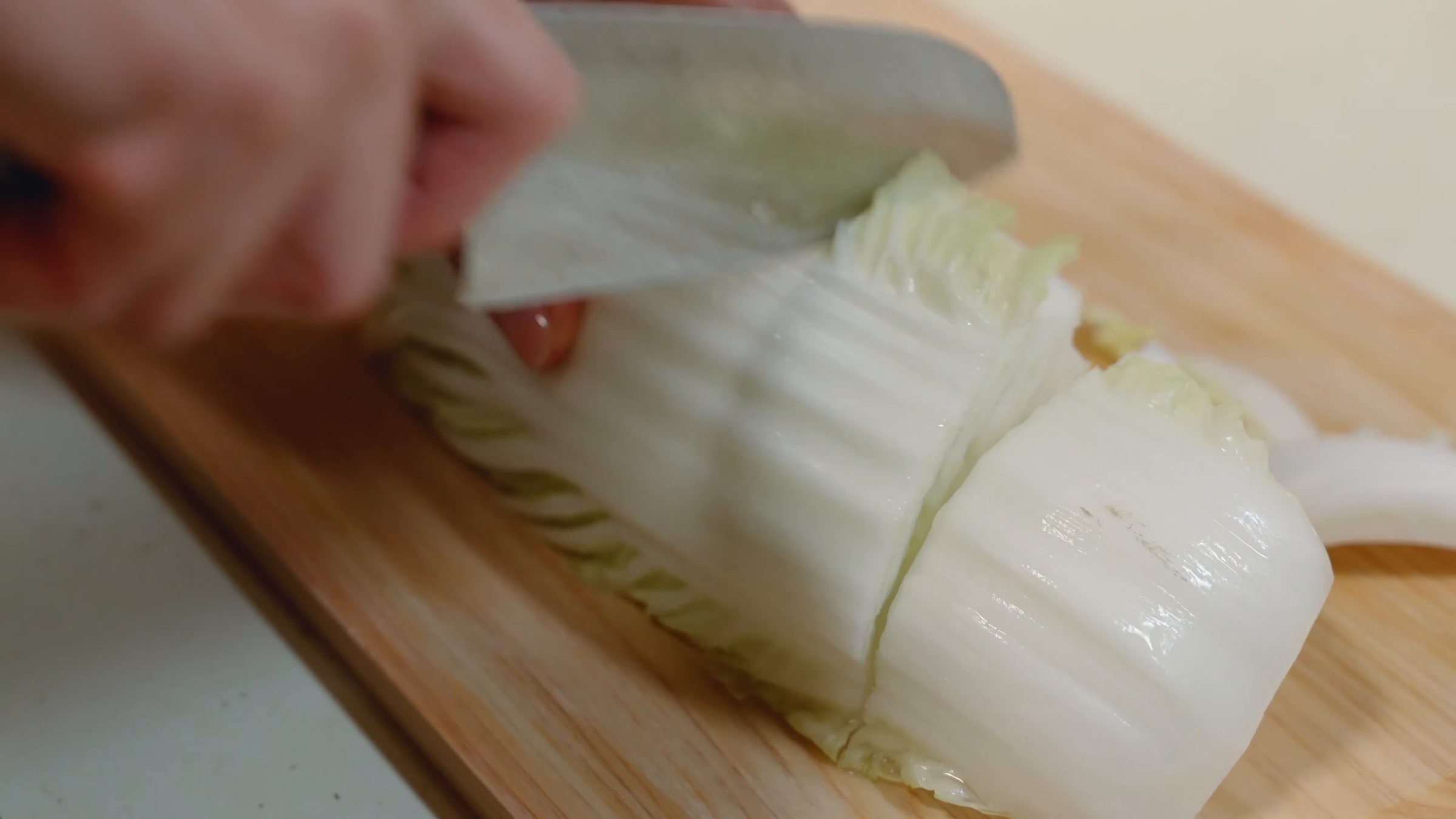
THE JOURNEY IN FILM
The wind. The sounds of a kitchen.
Spend a little more time inside the journey, on film.
Watch the video5 minTHE BORROWER’S NOTES
The Borrower's Notes: Futami, Ehime
Places we stopped, dishes we made, and stories of the land. A few things to keep from the journey.
01Where I ate and shopped
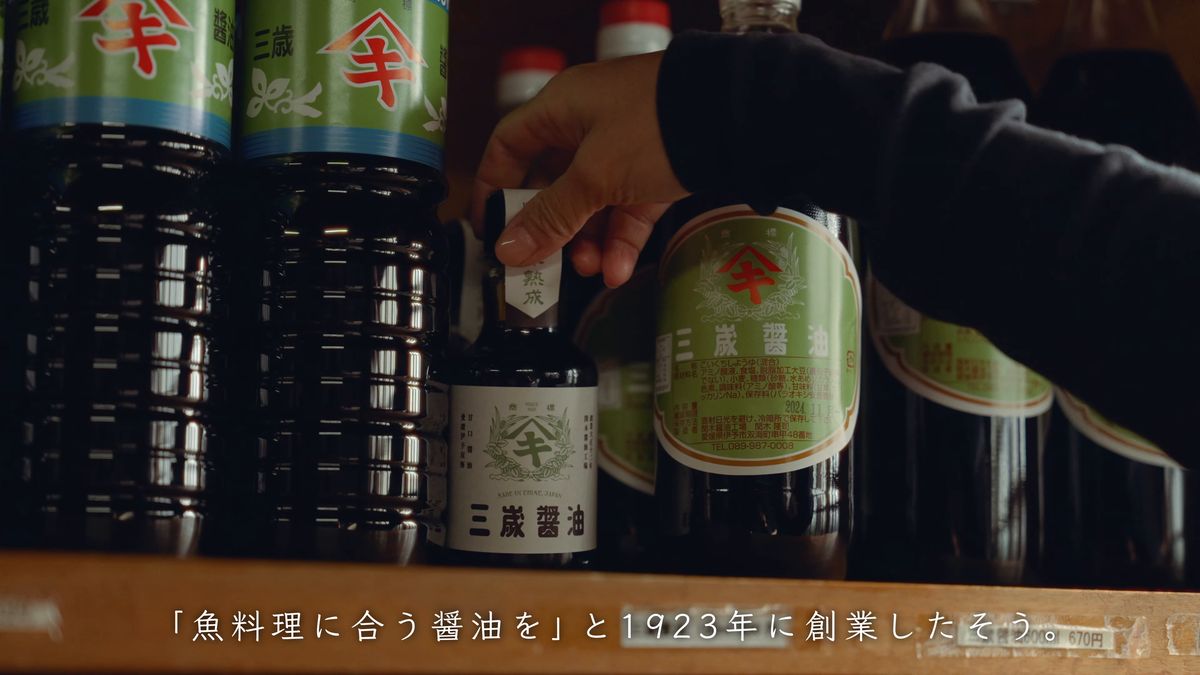
Uruki Shoyu Brewery
48 Kushi-ko, Futami-cho, Iyo, Ehime
A soy sauce brewery founded in 1923. The shop and works keep their original look, and the sauce is aged in wooden barrels in use since the founding. Mitose Shoyu is made by brewing a second batch with finished soy sauce in place of water and aging it for three years: a sweet sashimi soy sauce said to suit the white fish of the Seto Inland Sea. Its koikuchi, Mitose and dashi soy sauces are certified Iyo City brand products. This time I picked up a small bottle of Mitose Shoyu.
Sources: iyokankou.jp iyocitypromotion.jp
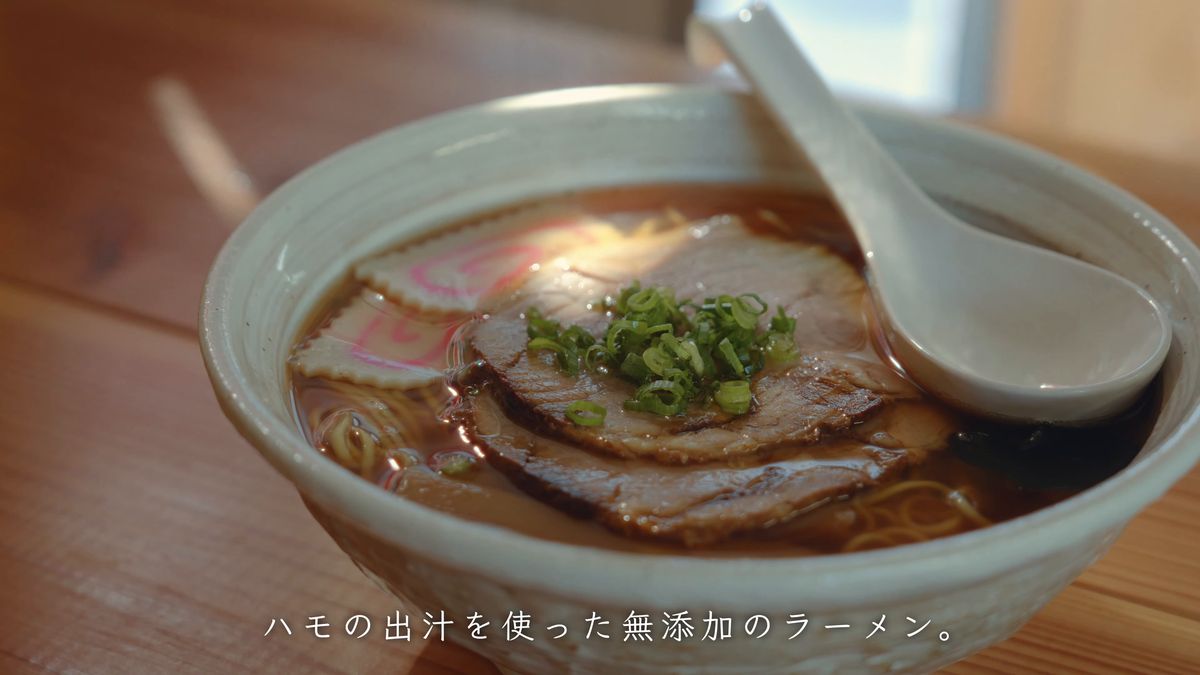
Kaminada Suisan Hamo Dashi Ramen
5729 Kaminada-ko, Futami-cho, Iyo, Ehime
A ramen shop run by Kaminada Suisan, a fish wholesaler at the port in Kaminada, Futami, using stock from local pike conger. The clear soup is simmered for about ten hours with hamo, vegetables and chicken, and served with thin noodles of Japanese wheat; the chashu and bamboo shoots are made in-house without additives. The shop opened in March 2018. In the video I had the soy-sauce ramen with a side of whitebait rice. Hamo is limited in quantity, so check before you go.
Sources: iyokankou.jp kitonaru.com
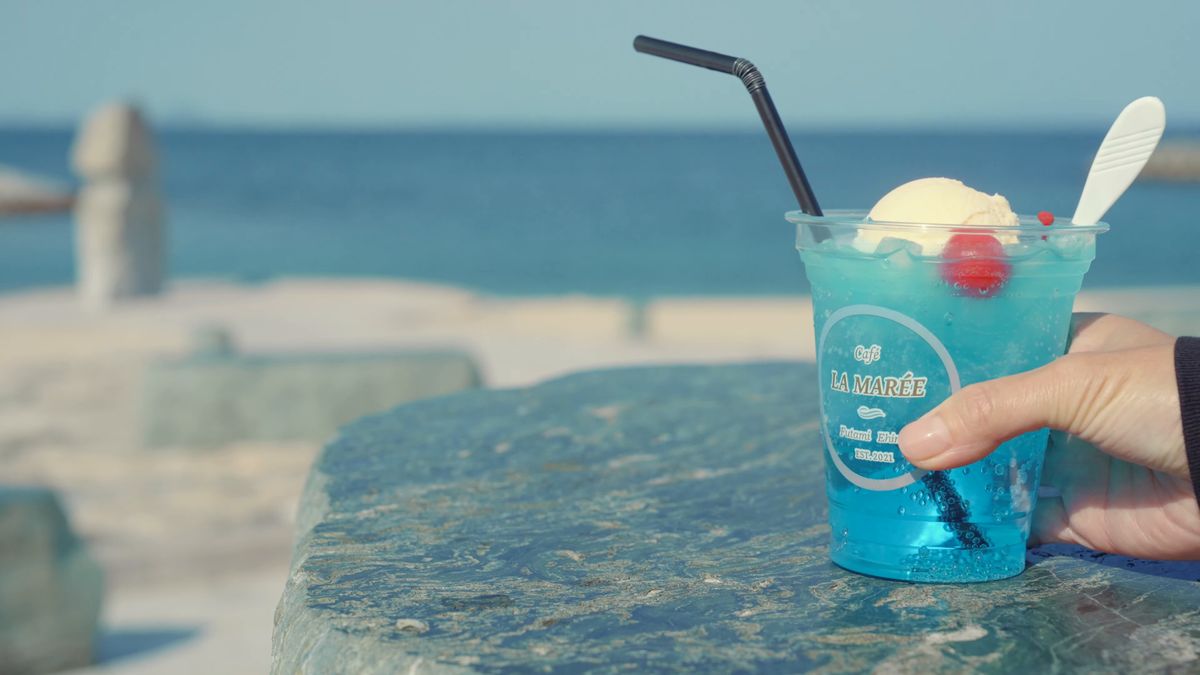
Futami Roadside Station (Futami Seaside Park)
2326 Takagishi-ko, Futami-cho, Iyo, Ehime
A roadside station on National Route 378, joined to Futami Seaside Park and its white beach. Renovated in May 2021, it holds a farmers' market, a restaurant, a fried-food takeout stand and the cafe La Maree, and sells Iyo City's local specialties. Its stepped seawall is known as the sunset gallery. This time I had a blue cream soda at the cafe and bought Setouchi lemon nabe broth, a Chinese cabbage and a bag of mandarins.
Sources: ryutsuu.biz jeepe.jp
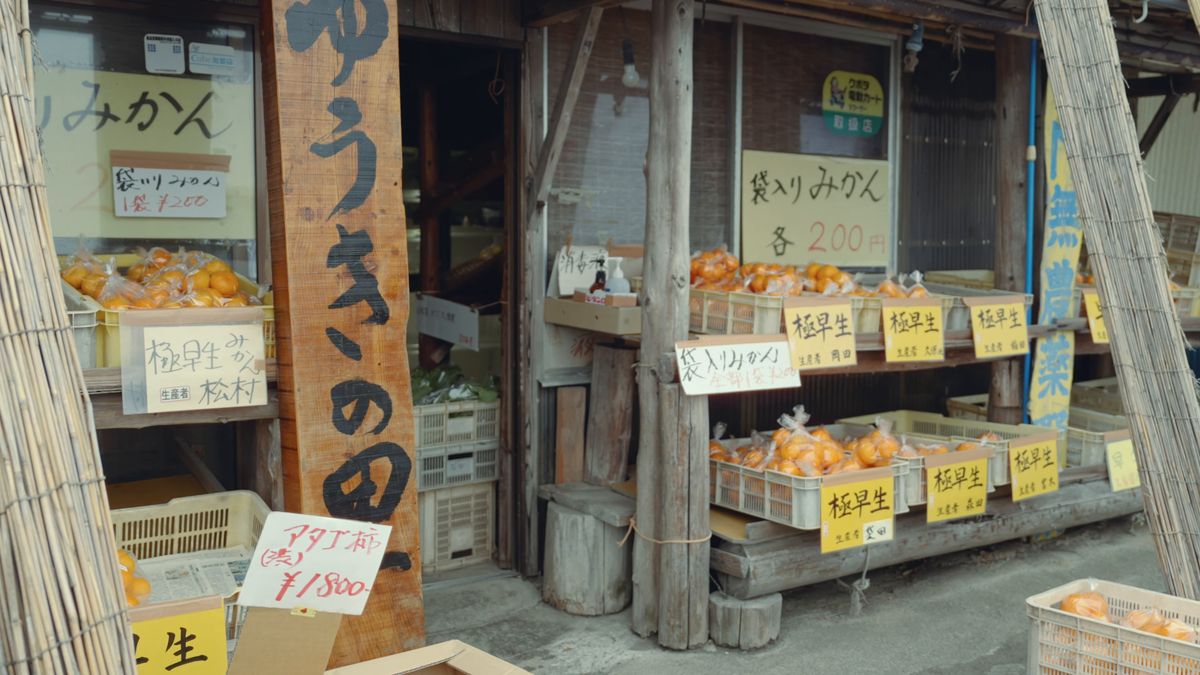
A mandarin stand on the coast road
A rustic shop on the coast road, with bags of mandarins, crates of extra-early mandarins and a price tag for persimmons out front, and rice crackers and log-grown shiitake on the shelves inside.
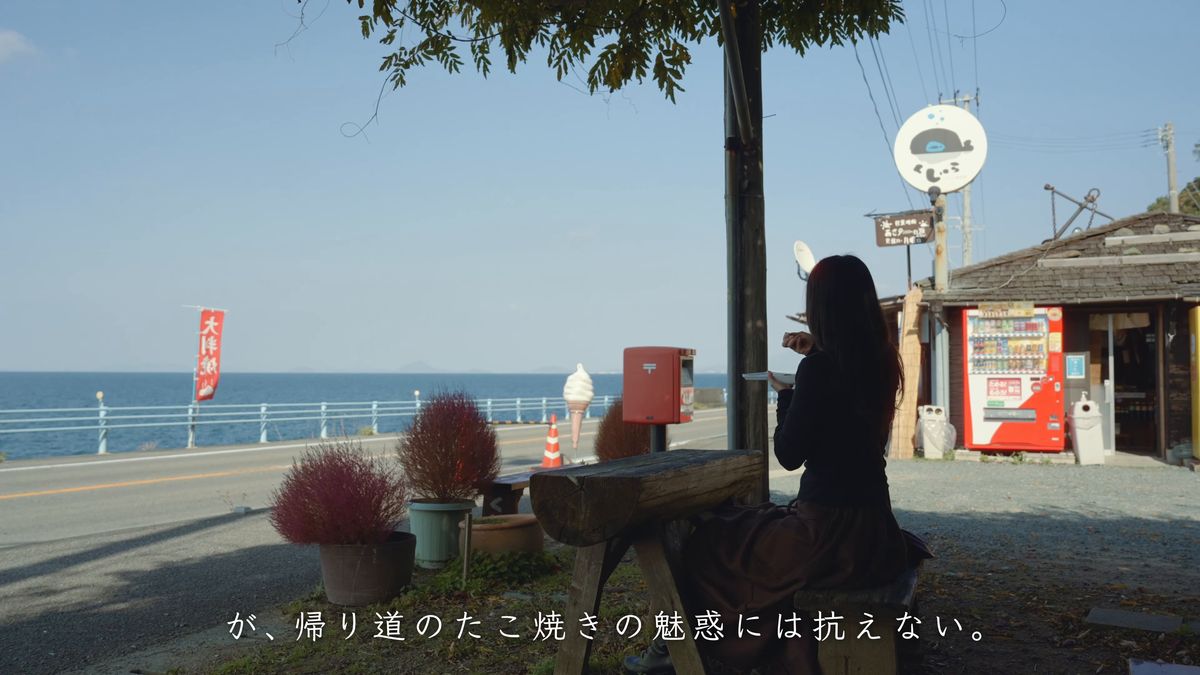
Kujira
648-1 Okubo, Futami-cho, Iyo, Ehime
A small shop on the coast road serving takoyaki and soft-serve ice cream. Vending machines line the front, and you can eat with the sea in view. This time, one pack of takoyaki with mayonnaise.
Sources: tabelog.com
02What I cooked
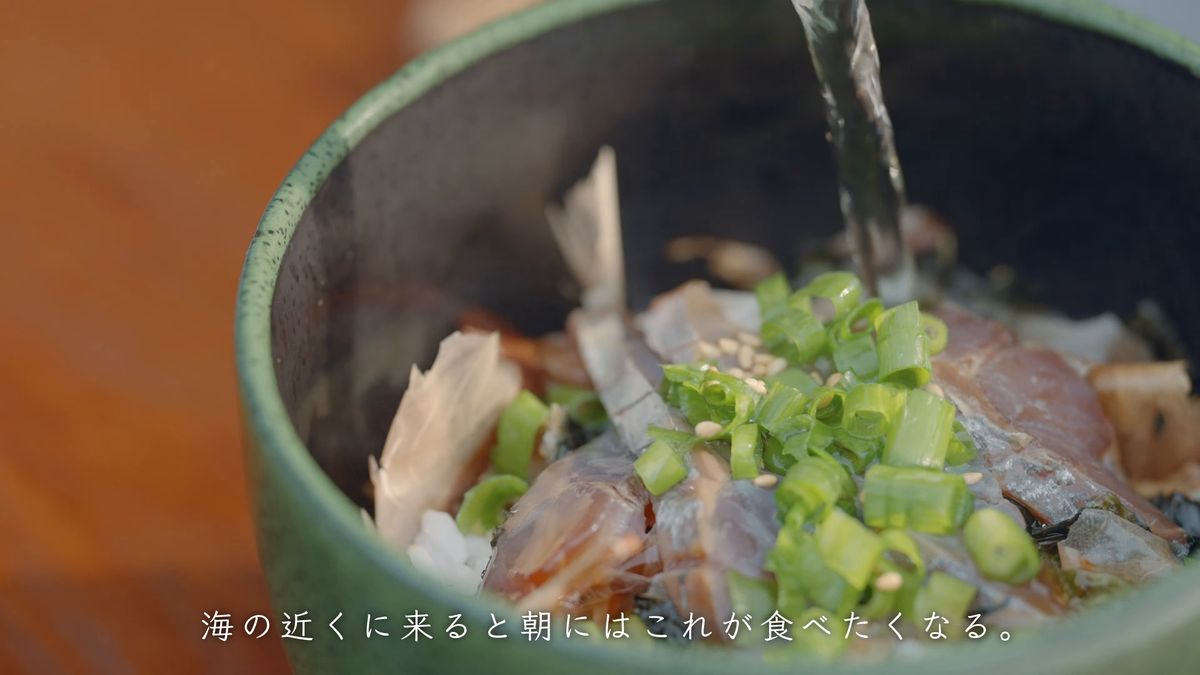
Fisherman's rice in dashi
Shimonada is a fishing town on the Iyo-nada. Toyoda fishing port, home base of the Shimonada fisheries cooperative, is one of the major coastal fishing ports in western Japan, where live sea bream and pike conger are auctioned every day. The bowl I crave whenever I come to a fishing village, marinated fish and nori on rice with hot dashi poured over, I ate on a terrace above the sea.
IngredientsCooked rice, Nori and bonito-flake rice topping, White fish sashimi marinated in soy sauce, Green onions, Dashi
- Chop the green onions
- Sprinkle the rice topping over a bowl of rice and lay the marinated fish on top
- Scatter the green onions, pour hot dashi from a teapot and stir
Sources: zengyoren.or.jp
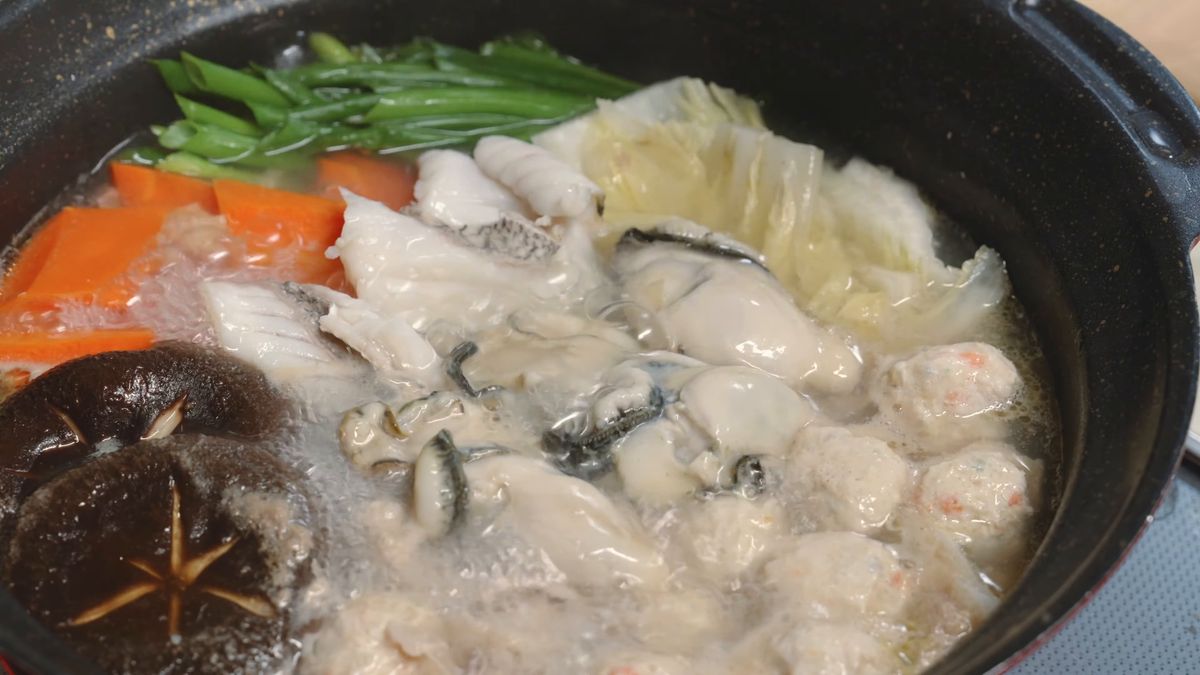
Setouchi lemon hot pot
A hot pot made with Setouchi lemon broth bought at the Futami roadside station. Ehime is citrus country: third in Japan for mandarin harvest, and lemons are grown in the eastern part of the prefecture. Chinese cabbage from the farmers' market took the lead, with fish, oysters and fish balls, on a night in a town by the sea.
IngredientsSetouchi lemon nabe broth, Chinese cabbage, Carrot, Shiitake, Leafy greens, White fish, Oysters, Fish balls
- Cut the Chinese cabbage into chunks
- Pour the broth into a pot, add the cabbage, carrot, shiitake, greens, fish, oysters and fish balls, and simmer
Sources: maff.go.jp ryutsuu.biz
03About the area
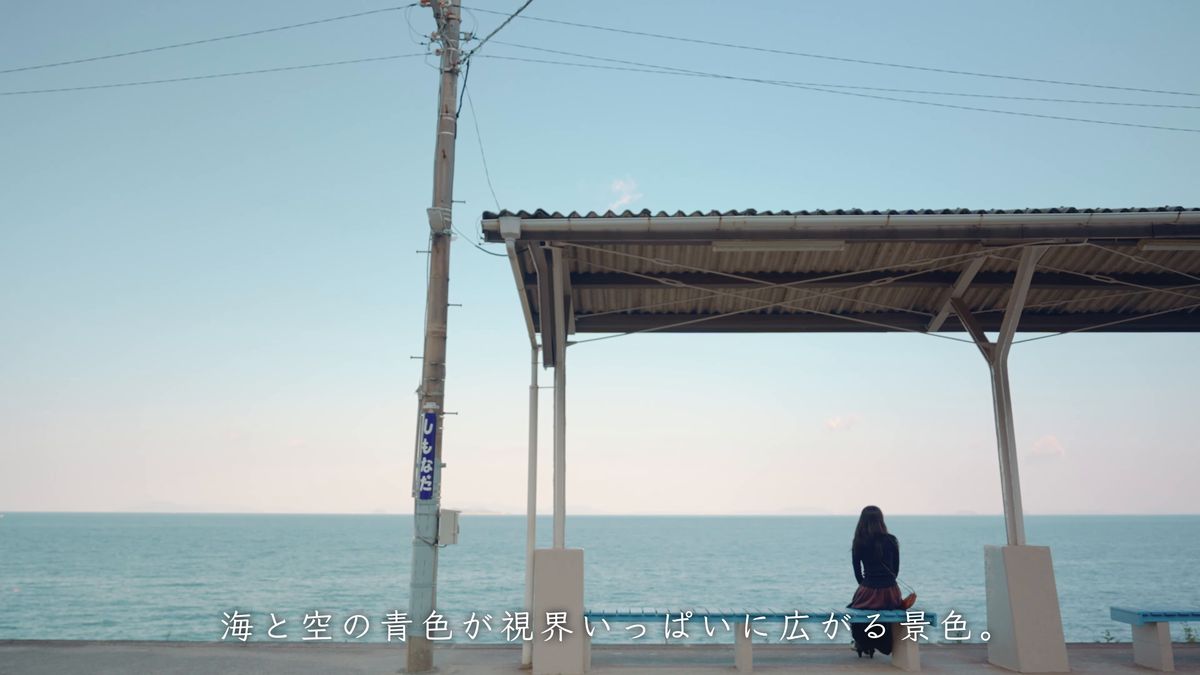
Shimonada Station
Okubo, Futami-cho, Iyo, Ehime
An unstaffed station on the JR Yosan Line, number S09. It opened on June 9, 1935, and the wooden station building dates from that time. Until 1981, when National Route 378 was built on reclaimed land on the seaward side, waves lapped right below the platform and it was called the closest station to the sea in Japan. It has appeared three times on posters for the Seishun 18 rail pass and was a location for the 1977 film Tora-san Meets His Lordship. The station parking lot is for drop-offs only; visitors are asked not to use it.
Sources: jr-shikoku.co.jp tabi-mag.jp ja.wikipedia.org
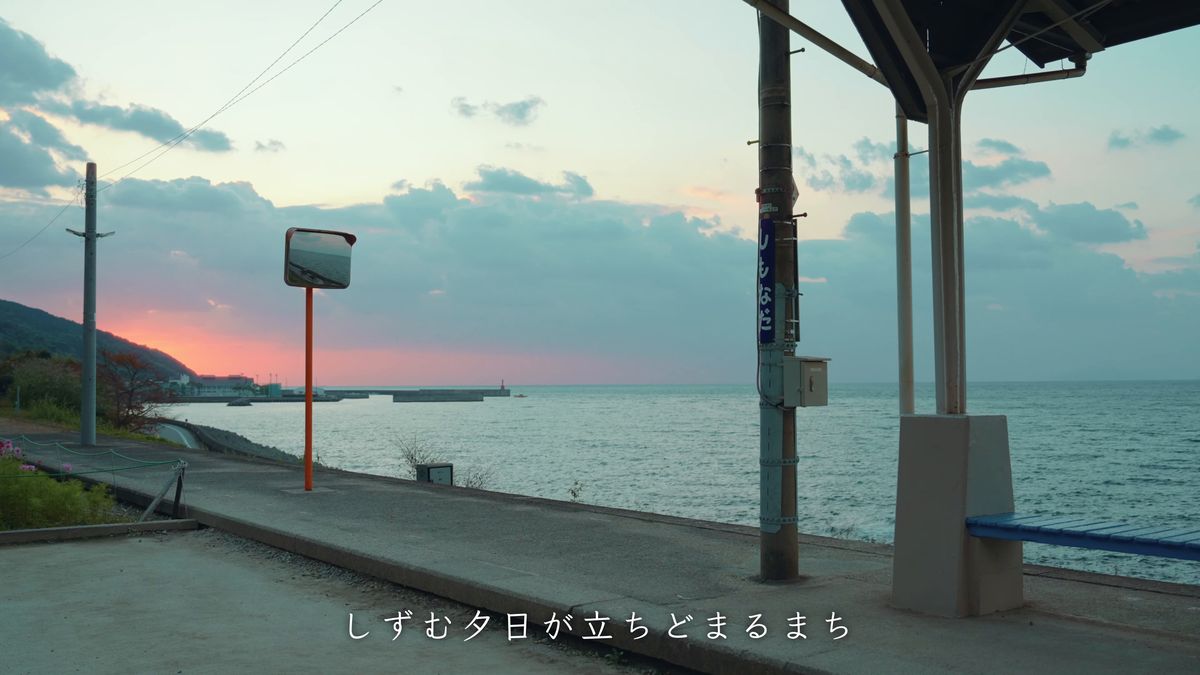
Futami, where the setting sun stops for a moment
Futami lies at the western edge of central Ehime, facing the Iyo-nada. On April 1, 2005, it merged with Iyo City and Nakayama to become part of Iyo City. Its main industries are citrus farming, coastal fishing and seafood processing. Known for the beauty of the sun setting over the Seto Inland Sea, the town has long promoted itself with the phrase: the town where the setting sun stops for a moment. The Shimonada area is also listed among Japan's 100 best sunsets.
Sources: soumu.go.jp ja.wikipedia.org zengyoren.or.jp
Hamo, the pike conger of Shimonada
Ehime is one of Japan's leading producers of hamo (pike conger), and the catch at Shimonada in Futami is among the largest. Toyoda port, run by the Shimonada fisheries cooperative, lands as much as 10 to 15 tons on a busy day, sometimes including fish over two meters long. Prized by Kyoto restaurants, most of it has been shipped to the Kyoto-Osaka-Kobe area. To make the fish better known at home, the Shimonada Pichi-pichi Hamo Festival has been held since September 2009.
Sources: news.nissyoku.co.jp zengyoren.or.jp
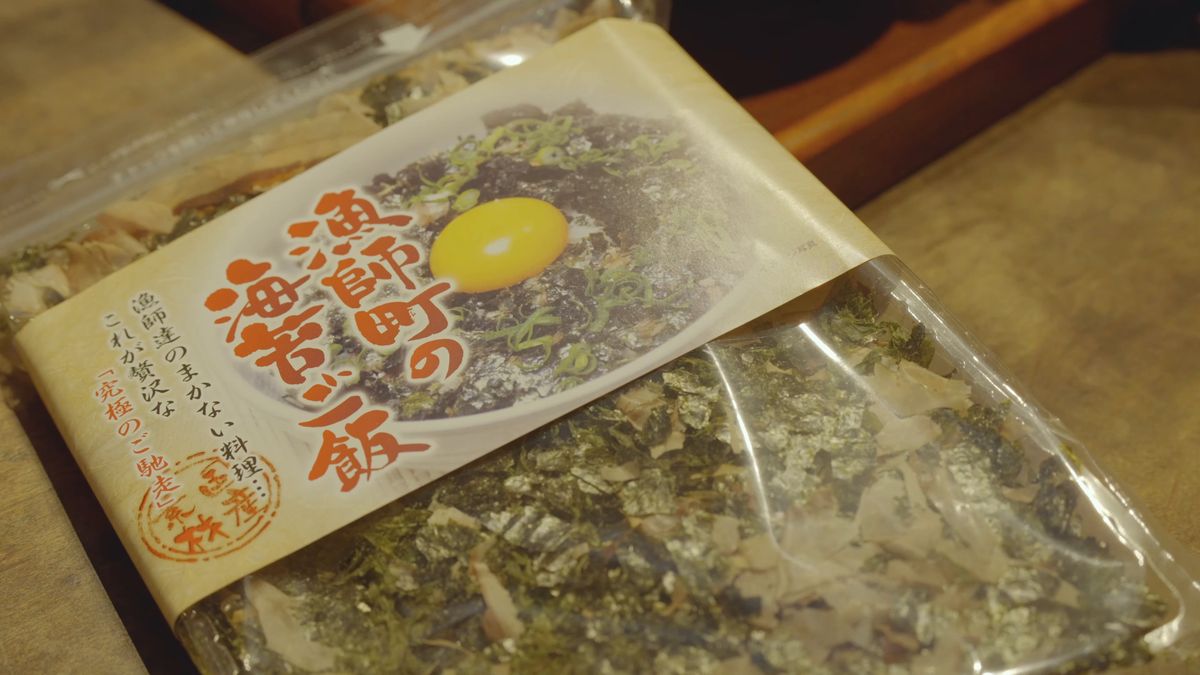
Nori and bonito-flake rice topping
The rice topping used at breakfast, a mix of nori and bonito flakes. The pack is labeled as a fishing-town nori rice, a fishermen's staff meal, made in Japan. The shop where it was bought does not appear in the video.
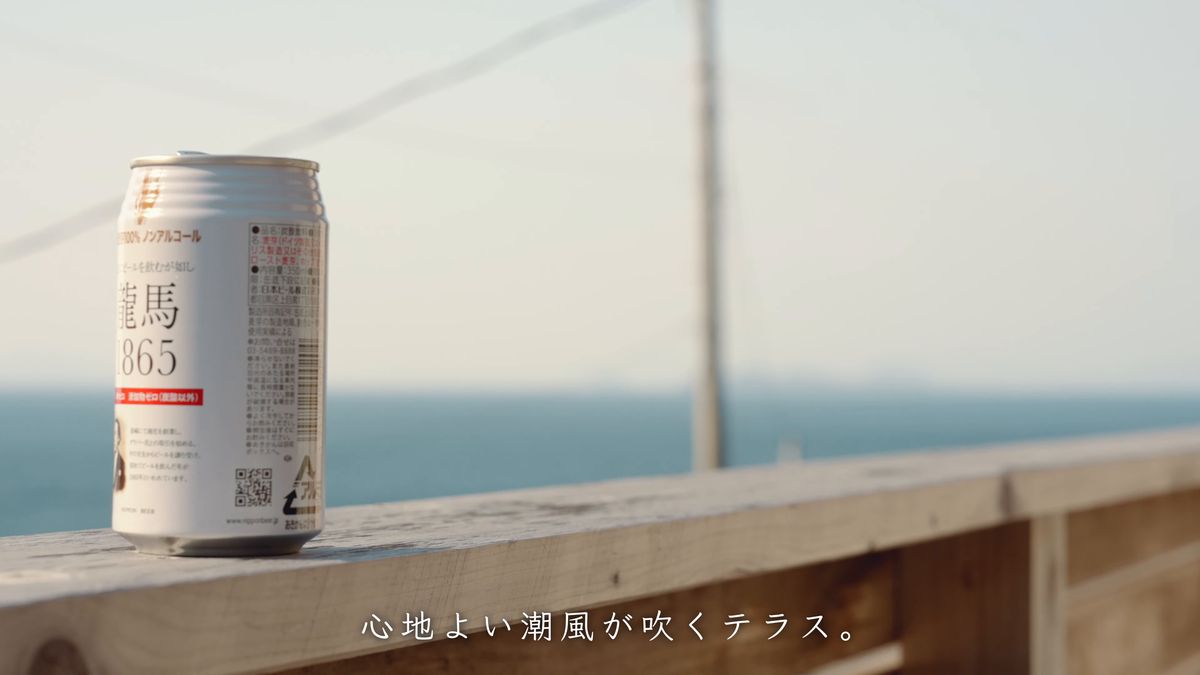
Ryoma 1865 non-alcoholic beer
The can on the terrace railing is Ryoma 1865, a non-alcoholic beer brewed from 100 percent malt. The shop where it was bought does not appear in the video.
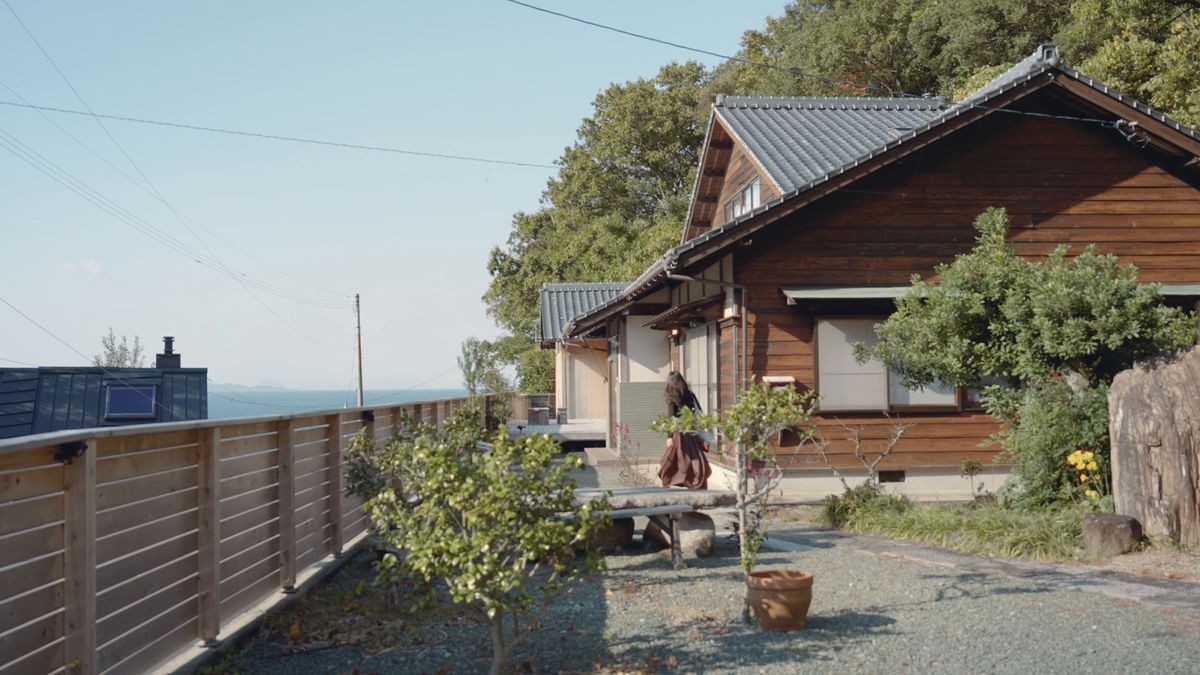
A wooden house above the sea
This time I borrowed a wooden house on a rise above Shimonada, with a deck terrace looking down on the sea, a tatami room with sliding doors, and a wood stove beside the kitchen. Nothing to hear but birds and the wind.
PHOTO ALBUMPhoto album67Open all photographsClose the photo album
Select a photograph to explore the journey one frame at a time.