A TRAVEL ESSAY
Onomichi, Hiroshima
Living in an Old House in Onomichi, Part 1
Through the Cat Alleyto our house in Onomichi
A day of cats, slopes and Seto Inland Sea octopus.
Read the journey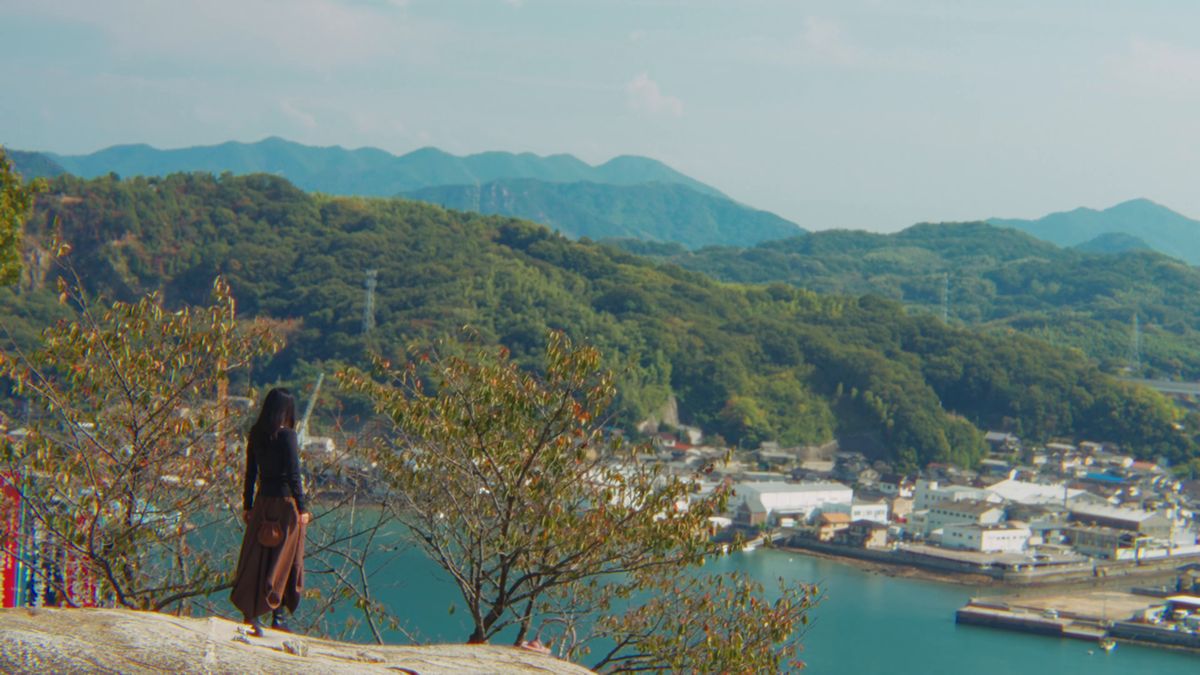
ABOUT THIS JOURNEY
Onomichi, a town of slopes, literature and movies. I borrowed an old wooden house, cooked octopus rice with Seto Inland Sea octopus and ate it on the veranda. At a coffee stand on the hillside I had a cat-shaped cookie and a chestnut pudding, then walked through the cat alley to look down on the Onomichi Waterway. A day of tasting cold teas behind a white noren and wandering alleys full of cats.
A little more about the food and the land01TRAVEL JOURNAL
To a town of slopes, literature and movies
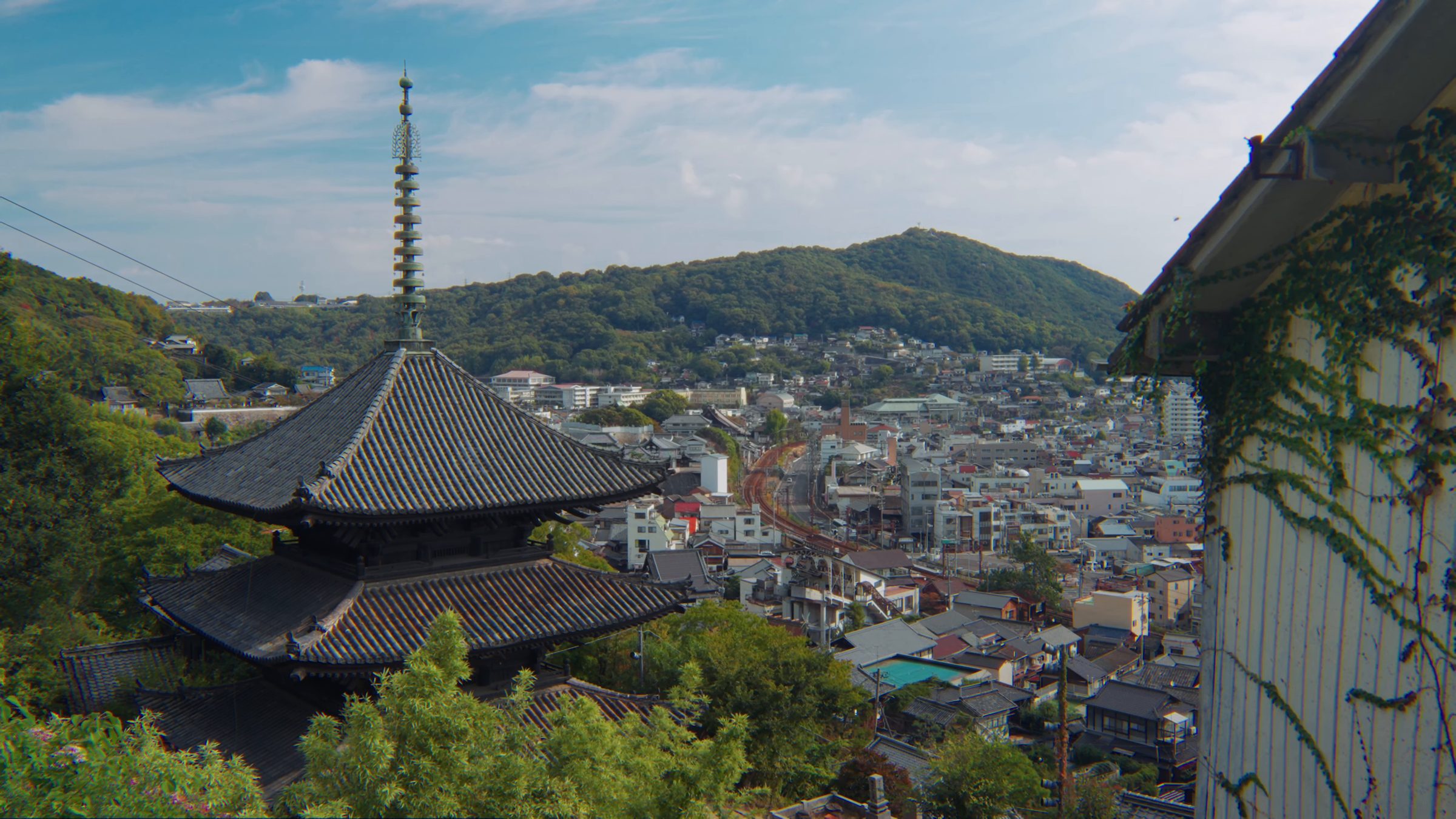
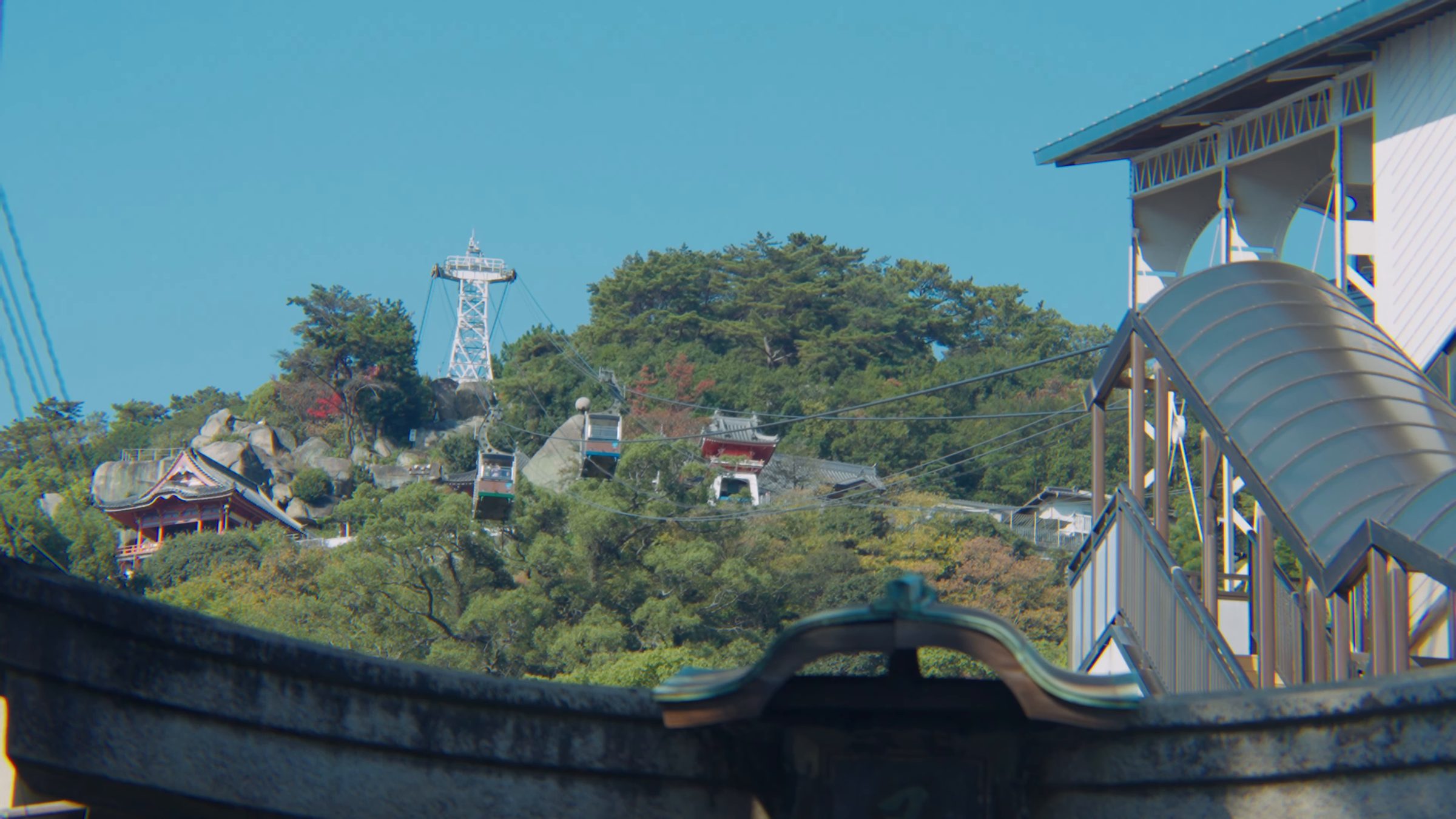
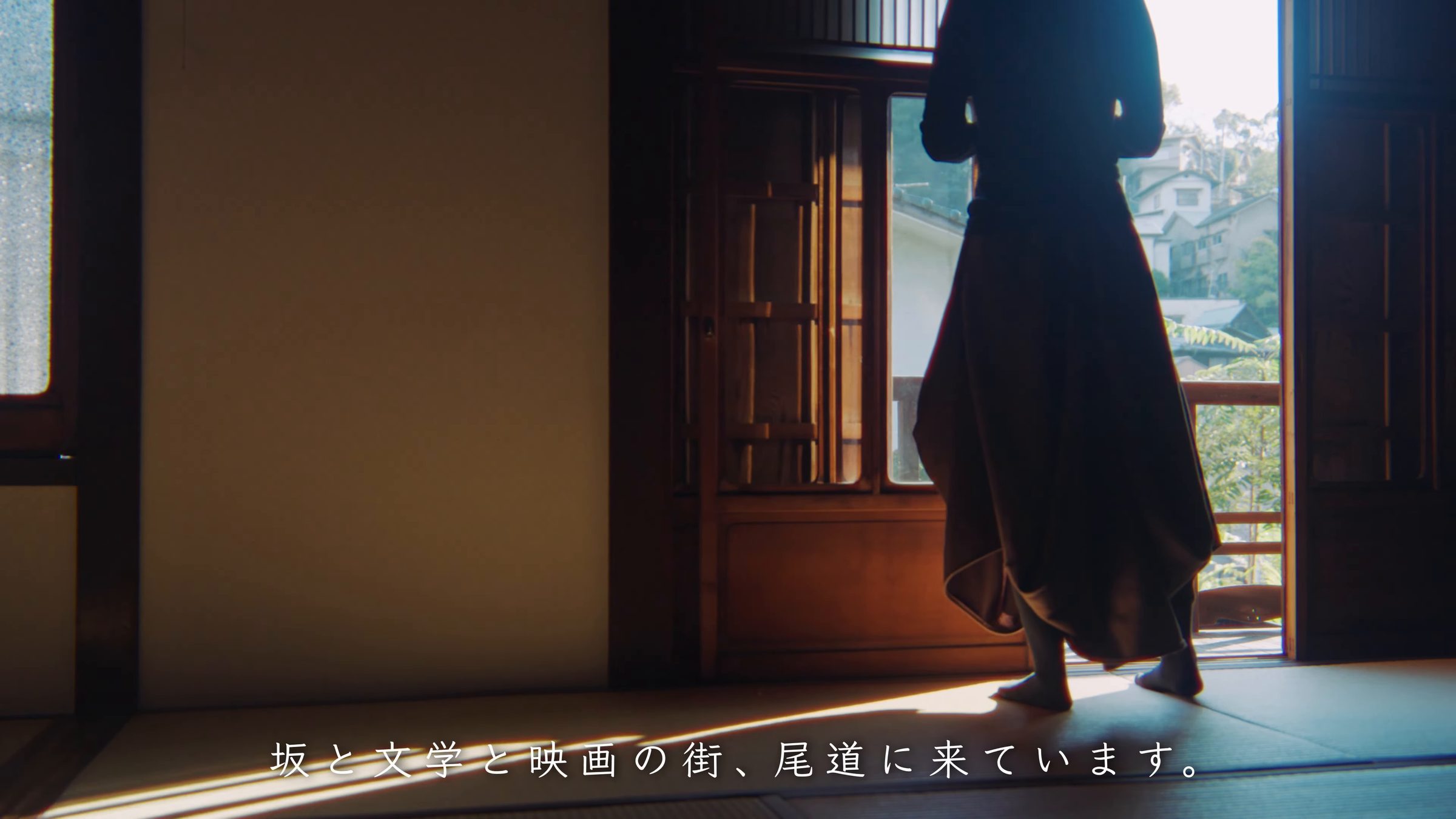
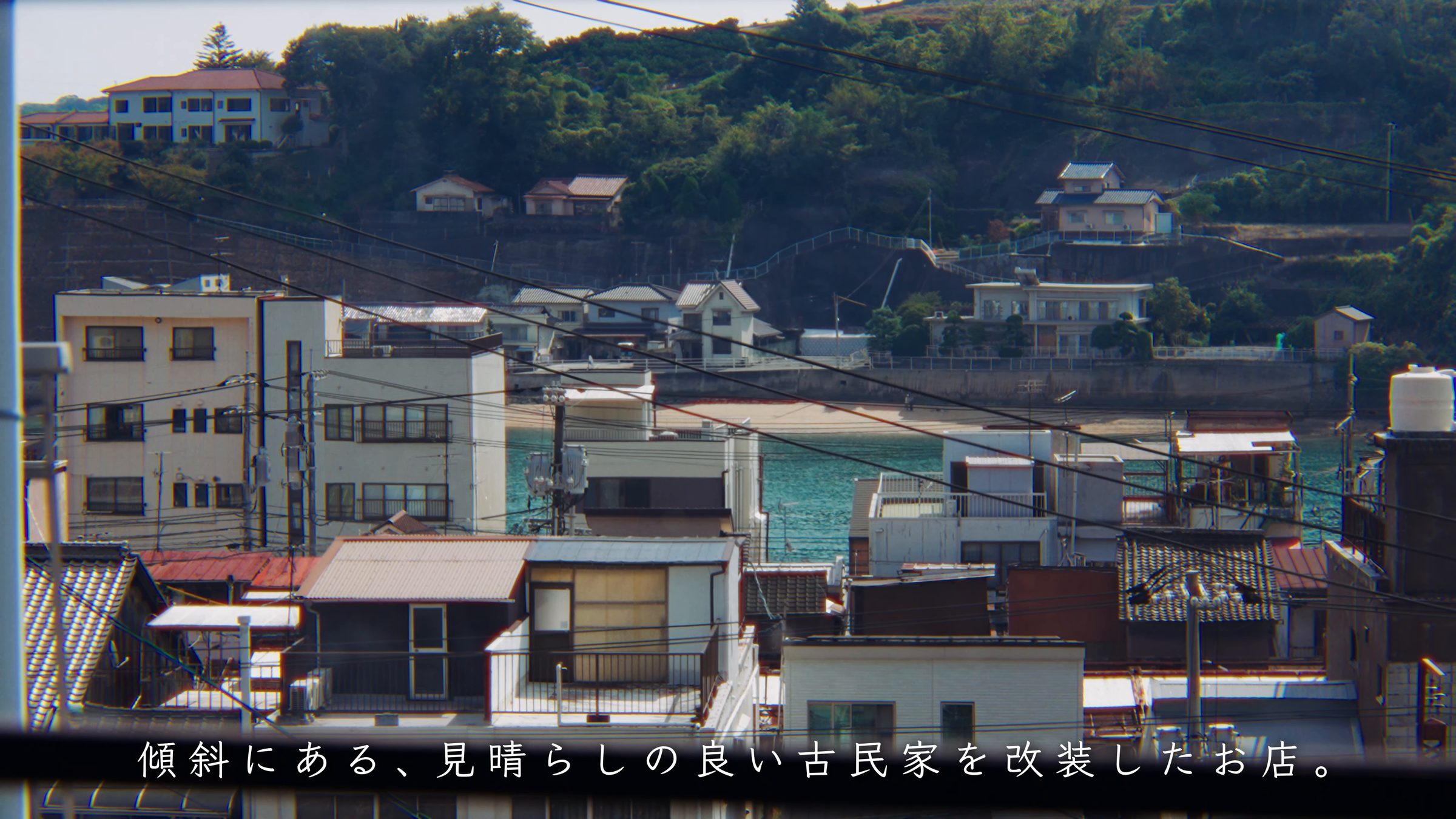
I came to Onomichi, in Hiroshima. A freight train rolled over the railway bridge near the station, and a short climb up the slope opened onto a view of tiled roofs and the Onomichi Waterway beyond a three-story pagoda. Up on the hill, the ropeway cars were gliding to and from Senko-ji temple.
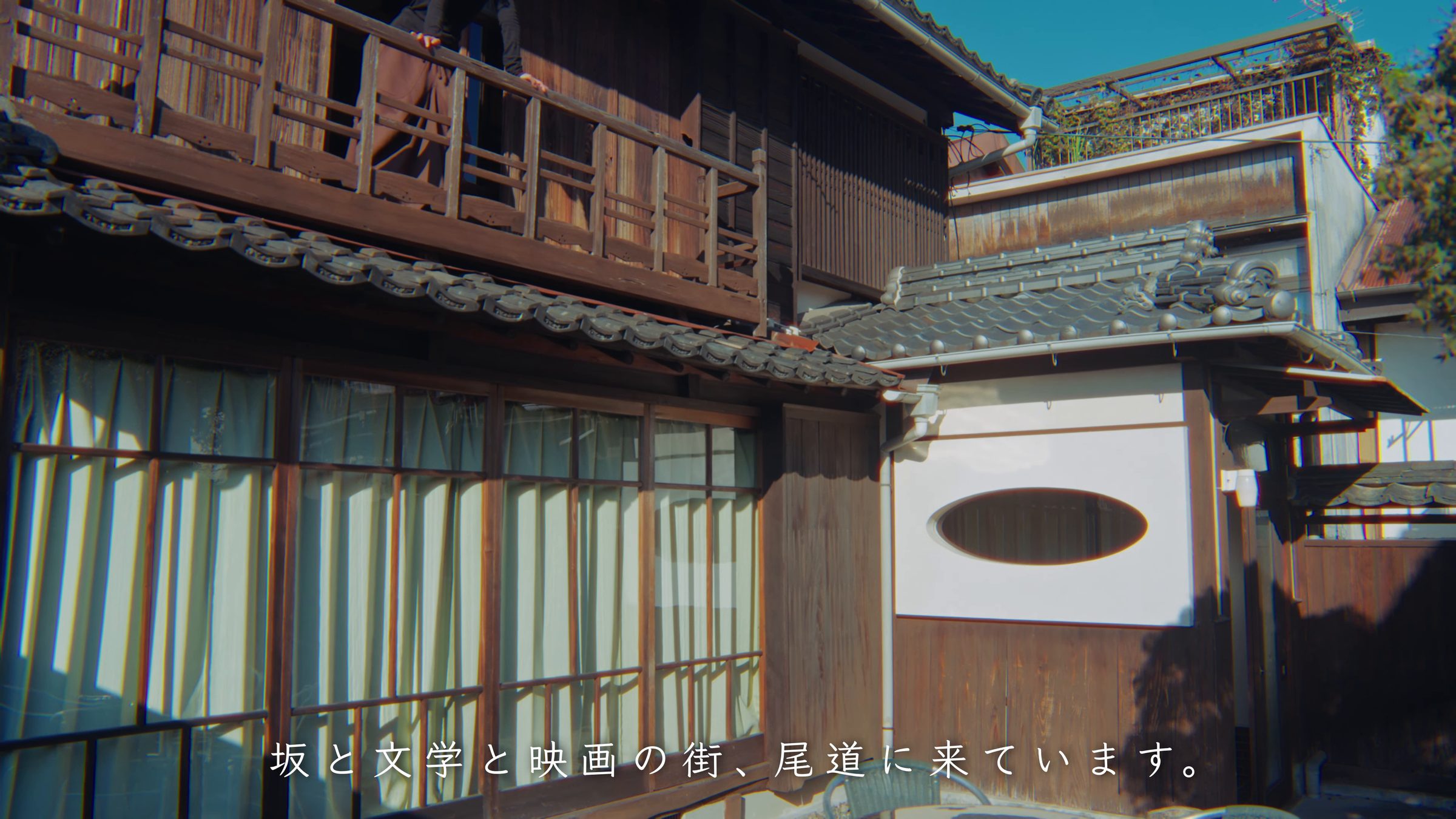
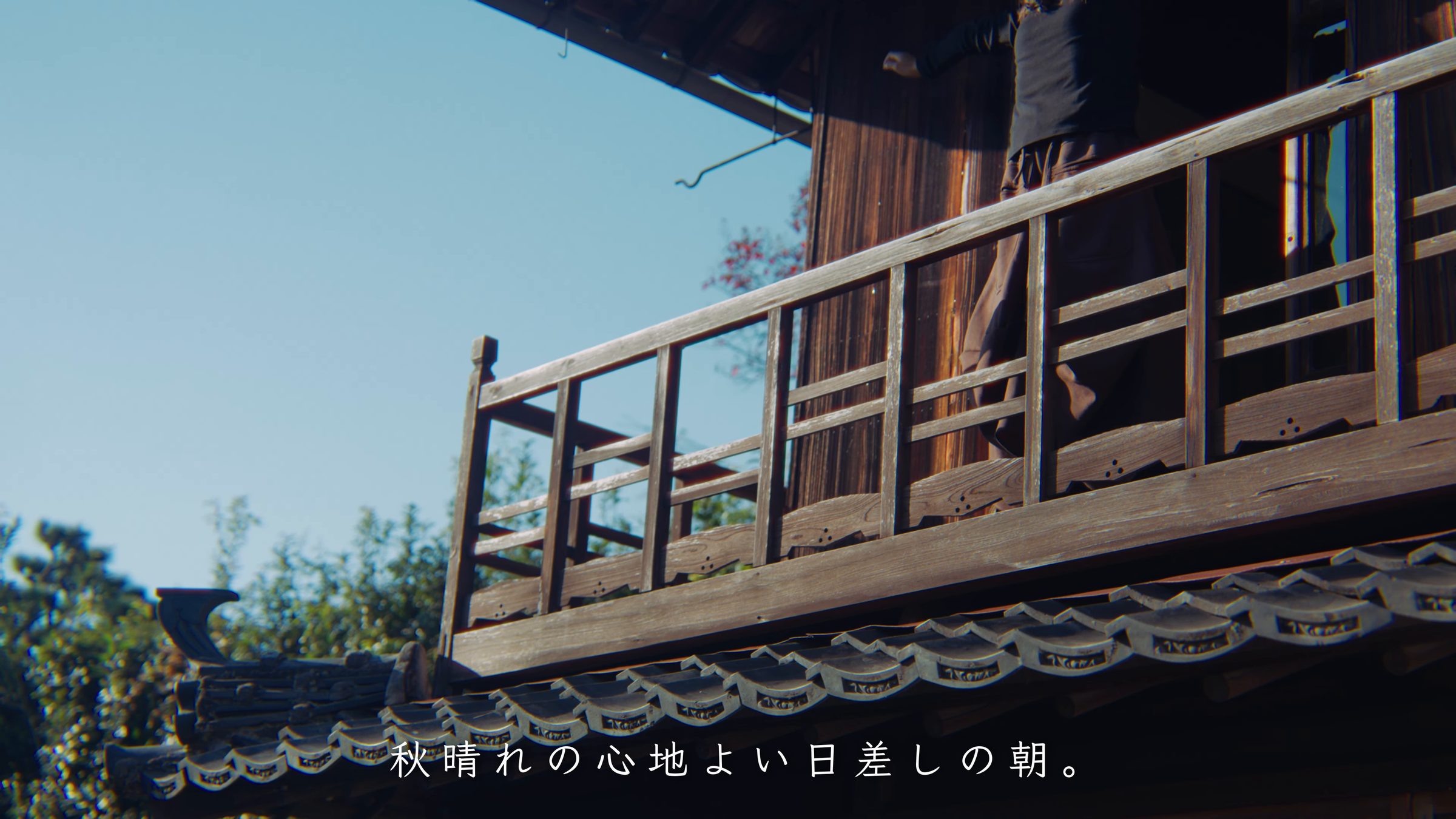
This is a town famous for its slopes, its literature and its movies. The writers Hayashi Fumiko and Shiga Naoya lived here, and Ozu Yasujiro's Tokyo Story and Obayashi Nobuhiko's Onomichi trilogy were filmed here. My borrowed home was a wooden house with a railed balcony on the second floor. When I slid open the door to the veranda, the rooftops of the town lay right in front of me.
Watch this scene on YouTube0:21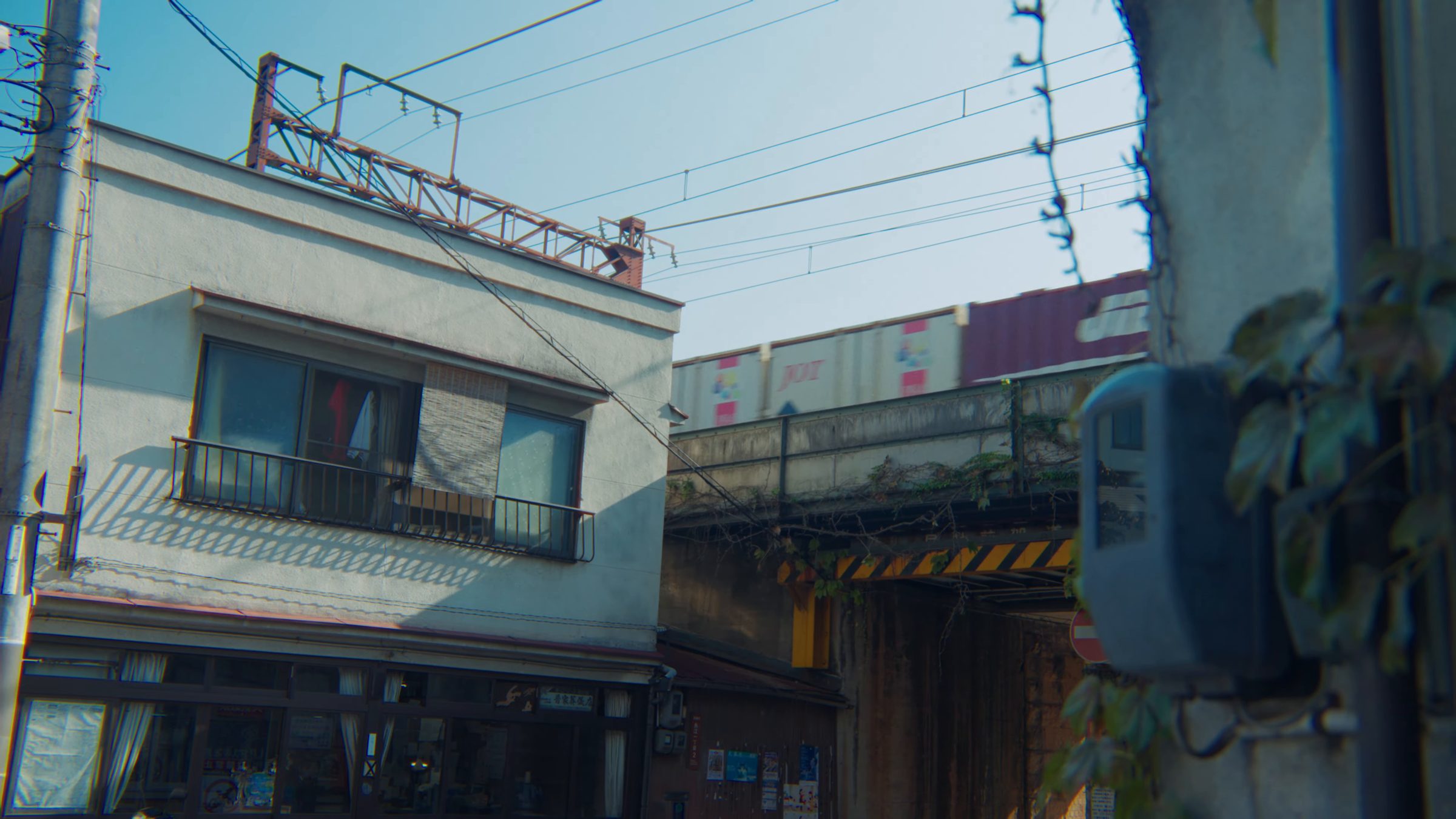
02TRAVEL JOURNAL
A clear autumn morning
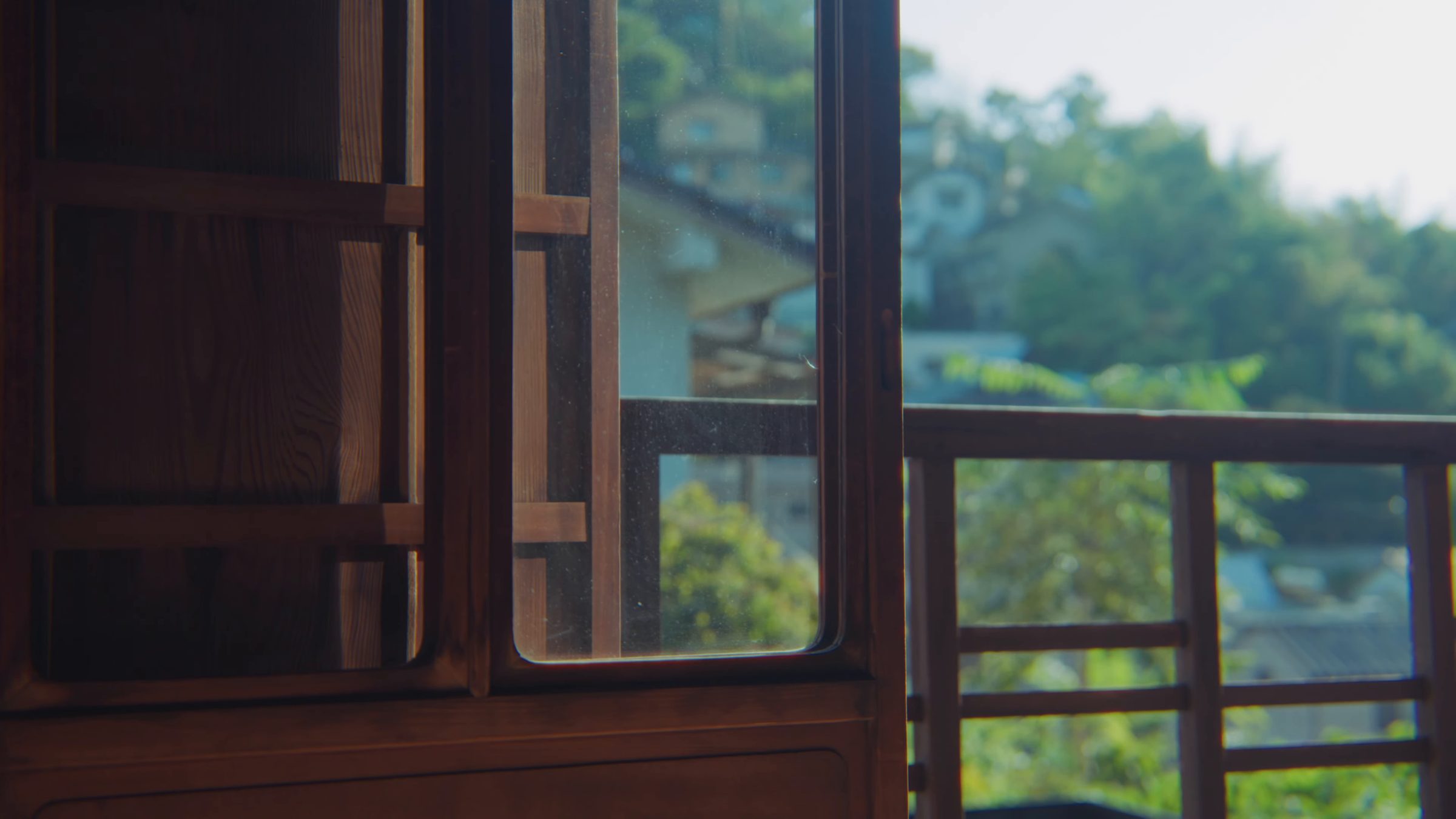
An autumn morning with pleasant sunshine. In the tatami room the futon was neatly folded, and beyond the second-floor railing I could see tiled roofs against a blue sky. Opening a window, I found houses and greenery stacked up the slope across the way.
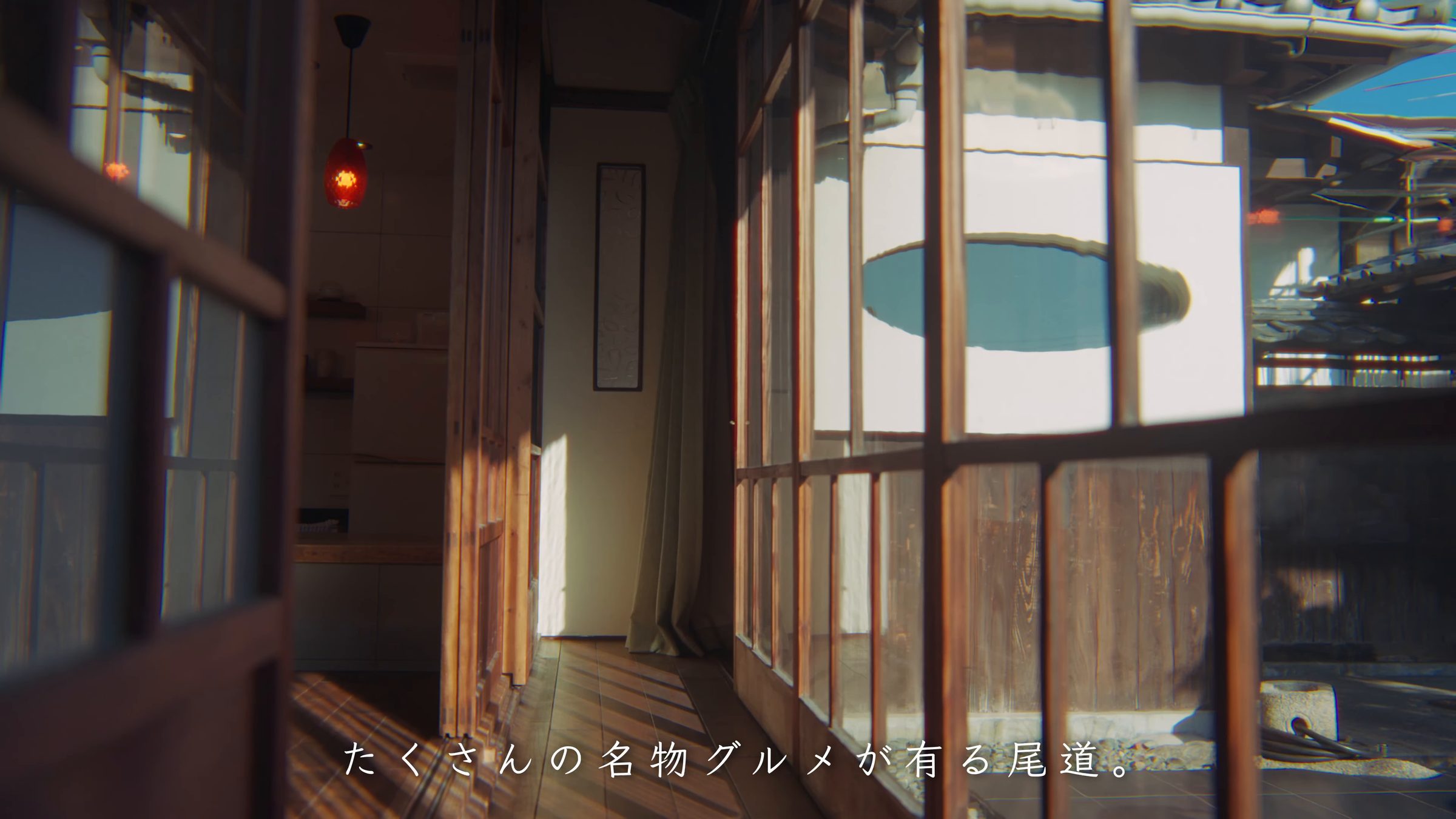
At the end of the corridor stood a white wall with an oval window cut into it. Onomichi has a variety of local foods, and today I decided to make one of them in the kitchen.
Watch this scene on YouTube0:39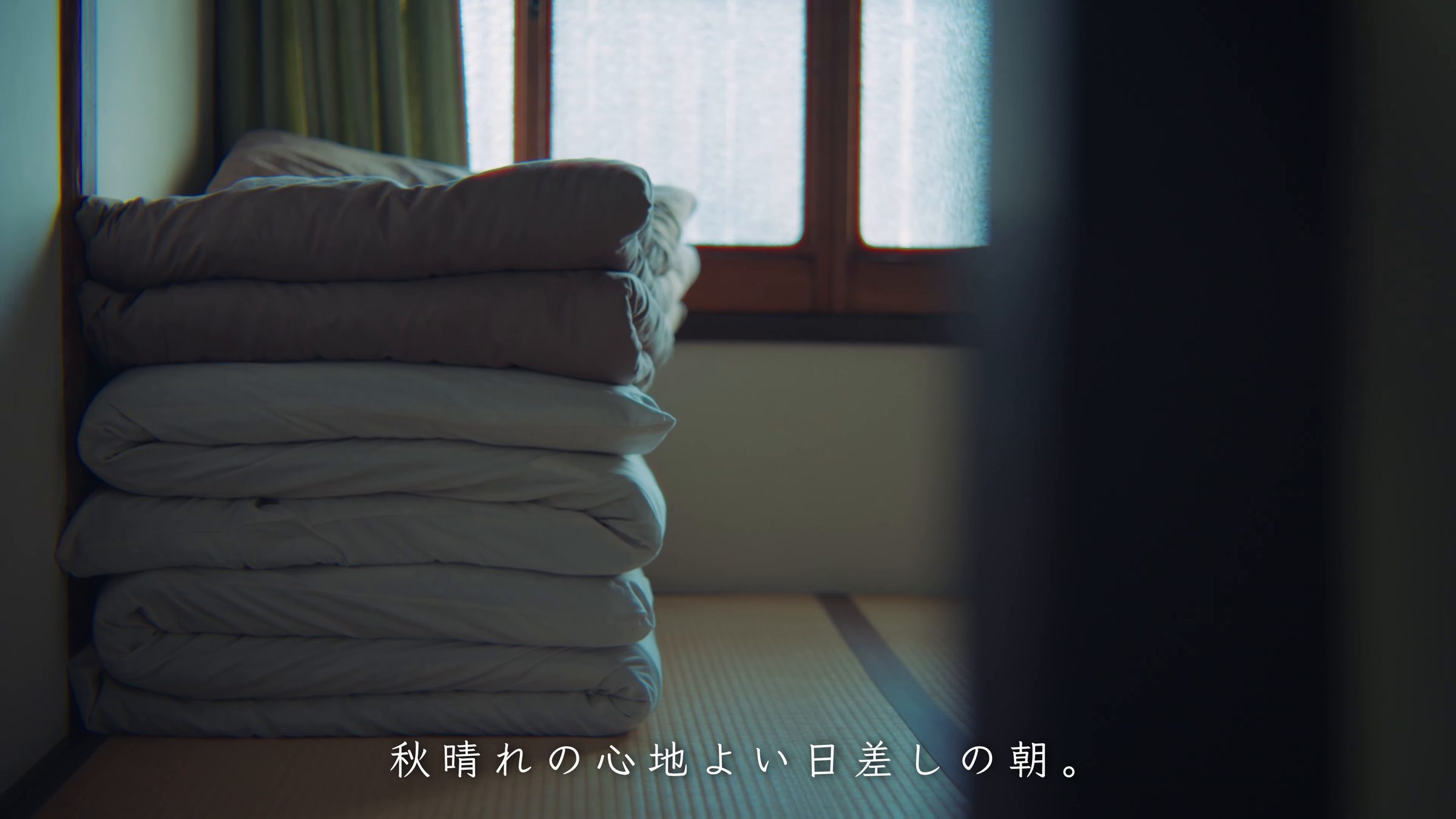
03TRAVEL JOURNAL
Octopus rice with local octopus
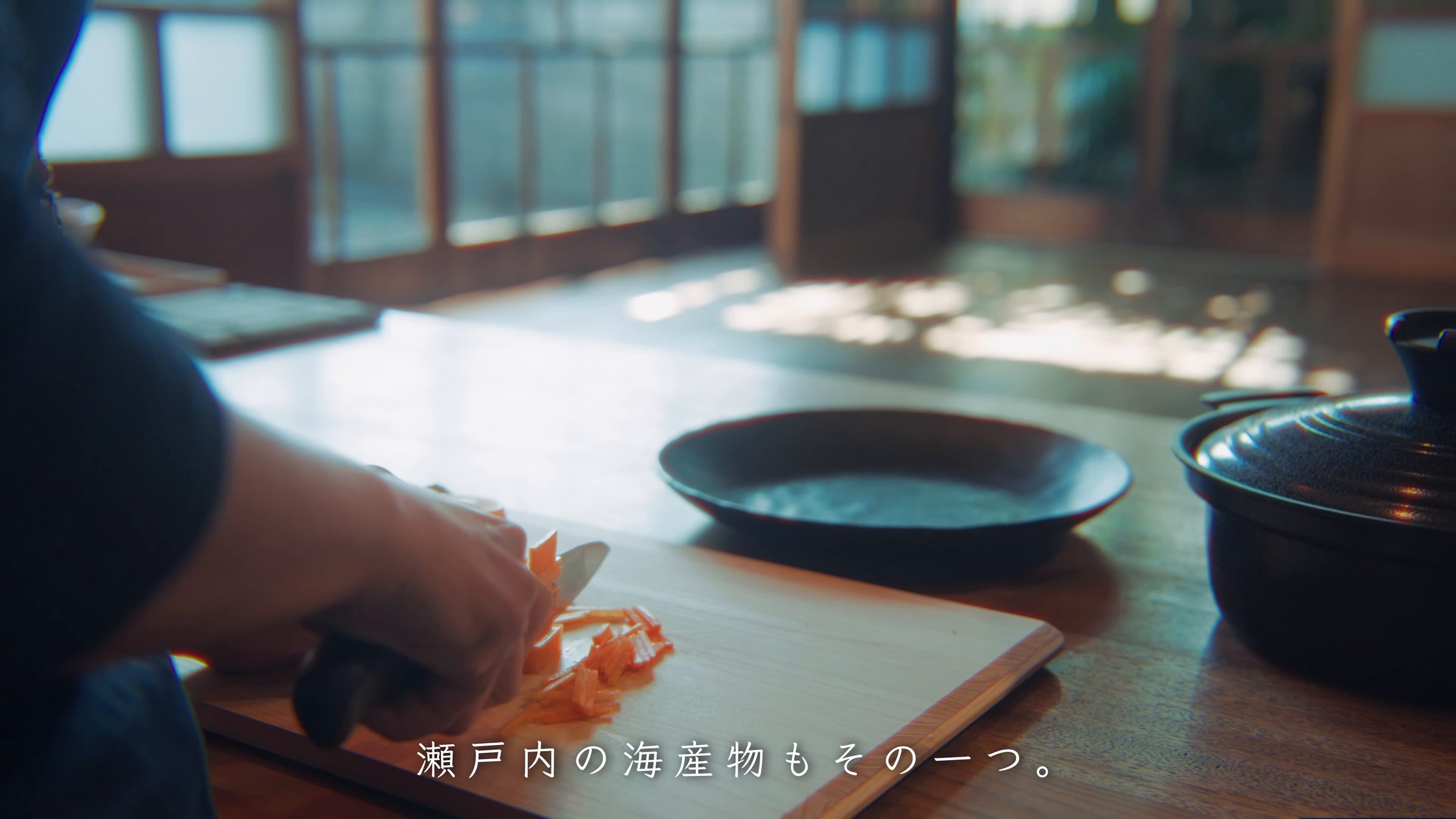
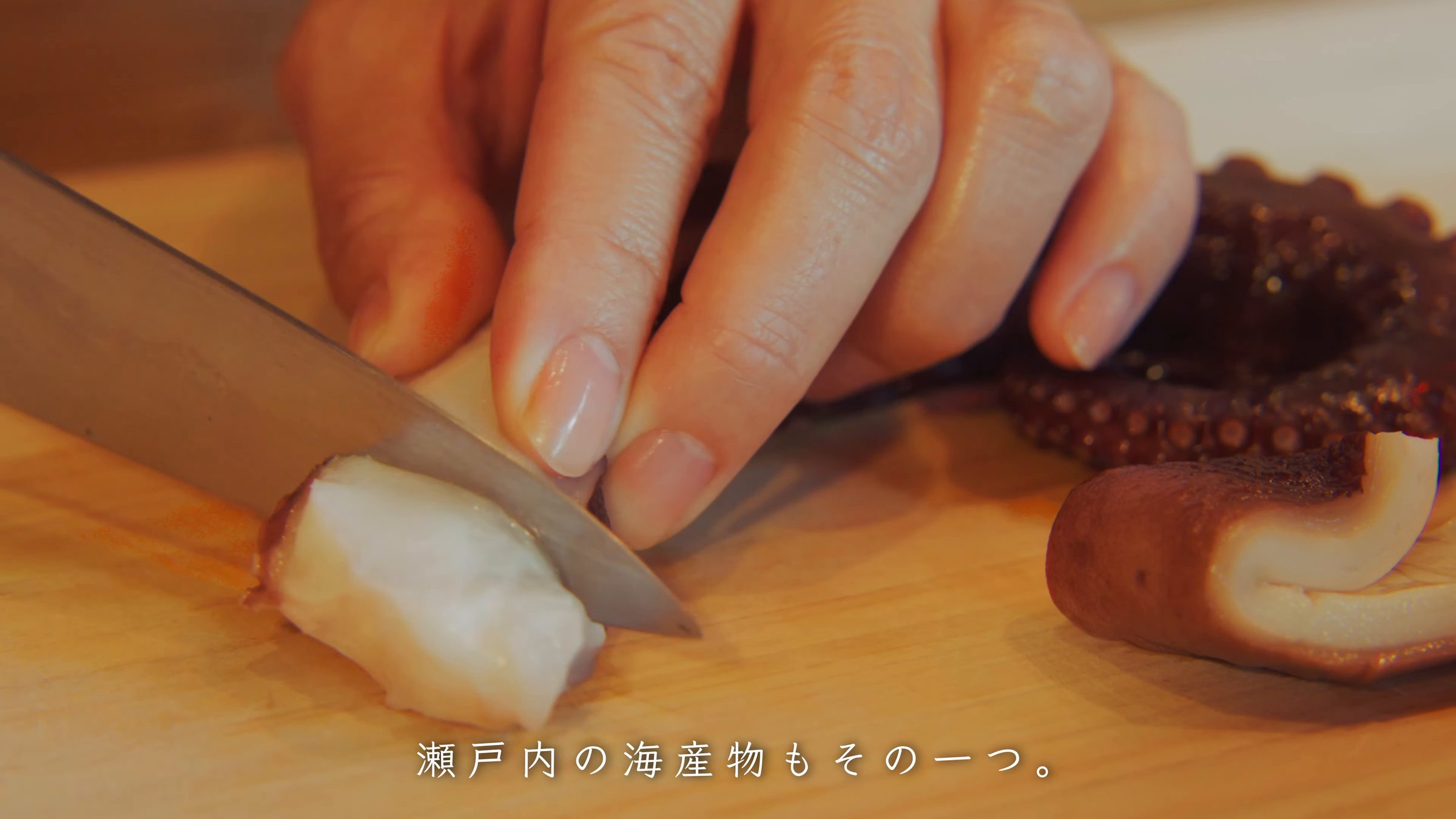
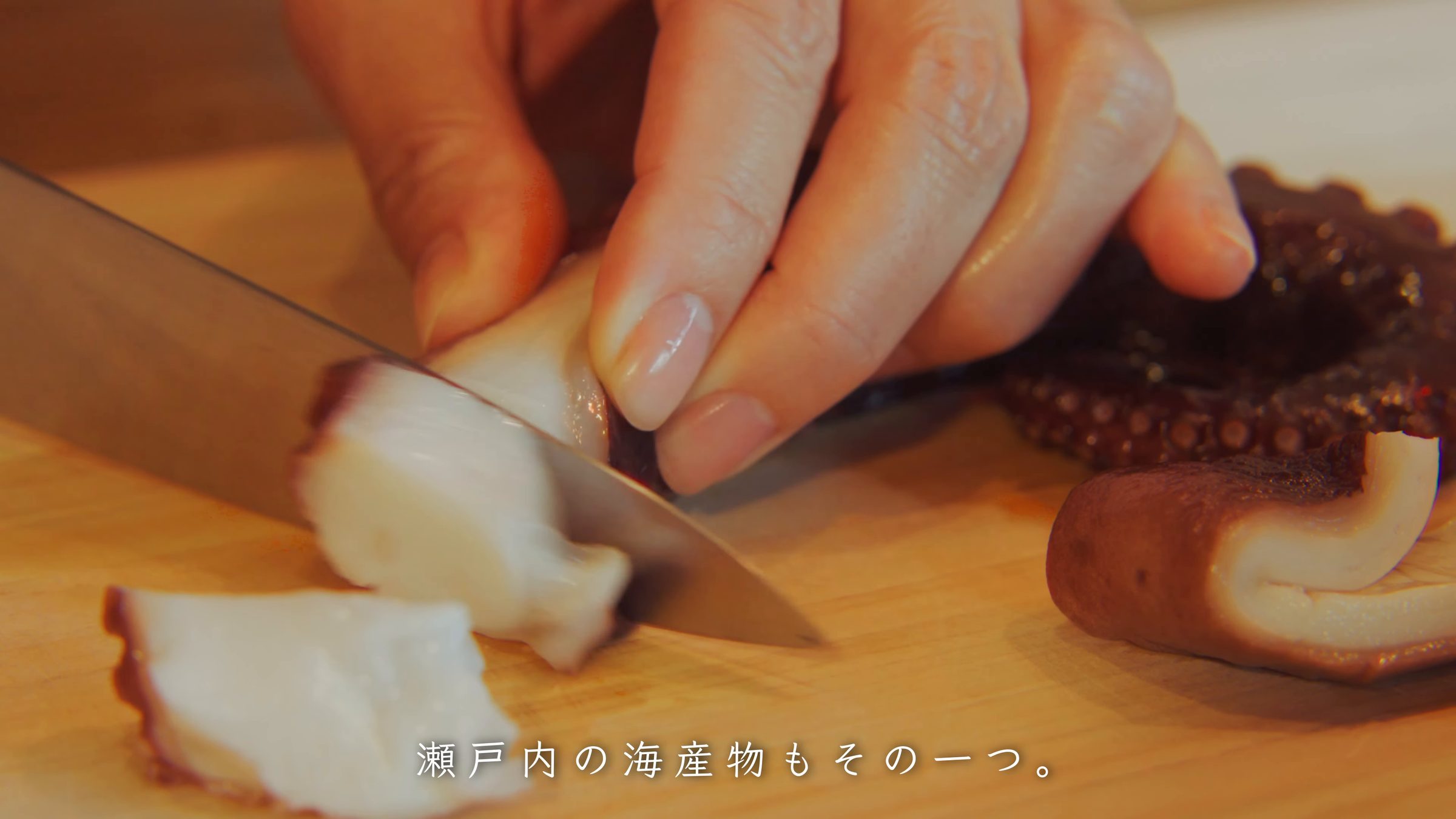
Seafood from the Seto Inland Sea is another of Onomichi's specialties, so I decided to make octopus rice with locally caught octopus. I cut a carrot into thin sticks and chopped a boiled octopus leg into bite-sized pieces.
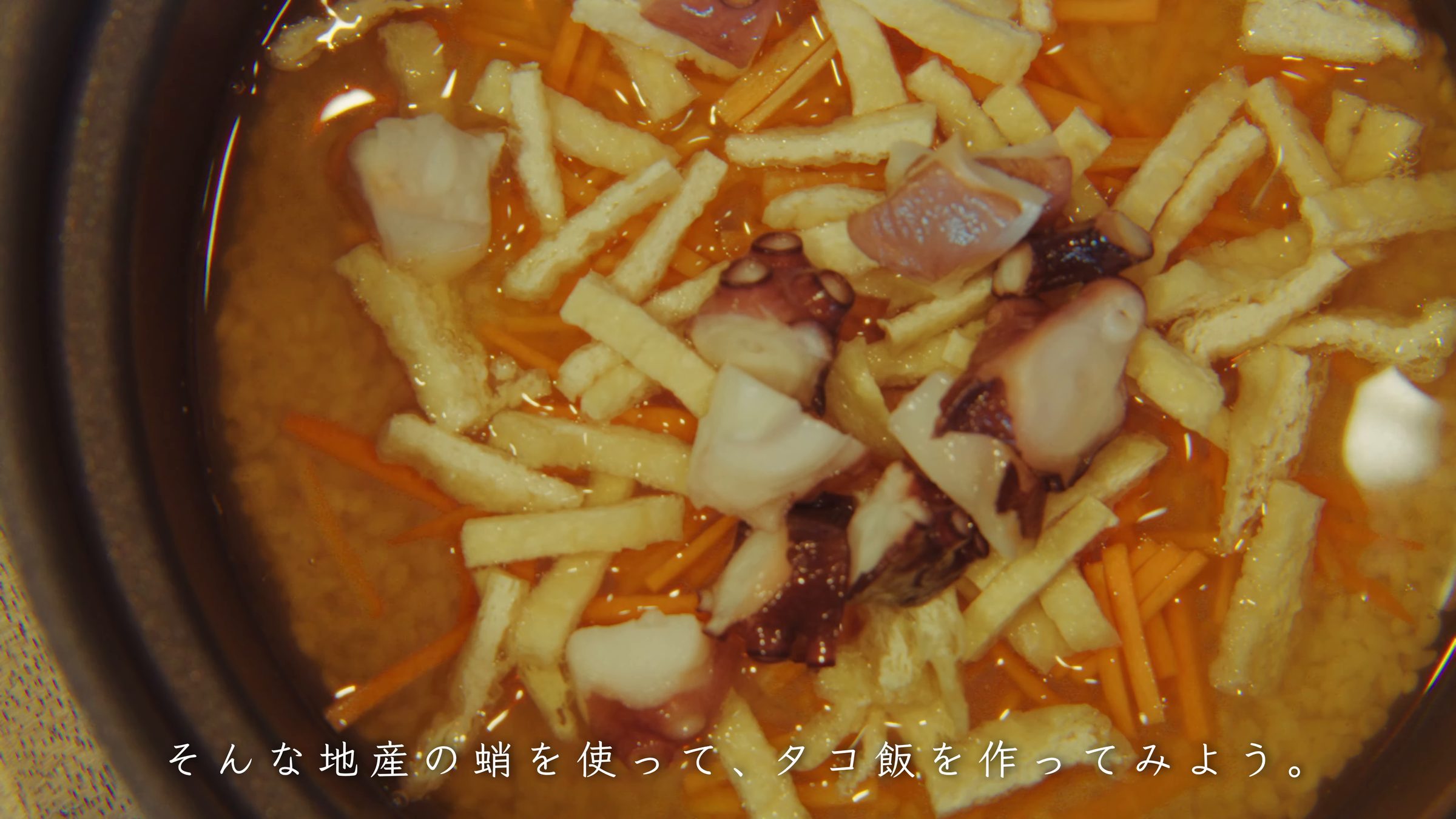
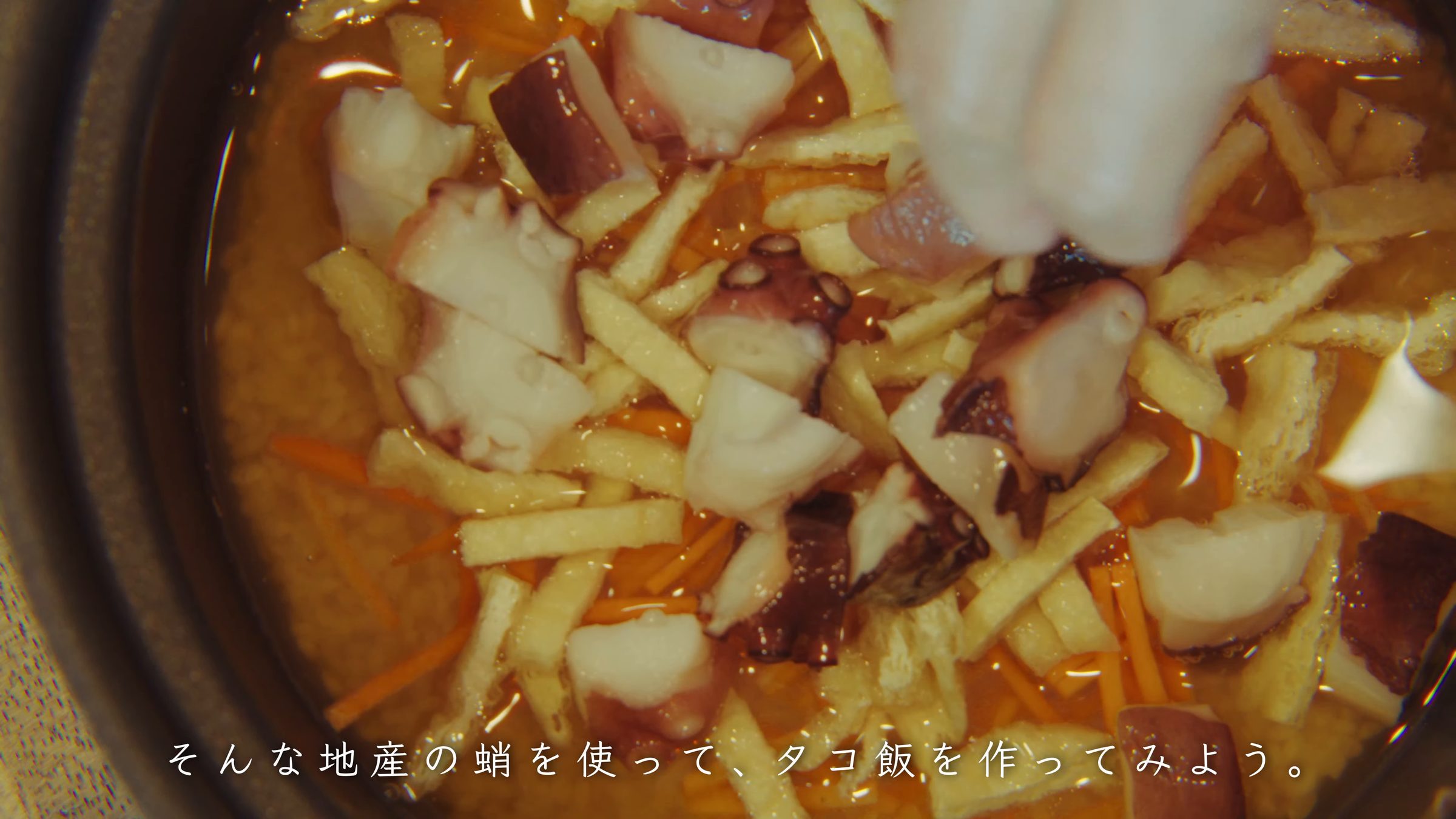
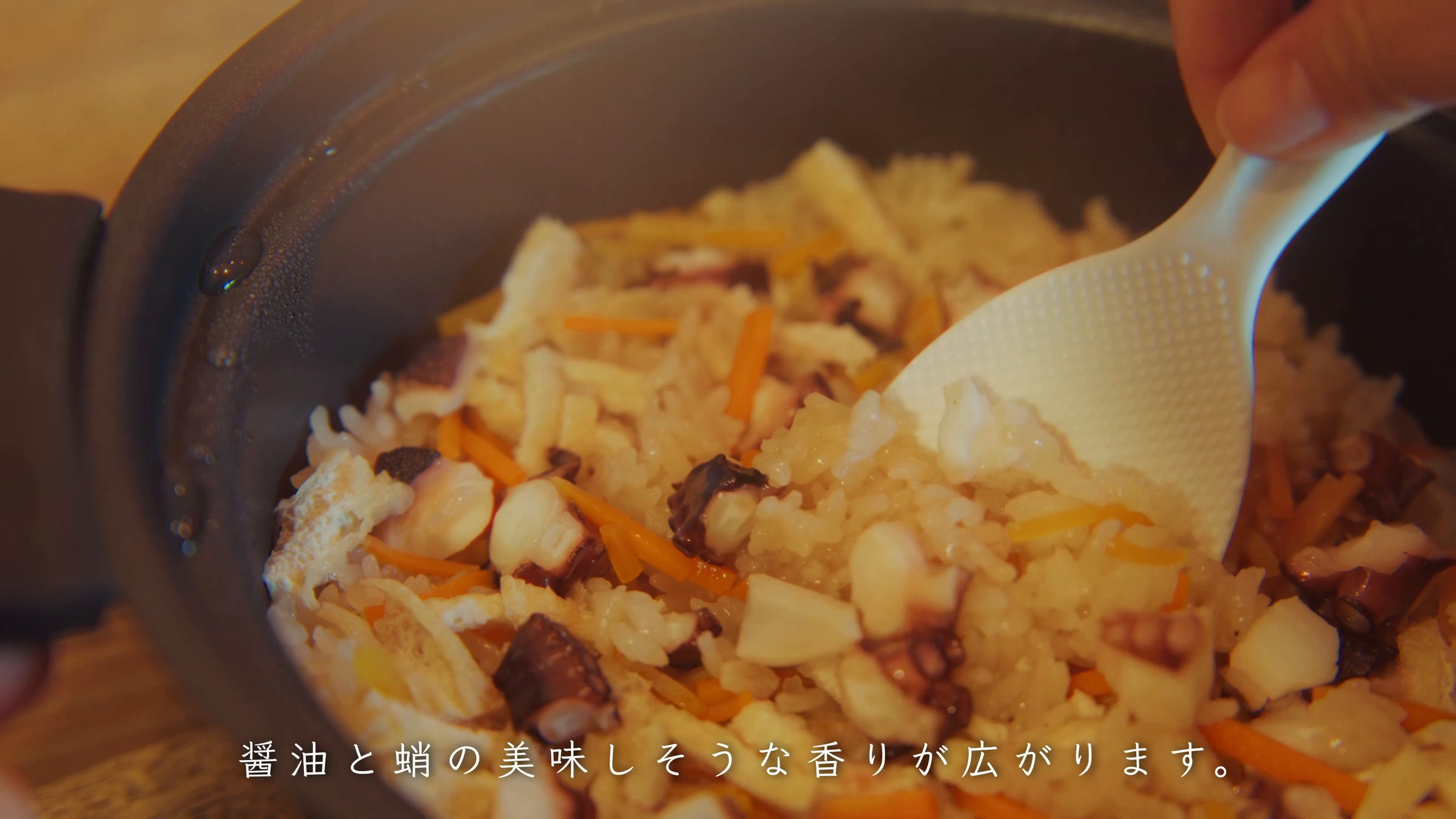
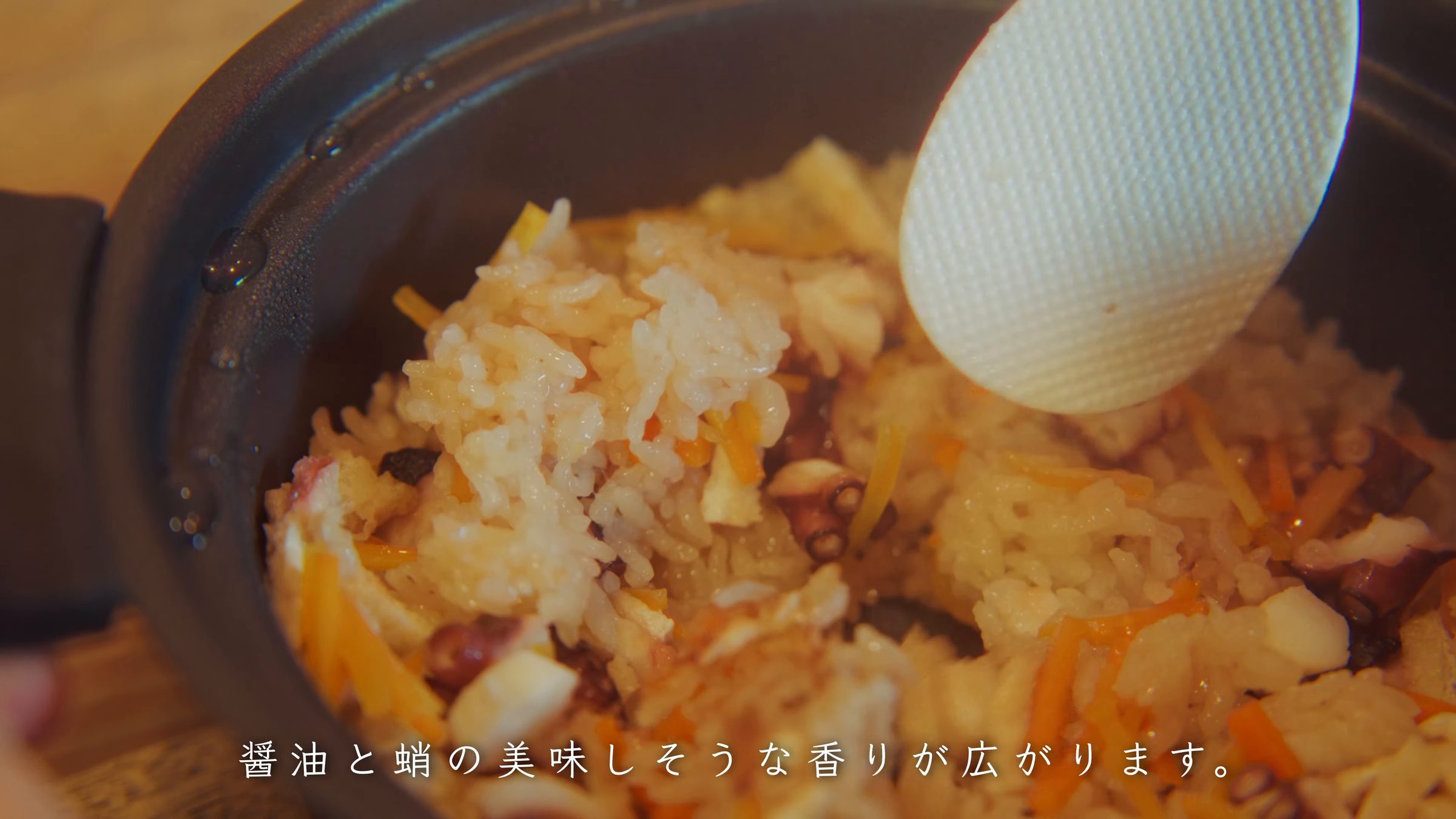
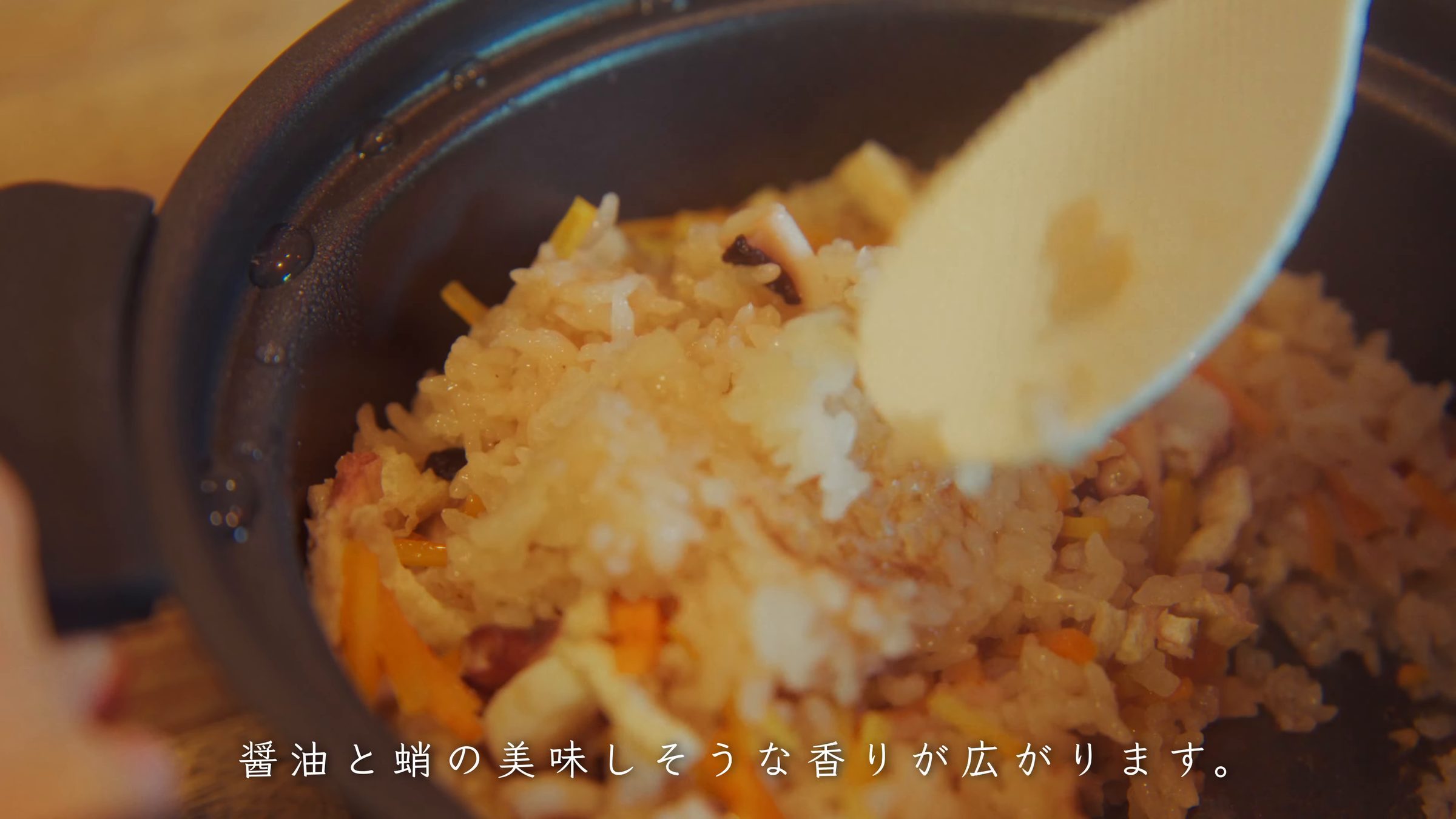
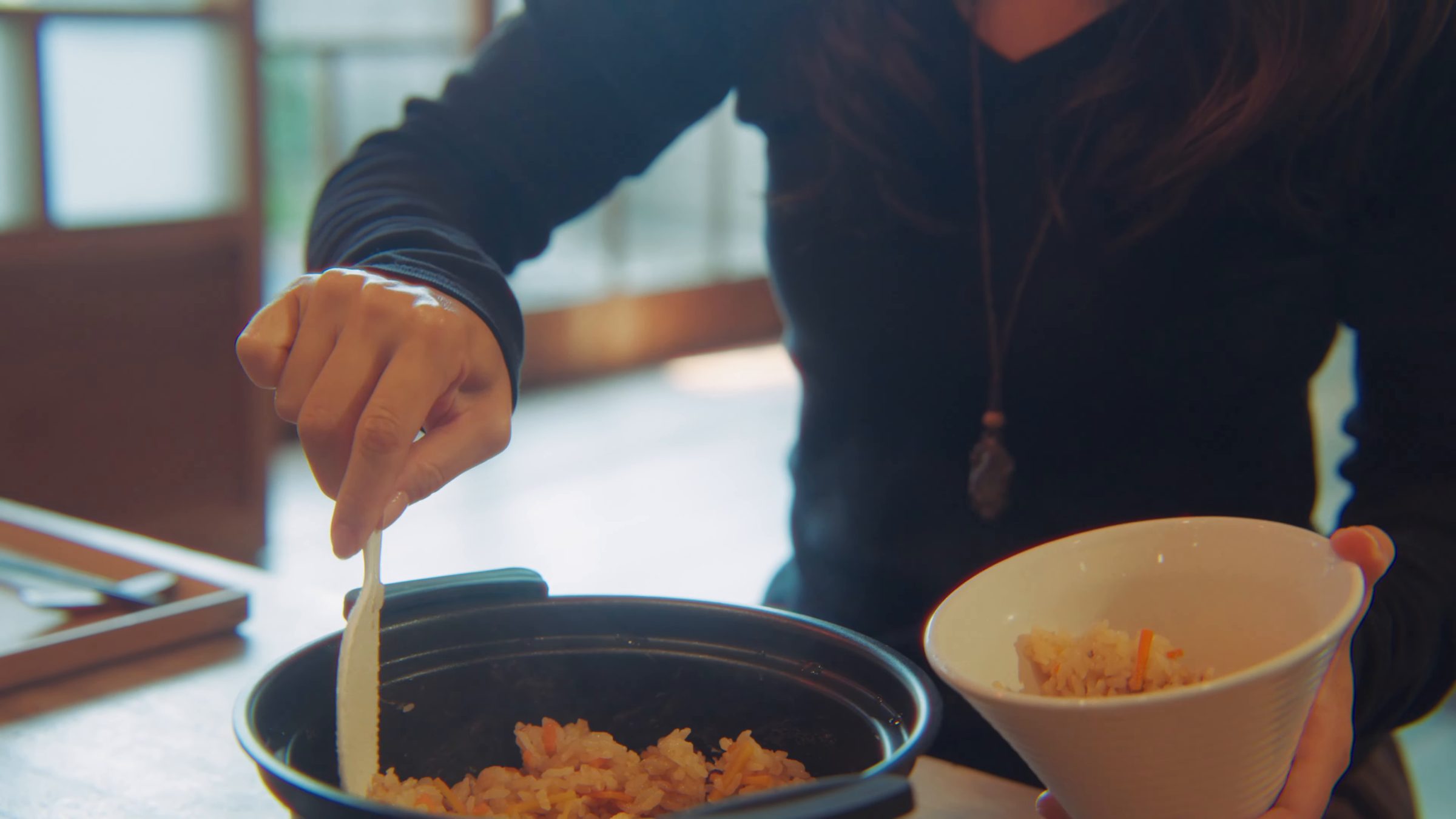
Into a black pot went the rice, octopus, carrot and fried tofu, seasoned with soy sauce, and I set it to cook. When I lifted the lid, the delicious scent of soy sauce and octopus spread through the kitchen. Folding it gently with a rice paddle brought the pink octopus up through the grains.
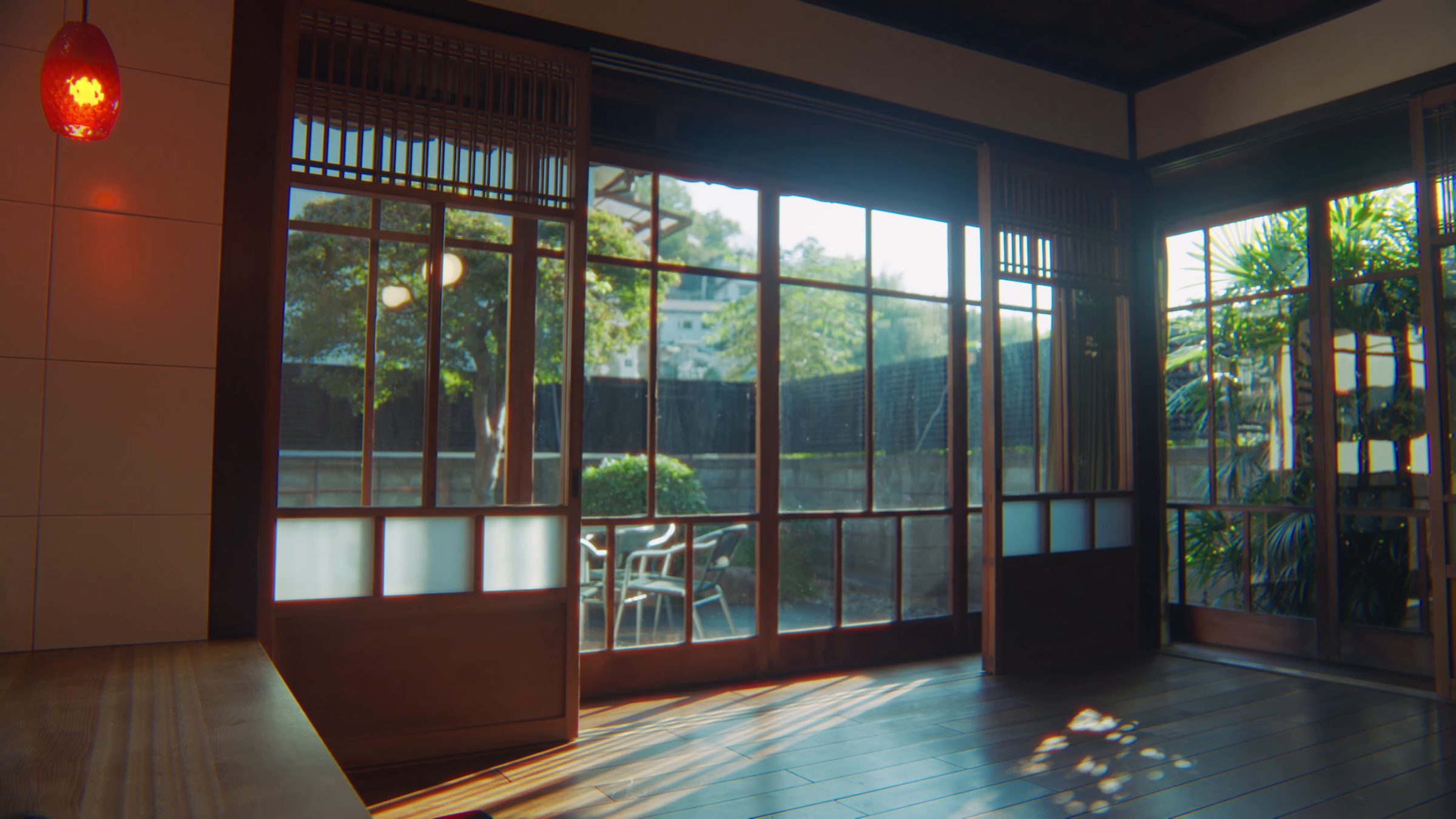
The sunlit sitting room looked out through glass doors onto the garden and the greenery of the town. While the rice cooked, I stood under the red lamp and took in the view.
Watch this scene on YouTube0:59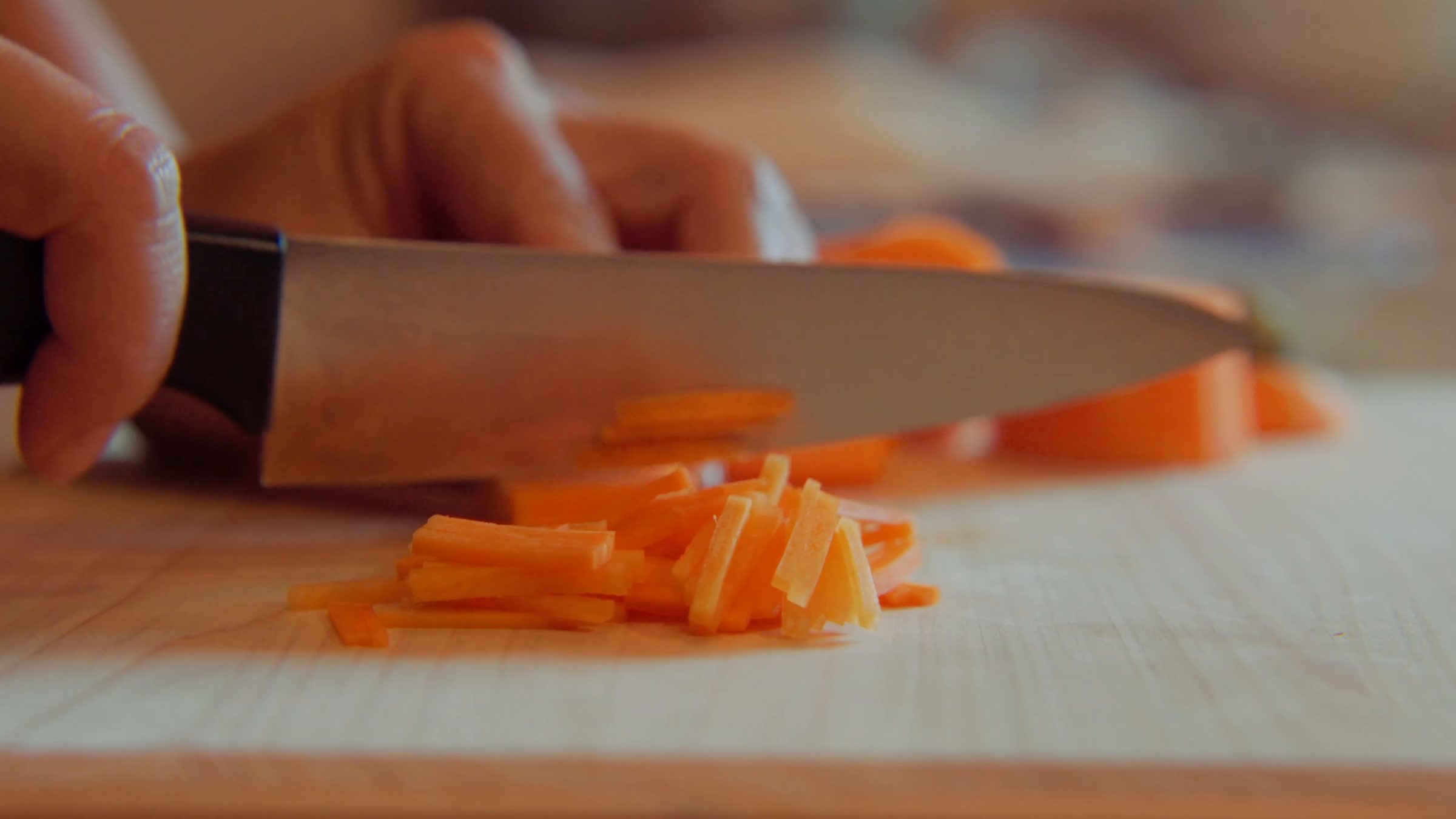
04TRAVEL JOURNAL
Freshly cooked, on the veranda
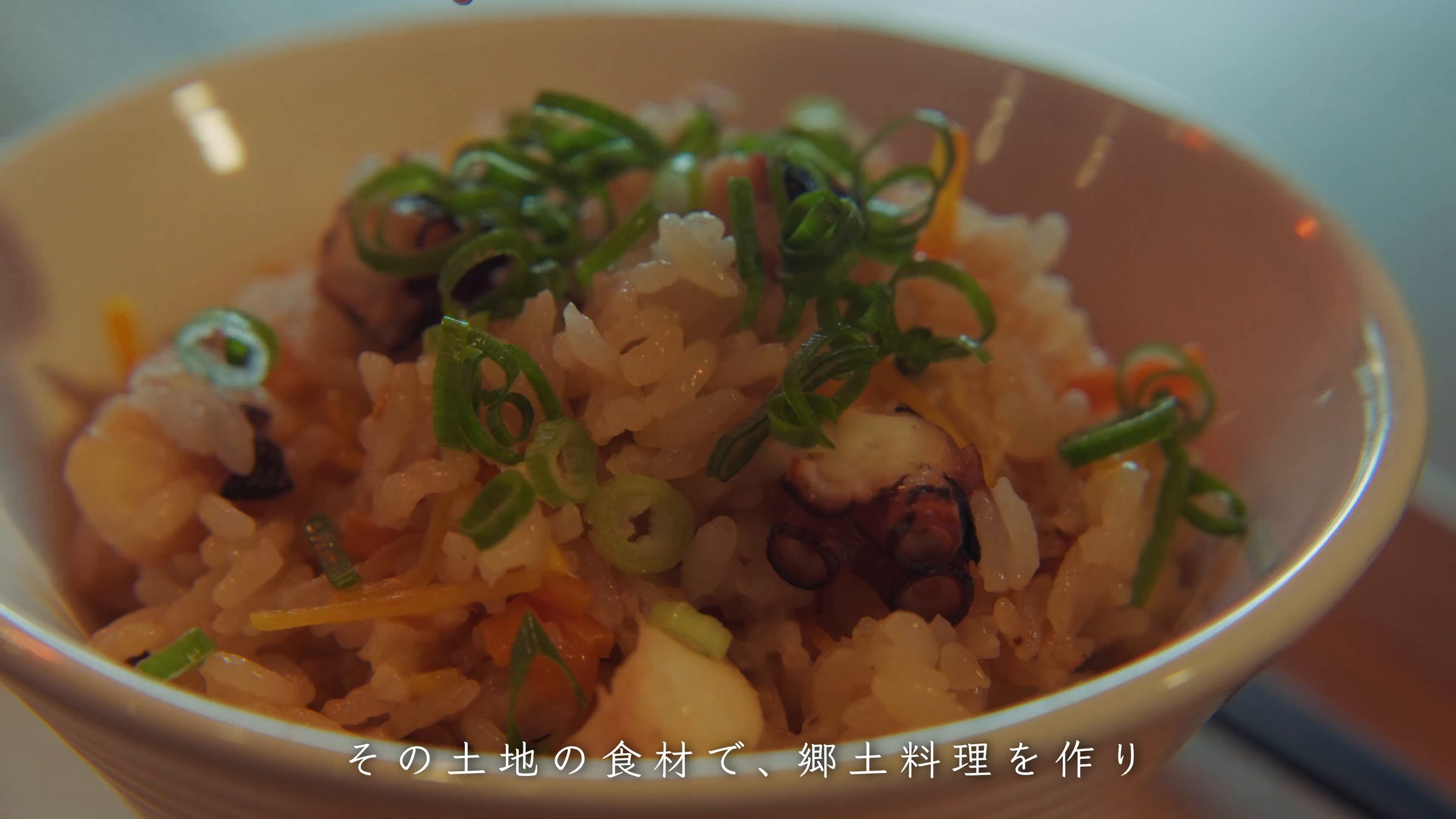
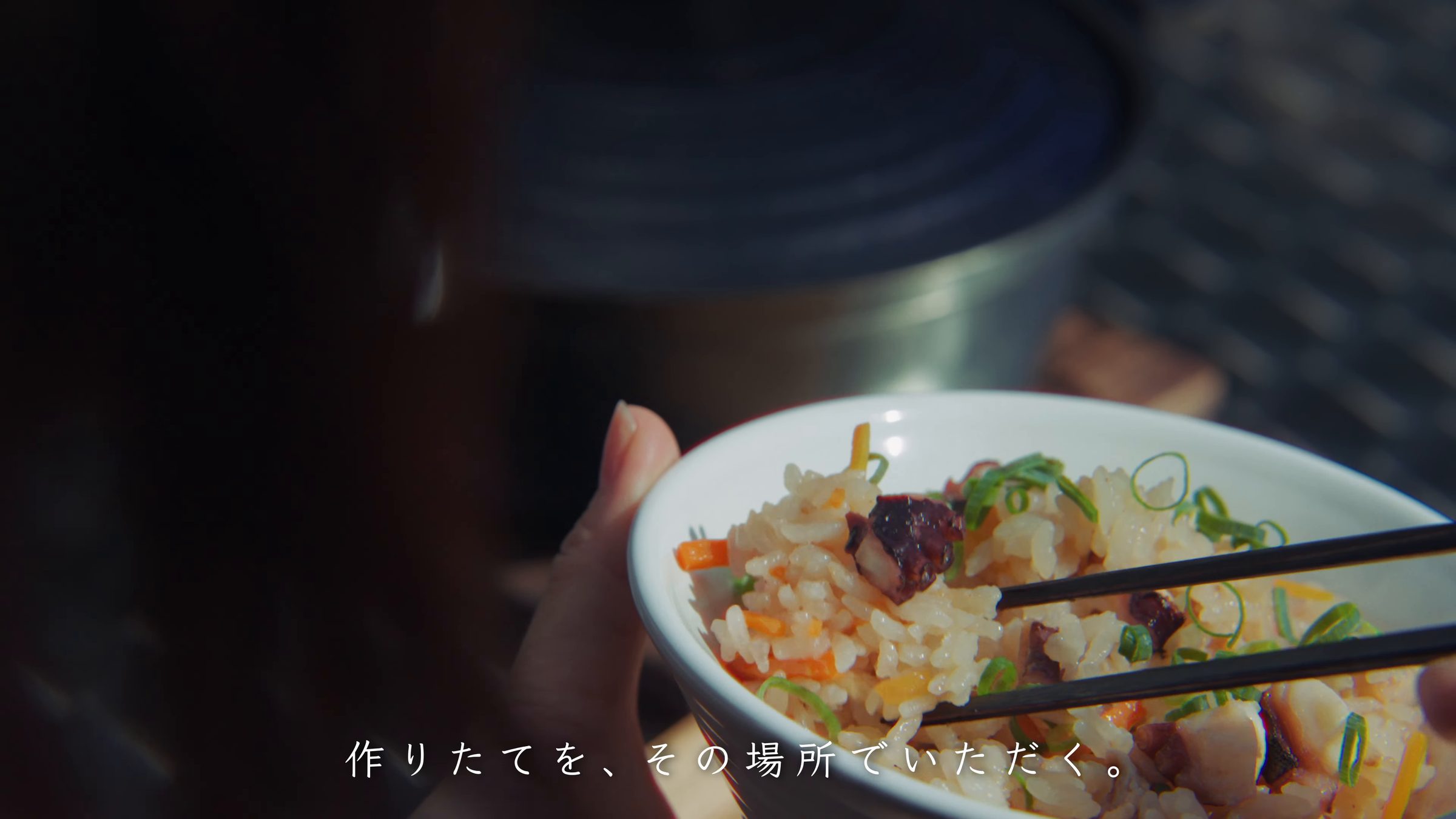
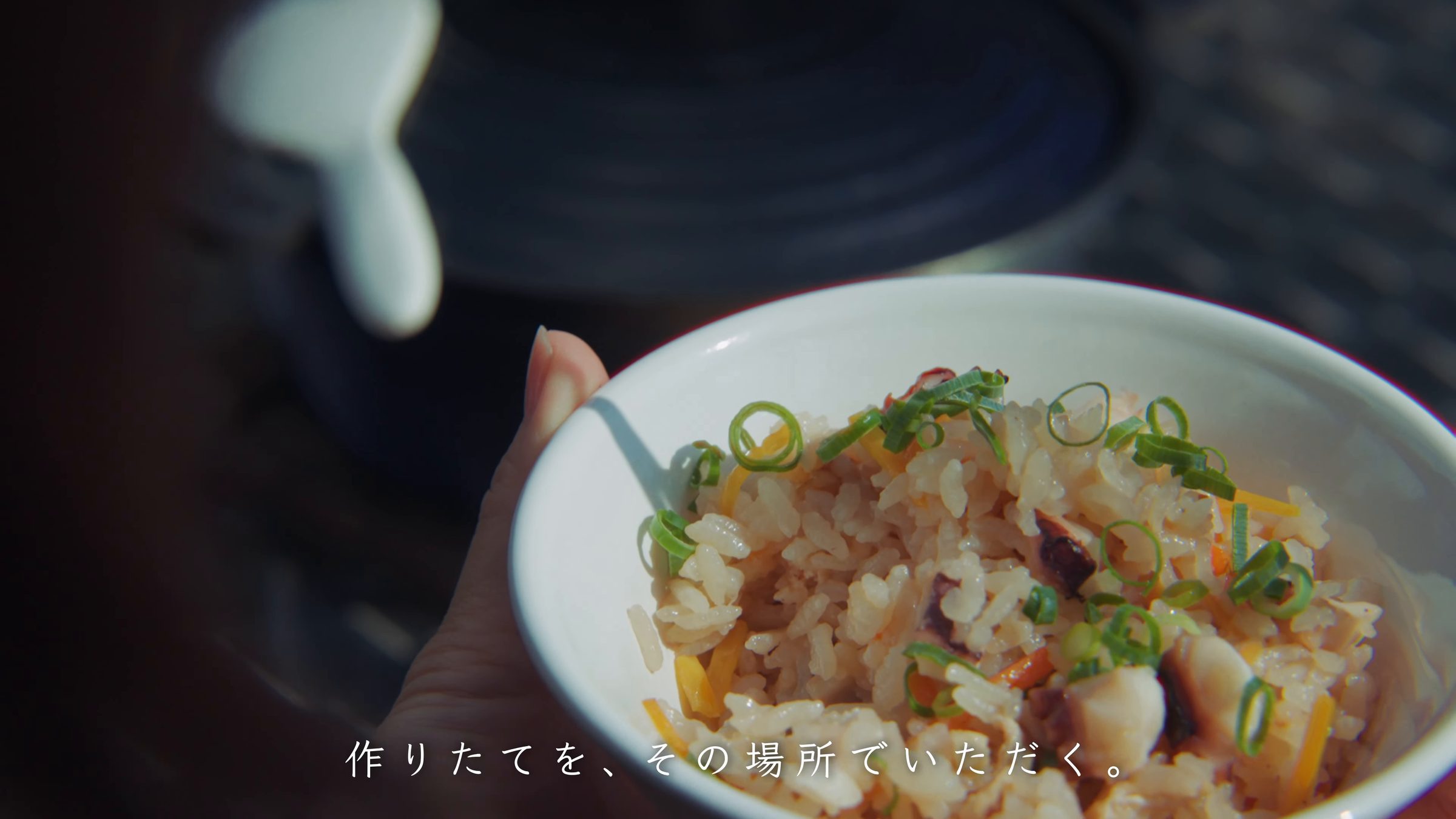
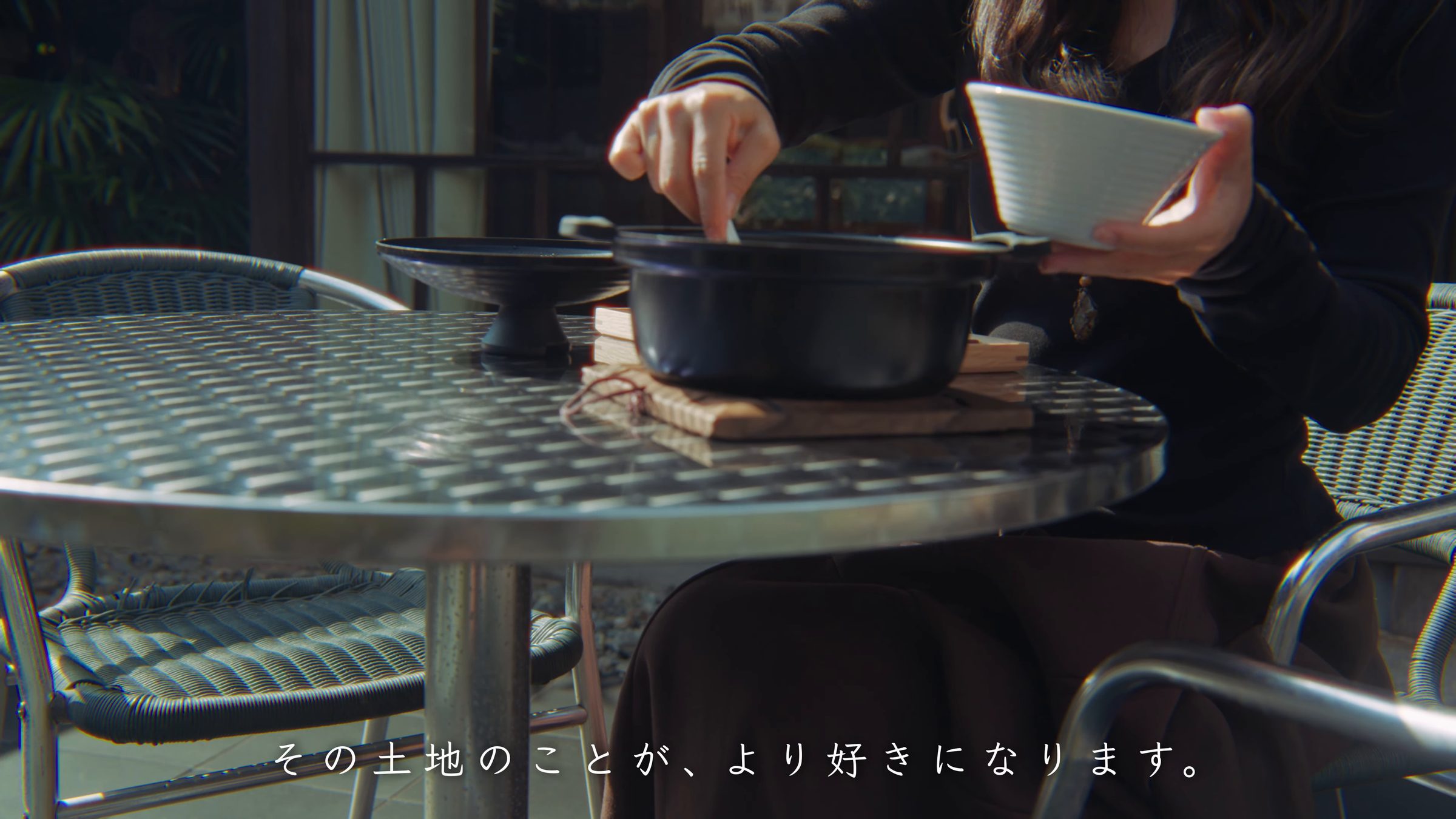
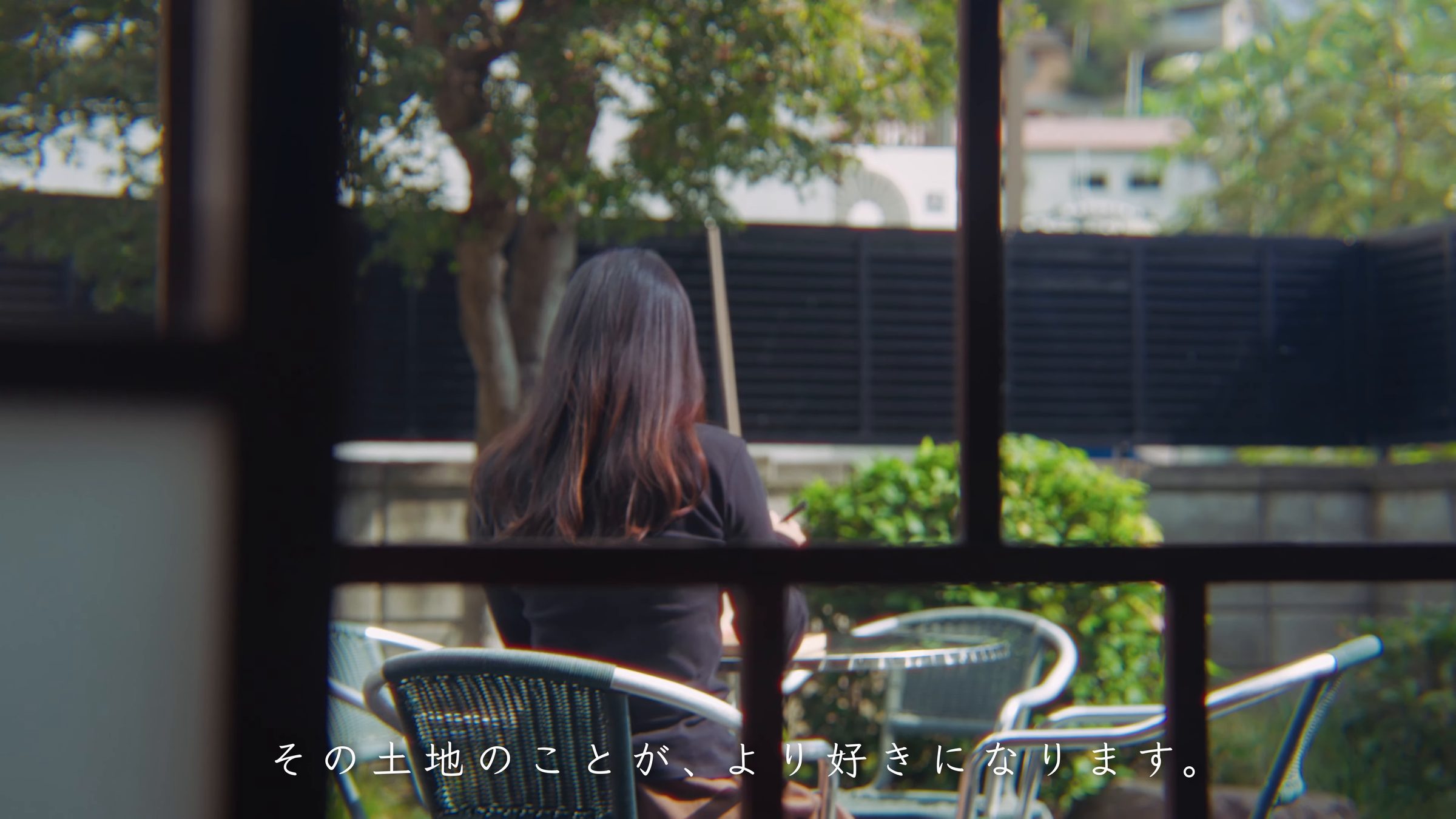
I served the freshly cooked octopus rice into a white bowl and scattered chopped green onions on top. Cook local cuisine using local ingredients, and enjoy it freshly made, right there on the spot: that is how you come to love a place even more.
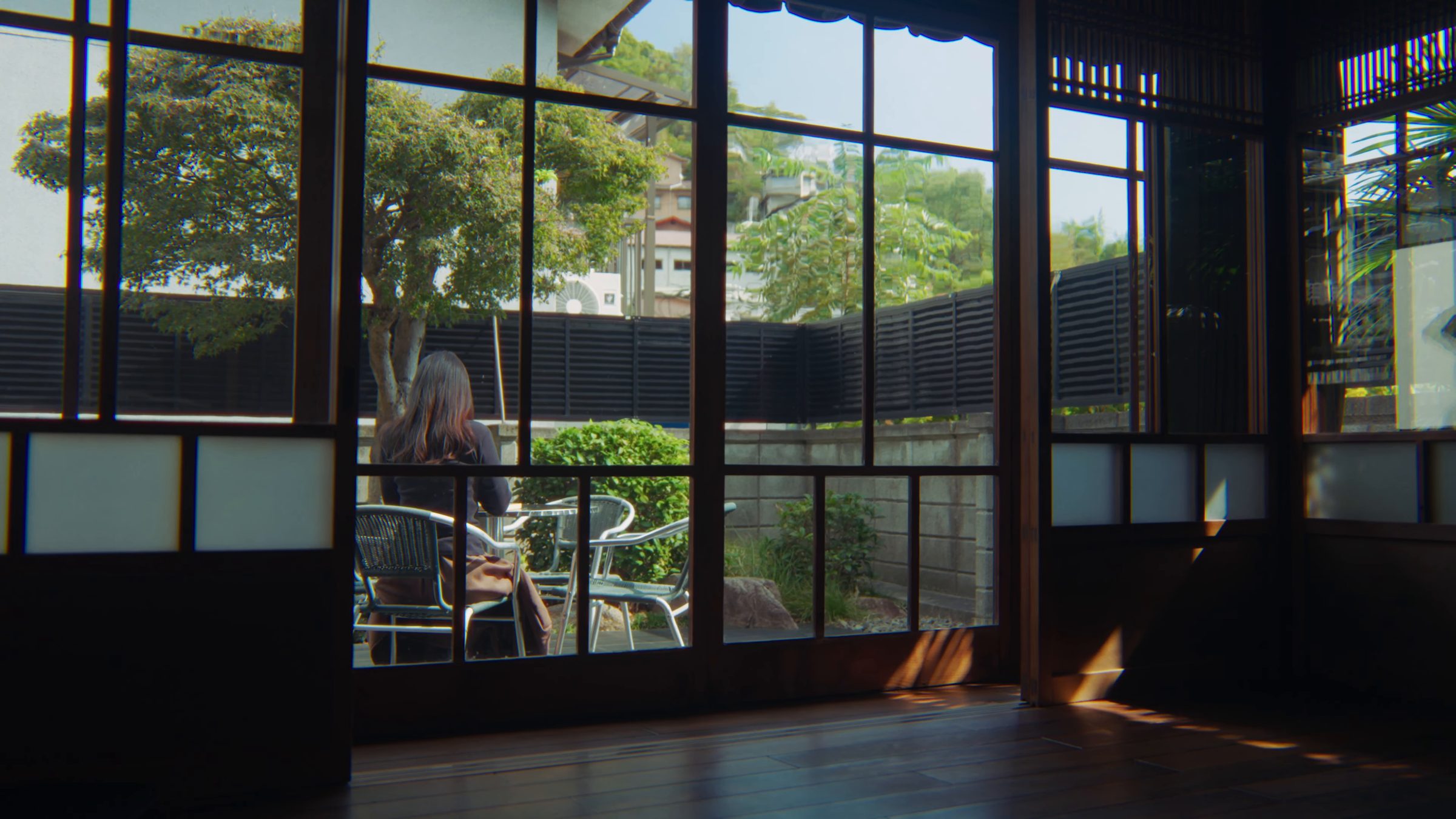
I carried the whole pot out to the round table on the veranda facing the garden. Each mouthful had the bite of the octopus and the aroma of soy sauce. Beyond the garden tree and the black wooden fence, the houses of the town peeked through. A perfectly happy lunch in the autumn light.
Watch this scene on YouTube1:36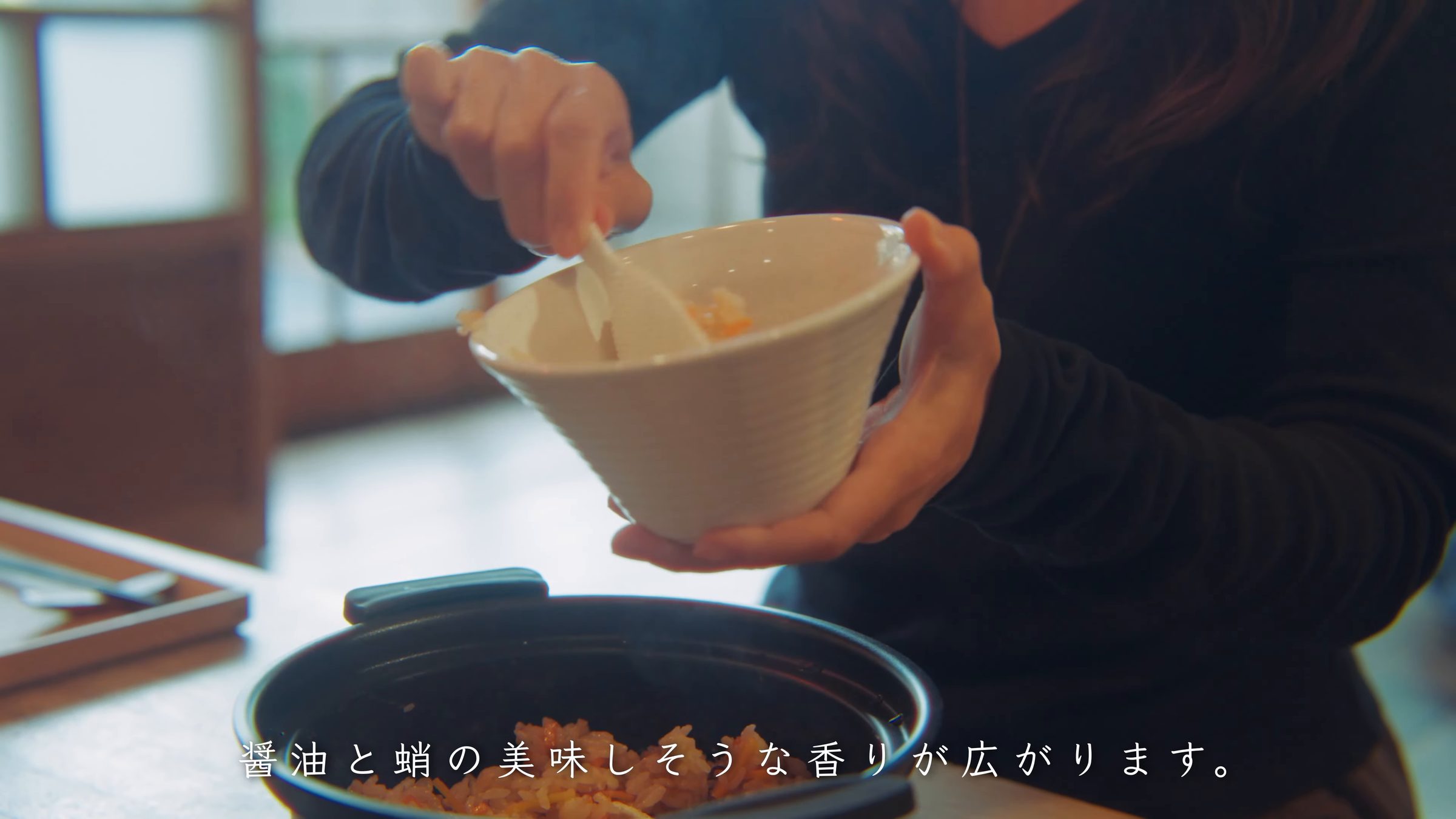
05TRAVEL JOURNAL
A coffee stand on the hillside
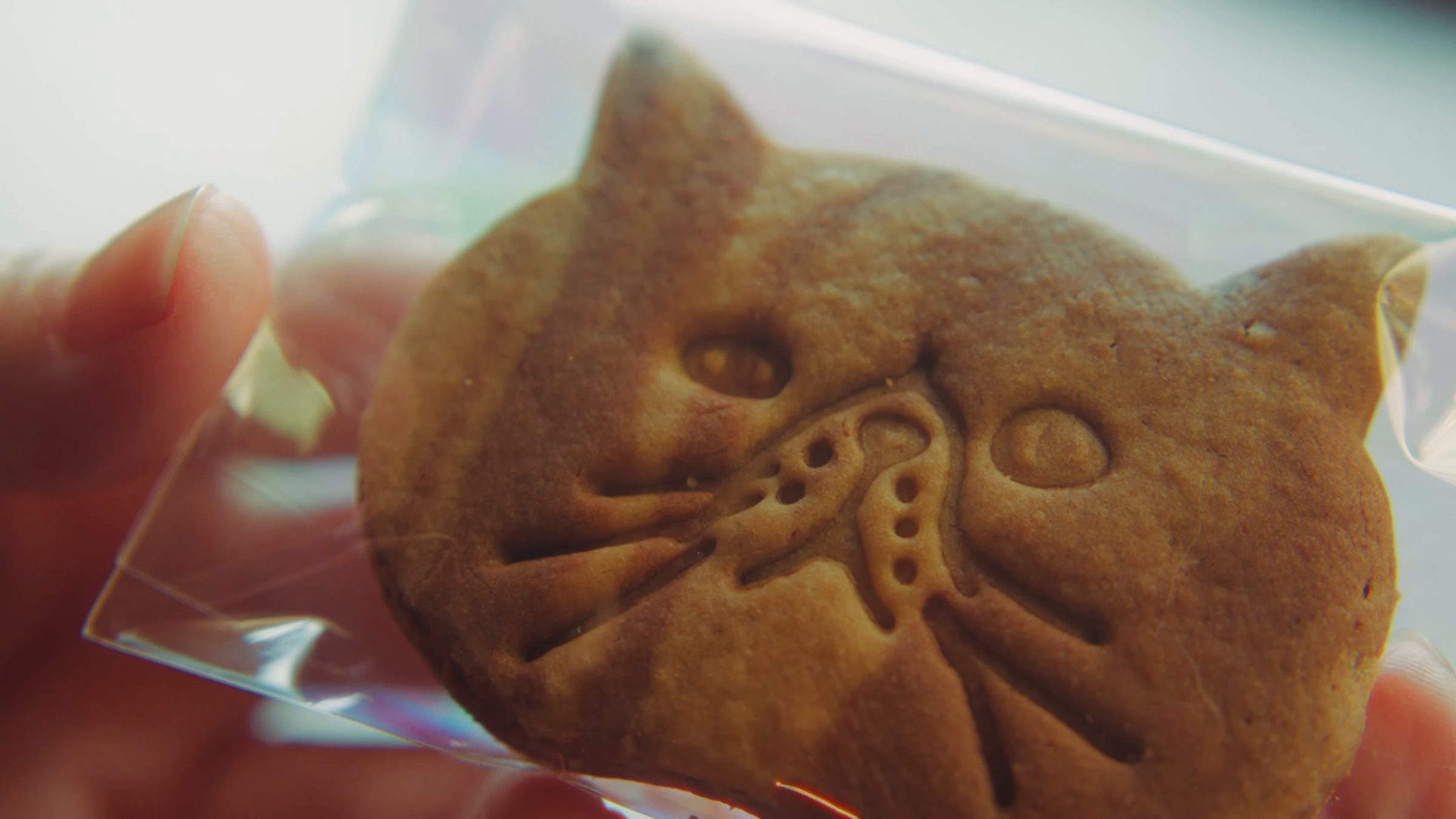
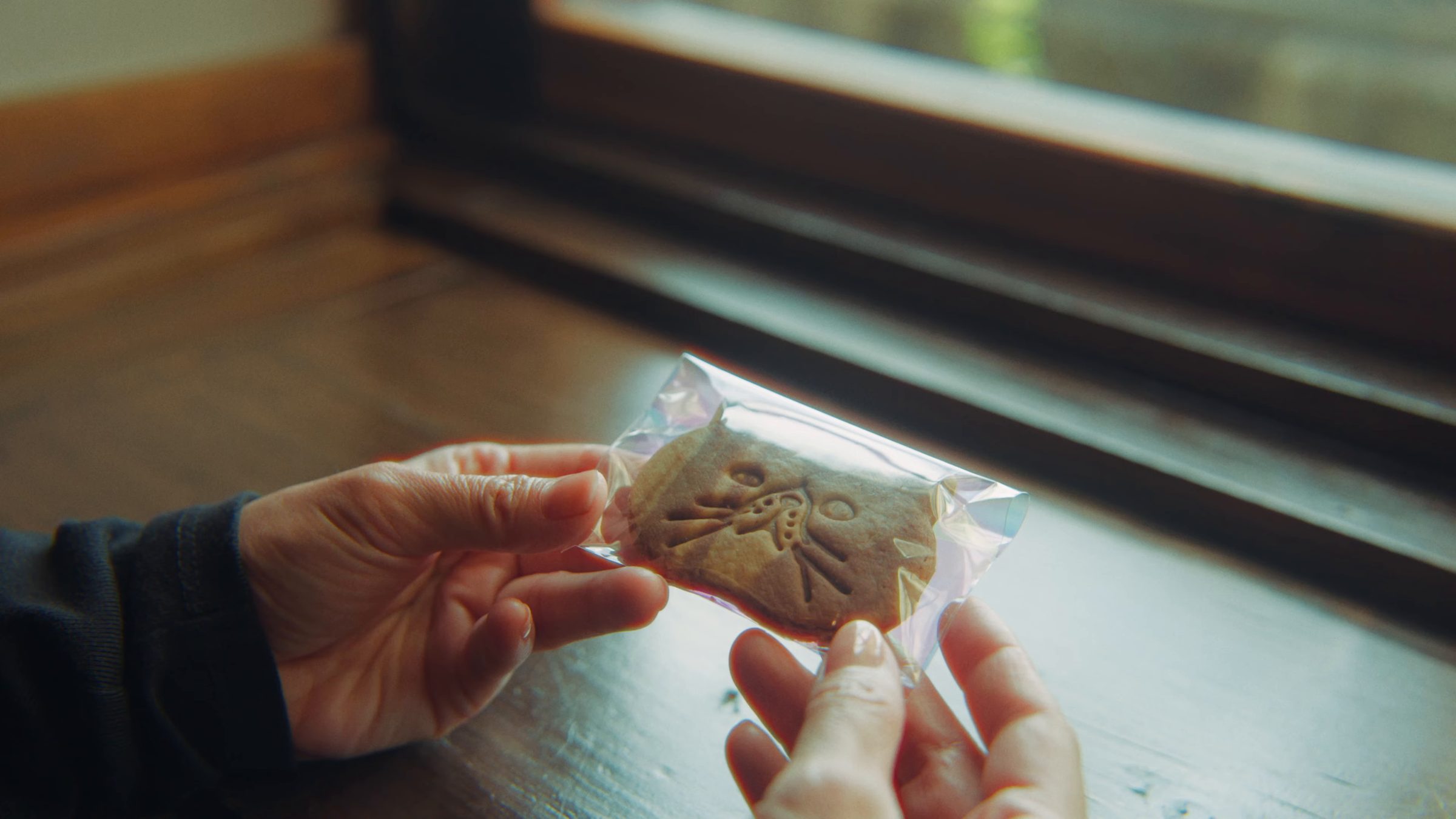
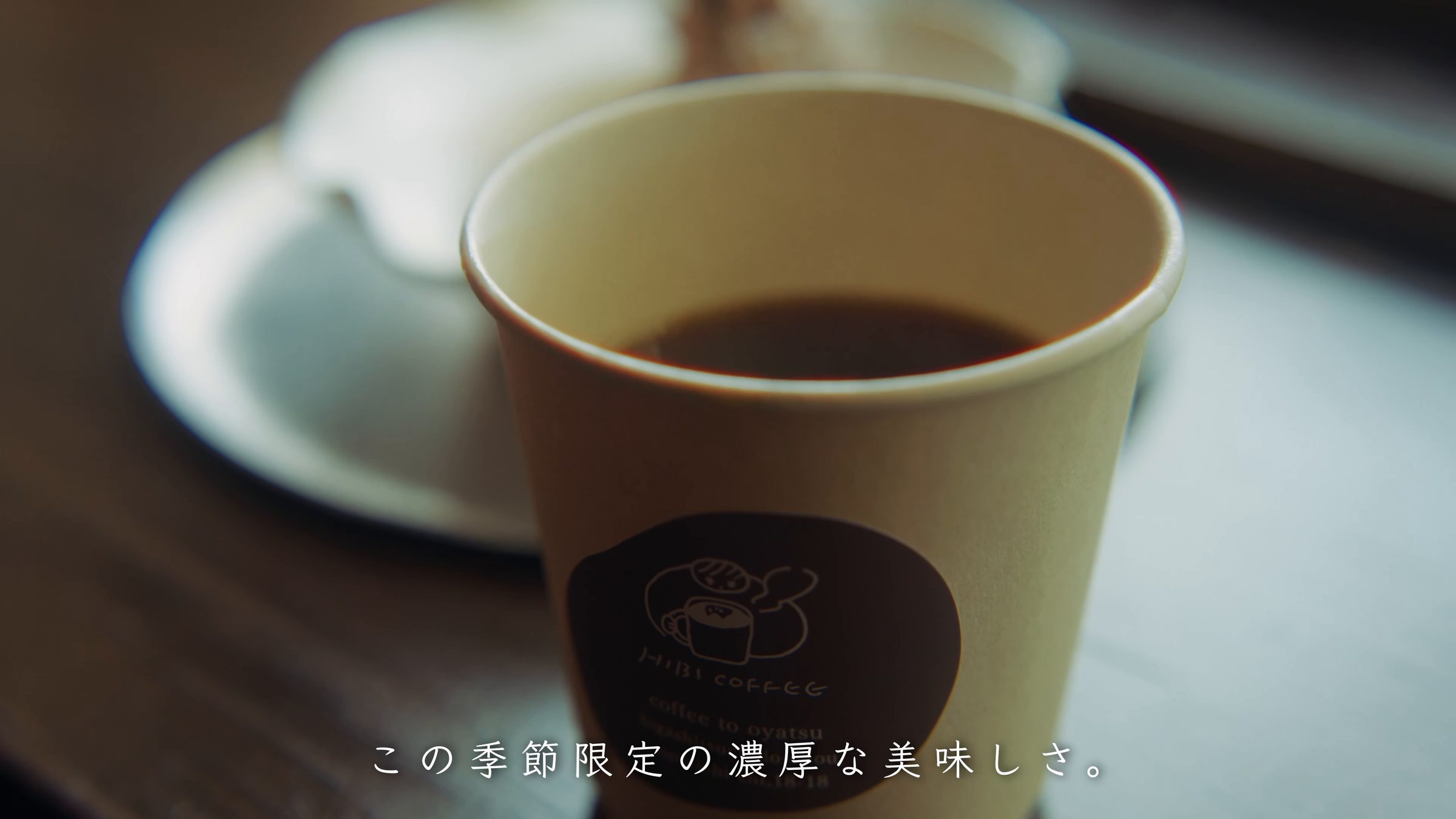
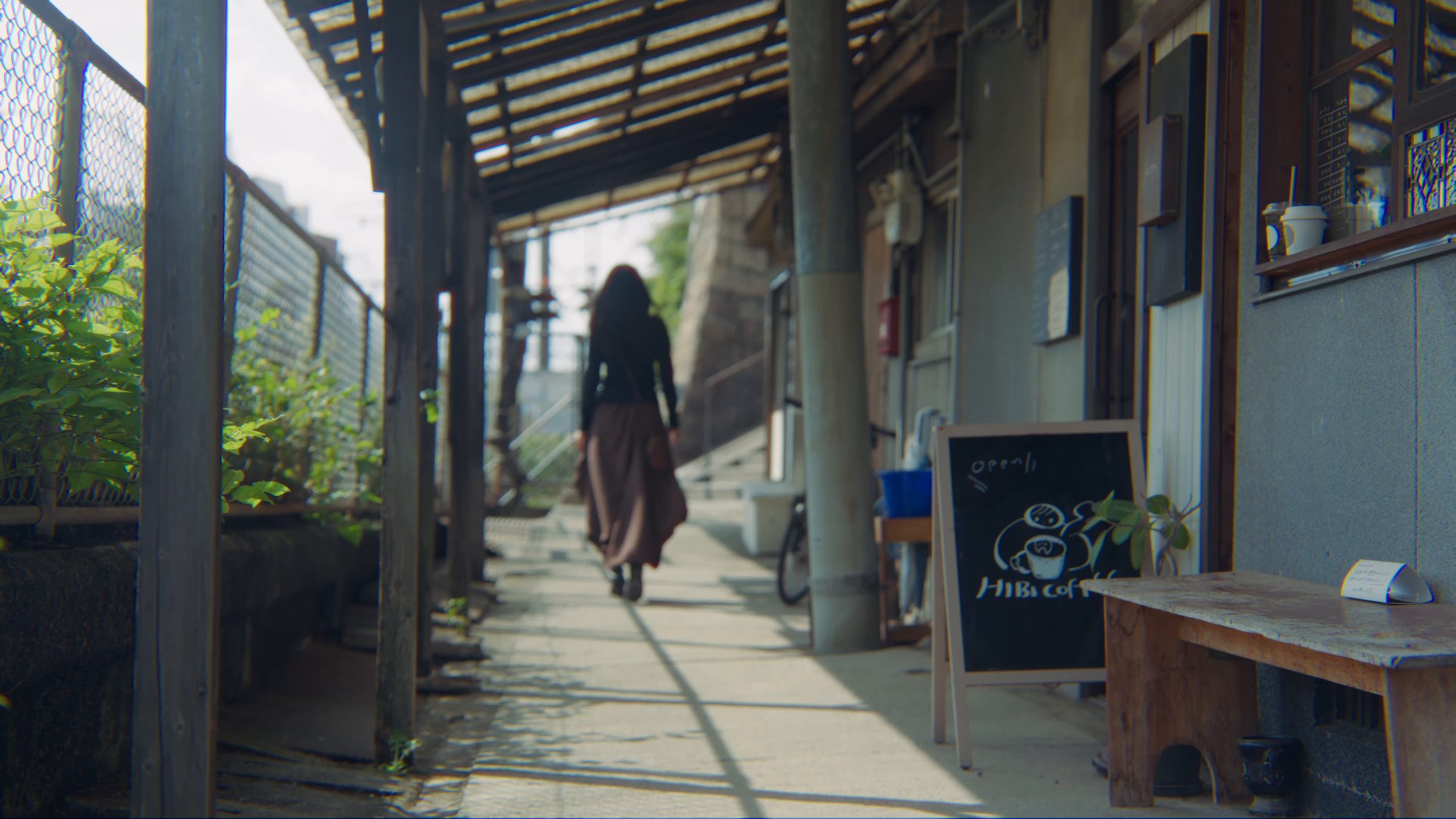
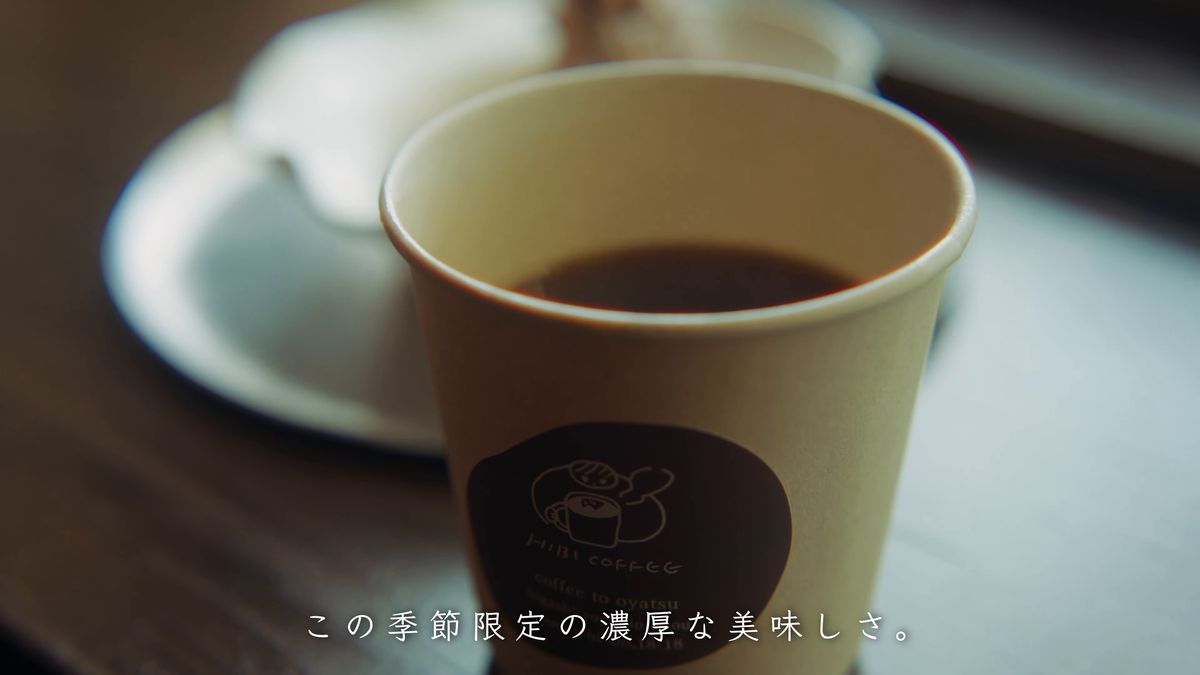
Light fell through the oval window by the front door. I left the house and walked down a narrow alley to a small coffee stand beside the railway tracks. I picked up a cookie shaped like a cat's face; the model, I was told, is the owner's own cat.
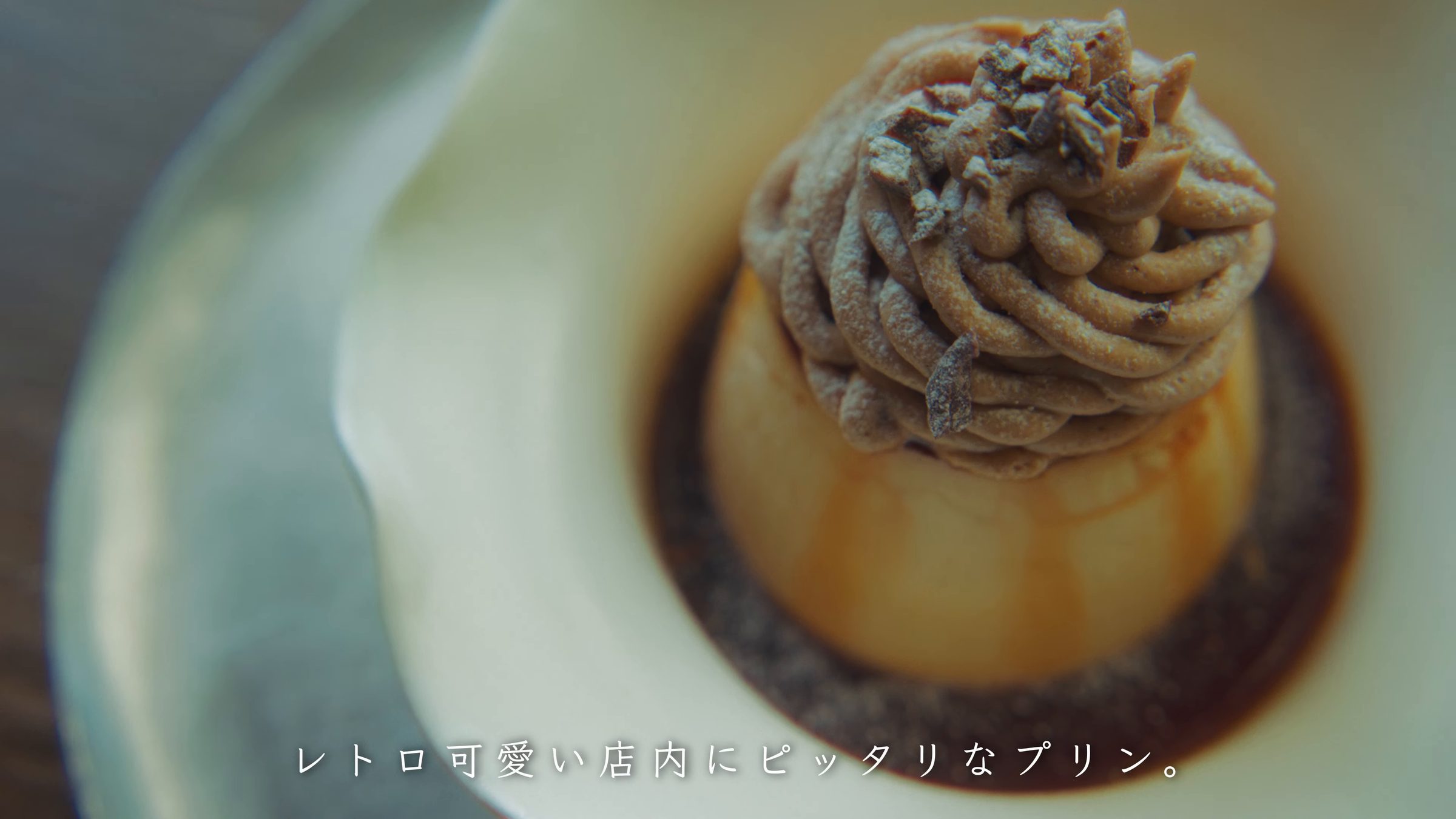
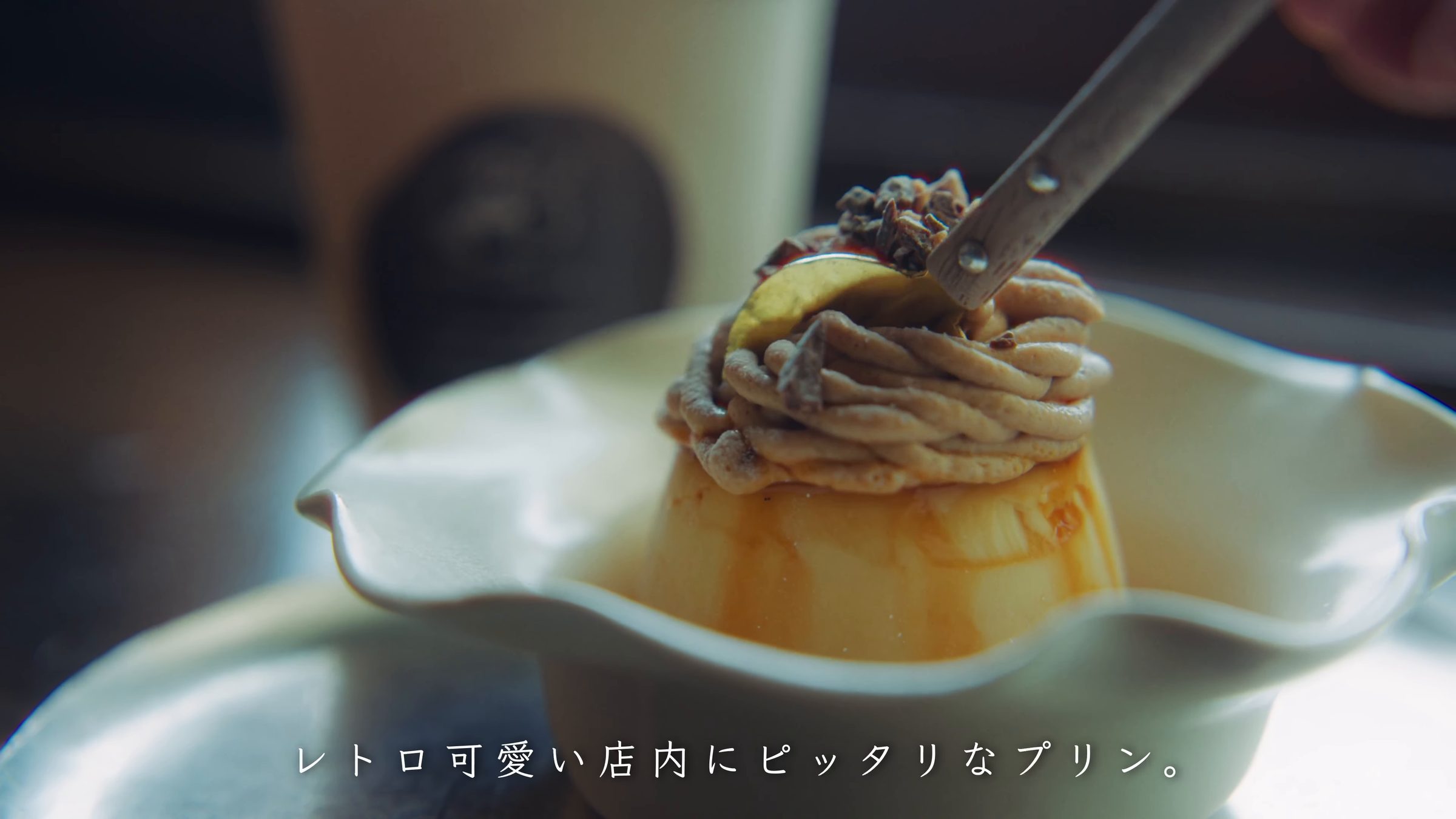
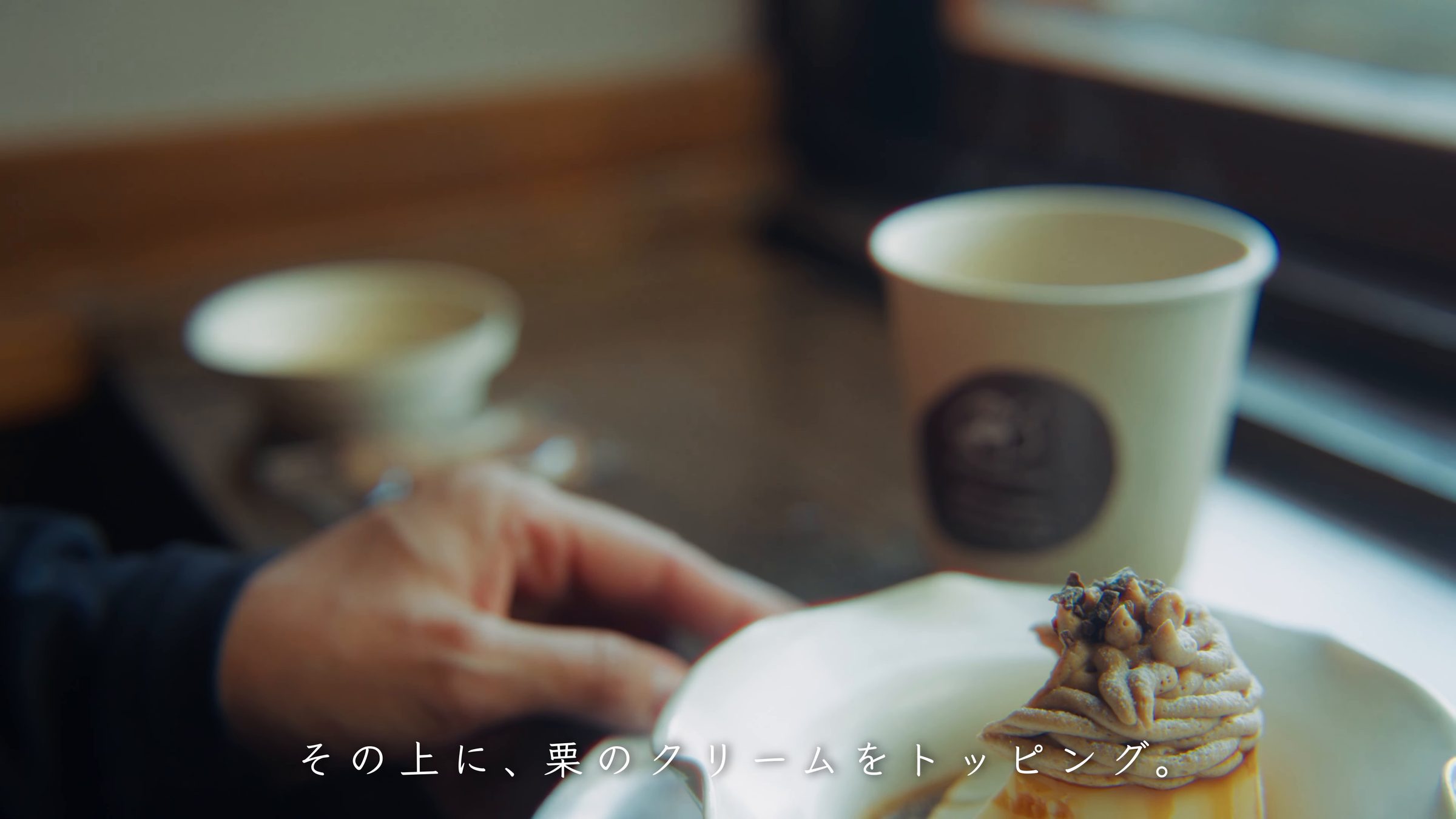
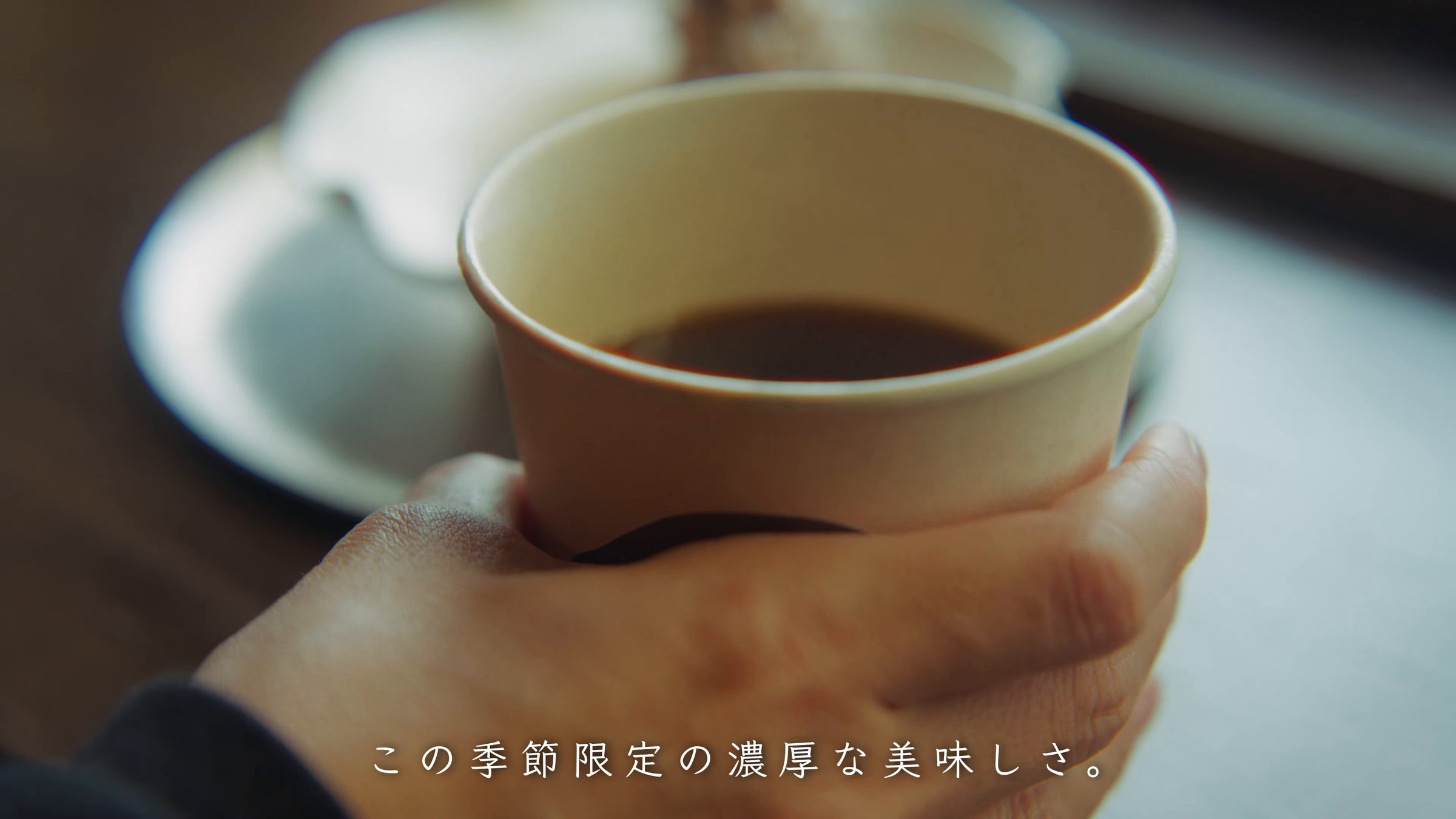
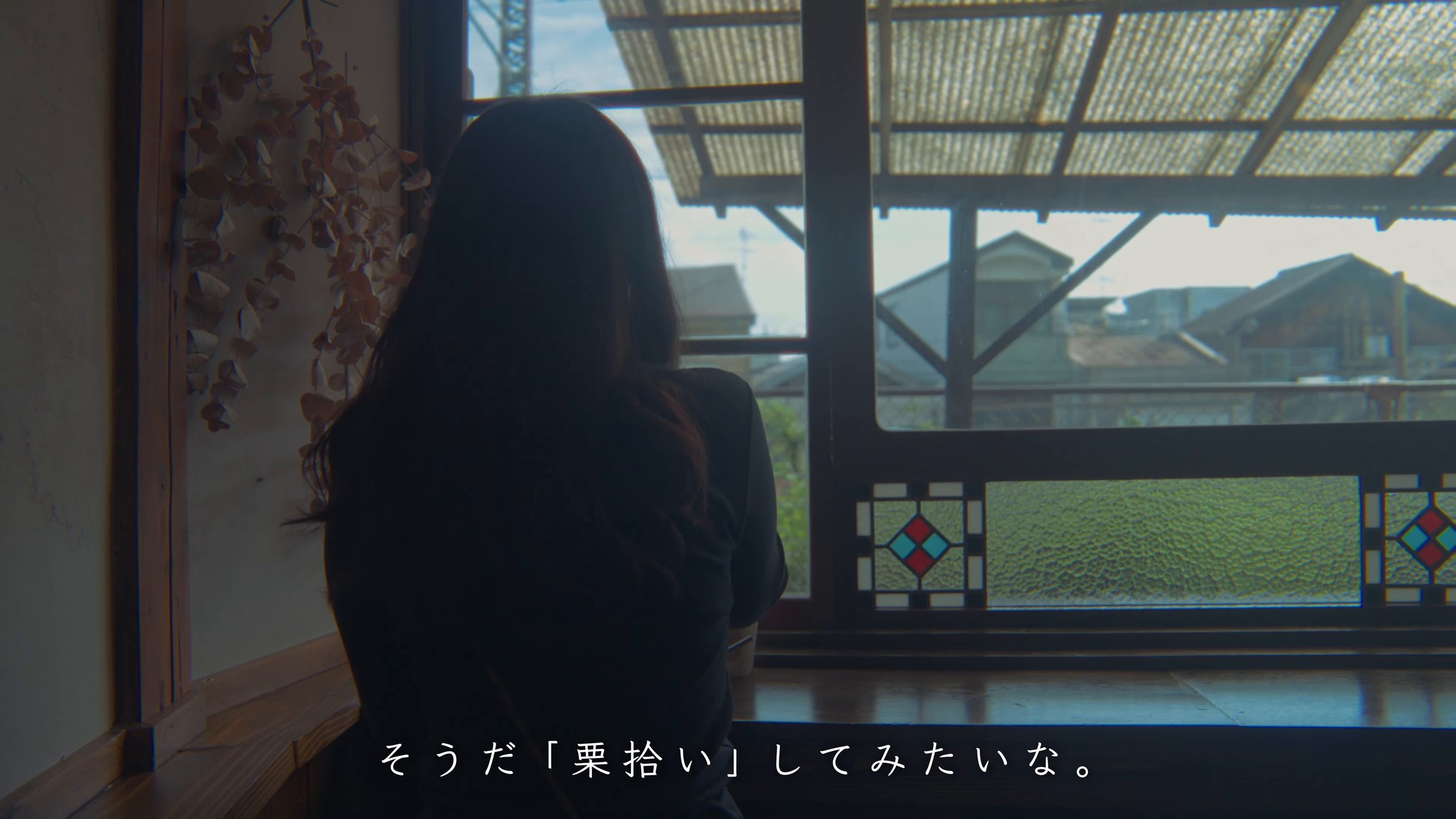
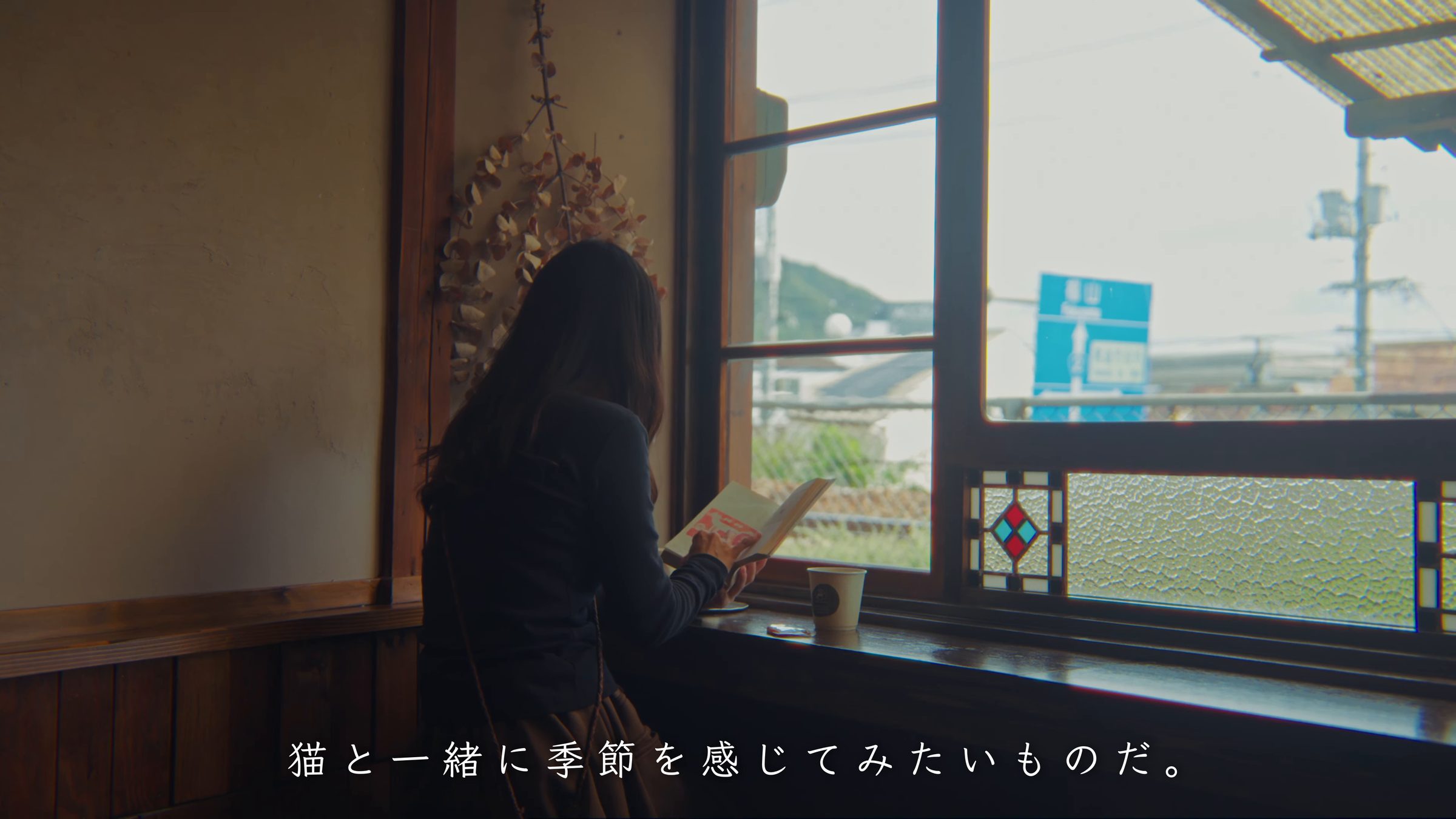
A pudding that suited the cute, retro interior perfectly came piled with chestnut cream: a rich flavor you can only enjoy in chestnut season. I savored it slowly by the window with a paper cup of coffee. Someday, I'd like to try picking chestnuts myself.
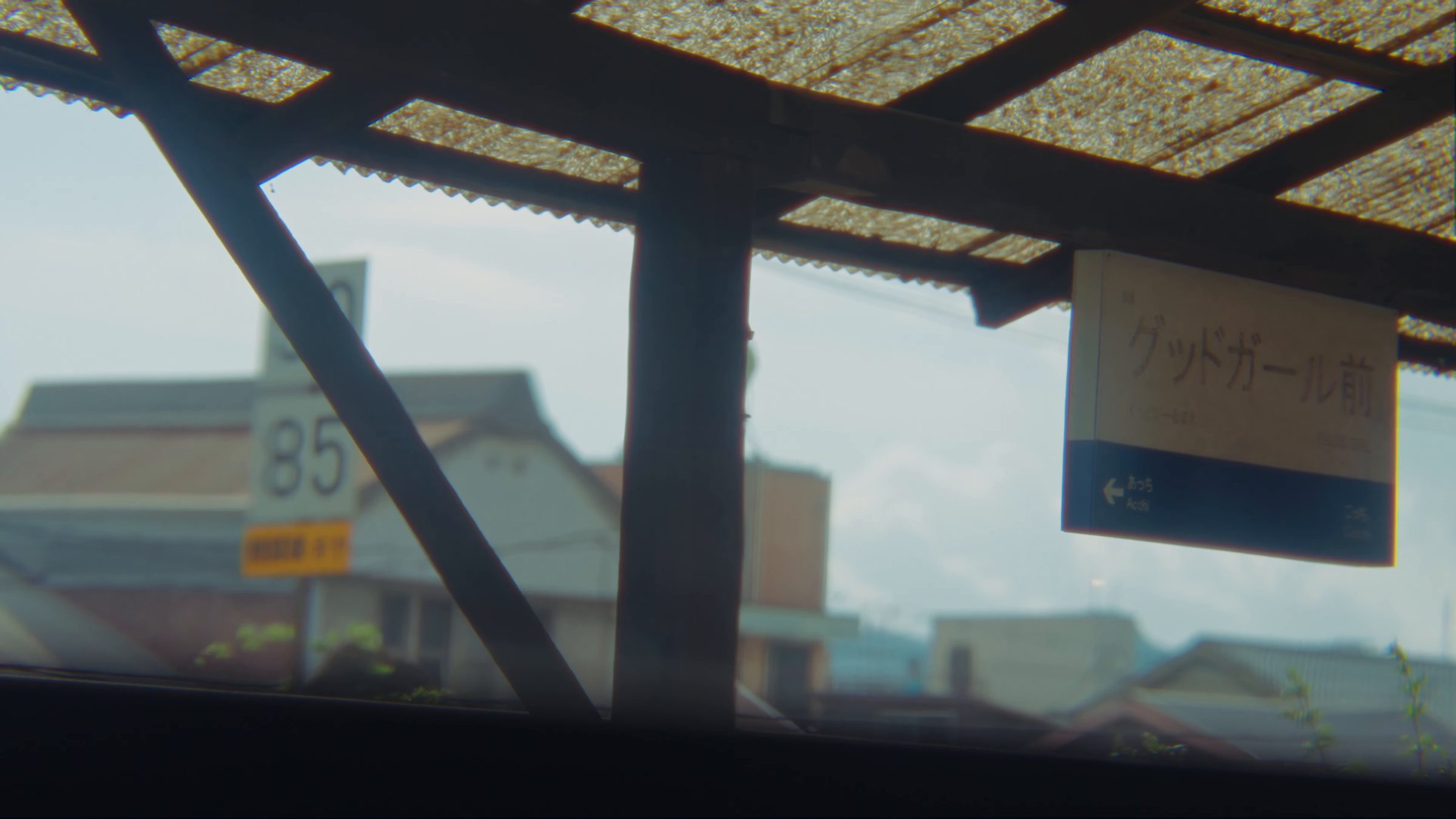
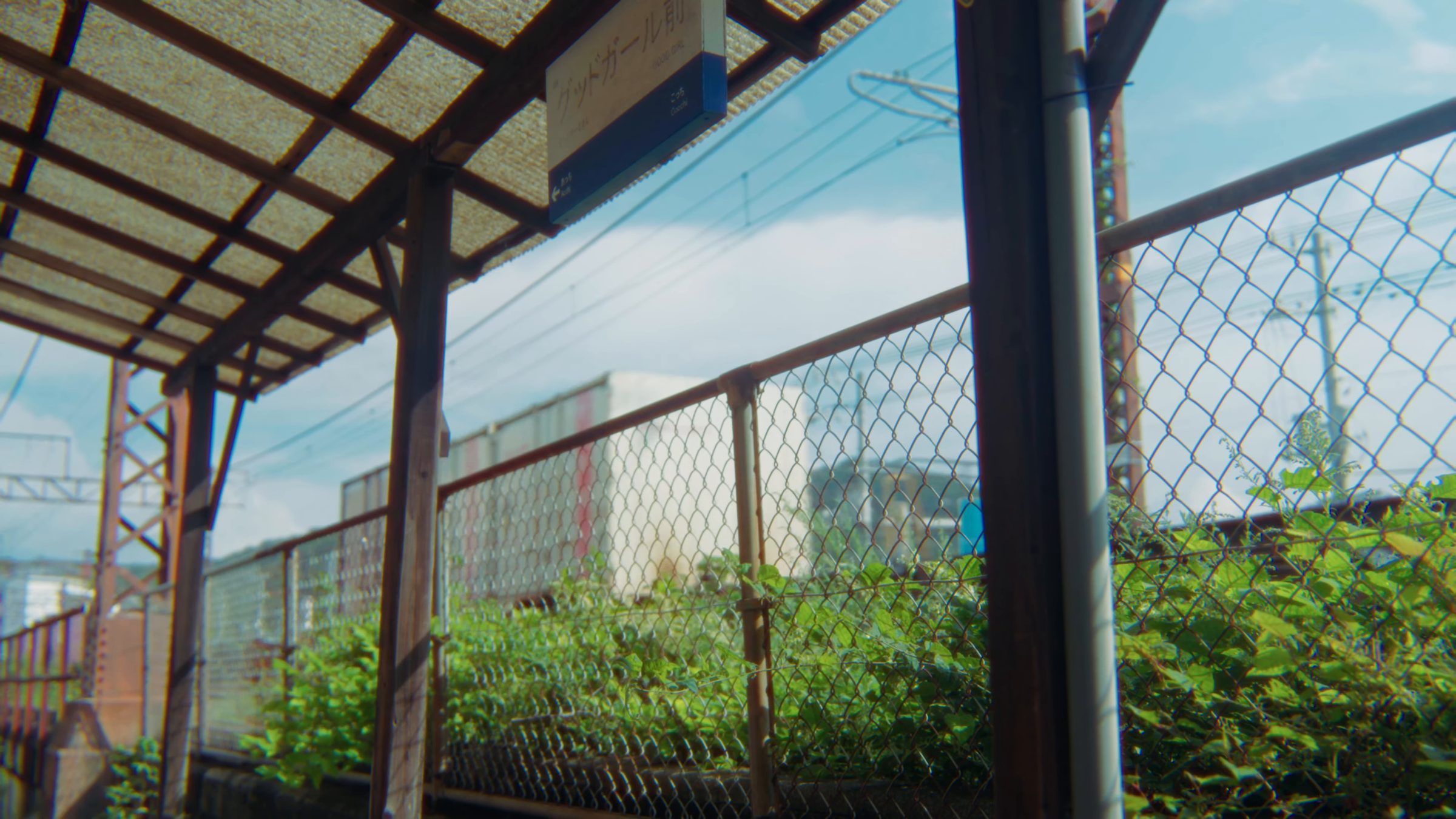
Stepping out under the eaves, I could see a sign by the tracks beyond the overhead wires. The cafe has since moved to another location.
Watch this scene on YouTube2:17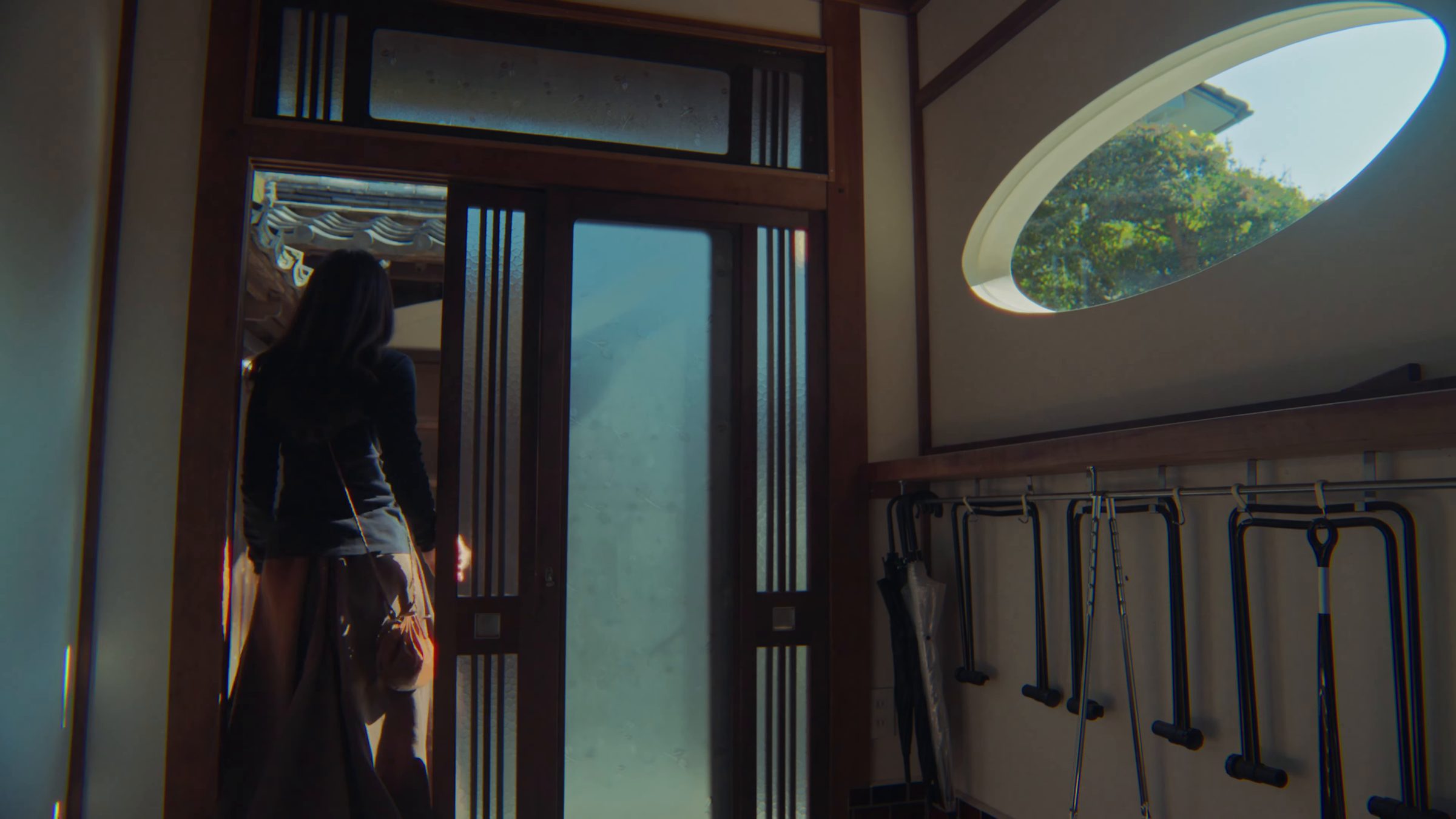
06TRAVEL JOURNAL
A cat calendar
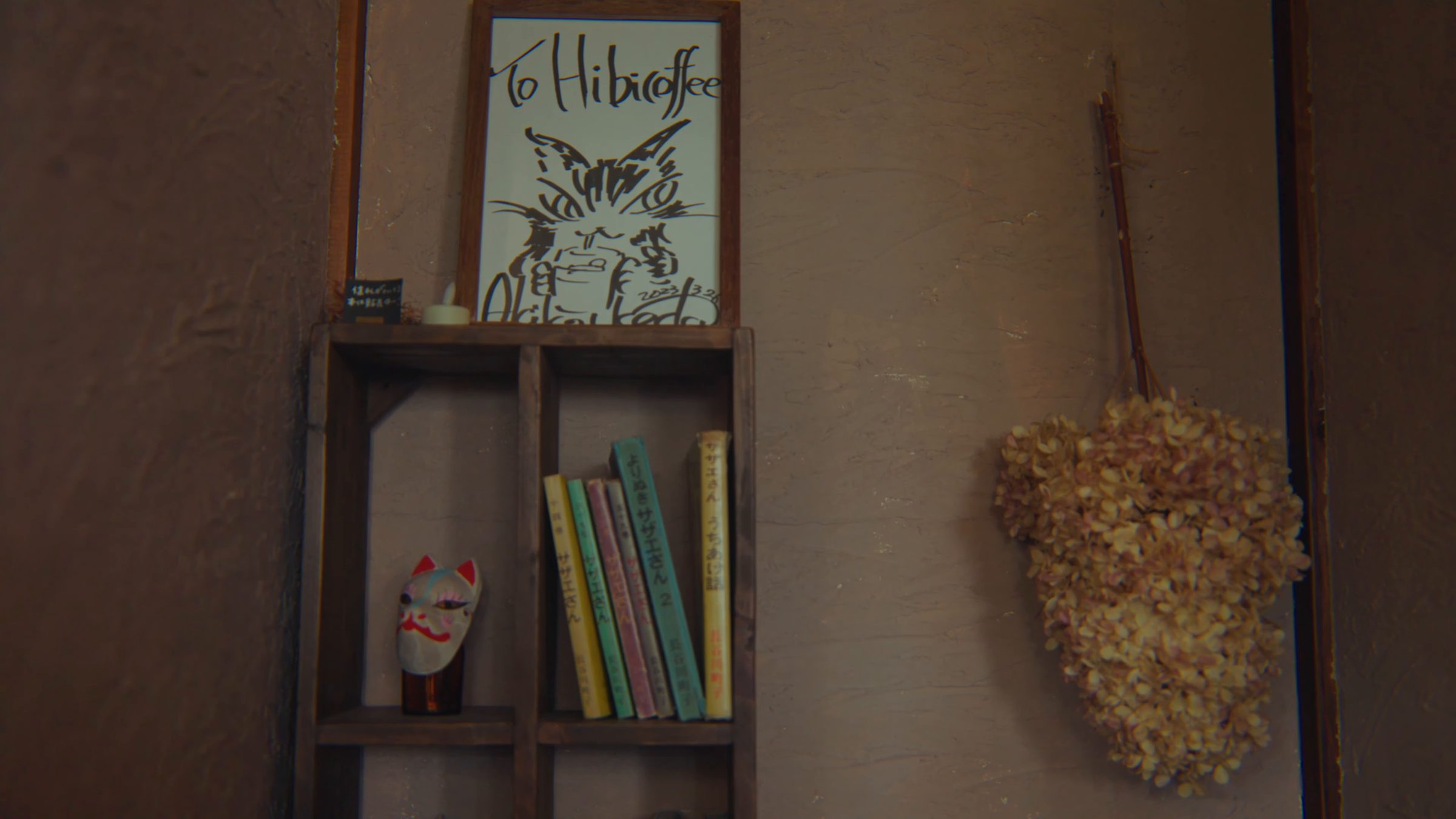
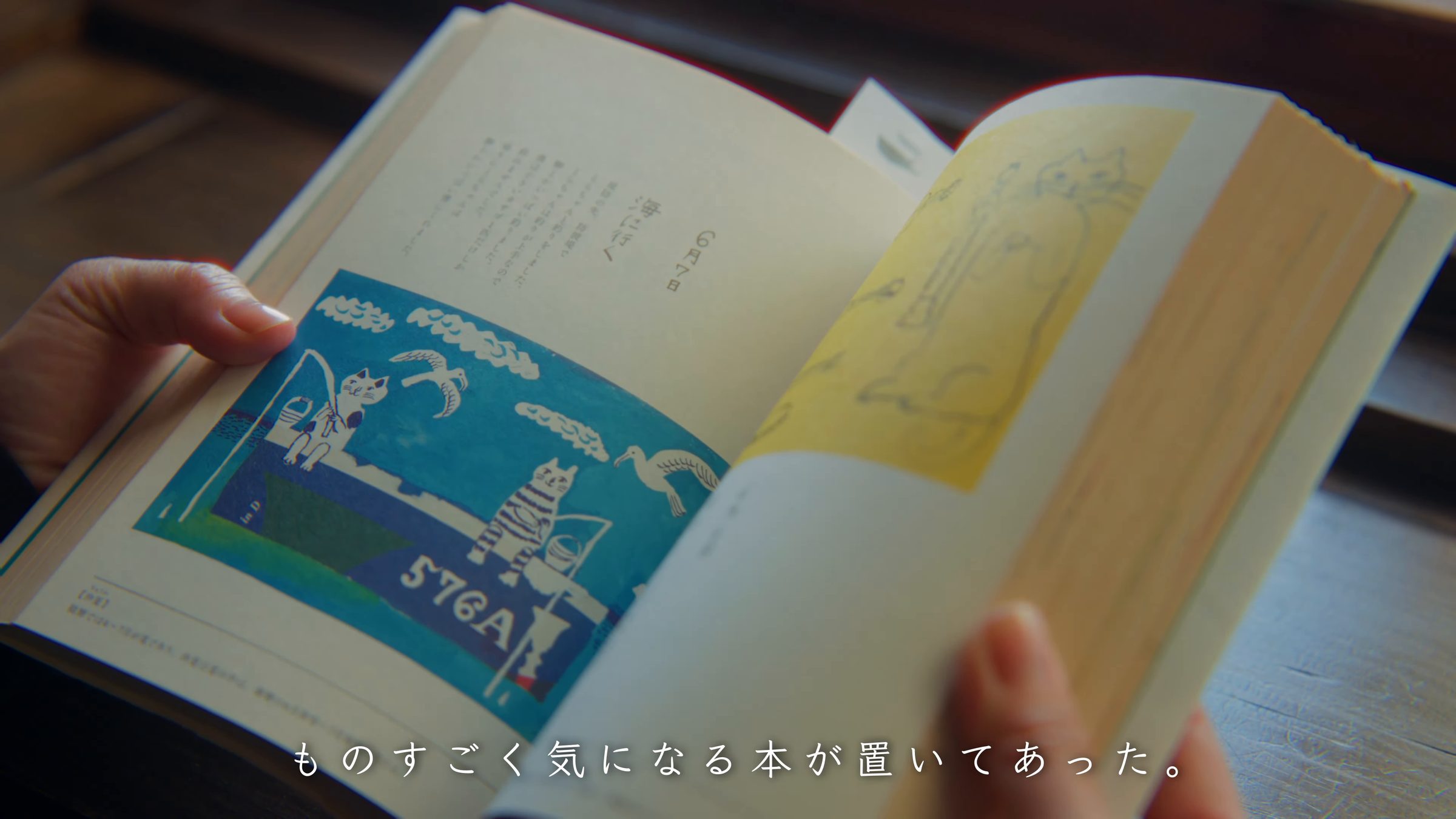
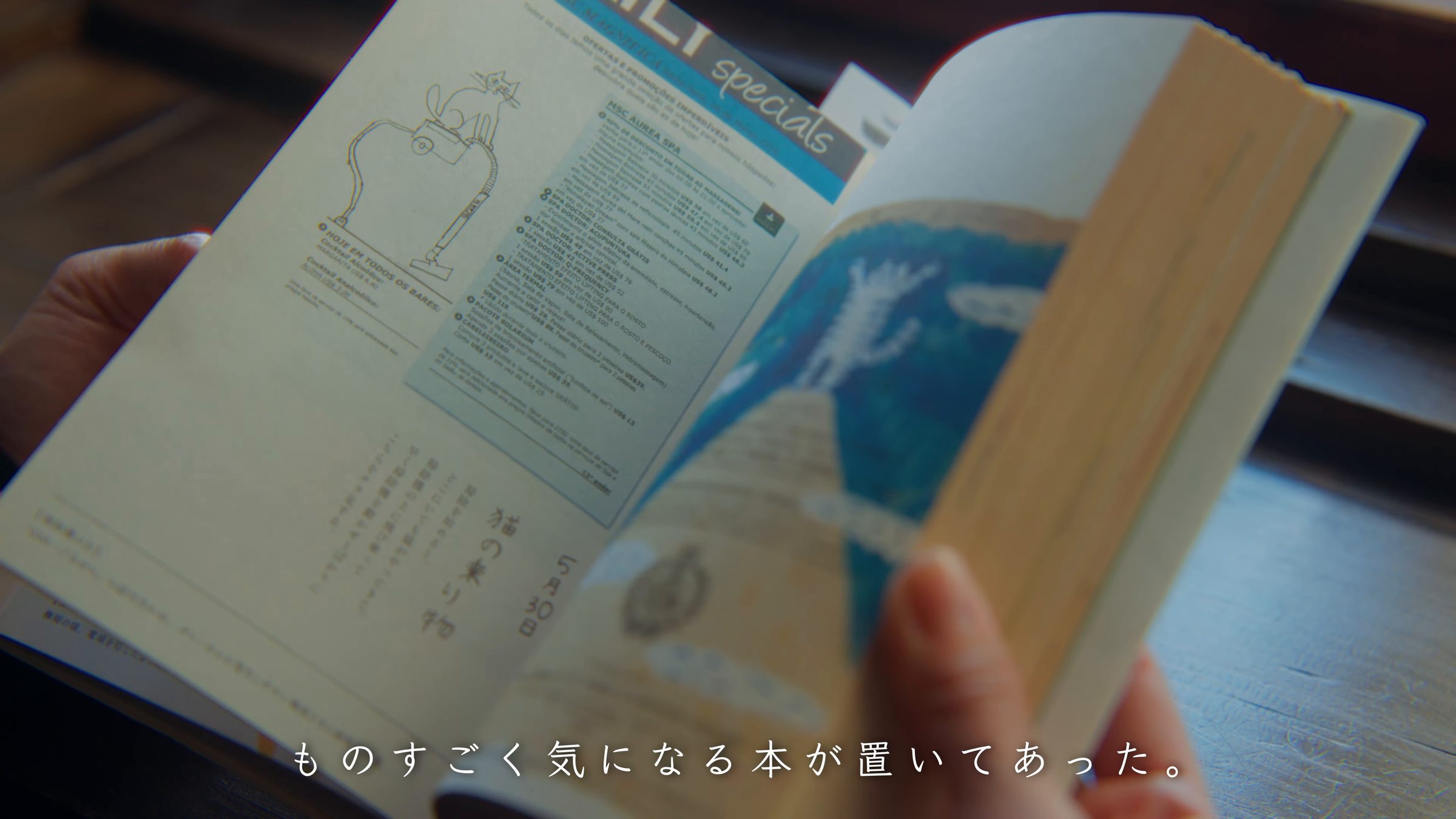
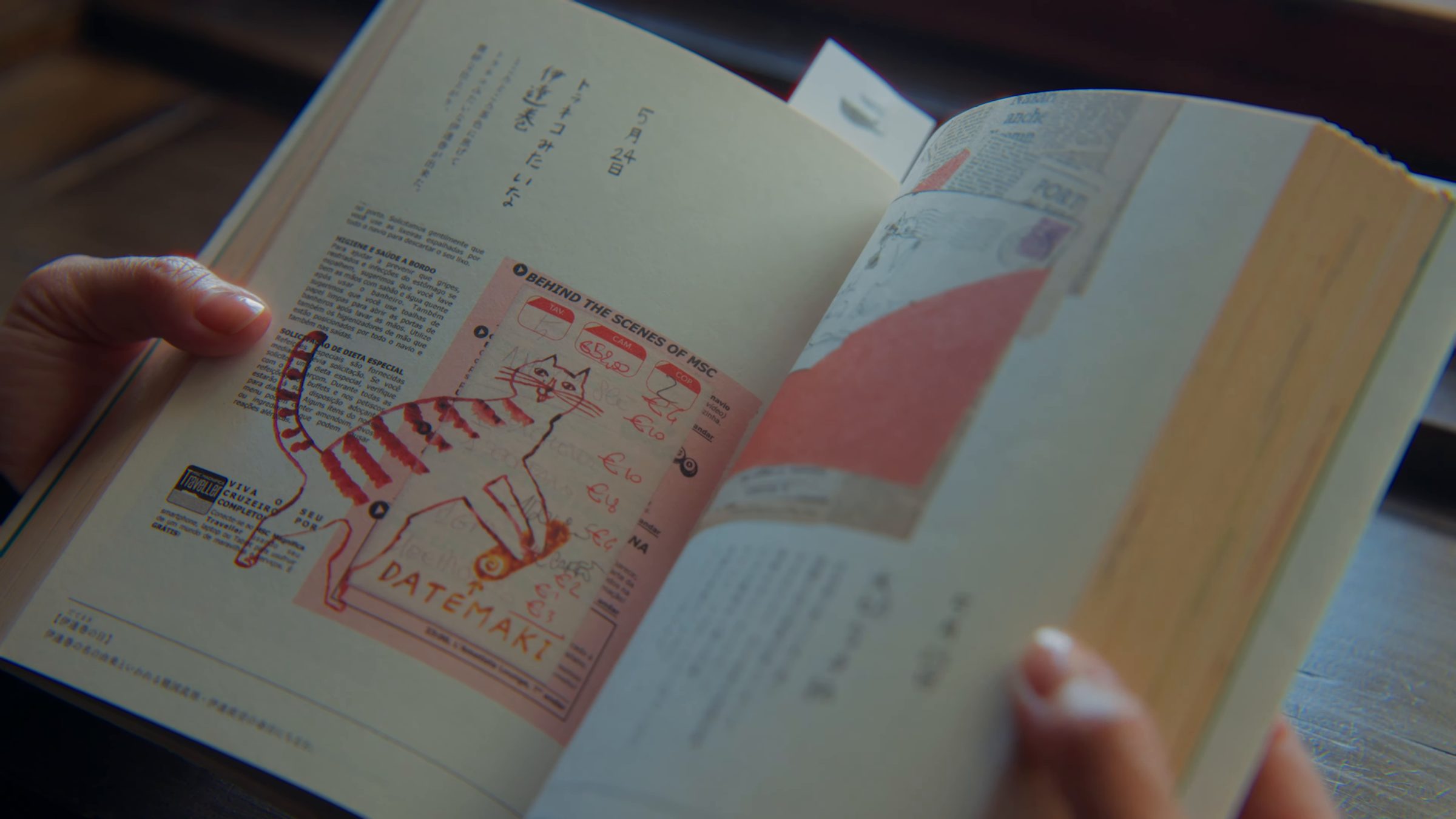
There was a book in the cafe that really caught my eye: Neko-goyomi 365 Days, a cat calendar with a cover crowded with cats of every color and pattern, one for each day. I couldn't stop turning the pages. I long for a life where I can feel the seasons together with a cat.
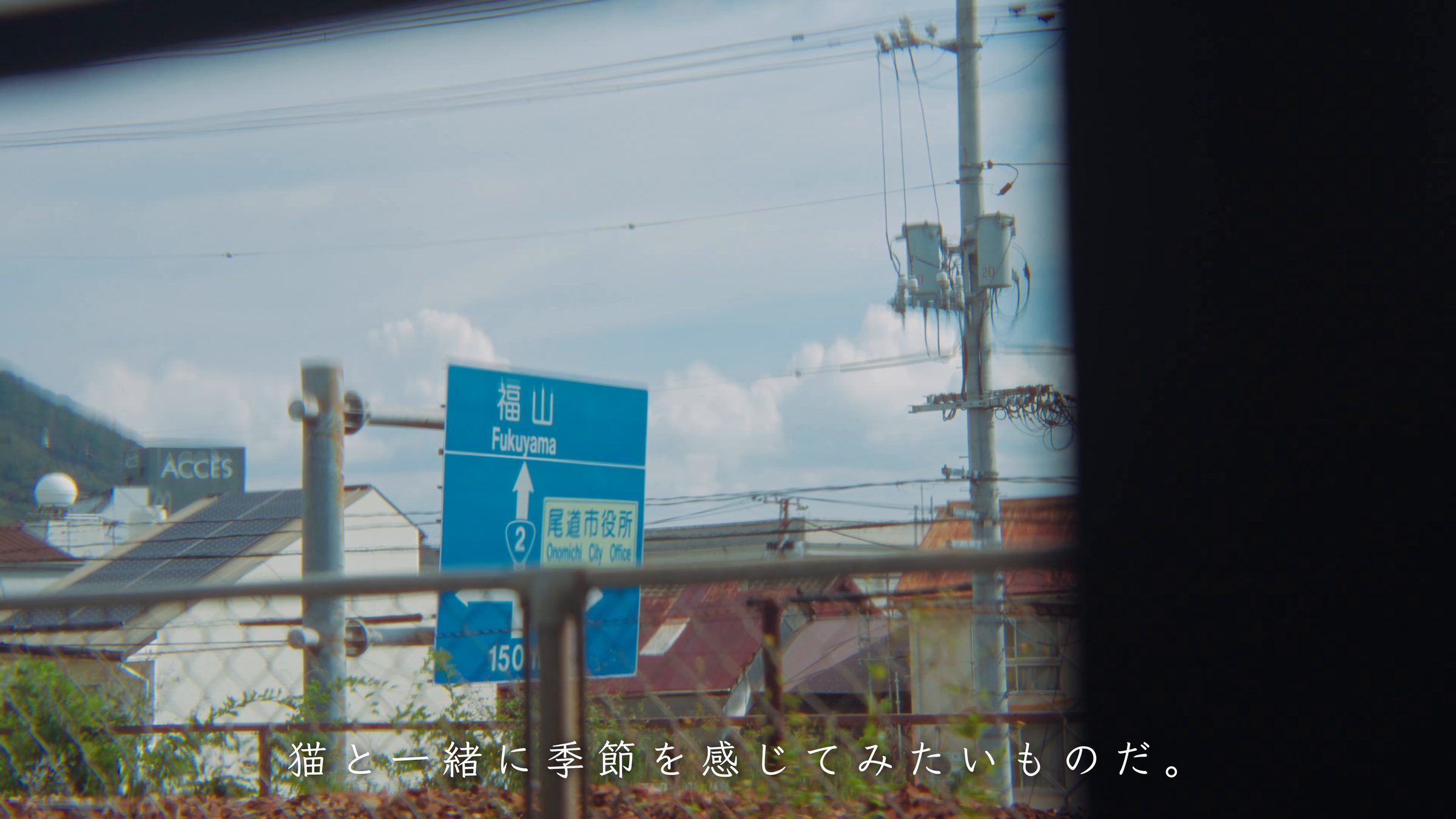
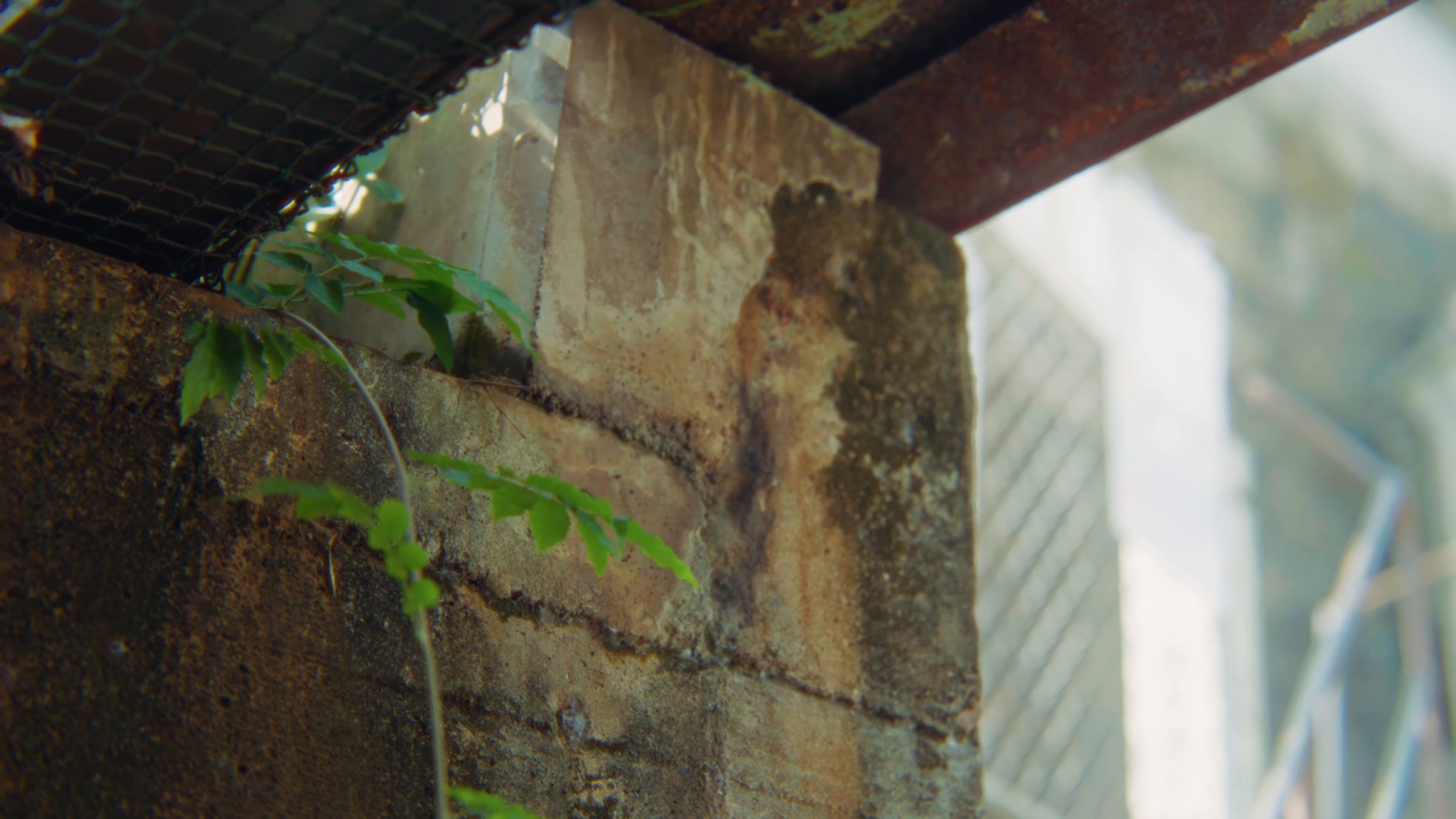
Outside the window were a blue road sign, utility poles and the railway tracks. Leaving the cafe, I passed beneath an ivy-covered stone wall and along the covered terrace.
Watch this scene on YouTube3:18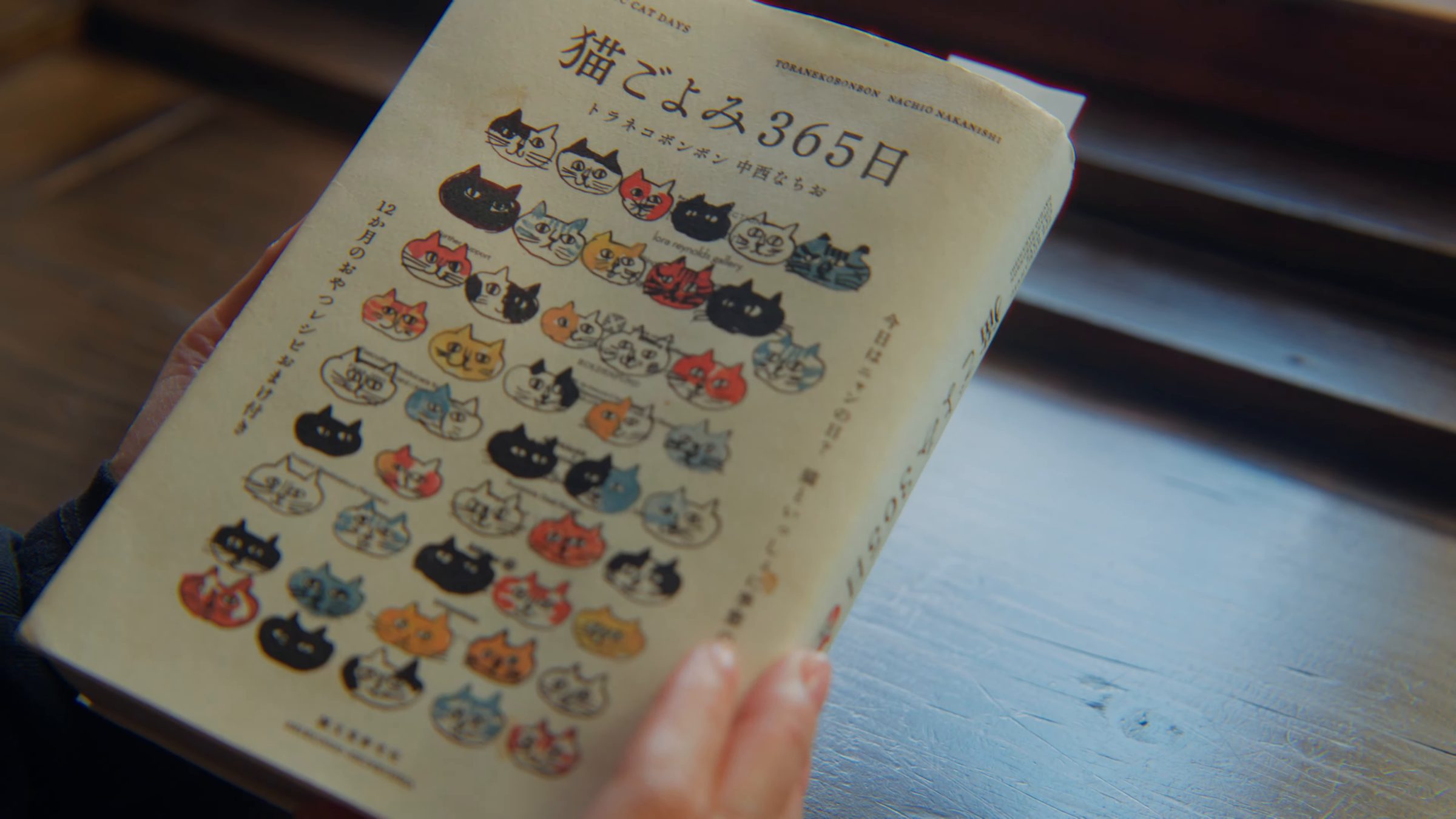
07TRAVEL JOURNAL
The cat alley
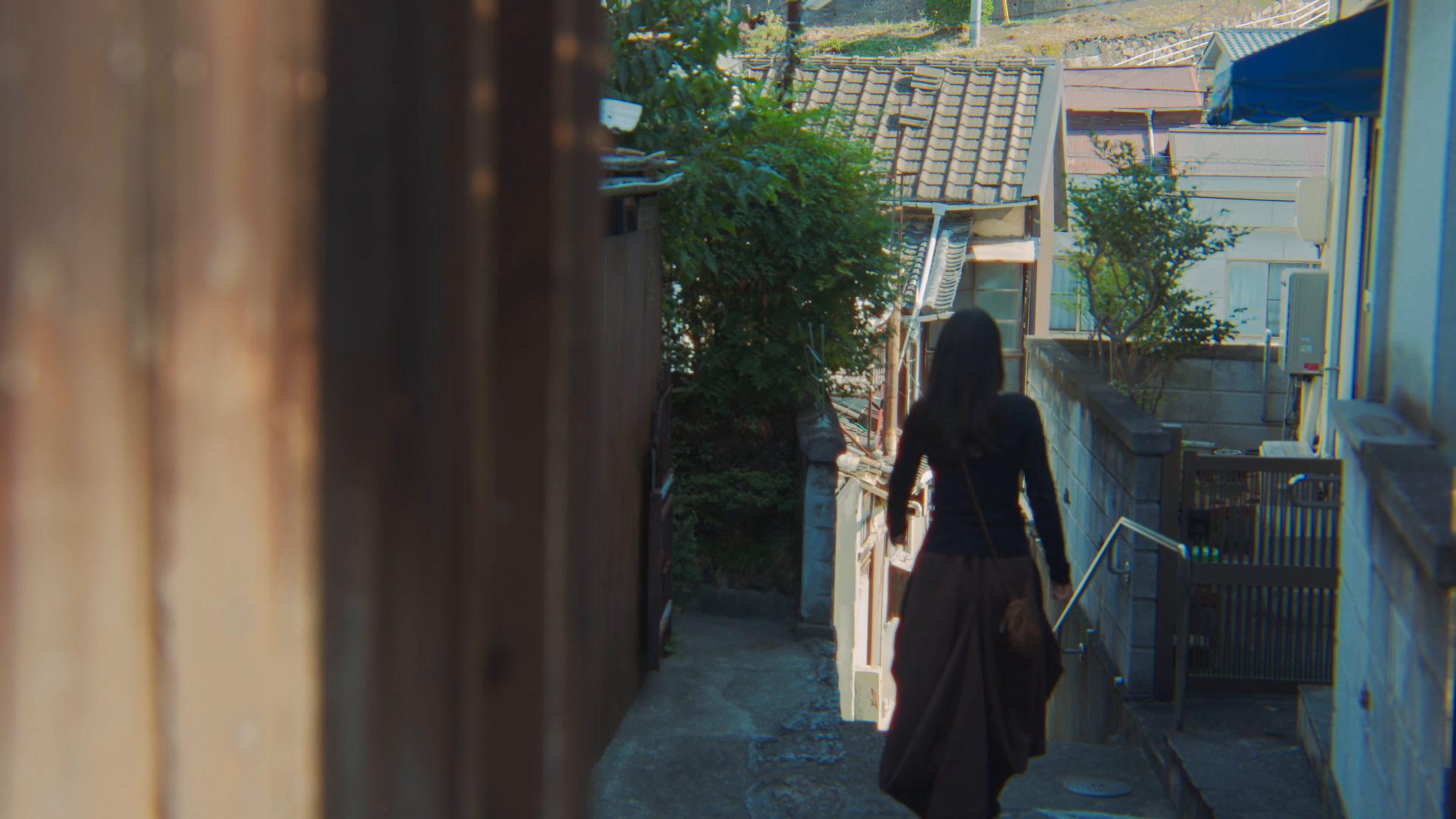
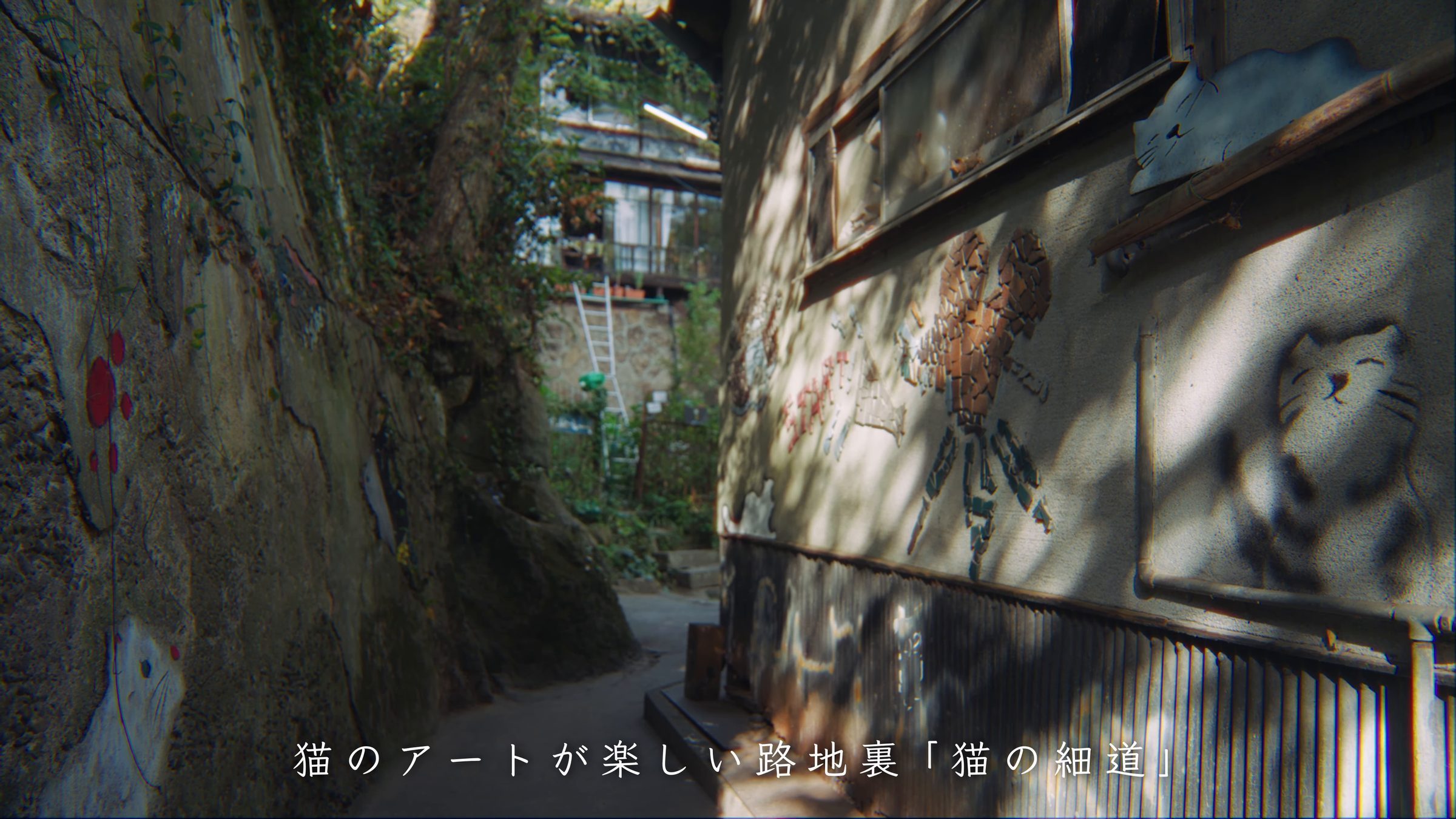
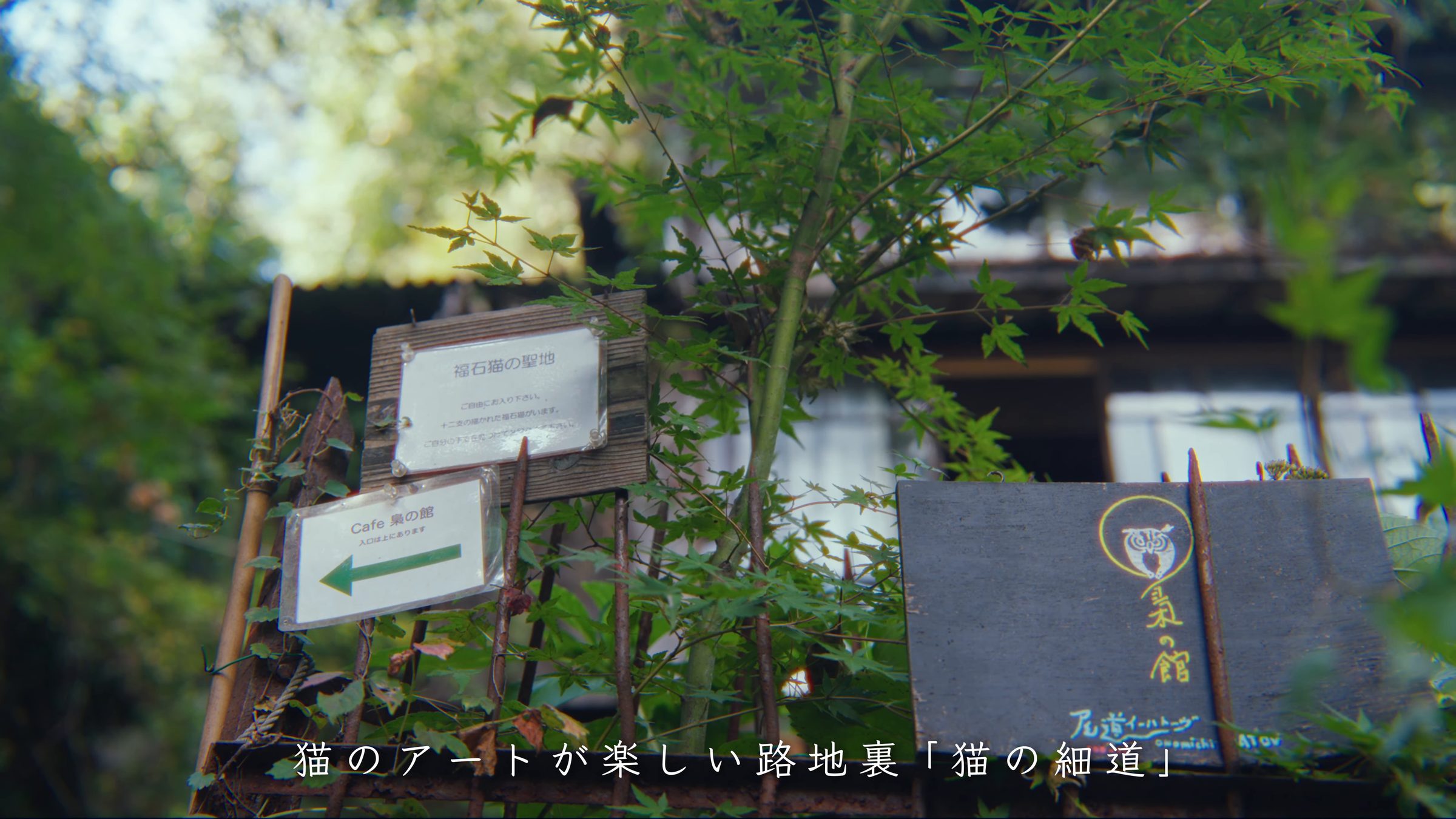
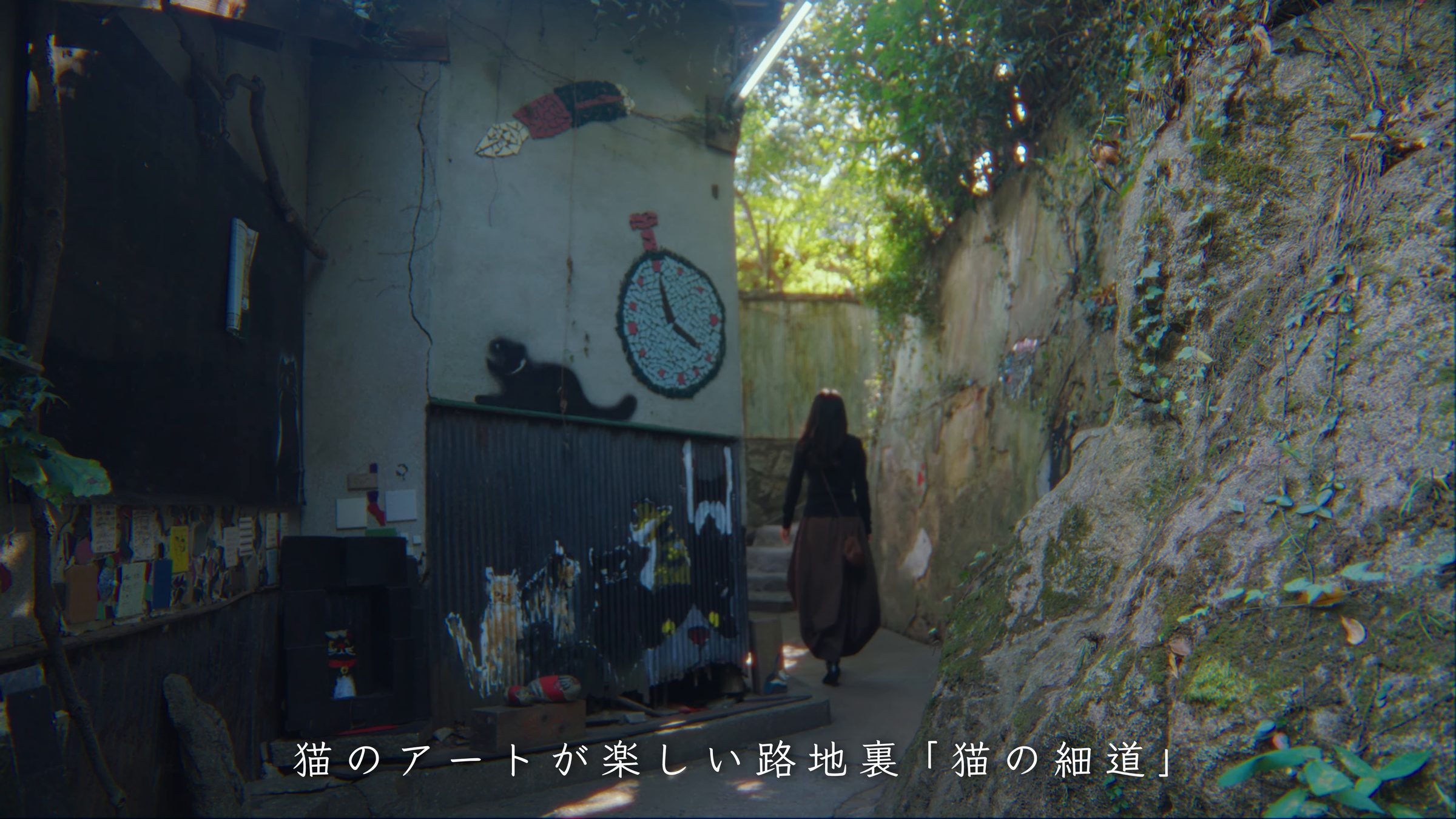
A black-and-white cat watched me from beside a flowerpot. This is Neko no Hosomichi, the cat alley, a back lane full of playful cat art. Cat tiles and paintings cover the walls, and a sign reading "Sacred ground of the fortune stone cats" stands among the trees.
The narrow lane runs about 200 meters from beside the three-story pagoda of Tennei-ji. Since 1998, round stones painted with cats, the fukuishi-neko, have been placed along it. I passed beneath a mural of a clock and walked on.
Watch this scene on YouTube3:51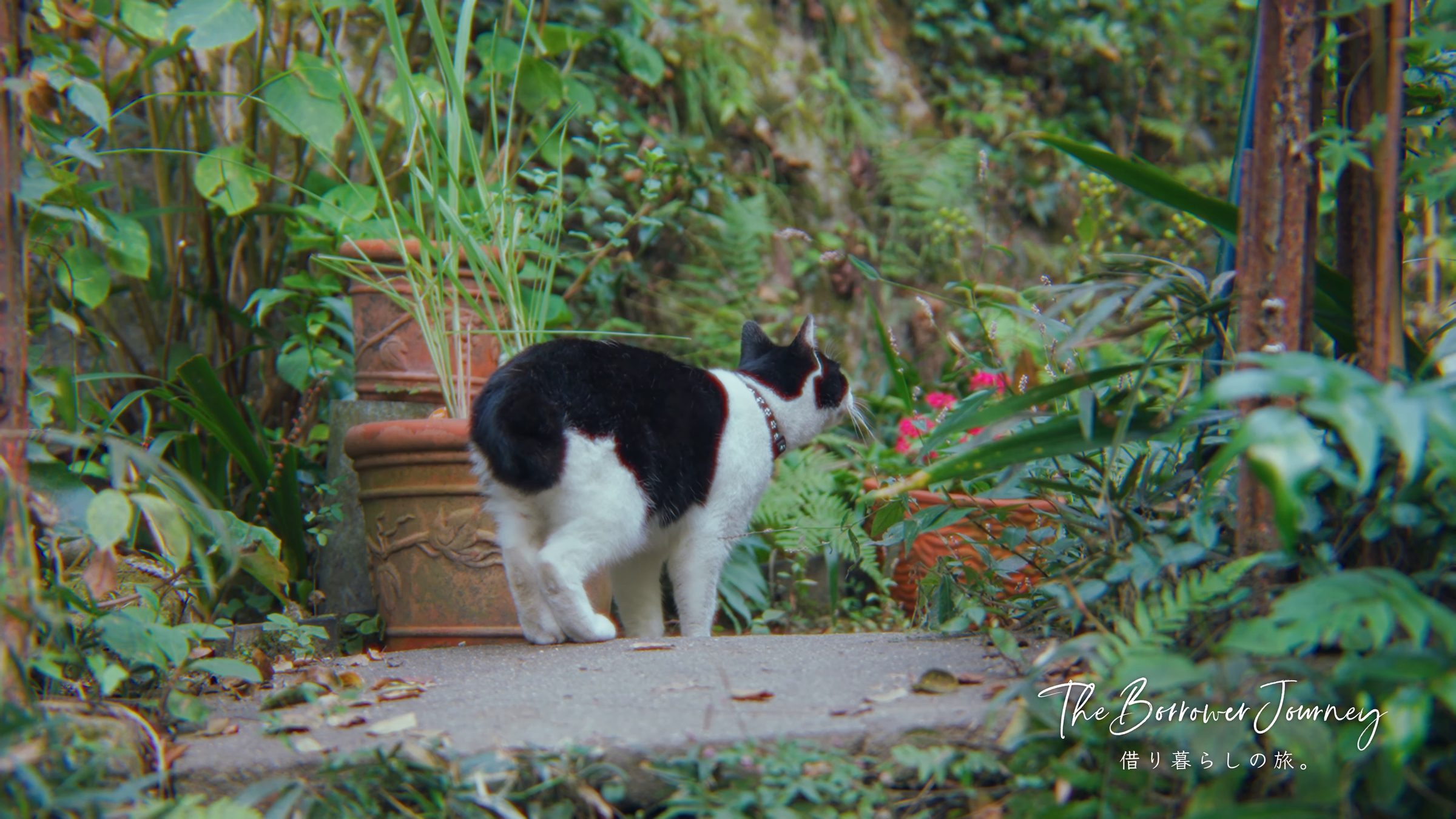
08TRAVEL JOURNAL
The Onomichi Waterway from the hilltop
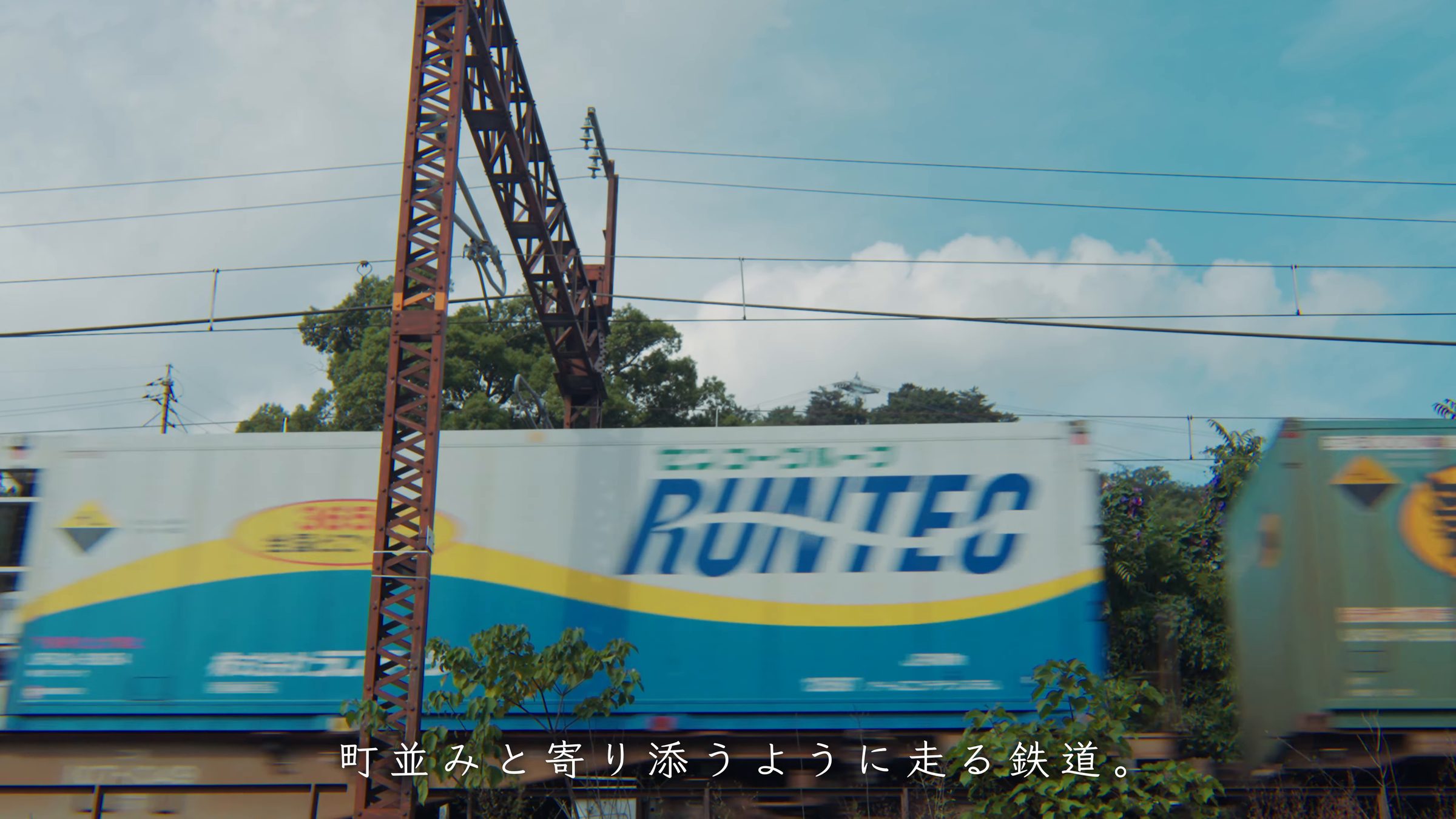
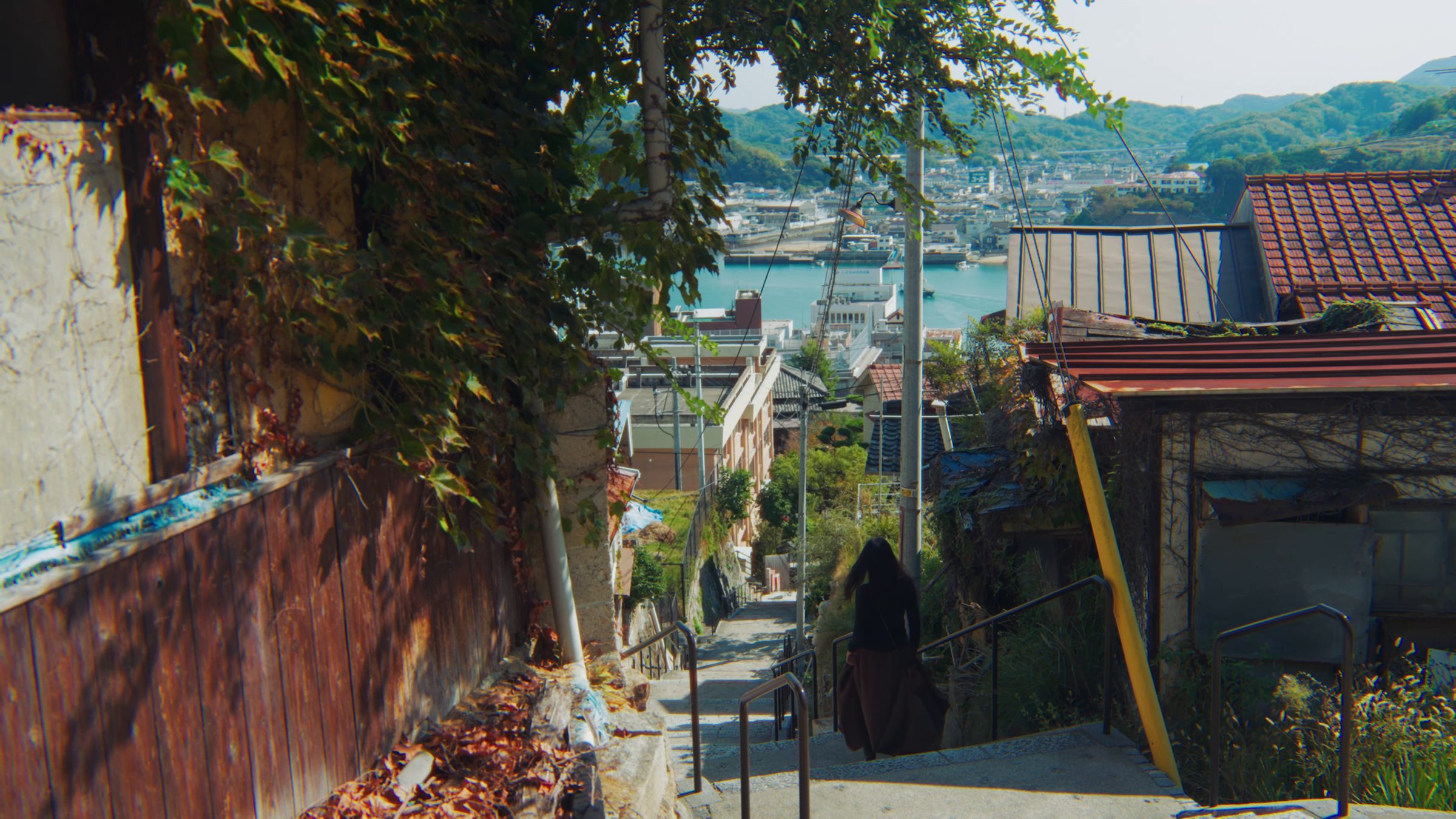
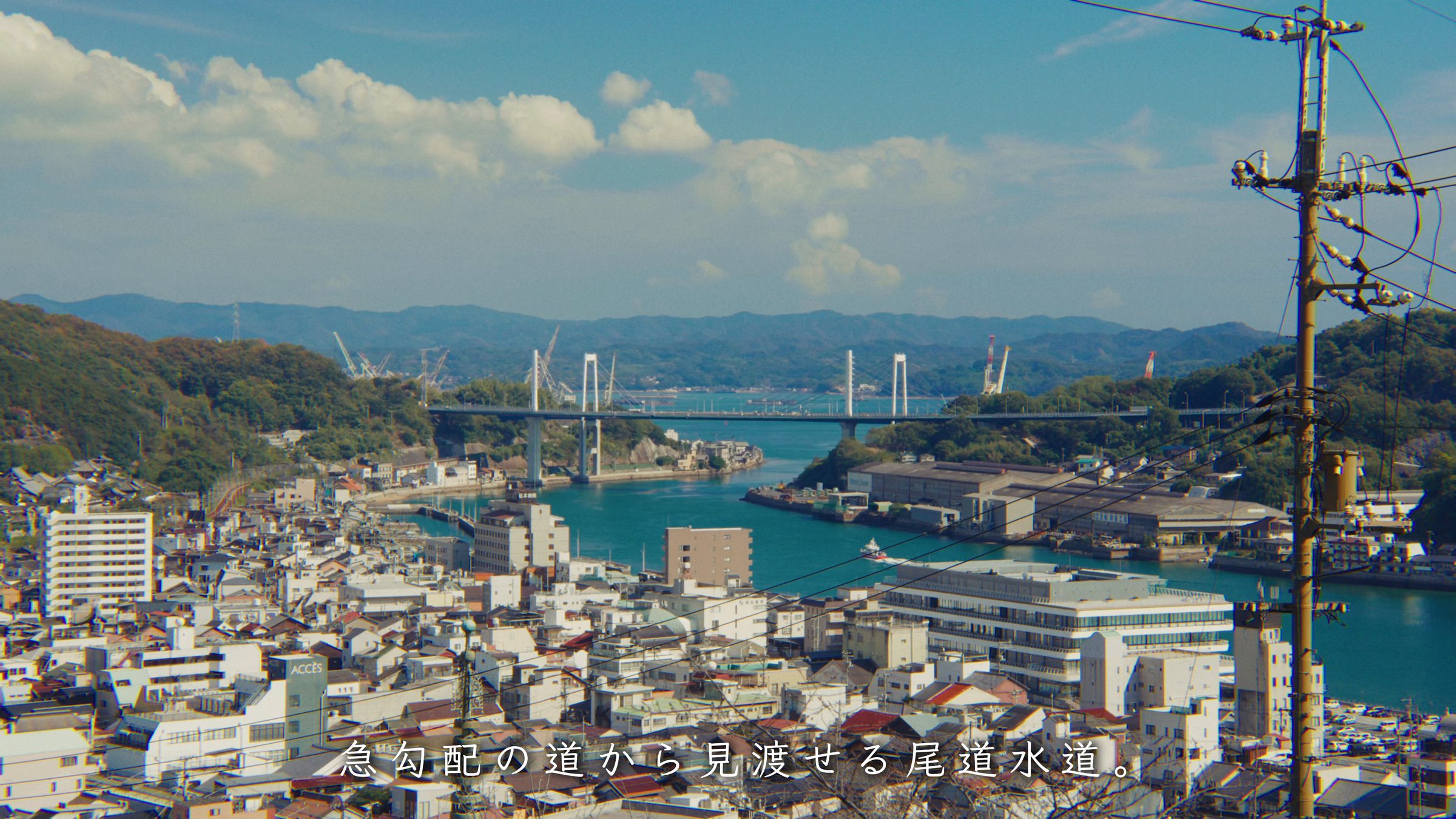
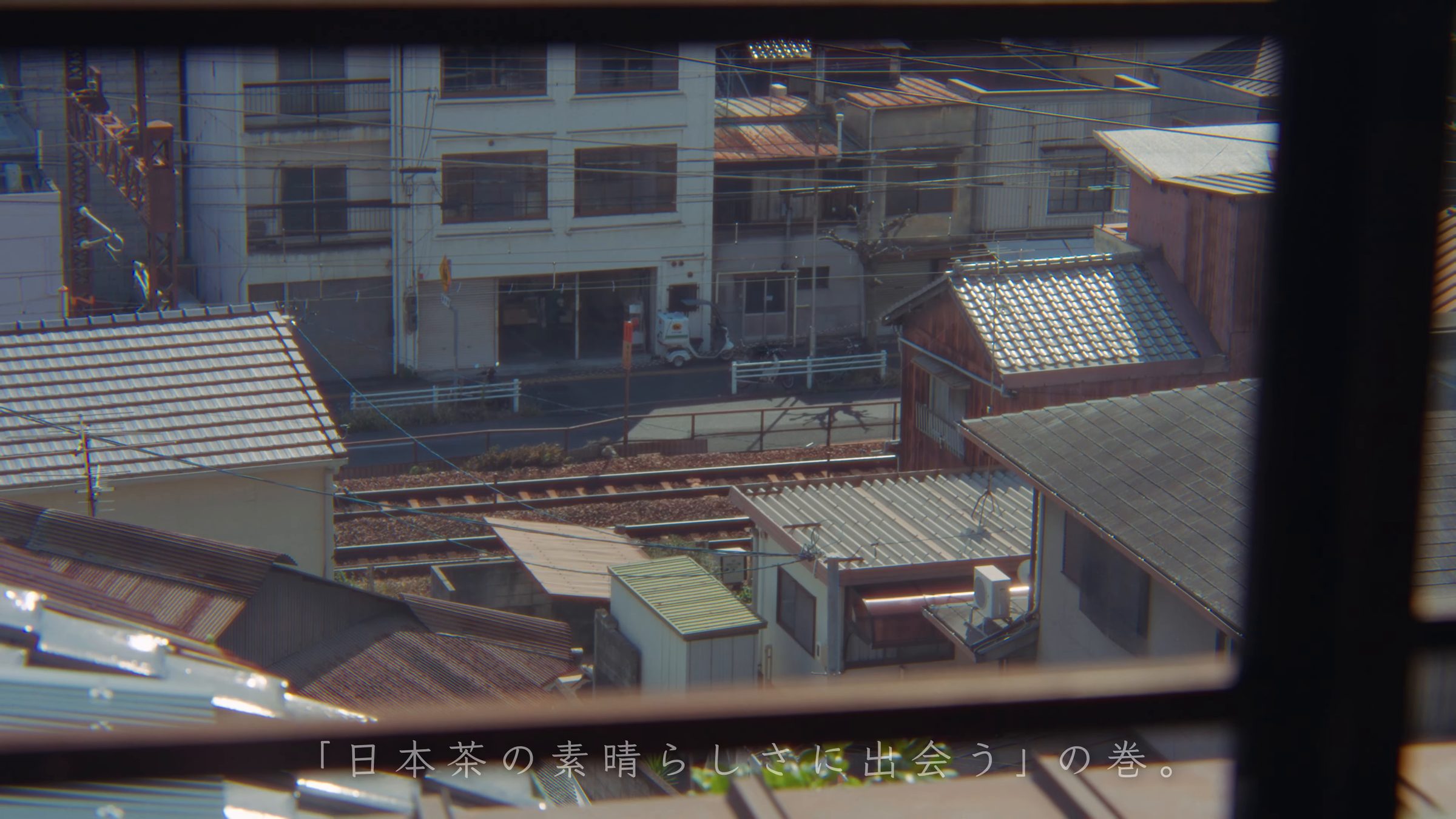
The railway runs alongside the town, close enough to touch. Beyond a rust-colored pylon, a freight train strung with containers rolled past. Walking down a steep slope, I saw the Onomichi Waterway appear beyond the rooftops.
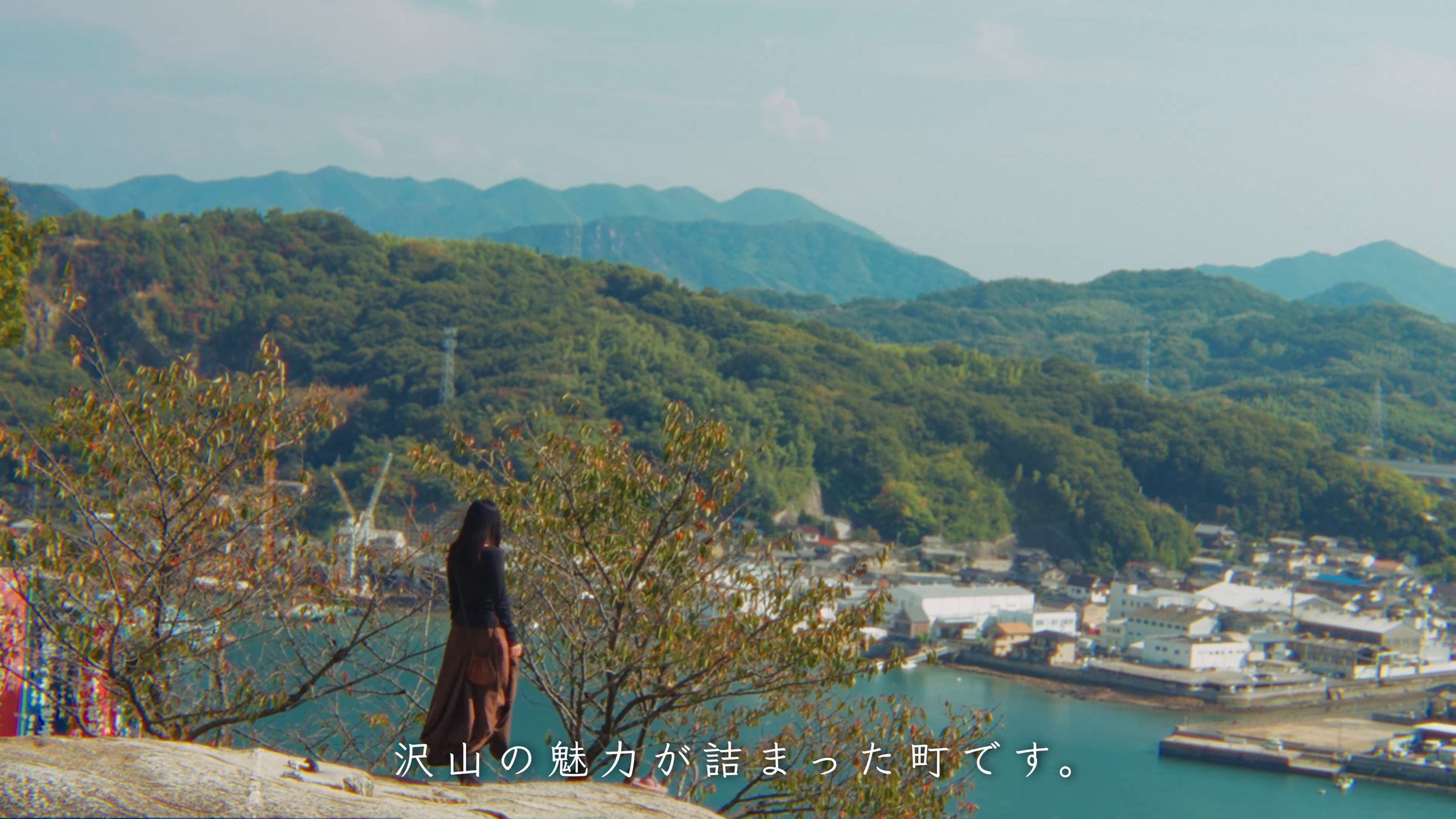
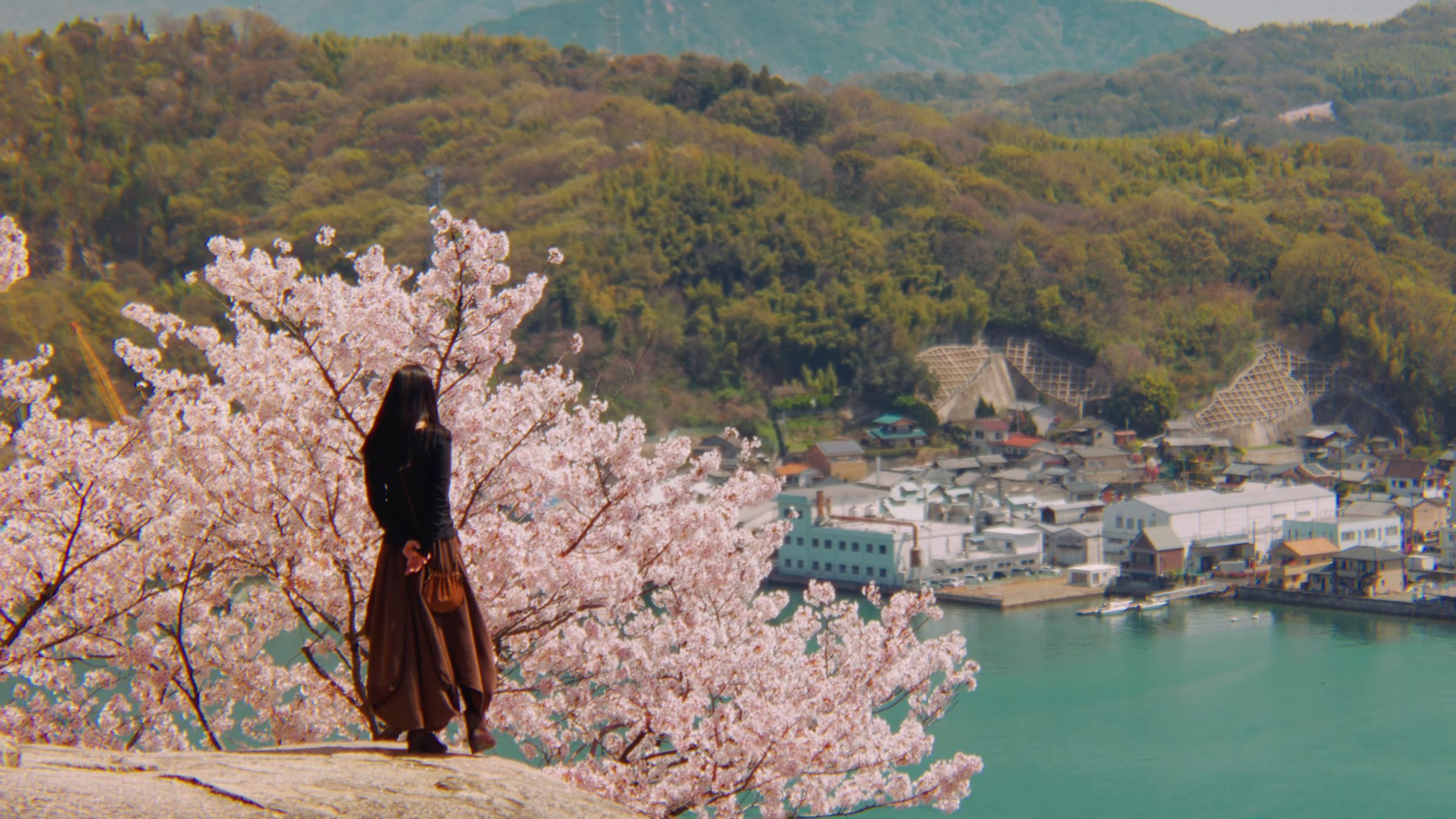
The Onomichi Waterway is the narrow strait between the mainland and the island of Mukaishima. Town, bridges and harbor sit together like a miniature garden. I stood at the top of the hill and gazed for a while. When I visited one spring, the same view had been framed by cherry blossoms in full bloom.
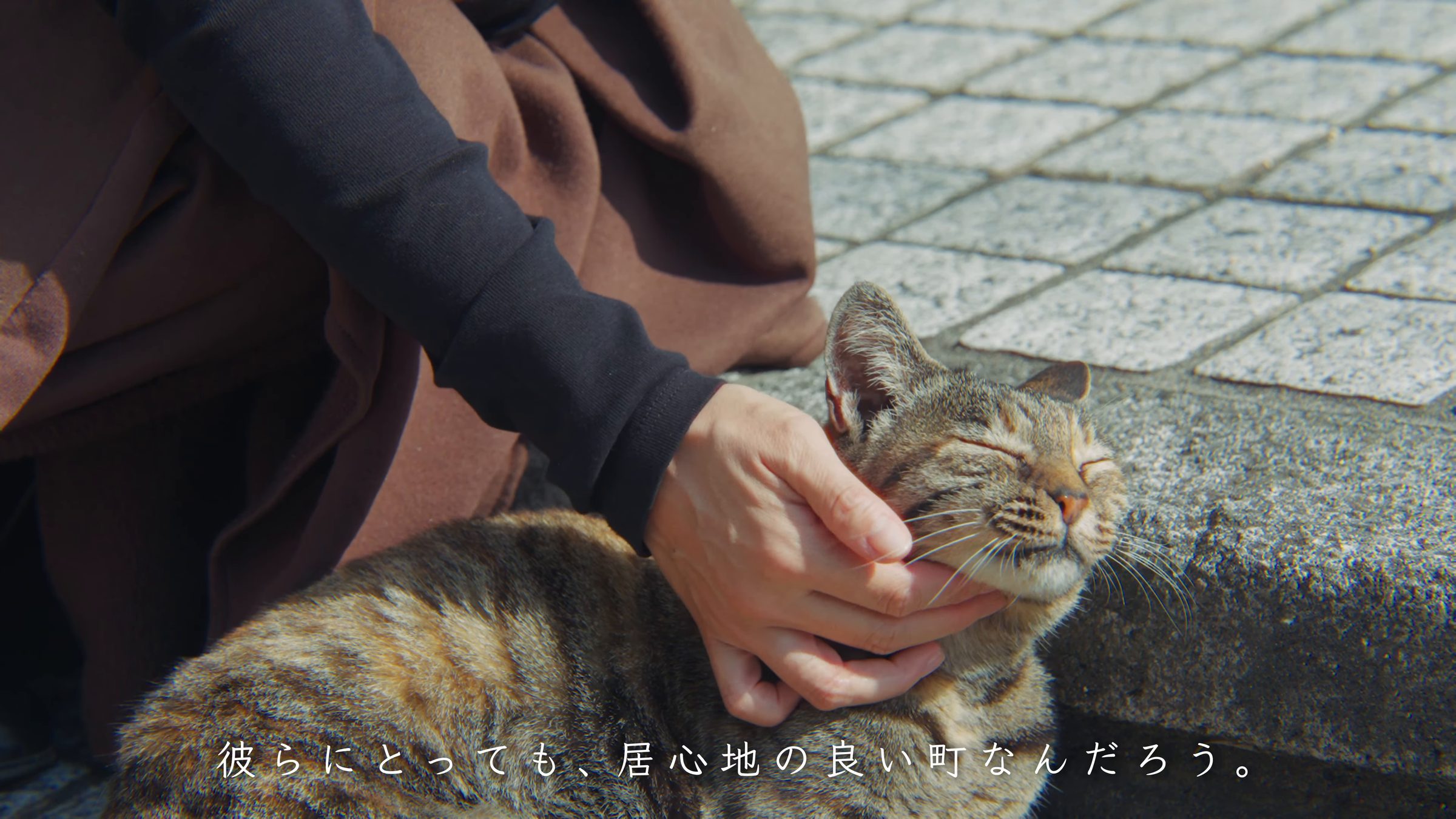
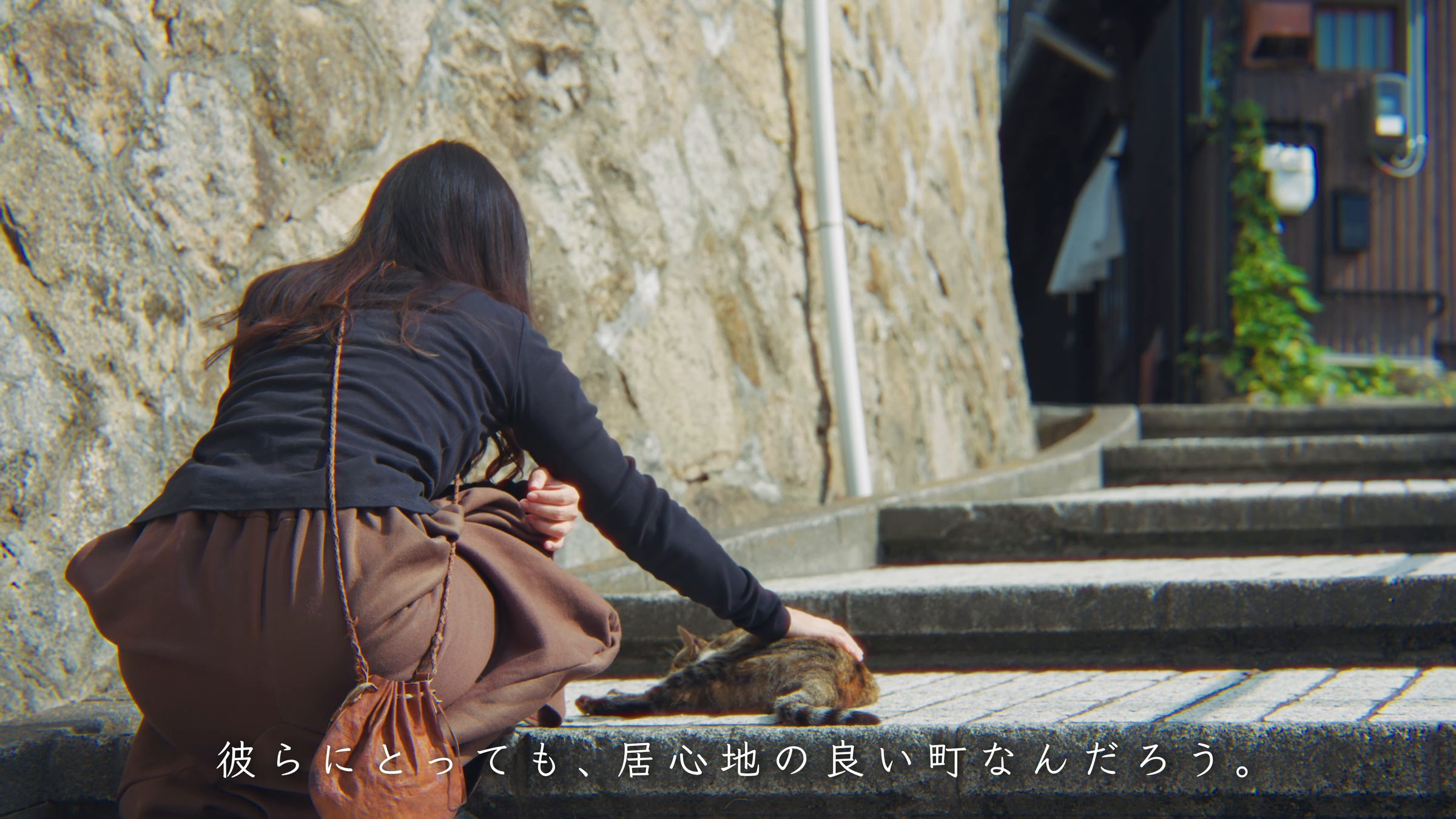
This is a town filled with many charms. By the stone steps, a brown tabby cat let me stroke it, eyes half closed in contentment. It must be a comfortable town for them, too.
Watch this scene on YouTube4:06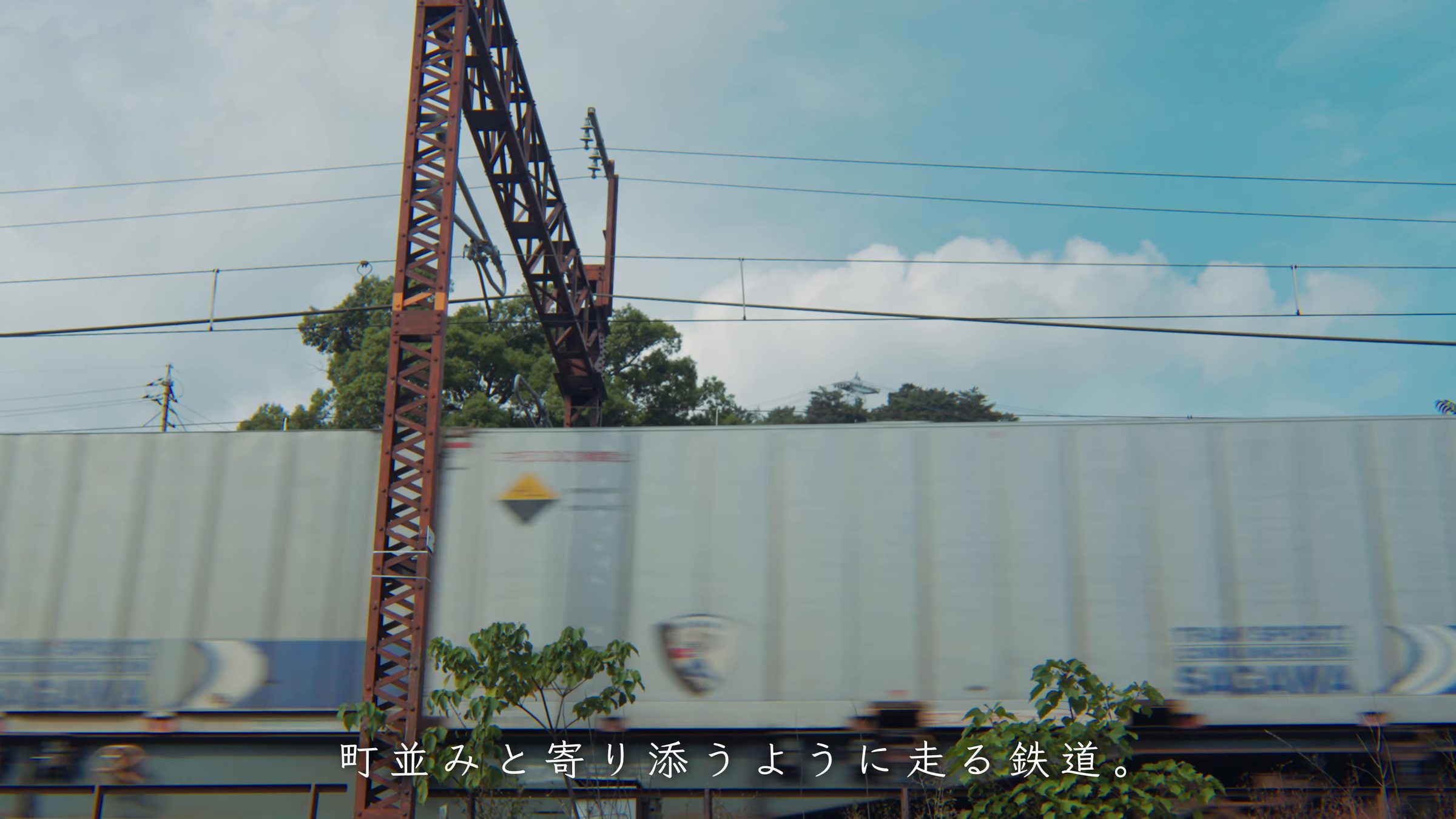
09TRAVEL JOURNAL
A tea house behind a white noren
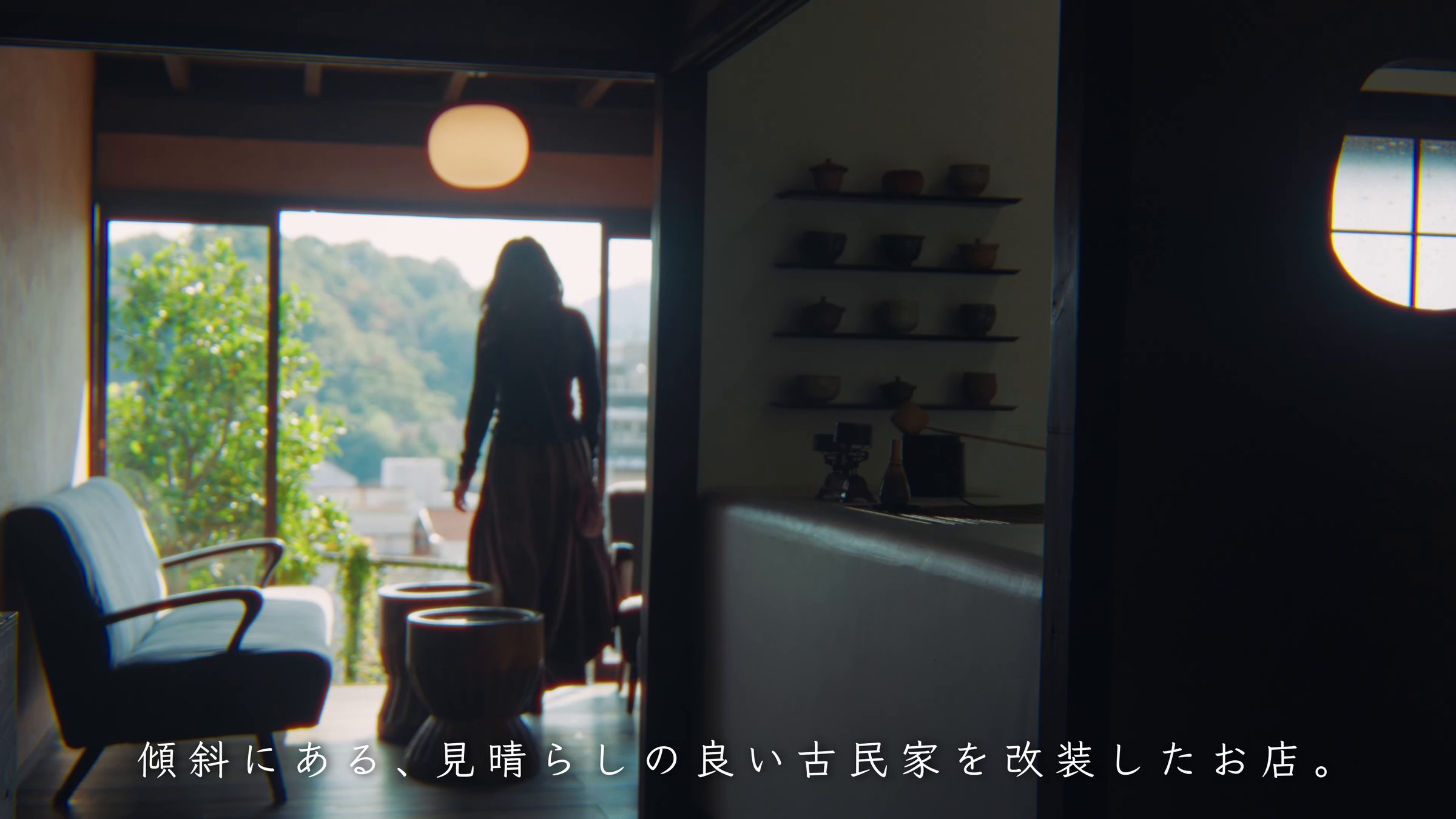
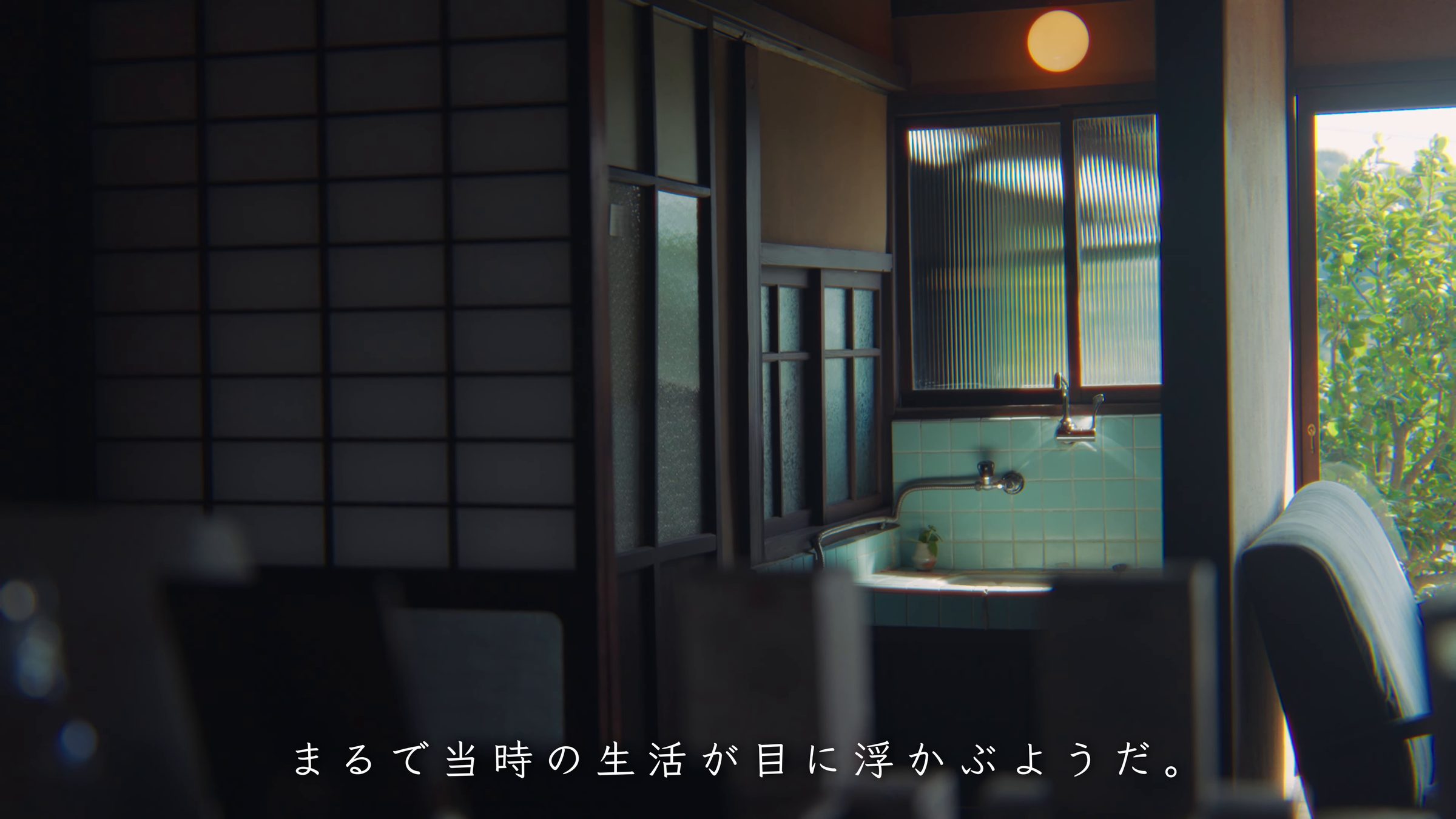
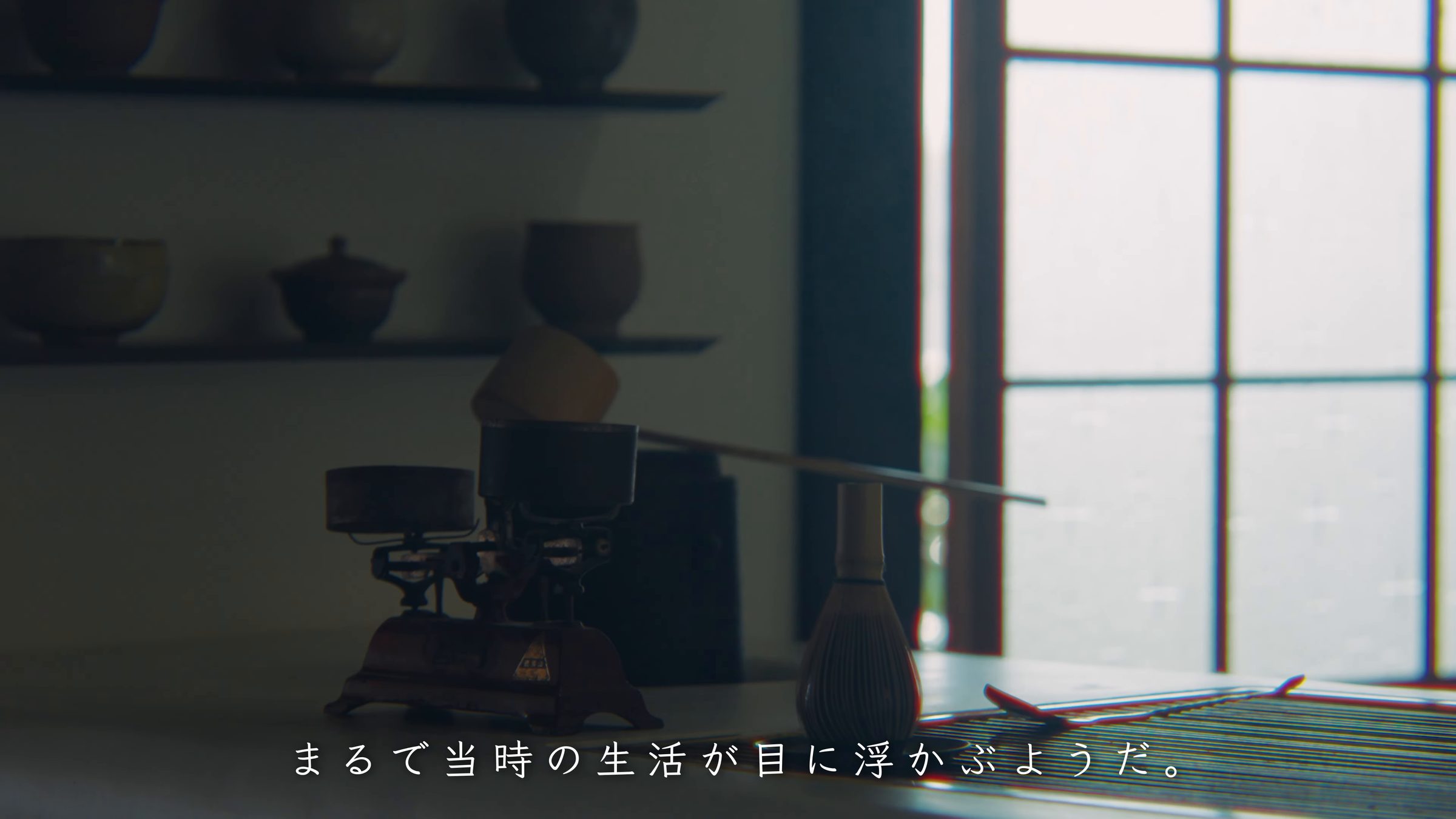
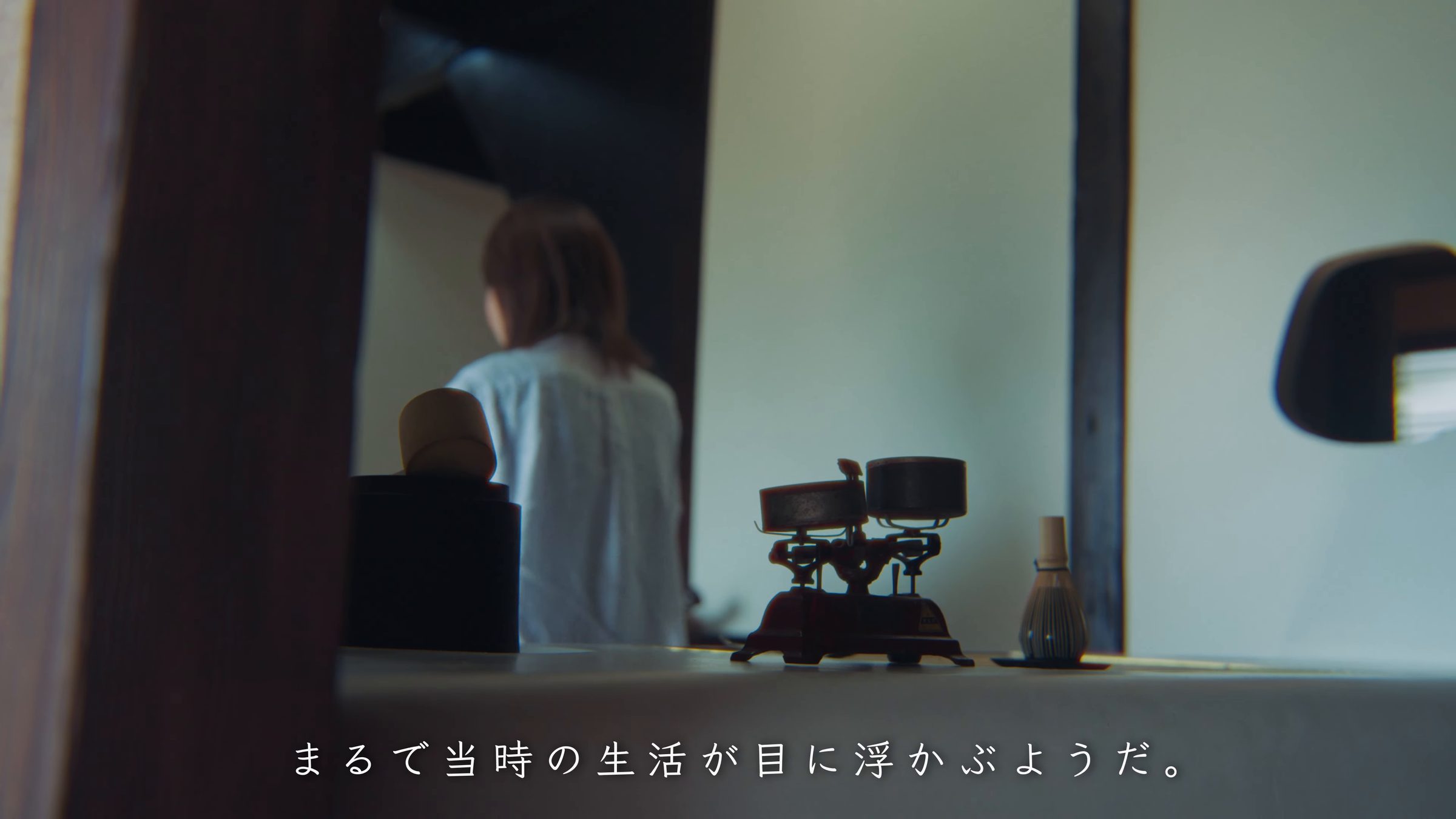
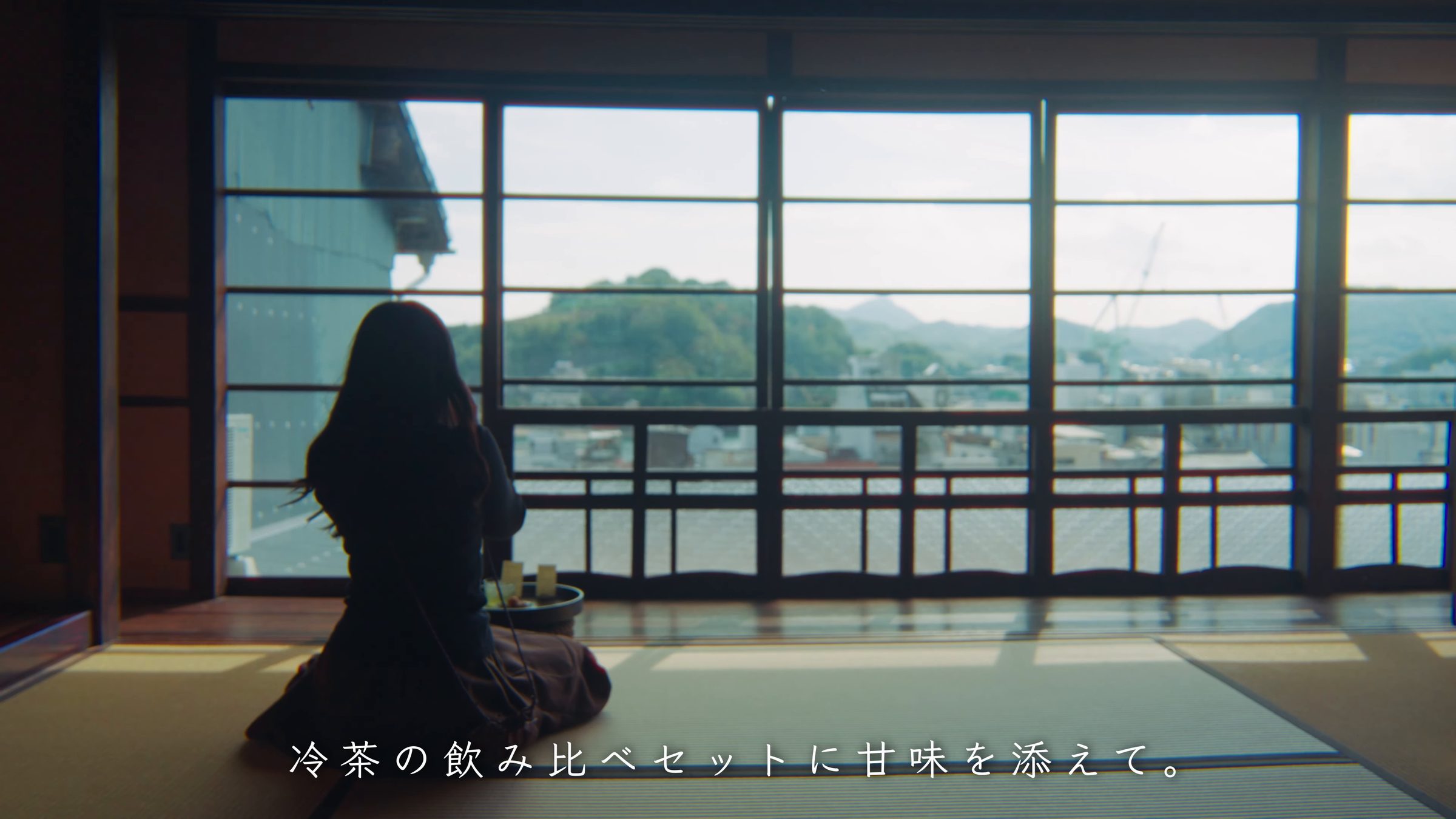
In a narrow alley between stone walls, a white noren curtain caught my eye. It belonged to a Japanese tea house in a renovated old home on the slope, with a wonderful view. Through the windows lay the rooftops and the sea. Tea bowls lined the shelves, and an old kitchen sink, a small balance scale and a tea whisk stood as if someone had just stepped away. I could almost picture what life here was like back then.
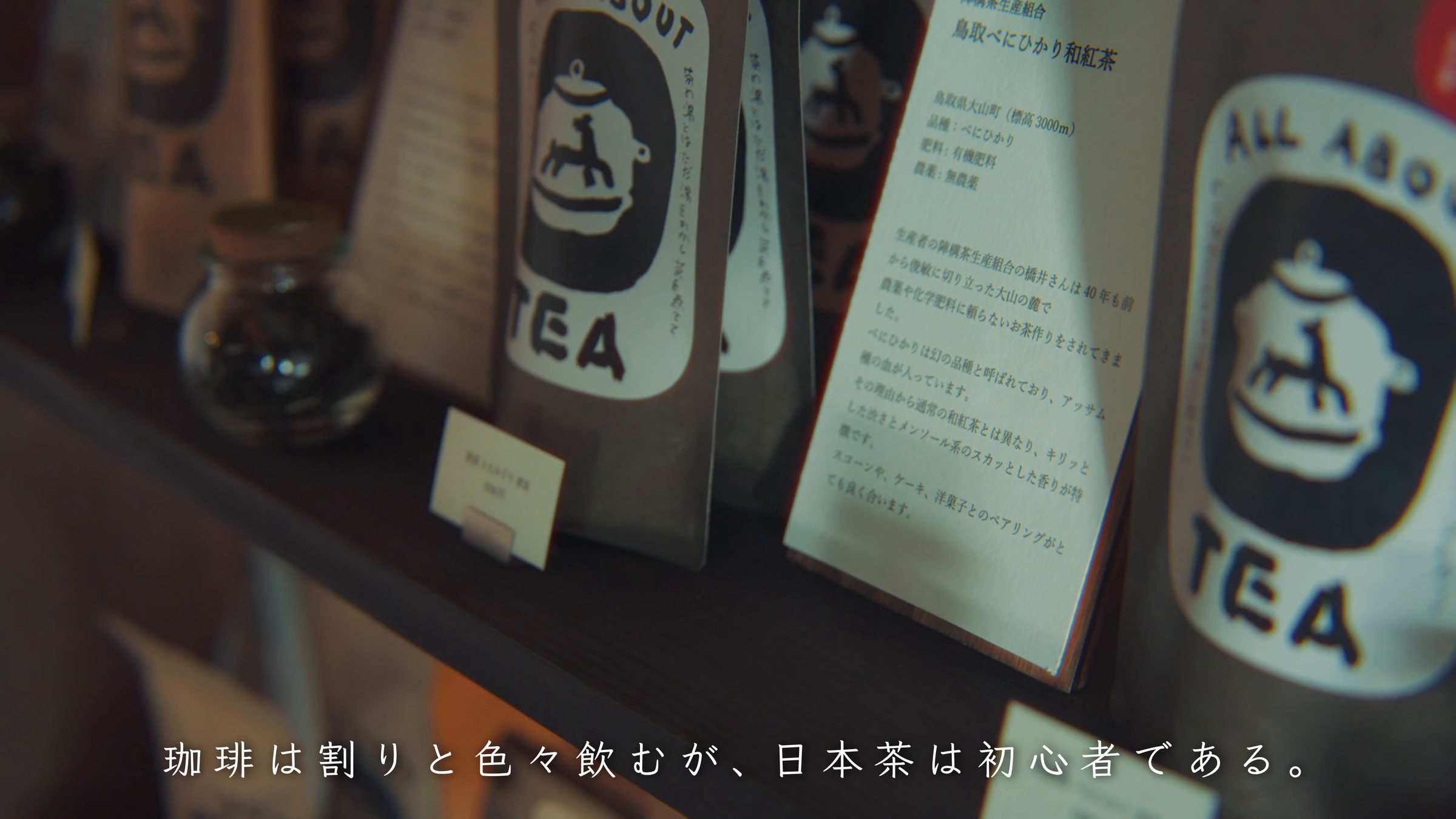
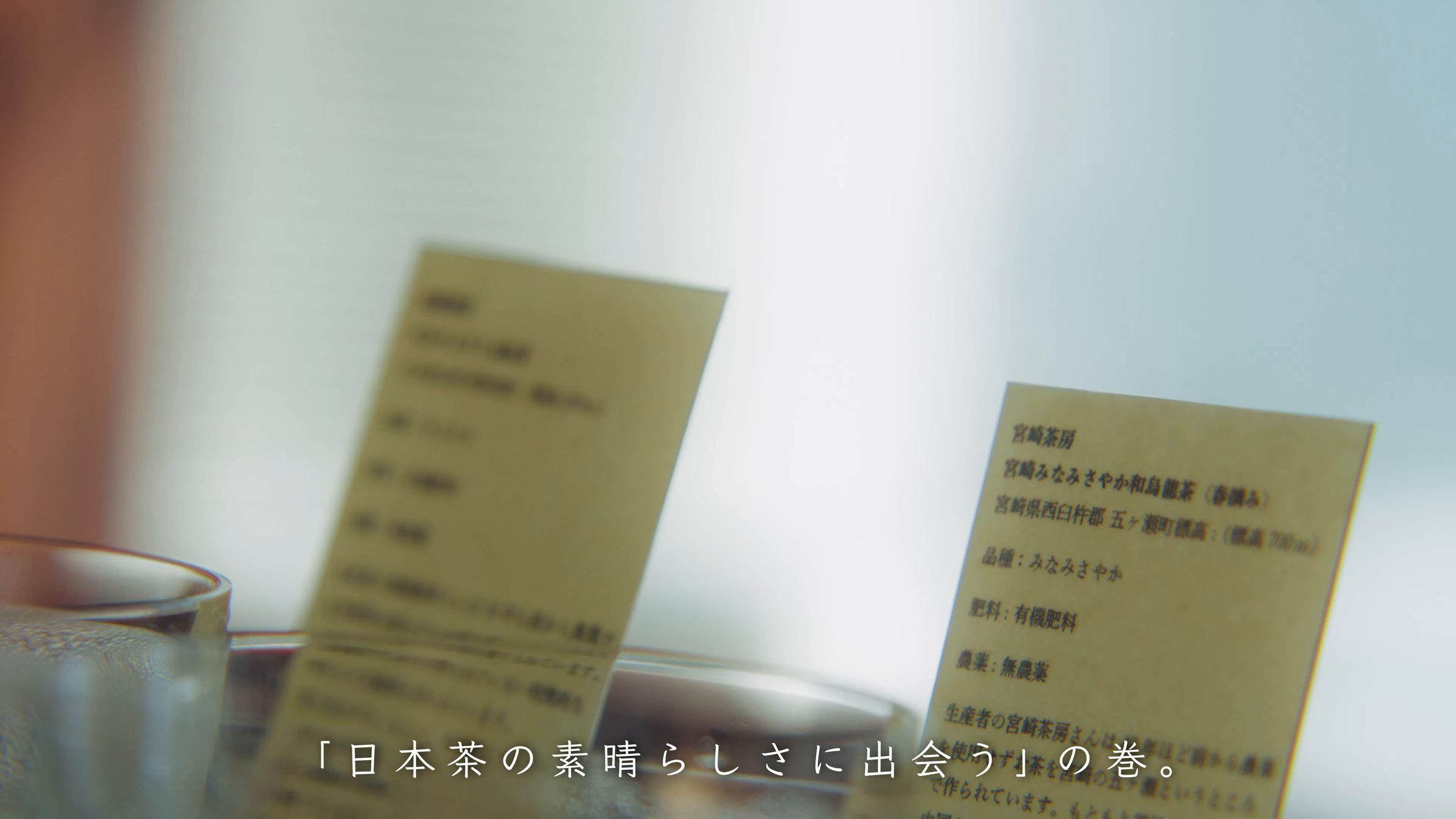
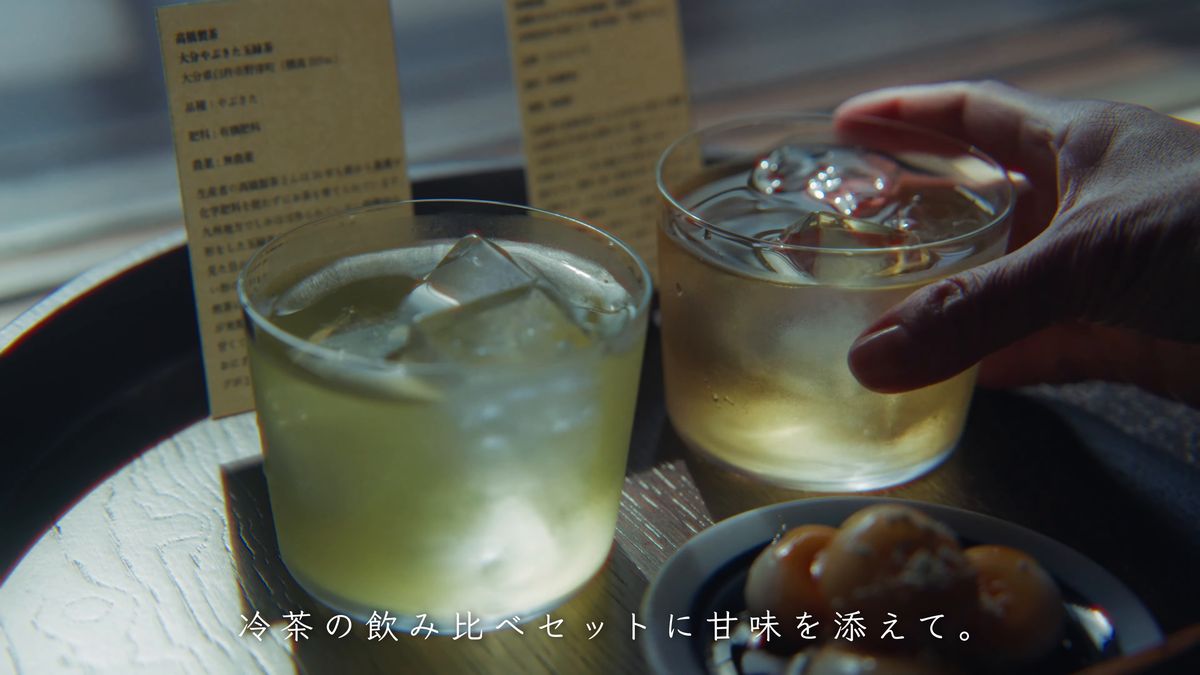
I drink plenty of coffee, but when it comes to Japanese tea I'm a beginner. On the shelf sat packets labeled "ALL ABOUT TEA" with cards describing each tea's region and variety. Each one had a different scent, and that was fascinating.
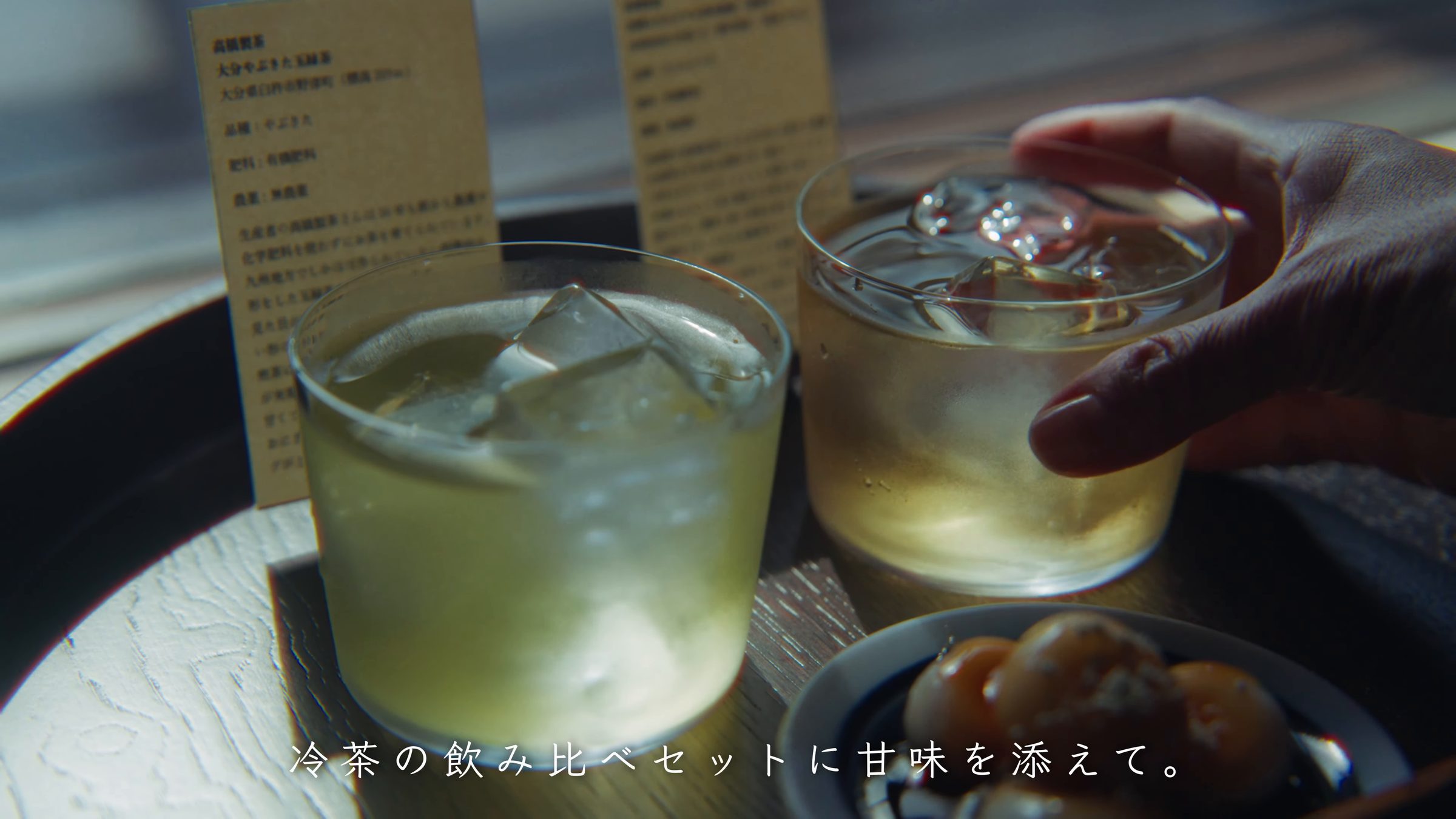
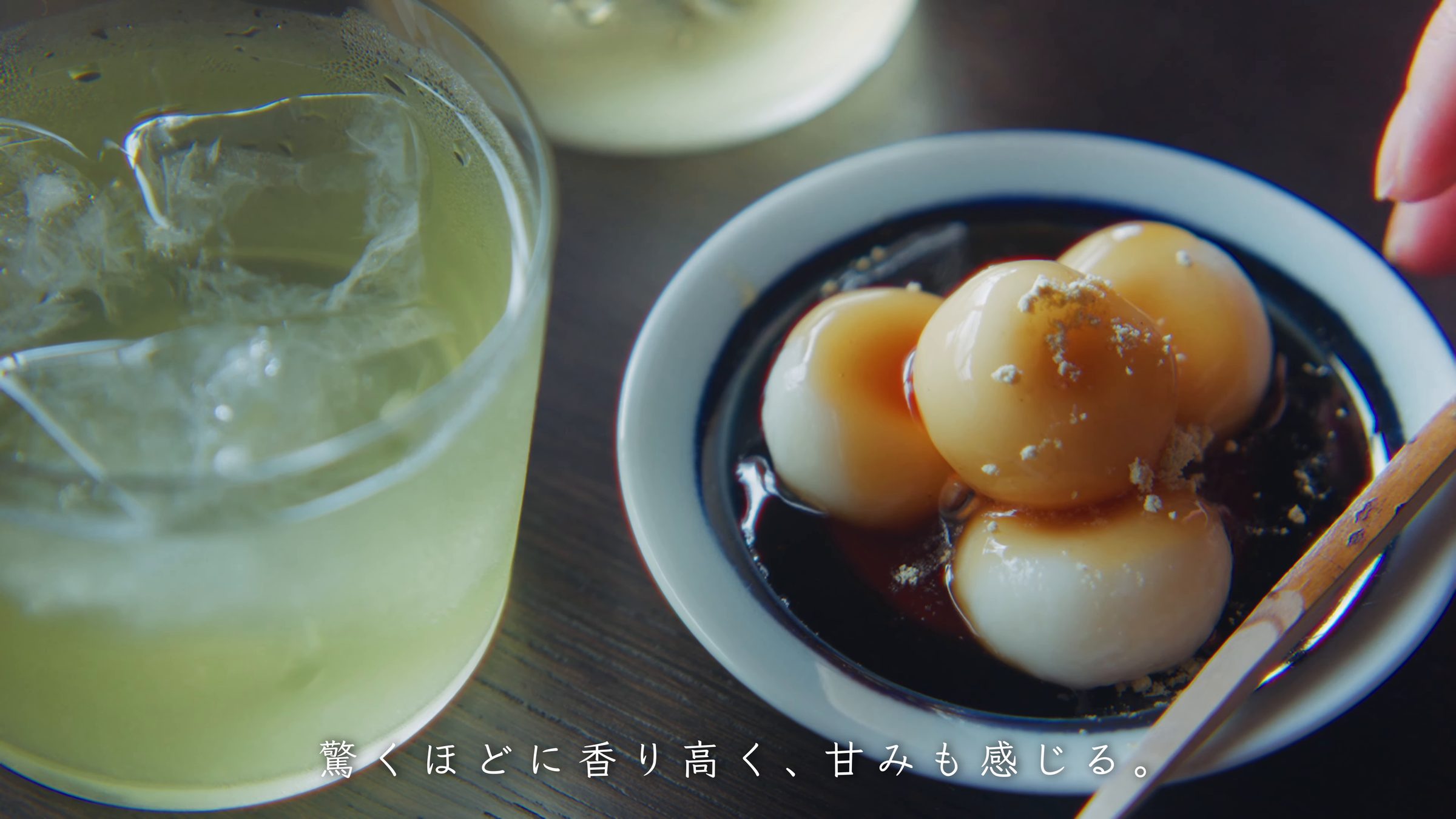
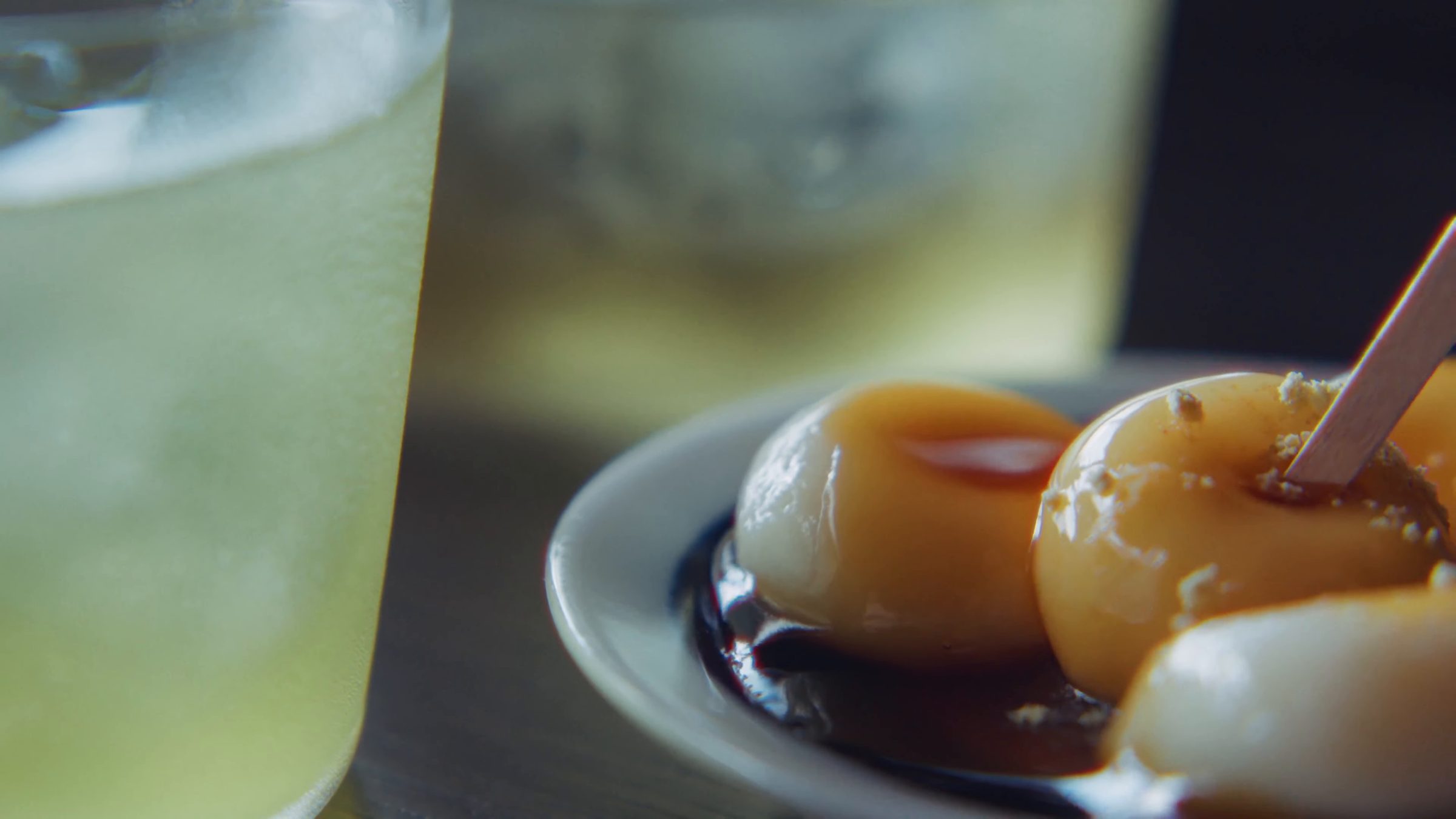
I ordered the cold tea tasting set with a sweet on the side: two glasses over ice, one green and one amber, and a small bowl of shiratama dumplings in syrup. The tea was surprisingly fragrant, with a sweetness of its own. Gazing out at the sea from the tatami room, I discovered the beauty of Japanese tea.
Watch this scene on YouTube4:47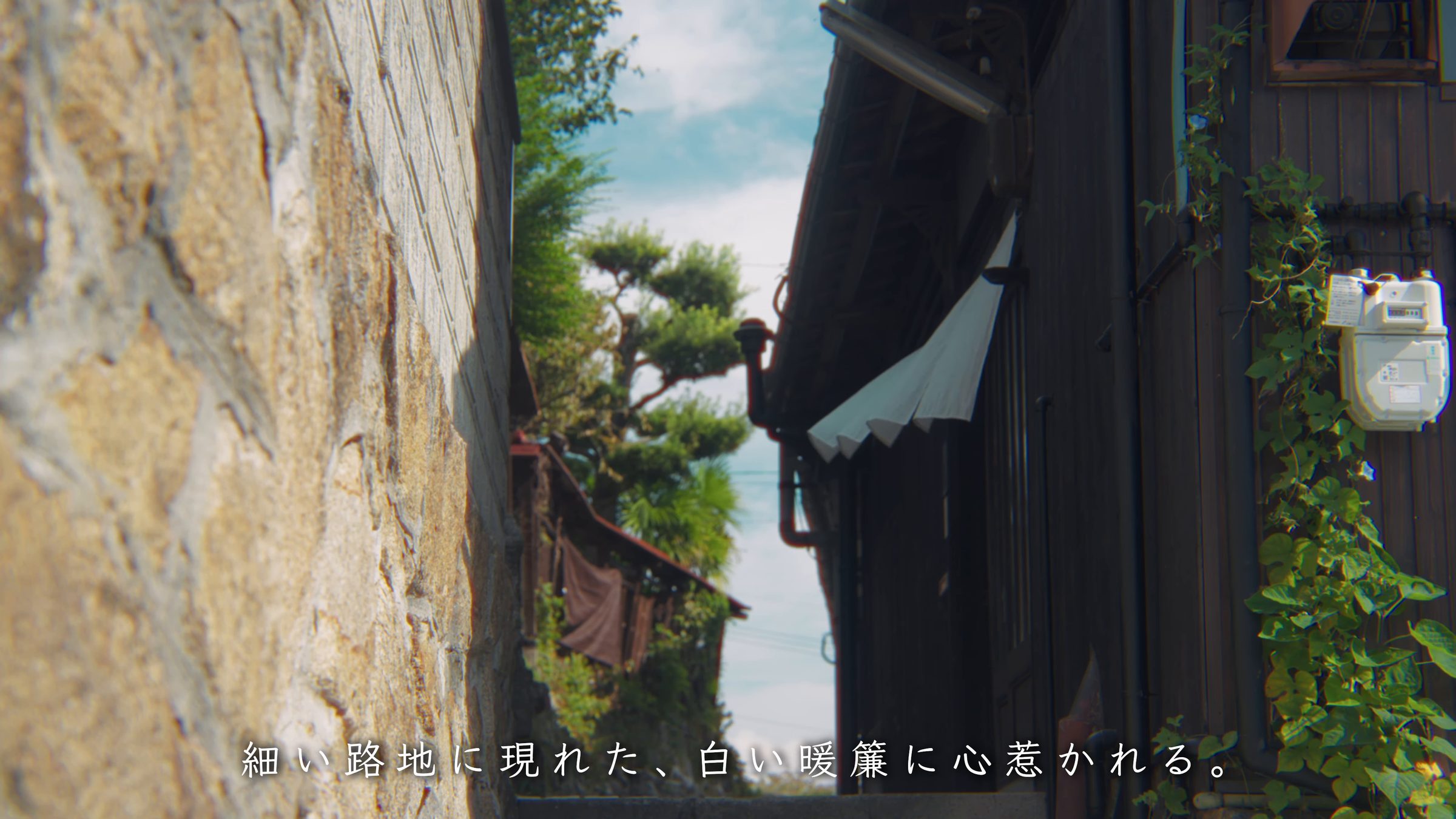
10TRAVEL JOURNAL
The bakery with the intriguing name
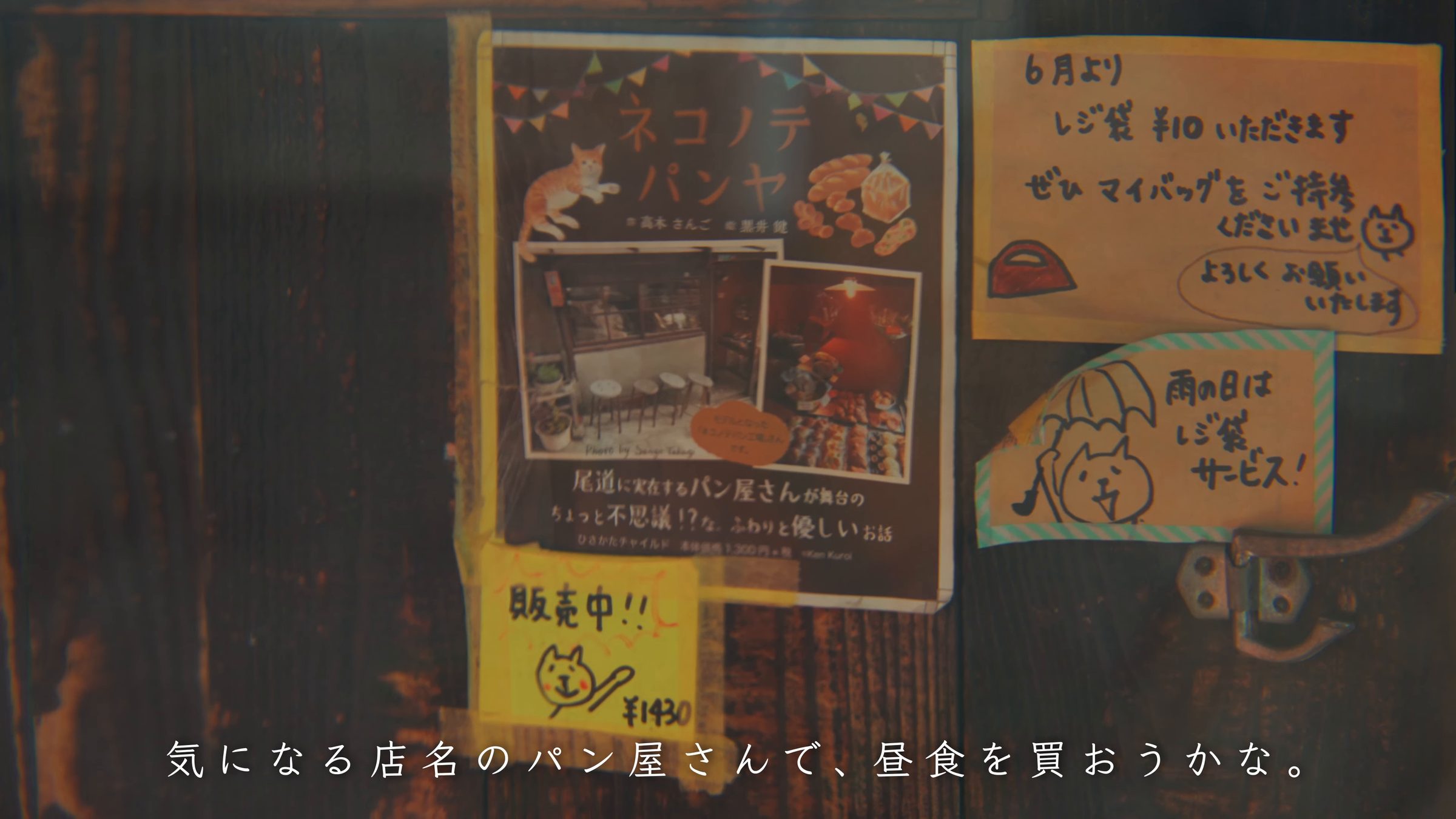
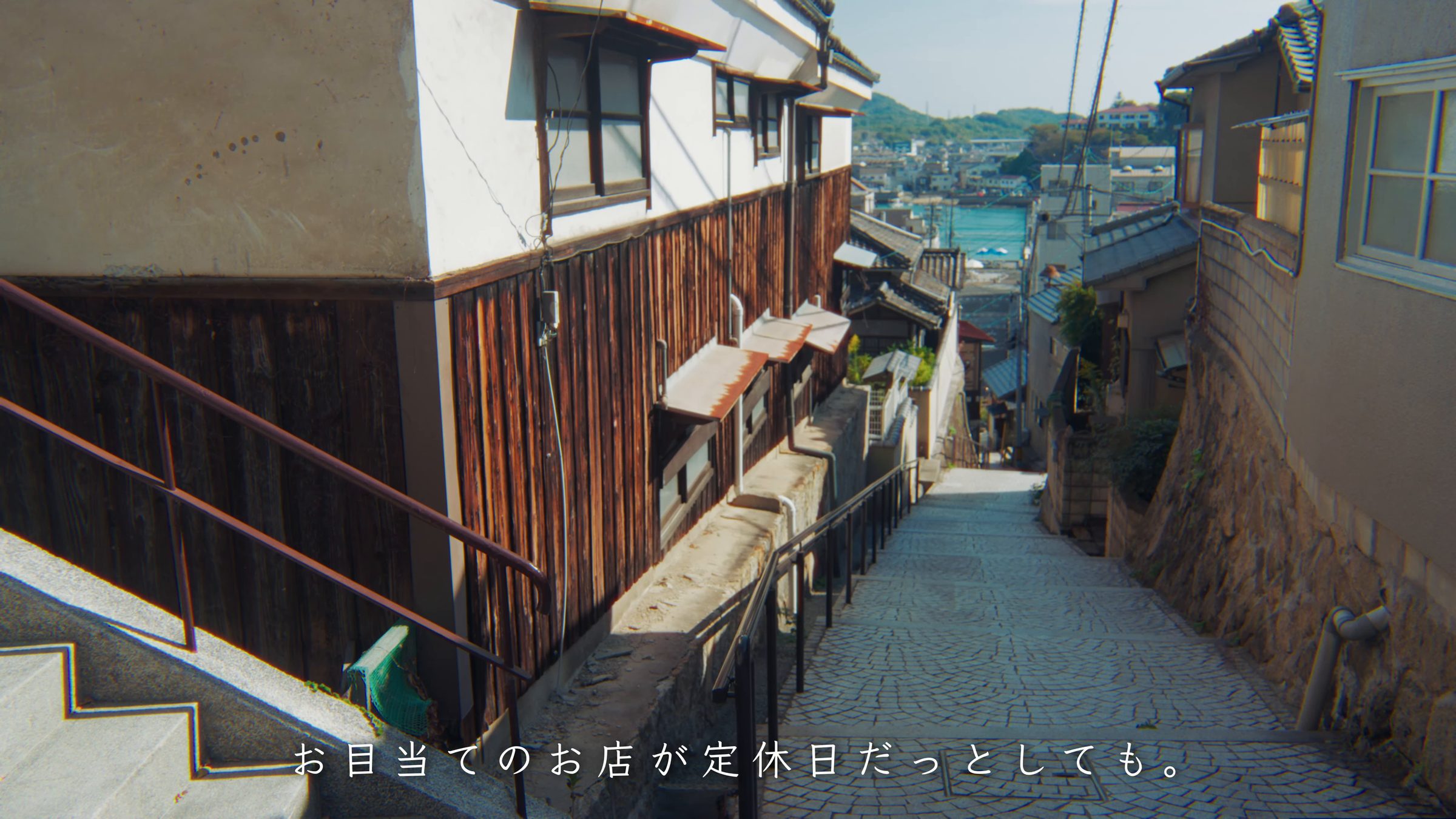
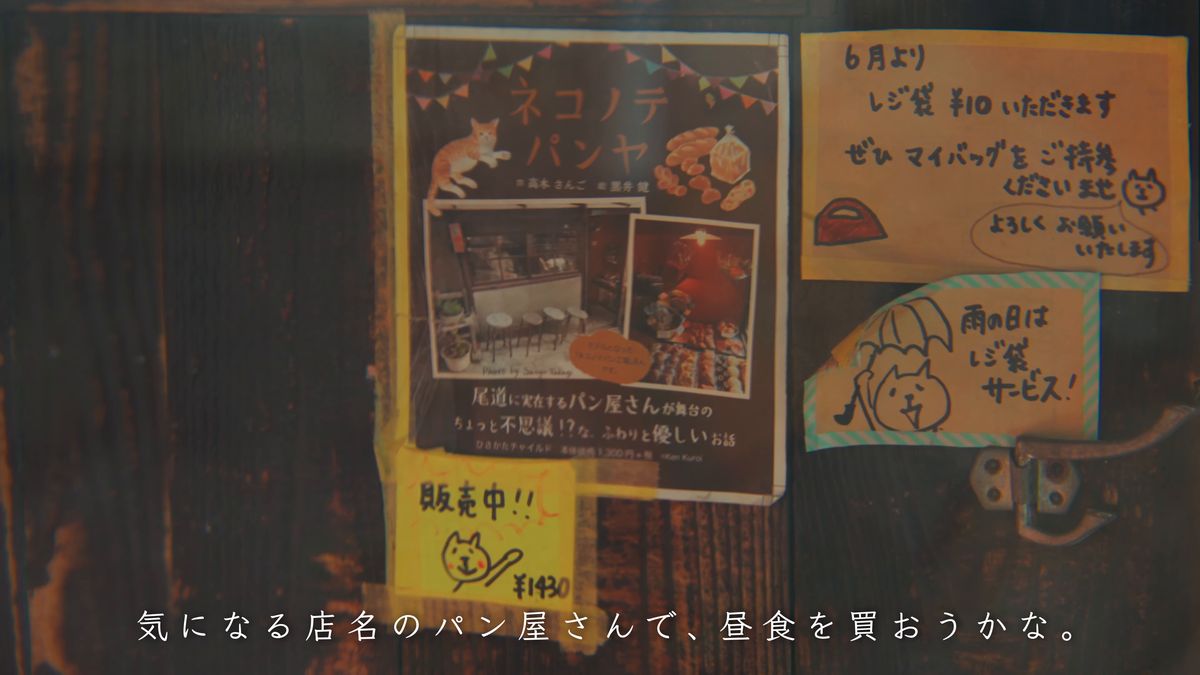
Maybe I'll buy lunch at the bakery with the intriguing name. Up an alley of white walls, I found a poster for a picture book, Nekonote Panya, in the shop window: a story set in a real bakery in Onomichi. But the shop I was looking for turned out to be closed that day.
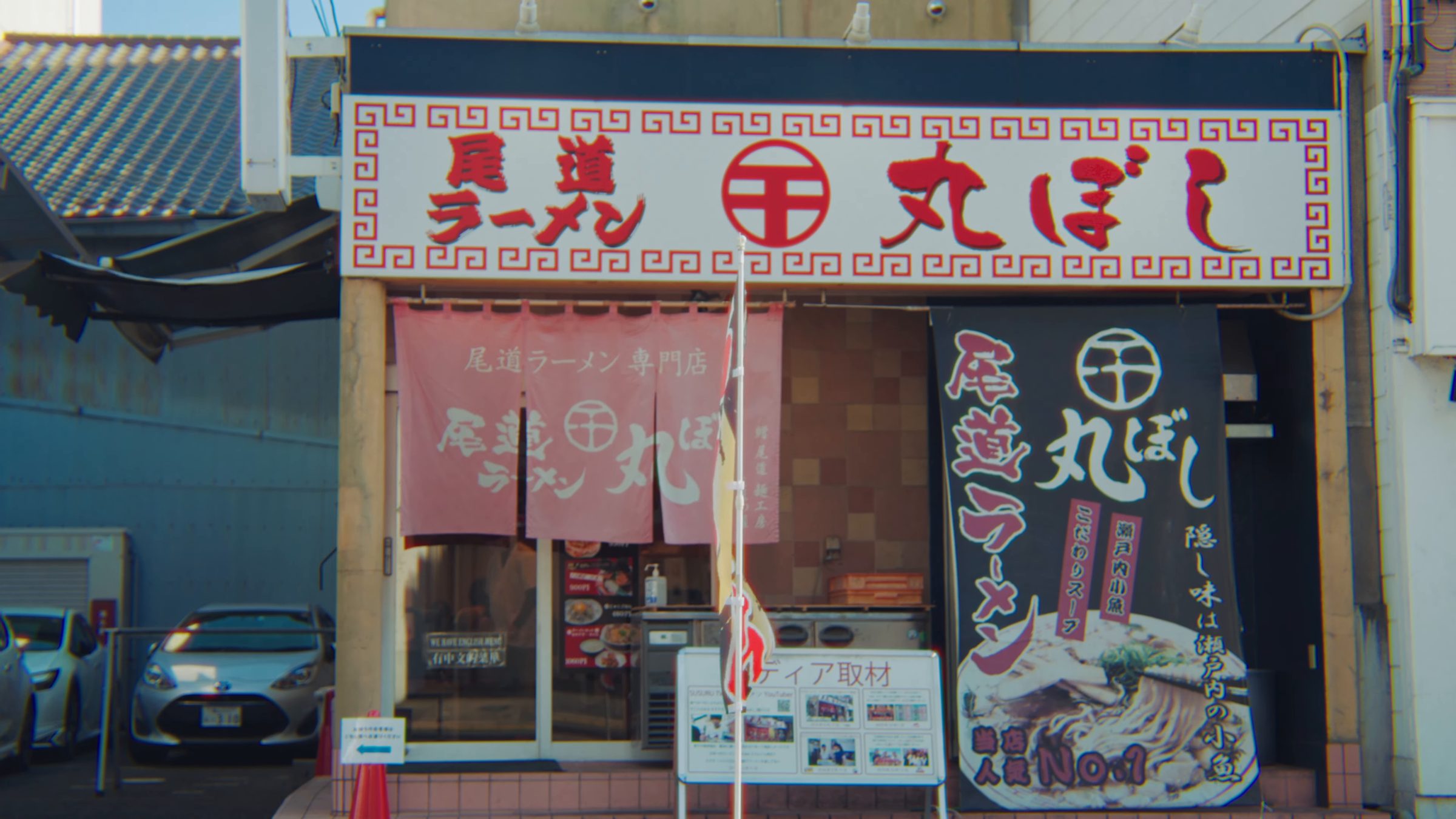
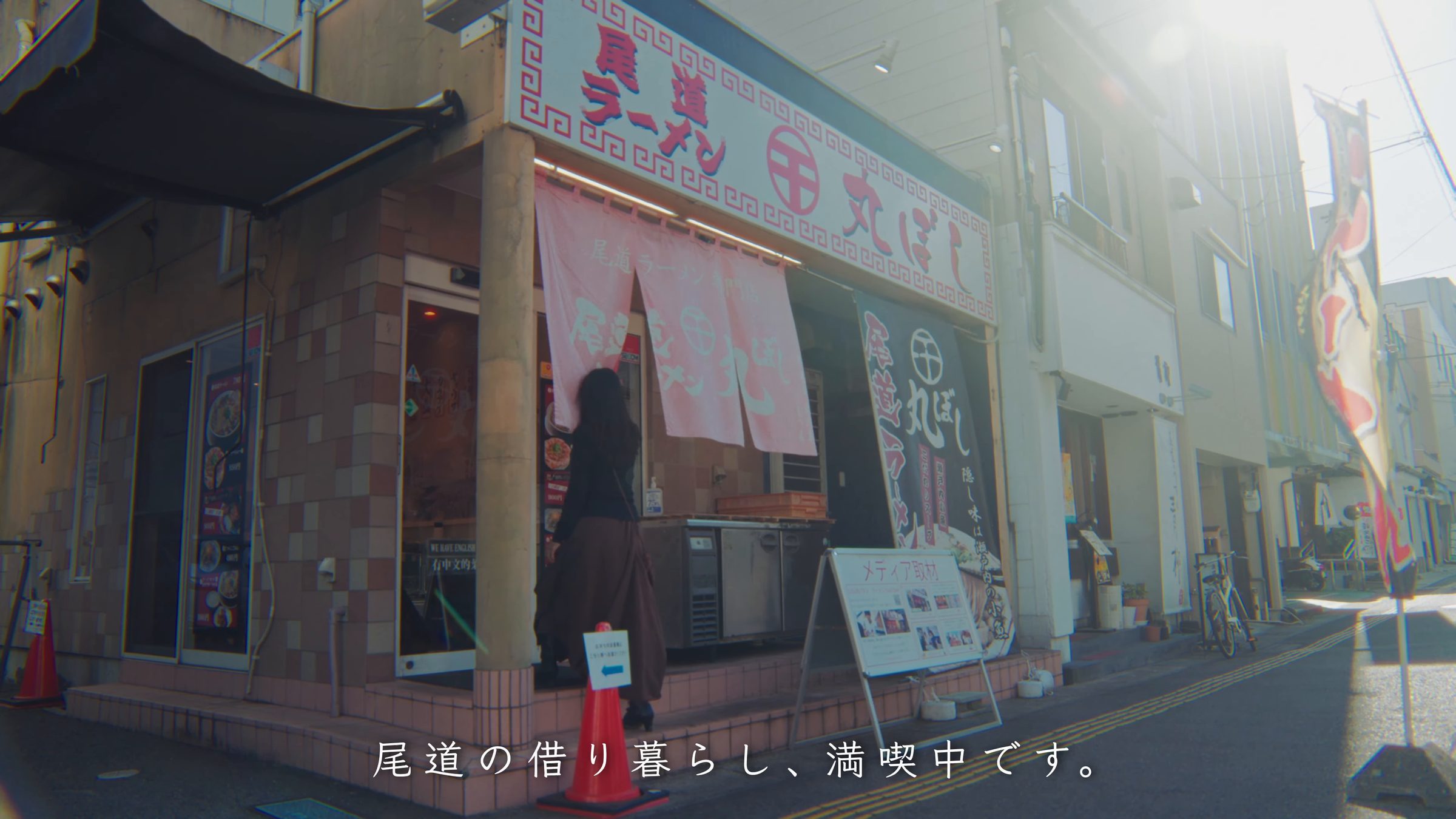
Even so, the sea glittered at the bottom of the cobbled slope, and on the street stood the red sign of a ramen shop, Marubosi. I am enjoying every bit of life in Onomichi.
Watch this scene on YouTube6:07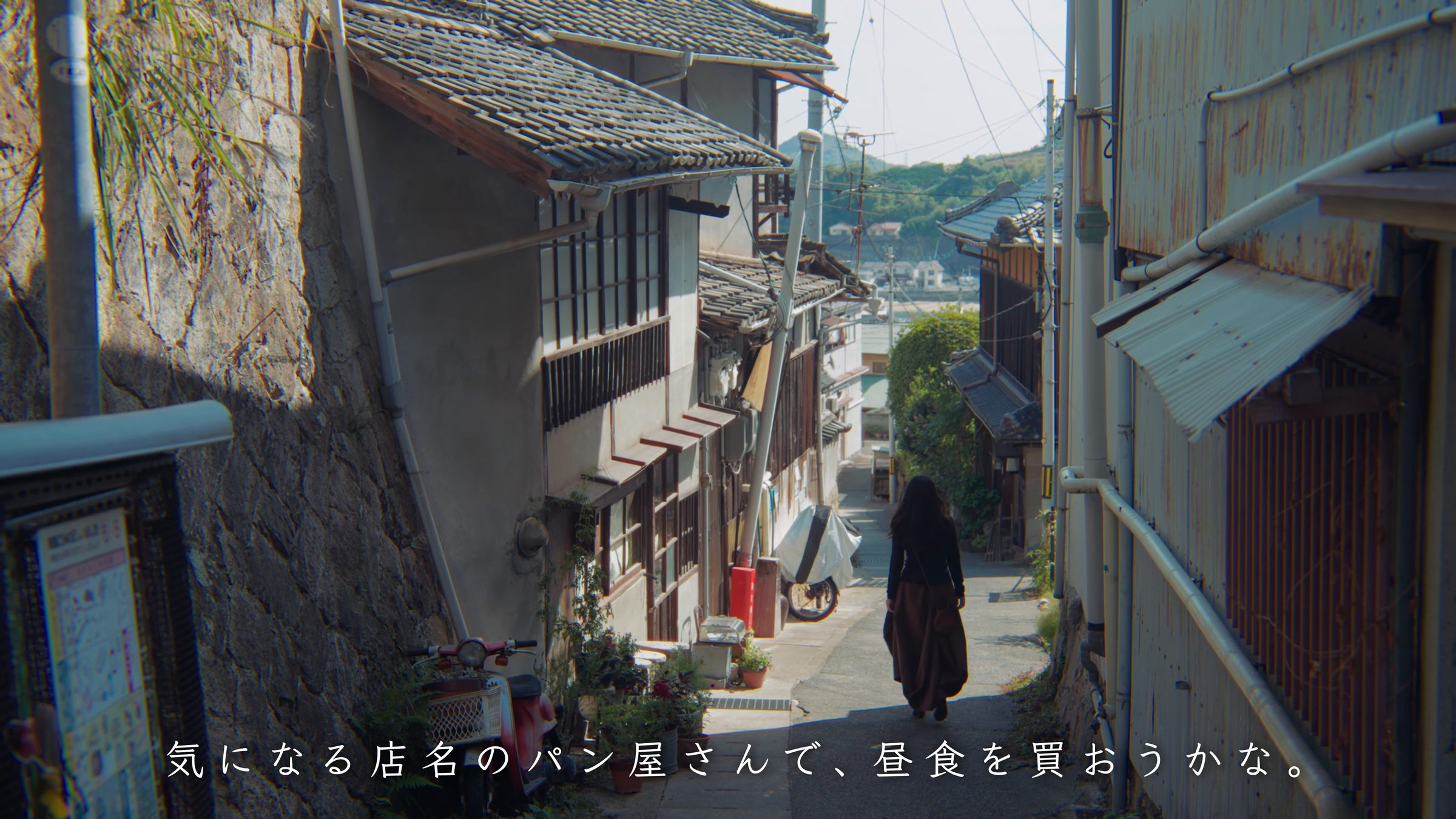
11TRAVEL JOURNAL
To be continued
A yellow train rolled past the railway crossing in the evening light. Next time: Onomichi ramen and okonomiyaki.
Watch this scene on YouTube6:48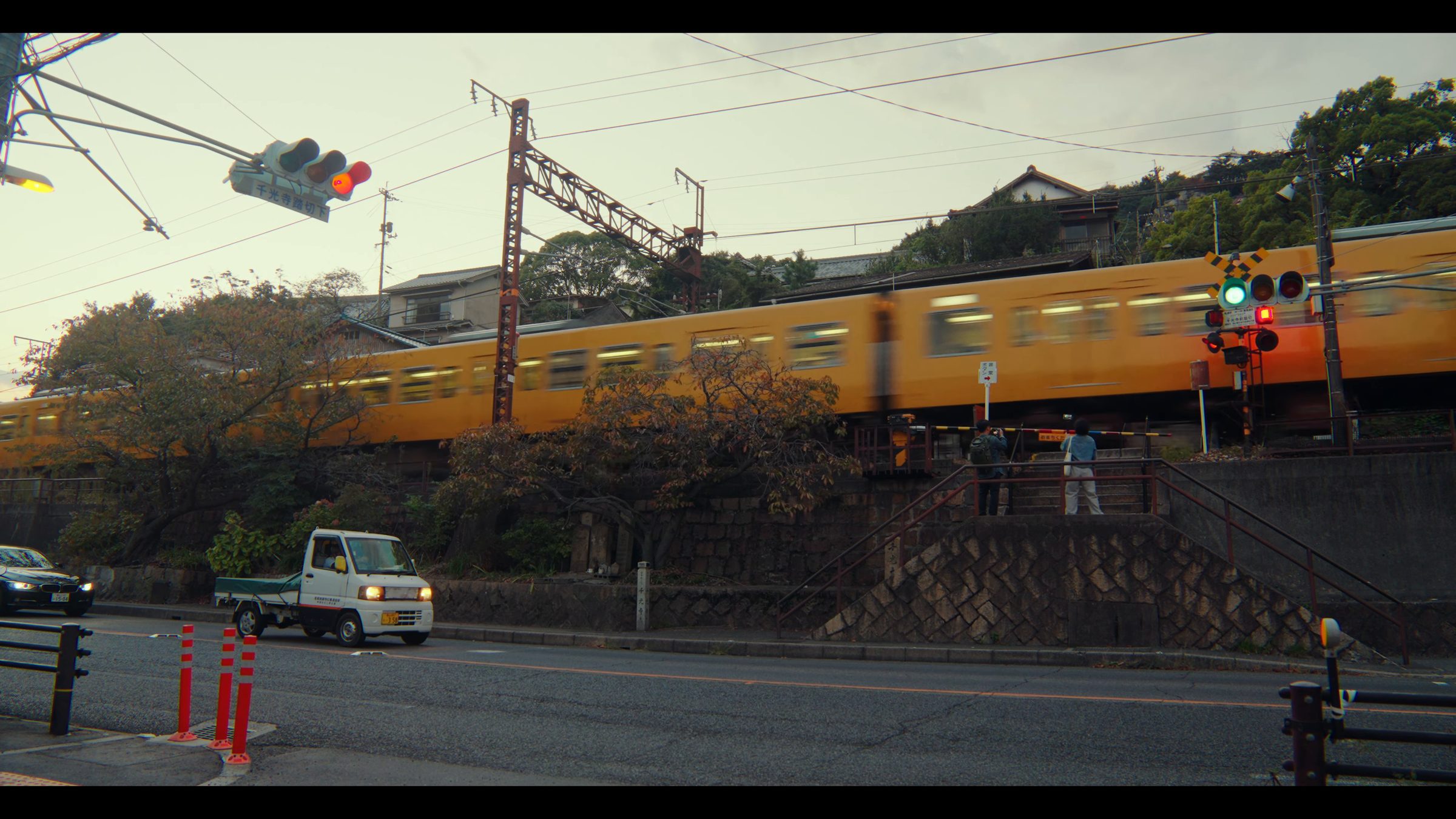
THE JOURNEY IN FILM
The wind. The sounds of a kitchen.
Spend a little more time inside the journey, on film.
Watch the video7 minTHE BORROWER’S NOTES
The Borrower's Notes: Onomichi
Places we stopped, dishes we made, and stories of the land. A few things to keep from the journey.
01Where I ate and shopped
HIBI COFFEE
A small coffee stand that stood beside the railway tracks partway up the hill. I had house-roasted coffee, a cookie shaped like a cat's face, and a pudding topped with seasonal chestnut cream. The cat on the cookie is modeled on the owner's own cat. At the time of filming the shop was by the tracks in Higashi-Tsuchido-cho, but it has since moved.
Sources: tabelog.com hamoni.jp nap-camp.com
A Japanese tea house behind a white noren
A Japanese tea house in a renovated old home on the slope, with a fine view over the town. I had the cold tea tasting set, one green and one amber, with a bowl of shiratama dumplings in syrup. Each tea came with a card describing its region and variety.
Nekonote Pan Kojo
7-7 Higashi-Tsuchido-cho, Onomichi, Hiroshima
A tiny bakery in a renovated old house, tucked into a maze of alleys where cars cannot enter. It was closed on the day I visited; a poster in the window advertised Nekonote Panya, a picture book modeled on this shop.
Sources: ononavi.jp
02What I cooked
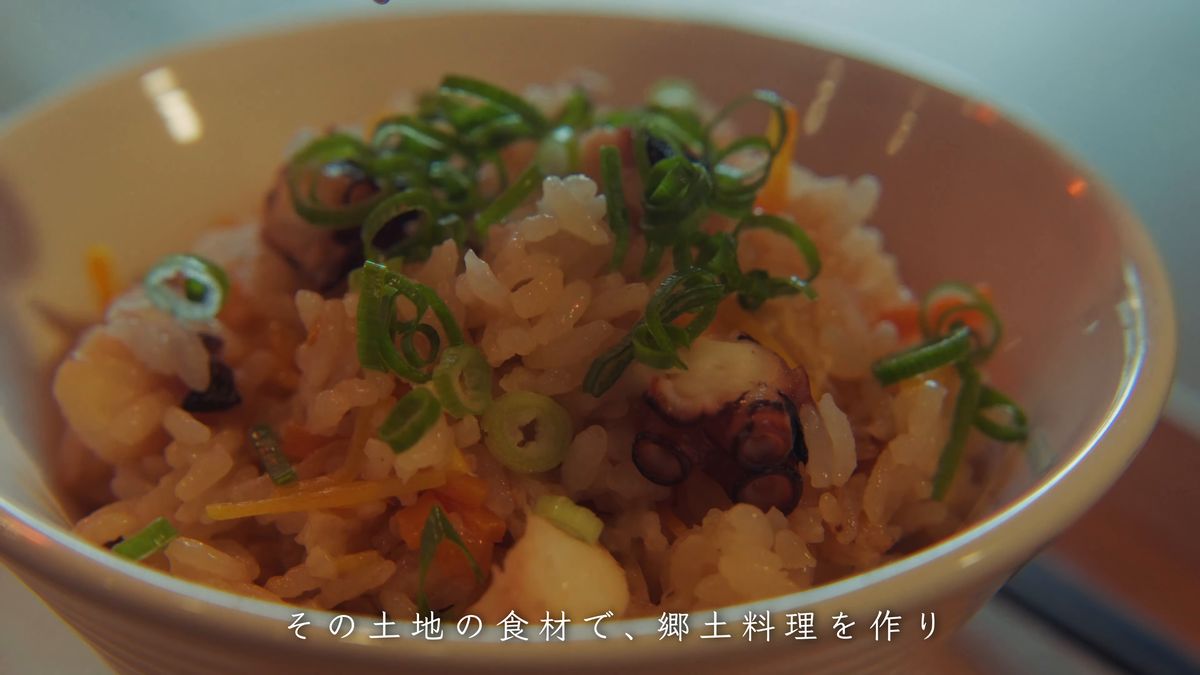
Octopus rice (tako-meshi)
A regional dish of Hiroshima handed down in Mihara, Onomichi and Fukuyama. It is said to have begun as a fishermen's meal: freshly caught octopus chopped up and cooked with rice on board the boat. The Seto Inland Sea is one of Japan's great habitats for common octopus, and the waters off Mihara, clean and full of rocky seabed, have supported octopus fishing since the Edo period. Because the currents are fast, the octopus cling hard to the rocks, which makes their legs thick, short and firm. The usual ingredients are rice, octopus, carrot, burdock and fried tofu, cooked with dashi, soy sauce and sake.
IngredientsRice, Octopus (local, from the Seto Inland Sea), Carrot, Fried tofu (aburaage), Soy sauce, Green onions
- Cut the carrot into thin sticks
- Chop a boiled octopus leg into bite-sized pieces
- Put the rice, octopus, carrot and fried tofu in a pot, season with soy sauce and cook
- Fold gently once cooked, serve in bowls and scatter chopped green onions on top
Sources: maff.go.jp
03About the area
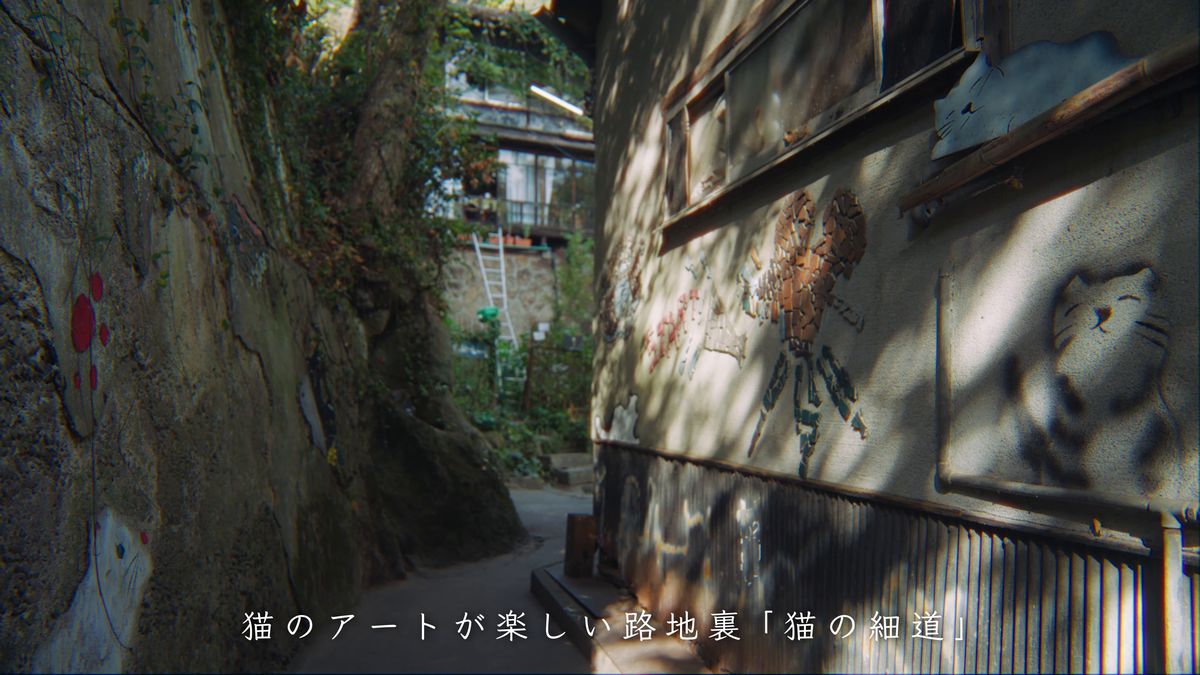
Neko no Hosomichi (the Cat Alley)
A narrow lane of about 200 meters starting beside the three-story pagoda of Tennei-ji. Since 1998, fukuishi-neko, round stones painted with cats by the artist Sonoyama Shunji, have been placed along it, which is how it got its name. Hideaway shops and small museums in restored empty houses dot the way. It is about a three-minute walk from the lower station of the Senkoji Ropeway.
Sources: ononavi.jp tabi-mag.jp
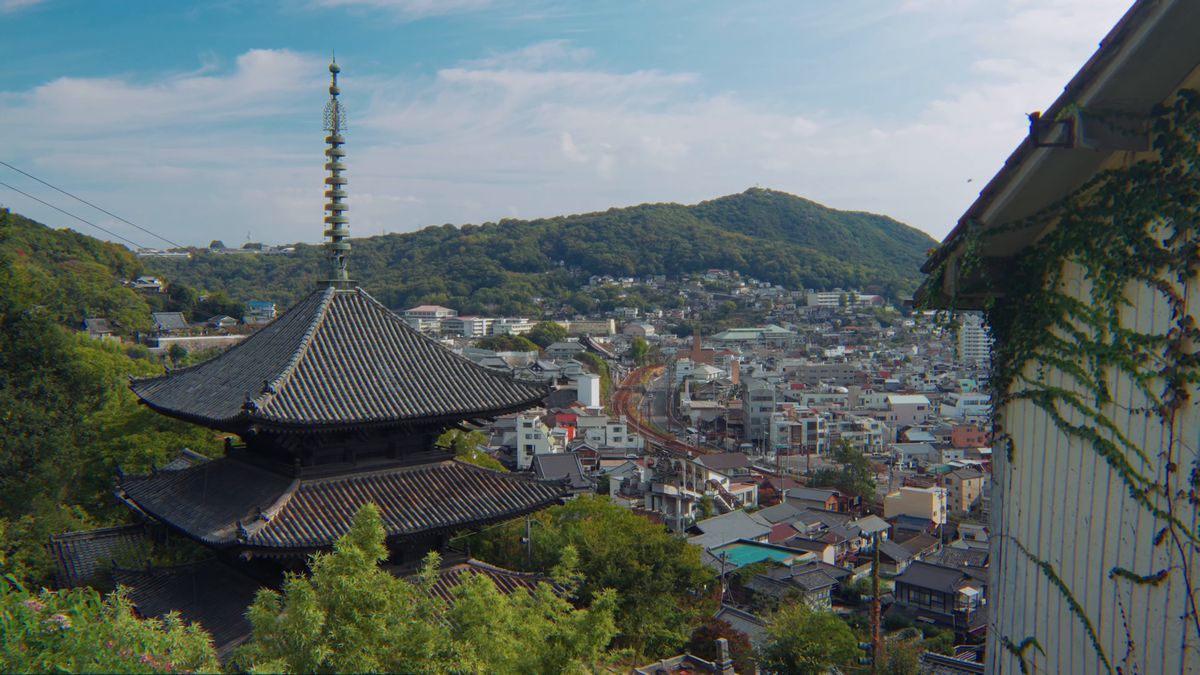
Kaiun-to, the three-story pagoda of Tennei-ji
A Soto Zen temple said to have been founded in 1367 by Ashikaga Yoshiakira. The pagoda was built in 1388 as a five-story tower; in 1692 the top two levels were removed because of decay, leaving the three stories seen today. It was designated a national Important Cultural Property in 1949. The view of the Onomichi Waterway framed by the pagoda is one of the town's signature scenes.
Sources: ononavi.jp online.bunka.go.jp tabi-mag.jp
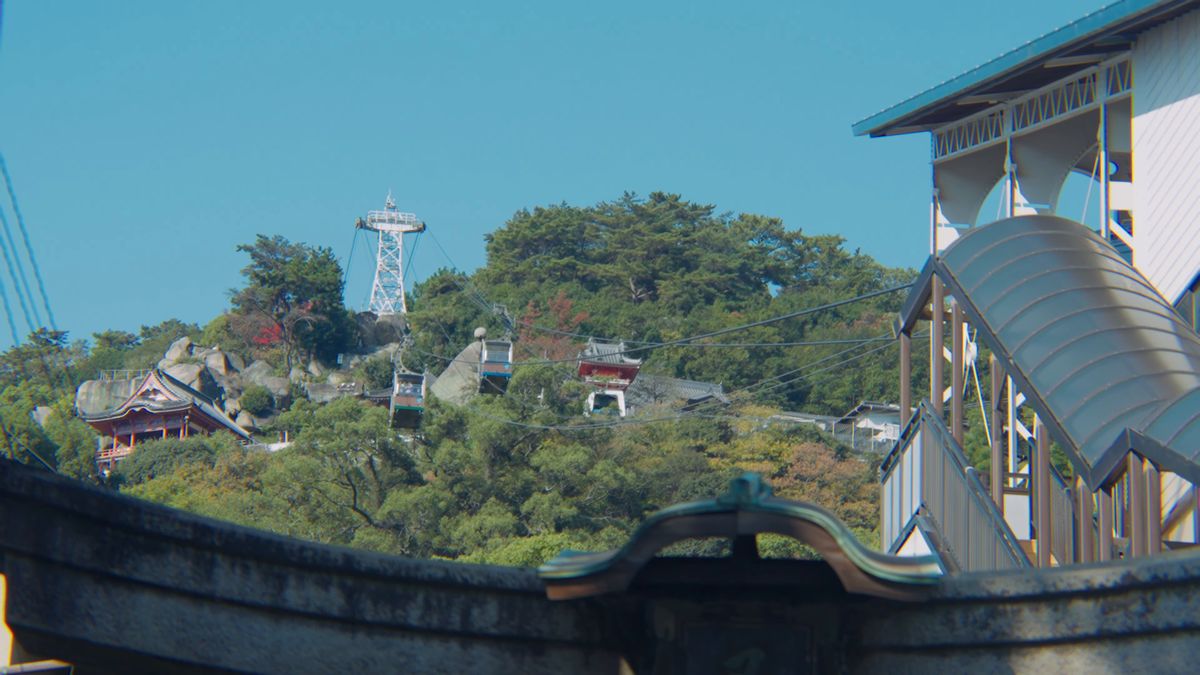
Senkoji Ropeway
A ropeway linking the town center with Senkoji Park in three minutes. It opened on March 26, 1957.
Sources: ononavi.jp
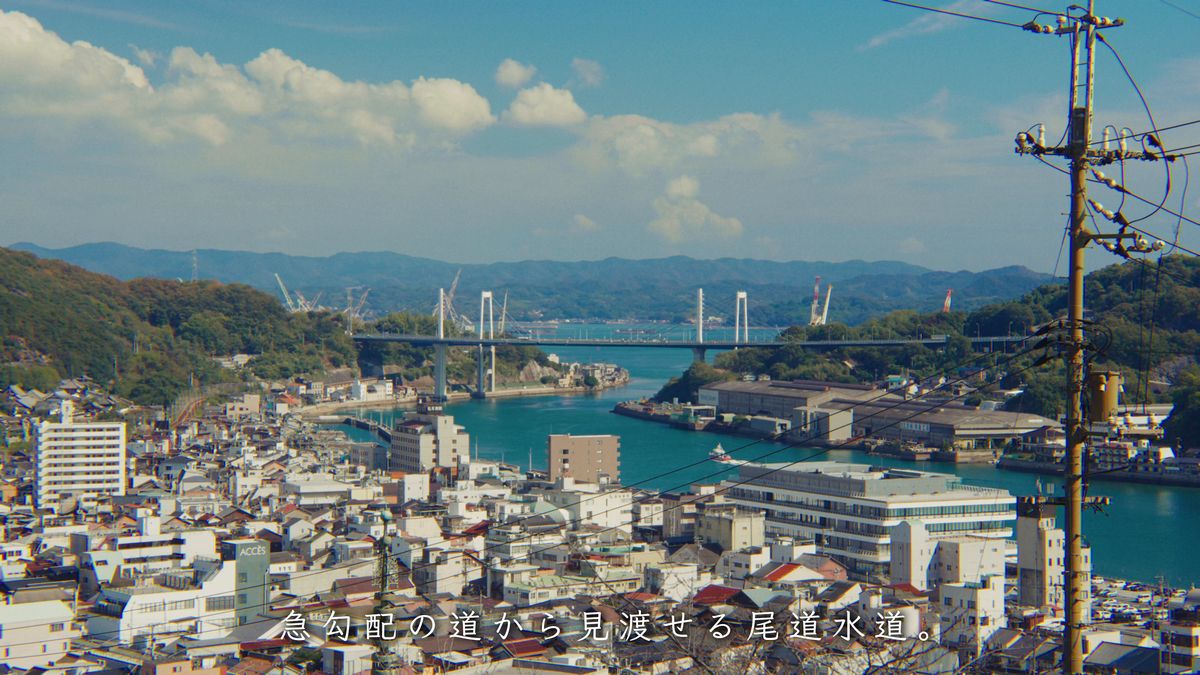
The Onomichi Waterway and a town of slopes, literature and film
The Onomichi Waterway is the narrow strait between Onomichi proper and the island of Mukaishima, and it has made Onomichi one of the Seto Inland Sea's leading port towns since medieval times. Temples, shrines and houses crowd the limited land between the three hills and the strait, linked by slopes and alleys, creating what is called a miniature-garden city. That story, "A Medieval Miniature-Garden City Woven by the Onomichi Waterway", was recognized as a Japan Heritage in 2015. Onomichi is also a town of literature, where Hayashi Fumiko and Shiga Naoya lived, and of film, the setting for Ozu Yasujiro's Tokyo Story and Obayashi Nobuhiko's Onomichi trilogy.
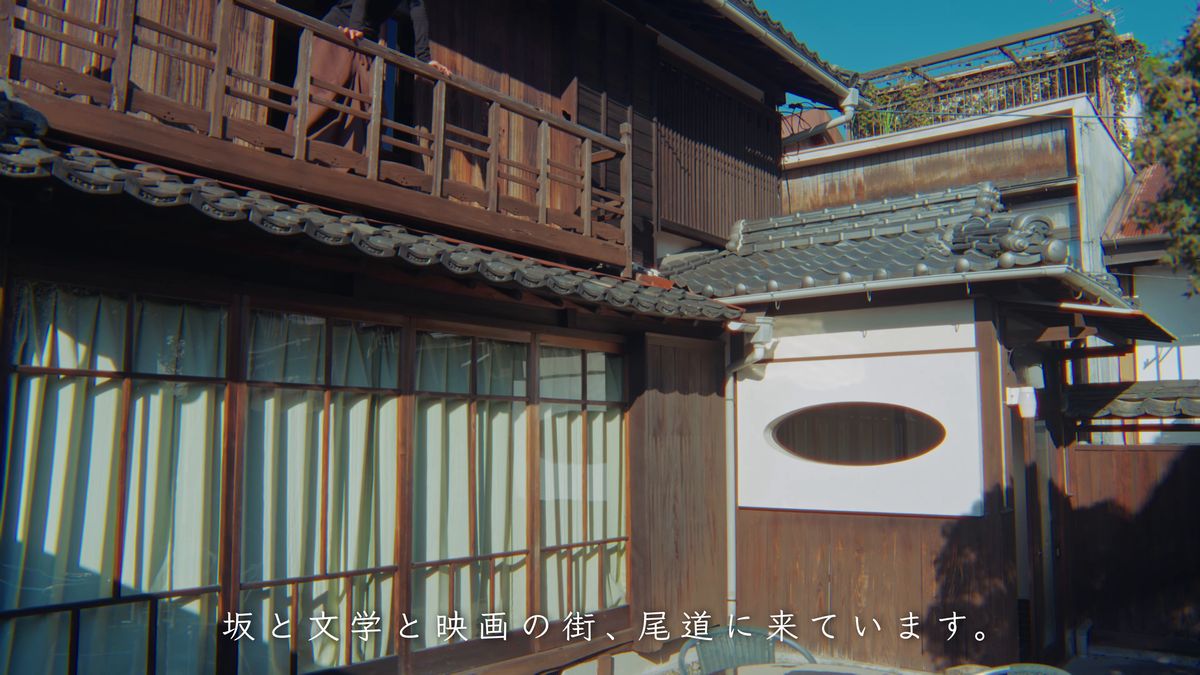
An old house on the hillside
This time I borrowed an old wooden house with a railed balcony on the second floor, an entrance hall with an oval window, and a glass-walled sitting room facing the garden.
PHOTO ALBUMPhoto album80Open all photographsClose the photo album
Select a photograph to explore the journey one frame at a time.