A TRAVEL ESSAY
Aridagawa, Wakayama
Autumn Flavors of Wakayama, Part 2
Chestnuts, Sauryand an Autumn Feast
A day of chestnuts I picked myself, and every flavor of autumn.
Read the journey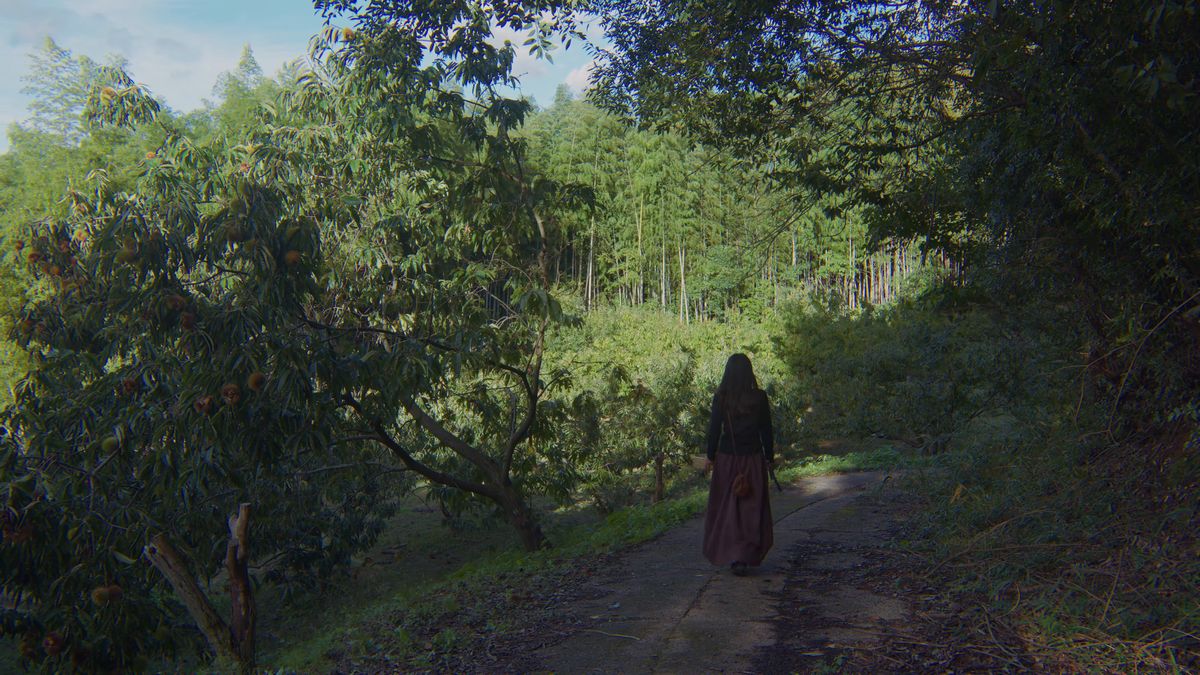
ABOUT THIS JOURNEY
I wanted to harvest autumn with my own hands, so I went chestnut picking. Back at the same thatched farmhouse as last time, I soaked the chestnuts in the kitchen's stream-fed water tank, and while I waited, grilled saury over charcoal in the garden and had a drink on the veranda. After dark I peeled the hard outer and inner skins and cooked chestnut rice, and served fatty autumn bonito with a sauce of extra-early mandarins. A day of bringing the autumn I had picked myself to the table.
A little more about the food and the land01TRAVEL JOURNAL
Chestnut picking
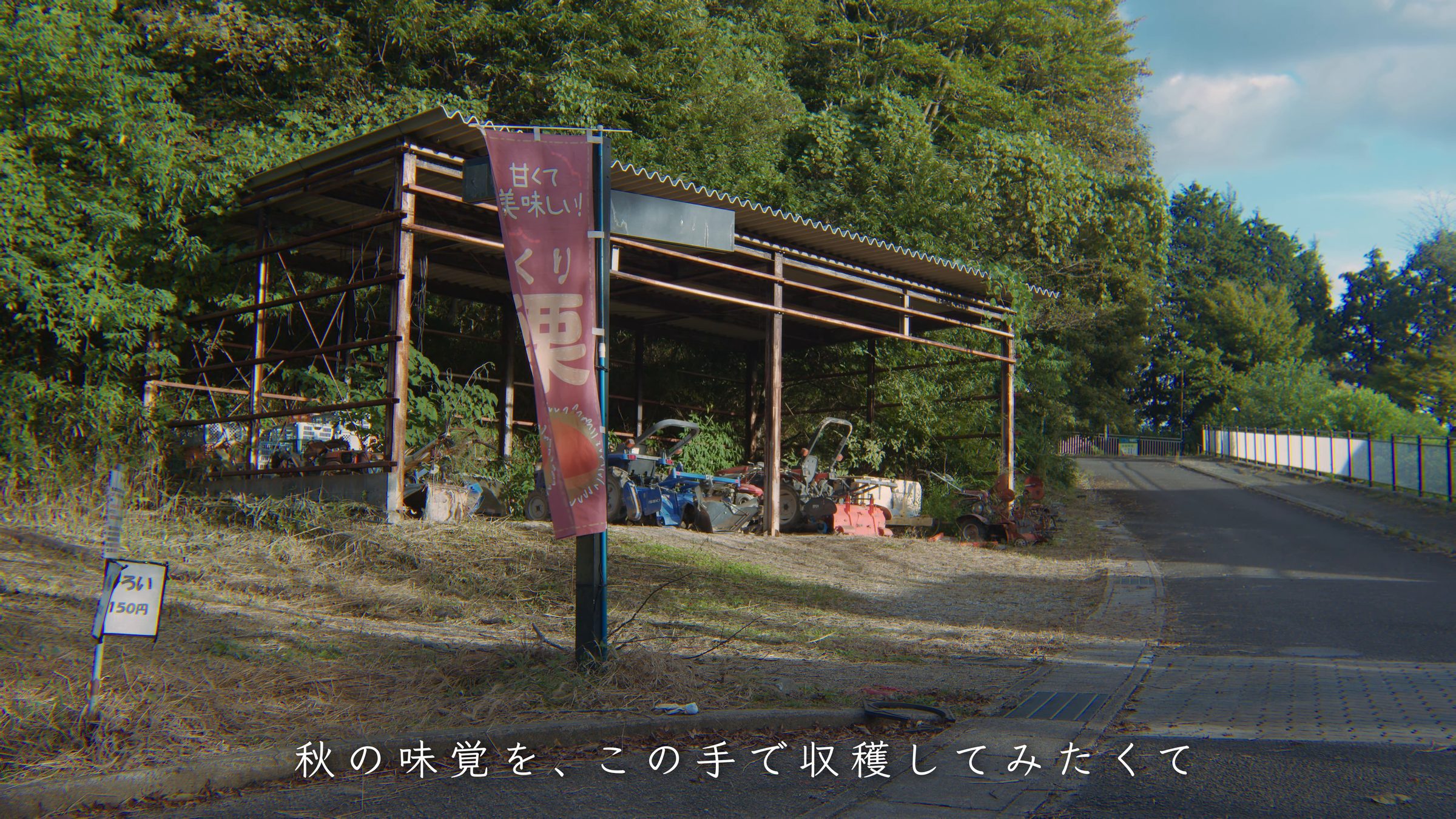
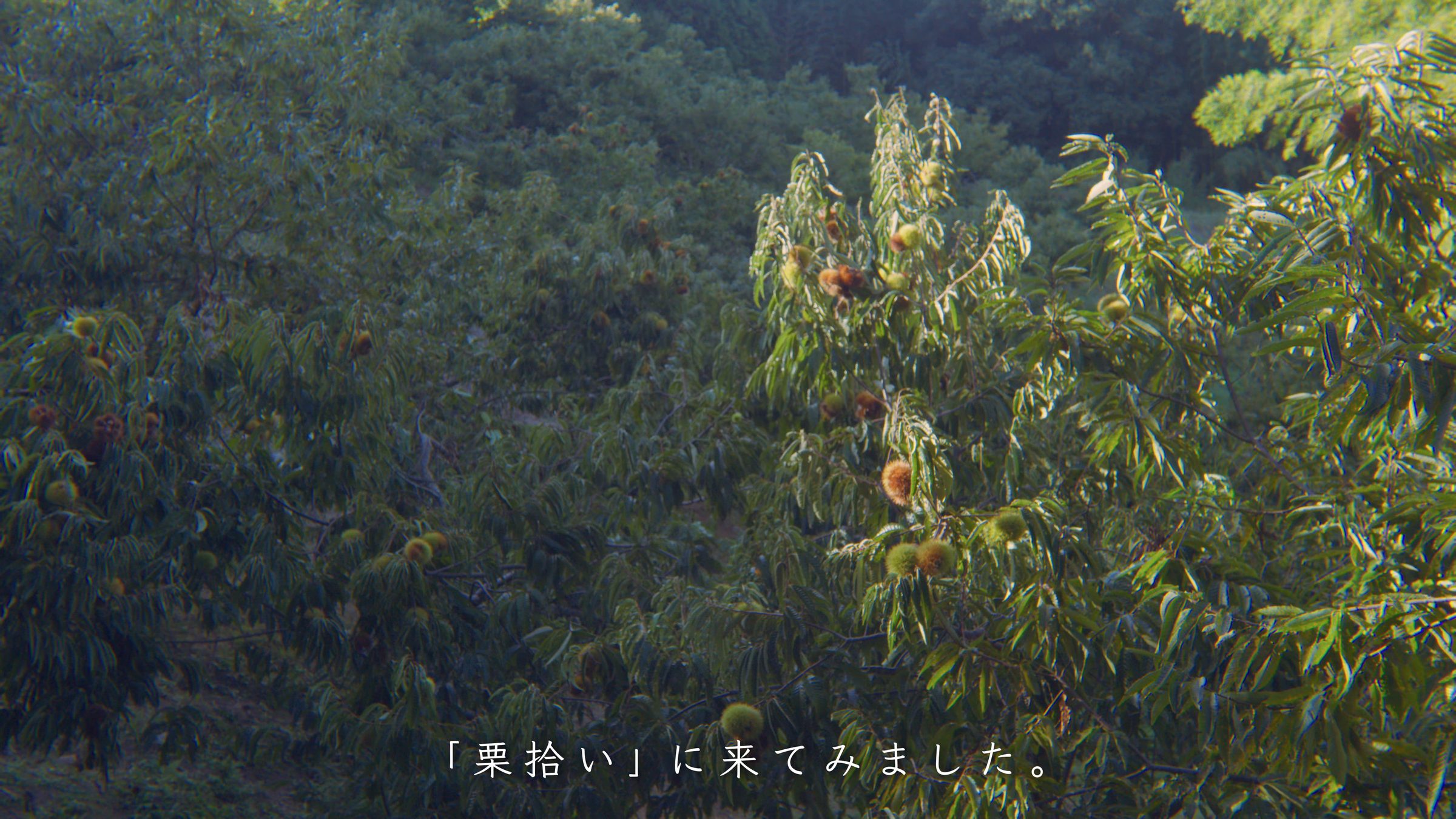
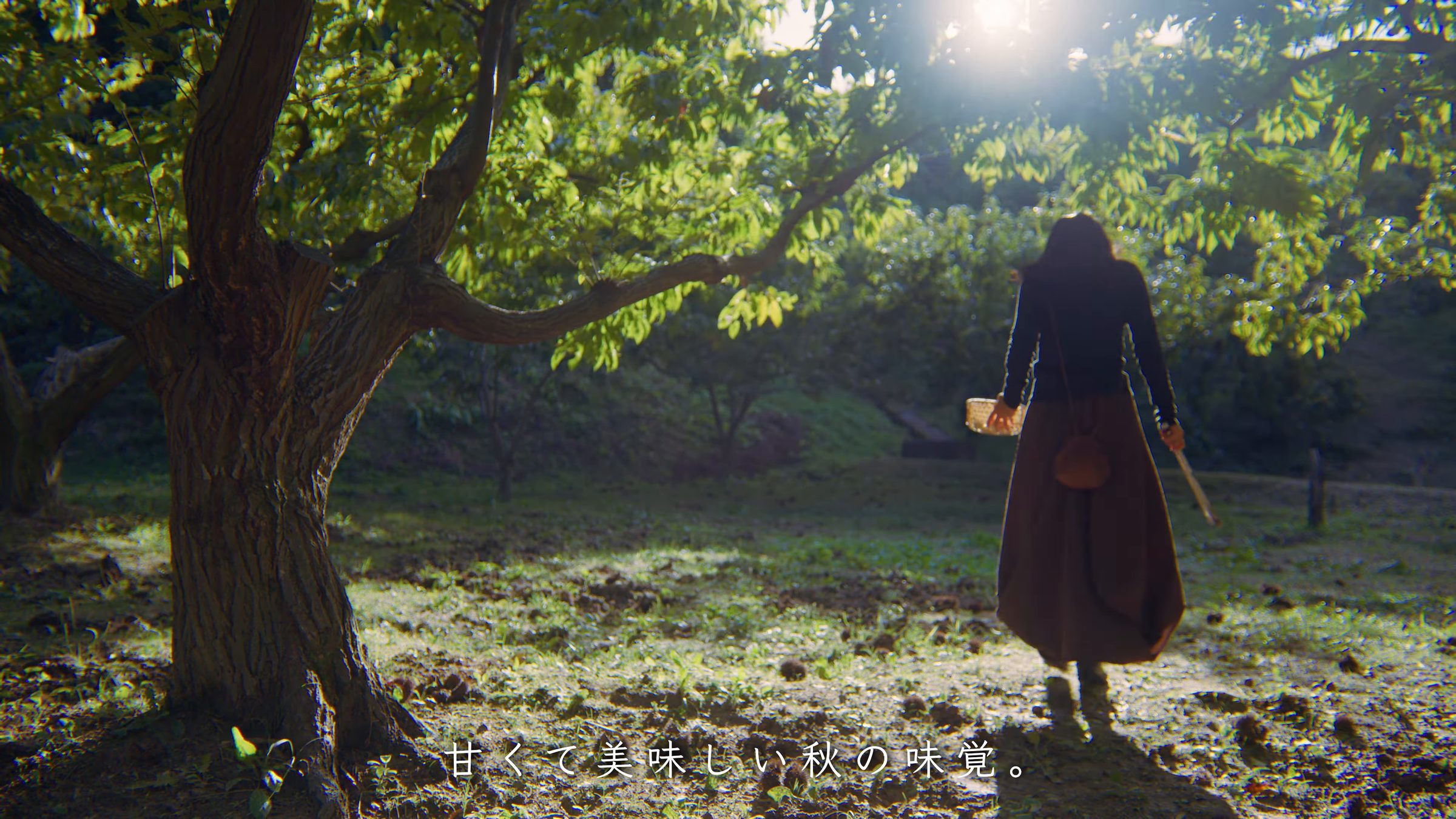
I wanted to harvest the taste of autumn with my own hands, so I headed for an orchard where you can pick your own chestnuts. At the entrance stood a steel-framed shed and a banner proclaiming sweet, delicious kuri.
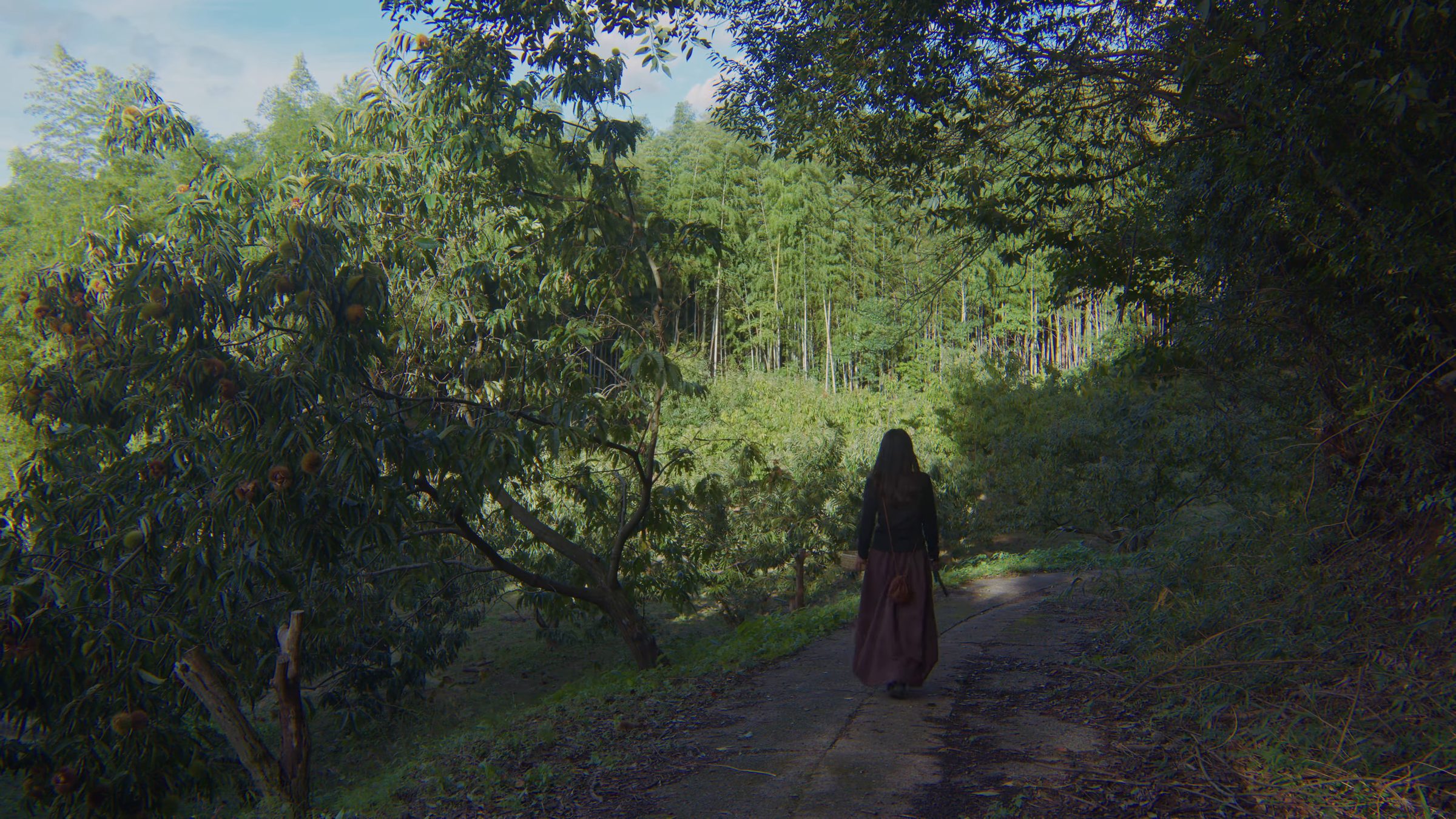
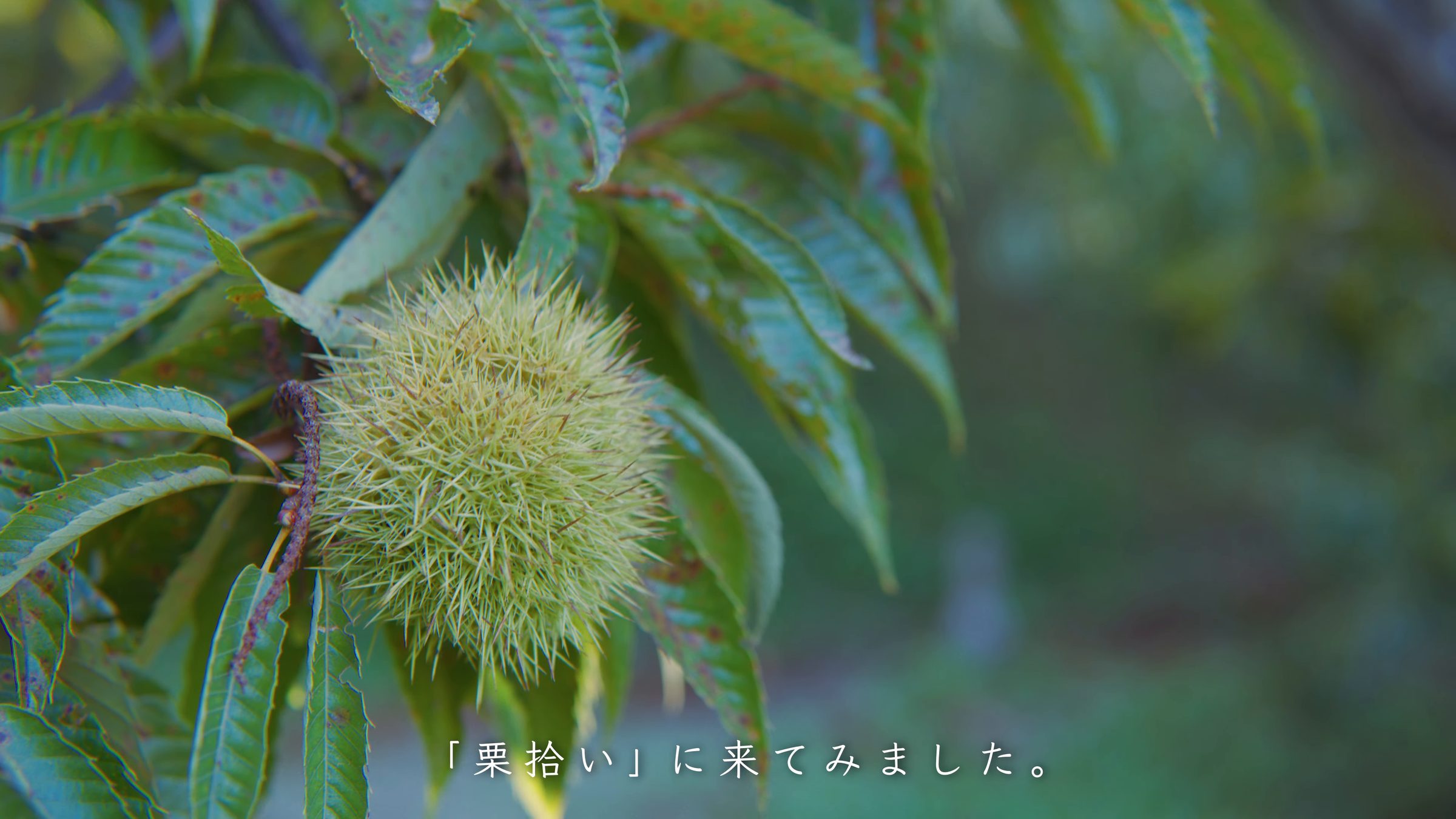
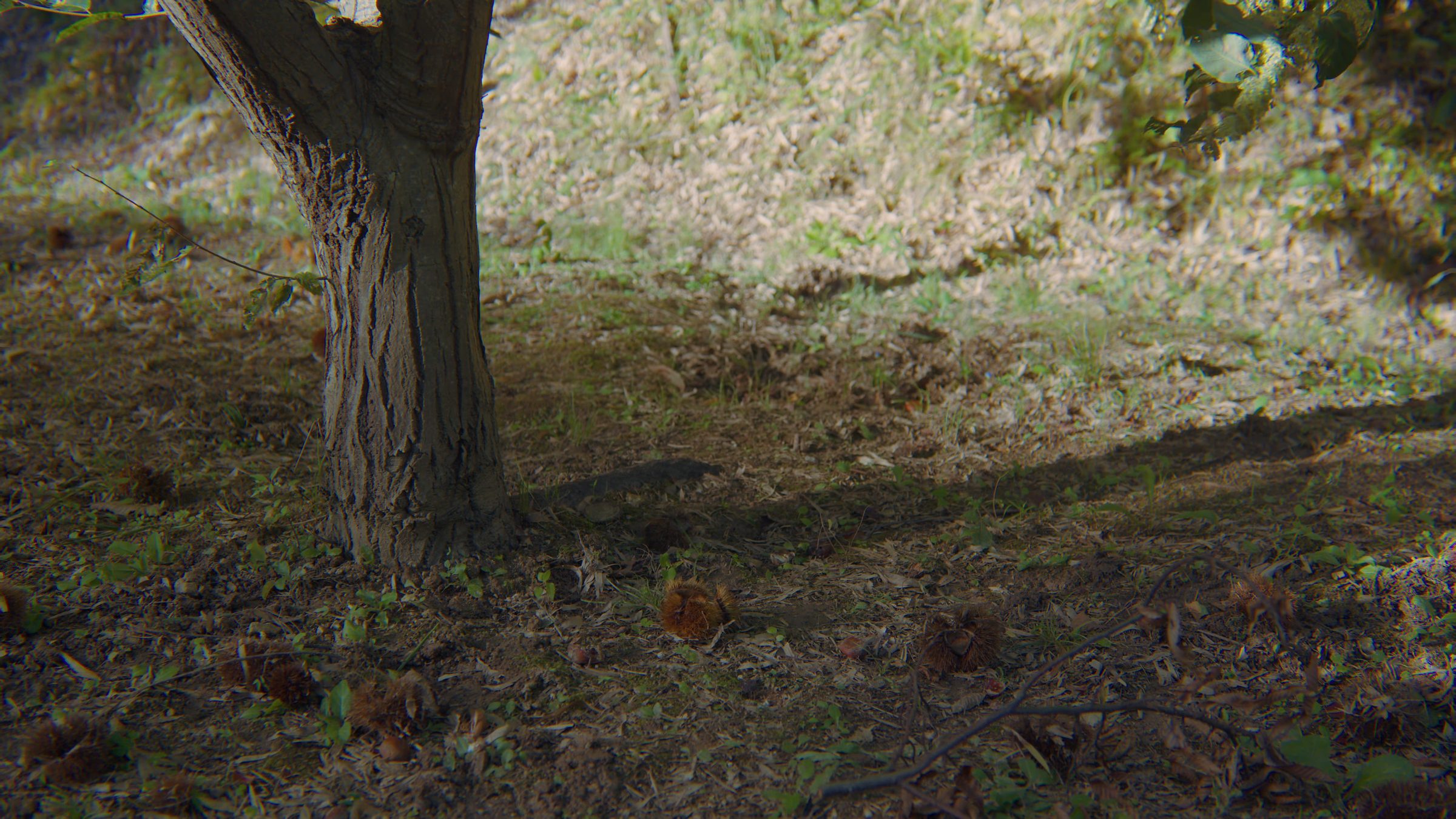
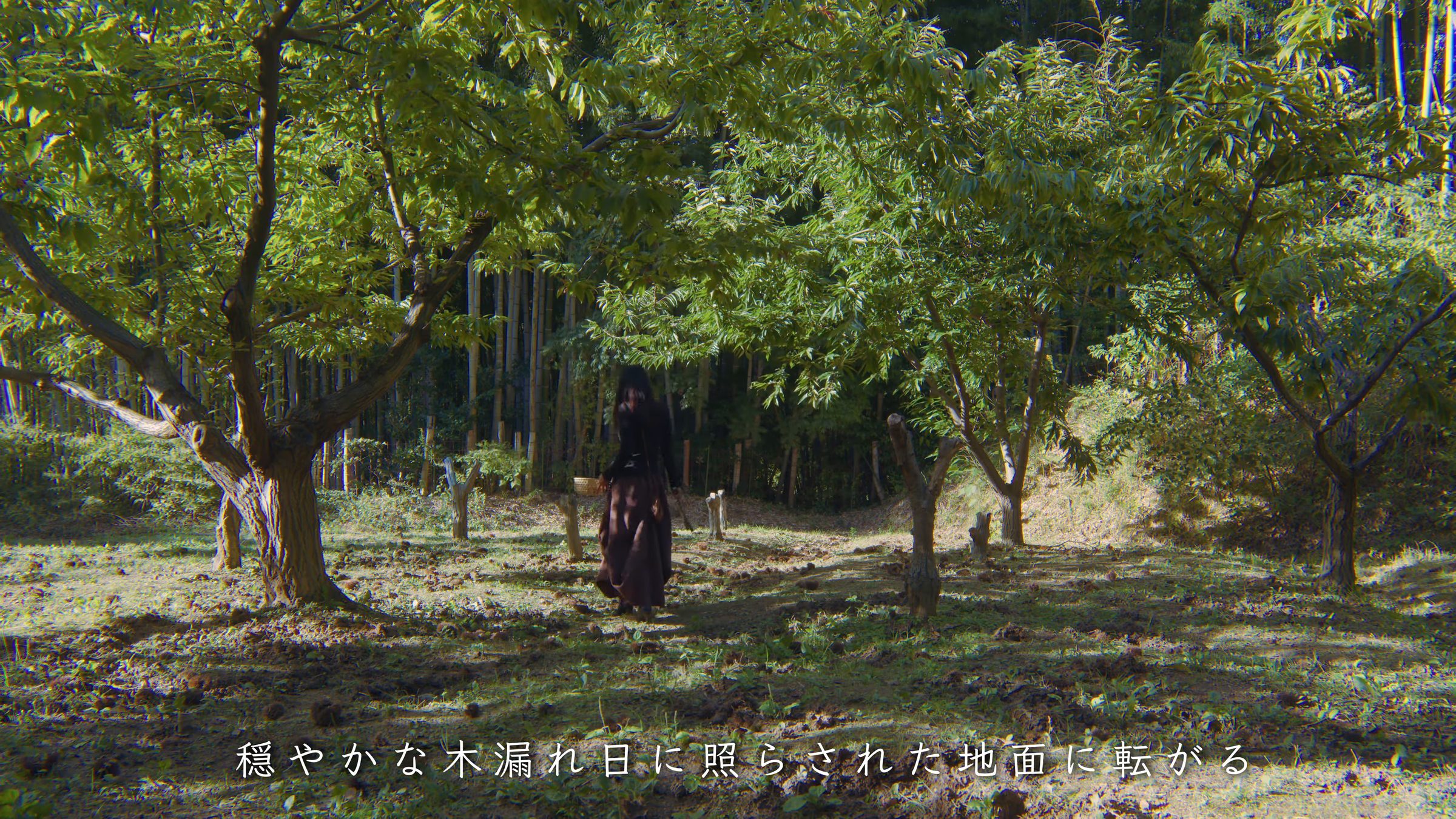
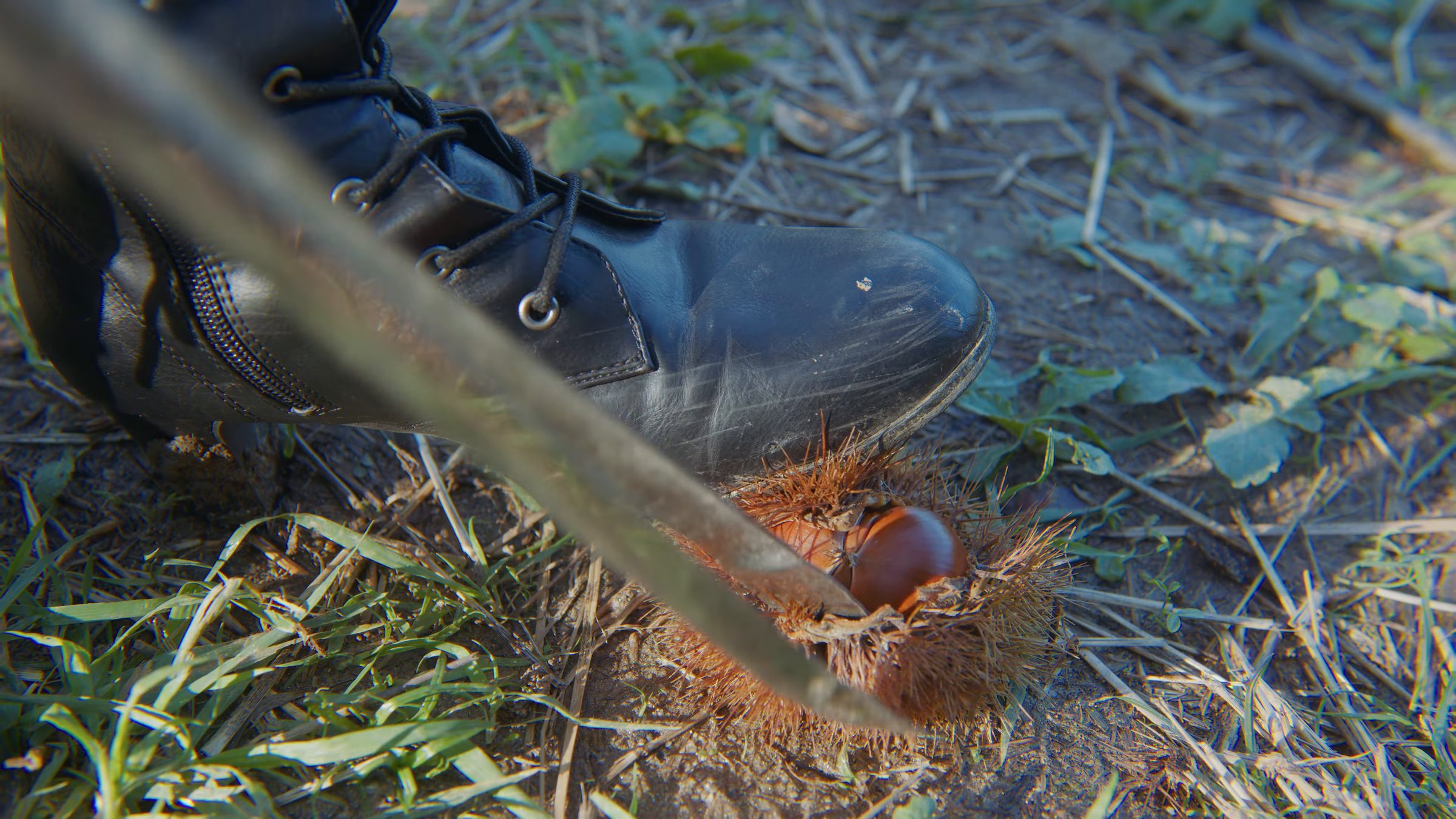
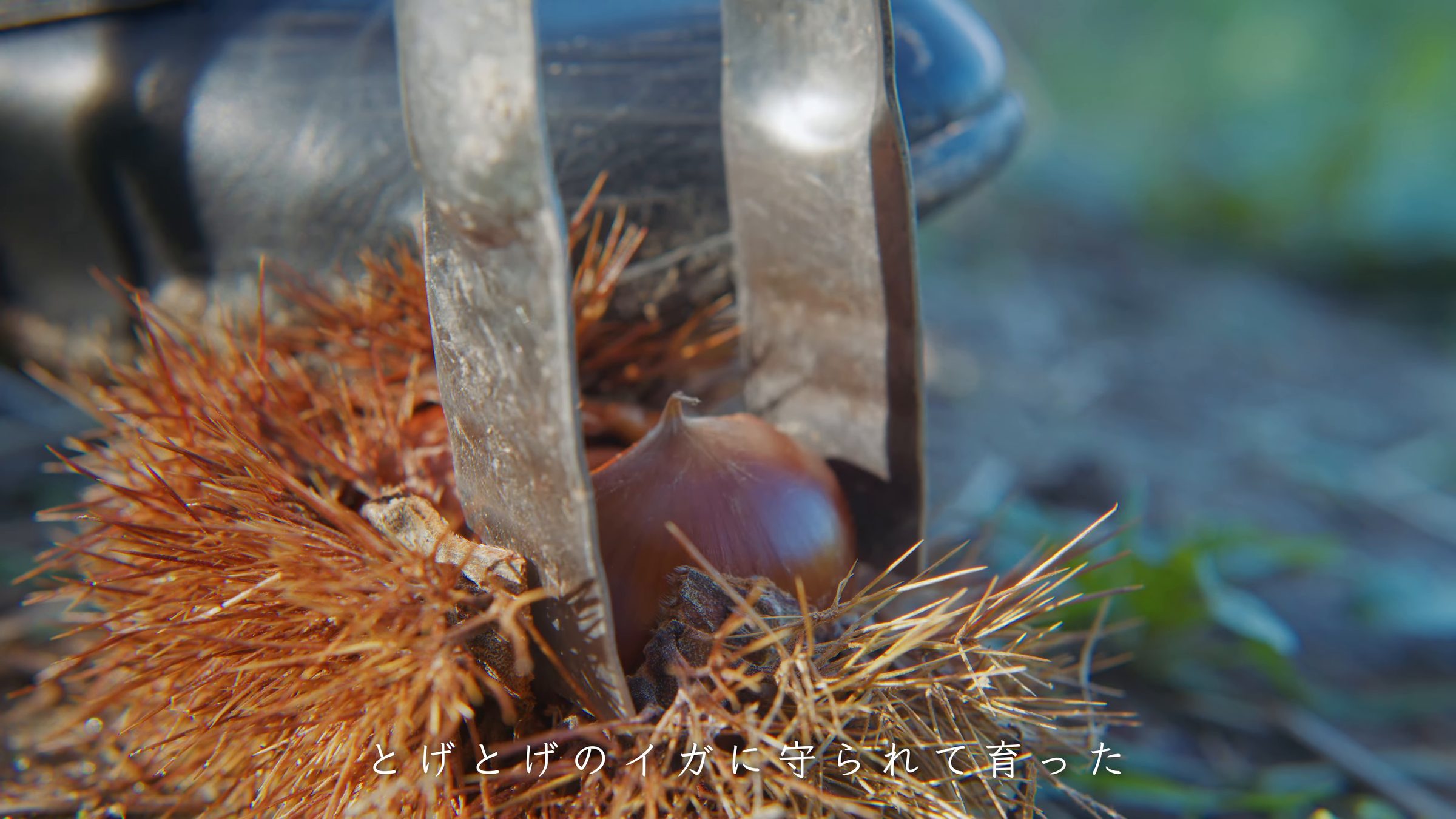
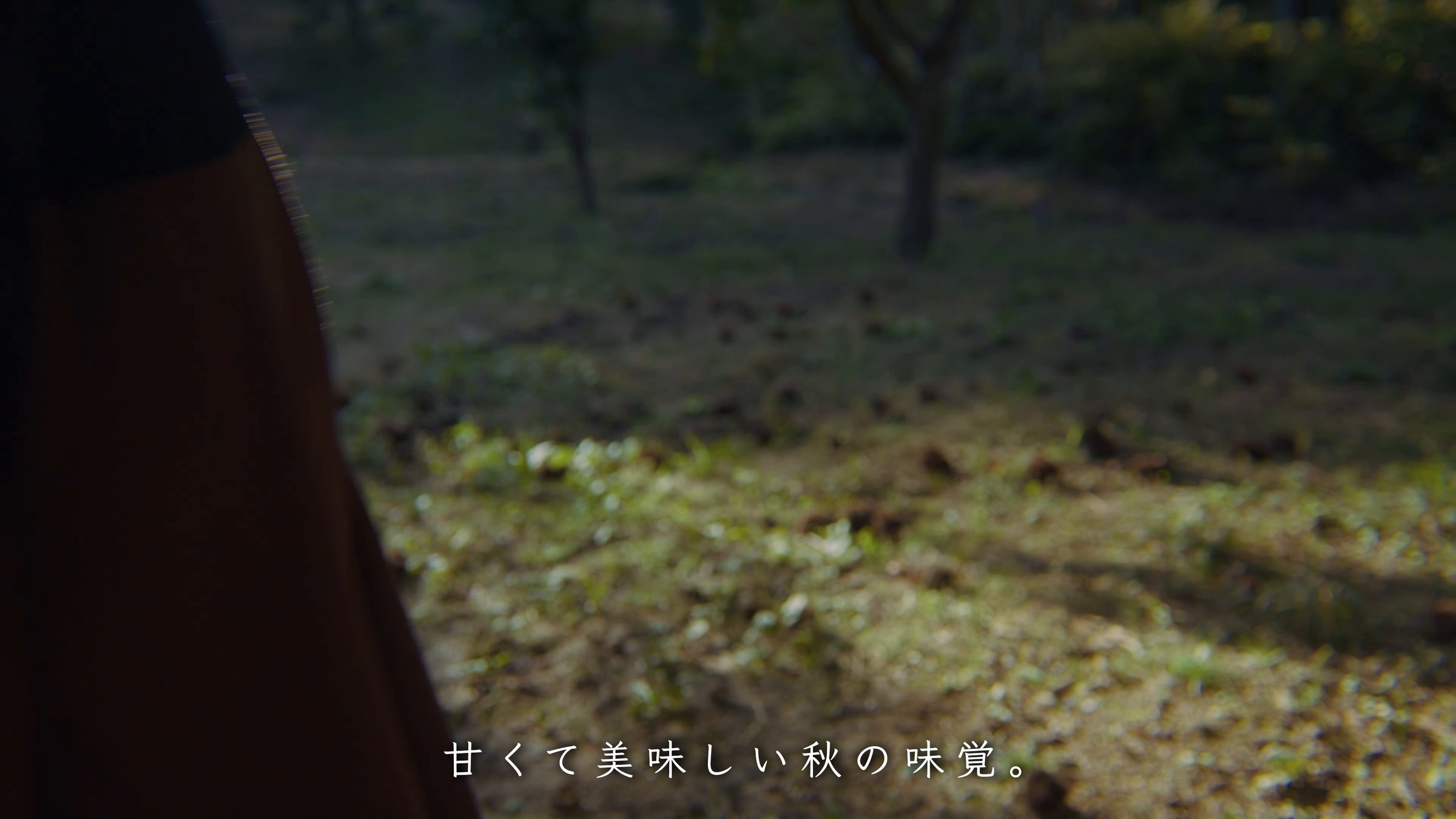
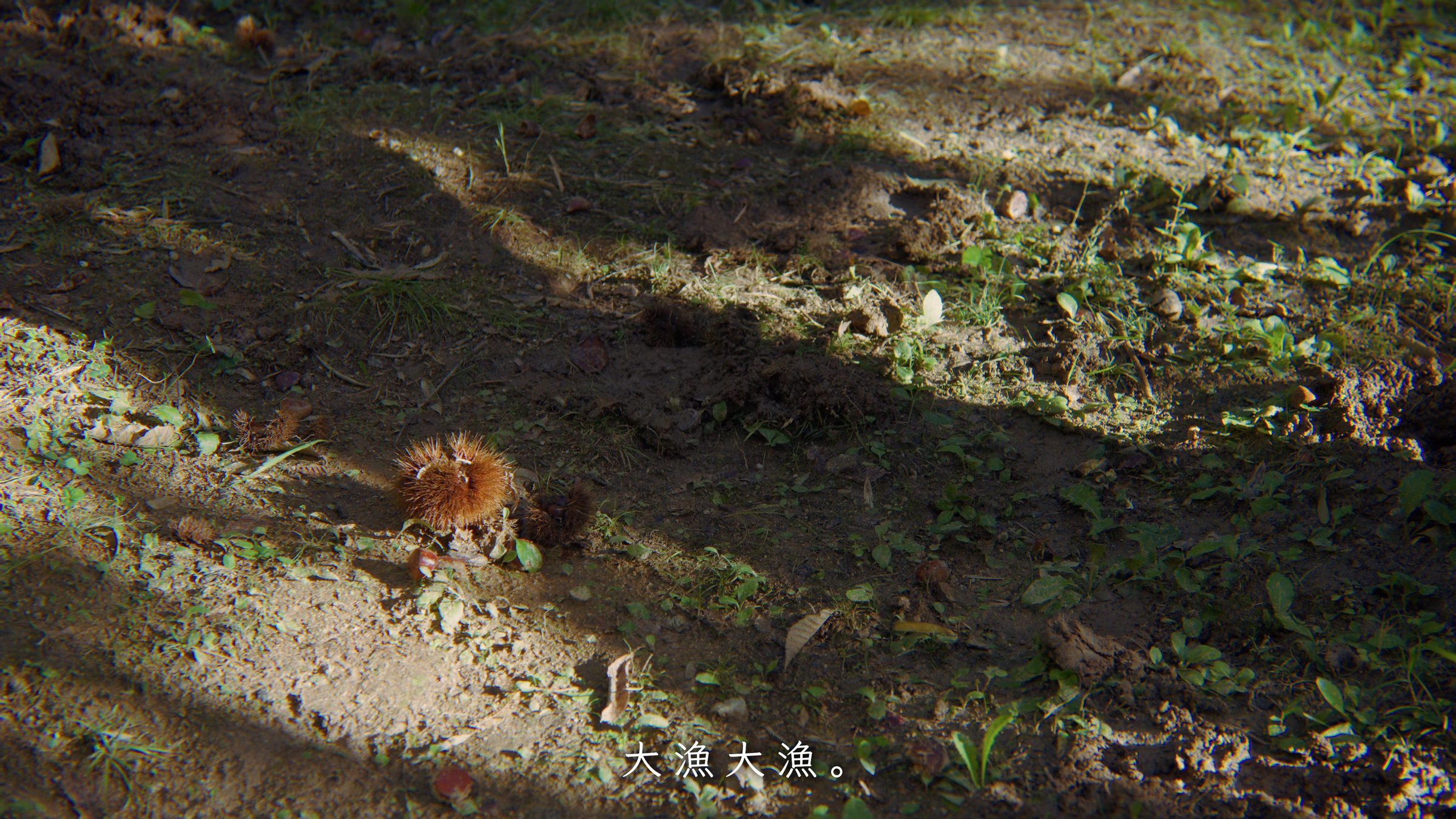
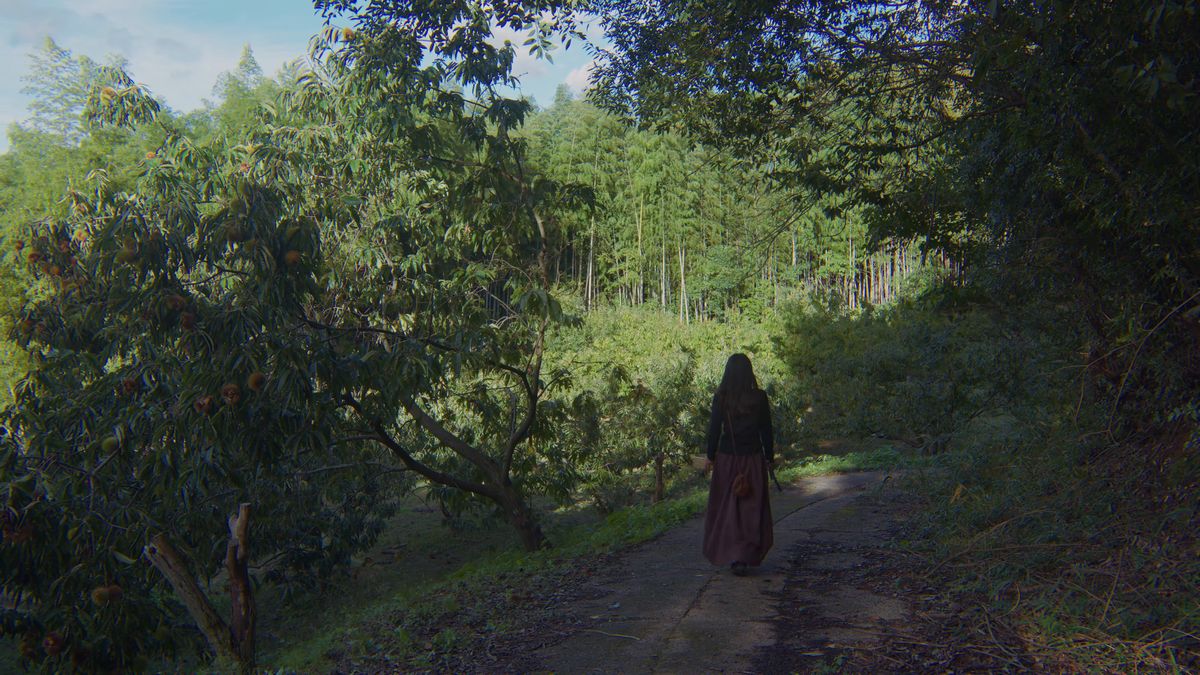
Beyond the path lay a whole grove of chestnut trees. Green burrs still hung on the branches, and on the ground, in the gentle dappled light, split burrs lay scattered. I held a burr down with my boot and pulled the nut out with tongs: a sweet taste of autumn, raised inside those spiny husks.
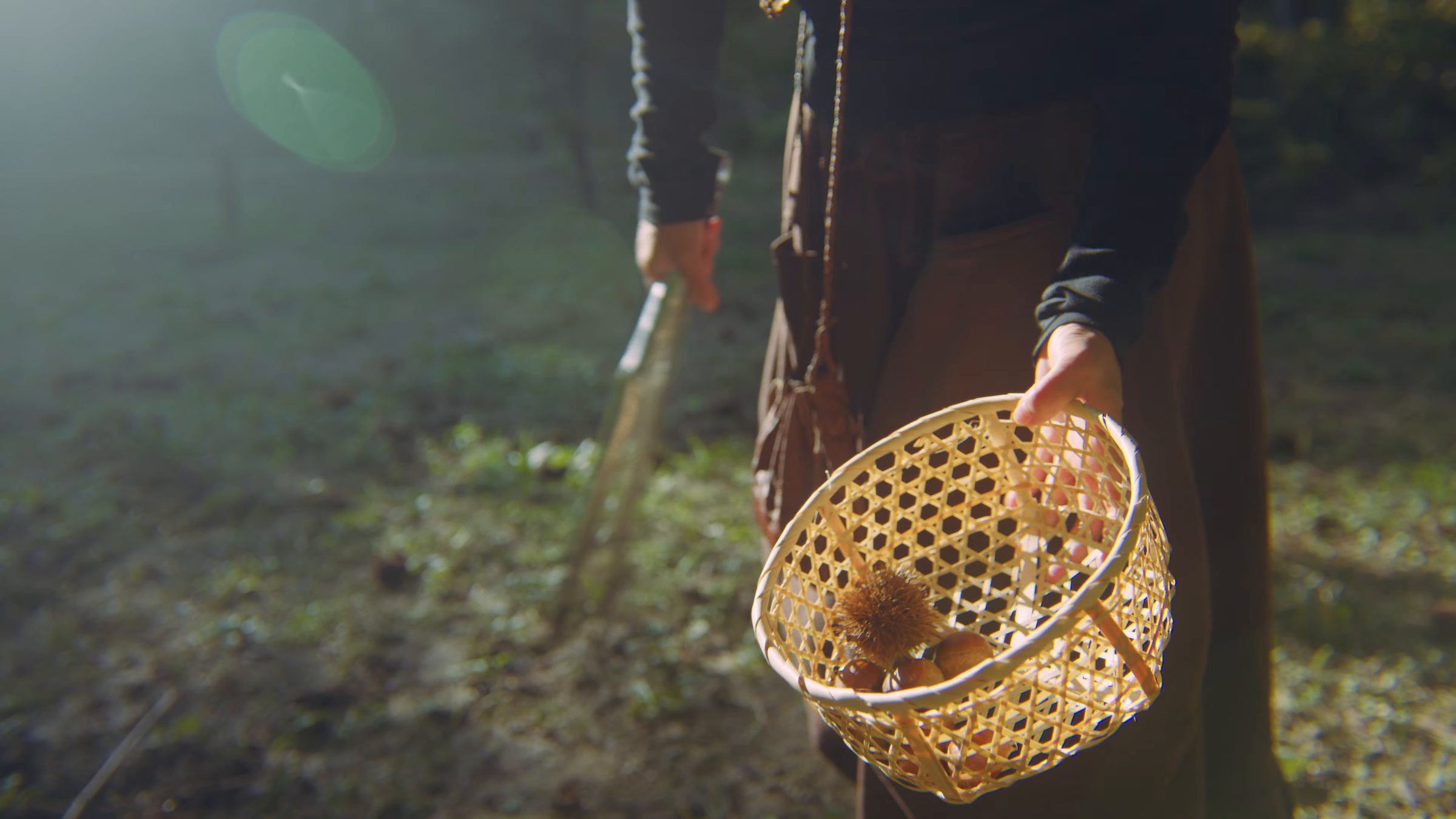
The spines really do hurt. Even so, the bamboo basket grew heavier by the minute. A big haul. It was my first time picking chestnuts, and just walking on the soil under the soft autumn sun felt wonderful.
Watch this scene on YouTube0:14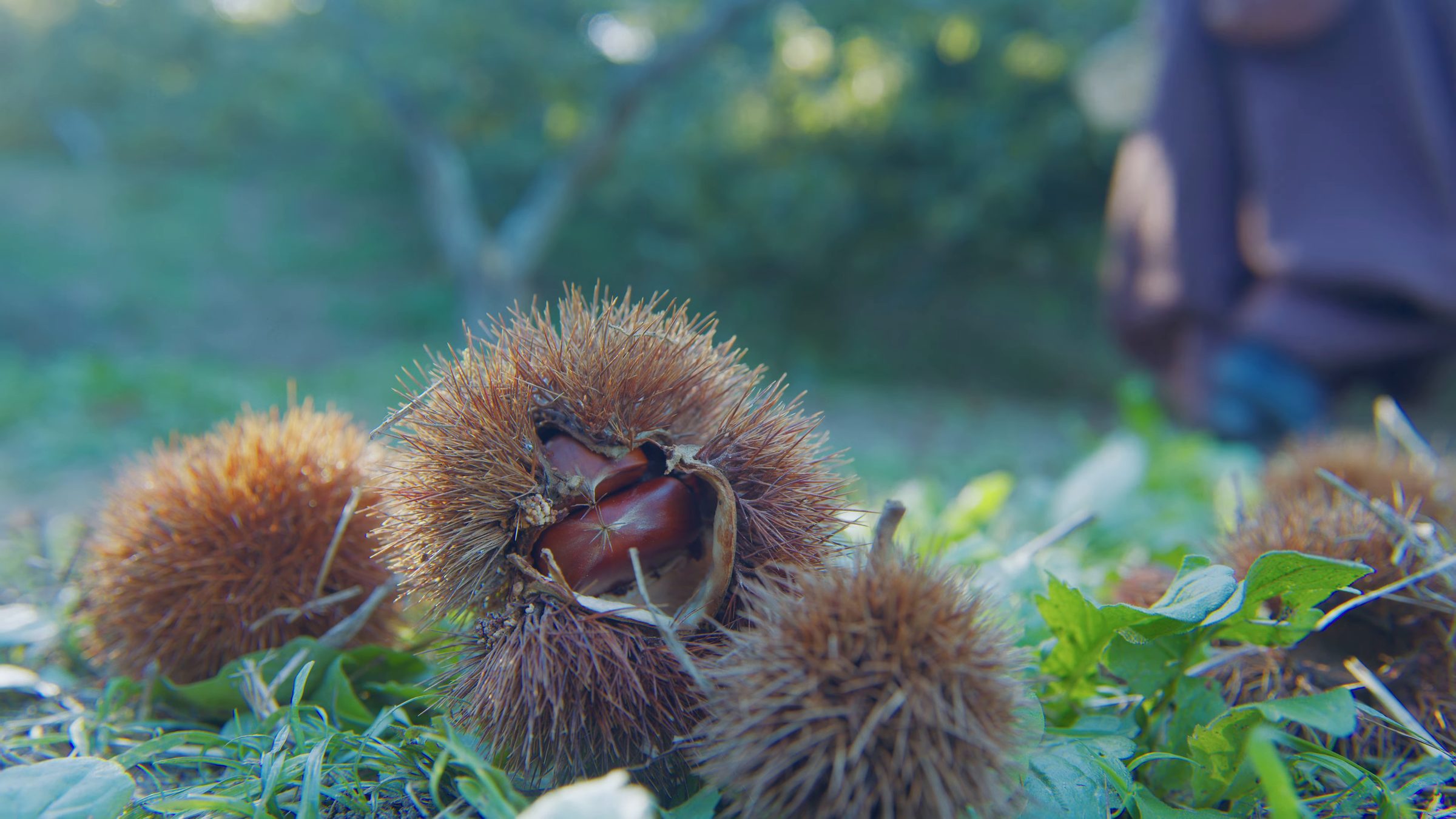
02TRAVEL JOURNAL
Soaking in stream water
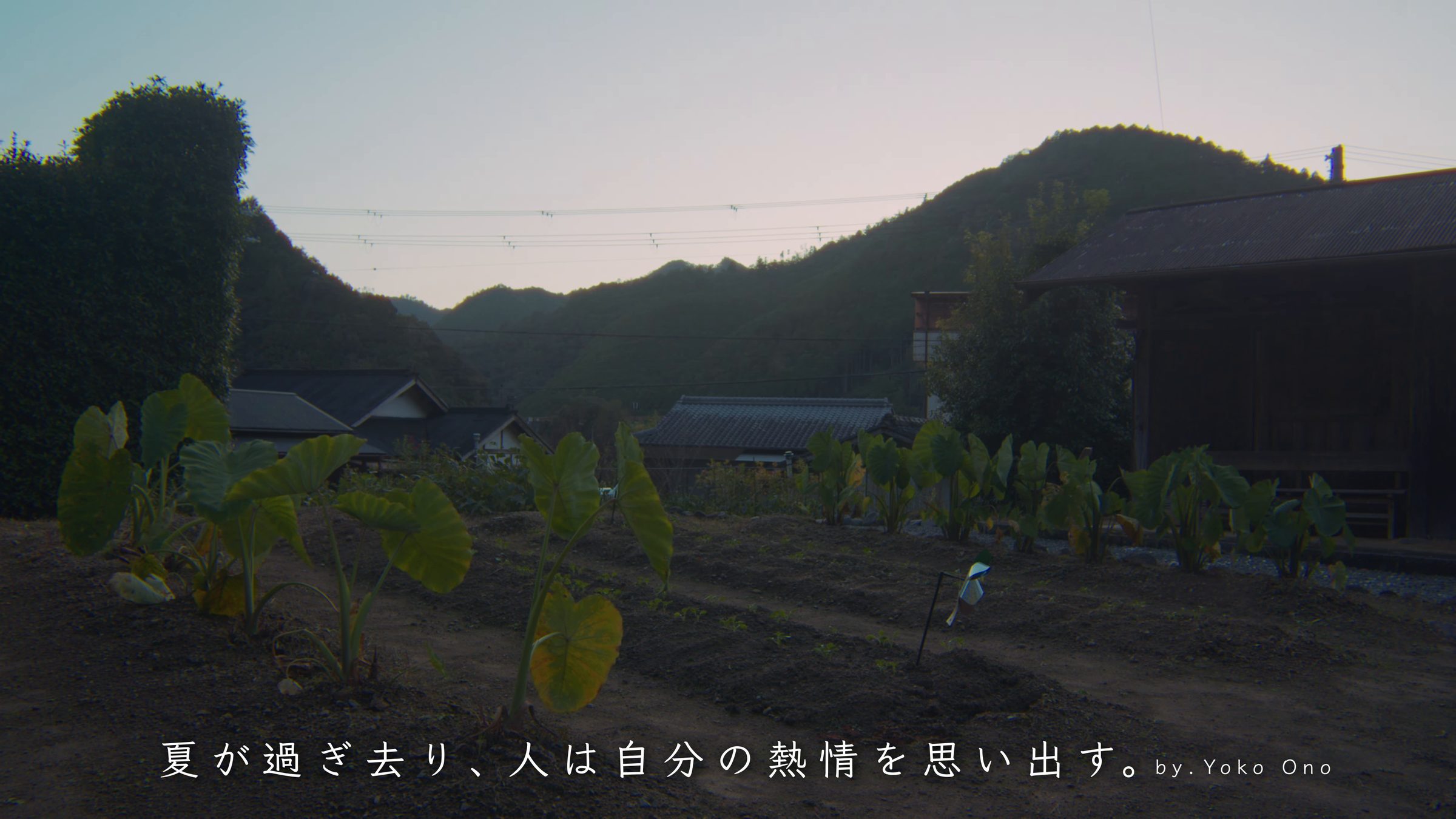
Back at the farmhouse. Through the open doorway: a vegetable patch with big broad leaves, the neighbors' roofs, and the mountains beyond. The same thatched house as in Part 1.
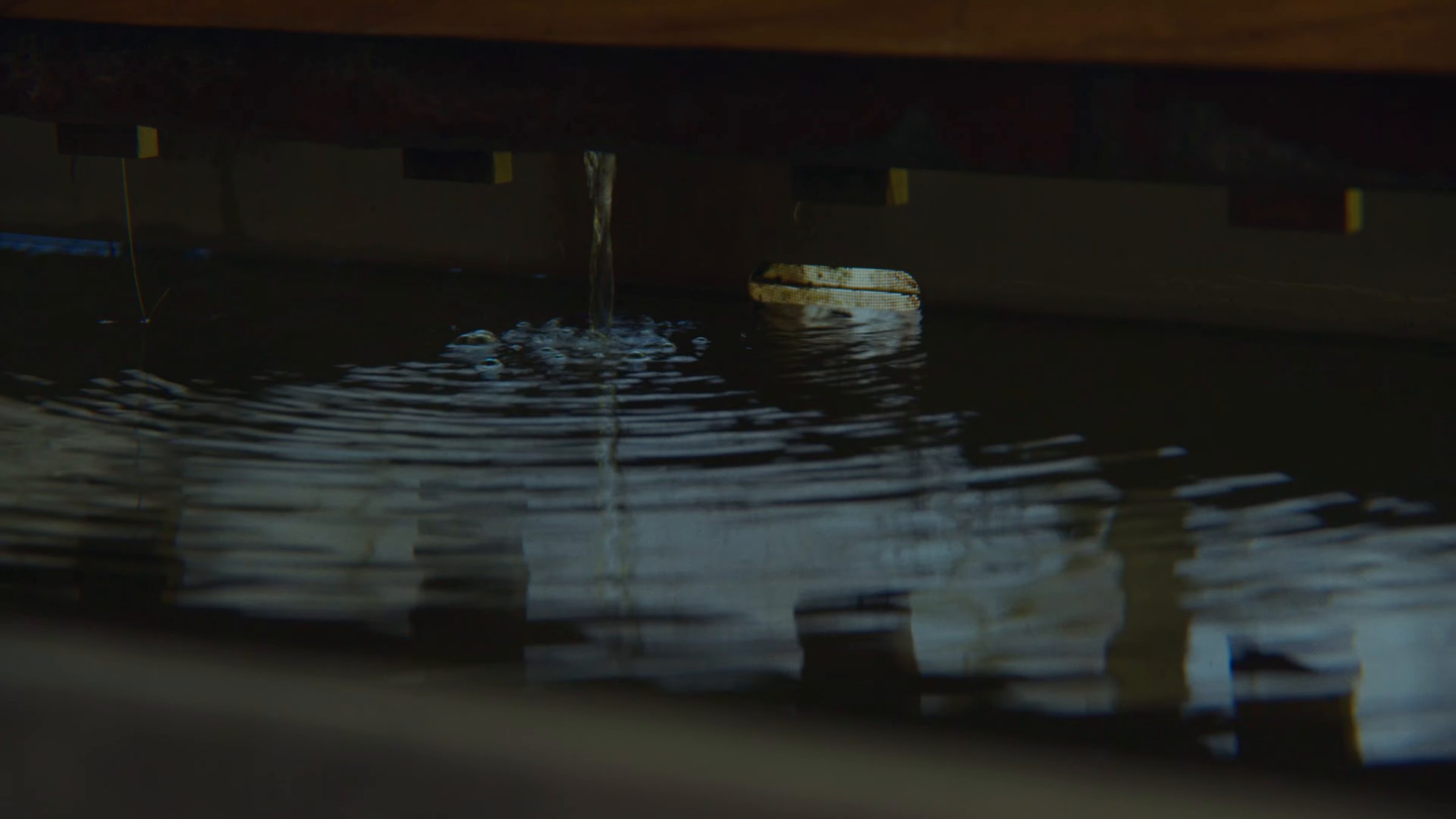
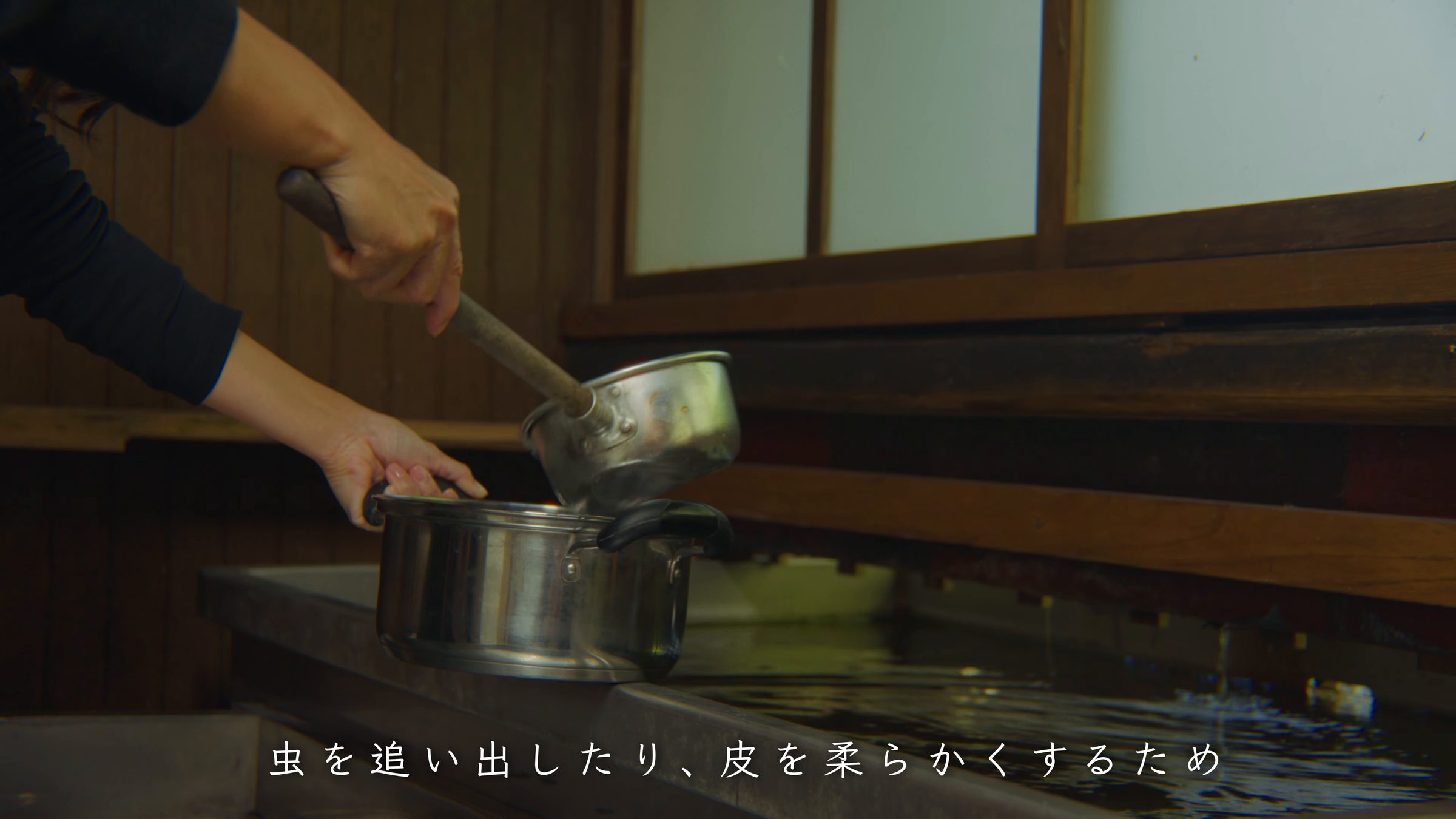
The kitchen here has a water tank fed by a mountain stream. Water trickles in without pause, sending small ripples across the surface. It is an old arrangement, still good for washing vegetables and dishes.
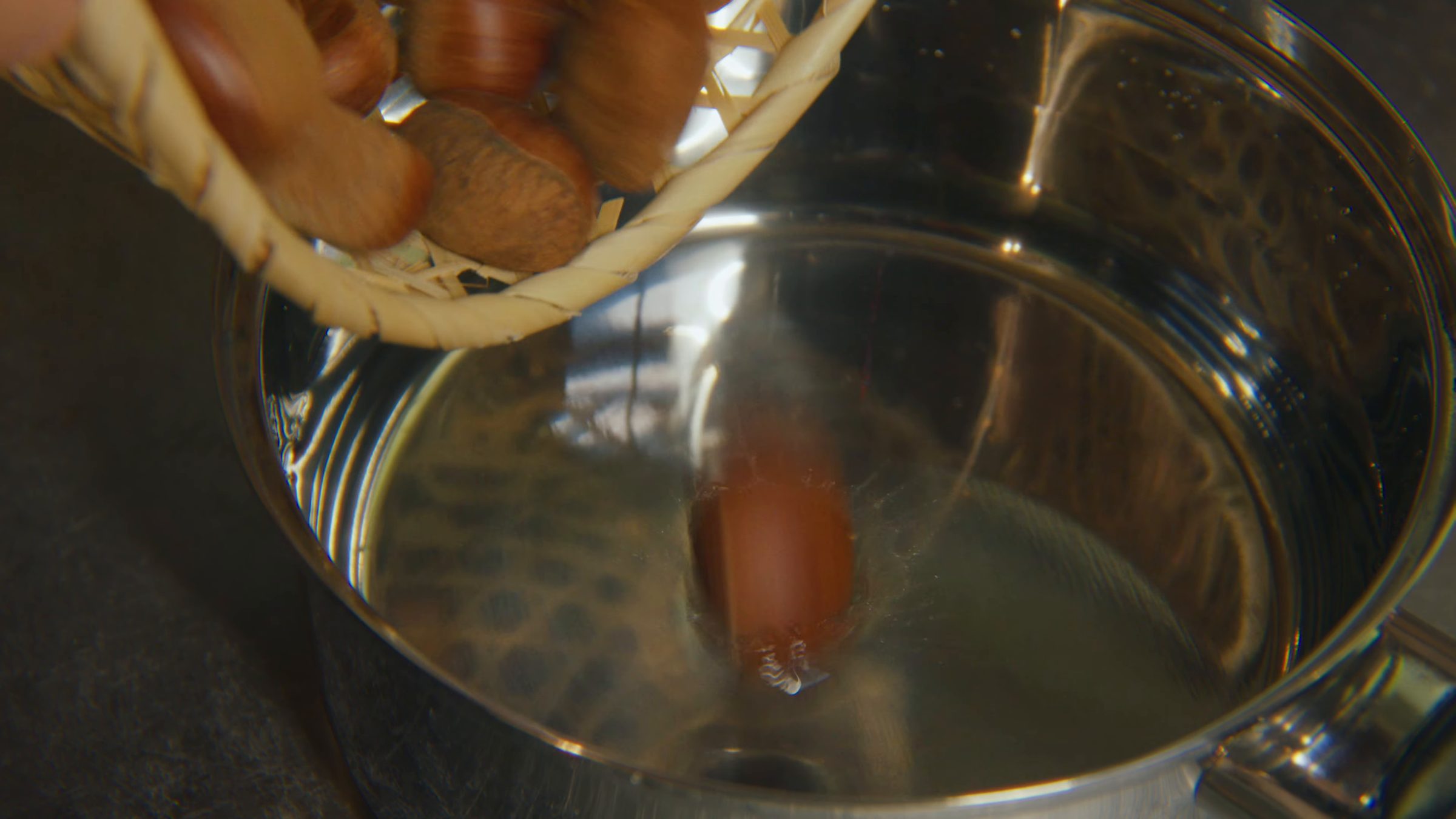
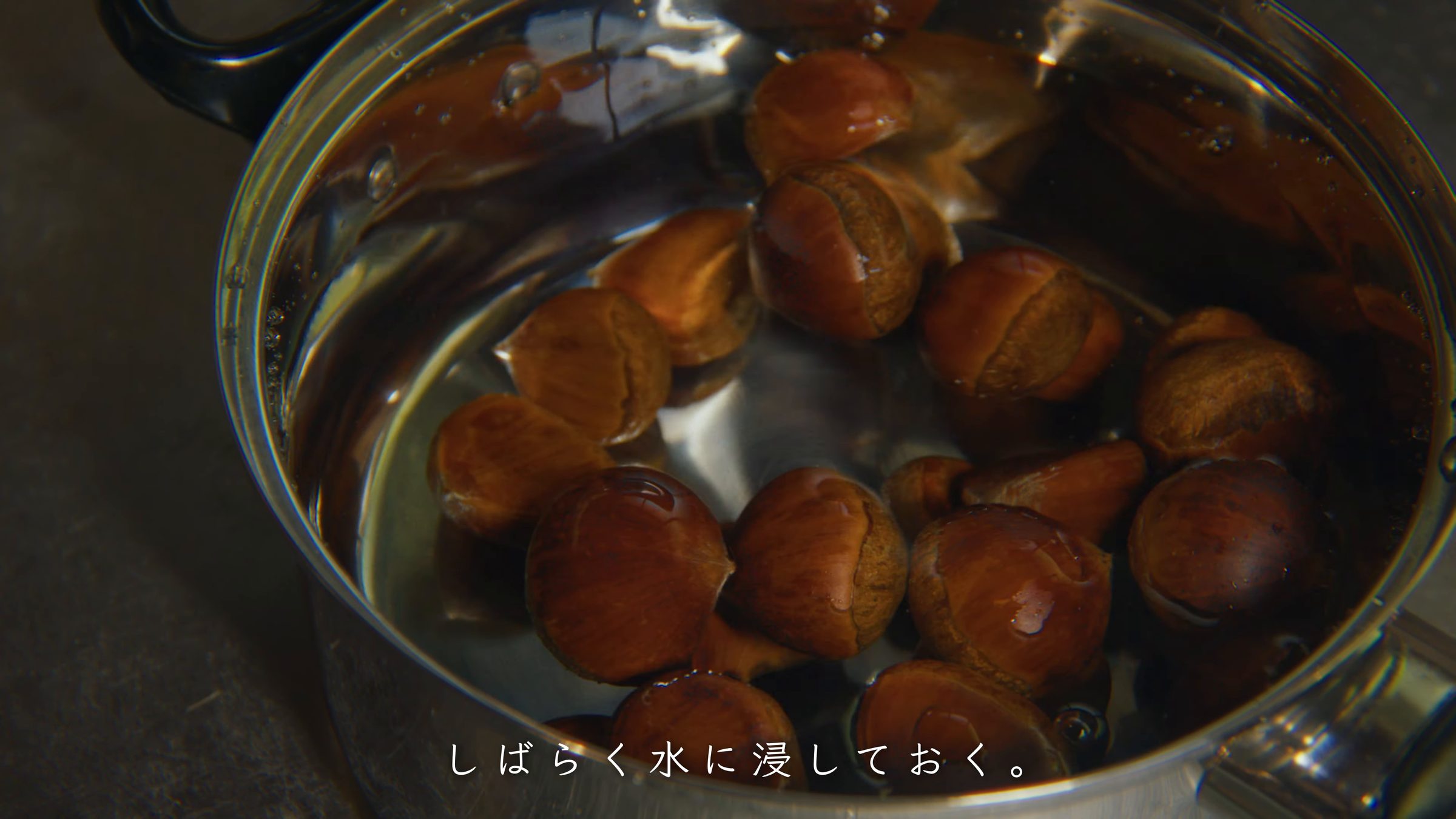
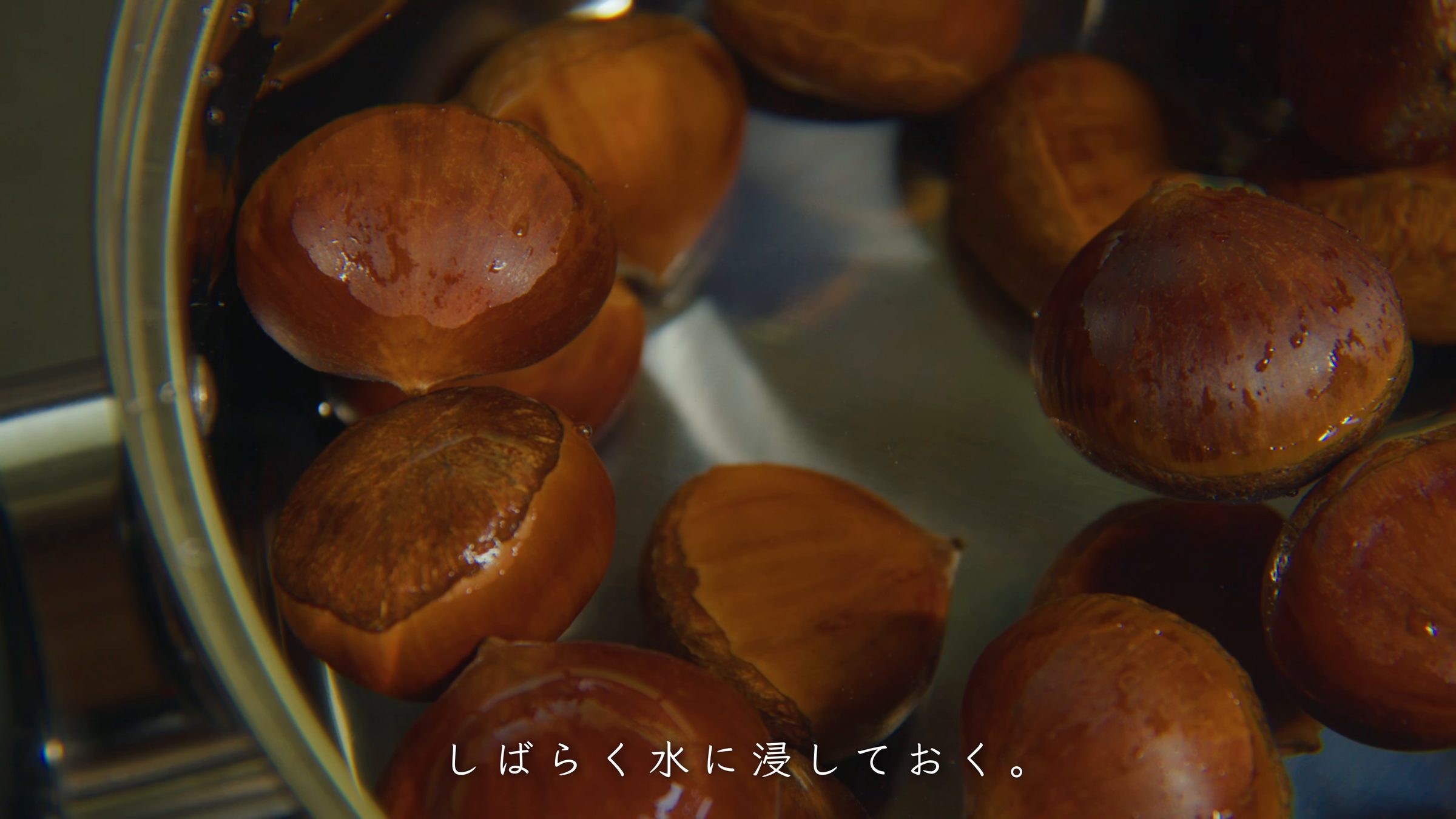
I filled a pot from it and dropped in the chestnuts I had gathered. To drive out any insects and soften the shells, they would soak for a while.
Watch this scene on YouTube1:05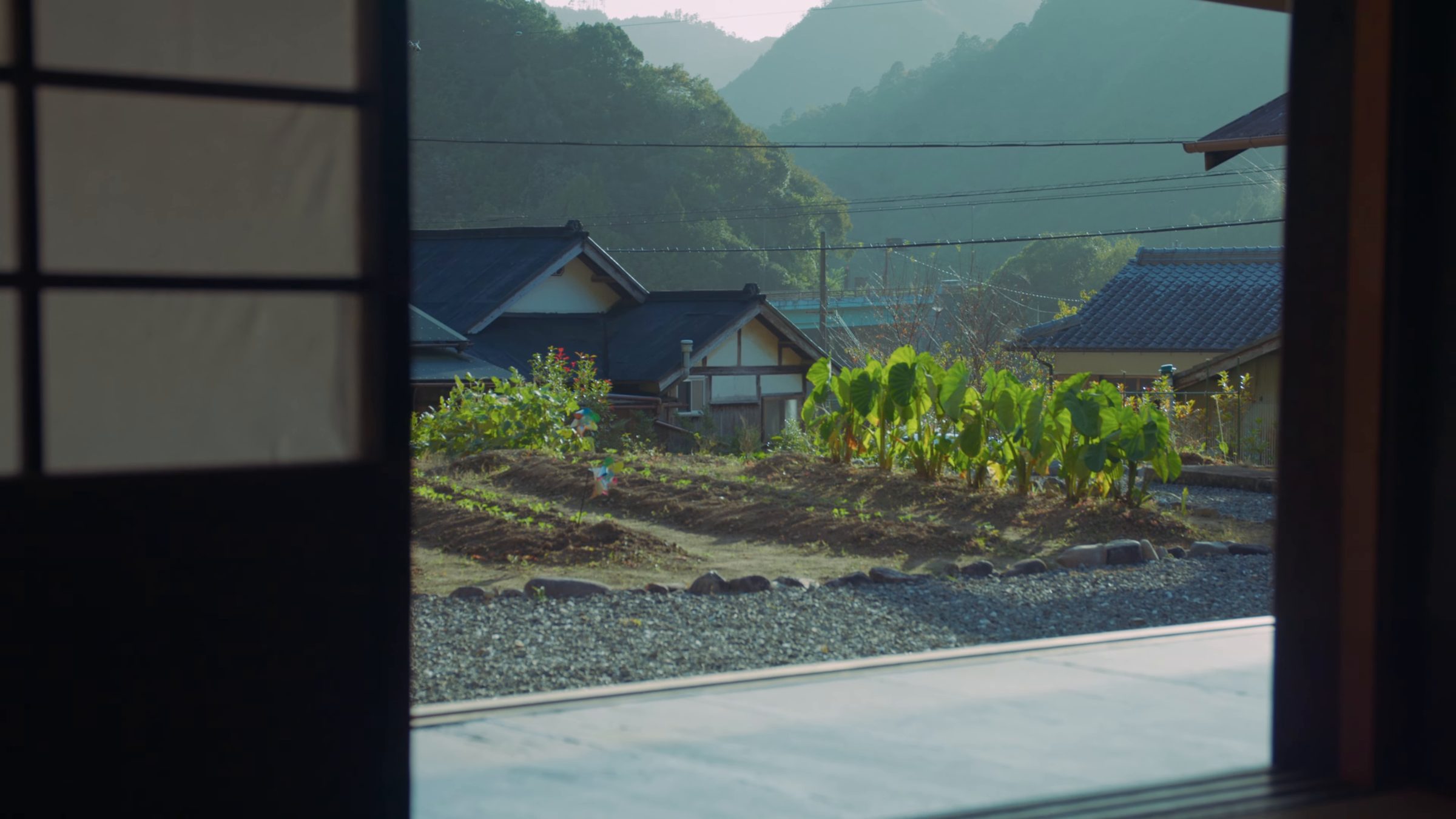
03TRAVEL JOURNAL
Saury over charcoal
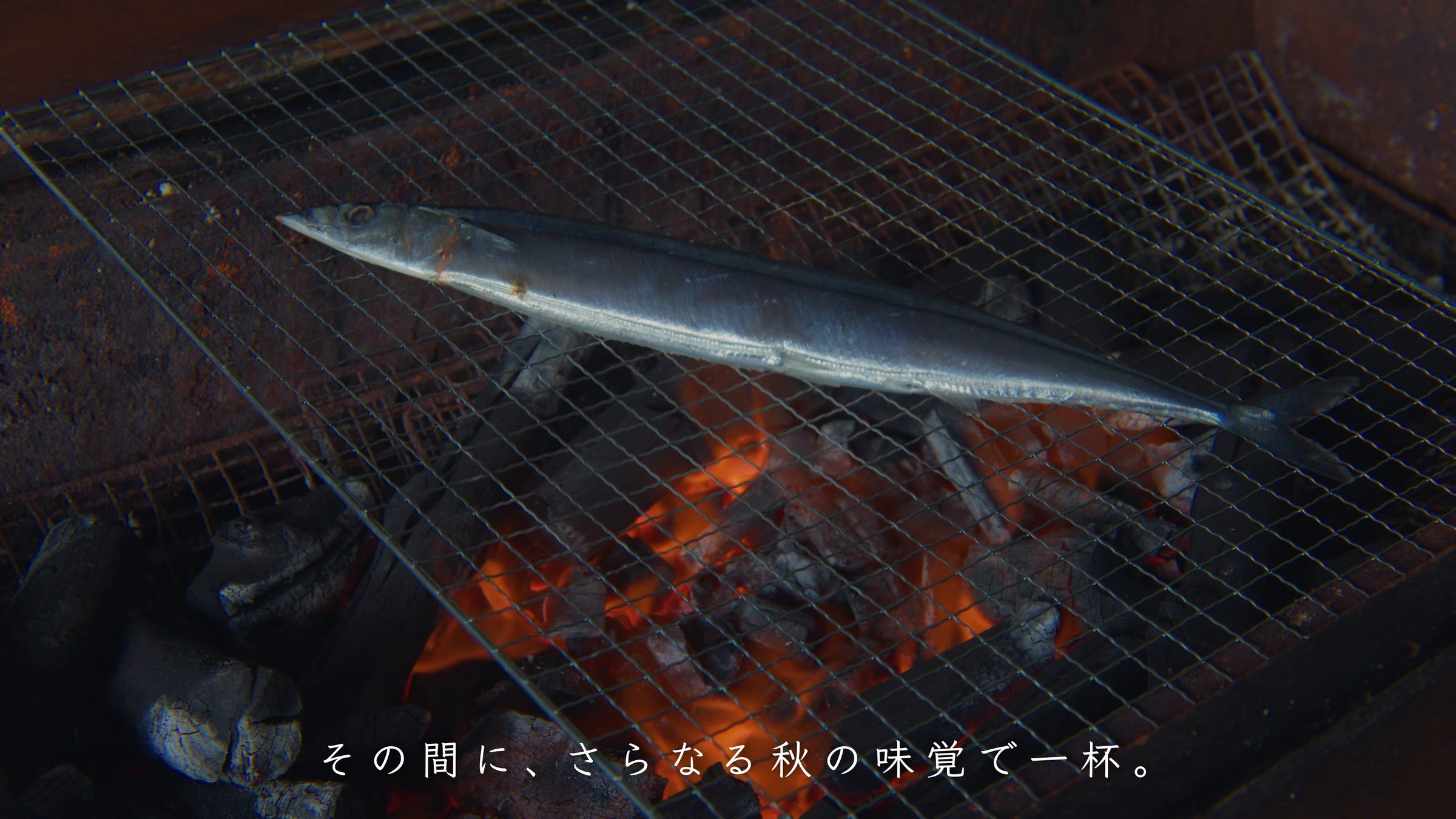
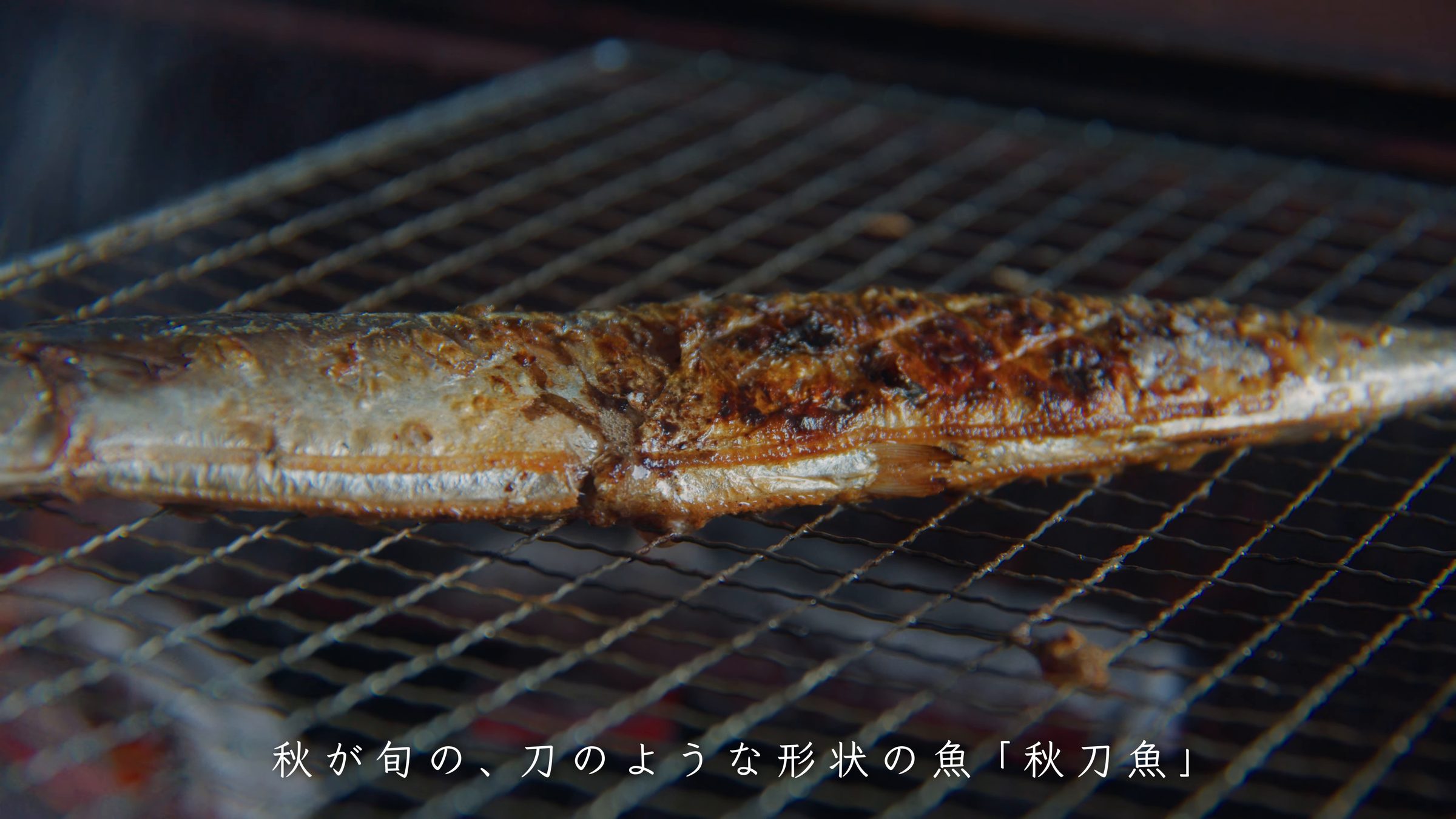
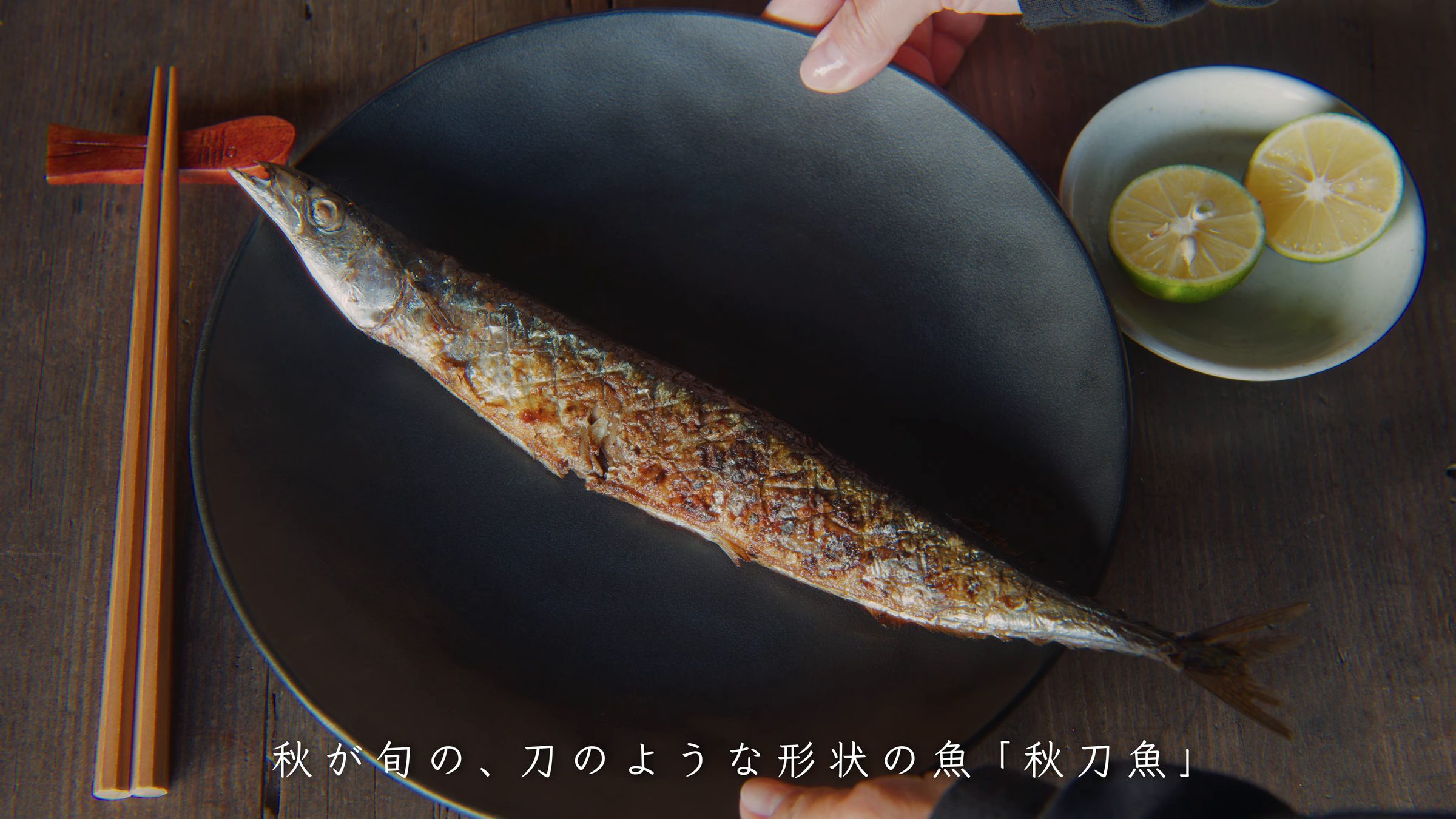
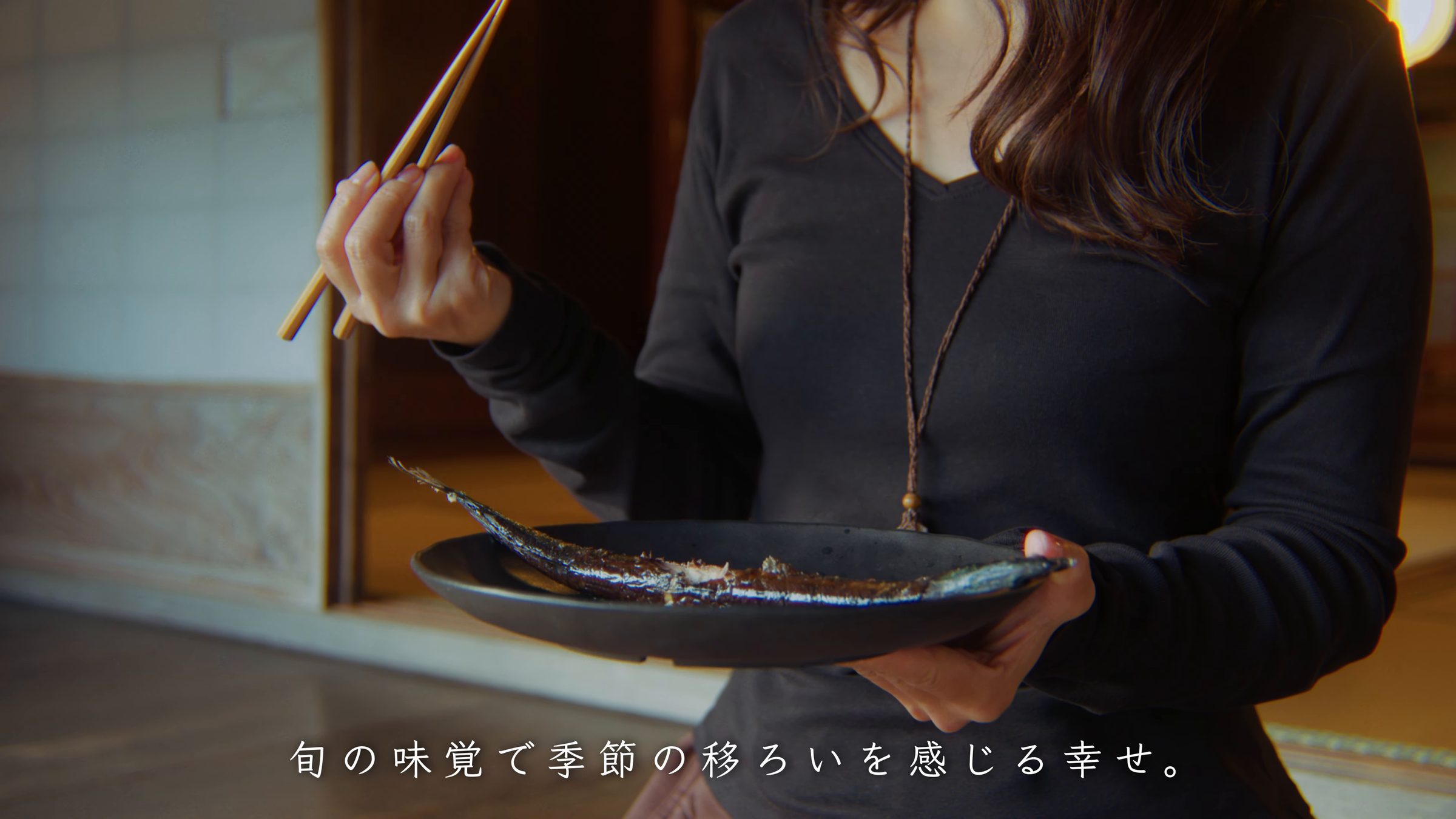
While I waited, time for another taste of autumn and a drink. In the garden I lit charcoal in the grill with a torch and laid a single fish on the wire. This is the thing I absolutely have to eat once I feel autumn arrive: saury, whose Japanese name, sanma, is written with characters meaning sword-shaped autumn fish. Whoever came up with that had a good eye.
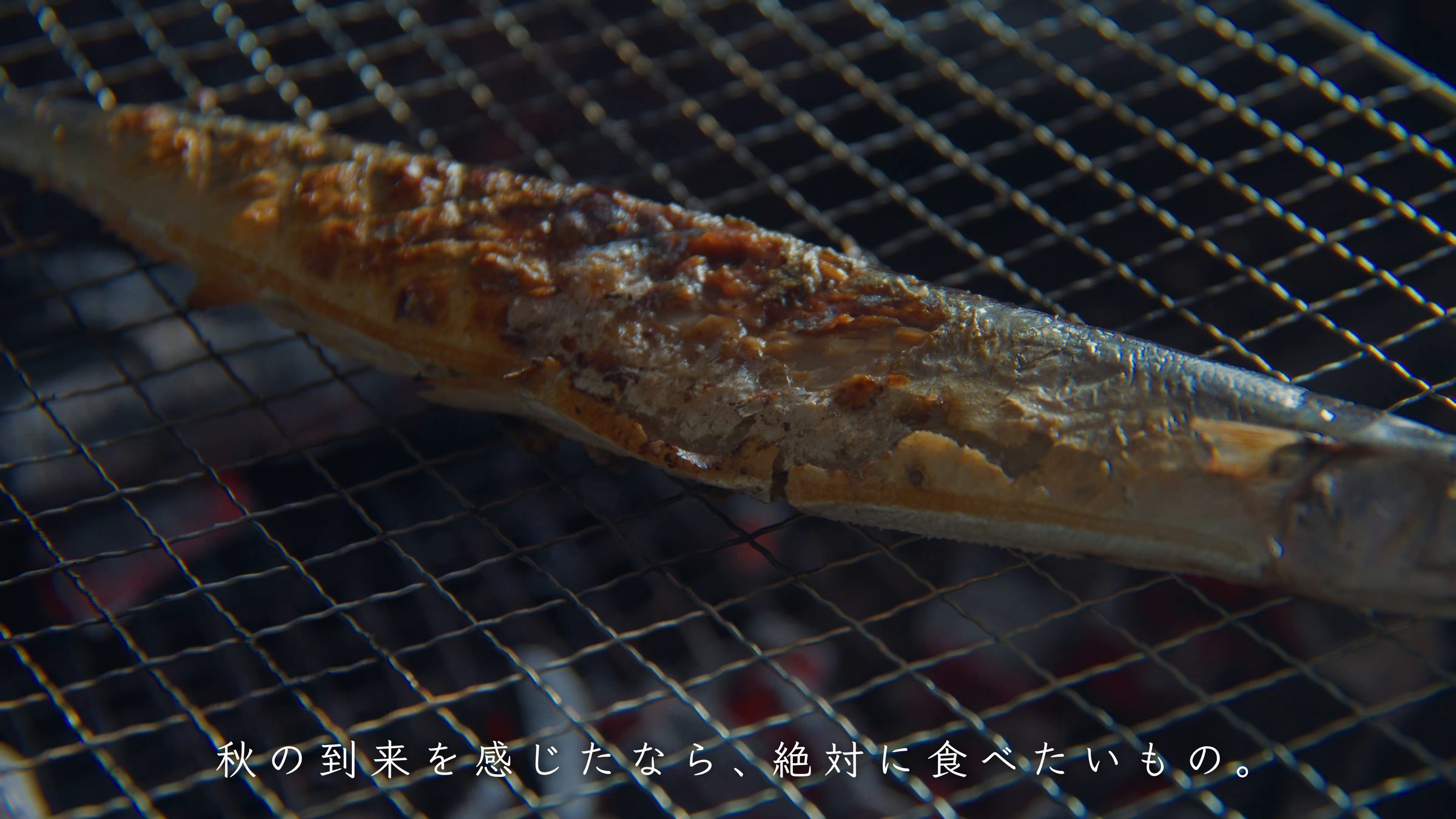
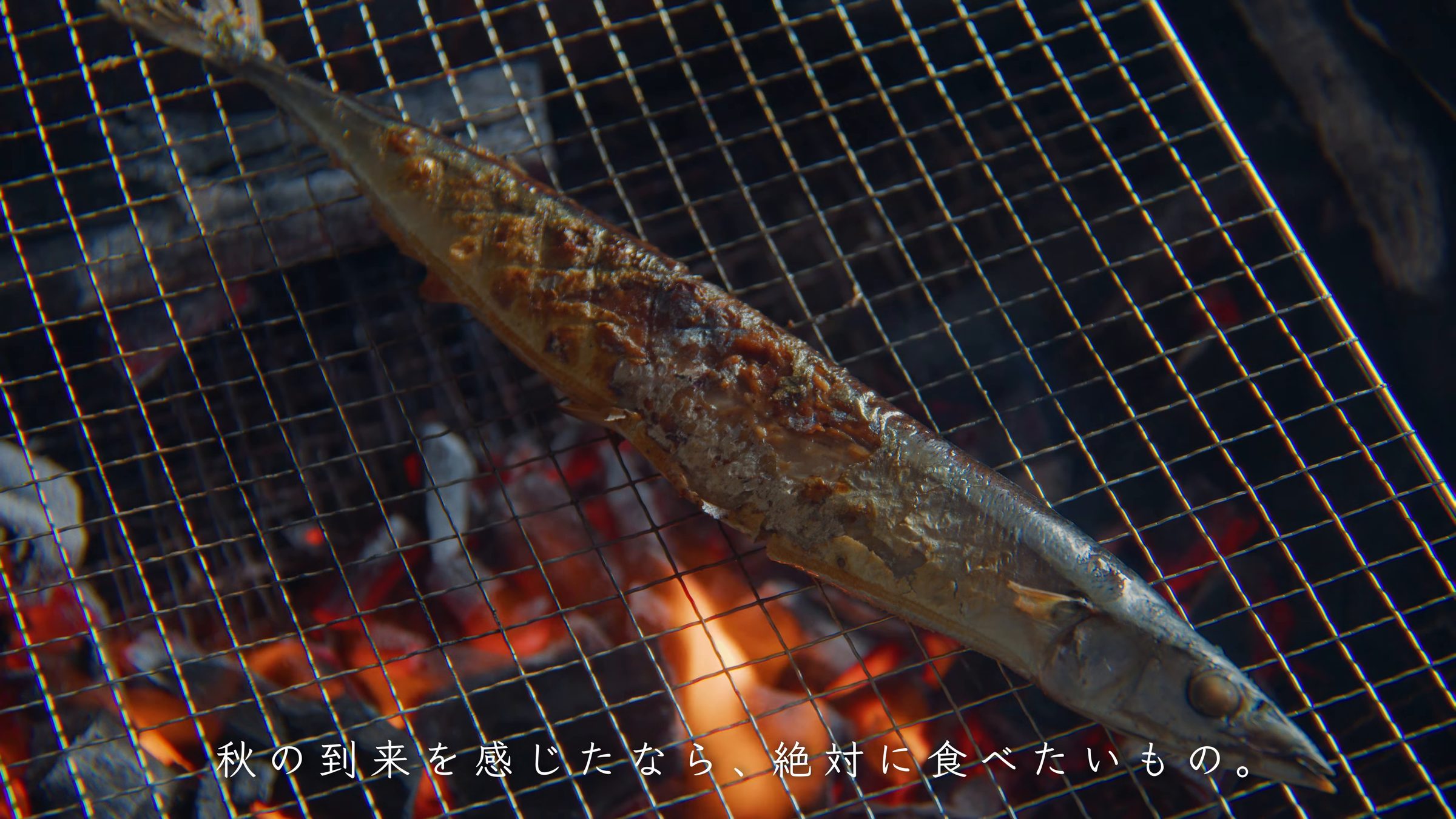
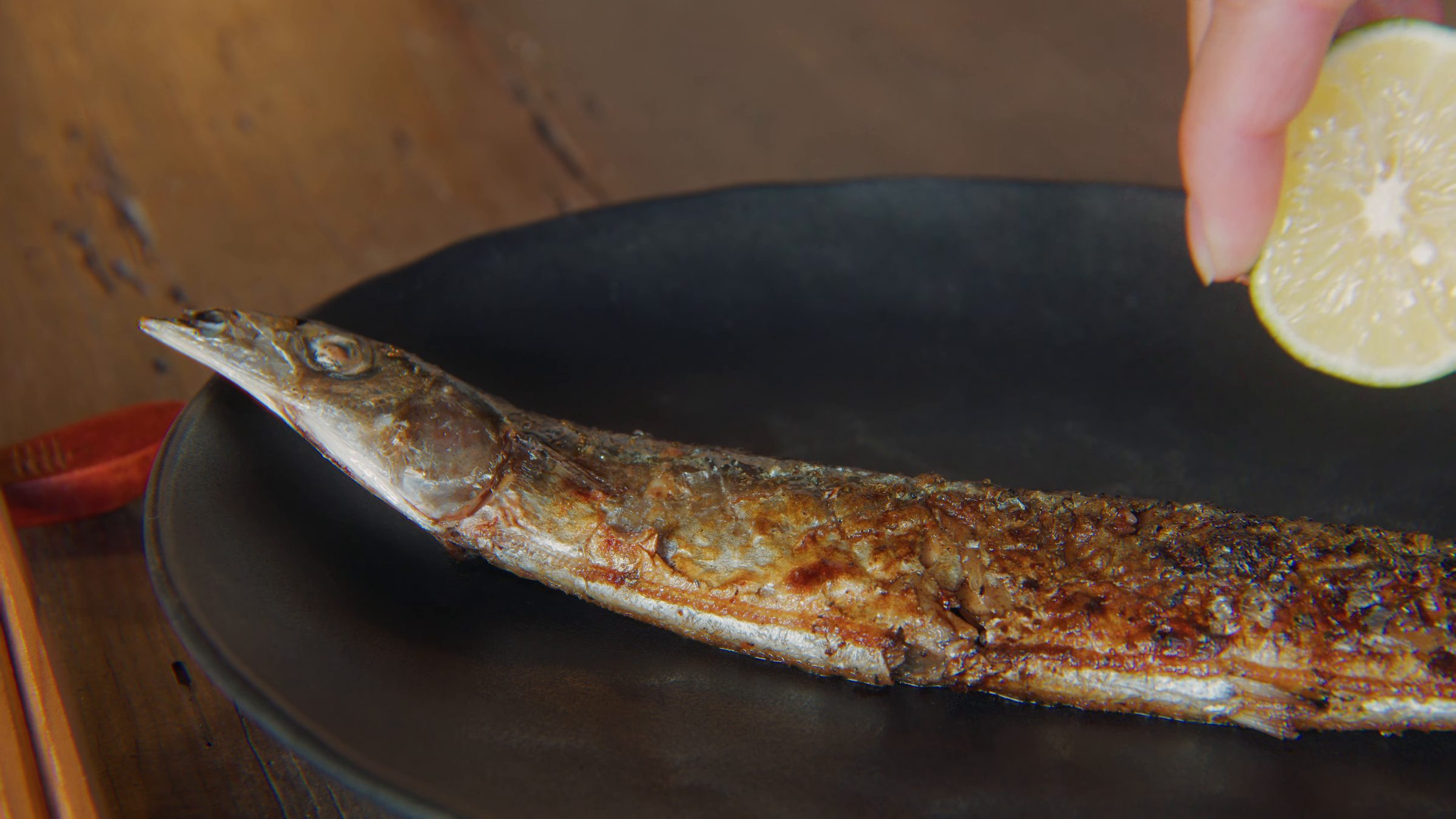
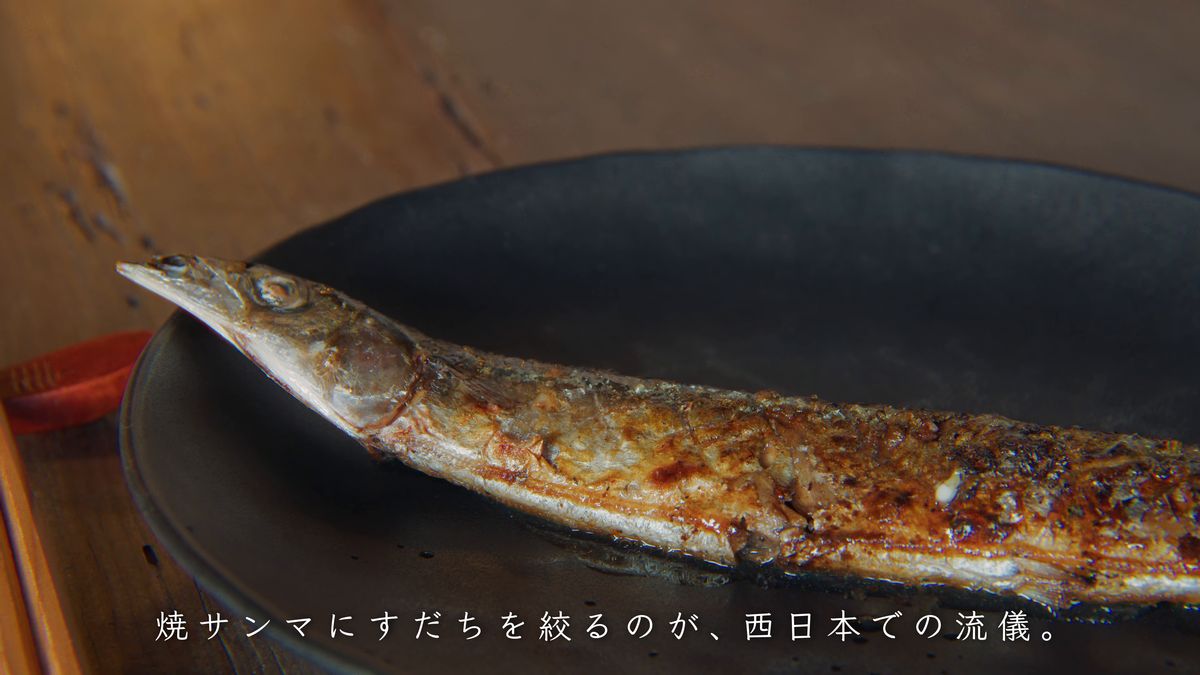
Over the coals the silver body slowly took on color. Fat dripped, flames rose, and the skin crisped. I set it on a black plate with a sudachi citrus, halved.
Watch this scene on YouTube1:30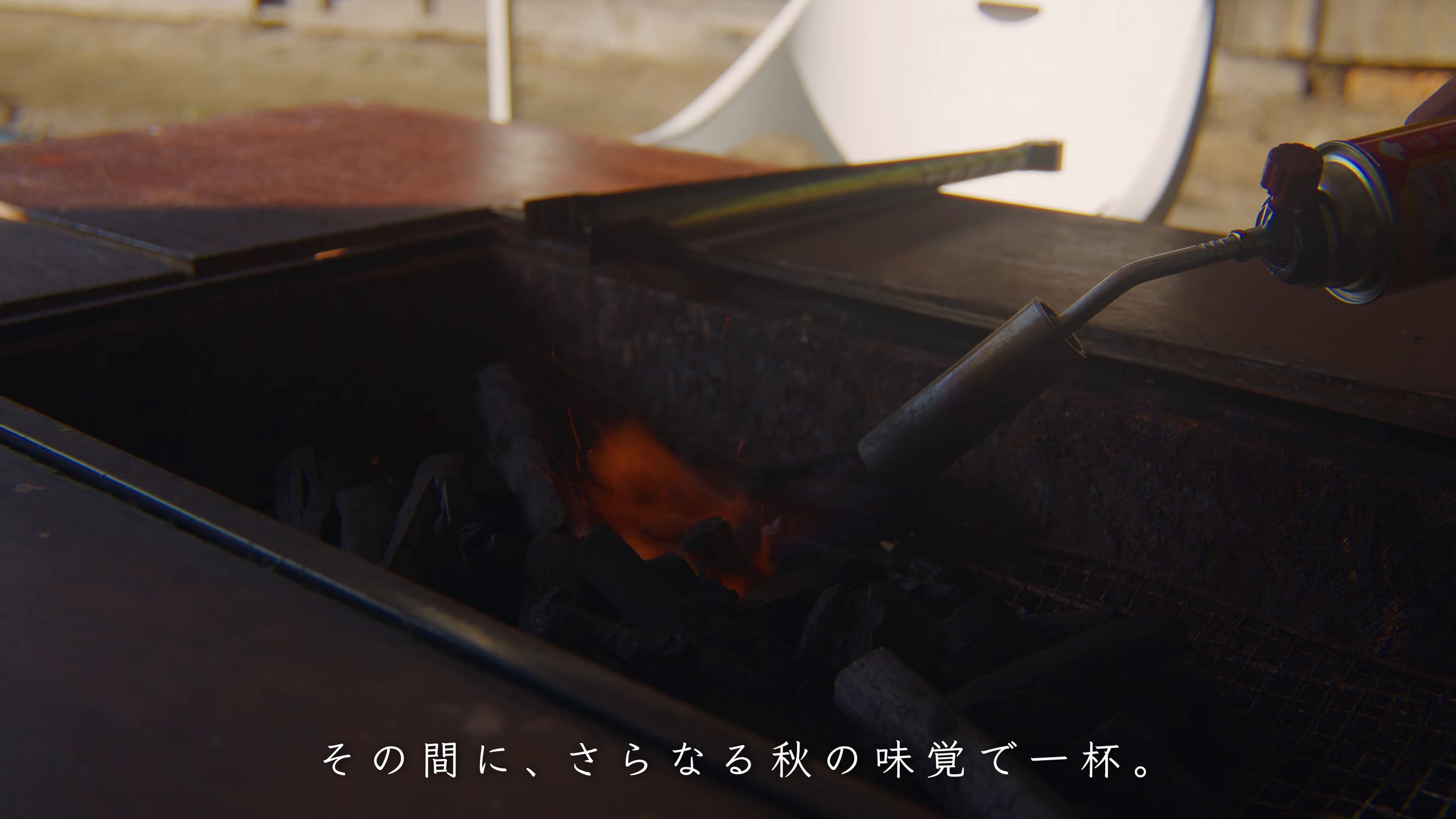
04TRAVEL JOURNAL
Sudachi on the veranda
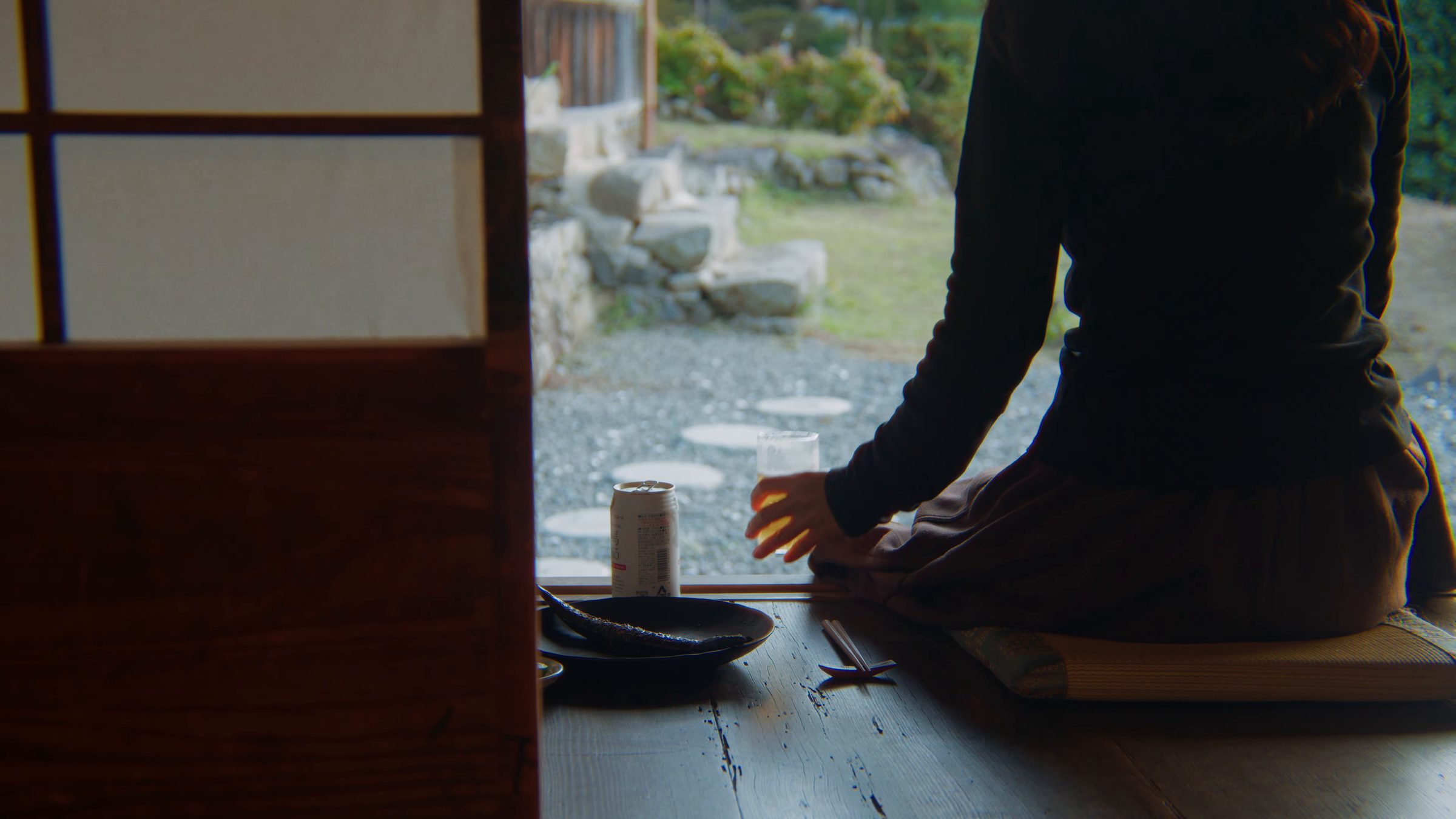
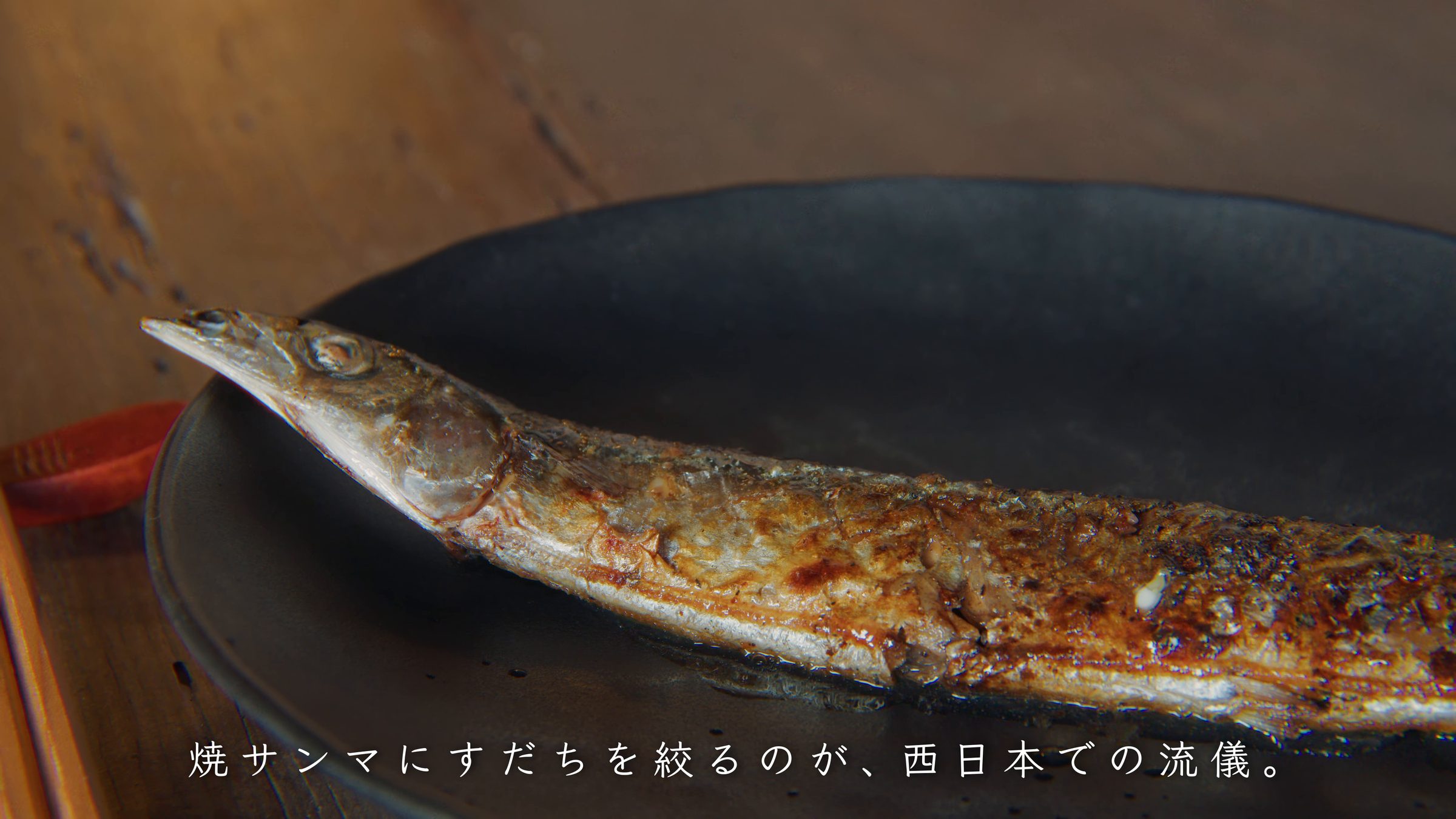
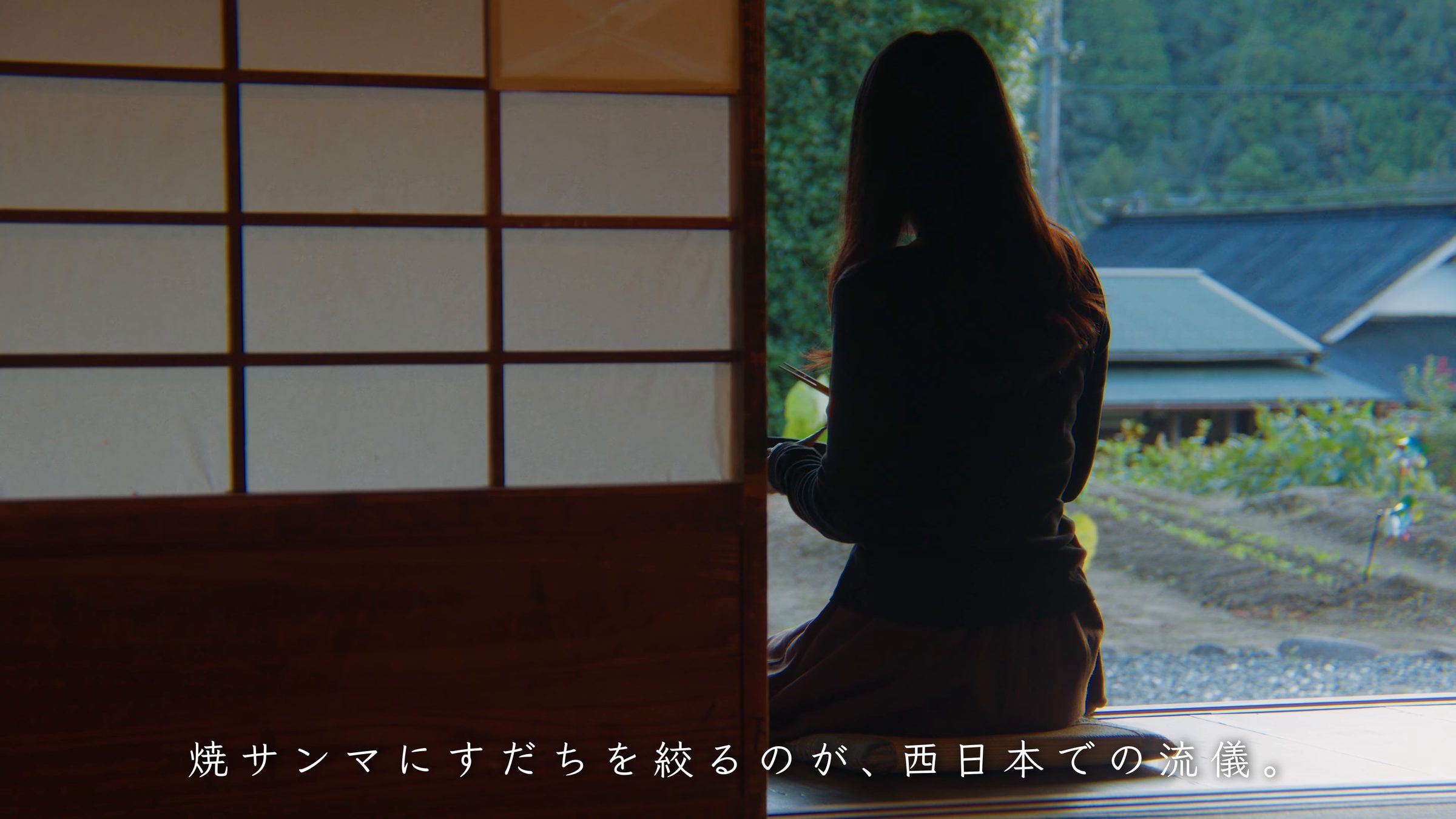
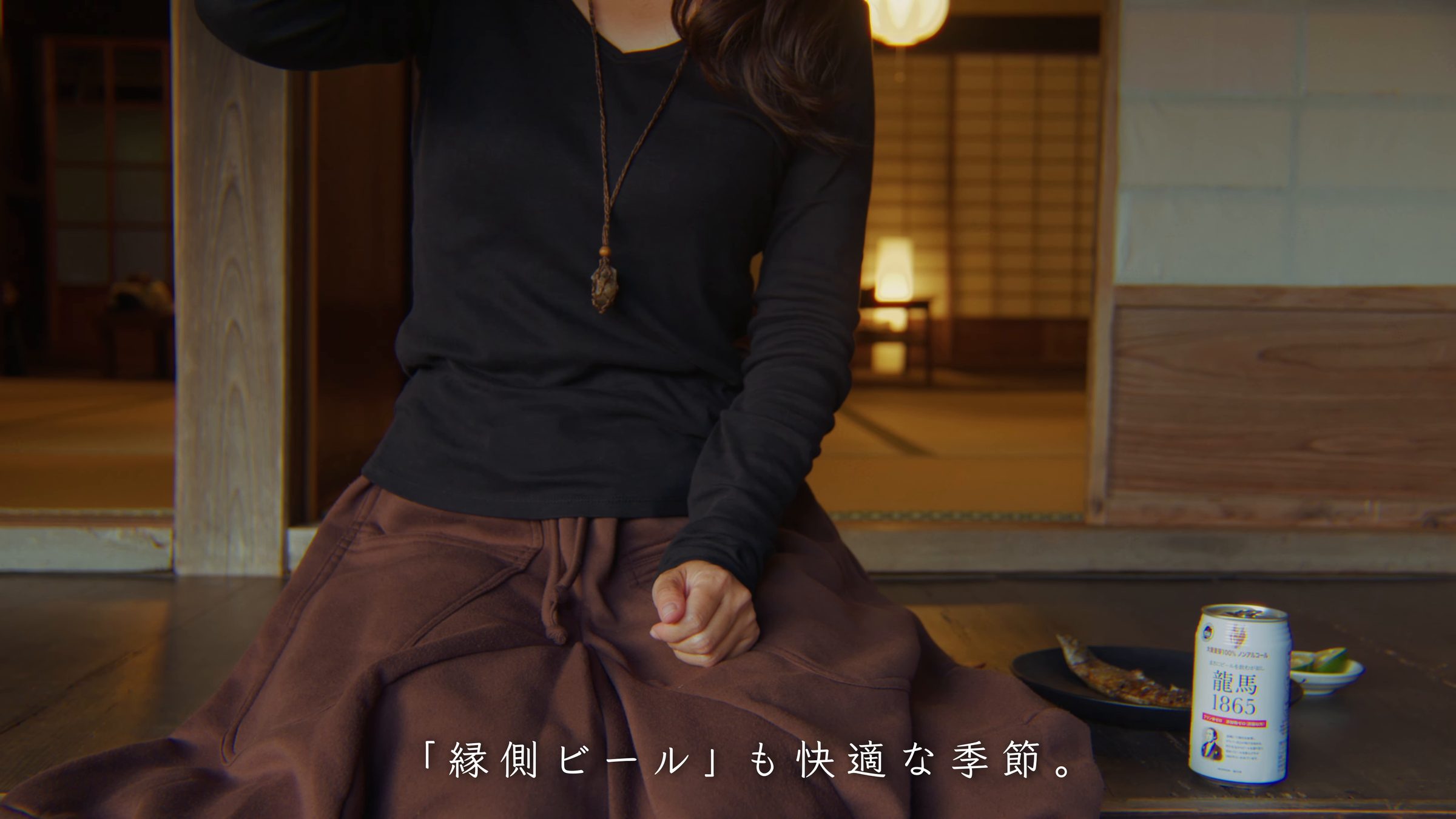
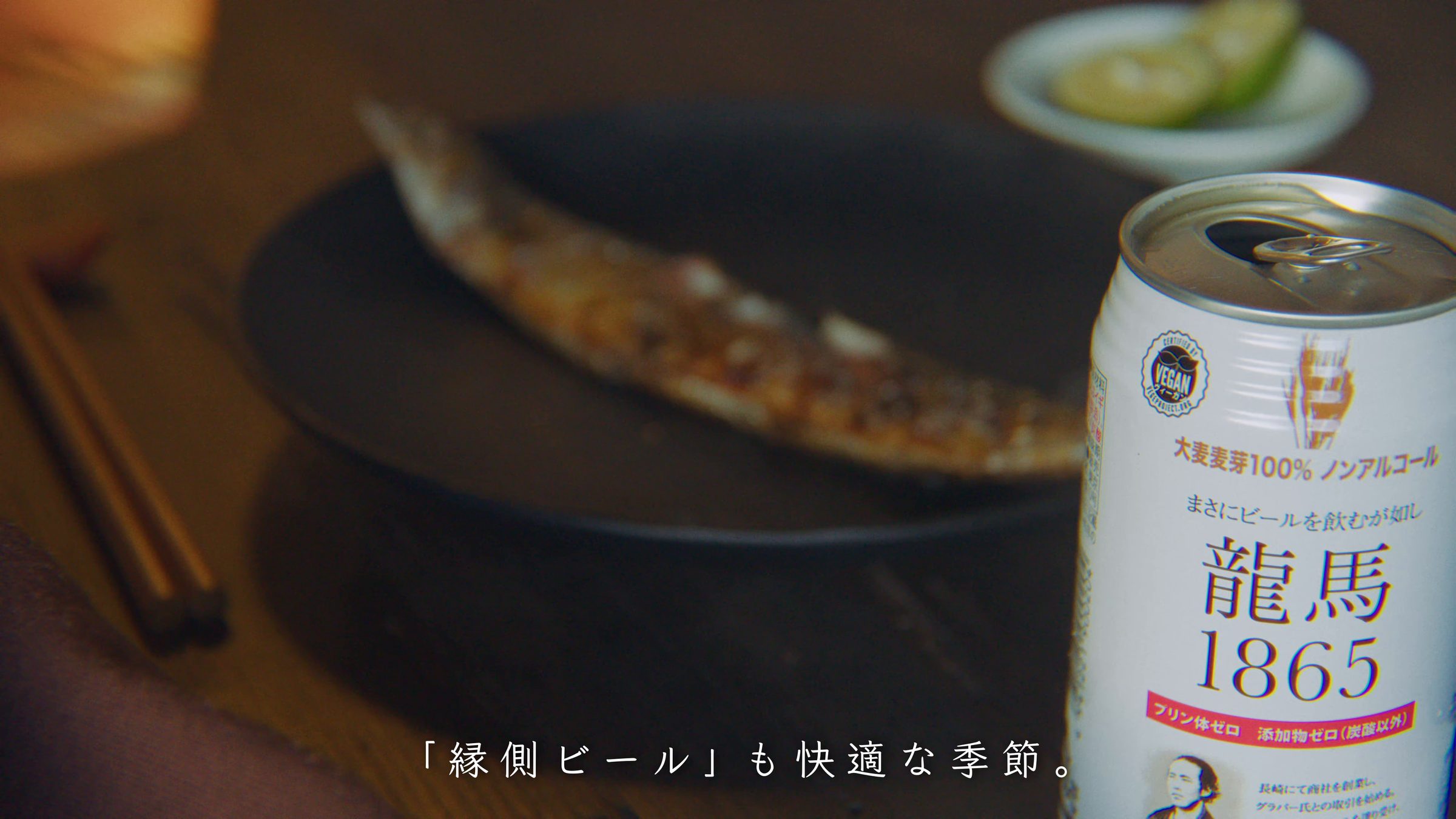
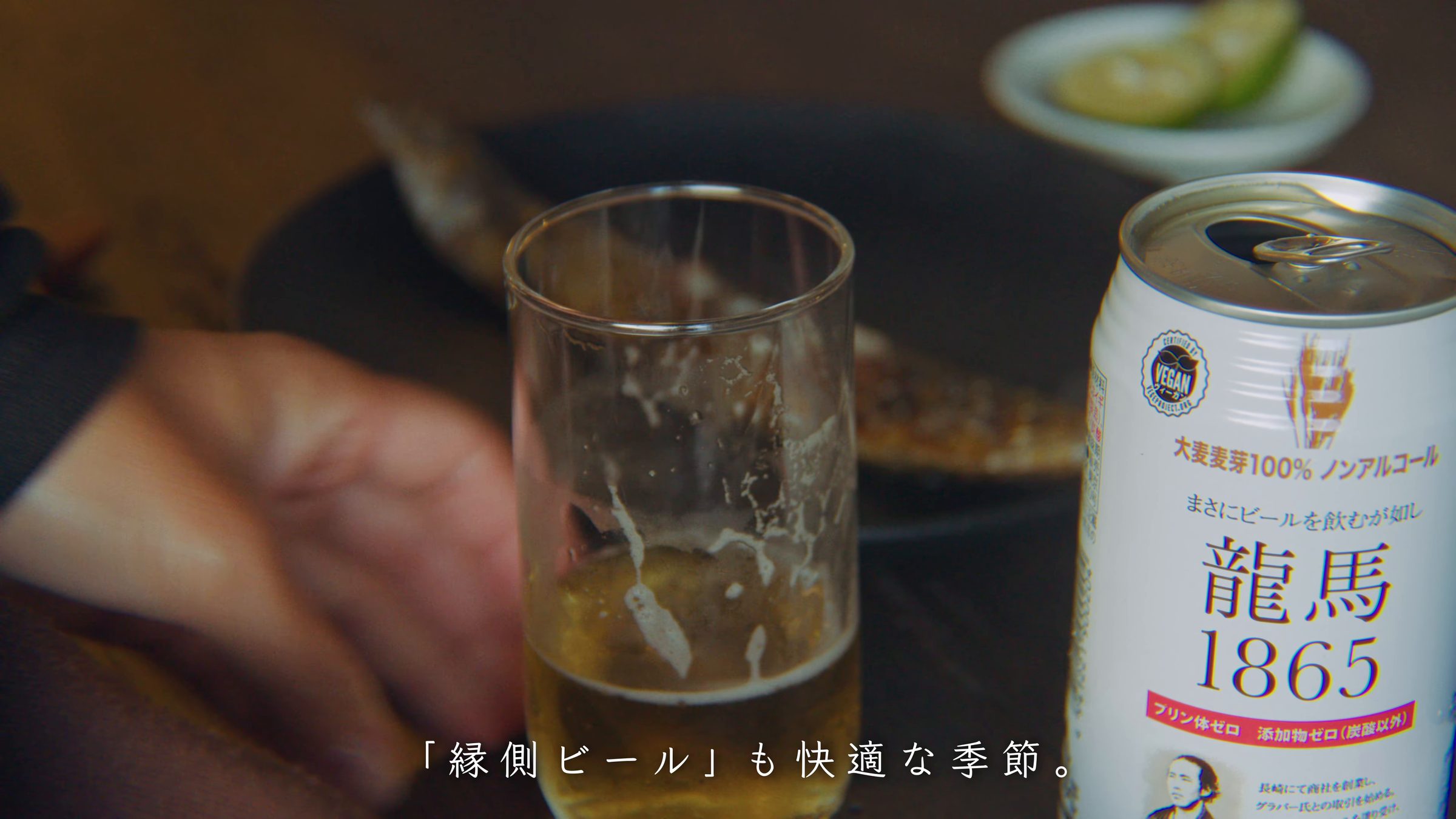
I sat down on the veranda and poured a non-alcoholic beer into a glass. In western Japan, the way to eat grilled saury is with a good squeeze of sudachi.
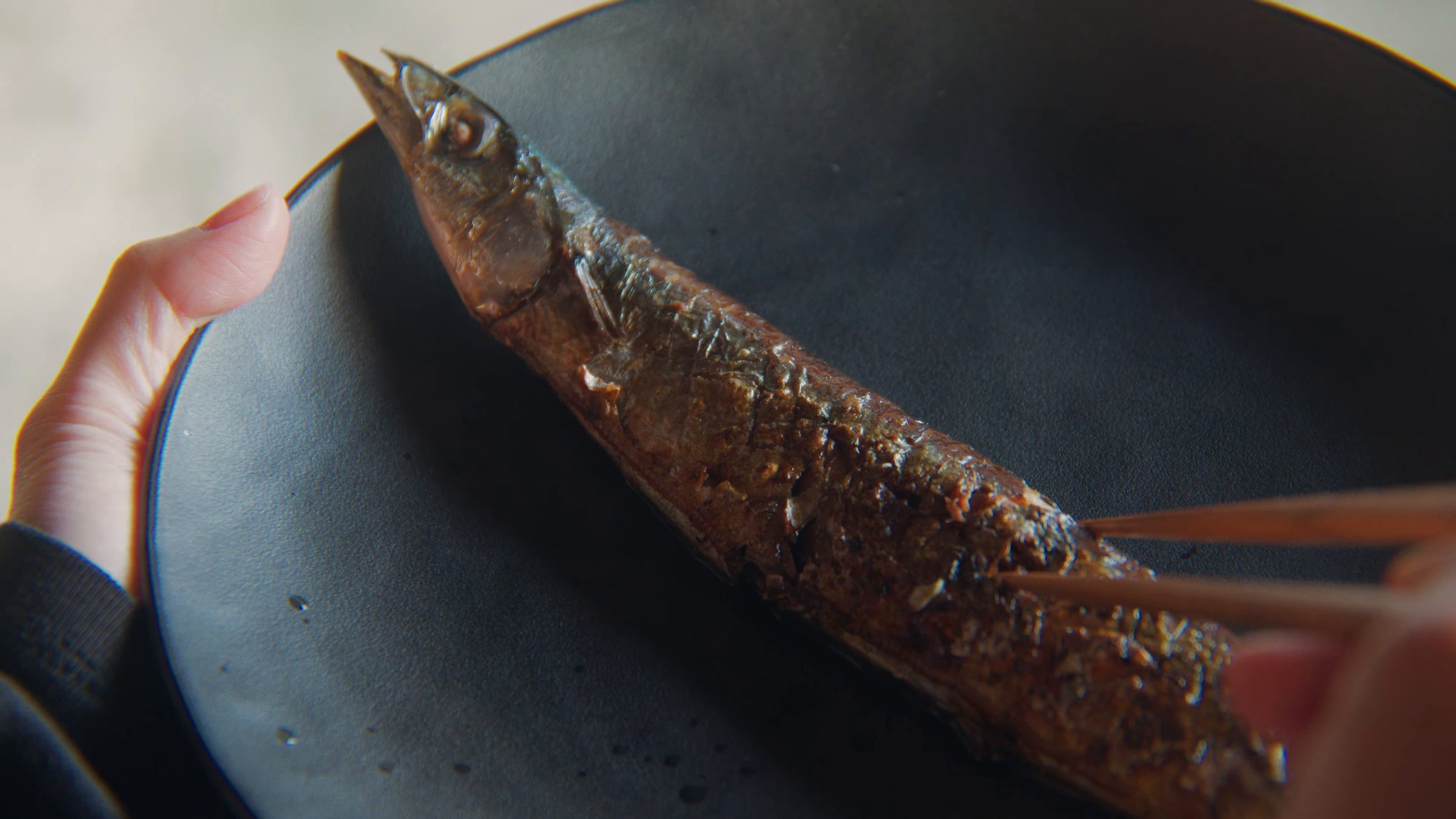
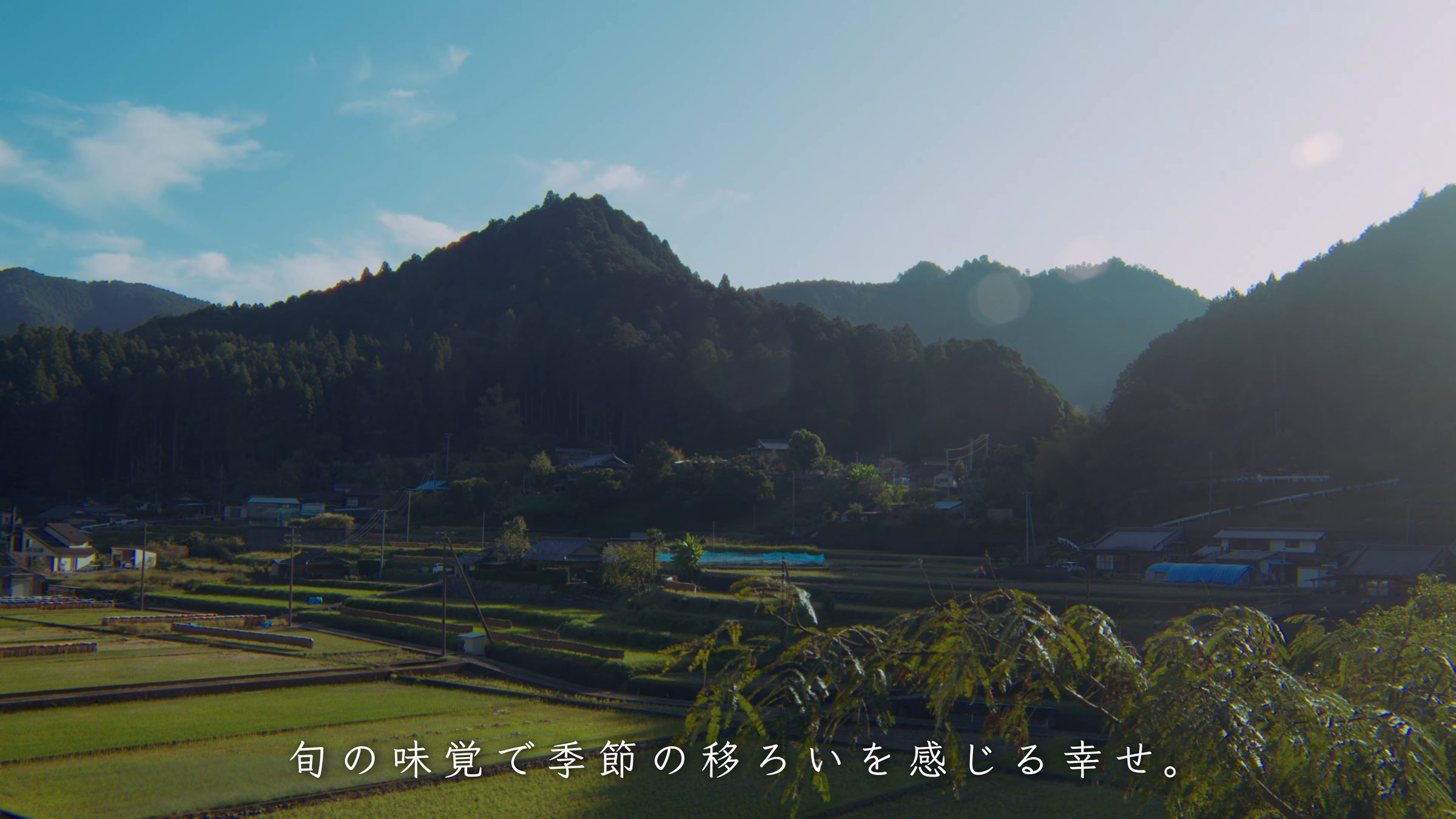
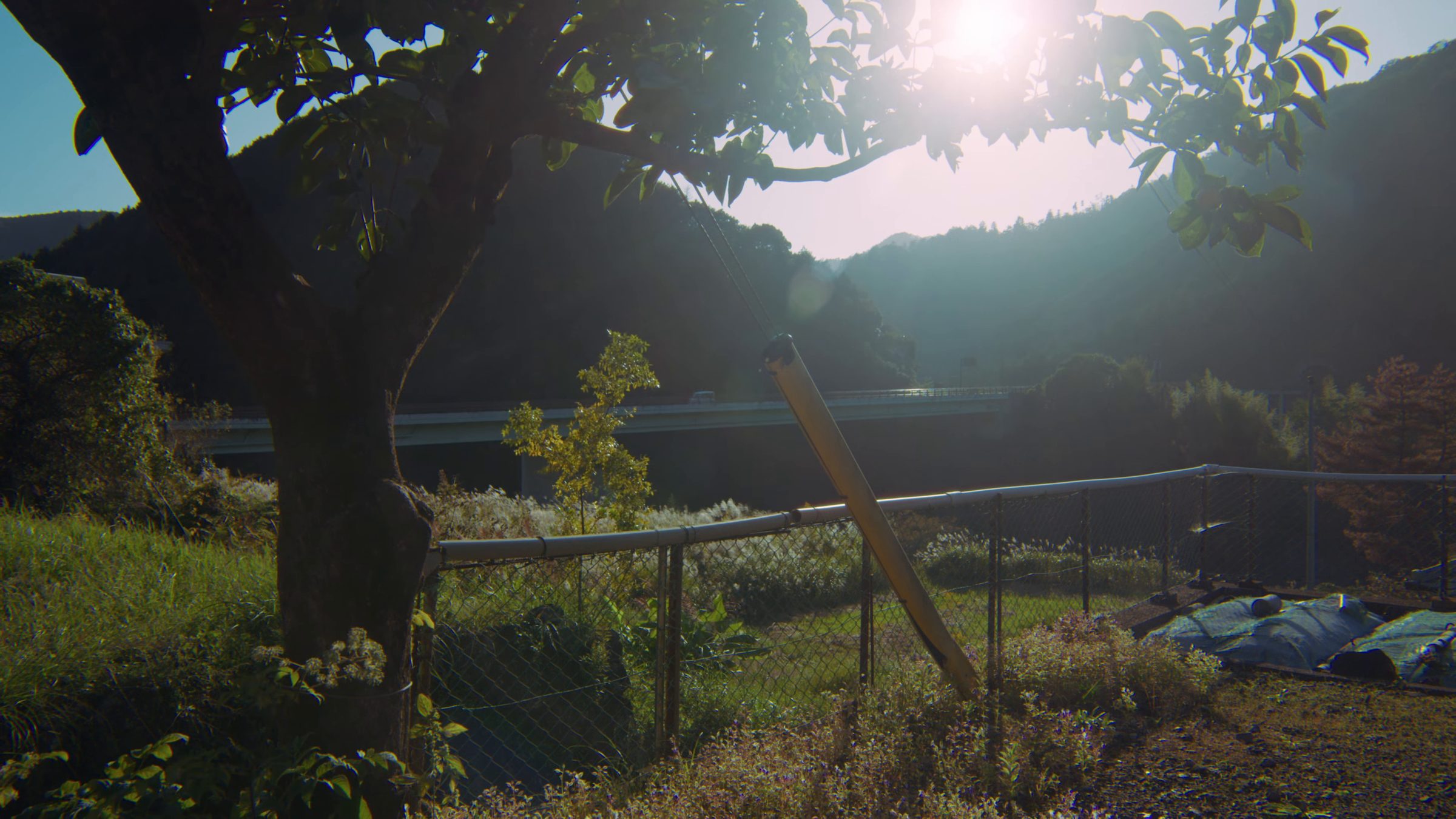
Sitting in the open doorway, I picked at the fish while looking out over the fields and rooftops. There is a quiet happiness in feeling the seasons turn through what is in season. Beyond lay rice paddies and the village ringed by mountains, the afternoon sun coming through the branches.
Grill saury in the garden and eat it on the veranda with a cold drink: a small dream, now fulfilled. The season for veranda beer has arrived.
Watch this scene on YouTube2:00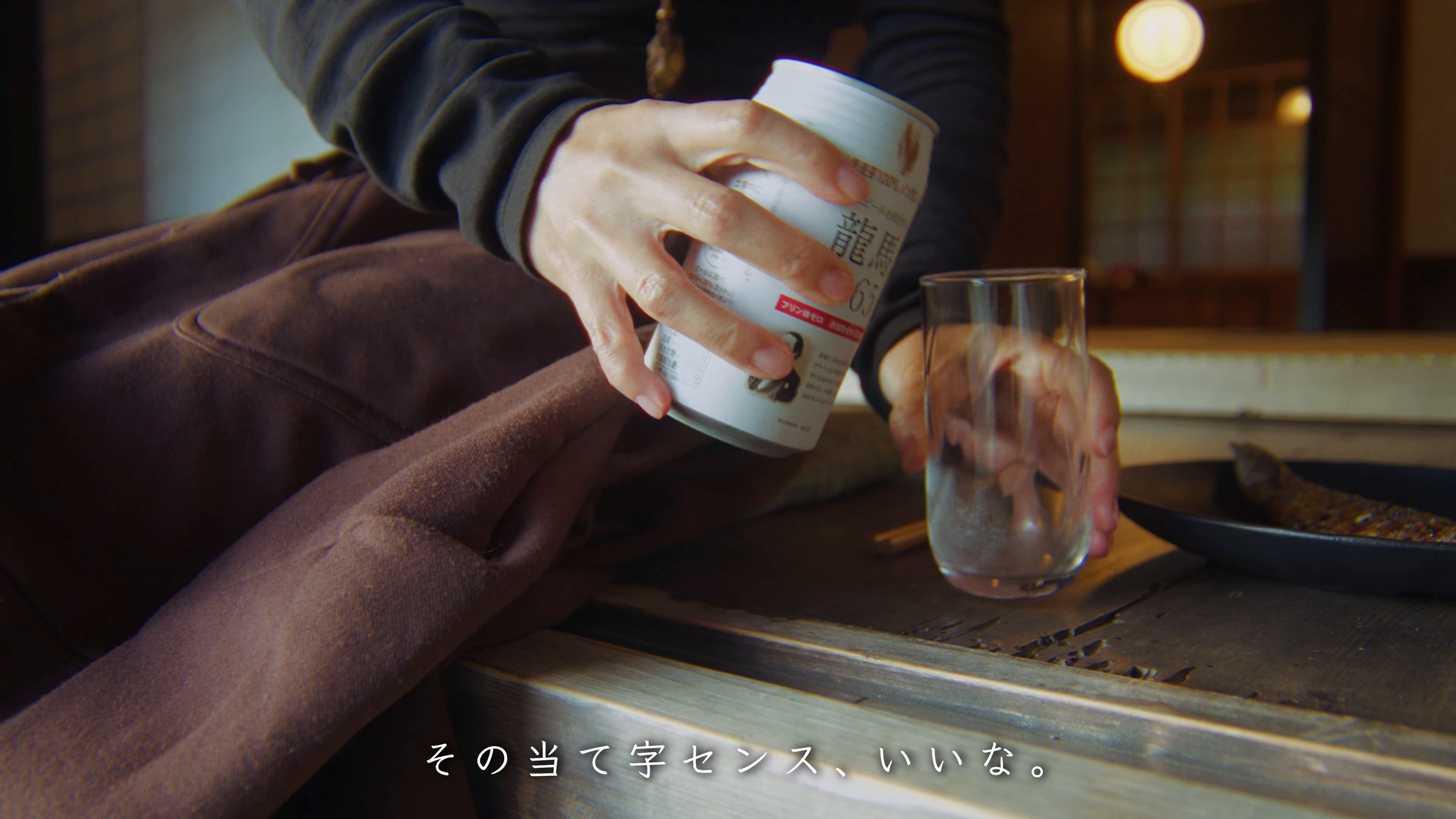
05TRAVEL JOURNAL
After summer
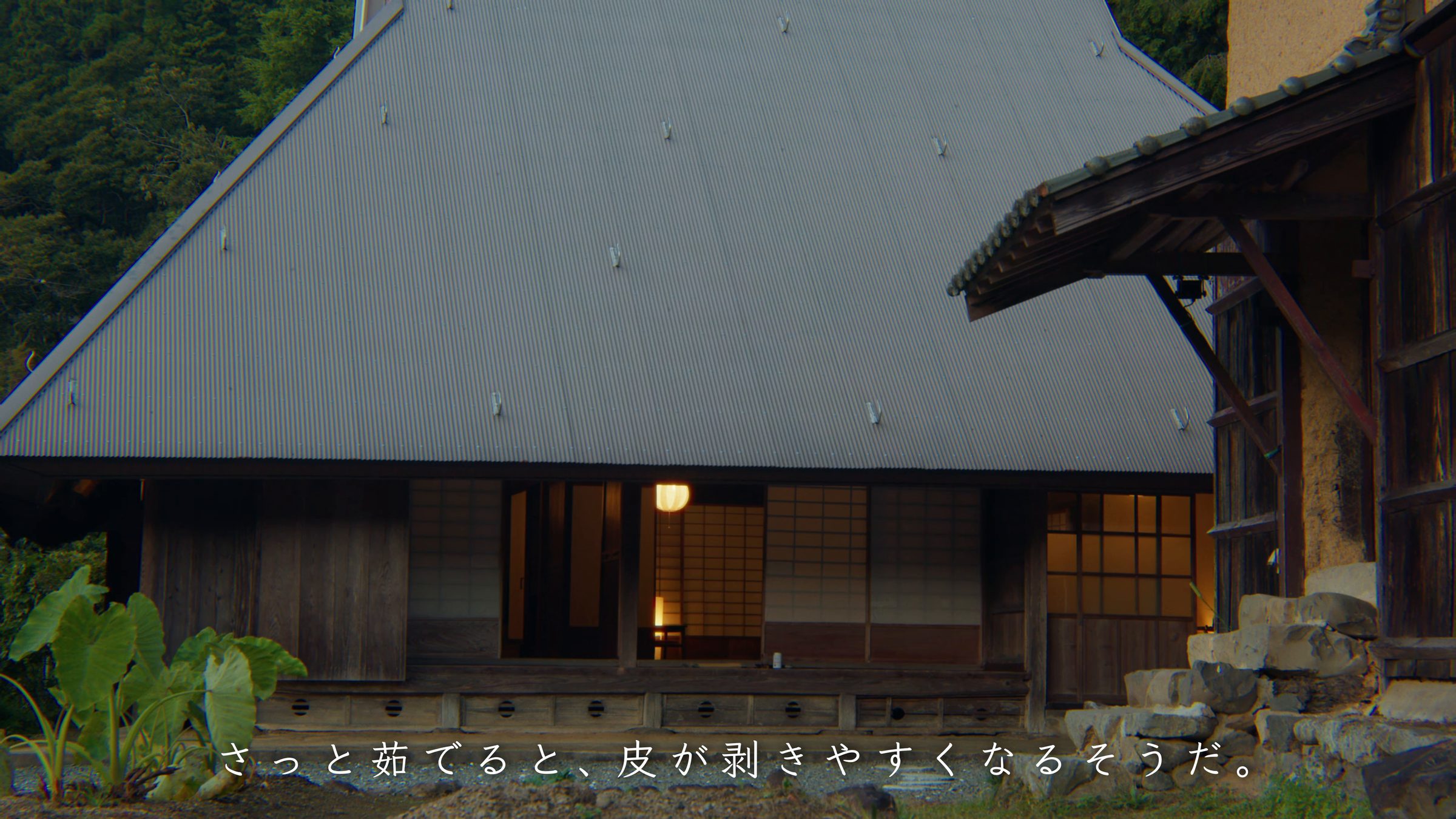
The sun sank, and the great roof of the main house and the storehouse beside it faded into the evening sky. Beyond the field, the ridgeline became a single shadow.
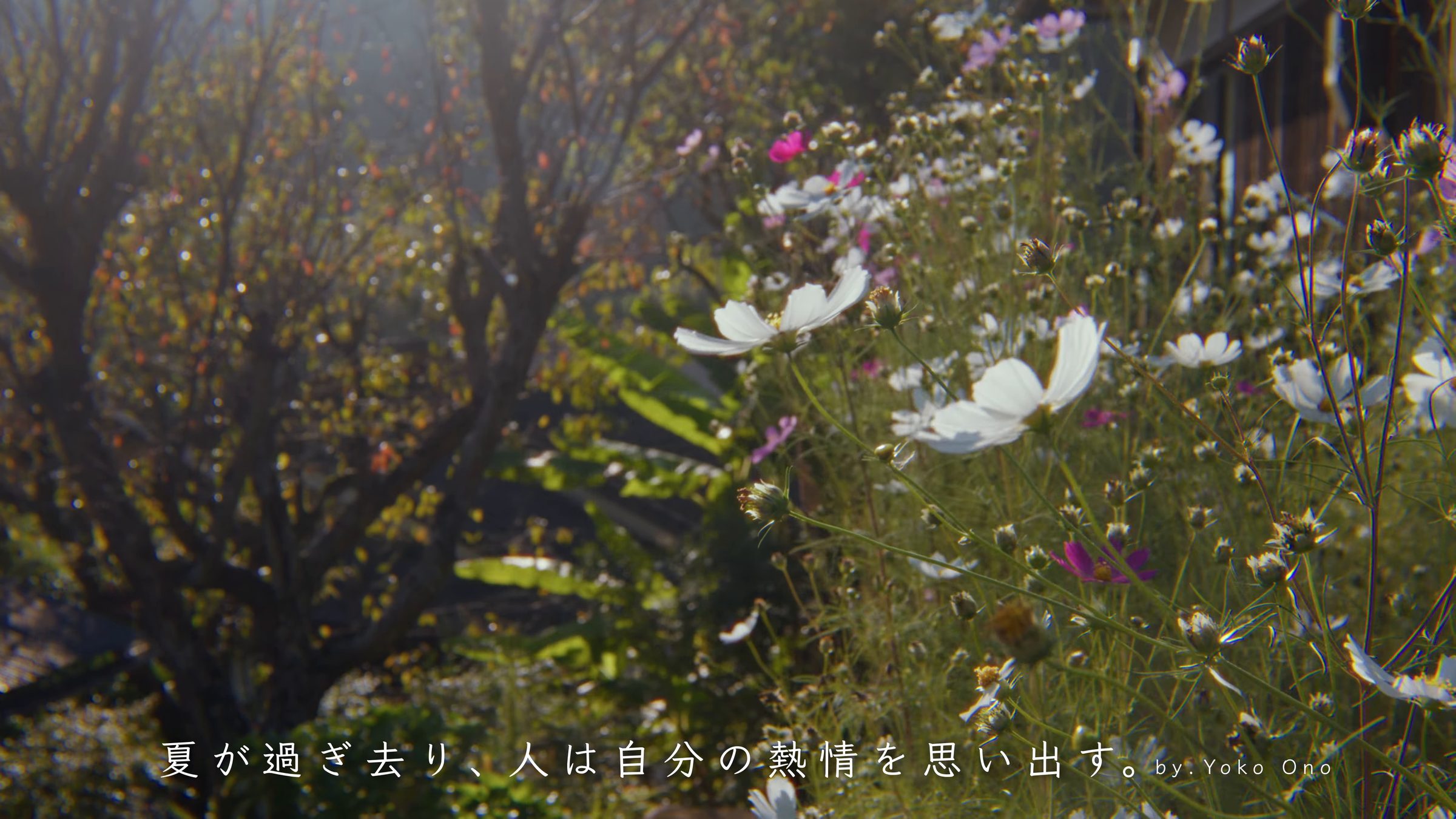
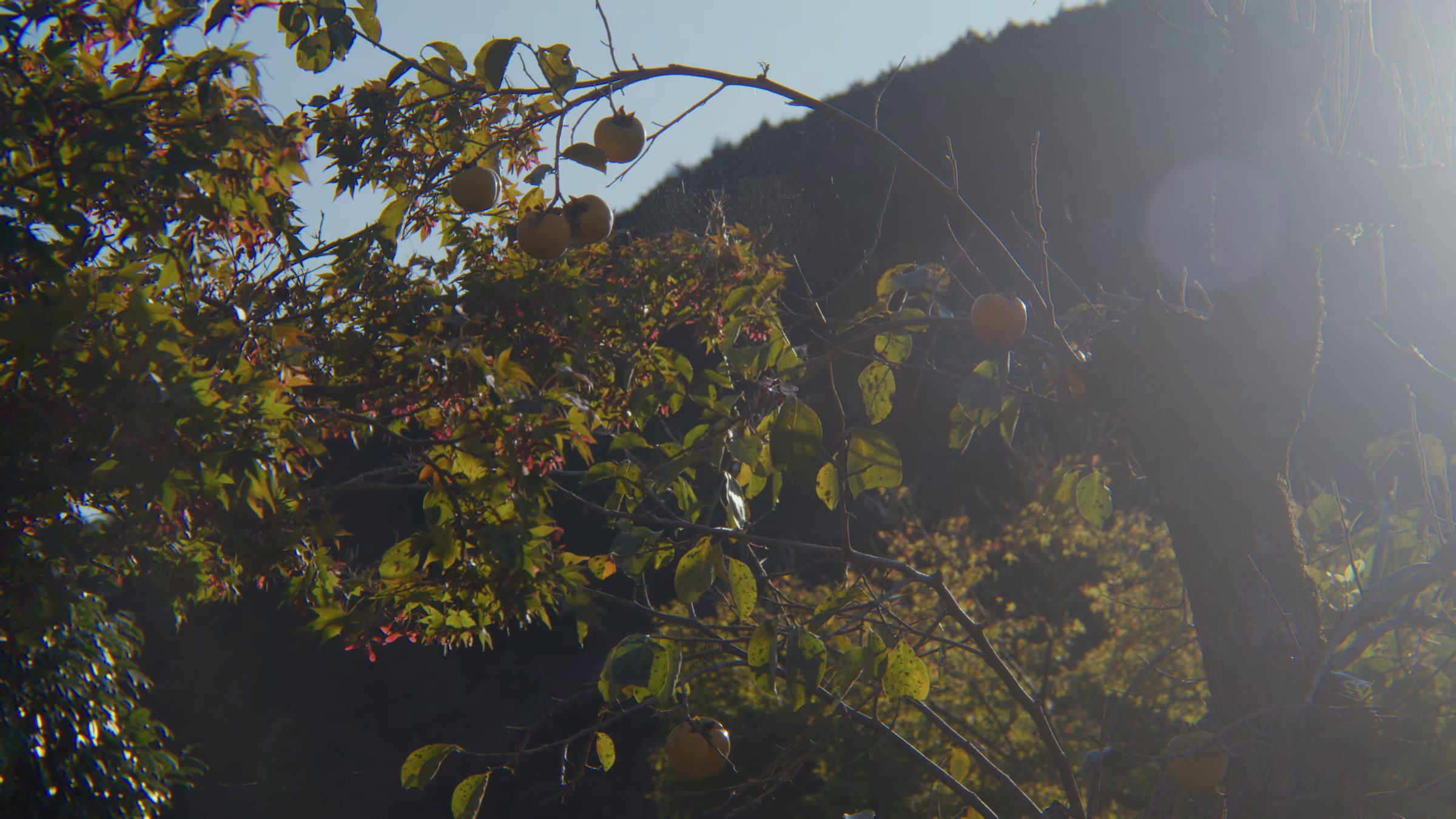
Cosmos swayed in a corner of the garden, and persimmons hung on a branch. As Yoko Ono put it, "Summer passes and one remembers one's exuberance." A light came on in the house. Now then, the chestnuts should be about ready.
Watch this scene on YouTube2:59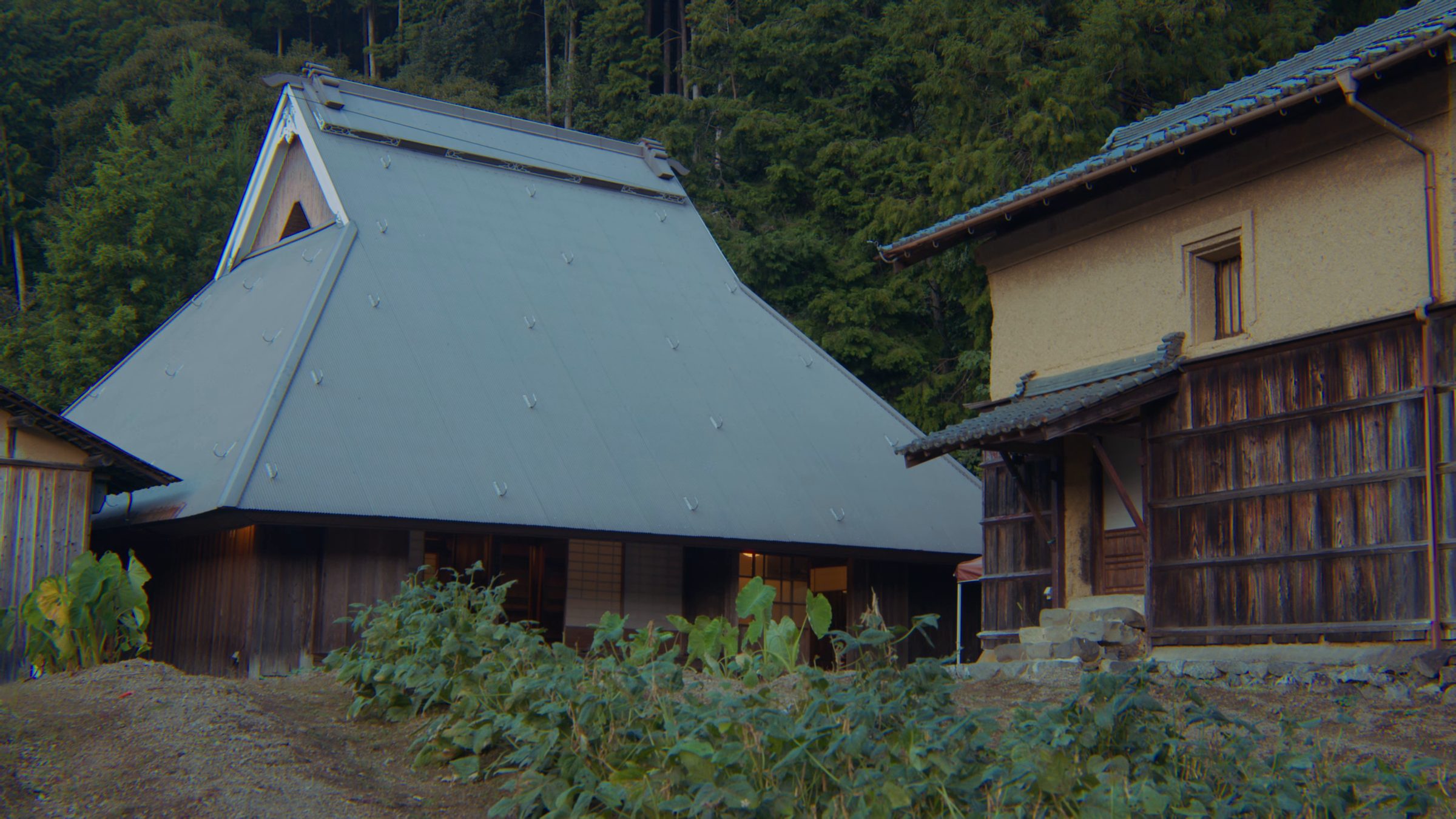
06TRAVEL JOURNAL
Demon skin and astringent skin
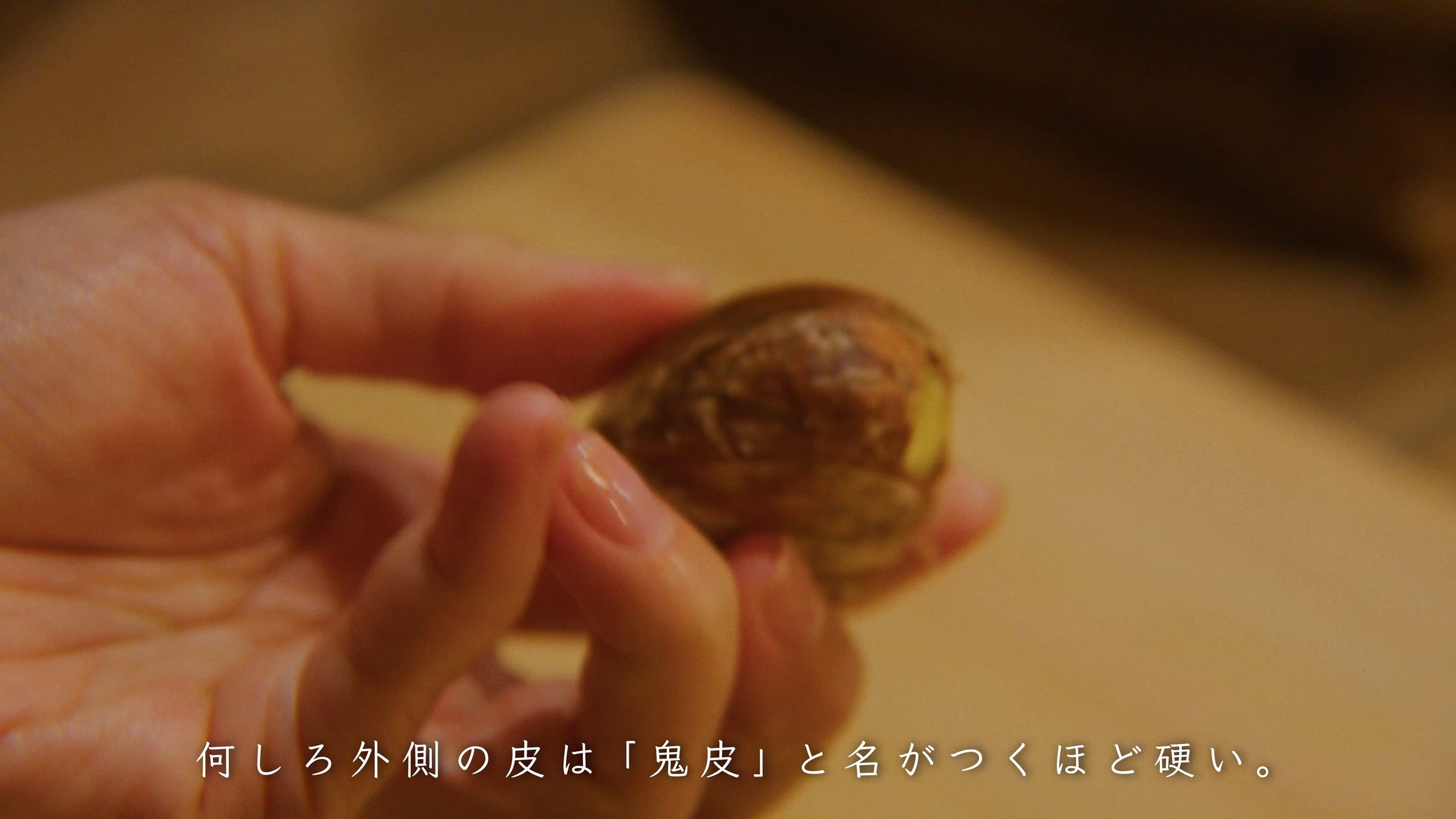
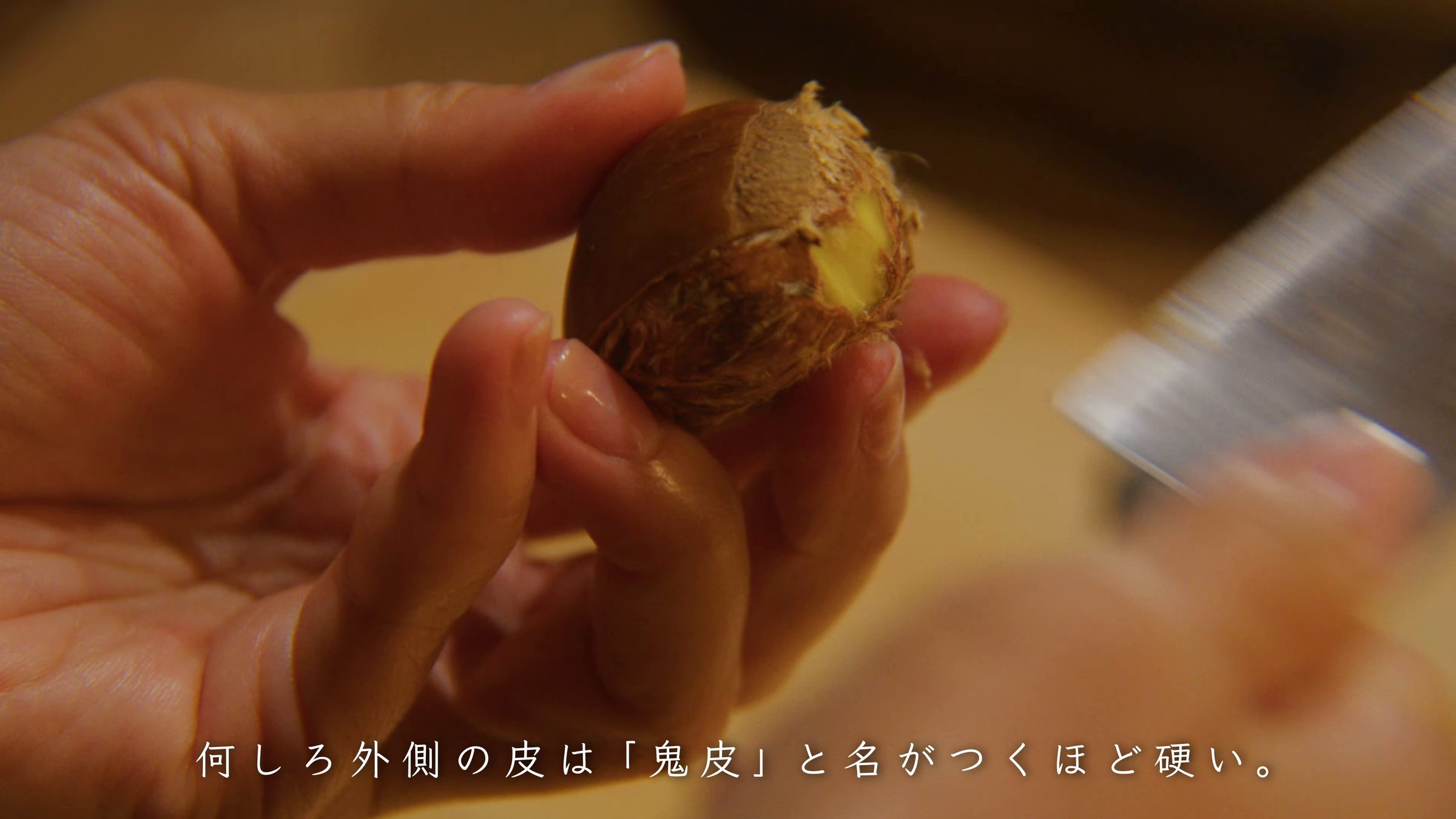
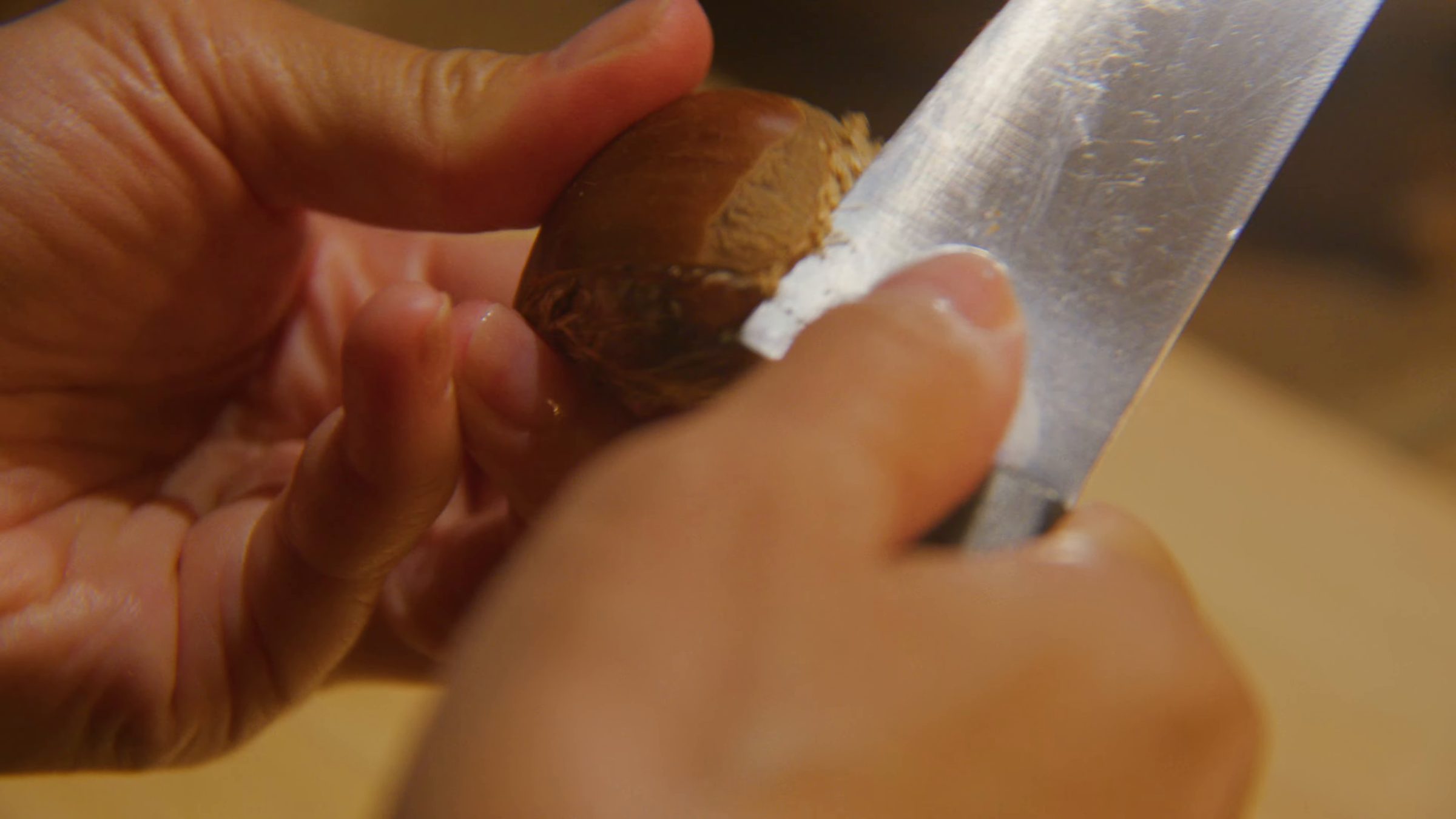
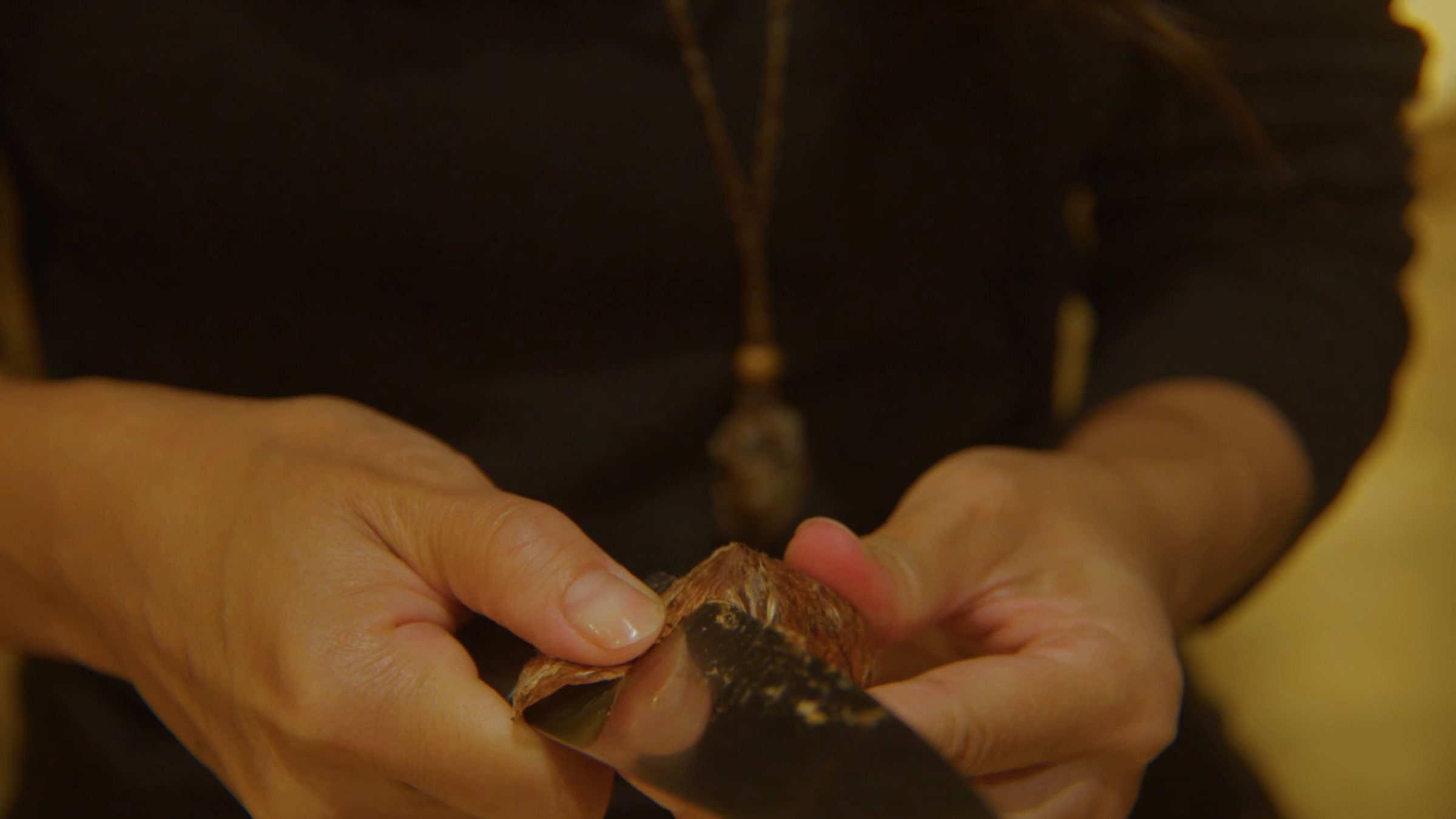
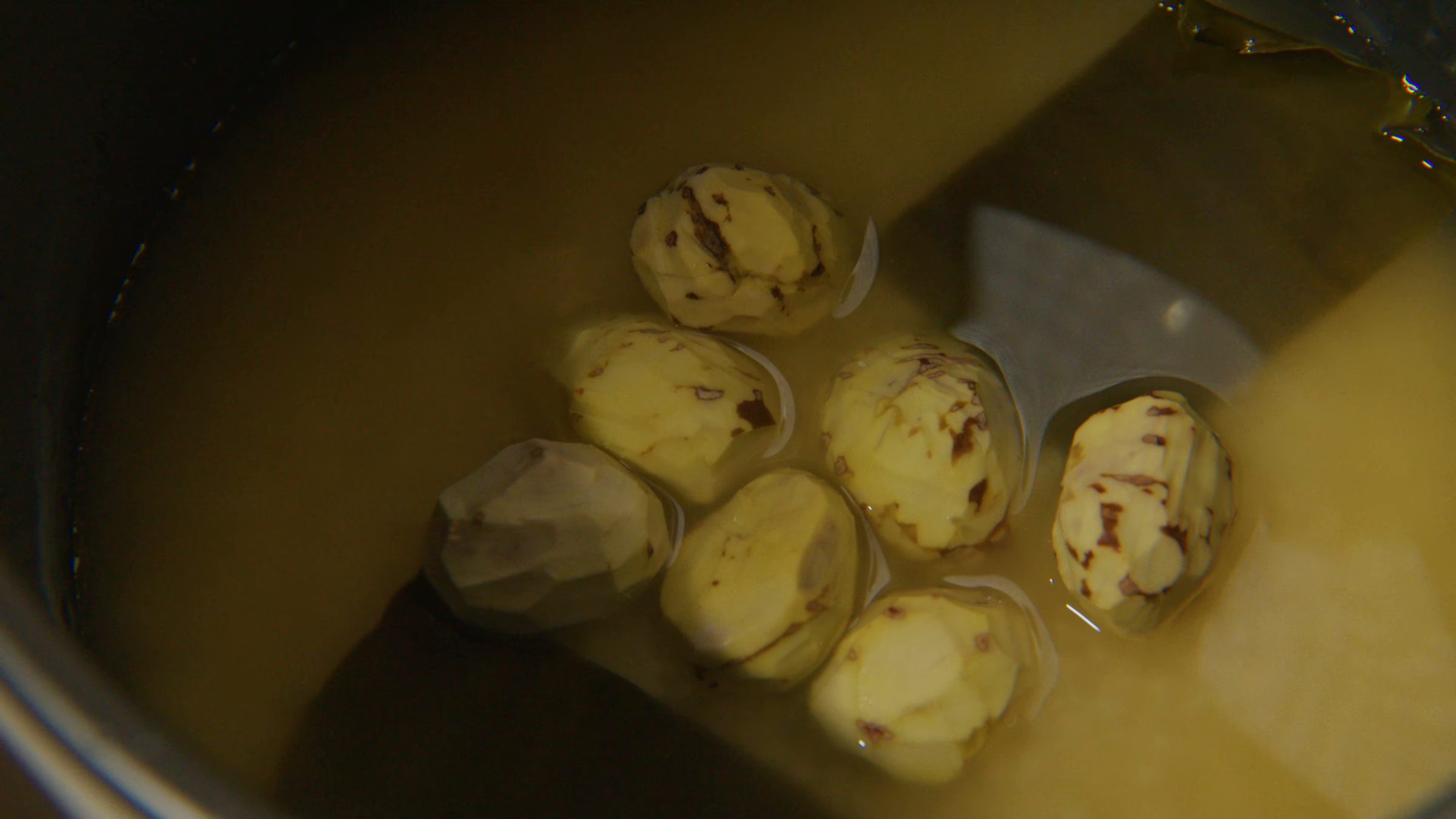
A quick boil, I was told, makes them easier to peel. I cut a notch in the base with a knife and worked the shell off from there. The outer shell is so hard that in Japanese it is called the demon skin, onikawa.
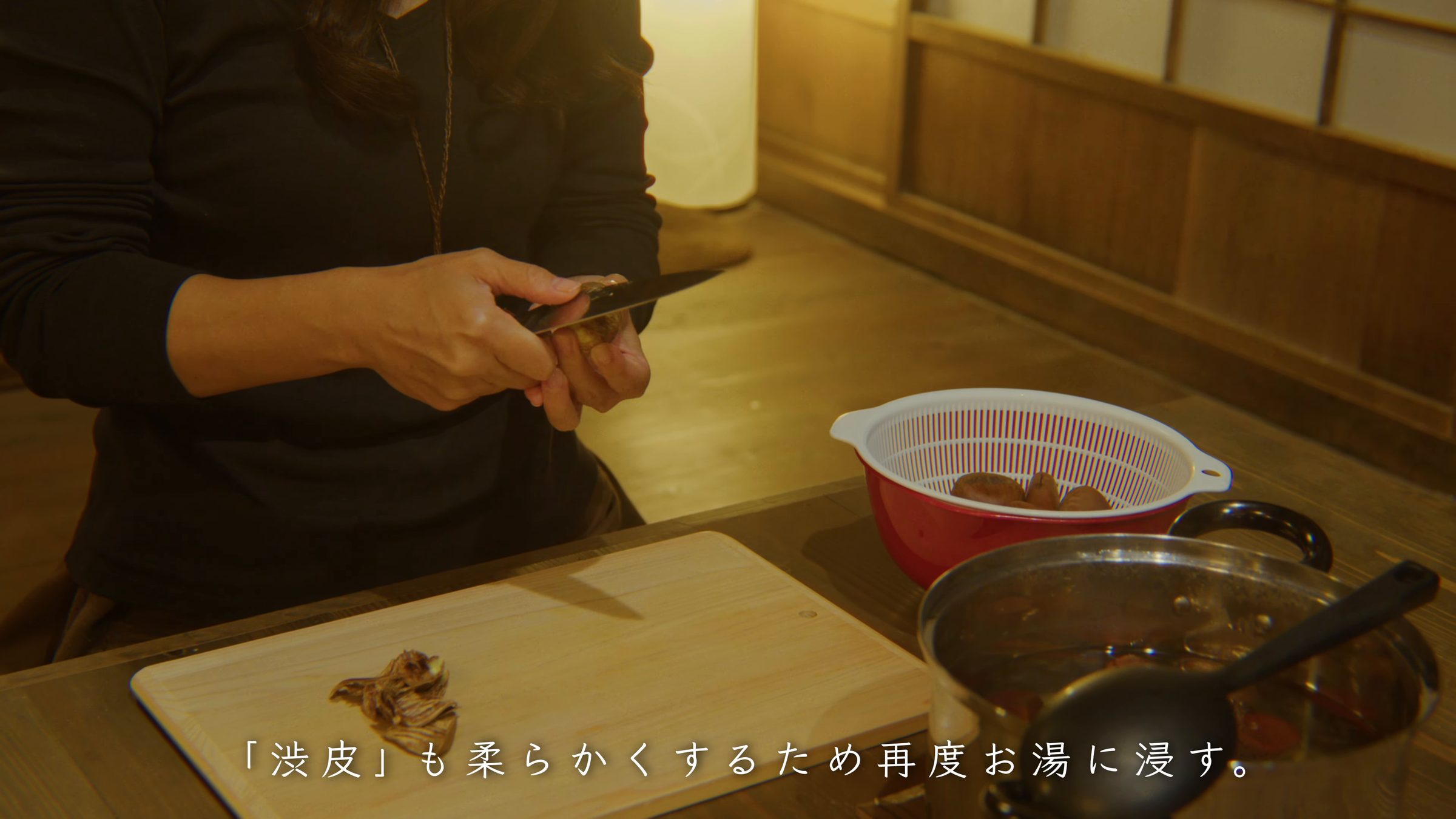
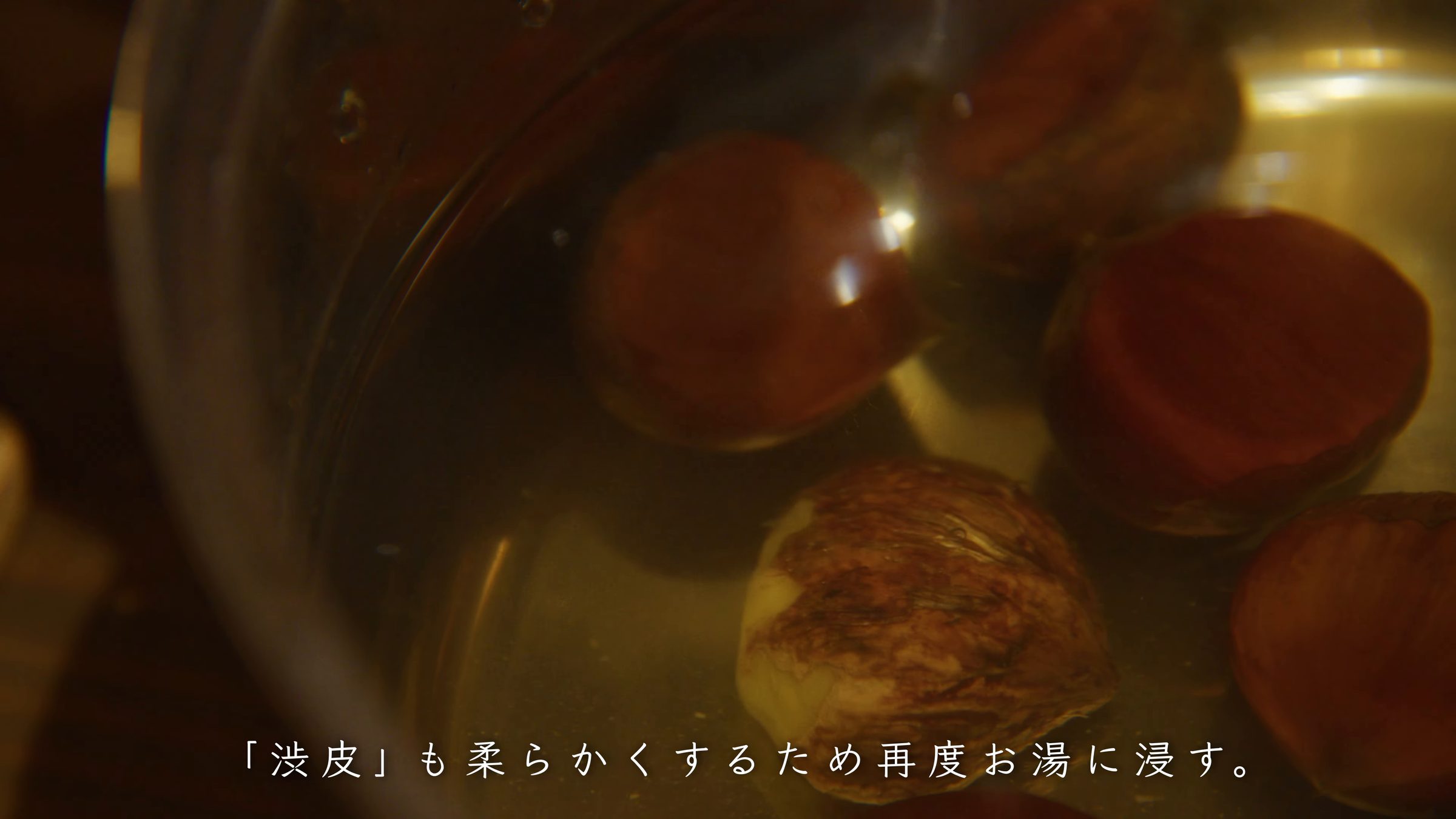
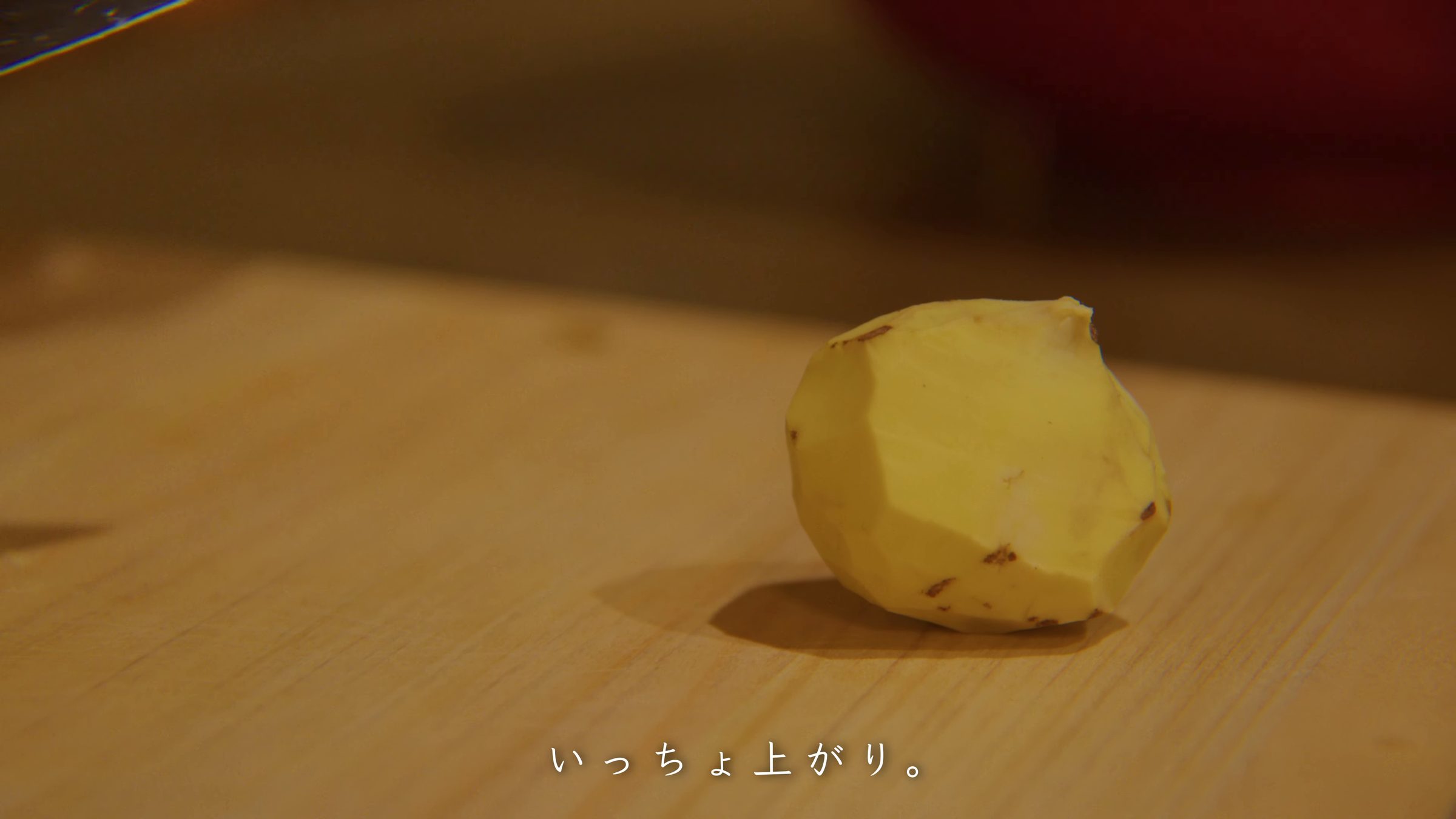
Under it is the astringent inner skin, shibukawa, which I soaked in hot water once more to soften. Peel that away, and the yellow nut appears: done. The peeled chestnuts went into a bowl of water.
Peeling chestnuts was, as expected, no easy job. But it was the kind of work that empties the mind, and I enjoyed it.
Watch this scene on YouTube3:20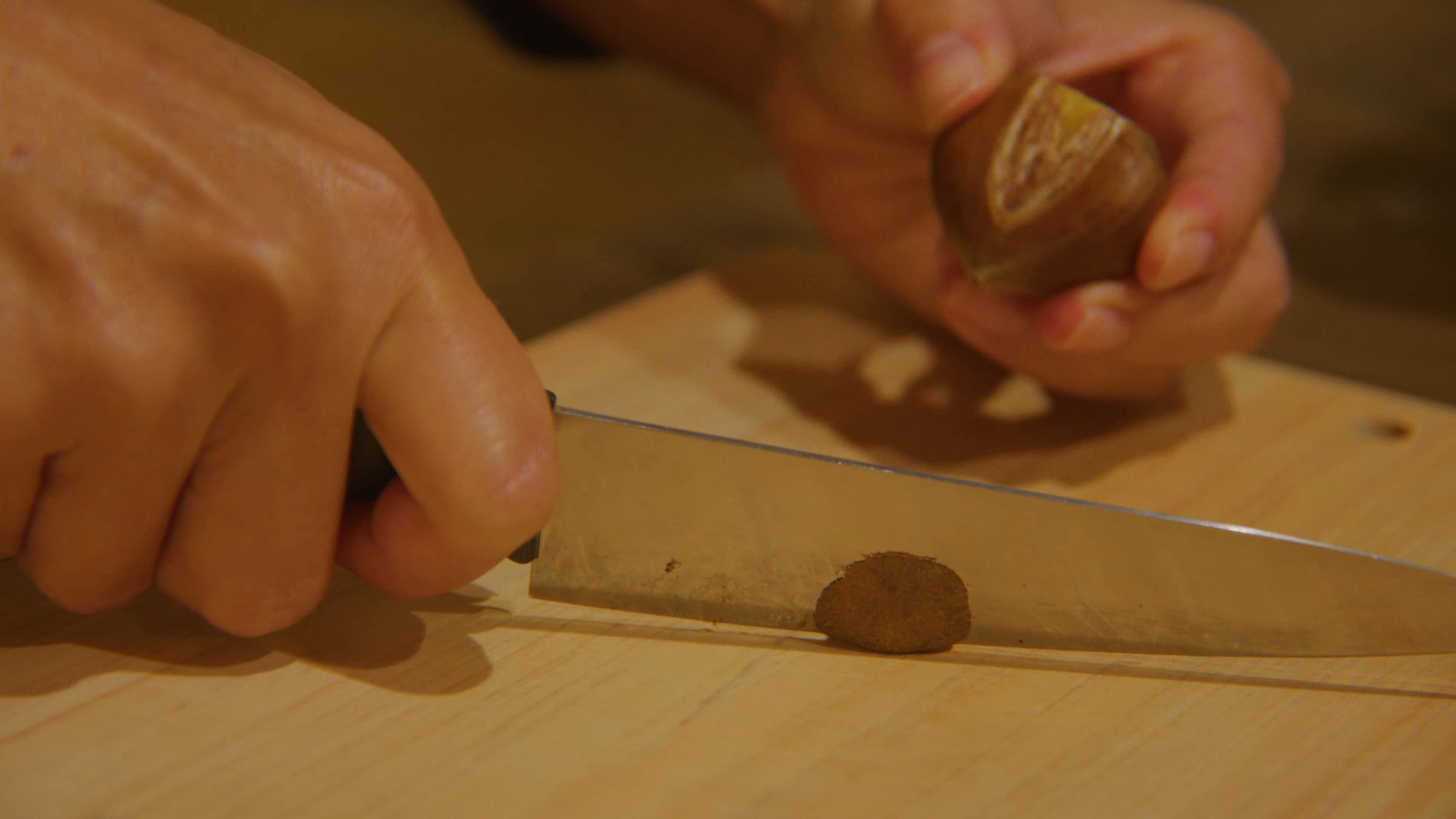
07TRAVEL JOURNAL
Mushrooms, autumn bonito and early mandarins
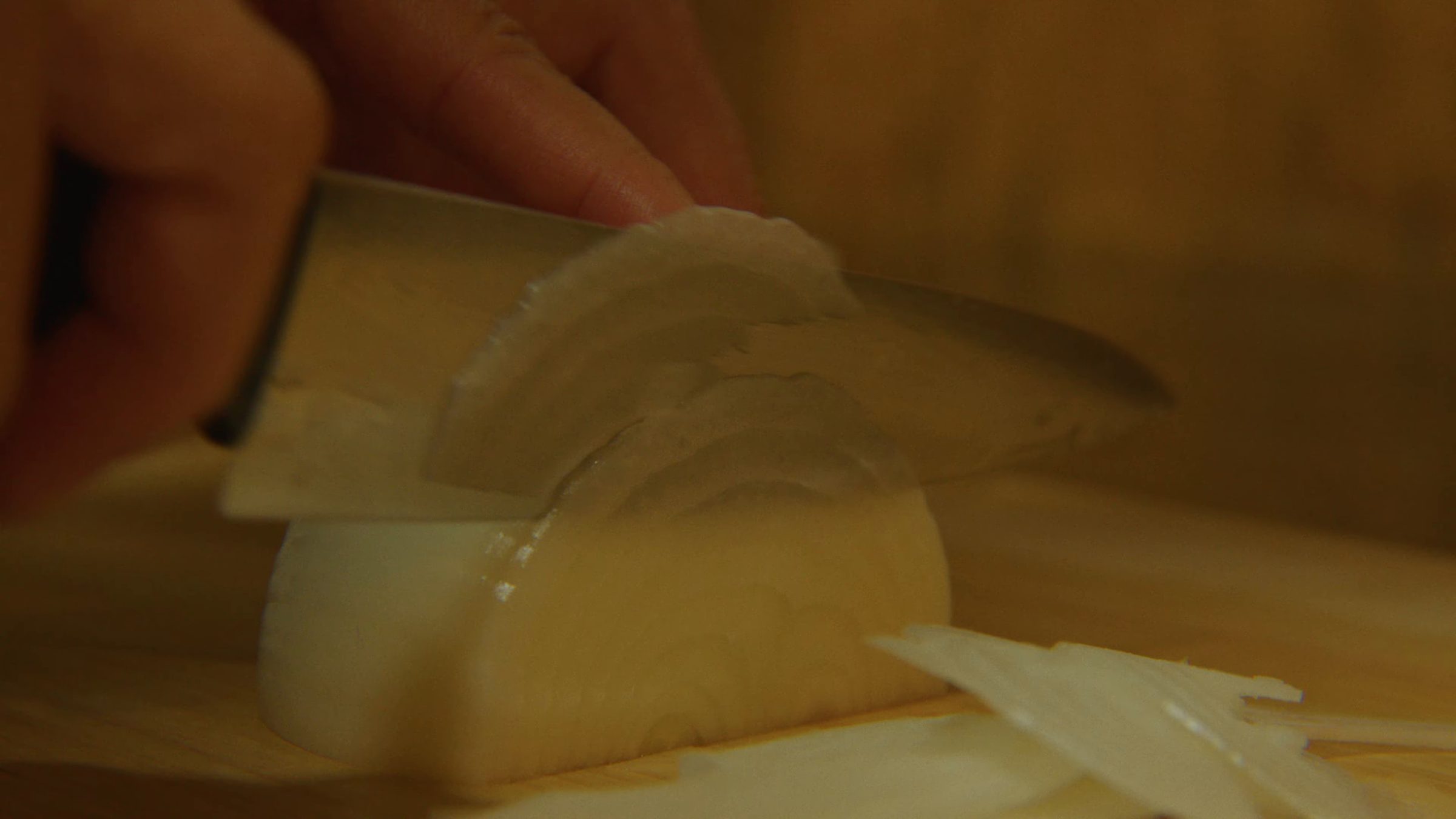
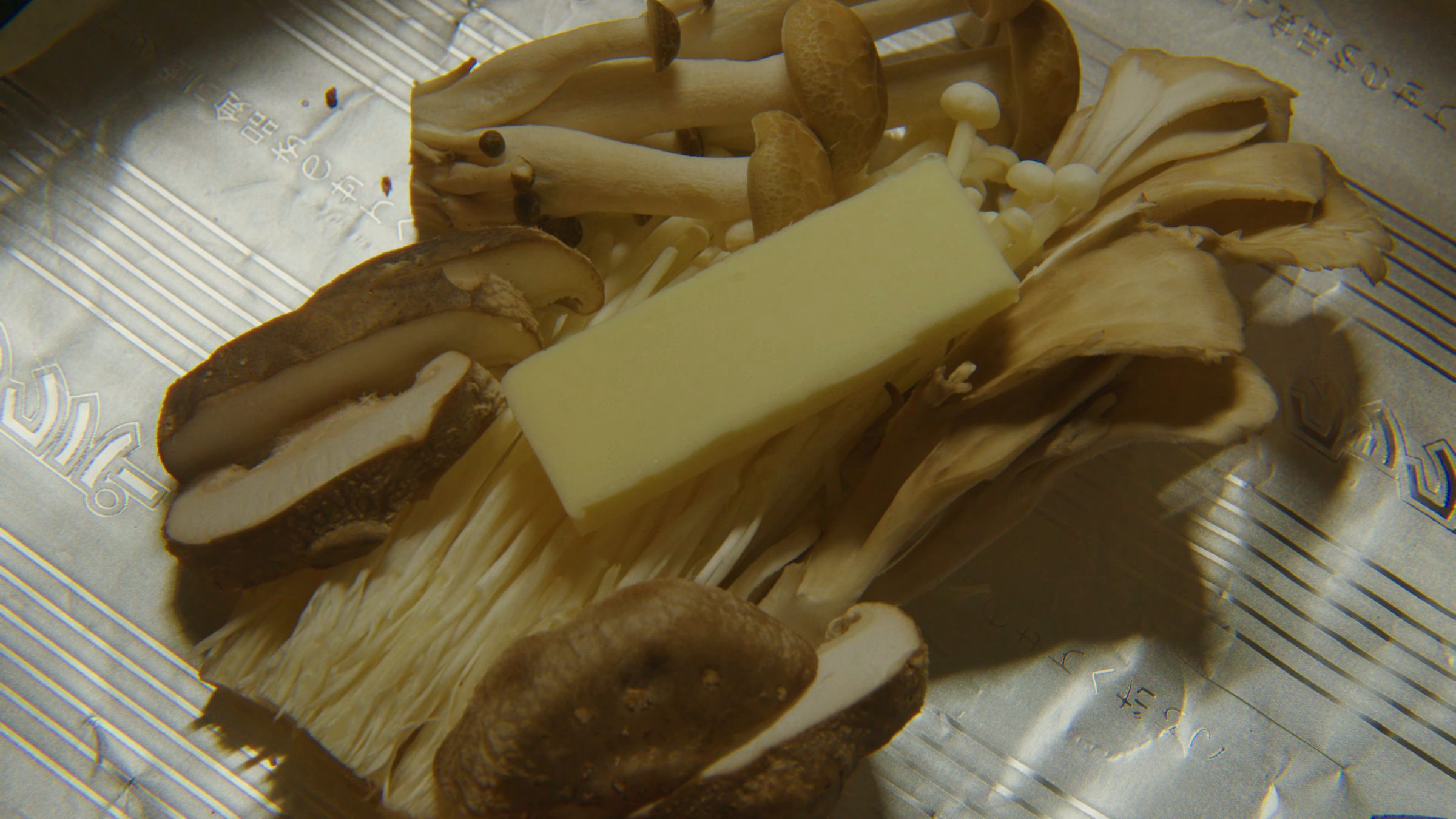
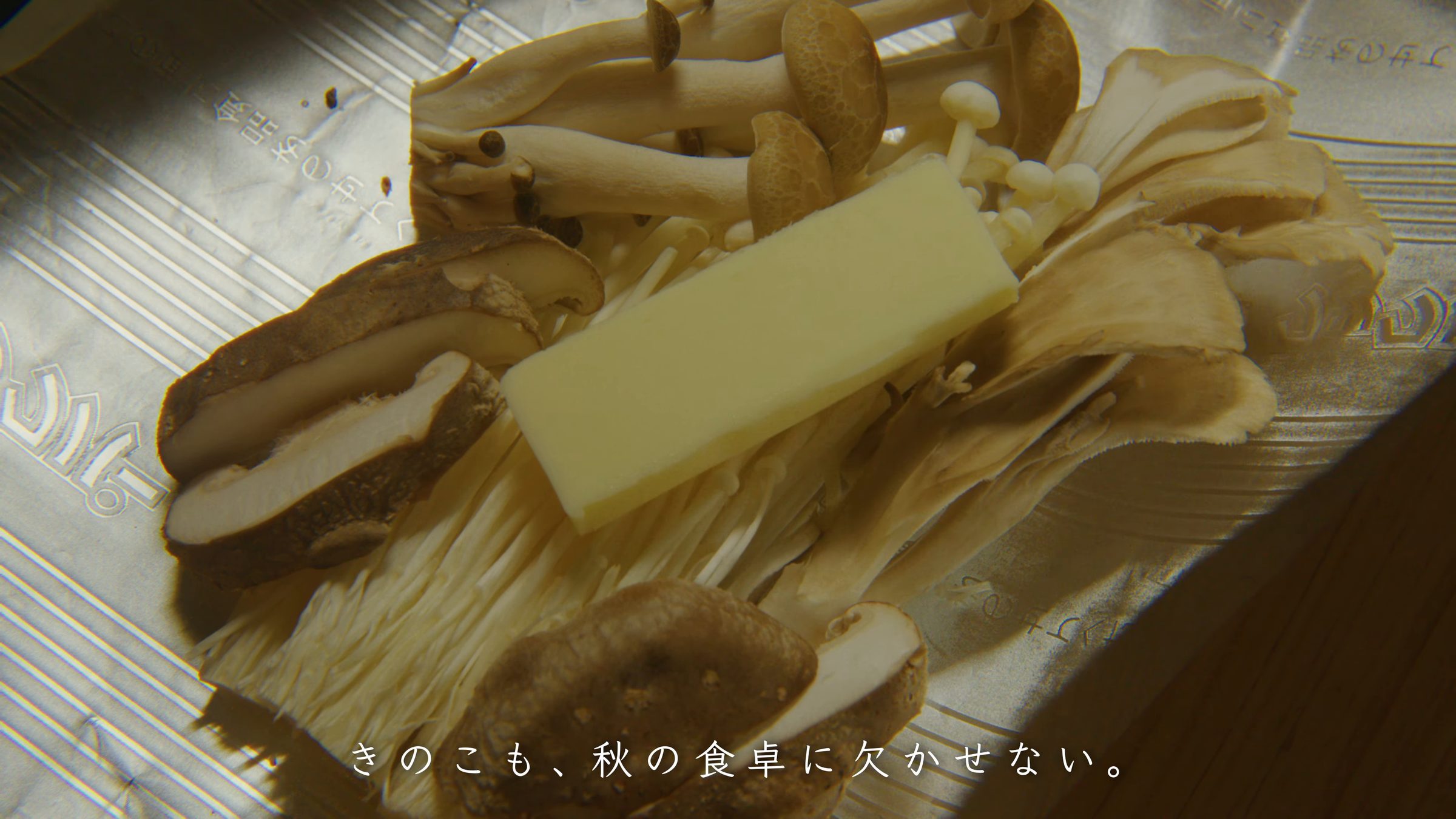
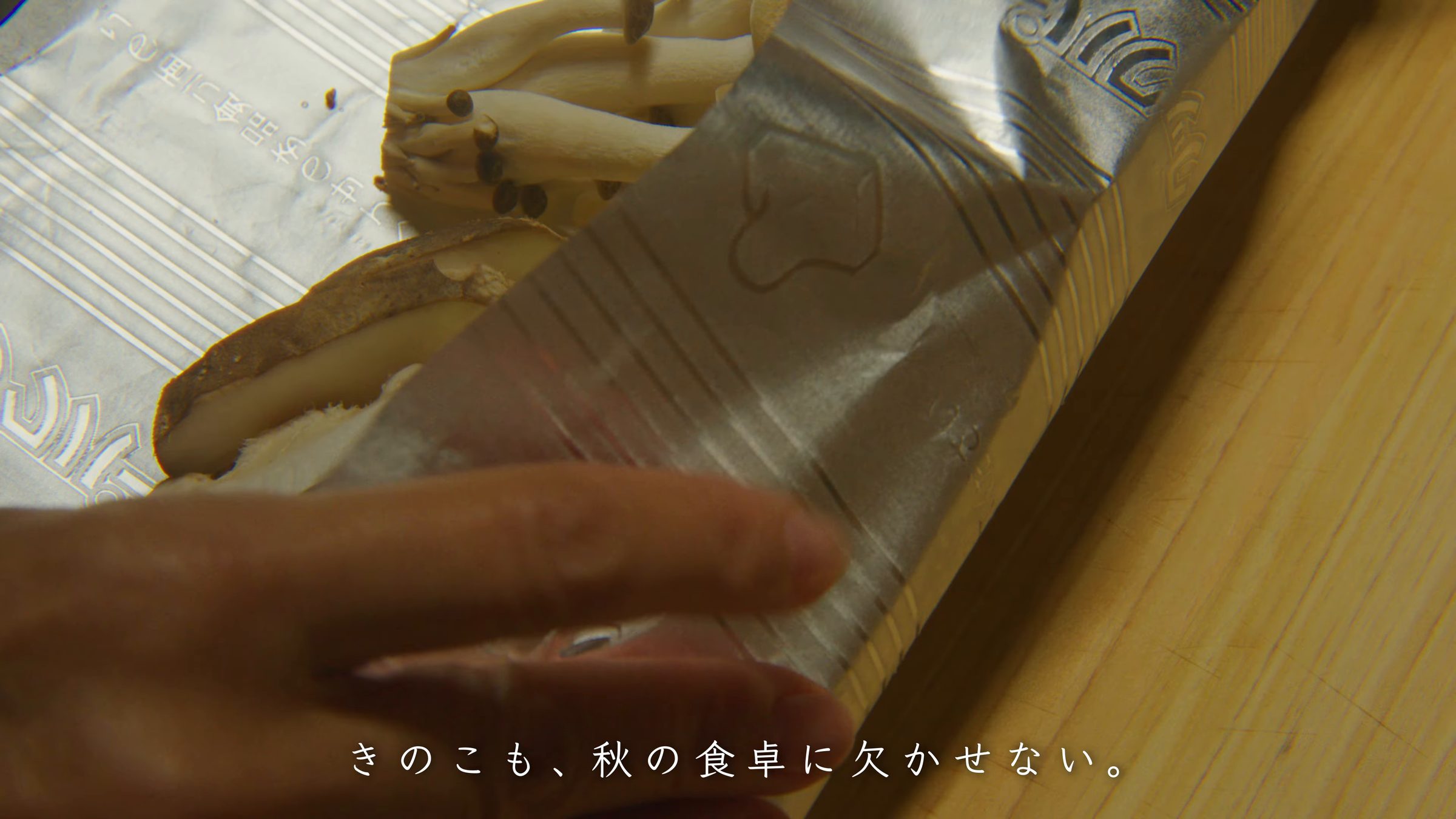
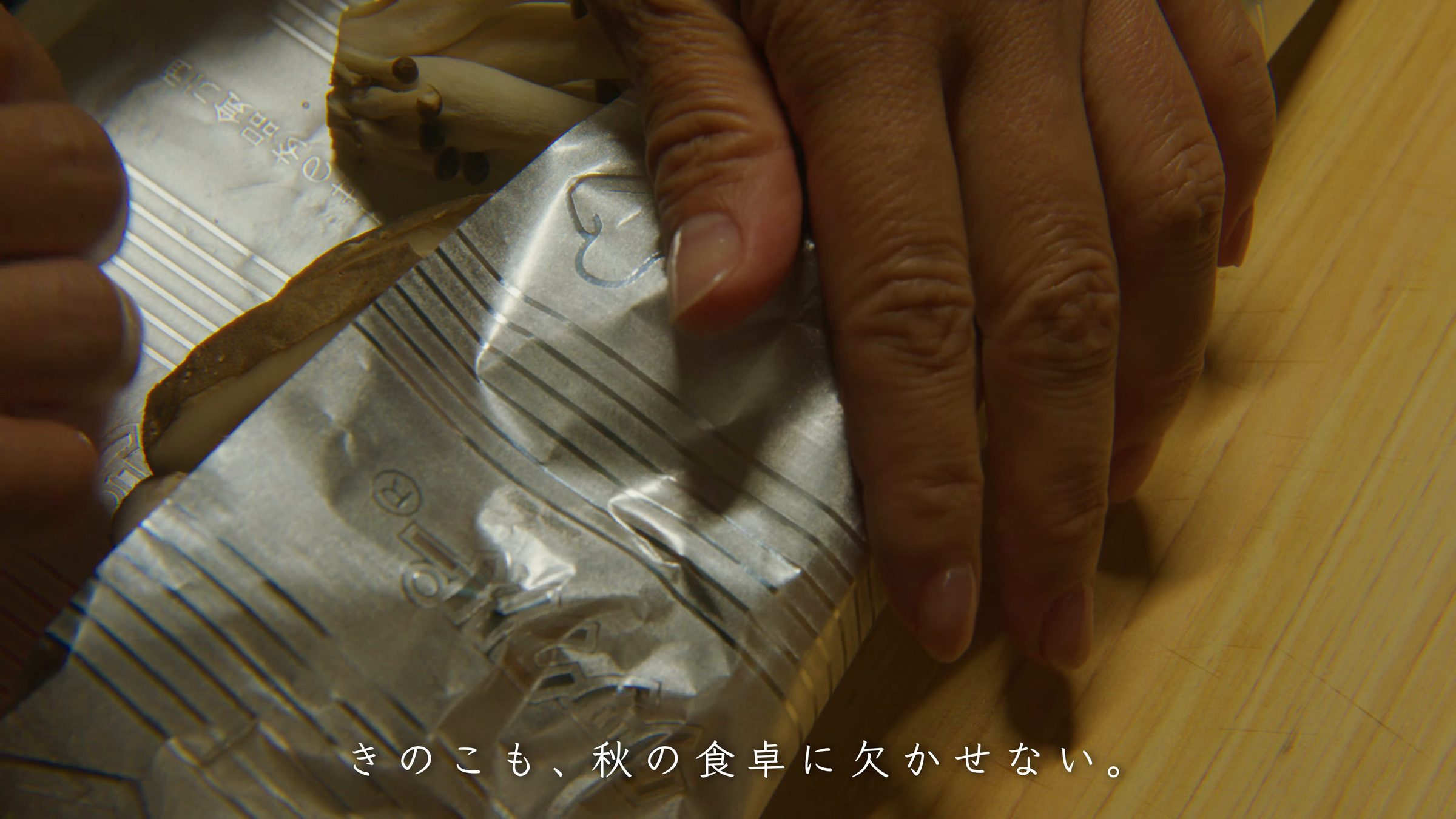
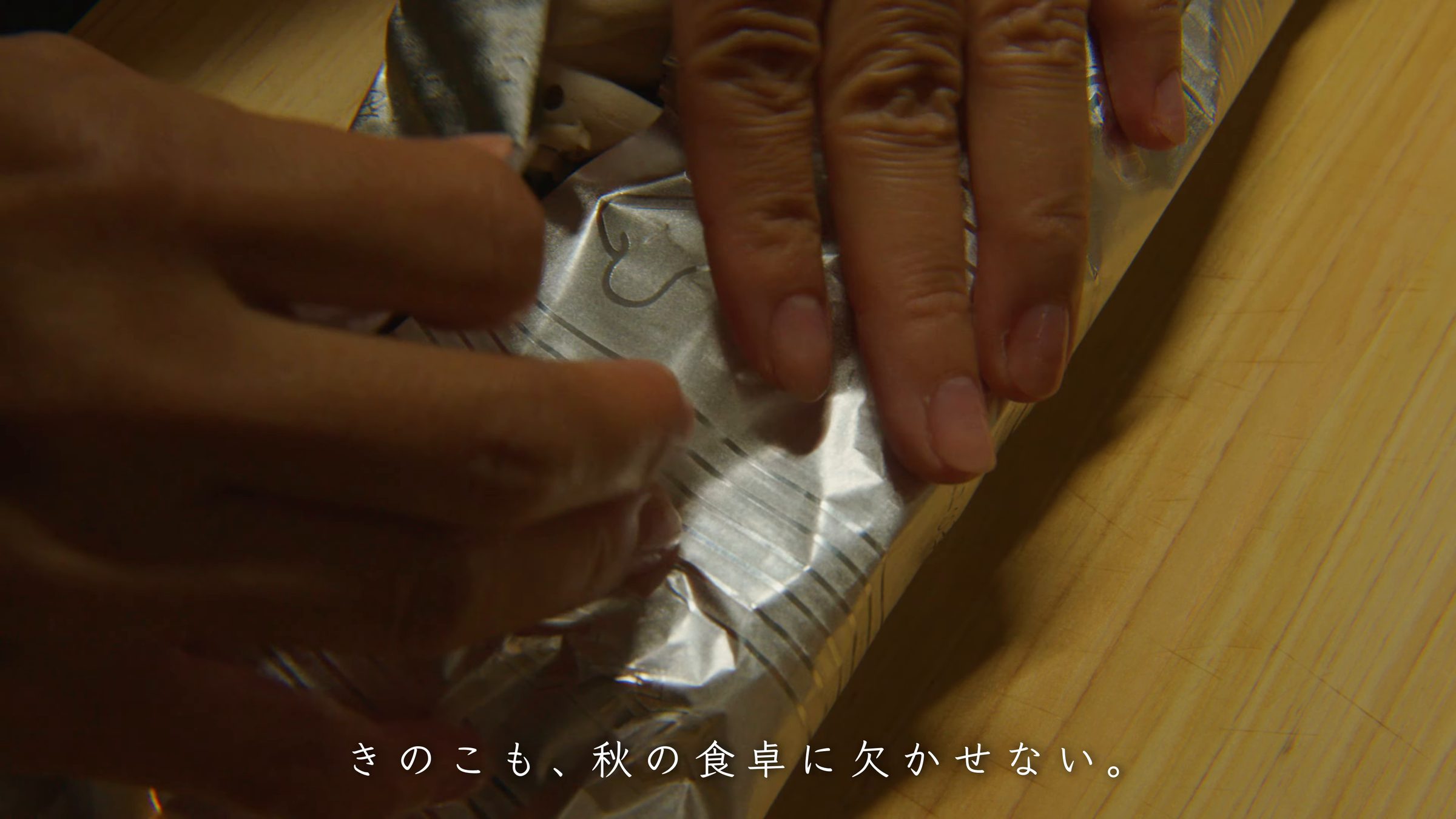
I sliced an onion thin, then spread shiitake, shimeji, enoki and maitake mushrooms on a sheet of foil with a pat of butter and folded it shut. Mushrooms, too, are essential to an autumn table.
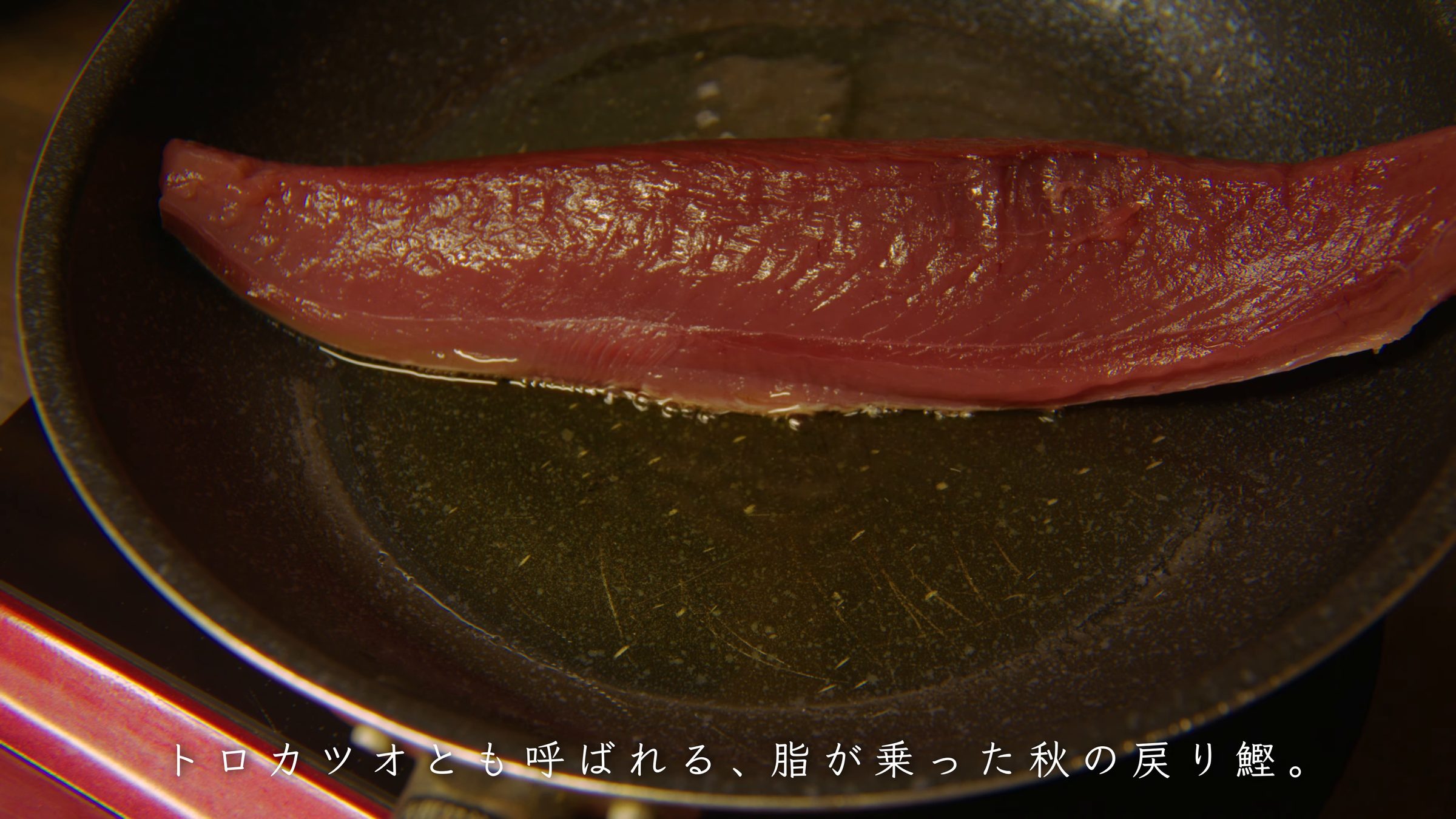
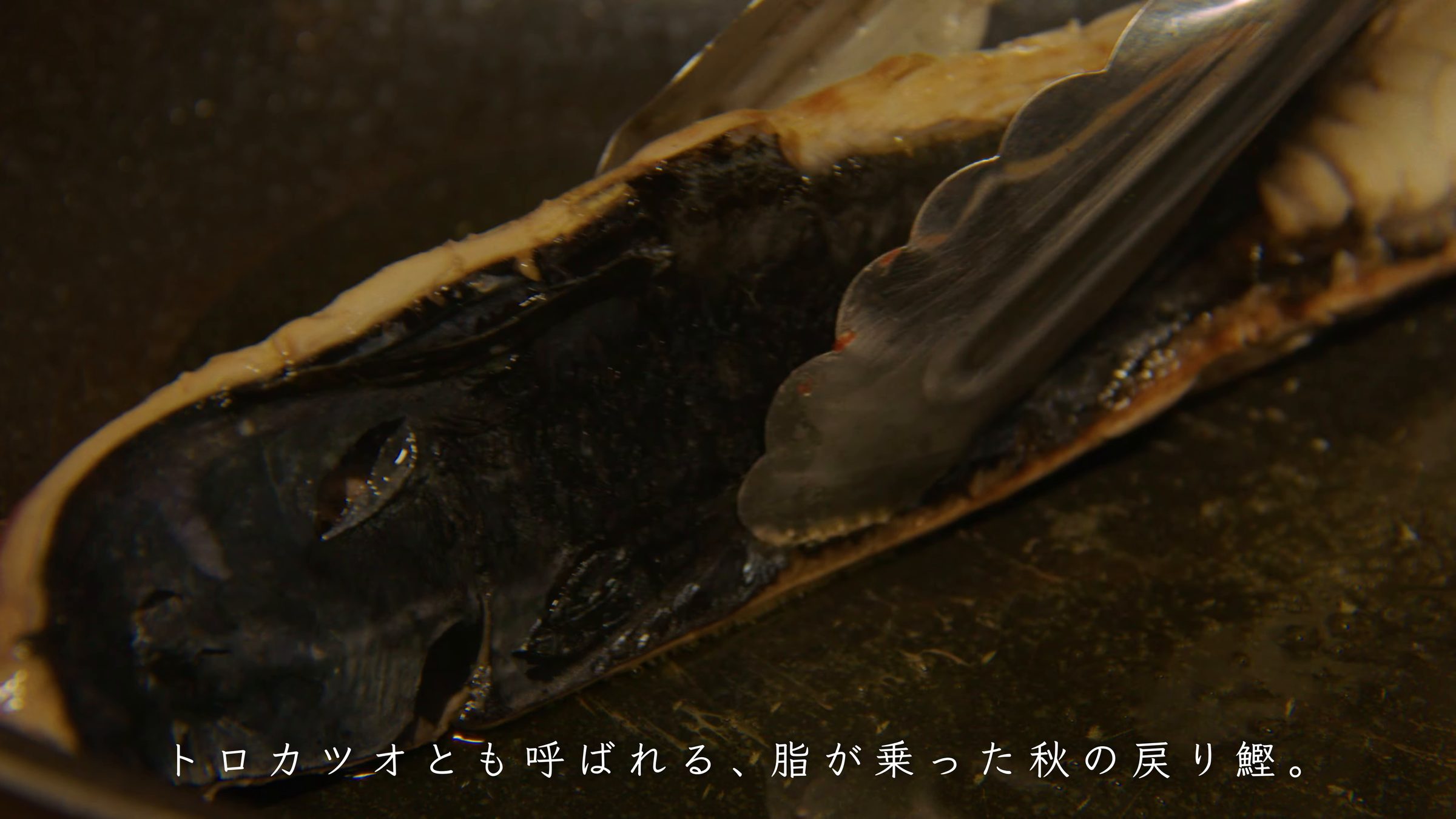
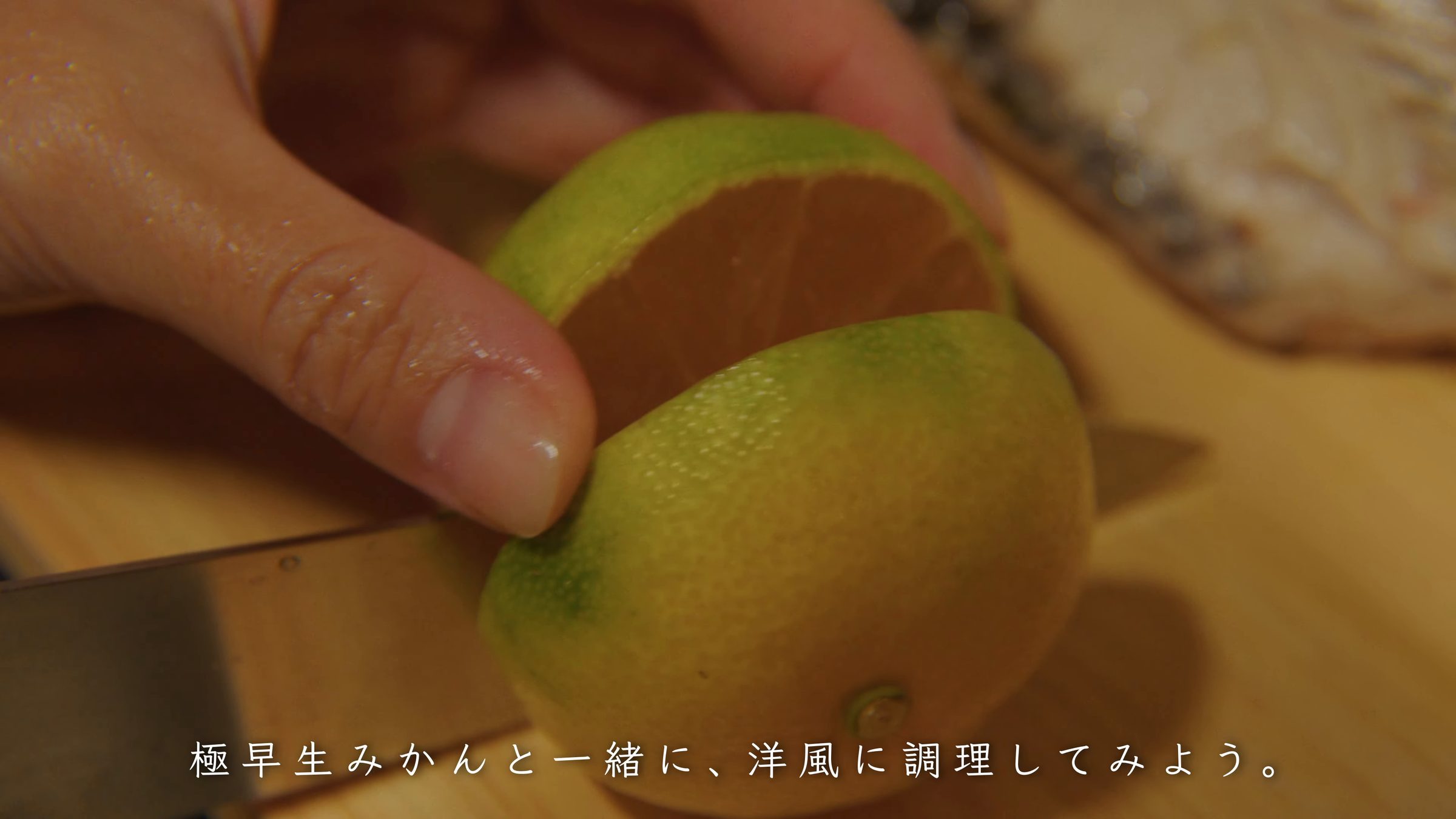
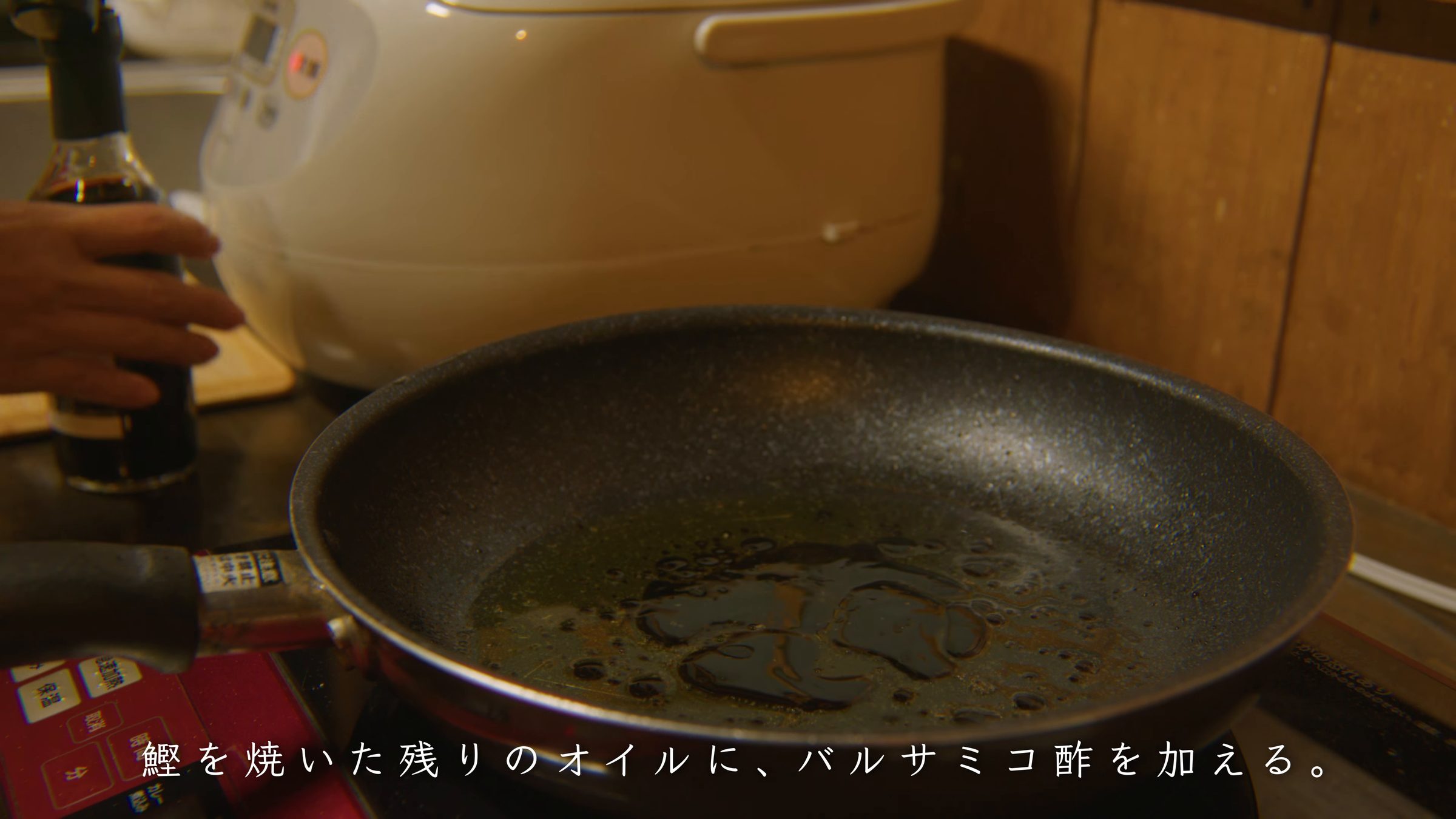
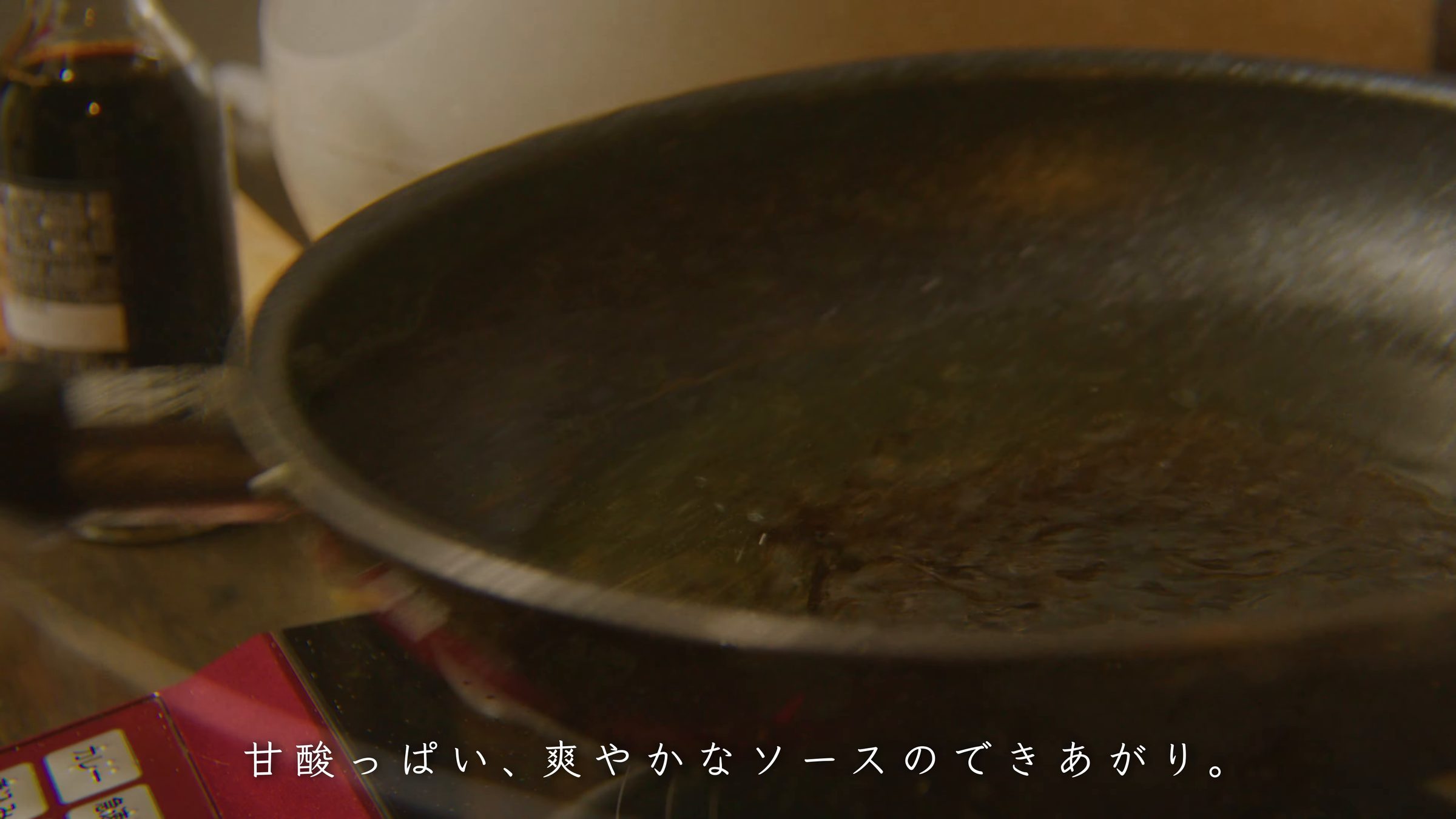
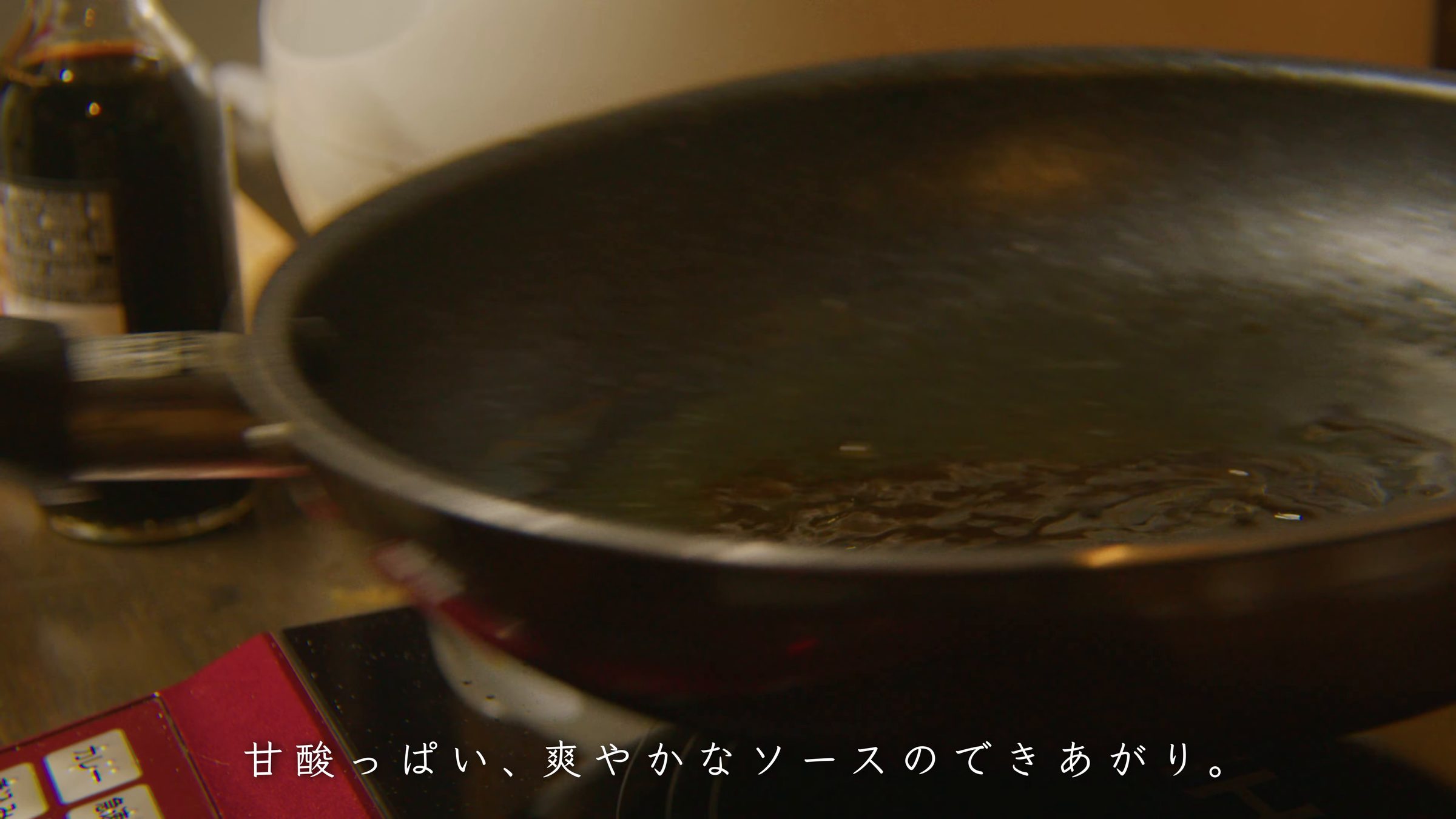
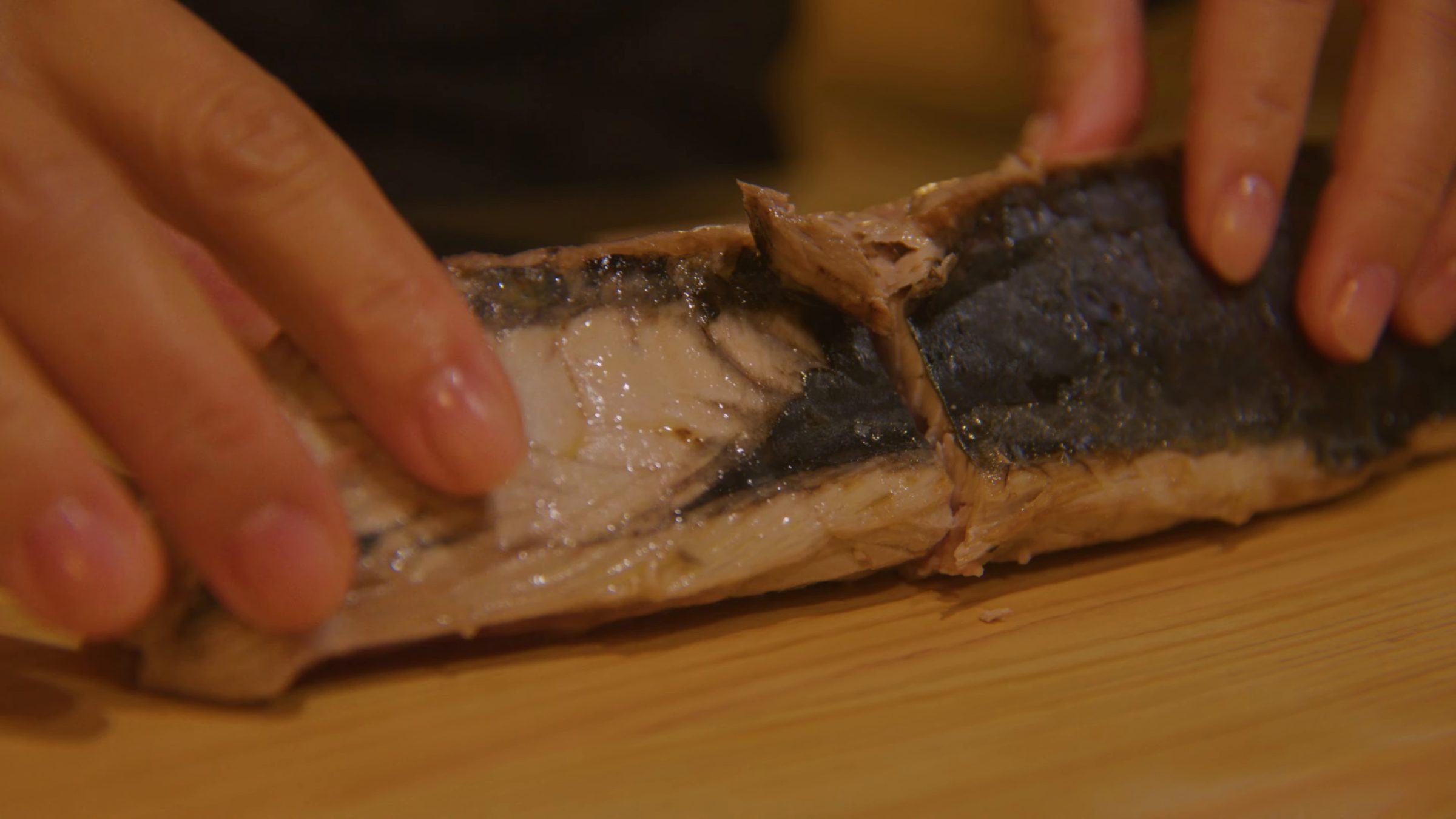
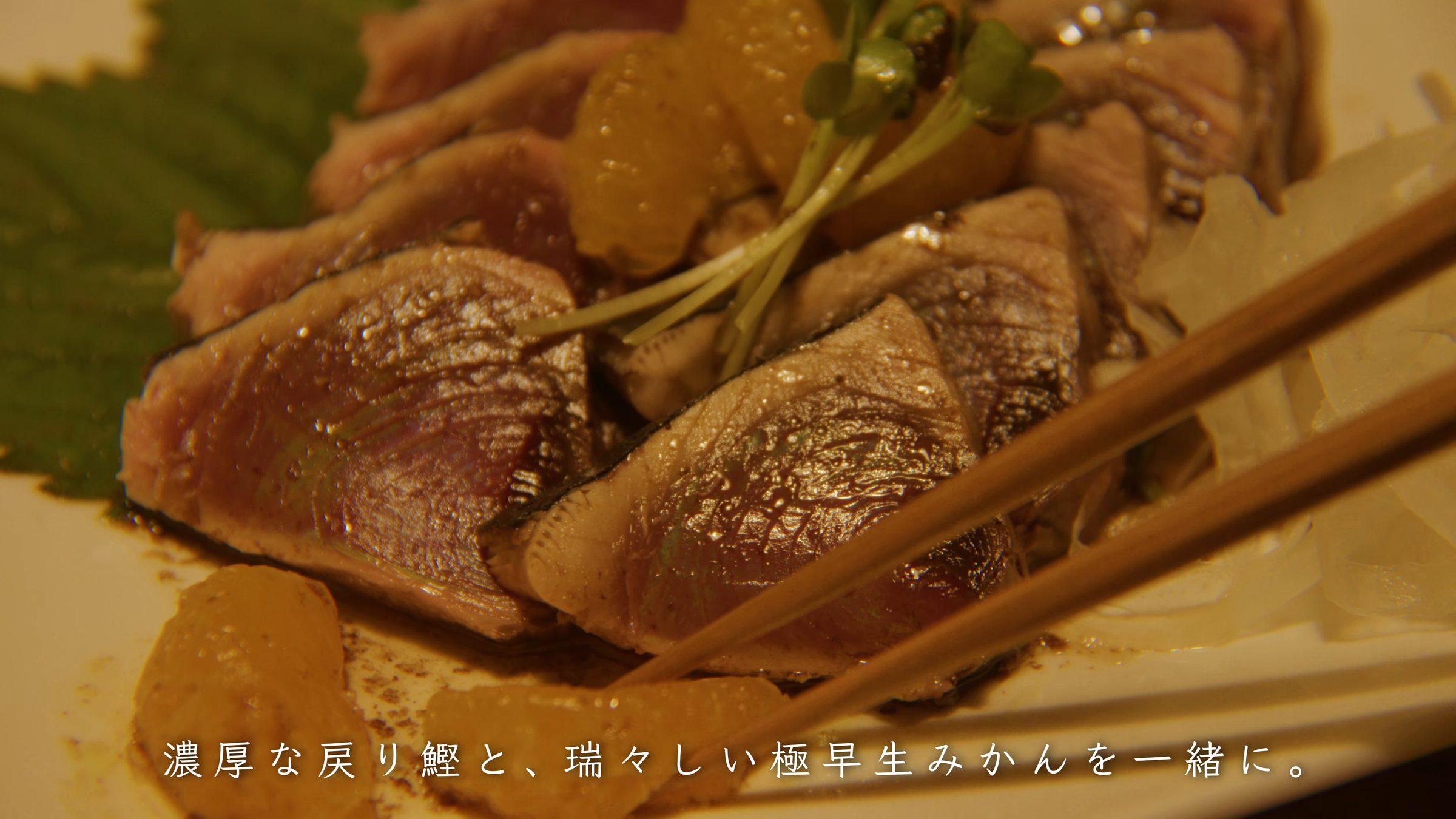
Then the other star: autumn bonito, so rich in fat that it is sometimes called toro-katsuo. I seared it skin-side down in a frying pan and decided to cook it Western-style, together with extra-early mandarins. To the oil left in the pan I added balsamic vinegar and plenty of freshly squeezed mandarin juice: a sweet, tart, refreshing sauce.
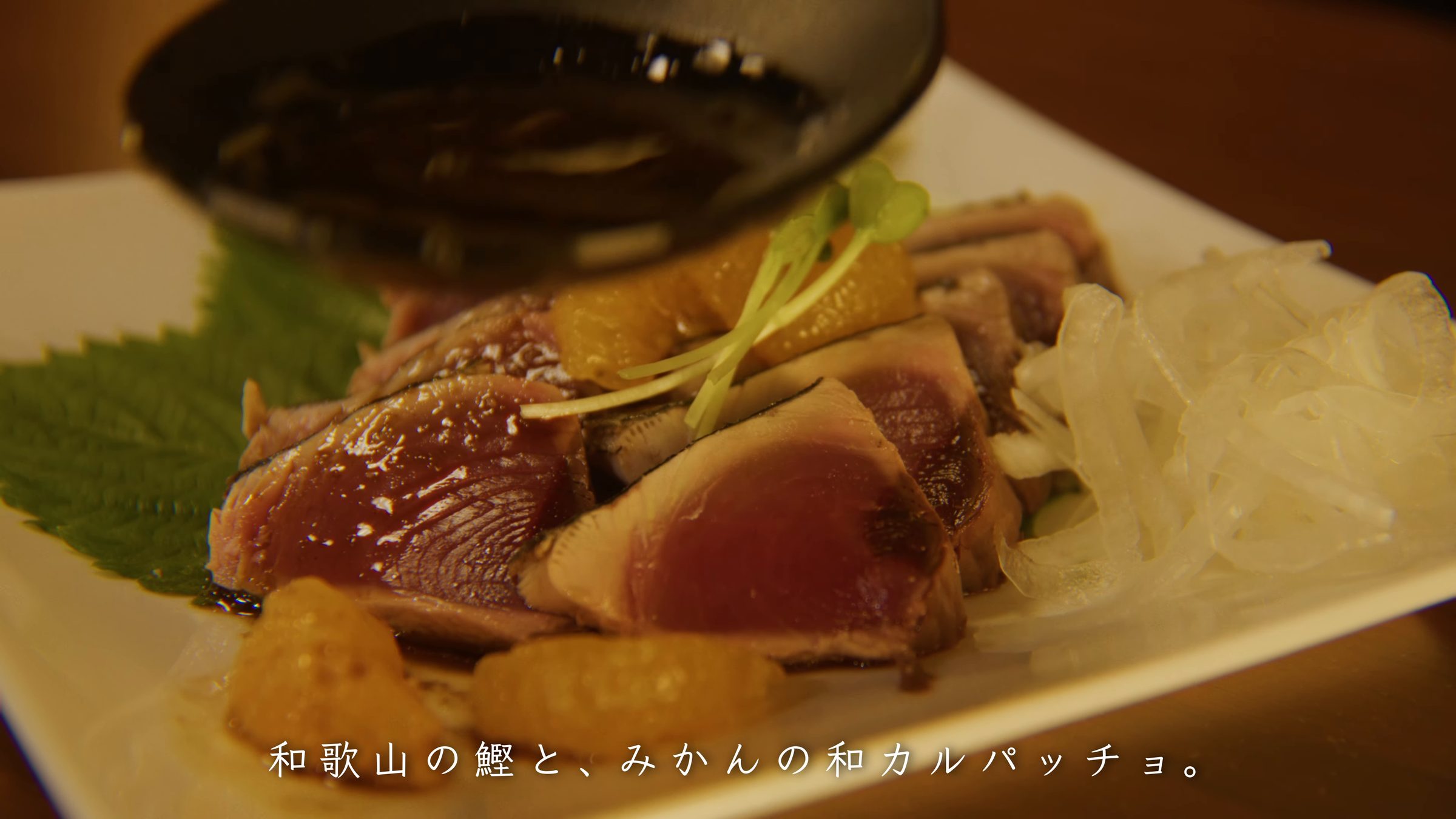
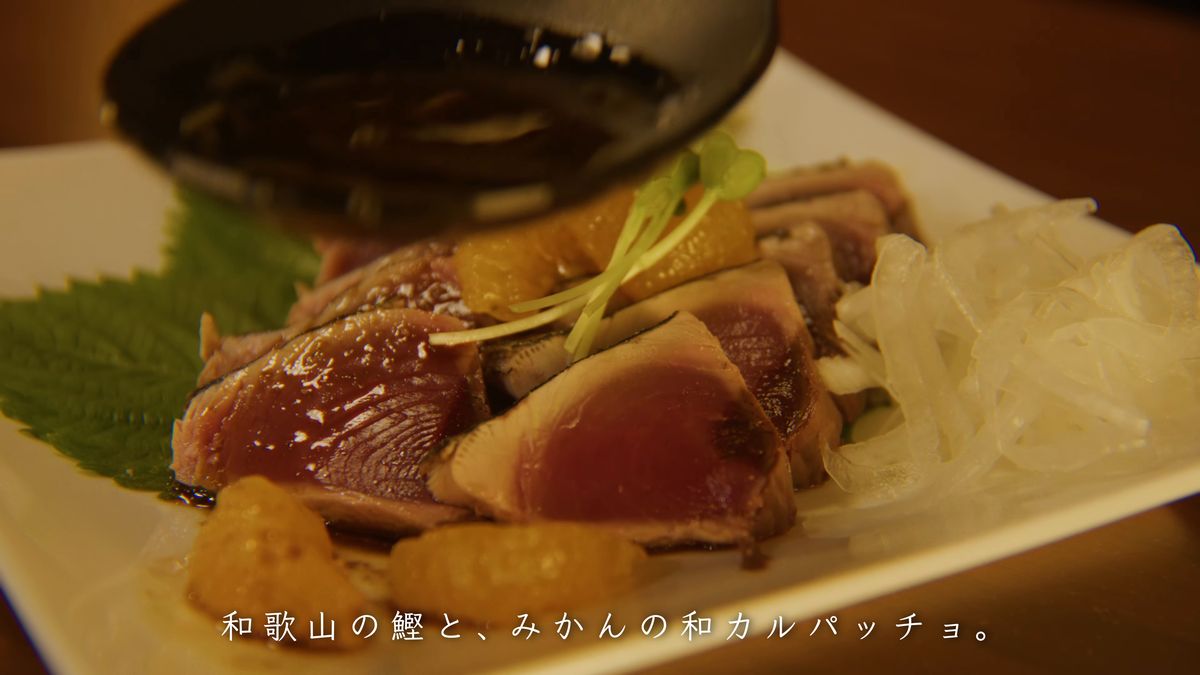
I sliced the bonito, arranged it with shiso leaves, onion and mandarin segments, and spooned the sauce over. Wakayama bonito and mandarin, as a Japanese-style carpaccio.
Watch this scene on YouTube3:53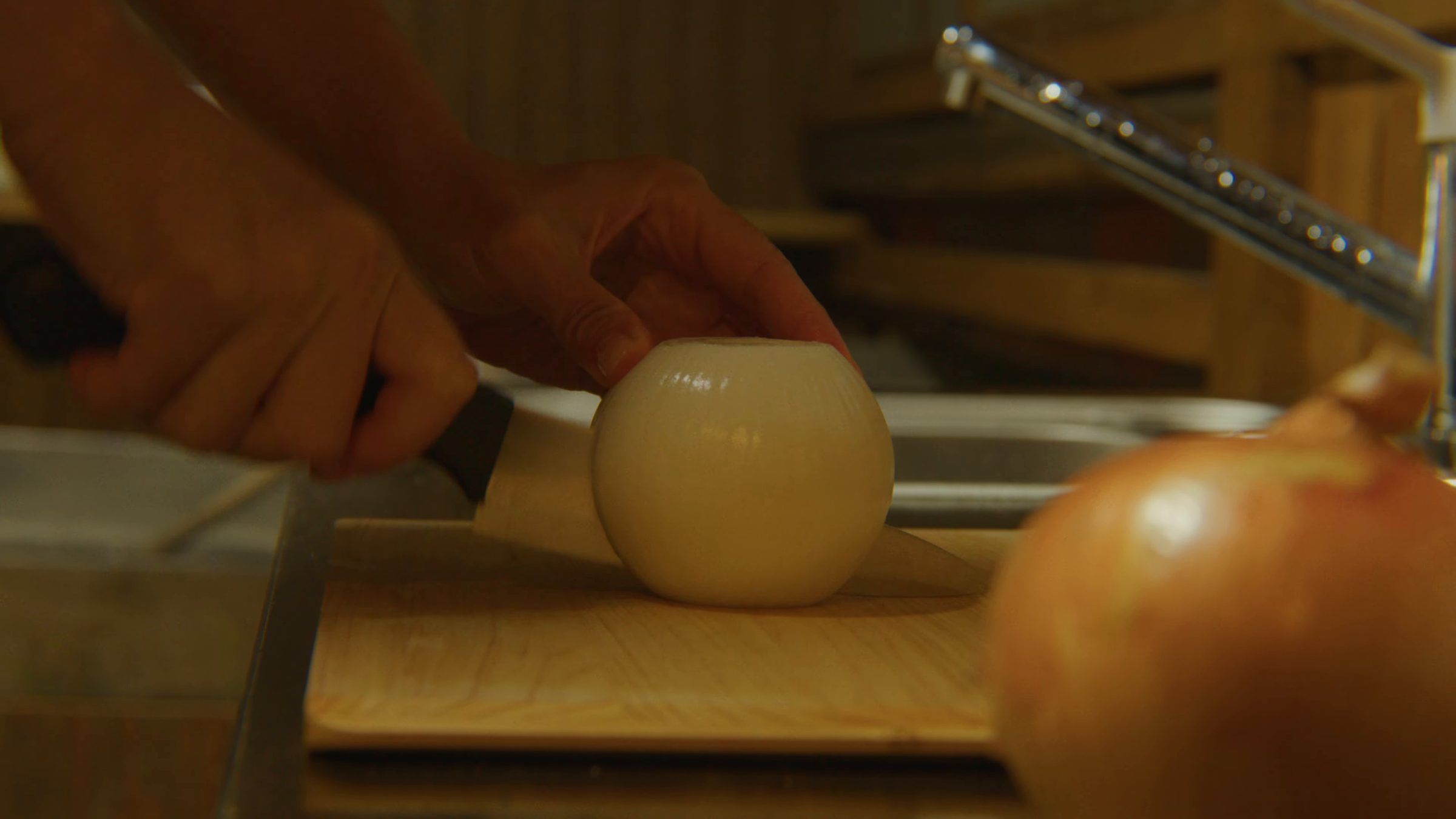
08TRAVEL JOURNAL
An autumn feast
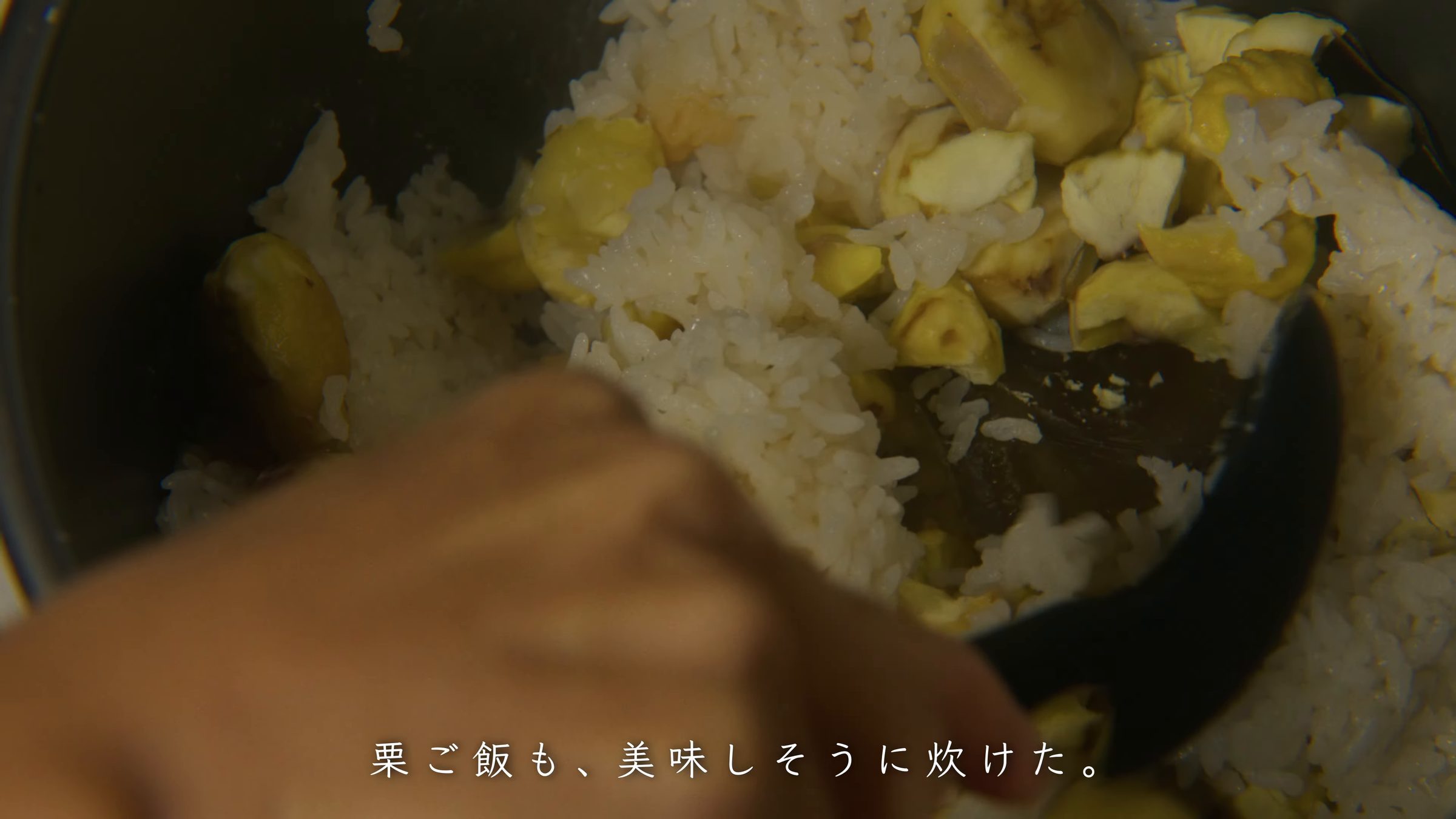
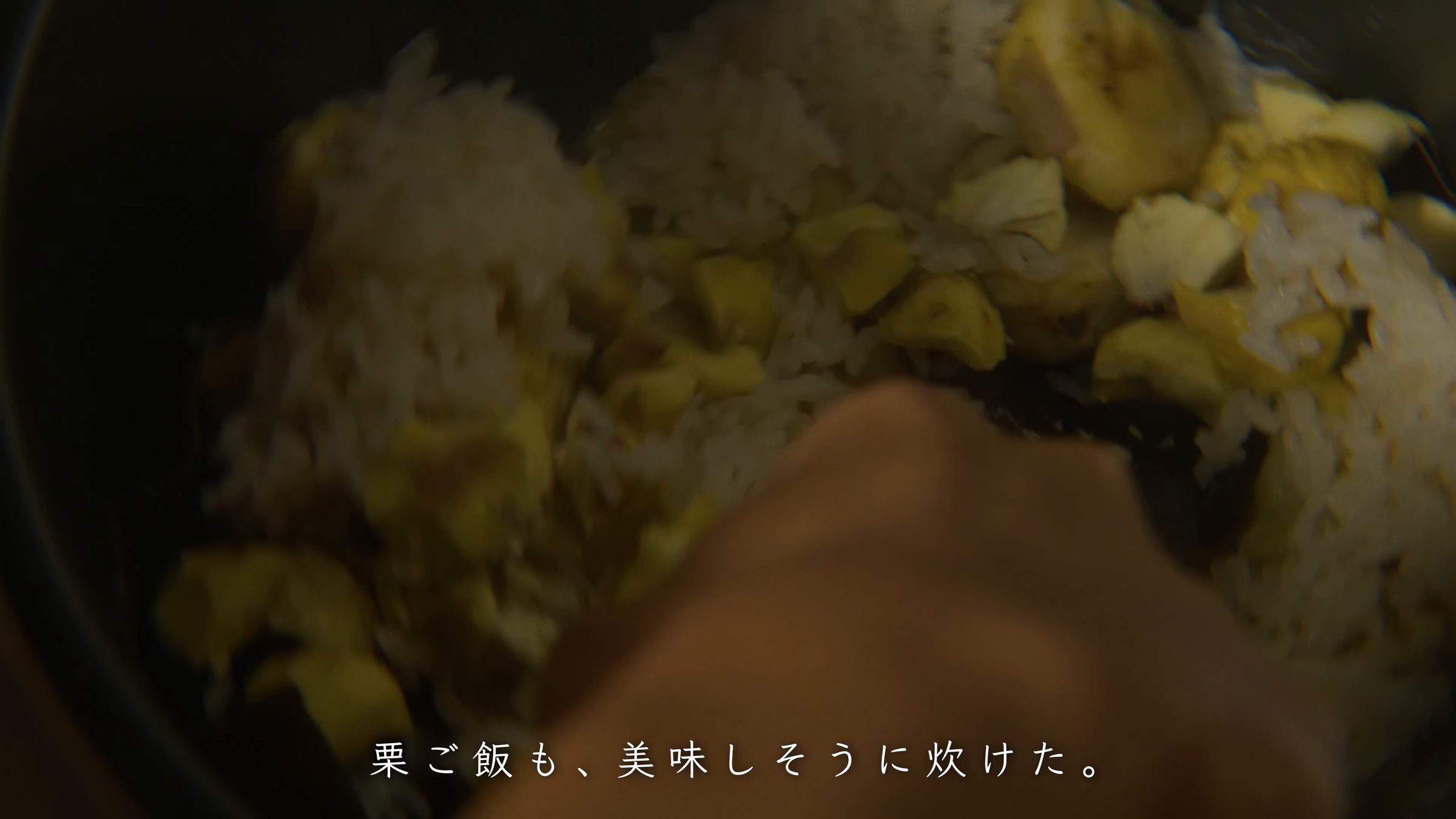
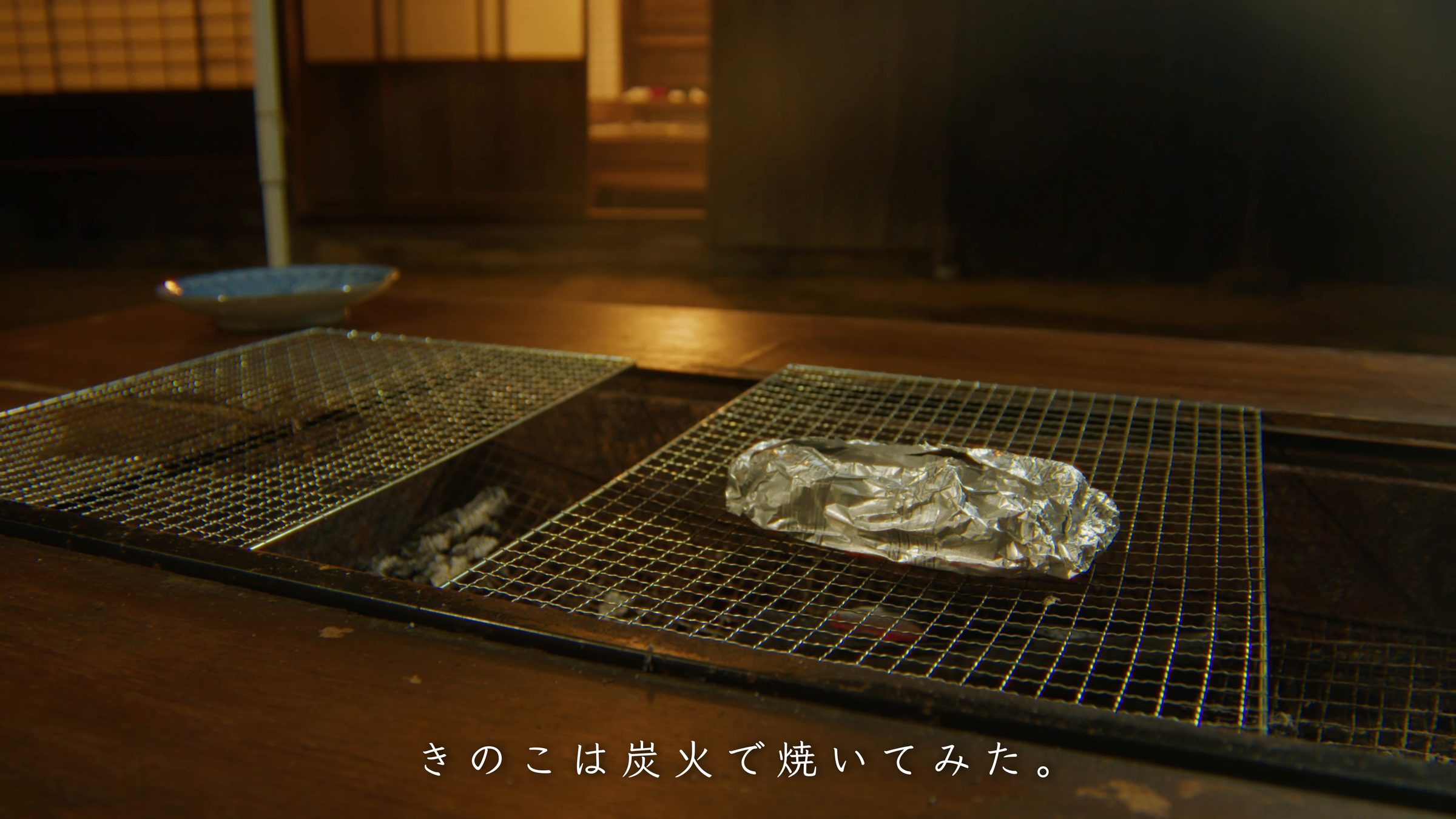
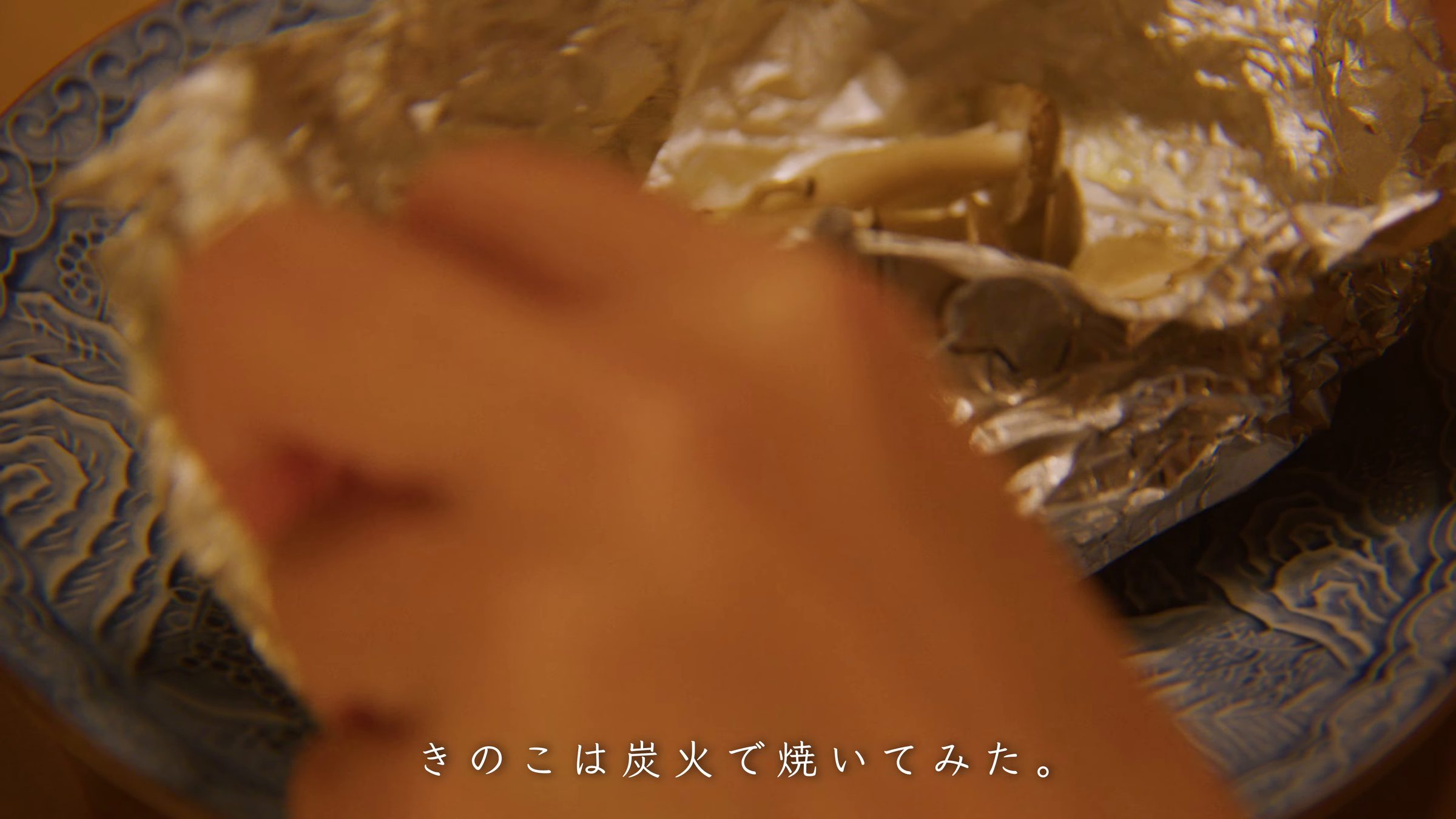
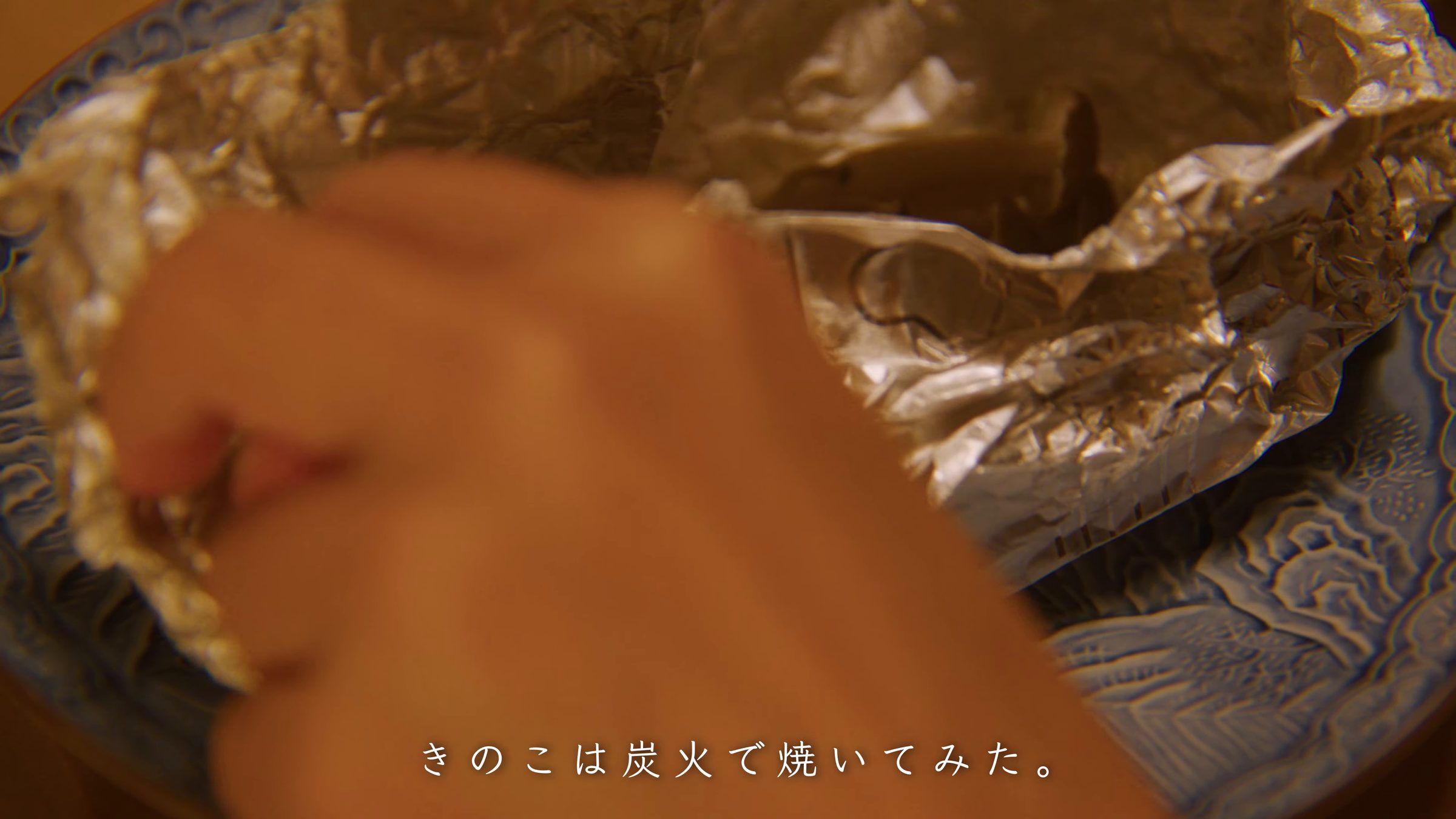
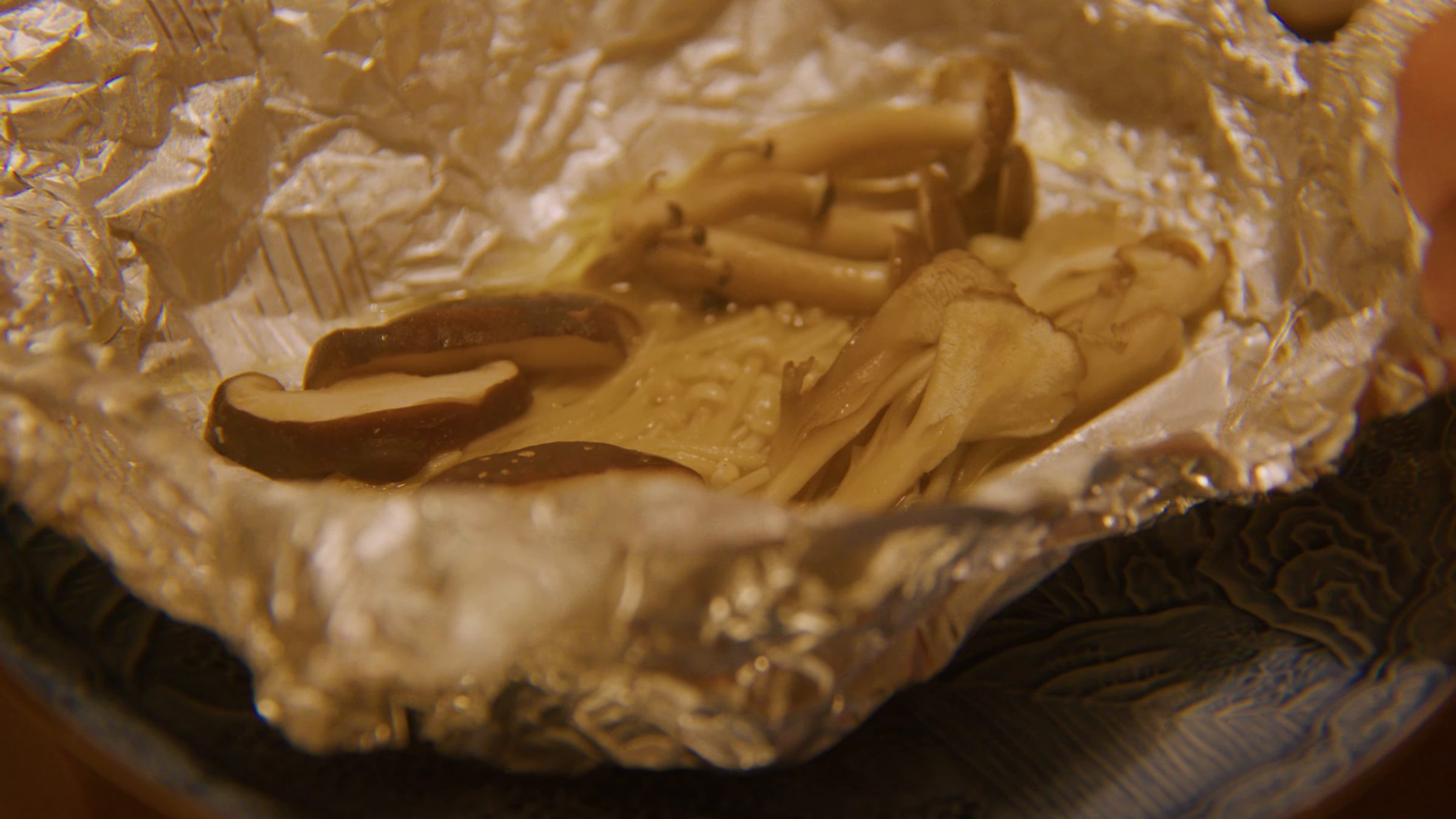
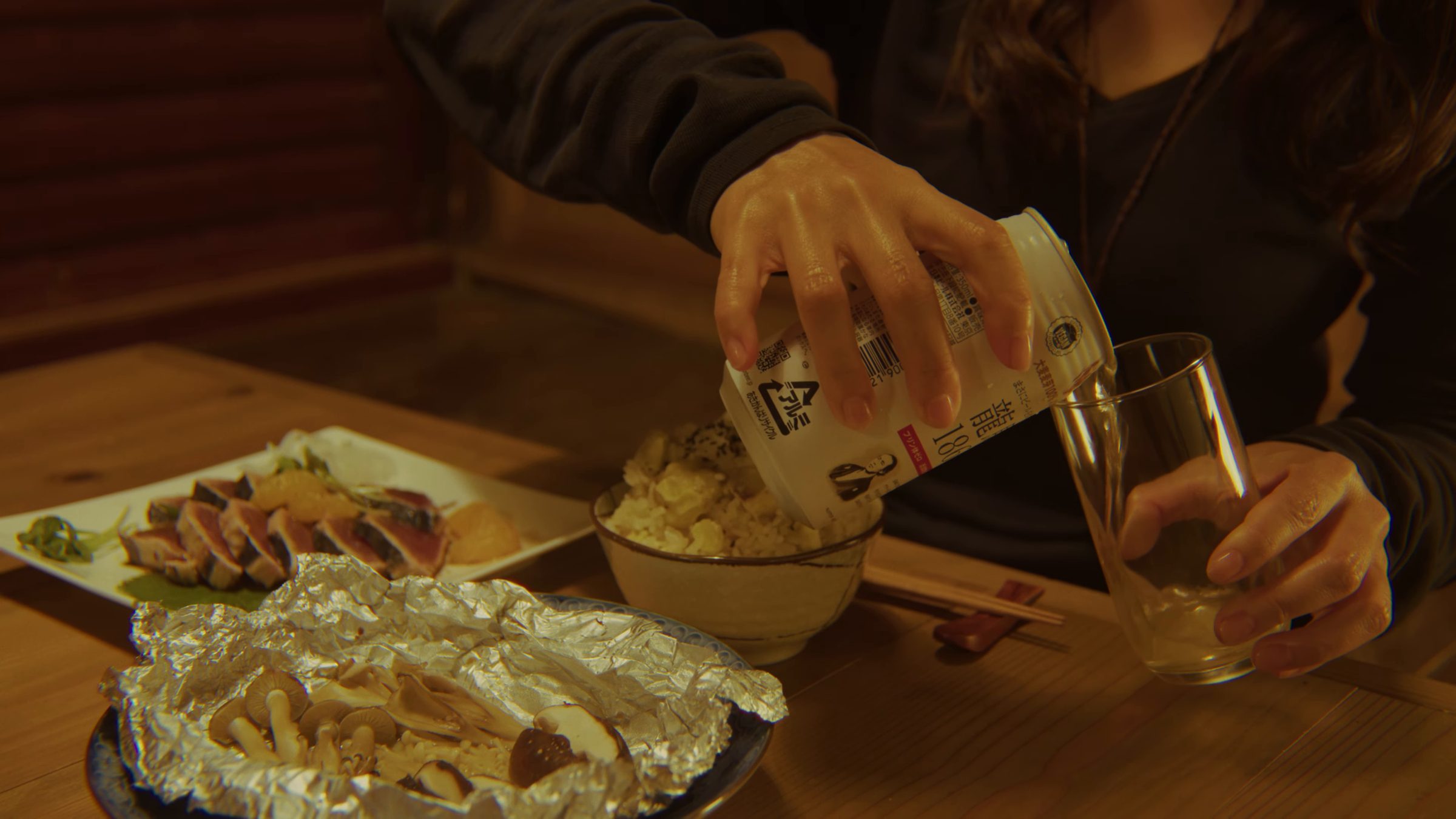
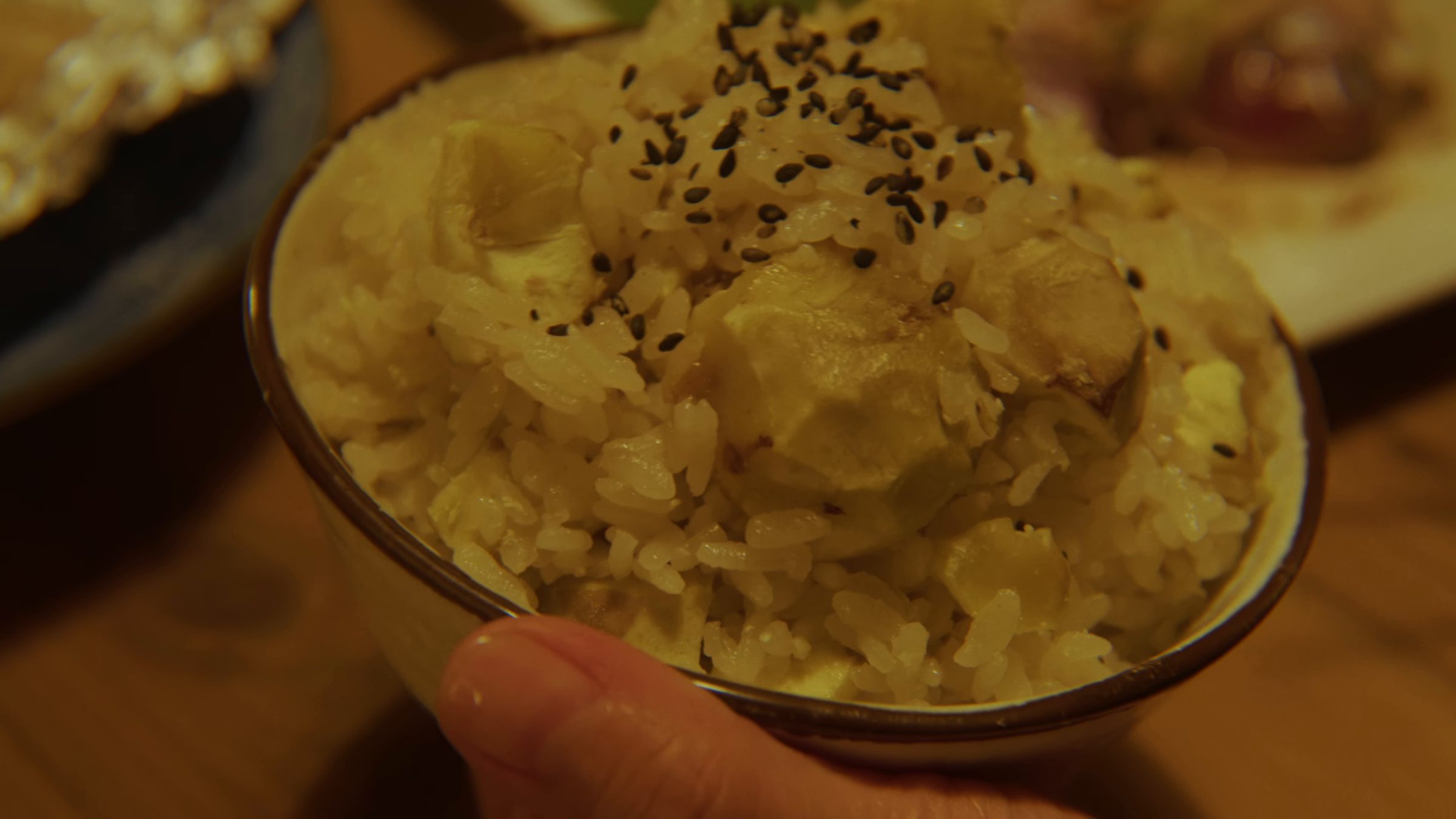
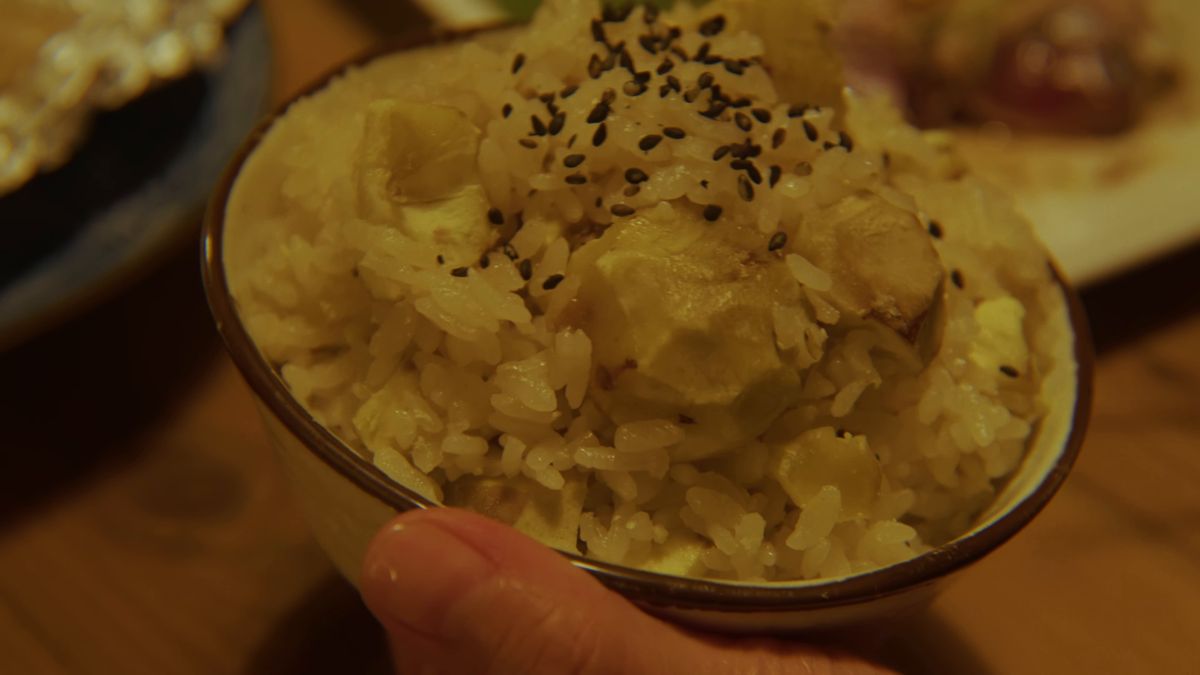
The chestnut rice turned out beautifully. When I lifted the lid of the pot, golden chestnuts tumbled into view. The foil parcel of mushrooms I grilled over the charcoal in the garden; opening it released steam and the smell of butter.
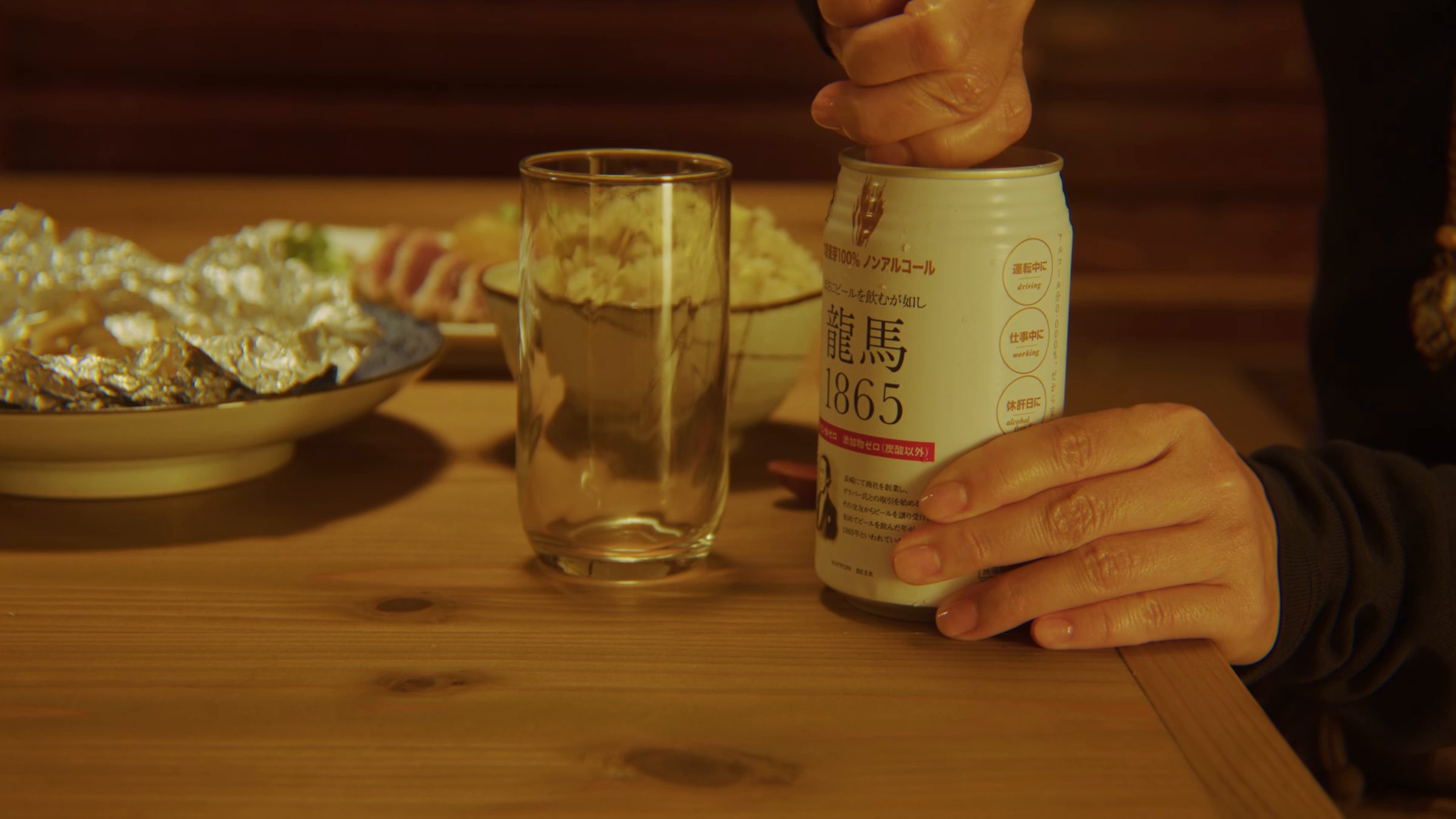
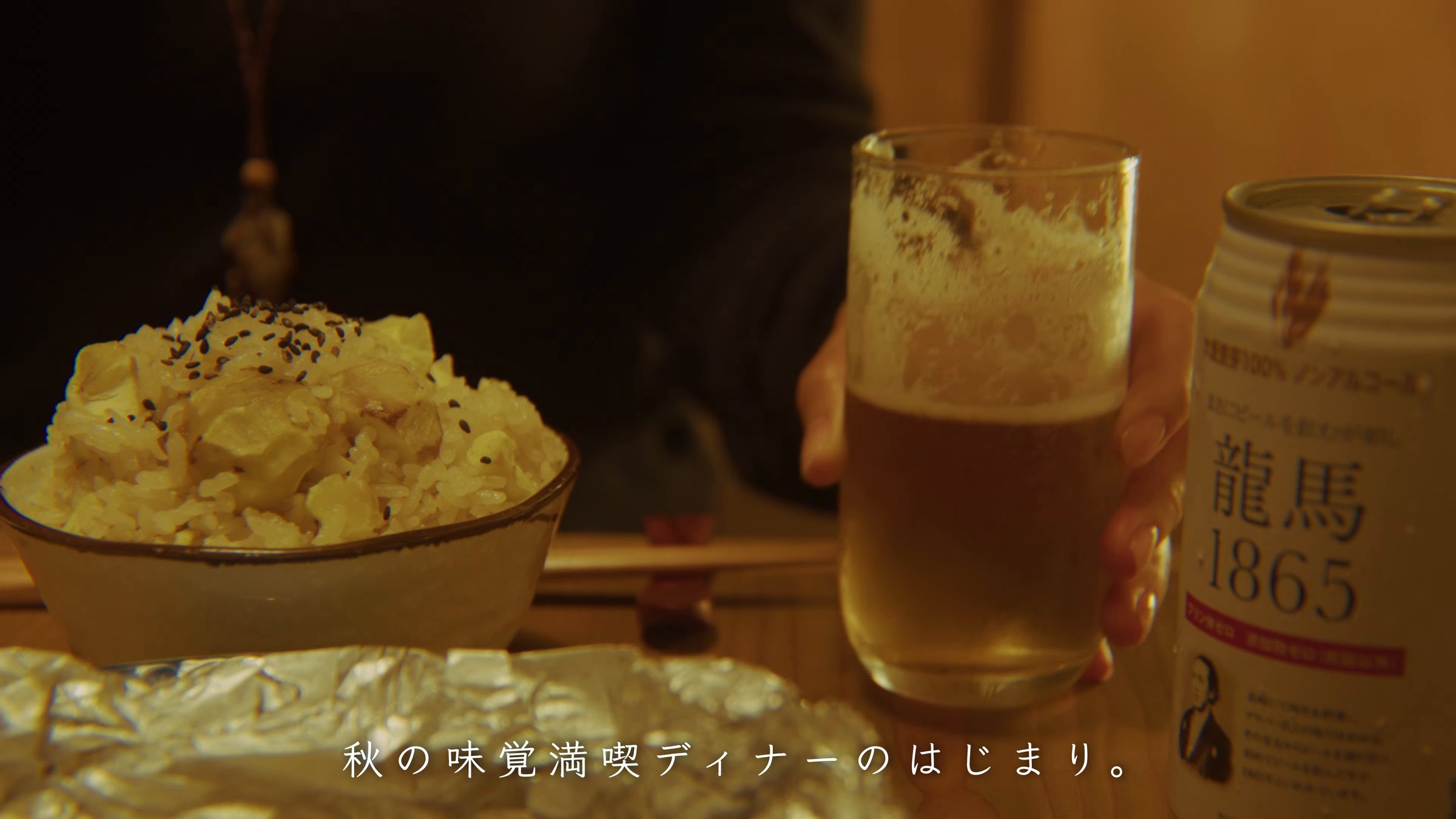
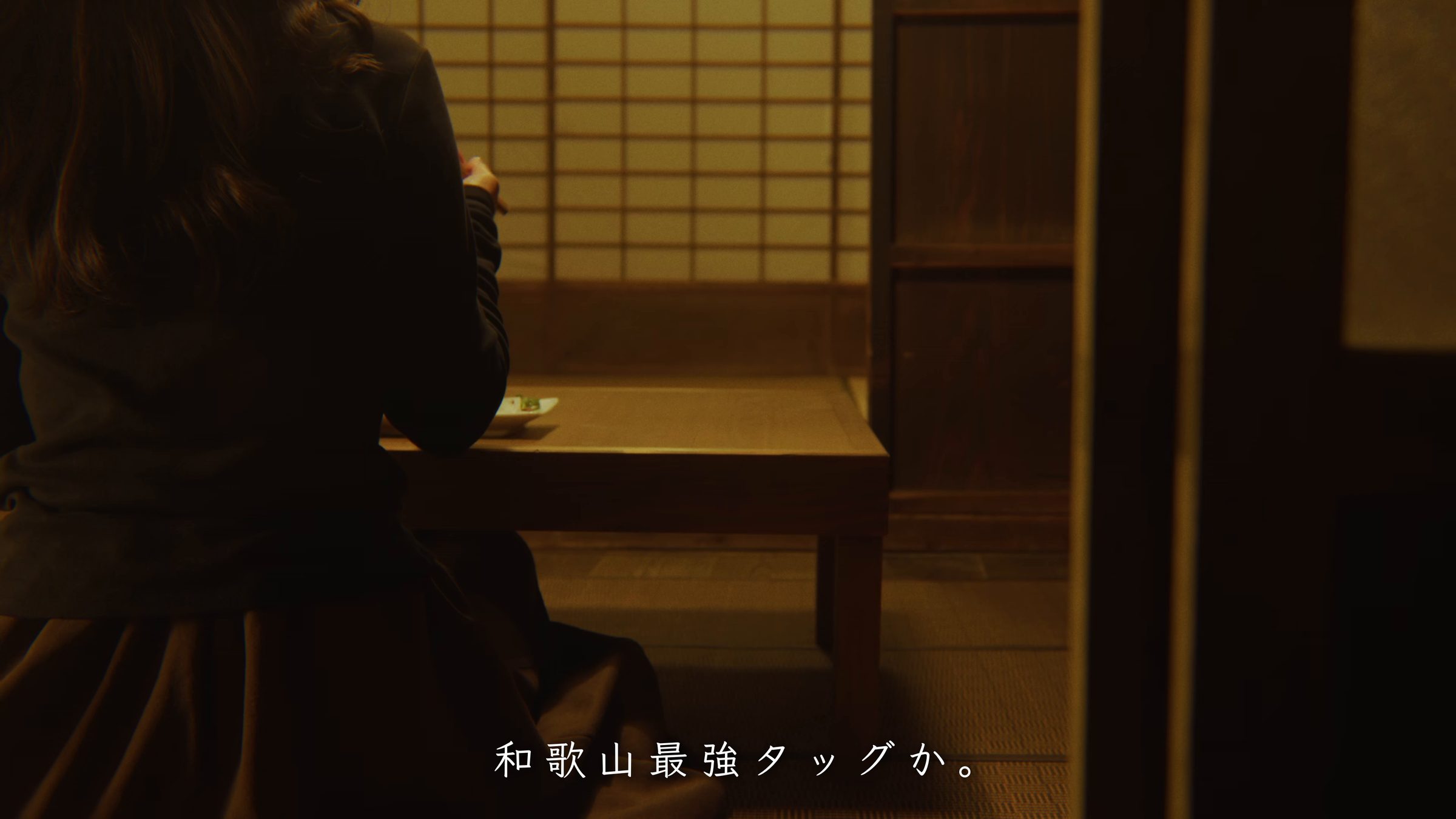
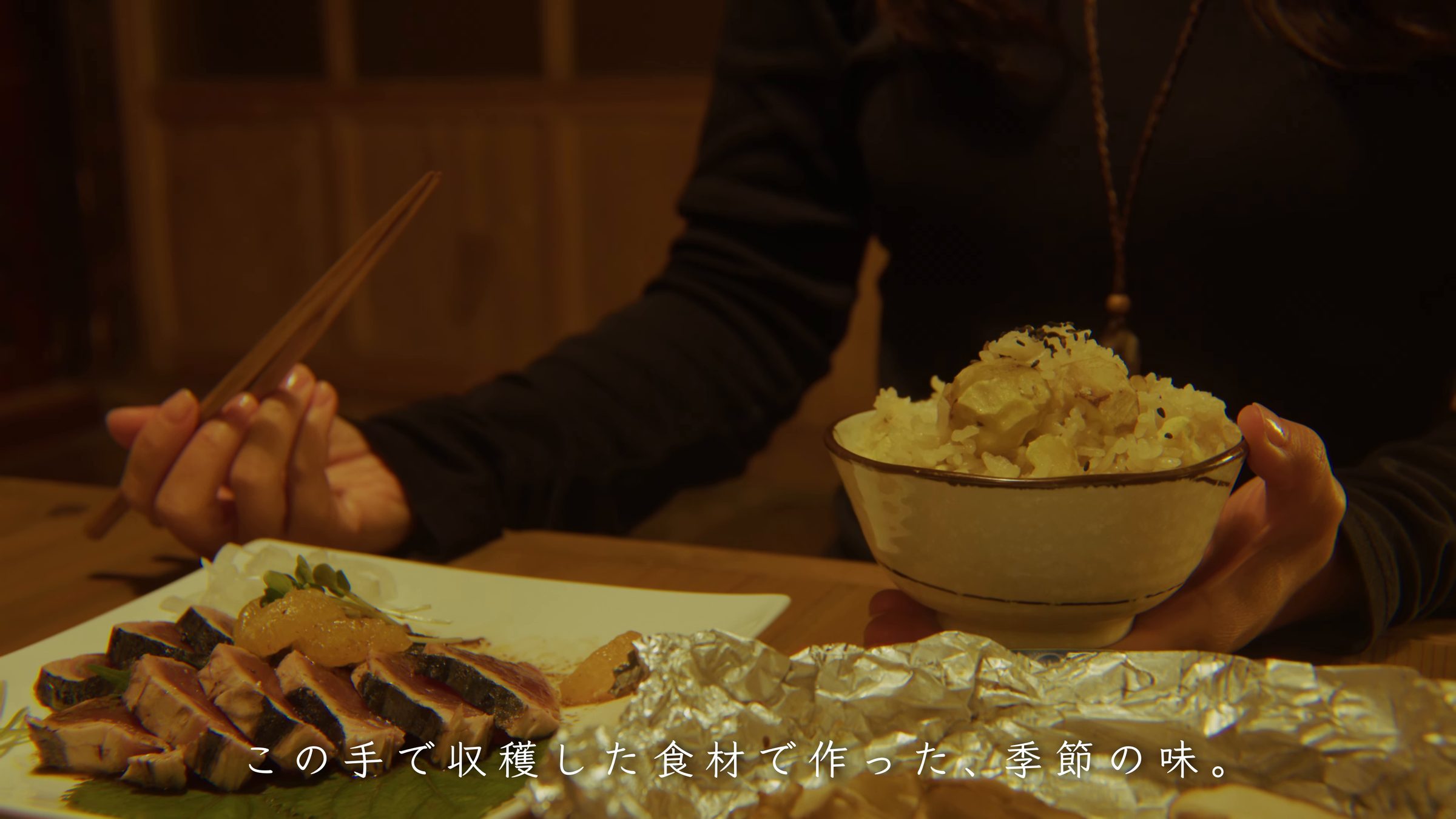
On the table: chestnut rice sprinkled with black sesame, the foil-grilled mushrooms, and the bonito and mandarin carpaccio. I poured a non-alcoholic beer, and the autumn feast began. Rich bonito and juicy early mandarin, together in one bite. Wakayama's strongest tag team, perhaps.
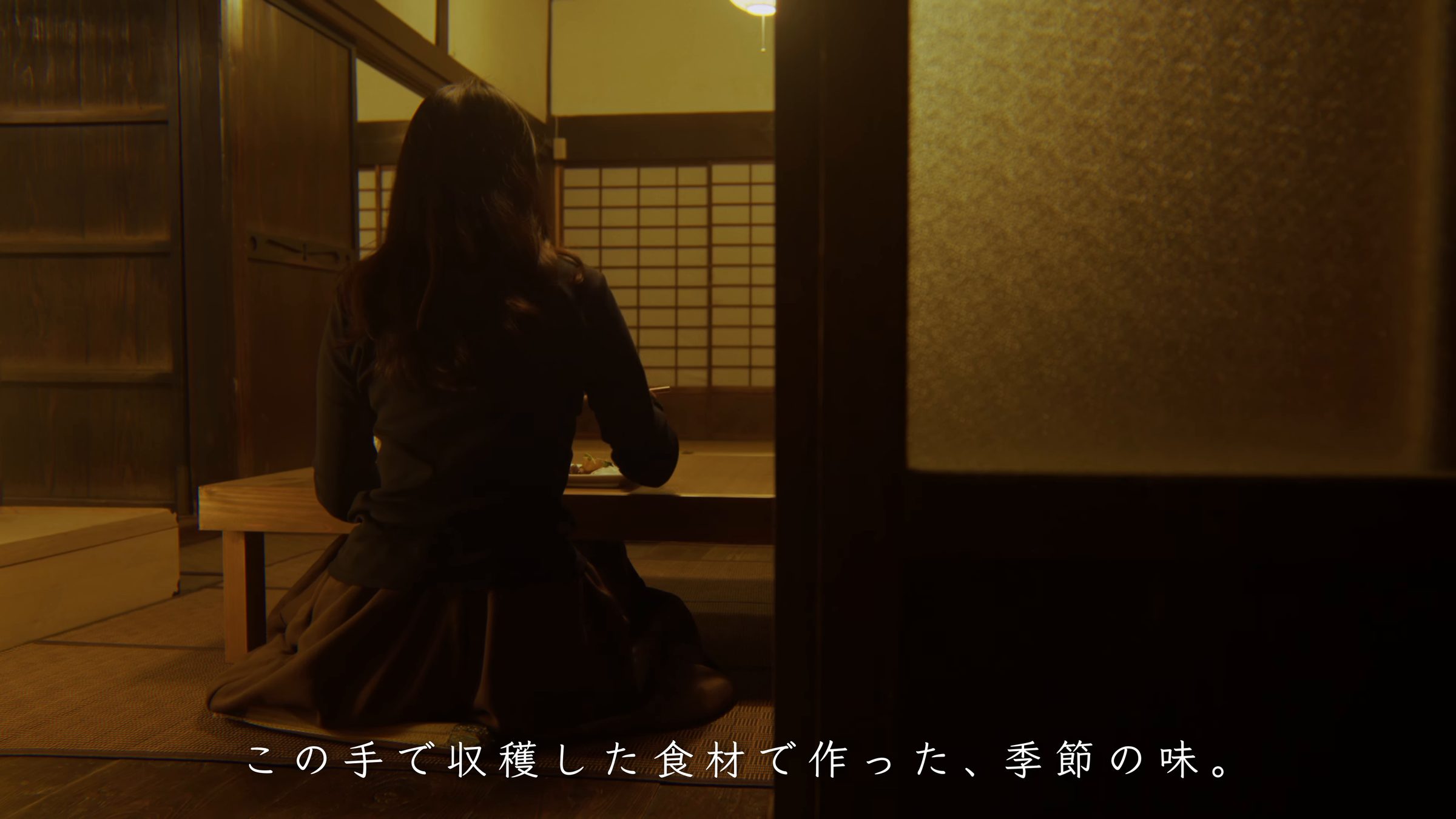
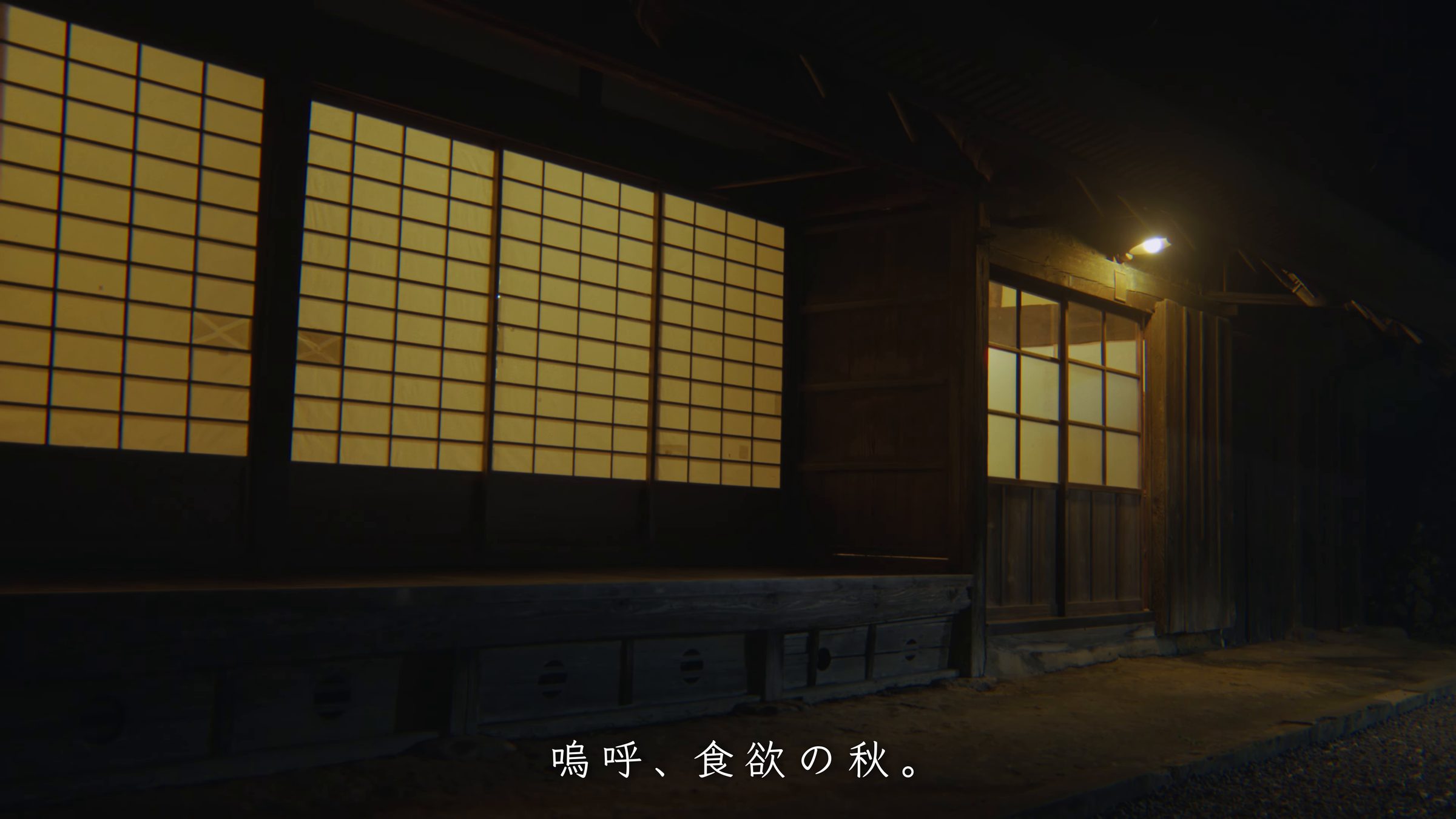
Seasonal flavors, made from ingredients I had harvested myself. It felt as if I had turned the page of the season with my own hands, and that made me very happy. Ah, autumn, the season of appetite. Out on the veranda, a lamp glowed in the night.
Watch this scene on YouTube4:54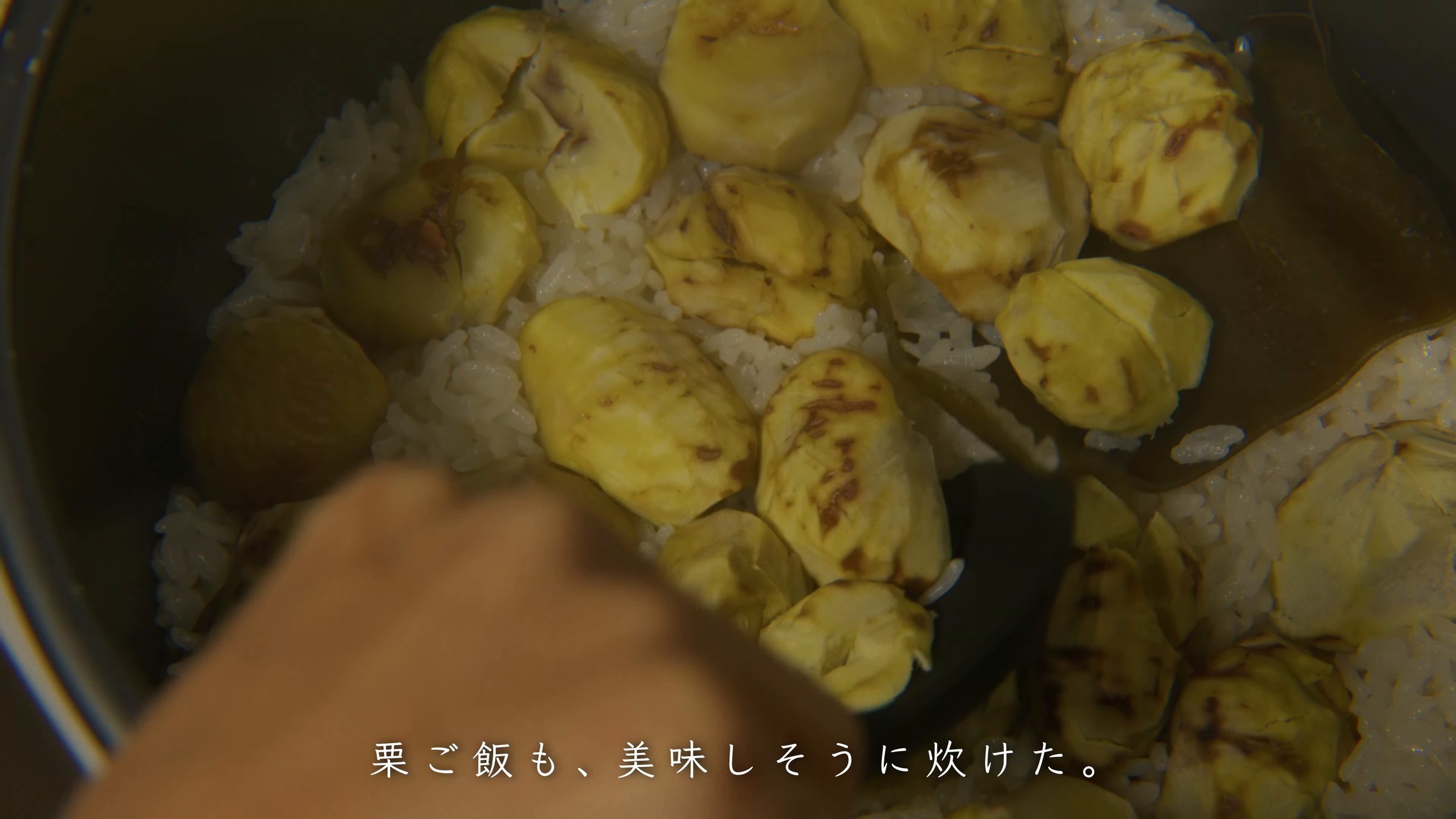
THE JOURNEY IN FILM
The wind. The sounds of a kitchen.
Spend a little more time inside the journey, on film.
Watch the video7 minTHE BORROWER’S NOTES
The Borrower's Notes: Aridagawa, Wakayama
Places we stopped, dishes we made, and stories of the land. A few things to keep from the journey.
01Where I went
A pick-your-own chestnut orchard
A hillside chestnut grove with a steel-framed shed and a kuri banner at the entrance. You pull the nuts from the fallen burrs with tongs and collect them in a bamboo basket. Just walking on the earth under the soft autumn sun feels good.
02What I cooked
Chestnut rice (kuri gohan)
My first chestnut rice, made with chestnuts I had picked myself. The hard outer shell is called onikawa, the demon skin, and the thin inner skin shibukawa, the astringent skin; a quick boil or a soak in hot water softens them before peeling. It is not easy work, but it empties the mind.
IngredientsChestnuts (freshly picked), Rice, Black sesame seeds
- Soak the chestnuts in water for a while to drive out insects and soften the shells
- Boil briefly, cut a notch in the base, and peel off the hard outer shell
- Soak in hot water again, peel away the inner skin, and drop into water
- Cook with the rice, serve in bowls, and sprinkle with black sesame
Charcoal-grilled saury with sudachi
Sanma is written 秋刀魚, "autumn sword fish," but that spelling only spread from the Taisho era on; older texts wrote it 青串魚. The name sanma itself came from central Japan northward, while in Kyoto and Wakayama the fish was once called sayori, and from Kansai to Shikoku and Kyushu saira or sairi. Squeezing sudachi over grilled saury is the western Japanese way. Tokushima Prefecture grows 98 percent of Japan's sudachi, and the citrus is a classic companion to grilled fish.
IngredientsPacific saury, Sudachi citrus
- Light charcoal in the garden grill with a torch
- Lay the fish on the wire and grill until the skin is crisp
- Plate it and squeeze over half a sudachi
Sources: imidas.jp maff.go.jp
Wakayama bonito and mandarin carpaccio
In contrast to the lean first bonito of spring, the fish that head south from around September are called modori-gatsuo, returning bonito. Coming back from their feeding grounds, they are rich in fat, and their pink flesh earns them the nickname toro-katsuo. In Wakayama, boats along the Kinan coast catch bonito by kenken trolling, a method said to have been brought from Hawaii in the Meiji era; fish landed at Susami are known as Susami kenken bonito (in season from March to May). This time I ate Wakayama bonito with a sauce of extra-early mandarins from the same prefecture.
IngredientsAutumn bonito loin, Extra-early mandarins, Onion, Shiso leaves, Balsamic vinegar, Oil
- Sear the bonito in a frying pan, skin side first
- Add balsamic vinegar to the oil left in the pan, then plenty of freshly squeezed mandarin juice, to make the sauce
- Slice the bonito, arrange with shiso, thinly sliced onion and mandarin segments, and spoon the sauce over
Sources: pref.wakayama.lg.jp agri.mynavi.jp
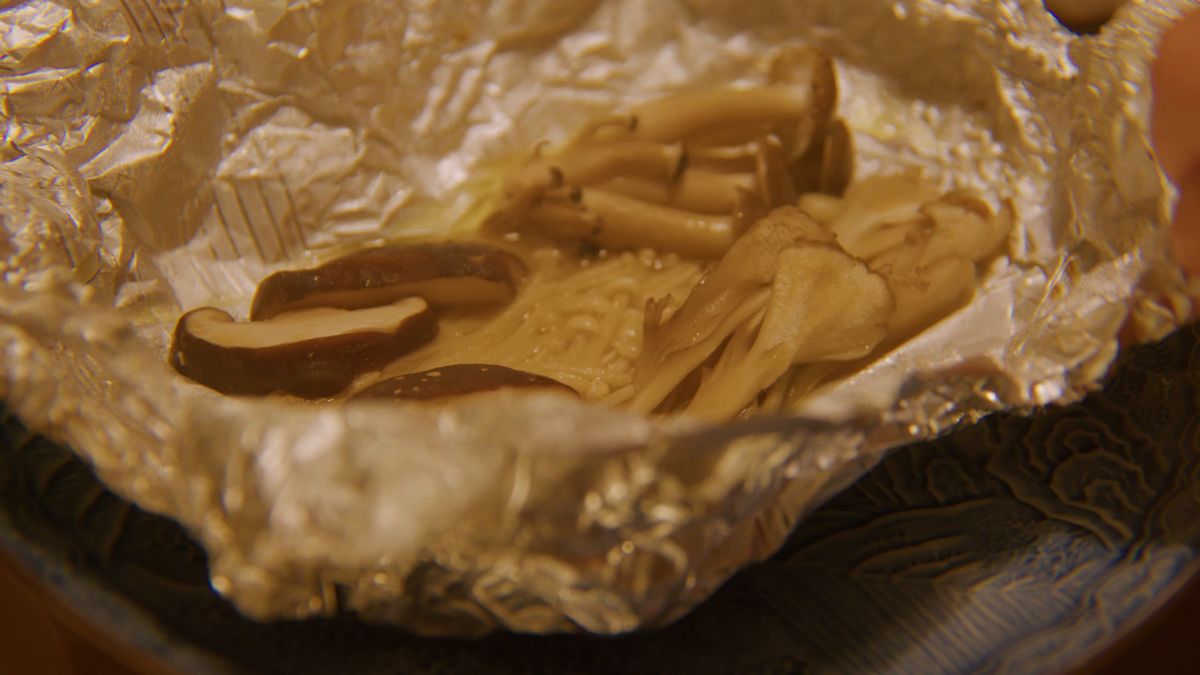
Foil-grilled mushrooms with butter
Mushrooms are another essential of the autumn table. I wrapped four kinds in foil with butter and grilled the parcel over the same garden charcoal that had cooked the saury. Opening it released steam and the smell of butter.
IngredientsShiitake mushrooms, Shimeji mushrooms, Enoki mushrooms, Maitake mushrooms, Butter
- Spread the mushrooms on foil, top with butter, and wrap
- Grill the parcel on the wire over the charcoal in the garden
03About the area
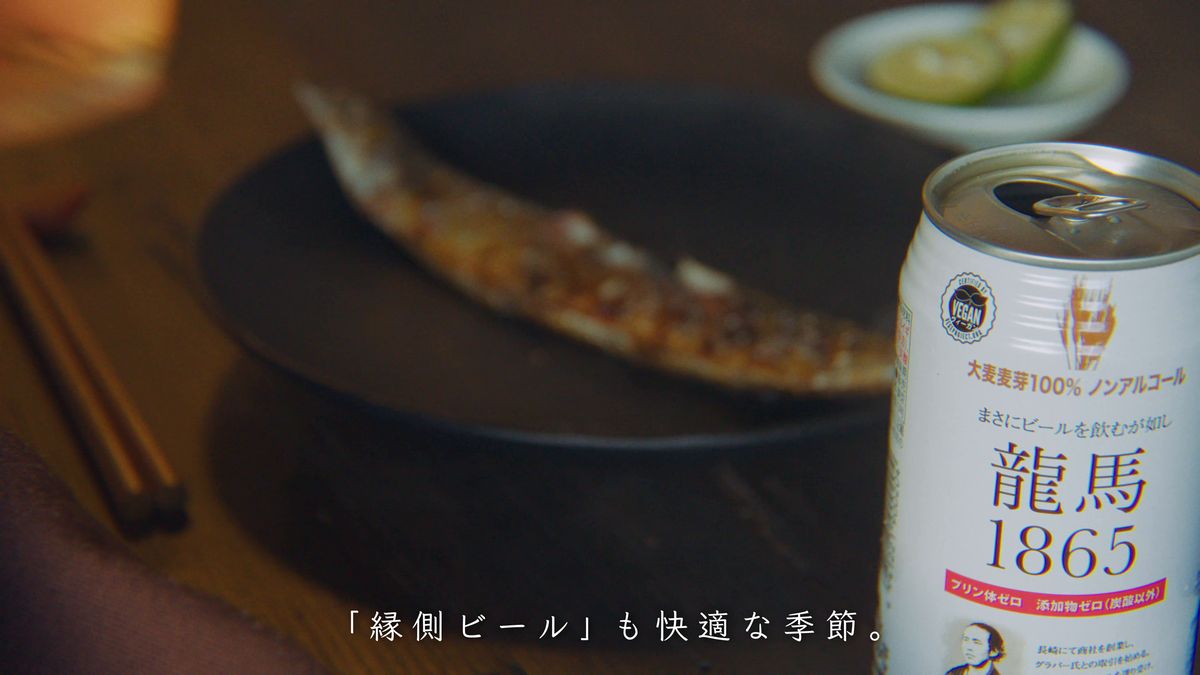
Ryoma 1865, a non-alcoholic beer
What I drank on the veranda and at dinner was Ryoma 1865, a non-alcoholic beer from Nippon Beer Co. It is 0.00 percent alcohol, brewed from 100 percent malt with two kinds of hops and no additives; the can reads "100% barley malt, non-alcoholic" and "zero purines."
Sources: nipponbeer.jp
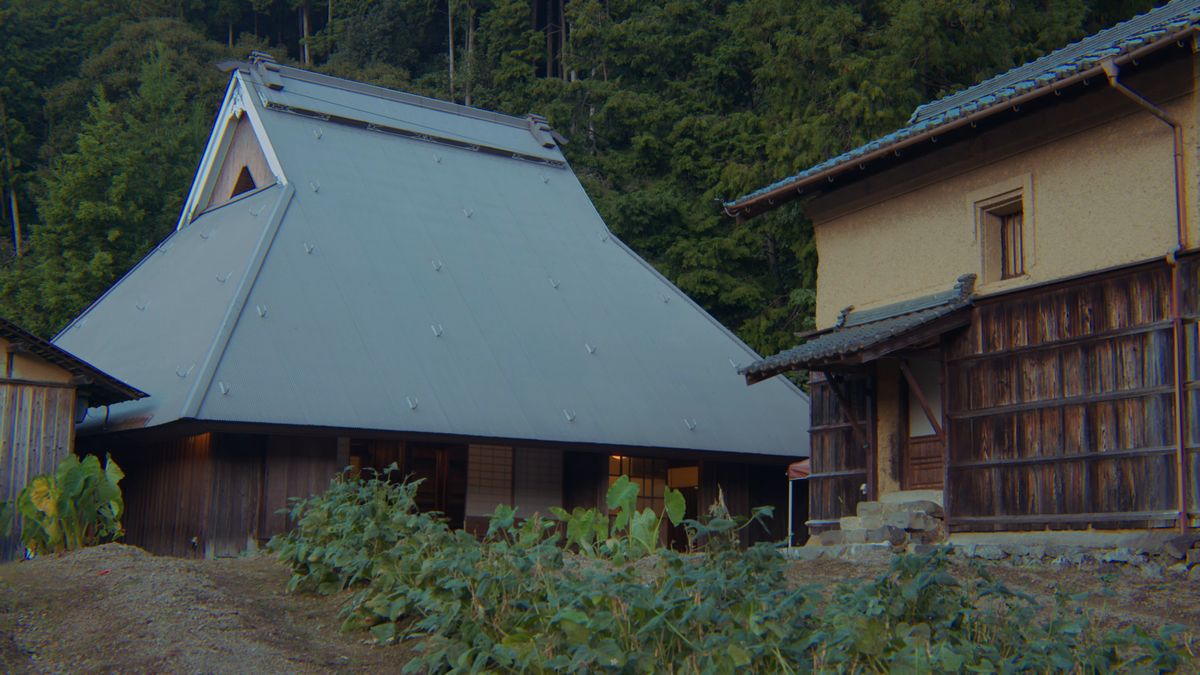
A farmhouse inn with stream water in the kitchen
The same house as in Part 1. The kitchen has a tank fed by a mountain stream, with water trickling in all day, that doubles as a place to wash vegetables and dishes. There is a charcoal grill in the garden, and you can eat on the veranda. At dusk the great roofs of the main house and storehouse sink into the fields and hills.
Sources: youtube.com
PHOTO ALBUMPhoto album83Open all photographsClose the photo album
Select a photograph to explore the journey one frame at a time.