A TRAVEL ESSAY
Kanazawa, Ishikawa
Kanazawa Trip in Winter 2024
Winter in Kanazawa,from a townhouse kitchen
A few warm days of snow-country life in winter Kanazawa.
Read the journey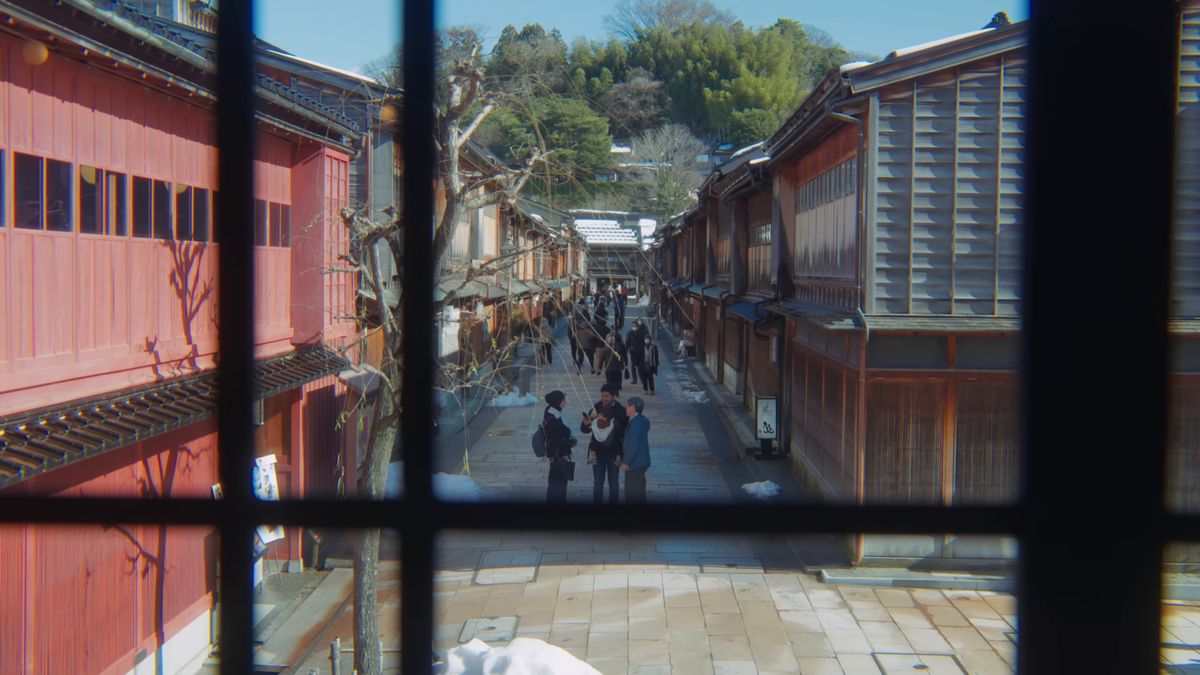
ABOUT THIS JOURNEY
I visited Kanazawa in winter, the old castle town of the Kaga domain. At Omicho Market I ate a raw oyster on the spot and bought Kaga vegetables and nodoguro, then rode a single-track train out to an old townhouse in Tsurugi. I cooked local dishes in the kitchen of a house that once ran a stationery shop, ate breakfast at a teahouse in Kenrokuen, and found gold-leaf soft serve and elegant teahouse rooms in the Chaya District: a few warm days in snow country.
A little more about the food and the land01TRAVEL JOURNAL
By a window in the Chaya District
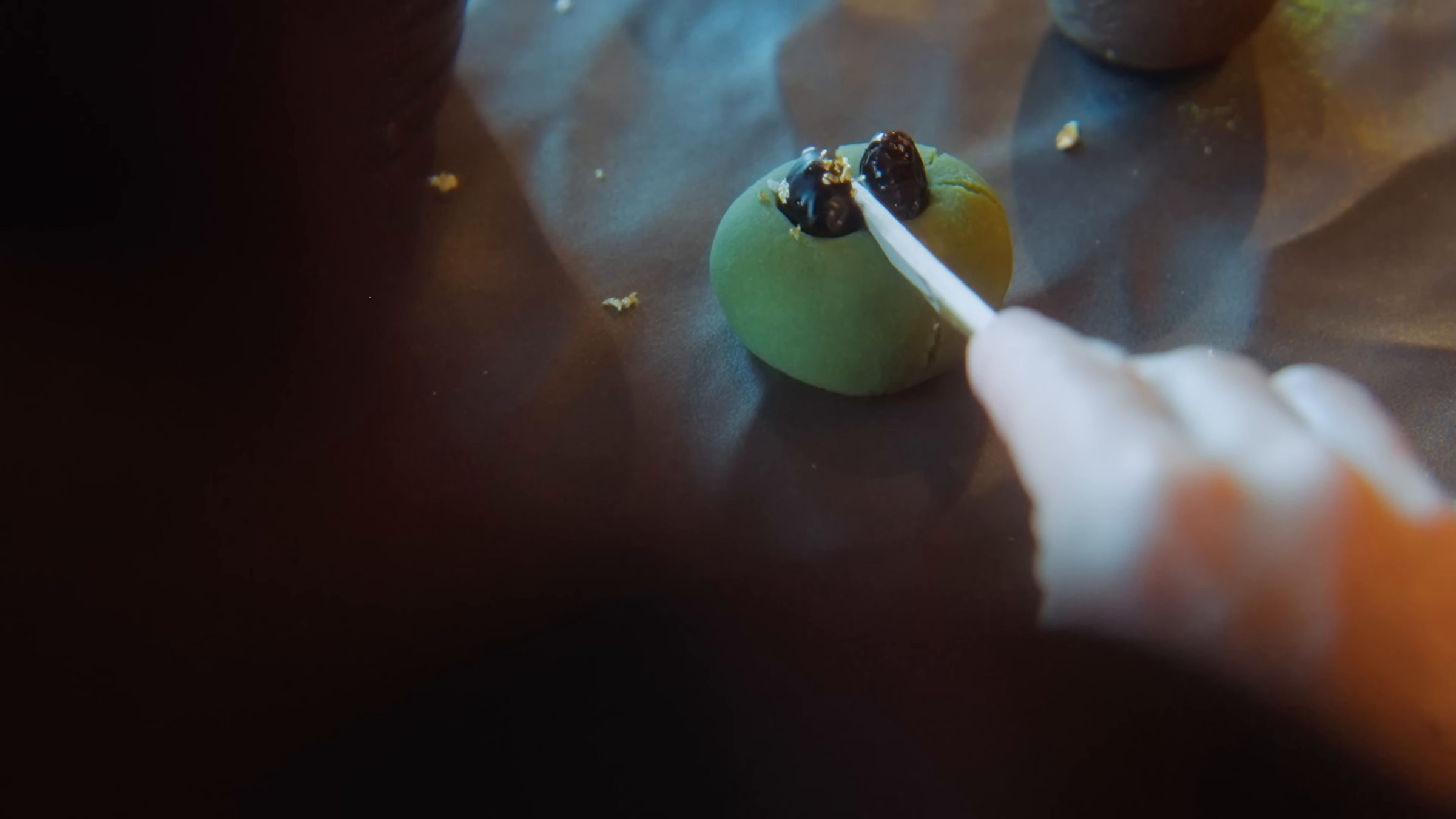
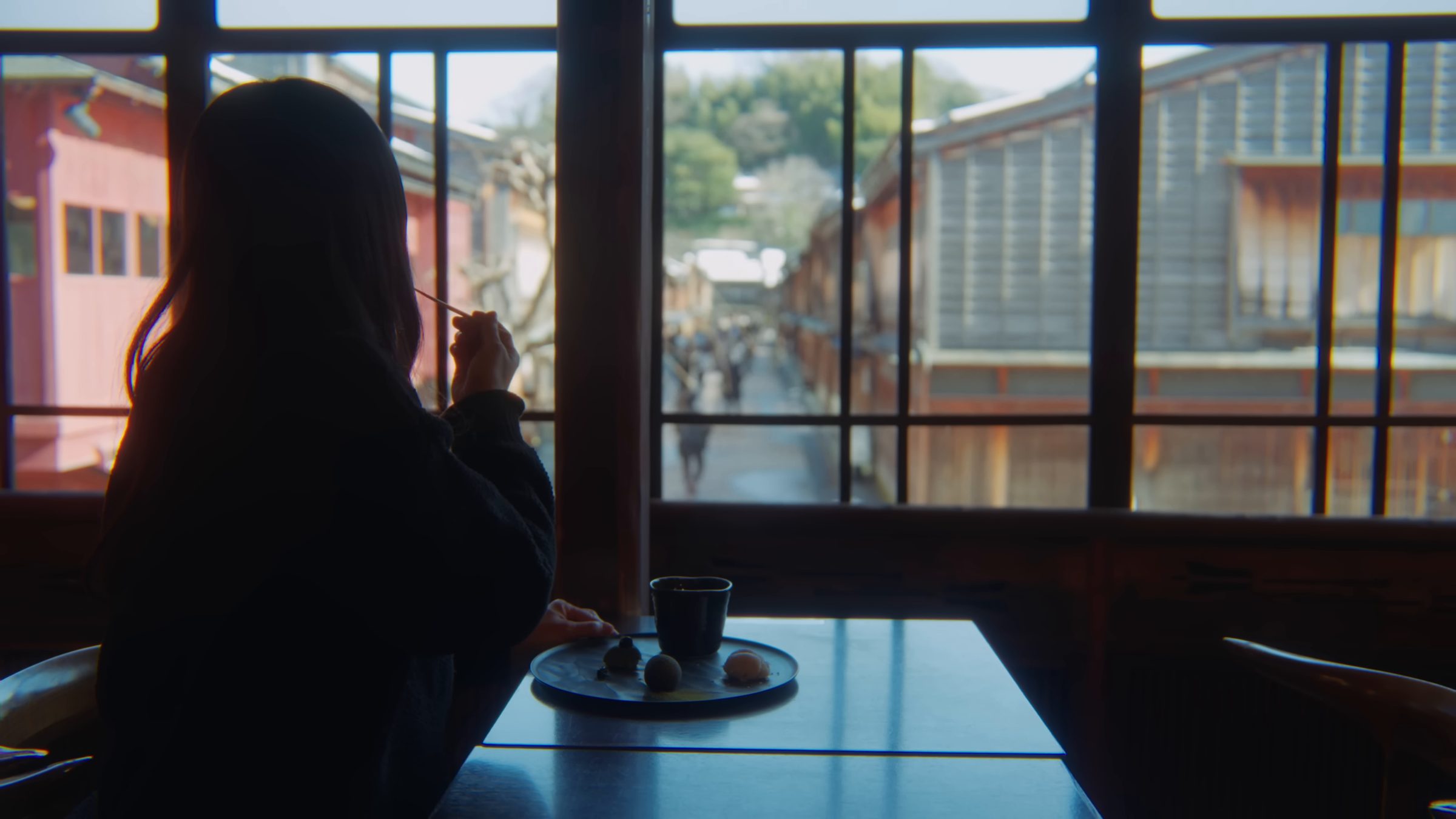
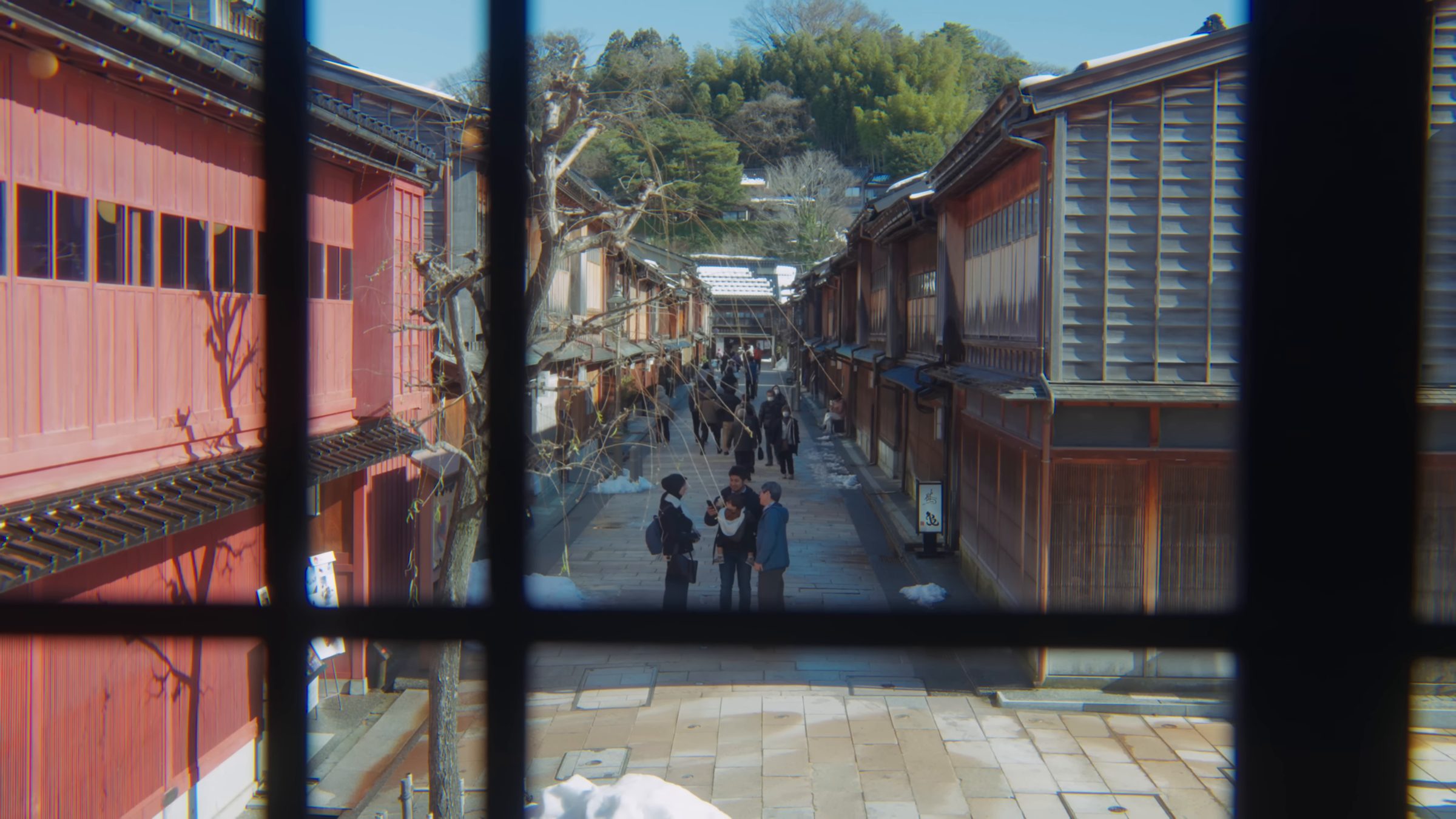
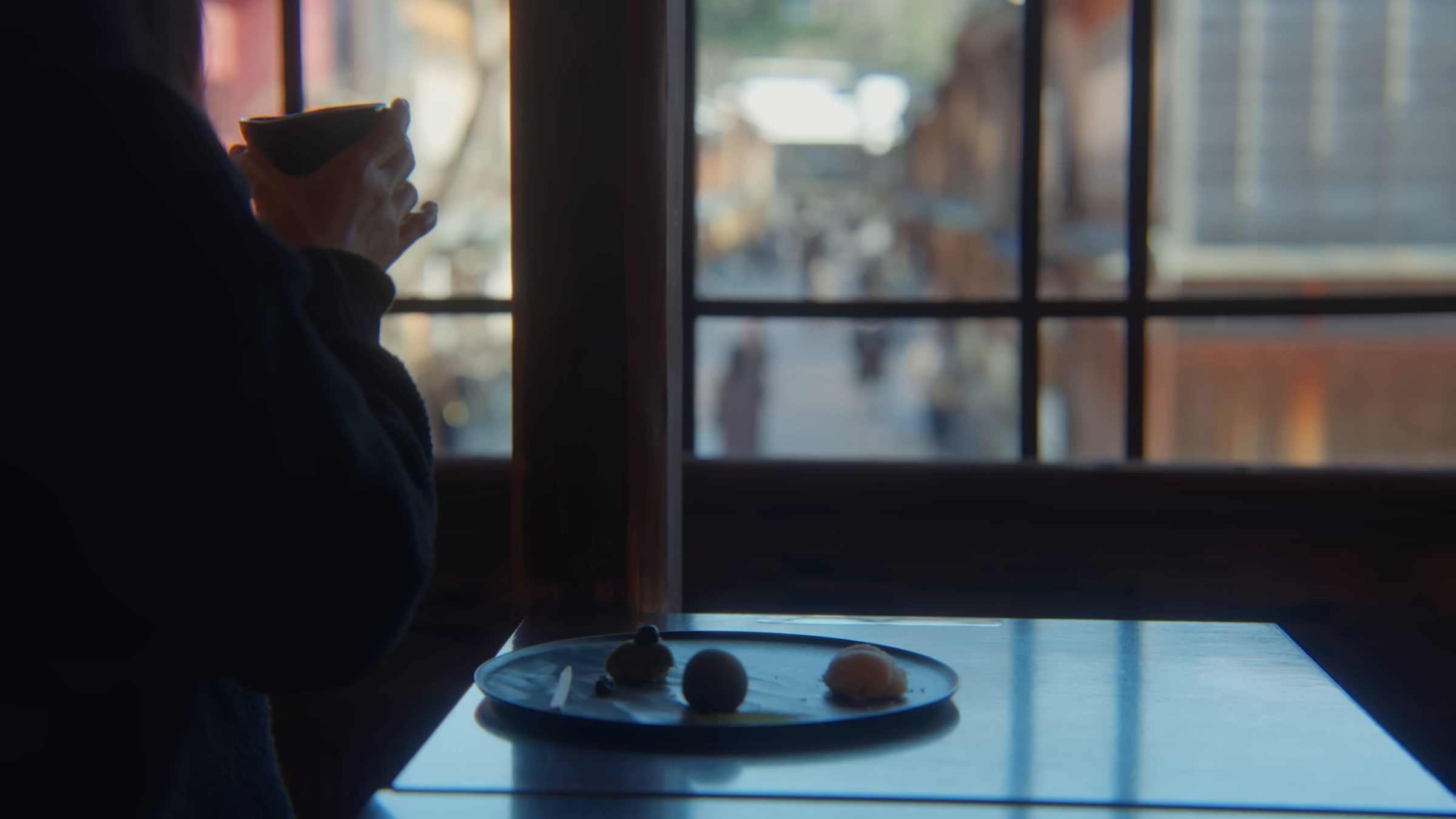
My trip began on a clear winter day in Kanazawa's Higashi Chaya District. I took a window seat upstairs, and three wagashi sweets arrived on a black plate. I cut them gently with a kuromoji pick and took a sip of tea.
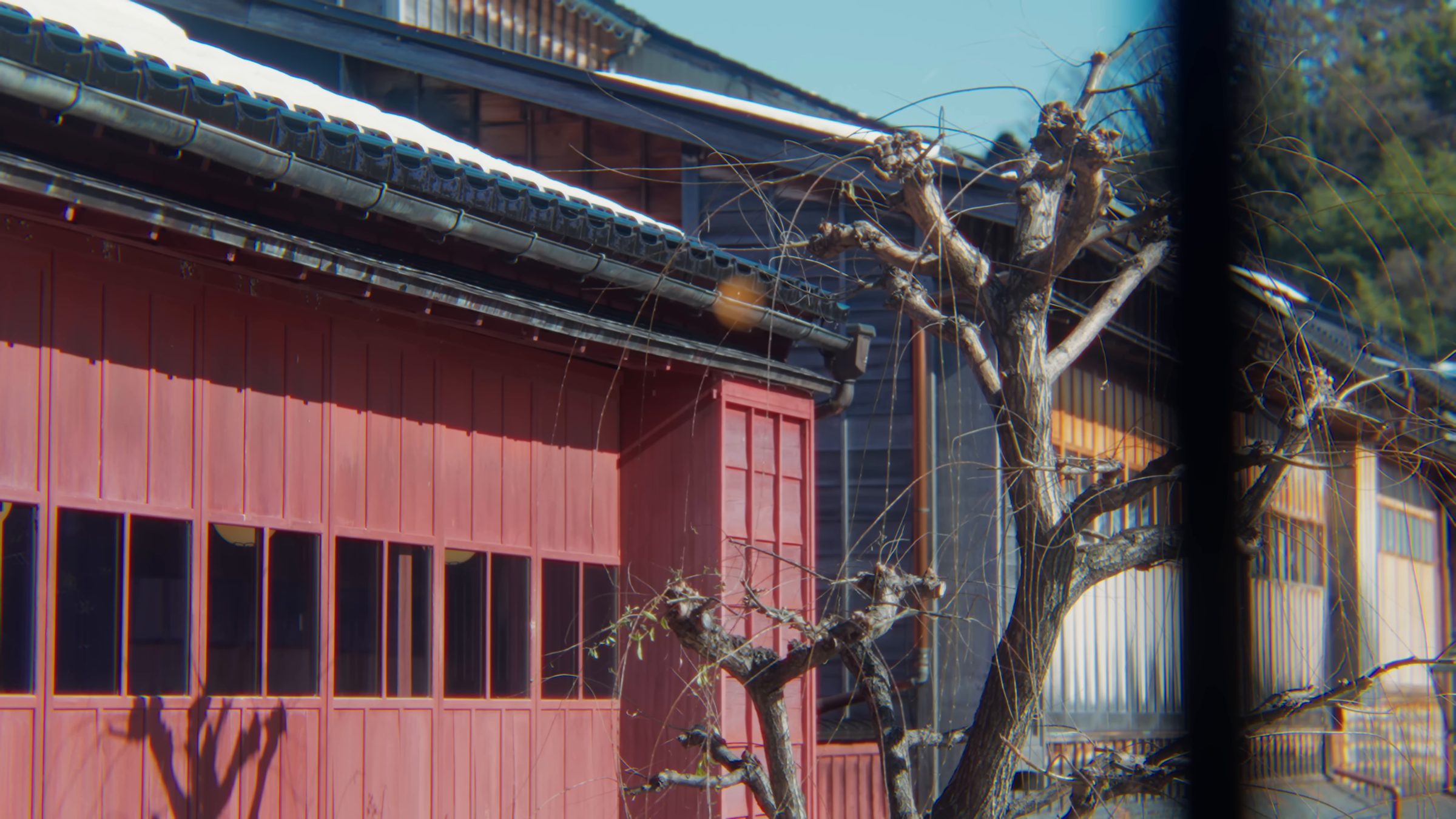
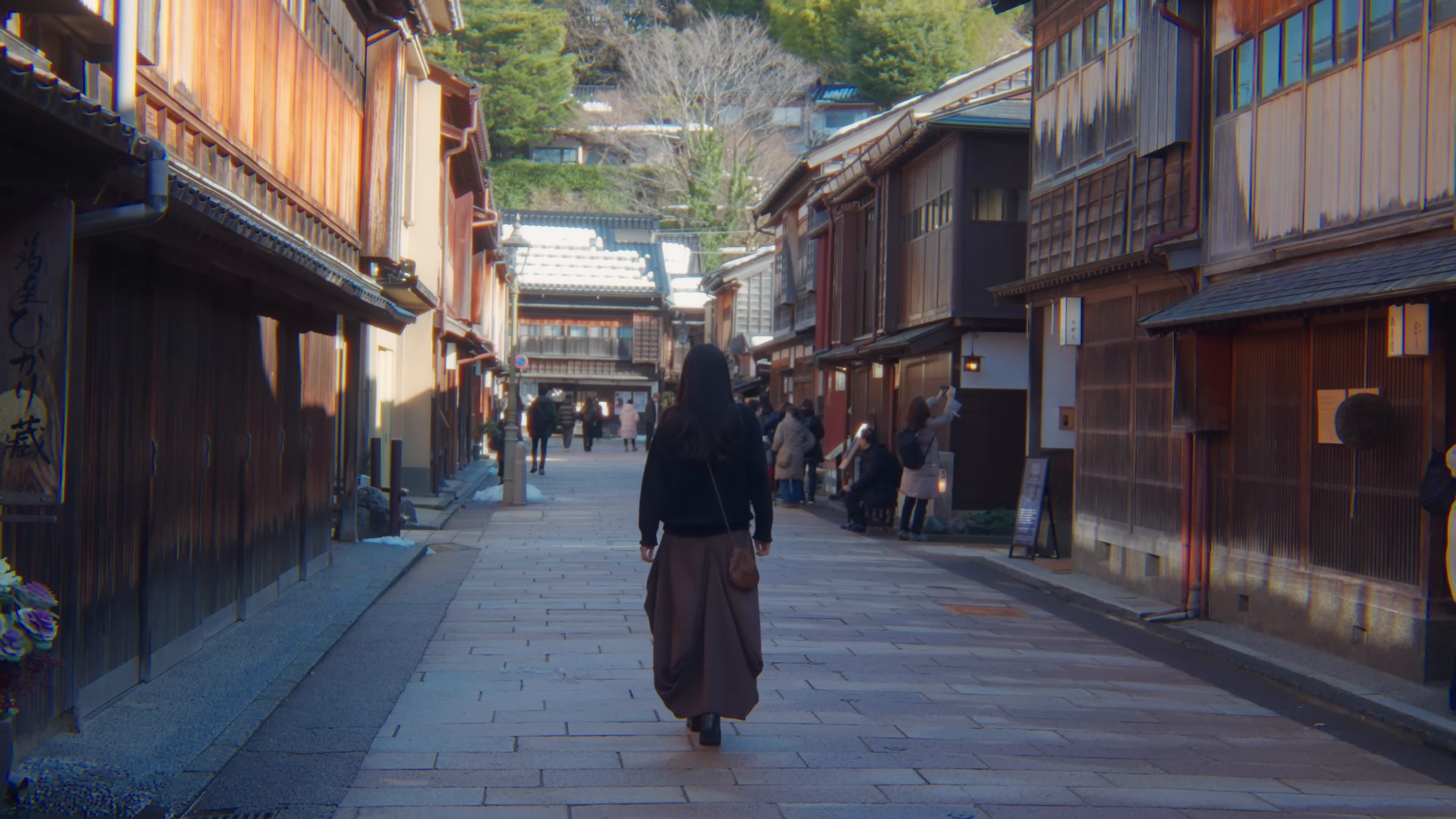
Through the lattice I could look down on the stone-paved street lined with red-ochre teahouses. Snow still lay on the roofs, and green hills rose at the far end of the street. Then I went out and walked slowly along the stones. In Kanazawa, I wanted to travel like a local.
Watch this scene on YouTube0:22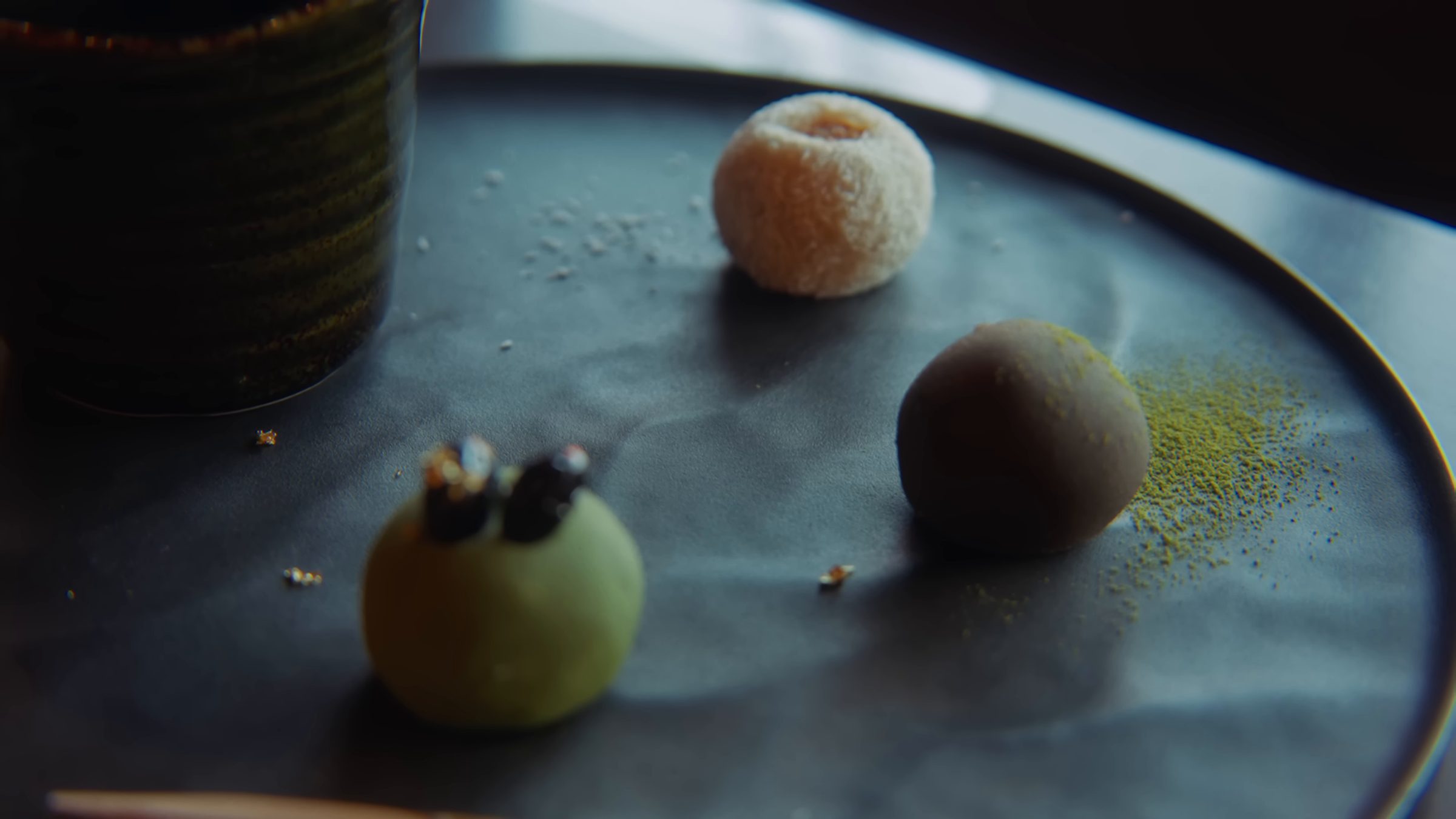
02TRAVEL JOURNAL
Raw oysters in the city's kitchen
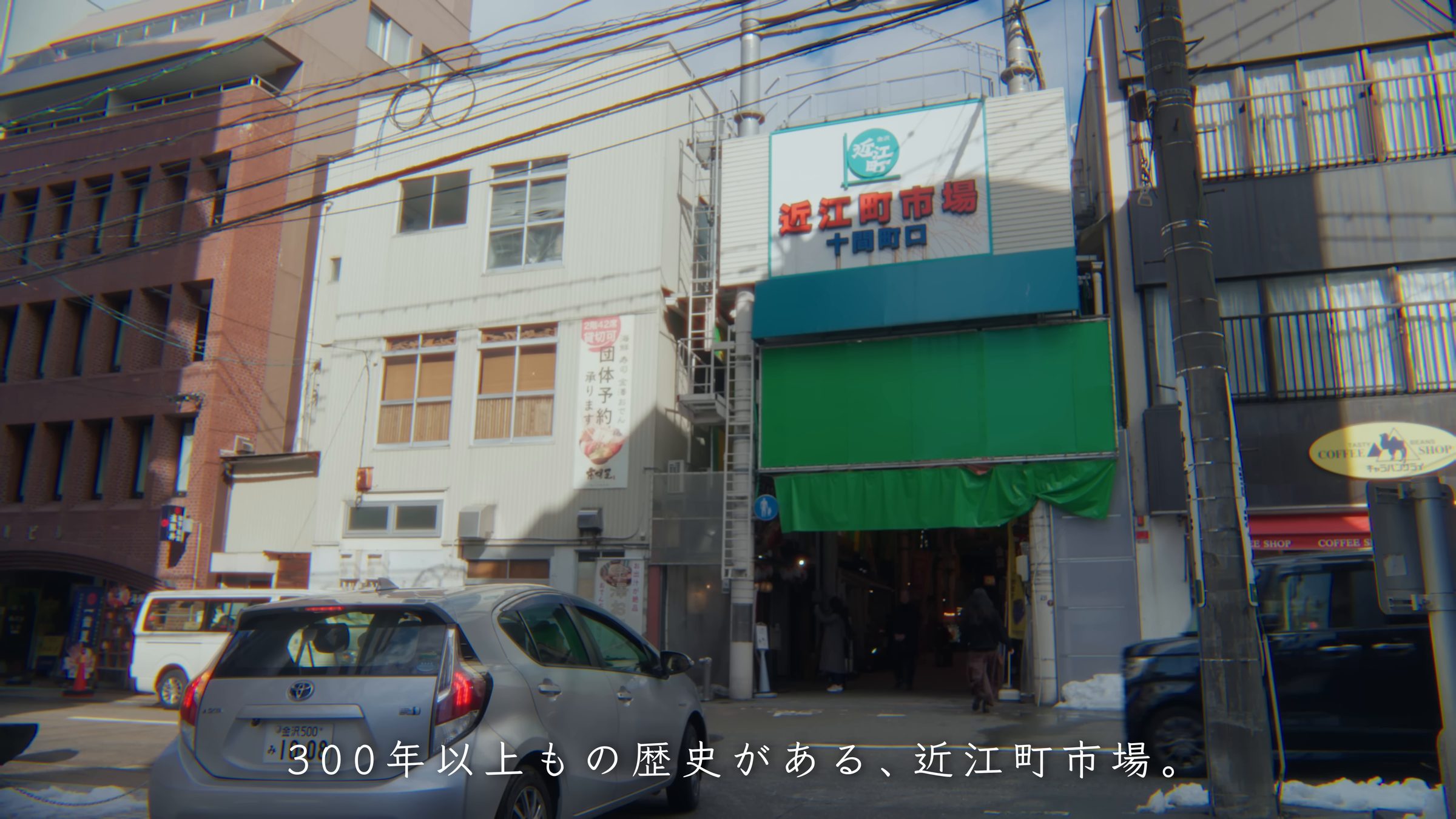
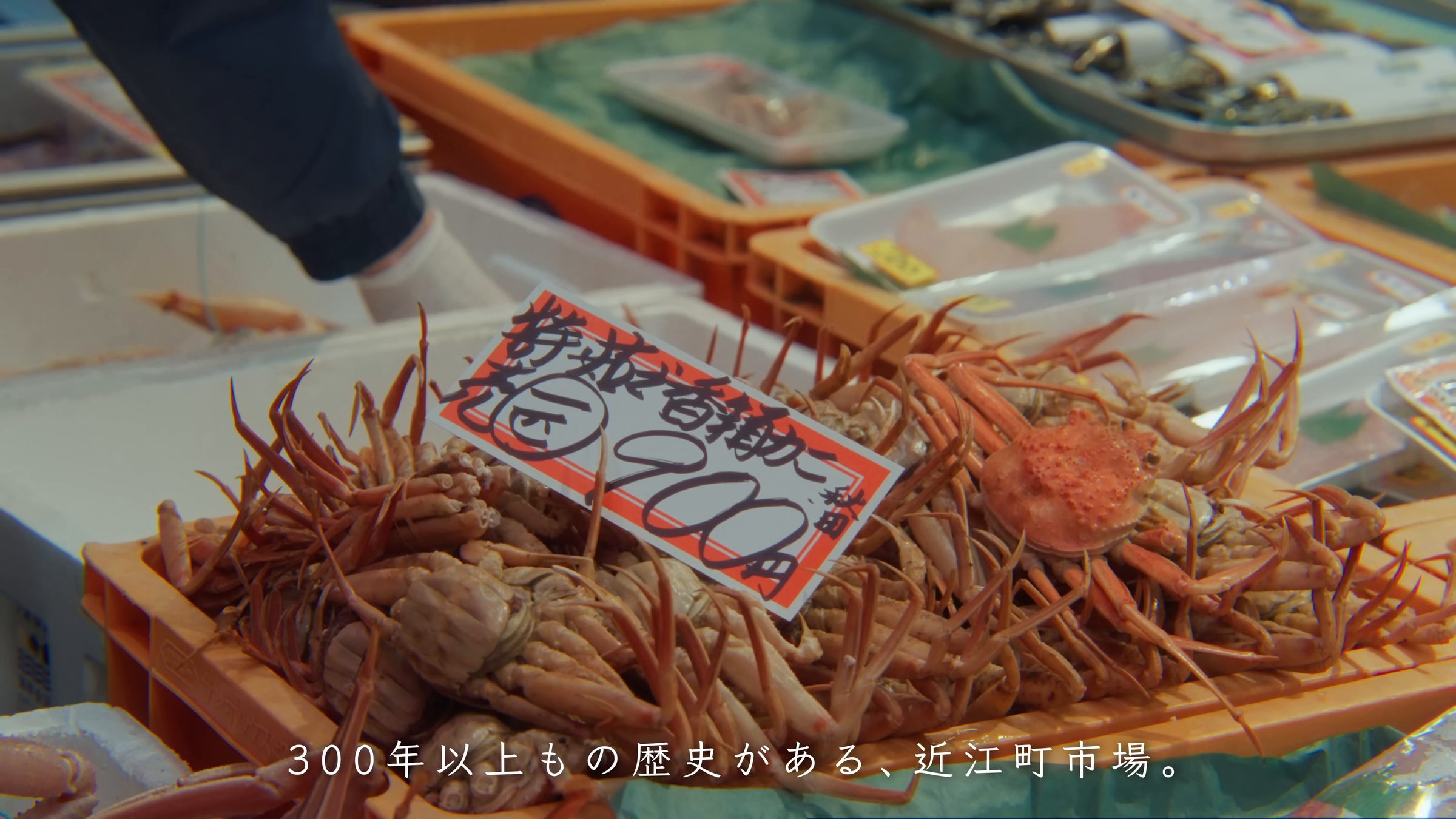
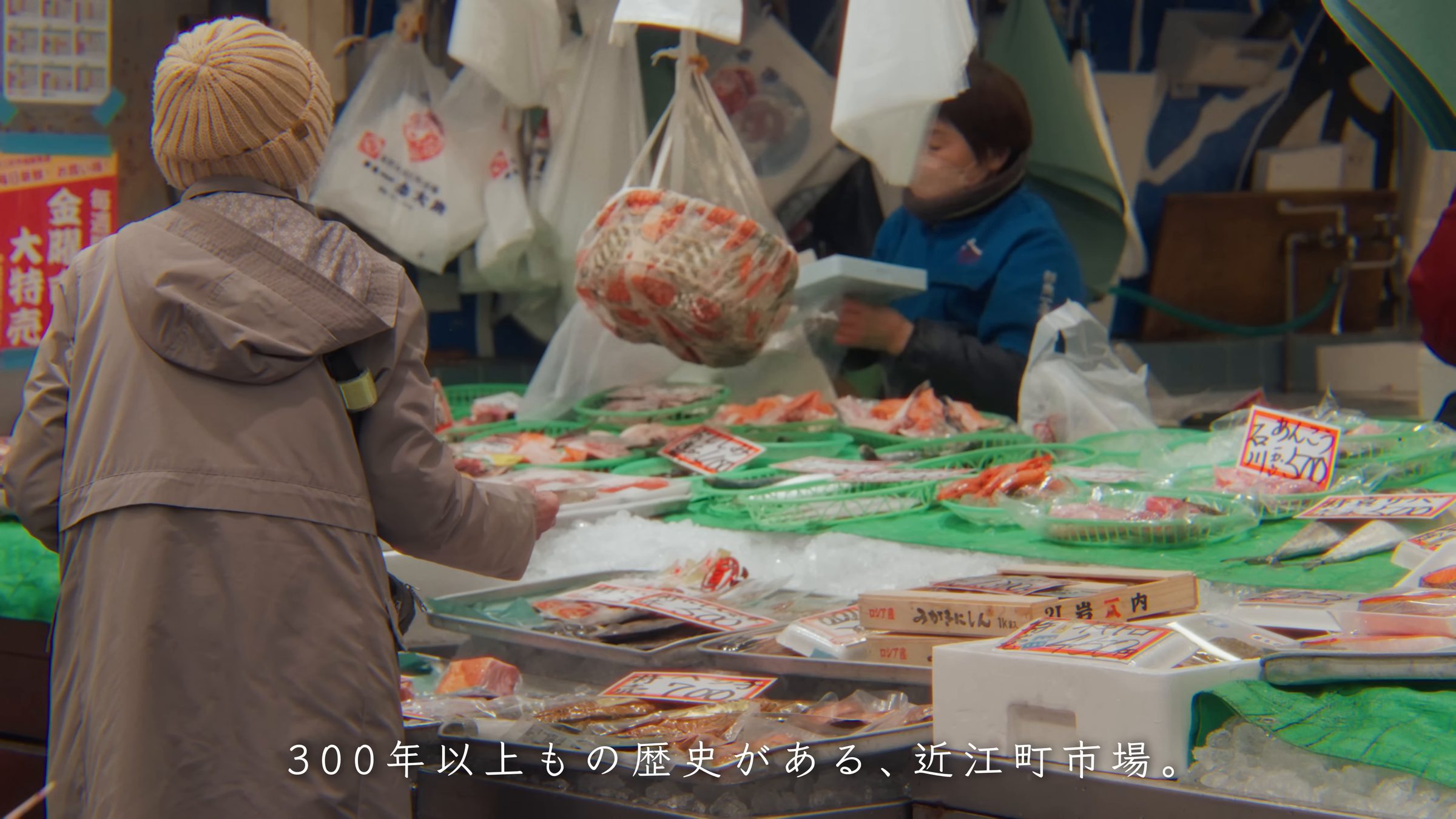
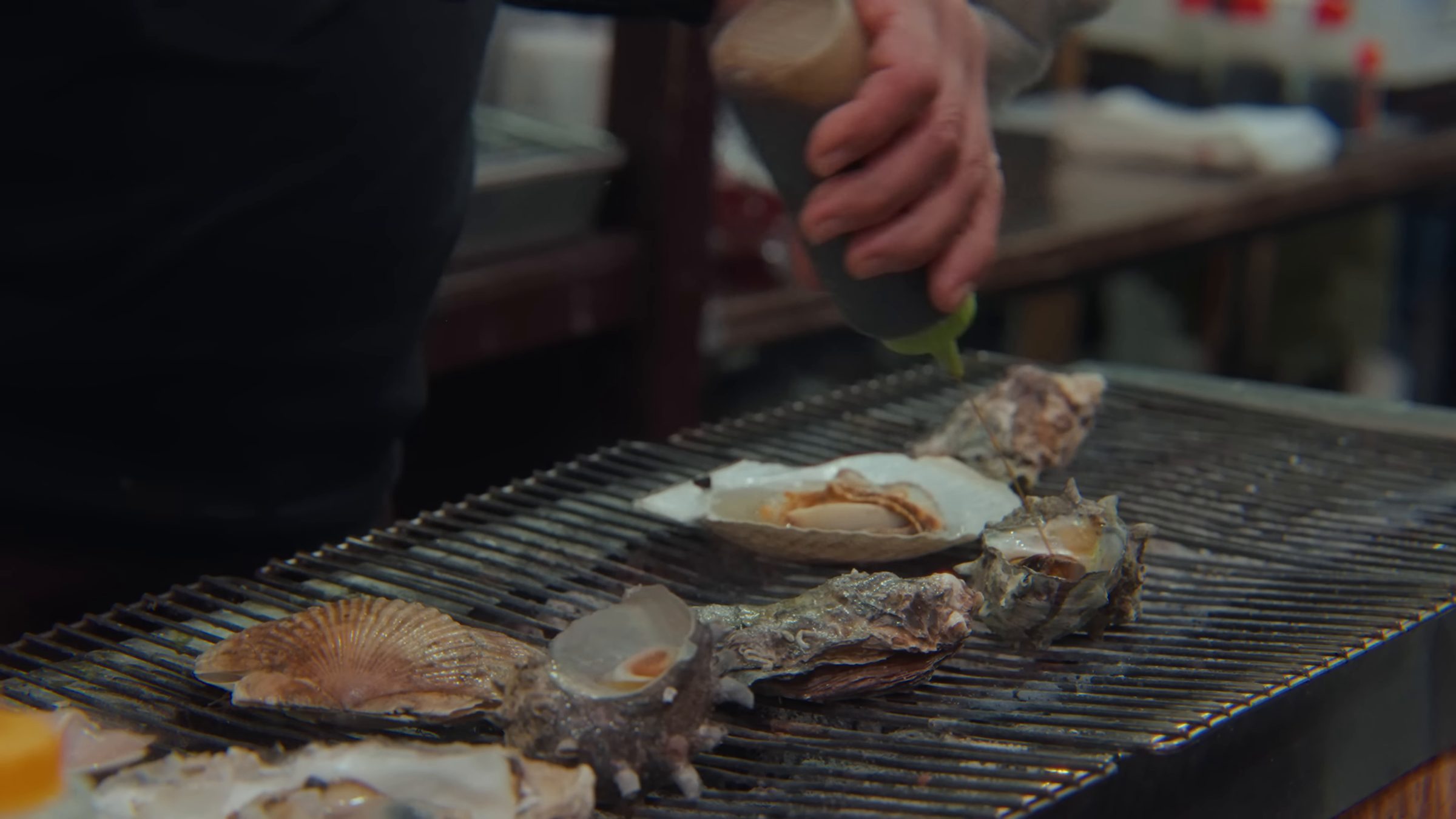
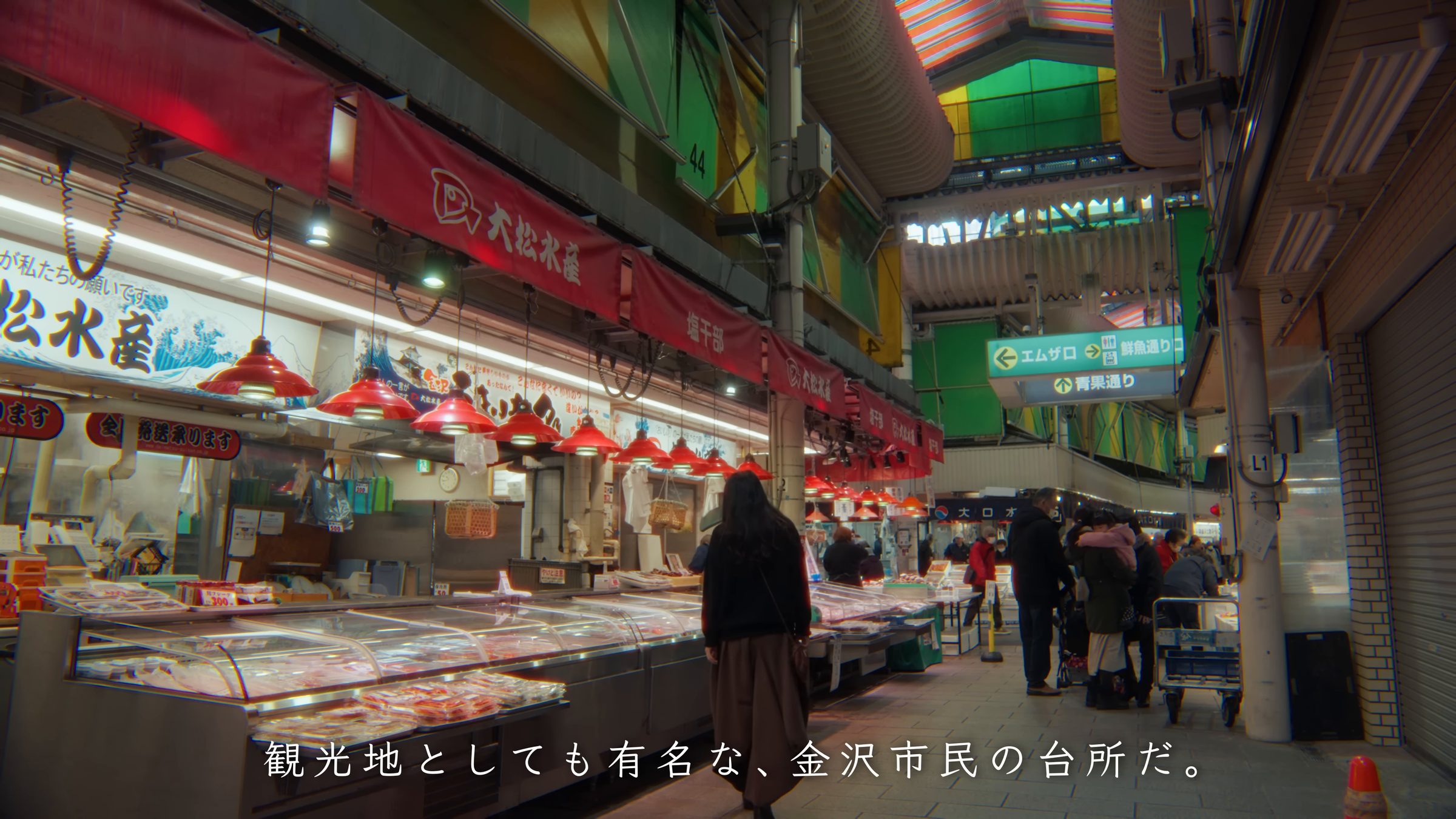
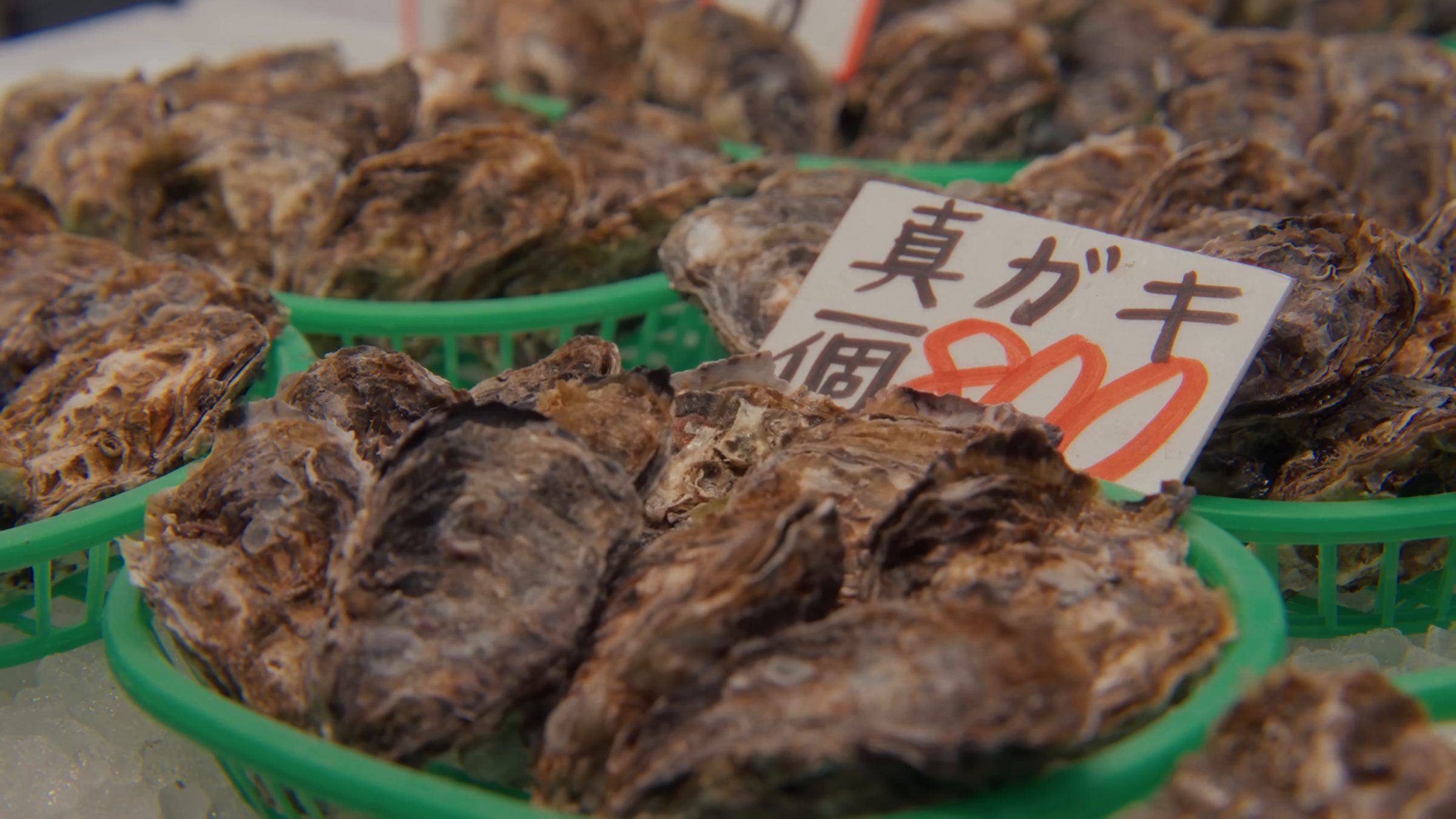
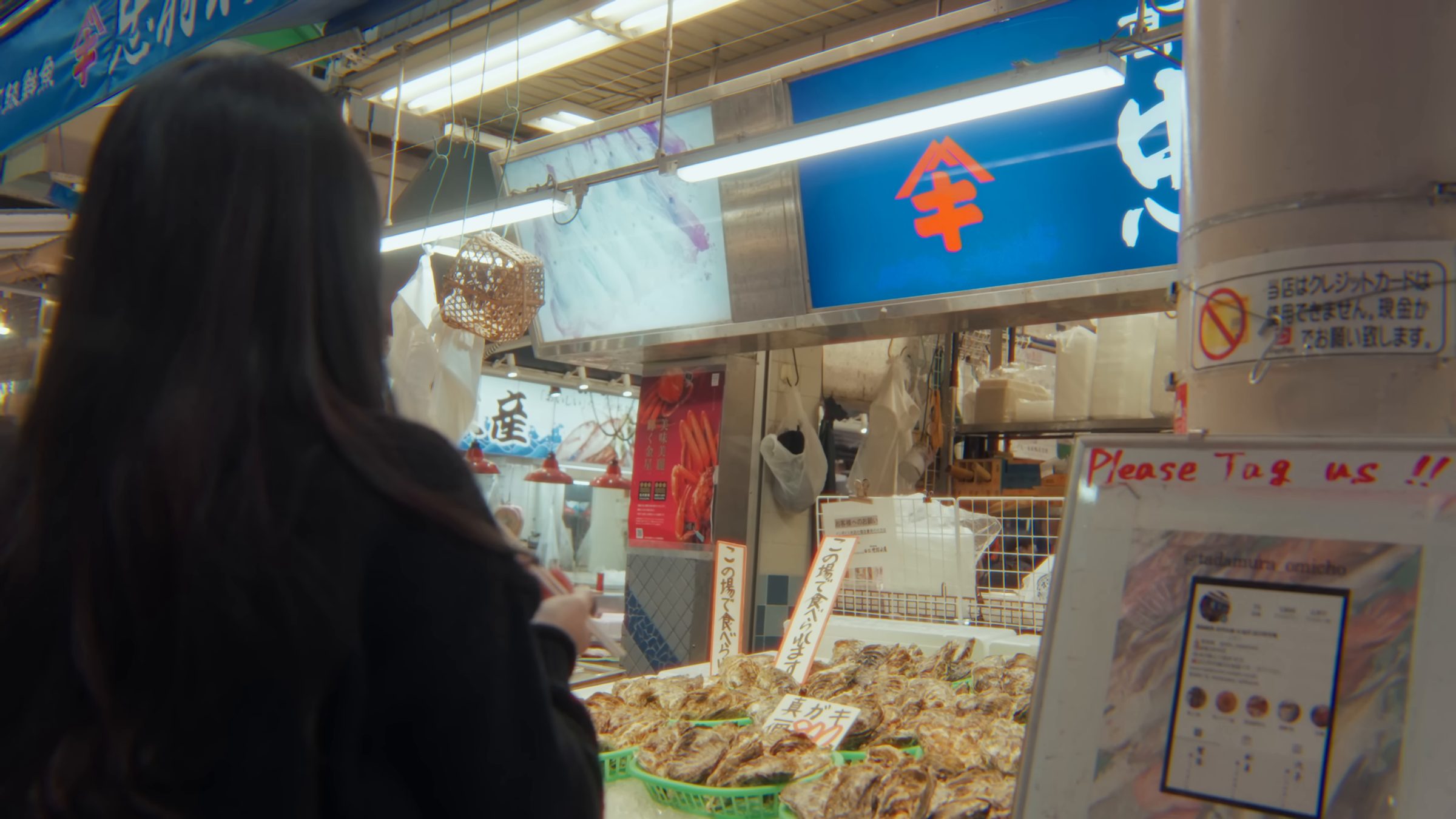
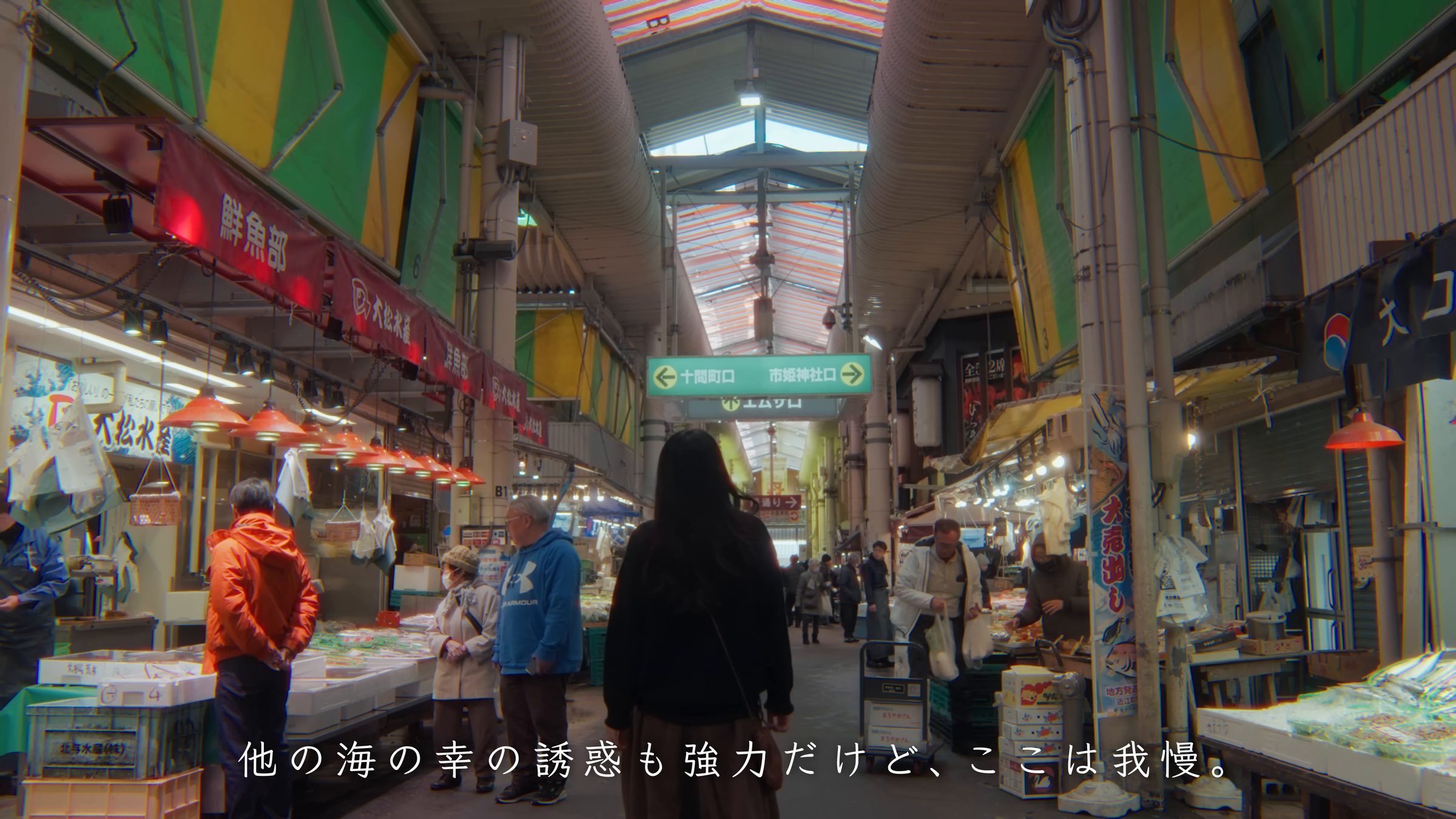
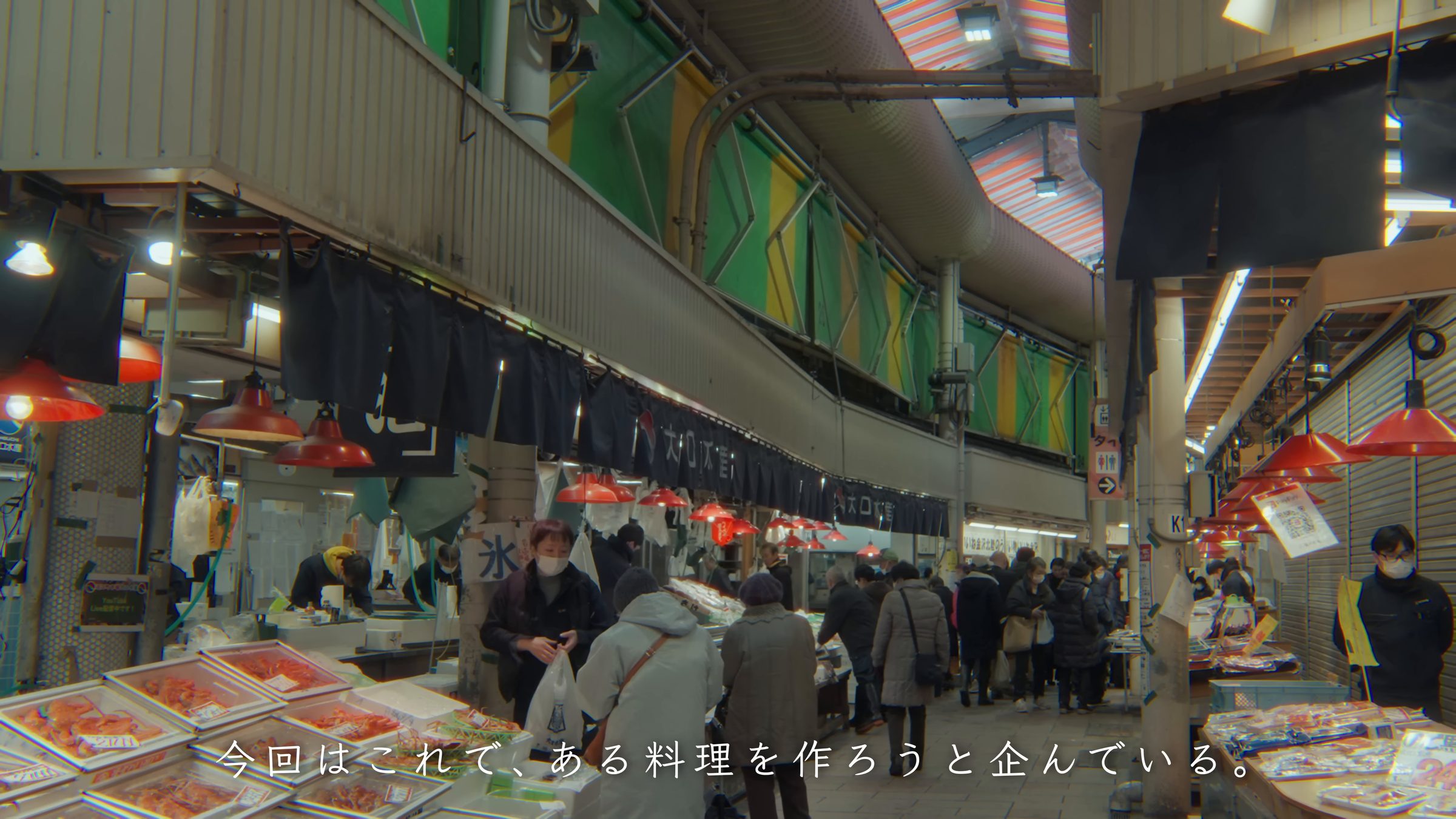
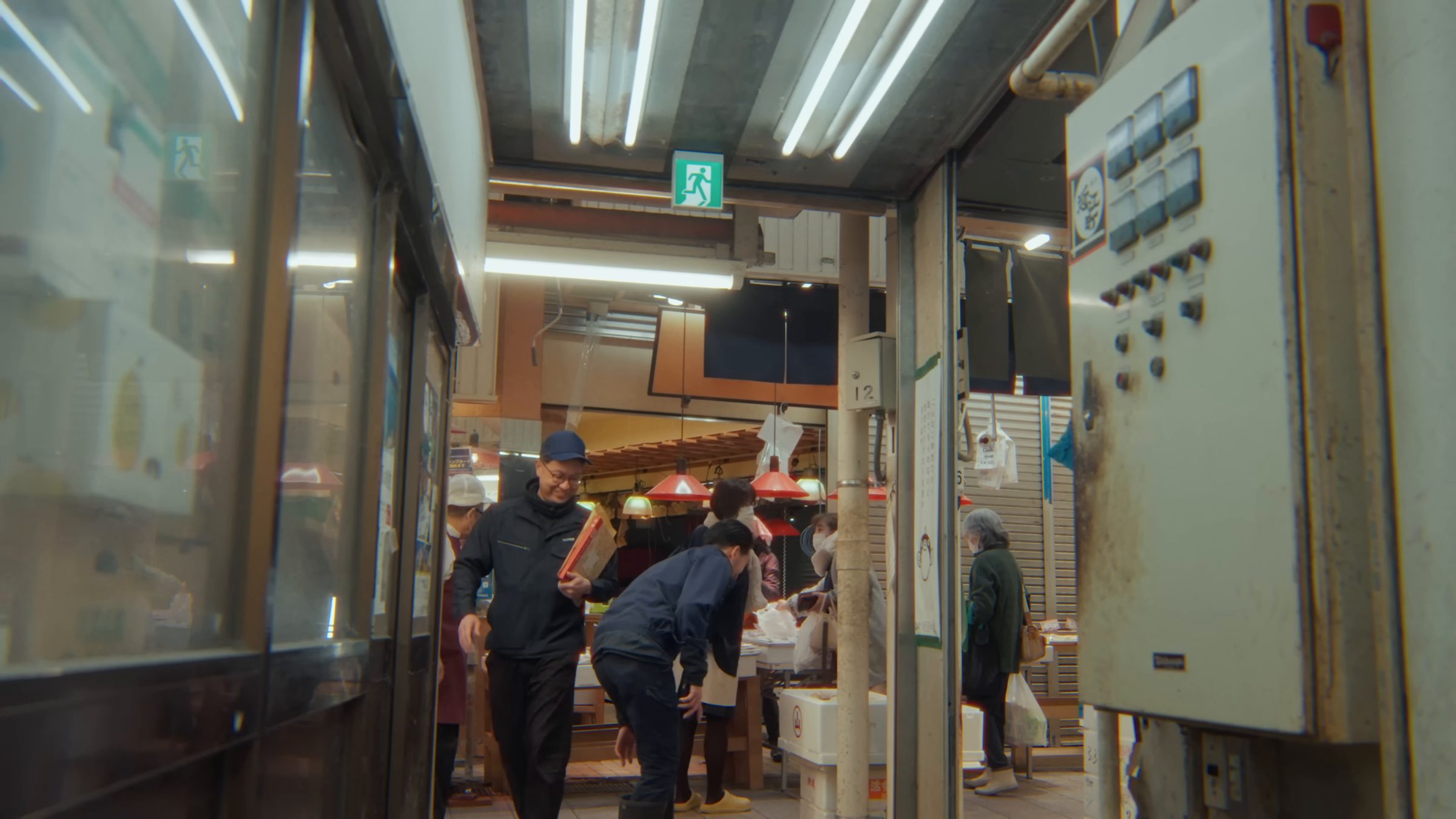
Next came Omicho Market, with a history of more than 300 years. It is a famous tourist spot, but it is also known as the kitchen of Kanazawa's locals. Inside the entrance, crabs were heaped at the stalls and oysters and scallops sizzled on grills. Fish stalls lined an aisle hung with red lamps.
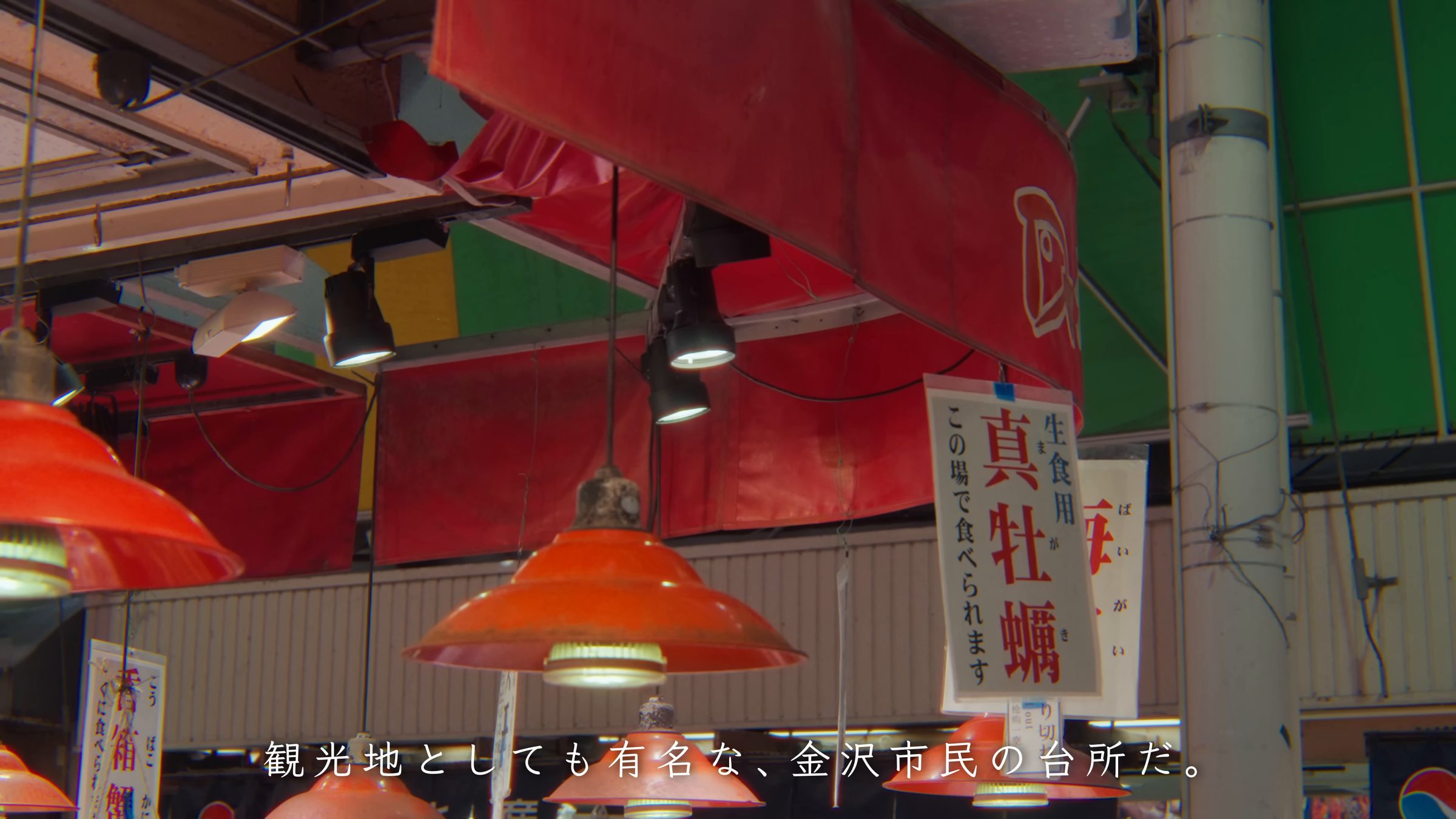
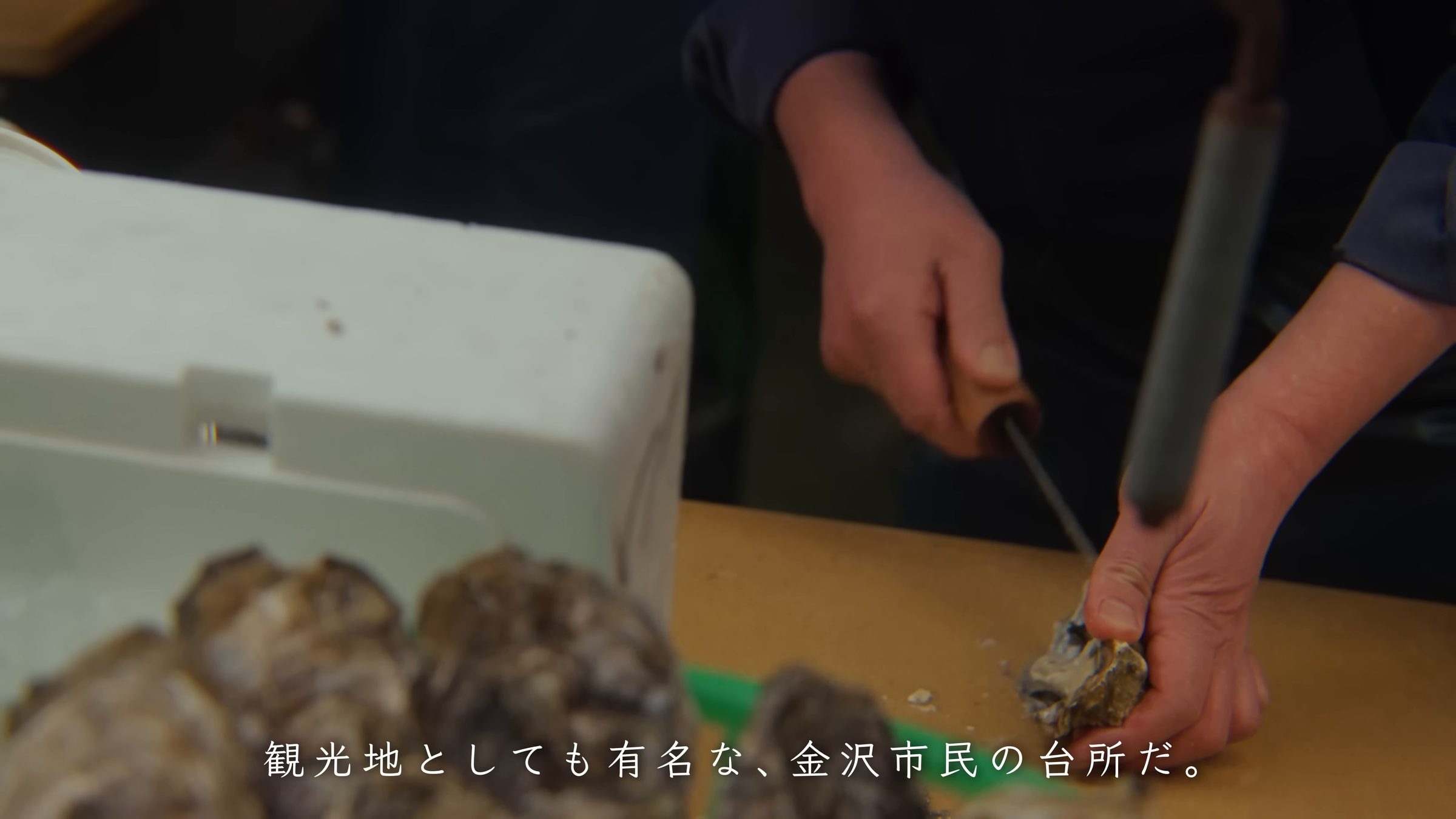
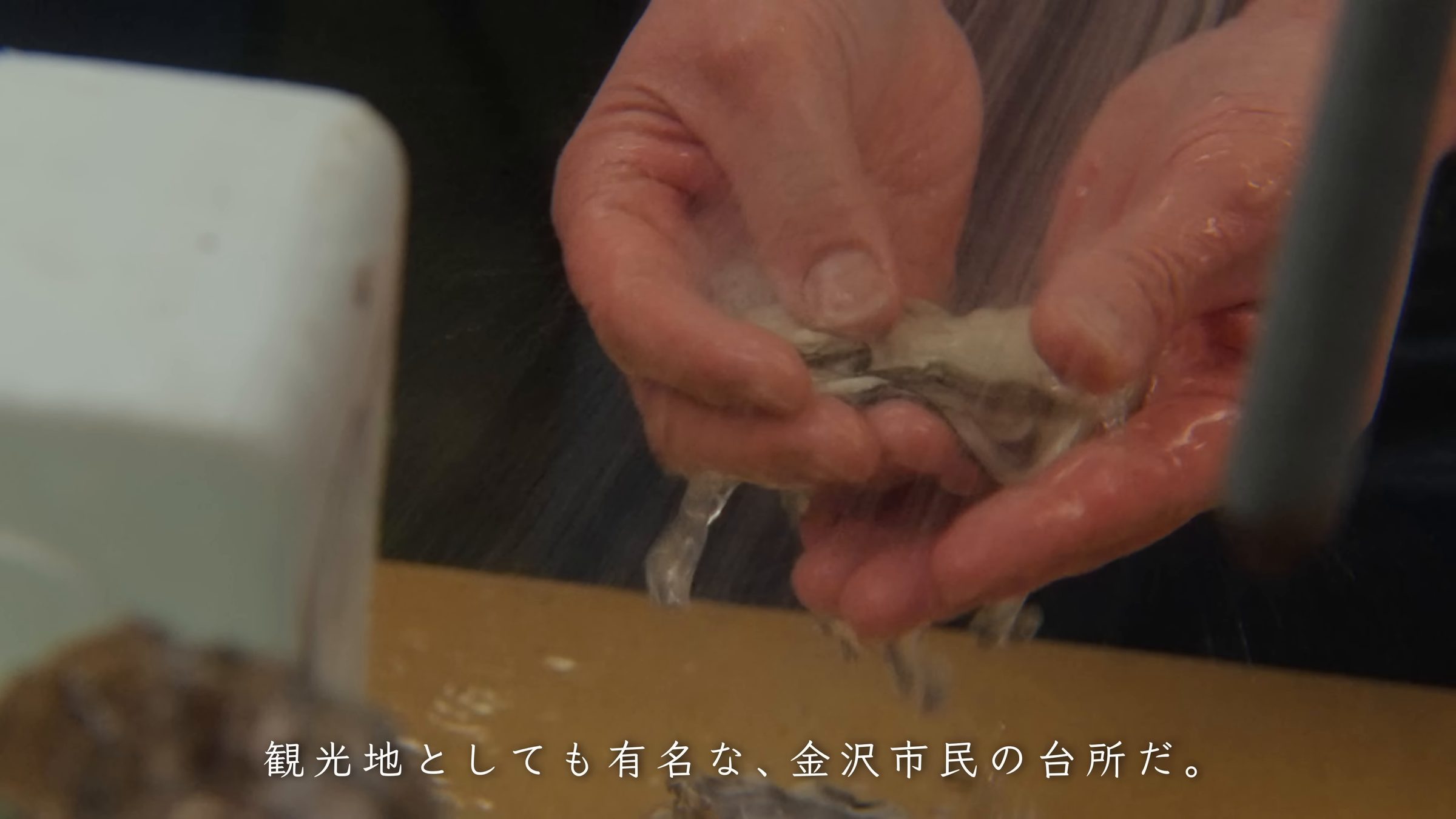
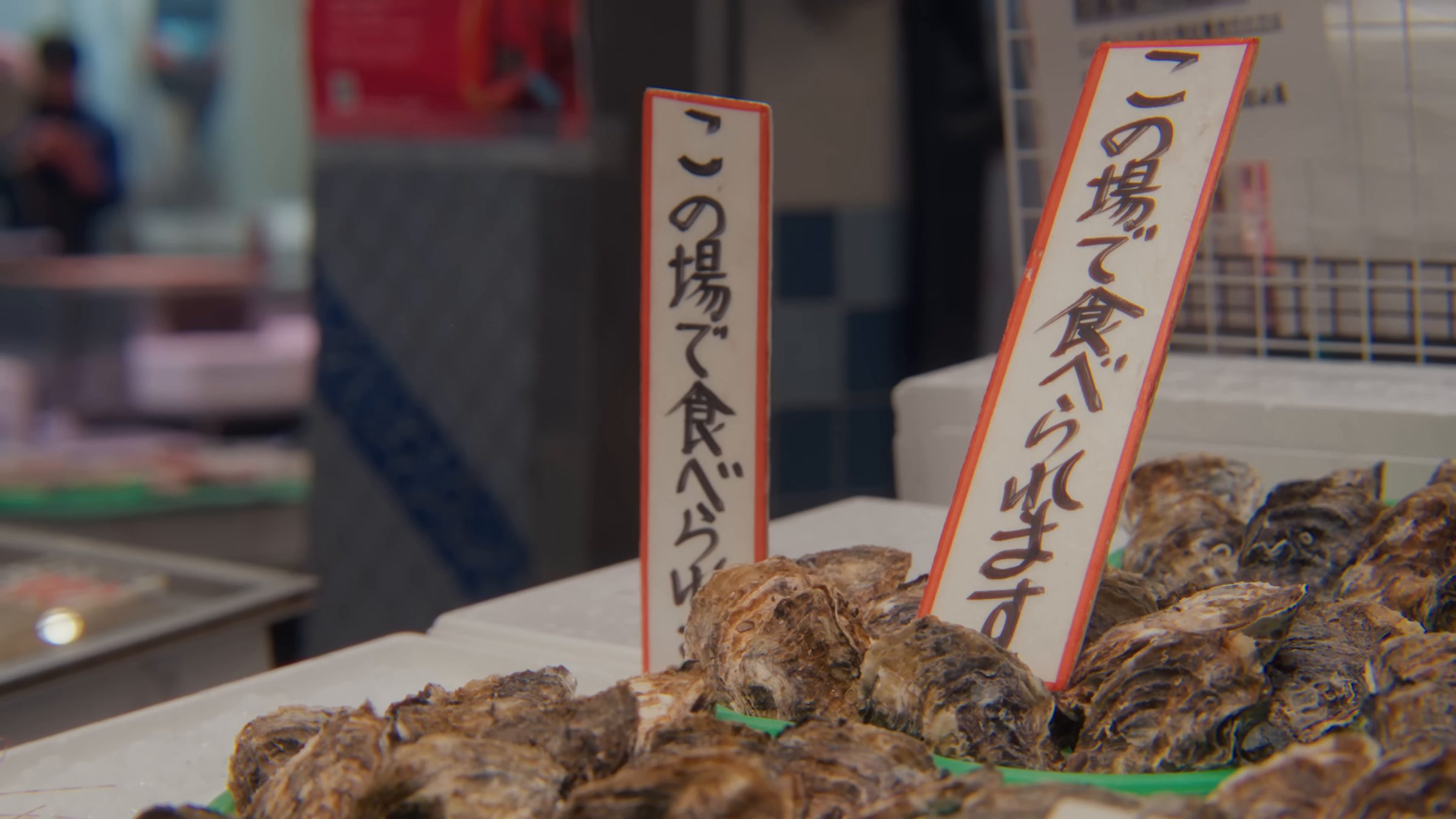
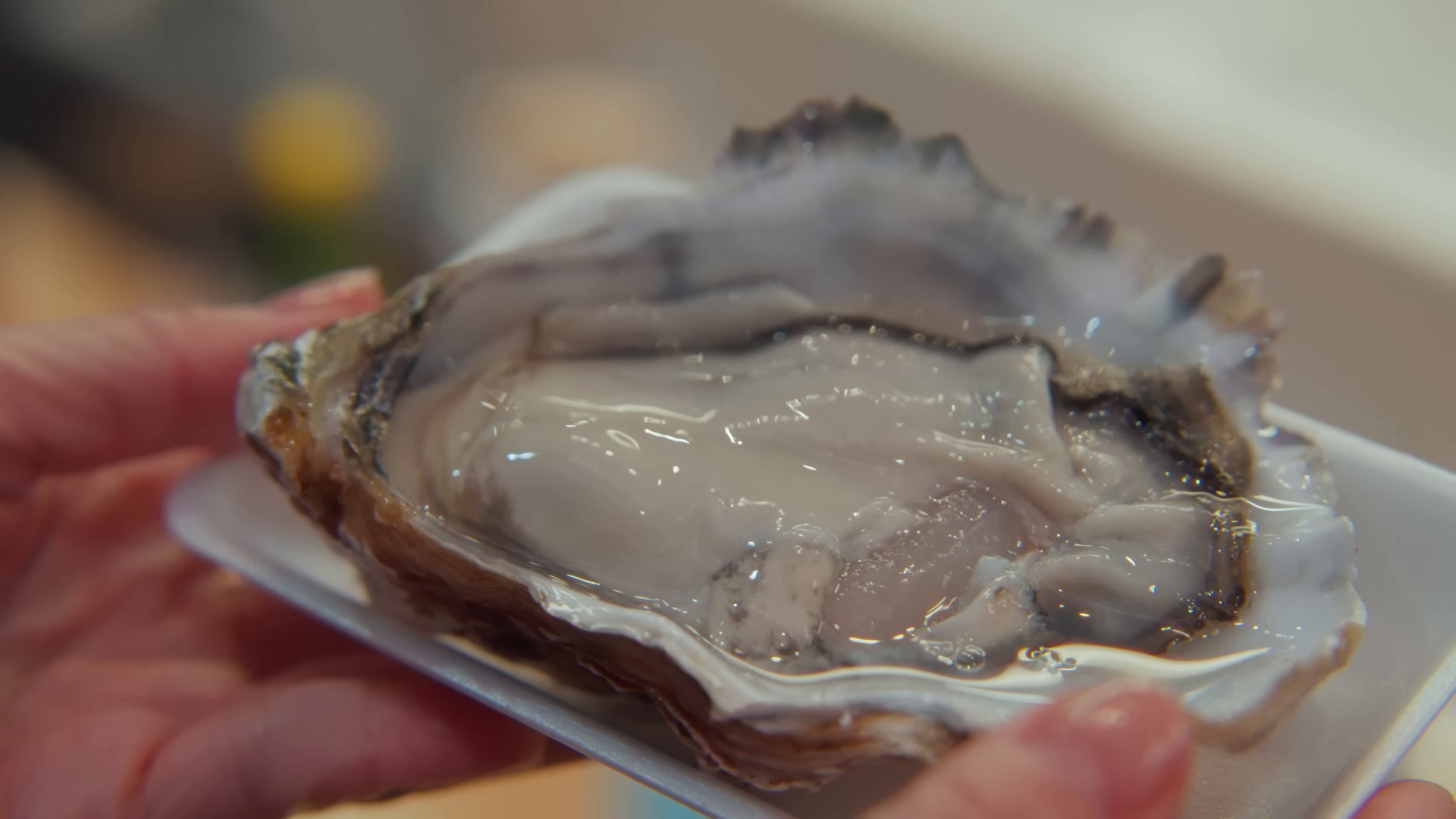
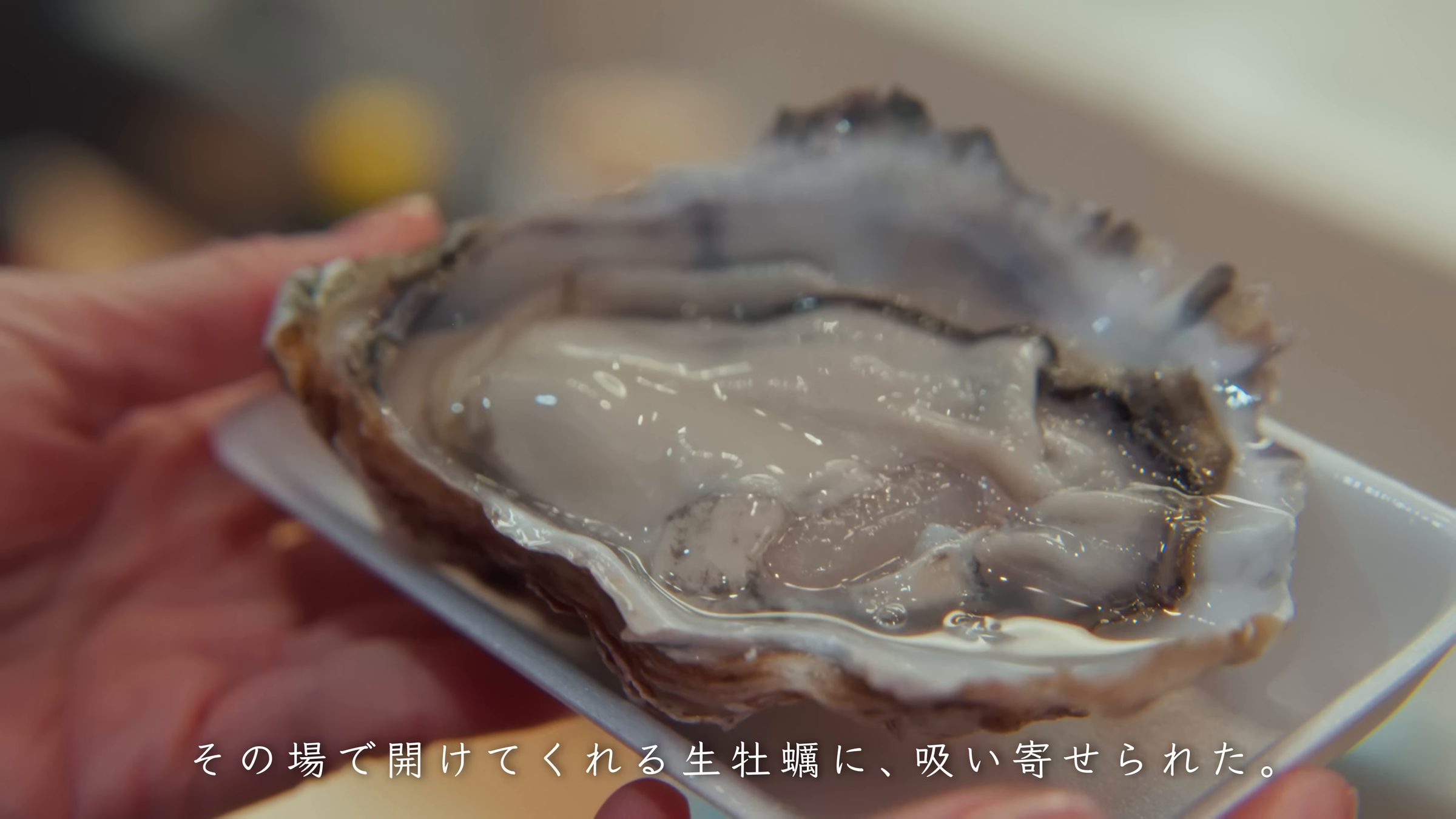
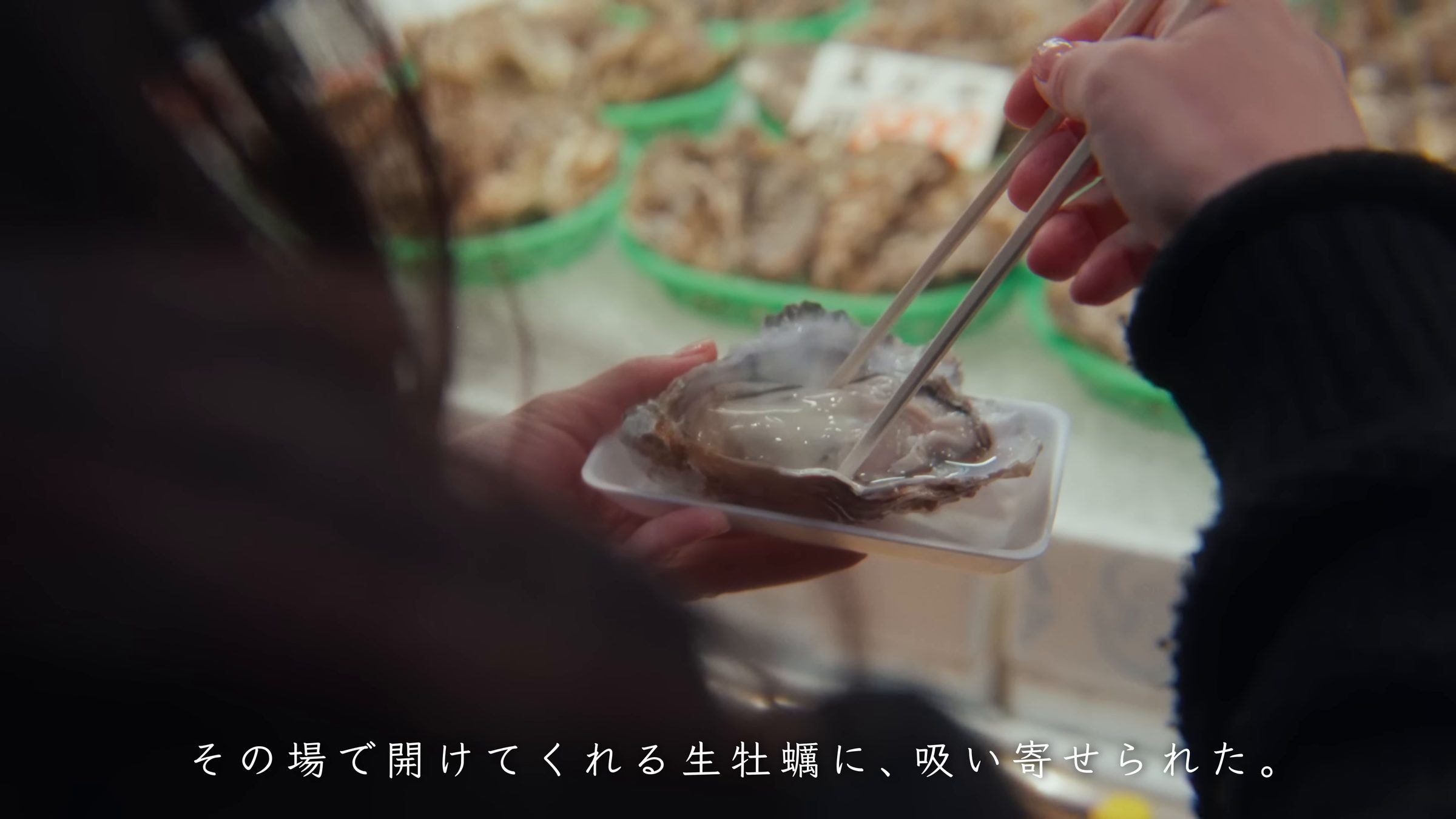
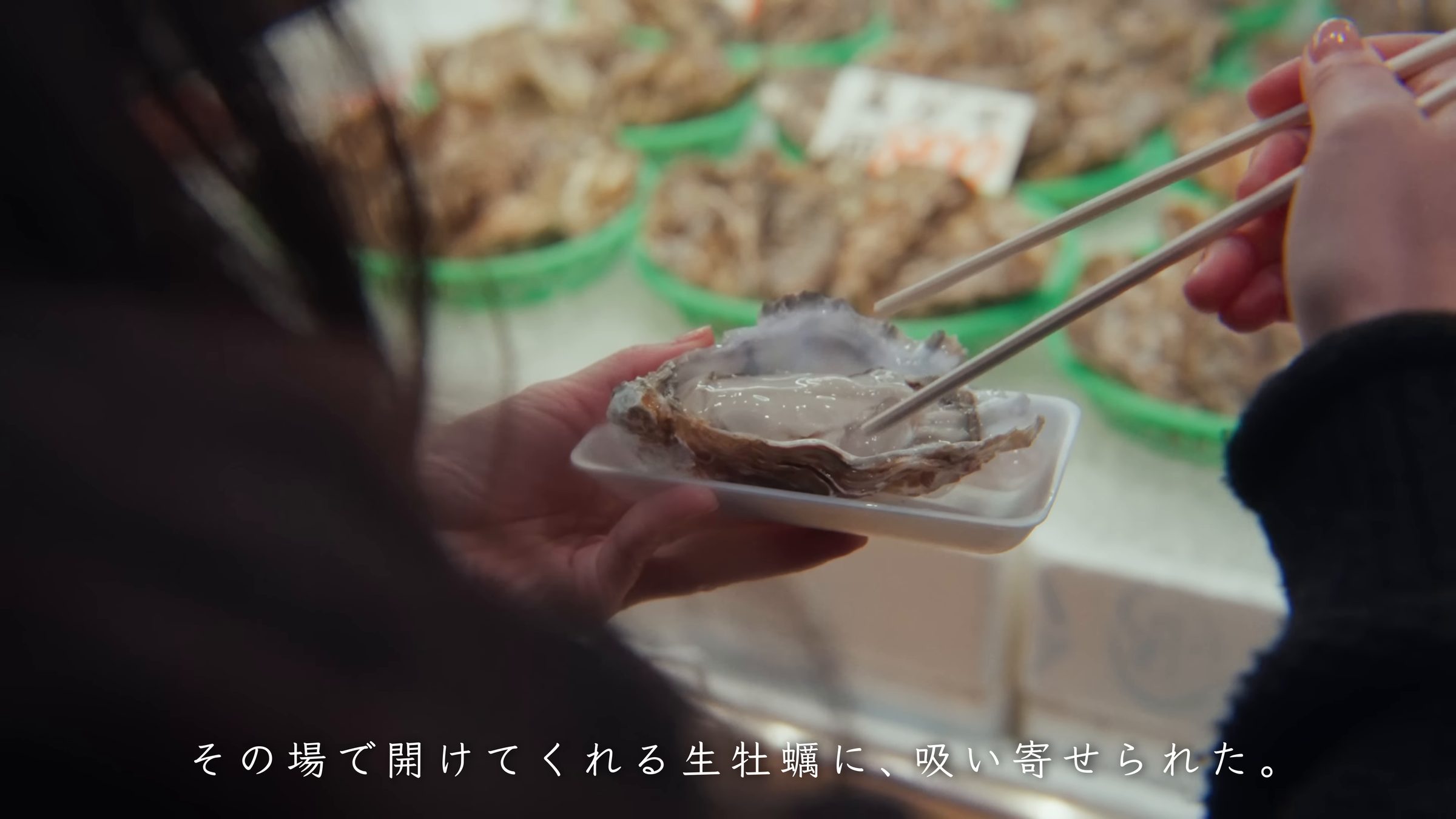
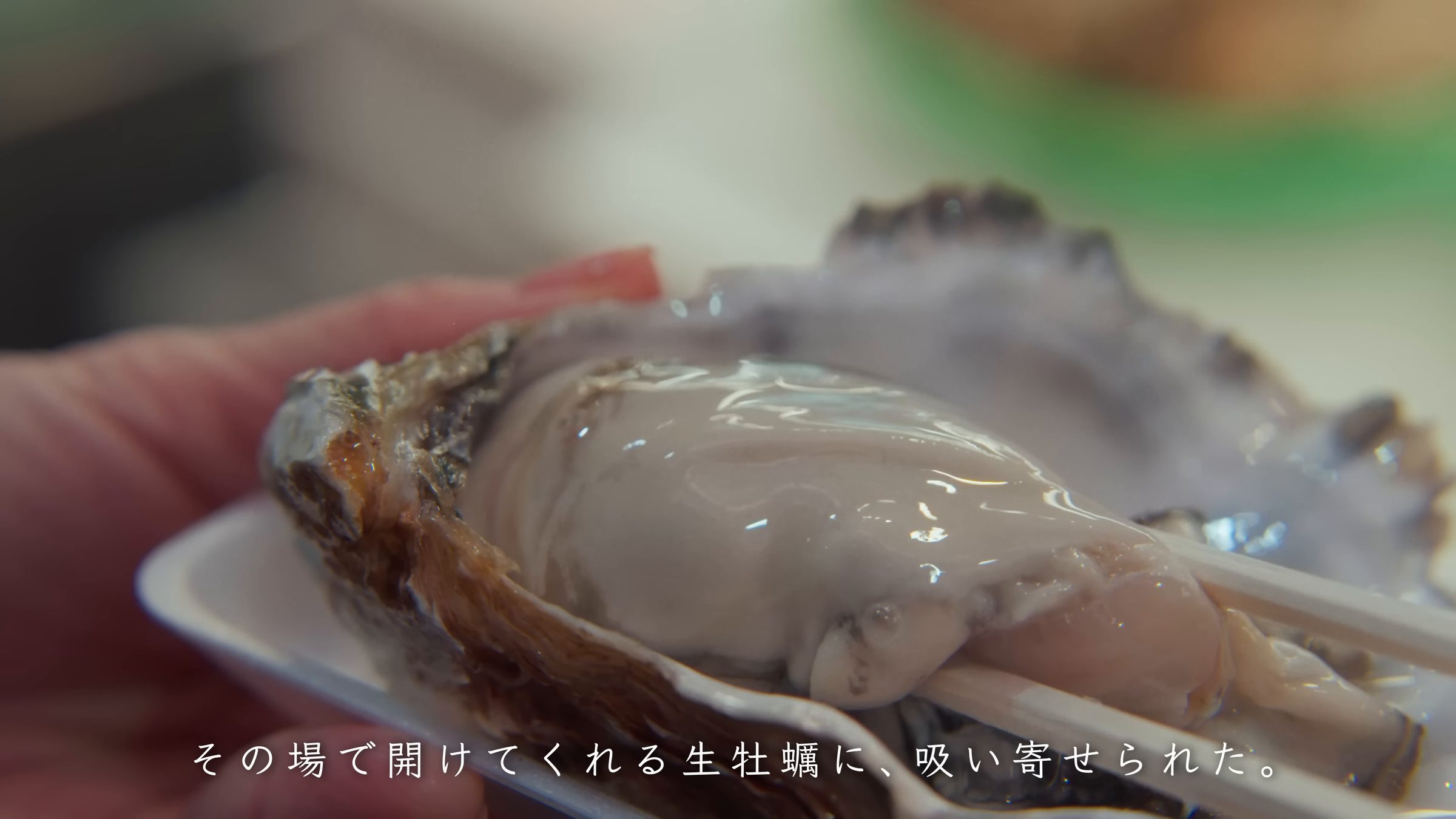
"Raw oysters, ready to eat right here." I was drawn straight to that sign. The oyster was shucked in front of me and given a quick rinse. It was so plump it filled my palm, and I lifted it to my mouth with chopsticks.
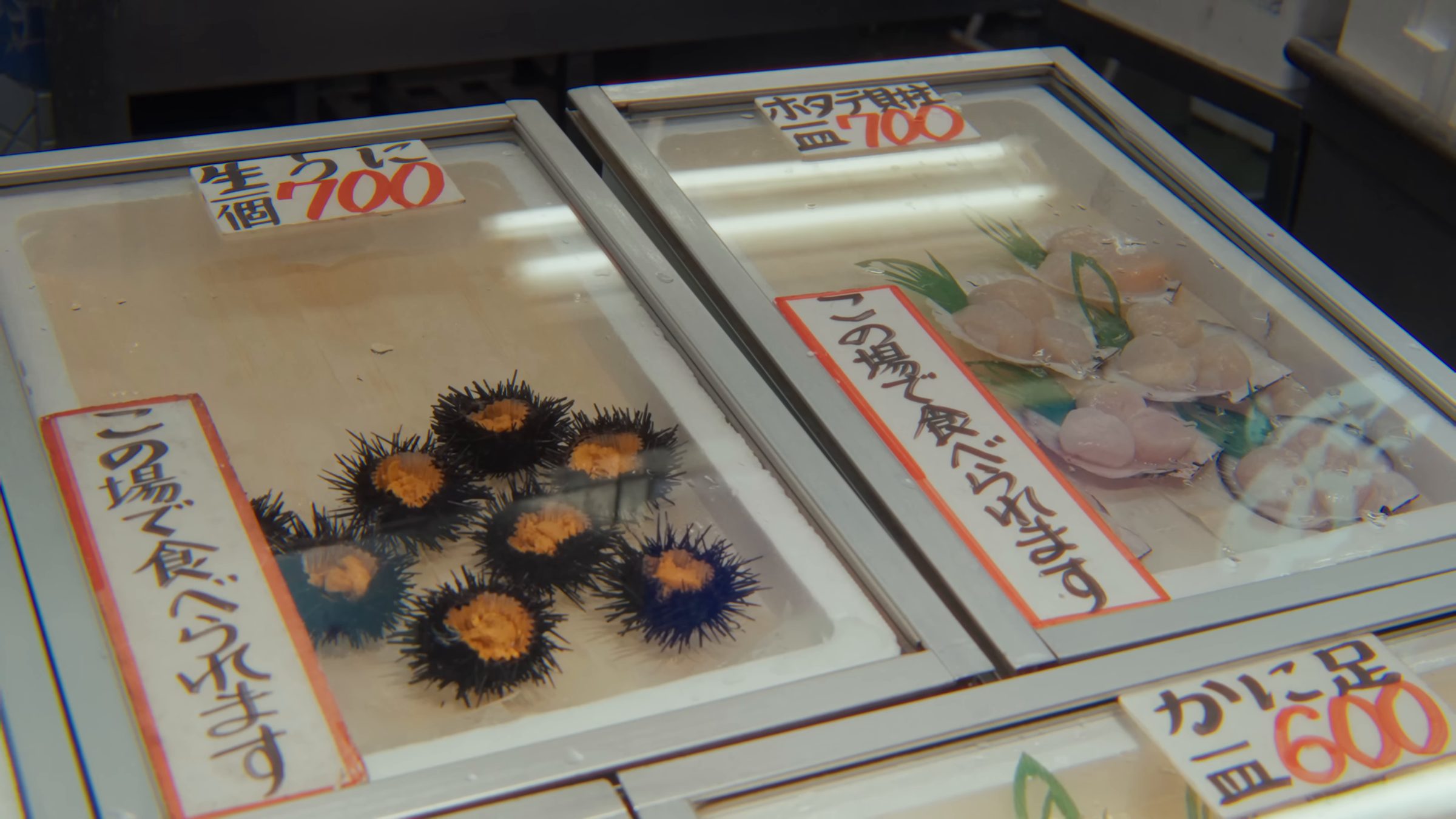
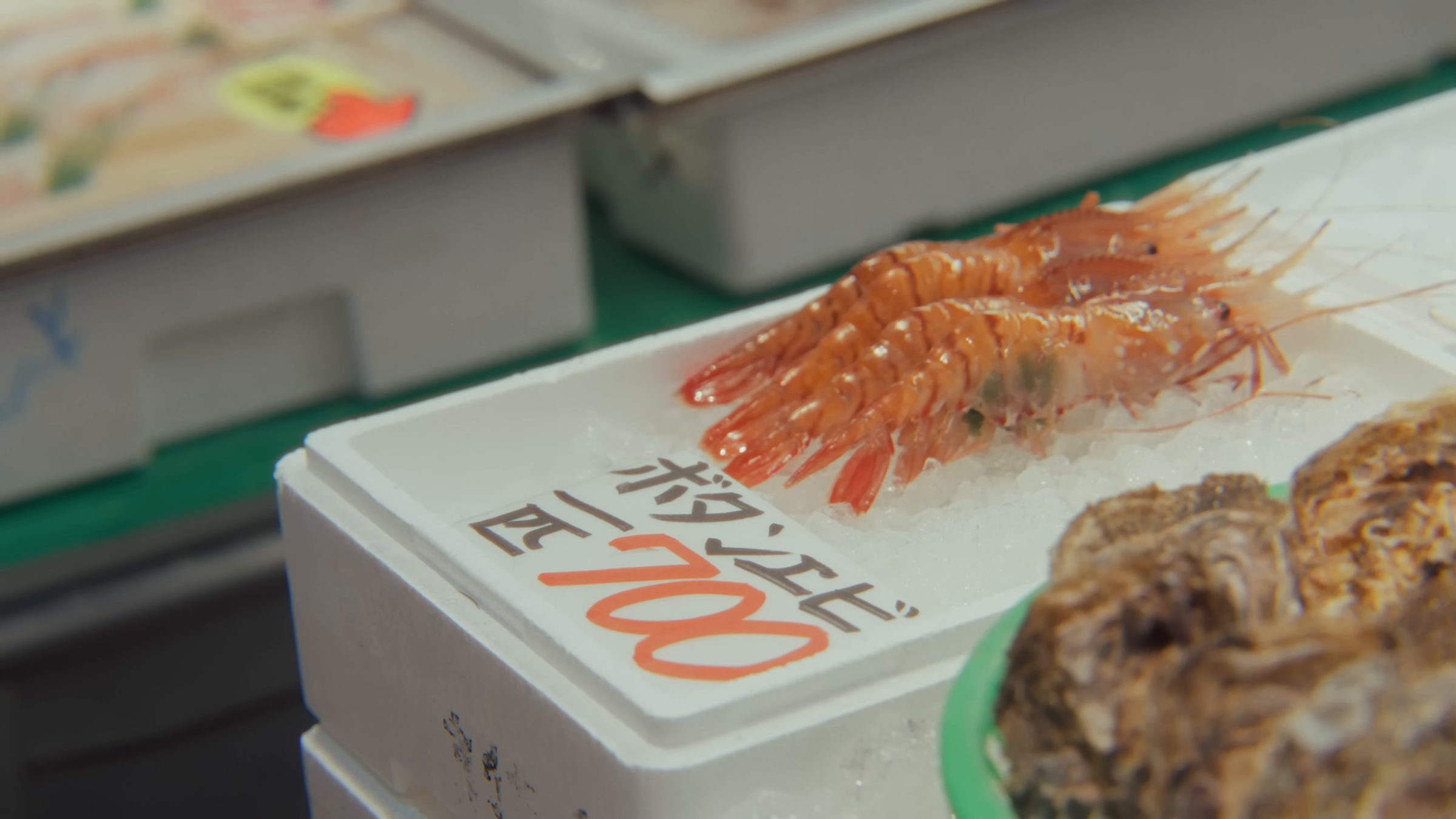
Sea urchin, botan shrimp and crab legs carried the same sign. The temptation of the other seafood was powerful, but I had to be patient.
Watch this scene on YouTube1:01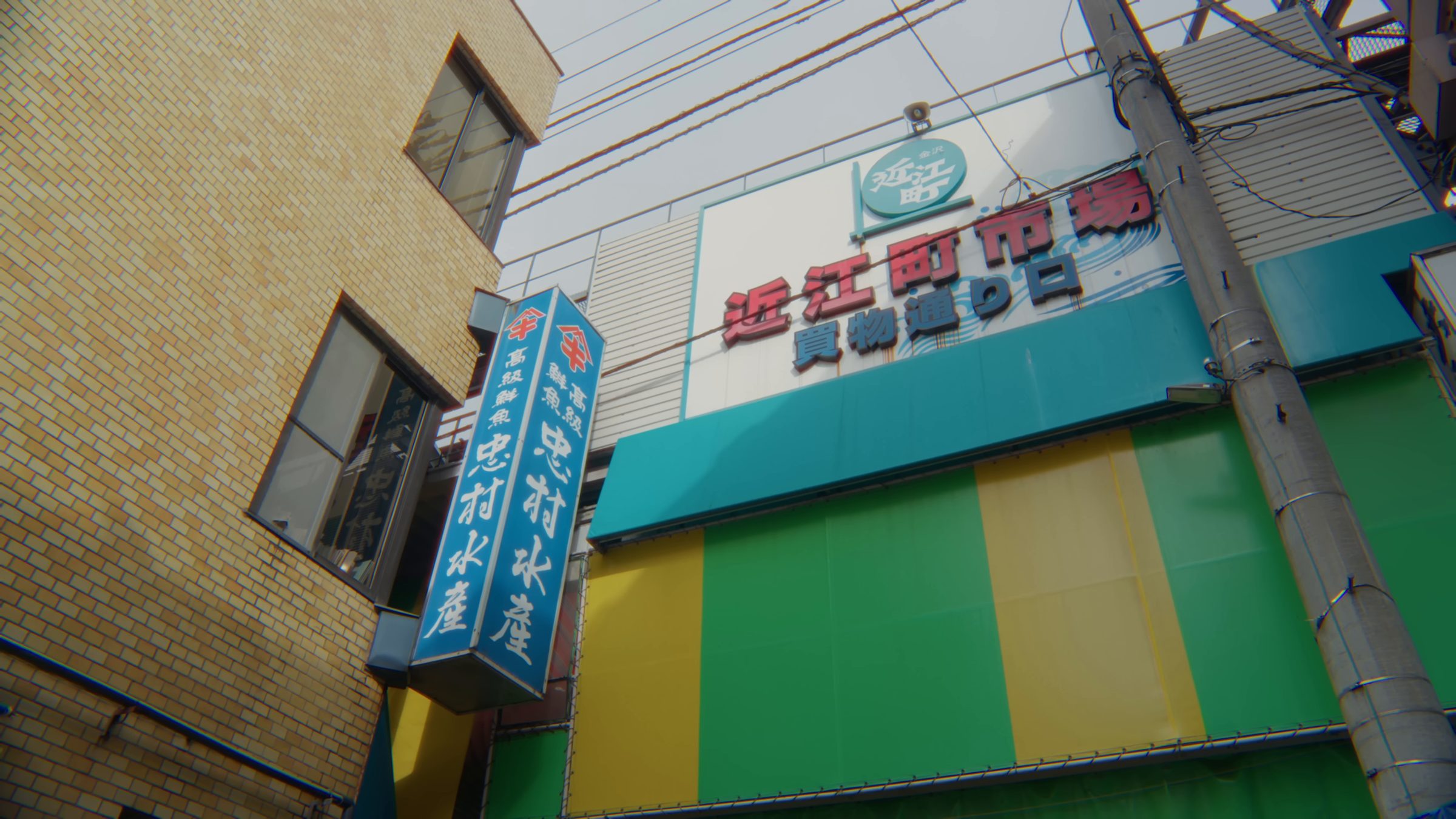
03TRAVEL JOURNAL
Kaga vegetables and nodoguro
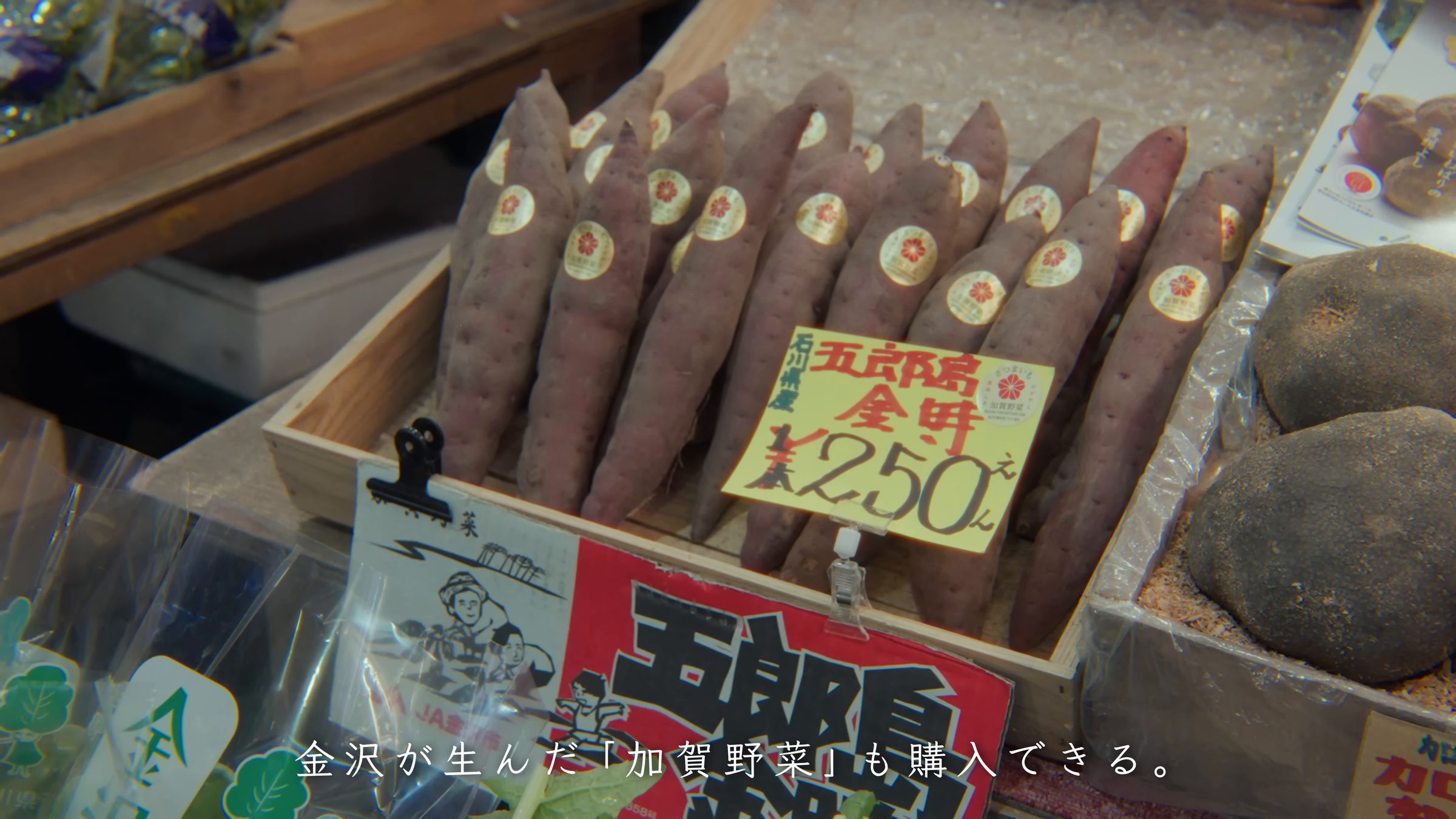
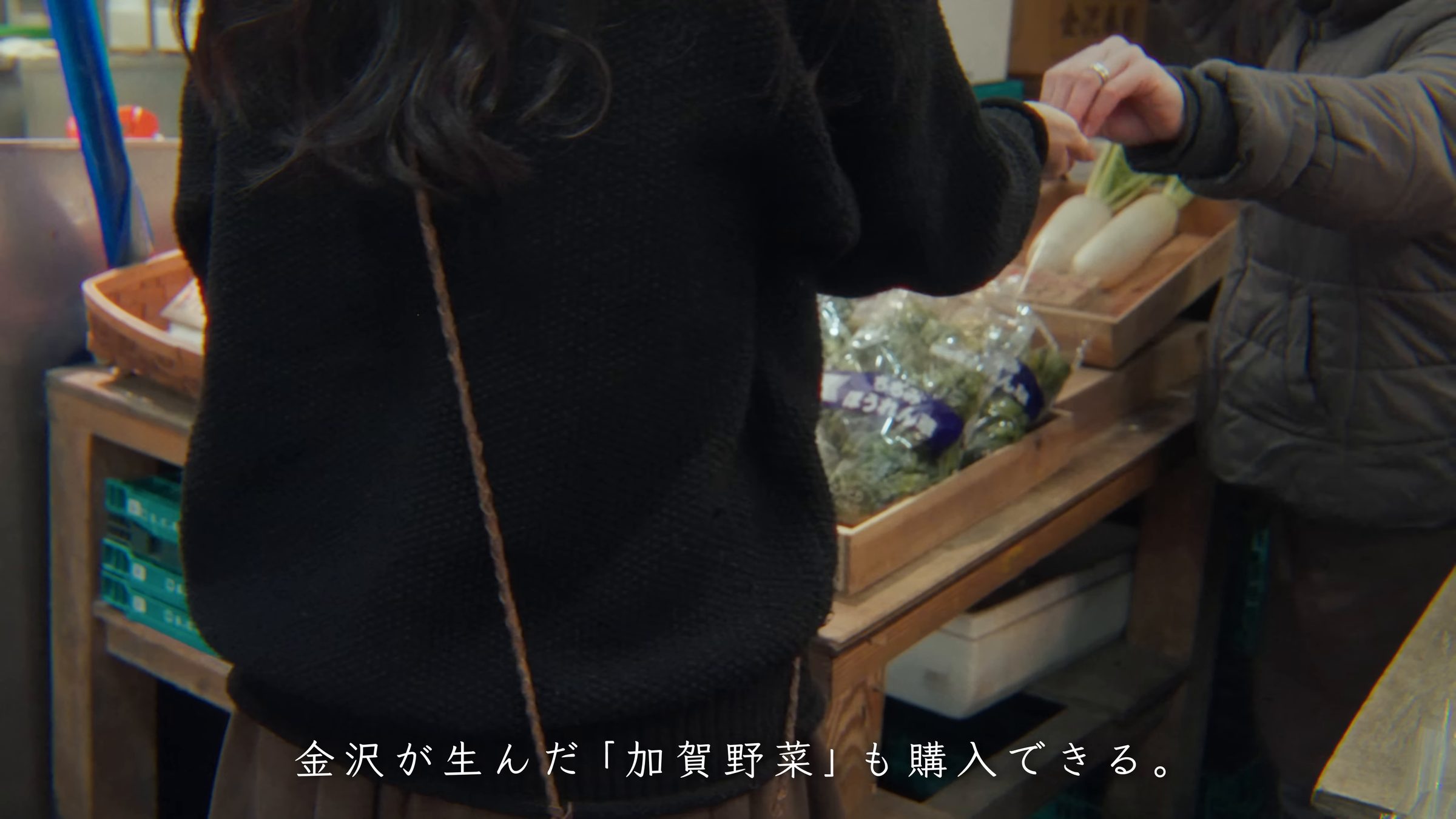
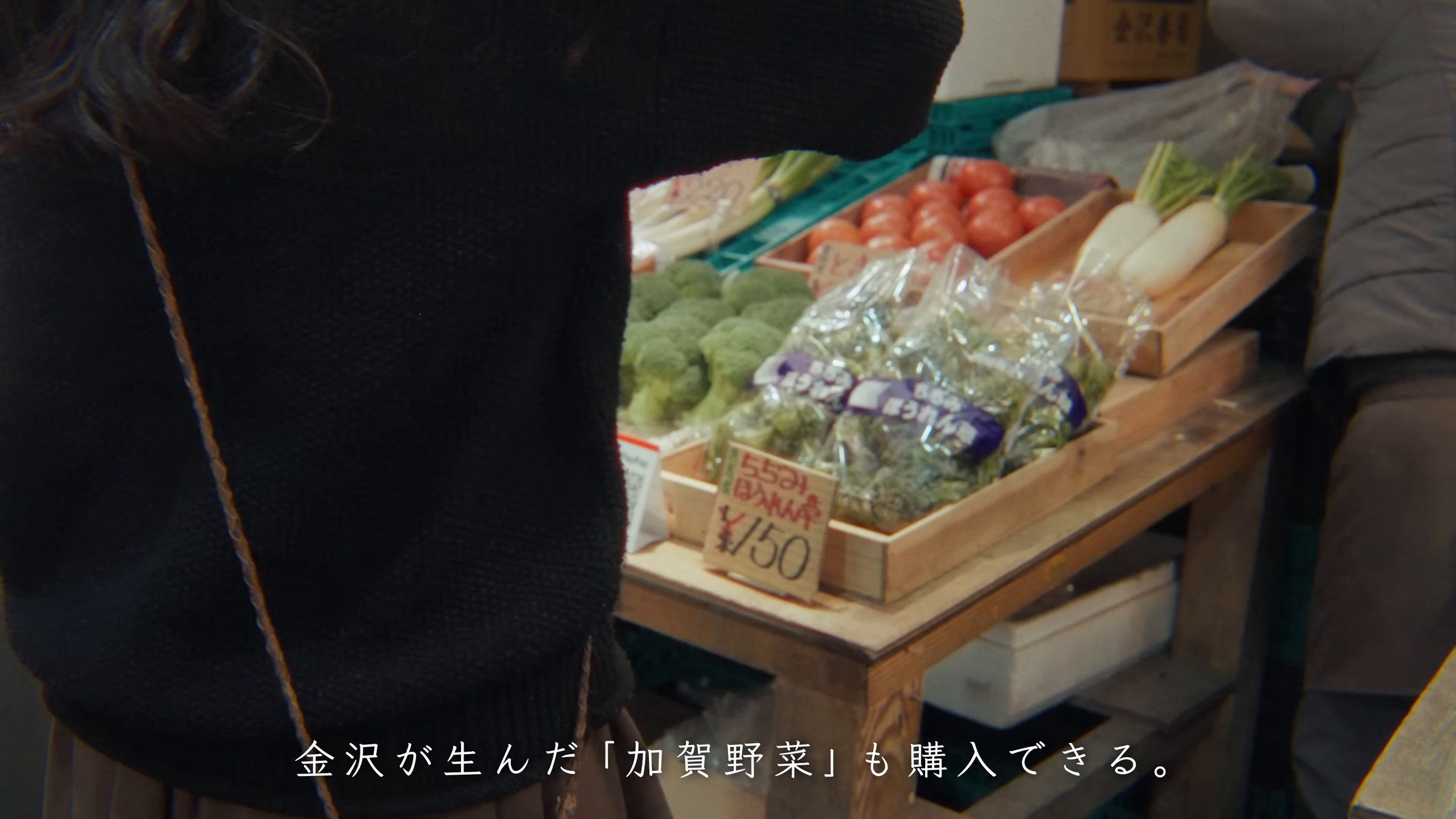
Kanazawa's own Kaga vegetables can be bought here too. At a greengrocer's, Gensuke daikon and lotus root stood with their labels, next to sweet potatoes marked Gorojima Kintoki. I picked out some Kaga vegetables and took them from the shopkeeper.
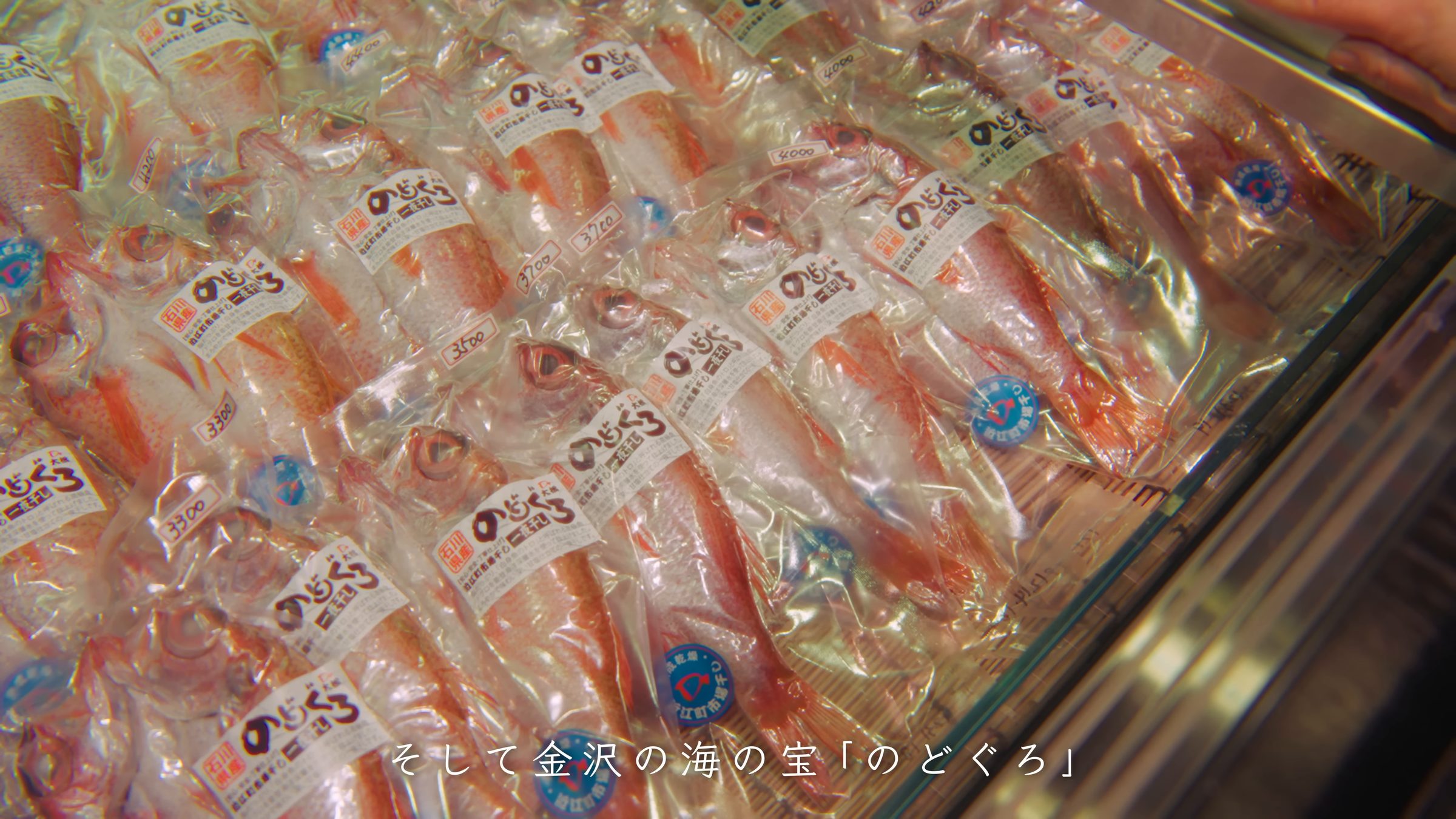
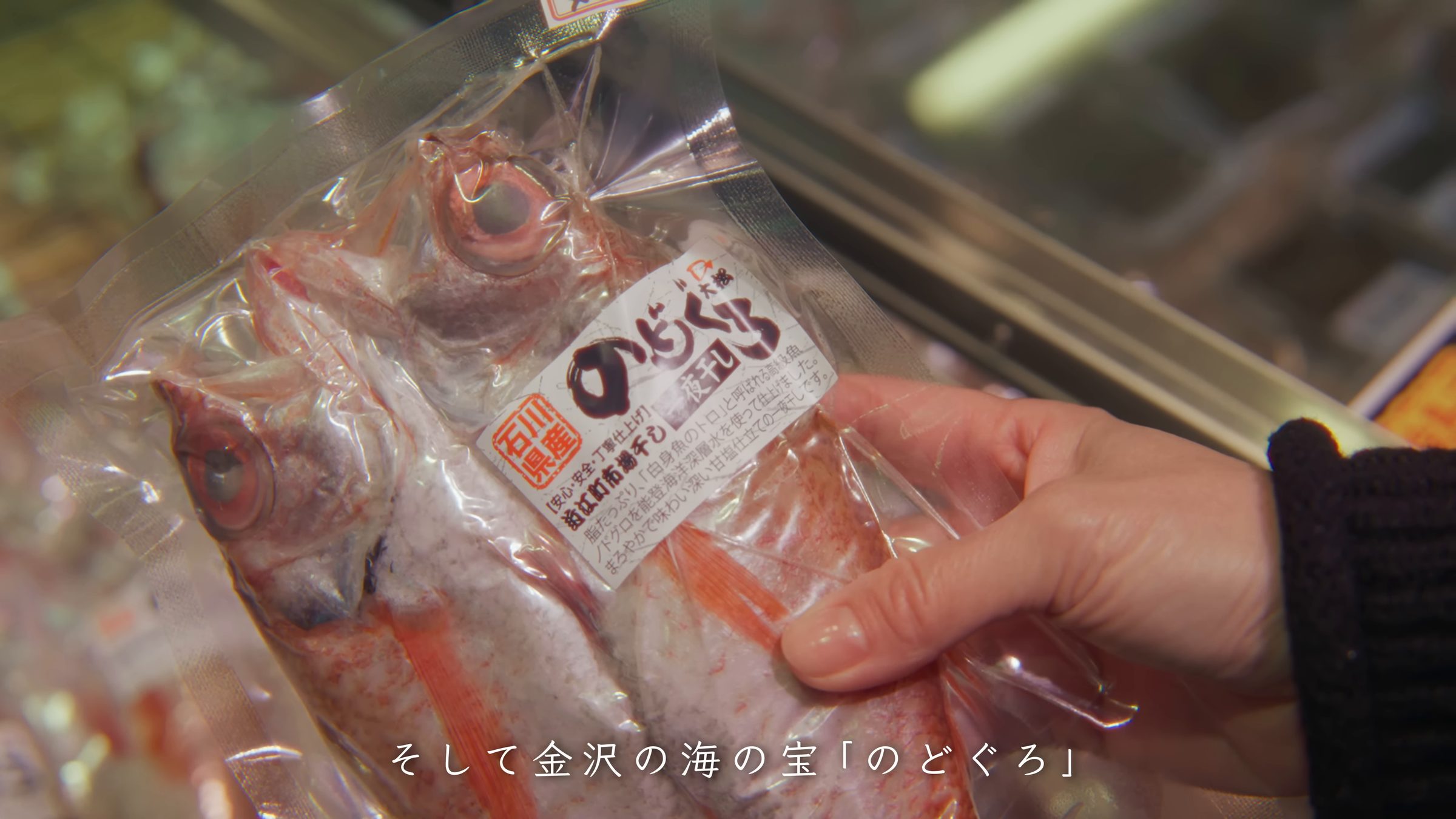
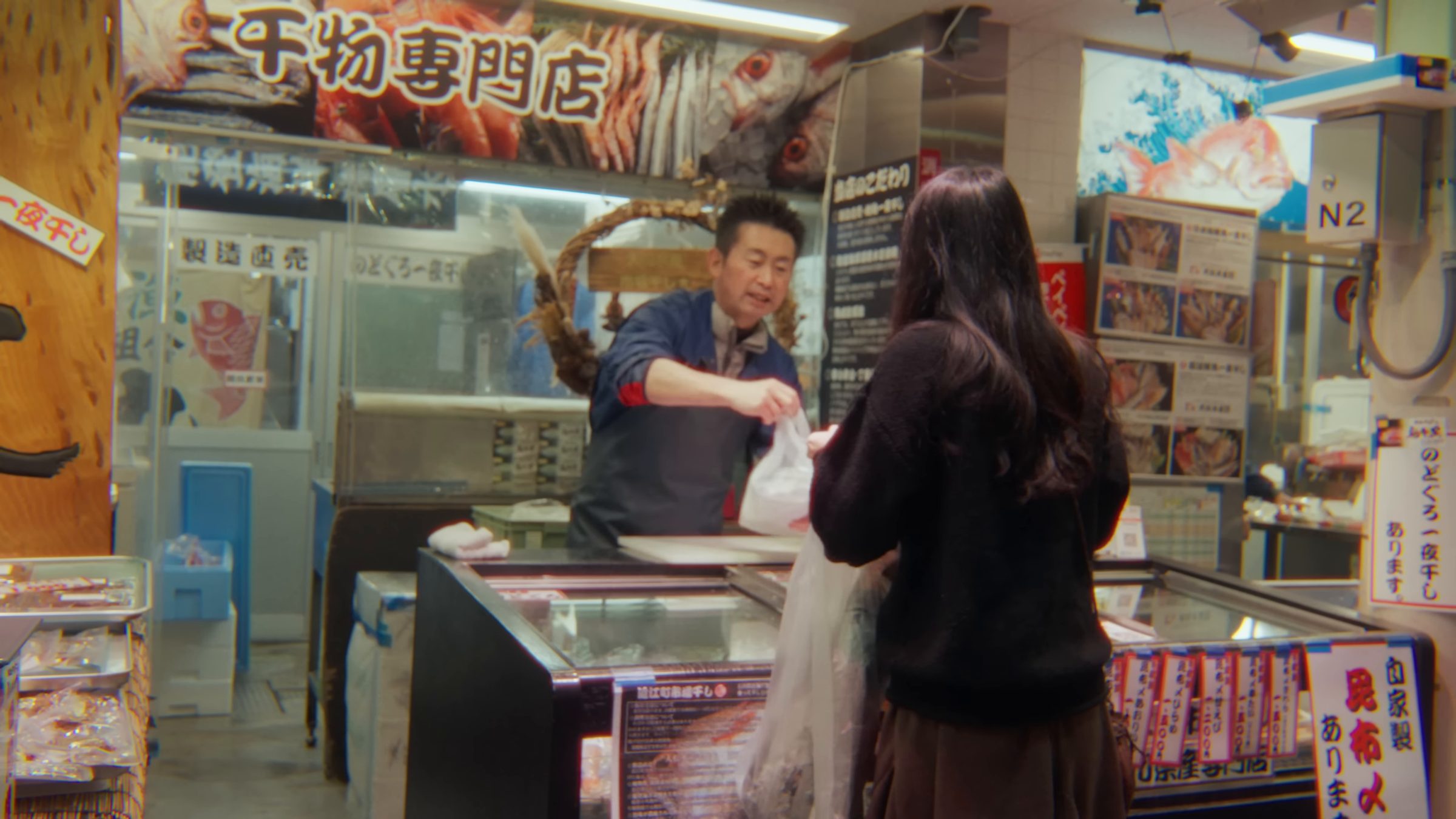
And then, Kanazawa's treasure from the sea: nodoguro. The cases at a dried-fish shop were lined with overnight-dried nodoguro from Ishikawa. I was planning to make a certain dish with this fish.
Watch this scene on YouTube1:58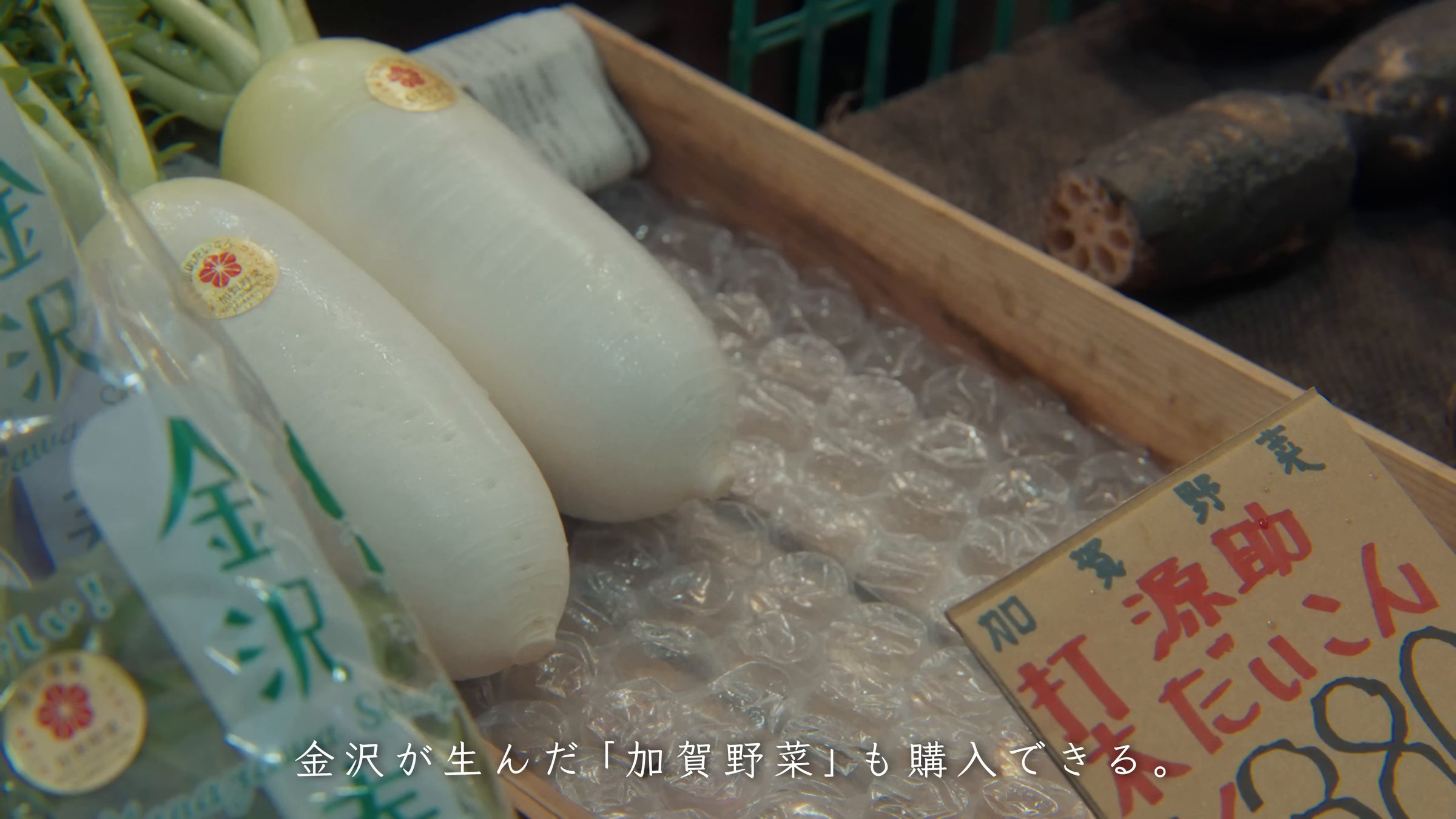
04TRAVEL JOURNAL
Kanazawa oden and a local seafood bowl
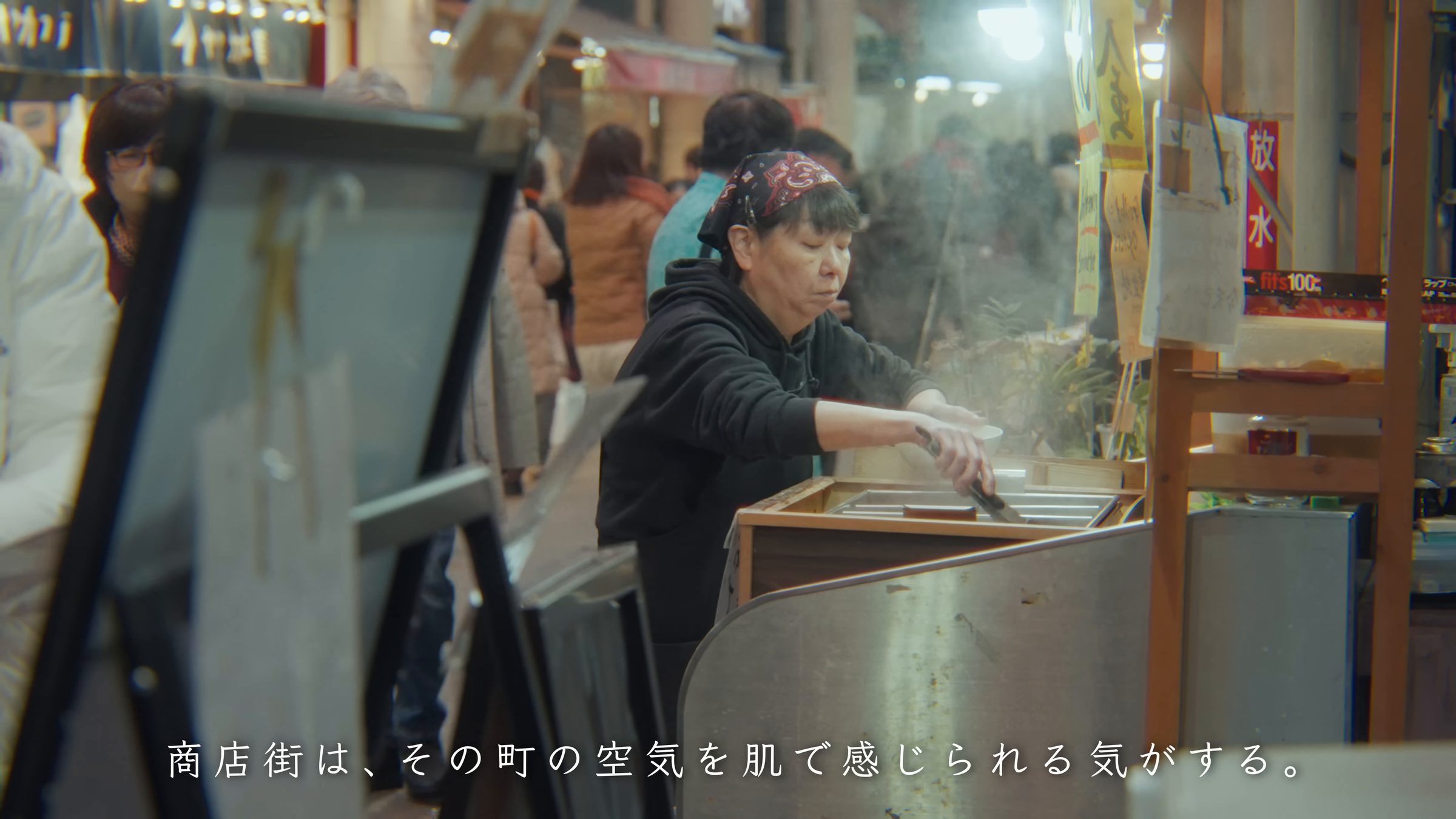
A shopping street, I think, lets you feel the air of a town on your skin. At a steaming oden stall, the menu also offered grilled oysters and scallops in butter.
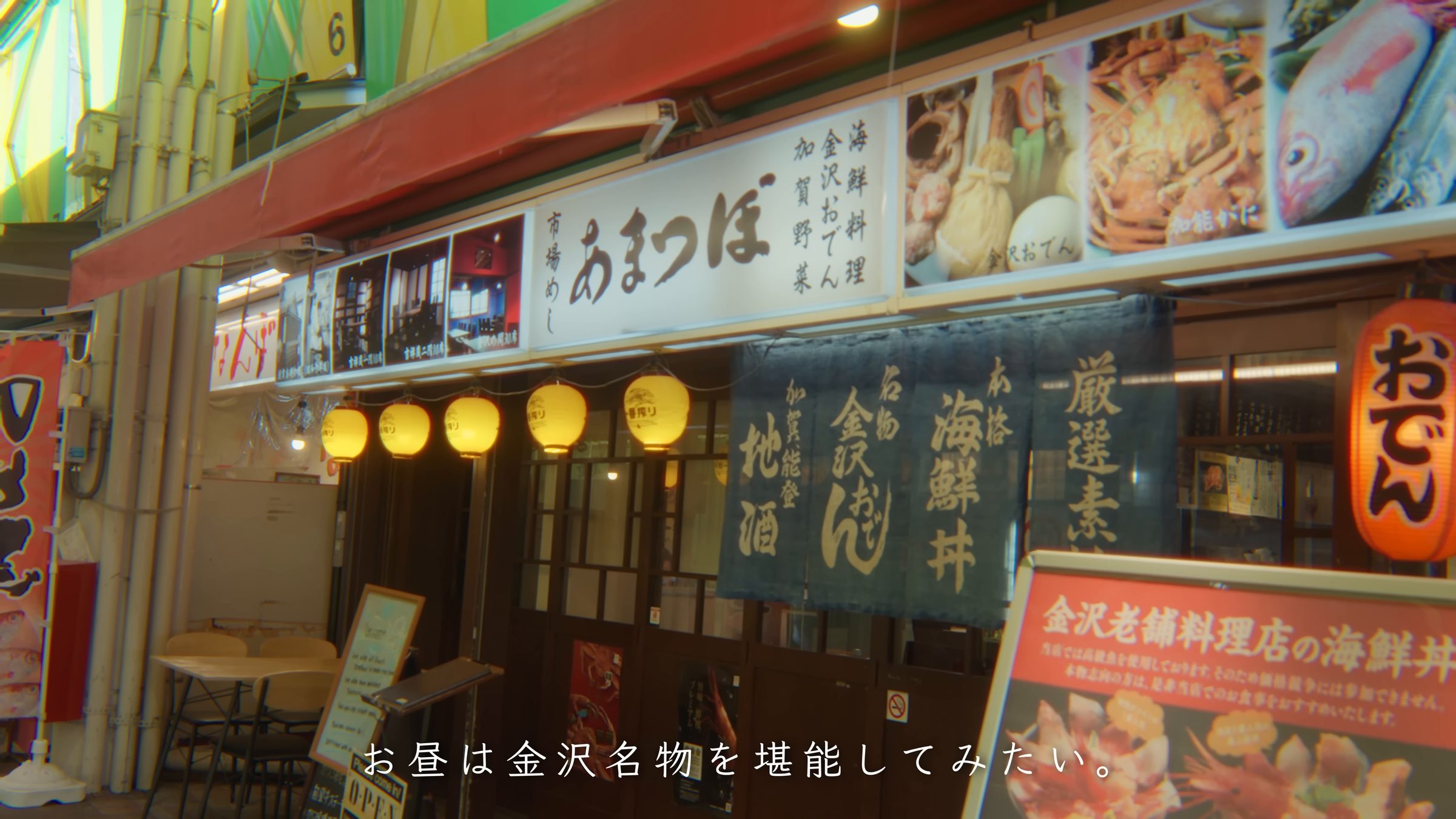
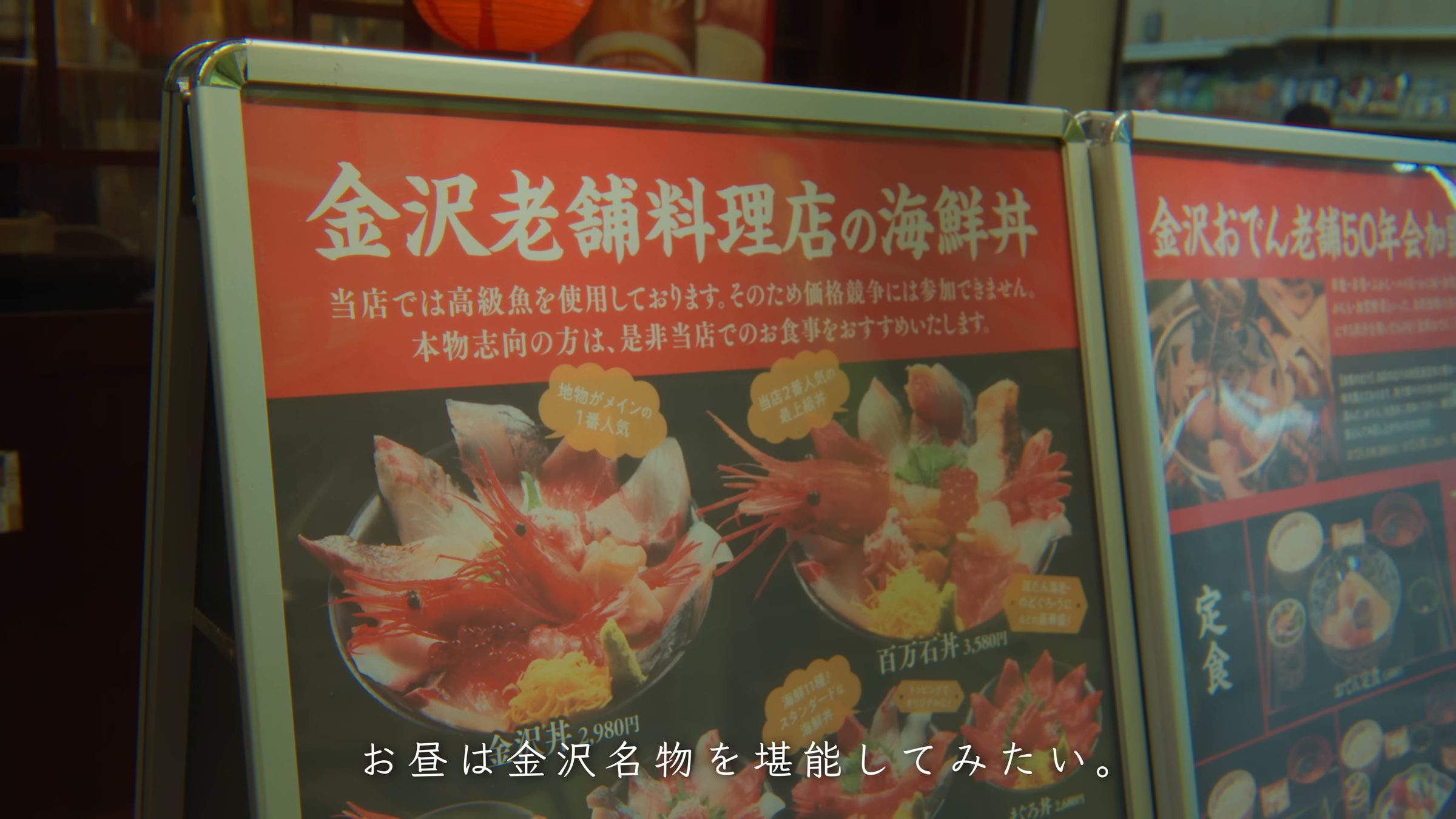
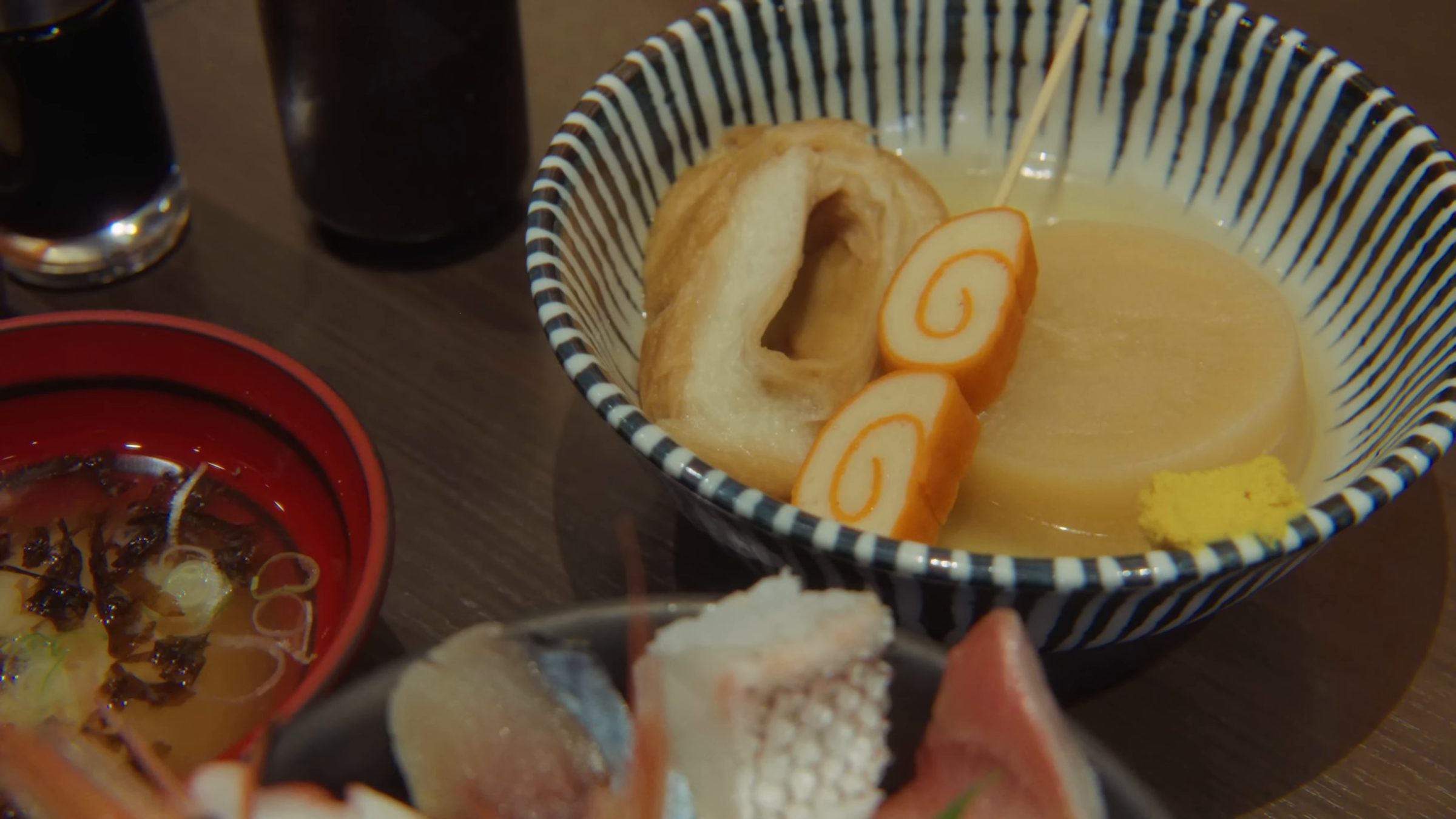
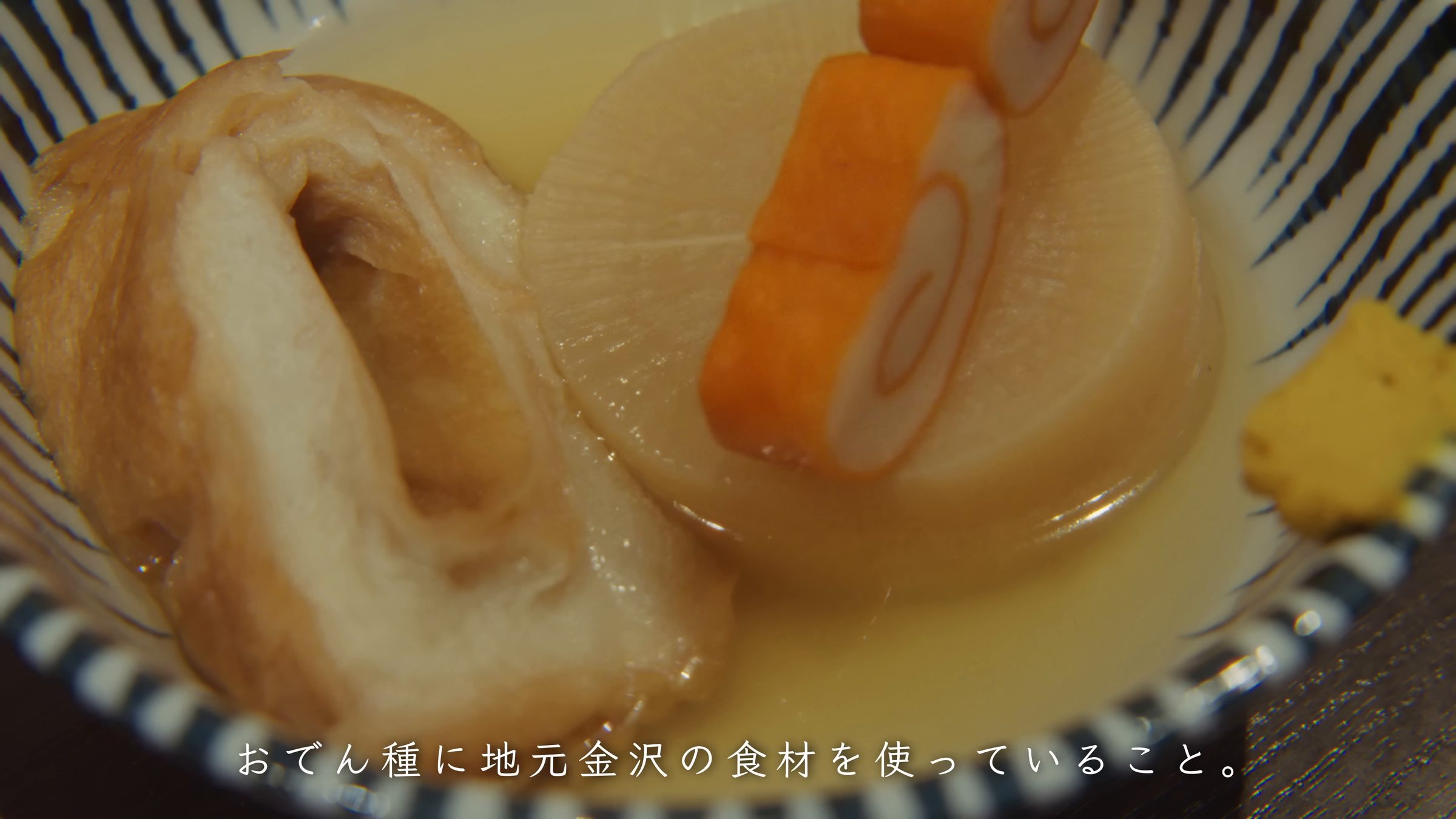
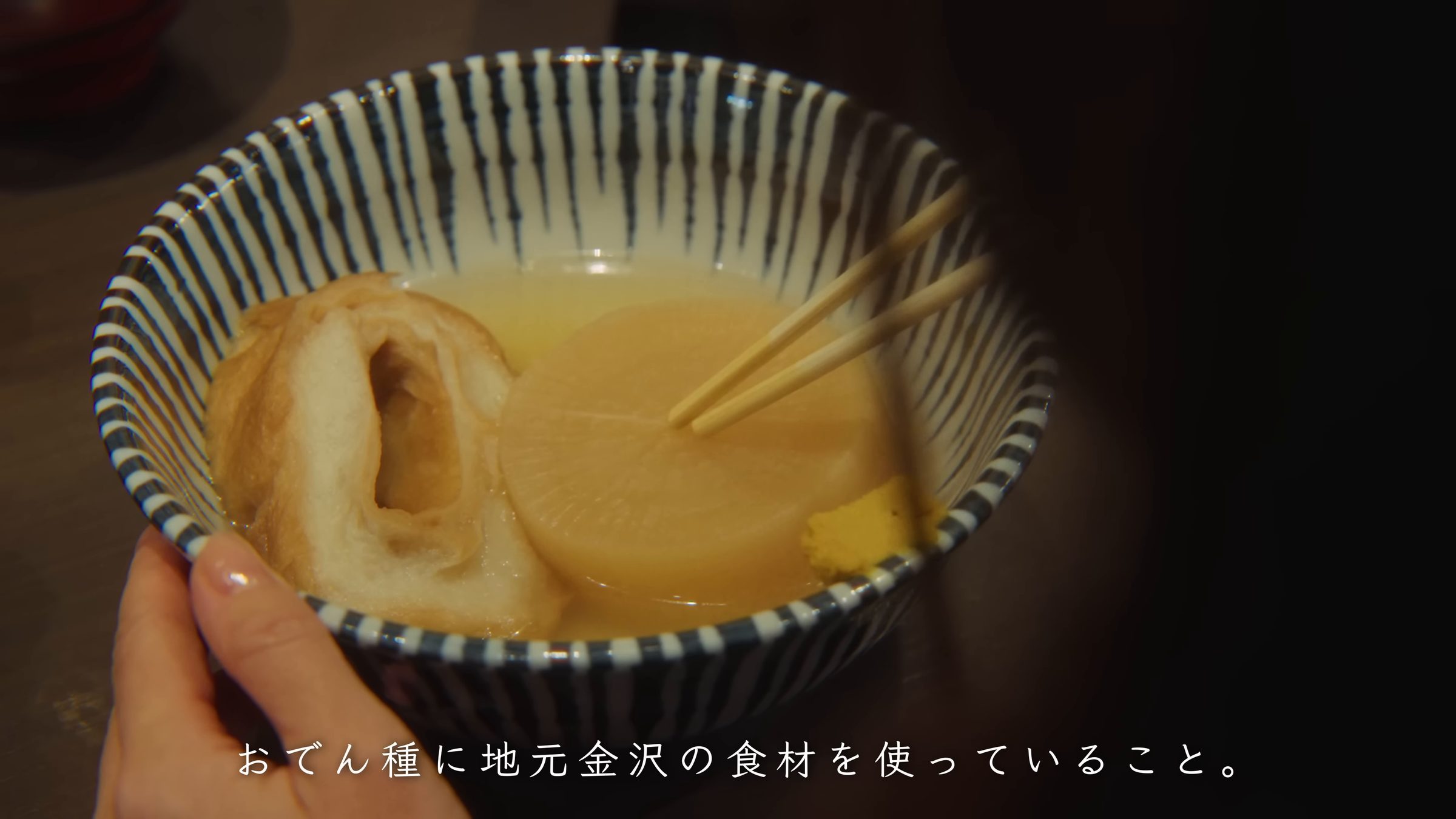
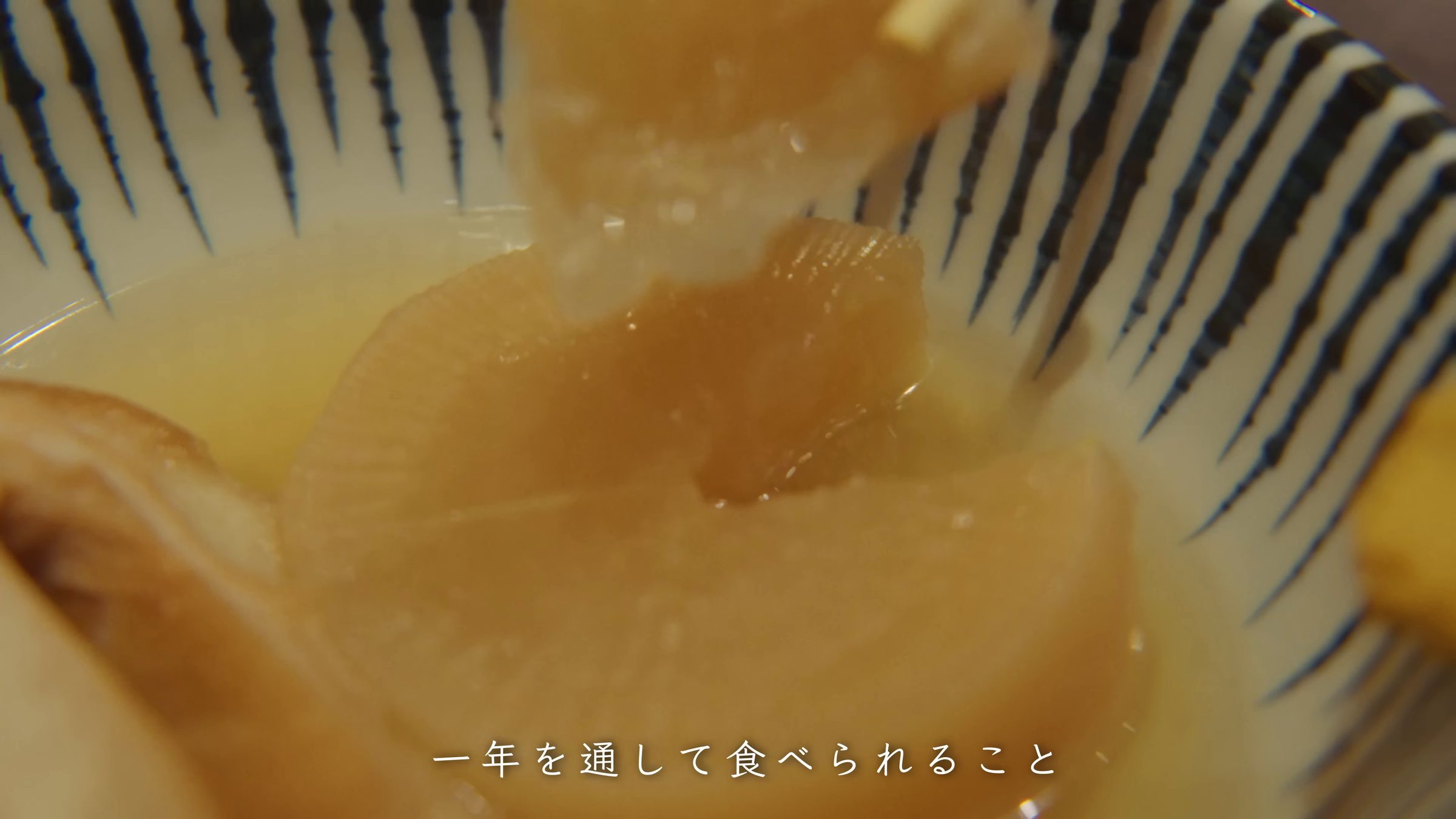
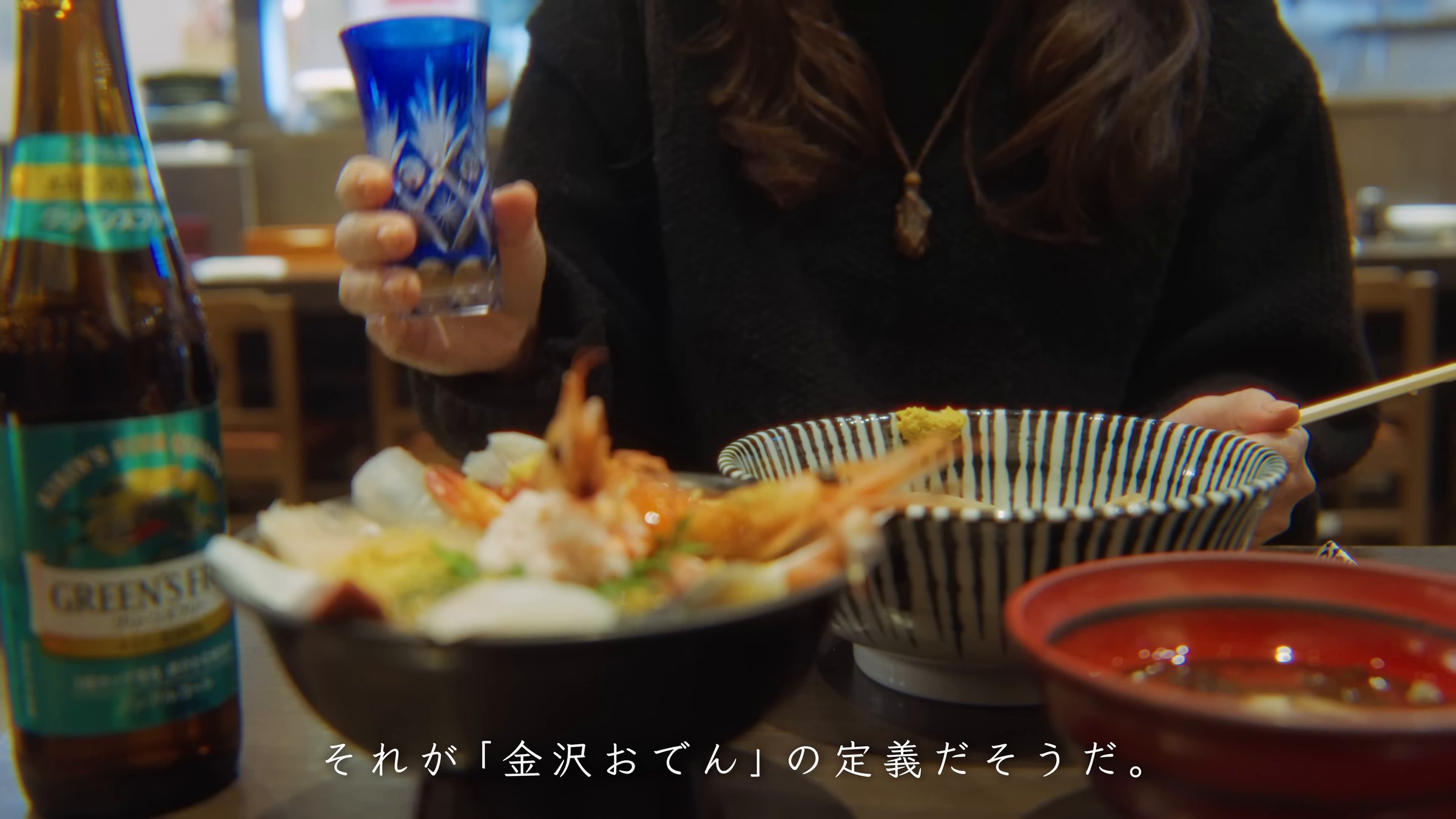
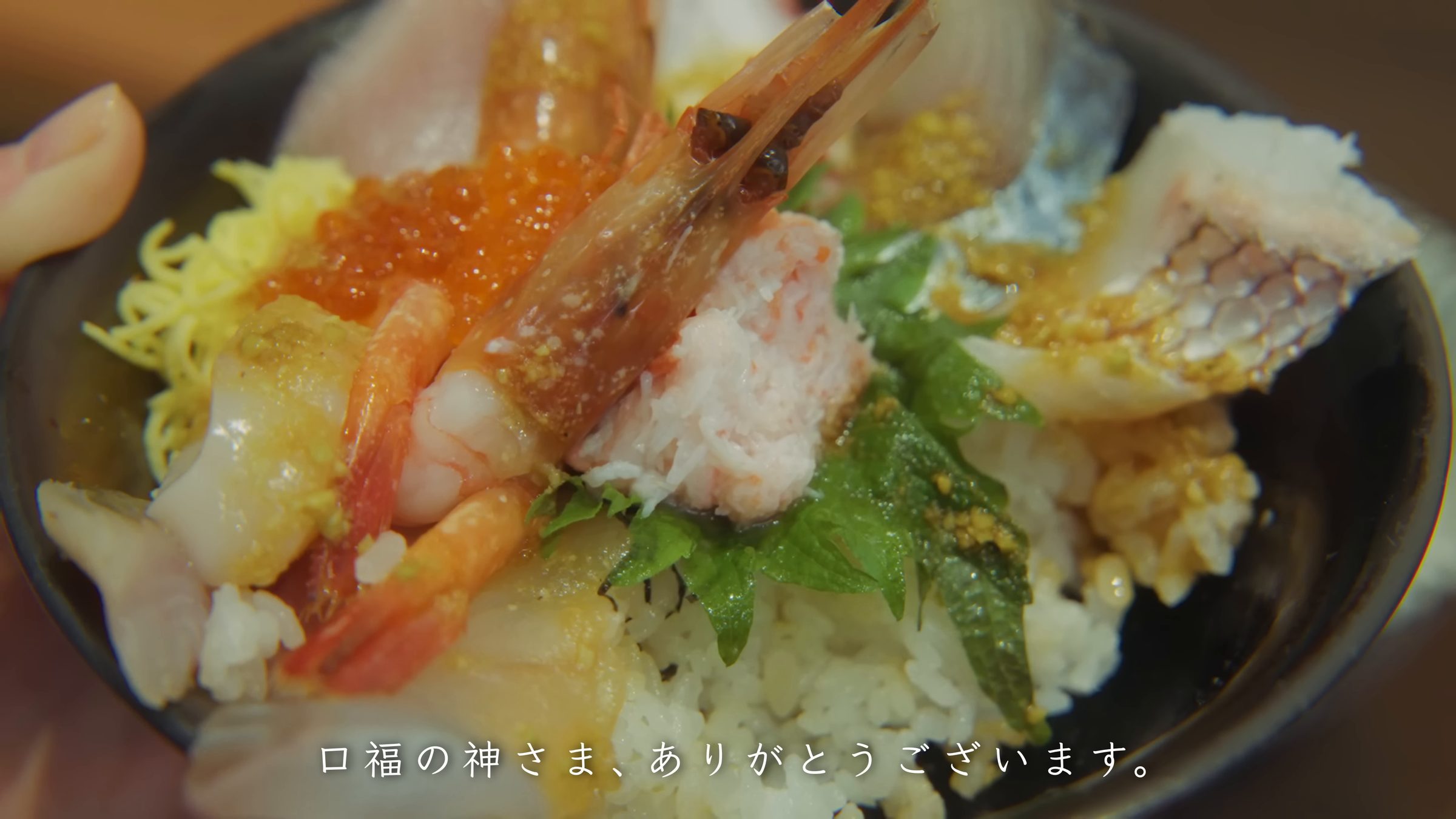
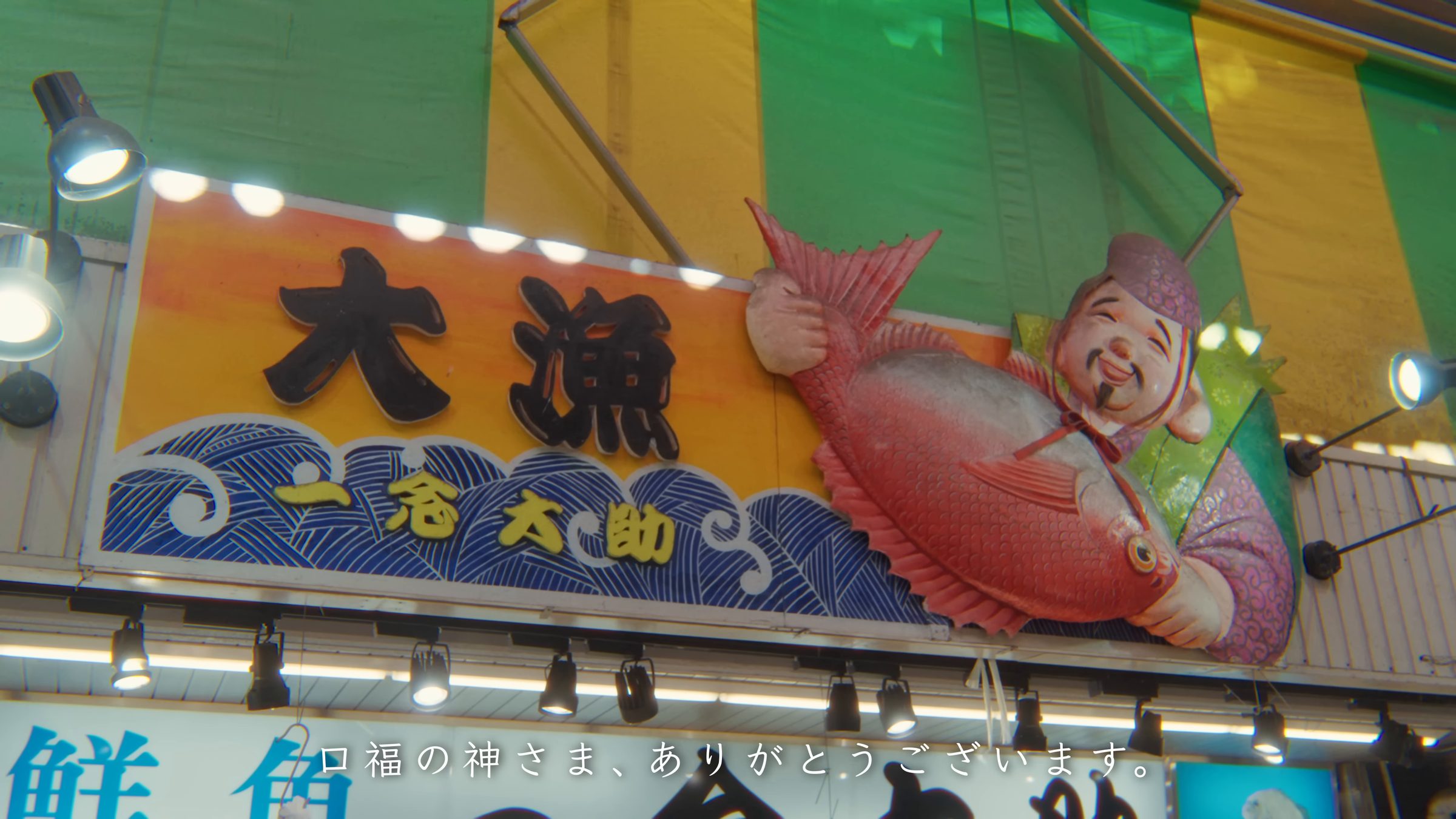
For lunch I wanted to enjoy Kanazawa's specialties, so I went into Ichiba Meshi Amatsubo, a restaurant in a corner of the market, and ordered Kanazawa oden and a seafood bowl. The oden came with daikon steeped in broth, kurumafu wheat-gluten rings and akamaki fish cake with its red-and-white swirl. Using local Kanazawa ingredients, and being eaten all year round: those, I was told, are the definitions of Kanazawa oden.
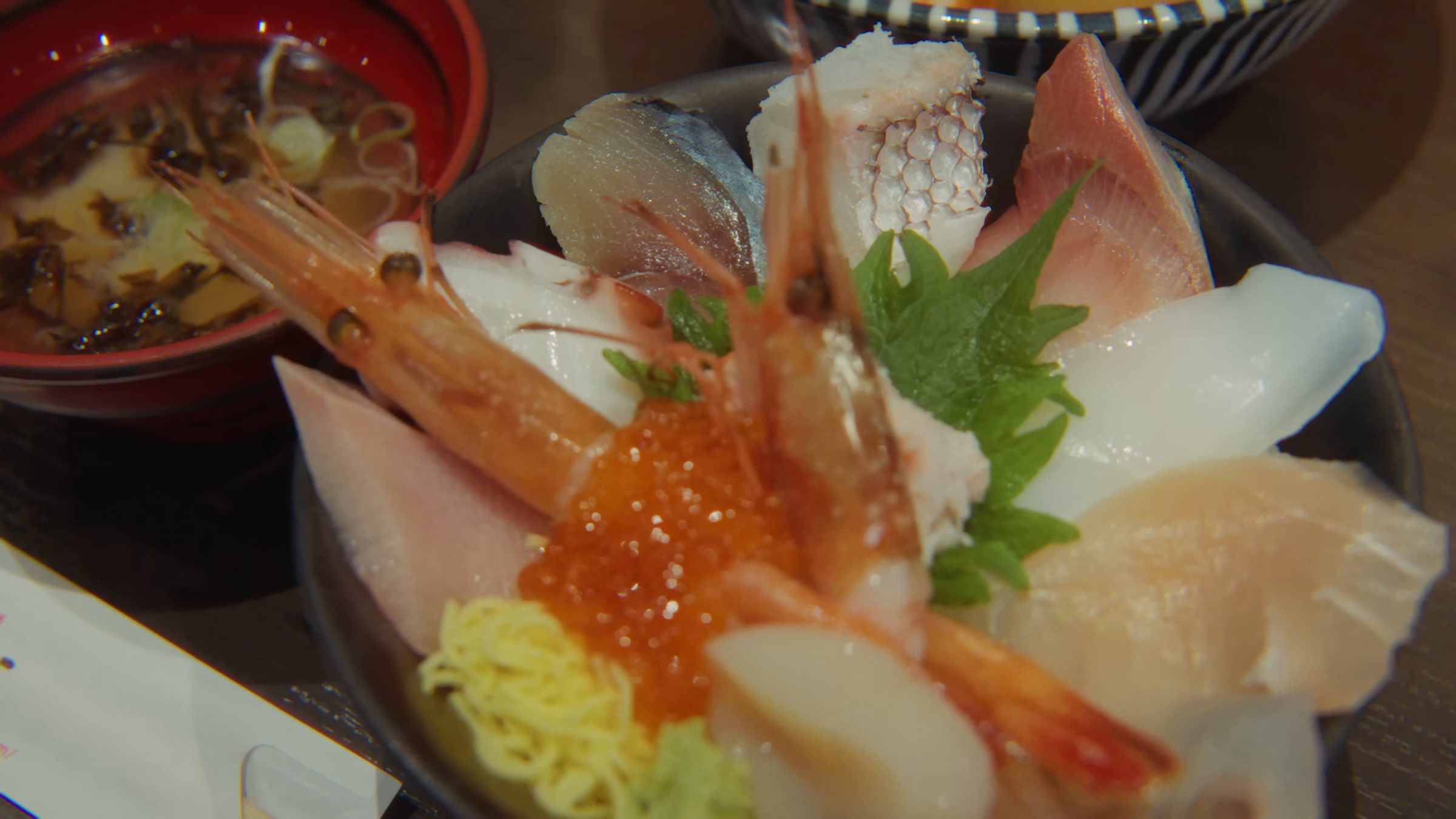
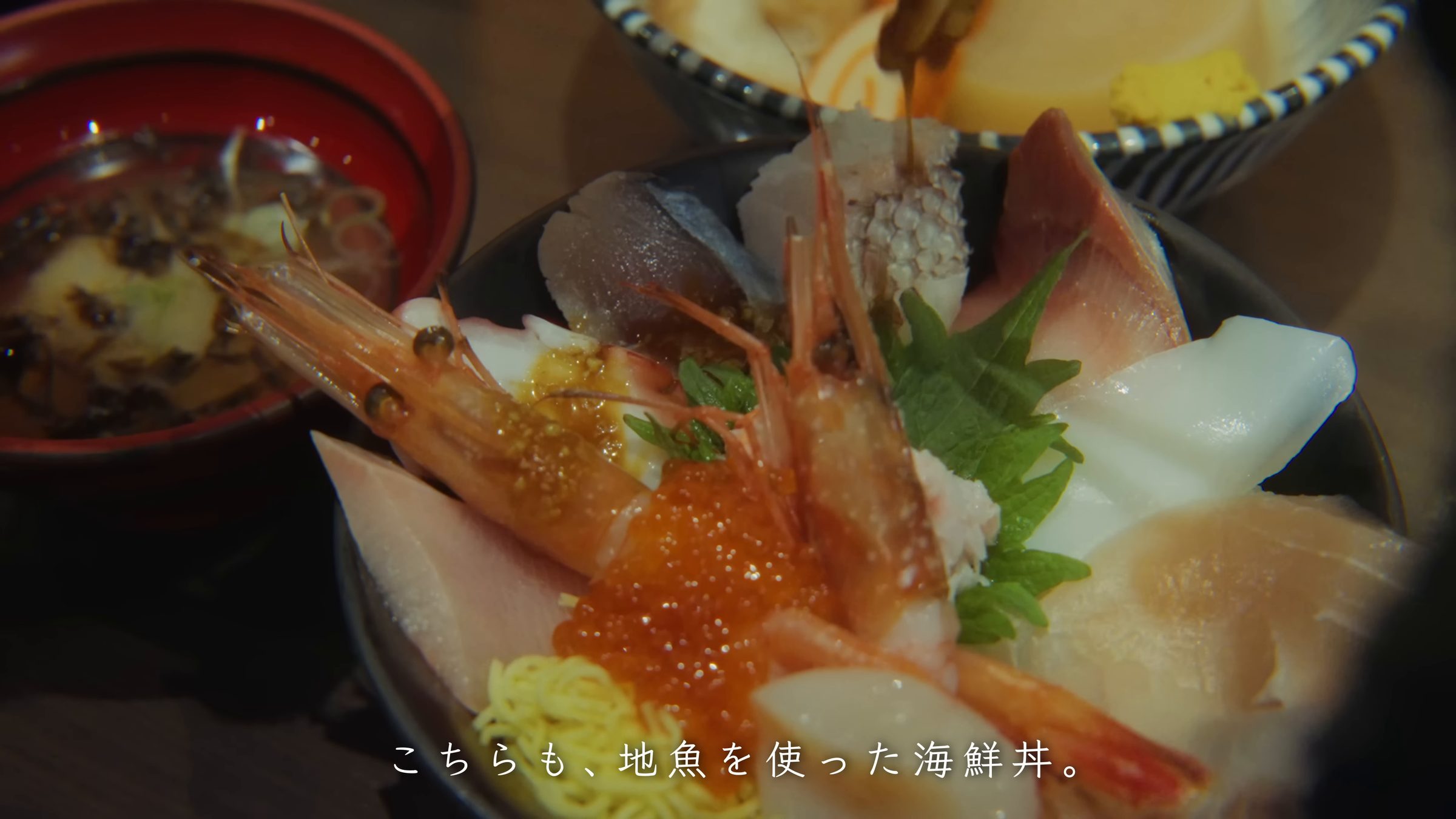
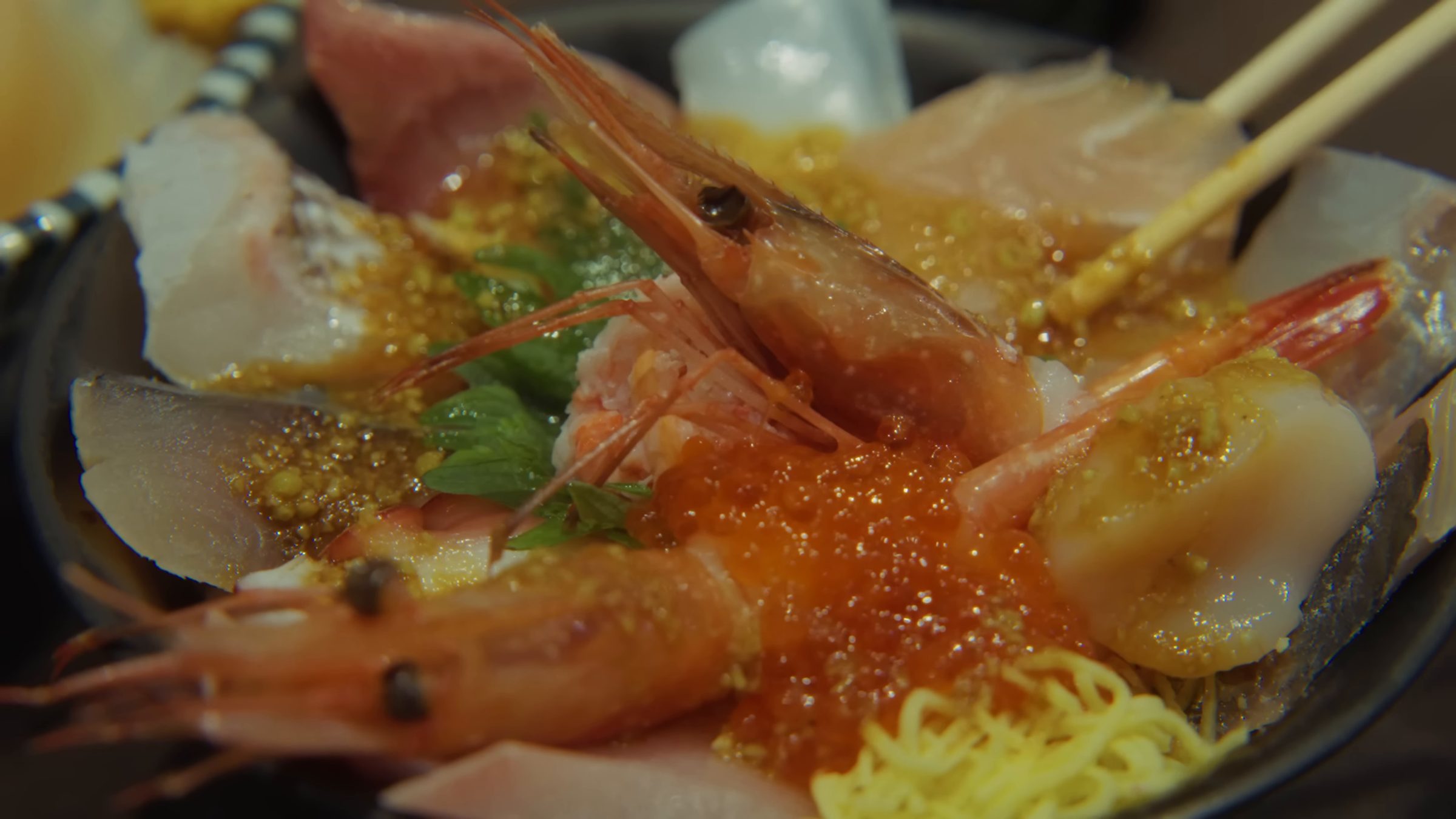
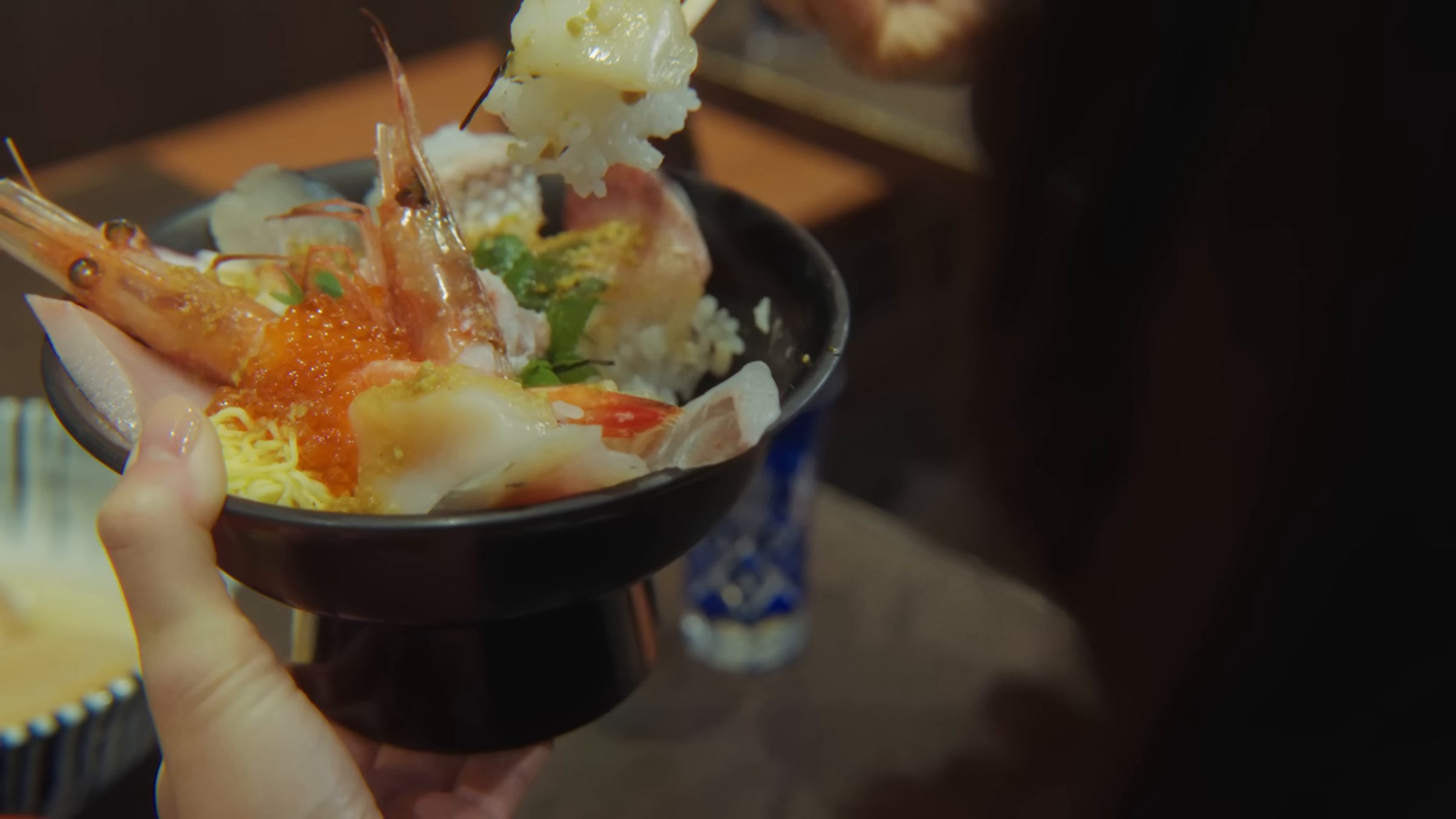
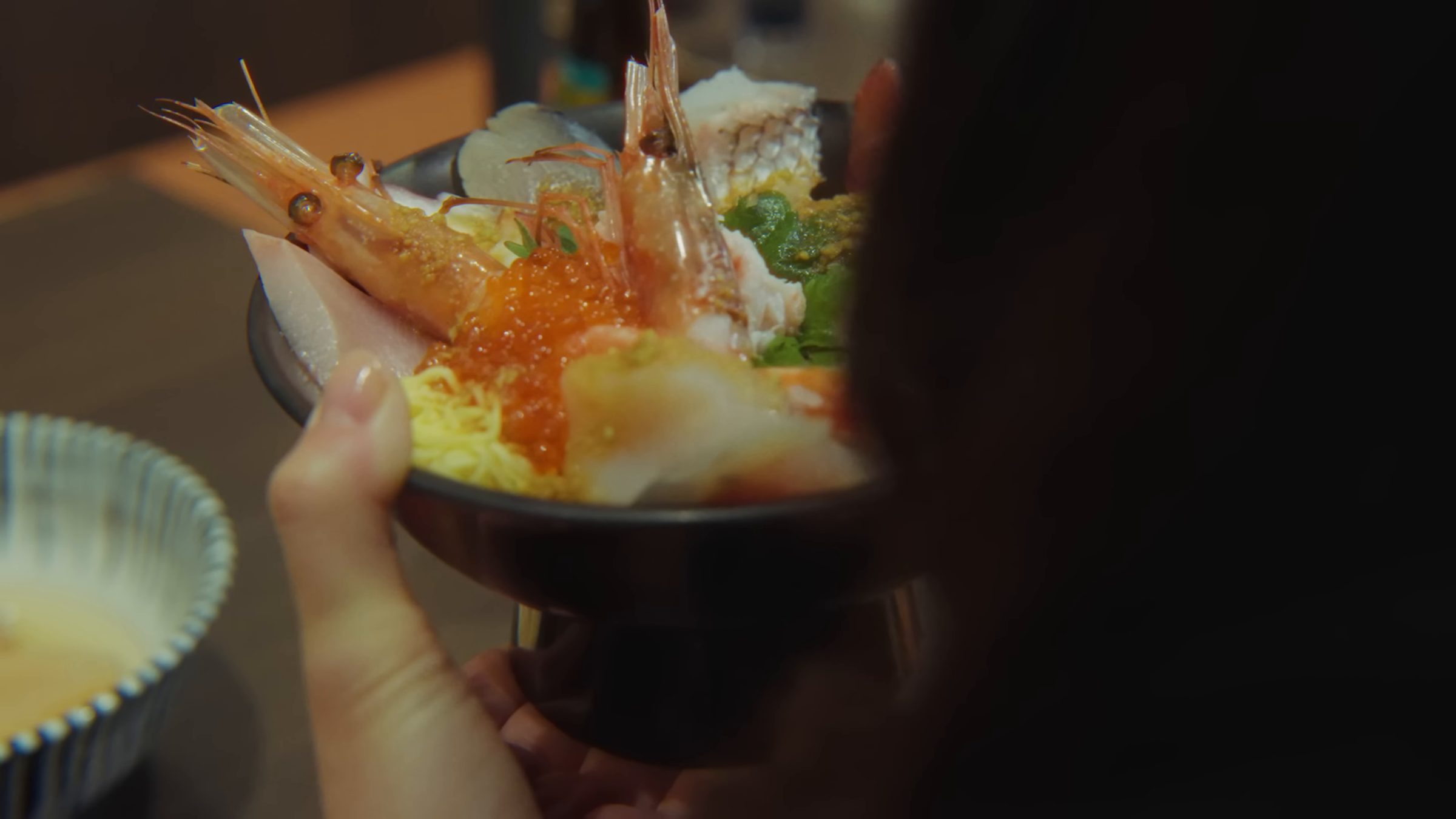
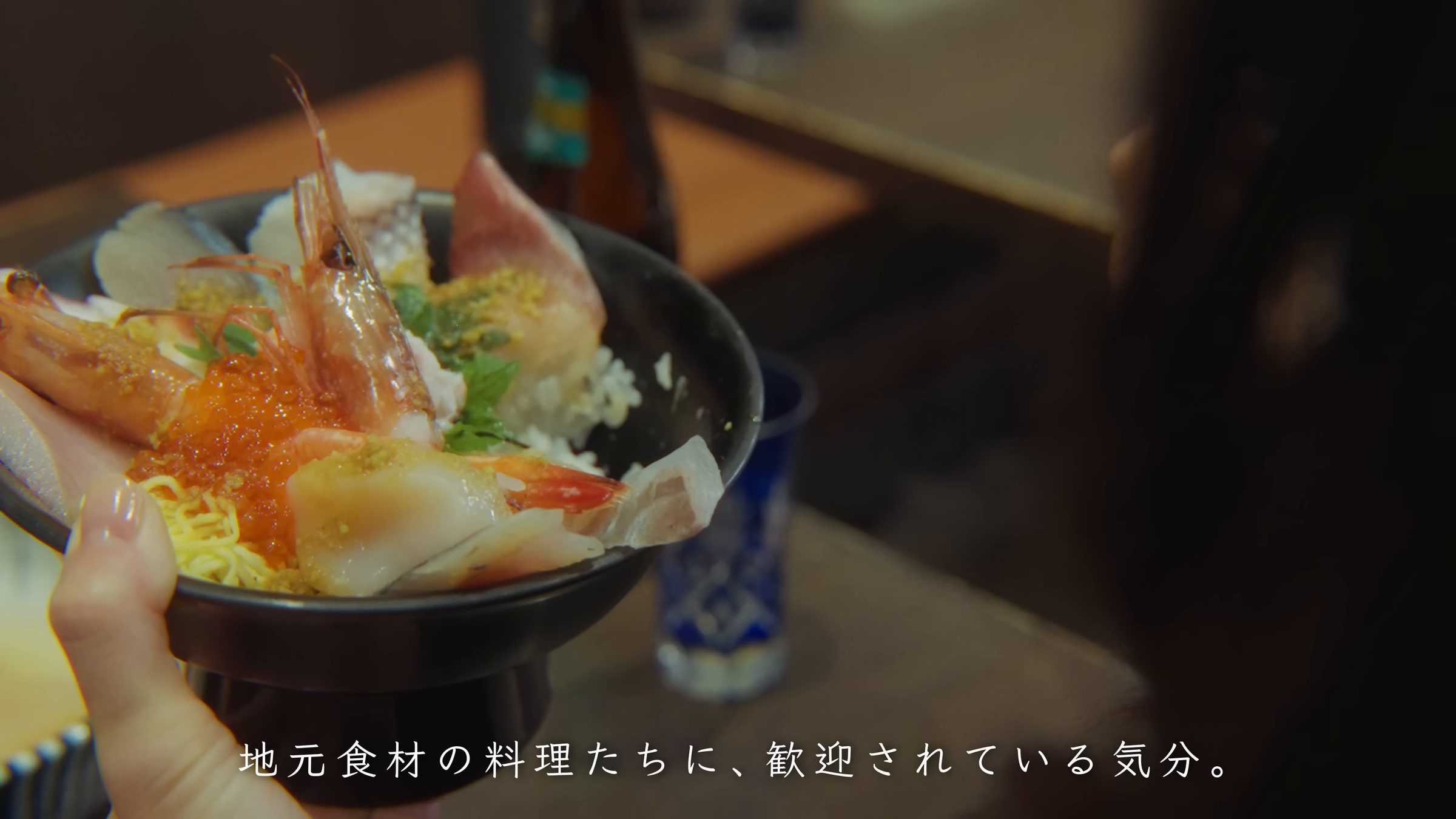
The seafood bowl was made with local fish too: sweet shrimp, salmon roe, flaked crab and white fish on shiso leaves. I drizzled soy sauce over it and poured non-alcoholic beer into a blue cut-glass cup. I felt welcomed by all these dishes made from local ingredients. Thank you, god of fortune.
Watch this scene on YouTube2:26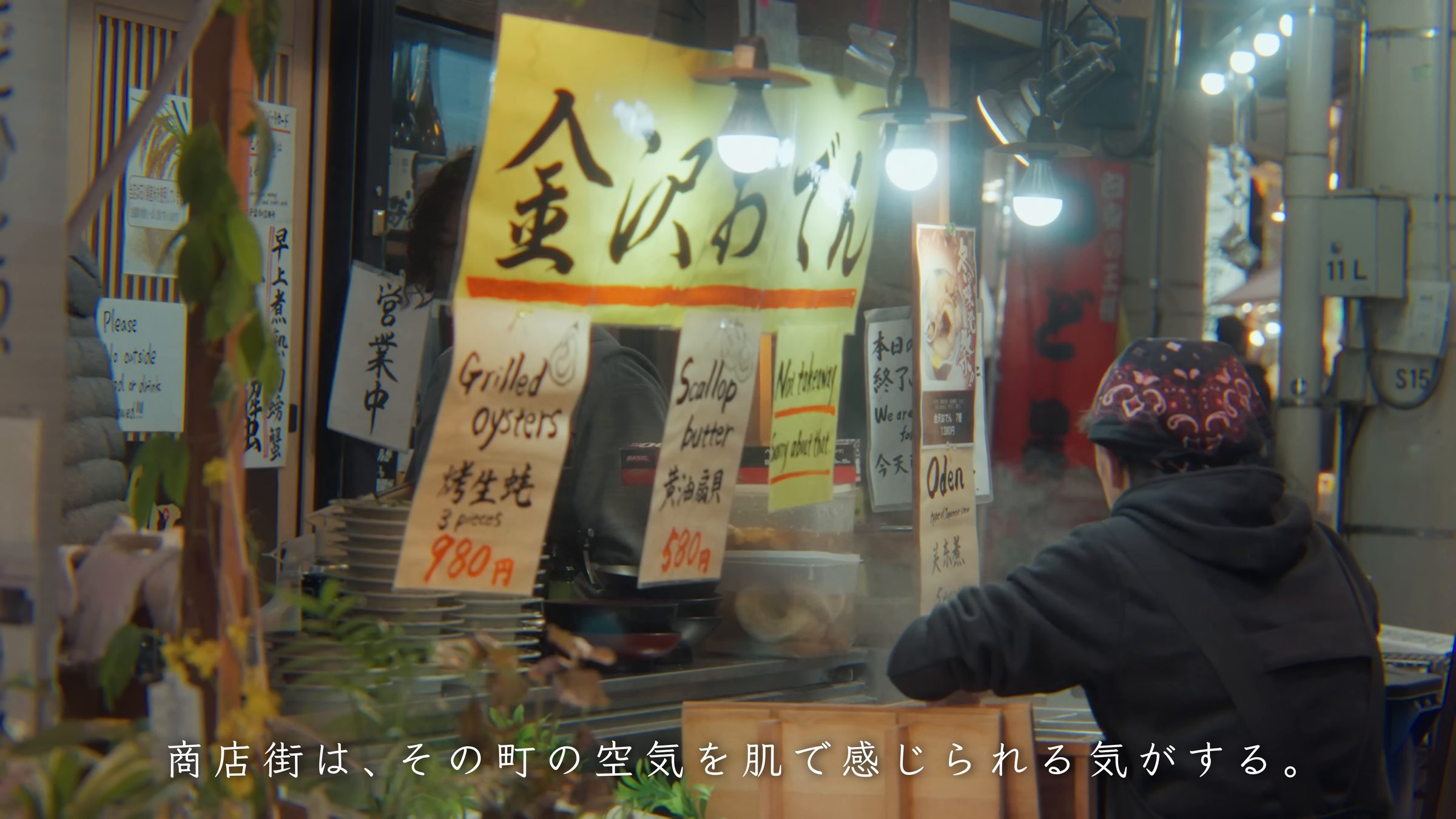
05TRAVEL JOURNAL
By single-track train to Tsurugi
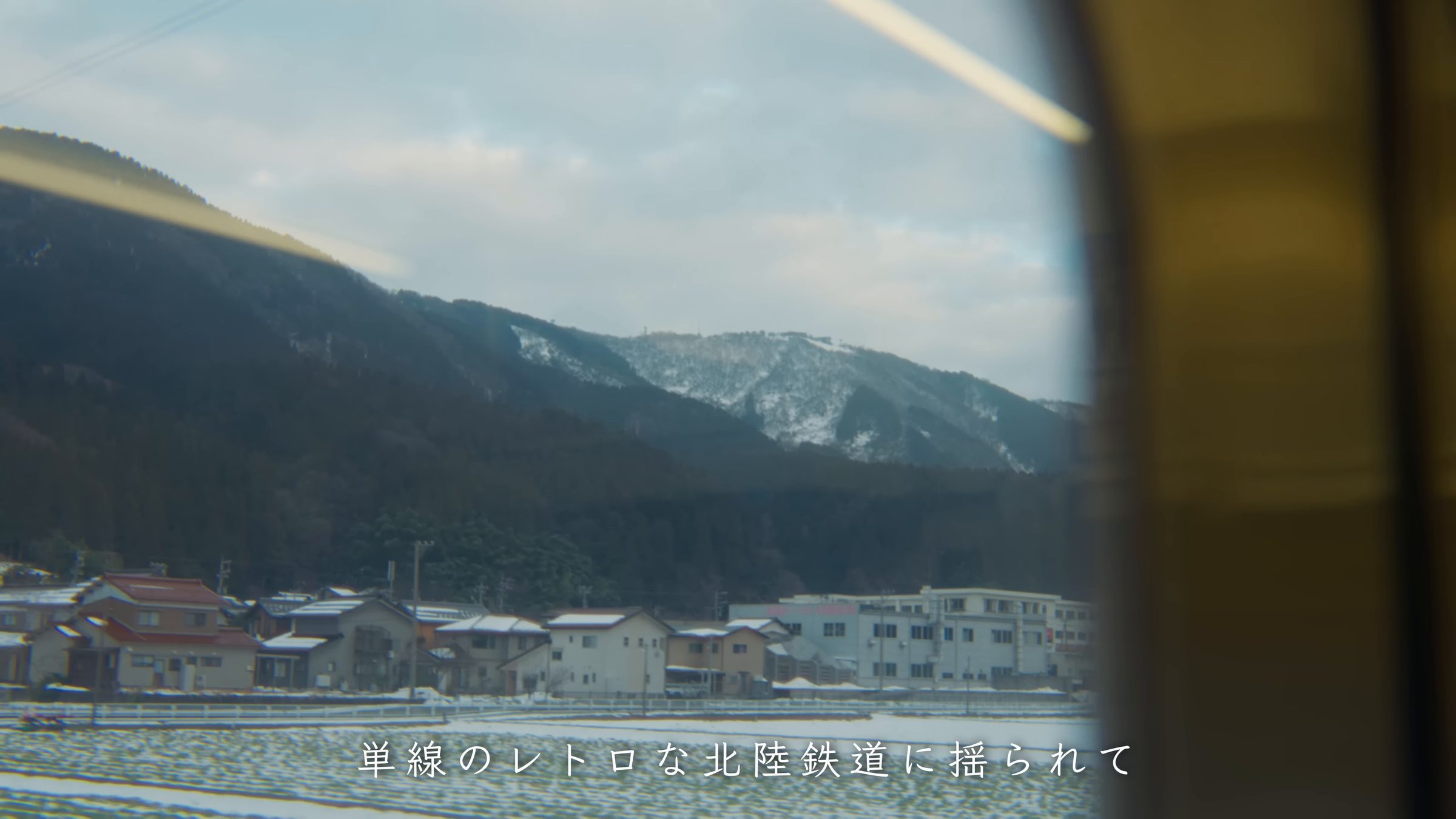
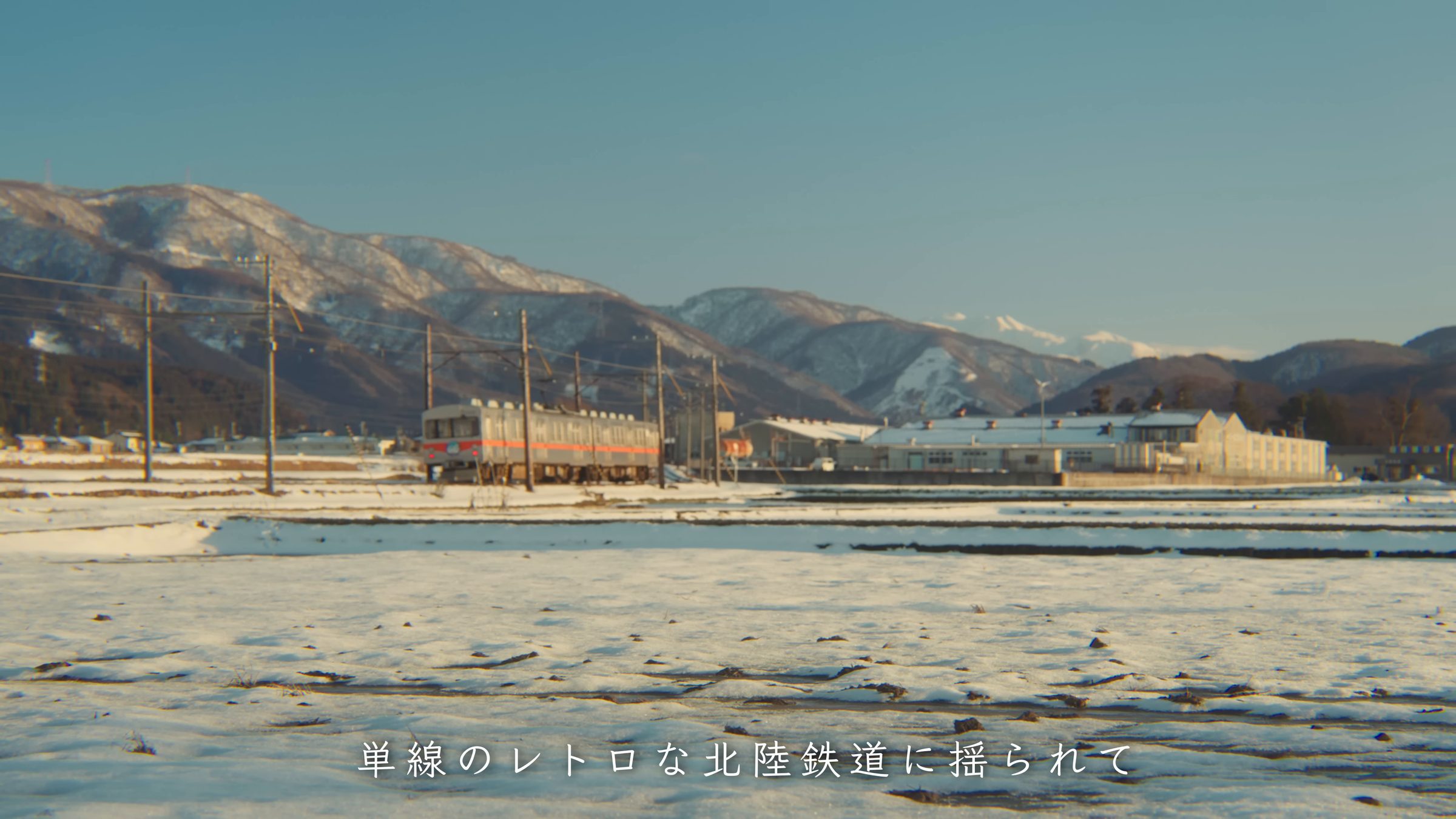
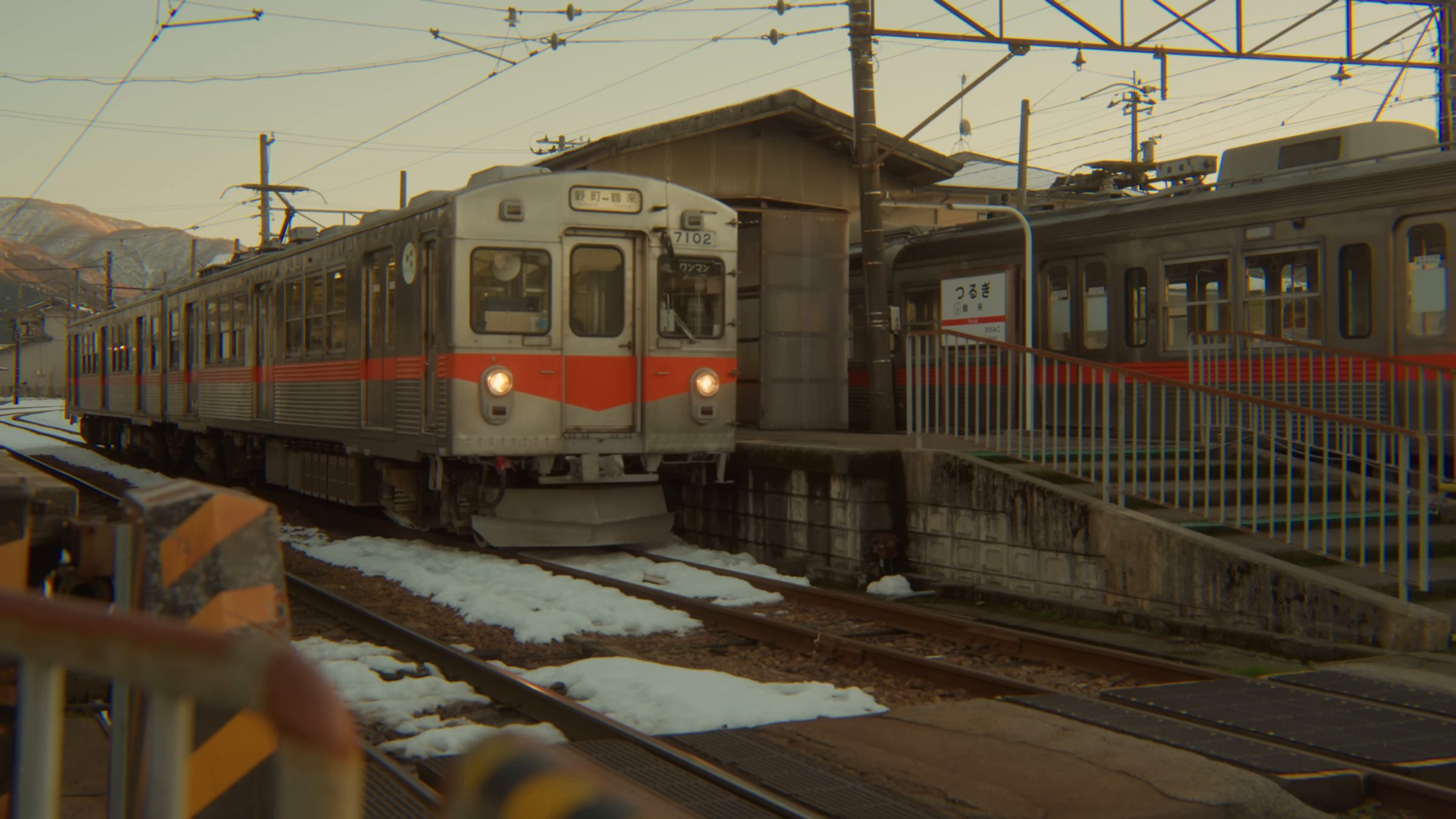
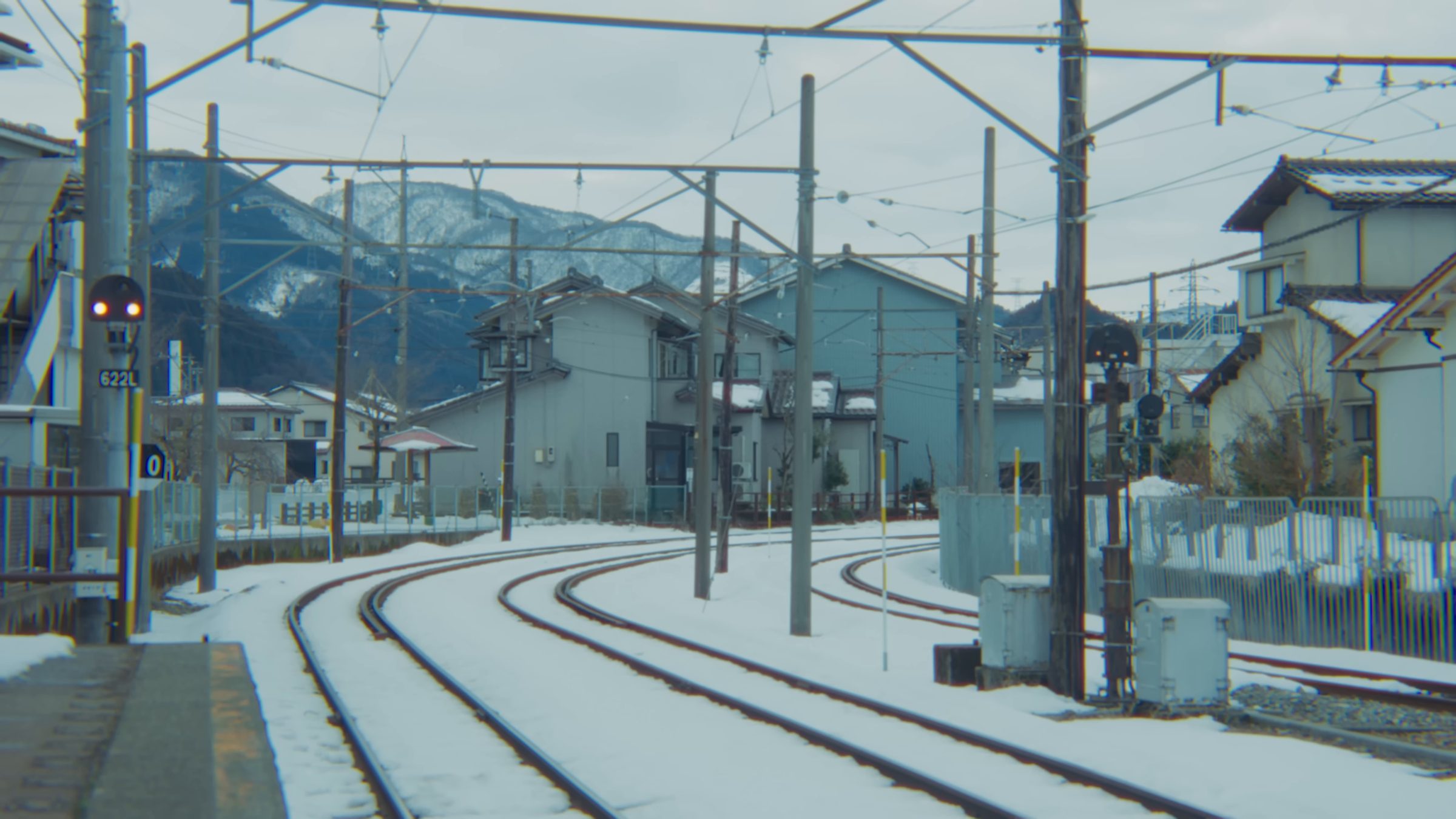
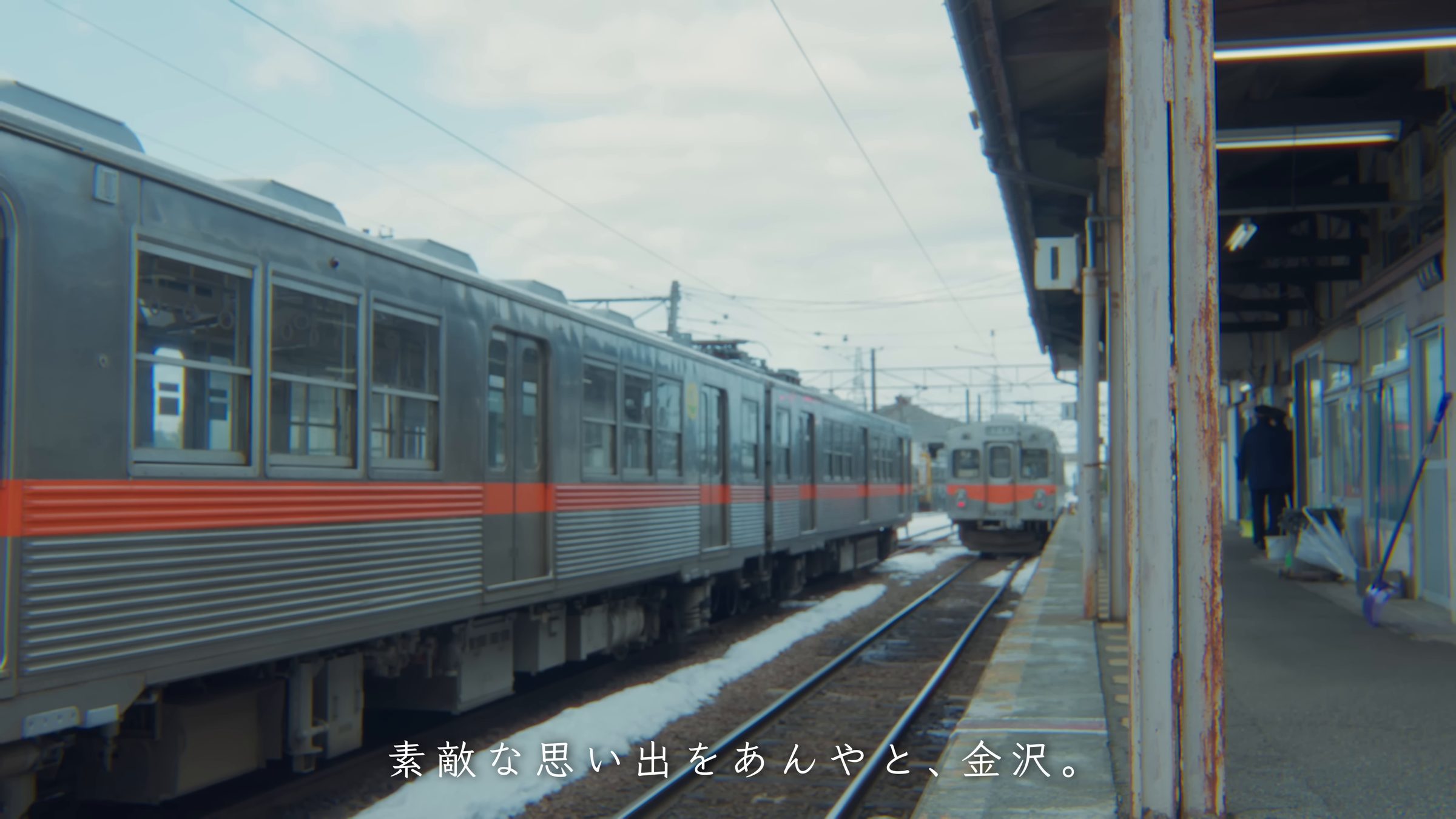
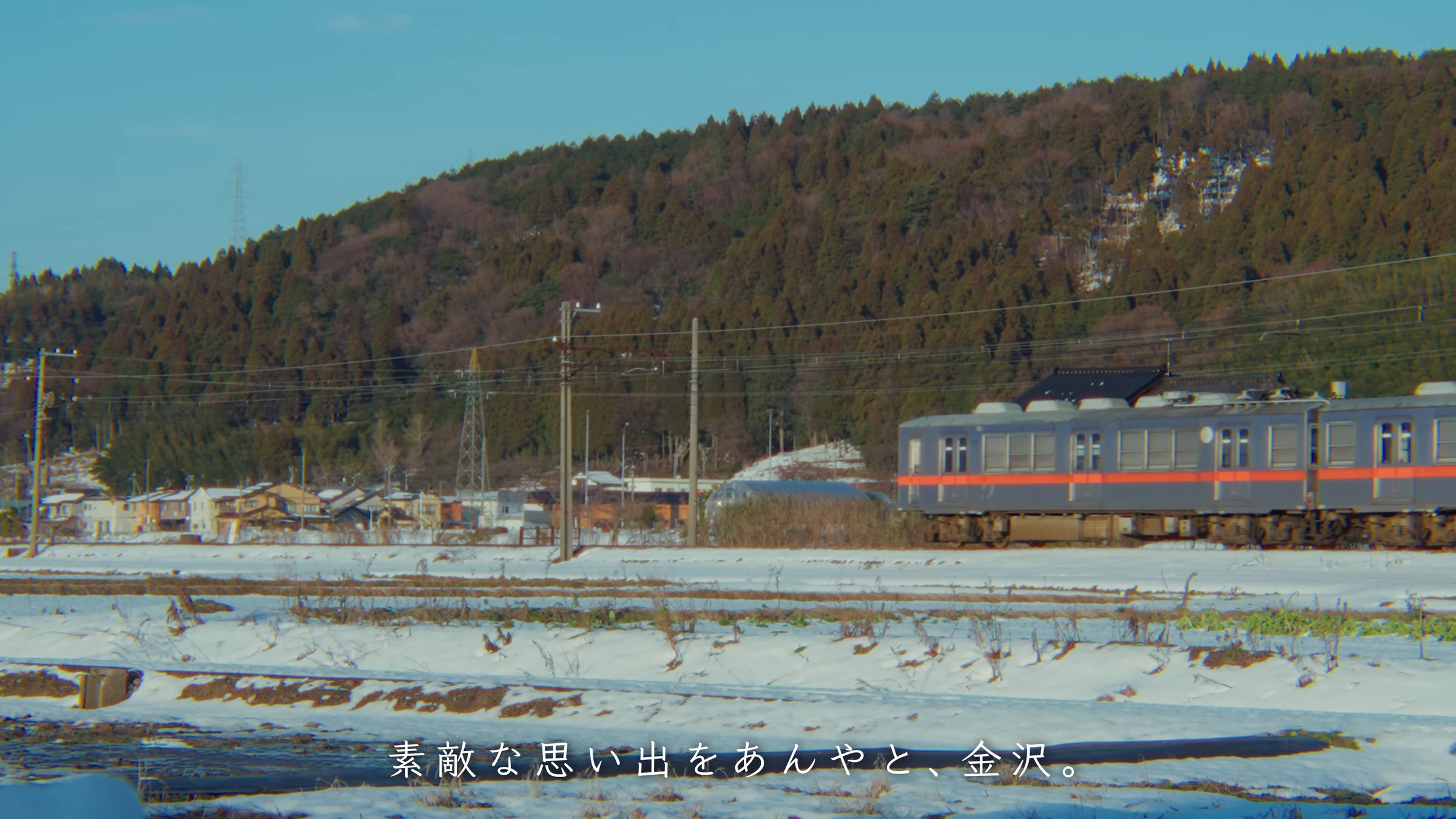
Rocking along on the retro single-track Hokuriku Railroad, I headed home to the house where I was staying. From a red bench seat I watched the view: snow-capped mountains and houses, and trains running beyond fields of pure white.
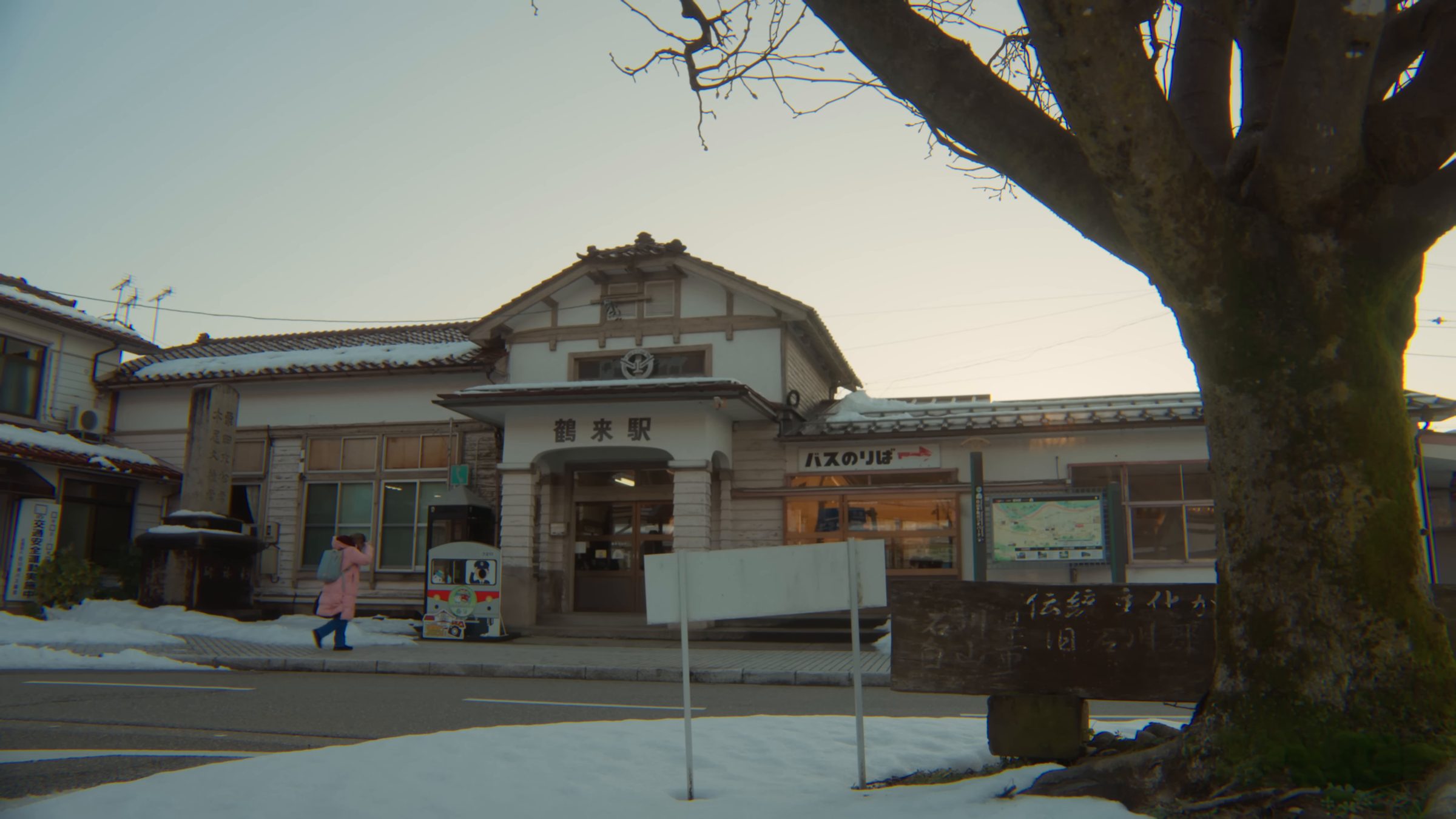
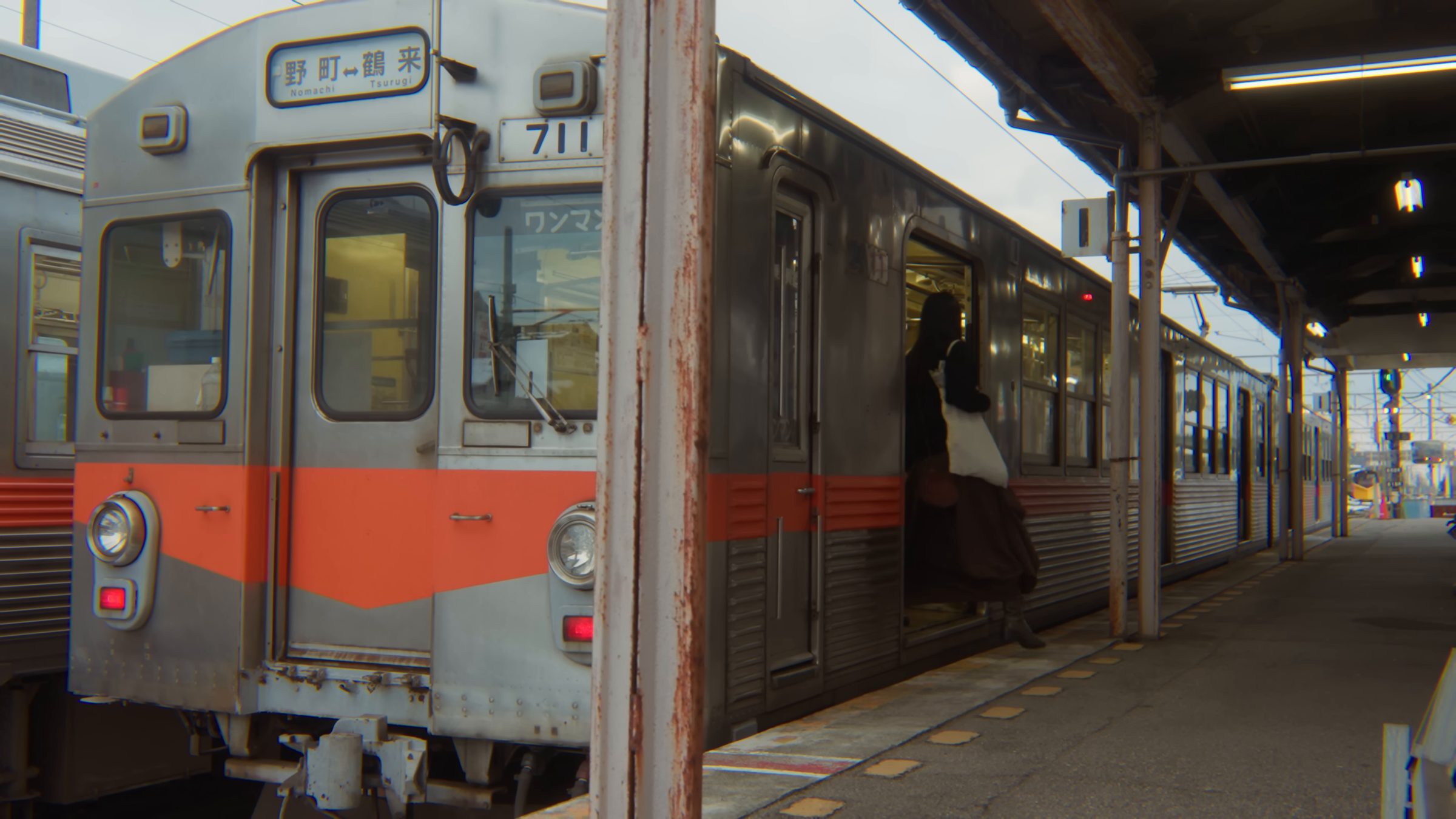
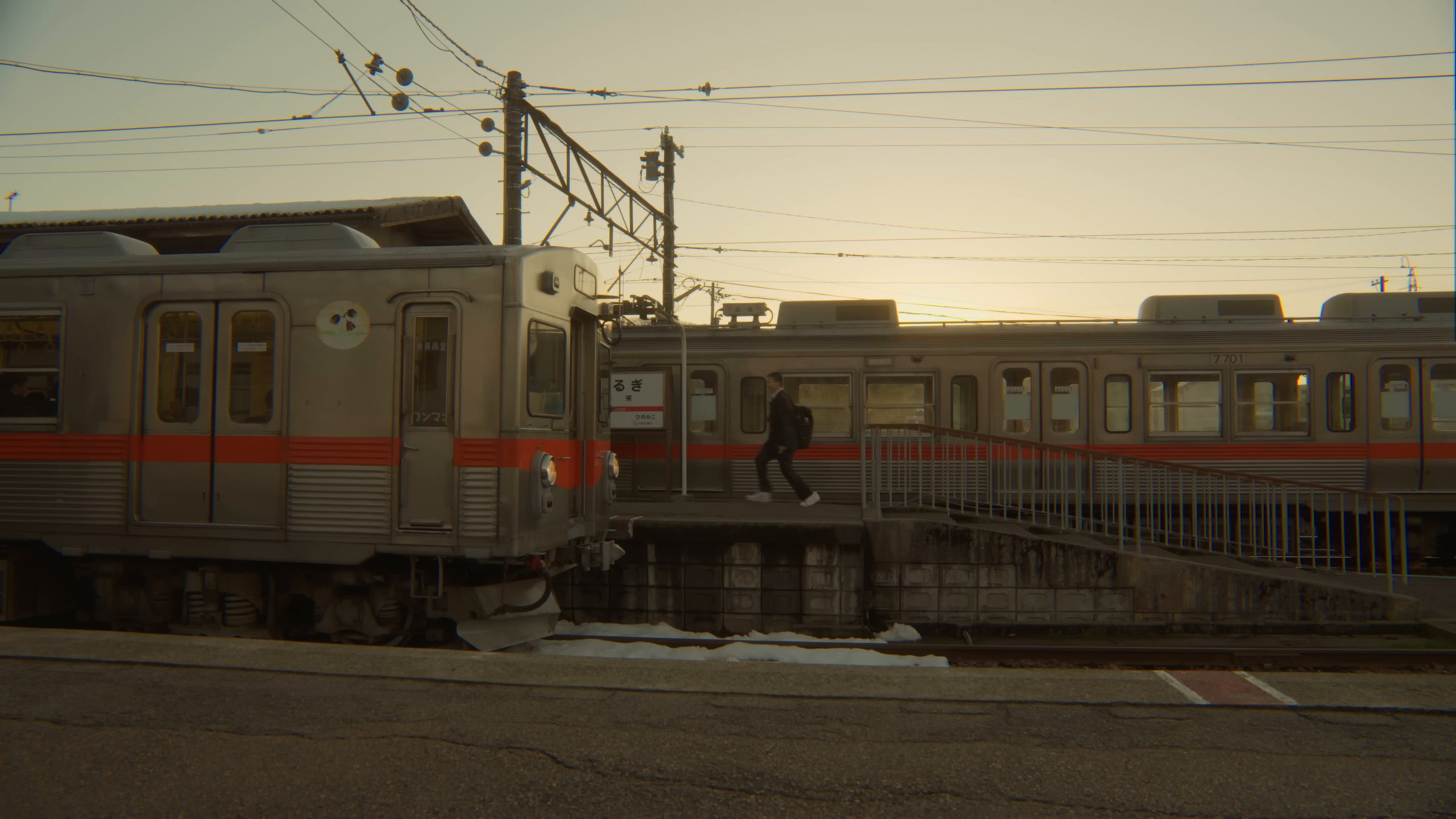
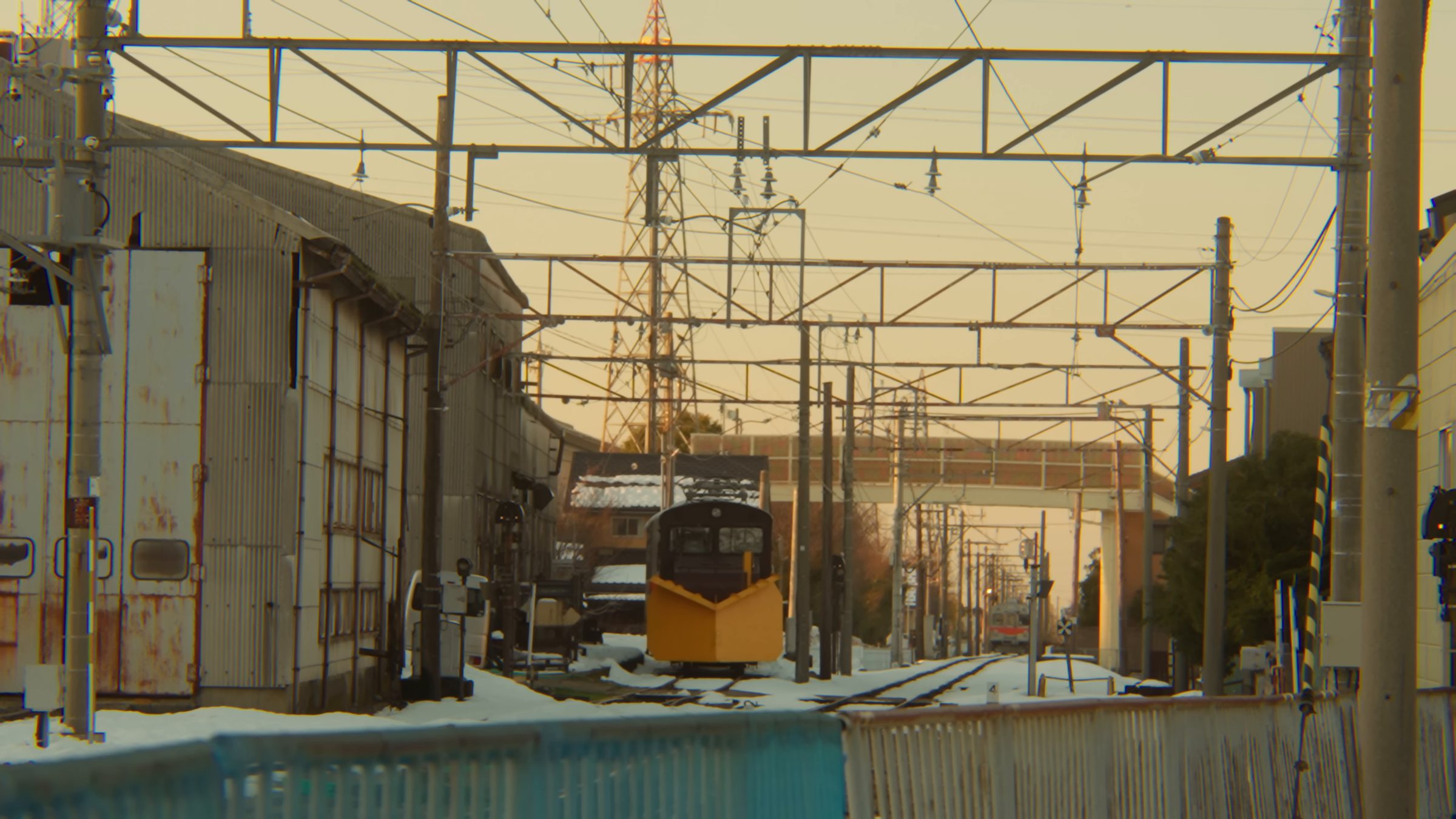
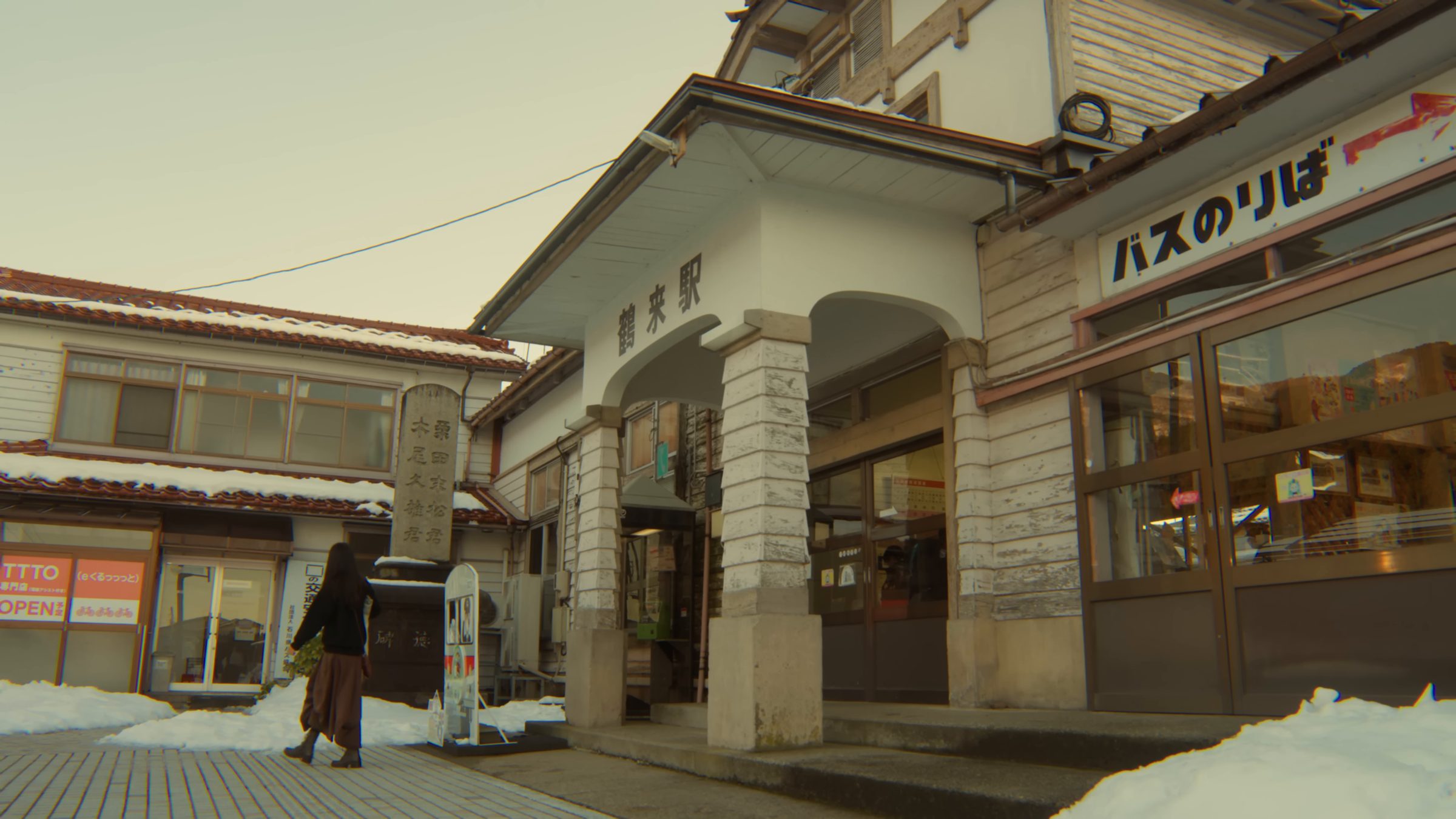
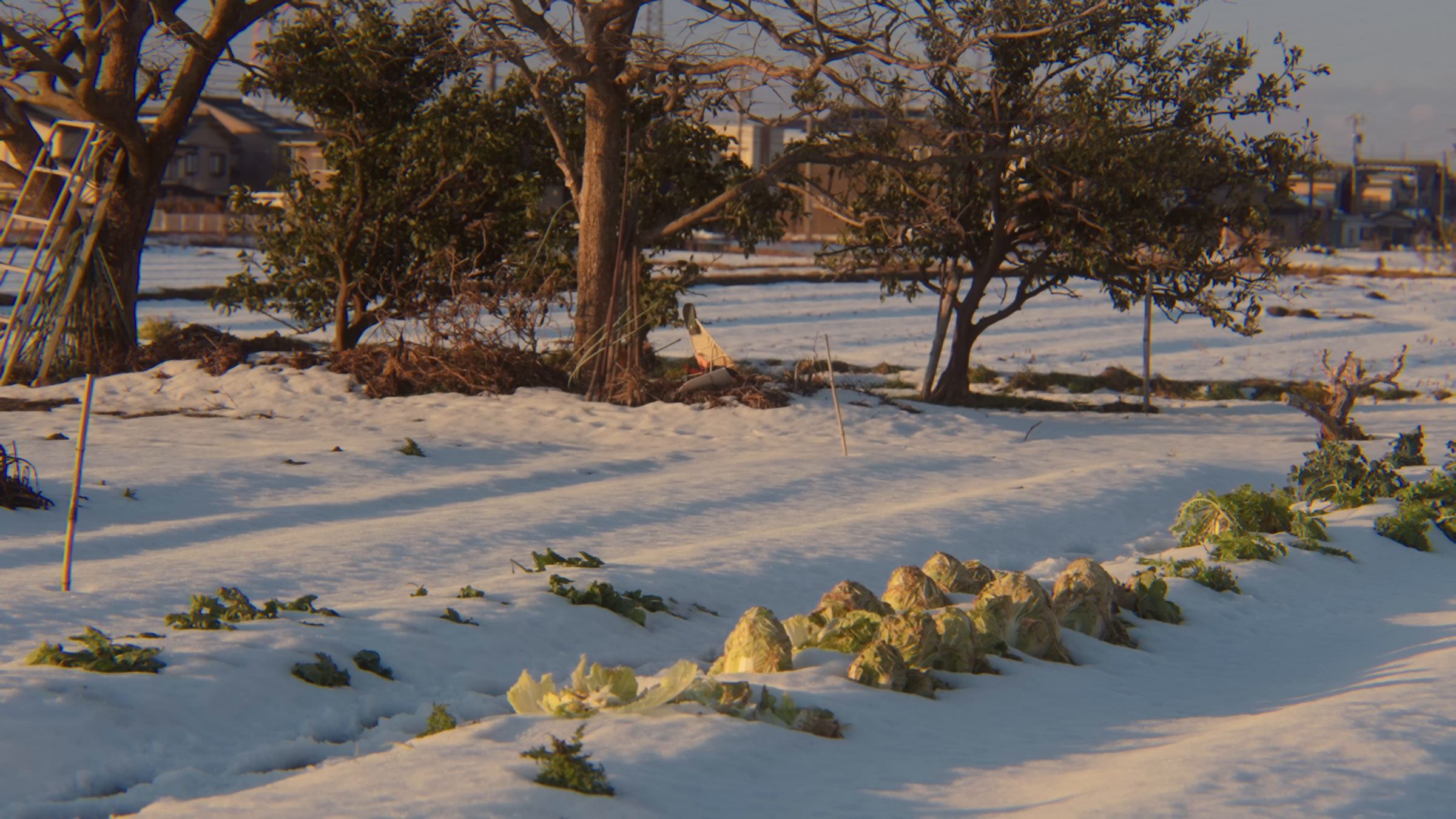
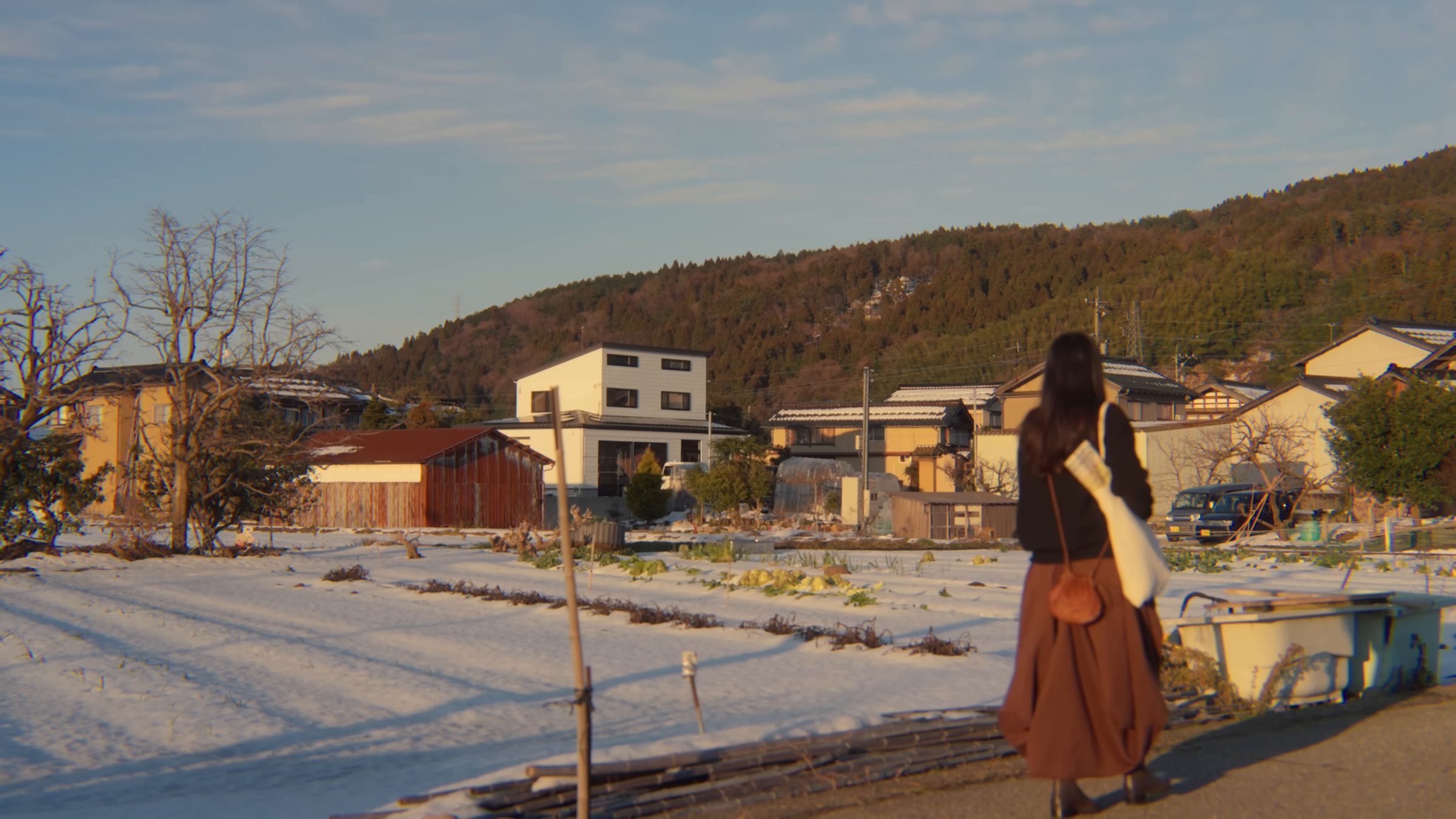
I got off at Tsurugi, the last stop on the Ishikawa Line. An old wooden station building stood in the snowy square out front. In the evening light, trains waited at the platform, and the depot lay at the end of the tracks. Leaving the station, I walked the road home past vegetables half buried in the snowy fields.
Watch this scene on YouTube3:40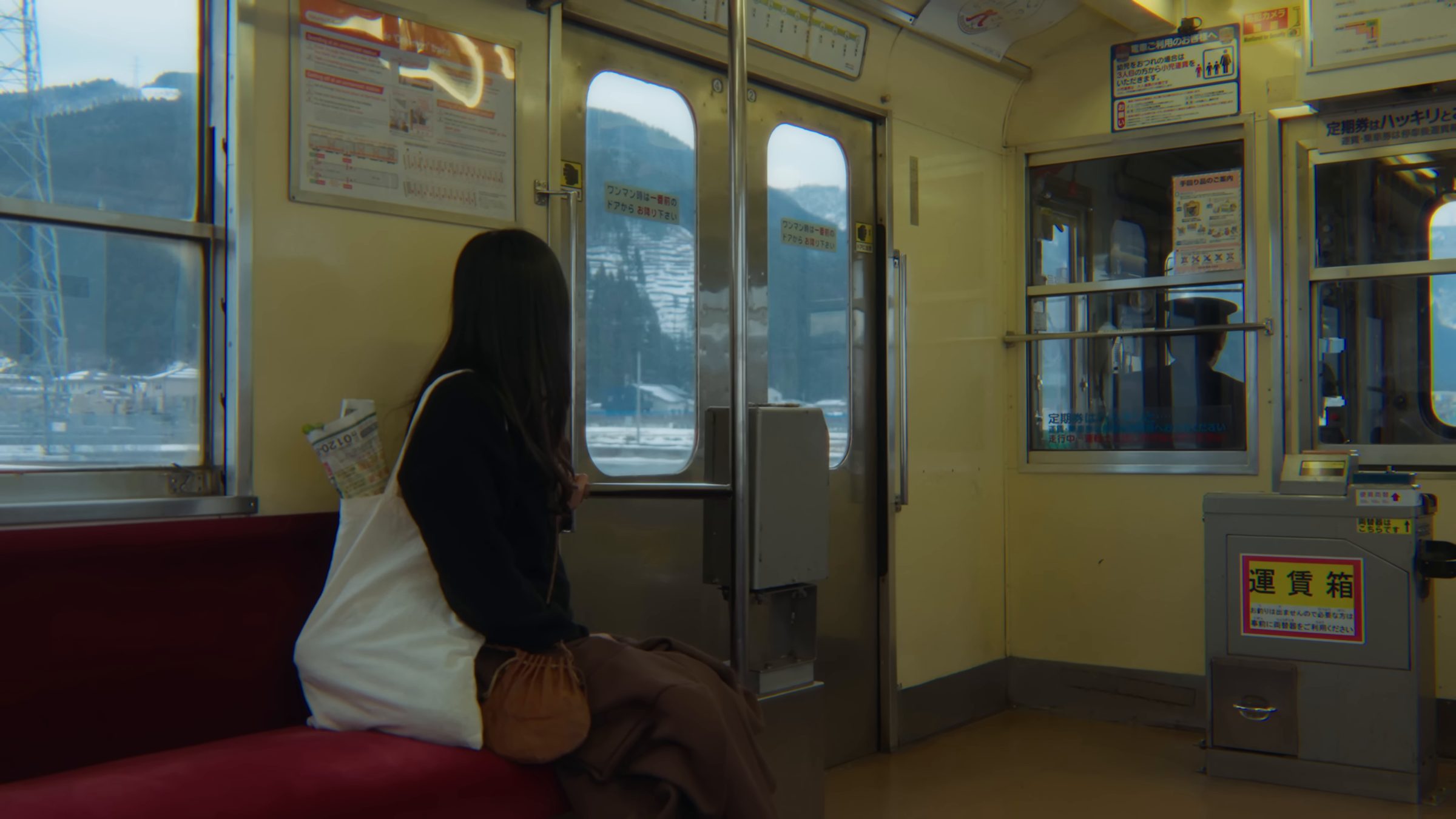
06TRAVEL JOURNAL
A house that was once a stationery shop
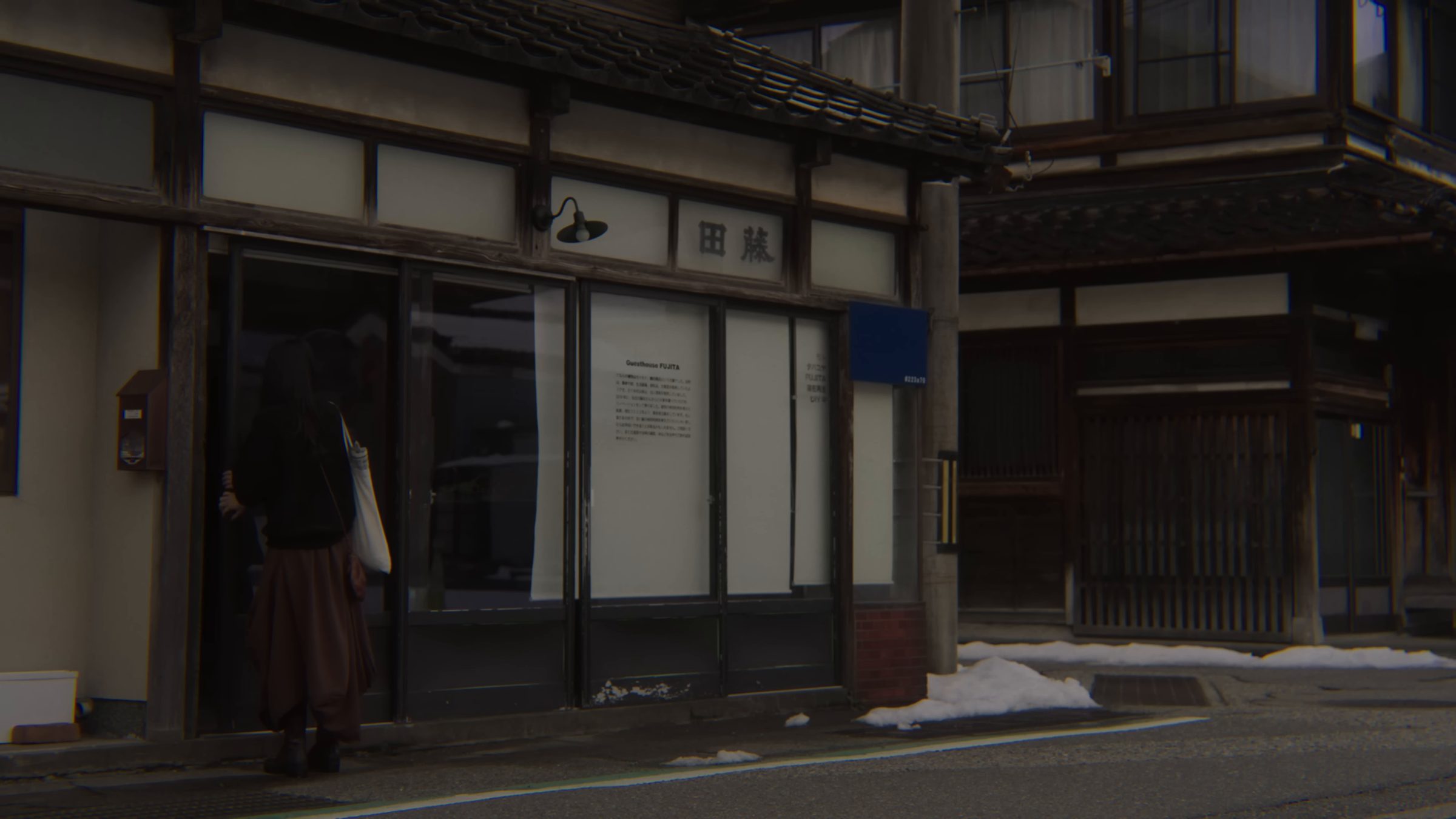
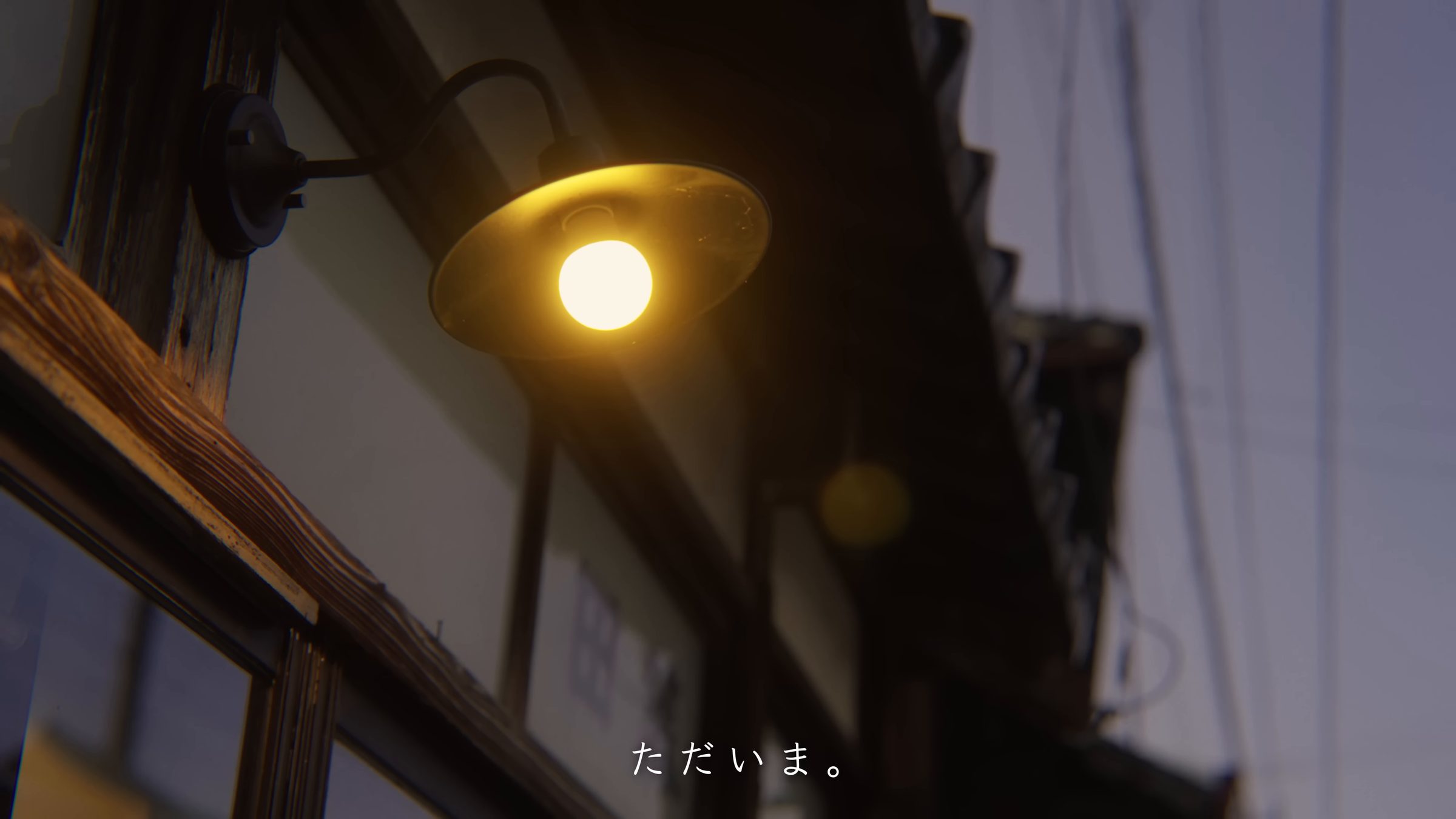
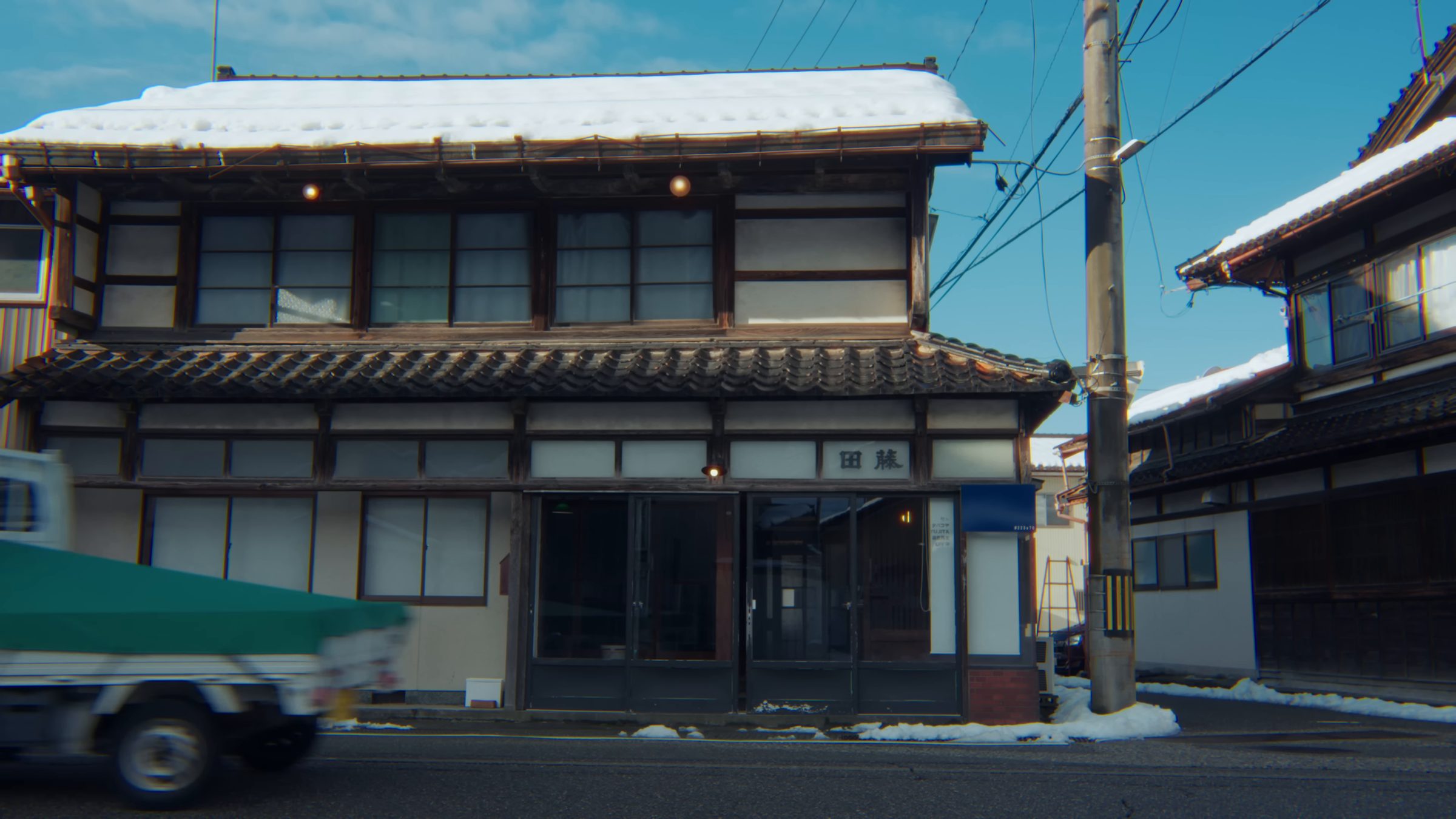
I'm home. When I opened the door of the old two-story townhouse, the lamp under the eaves glowed softly. I was told the house used to run a stationery shop.
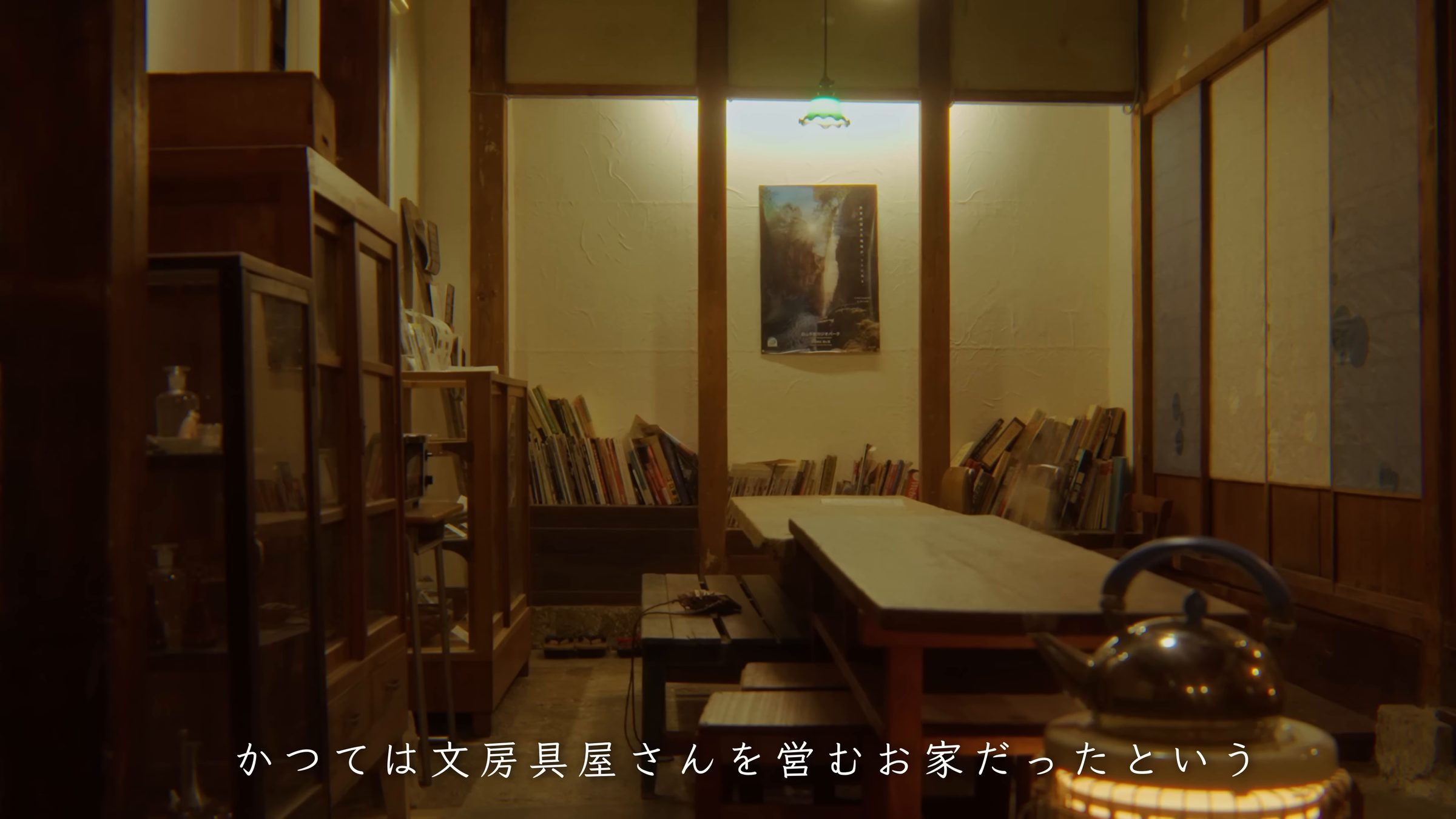
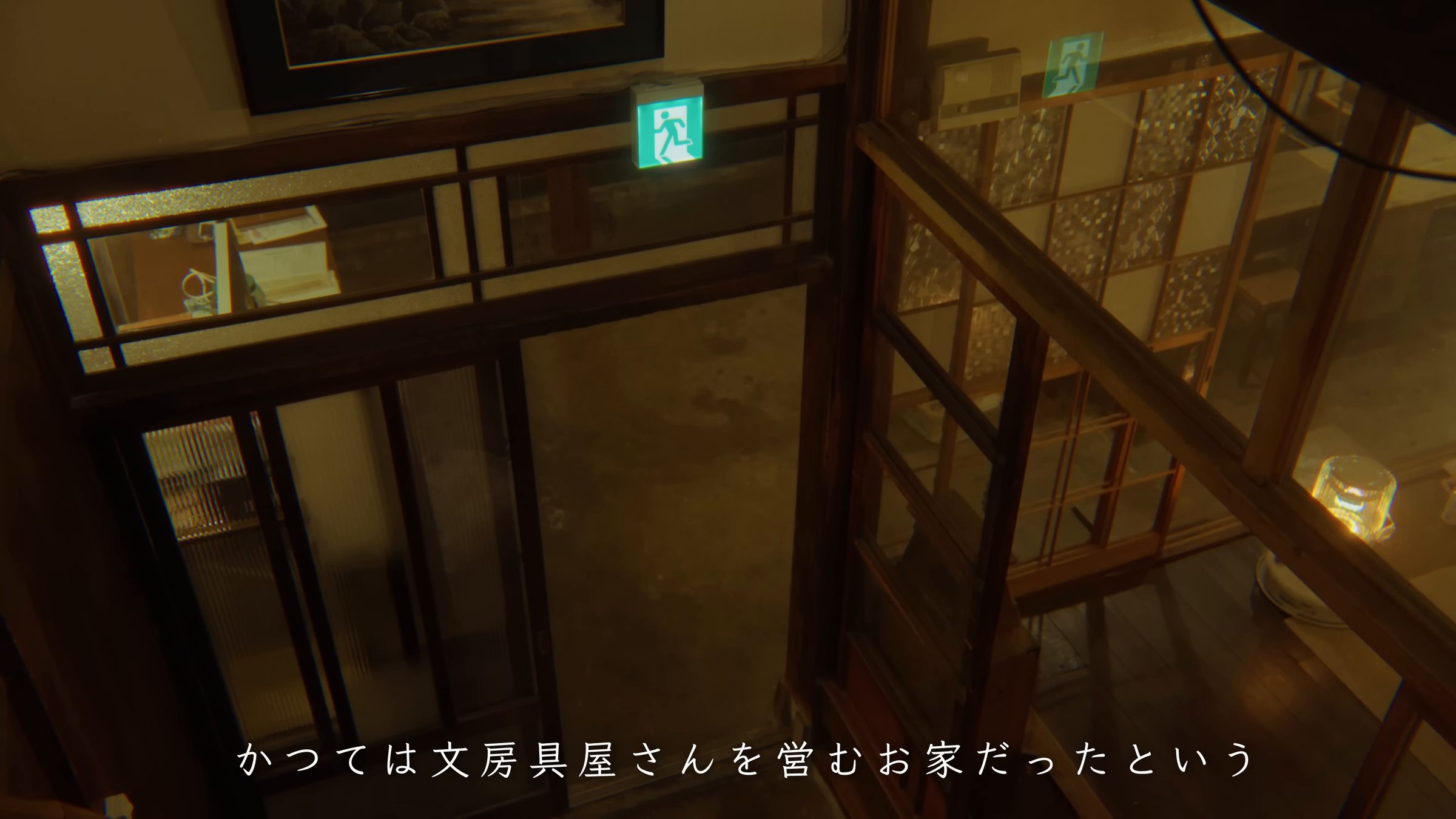
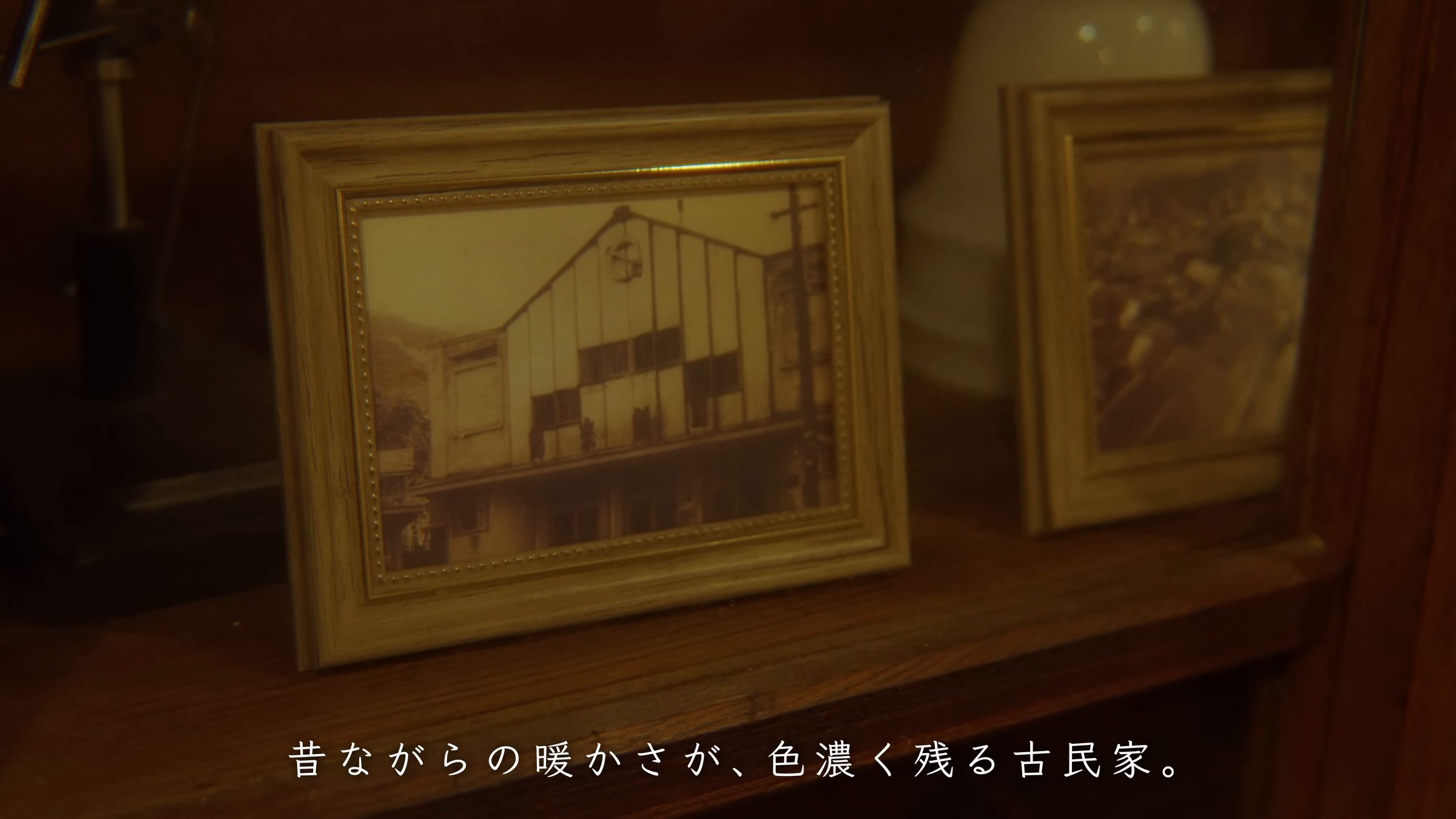
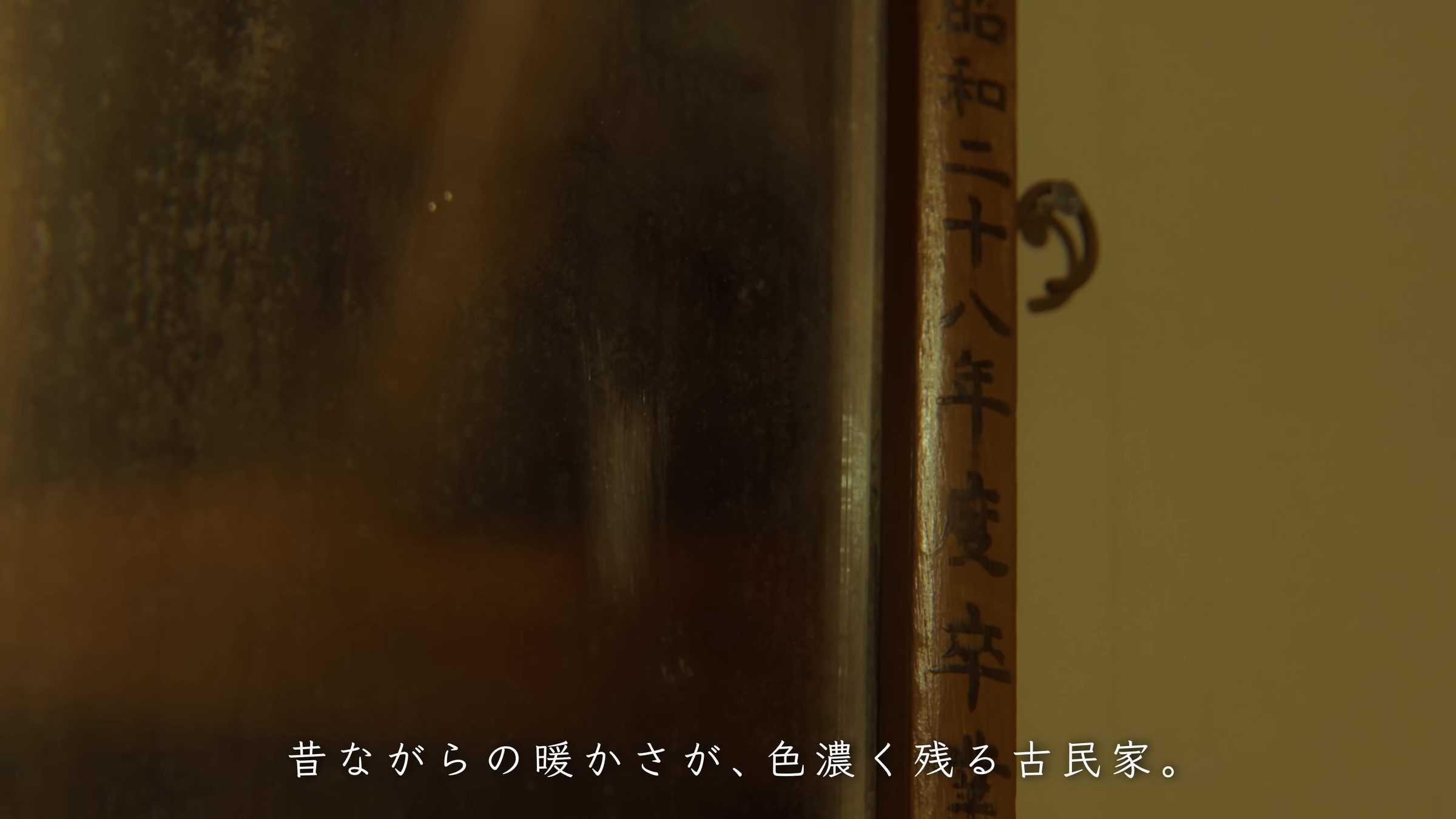
A room lined with bookshelves held a low table and an old kettle. From the top of the stairs I looked down on rows of lattice doors. A black-and-white photo of an old building stood on a shelf, and a wooden plaque by a pillar was marked "Graduates of Showa 28." Built, I heard, between the Taisho era and the early Showa era, the house still holds a deep, old-fashioned warmth.
Watch this scene on YouTube4:29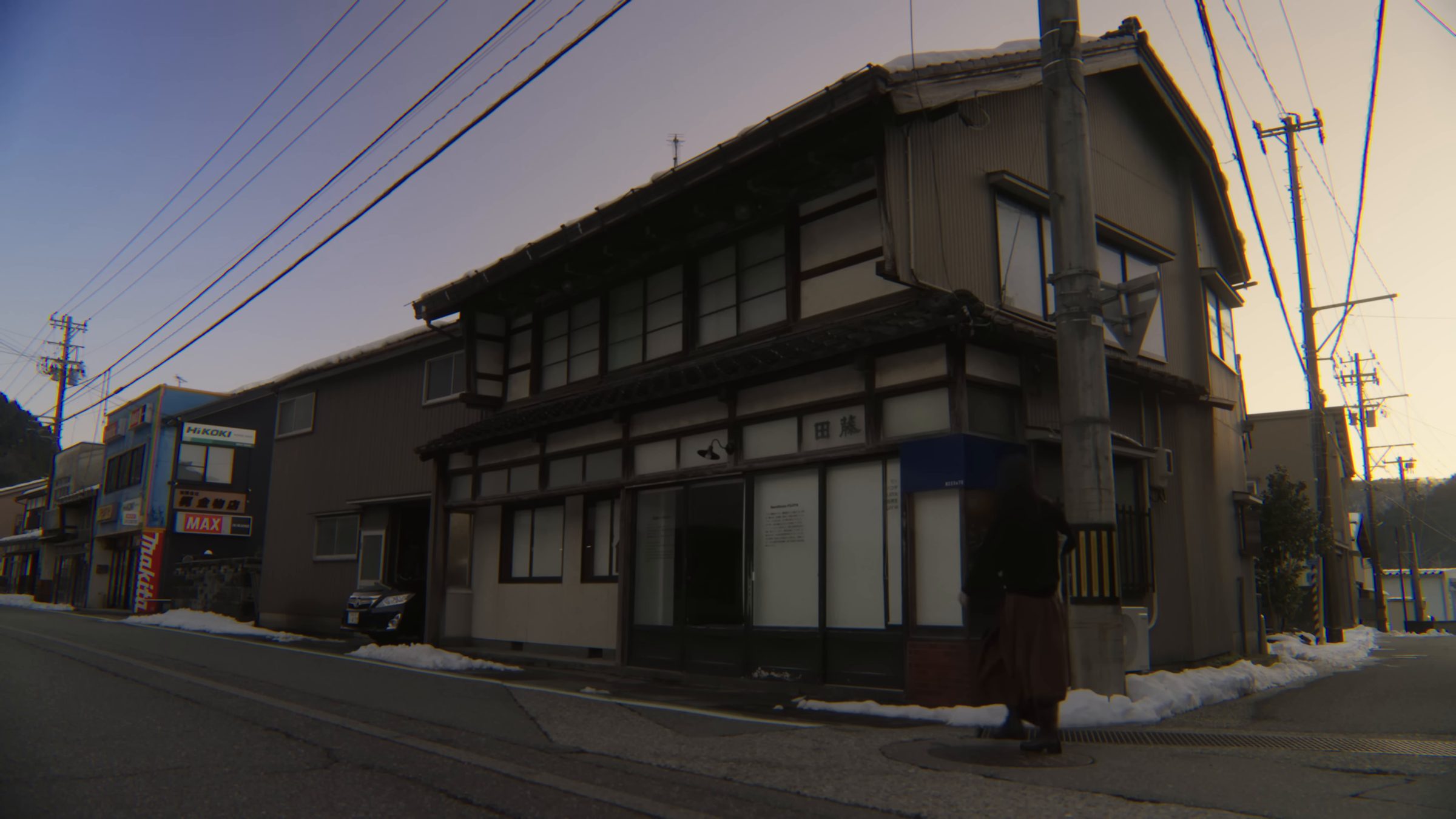
07TRAVEL JOURNAL
Jibuni, simmered until it bubbles
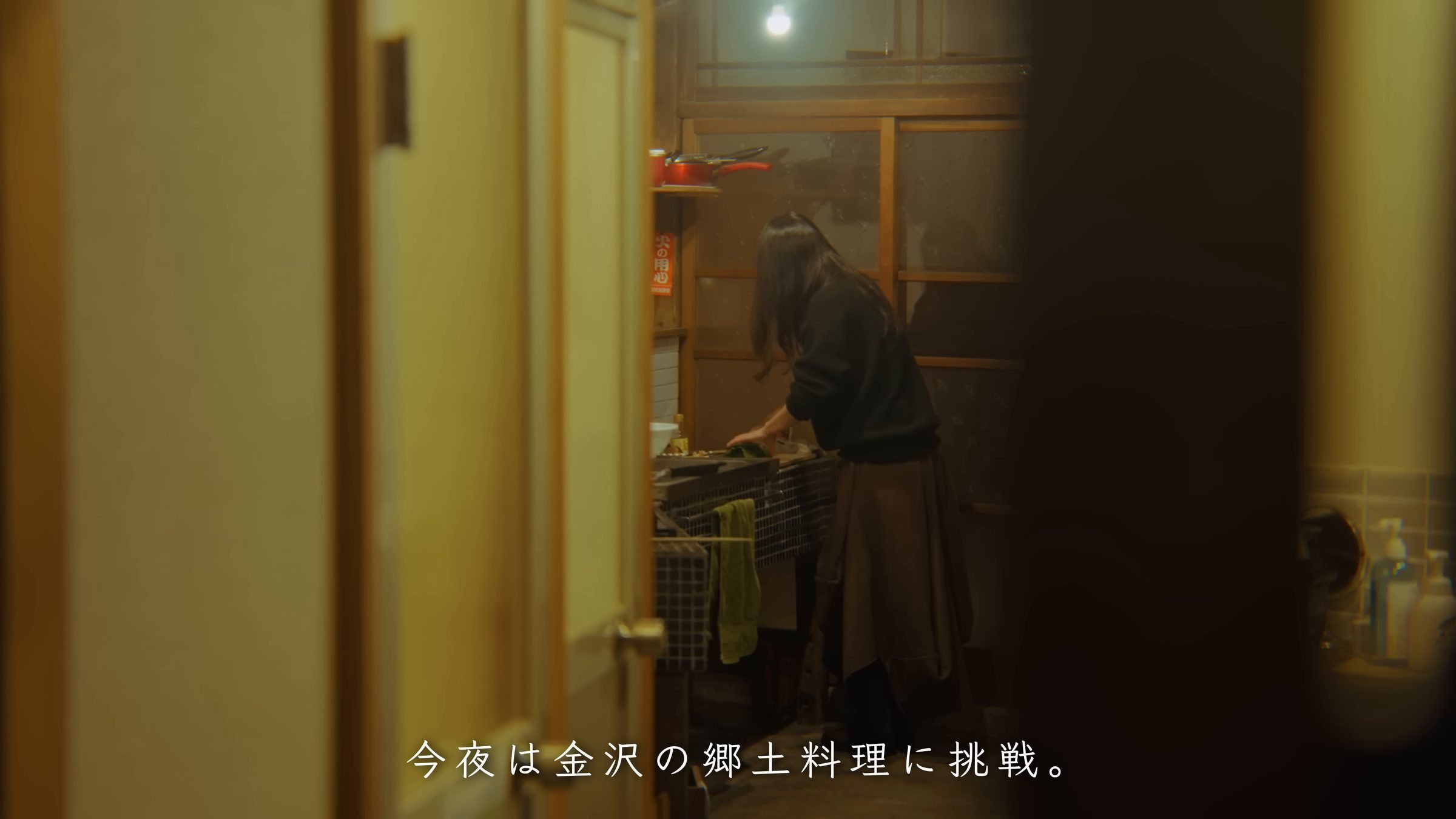
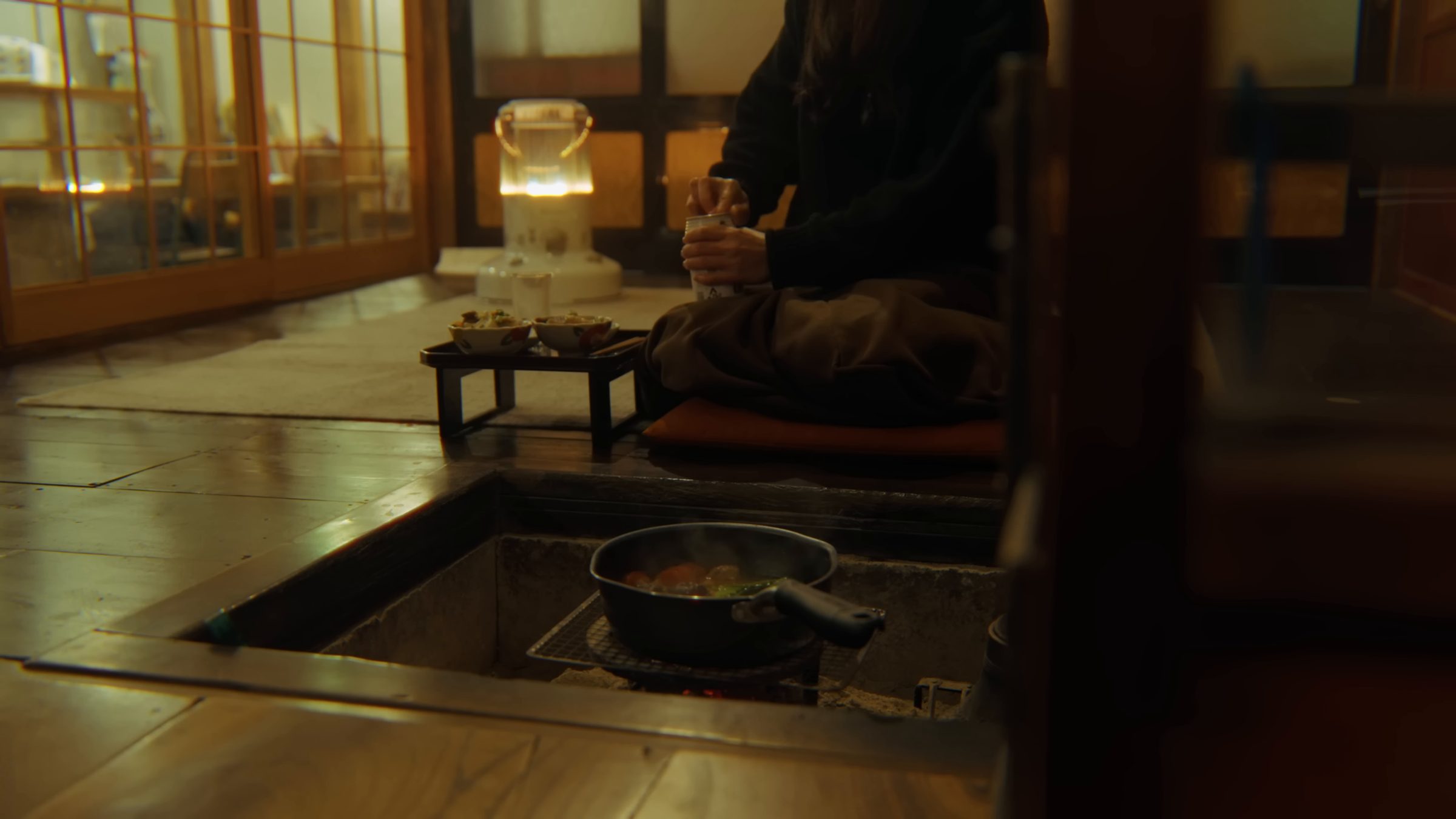
Tonight I would try a Kanazawa local dish. In the kitchen at the back of the house I cut leeks, carrots and shiitake, carving a star into each mushroom cap.
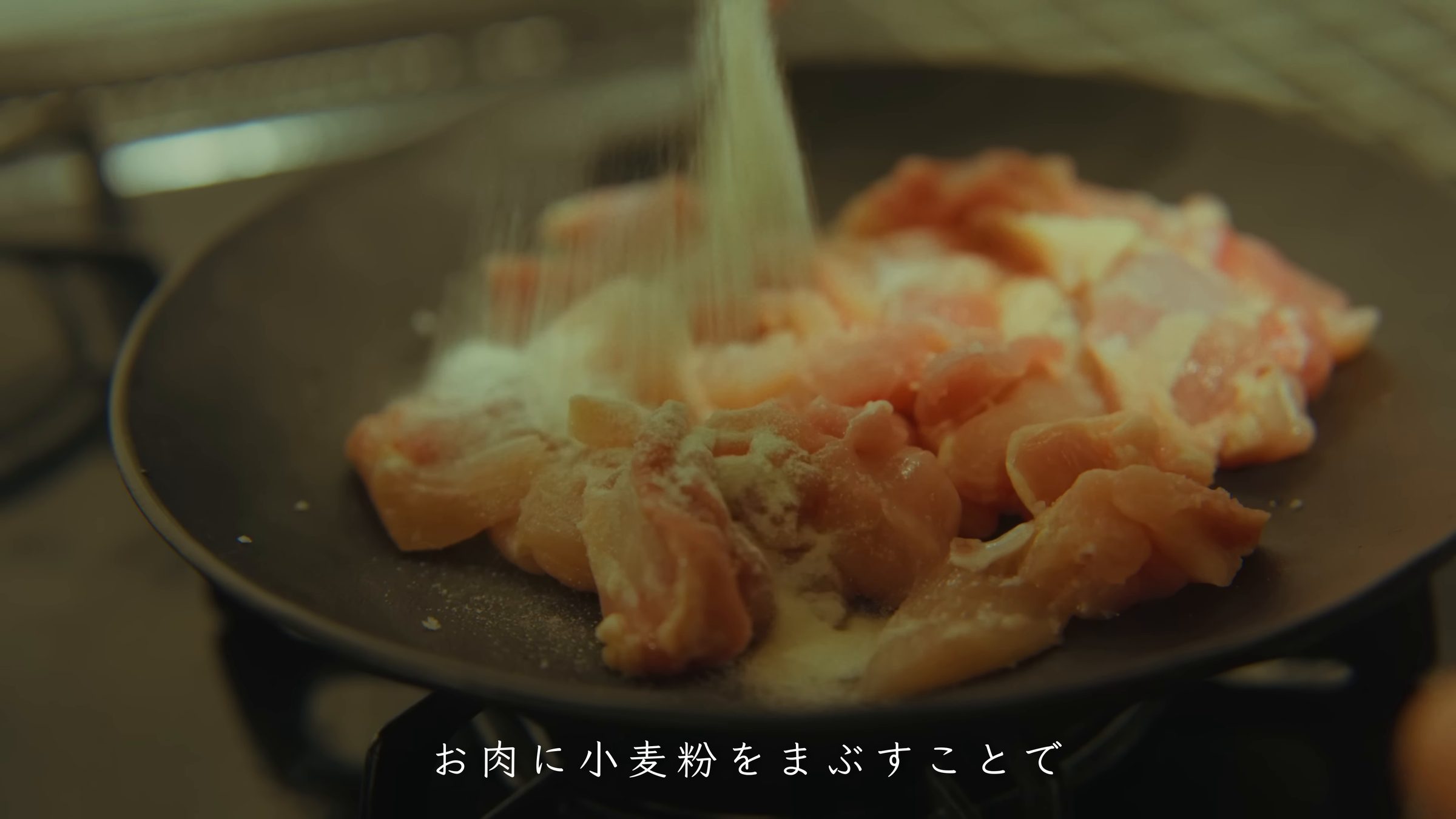
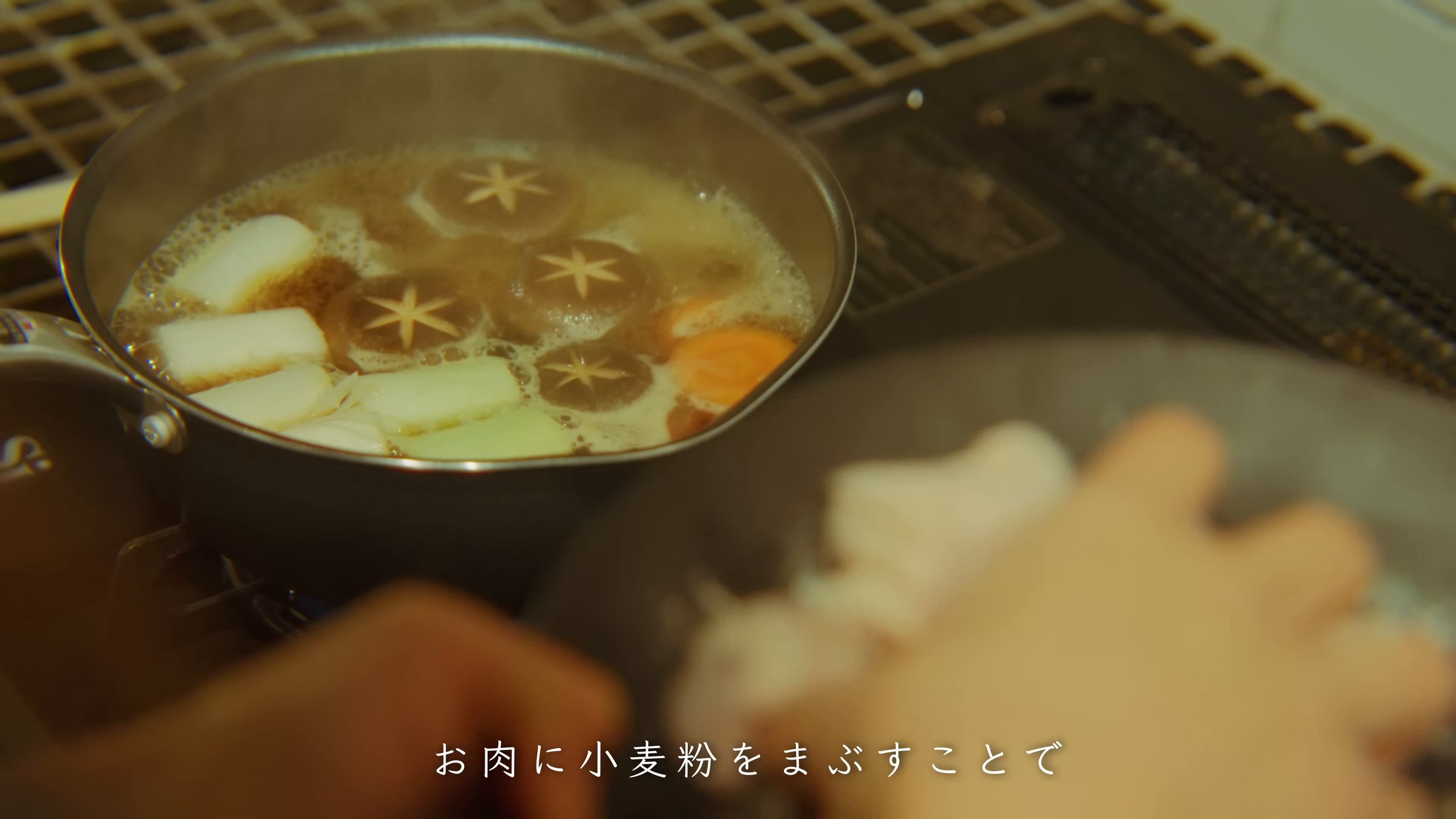
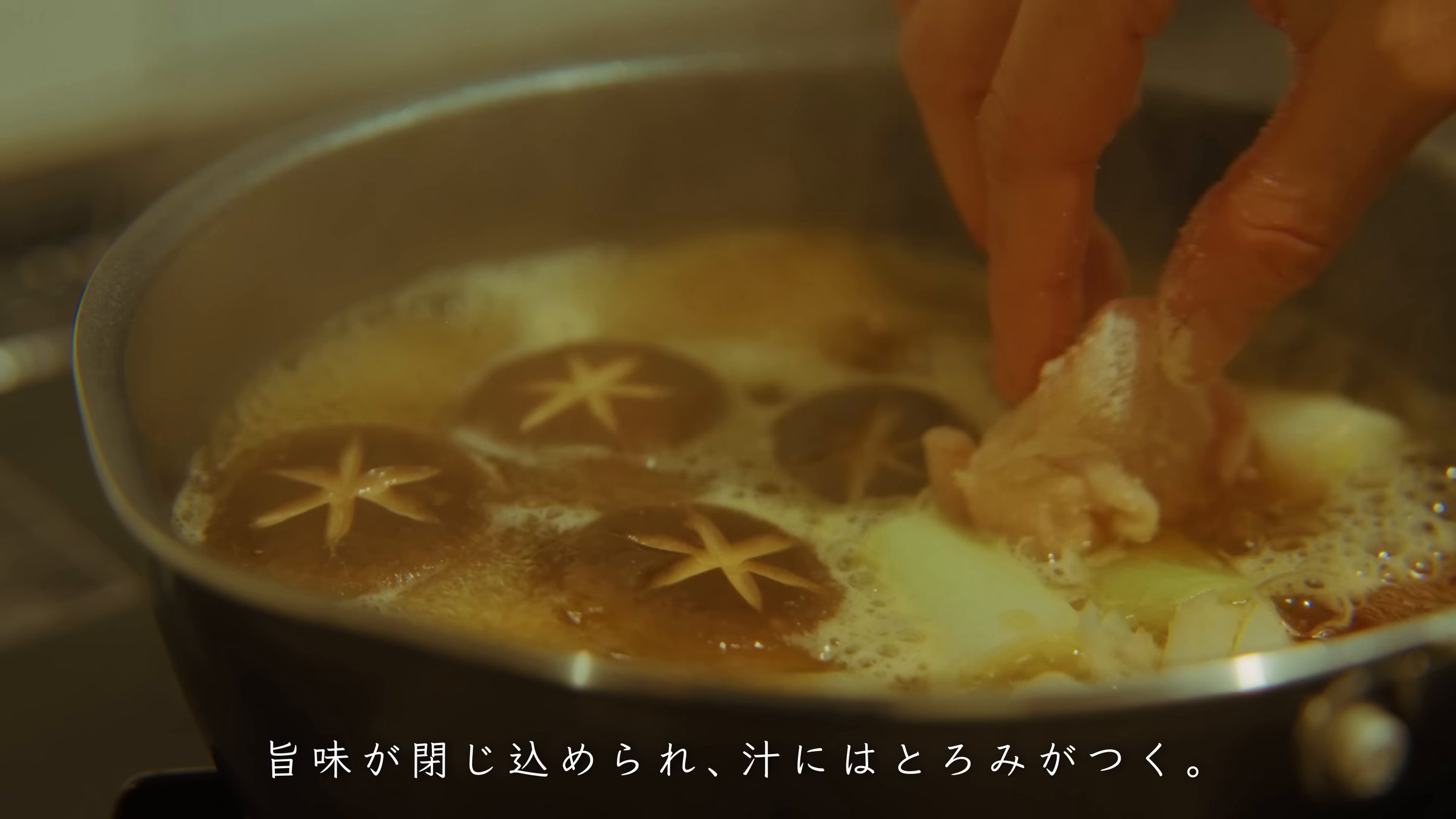
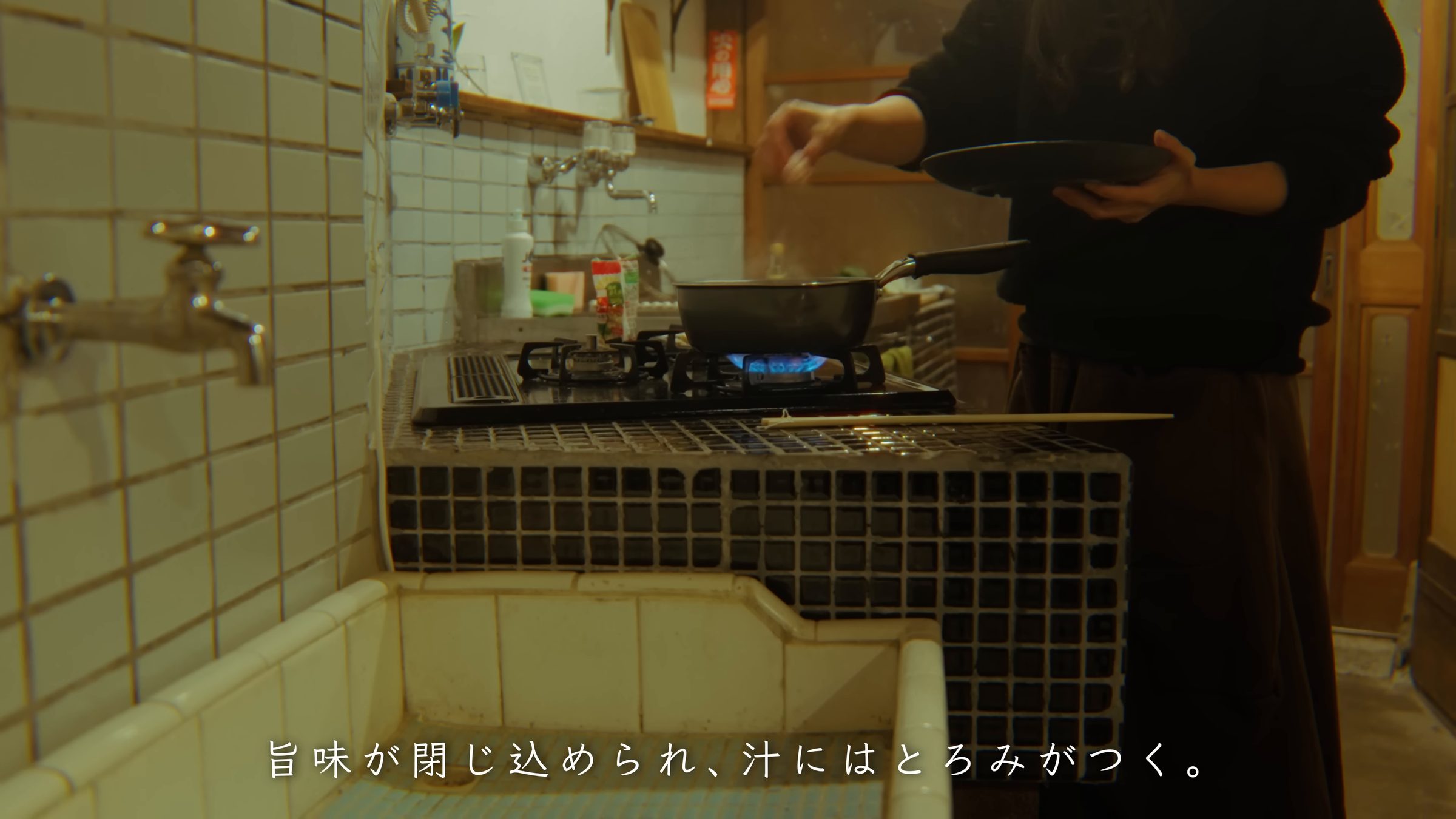
I coated the chicken in flour; this seals in the flavor and thickens the broth. At the gas stove beside the tiled sink, I added the chicken to the pot of simmering vegetables.
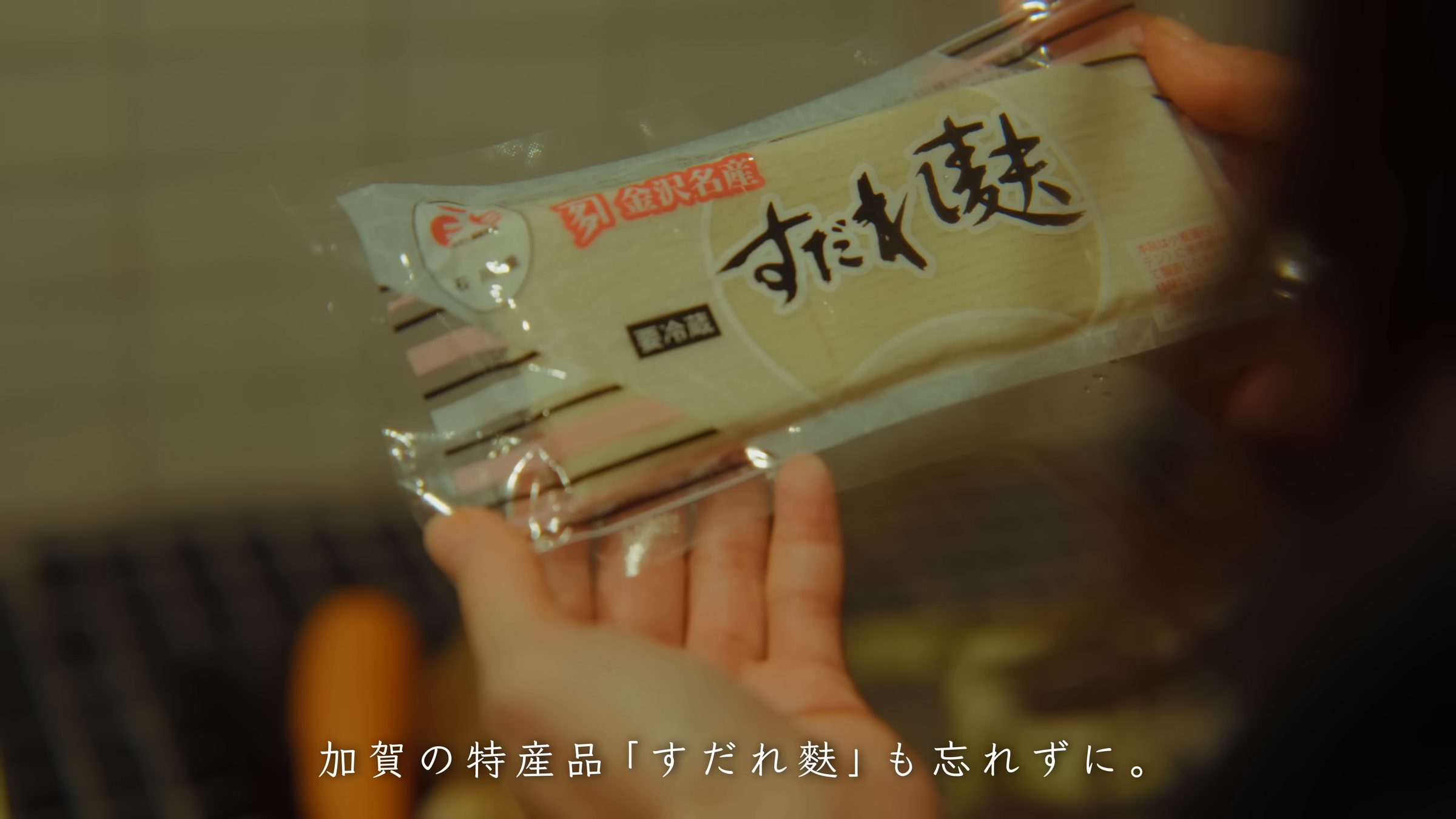
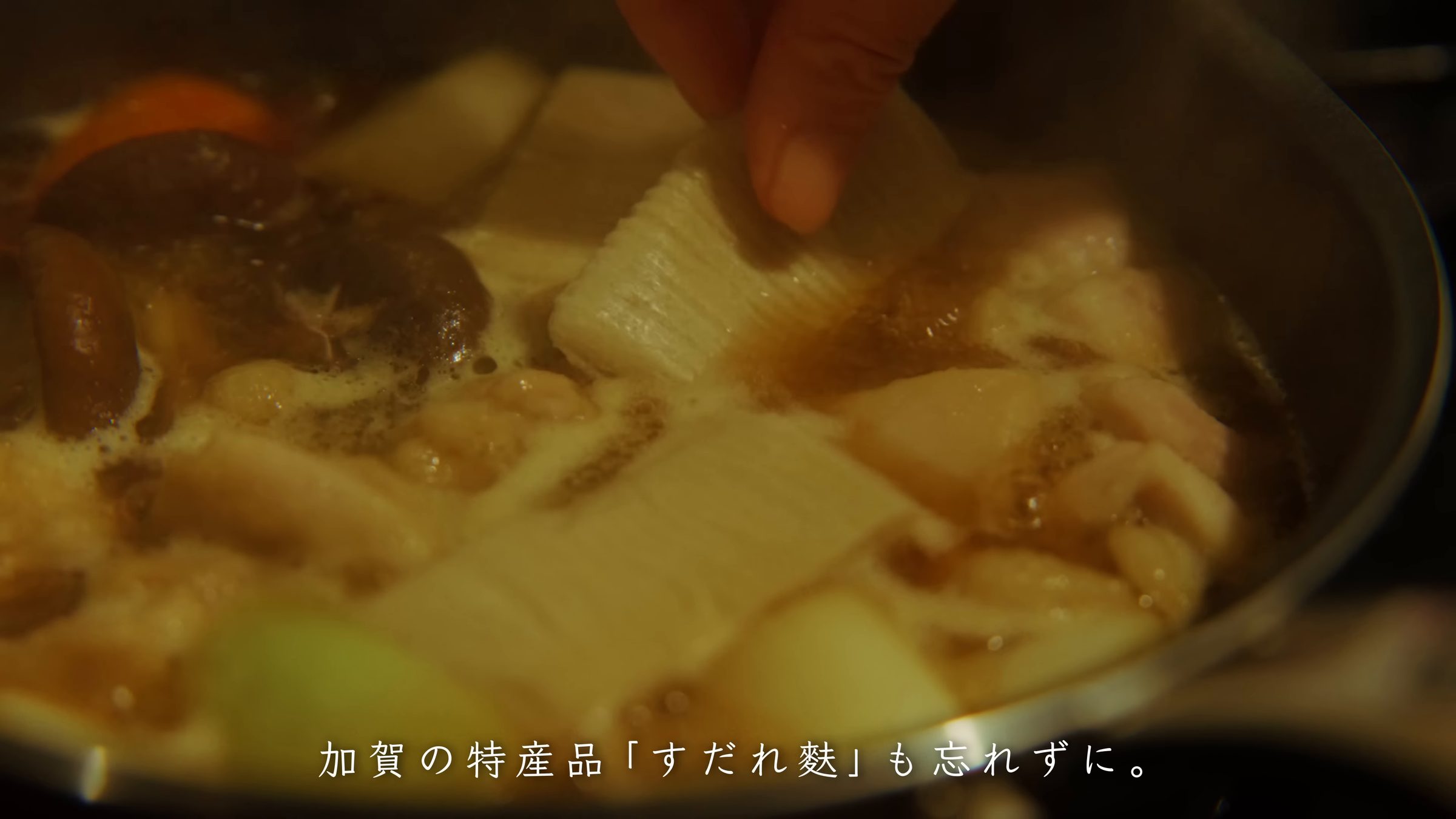
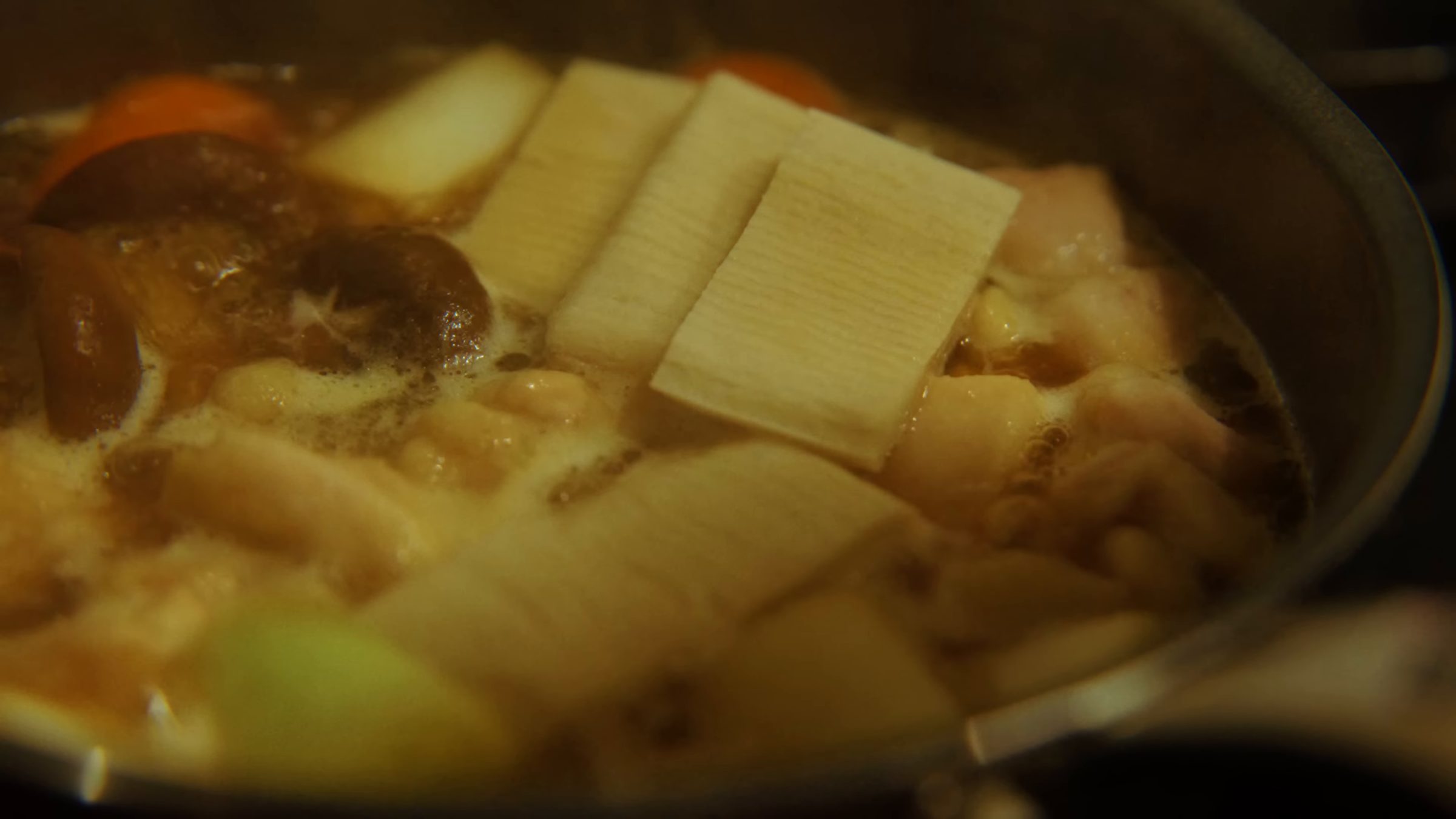
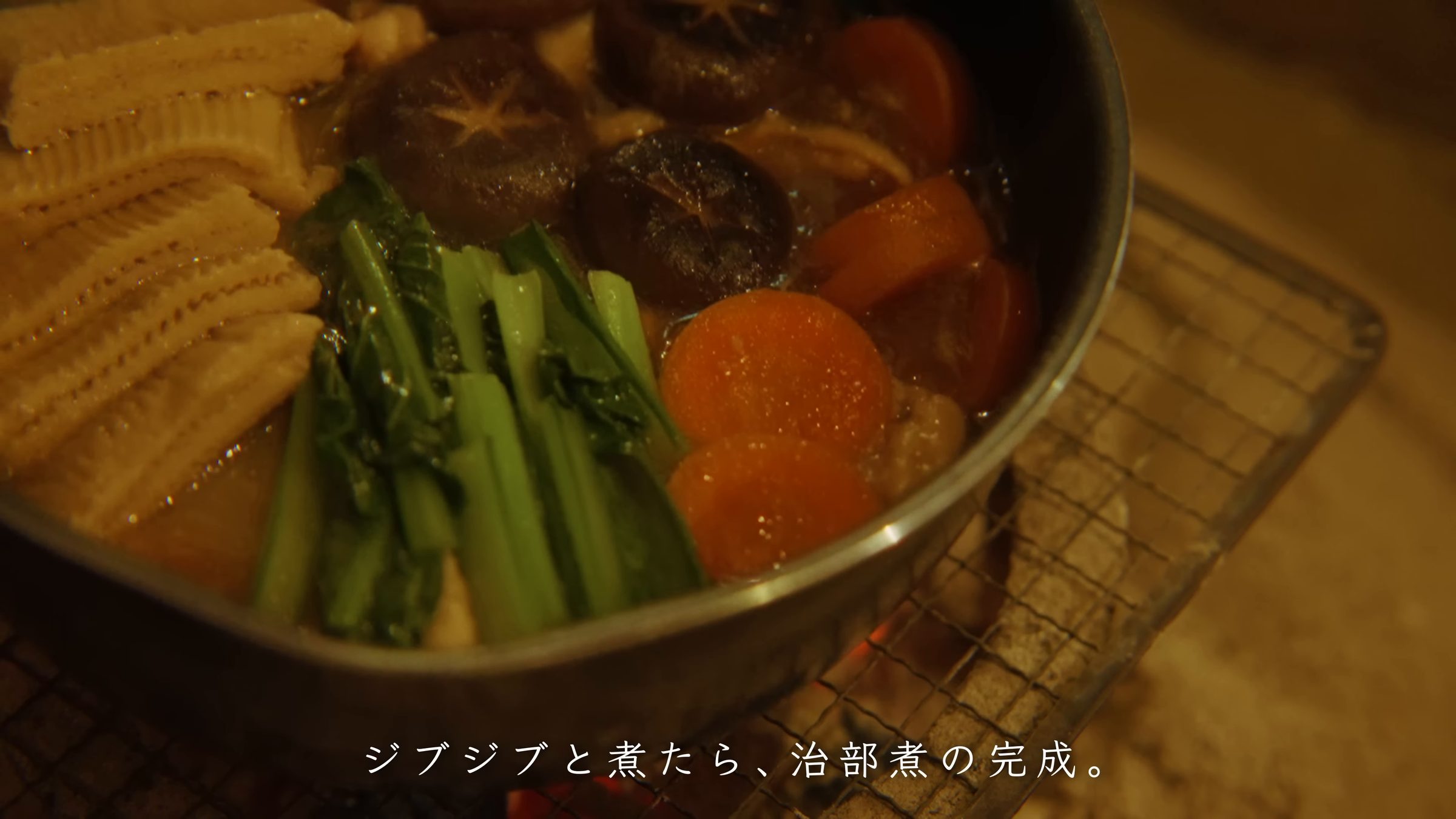
And don't forget Kaga's specialty, sudare-fu. I added the wheat gluten, striped like a bamboo blind, and once everything had simmered and bubbled, the jibuni was ready. I added some greens and carried it to the room with the sunken hearth.
Watch this scene on YouTube5:04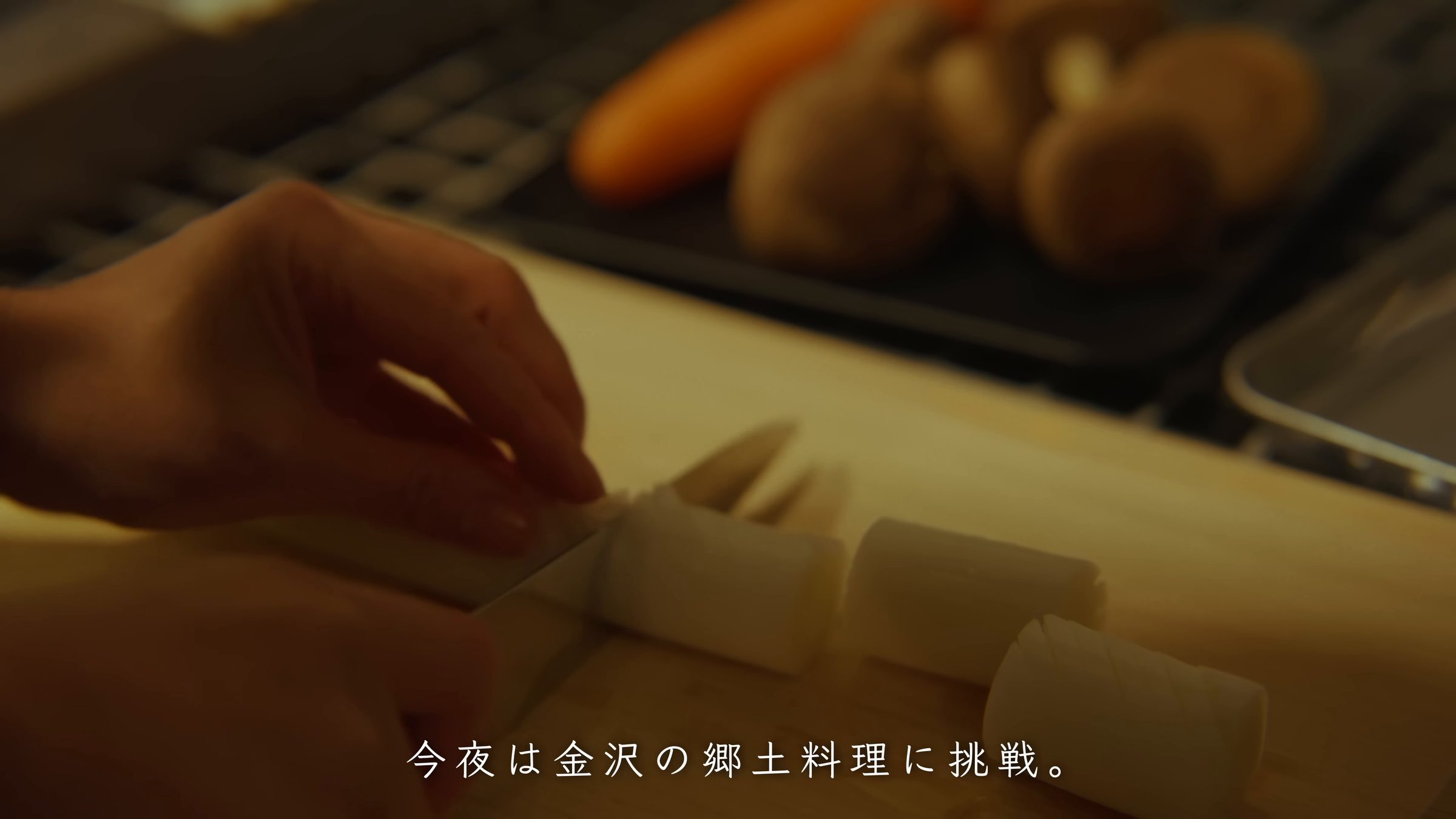
08TRAVEL JOURNAL
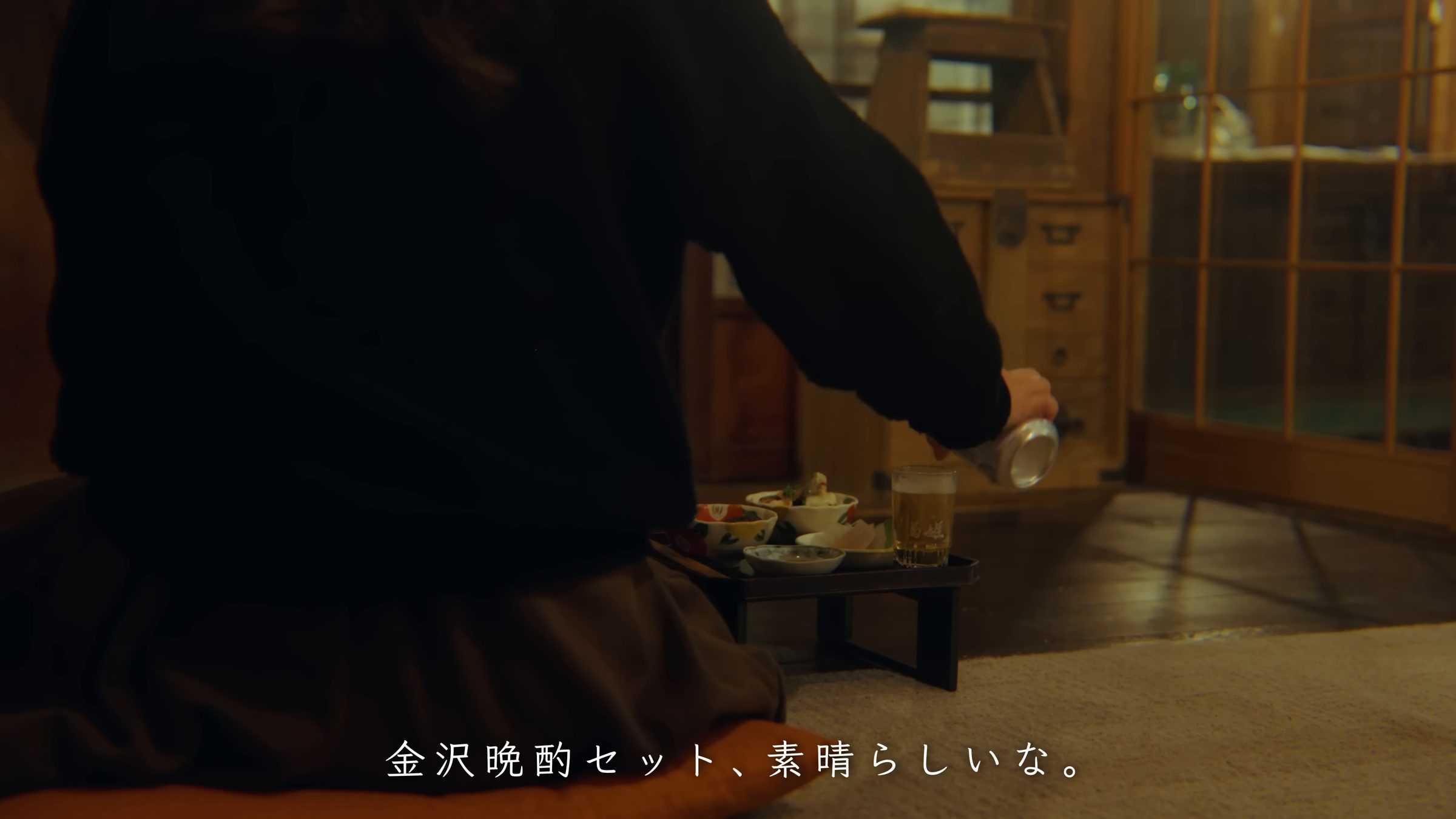
A Kanazawa evening set
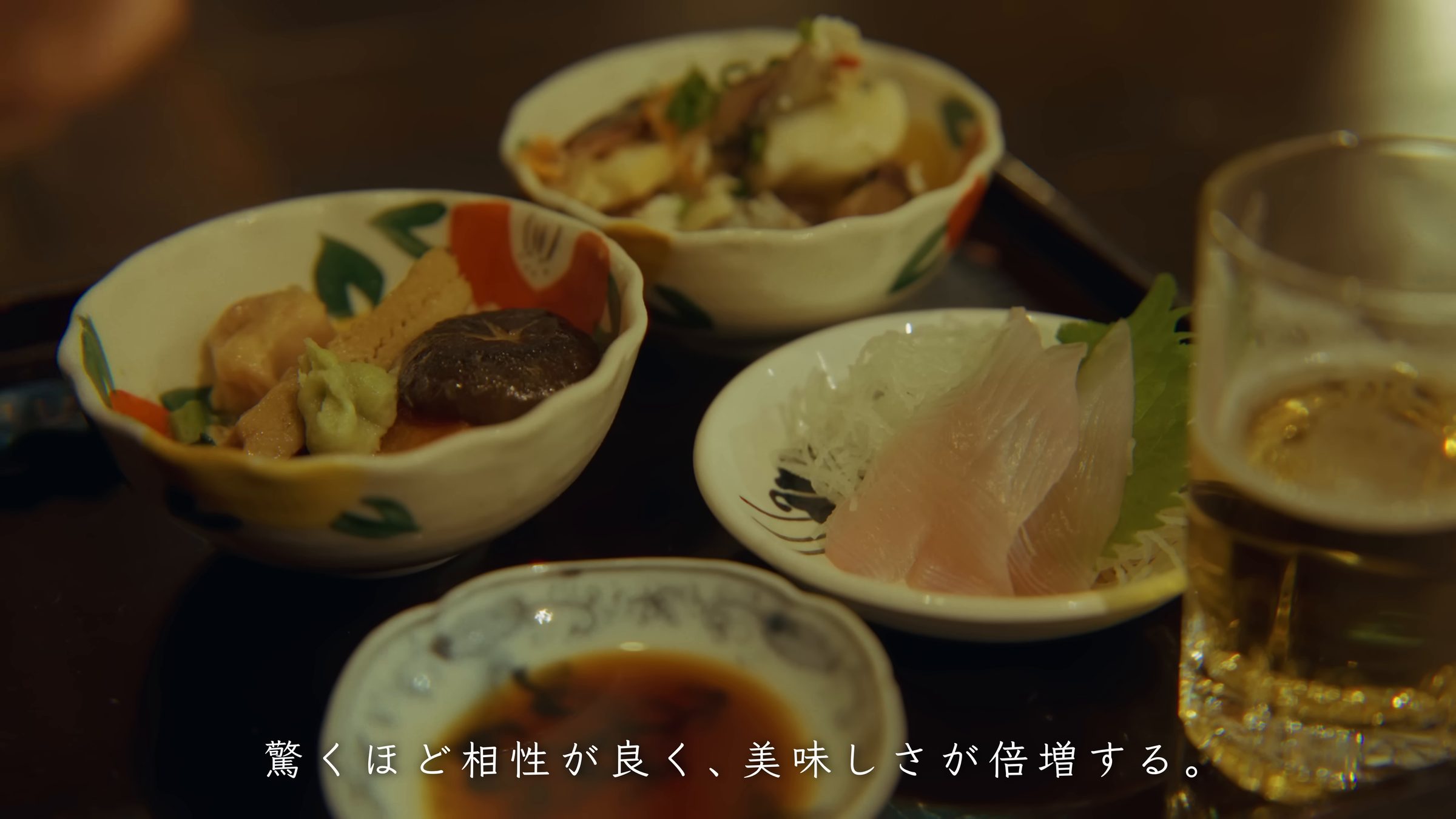
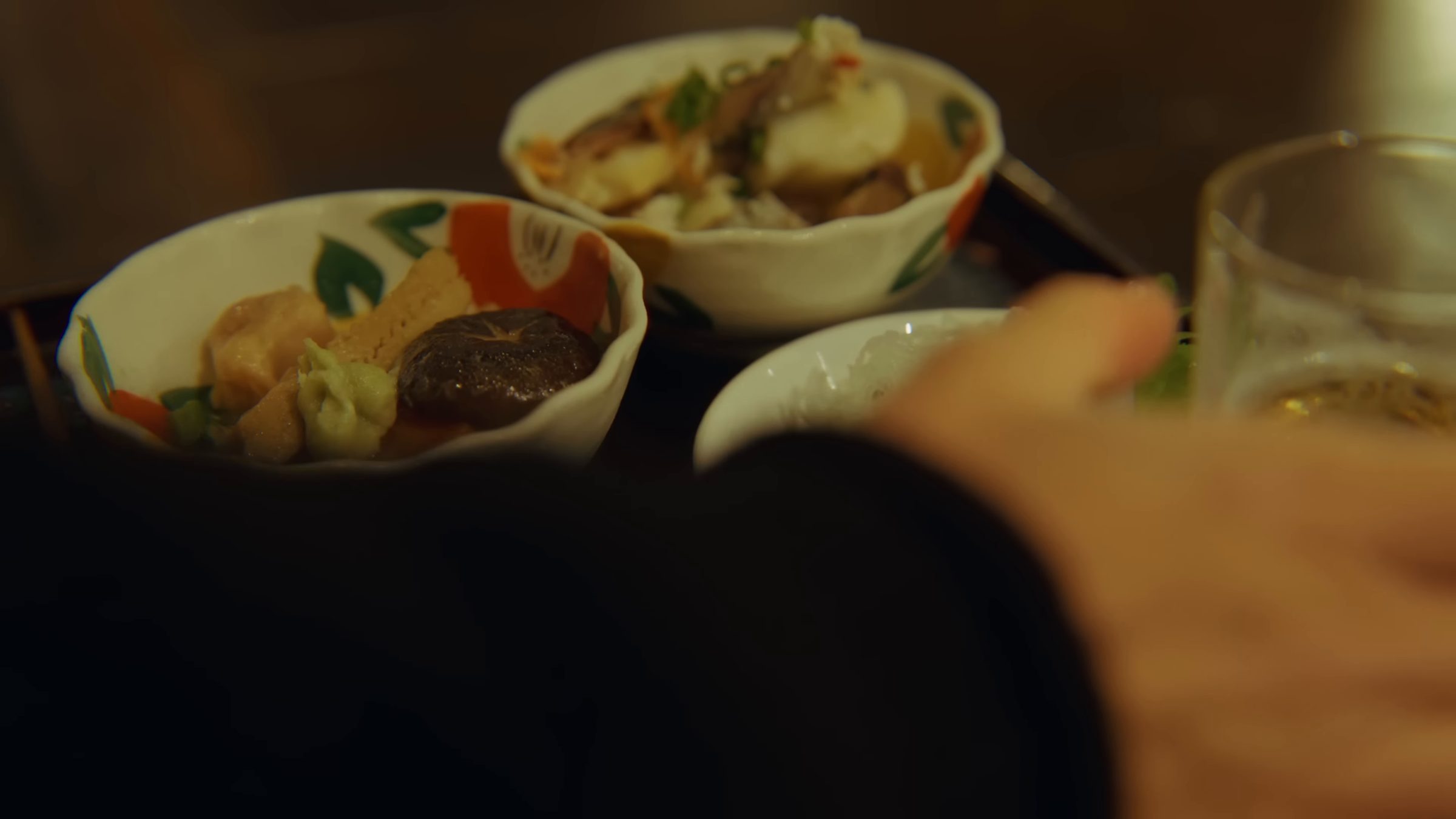
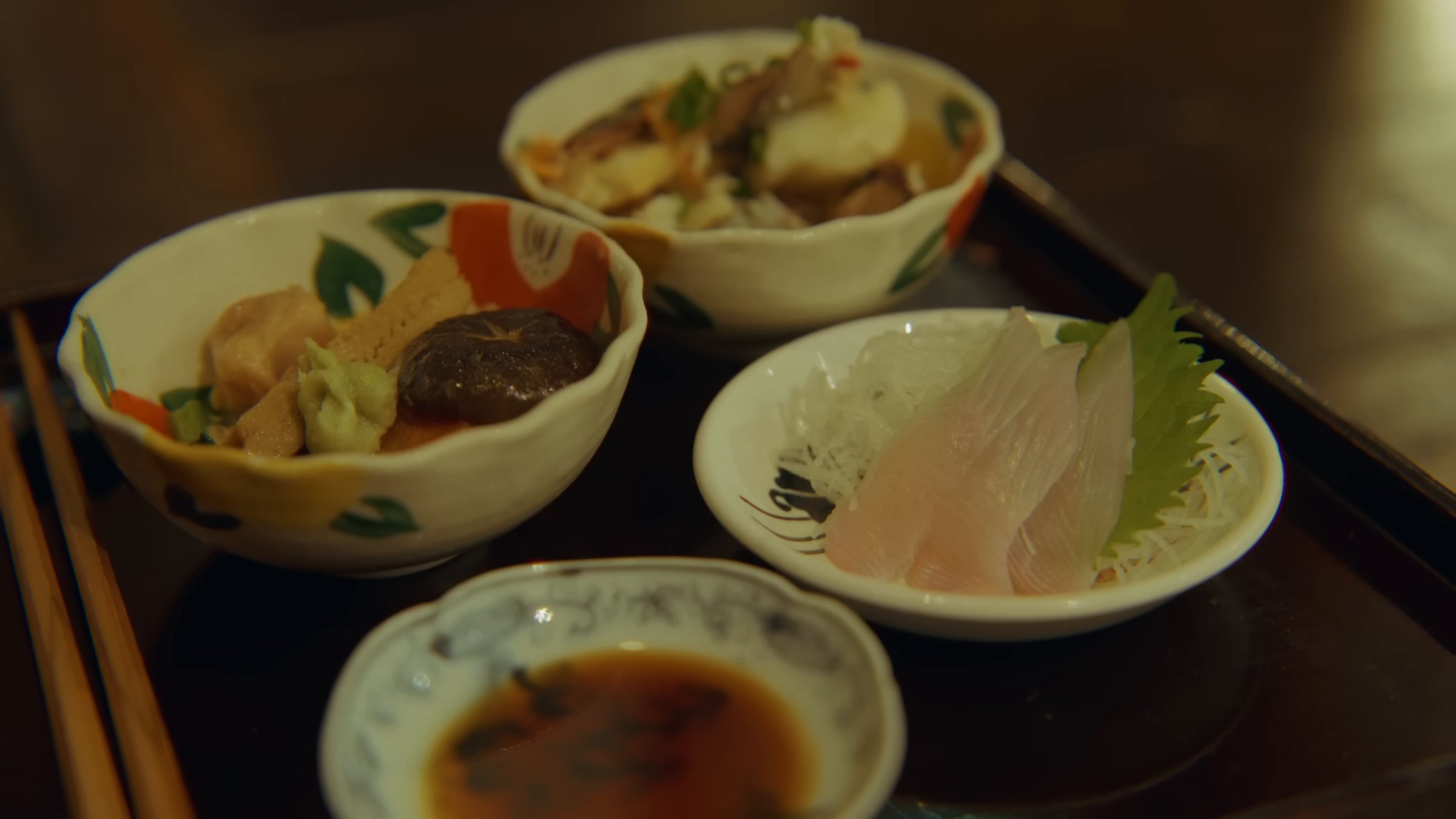
I set the dishes out on a tray by the sunken hearth, with a can of non-alcoholic beer.
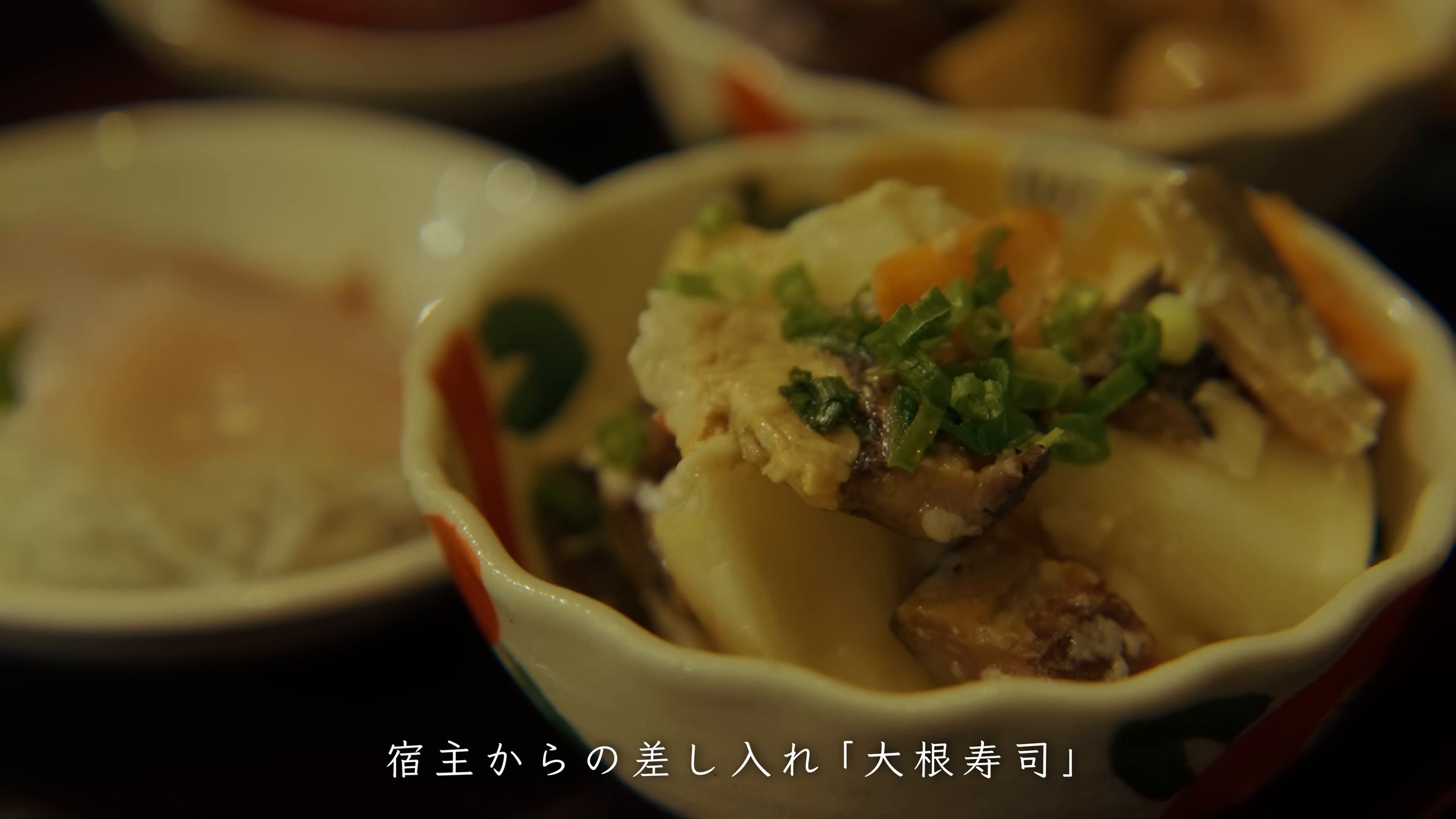
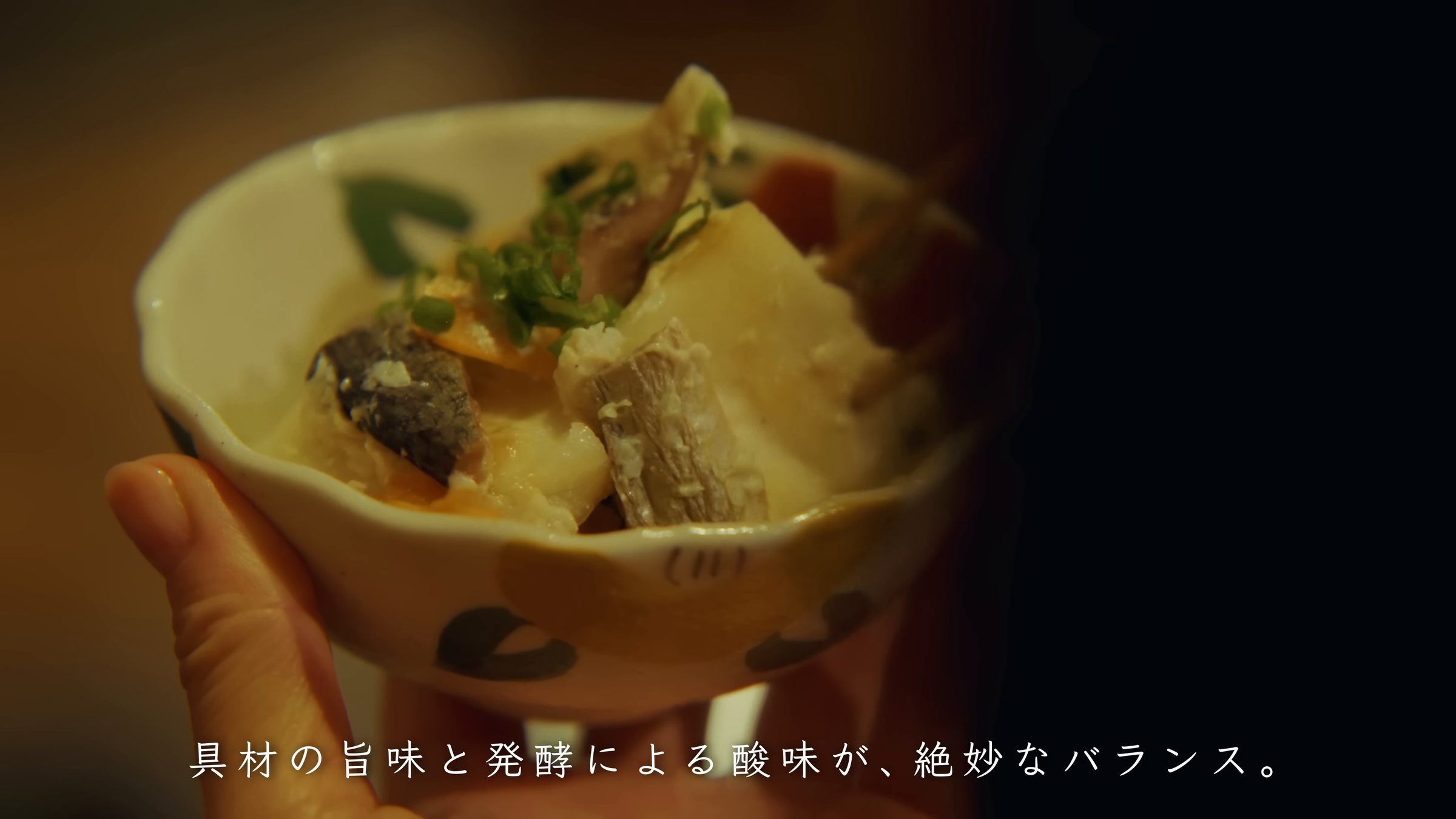
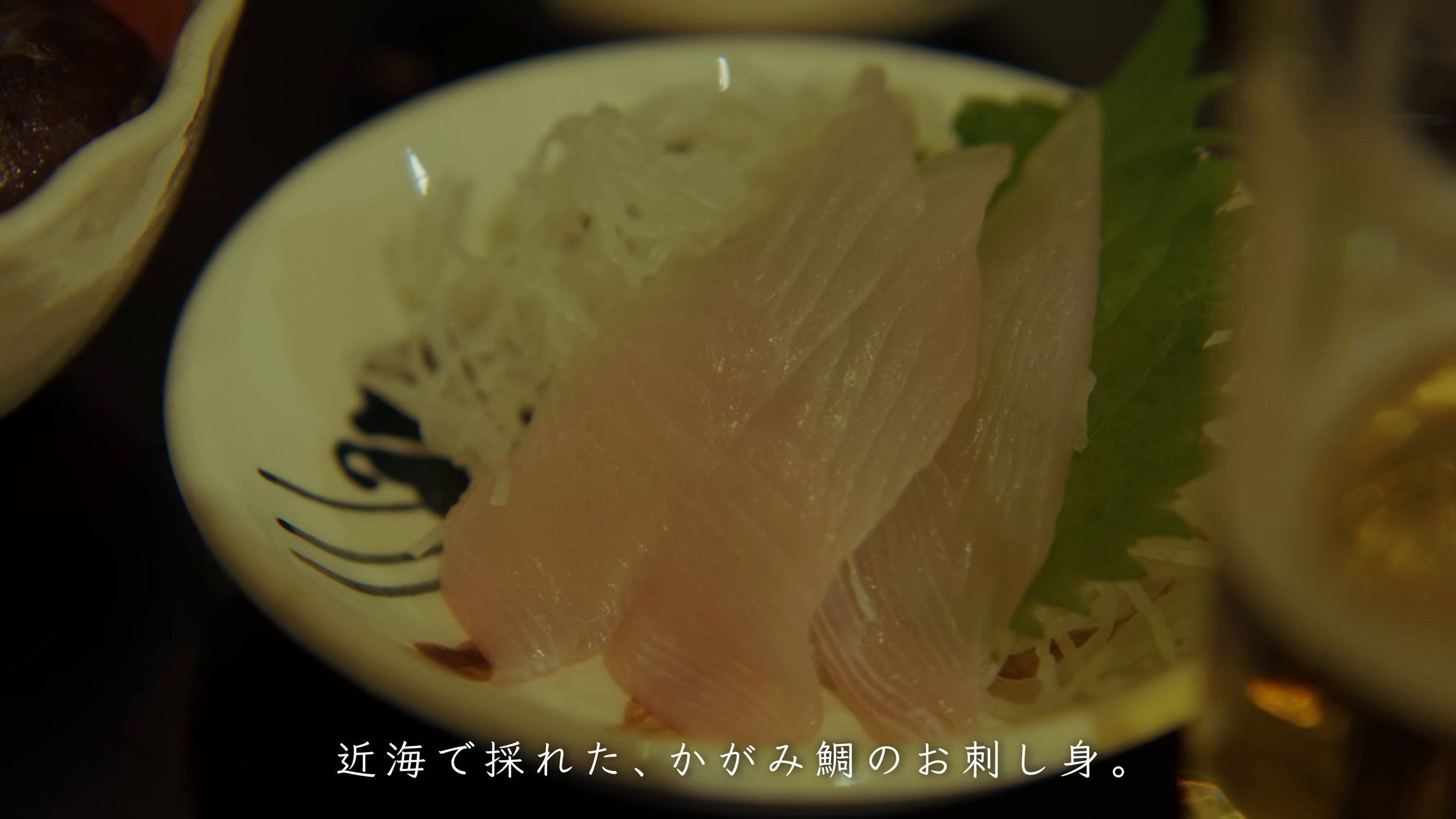
The daikon-zushi, a gift from the host, struck a perfect balance between the flavor of its ingredients and the sourness of fermentation. Beside it was sashimi of kagami-dai, caught in the nearby sea, with a shiso leaf.
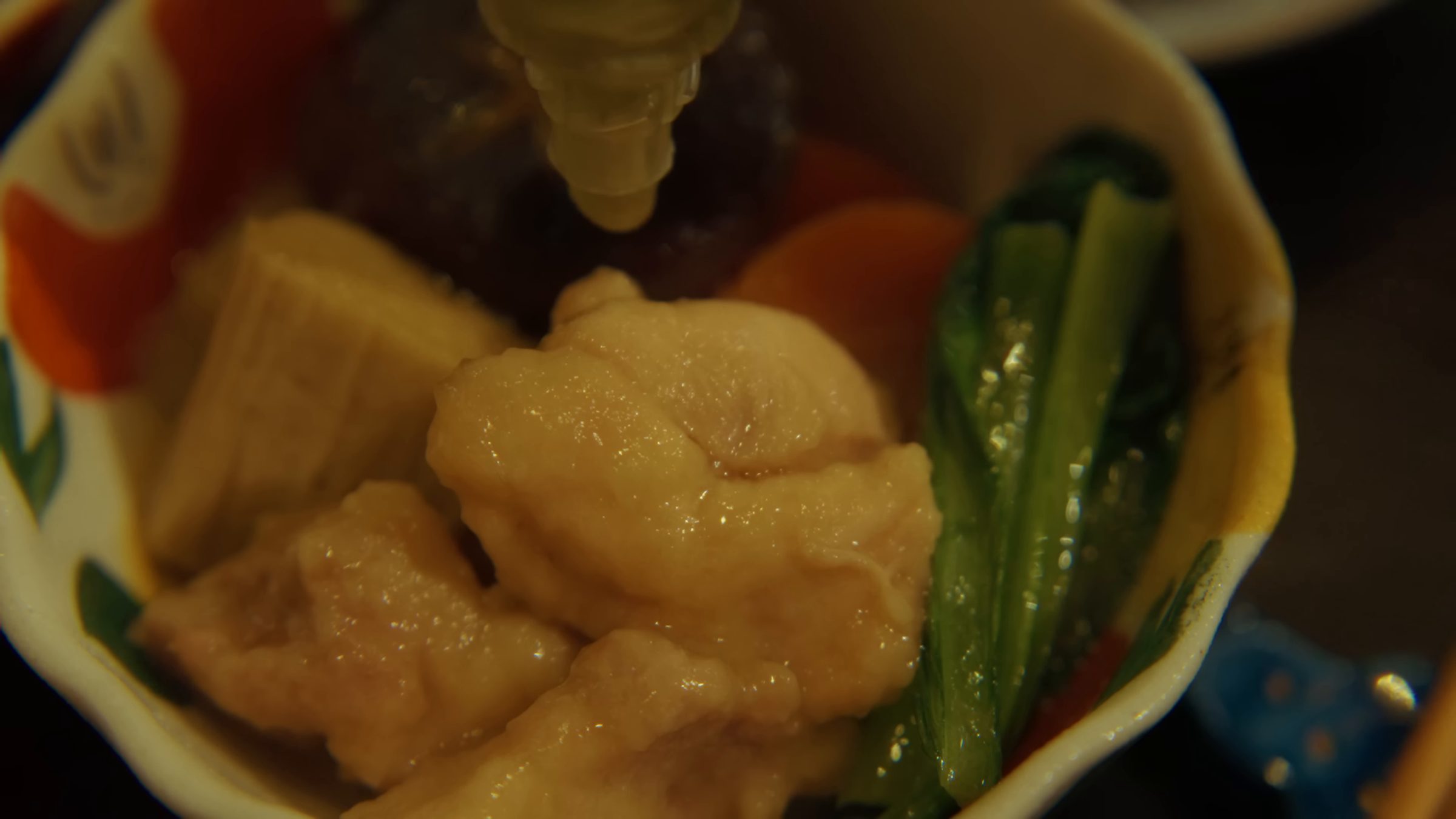
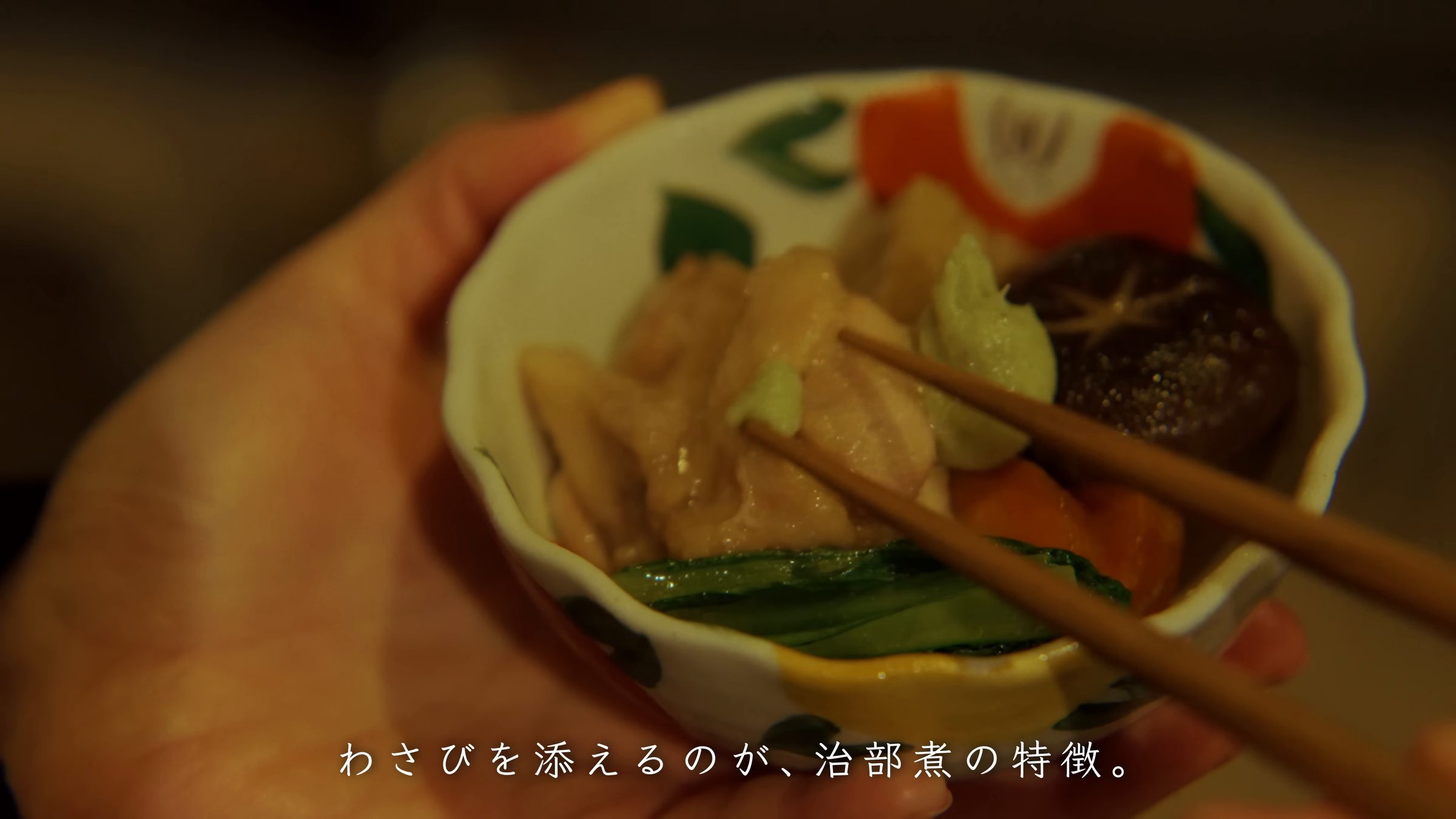
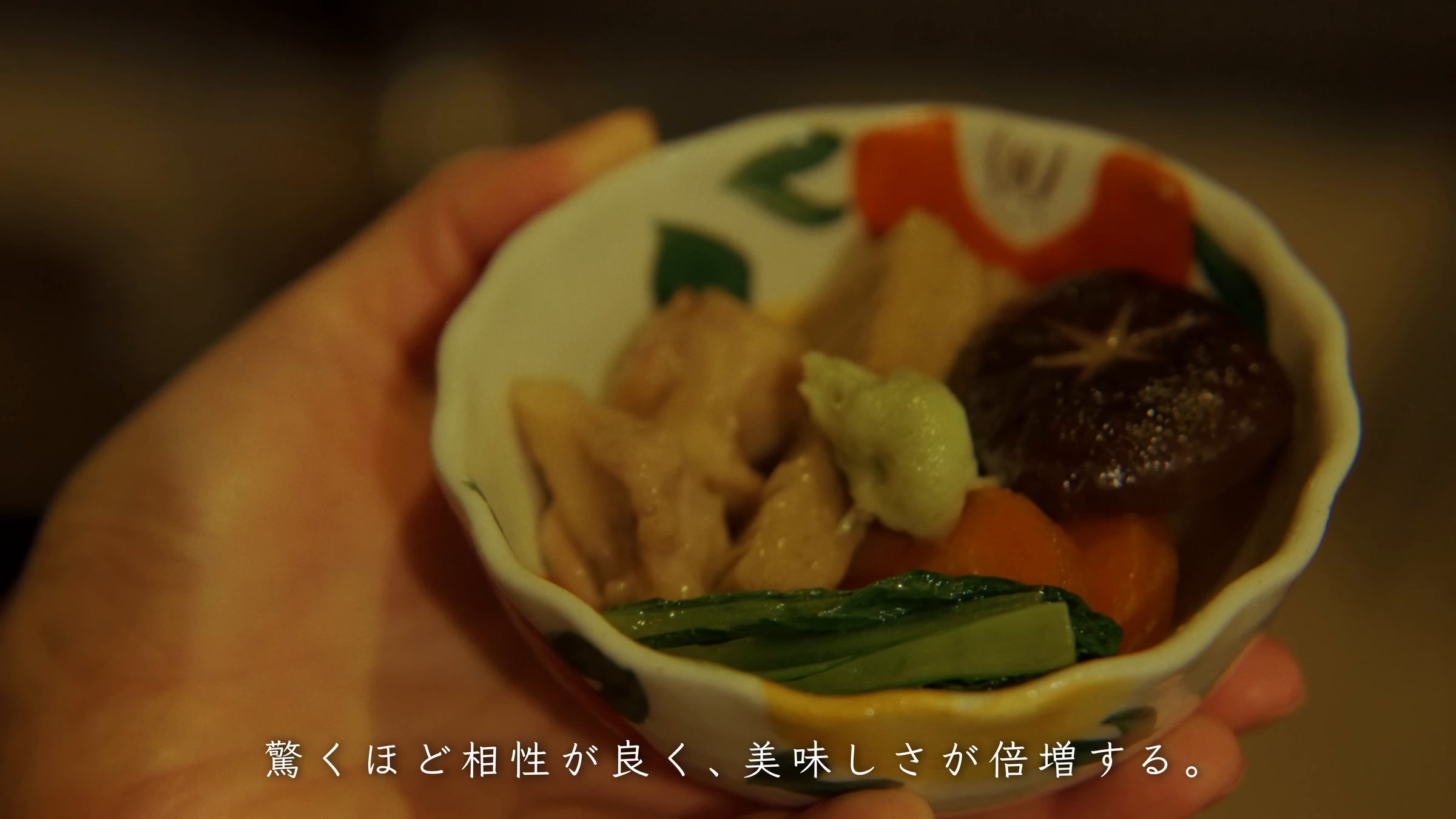
A dab of wasabi is the signature of jibuni. Its fresh heat went surprisingly well with the thick broth and chicken, making it twice as delicious. A wonderful Kanazawa evening set.
Watch this scene on YouTube5:39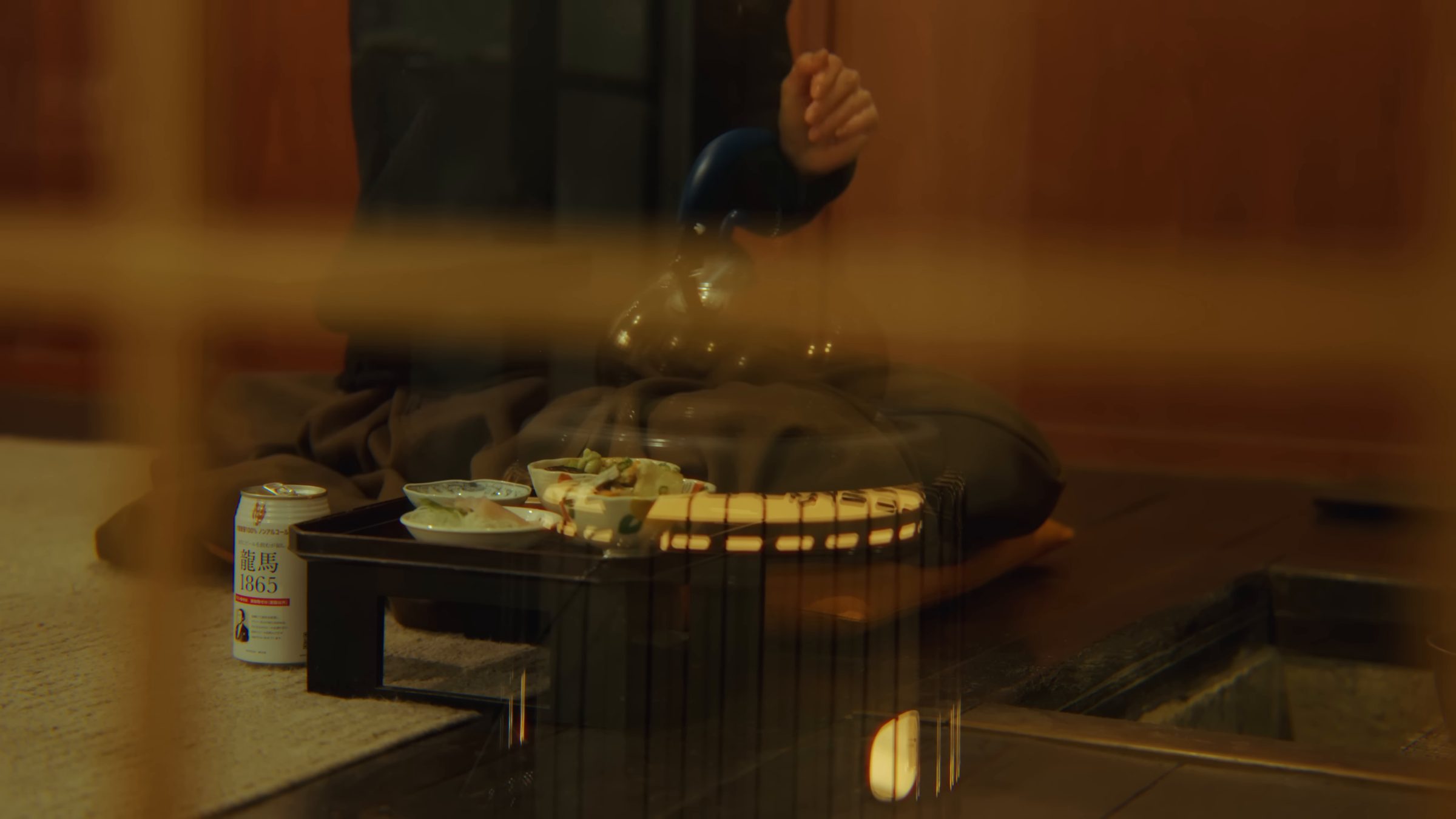
09TRAVEL JOURNAL
Ending the night with Hokuriku's soul food
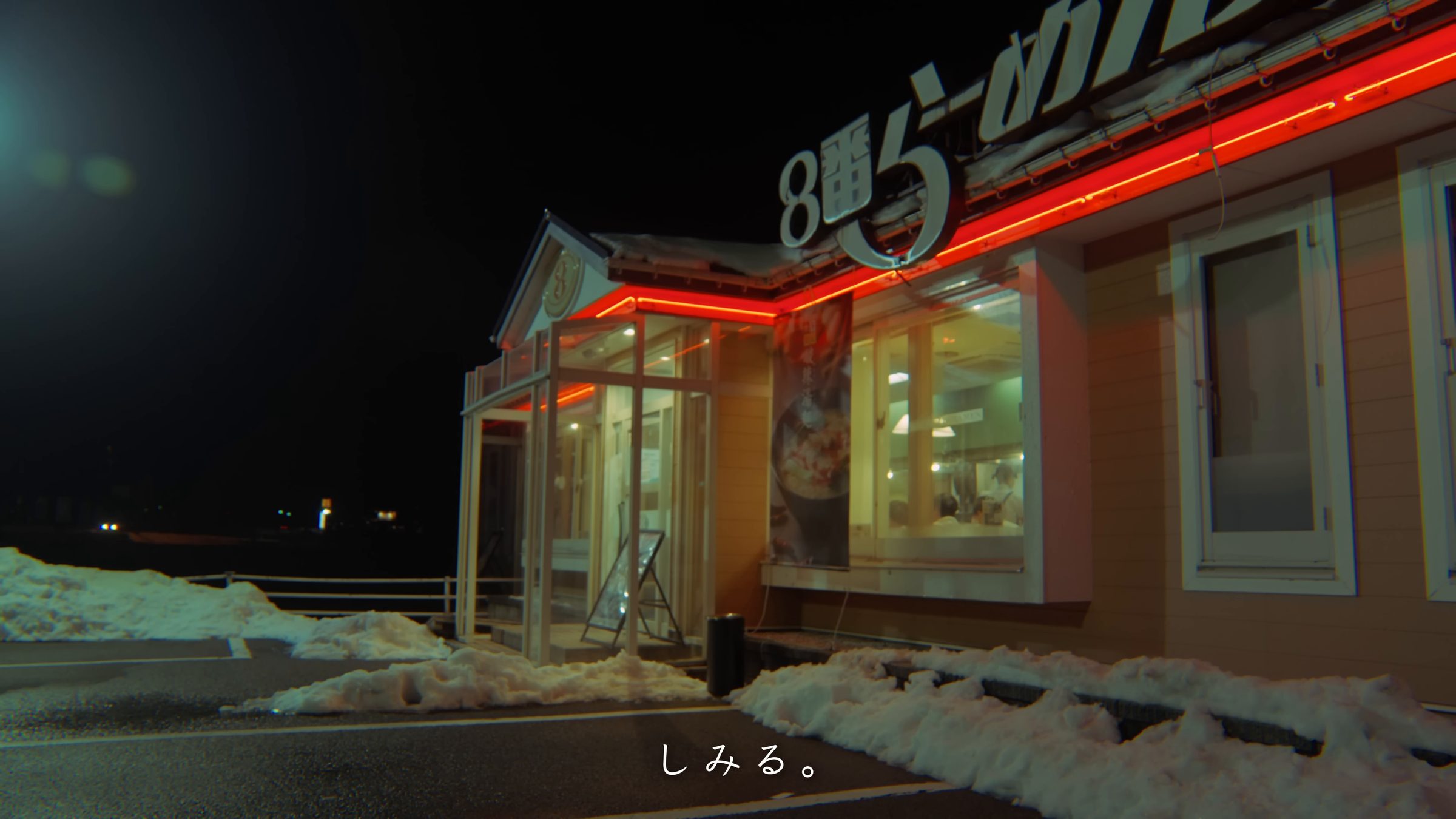
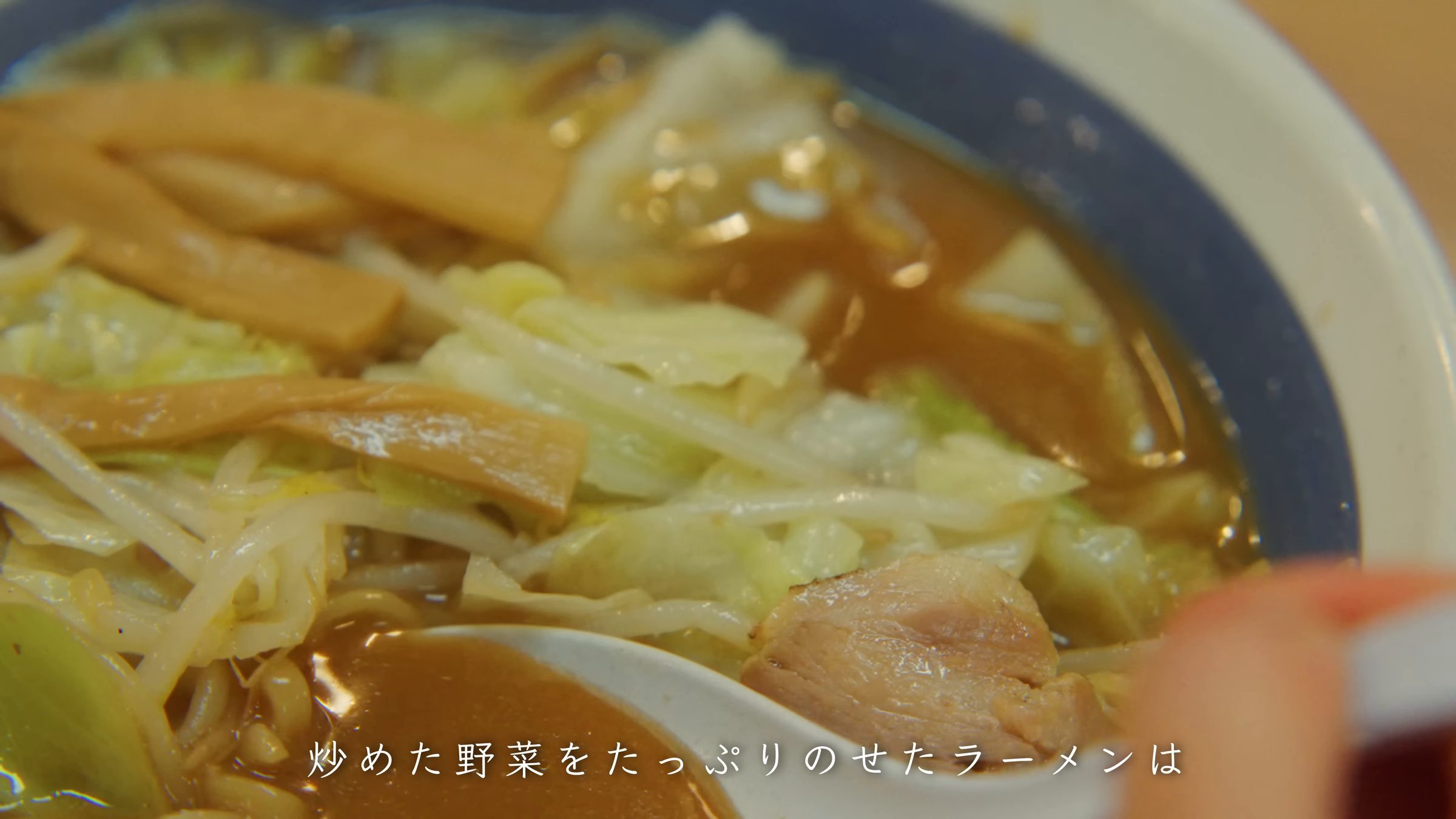
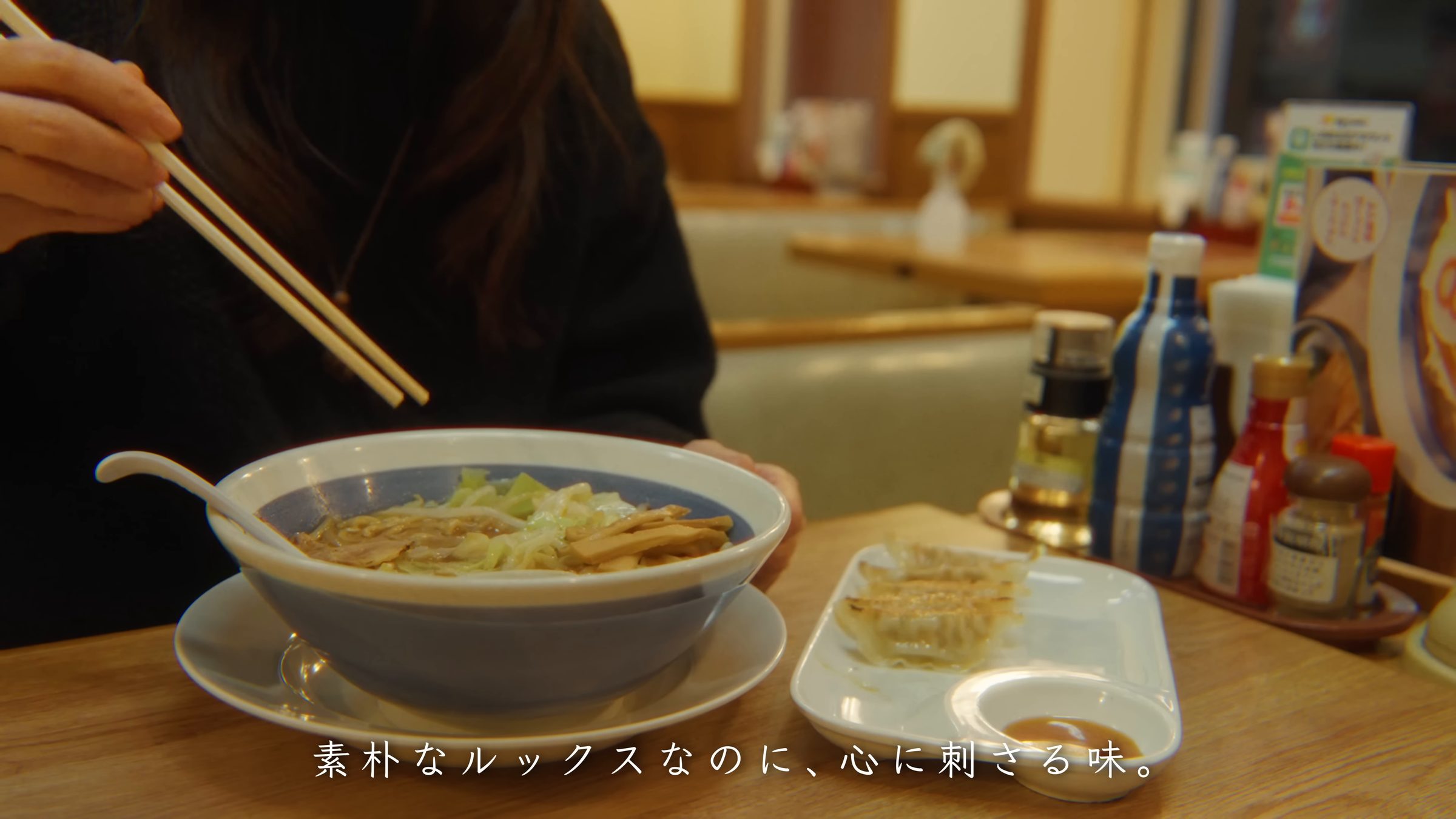
I had made up my mind to end the night with Hokuriku's soul food. Down a snowy road at night glowed the red neon of Hachiban Ramen.
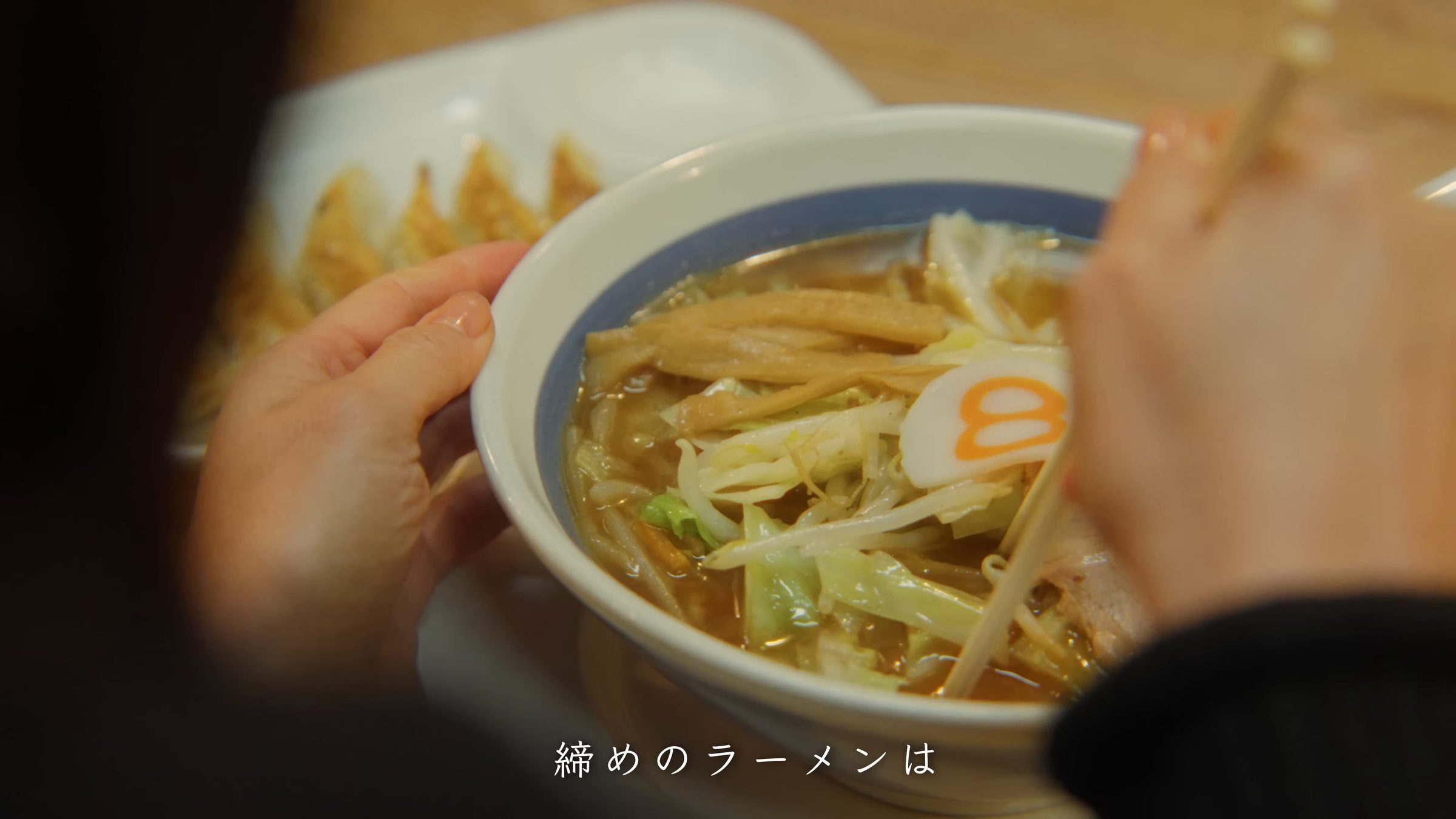
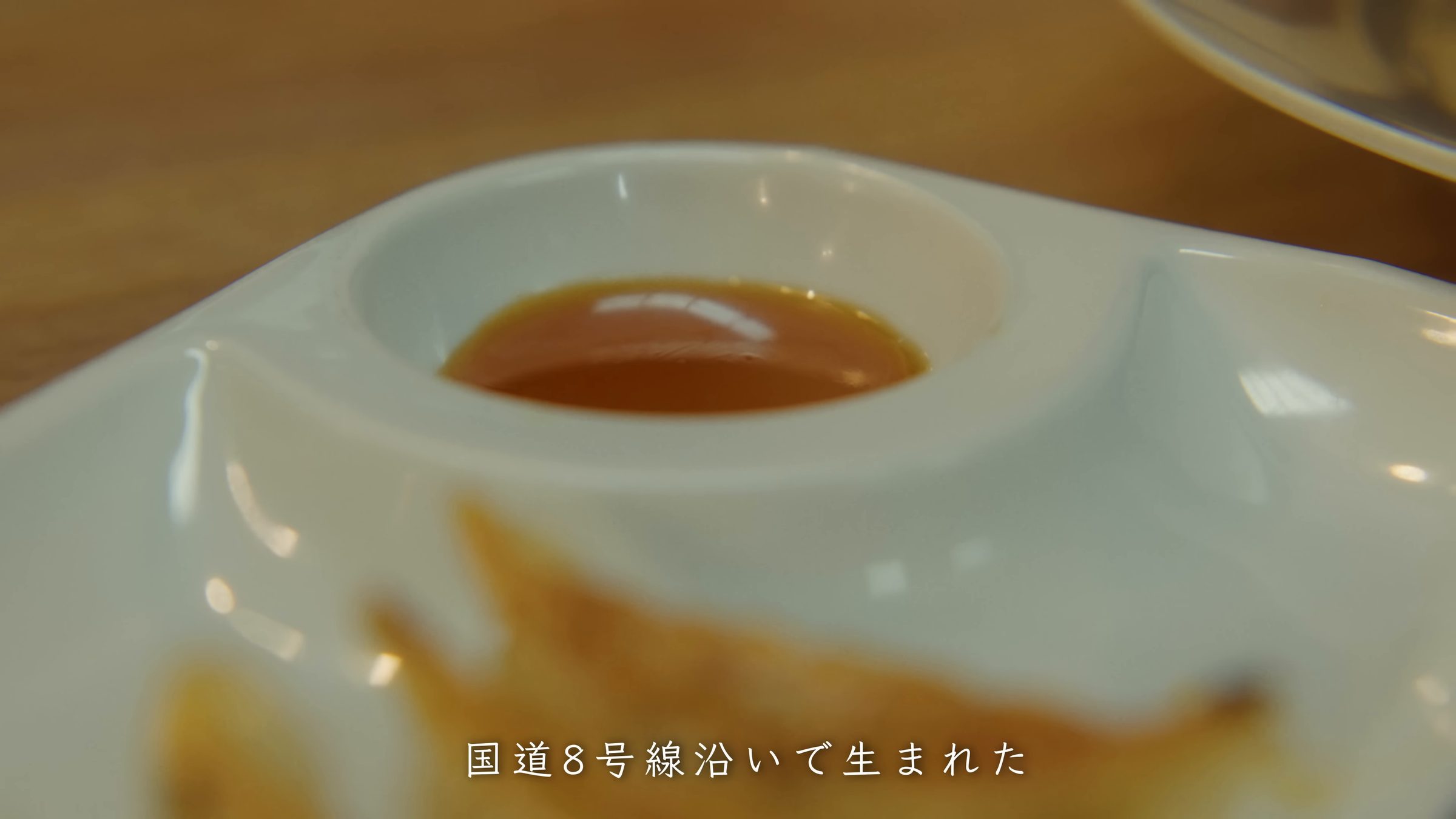
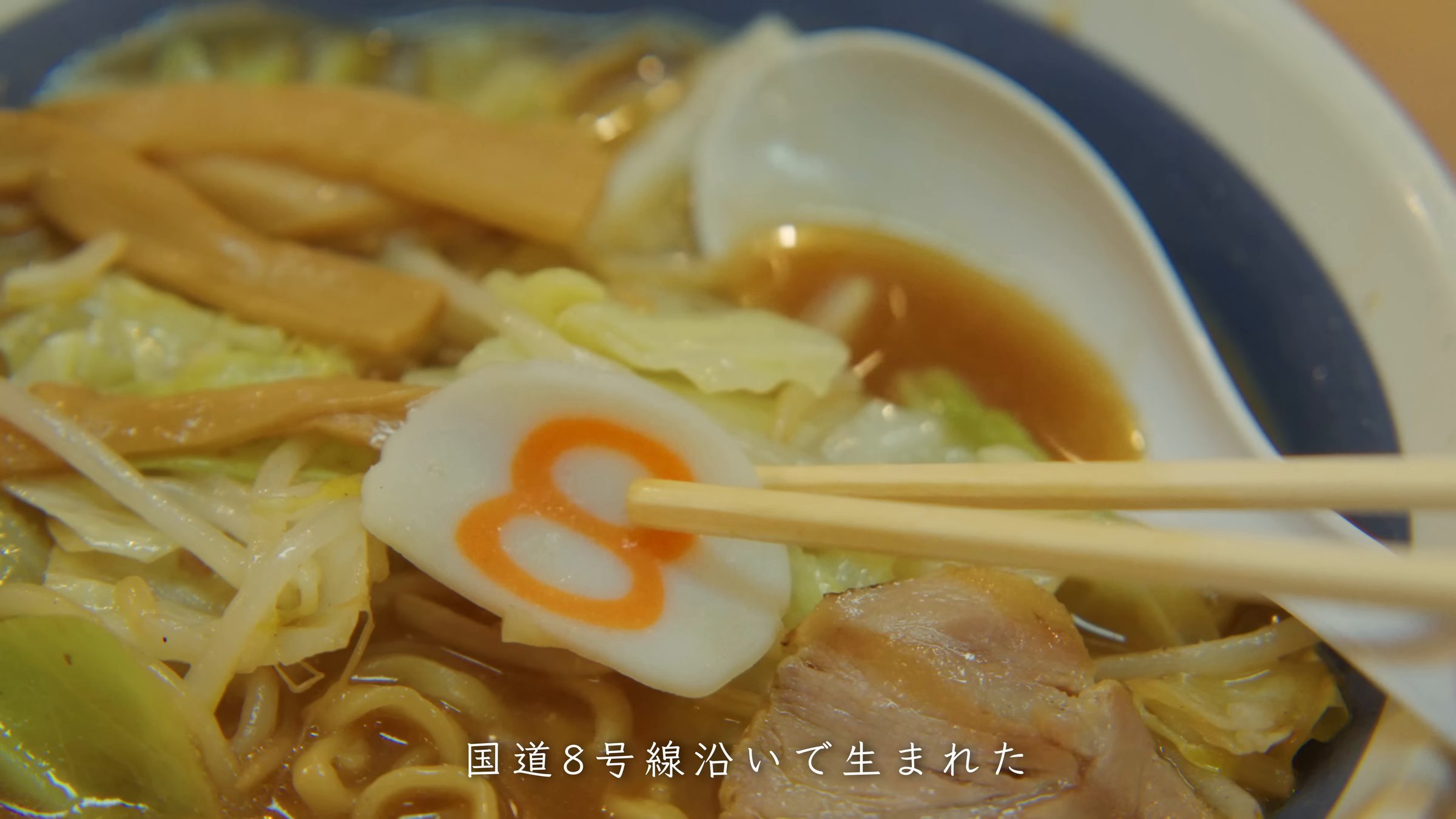
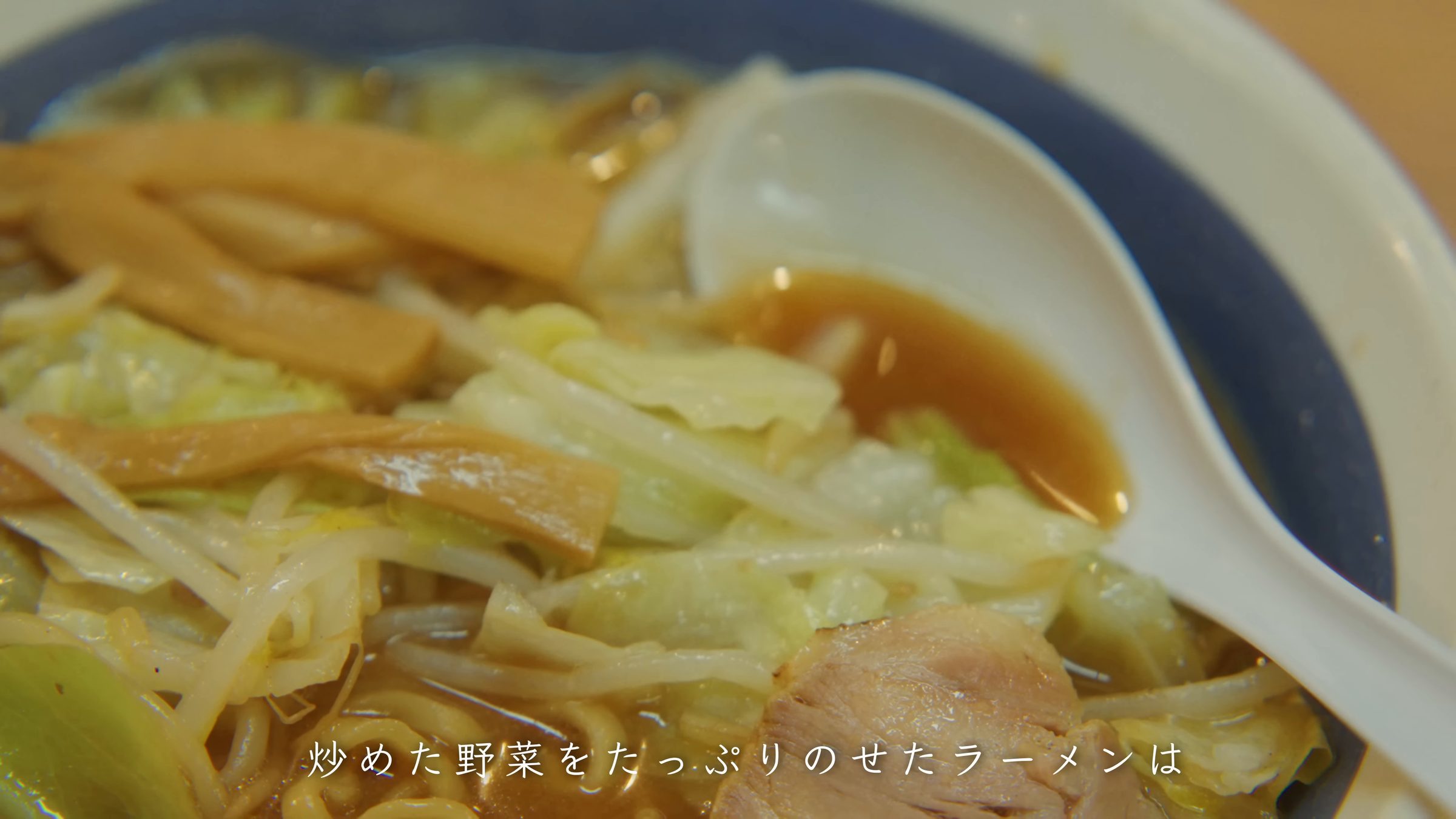
Born along National Route 8, it is ramen piled high with stir-fried vegetables. Cabbage, bean sprouts, bamboo shoots and pork are crowned with a slice of naruto fish cake printed with an 8. A rich miso broth and curly noodles, with pan-fried gyoza on the side.
It looks so simple, yet it goes straight to the heart. That hit the spot. "What is it about Hachiban?"
Watch this scene on YouTube6:50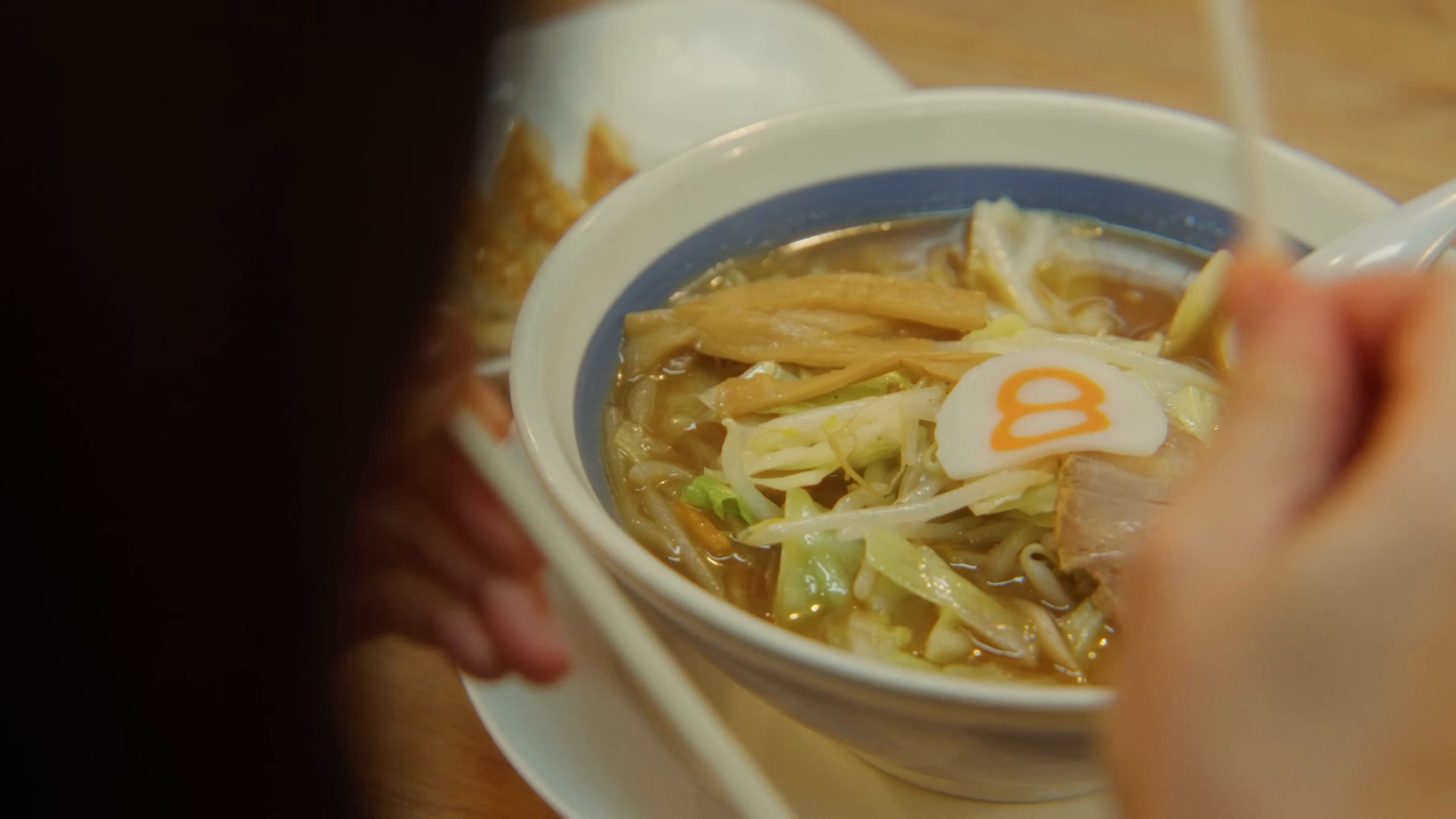
10TRAVEL JOURNAL
Breakfast at a teahouse in Kenrokuen
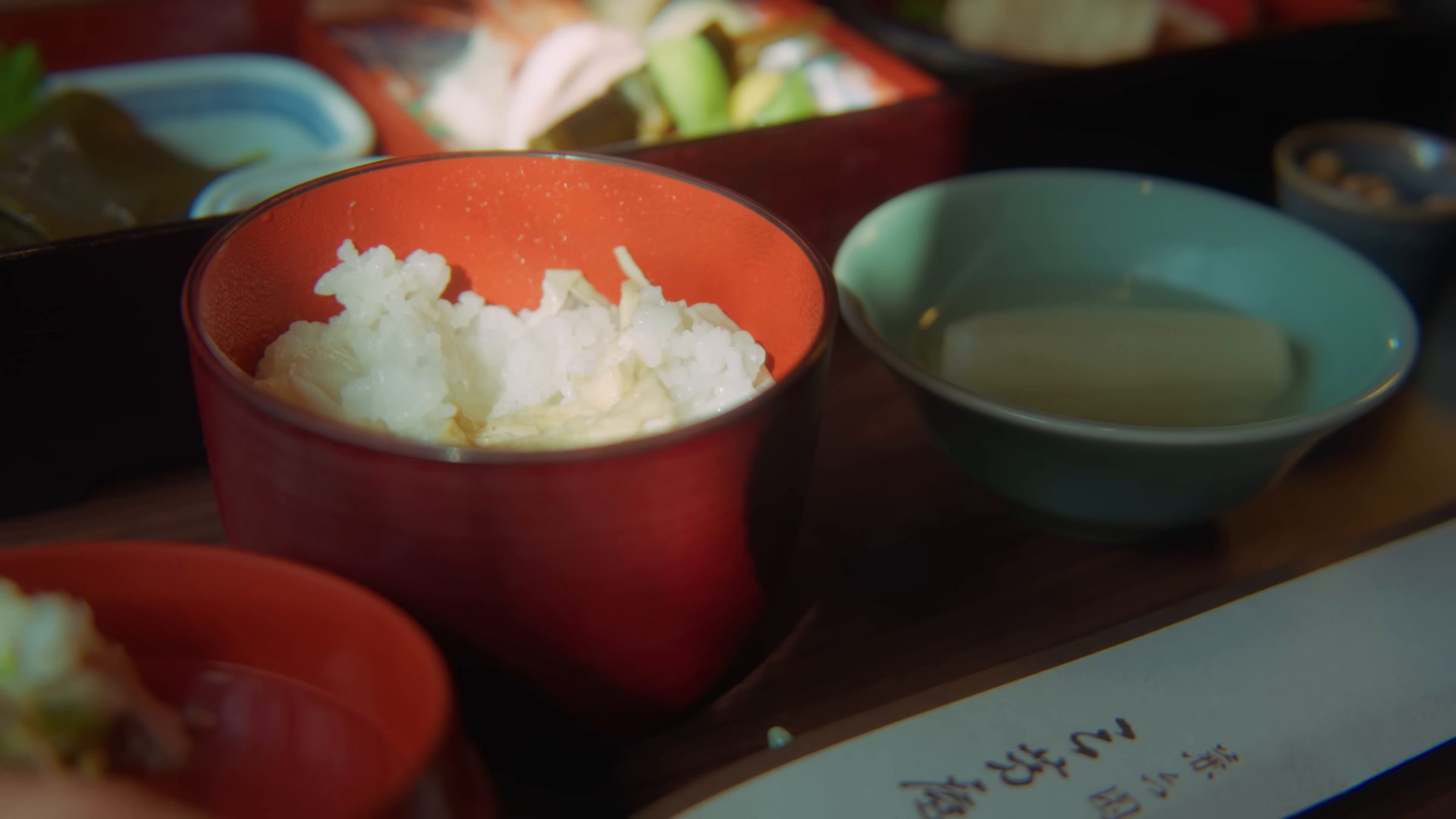
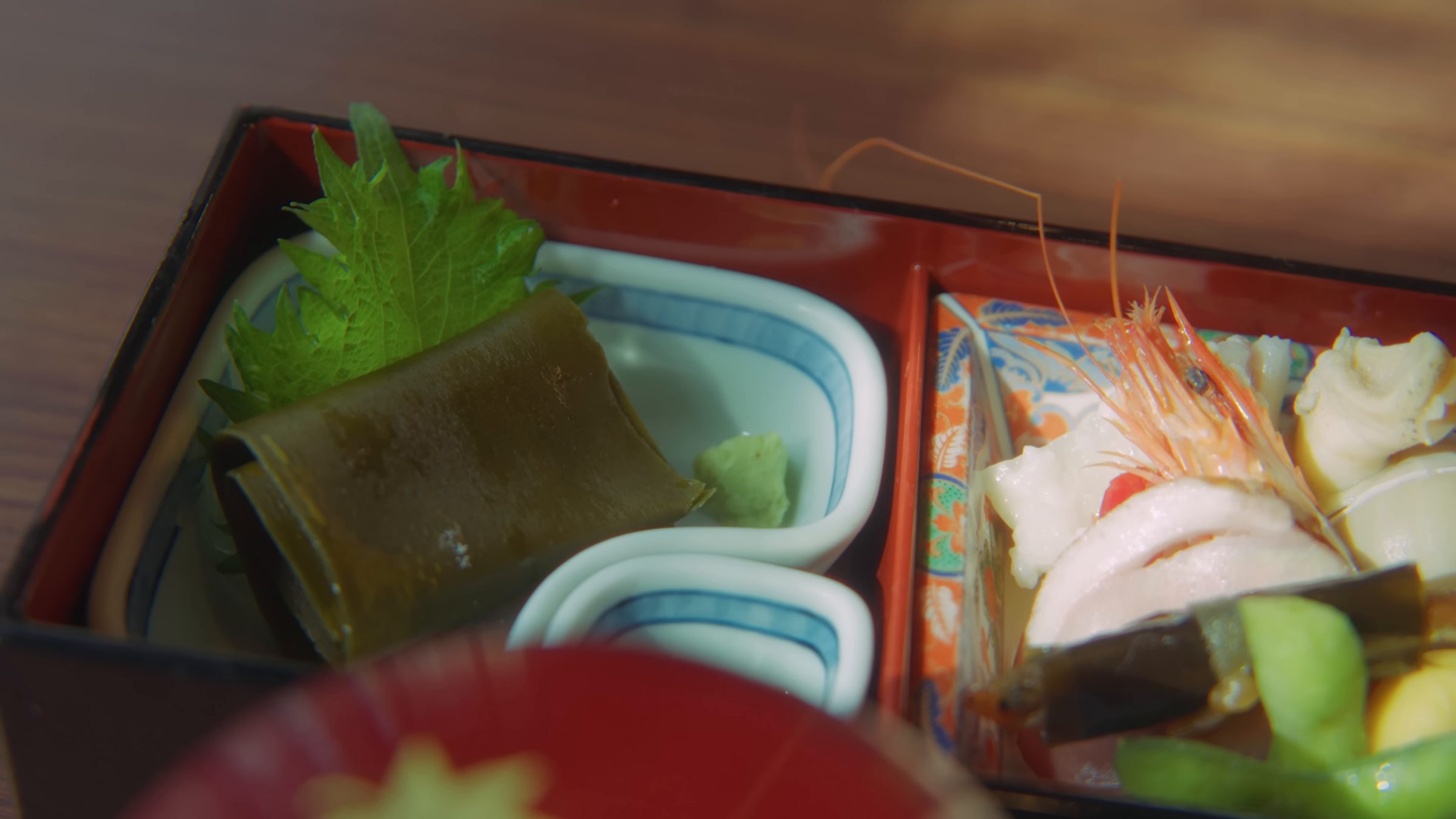
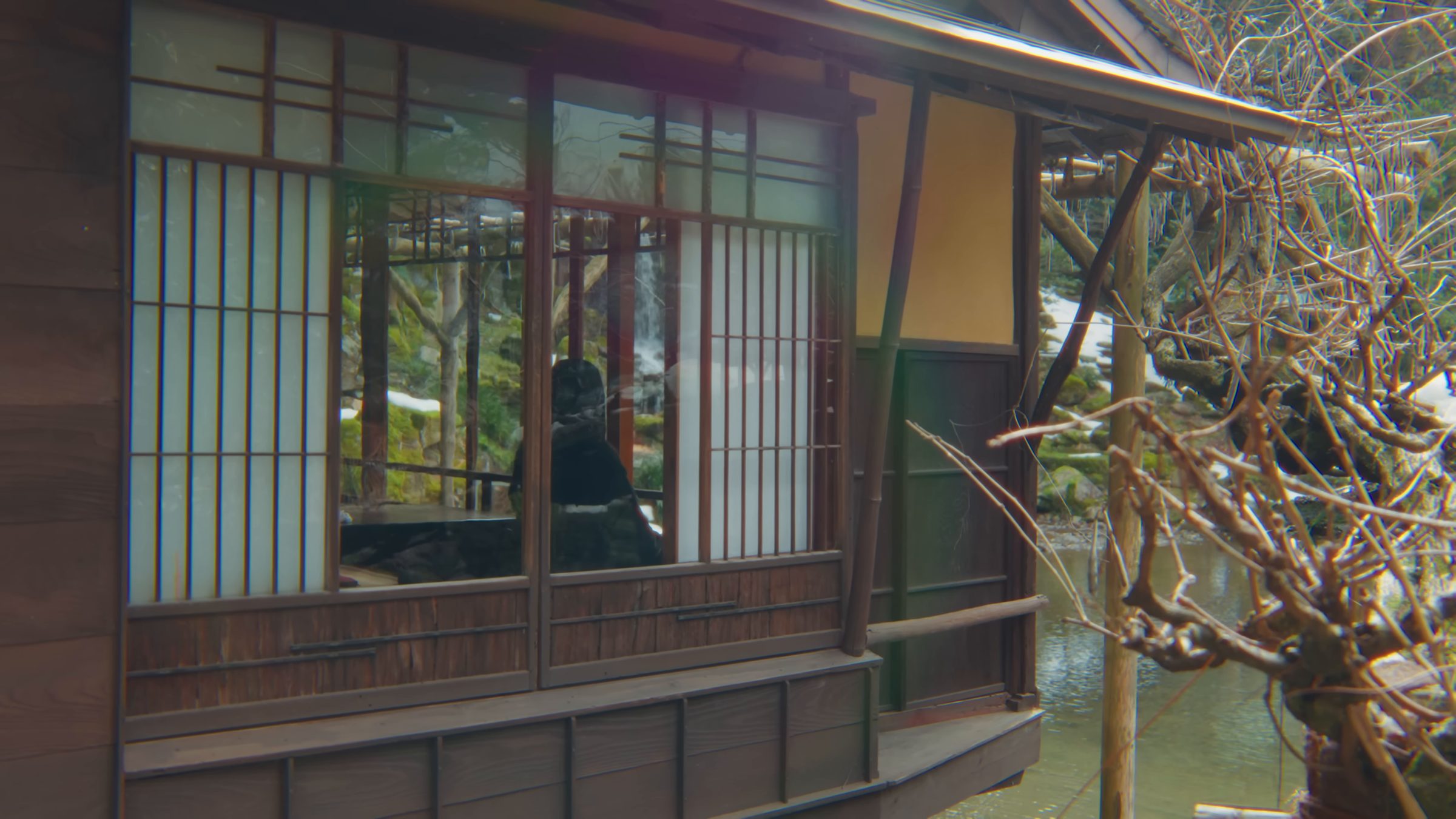
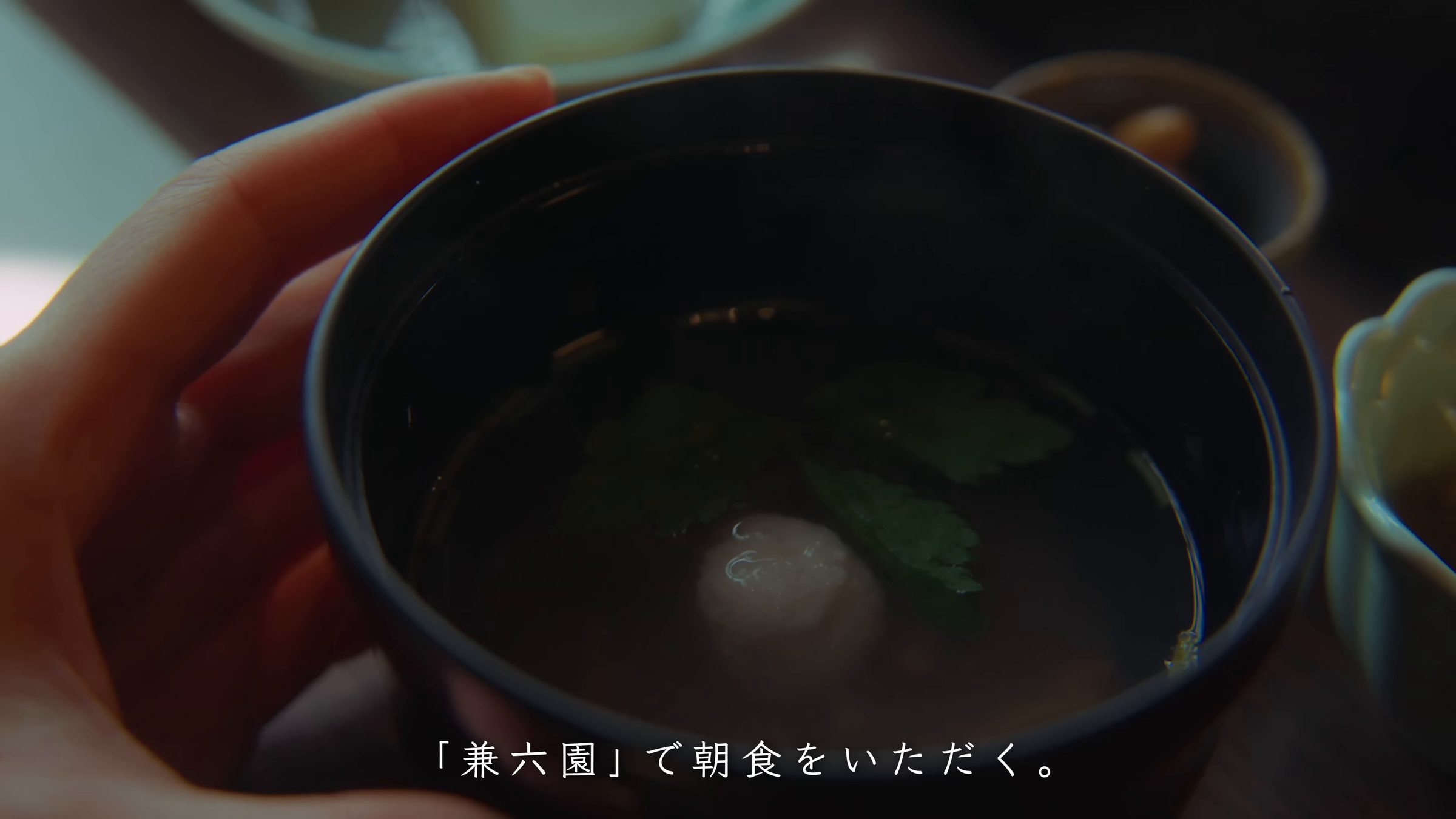
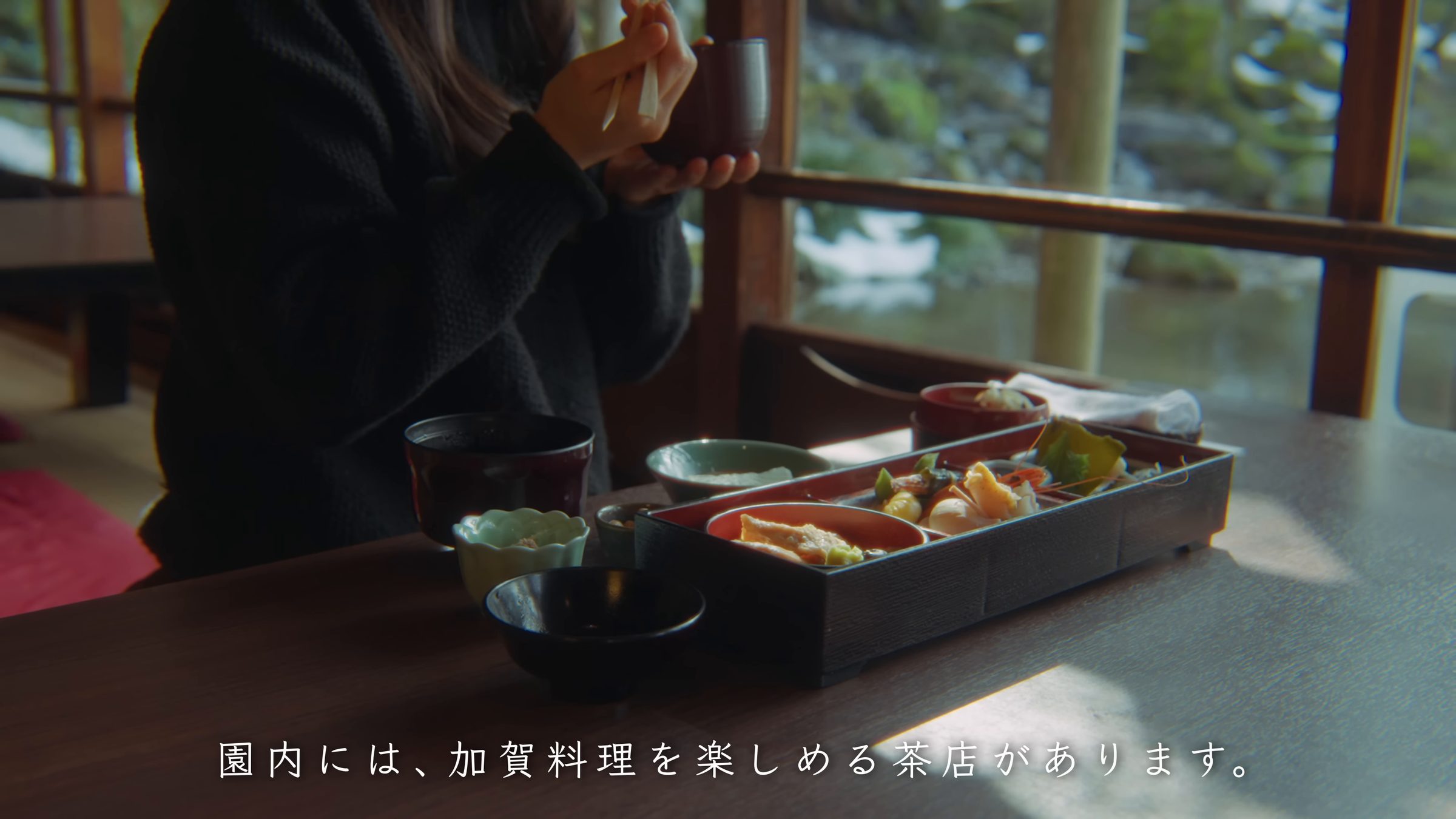
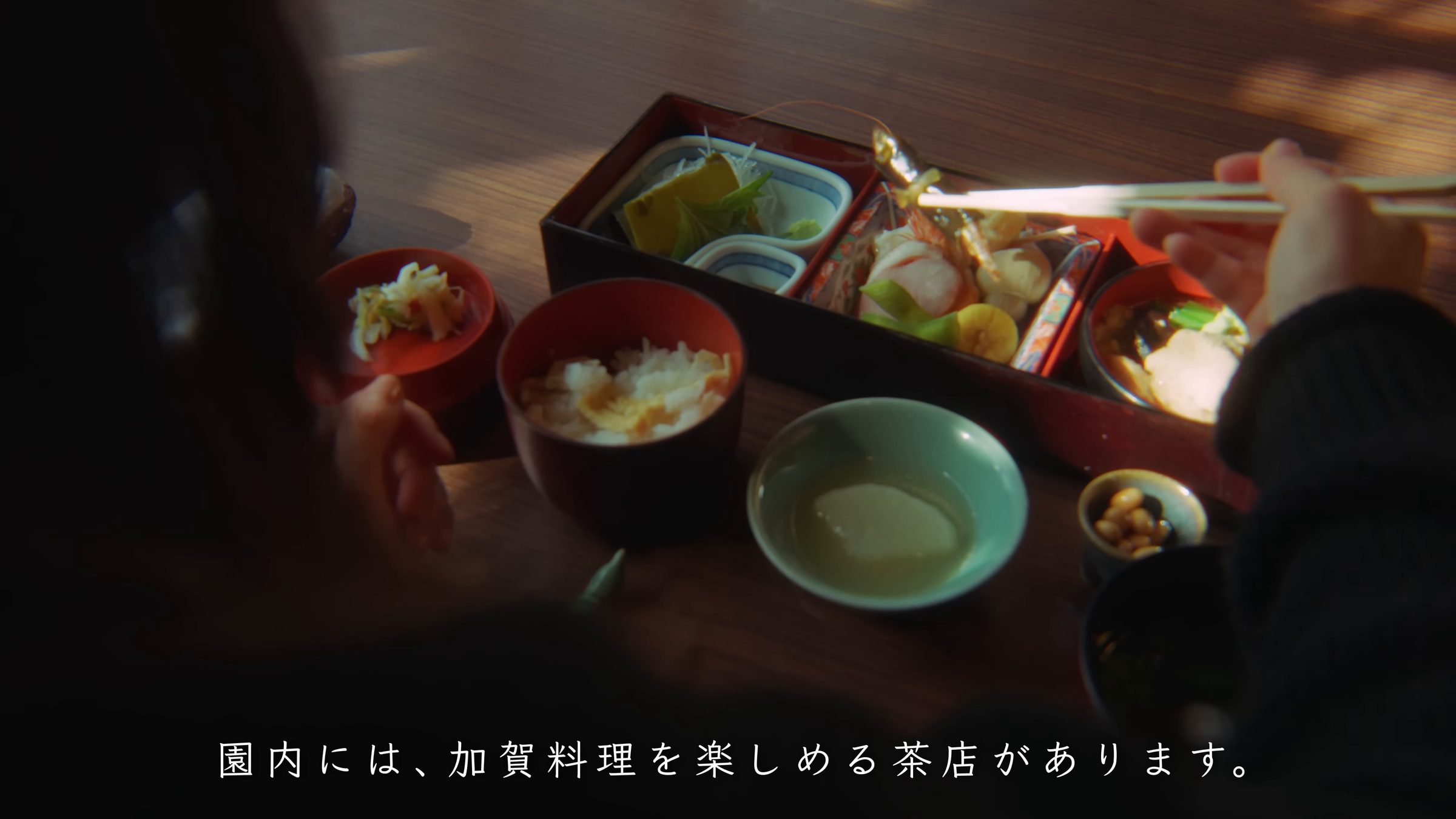
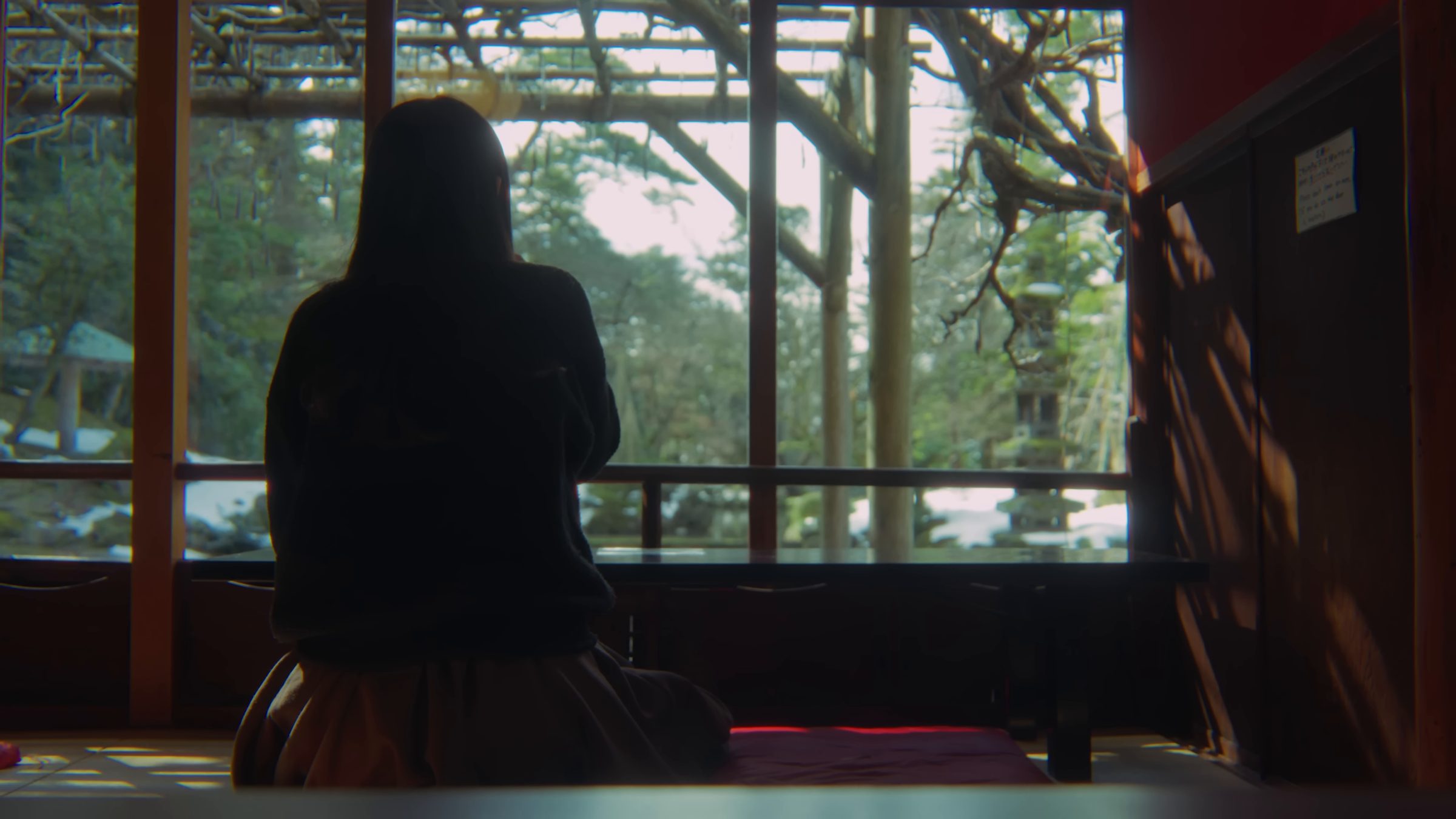
In the morning I went to Kenrokuen. There are teahouses in the garden where you can enjoy Kaga cuisine, and I had breakfast, a lacquer box and small dishes, at a window seat in Miyoshian beside Hisago Pond.
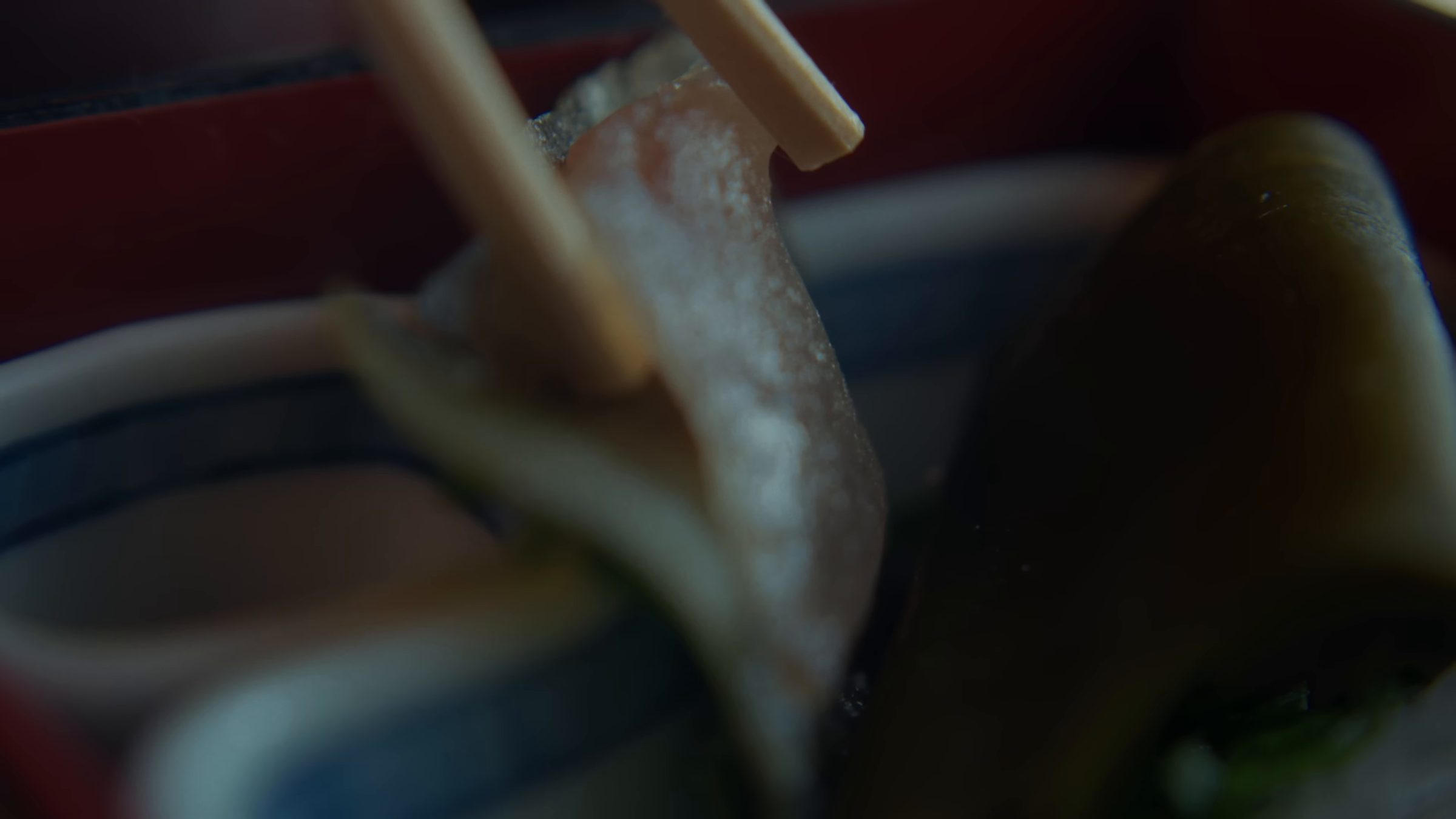
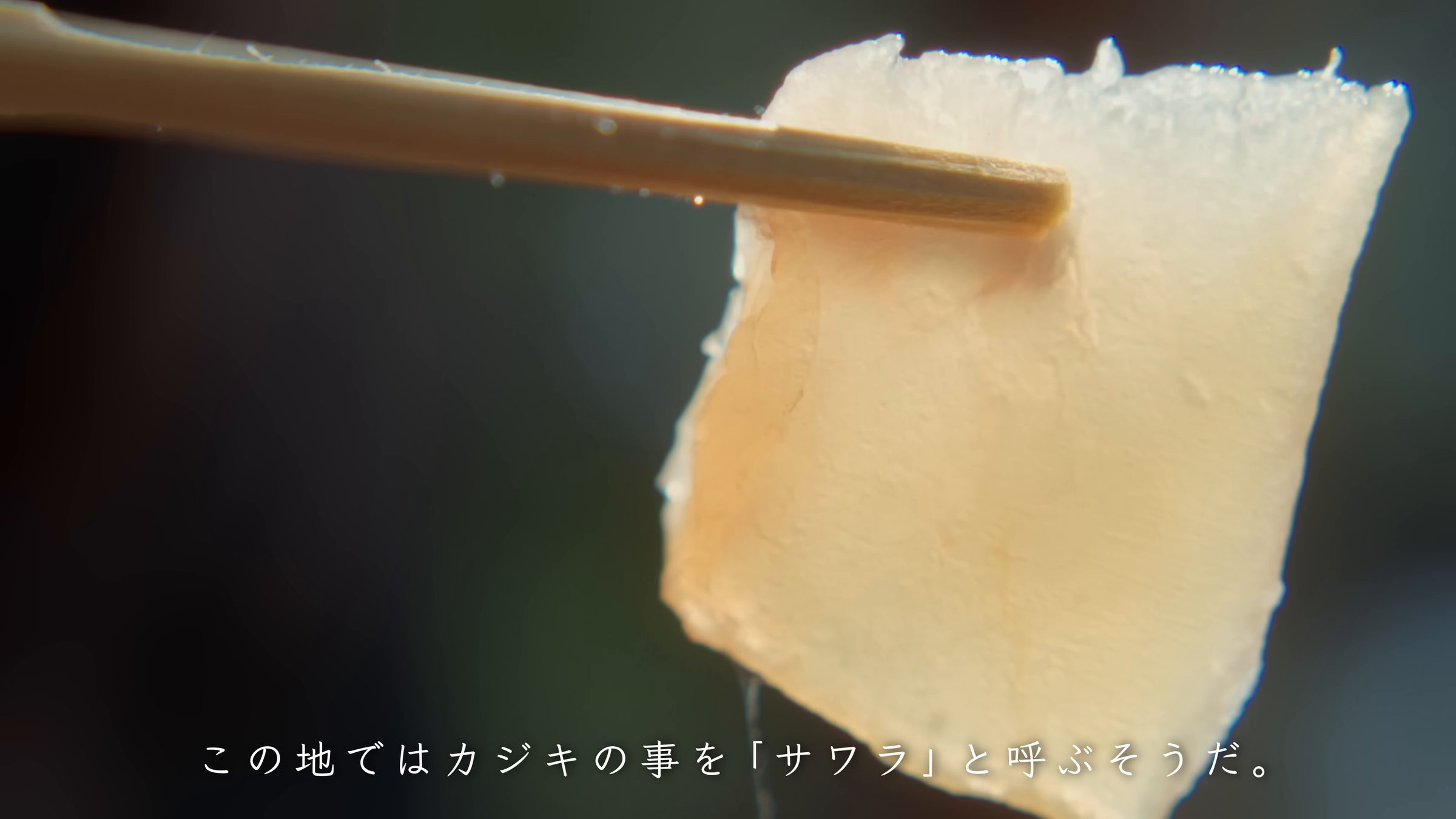
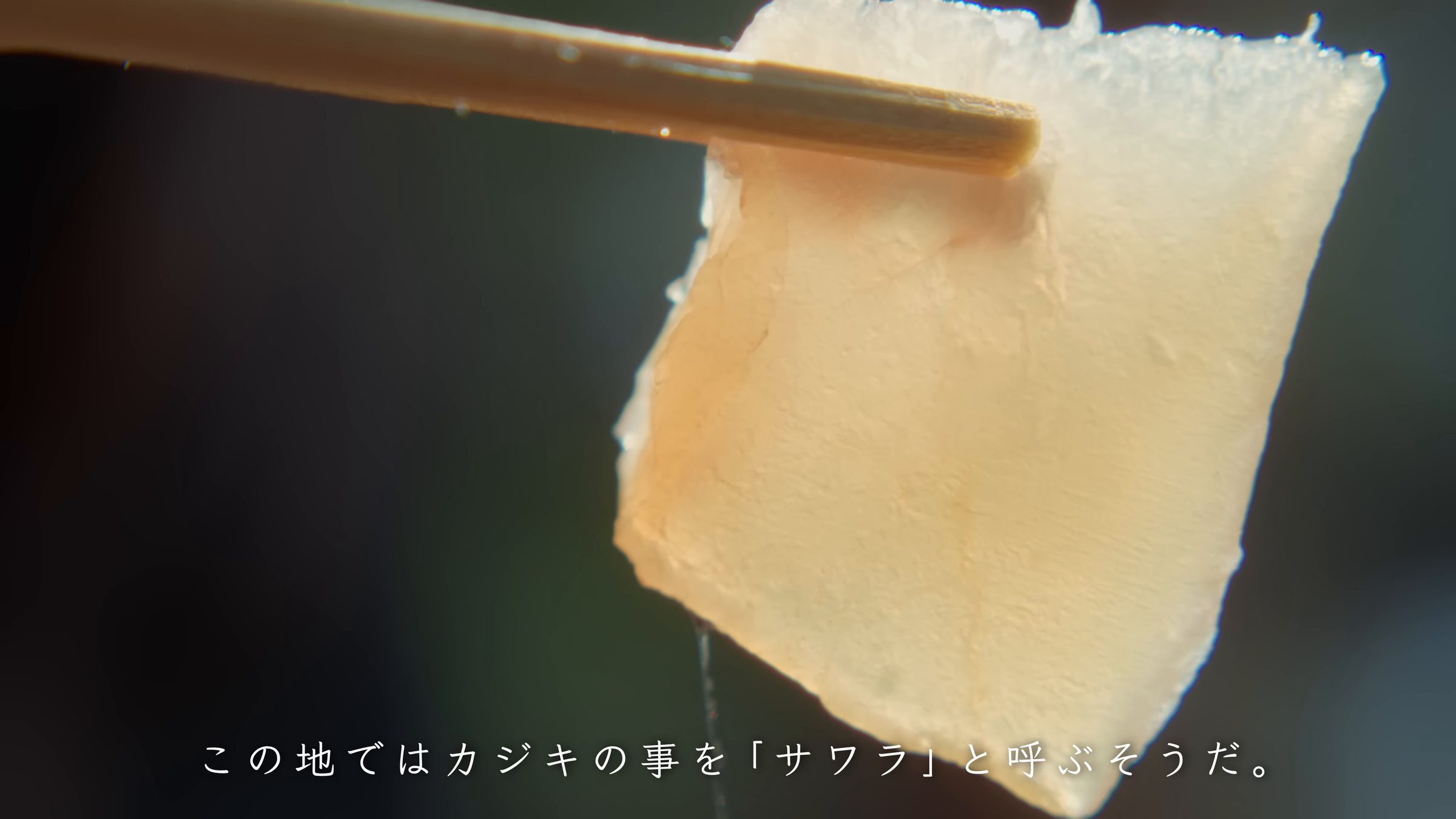
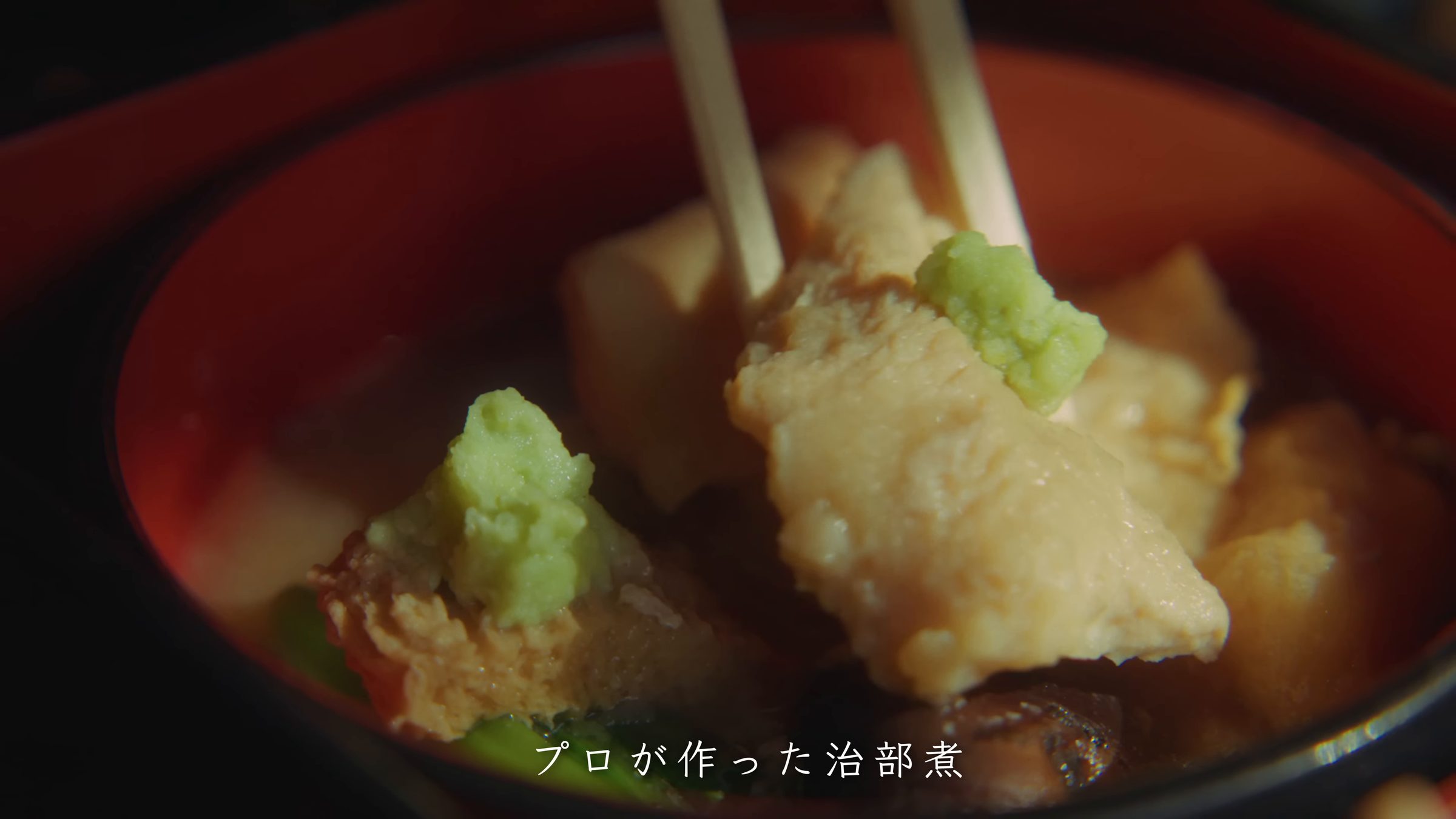
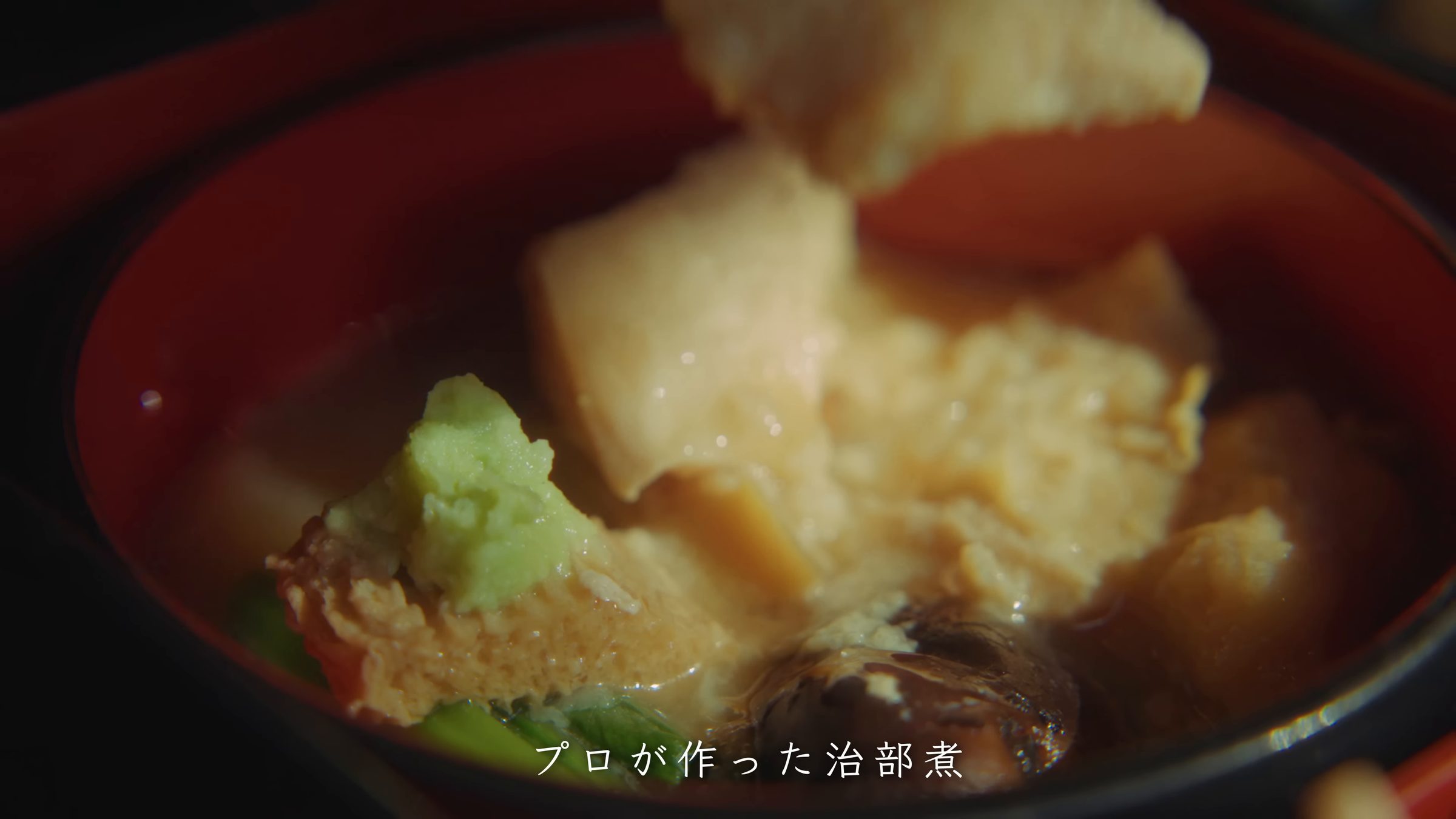
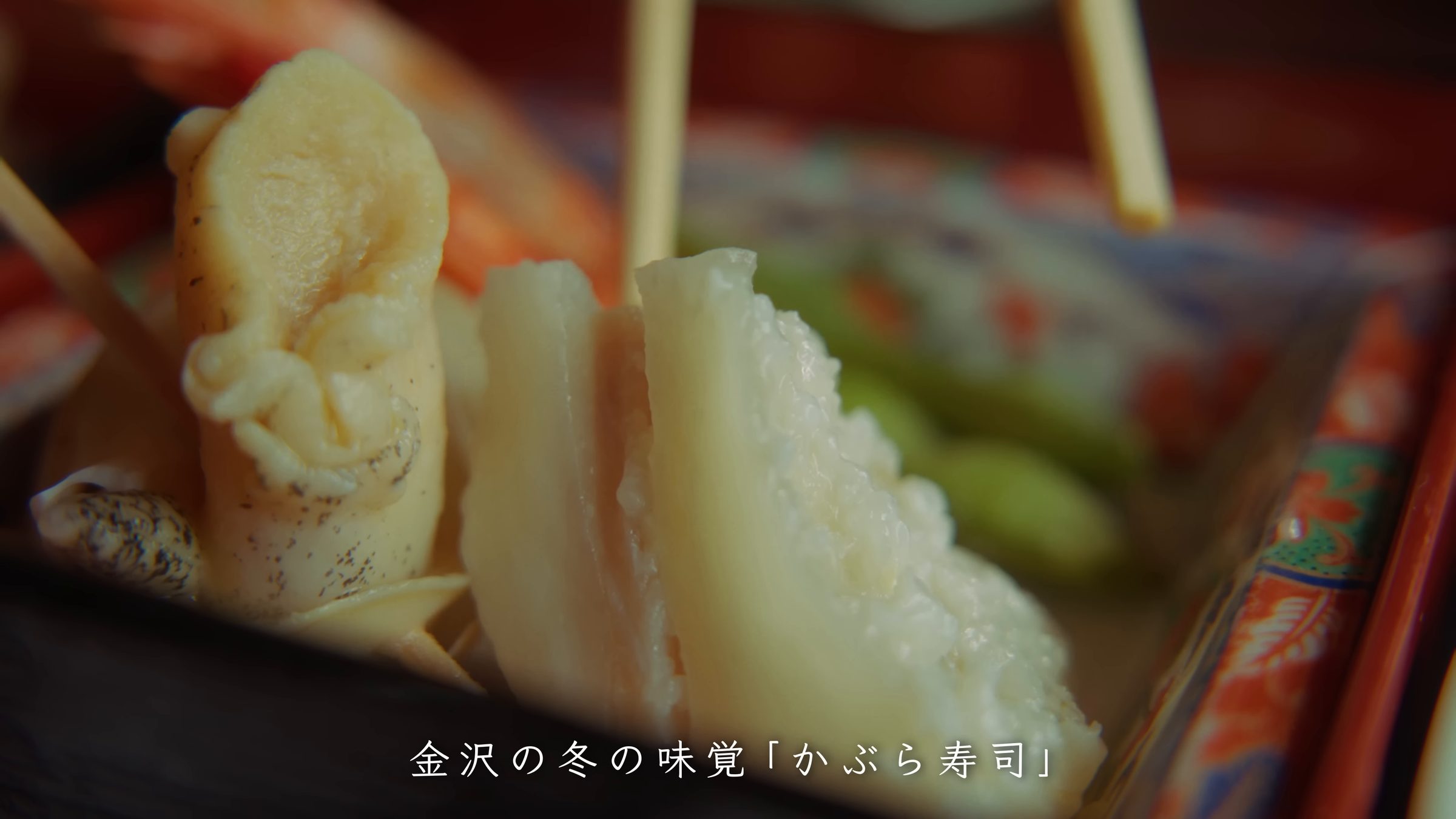
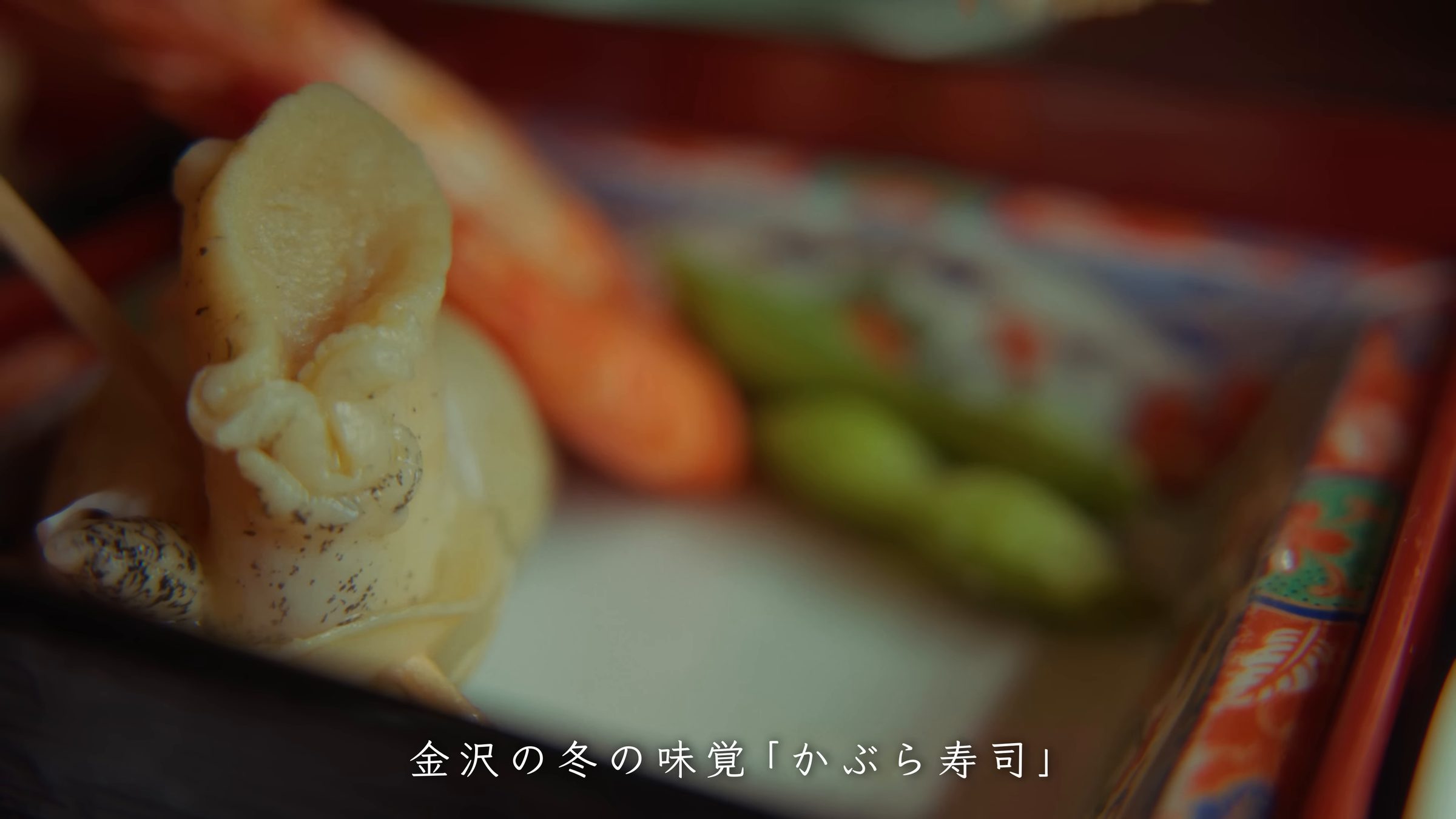
The local specialty sawara no kobujime is sashimi cured in kombu; here, I was told, they call marlin "sawara." Peeling back the kombu revealed slices so fine they glowed in the light. There was jibuni made by professionals, topped with wasabi, and kabura-zushi, the taste of a Kanazawa winter. A very satisfying morning of Kaga cuisine, as lovely to look at as to eat.
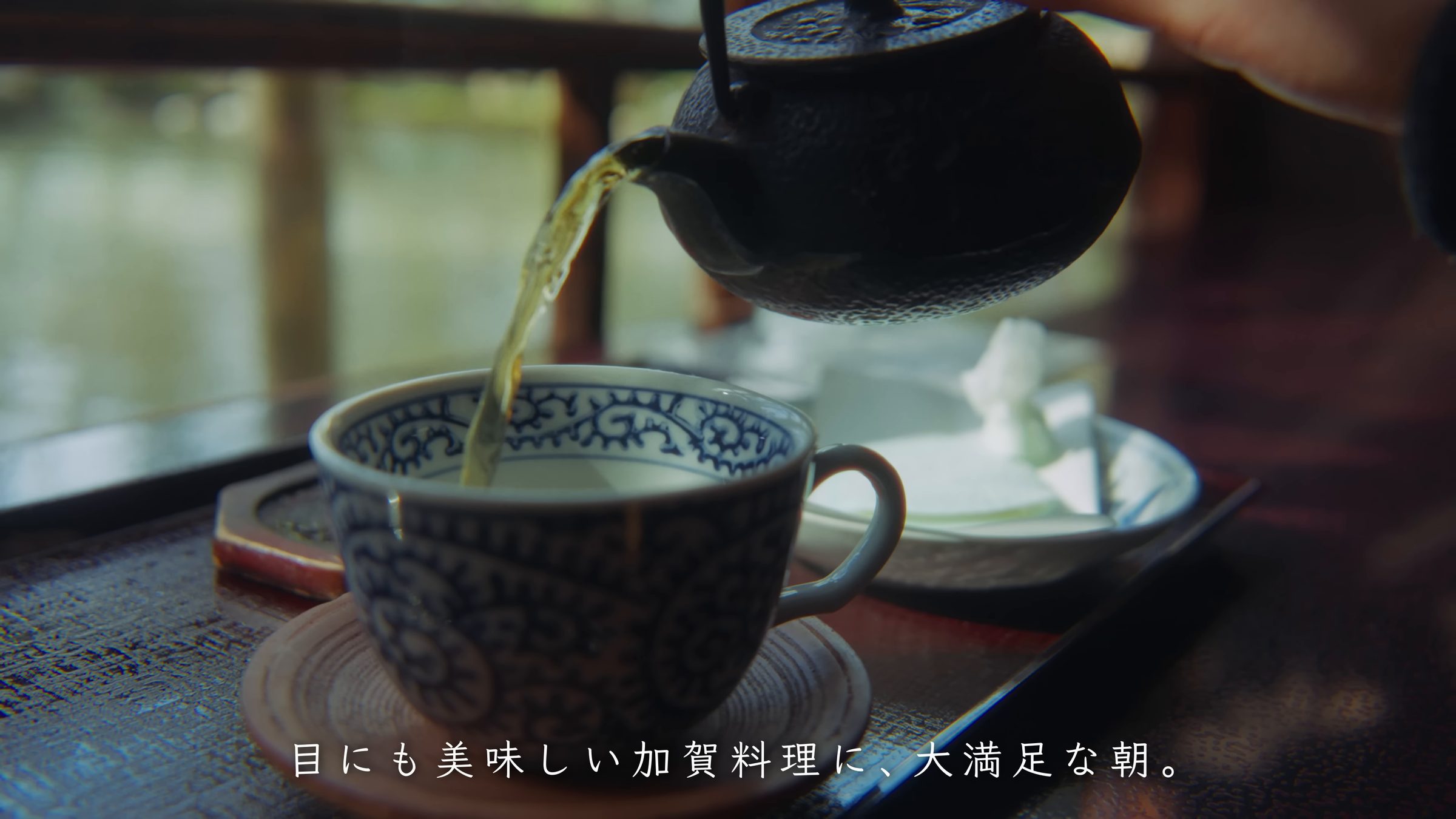
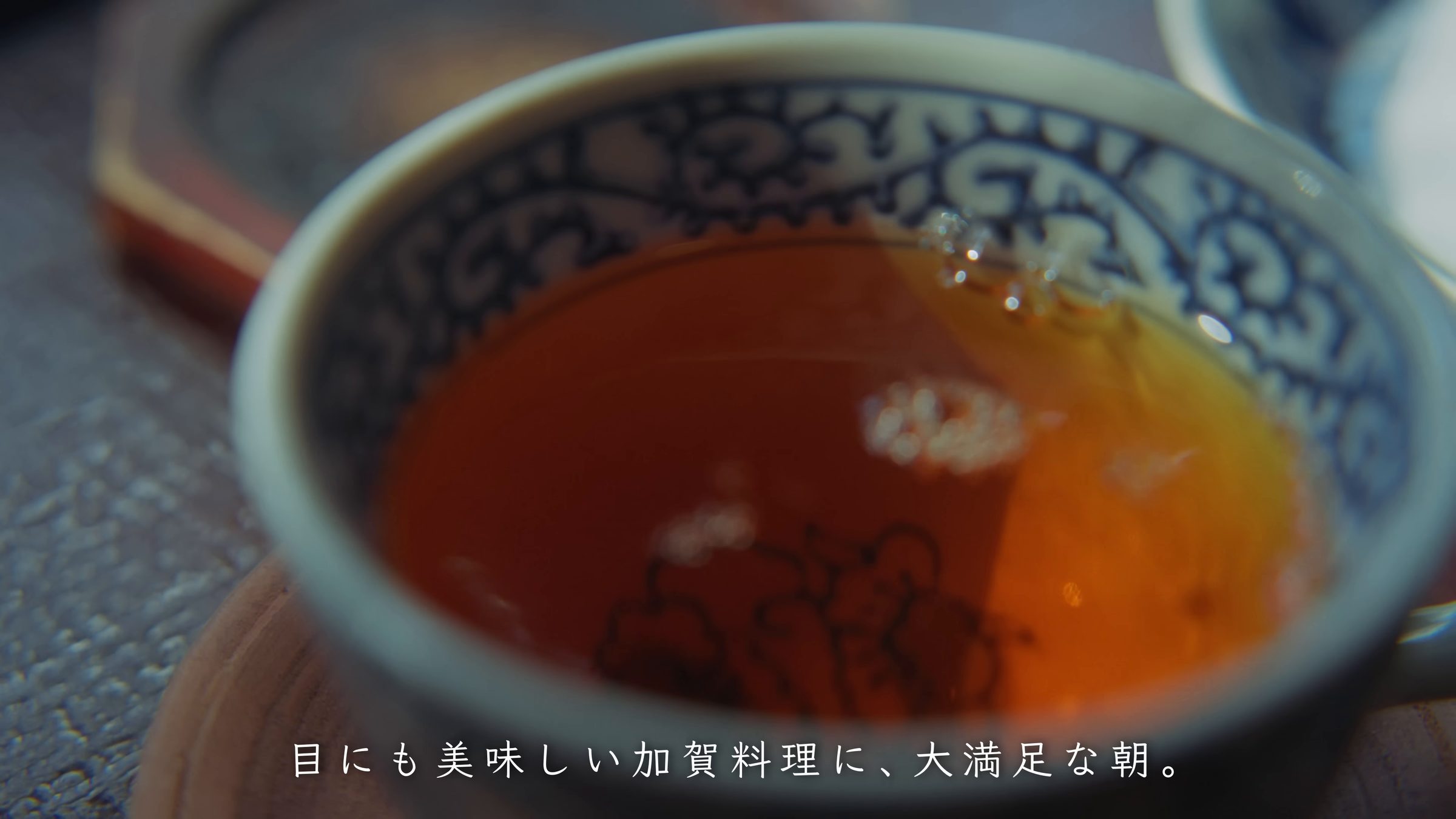
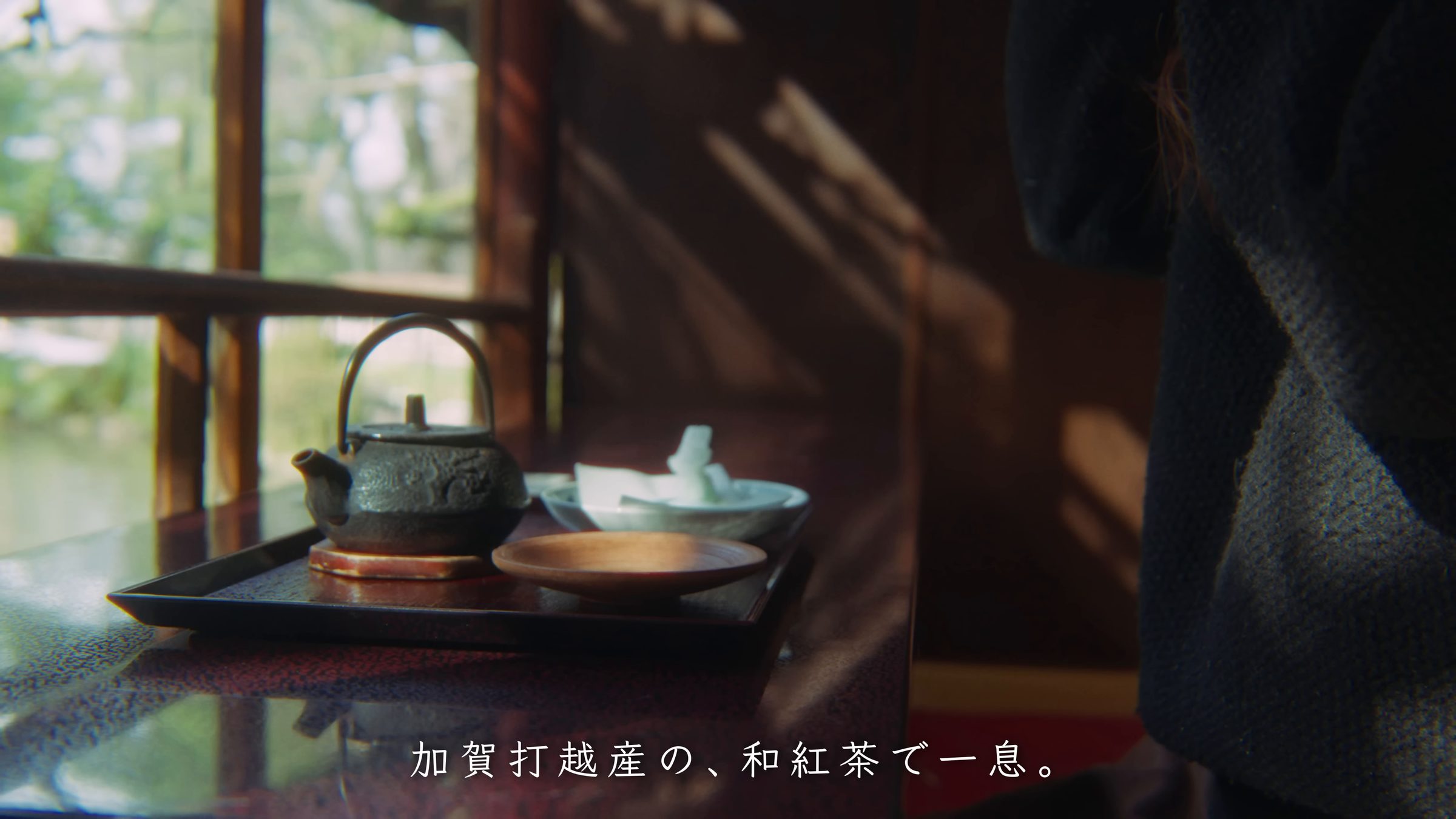
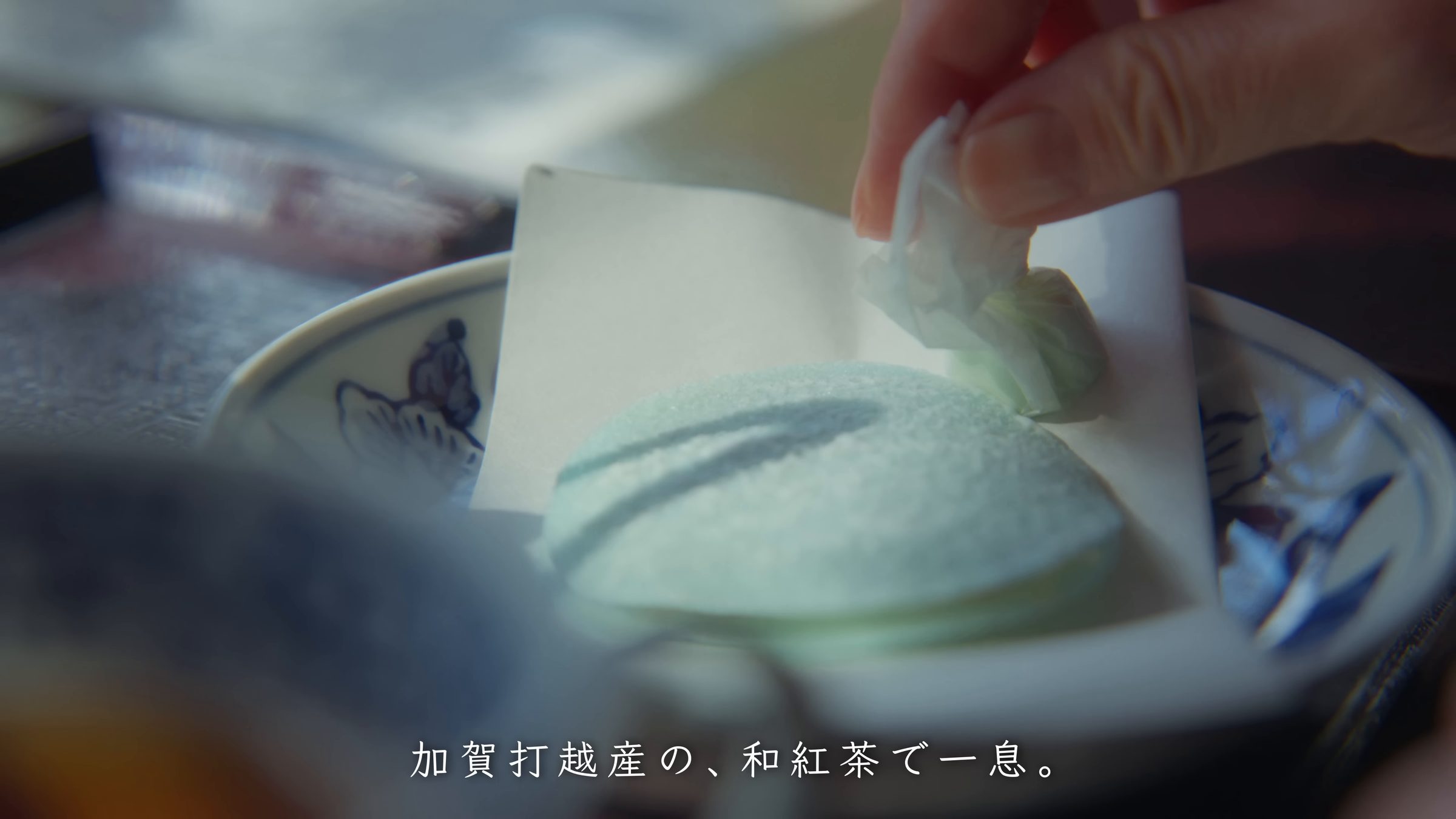
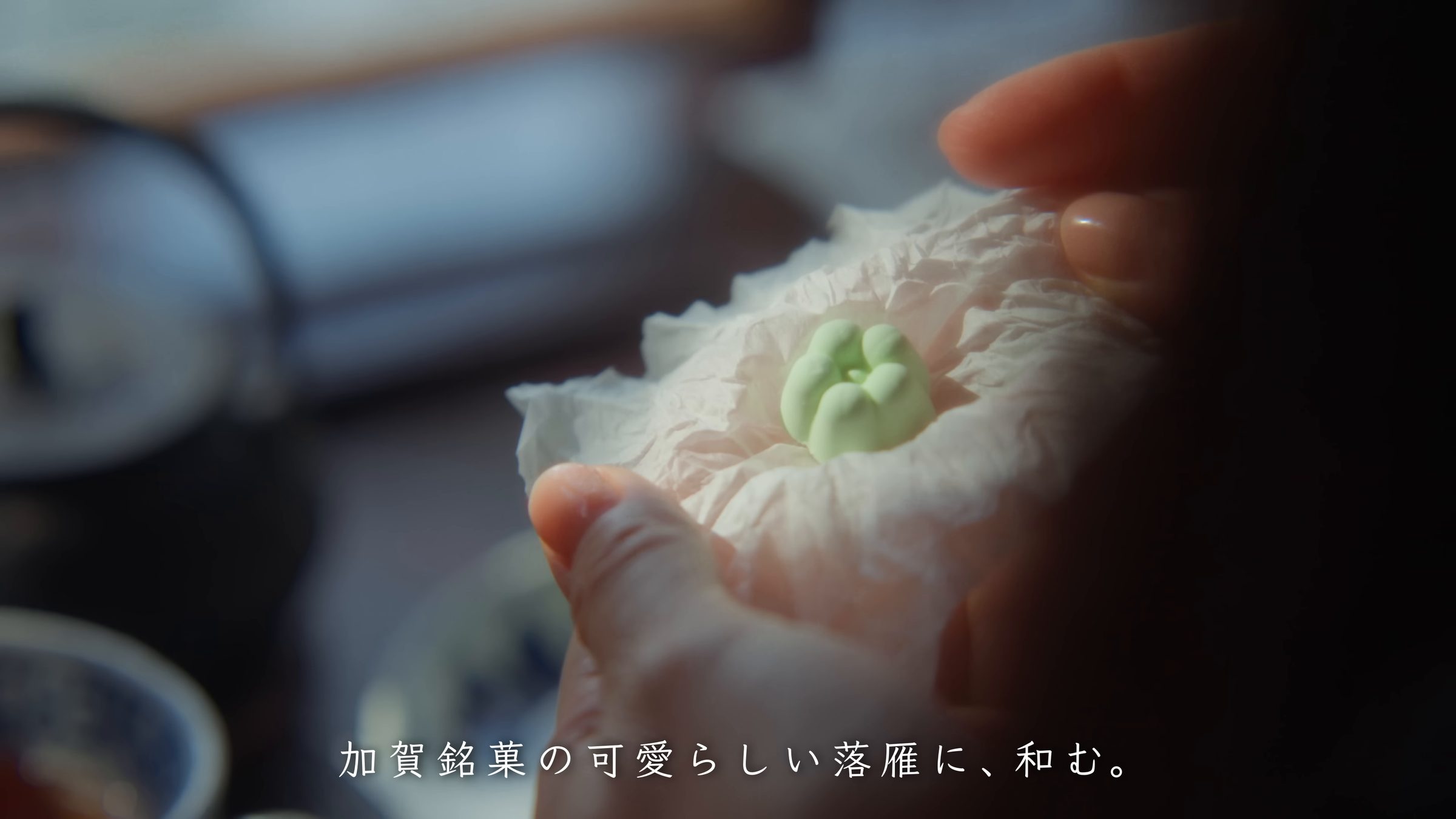
Afterward I relaxed with Japanese black tea grown in Uchikoshi, Kaga, poured from an iron kettle into a blue-and-white cup. Unfolding a sheet of paper revealed a cute green rakugan, one of Kaga's famous confections. I lingered for a while, looking out at the garden.
Watch this scene on YouTube7:40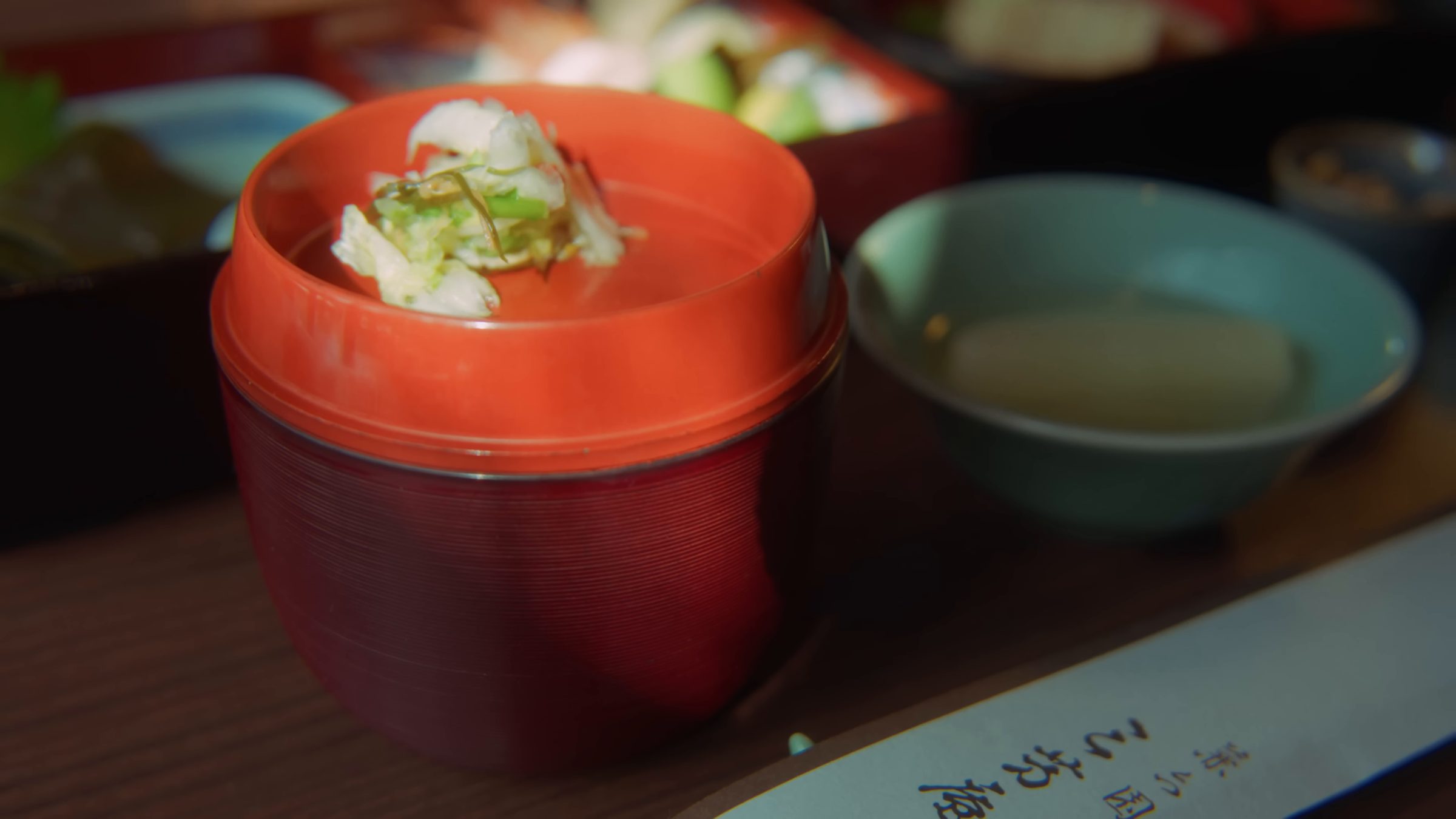
11TRAVEL JOURNAL
A garden of snow ropes
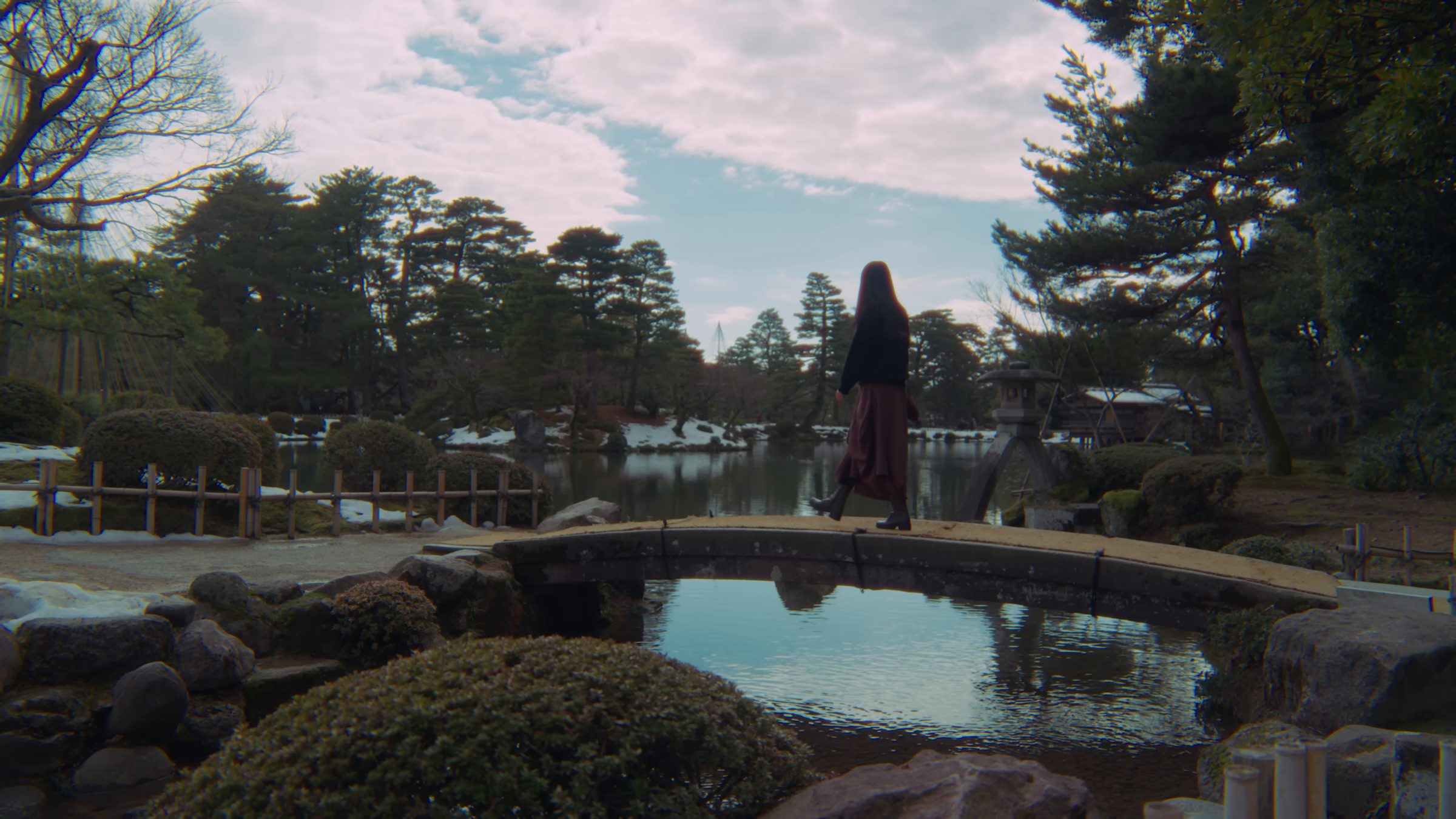
Leaving the teahouse, I walked through the garden. Over the mossy ground, still patched with snow, ran the ropes of yukitsuri, which hold up the branches. Morning light slanted between the trees, and a stone bridge crossed the pond.
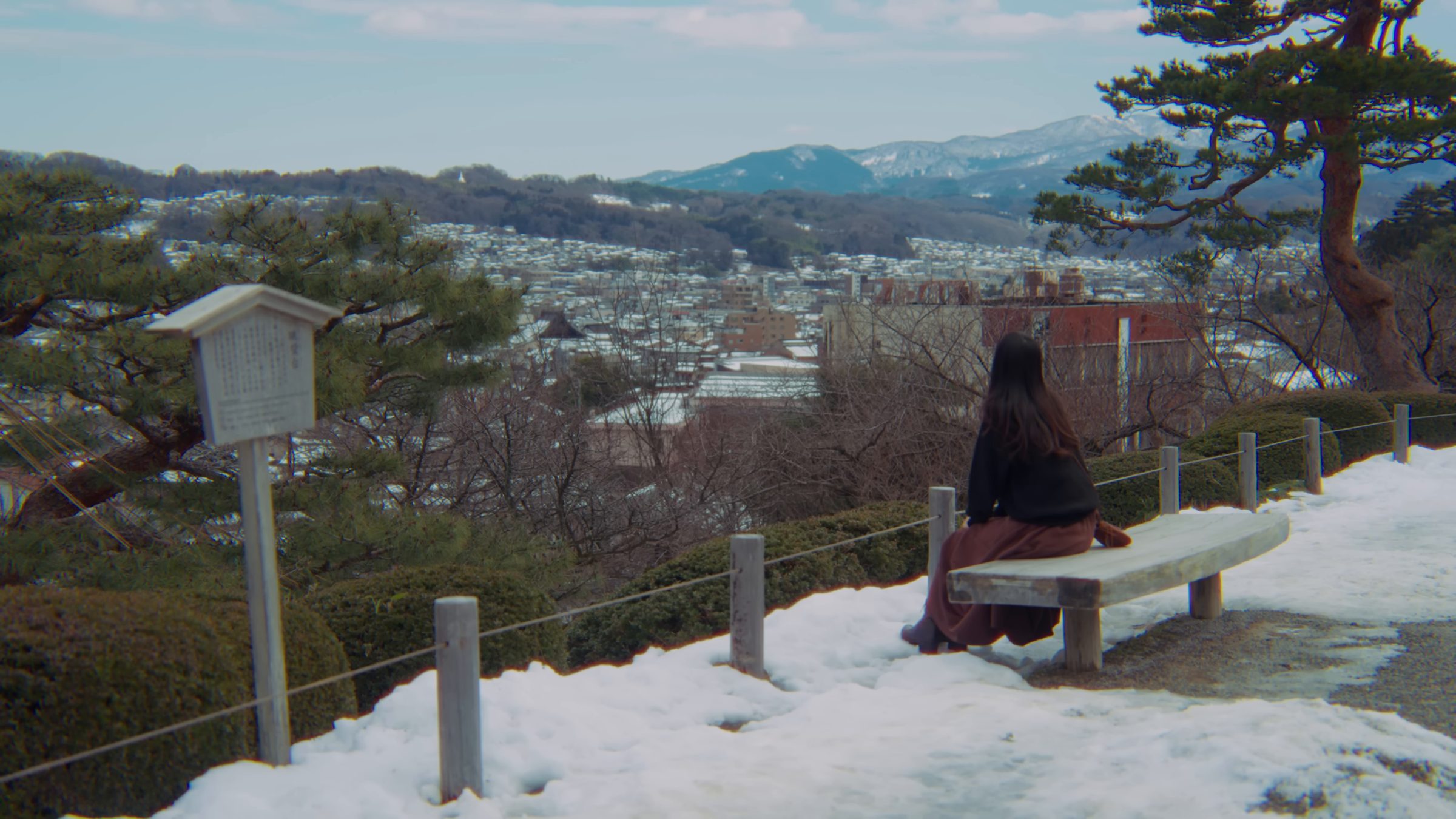
I sat on a snow-covered bench and looked out past the rooftops of Kanazawa to the white mountains. Another day in Kanazawa was beginning.
Watch this scene on YouTube9:04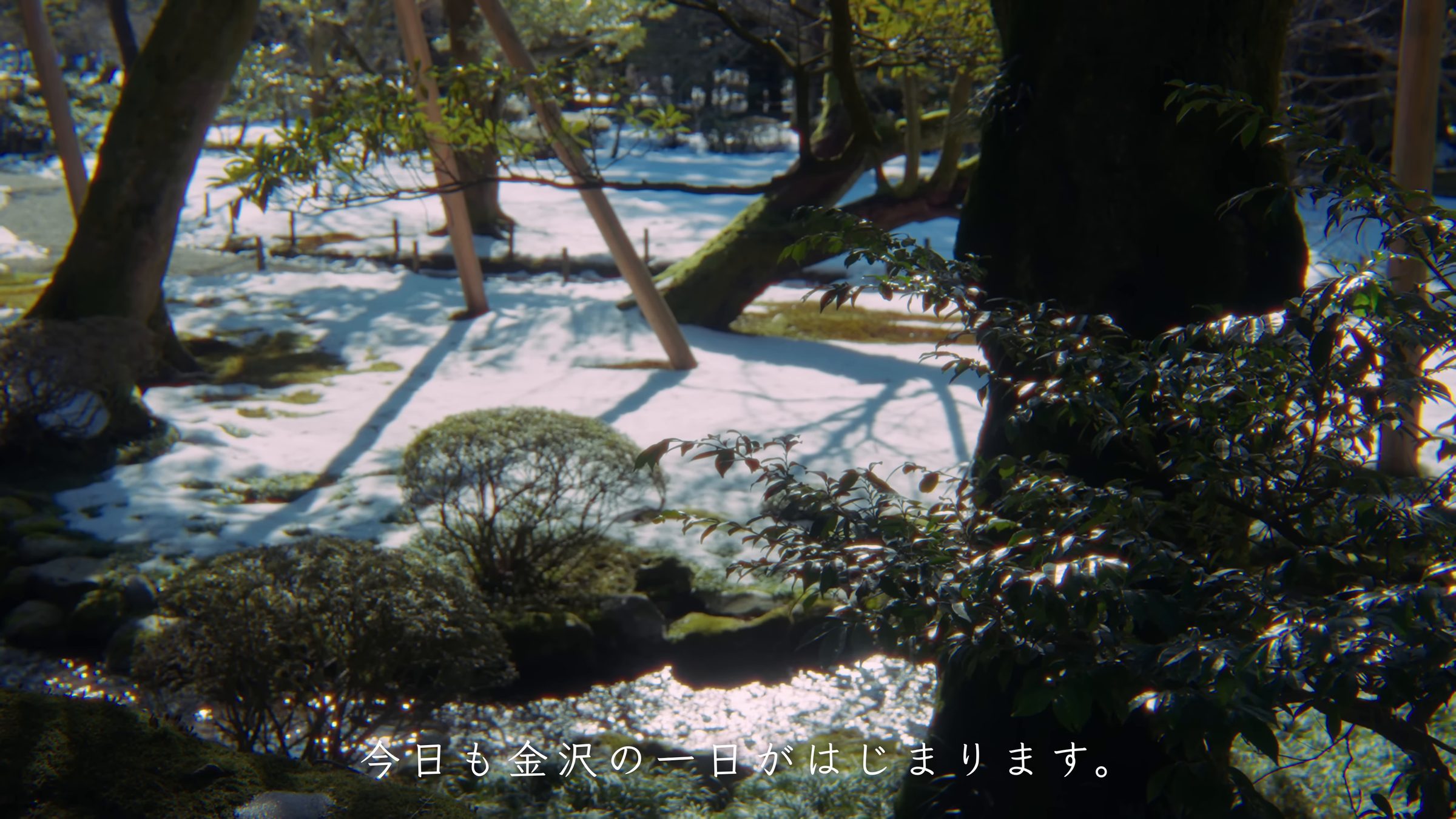

12TRAVEL JOURNAL
Teahouse rooms and gold-leaf soft serve
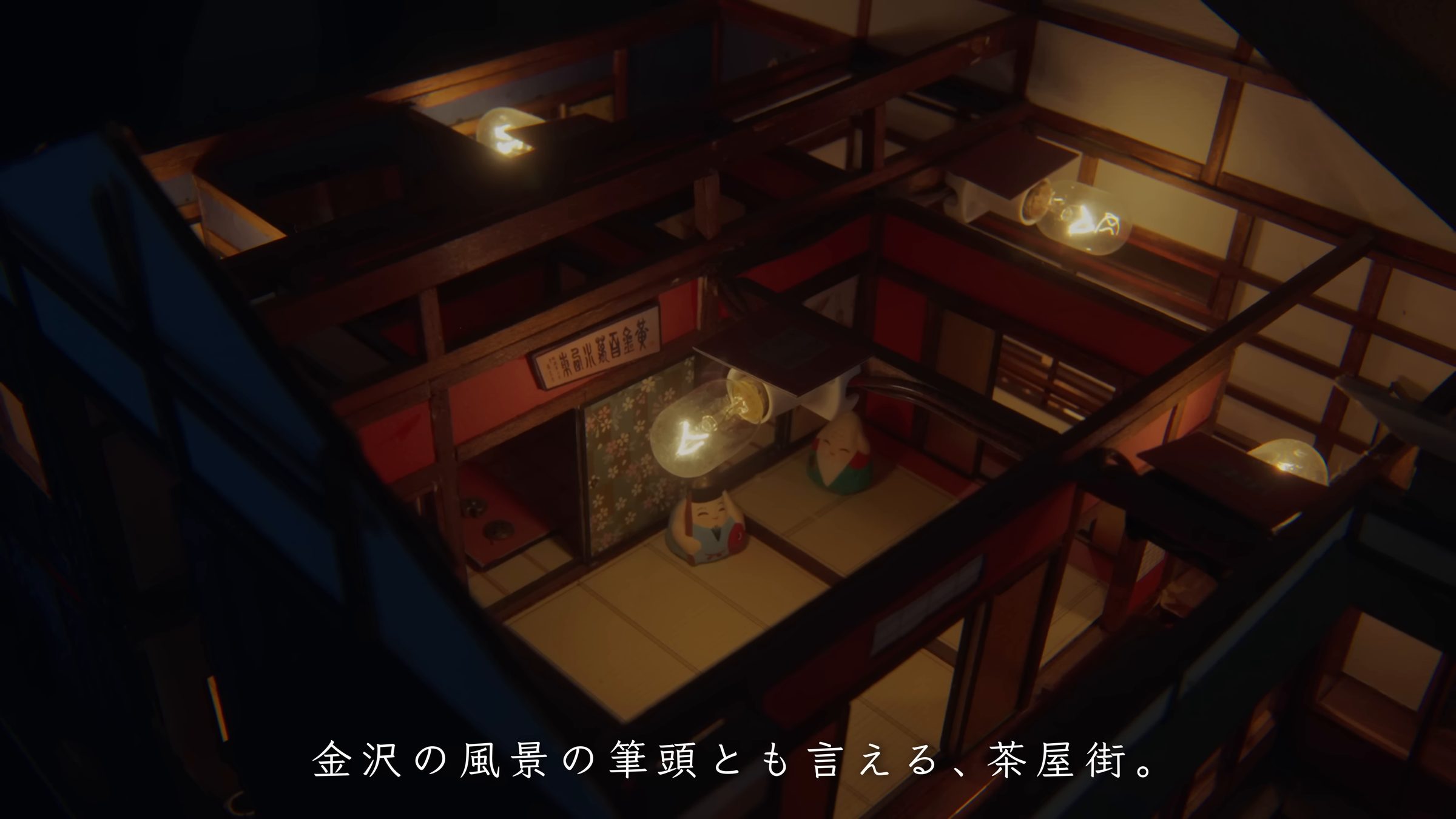
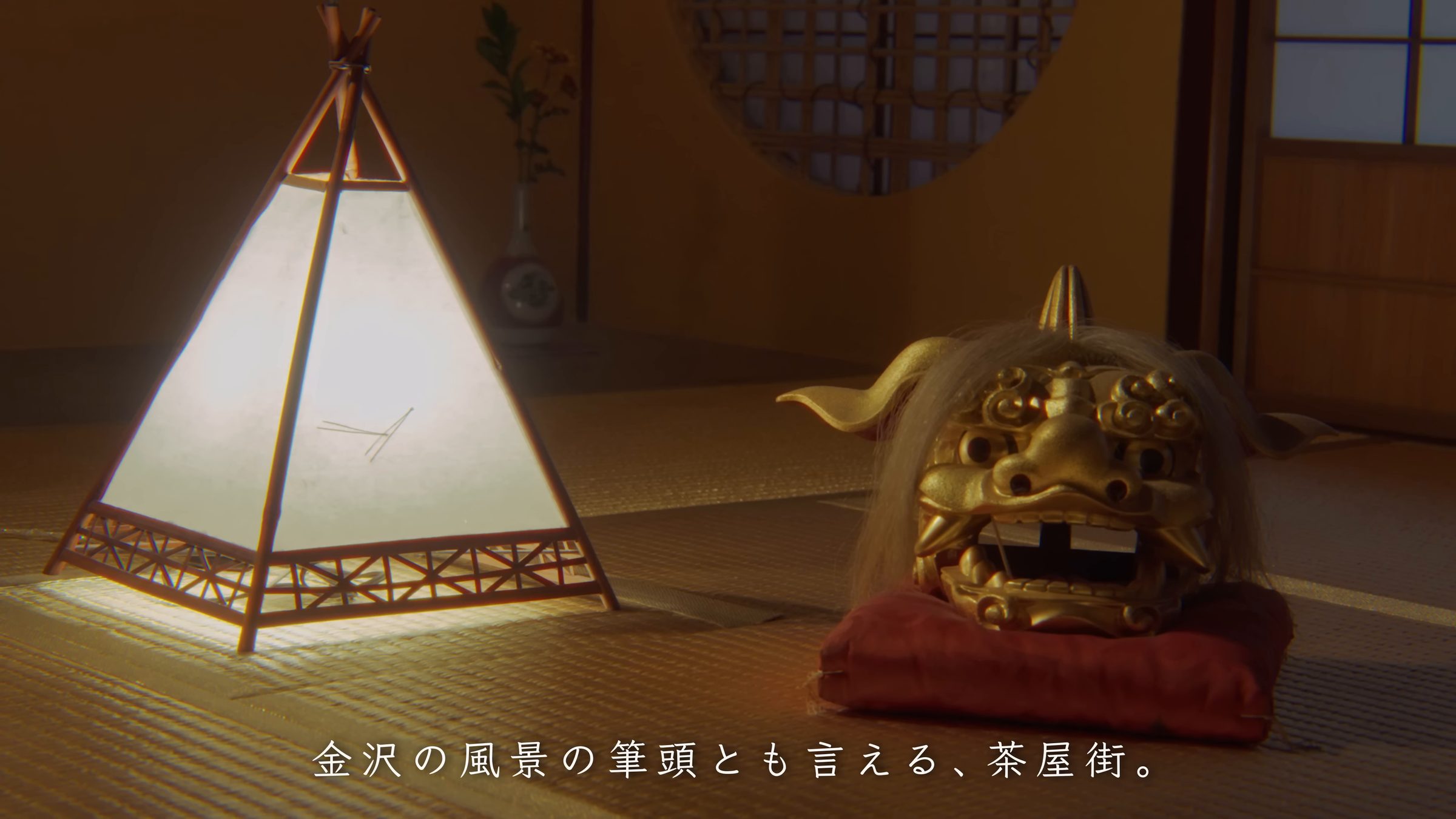
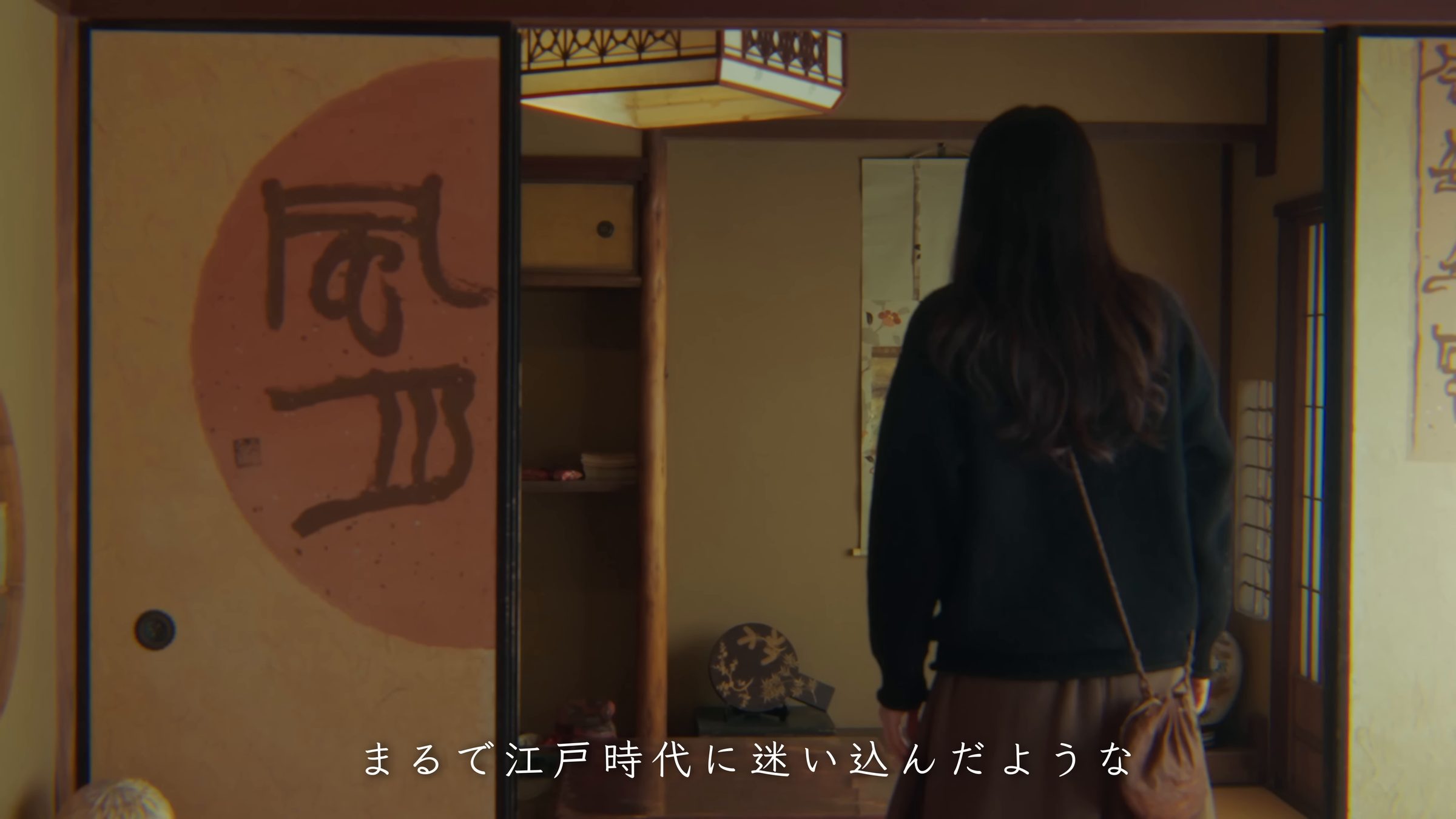
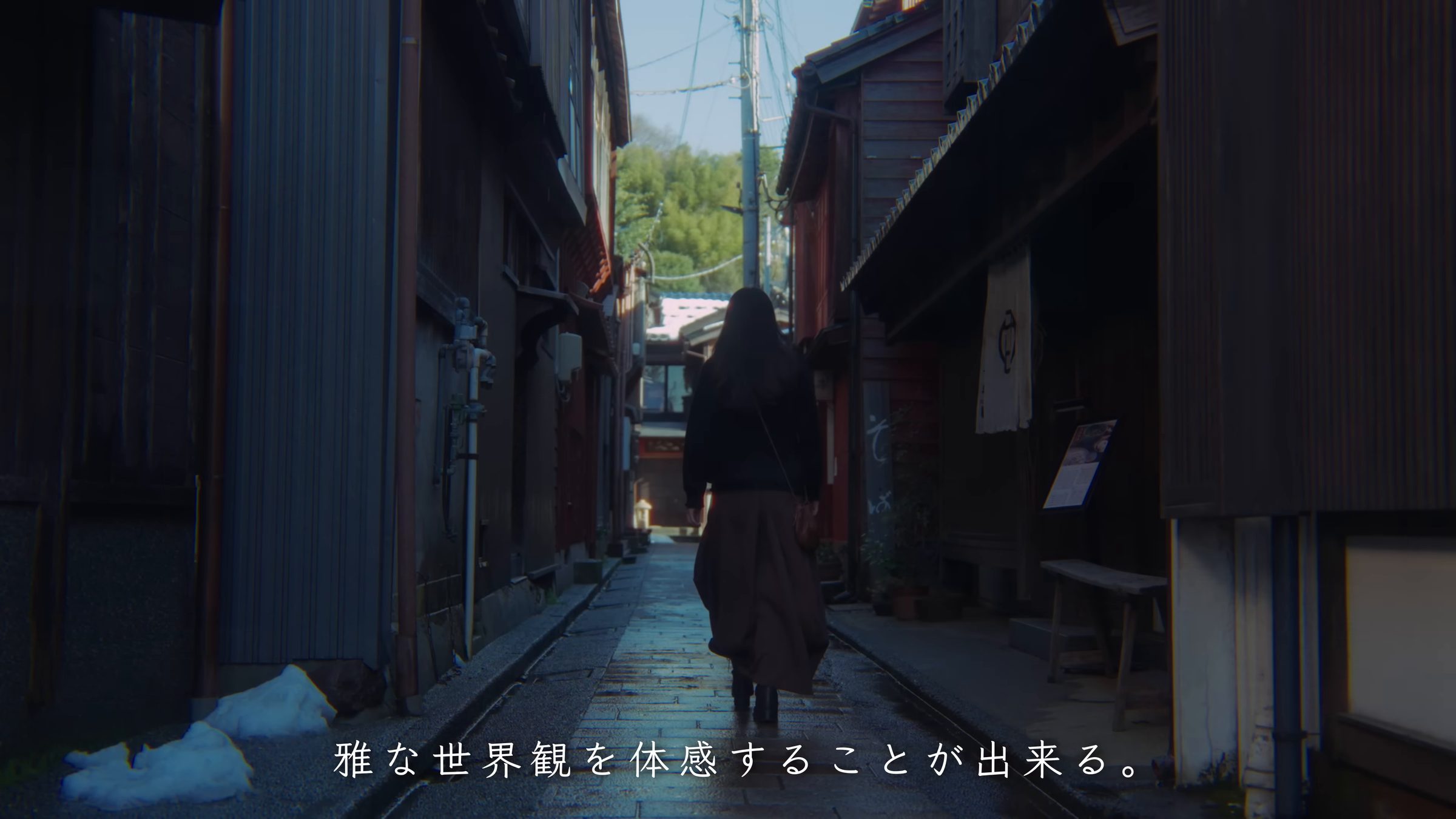
Then on to the Chaya District, perhaps the finest of Kanazawa's scenes. With permission, I was shown inside a teahouse: a staircase seen from above through an open well, gold paper cranes, a triangular paper lantern and a golden lion mask.
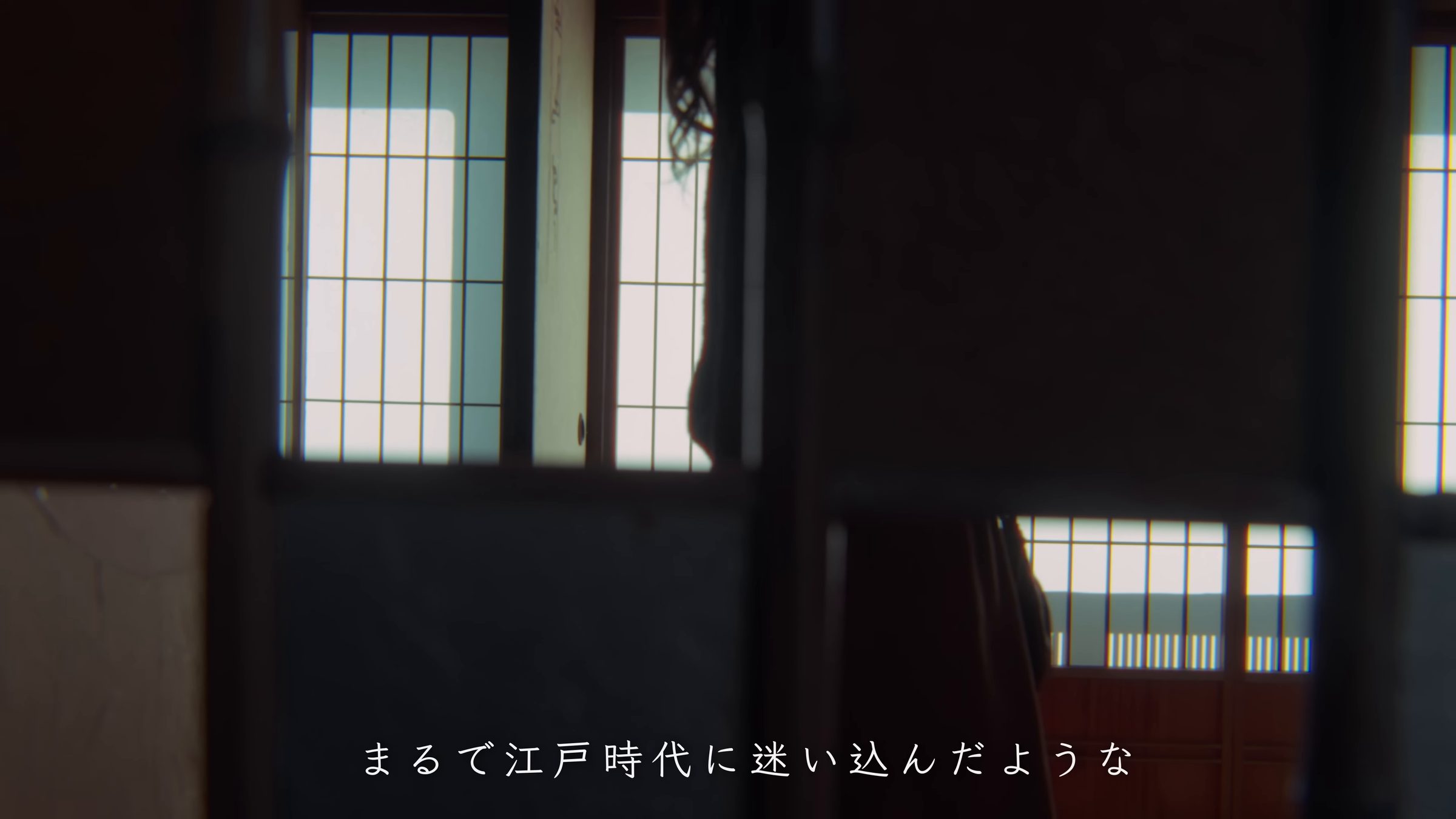
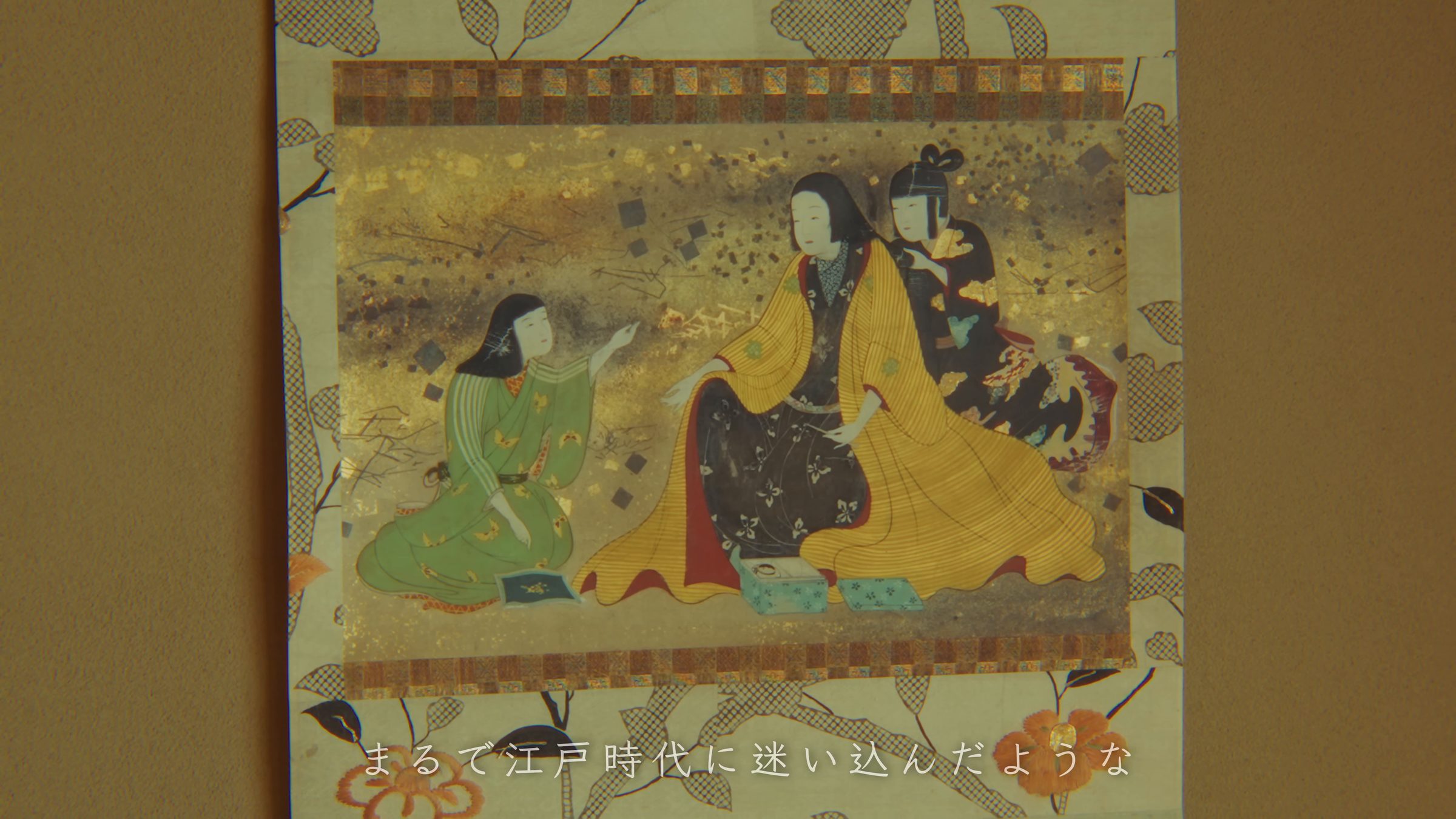
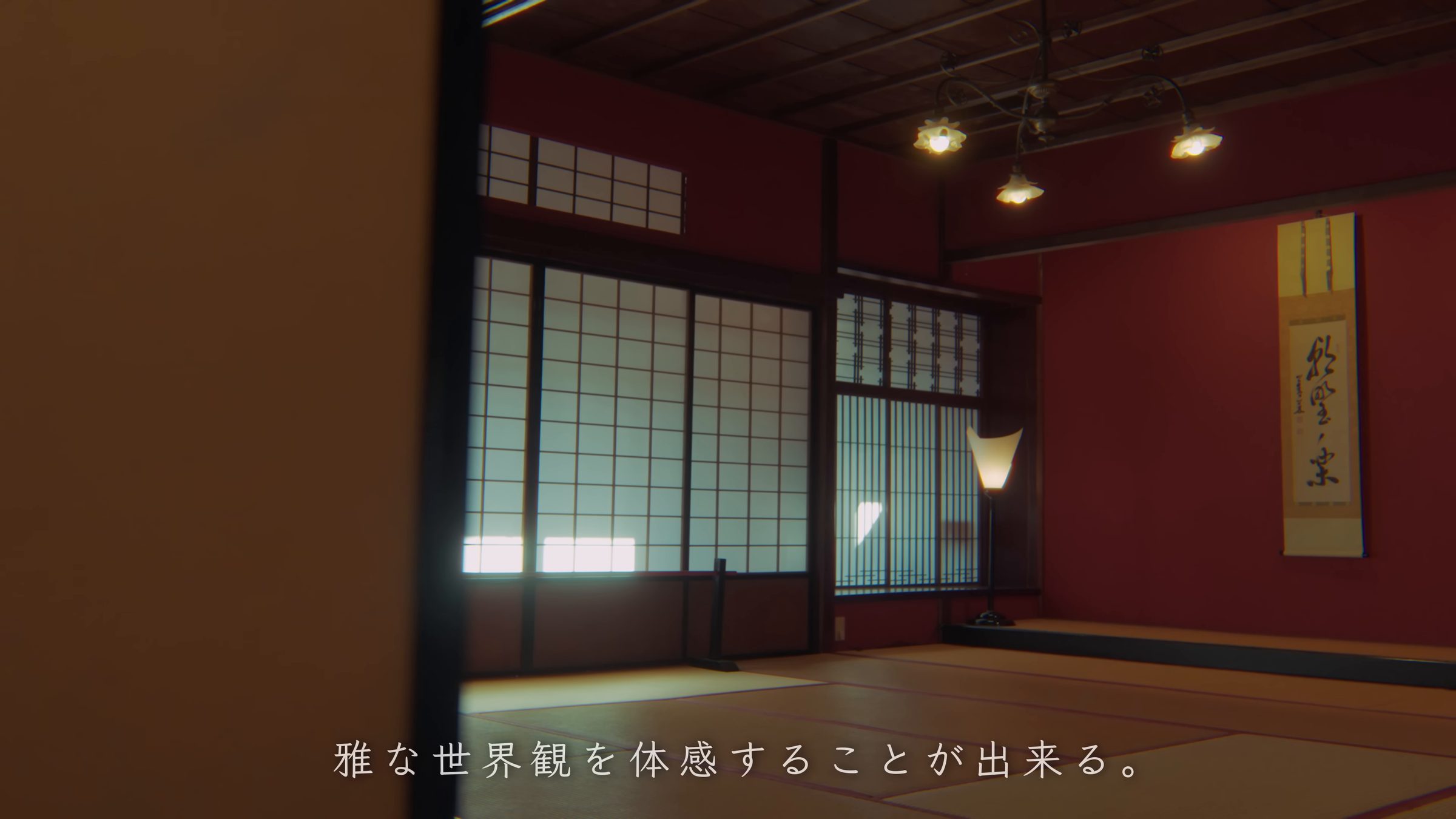
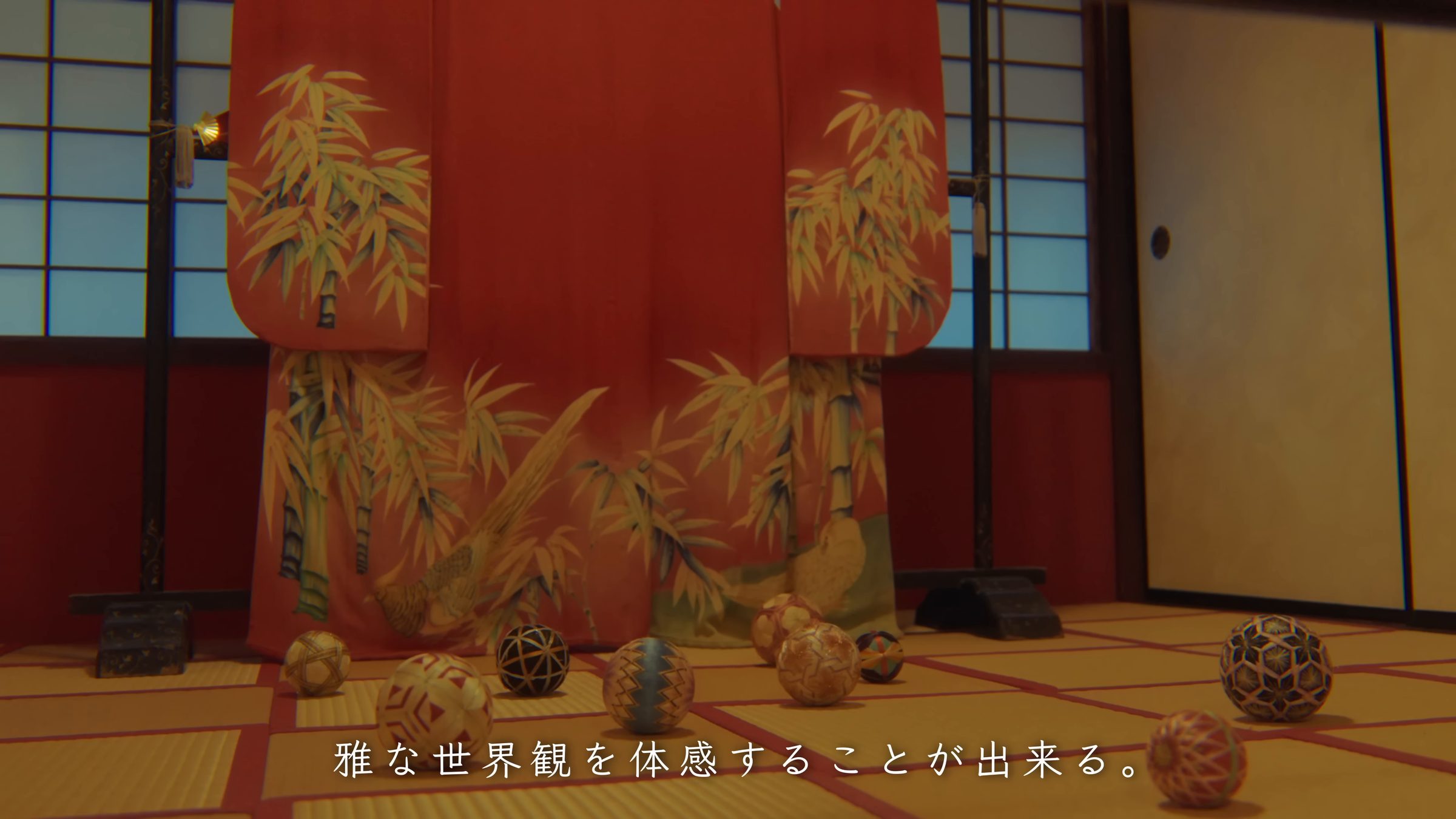
Past sliding doors painted with calligraphy lay a tatami room with vermilion walls and a hanging scroll. A kimono with a bamboo pattern was on display, and temari balls sat on the tatami. It was like stepping into the Edo period, a chance to feel that elegant world for myself.
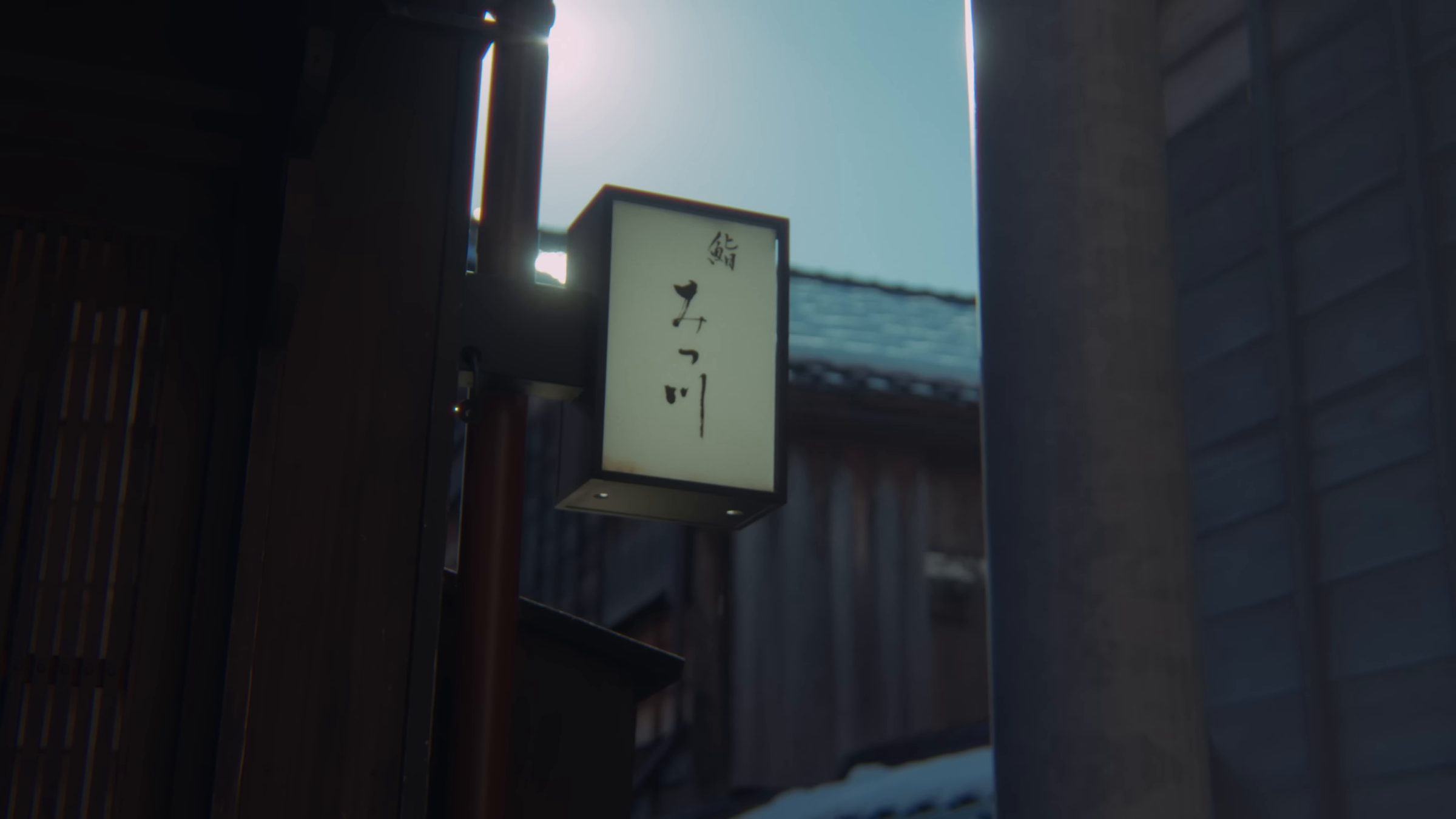
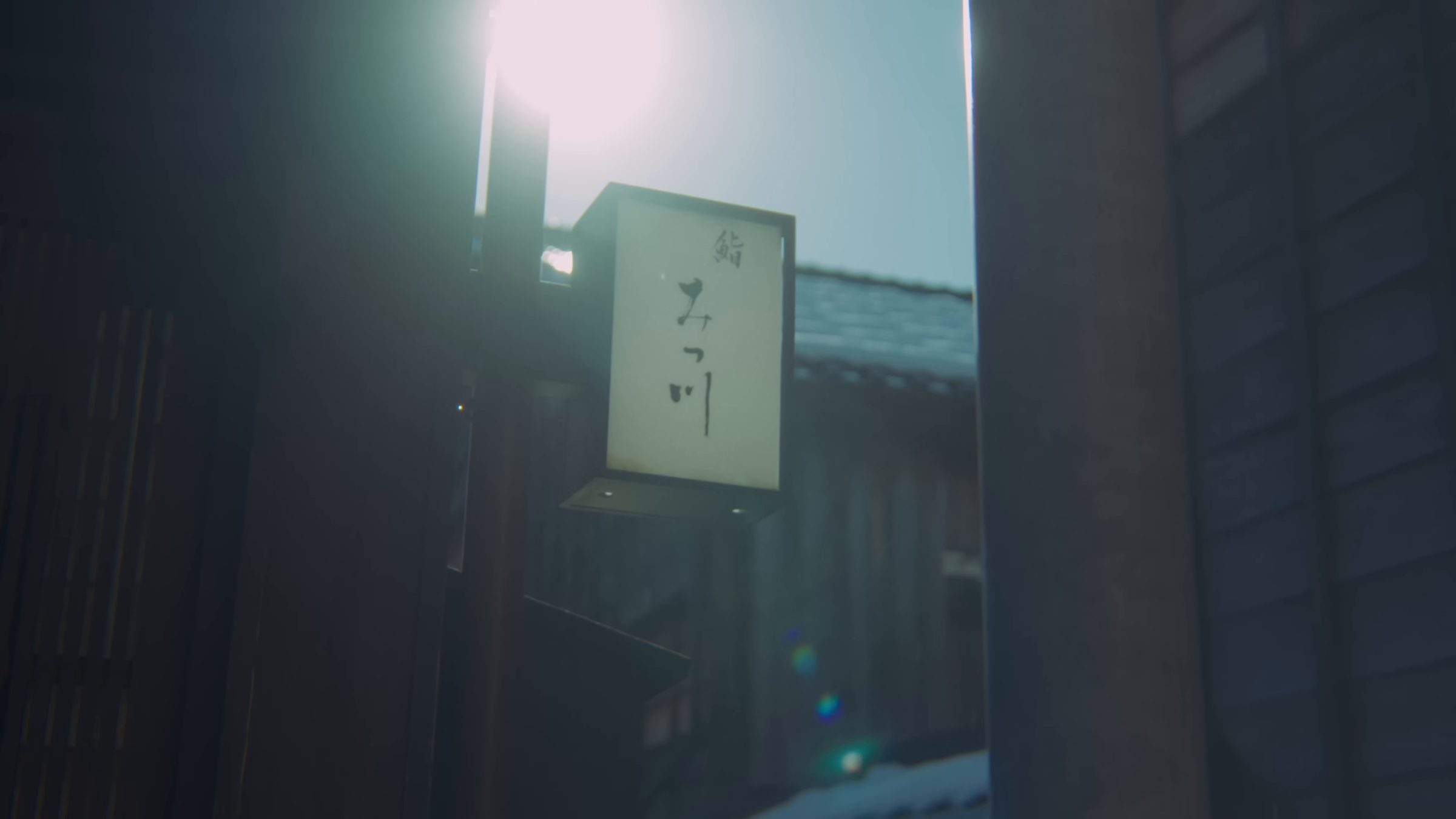
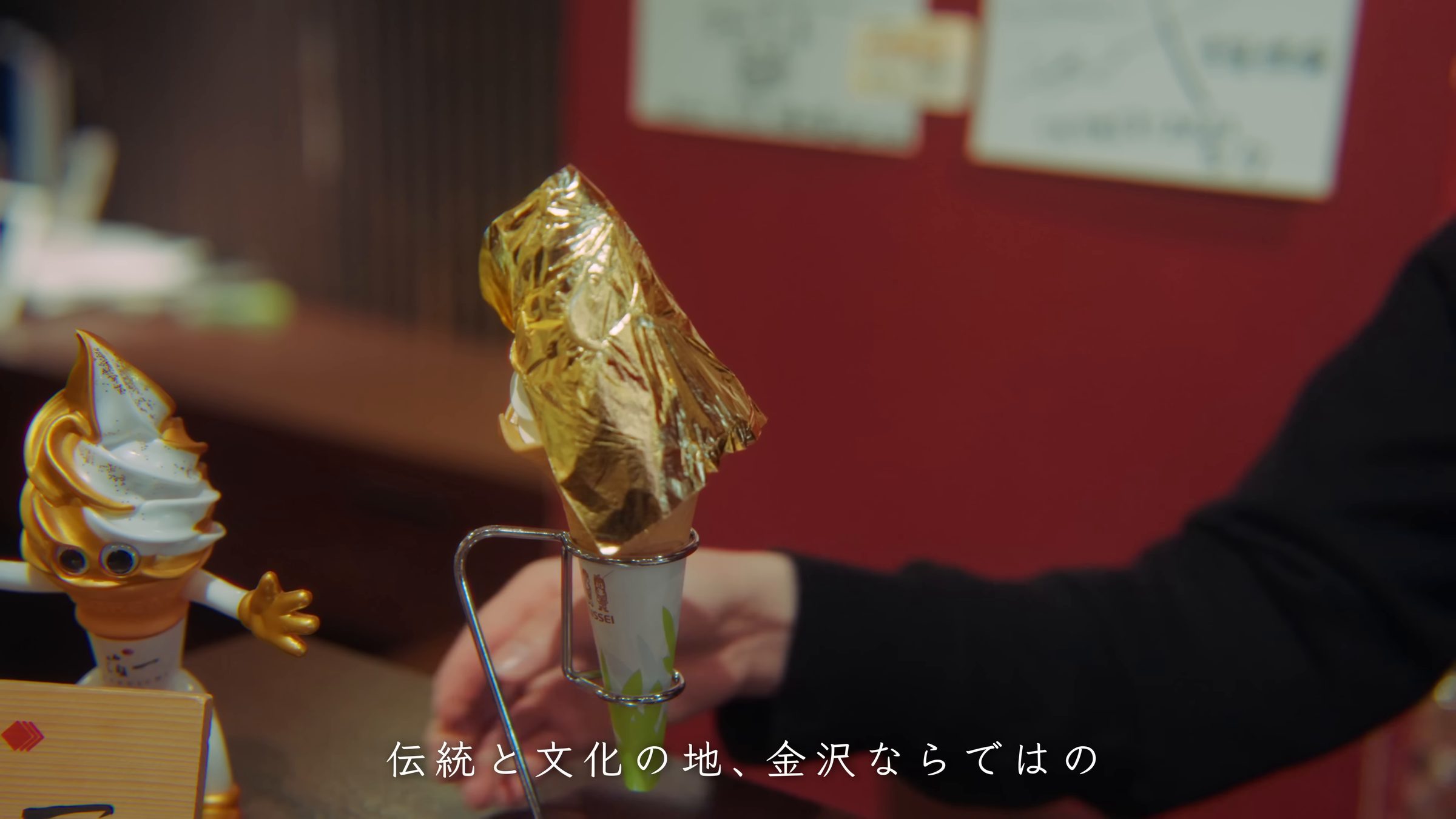
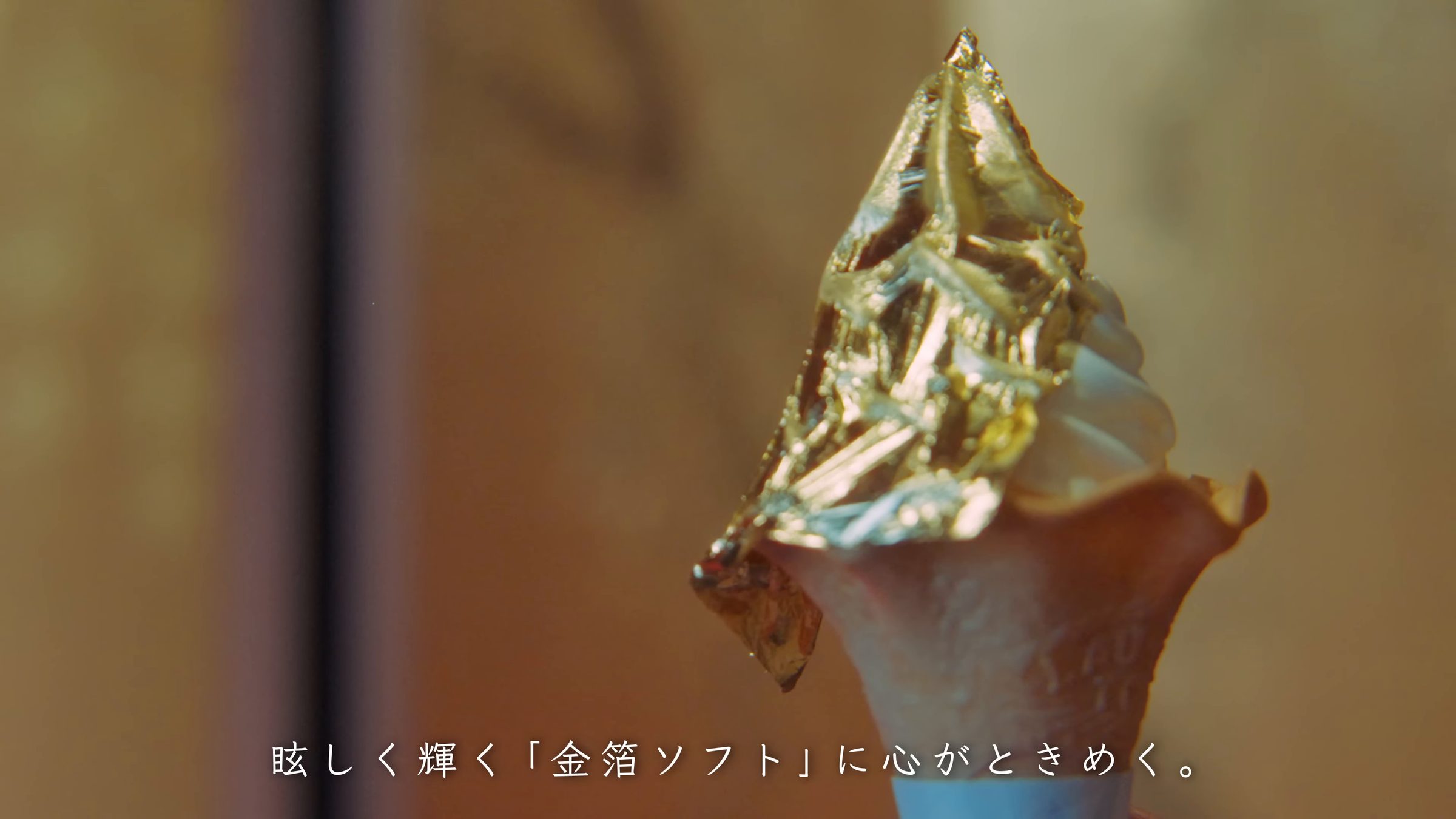
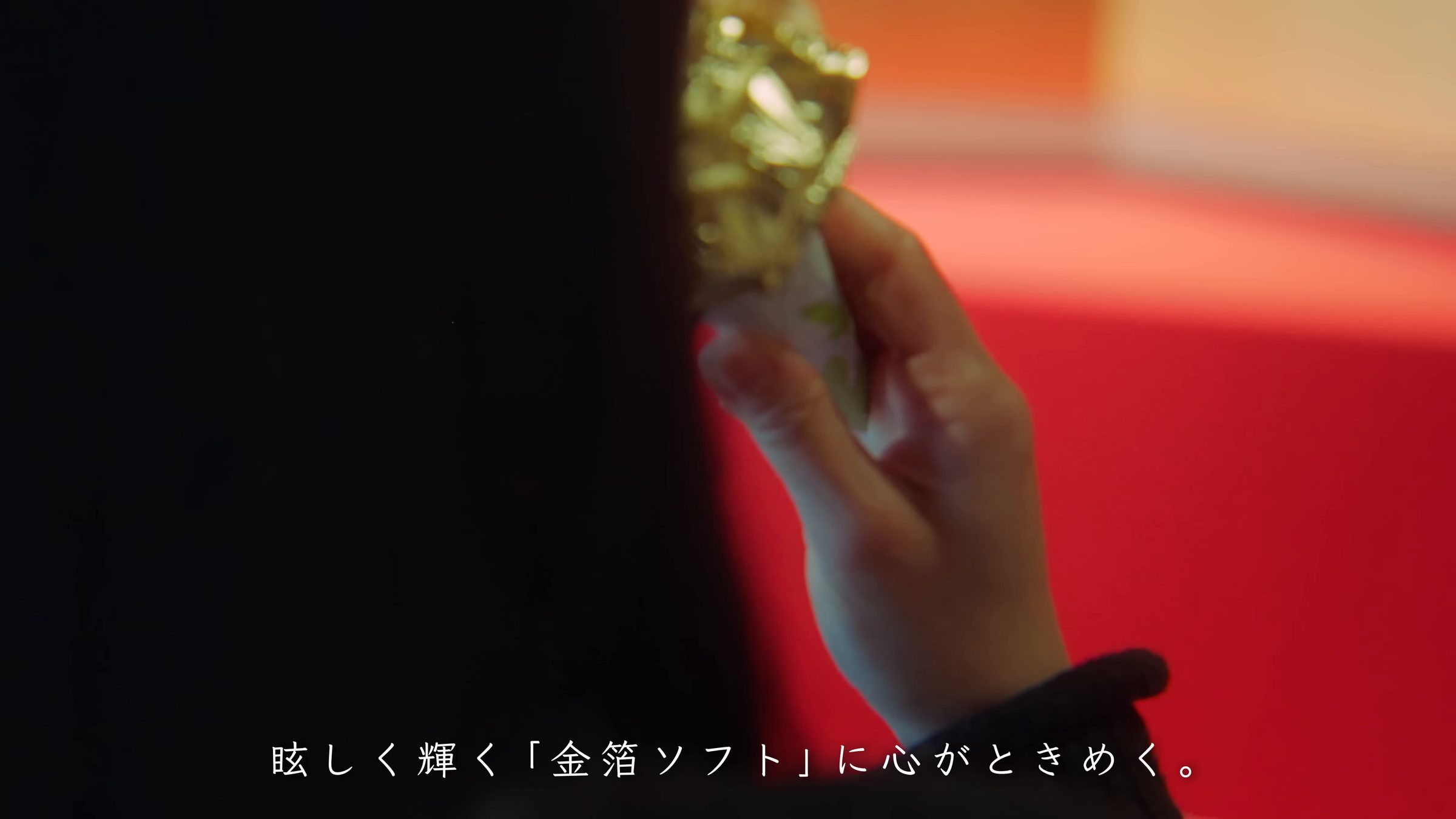
Through a narrow lane, then something sweet that could only come from Kanazawa, a place of tradition and culture. The dazzling gold-leaf soft serve made my heart flutter: the ice cream was wrapped entirely in a single sheet of gold.
Watch this scene on YouTube9:22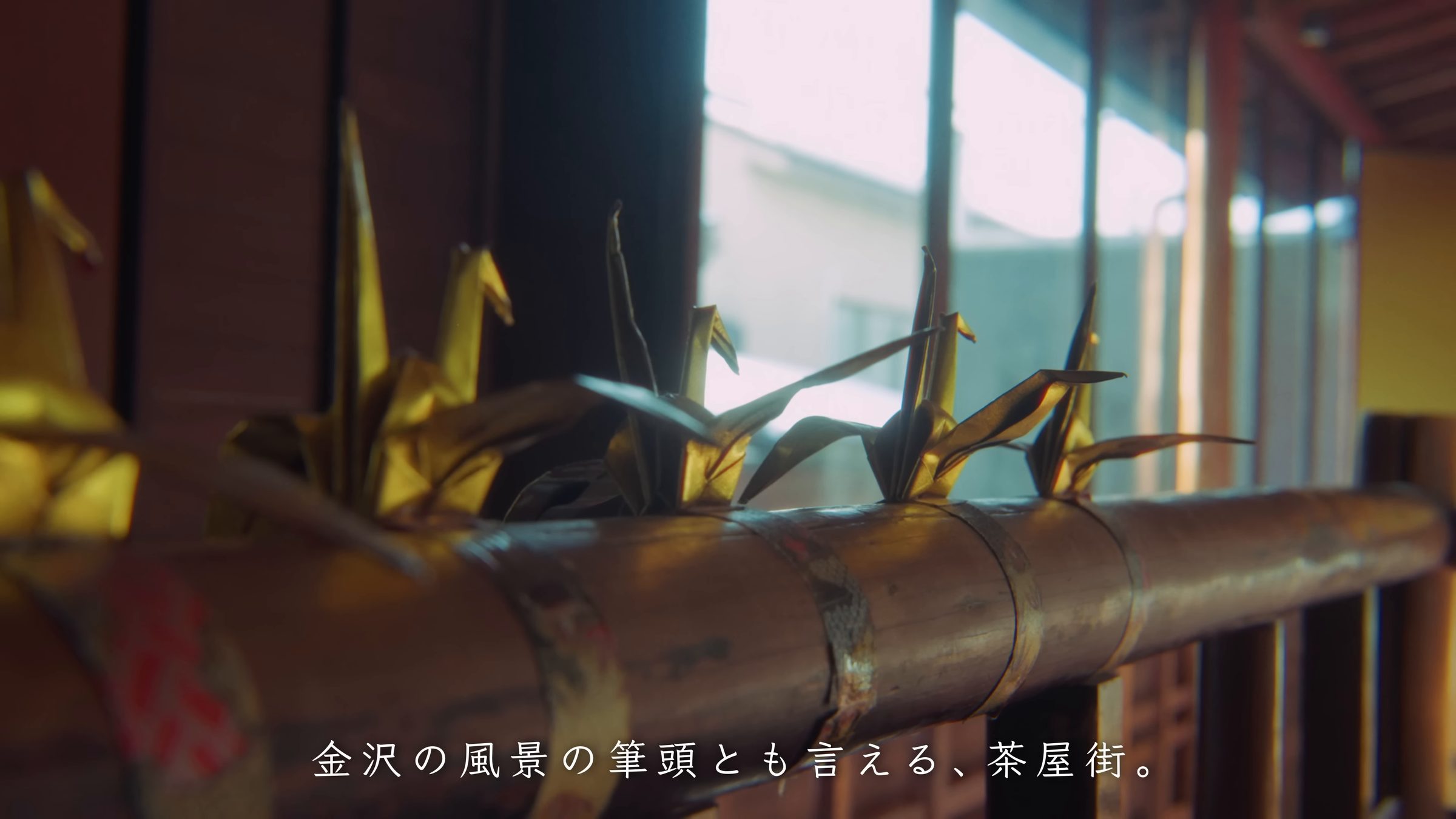
13TRAVEL JOURNAL
Hanton rice
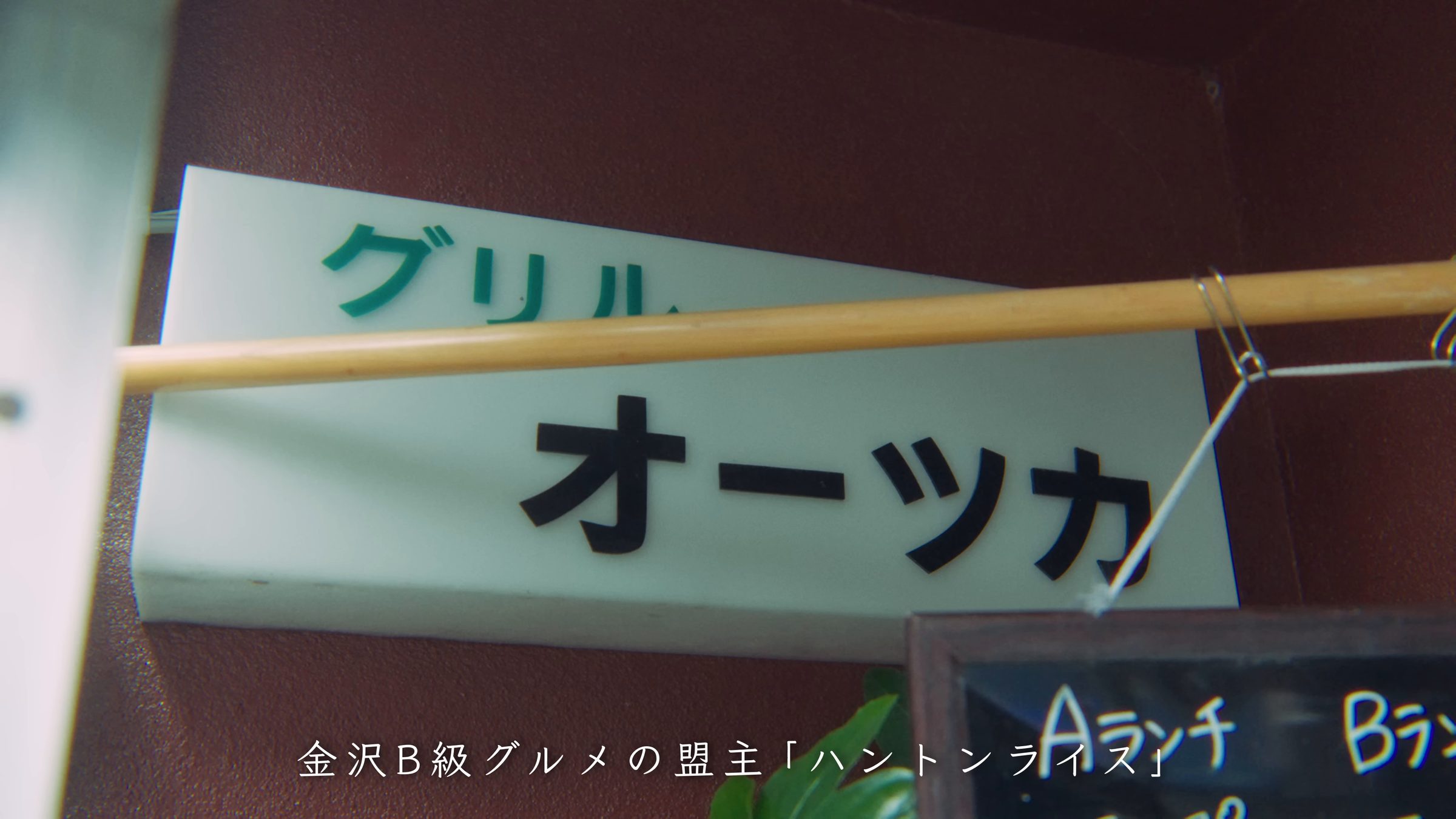
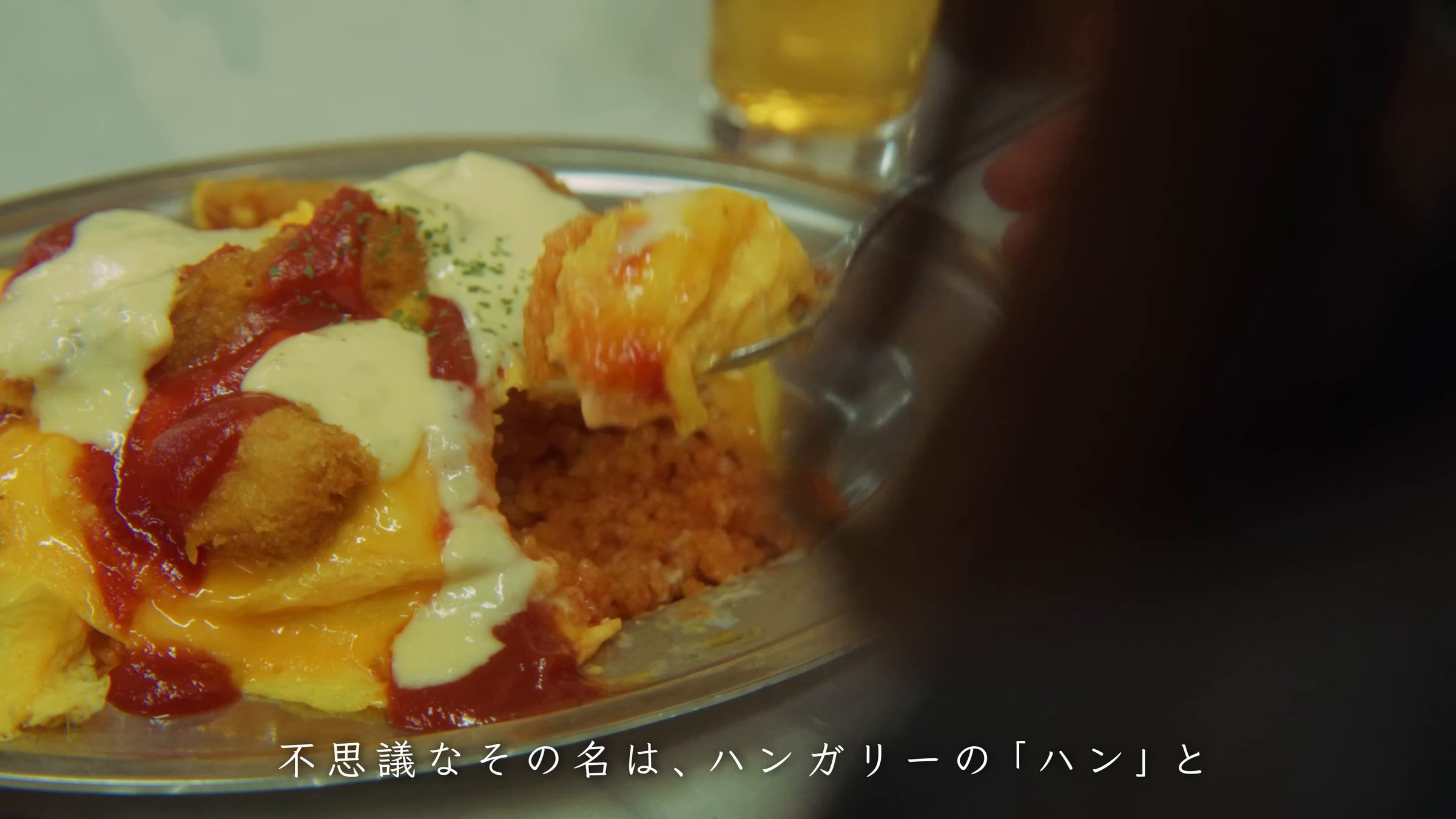
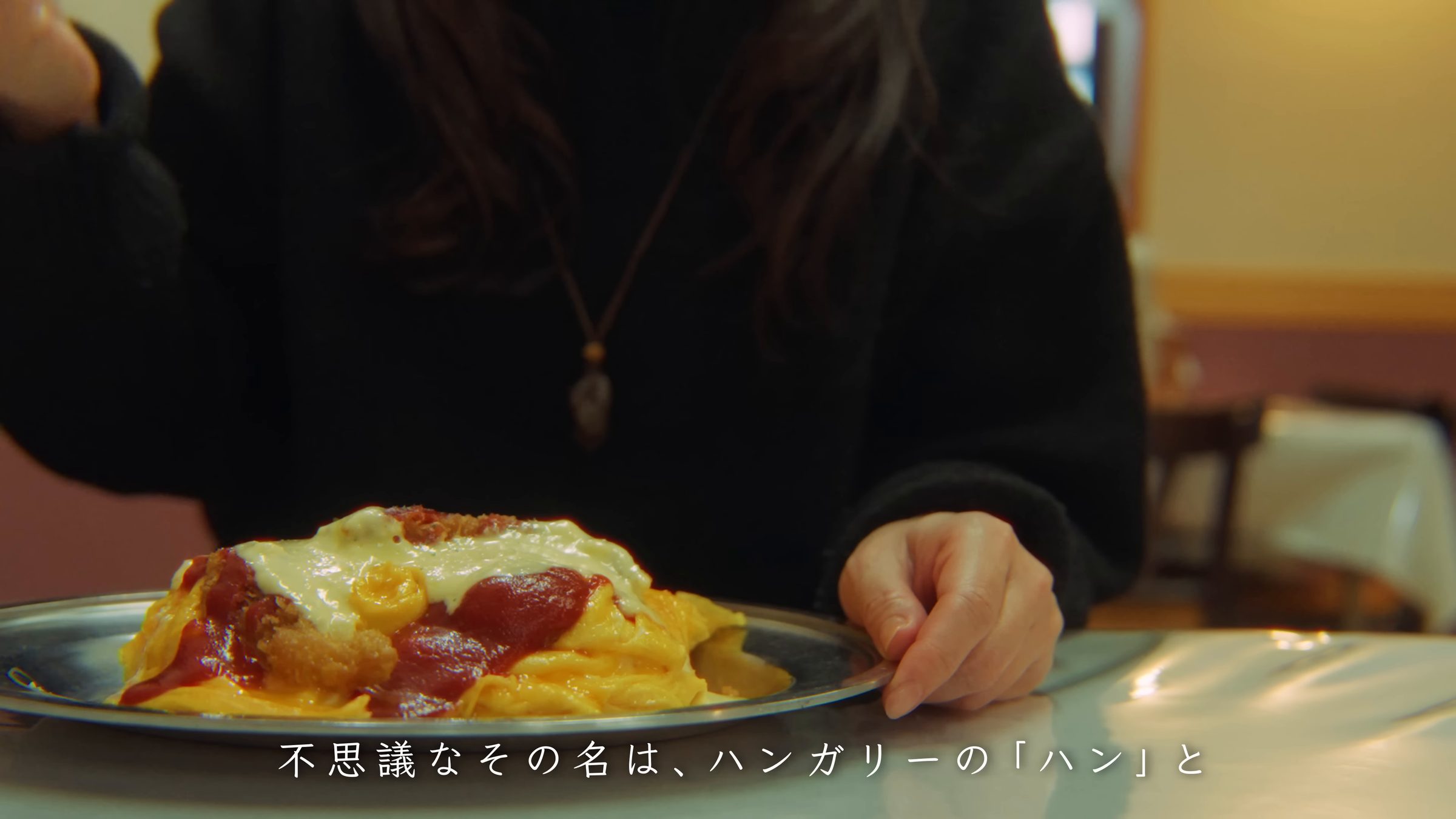
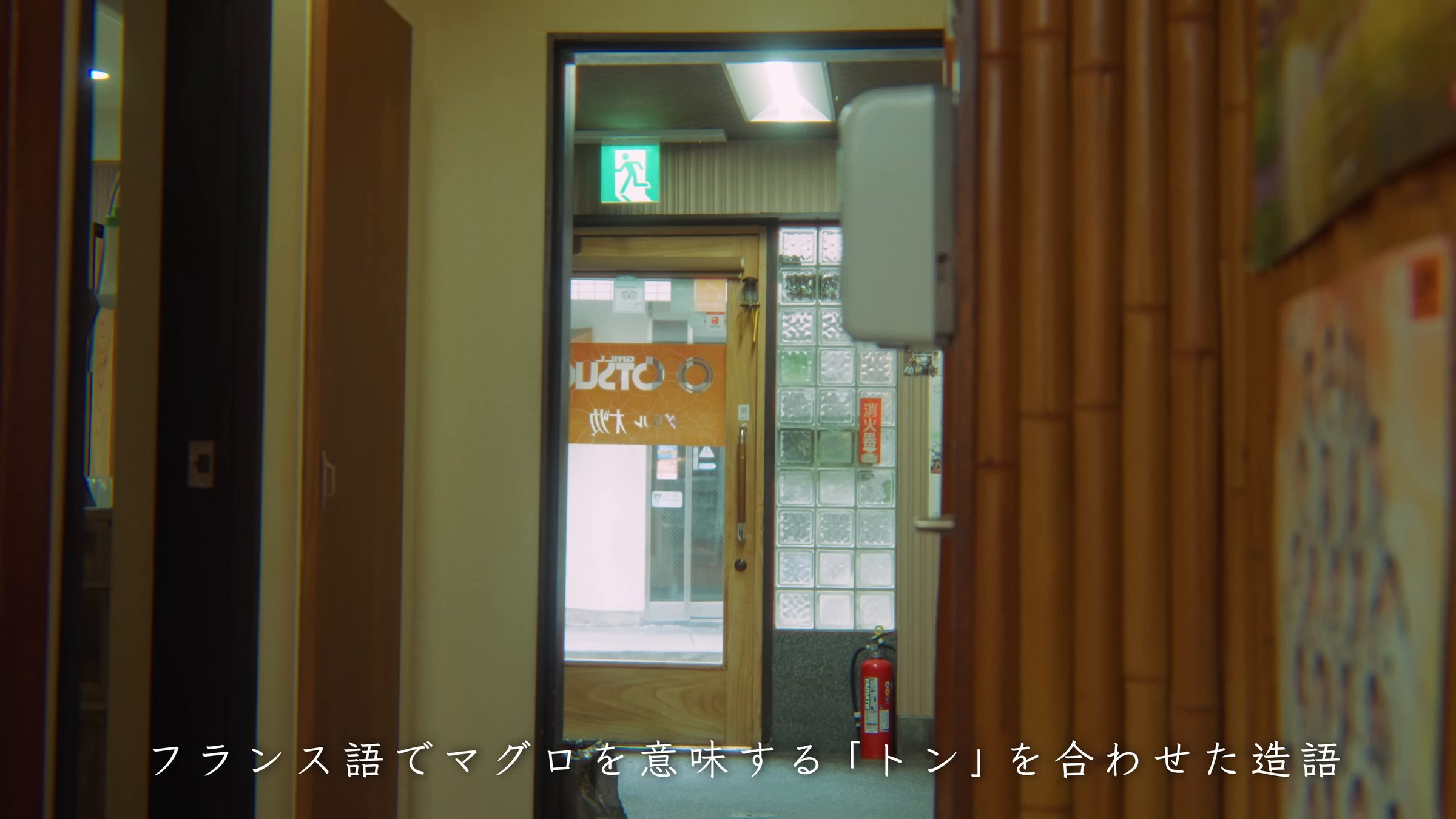
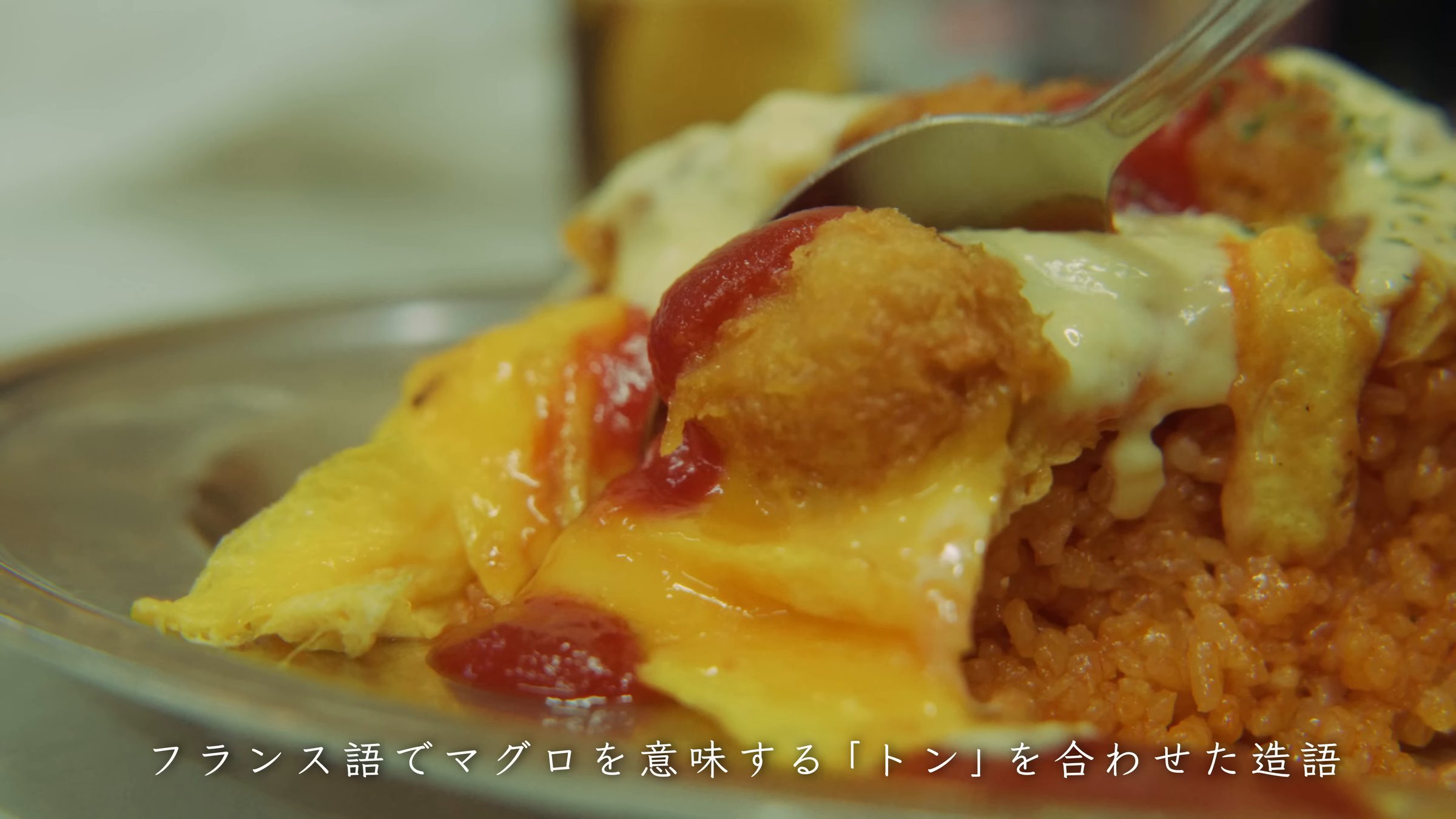
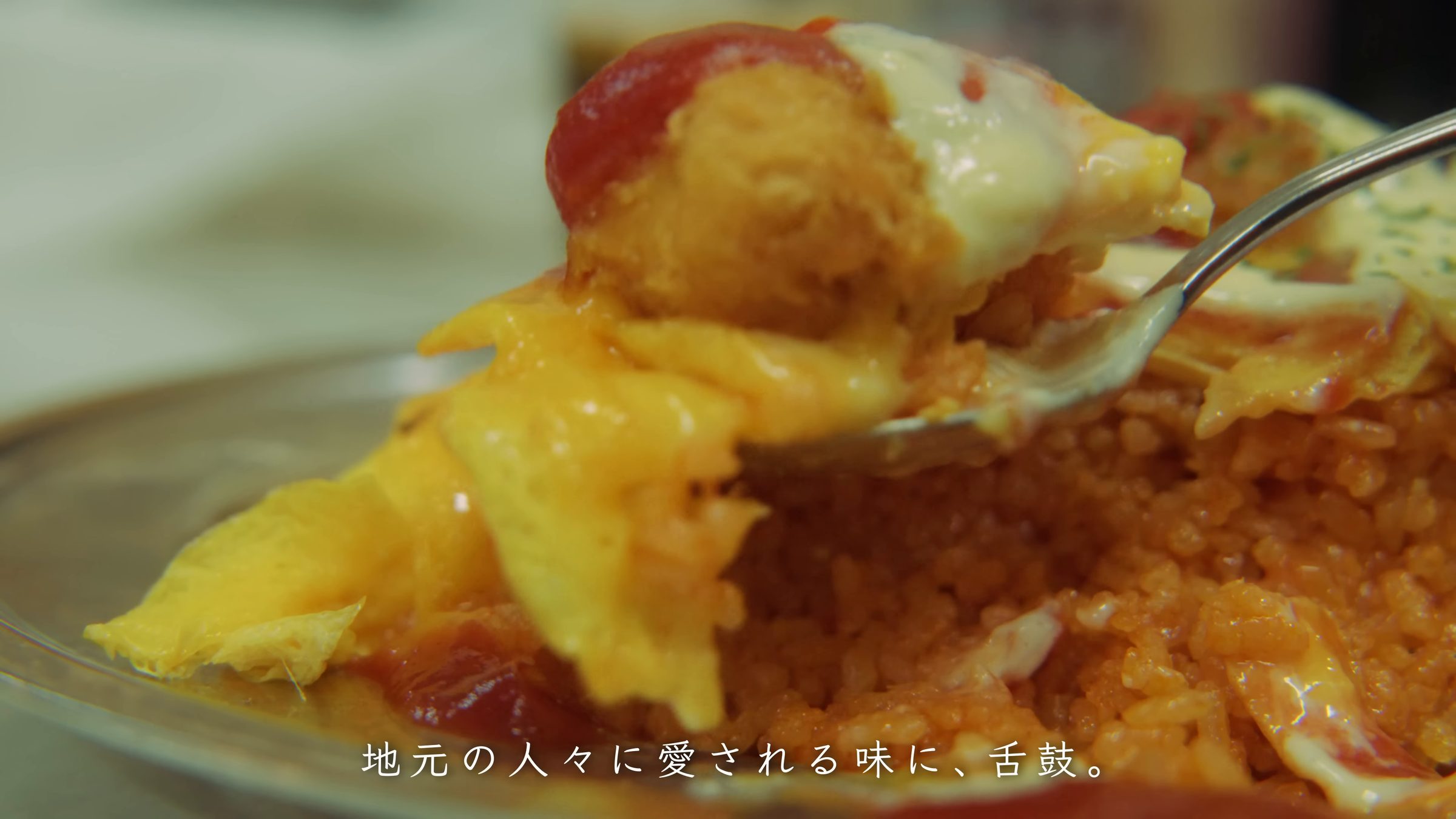
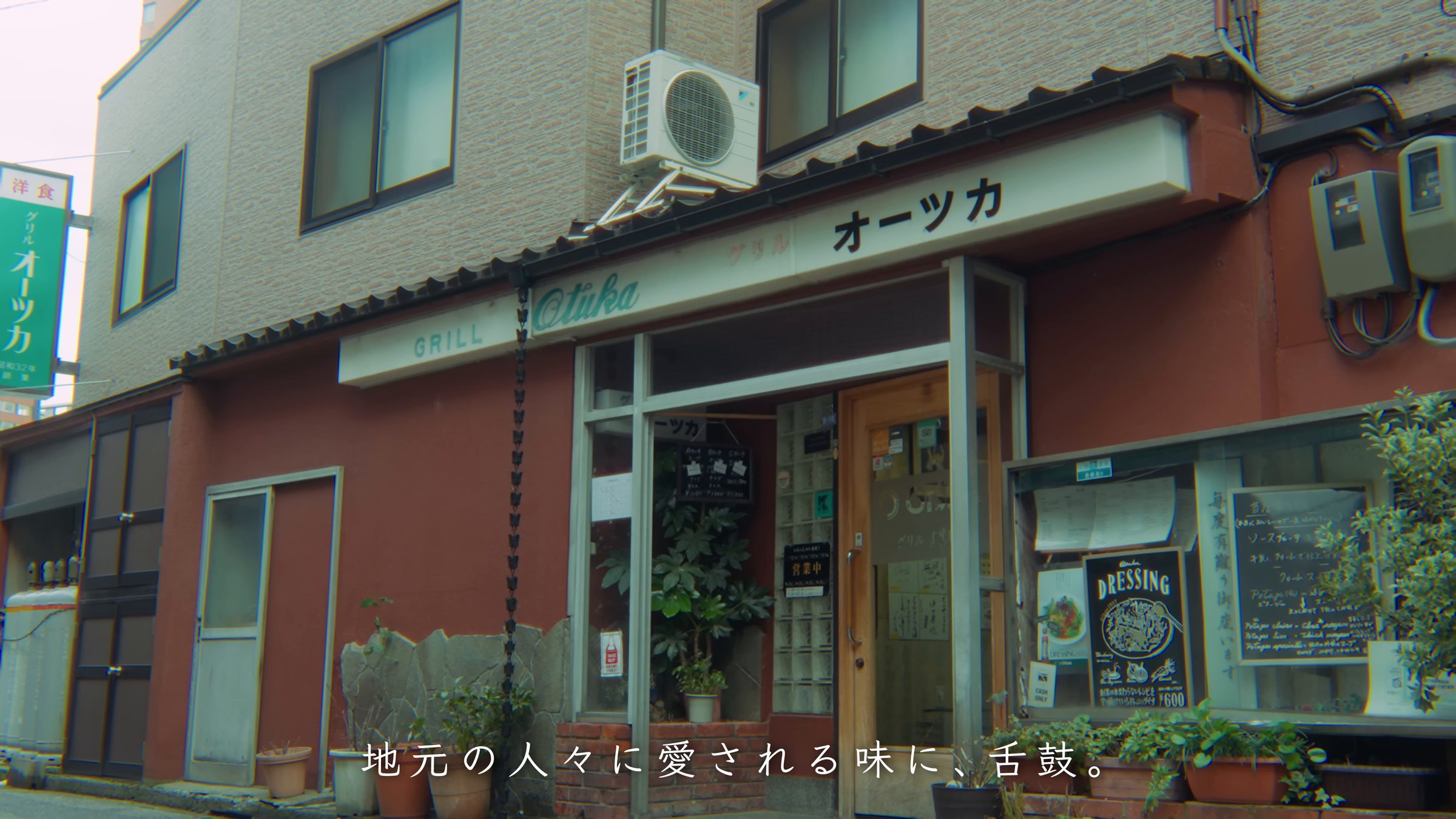
For Kanazawa's champion of B-grade comfort food, hanton rice, I went to Grill Otsuka. Ketchup rice under fluffy egg, topped with fried seafood and smothered in ketchup and tartar sauce.
Its curious name, I learned, joins "Han" from Hungary with "thon," the French word for tuna. Spoon in hand, I savored a taste loved by the locals.
Watch this scene on YouTube10:05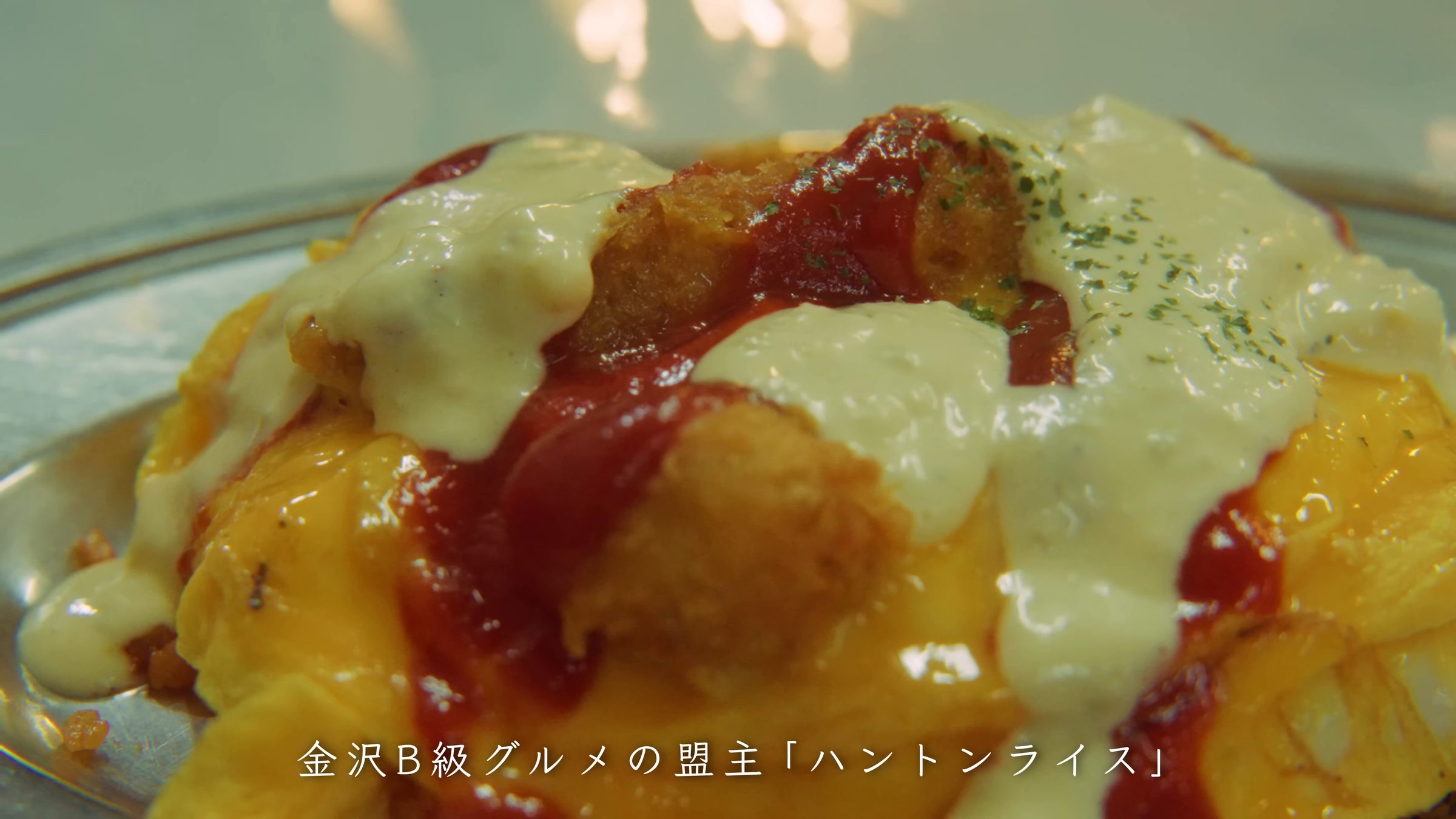
14TRAVEL JOURNAL
A rice shop and a koji shop from the Edo period
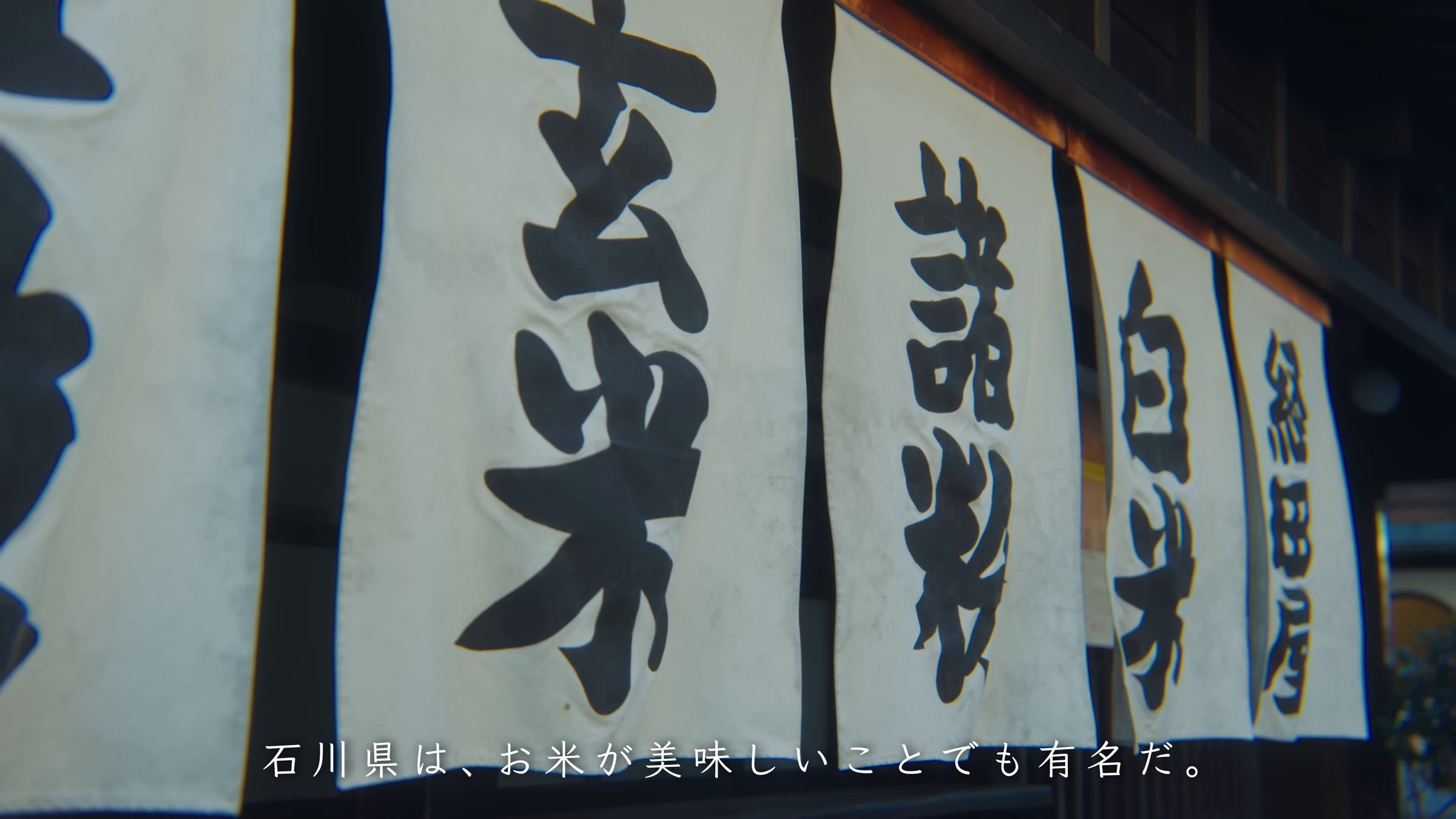
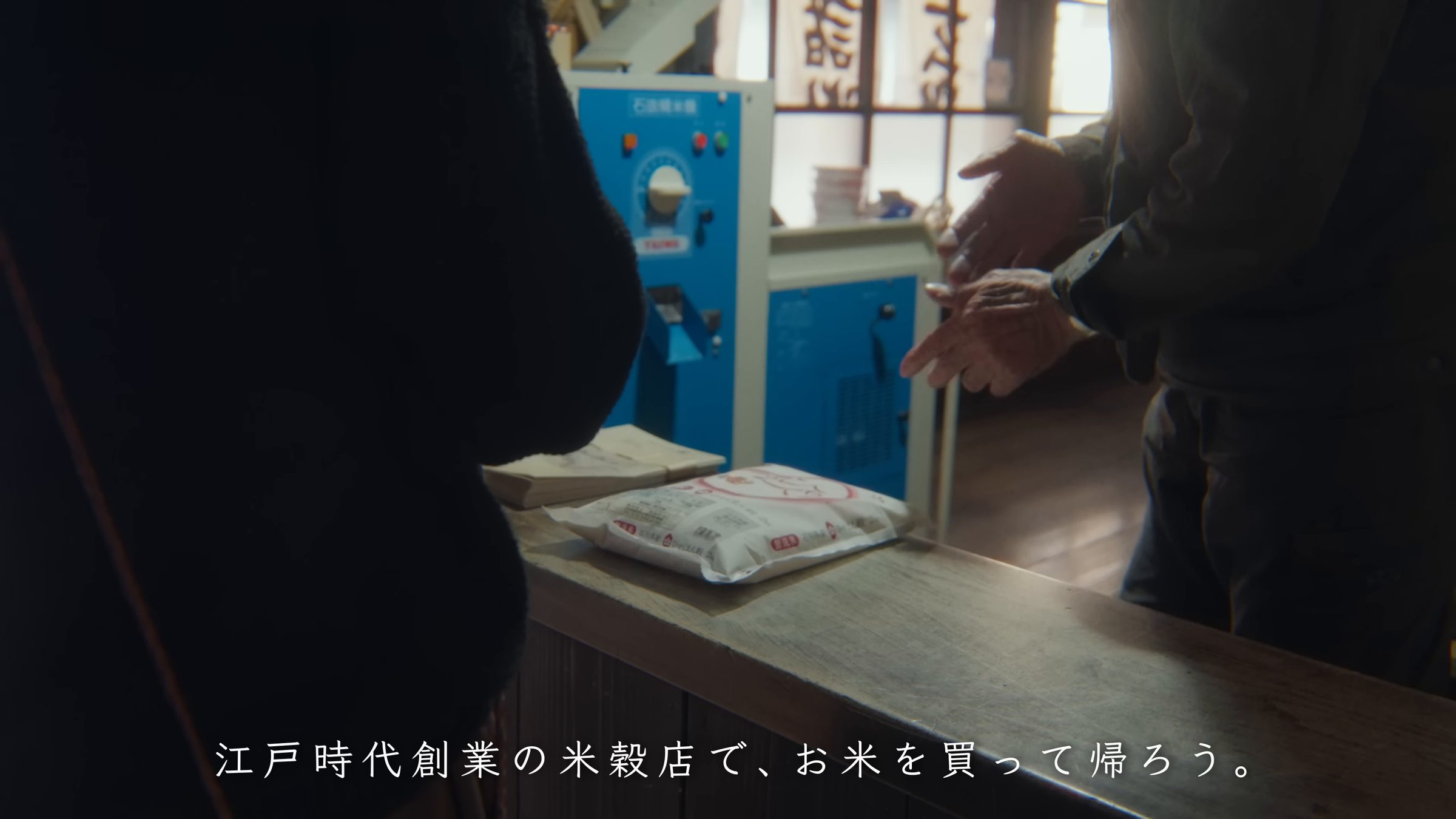
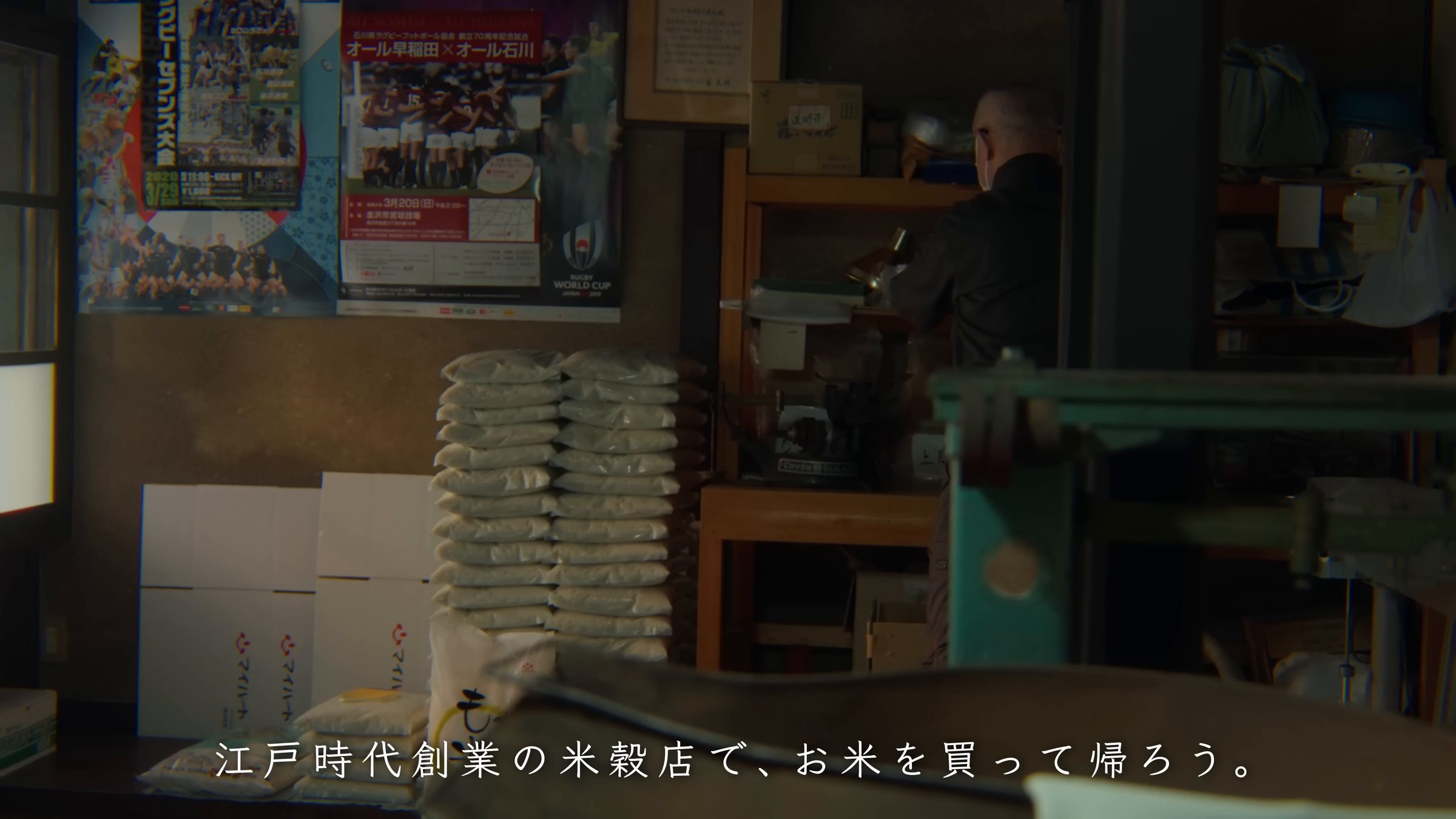
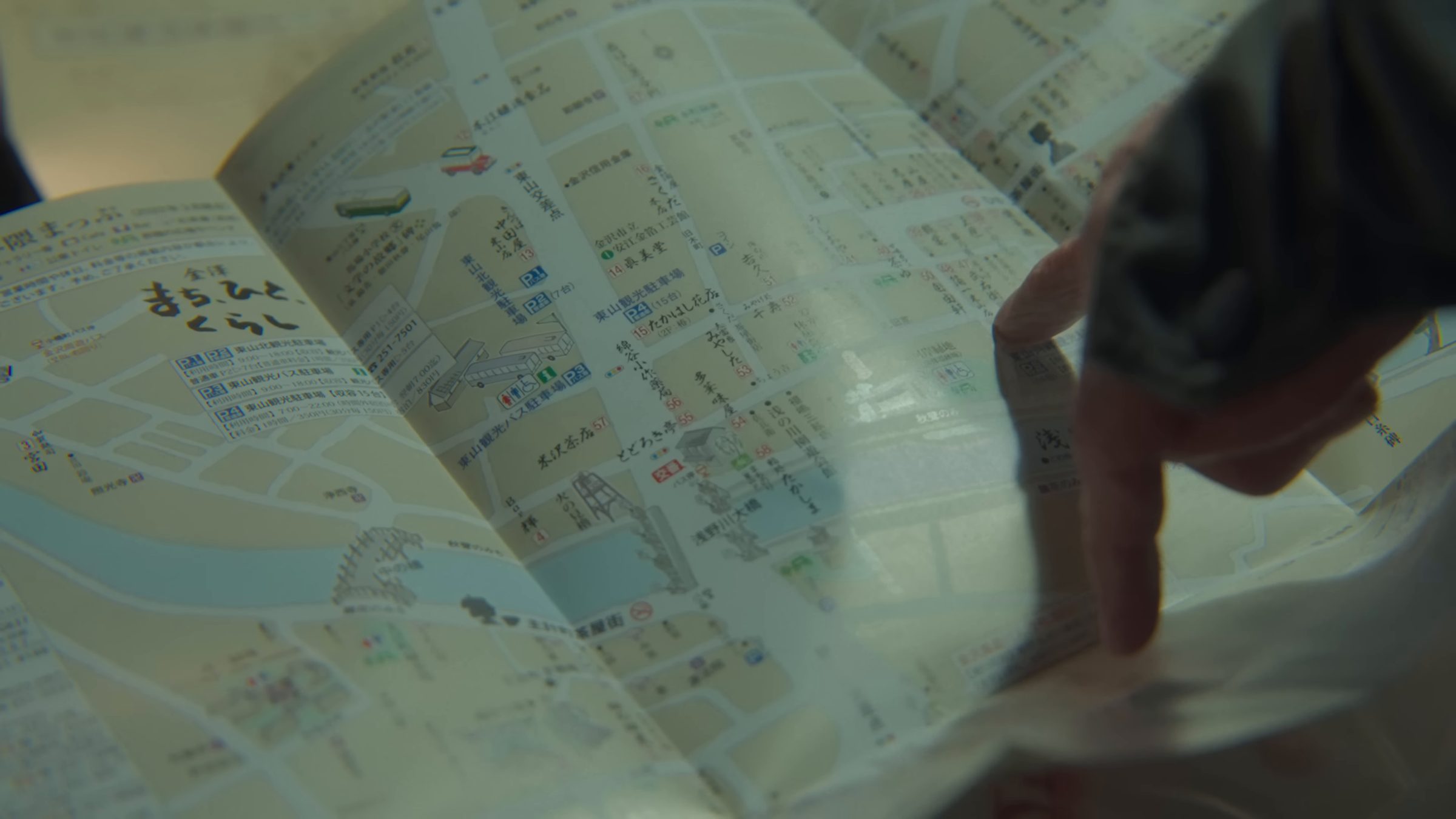
Ishikawa Prefecture is also famous for its delicious rice. Past a signpost pointing to the Higashi Chaya District, a rice shop founded in the Edo period hung noren curtains reading "brown rice" and "white rice." I bought some rice to take home, then opened my map to find the next shop.
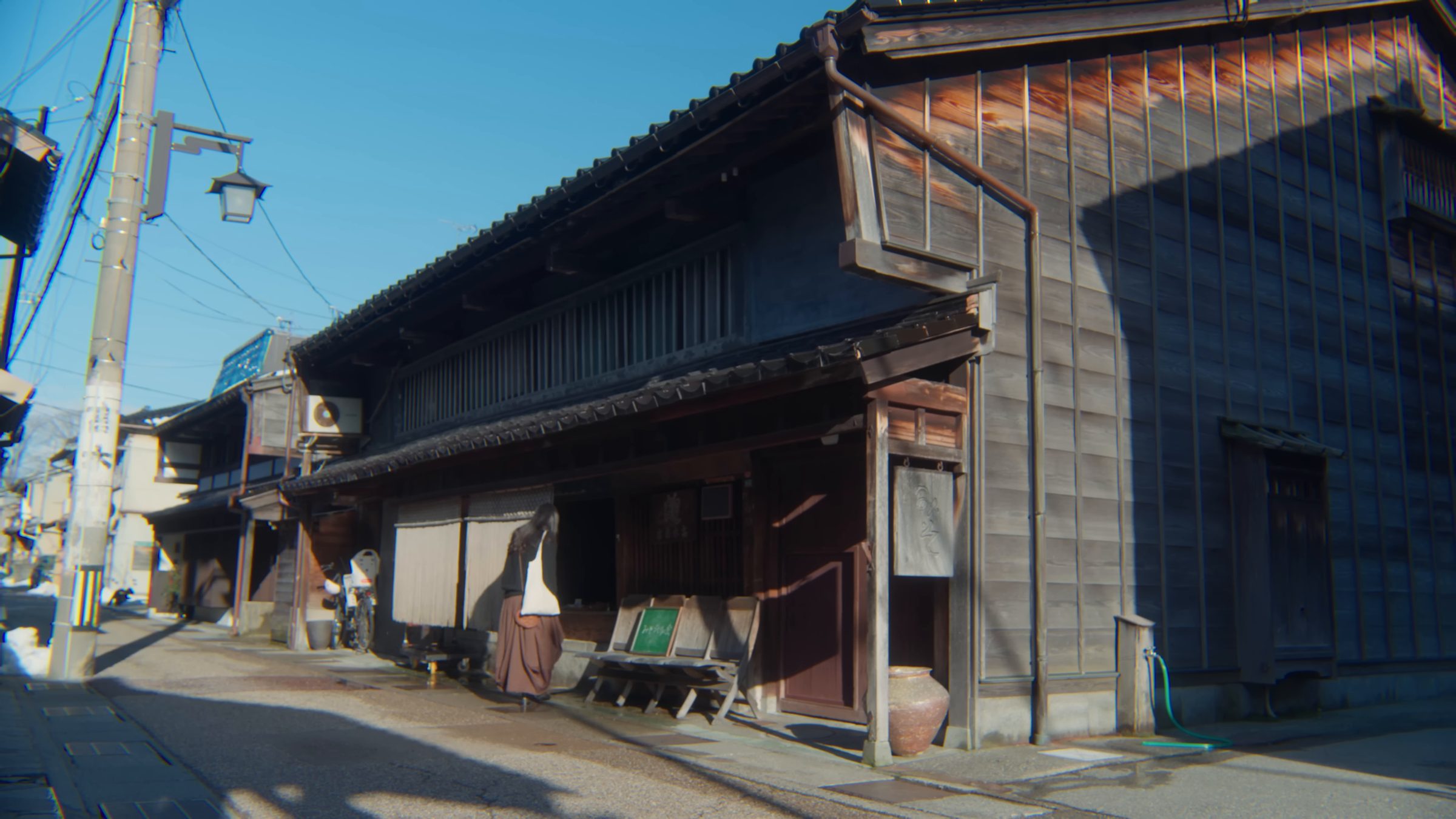
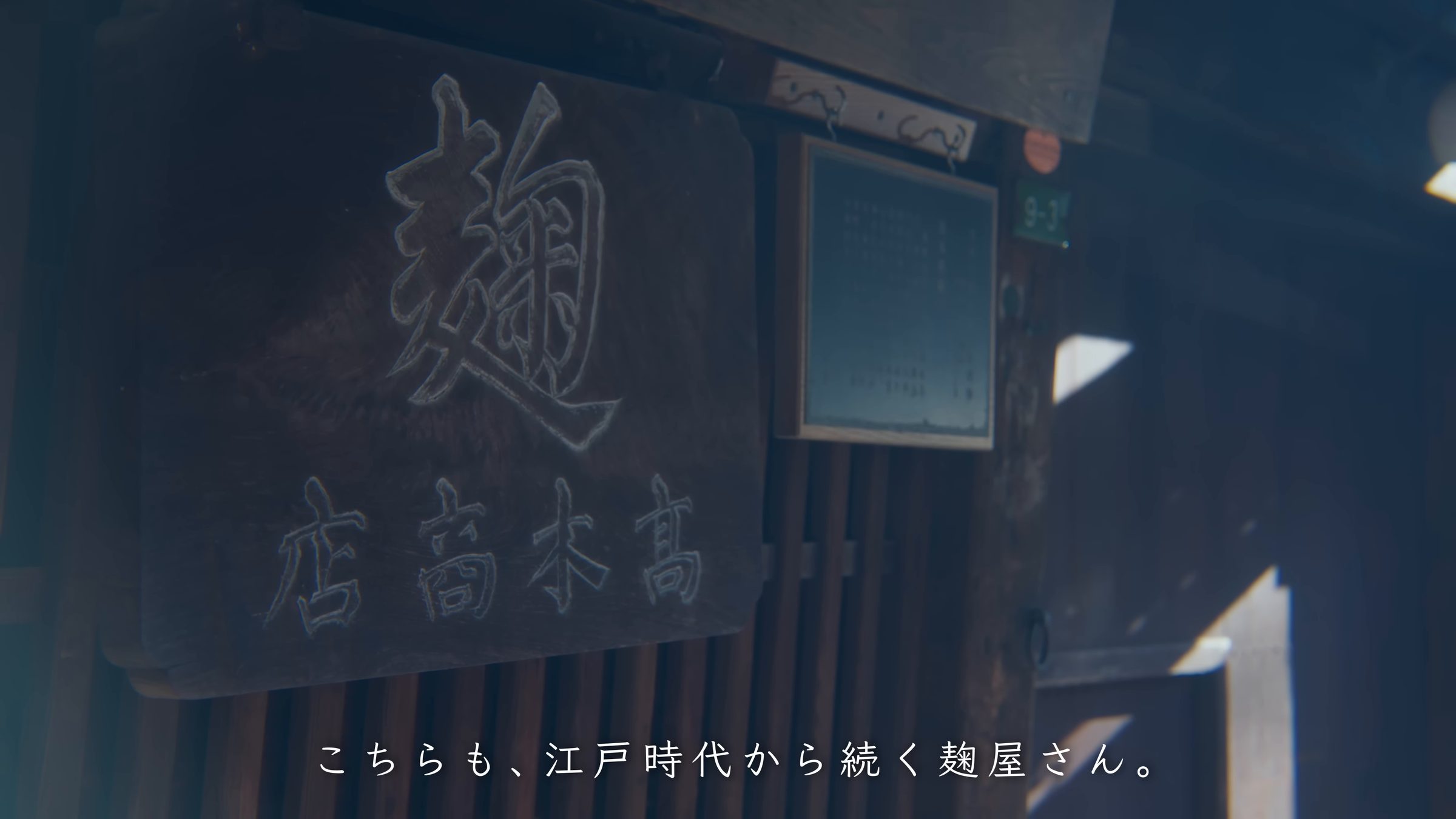
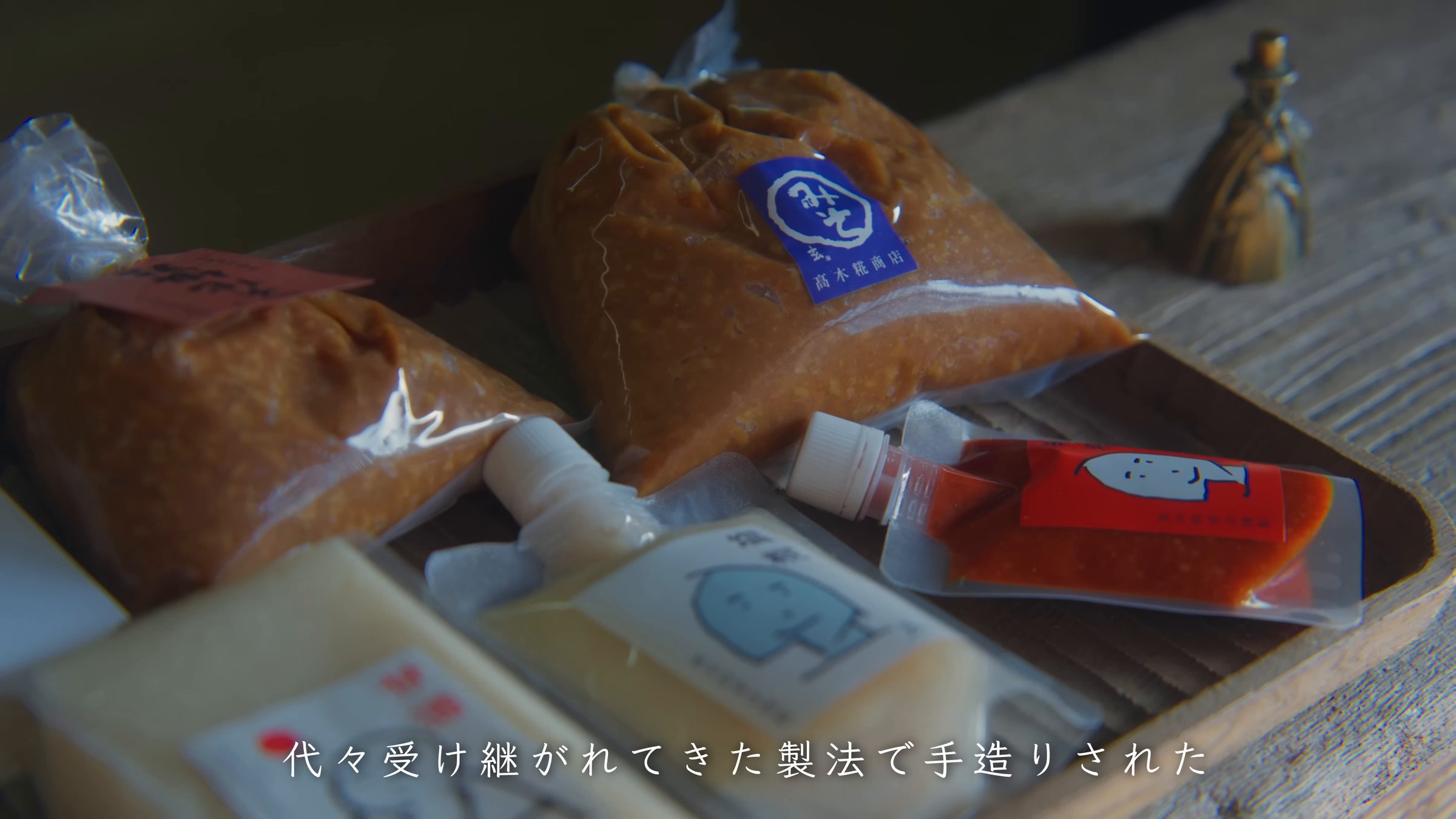
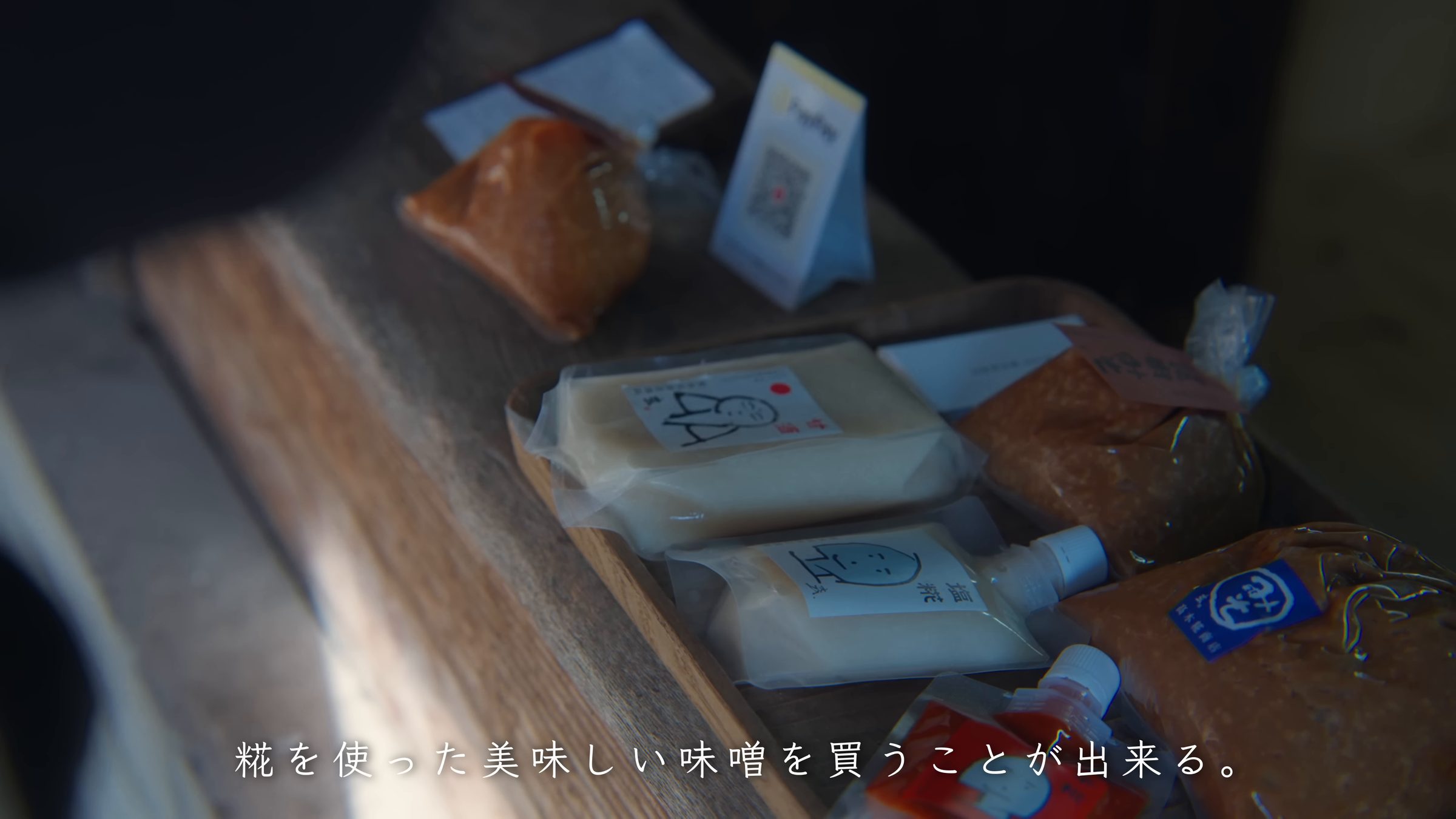
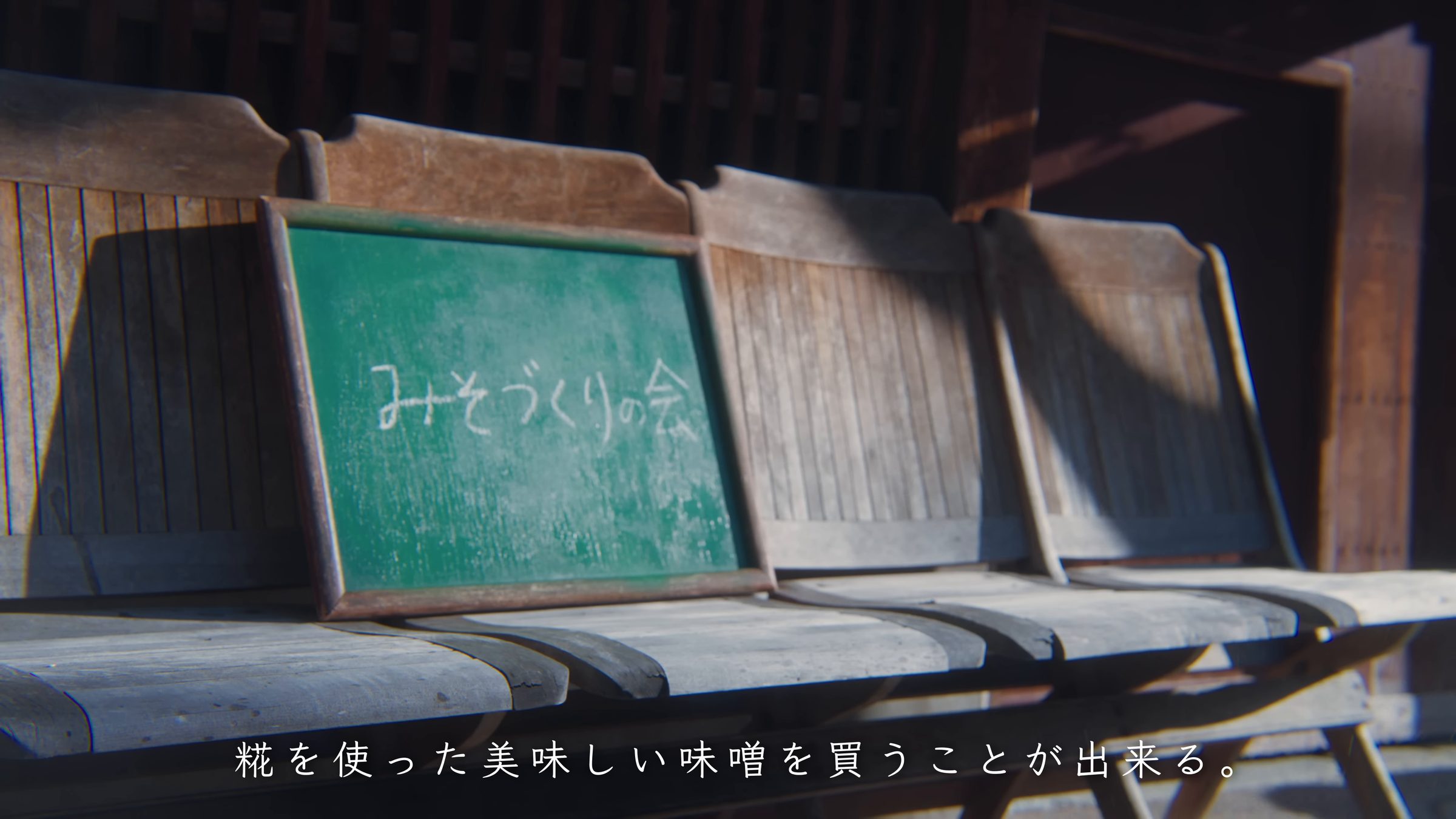
This koji shop, too, has been around since the Edo period, its old wooden front standing under a clear winter sky. Beneath a carved sign reading "Koji, Takagi Shoten," you can buy koji made by hand with methods passed down through generations, and delicious miso made with it. A chalkboard out front announced a miso-making class.
Watch this scene on YouTube10:31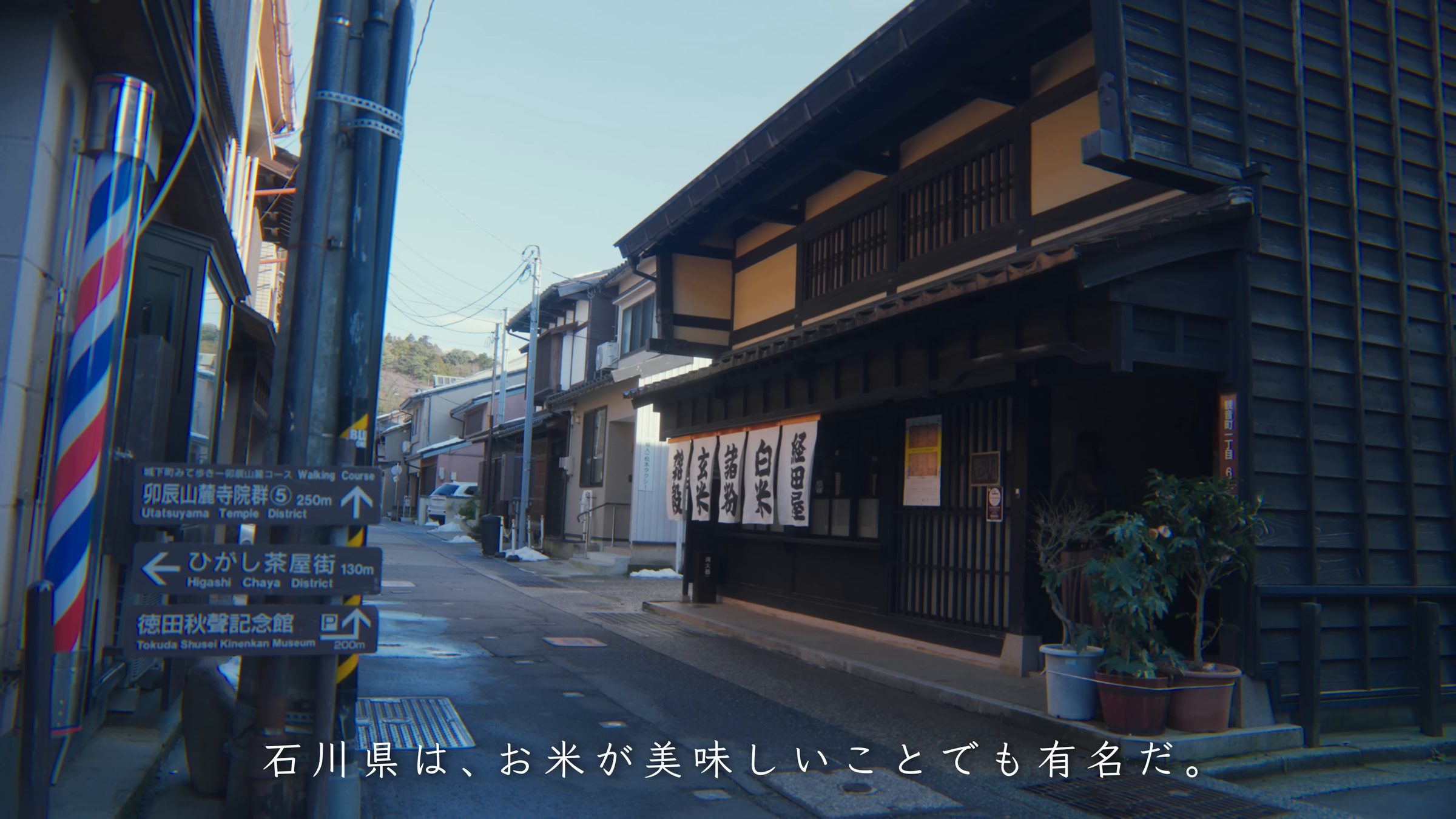
15TRAVEL JOURNAL
Nodoguro rice
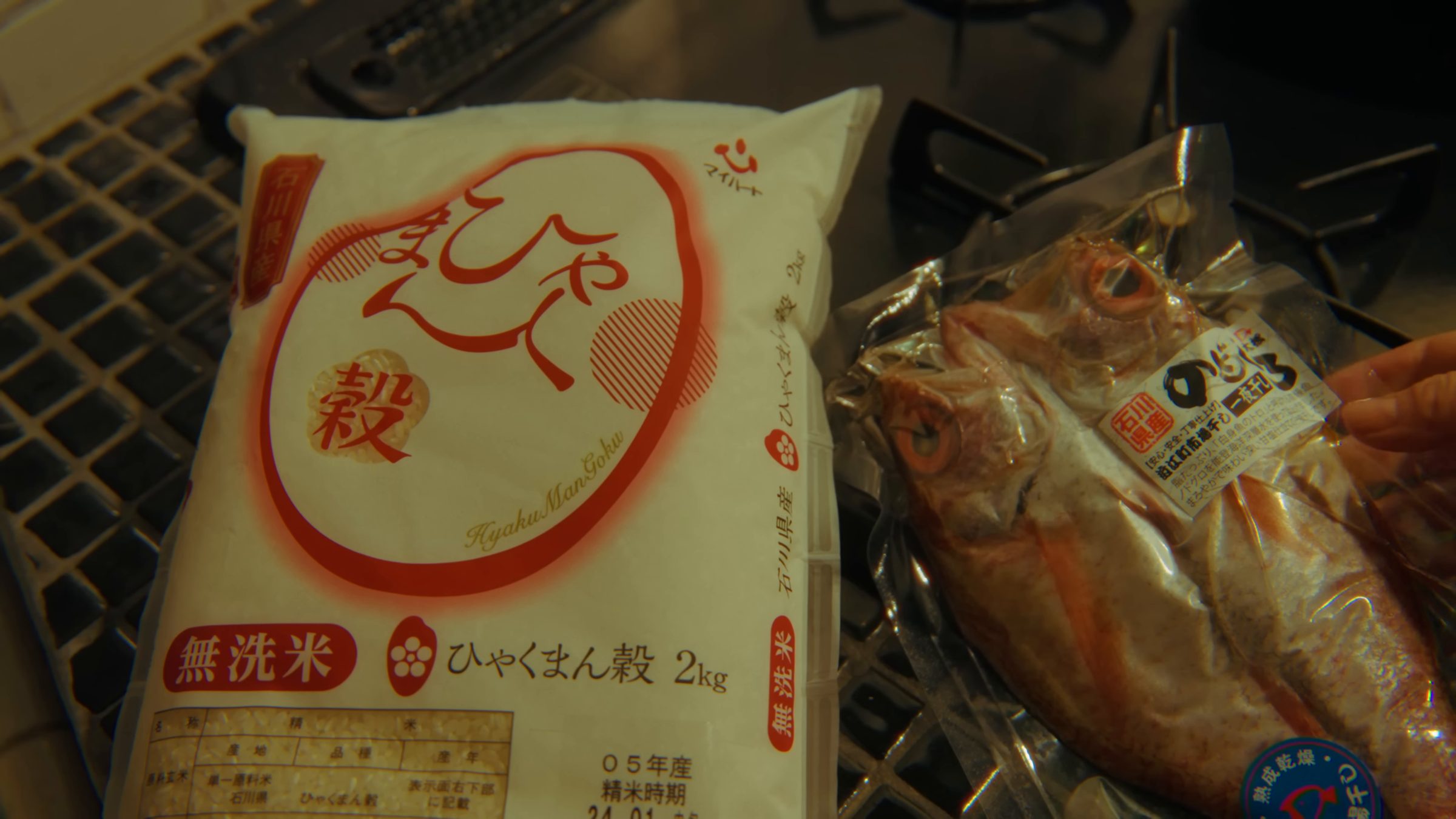
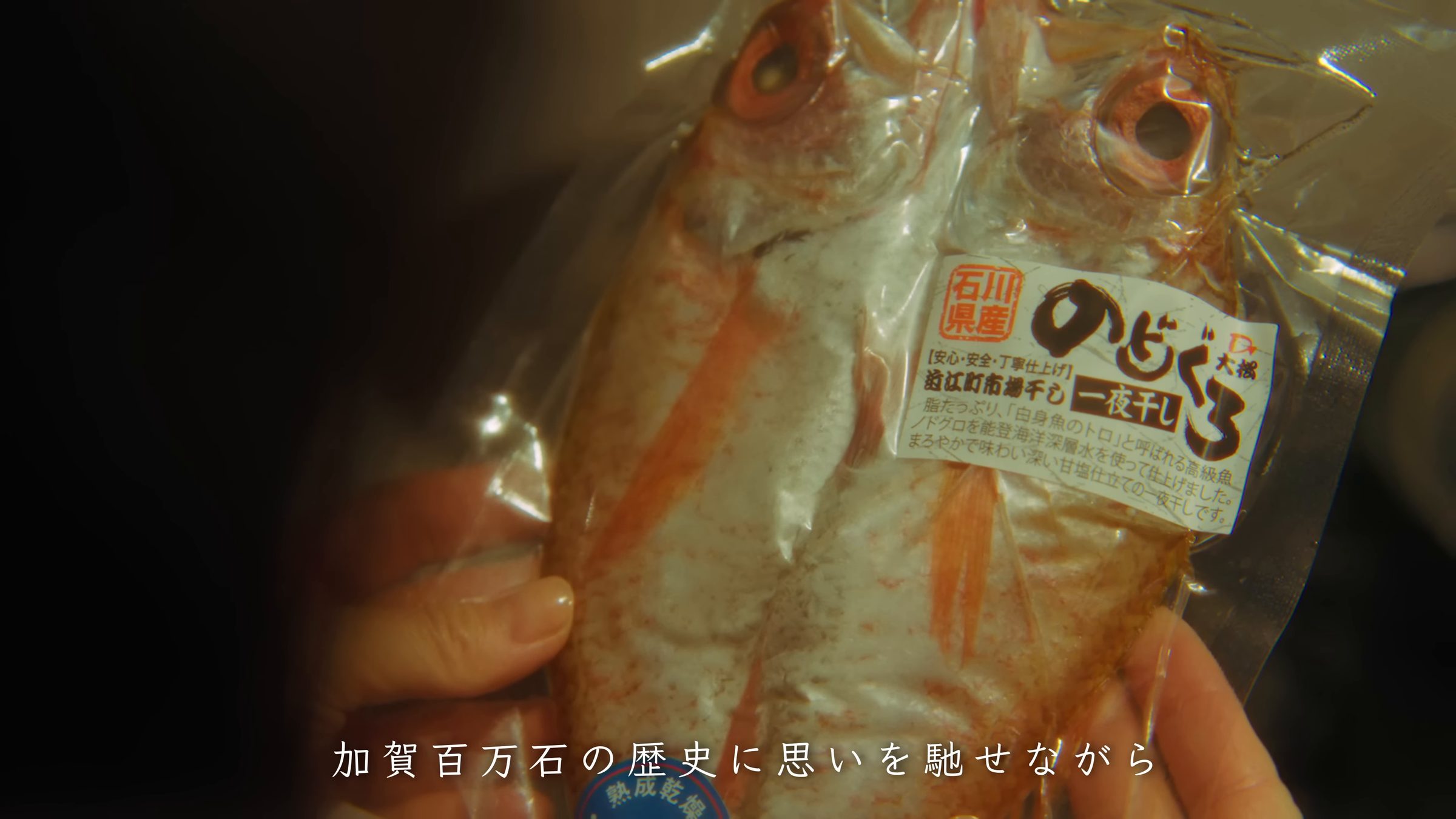
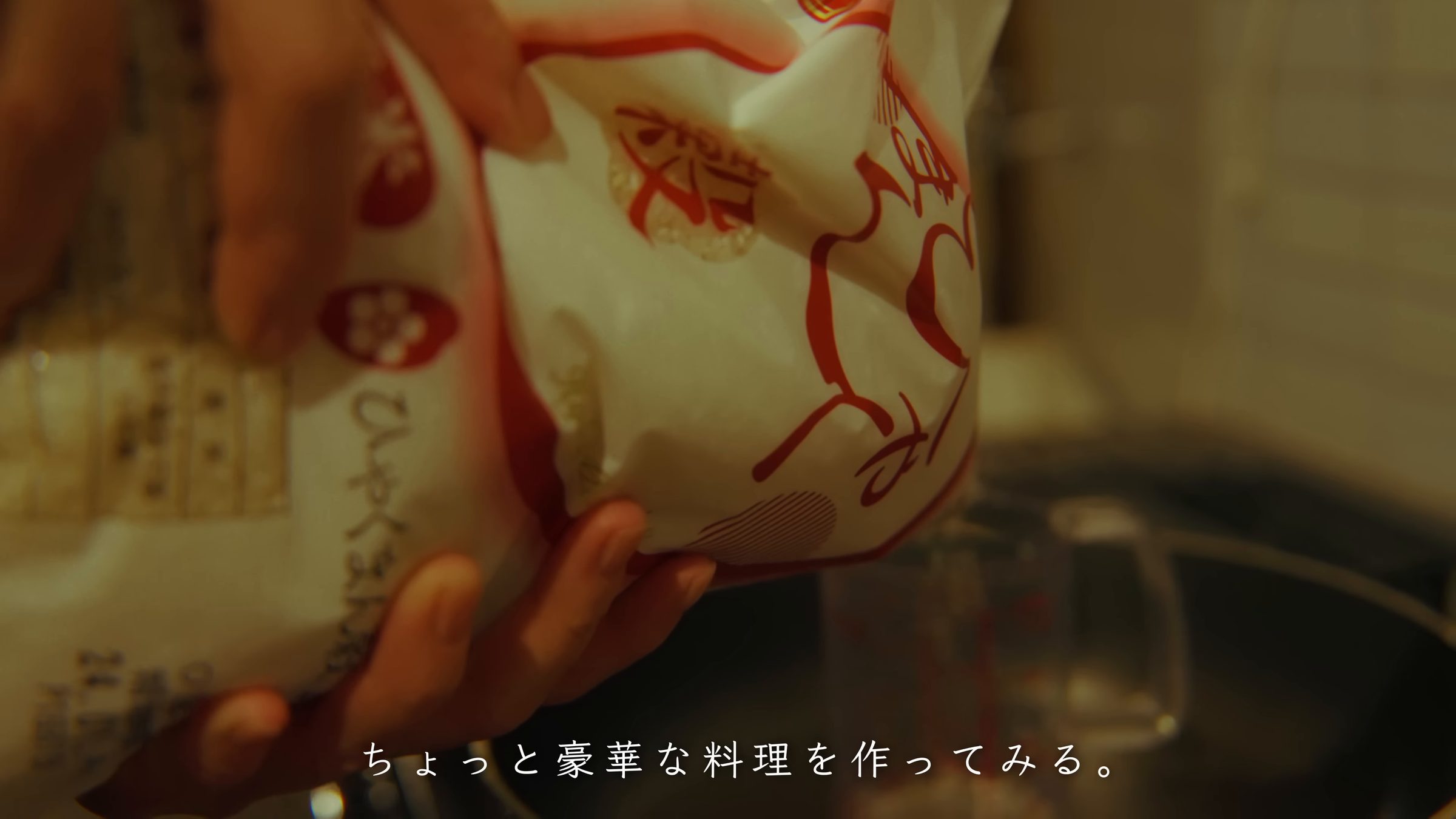
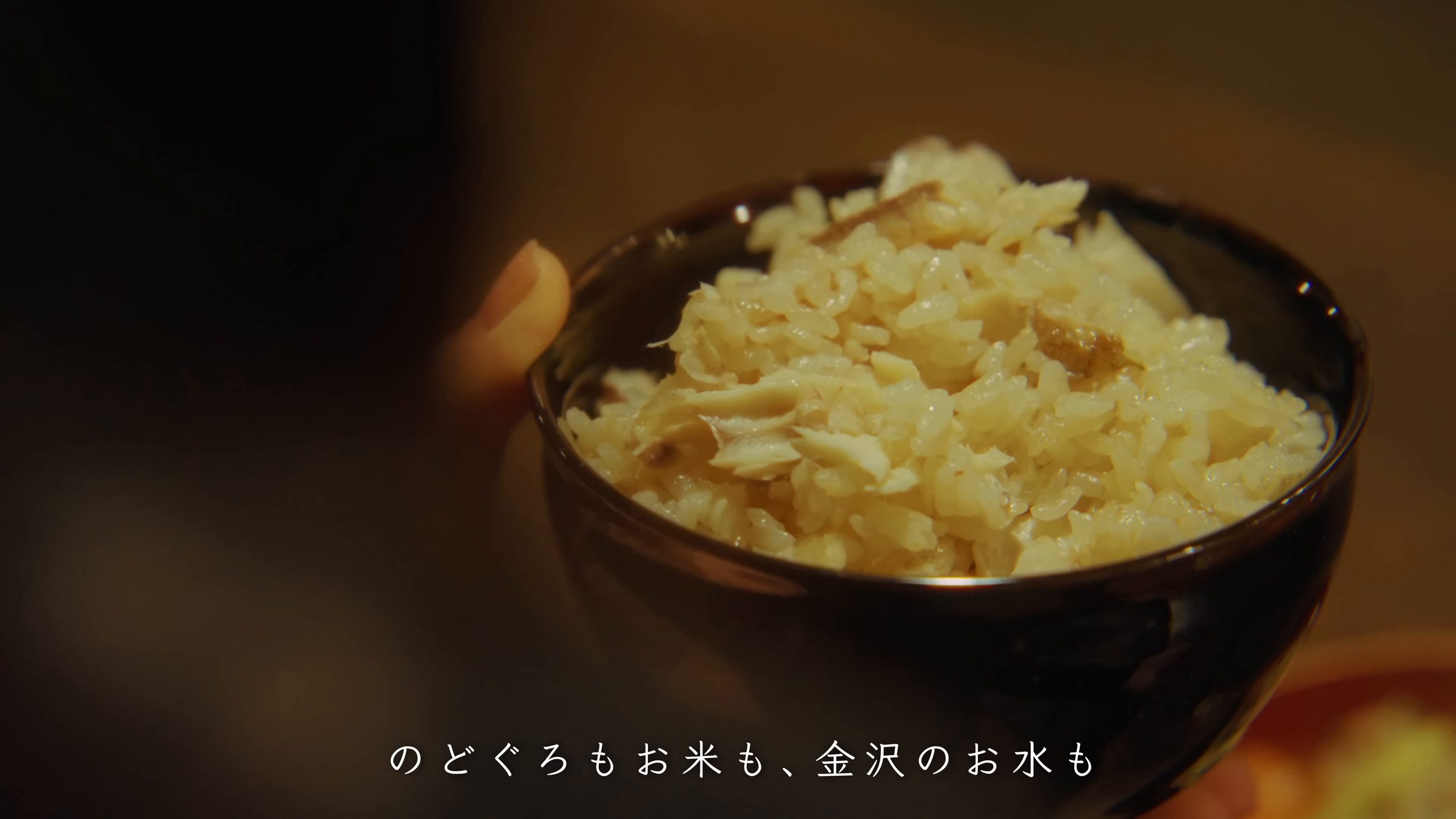
Thinking of the long history of the Kaga domain, I made something a little fancy. I had brought home Ishikawa's own rice, Hyakumangoku, and the overnight-dried nodoguro from the market.
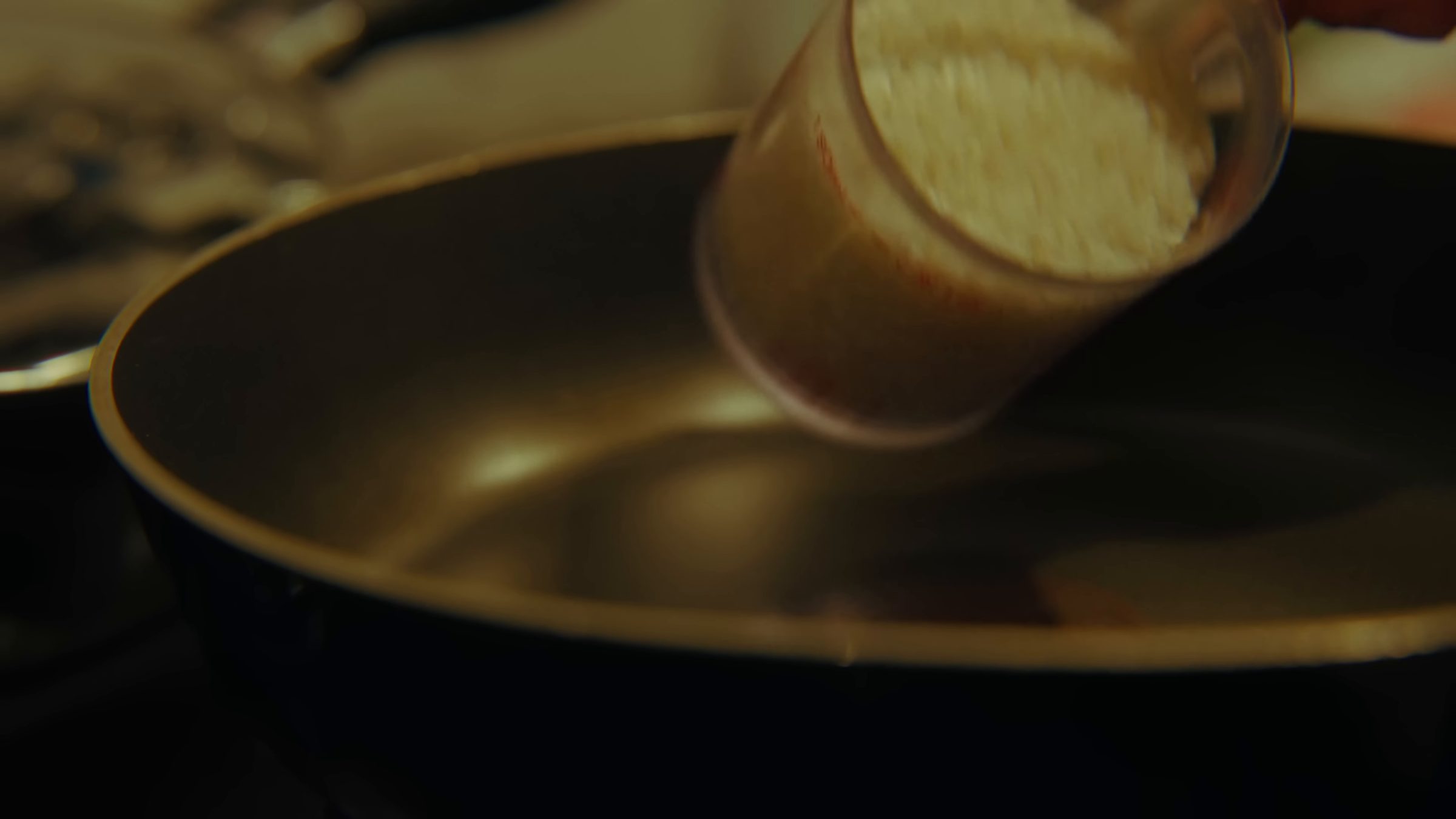
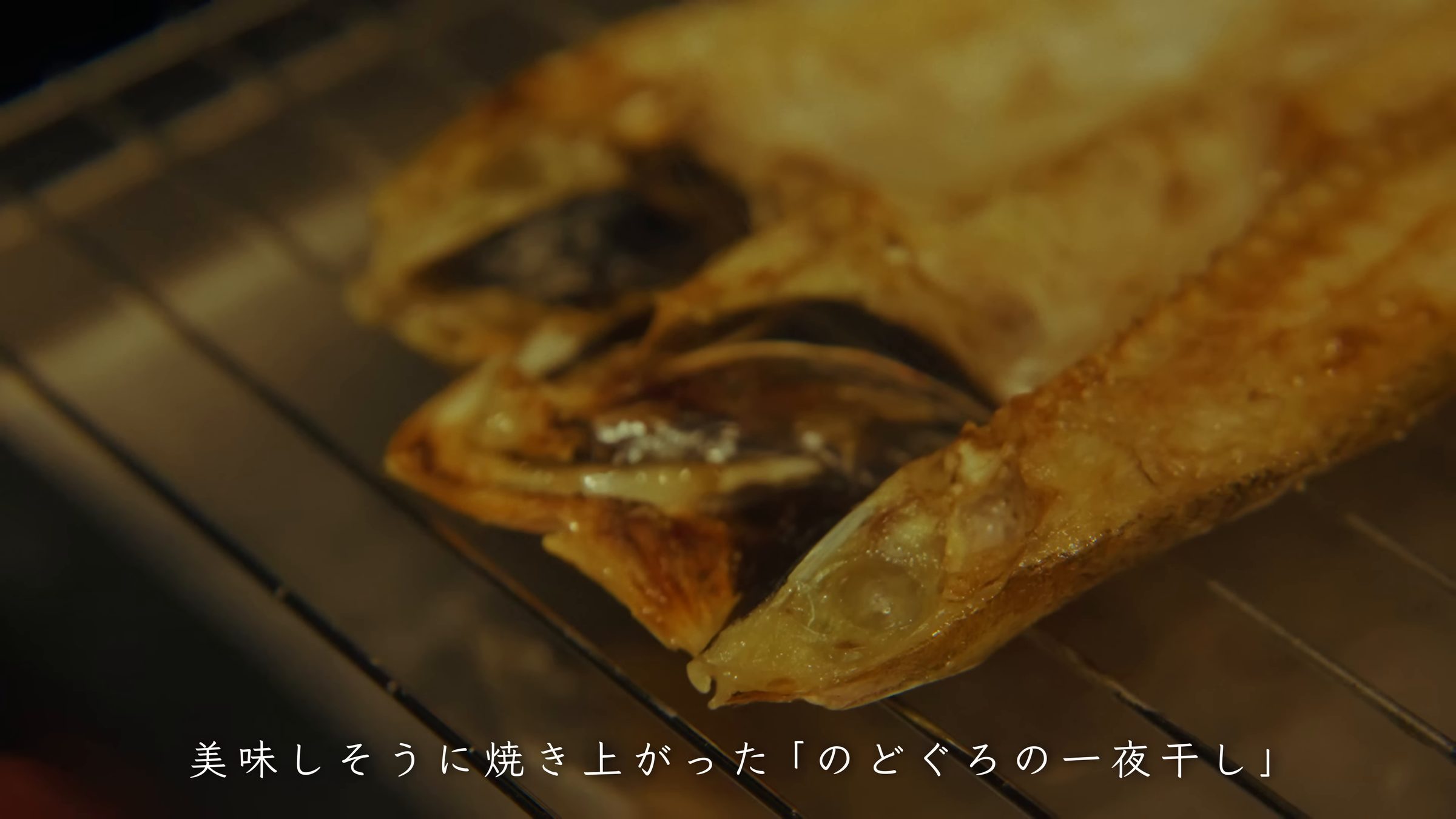
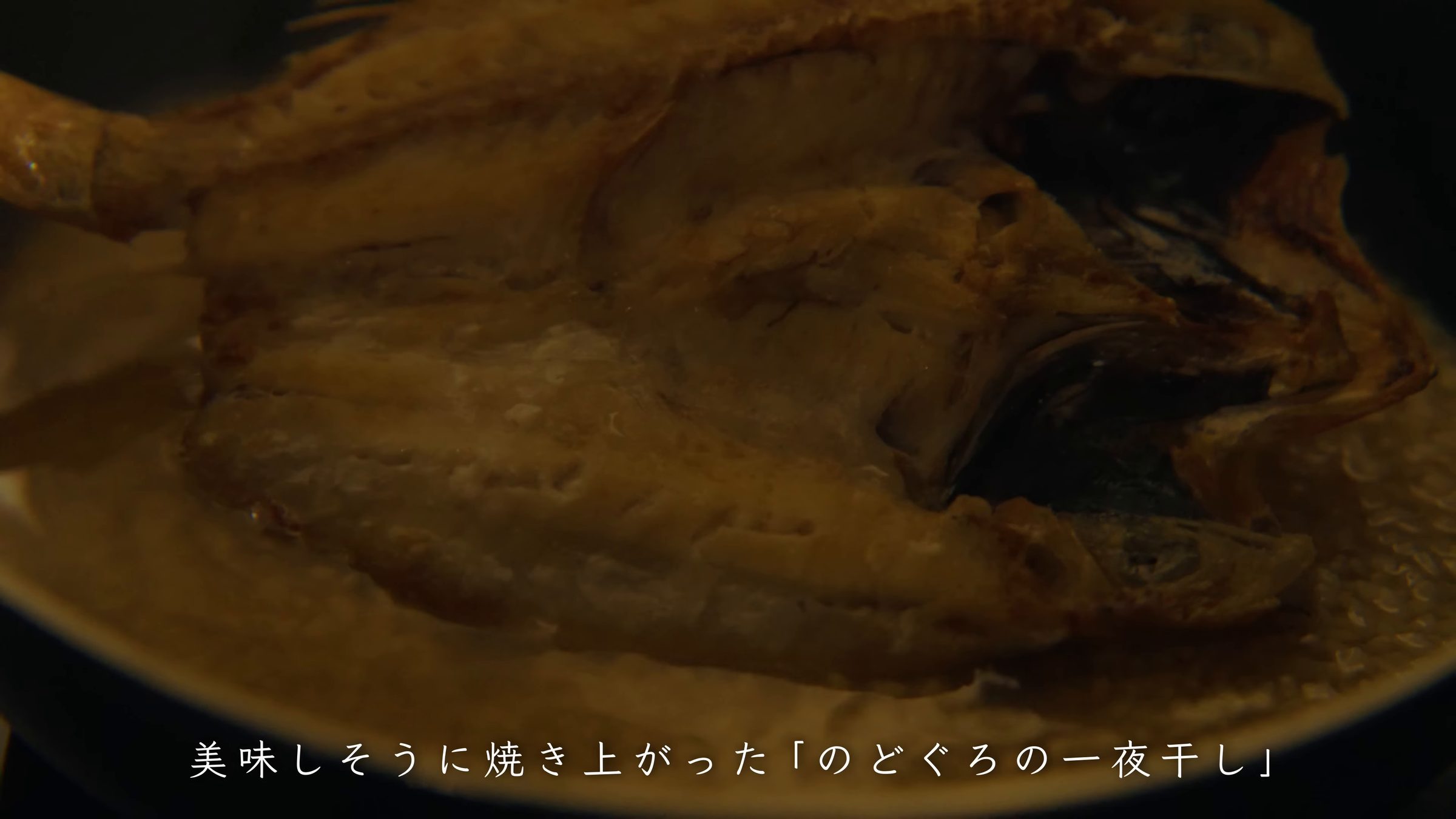
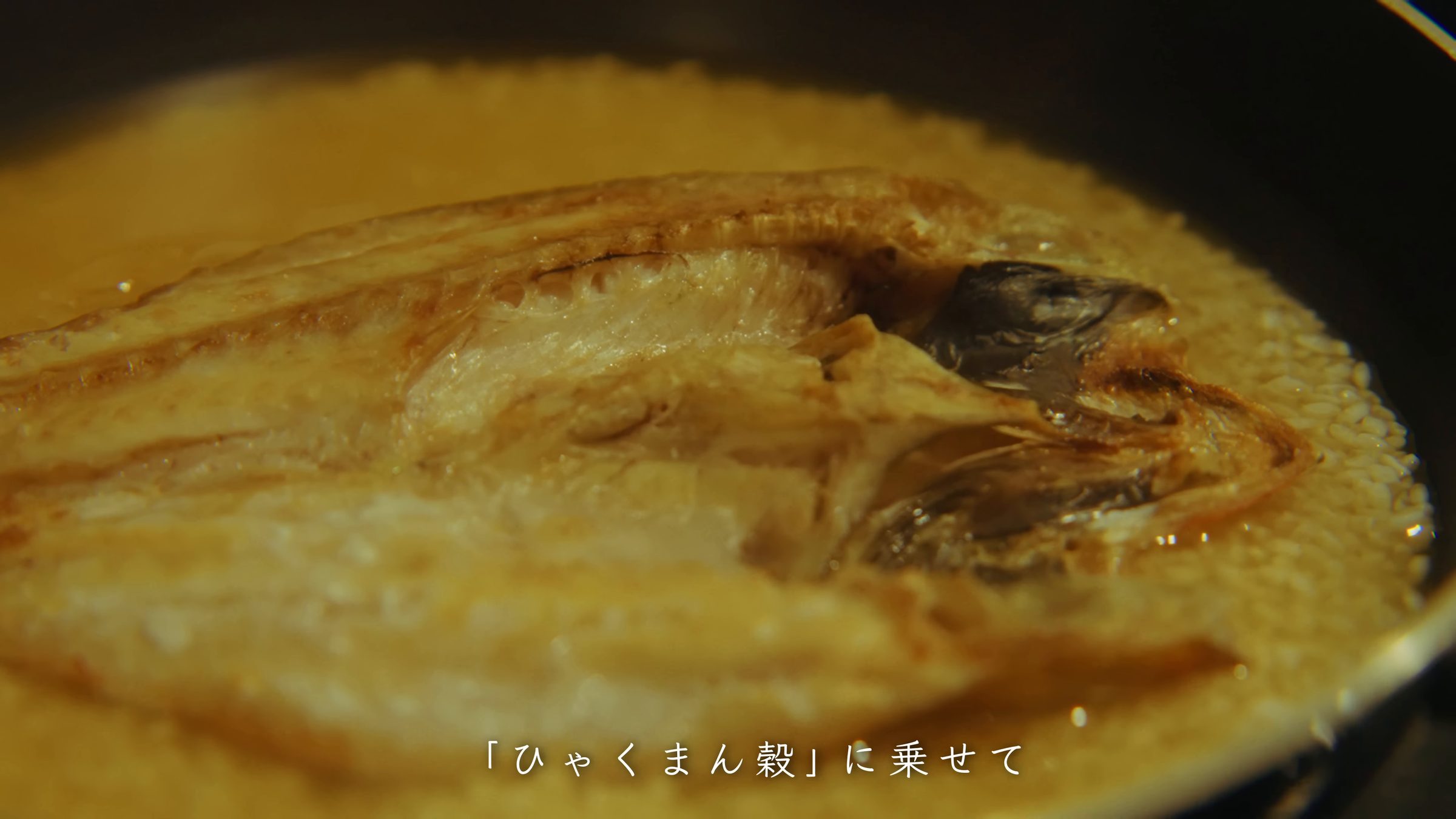
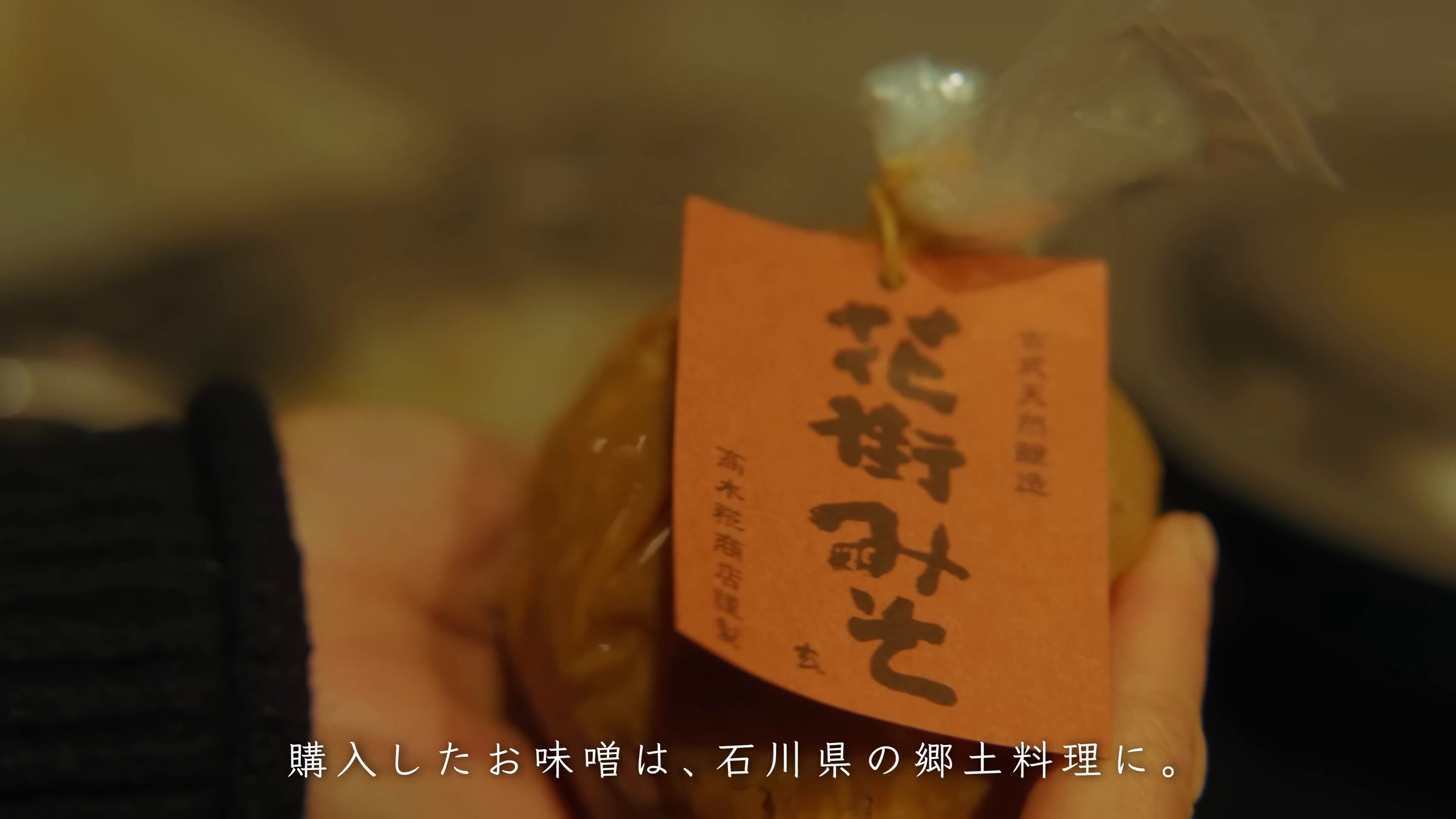
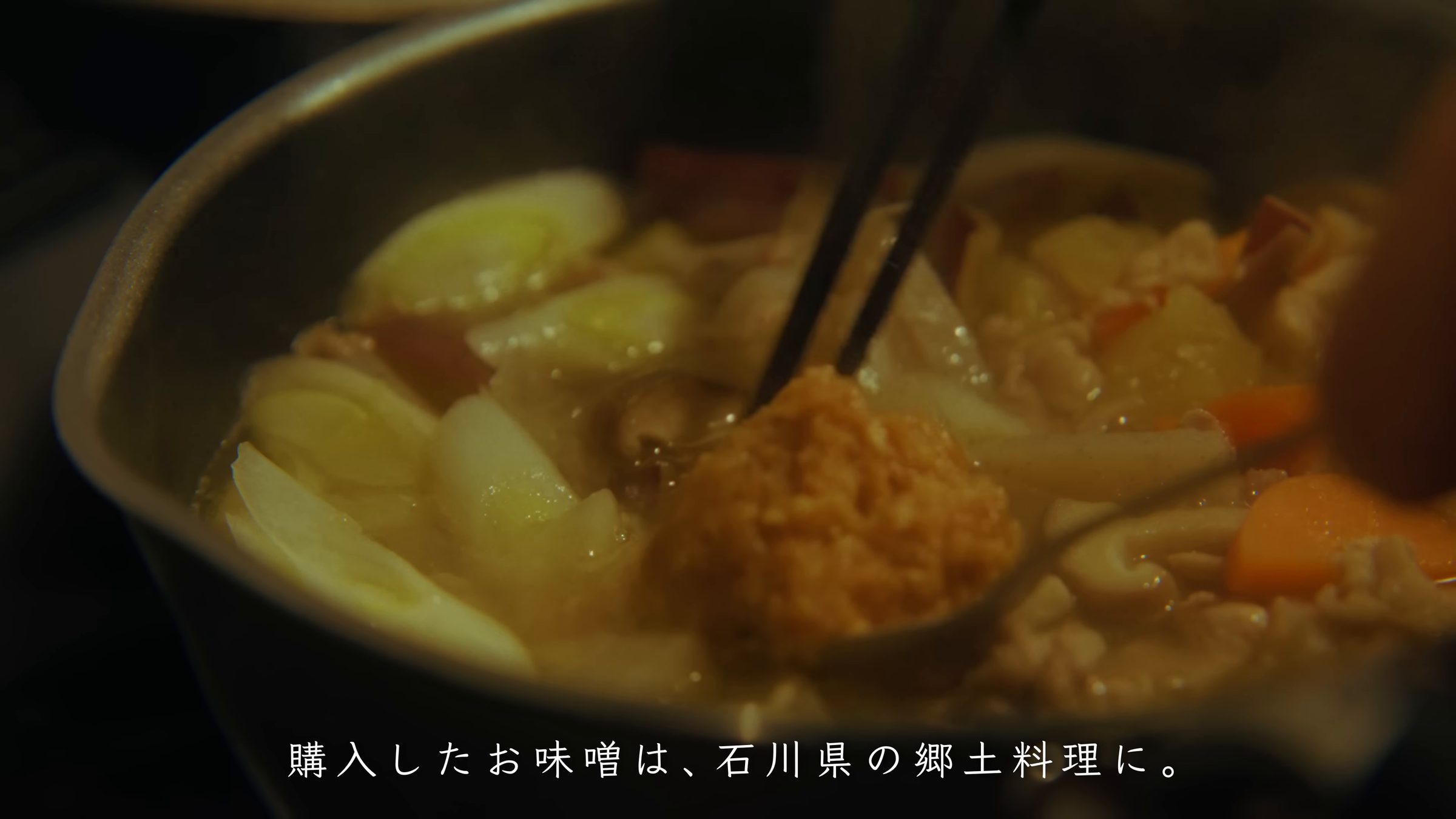
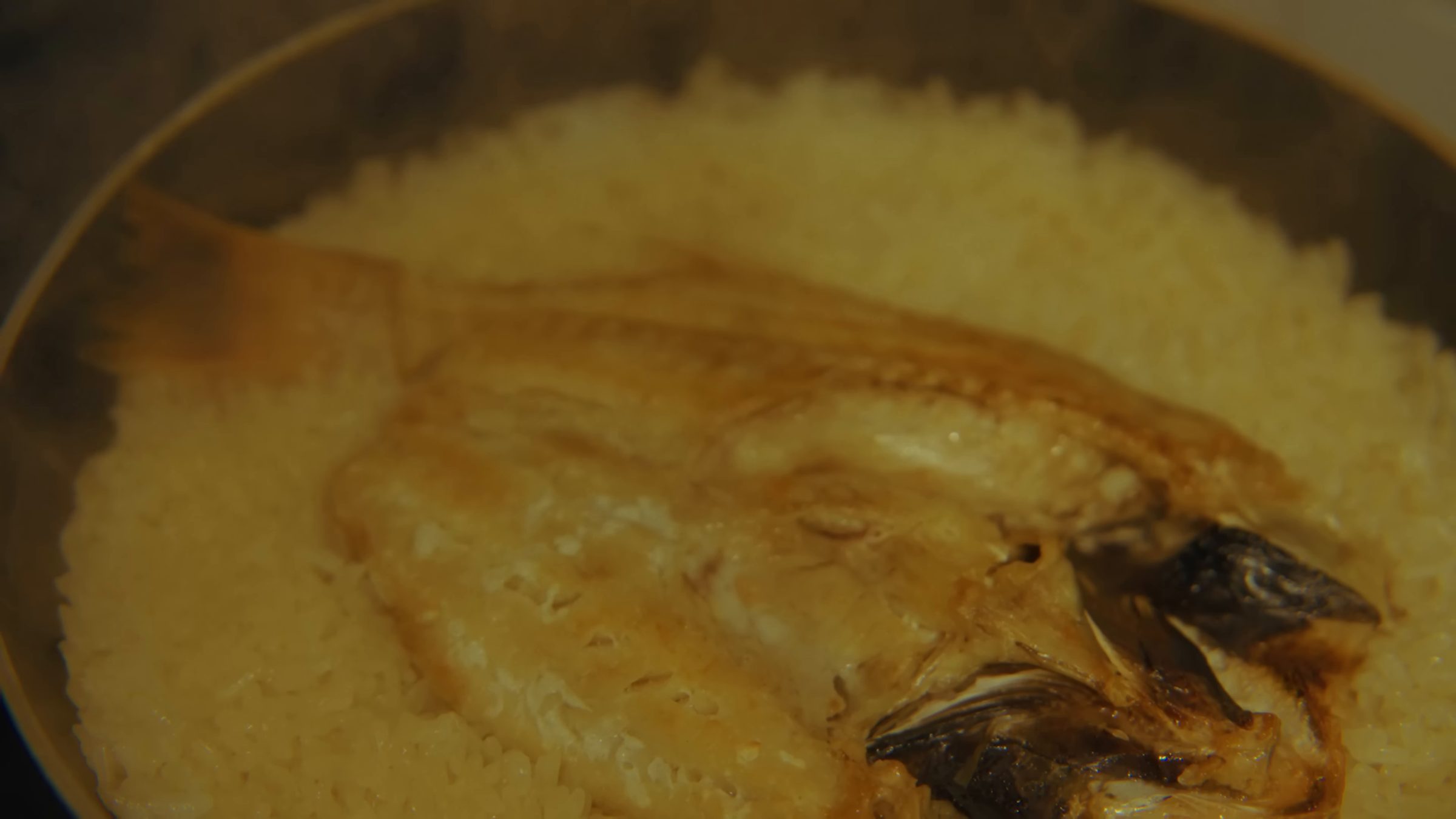
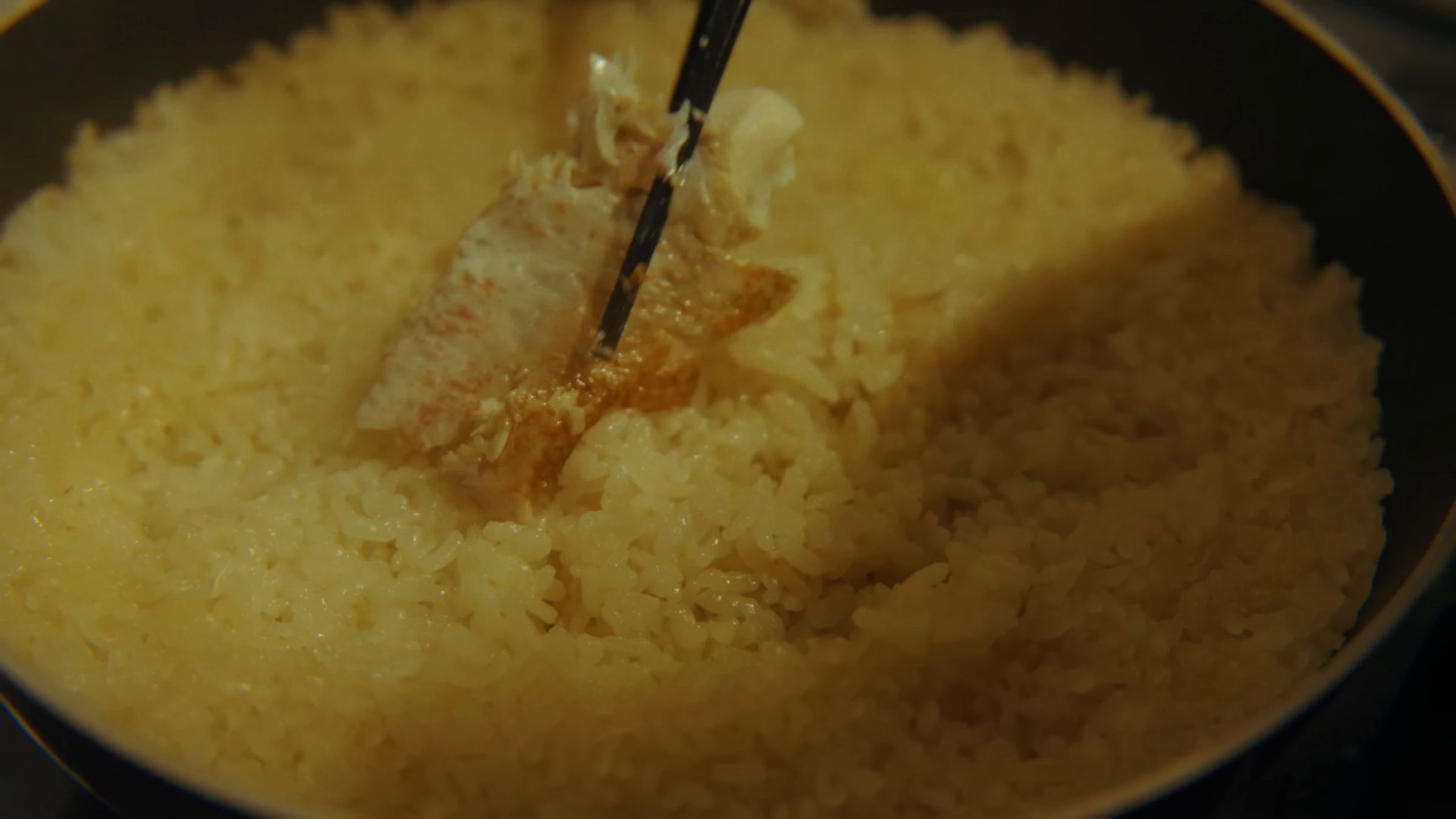
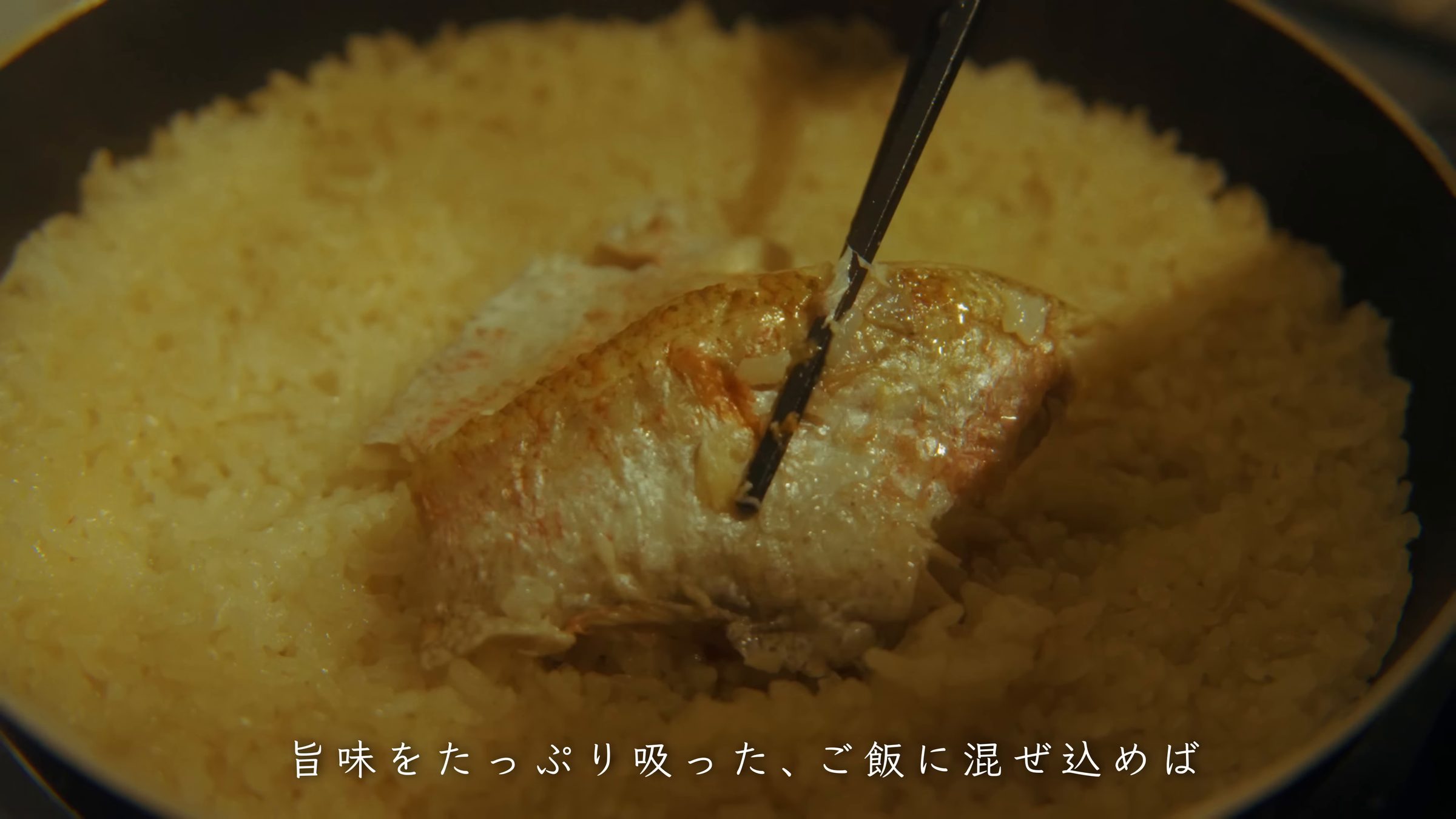
I grilled the nodoguro until it looked delicious, laid it on the rice in the pot, put on the lid and let it cook. Meanwhile, I used Kagai Miso from Takagi Koji Shoten for a soup that is one of Ishikawa's local dishes.
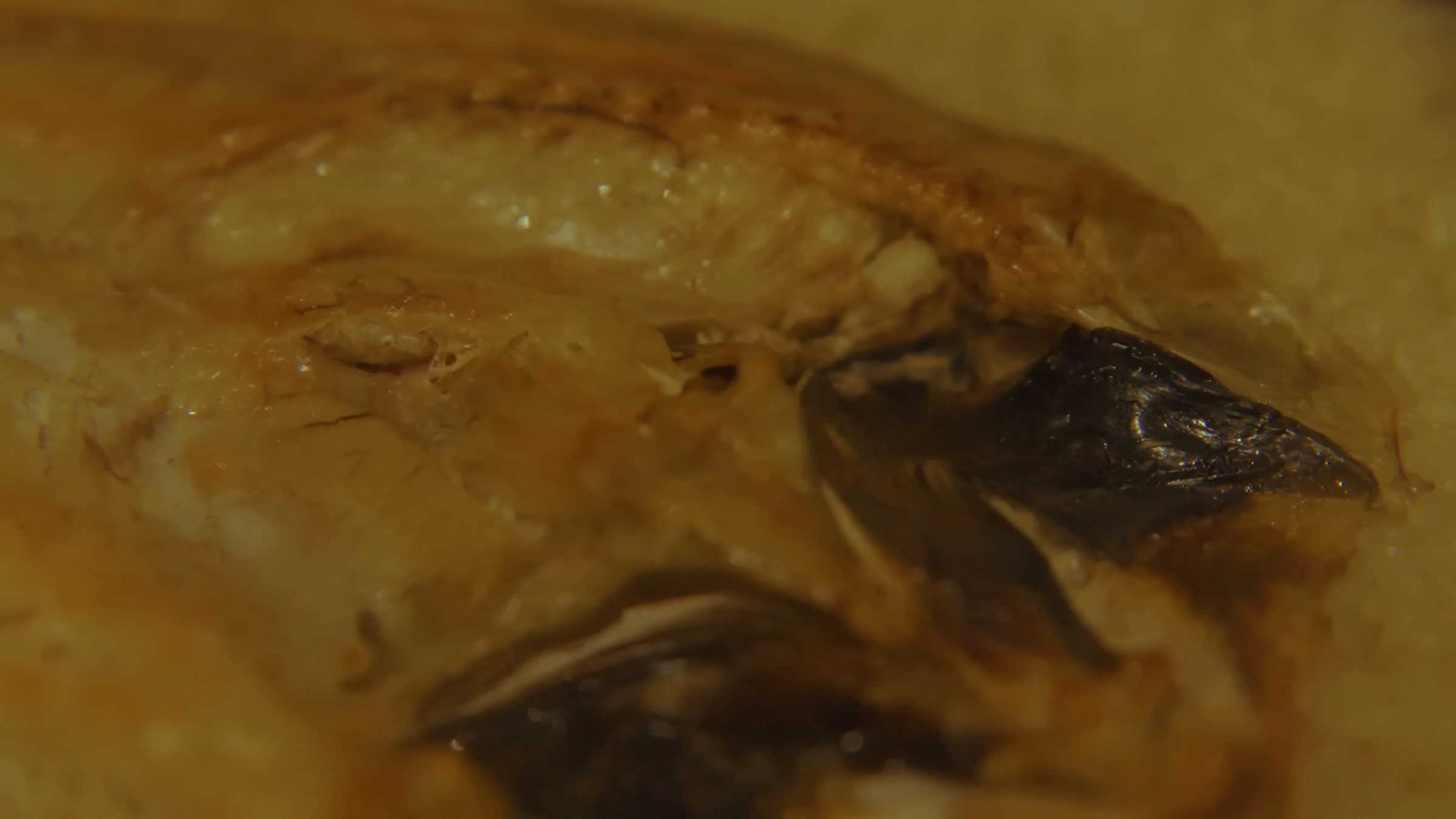
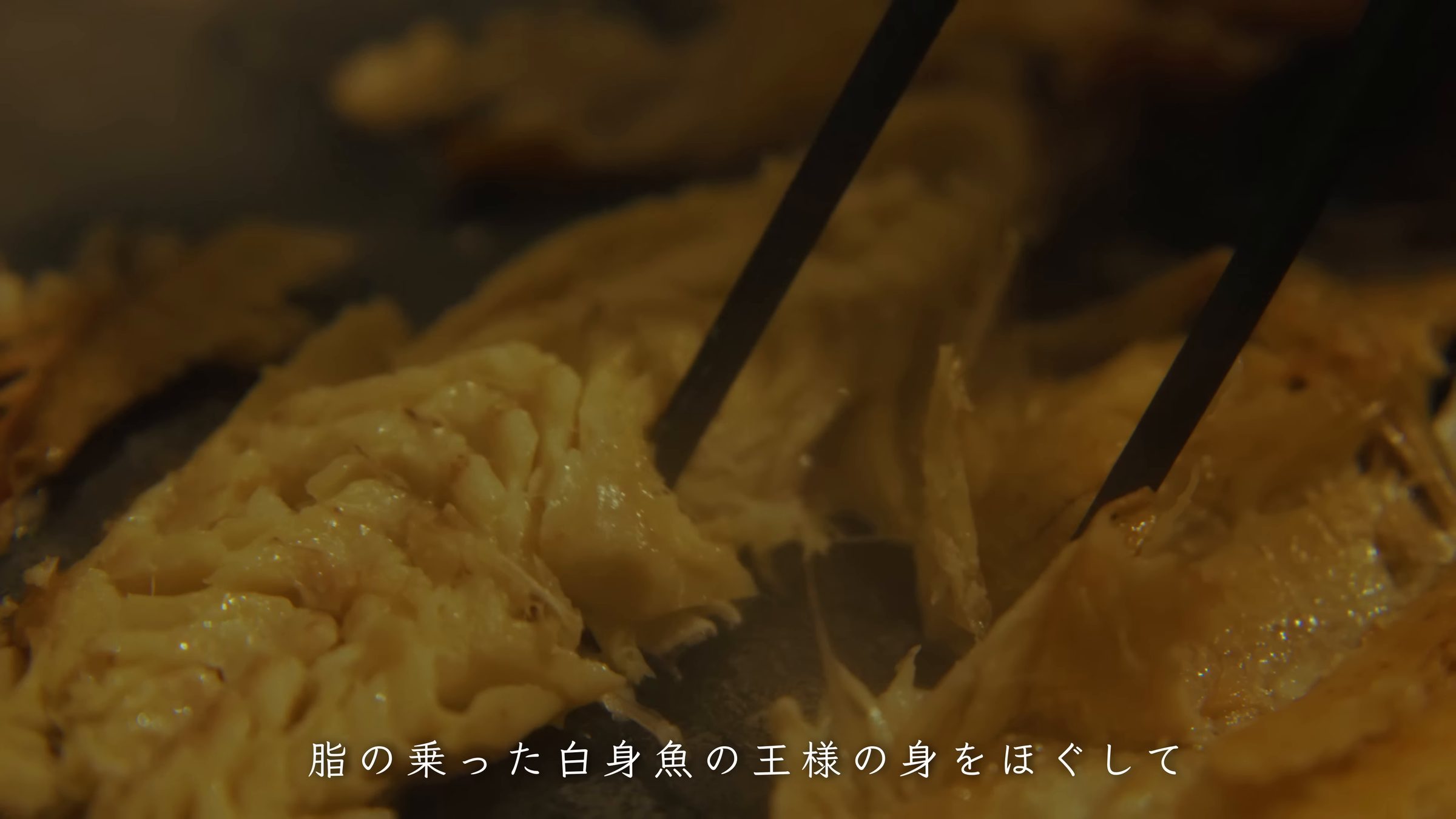
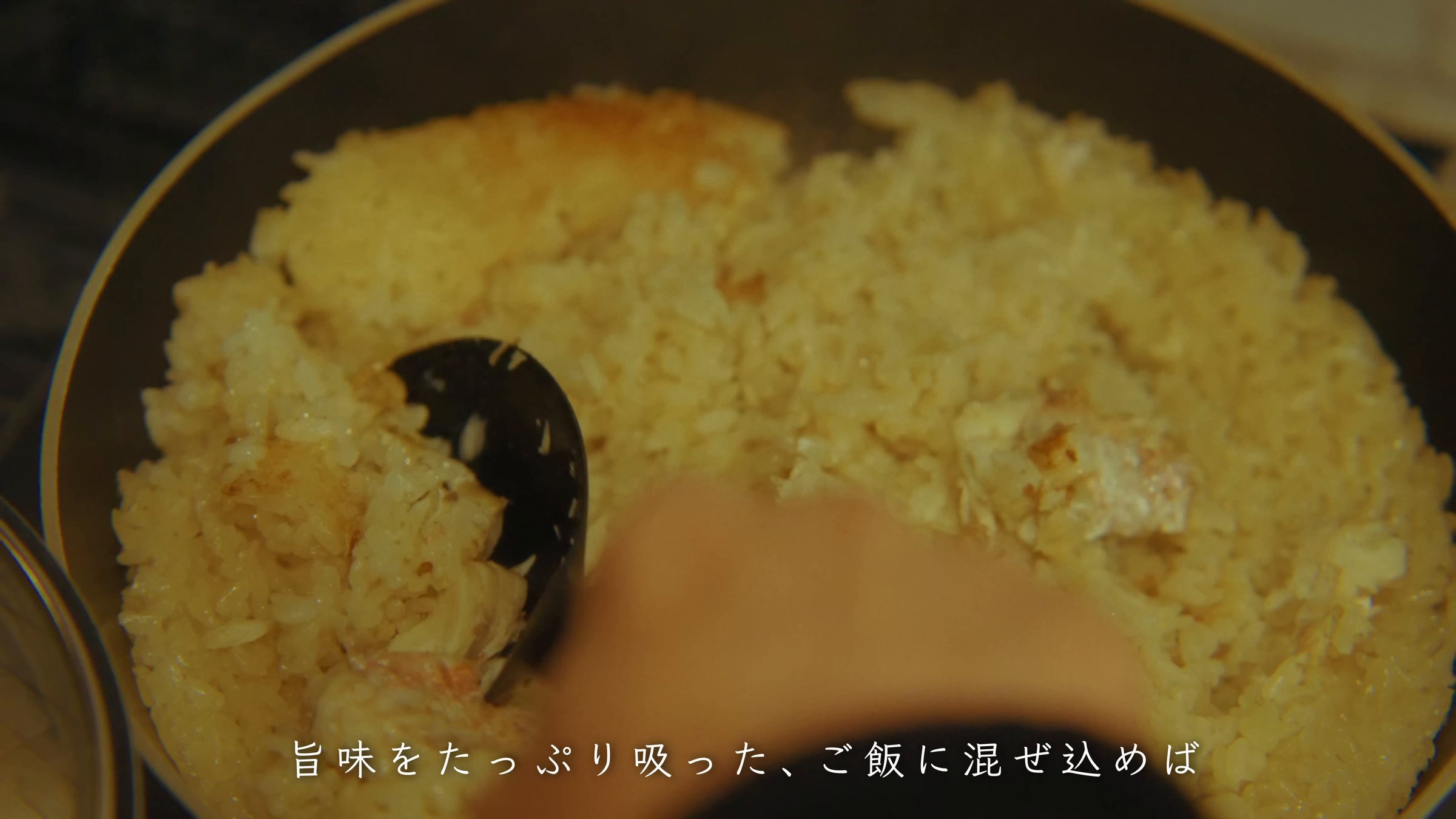
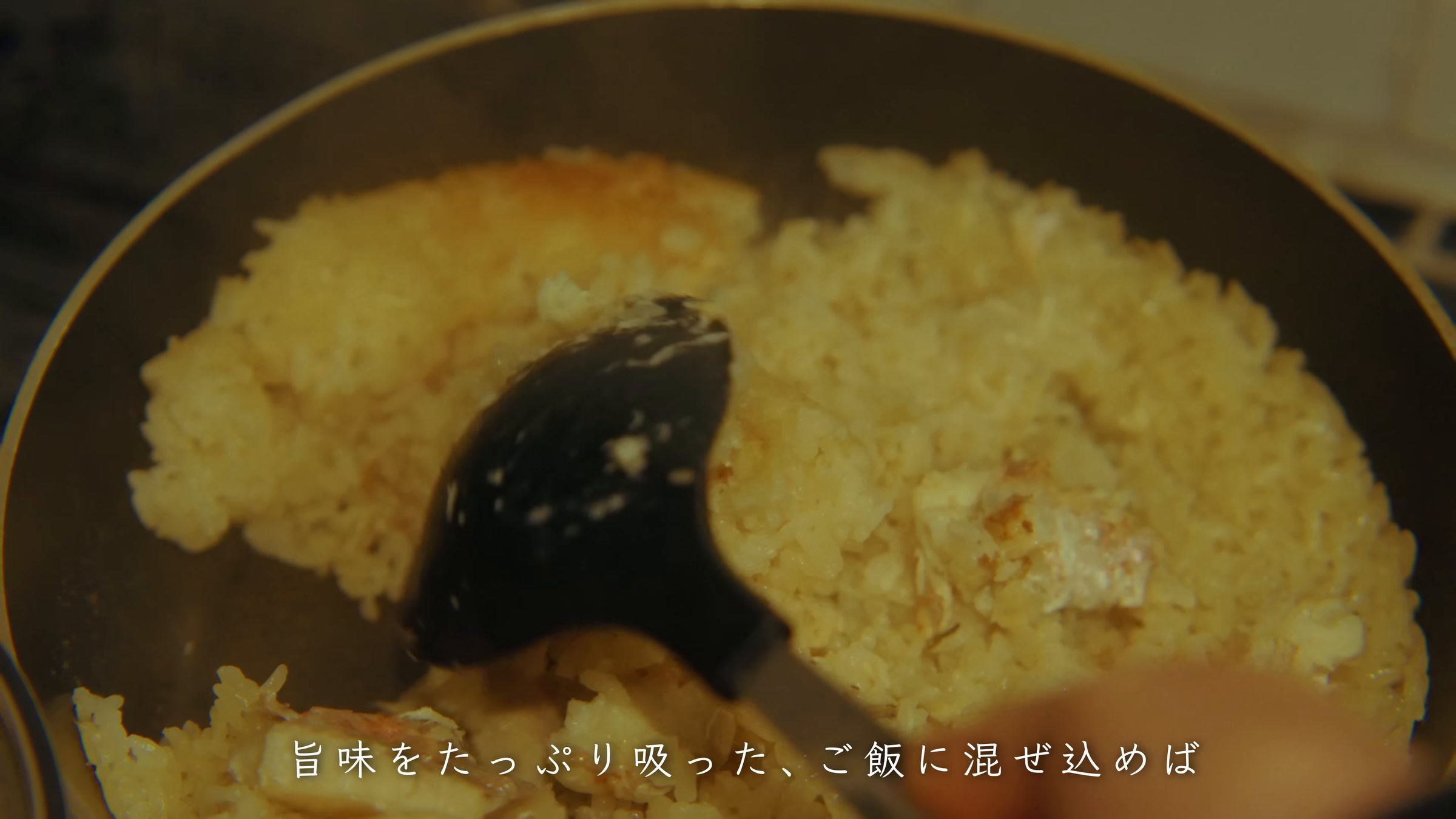
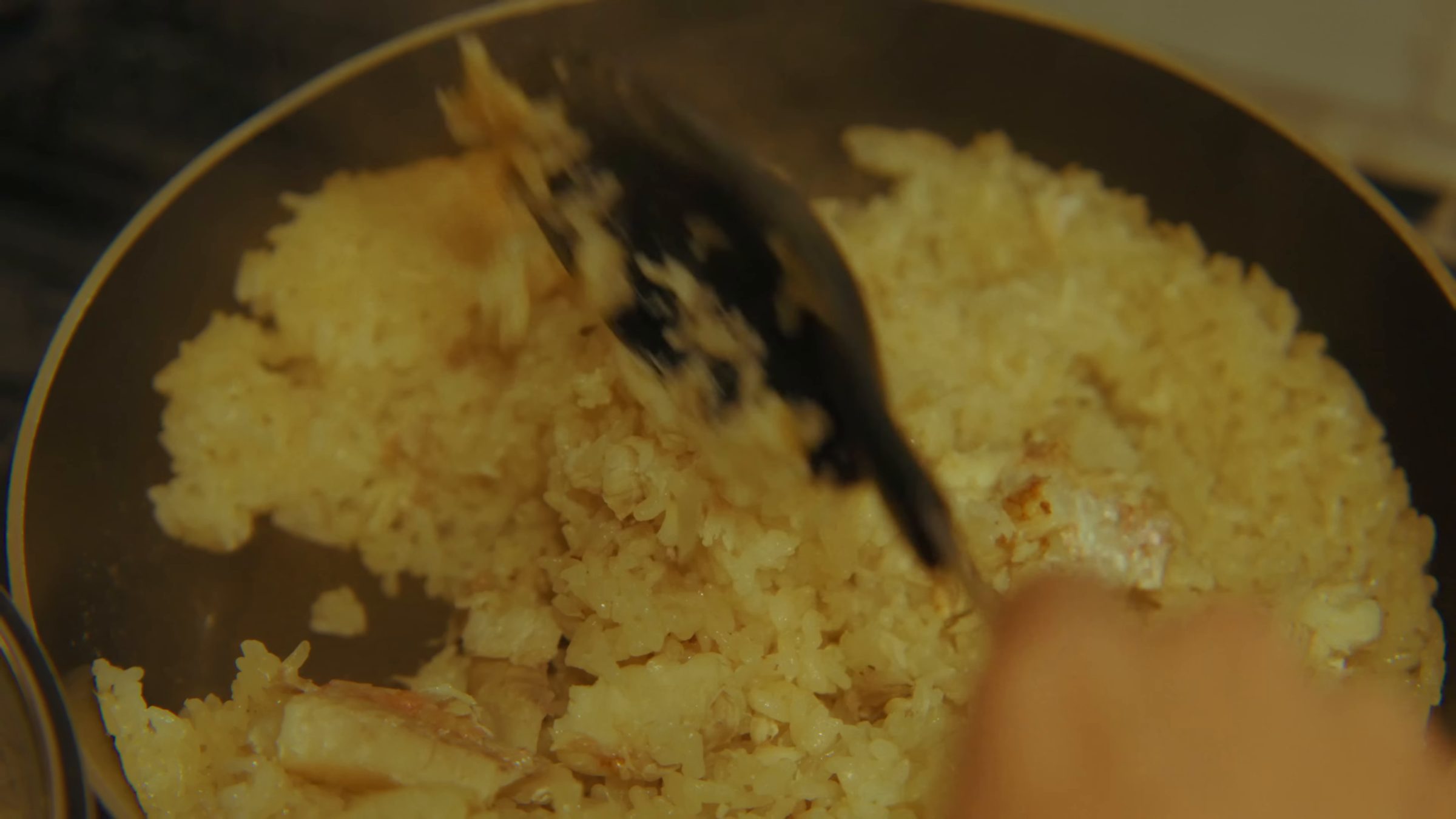
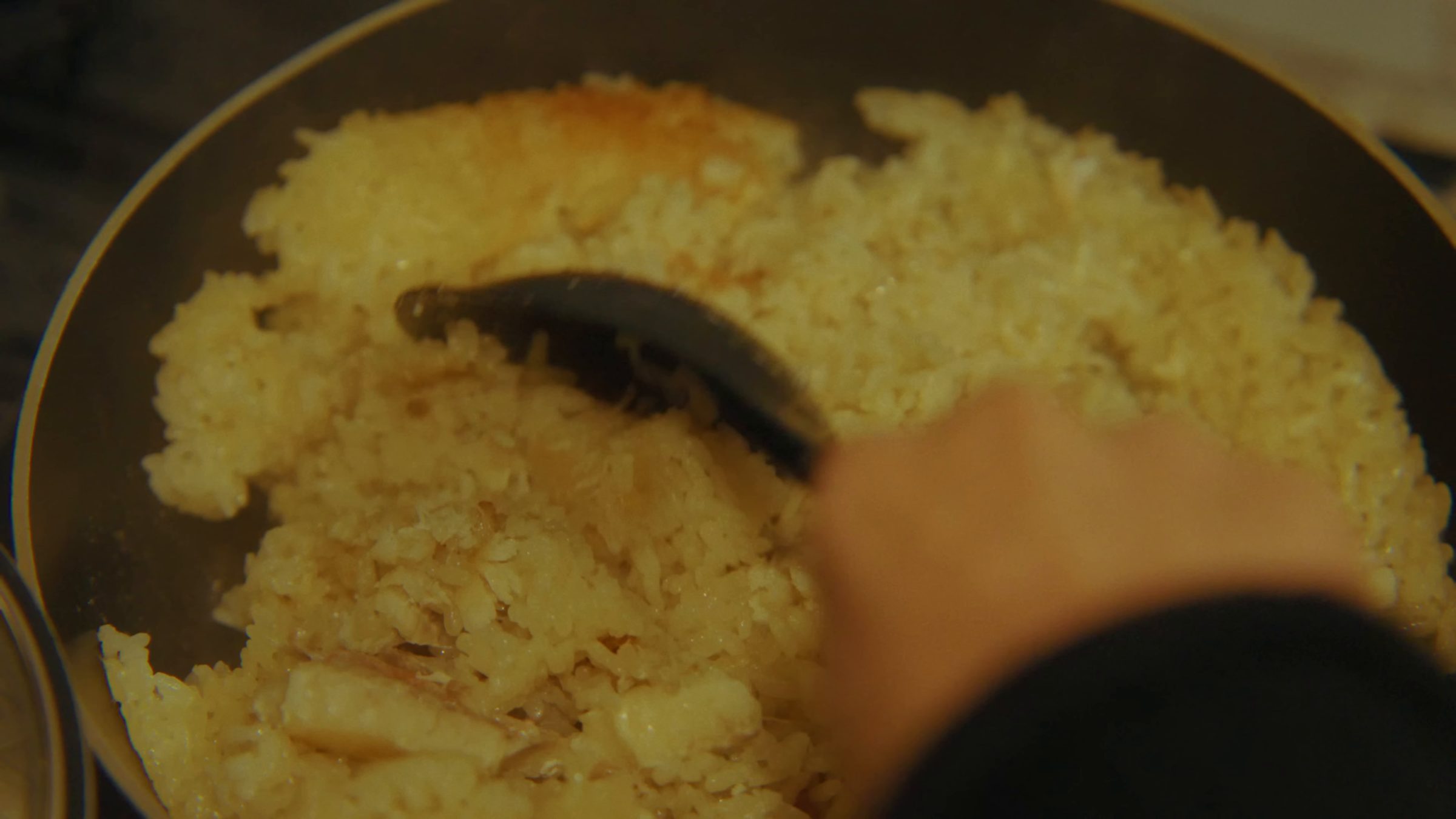
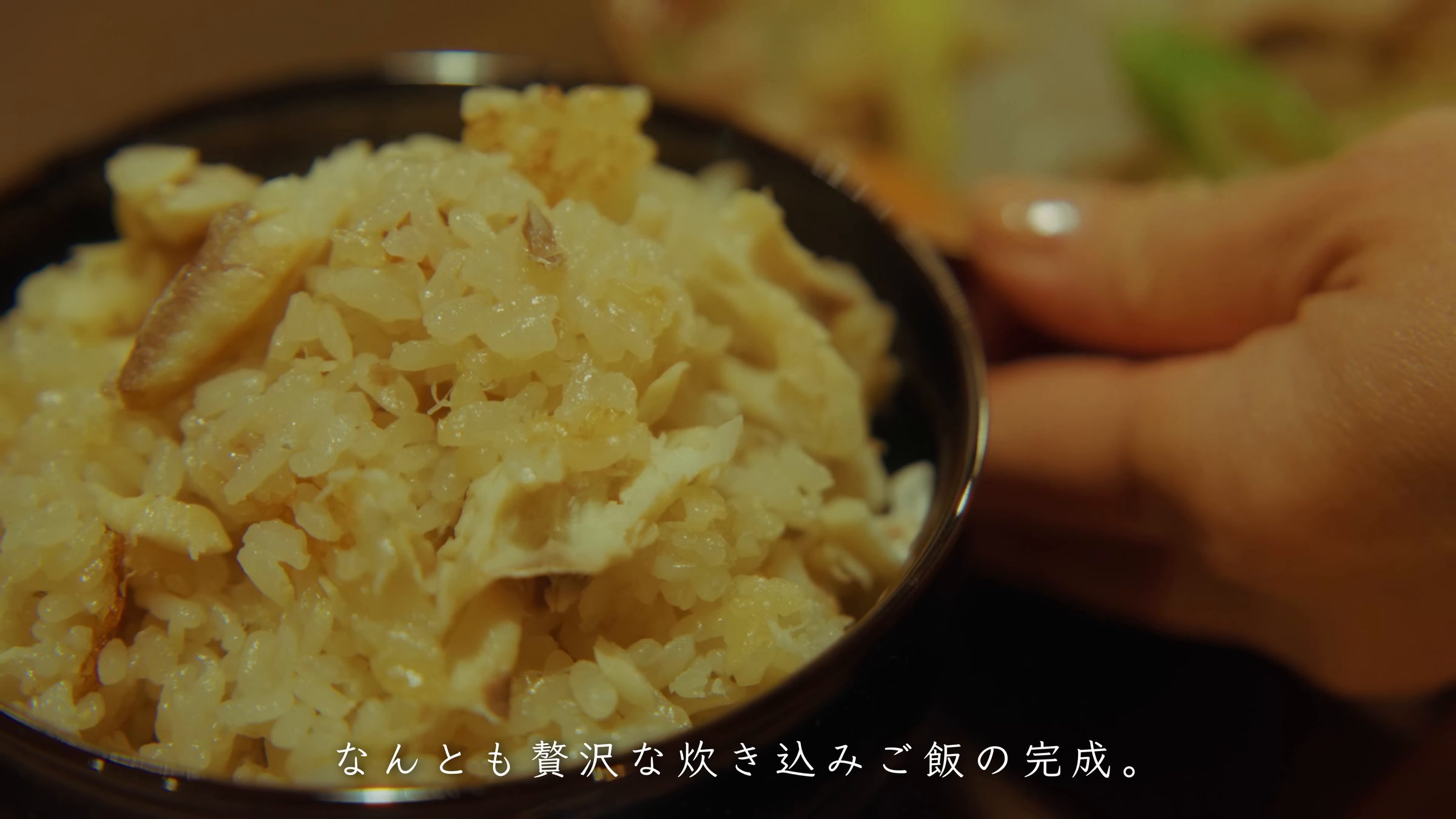
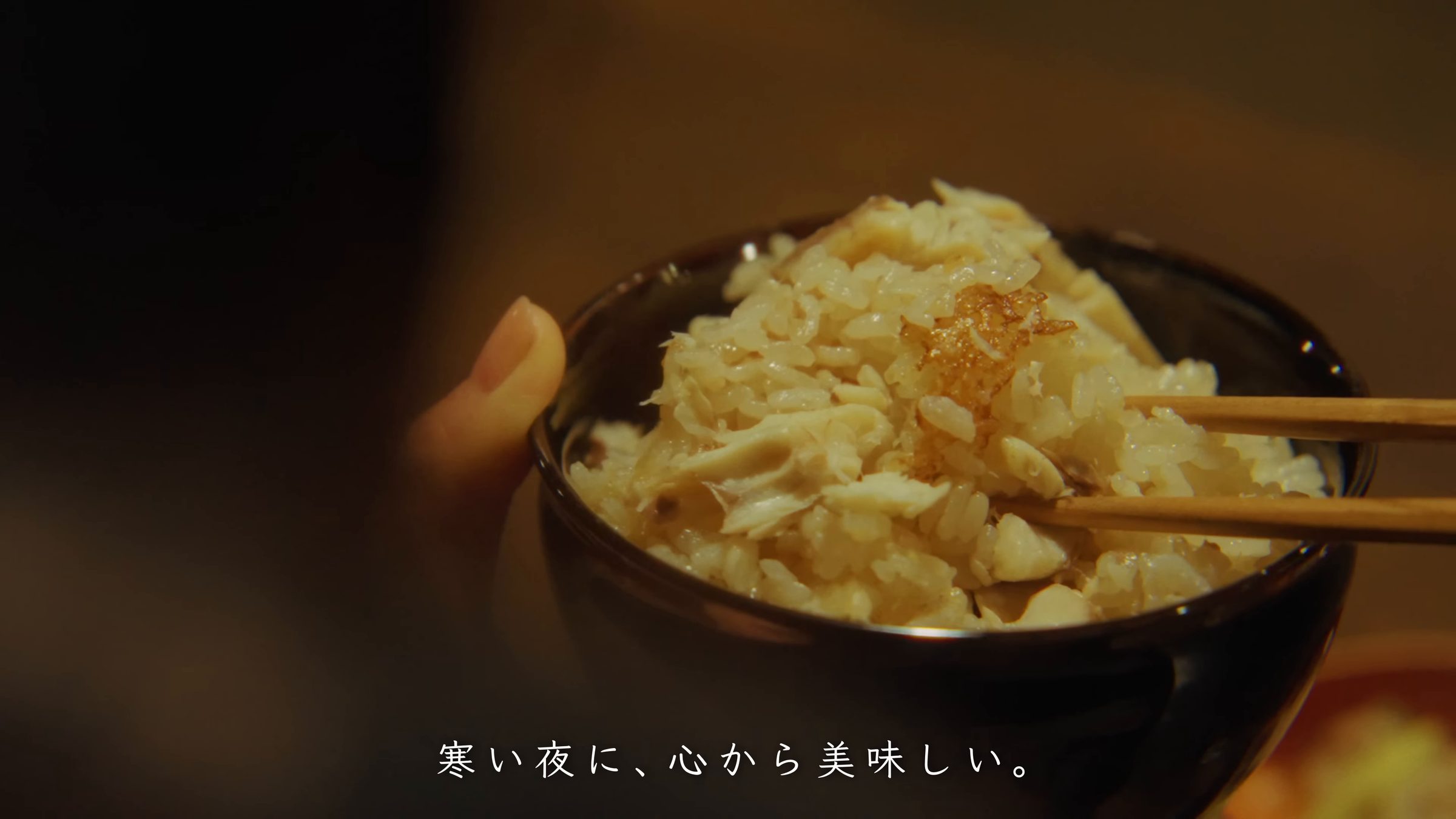
When the rice was done, I flaked the flesh of this king of fatty white fish and took out the bones. Mixed into the rice that had soaked up all its flavor, it made a truly luxurious rice dish.
Watch this scene on YouTube11:22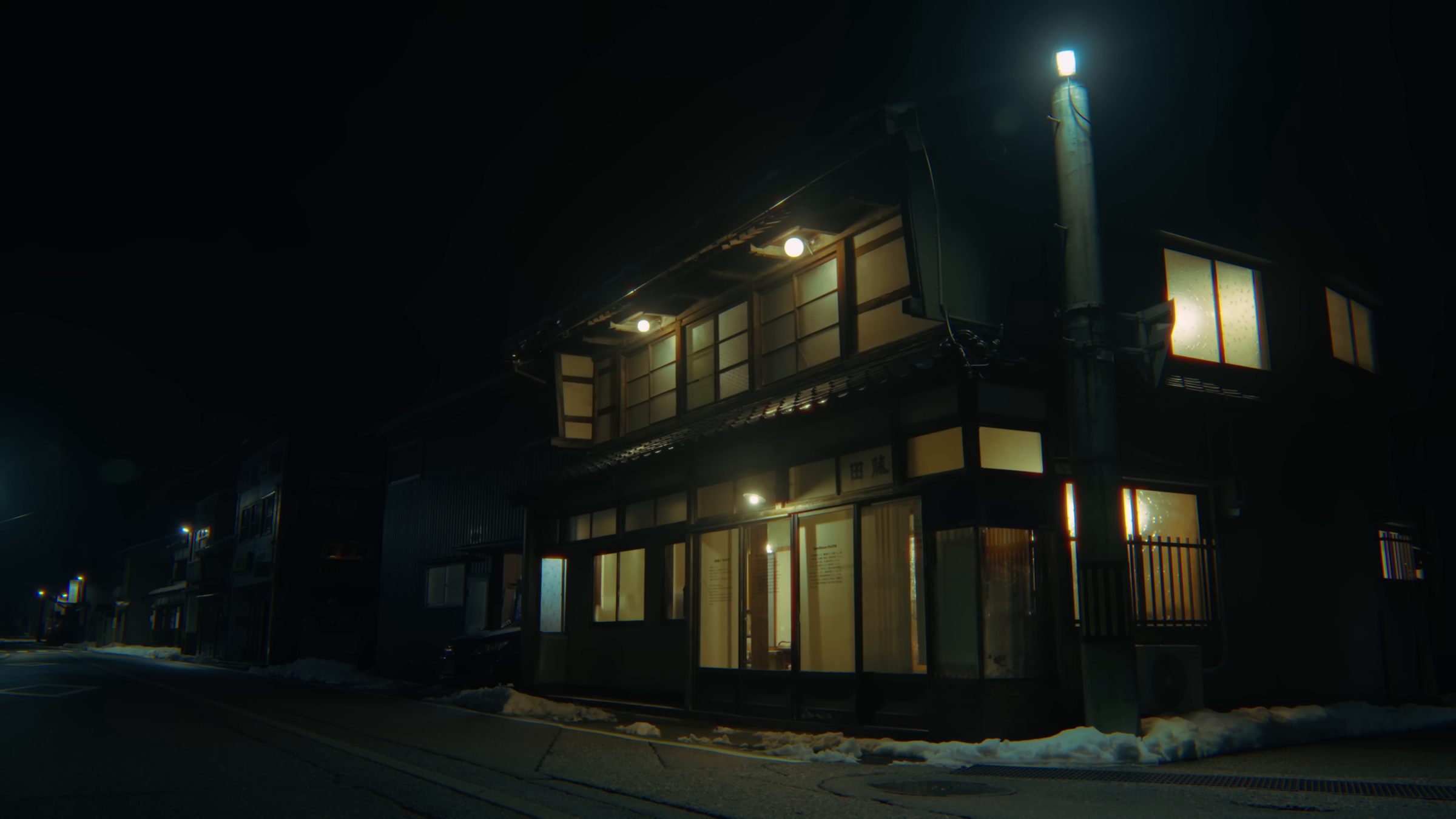
16TRAVEL JOURNAL
Mettajiru, full of everything
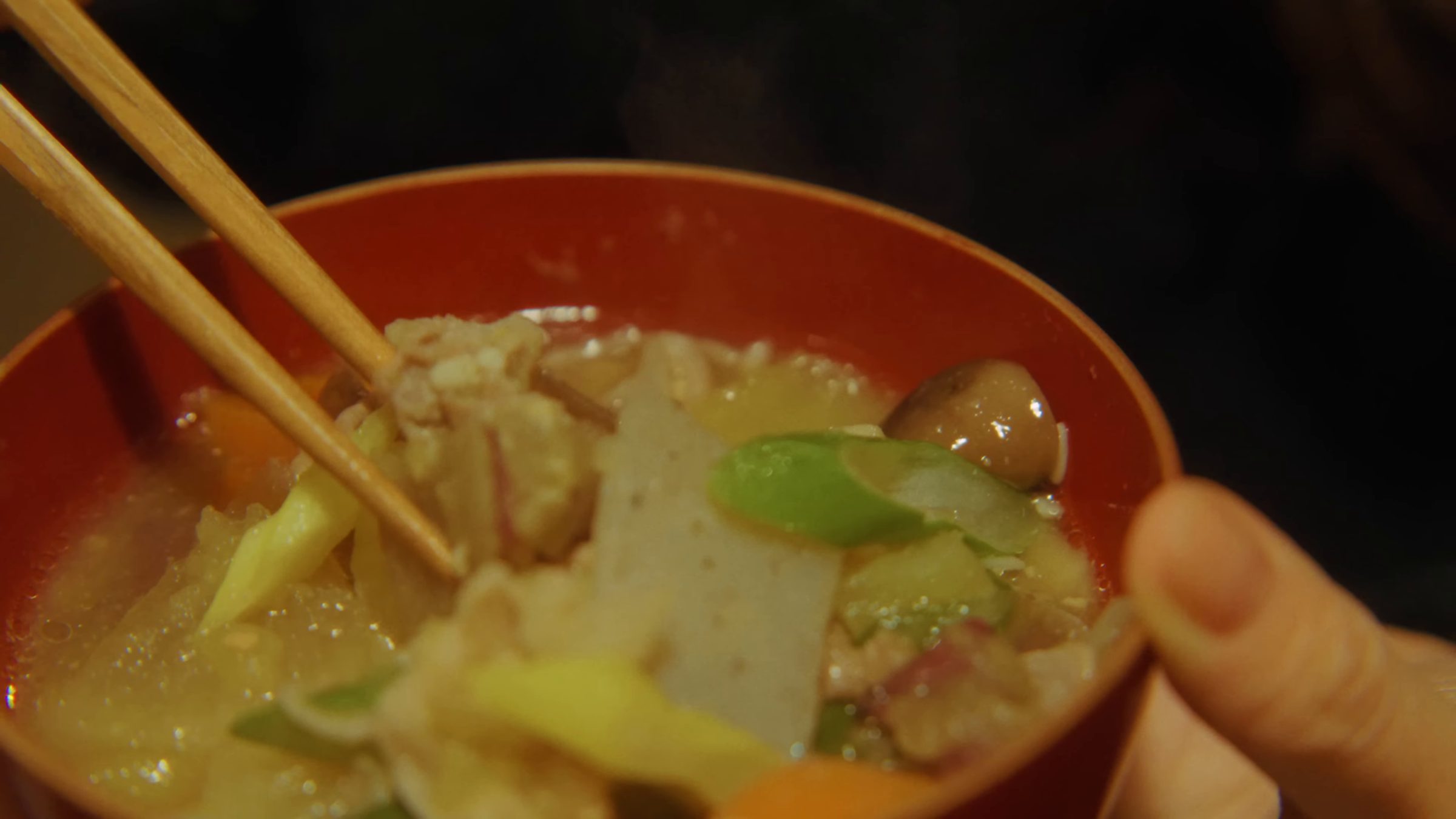
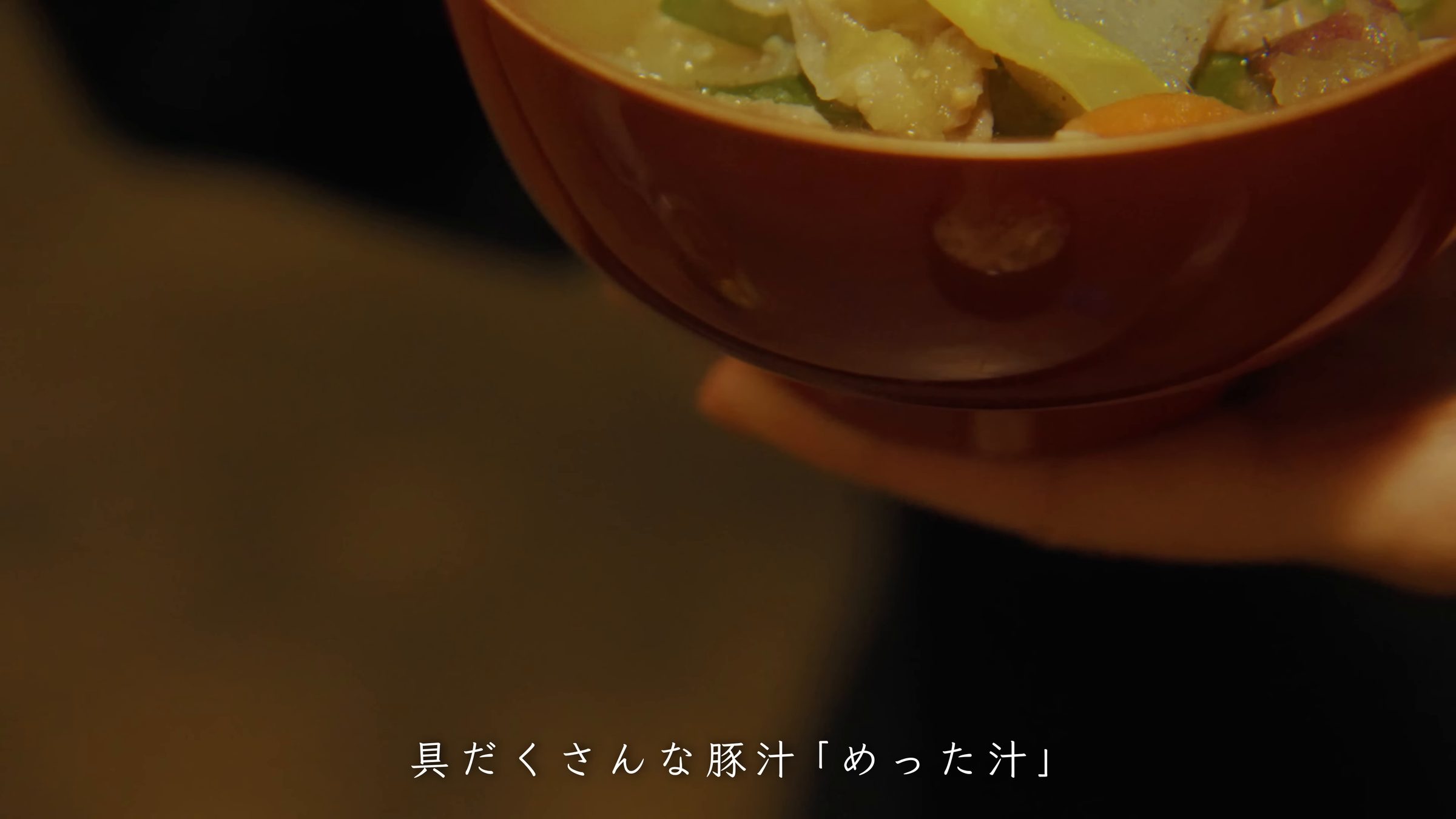
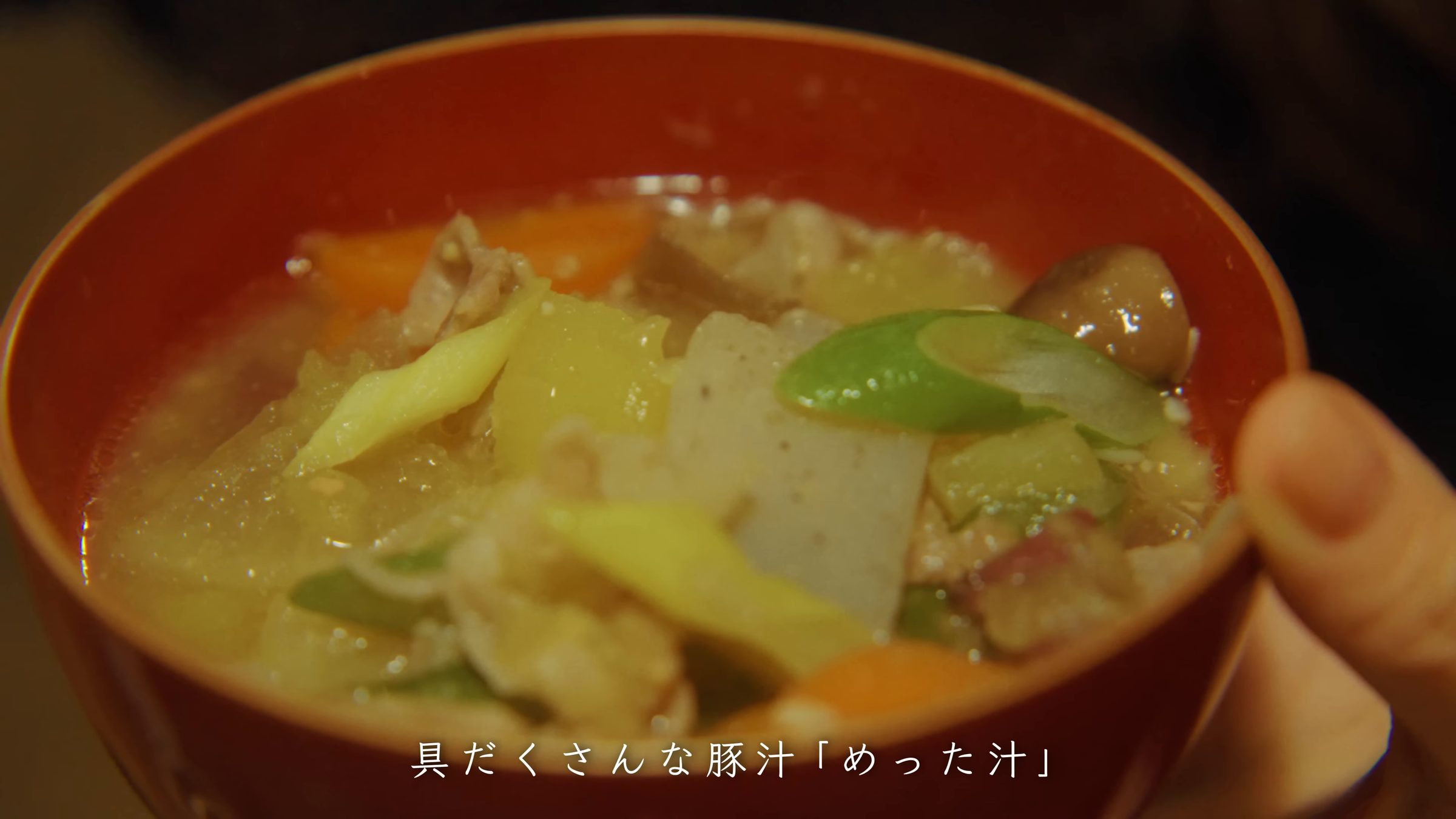
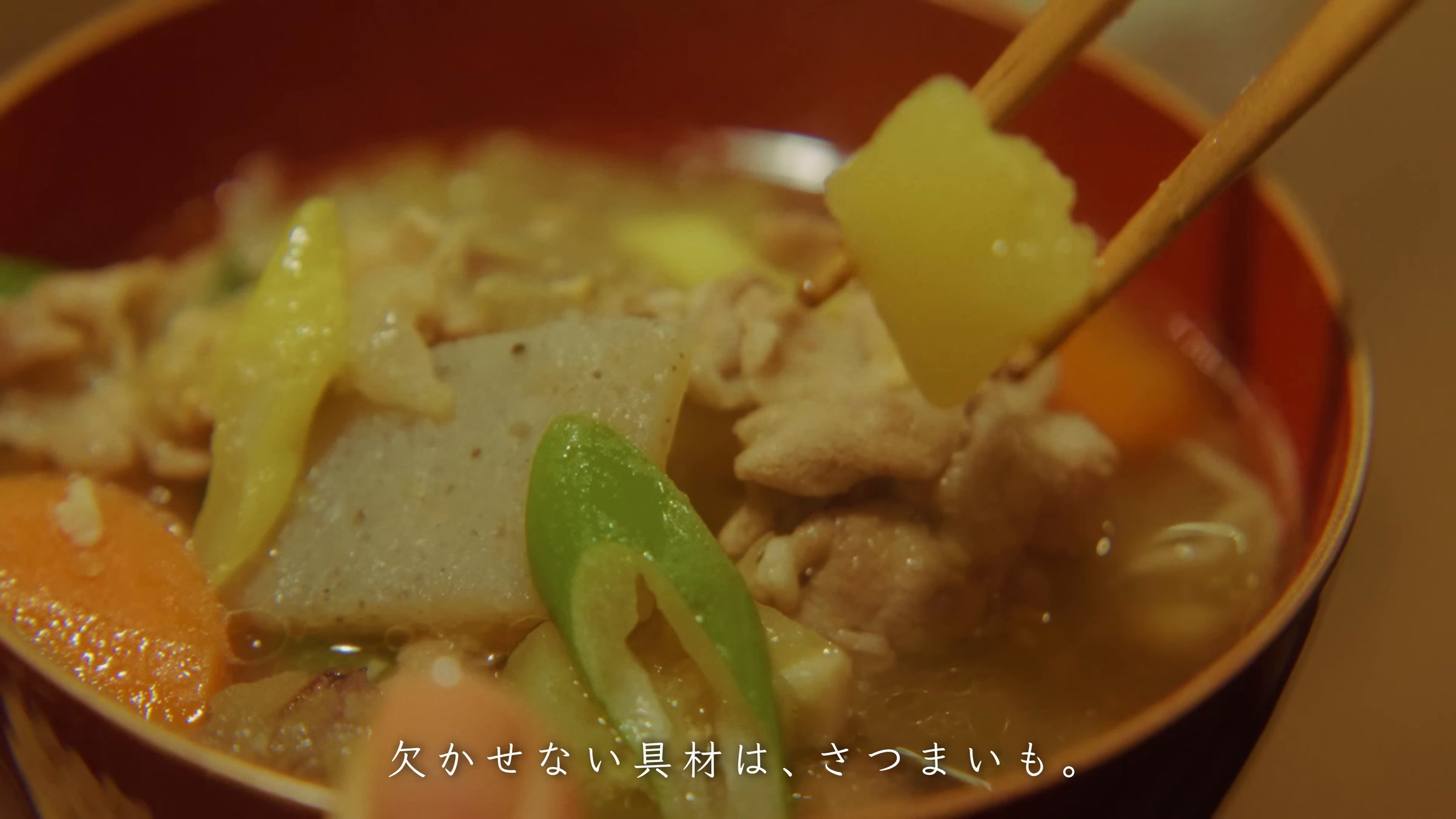
The soup was mettajiru, a pork miso soup packed with ingredients: pork, konnyaku, leeks, carrots and shiitake. The essential ingredient is sweet potato.
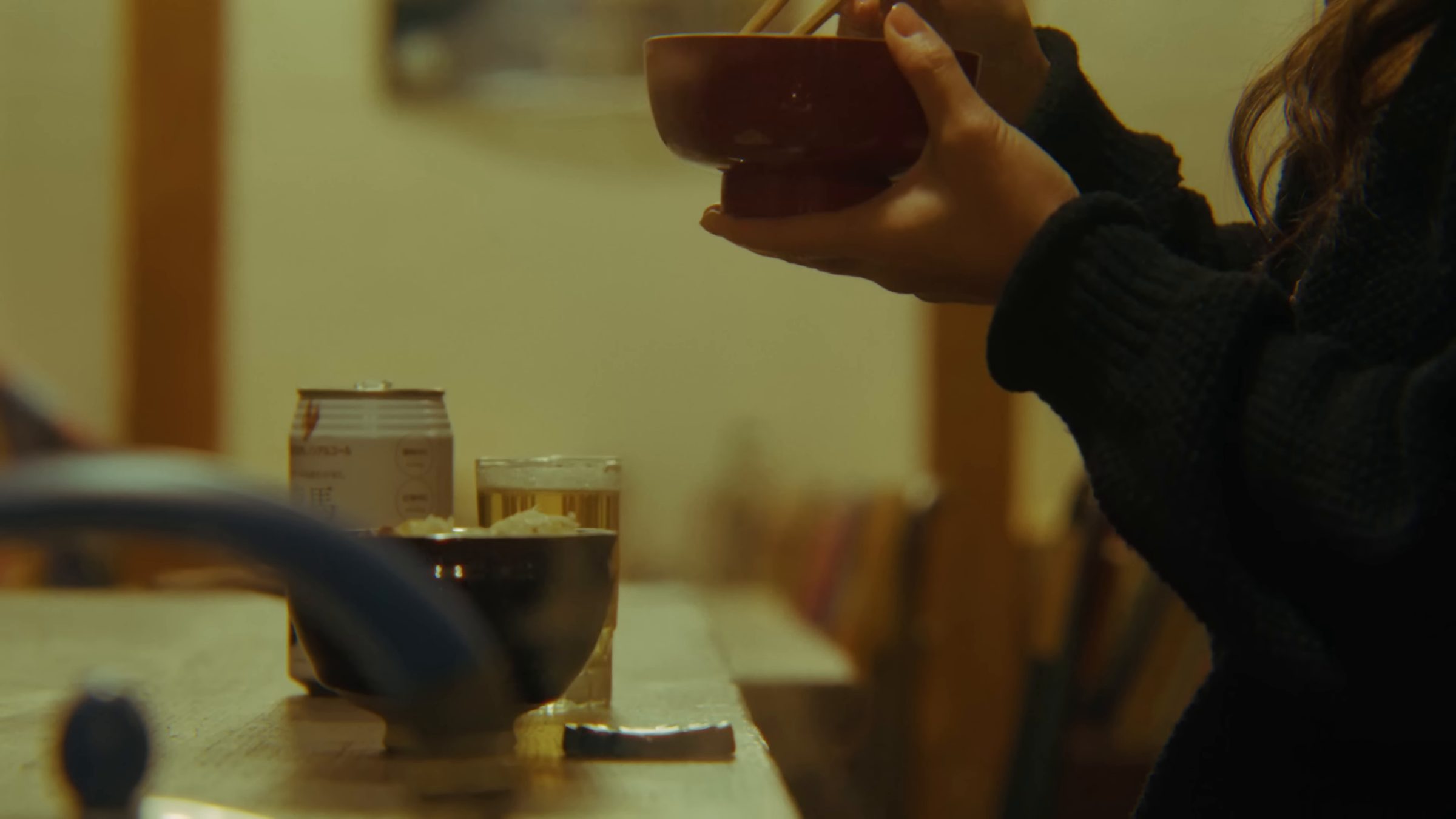
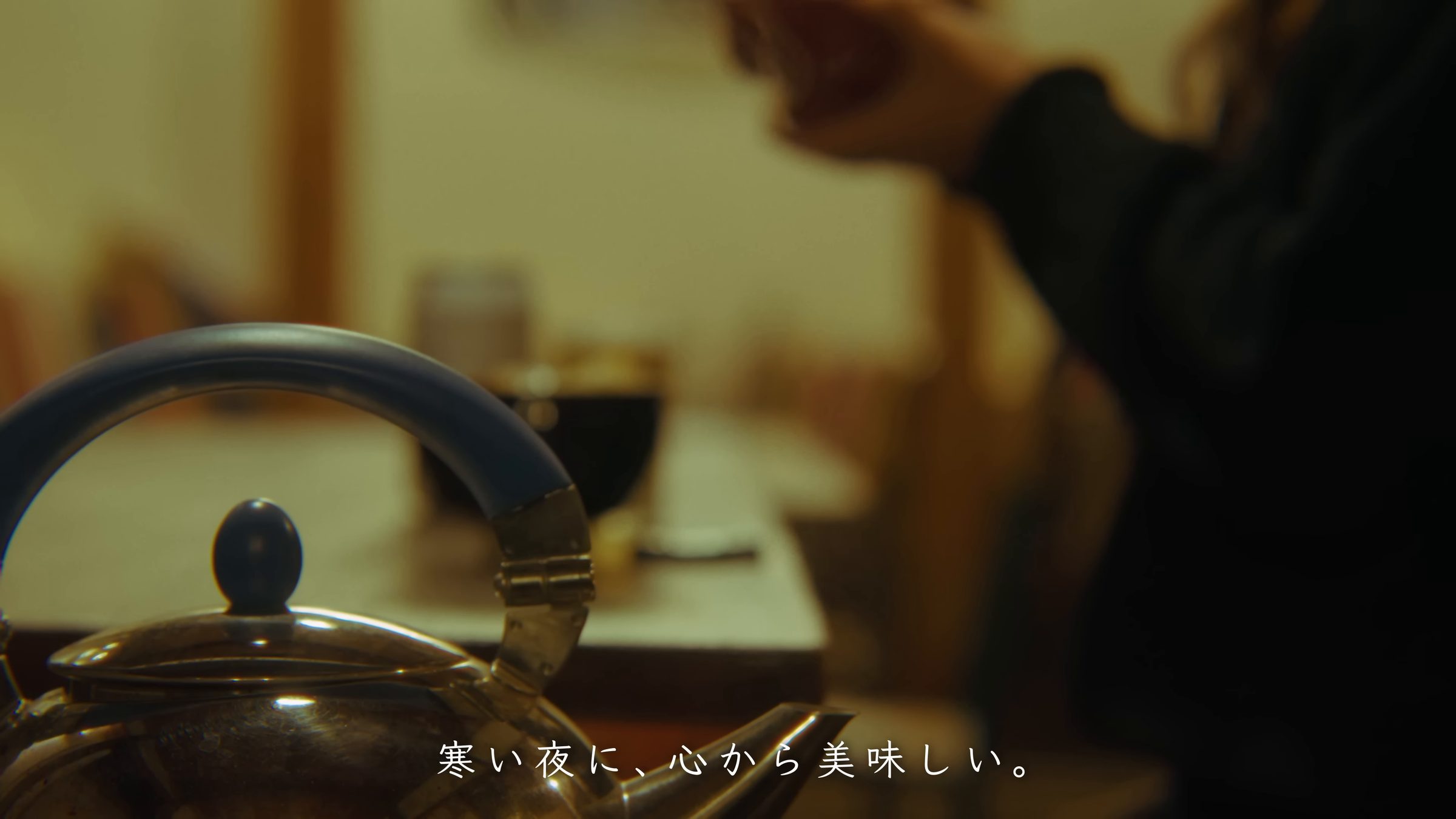
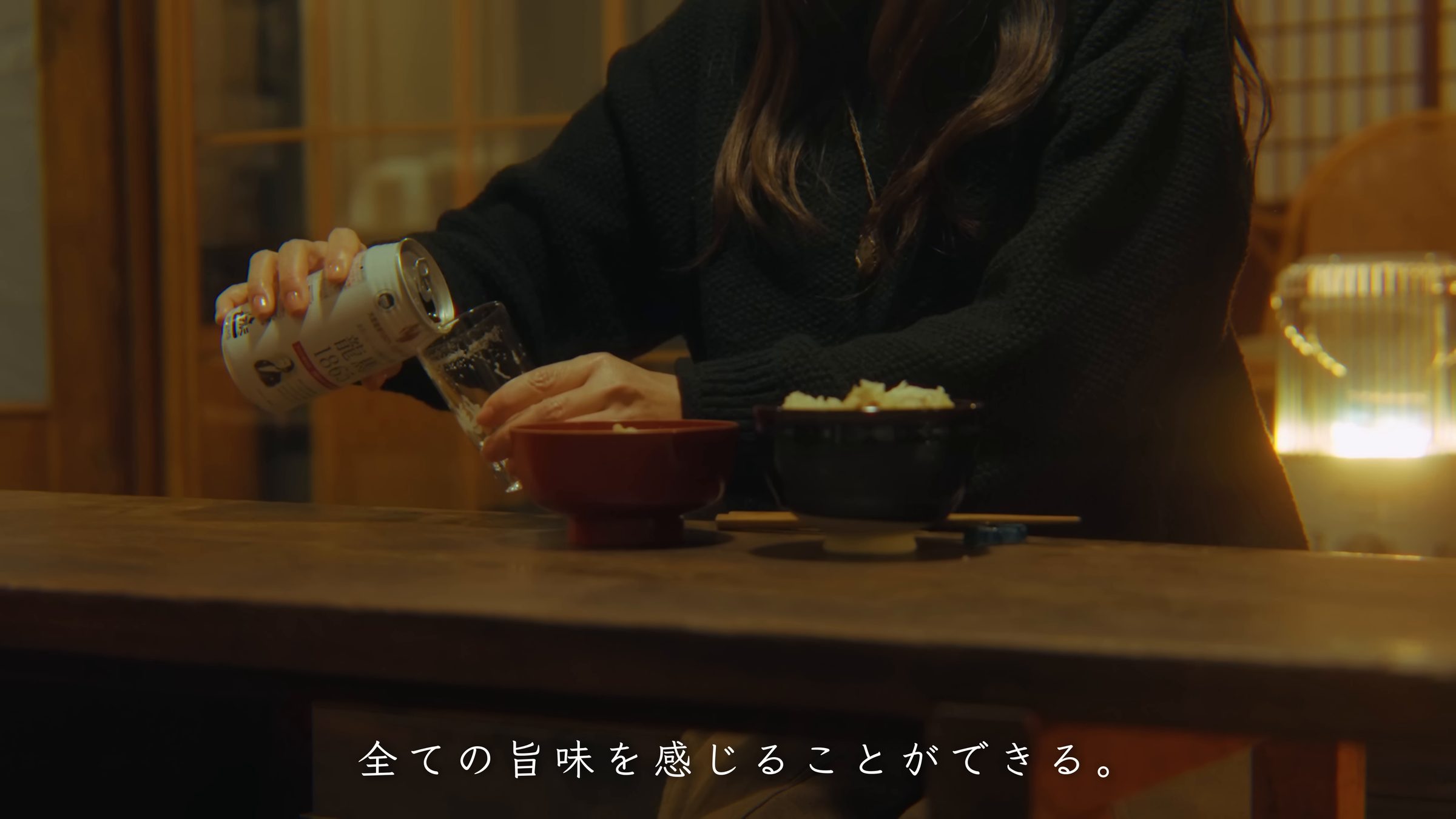
I ladled it into a red bowl and poured non-alcoholic beer into a glass. Truly delicious on a cold night. The nodoguro, the rice, even Kanazawa's water: I could taste all their goodness. Very satisfied, and good night until tomorrow.
Watch this scene on YouTube12:43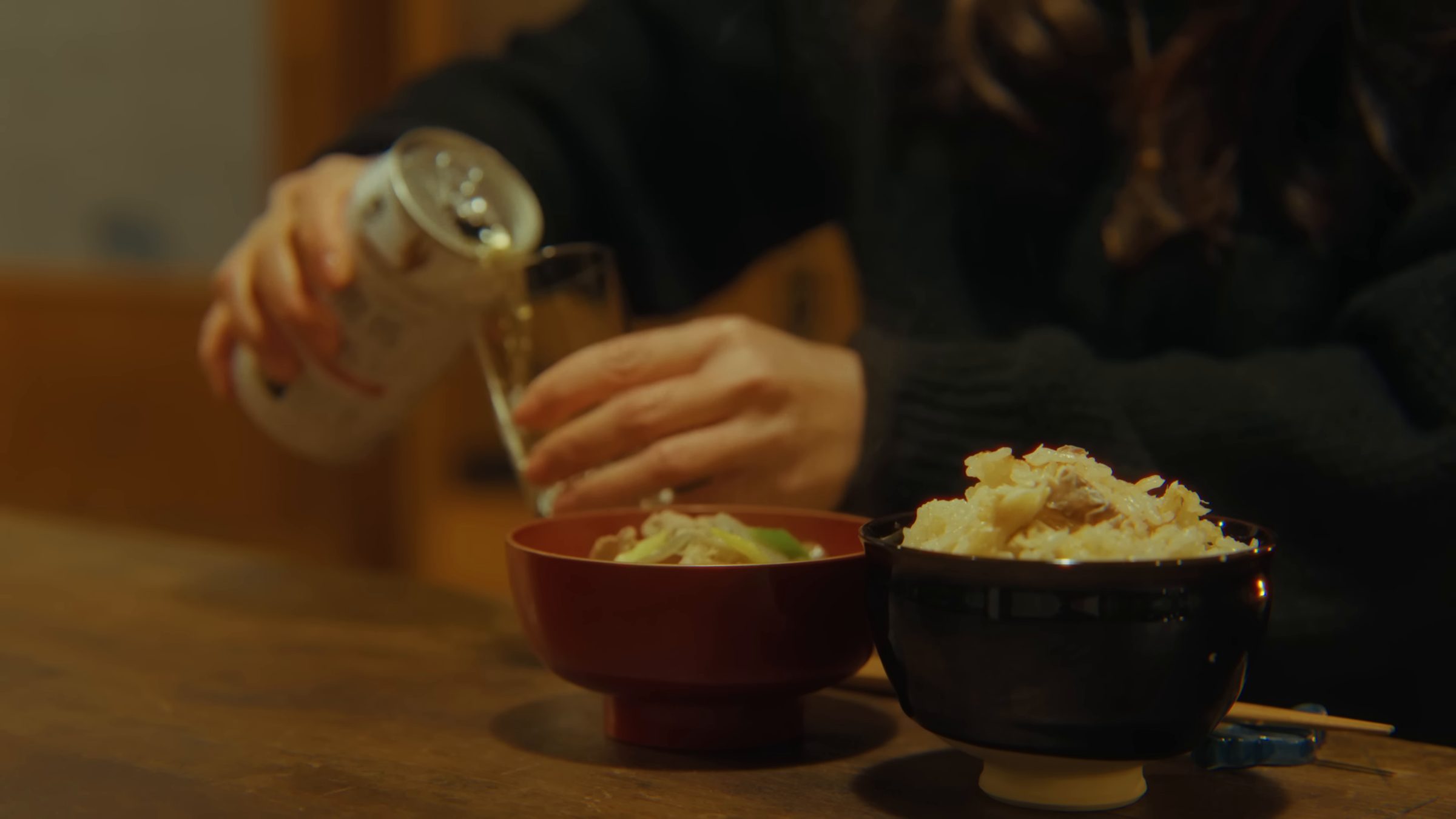
17TRAVEL JOURNAL
My own Yahoo chazuke
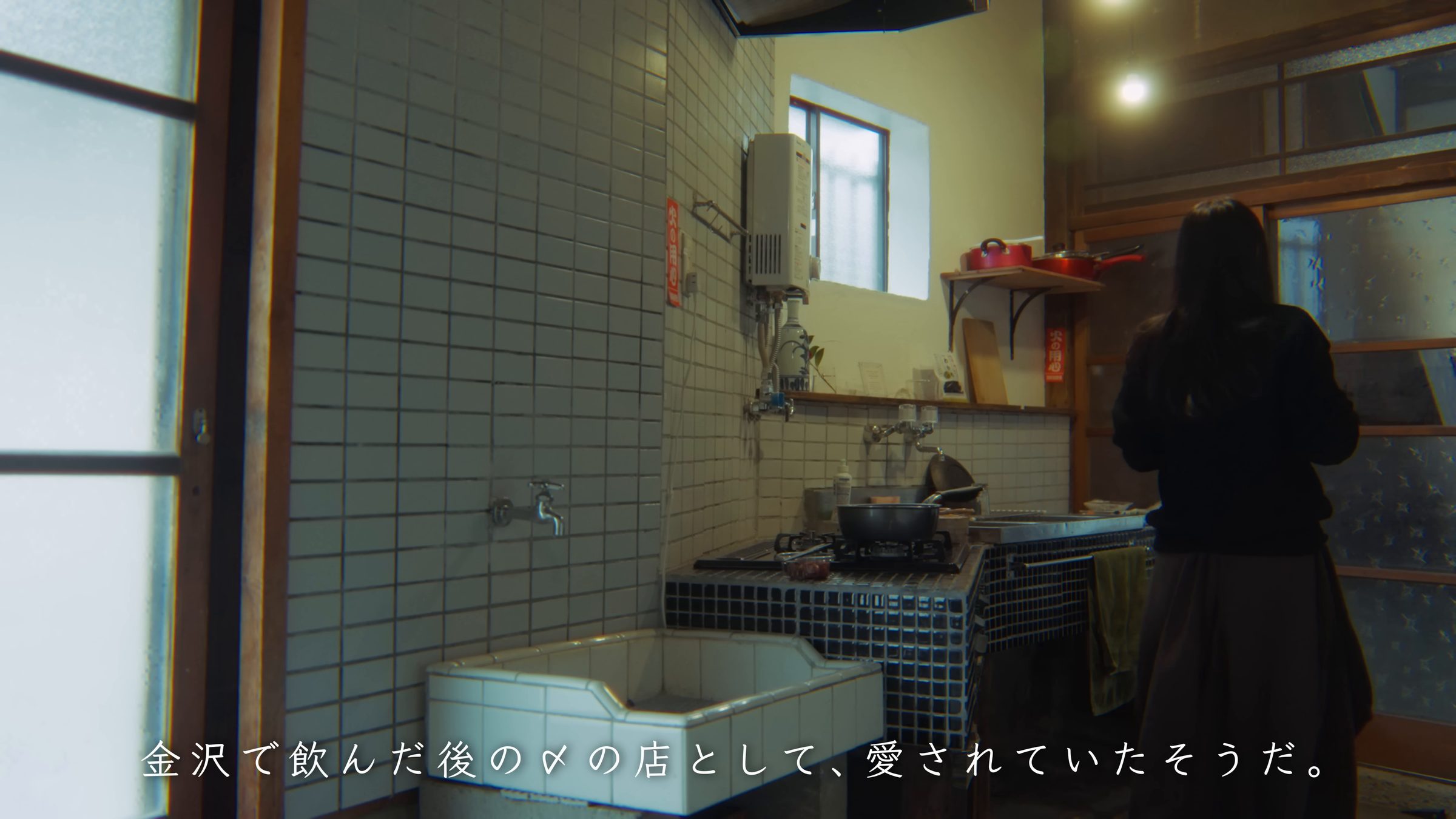
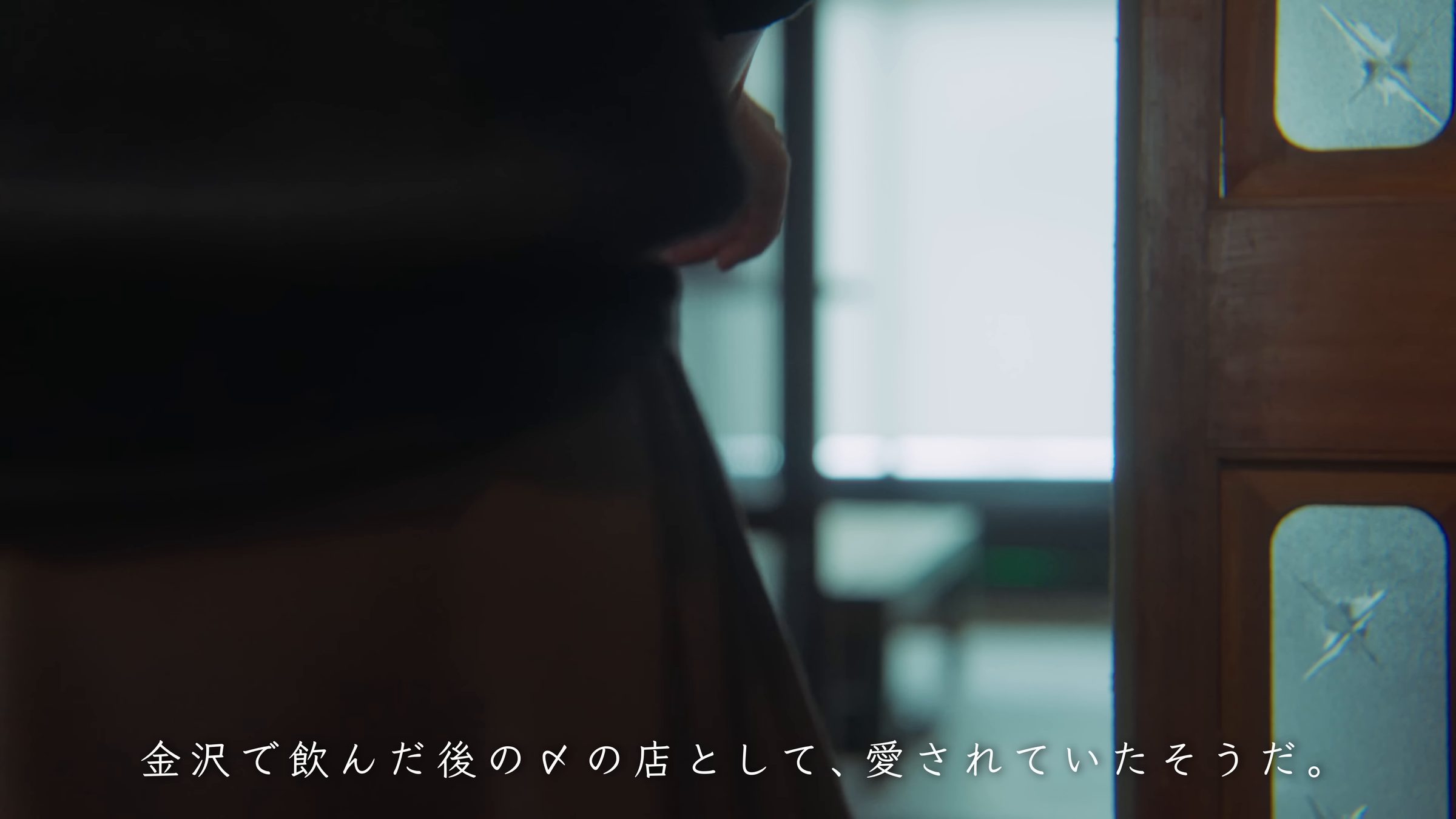
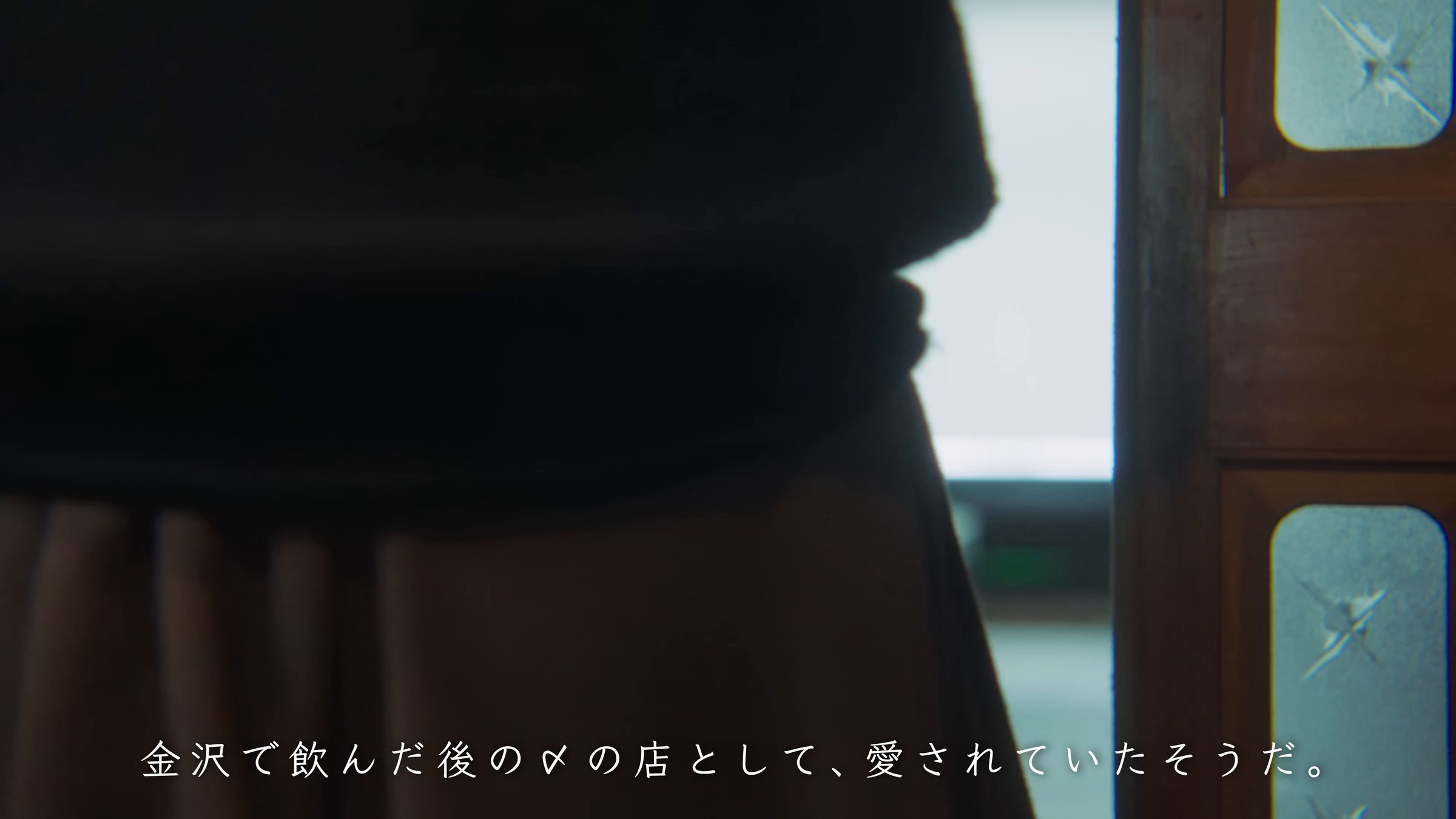
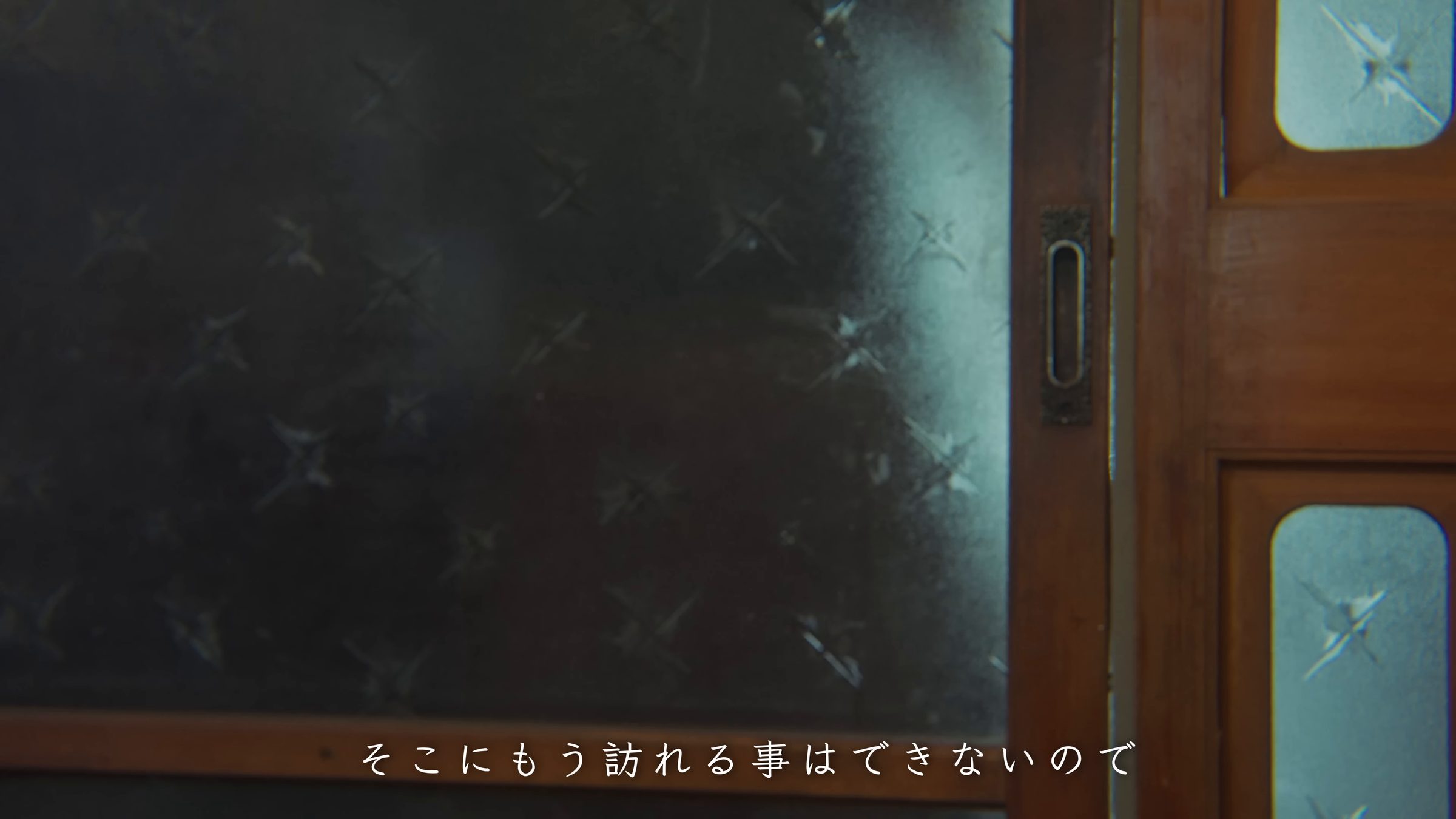
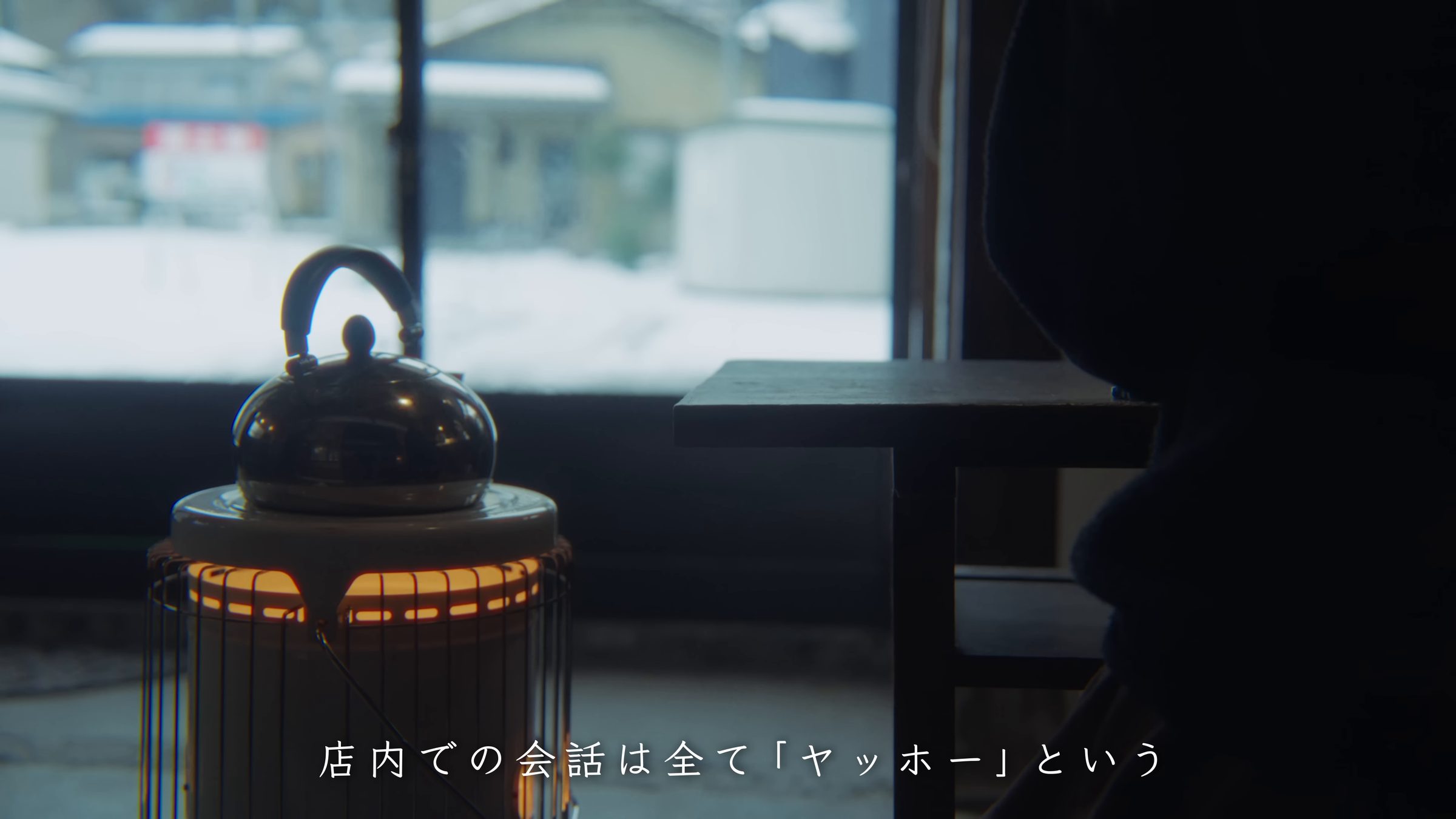
The next morning, winter sun fell on the townhouse's snowy roof. Kanazawa once had a curious shop. Famous for serving nothing but ochazuke late at night, it was loved as the place to finish an evening of drinking. Called Shinano and located in Katamachi, it closed in October 2020.
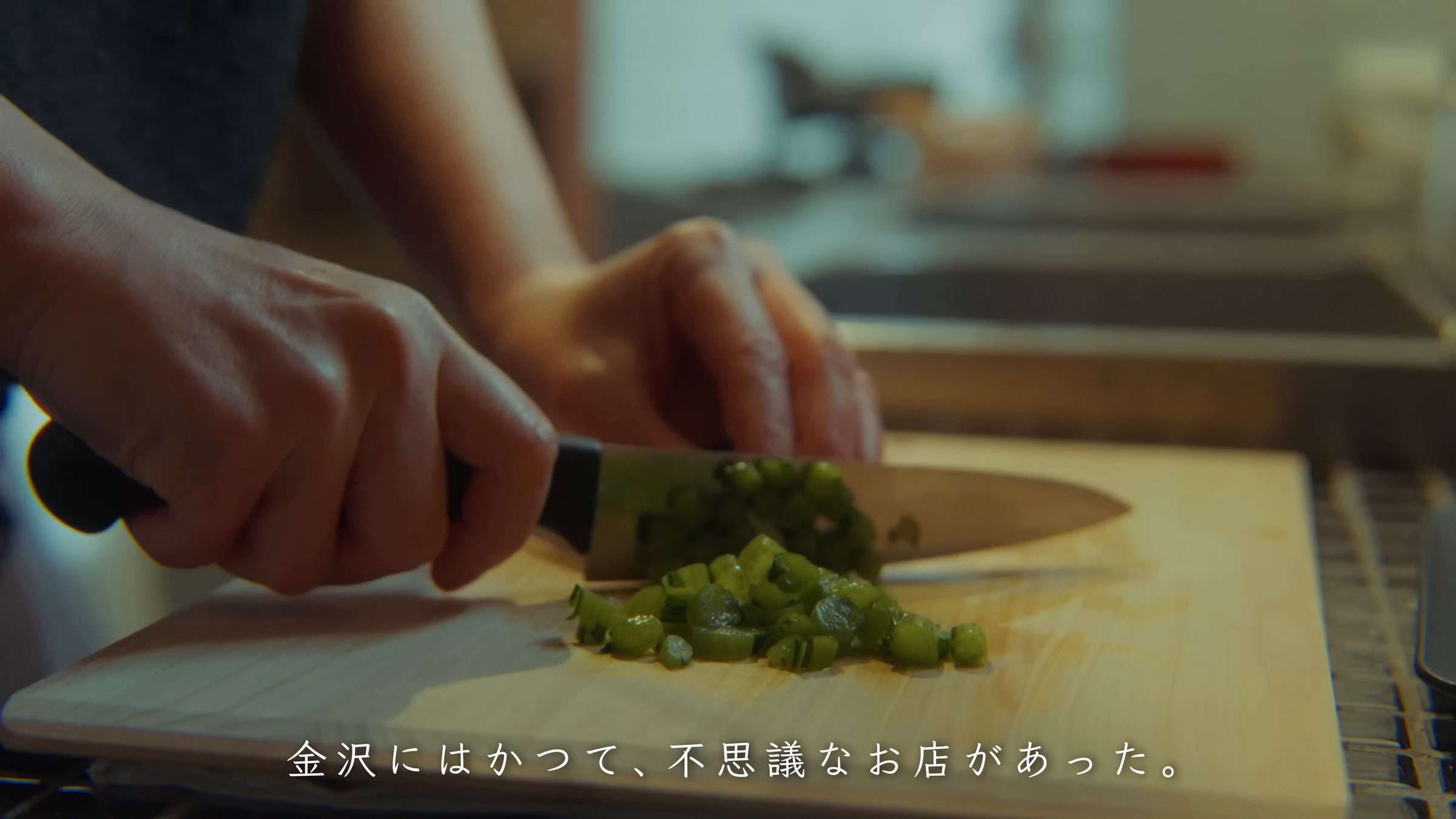
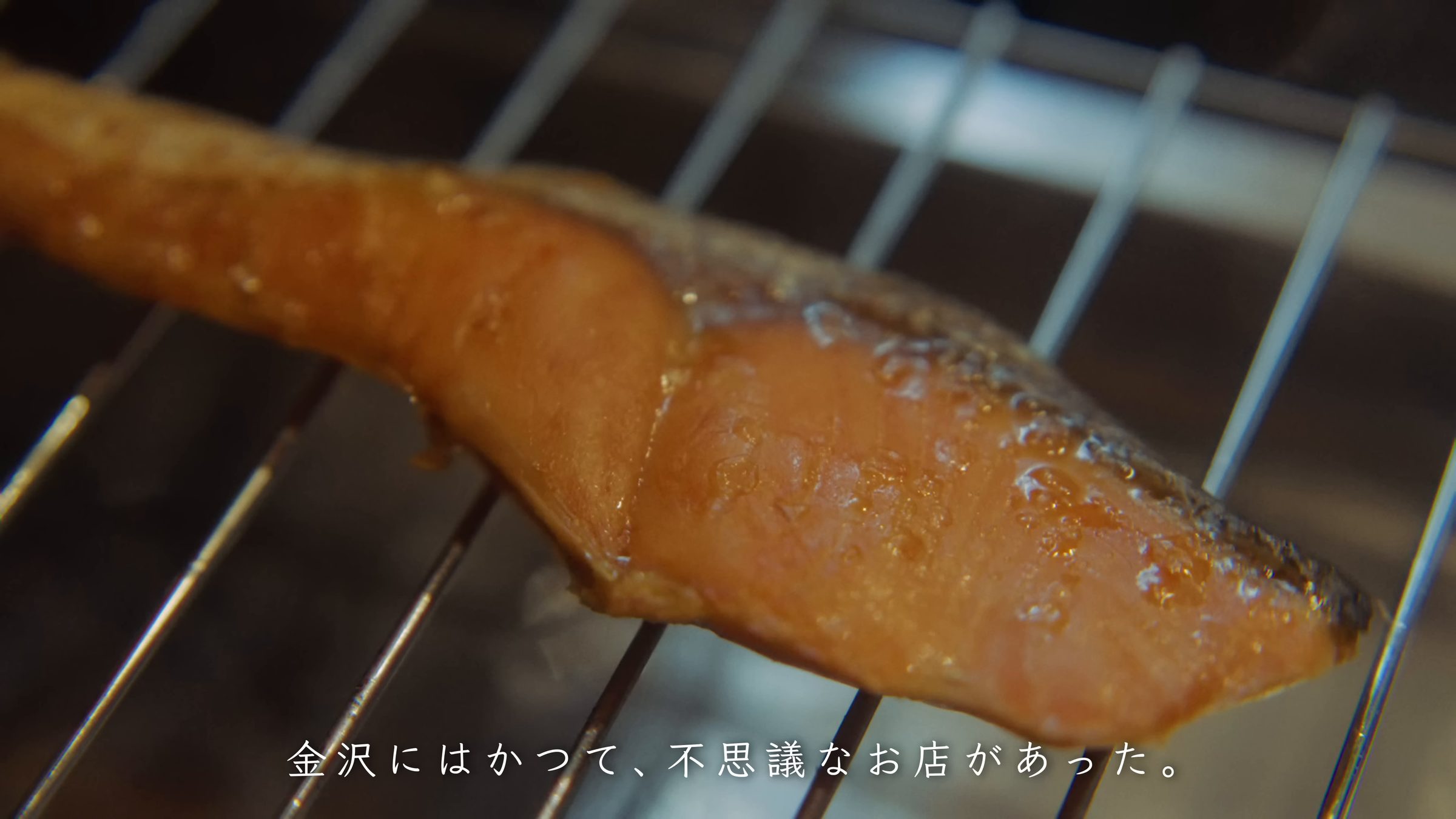
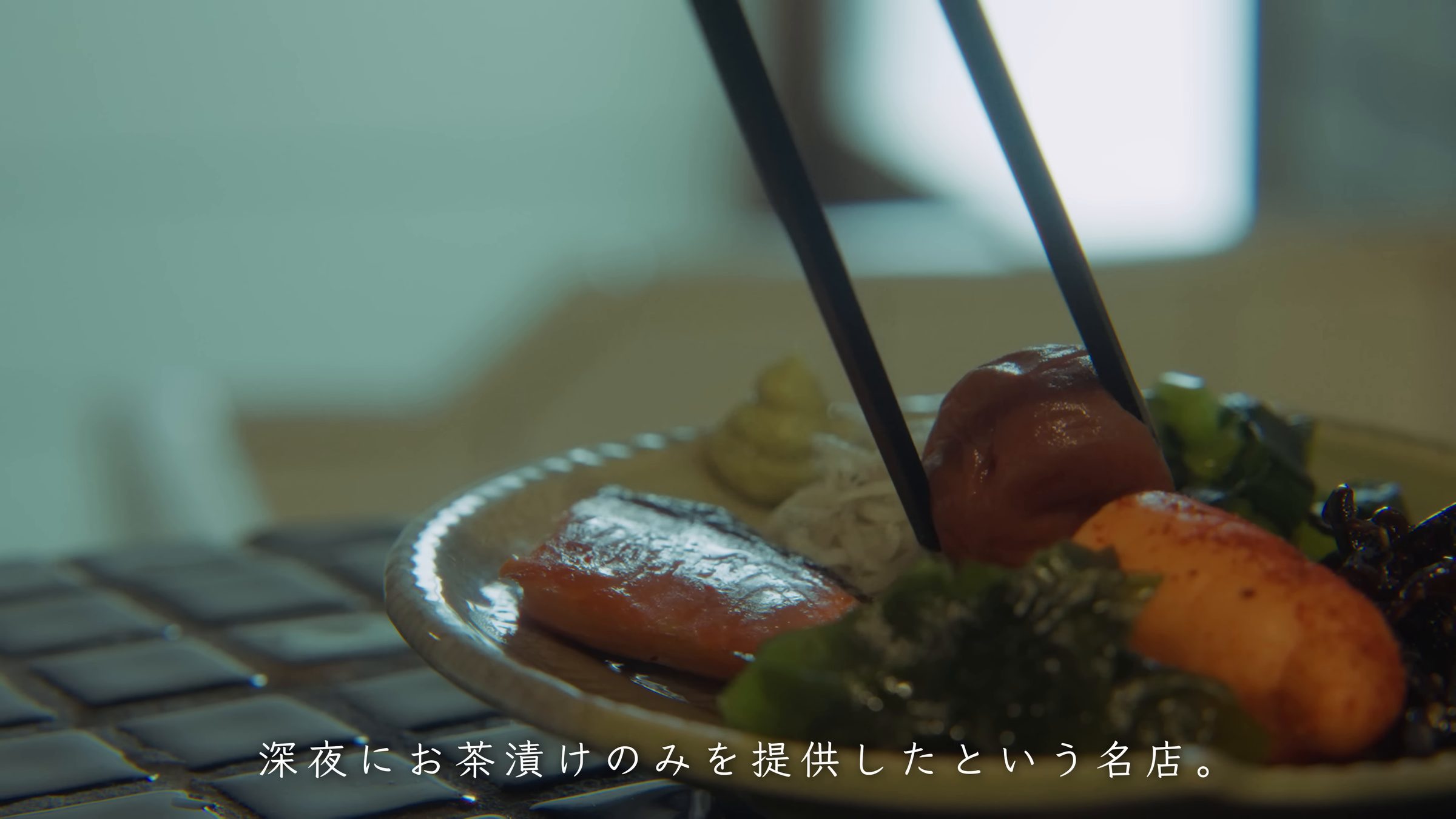
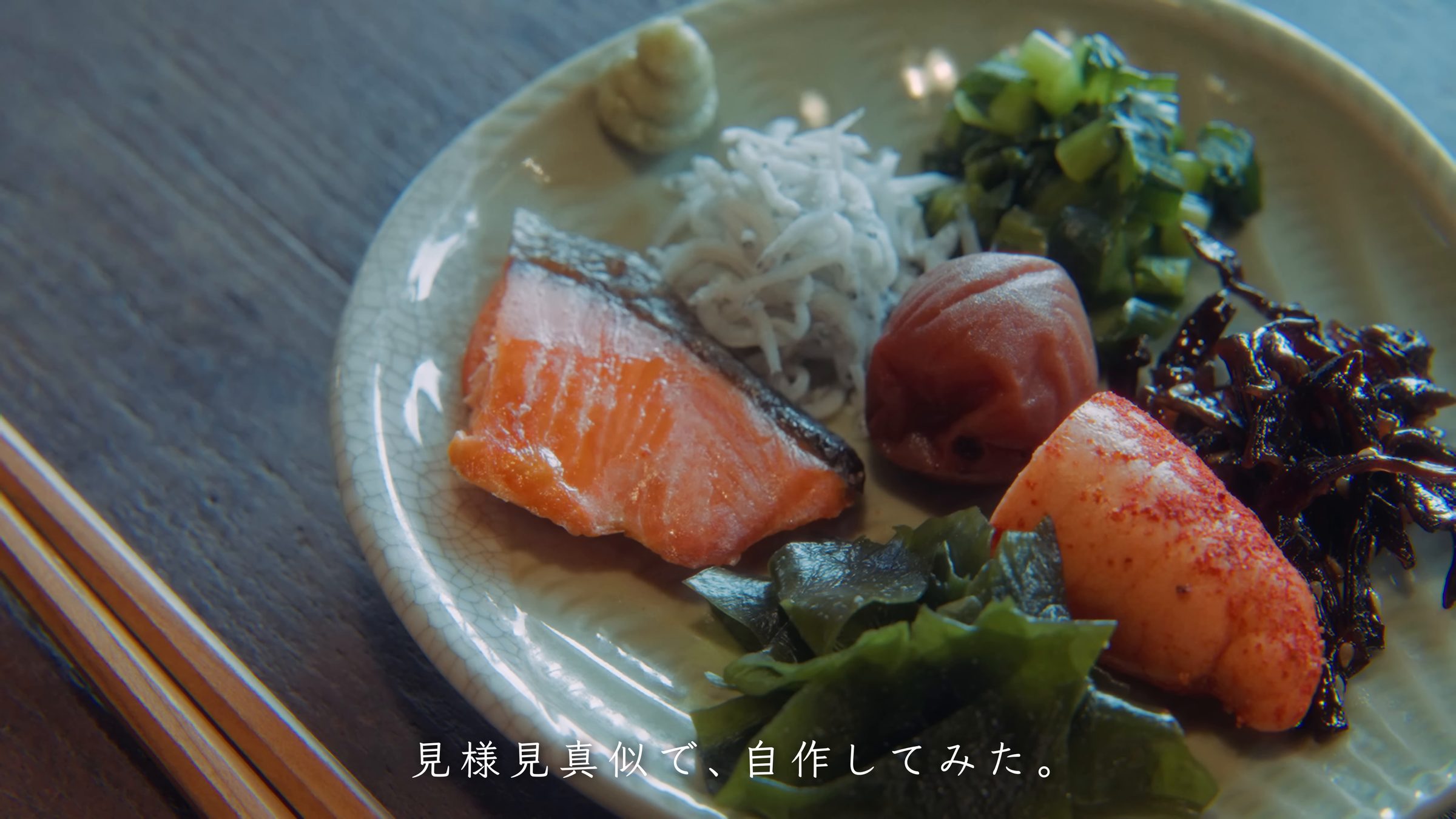
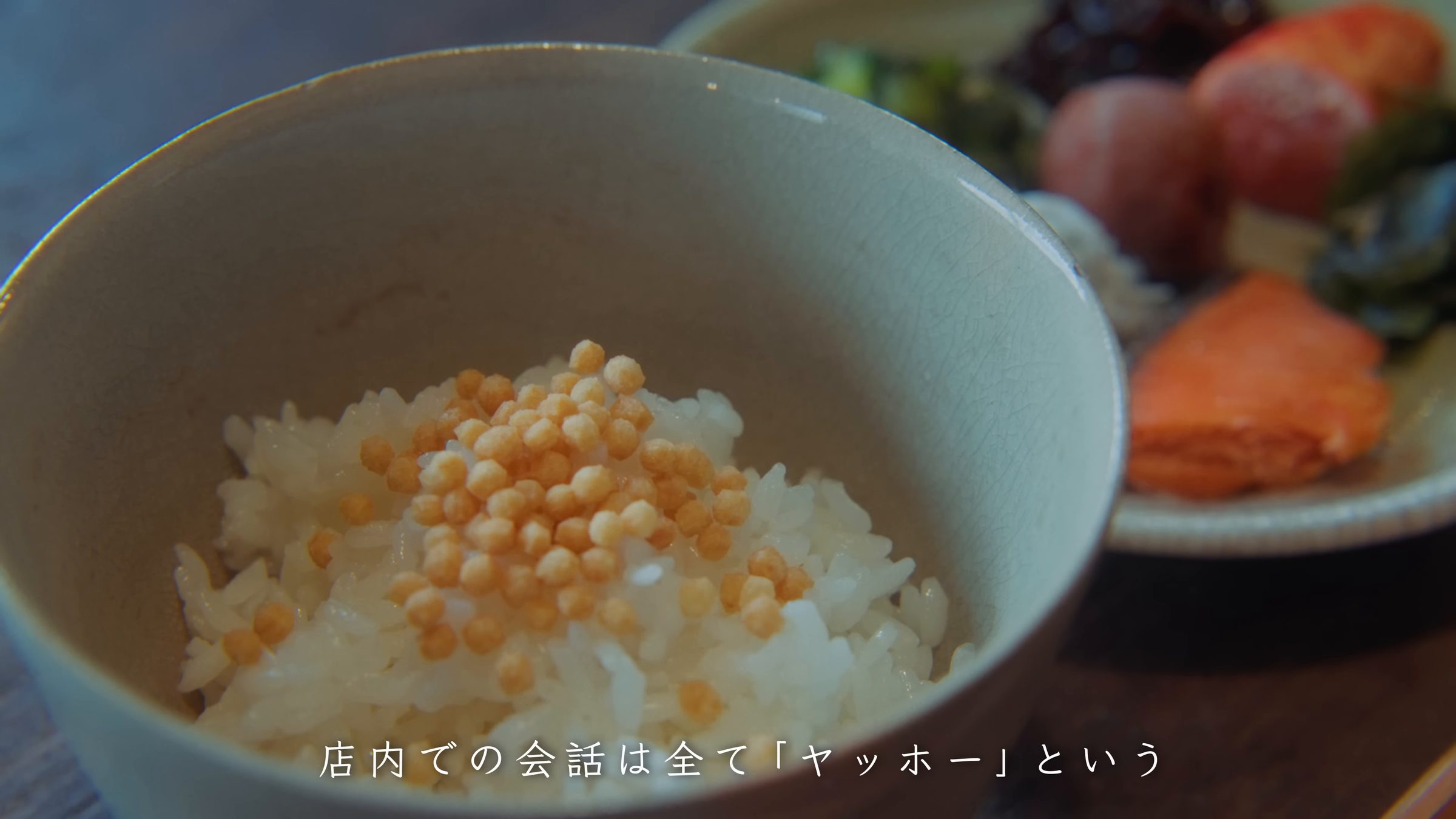
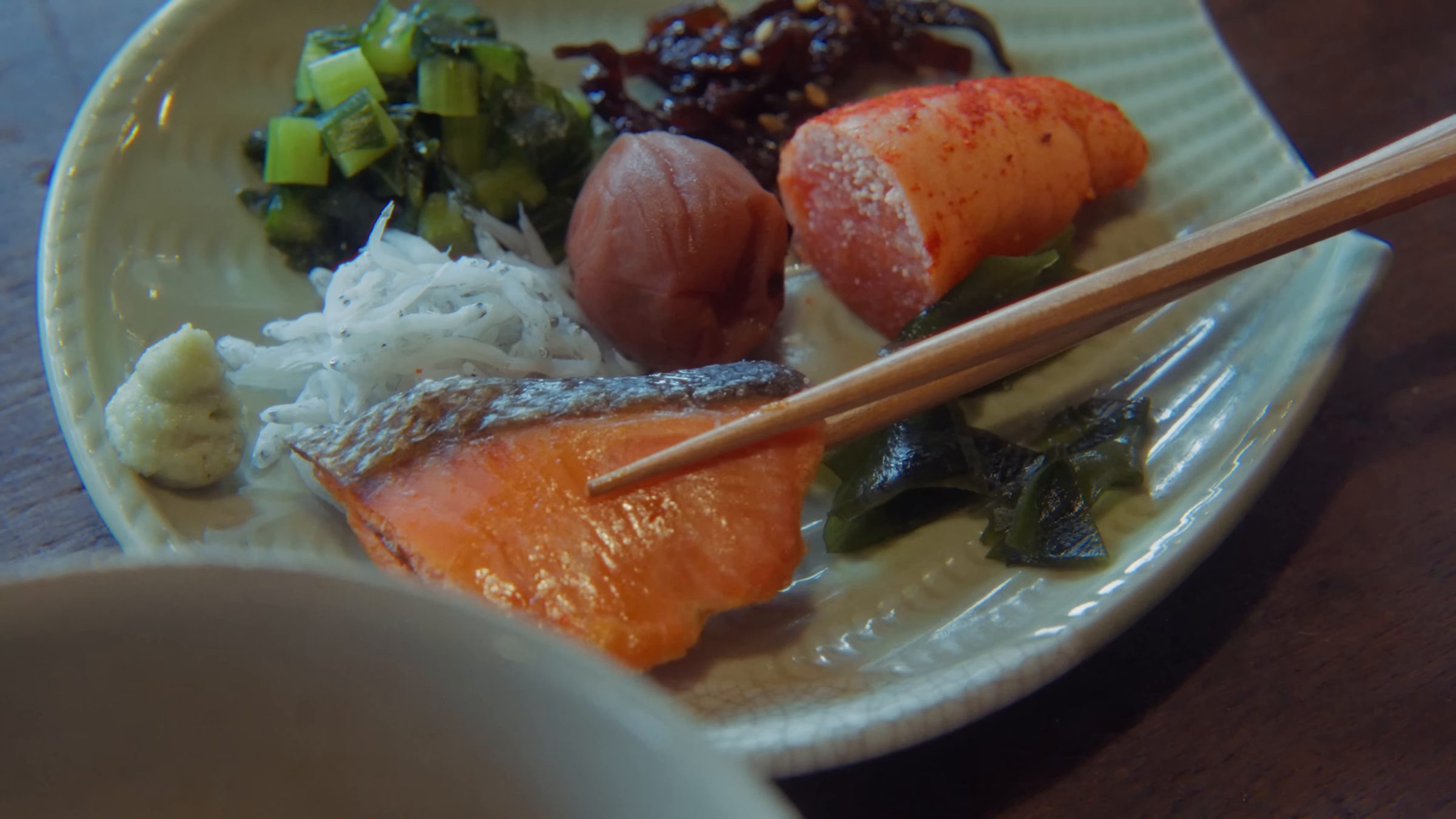
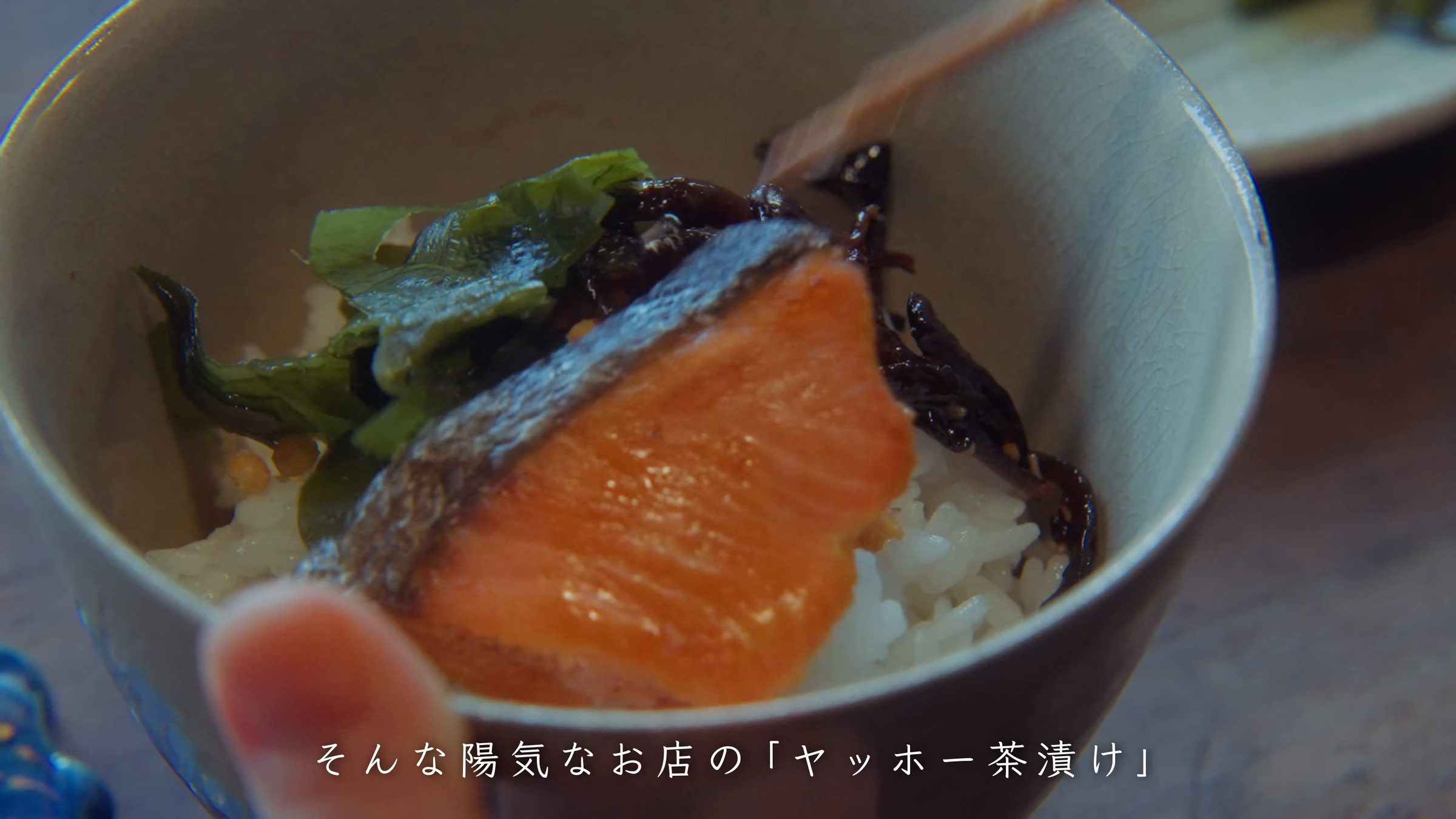
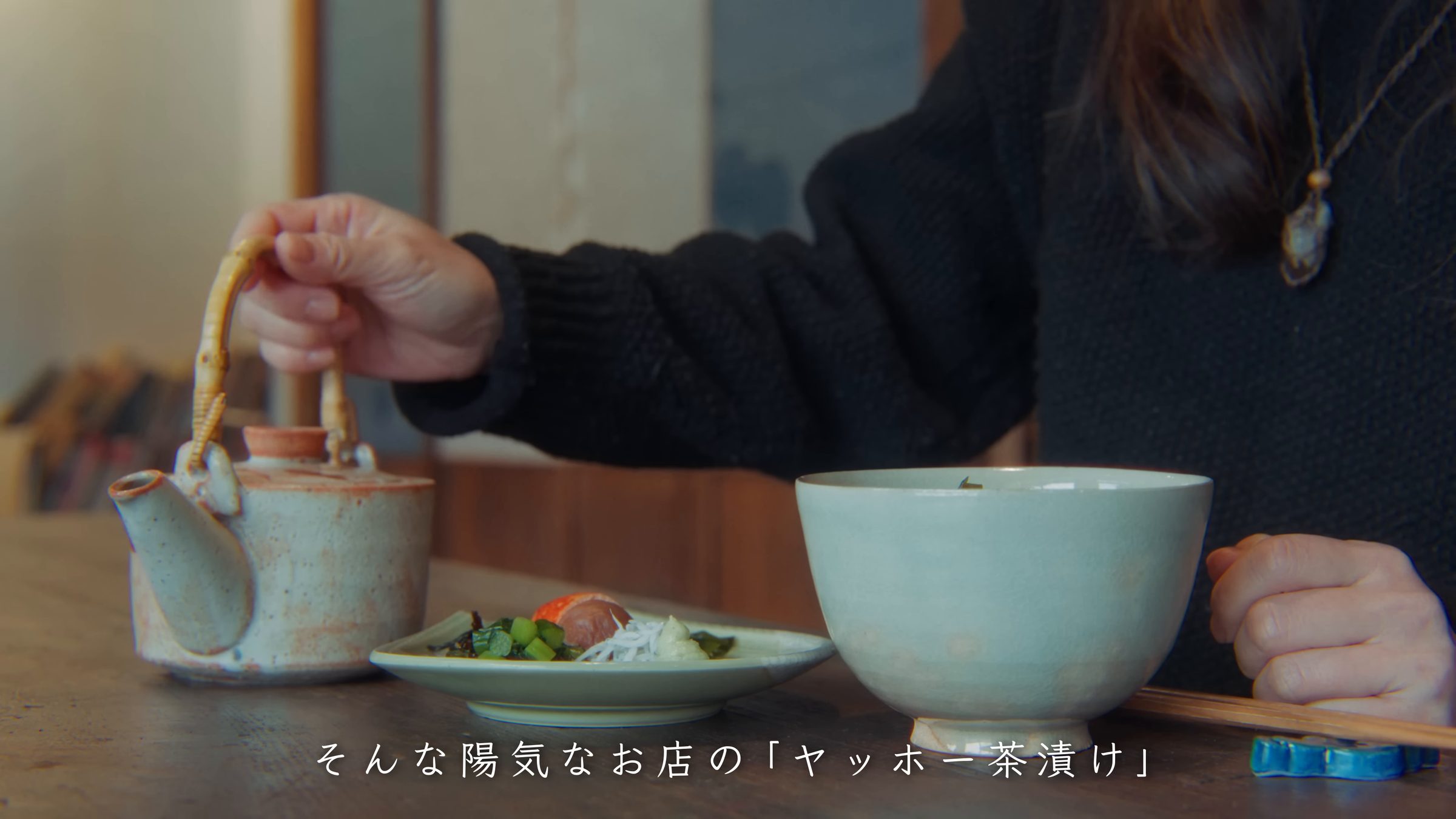
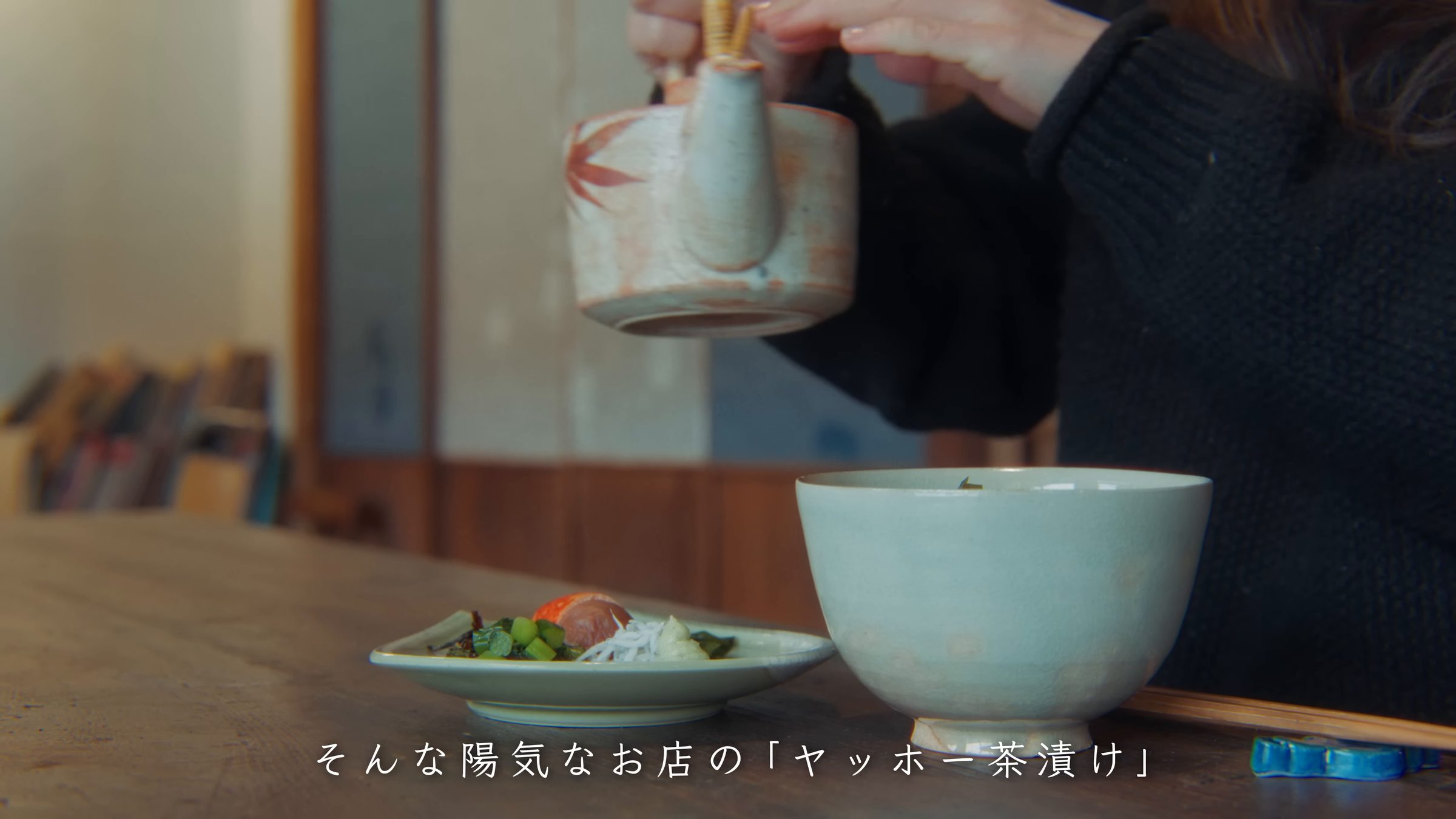
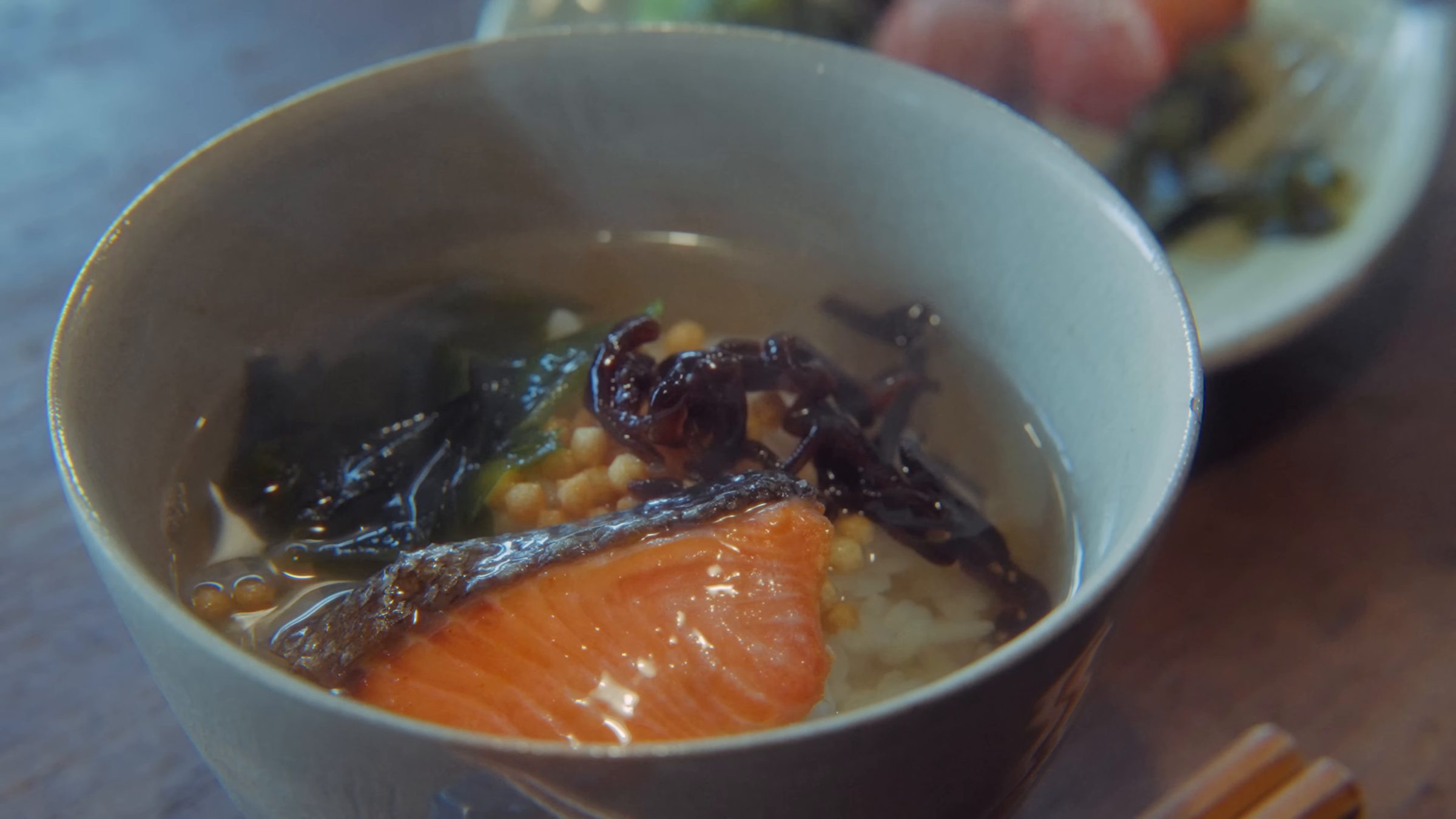
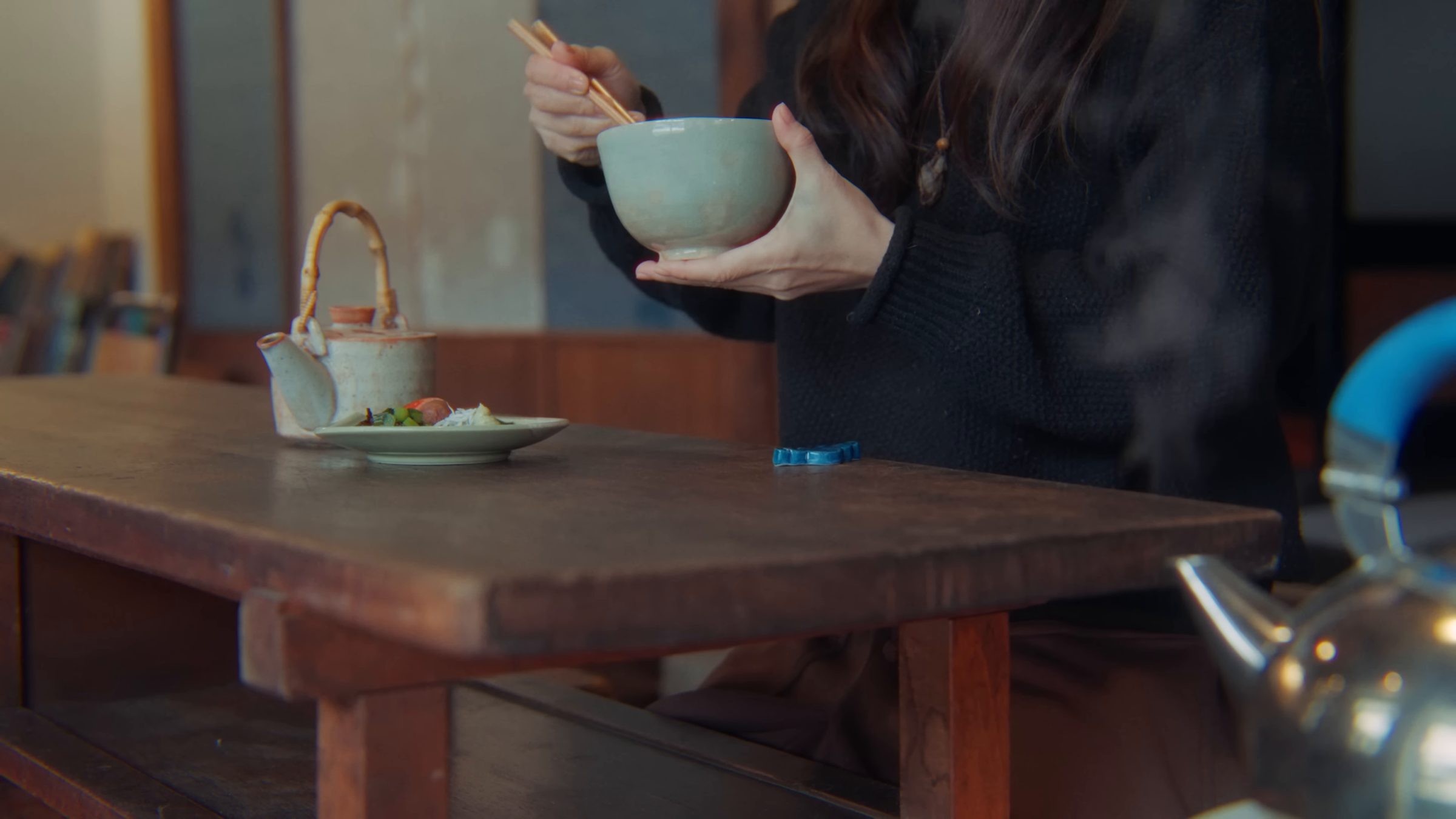
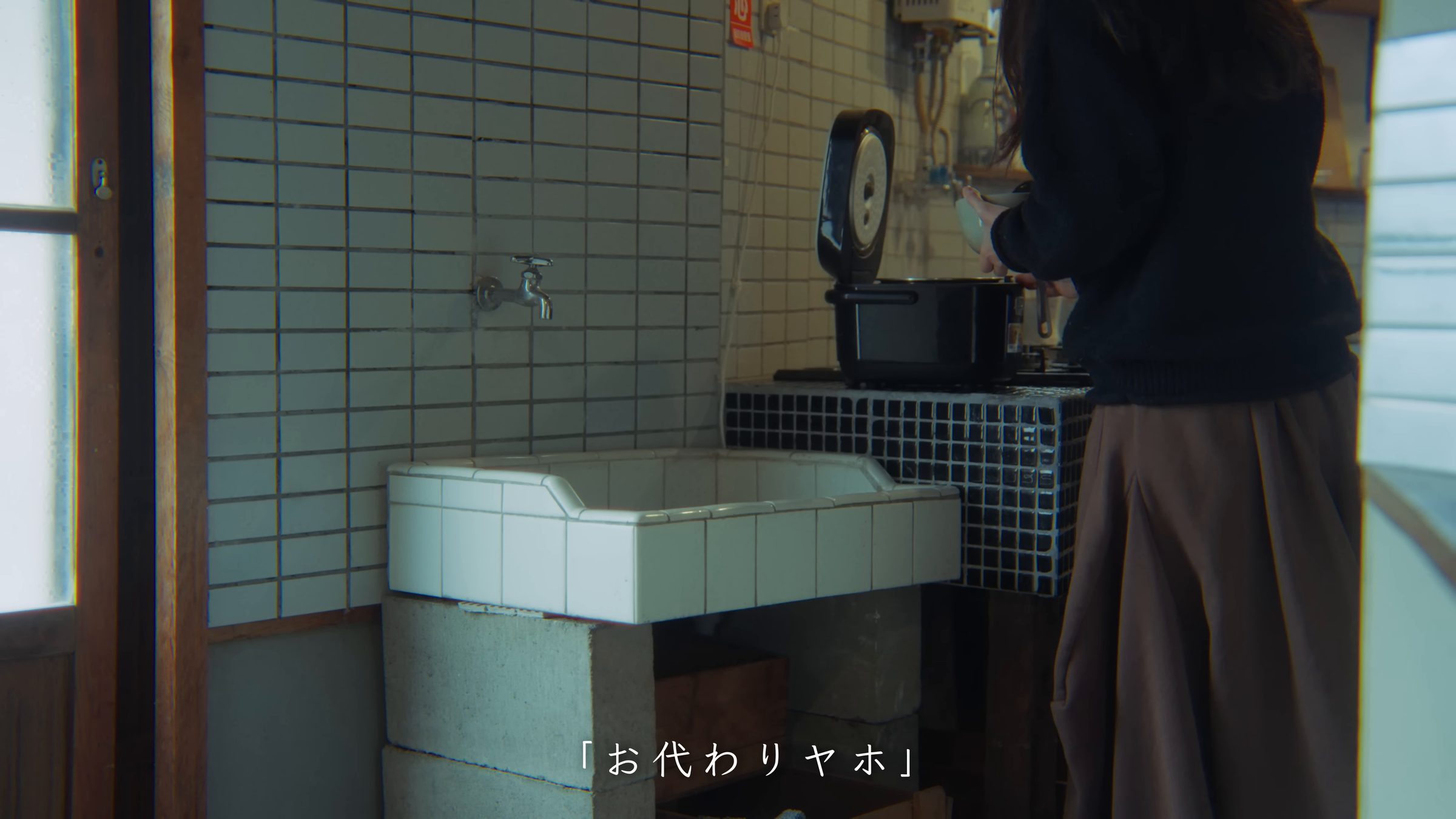
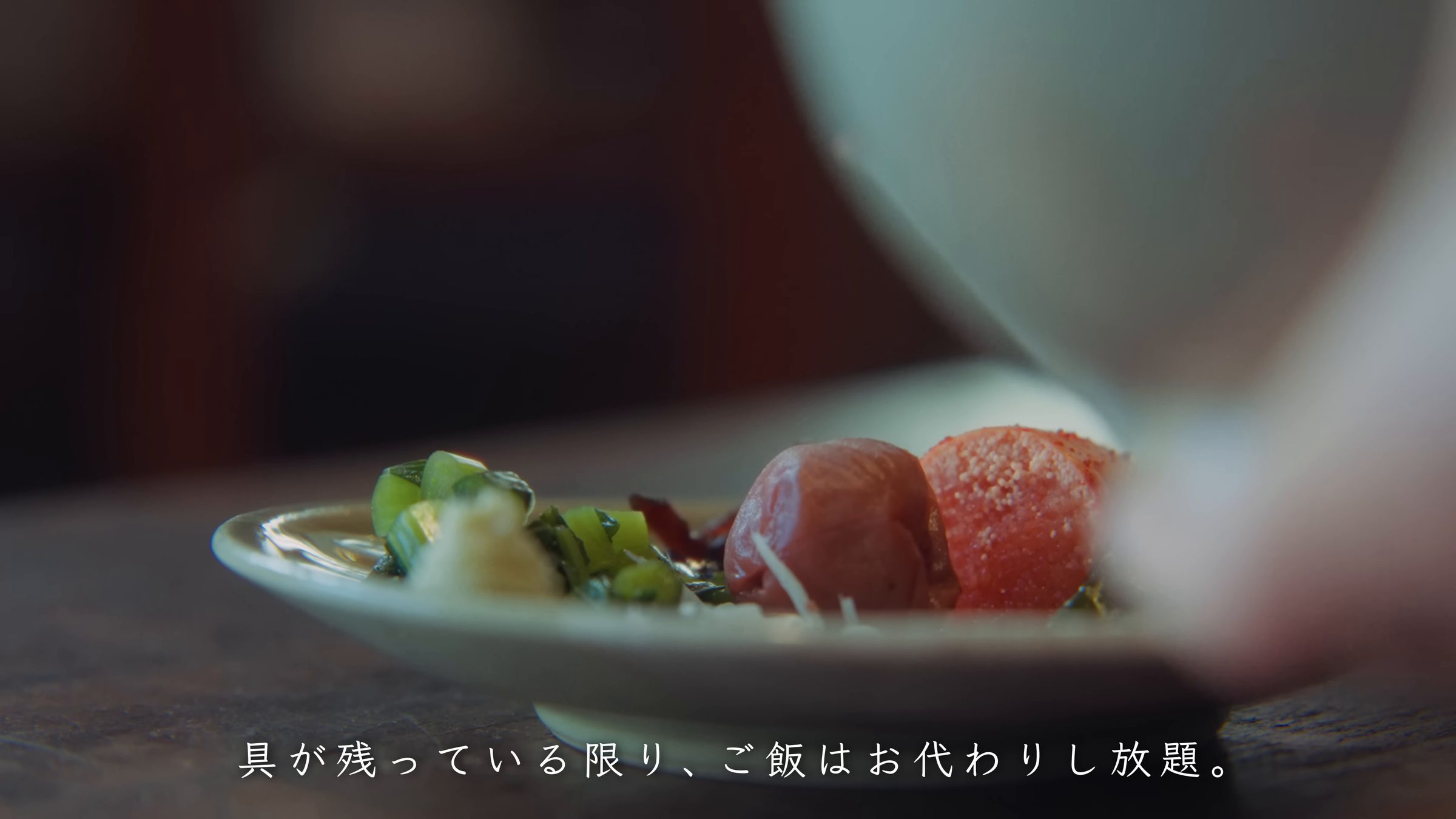
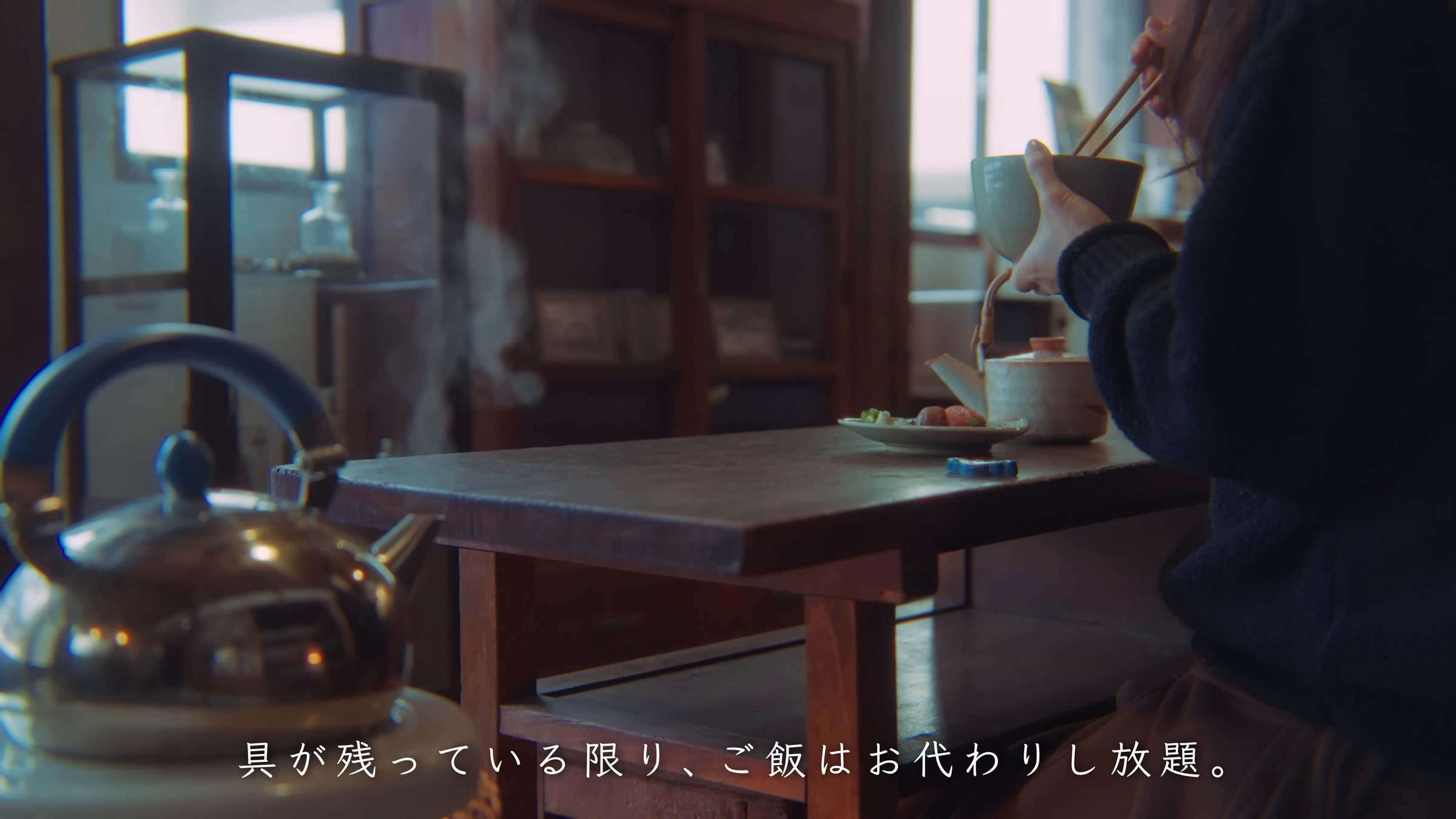
Since I can no longer go there, I tried making something like it myself. I chopped pickled greens and grilled salmon, and set them on a plate with shirasu, umeboshi, mentaiko, kombu, wakame and wasabi. I scattered tiny rice crackers over the rice, added whatever toppings I liked and poured tea from an earthenware pot. In that cheerful shop, every conversation was carried out with a single word, "Yahoo"; so this was my Yahoo chazuke.
"Refill, yahoo." As long as there are toppings left, you can have as much rice as you like. Such a humorous rule warmed my heart.
Watch this scene on YouTube13:38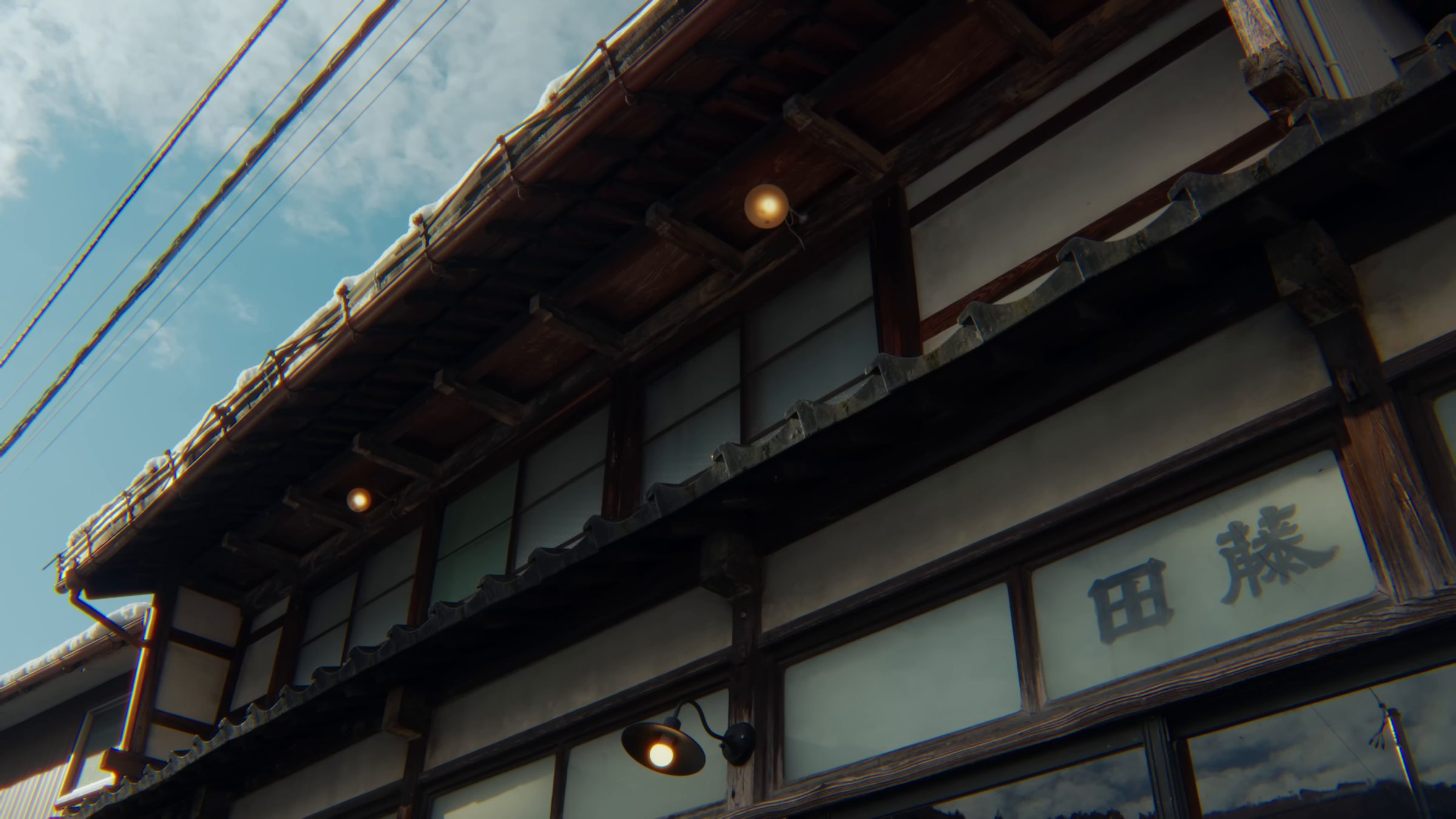


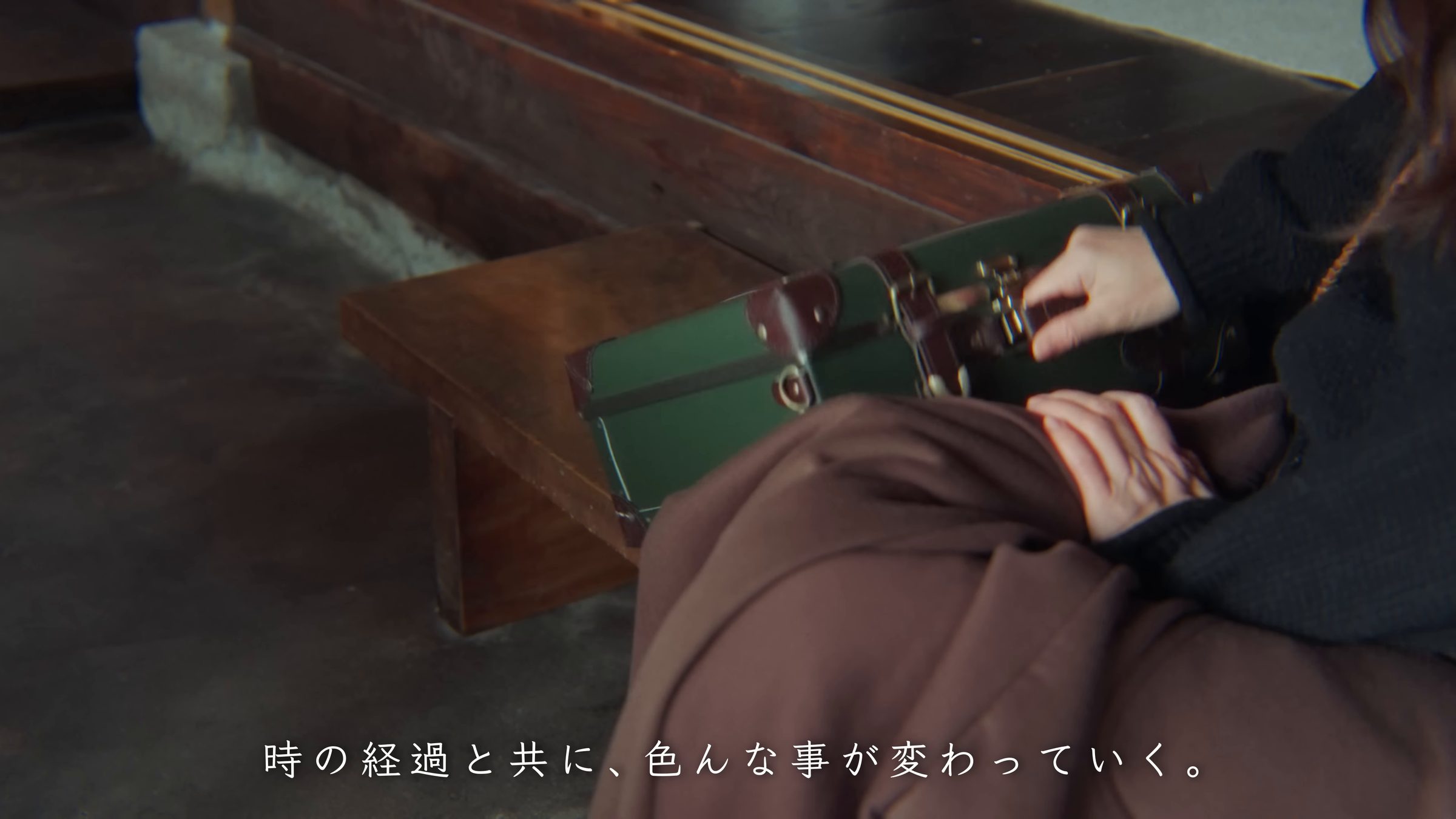
18TRAVEL JOURNAL
Anyato, Kanazawa
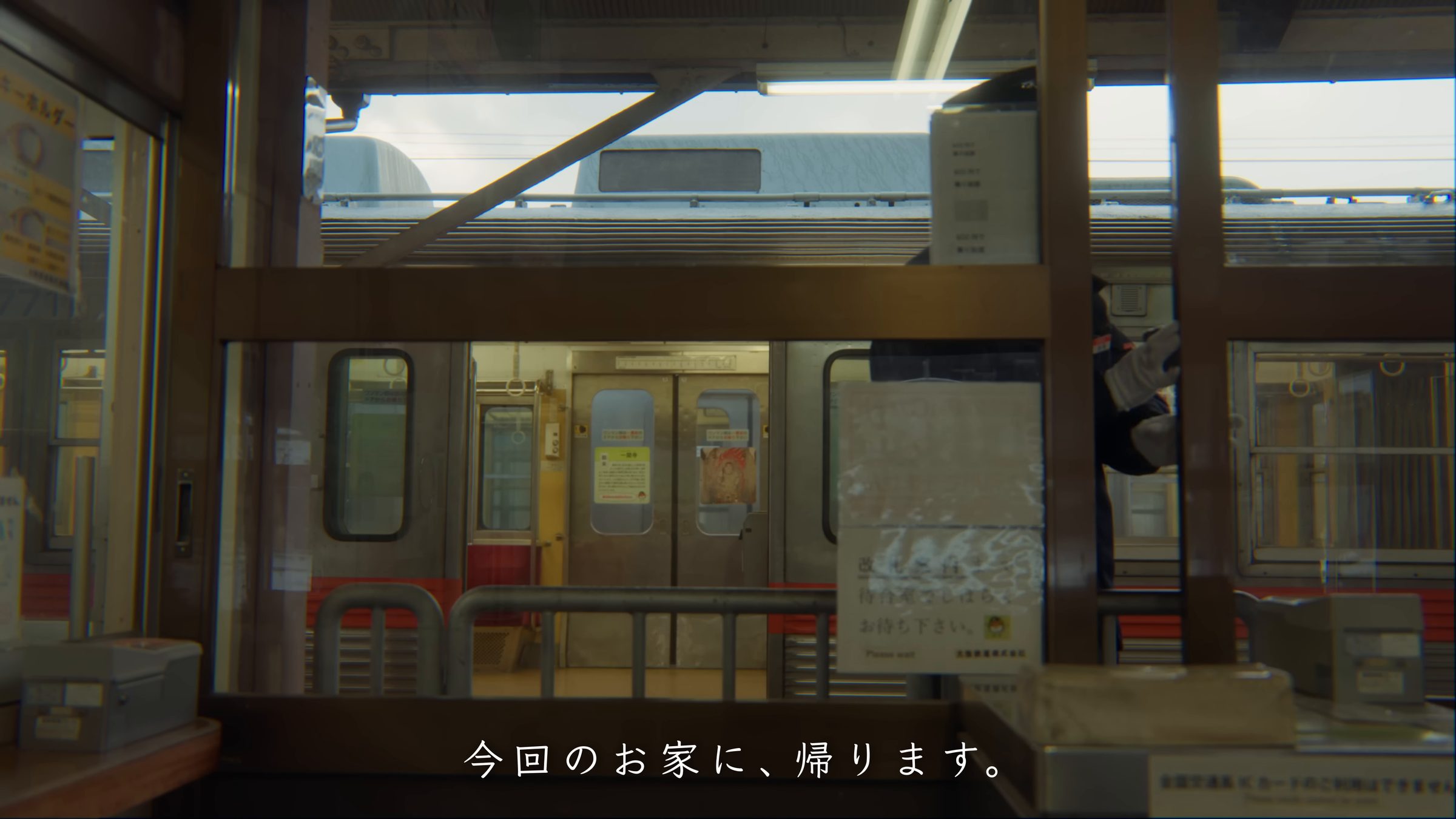
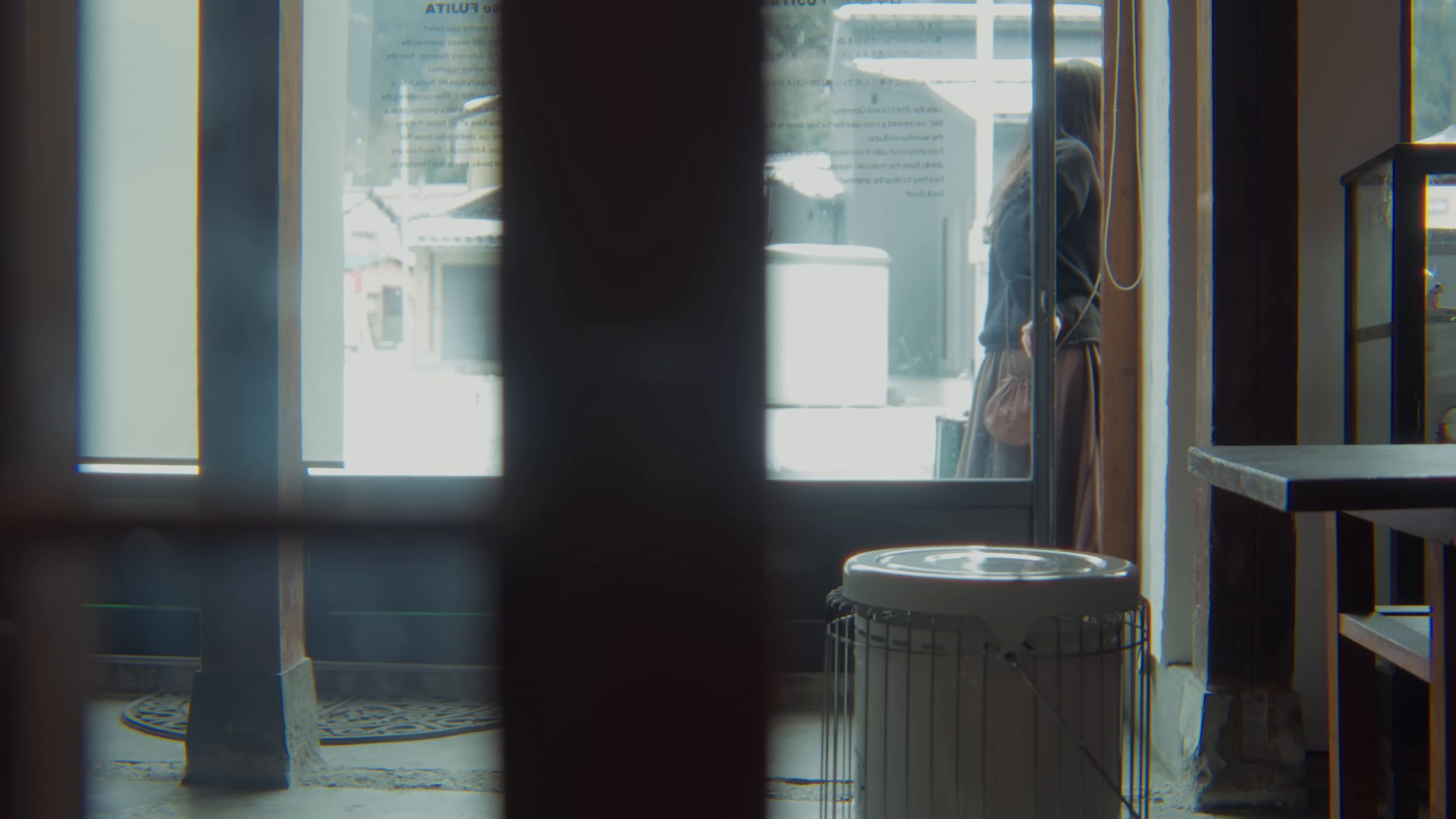
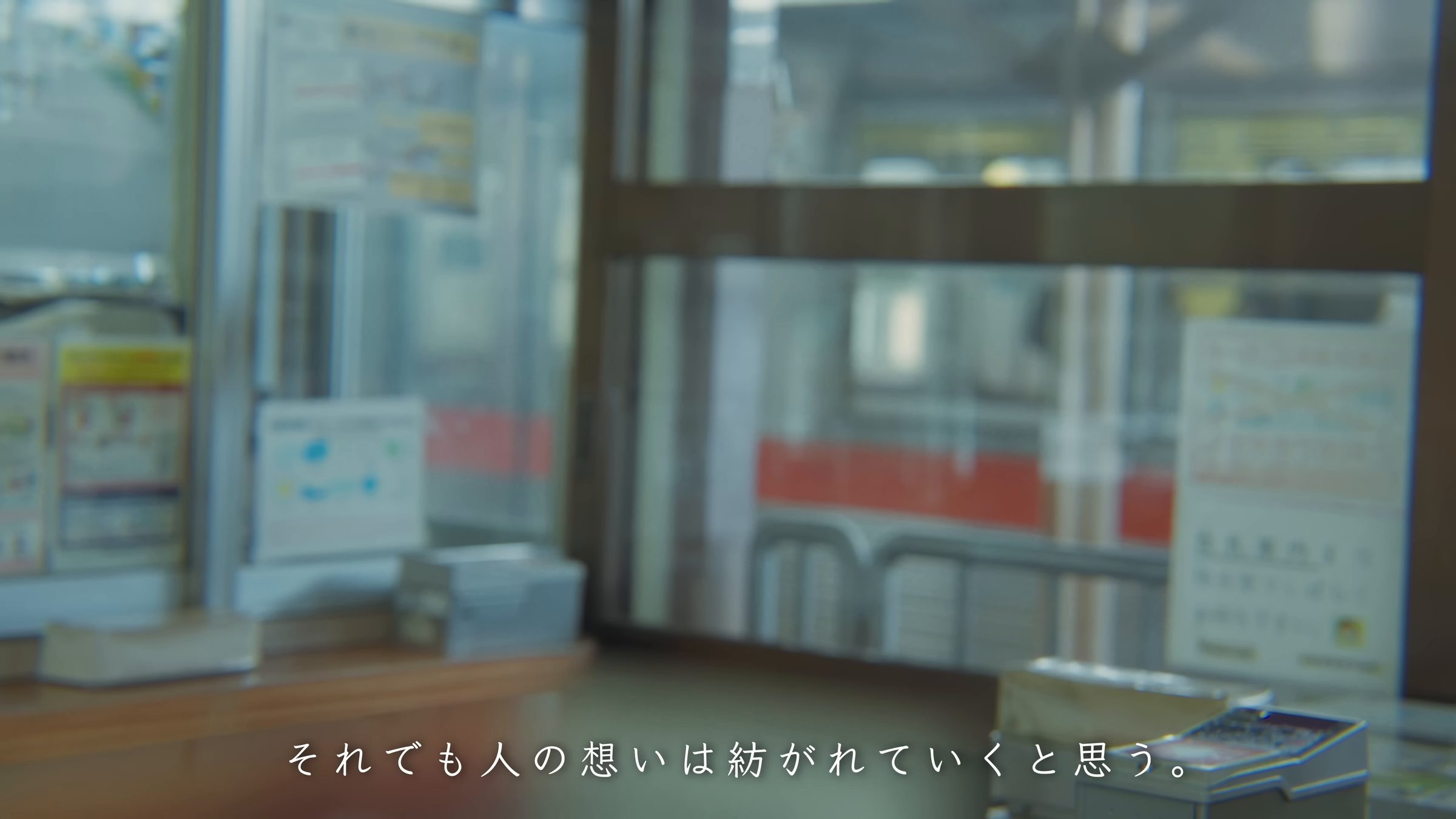
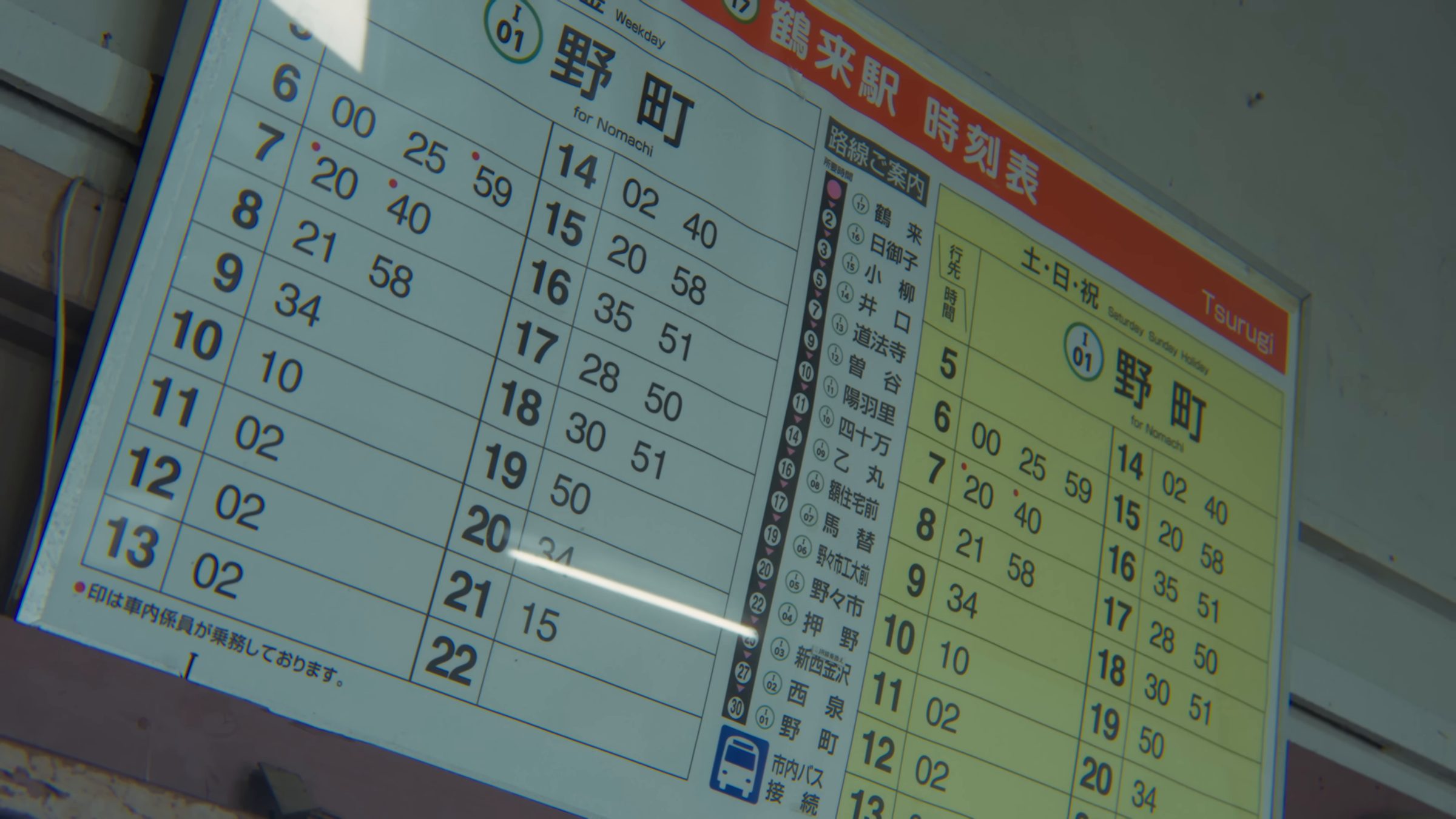
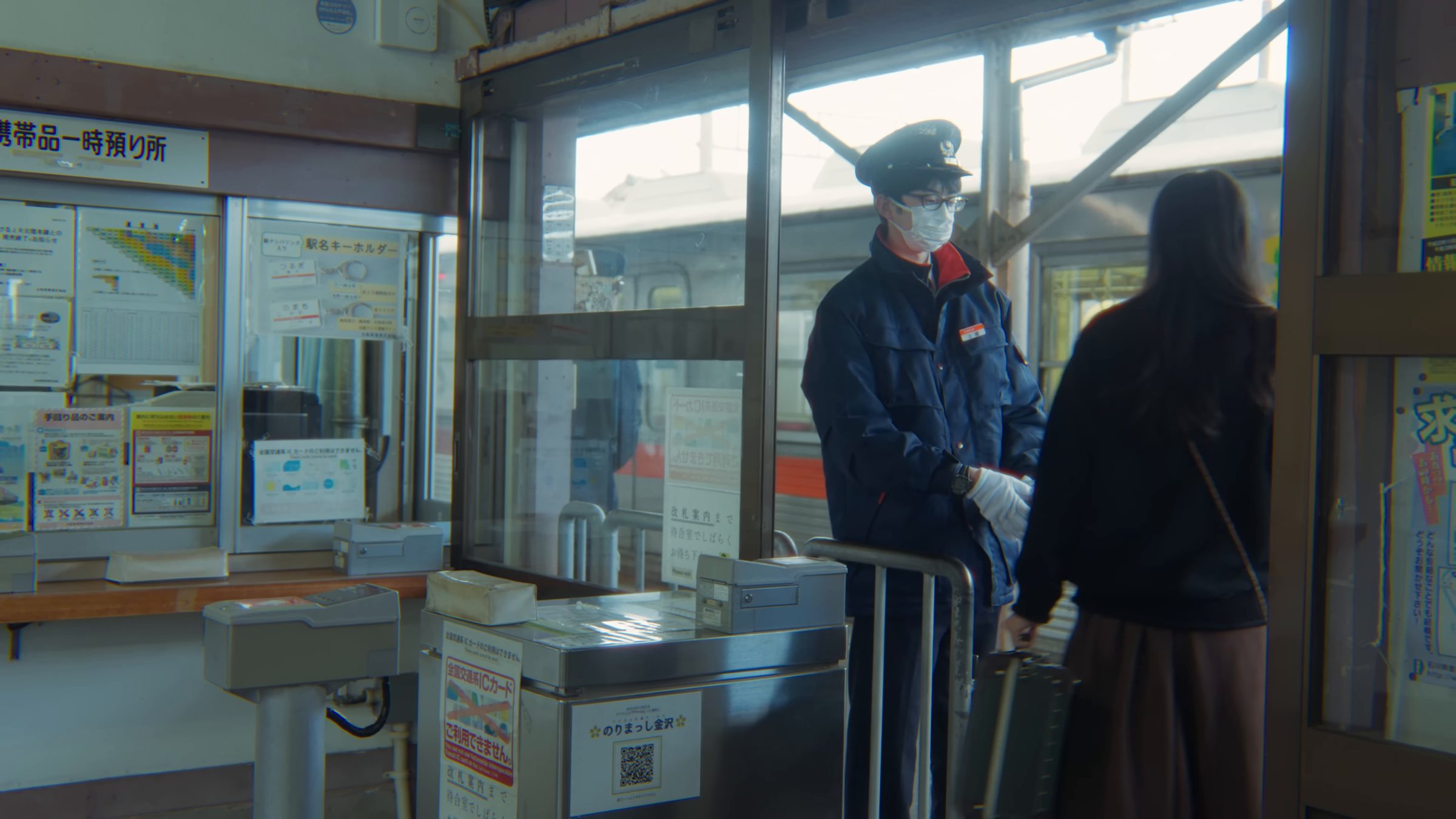
I packed up, shut my green trunk and stepped out the door, heading for Tsurugi Station. Beyond the ticket window a train was waiting, and the timetable for Nomachi hung on the wall.
As time passes, many things change. Even so, I believe people's feelings go on being woven together.
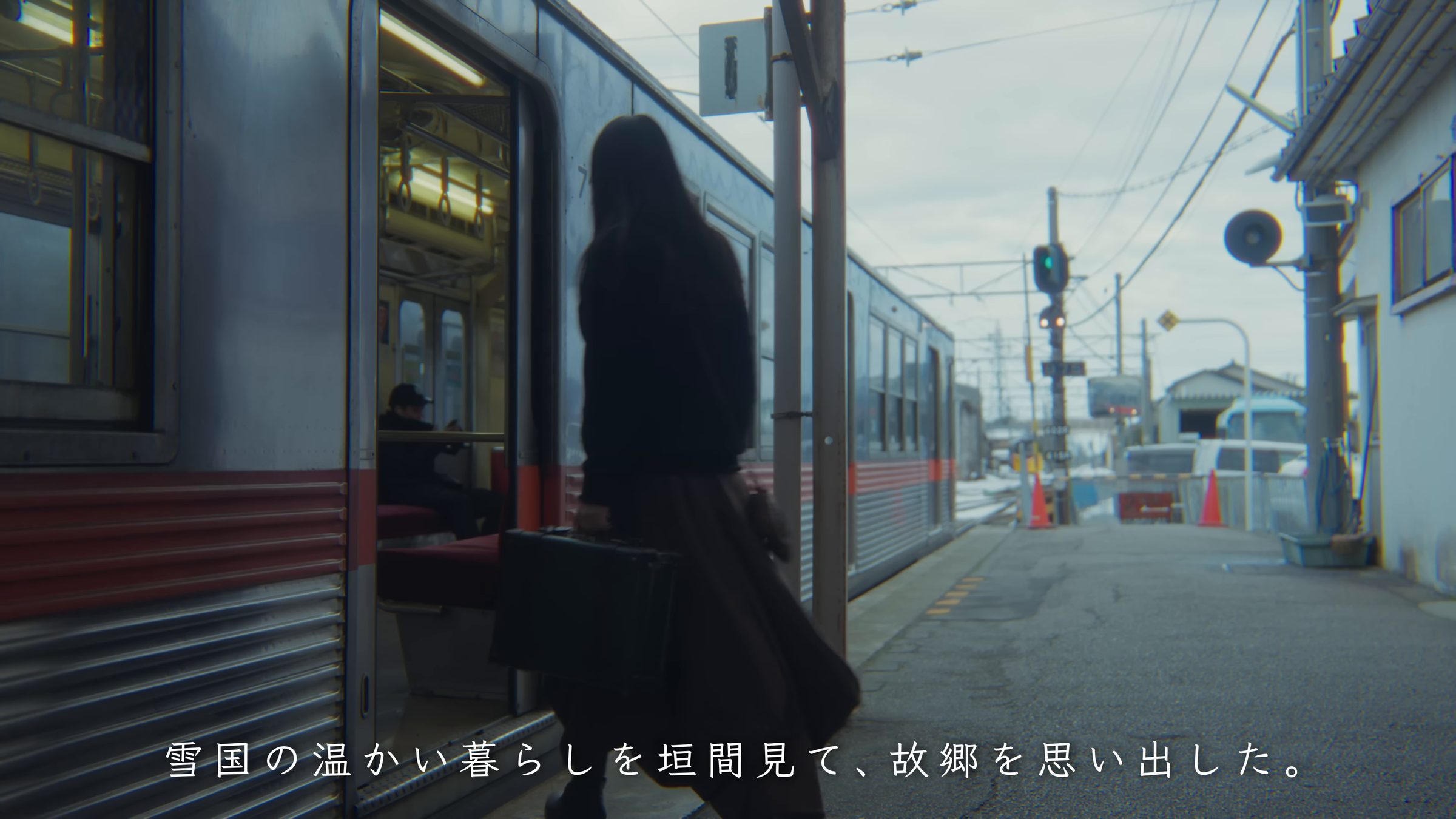
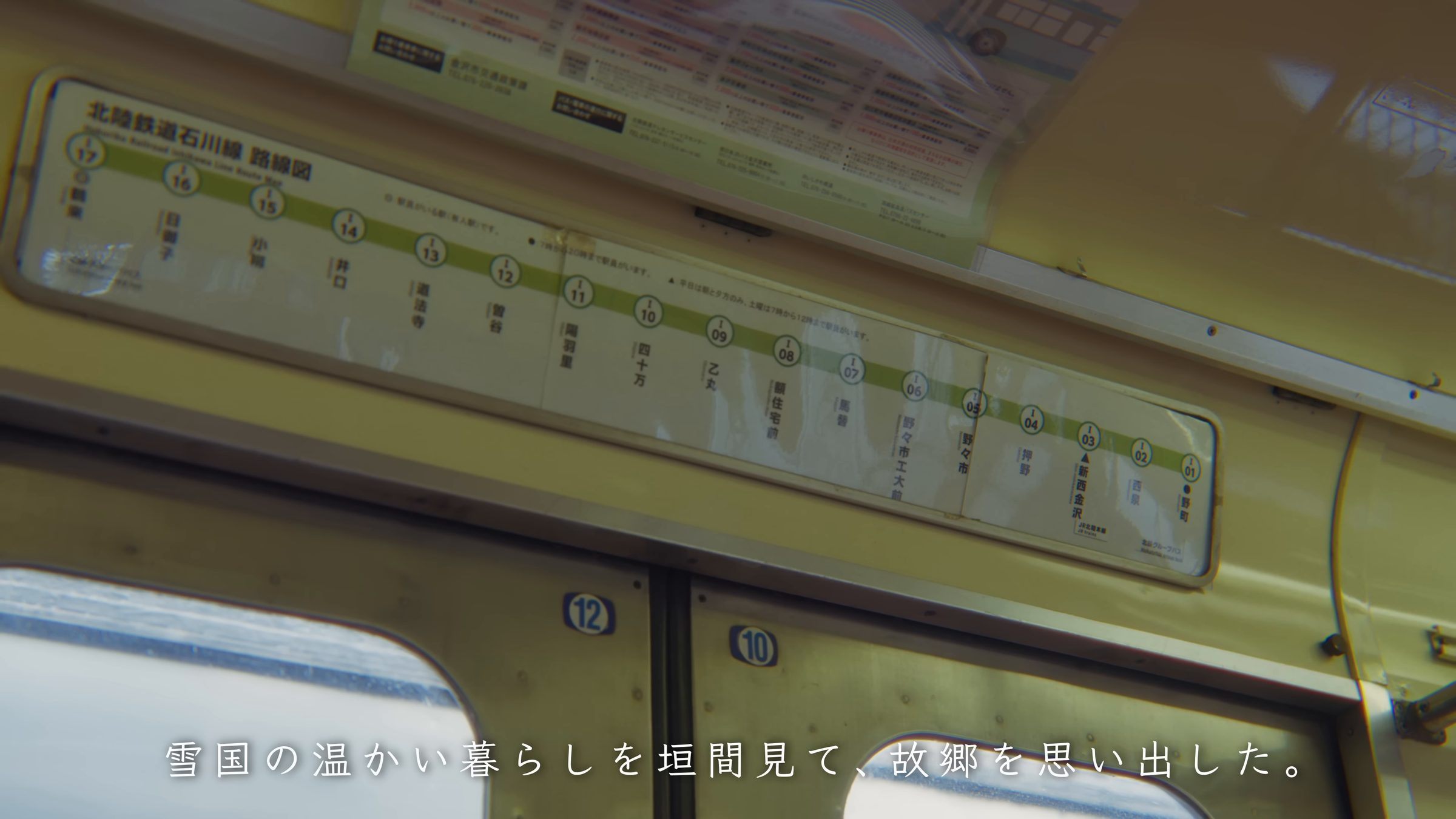
I went through the ticket gate and boarded the train, the snowy tracks running on toward the mountains. Glimpsing this warm life in snow country reminded me of my hometown. Thank you for the wonderful memories, Kanazawa. Or, as they say here, anyato.
Watch this scene on YouTube15:13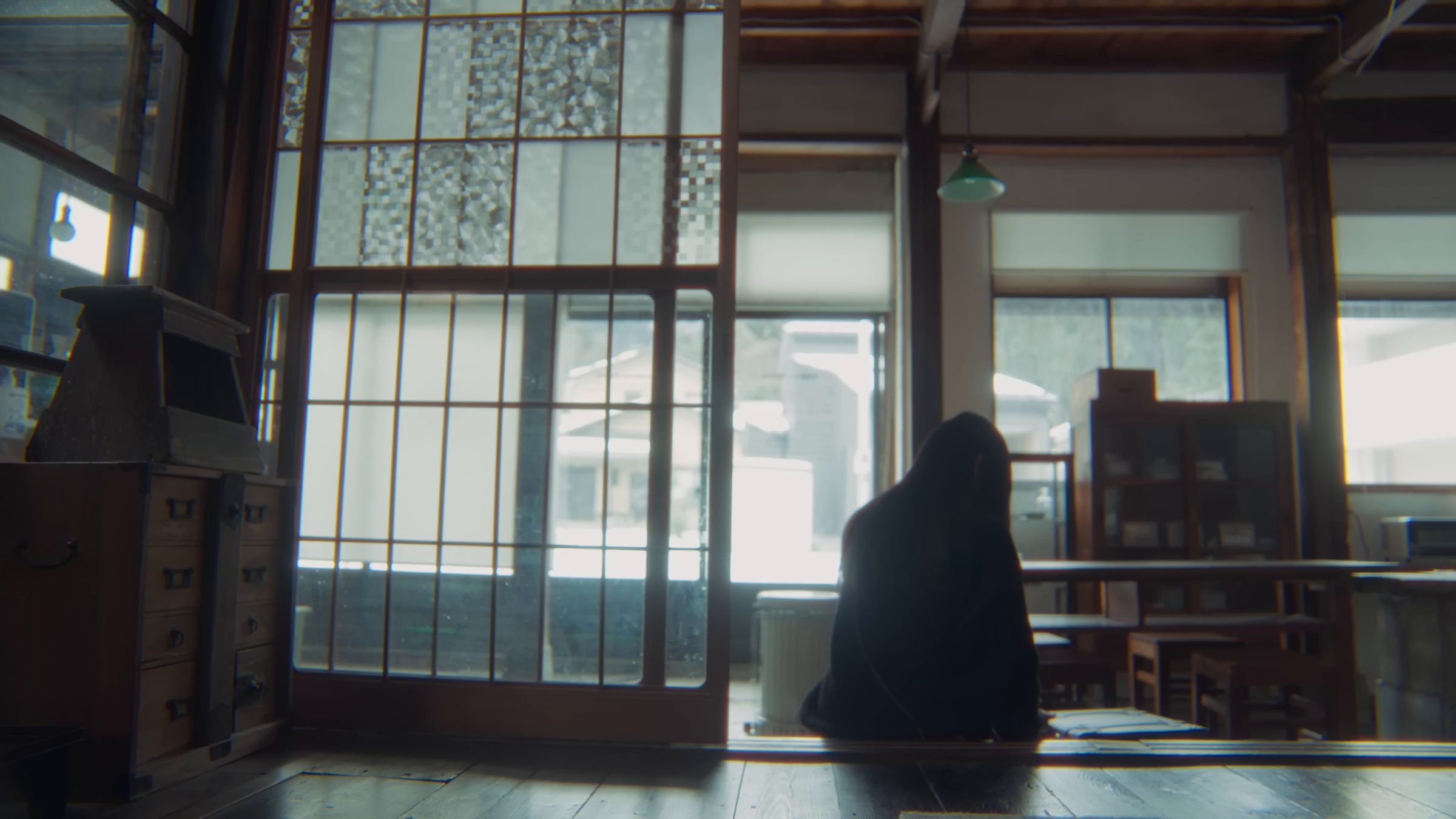
THE JOURNEY IN FILM
The wind. The sounds of a kitchen.
Spend a little more time inside the journey, on film.
Watch the video16 minTHE BORROWER’S NOTES
The Borrower's Notes: Kanazawa, Ishikawa
Places we stopped, dishes we made, and stories of the land. A few things to keep from the journey.
01Where I ate and shopped
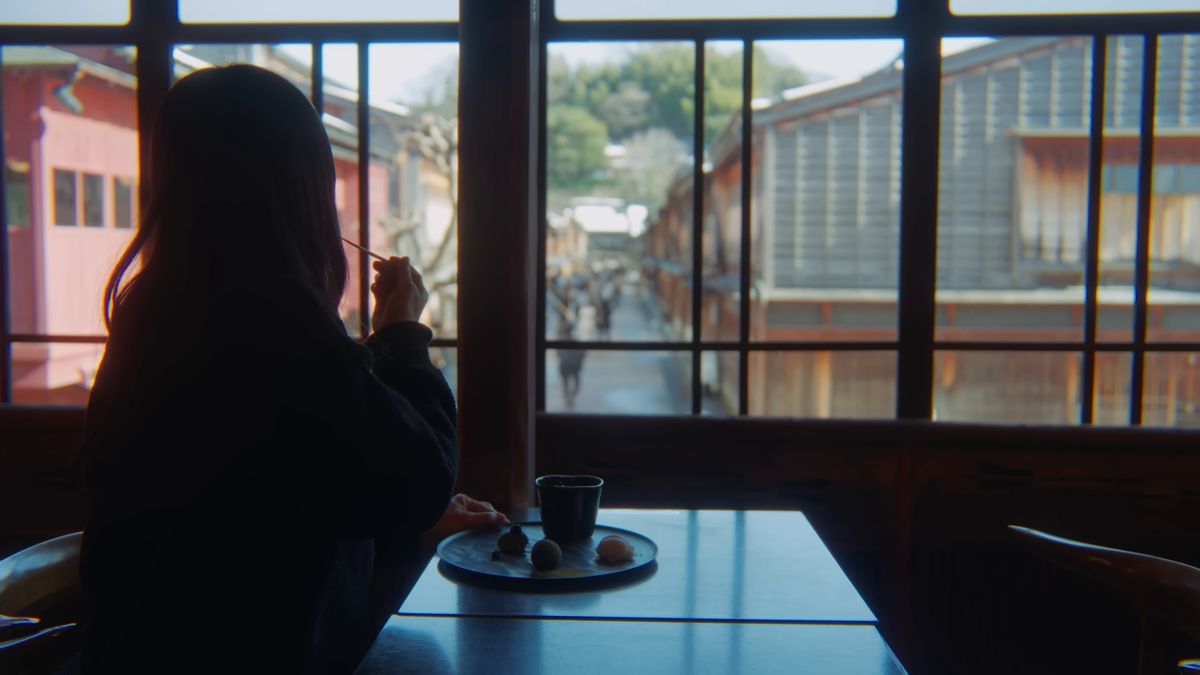
An upstairs café in the Higashi Chaya District
At an upstairs seat looking down on the stone-paved teahouse street through a lattice window, I had tea and three wagashi sweets on a black plate.
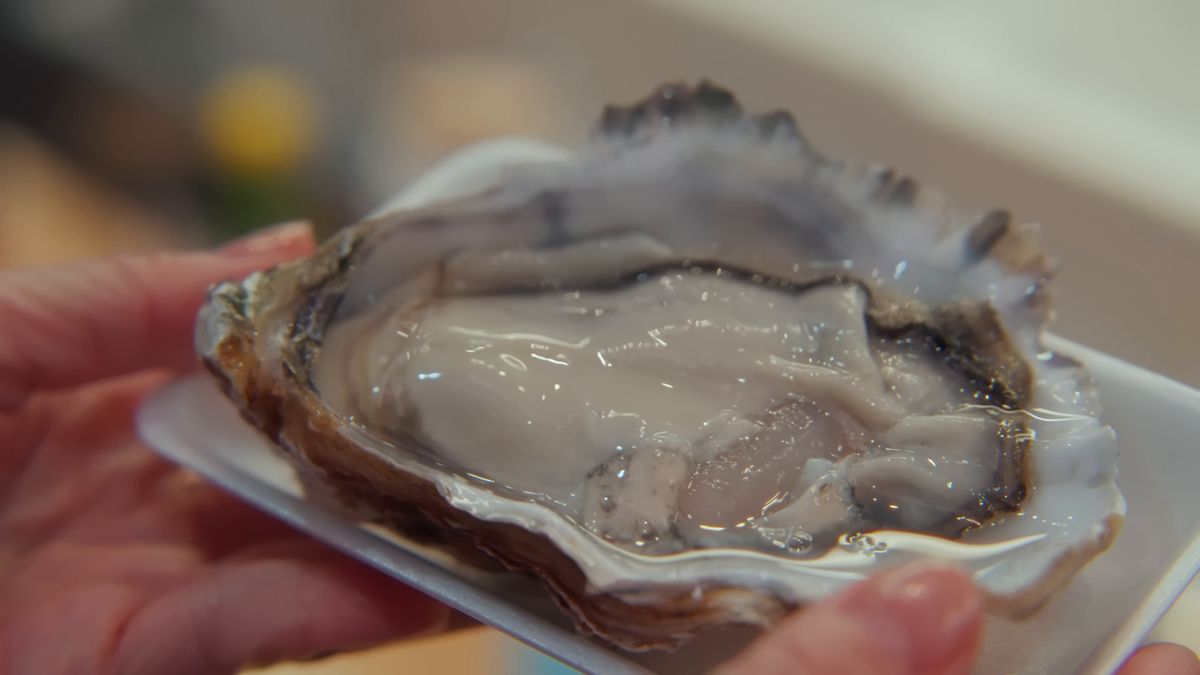
A fish stall at Omicho Market (raw oysters)
Under a sign for raw oysters to eat on the spot, I had a large oyster shucked and rinsed right in front of me. Sea urchin, botan shrimp and crab legs could also be eaten there.
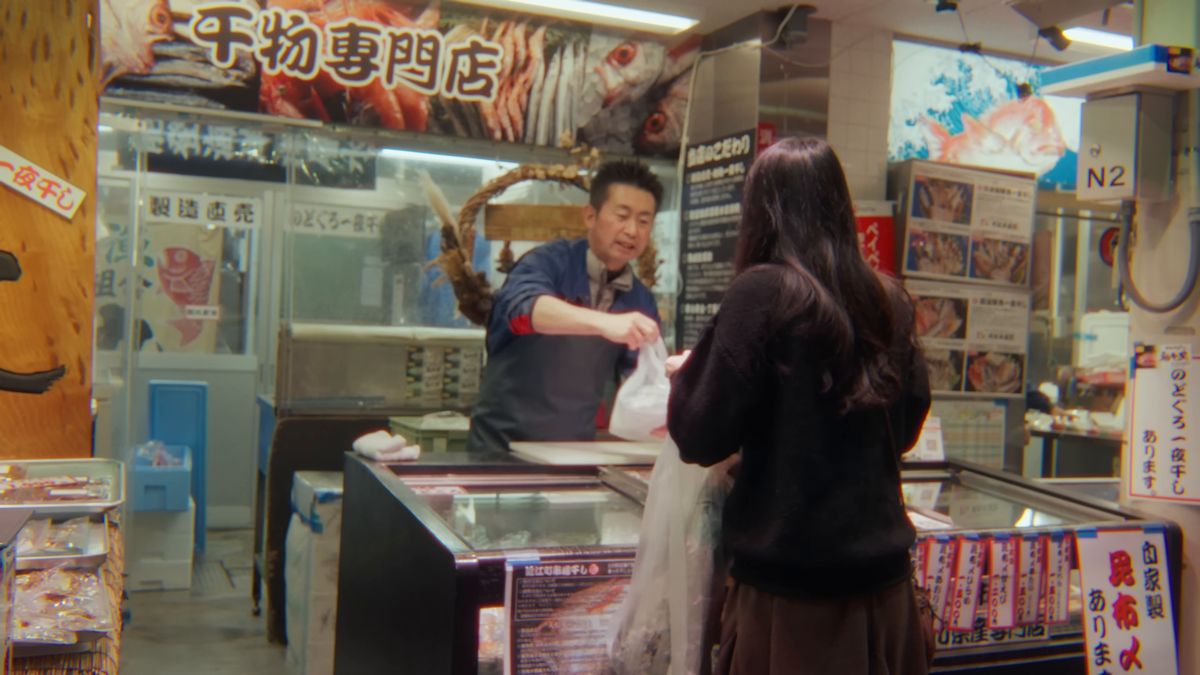
A nodoguro dried-fish shop (likely Omicho Ichiba-boshi)
At a shop with a sign reading "dried-fish specialist," I bought overnight-dried nodoguro from Ishikawa. The label says it is lightly salted using deep-sea water from the Noto Peninsula, and house-made kombu-cured fish was also on sale. It seems to be Omicho Ichiba-boshi, the overnight-dried fish shop run by Daimatsu Suisan.
Sources: rurubu.jp
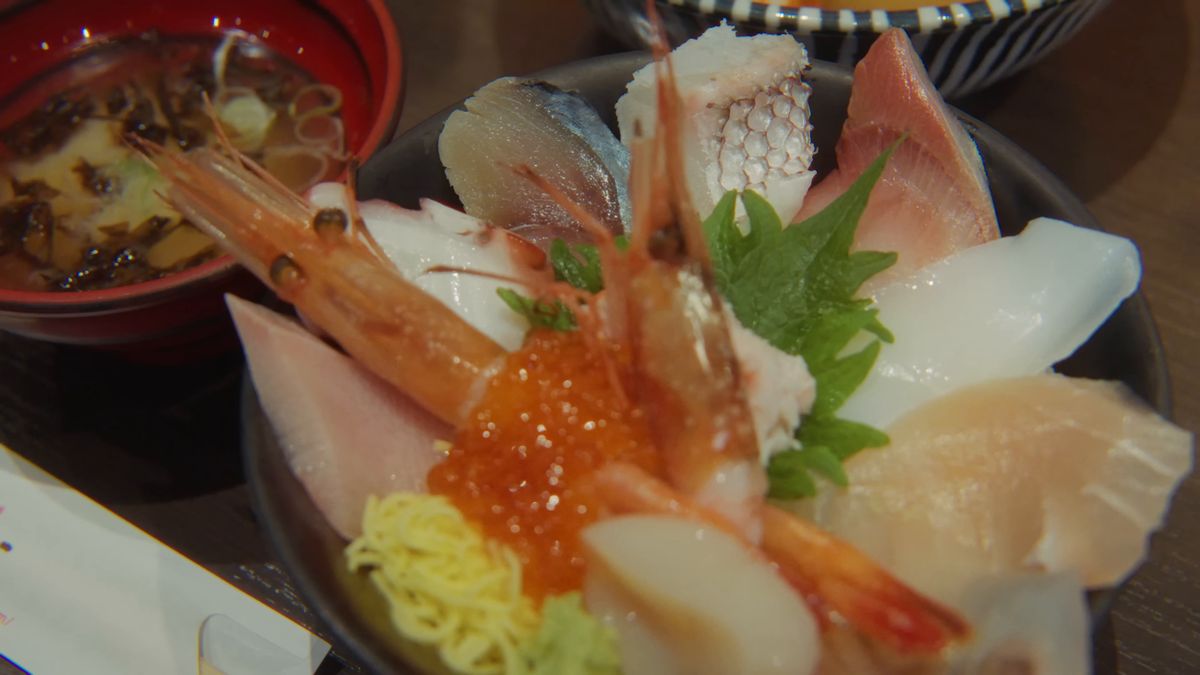
Ichiba Meshi Amatsubo
38-1 Shimotsutsumicho, Kanazawa, Ishikawa
Run by Amatsubo, a long-established izakaya founded in 1964, it serves seafood bowls and local dishes such as Kanazawa oden. I ordered a seafood bowl with sweet shrimp, salmon roe and flaked crab, and Kanazawa oden of daikon, kurumafu and akamaki. A sign out front showed its membership in the Kanazawa Oden 50-Year Club of long-standing shops.
Sources: mapple.net retty.me
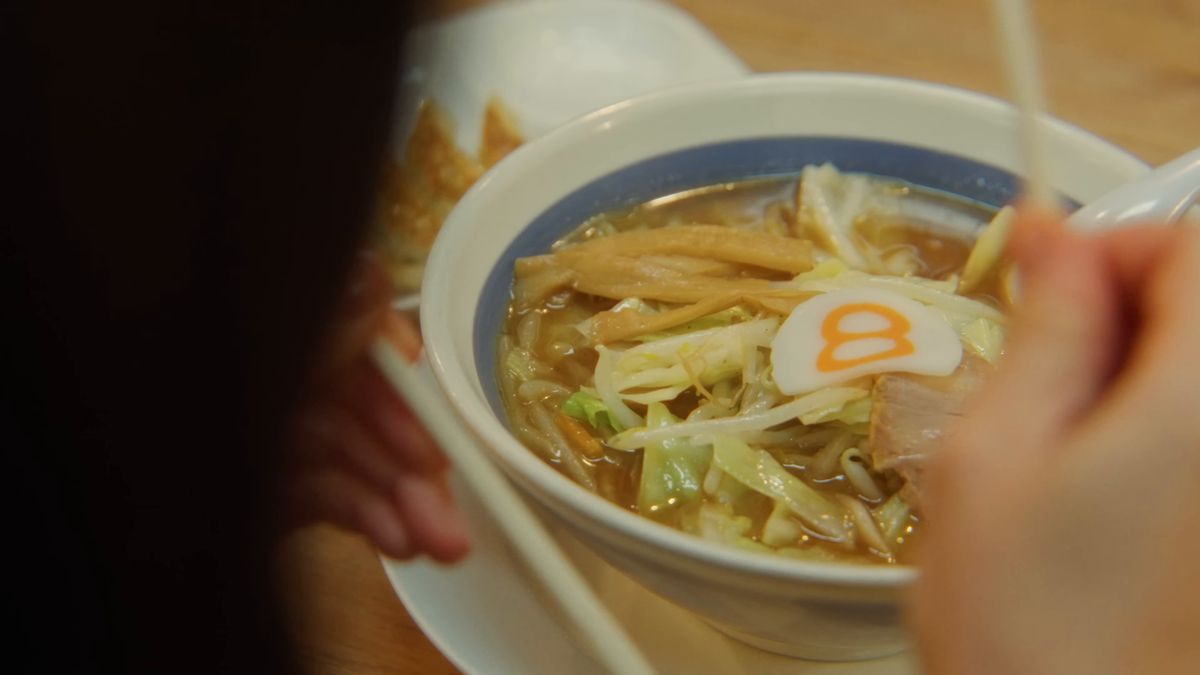
Hachiban Ramen
A ramen chain whose first shop opened on February 11, 1967, beside National Route 8 in Kuwabara, Kaga, Ishikawa. Its signature is ramen piled with stir-fried vegetables; that night I had it with miso broth, curly noodles and a naruto printed with an 8, plus pan-fried gyoza.
Sources: hachiban.co.jp hachiban.jp
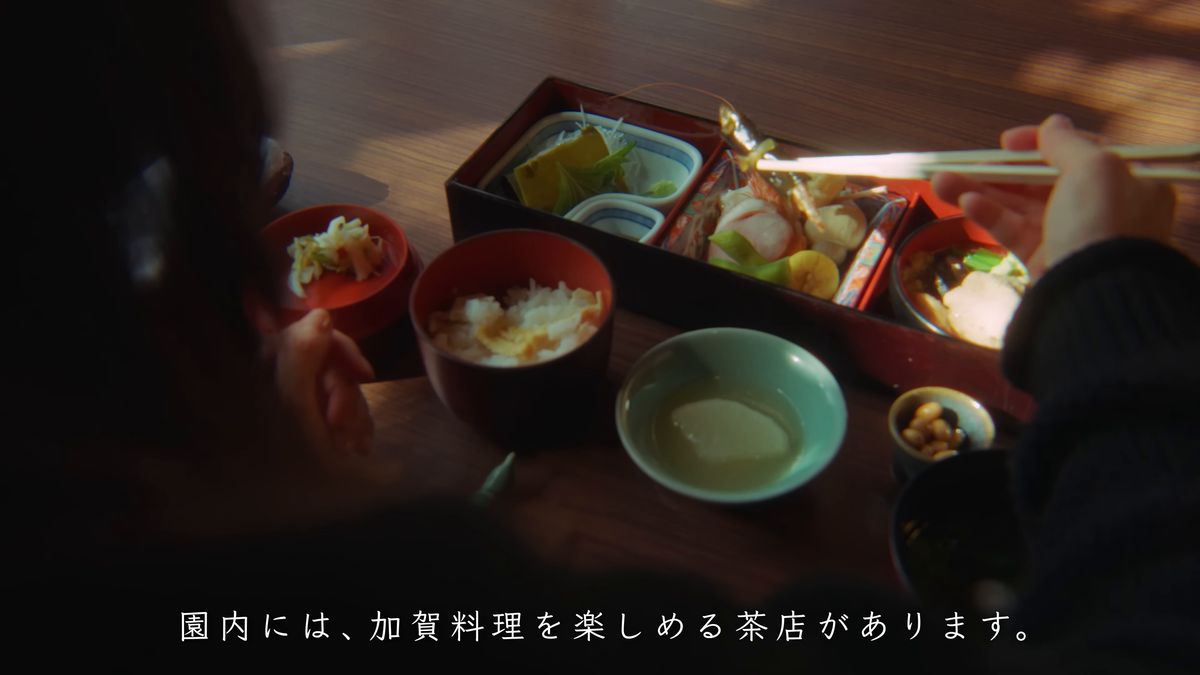
Miyoshian
1-11 Kenrokumachi, Kanazawa, Ishikawa
A teahouse beside Hisago Pond in Kenrokuen, serving Kaga cuisine and matcha. My breakfast tray held kombu-cured sawara, jibuni with wasabi, kabura-zushi and clear soup, followed by Japanese black tea from Uchikoshi in Kaga and a green rakugan.
Sources: 4travel.jp
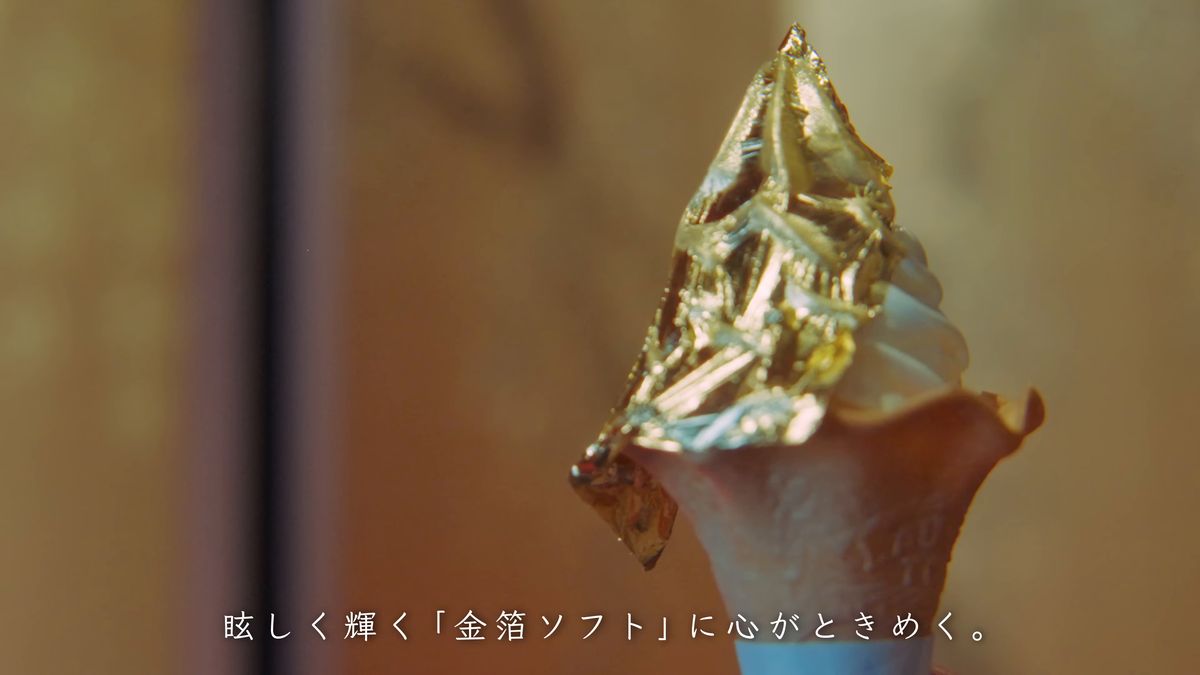
A gold-leaf soft-serve shop in the Chaya District
In a shop with red walls I ate soft serve wrapped entirely in a single sheet of gold leaf. A golden soft-serve figurine stood beside the holder.
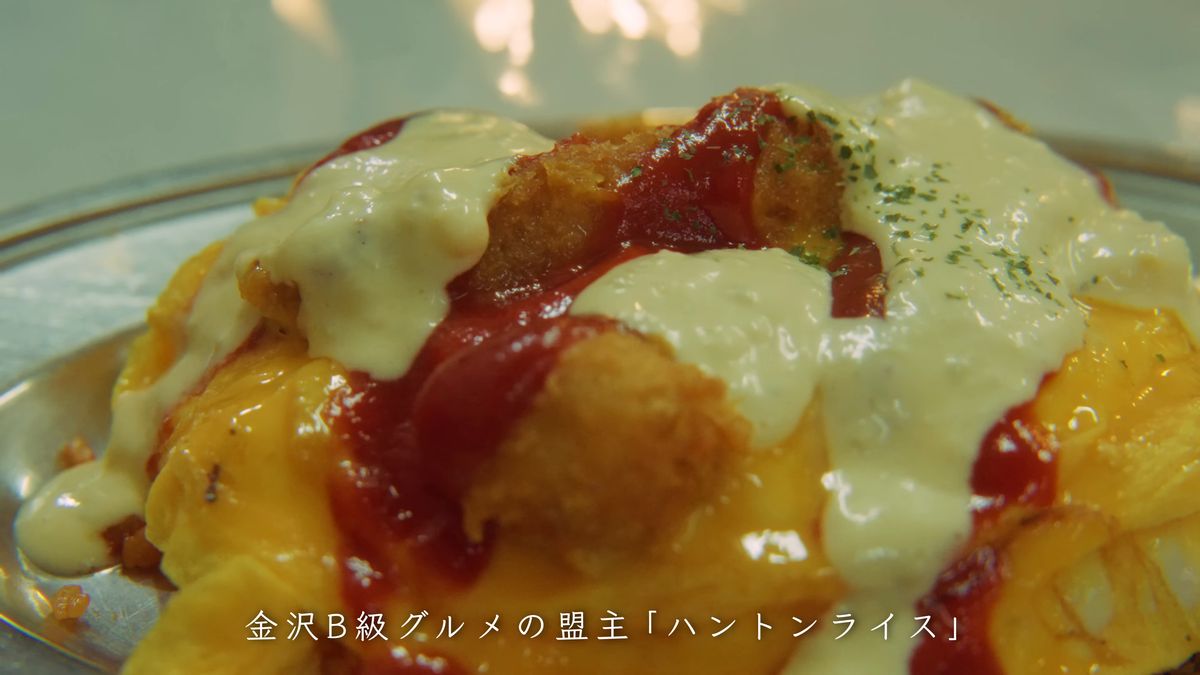
Grill Otsuka
2-9-15 Katamachi, Kanazawa, Ishikawa
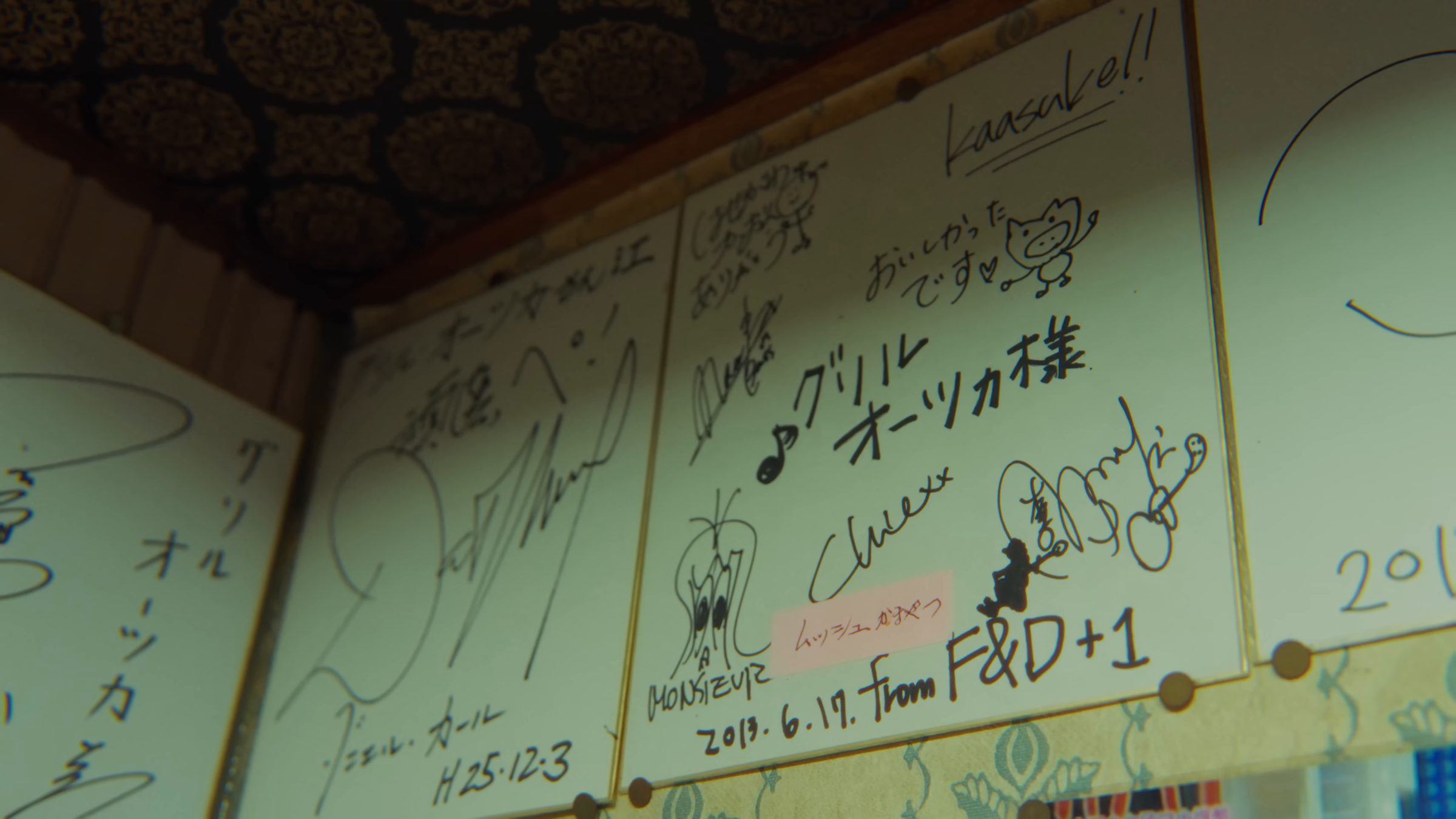
A Western-style diner founded in 1957, often introduced as the birthplace of hanton rice. Hanton rice is a Kanazawa favorite of ketchup rice under fluffy egg, topped with fried seafood, ketchup and tartar sauce. The name is said to join "Han" from Hungary with "thon," French for tuna.
Sources: allabout.co.jp rurubu.jp post.japanpost.jp
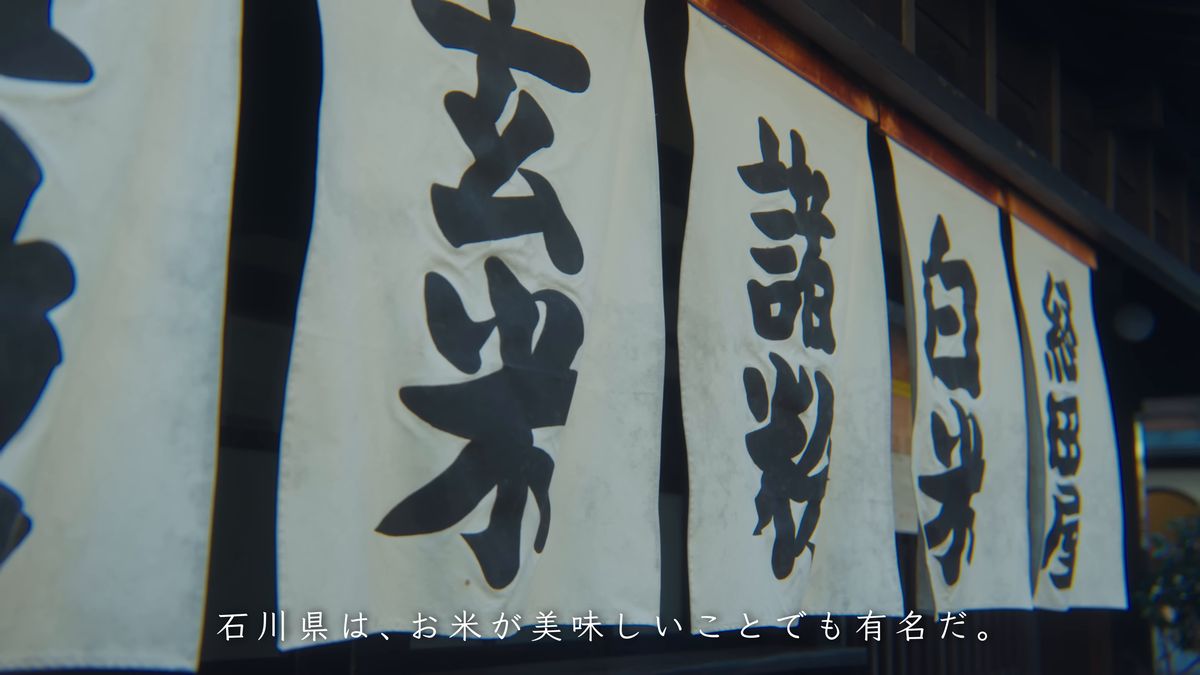
An Edo-period rice shop (likely Kyodenya)
1-17-7 Higashiyama, Kanazawa, Ishikawa
Likely the rice shop on the south side of the Higashi Chaya District. White noren curtains inked with "brown rice" and "white rice" hang at the door, and sacks of rice are stacked inside. Reviews on its listing say it was founded in the late Edo period and that the shop building dates from 1904.
Sources: 4travel.jp
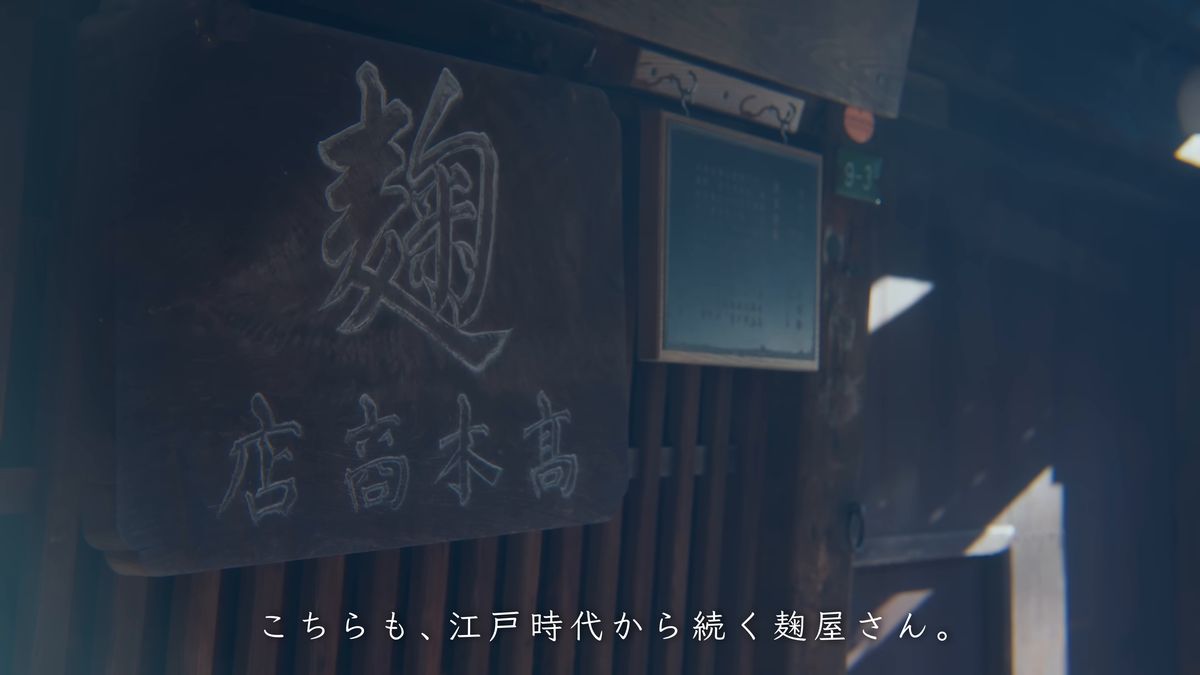
Takagi Koji Shoten
1-9-3 Higashiyama, Kanazawa, Ishikawa
A long-established koji and miso maker in the Higashi Chaya District, described in a feature article as having a 180-year history. It sells koji, miso, amazake and more, and a chalkboard out front announced a miso-making class. I used the Kagai Miso I bought here in my mettajiru.
Sources: 4travel.jp honda.co.jp
02What I cooked
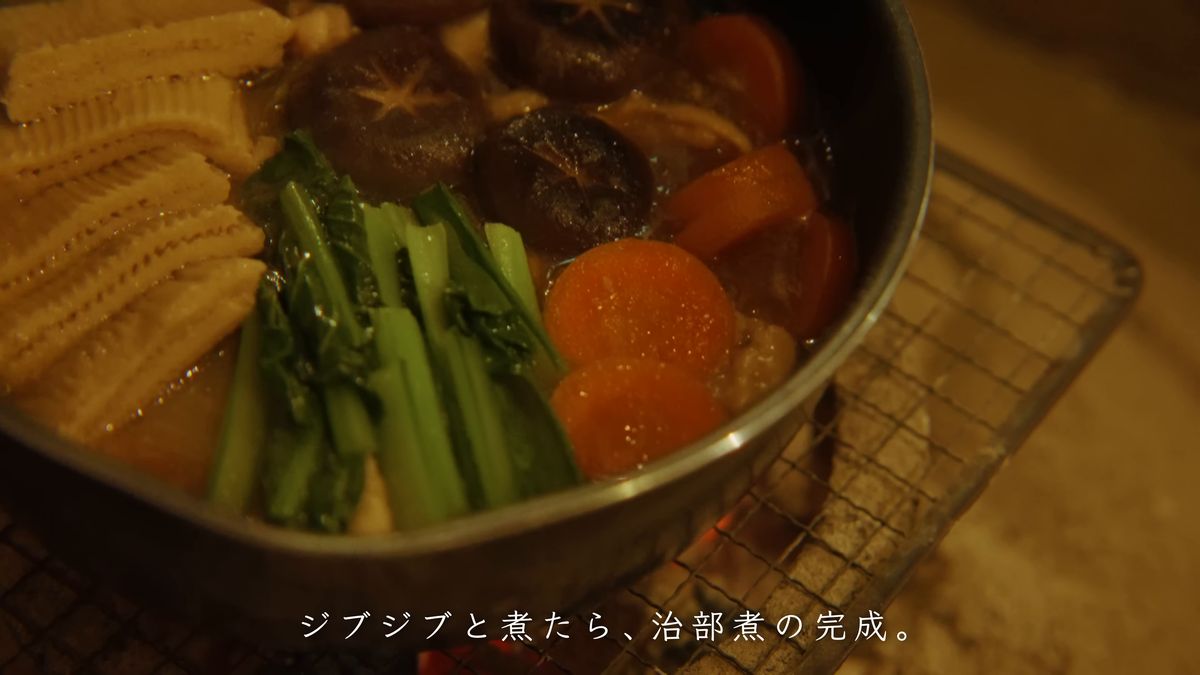
Jibuni
A simmered dish of Ishikawa made with duck, sudare-fu and seasonal vegetables, said to have been eaten by samurai households since at least the Edo period. Coating the meat in flour seals in its flavor and thickens the broth, and wasabi is placed on top as a garnish. The name may come from Okabe Jibuemon, who served the Kaga domain, or from the "jibu-jibu" sound of simmering. Homes often use chicken instead of duck, and so did I.
IngredientsChicken, Flour, Sudare-fu (wheat gluten sheets), Shiitake, Carrots, Leeks, Leafy greens, Wasabi
- Carve a star into the shiitake and cut the leeks and carrots
- Coat the chicken in flour
- Add the chicken to the pot of simmering vegetables
- Add the sudare-fu and simmer
- Serve with greens and top with wasabi
Sources: maff.go.jp
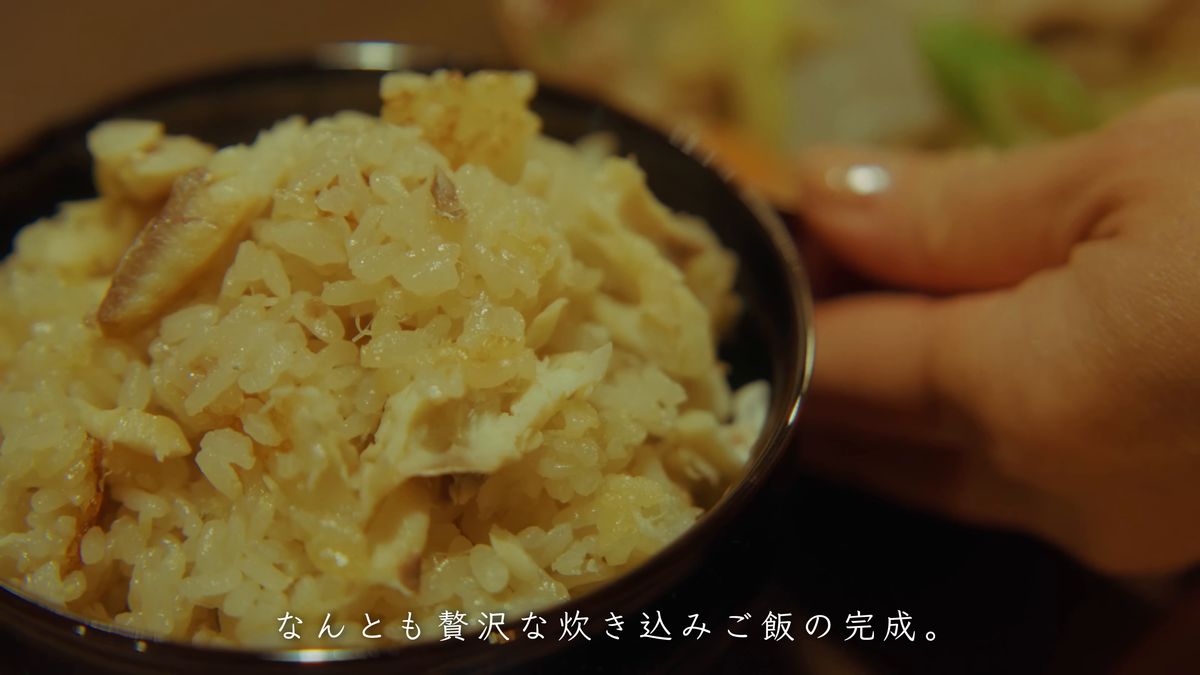
Nodoguro takikomi gohan
Nodoguro is a prized fish, so rich in fat it is called "the toro of white fish." The overnight-dried fish I bought at the market was lightly salted using deep-sea water from Noto. The rice was Hyakumangoku, Ishikawa's original variety, developed by the prefecture over nine years and launched in 2017. Its large grains are satisfying to eat and stay pleasantly chewy even when cool.
IngredientsRice (Hyakumangoku), Overnight-dried nodoguro, Water
- Grill the overnight-dried nodoguro
- Add water to the rice in the pot and lay the grilled fish on top
- Cover and cook
- Flake the fish, remove the bones and mix it into the rice
Sources: pref.ishikawa.lg.jp
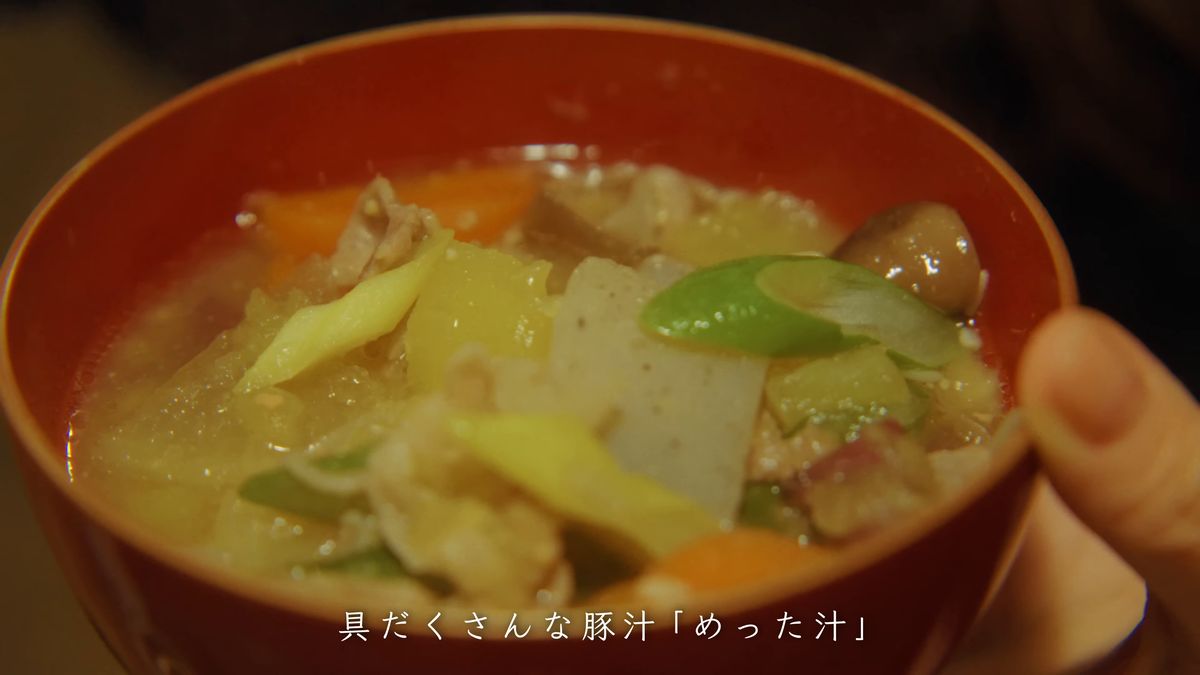
Mettajiru
A hearty pork miso soup full of root vegetables, distinguished by using sweet potato in place of the usual potato. The name is said to come from tossing in, or chopping up, ingredients "yatara mettara," with abandon. In Kabi (Mold), a novel by Tokuda Shusei, one of Ishikawa's great writers, the characters make and eat mettajiru. I made mine with Kagai Miso from Takagi Koji Shoten.
IngredientsPork, Sweet potato, Konnyaku, Carrots, Shiitake, Leeks, Miso (Kagai Miso)
- Cut the pork and vegetables
- Simmer the ingredients in a pot
- Stir in the miso
Sources: maff.go.jp
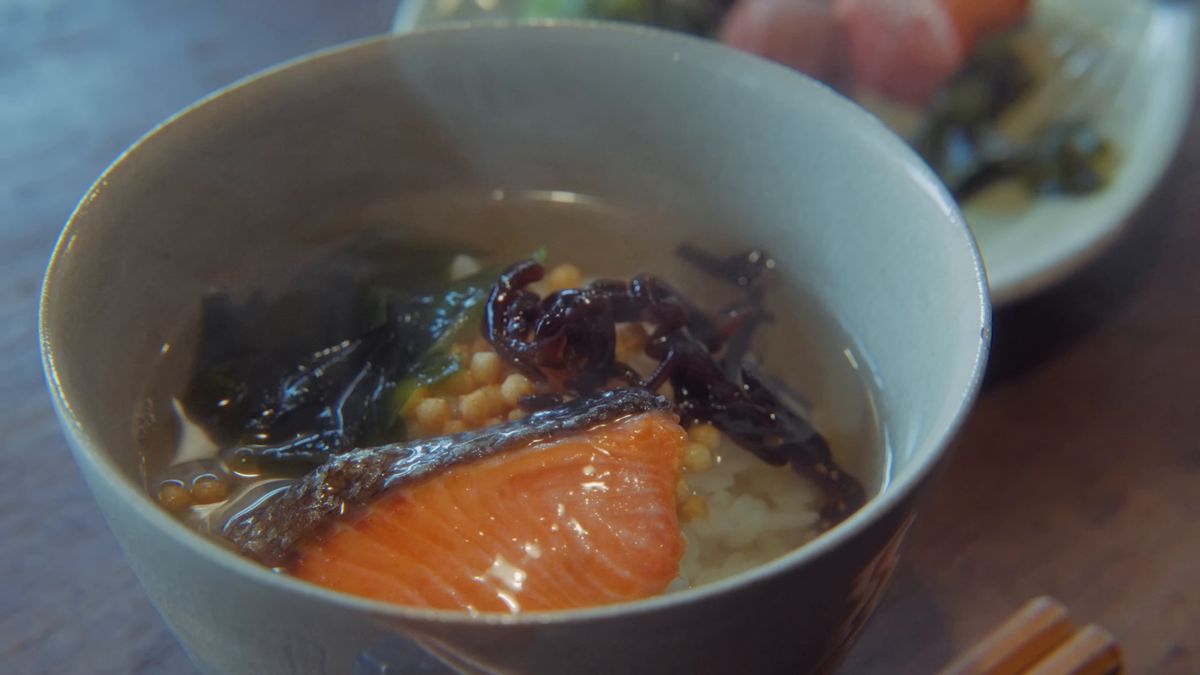
My take on Yahoo chazuke
The shop known as "Yahoo chazuke" was Shinano, an ochazuke shop in Katamachi 1-chome, Kanazawa. It ran for forty years, and the rule was that every exchange in the shop, starting with your order, was done with the word "Yahoo." It closed on October 24, 2020, so I recreated it as best I could.
IngredientsCooked rice, Grilled salmon, Shirasu, Umeboshi, Mentaiko, Pickled greens, Kombu, Wakame, Wasabi, Tiny rice crackers, Tea
- Chop the pickled greens and grill the salmon
- Arrange the toppings on a plate
- Top the rice with rice crackers and whatever you like
- Pour tea over from an earthenware pot
- Keep refilling the rice as long as toppings remain
Sources: ja.wikipedia.org weekend-kanazawa.com
03About the area
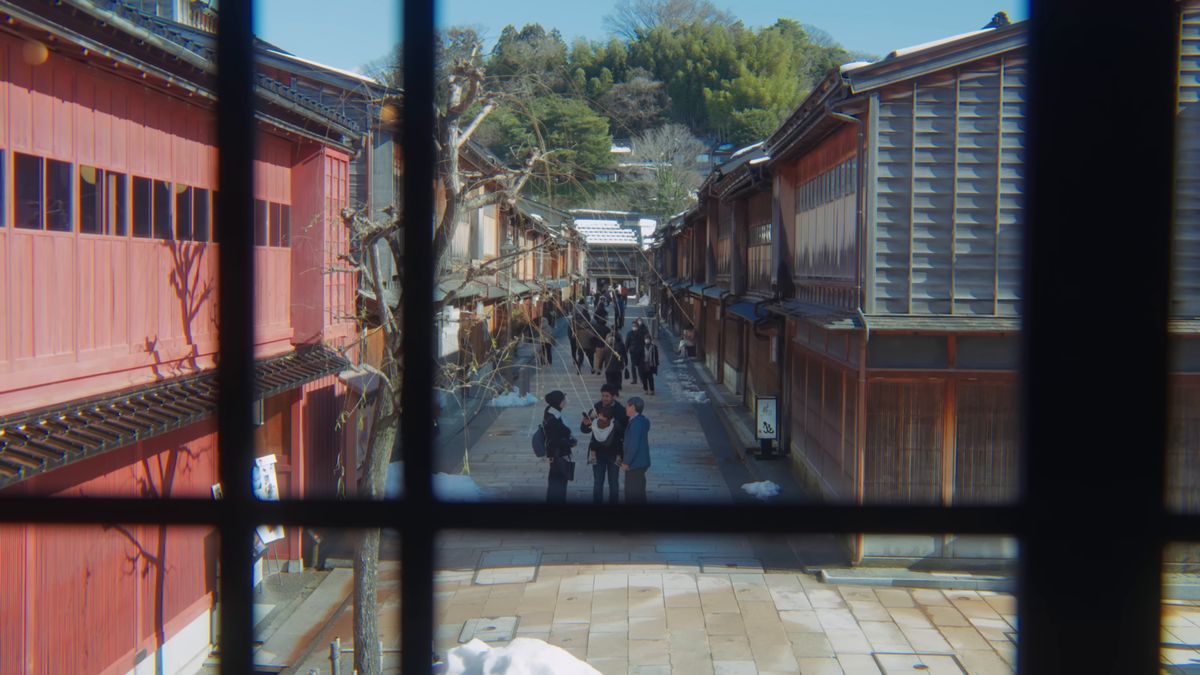
Higashi Chaya District
A teahouse district opened in 1820 on the east side of the Asano River with the approval of the Kaga domain. Teahouse buildings from the late Edo to early Meiji period, with latticed fronts on the ground floor and tatami rooms upstairs, line its stone-paved streets. On November 14, 2001, it became the first area in Kanazawa designated a nationally Important Preservation District for Groups of Traditional Buildings. The teahouse Shima is an Important Cultural Property, and some others, such as Kaikaro and the Ochaya Museum, are open to visitors.
Sources: tabi-mag.jp
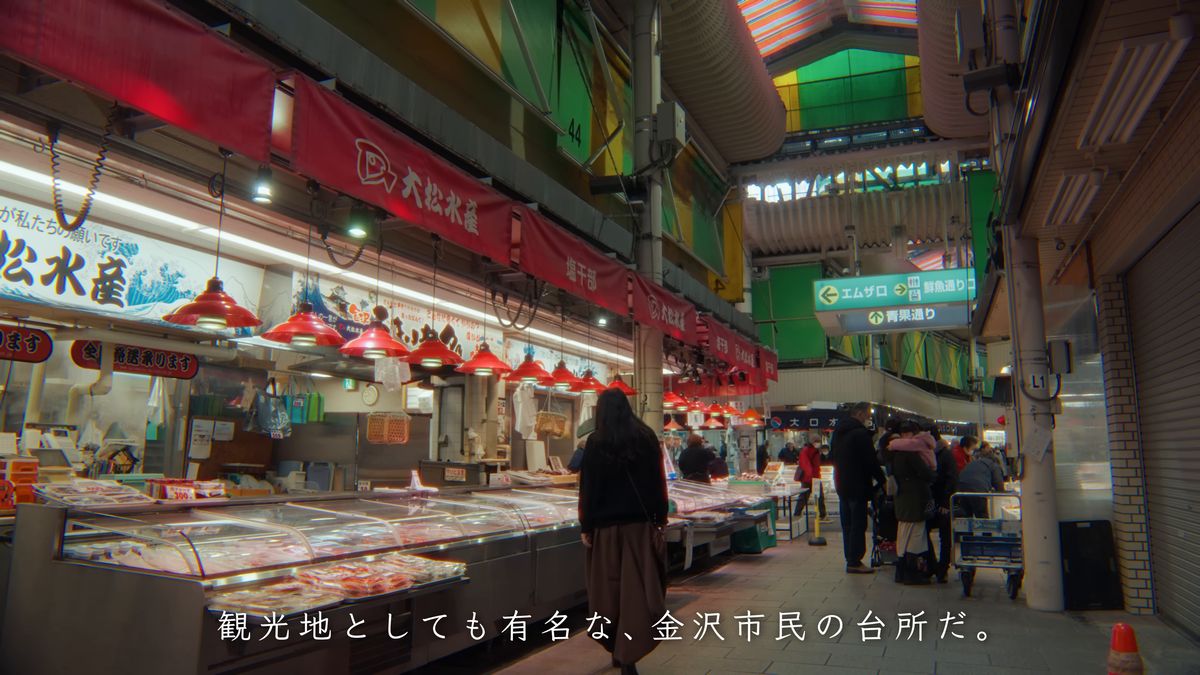
Omicho Market
50 Kamiomicho, Kanazawa, Ishikawa
A market in Musashigatsuji, in the heart of Kanazawa, with roughly 300 years of history going back to the days of the domain. About 170 shops selling fish, produce and more line its narrow lanes.
Sources: ohmicho-ichiba.com
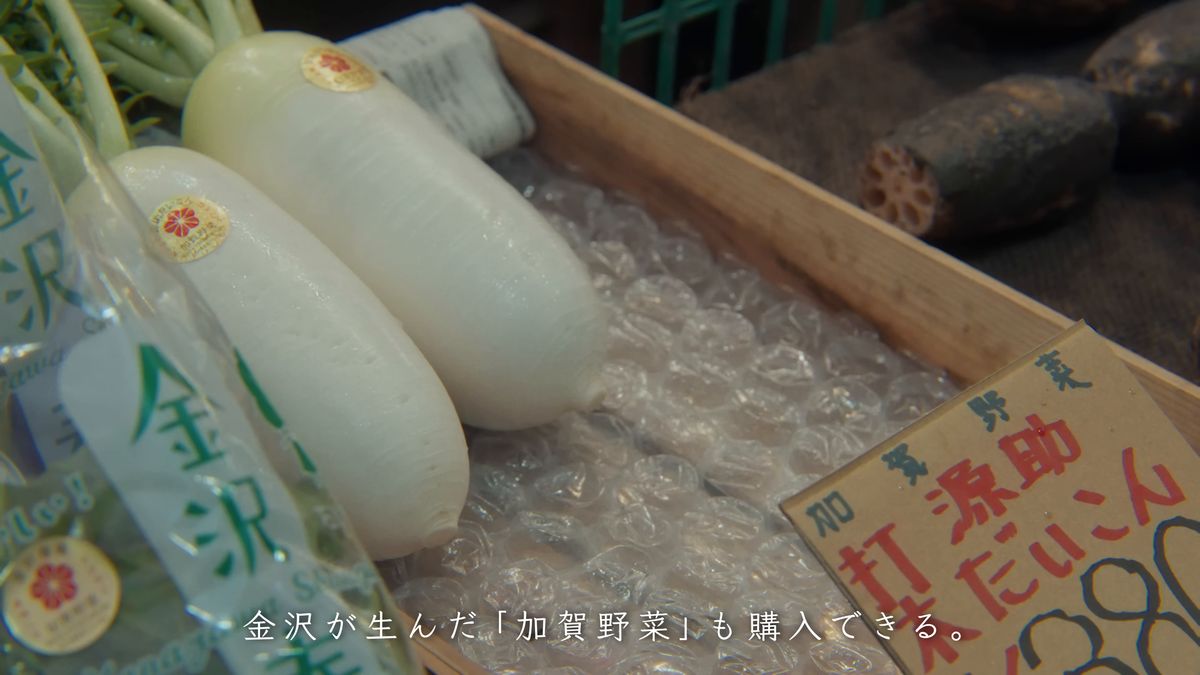
Kaga vegetables
Fifteen traditional vegetables of Kanazawa, certified as "vegetables grown since before 1945 and still grown mainly in Kanazawa." They include Gensuke daikon, Kaga lotus root and sweet potato. The sweet potatoes are grown mostly in the sand dunes of Awagasaki and Gorojima, and are known as Gorojima Kintoki after the growing area. At the greengrocer in Omicho Market, the label read "Uchiki Gensuke daikon."
Sources: www4.city.kanazawa.lg.jp
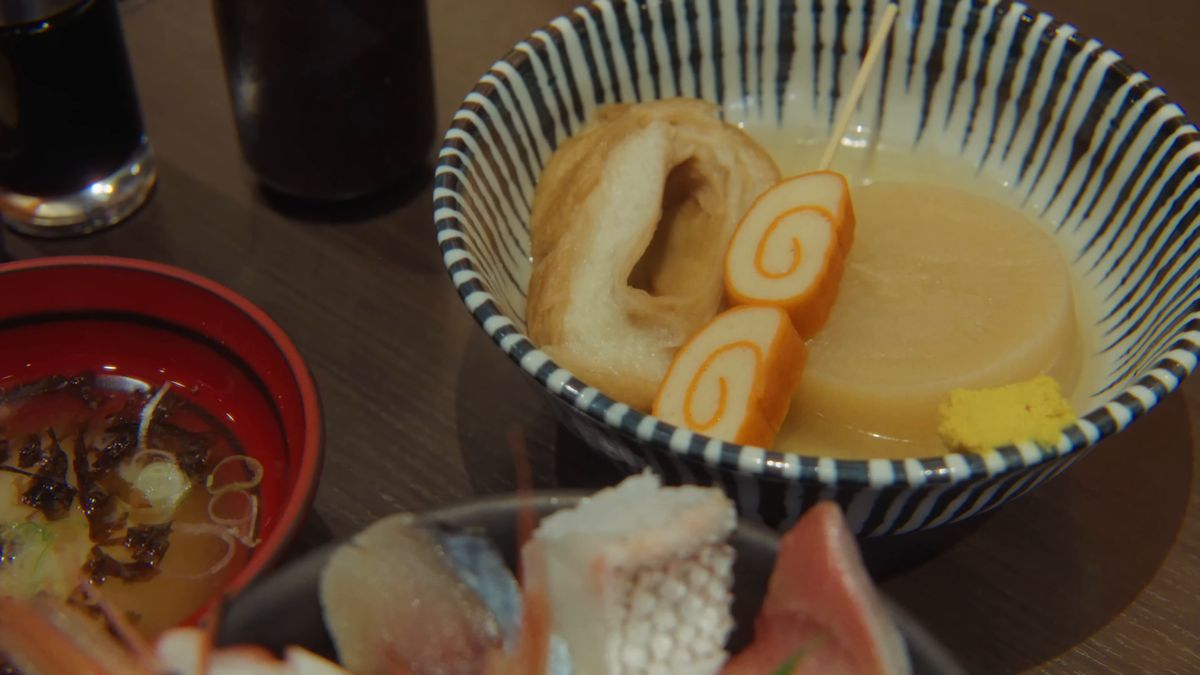
Kanazawa oden
Kanazawa's oden uses a broth of kombu and bonito flakes with light soy sauce, and local ingredients such as Kaga vegetables and Hokuriku seafood. Many shops serve it all year, not just in winter. Typical ingredients include kurumafu, akamaki with its red-and-white swirl, and Gensuke daikon, and shops in business for more than 50 years have formed the Kanazawa Oden 50-Year Club.
Sources: nap-camp.com
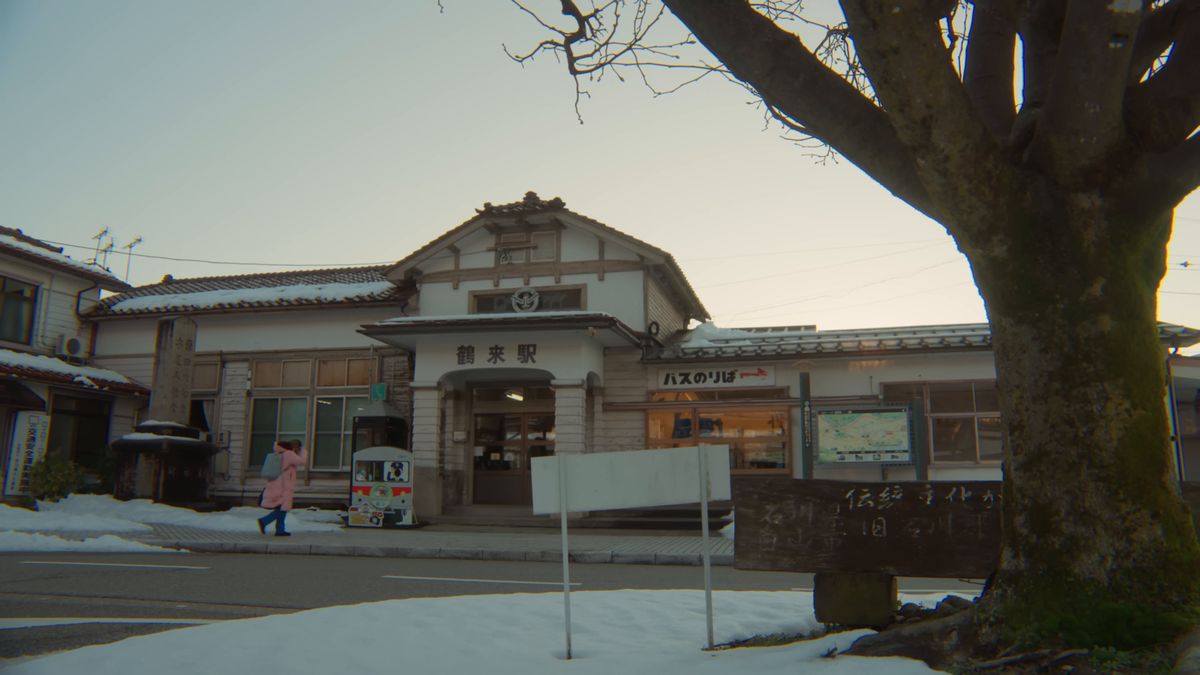
Hokuriku Railroad Ishikawa Line and Tsurugi Station
An electrified single-track line of 17 stations and 13.8 kilometers, running from Nomachi to Tsurugi. Tsurugi is the end of the line, where a wooden station building stands in the snowy square.
Sources: wwwtb.mlit.go.jp
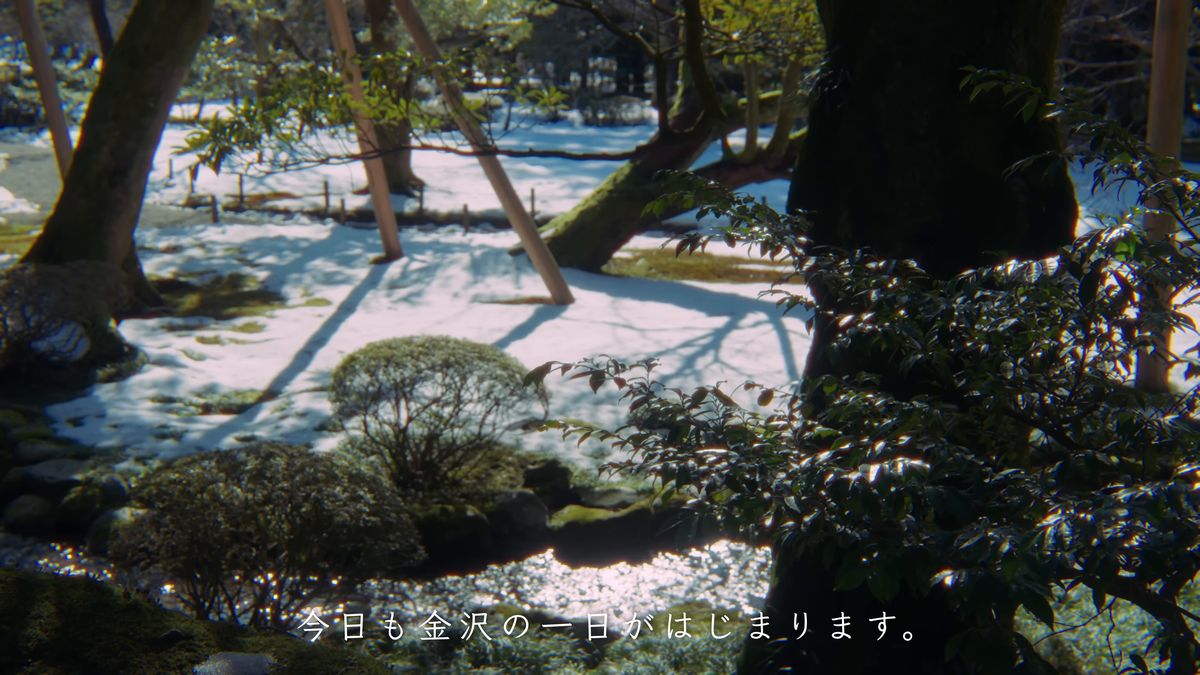
Kenrokuen and its yukitsuri
One of Japan's three great gardens, alongside Kairakuen in Mito and Korakuen in Okayama: a daimyo garden of the Edo period shaped over many years by successive lords of the Kaga domain. Yukitsuri, the ropes that protect the trees from heavy snow, are a winter tradition of Hokuriku; work begins every November 1 with the Karasaki pine, whose branches are held by about 800 ropes from five central poles.
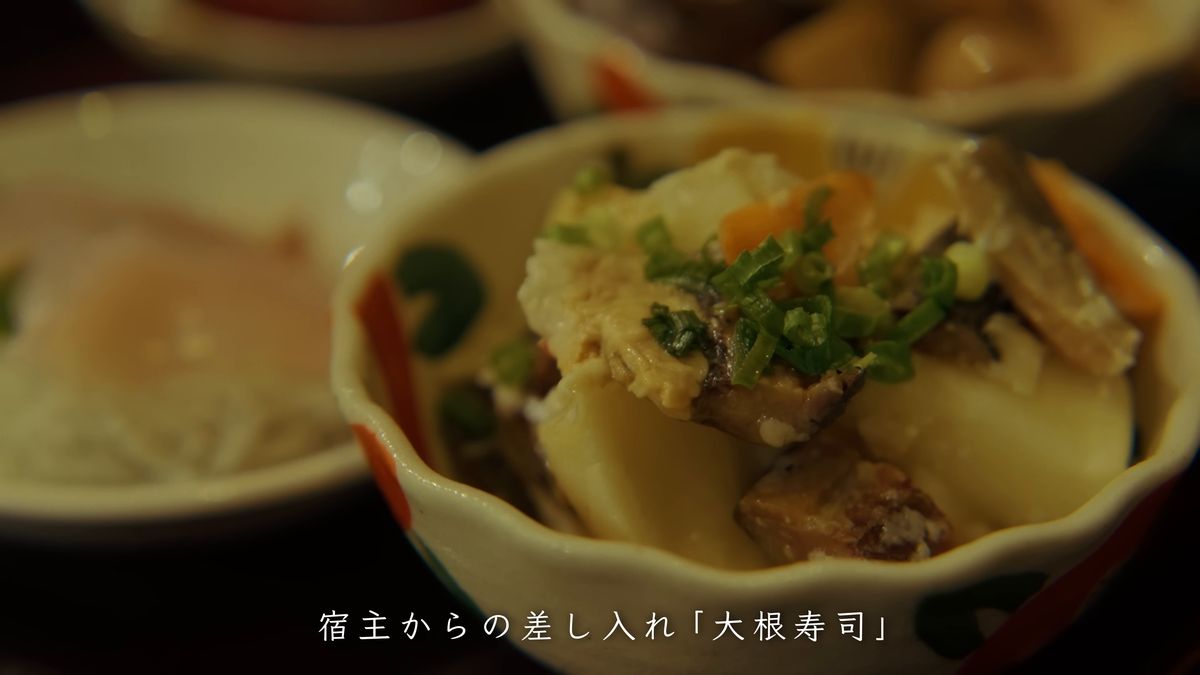
Kabura-zushi and daikon-zushi
Both are signature fermented foods of Kaga. Kabura-zushi is salted turnip sandwiching yellowtail, pickled with koji; it has been eaten since at least the Edo period, and some say New Year is not complete without it. Daikon-zushi is dried herring and daikon pickled in amazake made from rice and koji. While kabura-zushi is for special occasions, daikon-zushi has long been an everyday dish made at home.
Sources: maff.go.jp maff.go.jp
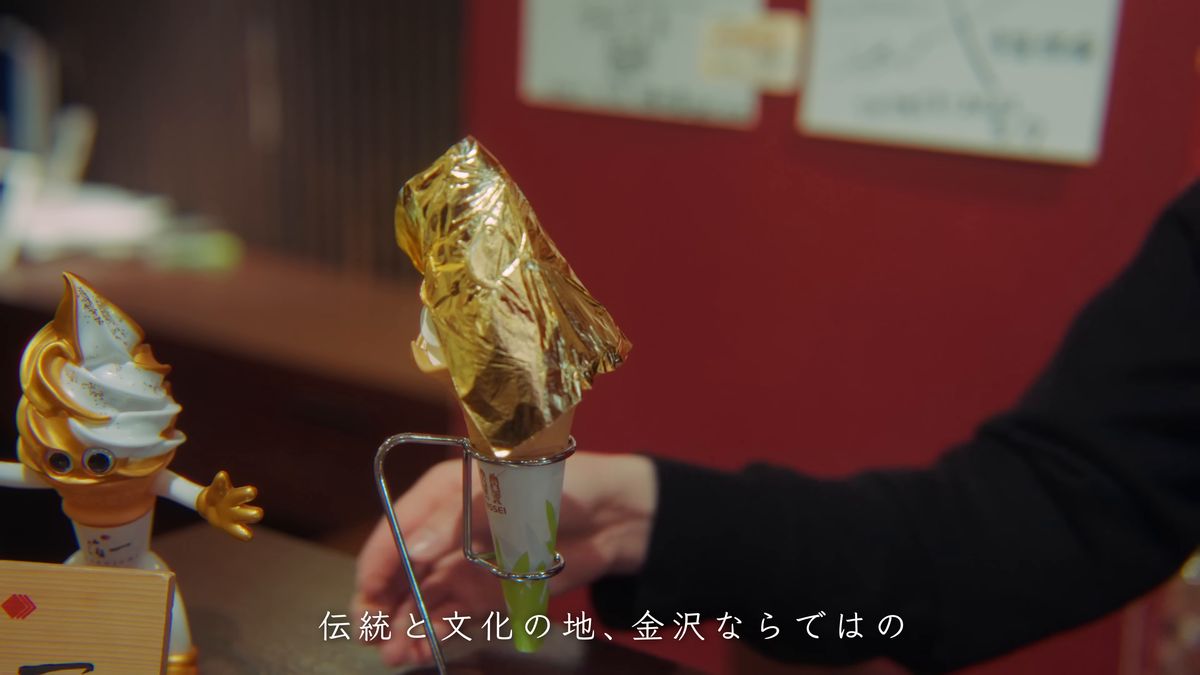
Kanazawa gold leaf
A Kanazawa craft dating back to the Azuchi-Momoyama period, which grew rapidly from the Meiji era thanks to the city's skill and the quality of its water. Today more than 99% of Japan's gold leaf is made in Kanazawa.
Sources: www4.city.kanazawa.lg.jp
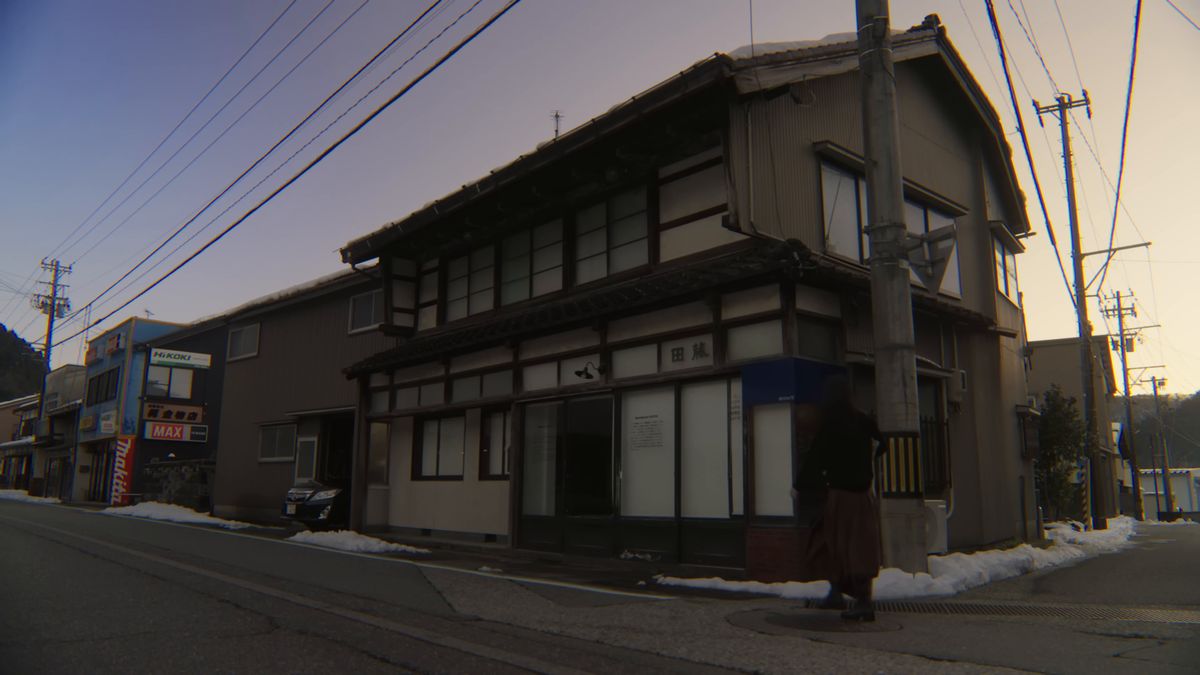
A townhouse inn that was once a stationery shop
This time I borrowed a wooden house built, I heard, between the Taisho and early Showa eras. It once ran a stationery shop, and has a room of bookshelves, a room with a sunken hearth and a tiled kitchen. Even the tap water tasted good.
PHOTO ALBUMPhoto album228Open all photographsClose the photo album
Select a photograph to explore the journey one frame at a time.