A TRAVEL ESSAY
Taito, Tokyo
Asakusa Food Diary, Part 1
An Asakusa food diarythat begins atan old coffee house
A day of eating my way through Asakusa's oldest places.
Read the journey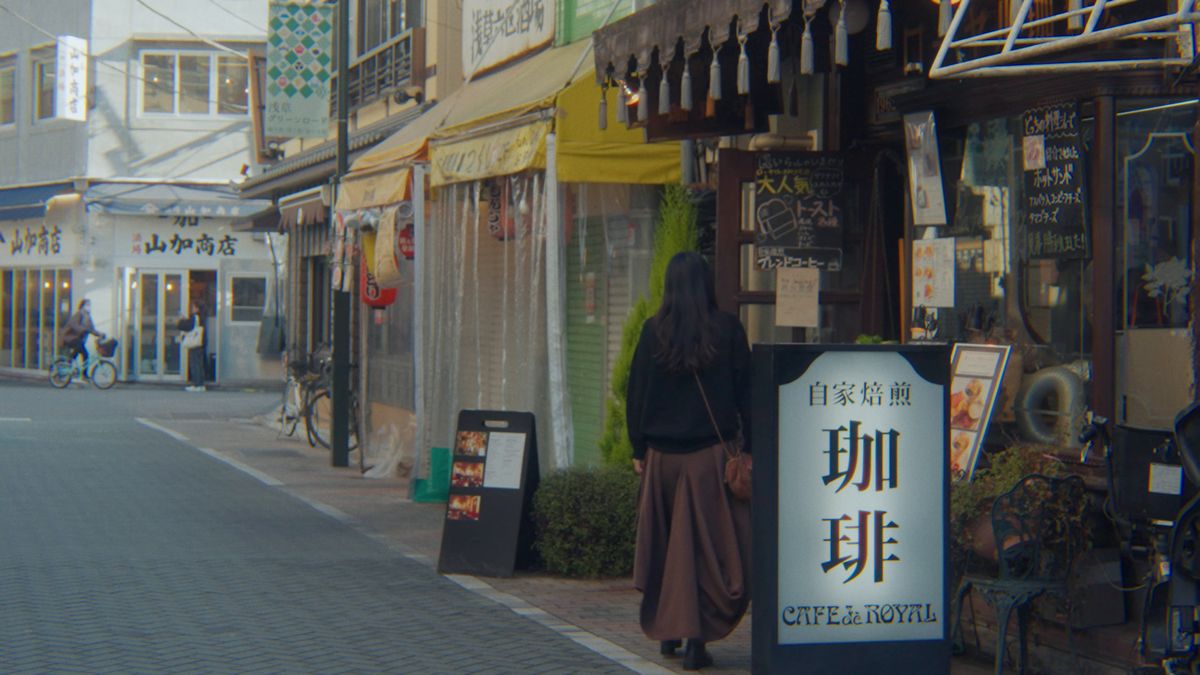
ABOUT THIS JOURNEY
I woke up in a room with the Skytree right outside the window. I bit into a hot sandwich at a kissaten founded in 1962 and ate the yakisoba of my youth in Japan's oldest underground shopping street. After playing at Hanayashiki, I went behind the Kannon to the sweets shop where mamekan was born, and finished with tendon at the tempura restaurant beside Kaminarimon said to be the oldest in Japan. A day of eating my way through Asakusa, a treasure house of Japan's oldest things.
A little more about the food and the land01TRAVEL JOURNAL
A morning with the Skytree in view
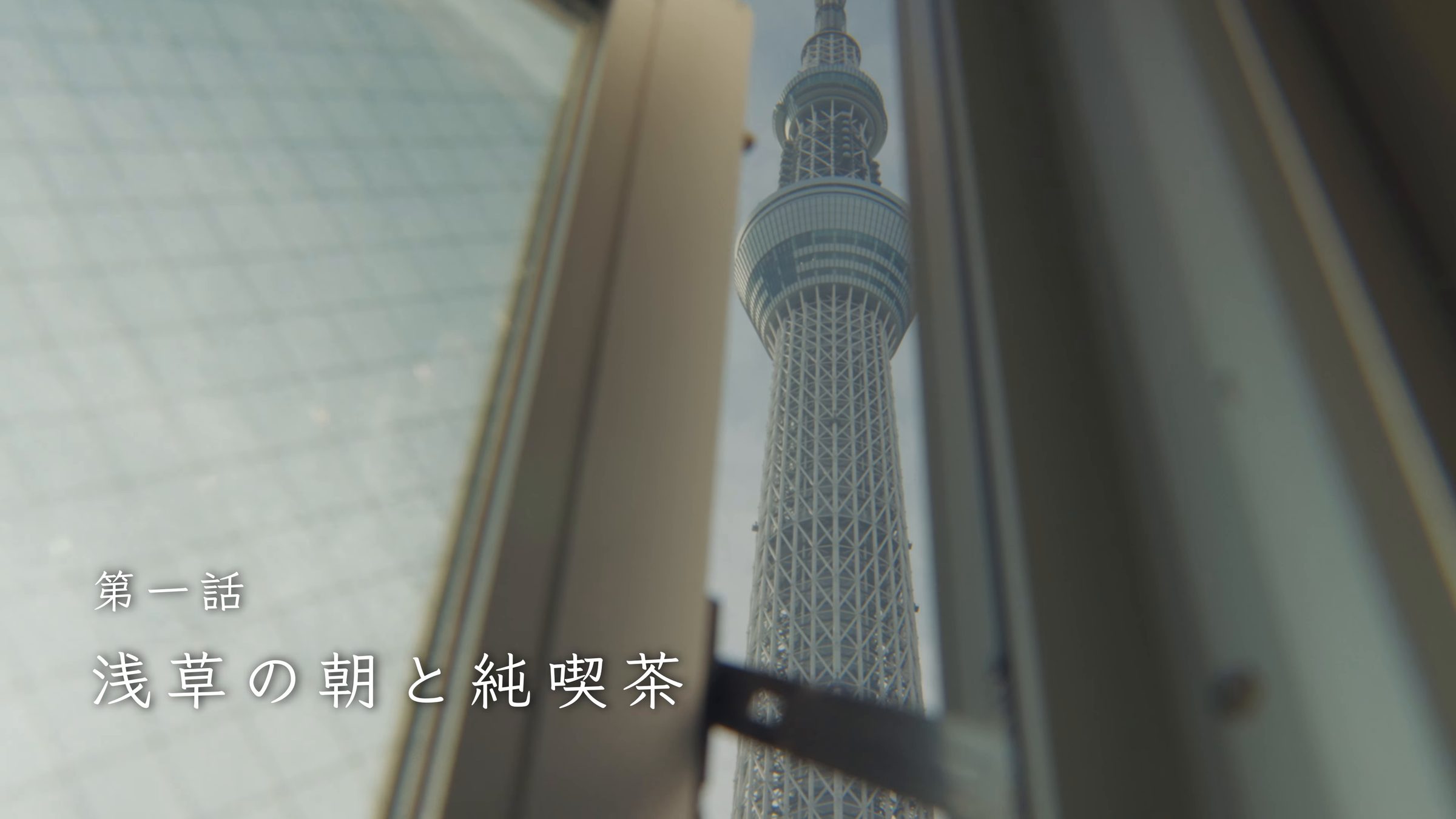
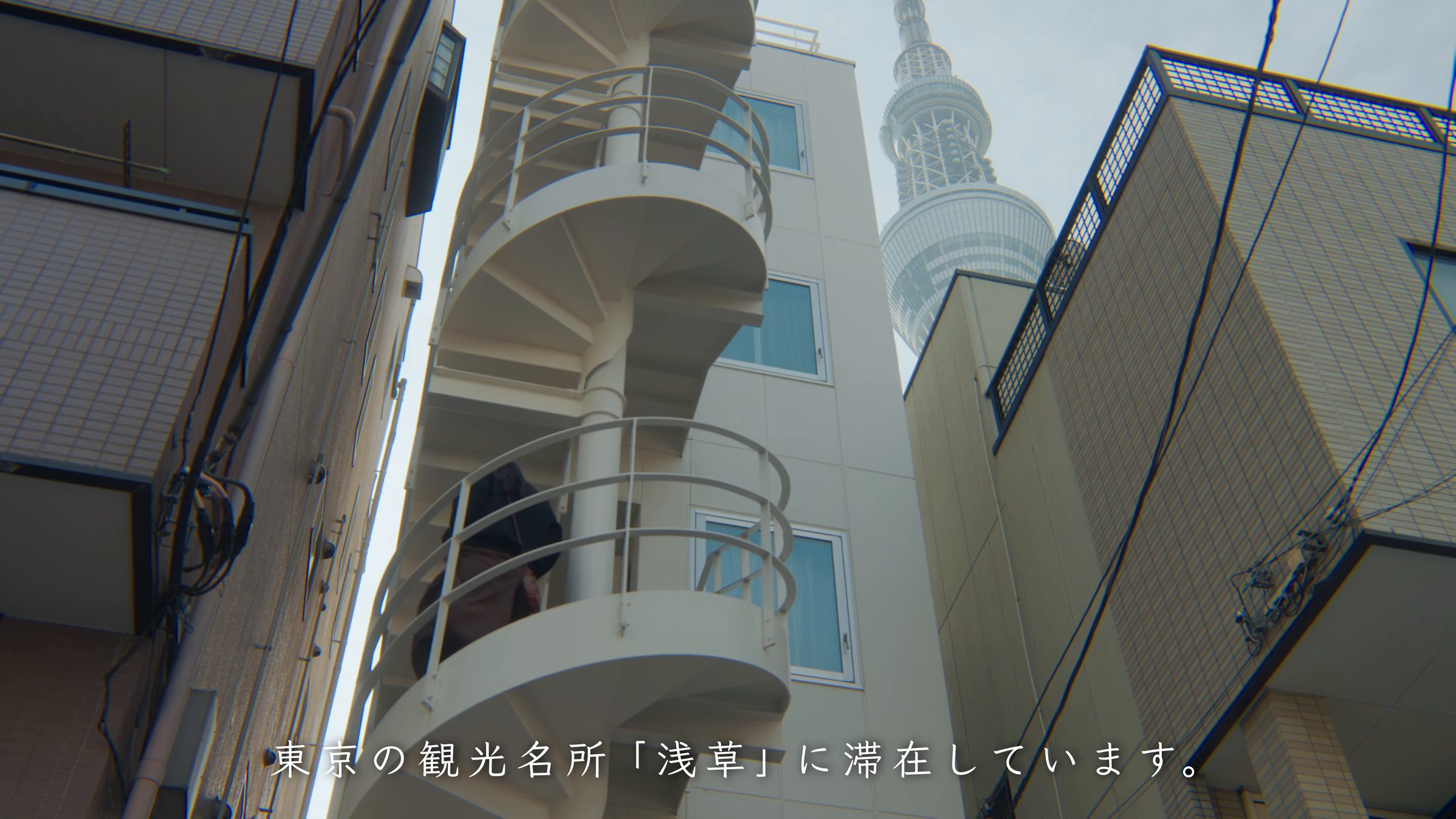
Standing at the window, I found the Tokyo Skytree right in front of me. I'm staying in Asakusa, one of Tokyo's best-known sights, and a town I often came to when I used to live in Tokyo. This time my theme is Asakusa's local food, and I want to enjoy living here for a while.
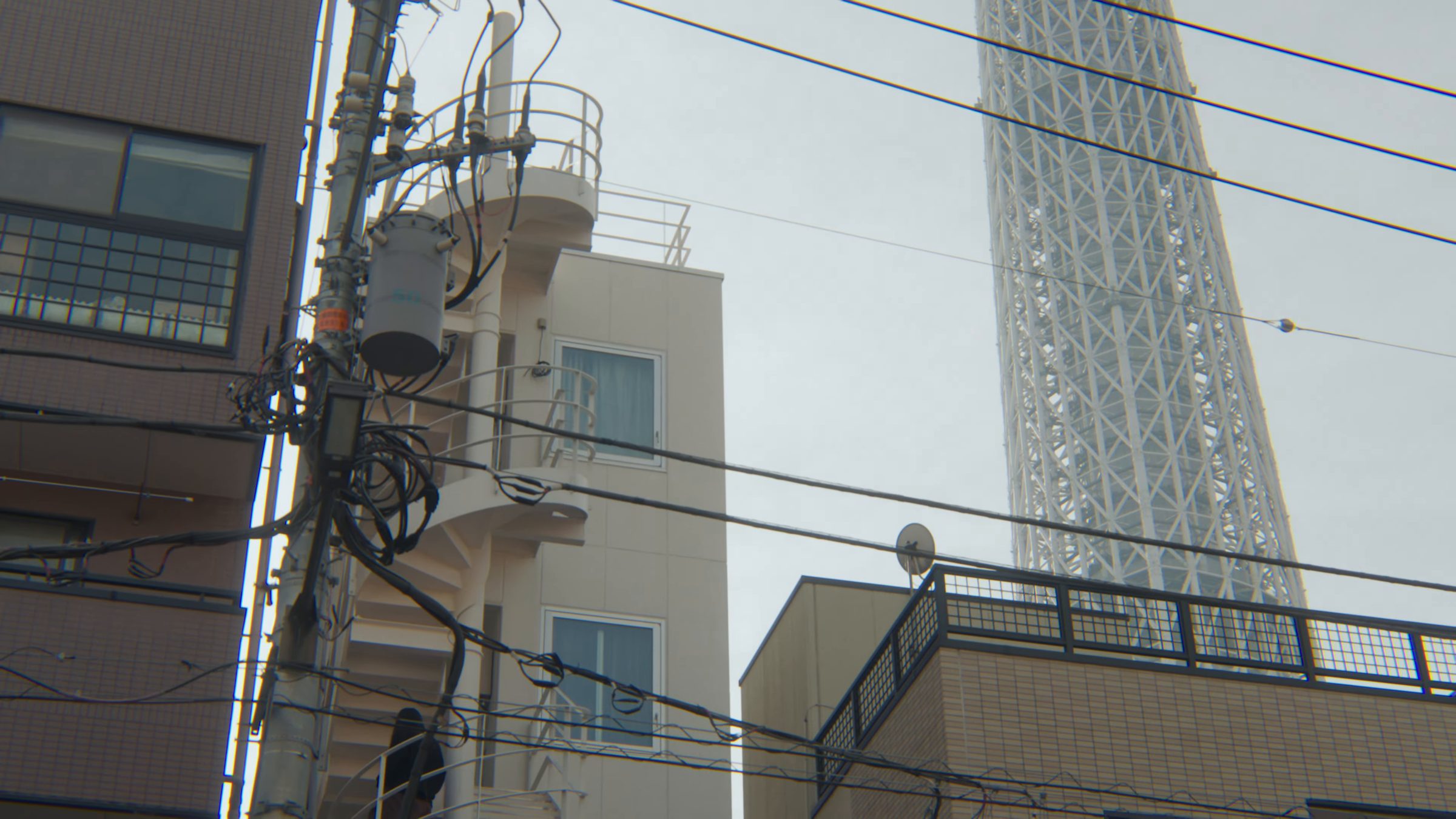
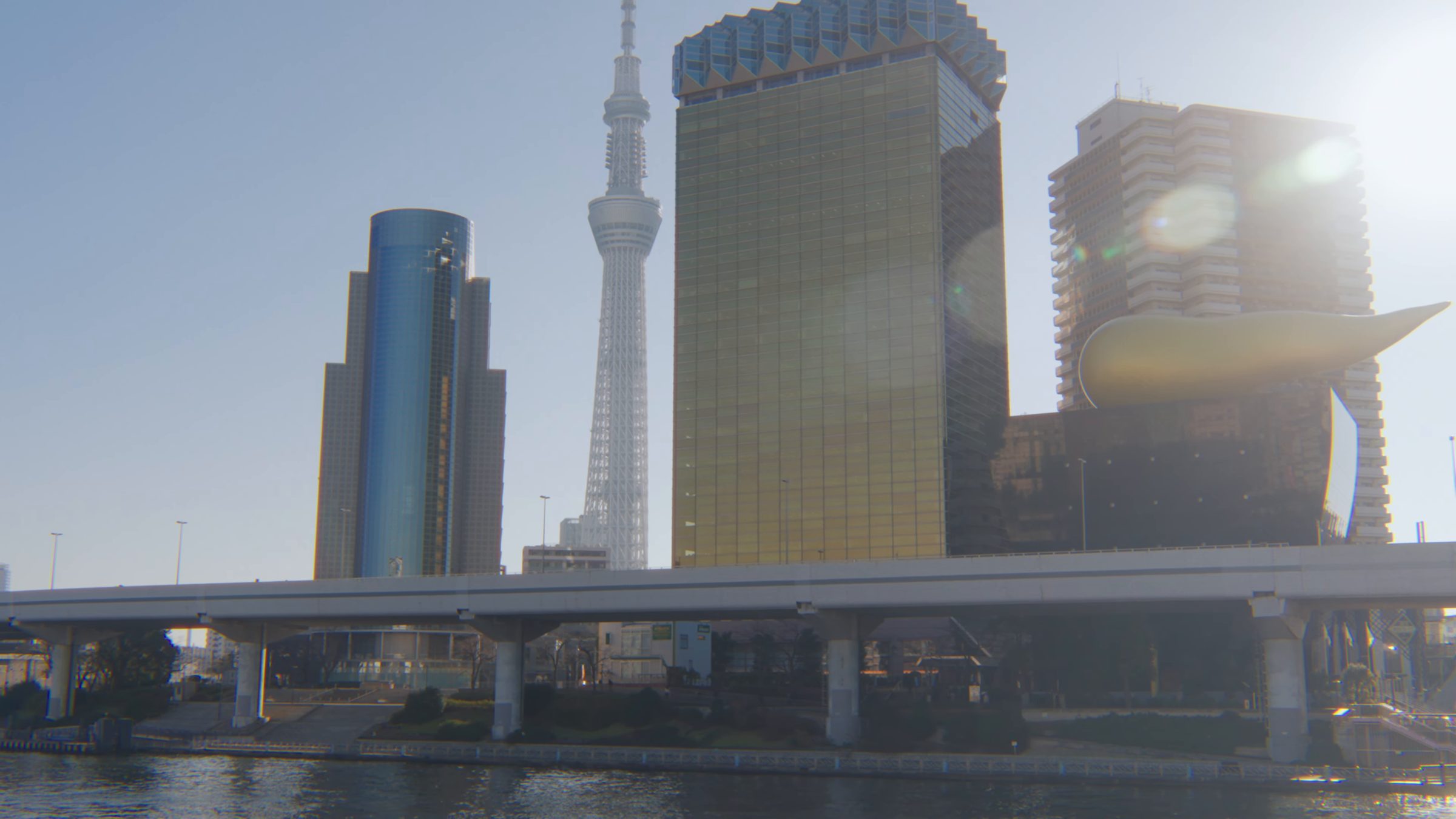
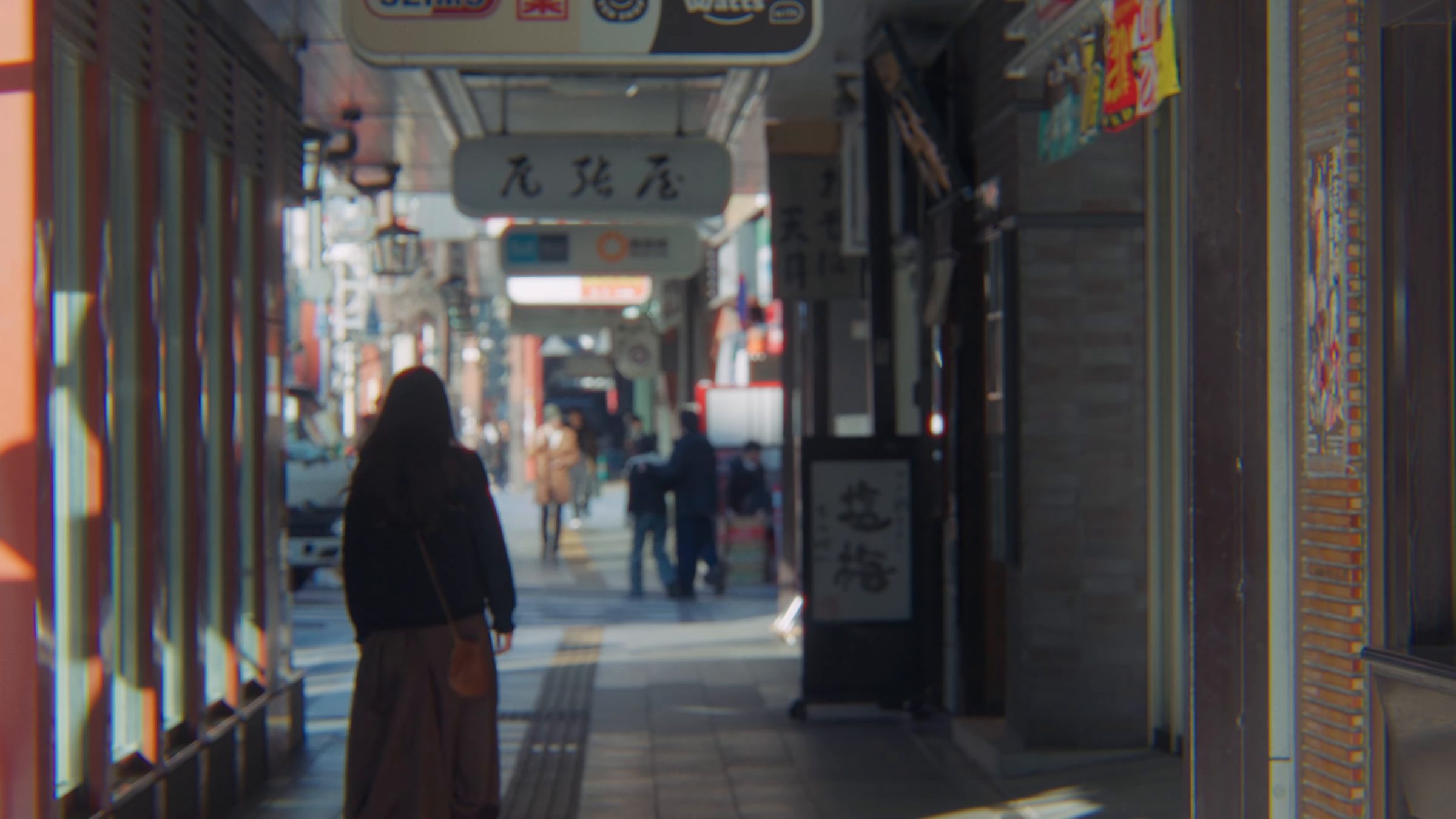
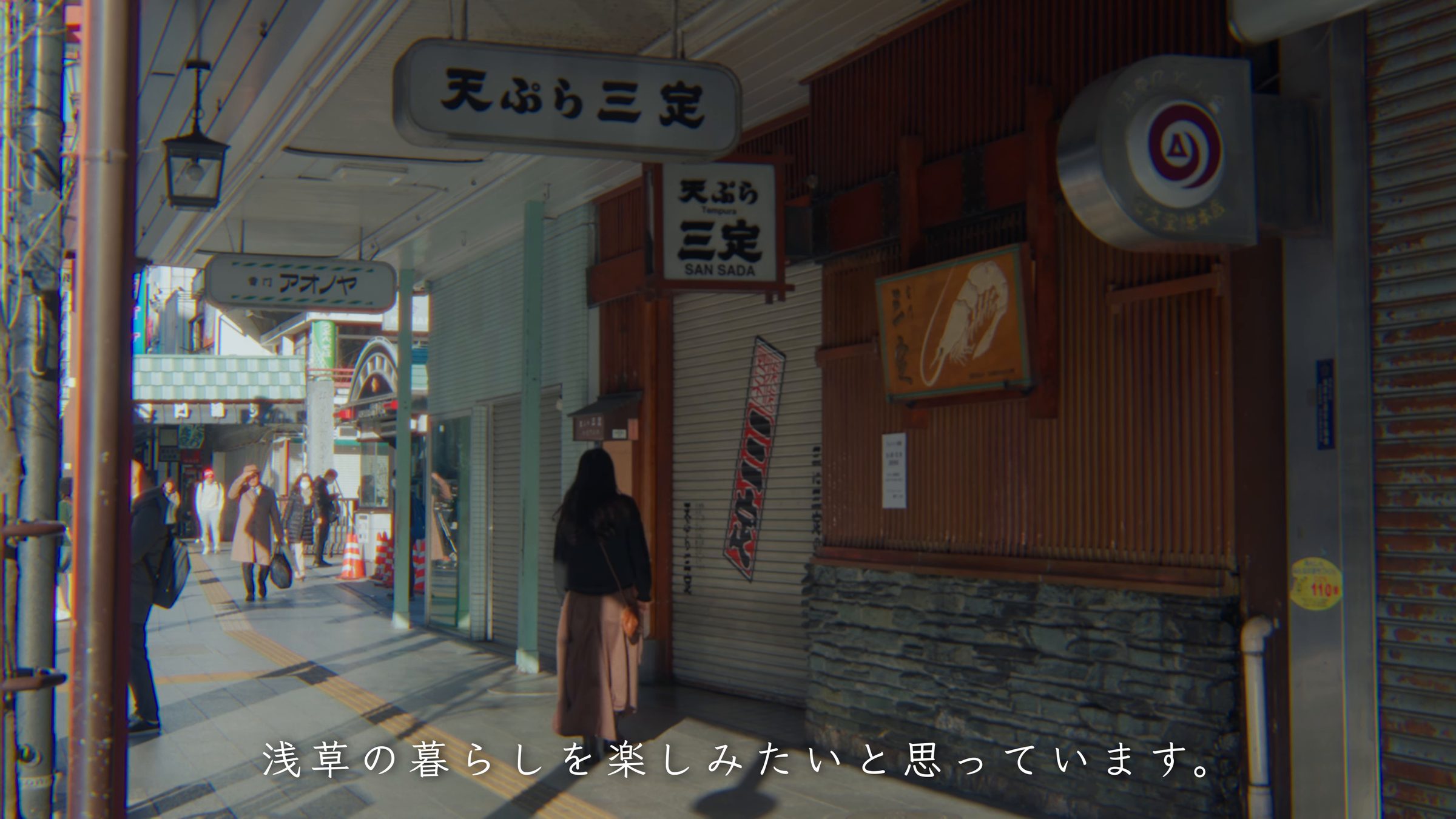
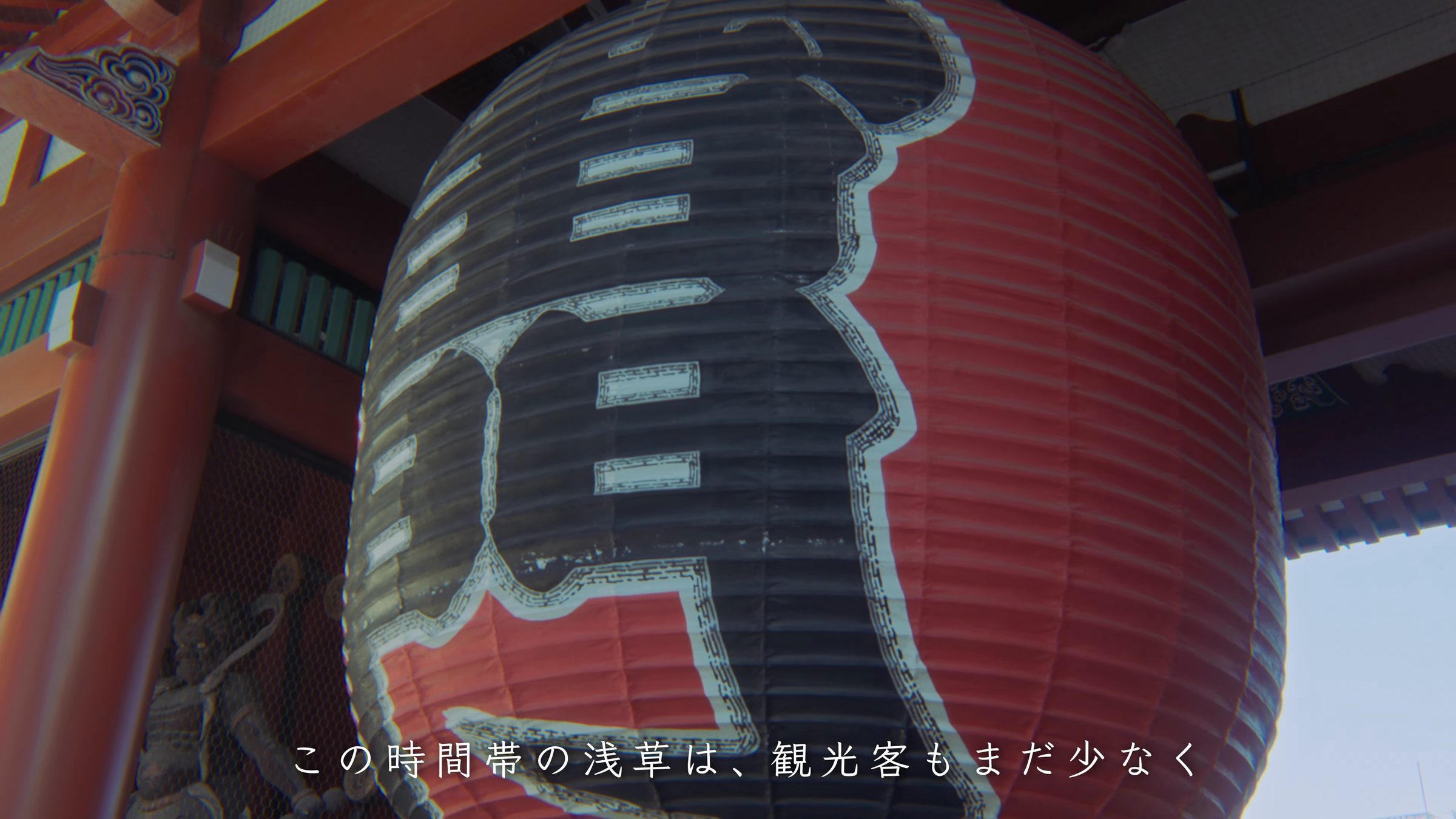
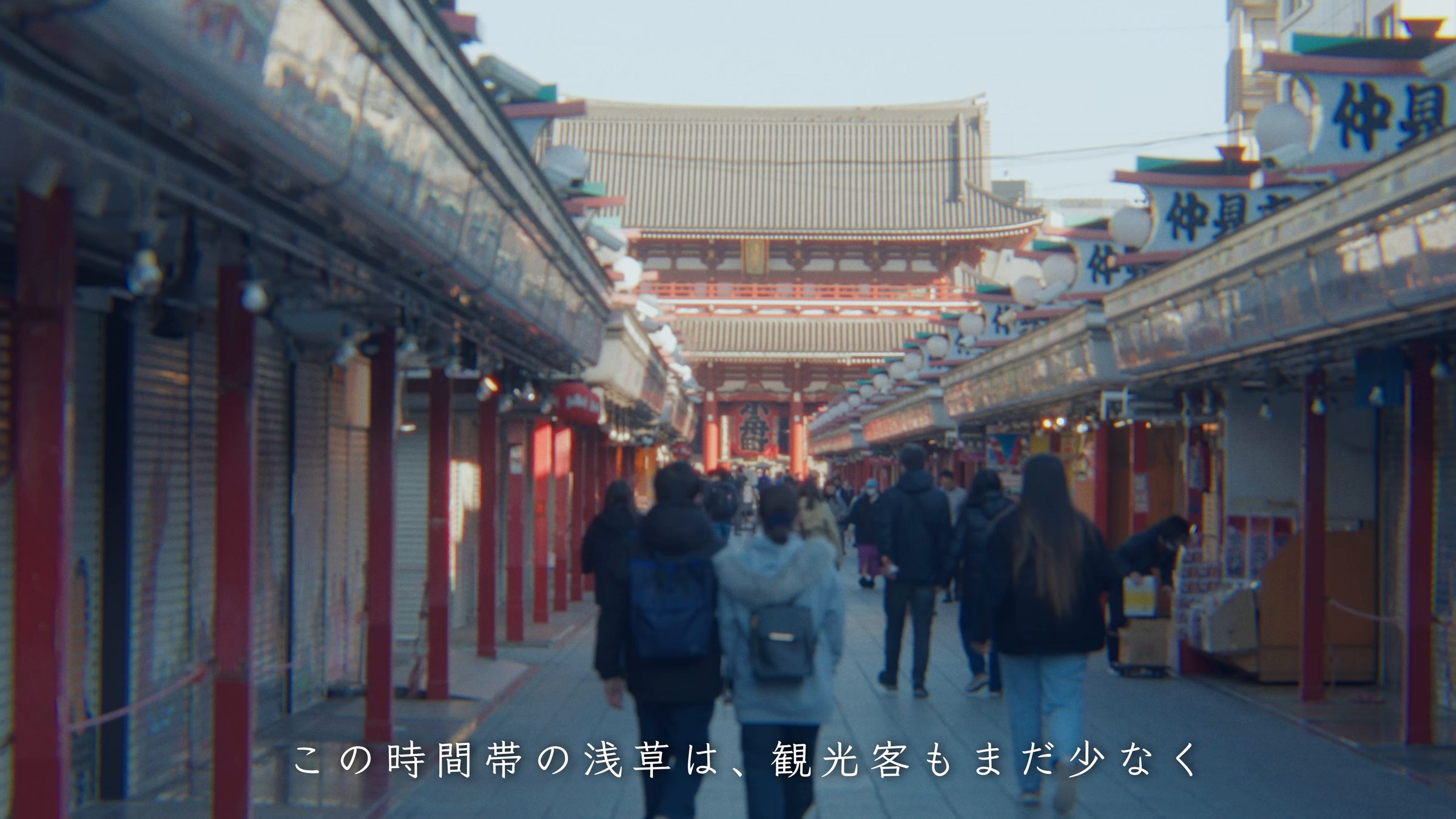
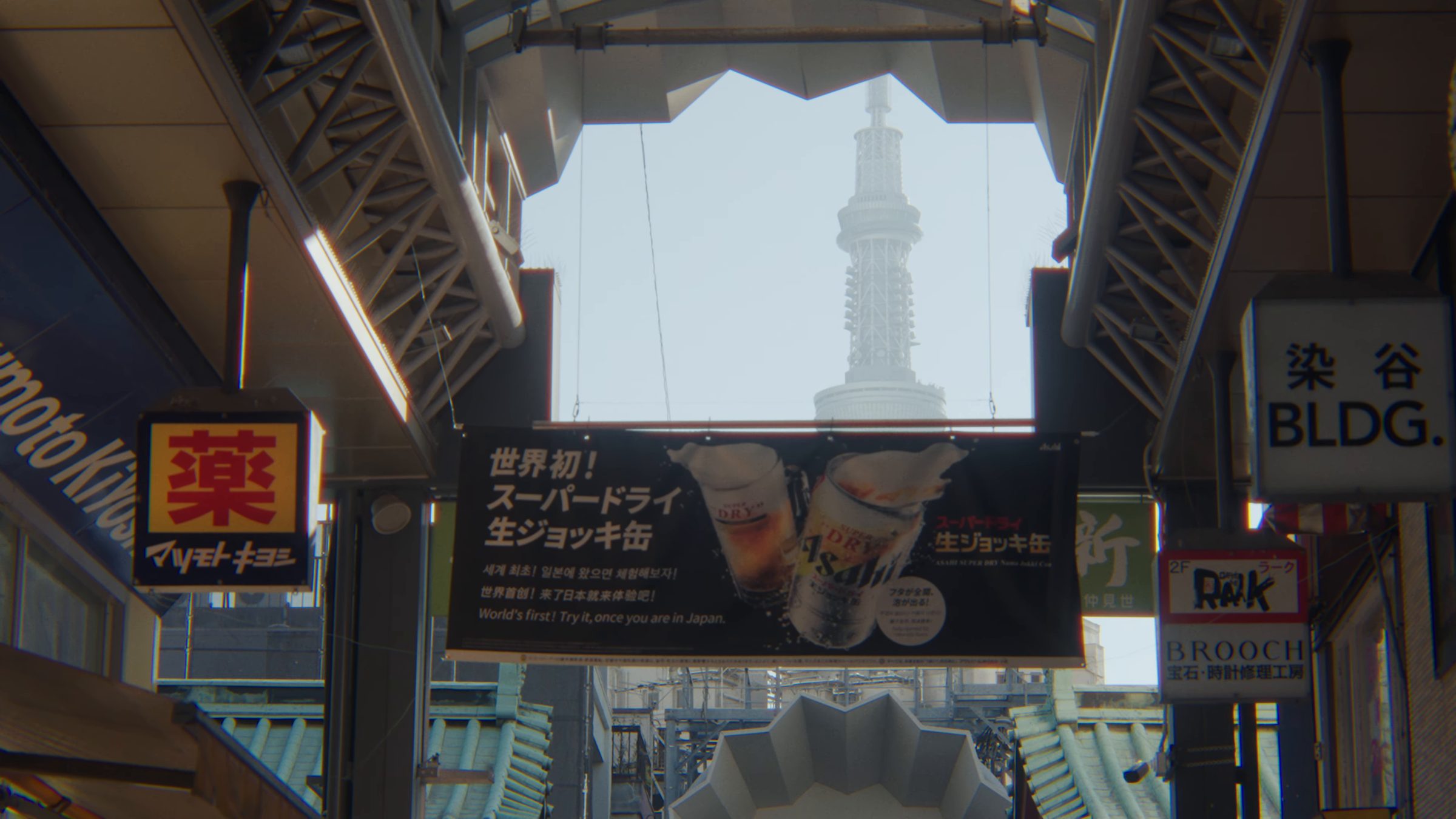
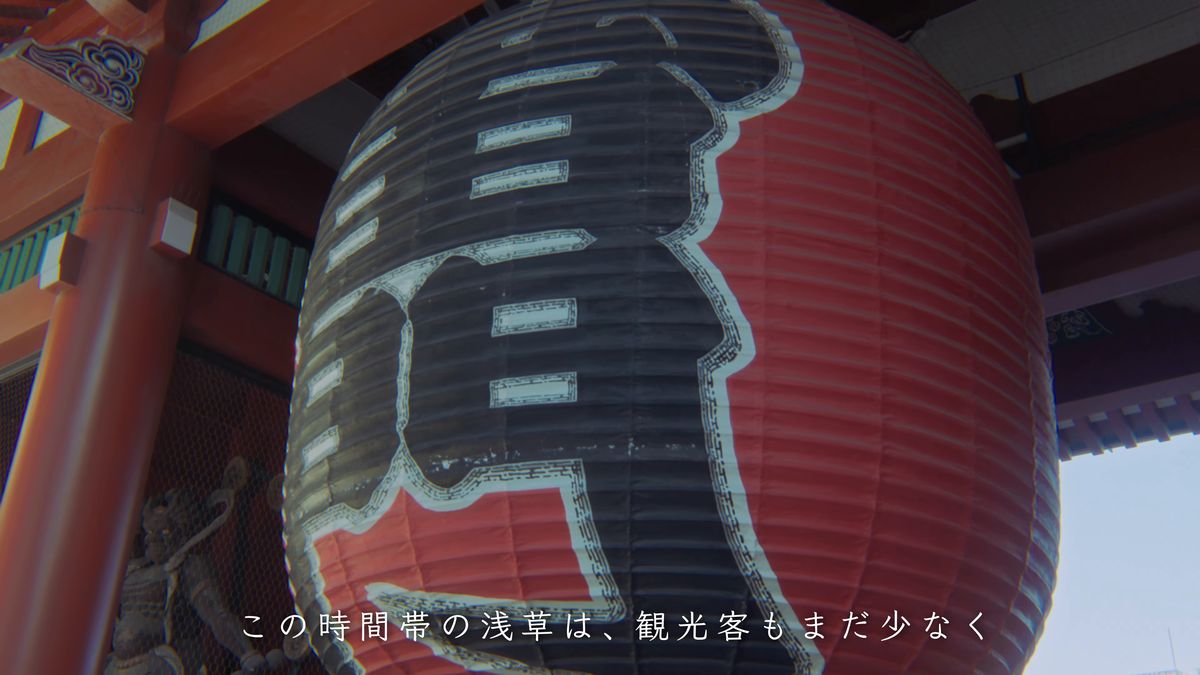
The Skytree peeks out everywhere: beyond the power lines, between buildings with spiral staircases, across the Sumida River. I walked under the hanging signs of a covered sidewalk, past a tempura shop's sign, and on to Kaminarimon. At this hour there were still few tourists under the great lantern or along Nakamise, its shutters still down.
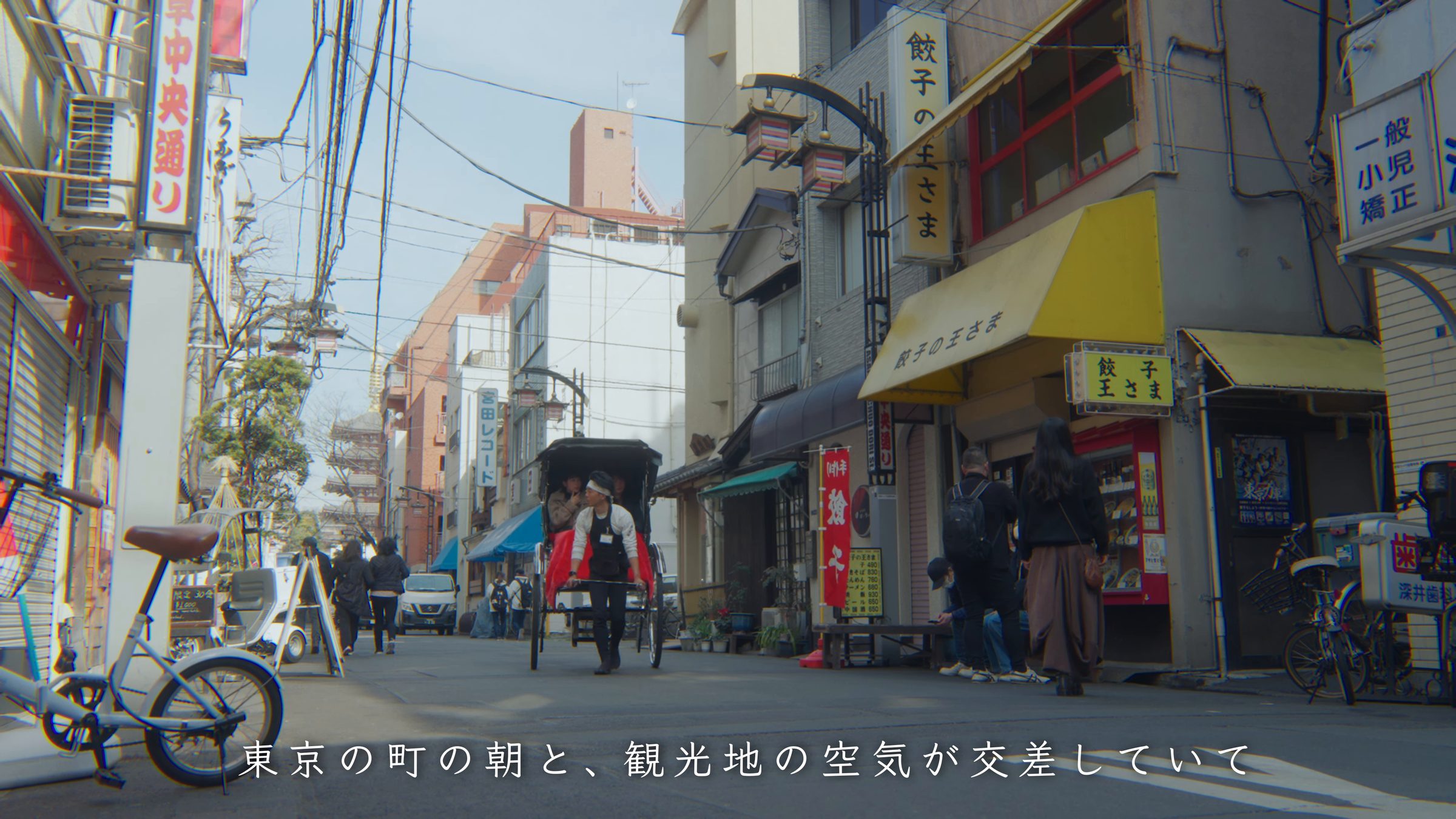
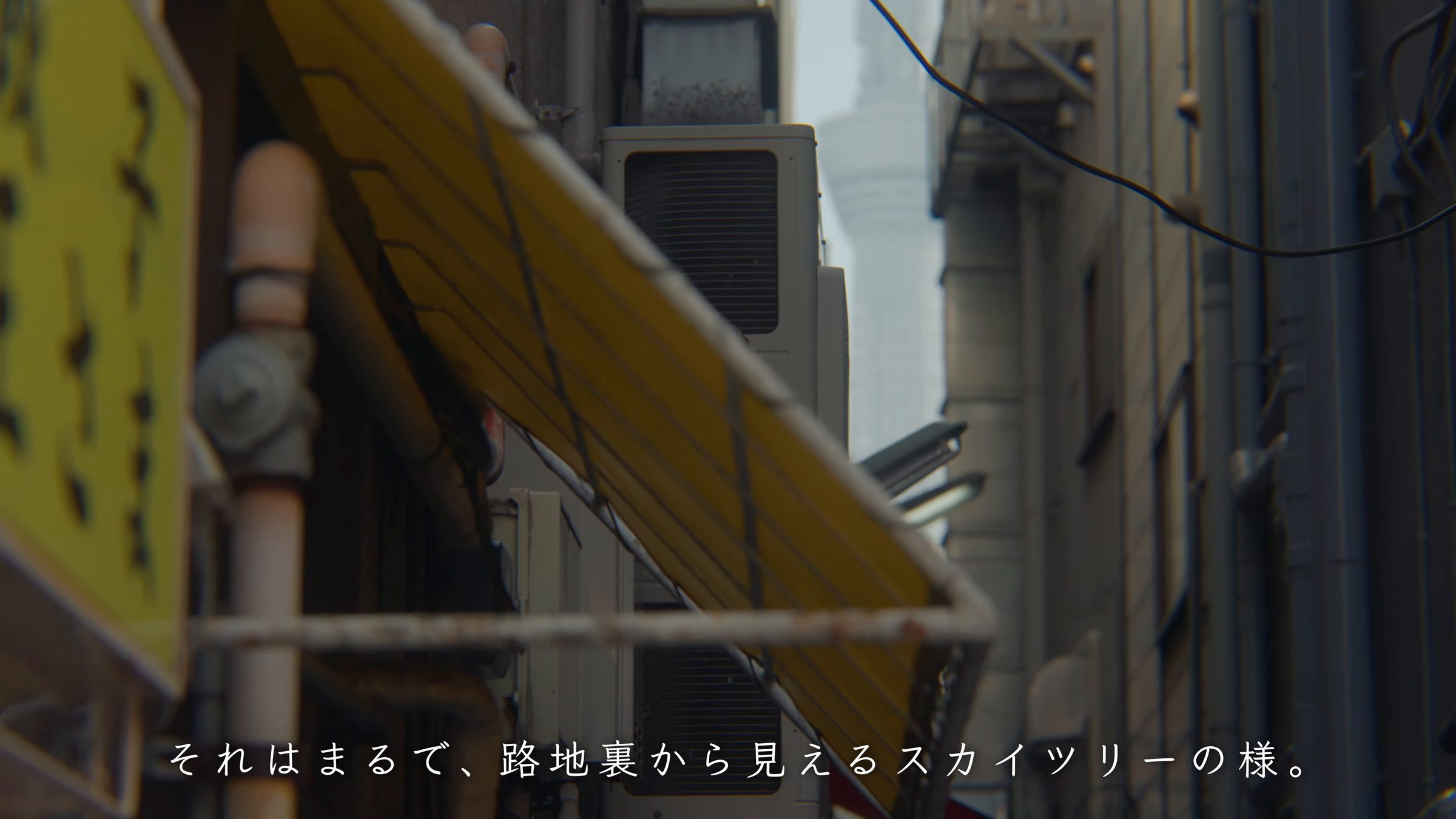
Beyond an arcade the Skytree stood hazy in the distance, and a rickshaw rolled along the morning street. The morning of an ordinary Tokyo neighborhood and the air of a tourist town intersect here. It's like seeing the Skytree from a back alley.
Watch this scene on YouTube0:24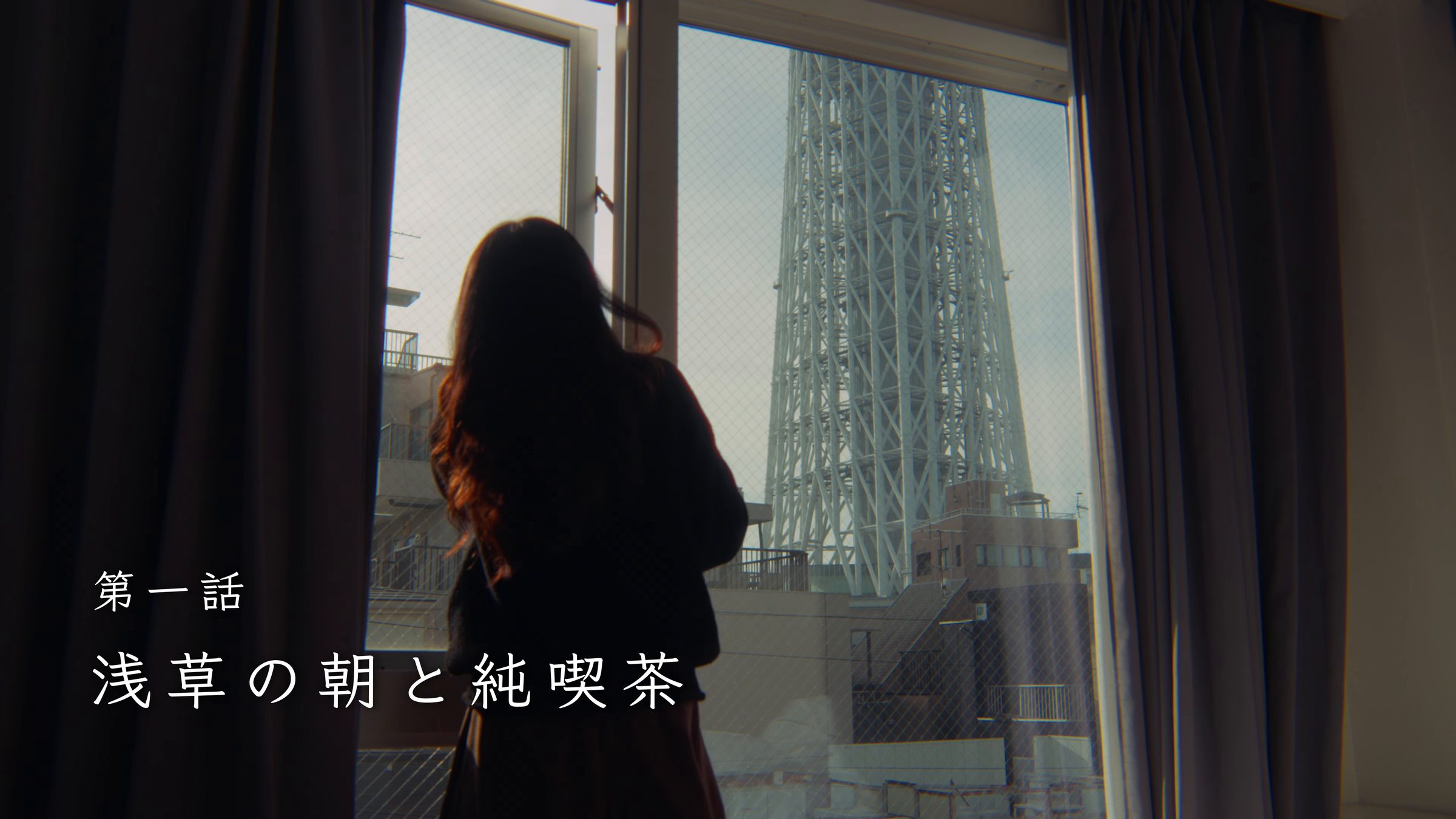
02TRAVEL JOURNAL
Rokku, the entertainers' quarter
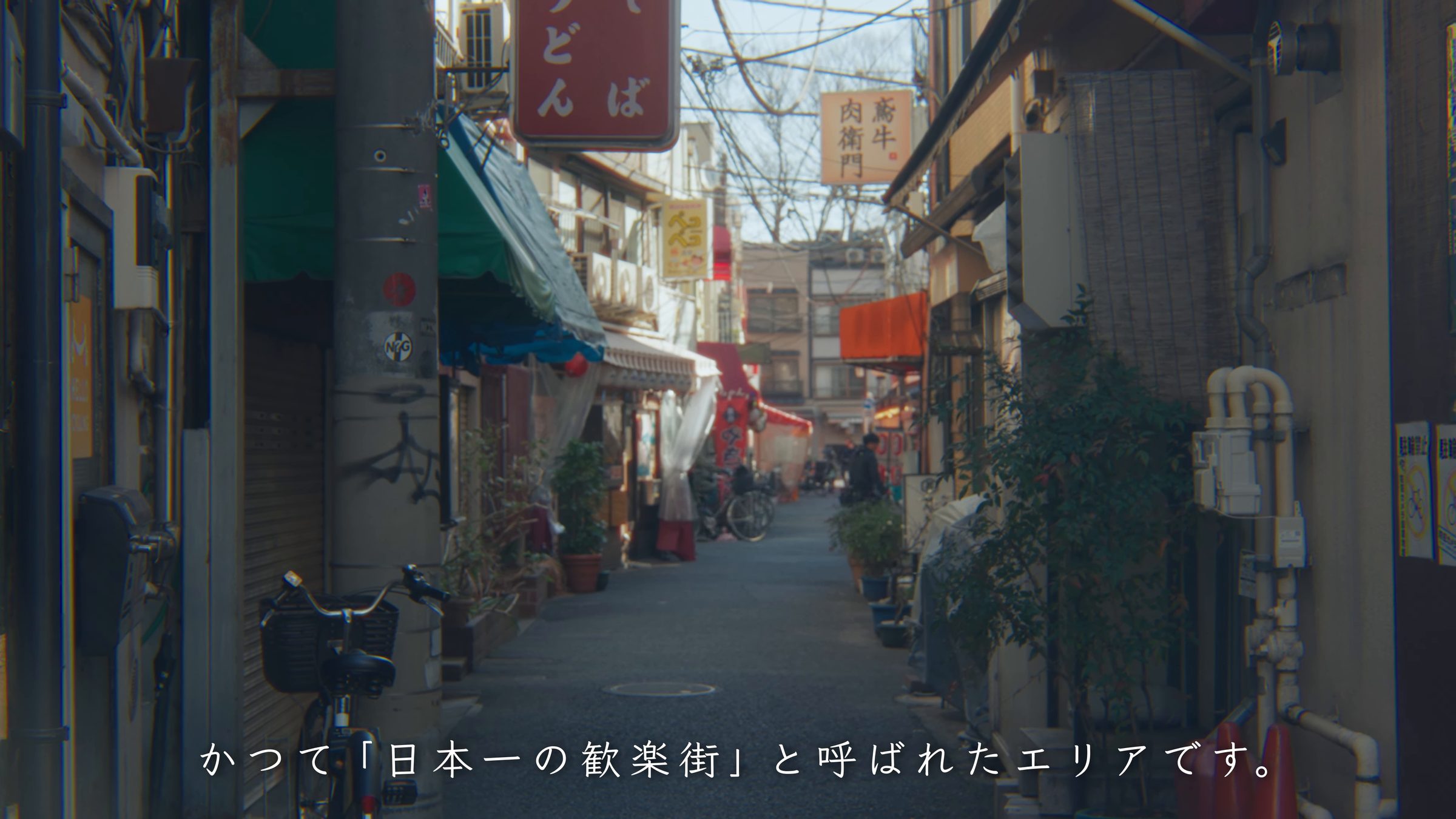
Pass through Nakamise Street to the west and you come to Asakusa Rokku. From the Taisho era into Showa, this was the center of entertainment in Tokyo. Off a street lined with old-fashioned lamps, narrow alleys run deep into the block.
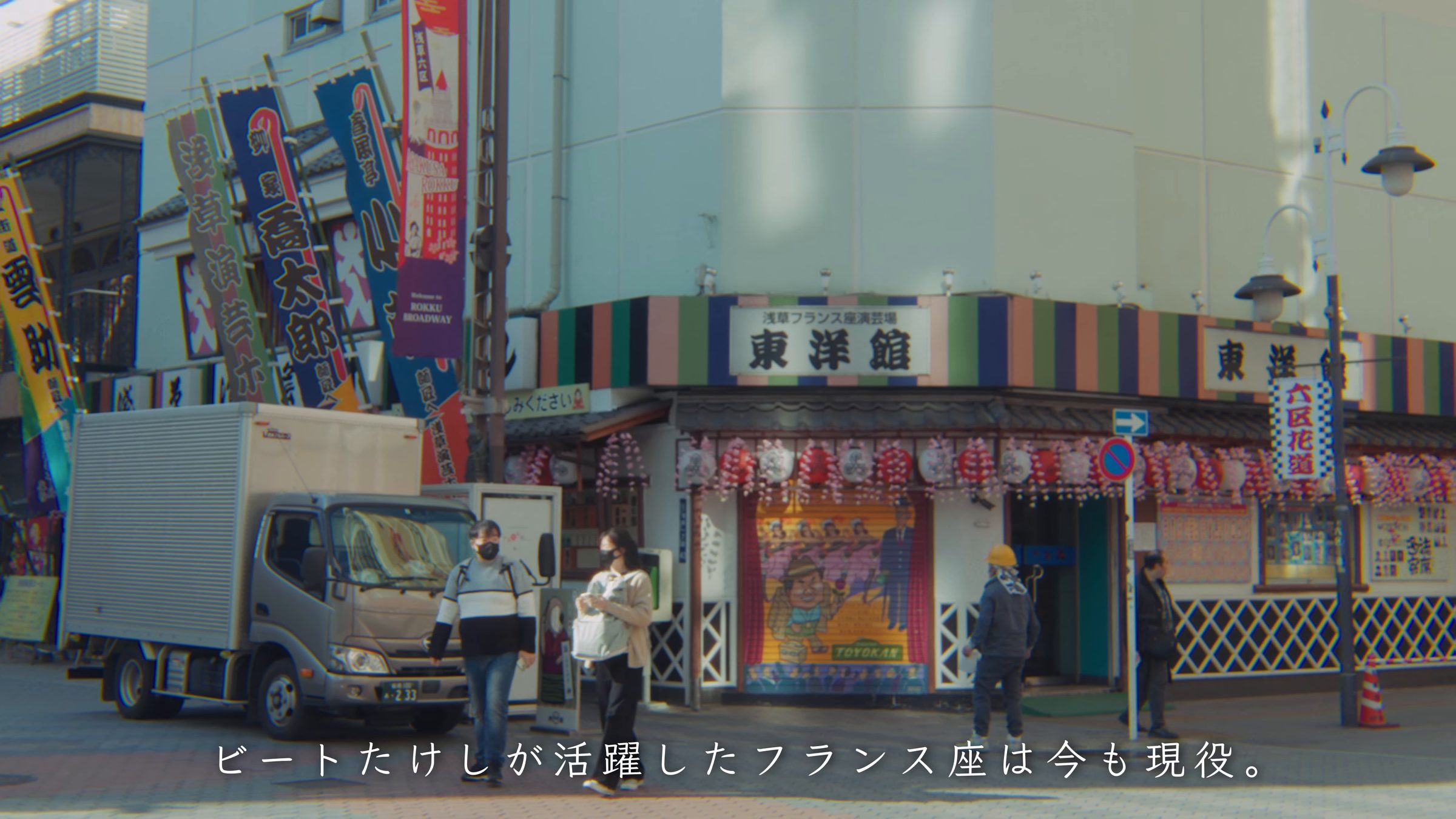
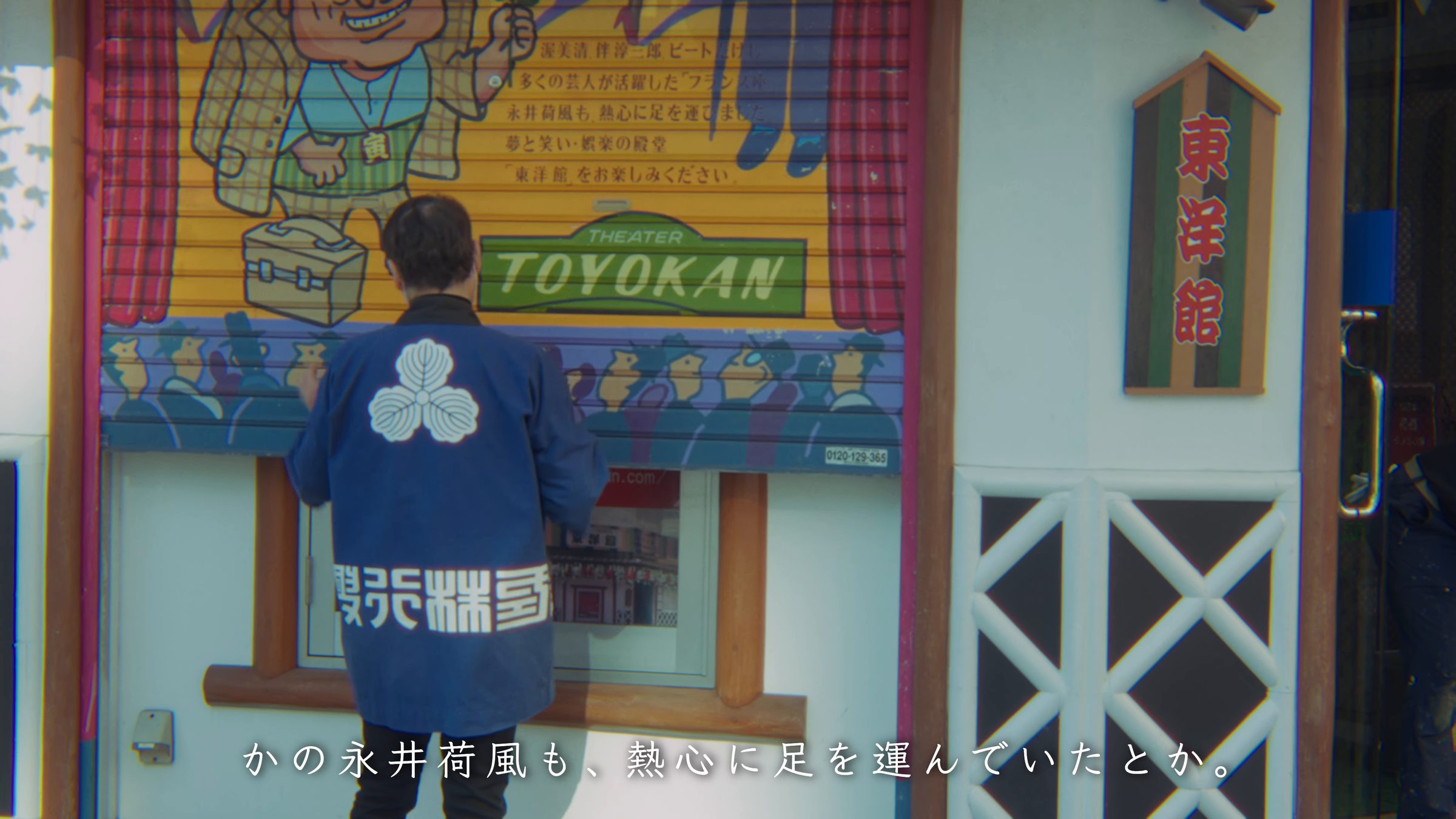
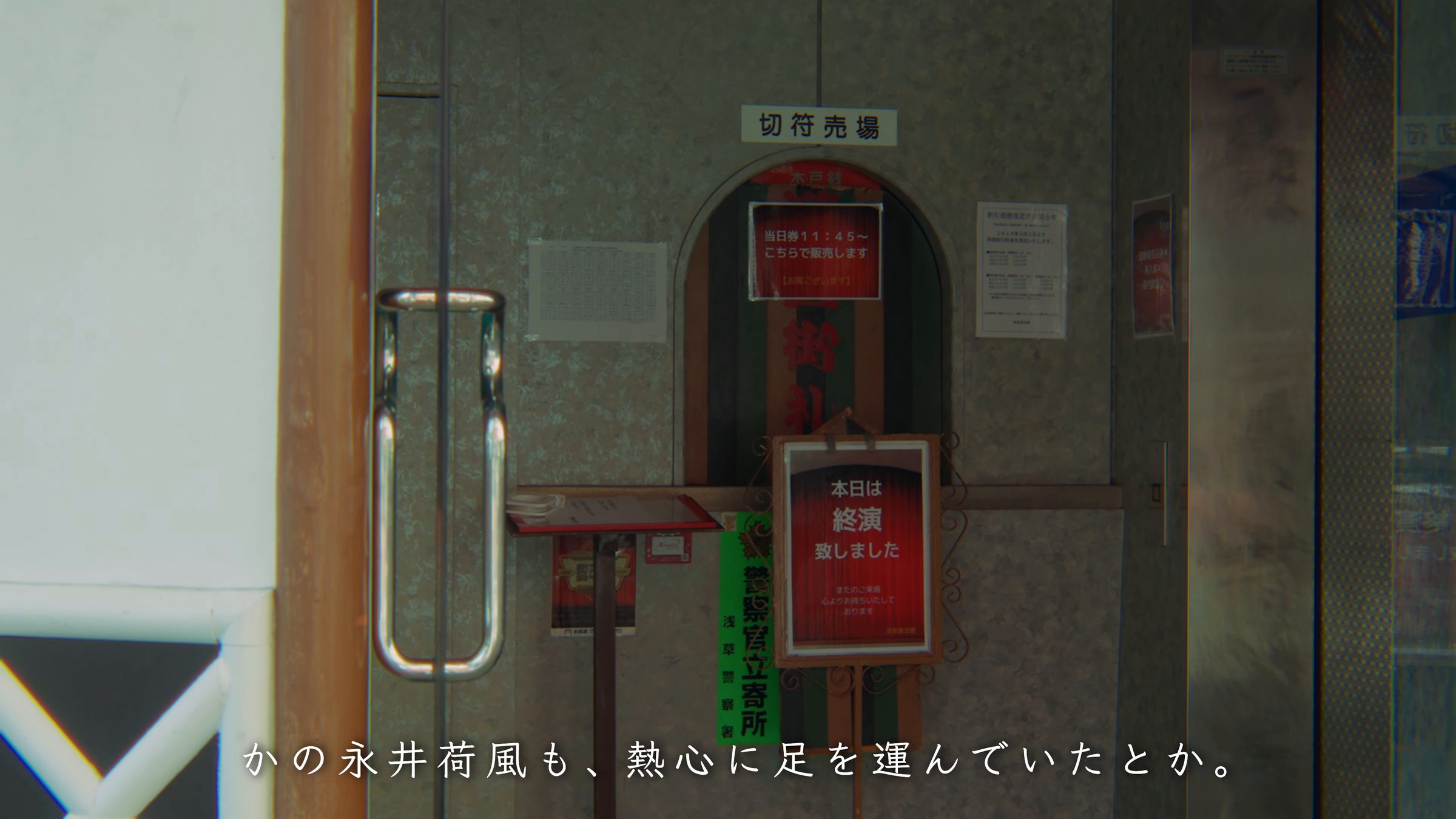
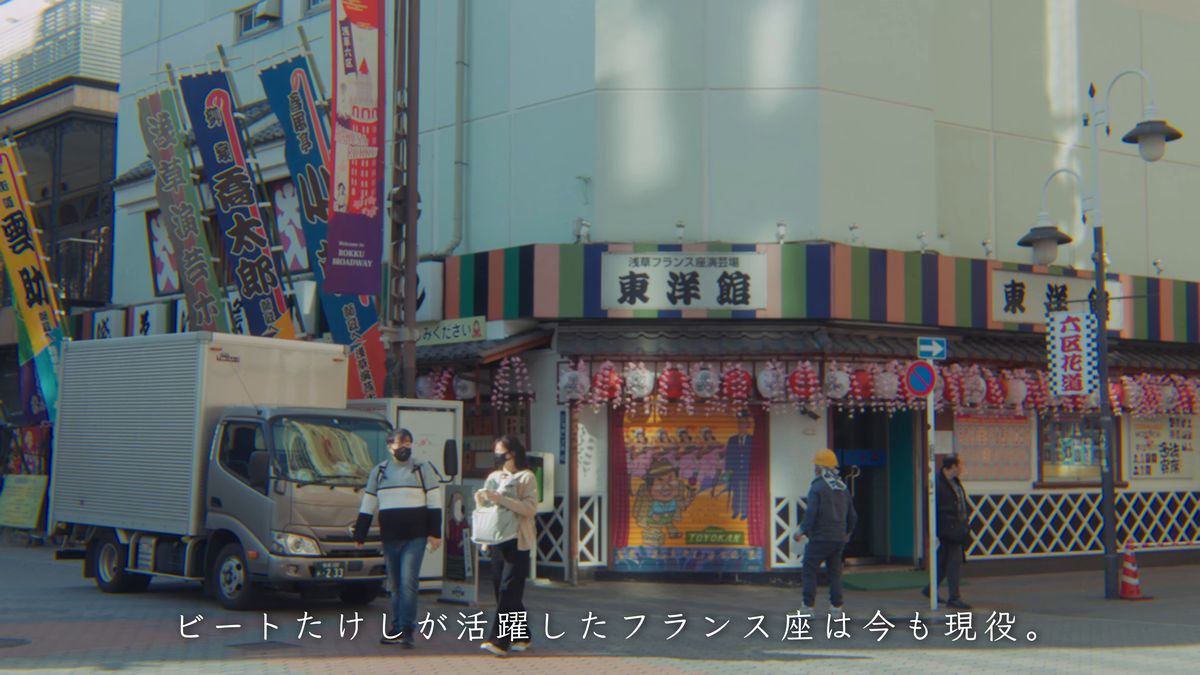
The France-za, where Beat Takeshi got his start as a comedian, is still going strong as the Toyokan variety theater. Its shutter is painted with entertainers, and a sign on the ticket-office door said the day's show had ended. The novelist Kafu Nagai, in his later years, was a keen visitor to Asakusa too.
Watch this scene on YouTube1:34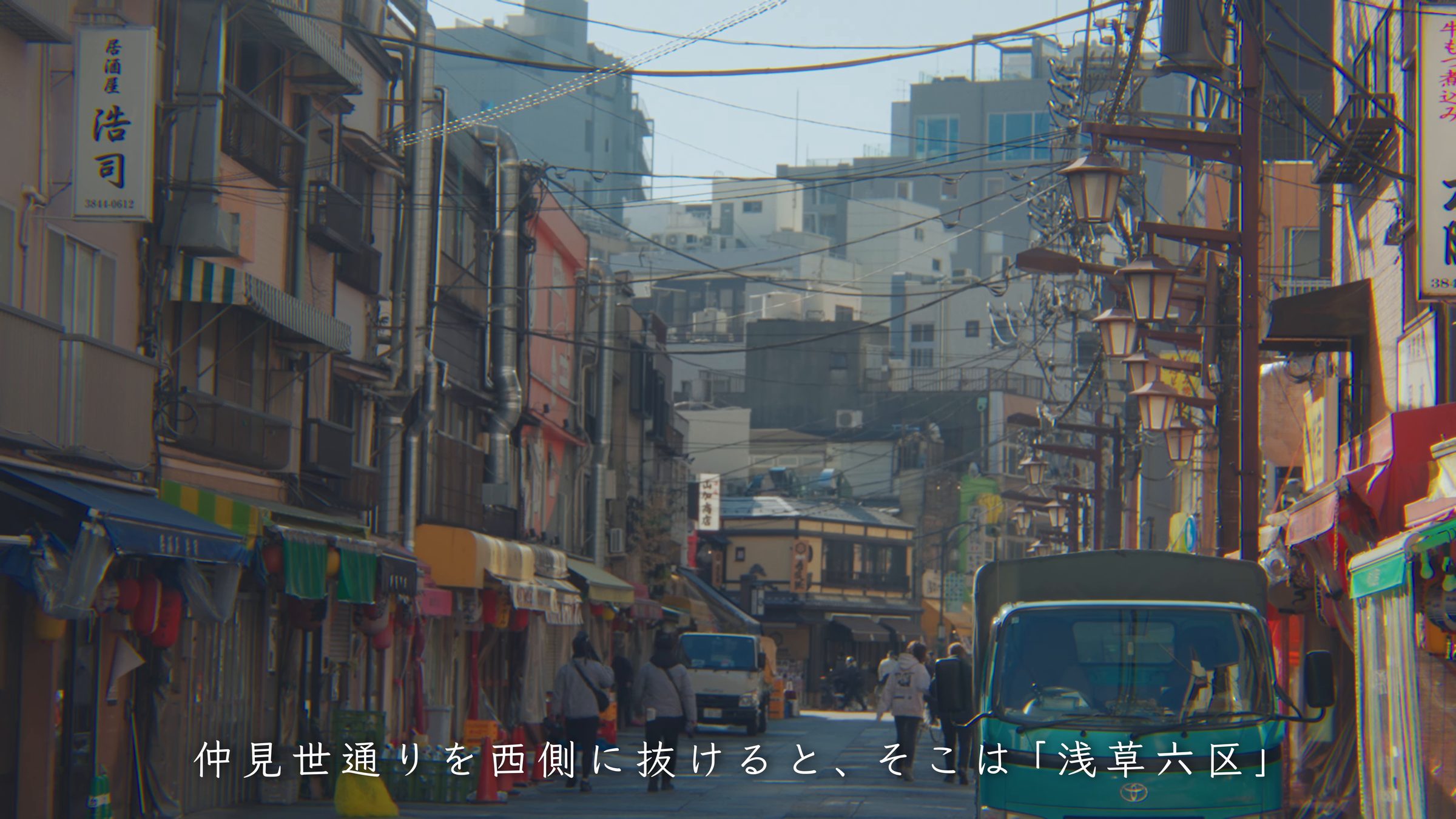
03TRAVEL JOURNAL
A classic kissaten in Rokku
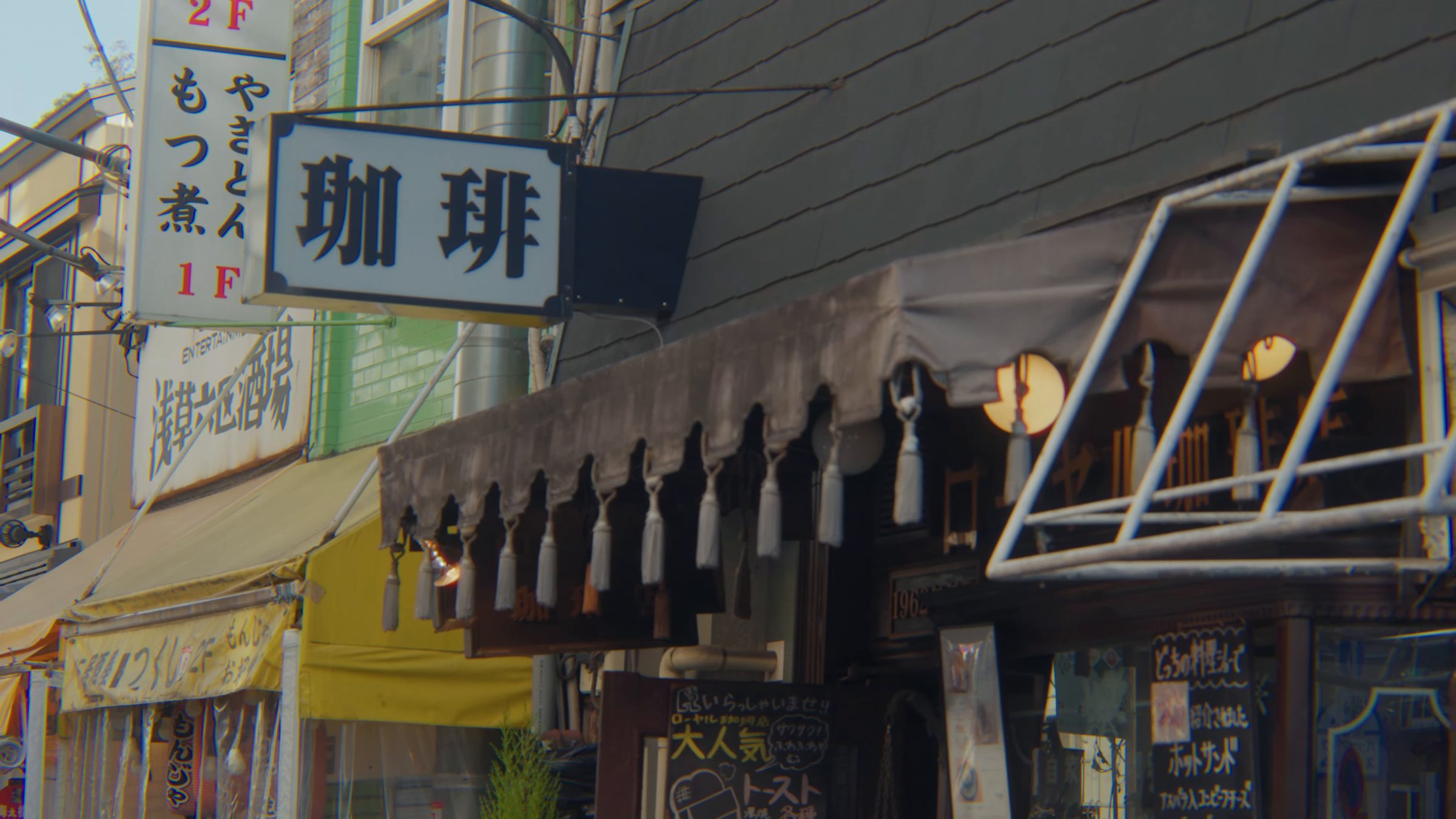
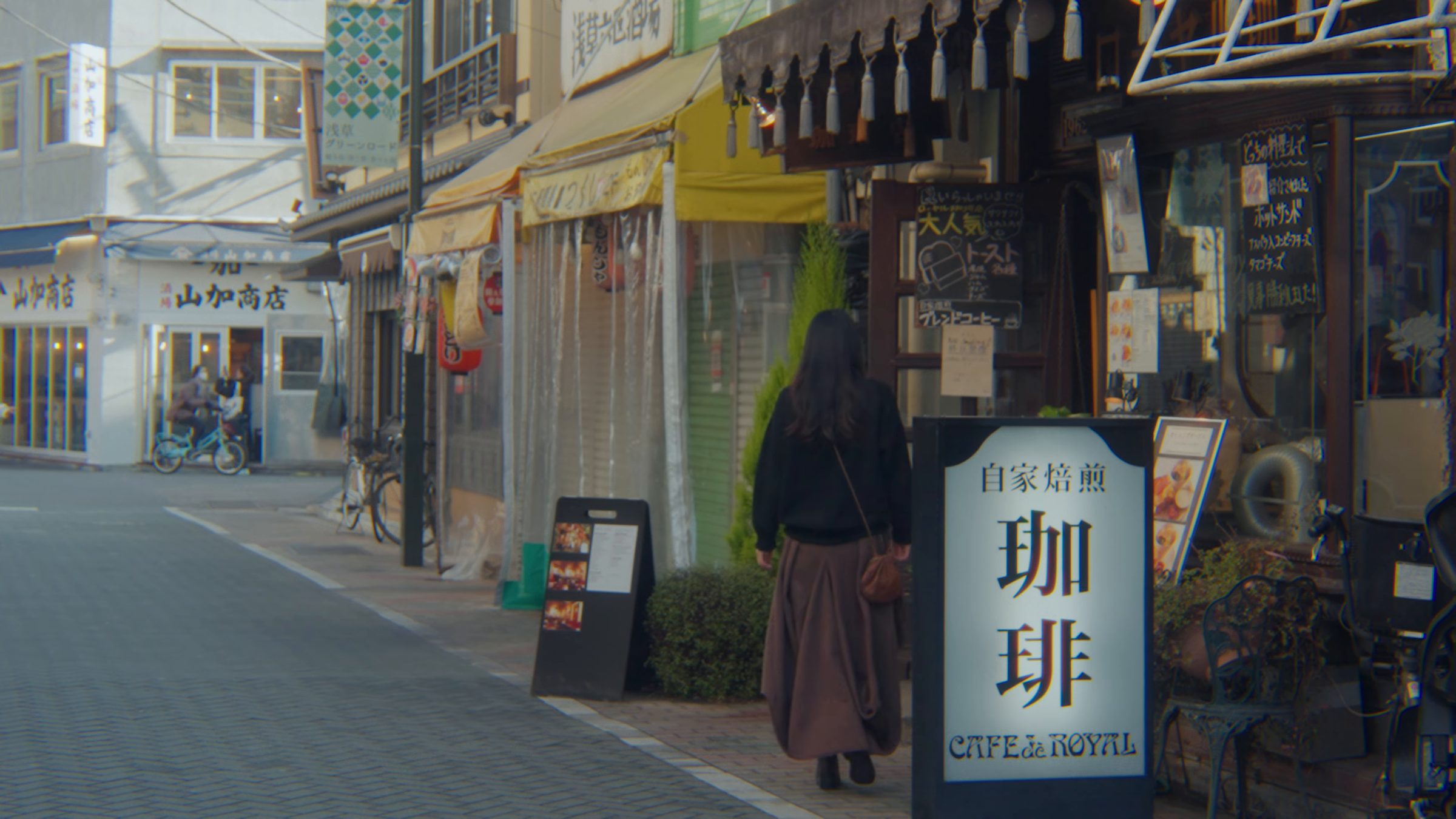
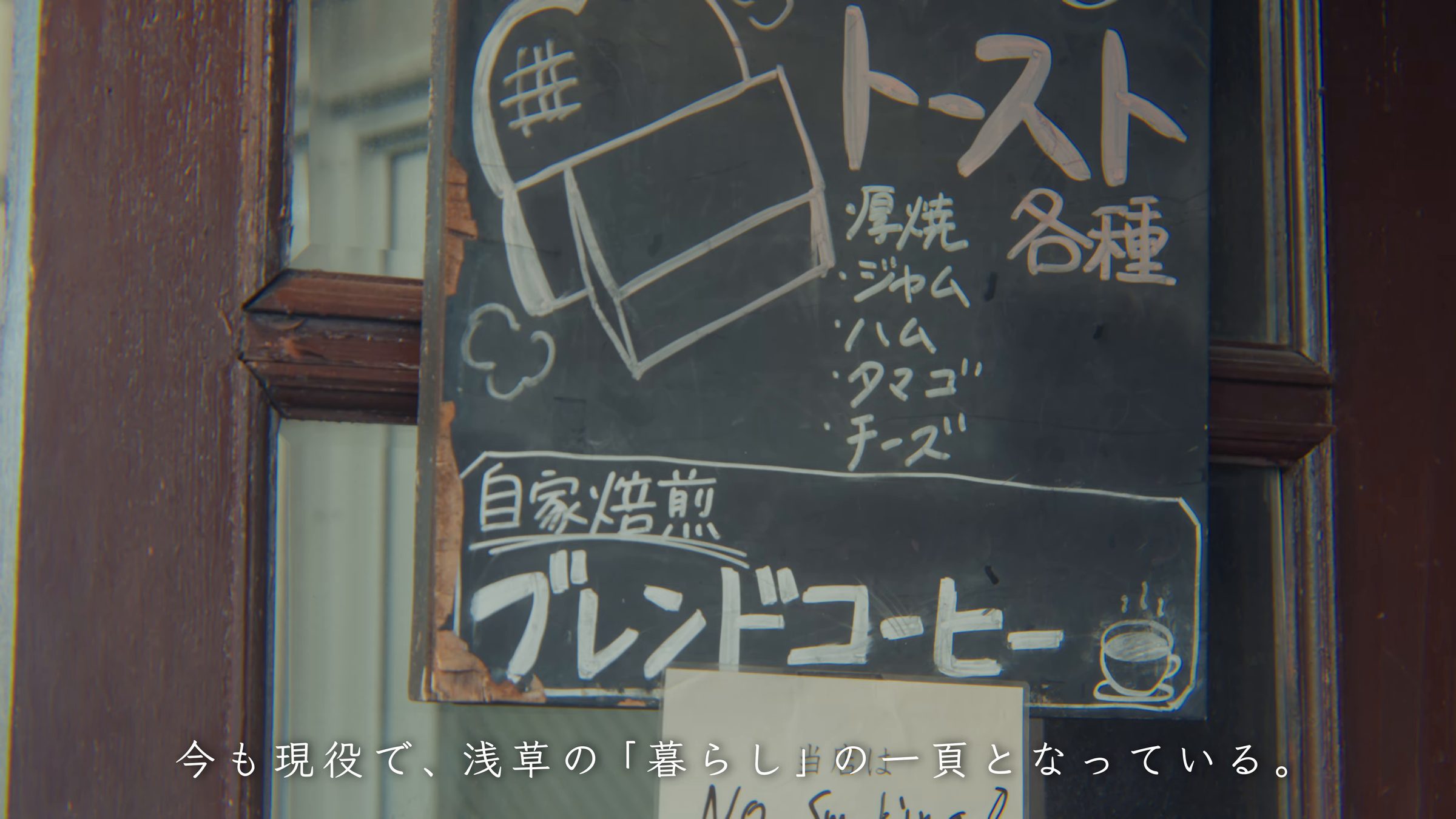
A classic kissaten of the kind Asakusa's entertainers and men of letters would surely have loved is still in business, a page in the story of life in Asakusa. It's Royal Coffee, with its sign reading "house-roasted coffee." The blackboard out front listed its toasts: thick-cut, jam, ham, egg, cheese.
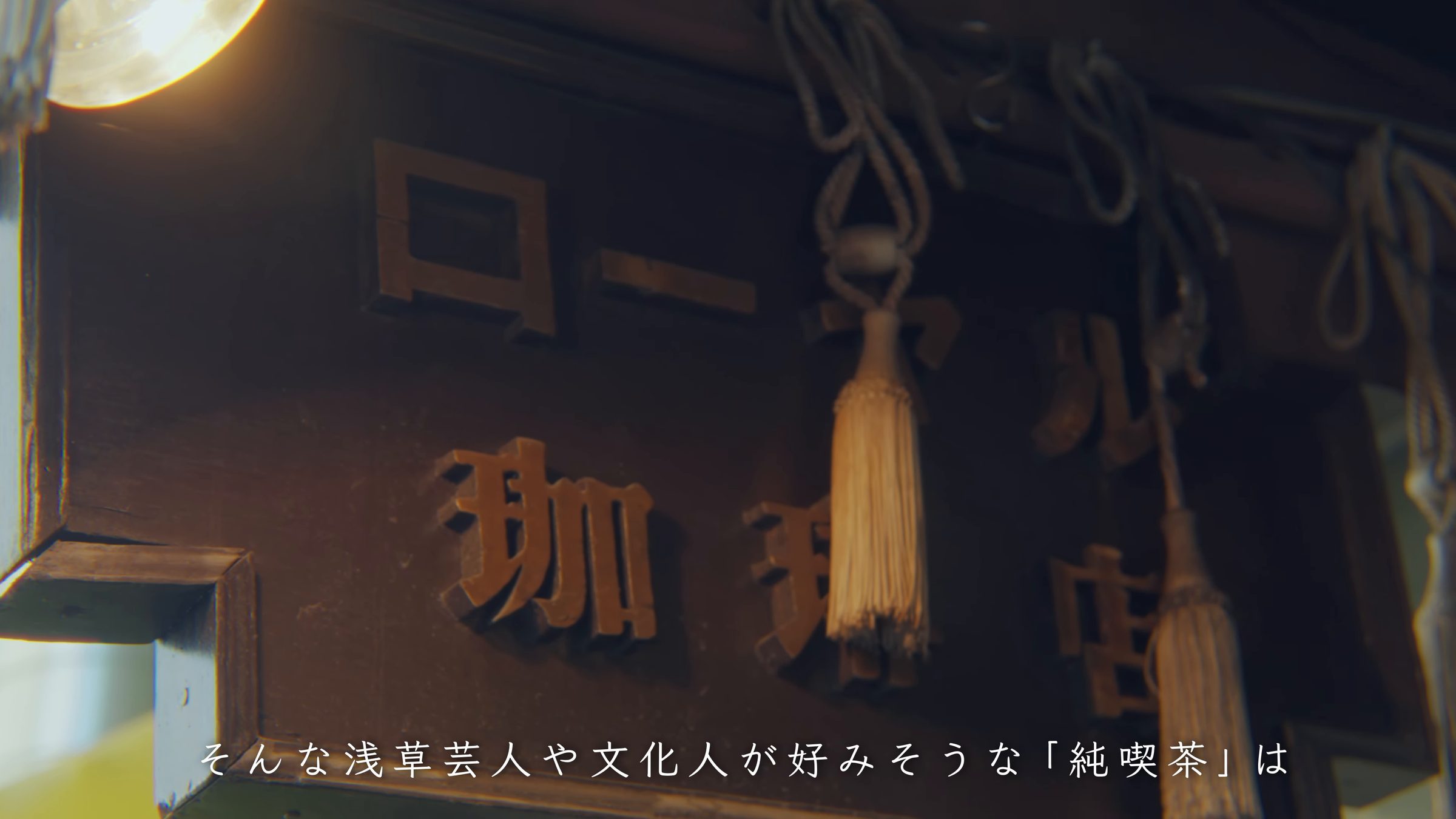
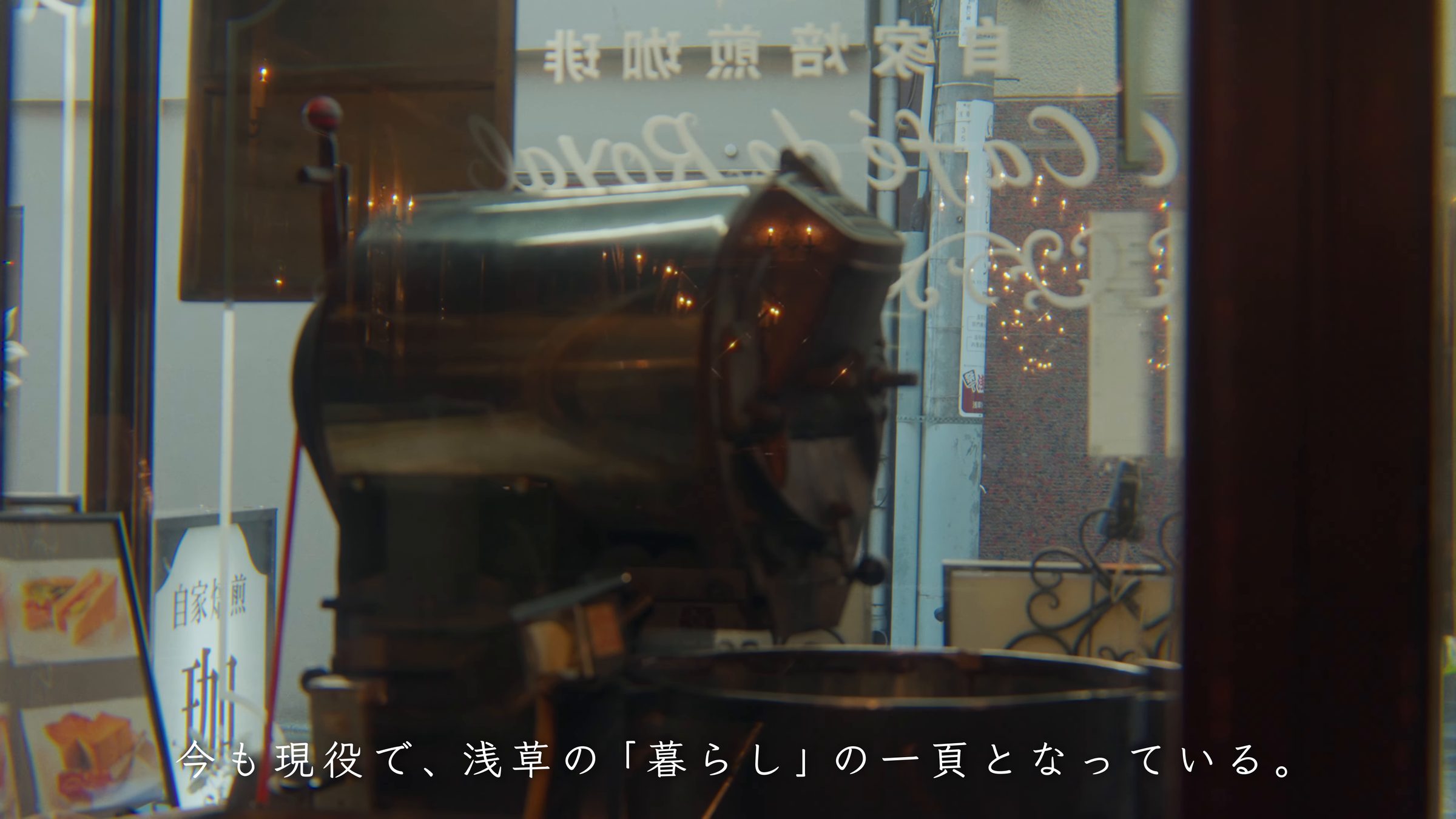
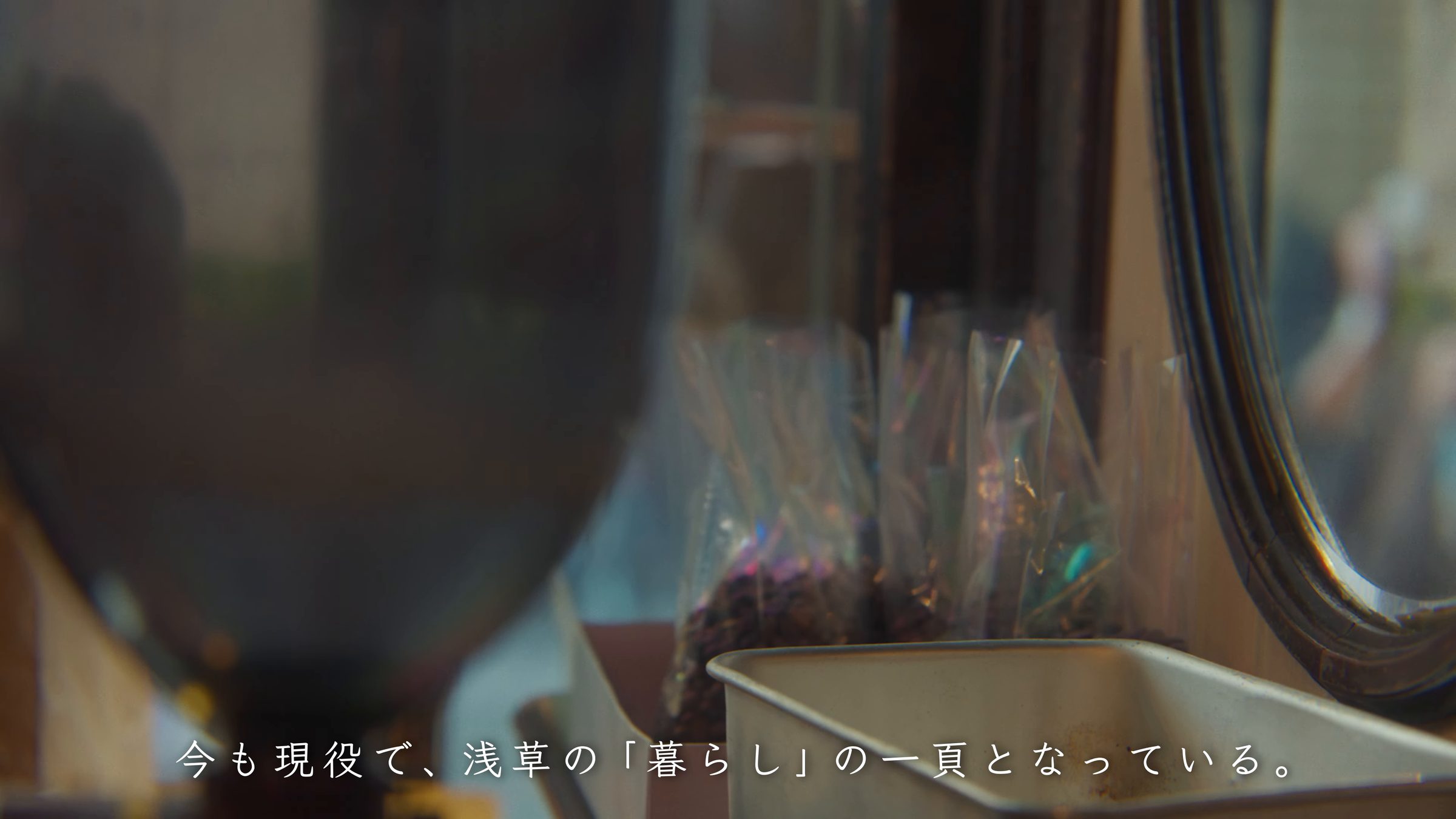
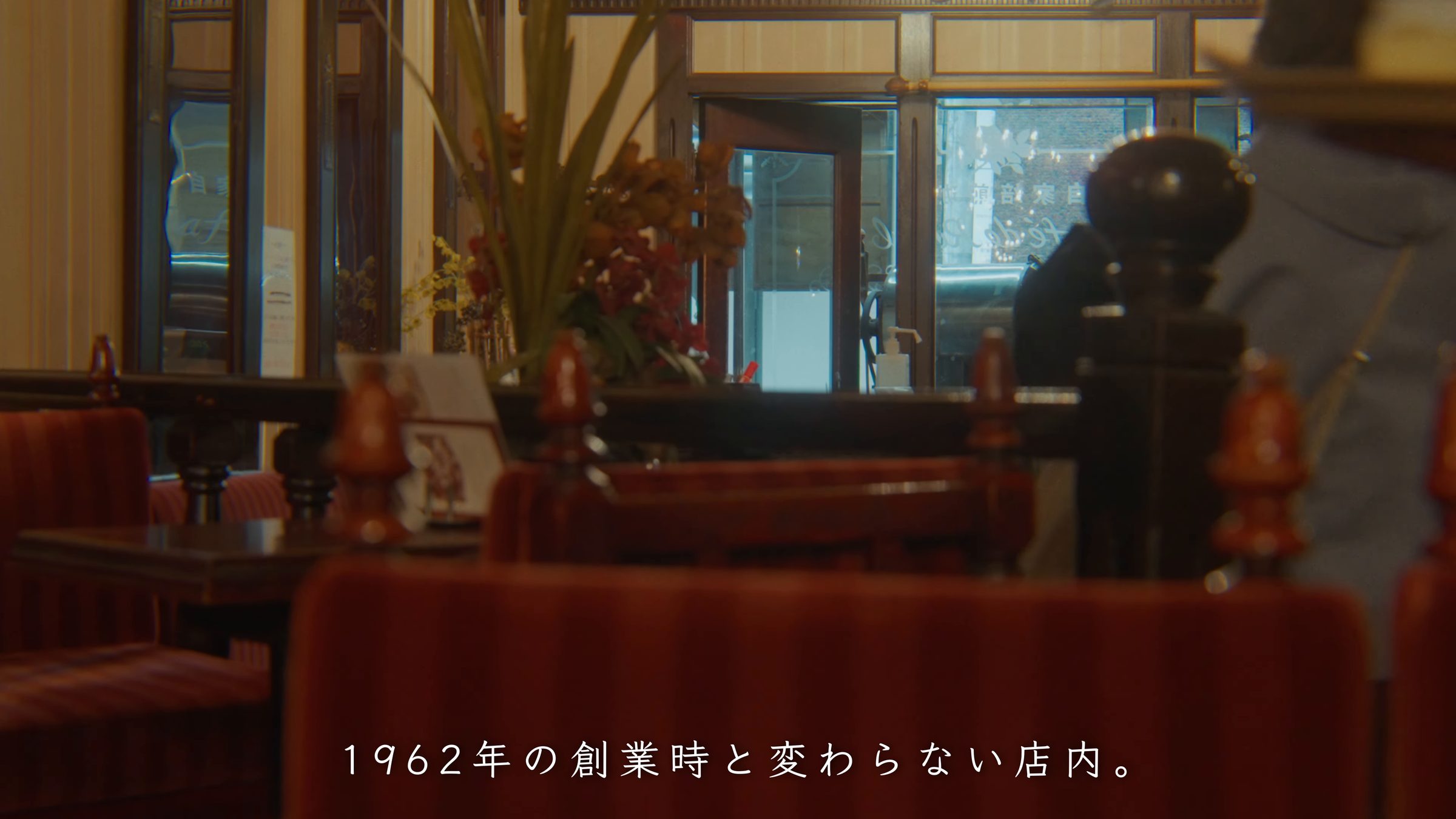
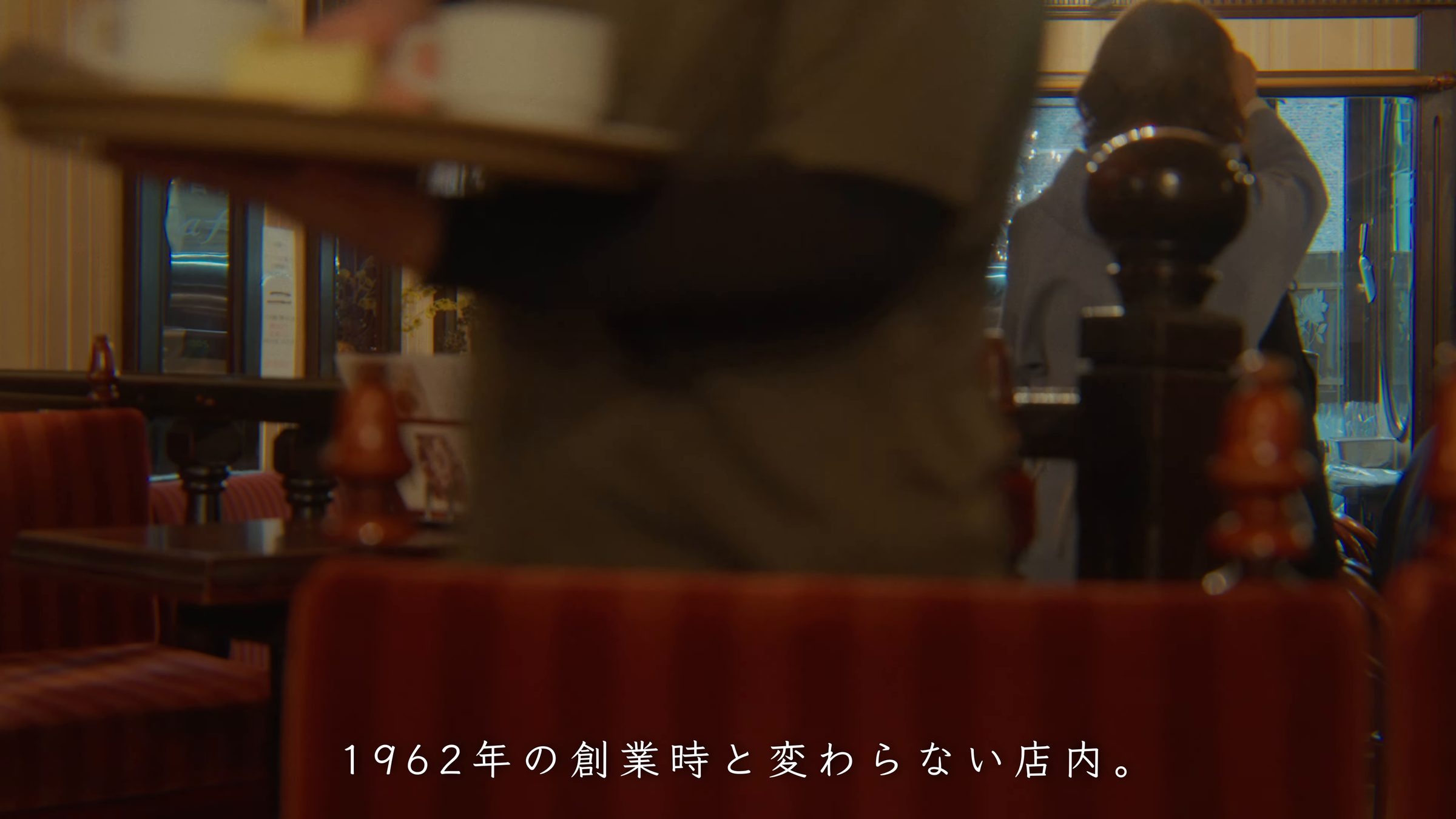
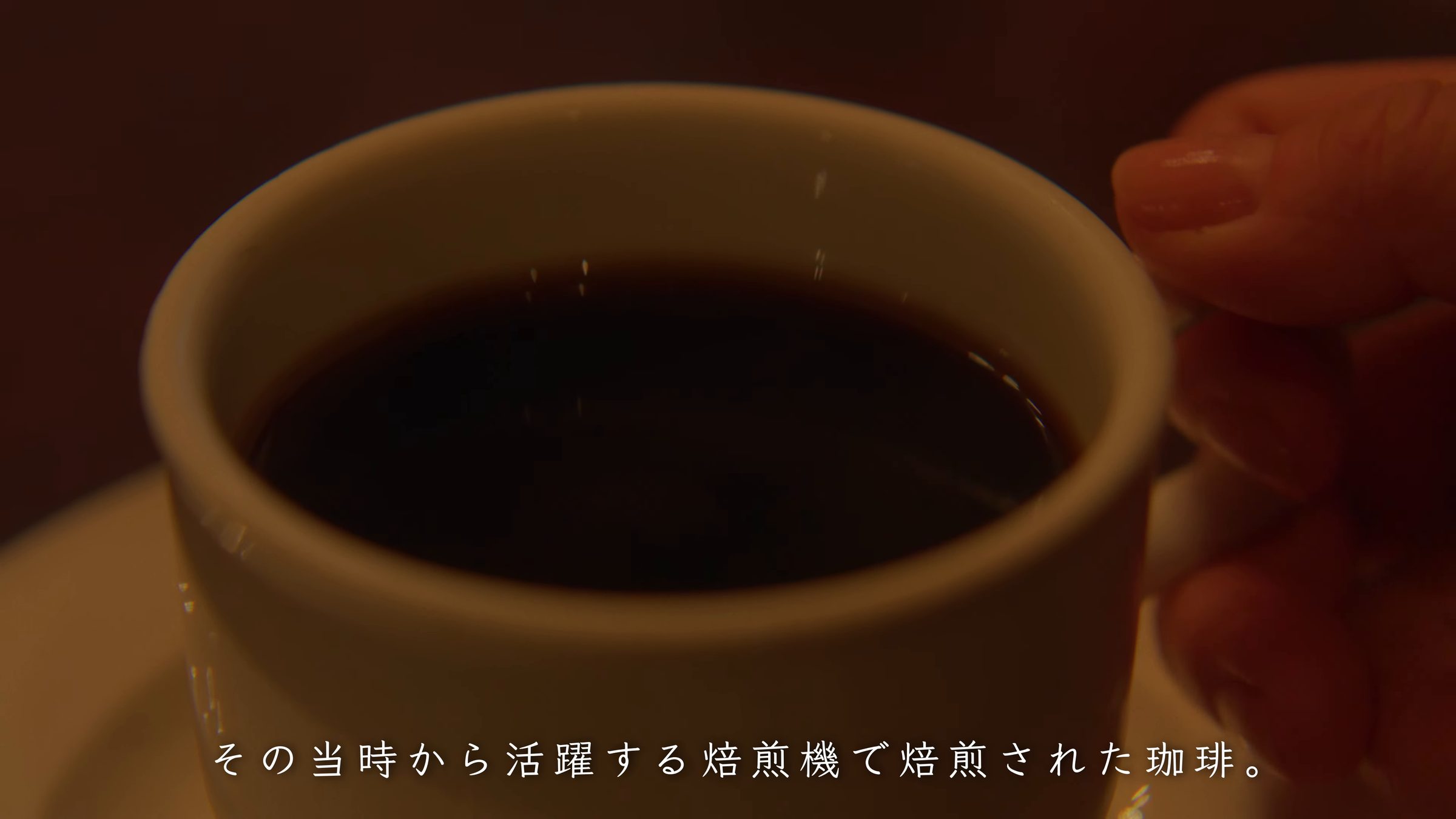
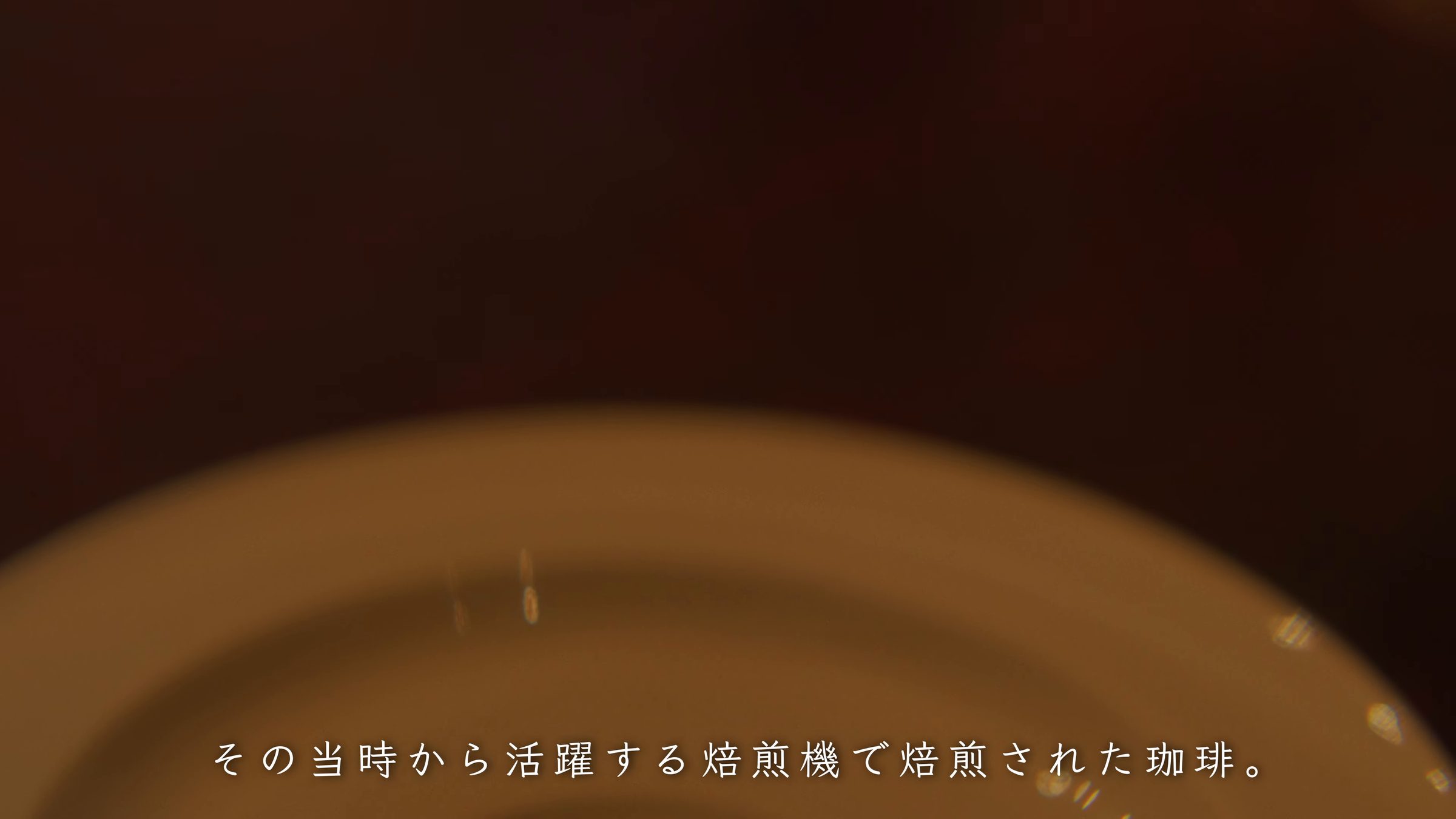
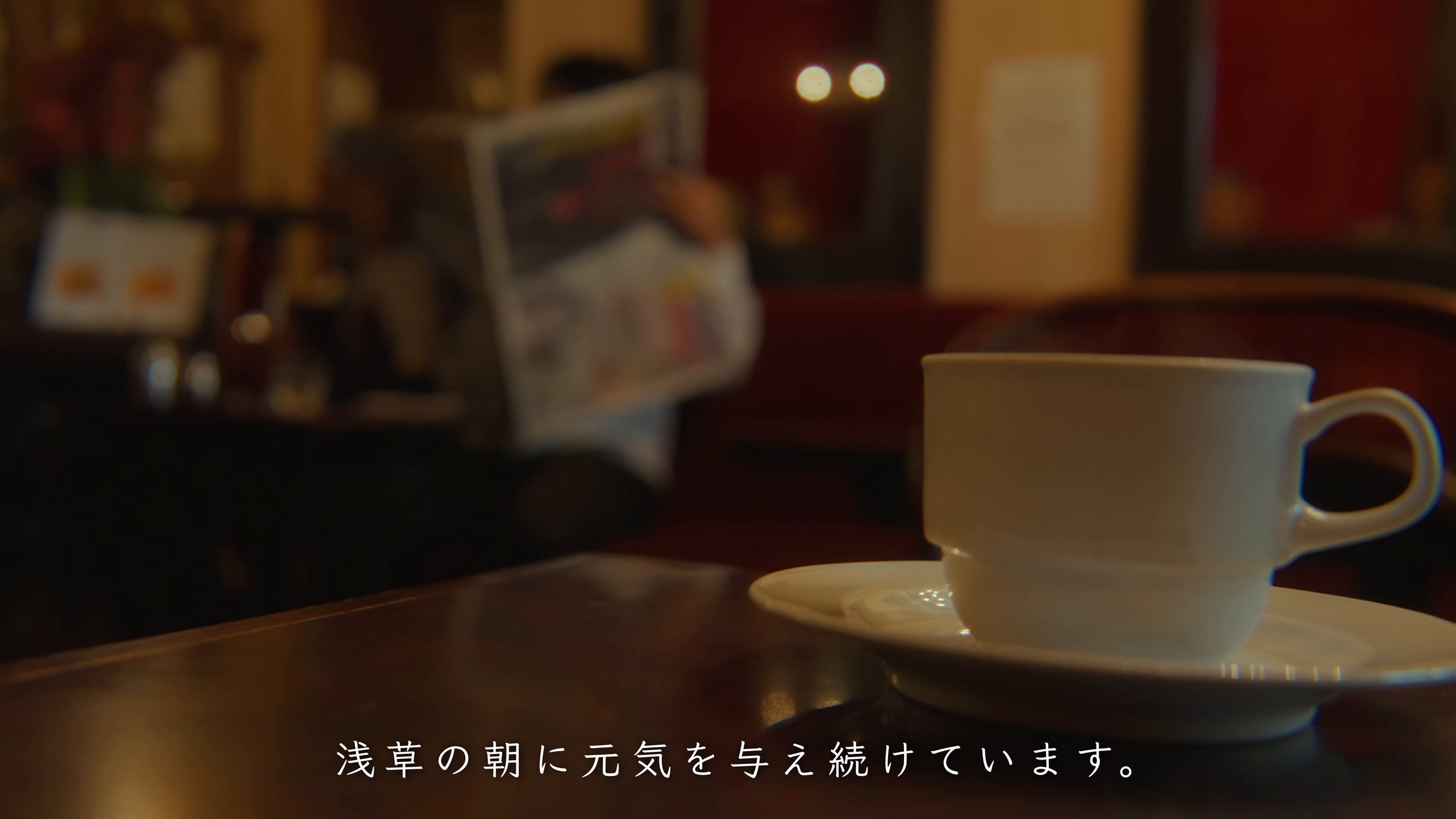
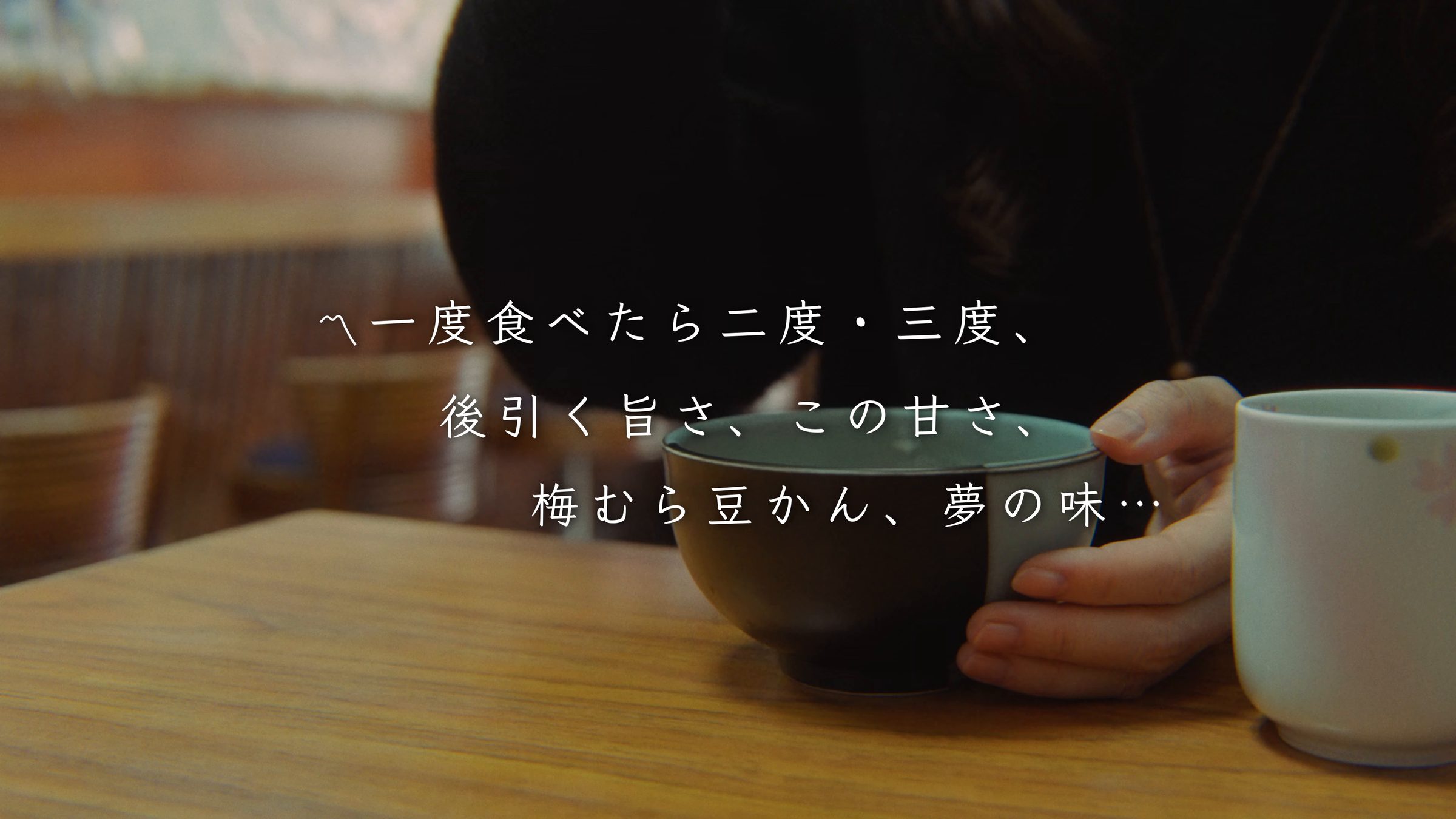
By the window stands a roaster said to have been at work since the shop opened, and the interior has stayed the same since it opened in 1962. I sat down on a red velvet seat, and coffee roasted in that very machine arrived: a cup that keeps giving Asakusa its morning energy.
Watch this scene on YouTube2:01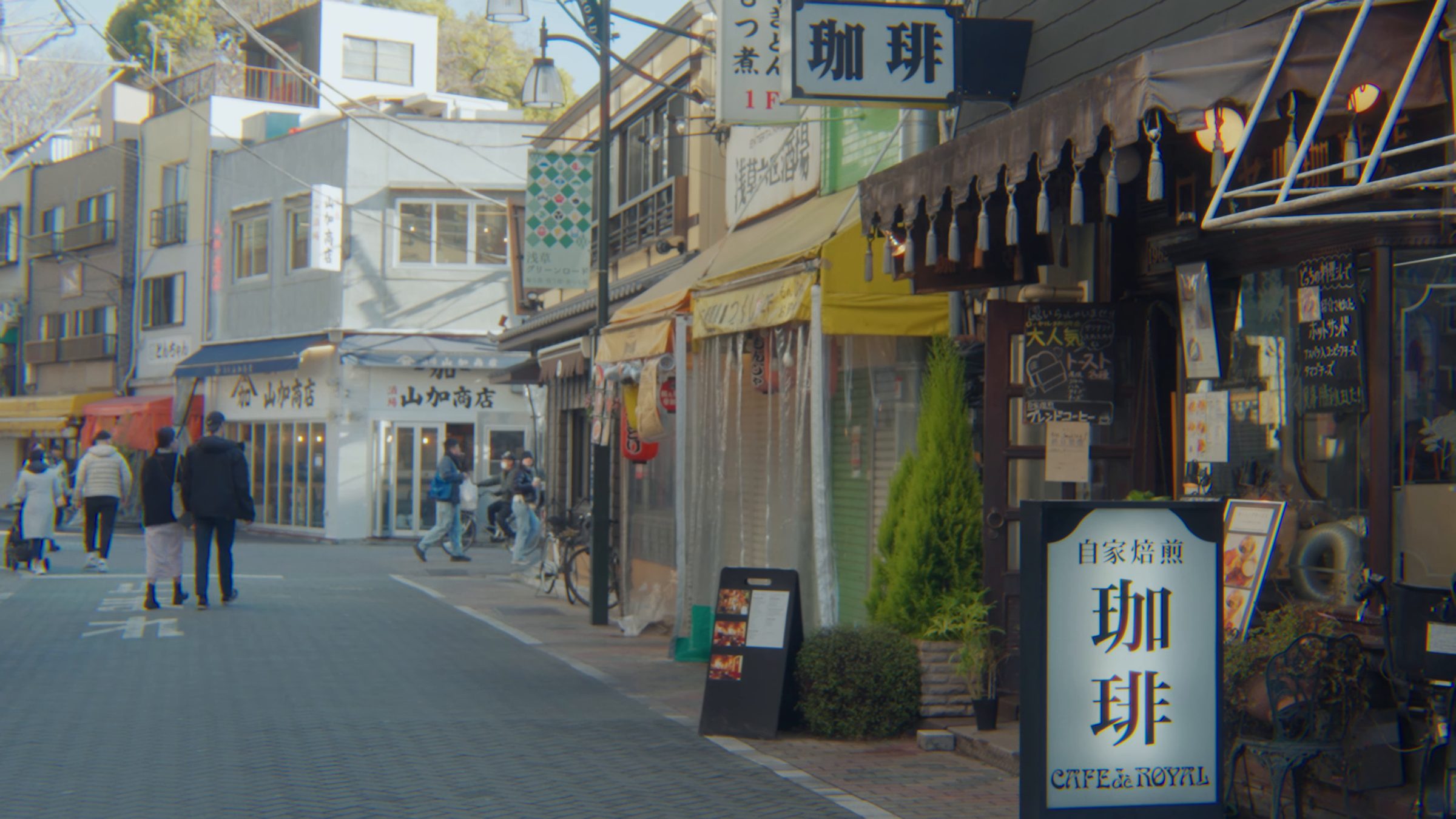
04TRAVEL JOURNAL
Crisp outside, melting inside
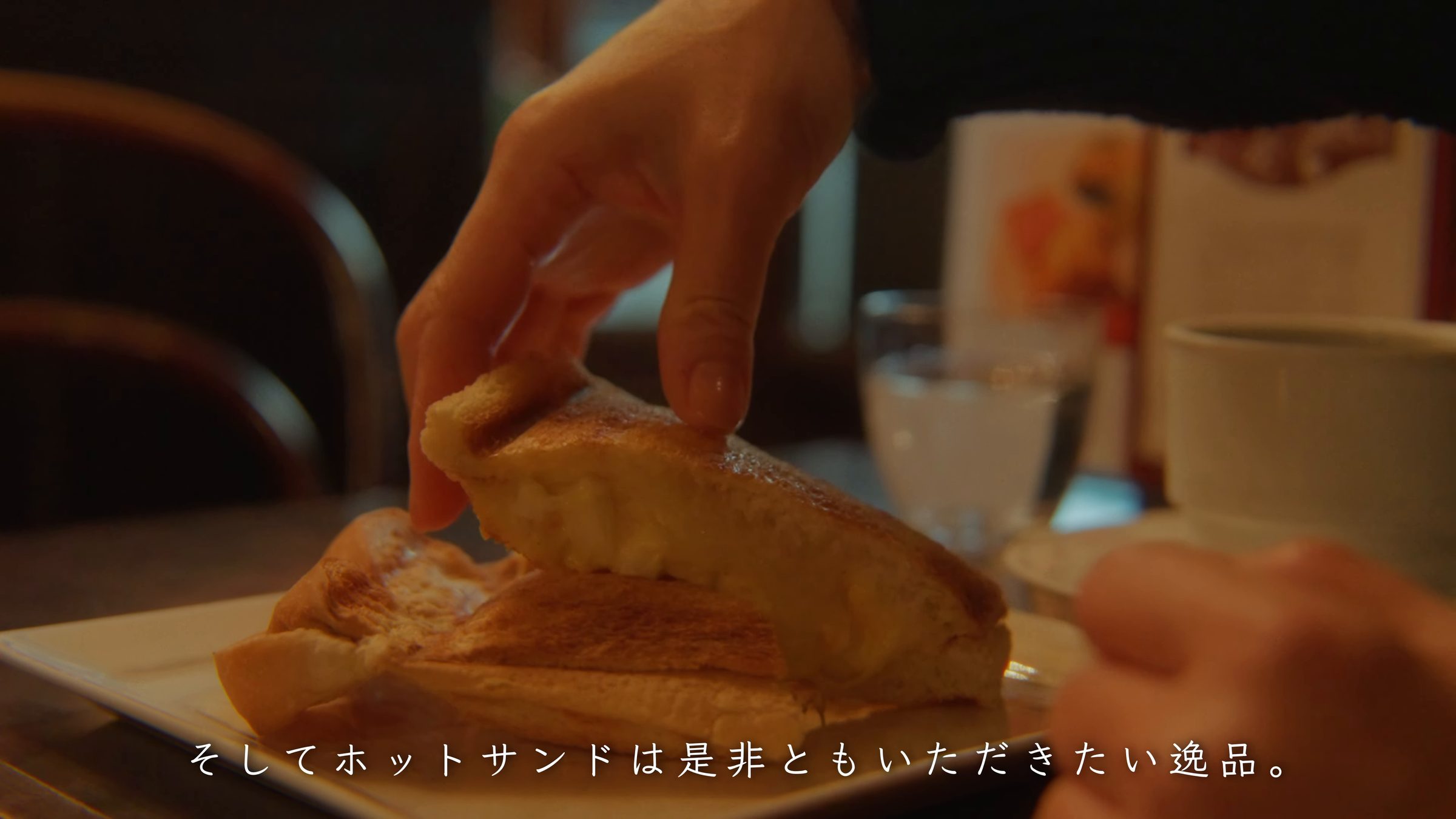
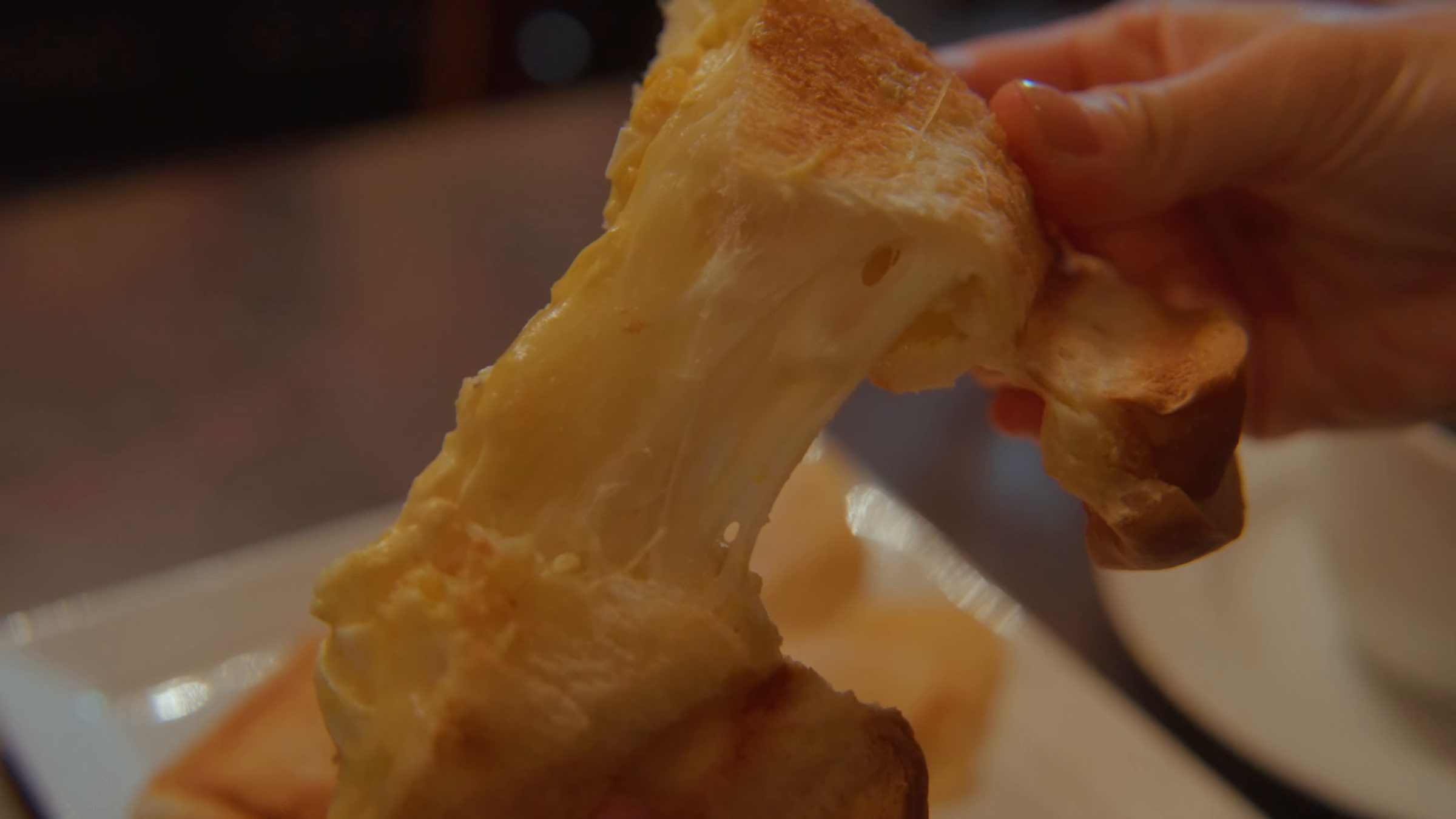
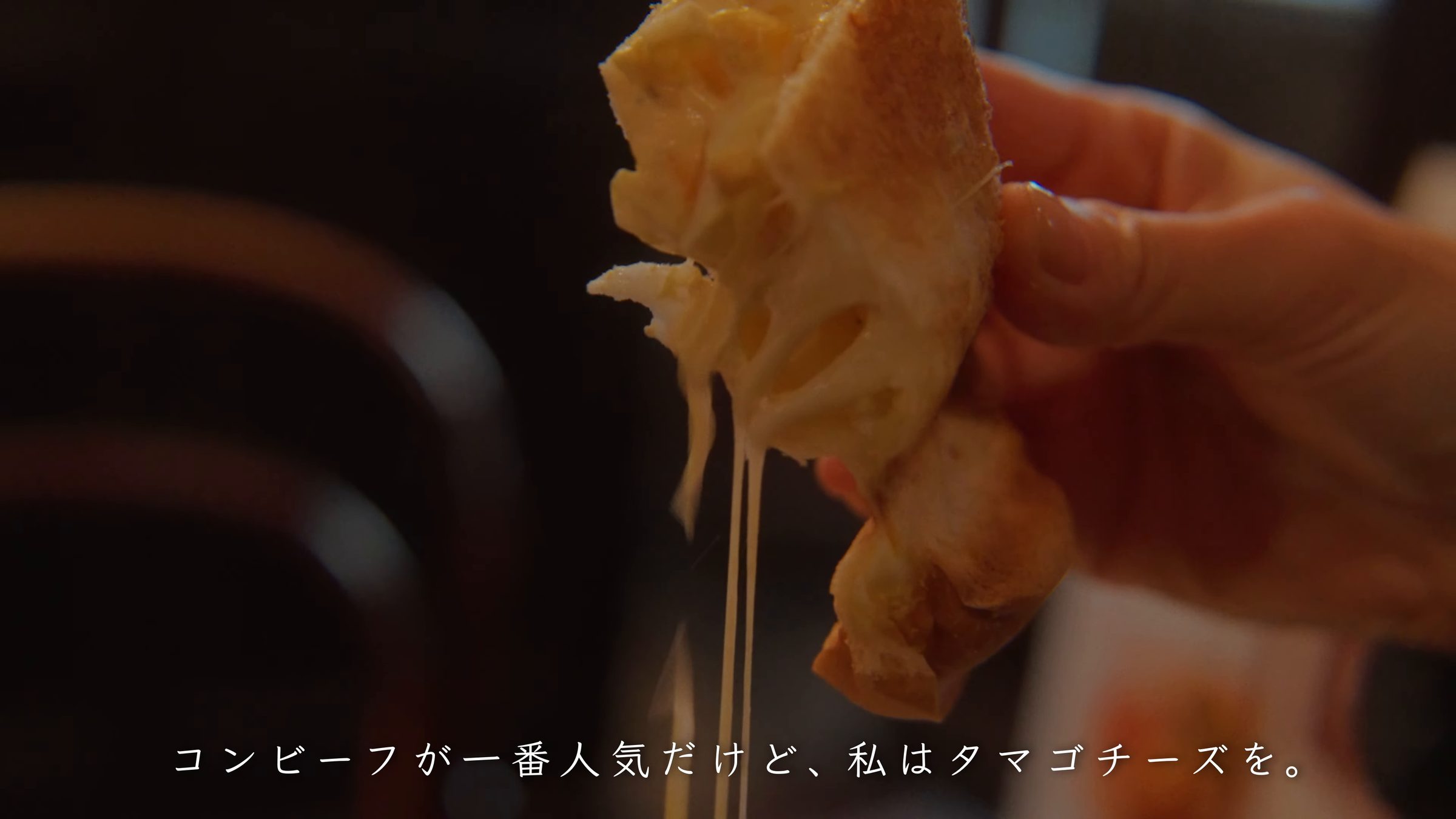
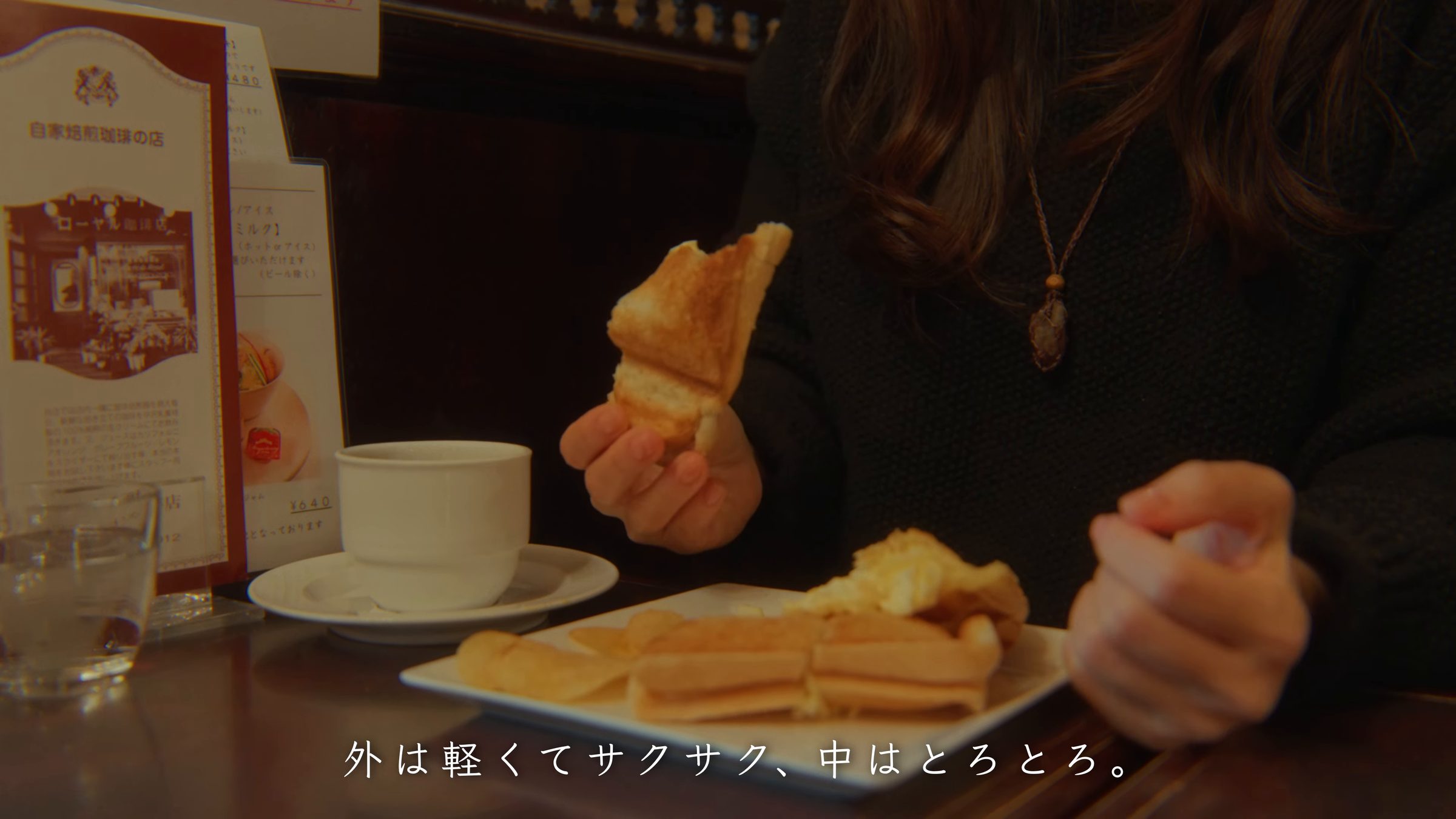
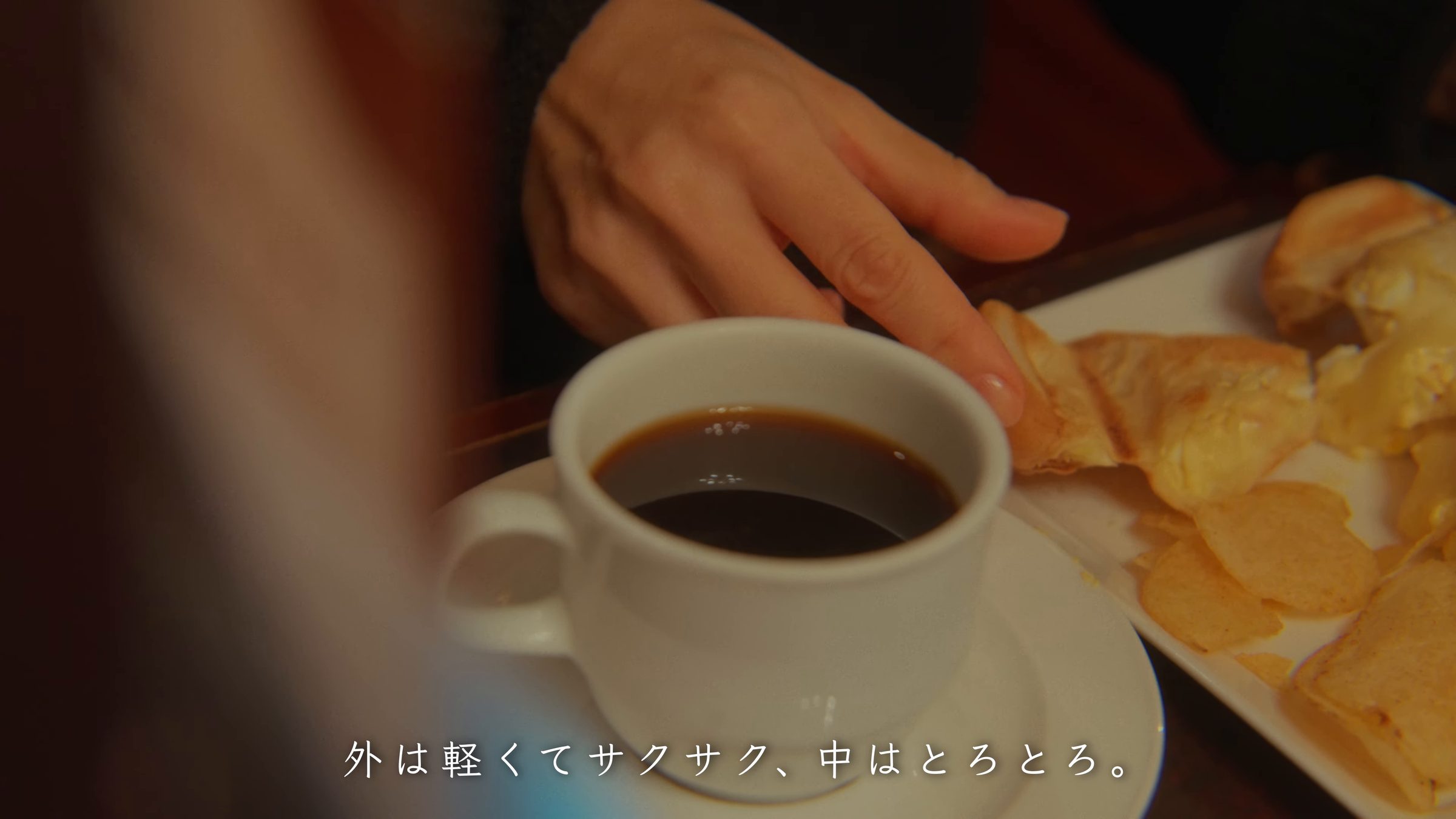
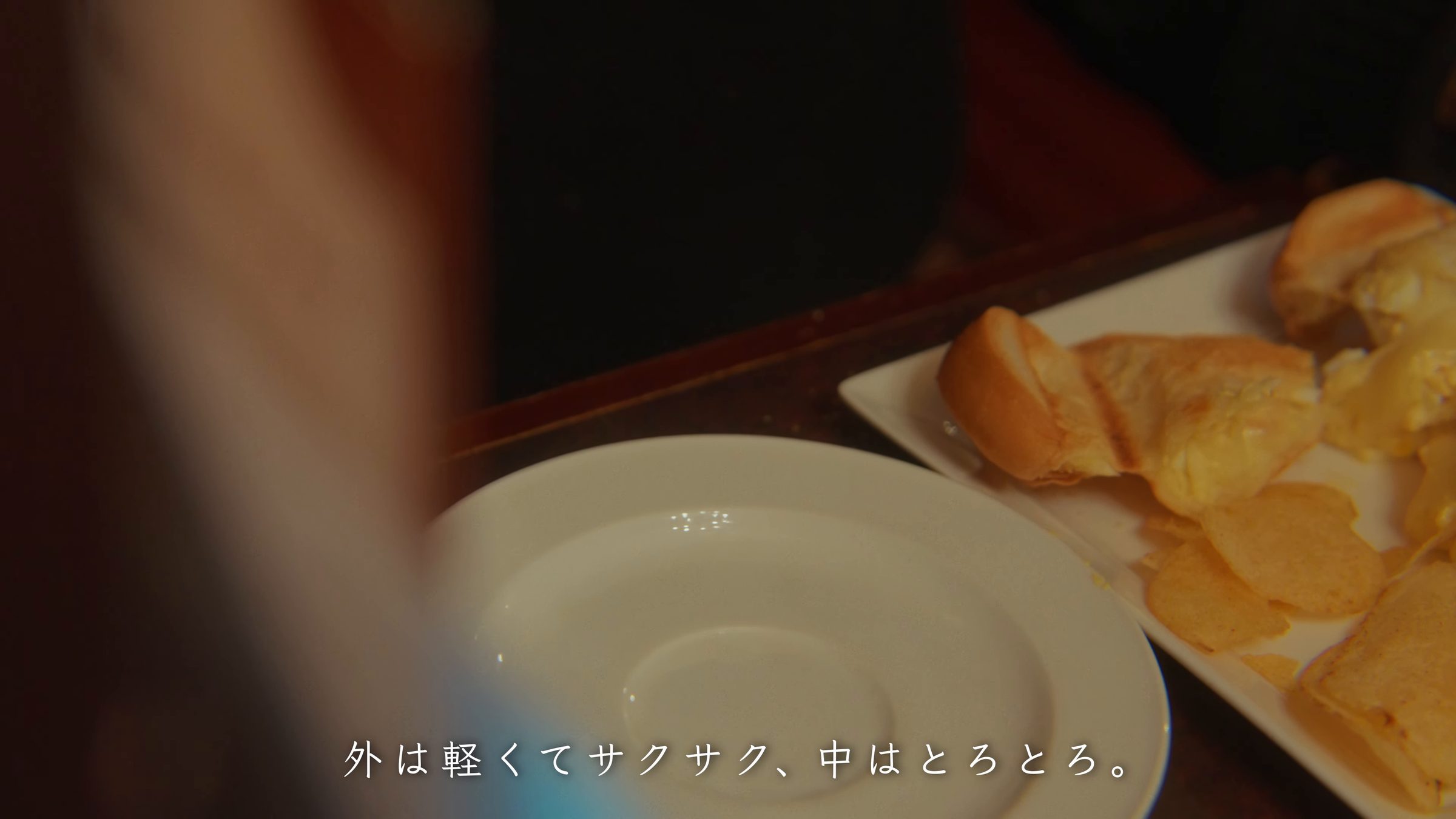
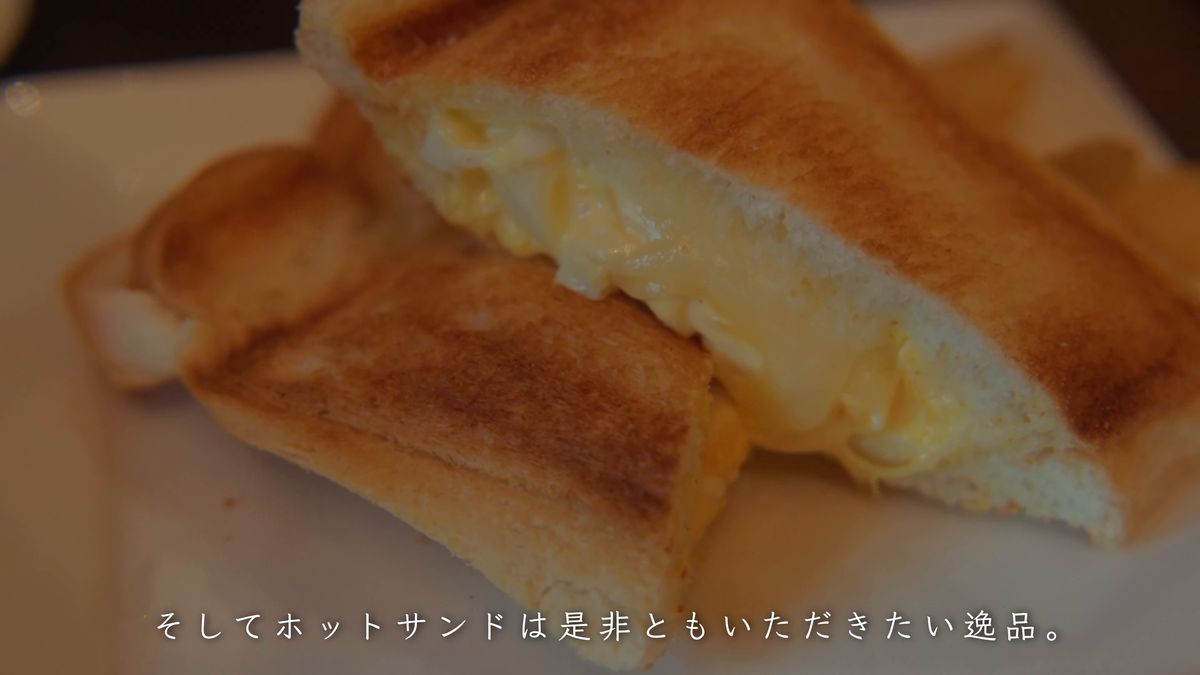
And the hot sandwich here is a must. Corned beef is the most popular, but I chose egg and cheese. When I lifted the toasted bread, the melted cheese stretched on and on. Light and crisp on the outside, soft and creamy on the inside.
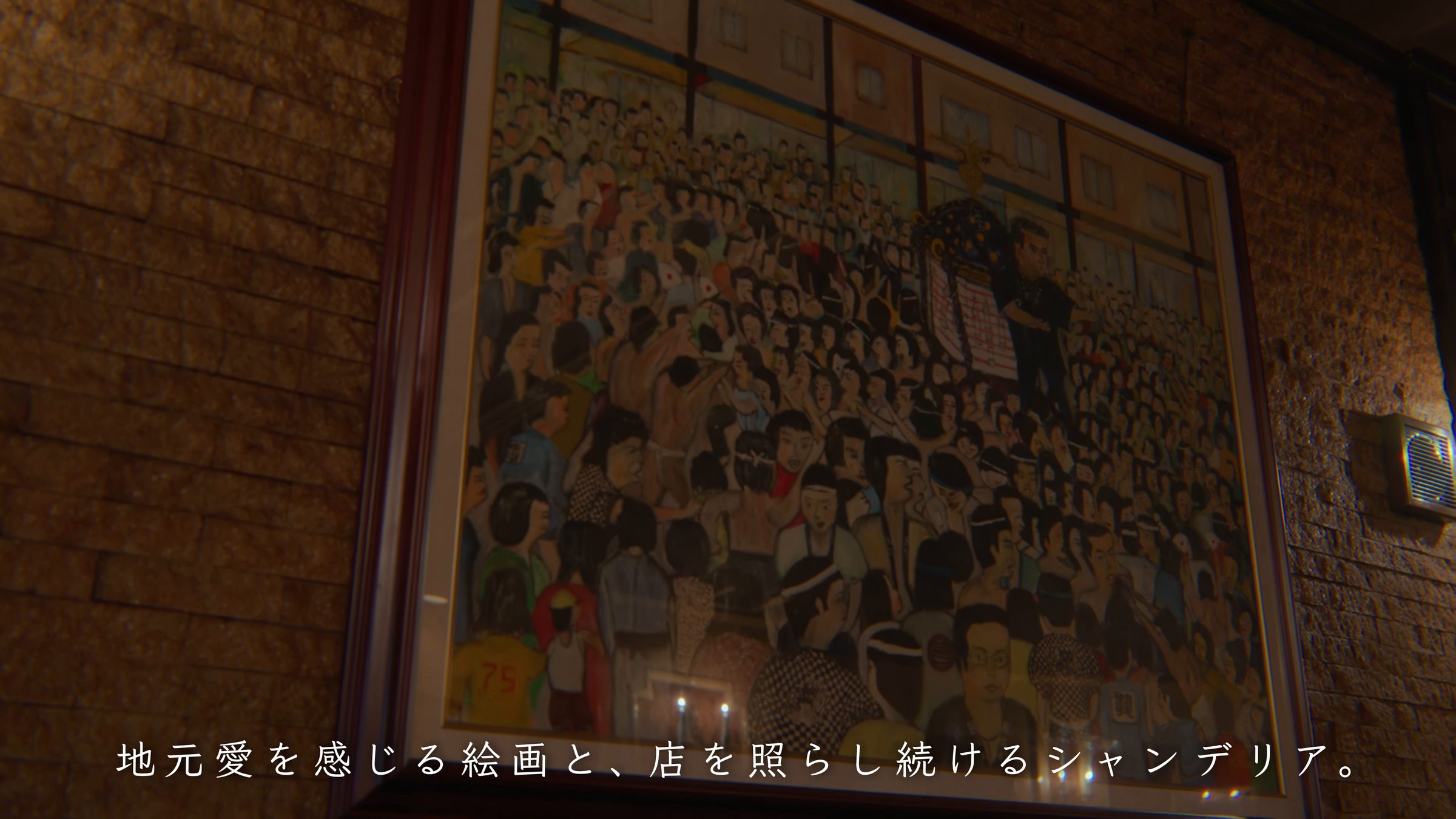
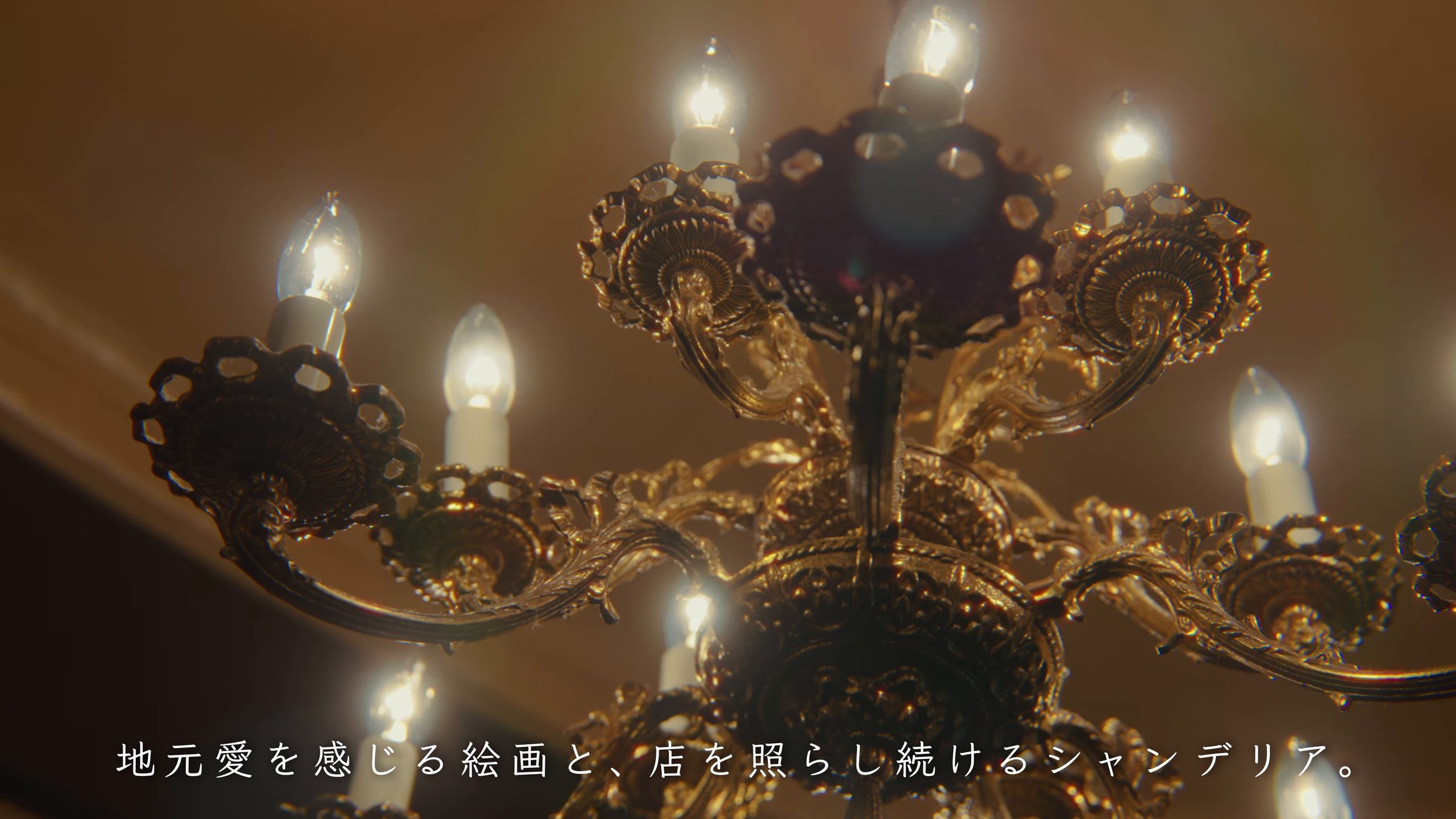
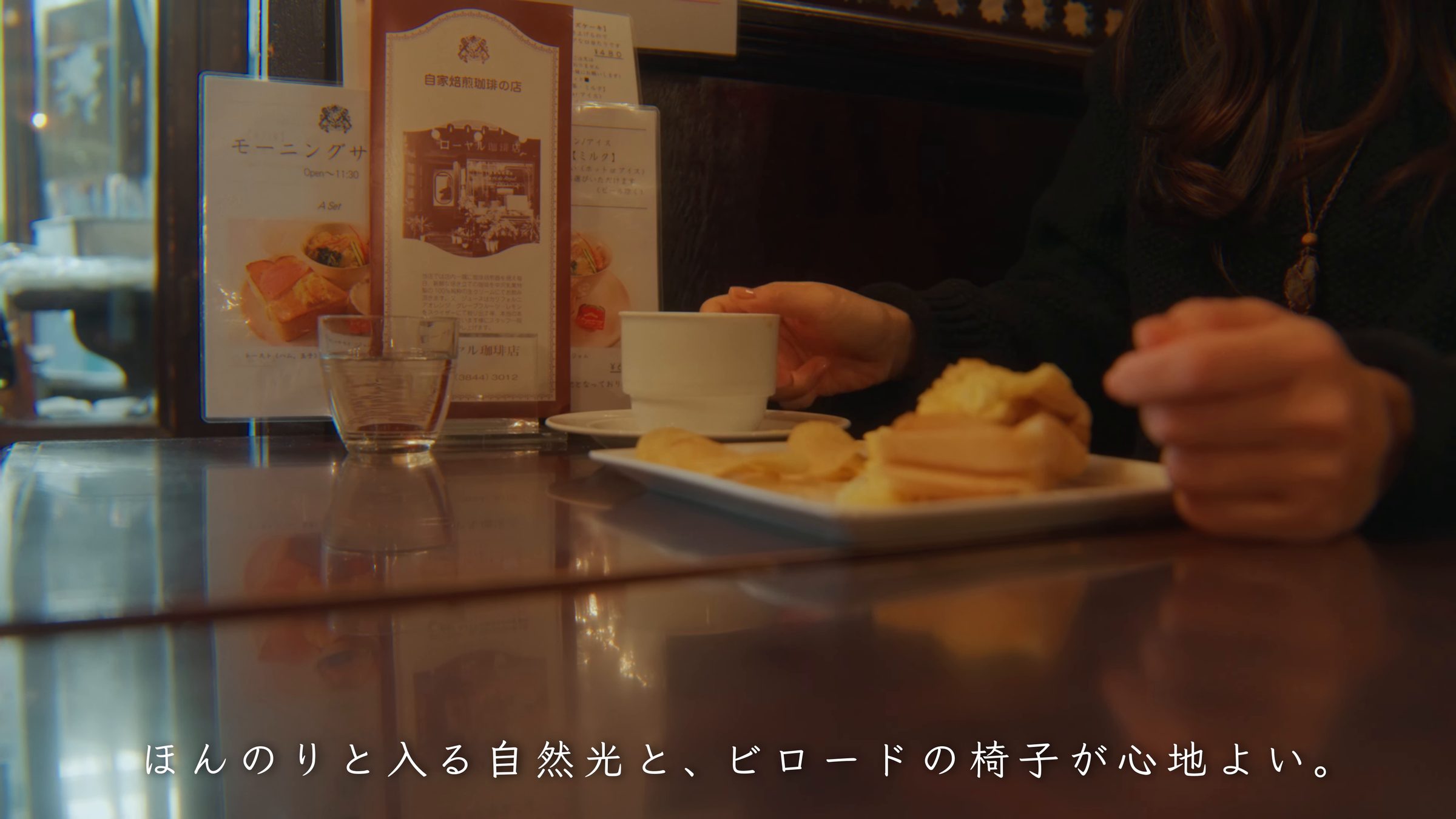
On the wall hangs a painting crowded with people, full of love for the neighborhood, and overhead a chandelier keeps the room aglow. Soft natural light from the window and the velvet chairs make it a comfortable place to linger. The potato chips on the side were consommé flavored.
Watch this scene on YouTube2:53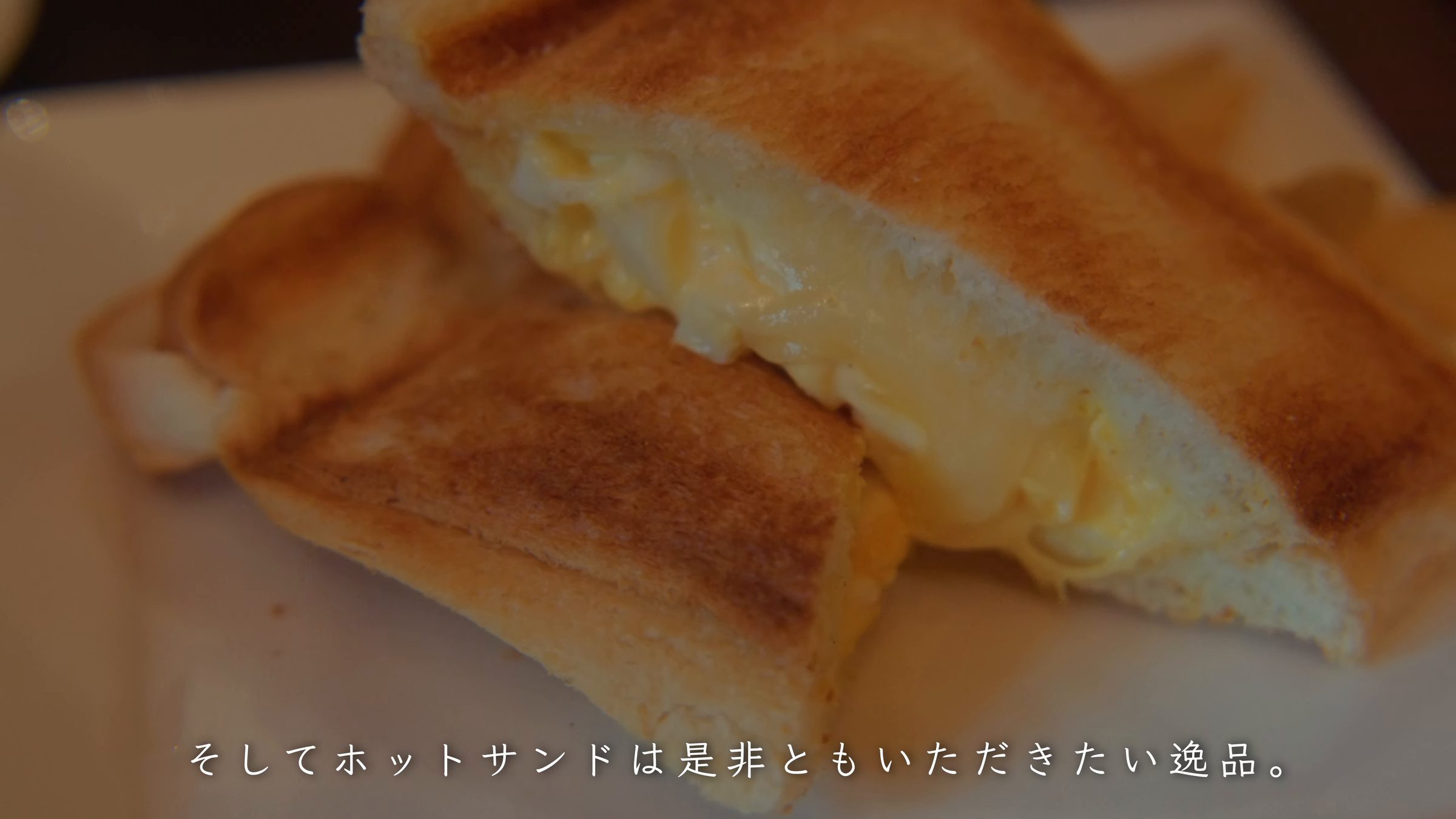
05TRAVEL JOURNAL
Japan's oldest underground shopping street
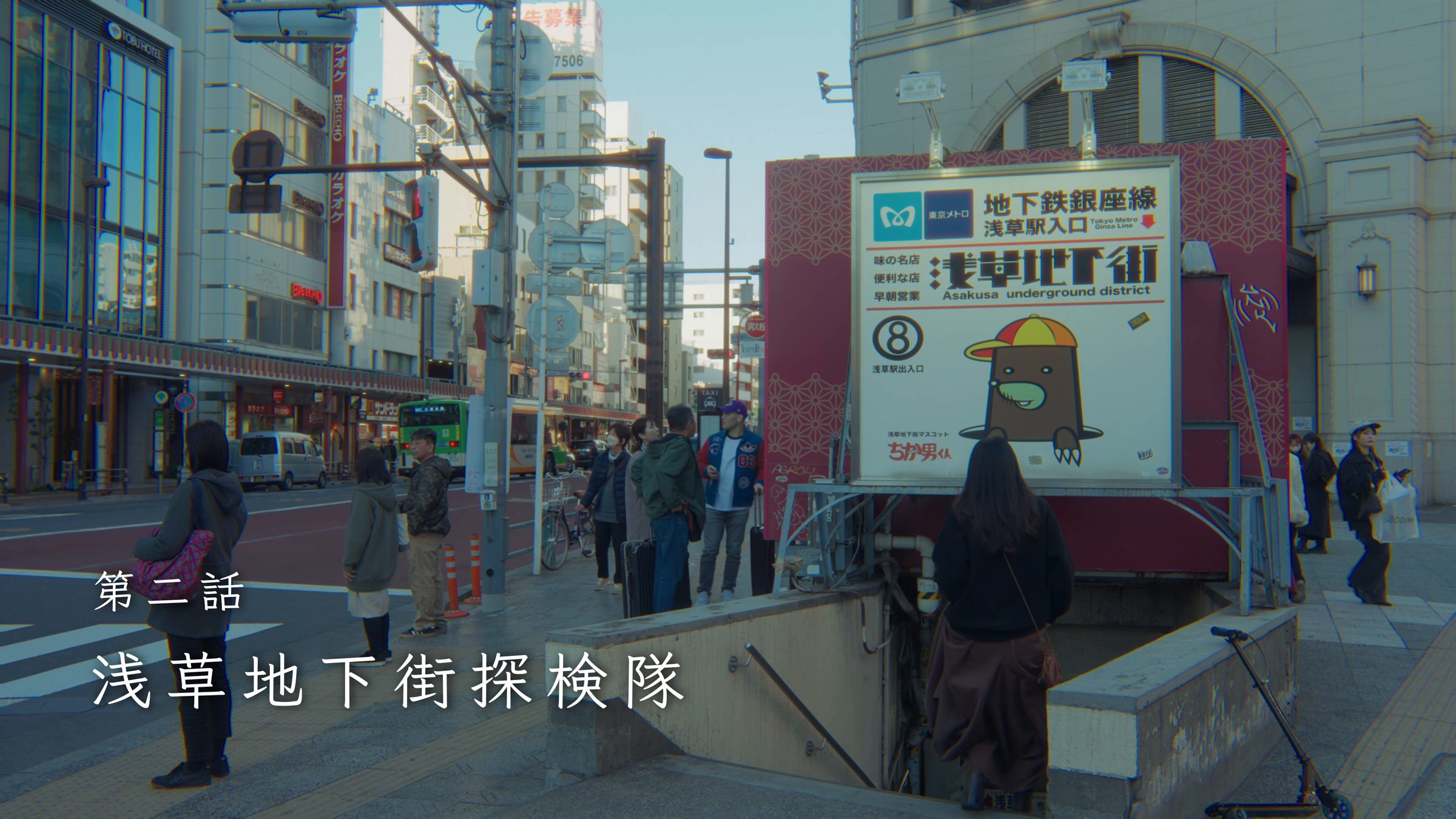
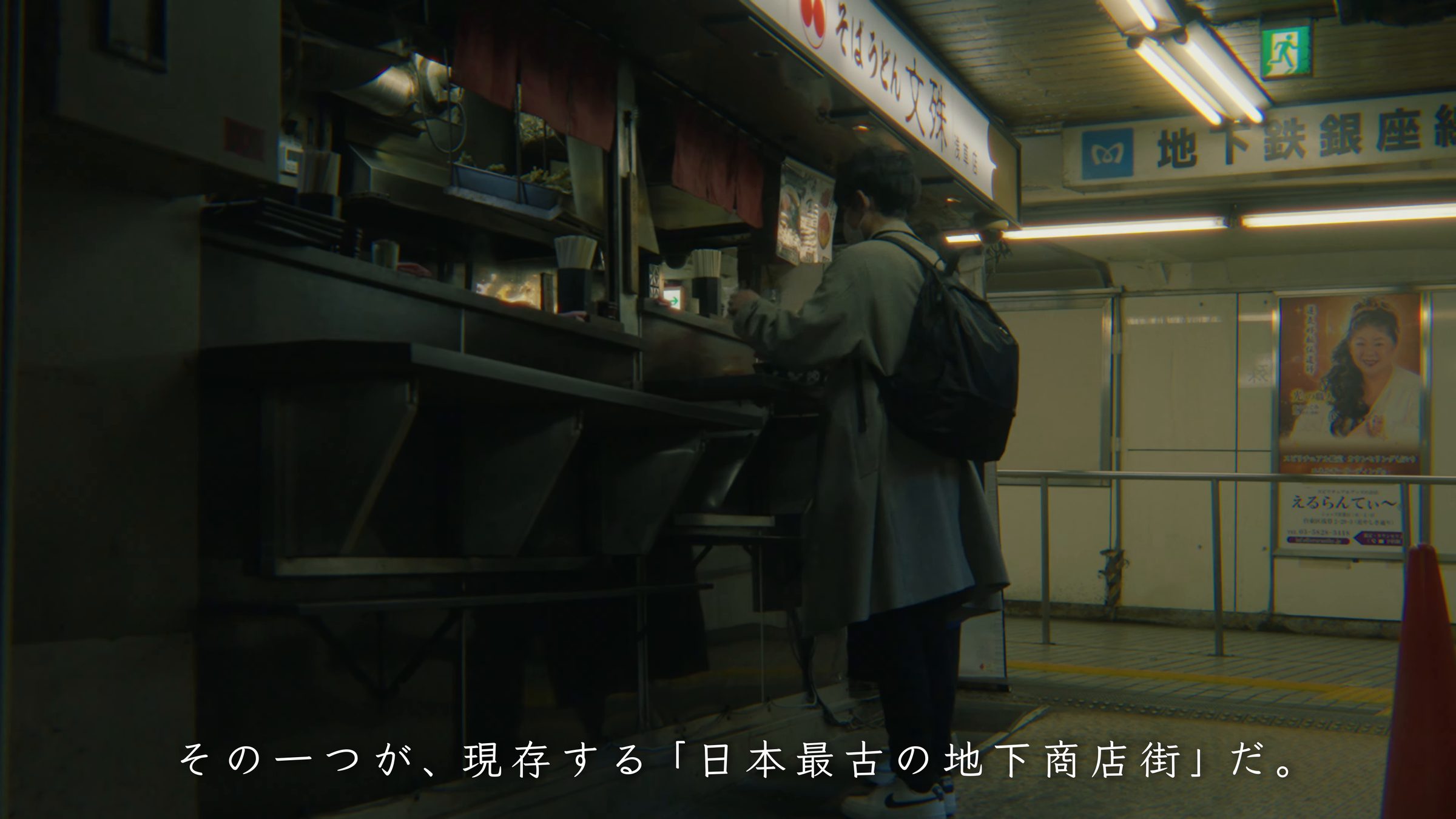
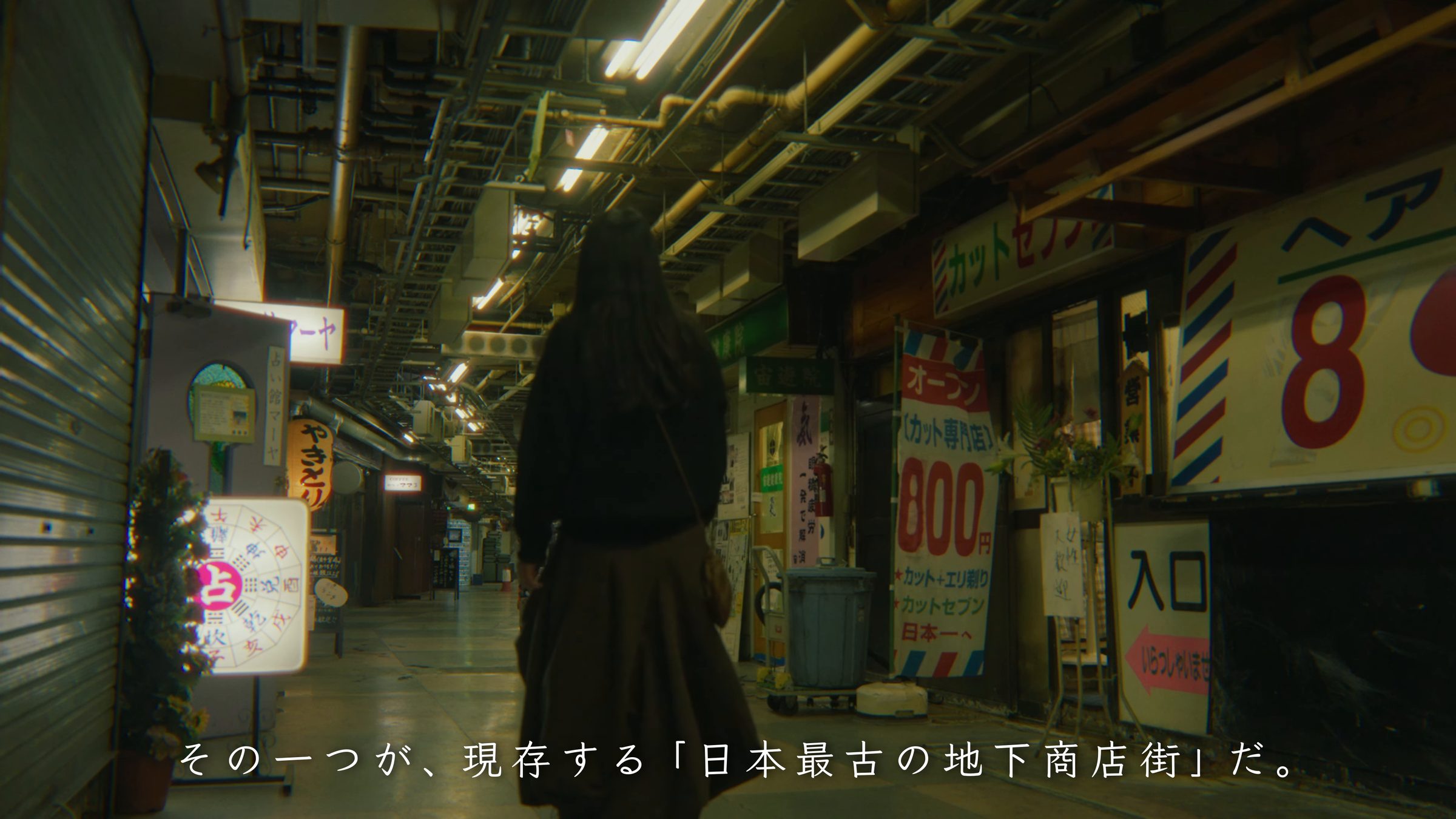
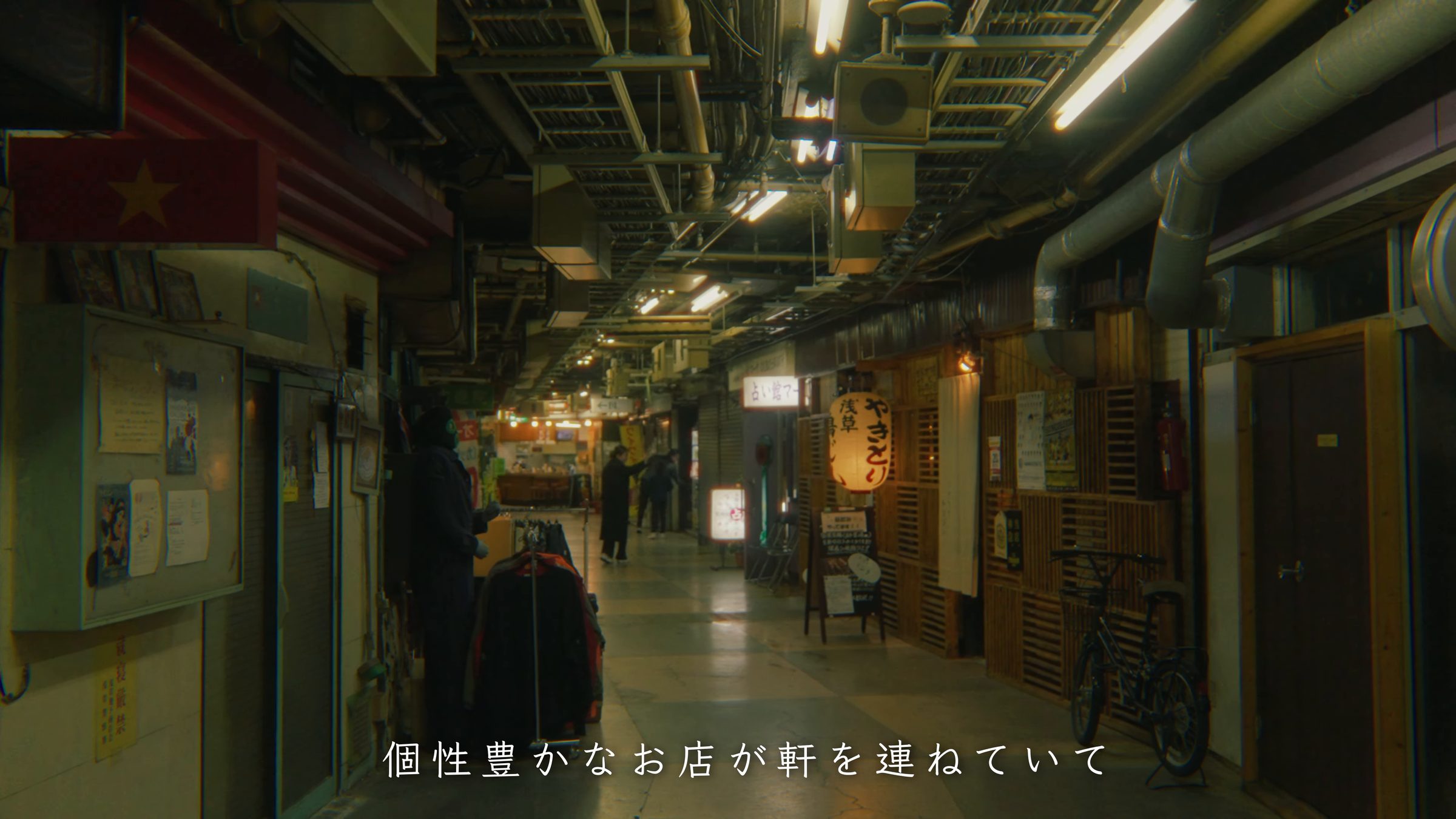
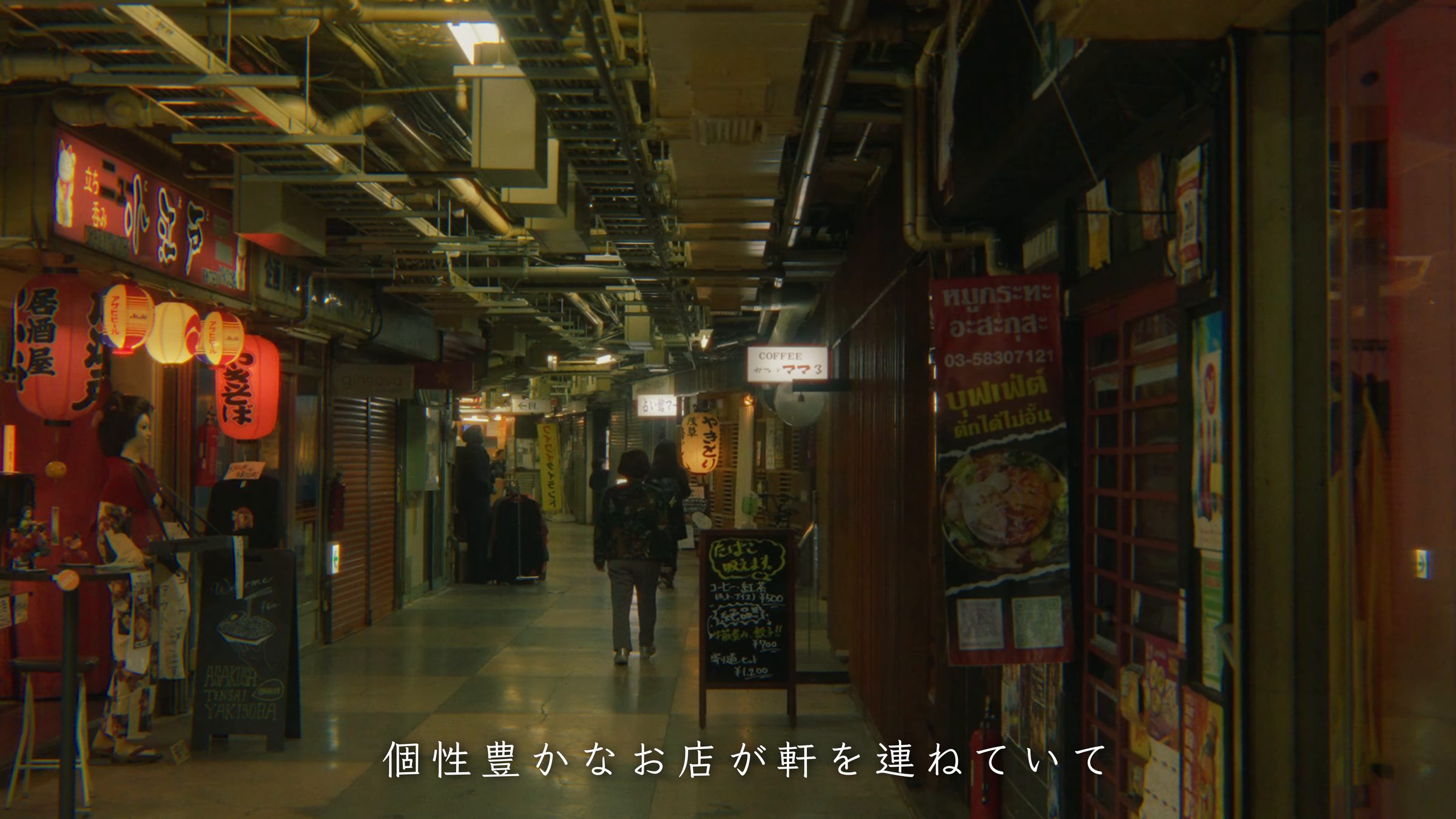
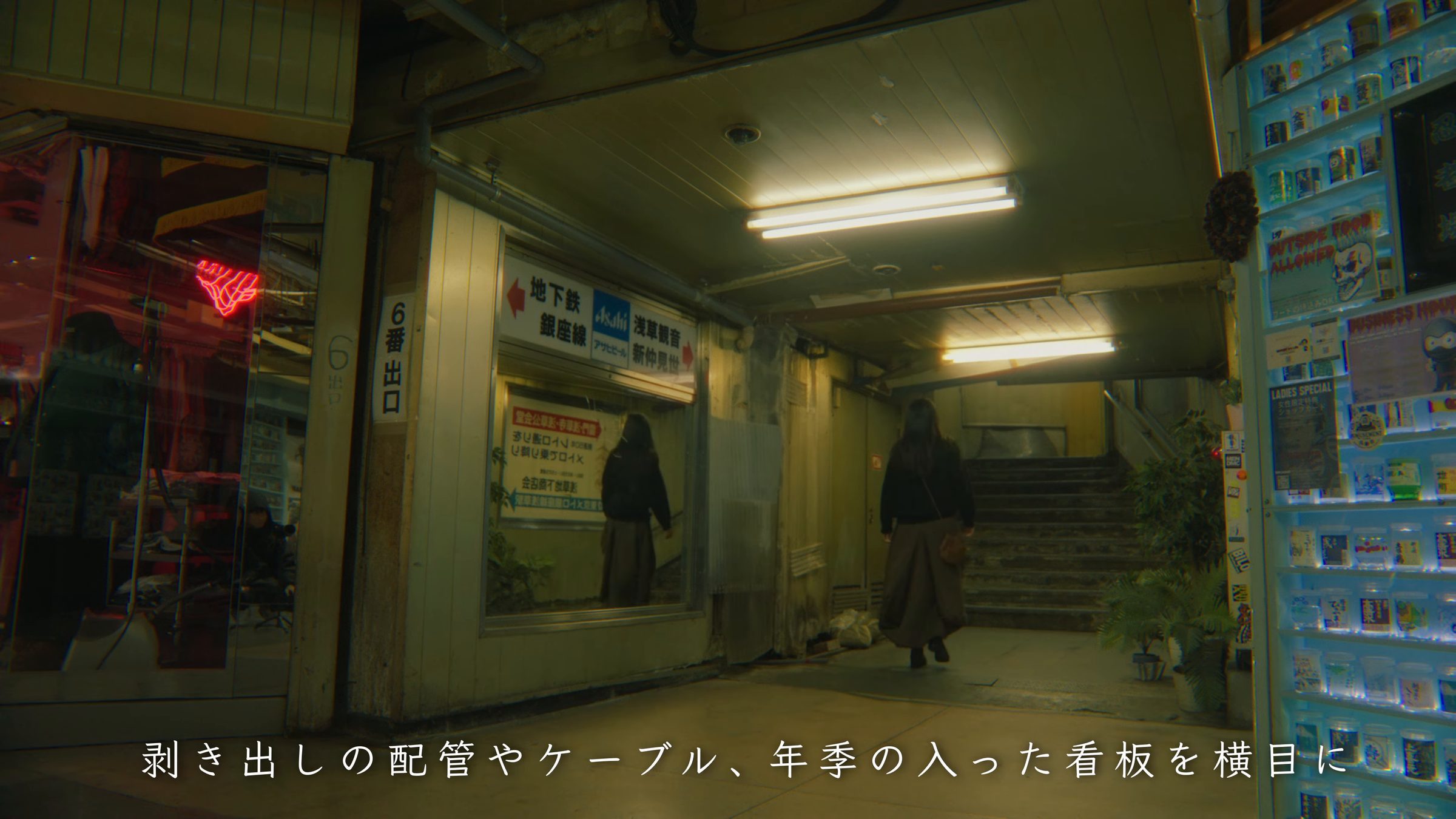
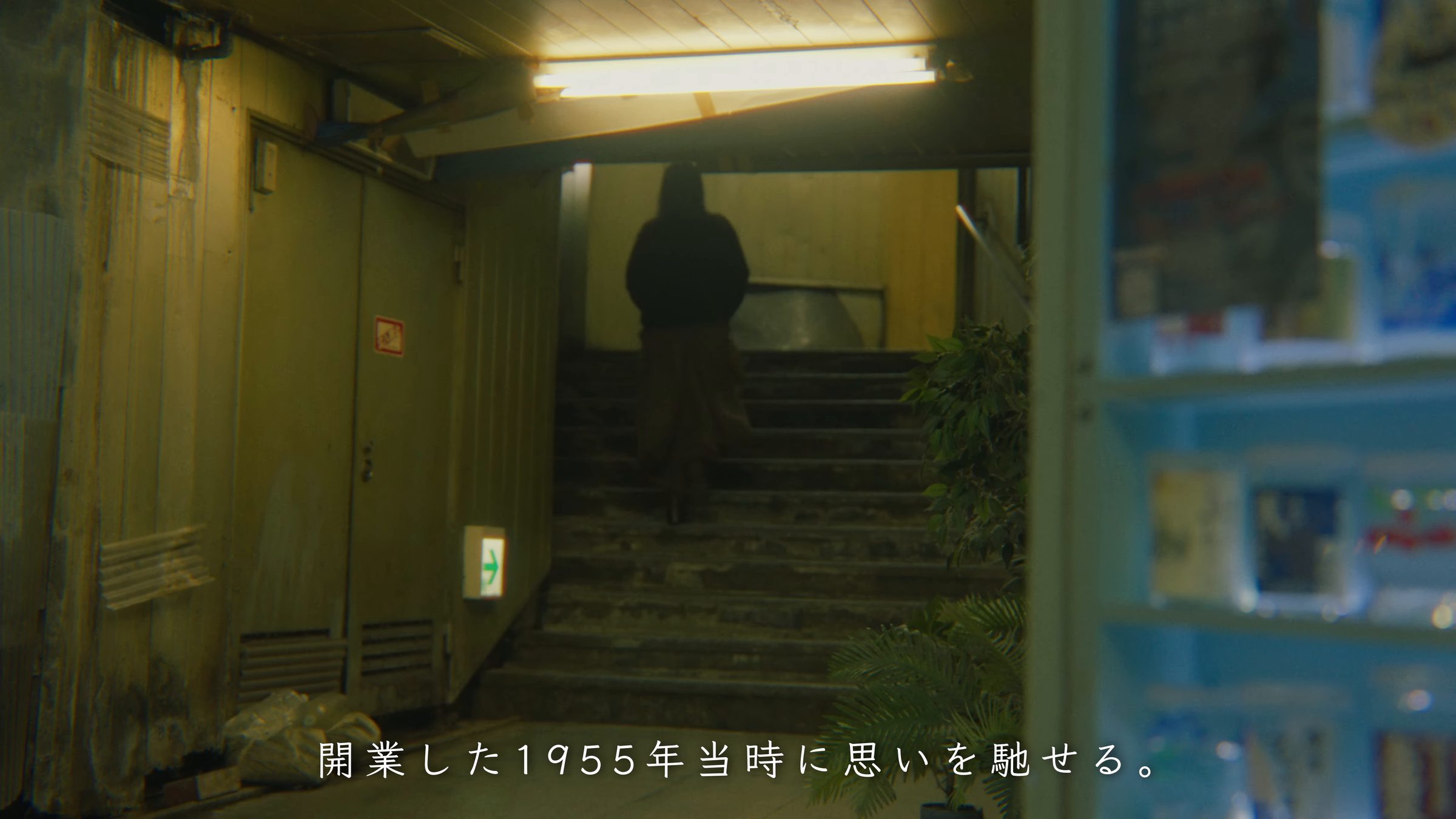
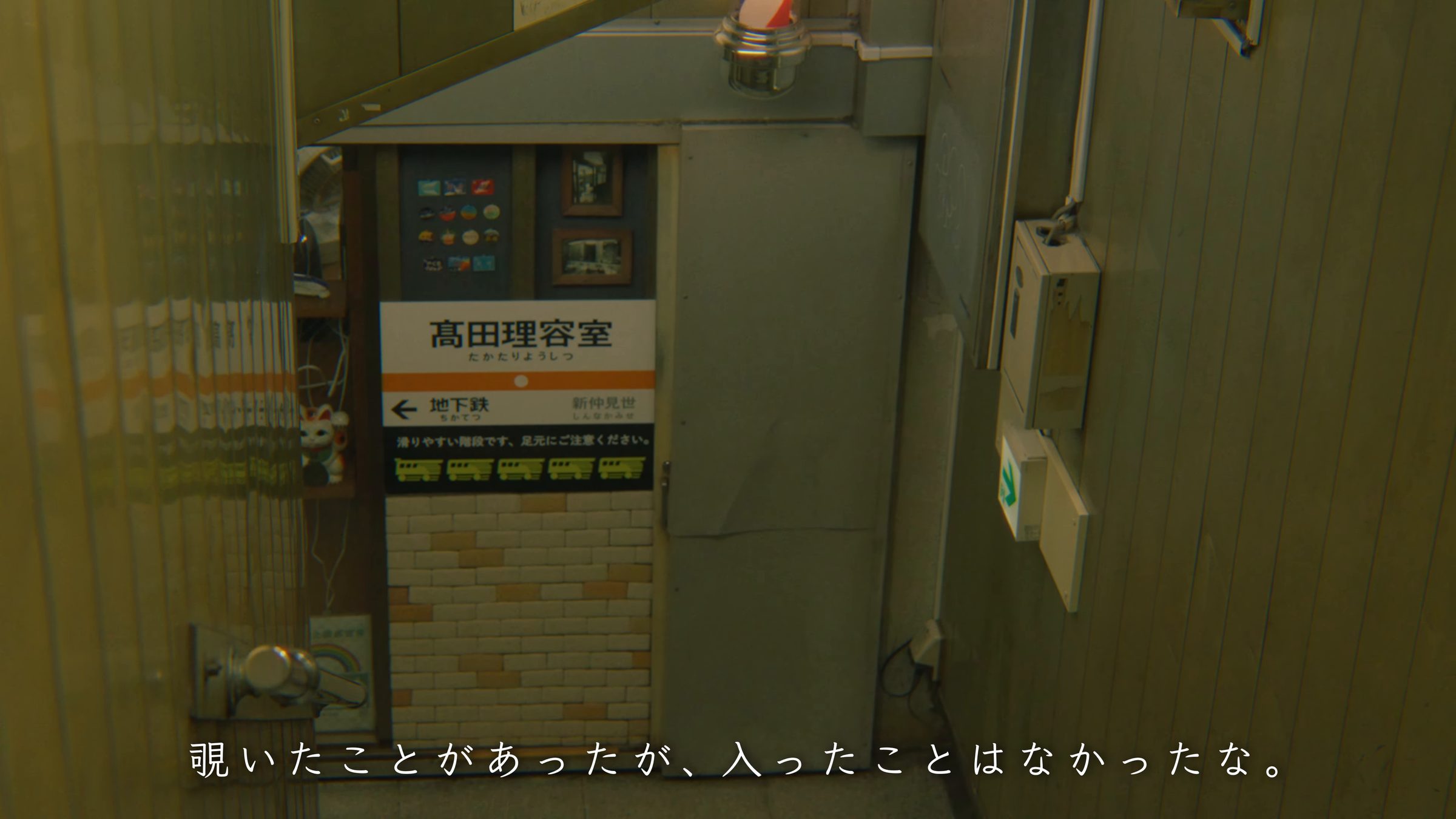
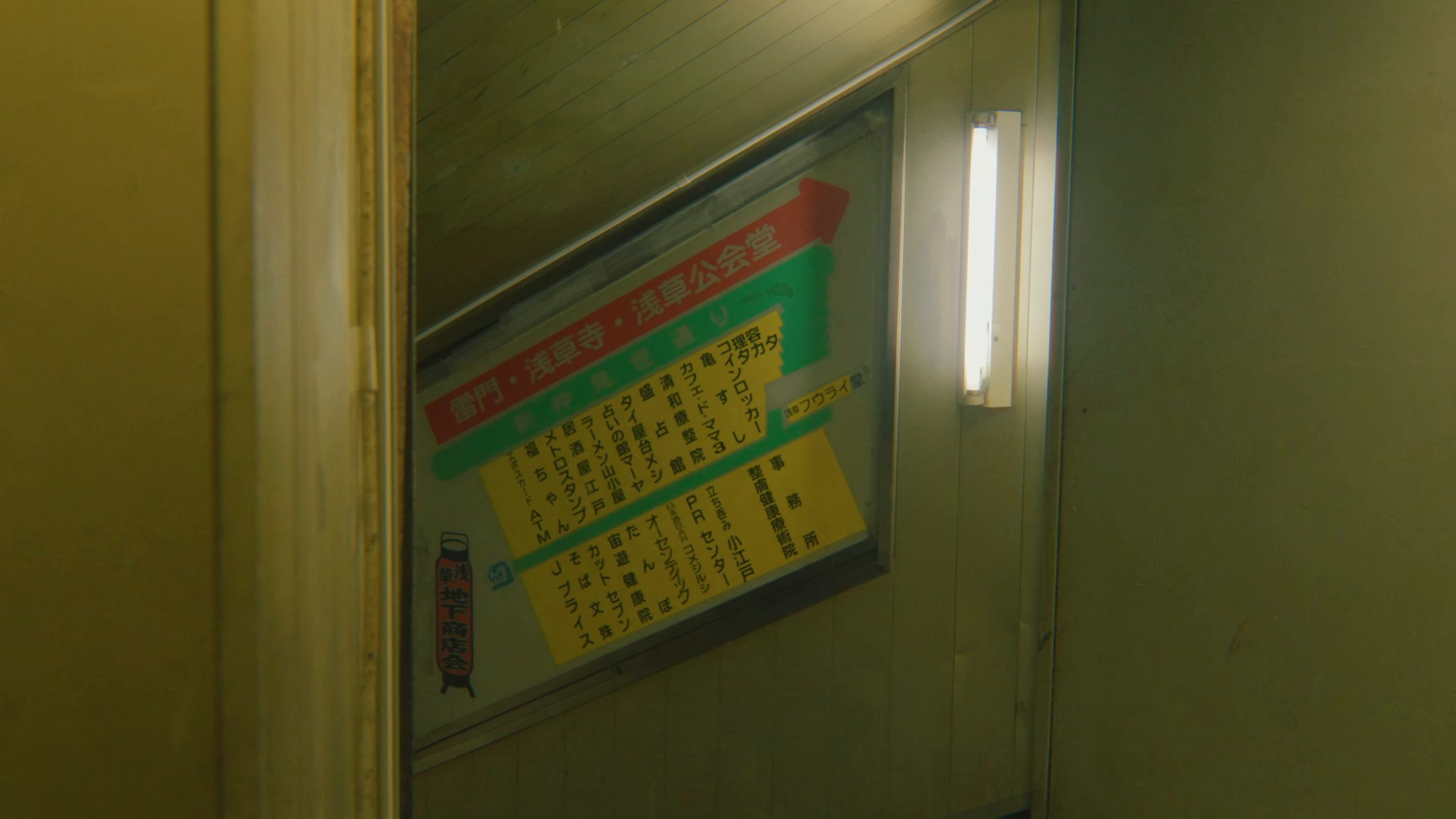
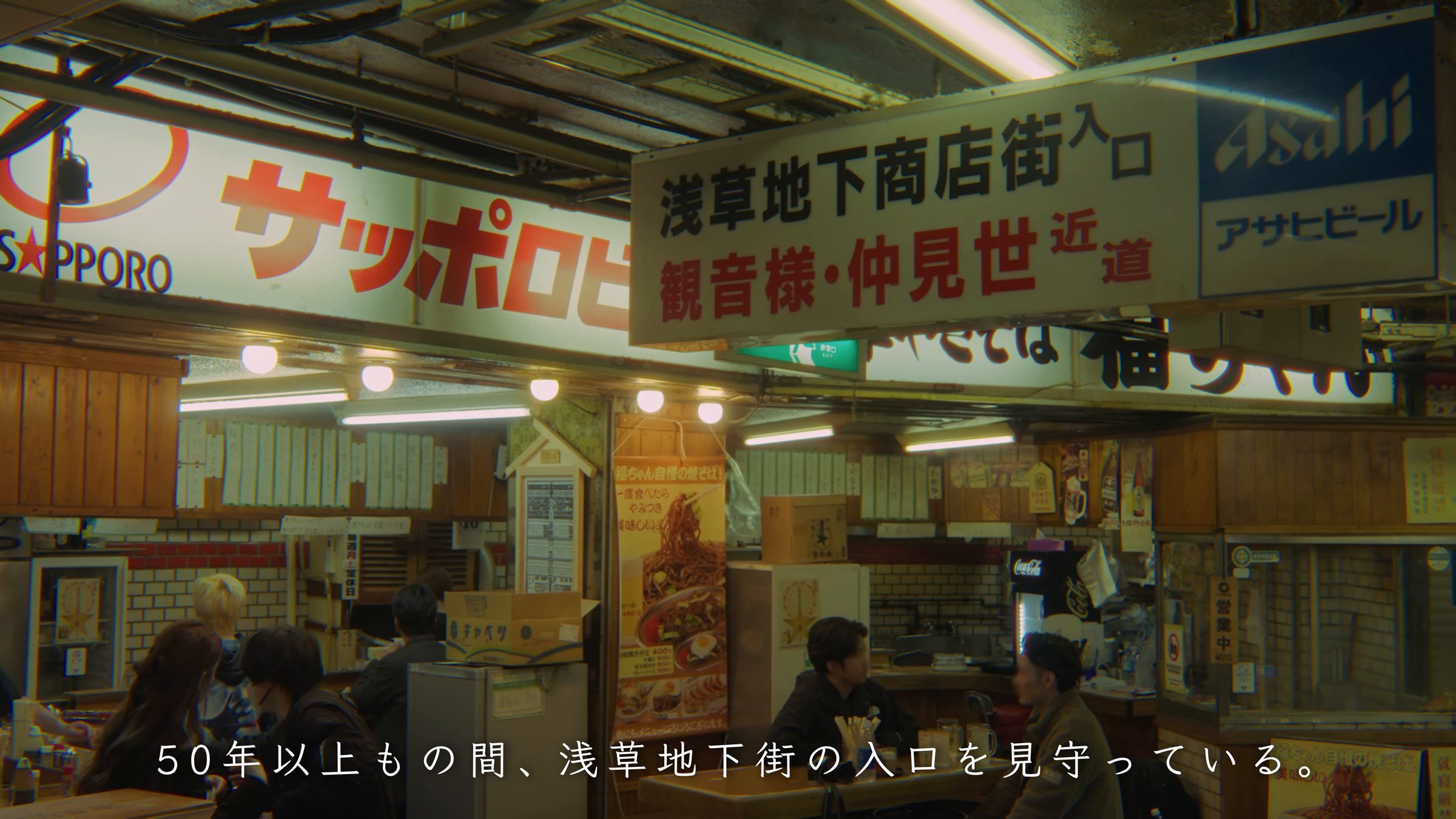
I crossed the intersection and went down the stairs at a Ginza Line subway entrance. Asakusa is a treasure house of "Japan's oldest things," and one of them is Asakusa Chikagai, the oldest underground shopping street still in existence in Japan. It opened in 1955, and about twenty shops line a passage of roughly fifty meters.
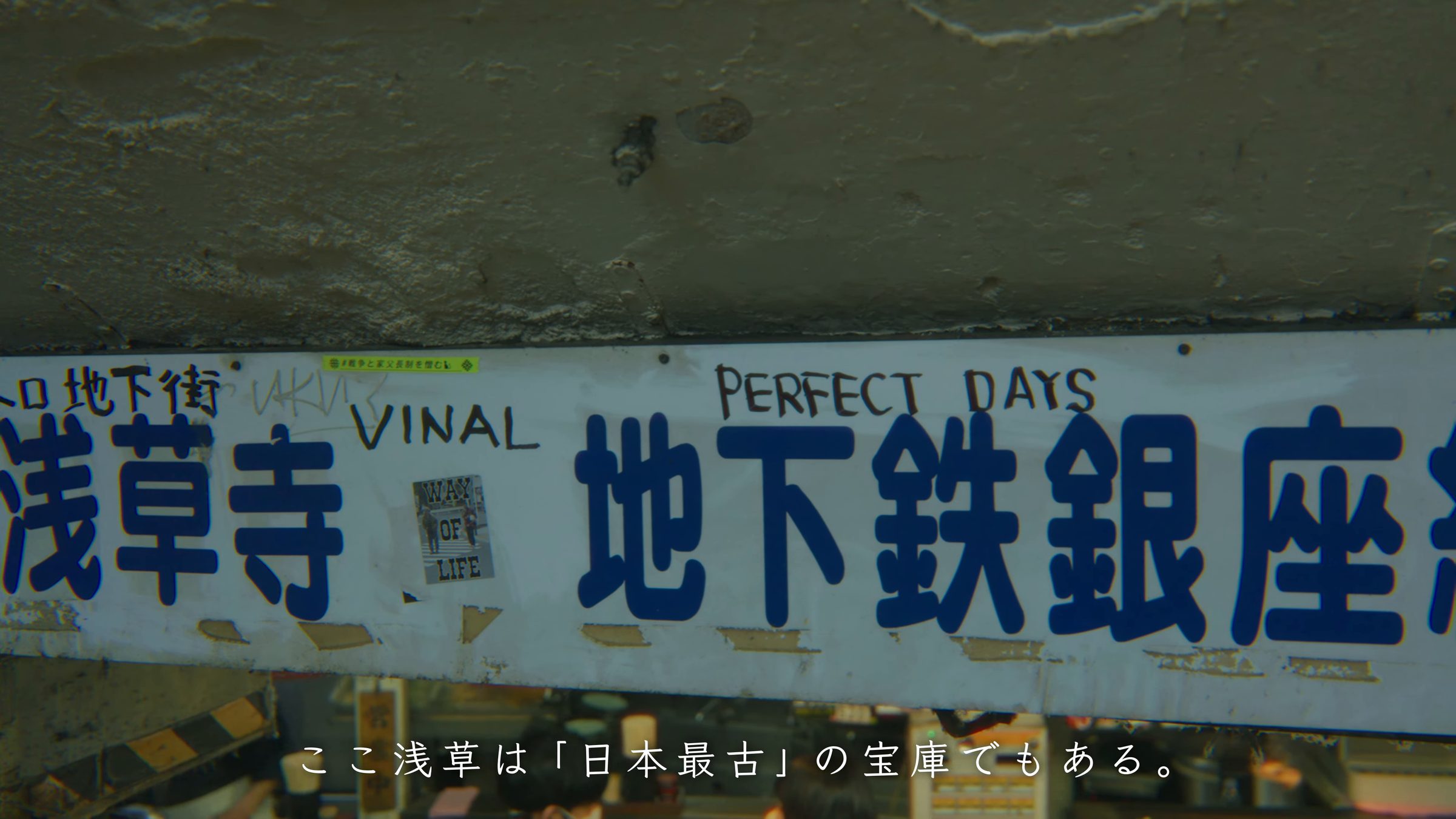
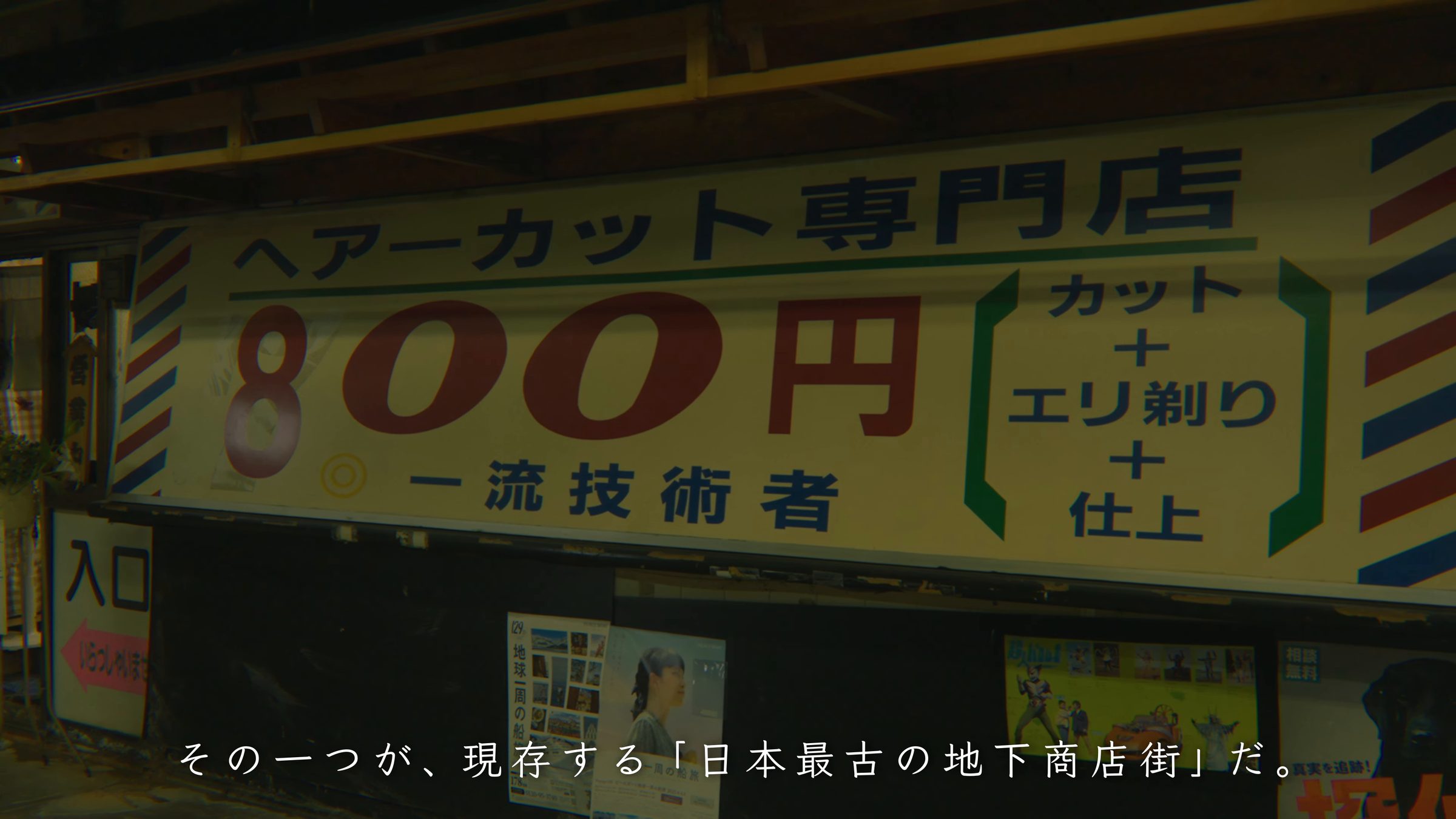
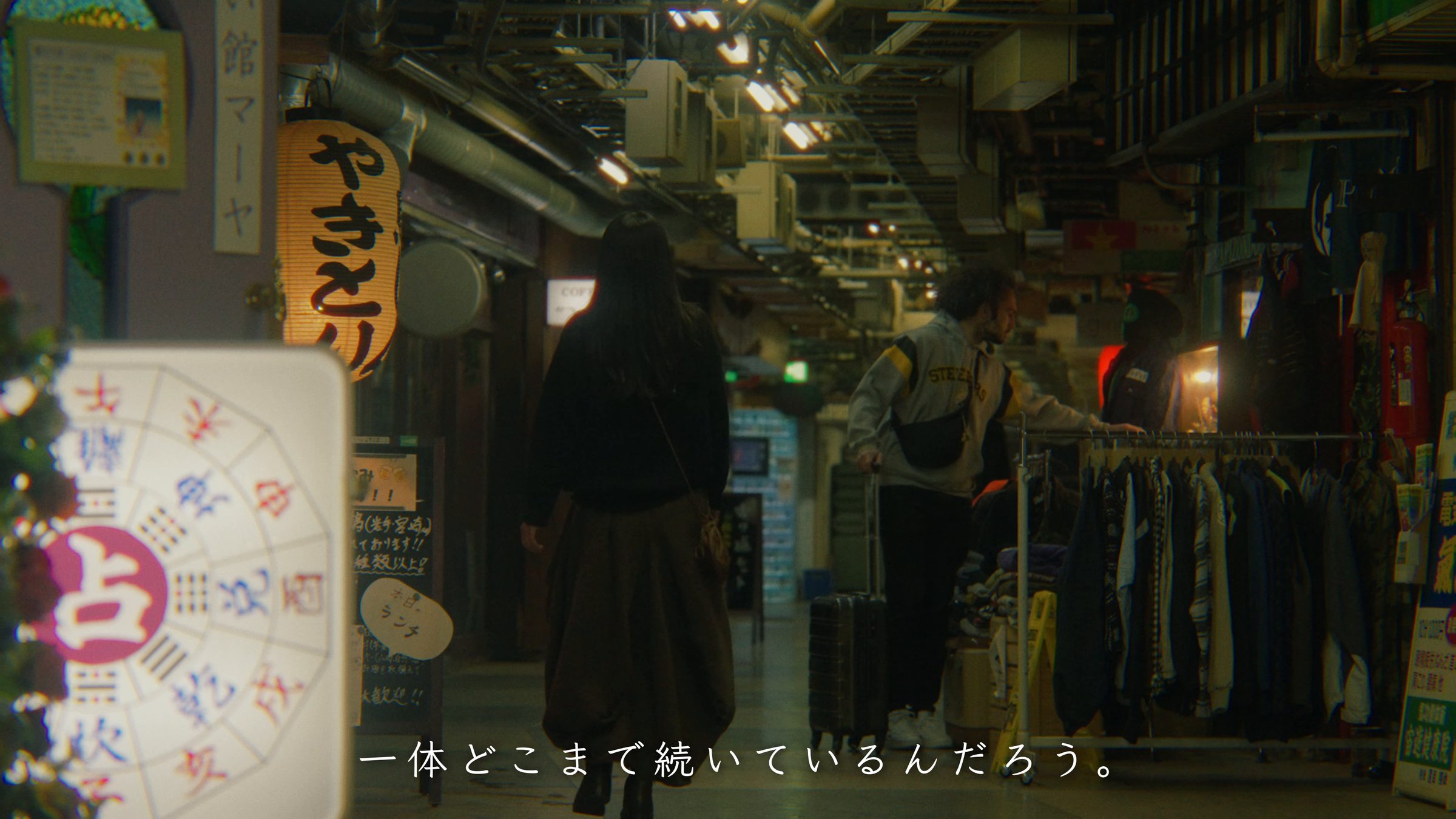
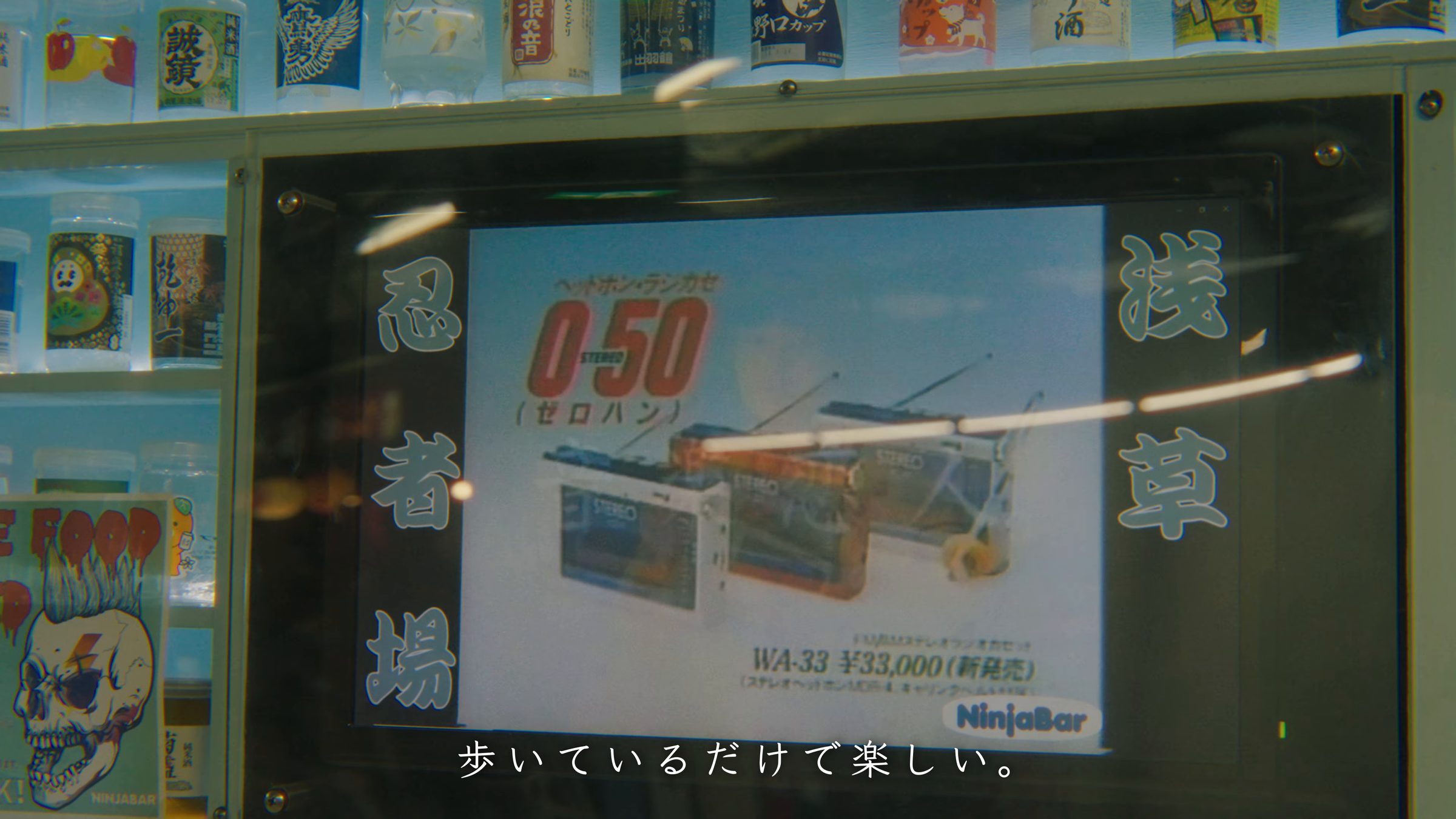
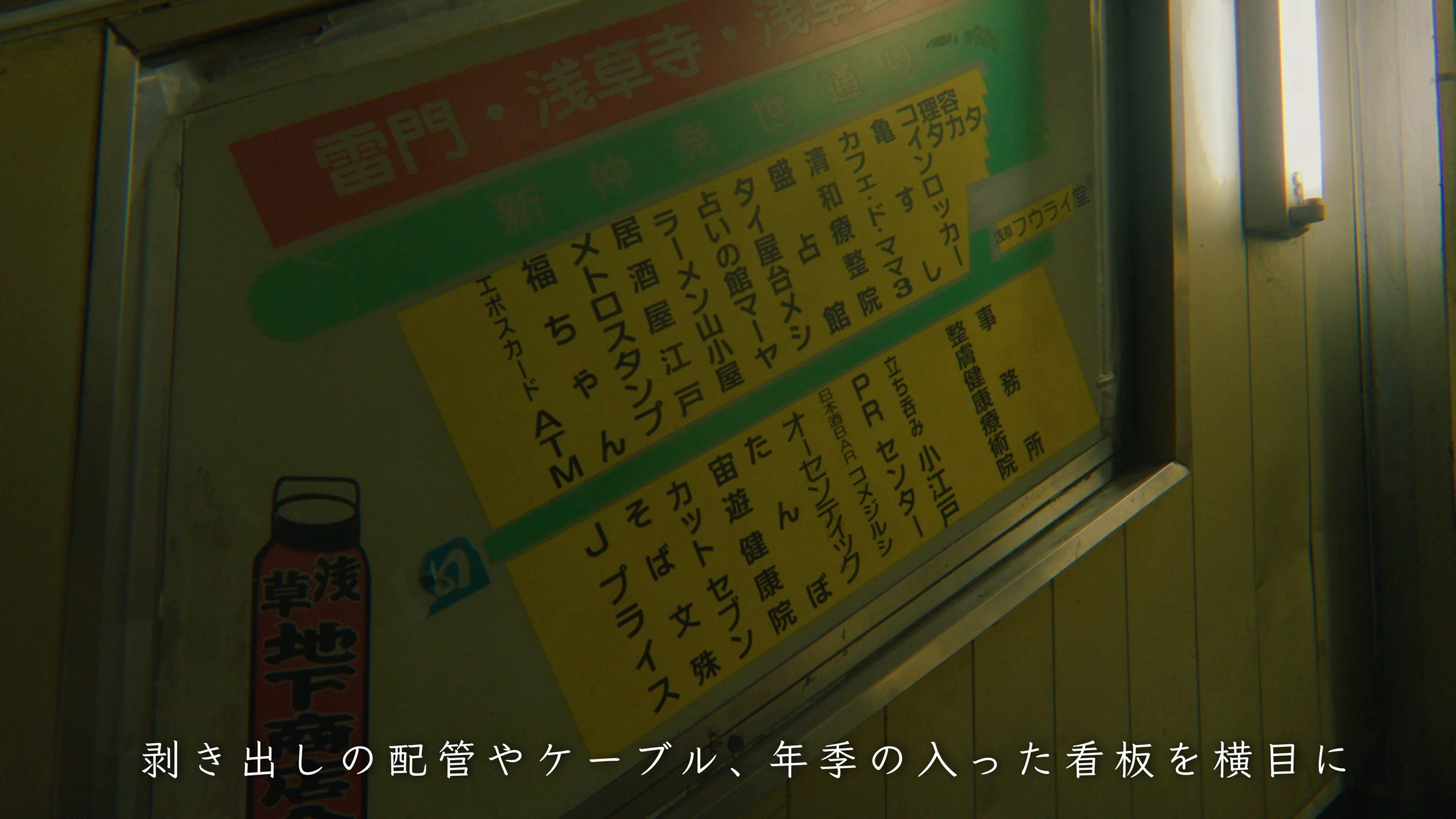
A soba counter, the big sign of a haircut shop, a fortune teller's board, yakitori lanterns, a rack of secondhand clothes: all kinds of shops stand side by side, and just walking through is fun. I wonder how far this goes. Past exposed pipes and cables and weathered signs, I tried to imagine what it was like when it opened.
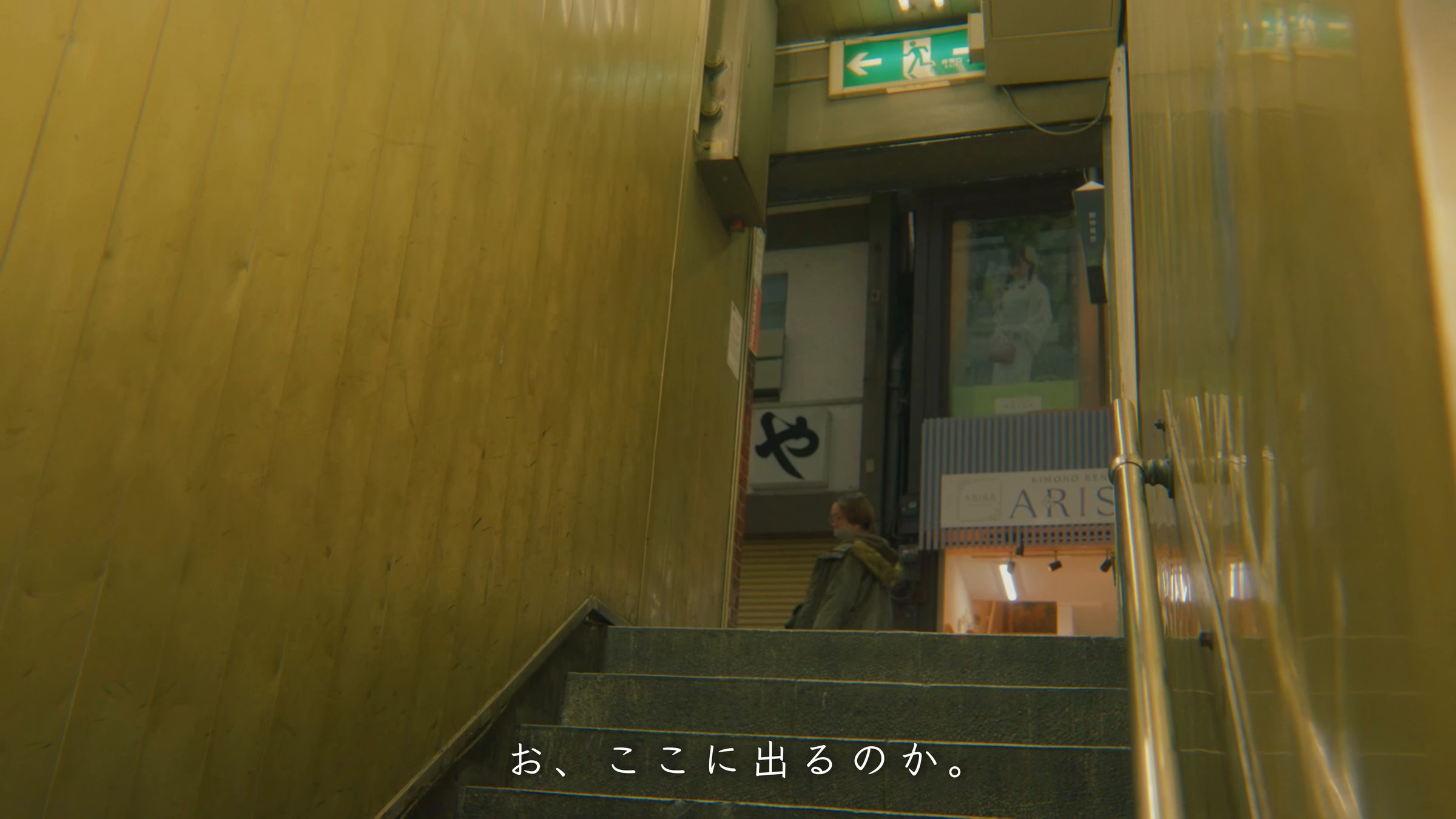
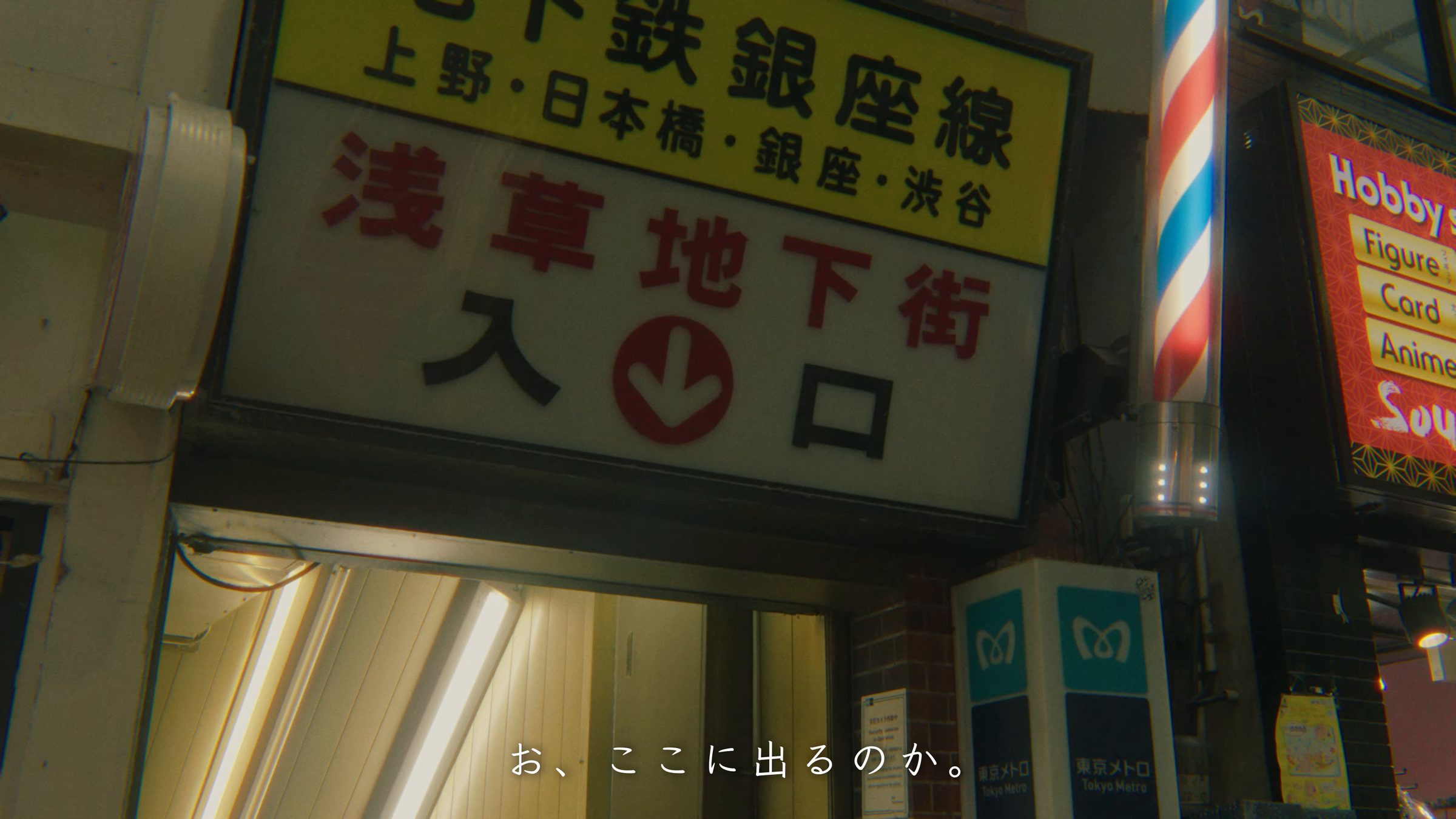
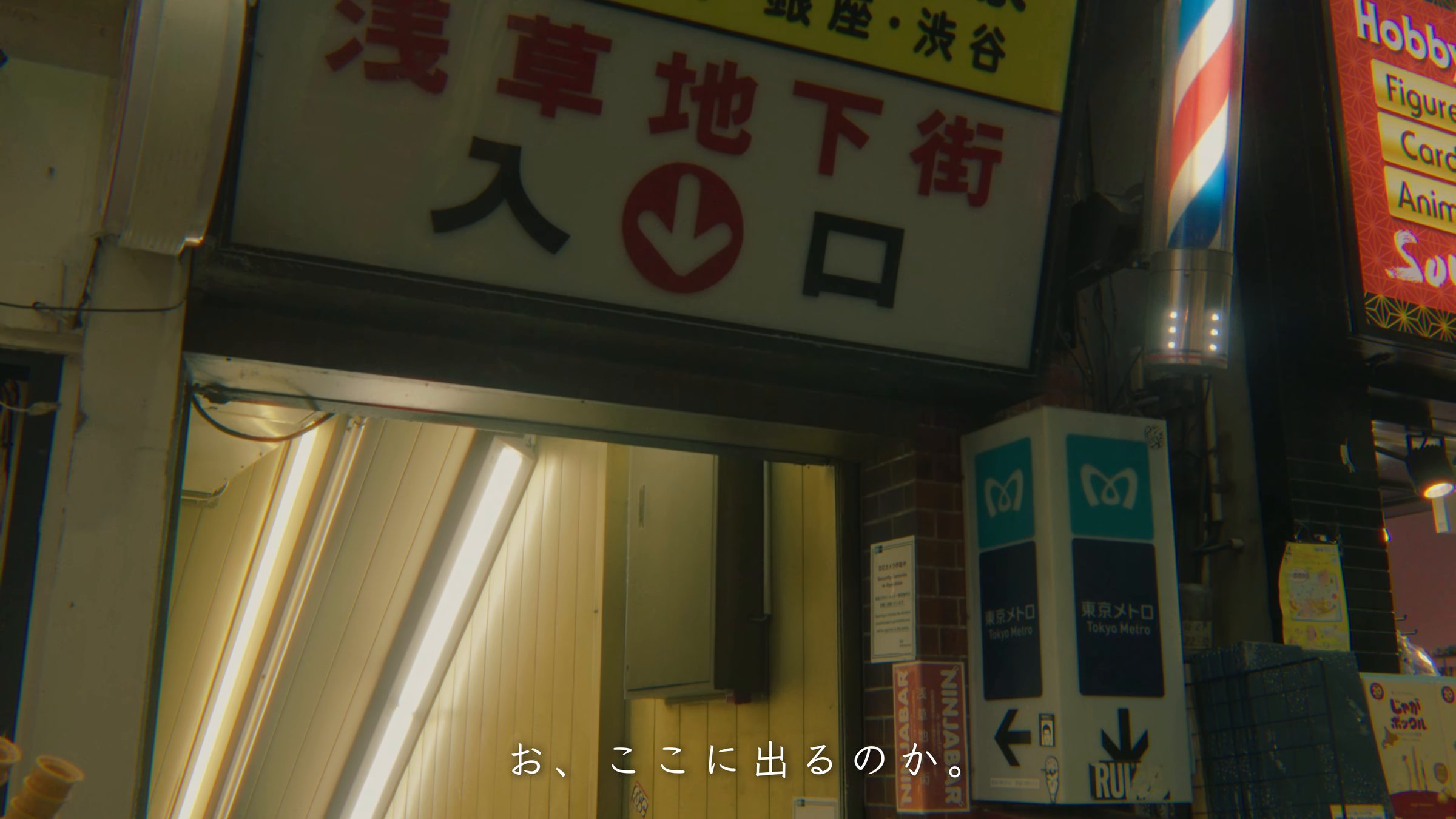
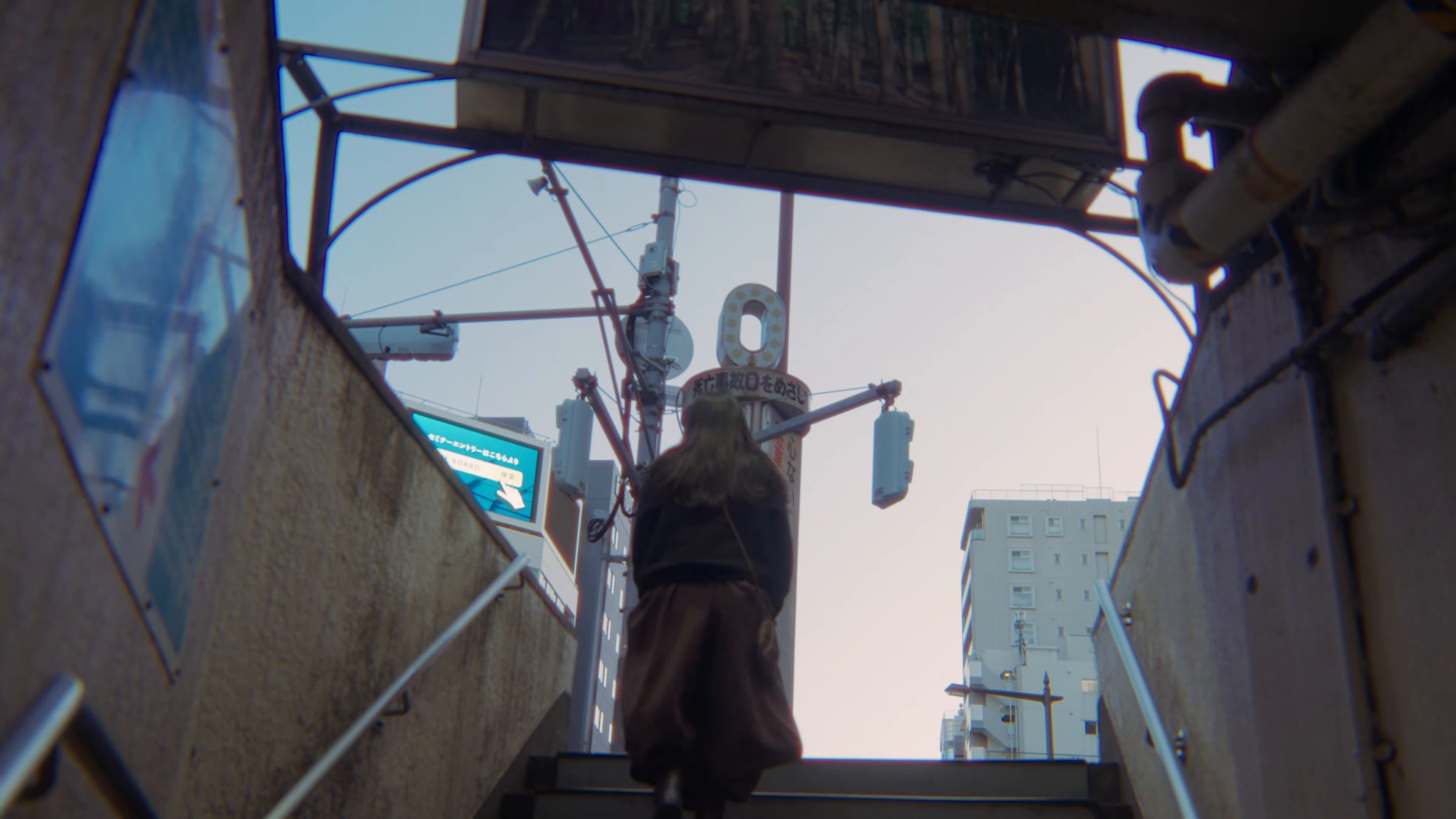
At the end of the passage I climbed the stairs and came out under the sign for the Asakusa Chikagai entrance. Oh, so this is where it leads. I'd looked in here before, but I'd never actually gone inside.
Watch this scene on YouTube3:49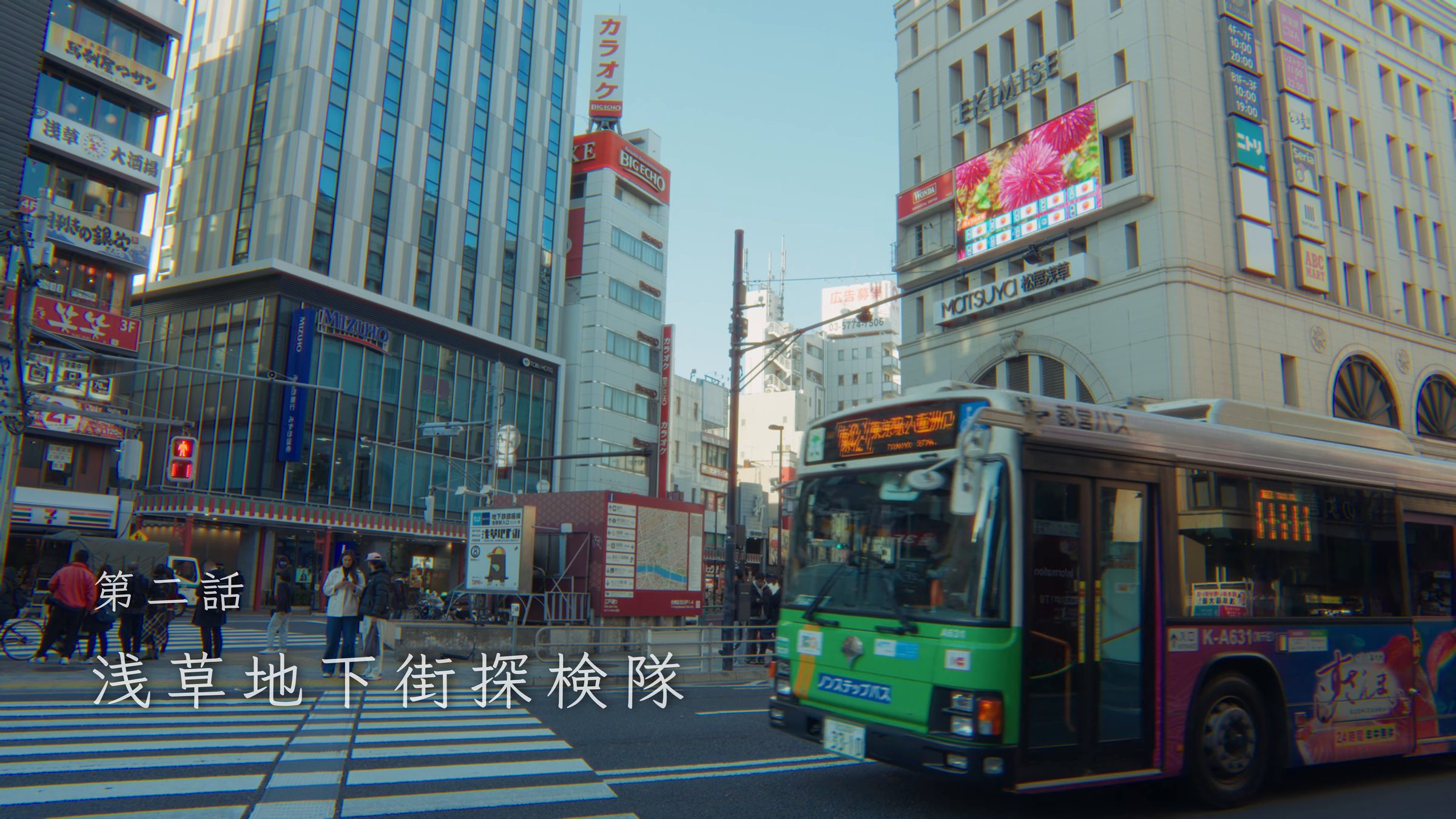
06TRAVEL JOURNAL
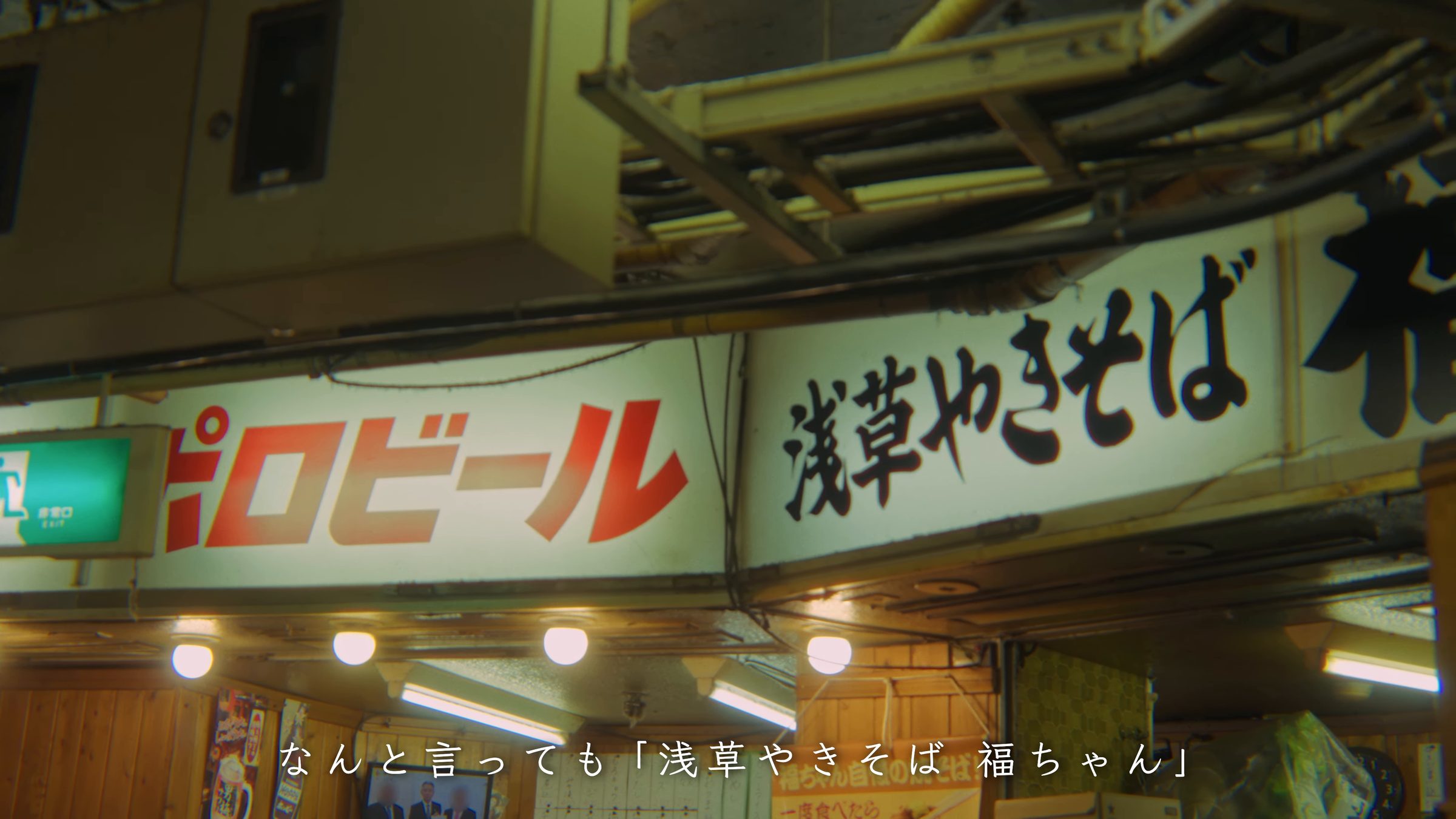
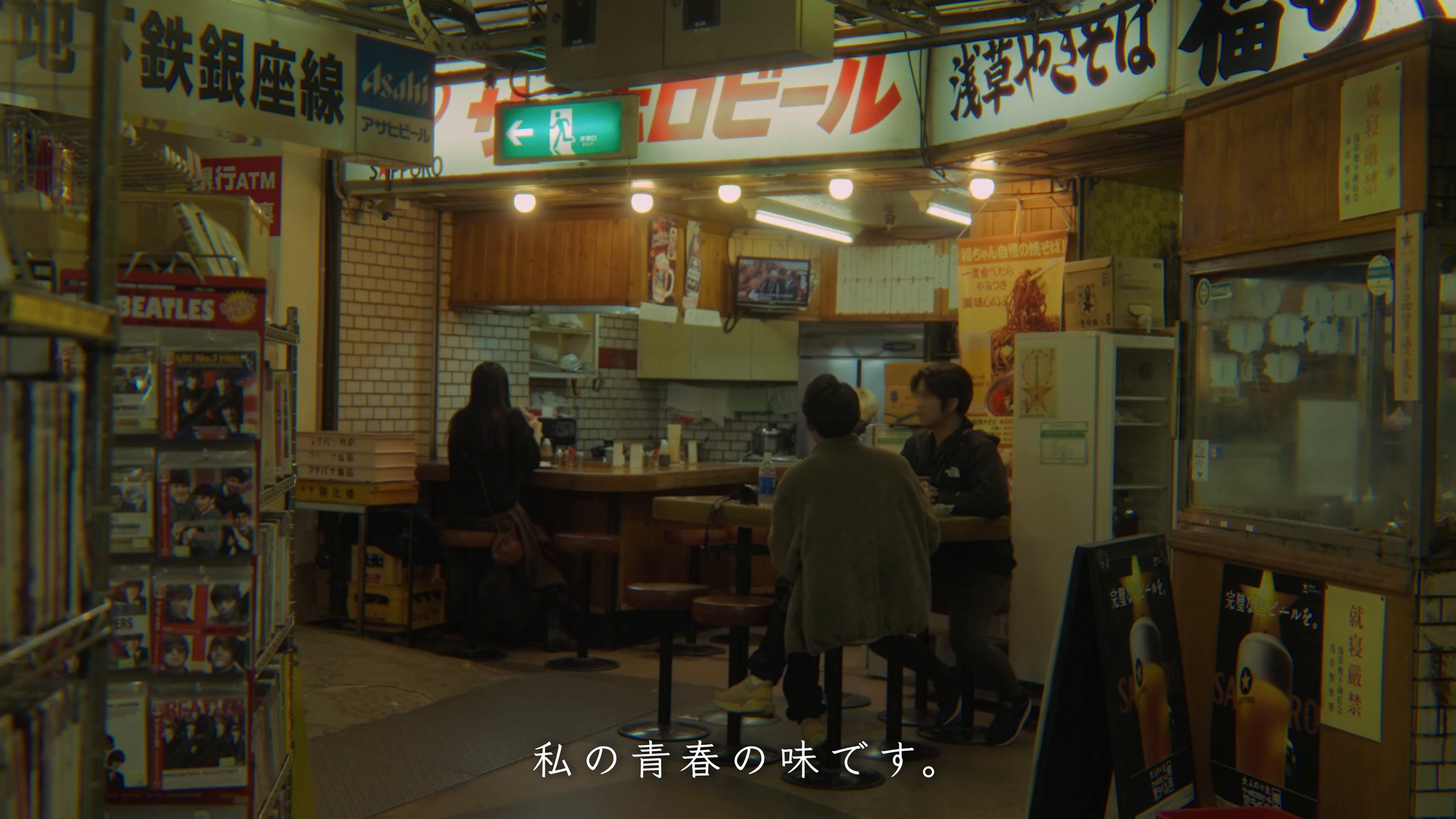
Asakusa Yakisoba Fuku-chan
And the specialty of the underground street is, of course, Asakusa Yakisoba Fuku-chan. Open since 1964, it has watched over the entrance to the arcade for more than fifty years. It's also the place where Hirayama, the hero of the film Perfect Days, has his evening drink after the bathhouse.
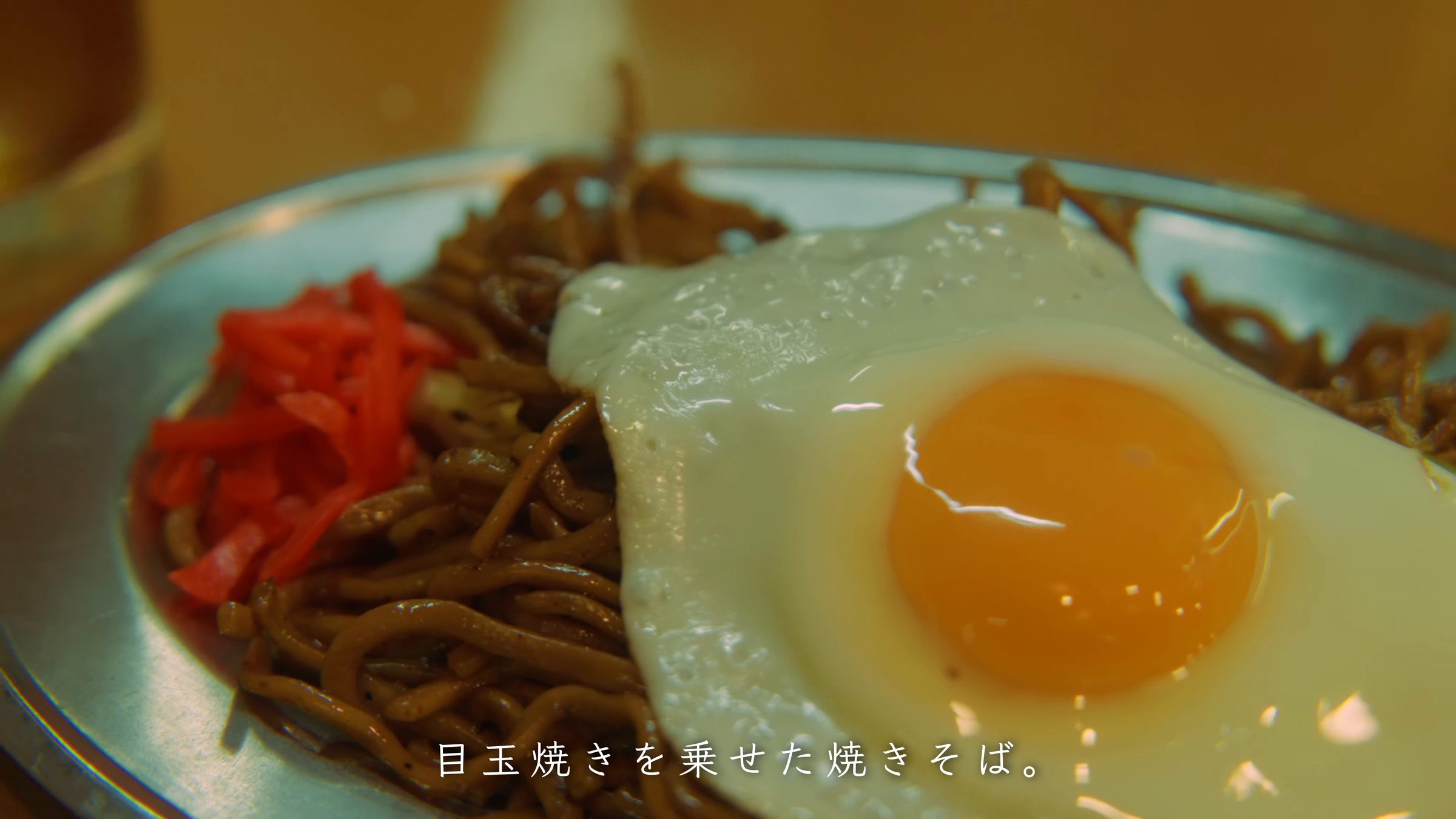
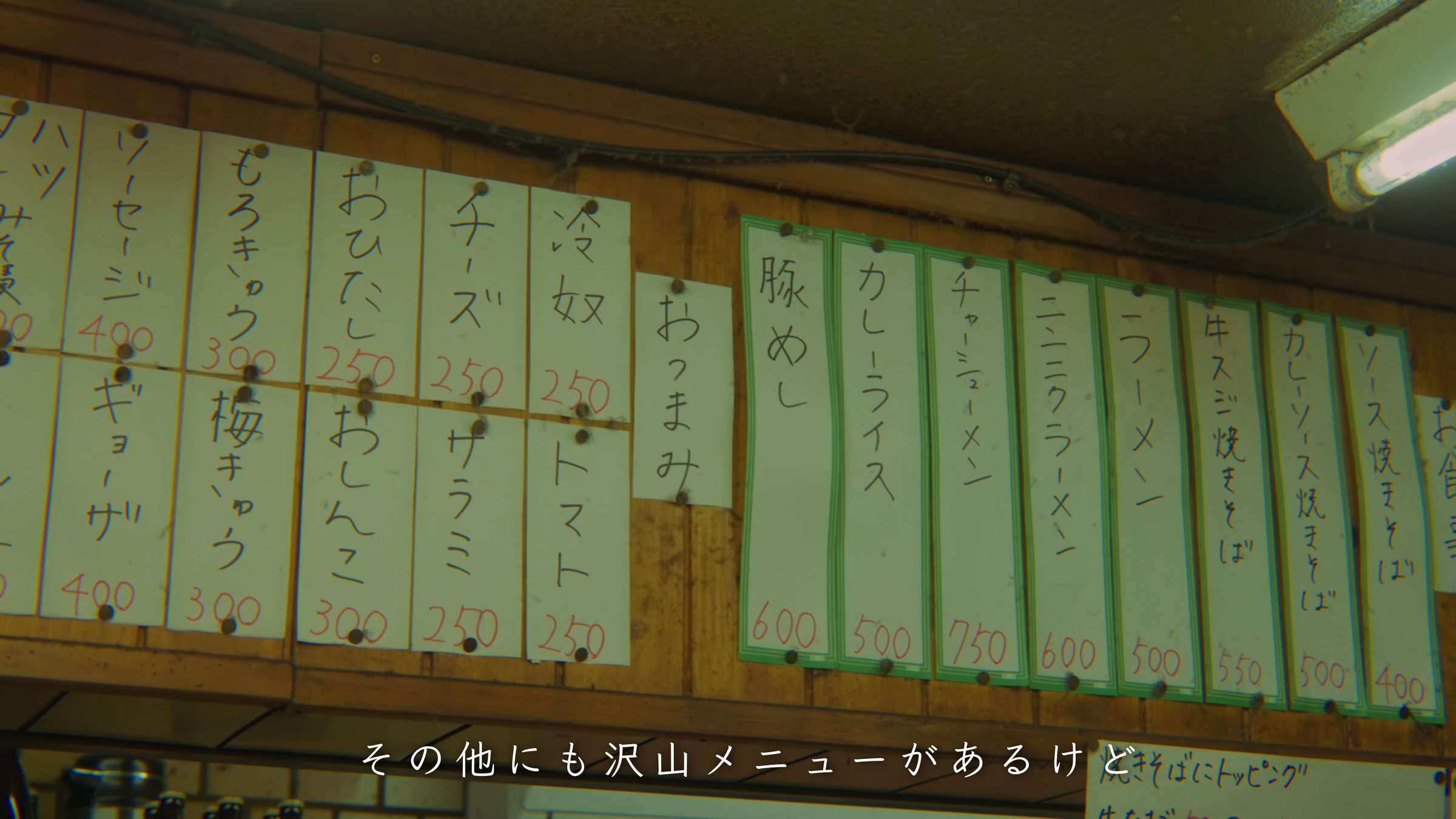
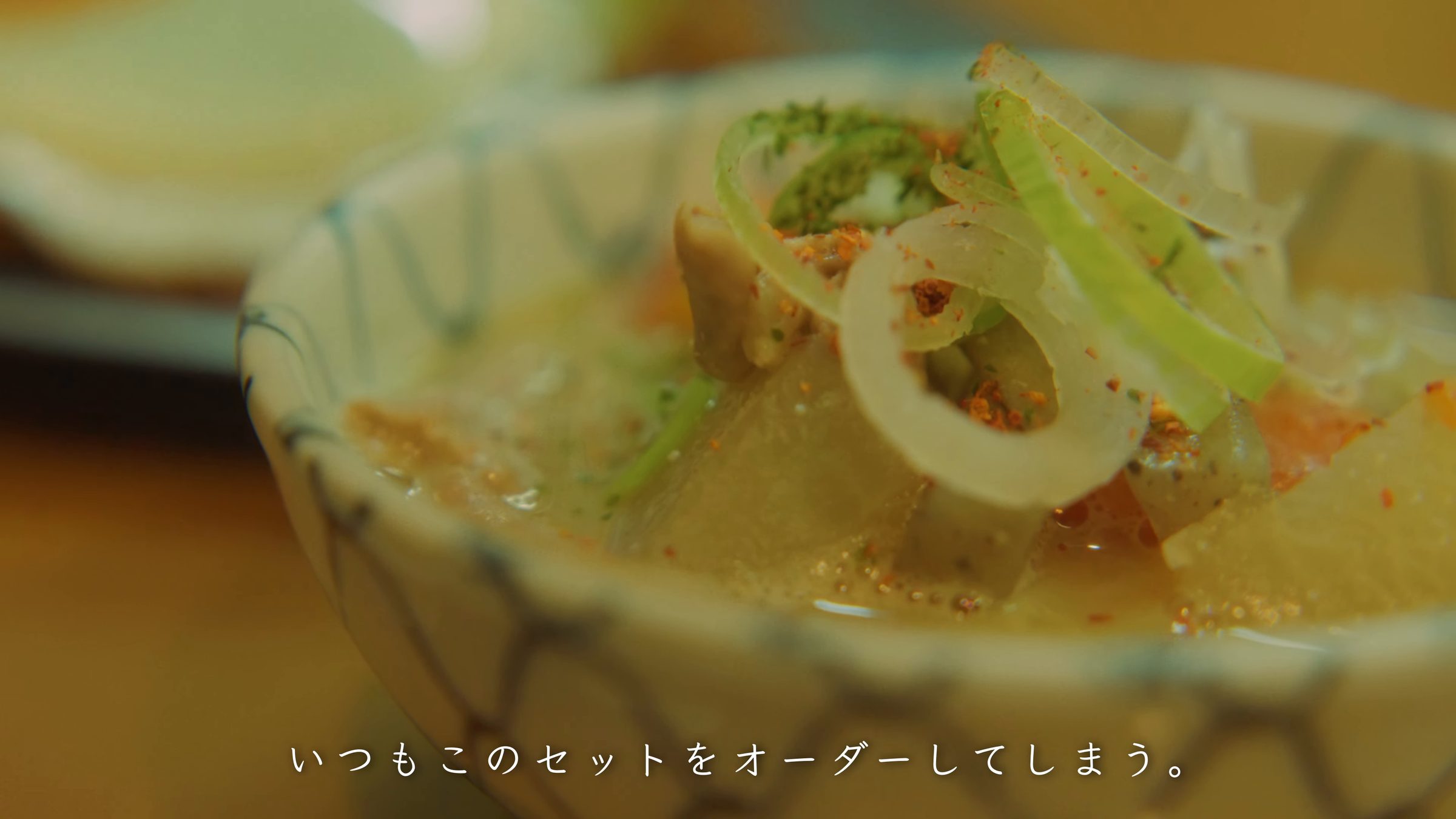
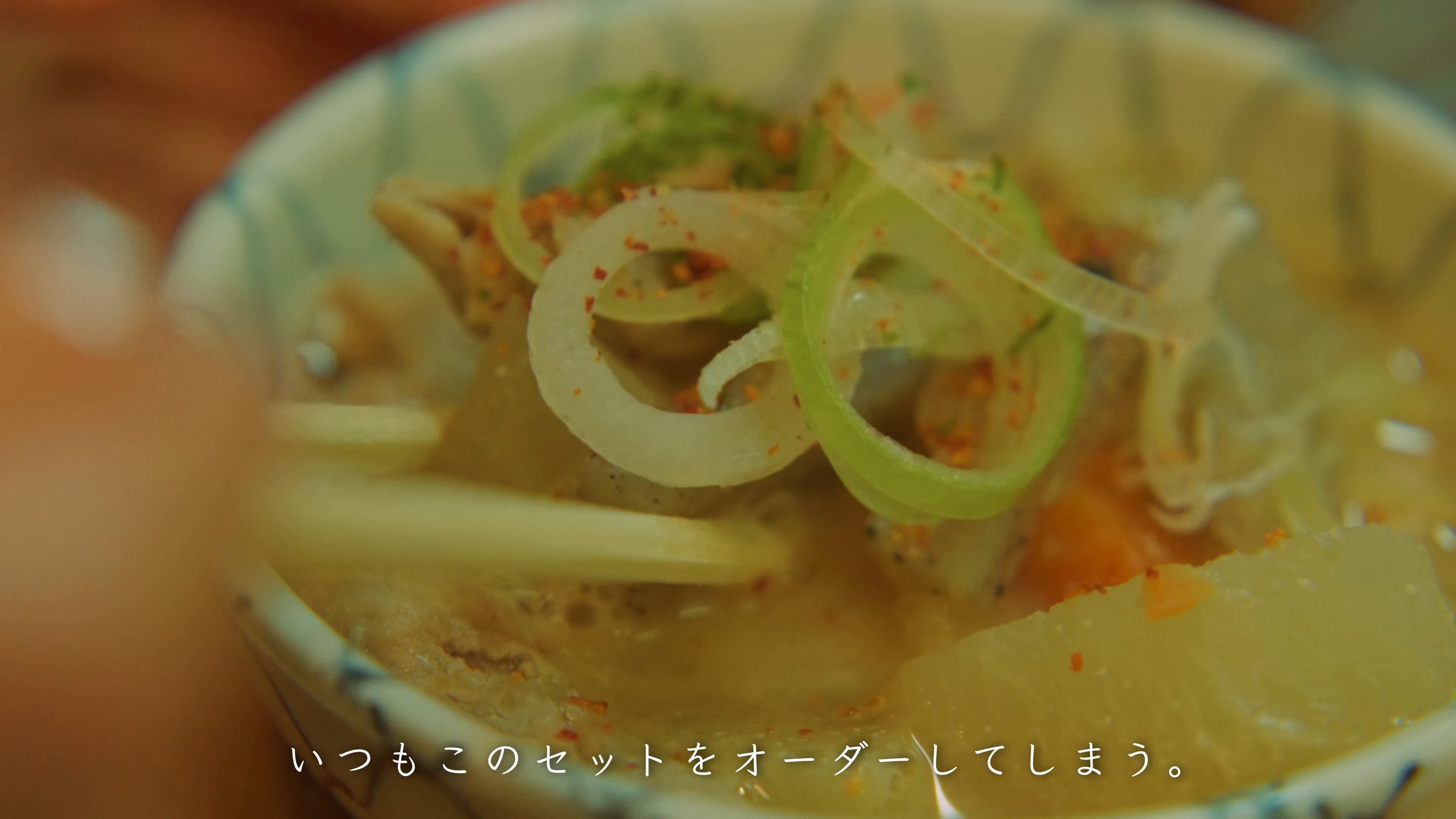
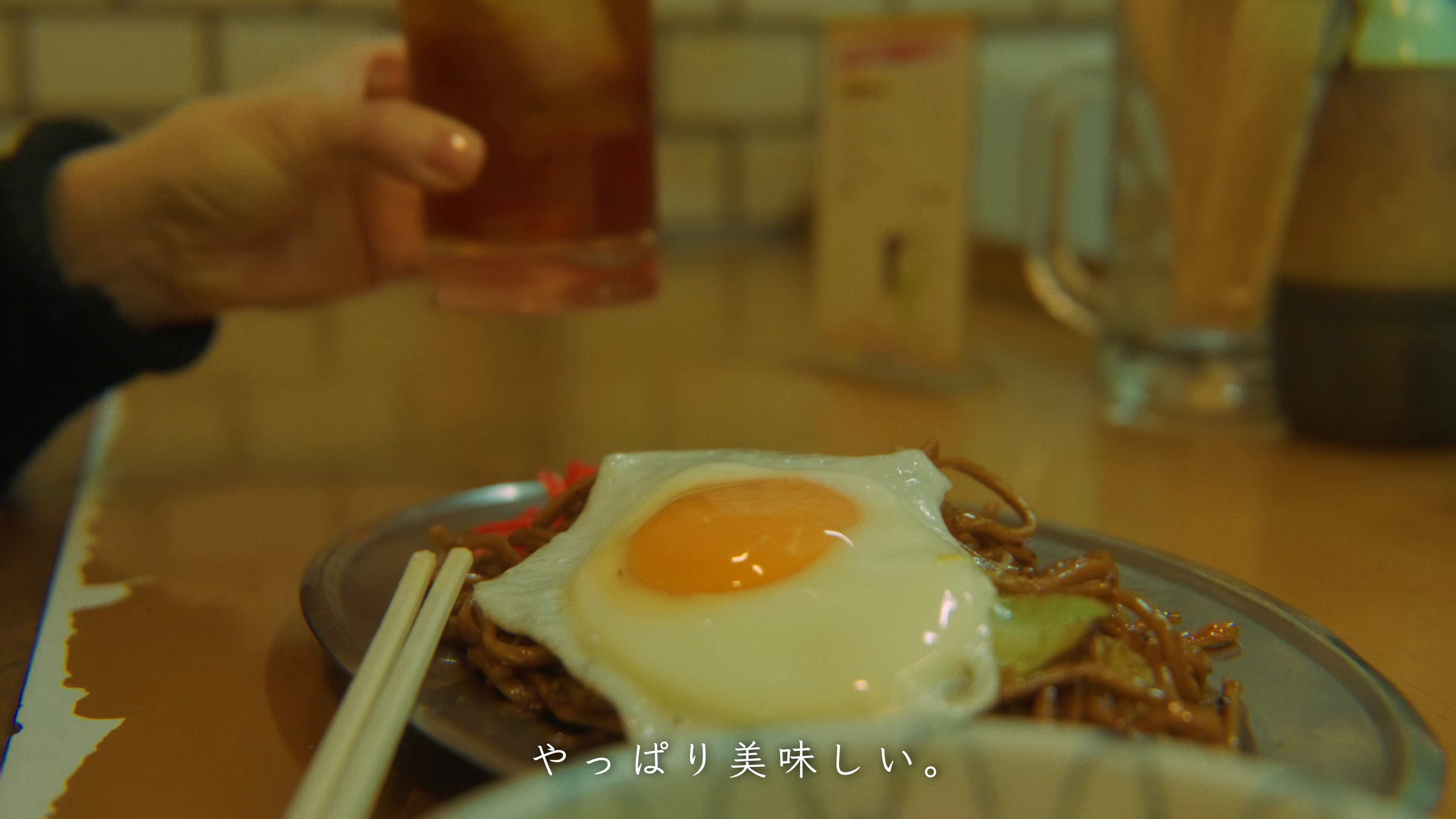
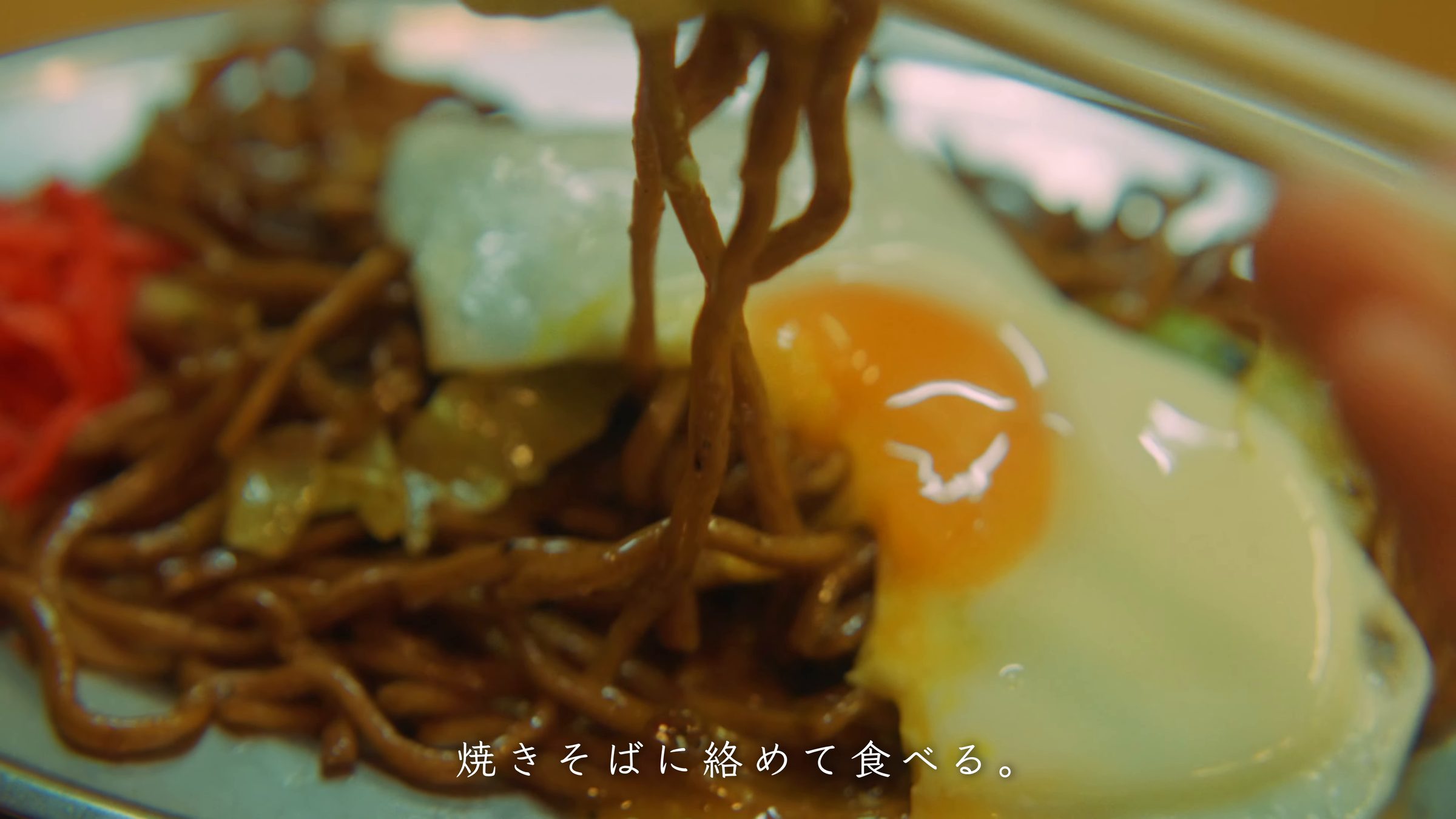
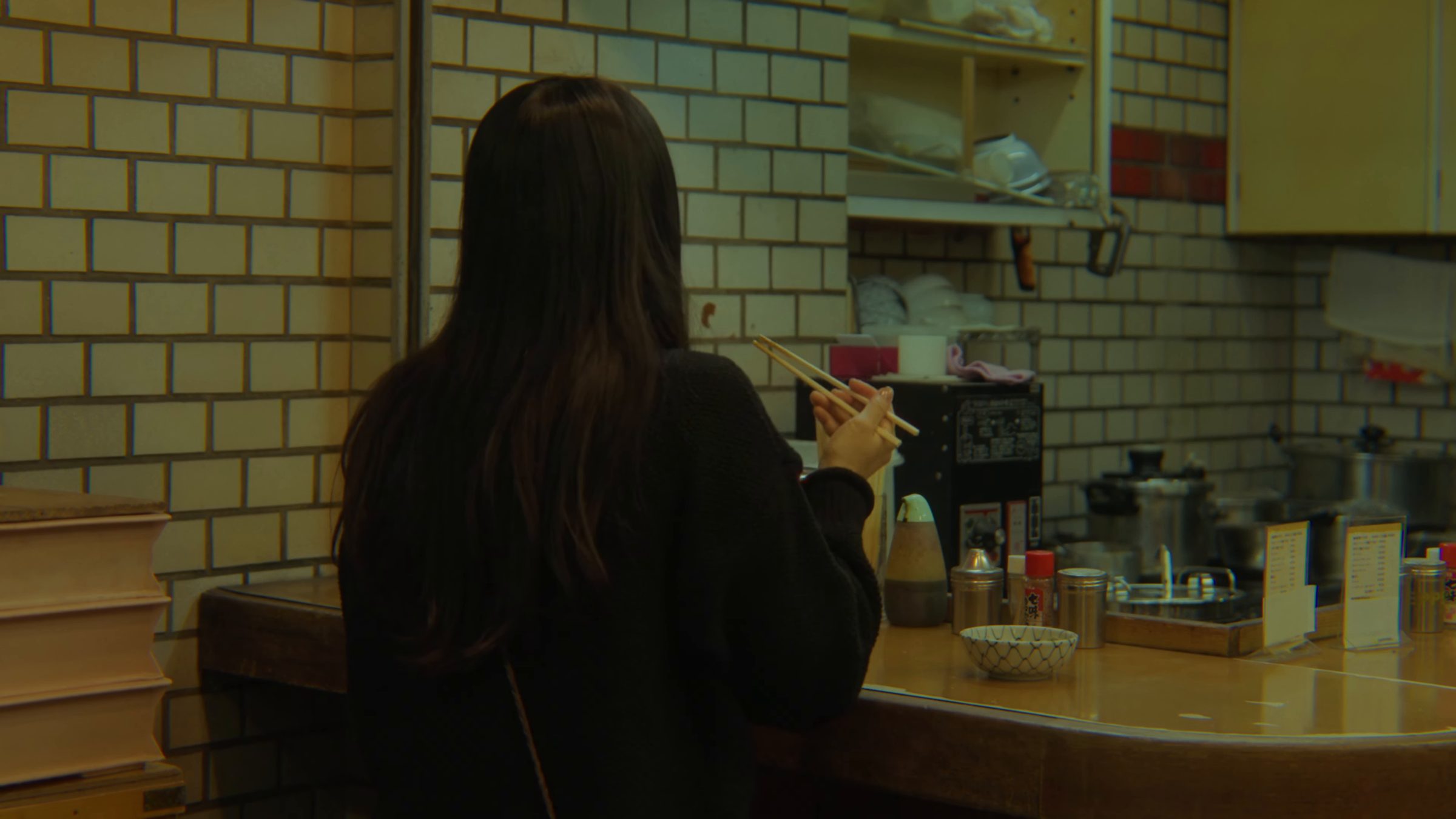
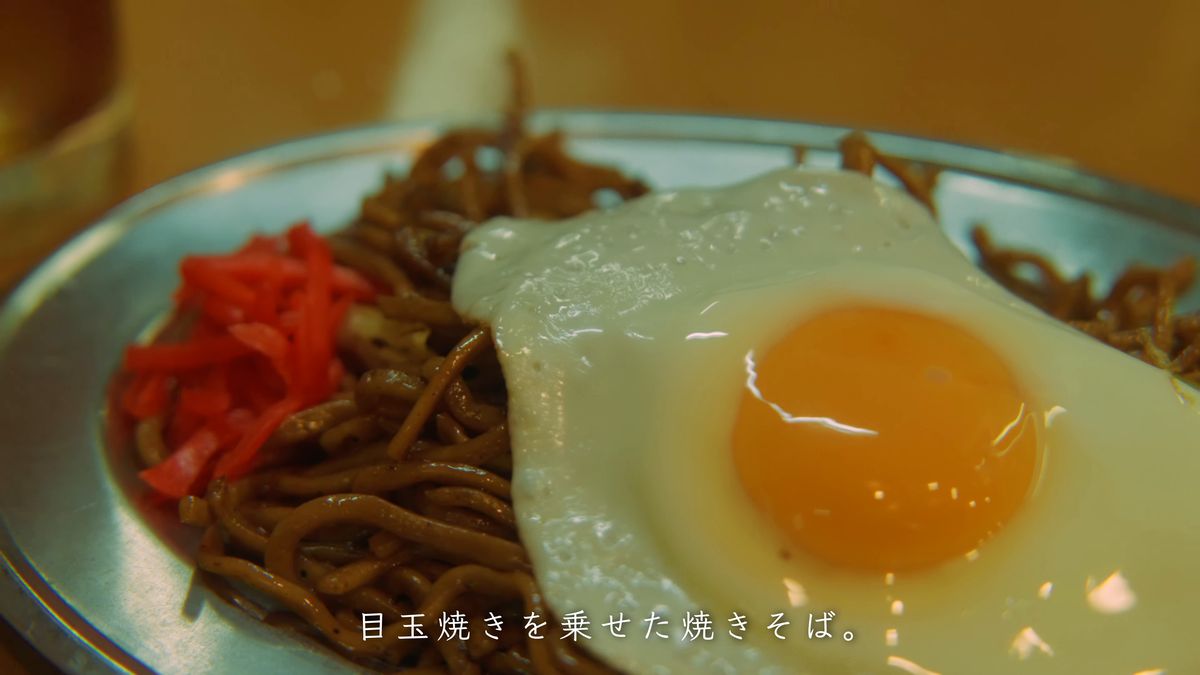
Motsu stew, a Tokyo shitamachi classic, and yakisoba topped with a fried egg. The wall is lined with menu cards and there are plenty of other good dishes, but I always end up ordering this combo. Red pickled ginger and a soft fried egg on an aluminum plate; the stew was full of daikon and sliced green onion. Delicious, as always.
Watch this scene on YouTube5:11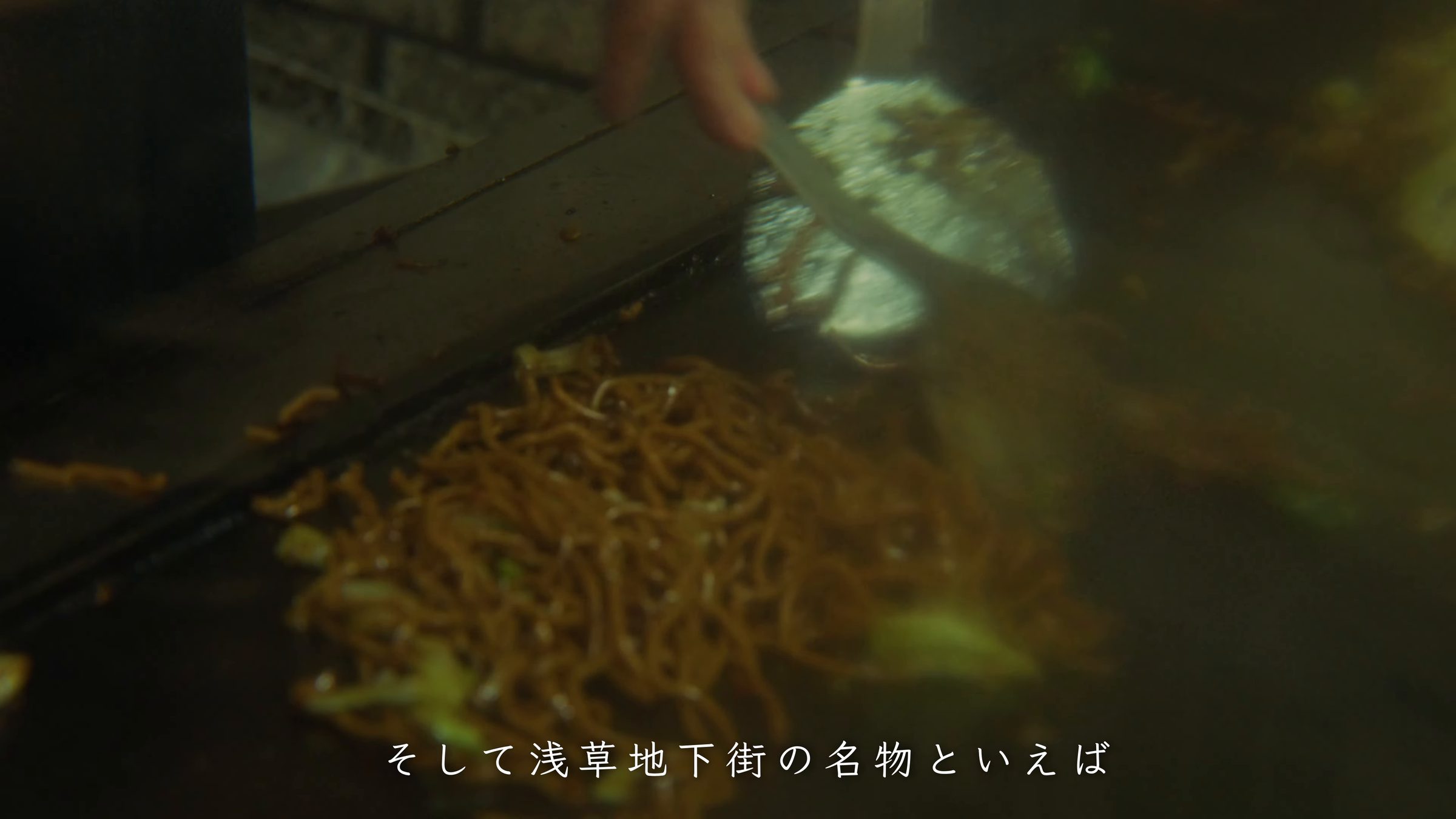
07TRAVEL JOURNAL
Break the egg with care
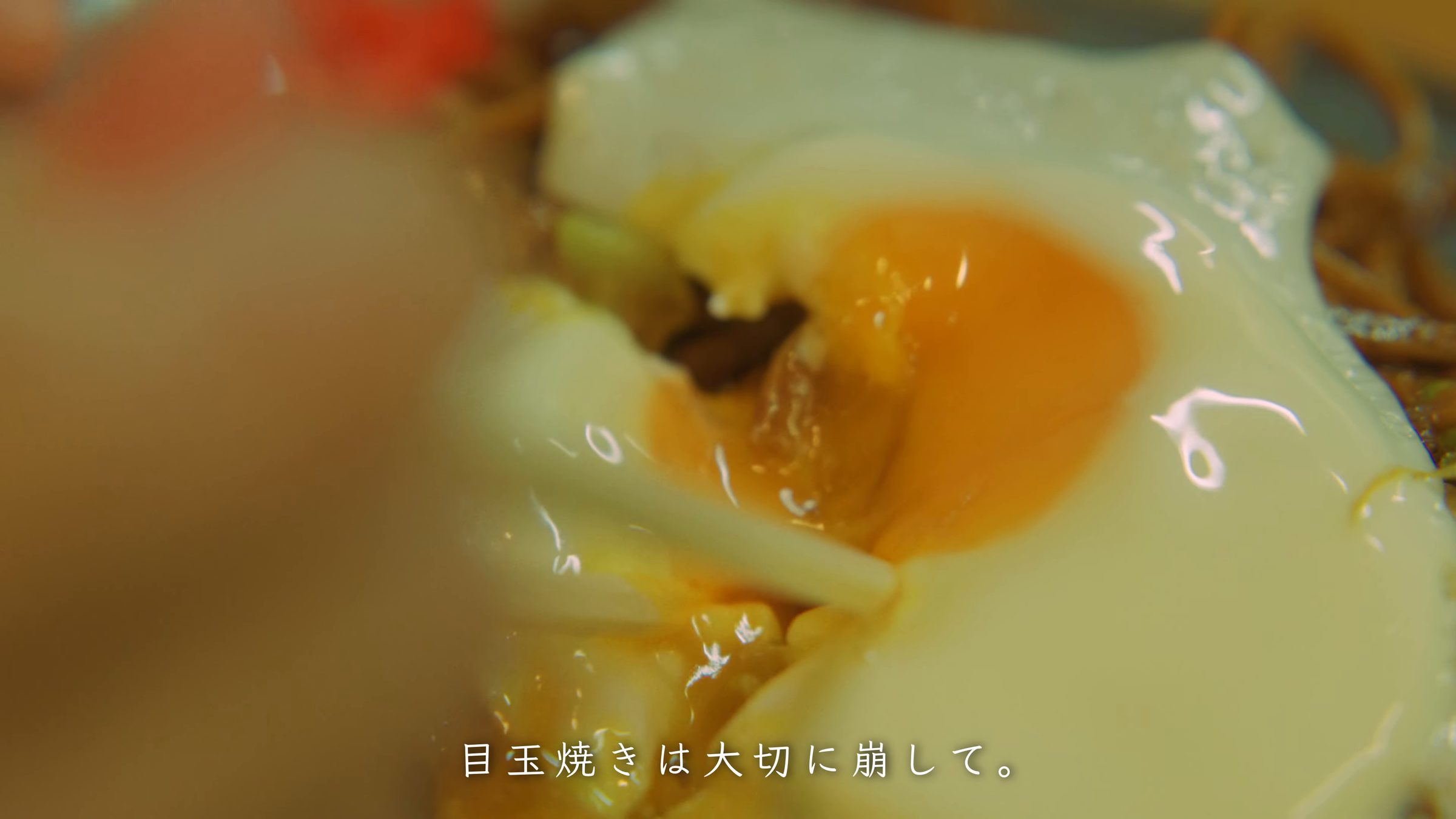
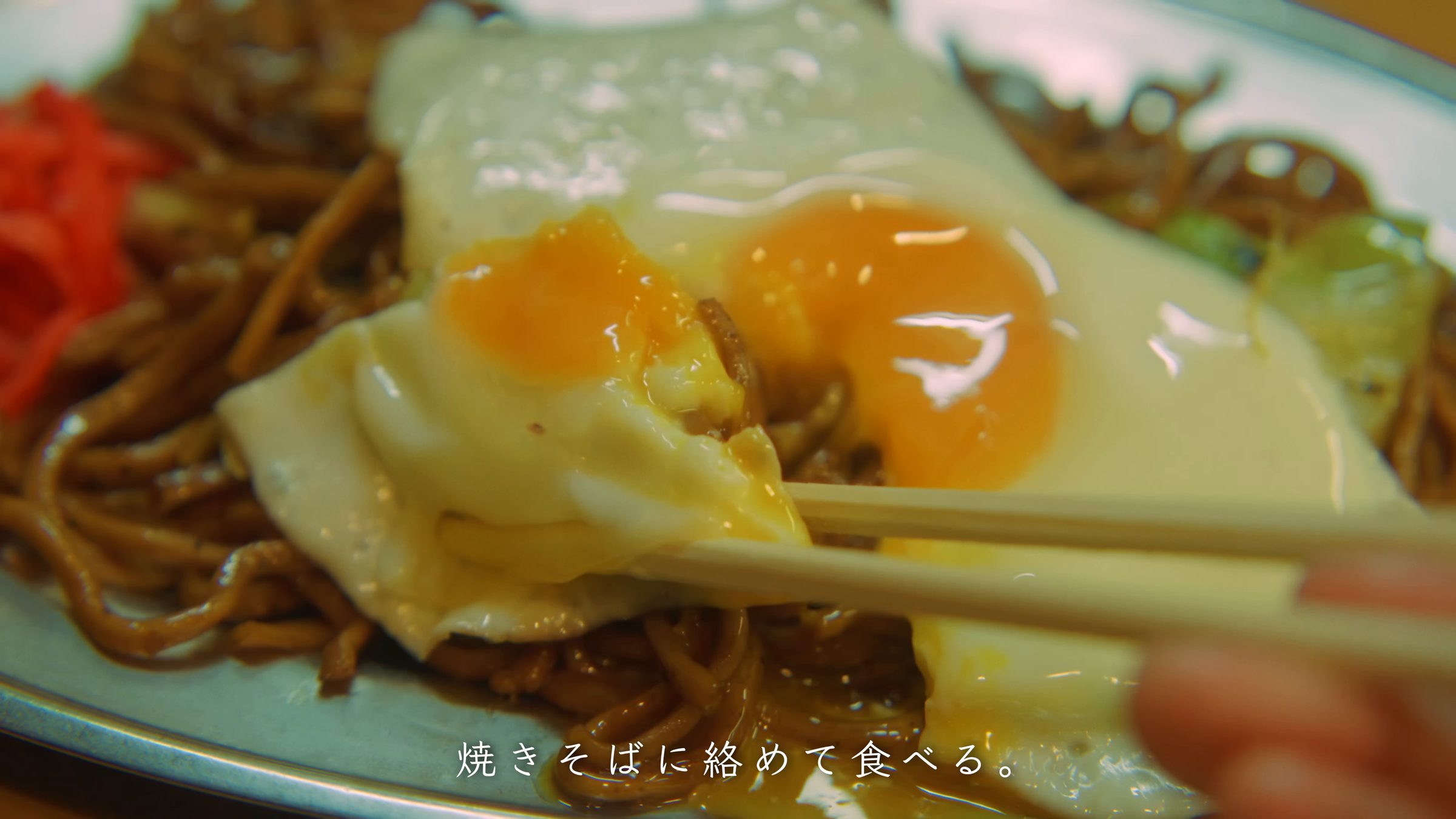
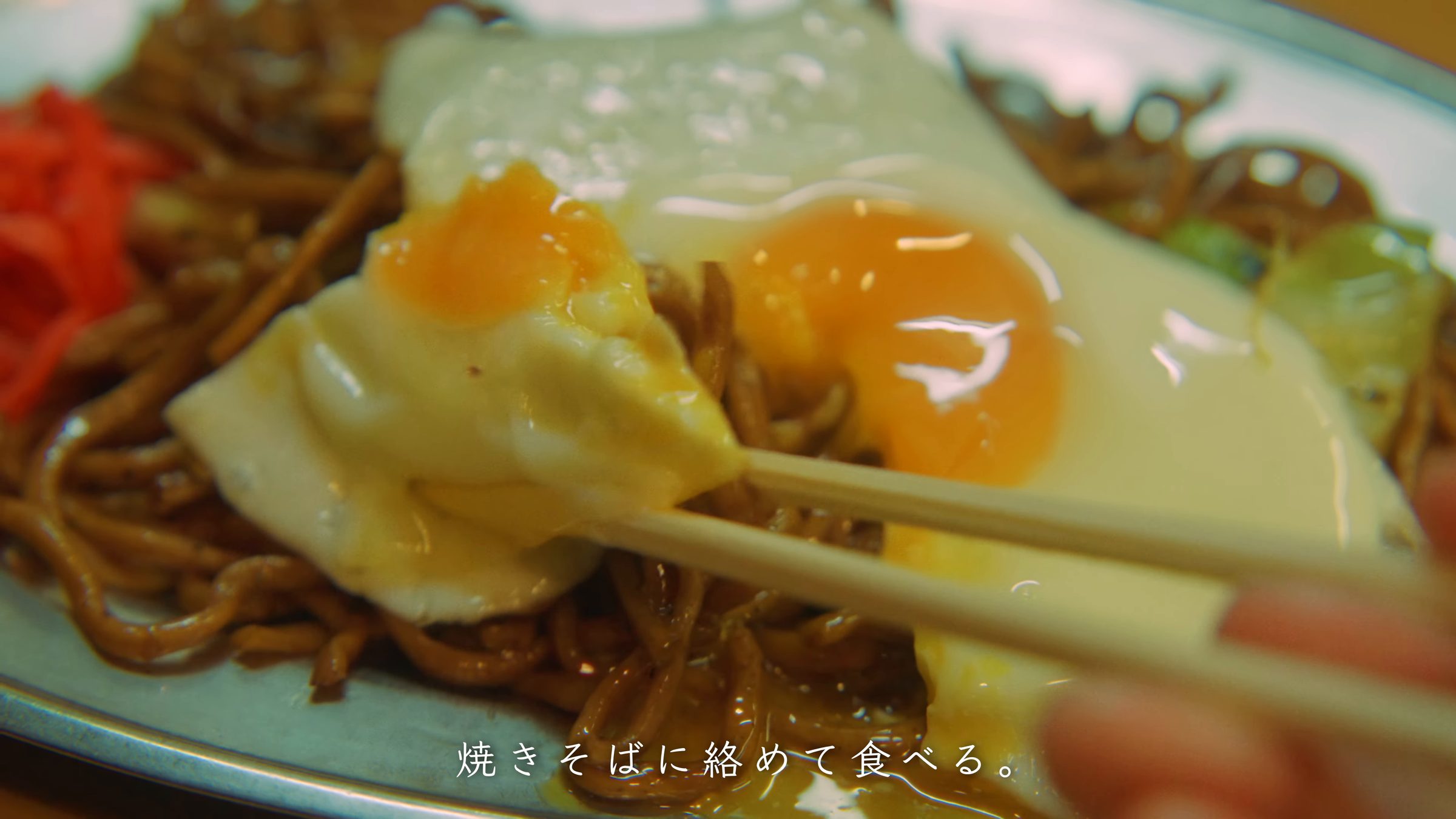
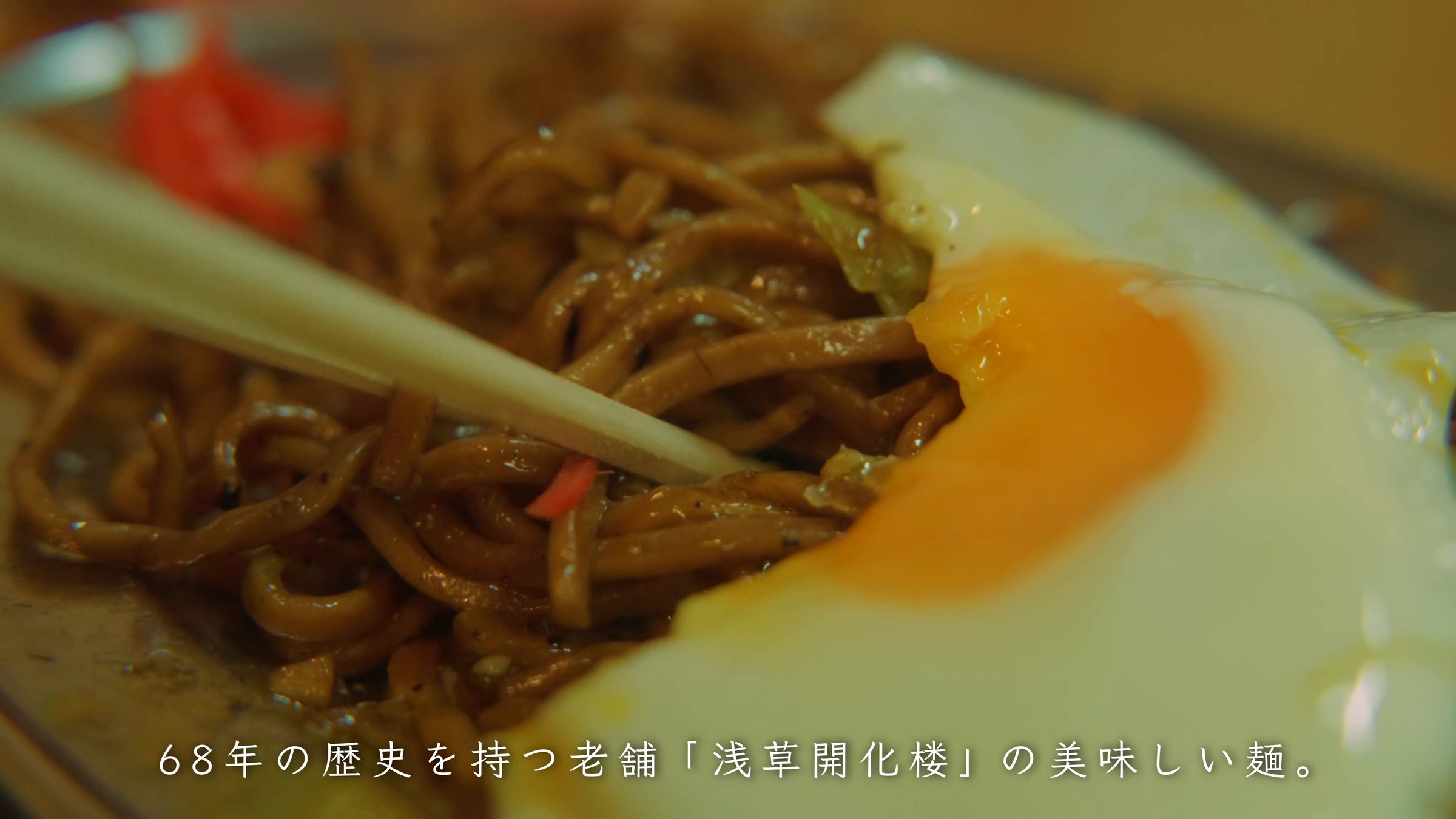
Break the fried egg carefully, then eat it with the noodles, the yolk running into the yakisoba.
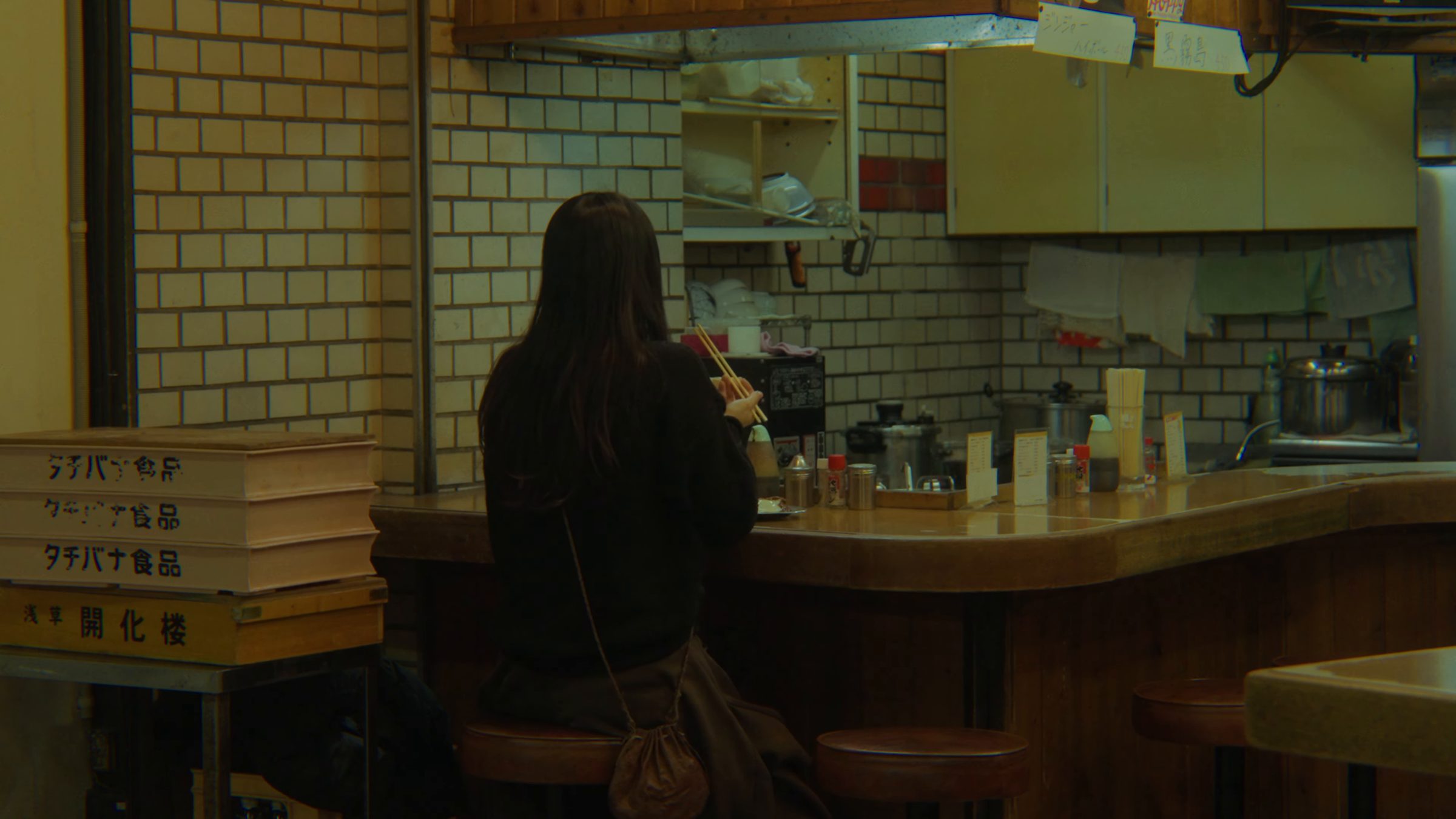
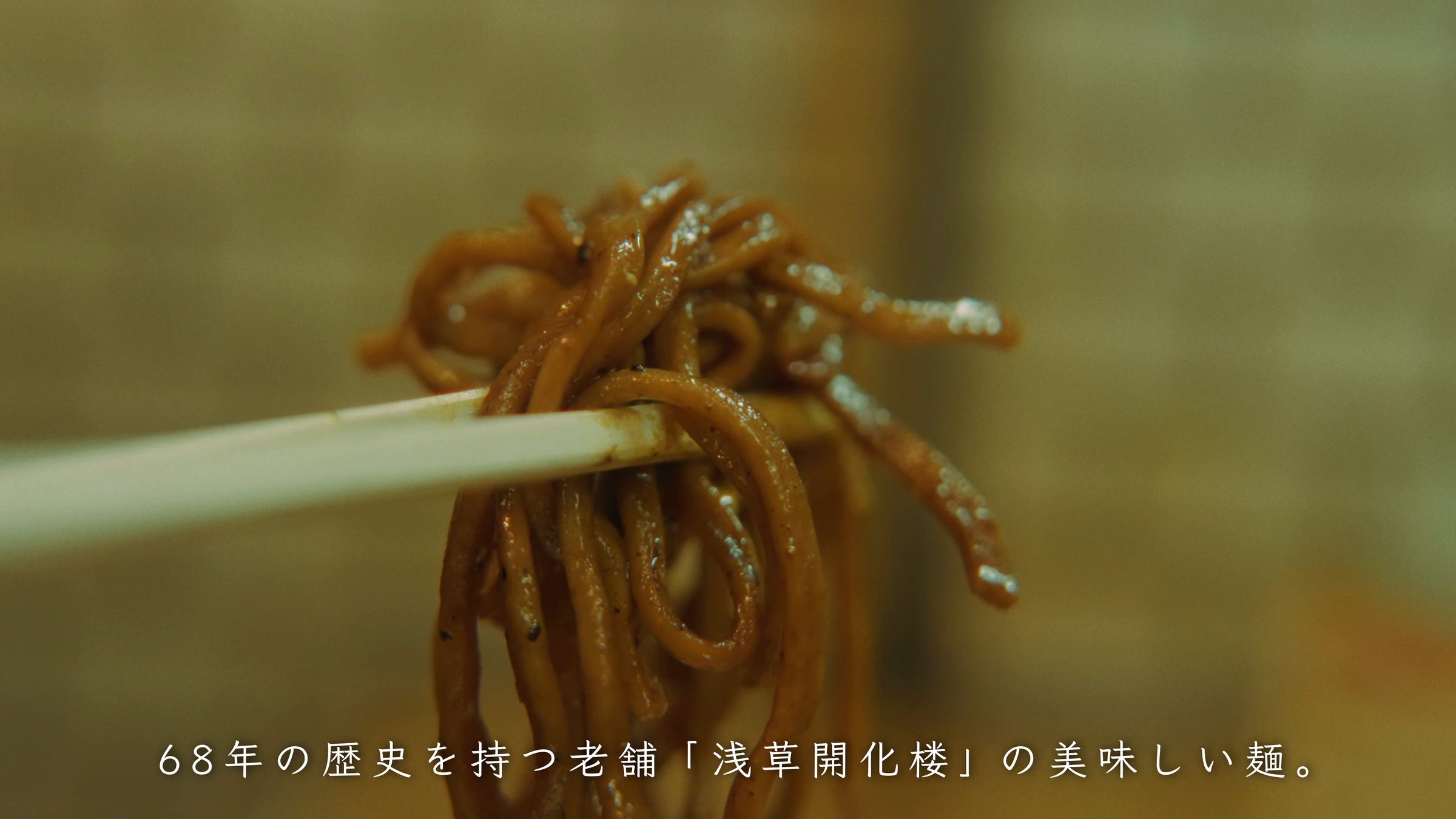
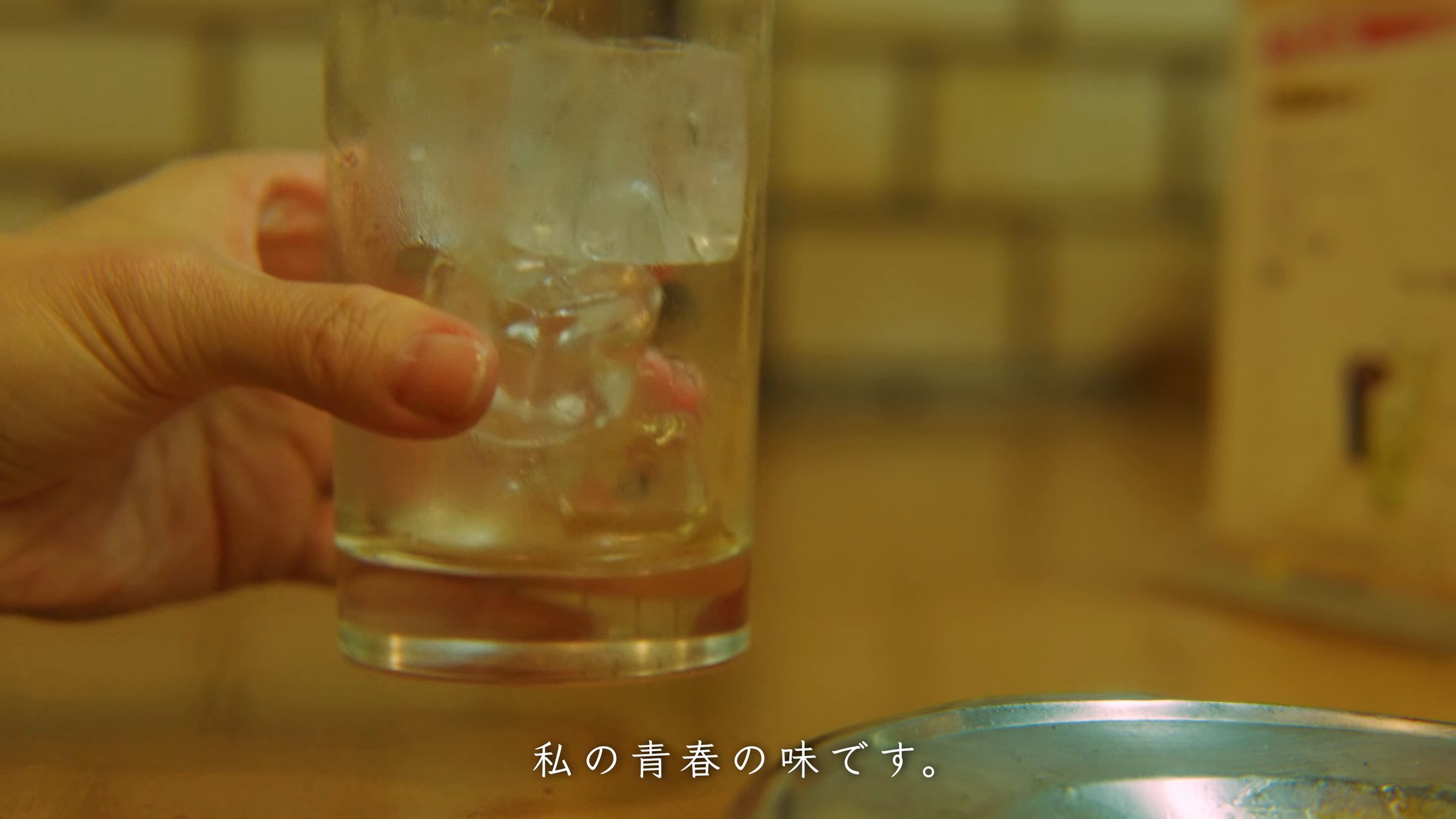
The thick, chewy noodles come from Asakusa Kaikaro, a long-established noodle maker in Asakusa; noodle boxes bearing its name were stacked by the counter. Tilting a glass of ice, I thought: this is the taste of my youth.
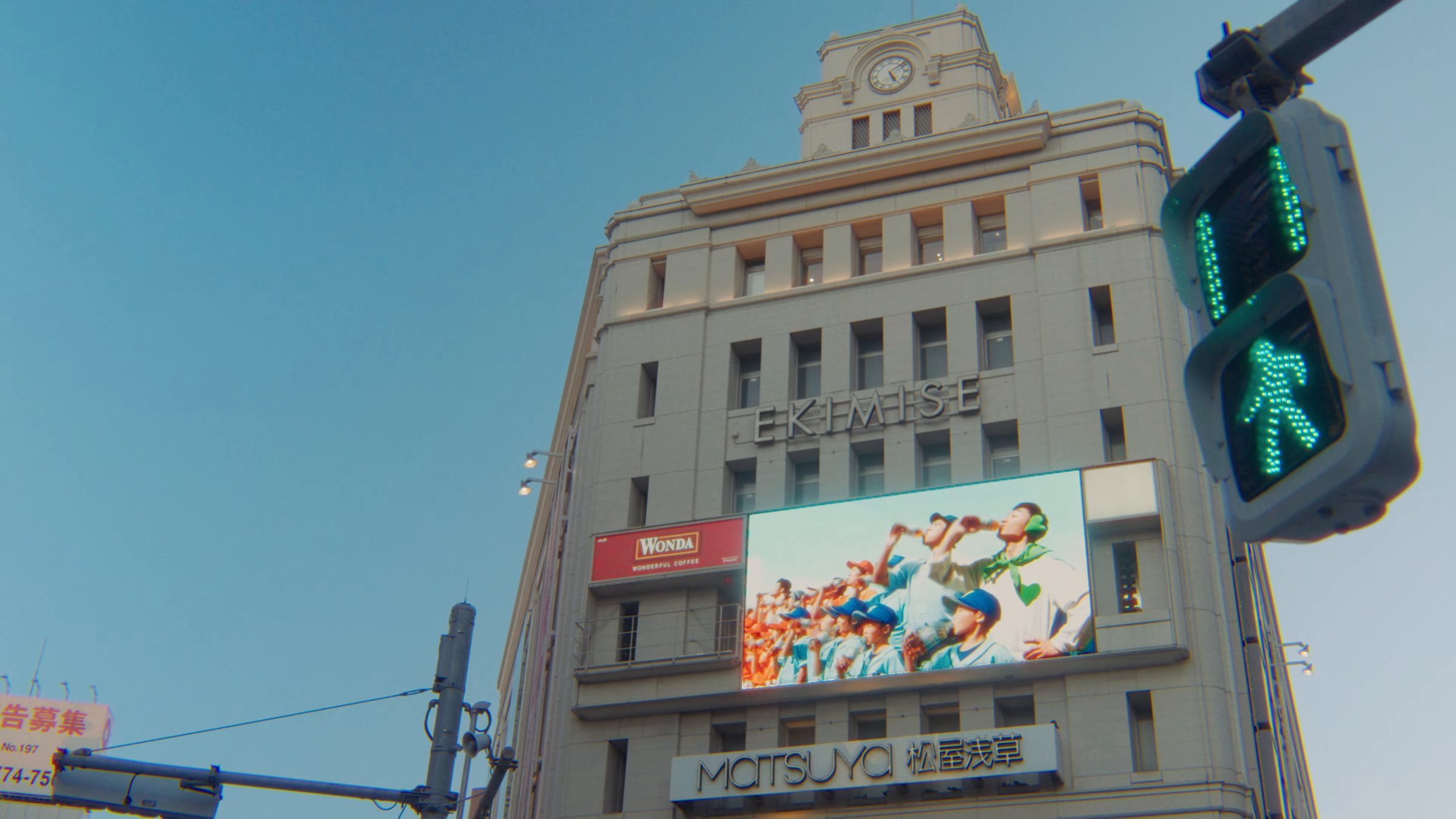
Climbing back up to the street, I saw the clock tower of Matsuya Asakusa bright against the blue sky.
Watch this scene on YouTube6:11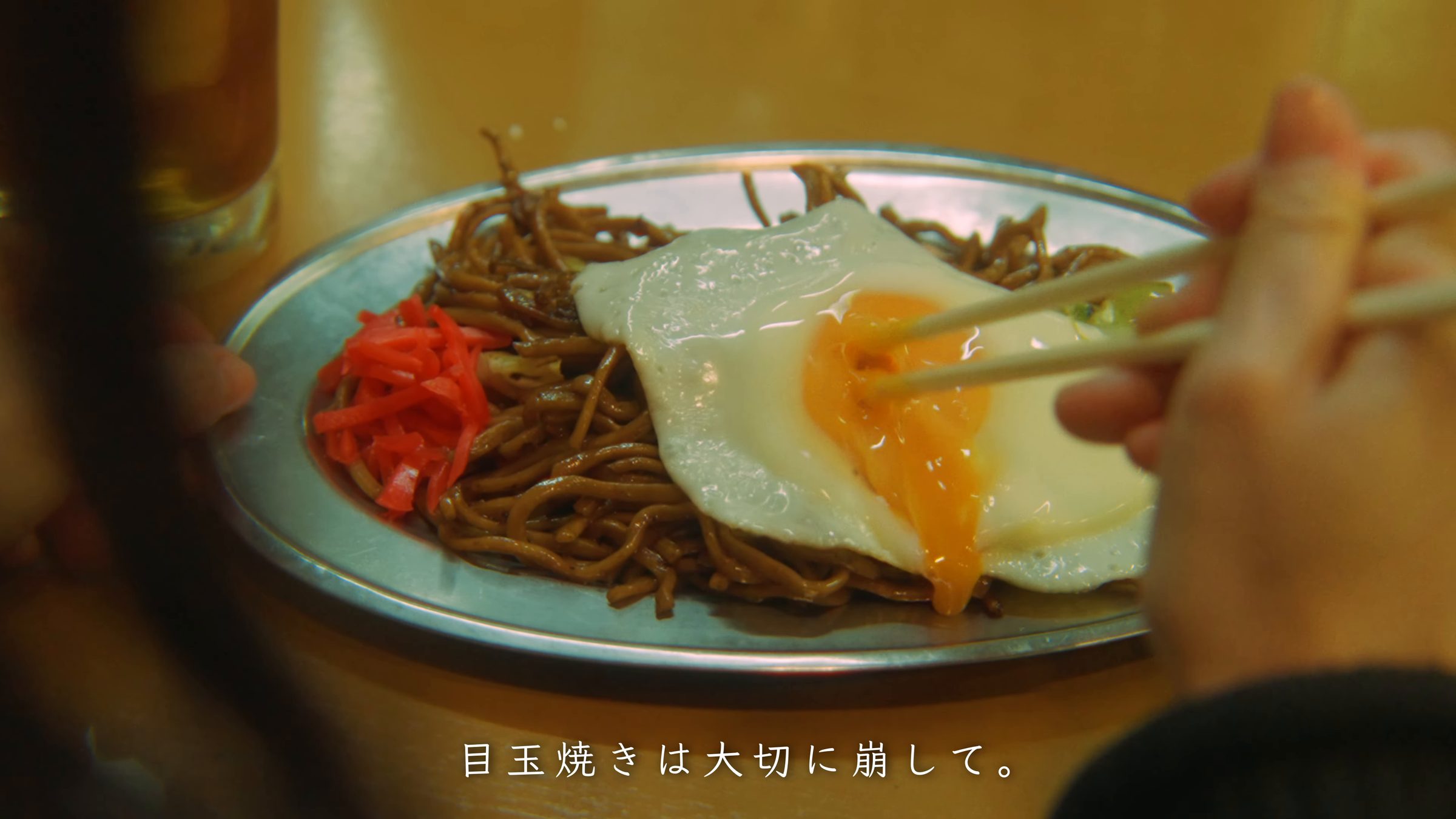
08TRAVEL JOURNAL
Japan's oldest amusement park
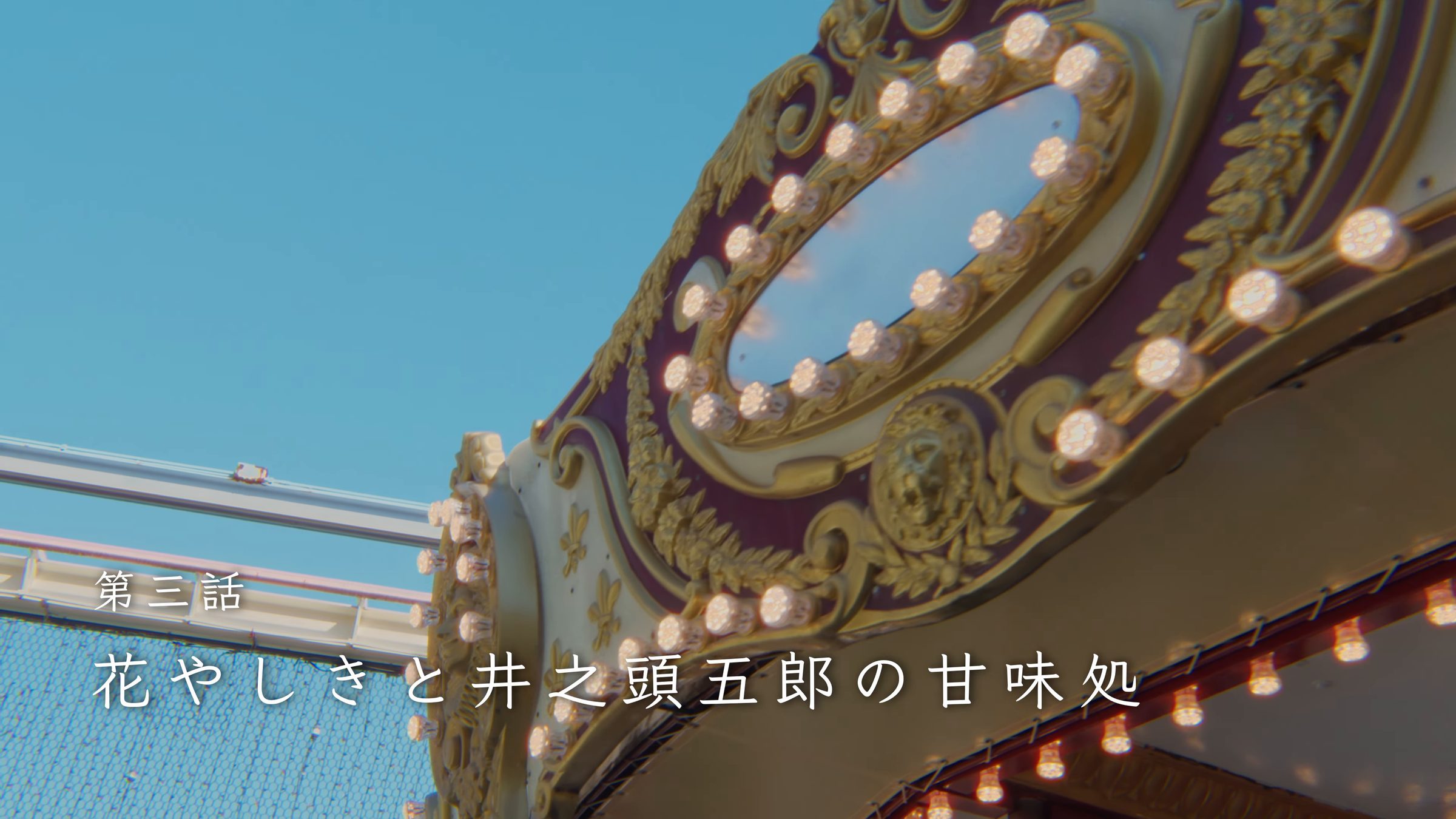
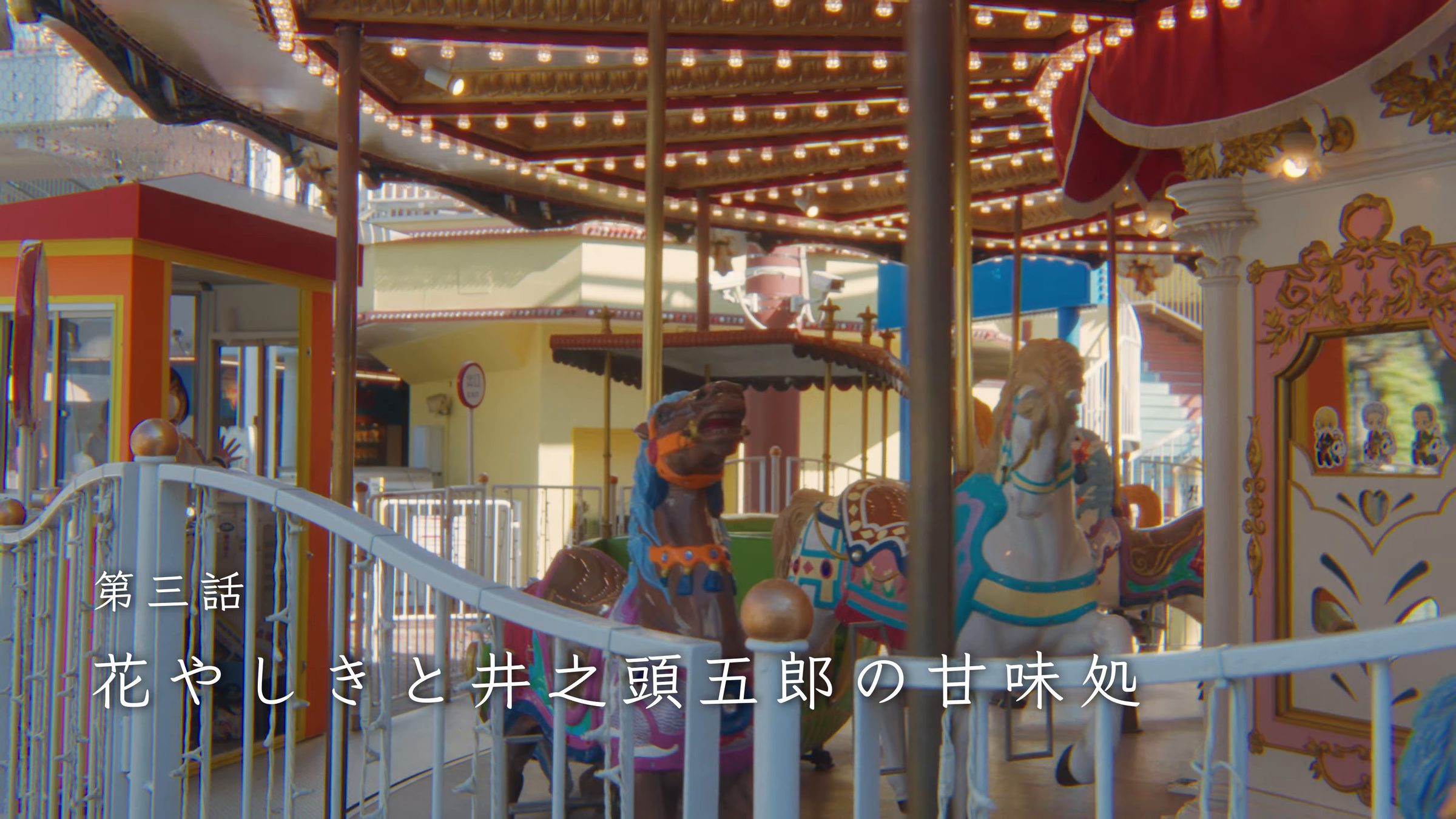
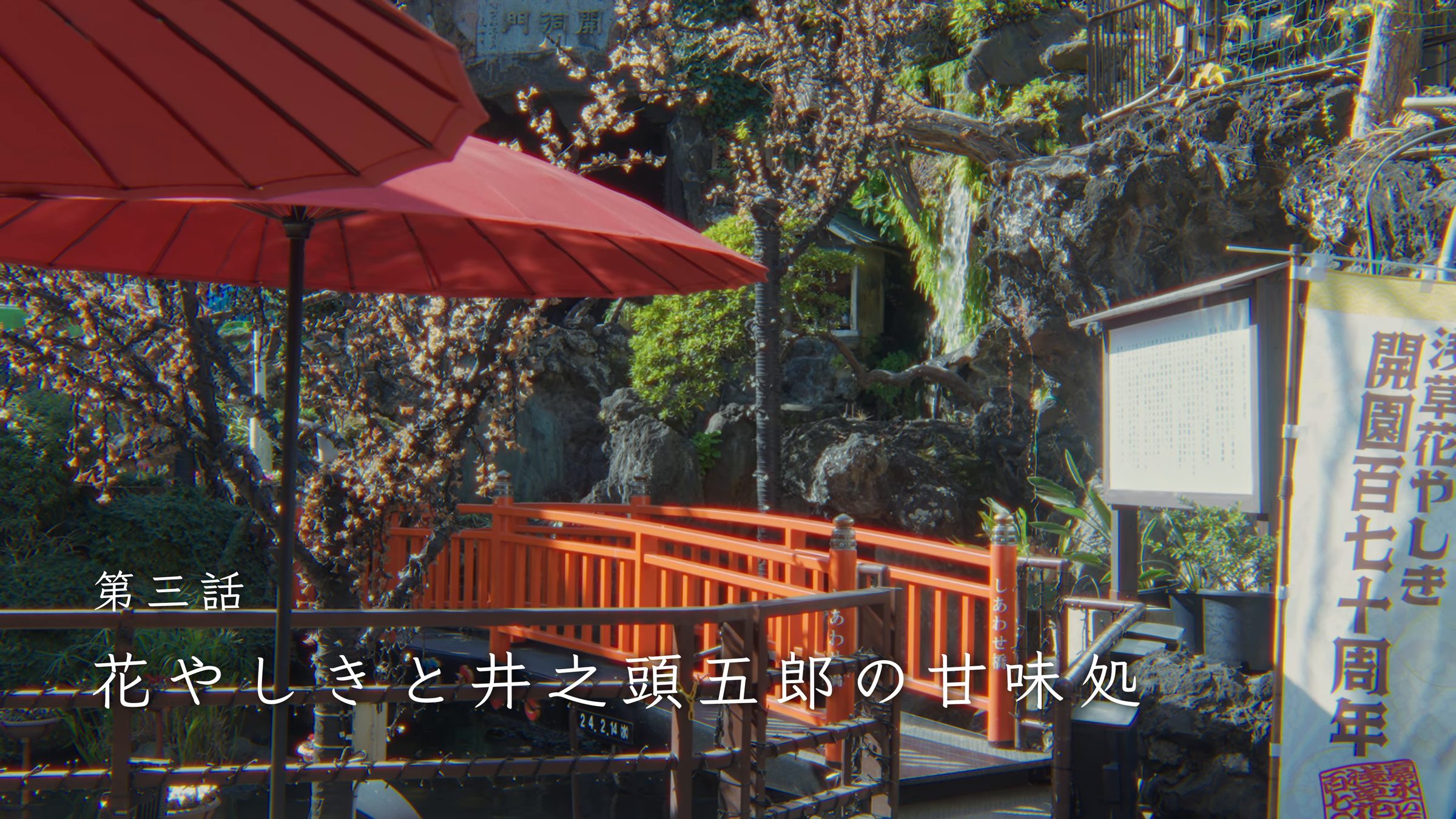
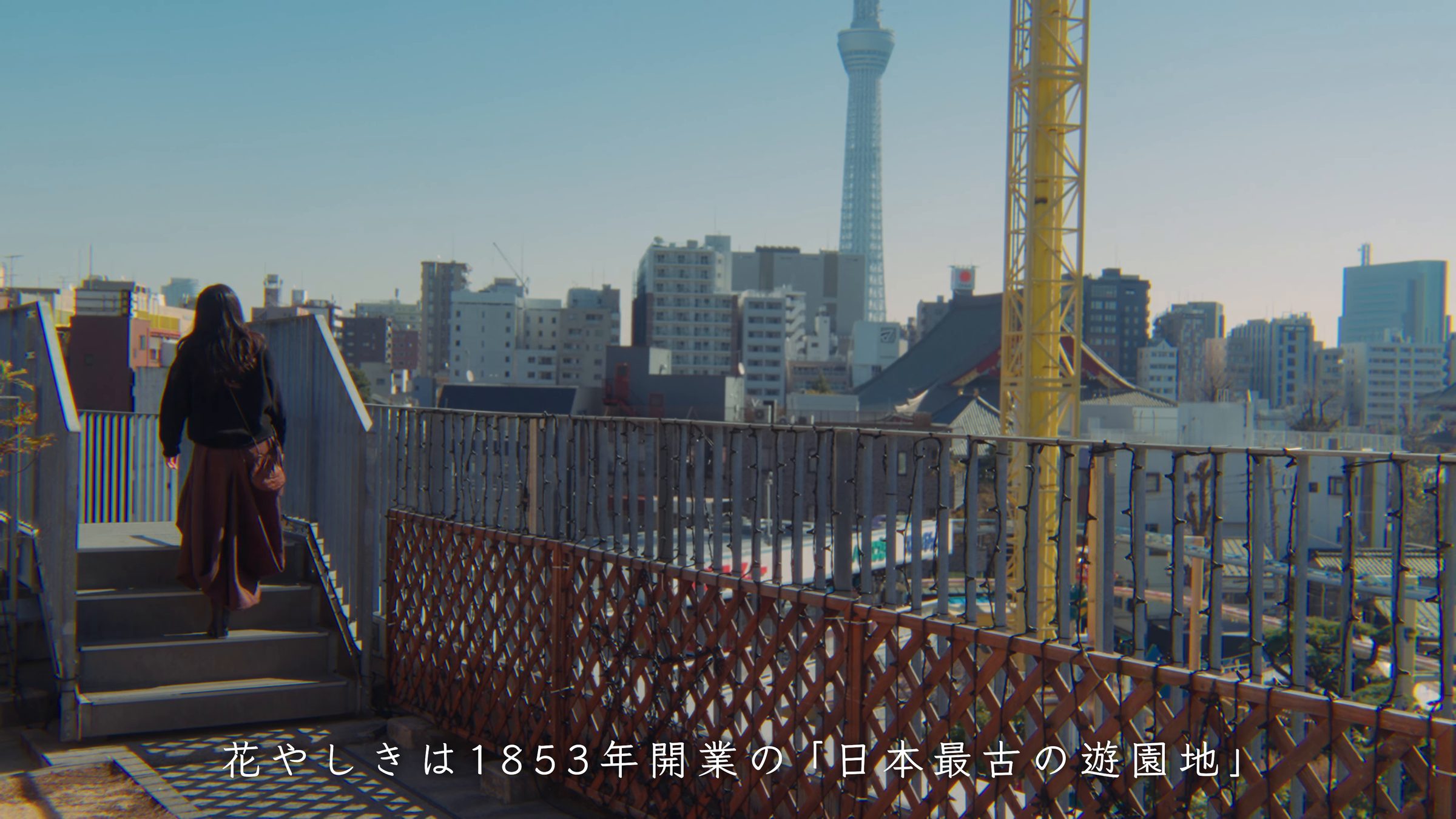
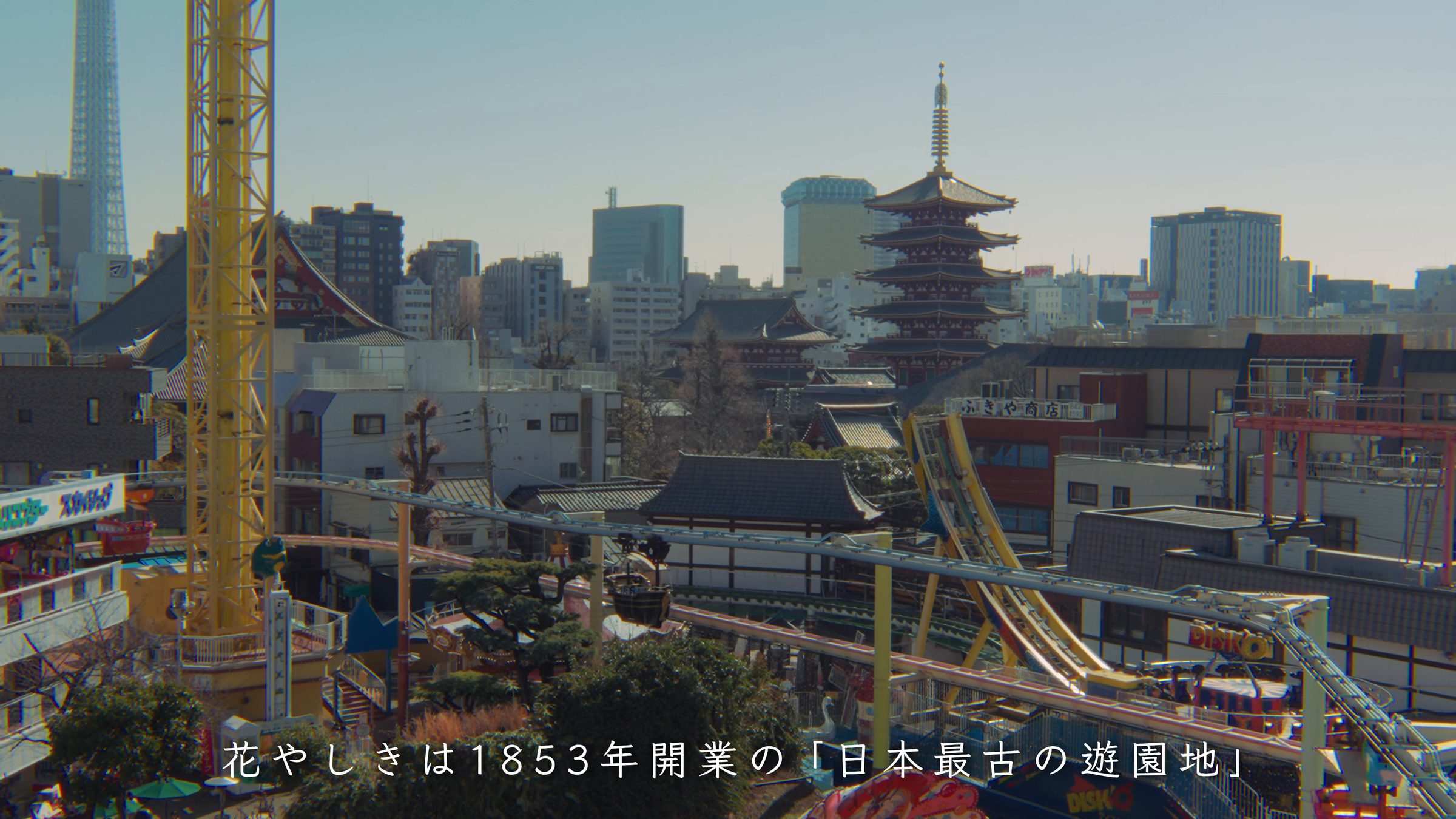
Next I headed to Asakusa Hanayashiki, opened in 1853 and the oldest amusement park in Japan. It began as a garden of peonies and chrysanthemums. The lights of the merry-go-round sparkled, and in the garden with its red bridge stood a banner celebrating the park's 170th anniversary.
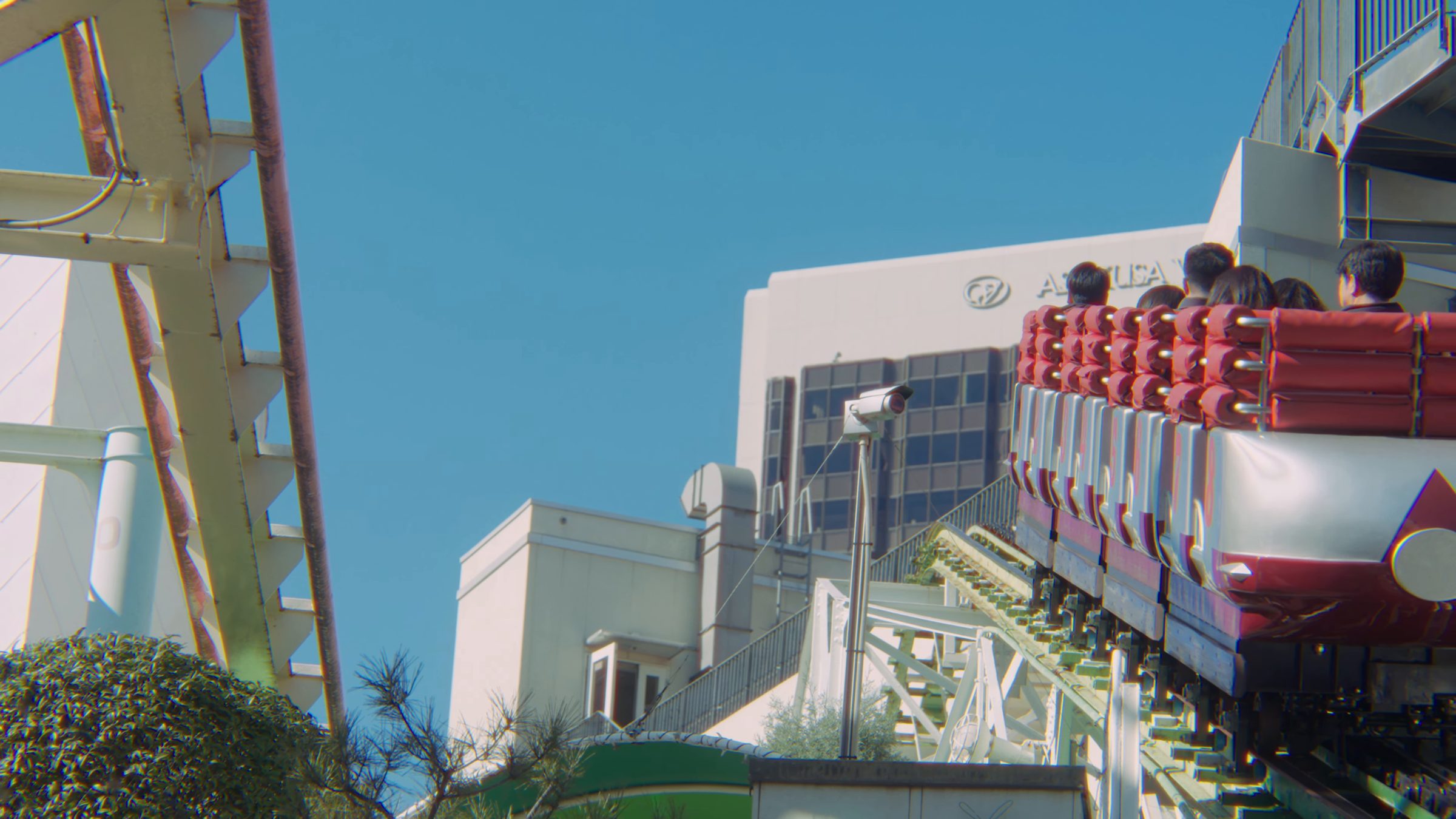
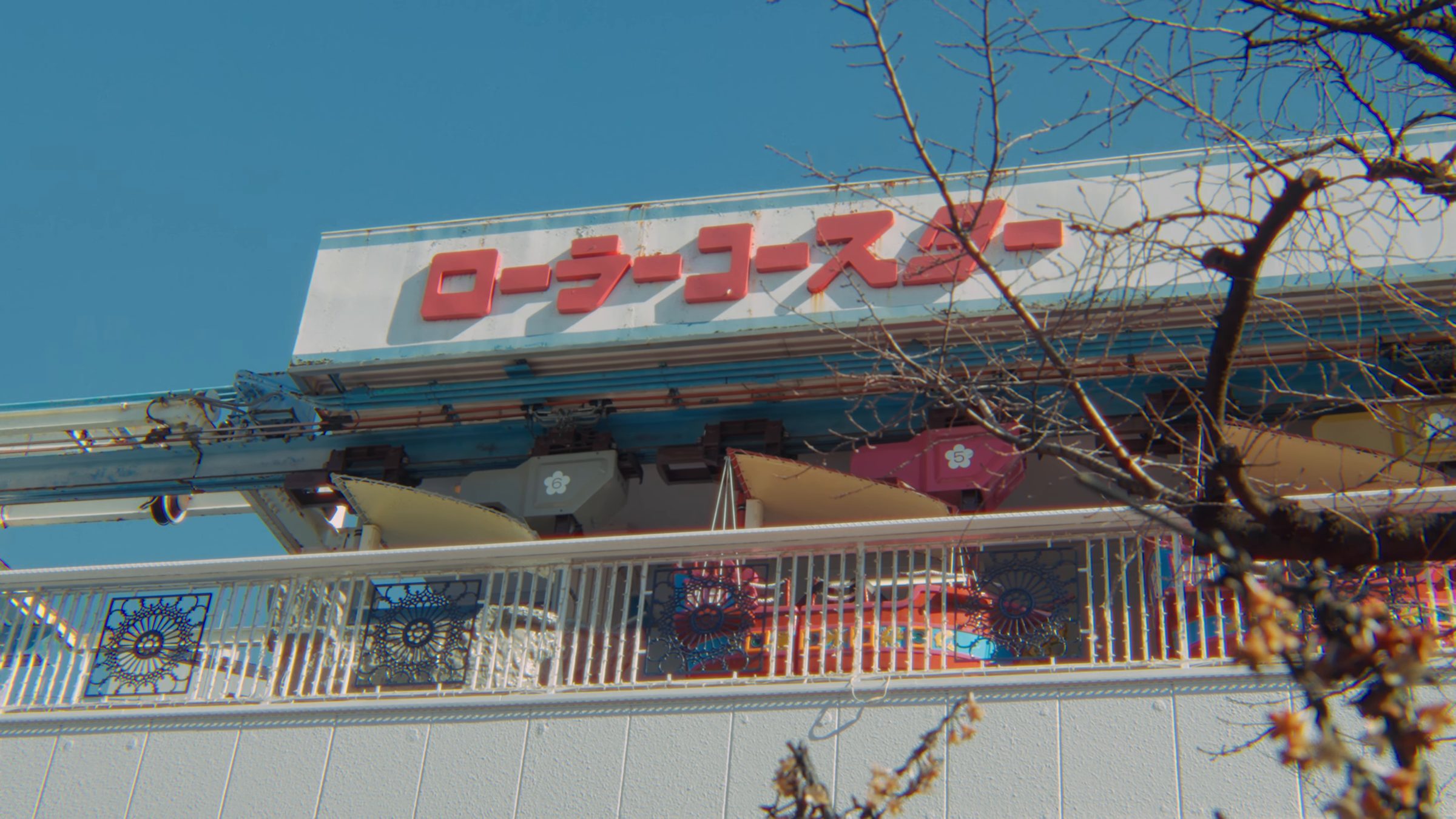
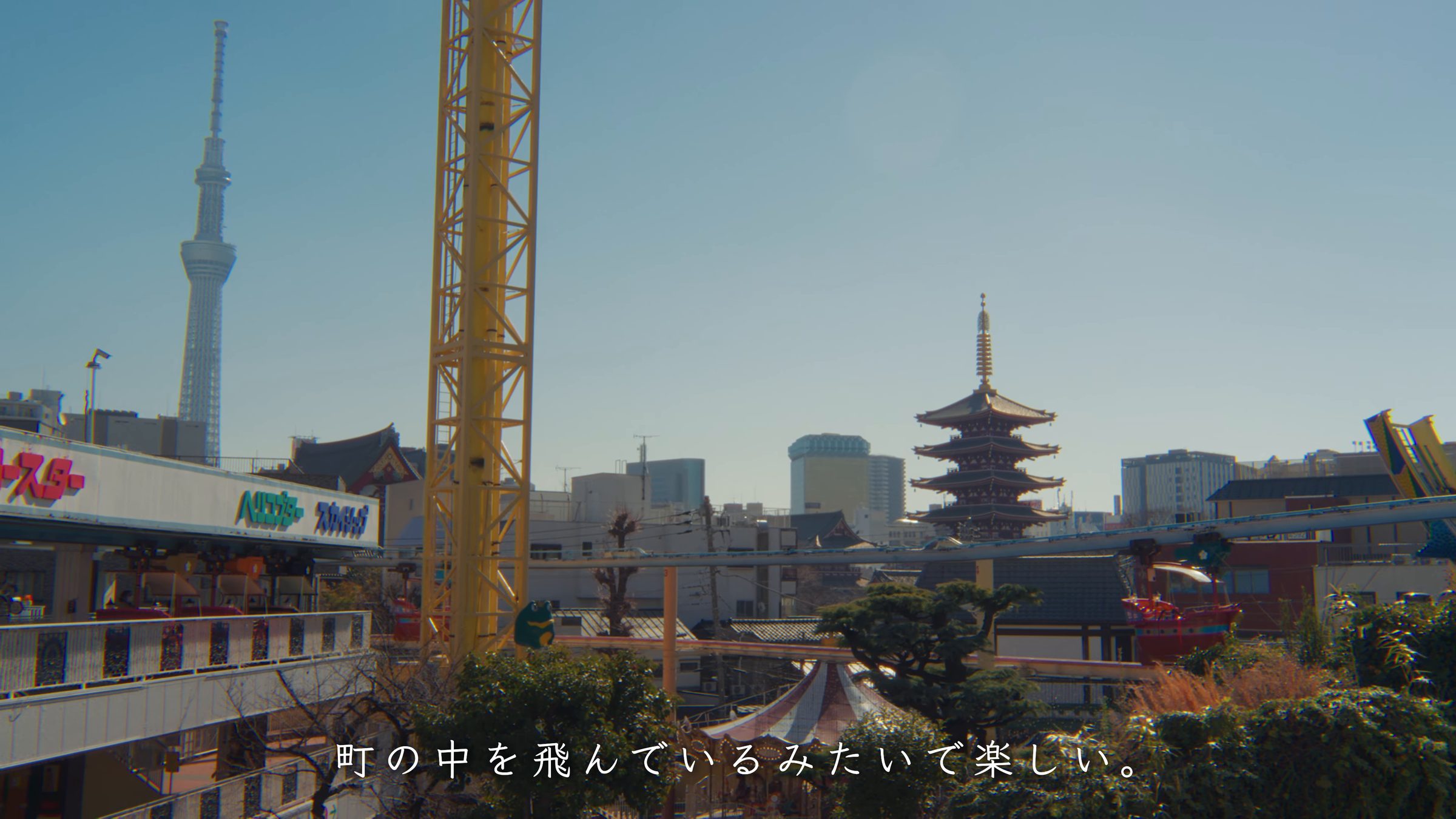
From a raised walkway, the Skytree and the five-story pagoda of Senso-ji stand side by side. In front of them runs the oldest existing roller coaster in Japan, built in 1953, a popular ride that dashes thrillingly through the old town. I'll try riding something too.
Watch this scene on YouTube7:00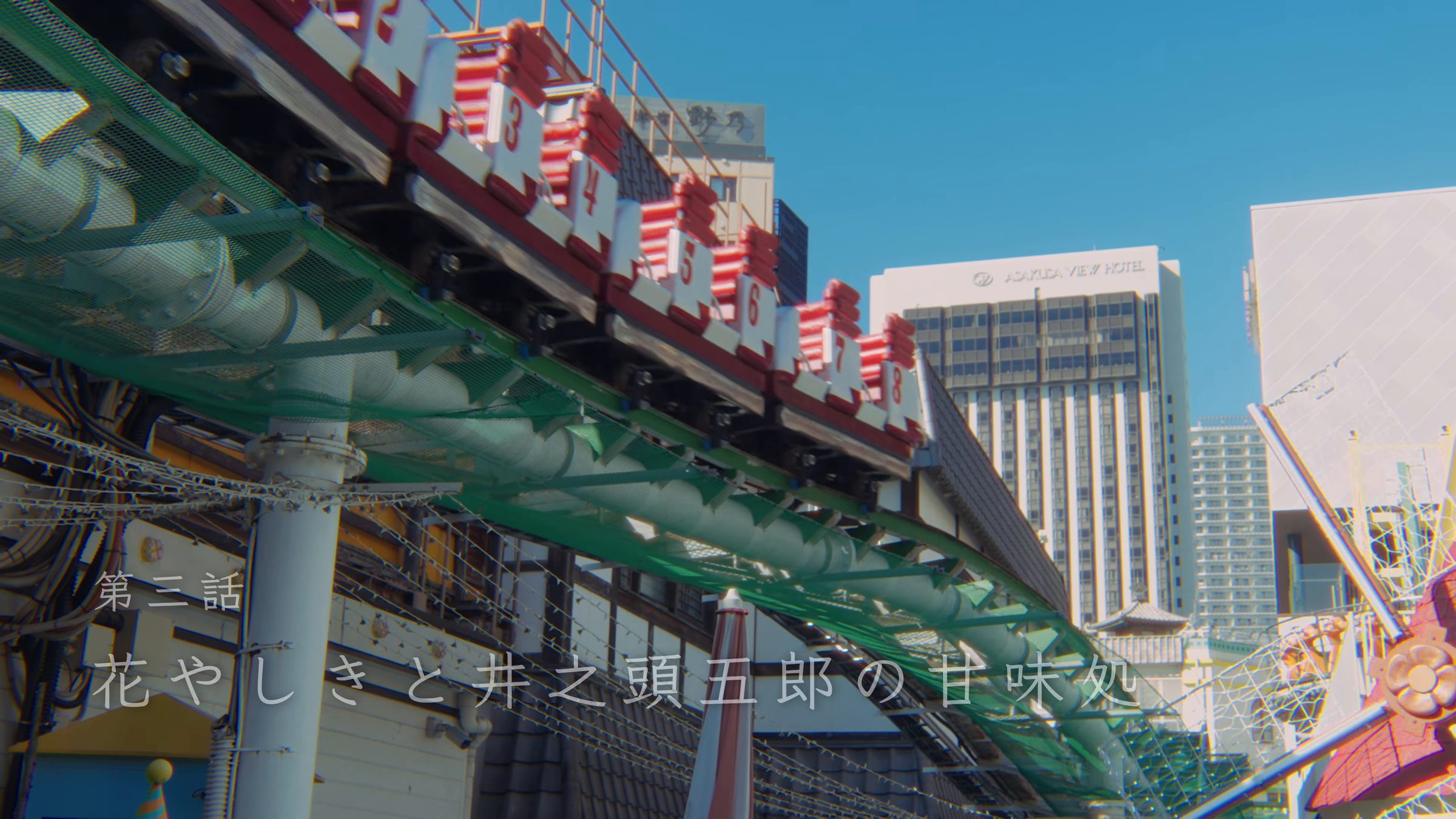
09TRAVEL JOURNAL
As if flying over town
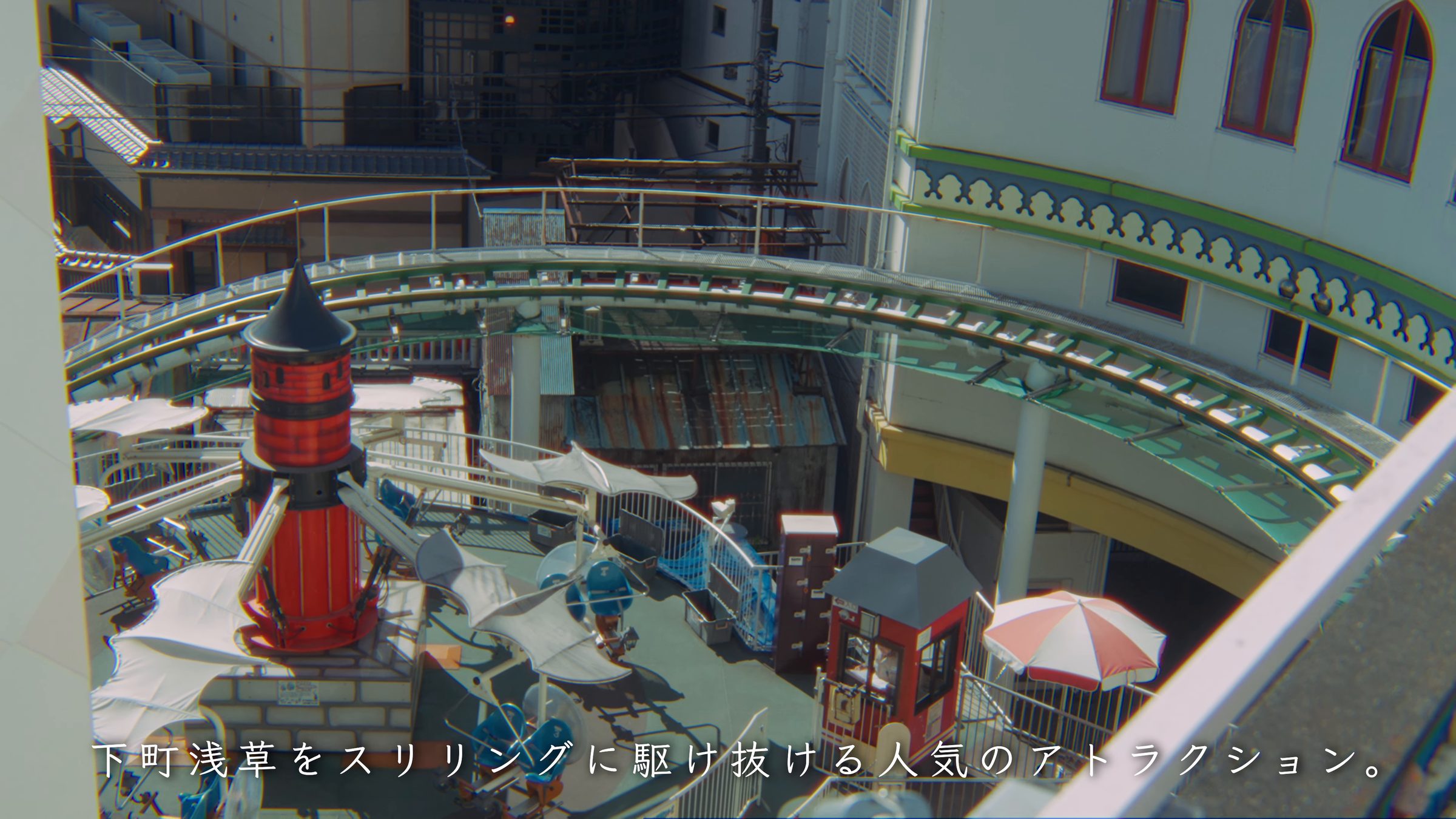
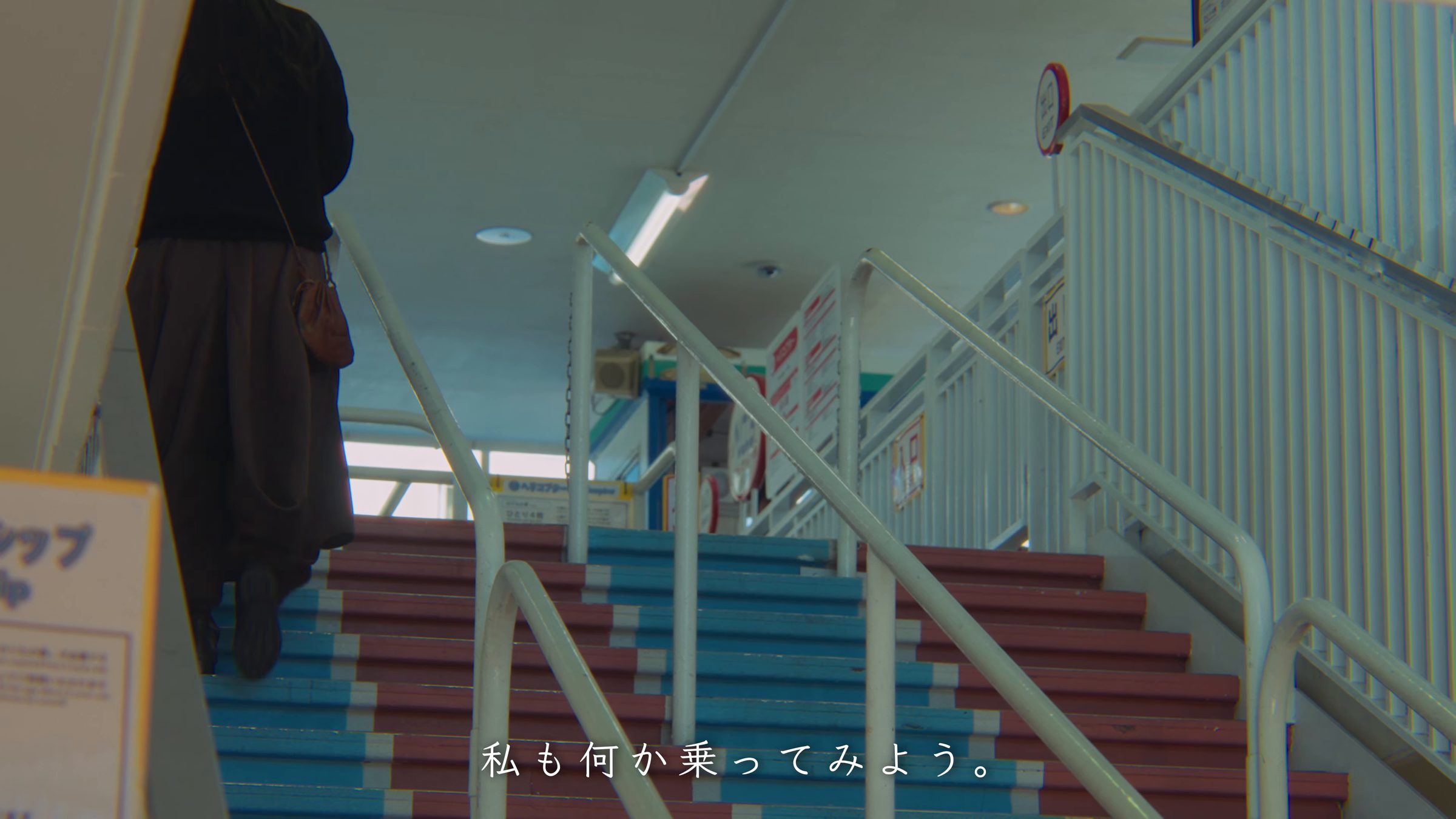
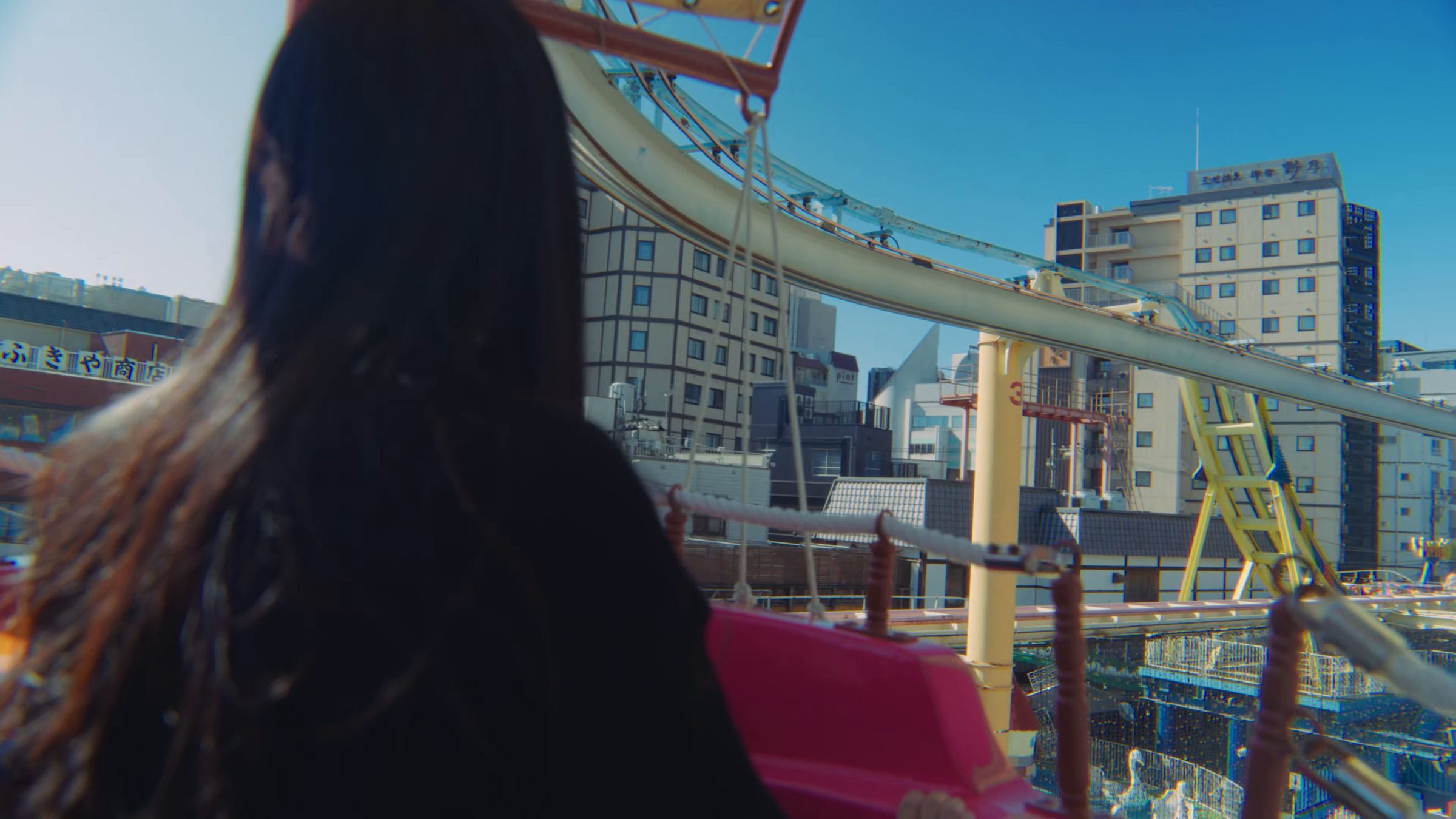
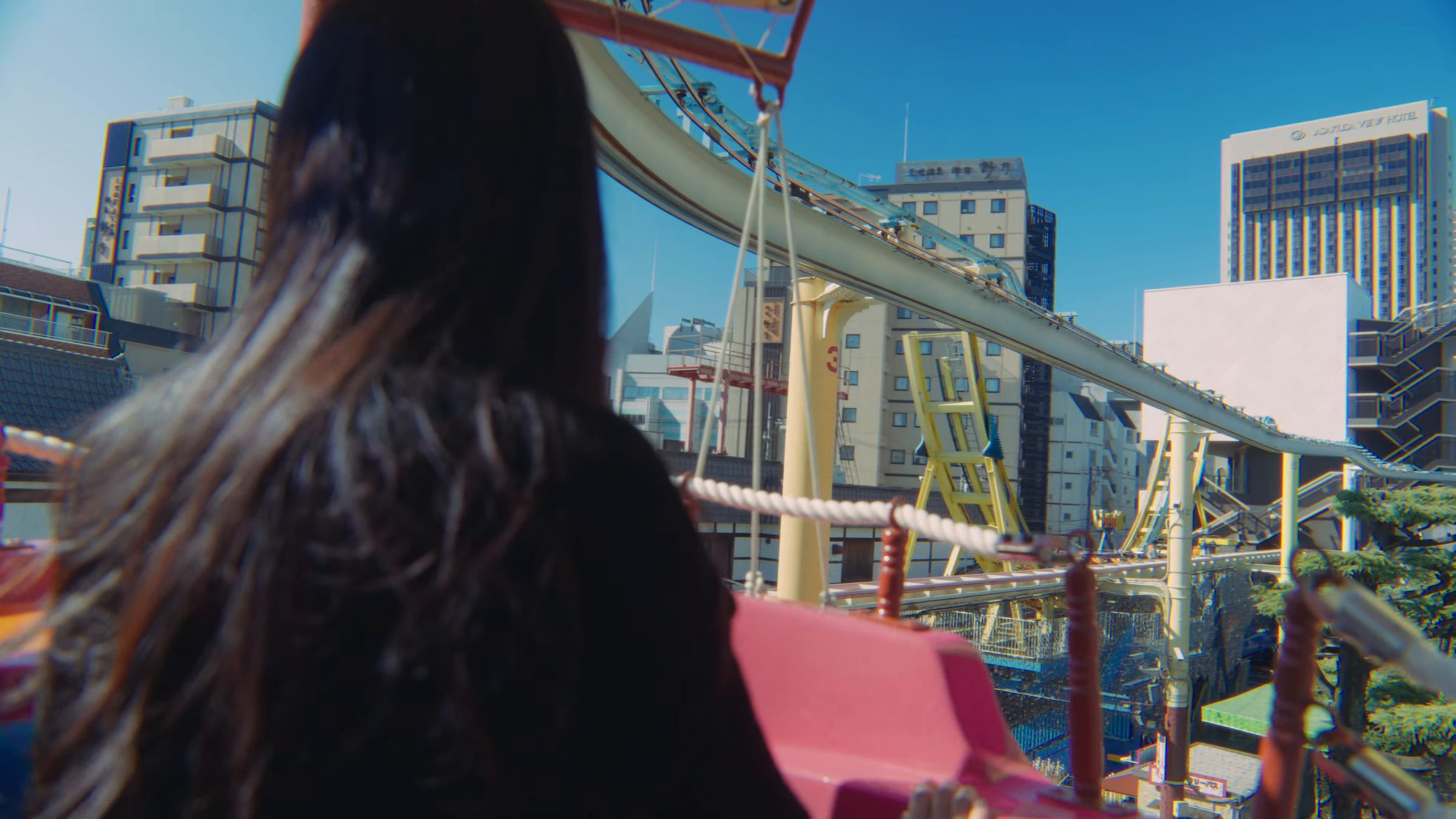
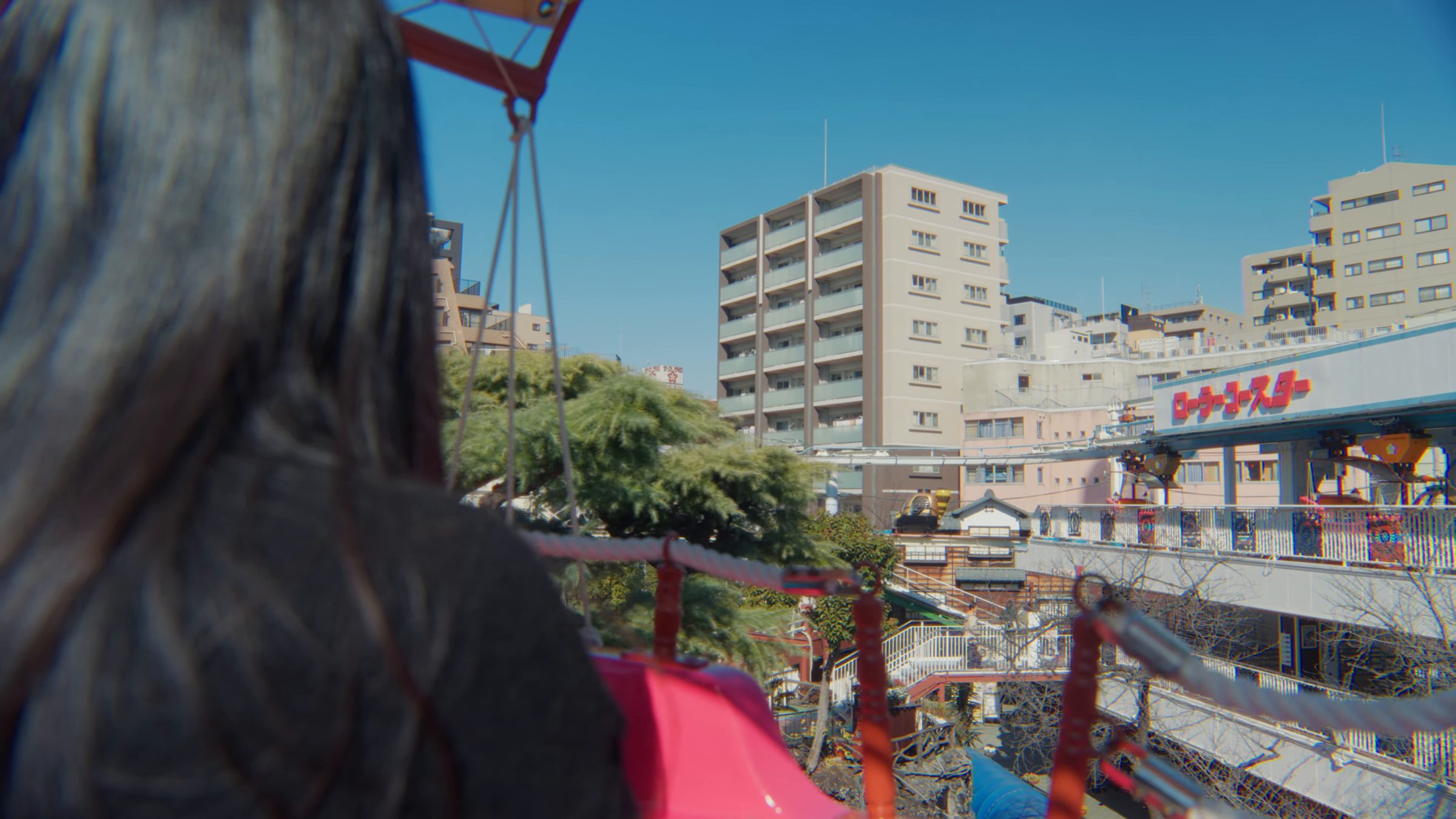
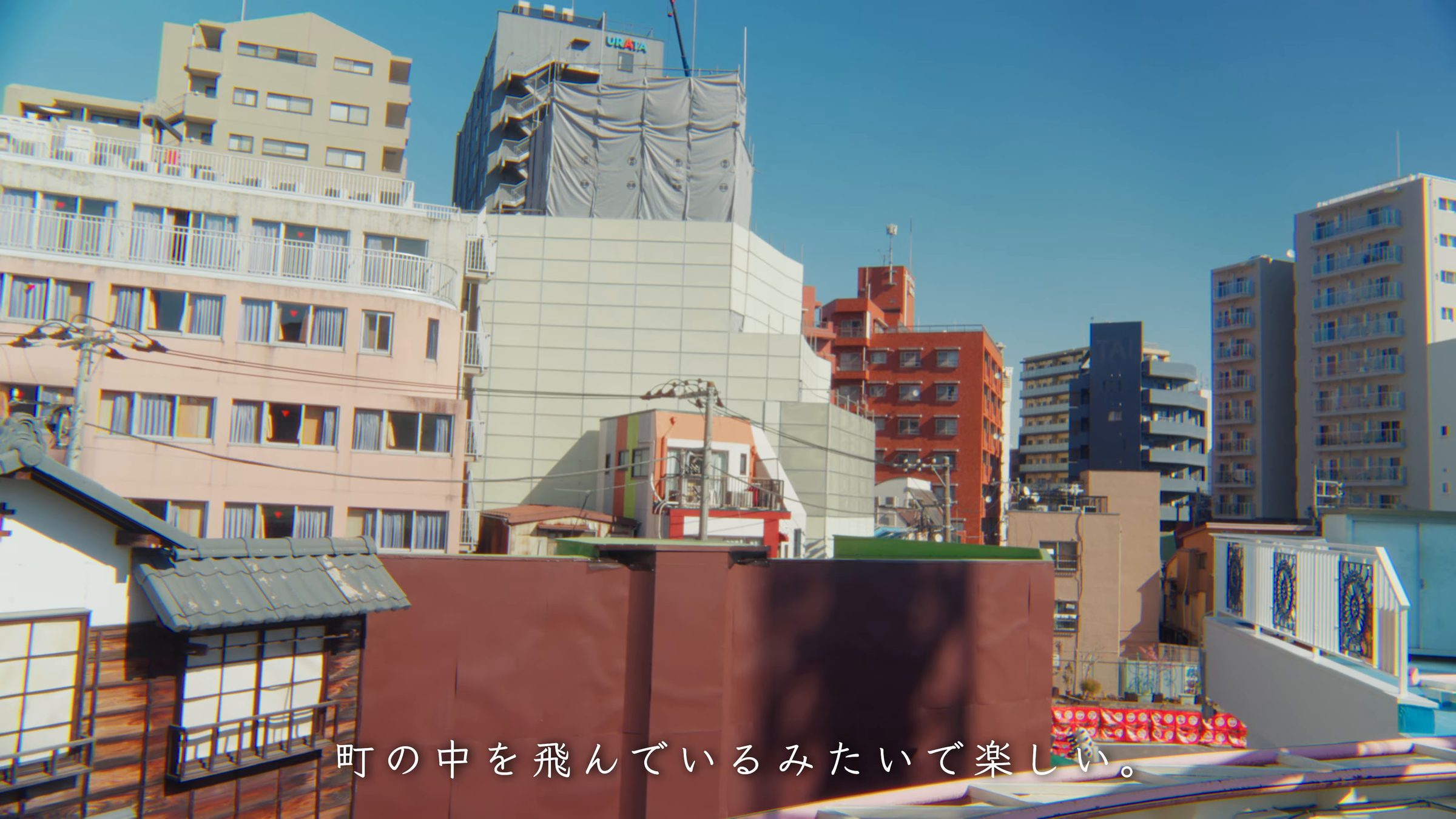
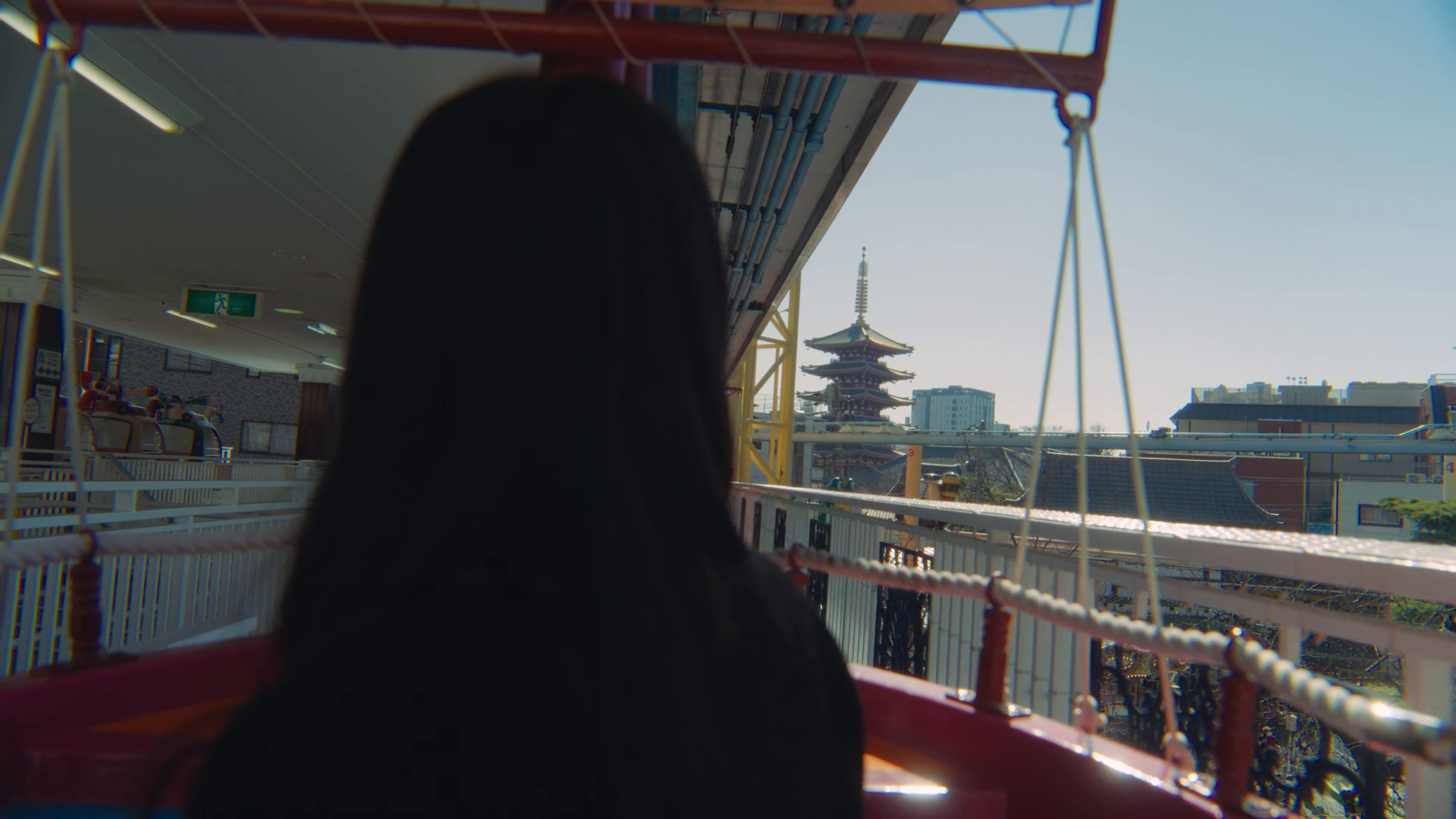
Up the stairs, I climbed into a red gondola hanging from a rail overhead. As it crept along above the park, coaster track, rooftops and the five-story pagoda of Senso-ji drifted past close by. It's fun, like flying through the town.
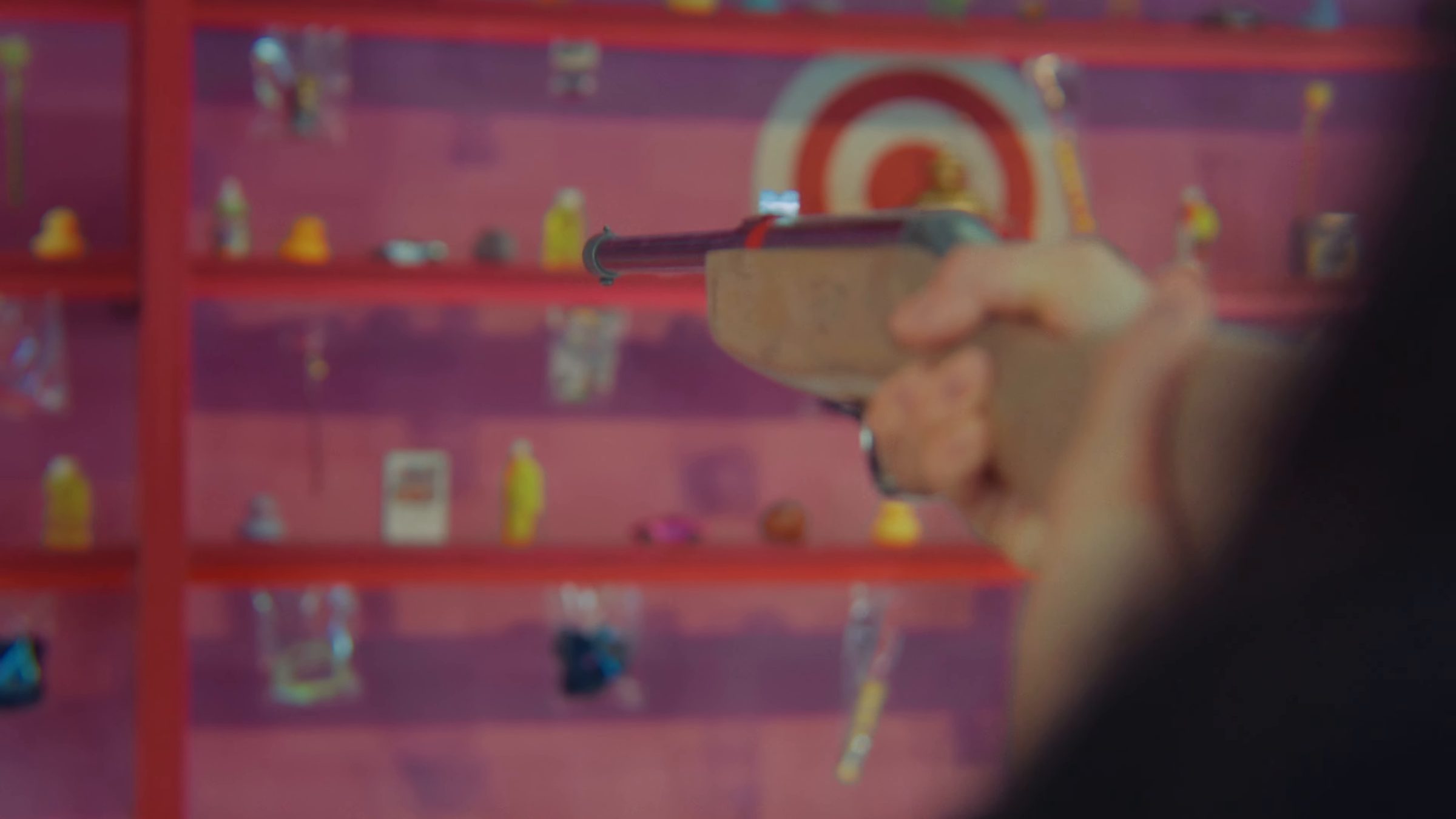
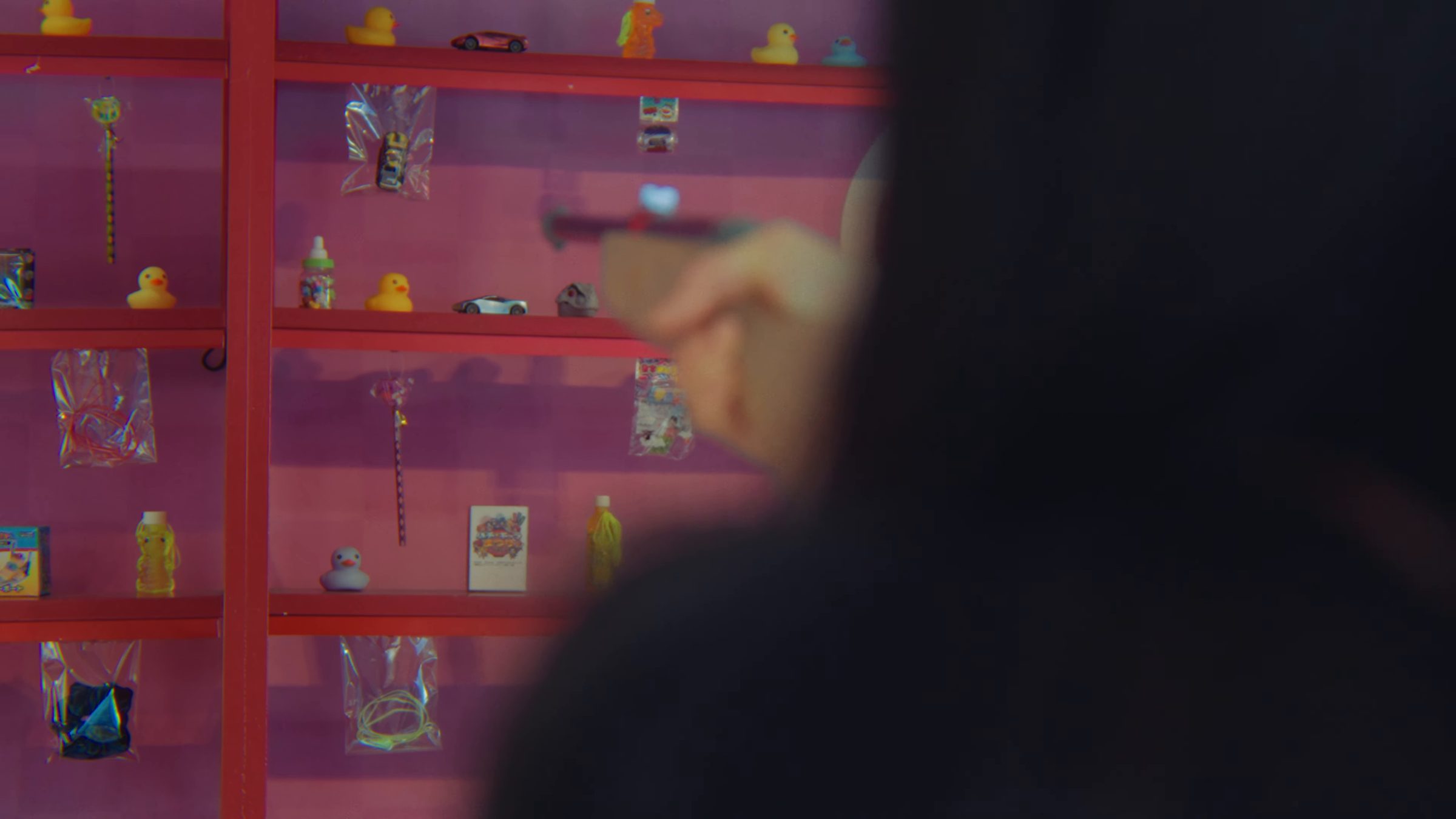
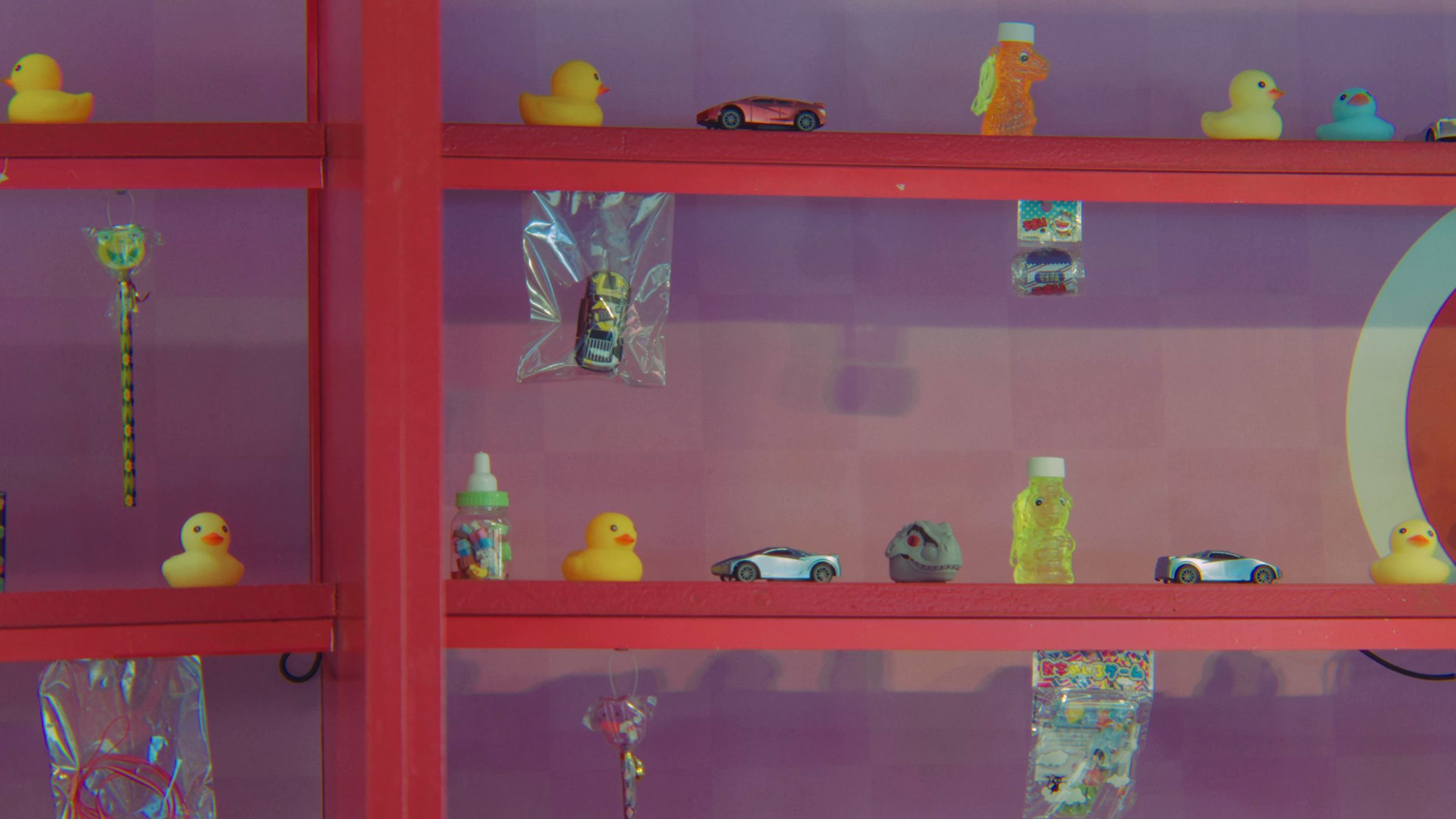
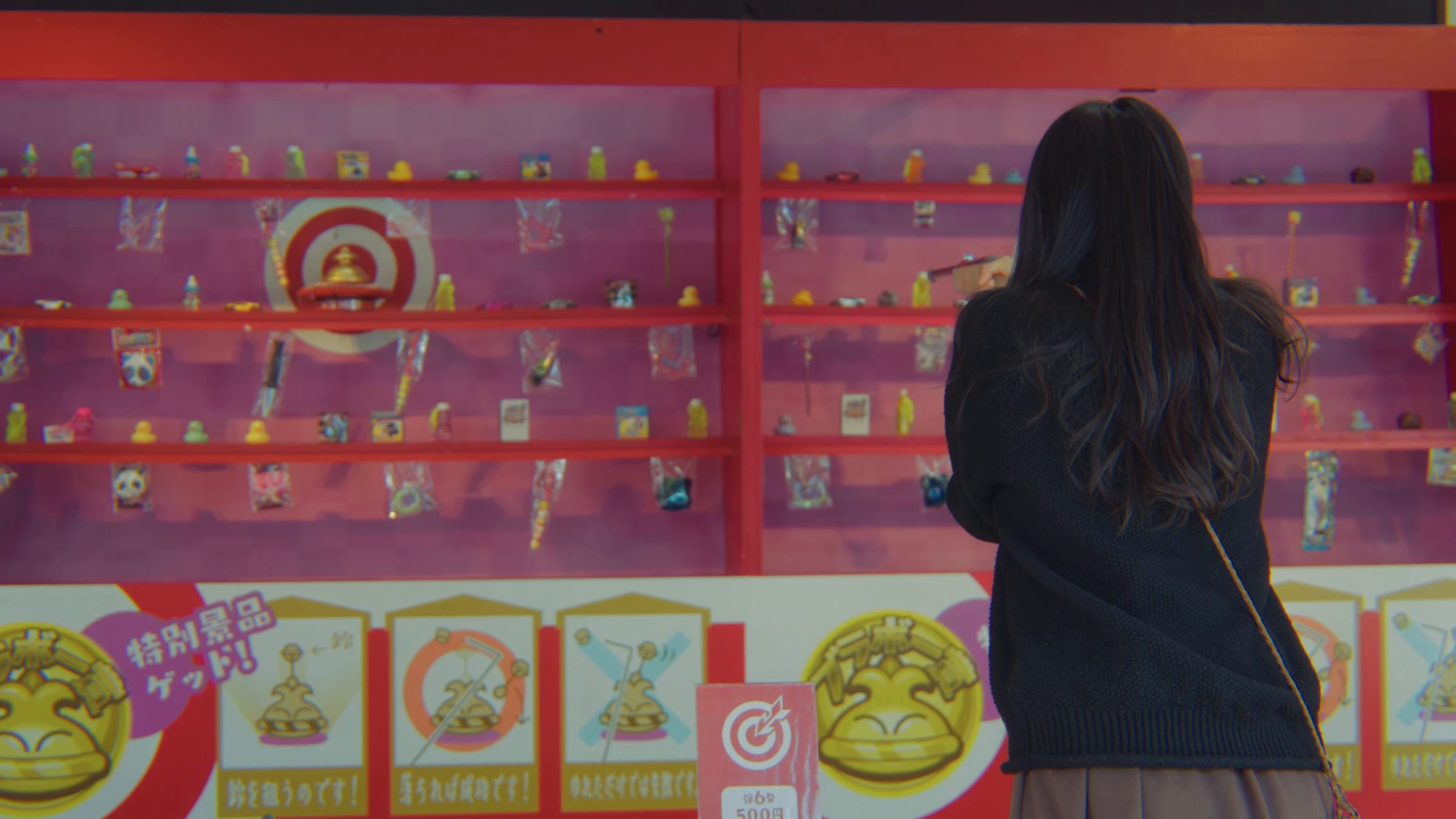
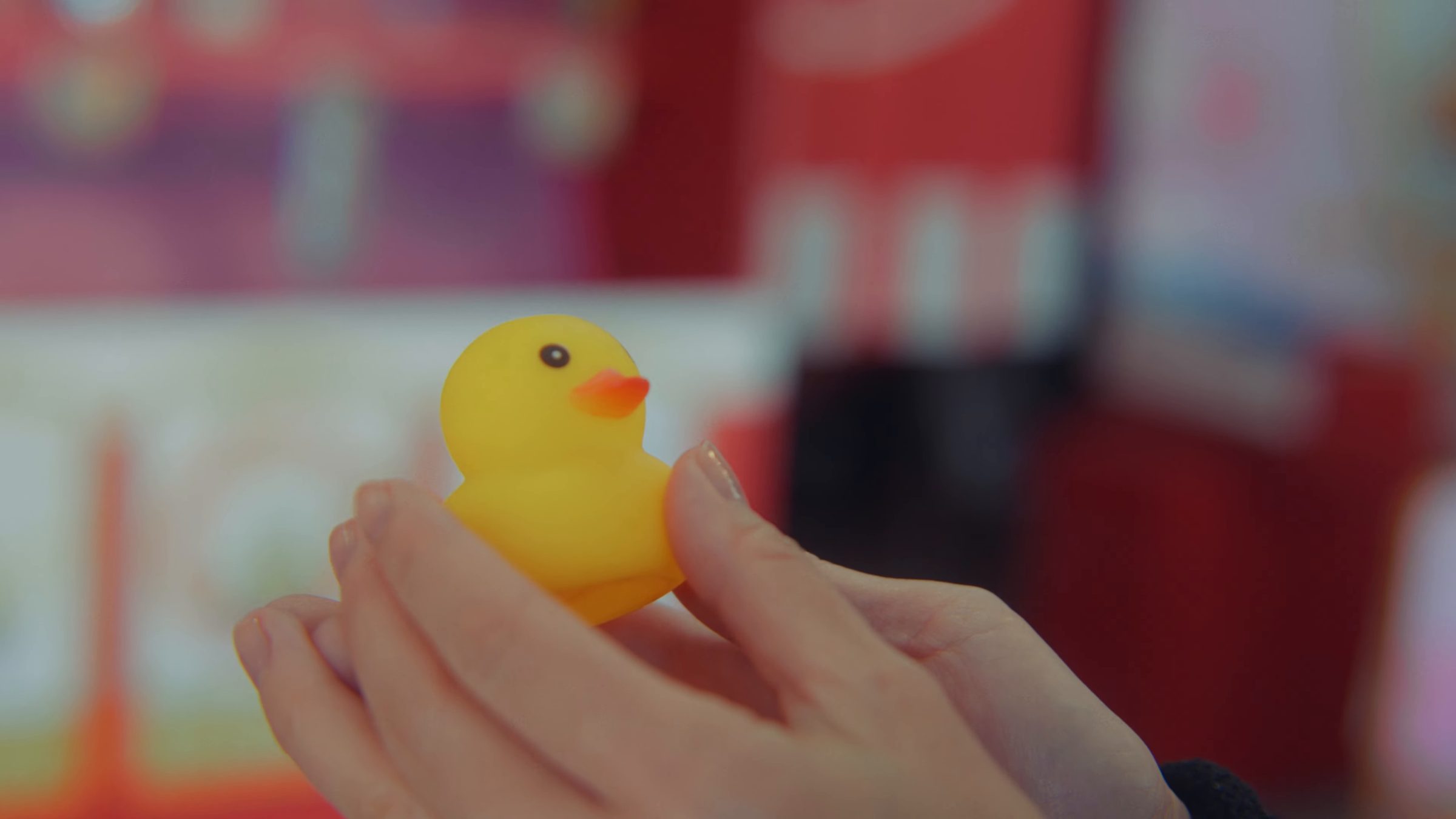
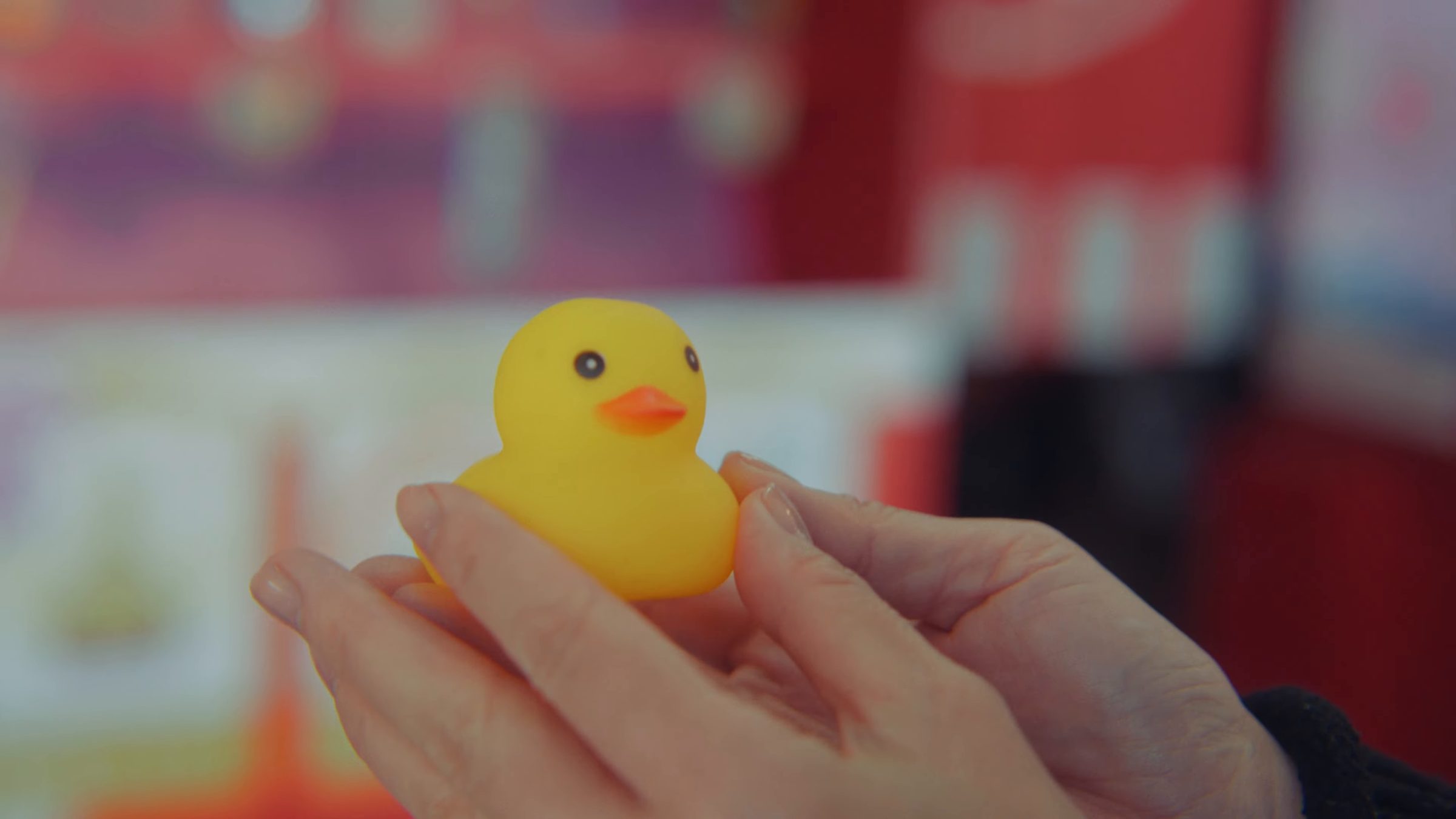
Then I tried the shooting gallery. Taking aim, I went for the prizes lined up on the red shelves, and a little yellow duck I never expected to hit landed in my hands. I named it Hanayan.
Watch this scene on YouTube7:39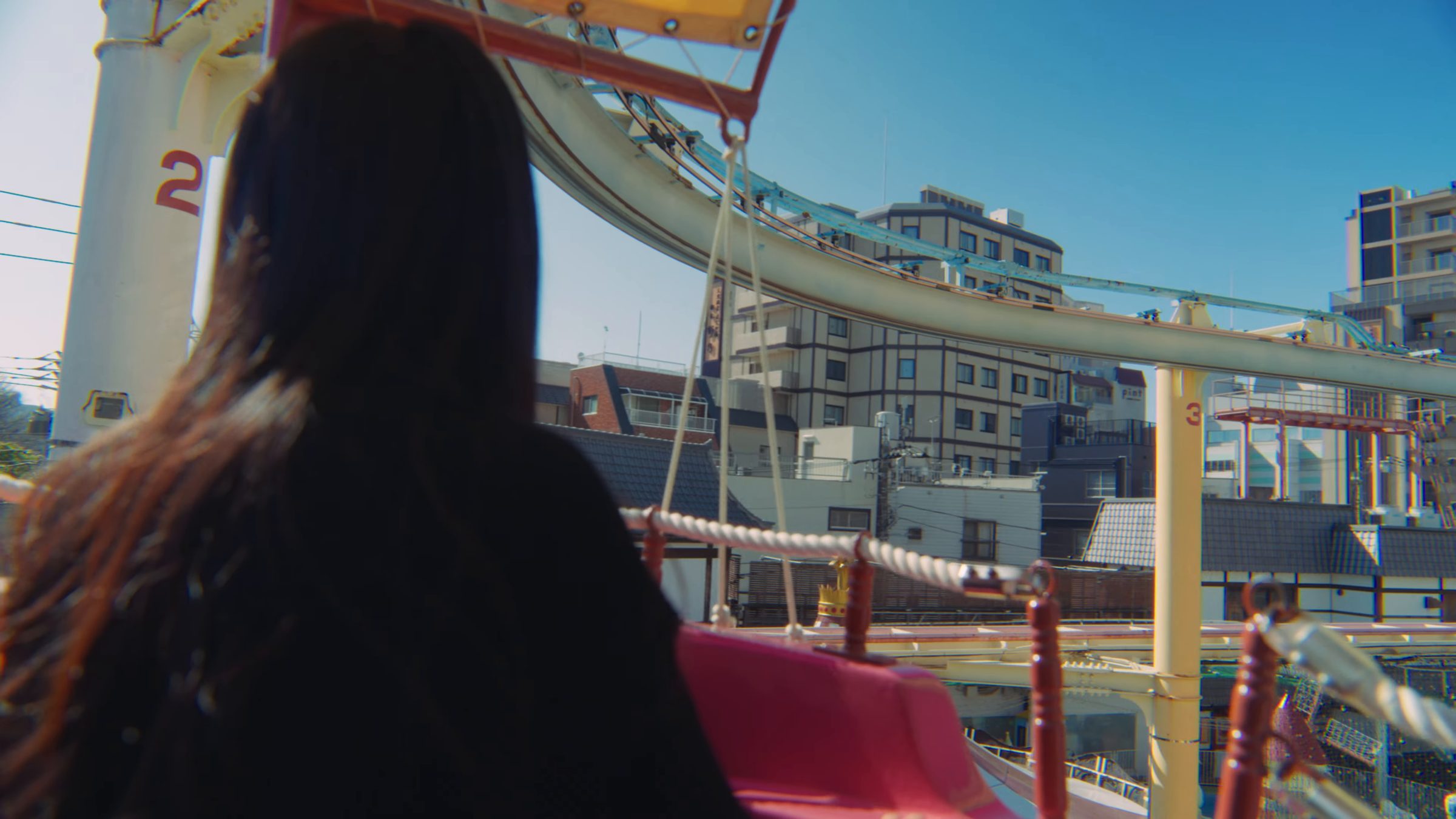

10TRAVEL JOURNAL
Mamekan behind the Kannon
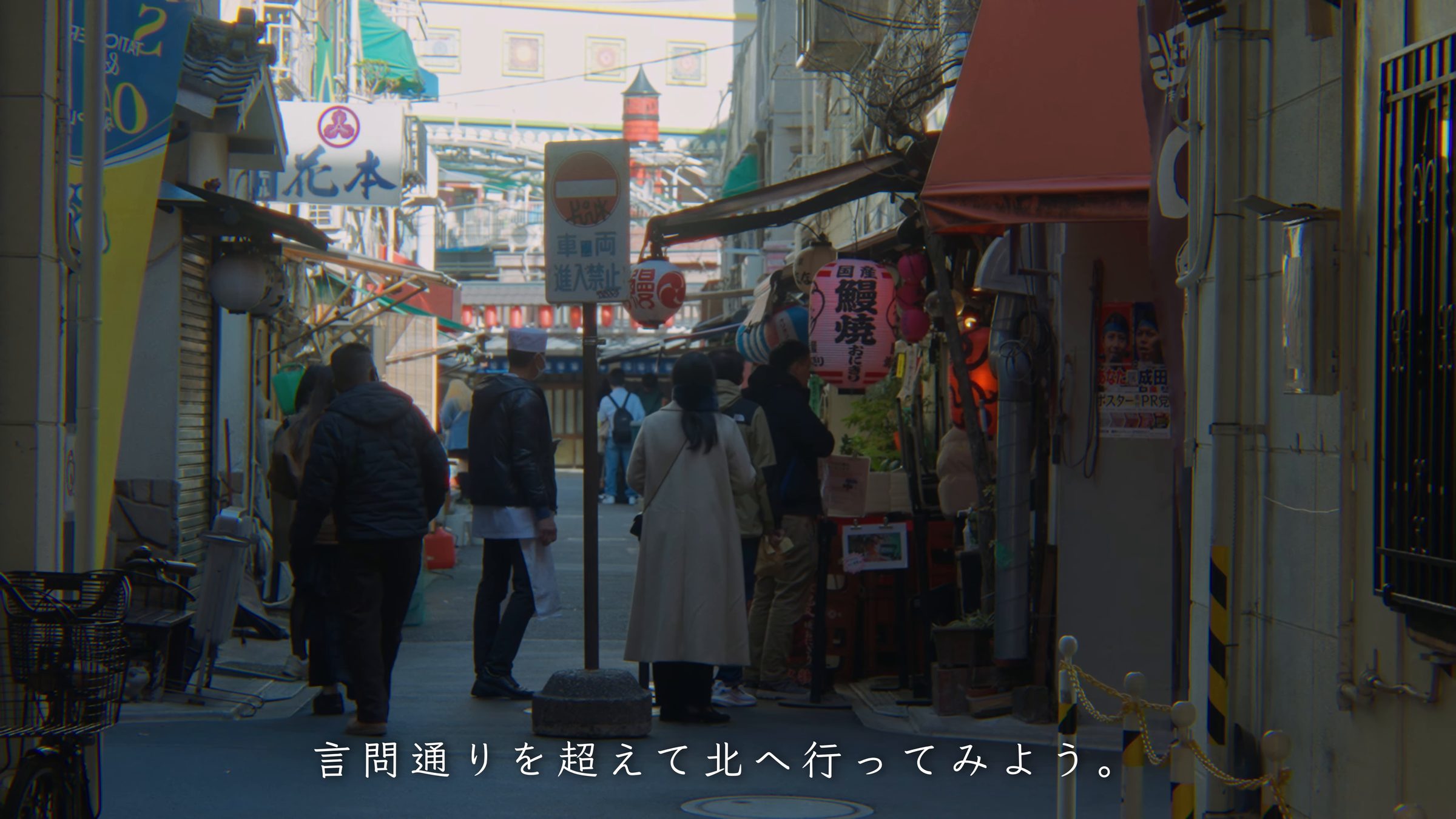
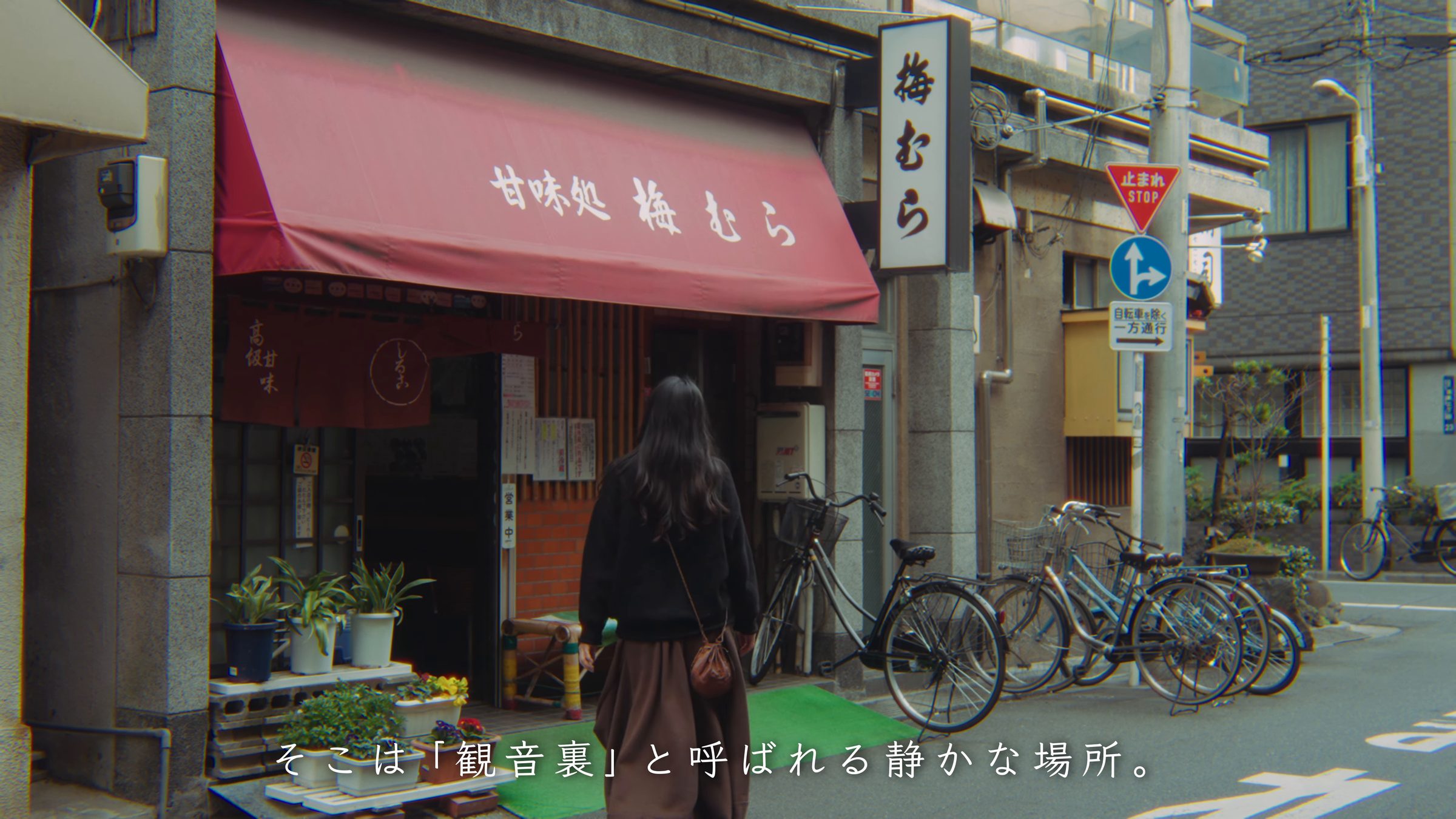
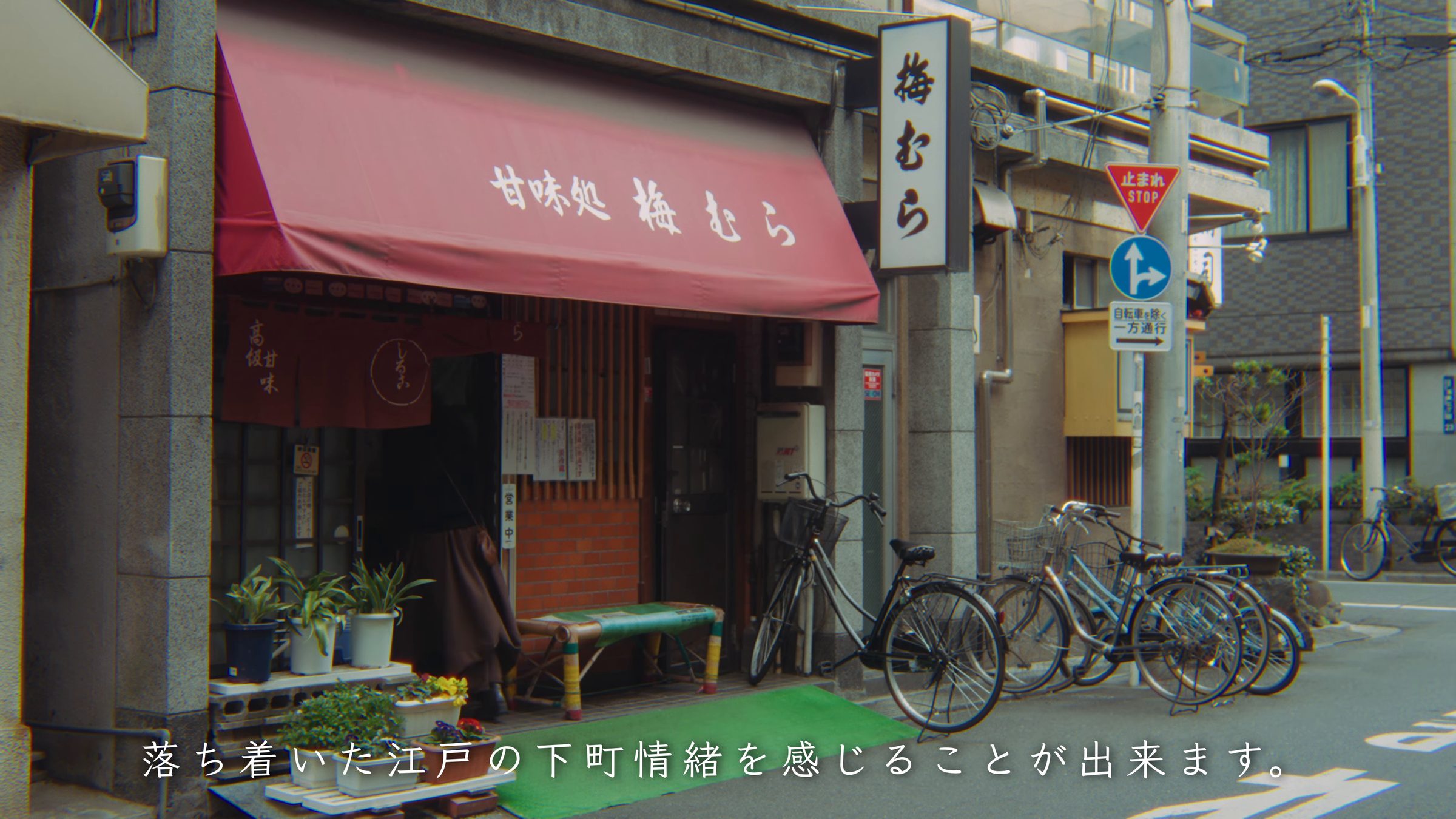
Let's go north, through a lane of little bars and across Kototoi Street. Beyond it lies a quiet neighborhood called Kannon-ura, "behind the Kannon." It once flourished as a geisha district, and buildings that keep the feel of those days are still scattered about. You can feel the calm, old-fashioned air of Edo's shitamachi.
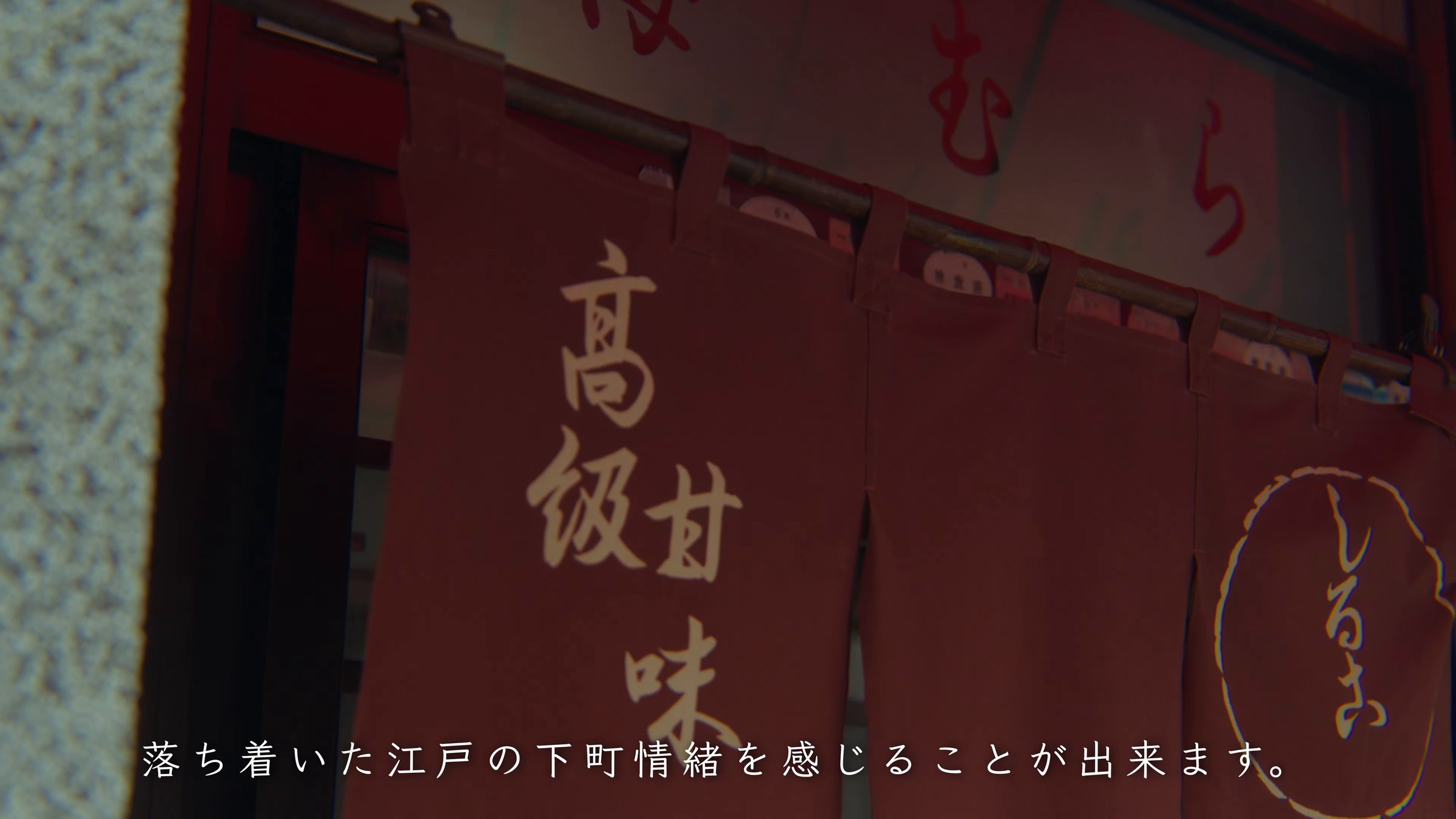
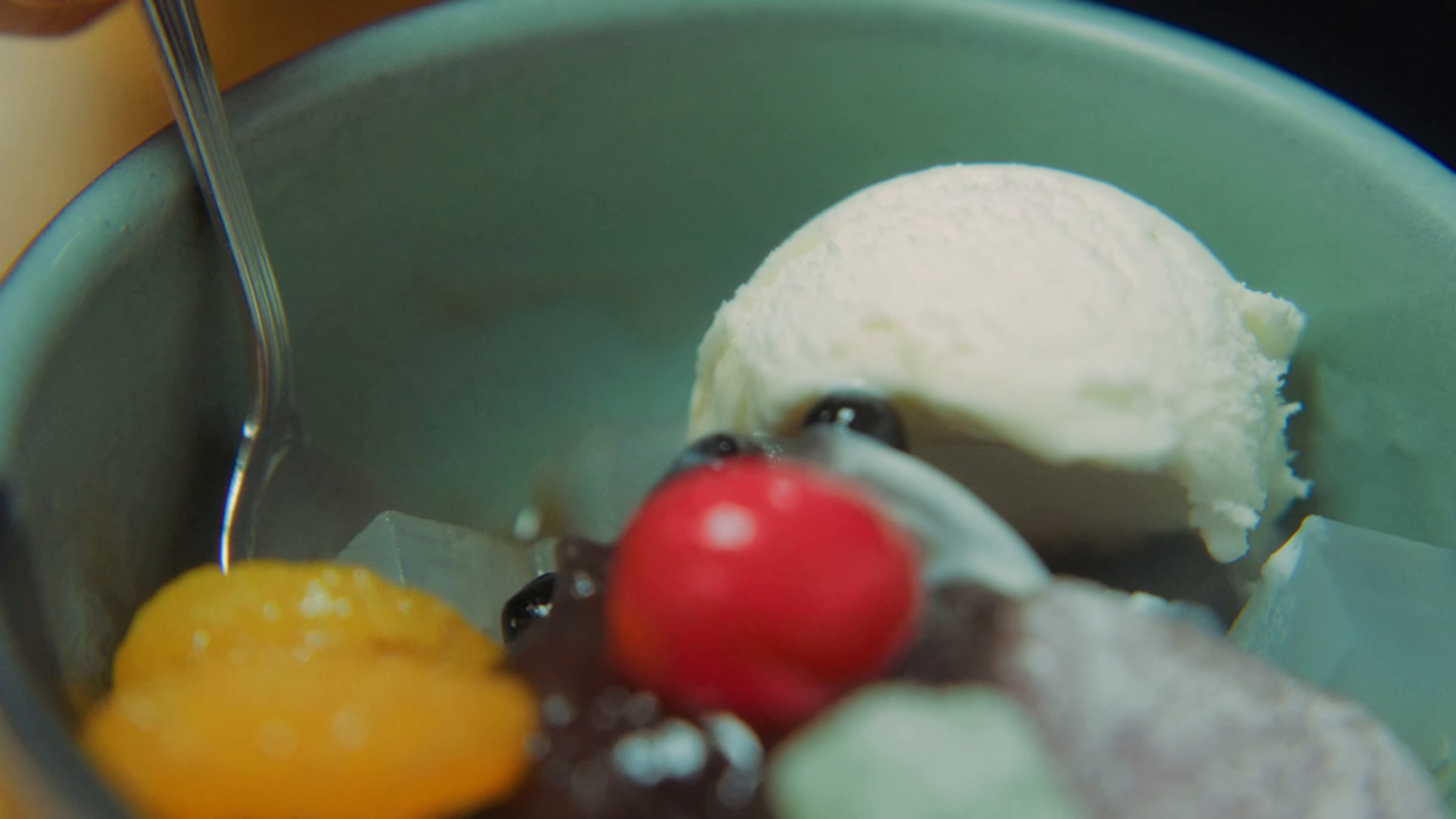
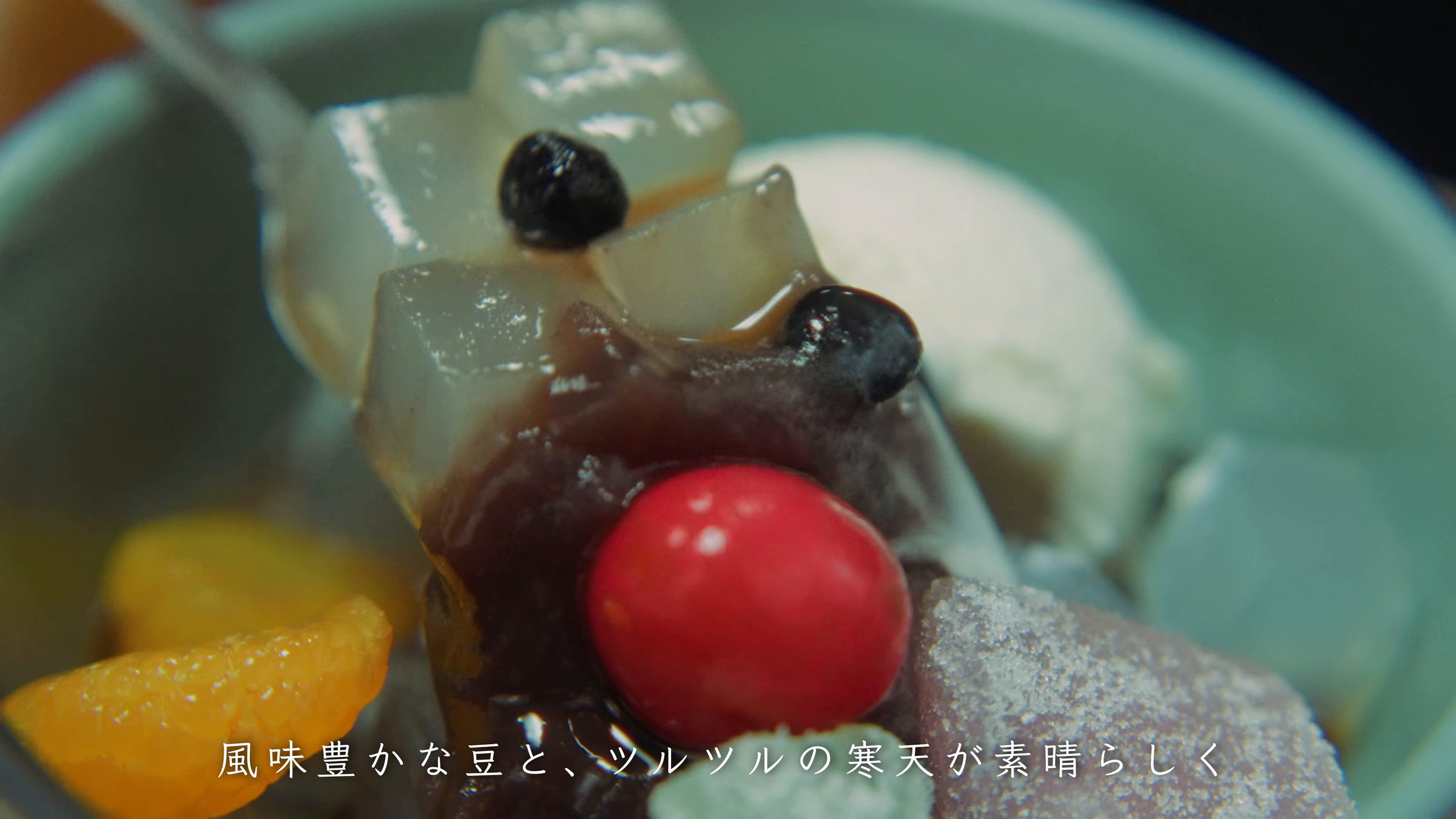
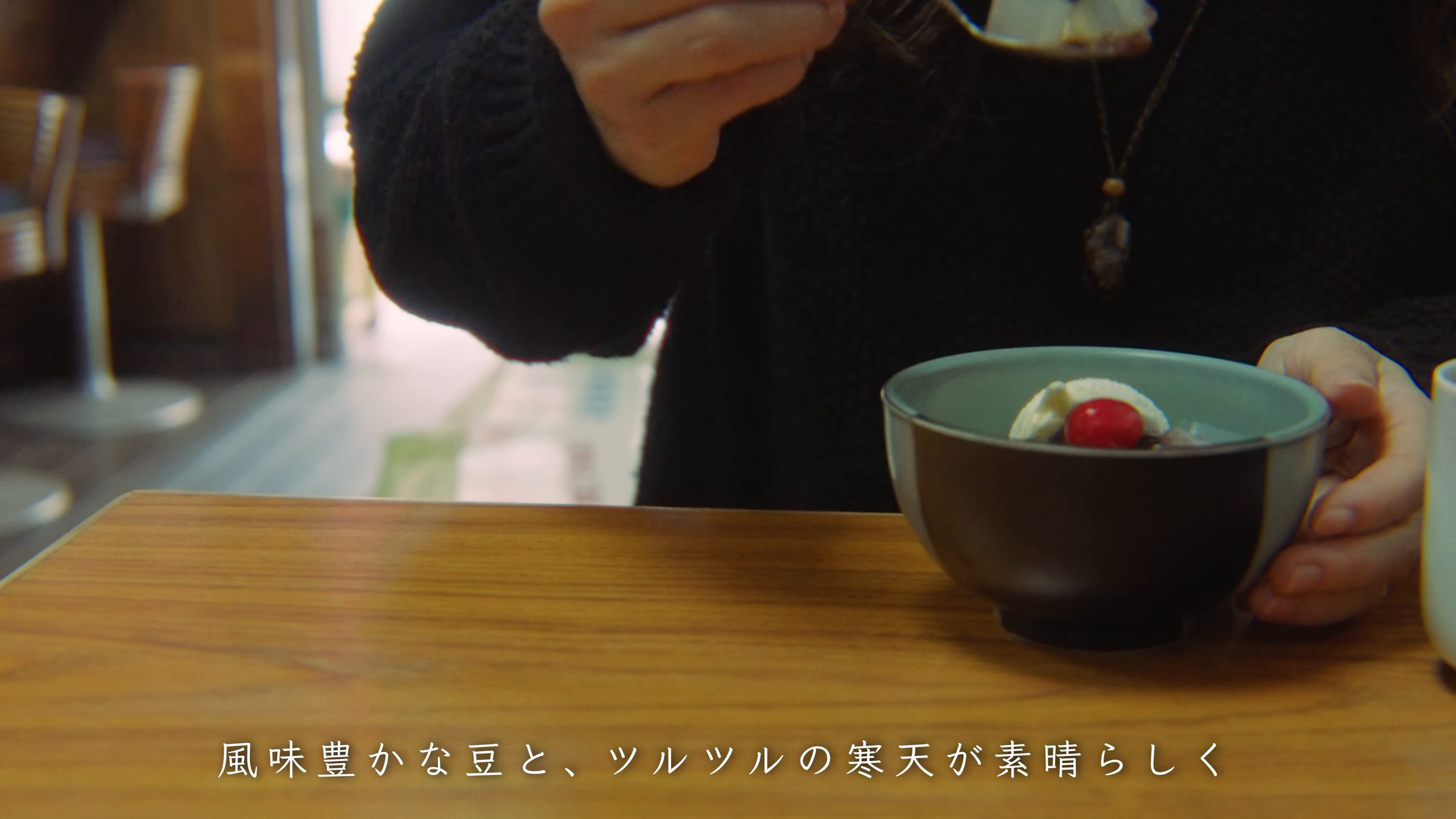
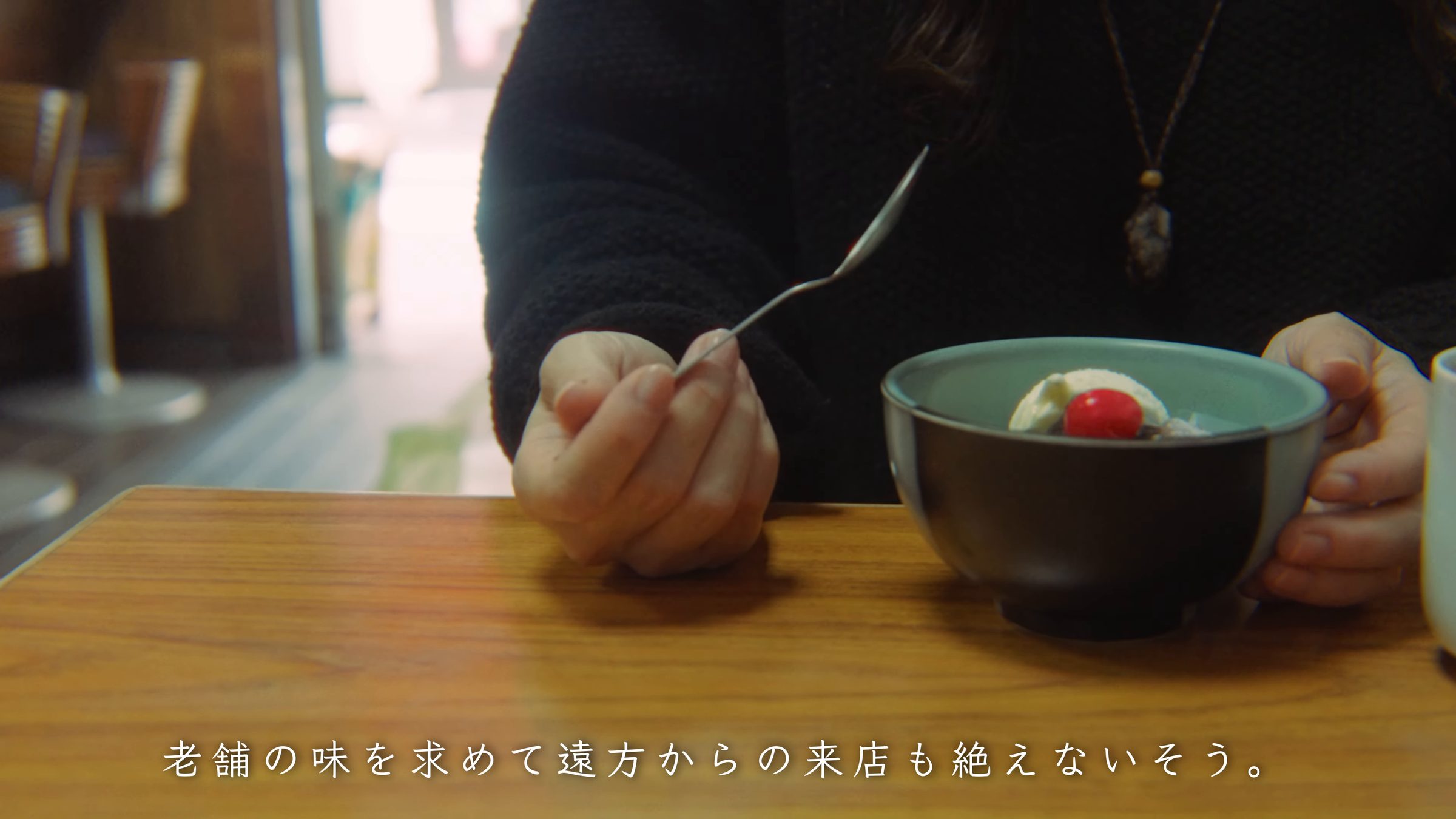
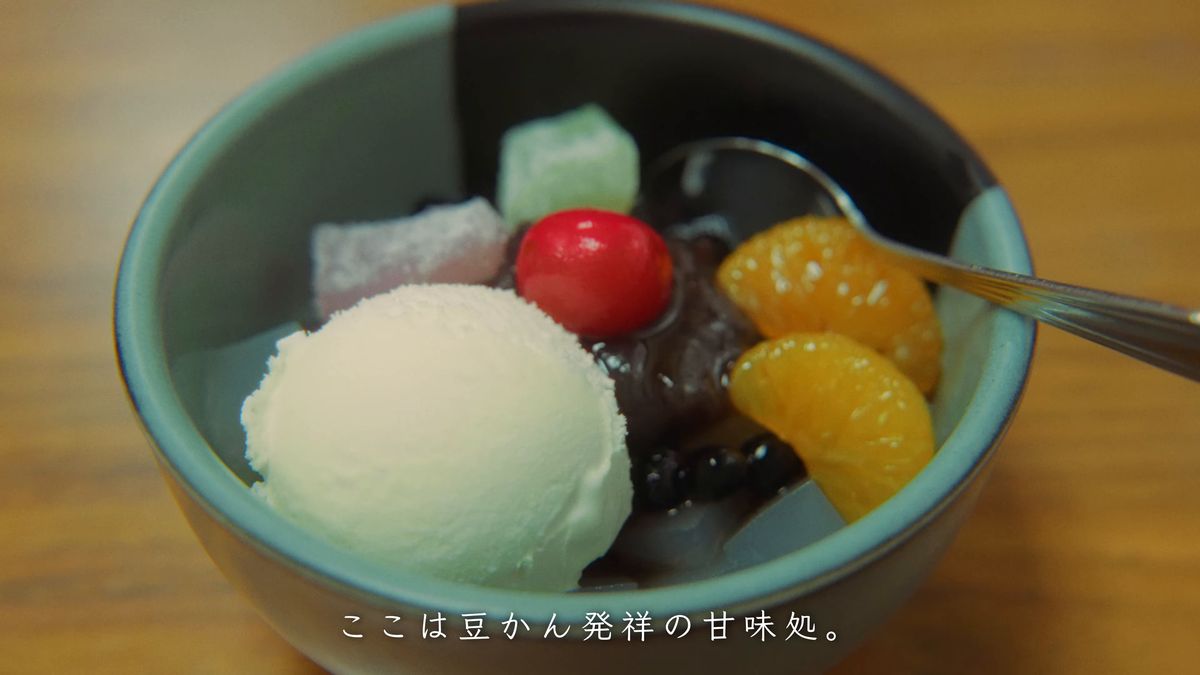
Under a red awning is Umemura, a sweets shop in business since 1968 and the birthplace of mamekan. Its noren curtain reads "fine sweets, shiruko." The flavorful beans and the smooth agar are wonderful, and people keep coming from far away for this long-loved taste. The shop is also known for appearing in the manga The Solitary Gourmet.
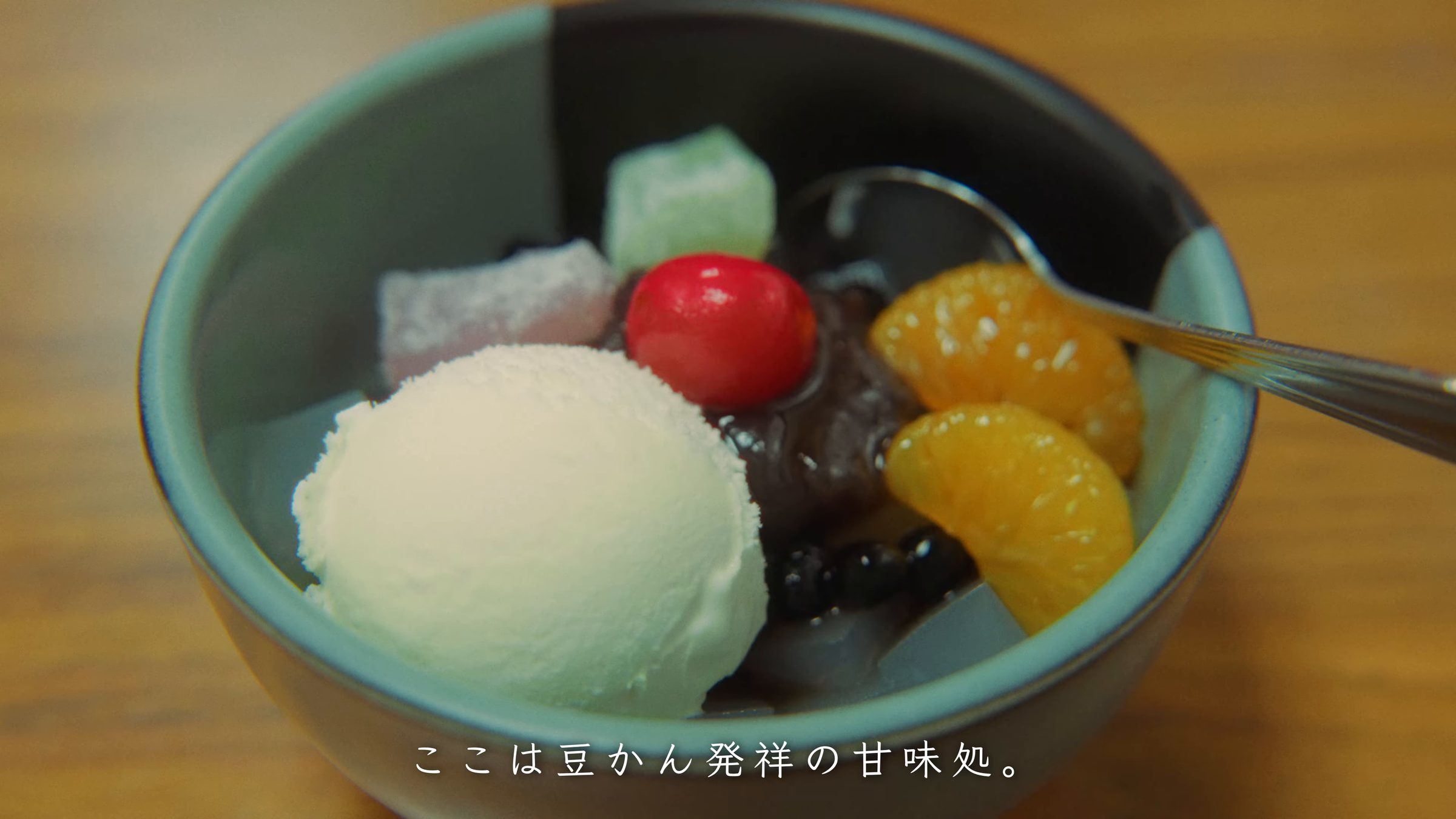
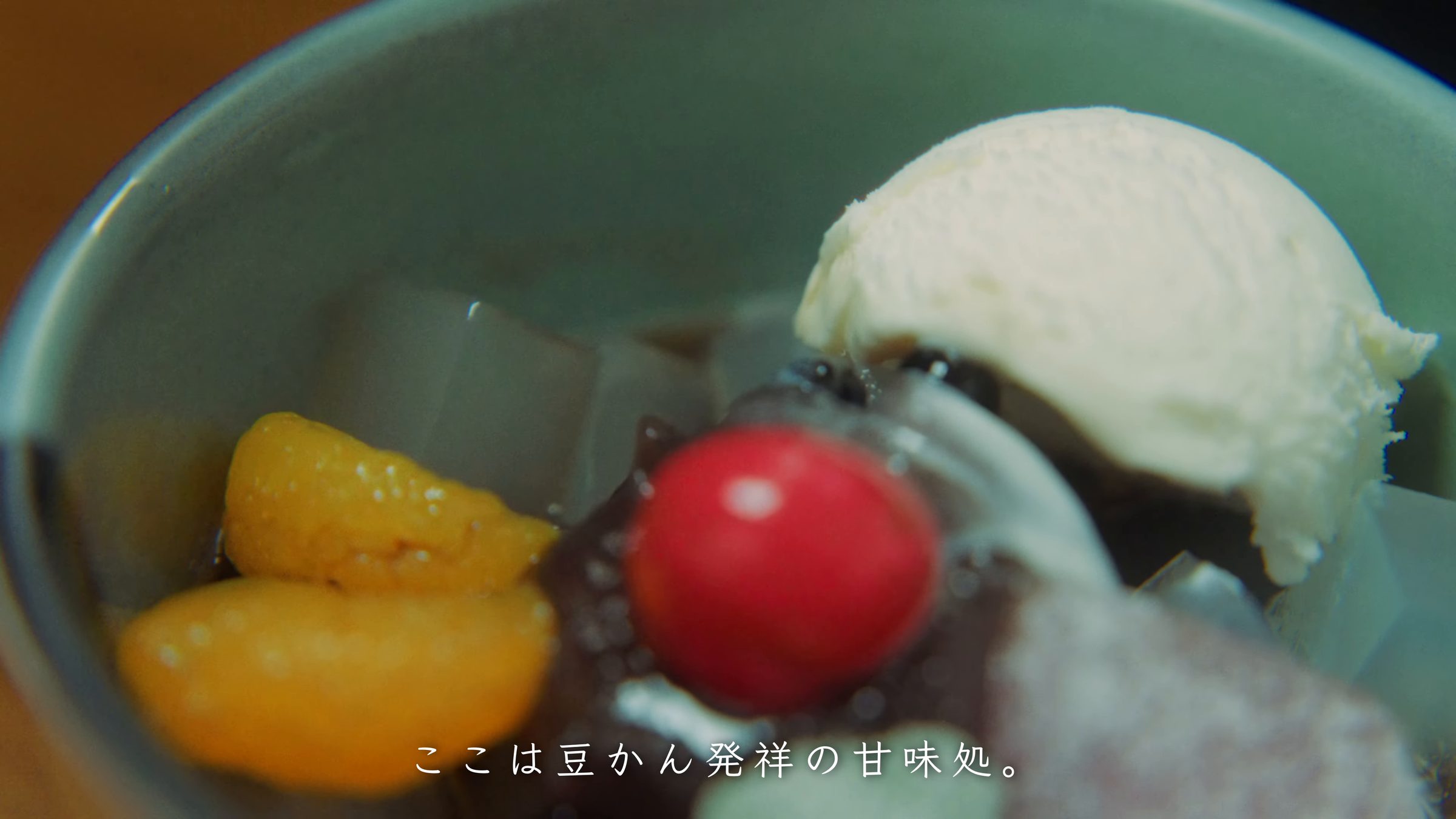
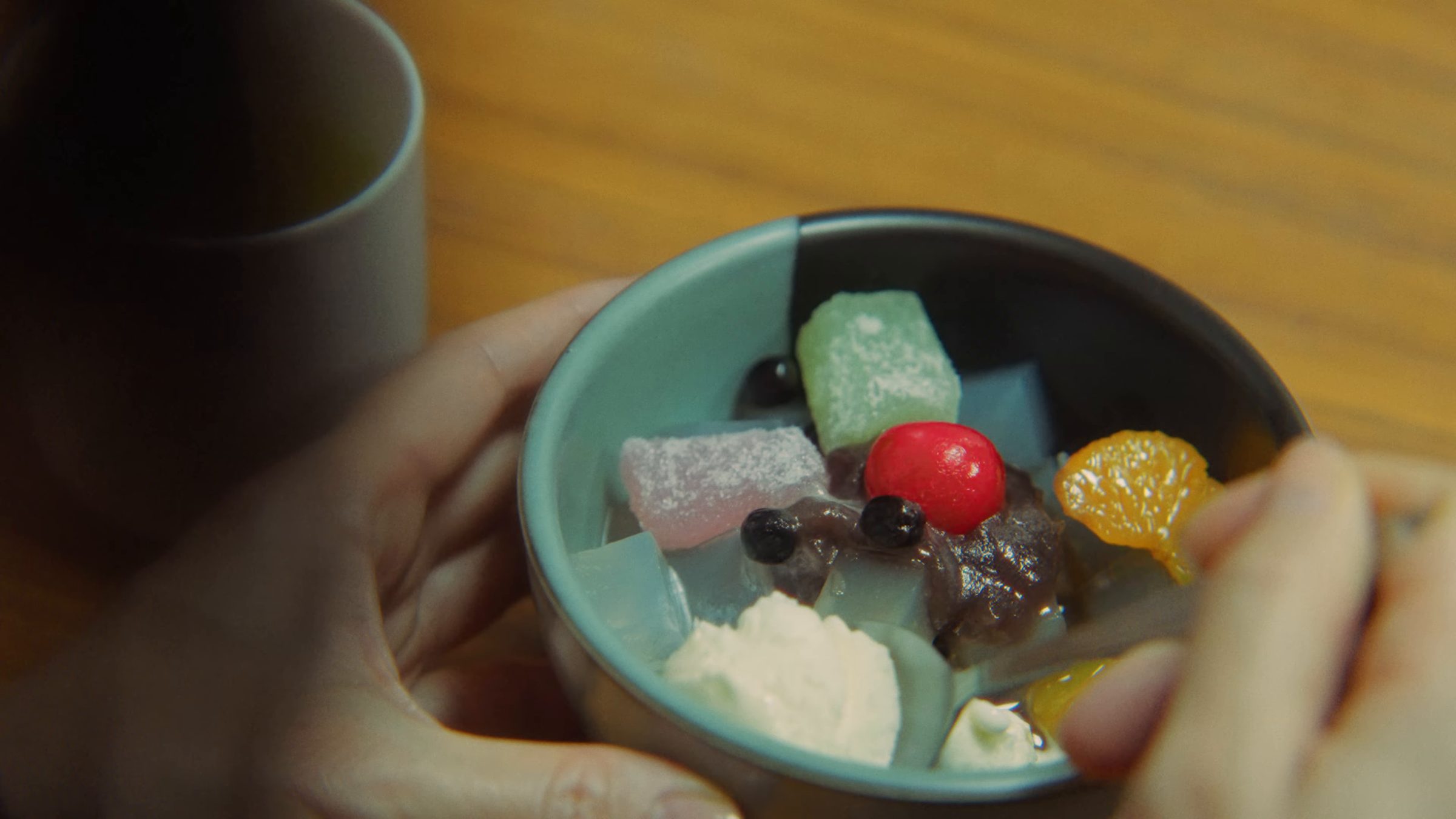
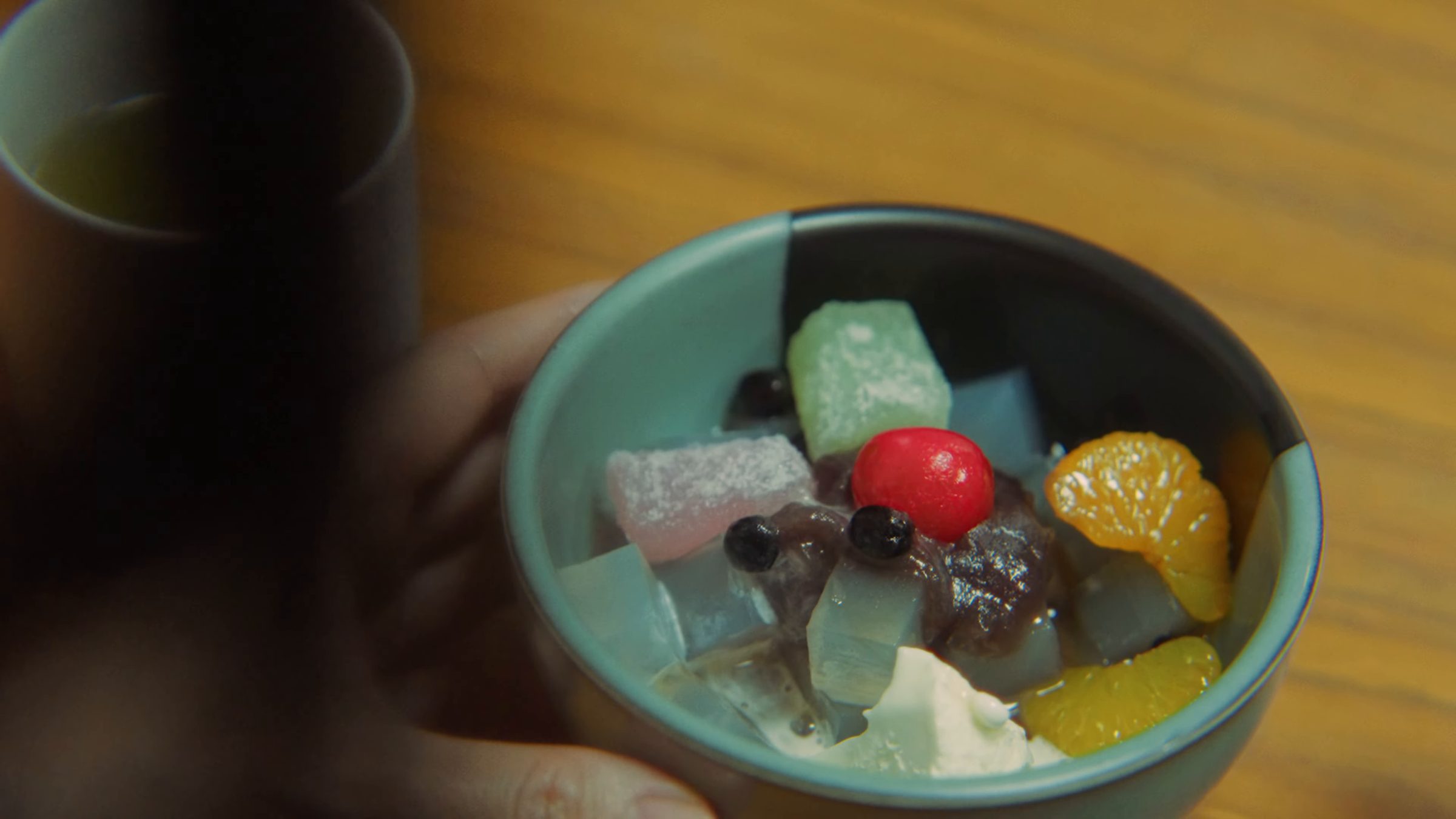
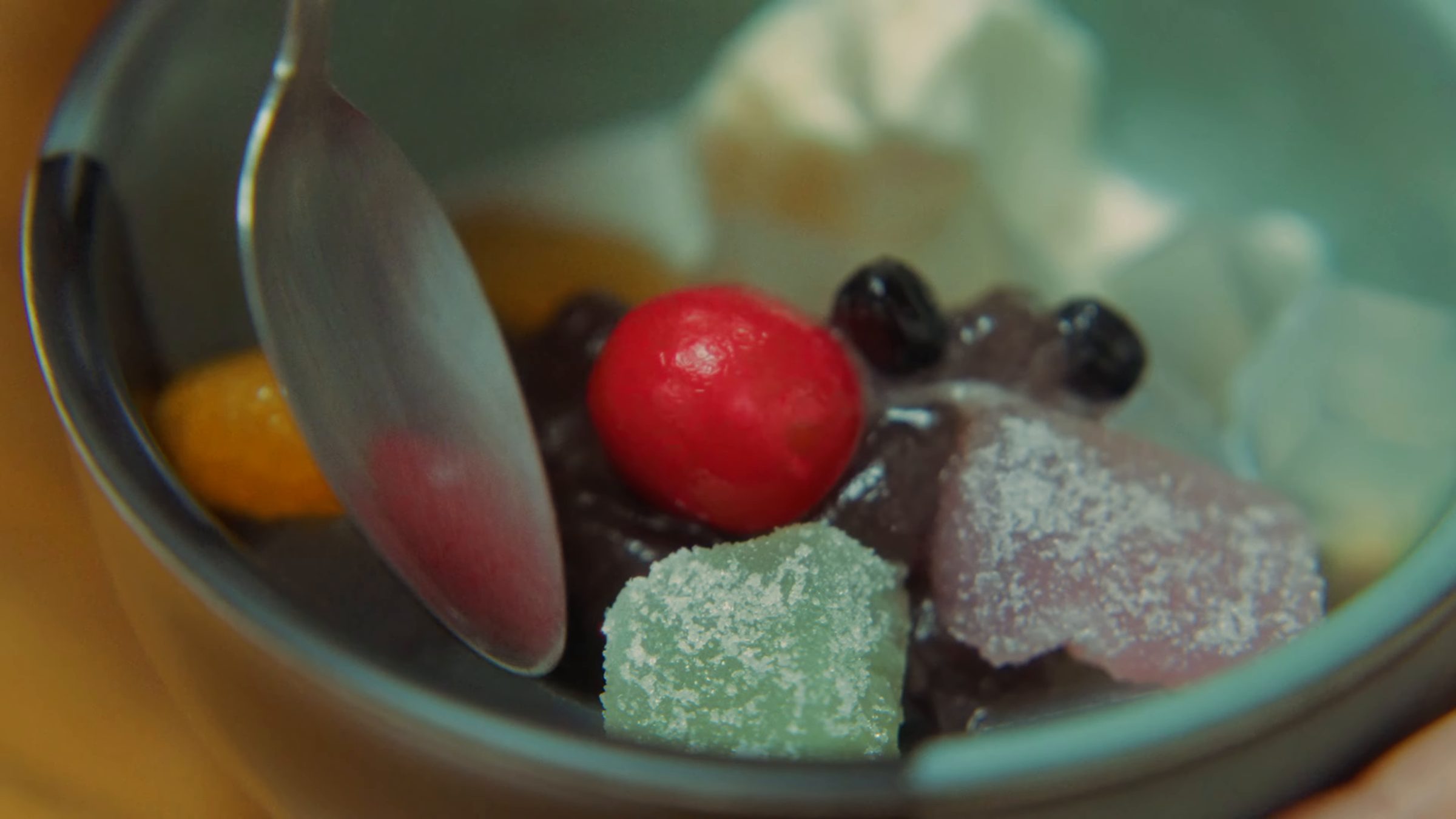
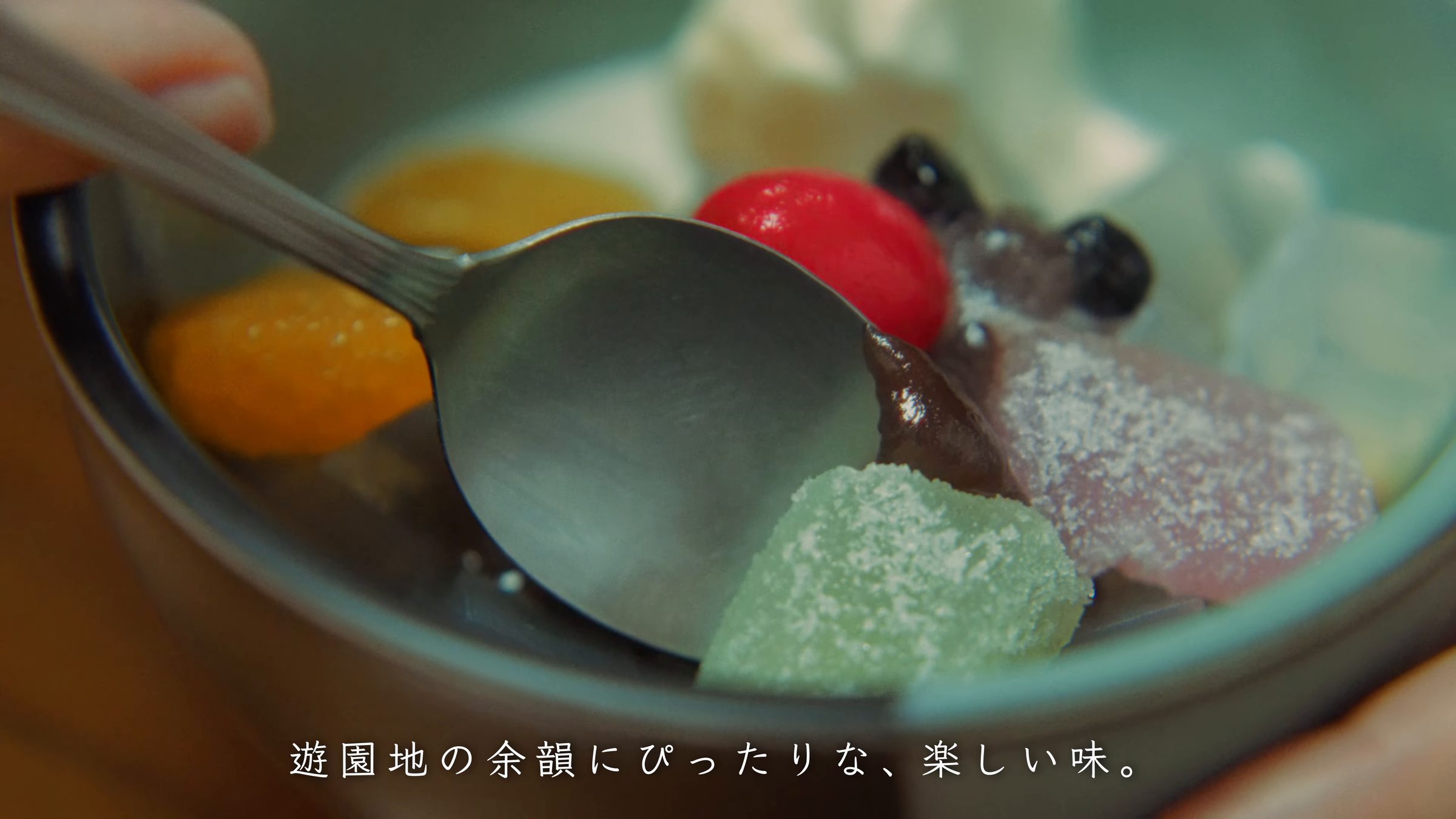
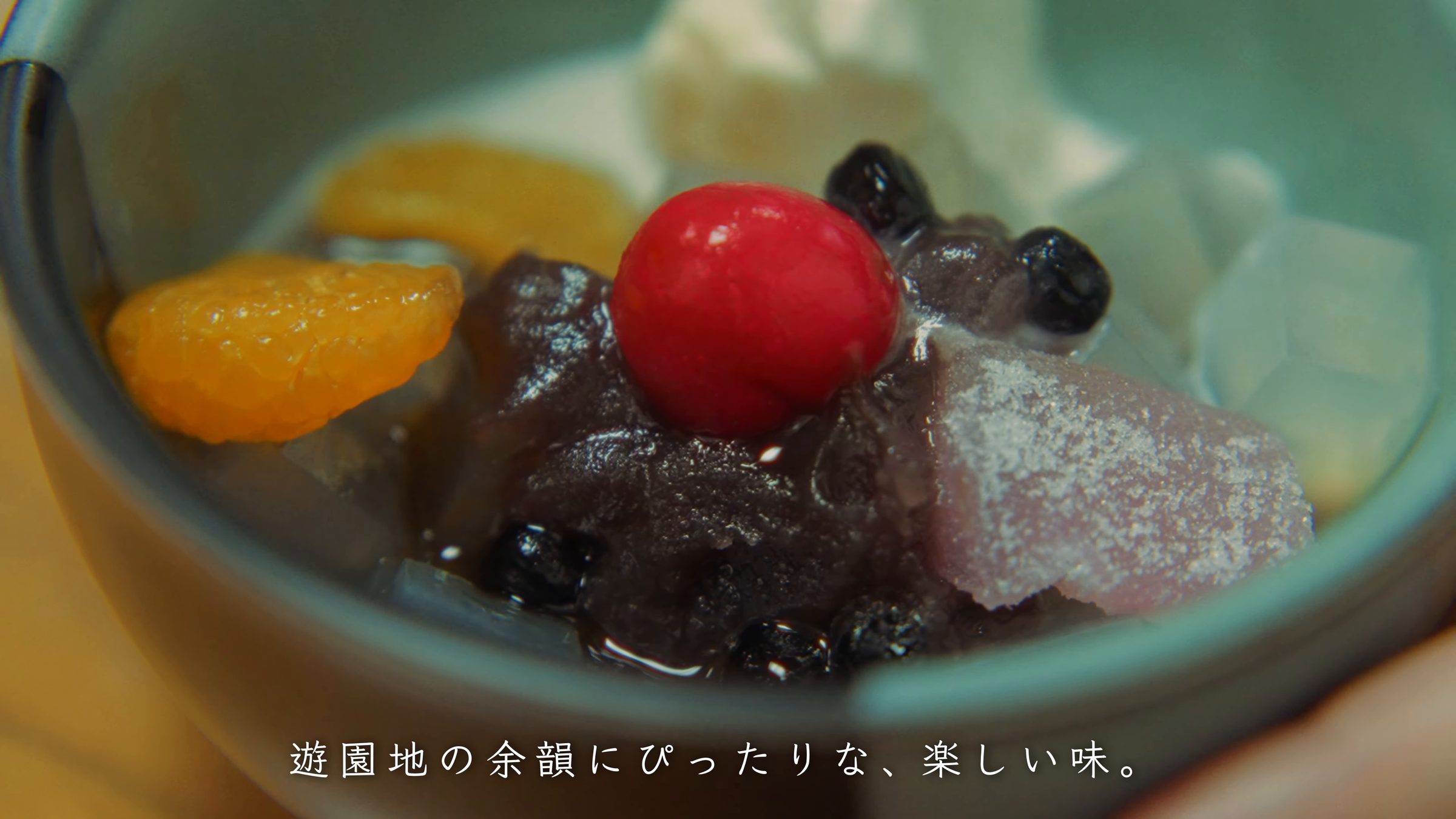
This time I treated myself to cream anmitsu: agar cubes, red peas, sweet bean paste, a cherry, mandarin segments, colorful sugar-dusted cubes and a scoop of ice cream. A fun taste, perfect for the afterglow of a day at the amusement park. Once you try it, you'll want to come back again.
Watch this scene on YouTube8:32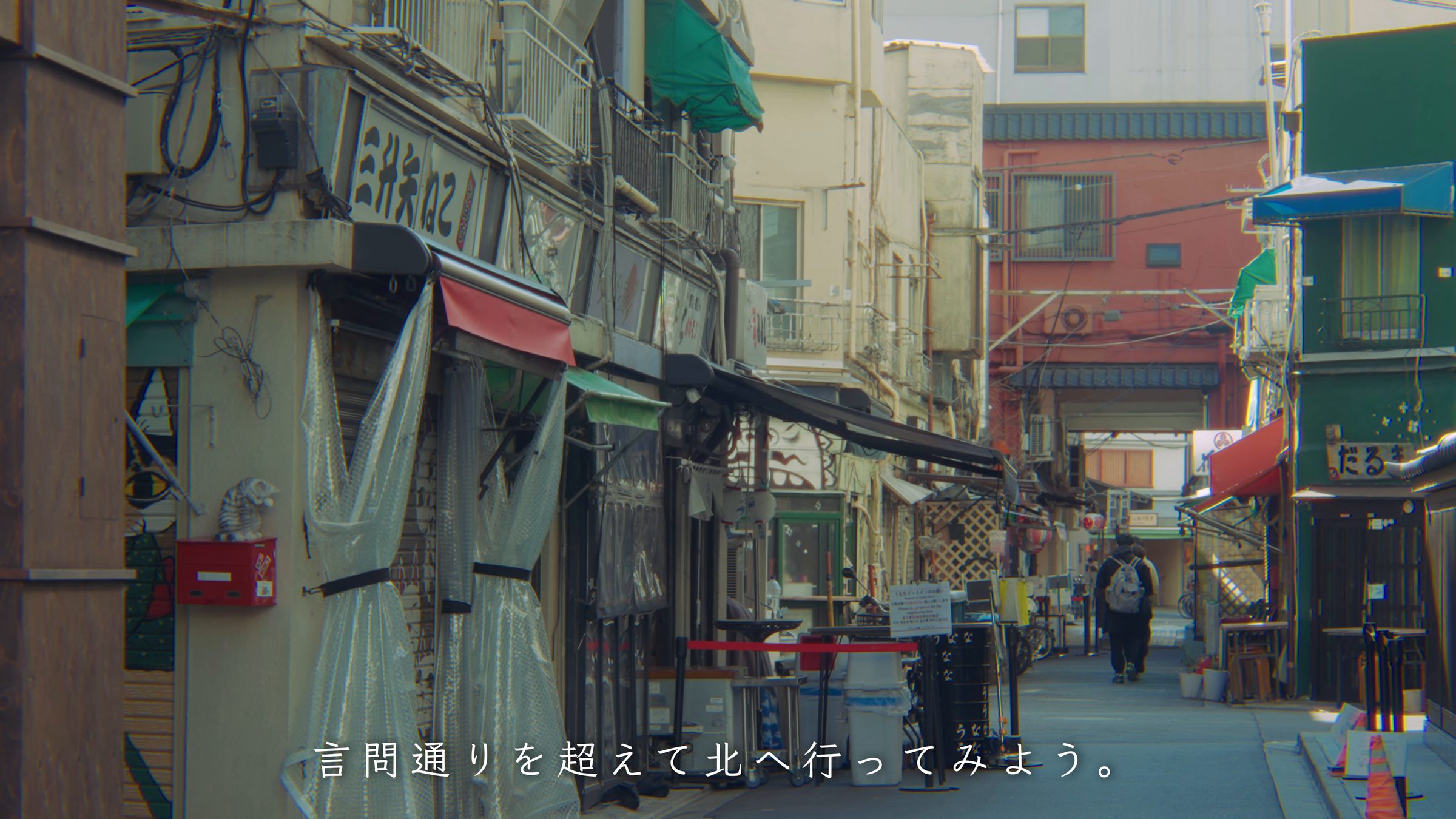
11TRAVEL JOURNAL
Drawn by the scent of sesame oil
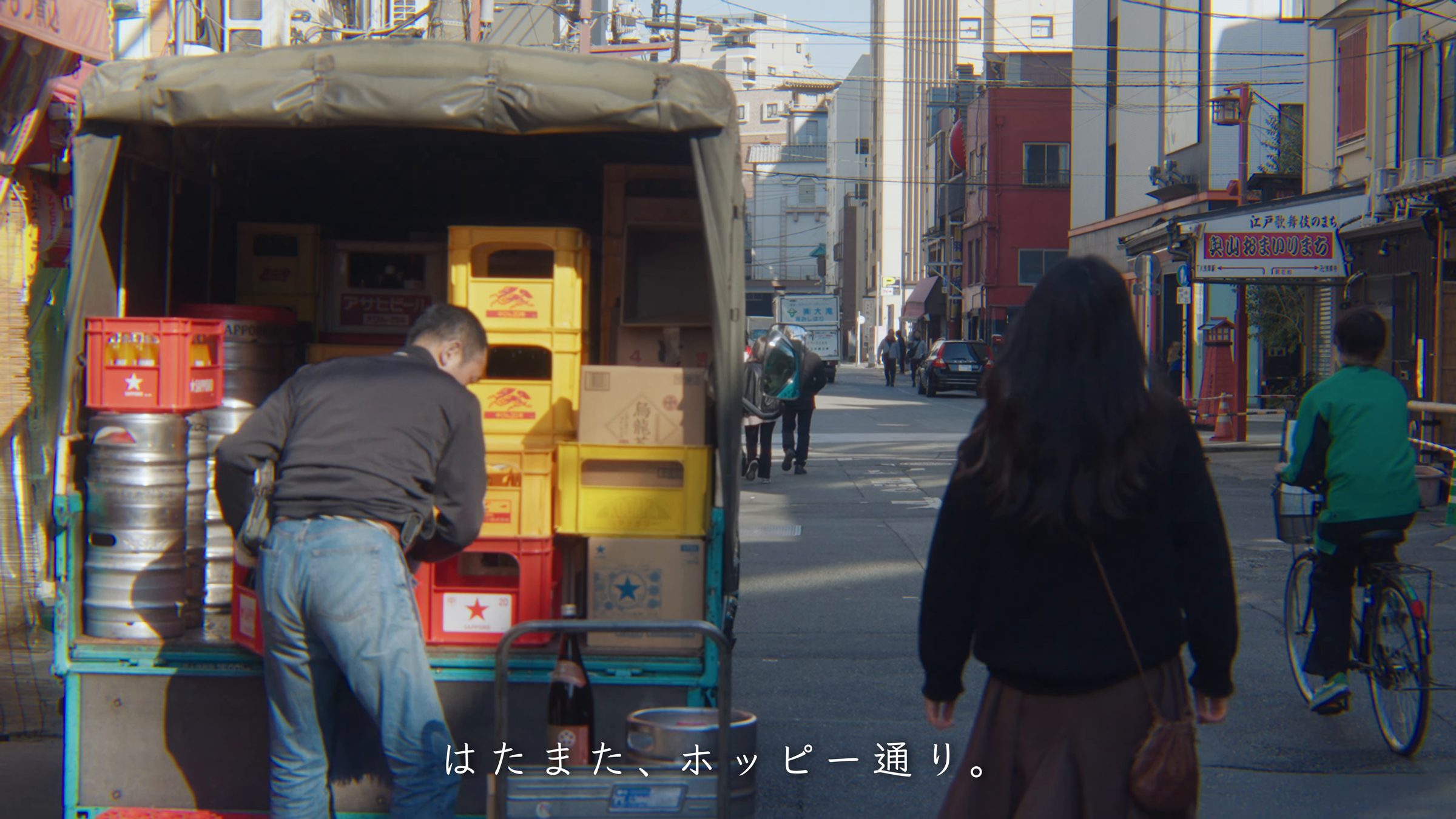
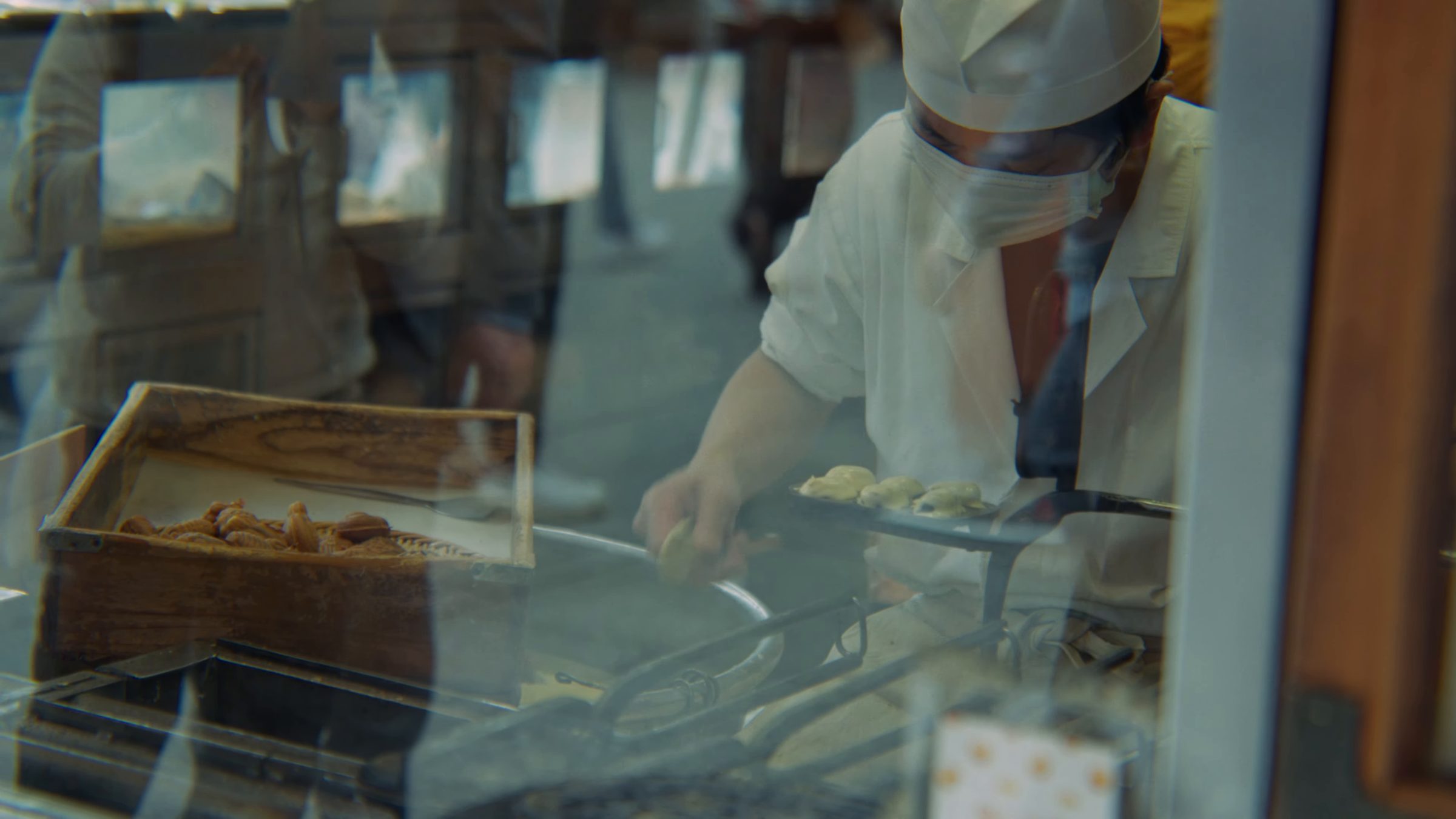
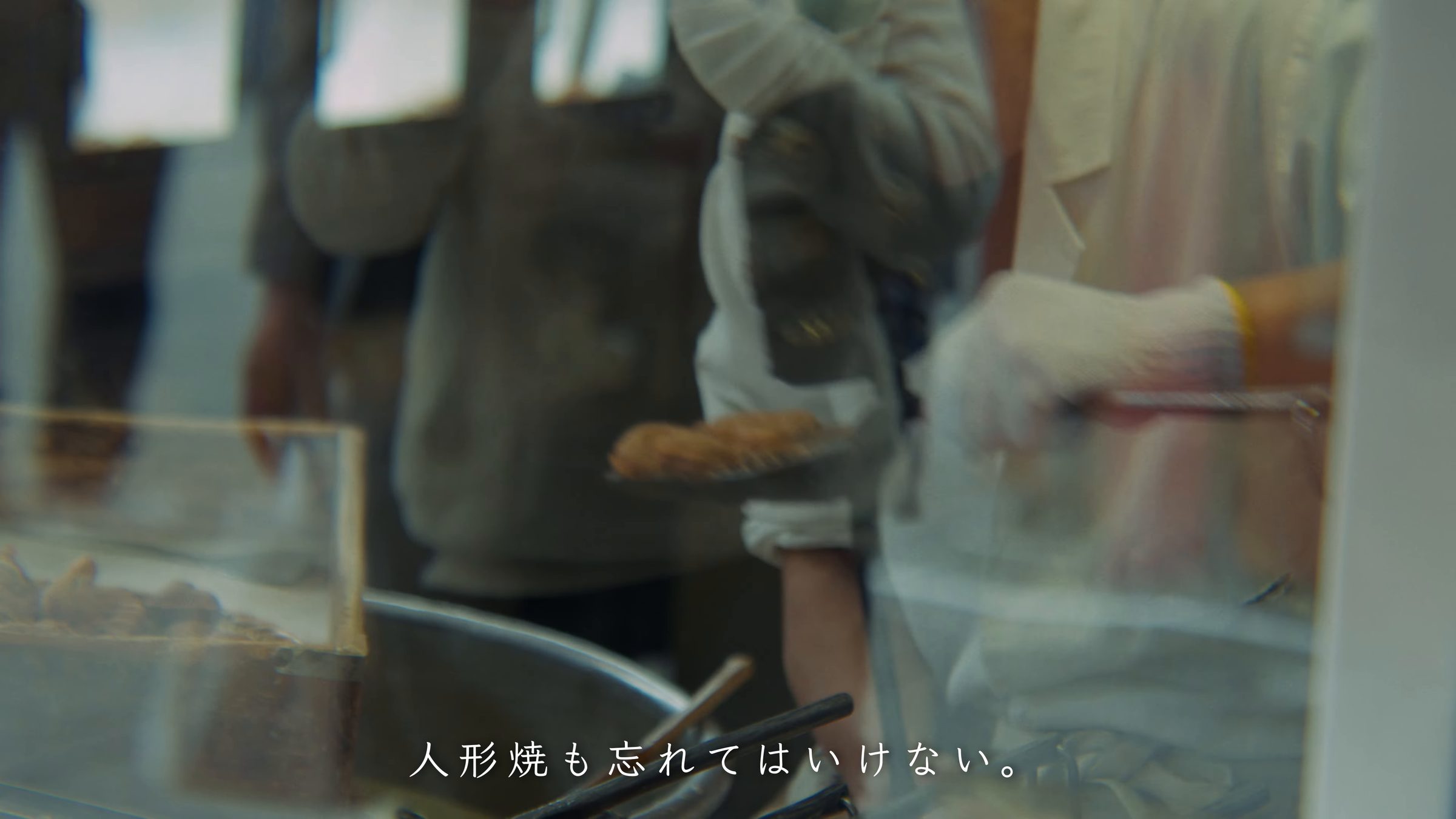
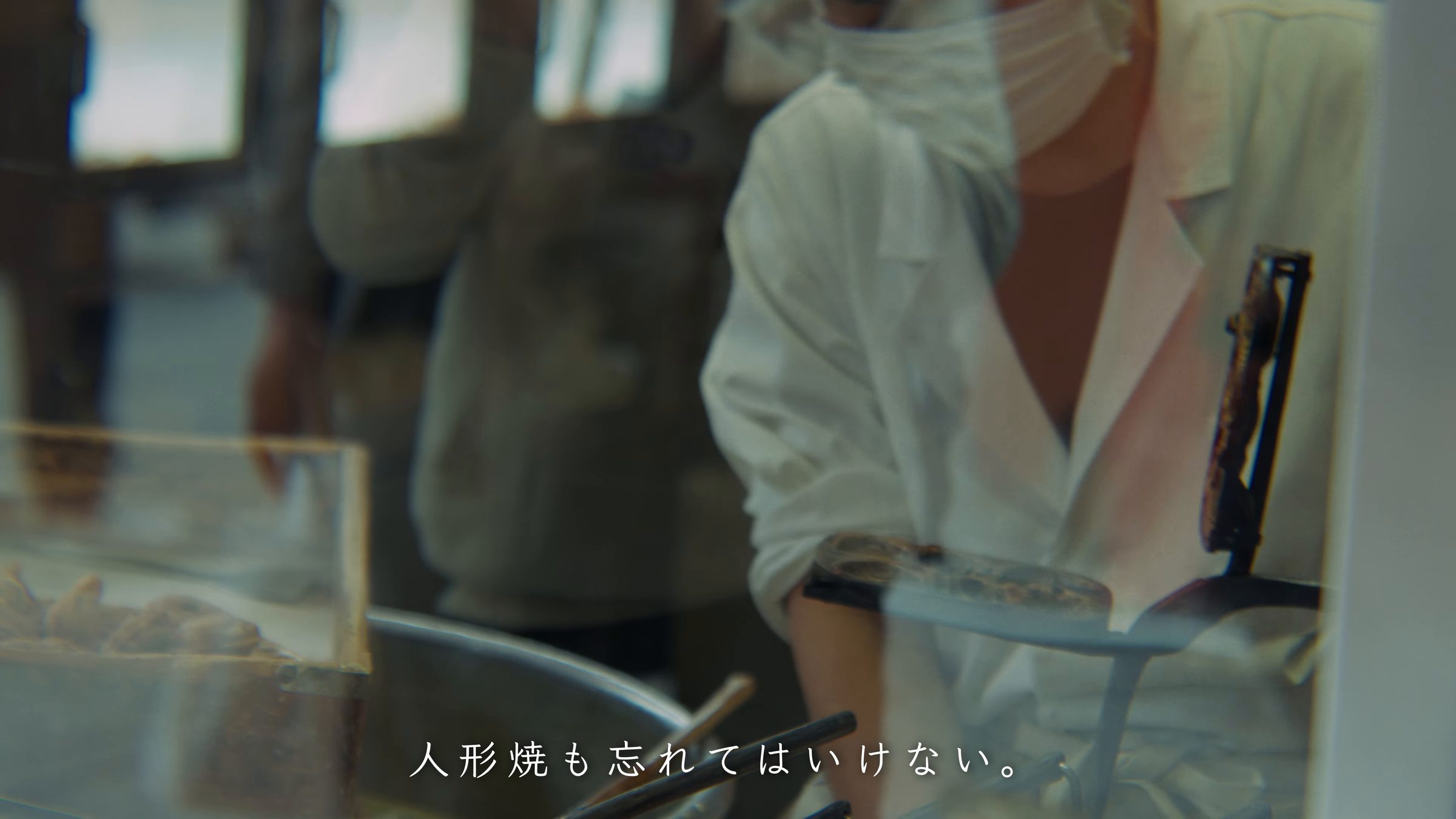
Speaking of Asakusa, there's monjayaki: a shop's sign juts into the blue sky. Then there's Hoppy Street, where kegs and crates of beer were being unloaded. And you can't forget ningyo-yaki: through the glass, freshly baked cakes were being lifted out one after another.
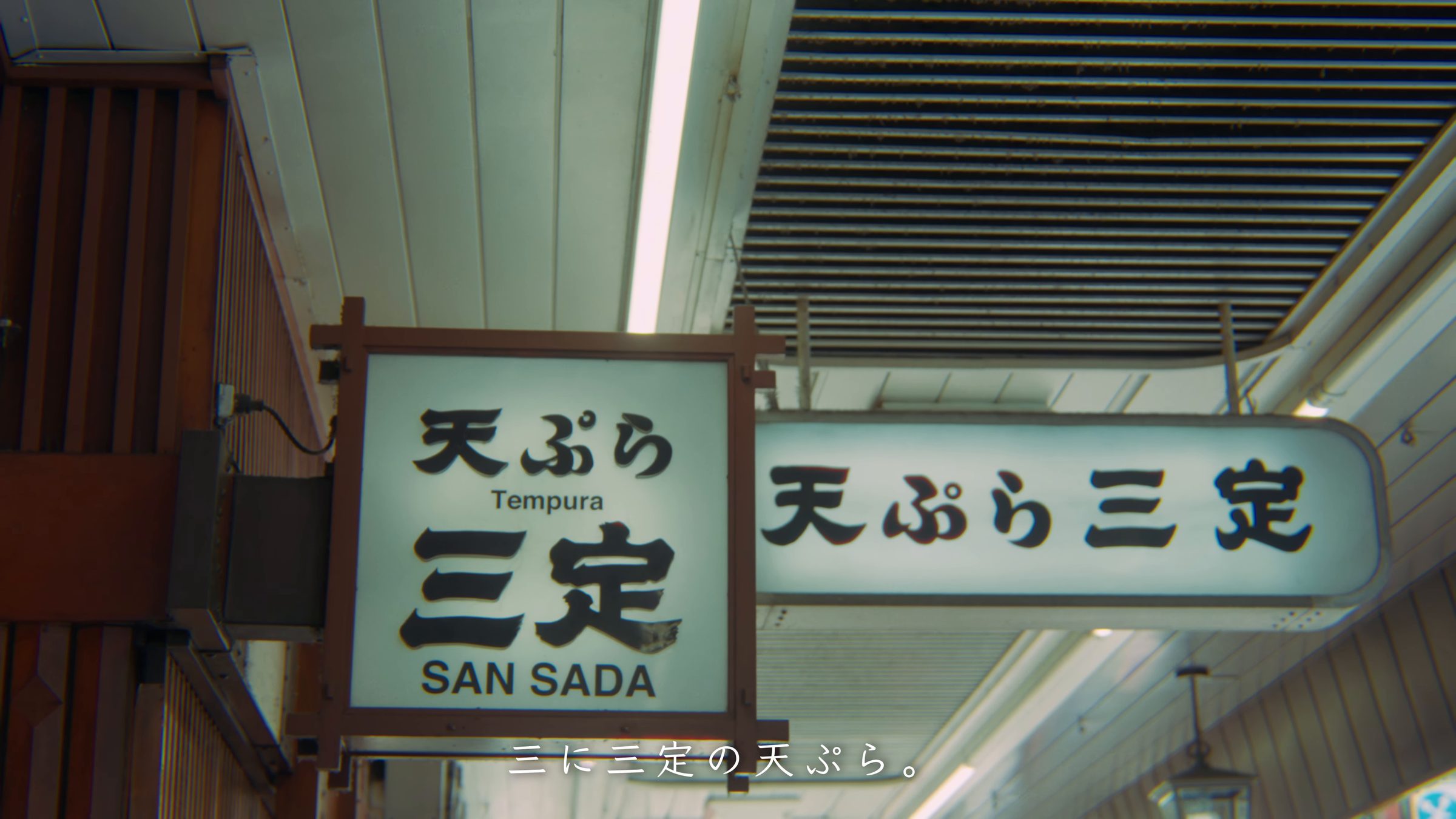
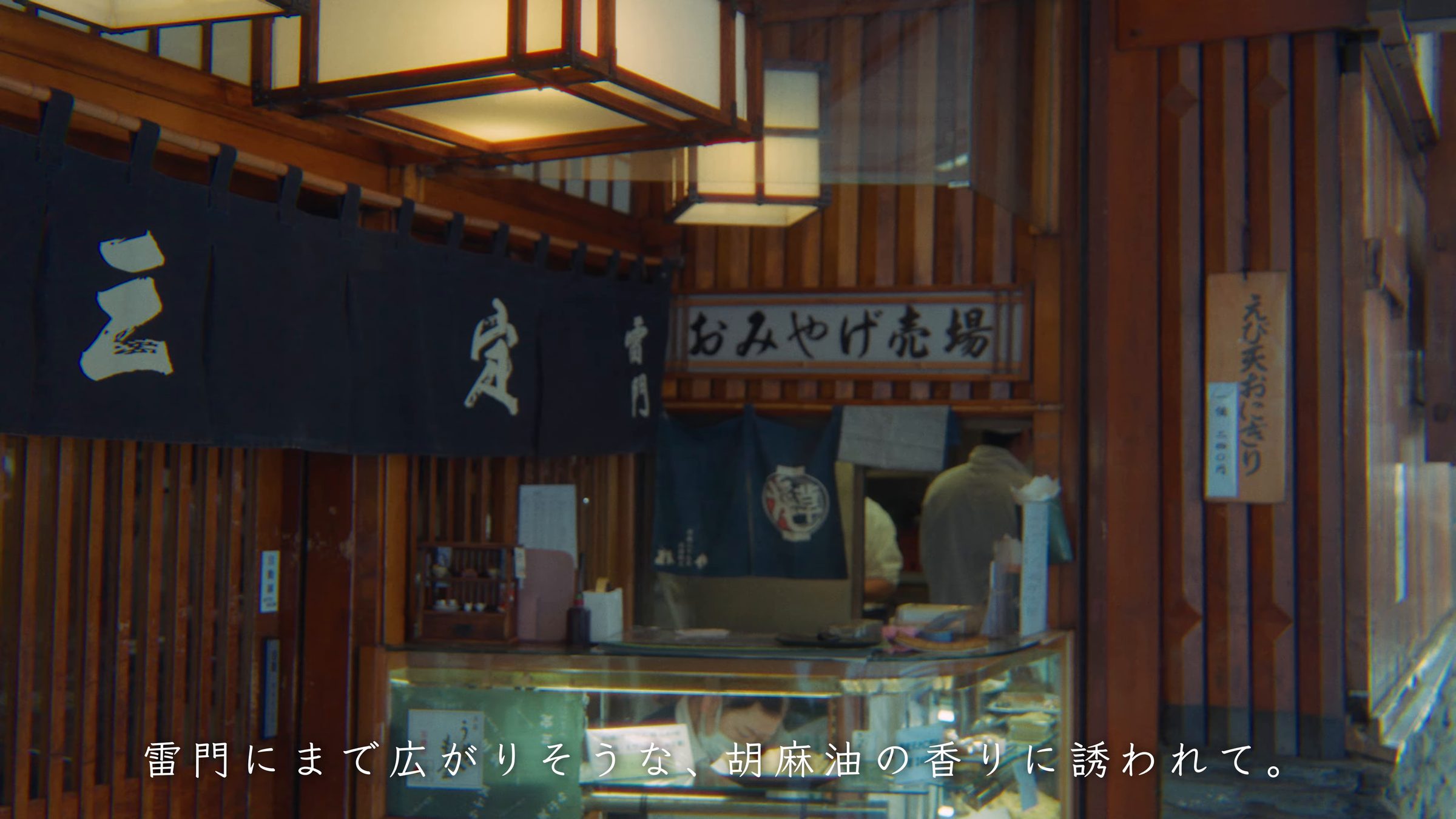
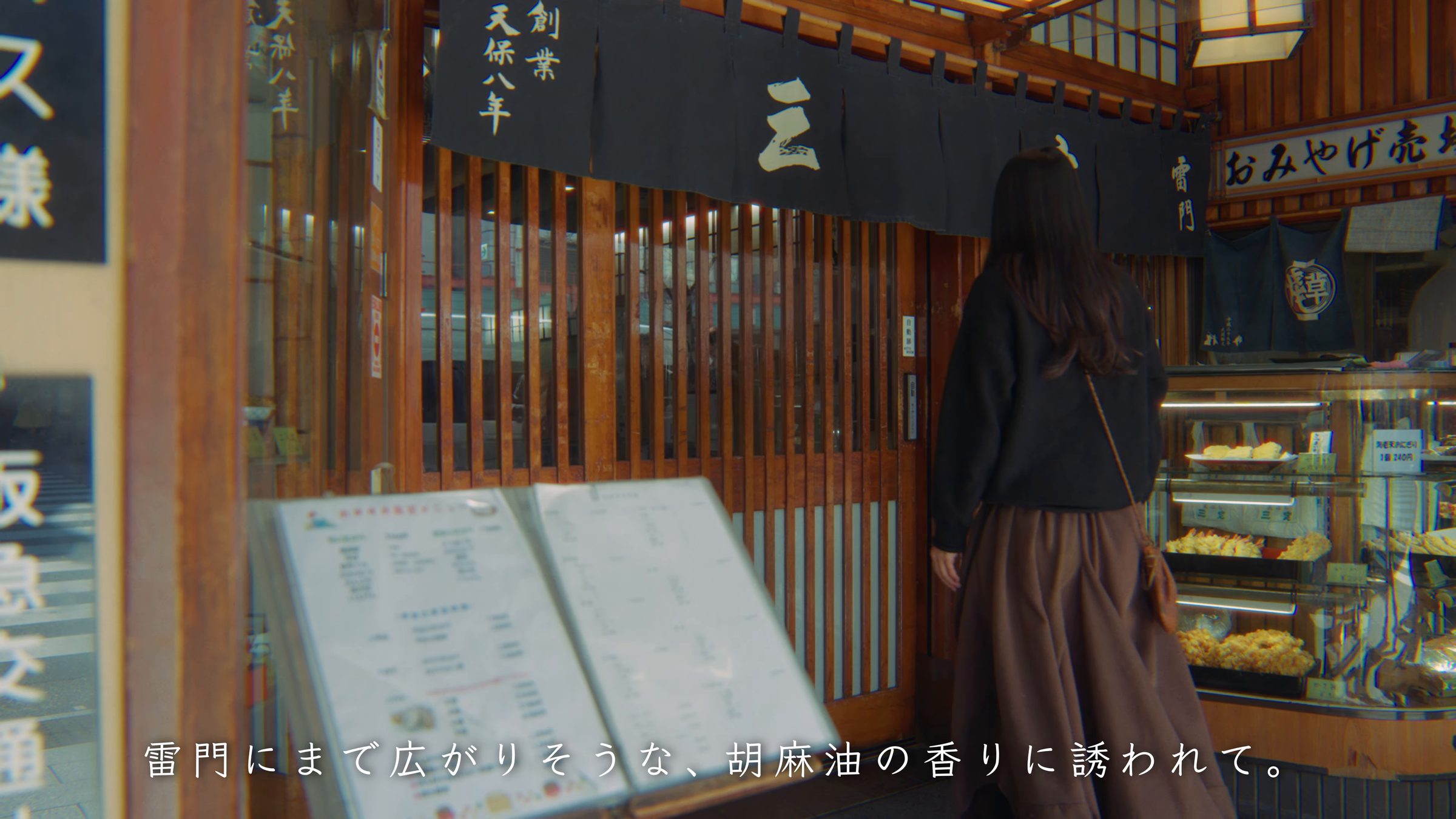
On top of all that: first Asakusa, second the Kannon, and third, Sansada's tempura. Drawn by the scent of sesame oil that seems to drift all the way to Kaminarimon, I made my way to Sansada. Beyond the navy noren is a souvenir counter, and I stopped in front of the menu out front.
Watch this scene on YouTube9:42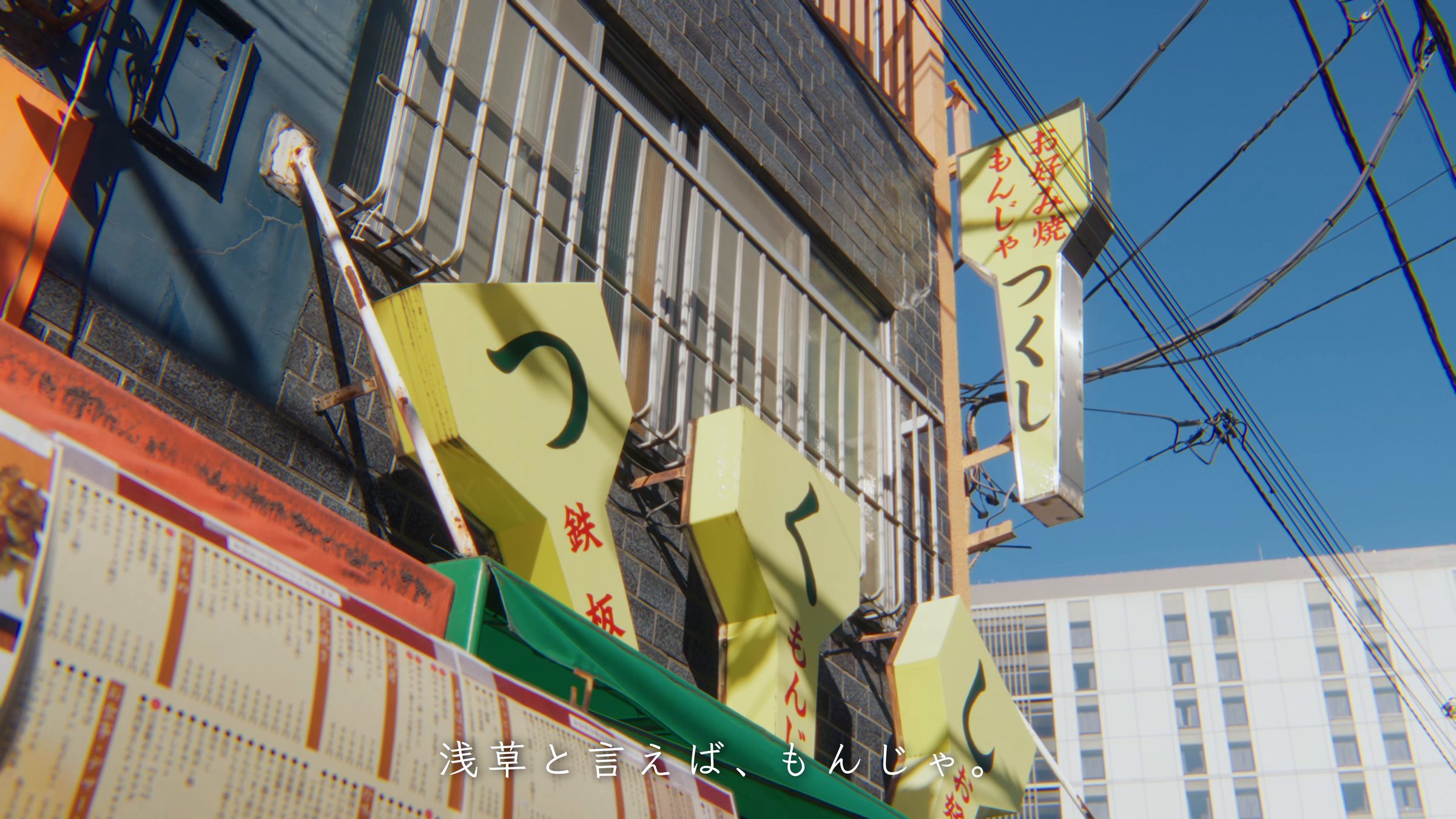
12TRAVEL JOURNAL
Over 180 years beside Kaminarimon
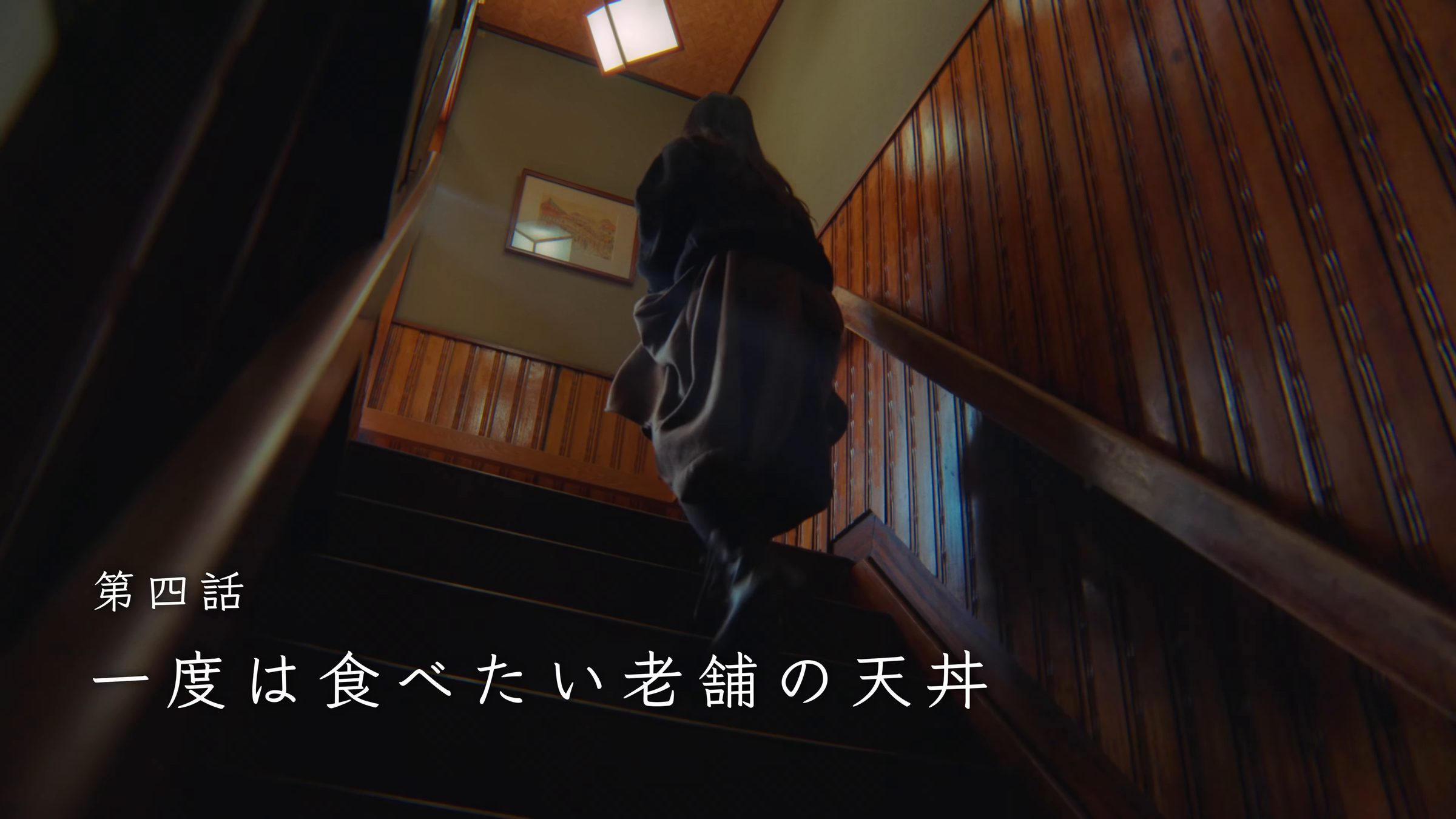
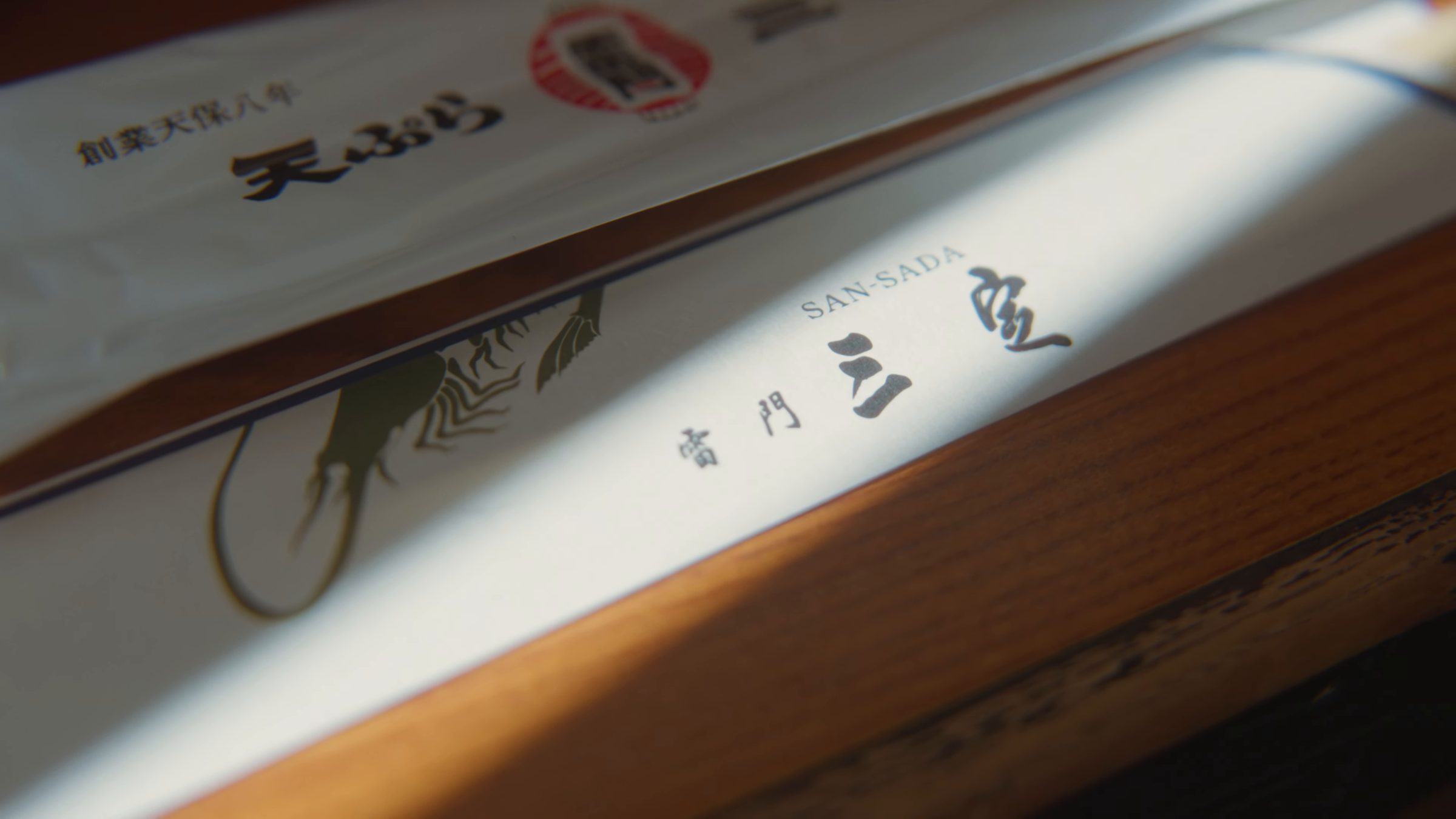
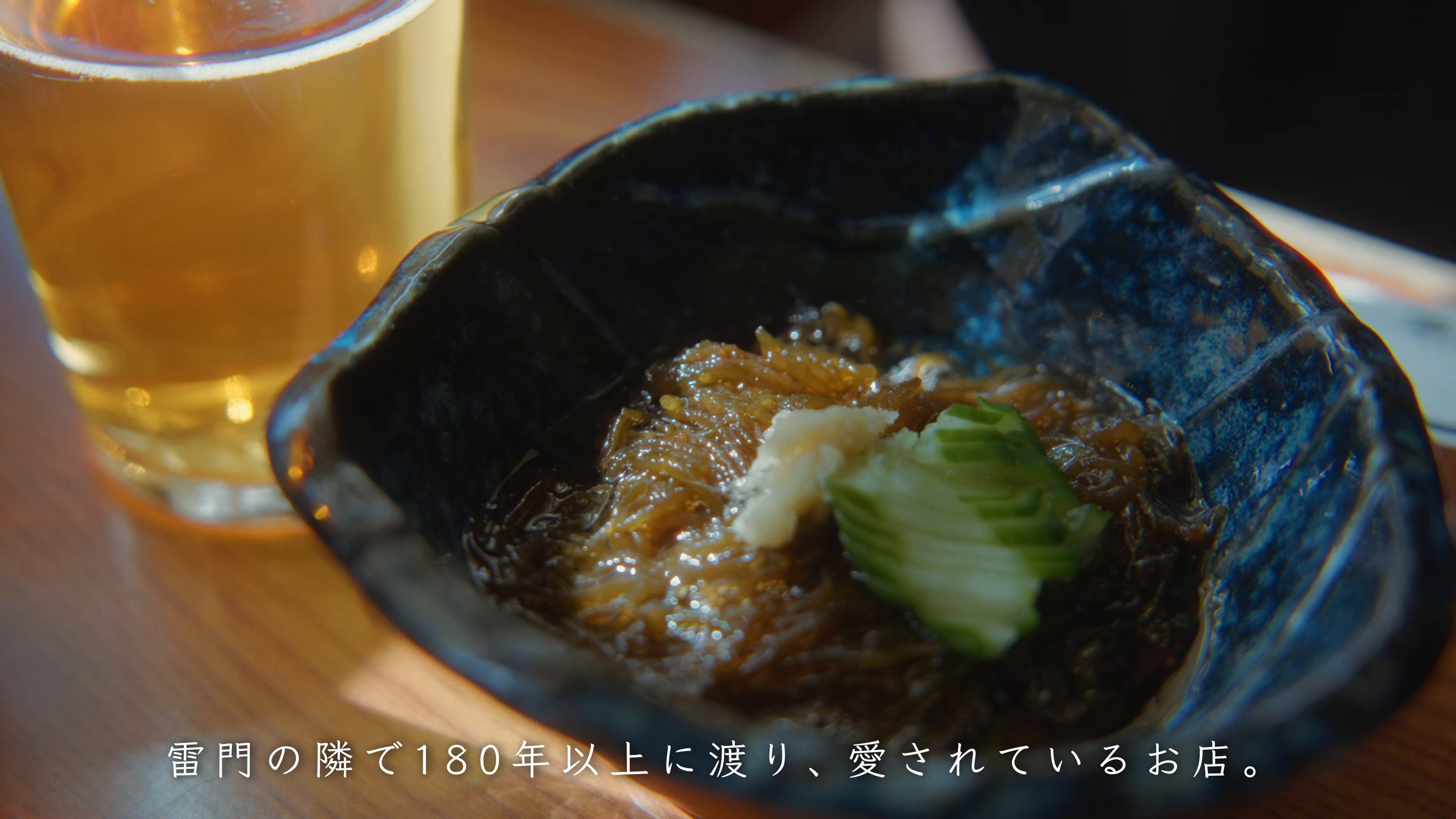
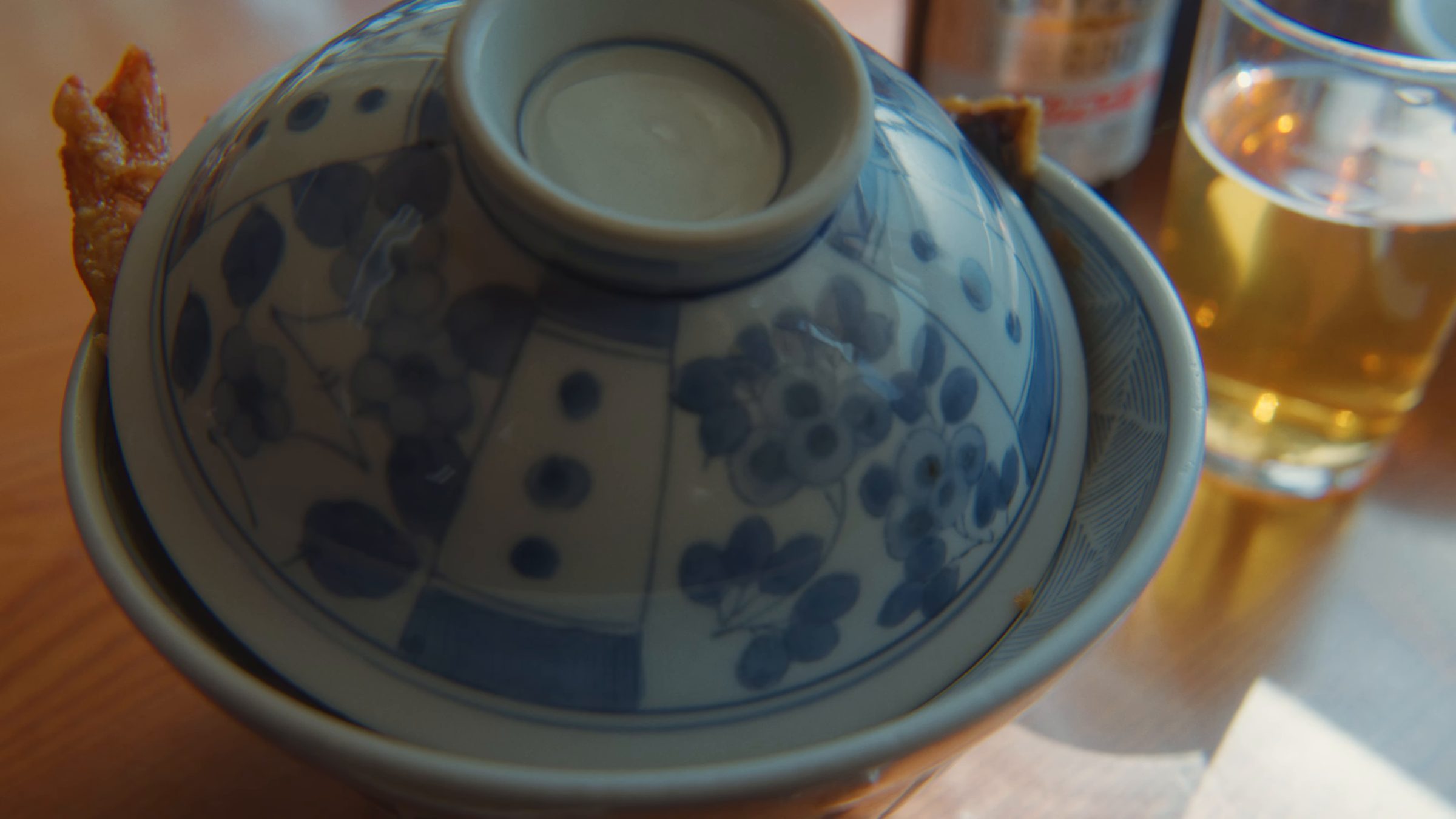
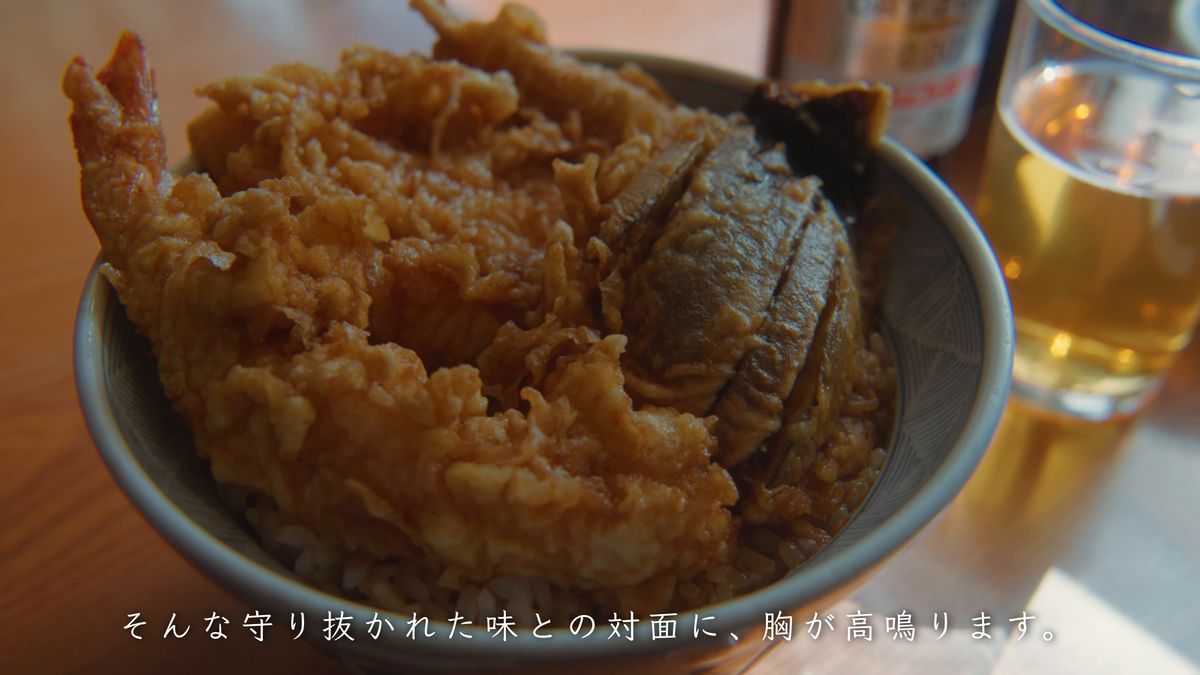
Upstairs I took a seat by the window. The chopstick sleeve bore a drawing of a shrimp and the words "Founded in Tenpo 8" and "Kaminarimon Sansada." This, too, is said to be the oldest tempura restaurant still in business in Japan. In 1837, Sadakichi, who had come to Edo from Mikawa, opened a tempura stall in front of his home in Ningyocho; Mikawaya Sadakichi was shortened to Sansada. Beside Kaminarimon, it has been loved for more than 180 years.
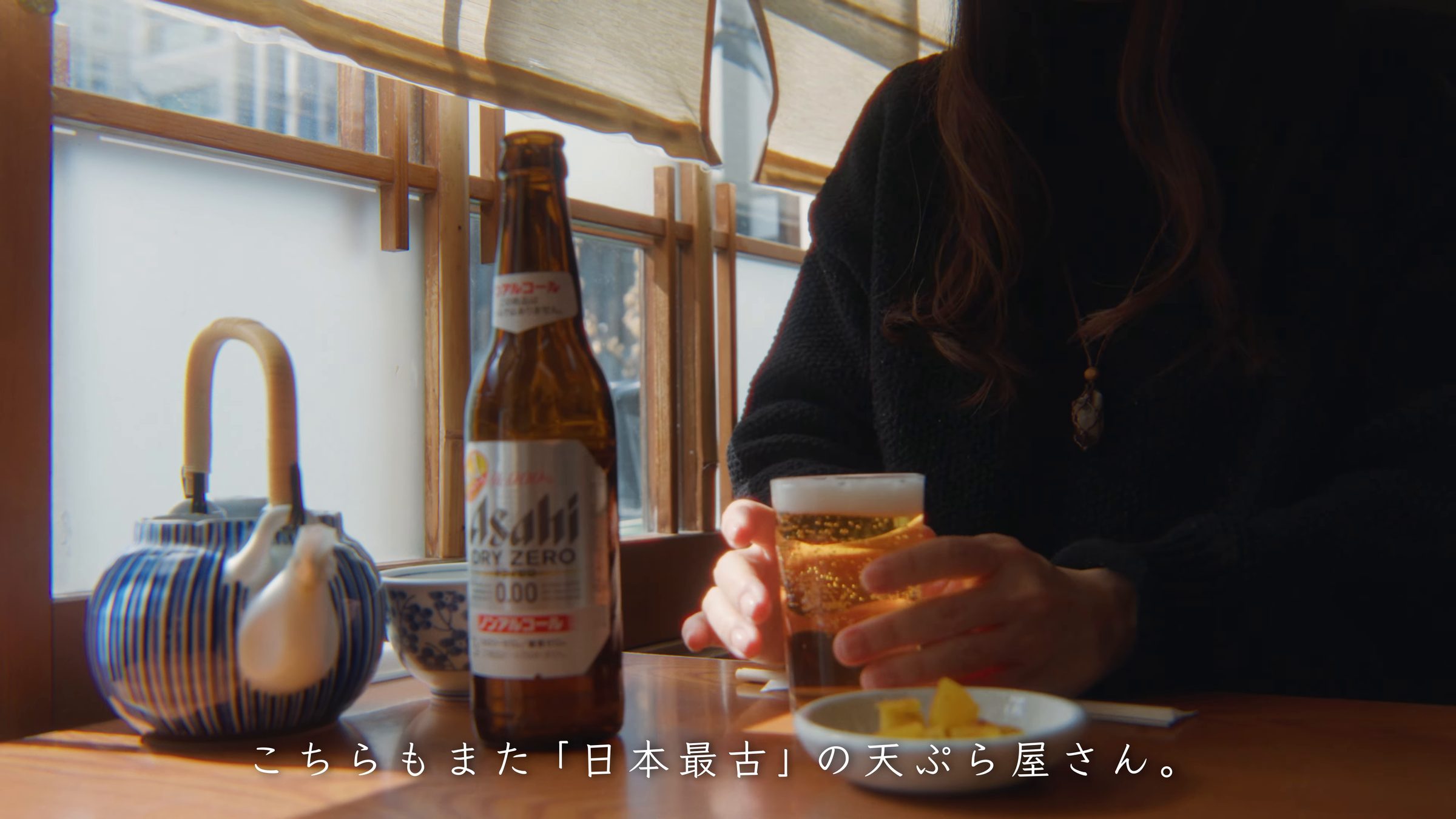
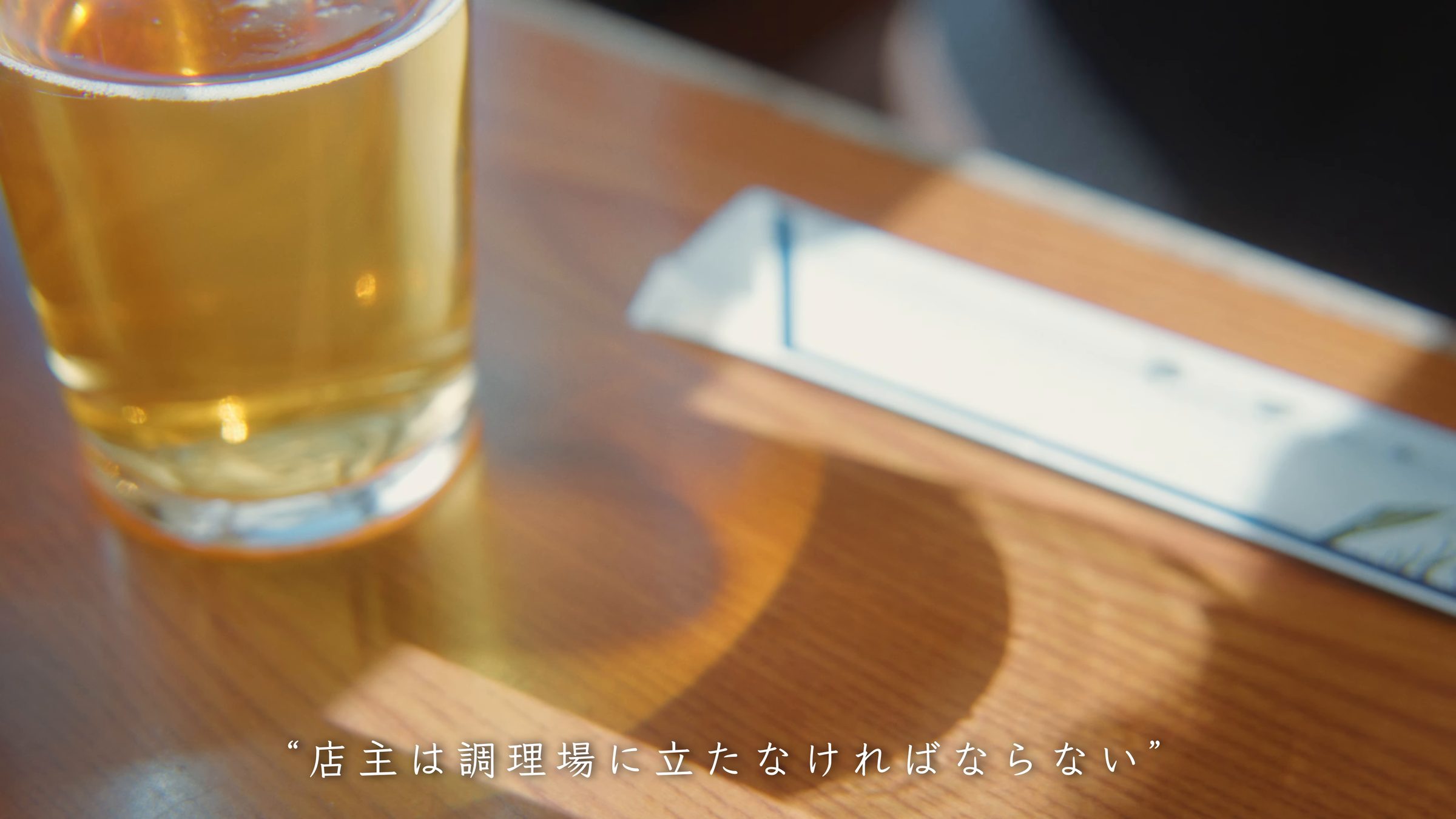
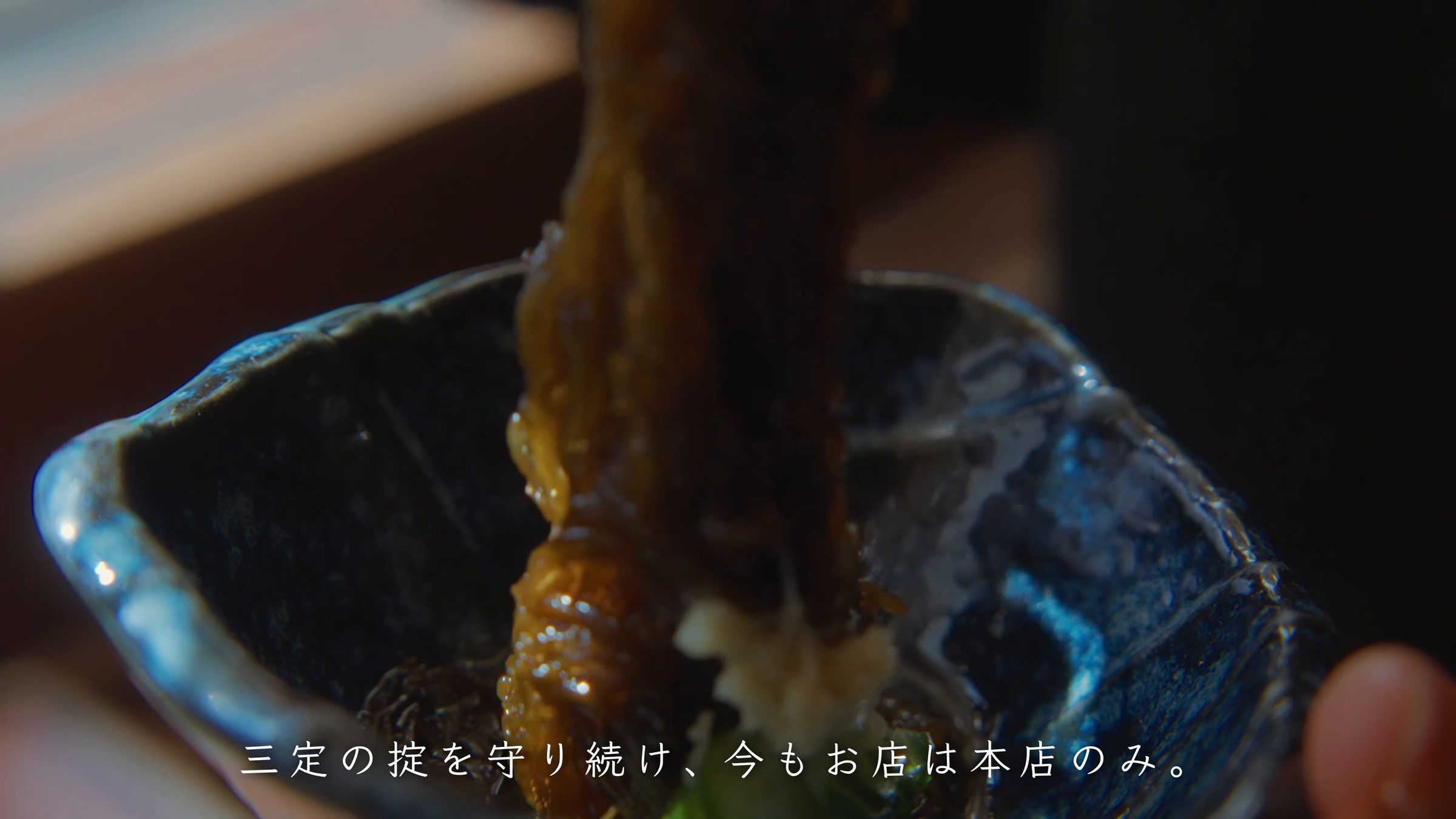
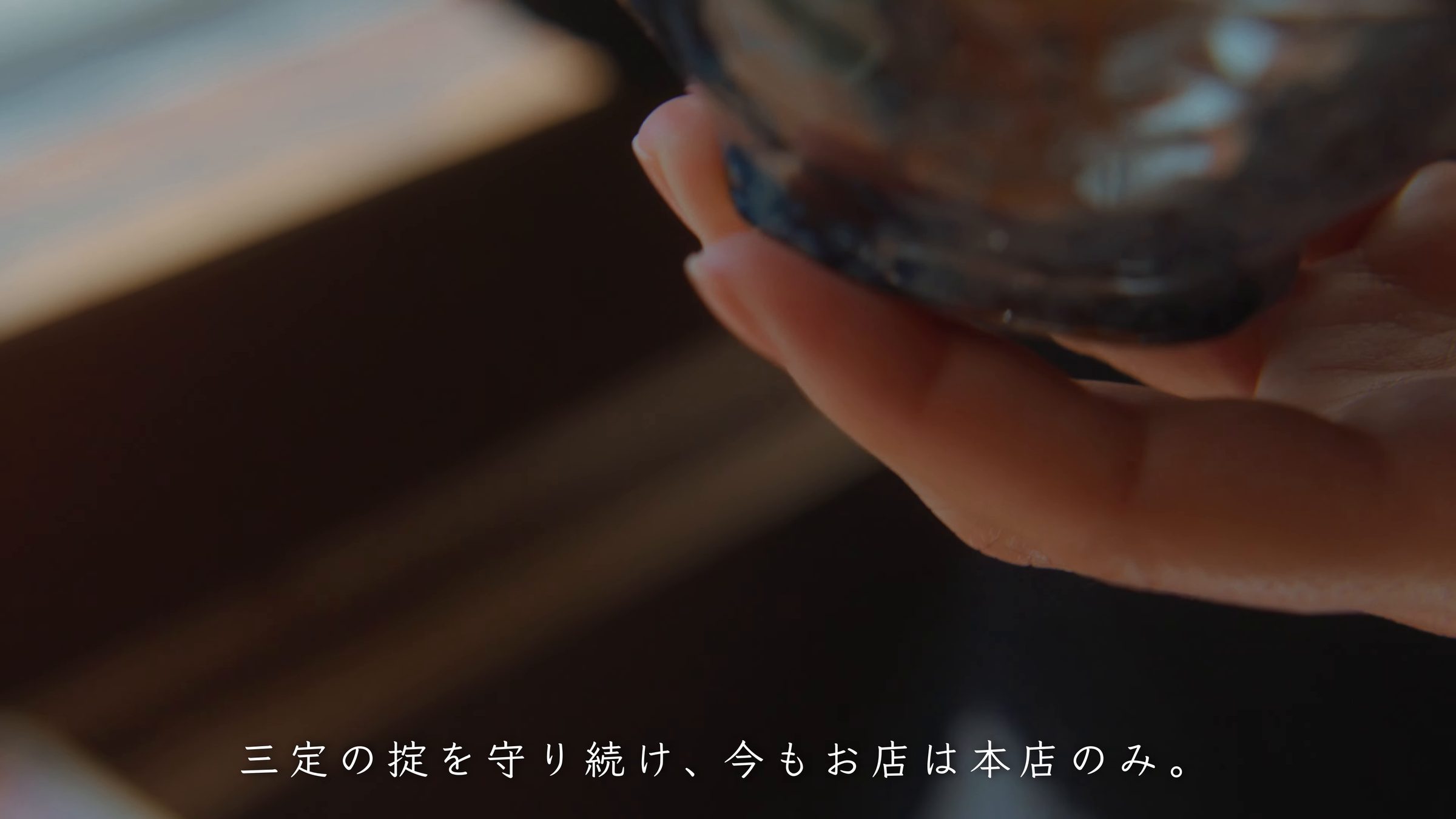
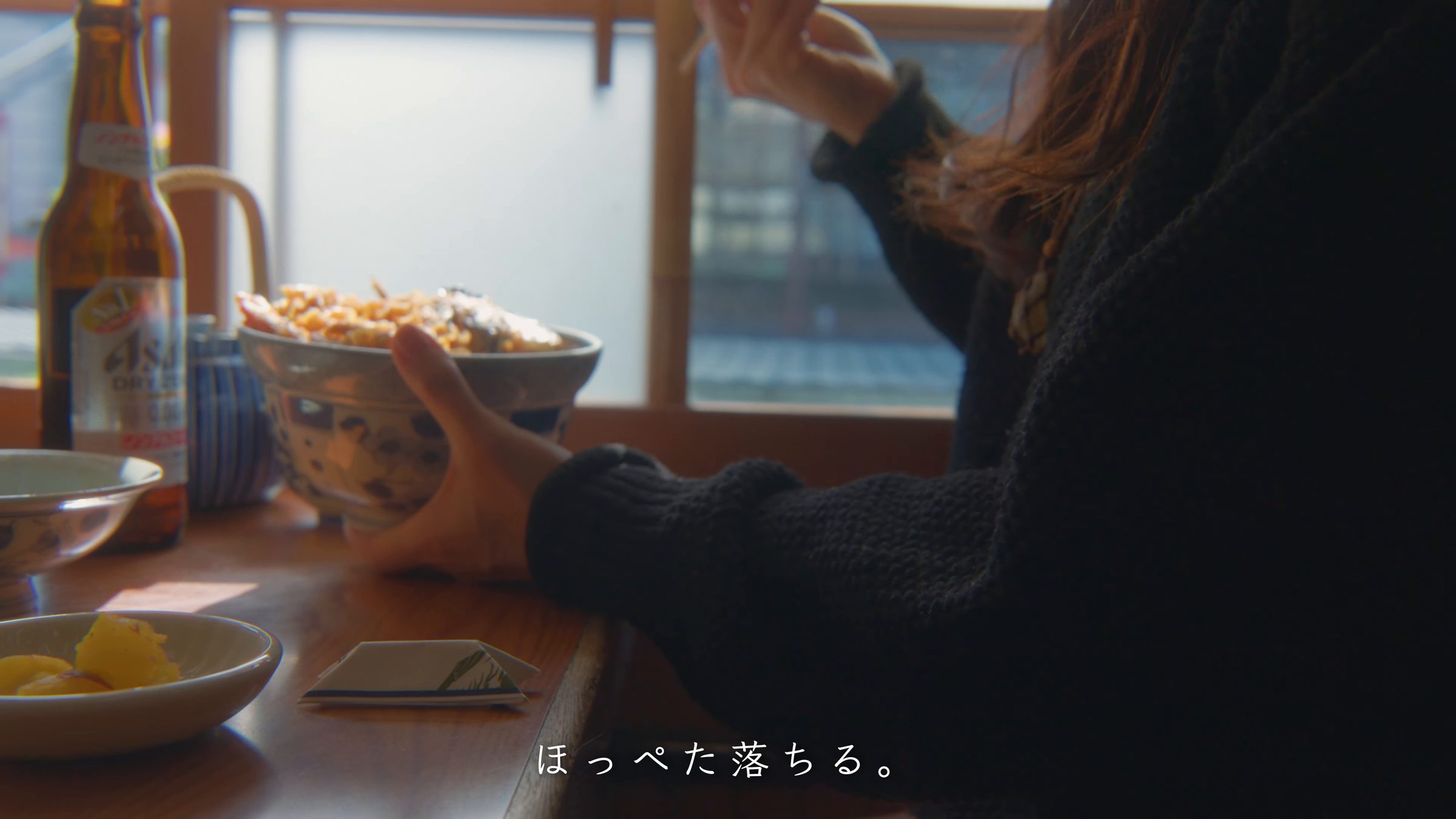
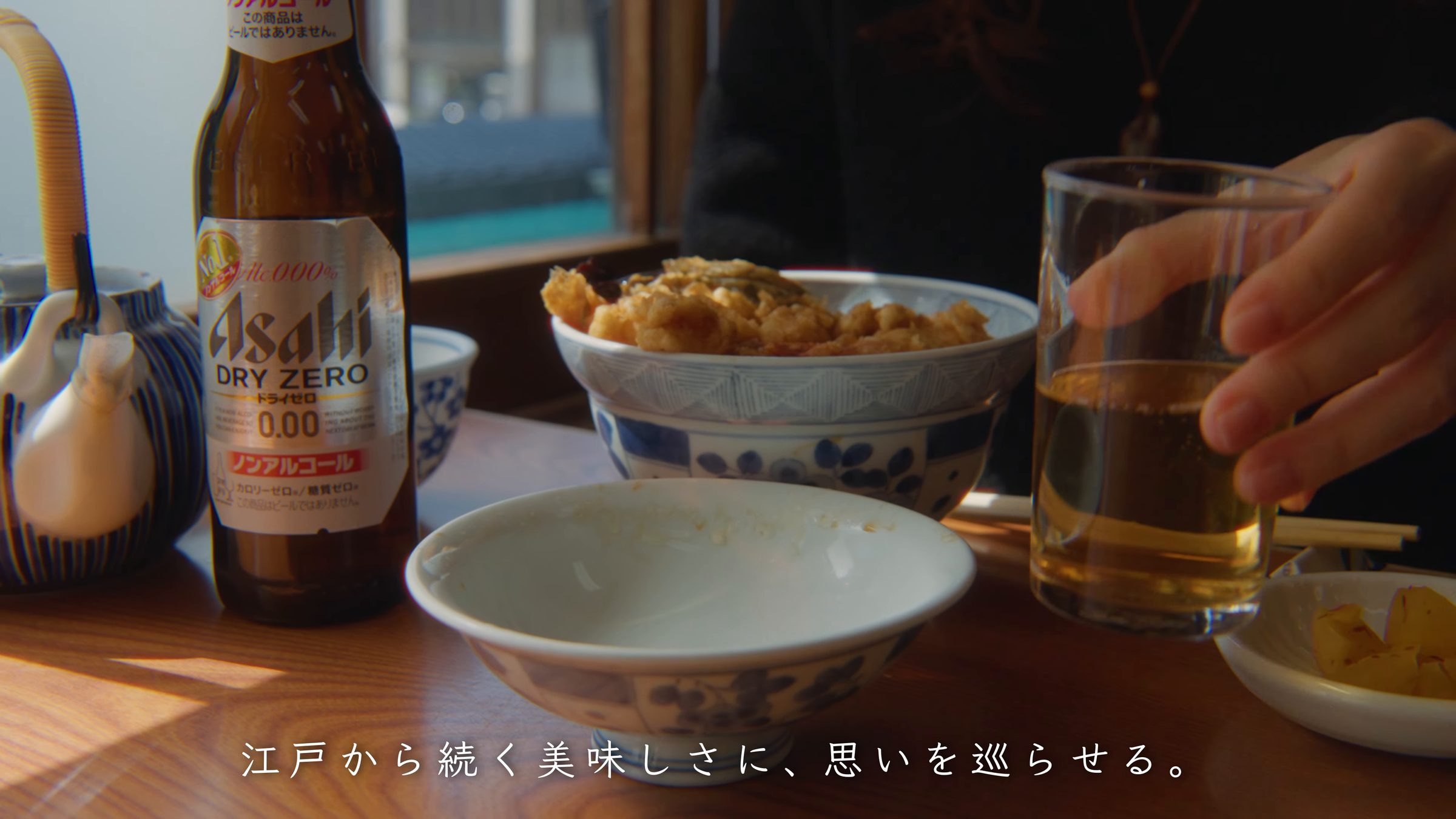
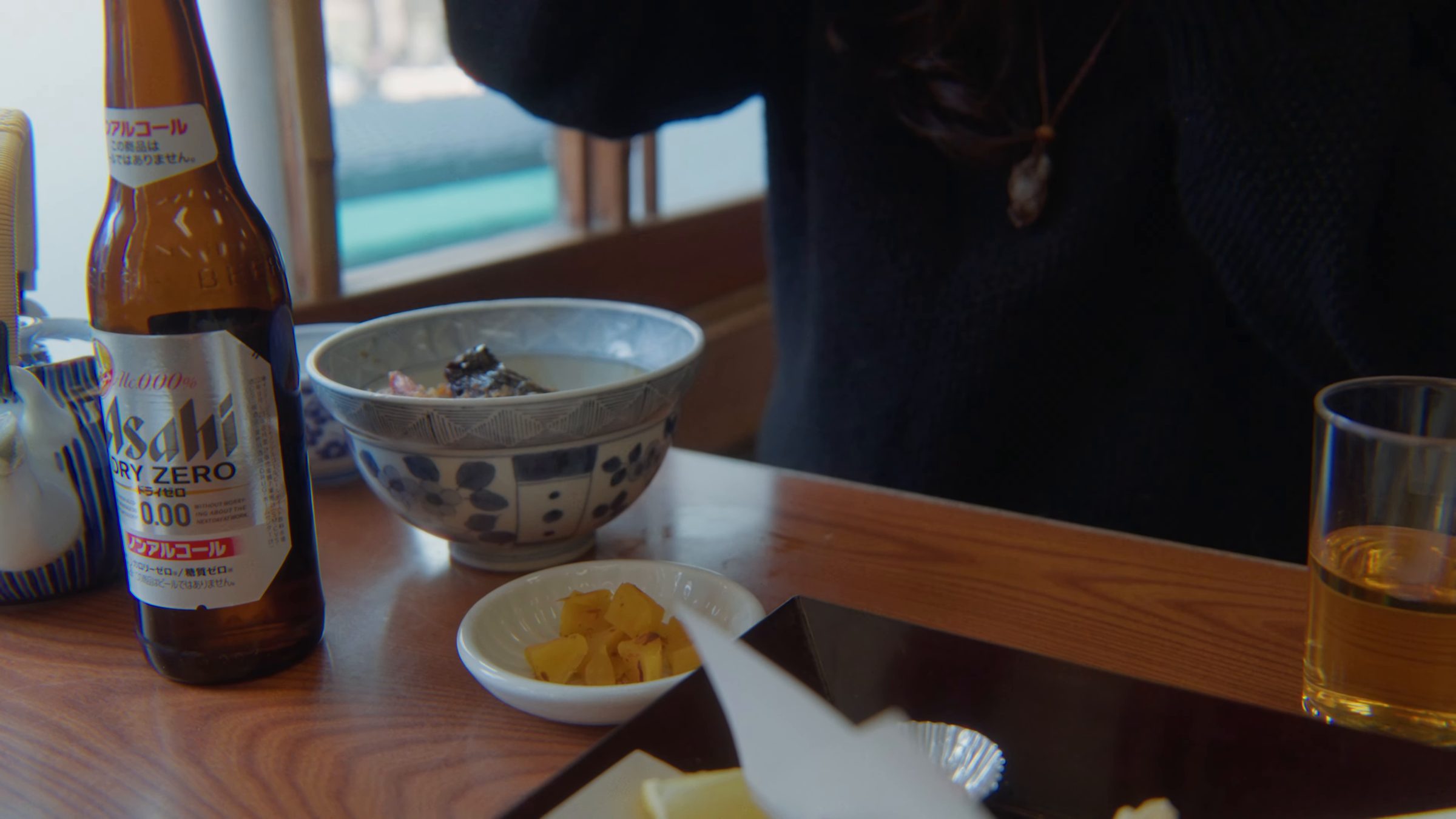
"The owner must always stand in the kitchen." Keeping that rule, the restaurant still has only this one shop. On the table were a bottle of non-alcoholic beer and a blue-and-white earthenware teapot, and a small bowl of mozuku seaweed topped with grated ginger and cucumber.
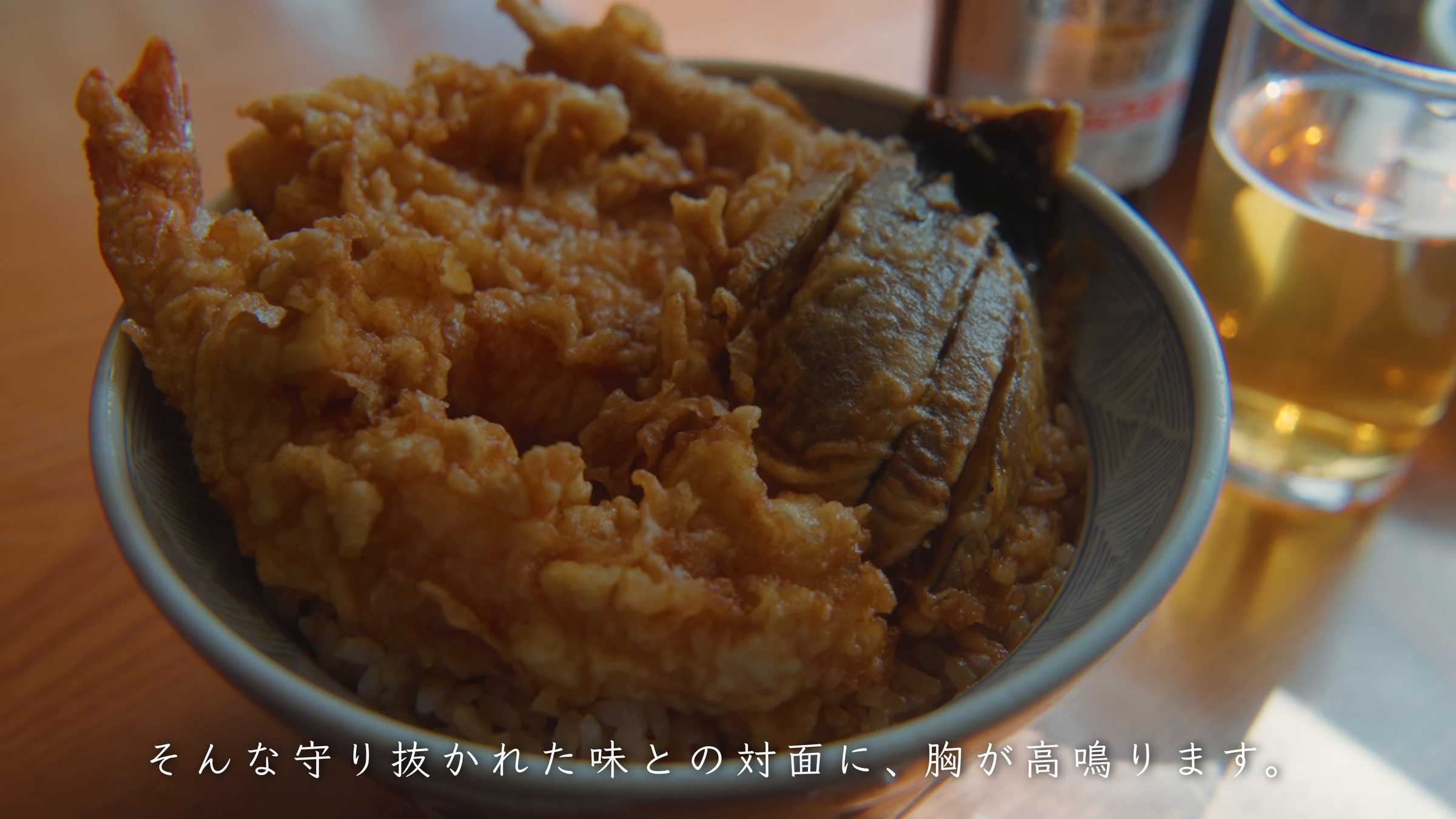
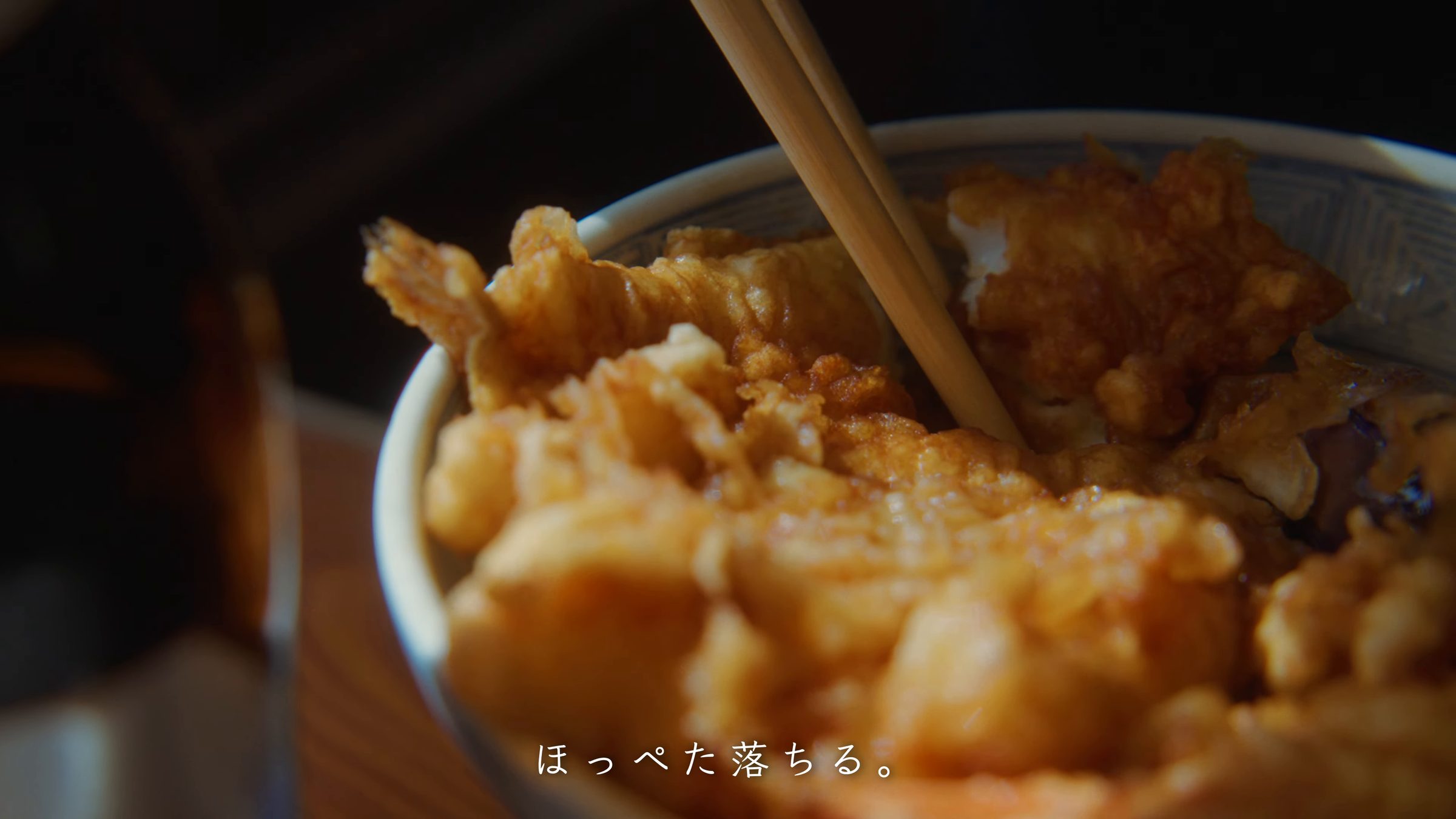
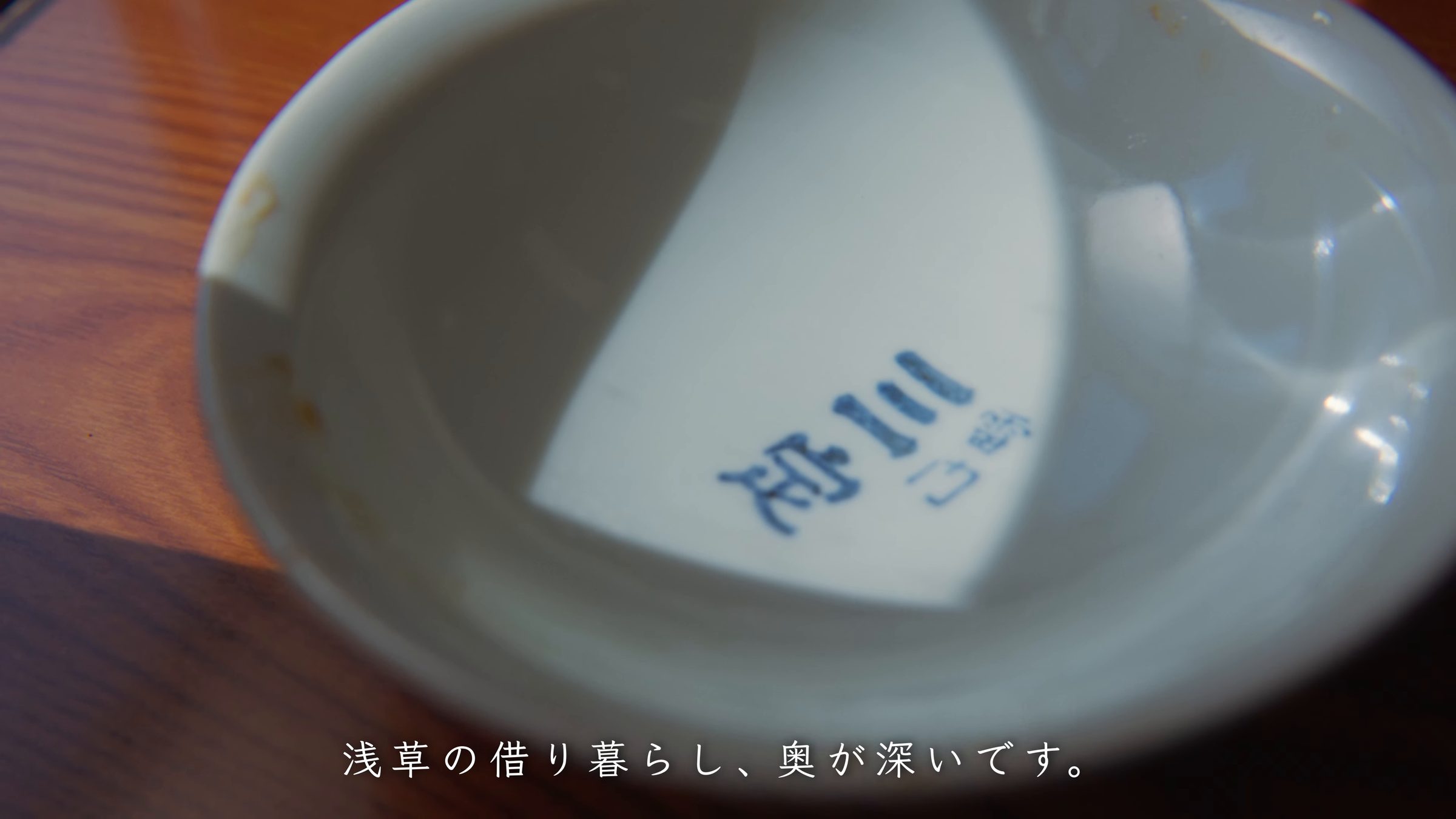
My heart raced at meeting a flavor so carefully preserved. When I lifted the lid of the bowl, a shrimp tail peeked out.
Watch this scene on YouTube10:11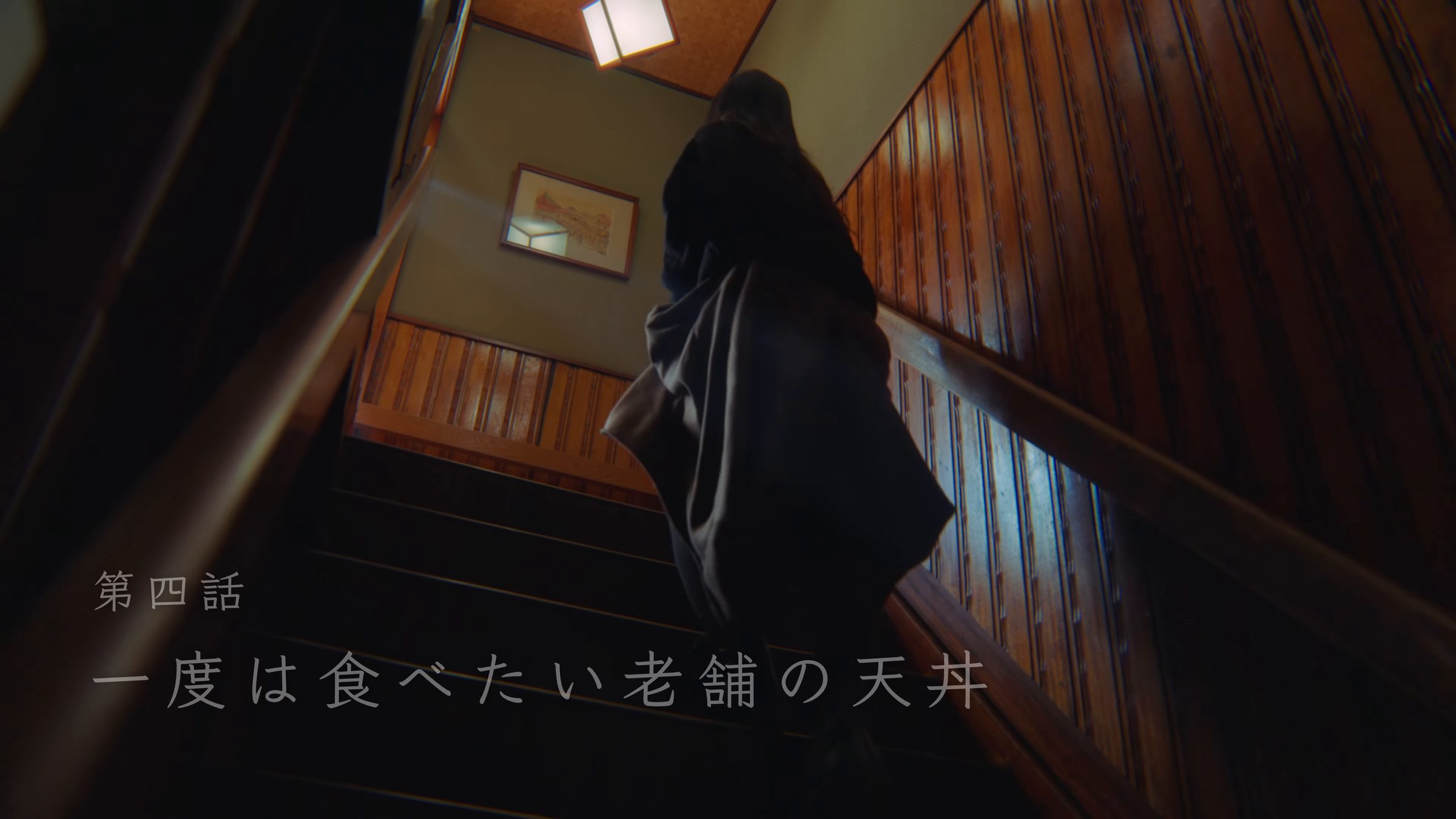
13TRAVEL JOURNAL
Tendon from the Edo era
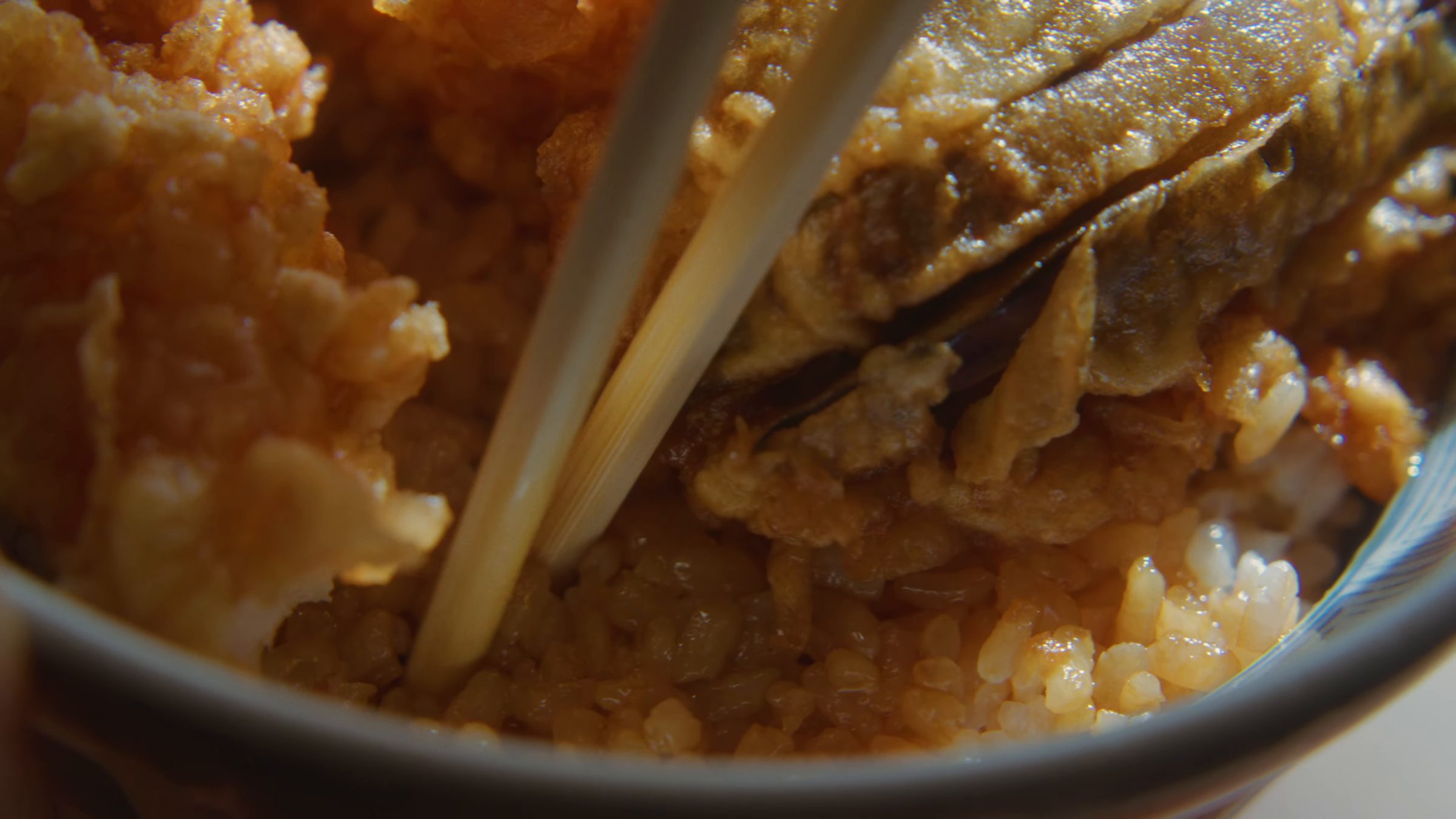
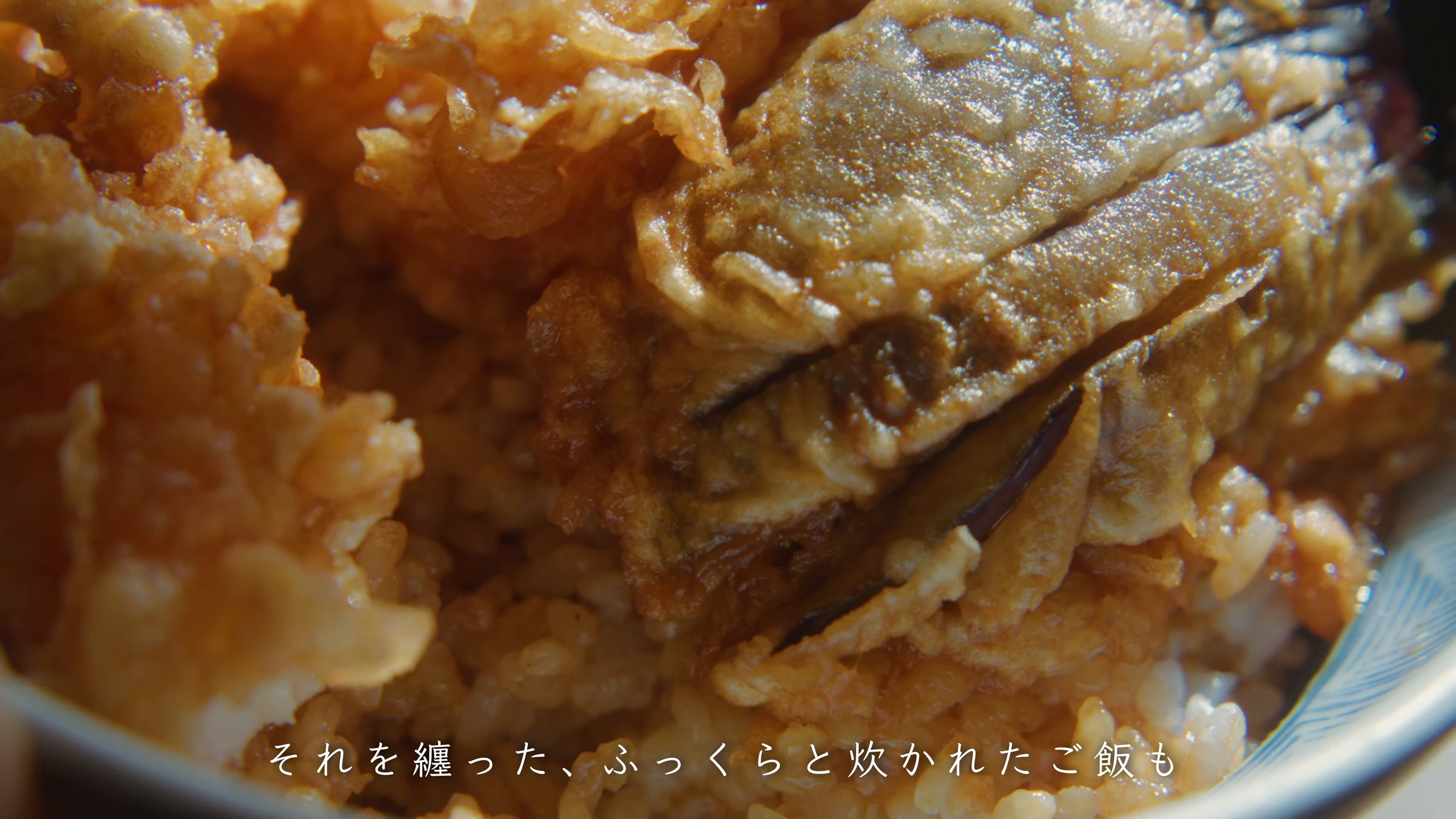
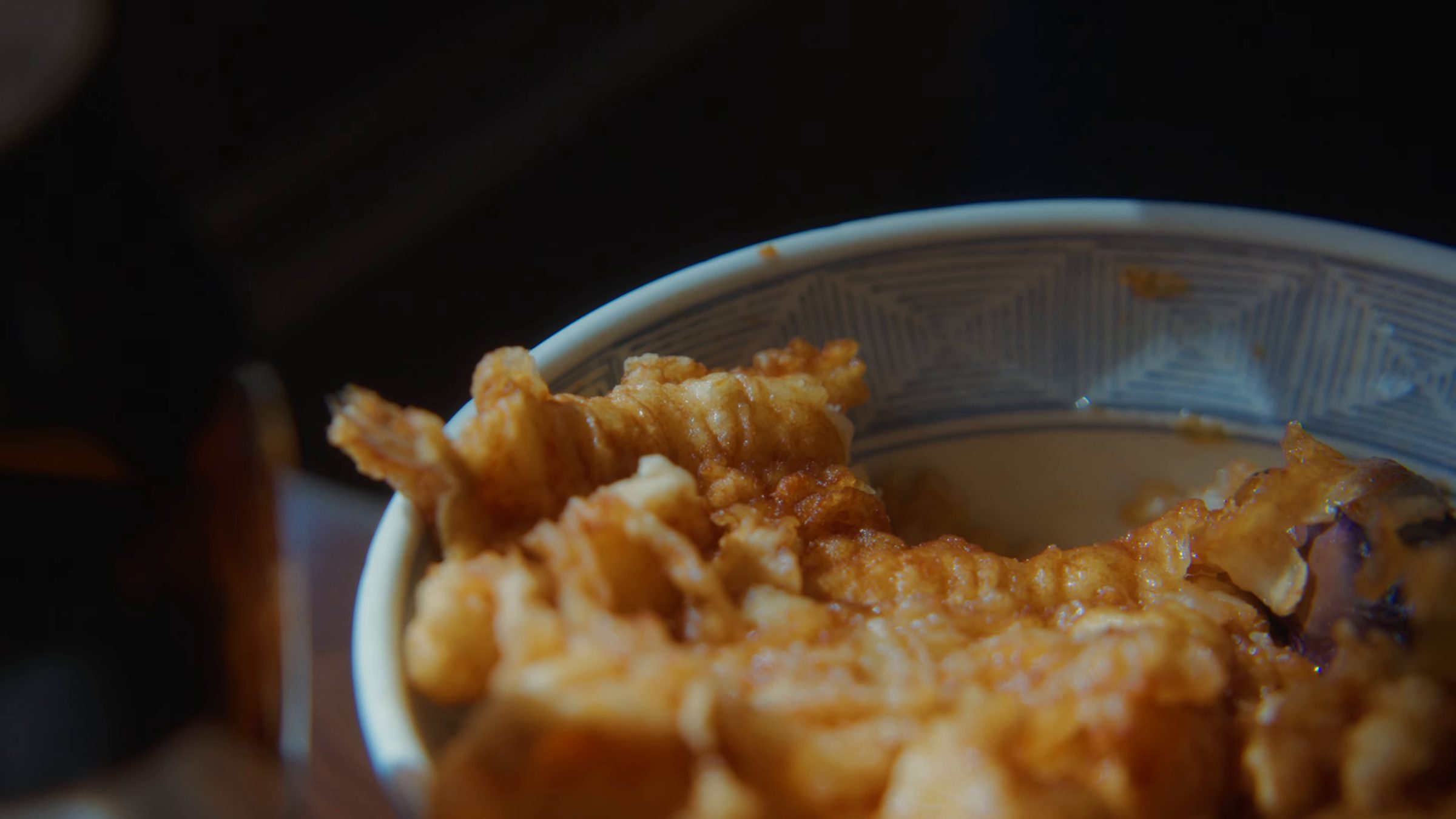
The fragrance of sesame oil, and the flavor of shrimp filling my mouth. The dark batter is lighter than it looks, and the sauce is crisp, clean and beautiful to look at. The fluffy rice that soaks it up is irresistible too. It tastes like heaven.
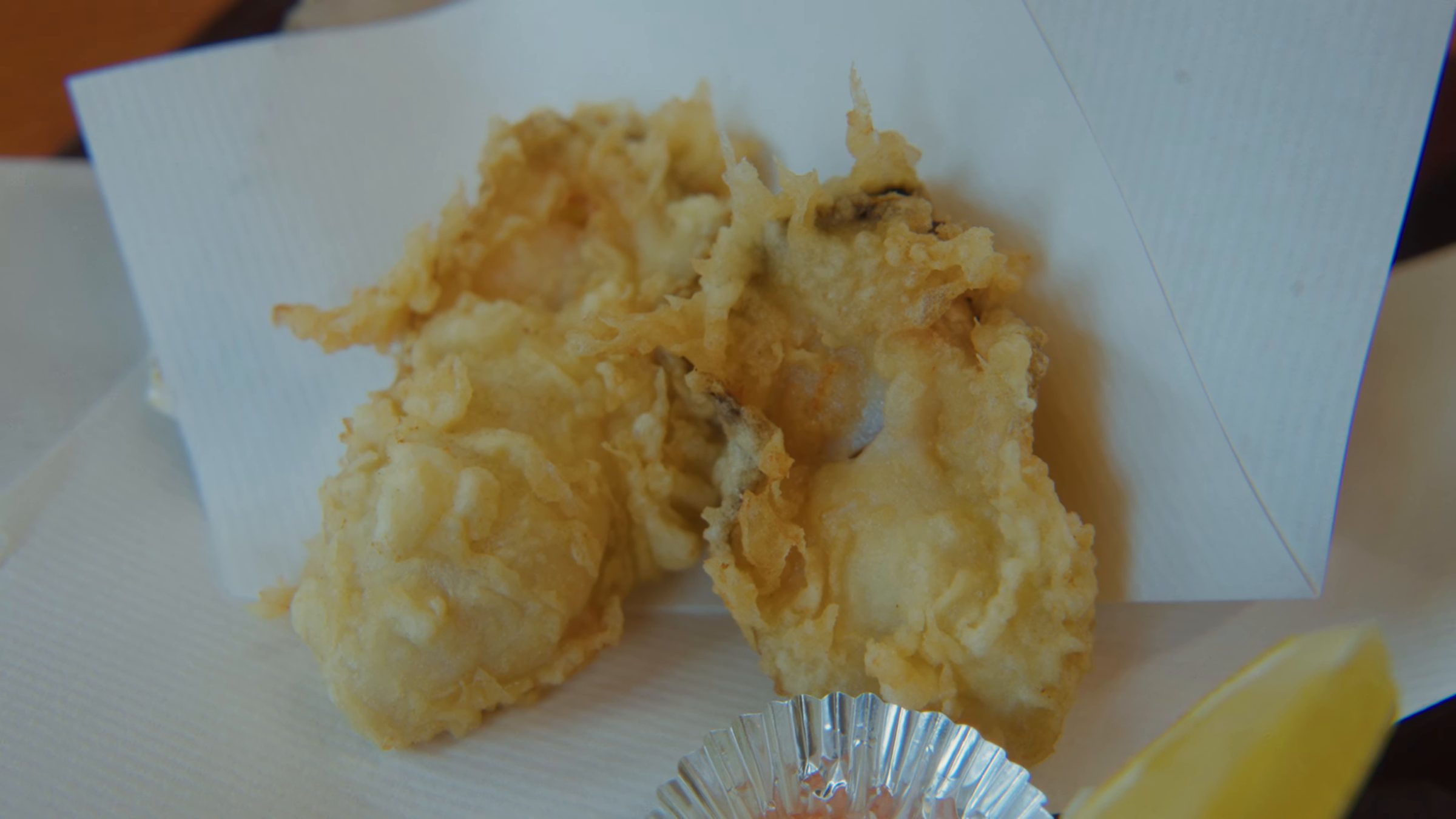
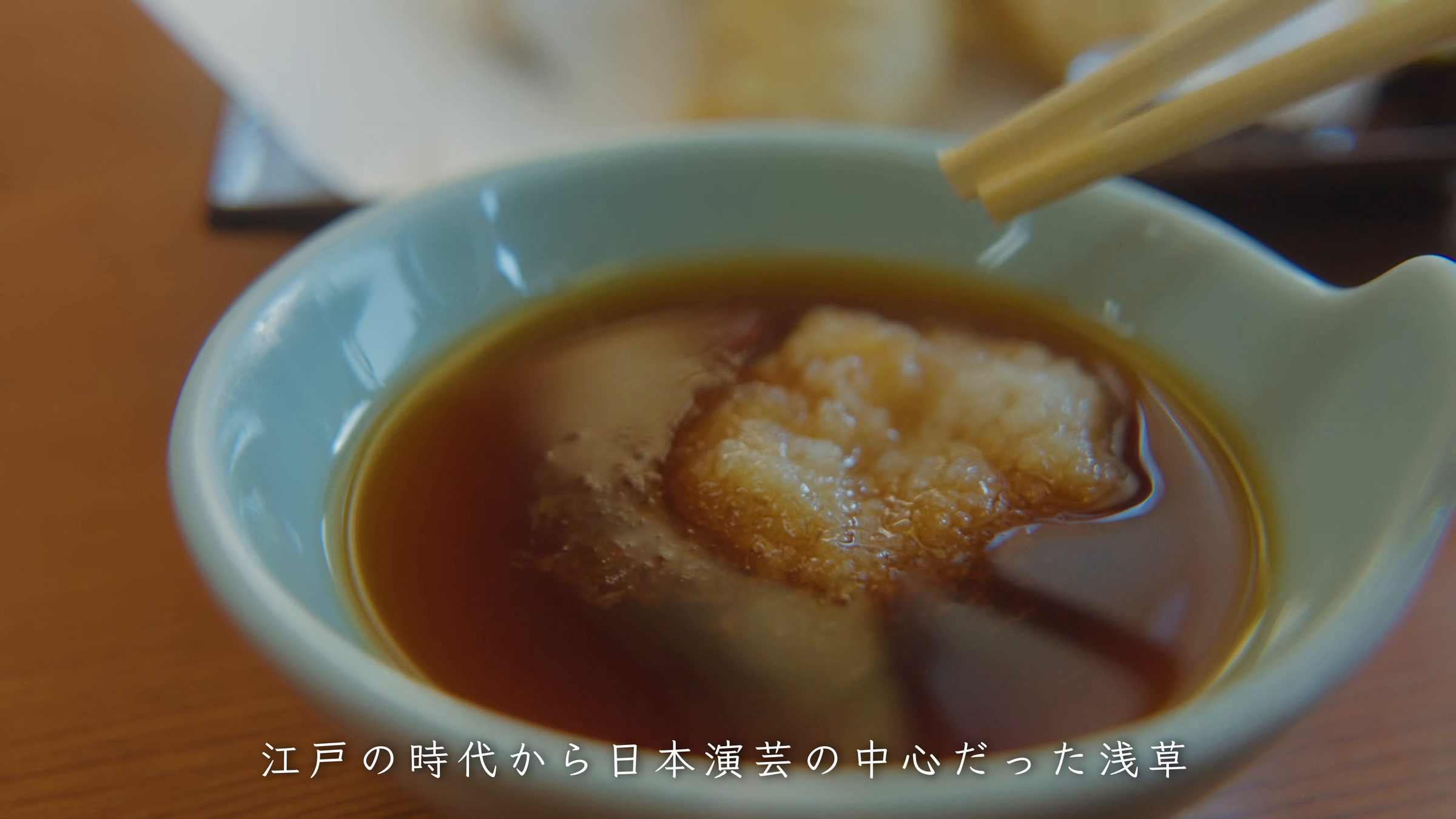
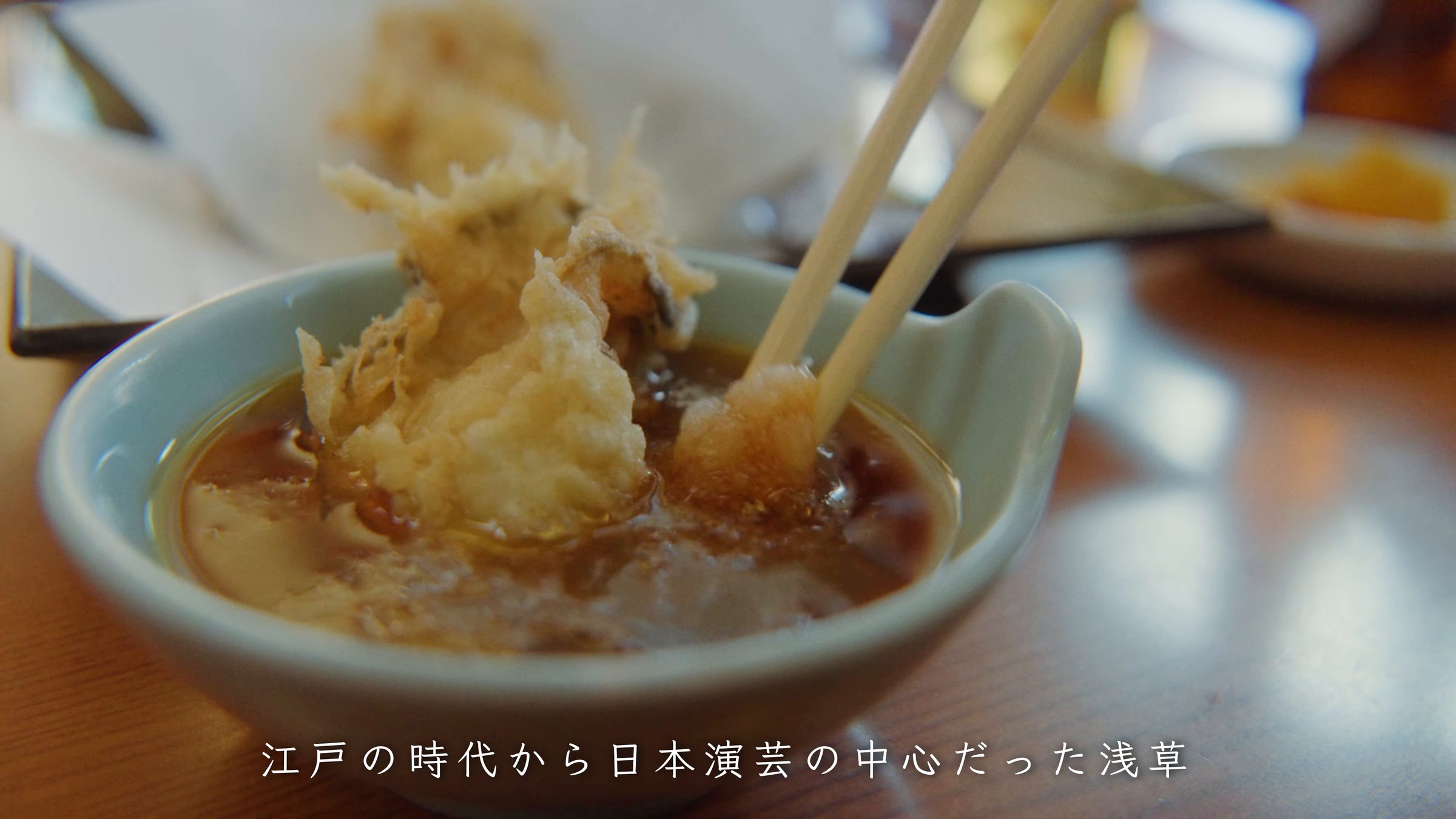
Since the Edo period, I wondered, had visitors to Senso-ji been savoring this same tendon here? I let my thoughts drift over a flavor handed down from Edo. I also ordered oyster tempura and dipped it in tentsuyu.
Asakusa has been the center of Japan's performing arts since the Edo period. Local food that has kept close to that history is not only delicious; somehow it makes my heart dance. Life in Asakusa runs deeper than it seems. To be continued.
Watch this scene on YouTube11:03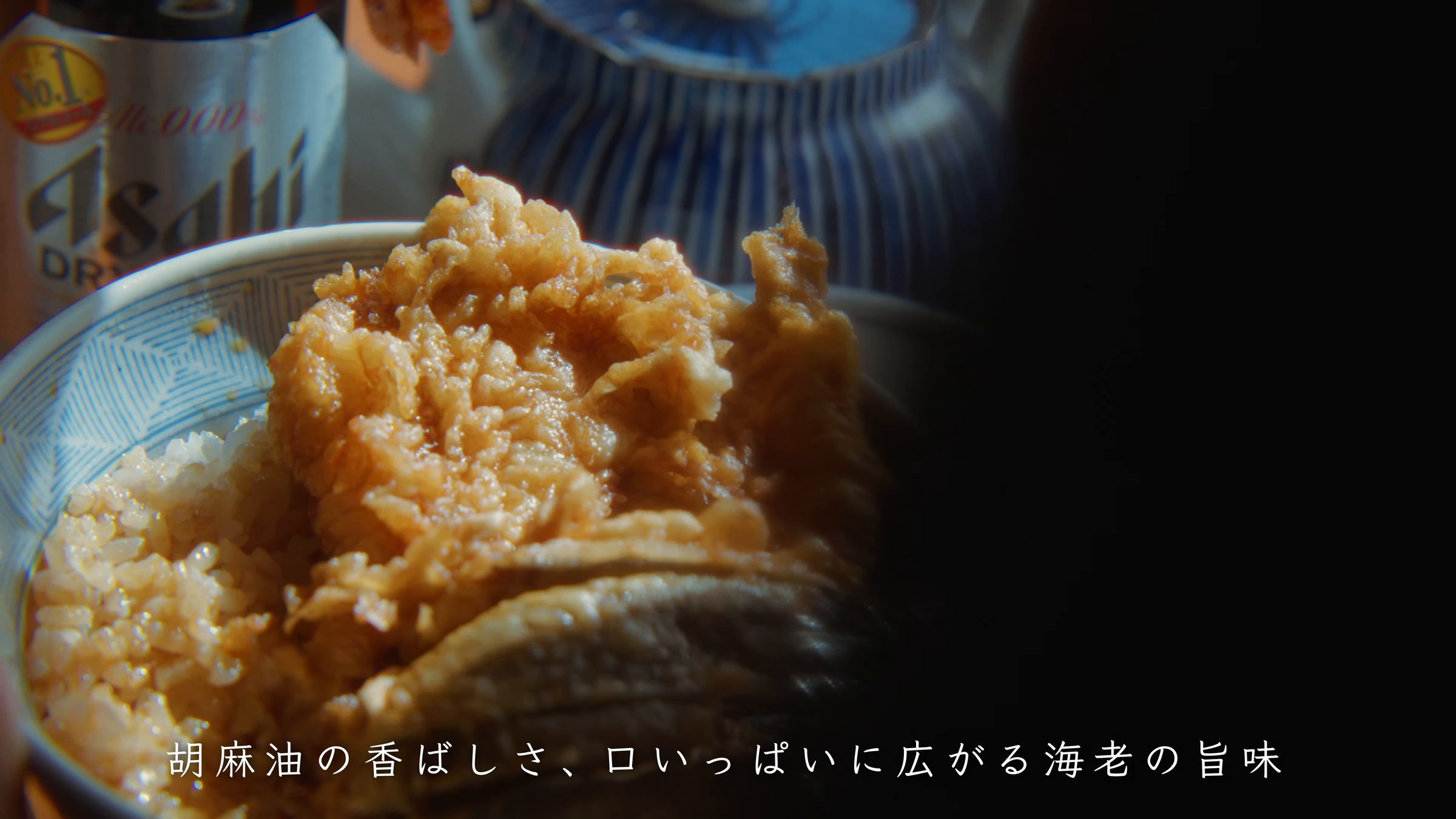
THE JOURNEY IN FILM
The wind. The sounds of a kitchen.
Spend a little more time inside the journey, on film.
Watch the video13 minTHE BORROWER’S NOTES
The Borrower's Notes: Asakusa
Places we stopped, dishes we made, and stories of the land. A few things to keep from the journey.
01Where I ate and shopped
Royal Coffee (main shop)
1-39-7 Asakusa, Taito, Tokyo
A classic kissaten founded in 1962. It roasts its own beans in a vintage roaster said to date from the shop's opening, and the interior has barely changed since then: chandeliers, red velvet seats and a large painting on the wall. Corned beef and cheese is the most popular hot sandwich; I had egg and cheese with coffee, with consommé-flavored potato chips on the side.
Sources: tabelog.com san-tatsu.jp
Asakusa Yakisoba Fuku-chan
Asakusa Chikagai, 1-1-12 Asakusa, Taito, Tokyo
A shop at the entrance to the Asakusa underground arcade, open since 1964. Its specialty is sauce yakisoba made with thick noodles on the griddle and served on an aluminum plate; a fried egg can be added as a topping. Again this time I had the set of motsu stew and egg-topped yakisoba. In the film Perfect Days, it is where the hero Hirayama has his evening drink after the public bath.
Sources: tabi-mag.jp press.moviewalker.jp macaro-ni.jp tsunagujapan.com
Umemura (Japanese sweets)
3-22-12 Asakusa, Taito, Tokyo
A sweets shop in Kannon-ura, in business since 1968. Its signature mamekan, which it claims to have originated, pairs plump simmered red peas and agar with a clean-tasting kuromitsu syrup. This time I ordered cream anmitsu. The noren reads "fine sweets, shiruko." The shop has also been featured in the manga The Solitary Gourmet.
Sources: tv-tokyo.co.jp aumo.jp kinarino.jp
Kaminarimon Sansada
1-2-2 Asakusa, Taito, Tokyo
A tempura restaurant founded in 1837. It began as a stall that Sadakichi, who had come to Edo from Mikawa, opened in Ningyocho; the name Sansada comes from "Mikawaya Sadakichi." The tempura is Edo-style, fried generously in sesame oil, and the tendon comes in regular, upper and special grades. Keeping the rule that the owner must always stand in the kitchen, it has only this one shop beside Kaminarimon. I had tendon, an extra order of oyster tempura and a non-alcoholic beer.
Sources: tempura-sansada.co.jp tempura-sansada.co.jp tempura-sansada.co.jp dime.jp
02About the area
Kaminarimon and Nakamise at Senso-ji
Kaminarimon is the main gate of Senso-ji; its formal name, Furaijin-mon, comes from the statues of the wind god and the thunder god enshrined on either side. Its great lantern is 3.9 meters tall, 3.3 meters wide and weighs about 700 kilograms. For about 250 meters from Kaminarimon to Hozomon Gate, red-painted shops line both sides of the approach: this is Nakamise, said to date back to around 1685.
Sources: senso-ji.jp senso-ji.jp
Asakusa Rokku and the Toyokan theater
The area west of Senso-ji, covering Asakusa 1- and 2-chome, also called Koen Rokku. After fires in 1841, the shogunate moved the kabuki theaters to Saruwaka-cho in Asakusa, bringing all three of Edo's major theaters together in one place, which helped Asakusa grow into an entertainment town. From the Taisho era into Showa it was the center of entertainment in Tokyo, the birthplace of Asakusa opera and light comedy. The France-za strip theater, opened in 1951, is where Beat Takeshi (Takeshi Kitano) got his start as a comedian; today it carries on as the Asakusa France-za Engeijo Toyokan. In the diary of his later years, the novelist Kafu Nagai is said to have written the word "Asakusa" almost every day.
Sources: tabi-mag.jp tabi-mag.jp nippon.com serai.jp
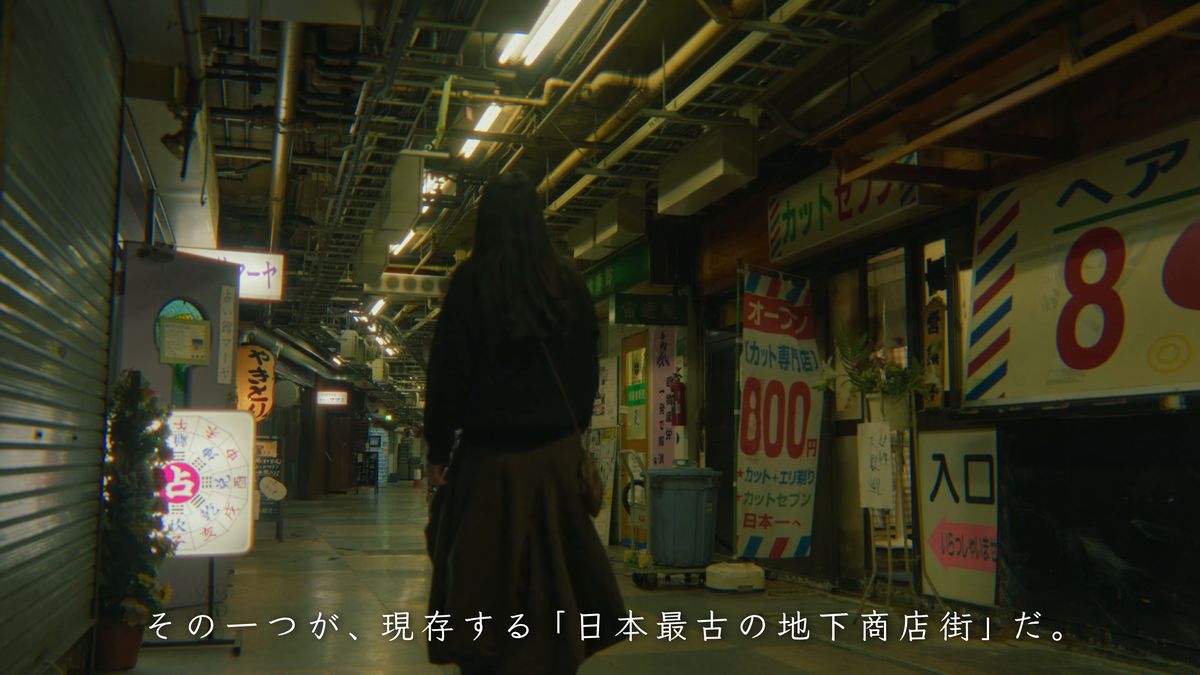
Asakusa Chikagai underground arcade
B1, 1-1-12 Asakusa, Taito, Tokyo
Opened in 1955, the oldest underground shopping street still in existence in Japan. It lies beneath the street between the Ginza Line's Asakusa Station and Exit 6 toward Shin-Nakamise, with about twenty shops along a passage of roughly fifty meters. It is said to have been the third underground arcade built along the Ginza Line.
Sources: tabi-mag.jp
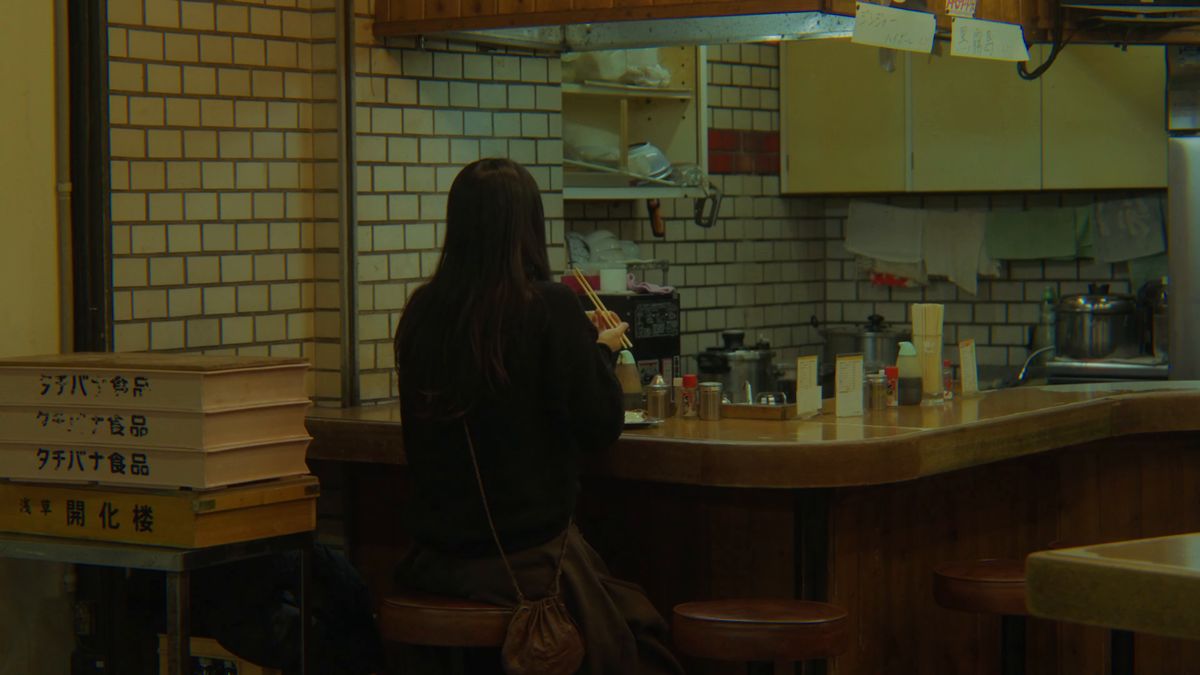
Noodles from Asakusa Kaikaro
A noodle maker founded in 1950, in the Inaricho area of Taito Ward. It listens to what each shop owner wants and makes noodles just for them. The chewy, thick noodles in Fuku-chan's yakisoba come from here too; boxes marked Kaikaro were stacked beside the counter.
Sources: nippon.com
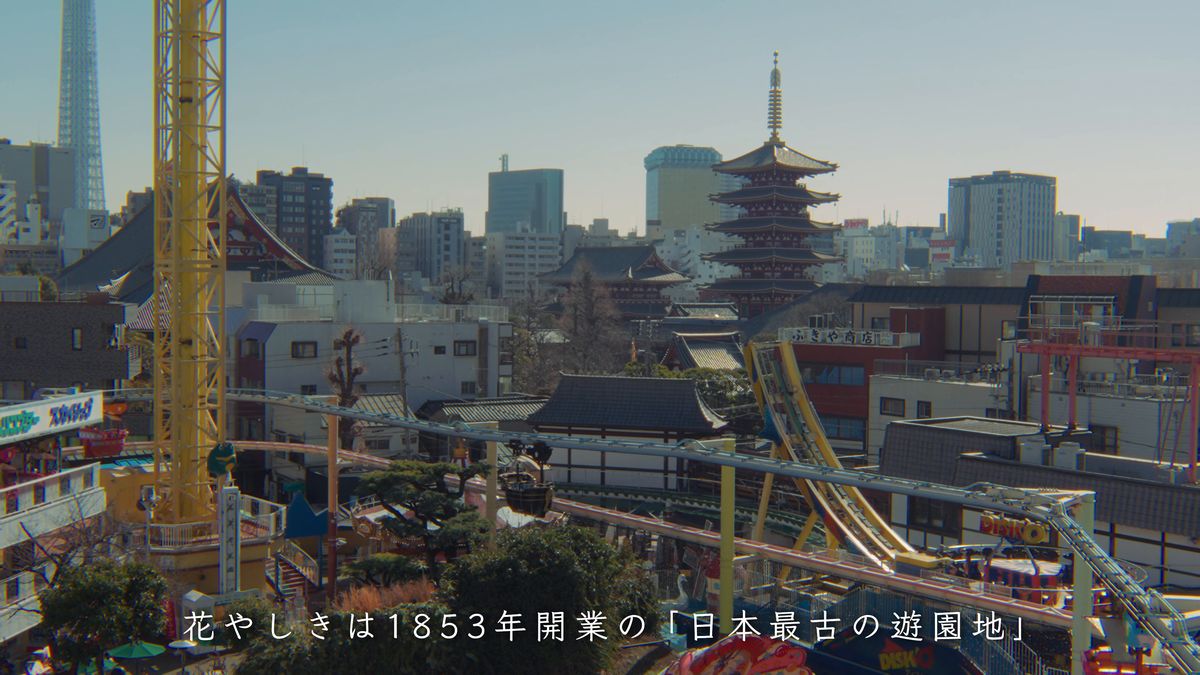
Asakusa Hanayashiki
2-28-1 Asakusa, Taito, Tokyo
Opened in 1853, at the end of the Edo period, as a garden of peonies and chrysanthemums, it still operates as Japan's oldest amusement park. Its roller coaster, built in 1953, is the oldest existing coaster in Japan. Banners for the park's 170th anniversary stood in the garden. This time I rode a gondola hanging from an overhead rail and won a yellow duck at the shooting gallery.
Sources: gotokyo.org enjoytokyo.jp
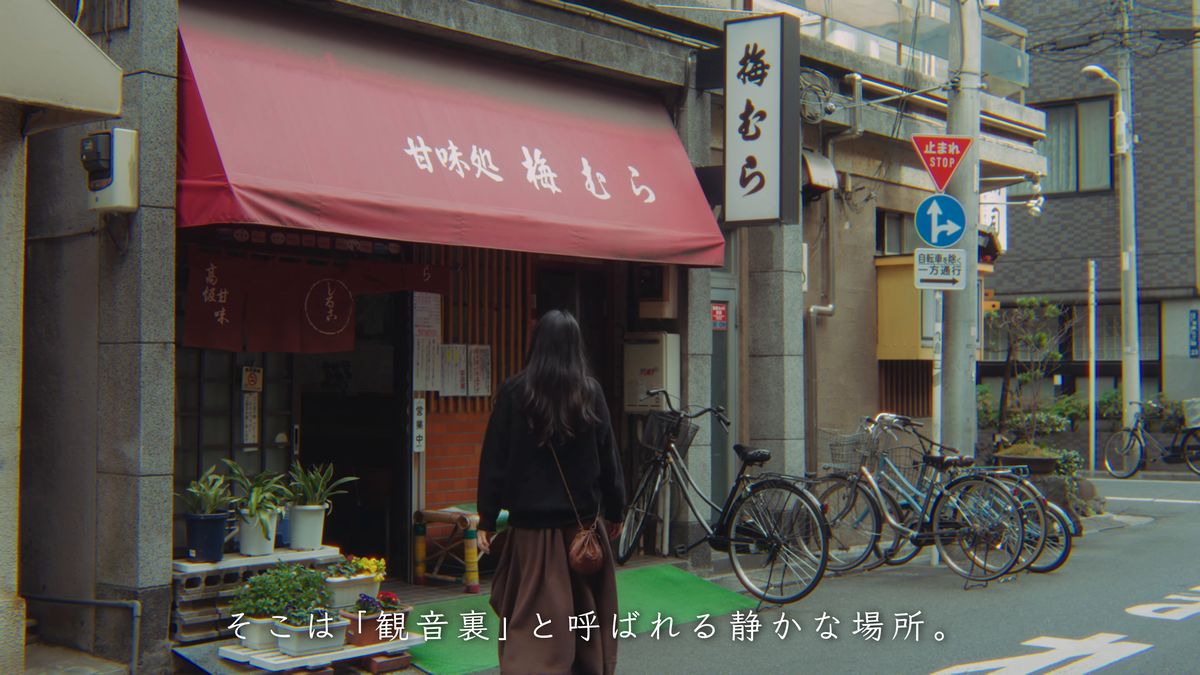
Kannon-ura
A quiet neighborhood behind Senso-ji, north across Kototoi Street. Once a flourishing geisha district, it is dotted with the few remaining ryotei restaurants, buildings that keep the look of those days, and shops that have handed down their flavors for generations. New bistros and cafés have been opening in recent years too.
Sources: timeout.jp
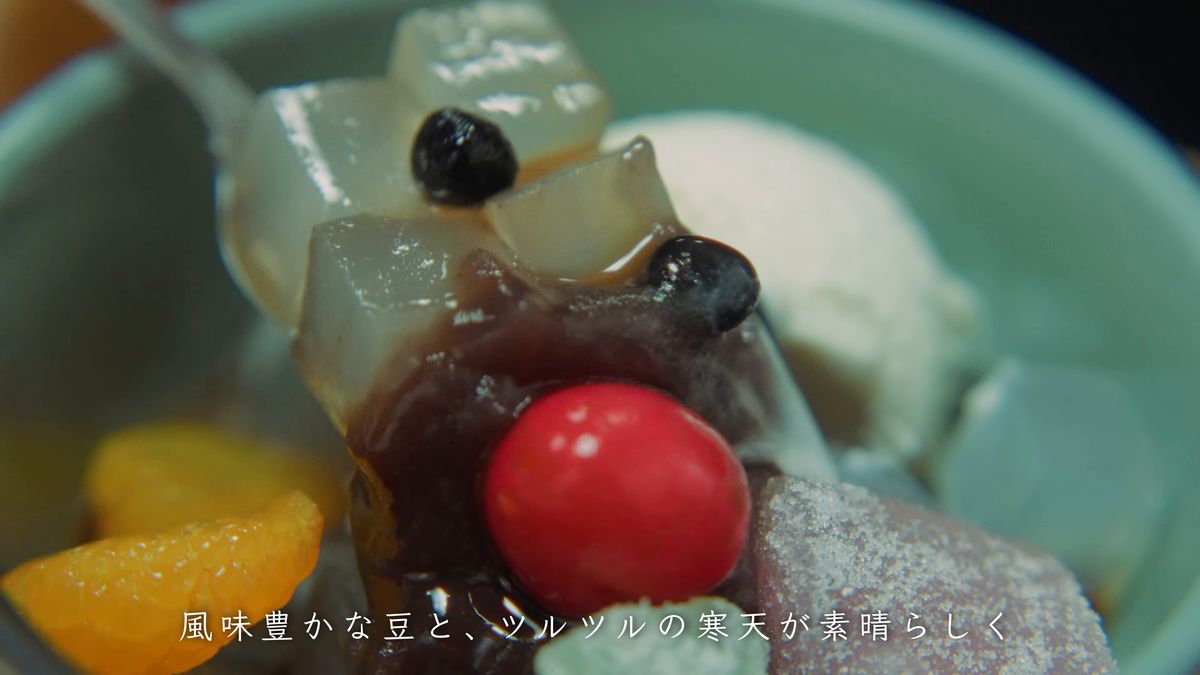
Mamekan
A sweet of plump simmered red peas and agar topped with kuromitsu syrup. Umemura in Kannon-ura claims it as its original creation and is introduced as the birthplace of mamekan. Volume 1 of the original Solitary Gourmet manga includes a chapter titled "Mamekan in Asakusa, Taito Ward, Tokyo." I chose cream anmitsu this time, but red peas and agar were in my bowl too.
Sources: aumo.jp tv-tokyo.co.jp maruzenjunkudo.co.jp
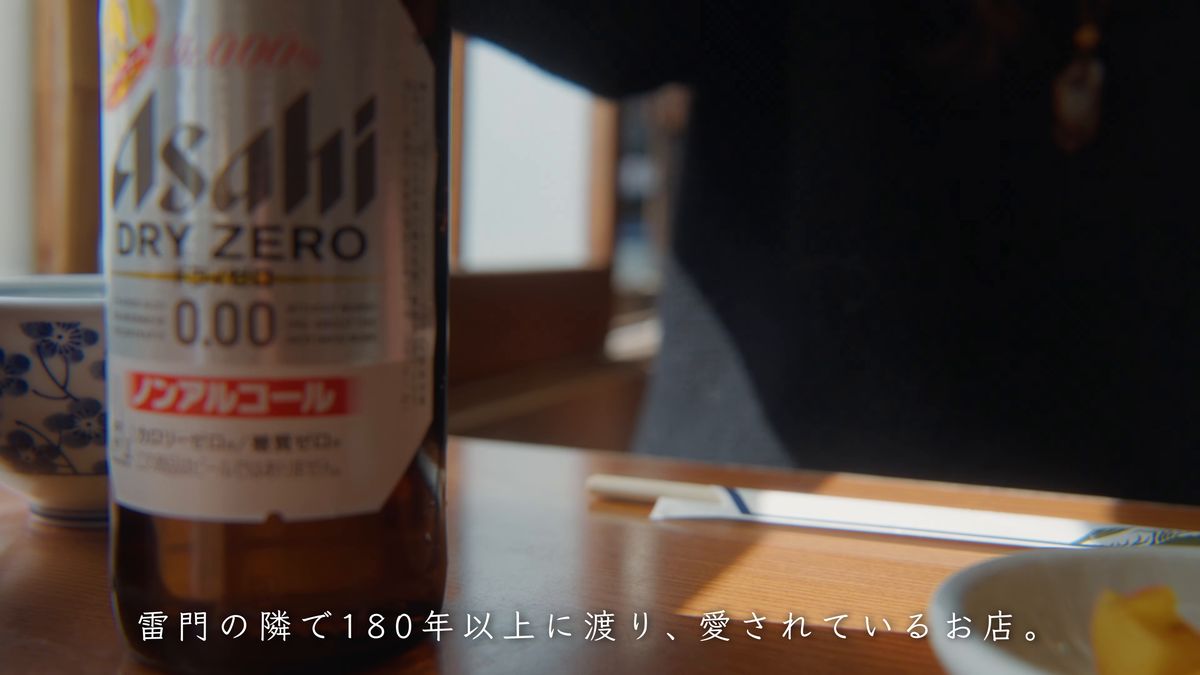
Asahi Dry Zero, a non-alcoholic beer
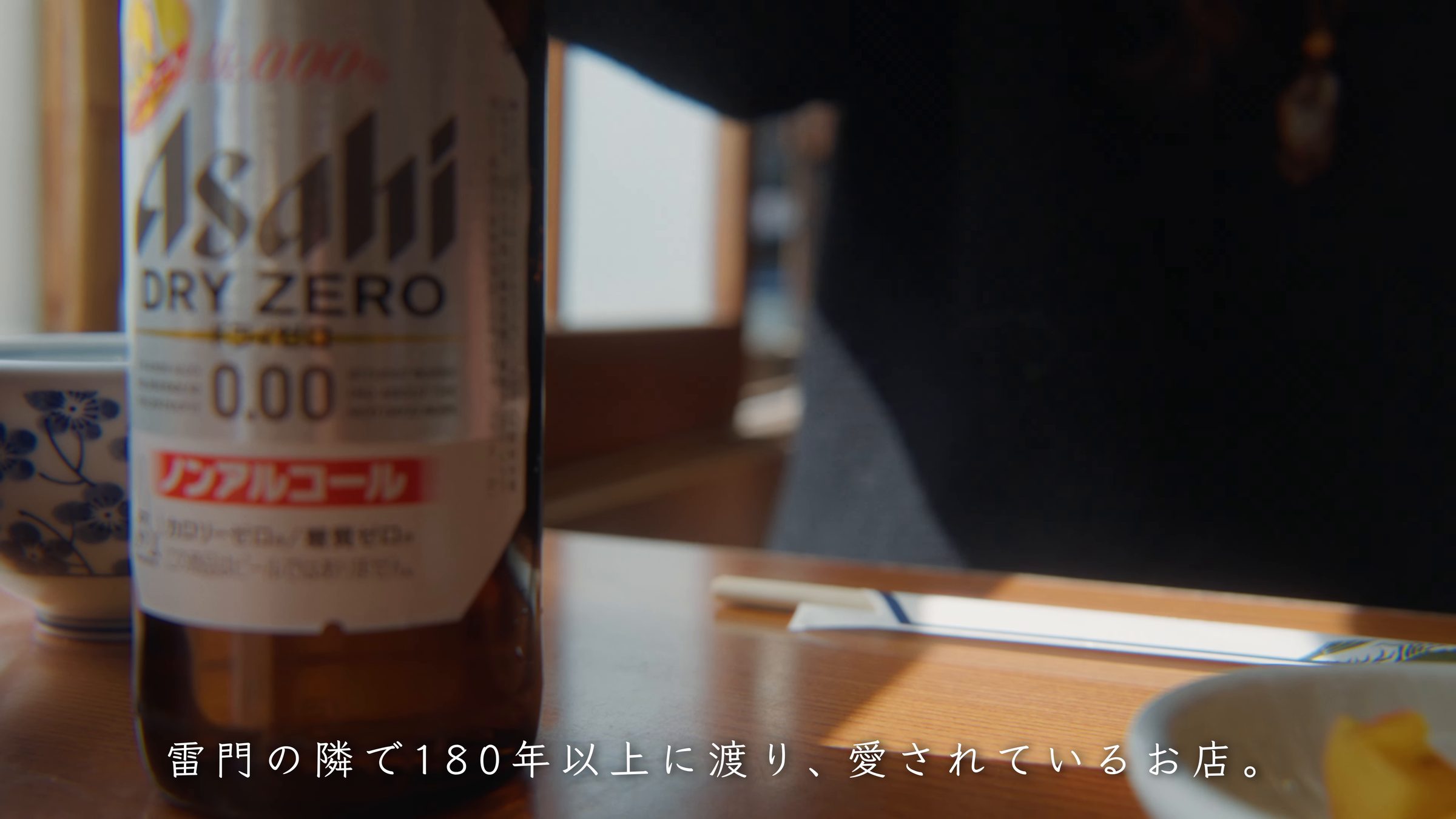
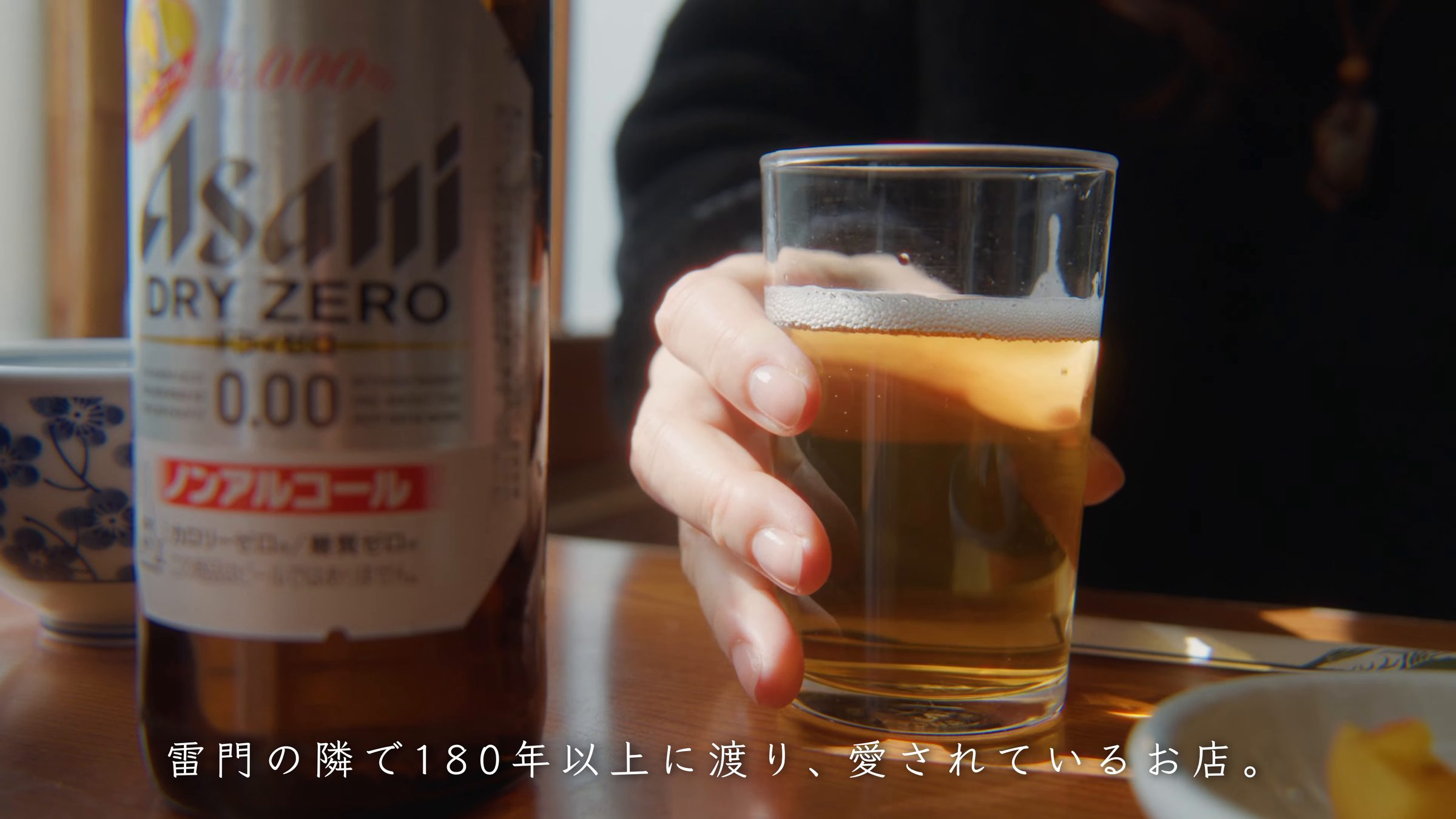
What I drank at Sansada was Dry Zero, a non-alcoholic beer-taste drink from Asahi Breweries. It is a carbonated drink with 0.00 percent alcohol; the bottle reads "non-alcoholic," "zero calories" and "zero sugar."
Sources: asahibeer.co.jp
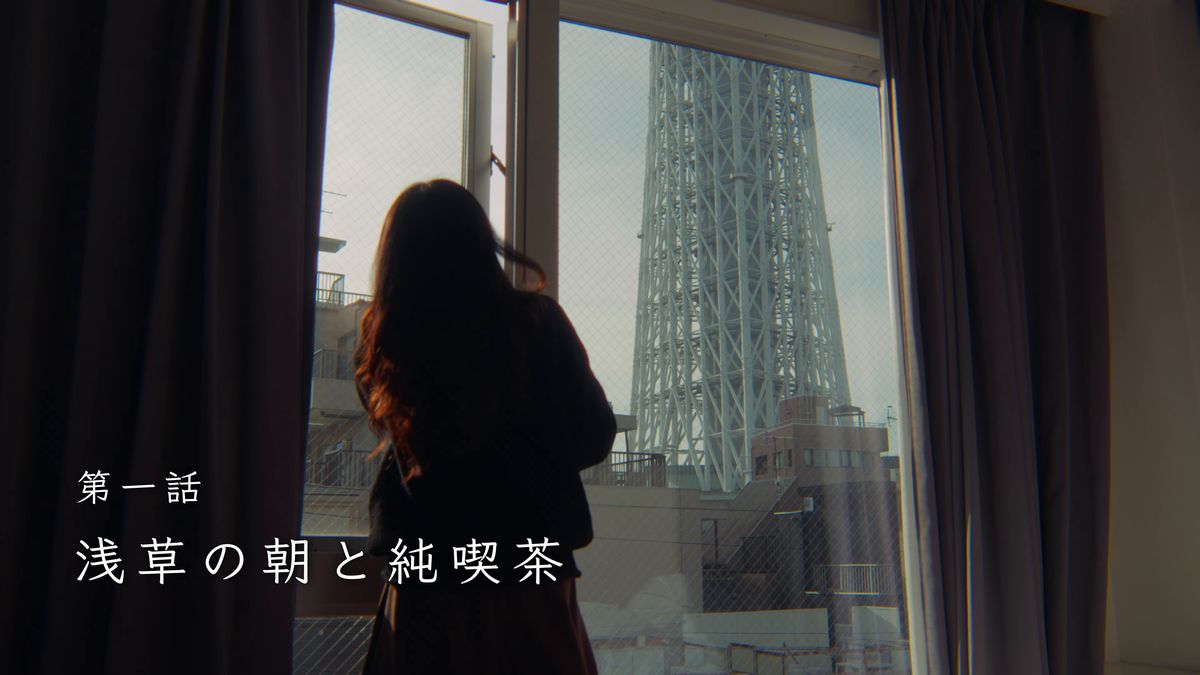
A room with a view of the Skytree
This time I borrowed a room with the Skytree rising just outside the window, a base for exploring Asakusa on foot.
PHOTO ALBUMPhoto album154Open all photographsClose the photo album
Select a photograph to explore the journey one frame at a time.