A TRAVEL ESSAY
Taito, Tokyo
Asakusa Food Diary, Part 2
Loach hot pot and Tokyo ramen:more of Asakusa
The second half of Asakusa, tasting flavors handed down since Edo.
Read the journey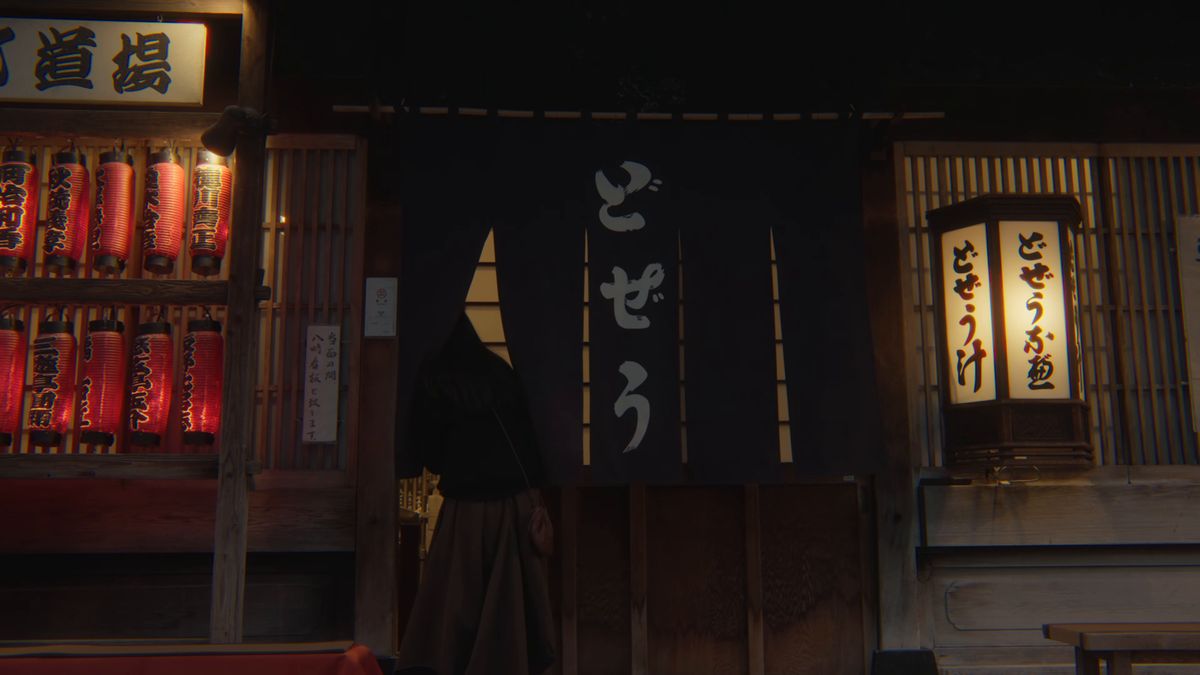
ABOUT THIS JOURNEY
I sat over dozeu nabe on a charcoal brazier at Komagata Dozeu, in business for more than two centuries. I bought a Shoro sandwich at Tsukiji Outer Market and rode a water bus up the Sumida River; at night came crab croquettes at Kamiya Bar and chuka soba at Asahi, an old neighborhood Chinese diner behind Asakusa Kannon. The second half of my stay, eating my way through flavors handed down since Edo.
A little more about the food and the land01TRAVEL JOURNAL
Into the dusk, toward Komagata
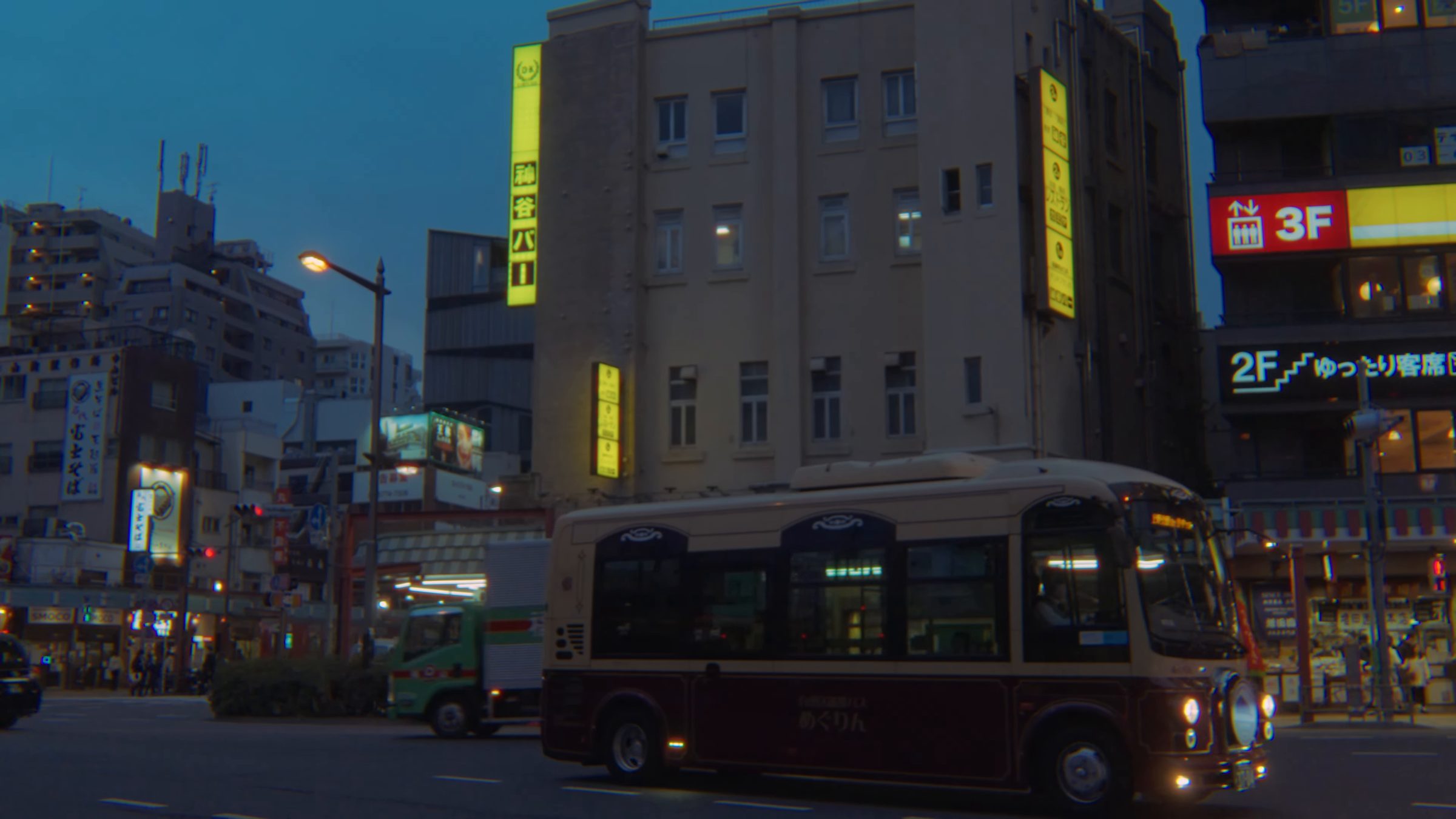
More of my stay in Asakusa. As the day faded, the Tokyo Skytree glowed blue beyond an elevated railway. Buses crossed the intersection and the city lights began to come on. Tonight I was going to taste a flavor of the common folk that has lasted since the Edo period.
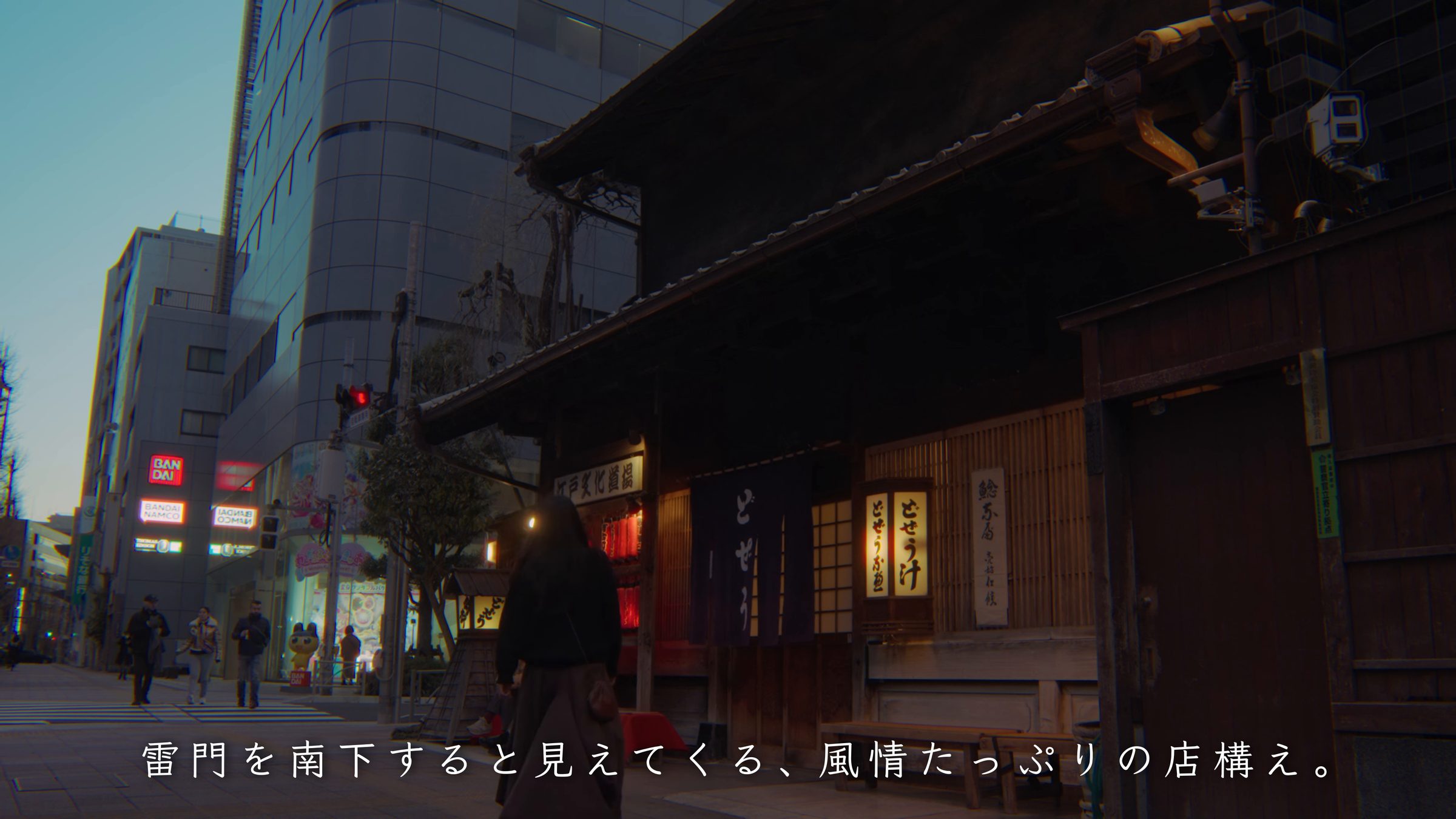
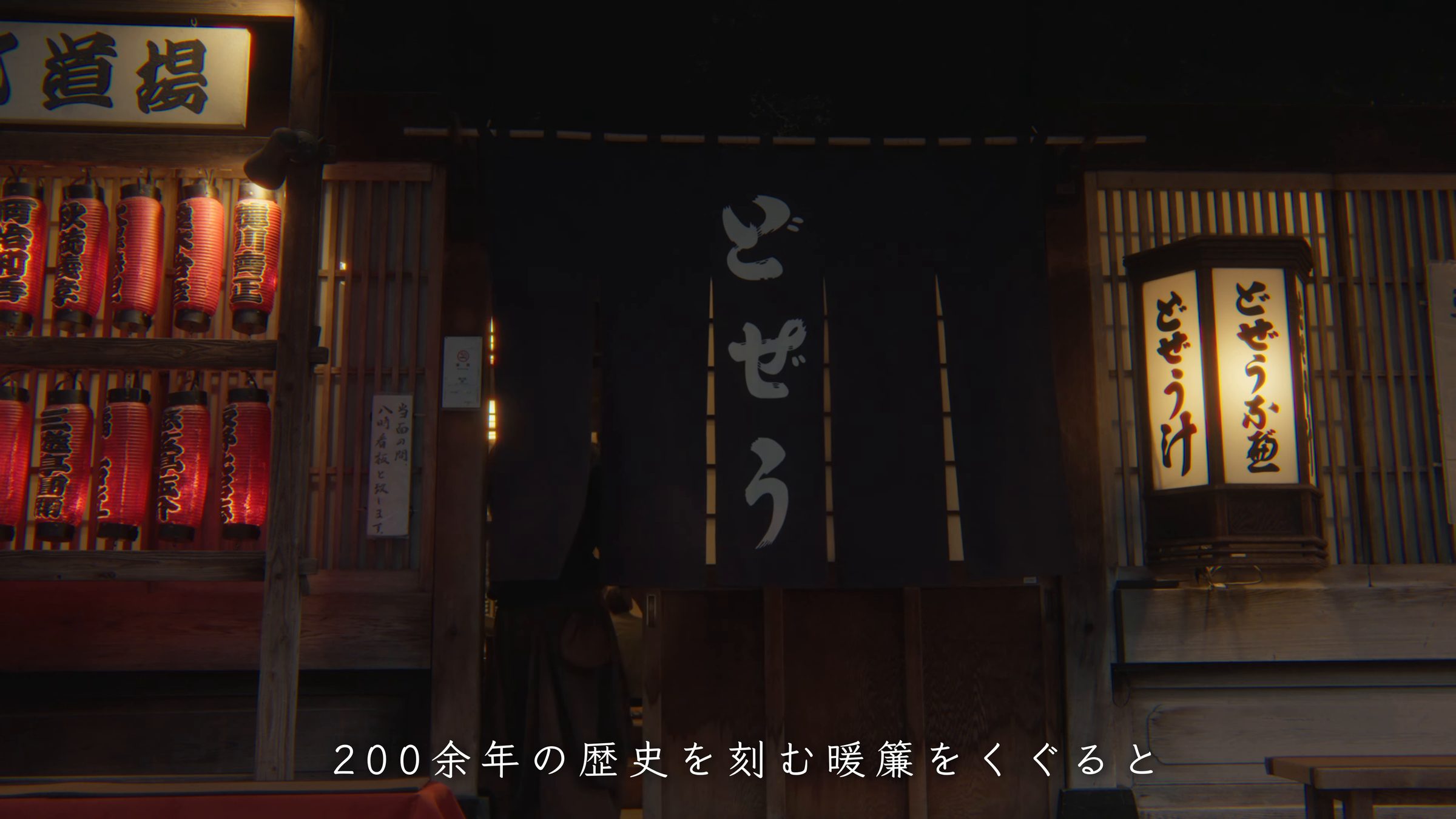
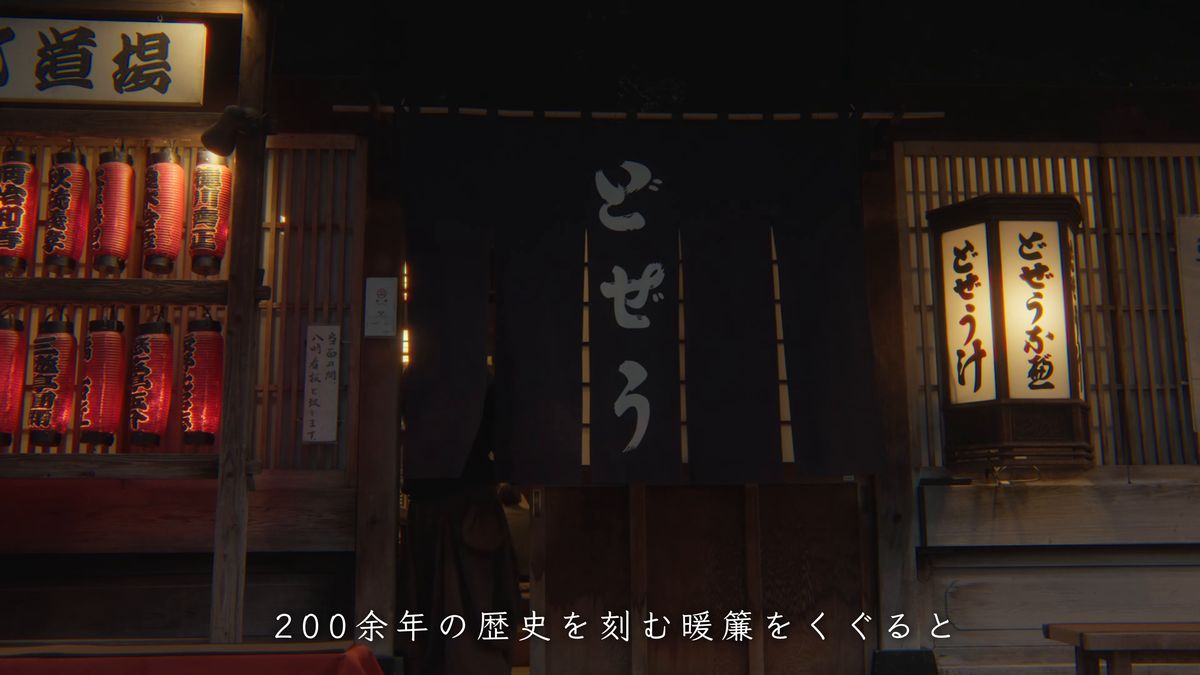
Heading south from Kaminarimon, you come upon a shop front full of old-world charm: Komagata Dozeu, a loach restaurant founded in 1801. Beside the noren curtain dyed with the word dozeu, a row of red lanterns glowed.
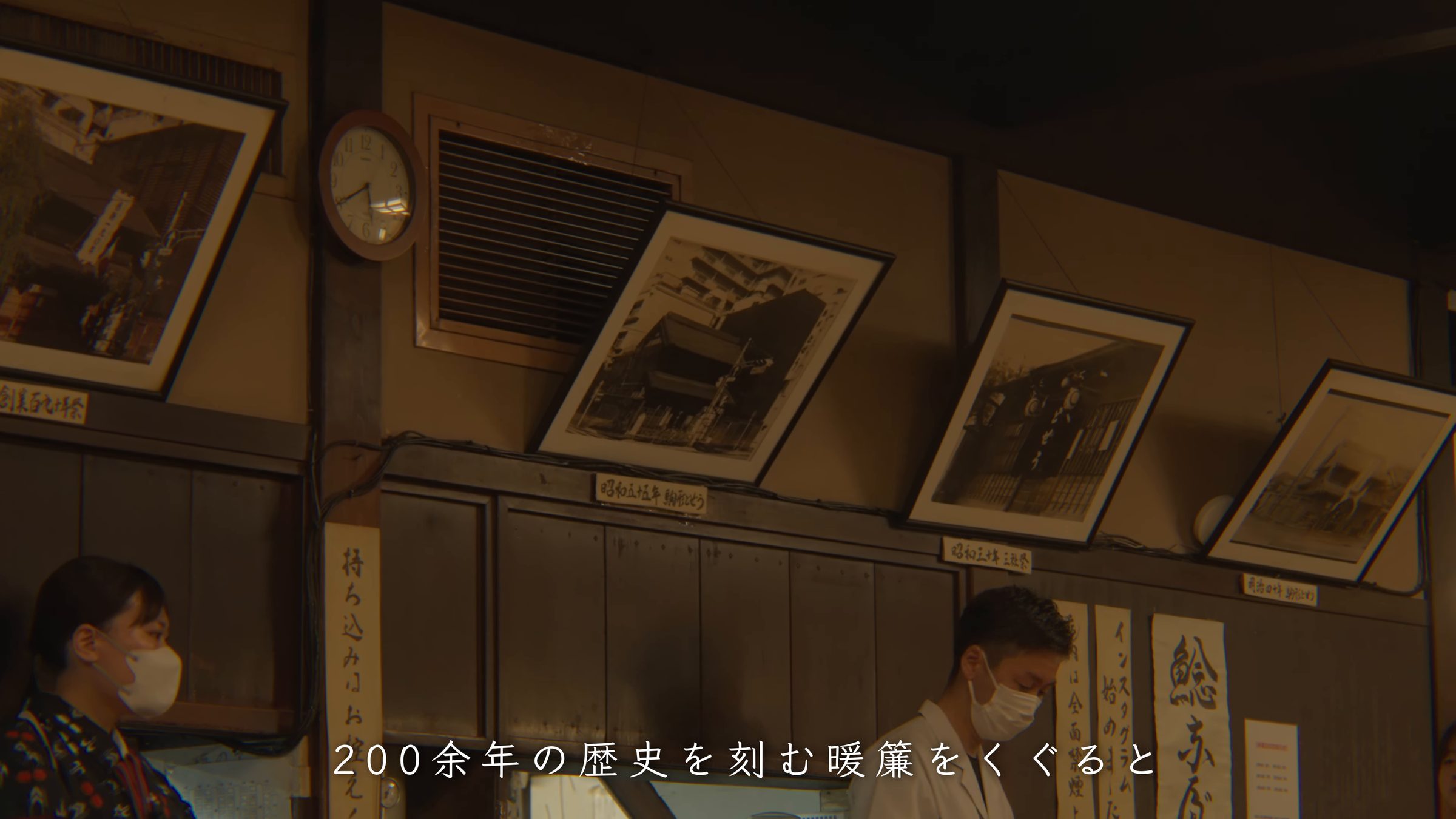
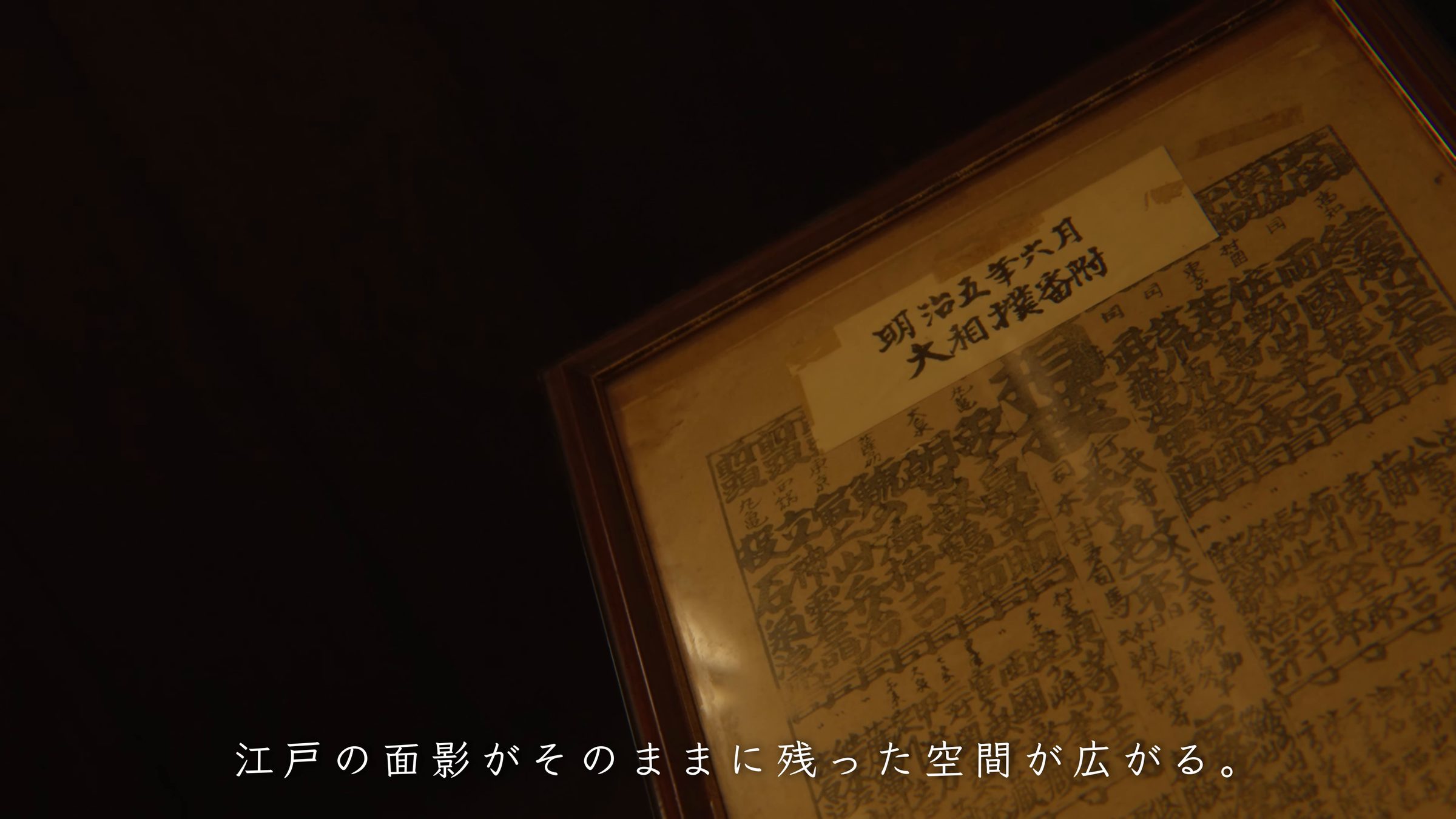
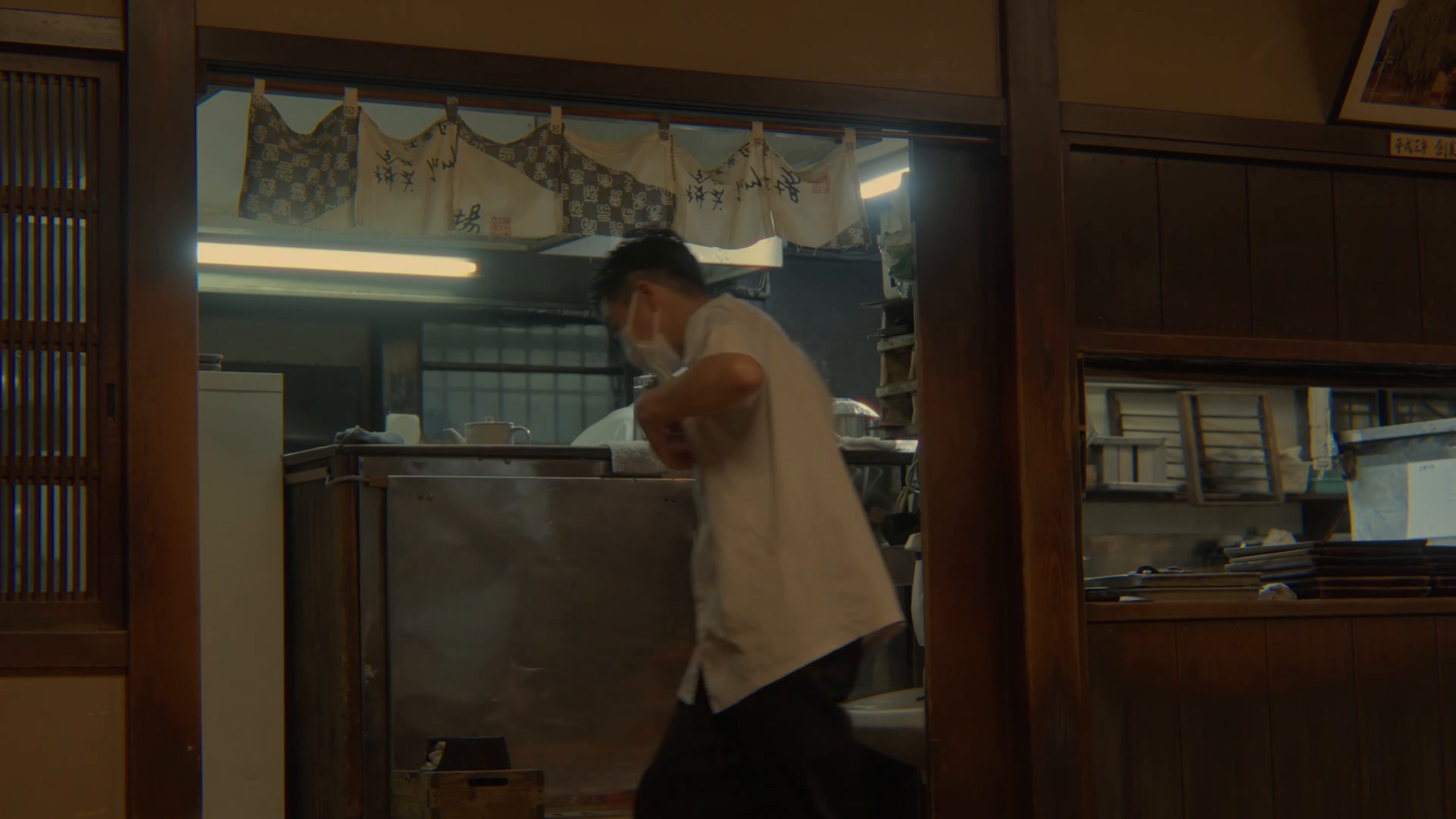
I passed through a noren with more than two hundred years of history and found a space that still holds the essence of Edo. Old photographs hung on the walls, along with a sumo ranking sheet from June 1872. Beyond the curtain, the kitchen was busy.
Watch this scene on YouTube0:24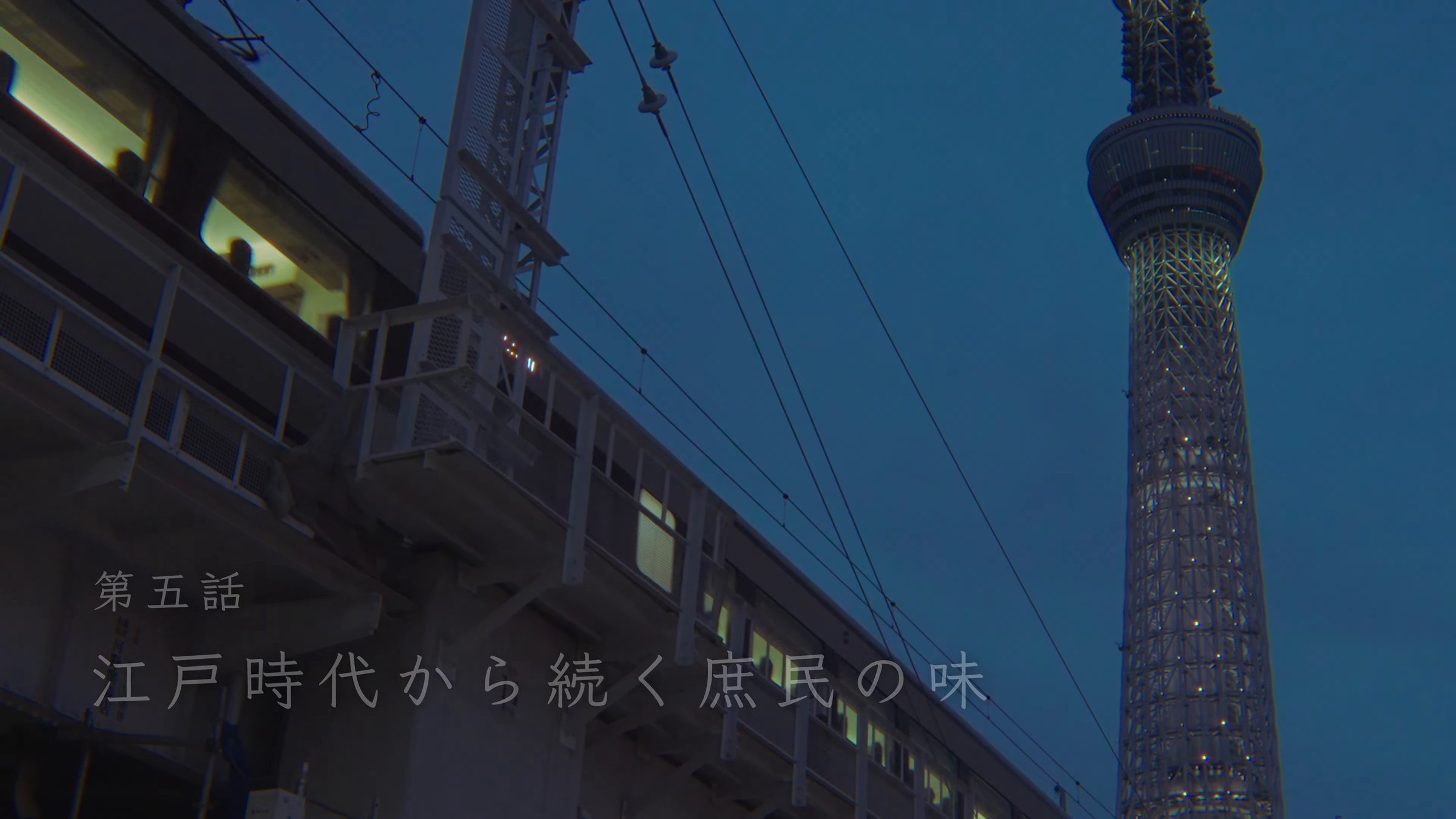
02TRAVEL JOURNAL
Dozeu nabe on the kanaita
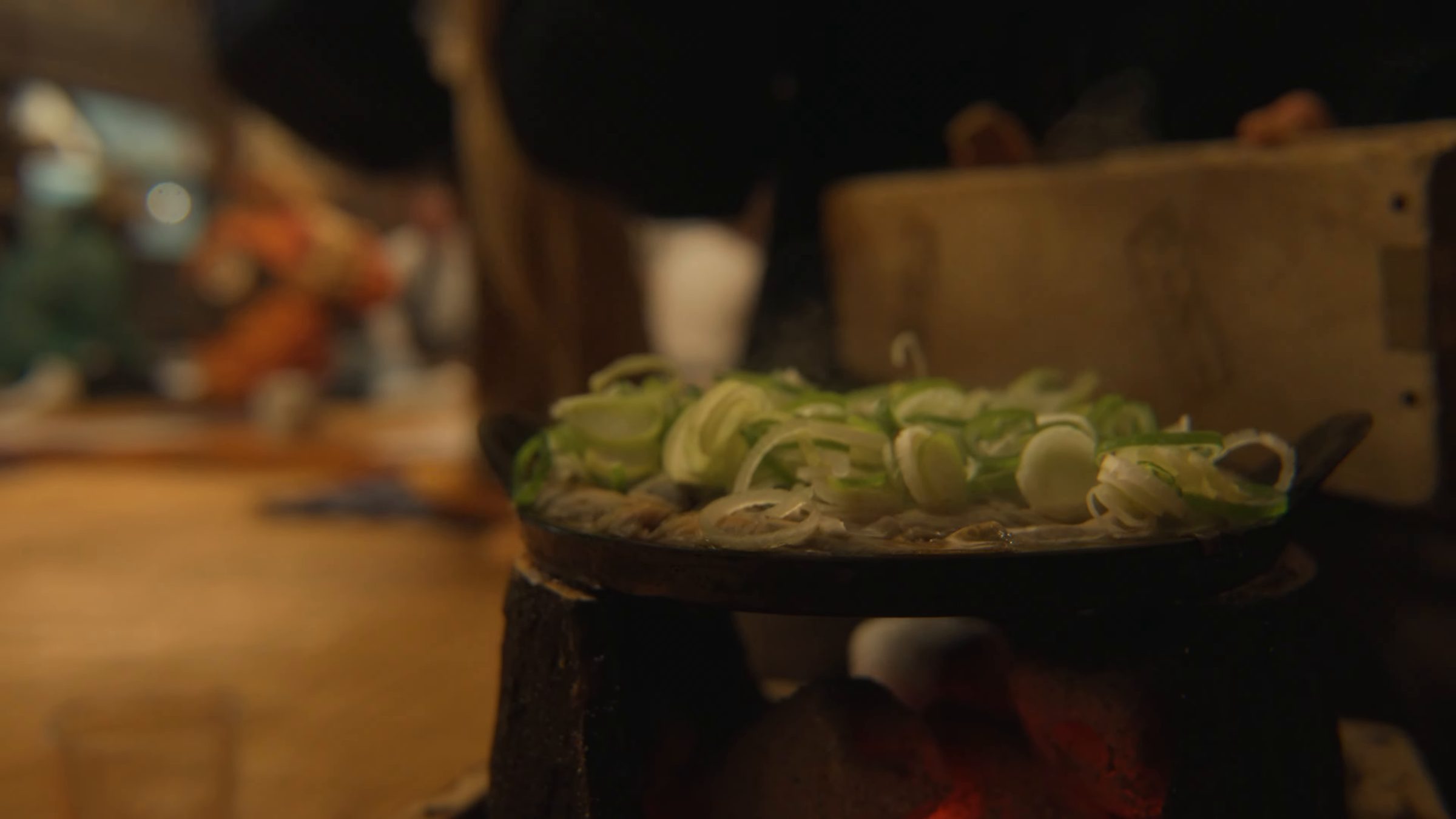
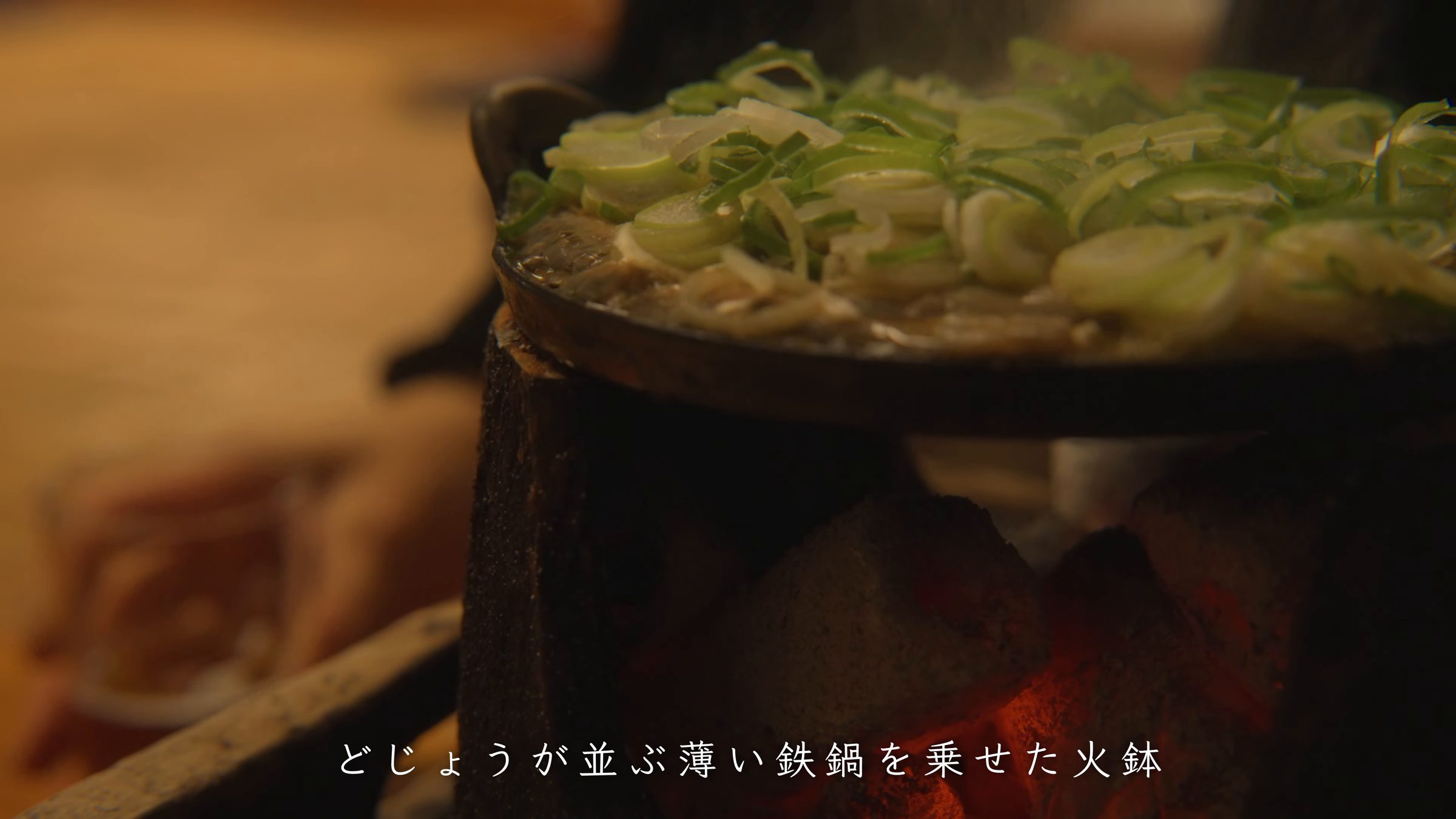
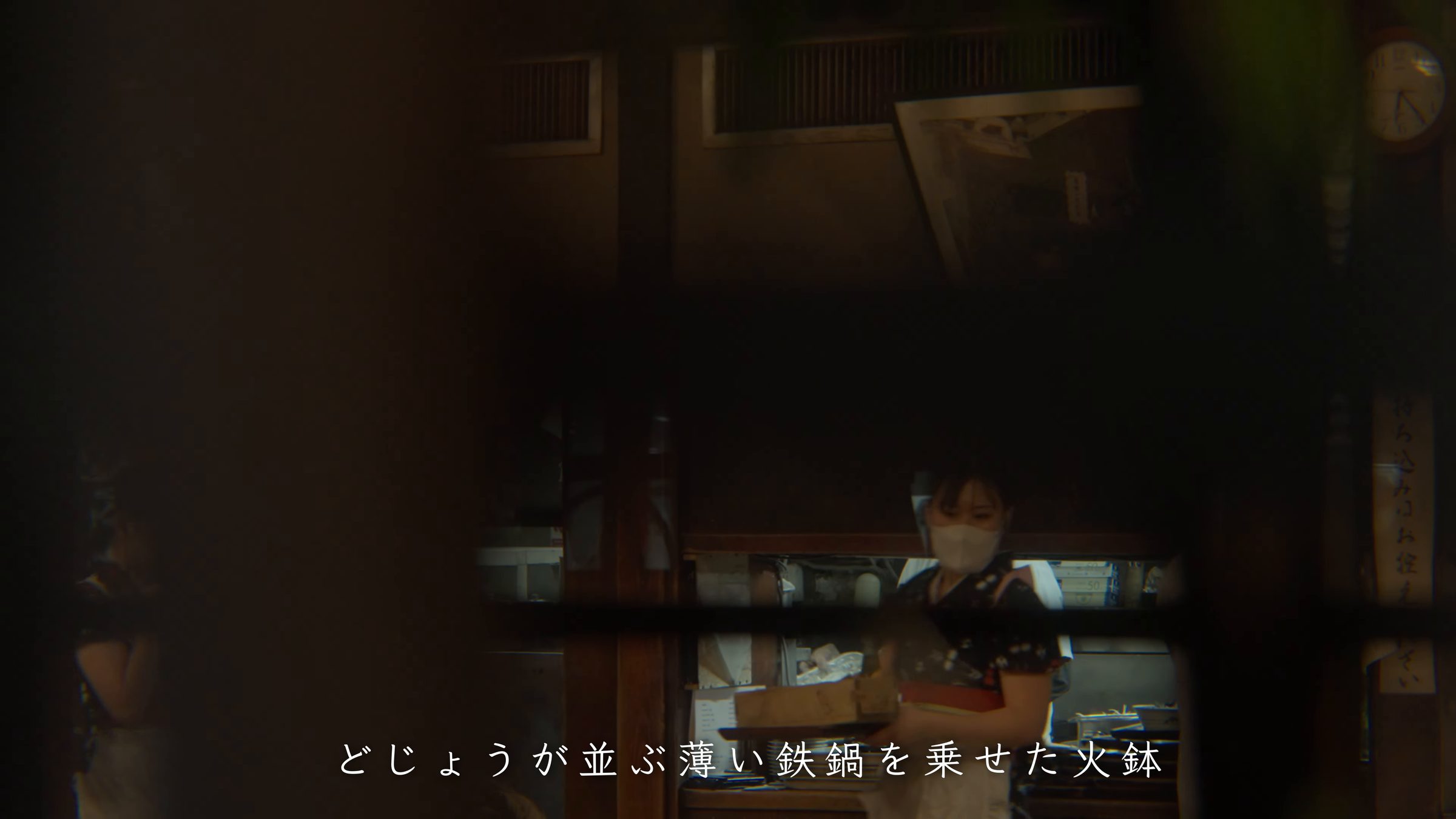
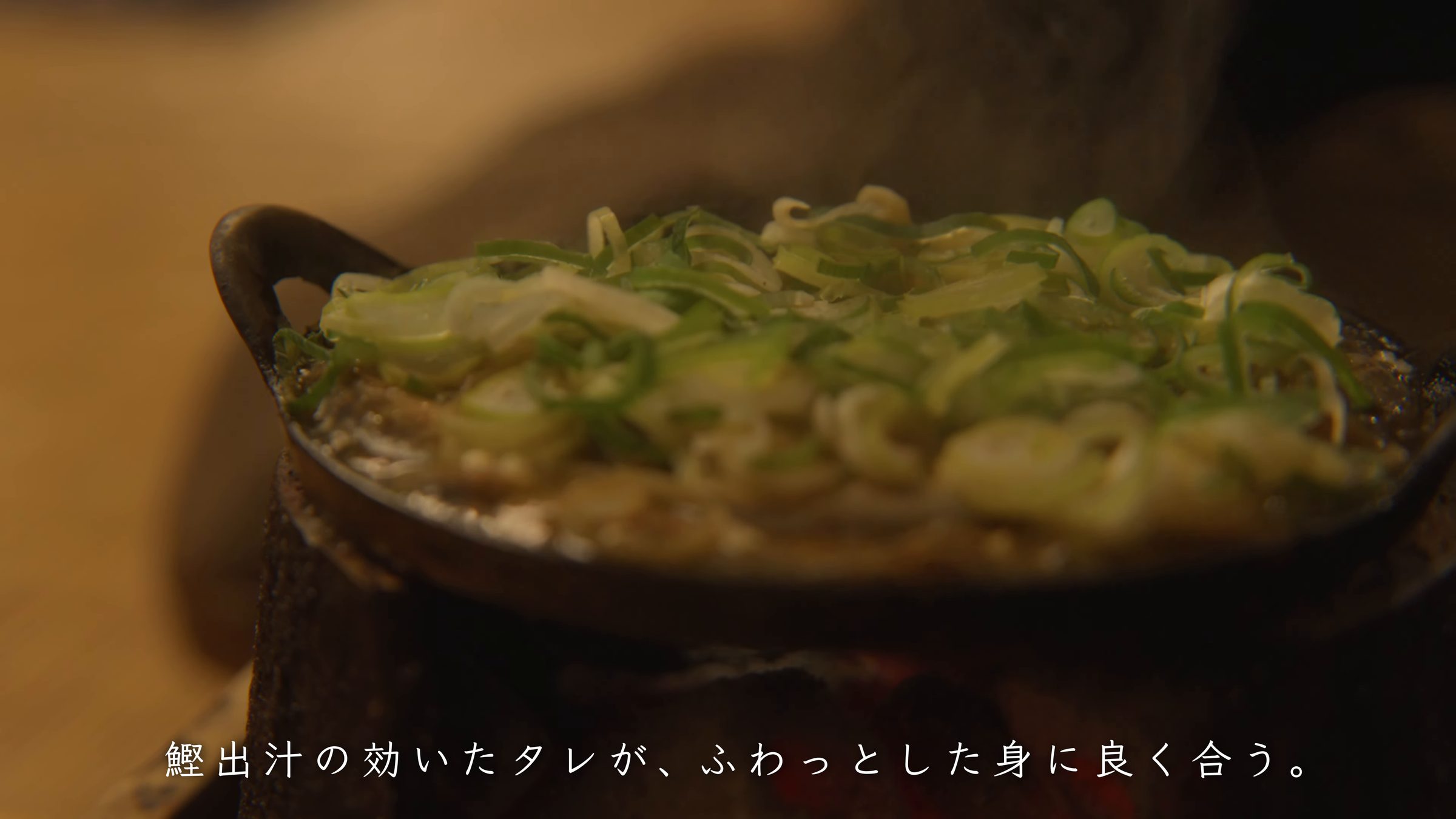
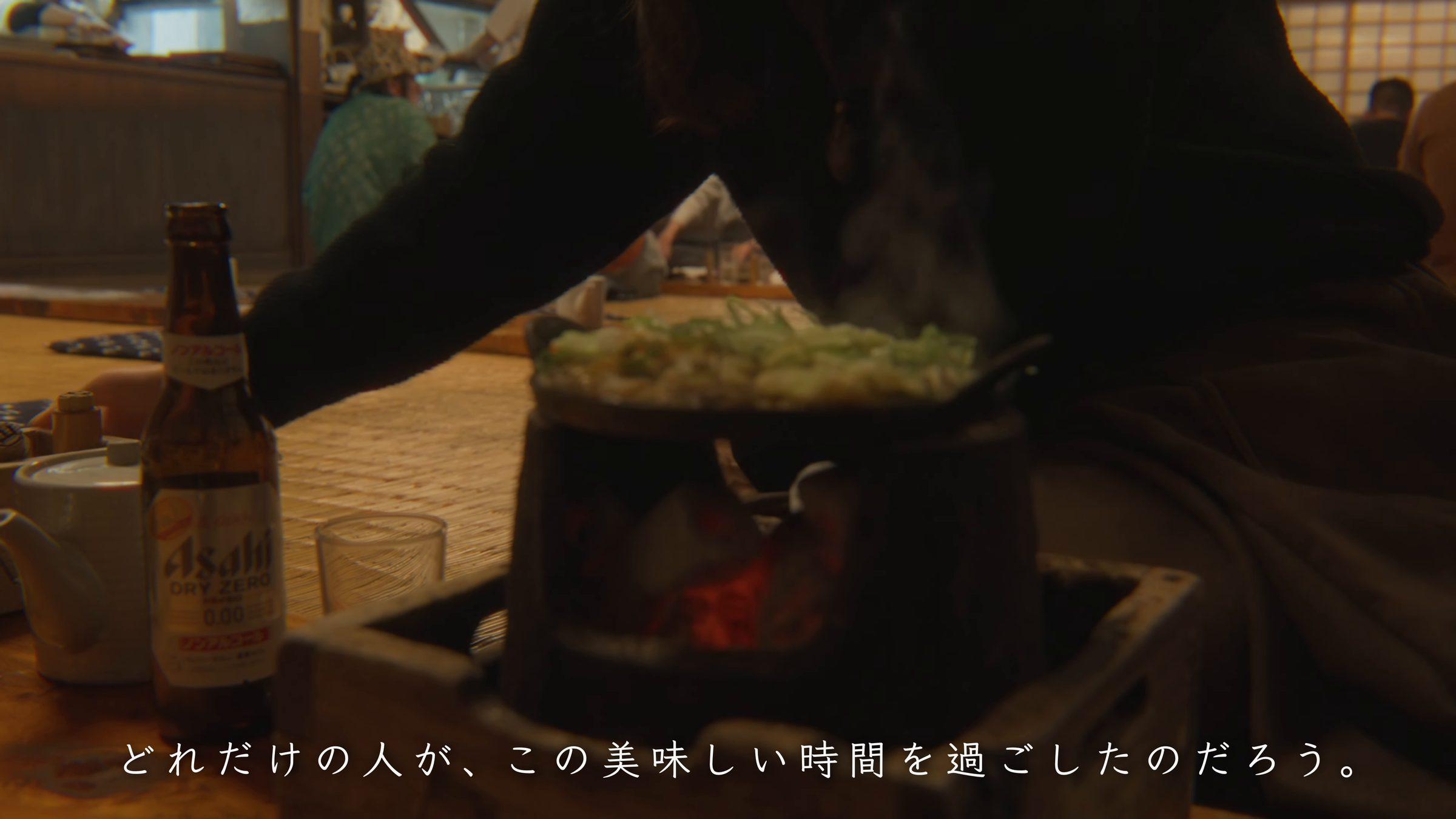
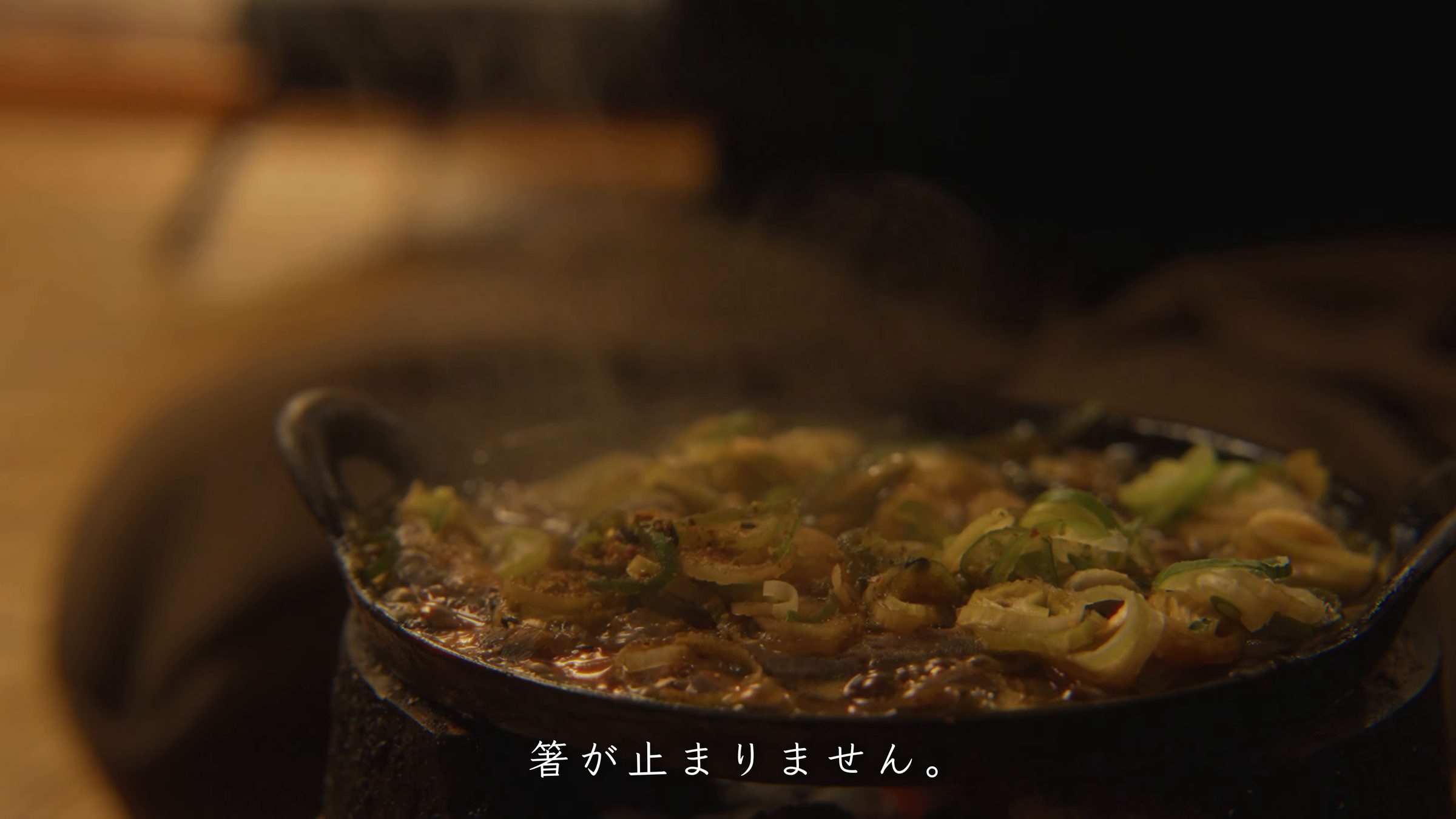
The specialty here is, above all, dozeu nabe. The loaches, already prepared, arrive packed side by side in a thin iron pan.
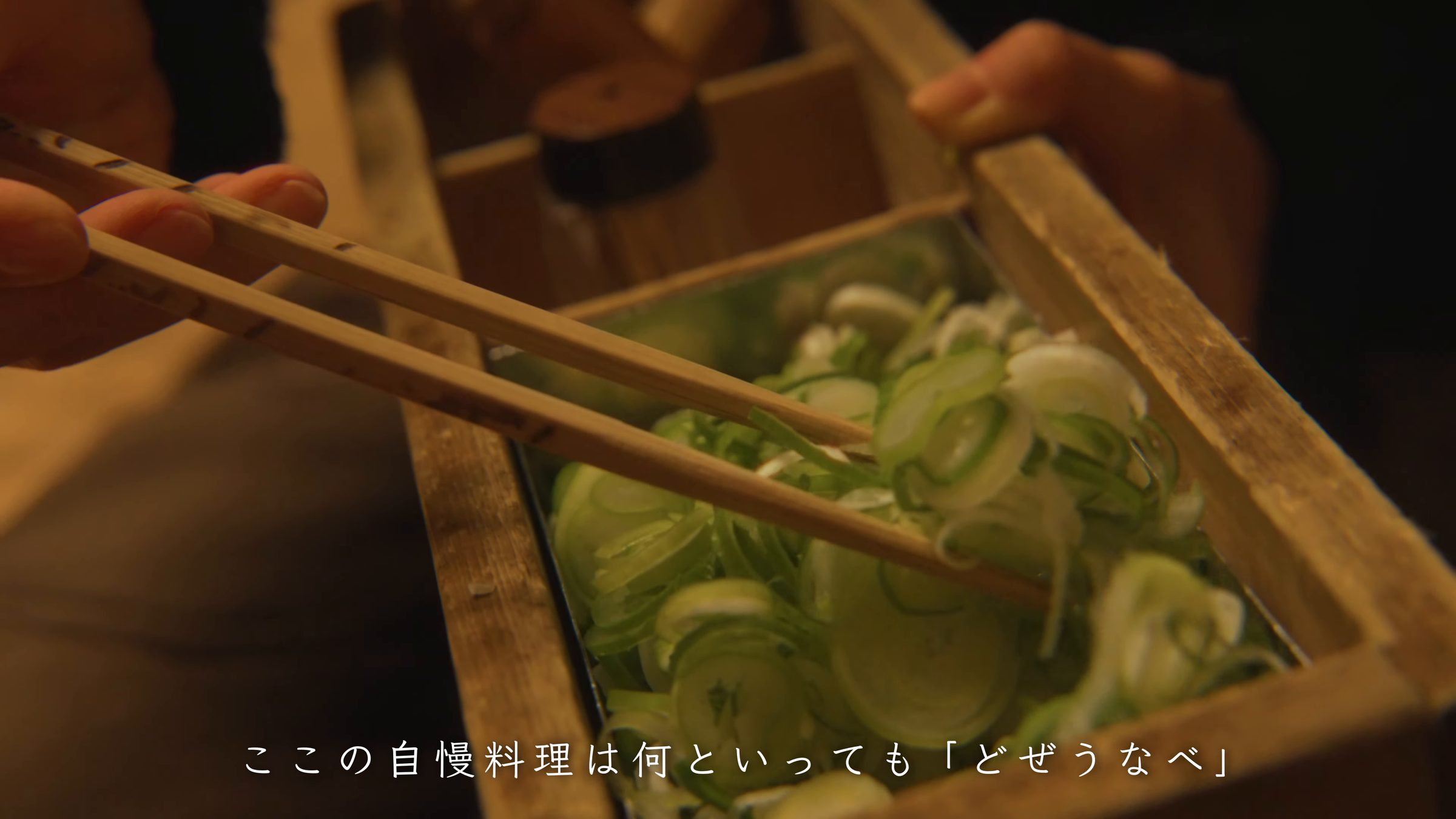
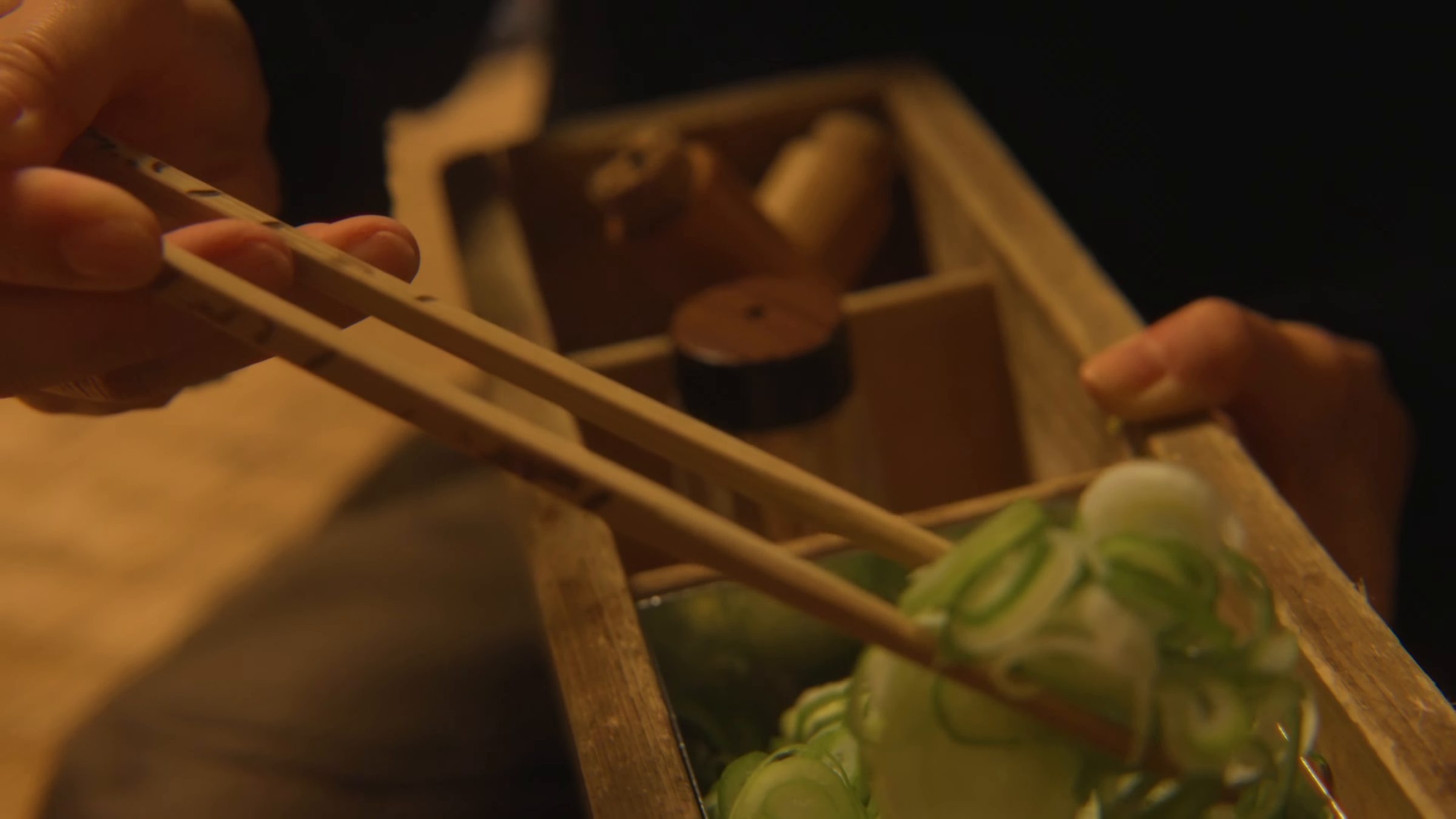
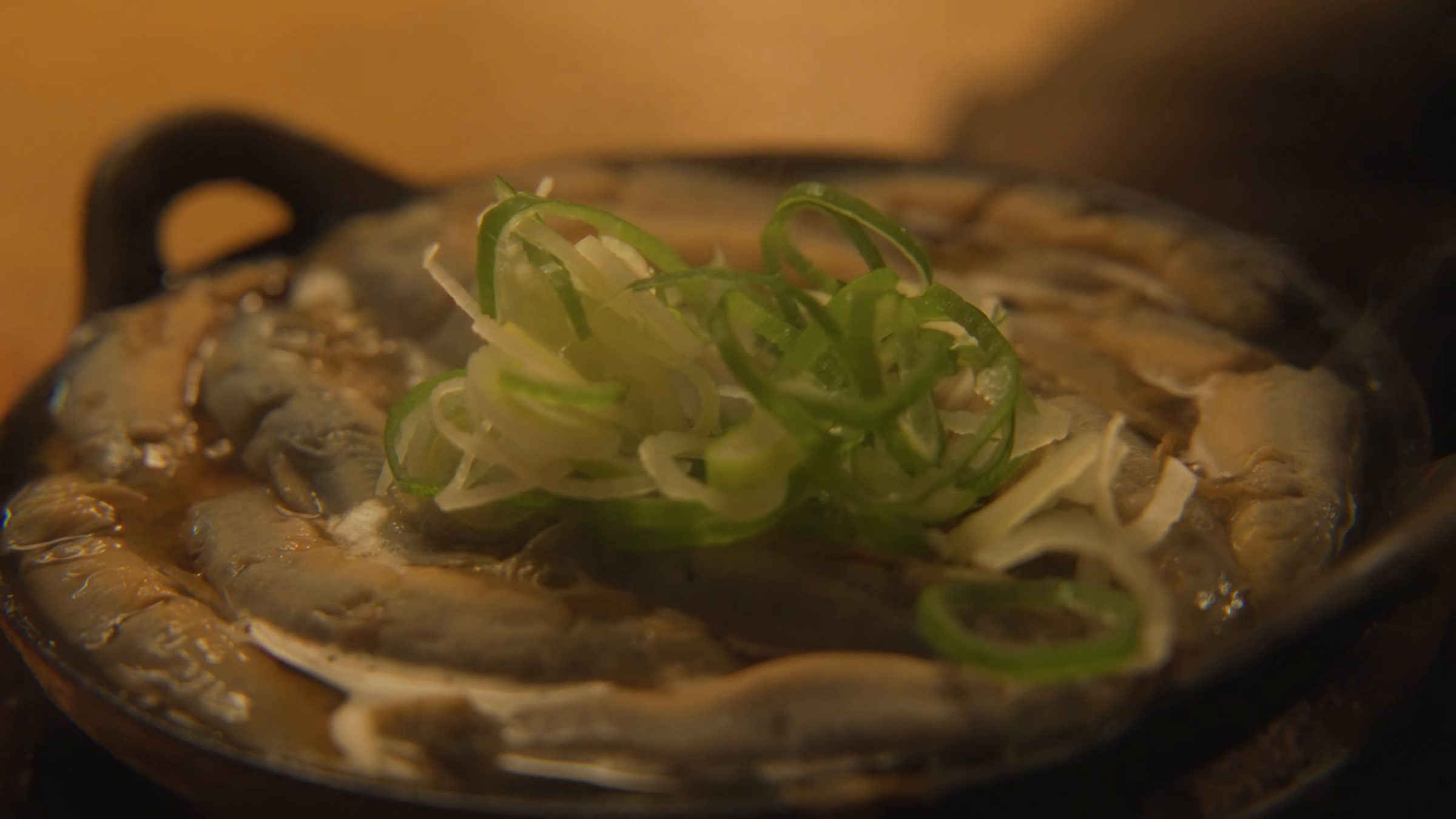
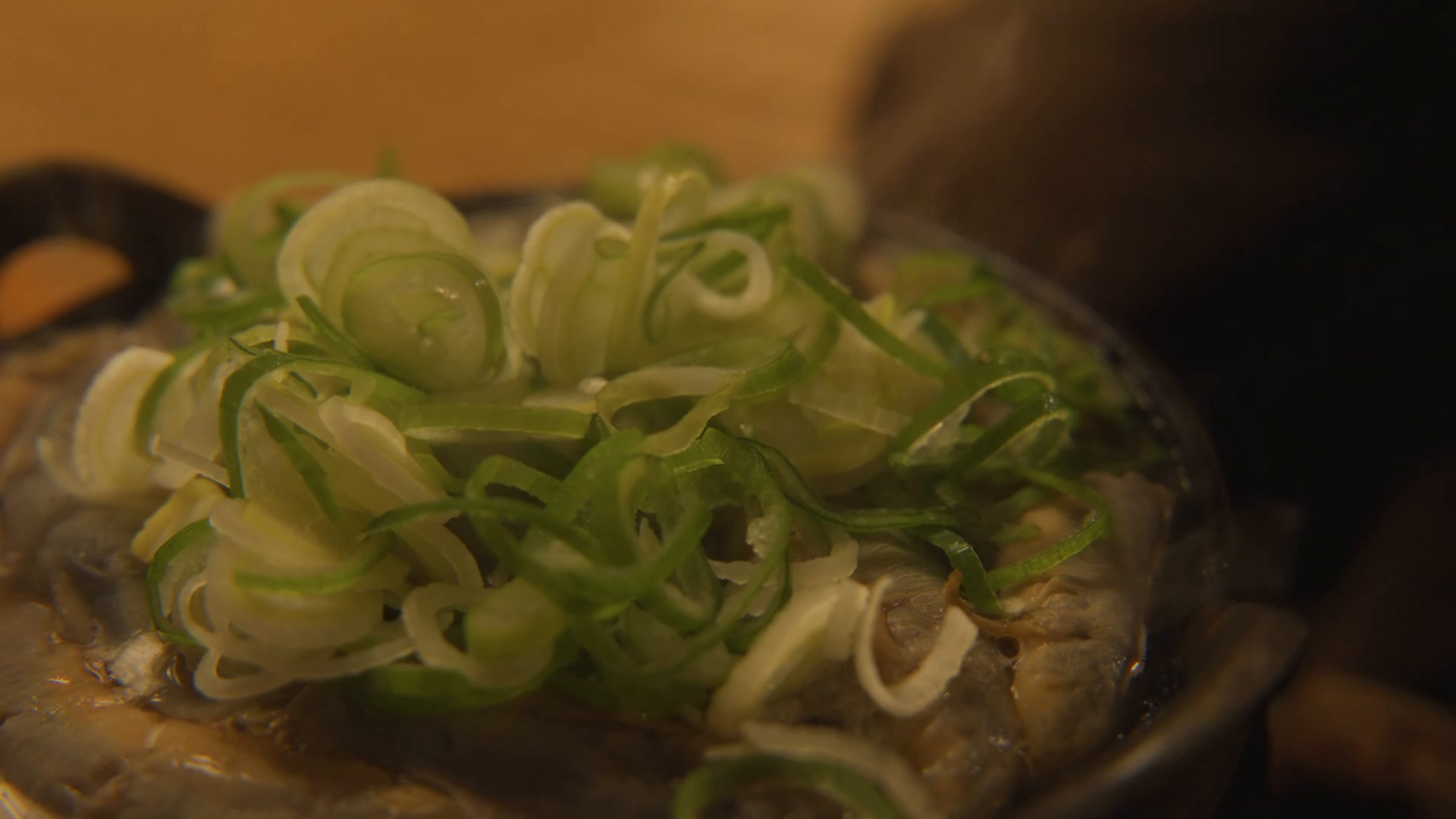
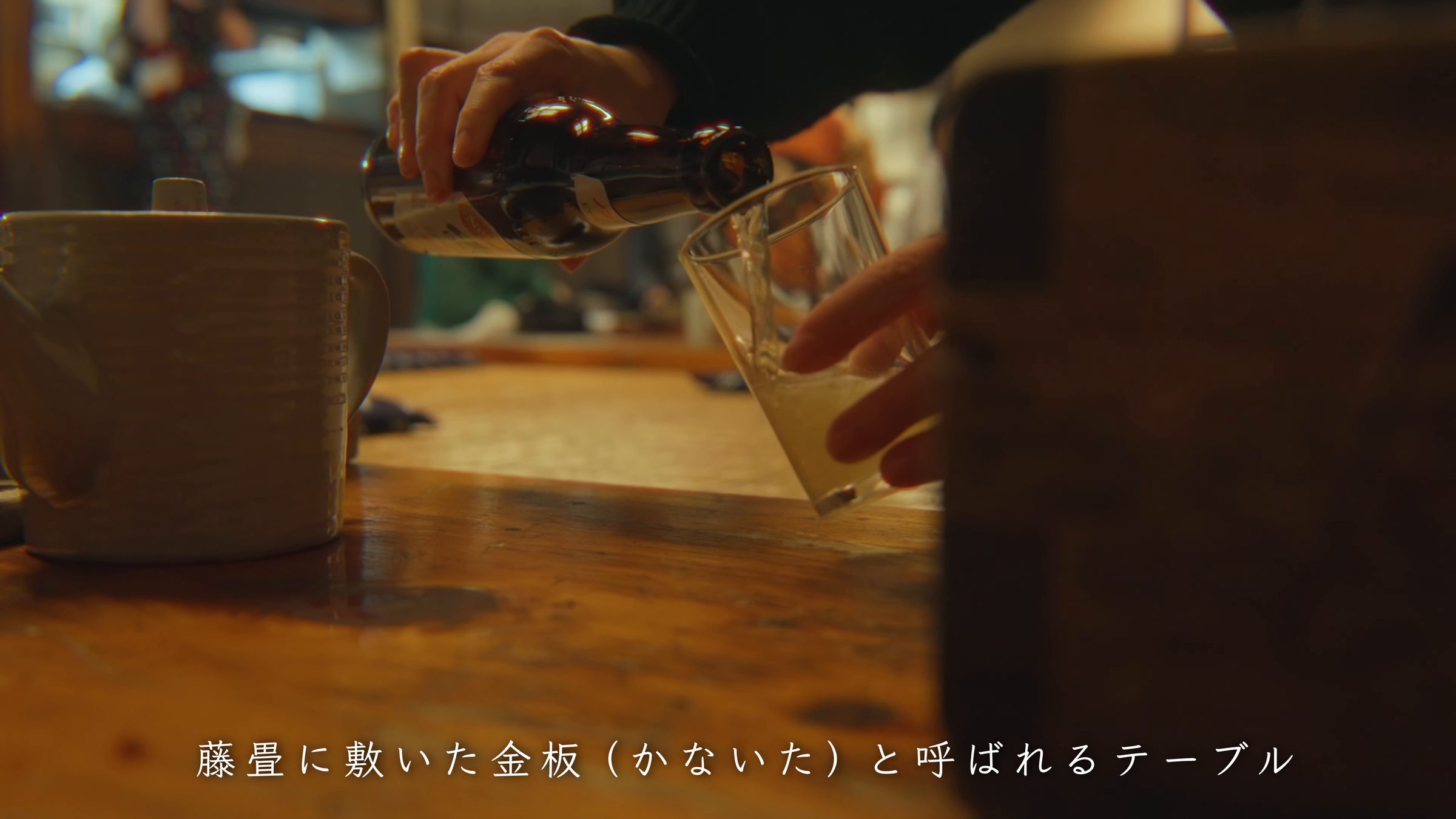
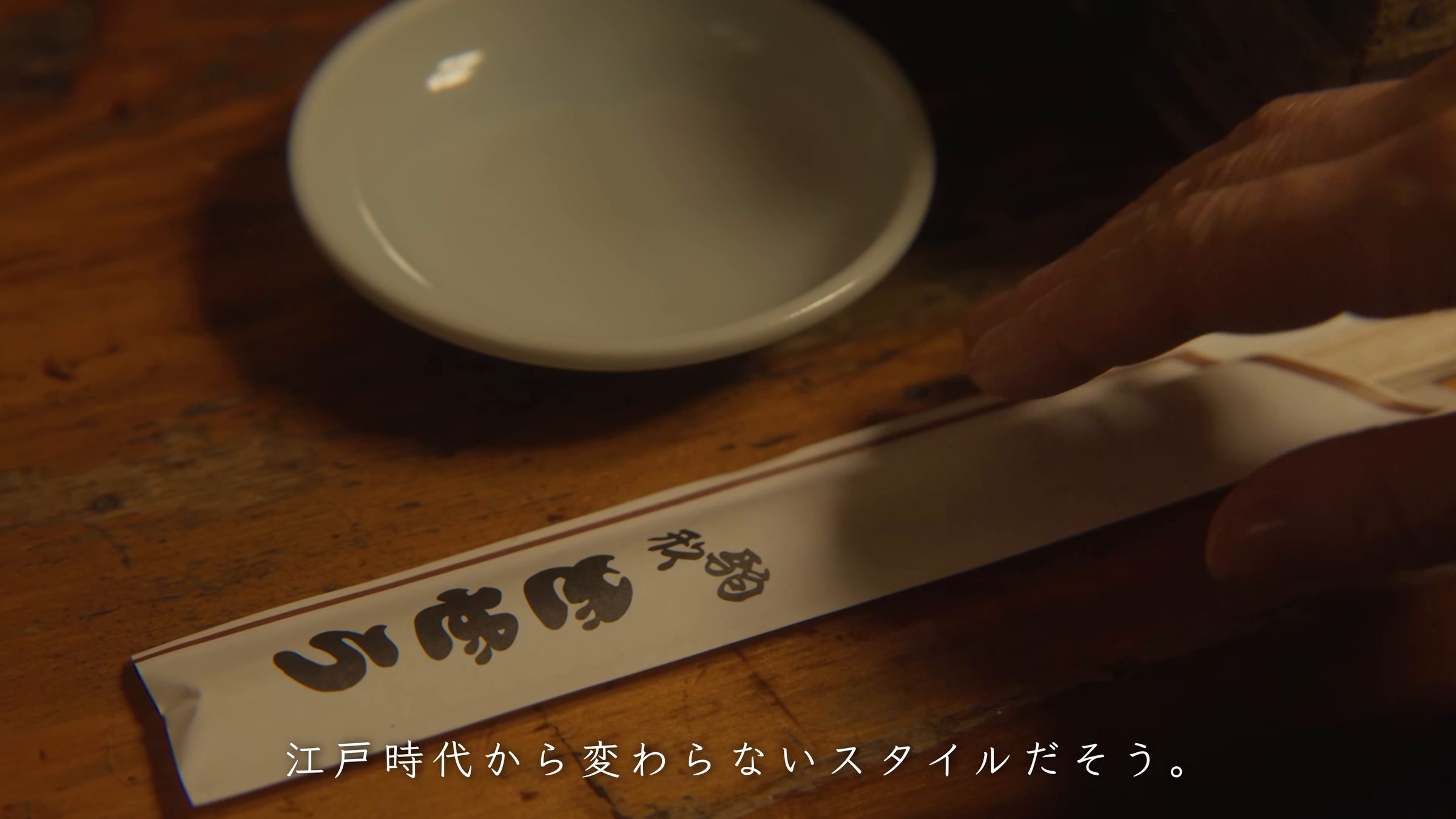
The green onions come heaped in a wooden box. I scooped them up with chopsticks and piled them on until the loaches disappeared. The table is a thick board called a kanaita, laid over rattan matting, and the iron pan sits on a charcoal brazier. This style, I was told, has not changed since the Edo period.
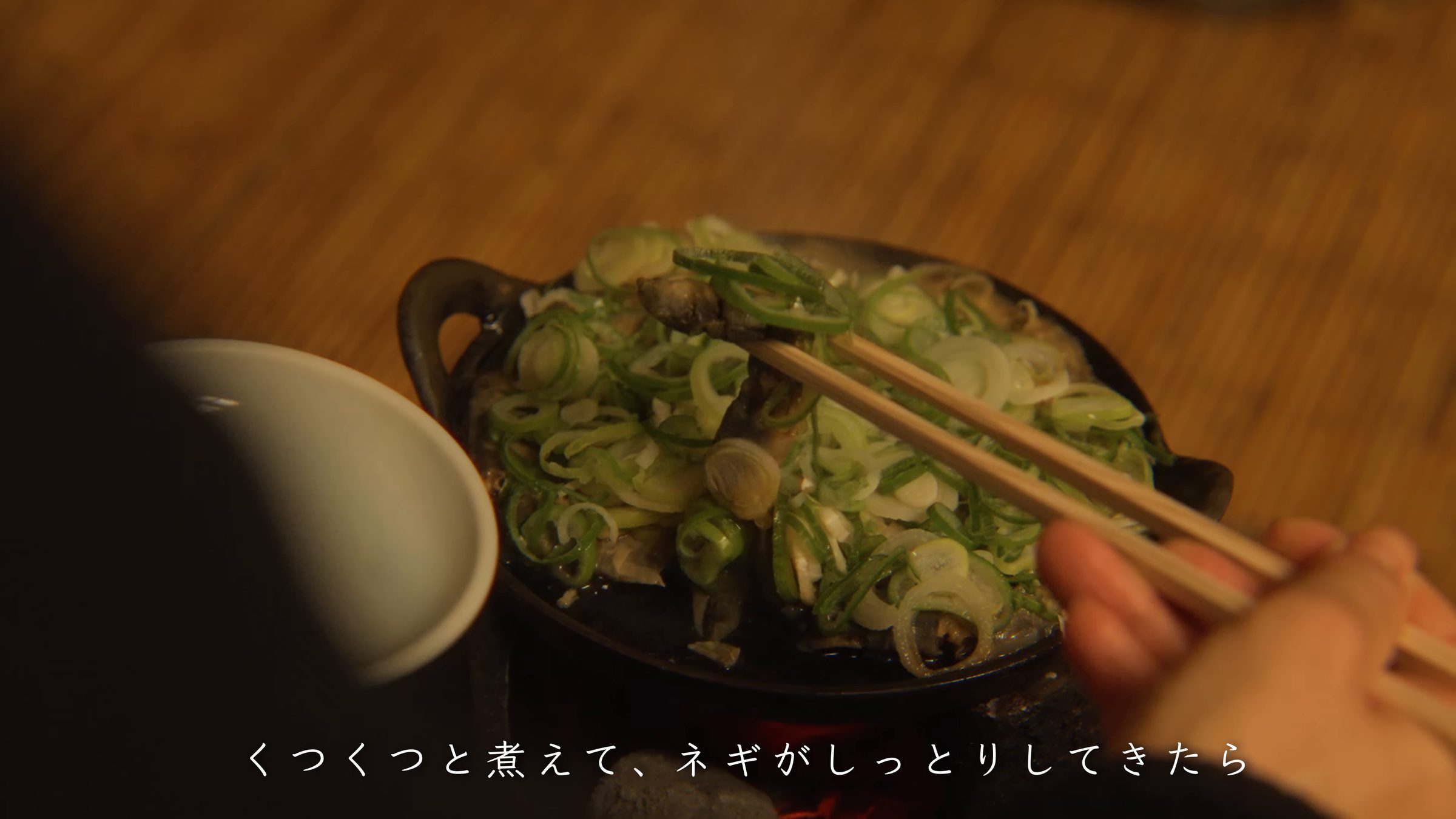
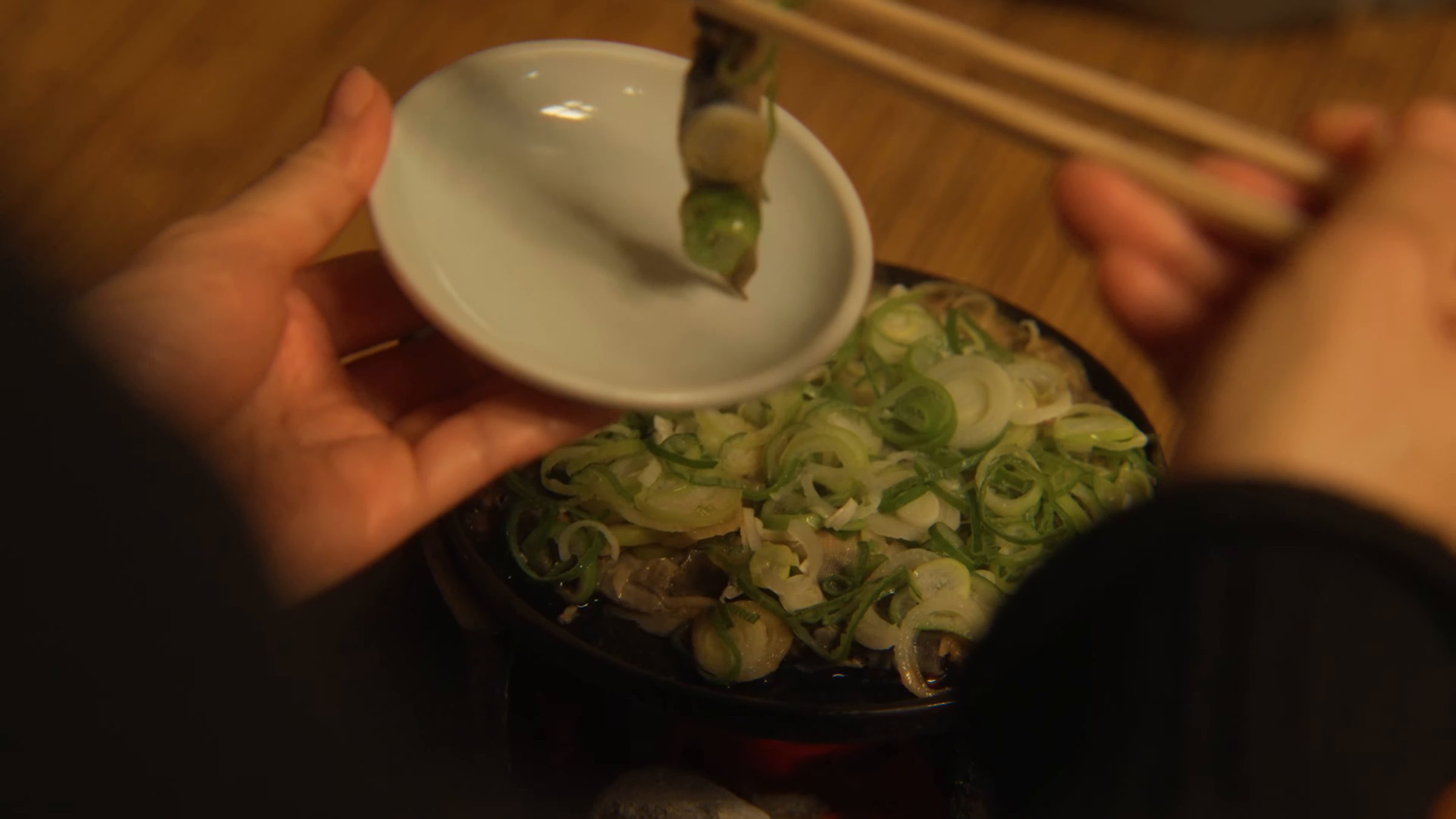
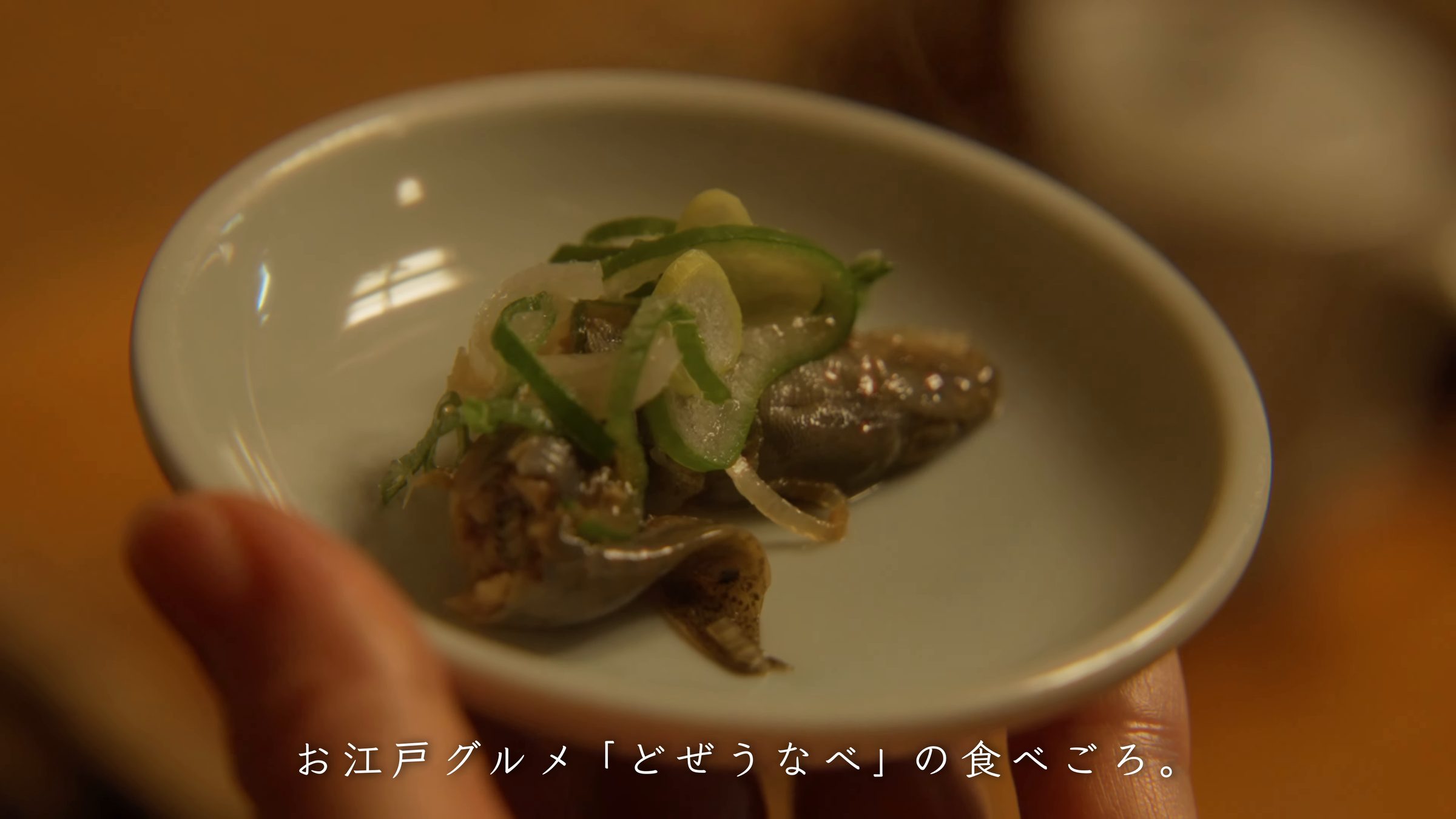
I poured a non-alcoholic beer and waited. Once it was bubbling away and the onions had turned soft, the Edo dish was ready to eat. I lifted loaches and onions onto my small plate.
Watch this scene on YouTube0:59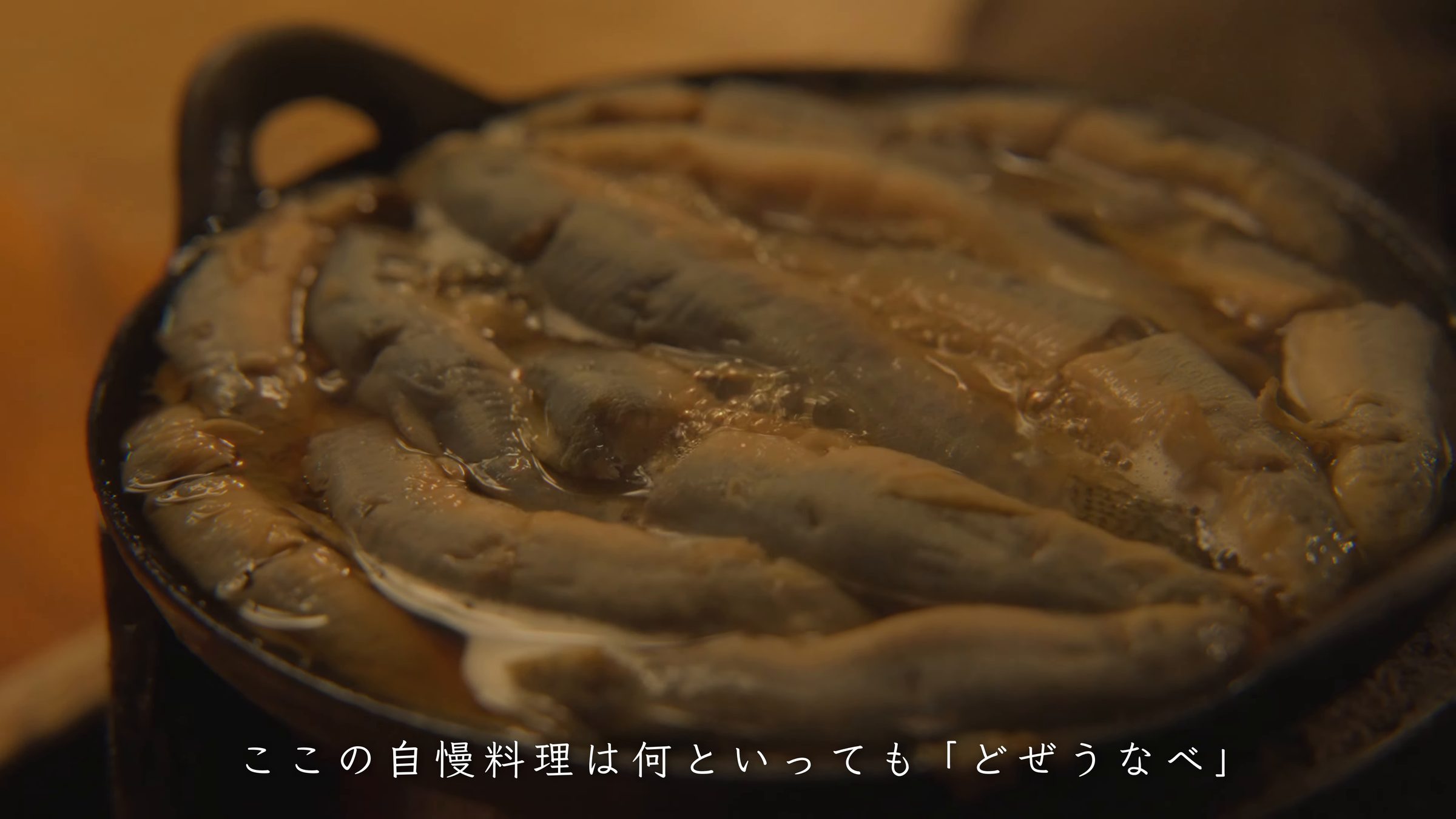
03TRAVEL JOURNAL
A dash of shichimi, a splash of warishita
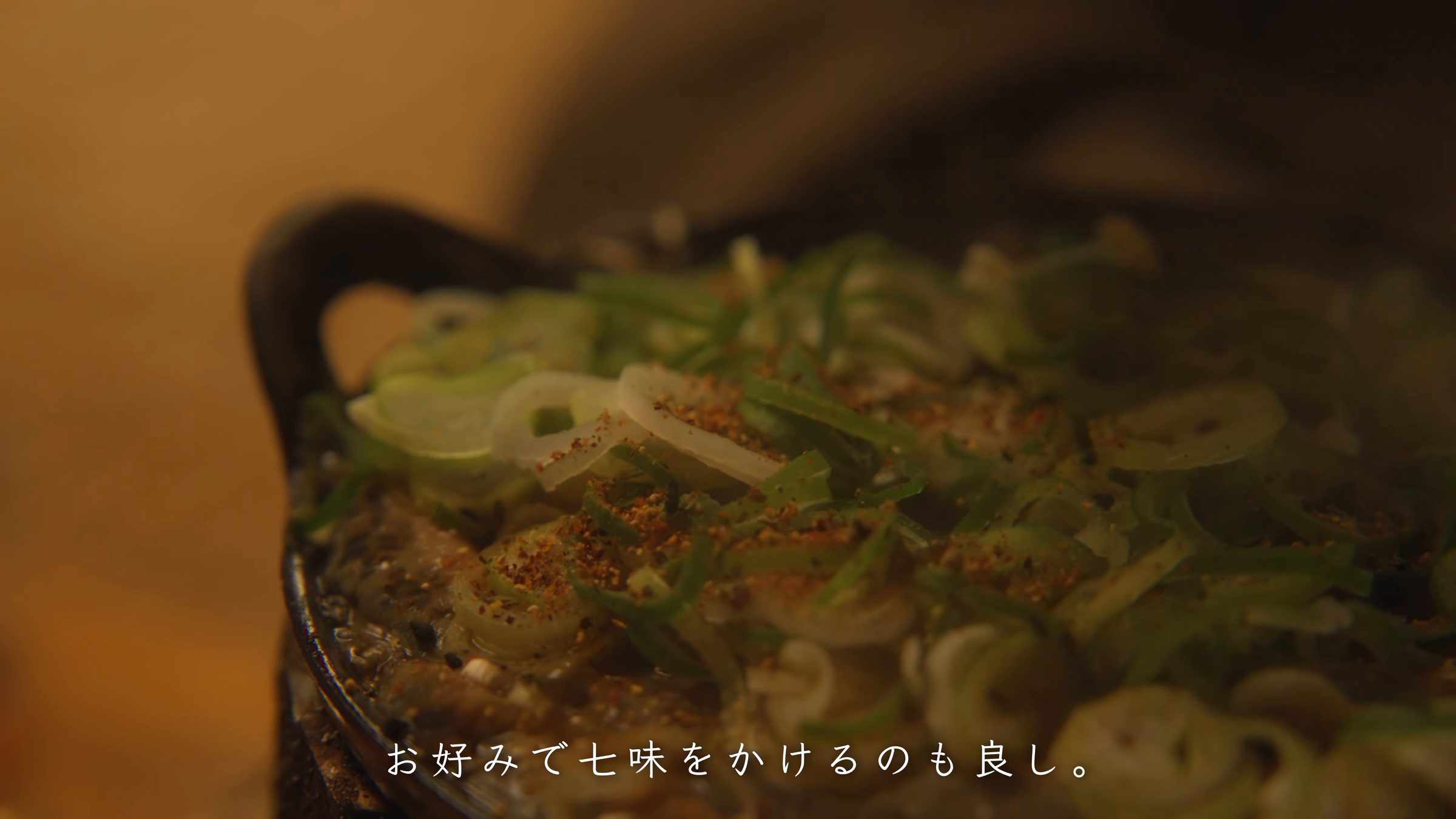
The loaches are tender right down to the bones, with no muddy taste at all. The sauce, rich with bonito stock, suits the soft, fluffy flesh perfectly.
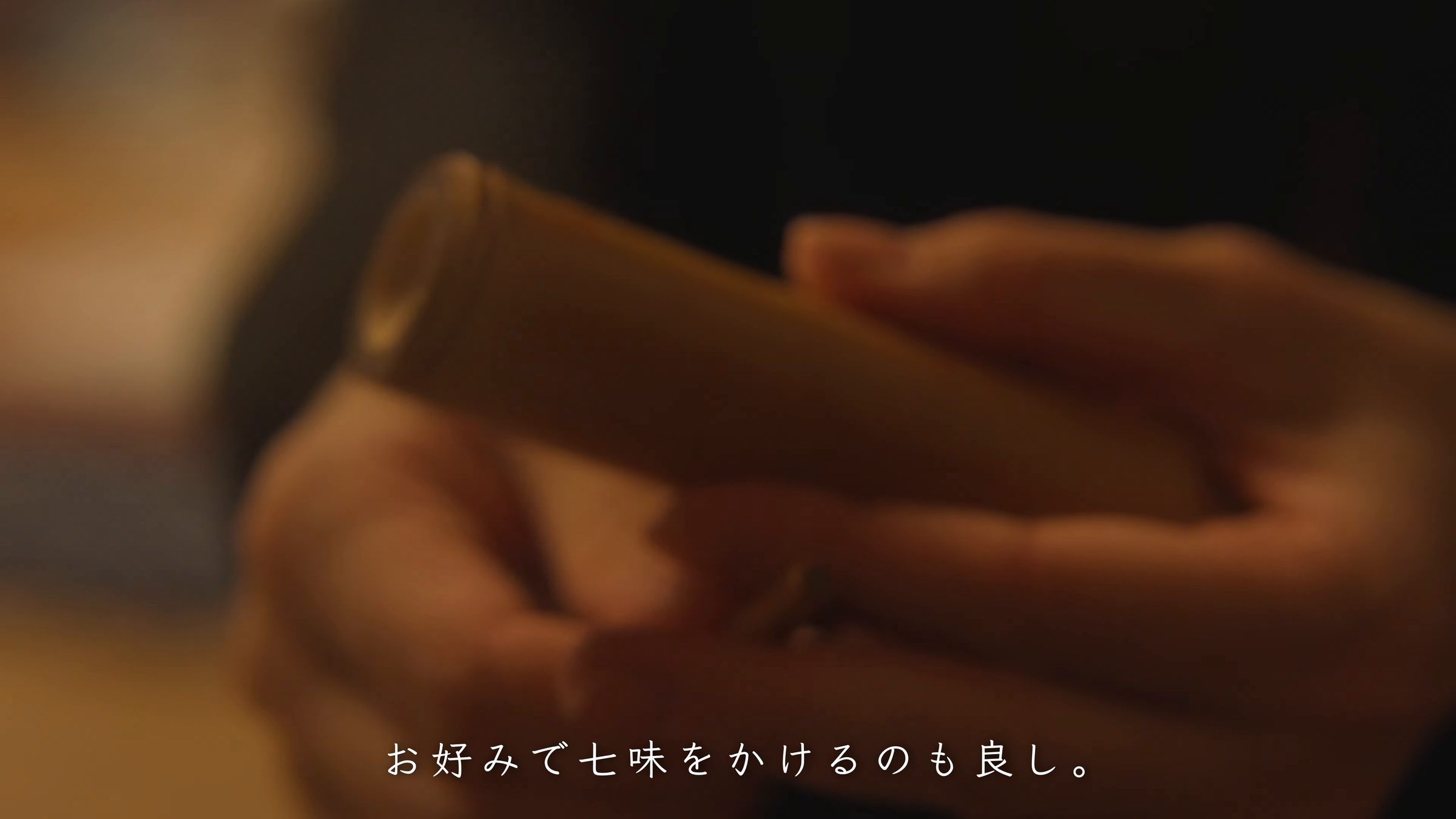
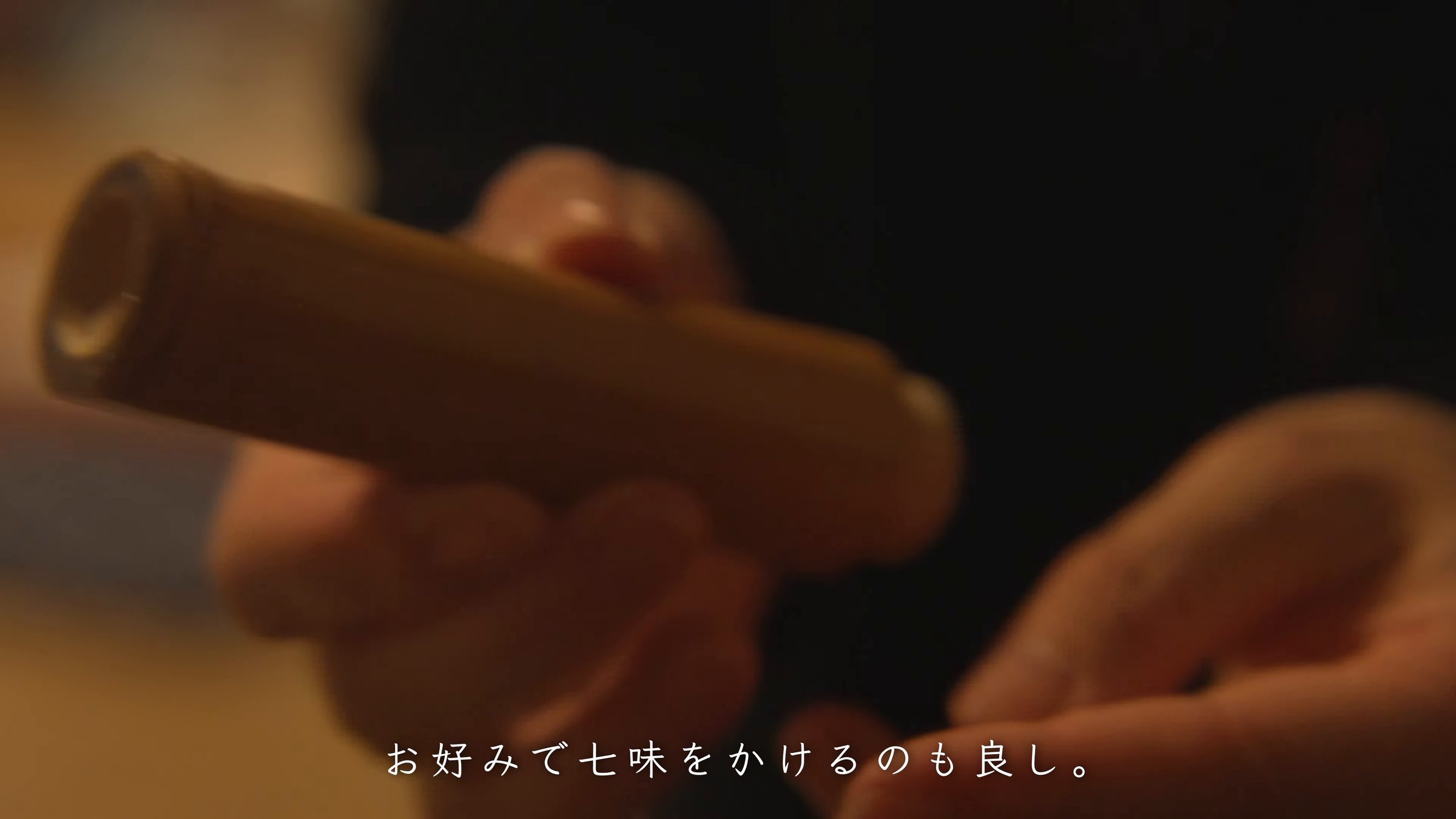
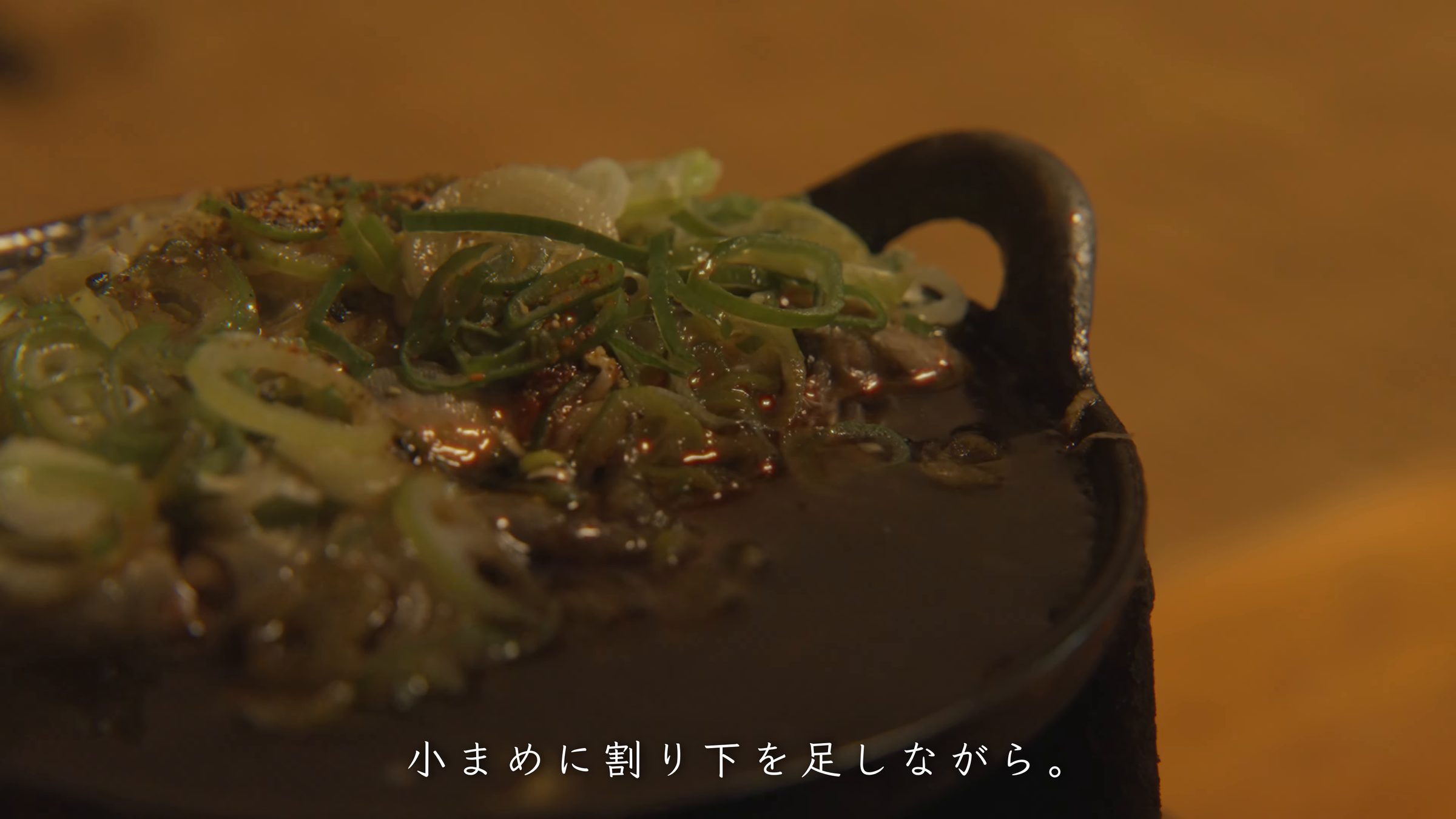
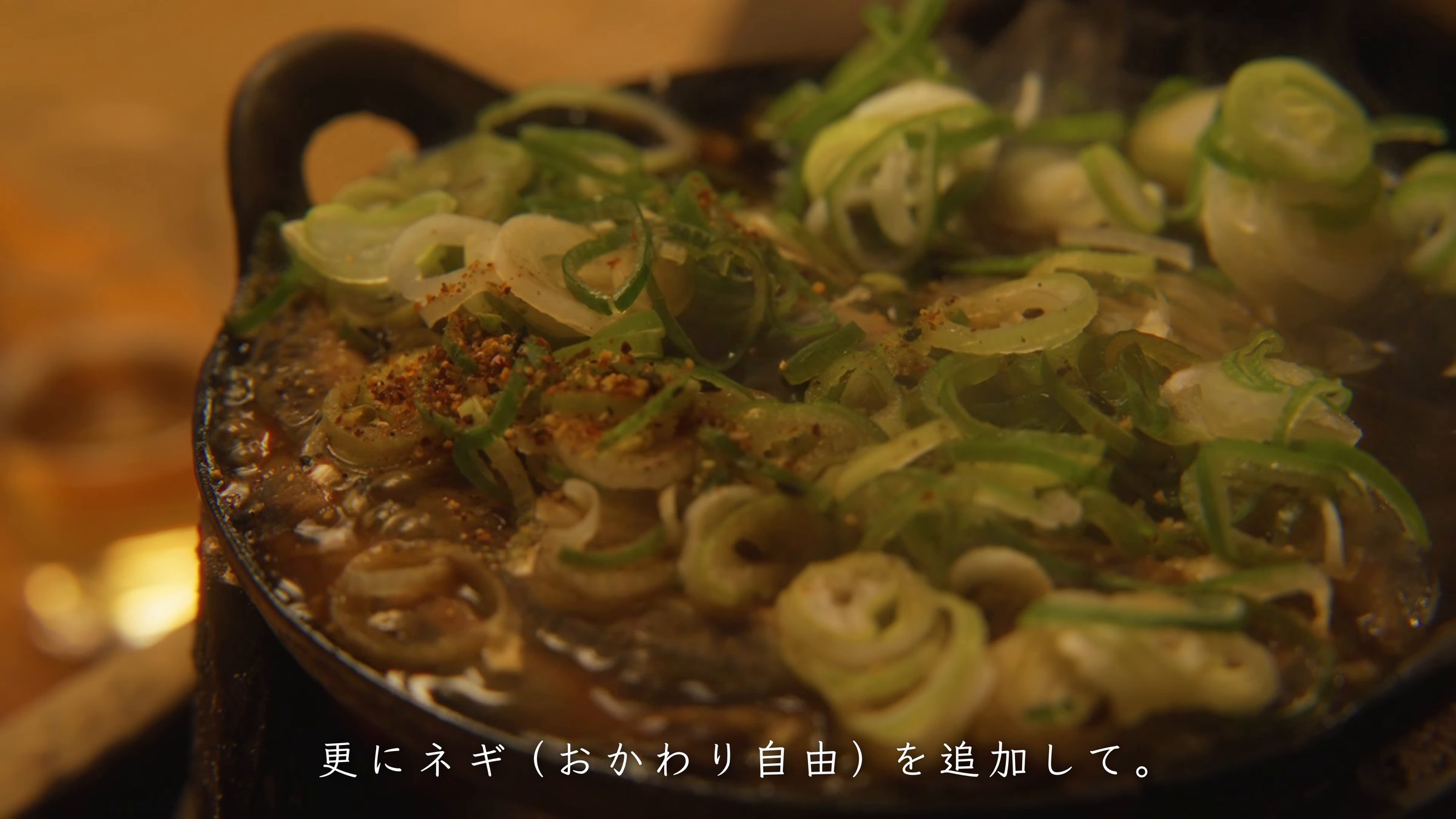
If you like, add some shichimi spice from a bamboo tube. As the pan cooks down, keep topping it up with warishita, the seasoned broth, and since the green onions are free refills, add plenty more.
Sitting before the pan steaming over the charcoal, a thought came to me: how many people have spent this same delicious moment here?
Watch this scene on YouTube2:01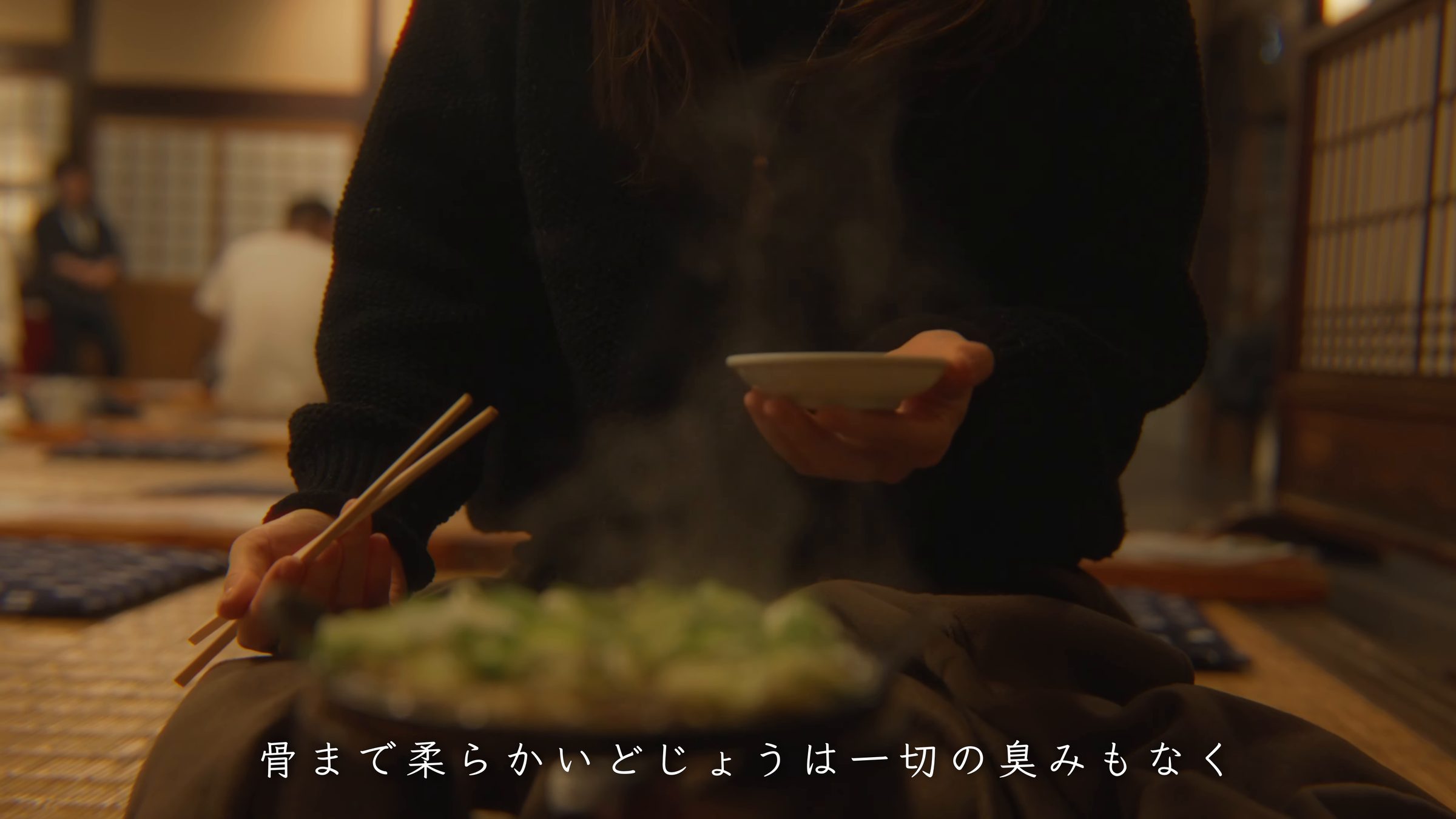
04TRAVEL JOURNAL
White rice from the ohitsu
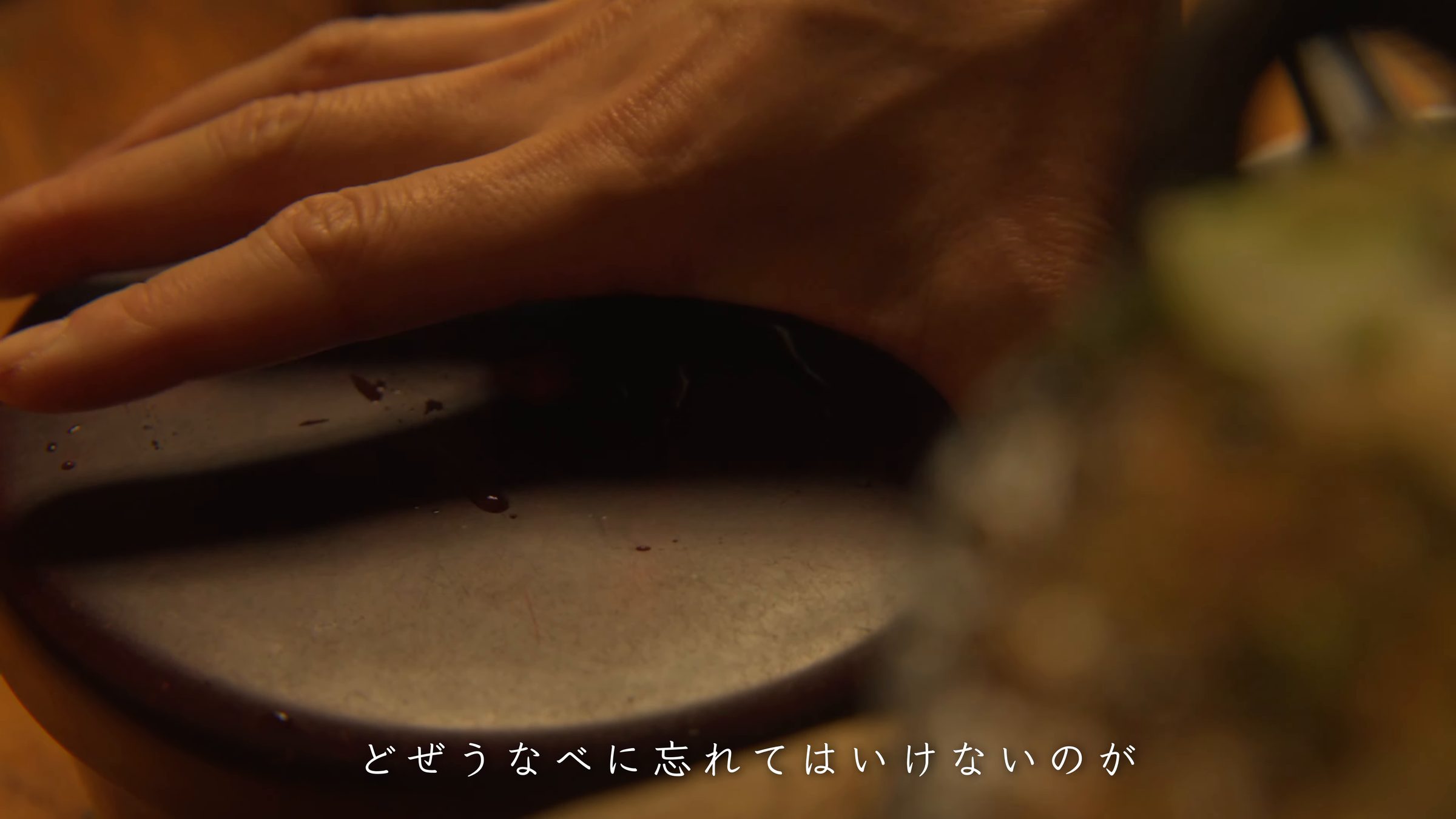
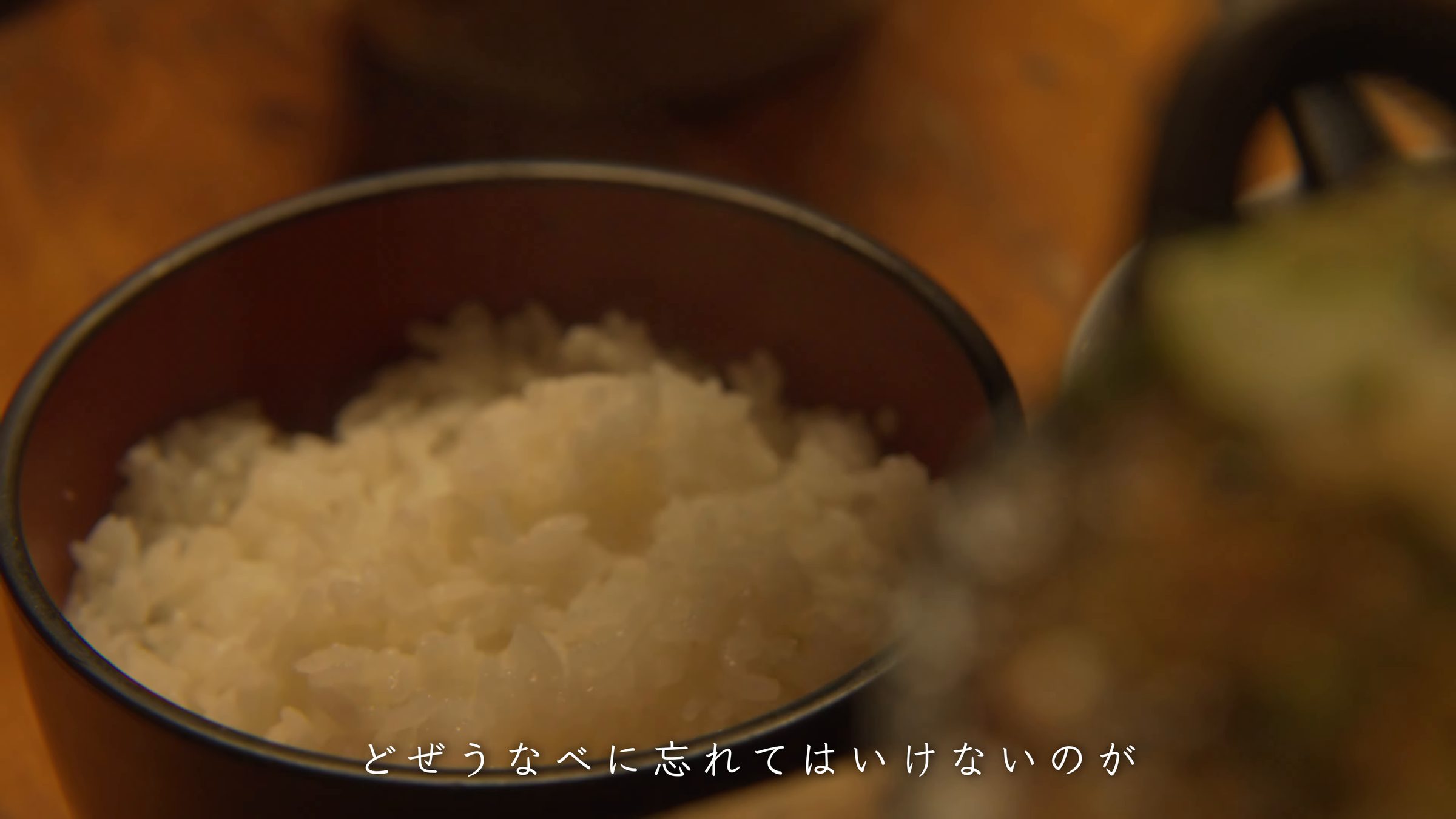
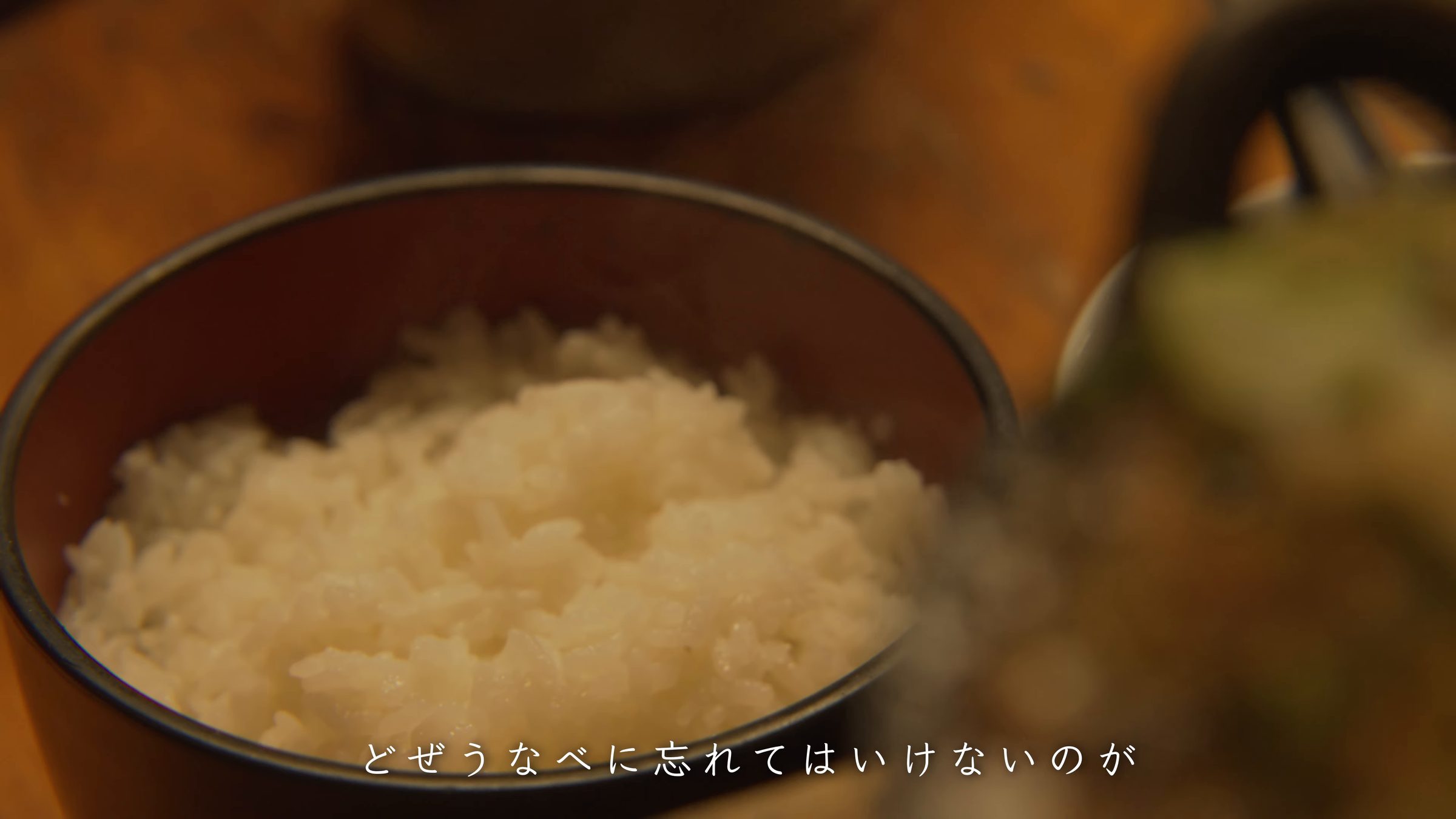
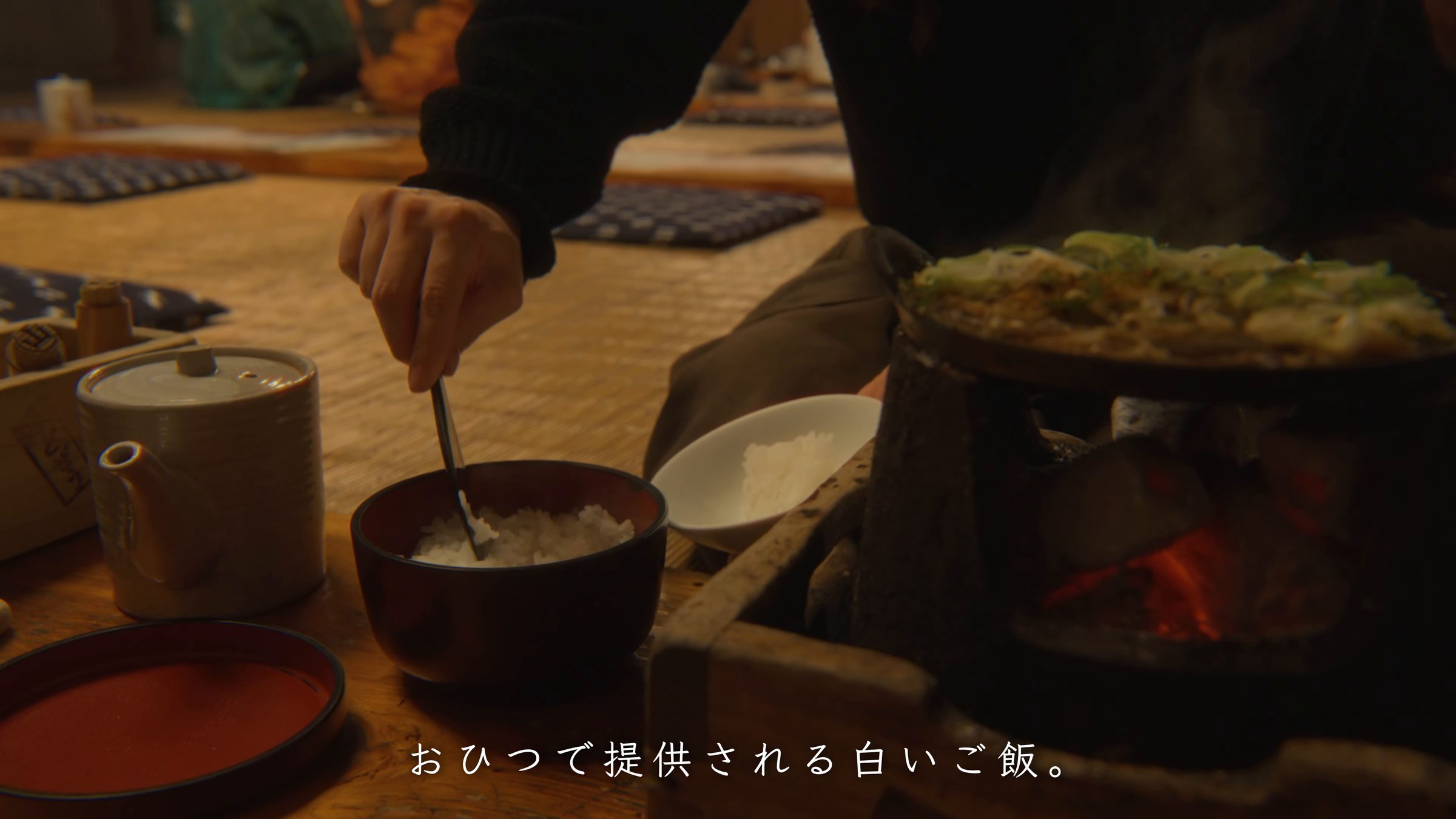
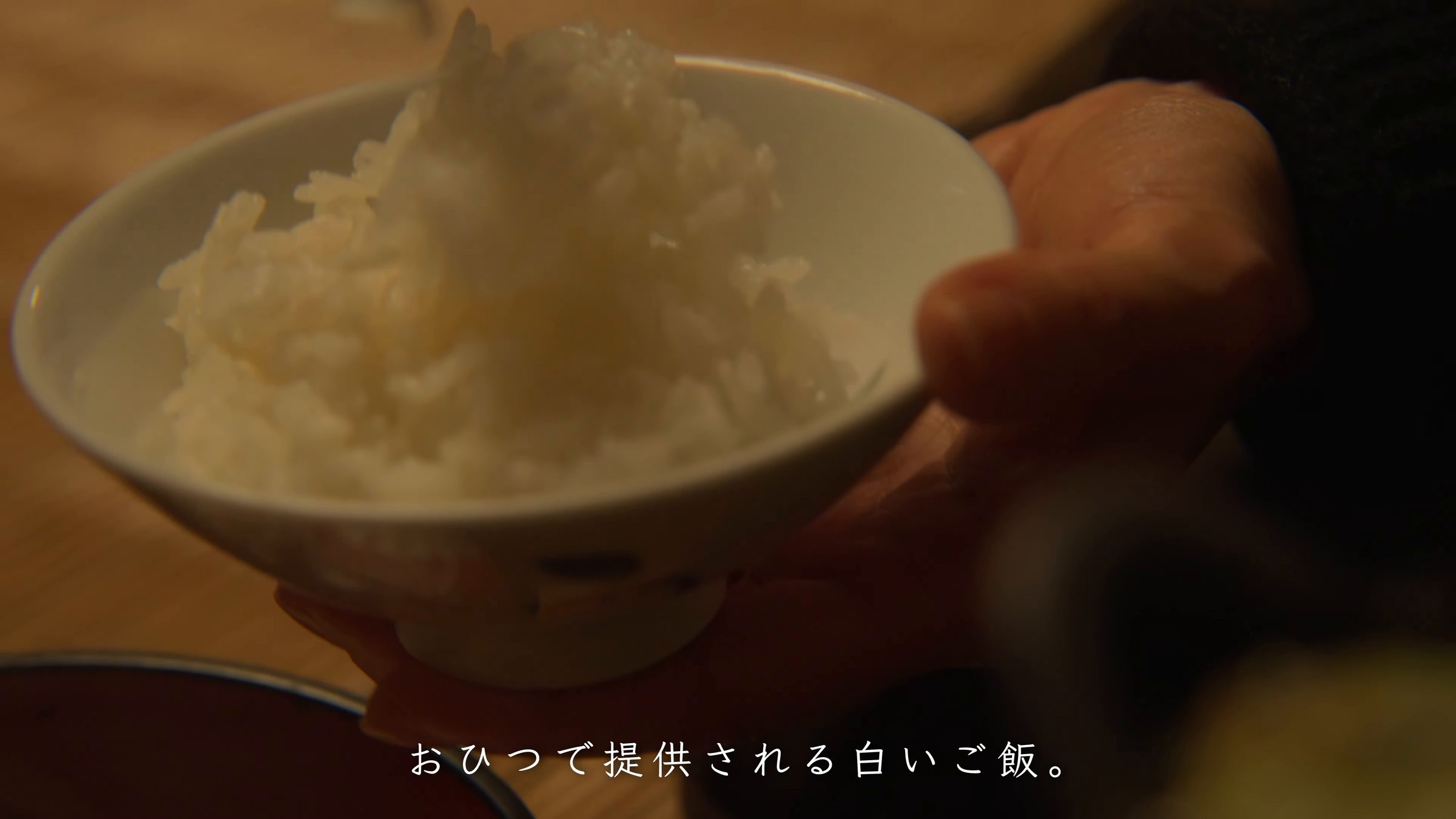
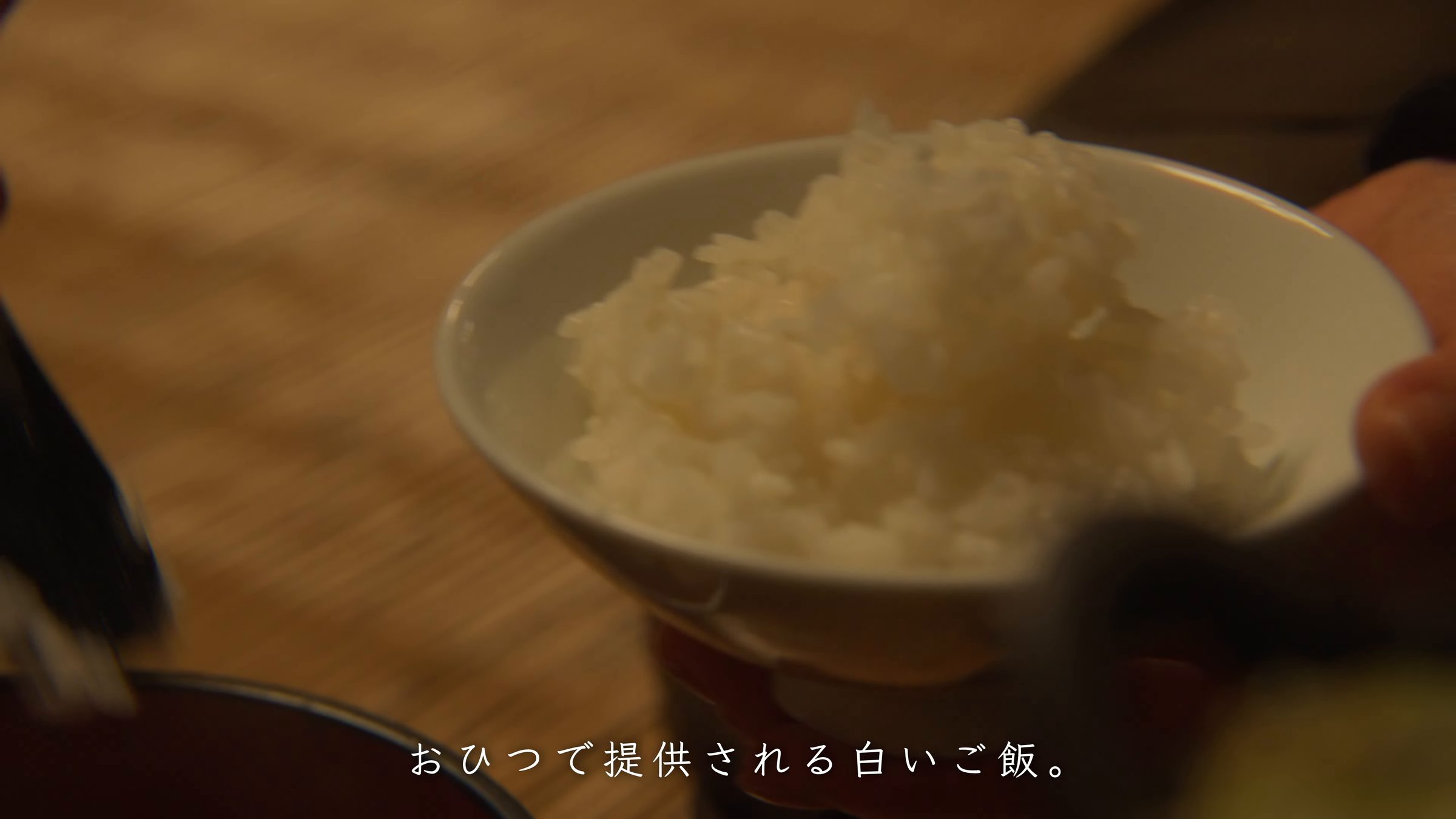
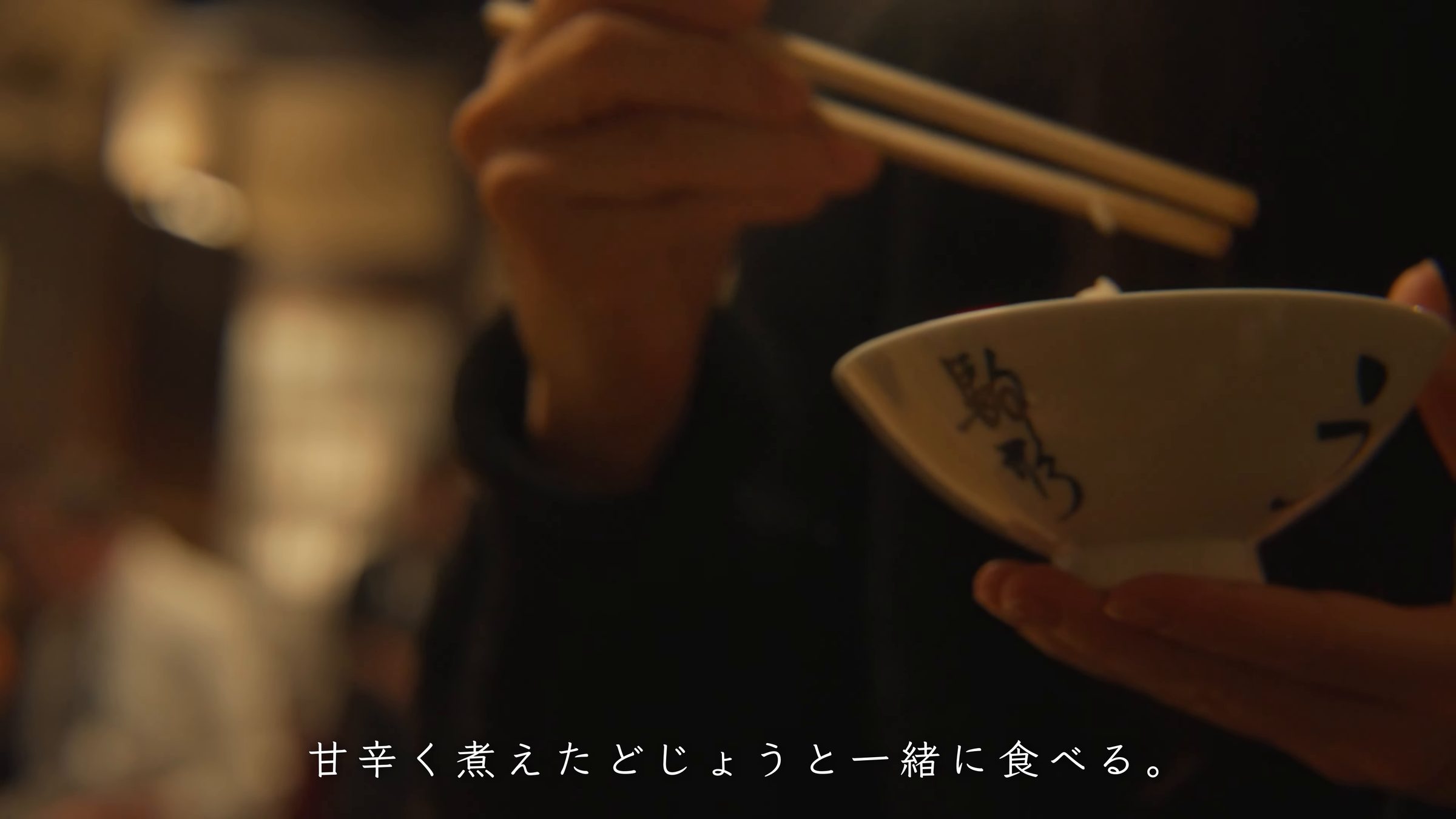
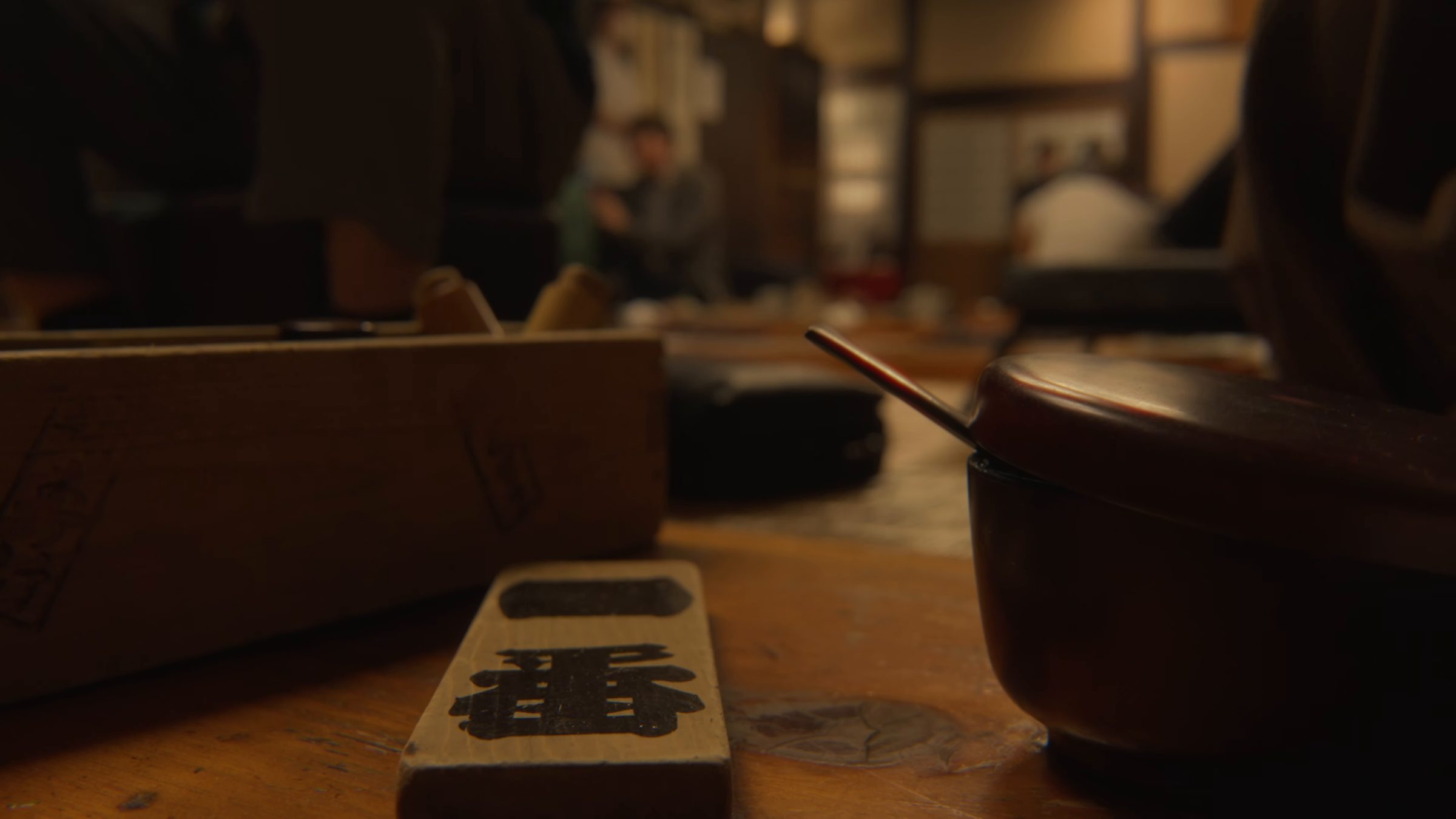
One thing you must not forget with dozeu nabe: white rice, served in an ohitsu rice tub. Lifting the black lid revealed glossy, freshly cooked rice.
I filled a bowl and ate it with the sweet and savory loaches. I just couldn't stop.
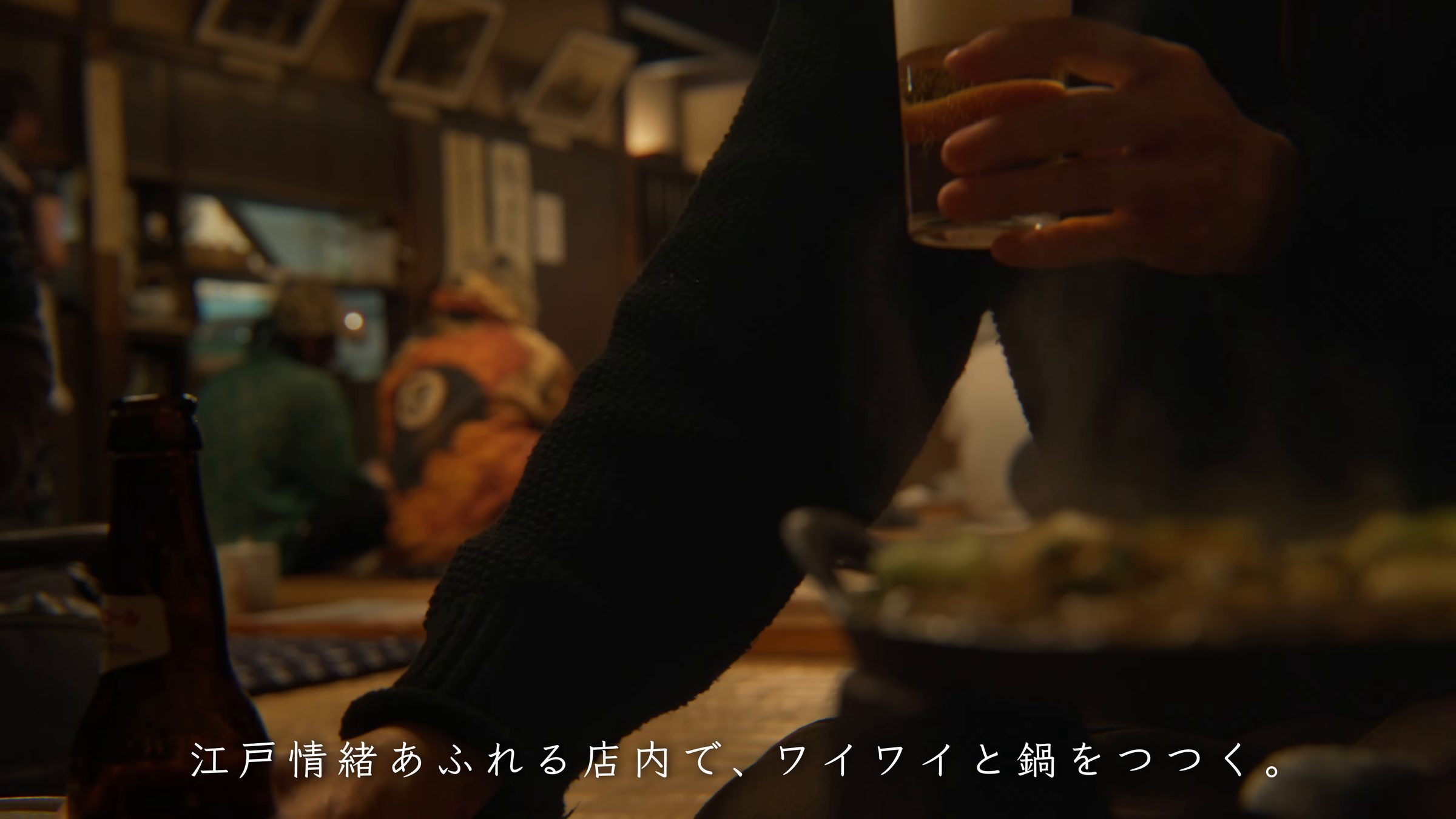
All around the room, full of Edo atmosphere, people were cheerfully gathered around their pans. For a while you forget you are in the middle of a huge city. When you leave, don't forget the wooden tag for your shoes. Outside, the lanterns under the eaves had been lit.
Watch this scene on YouTube3:00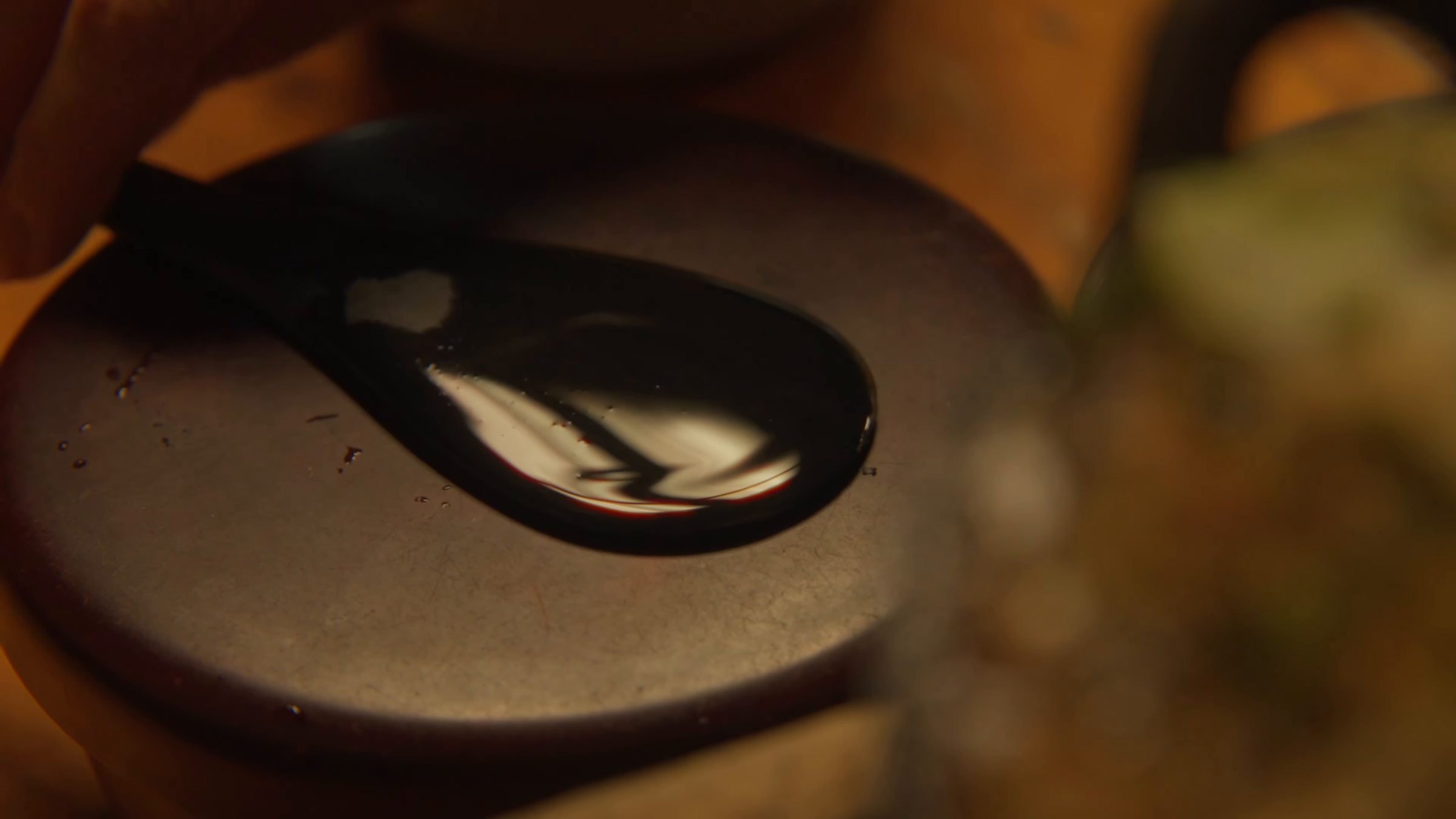
05TRAVEL JOURNAL
Tokyo's kitchen: Tsukiji Outer Market
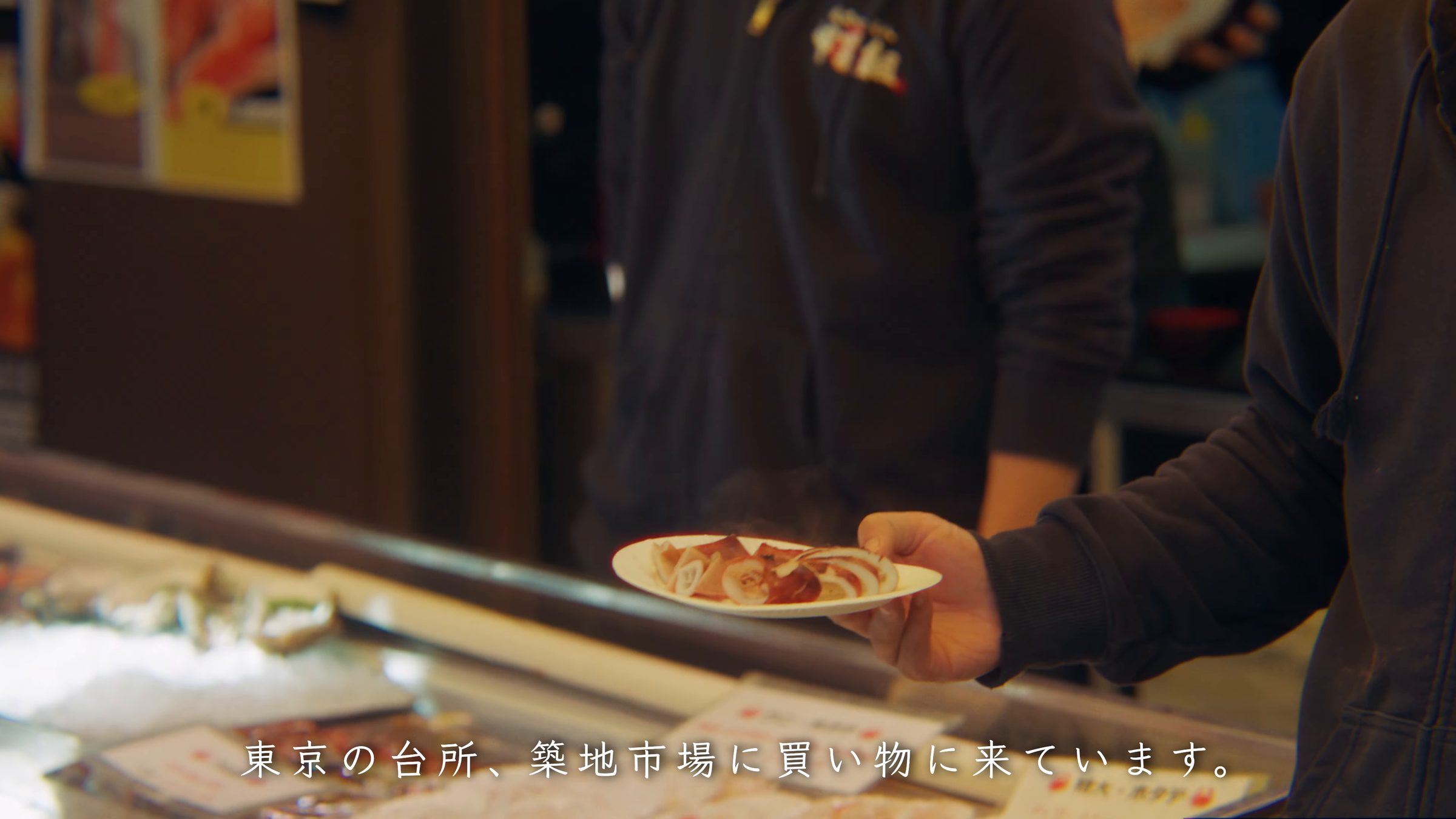
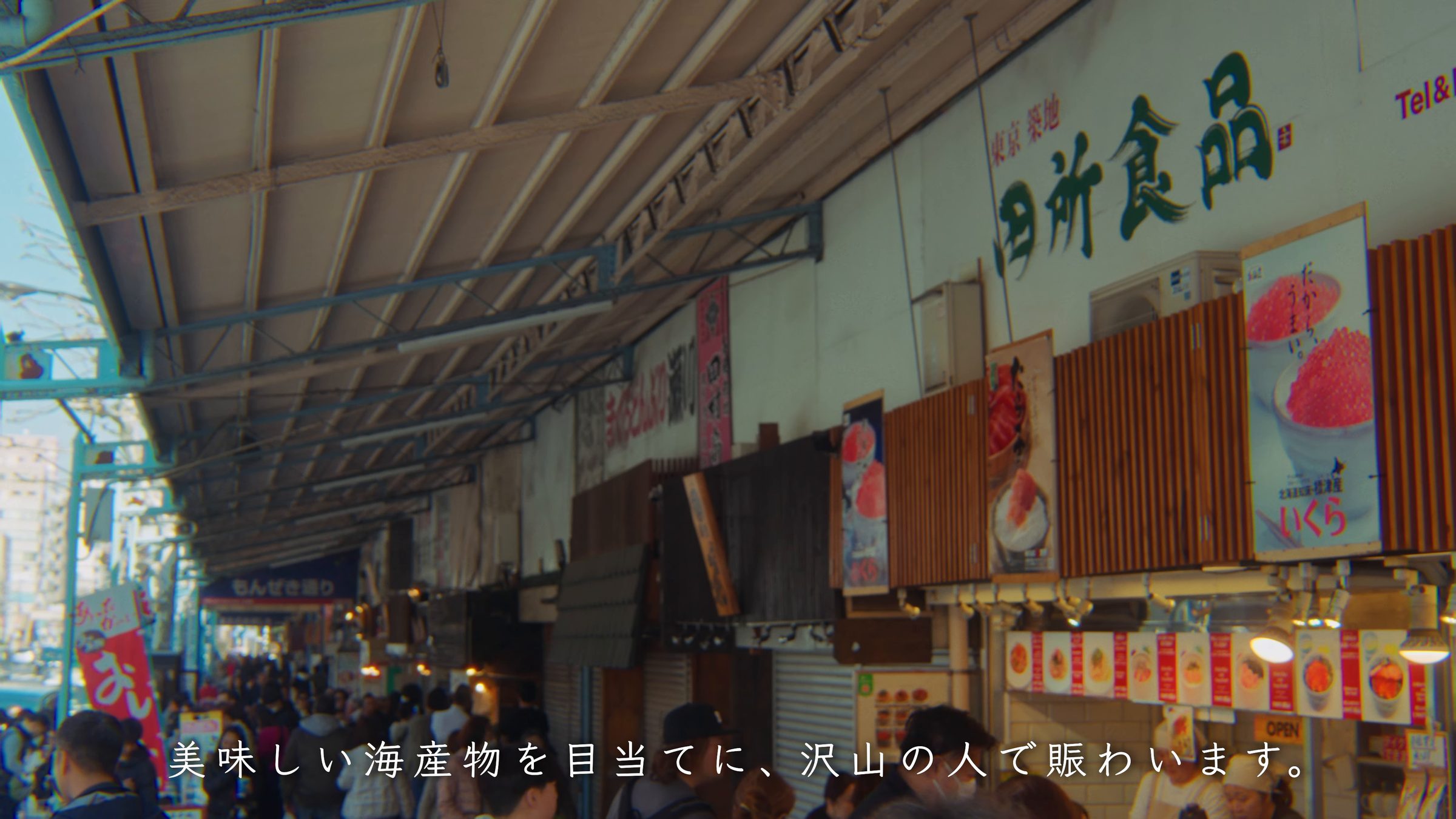
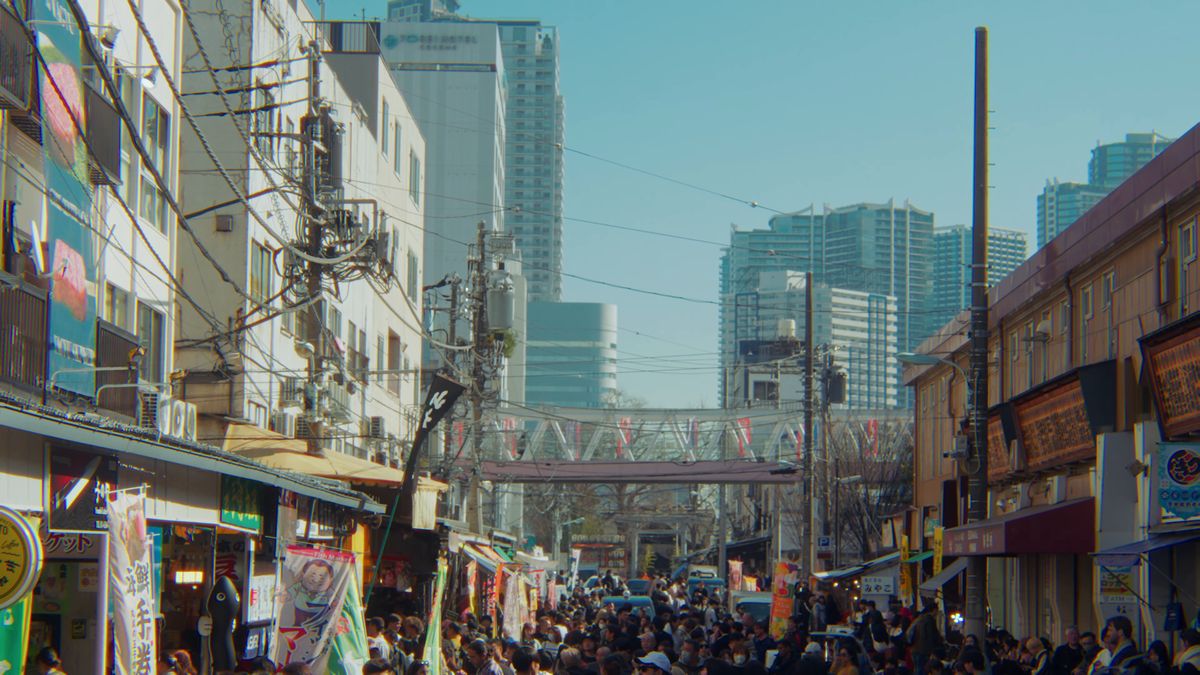
I also took the Ginza Line, Japan's oldest subway, and went to Tsukiji for the first time in years. Tsukiji Outer Market, the kitchen of Tokyo, was so crowded with people looking for delicious seafood that the street was packed.
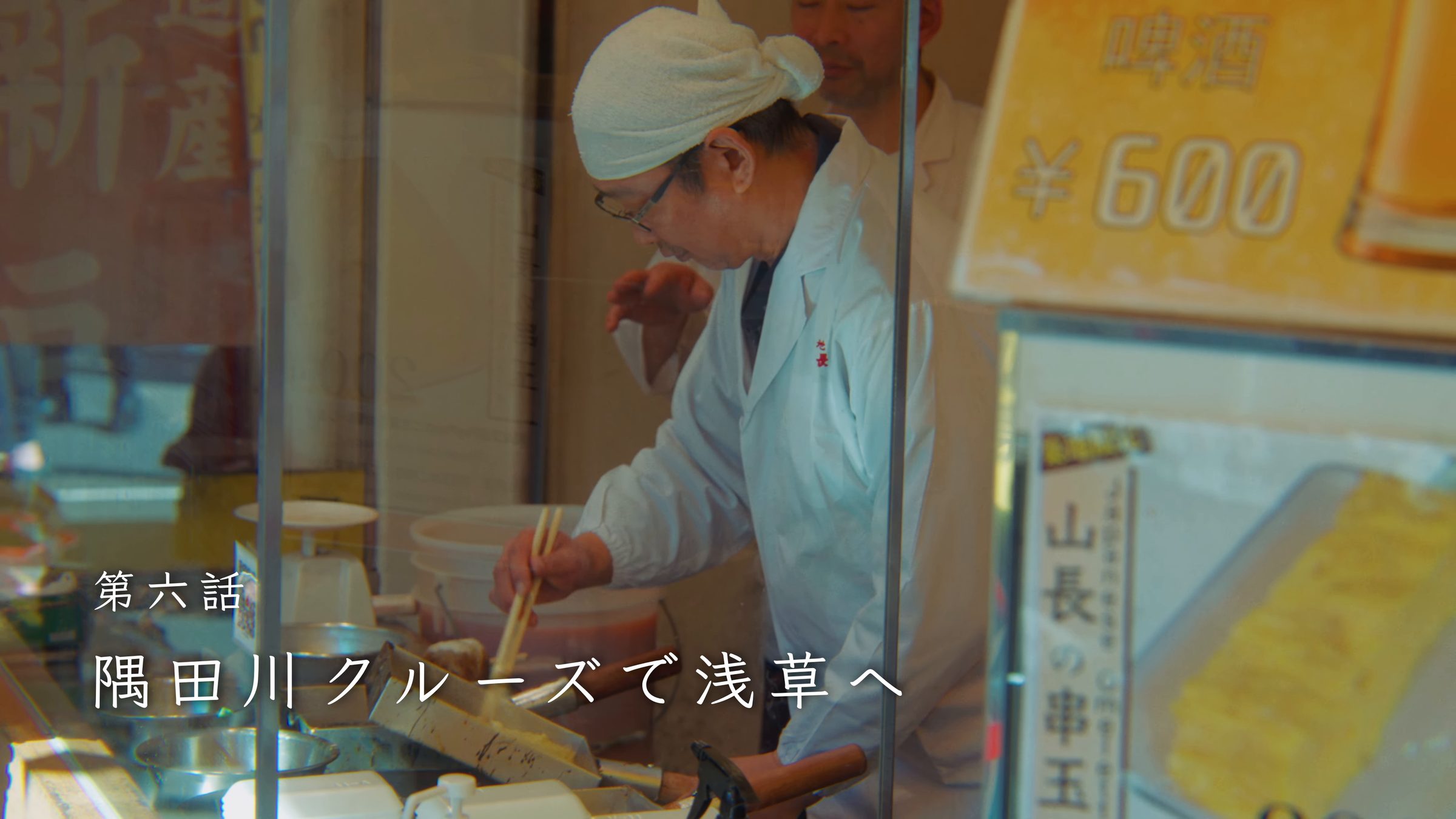
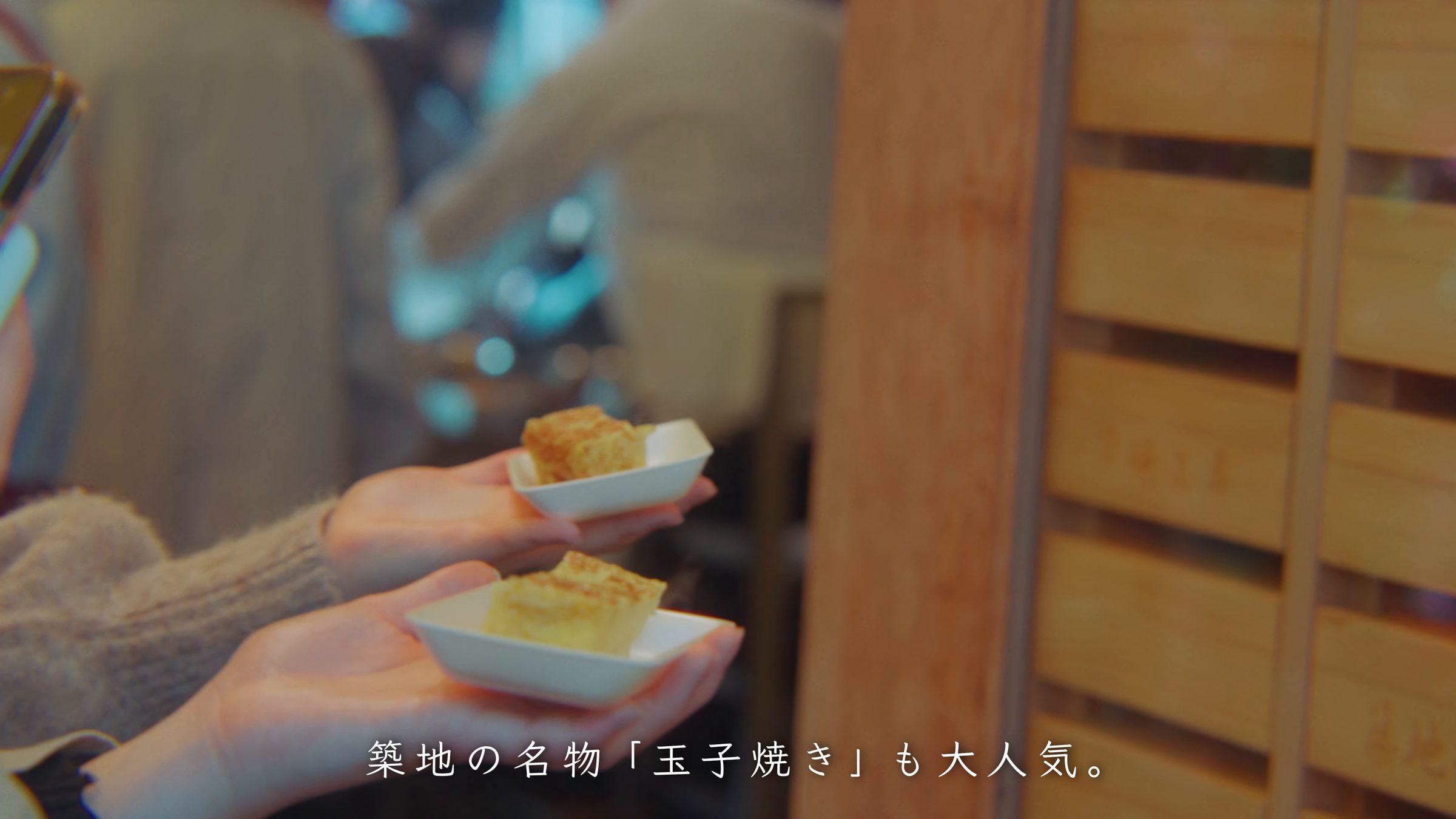
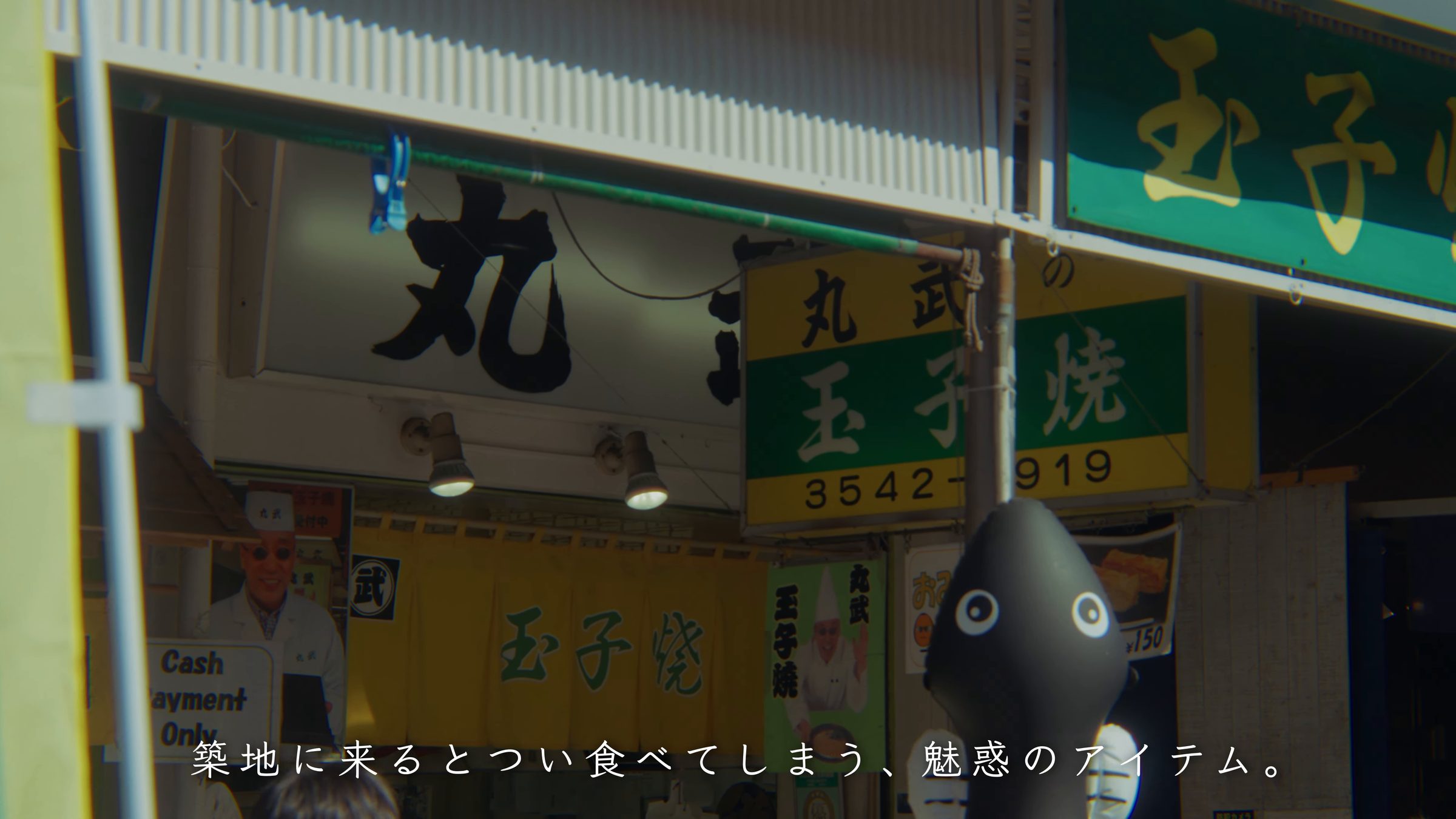
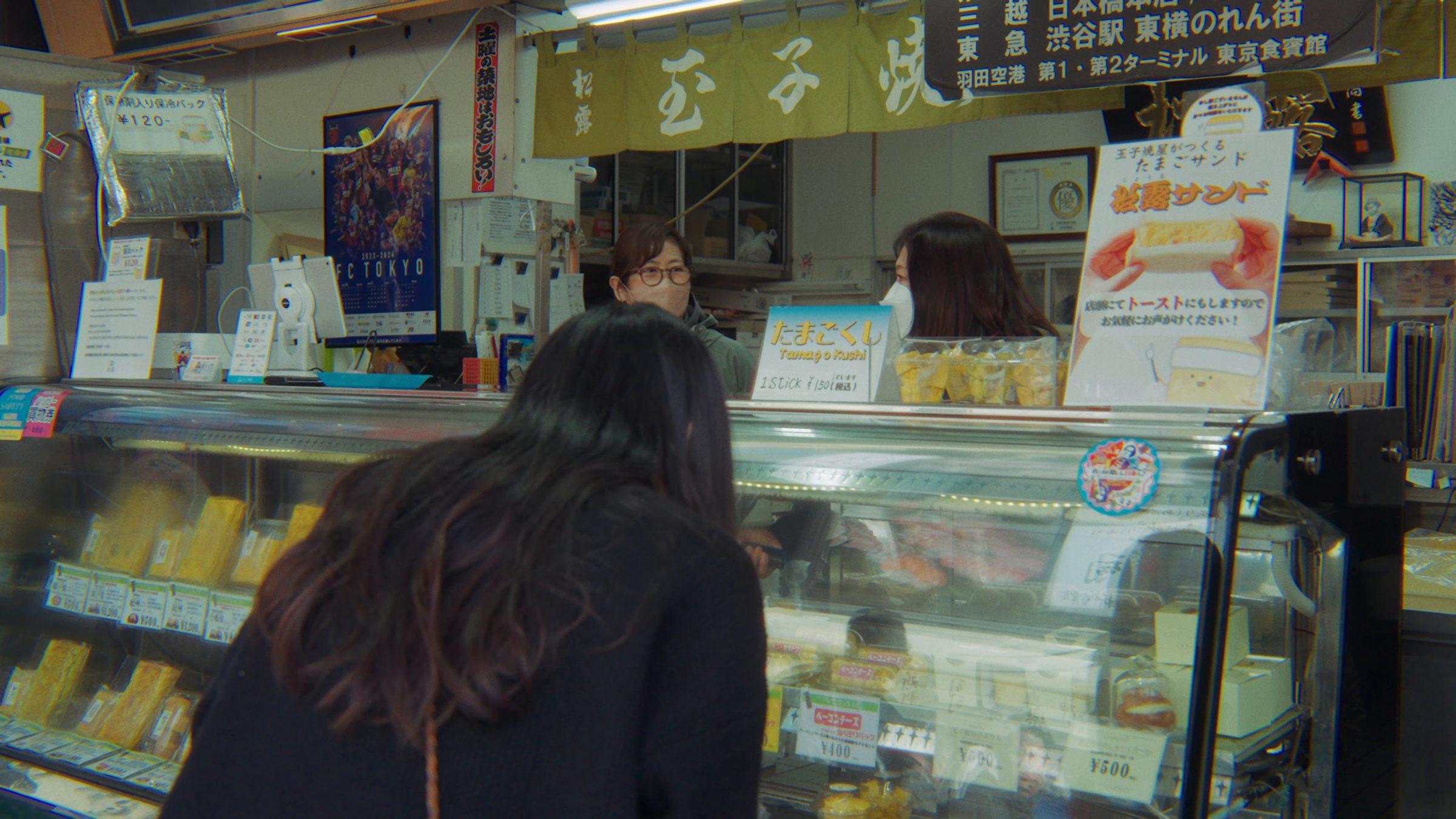
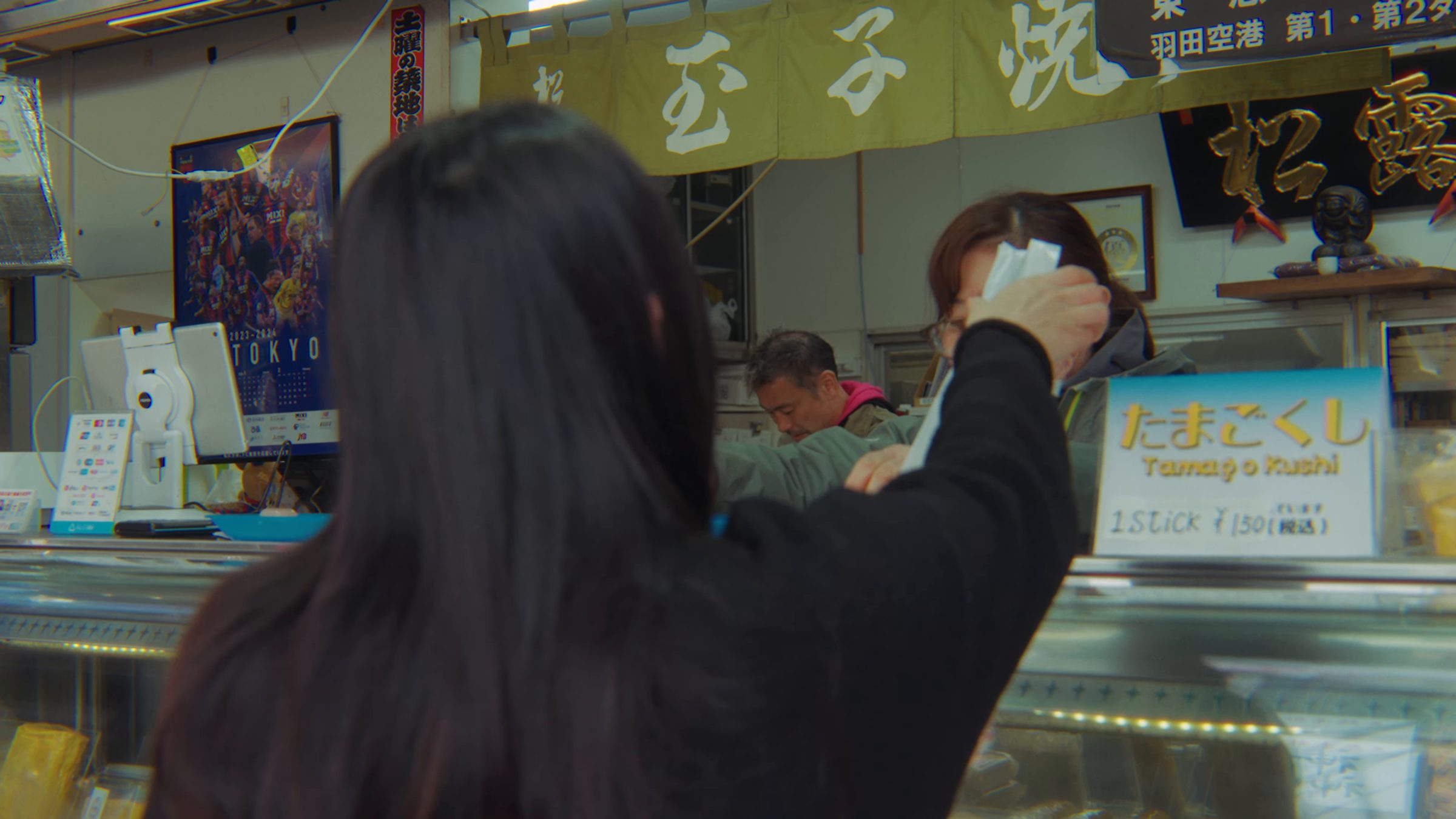
Tsukiji's famous tamagoyaki, the rolled omelet, is hugely popular too. At the shop fronts it was being cooked fresh, under signs for omelet on skewers, and plenty of people walked by holding pieces on little plates. It is a fascinating treat you can't help eating whenever you come to Tsukiji.
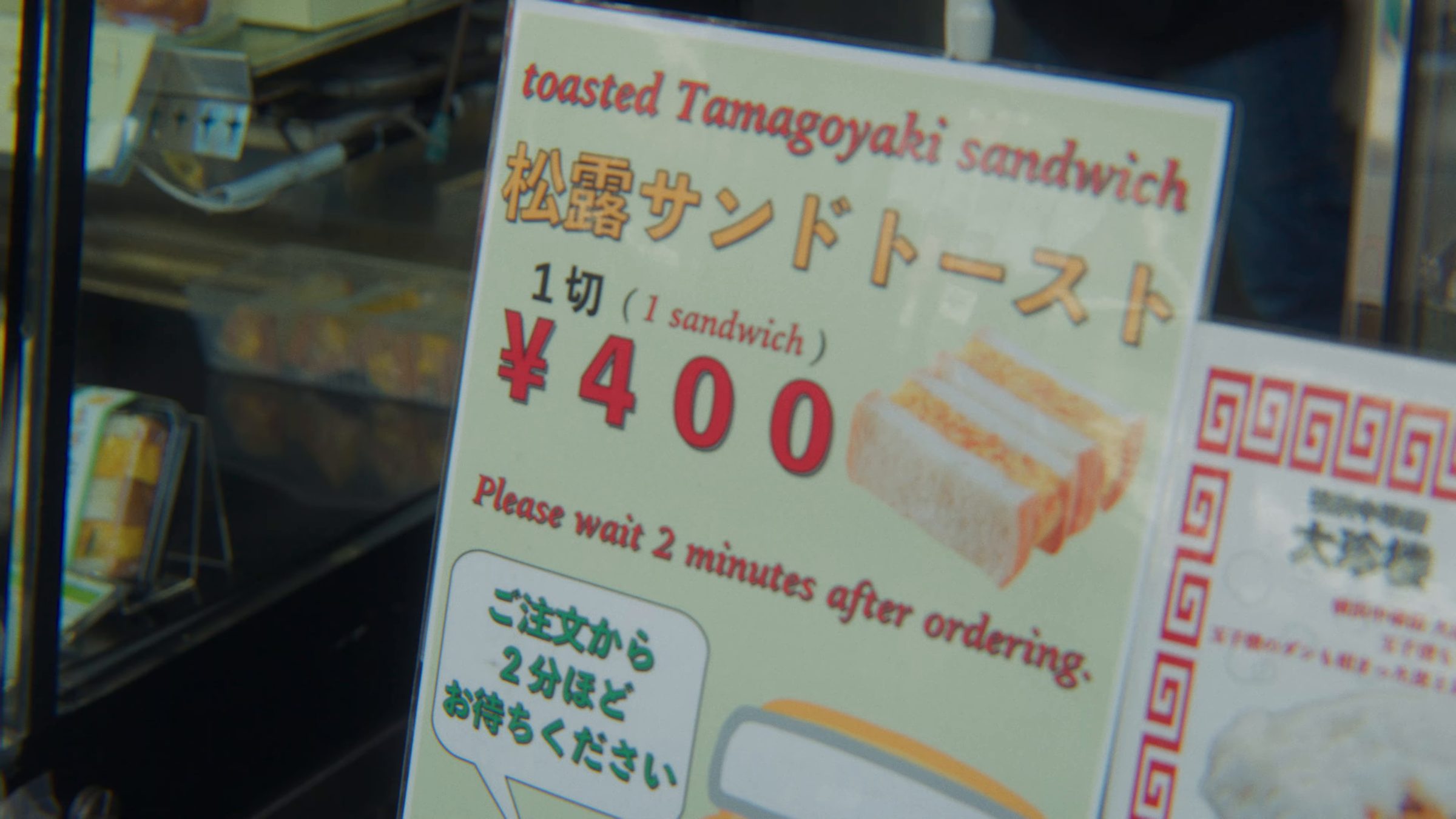
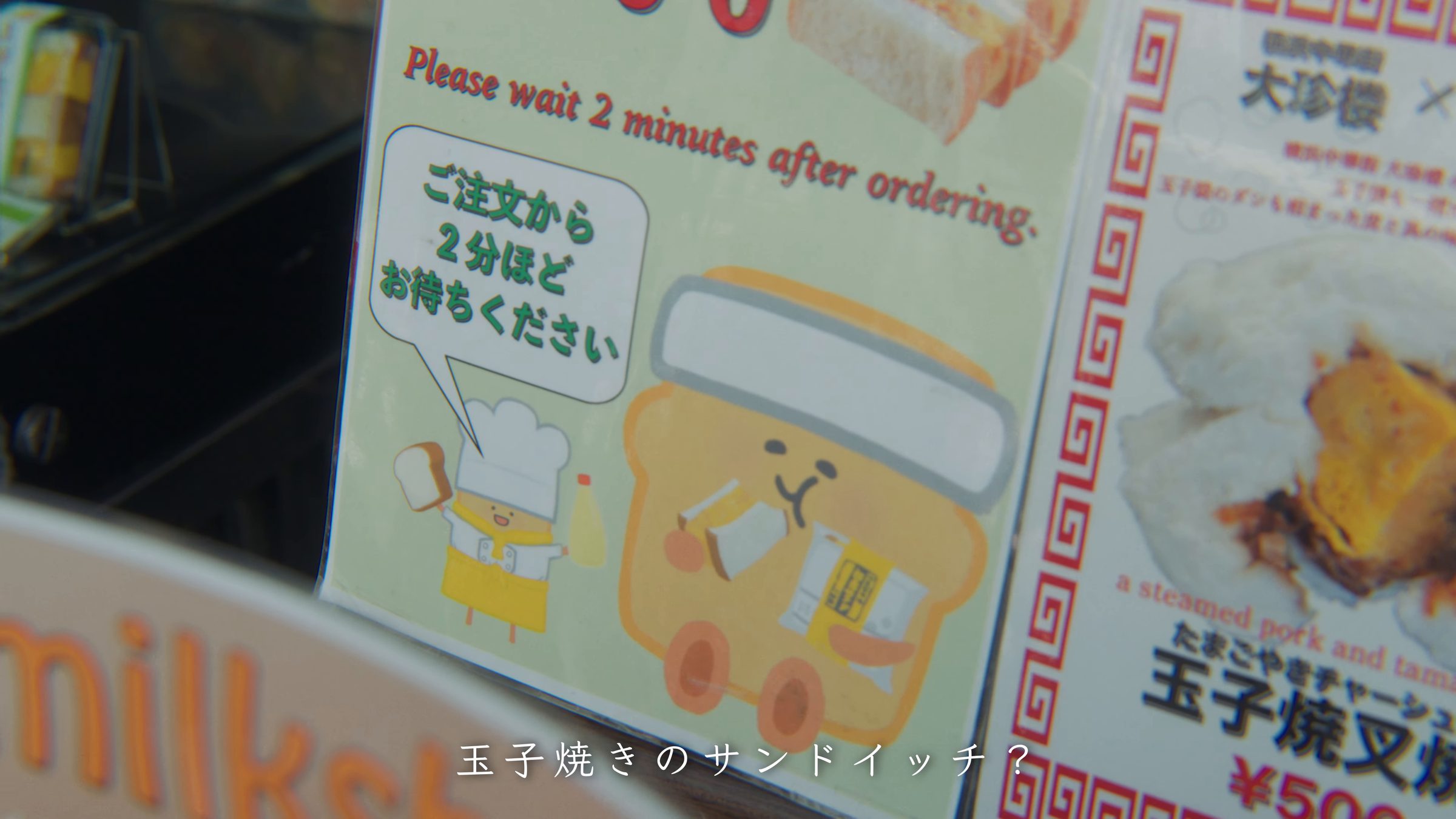
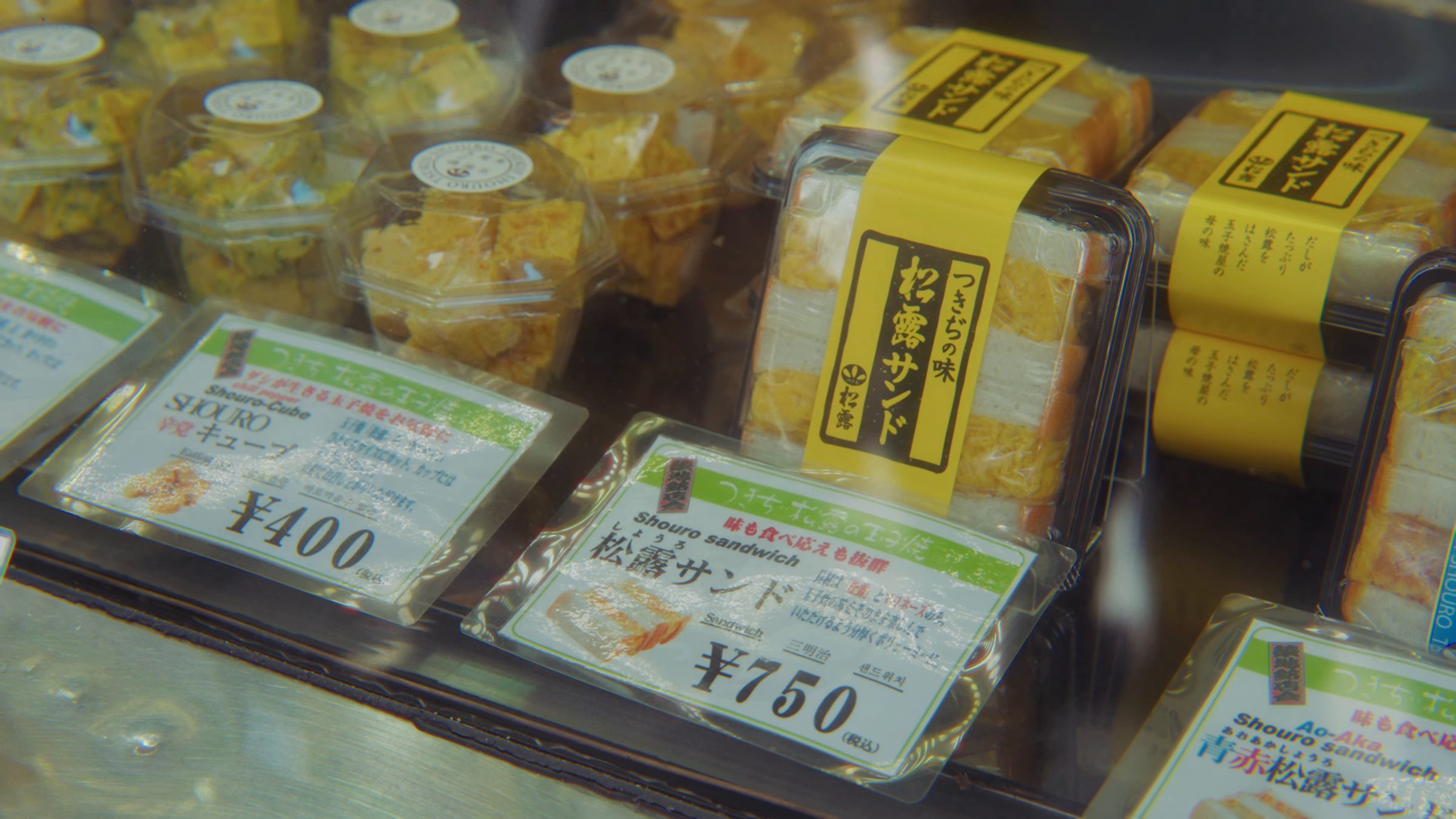
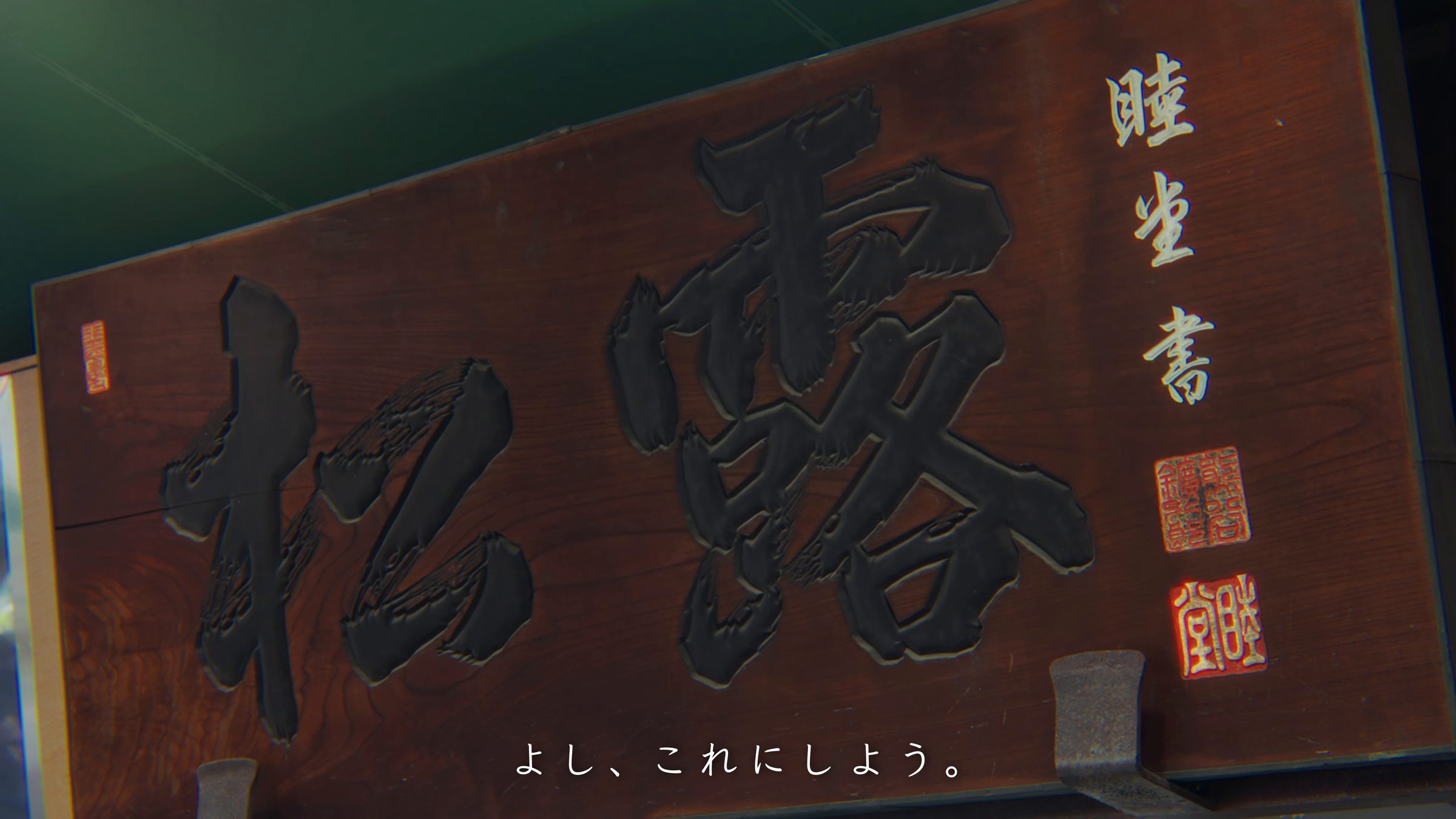
Then something caught my eye: a tamagoyaki sandwich. At Shoro, a long-established tamagoyaki shop, a poster advertised the Shoro Sandwich. Okay, let's get this.
Watch this scene on YouTube4:09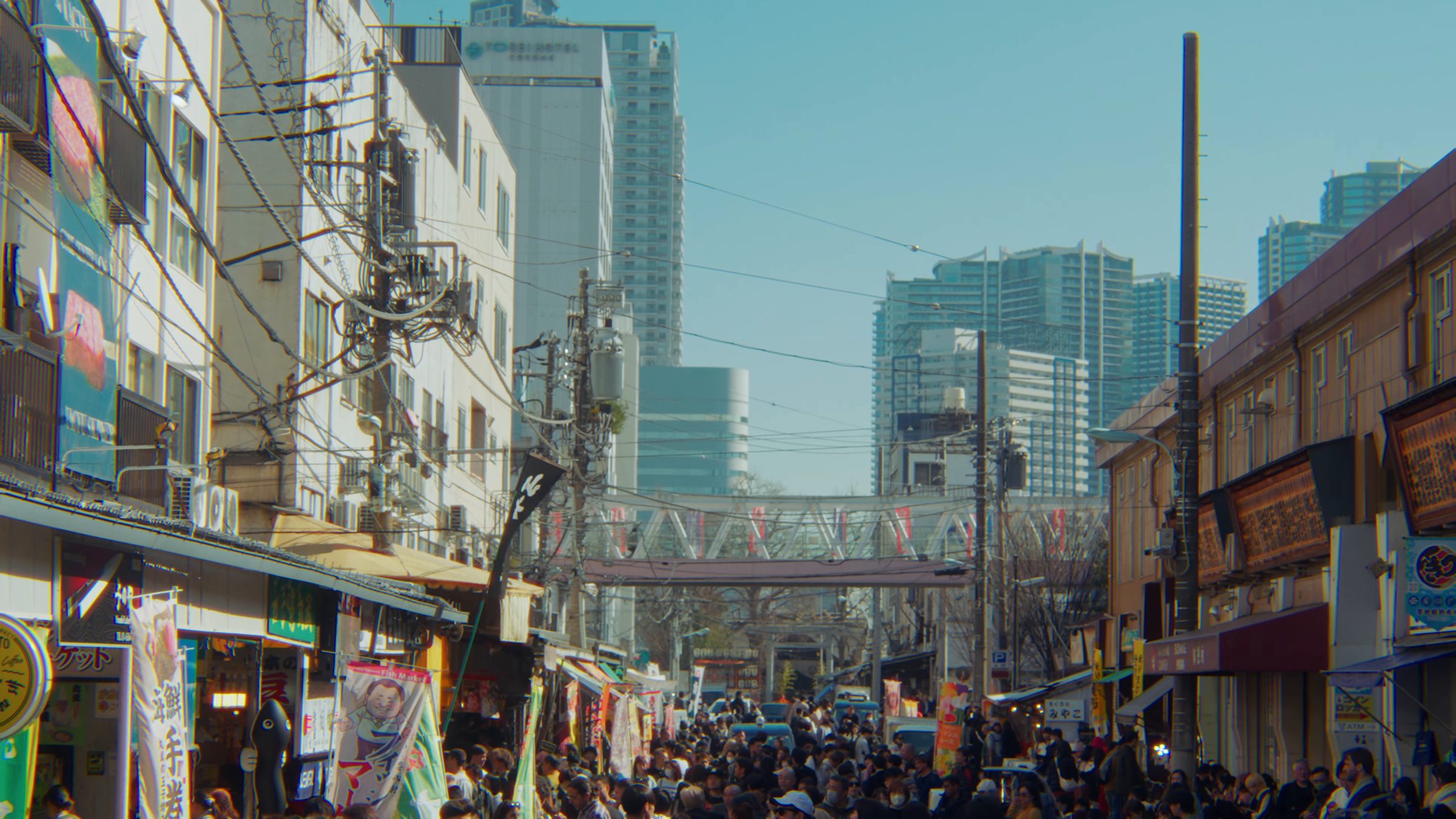
06TRAVEL JOURNAL
Up the Sumida by water bus
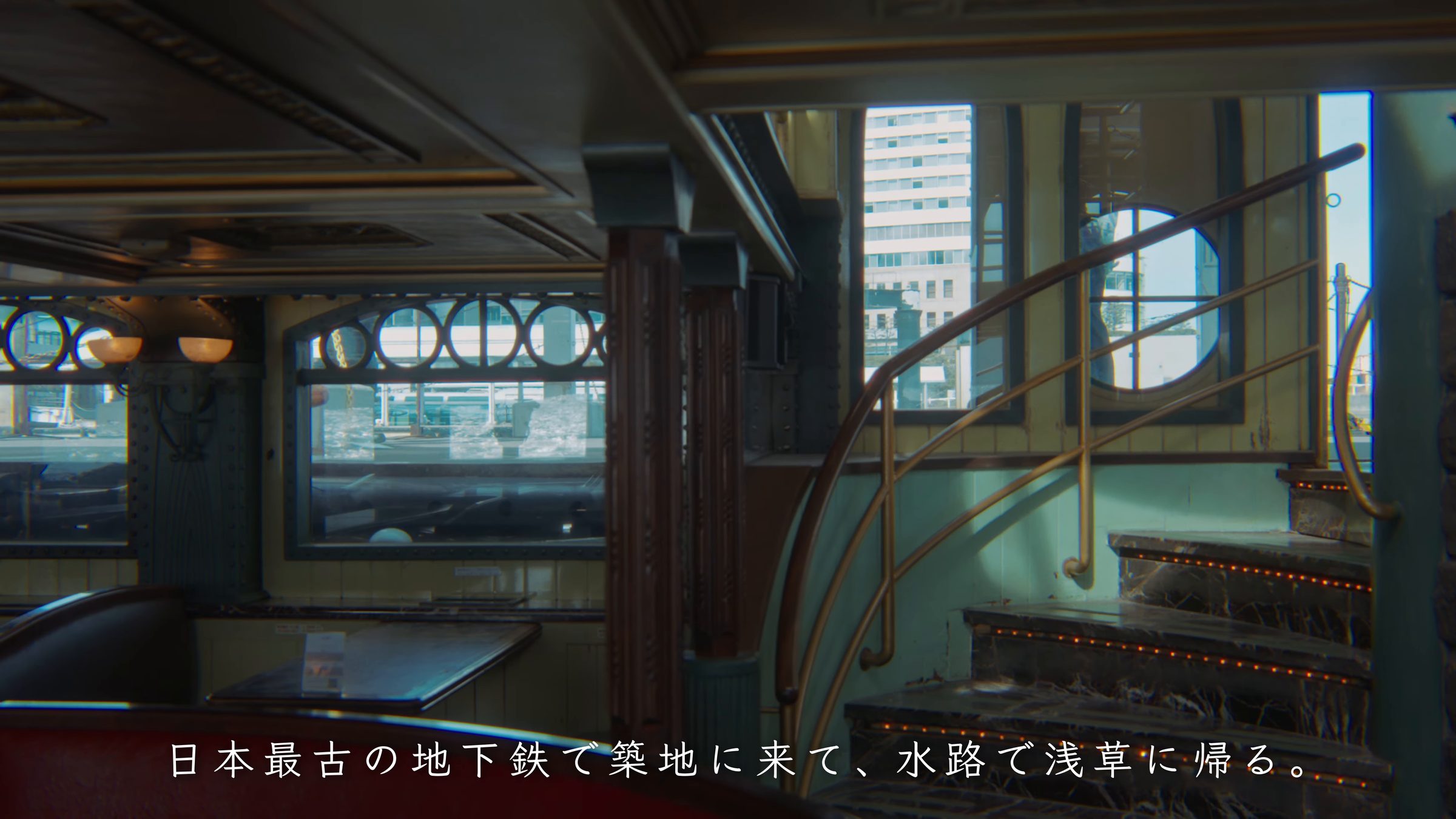
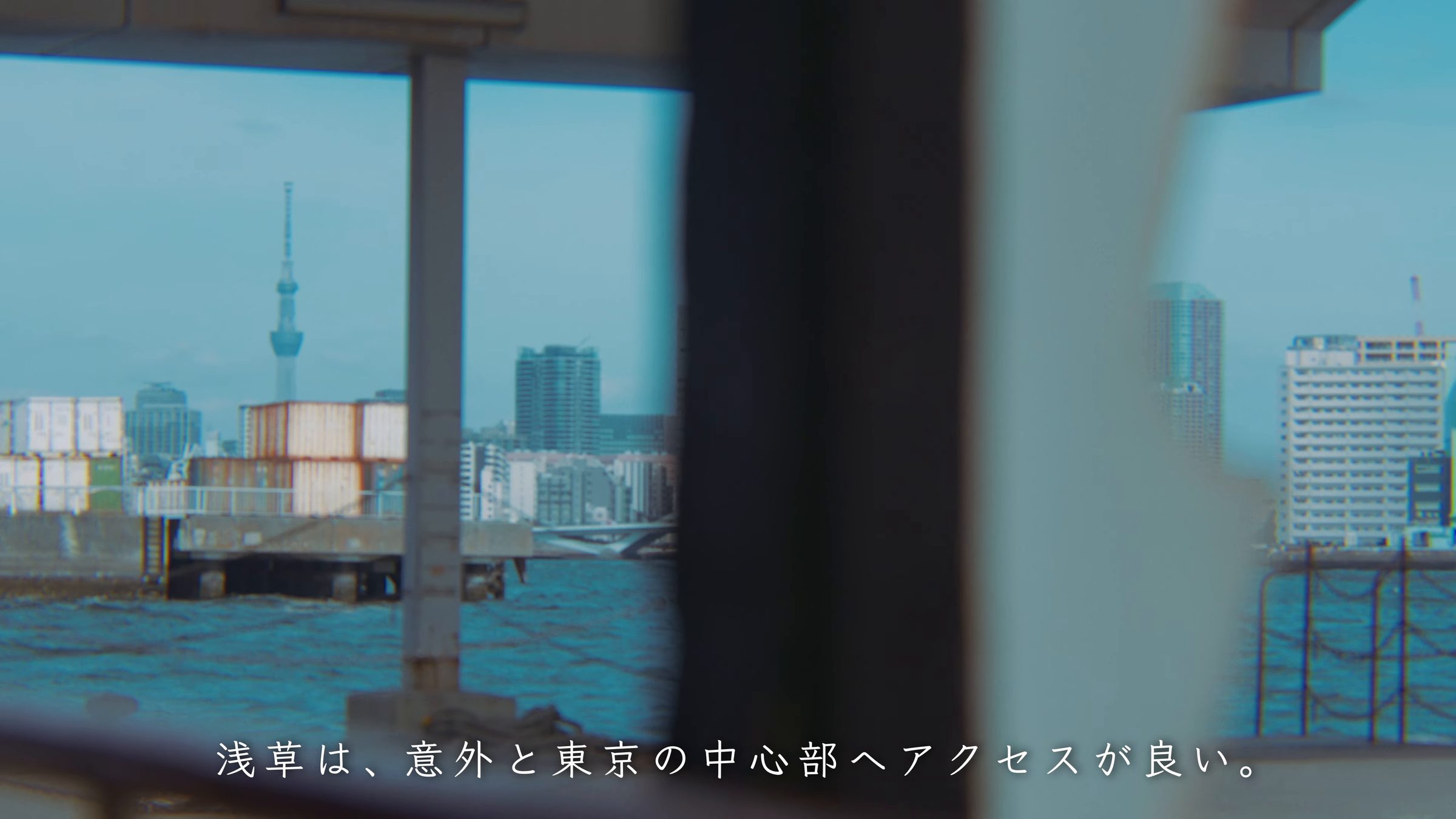
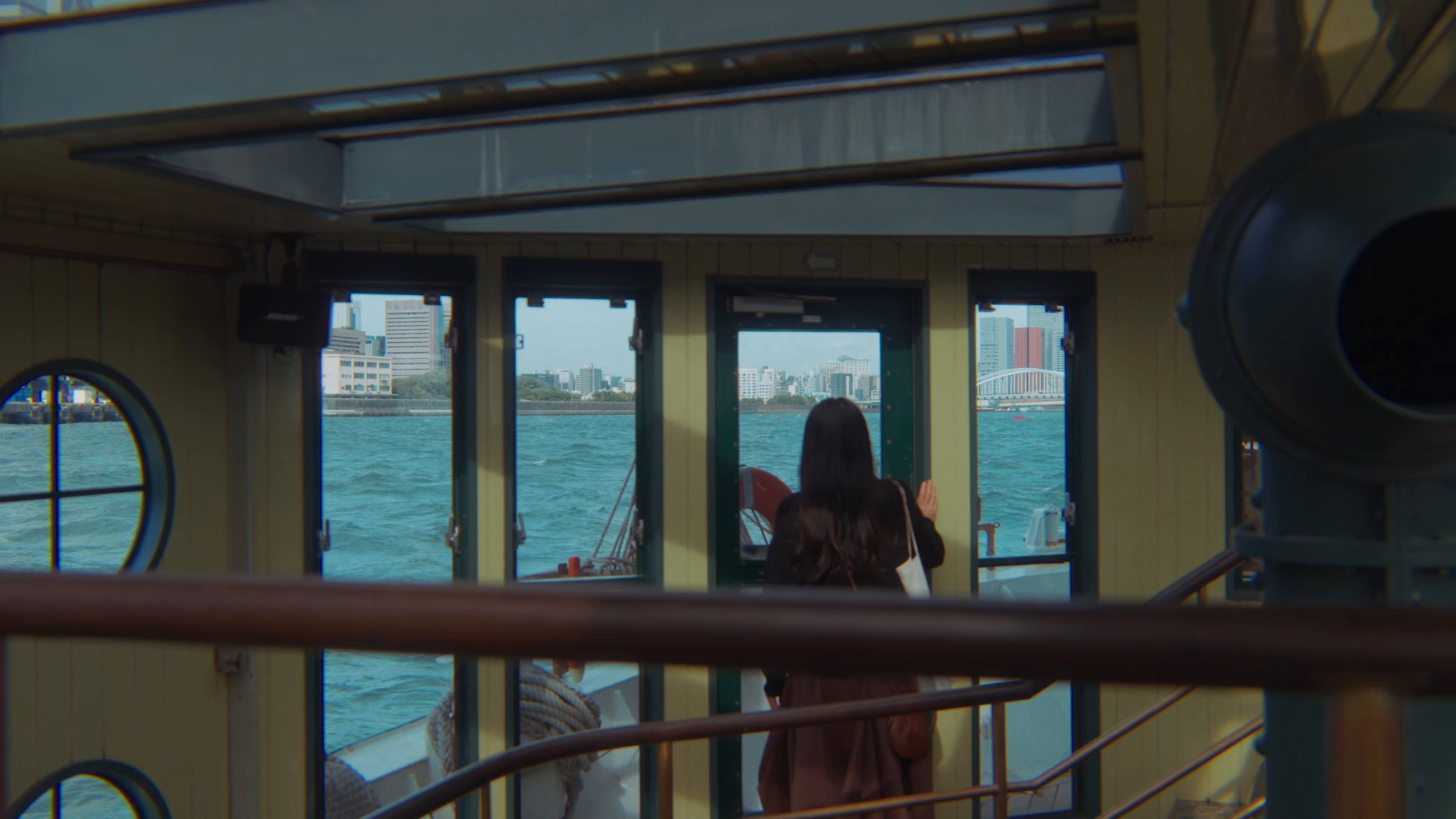
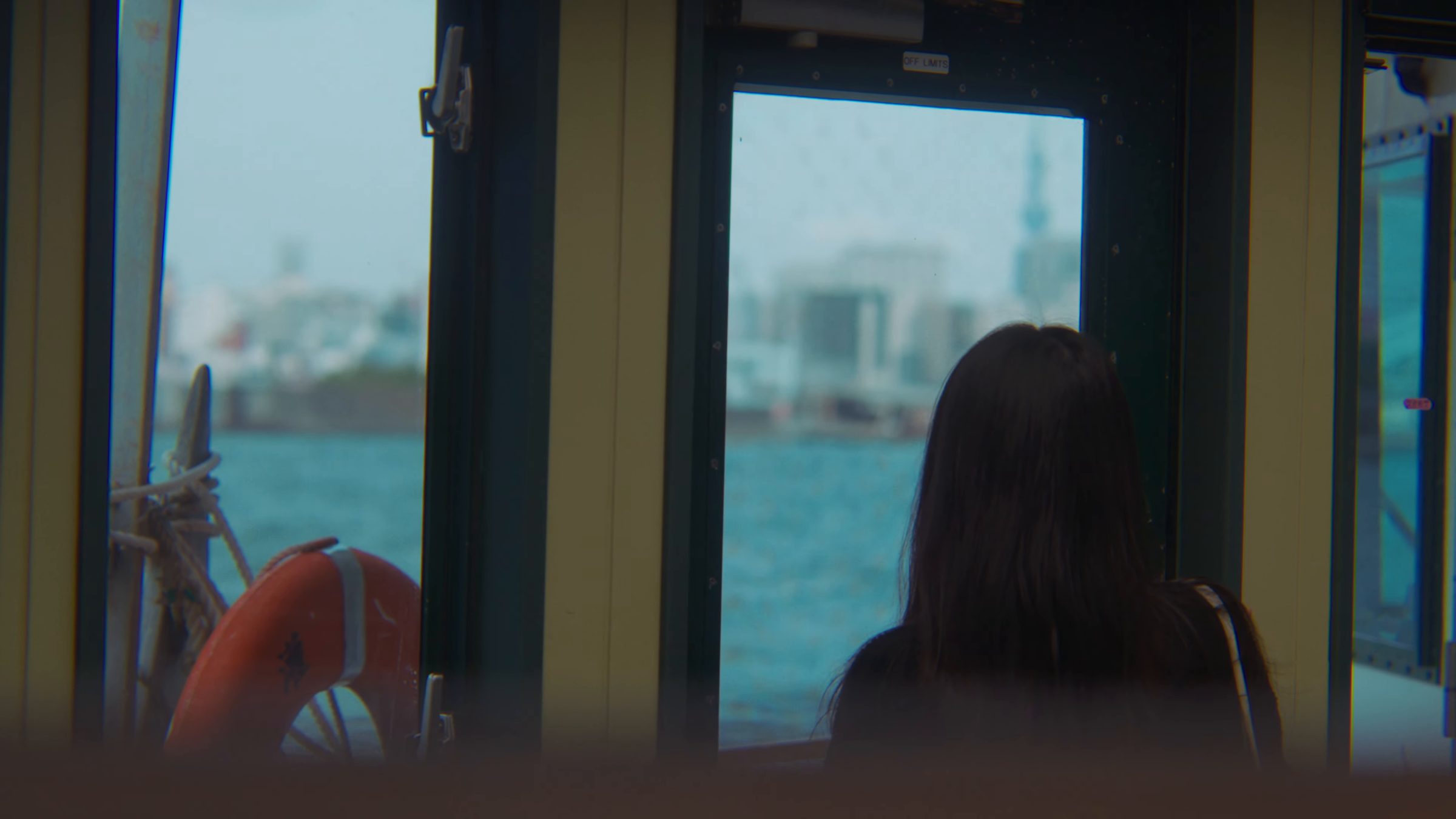
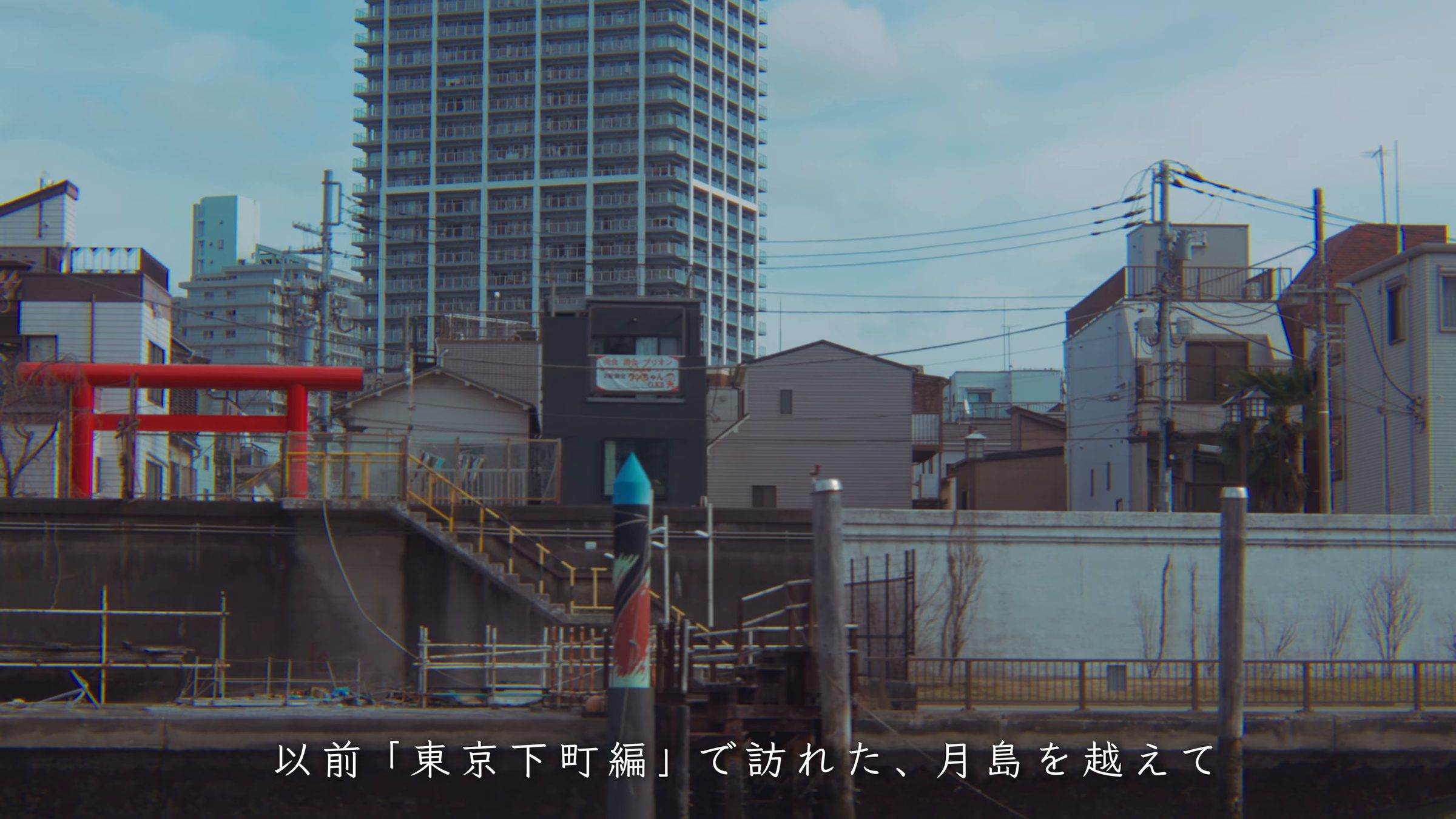
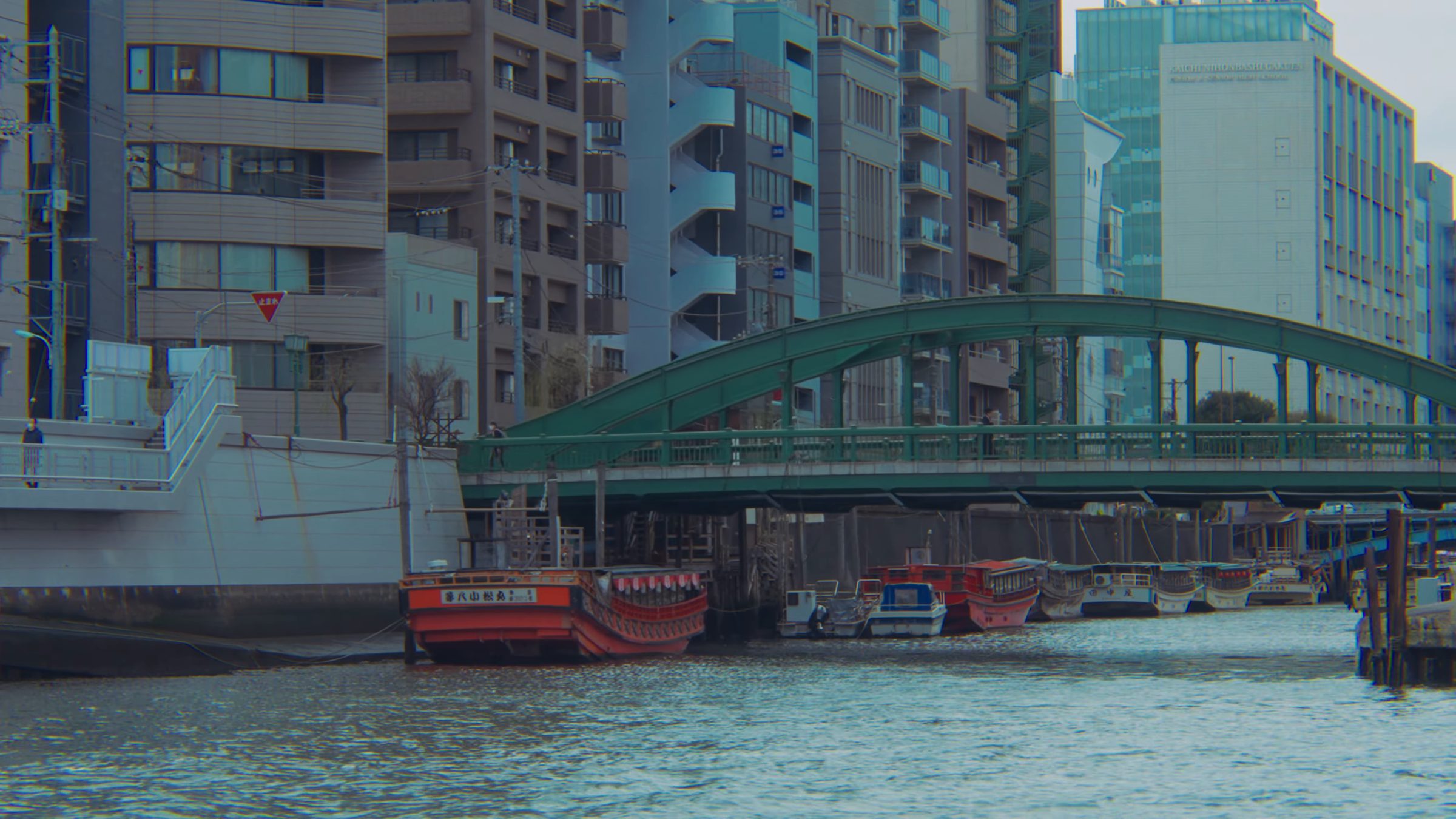
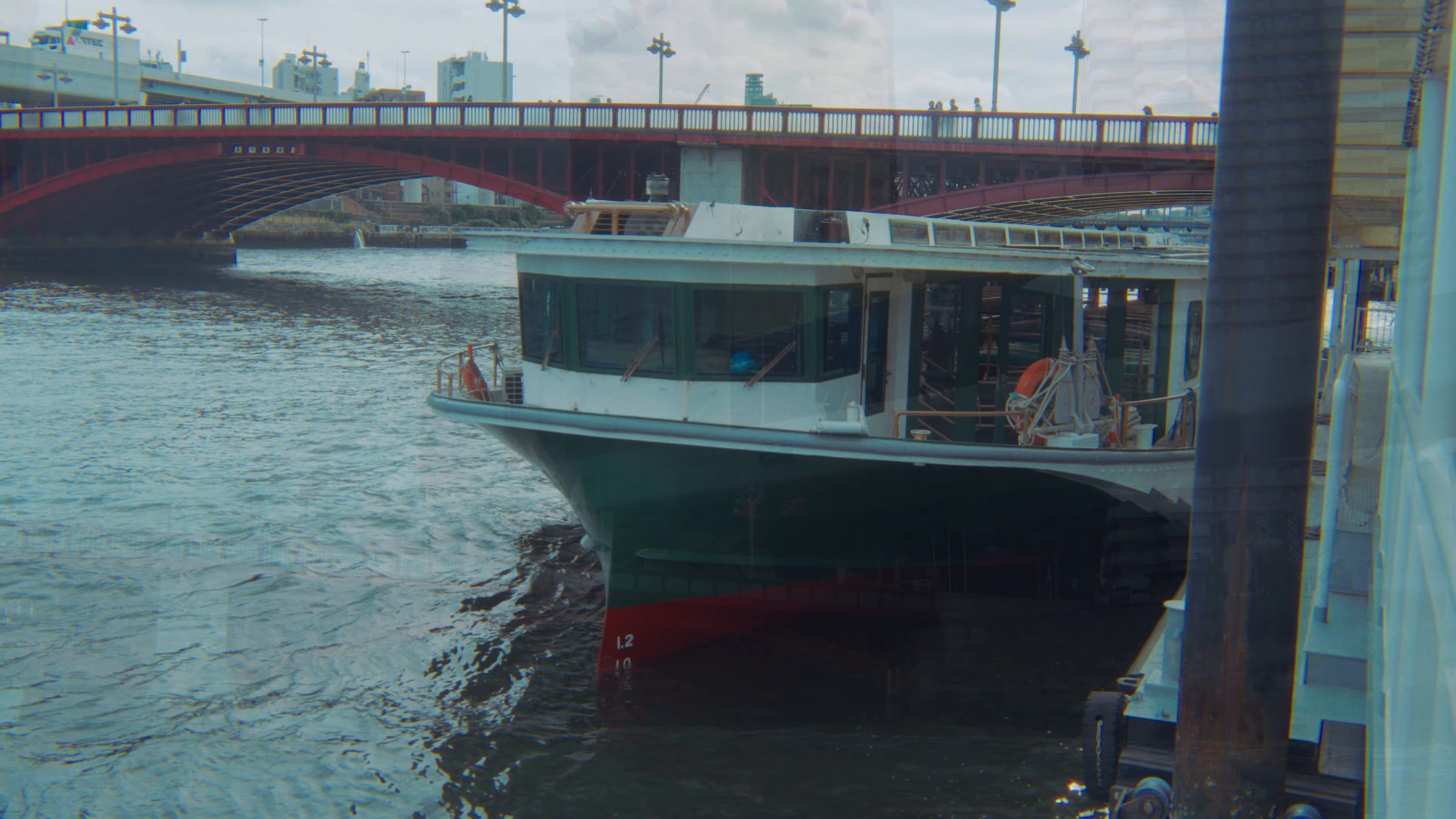
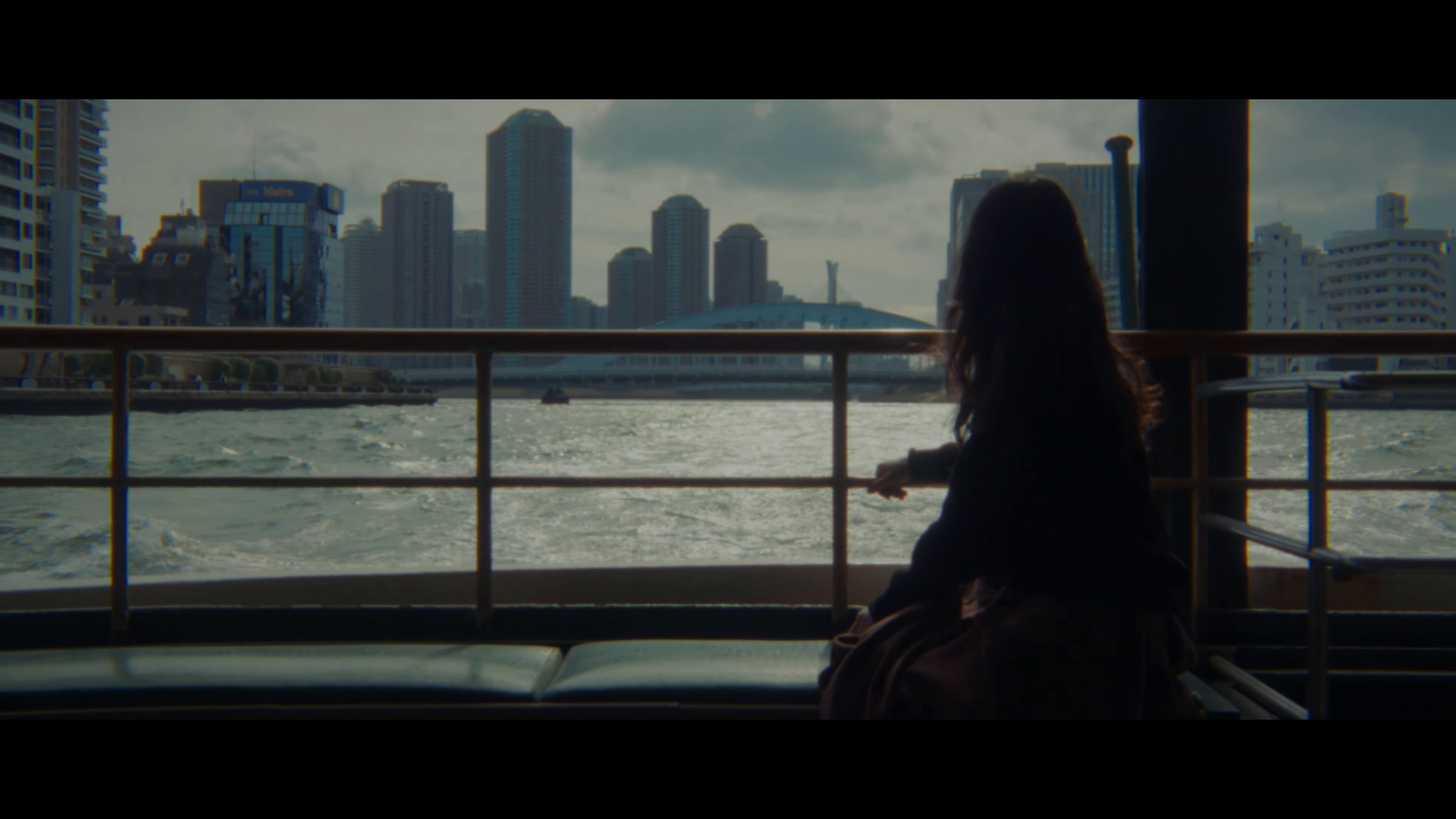
For the way back, I walked from Tsukiji to Hinode Pier and took a water bus to Asakusa. Japan's oldest subway to Tsukiji, then the waterway home. Asakusa turns out to have surprisingly easy access to central Tokyo.
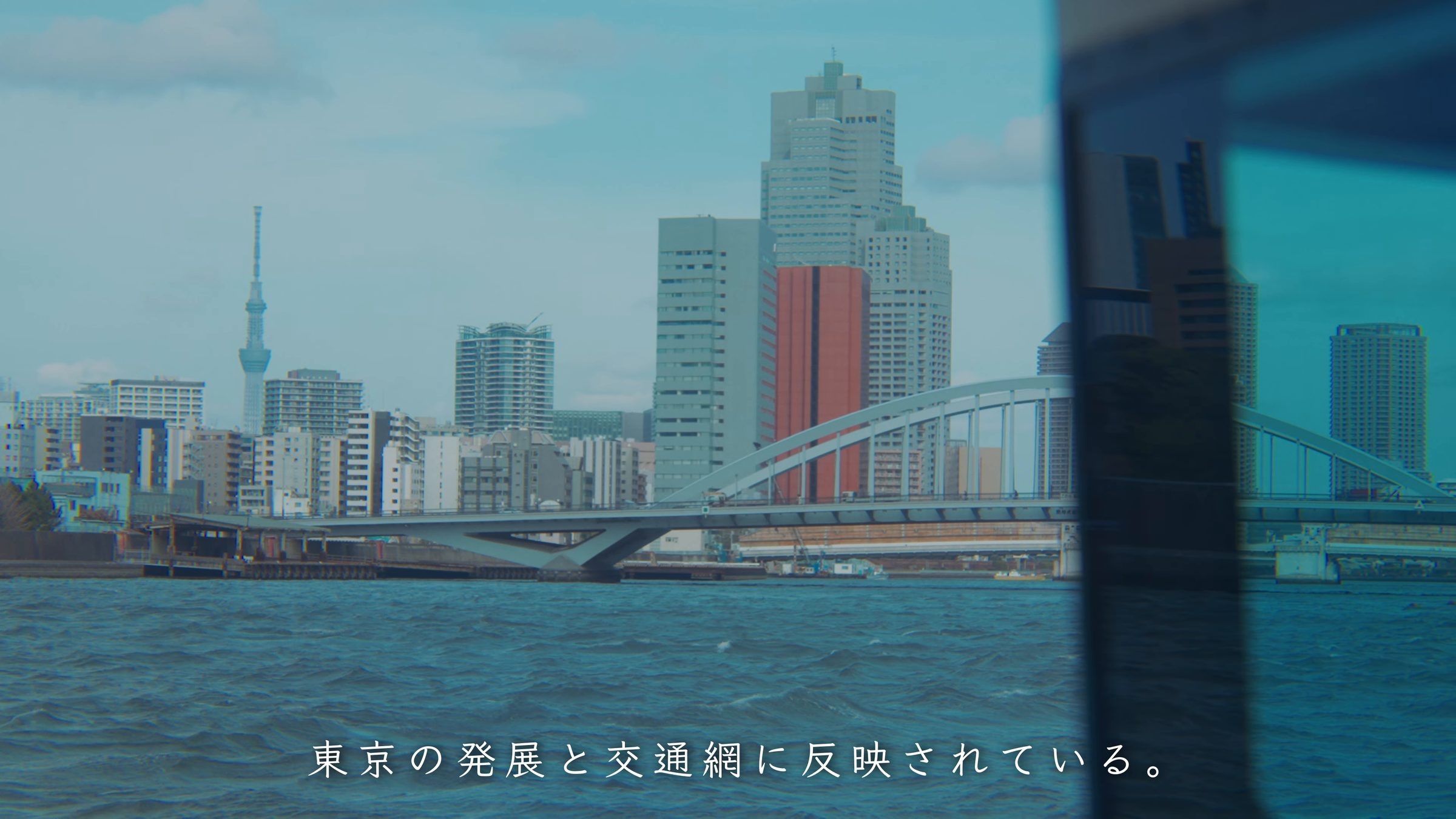
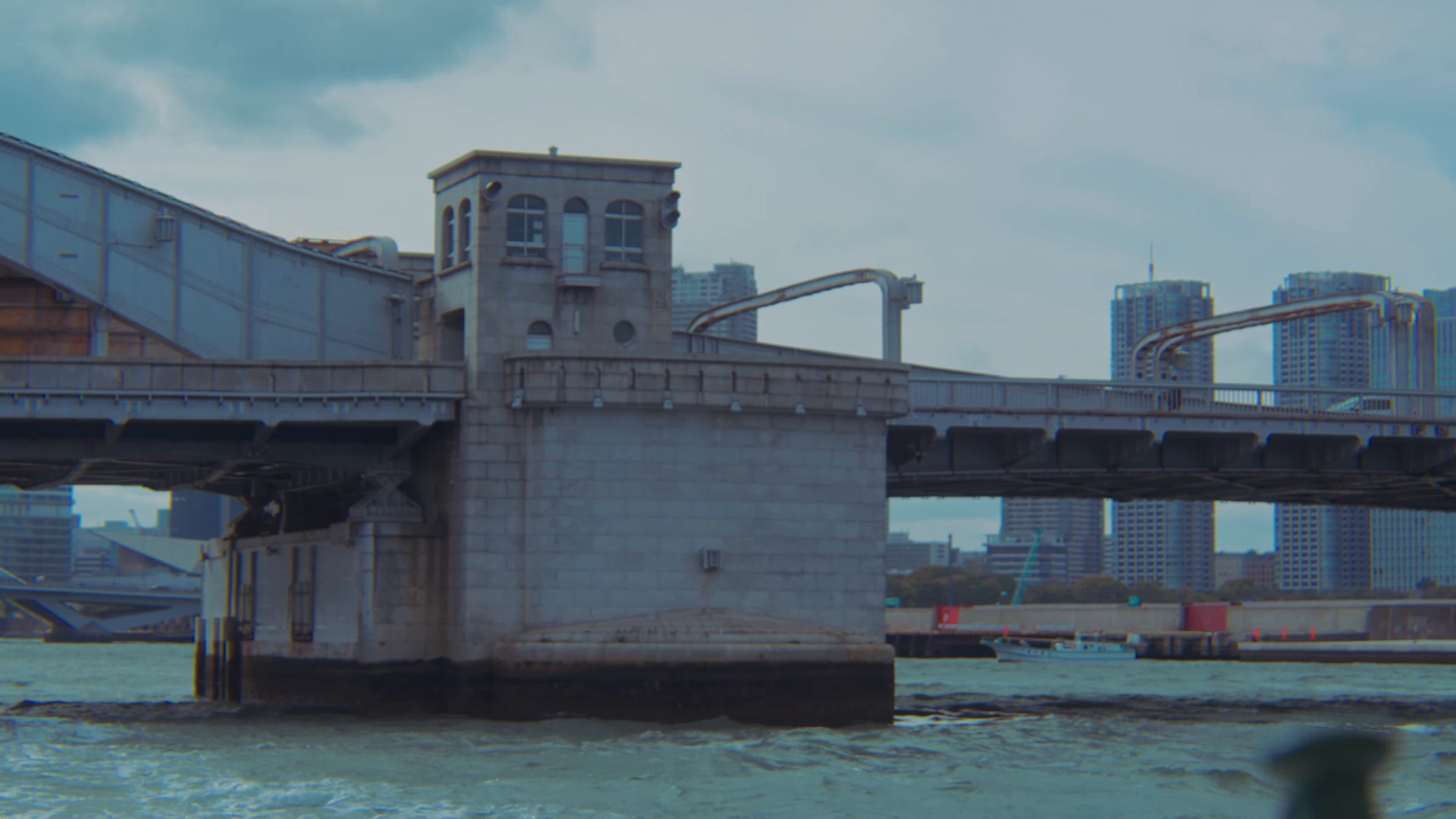
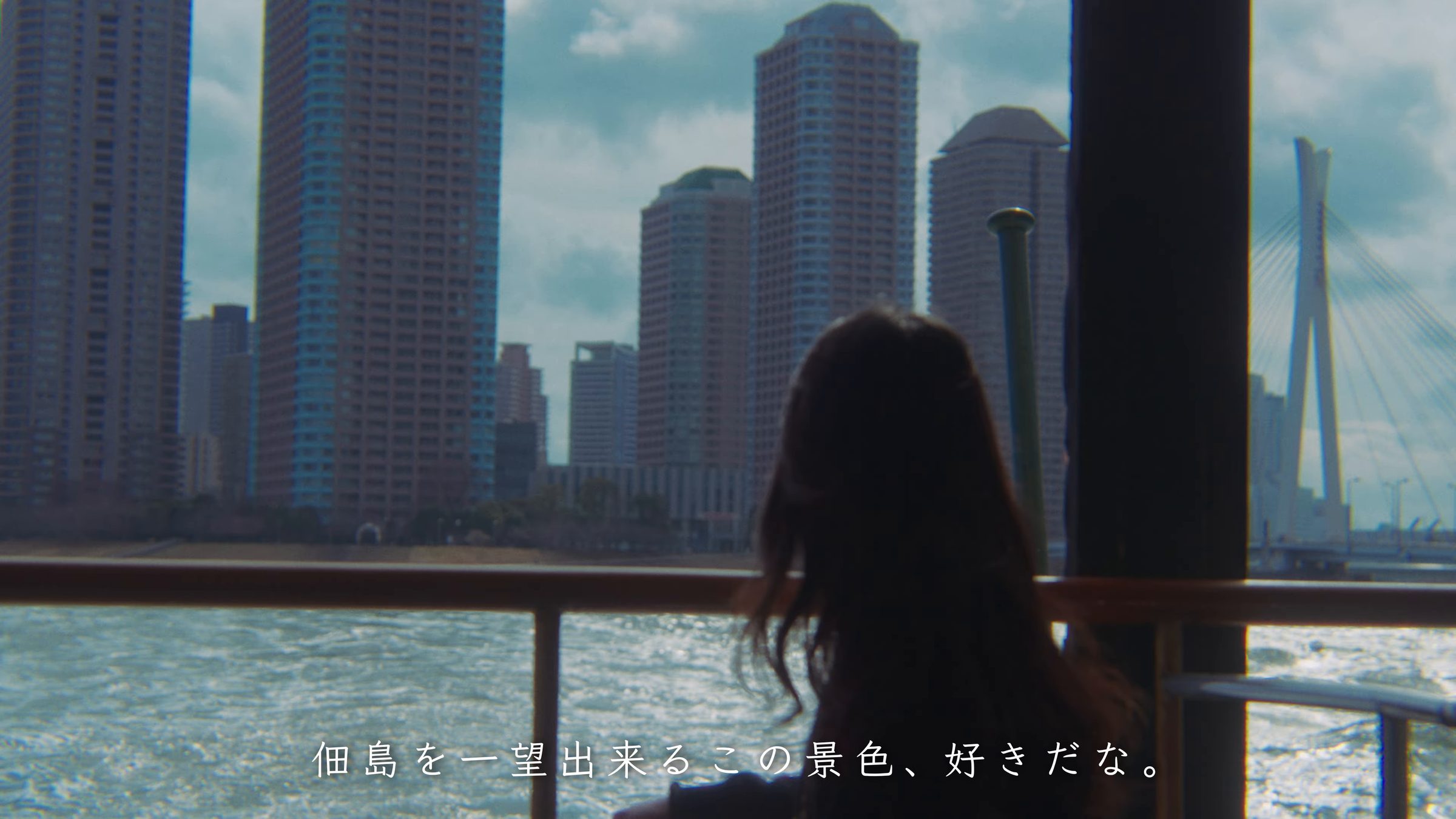
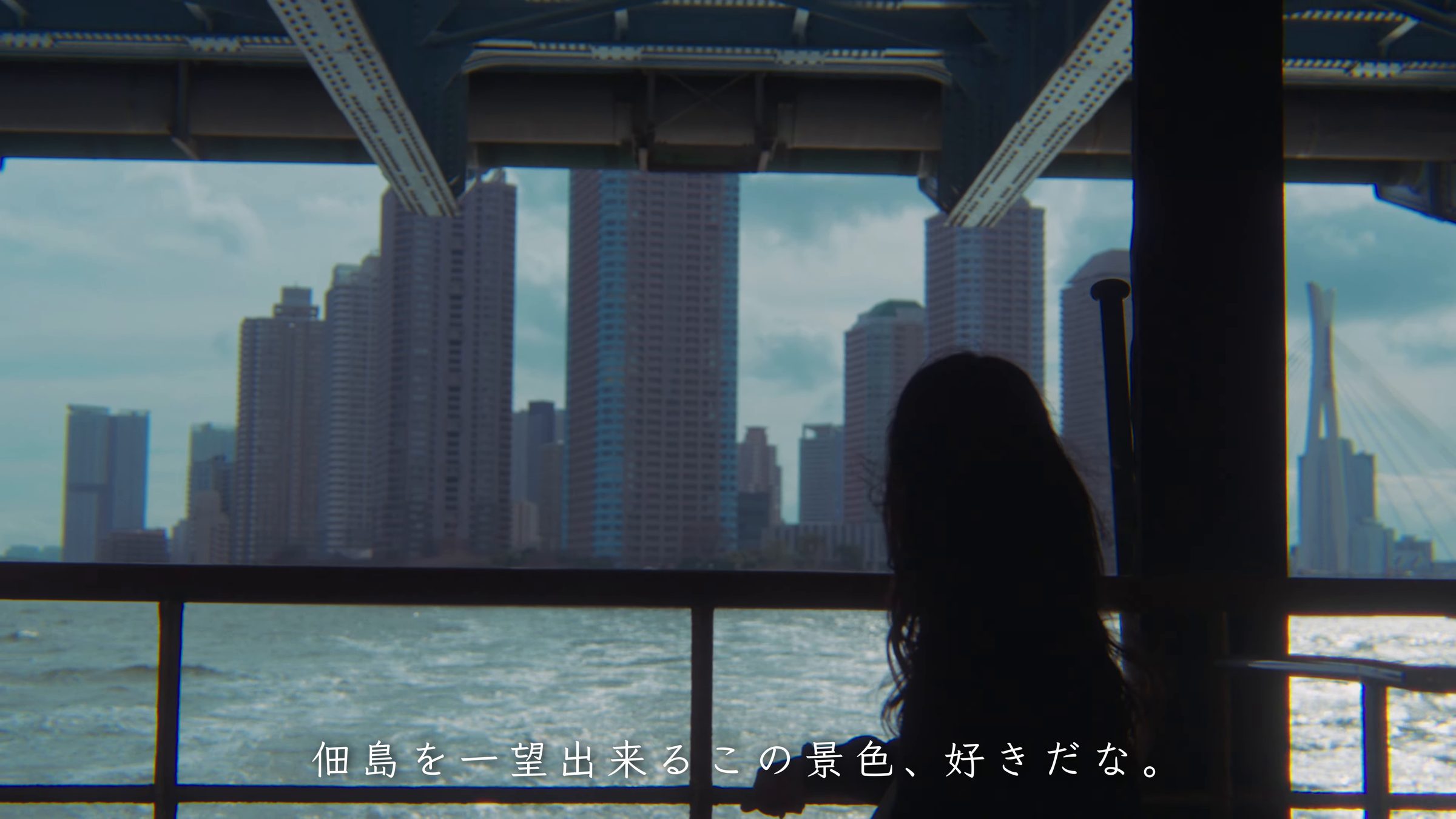
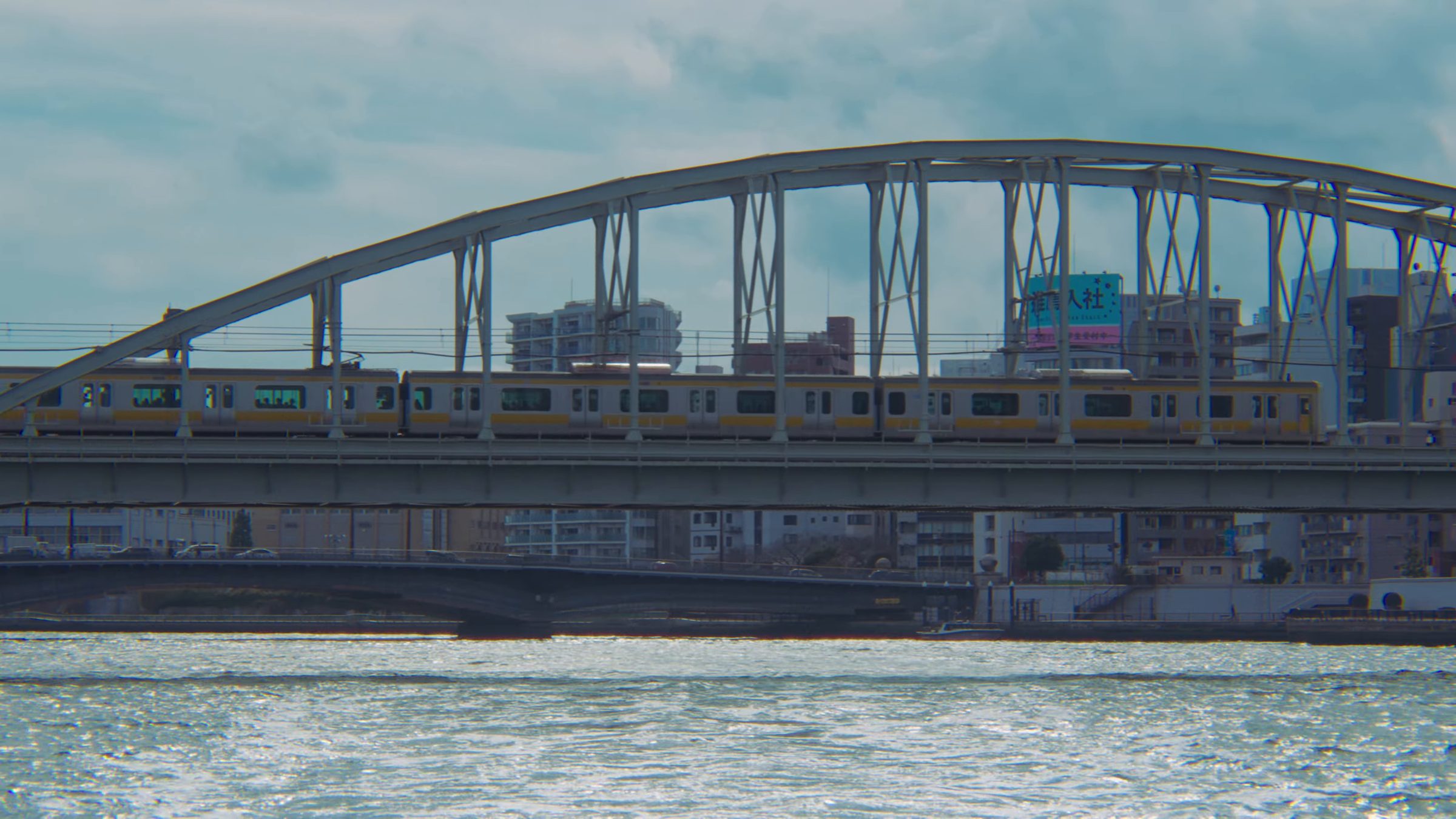
Beyond the windows spread the bay and its waterfront towers; the remnants of Edo, when water transport was the mainstream, are still reflected in Tokyo's growth and its transport network. Kachidoki Bridge, which even gave its name to a Kochikame movie, is a symbol of the Sumida River. Past Tsukishima, which I visited on an earlier trip, the towers of Tsukudajima come into full view. I love this view.
Hello there, yellow Sobu Line train. After Ryogoku, it's Asakusa already. Beyond the red Azuma Bridge, a building topped with a golden sculpture came into sight, and the boat docked. I'm home.
Watch this scene on YouTube5:16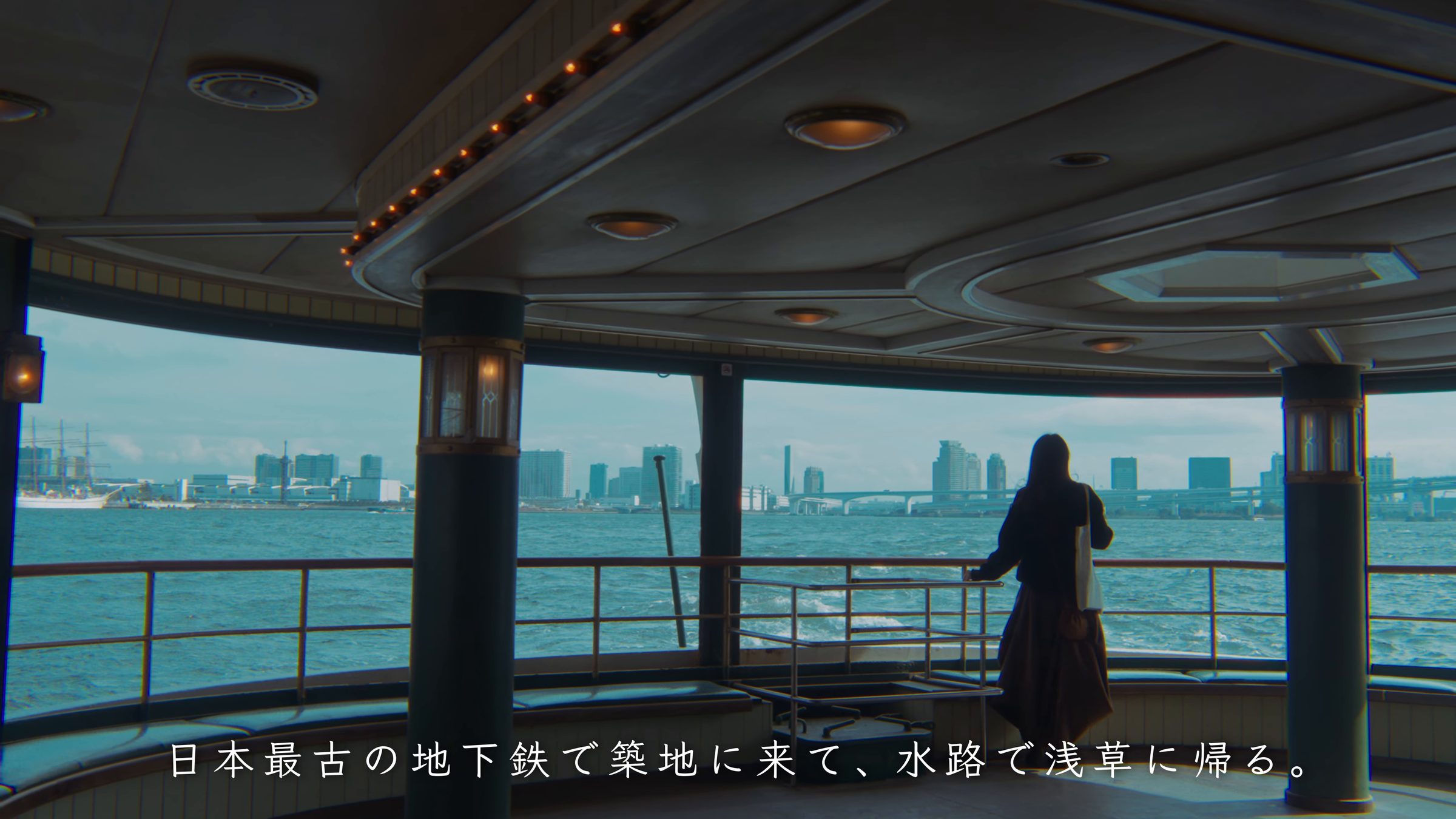
07TRAVEL JOURNAL
A Shoro sandwich in my room at night
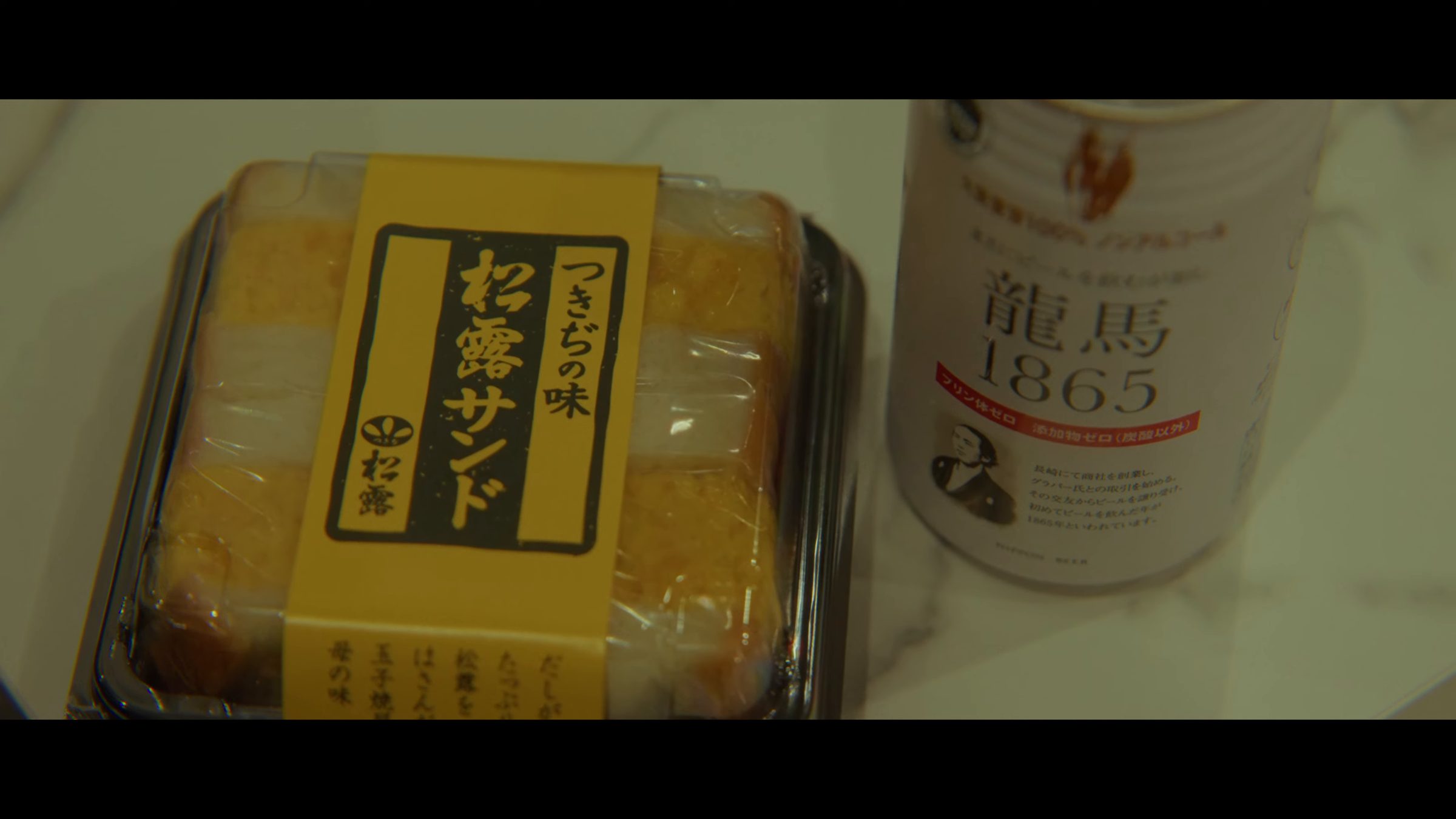
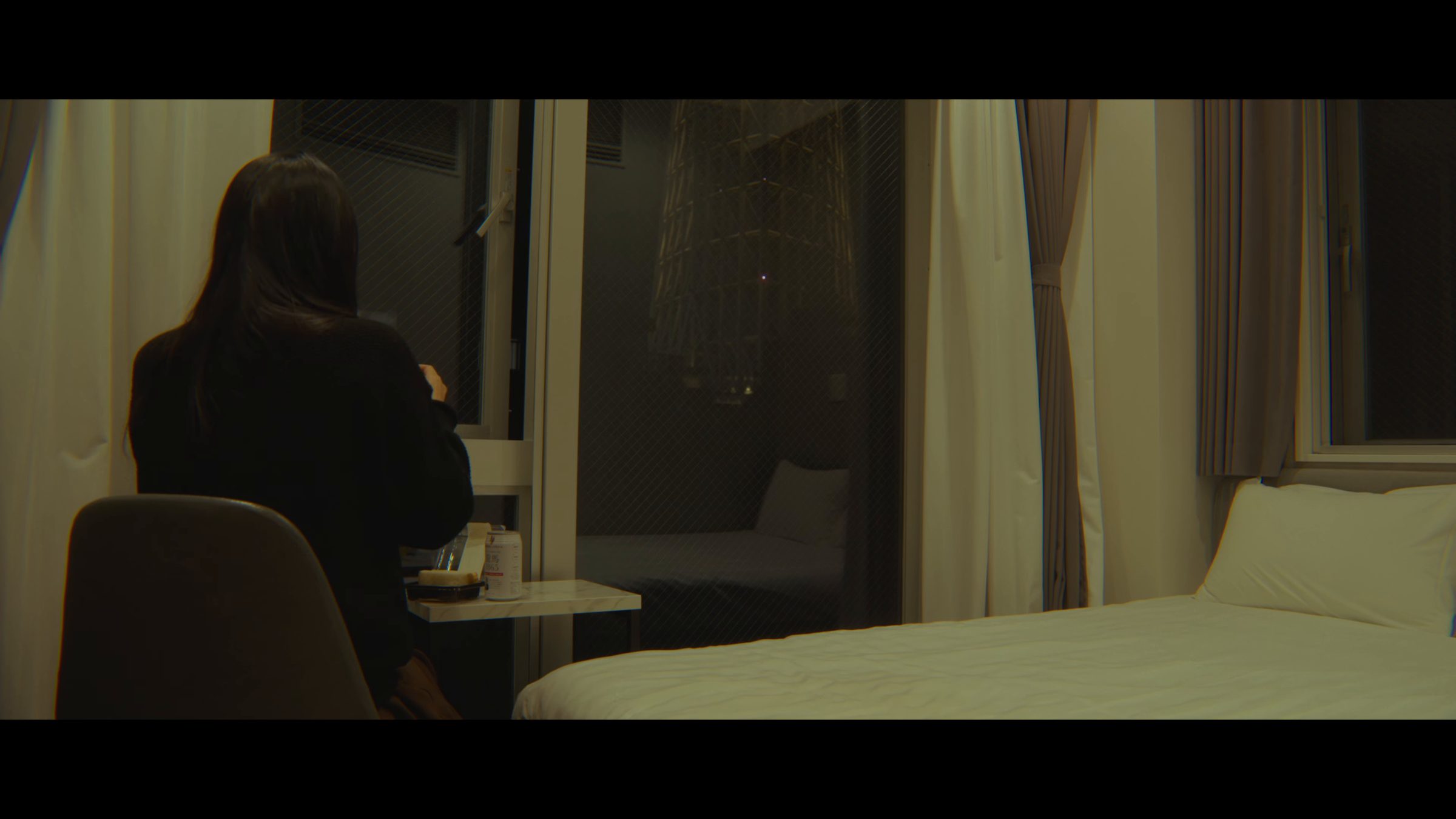
Night. Lights glowed at the foot of the Skytree. Back in my room, I opened the Shoro sandwich I had brought from Tsukiji.
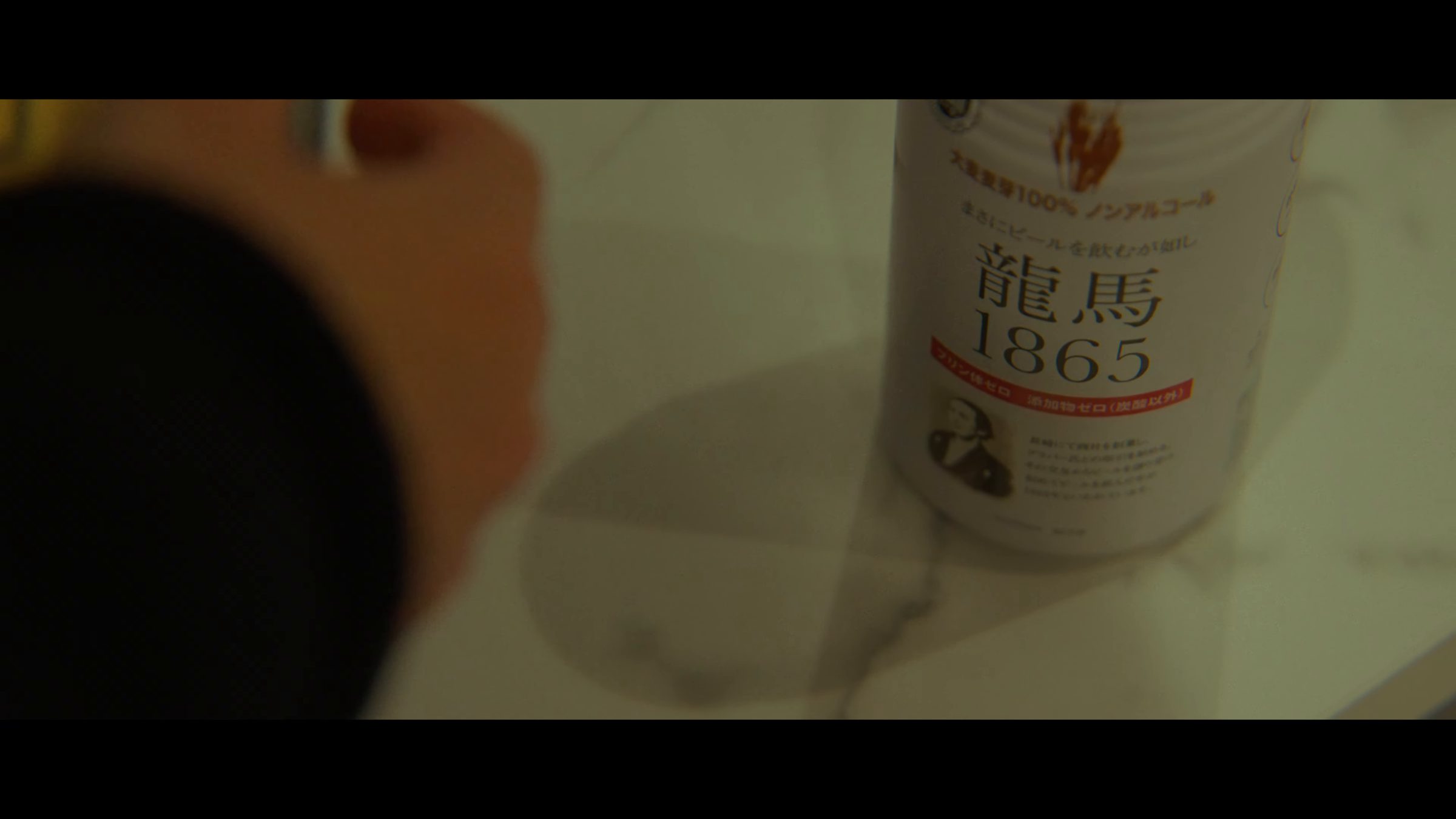
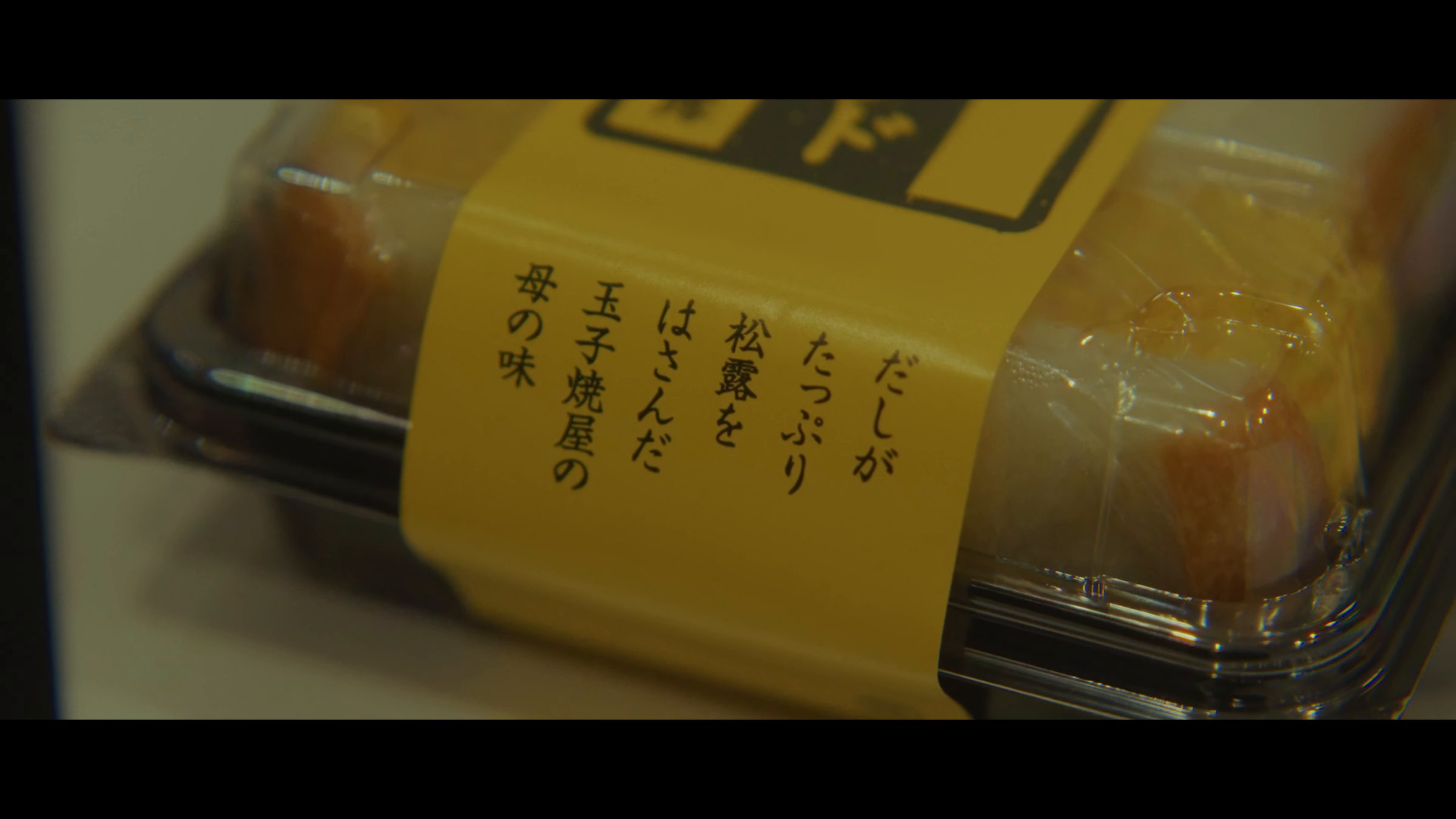
The yellow band read "The taste of Tsukiji: Shoro Sandwich," and "Plenty of dashi: a tamagoyaki maker's taste of home, with Shoro tucked inside." With a can of non-alcoholic beer beside it, I picked up a piece.
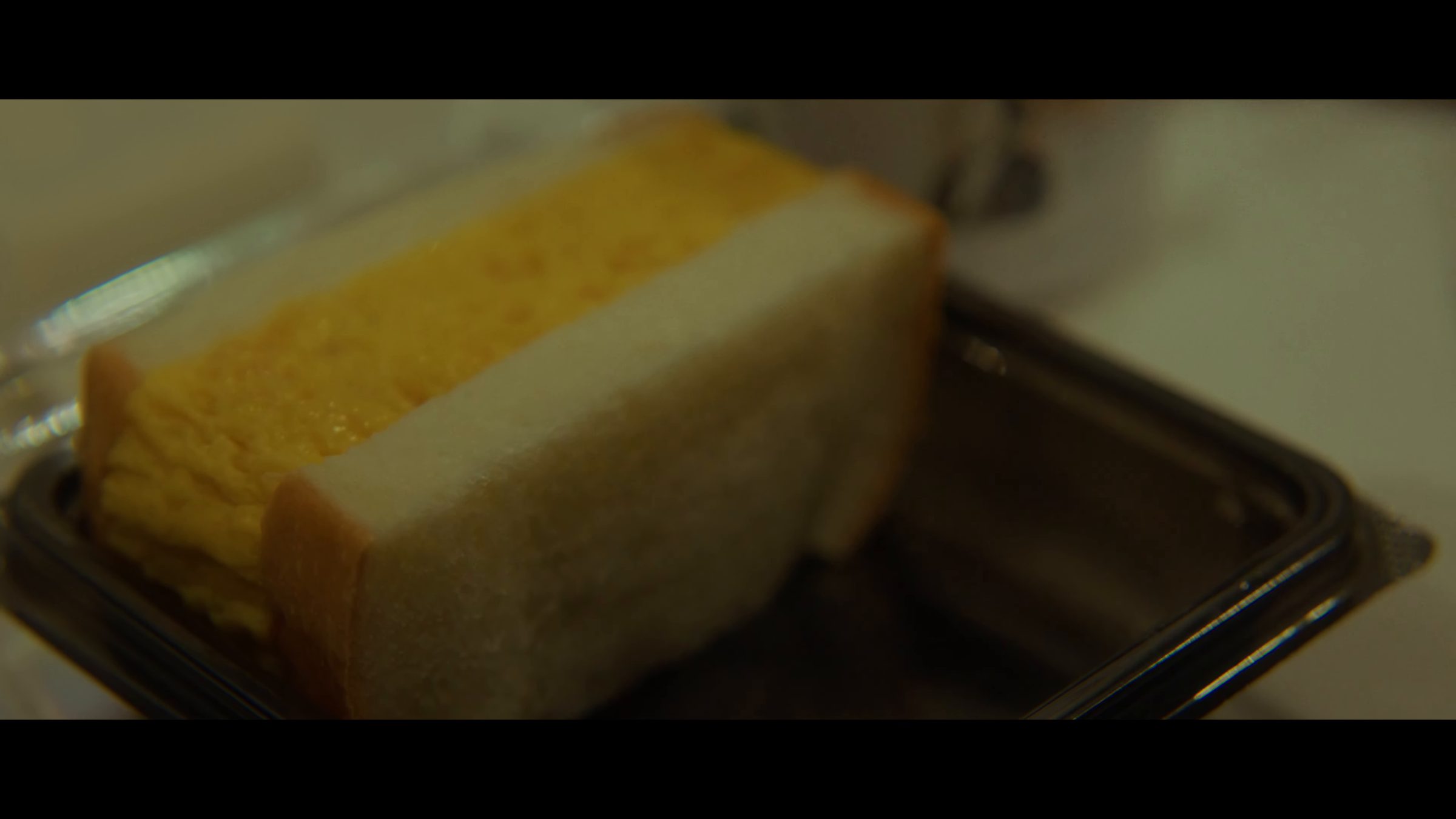
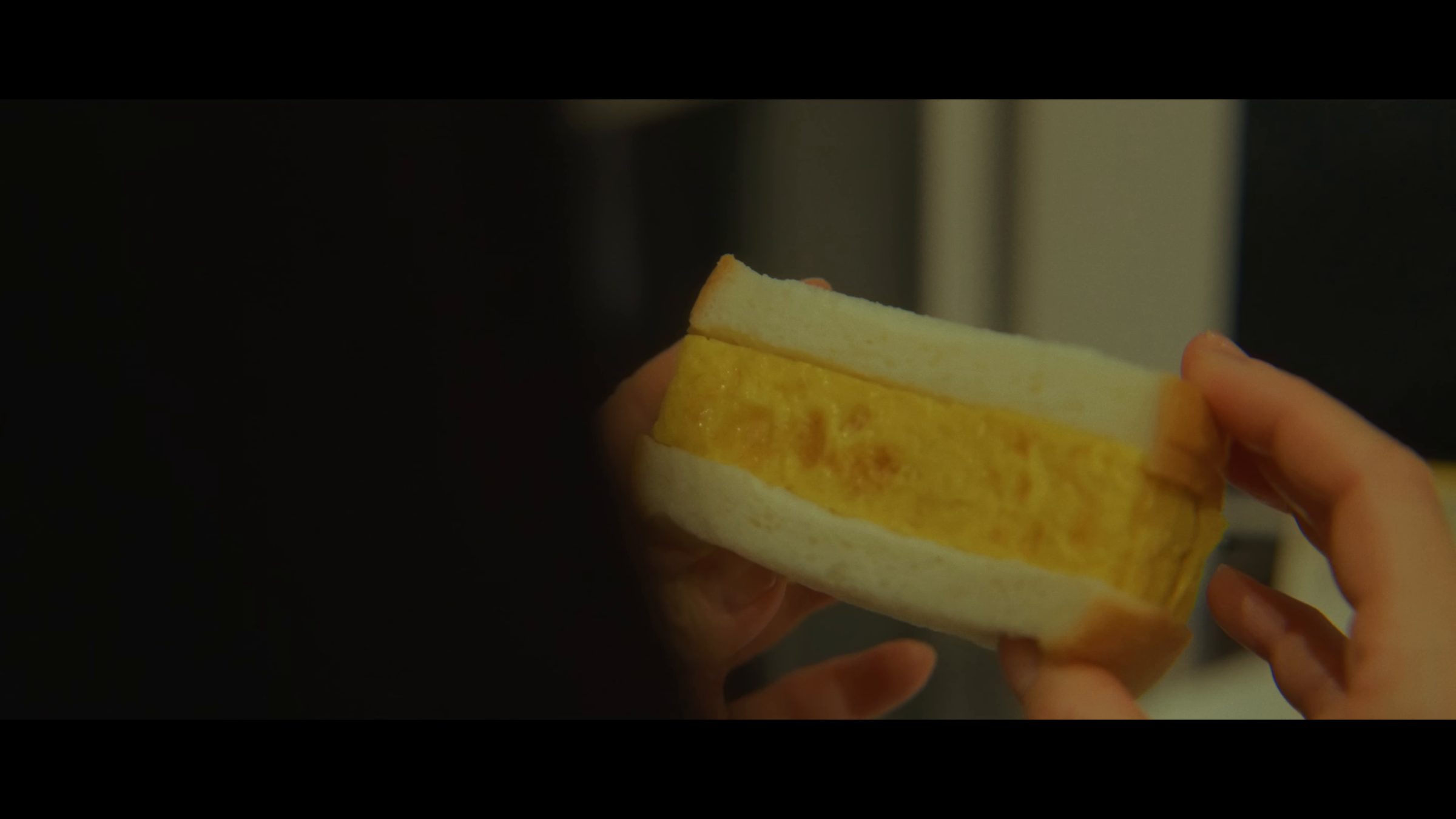
A thick slab of rolled omelet sat between slices of white bread. When I bit in, the dashi came seeping out. I sat down in the chair by the window, the illuminated Skytree outside.
Watch this scene on YouTube6:29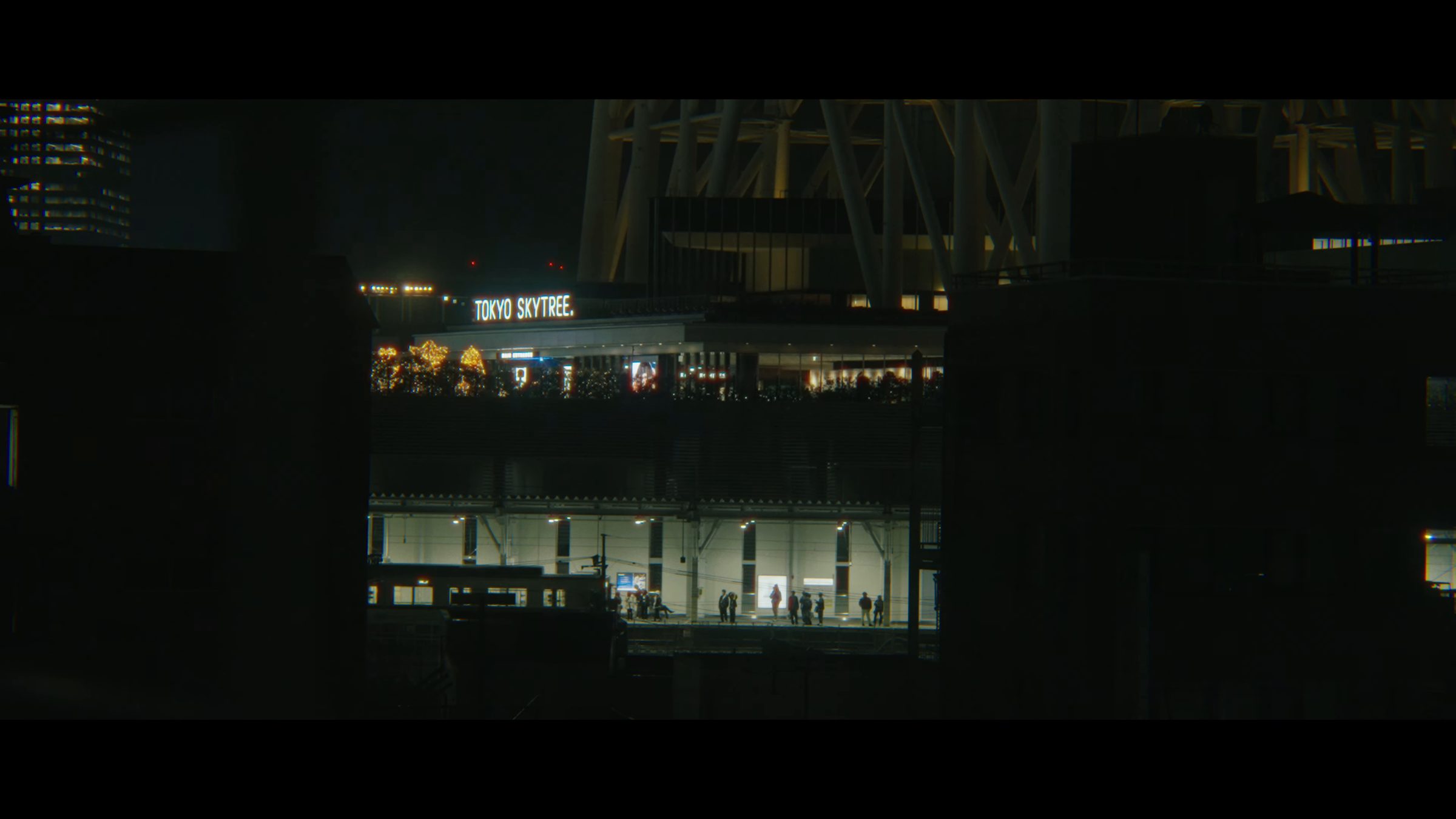
08TRAVEL JOURNAL
1-1-1 Asakusa
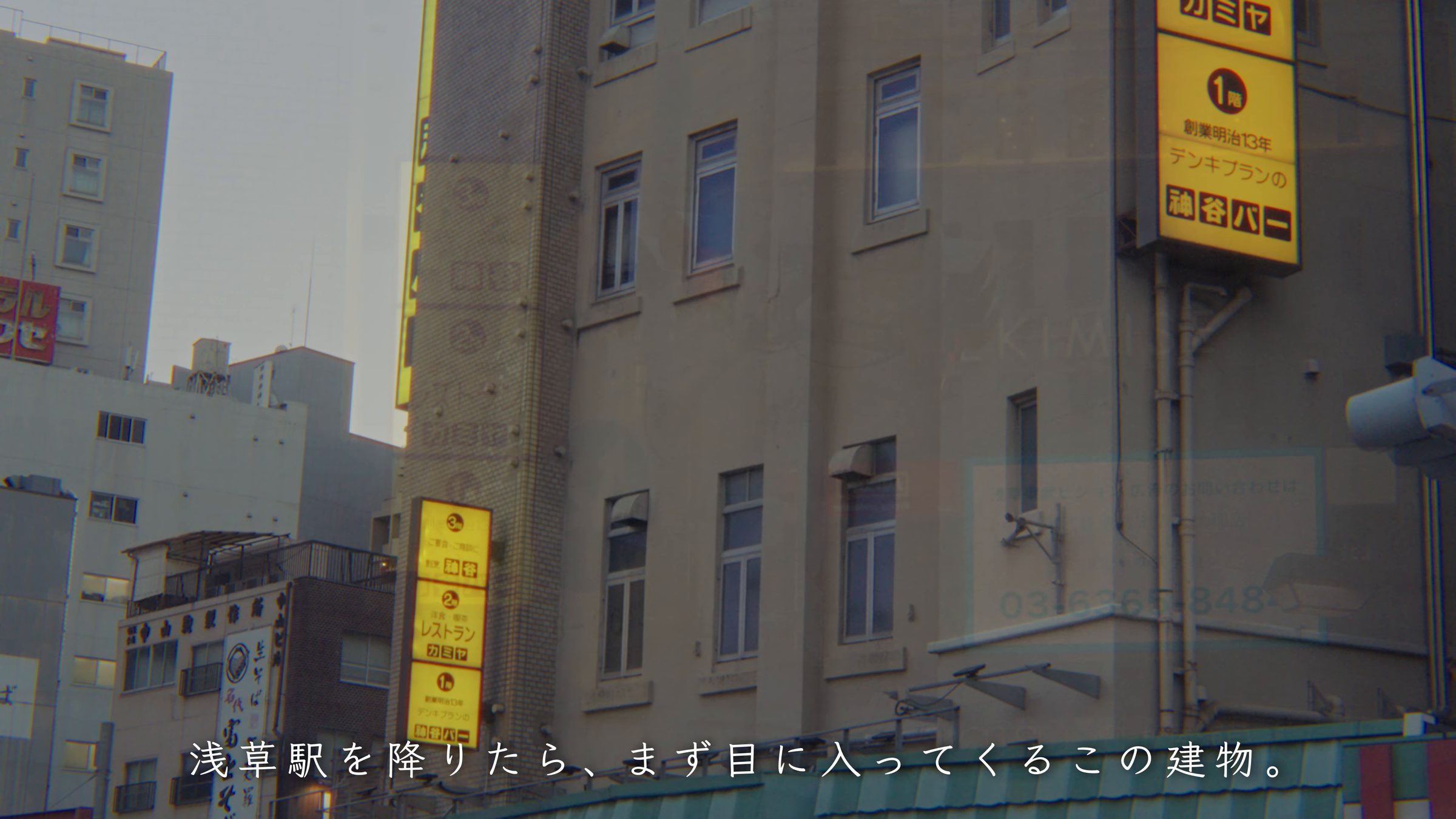
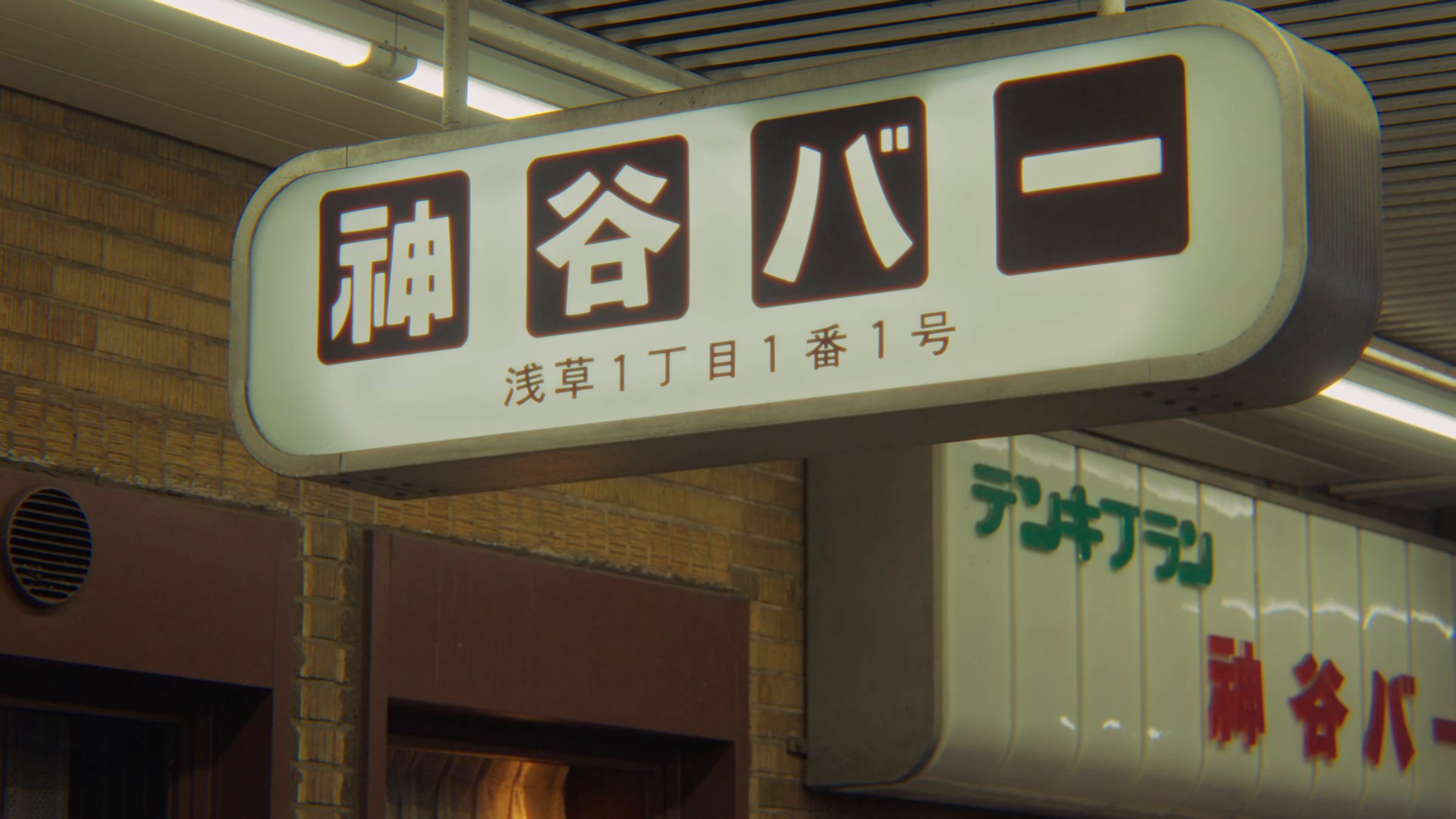
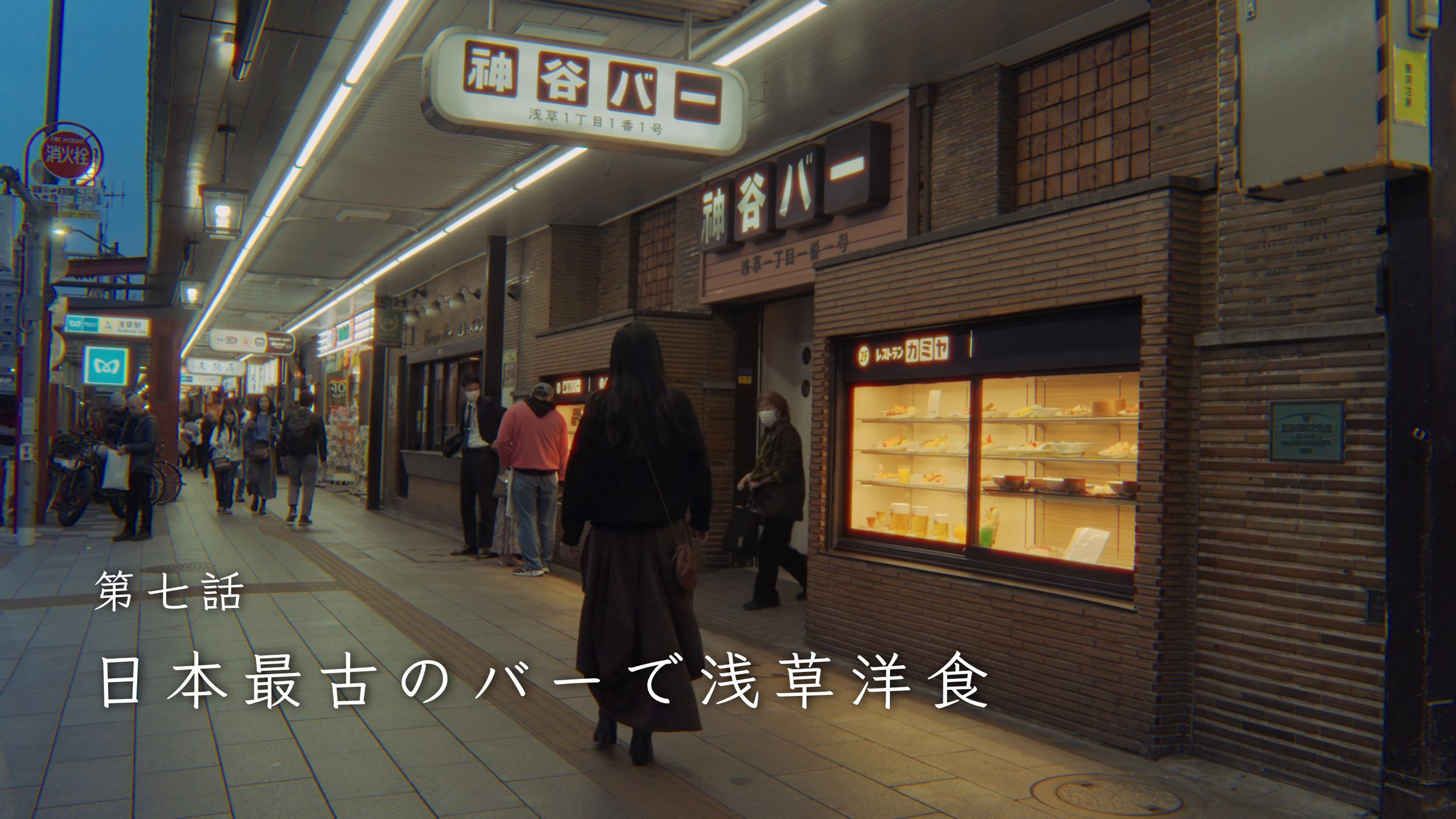
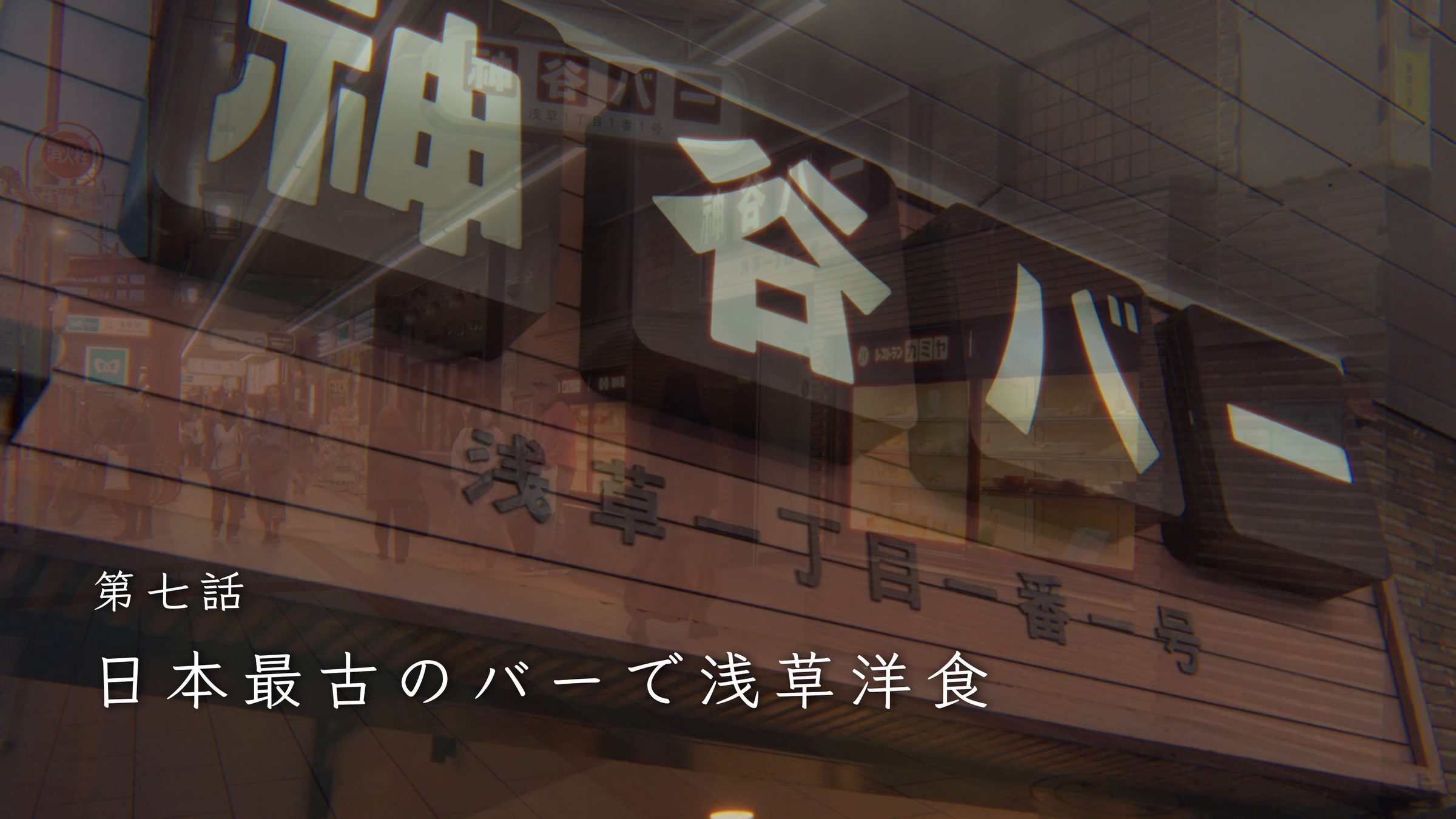
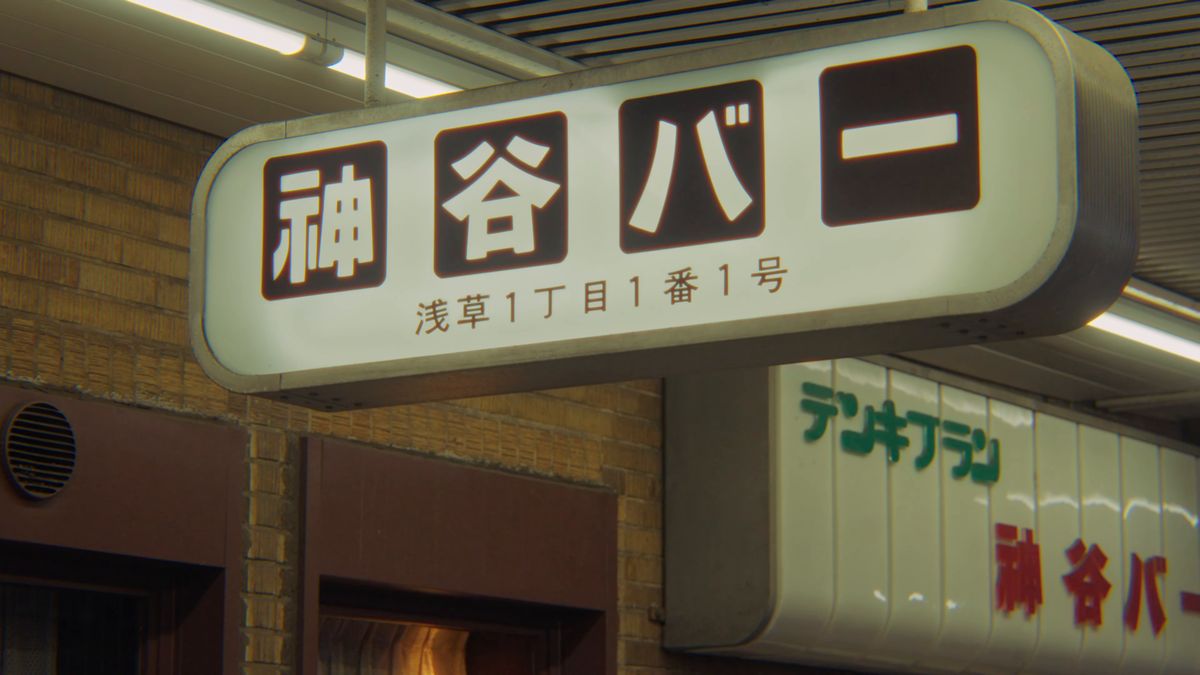
Step out of Asakusa Station and this is the first building you see. A yellow vertical sign spells out Kamiya Bar. The address is 1-1-1 Asakusa, which sounds wonderfully cool.
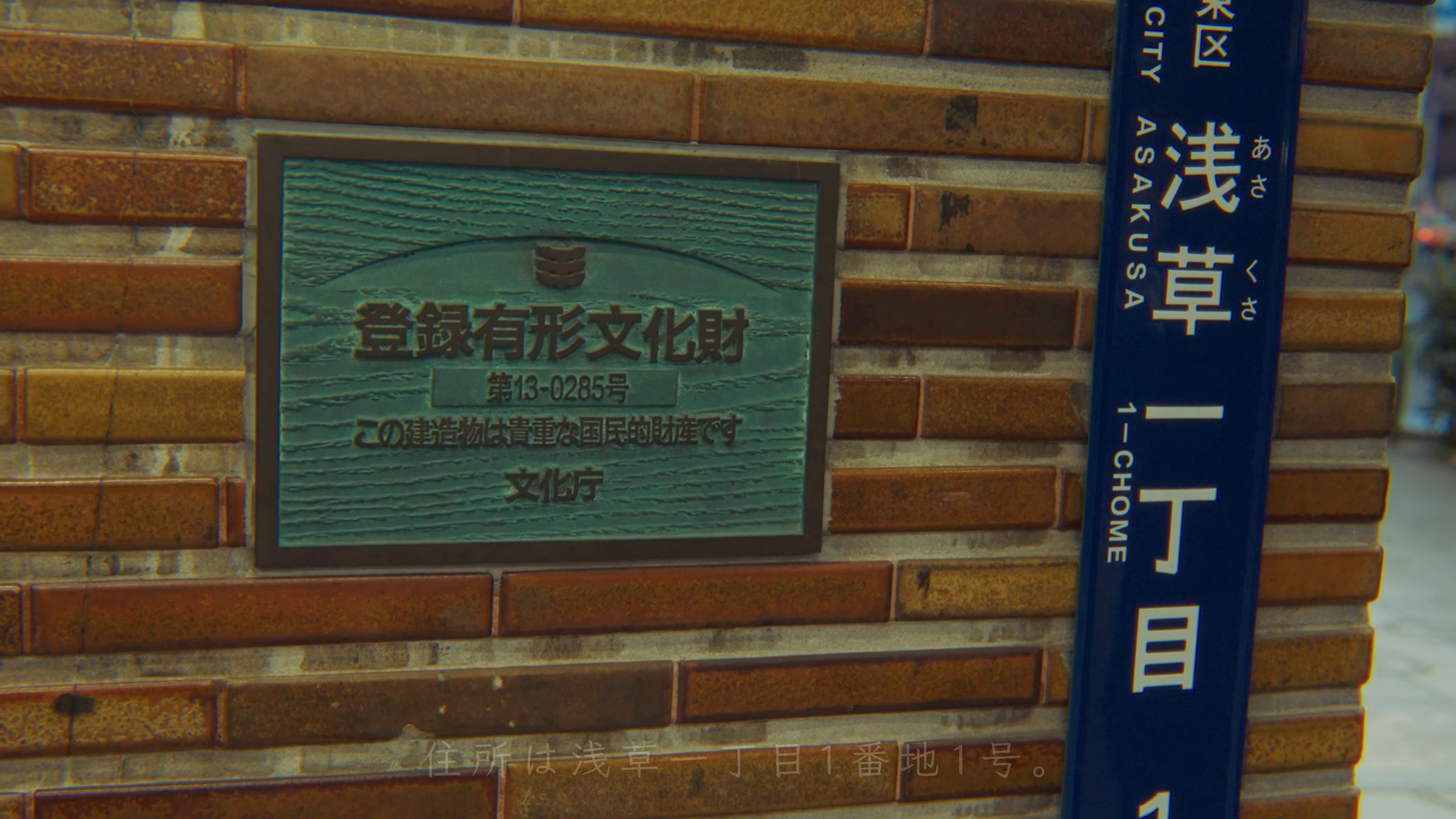
Founded in 1880, Kamiya Bar is known as Japan's first bar. Its building, put up in 1921, is a nationally registered tangible cultural property, and a plaque saying so is set into the tiled wall.
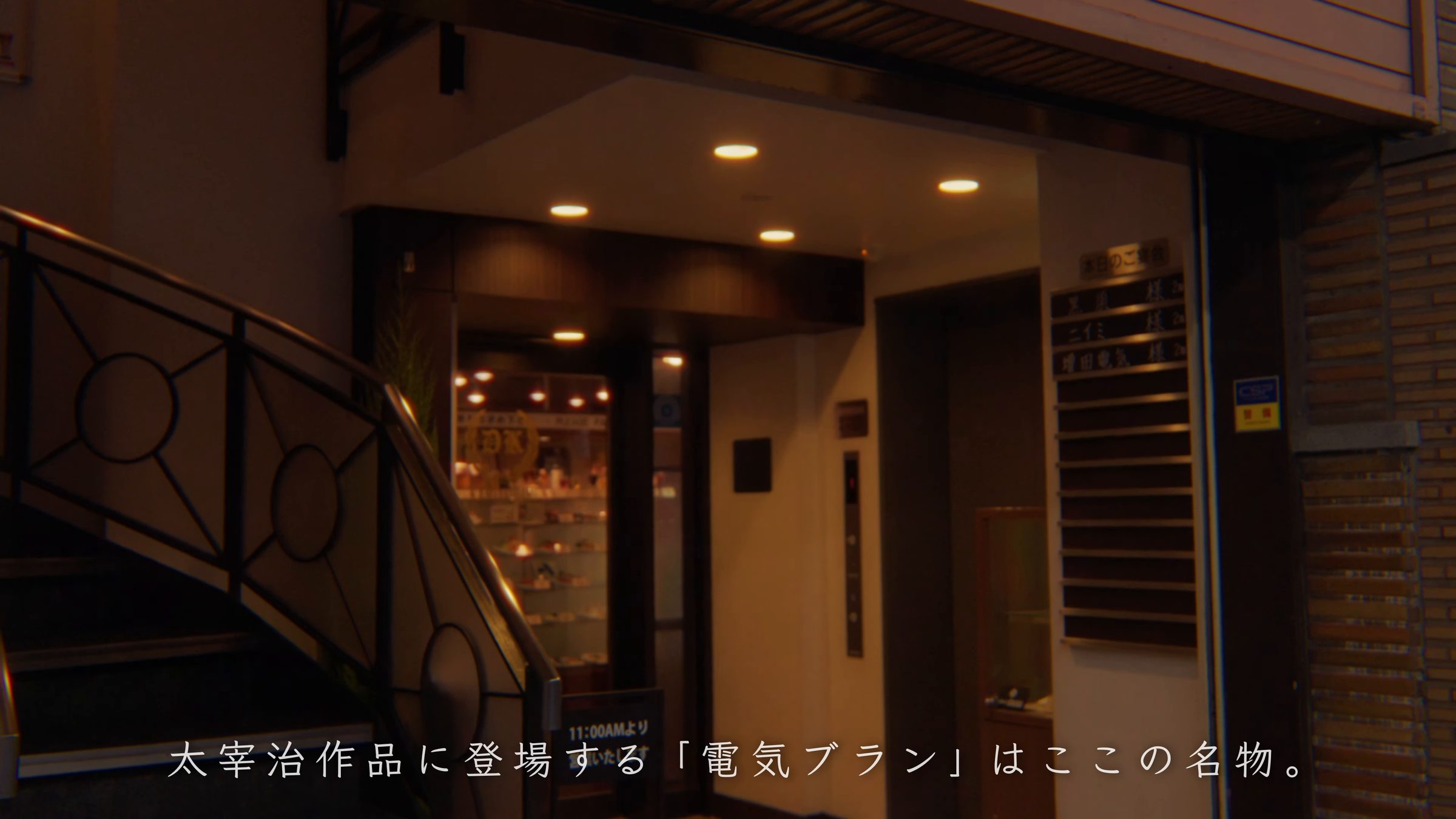
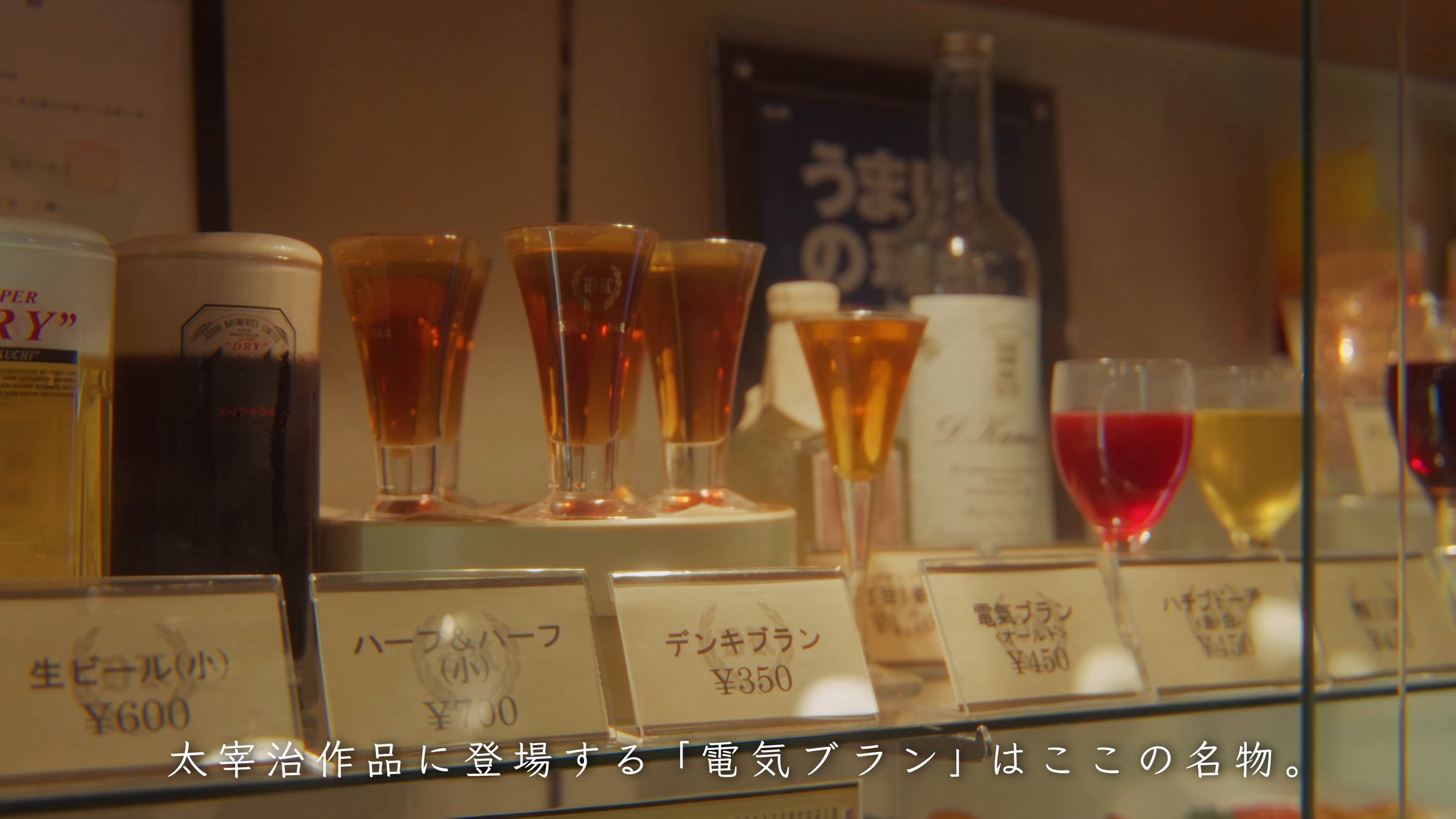
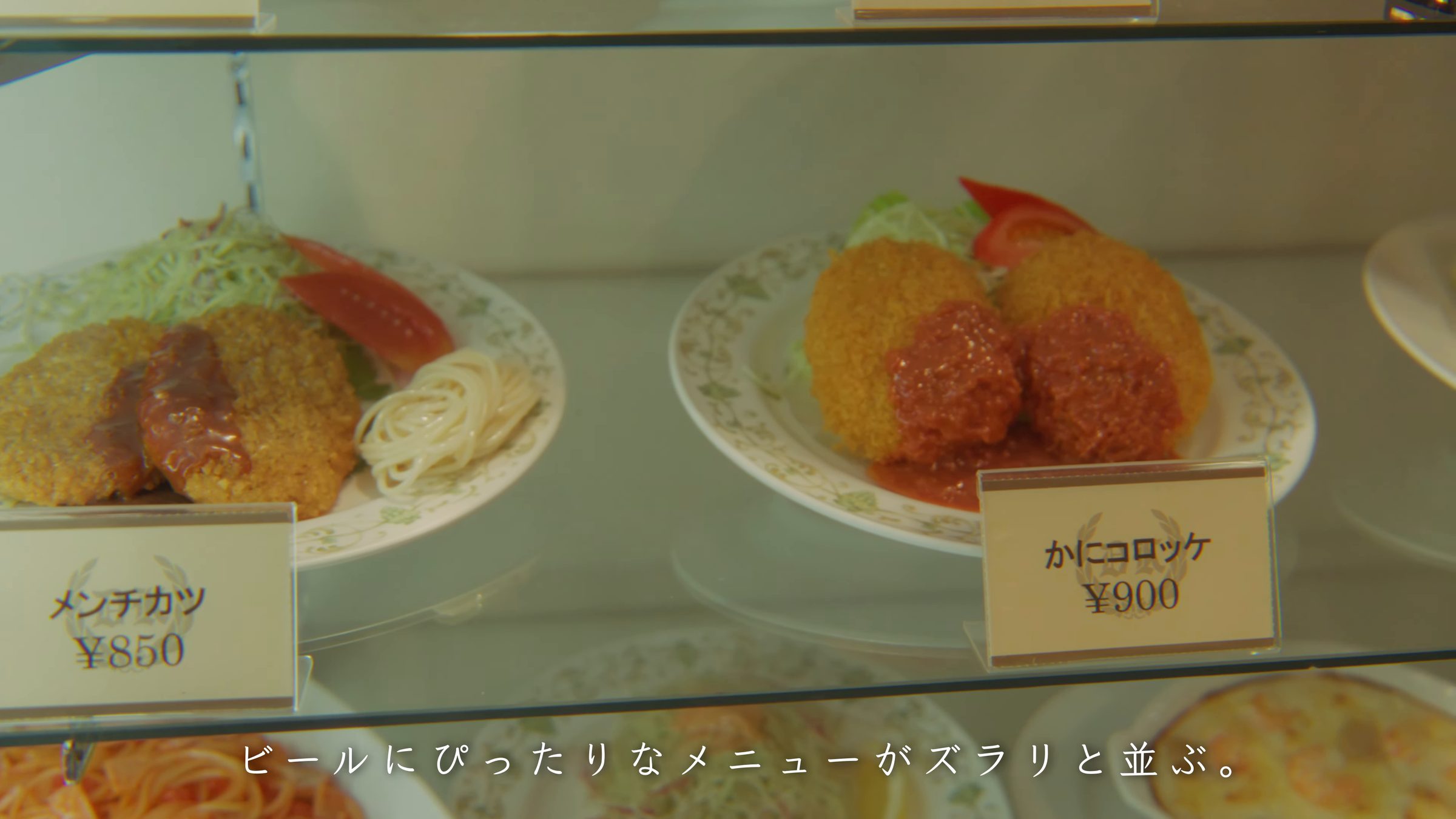
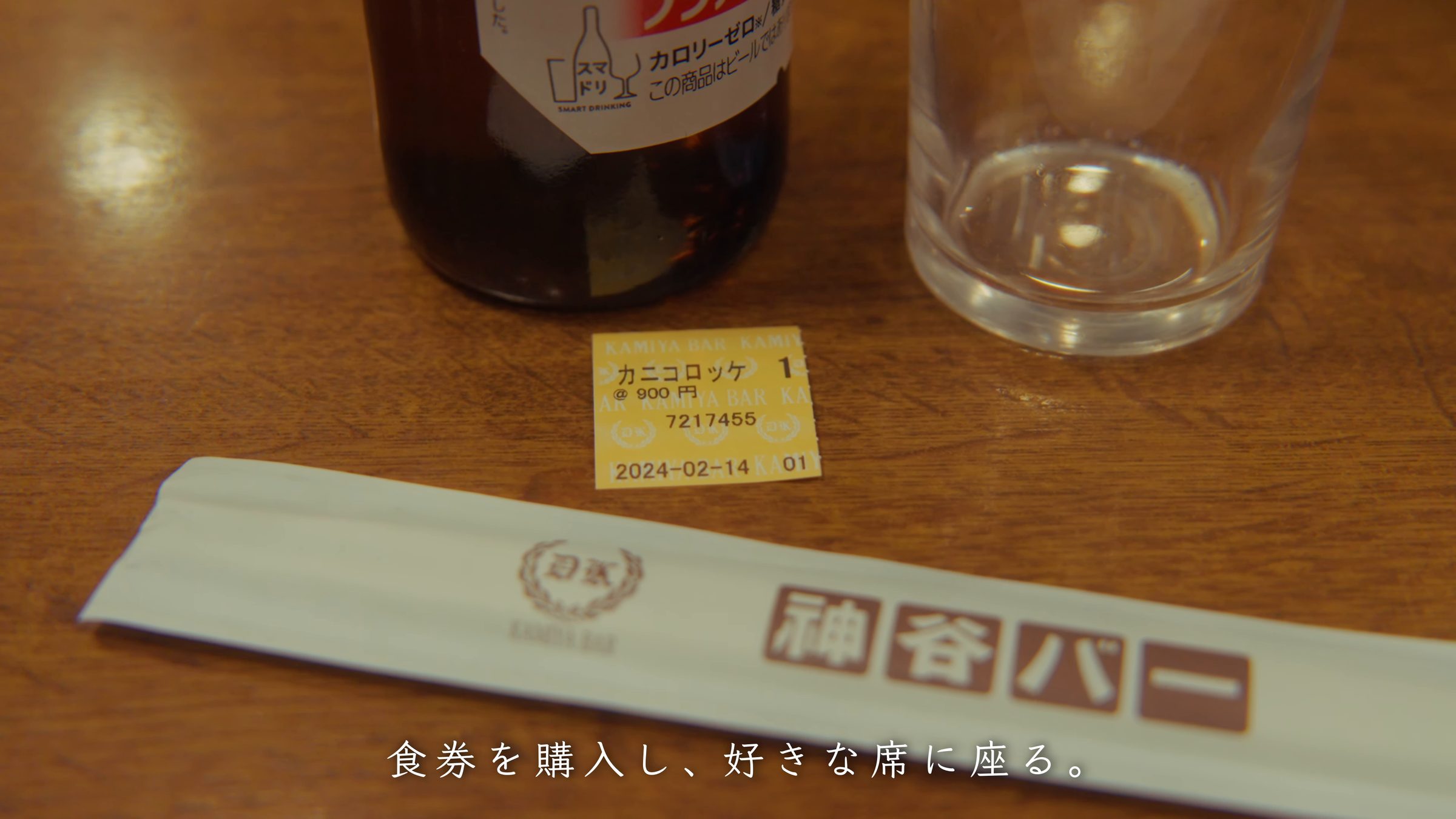
Denki Bran, which appears in the works of Osamu Dazai, is the house specialty. The display case was lined with amber Denki Bran, draft beer, and plenty of dishes that go perfectly with beer. You buy a meal ticket and sit wherever you like.
Watch this scene on YouTube7:20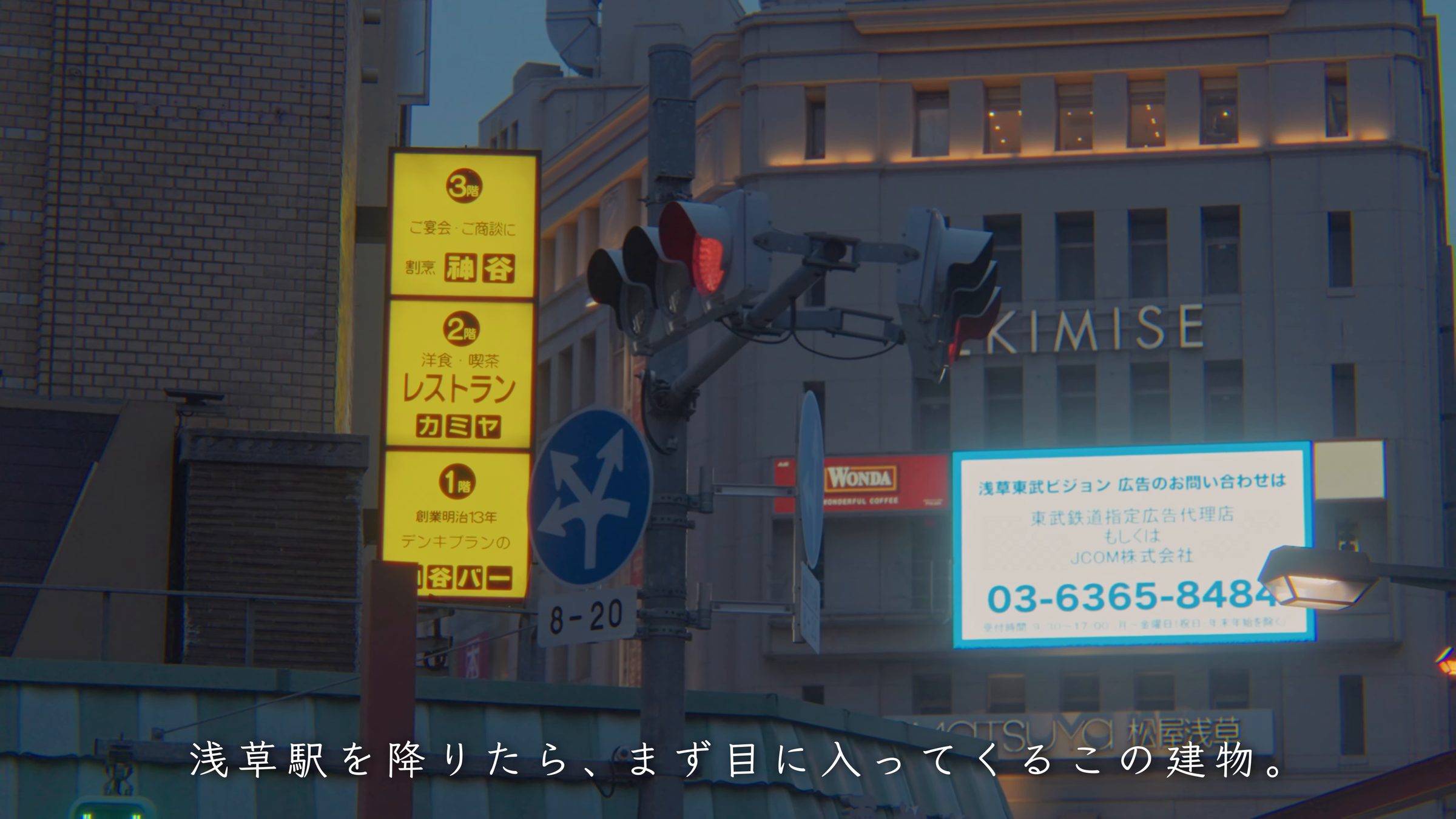
09TRAVEL JOURNAL
Denki Bran and crab croquettes
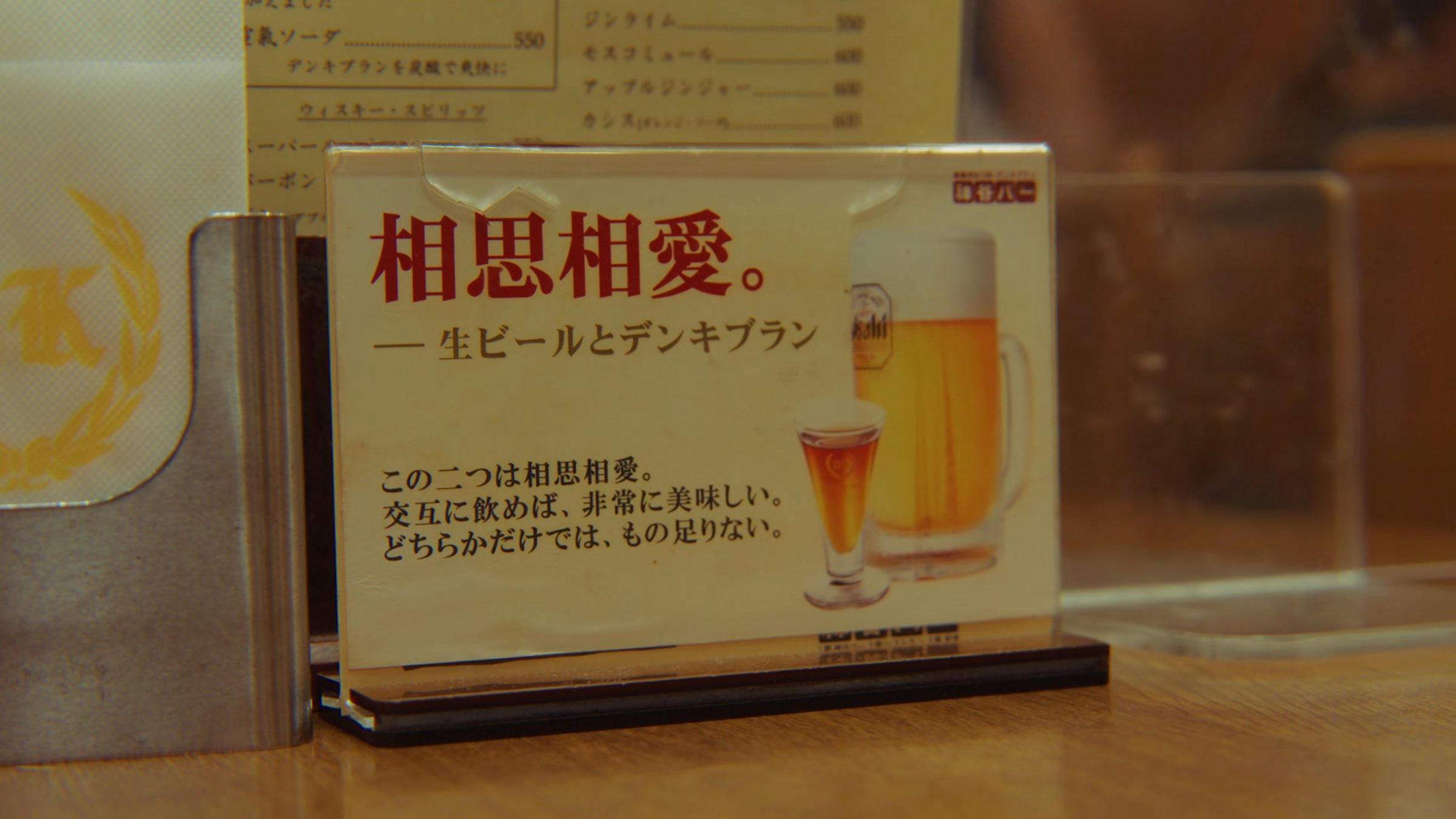
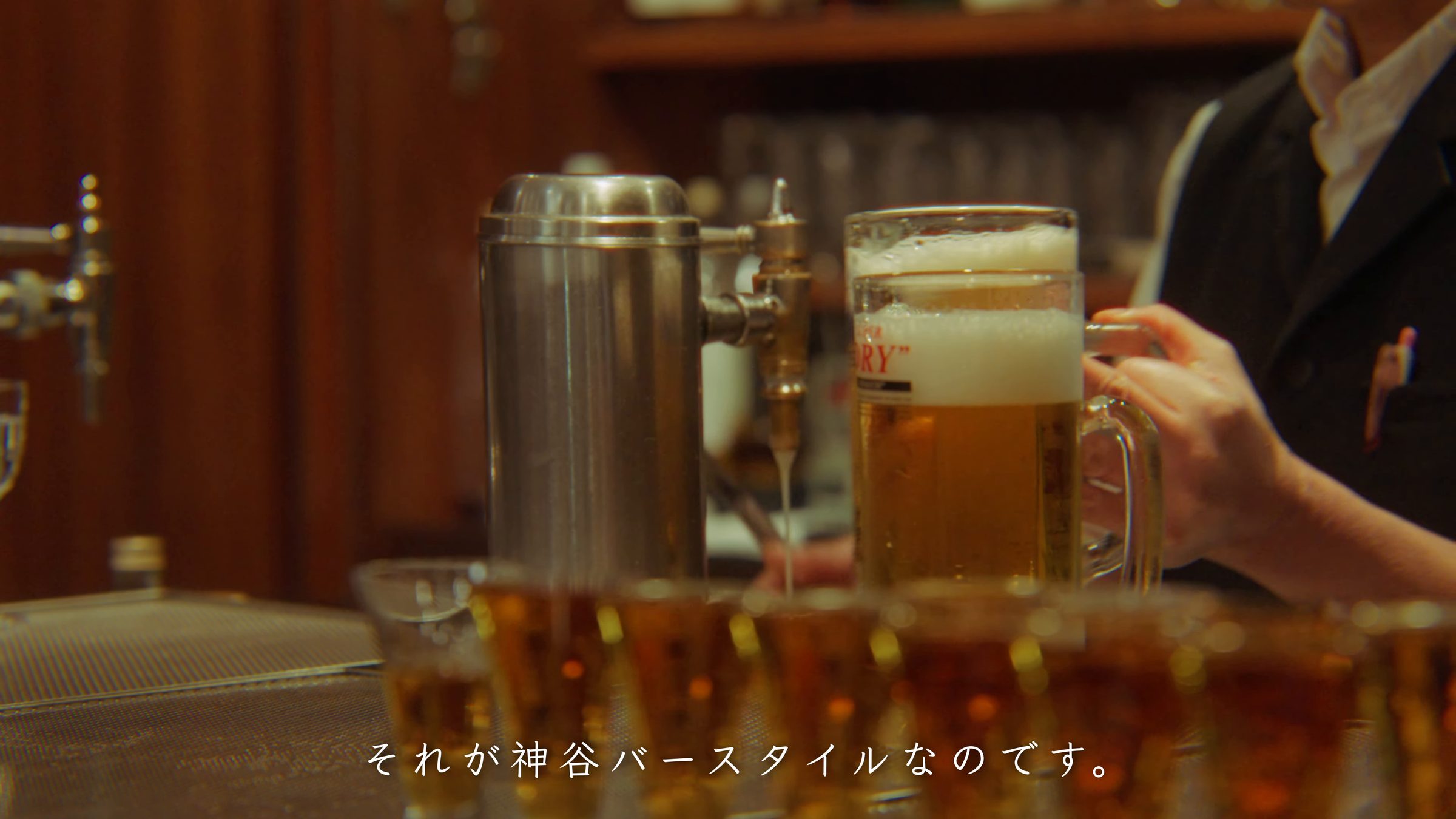
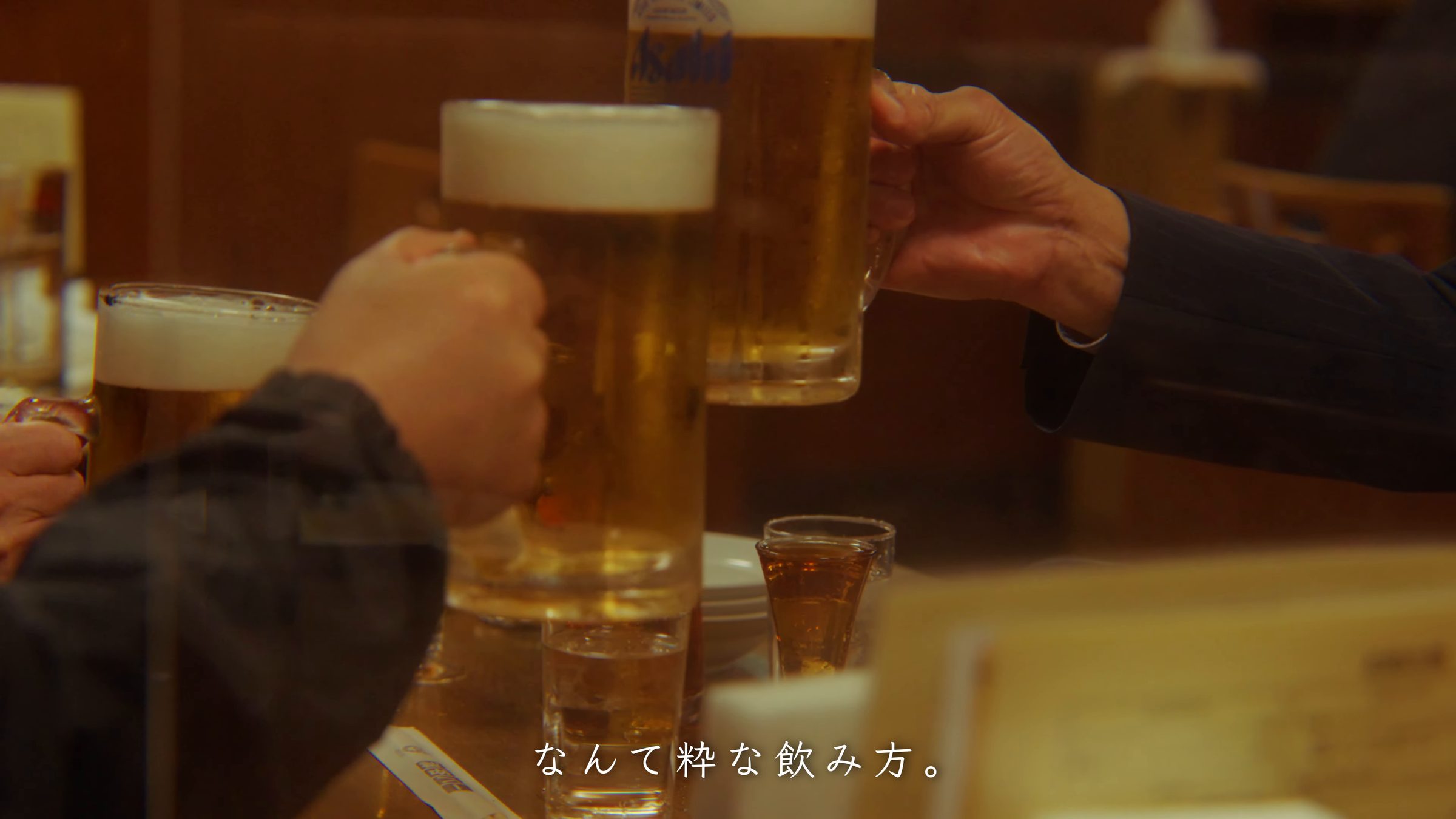
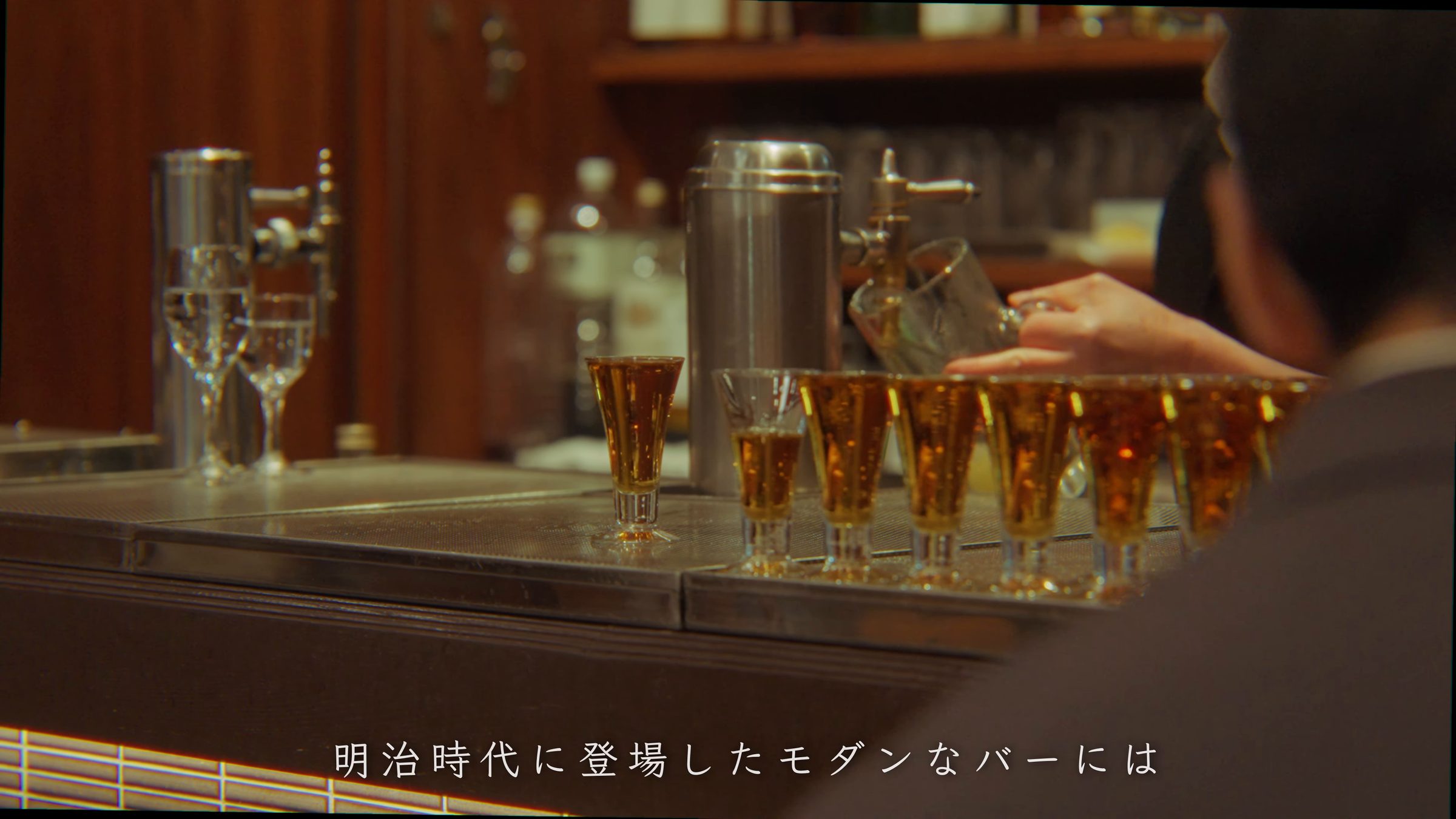
The chaser for Denki Bran is draft beer. That is the Kamiya Bar style. Beside the mugs of draft beer poured at the counter stood little glasses of amber Denki Bran, and a card on the table read "Made for each other: draft beer and Denki Bran." What a stylish way to drink.
When I was young, curious as could be, I once tried drinking it this way. It is a strong spirit, faintly sweet and fragrant with herbs, and though I thought this was a dangerous way to drink, I soaked up the romance of Asakusa through a tilting view. I can't recommend it to anyone who doesn't hold their liquor well. Tonight I had a non-alcoholic beer.
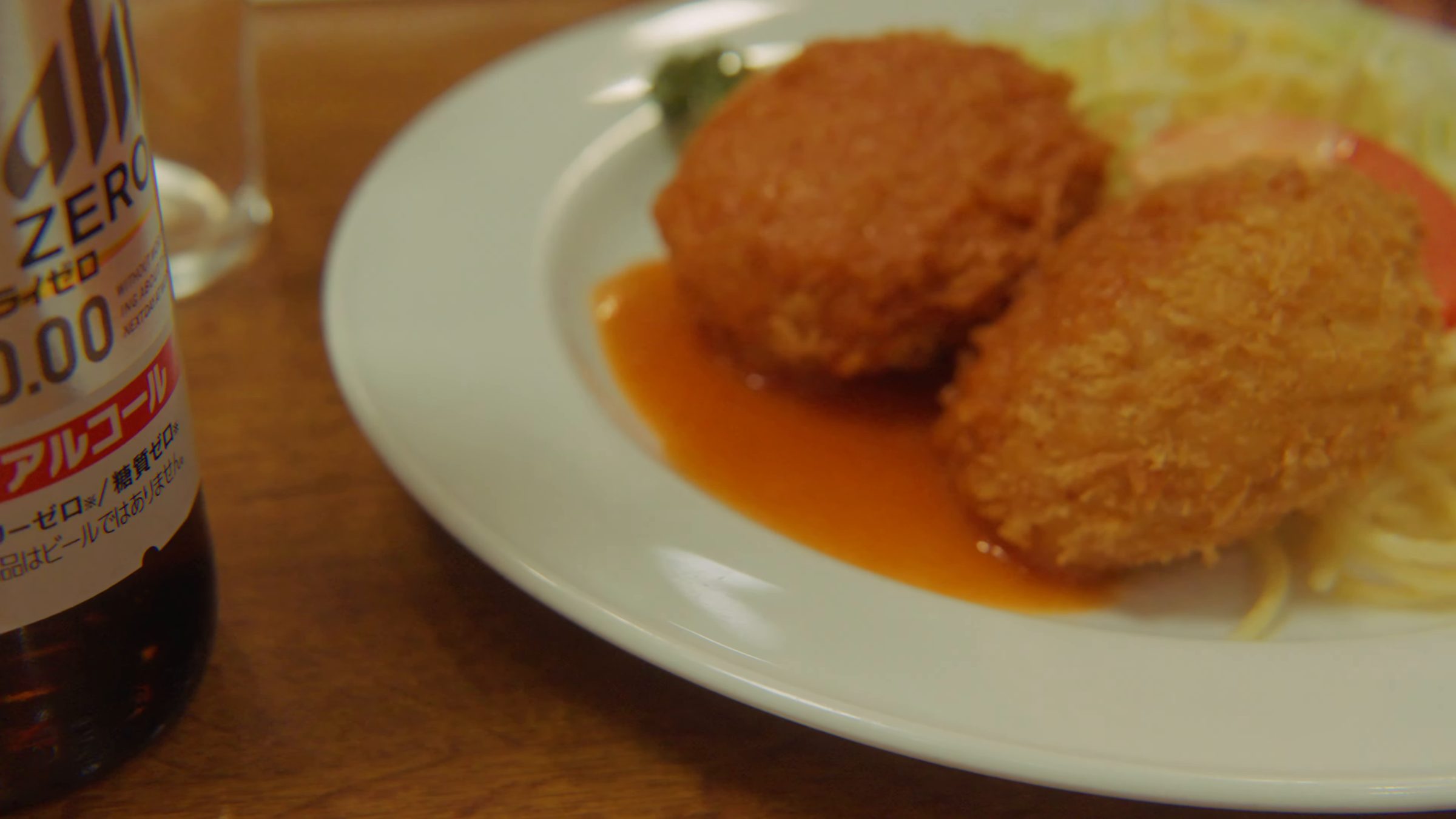
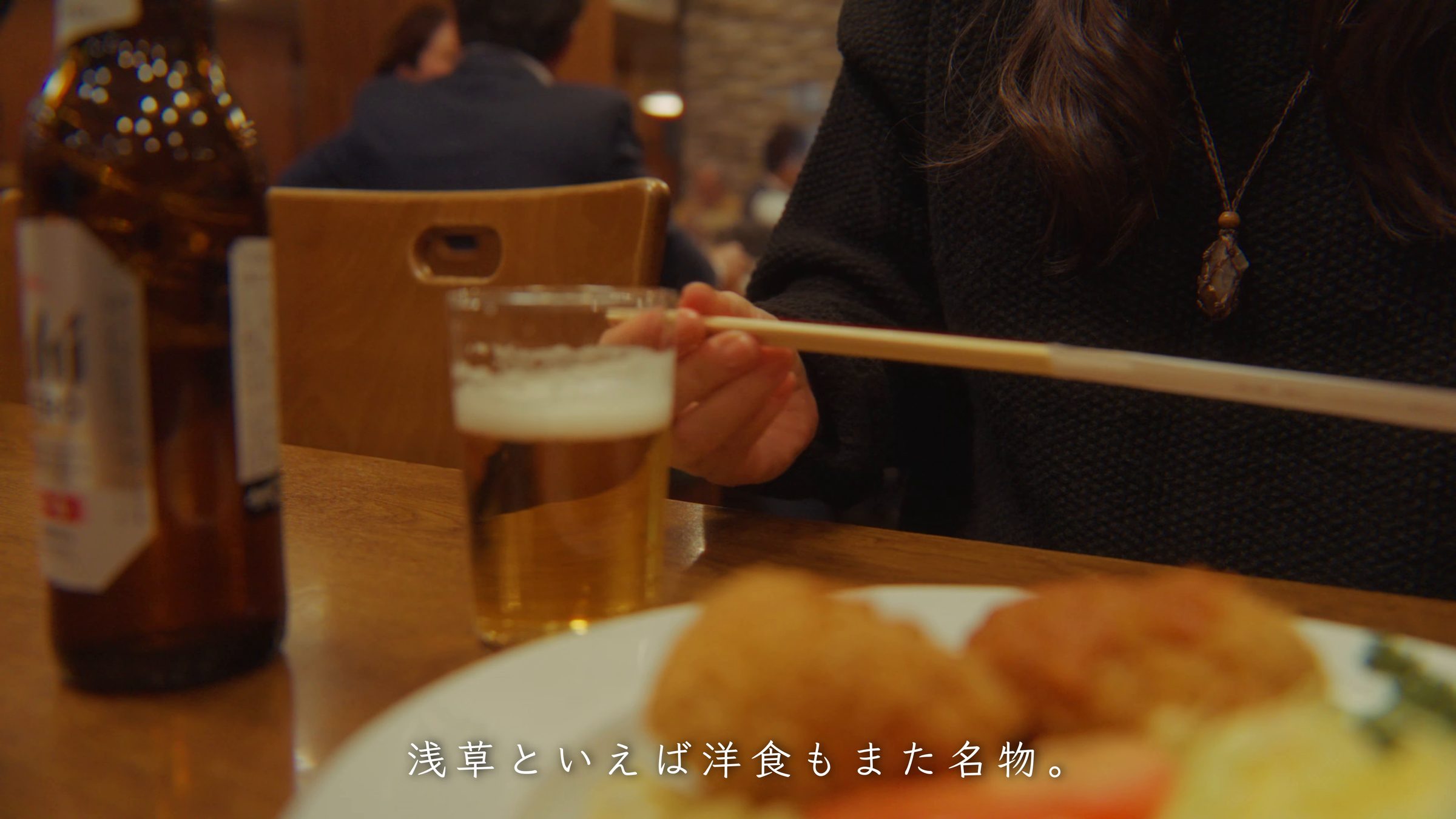
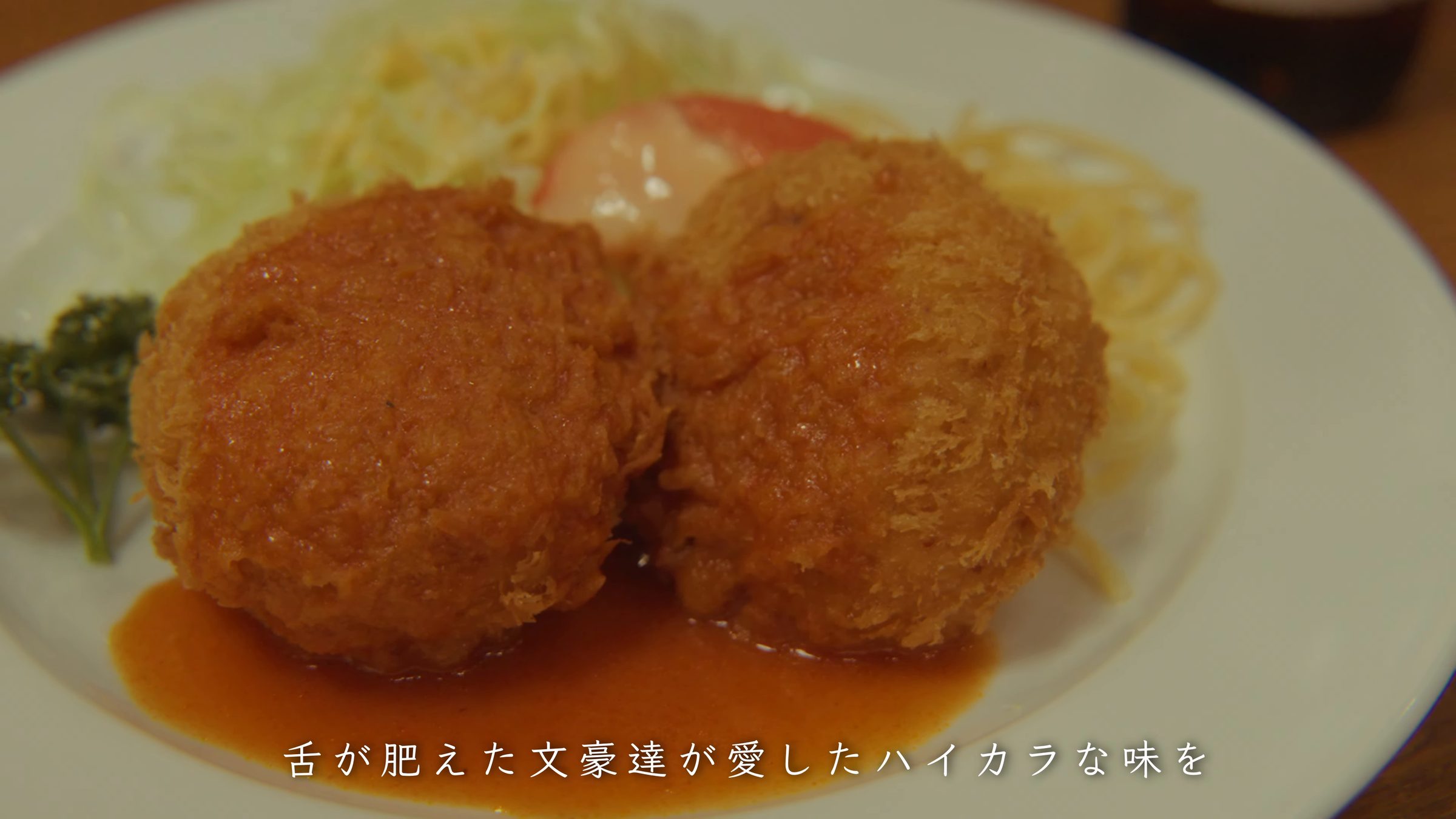
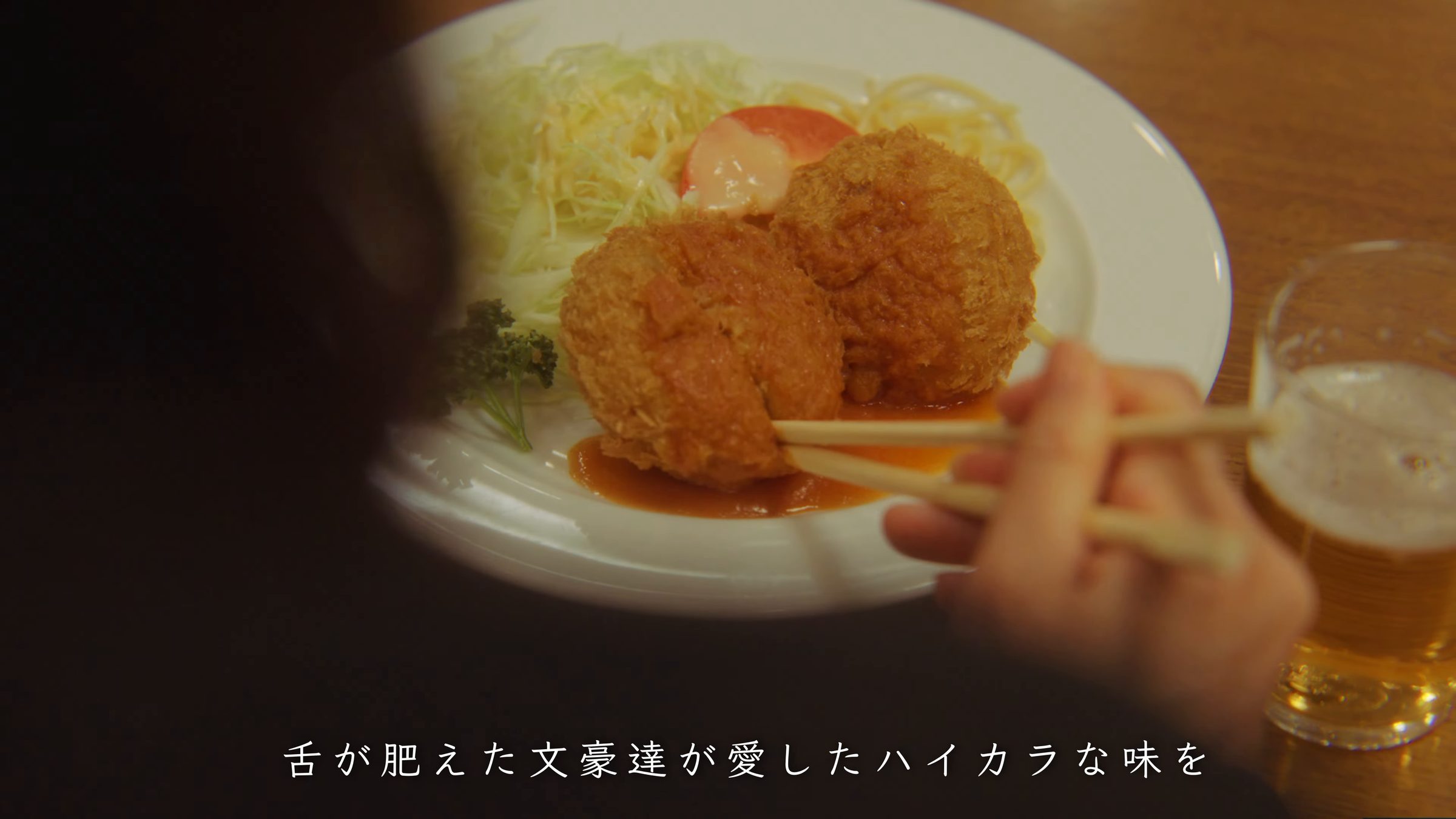
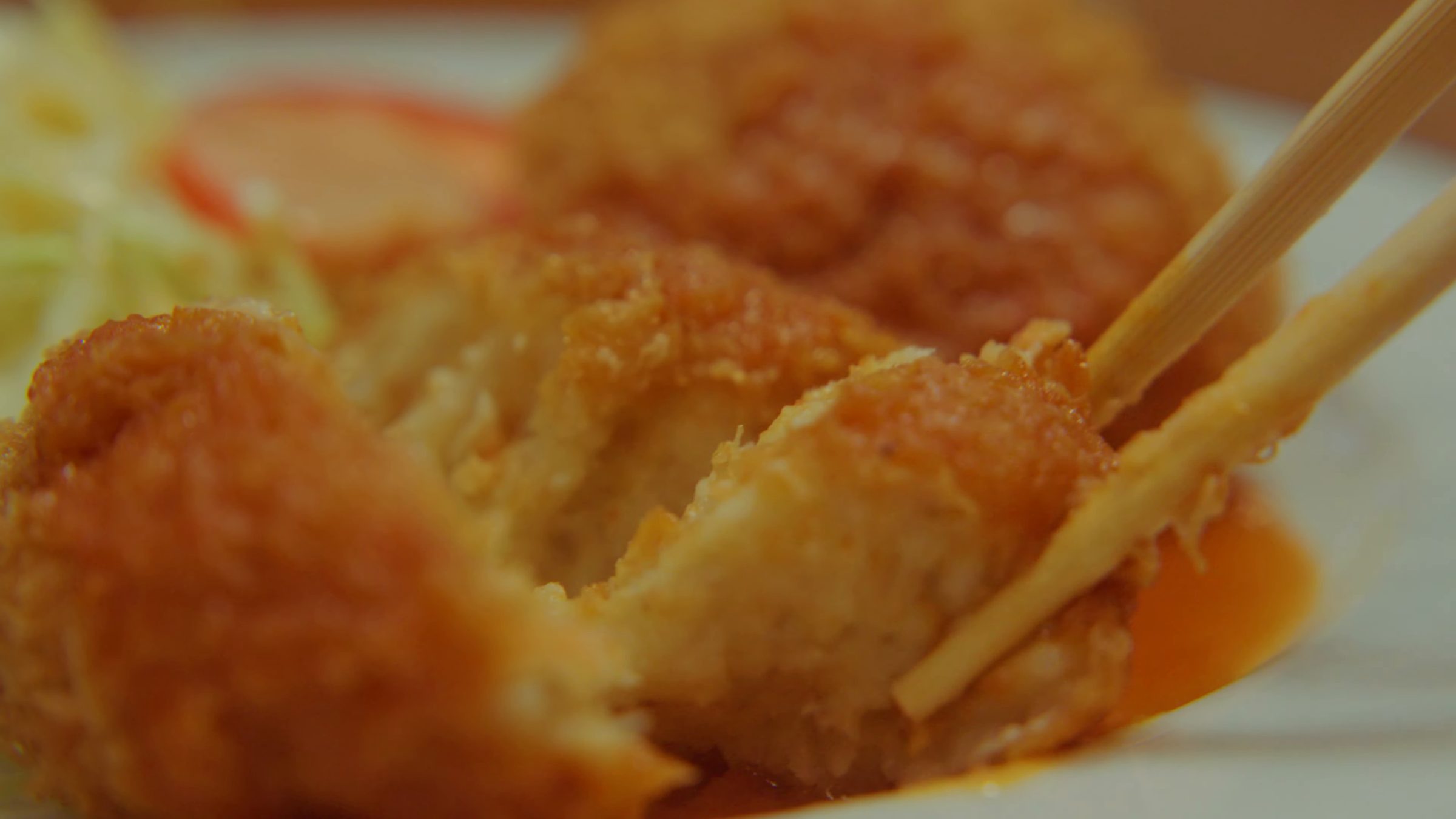
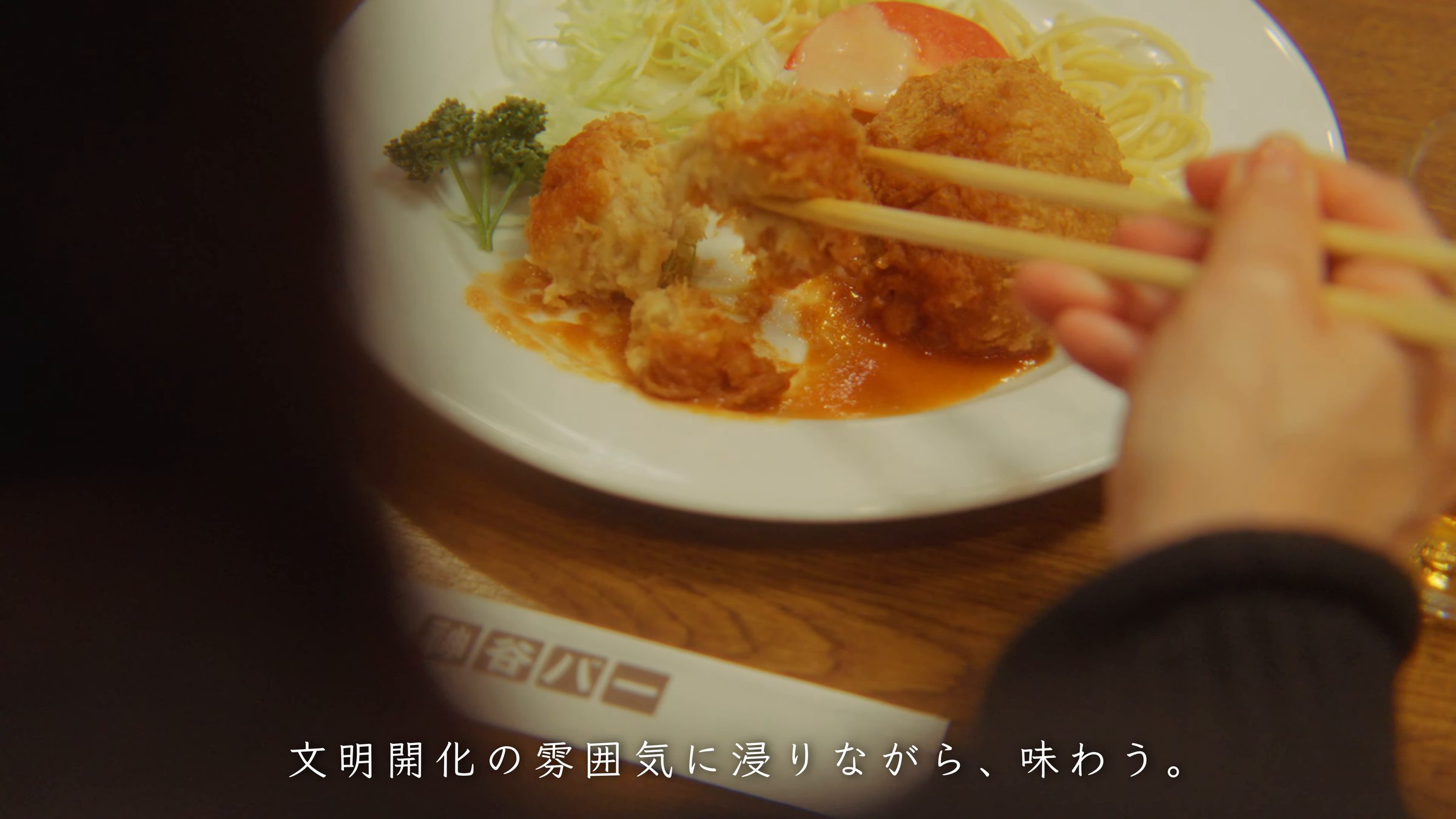
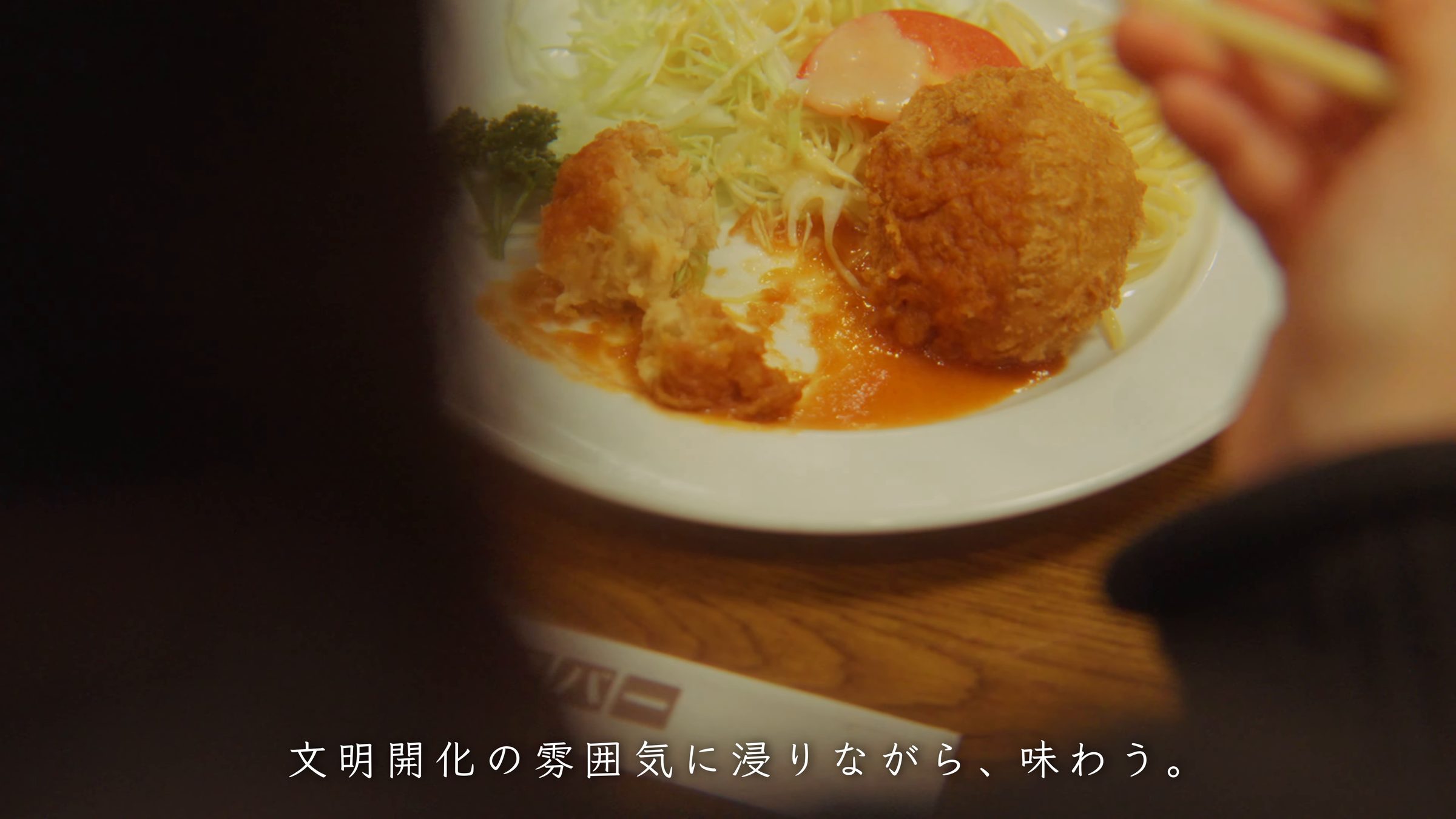
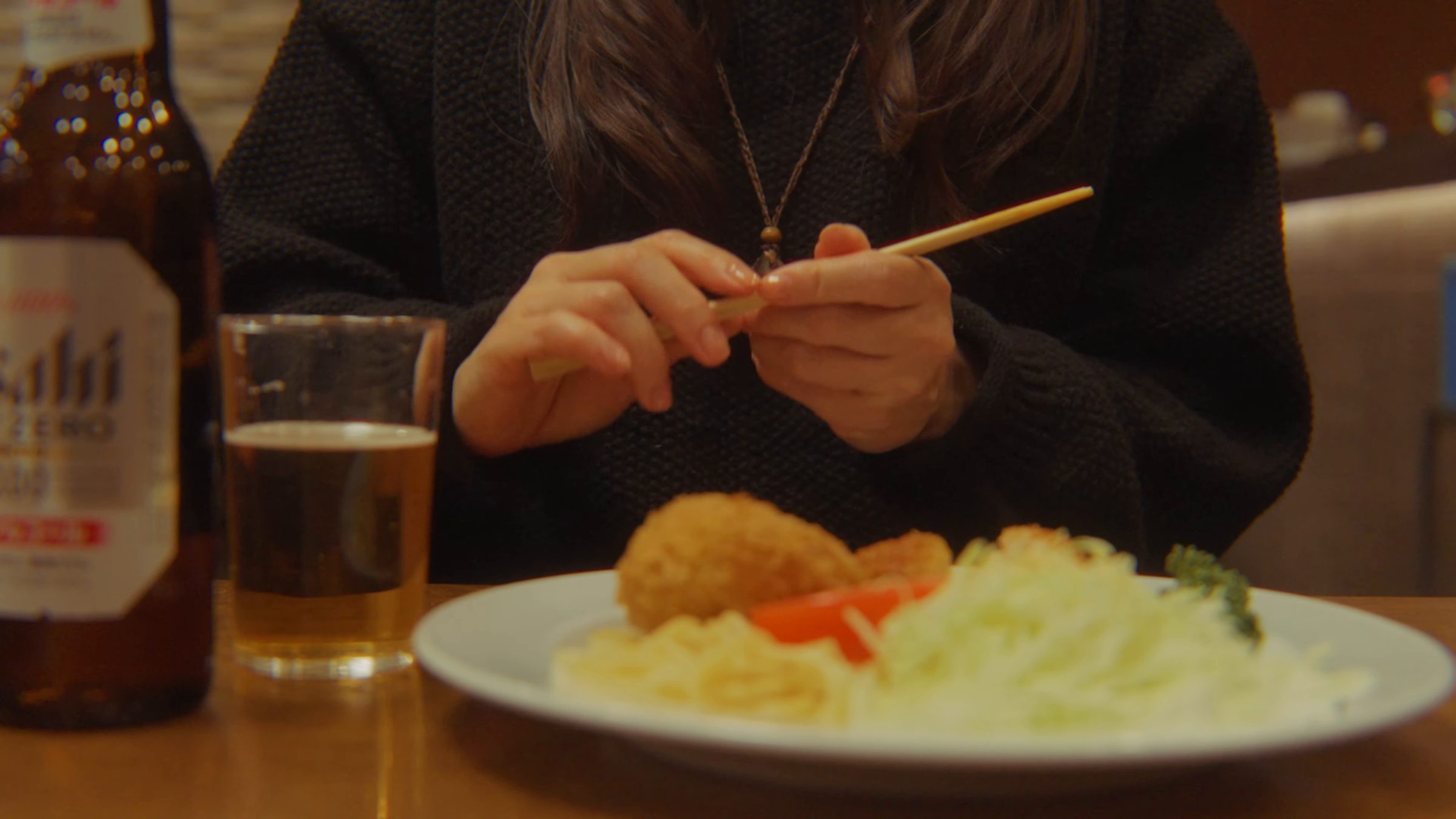
Asakusa is also famous for yoshoku, Japanese-style Western food. I tasted the stylish flavor once loved by gourmet literary masters in the form of crab croquettes. Breaking through the sauced crust with my chopsticks revealed a white center. This modern bar, born in the Meiji era, was still thick with the air of Meiji modernization and the scent of Asakusa romance.
Watch this scene on YouTube8:06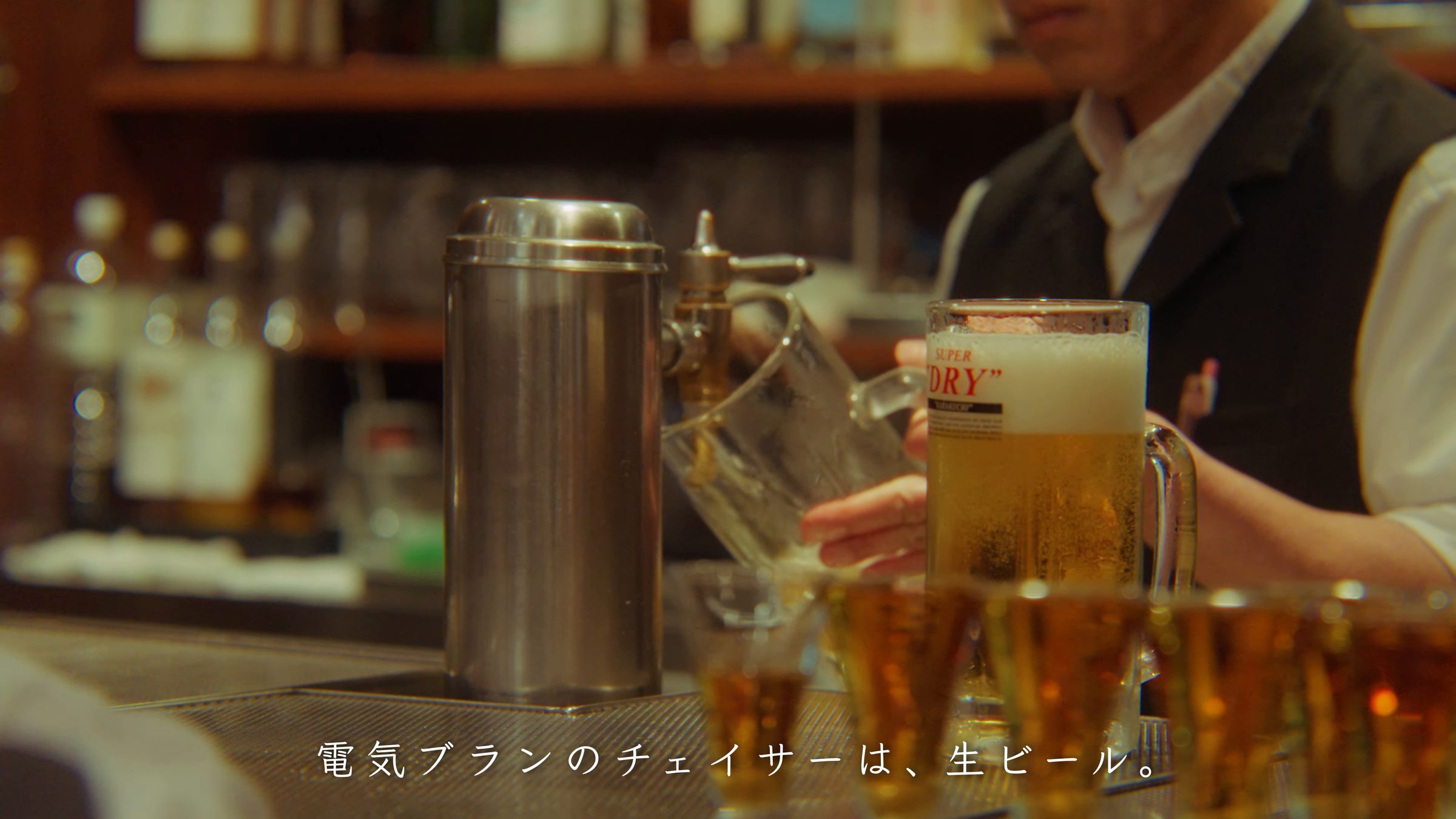
10TRAVEL JOURNAL
An old neighborhood Chinese diner on Yanagi-dori
Beyond the main hall of Senso-ji at night, the Skytree rose into the sky. To finish the evening: a long-established neighborhood Chinese restaurant.
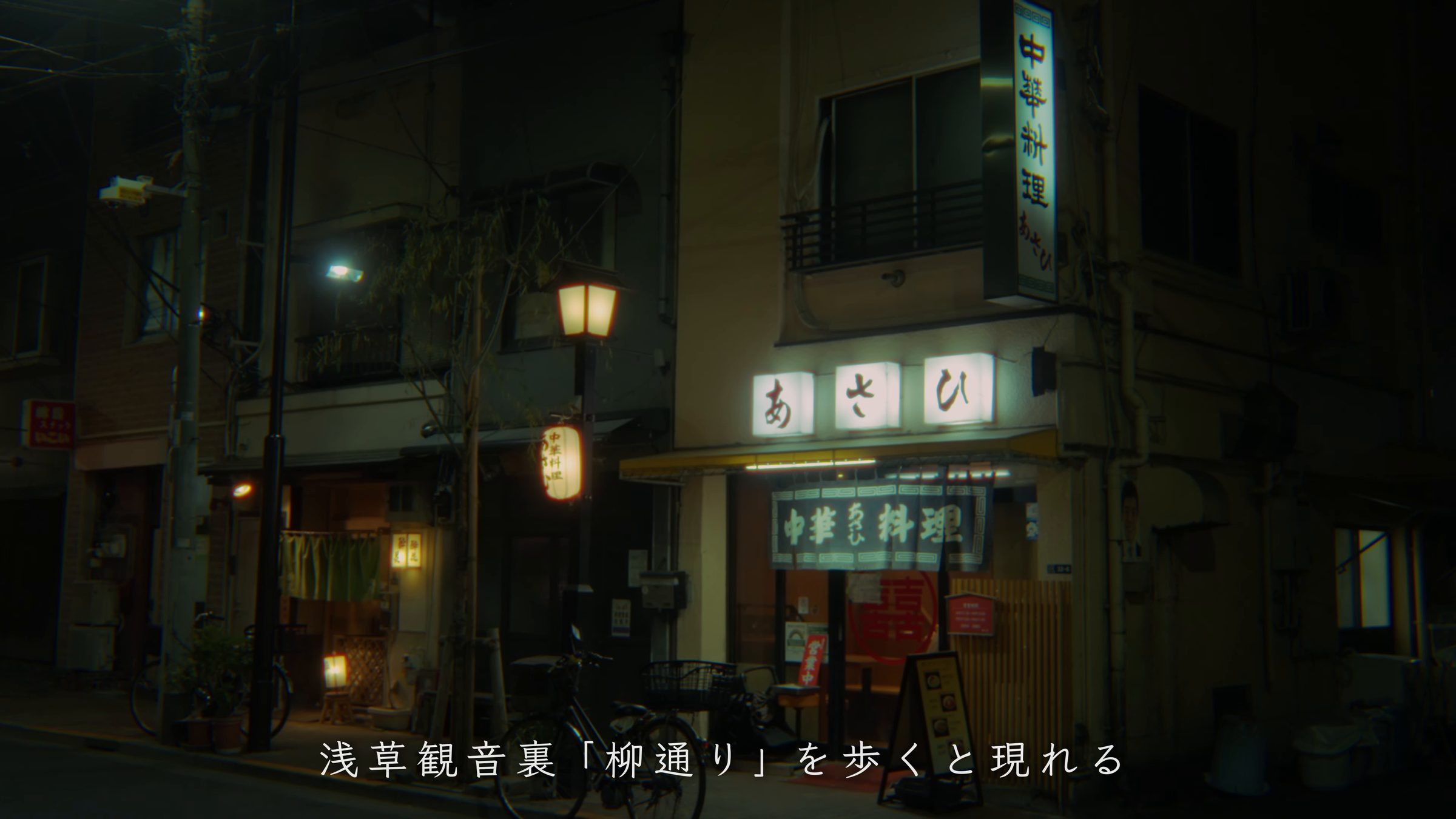
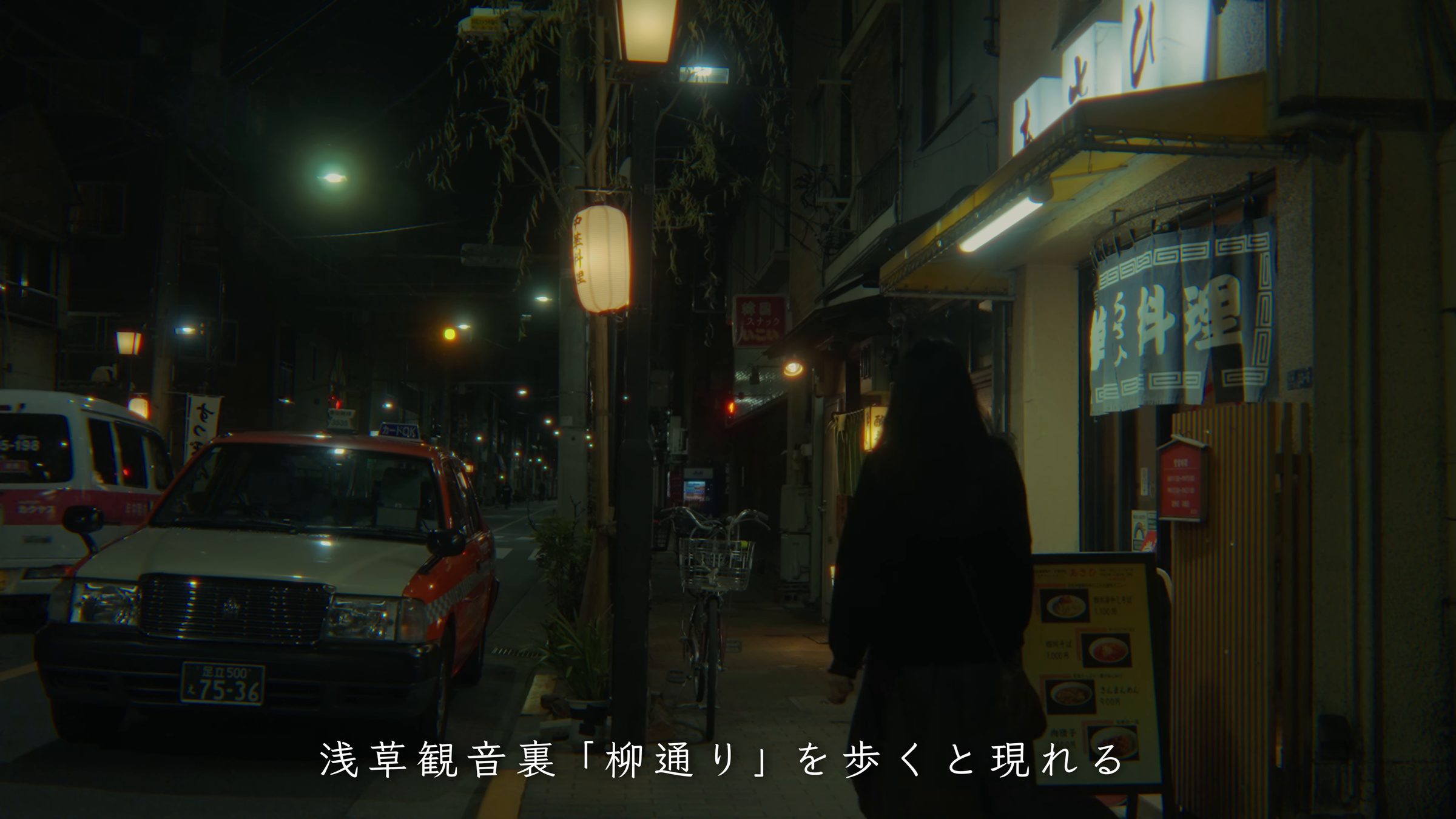
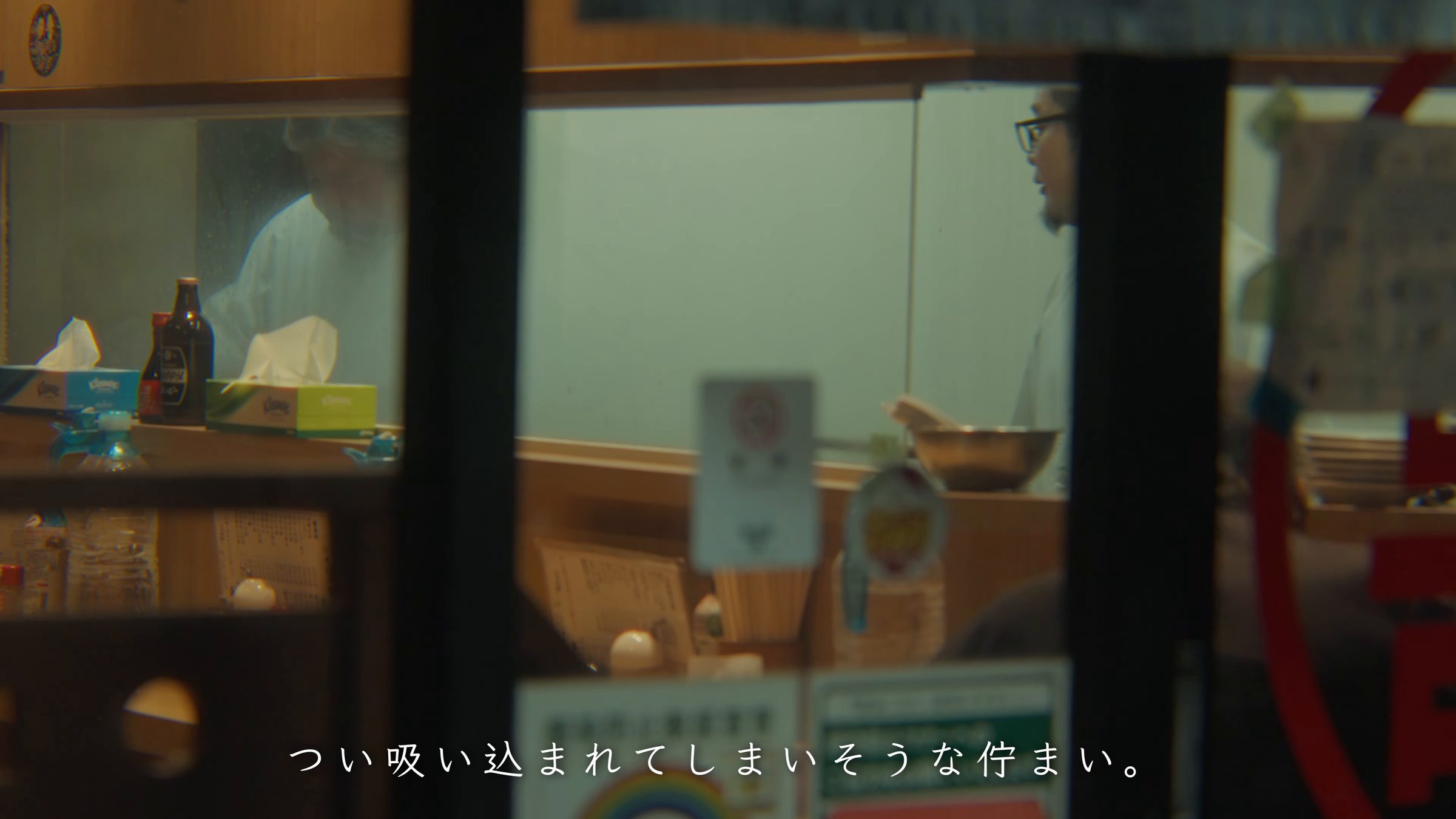
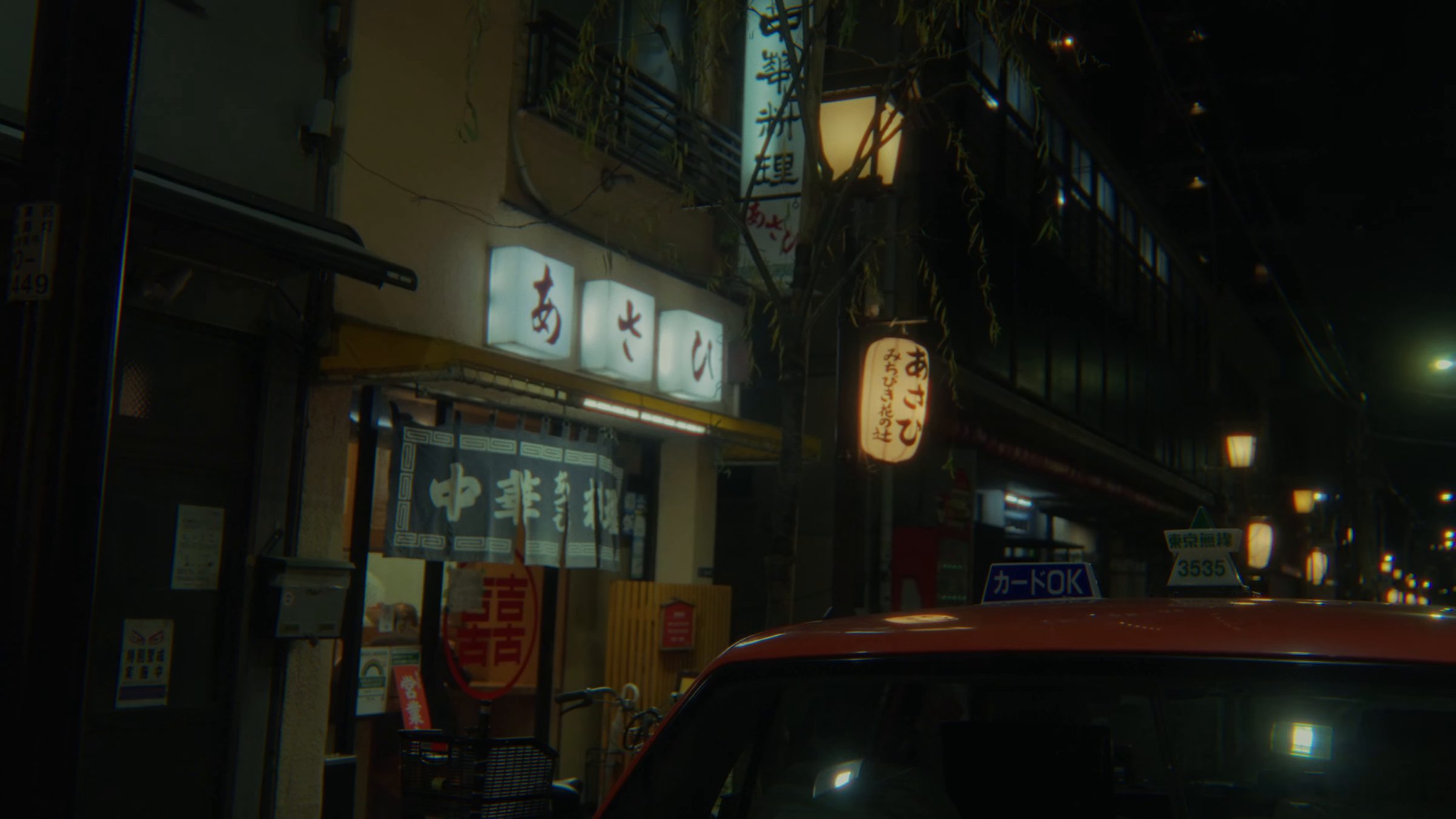
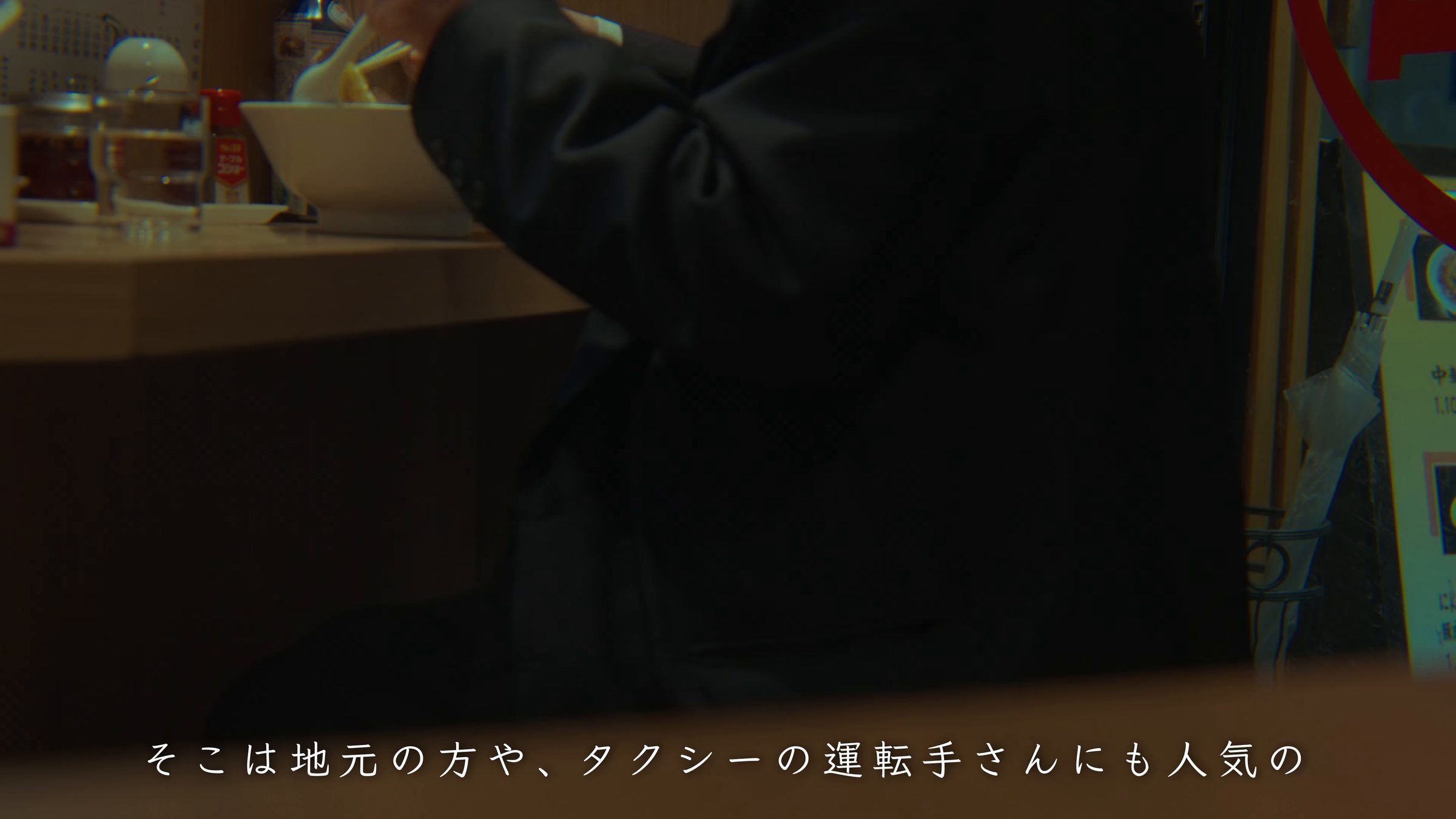
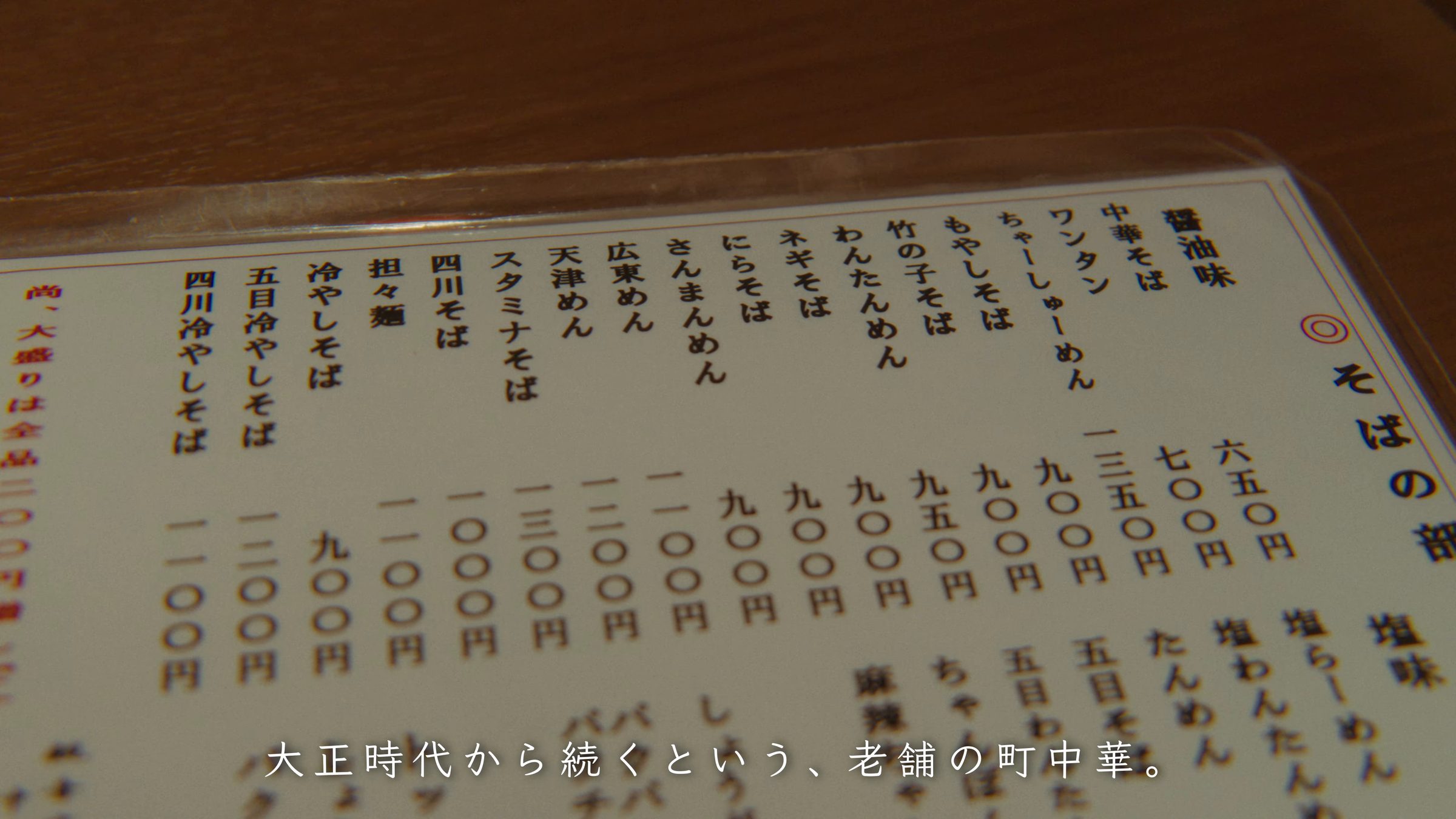
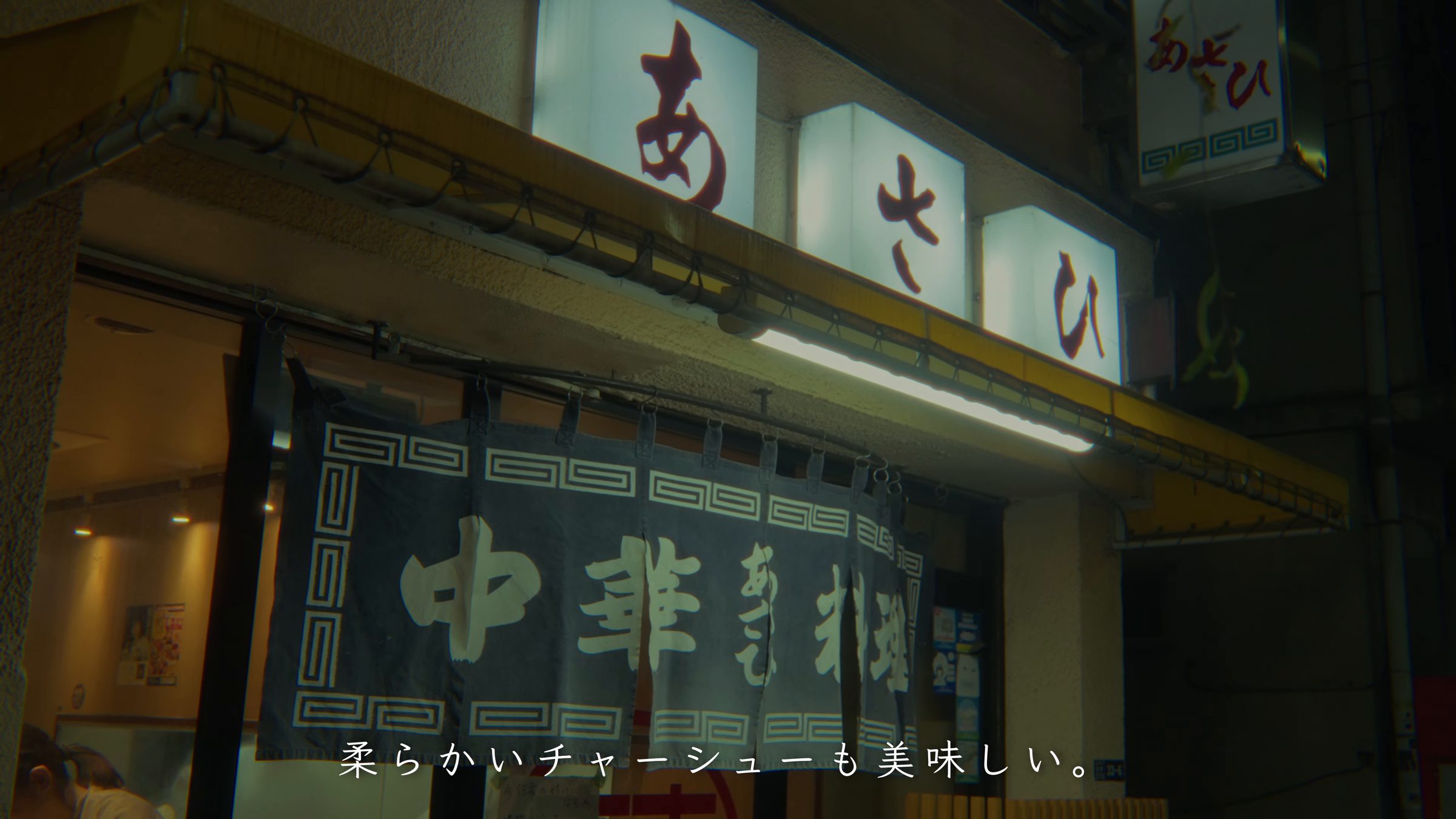
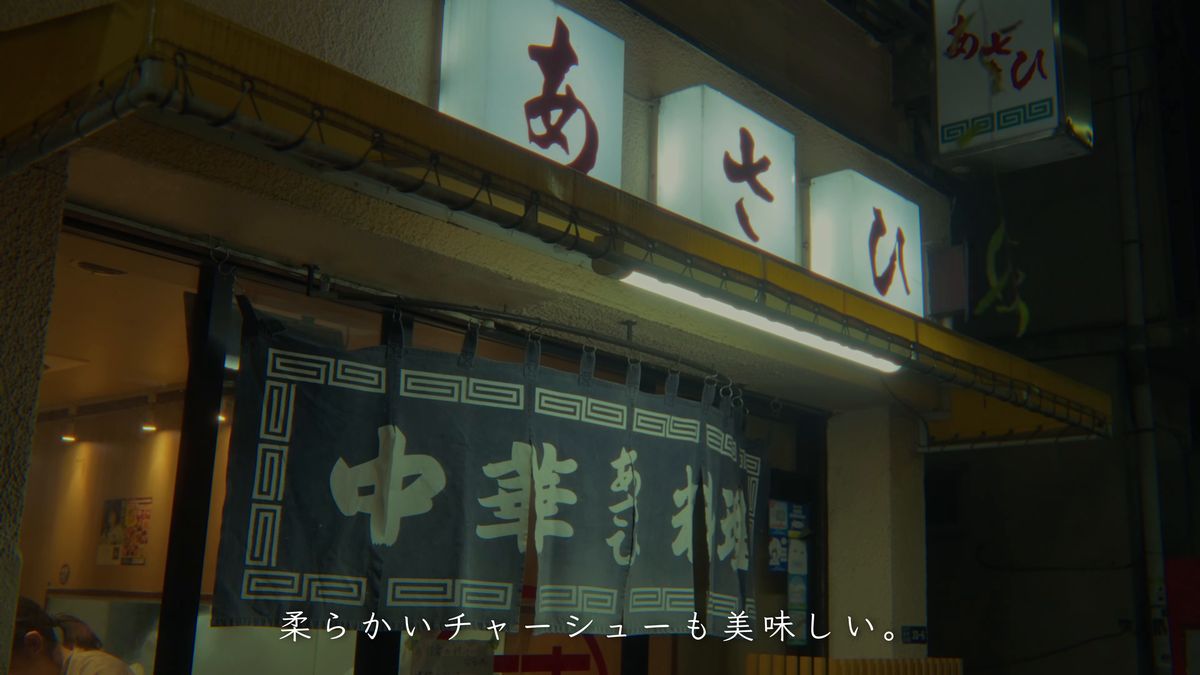
Walk along Yanagi-dori, behind Asakusa Kannon, and you come to Asahi. Paper lanterns under the eaves, and a navy noren dyed with the words Chinese cuisine. It has the kind of look that just draws you in. I hear it is popular with locals and taxi drivers alike.
A machi-chuka, a neighborhood Chinese diner, said to date back to the Taisho era. The noodle section of the menu was full of tempting choices: ginger soba, cilantro soba, Sichuan cold noodles. The house specialty, I hear, is ginger soba, piled with grated ginger. But this time, I went orthodox: plain chuka soba.
Watch this scene on YouTube9:03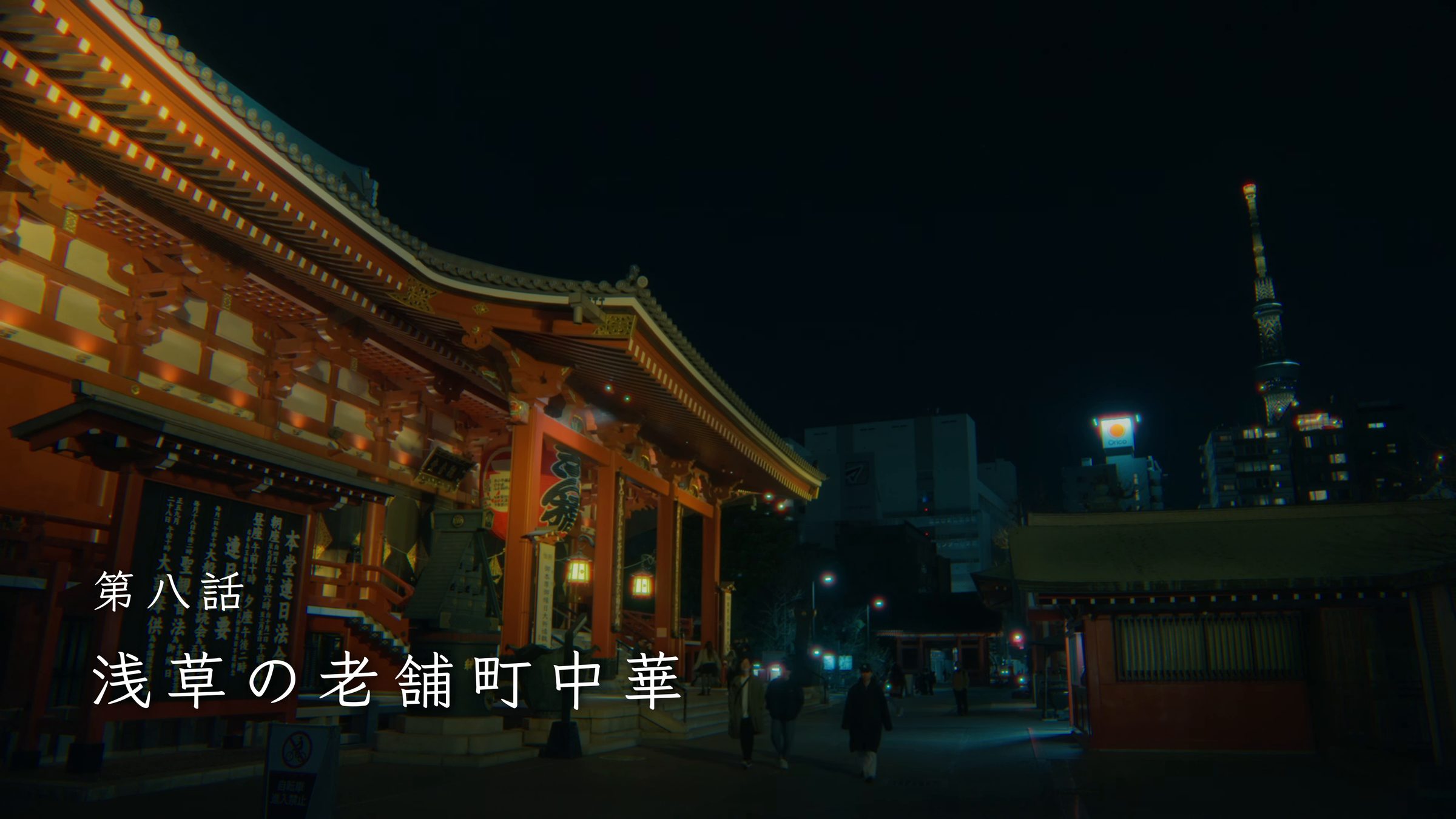
11TRAVEL JOURNAL
Chuka soba, gyoza and fried rice
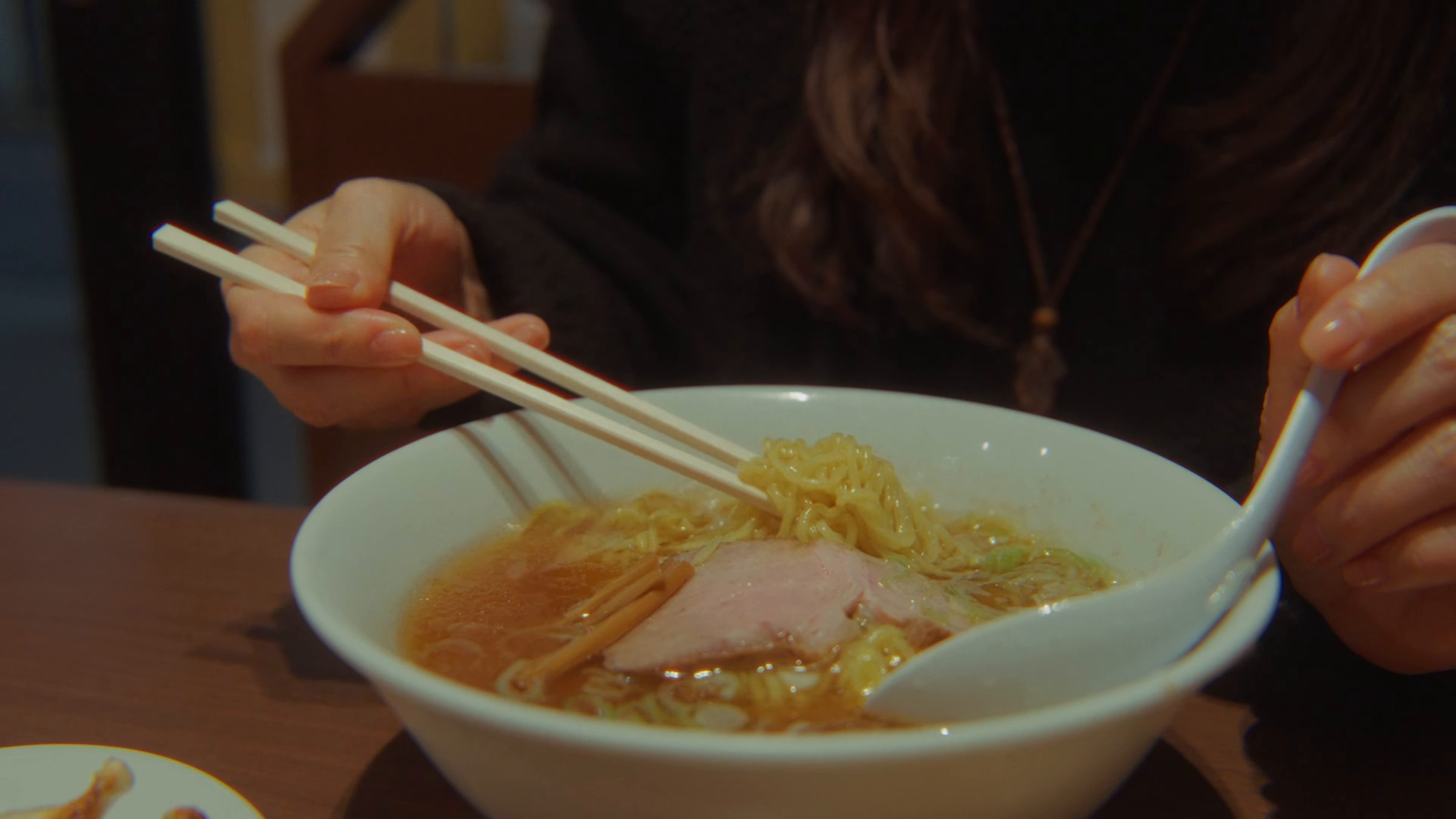
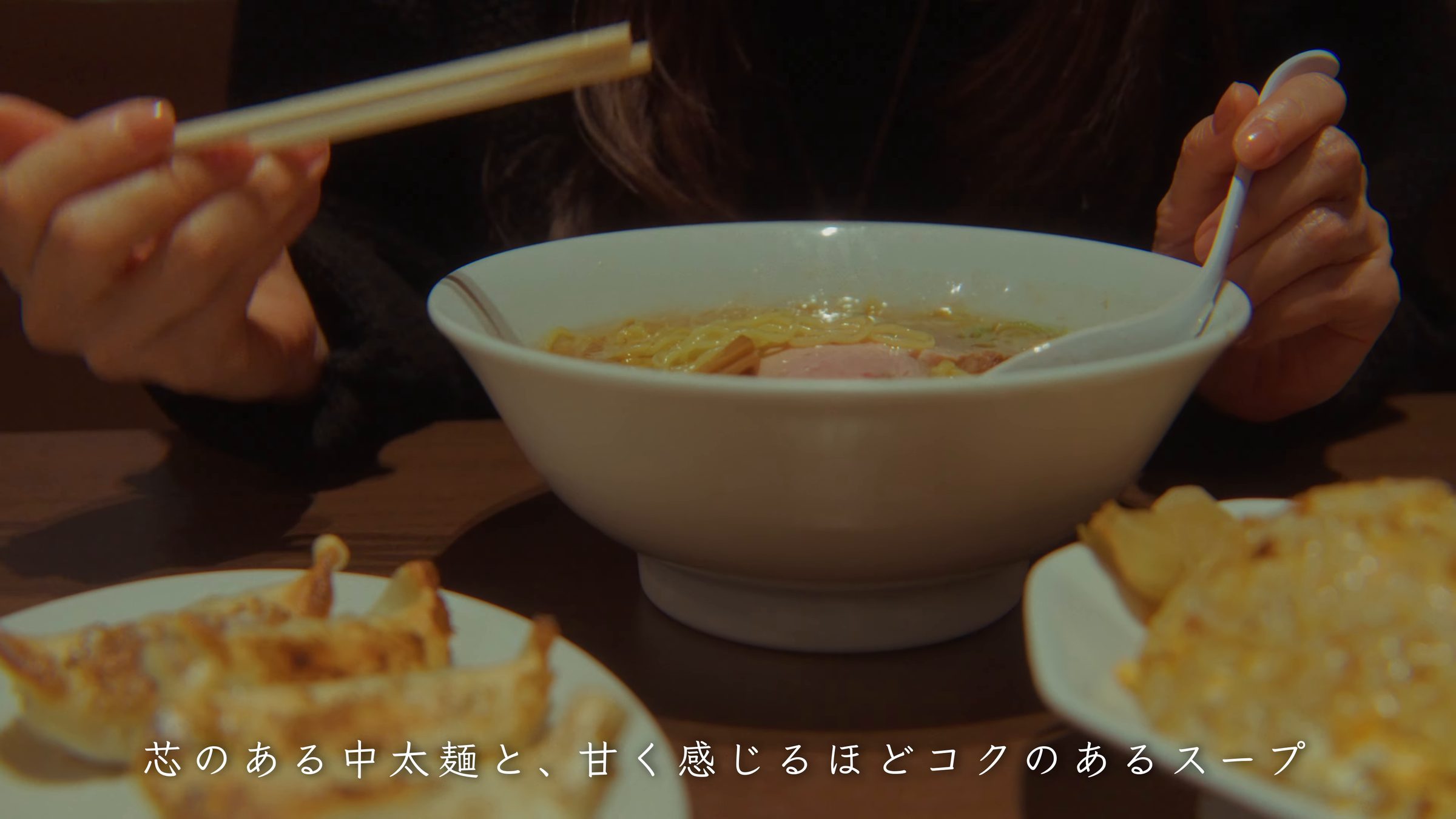
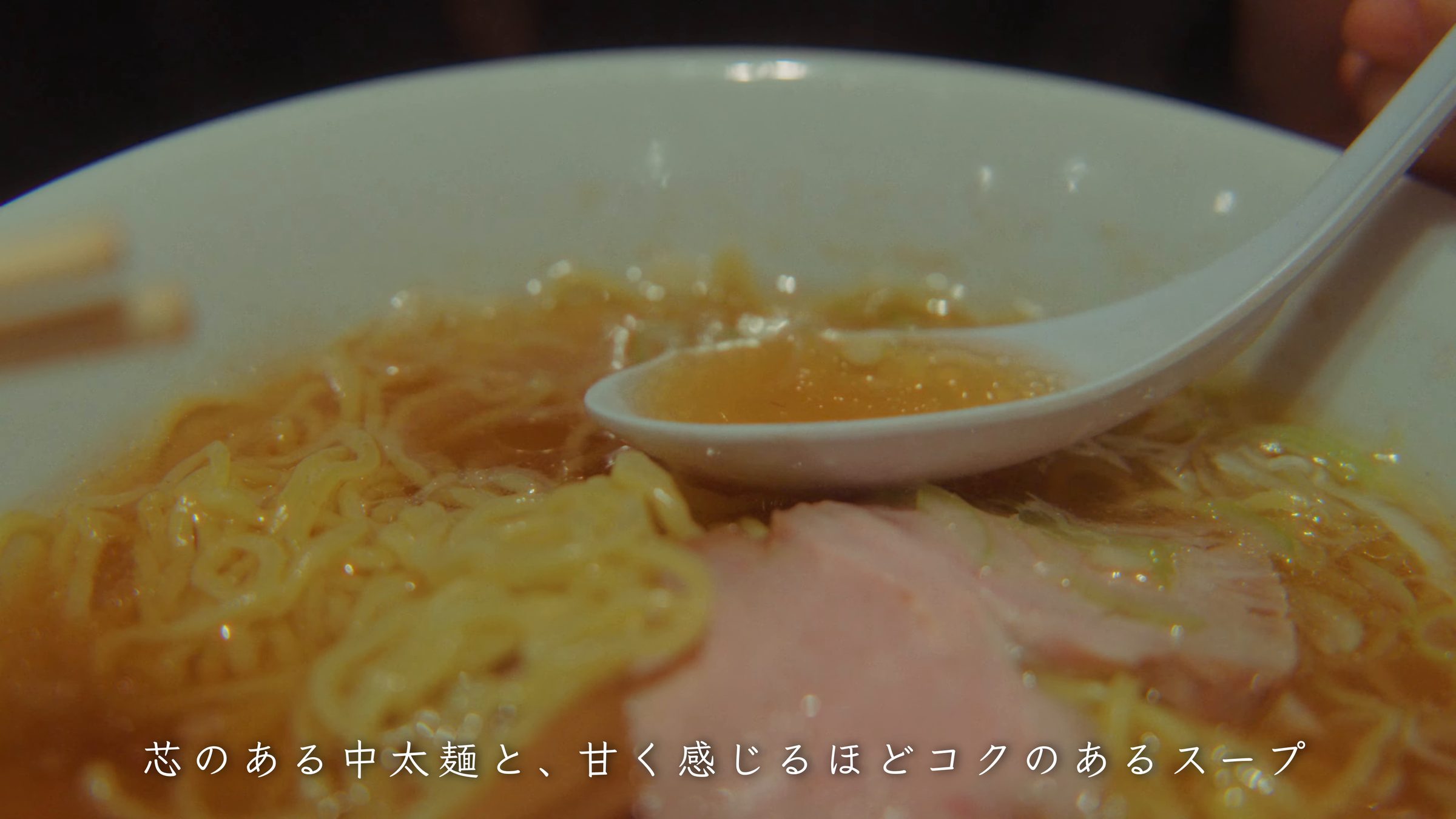
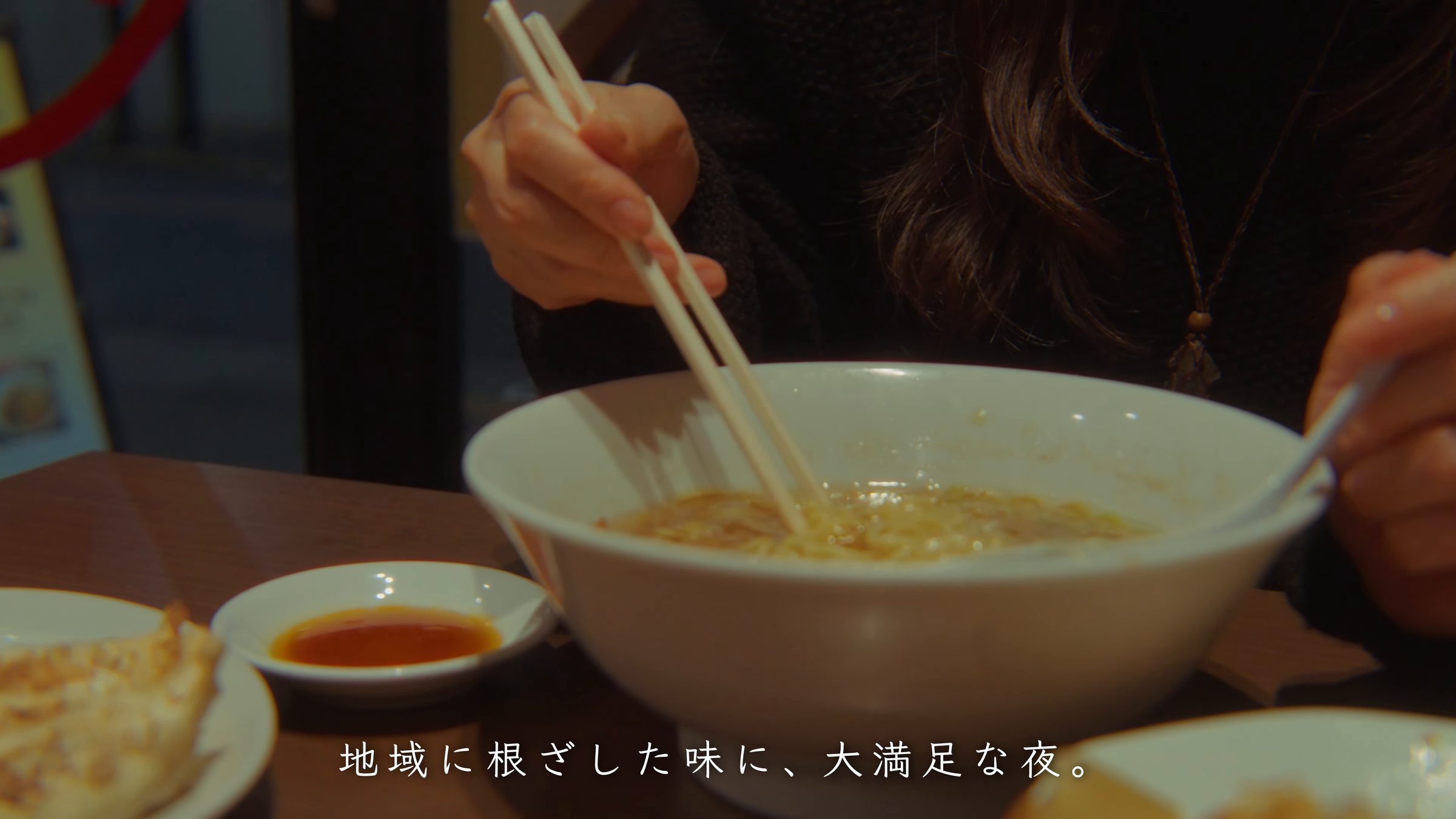
As the chuka soba arrived, the lovely aroma of dried sardines and chicken bones rose from the bowl. My heart leapt.
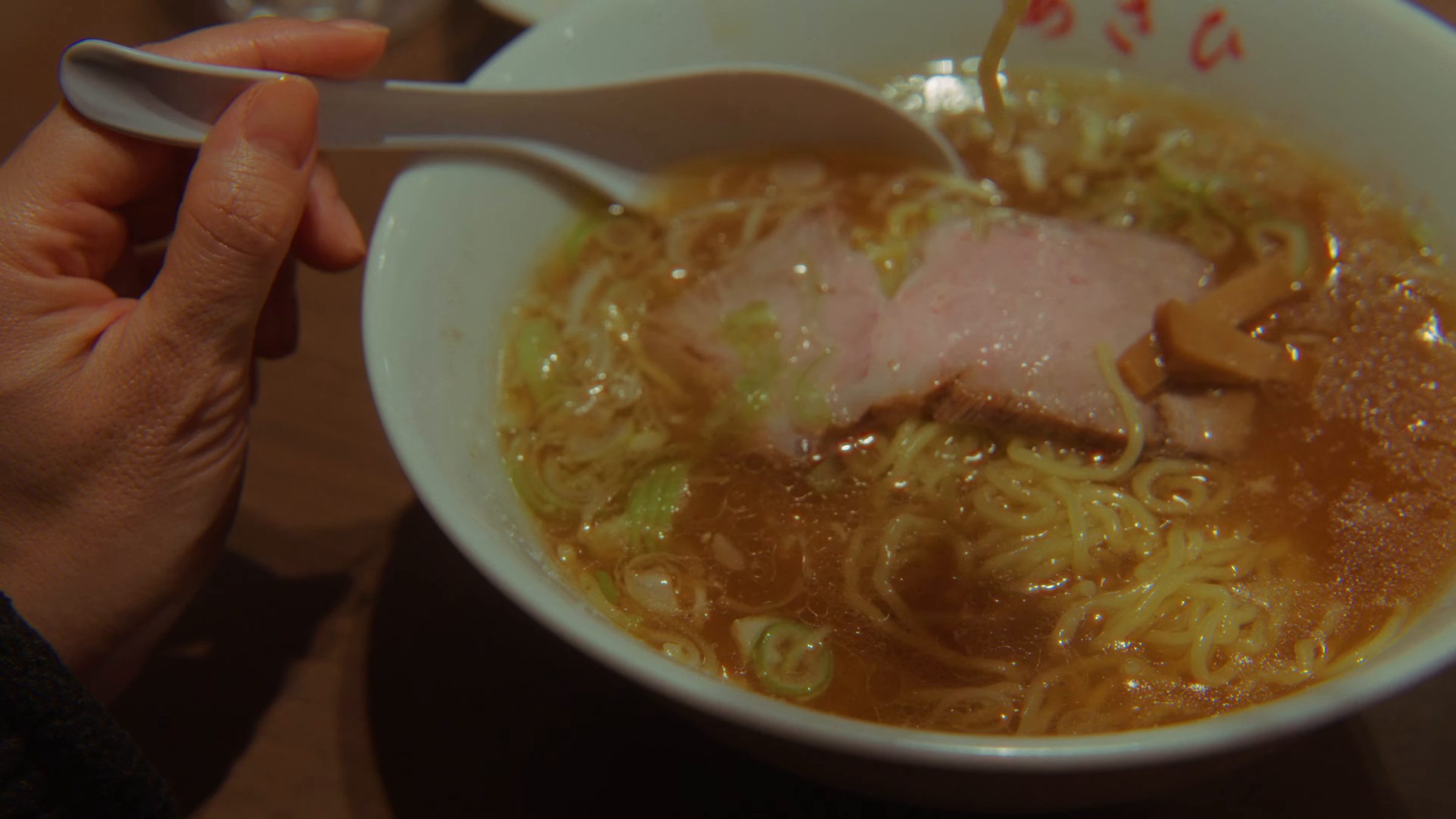
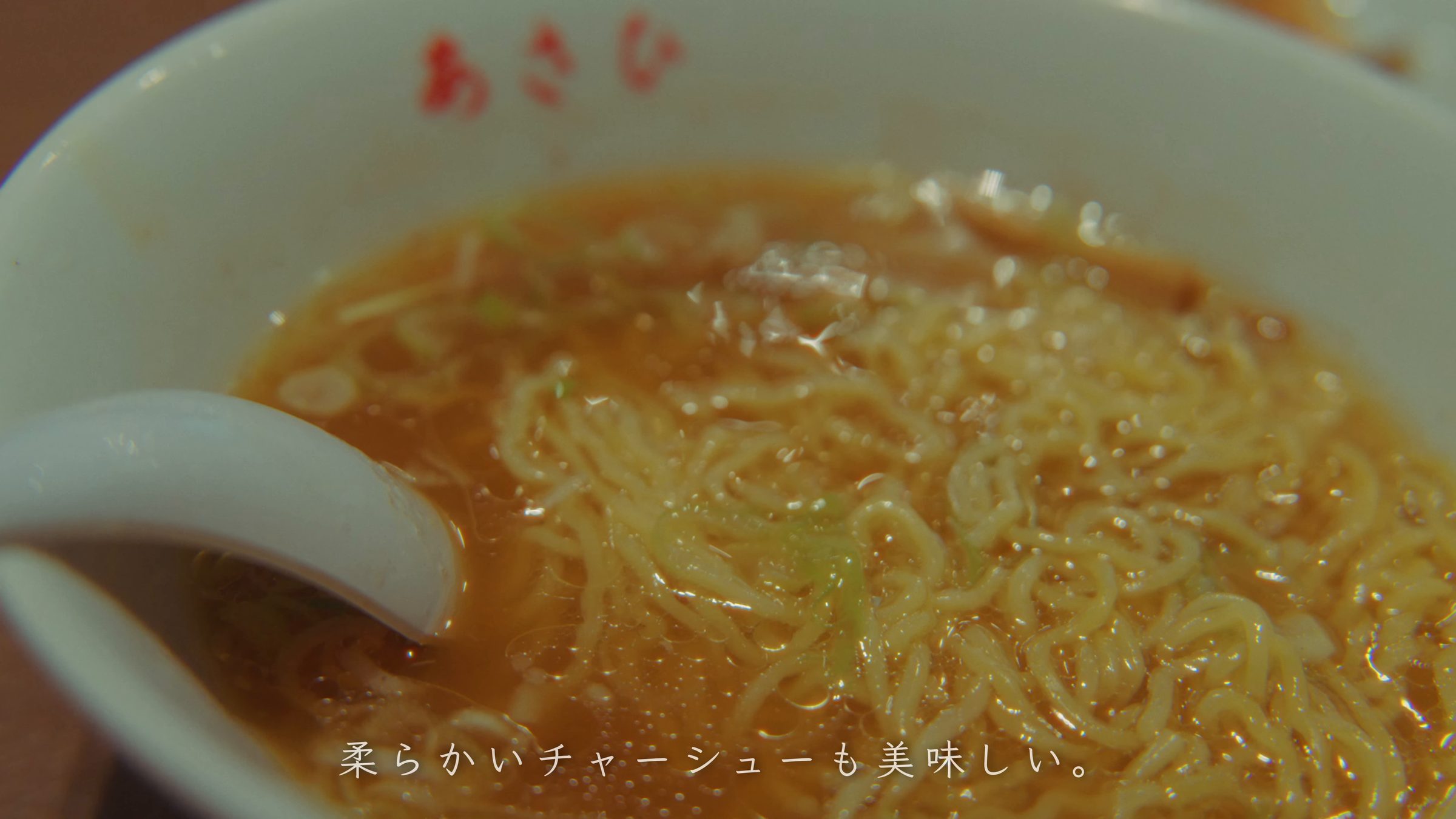
Medium-thick noodles with a firm bite, and a broth so rich it almost tastes sweet: a flavor that makes you smile without meaning to. In the bowl printed with the name Asahi were tender slices of roast pork and green onions. The pork was delicious too.
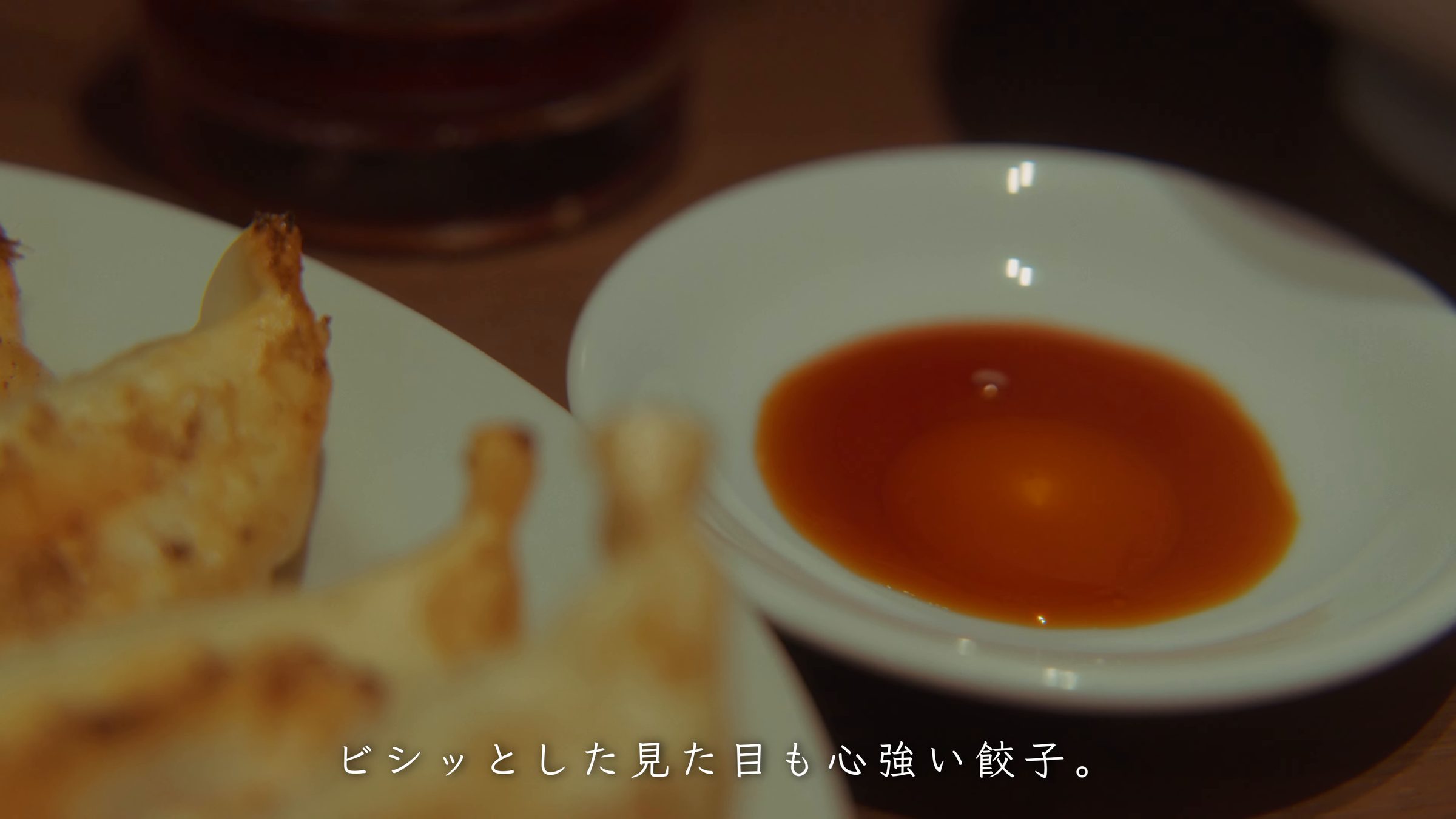
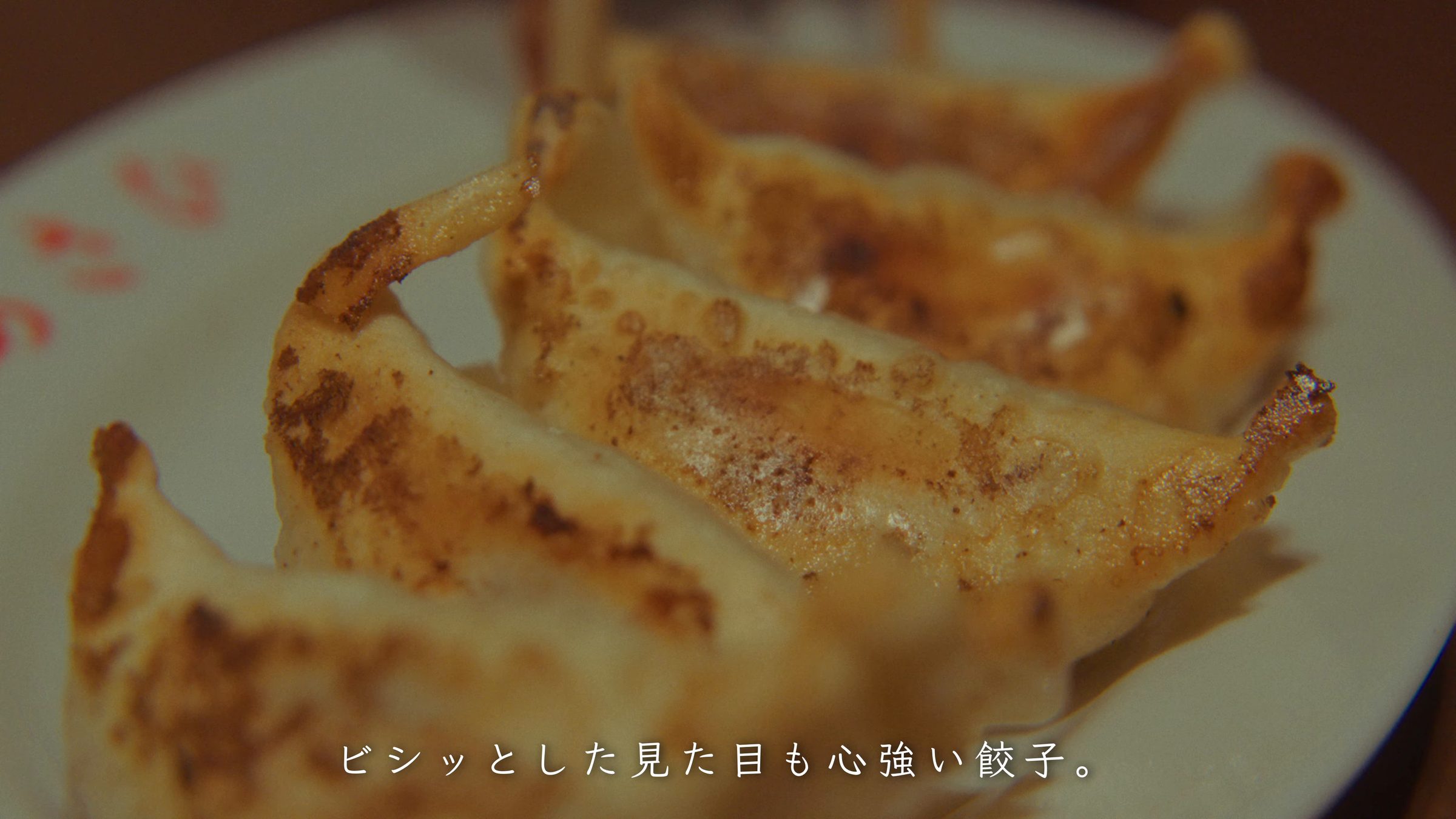
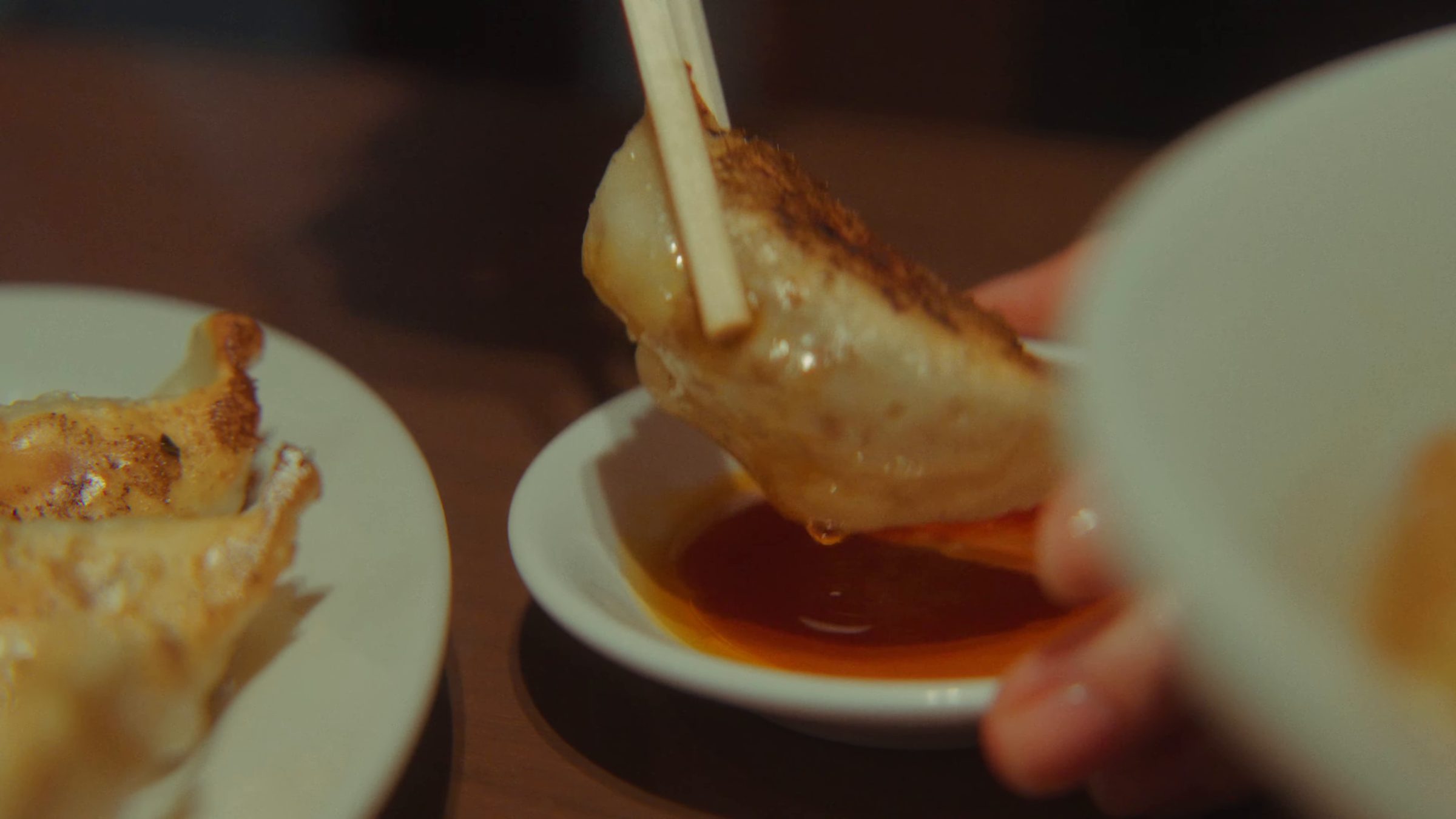
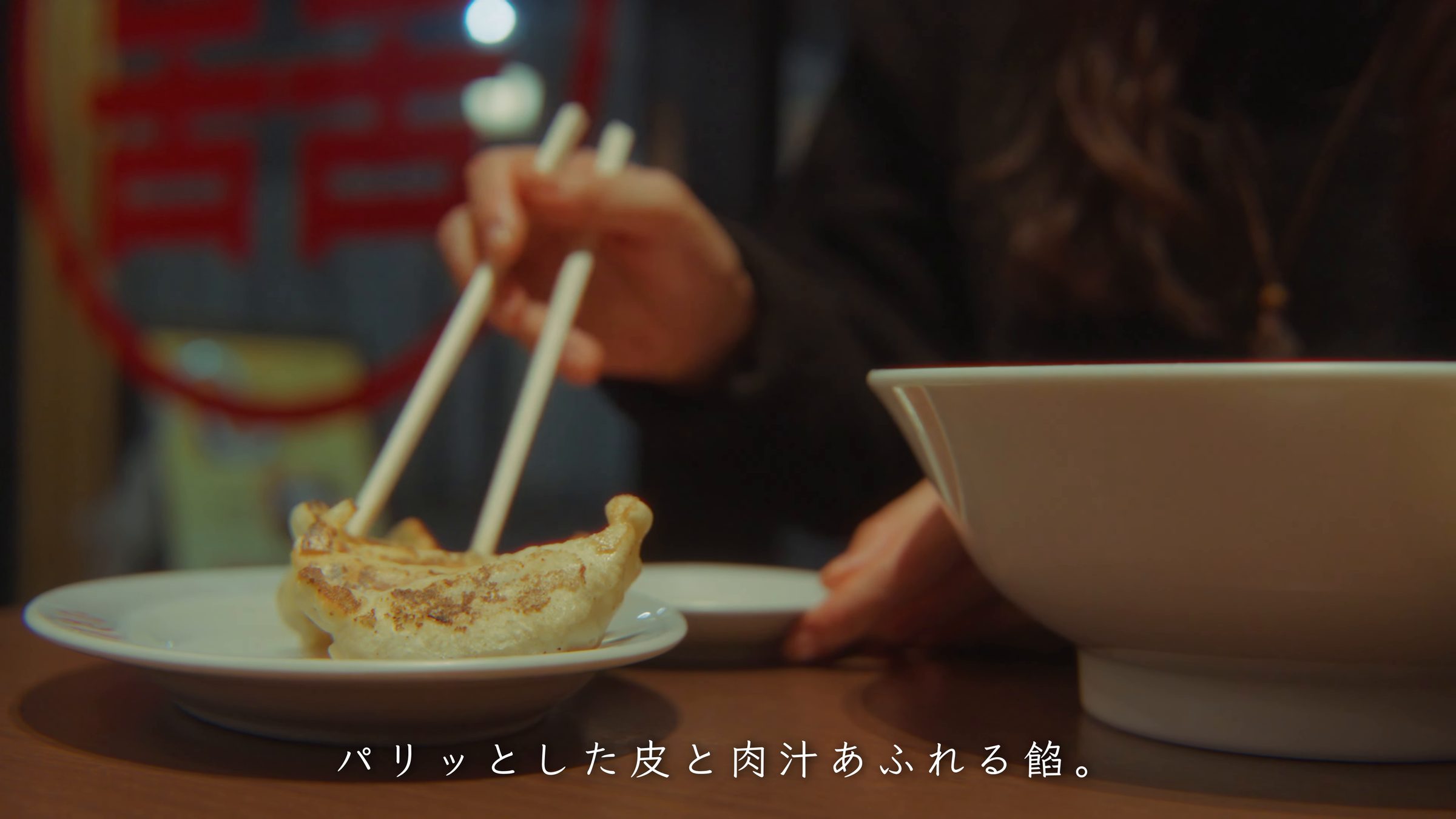
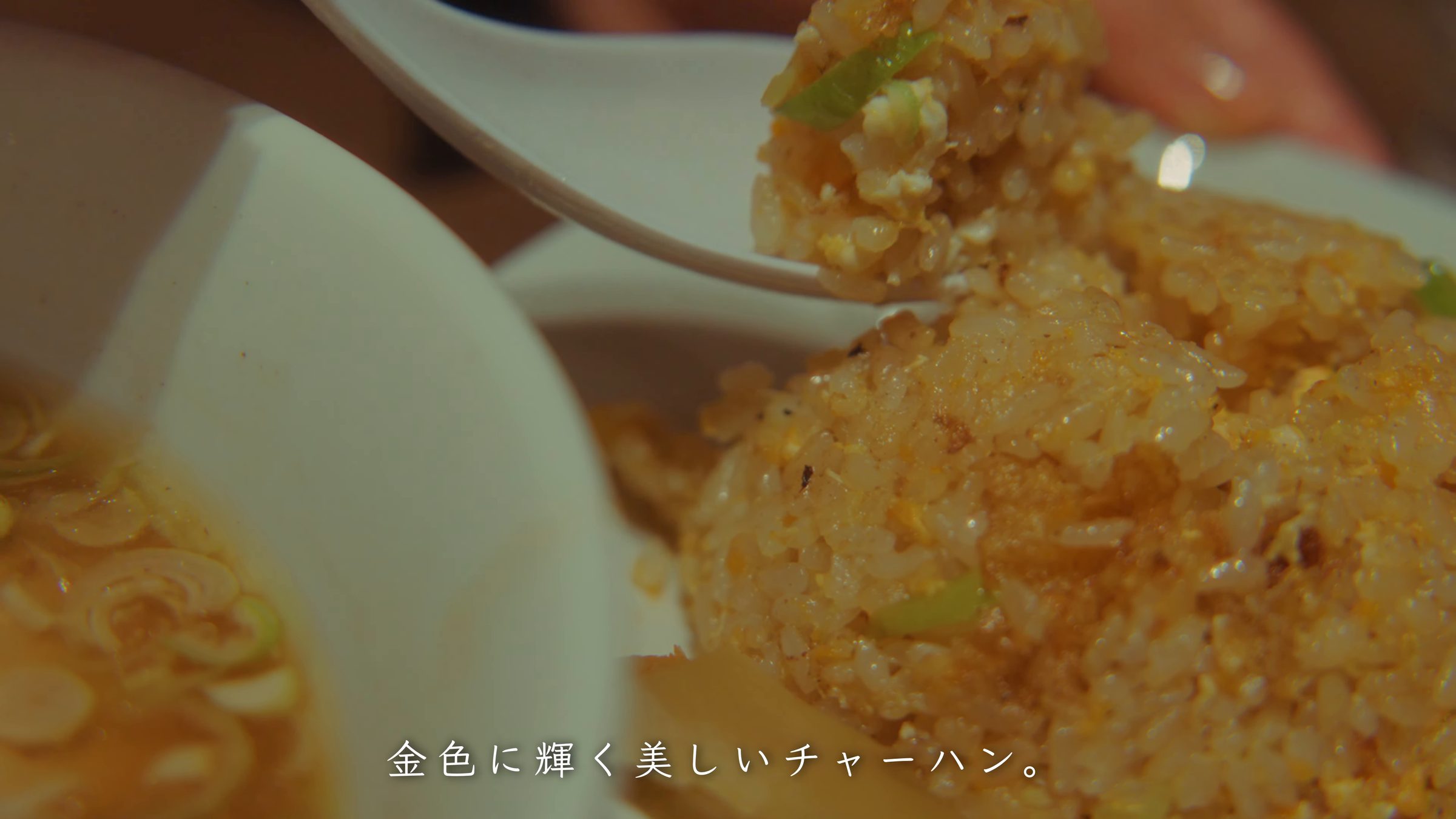
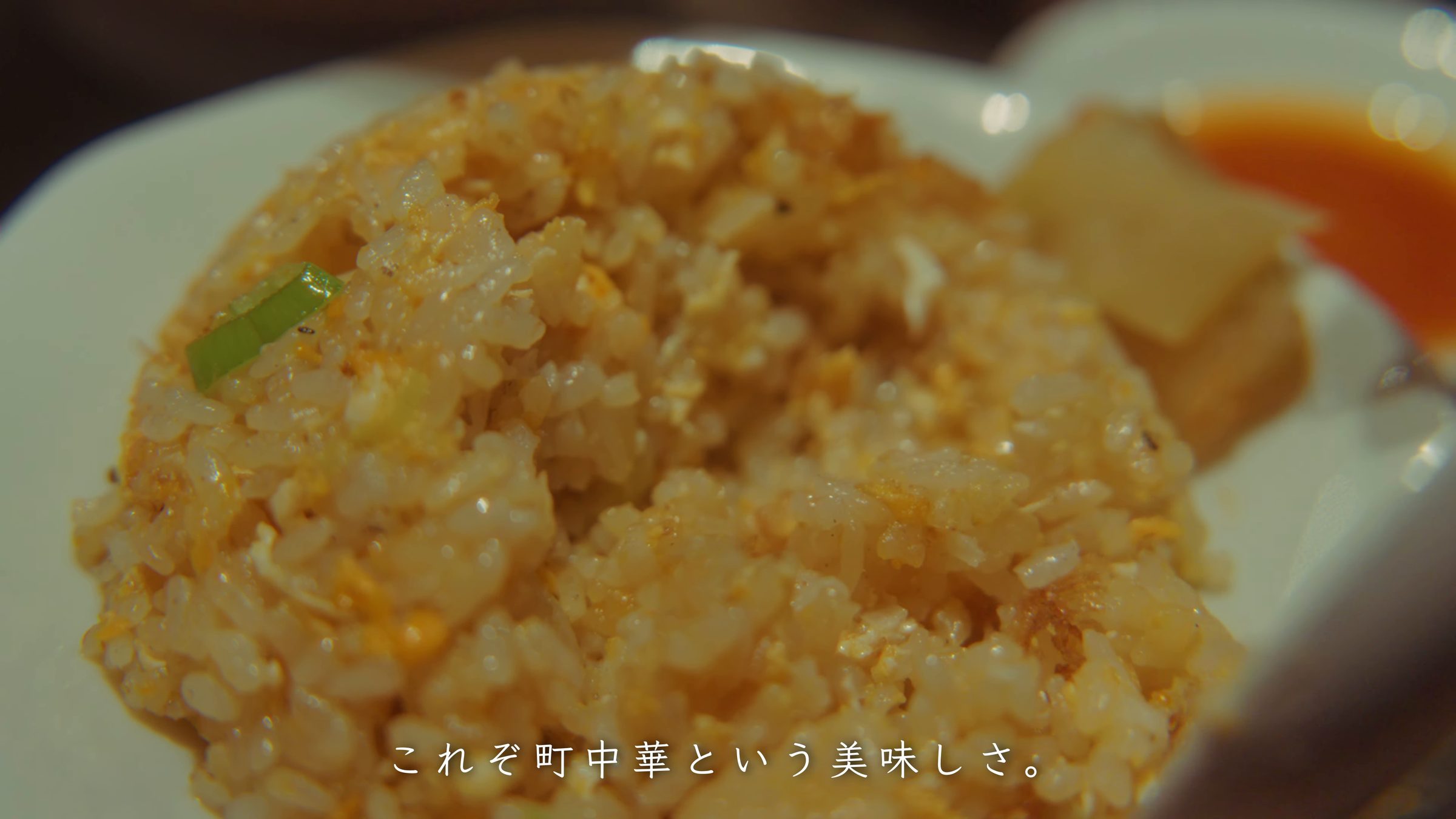
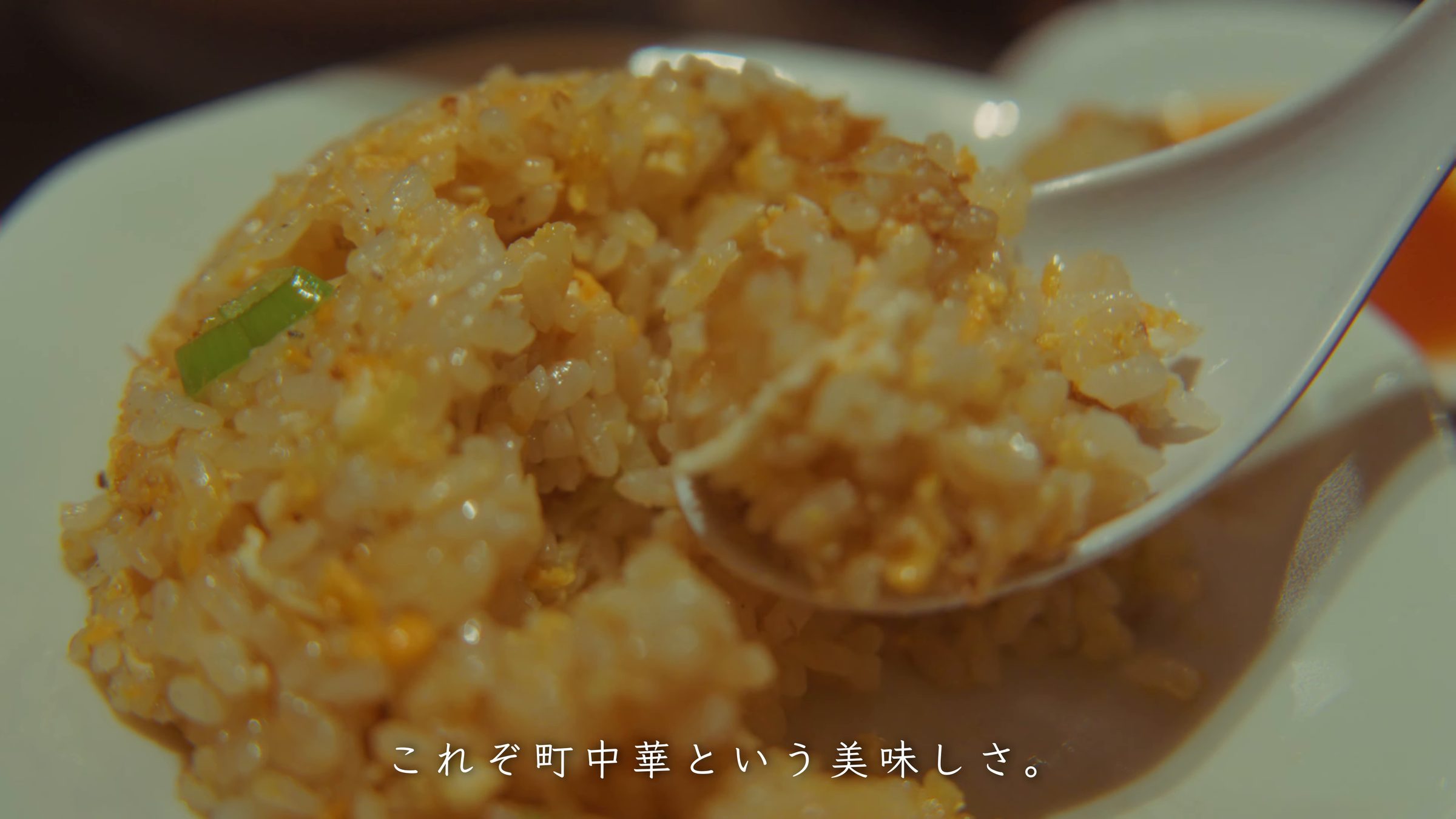
The gyoza, neatly browned and reassuring to look at, had crisp skins and juicy fillings, with a real presence of their own. The golden fried rice was the very taste of machi-chuka. A night thoroughly satisfied by flavors rooted in the neighborhood.
Watch this scene on YouTube9:54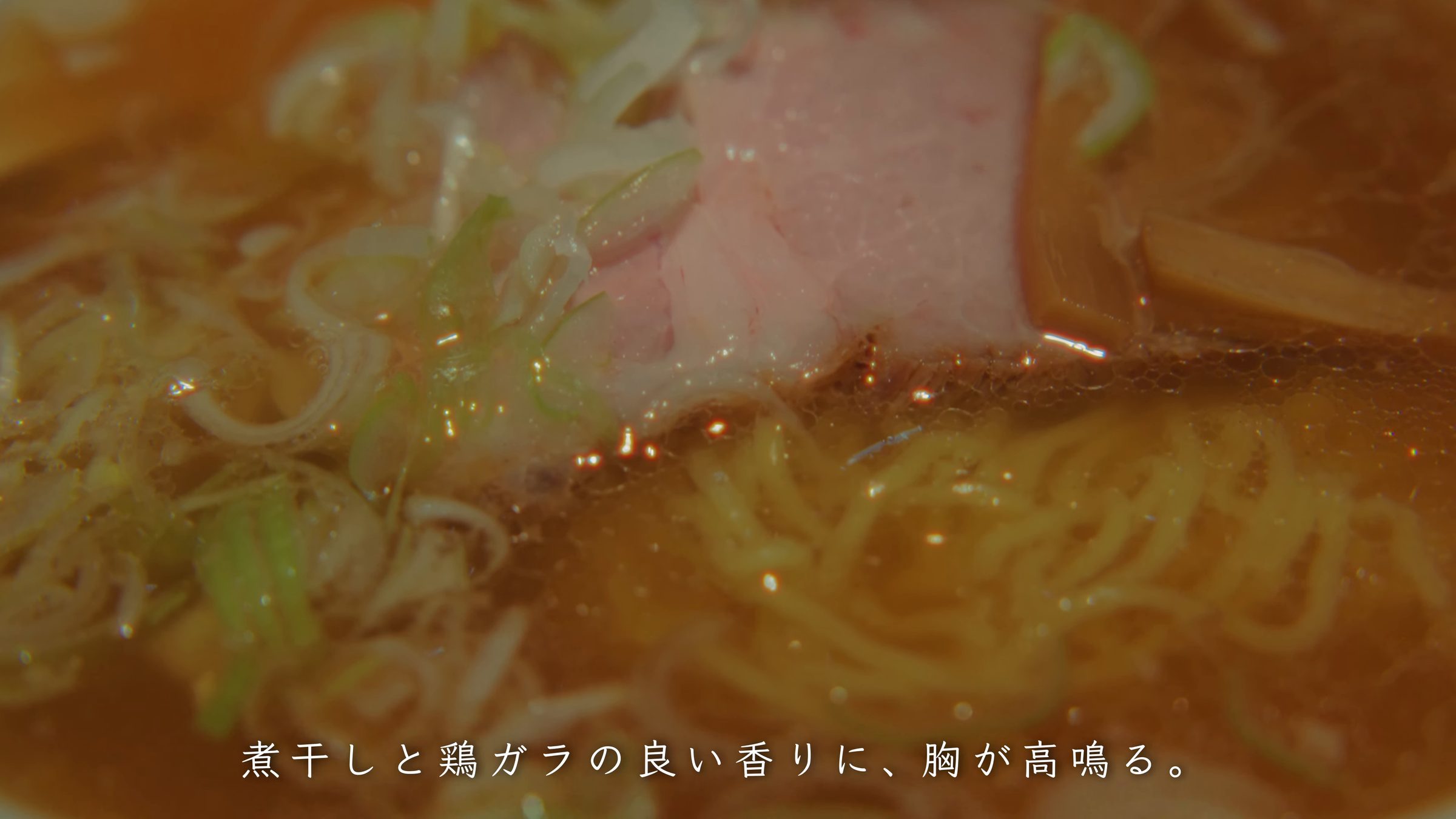
12TRAVEL JOURNAL
The Asakusa night grows late
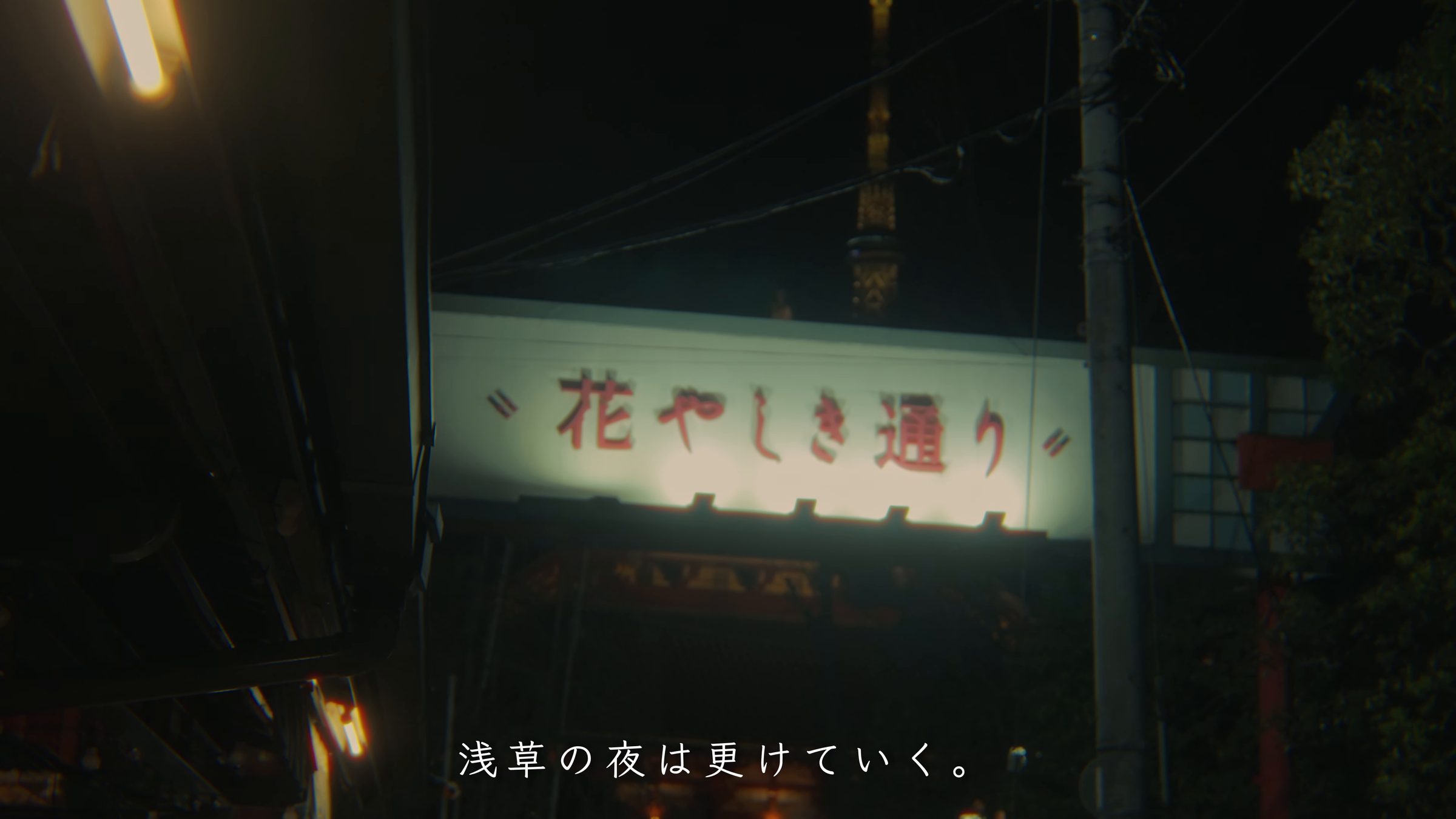
As you would expect of a restaurant that has long been loved in Asakusa. Even with a full stomach, my steps were light. I walked down a lantern-lit lane and under the Hanayashiki-dori sign. The Asakusa night was growing late.
Watch this scene on YouTube11:28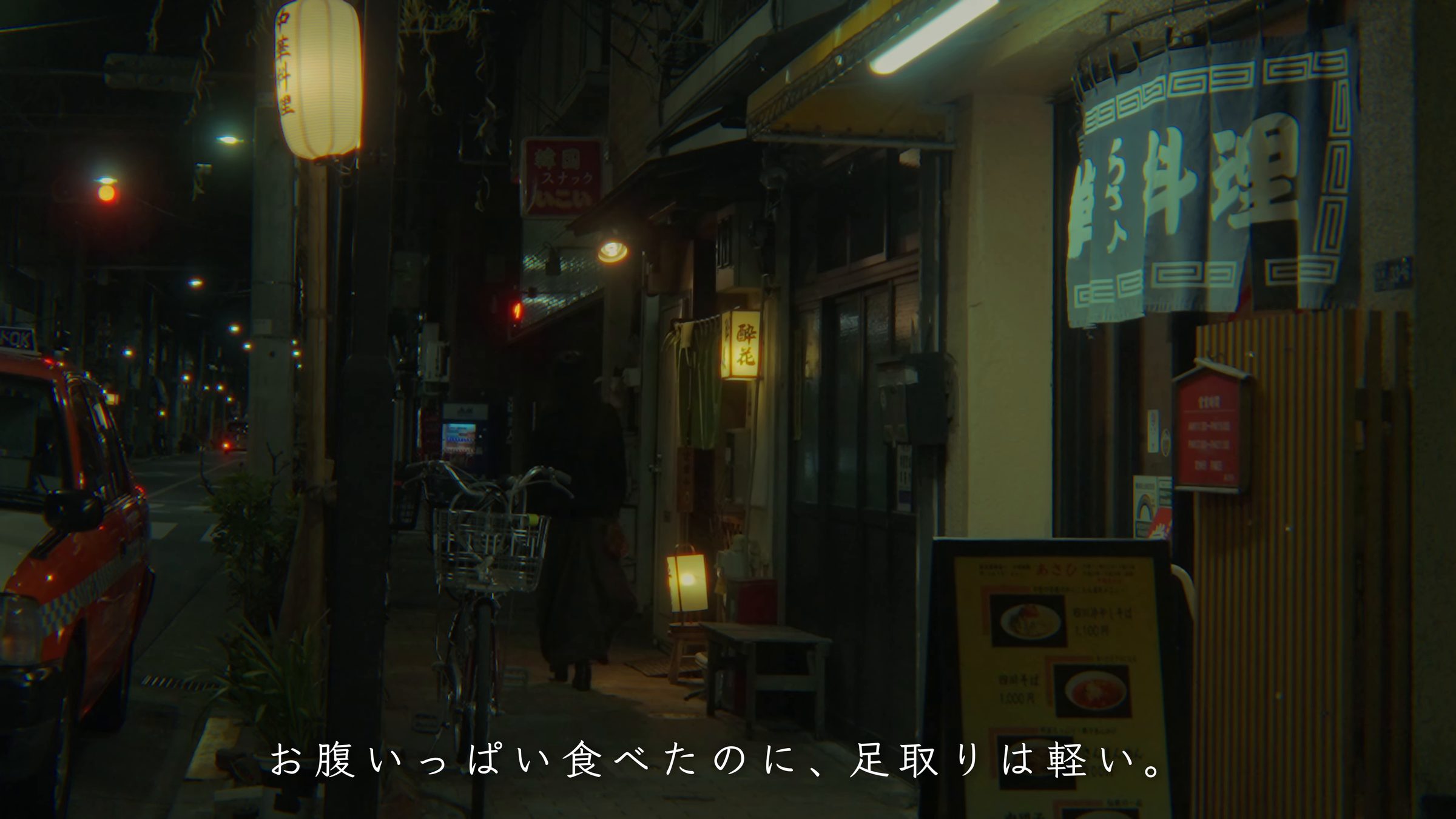
13TRAVEL JOURNAL
Extra: Asakusa on a sunny day
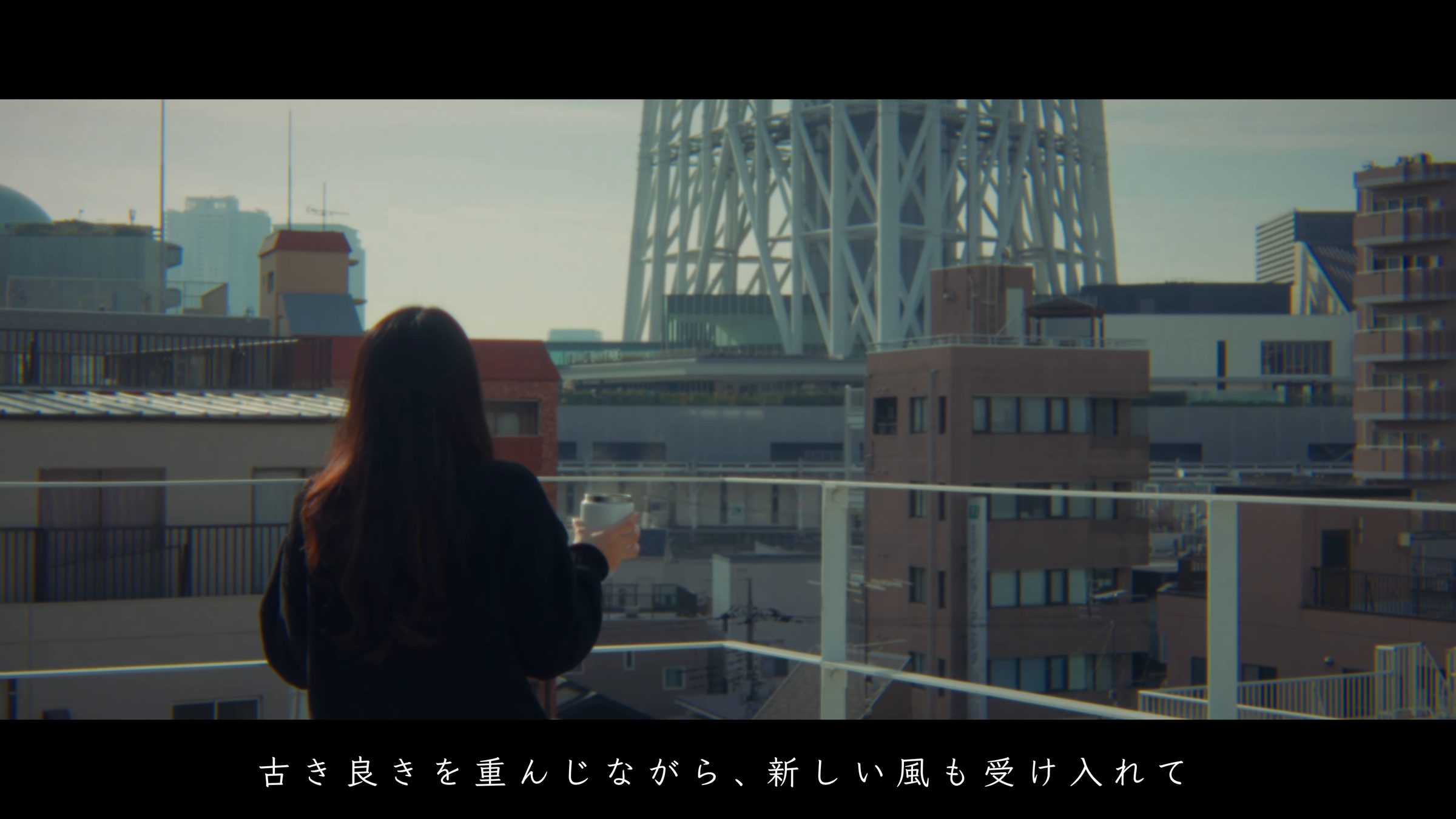
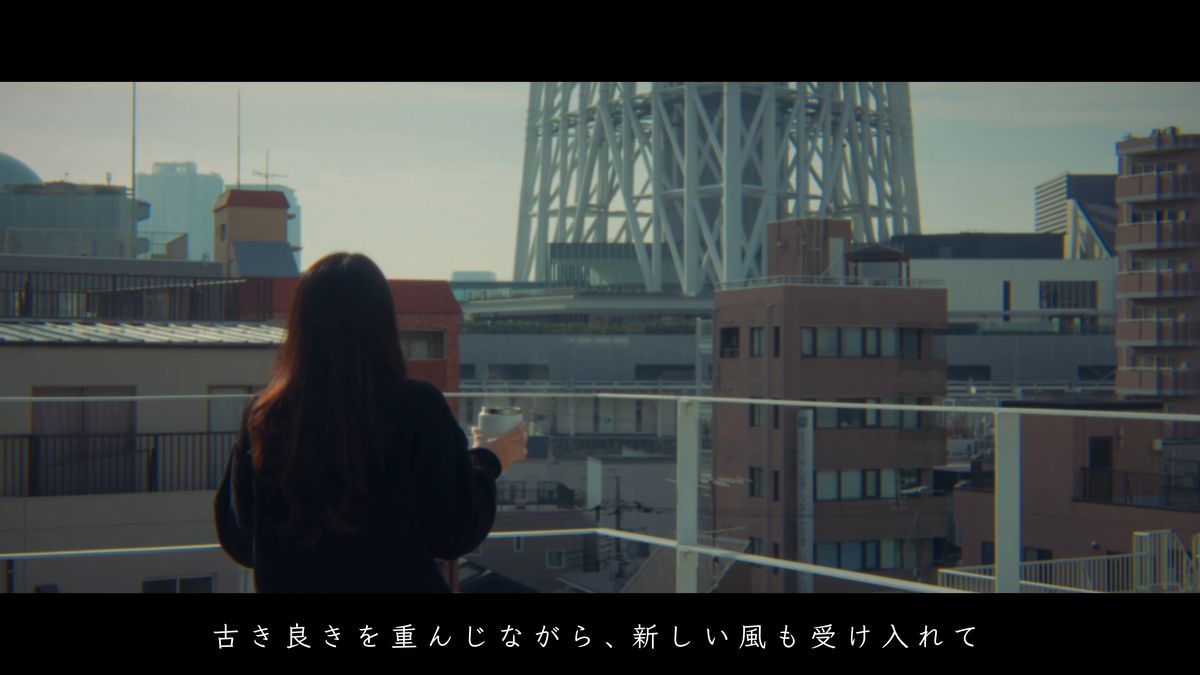
An Asakusa extra. On a sunny day, an electric kettle stood by the window of my room, the base of the Skytree visible through the glass. Stepping out onto the rooftop with a cup in hand, I found the Skytree towering there too.
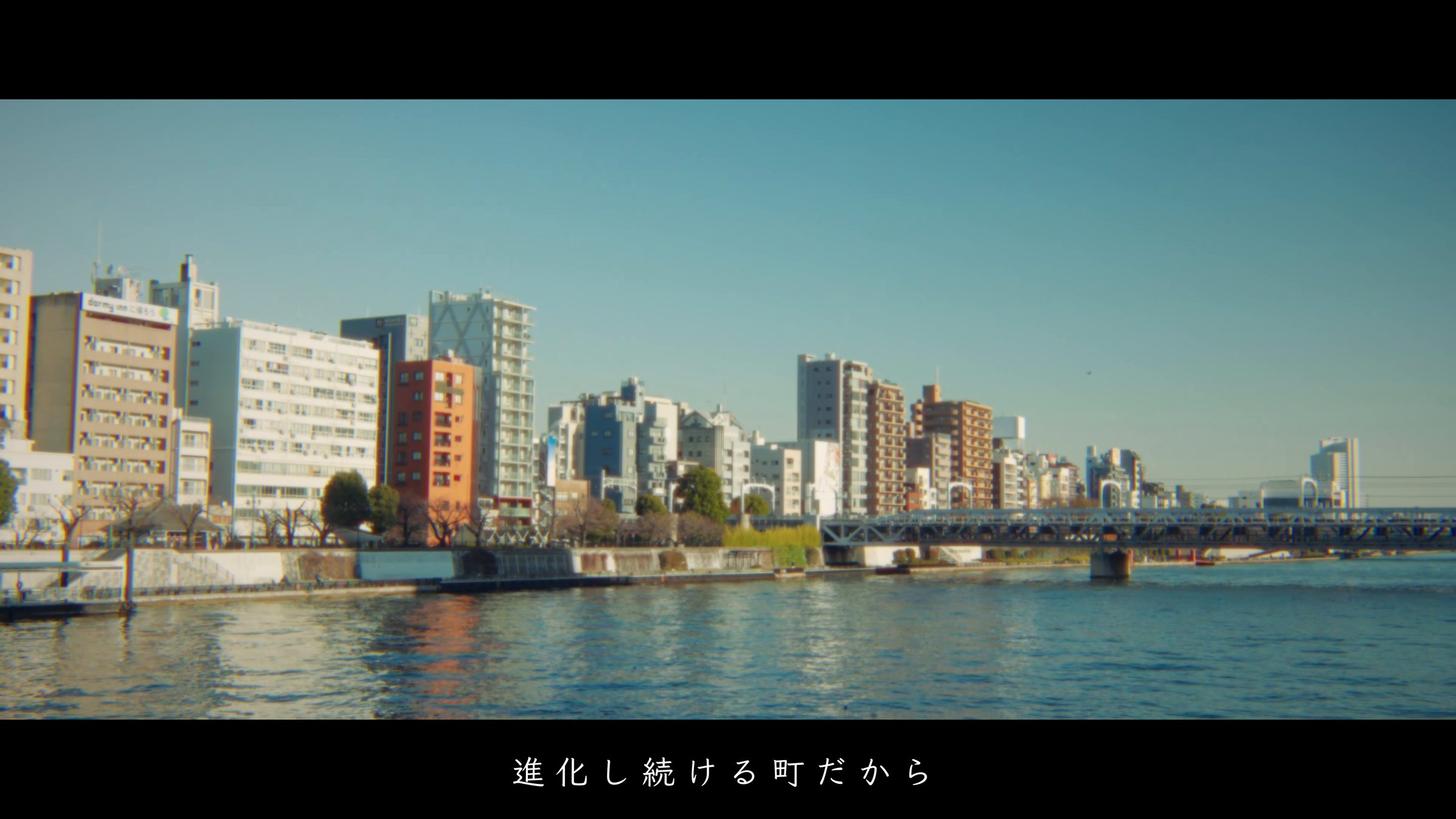
Asakusa has been the center of Japanese popular entertainment since the Edo period: a town that respects the good old days while welcoming new winds, and so keeps evolving. That was on my mind as I looked out over the sunny Sumida River.
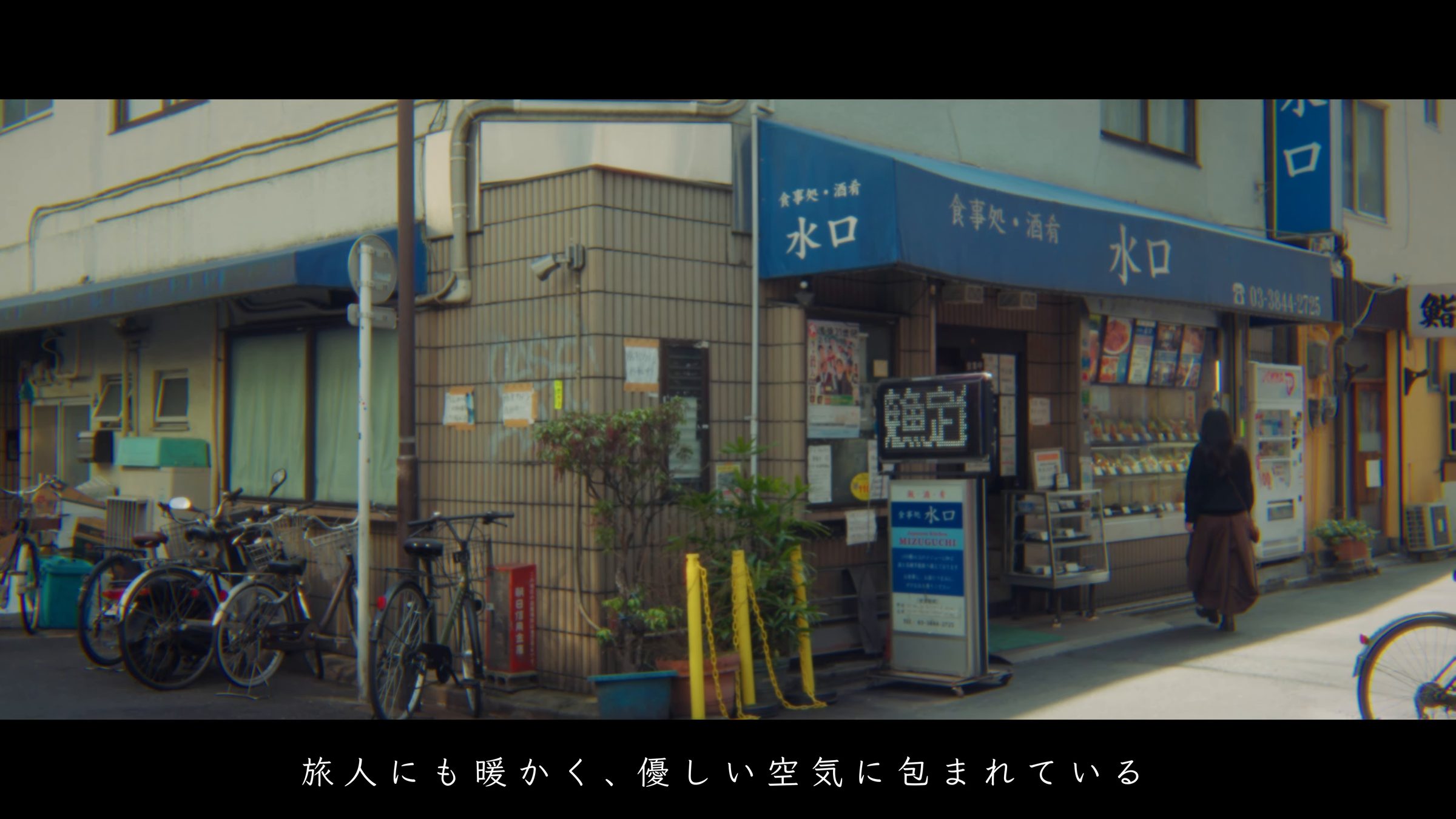
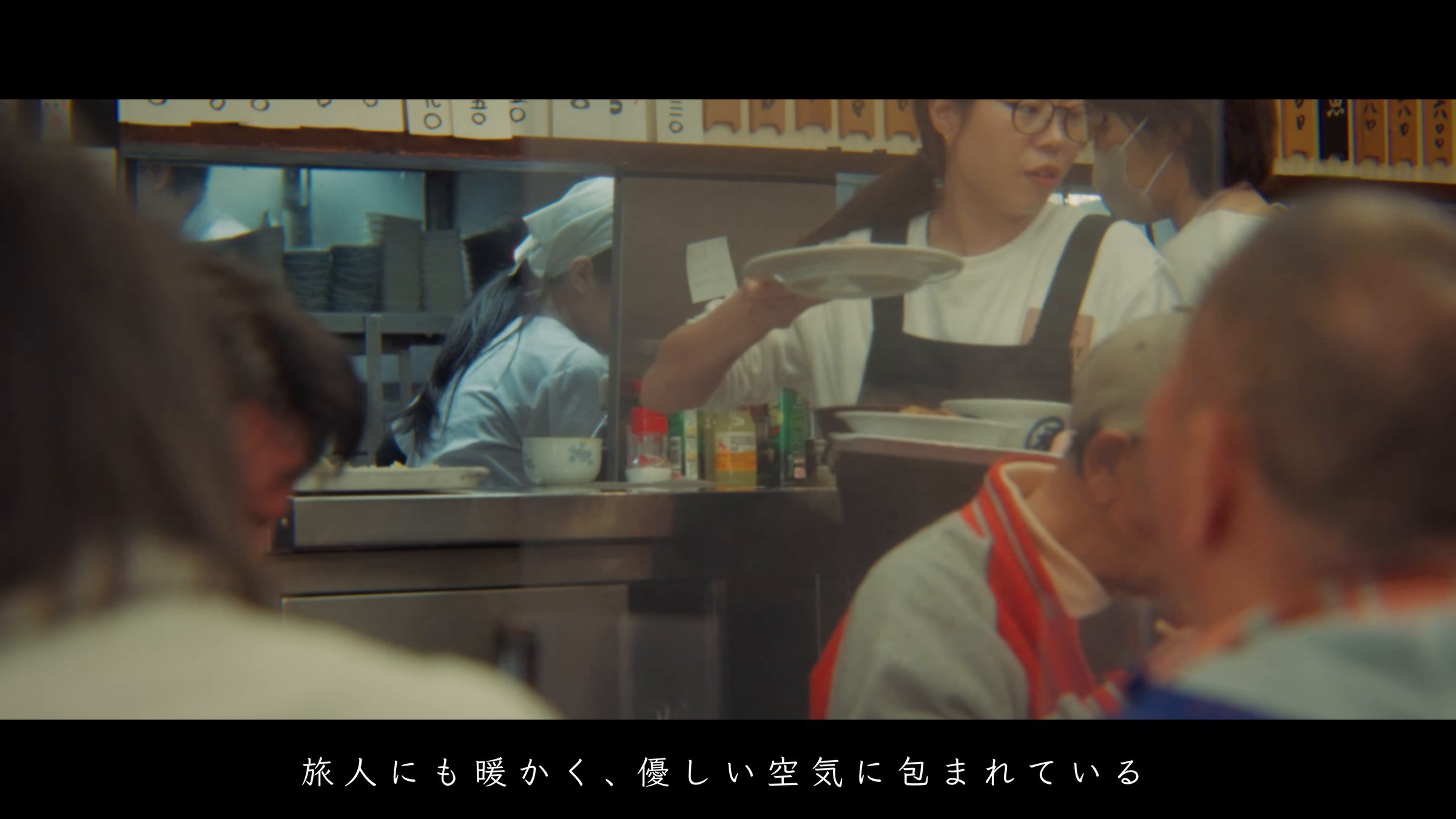
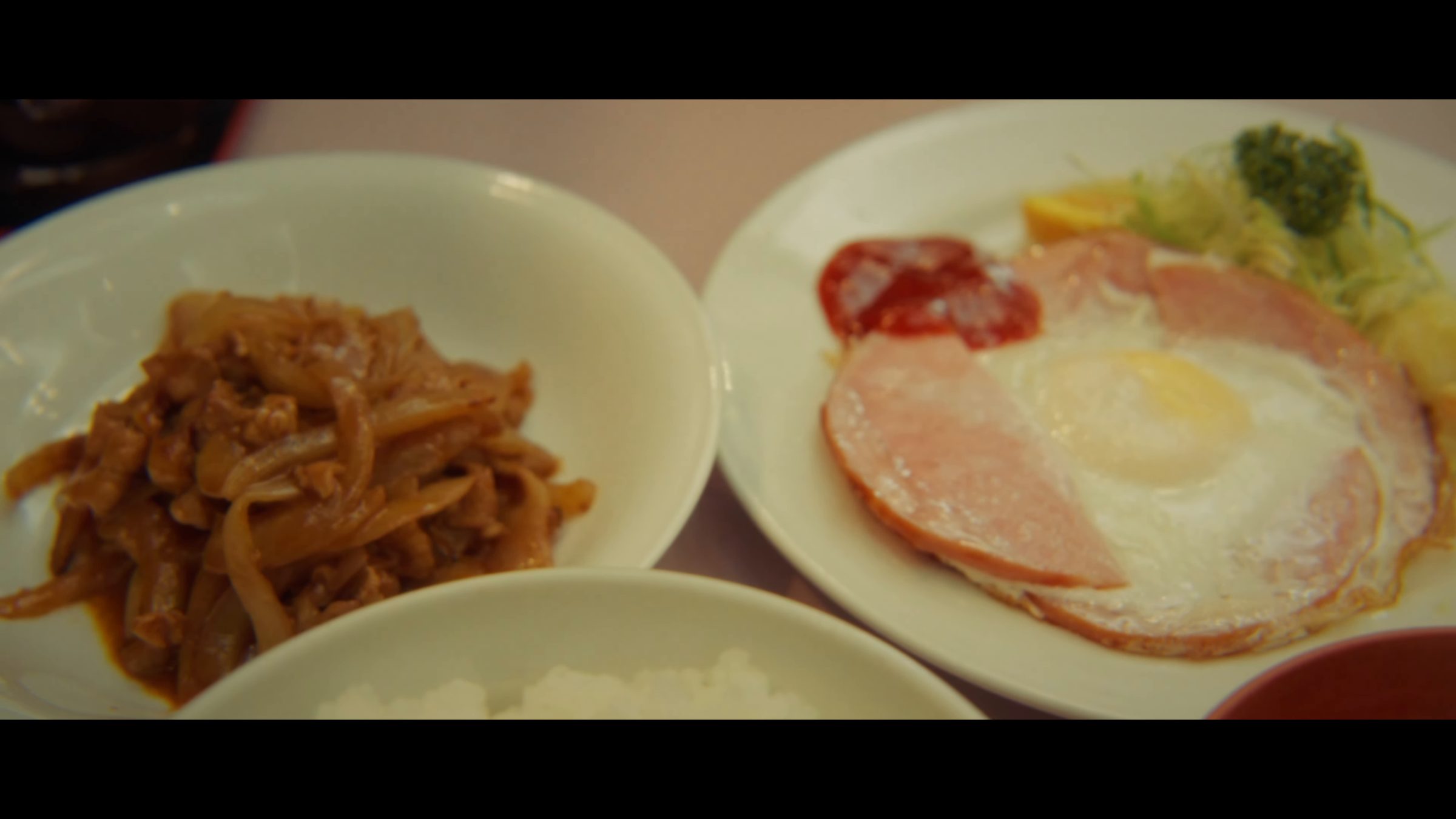
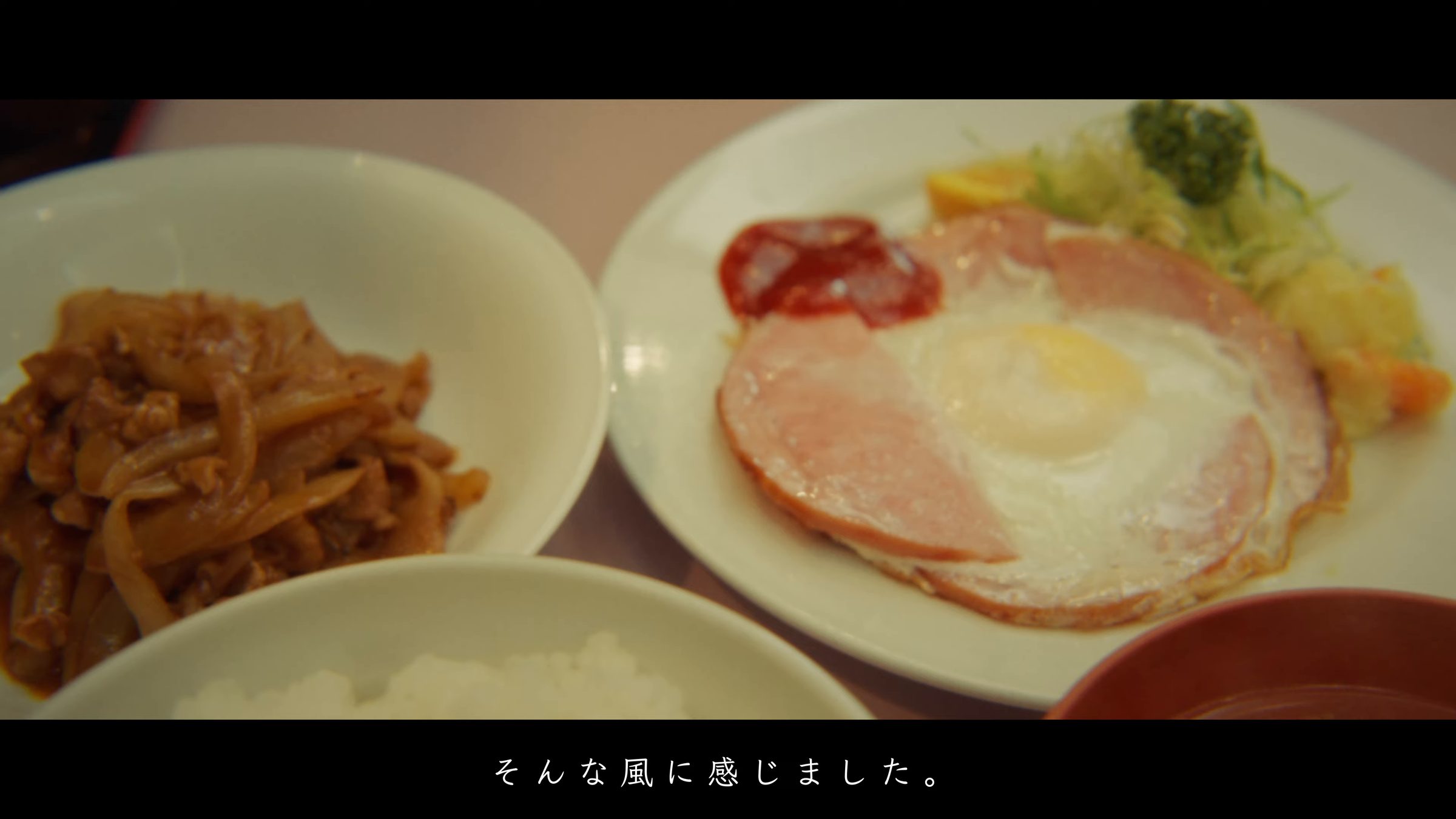
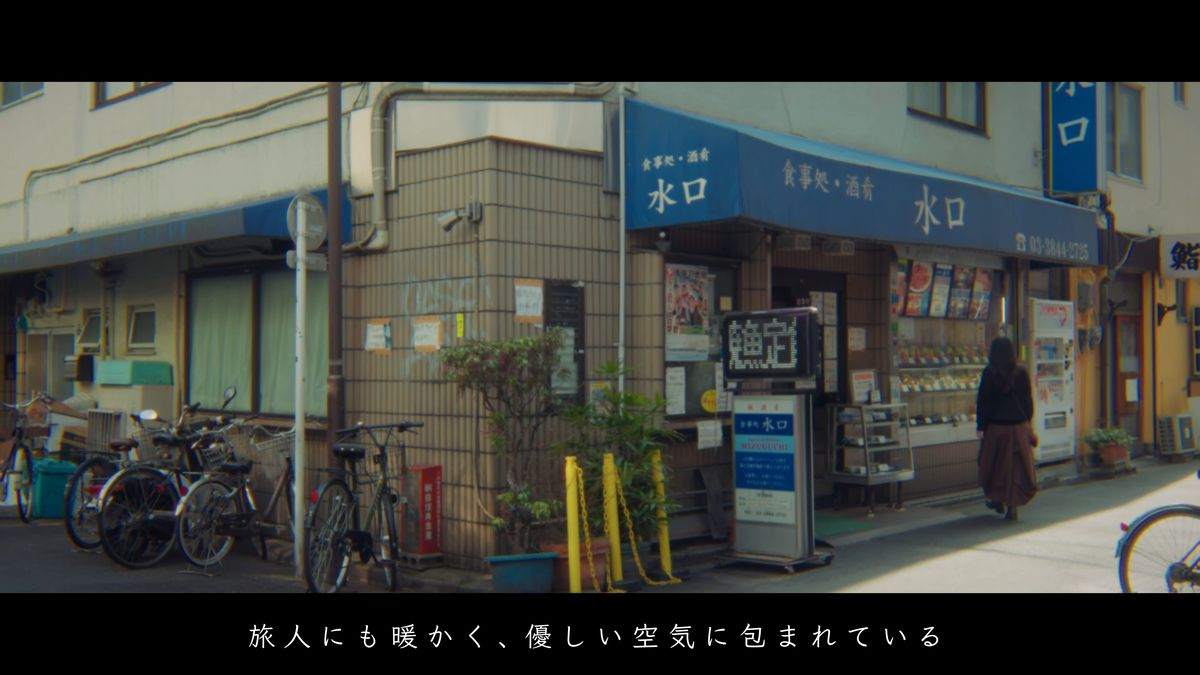
Mizuguchi, an eatery serving meals and drinks, has been in business since 1950. In the bustling dining room I had what I took to be its signature iri-buta, pork and onions stir-fried together, along with ham and eggs, rice and soup. A place wrapped in a warm, gentle air, kind even to travelers. That is how I felt.
Watch this scene on YouTube11:52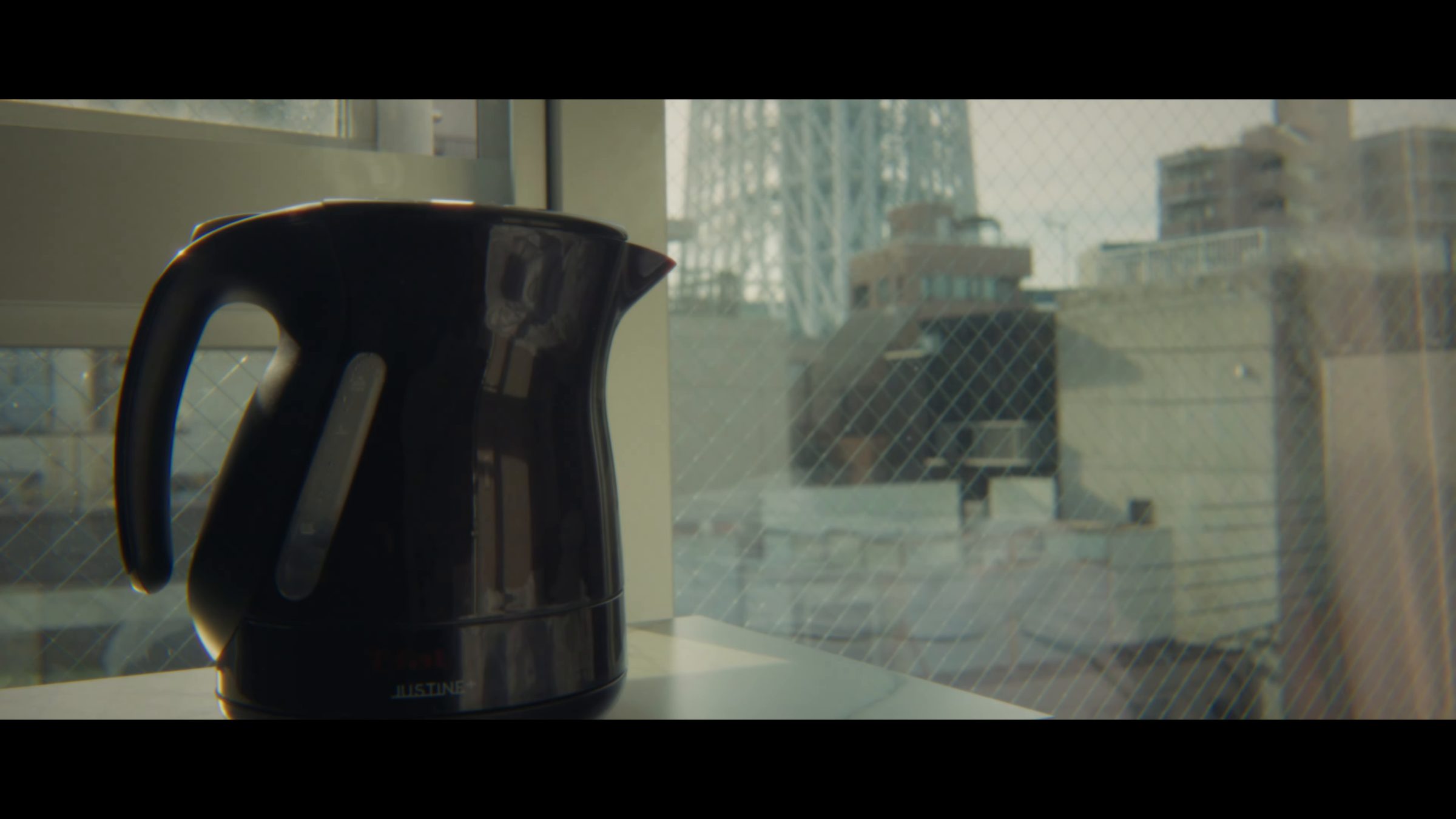
14TRAVEL JOURNAL
So many more places to share
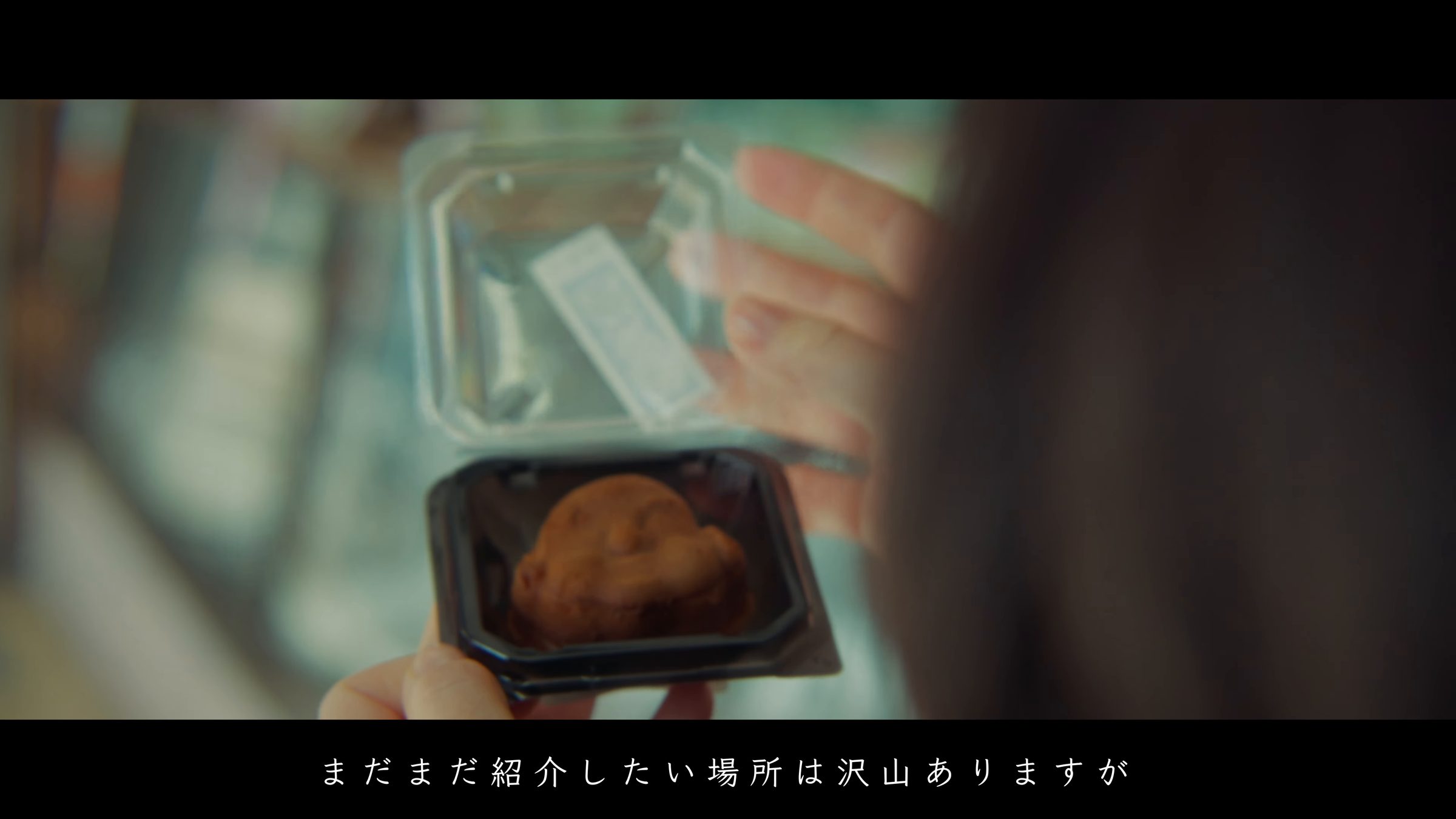
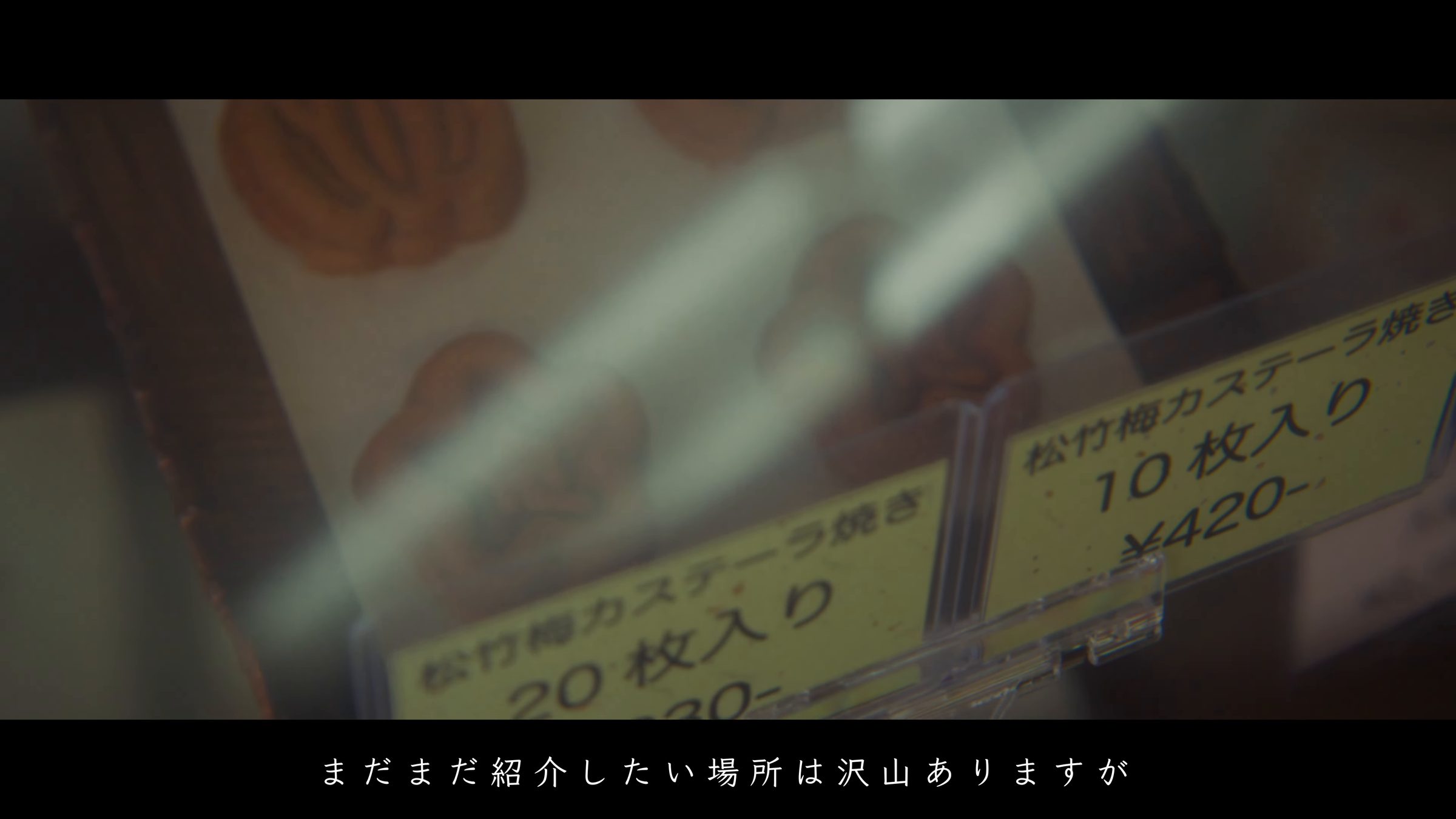
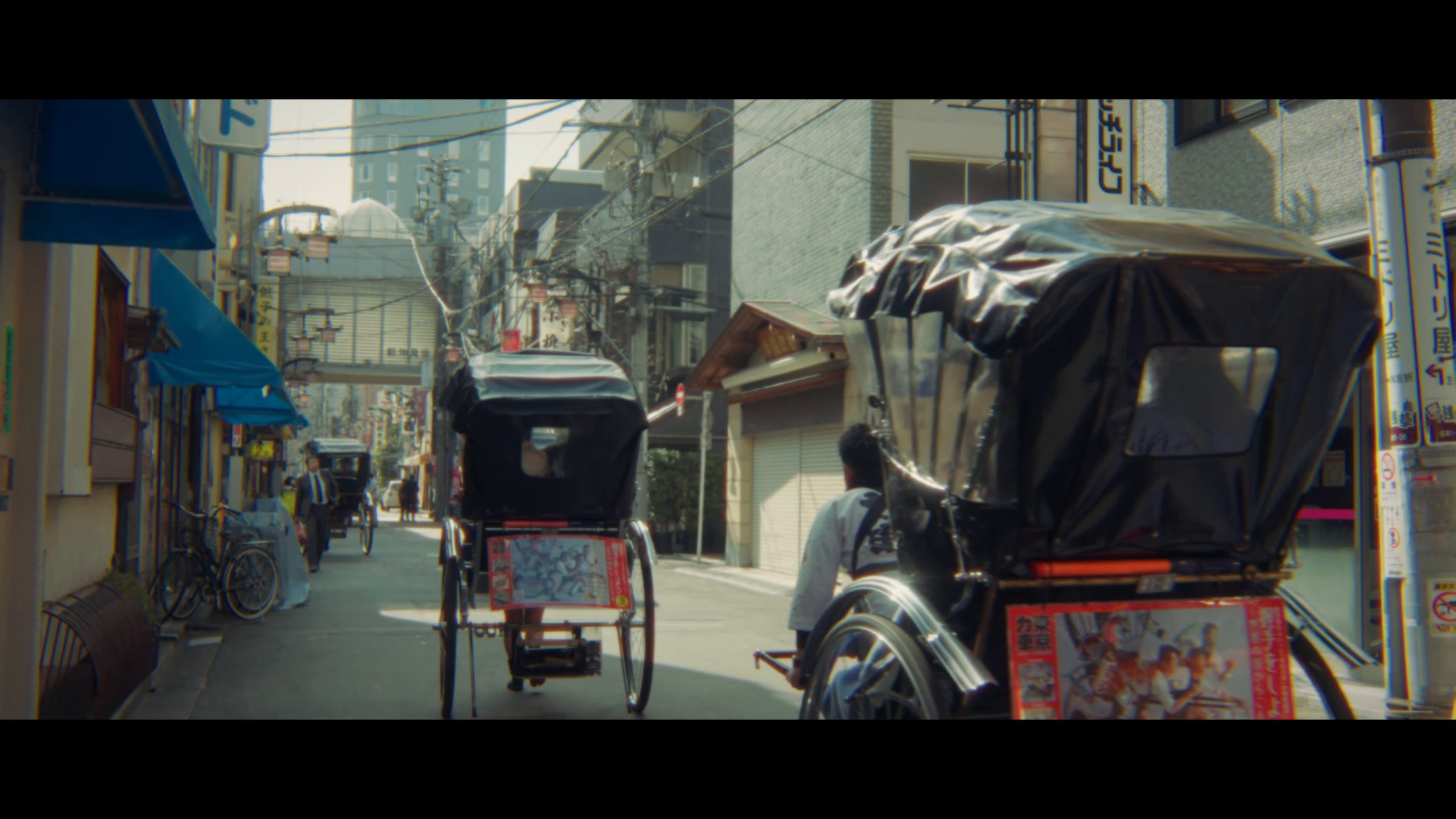
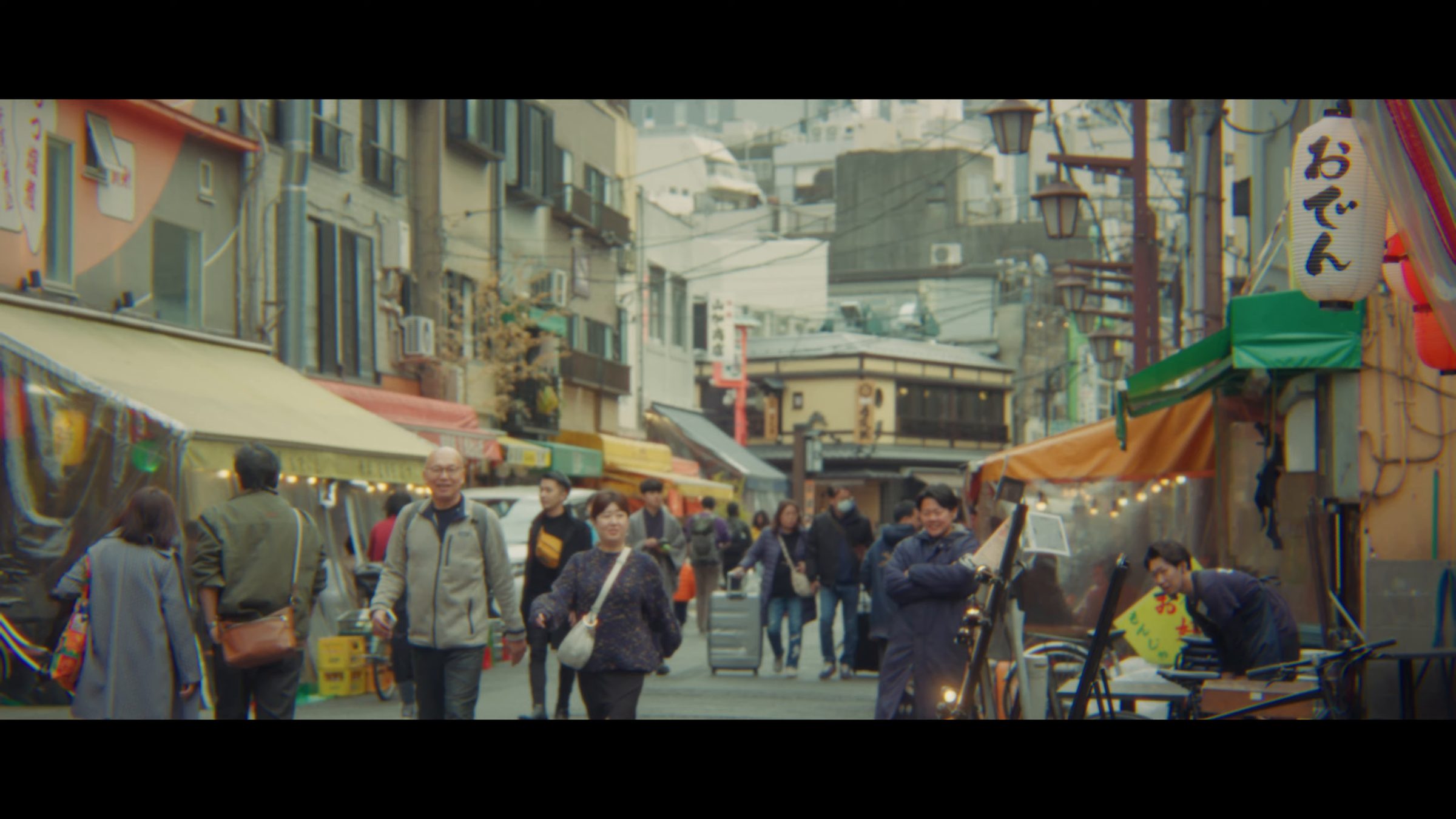
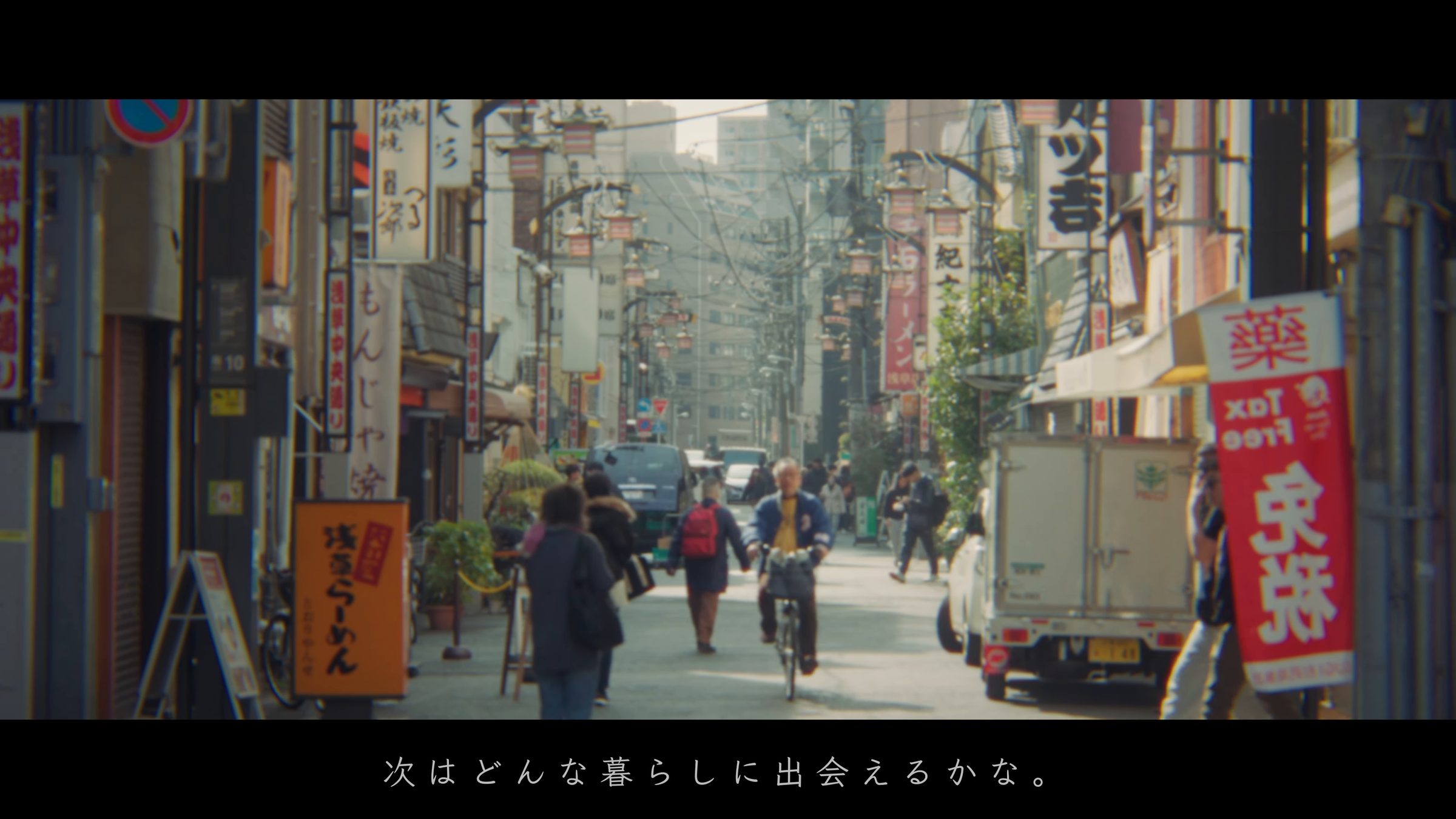
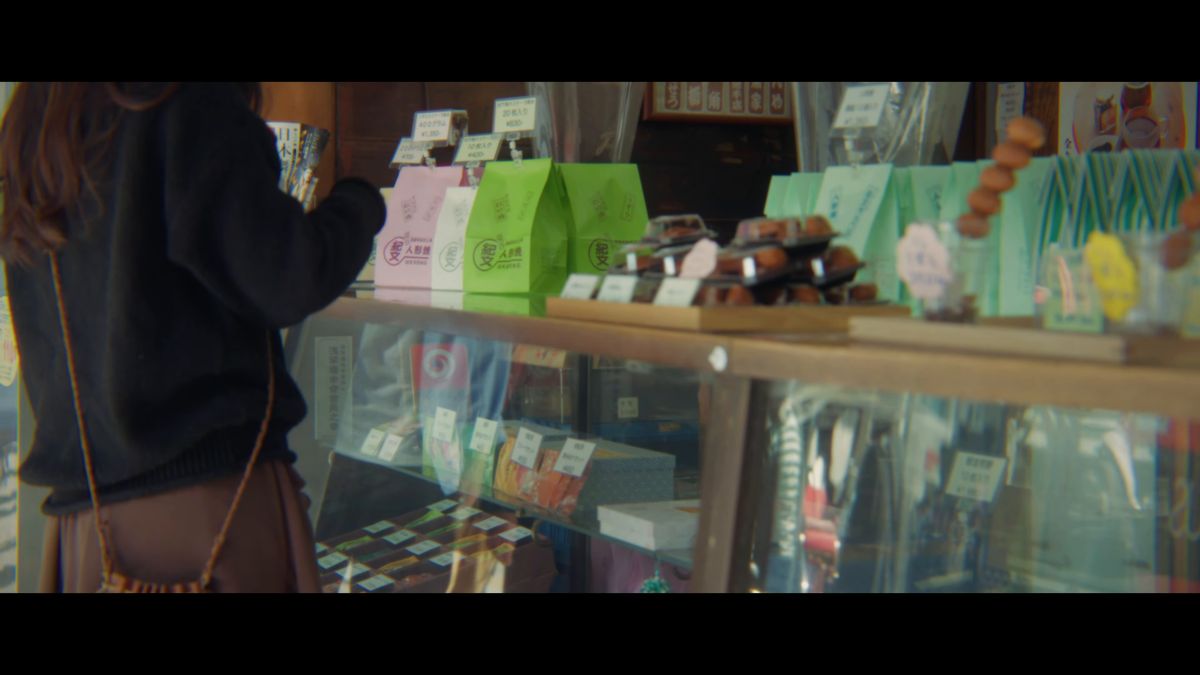
There are still so many places I would like to share. At a shop lined with paper bags of ningyo-yaki, I bought a single one of the little cakes. A price tag nearby read "Shochikubai castella cakes." A street lined with rickshaws, and a lively street hung with oden lanterns.
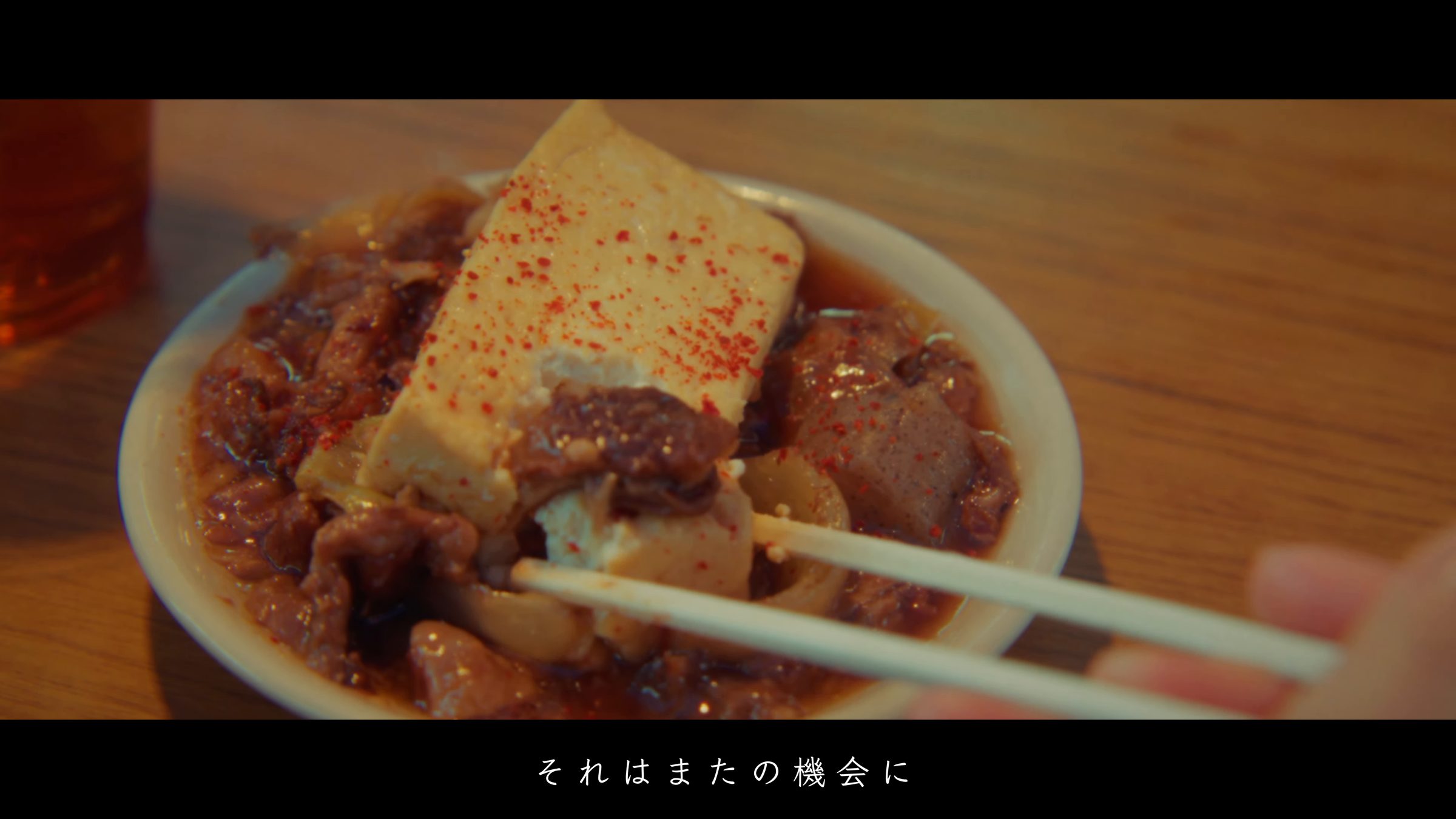
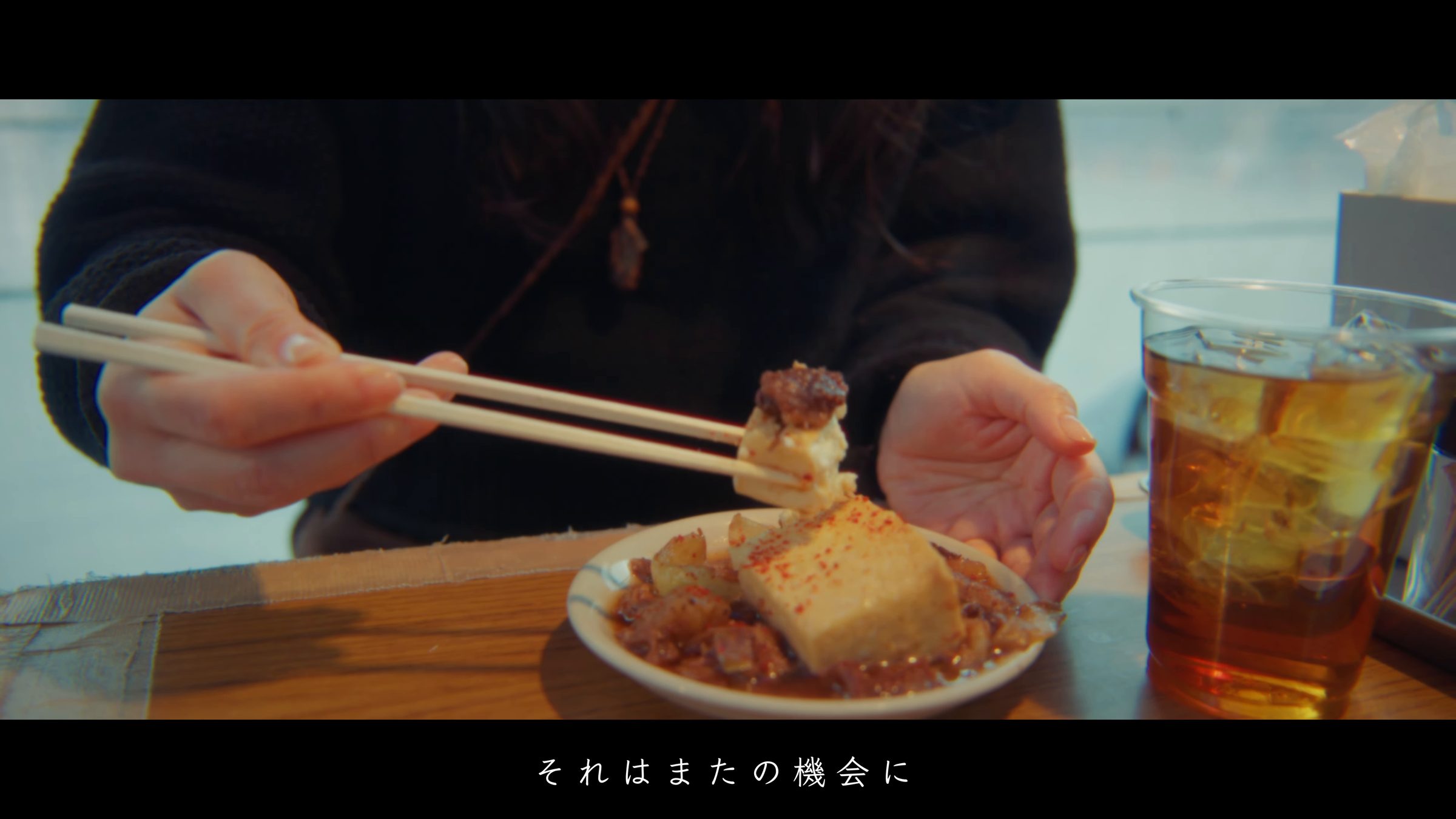
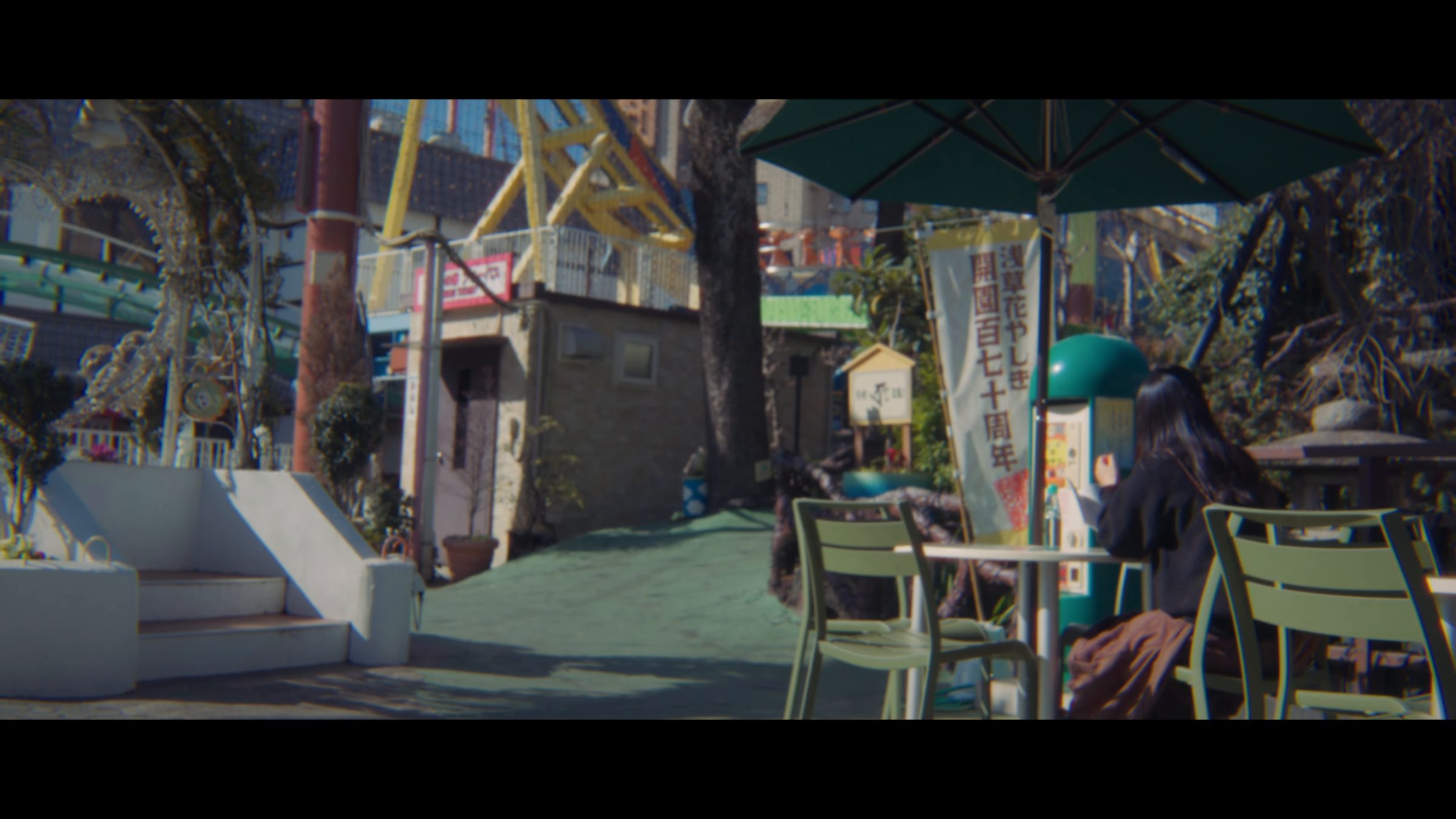
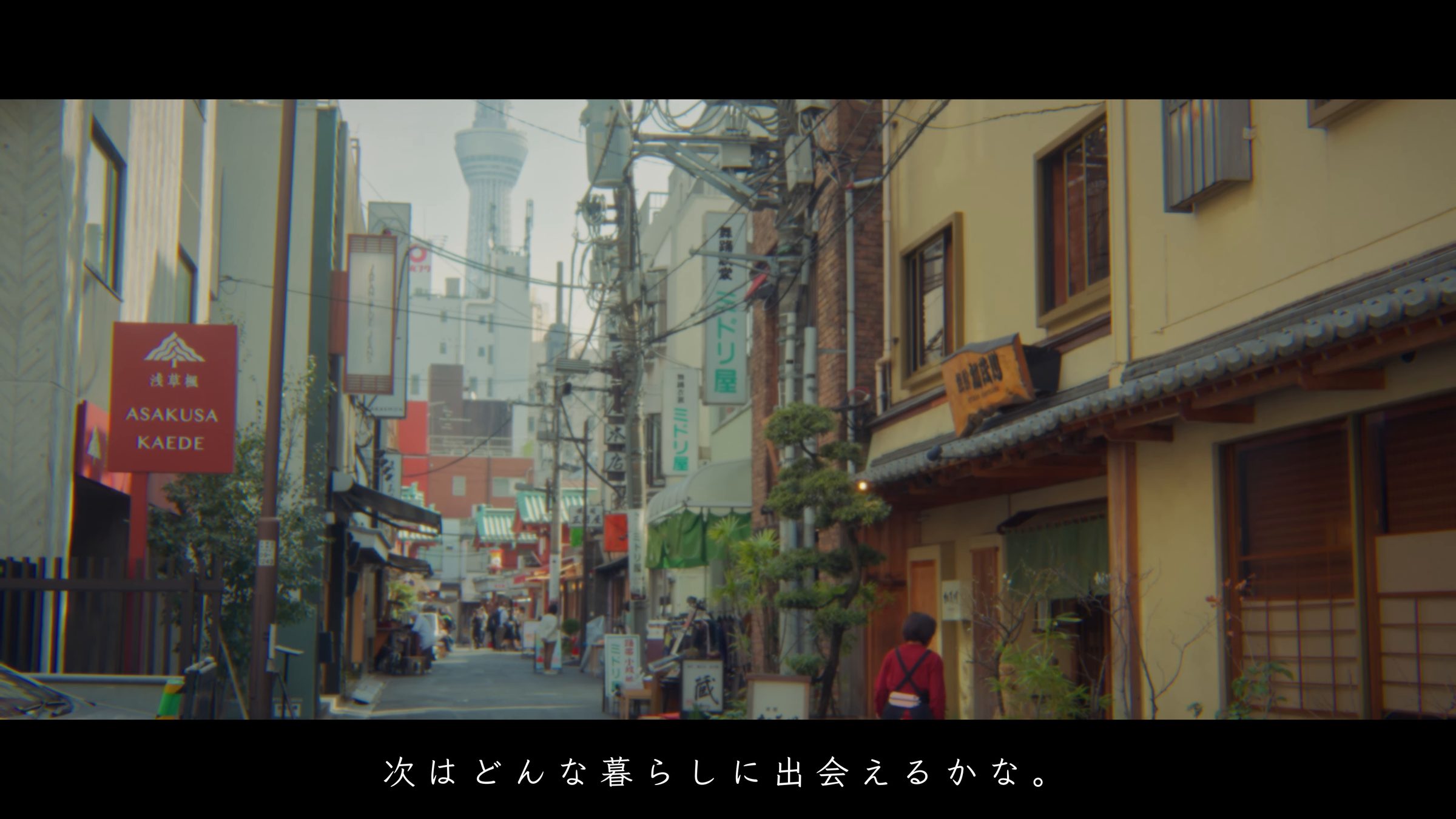
I picked at a bowl of stew topped with tofu, and rested at an outdoor table near Hanayashiki. A banner read "Asakusa Hanayashiki, 170th anniversary." At the end of a lane, the Skytree peeked out once again.
But that is for another time. By the window of a boat on the Sumida, I wonder: what kind of life will I meet next?
Watch this scene on YouTube12:21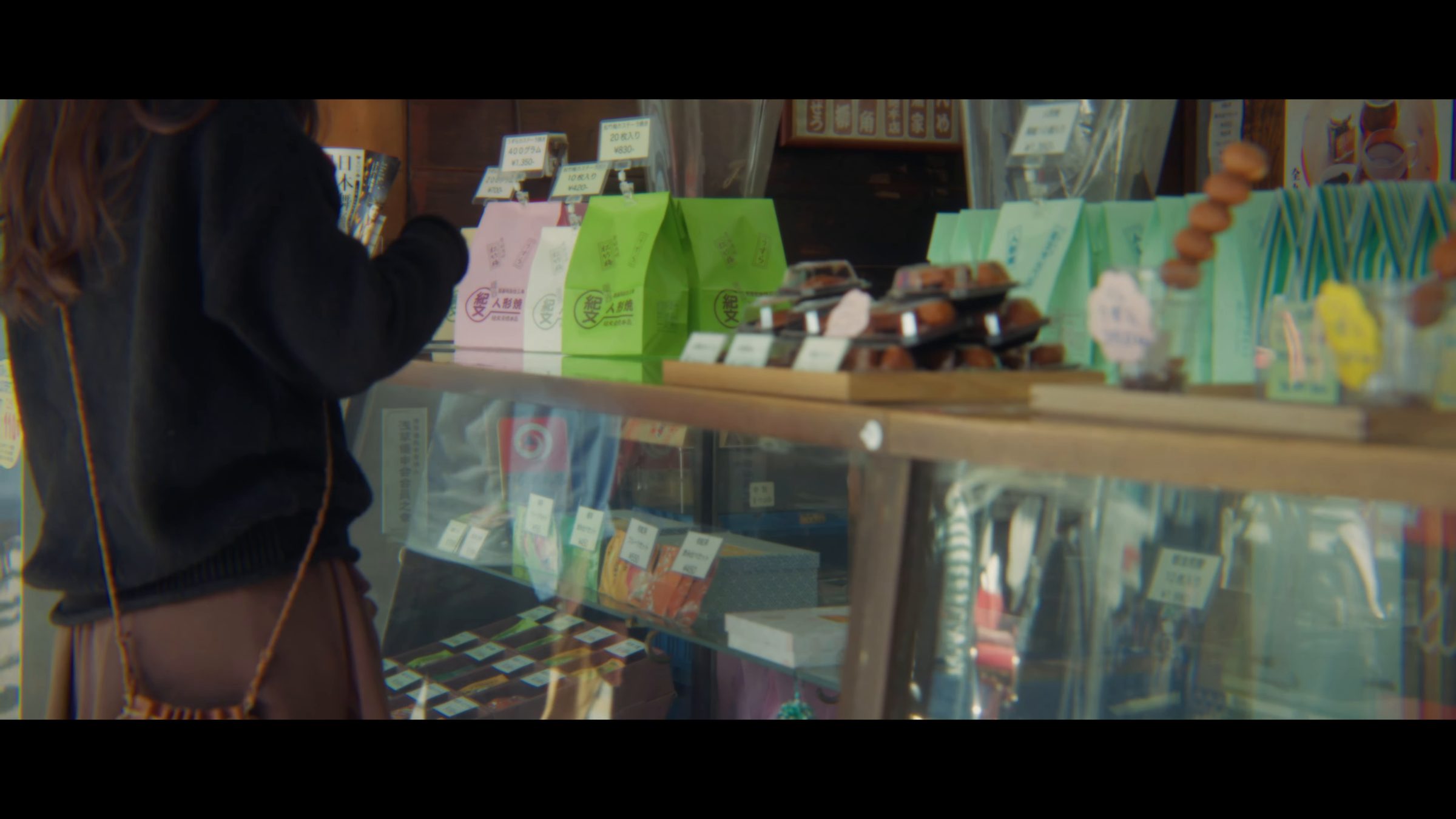
THE JOURNEY IN FILM
The wind. The sounds of a kitchen.
Spend a little more time inside the journey, on film.
Watch the video13 minTHE BORROWER’S NOTES
The Borrower's Notes: Asakusa
Places we stopped, dishes we made, and stories of the land. A few things to keep from the journey.
01Where I ate and shopped
Komagata Dozeu (main restaurant)
1-7-12 Komagata, Taito, Tokyo
A loach restaurant founded in 1801. It is said to be the first shop to write the name as dozeu, since spelling it dojau with four kana was thought unlucky. The building has burned down three times, yet it keeps a wooden form little changed from its founding. You eat dozeu nabe from an iron pan on a charcoal brazier, set on a kanaita board over rattan matting, piled high with green onions from a wooden box. White rice comes in an ohitsu tub. Don't forget your shoe tag on the way out.
Sources: dozeu.com norenkai.net tv-tokyo.co.jp
Tsukiji Shoro (main shop)
4-13-13 Tsukiji, Chuo, Tokyo
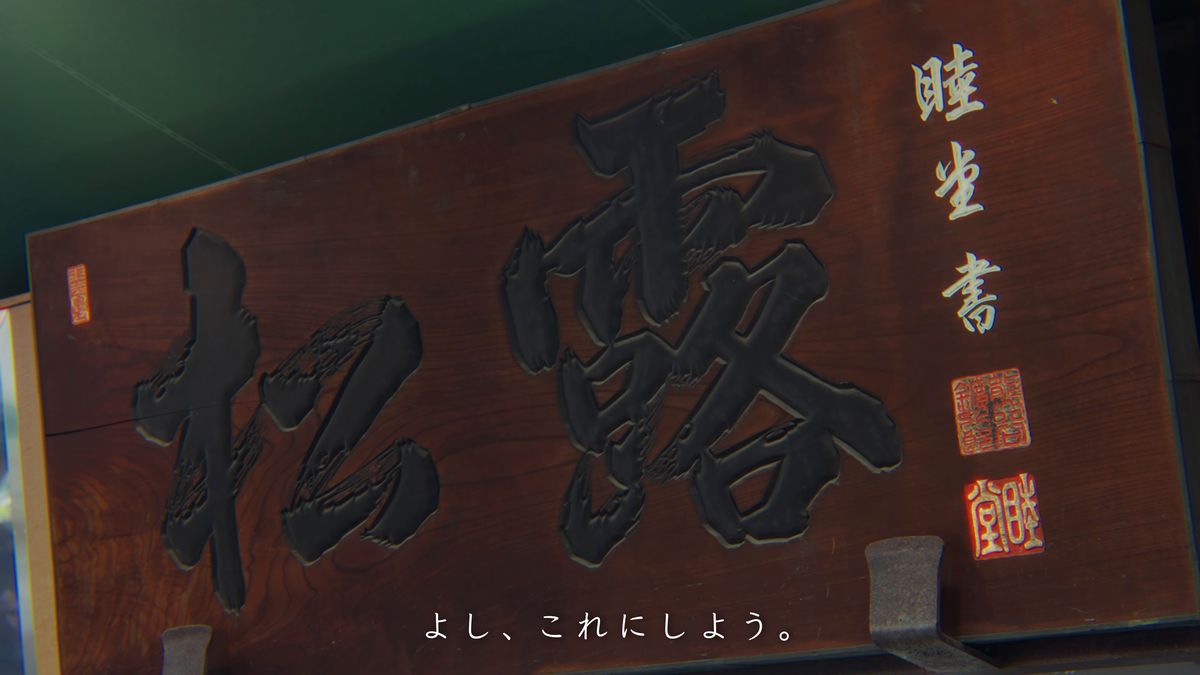
It began in 1924, when a shop branching off from Shoro Sushi in Nihonbashi opened in Tsukiji. In 1946, after the war, when sushi toppings could no longer be had, it became a tamagoyaki specialist. I bought a Shoro Sandwich, thick rolled omelet between slices of white bread, and ate it in my room that night. The shop also sold a toasted version.
Sources: tabi-mag.jp
Kamiya Bar
1-1-1 Asakusa, Taito, Tokyo
Founded in 1880 and known as Japan's first bar, it began as a kakuuchi, a liquor shop where you drank at the counter. The building, completed in 1921, is a nationally registered tangible cultural property. You buy a meal ticket and sit wherever you like. The specialty is Denki Bran, and the Kamiya Bar way is to drink it with draft beer as a chaser. The snacks run from Japanese to Western. This time I paired a non-alcoholic beer with crab croquettes.
Sources: gltjp.com moneypost.jp
Asahi, a Chinese restaurant
3-33-6 Asakusa, Taito, Tokyo
A machi-chuka on Yanagi-dori behind Asakusa Kannon, now in its fourth generation. It is said to have opened around 1914. The specialty is ginger soba, topped with plenty of fresh ginger, and the menu also lists cilantro soba and Sichuan cold noodles. This time I ordered chuka soba fragrant with dried sardines and chicken bones, with gyoza and fried rice.
Sources: san-tatsu.jp retty.me
Kibundo Sohonten
1-2-2 Asakusa, Taito, Tokyo
Judging from the paper bags marked Kibun ningyo-yaki, this appears to have been Kibundo Sohonten, a long-established ningyo-yaki shop in Asakusa founded in 1890. I bought a single ningyo-yaki, soft cake around sweet bean paste. There was also a price tag for Shochikubai castella cakes.
Sources: aumo.jp
02About the area
Tsukiji Outer Market
4-16-2 Tsukiji, Chuo, Tokyo
A market district of about 460 shops. The inner wholesale fish market moved to Toyosu in 2018, but the outer market is as lively as ever, selling seafood along with seasonings, cooking tools and tableware. There are many tamagoyaki shops, and at Tsukiji Yamacho on Namiyoke-dori, founded in 1949, you can buy freshly made omelet on a skewer.
Sources: gotokyo.org
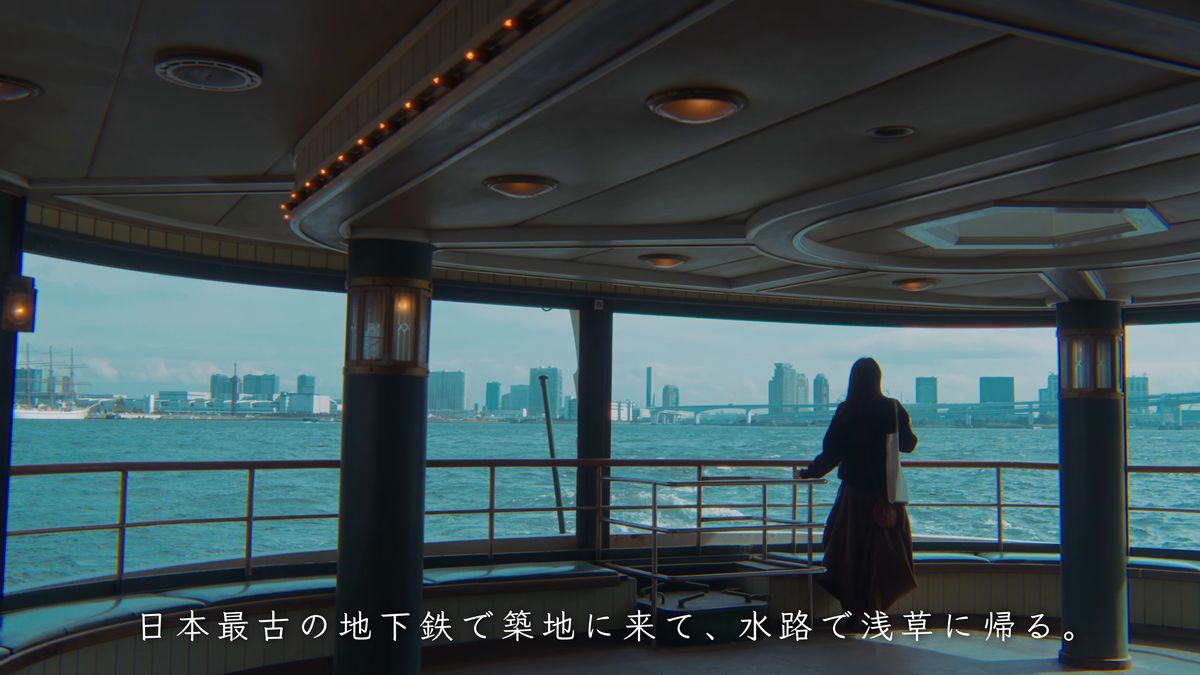
Sumida River Line water bus
A water bus run by Tokyo Kanko Kisen, linking Asakusa and Hinode Pier. The trip from Asakusa to Hinode takes about 40 minutes and passes under the 12 bridges that span the Sumida. The Asakusa pier is down in Sumida Park, at the foot of Azuma Bridge. During cherry blossom season it runs on a special blossom-viewing schedule.
Sources: tabi-mag.jp
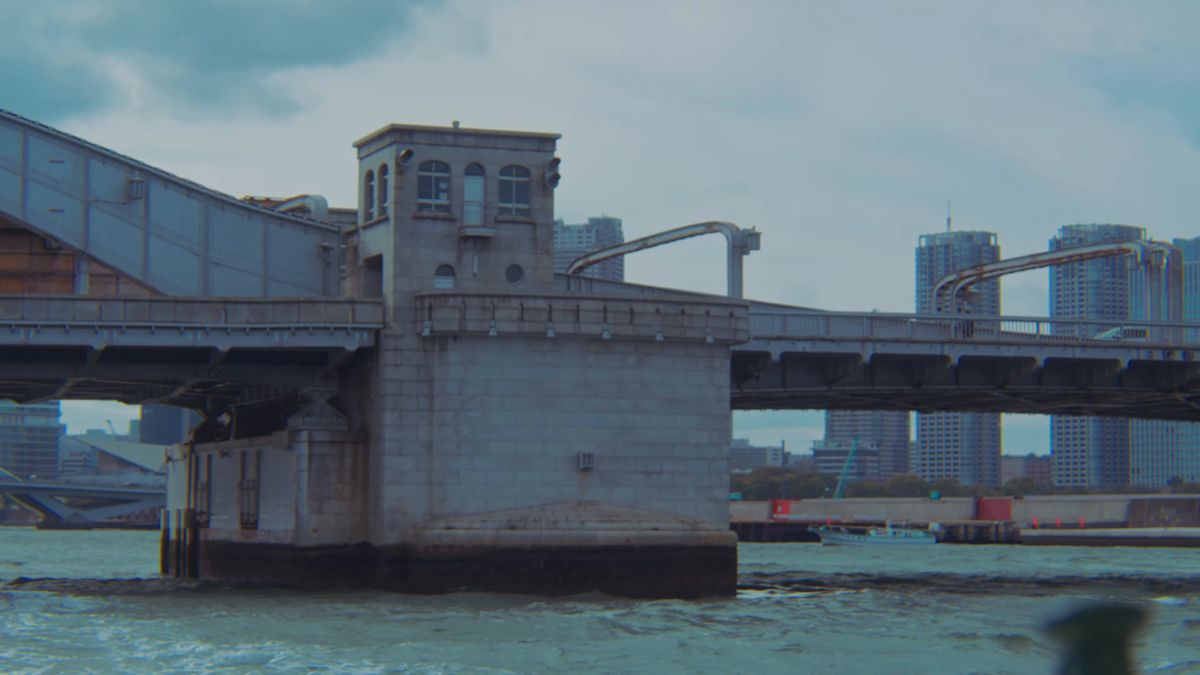
Kachidoki Bridge
Opened in 1940, it is a steel tied-arch bridge whose center is a Chicago-type double-leaf bascule span; it kept opening and closing after the war, up to a trial run in 1970. It is a national Important Cultural Property, and it gave its name to the 2011 film of the manga Kochikame, whose Japanese title means "Seal Off Kachidoki Bridge!"
Sources: city.chuo.lg.jp eiga.com zh.wikipedia.org
Asakusa Station, Tokyo Metro Ginza Line
The Ginza Line opened between Asakusa and Ueno in 1927 as the first subway in the East, and was completed all the way to Shibuya in 1939. The canopy over Exit 4 of Asakusa Station dates from that opening year. I rode the Ginza Line to get to Tsukiji.
Sources: tokyometro.jp
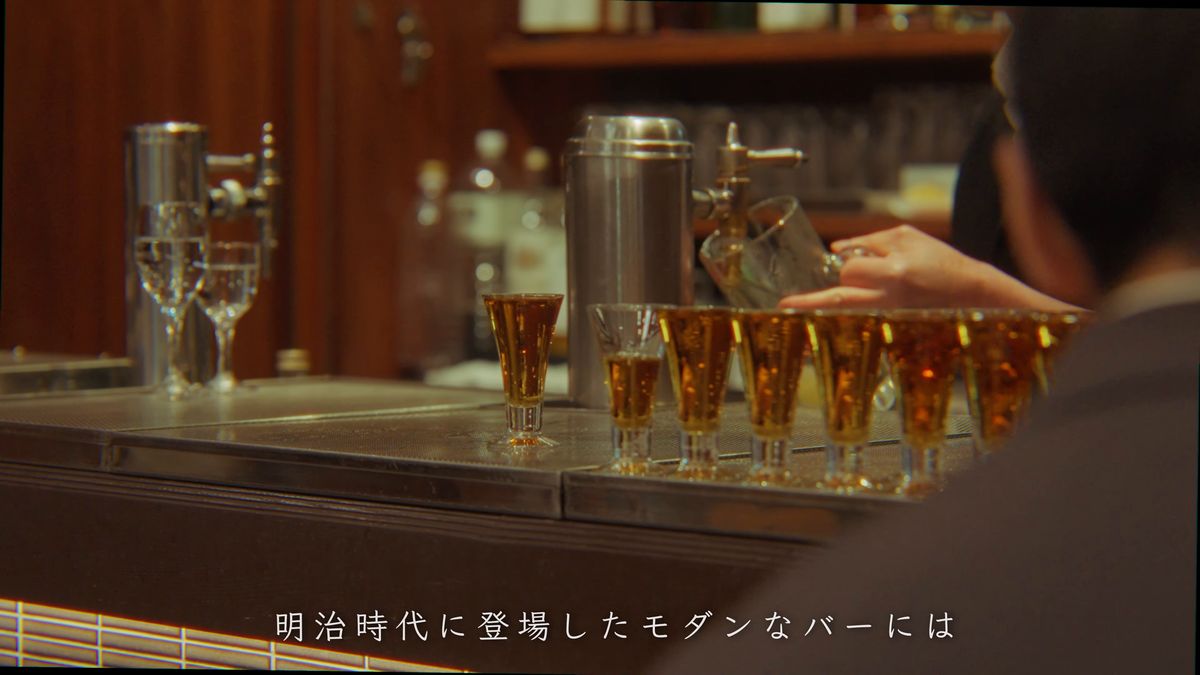
Denki Bran
A drink created in 1893 by the founder of Kamiya Bar, blending brandy with gin, wine, curaçao and herbs in secret proportions. It appears in Osamu Dazai's No Longer Human. Amber, faintly sweet and fragrant with herbs, it is a strong drink, and at Kamiya Bar it comes with draft beer as a chaser.
Sources: moneypost.jp gltjp.com moneypost.jp
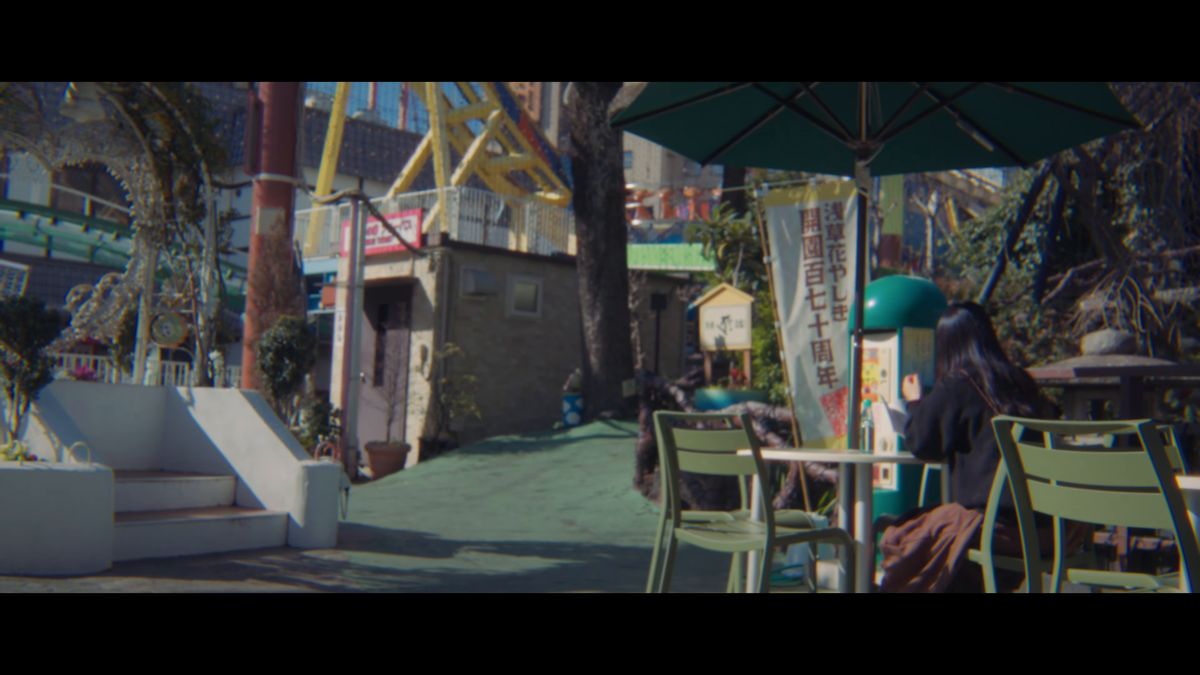
Asakusa Hanayashiki
2-28-1 Asakusa, Taito, Tokyo
Japan's oldest amusement park, opened in 1853 near the end of the Edo period. A banner nearby marked its 170th anniversary.
Sources: gltjp.com
A stay with a view of the Skytree
This time I stayed somewhere with the Skytree in view from the window. Up on the rooftop, it towered overhead. At night I ate my Tsukiji Shoro sandwich by the window of my room.
PHOTO ALBUMPhoto album140Open all photographsClose the photo album
Select a photograph to explore the journey one frame at a time.