A TRAVEL ESSAY
Kagawa, Ehime & Tokyo
6 Best Cherry Blossom Viewing Spots in Tokyo and Amazing Sakura Views at Shikoku Shiudeyama
Chasing the cherry blossomsacross spring Japan
Only the cherry blossoms know where I'm headed.
Read the journey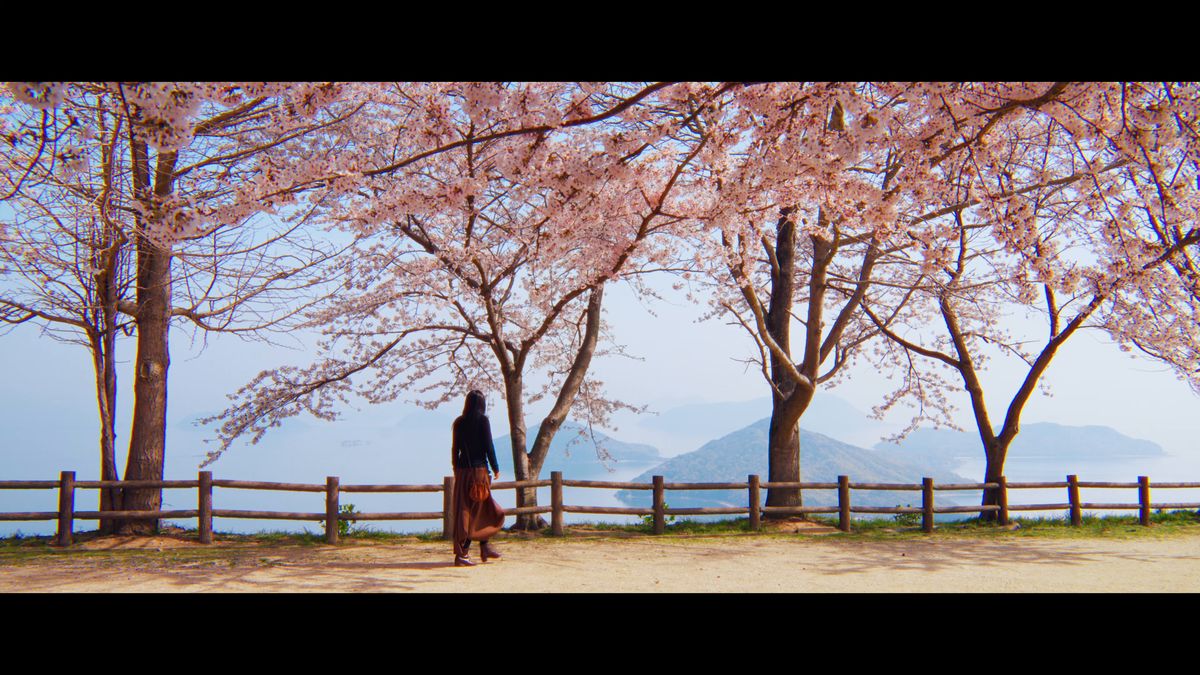
ABOUT THIS JOURNEY
I'd assumed Japan's cherry blossoms start in Kyushu, but the first Somei-yoshino open in Tokyo. So I began there: the Sumida River, Senso-ji, Ueno Park, Chidorigafuchi, the Meguro River and three slopes called Sakurazaka. When Shikoku's blossoms peaked, I headed back west to Mt. Shiudeyama in Kagawa, then to Hirakiyama Park on Hakata Island, Kotohira-gu and Chichibugahama, with Sanuki udon and honetsukidori along the way. An east-and-west journey whose destination only the cherry blossoms know.
A little more about the food and the land01TRAVEL JOURNAL
The first blossoms open in Tokyo
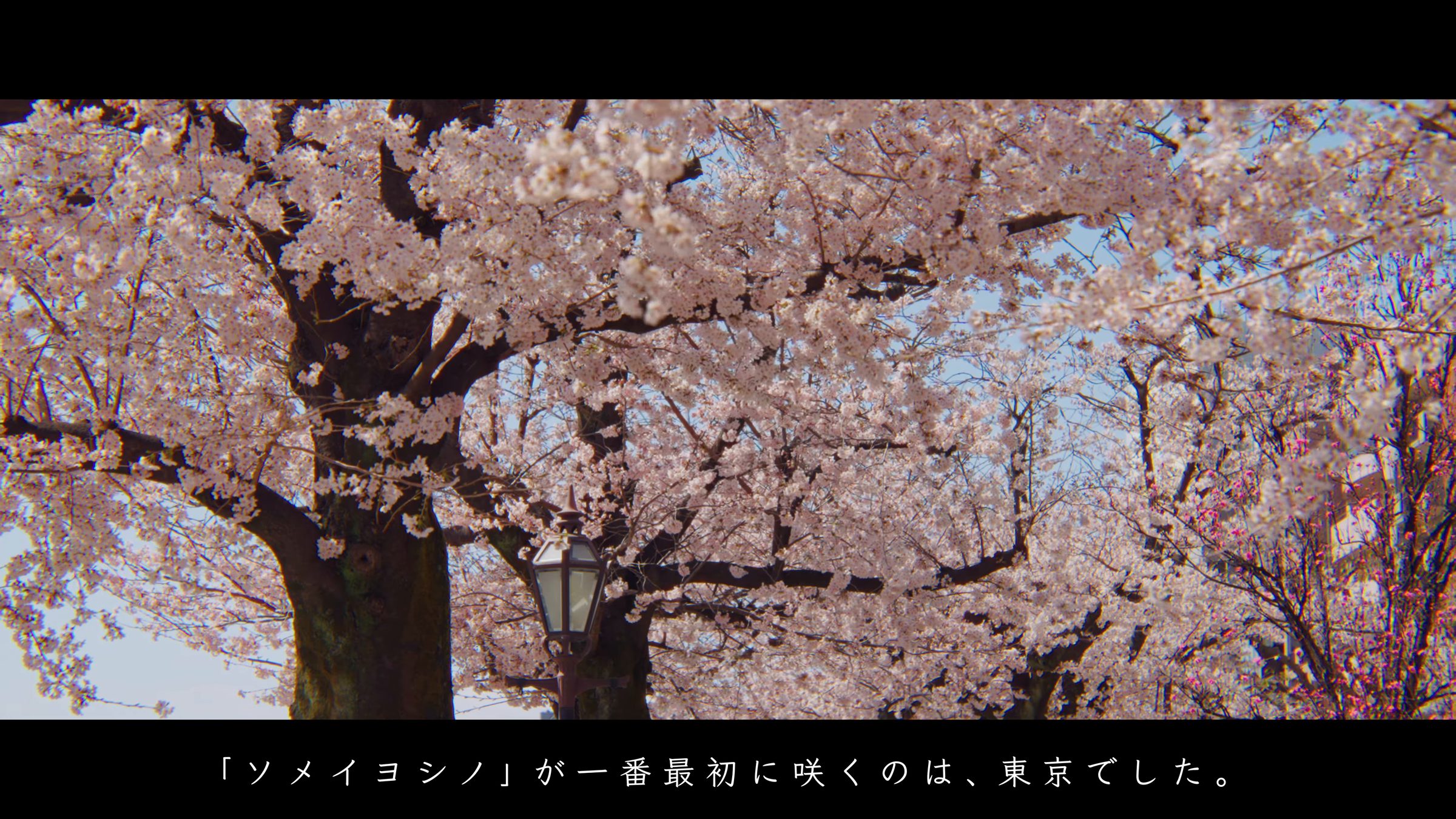
I'd always thought Japan's cherry blossom season began in Kyushu. Travel from south to north, I figured, and you could follow the blossoms as they opened one place after another. But when I checked the forecast, the first Somei-yoshino were due to bloom in Tokyo.
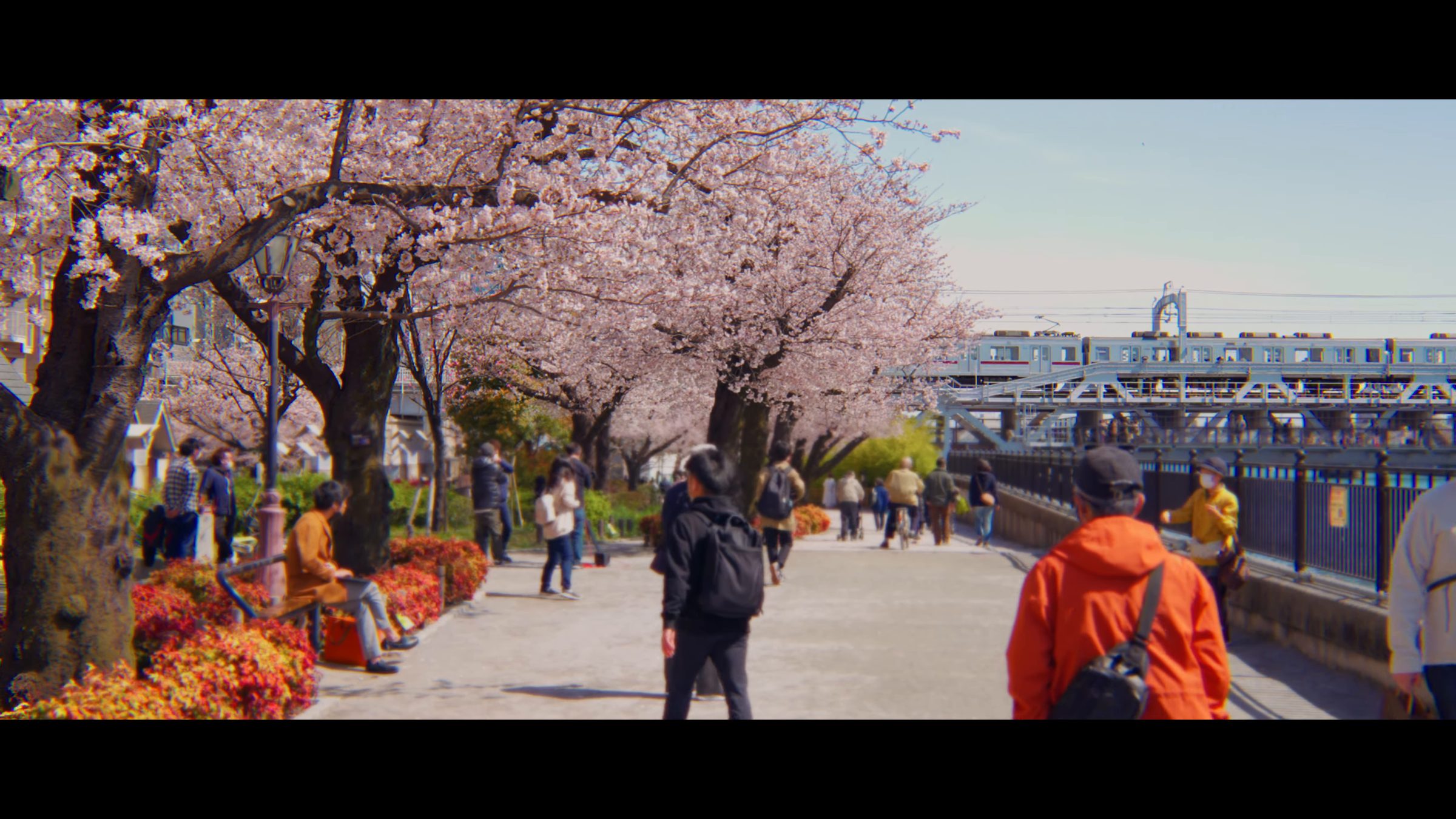
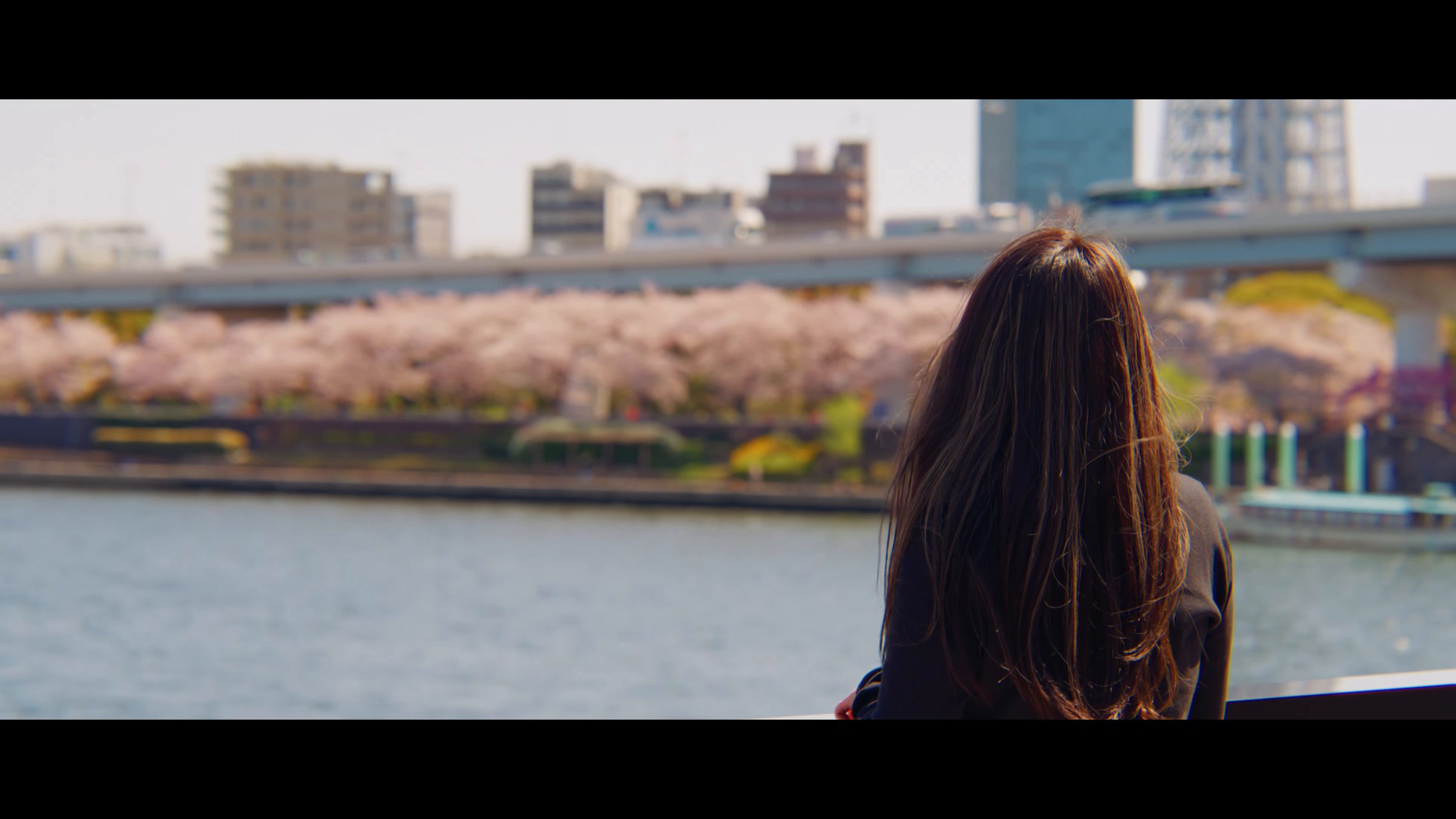
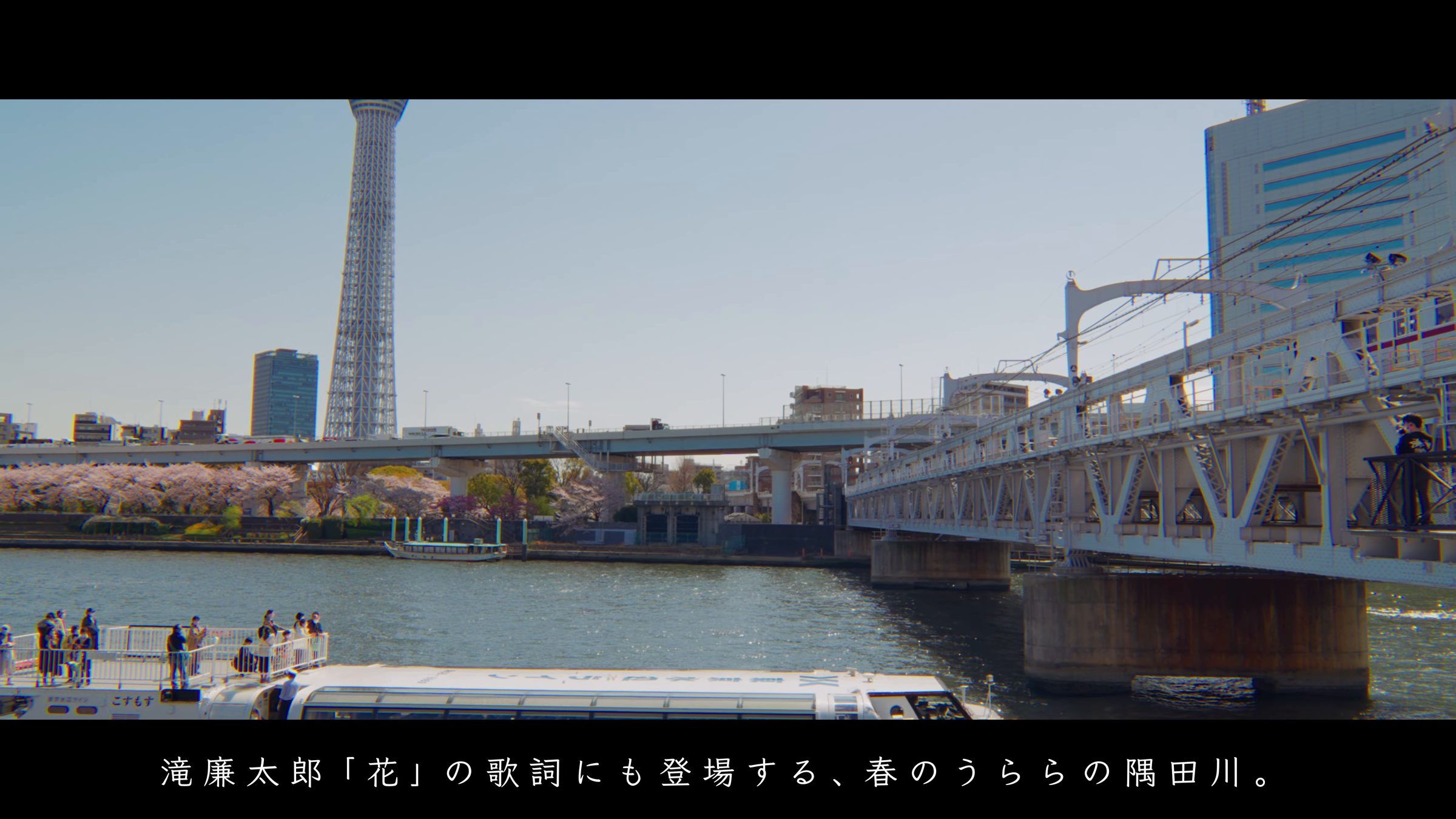
So I started at the Sumida River. The trees along the bank were in full bloom, with Tokyo Skytree rising beyond the branches. People strolled the promenade beneath the flowers, and a train rumbled across the iron bridge.
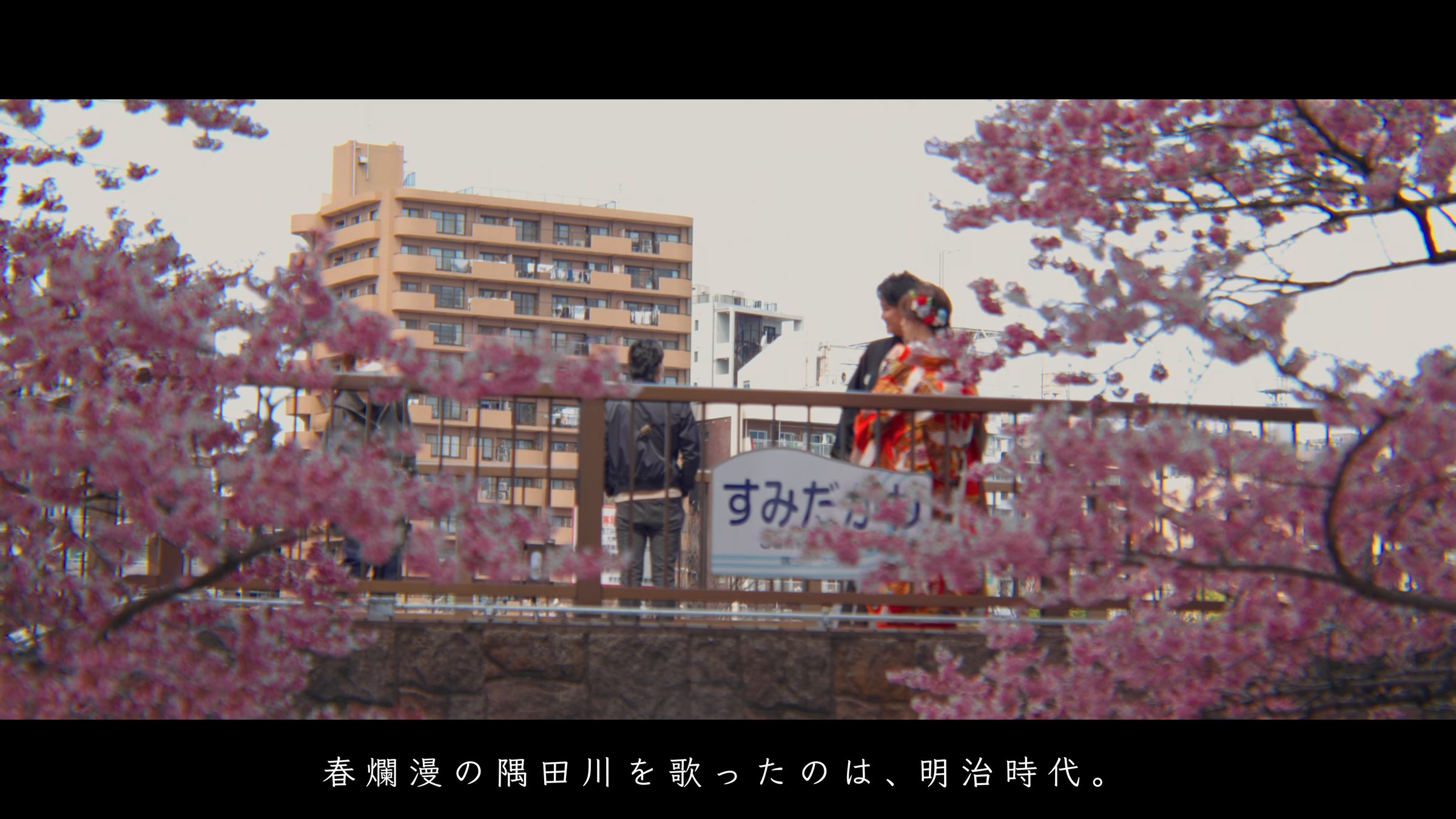
This is the Sumida River in spring, the river sung about in Rentaro Taki's "Hana." Cherry trees ran like a pink ribbon along the far bank, and boats came and went on the water. The song about the Sumida in full bloom dates back to the Meiji era.
Watch this scene on YouTube0:42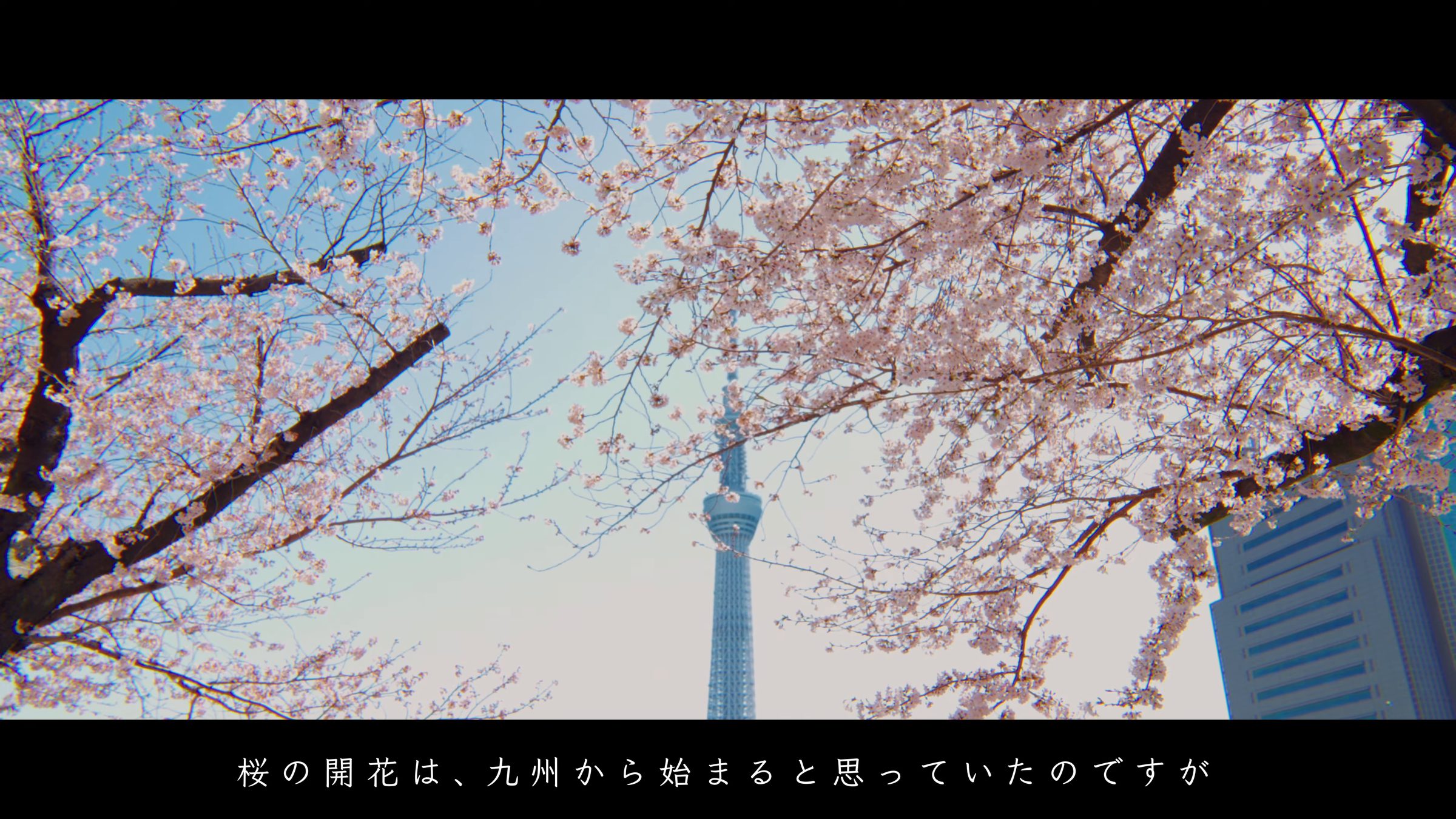
02TRAVEL JOURNAL
Blossom viewing in the old imperial capital
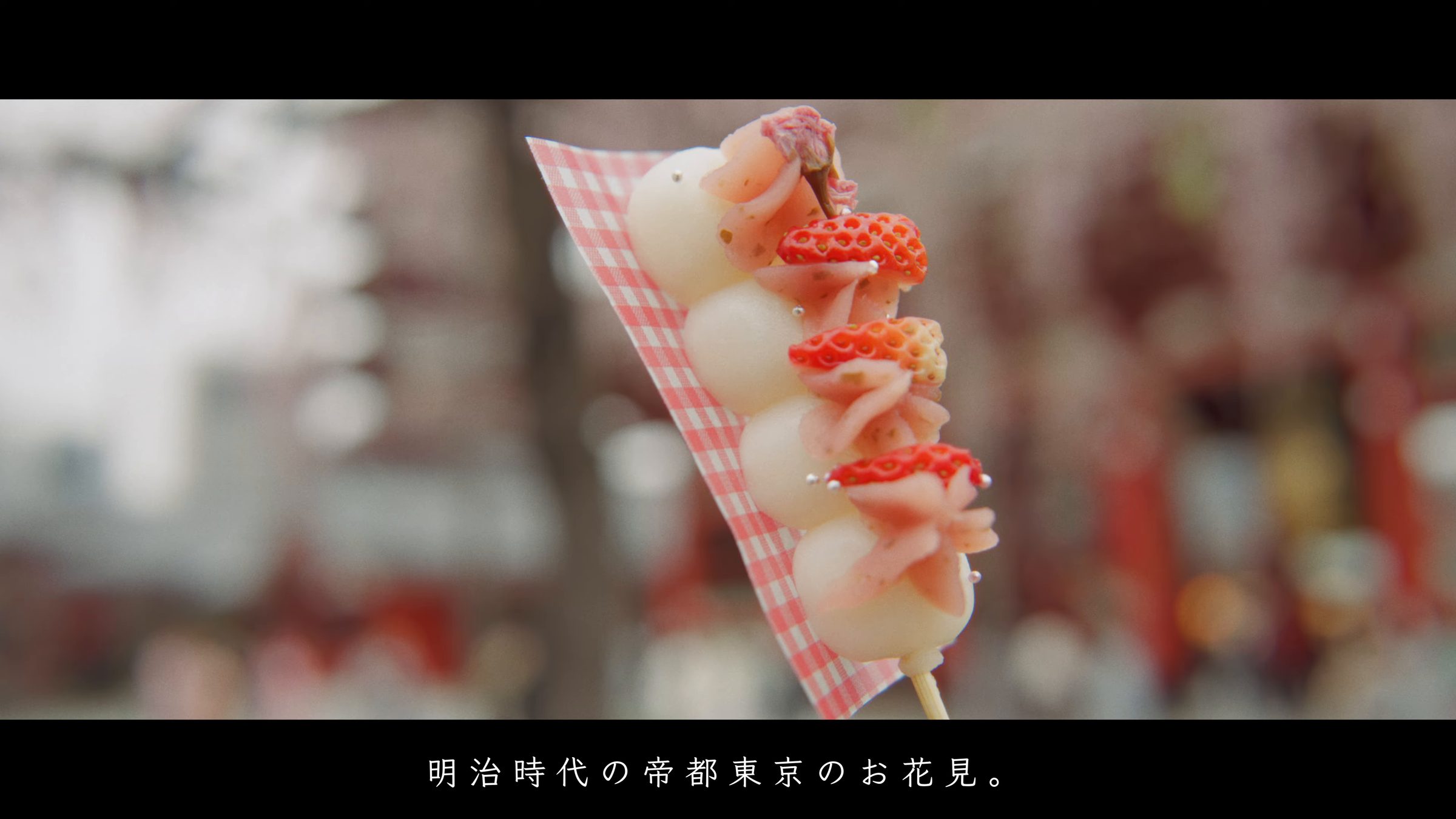
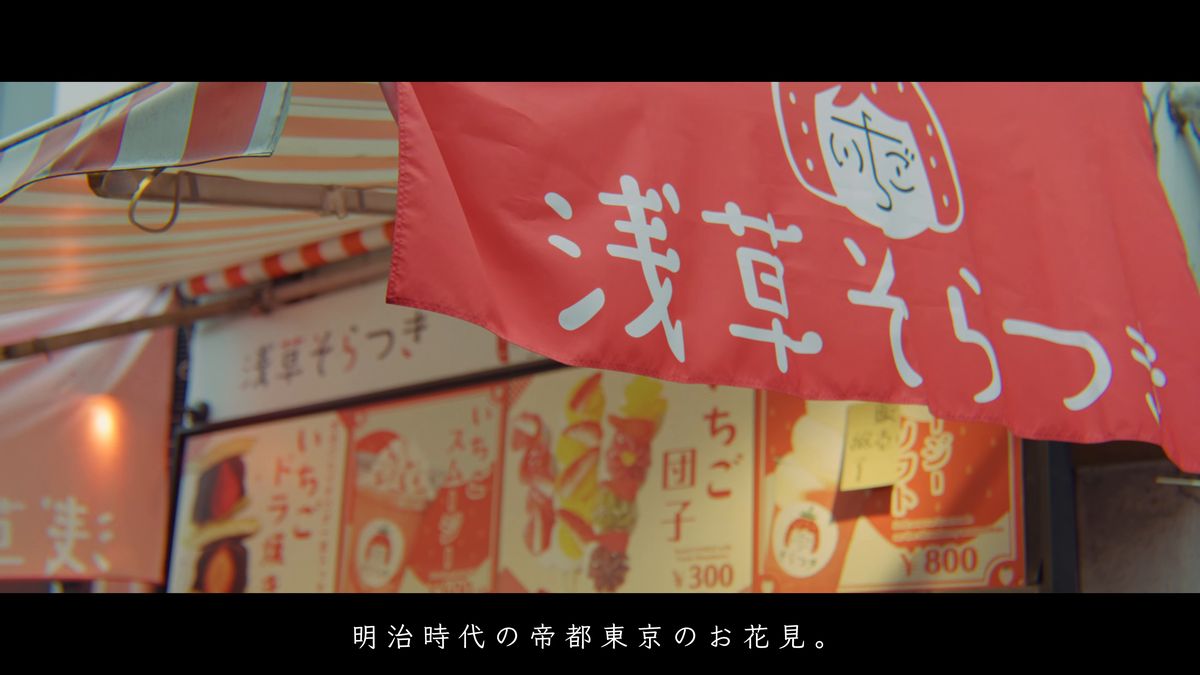
In Asakusa I stopped at Asakusa Soratsuki, a shop making Japanese sweets with strawberries. The menu showed strawberry dorayaki and strawberry dango, and I came away with a skewer of white dango topped with strawberries, wrapped in paper.
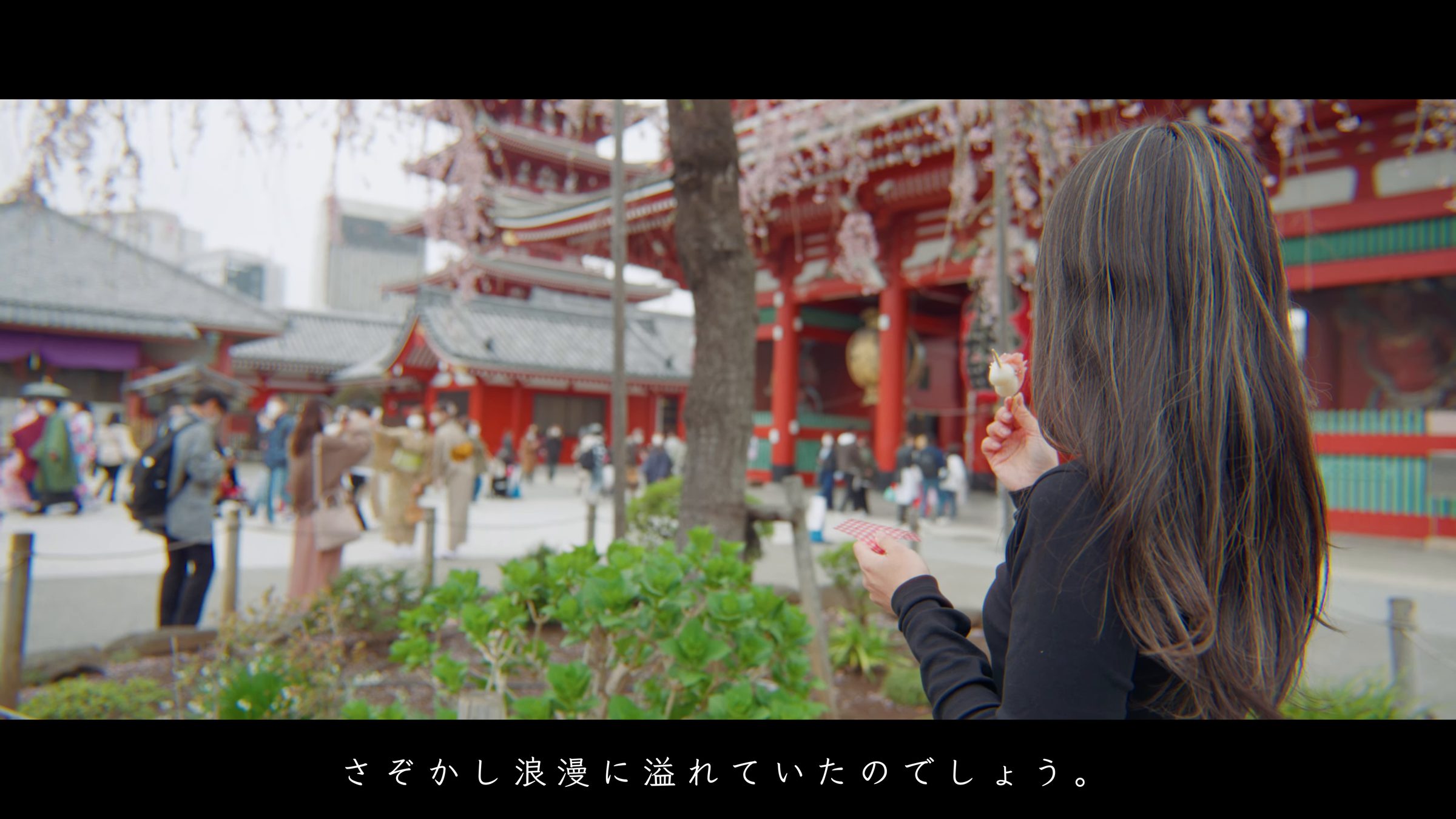
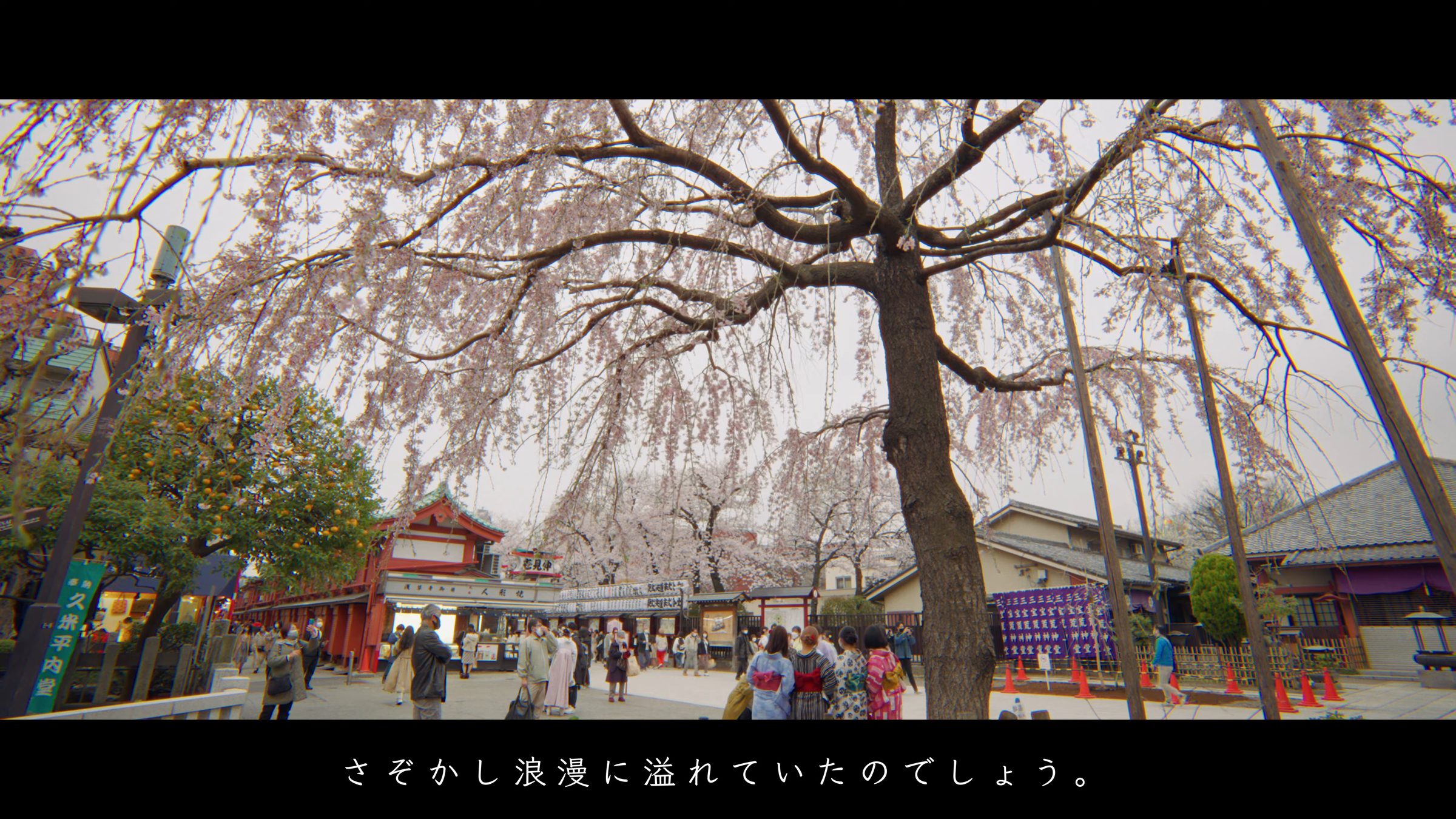
Dango in hand, I walked the grounds of Senso-ji. Around the vermilion halls, weeping cherries spread their branches wide.
Cherry blossom viewing in Tokyo, the imperial capital of the Meiji era. It must have been wonderfully romantic.
Watch this scene on YouTube1:13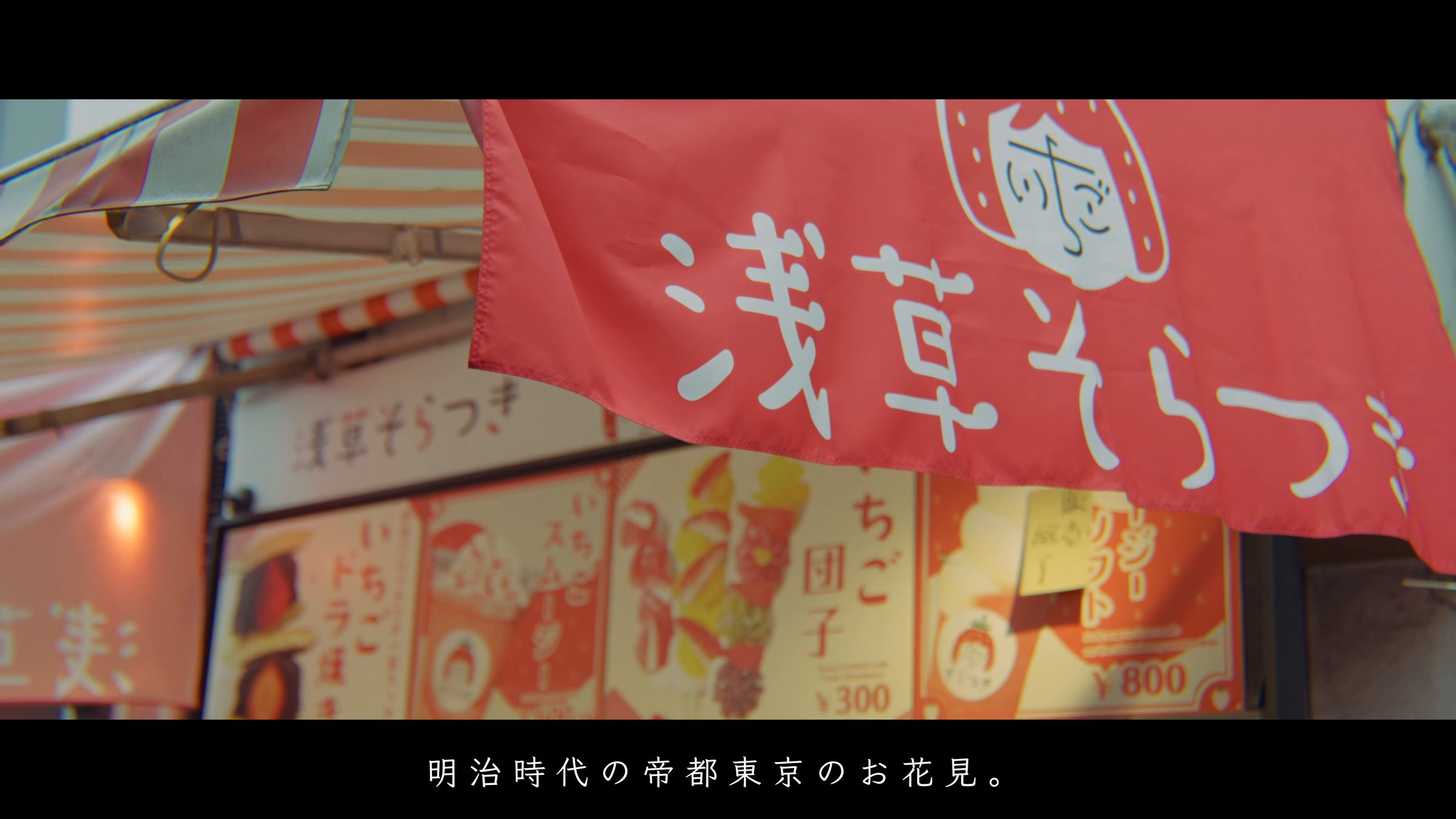
03TRAVEL JOURNAL
Food stalls and Shinobazu Pond in Ueno
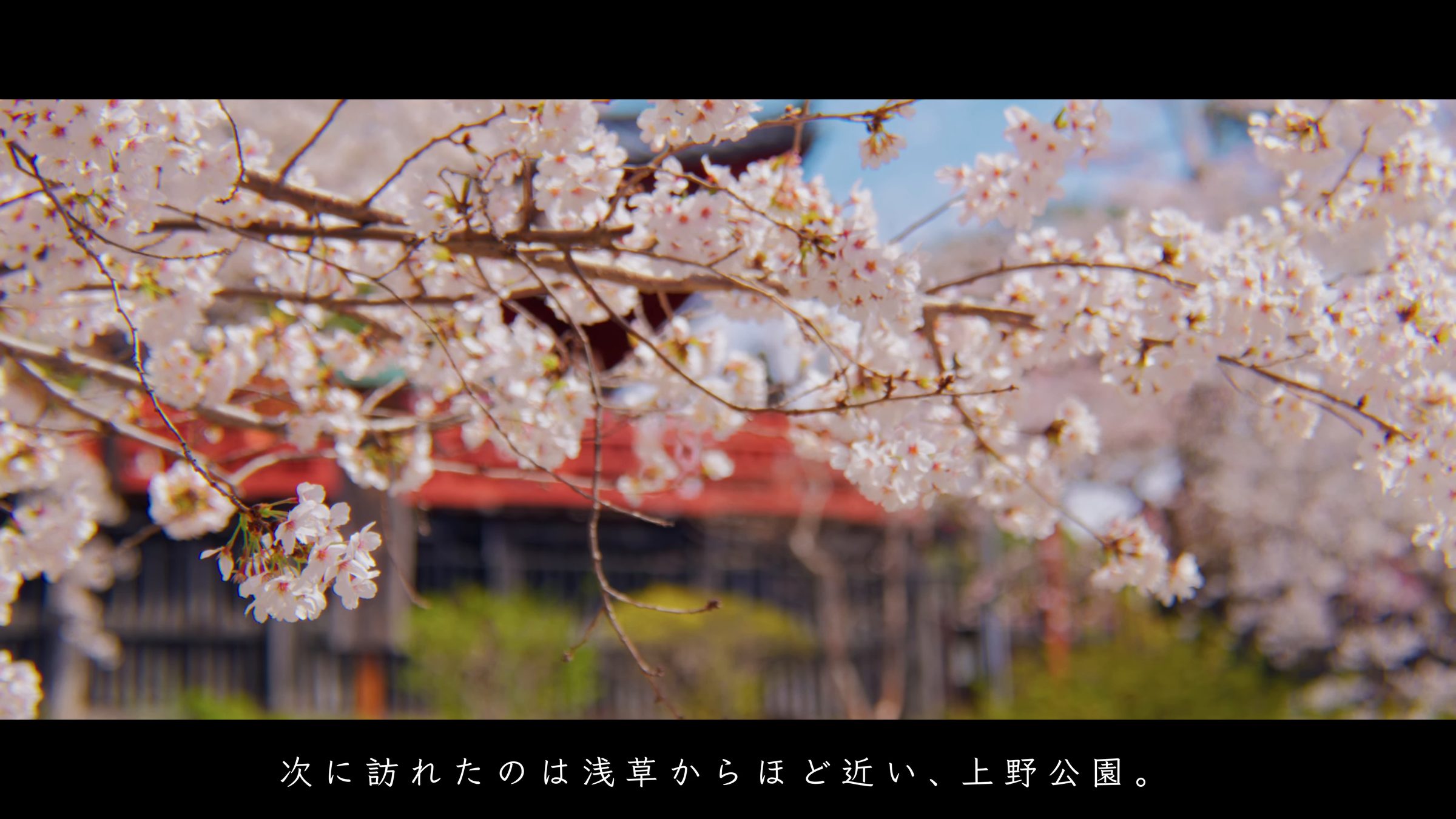
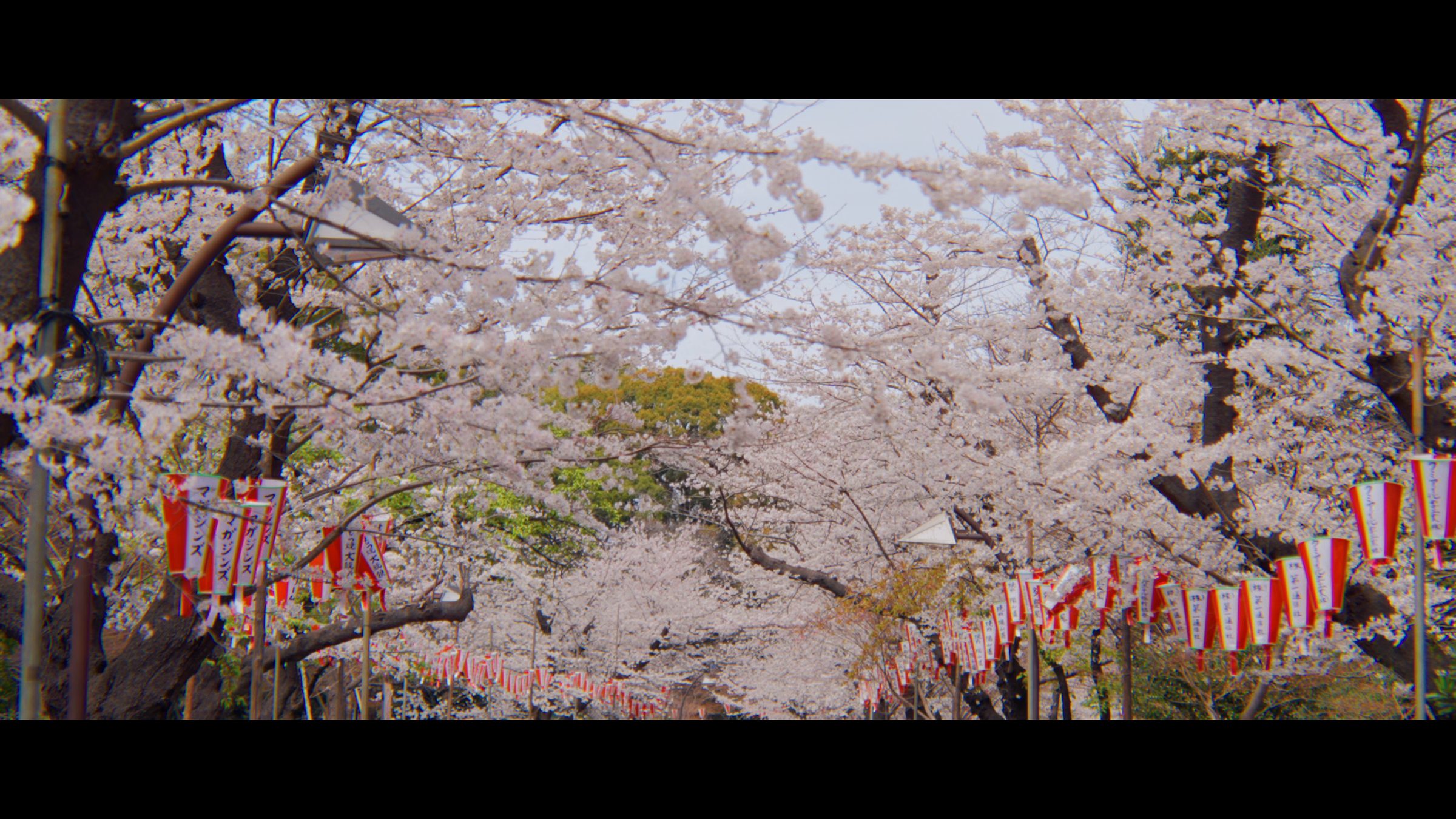
Next was Ueno Park, a short hop from Asakusa. At the top of the stone steps, an avenue of cherry trees hung with lanterns stretched on and on. It's said to draw more blossom viewers than anywhere else in Japan.
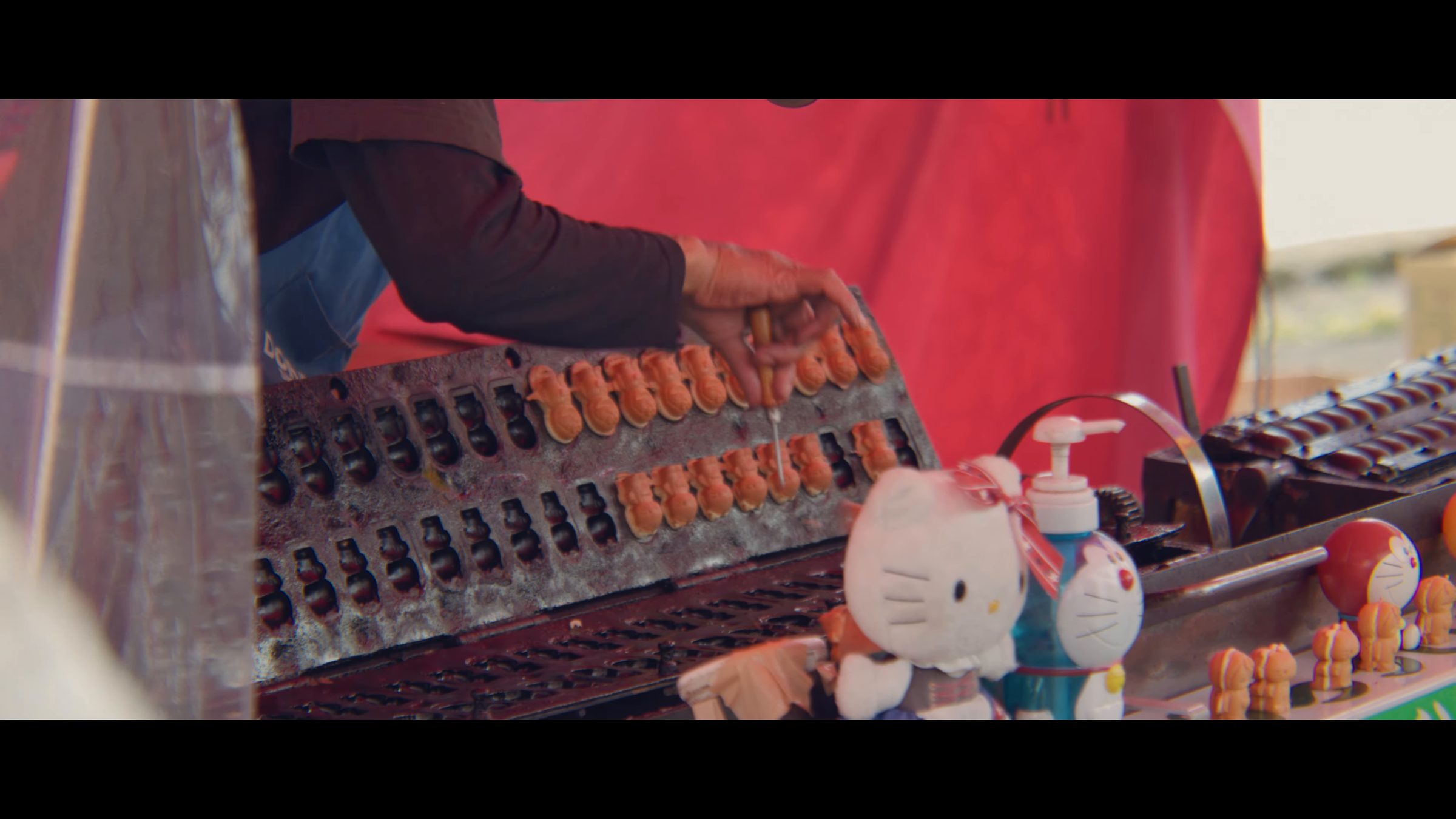
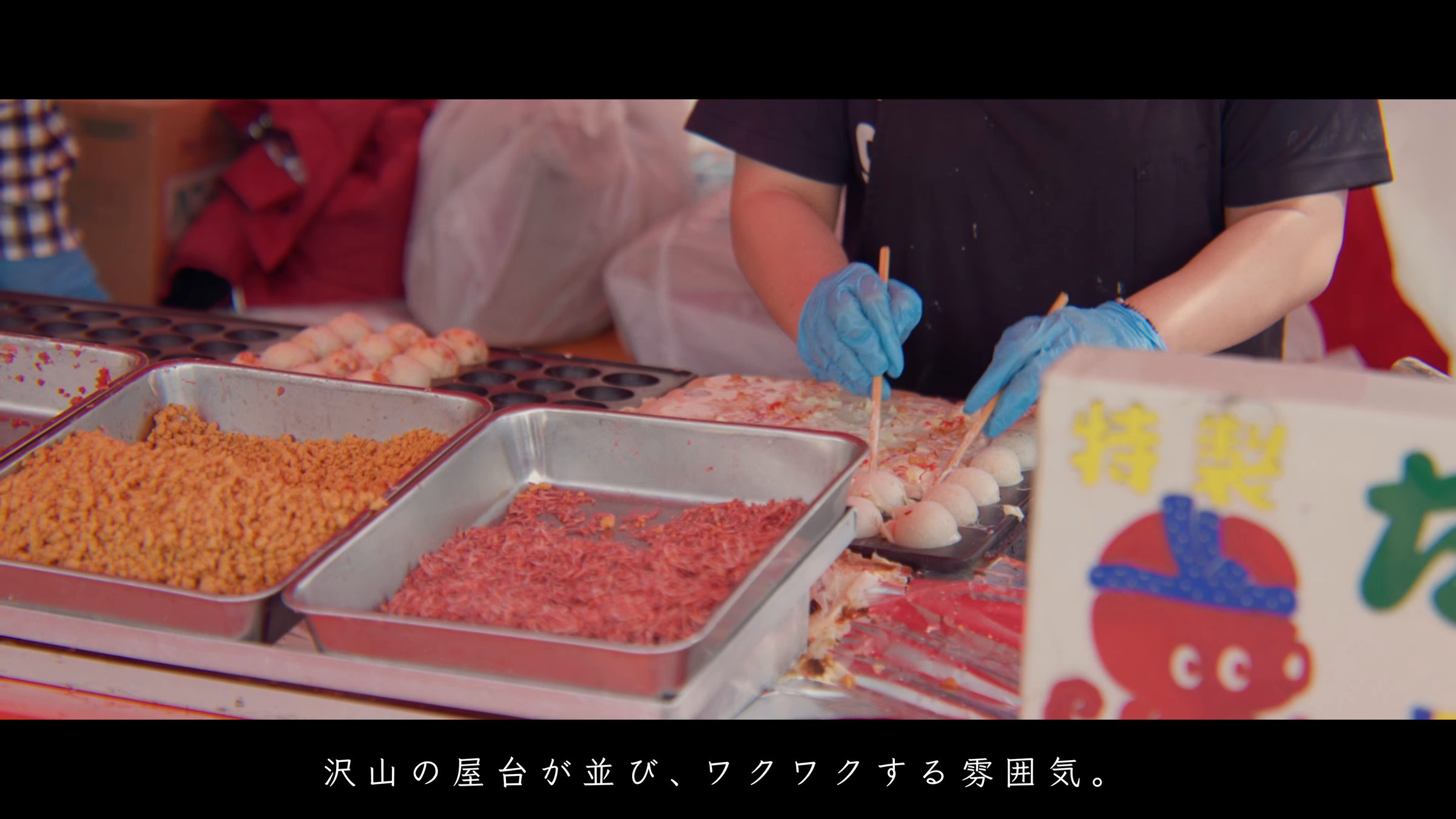
Food stalls lined the paths. Rows of little ningyo-yaki cakes sat in an iron mold, and at the next stall someone was prepping takoyaki. The whole place had a lively, festive buzz.
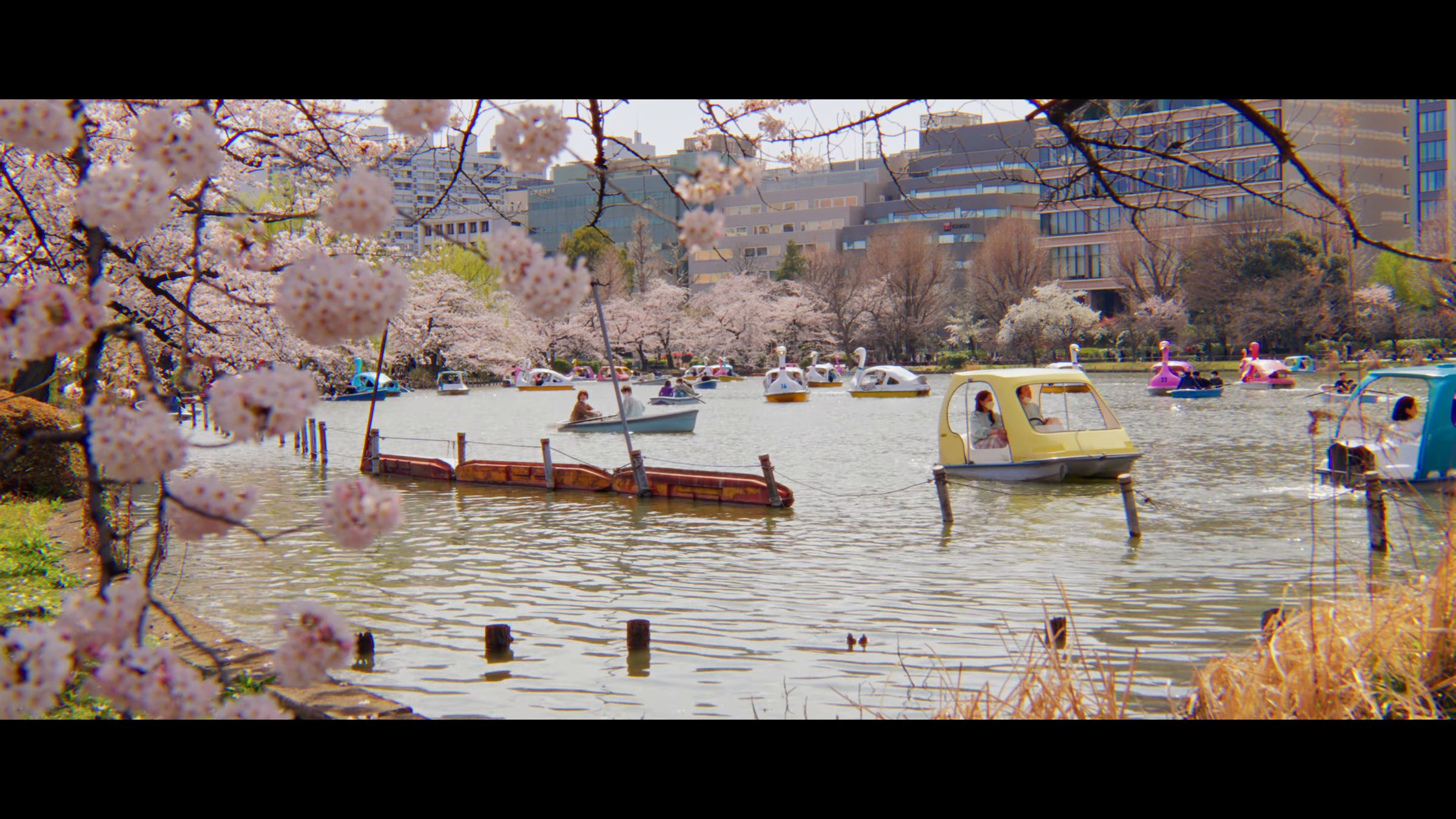
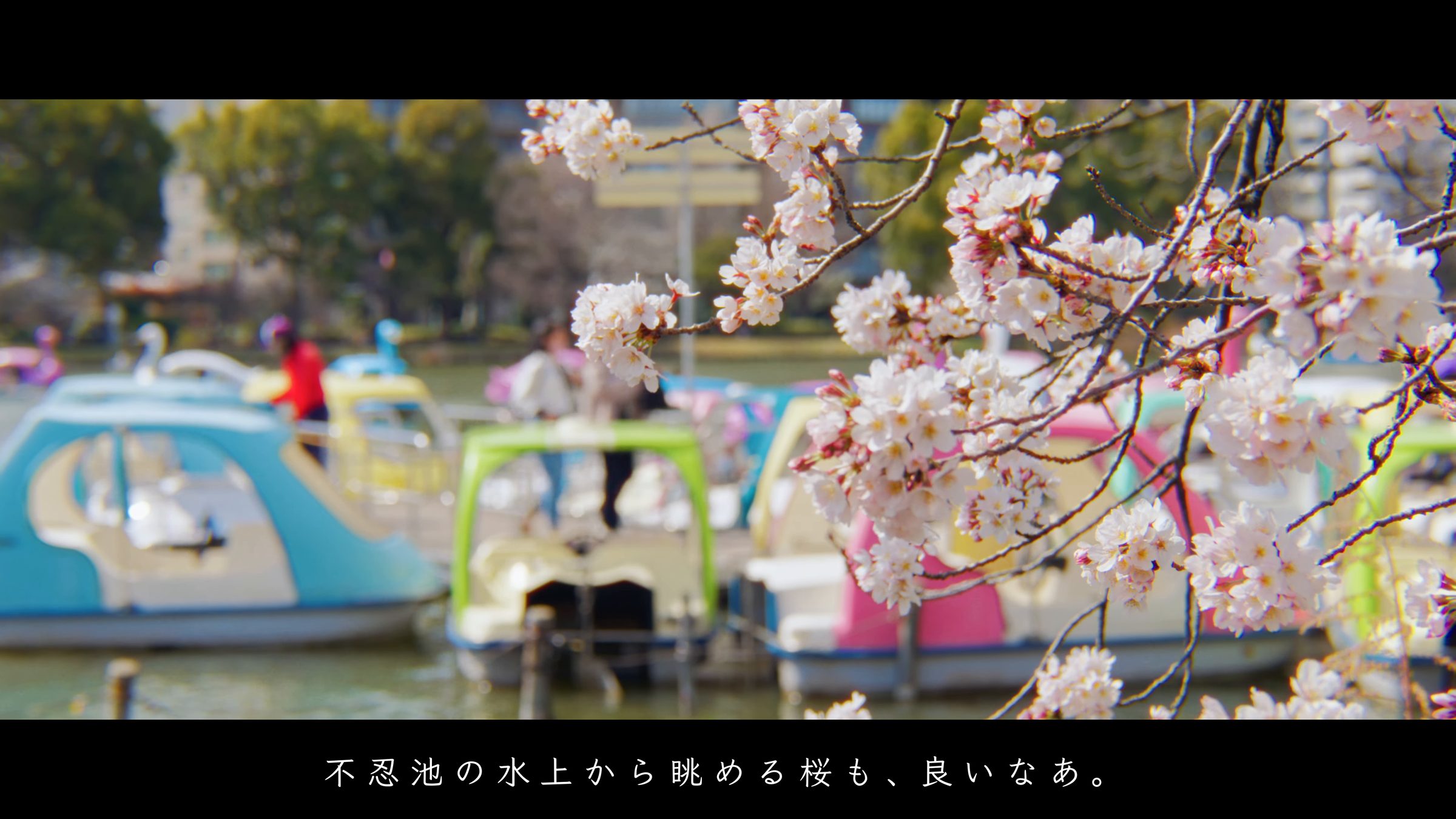
Colorful boats drifted on Shinobazu Pond. Viewing the blossoms from the water looked lovely too.
Watch this scene on YouTube1:27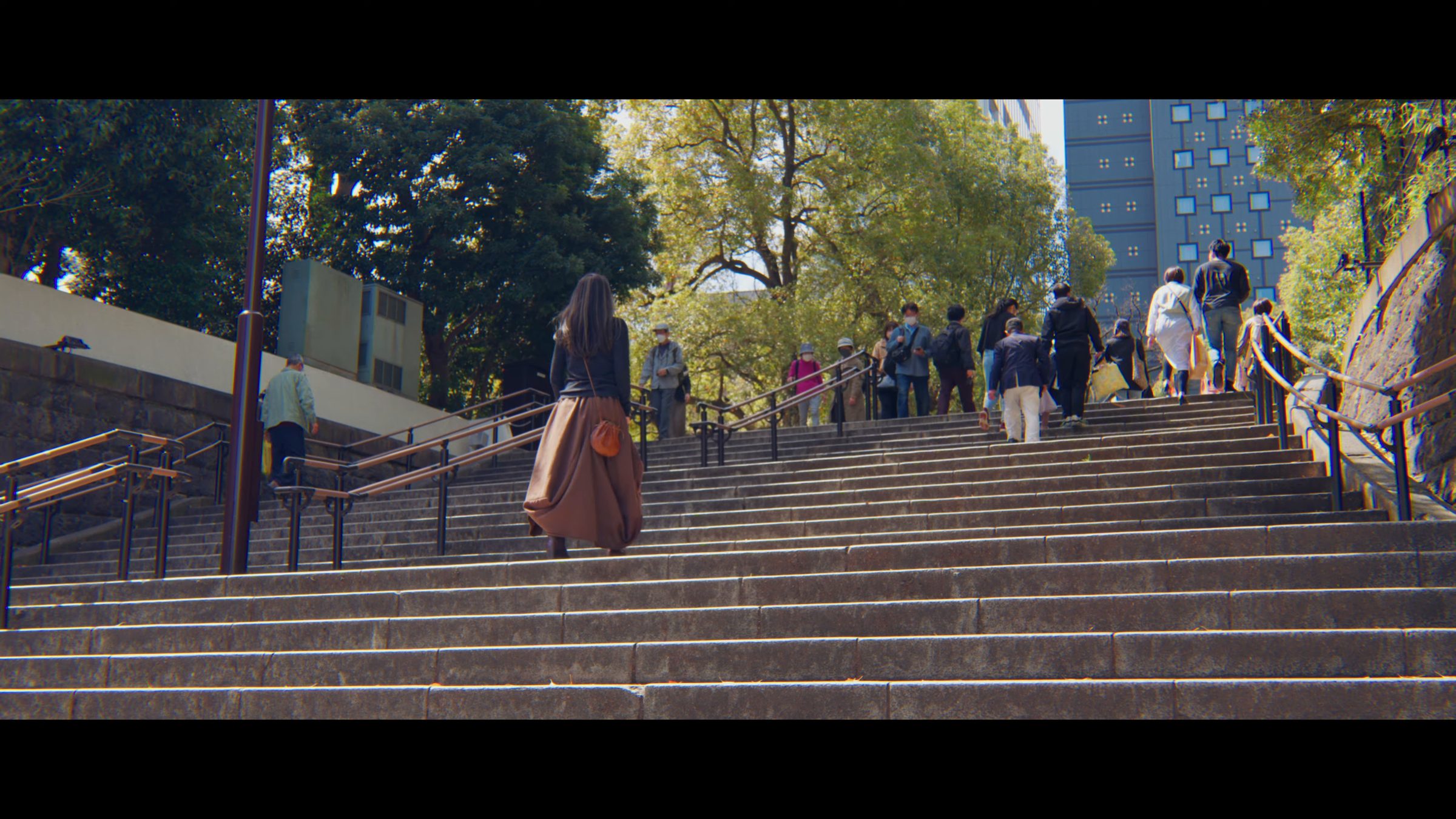
04TRAVEL JOURNAL
Chidorigafuchi, branches reaching for the moat
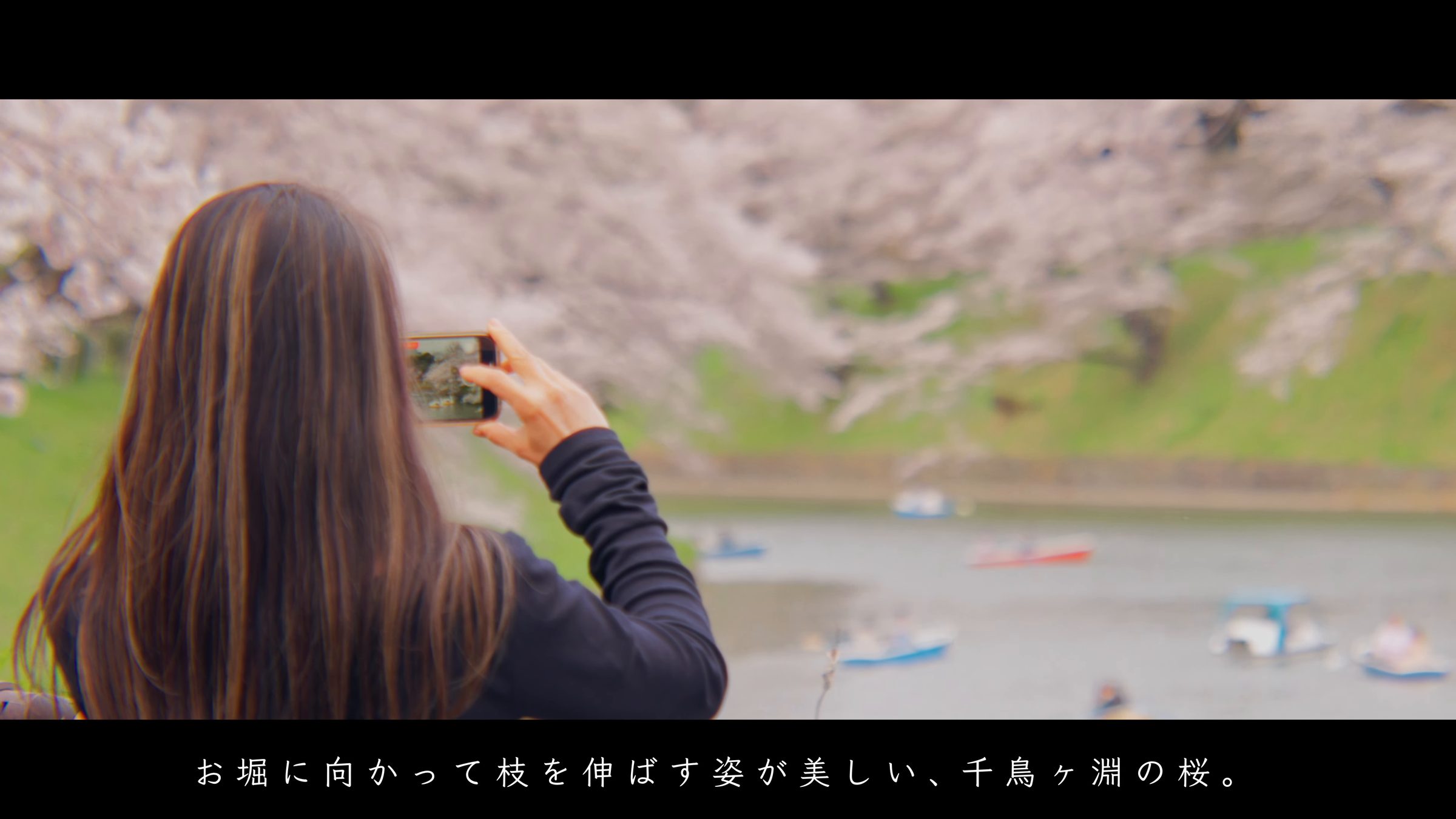
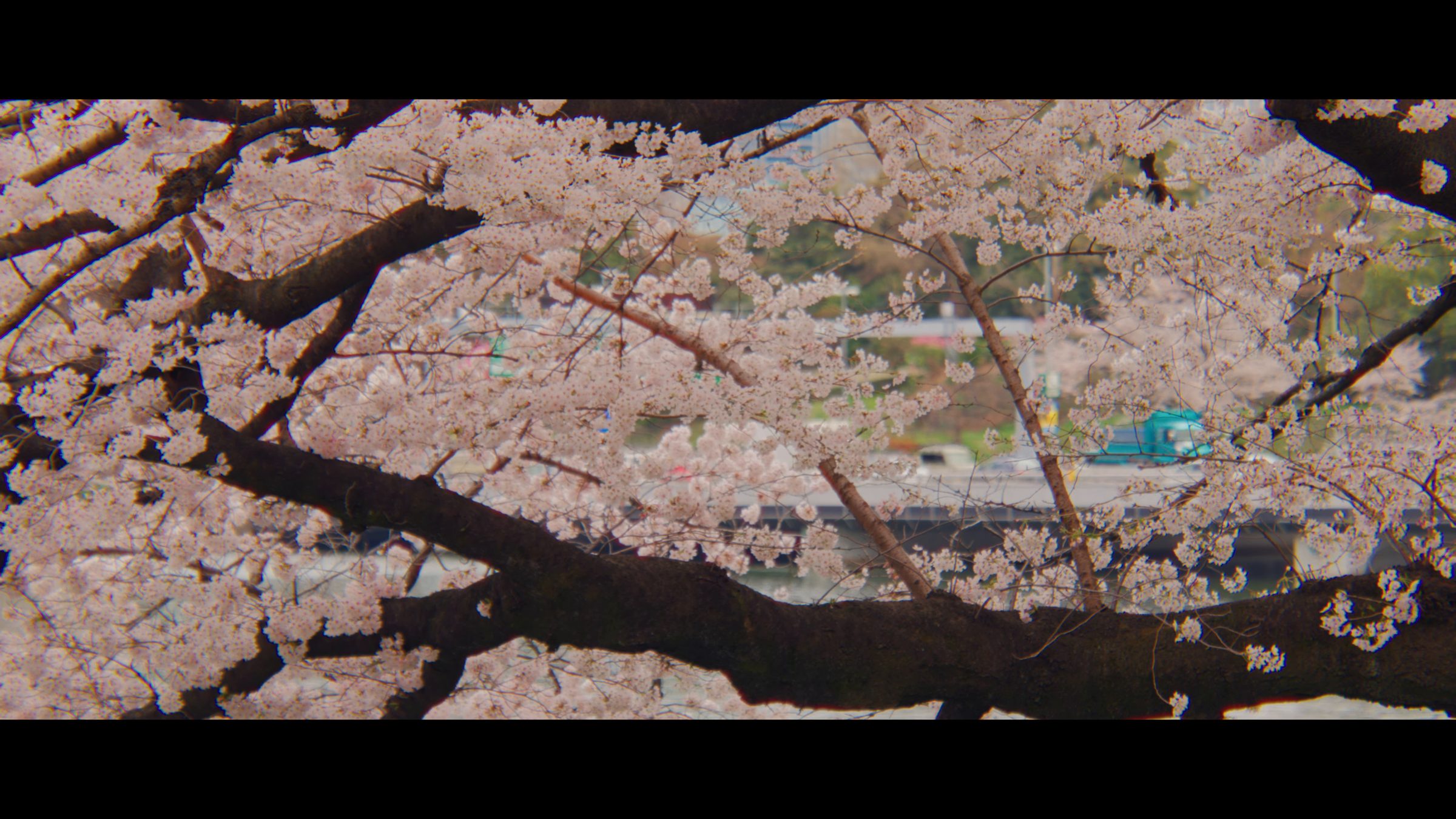
At Chidorigafuchi, the cherry trees stretch their branches out toward the moat. The blossoms dipped almost to the water, and rowboats slid slowly beneath them.
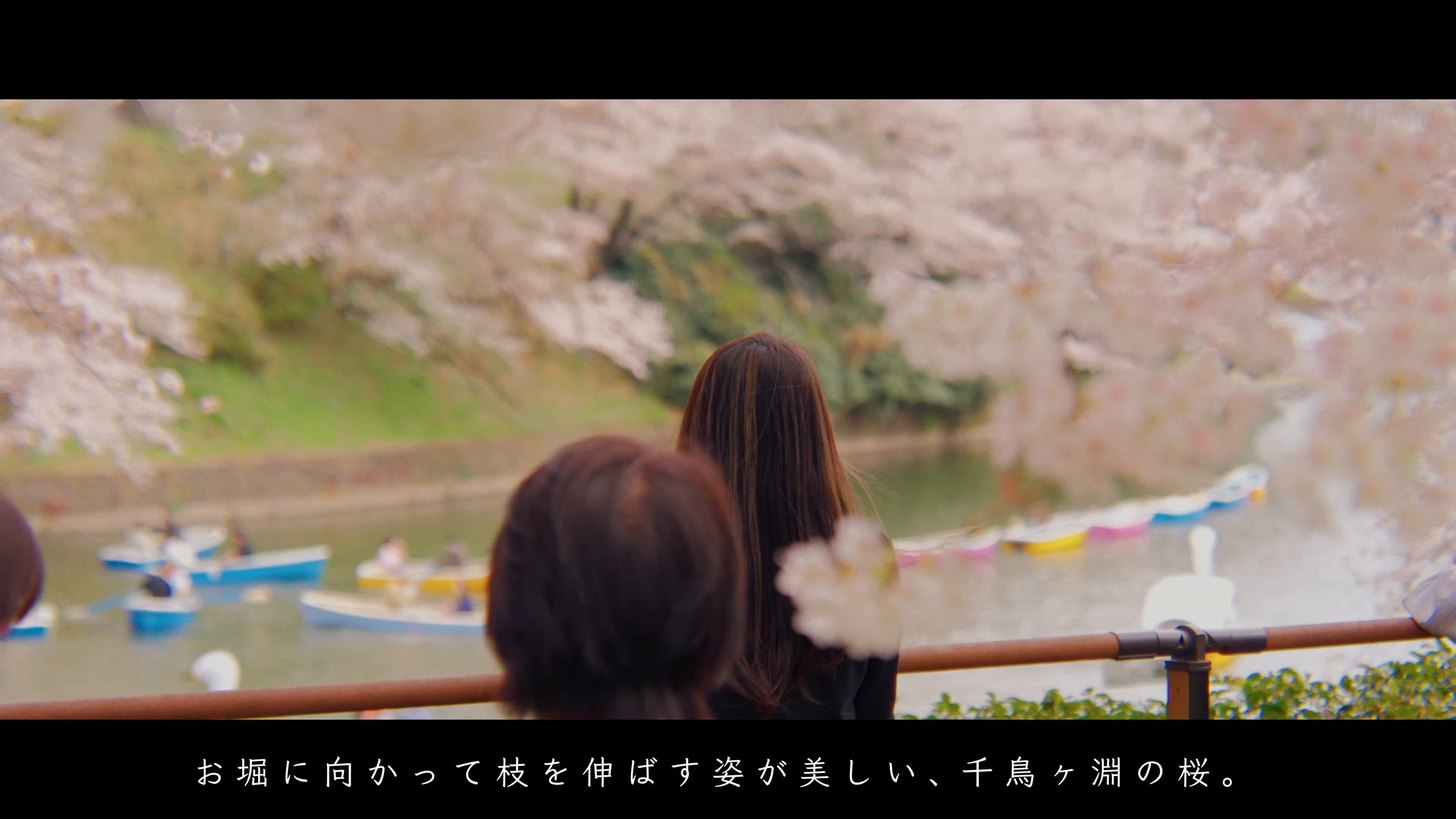
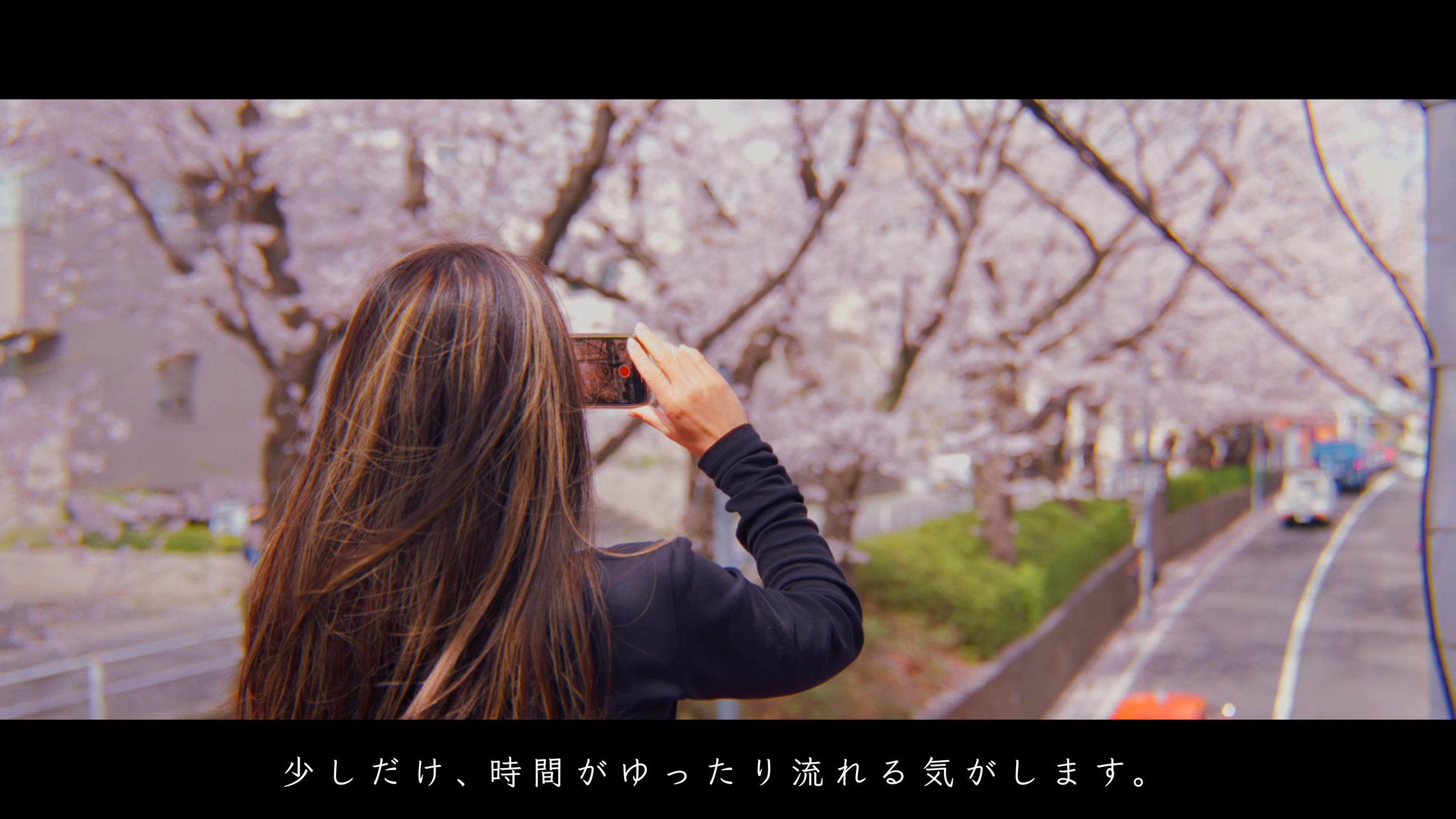
People stood along the railing, taking it all in. I raised my phone for a shot too. Thick boughs reached out from the trunks and spread over the moat.
Watch this scene on YouTube2:00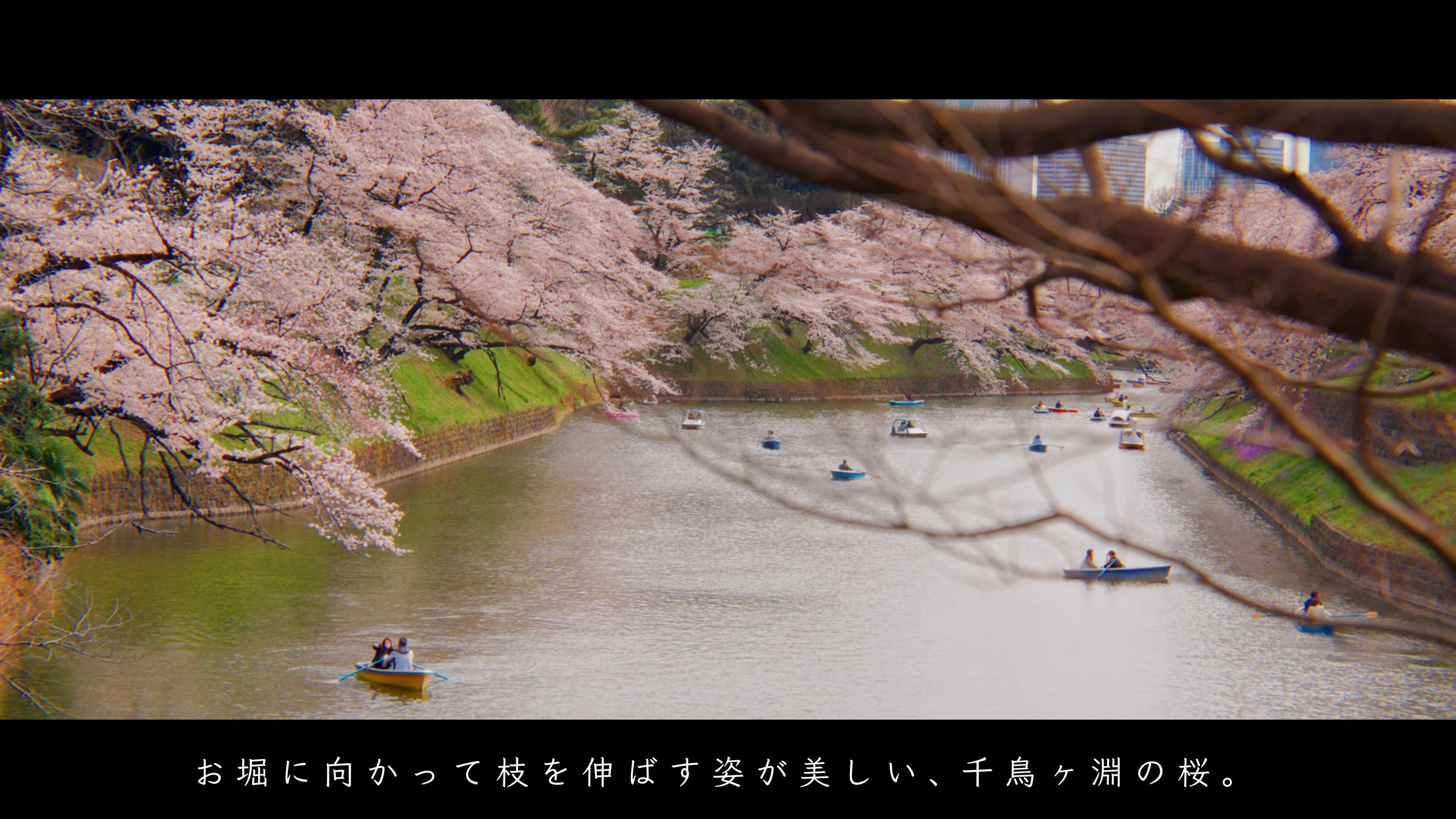
05TRAVEL JOURNAL
The Showa-born cherries of the Meguro River
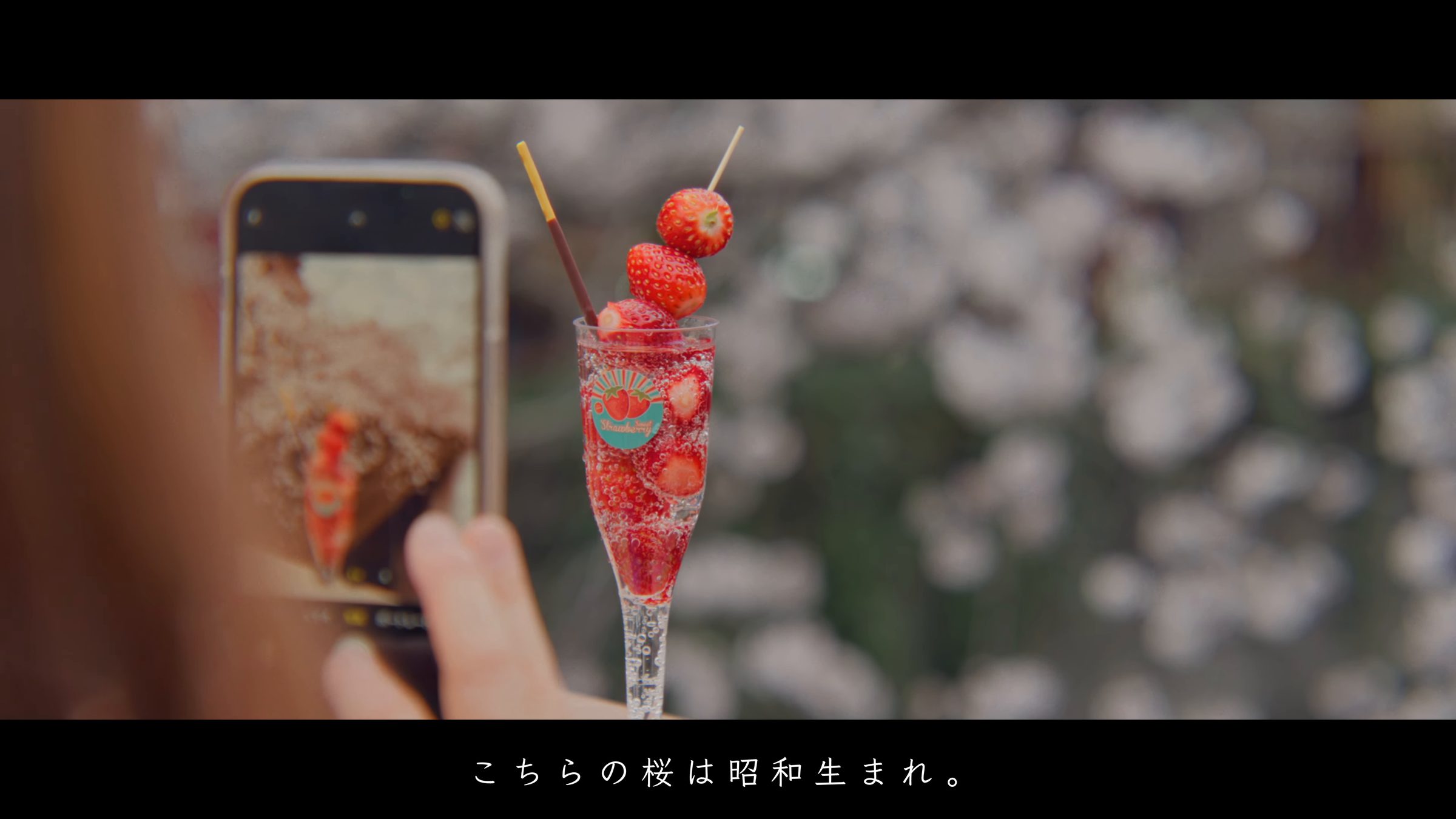
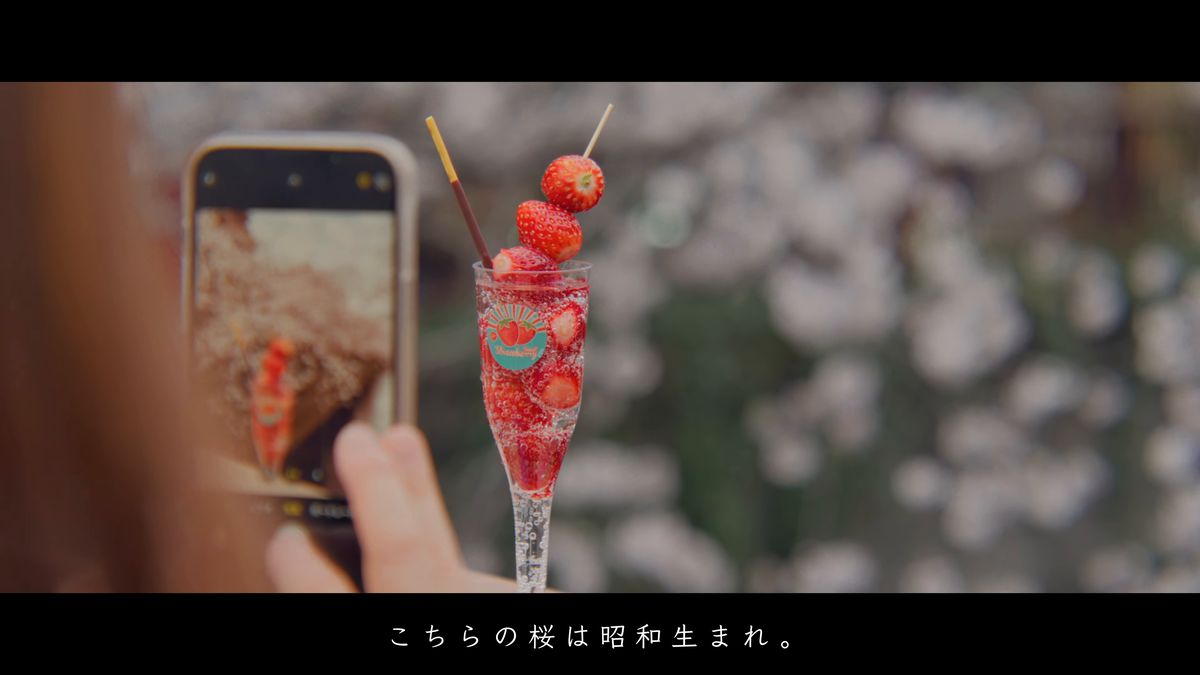
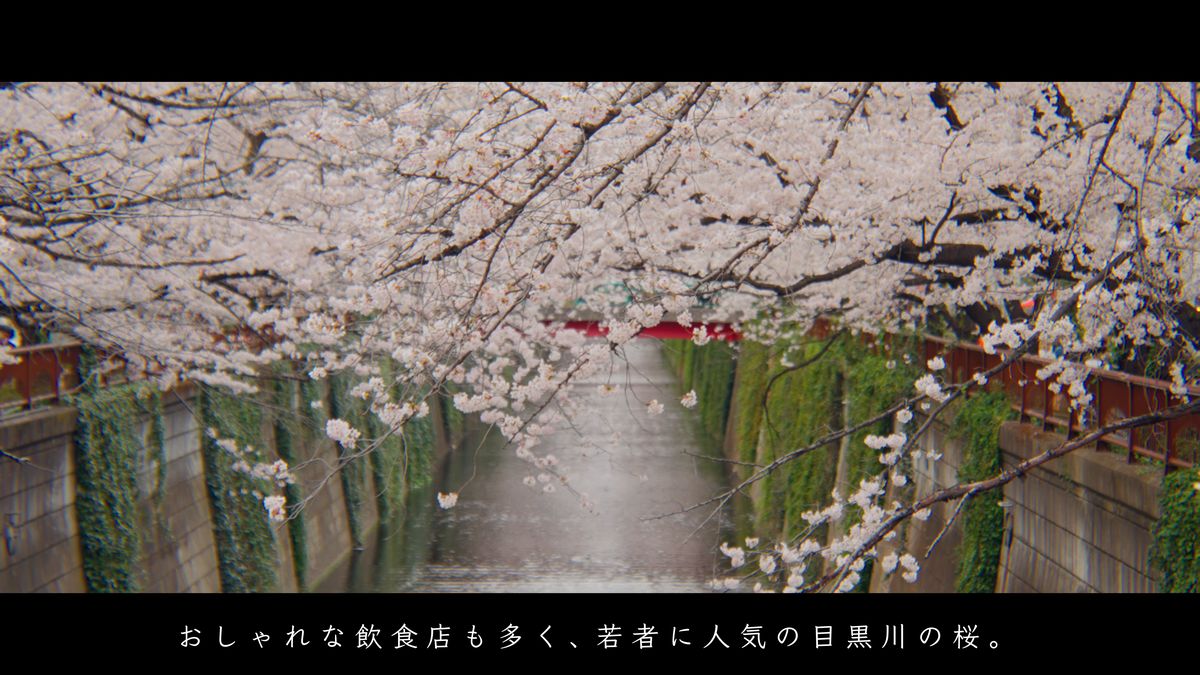
Then the Meguro River, popular with young people for its many stylish cafés and restaurants. At a shop by the river, strawberries were being dropped one by one into slender glasses.
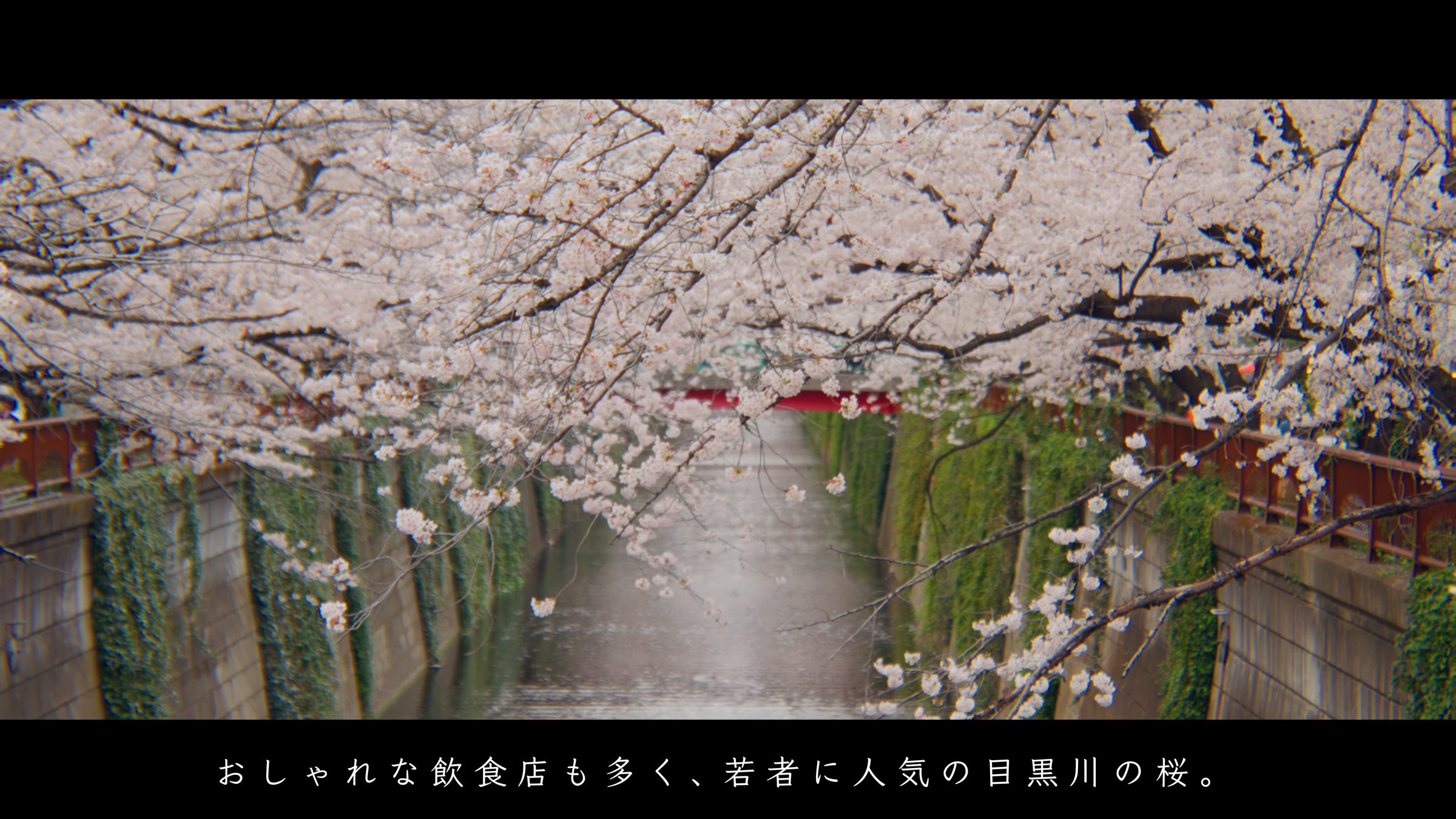
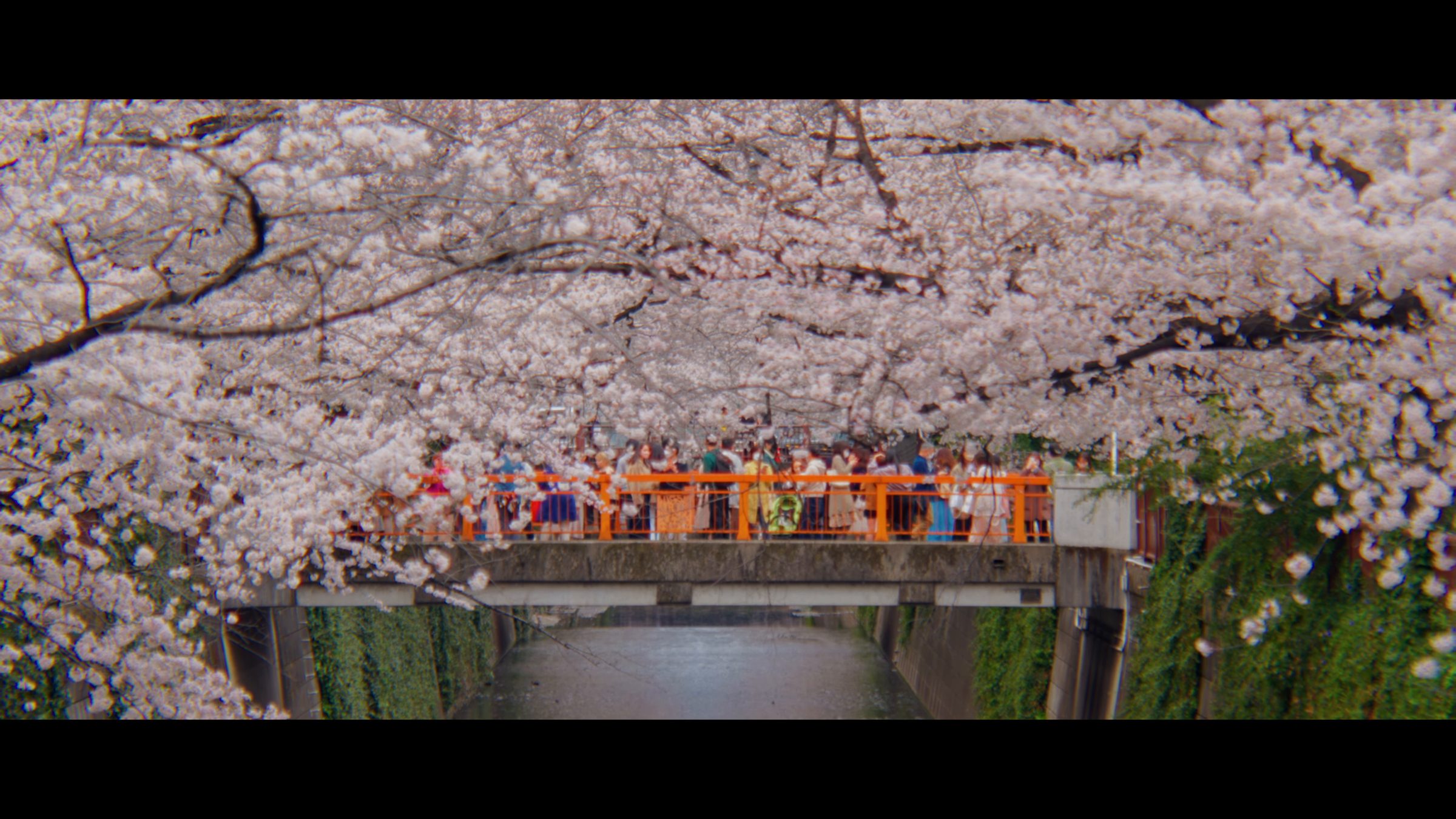
A sparkling strawberry drink with a skewer of berries on top: I held it up against the blossoms for a photo. Branches from both banks met over the water, and the bridge was packed with people.
These cherry trees were born in the Showa era. They began, I learned, when local people planted both banks during river works in the early Showa years. They have grown up alongside the development of this modern part of Tokyo.
Watch this scene on YouTube2:17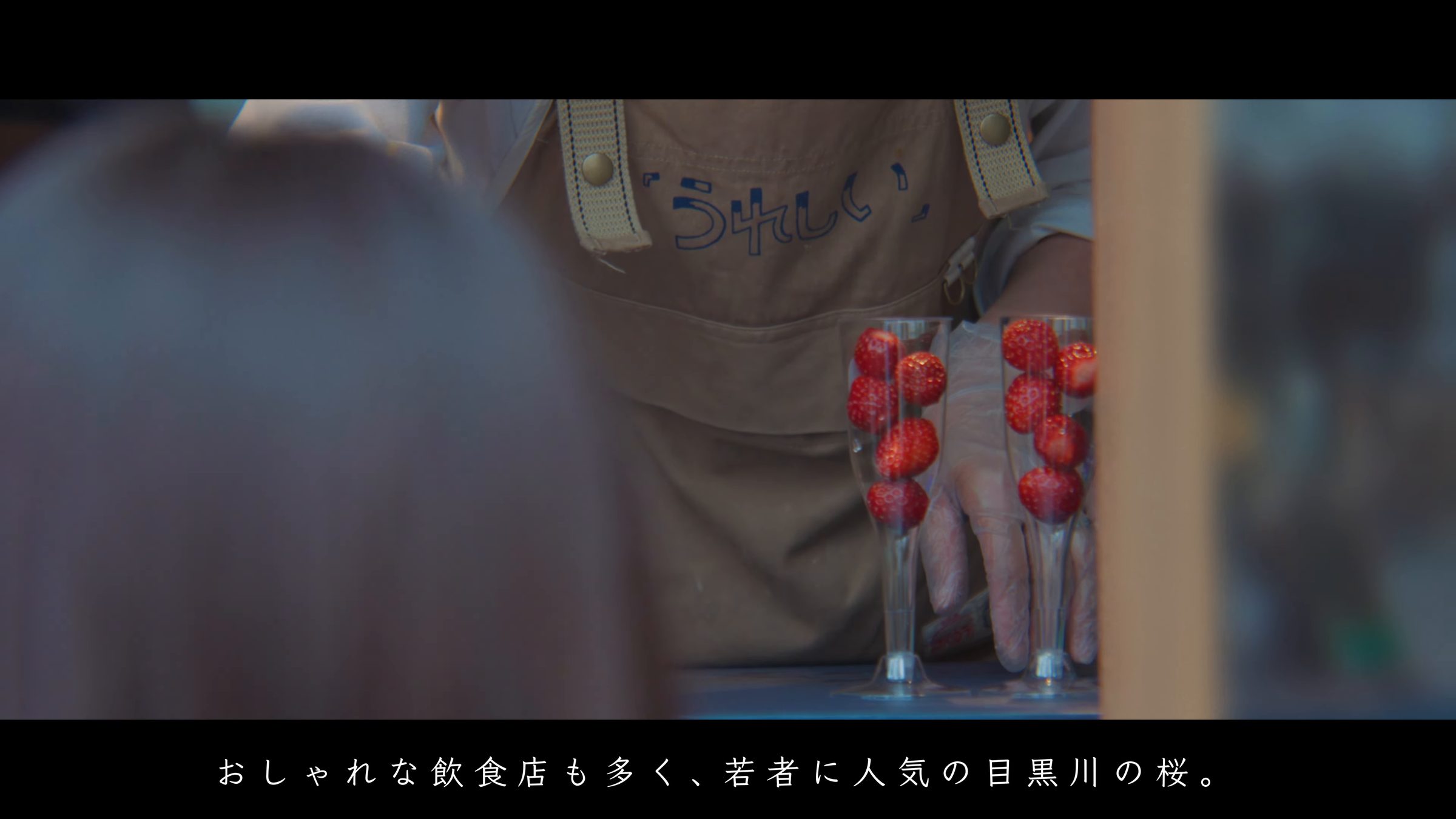
06TRAVEL JOURNAL
Sakurazaka in Akasaka and Roppongi
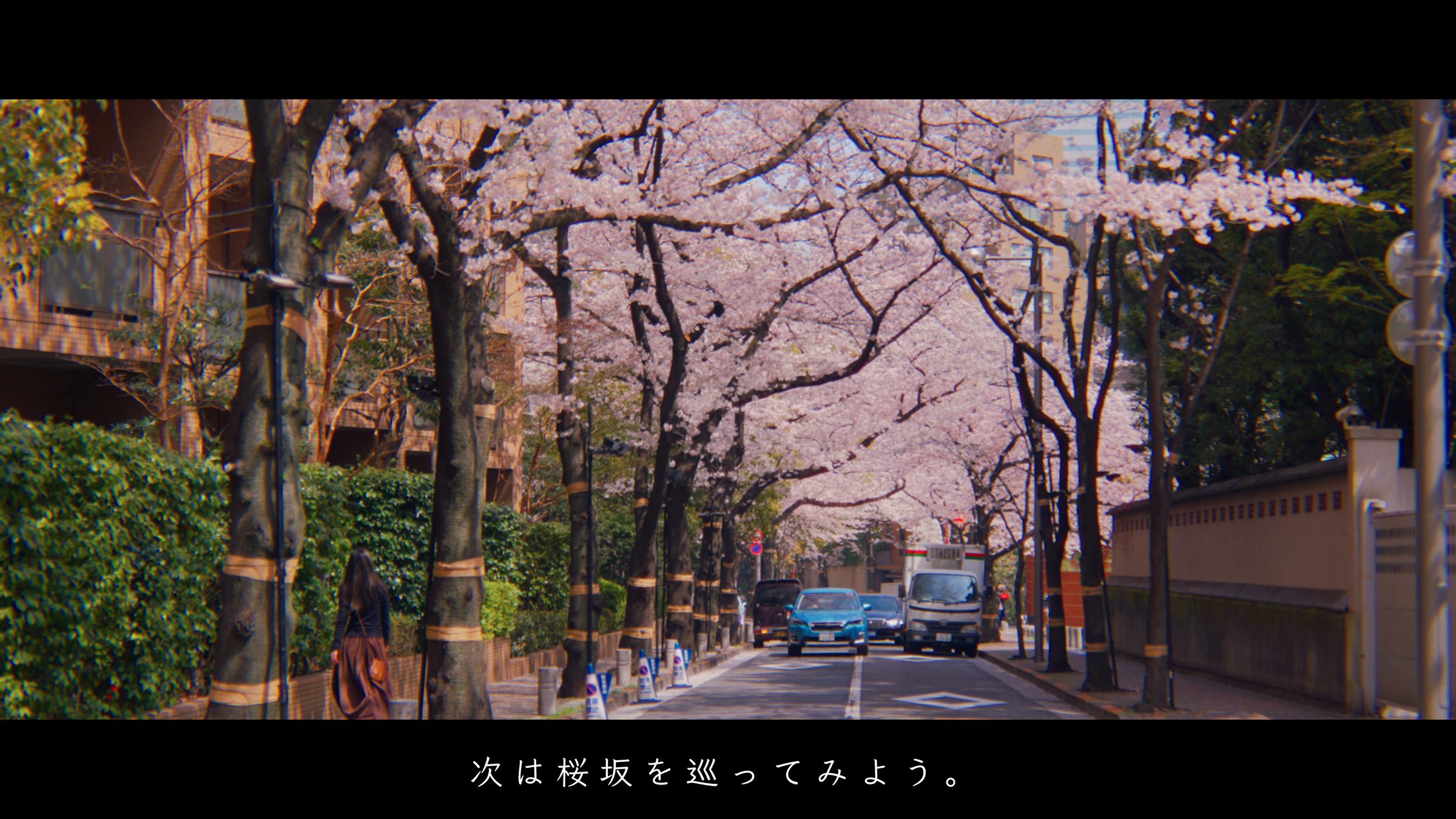
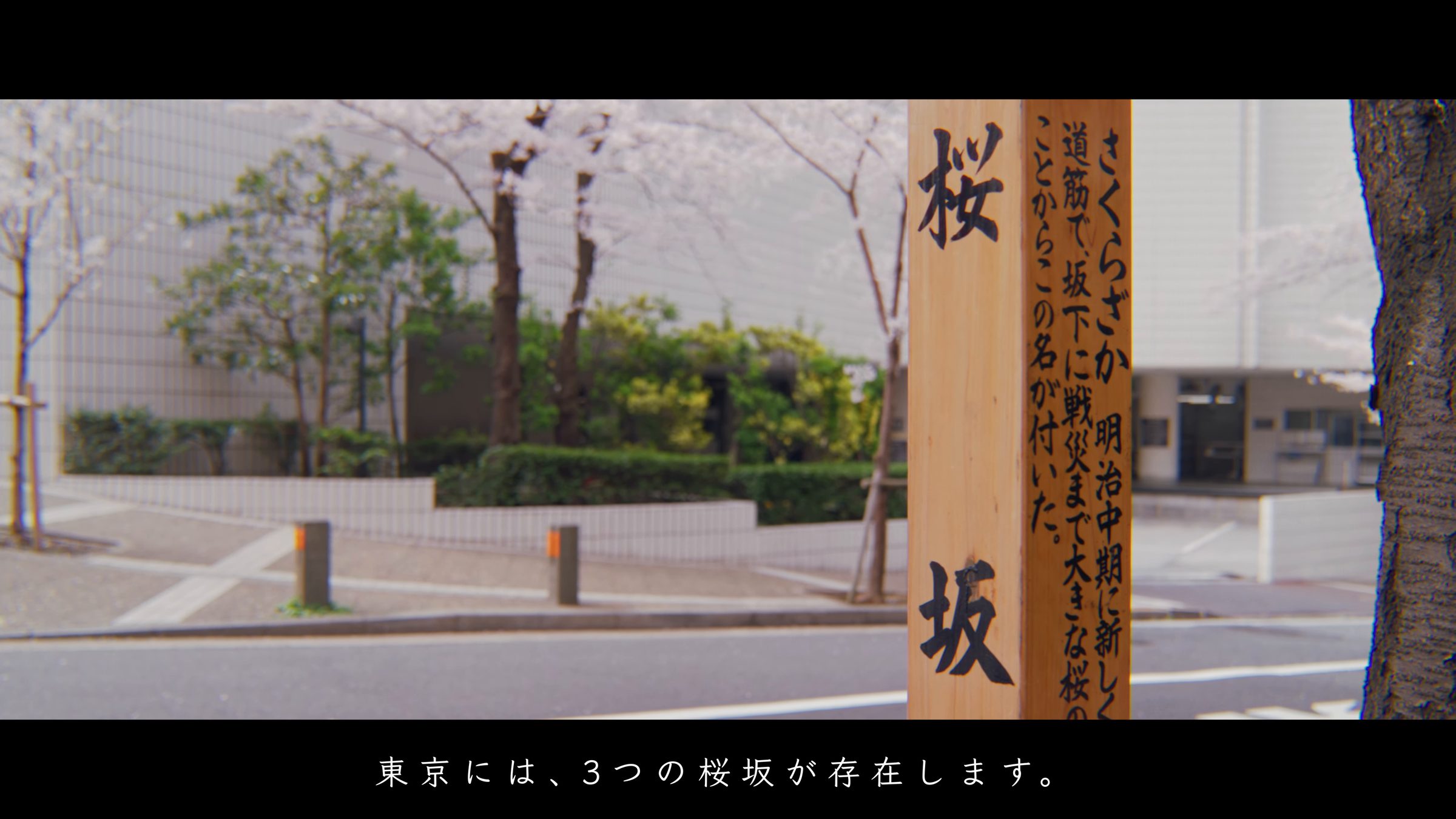
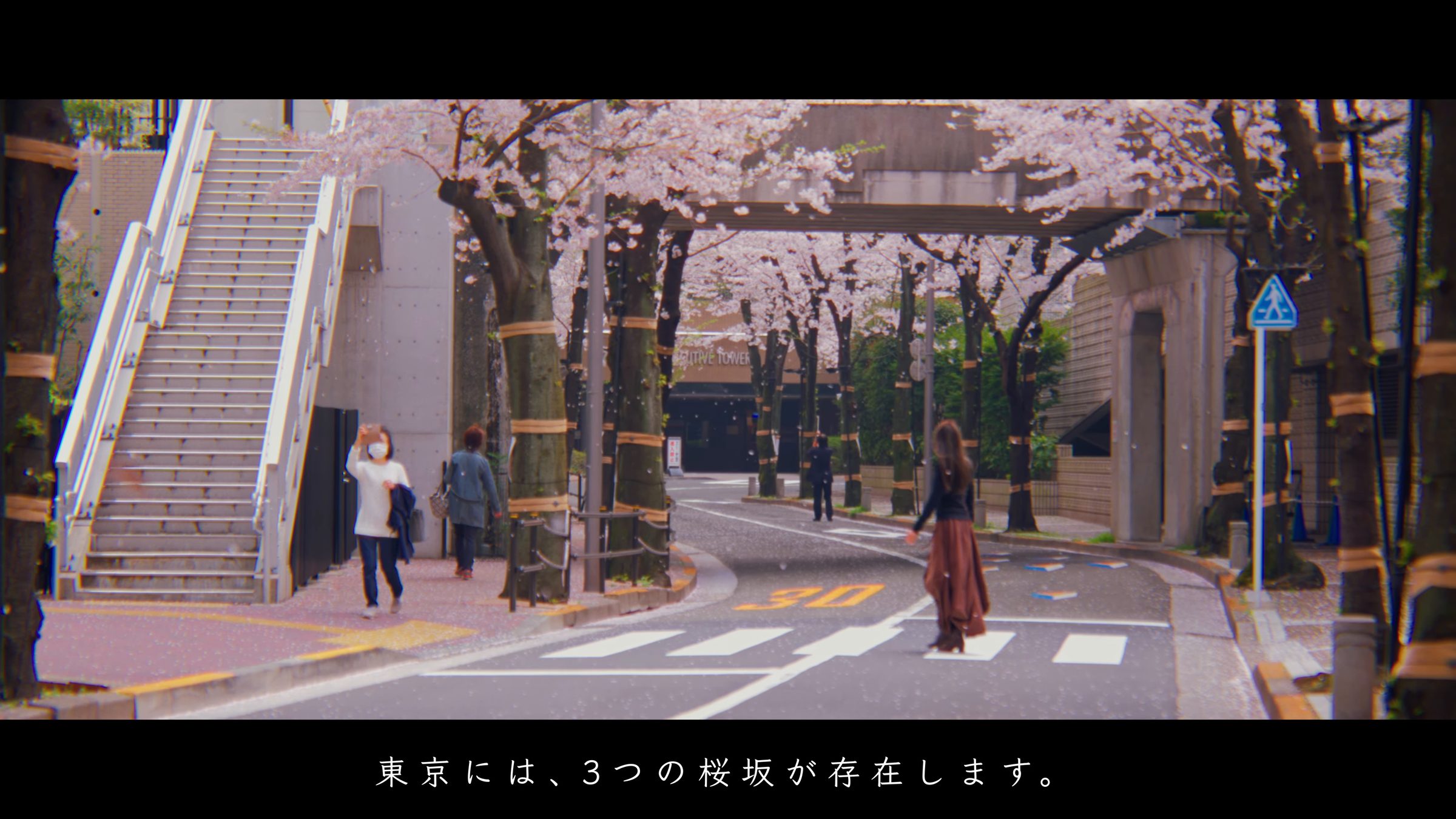
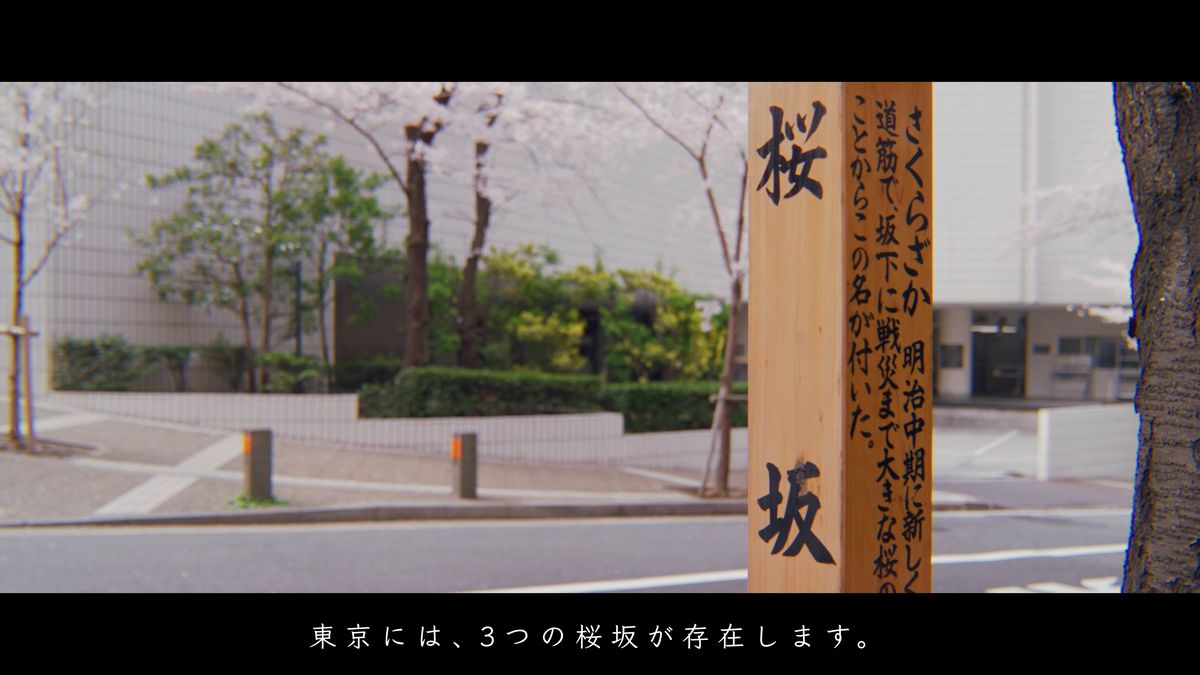
Next, a tour of Sakurazaka, the "cherry blossom slopes." There are said to be three of them in Tokyo.
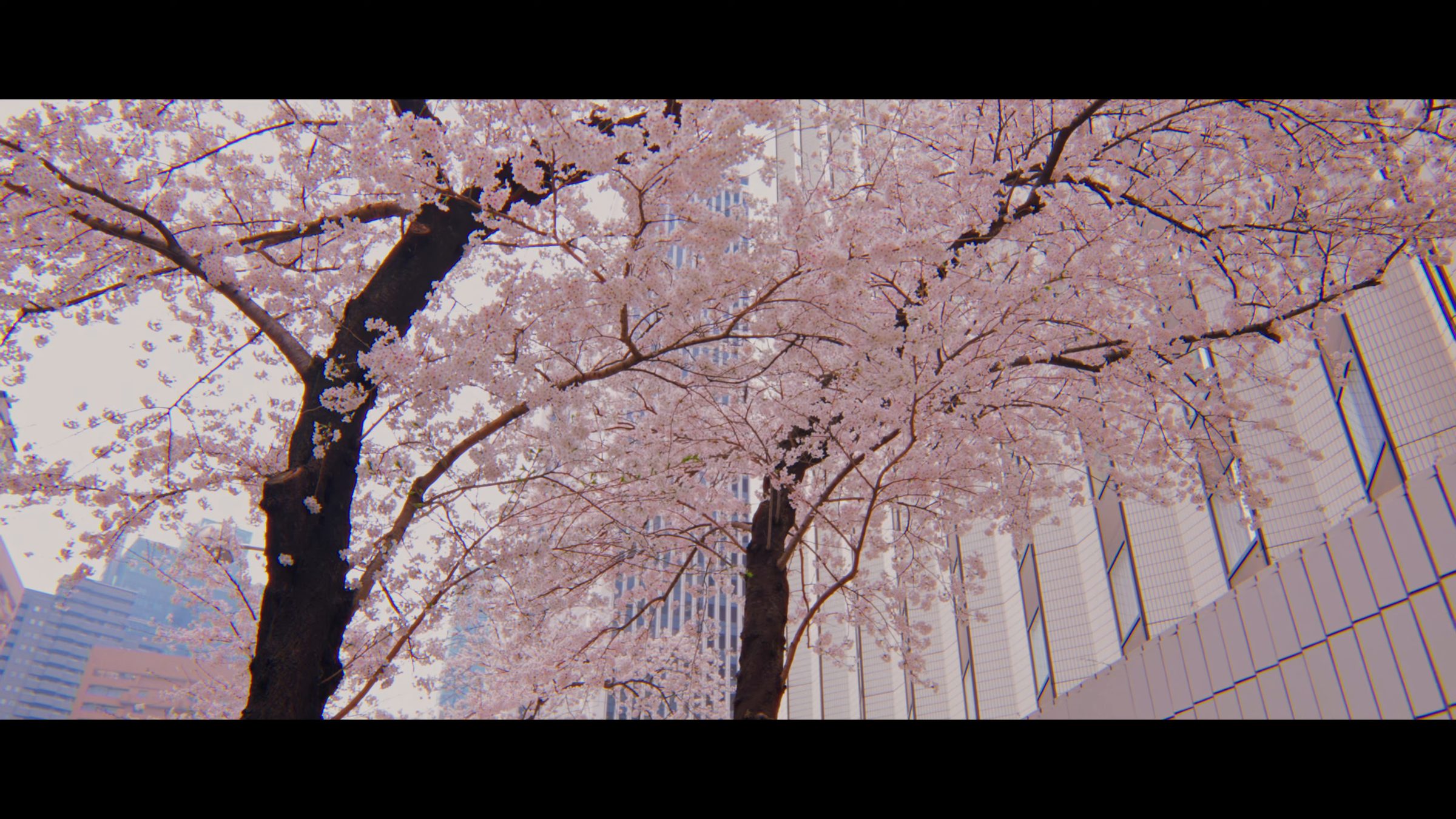
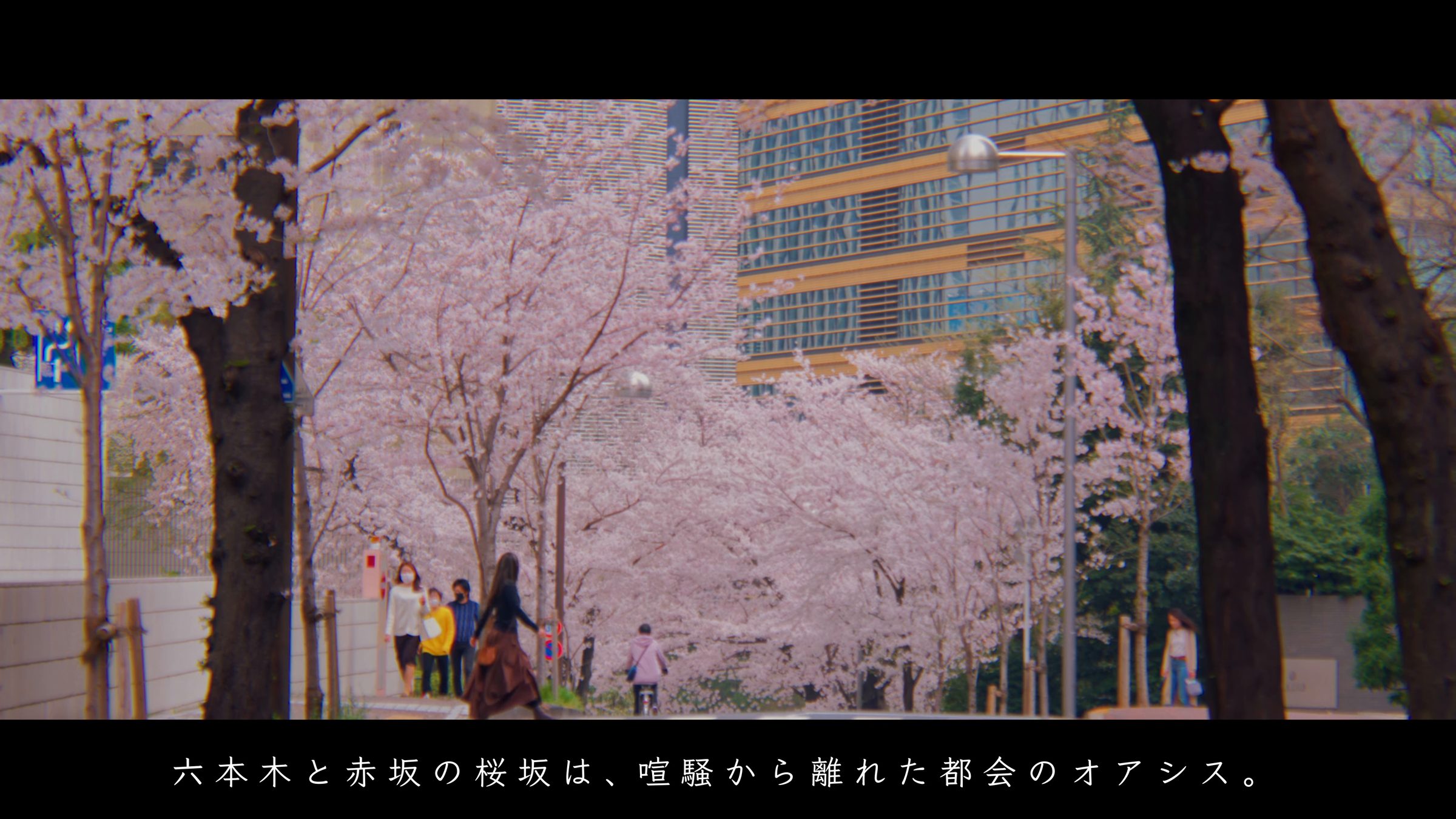
First, Akasaka and Roppongi. A street climbing between office buildings had become a tunnel of blossoms. According to the marker post, the road was laid in the mid-Meiji era, and took its name from a large cherry tree that stood at the bottom of the slope until the war.
Past a pedestrian bridge, a row of cherry trees ran along a glass-walled tower. An urban oasis, a little removed from the bustle of the city.
Watch this scene on YouTube2:39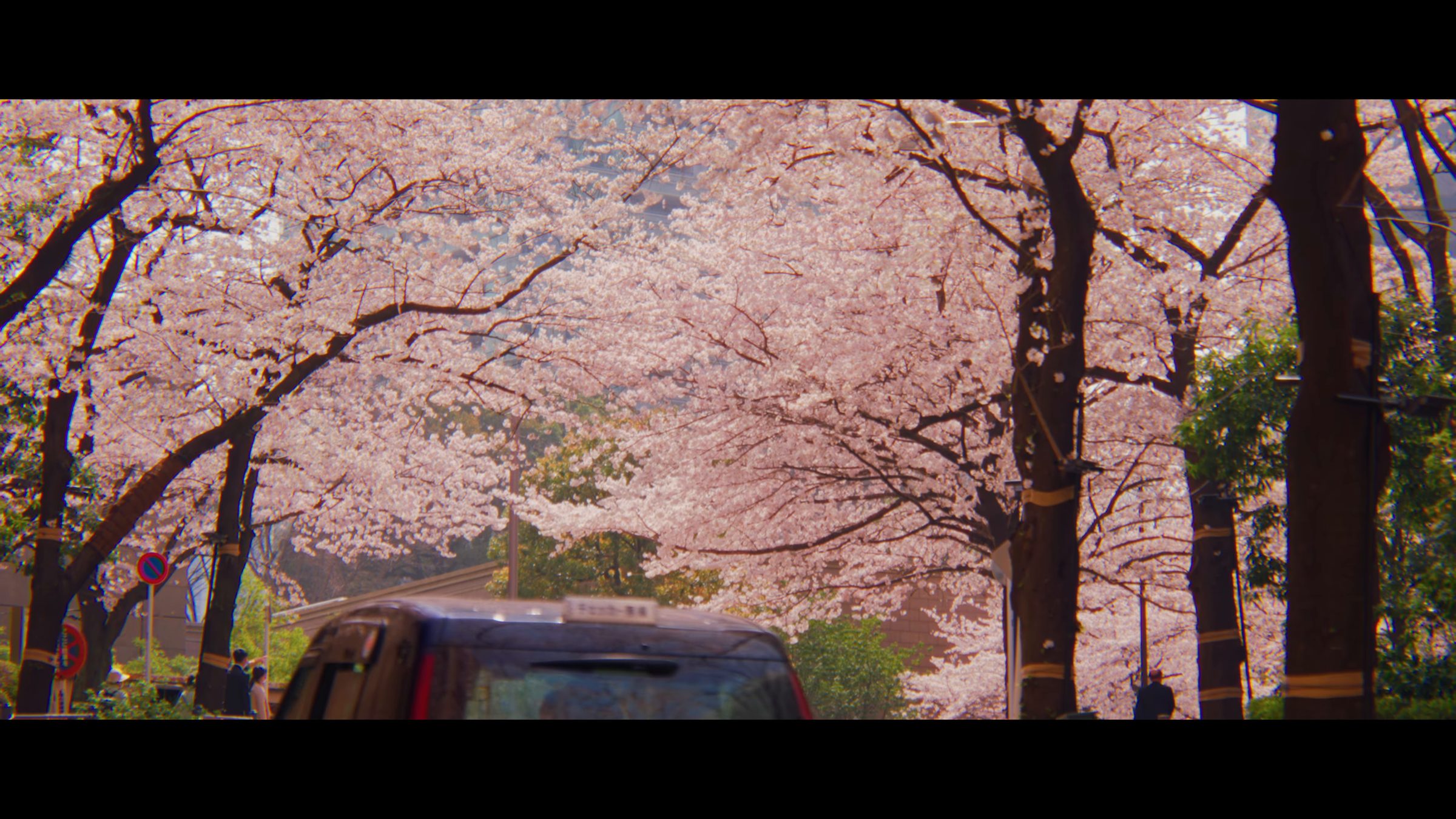
07TRAVEL JOURNAL
Sakurazaka in Den-en-chofu
The third is in Den-en-chofu: the Sakurazaka made famous by Masaharu Fukuyama's song of the same name. Petals carpeted the slope, and a Sakurazaka marker post stood by the road.
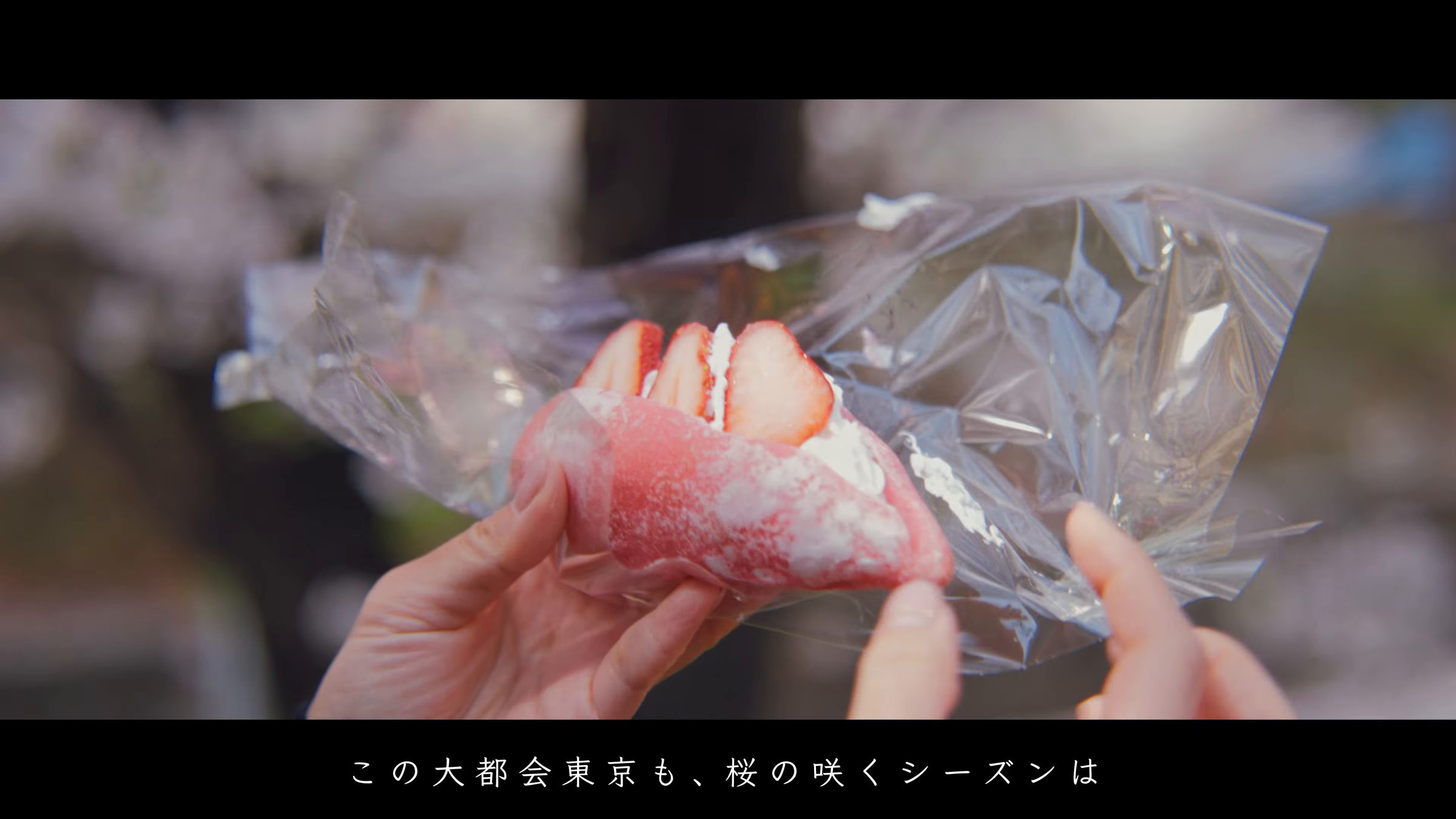
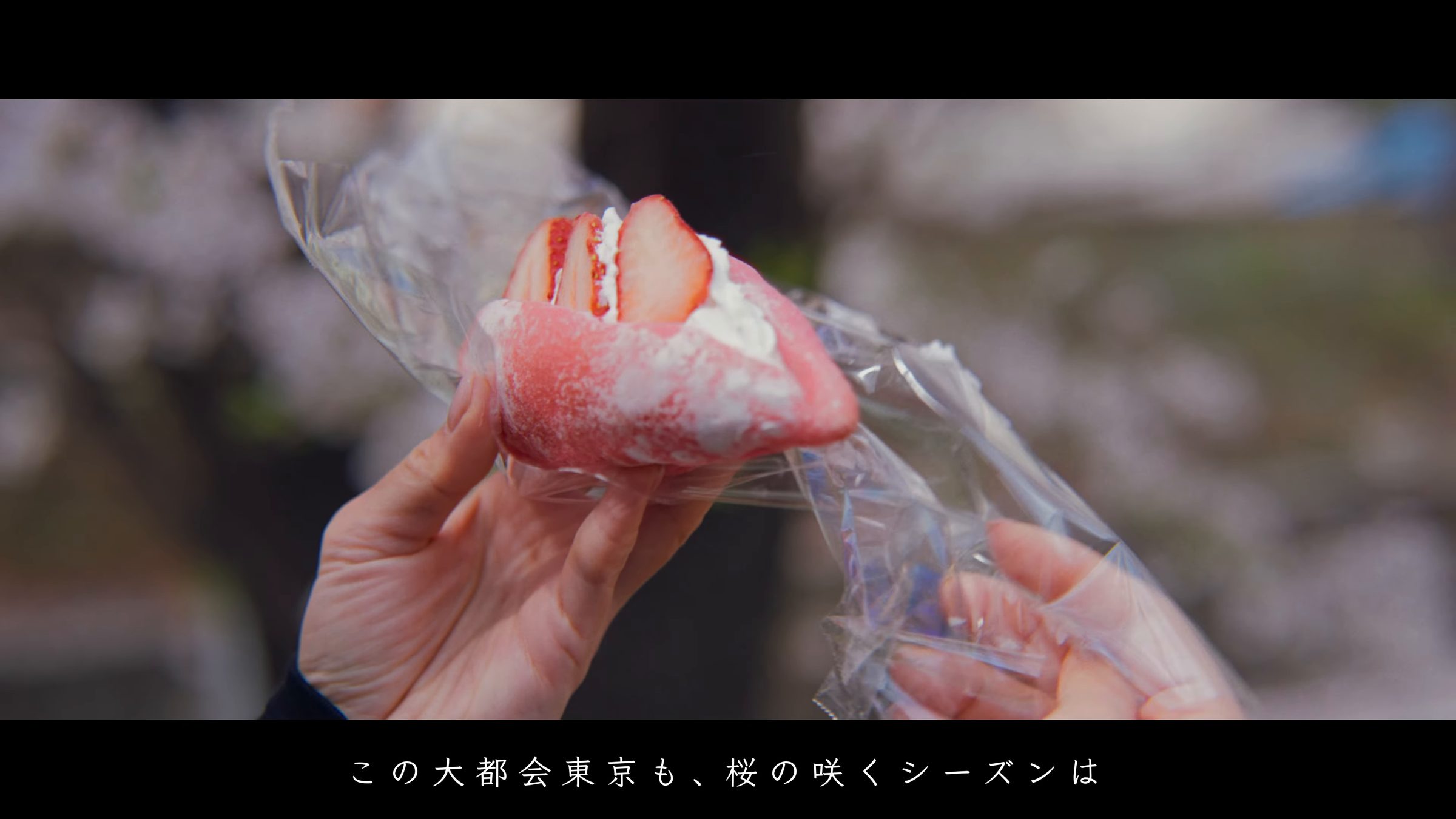
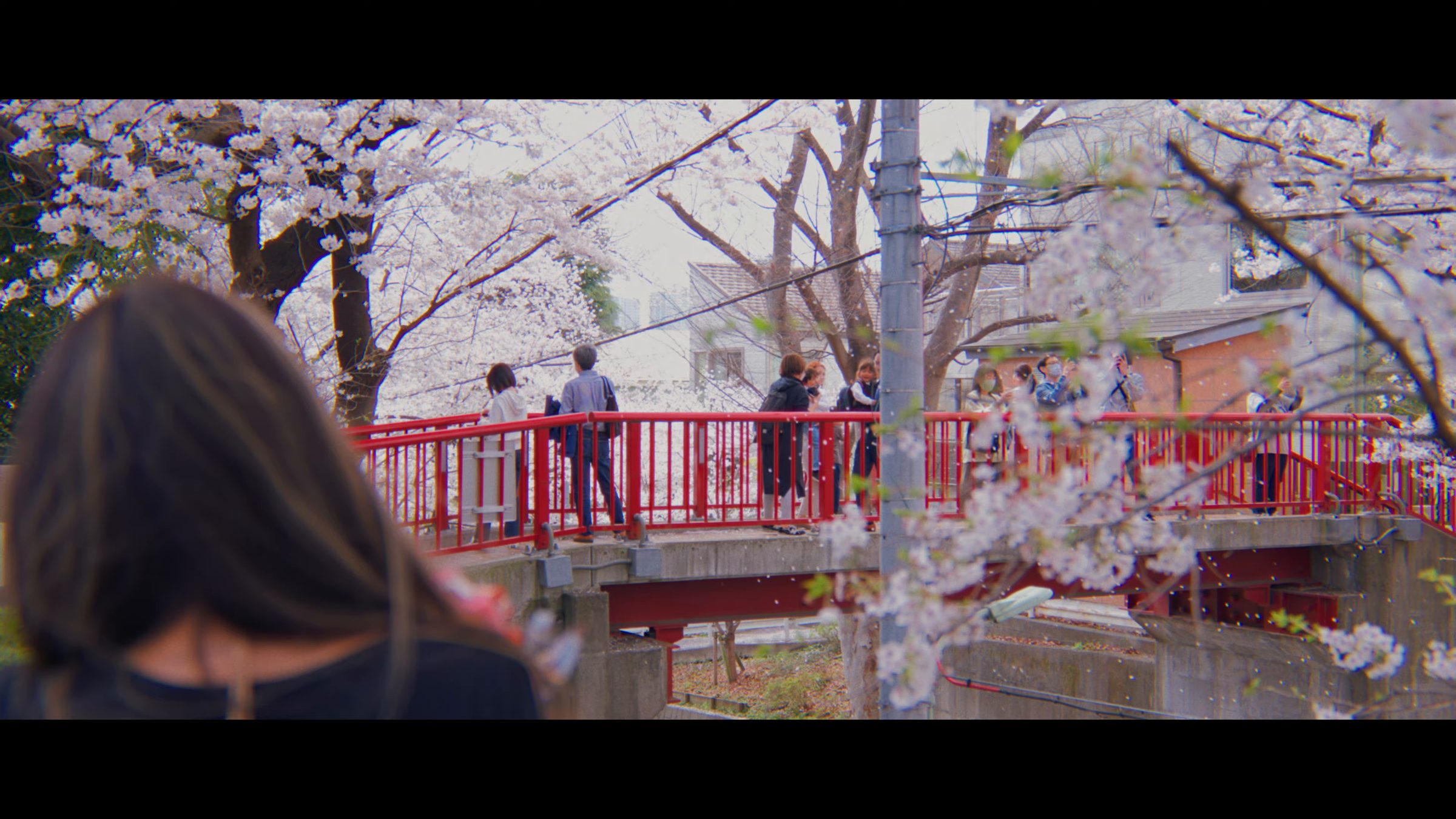
From a clear bag I took out a sweet of strawberries and cream wrapped in pink dough. A red bridge spans the top of the slope, where people gathered to look down on the blossoms. From the bridge, I took a photo of the slope buried in flowers.
Even in a metropolis like Tokyo, time seems to slow down just a little in cherry blossom season.
Watch this scene on YouTube3:09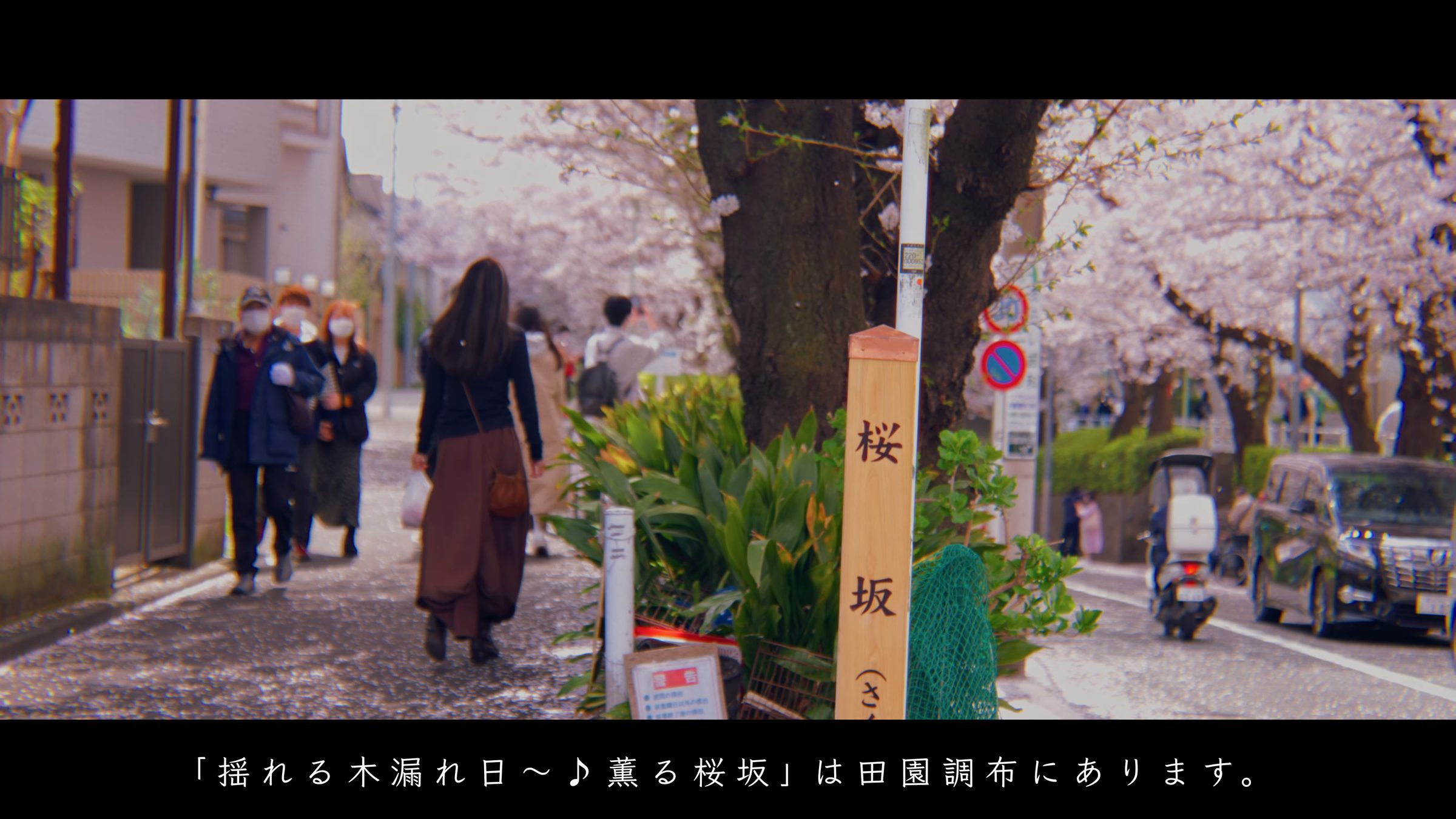
08TRAVEL JOURNAL
Back west to Mt. Shiudeyama
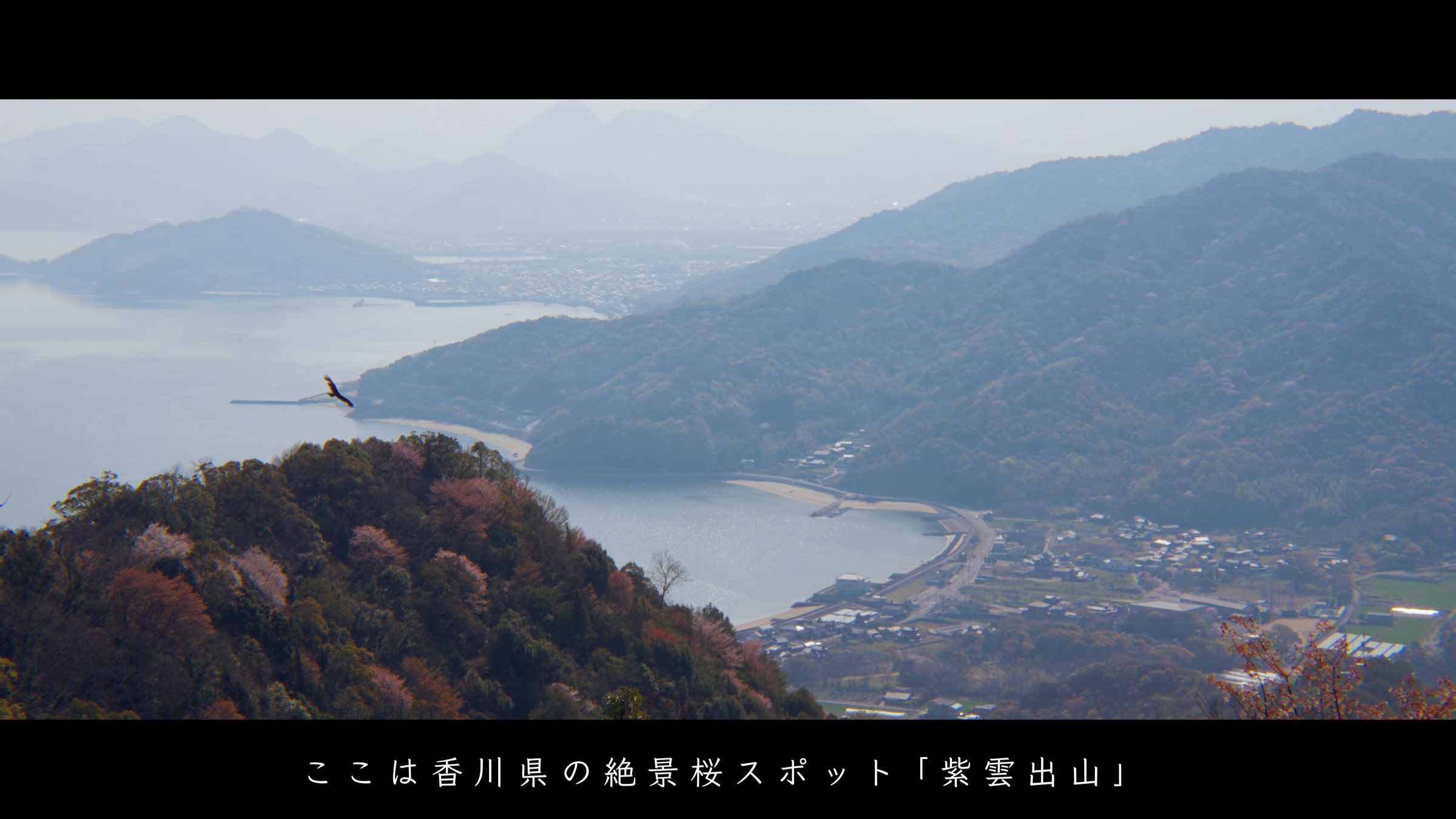
While I was enjoying Tokyo's blossoms, Shikoku's reached their peak. So it was back west to Shikoku, to one of Kagawa's most spectacular cherry blossom spots: Mt. Shiudeyama.
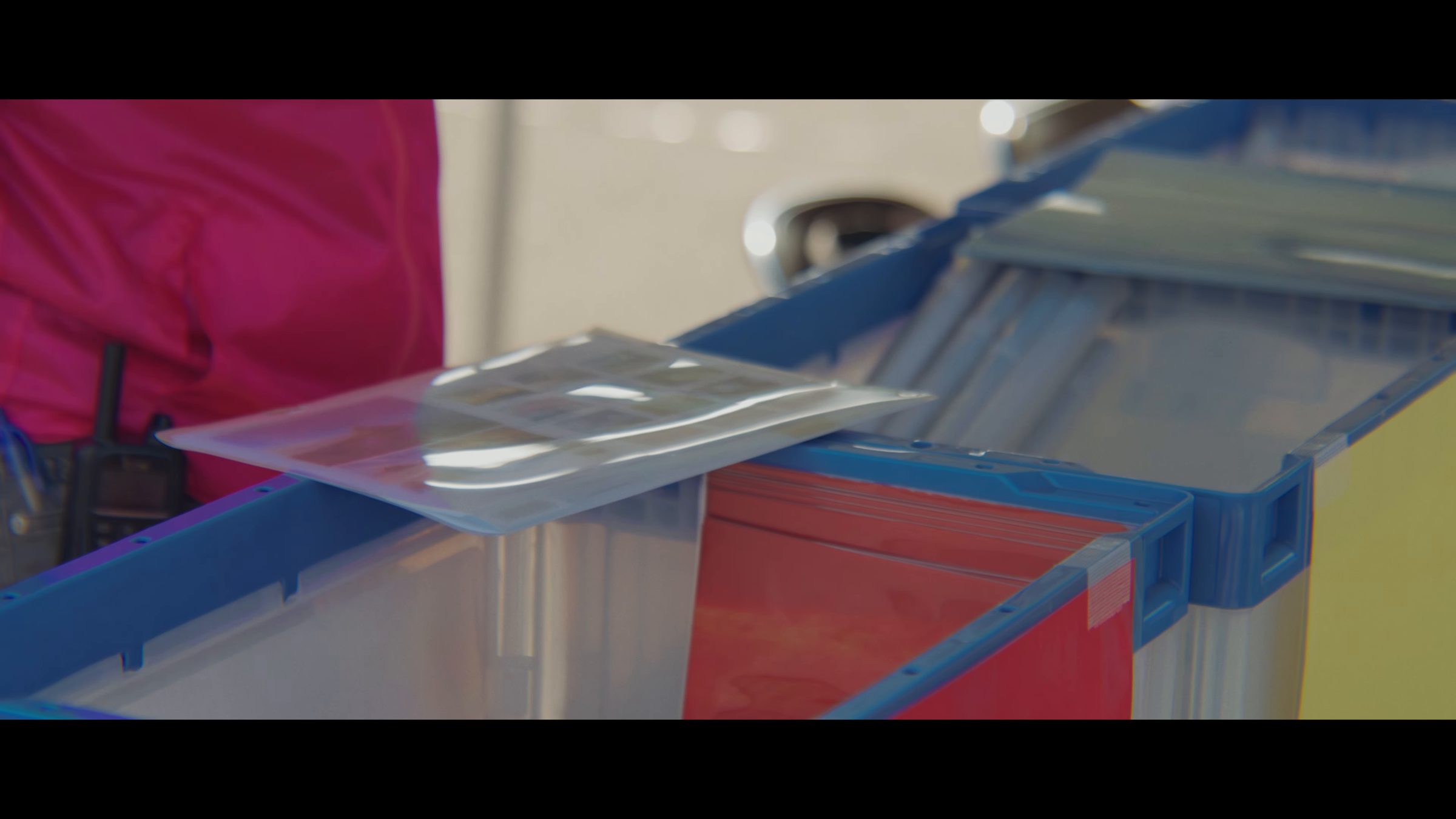
On the way up stood a tent for the "Shiudeyama drive-up commemorative lottery." The sign read, "If you win, take one item from the box of that color." I reached into the colored boxes and drew one out.
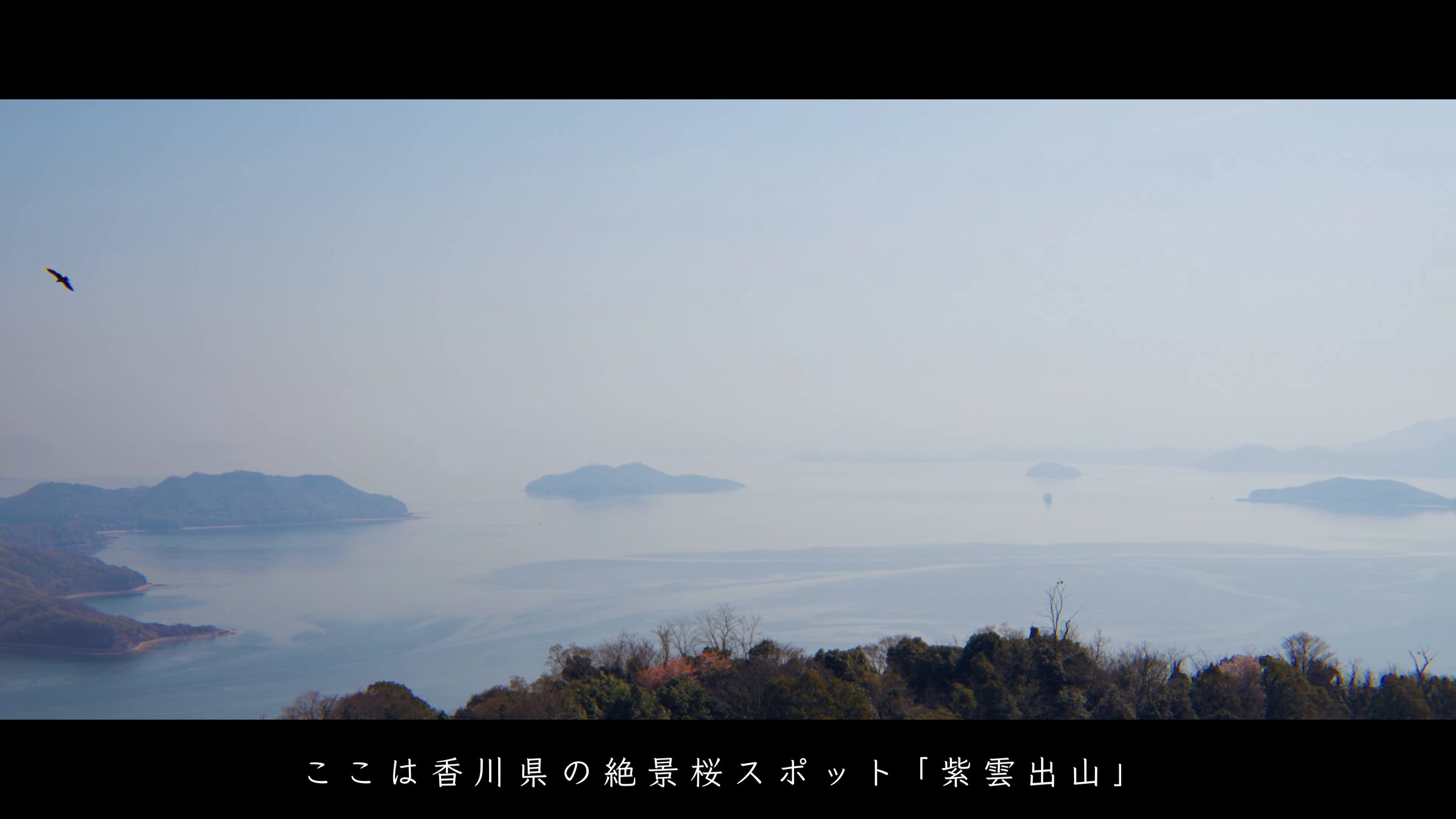
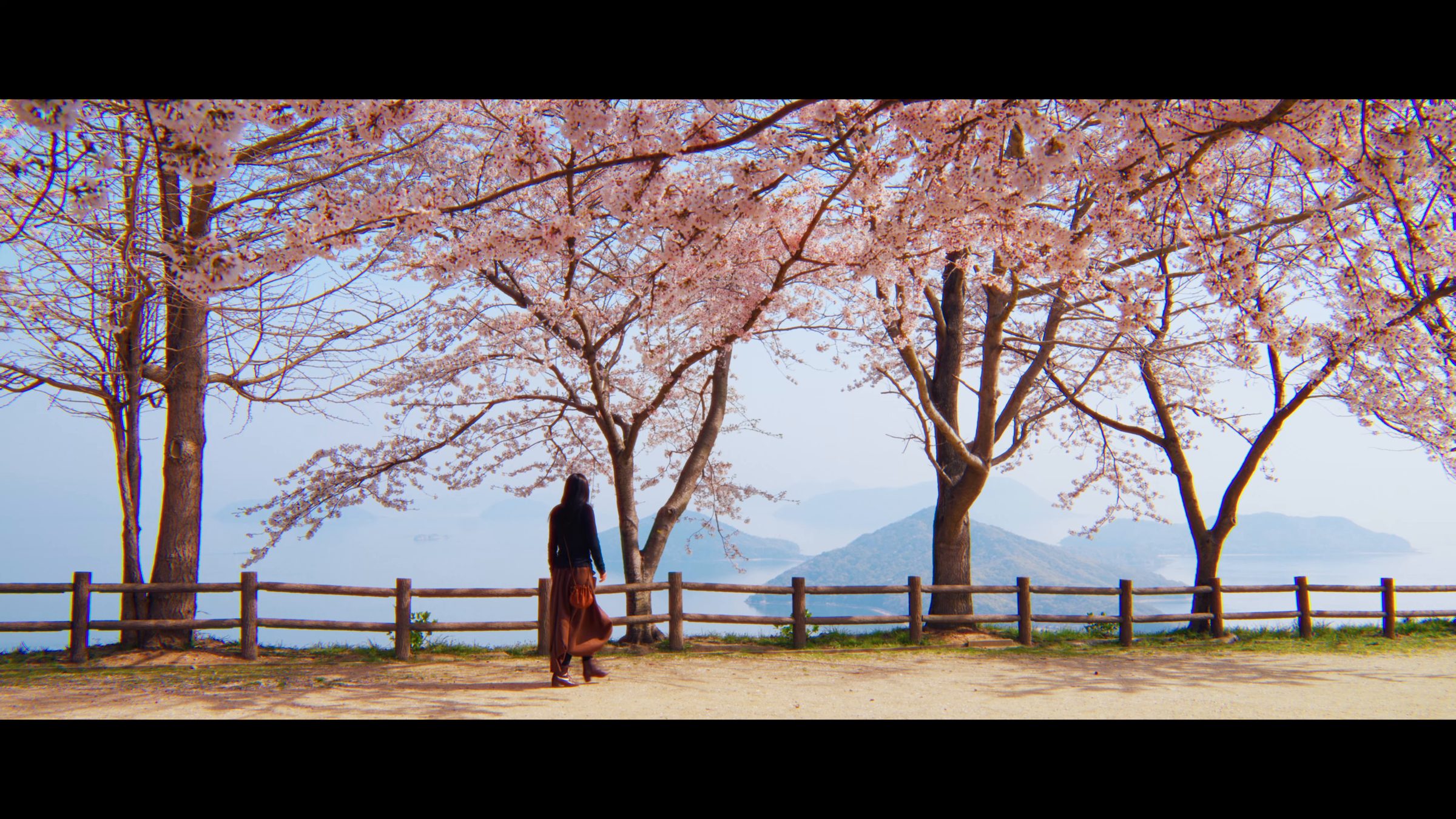
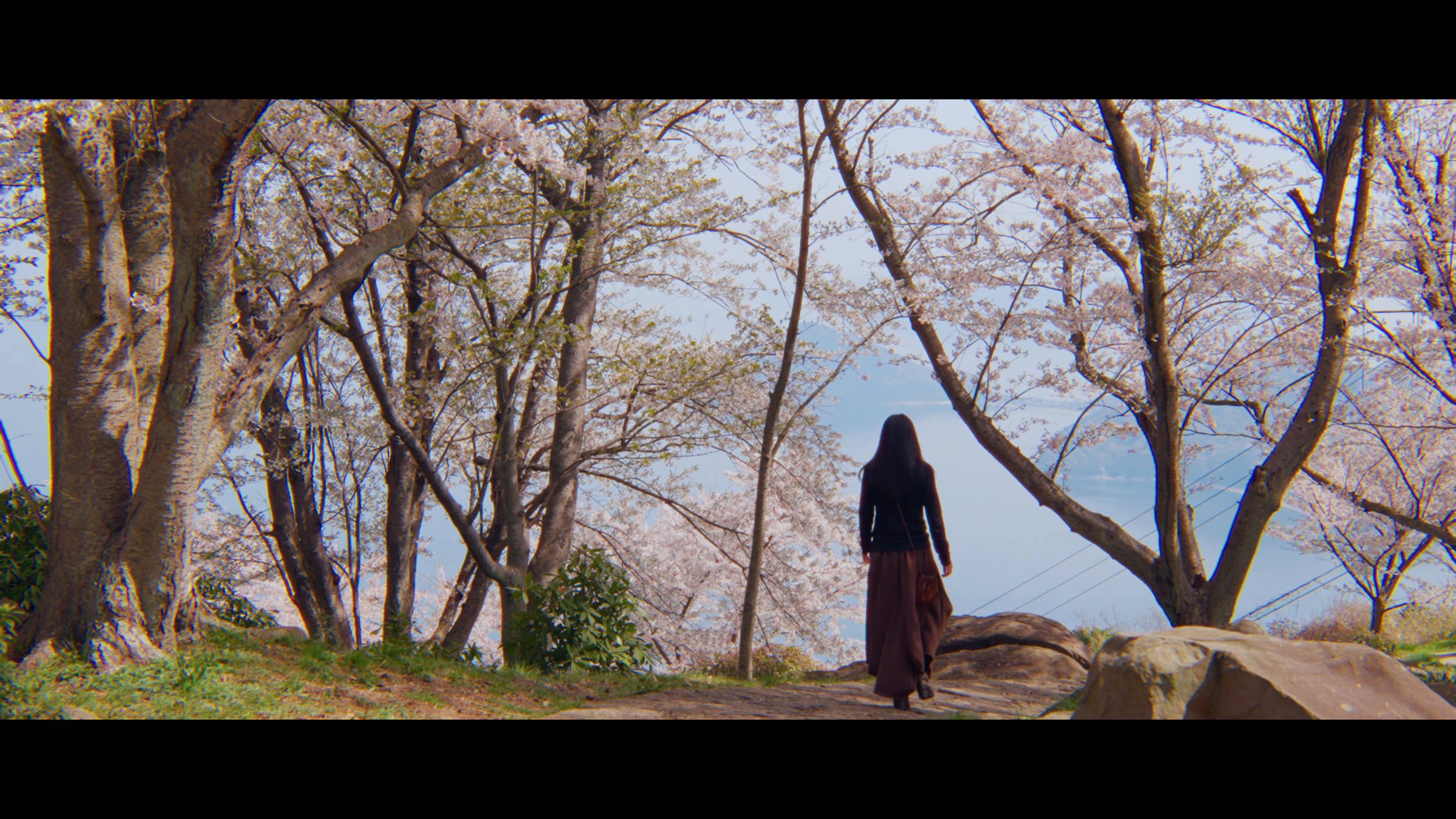
From the summit, the view was breathtaking. Islands floated on the hazy Seto Inland Sea, and a town followed the curve of the cove below. Walking under the cherry trees along the fence, I saw nothing but clear sky blue and blossom pink. It was like a dream.
Watch this scene on YouTube3:35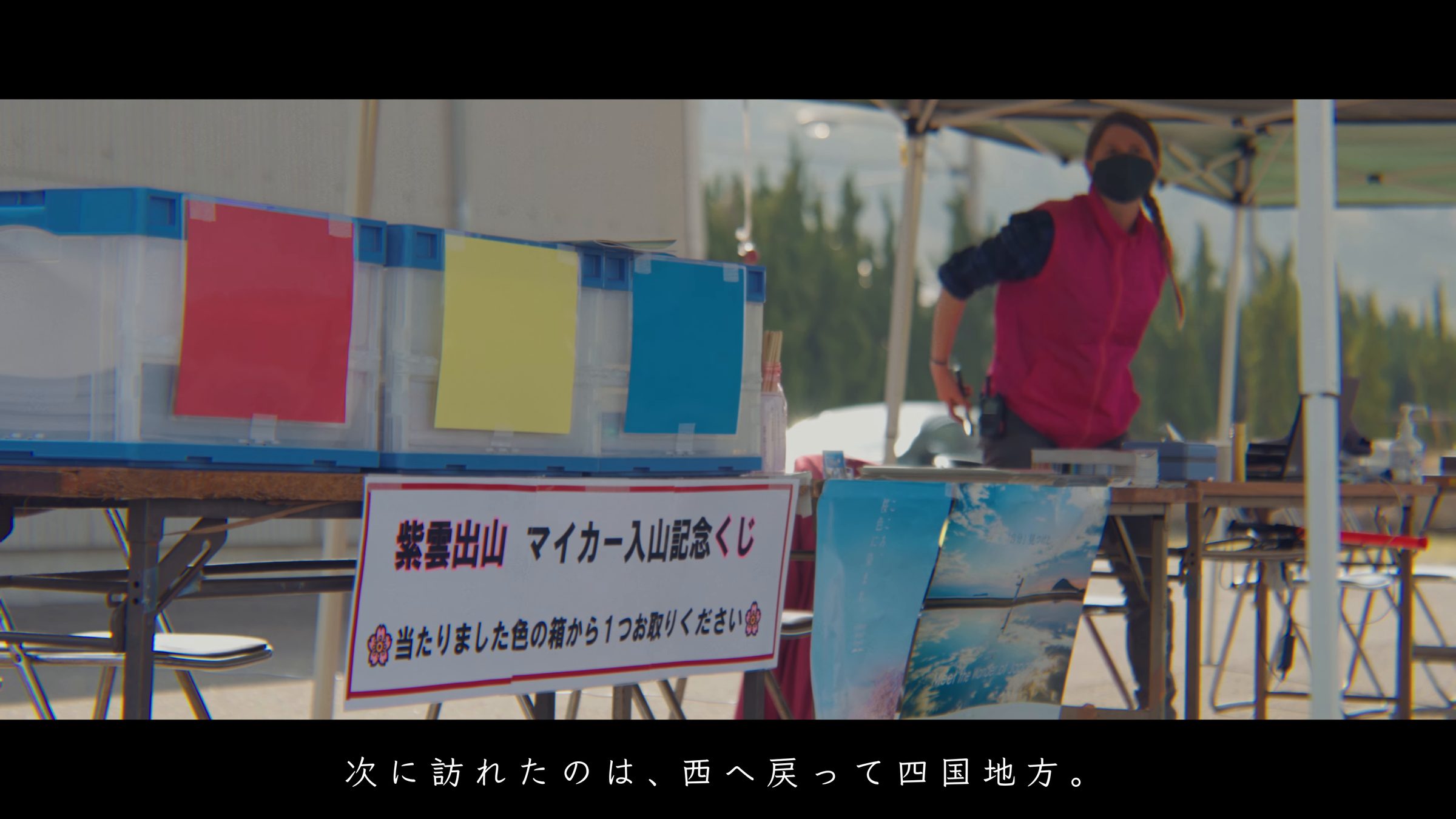
09TRAVEL JOURNAL
A mountain from a fairy tale
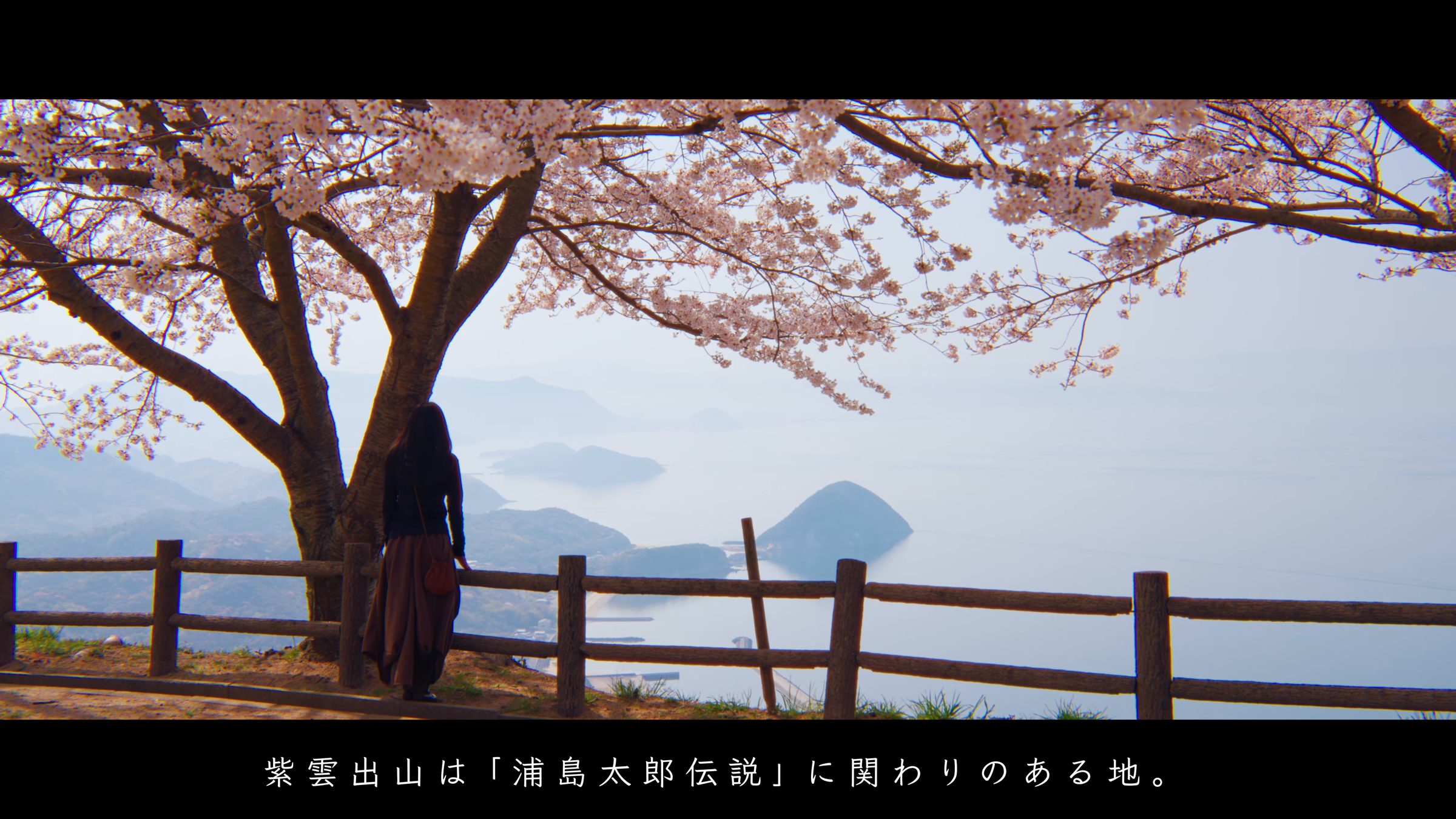
Shiudeyama is tied to the legend of Urashima Taro. When Urashima opened his treasure box, the white smoke that rose from it became a purple cloud trailing over this mountain, and that, the story goes, is how it got its name: shiun means "purple cloud."
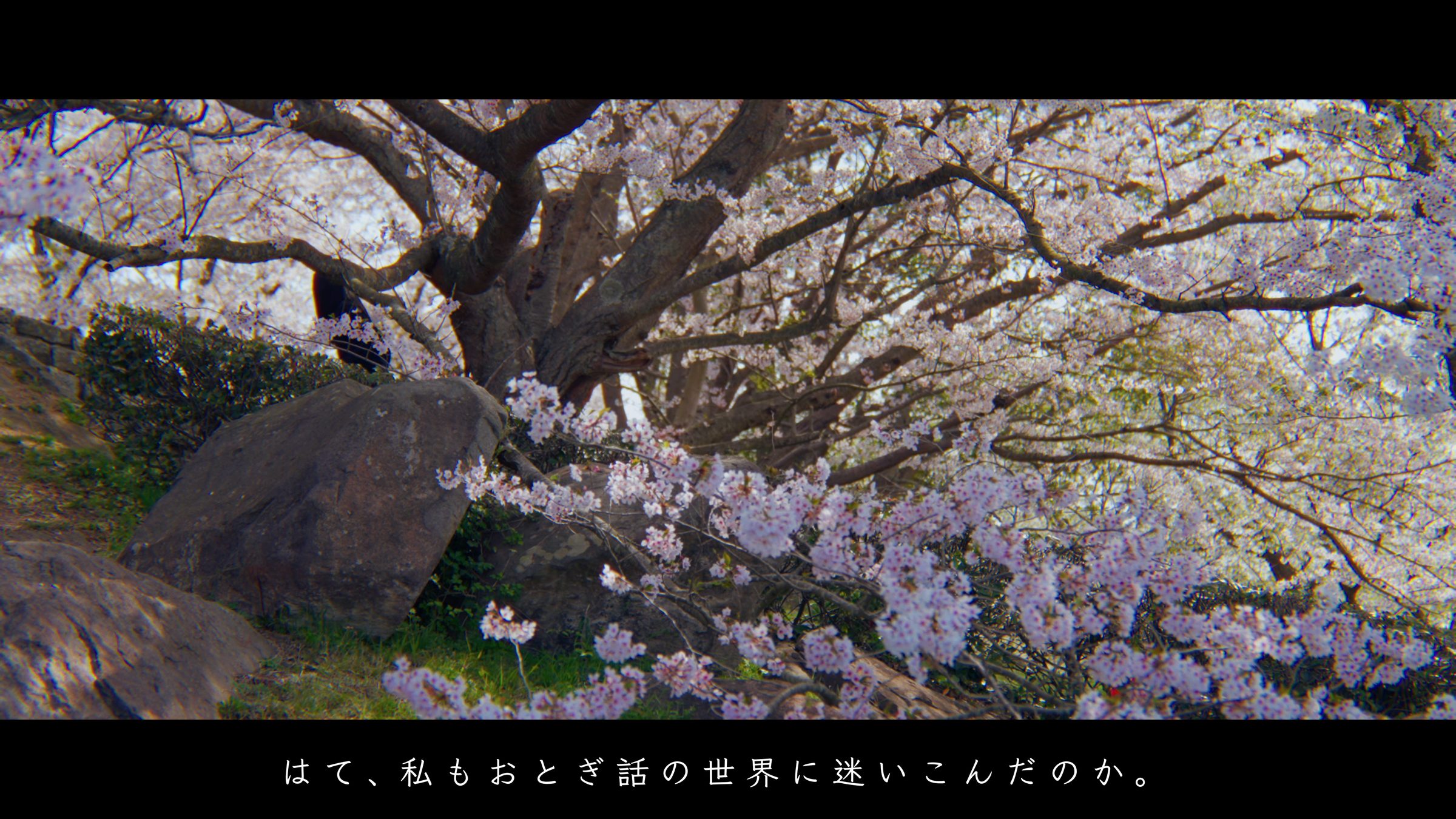
Through a grove where cherry blossoms filled every branch, the sea peeked between the trees. Beside a cluster of rocks, an old cherry tree spread its limbs wide. Had I wandered into a fairy tale?
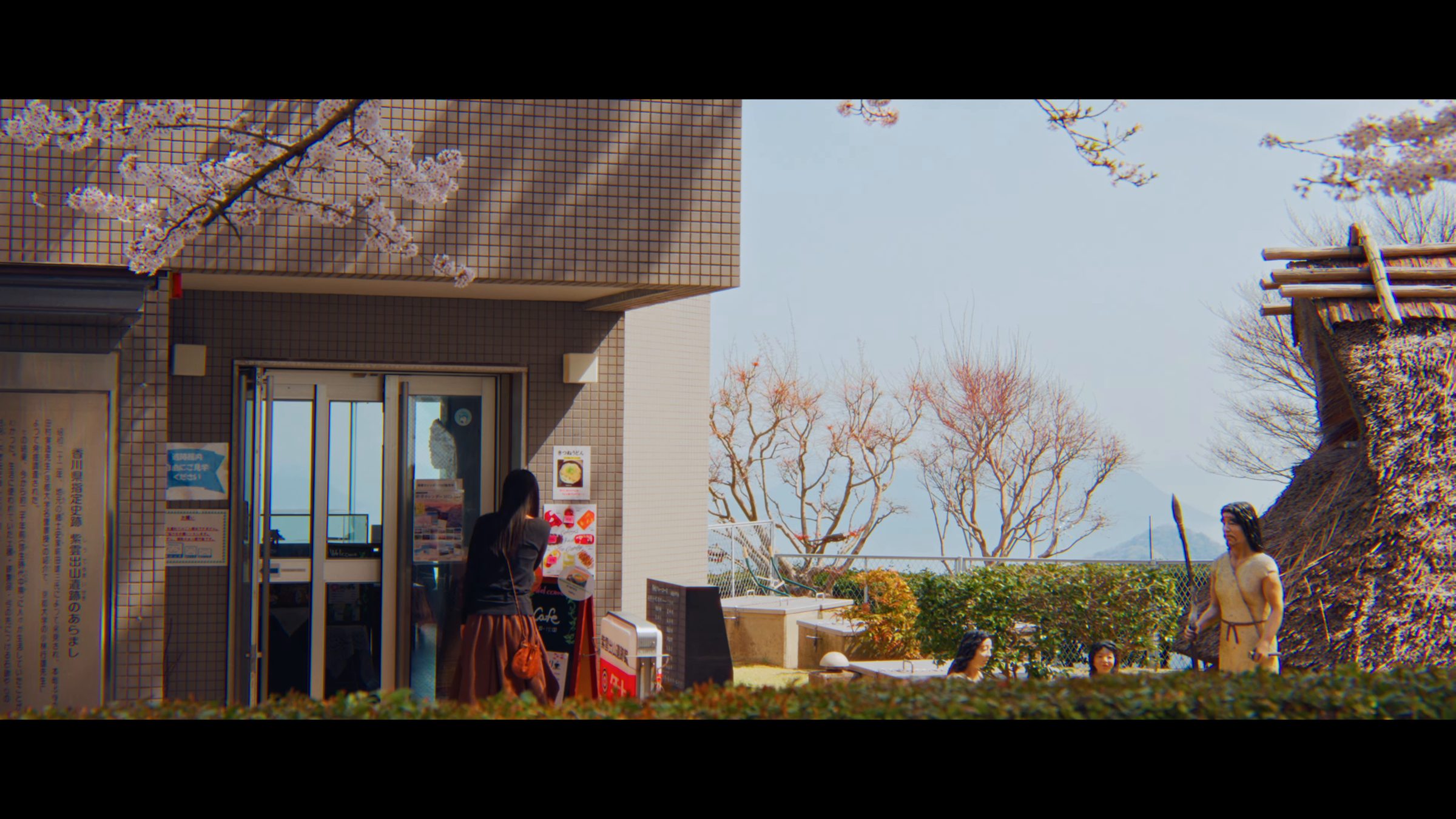
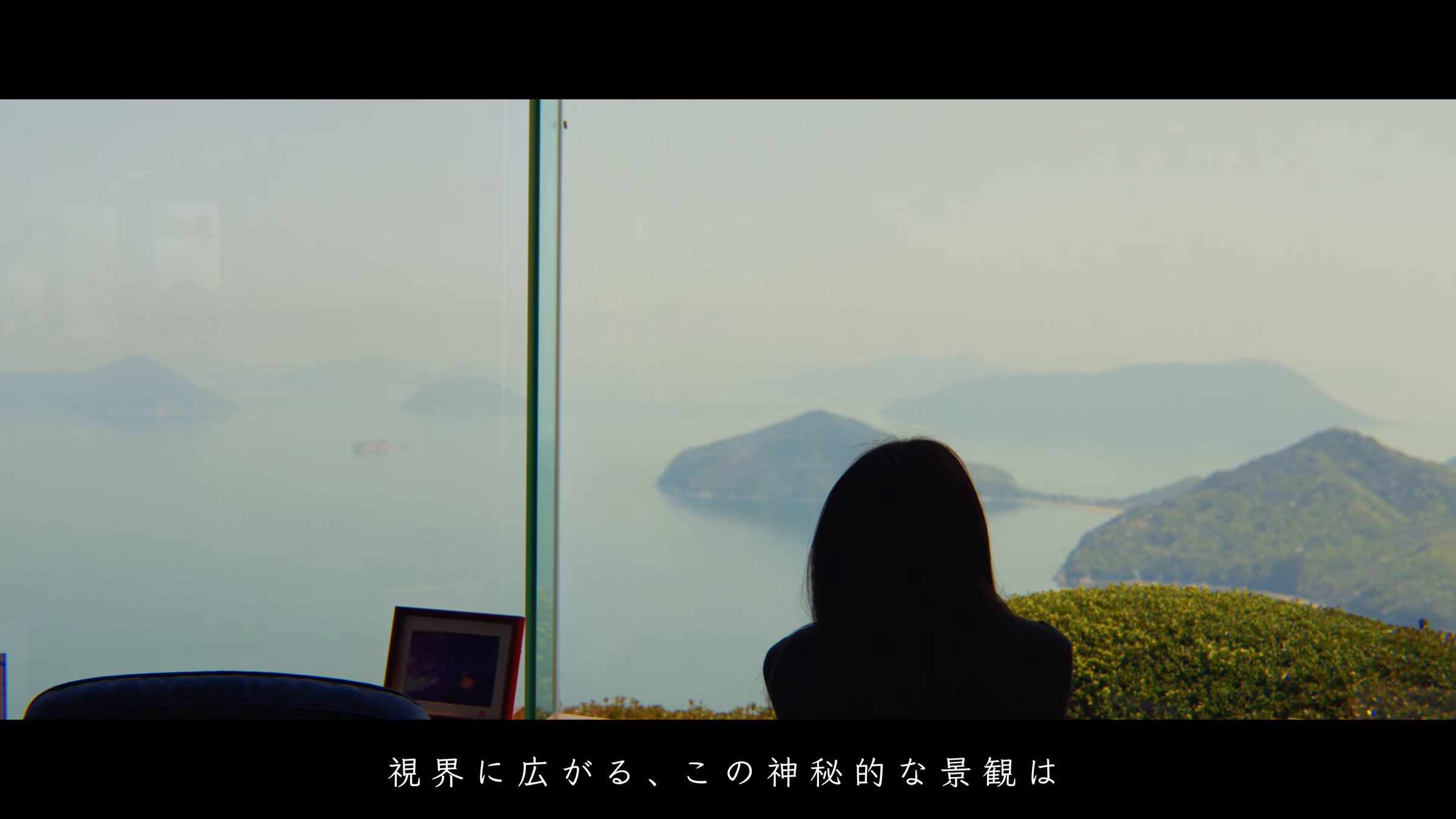
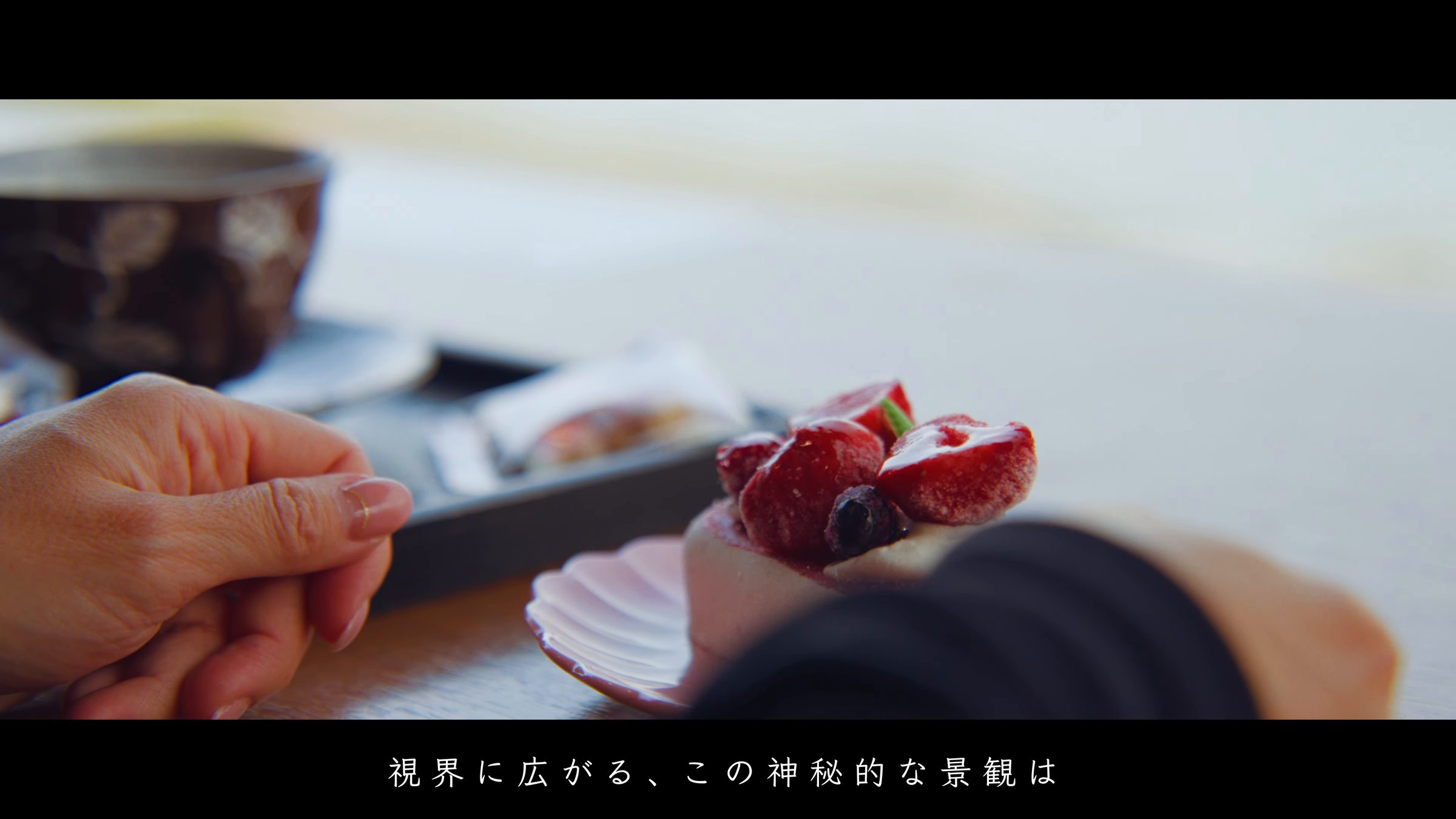
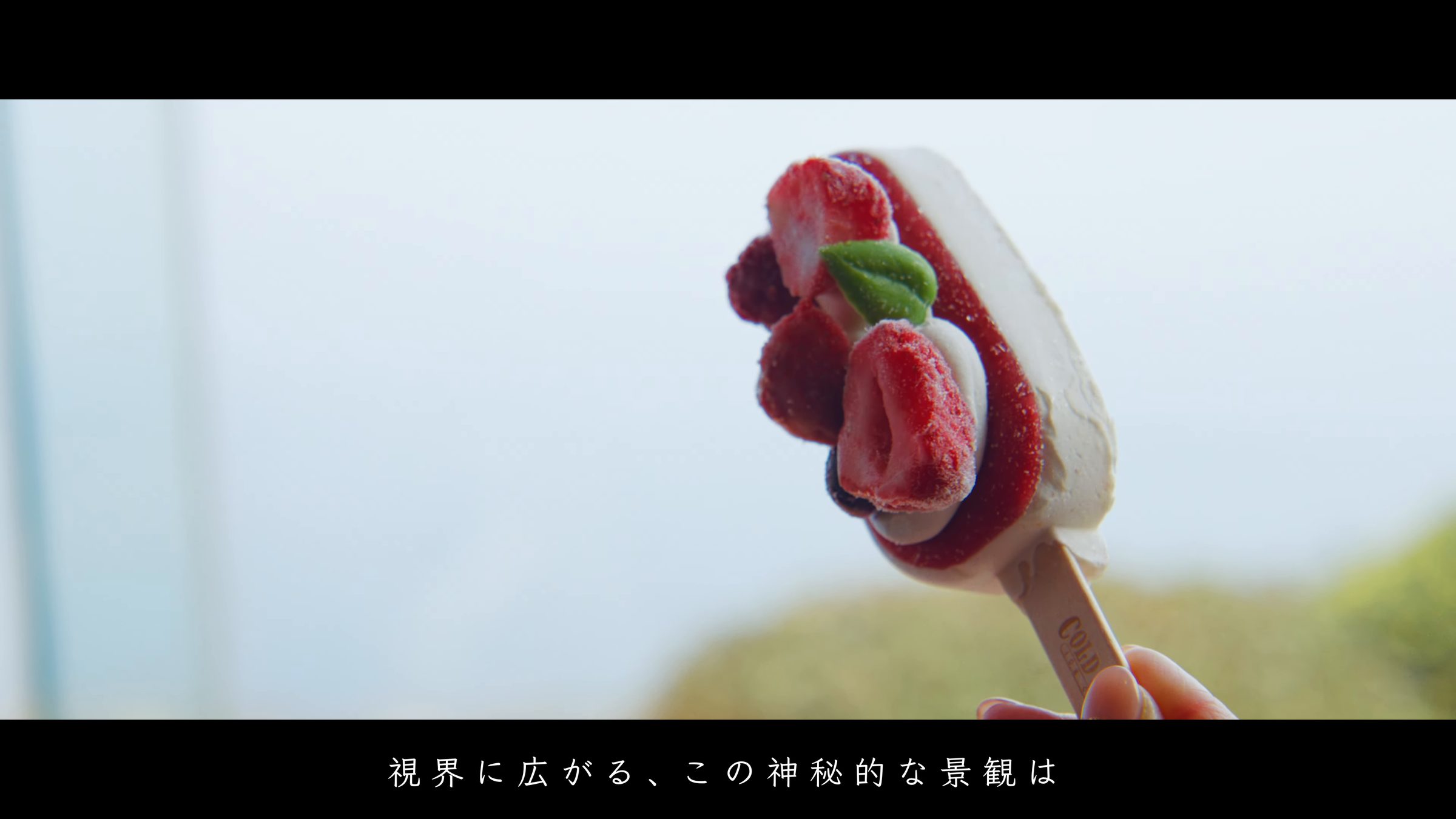
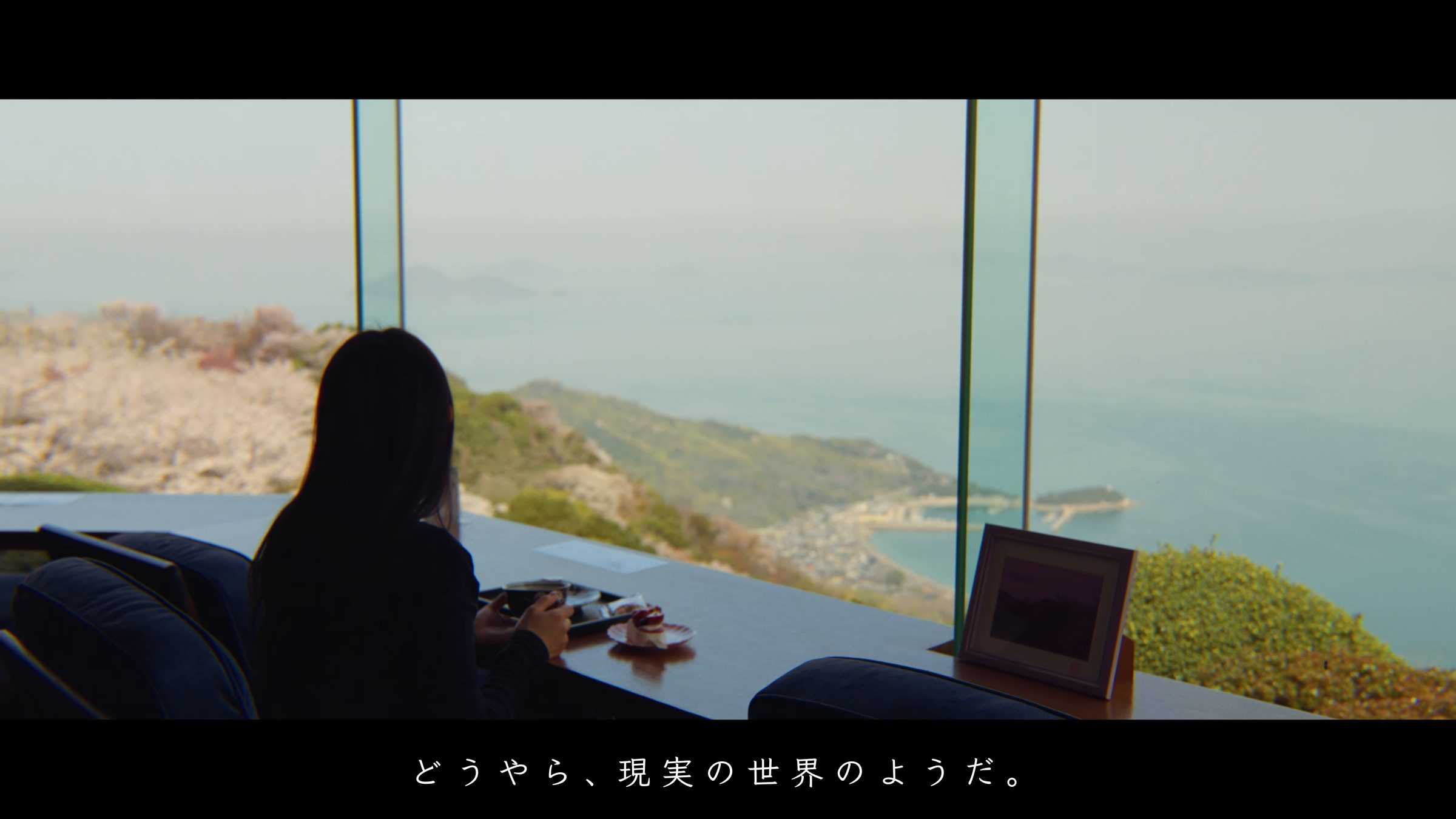
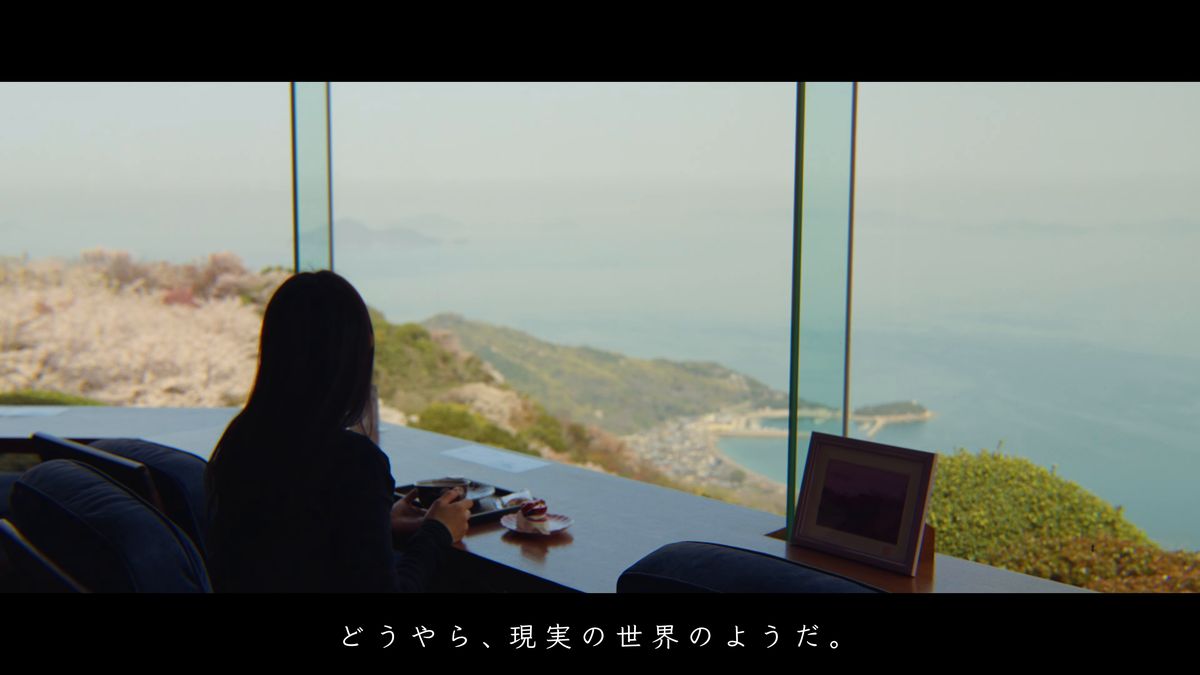
Near the summit stood a building with a guide board about the Shiudeyama archaeological site and figures dressed as Yayoi-period people, most likely the Shiudeyama Site Museum. I sat at its window counter, the glass filled with islands, an ice pop piled with strawberries in hand. This mysterious scenery, it seems, really is part of the real world.
Watch this scene on YouTube4:21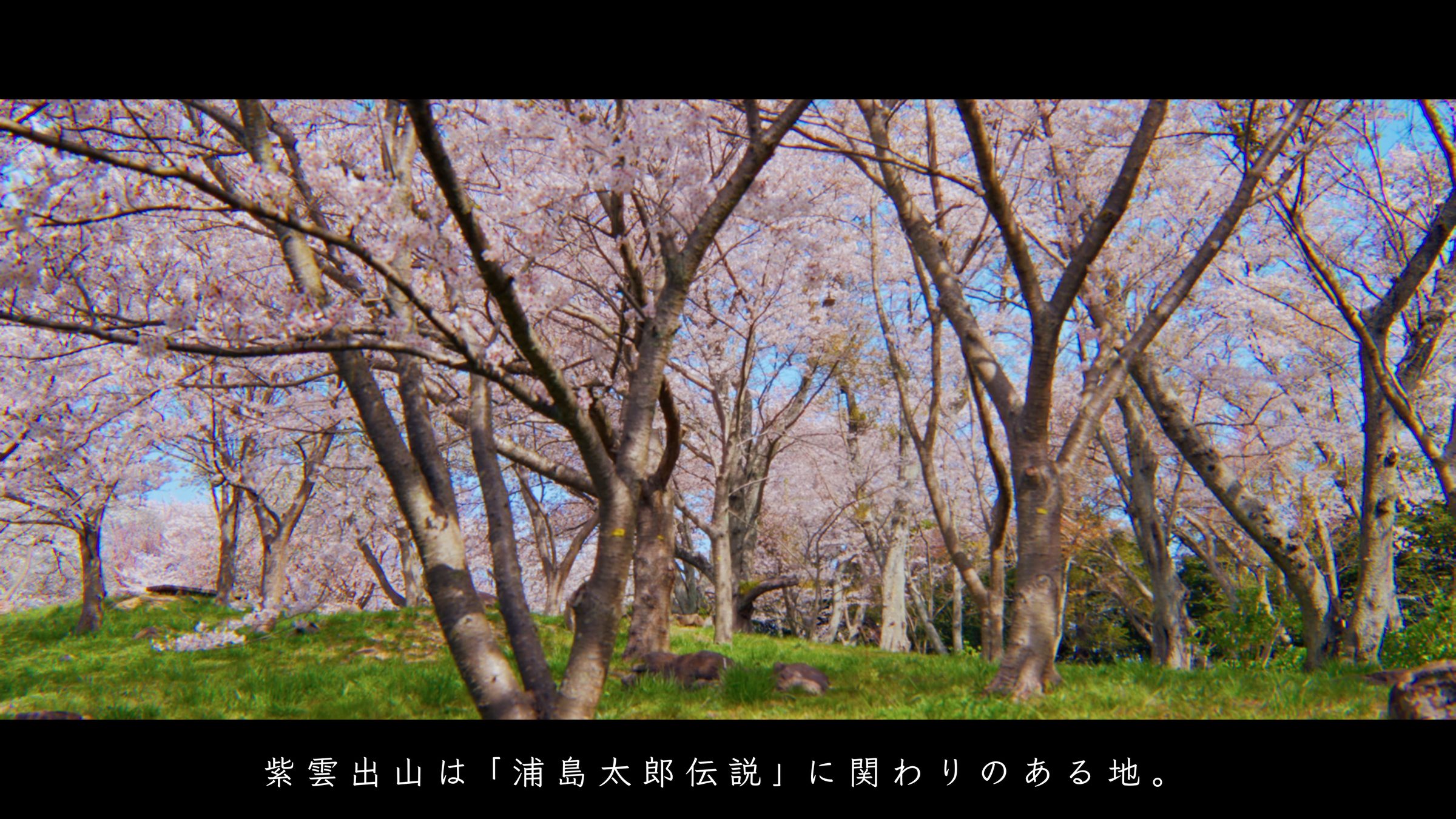
10TRAVEL JOURNAL
Dusk at Hirakiyama Park, Hakata Island
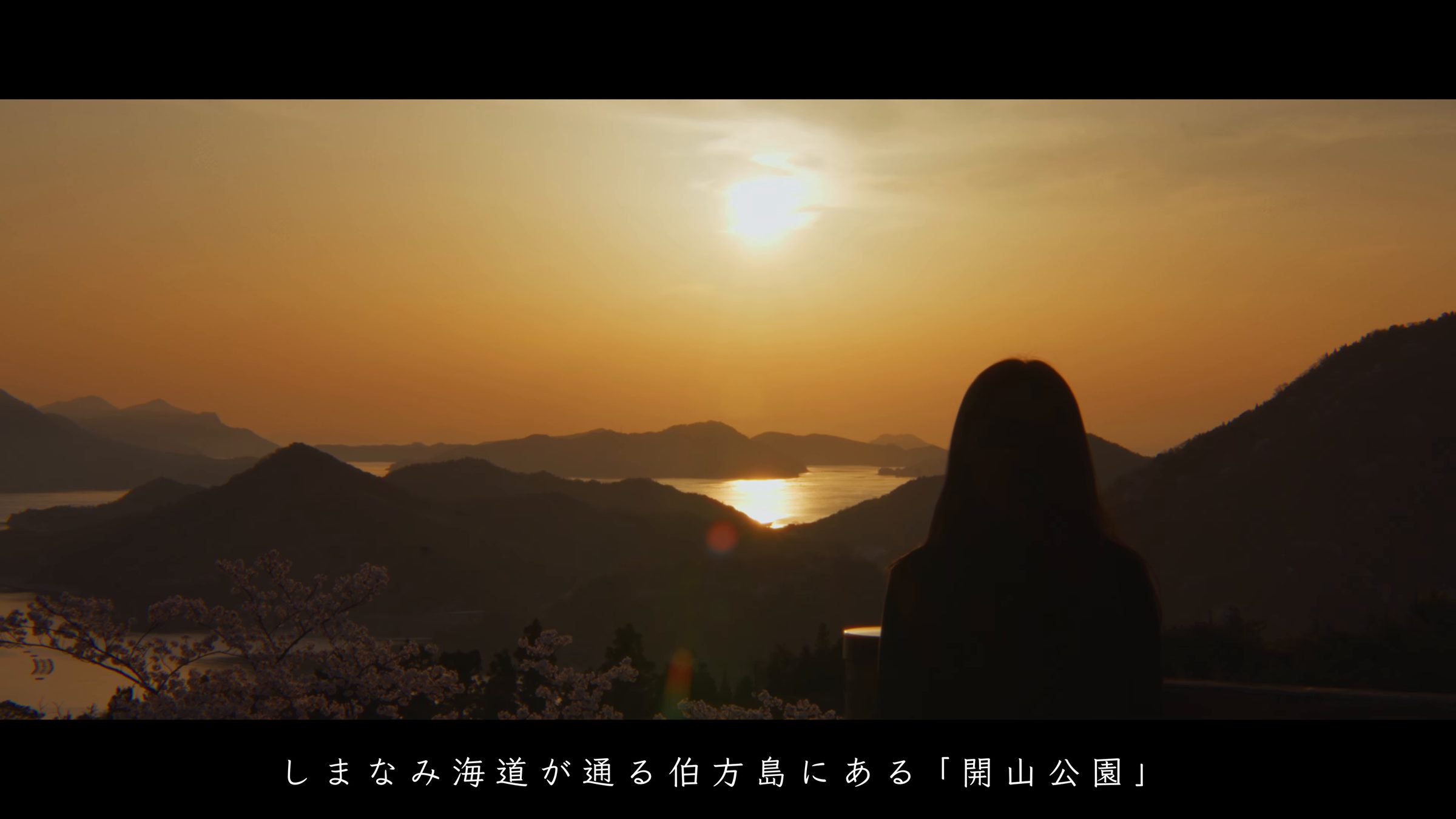
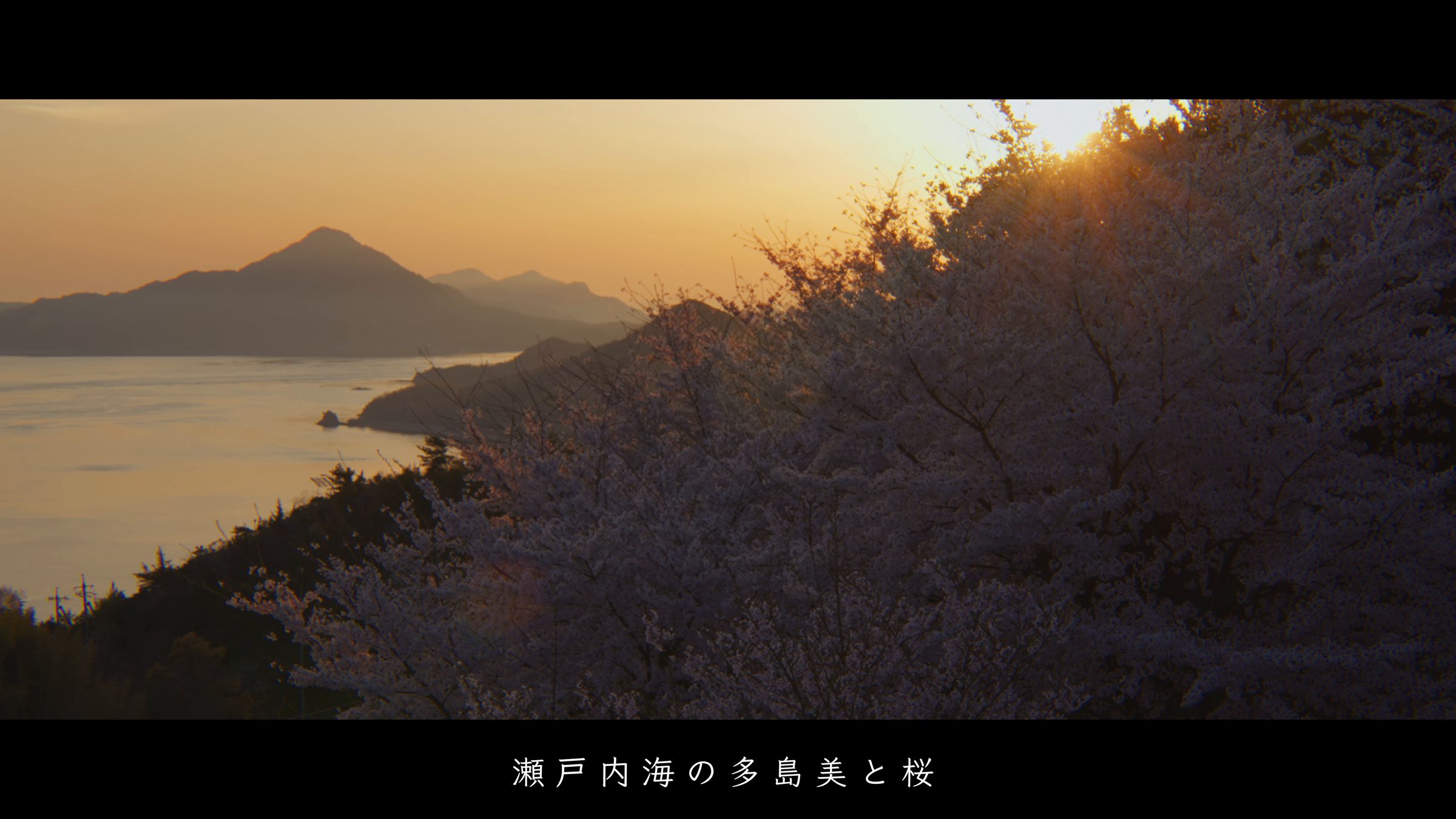
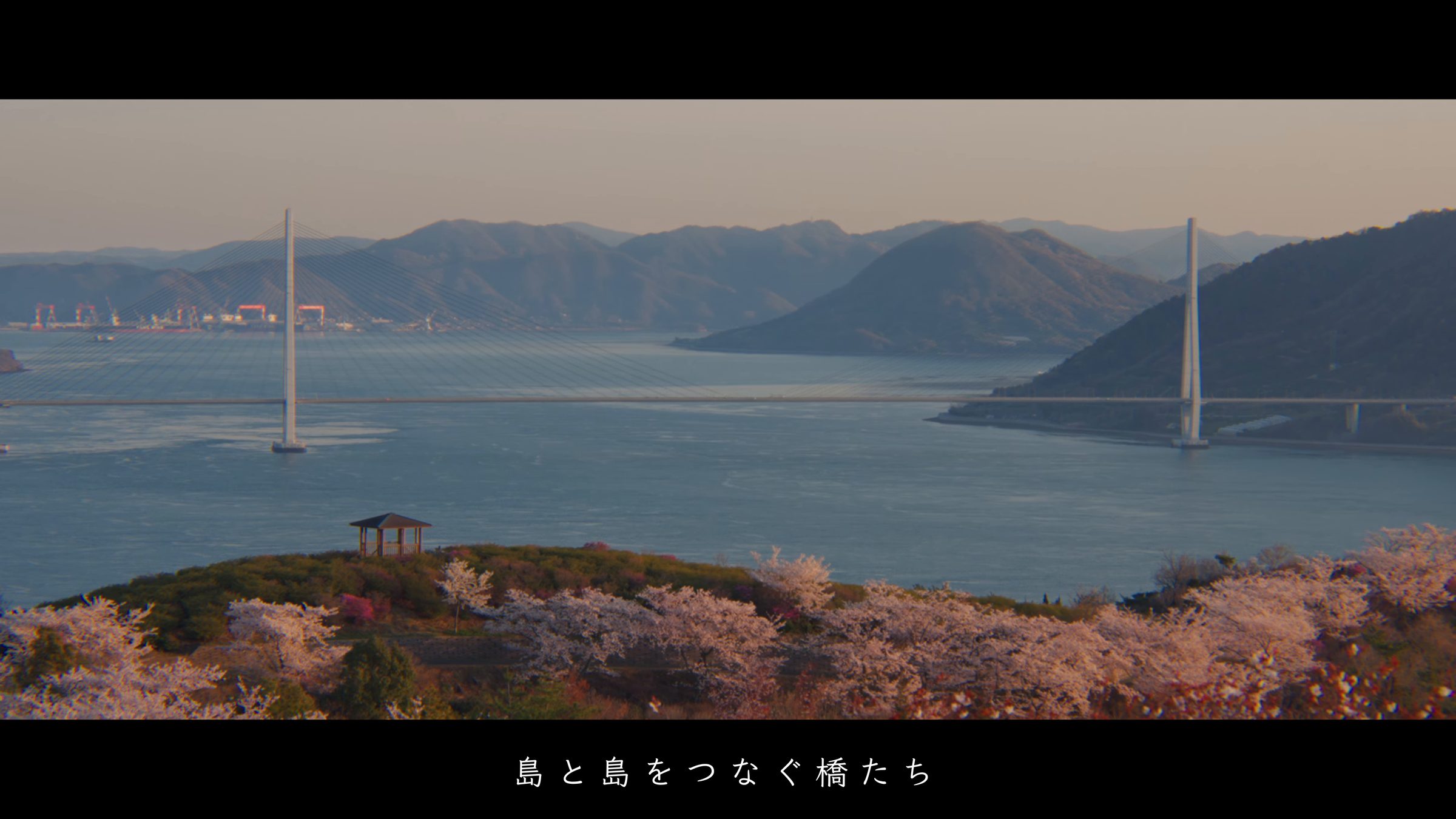
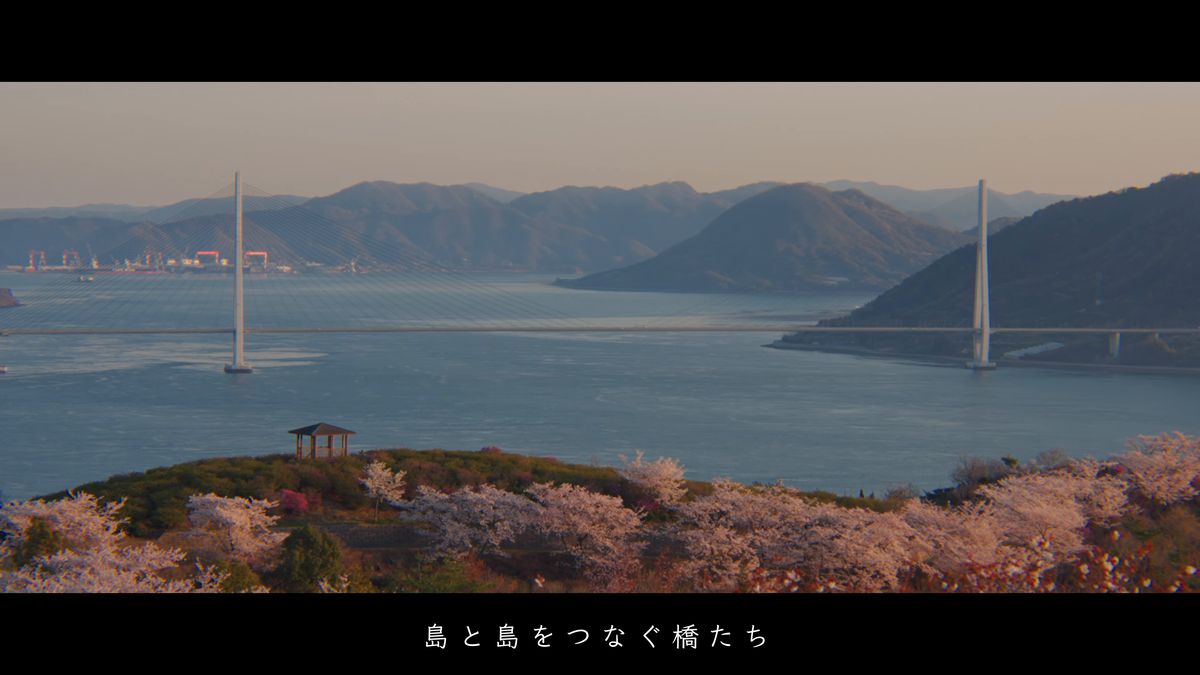
I crossed to the islands of the Seto Inland Sea, too. Hirakiyama Park sits on Hakata Island in Ehime, along the Shimanami Kaido. Seen from the air, the whole summit was dyed pink with cherry blossoms, a wooden lookout tower at the top and a bridge in the distance.
The sun sank toward the islands. Beyond the blossoms glowing in the sunset lay the scattered islands of the Seto Inland Sea.
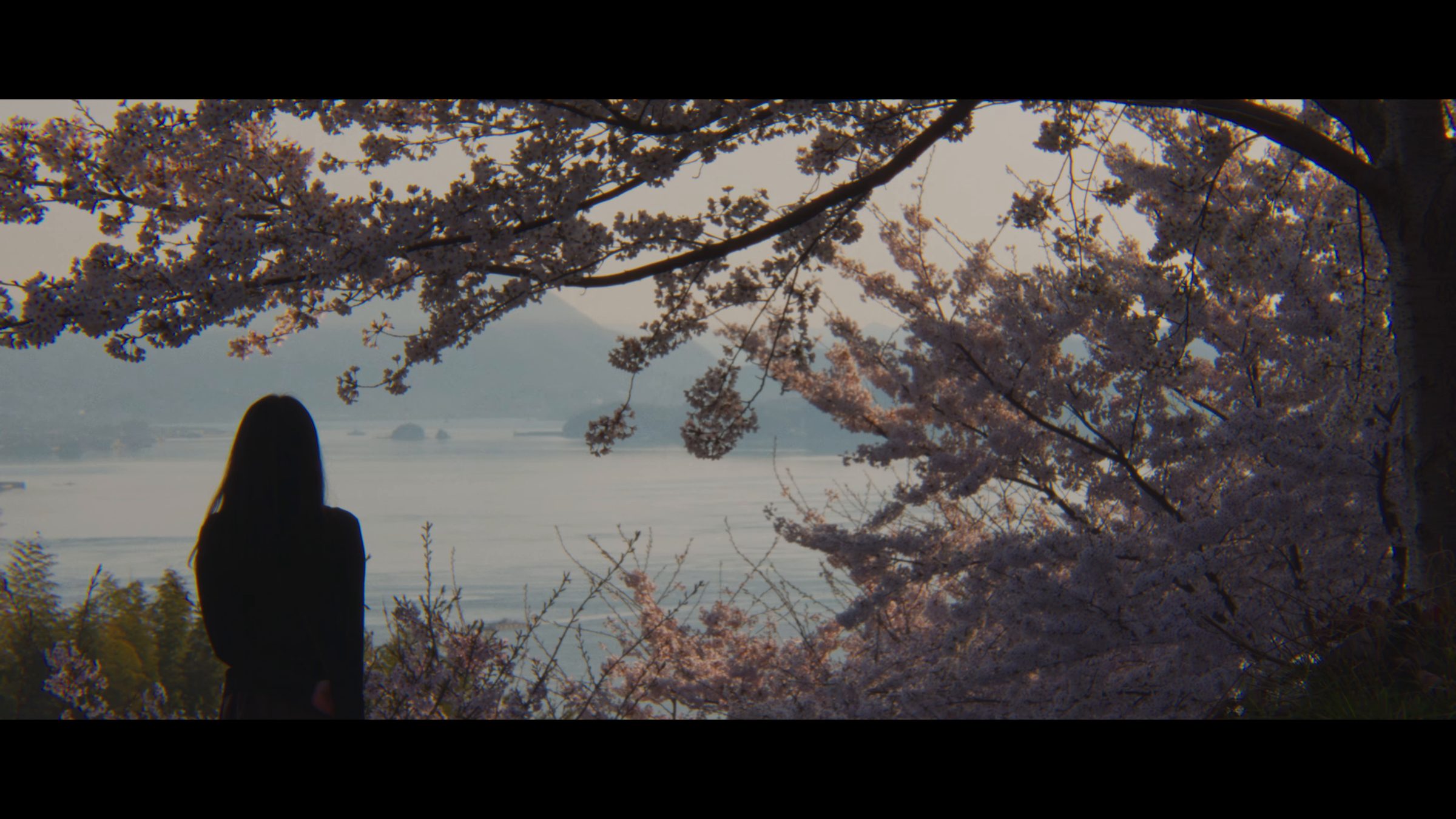
Bridges link island to island. A white cable-stayed bridge spanned the evening sea. Watching the water from beneath the cherry branches, I was truly moved by this springtime scene in Shikoku.
Watch this scene on YouTube4:56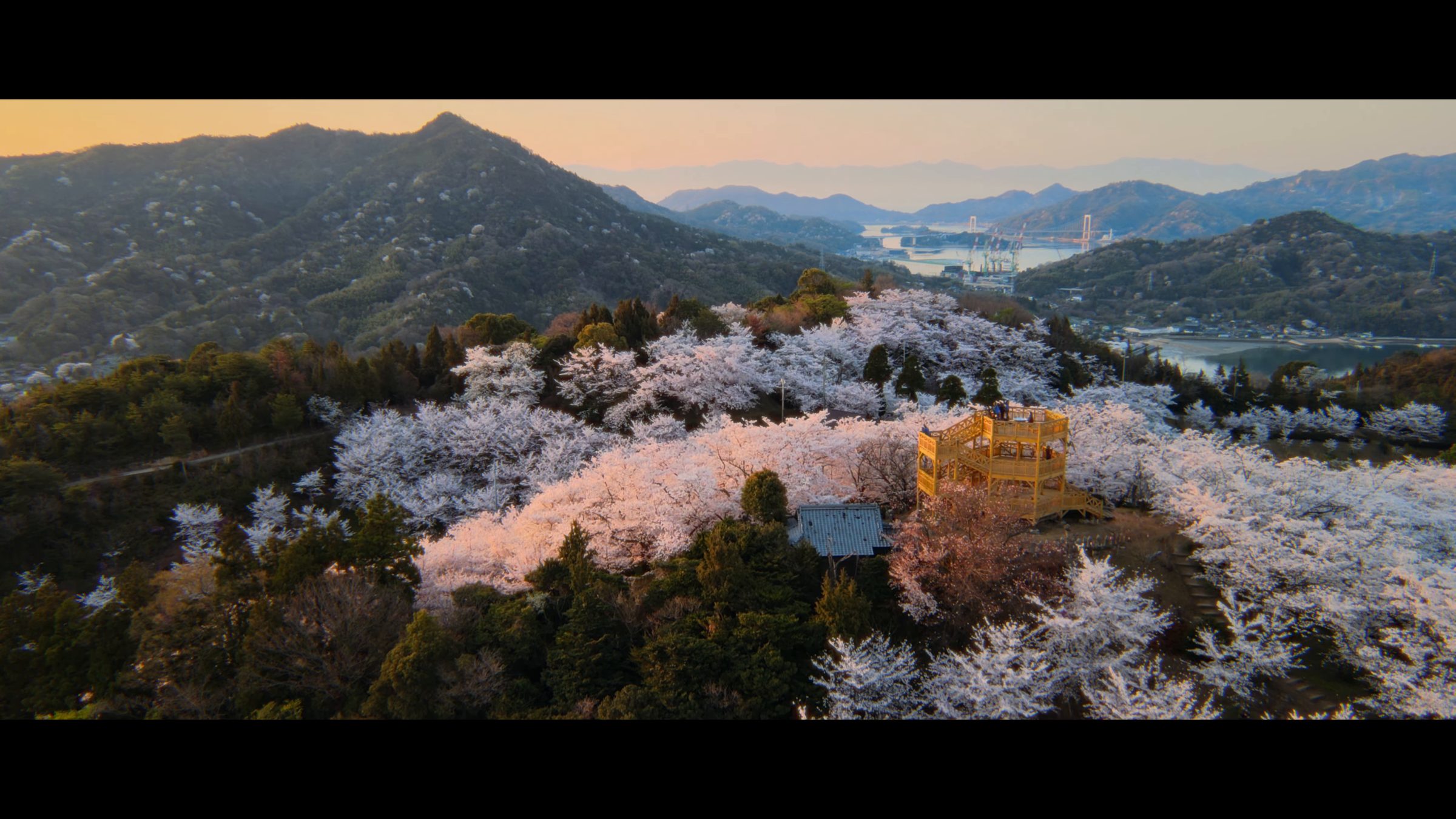
11TRAVEL JOURNAL
In Kagawa, udon is a must
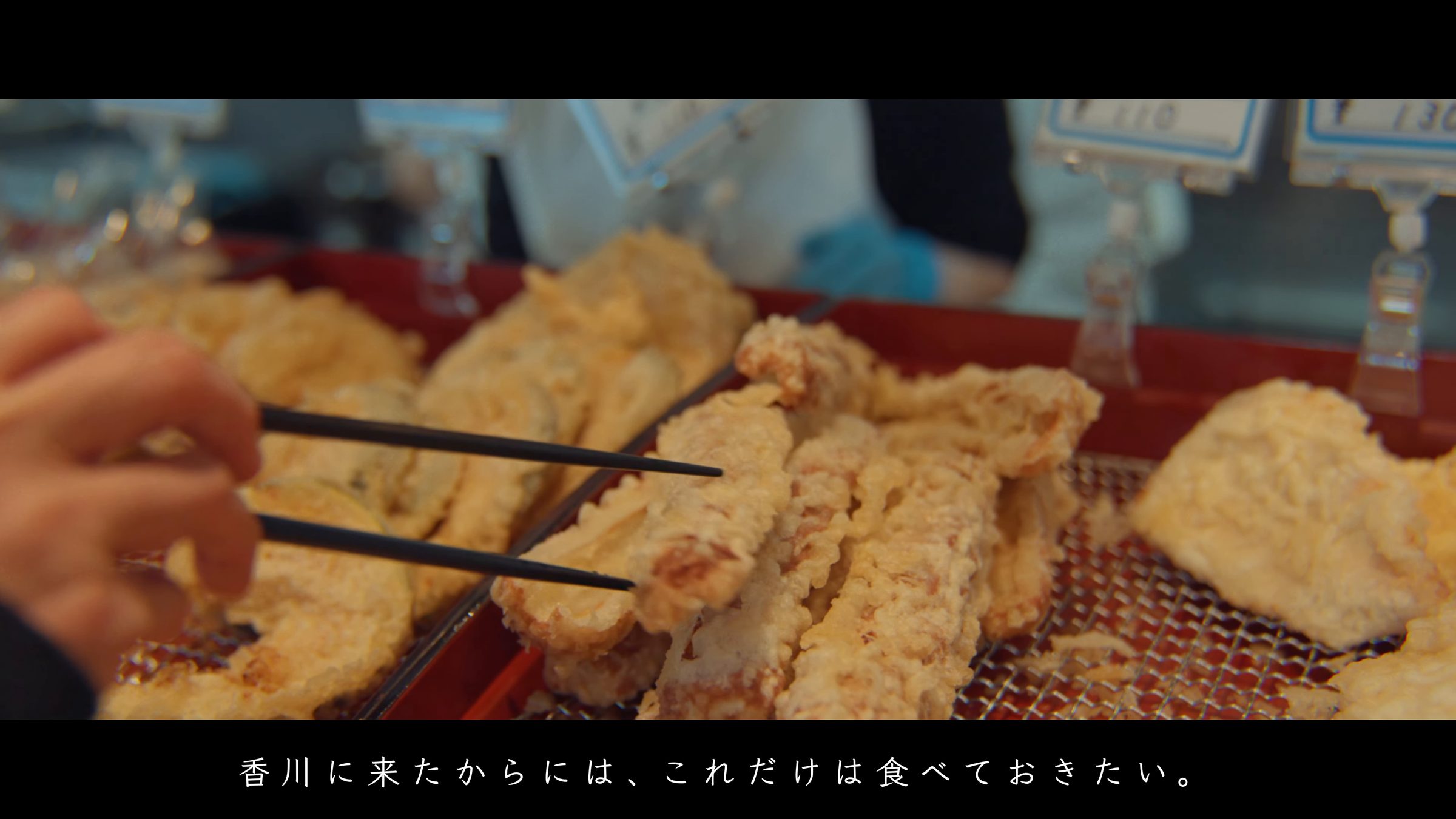
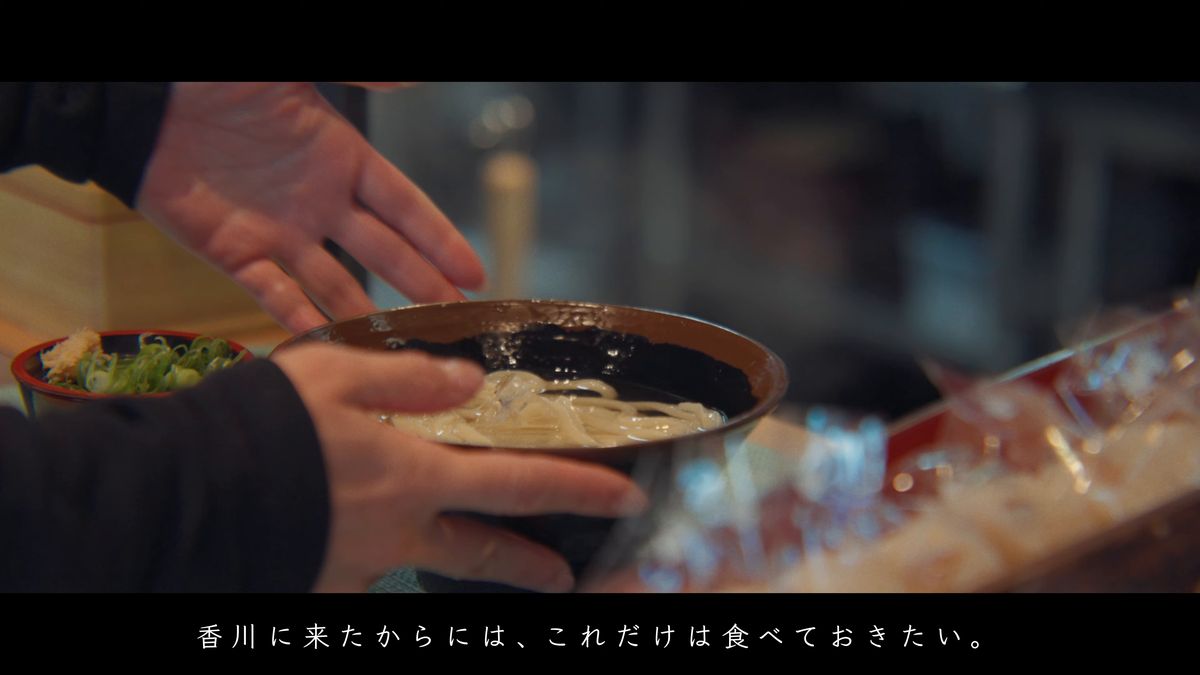
When you come to Kagawa, there's one thing you absolutely have to eat. The udon shop I wandered into was self-service: order at the counter, then help yourself to tempura.
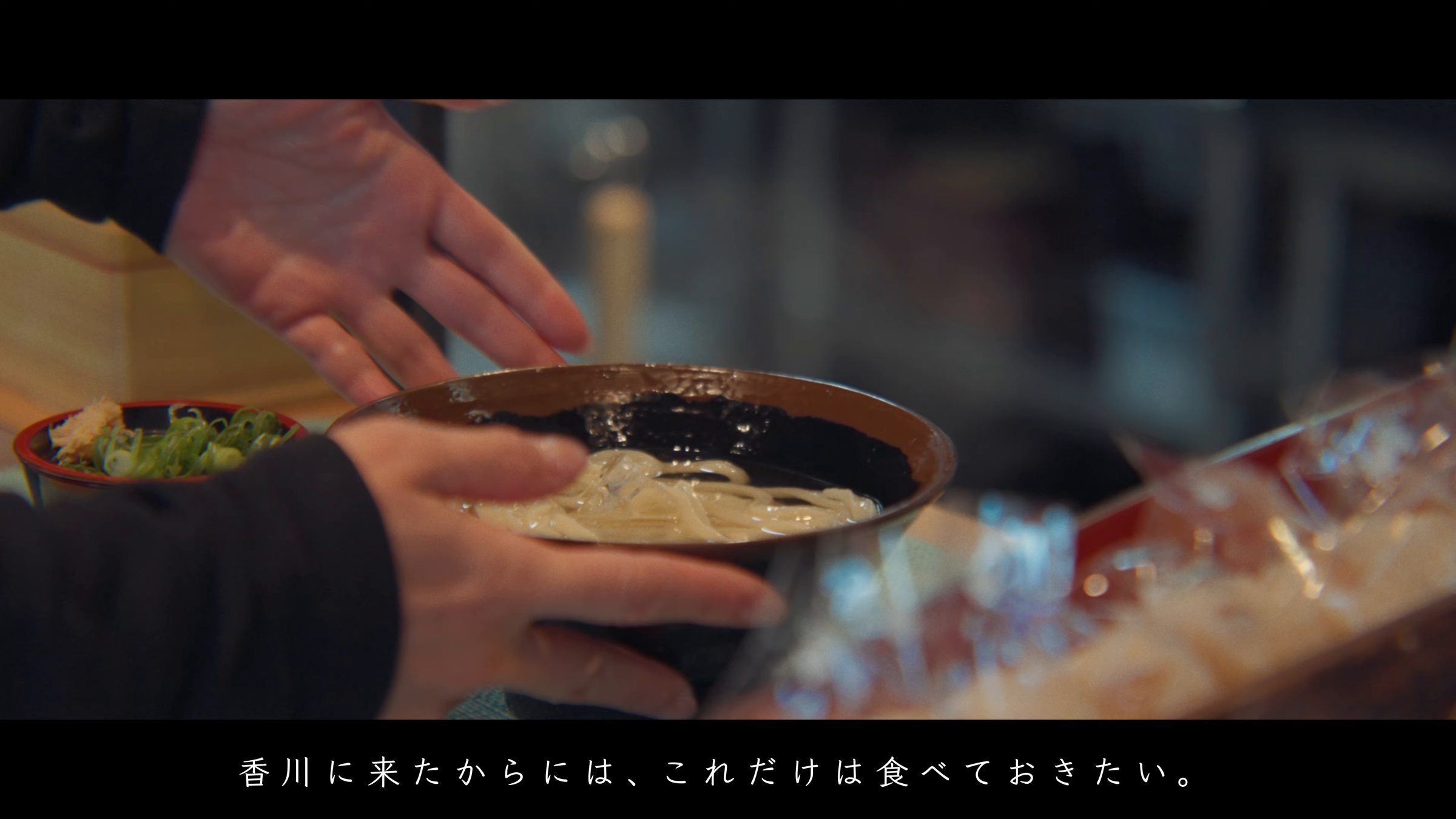
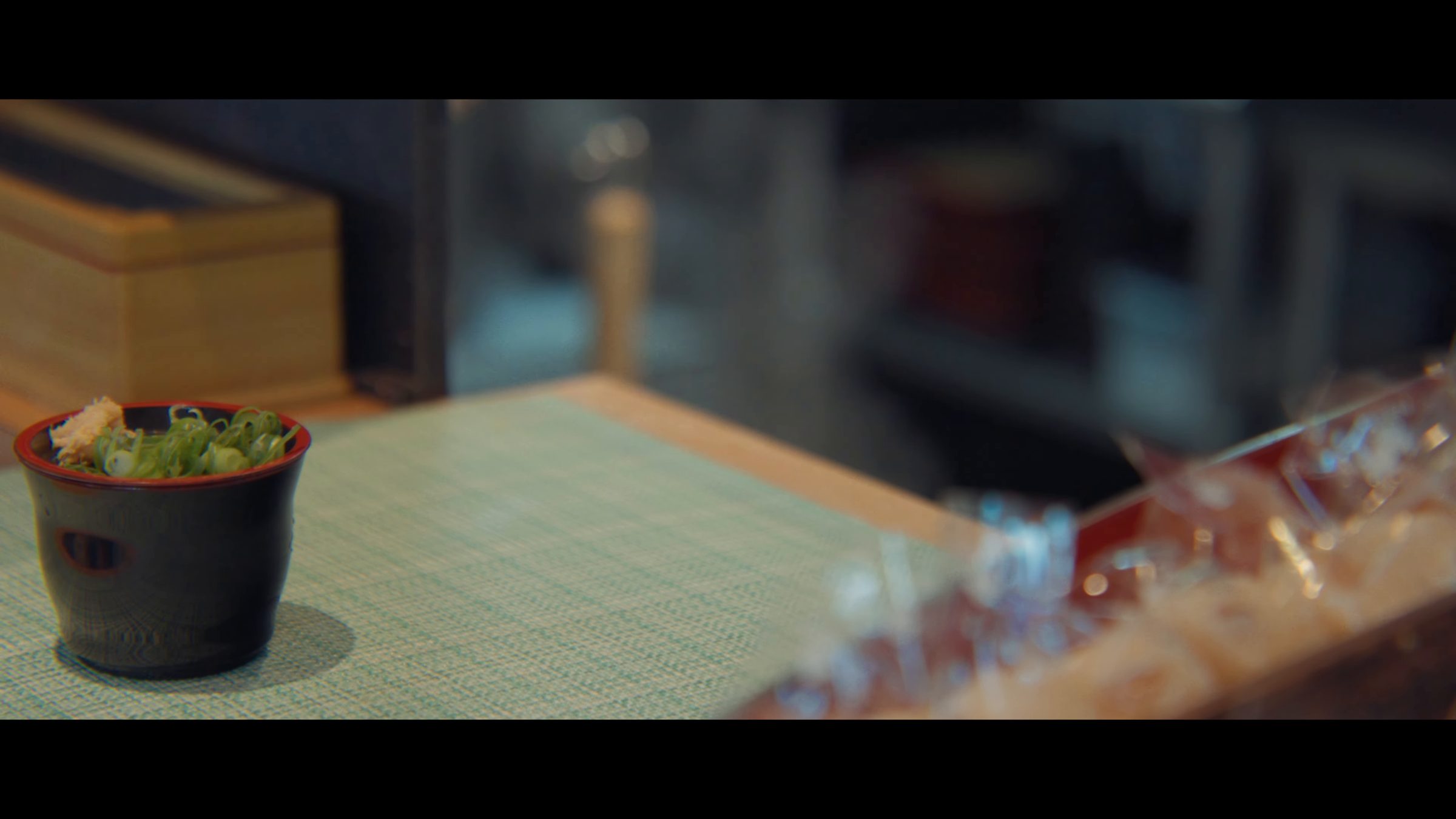
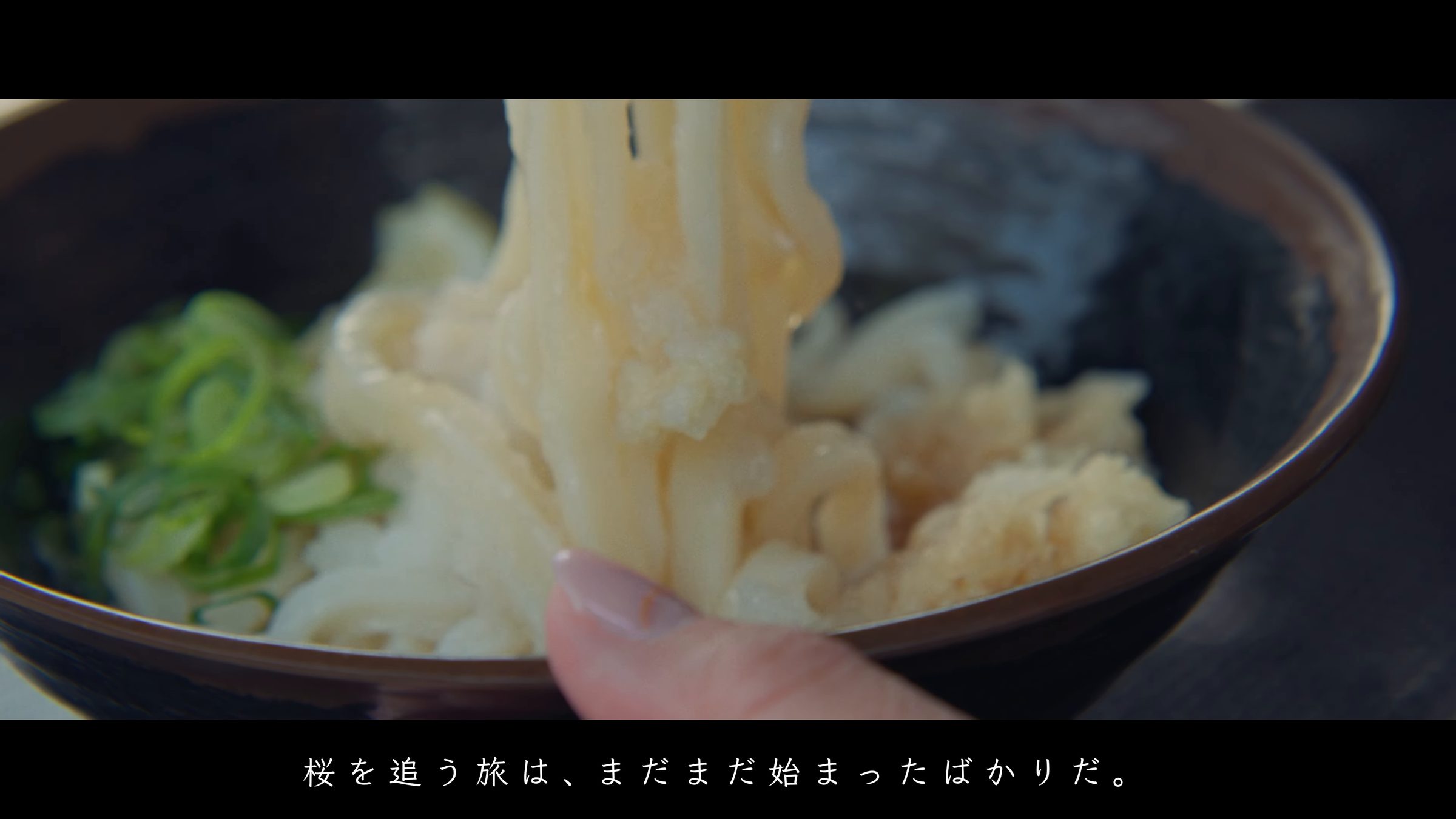
I picked a piece from the row of tempura, collected my bowl of udon and found a seat, along with a small bowl topped with green onions.
Lifting the noodles, I found them astonishingly fresh and chewy. Is authentic udon really this different? The journey of chasing cherry blossoms had only just begun. Still, why is udon in Shikoku so unbelievably good?
Watch this scene on YouTube5:39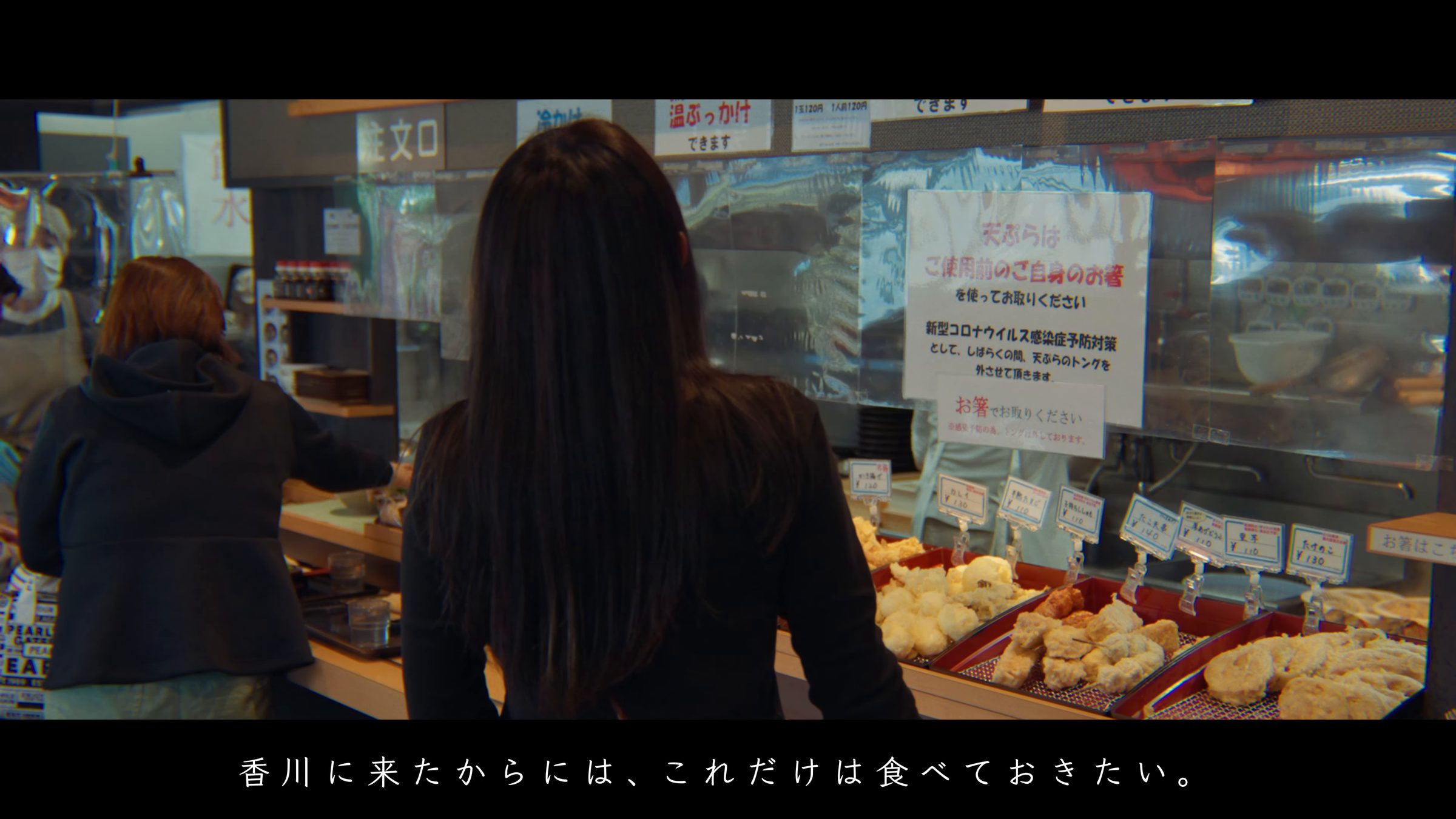
12TRAVEL JOURNAL
The long stone steps of Konpira-san
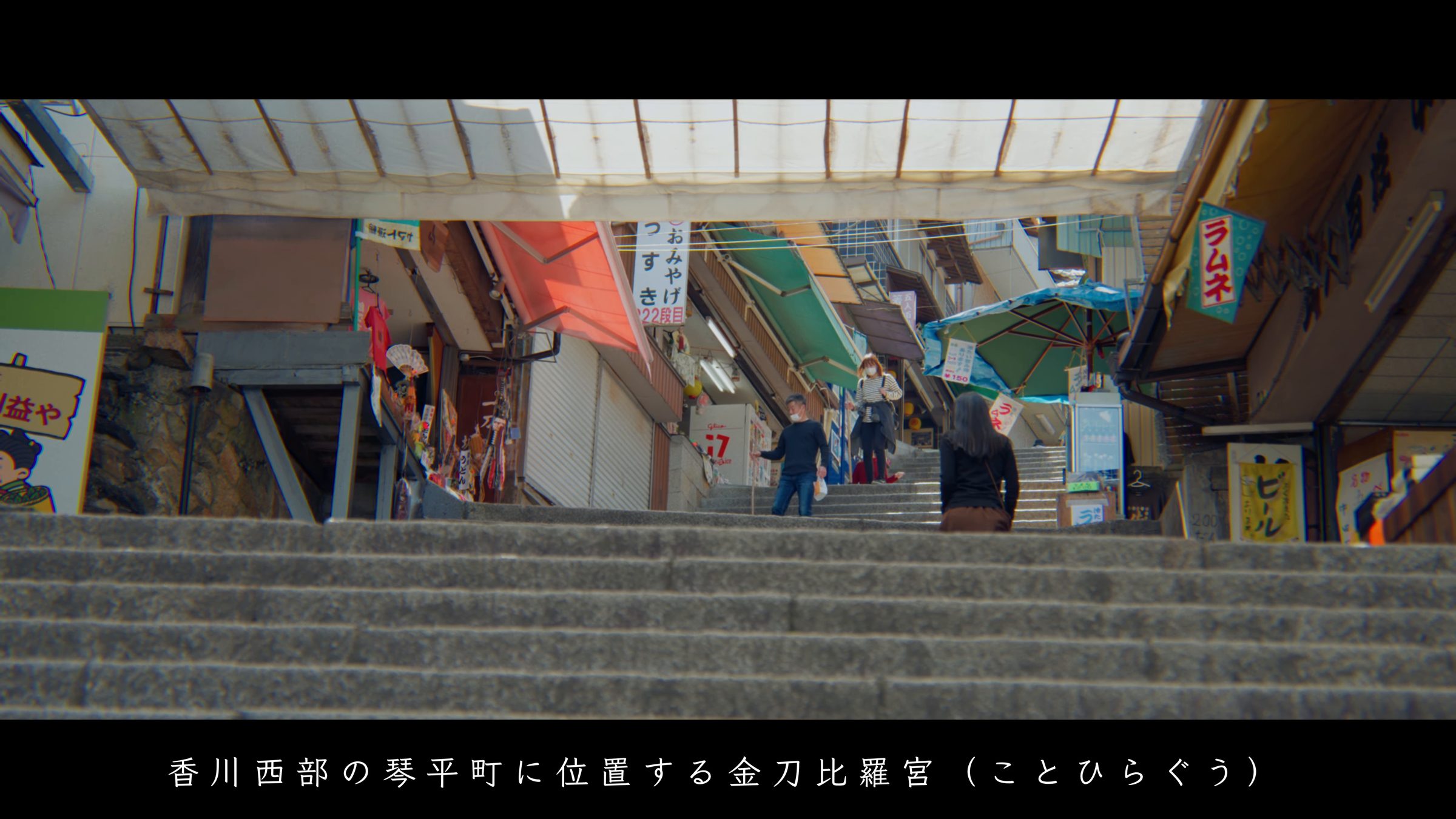
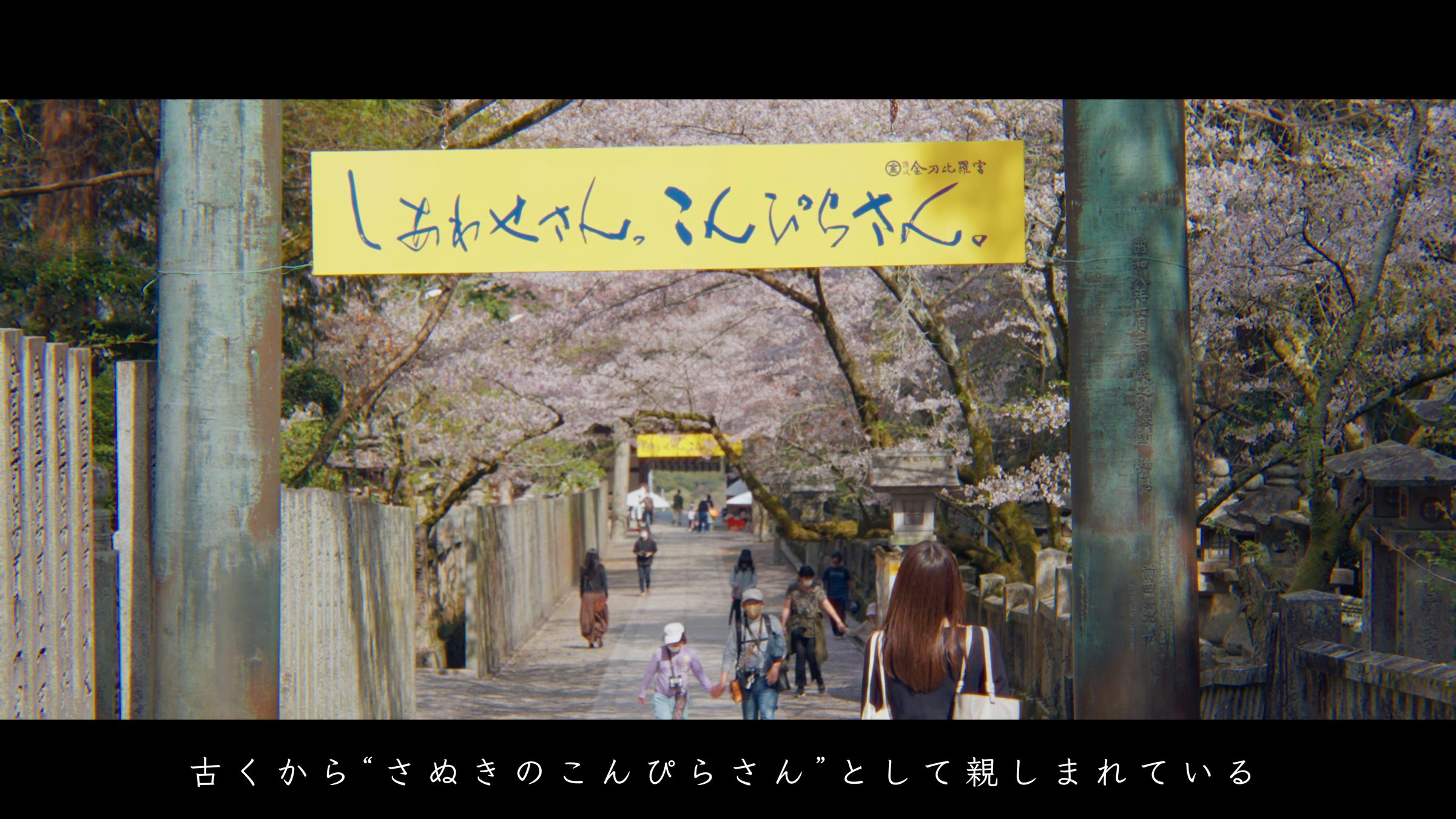
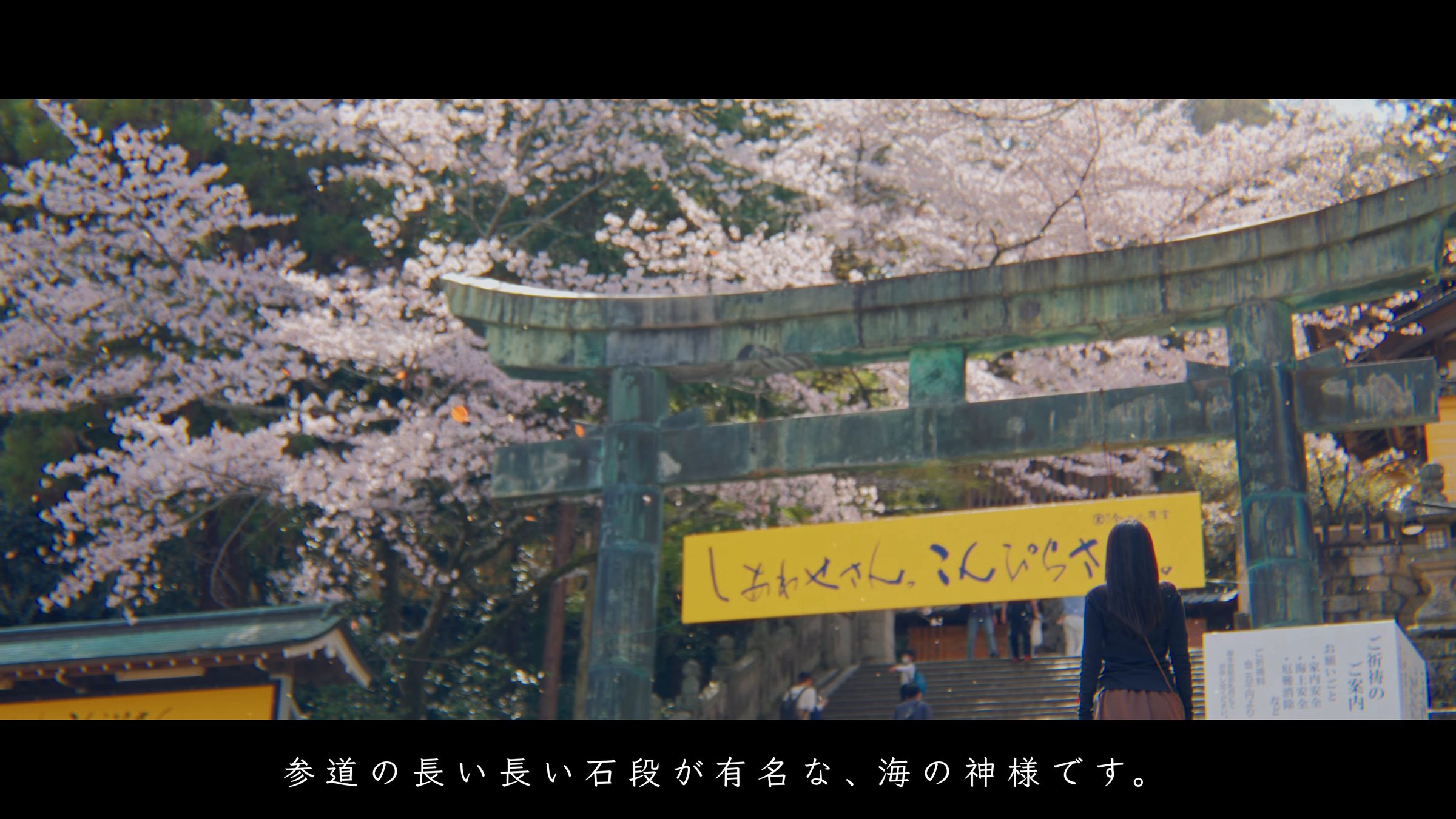
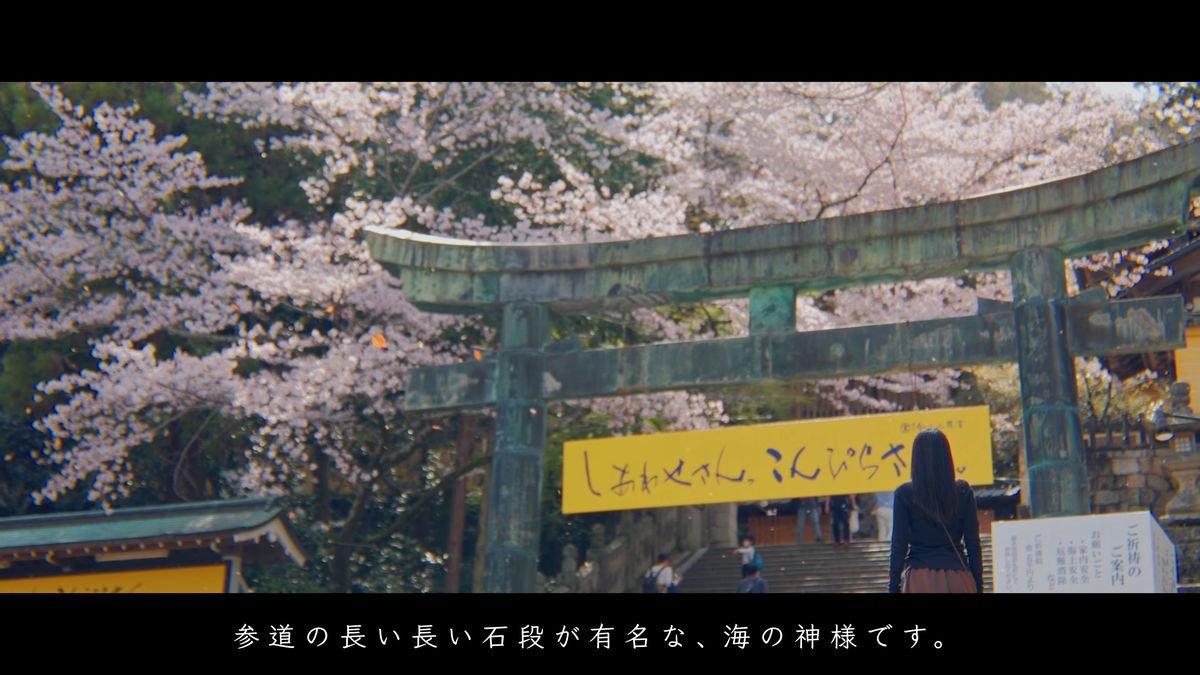
Next, Kotohira-gu Shrine in Kotohira, western Kagawa. Known affectionately since long ago as "Sanuki's Konpira-san," it enshrines a god of the sea. It's famous for the long, long stone steps of its approach: 785 of them to the main shrine.
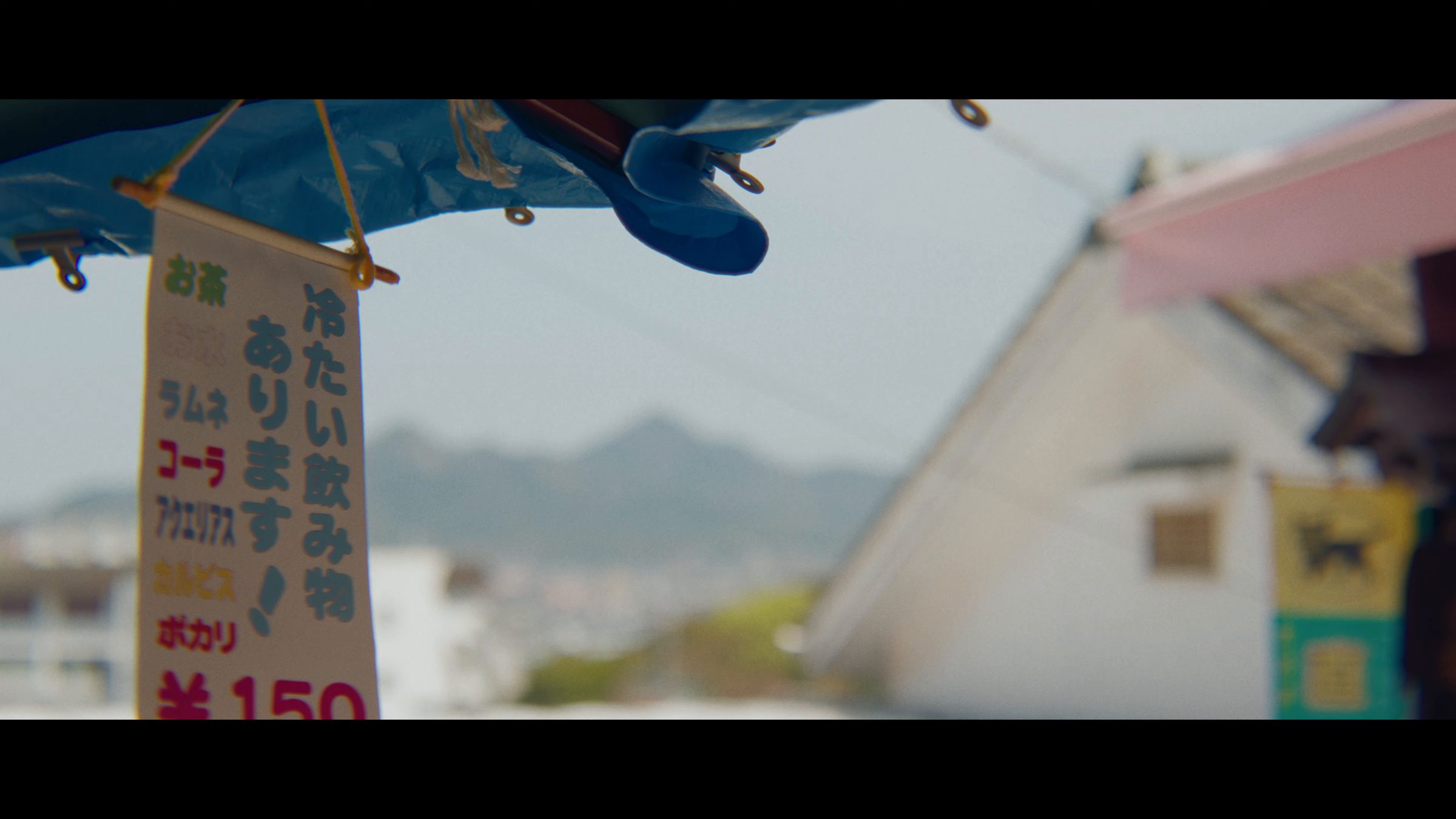
Souvenir shops lined both sides of the steps. One had a sign hanging out front: "Cold drinks available!" Looking back, I could see the town and the mountains beyond the rooftops.
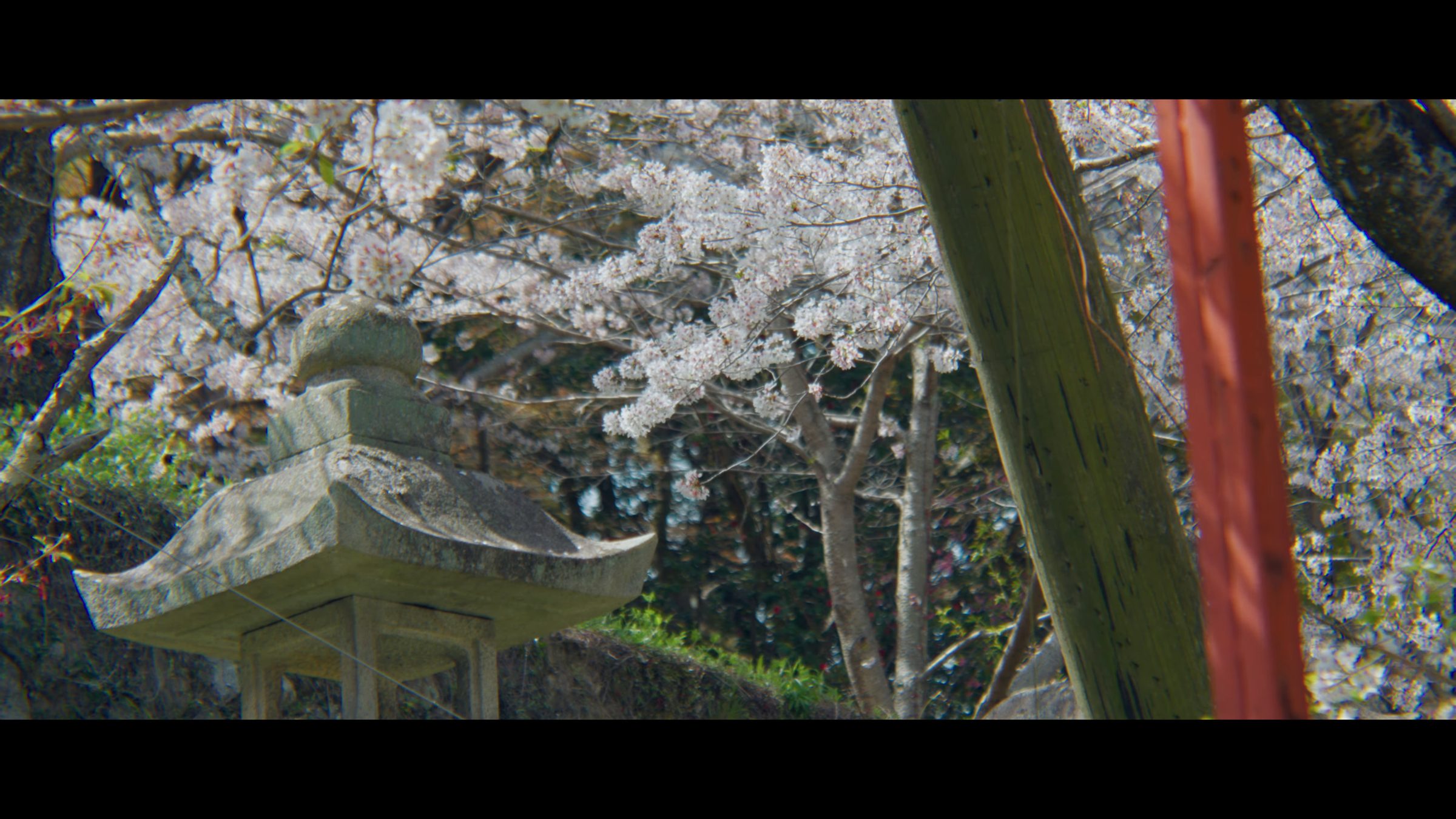
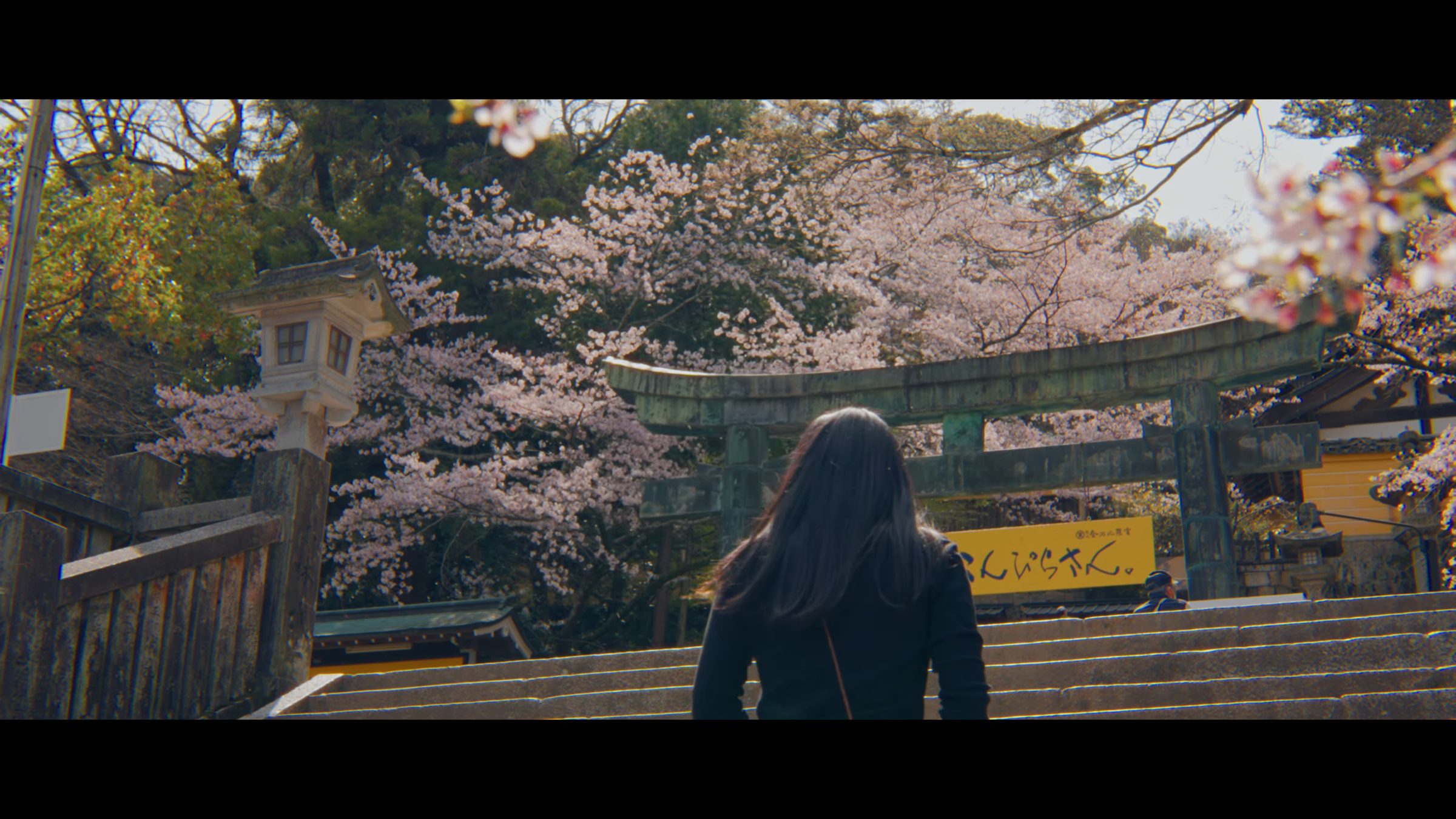
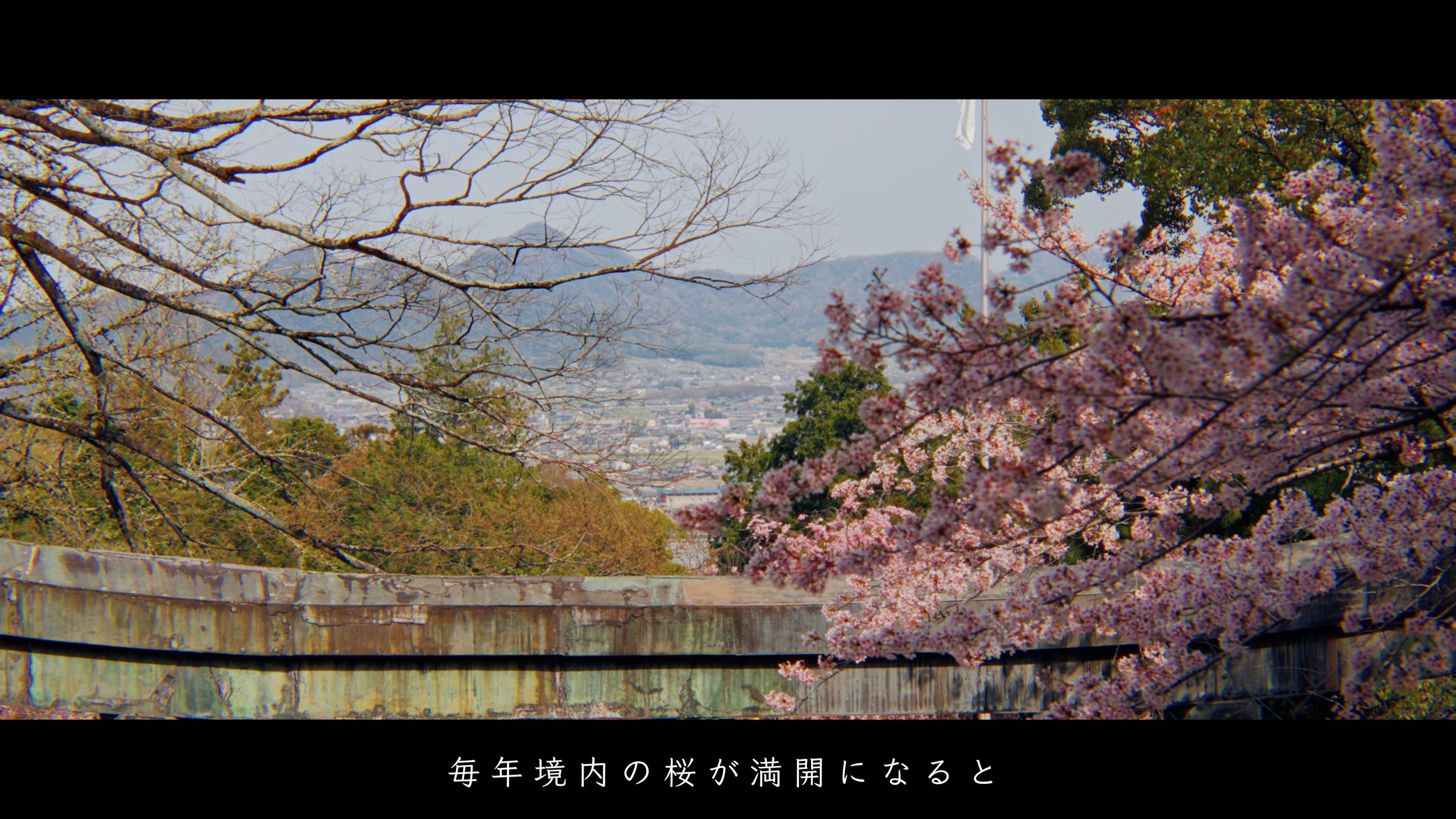
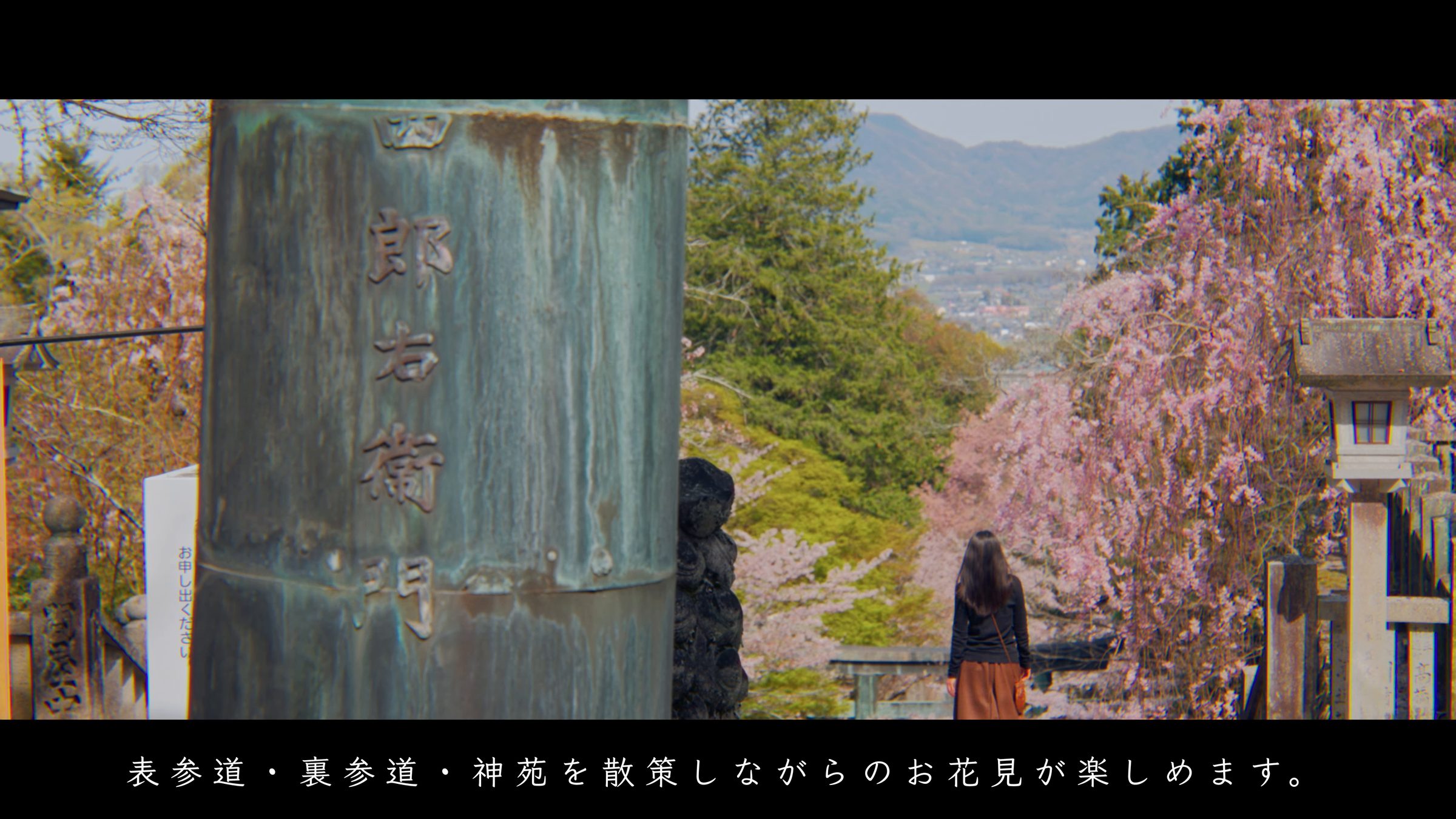
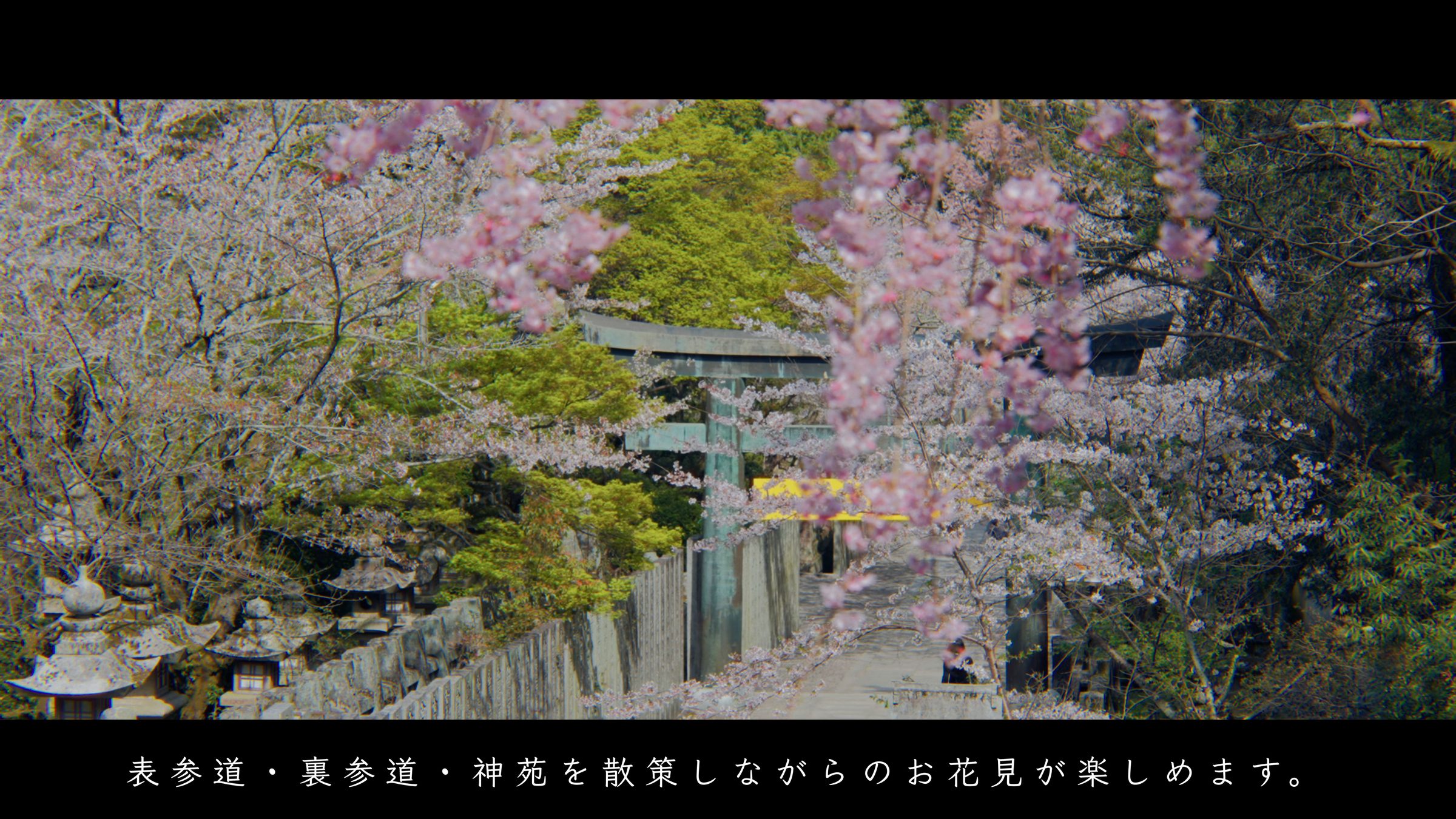
Cherry blossoms bloomed by the stone lanterns, and I climbed on toward a bronze torii hung with a banner reading "Shiawase-san. Konpira-san." The higher I went, the wider the Sanuki plain spread below. When the blossoms are at their peak, you can enjoy them while strolling the main approach, the back approach and the shrine garden. The beauty of the spring grounds blew away all the fatigue of those endless steps.
Watch this scene on YouTube6:06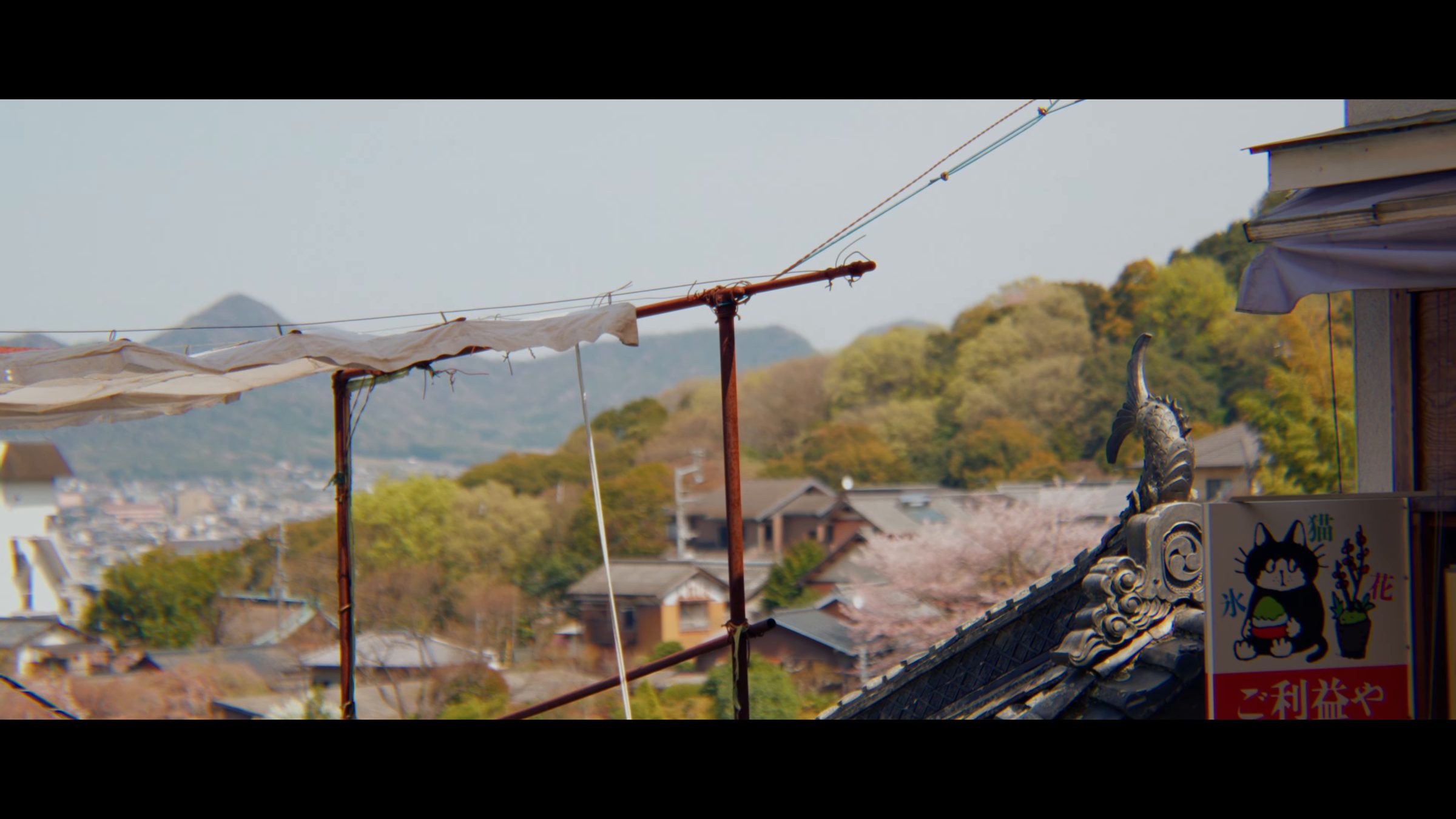
13TRAVEL JOURNAL
Chichibugahama, where the water mirrors the sky
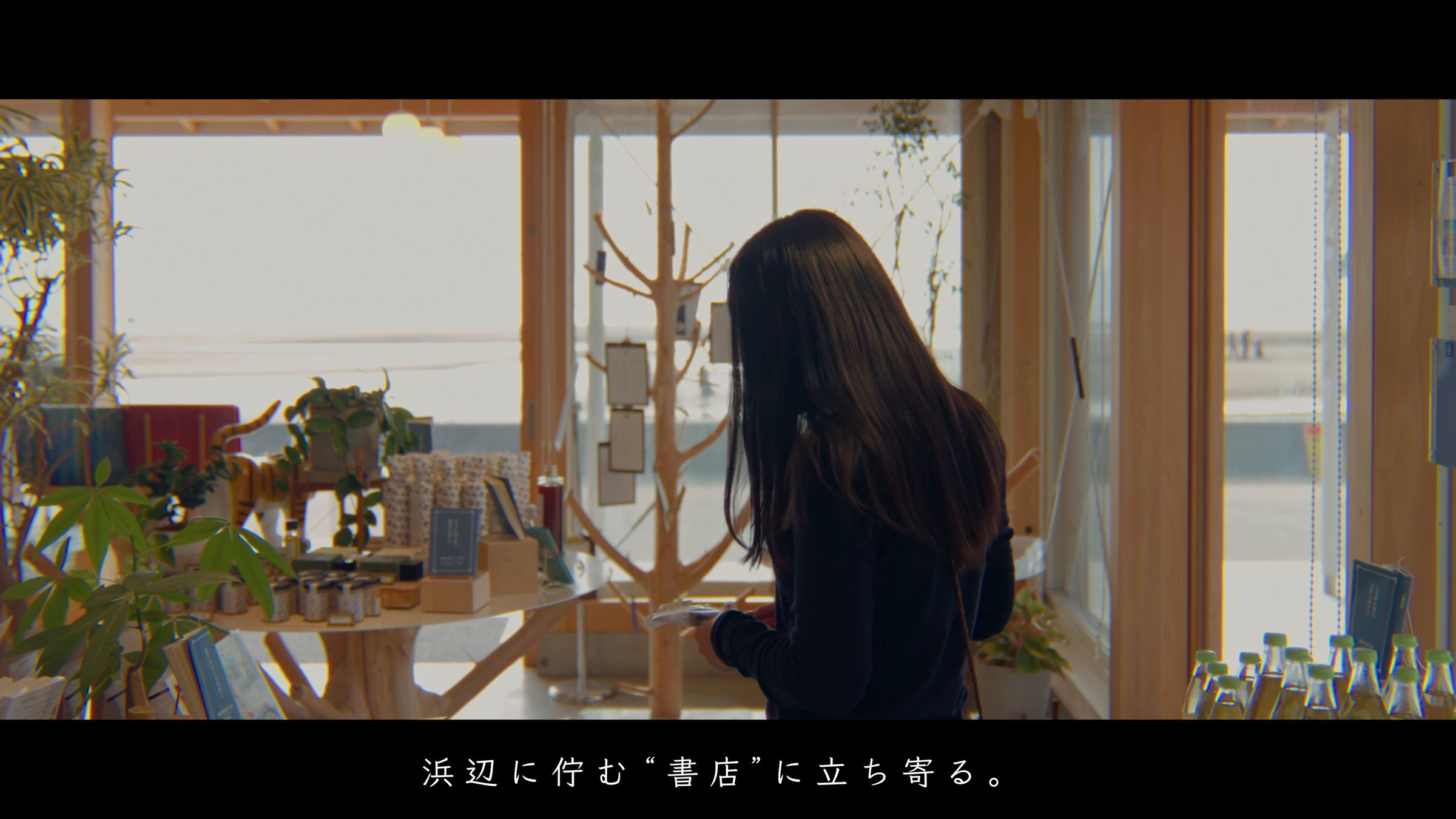
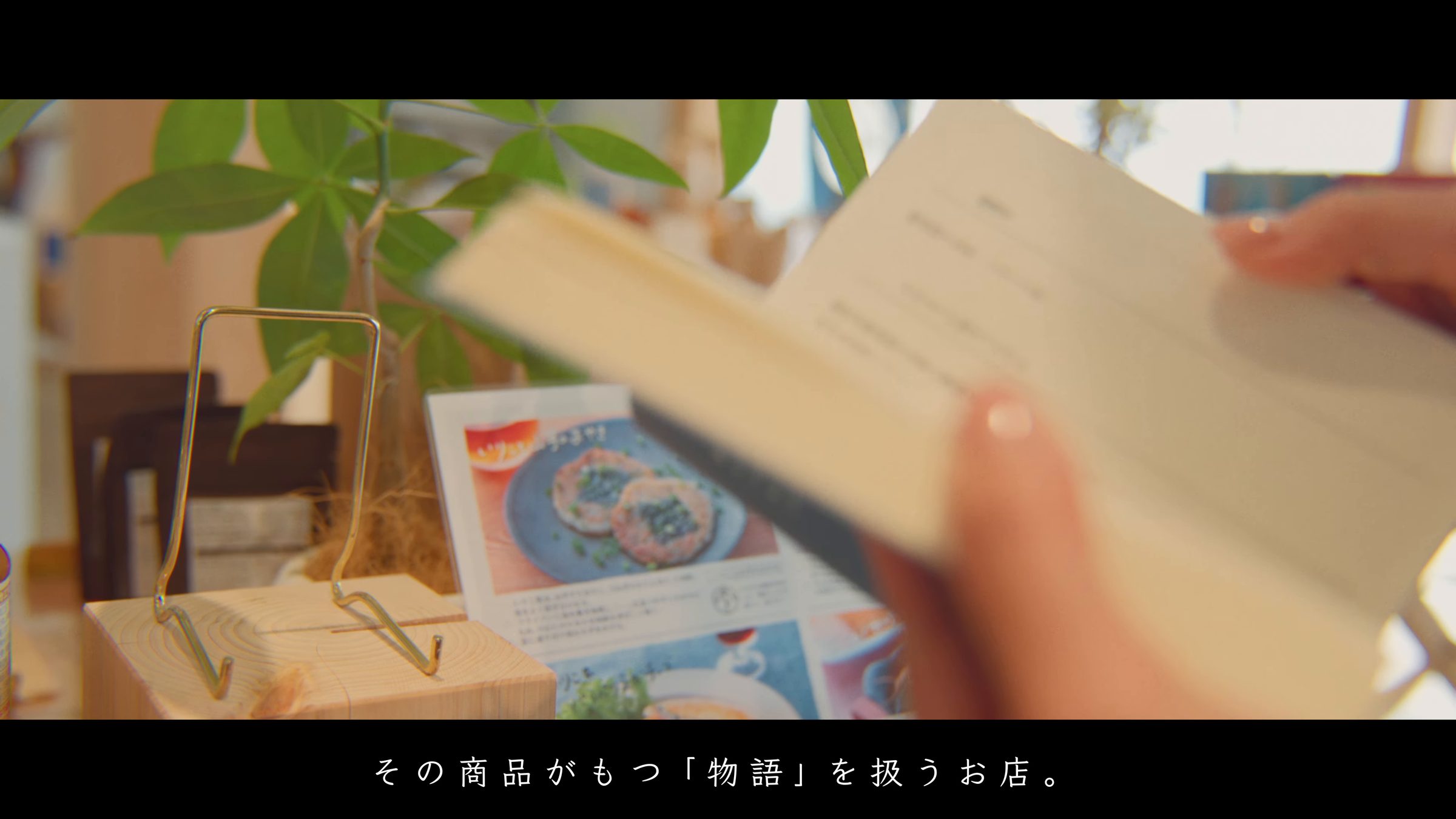
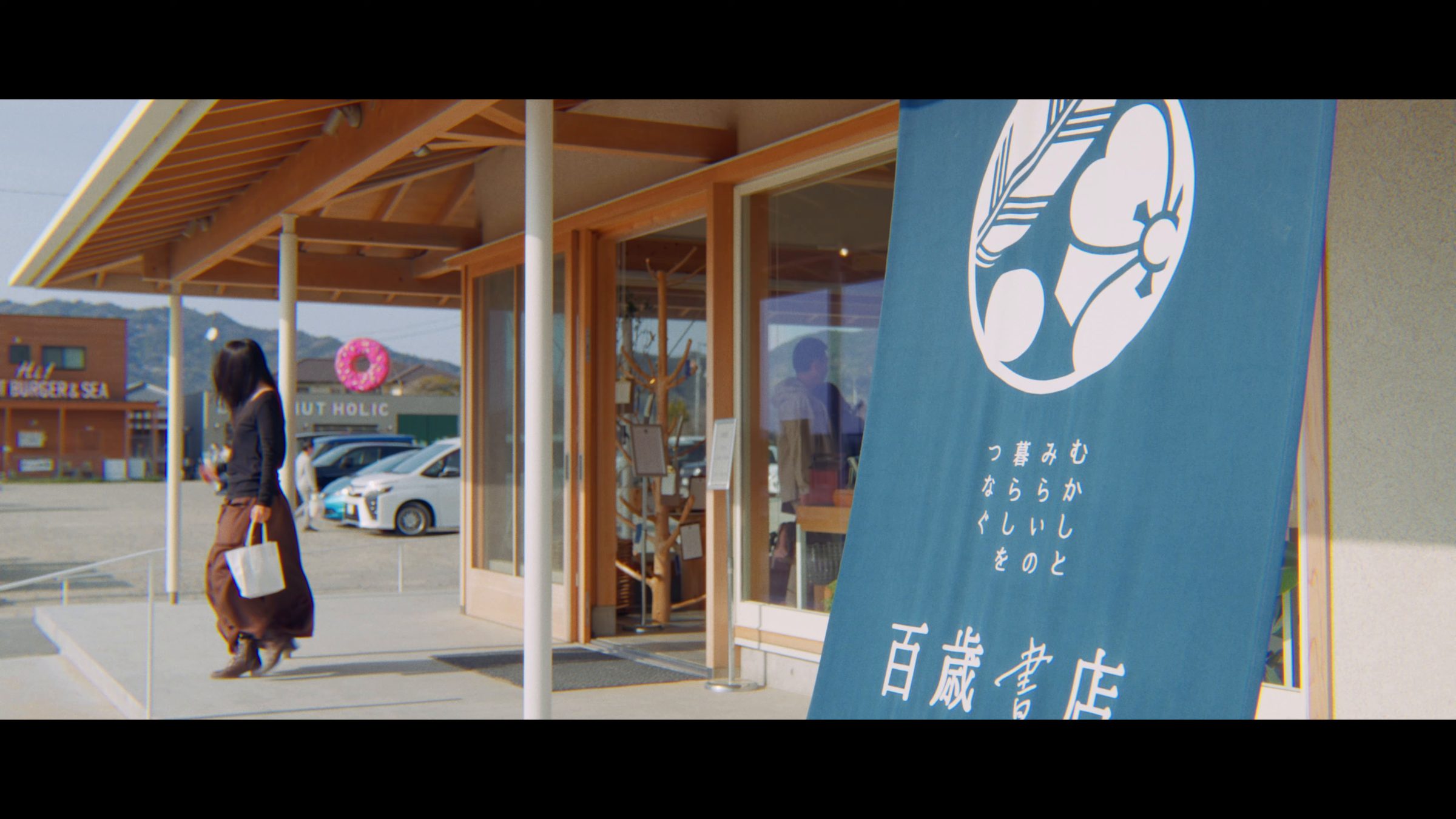
I also made my way to Chichibugahama, one of Kagawa's most popular beaches. The shallows ran far out to sea, and someone had set up a tripod to photograph the water. I stopped by a "bookshop" standing by the beach, its noren curtain reading Hyakusai Shoten. What it offers isn't books, but local products rooted in the area, along with the stories those products carry.
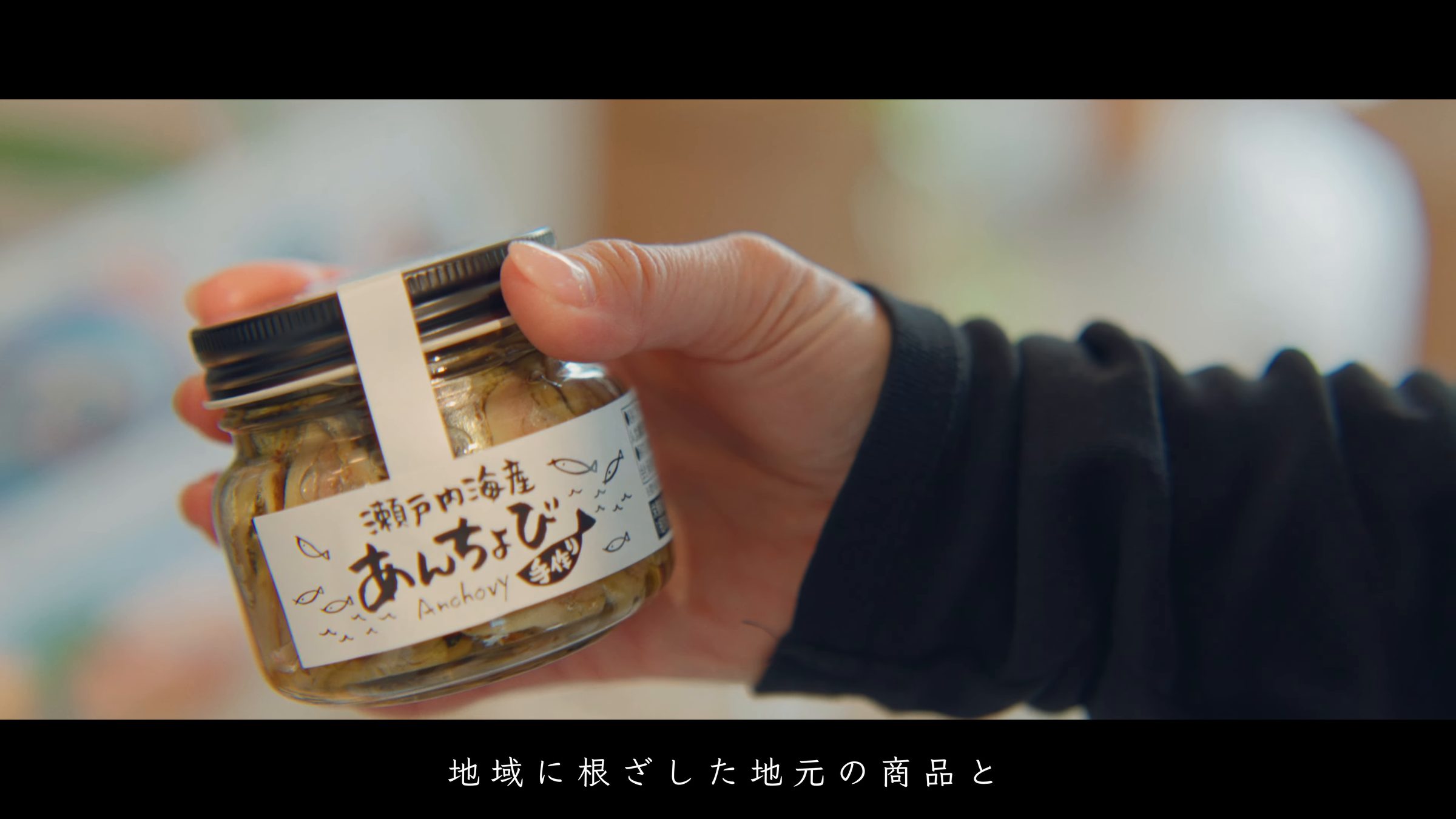
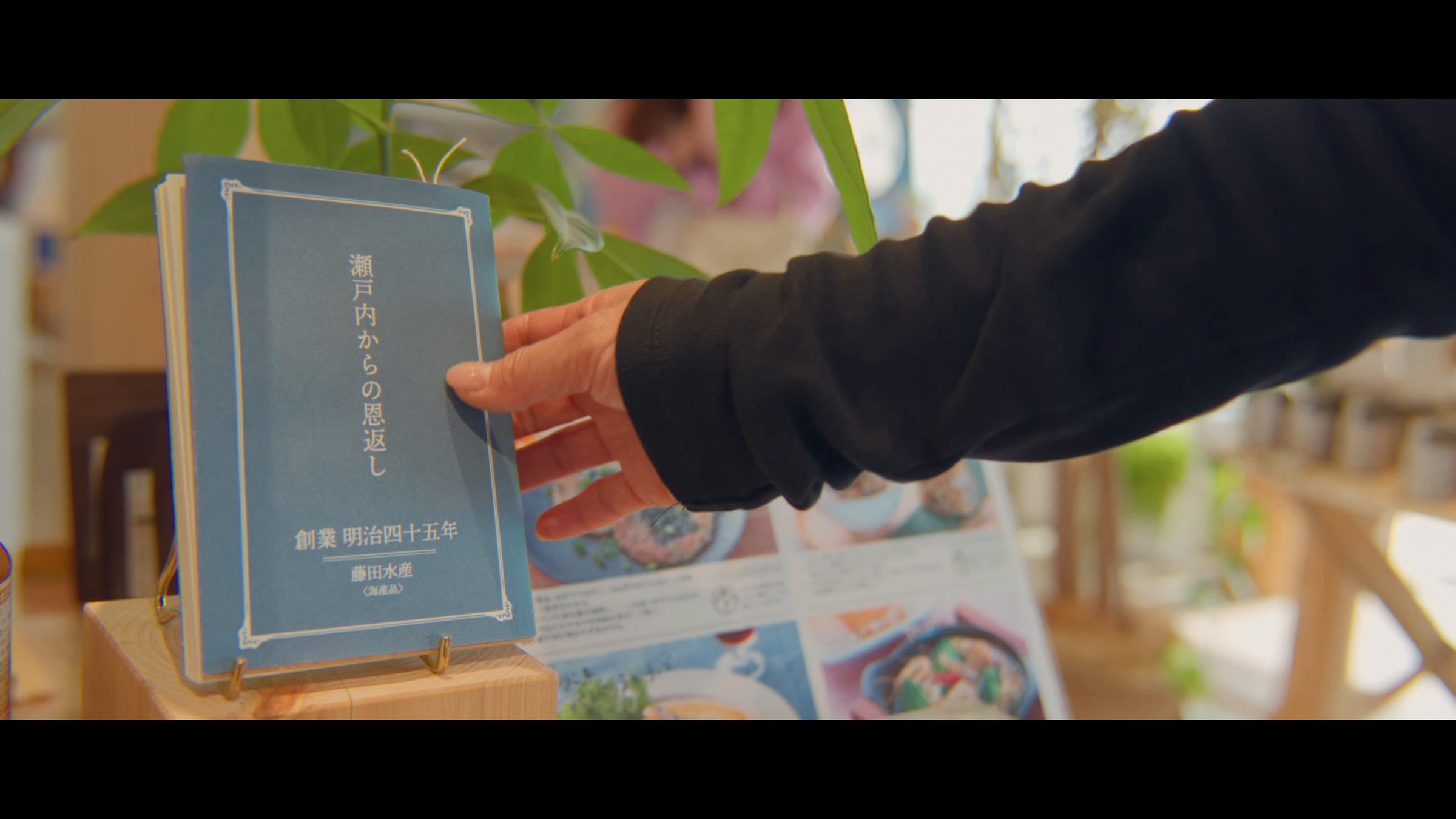
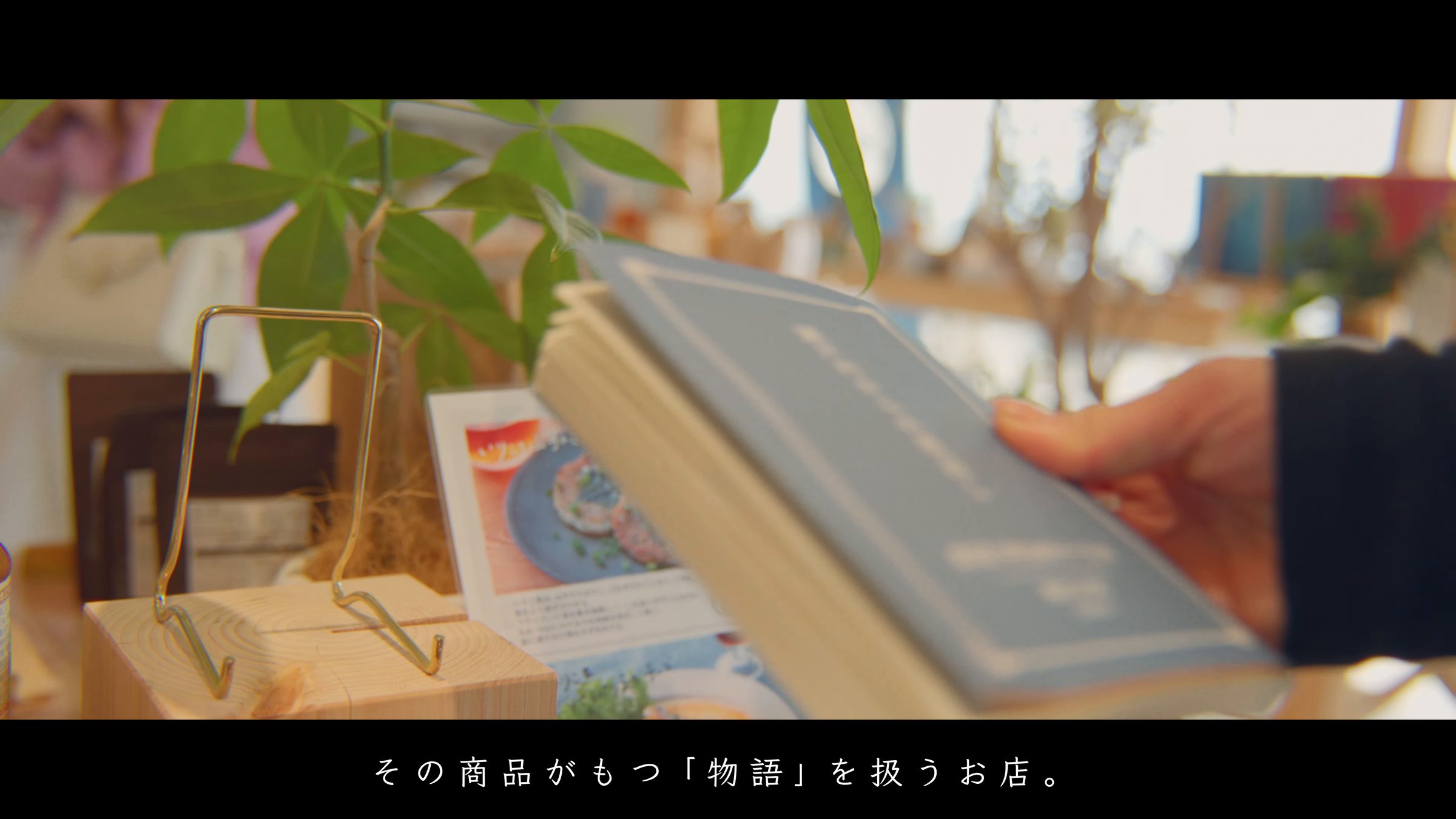
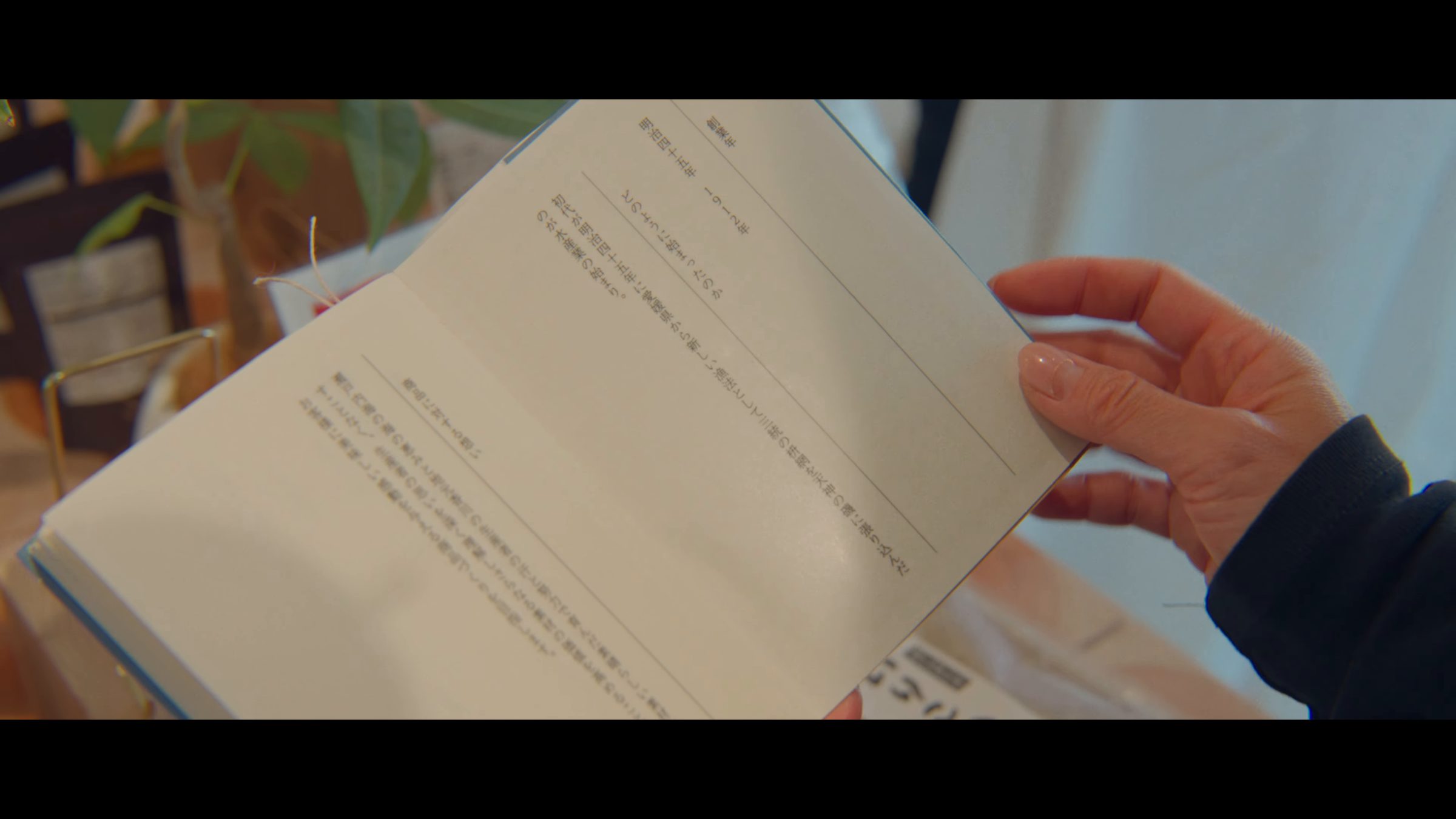
I picked up a jar of anchovies from the Seto Inland Sea and opened the booklet propped beside it. The cover read "A Thank-You from the Seto Inland Sea," with a founding date of Meiji 45 (1912).
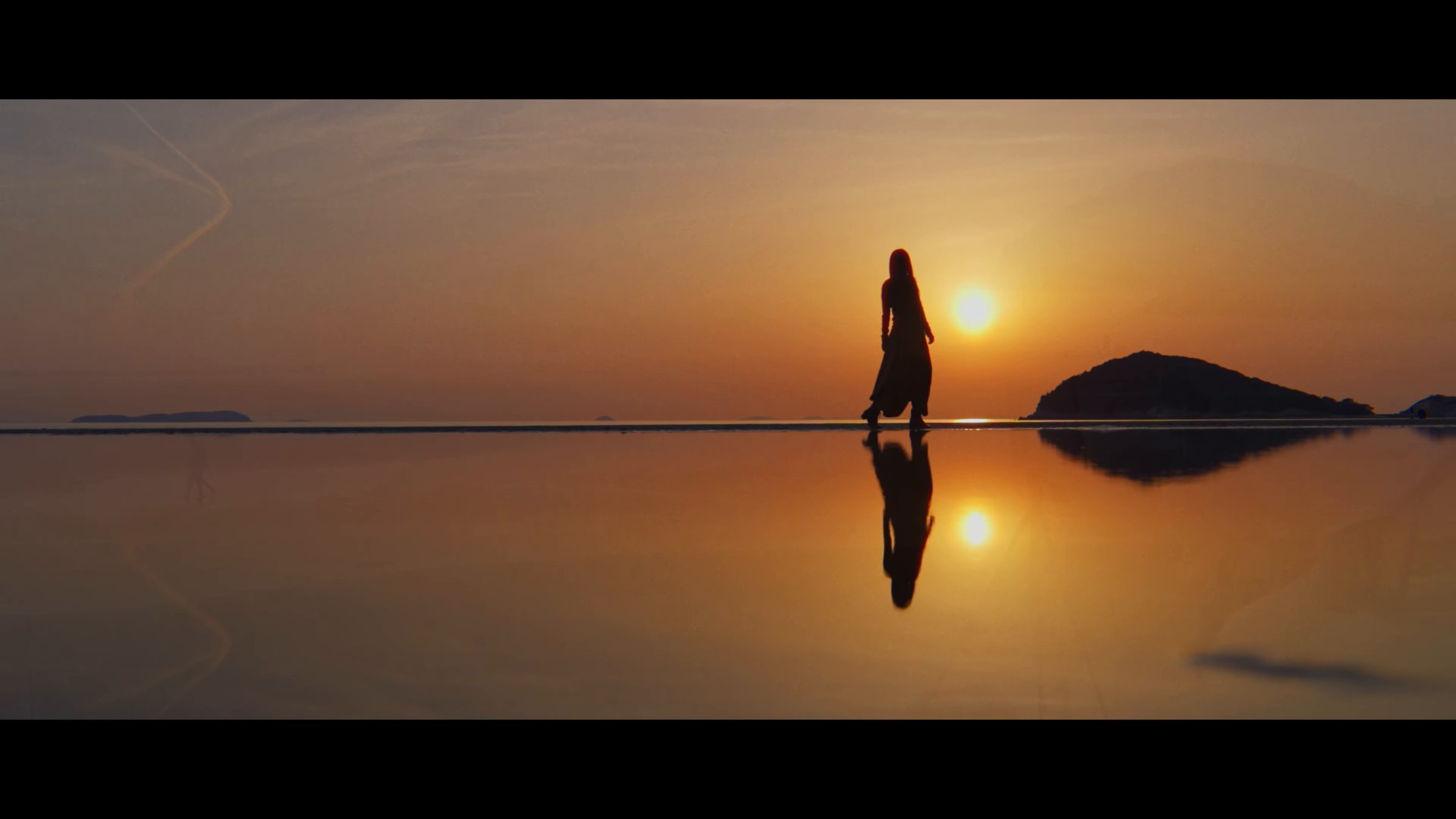
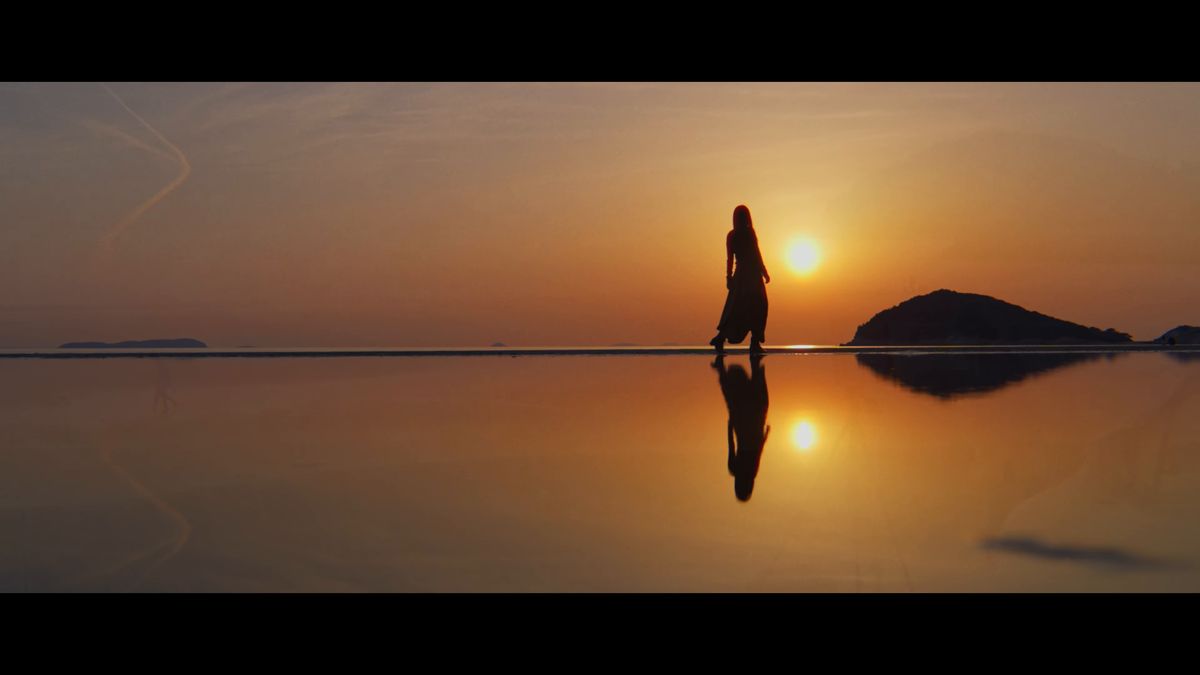
As the sun went down, the tide pools turned into mirrors. Chichibugahama is also called "Japan's Salar de Uyuni," and at dusk especially, the water reflects the beautiful sky. The setting sun and my own silhouette floated on the water a second time.
Watch this scene on YouTube6:55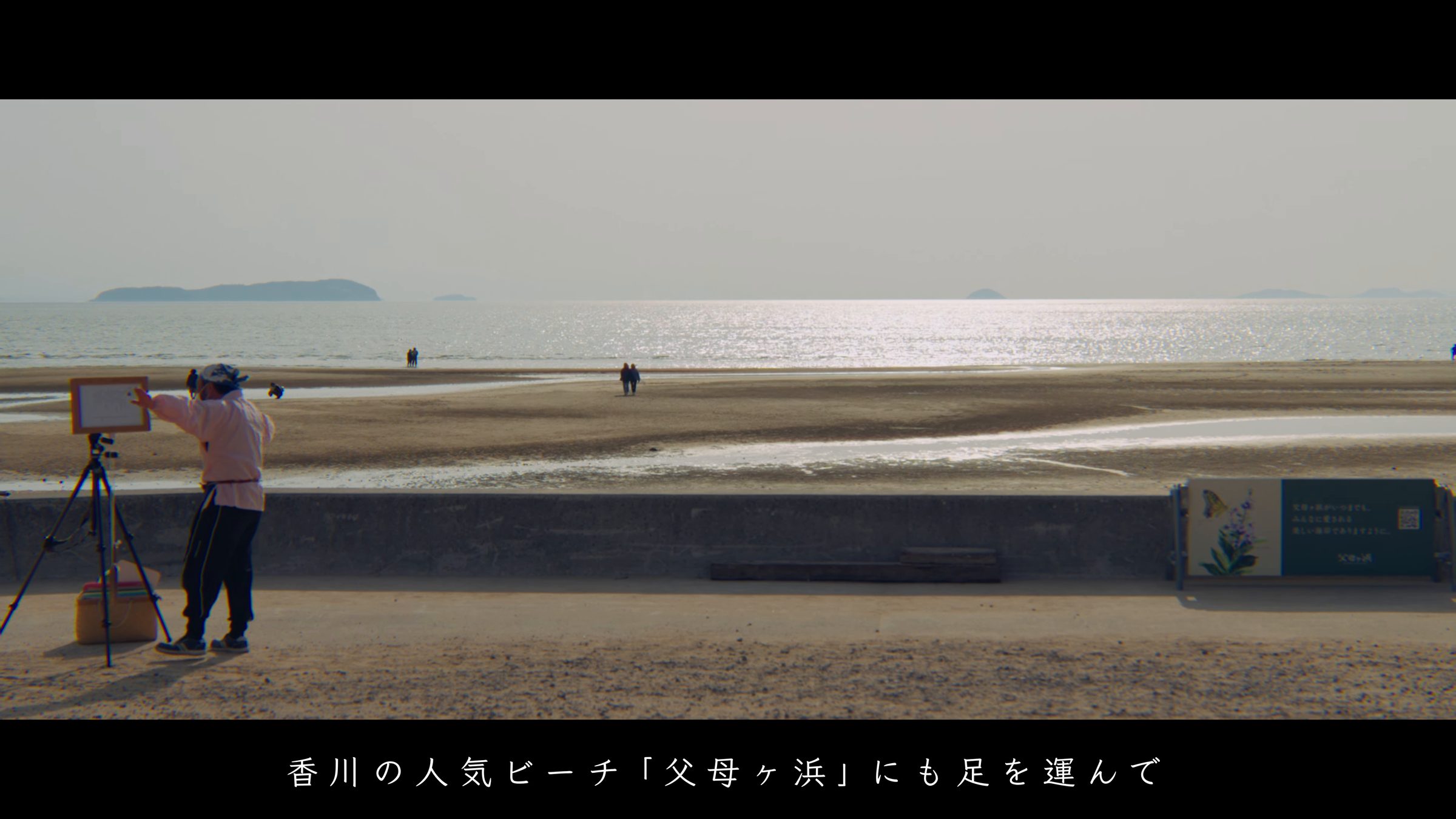
14TRAVEL JOURNAL
Honetsukidori, and a trip only the blossoms can plan
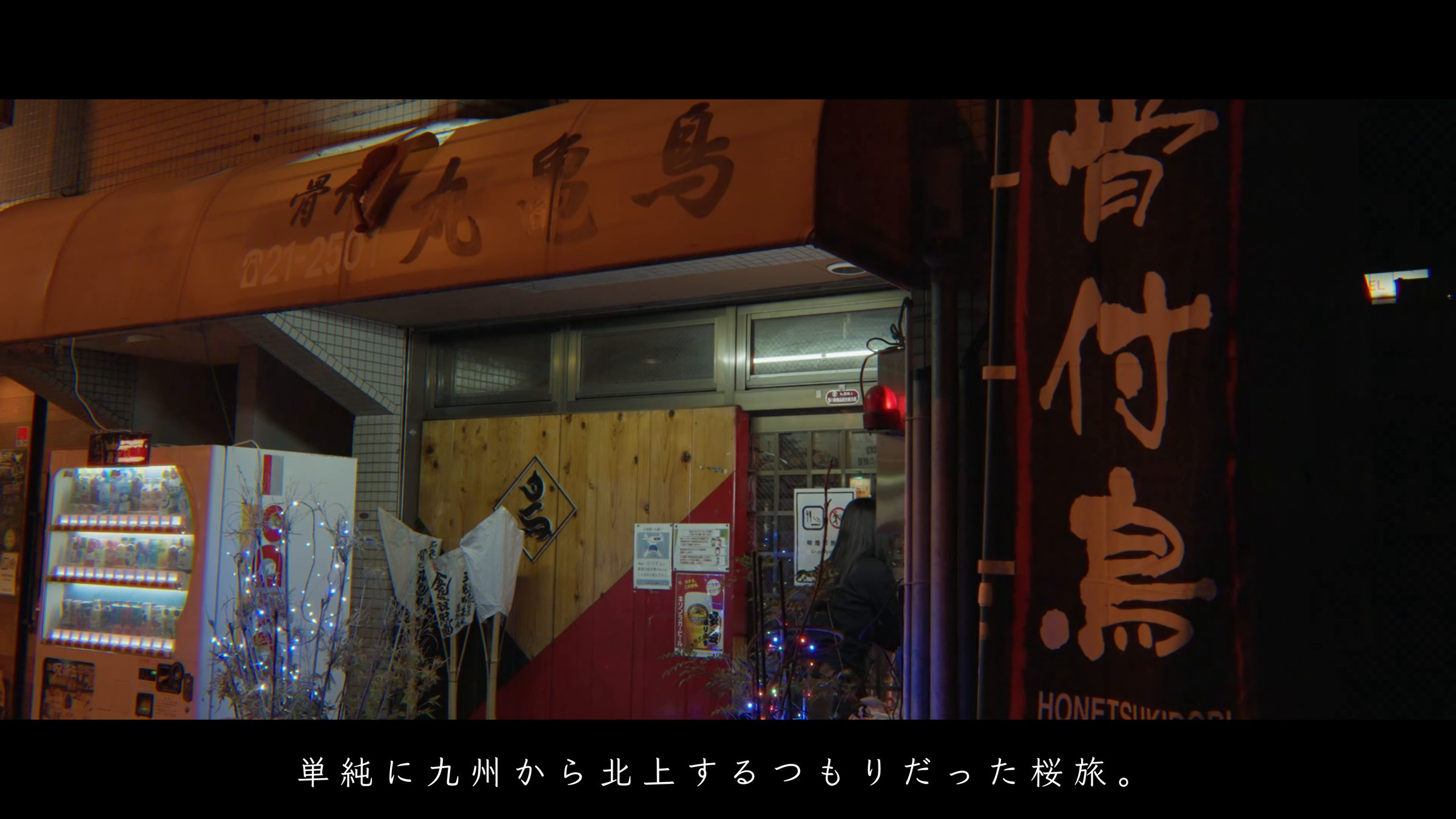
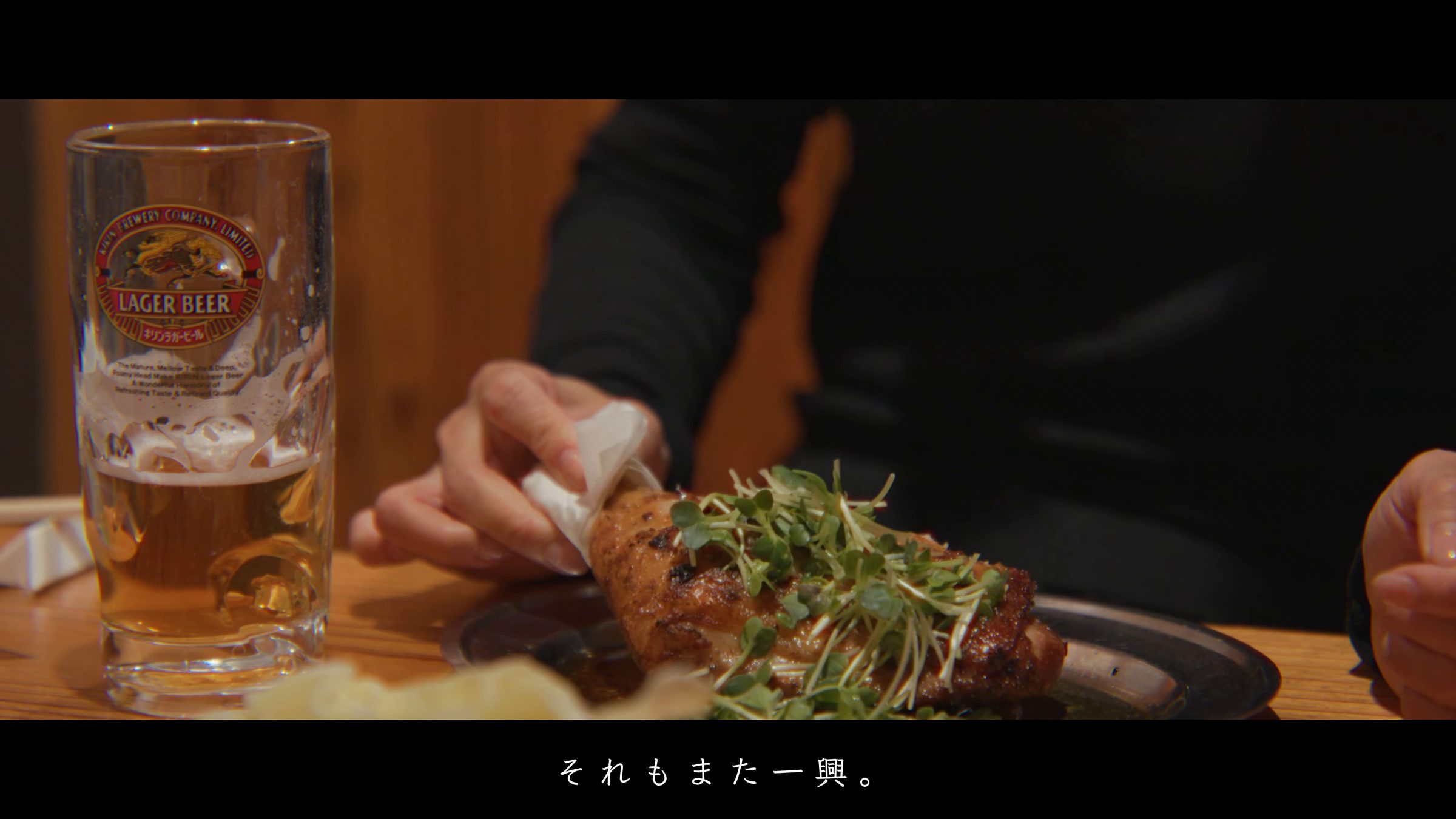
Dinner was honetsukidori, a Kagawa specialty. On a night street in Marugame I found a shop with a sign reading Honetsuki Marugame Dori, and a big honetsukidori sign standing by the door.
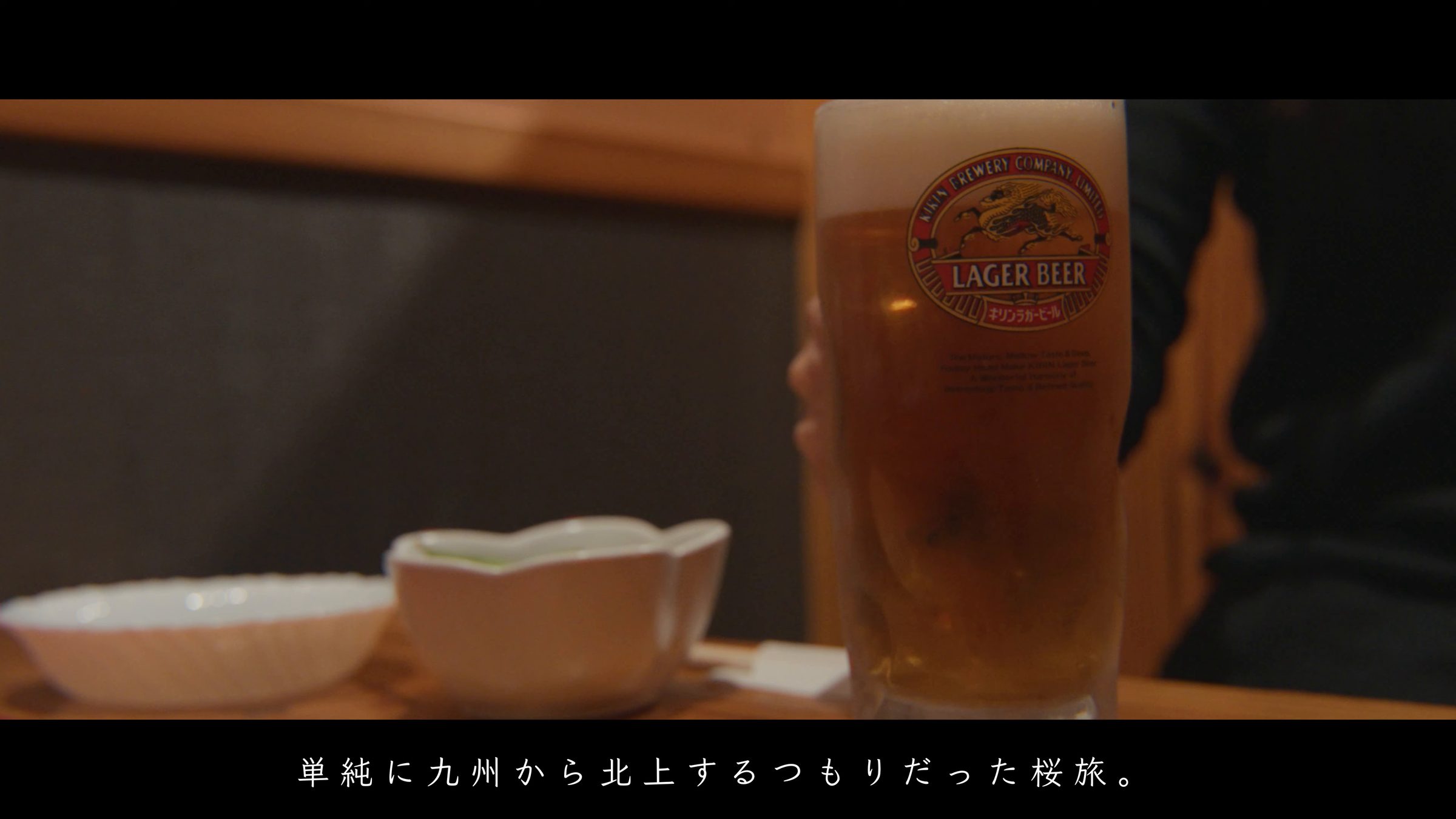
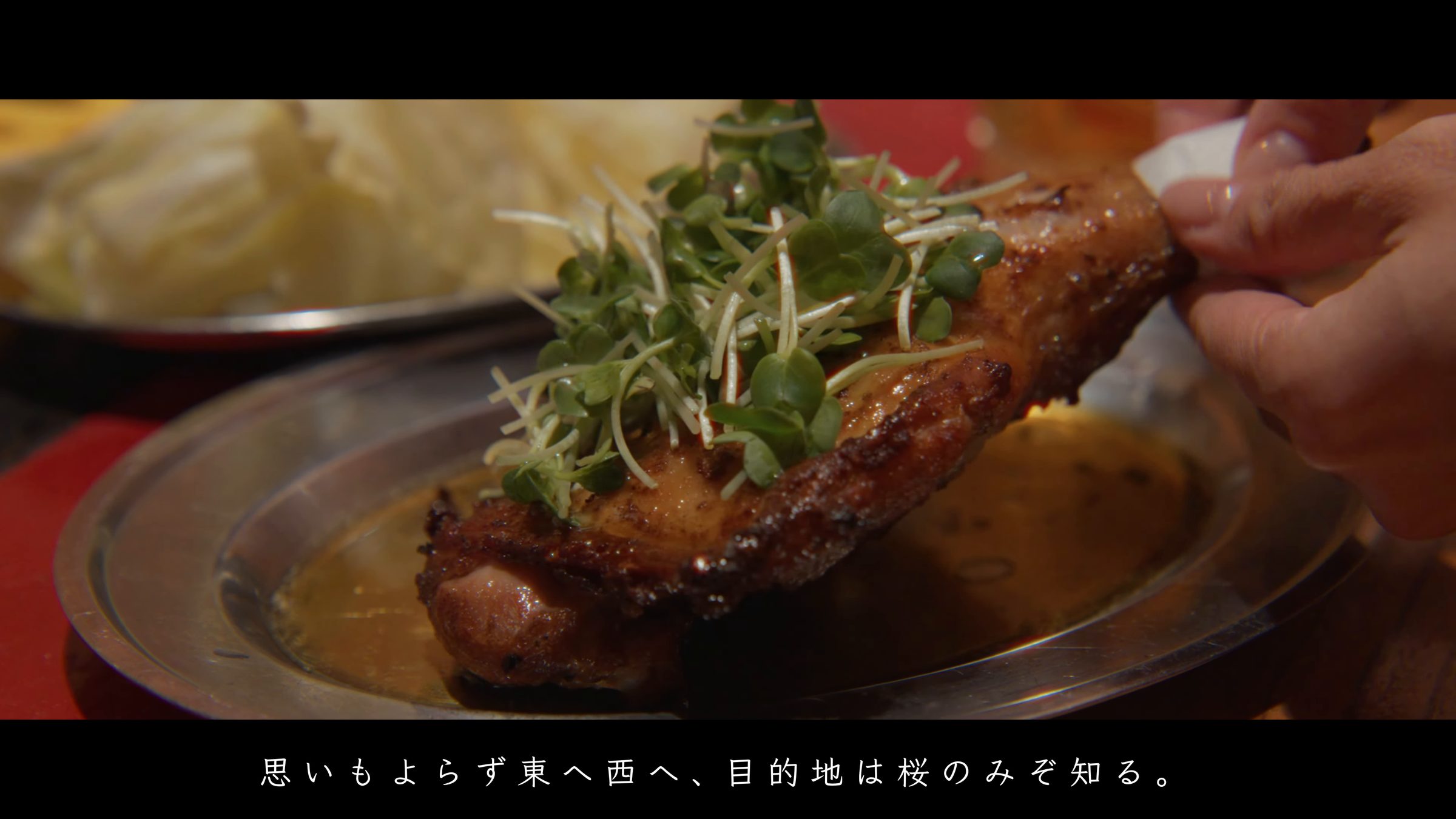
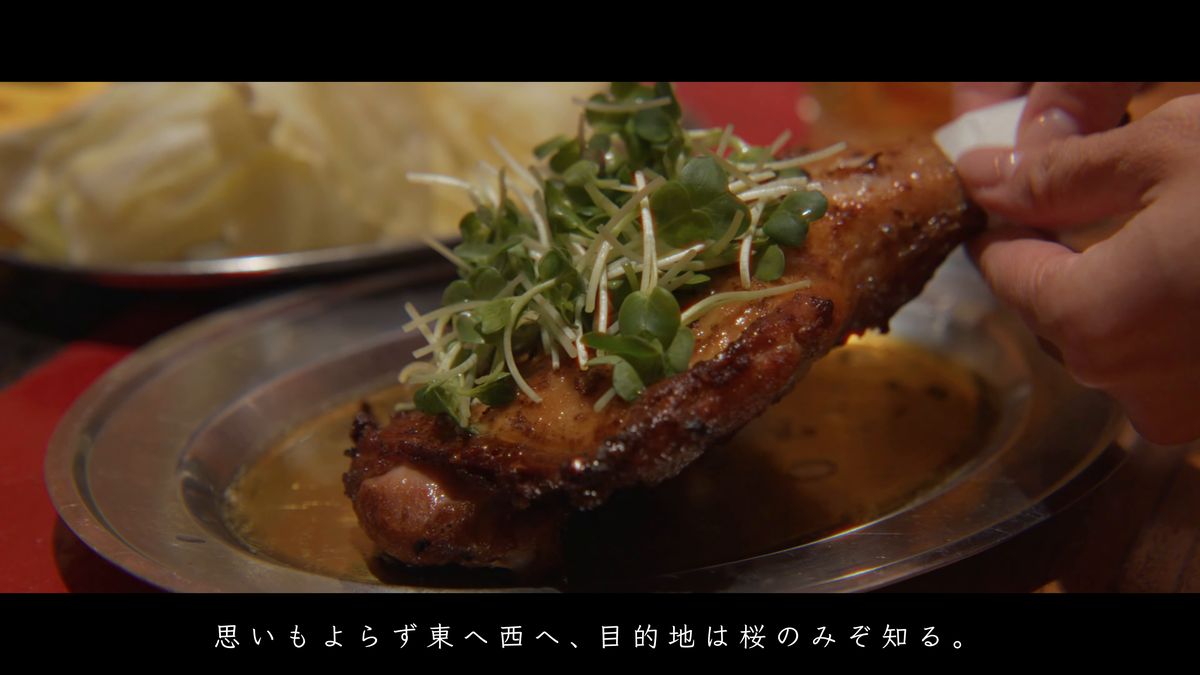
A mug of beer to start. Then came a bone-in chicken leg, heaped with radish sprouts. I gripped the bone with a paper napkin and bit right in. With this dish, the very act of tearing into it makes it taste even better.
This cherry blossom trip was supposed to start in Kyushu and simply head north. Instead it took me unexpectedly east and west. Only the cherry blossoms know where I'm going next, and that's part of the fun.
Watch this scene on YouTube7:48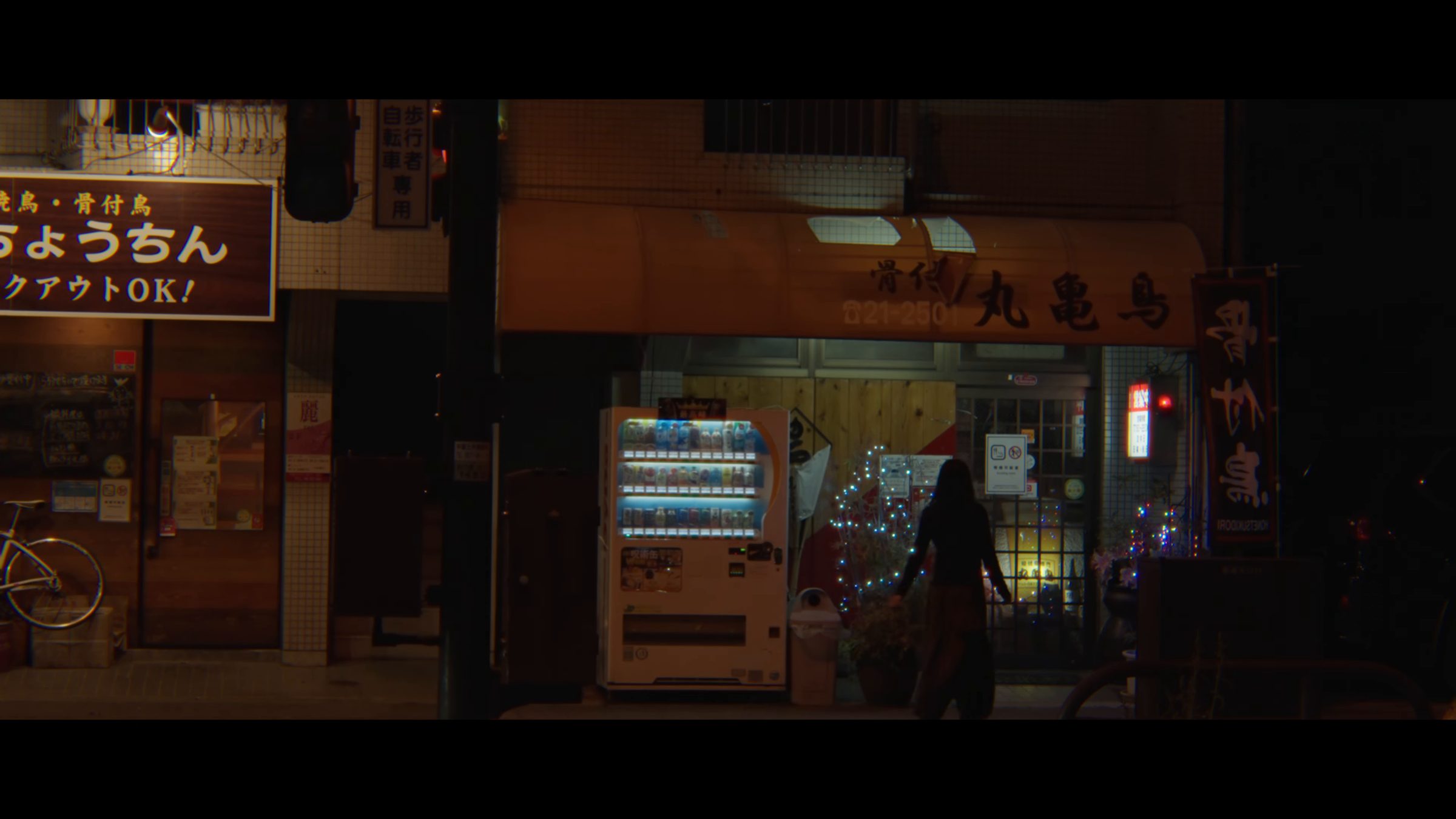
THE JOURNEY IN FILM
The wind. The sounds of a kitchen.
Spend a little more time inside the journey, on film.
Watch the video9 minTHE BORROWER’S NOTES
The Borrower's Notes: Cherry Blossom Trip
Places we stopped, dishes we made, and stories of the land. A few things to keep from the journey.
01Where I ate and shopped
Asakusa Soratsuki
1-36-4 Asakusa, Taito, Tokyo
A shop for strawberry Japanese sweets on a back street off Nakamise-dori, near Senso-ji. Its signature is strawberry dango, white dumplings paired with strawberries, and it also makes strawberry dorayaki. I bought a skewer of white dango topped with strawberries and carried it into the grounds of Senso-ji.
Sources: rurubu.jp kinarino.jp
A shop by the Meguro River (strawberry drink)
At a shopfront along the Meguro River, I bought a sparkling drink: strawberries dropped into a slender glass, topped with a skewer of berries.
Café corner, Shiudeyama Site Museum
451-1 Ohama-otsu, Takuma-cho, Mitoyo, Kagawa
A museum near the top of Shiudeyama displaying finds from a Yayoi-period site. Its café corner has a fine view and is said to serve zenzai (sweet red bean soup) and an original Shiudeyama drink. From the window counter I looked out over the islands of the Seto Inland Sea, holding a strawberry-topped ice cream that seemed to come from the café.
Sources: mitoyo-kanko.com rurubu.jp
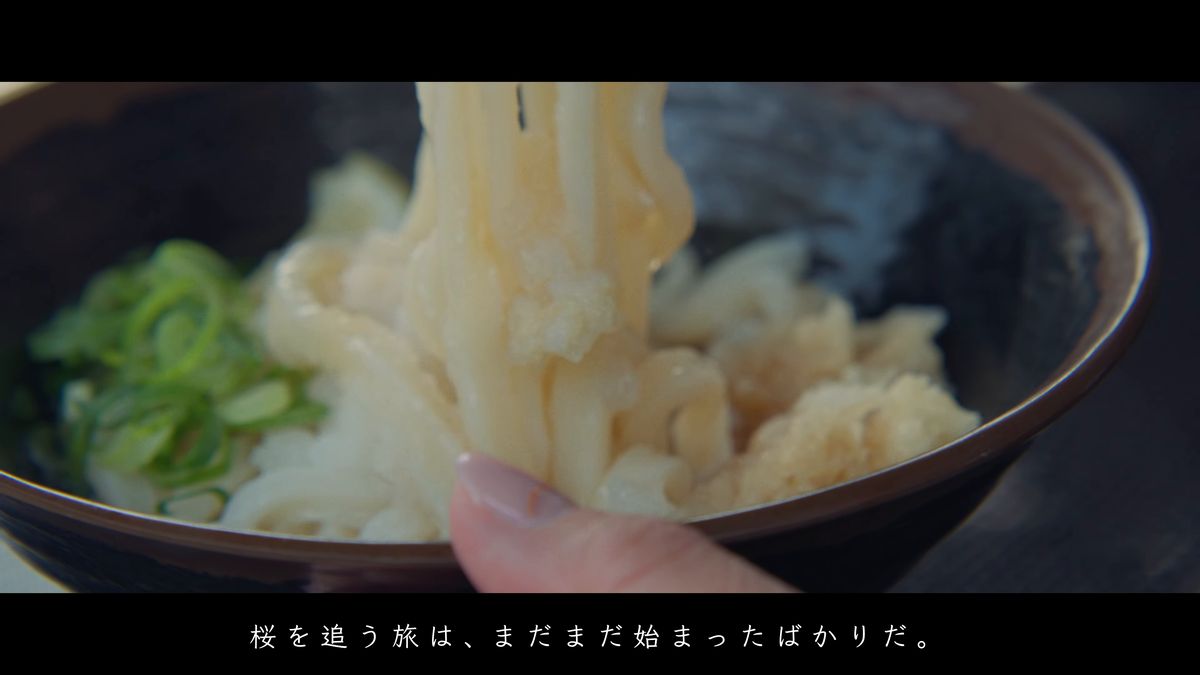
A self-service udon shop in Kagawa
A self-service shop where you order at the counter and help yourself to tempura. I chose a piece of tempura and had udon with green onions; the noodles were astonishingly fresh and chewy.
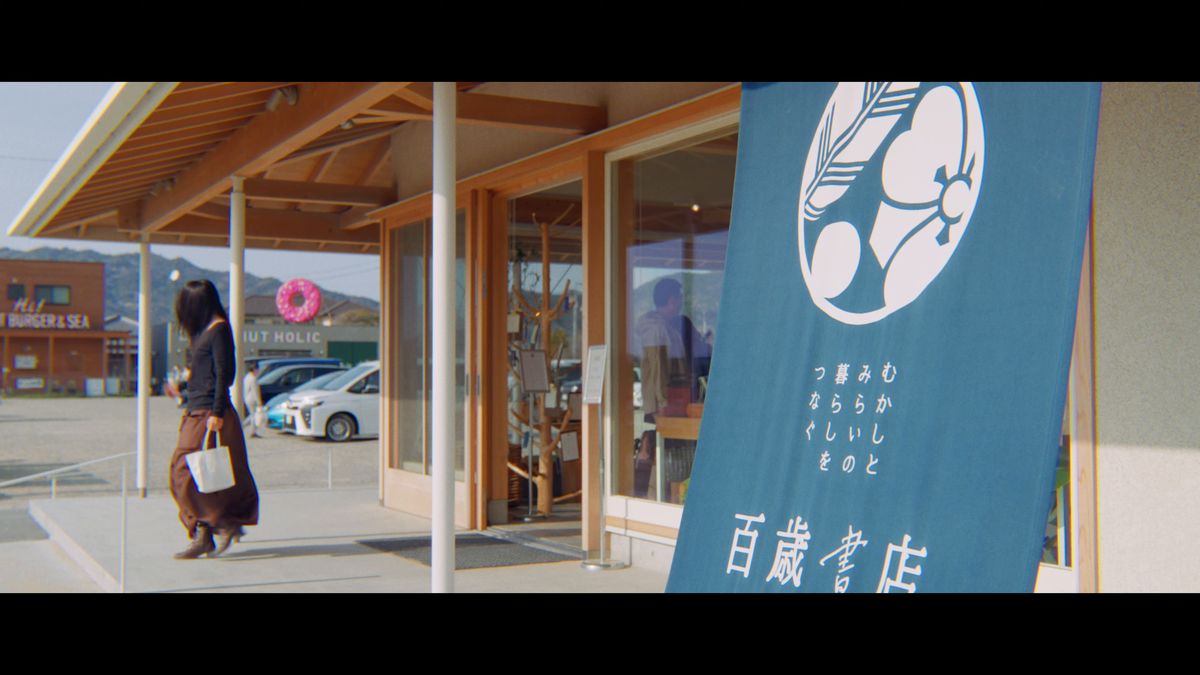
Hyakusai Shoten
2686-3 Nio-otsu, Nio-cho, Mitoyo, Kagawa
A shop on Chichibugahama. Despite the word "bookshop" in its name, it doesn't sell books: it was named for a wish to pass on things that have lasted a hundred years and things worth keeping for the next hundred. Local foods, seasonings and crafts line the shelves, alongside books recording the makers' thoughts. I picked up a jar of Seto Inland Sea anchovies and a booklet titled "A Thank-You from the Seto Inland Sea." The Mitoyo tourism site currently lists not this beachside shop but a similarly named store, Hyakusai Shoten ("hundred-year store"), inside the Shopping Store Imagawa supermarket in Nio, so check before you go.
Sources: matcha-jp.com local-media.heteml.net mitoyo-kanko.com
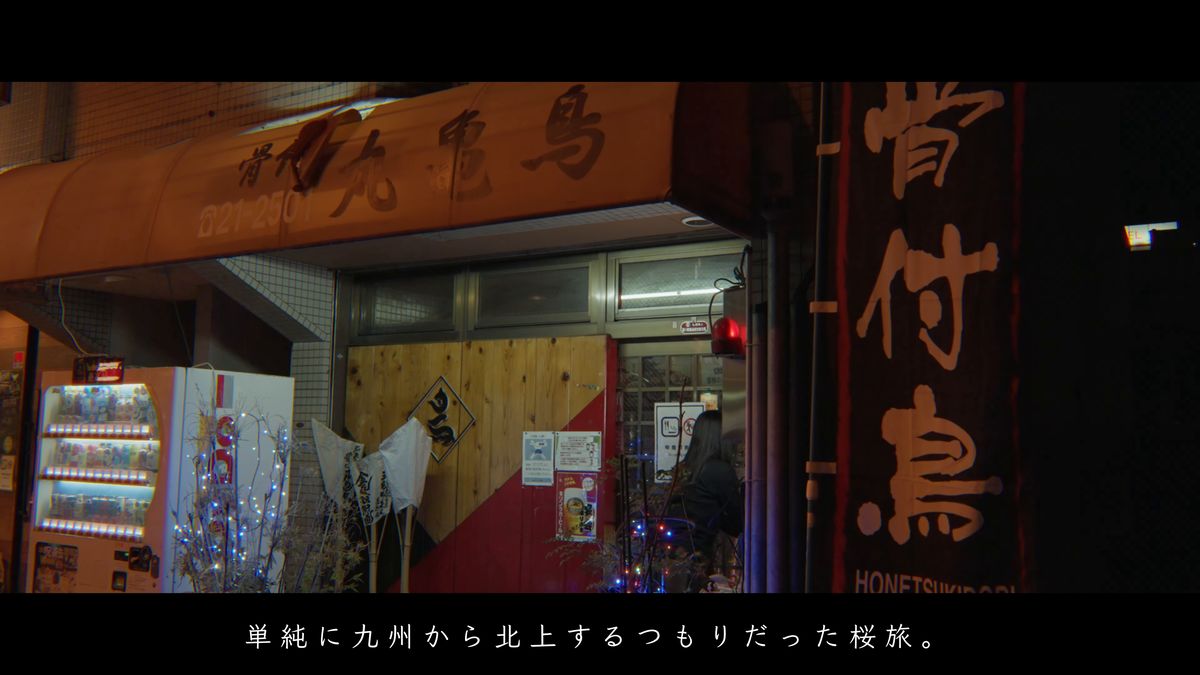
Honetsuki Marugame Dori
87-2 Toricho, Marugame, Kagawa
A honetsukidori restaurant in Toricho, within walking distance of JR Marugame Station. I gripped the radish-sprout-topped chicken with a paper napkin, bit in, and enjoyed it with a mug of beer.
Sources: tabelog.com retty.me
02About the area
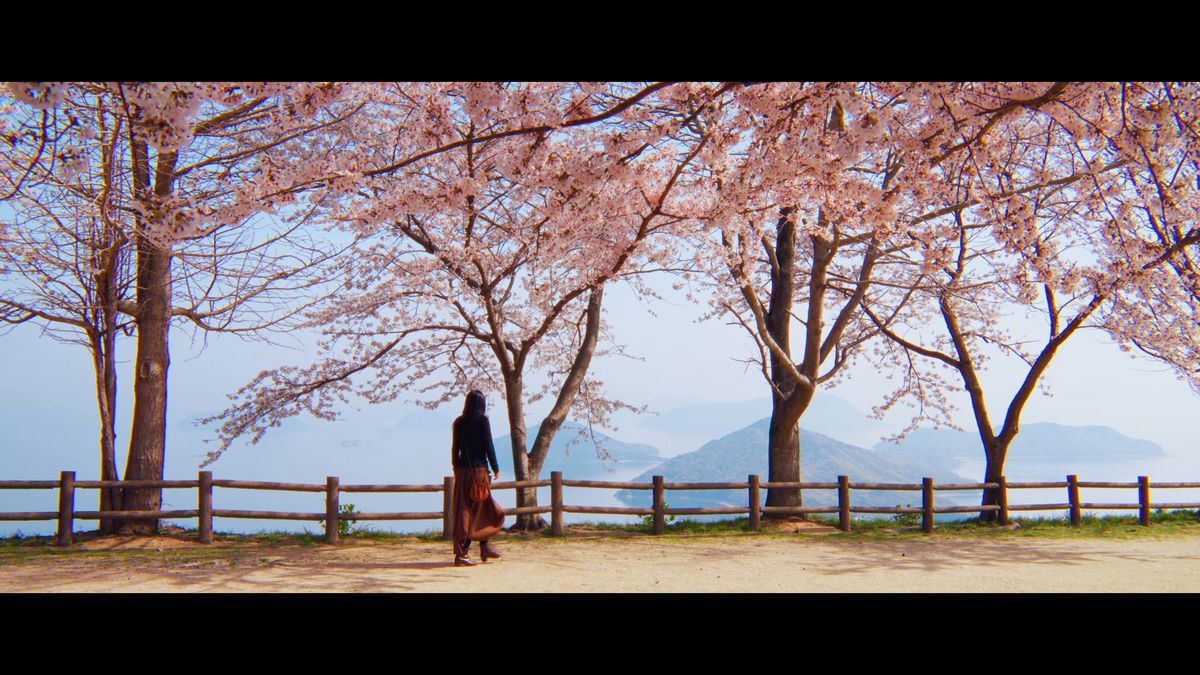
Mt. Shiudeyama
Ohama, Takuma-cho, Mitoyo, Kagawa
At 352 meters, the highest peak on the Shonai Peninsula. About 1,000 cherry trees grow here (Somei-yoshino, Yoko-zakura and double-flowered Yae-zakura), at their best from mid-March to early April. The peninsula is steeped in the legend of Urashima Taro, and the mountain's name is said to come from the white smoke of his treasure box, which became a purple cloud trailing over the peak. The summit holds the remains of a Yayoi-period hilltop settlement from about 2,000 years ago, with pottery and stone tools on display in the site museum. The summit observation deck looks south to the Shikoku Mountains and north to the islands of the Seto Inland Sea.
Sources: city.mitoyo.lg.jp mitoyo-kanko.com rurubu.jp
Hirakiyama Park
108-38 Ikata-otsu, Hakata-cho, Imabari, Ehime
A park at the top of Mt. Hirakiyama, 149 meters high, on Hakata Island along the Shimanami Kaido. About 1,000 cherry trees burst into bloom in spring. From the observation deck at the top you can see three bridges at once: the Hakata-Oshima Bridge, the Omishima Bridge and the Tatara Bridge.
Sources: city.imabari.ehime.jp rurubu.jp
Kotohira-gu Shrine (Konpira-san)
892-1 Kotohira, Nakatado District, Kagawa
A shrine on the eastern slope of Mt. Zozu, affectionately known as Konpira-san. The main shrine enshrines Omononushi-no-kami and Emperor Sutoku, and it has long been worshipped as a guardian of seafarers. The stone steps climb 785 steps to the main shrine and 1,368 to the inner shrine. The Ouka-sai cherry blossom festival is held every year on April 10.
Sources: konpira.or.jp
Chichibugahama Beach
273-1 Nio-otsu, Nio-cho, Mitoyo, Kagawa
A shallow beach stretching about a kilometer. When low tide coincides with sunset and the wind dies down in the evening calm known as Seto no yunagi, the tide pools turn to mirrors, and photos that look like Bolivia's Salar de Uyuni have made the beach famous. It has also been named one of Japan's 100 best sunset spots.
Sources: mitoyo-kanko.com
Tokyo's cherry blossom spots
Ueno Onshi Park has cherries from kanzakura blooming in February to Kanzan at its best in mid-to-late April, and draws close to 3.3 million visits in the blossom season. The Chidorigafuchi Greenway runs about 700 meters, lined with some 230 cherry trees, led by Somei-yoshino, and has a ward-run boat pier. The Meguro River's cherry trees began when local people planted both banks during river works in the early Showa era; today there are about 800, said to be the third generation after replanting. At the foot of Kototoi Bridge in Sumida Park stands a monument to the song "Hana," with lyrics by Hagoromo Takeshima and music by Rentaro Taki, erected in 1956.
Sources: kensetsu.metro.tokyo.lg.jp visit-chiyoda.tokyo city.meguro.tokyo.jp t-navi.city.taito.lg.jp
Tokyo's Sakurazaka slopes
On the slope I walked in Akasaka and Roppongi, the marker post says the road was laid in the mid-Meiji era and named for a large cherry tree that stood at its foot until the war. Roppongi Sakurazaka, a 400-meter slope, was created in March 2003 in the redevelopment around TV Asahi. Den-en-chofu's Sakurazaka in Ota Ward was already known for its cherry blossoms, and became famous nationwide as the inspiration for Masaharu Fukuyama's hit song "Sakurazaka." A red bridge known as Sakurabashi spans the top of the slope; the nearest station is Numabe on the Tokyu Tamagawa Line.
Sources: tabi-mag.jp matcha-jp.com
Honetsukidori, Marugame's bone-in chicken
A bone-in chicken leg roasted in an oven, a dish rarely found elsewhere in Japan. It is said to have started at a Marugame eatery in the 1950s, inspired by a Hollywood film the owner saw, in which a woman bites heartily into a piece of fried chicken. There are two kinds: chewy, flavorful oyadori (mature hen) and tender hinadori or wakadori (young chicken), usually seasoned with a garlicky spice mix. Dipping cabbage or rice balls in the juices is recommended too.
Sources: city.marugame.lg.jp my-kagawa.jp
Sanuki udon
Sanuki is the old name for Kagawa Prefecture. Kagawa eats more udon per person than any other prefecture, and it is the birthplace of "self udon," where customers choose their own toppings. Locally developed wheat, broth made from iriko (dried sardines), salt and soy sauce shape the flavor, and kneading the dough by foot gives the noodles their springy, firm bite. Udon is also said to have been brought from Tang China by the monk Kobo Daishi (Kukai).
Sources: mlit.go.jp
PHOTO ALBUMPhoto album84Open all photographsClose the photo album
Select a photograph to explore the journey one frame at a time.