A TRAVEL ESSAY
Kushimoto, Wakayama
Living in nature with forests and tropical seas
A house in the forestand a southern sea:a day in Kushimoto
A warm day in the southernmost town on Honshu.
Read the journey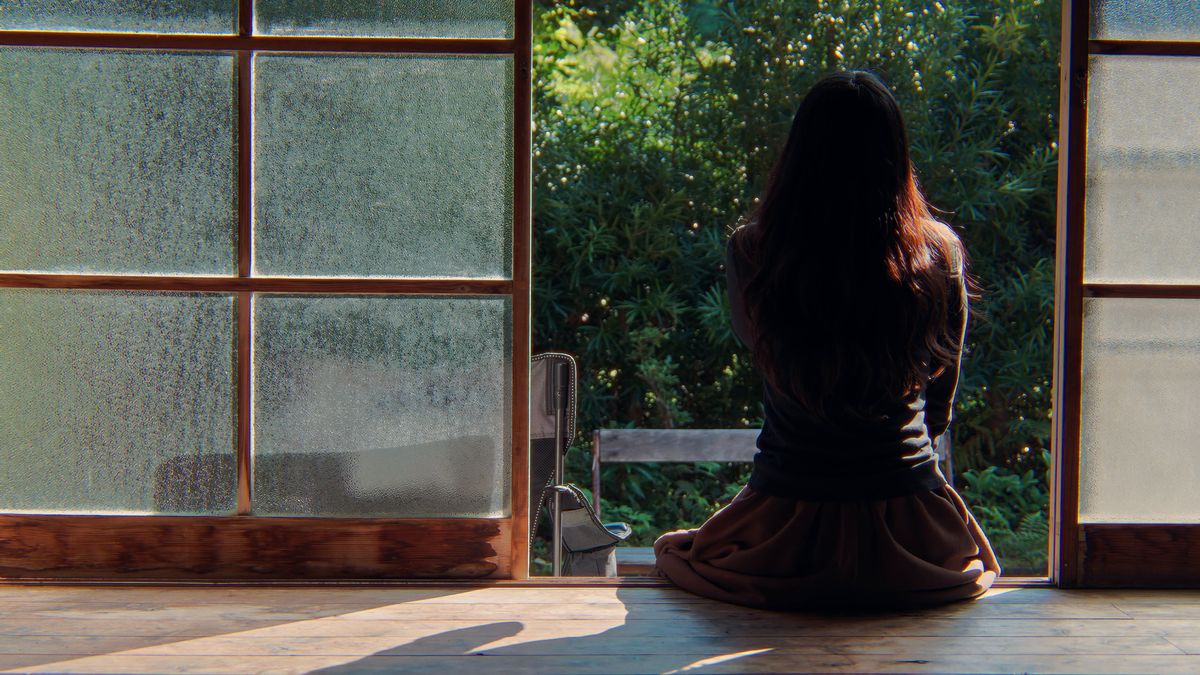
ABOUT THIS JOURNEY
Kushimoto, Wakayama, is the southernmost town on Honshu. I woke in a sixty-year-old farmhouse in the forest and made bonito chazuke with fish from the Kuroshio Current. Then a tiny revived theater, an aquarium that mirrors the world's northernmost coral sea, the stone at Cape Shionomisaki, and a museum that keeps the story of the town's bond with Turkey. I came home with local fish and citrus, and found a badger in the garden. A warm day in a town where a tropical-looking sea meets the old Japanese countryside.
A little more about the food and the land01TRAVEL JOURNAL
Morning in a forest house at the southern tip of Honshu
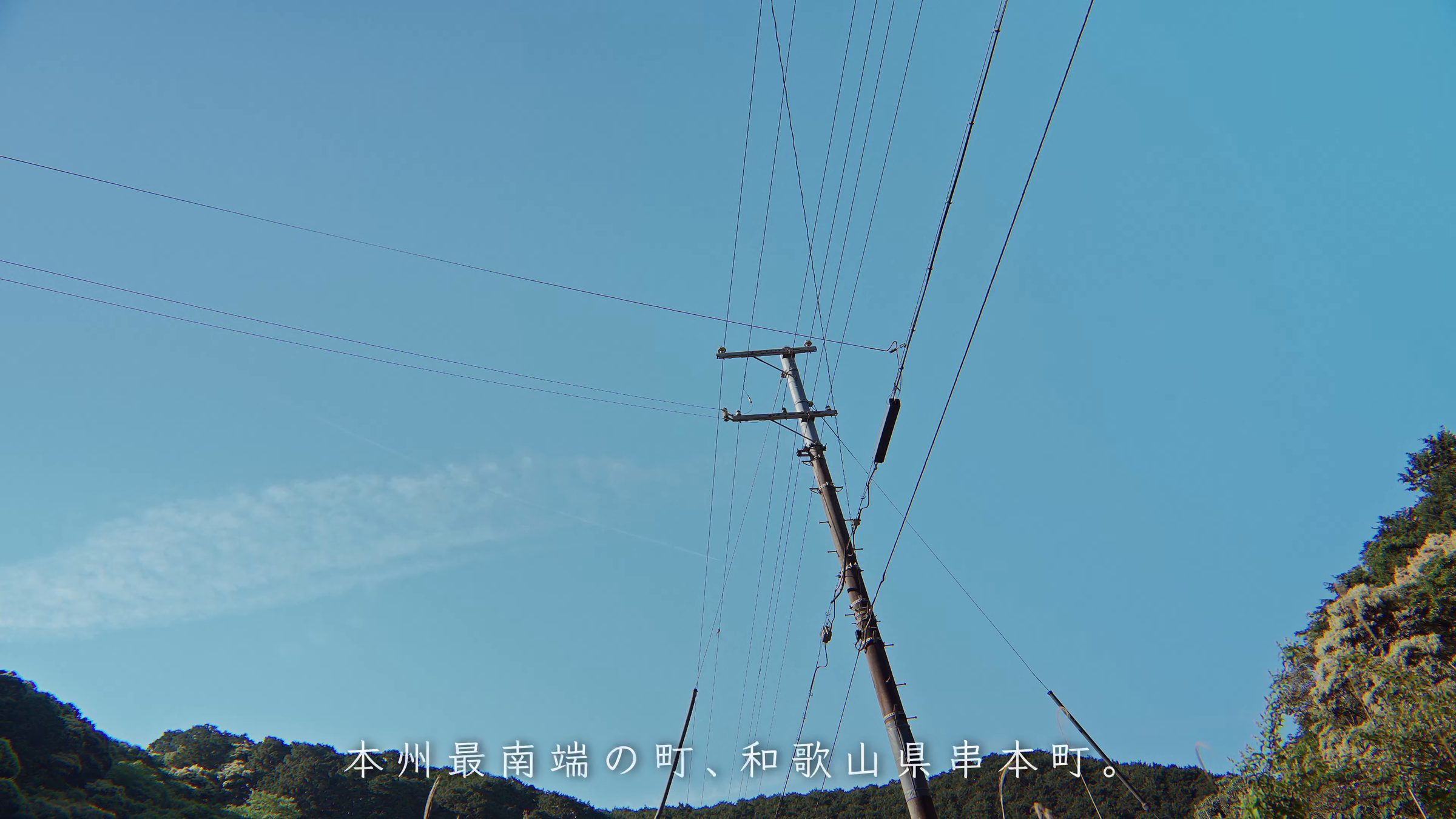
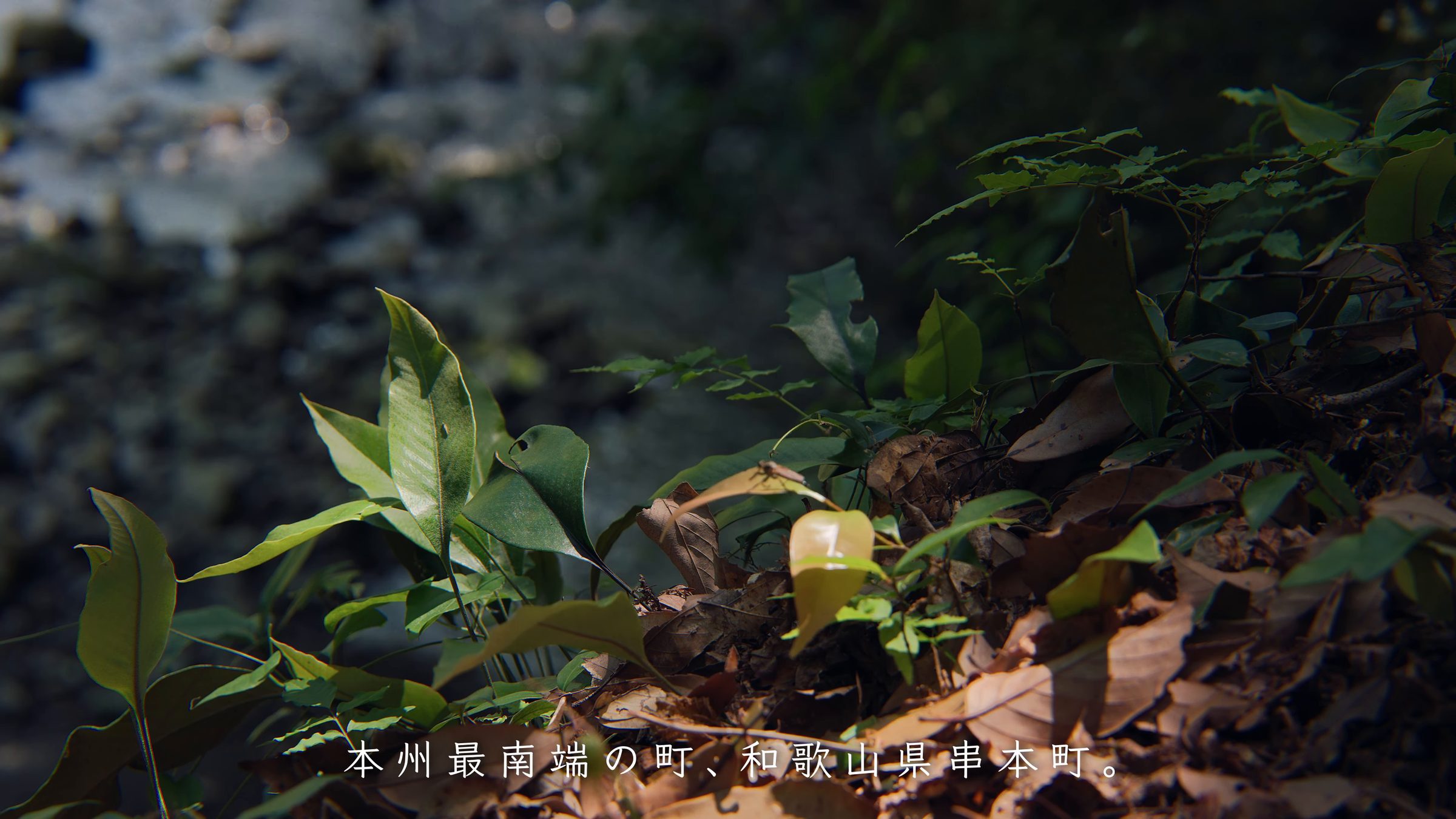
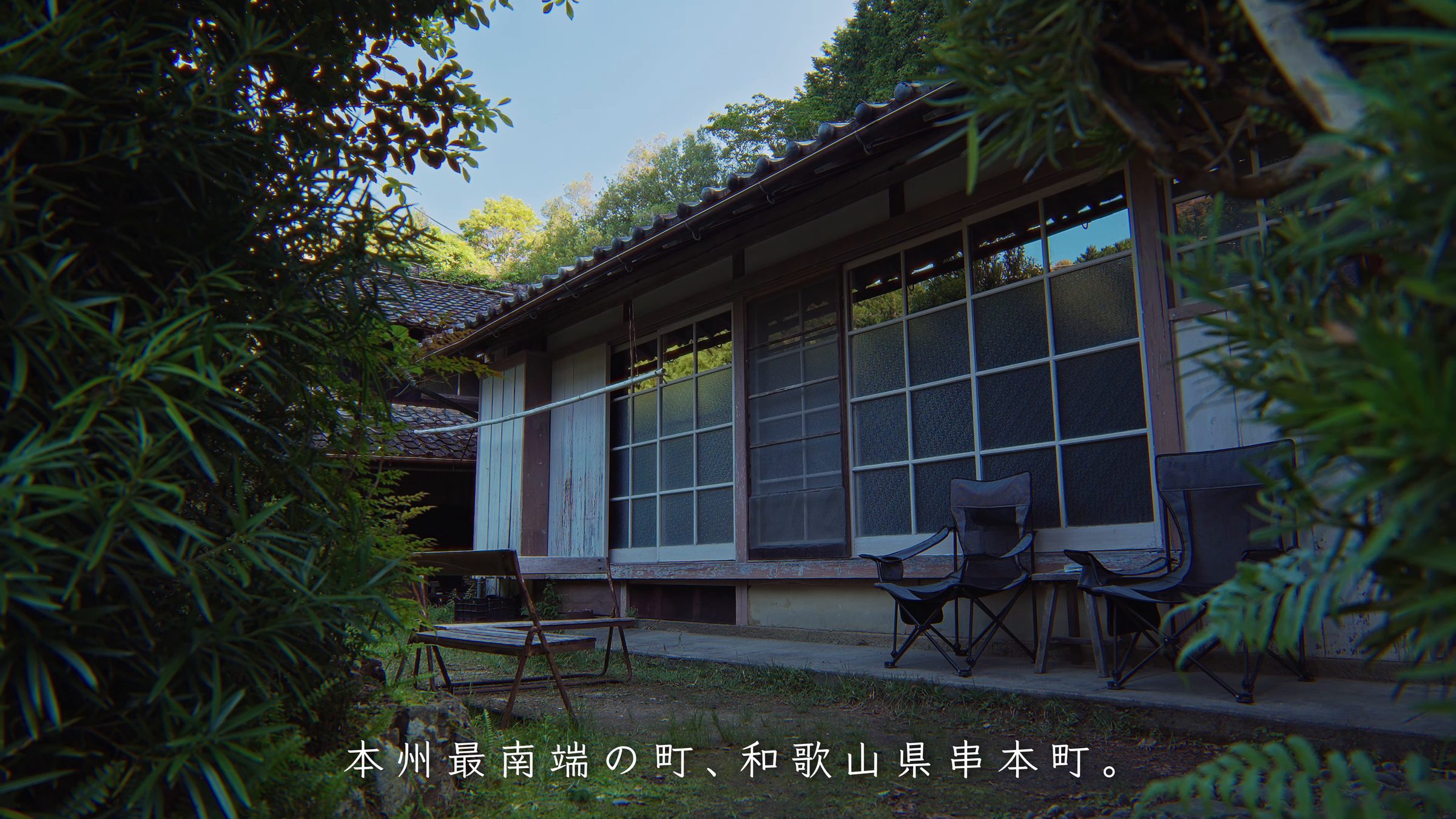
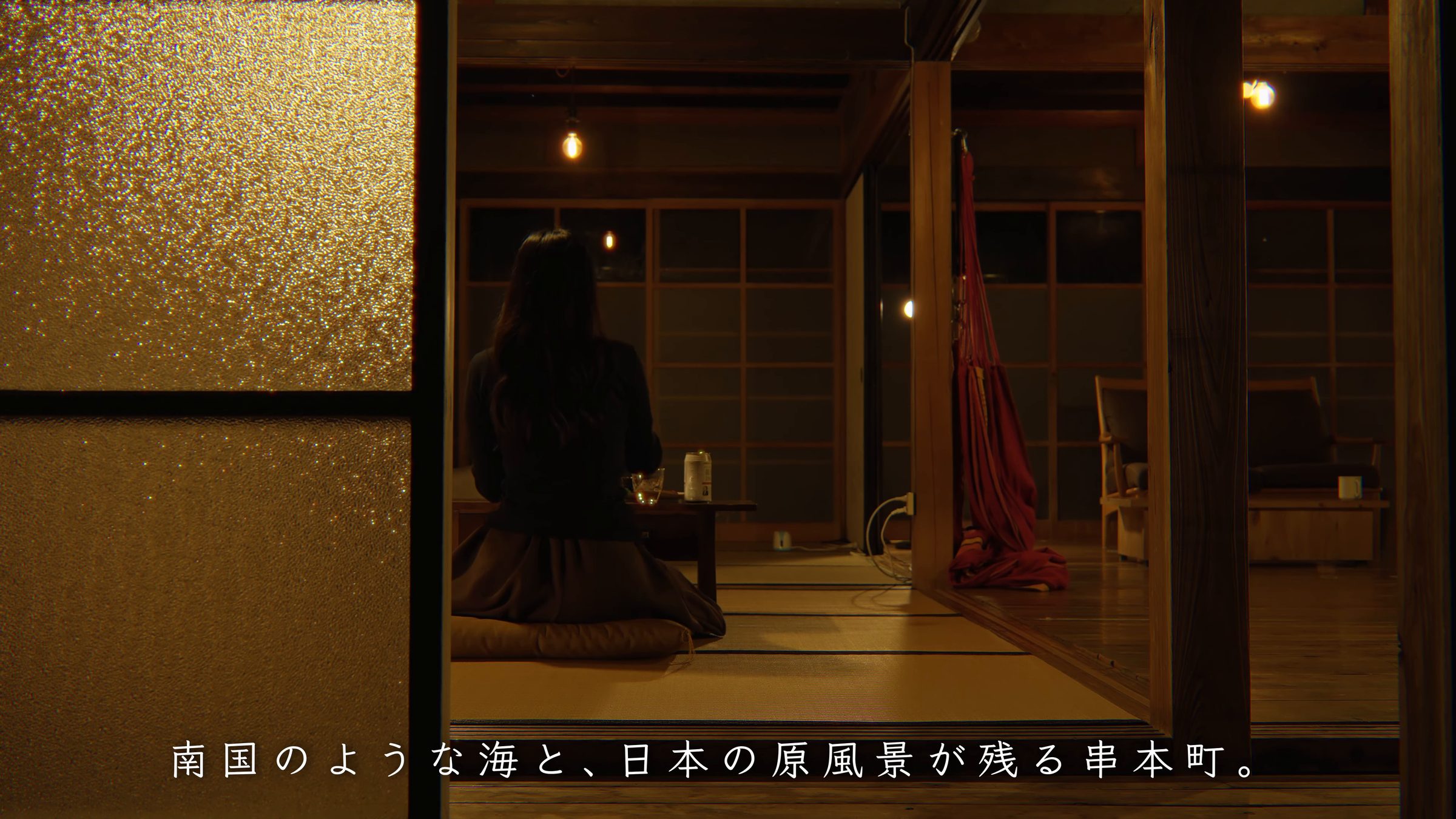
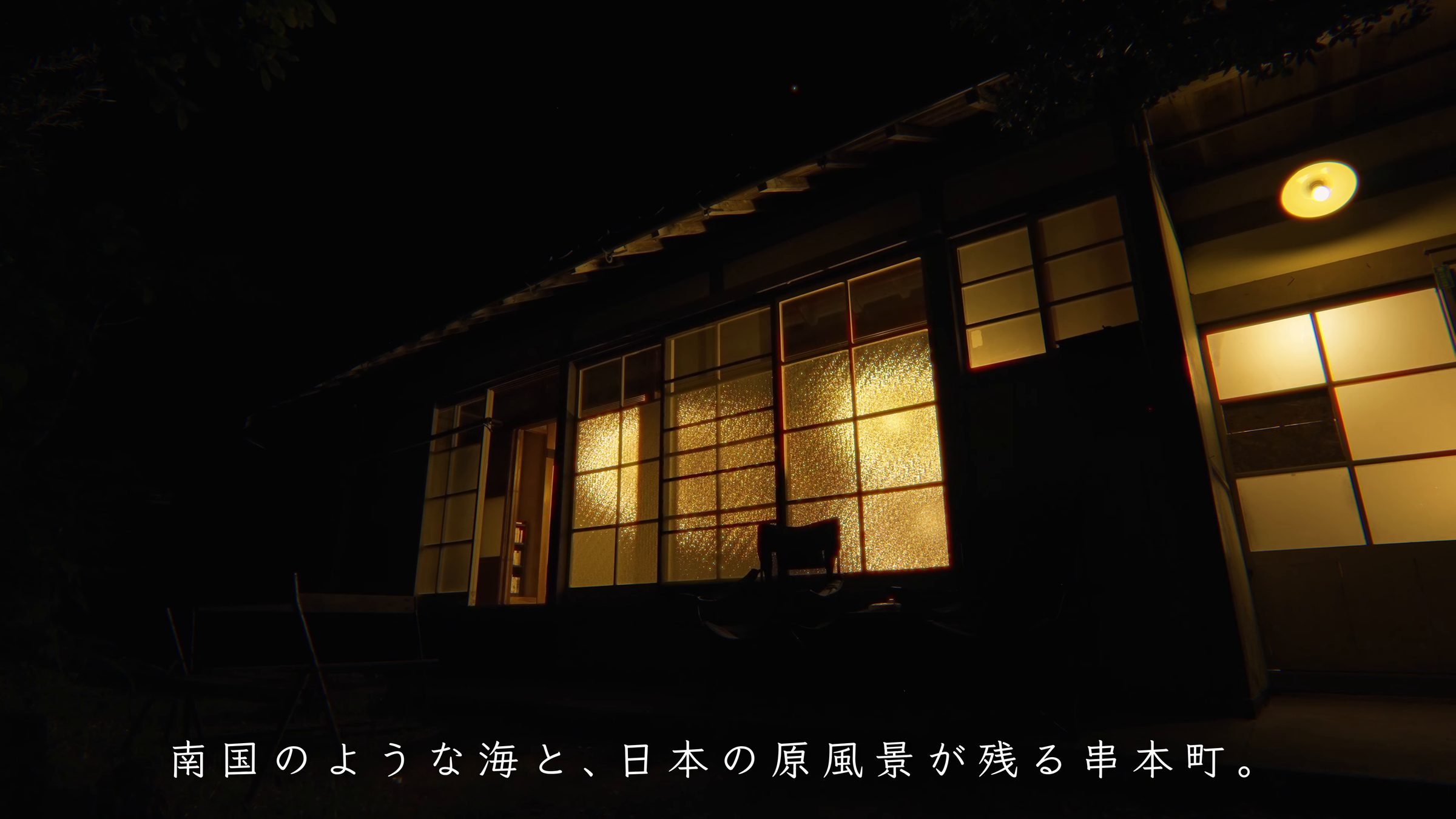
Kushimoto, in Wakayama Prefecture, is the southernmost town on the main island of Honshu. I woke up in an old house in the forest, said to be about sixty years old. A tiled roof peeked out from behind the trees, a blue sky stretched above the power lines, and morning light fell on the green leaves at my feet.
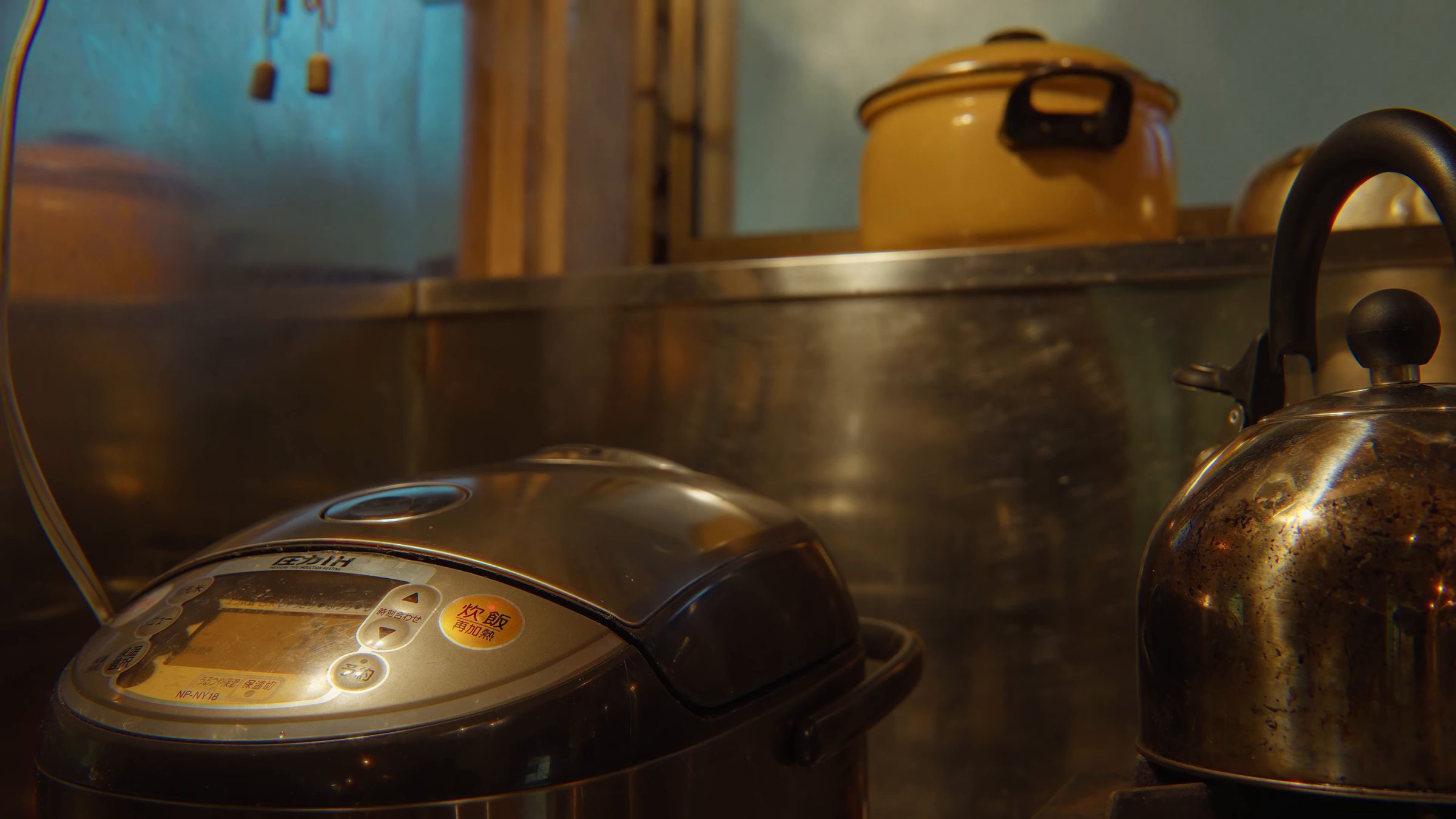
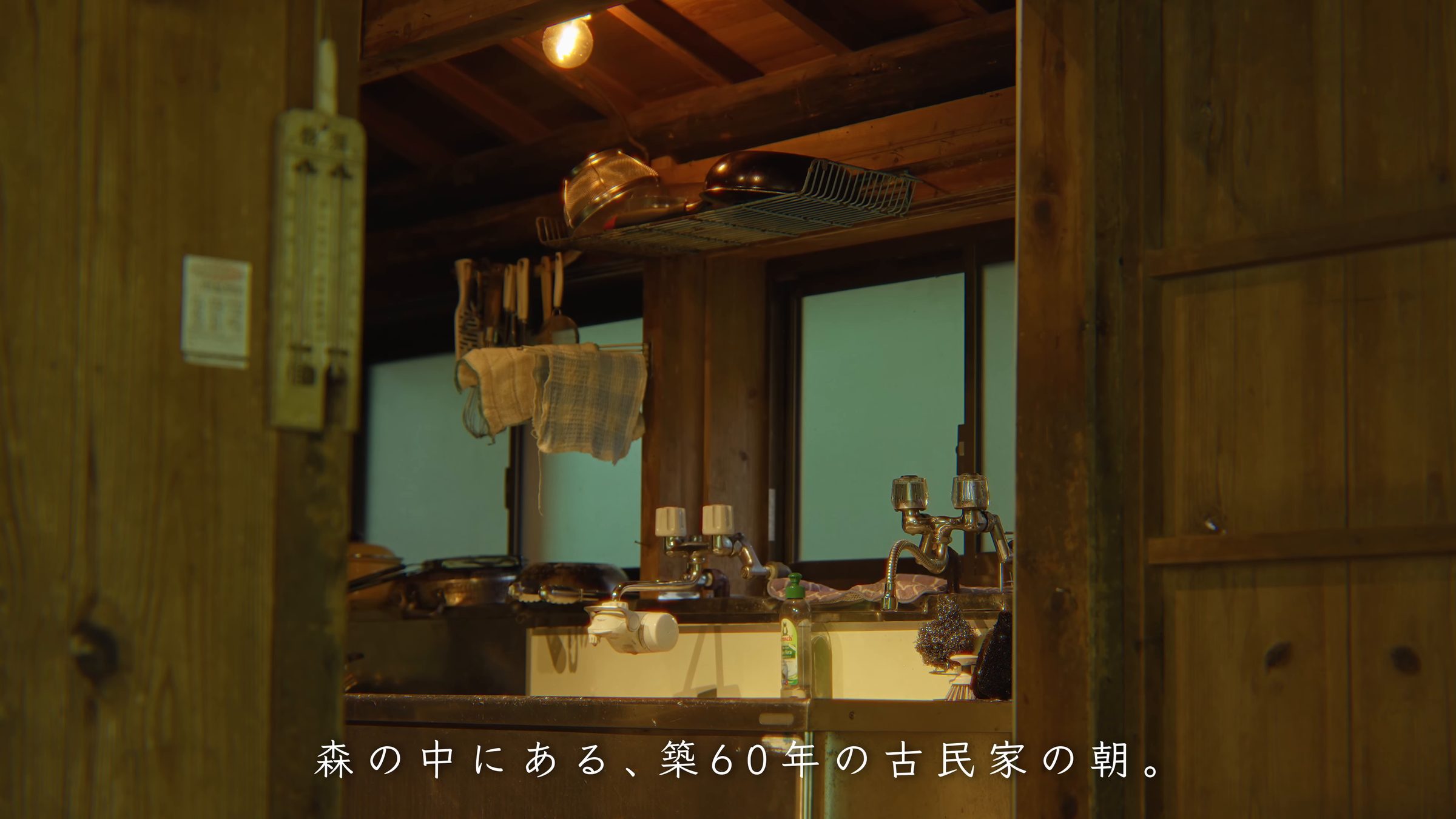
Folding chairs stood in the yard, and in the kitchen a rice cooker and a kettle were both steaming. Beyond the window there was nothing but green.
Watch this scene on YouTube0:22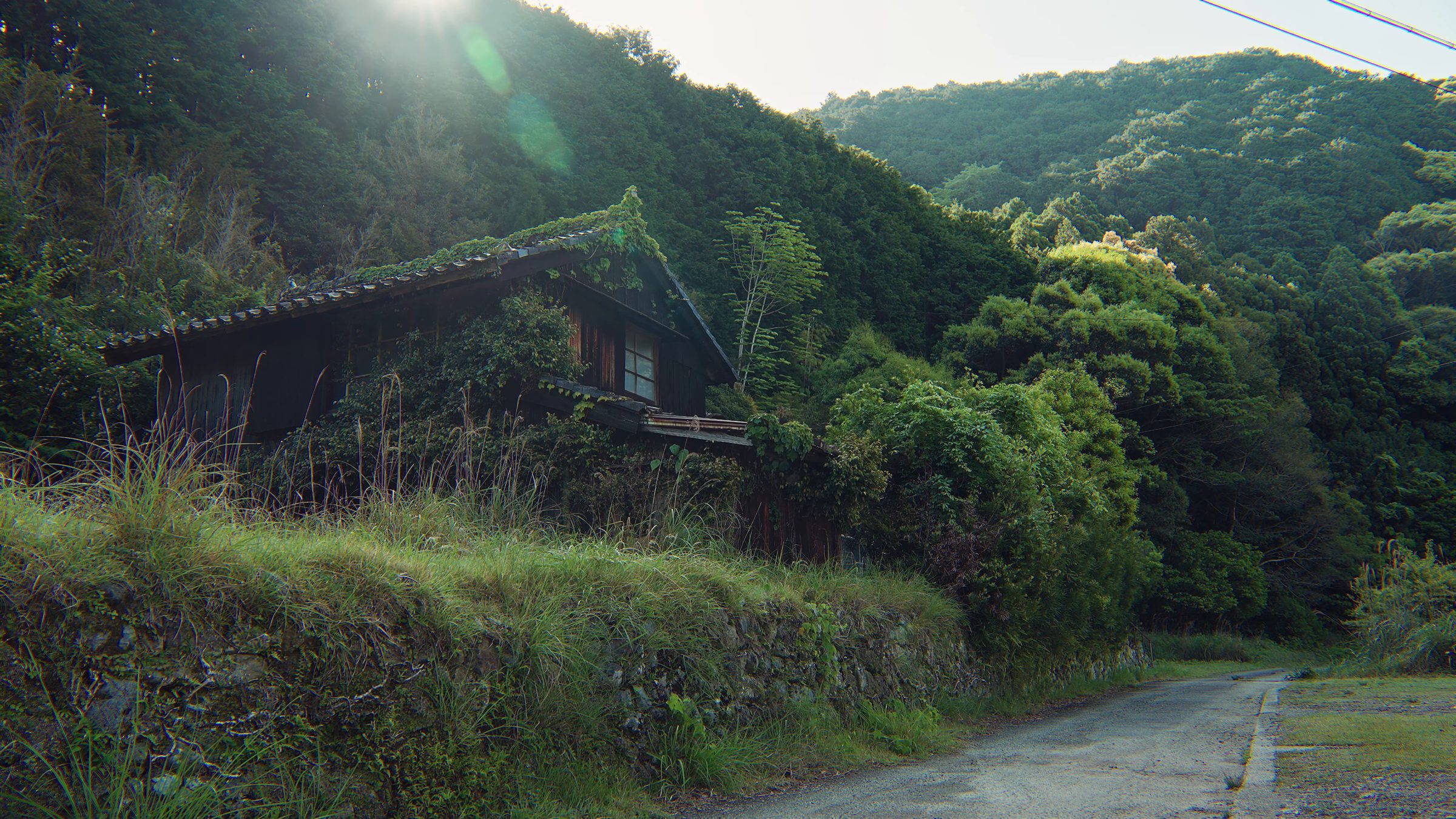
02TRAVEL JOURNAL
Bonito chazuke from the Kuroshio
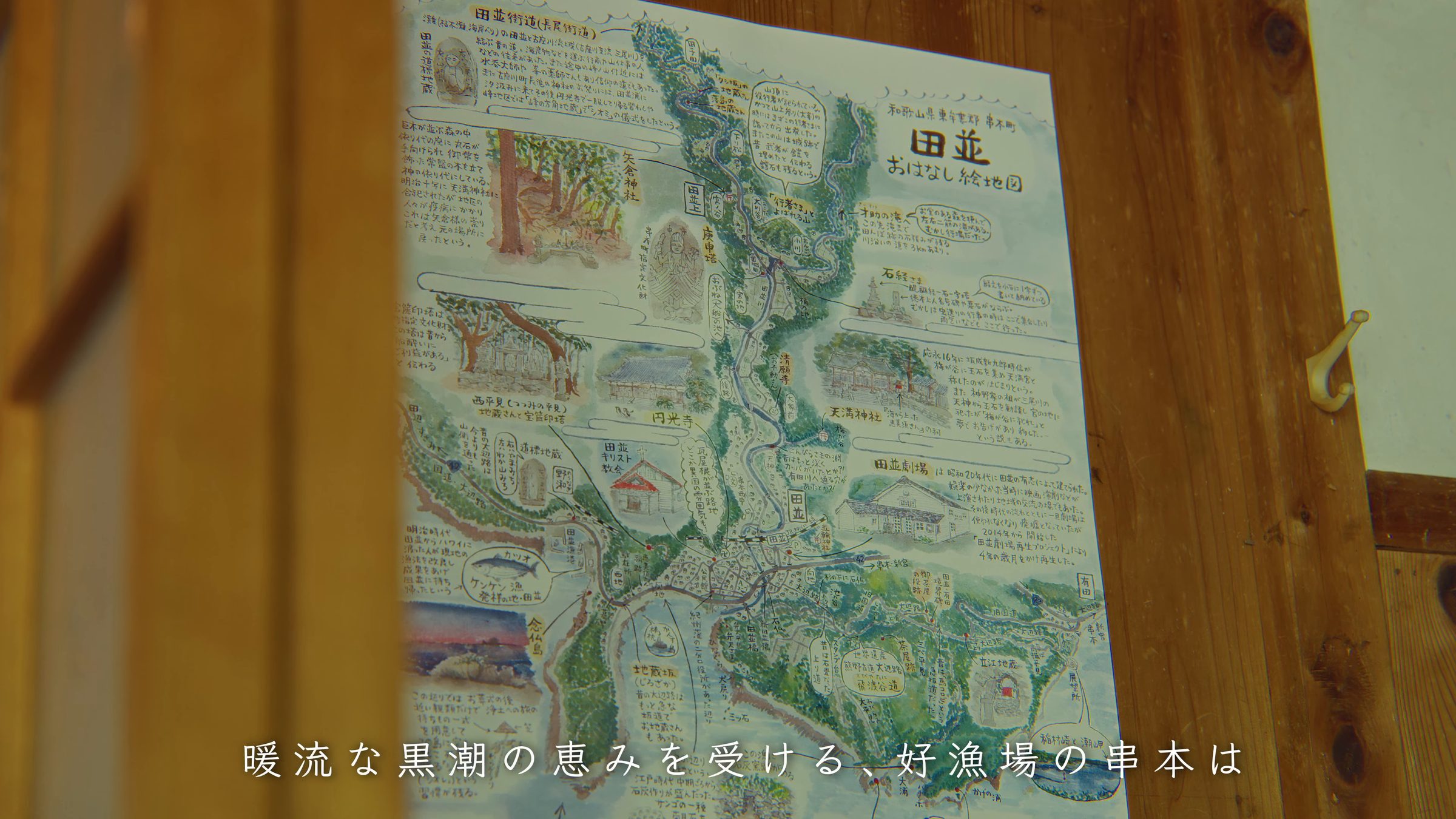
This morning I made one of Kushimoto's specialties. I chopped green onions on the cutting board; on the kitchen post hung a hand-drawn picture map of this district, Tanami.
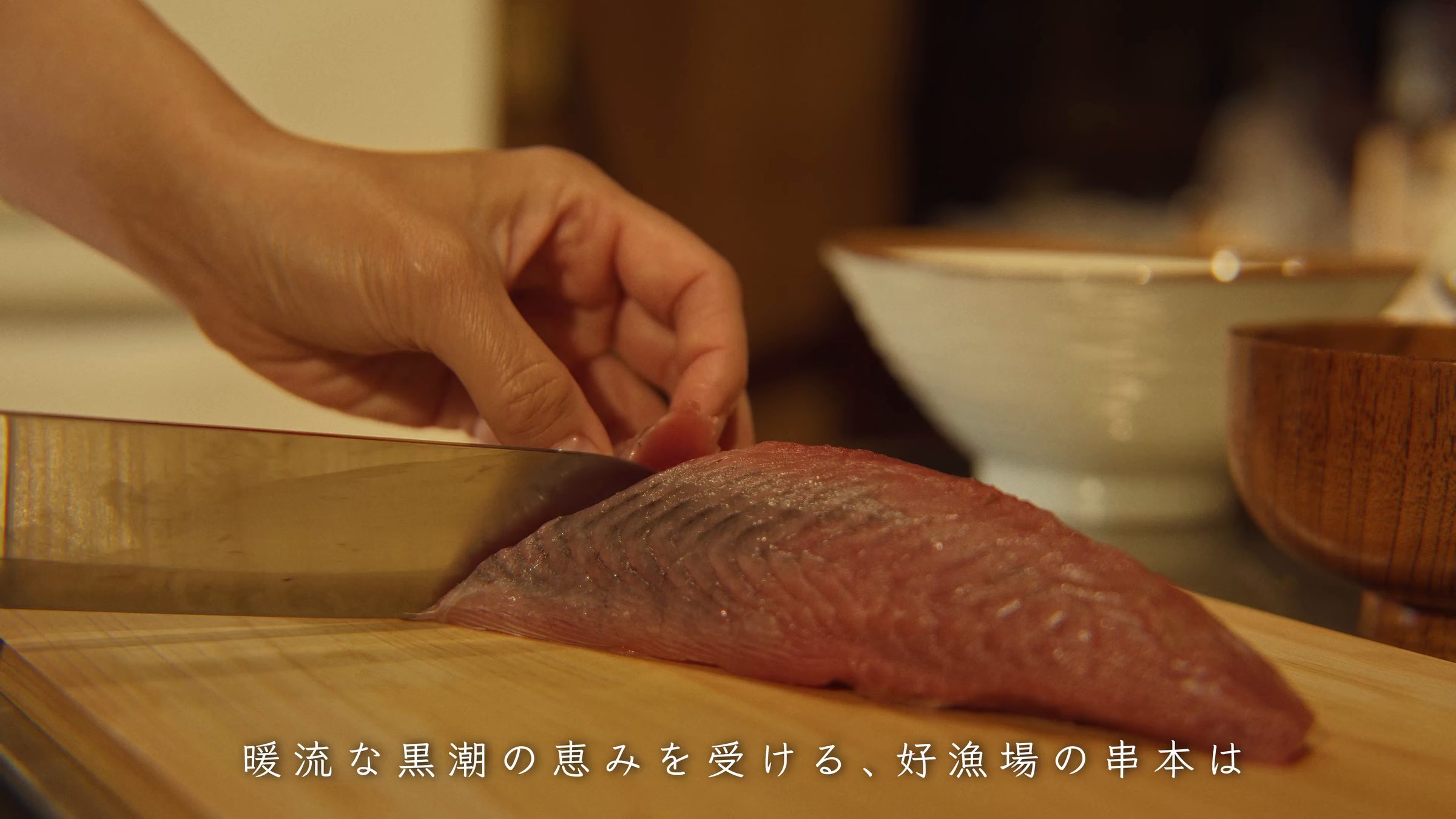
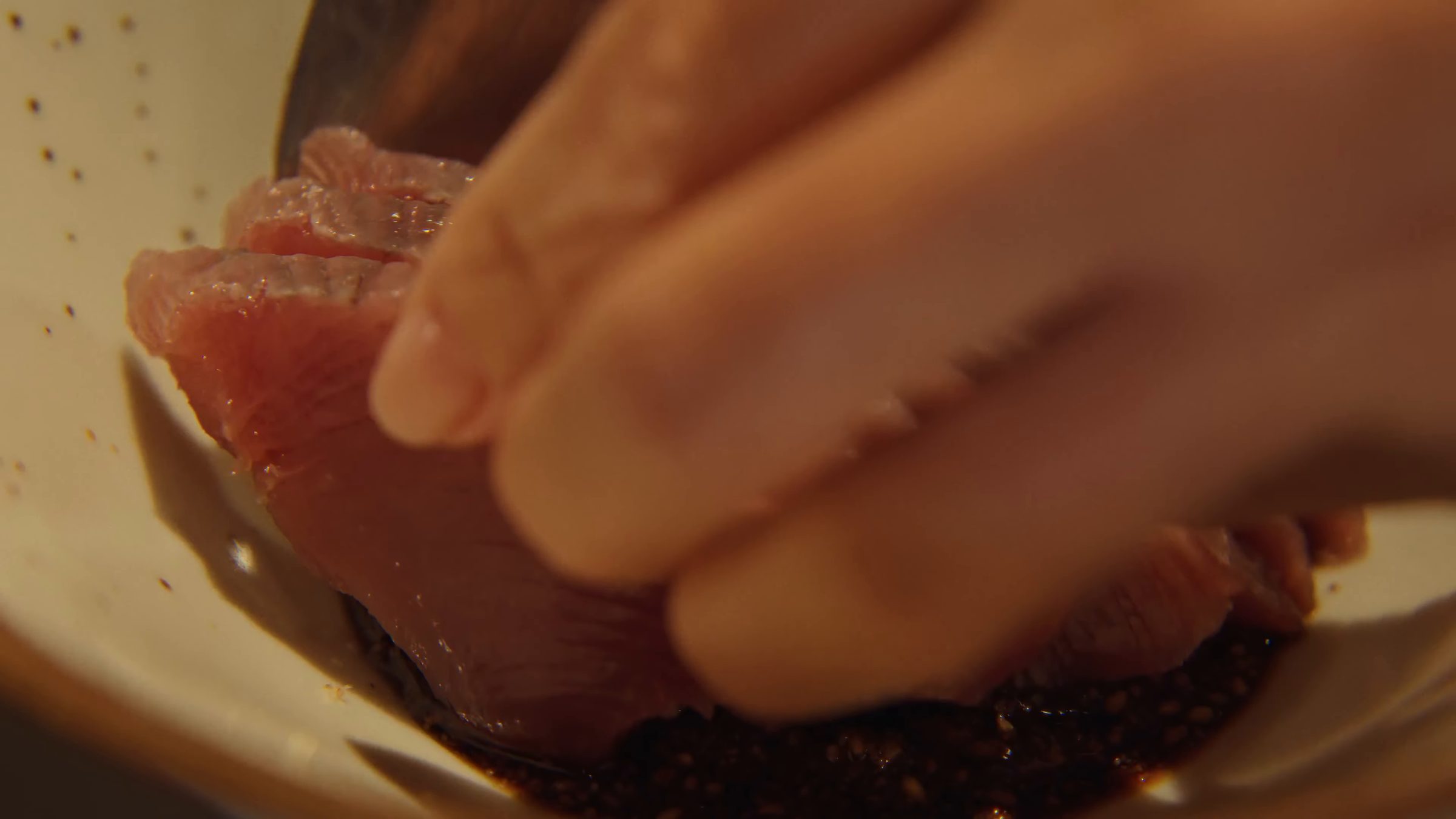
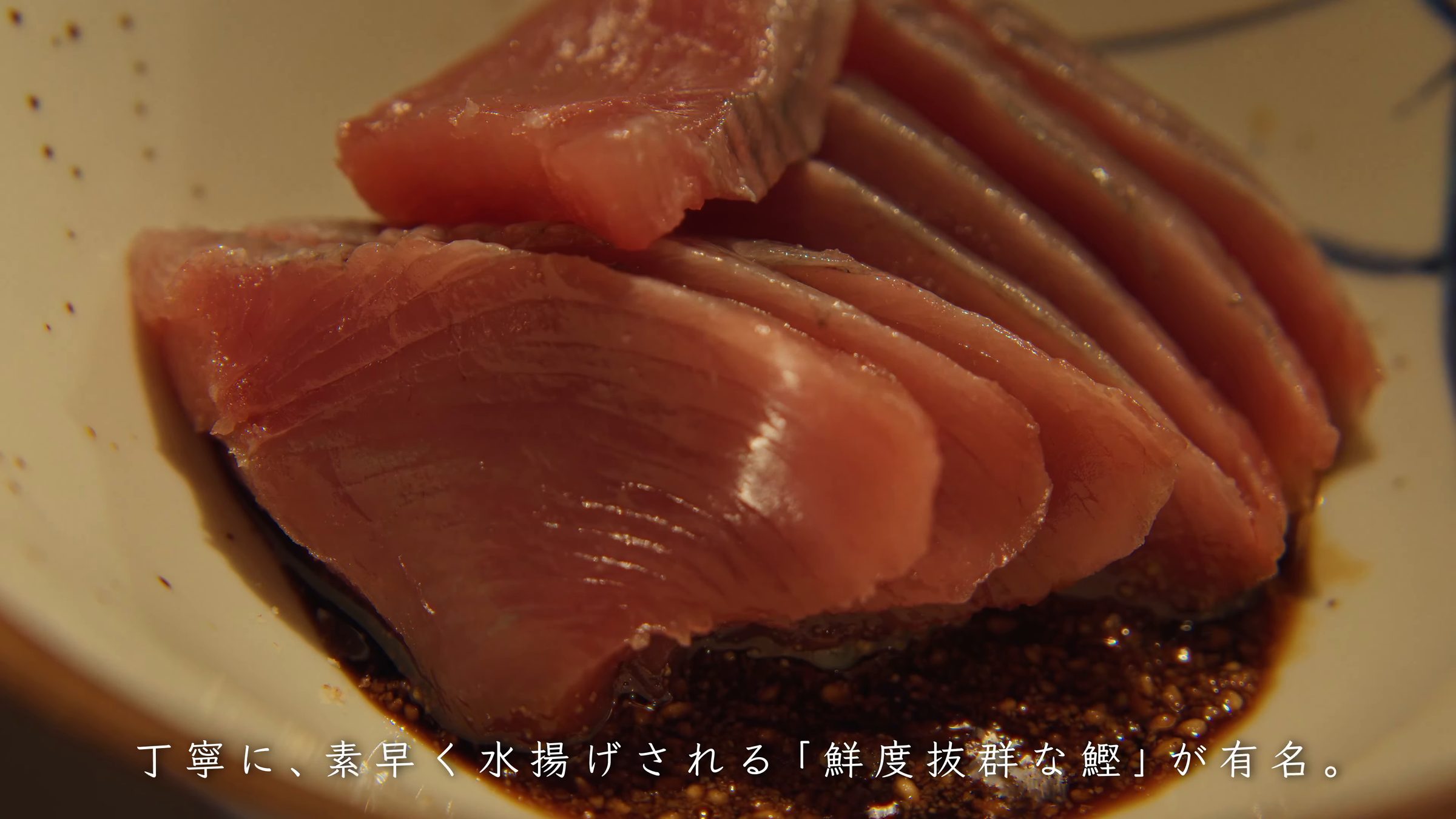
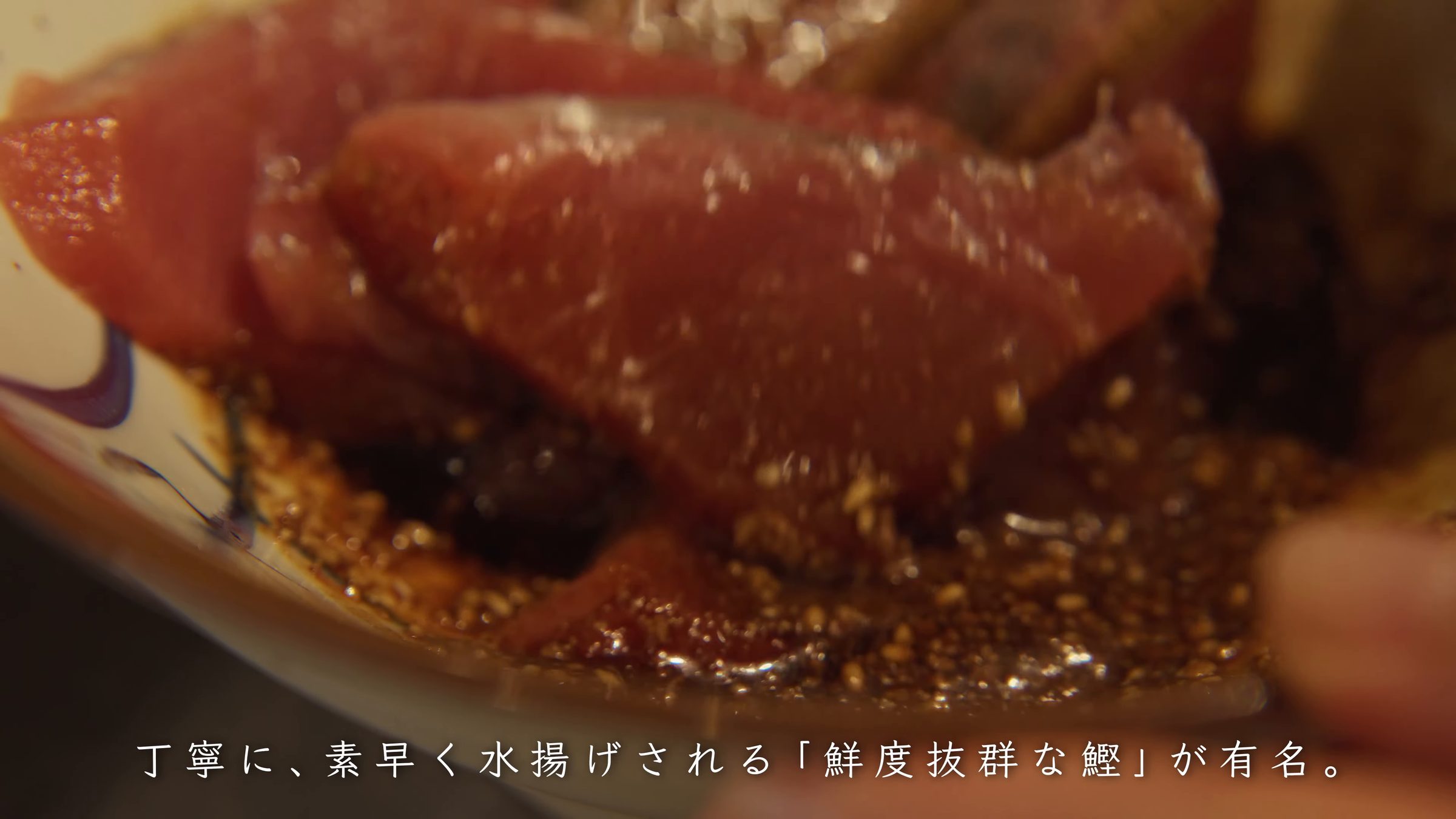
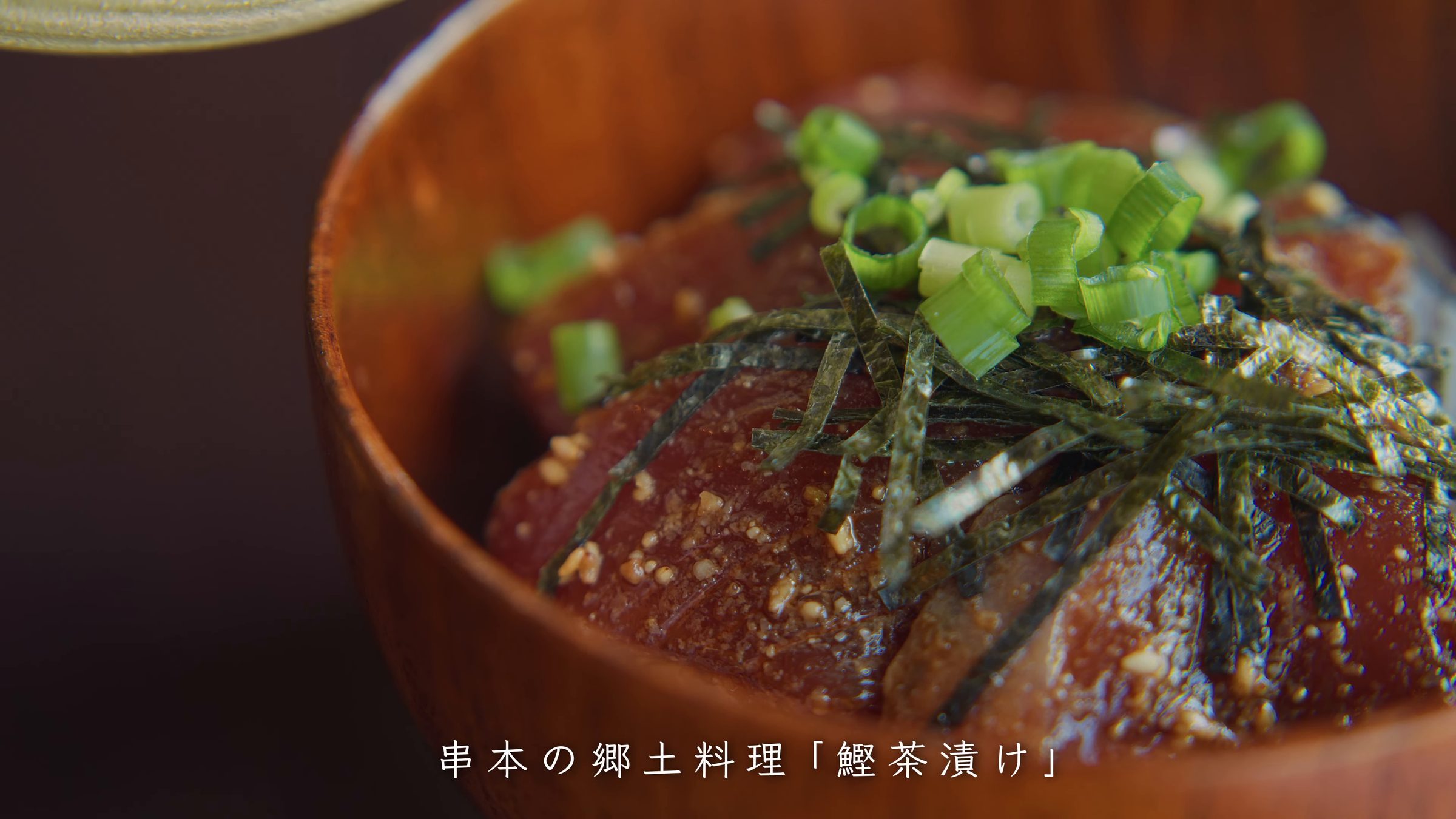
Blessed by the warm Kuroshio Current, Kushimoto is known as rich fishing grounds. The bonito here are caught one by one, bled right away and chilled in ice water, which is why they are so fresh. I sliced a block of sashimi-grade bonito, dressed the slices in a sesame soy sauce, and layered them on a plate.
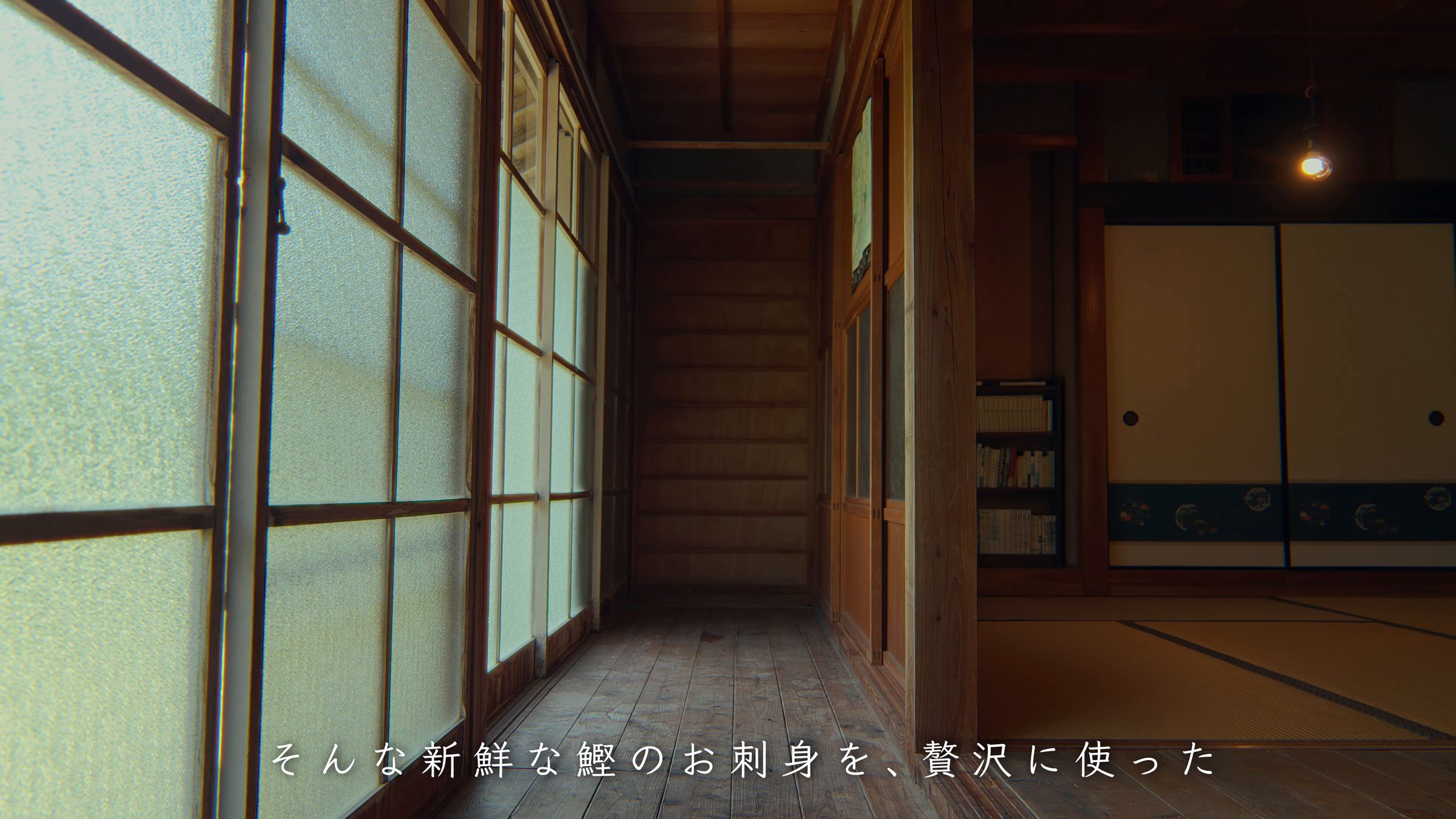
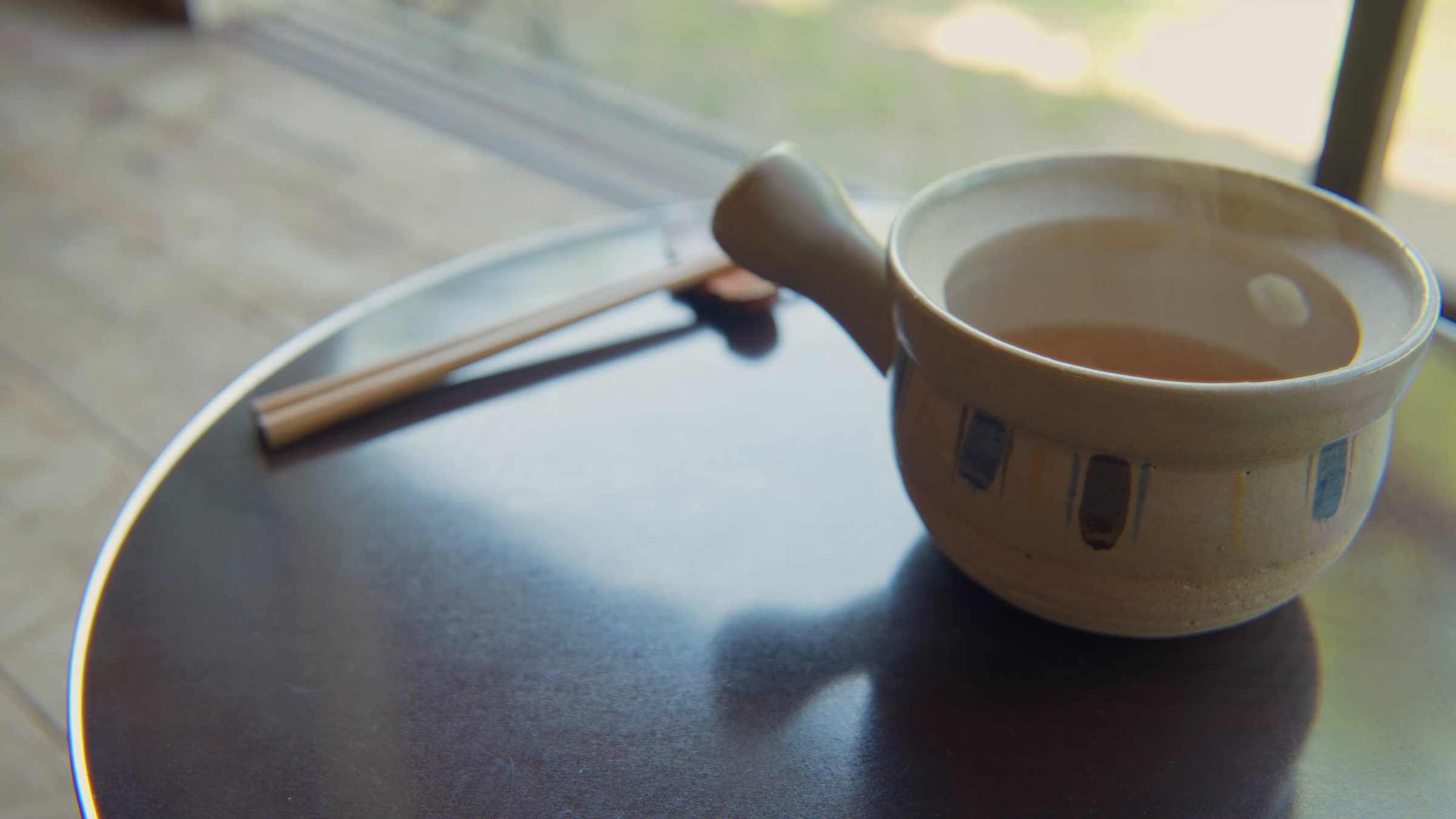
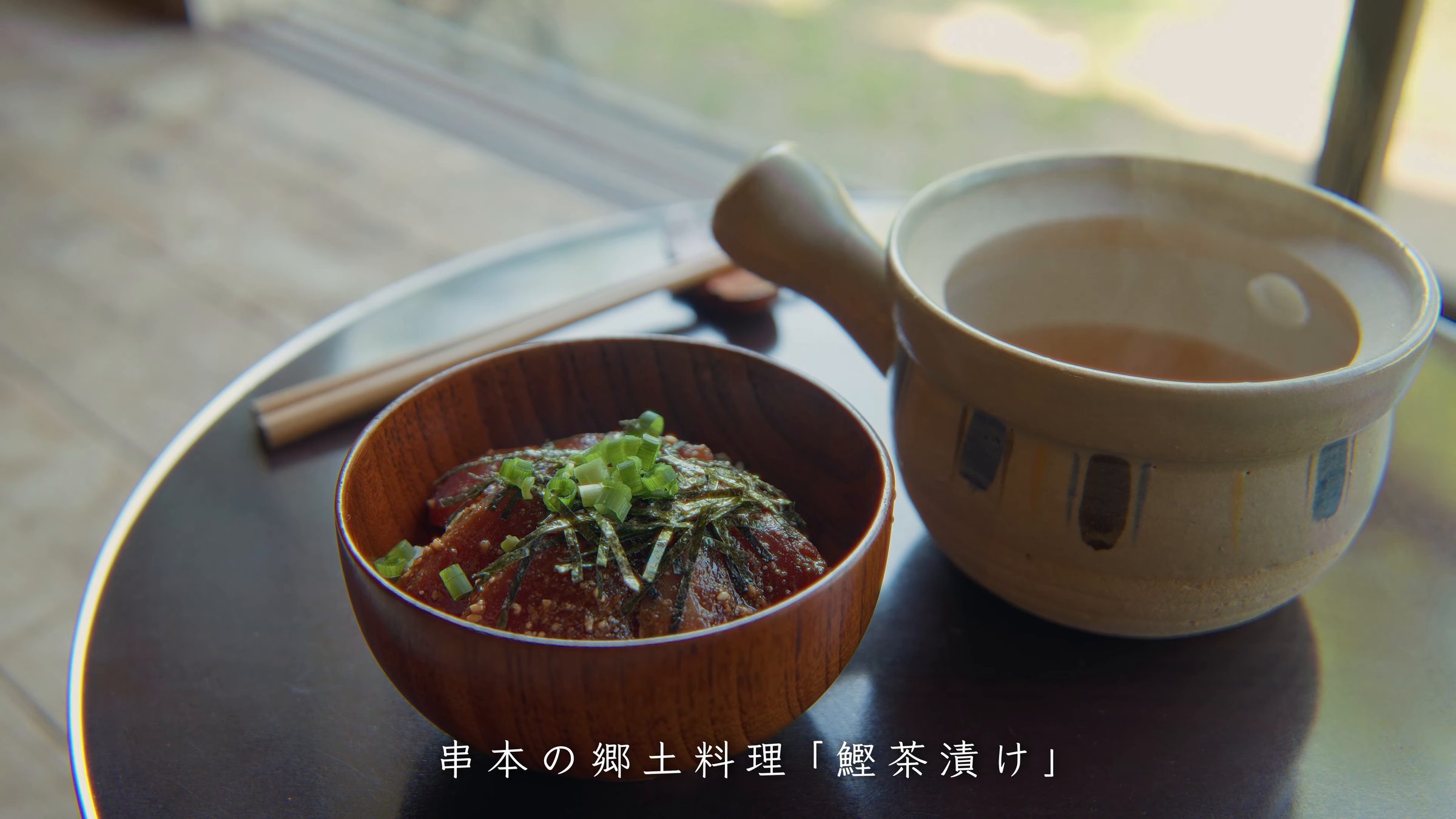
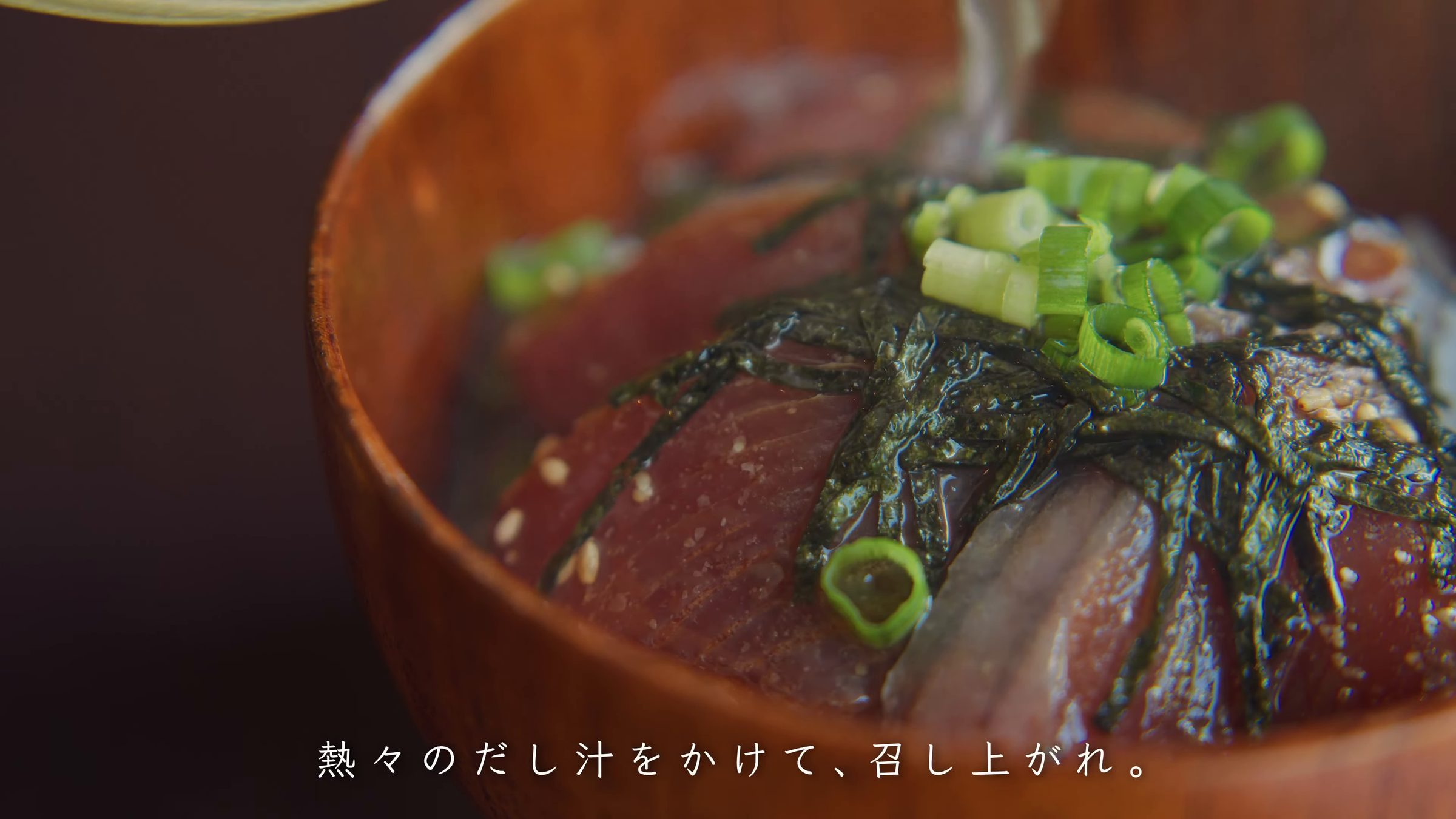
Bonito, shredded nori and green onions over rice: this is katsuo chazuke, a Kushimoto favorite. A pot of piping-hot broth stood ready. With light filtering through the shoji onto the tatami, I poured the broth over the bowl.
Watch this scene on YouTube0:40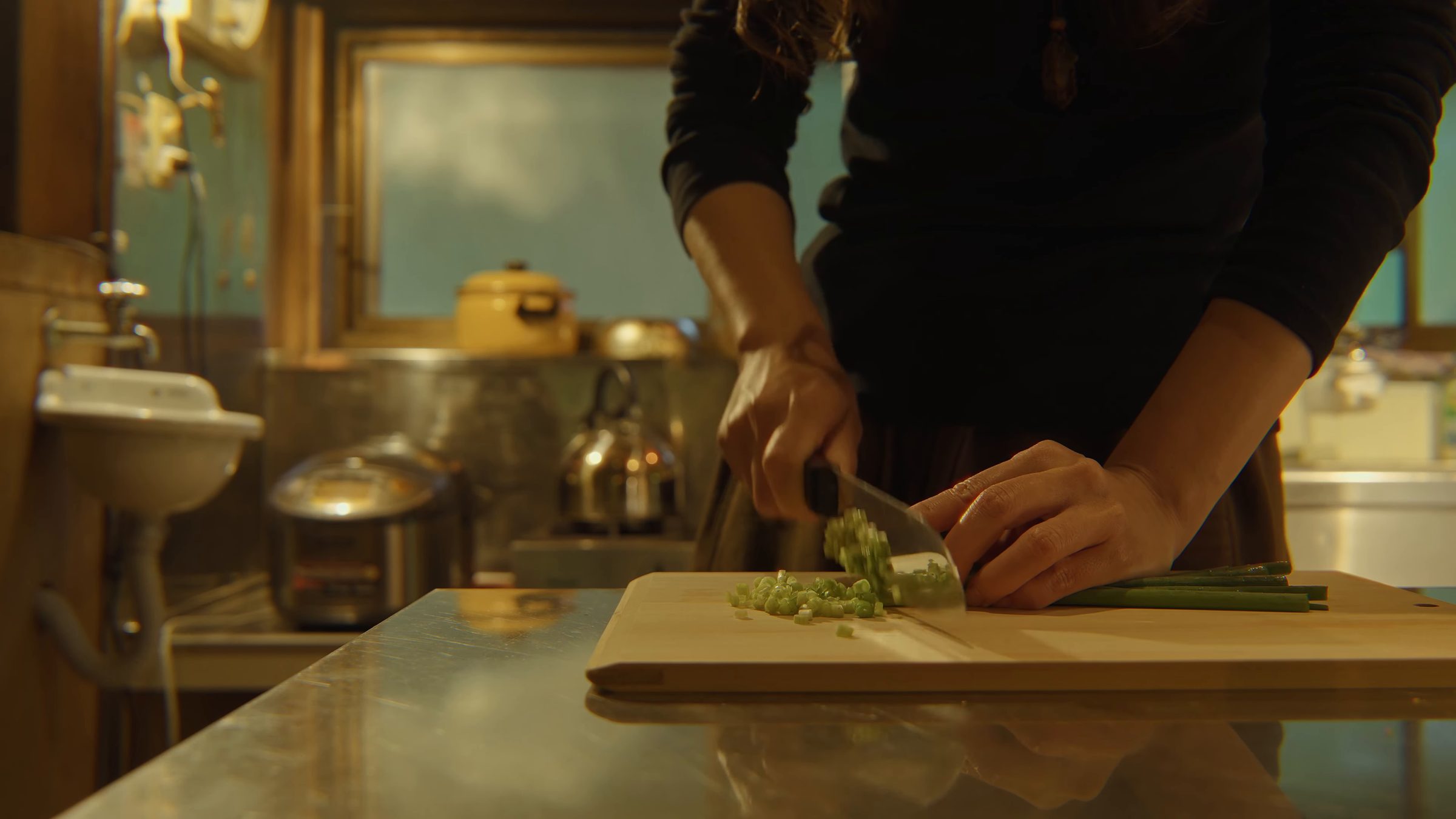
03TRAVEL JOURNAL
Breakfast surrounded by green
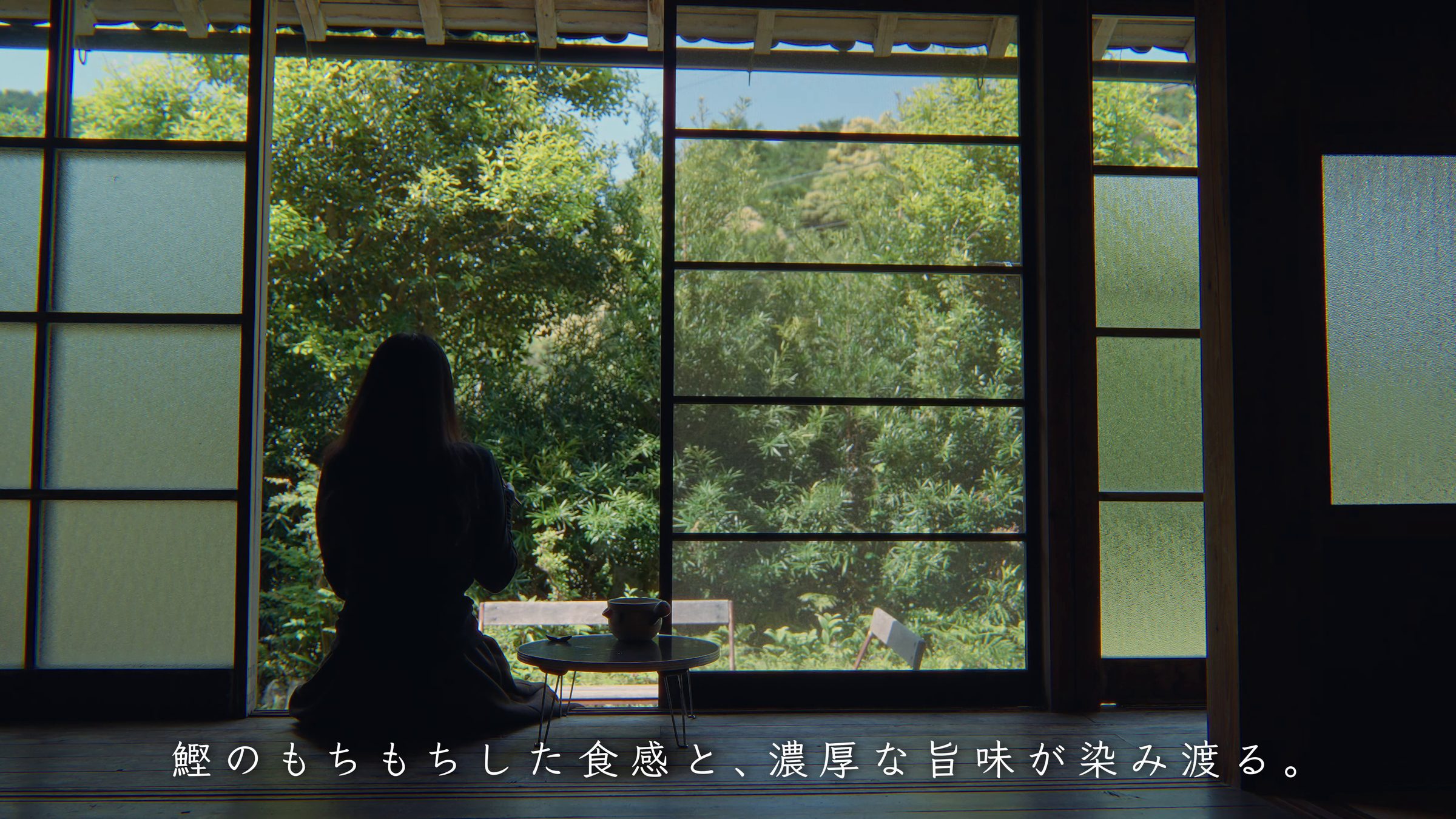
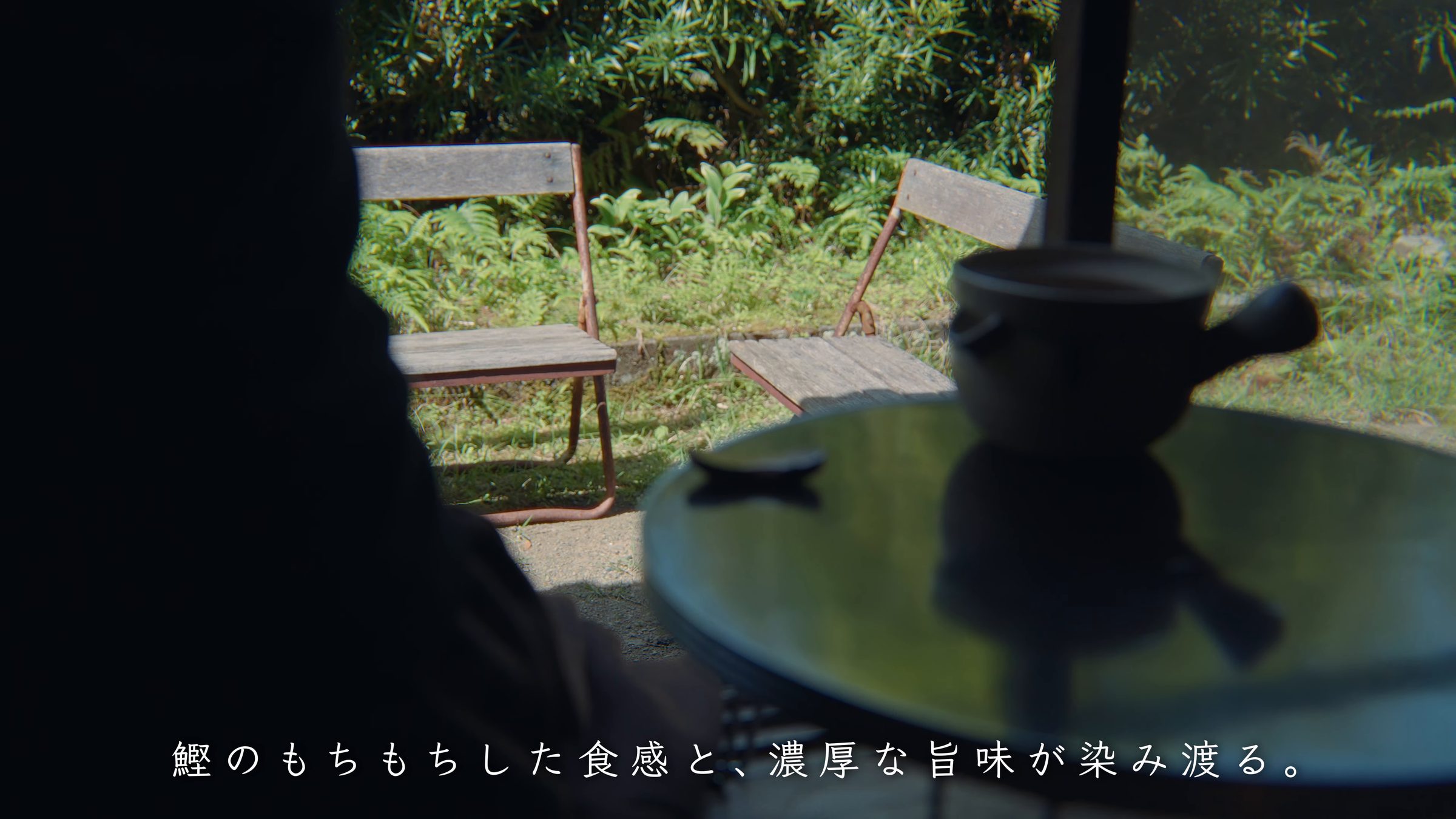
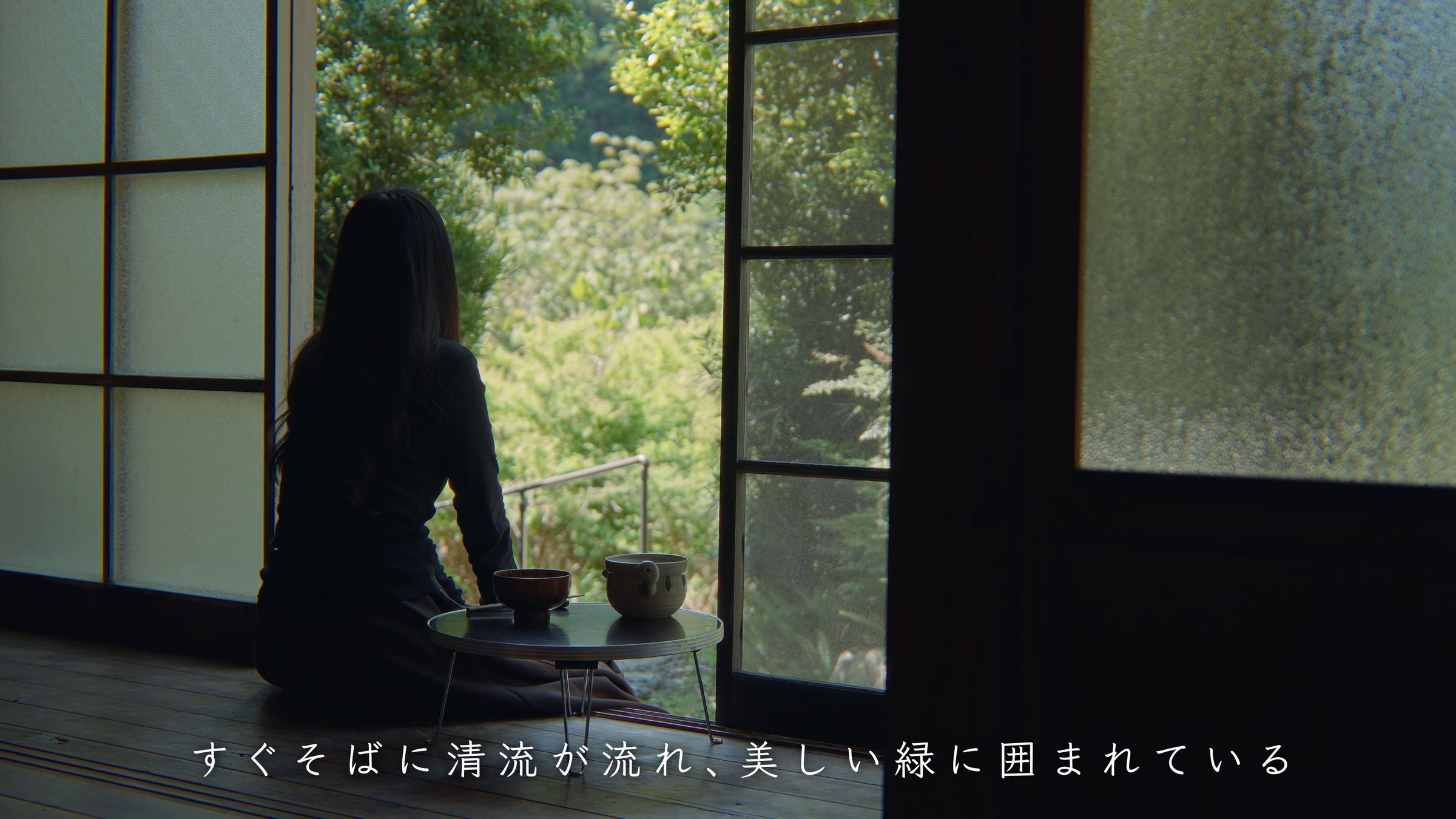
I set a small table on the veranda and ate looking out at the green. The bonito was pleasantly chewy, and its rich flavor soaked right through me.
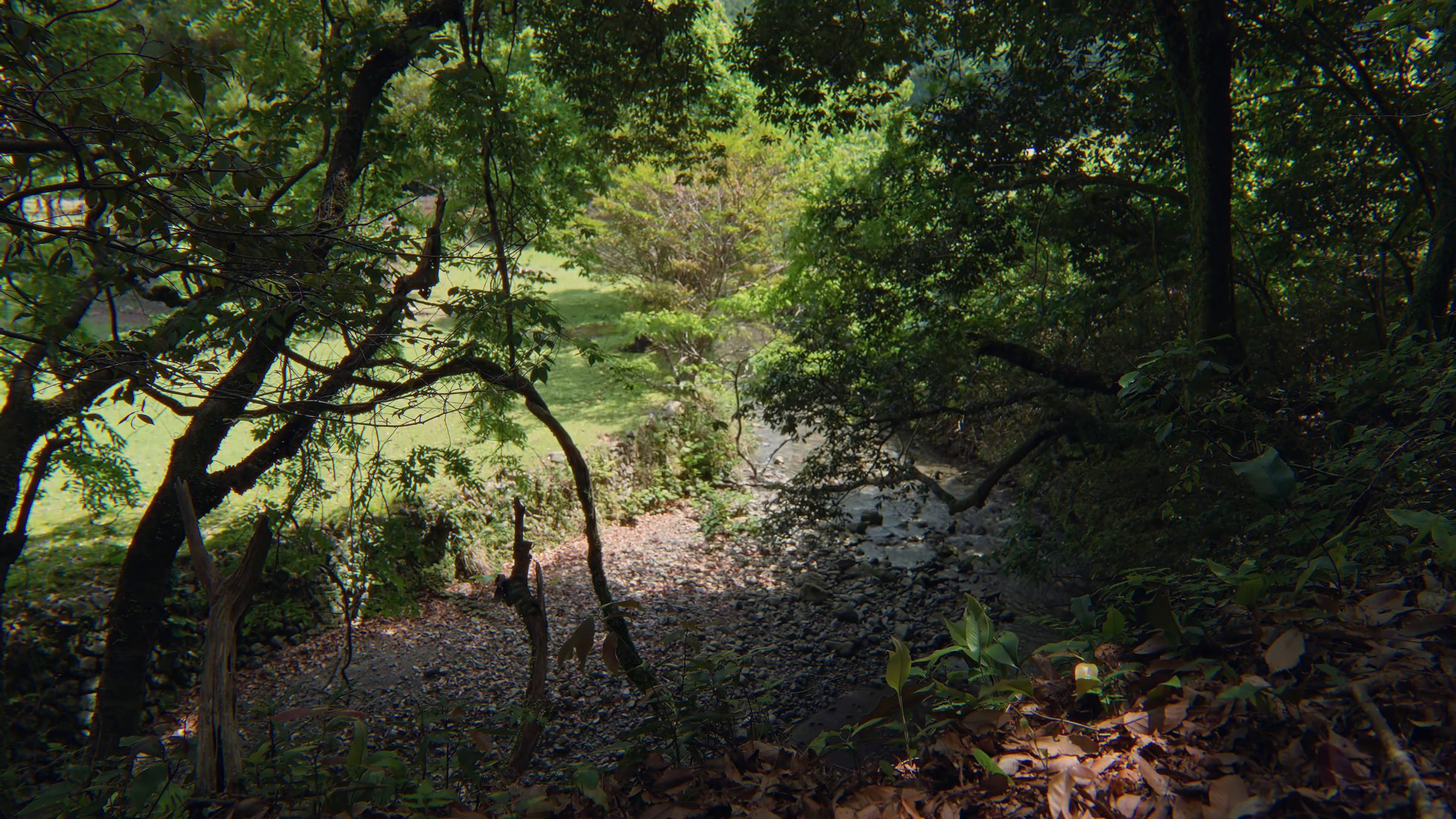
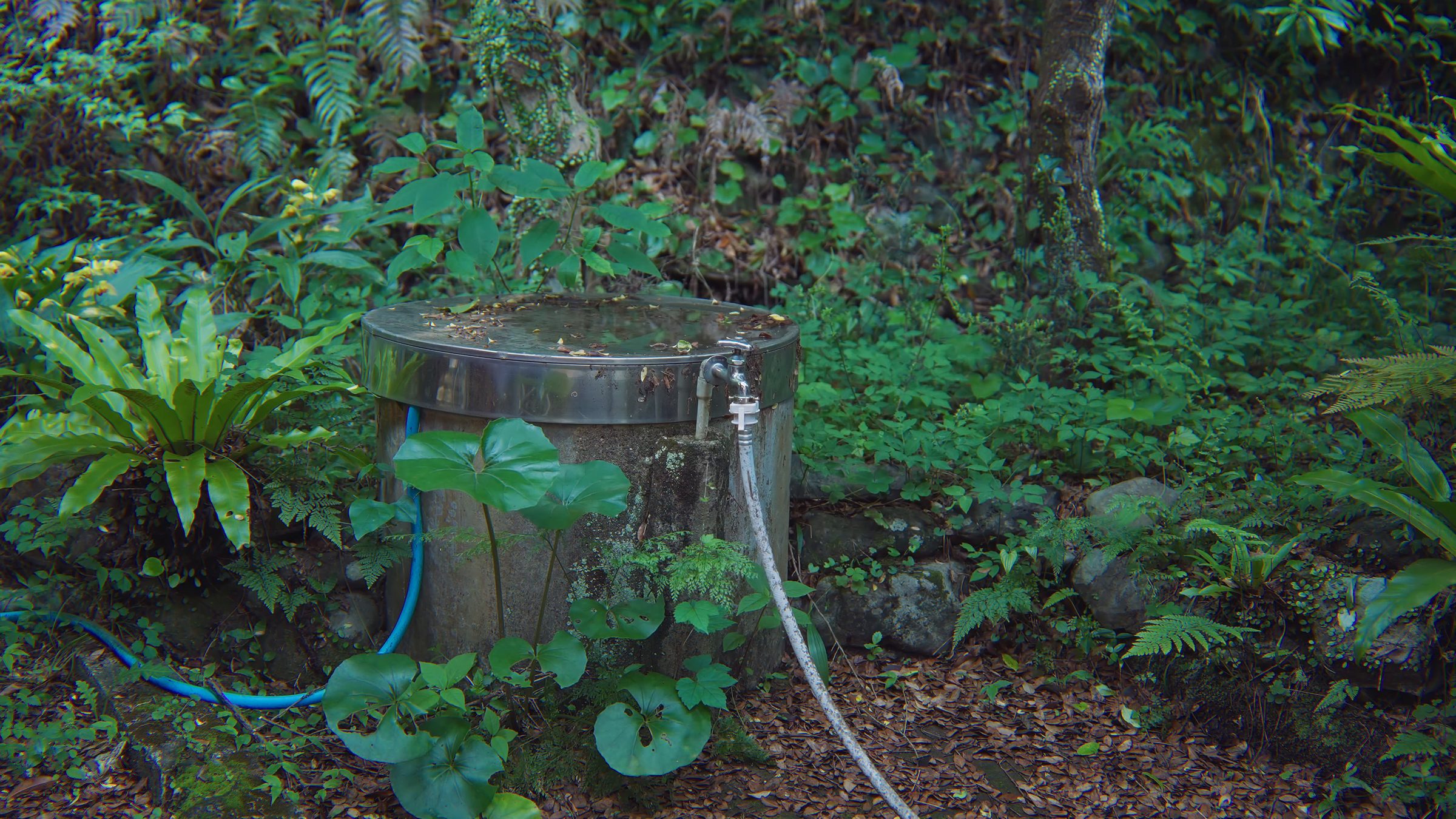
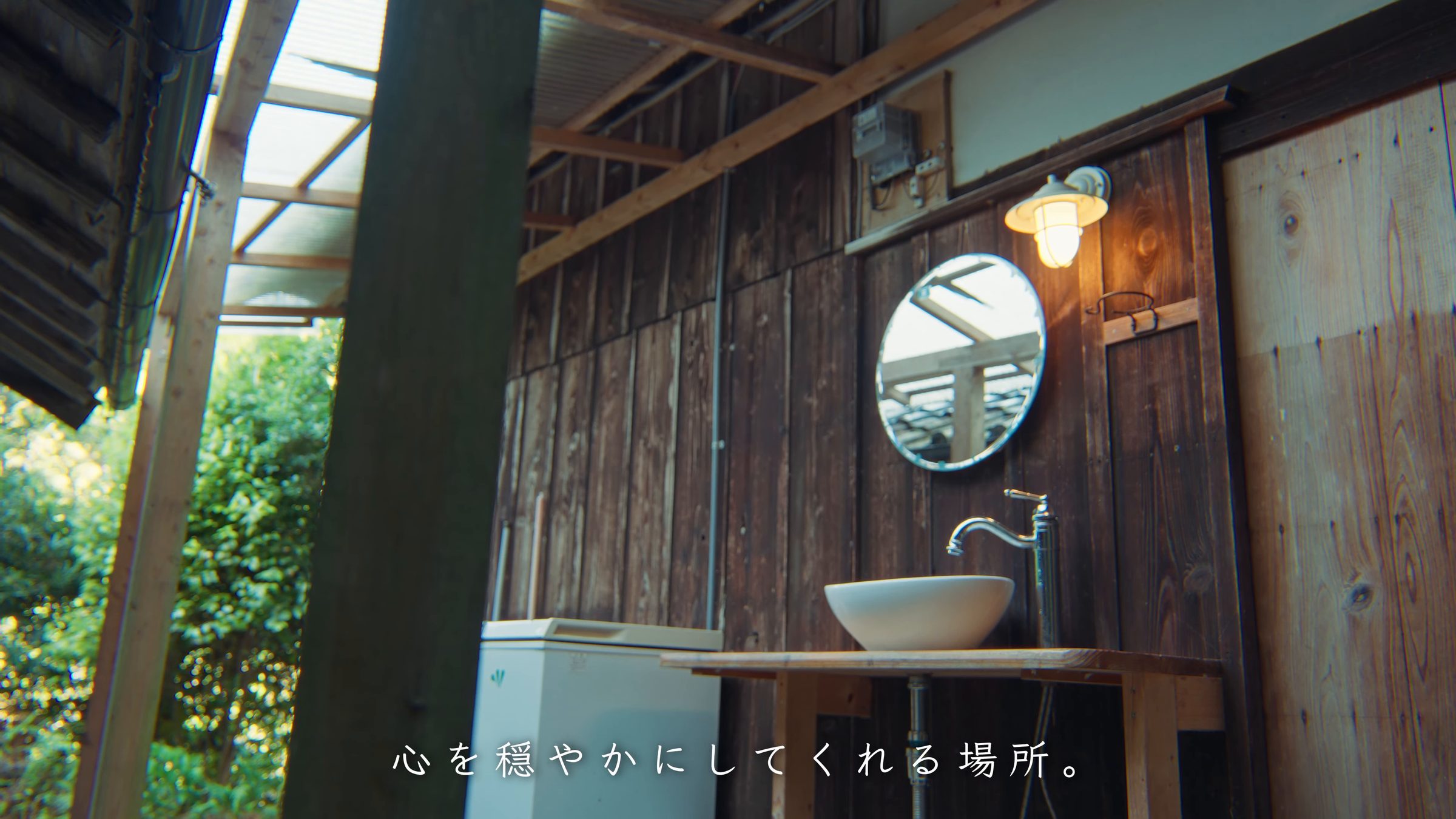
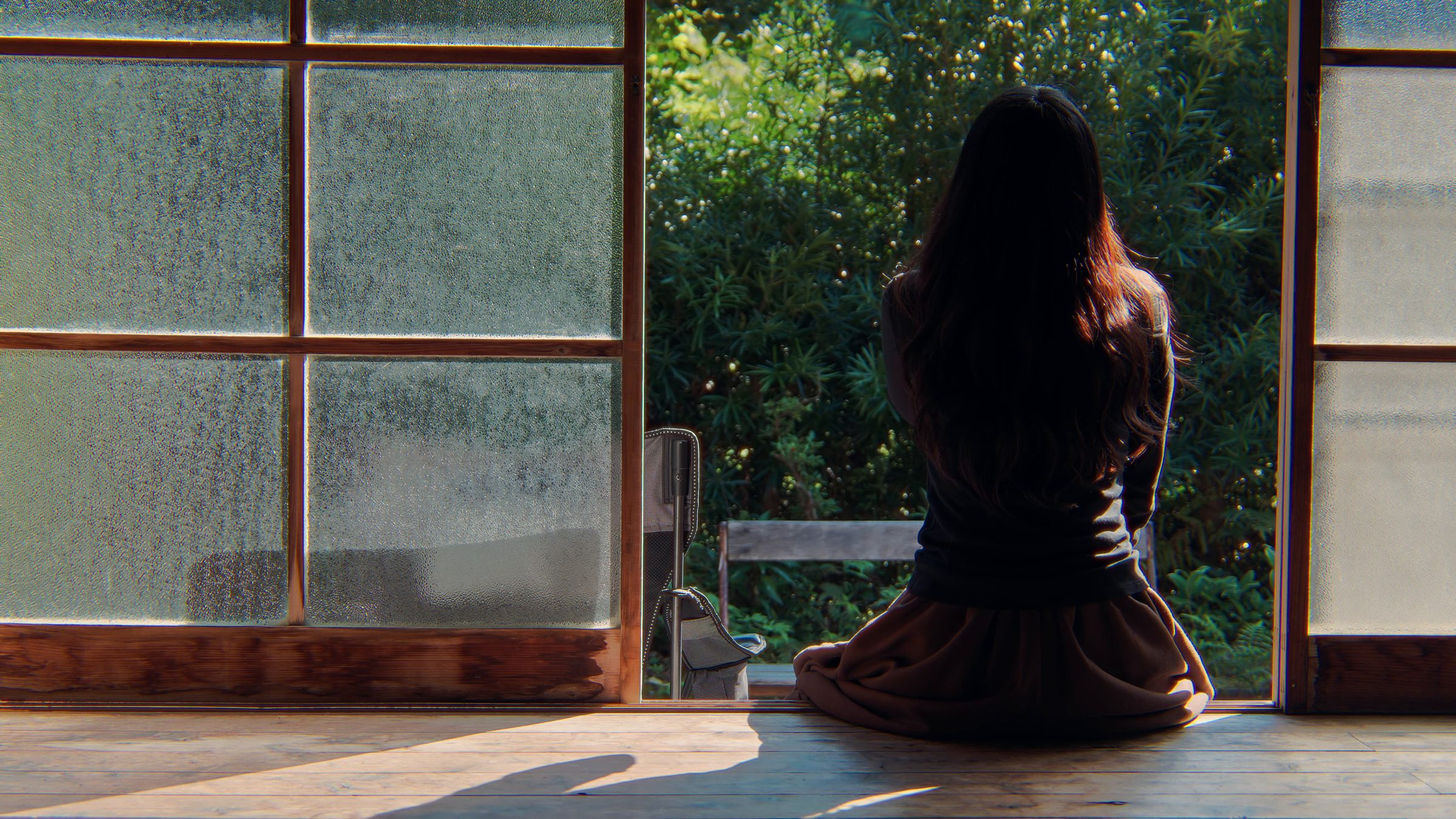
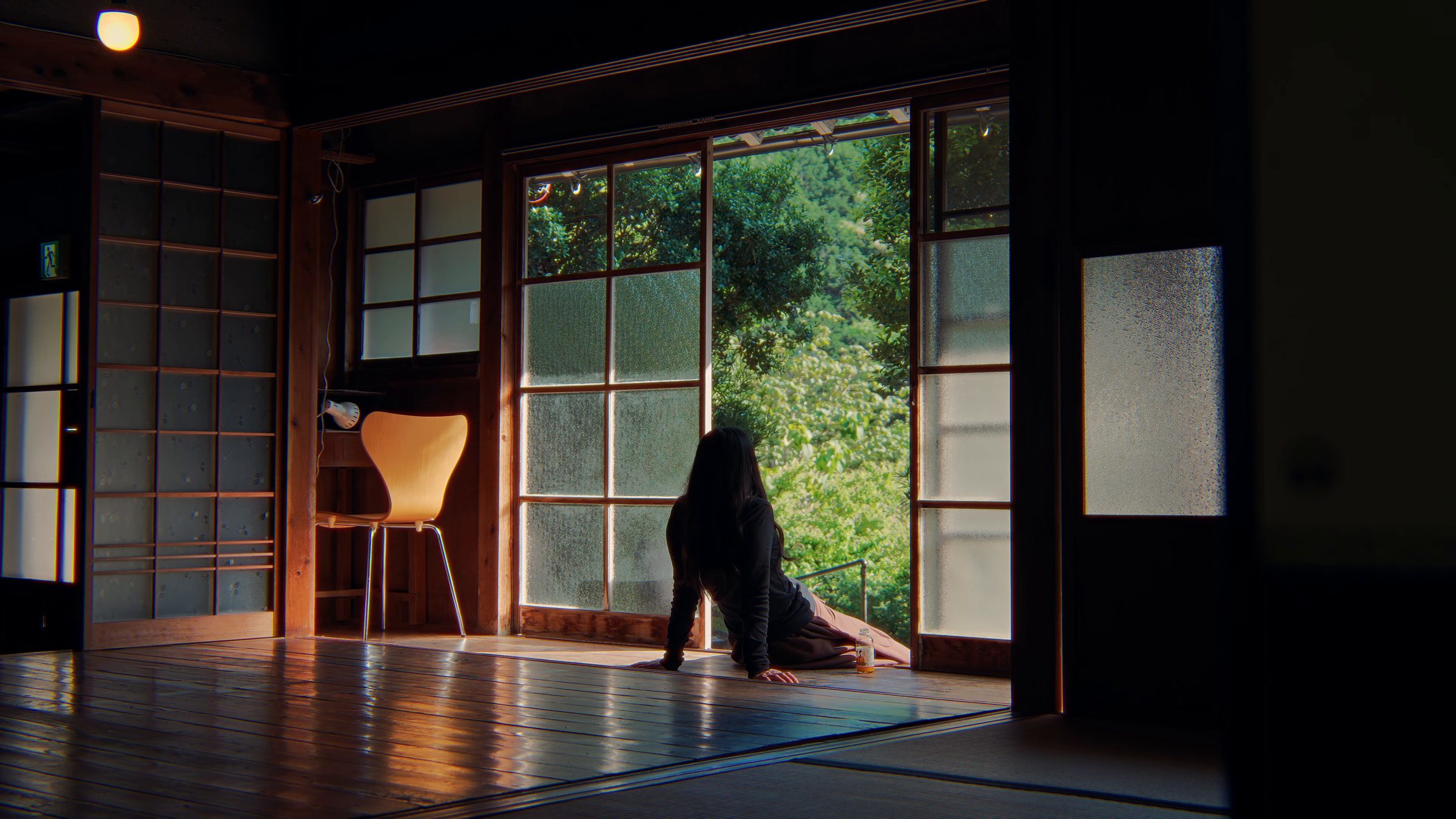
A clear stream runs right beside the house, which sits wrapped in beautiful greenery. Outside, a tank collects water from the hills, and the round mirror of the wash basin on the wooden wall reflects the trees. It is a place that calms the mind.
Watch this scene on YouTube1:21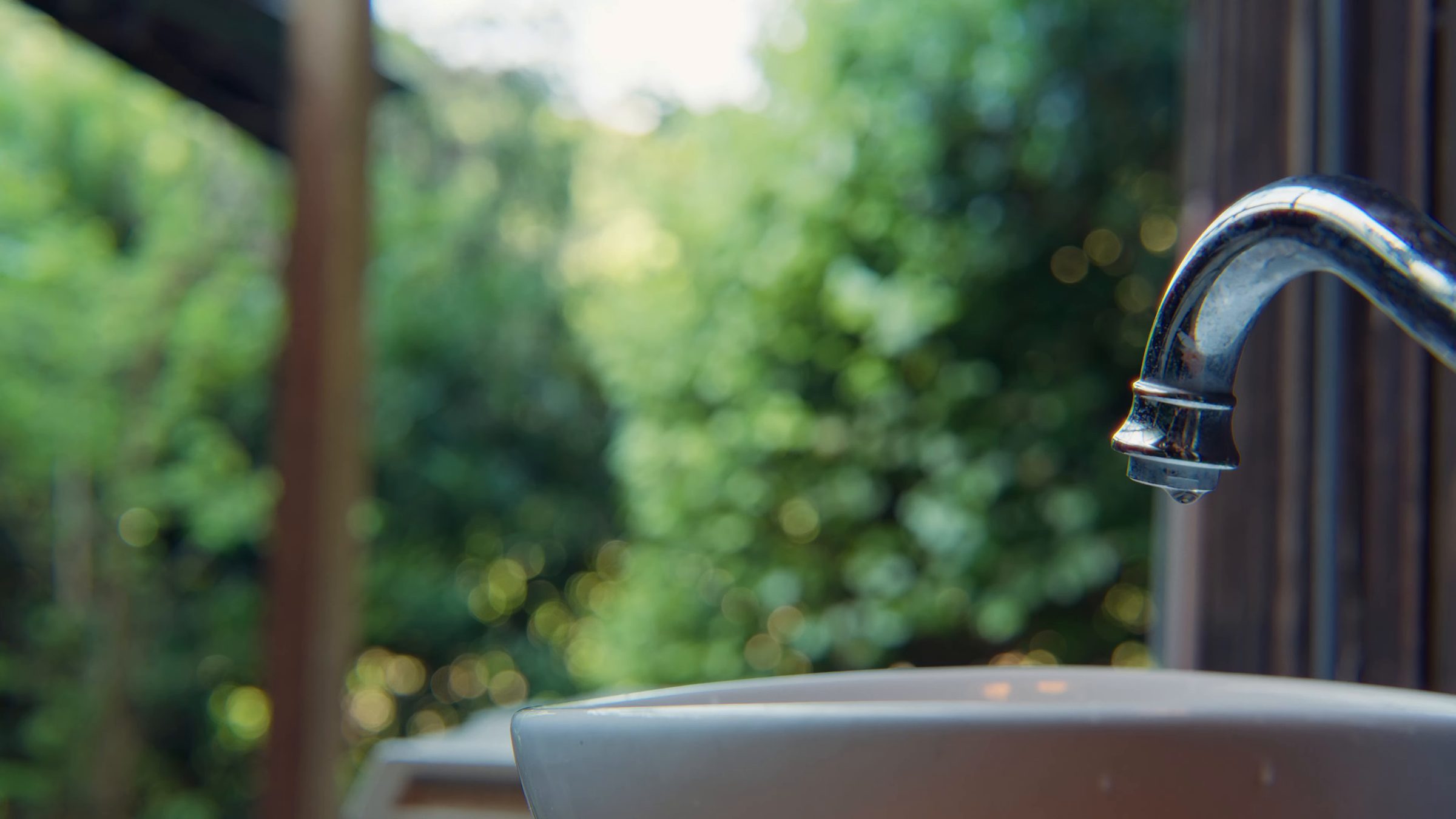
04TRAVEL JOURNAL
Life in another world
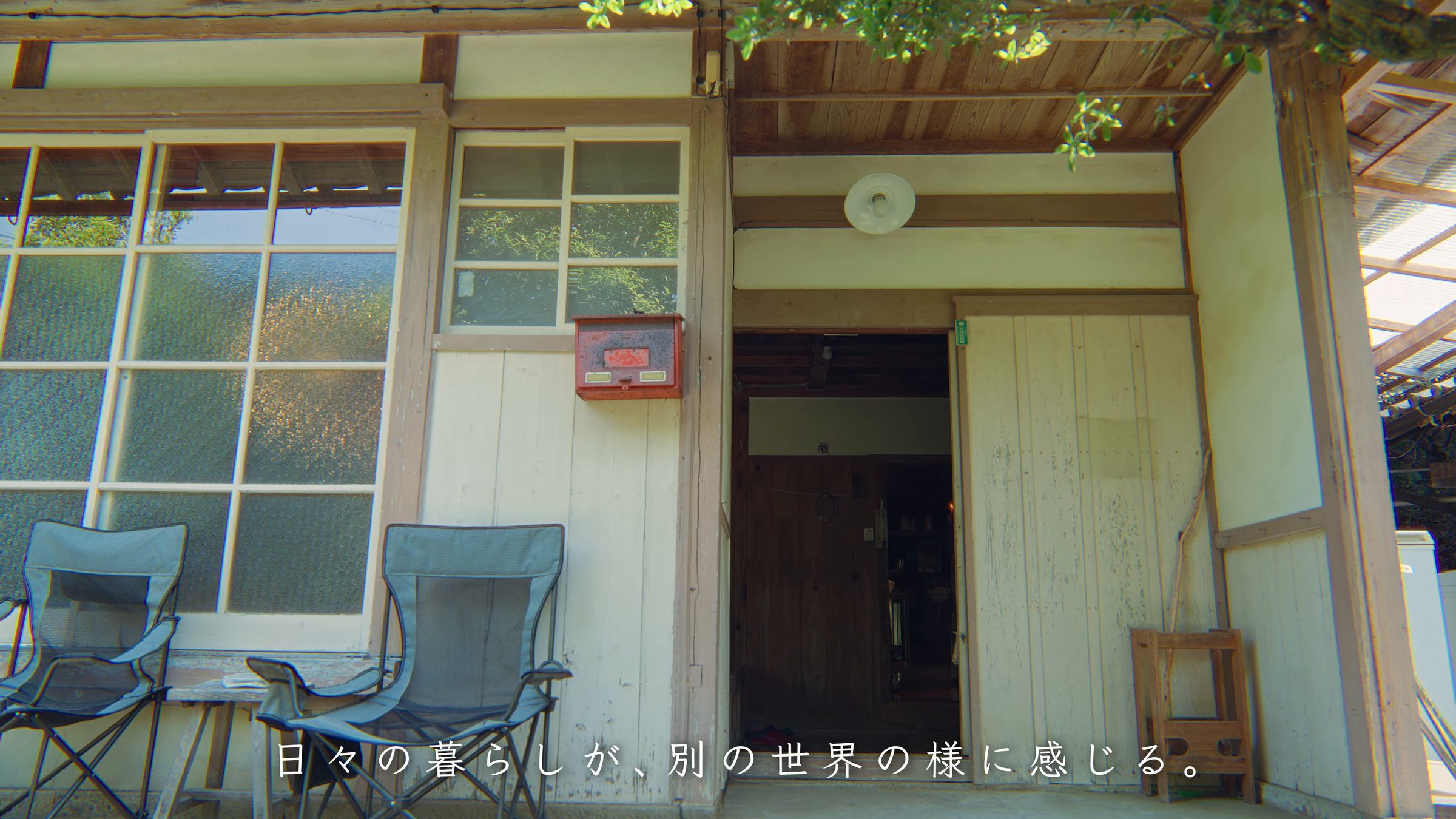
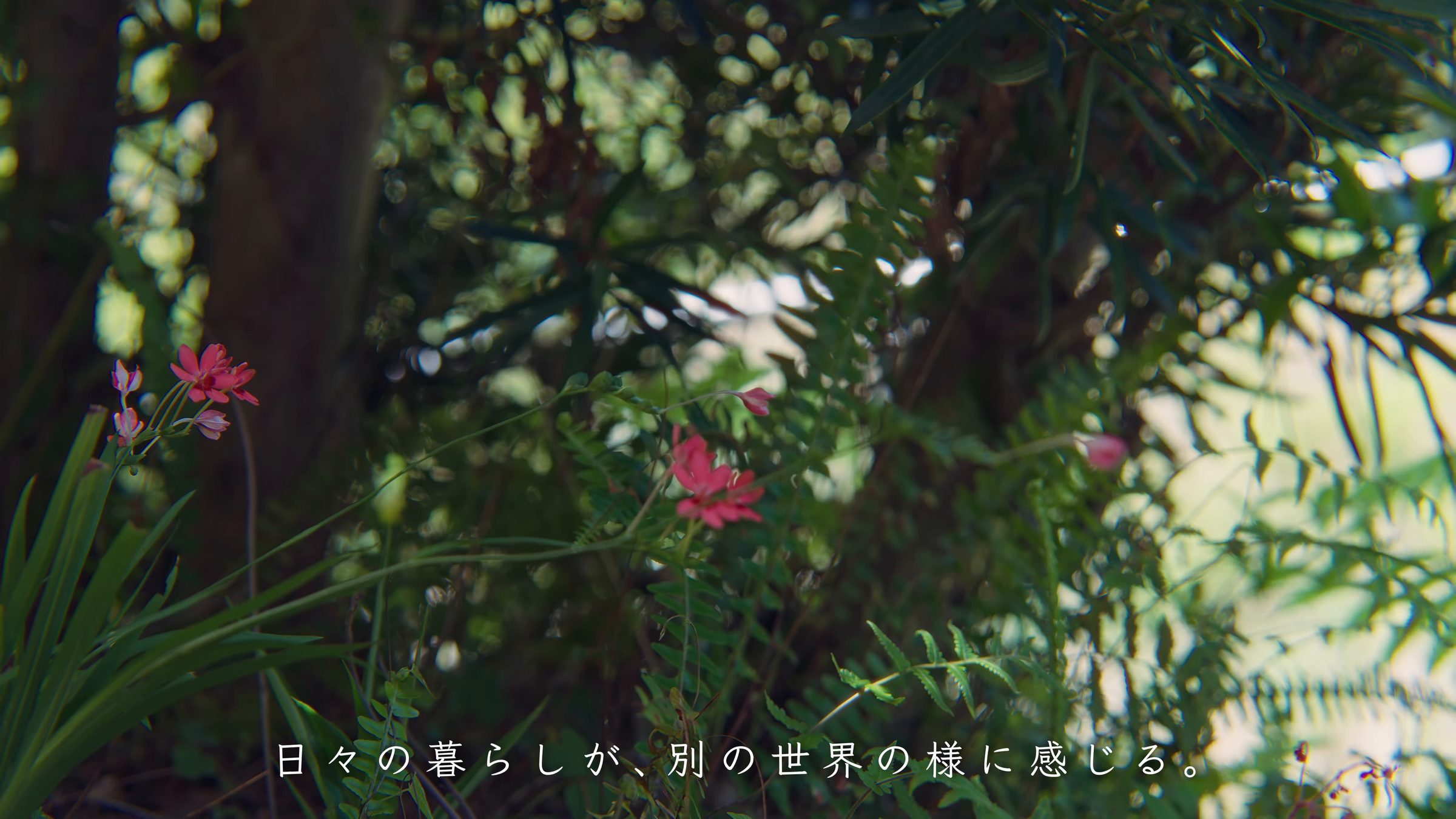
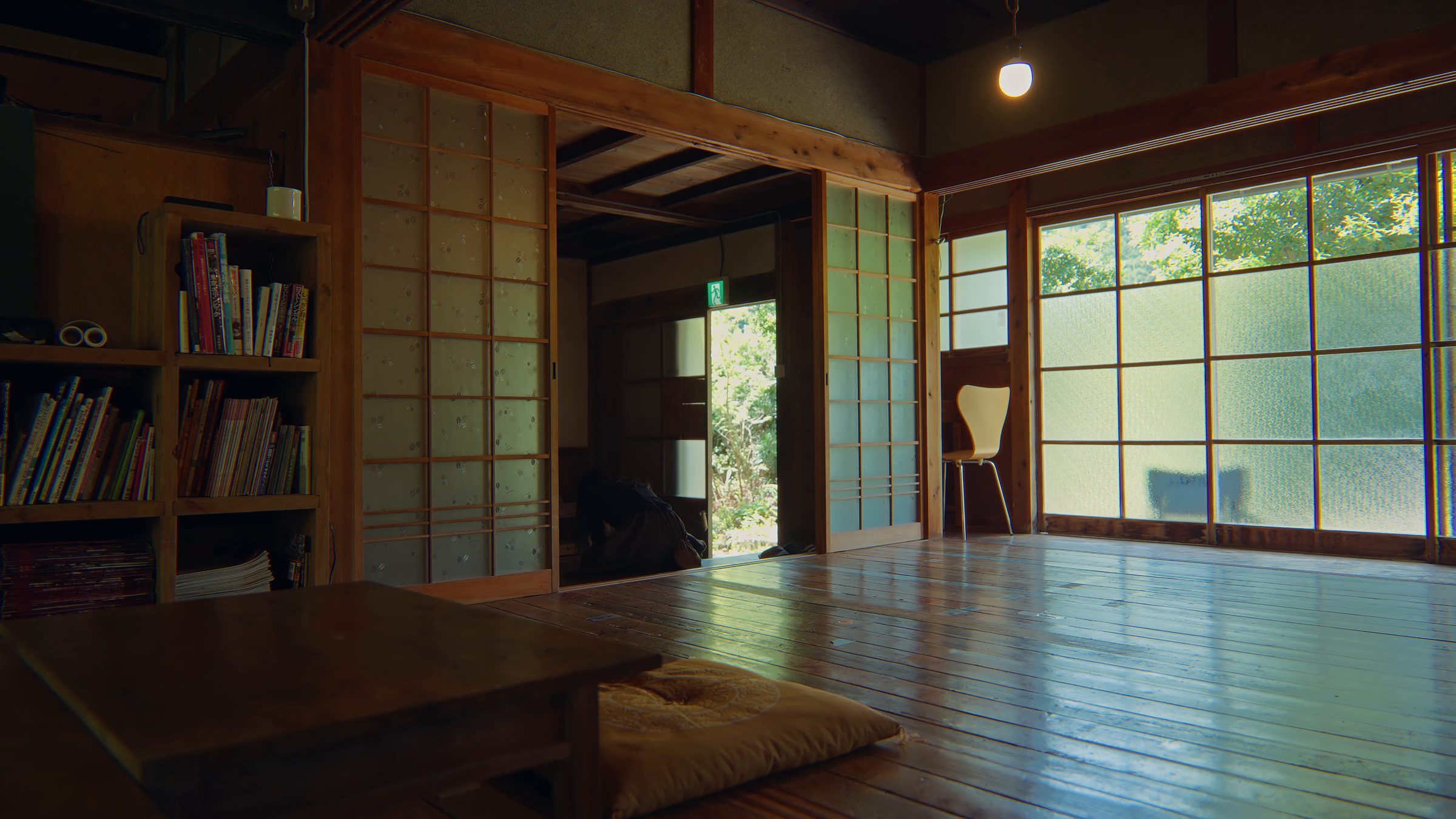
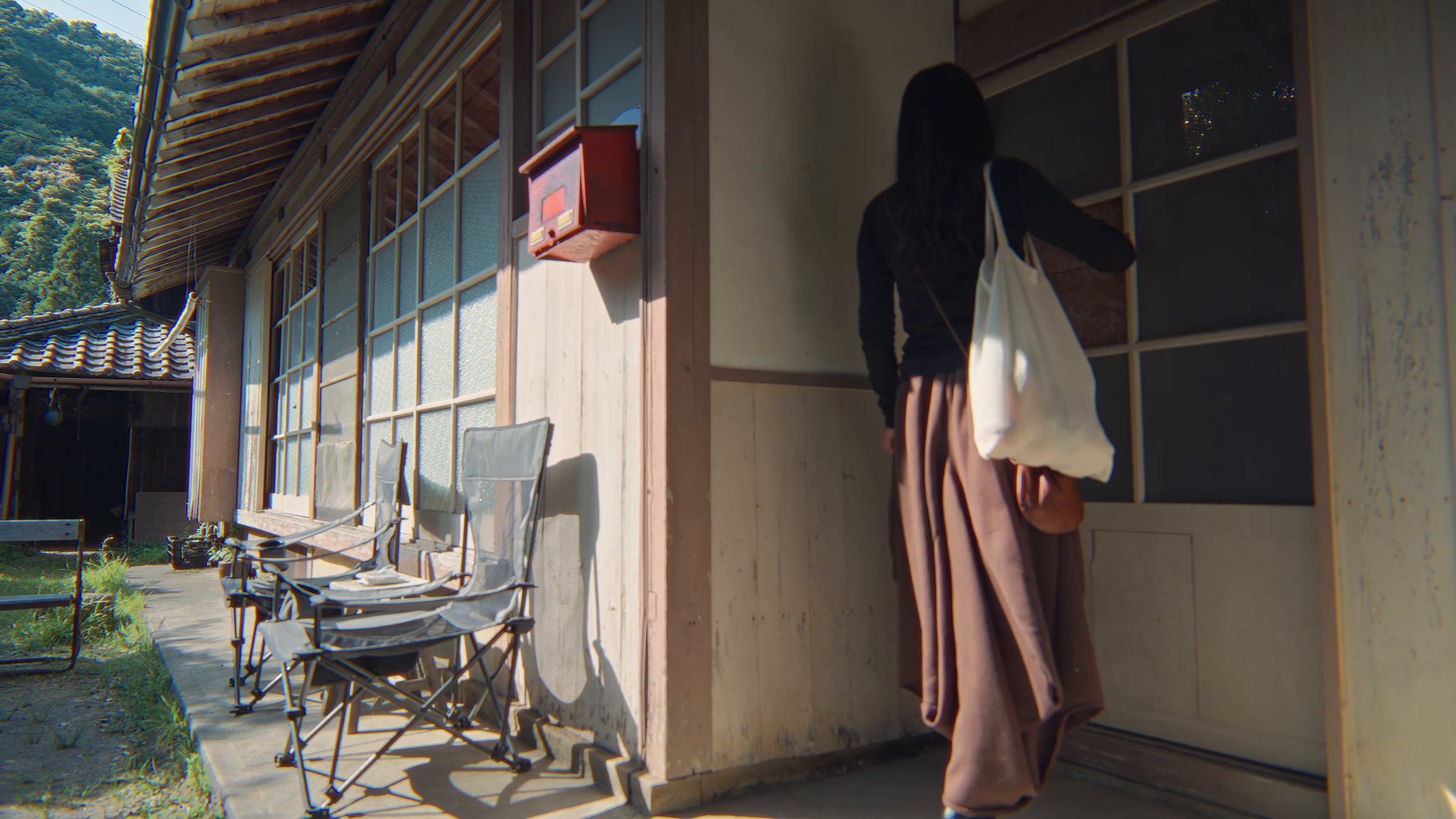
Beyond the shoji, in the wooden-floored room, a red cloth hung from a beam and a futon lay folded. By the entrance stood folding chairs and a red mailbox, and in a corner of the garden small pink flowers were in bloom.
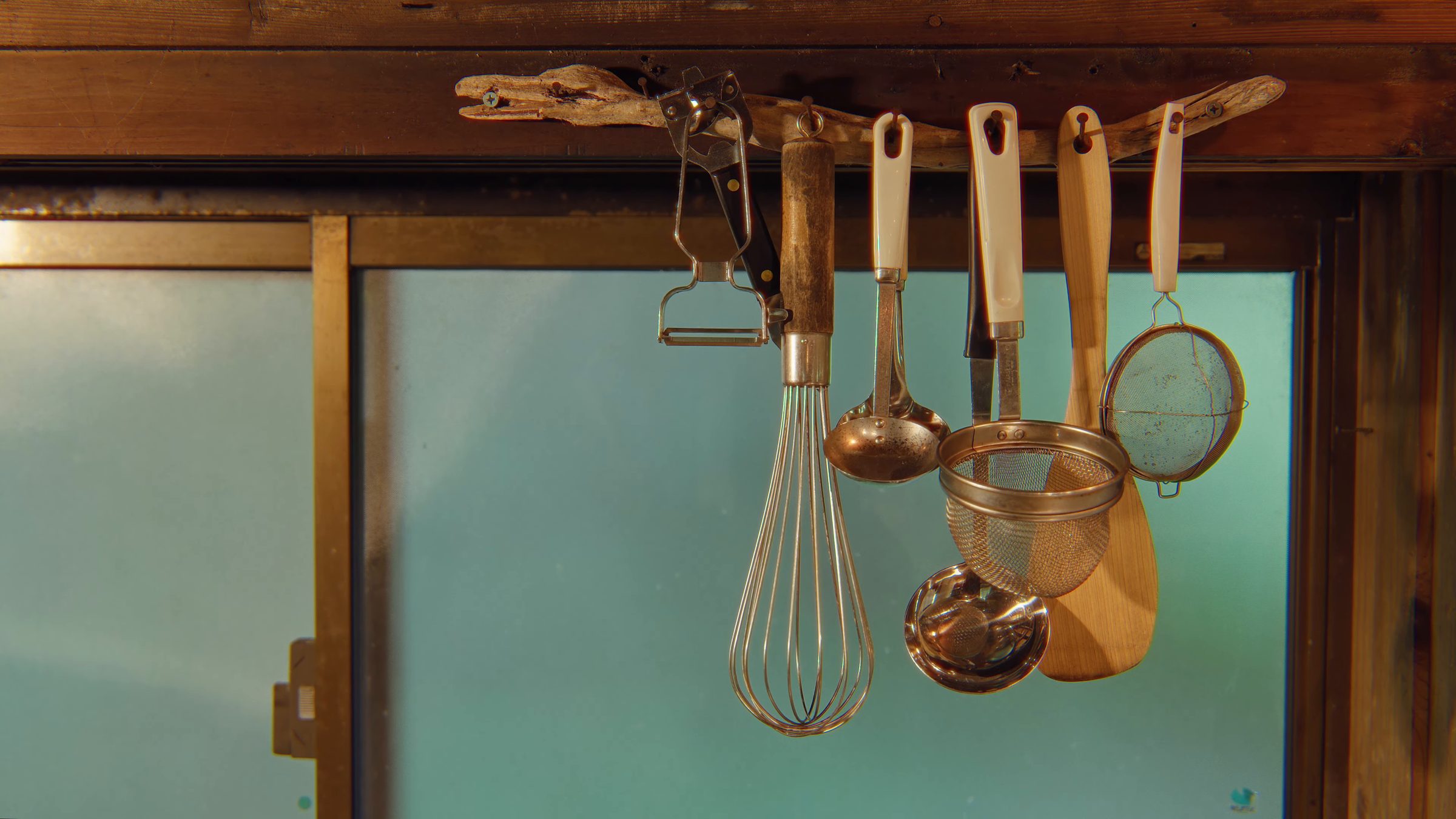
A whisk and ladles hung by the kitchen window; the room with the bookshelf had a low table and a cushion. Daily life here feels like it belongs to another world.
Watch this scene on YouTube1:52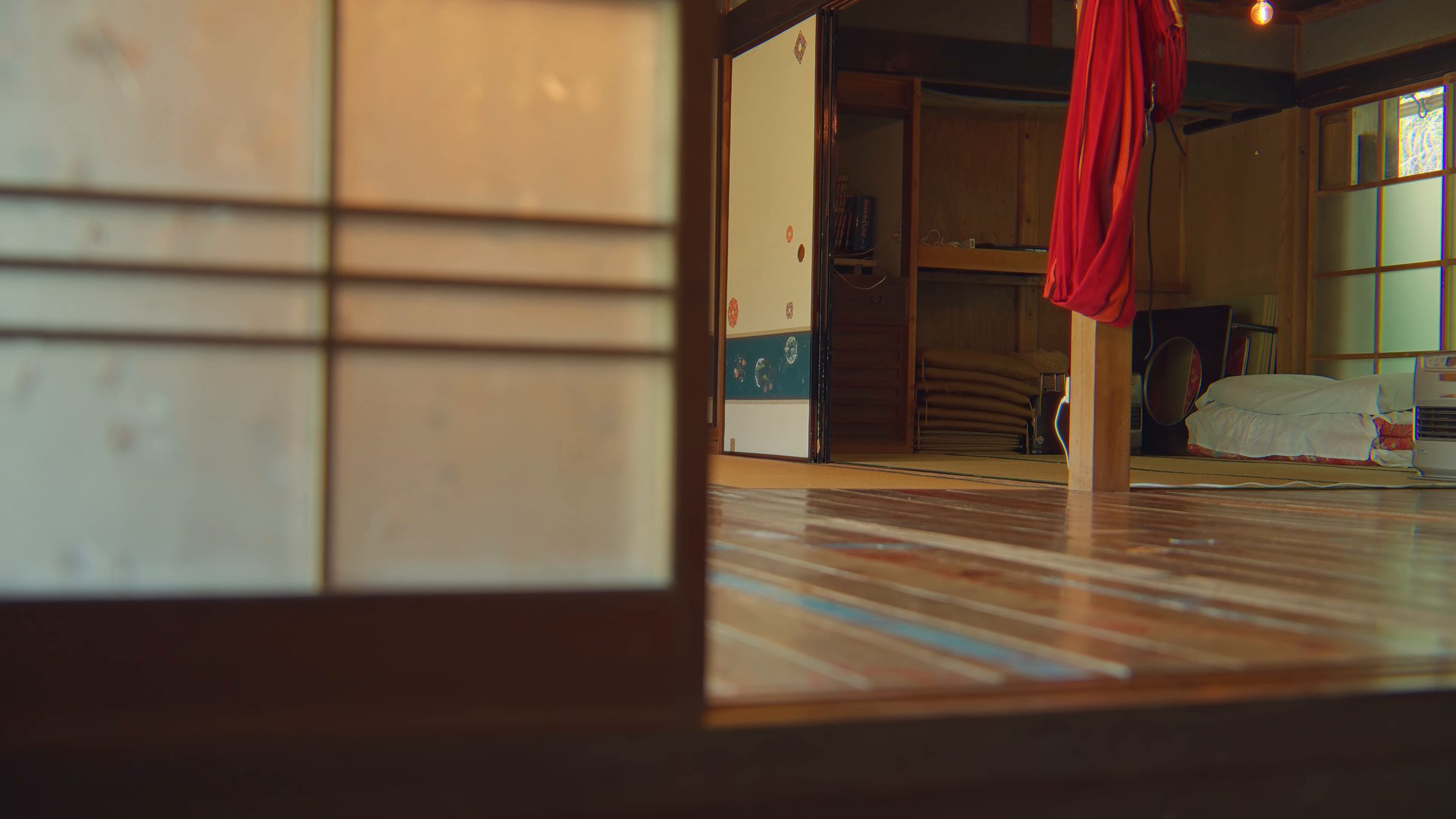
05TRAVEL JOURNAL
A walk along the river
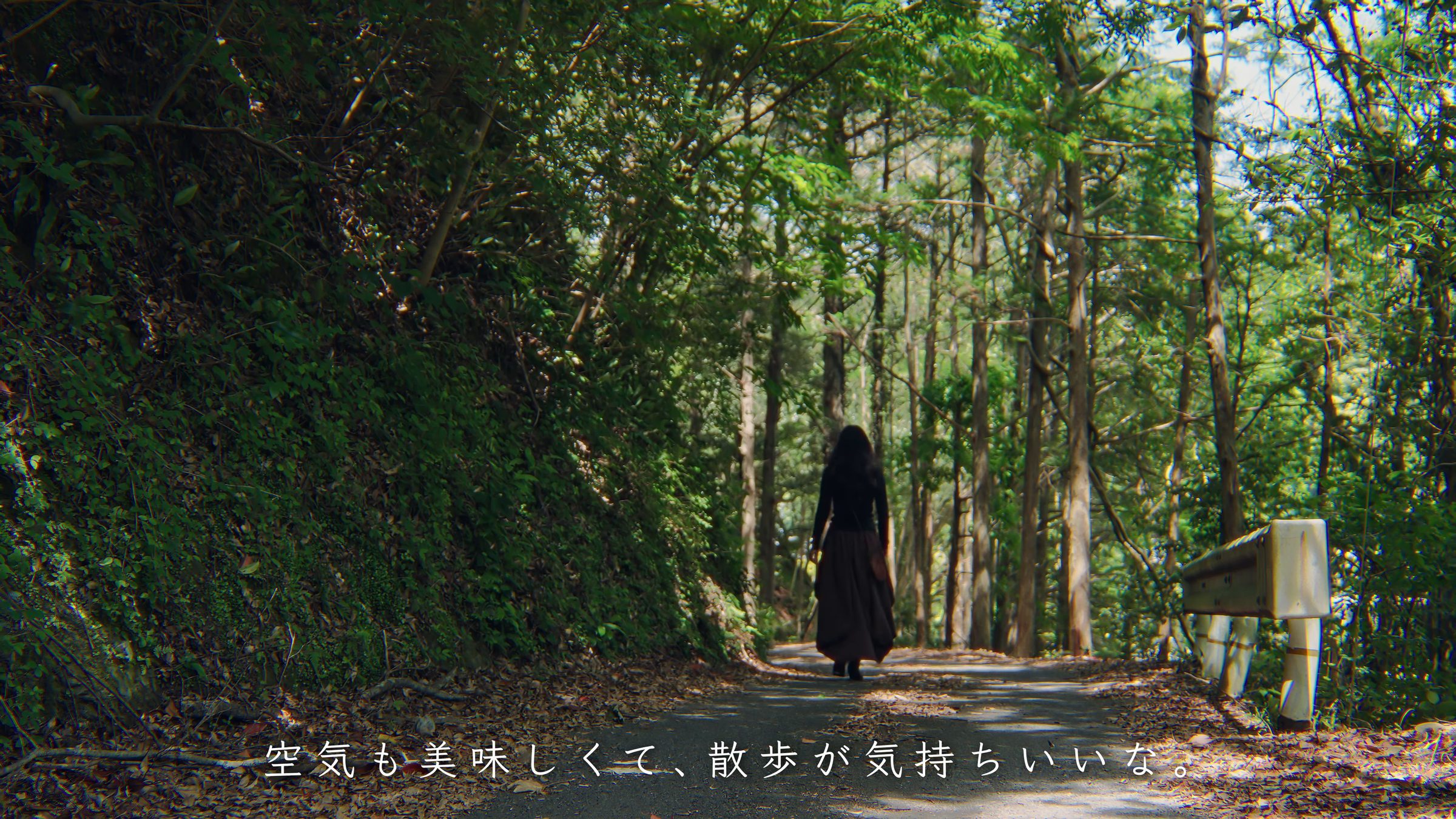
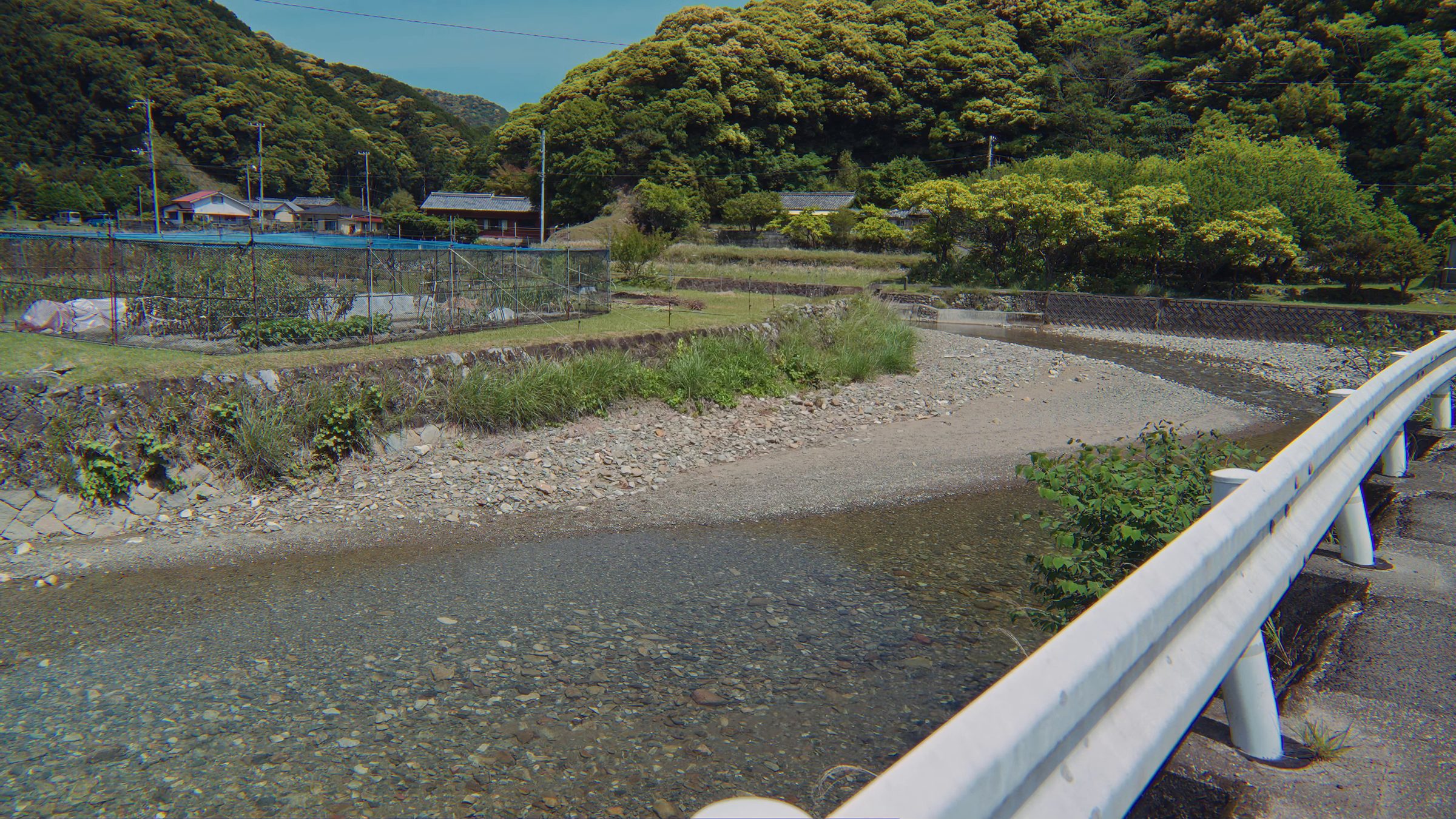
The air tastes good, and walking feels wonderful. I followed a road through a cedar grove and came out on a road along the river.
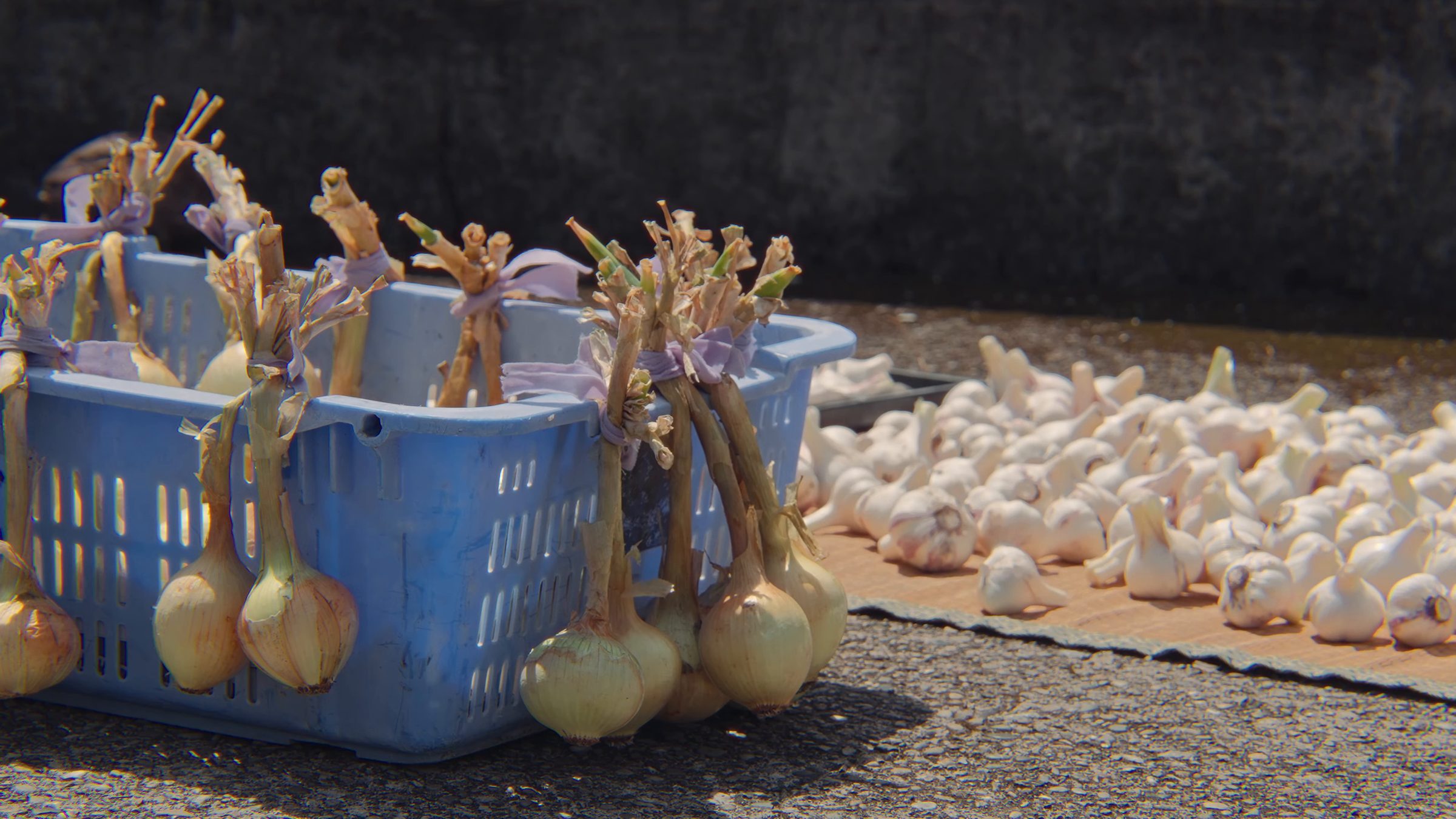
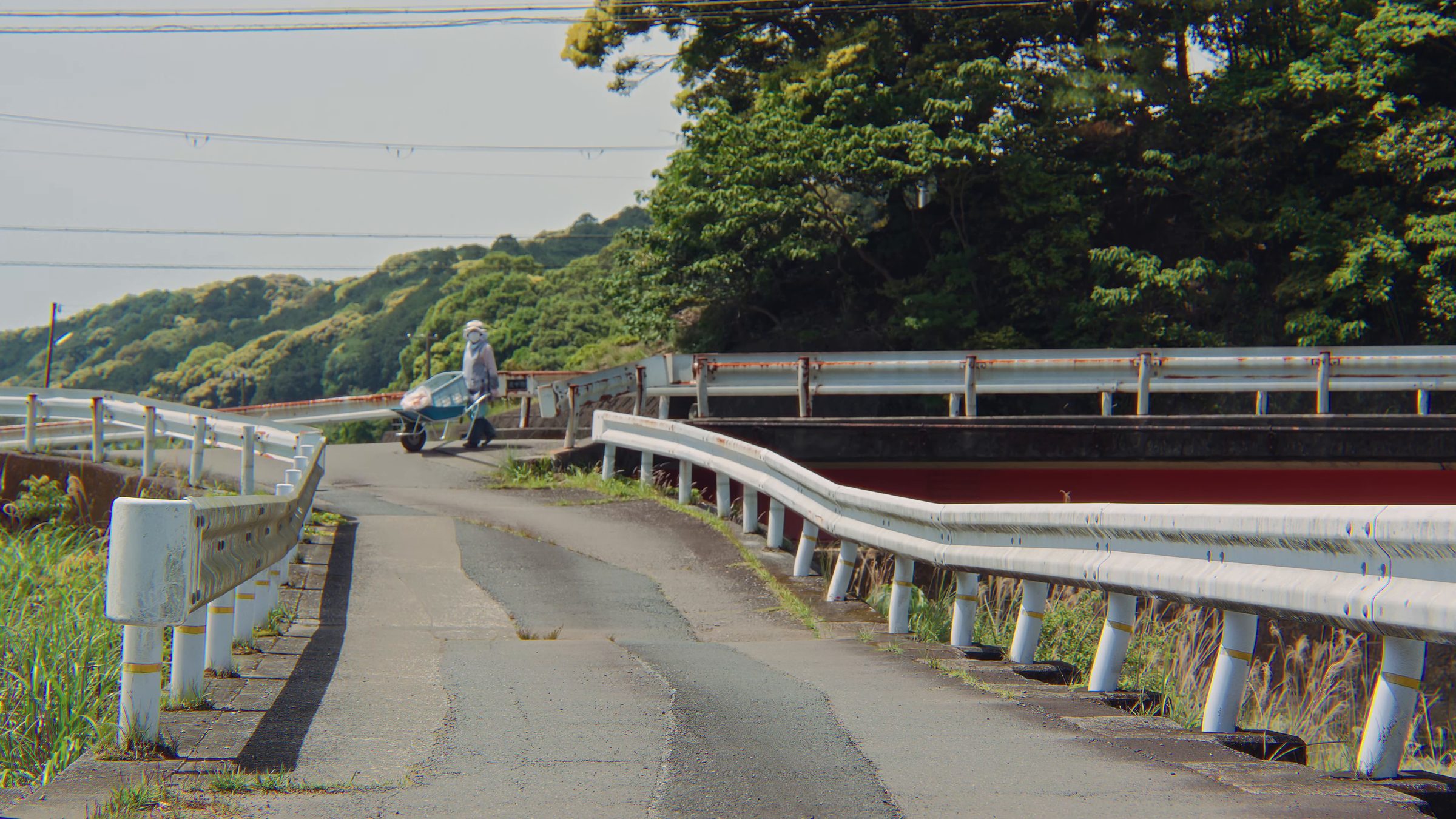
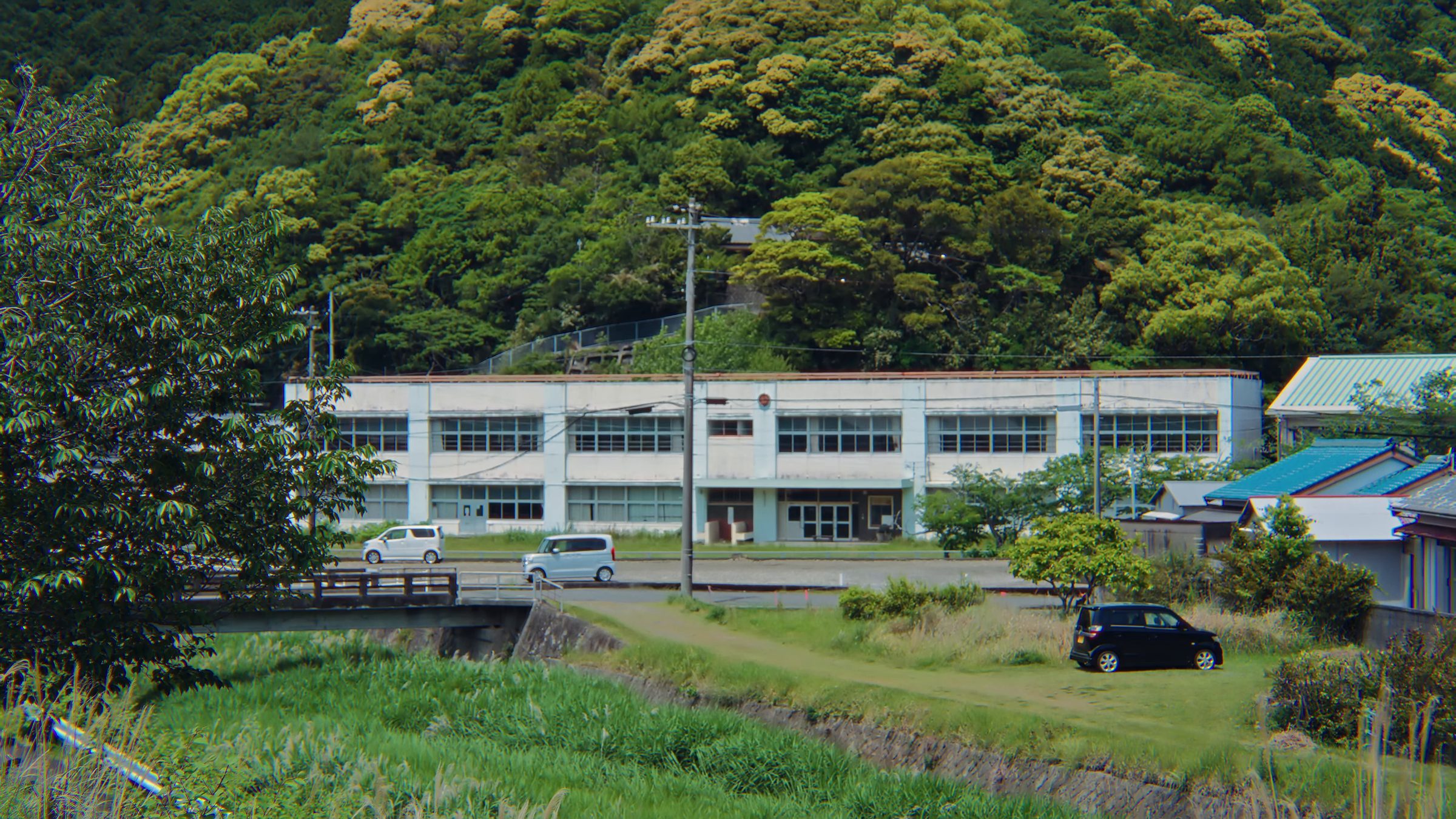
By the roadside, freshly harvested onions and garlic were drying in a blue crate. Across the bridge, a large white building came into view on the far bank.
Watch this scene on YouTube2:21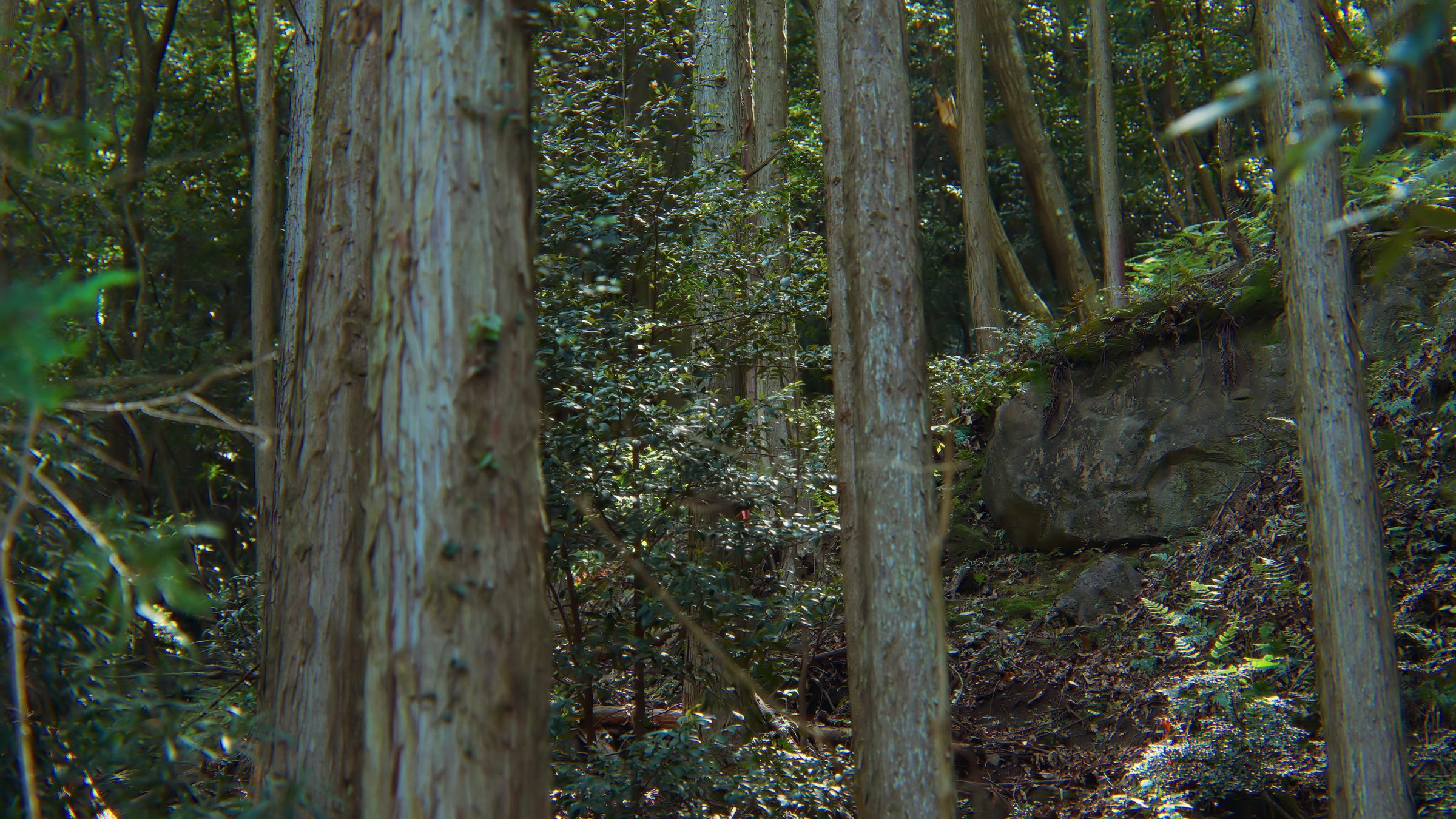
06TRAVEL JOURNAL
The little Tanami Theater
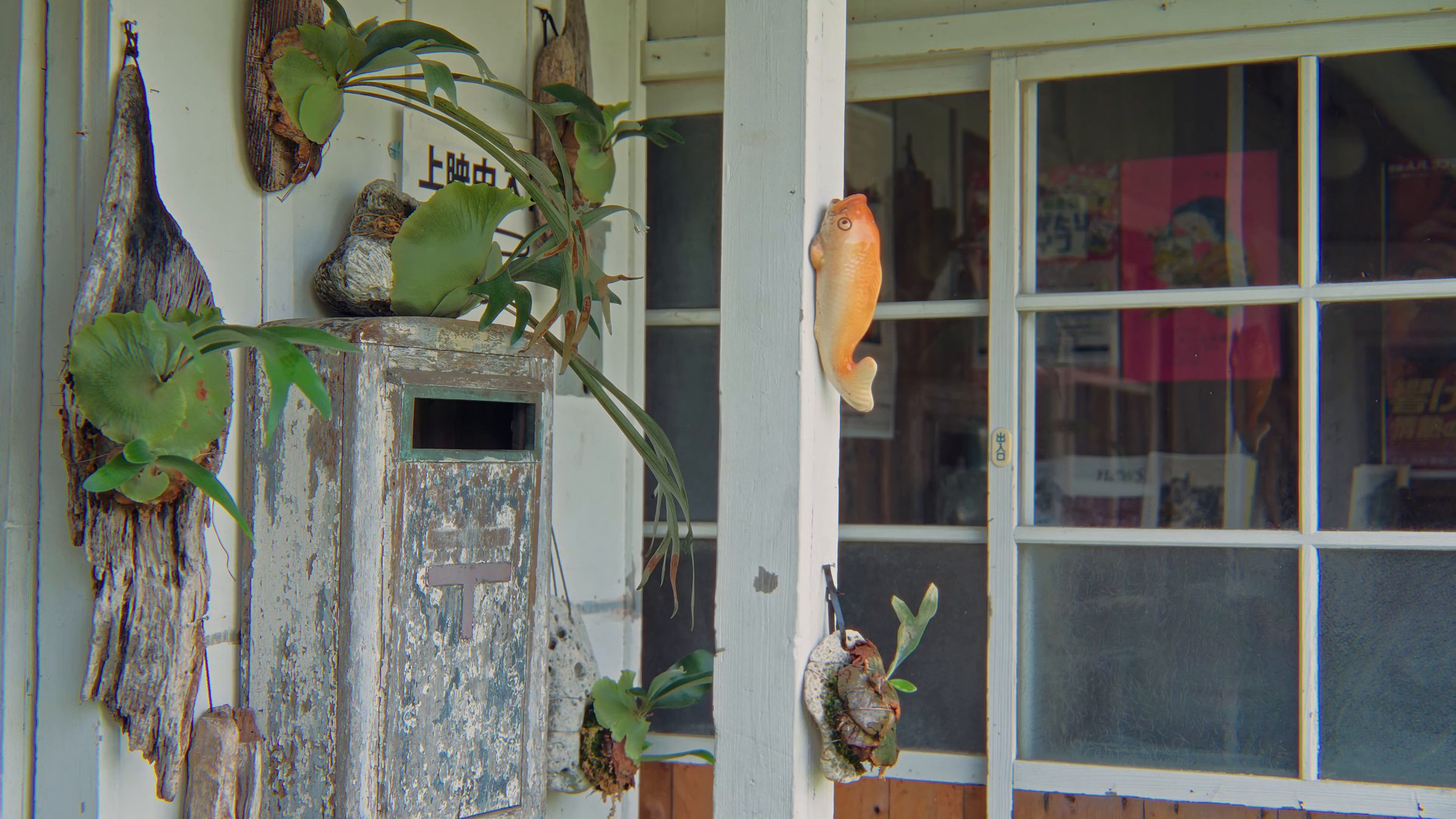
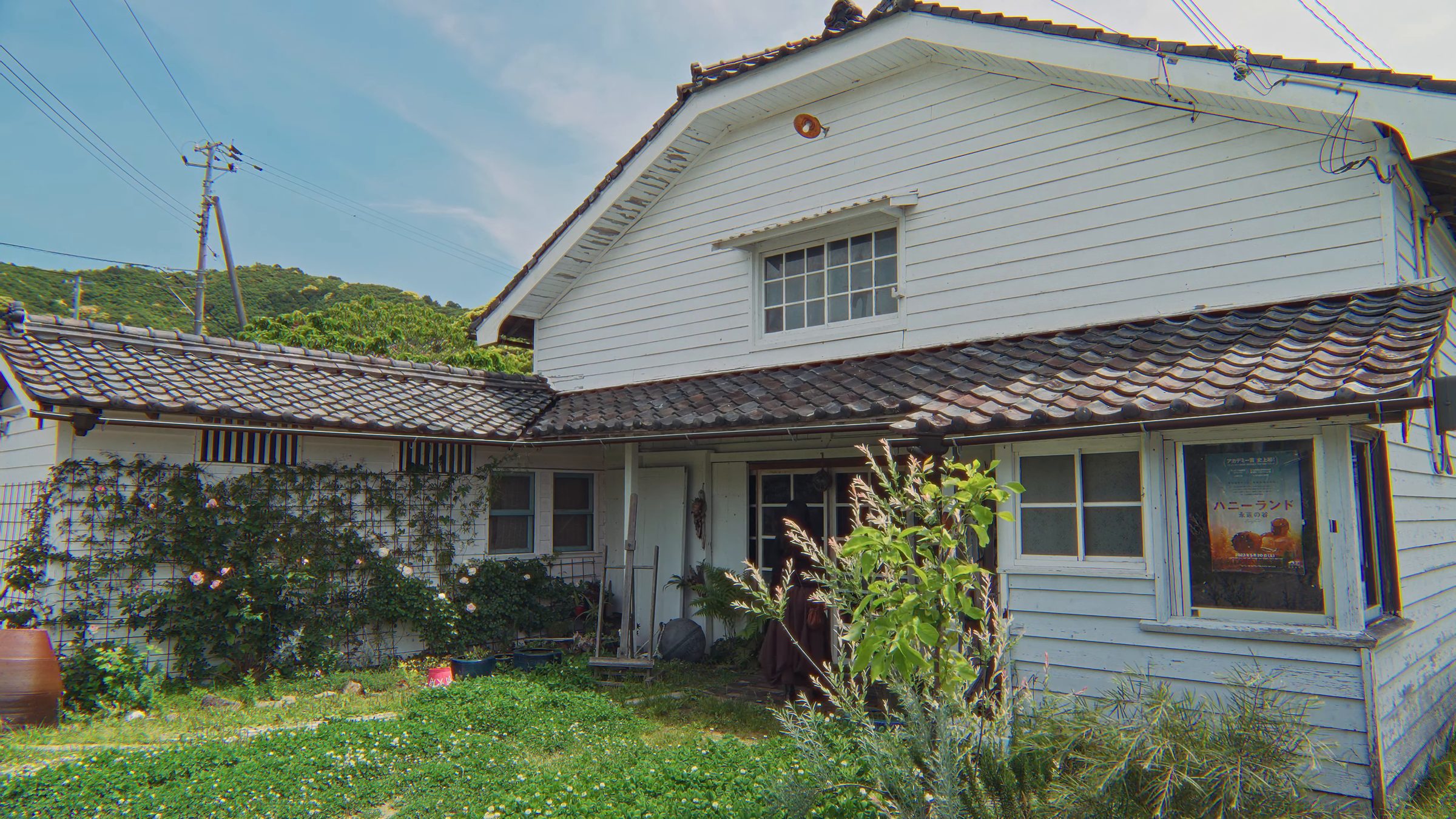
I walked to the Tanami Theater, a charming little place with a handmade feel. It is a white clapboard building, and an old post box and staghorn ferns decorate the entrance.
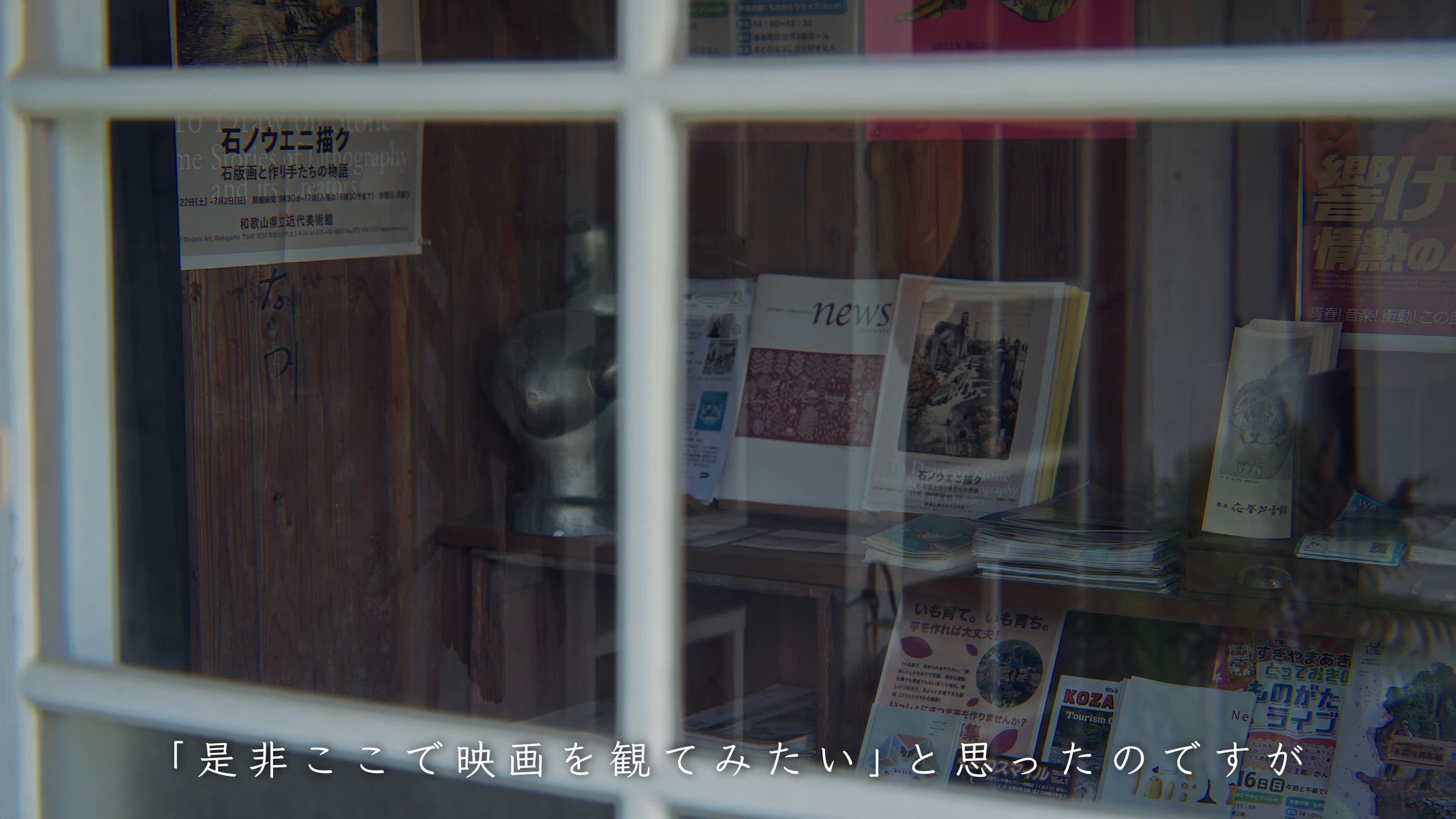
Built in 1950, it once bustled with traveling troupes and film screenings. After decades of neglect it had become a ruin, but from 2014 it was restored over four years and reopened in the summer of 2018 with a film screening. Today it hosts films, music and exhibitions. Through the window I could see posters and booklets from an art exhibition. I had hoped to watch a film here, but unfortunately it was closed that day. The movie will have to wait.
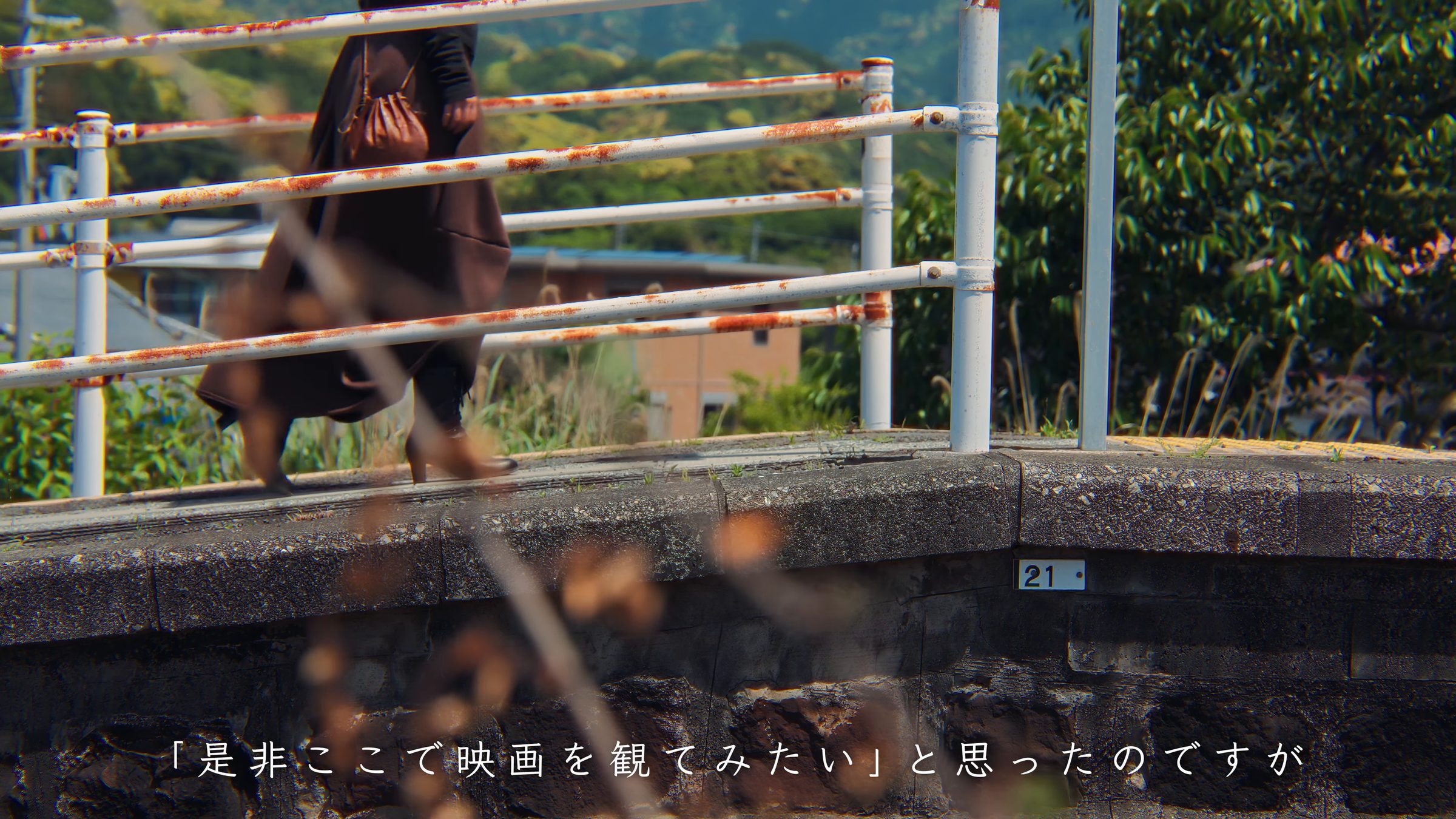
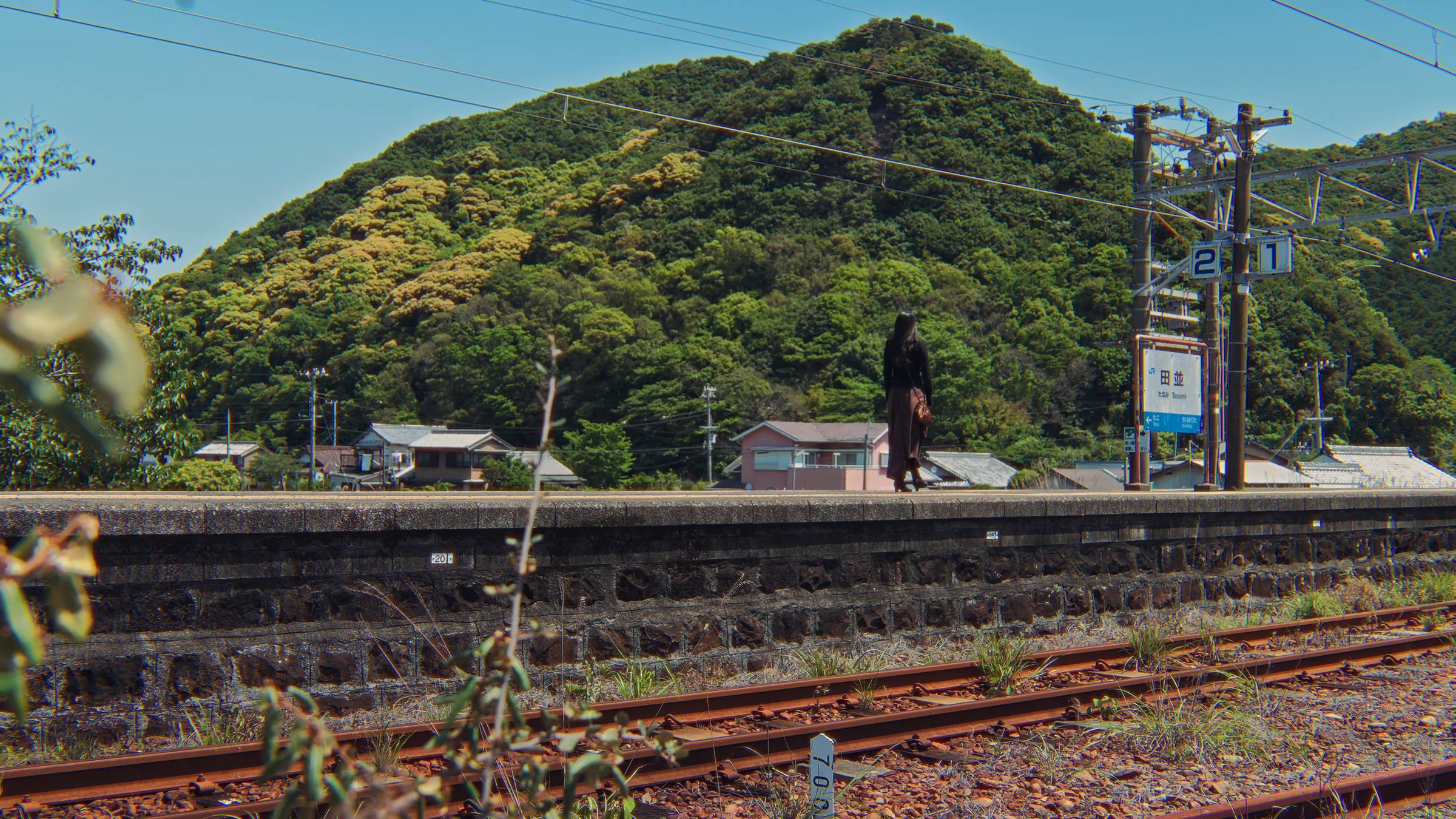
Right behind the theater is Tanami Station on the JR Kisei Line. Crossing a bridge with rusty railings, I could see the tracks and the platform.
Watch this scene on YouTube2:39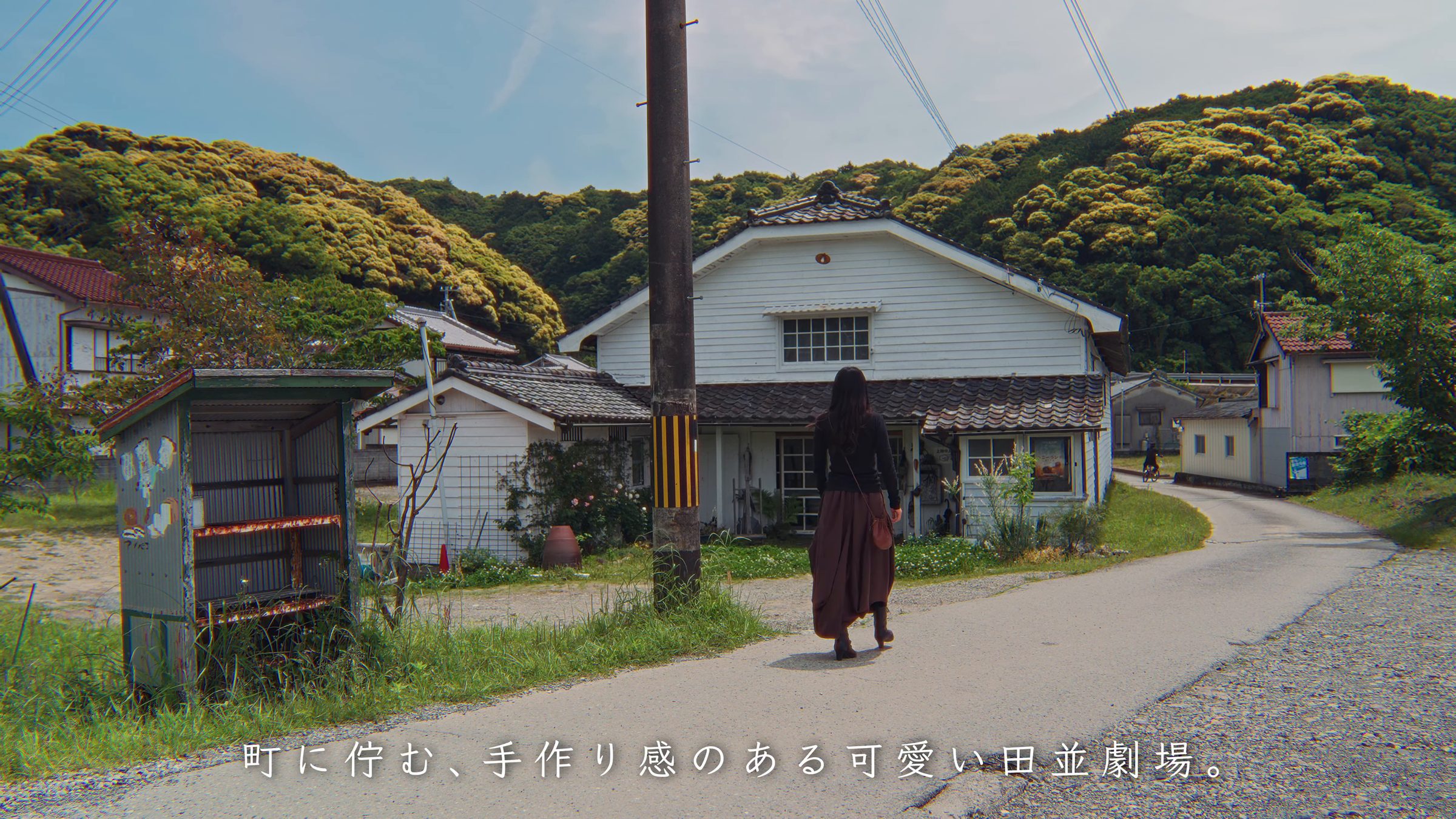
07TRAVEL JOURNAL
An aquarium of the world's northernmost coral sea
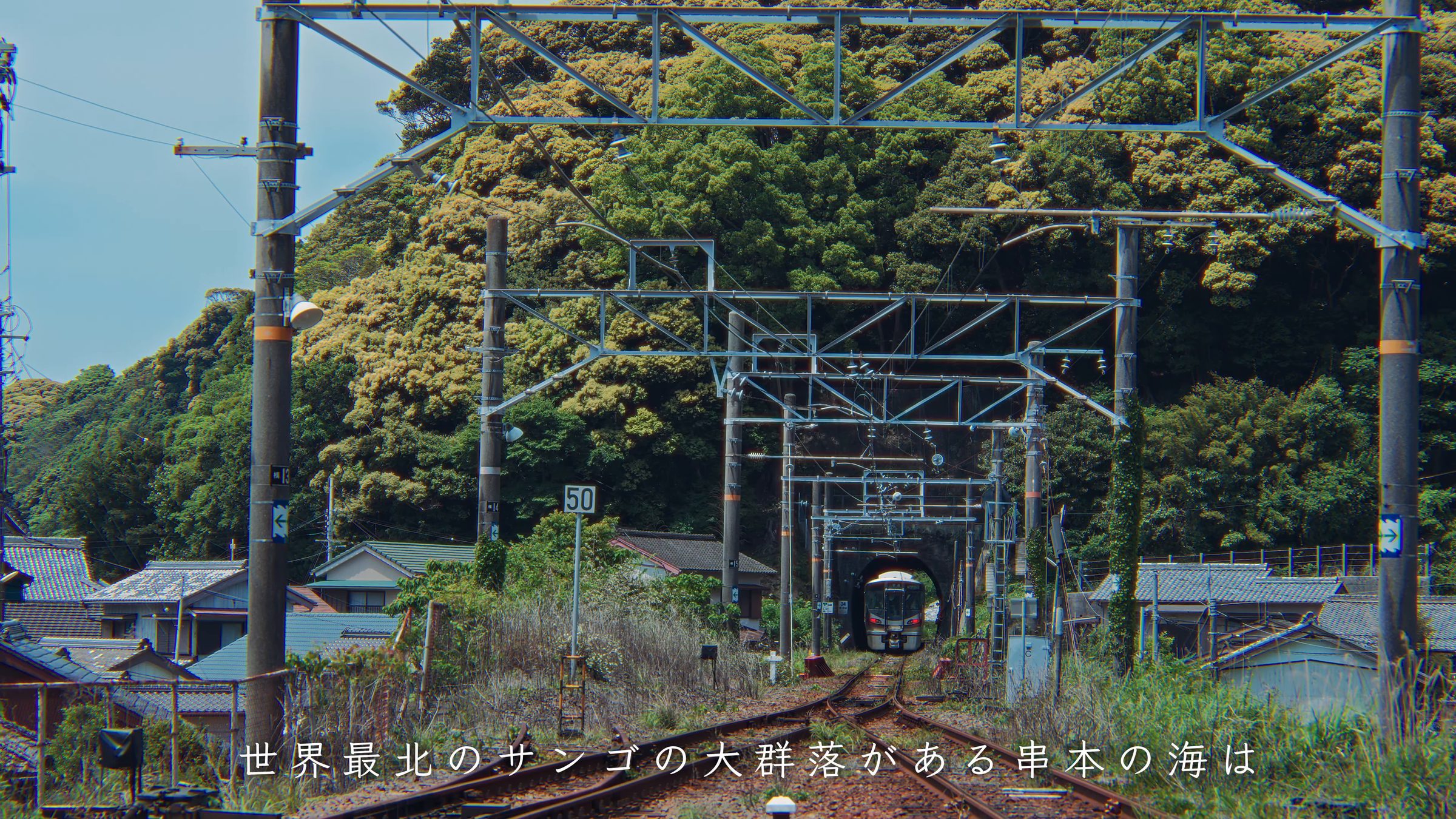
A train pulled into the platform at Tanami Station, green hills rising beyond the overhead wires. The sea of Kushimoto, where I was headed, is known for the world's northernmost large coral communities. Nourished by the Kuroshio Current, it is a beautiful sea where colorful tropical fish swim.
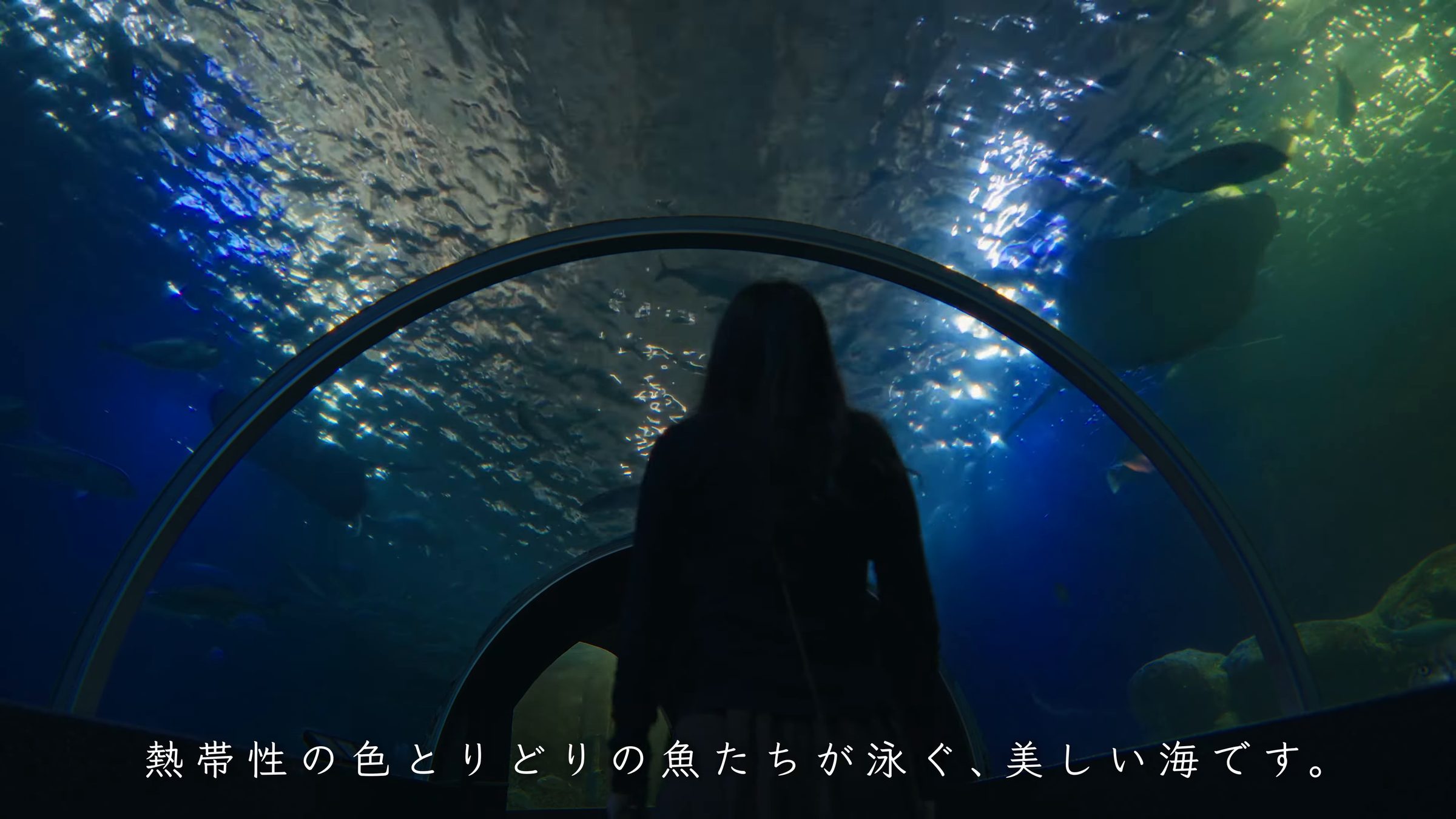
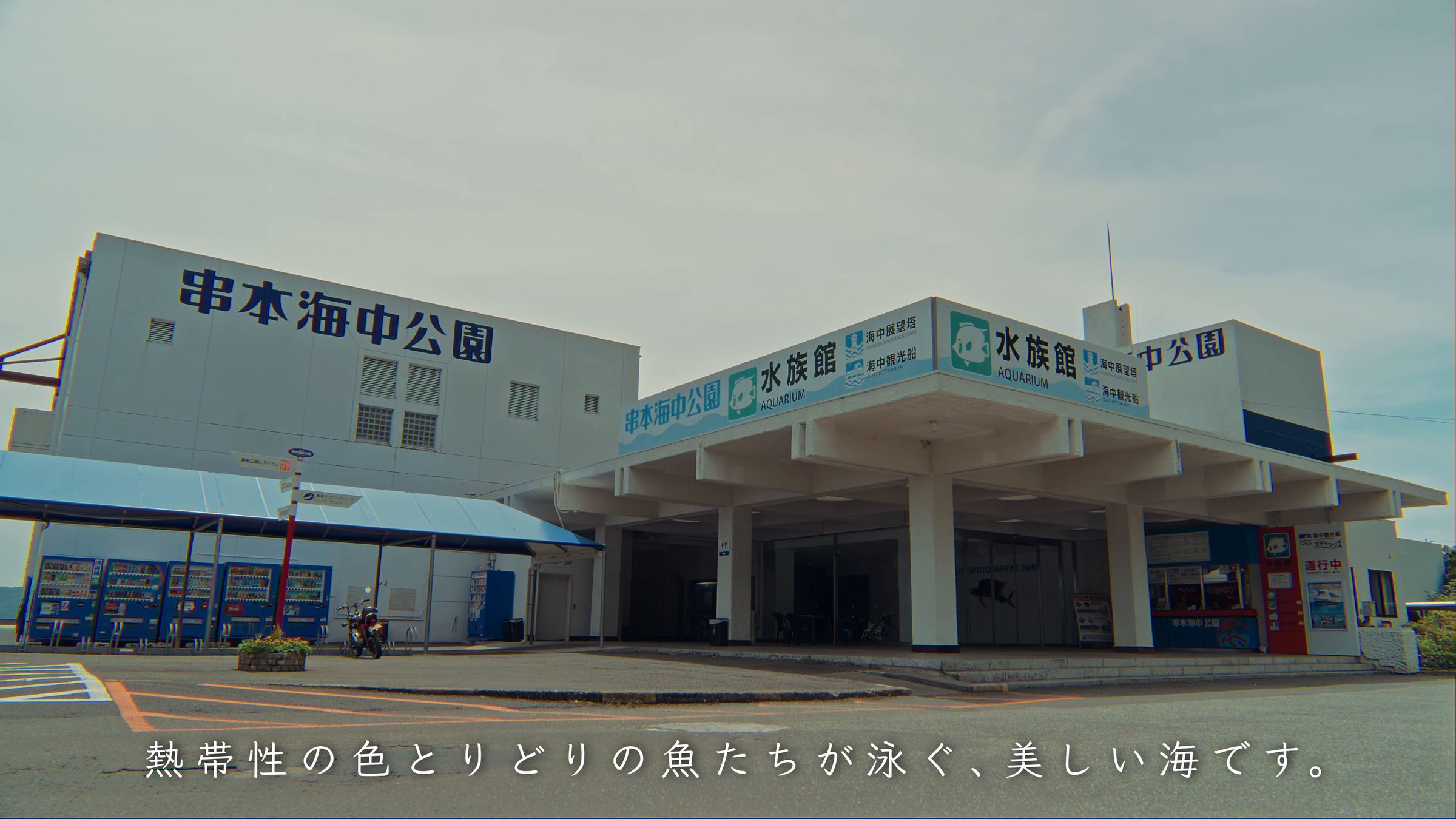
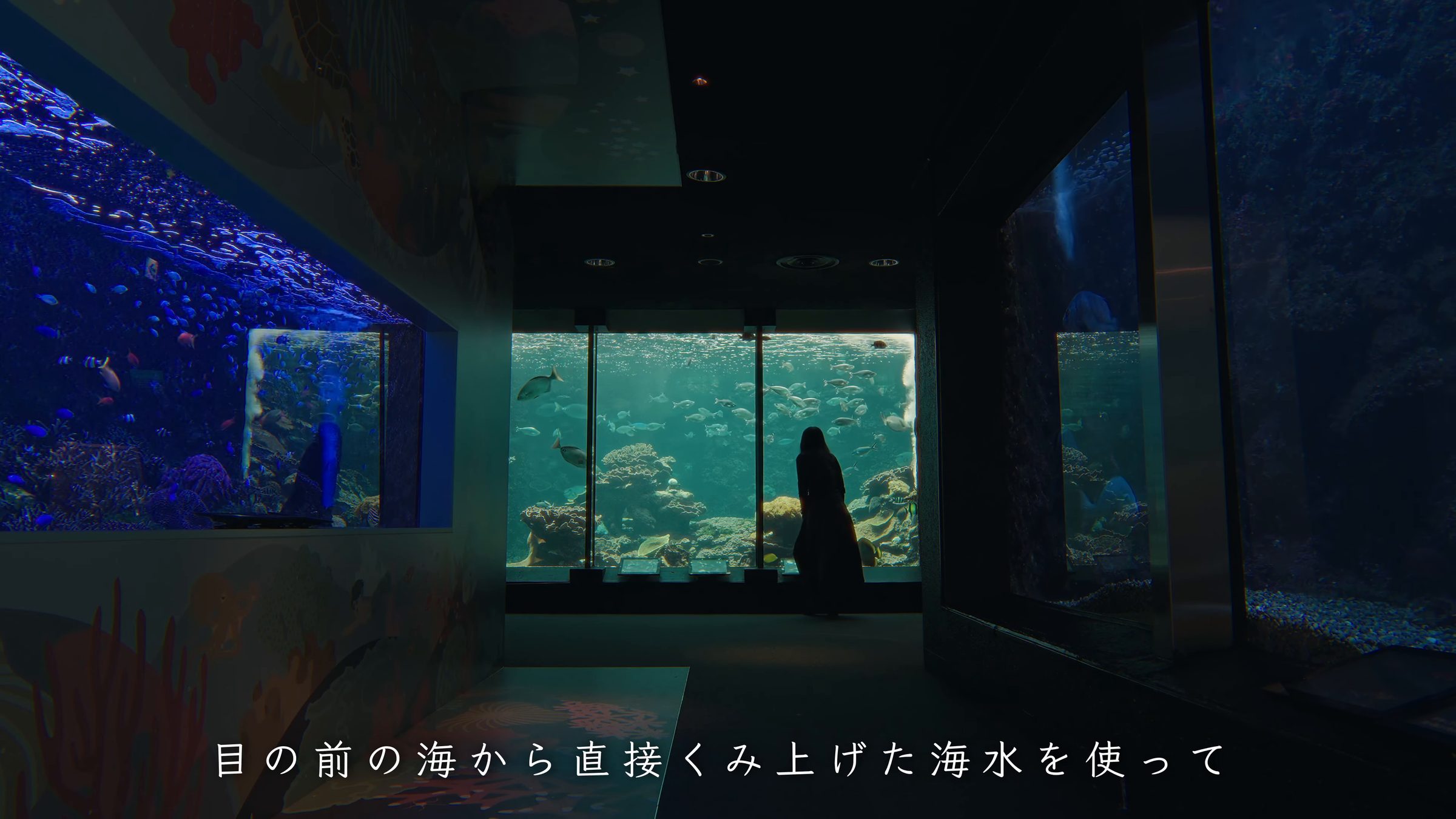
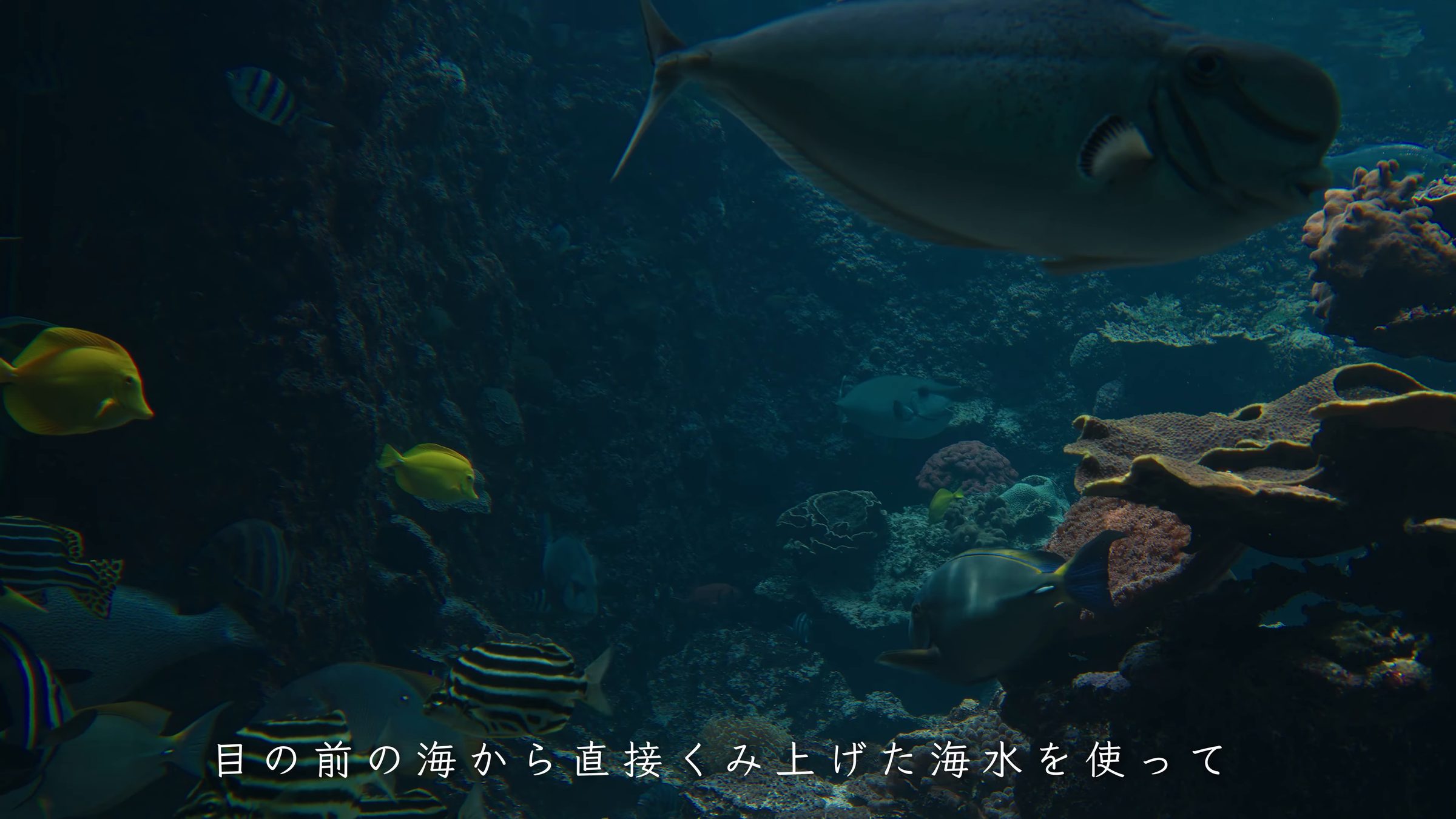
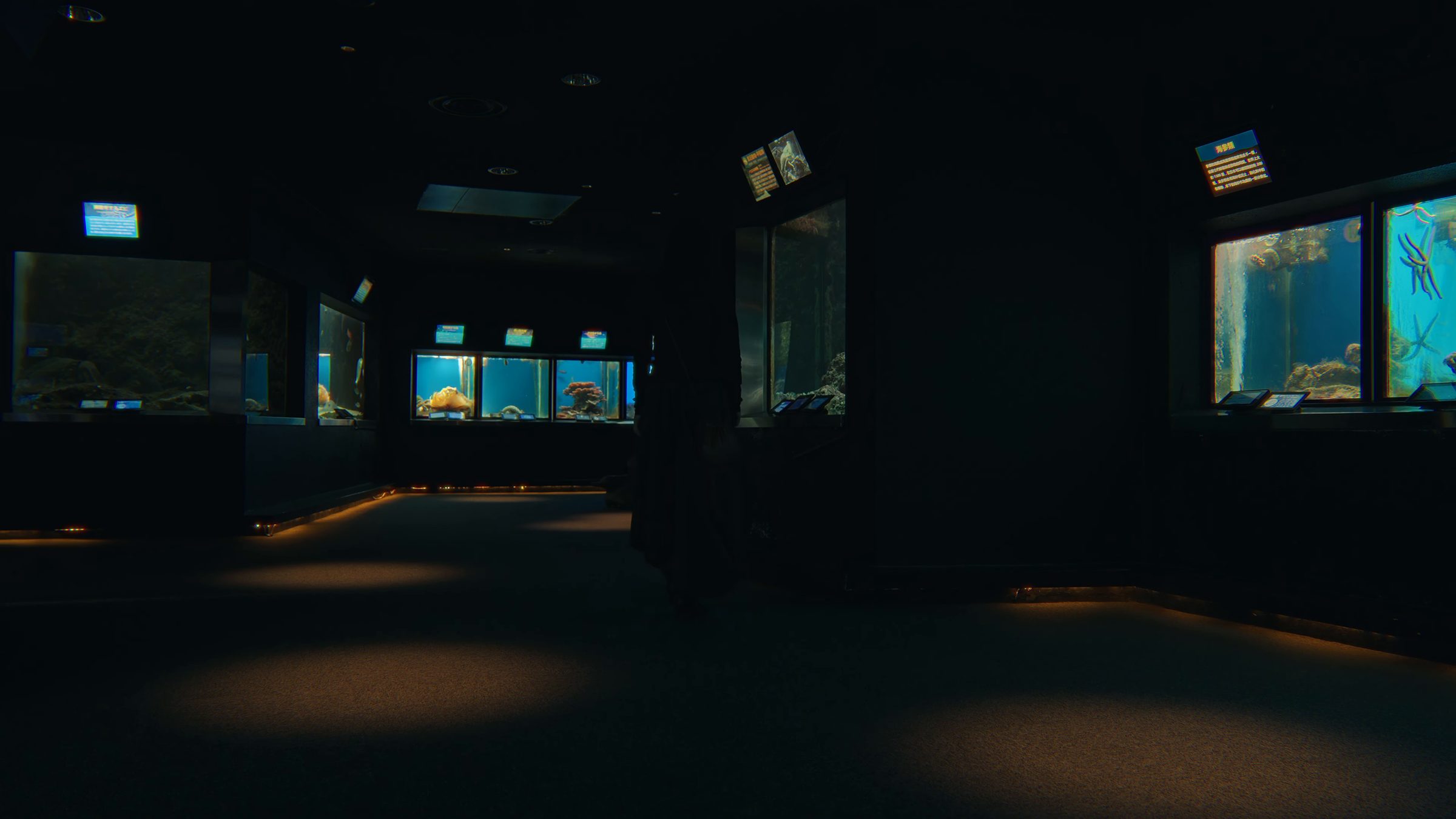
At the Kushimoto Marine Park aquarium, I stood beneath a tunnel tank while schools of fish crossed above my head. The tanks use seawater pumped straight from the sea in front of the building, and only creatures that live in Kushimoto's own waters are shown. It is an aquarium that reproduces the sea as it really is.
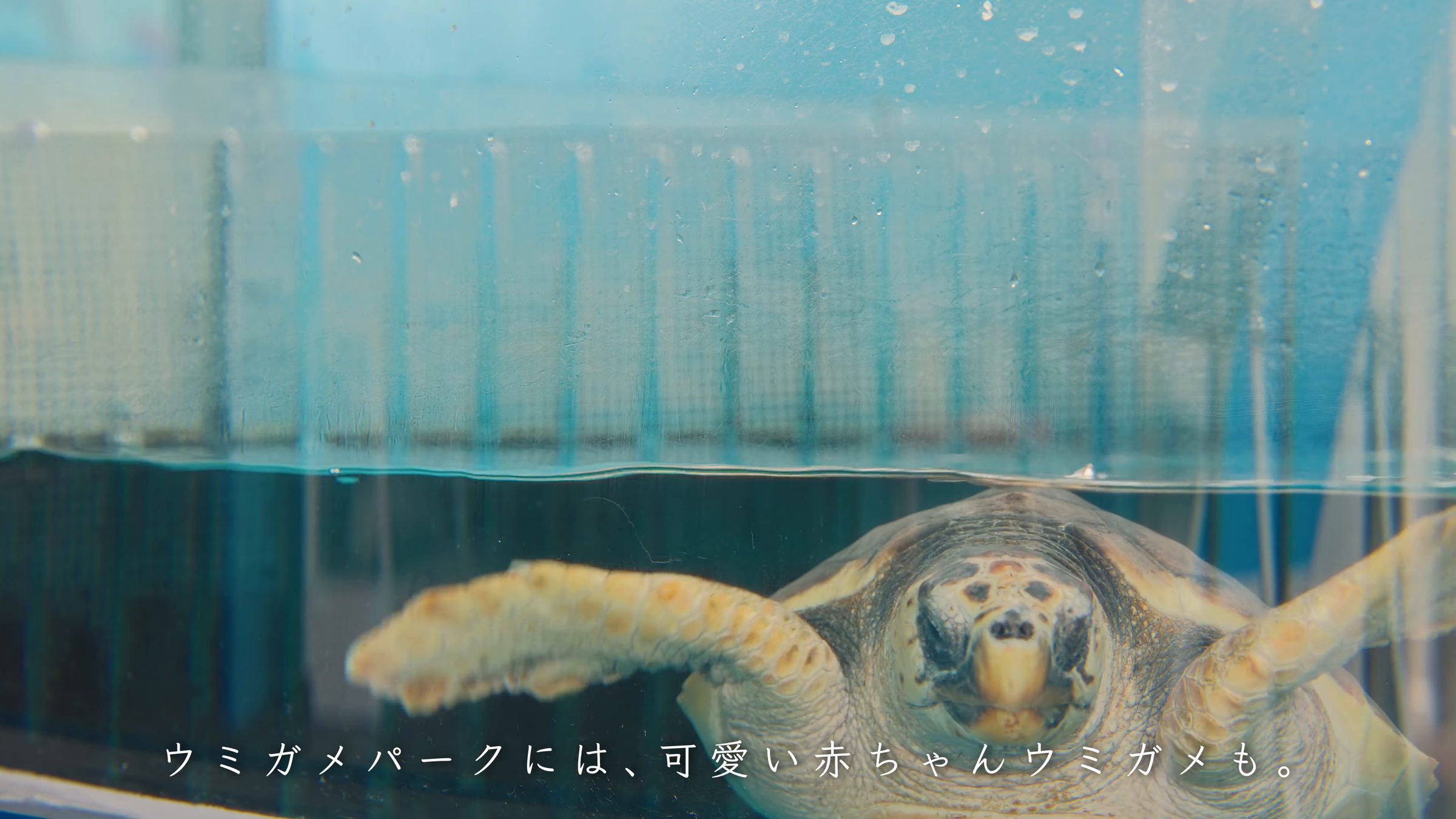
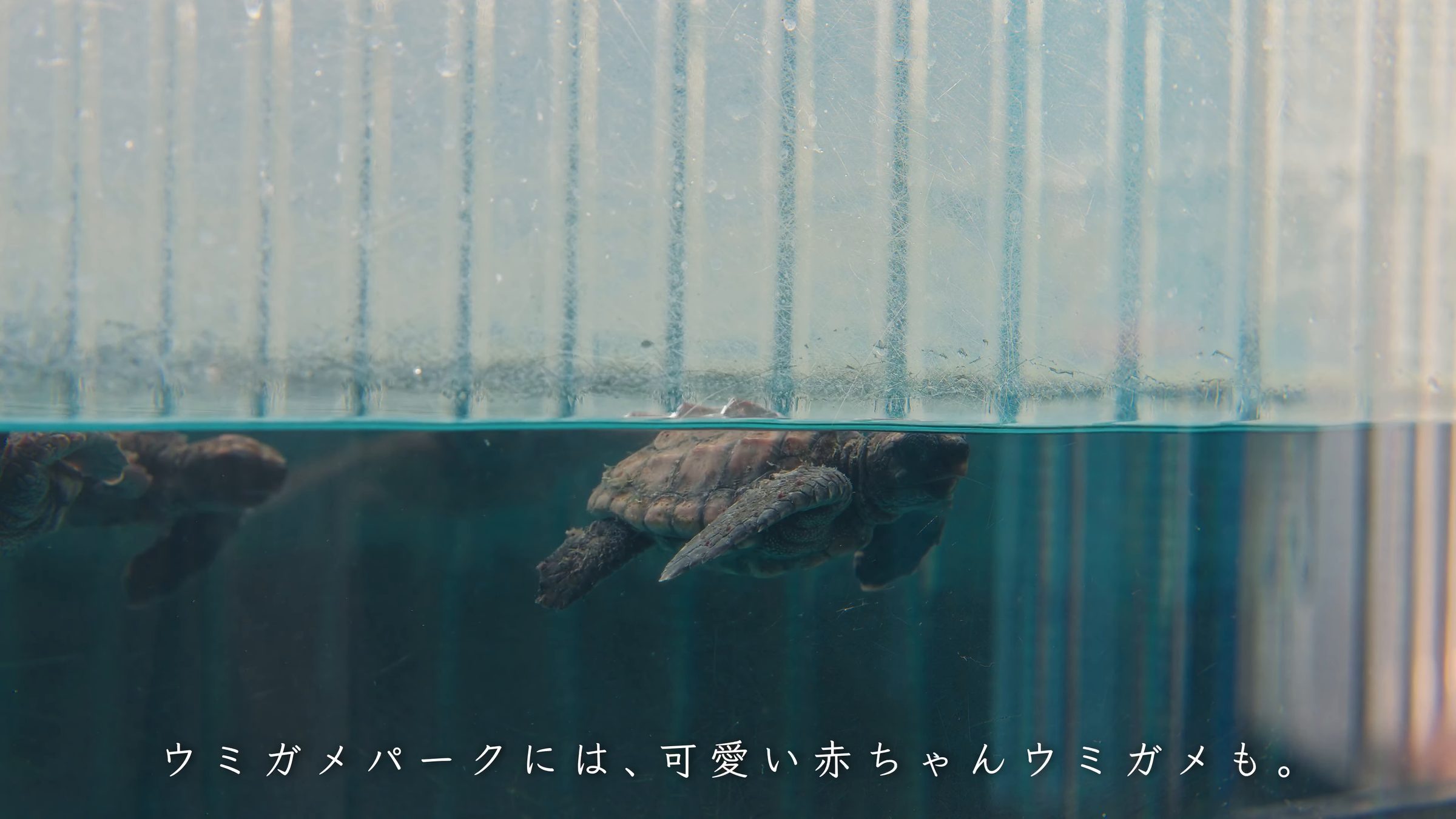
In the sea turtle park there were adorable baby turtles, too. A face peering up at me from just below the surface stopped me in my tracks.
Watch this scene on YouTube3:13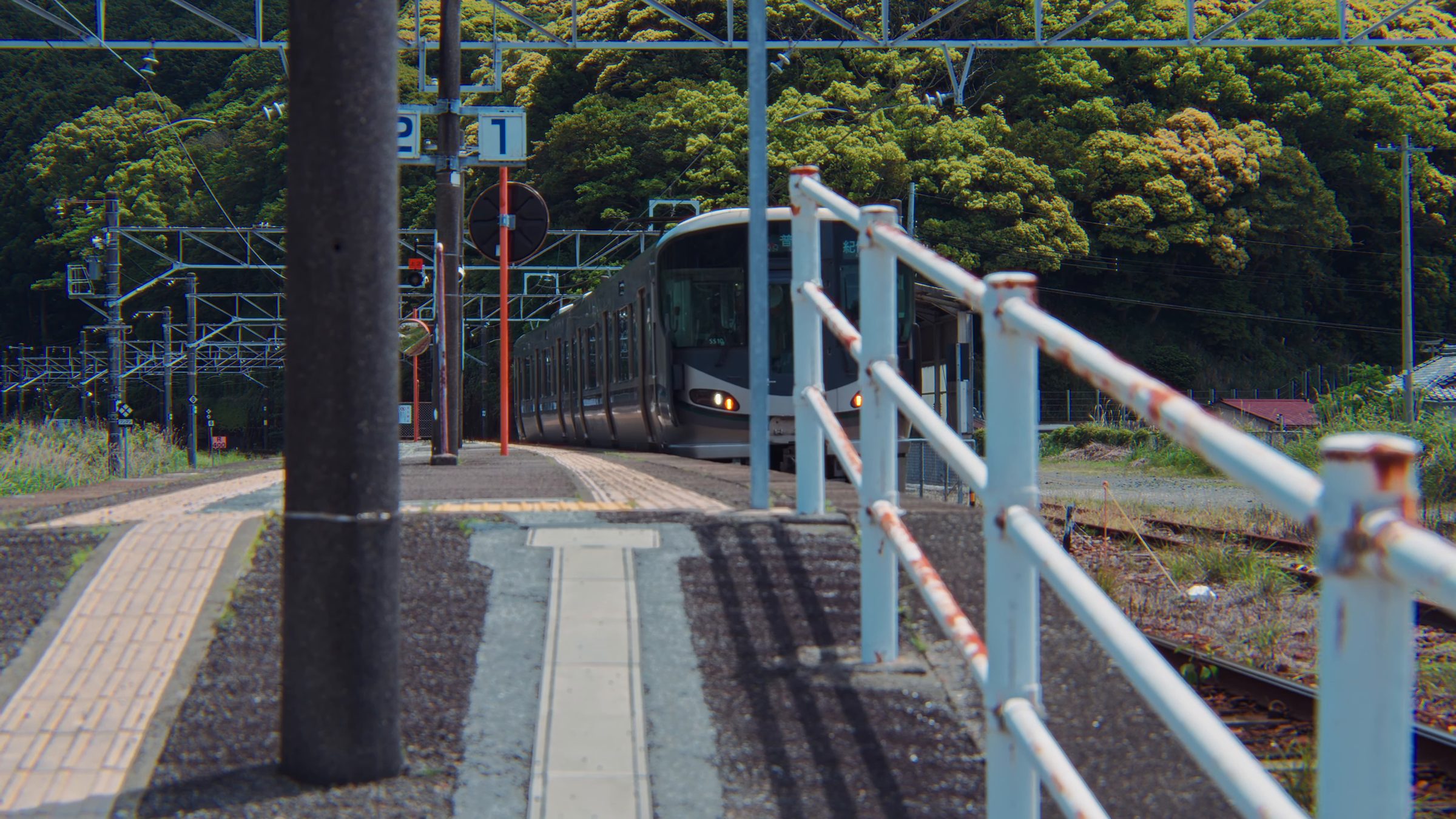
08TRAVEL JOURNAL
An underwater observatory like a submarine
At the end of a red bridge stands the underwater observatory, which looks just like a submarine. It was built 140 meters offshore, on the seabed at a depth of 6.3 meters.
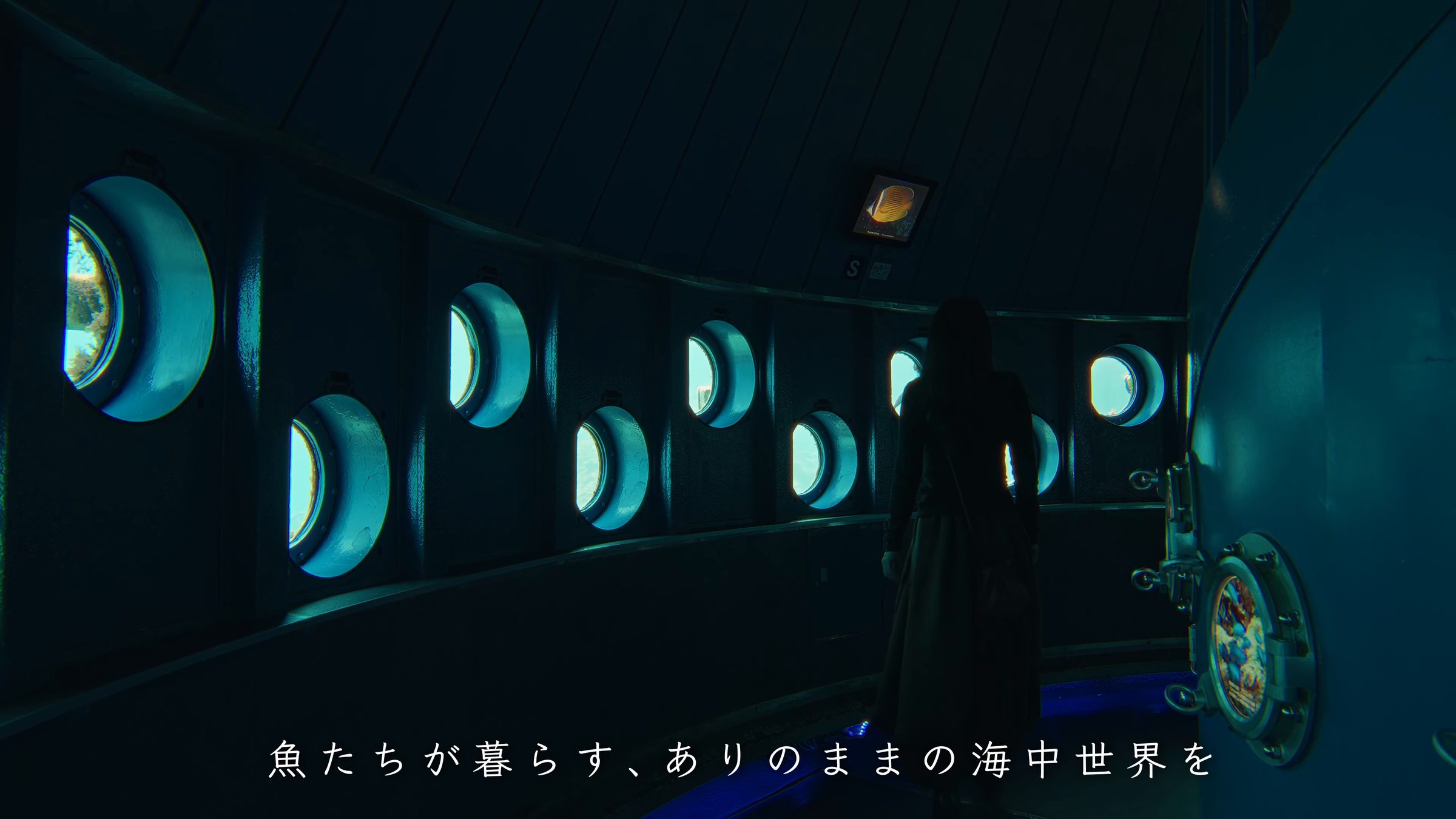
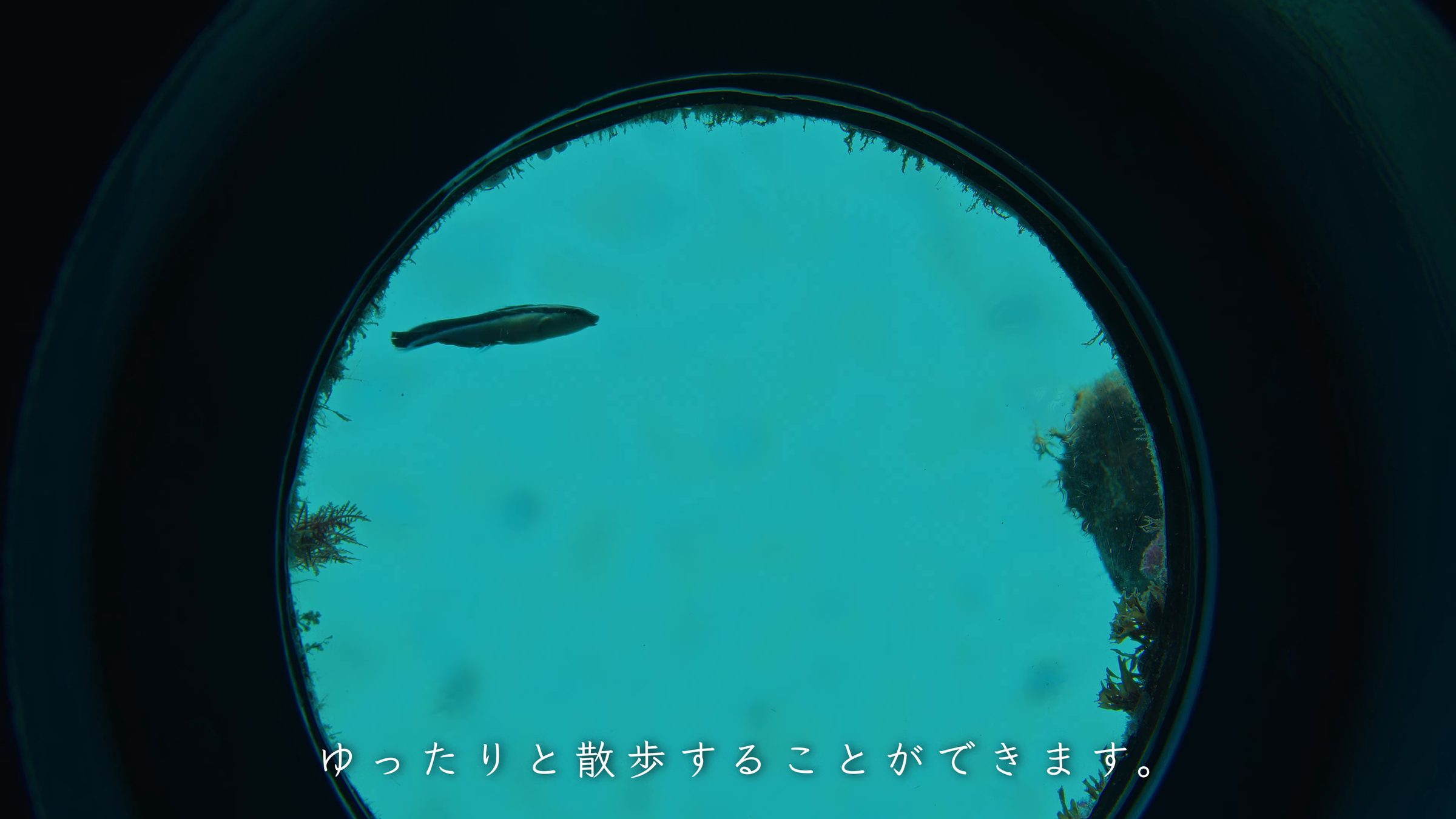
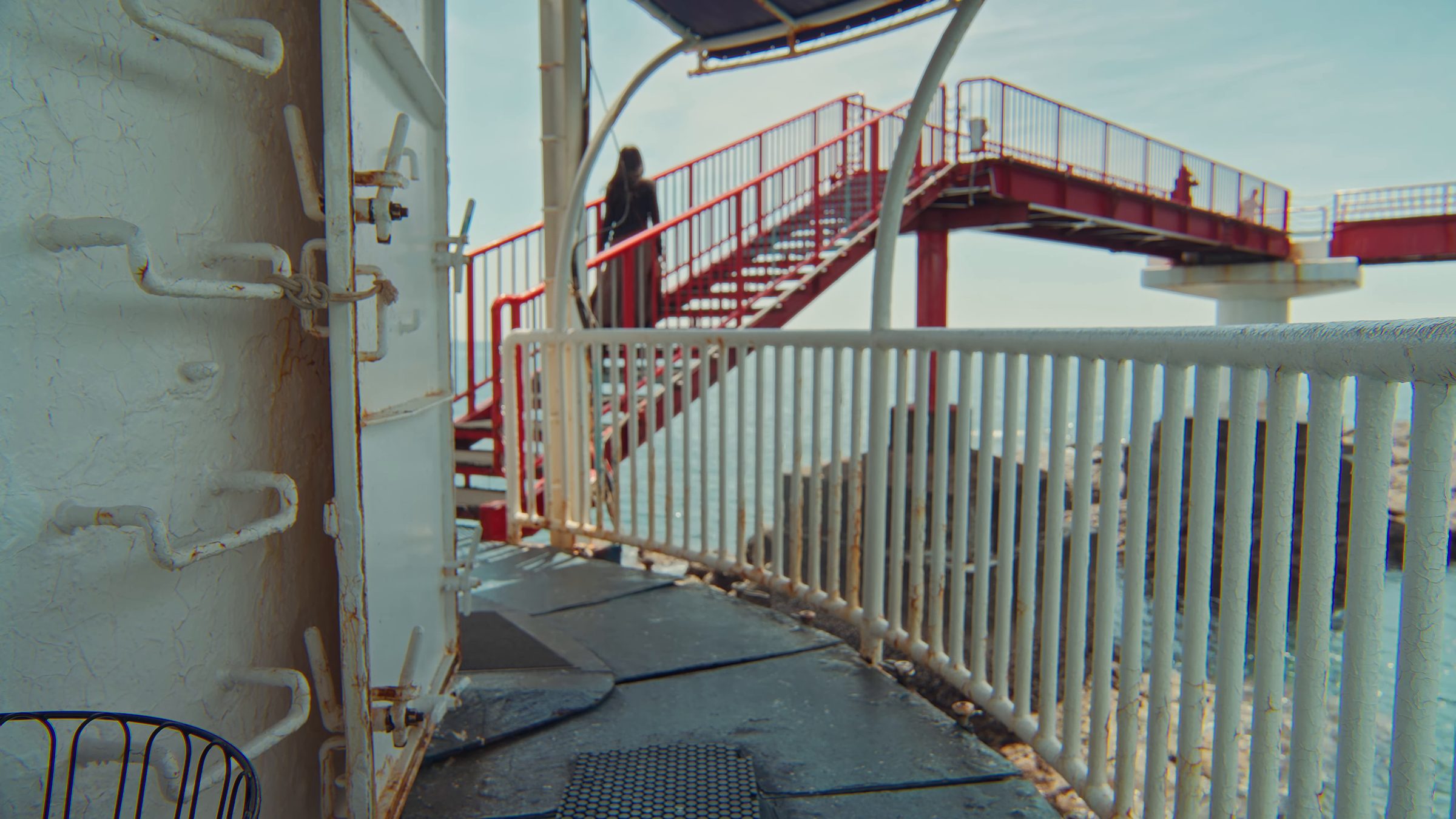
Down the spiral stairs, round windows line the wall. Beyond them is the real underwater world where the fish live. I strolled from window to window at my own pace. Back on the surface, looking down at the water, I wondered if that was the spot I had just been peering into.
Watch this scene on YouTube3:59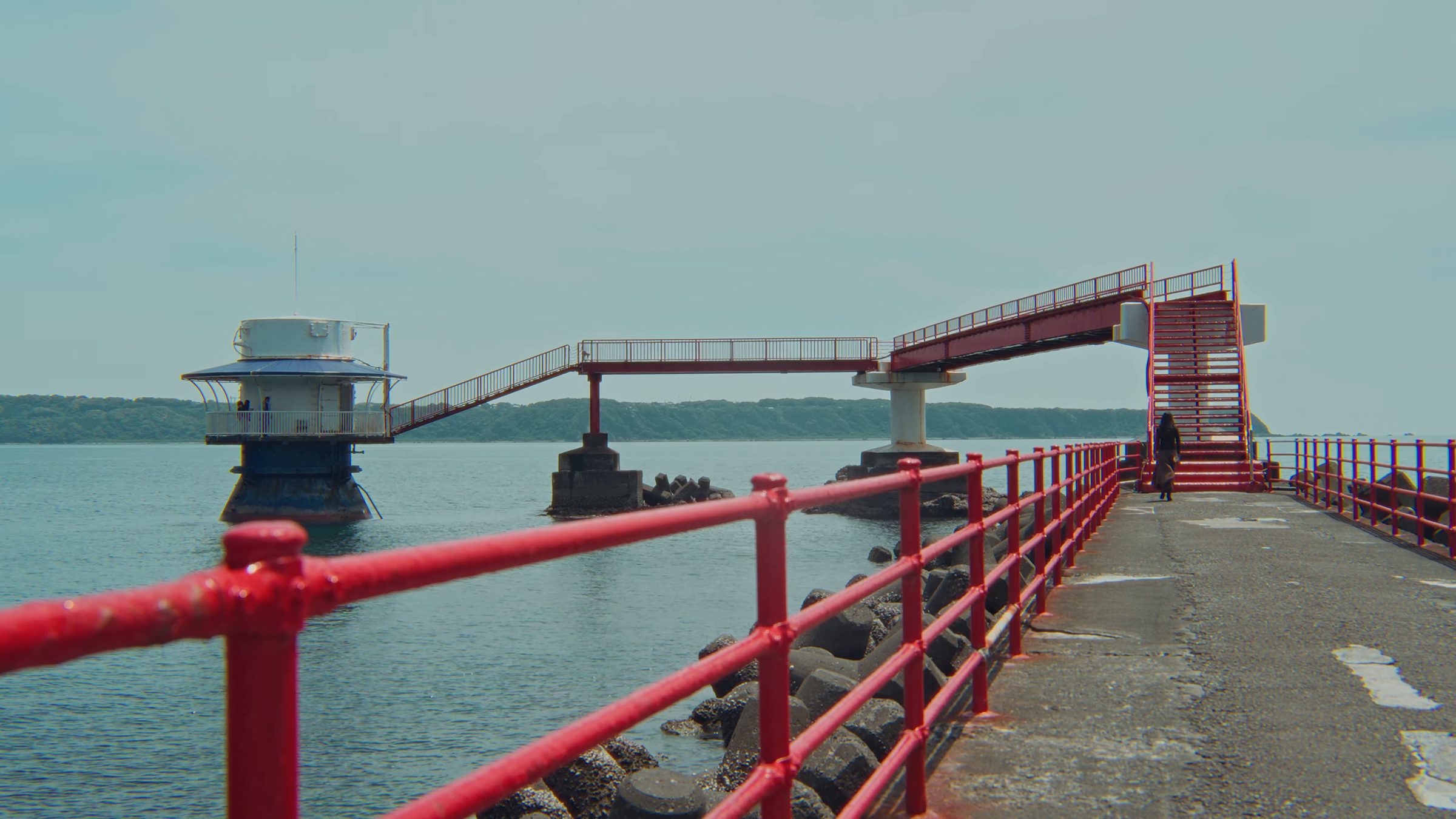
09TRAVEL JOURNAL
Setouchi lemon cake with a view of the sea
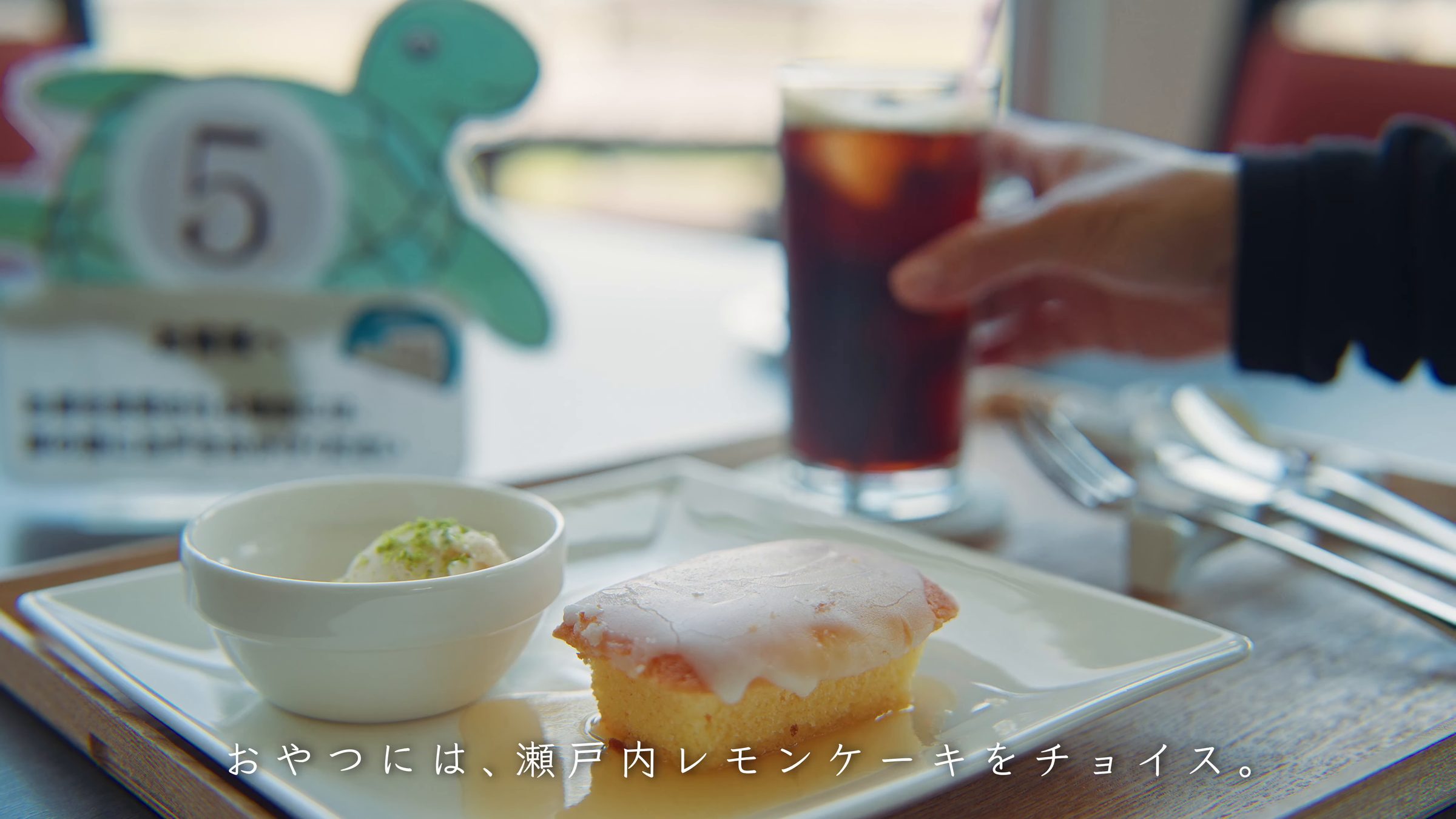
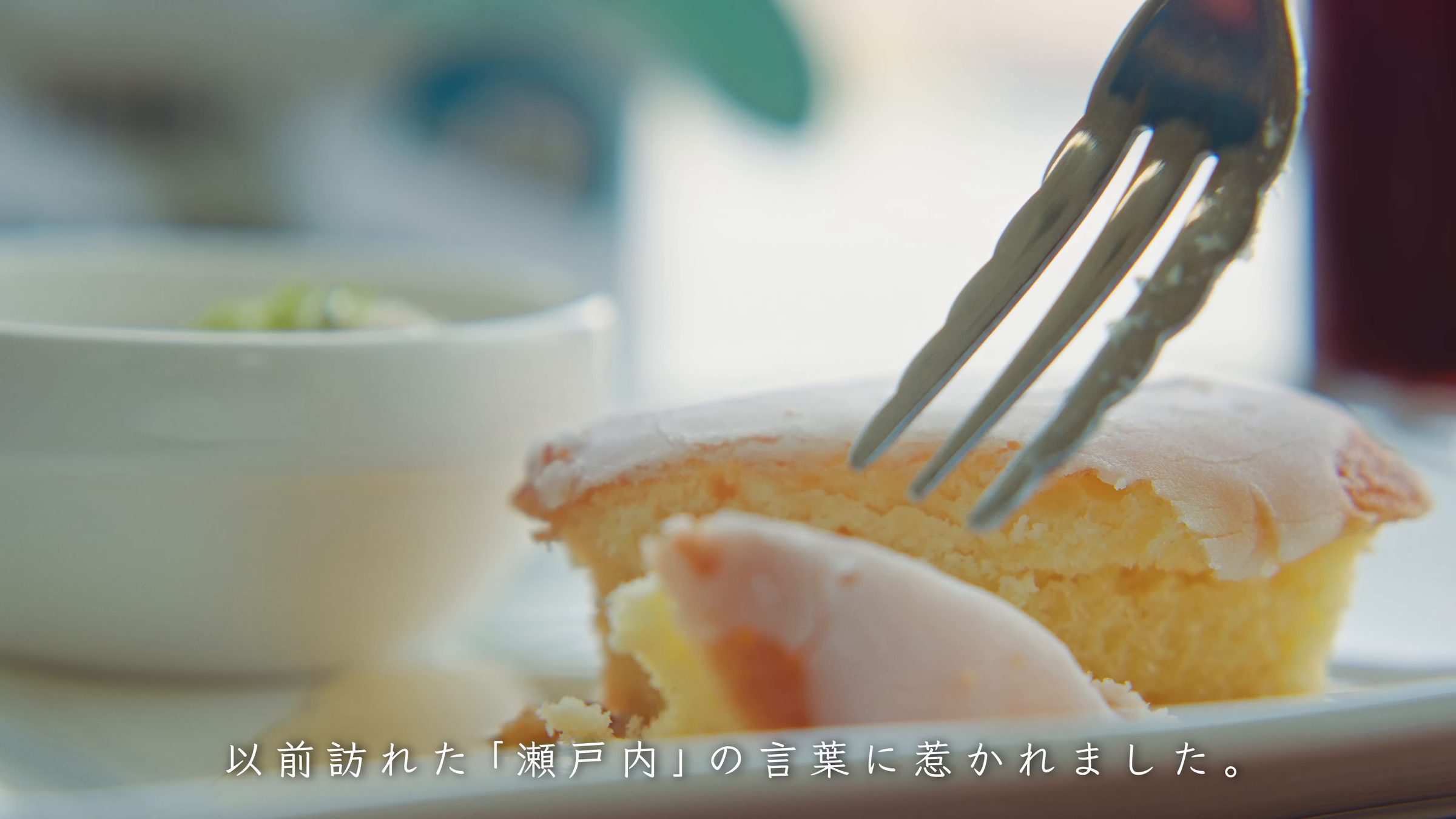
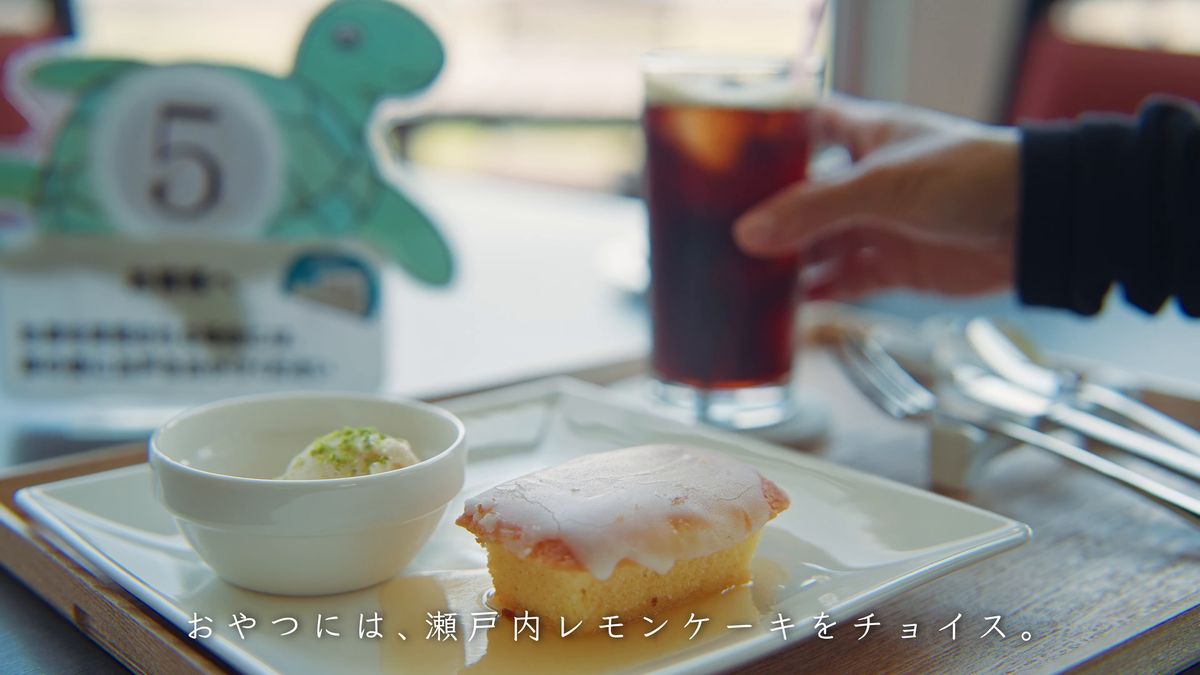
I took a break at the restaurant in the marine park. For a snack I chose the Setouchi lemon cake: moist lemon sponge under a white sugar glaze, served with ice cream and an iced coffee.
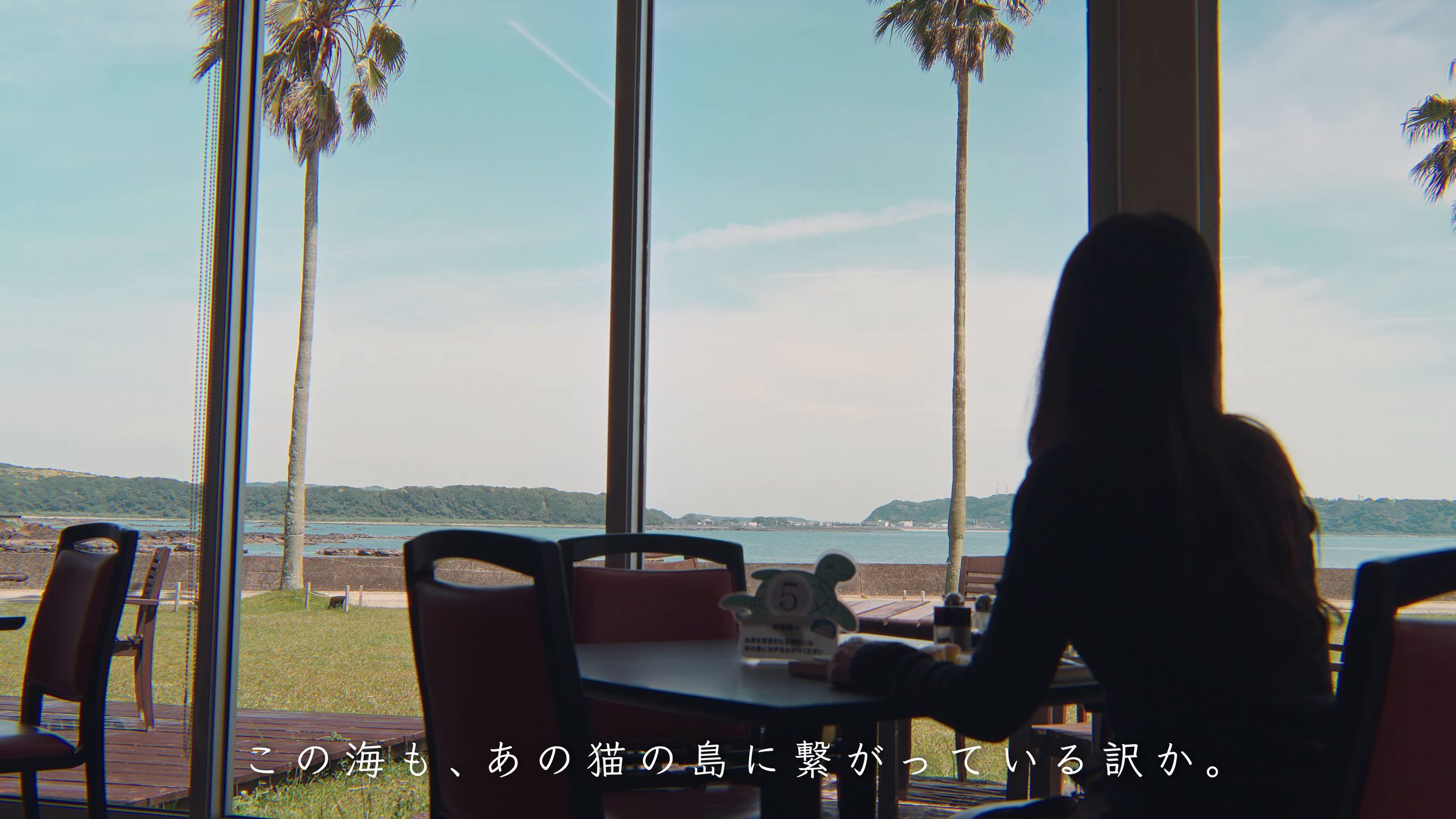
It was the word "Setouchi" that drew me, a place I had visited before. Beyond the palm trees outside the window lay the Pacific. So this sea, too, connects to that island of cats.
Watch this scene on YouTube4:42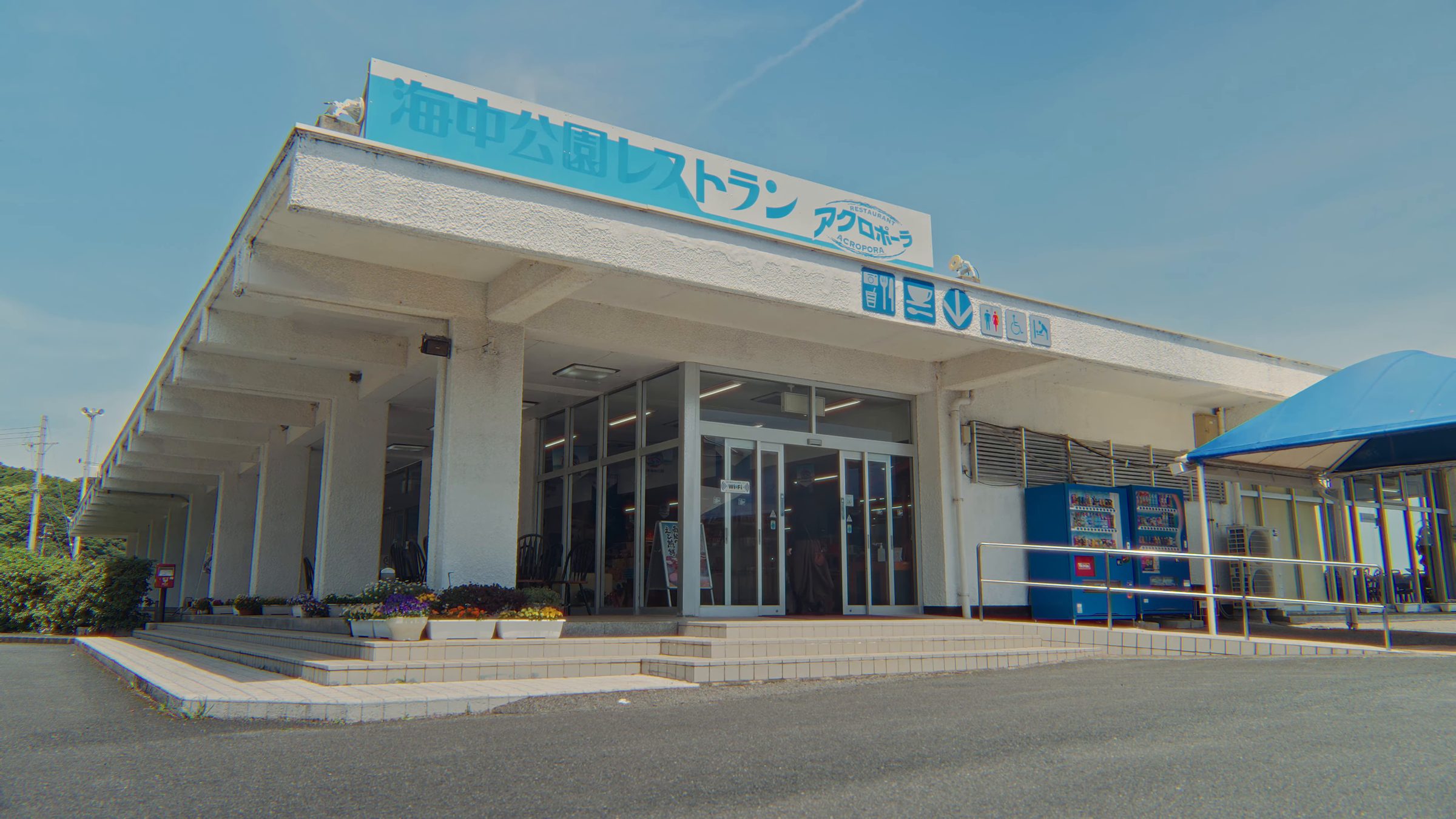
10TRAVEL JOURNAL
The southern tip of Honshu, and a bond with Turkey
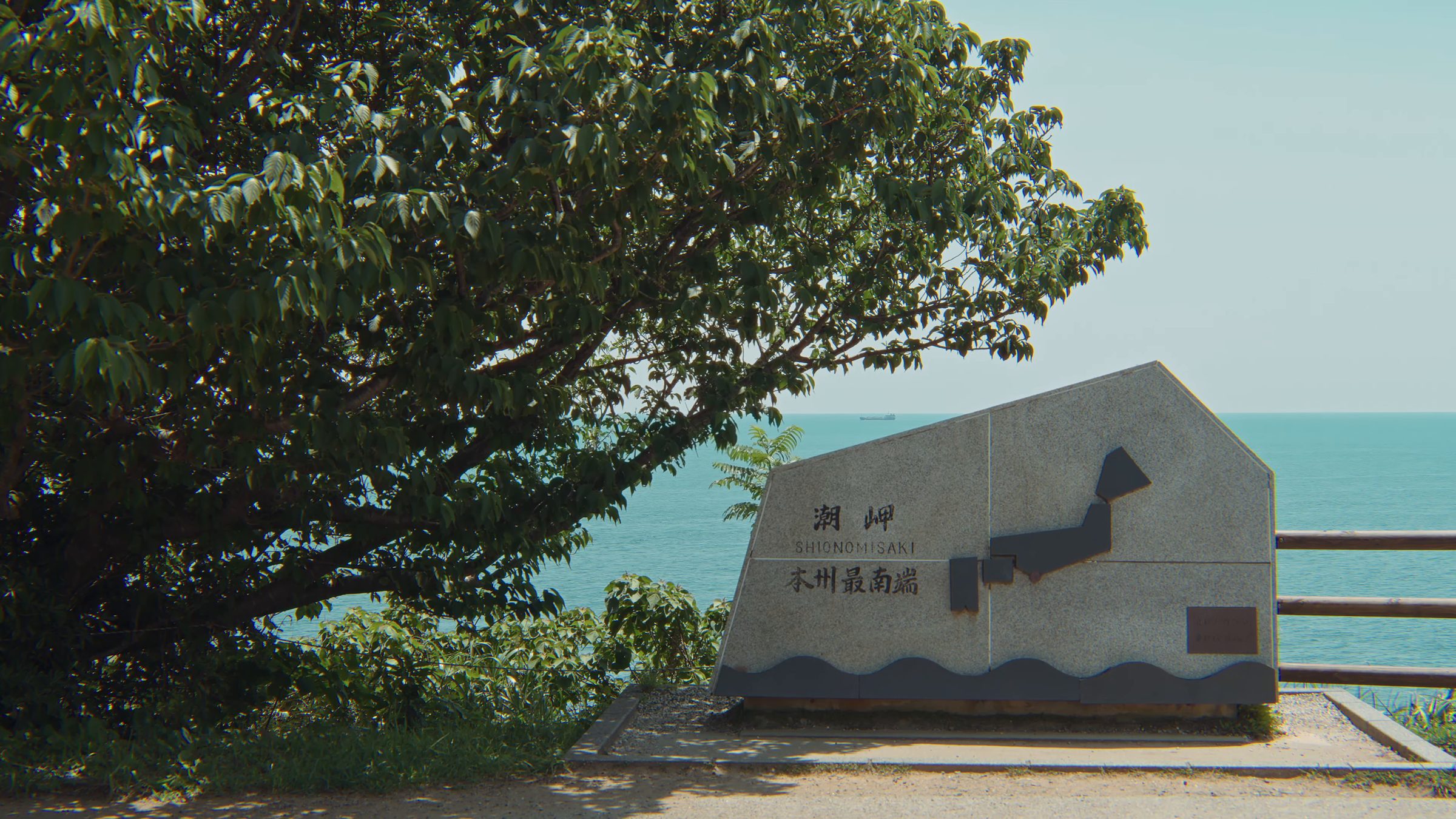
Beyond the pine branches rose the Shionomisaki Tourist Tower. Cape Shionomisaki is the southernmost point of Honshu, and a stone monument standing against the sea reads "Shionomisaki, Southernmost Point of Honshu."
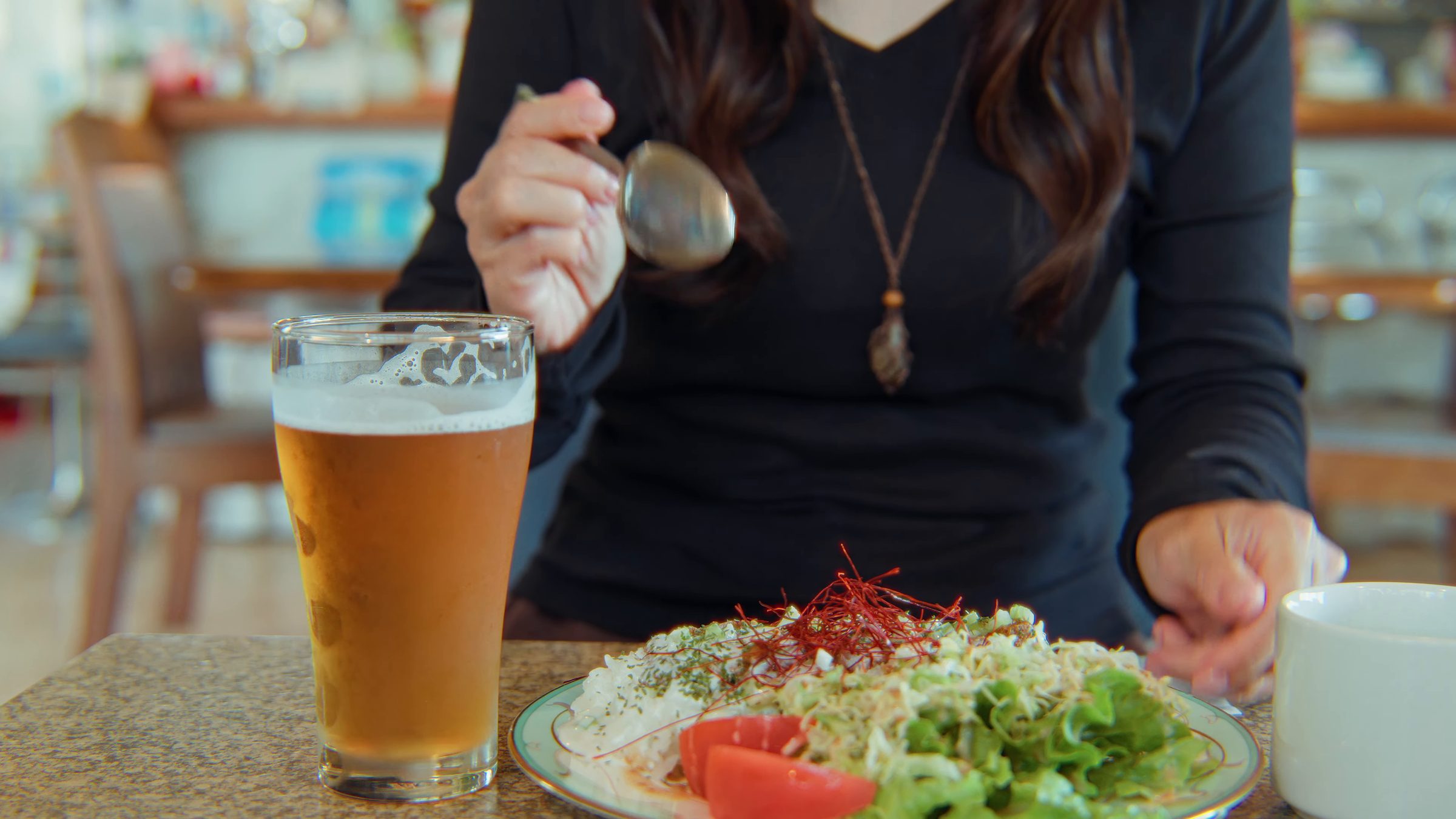
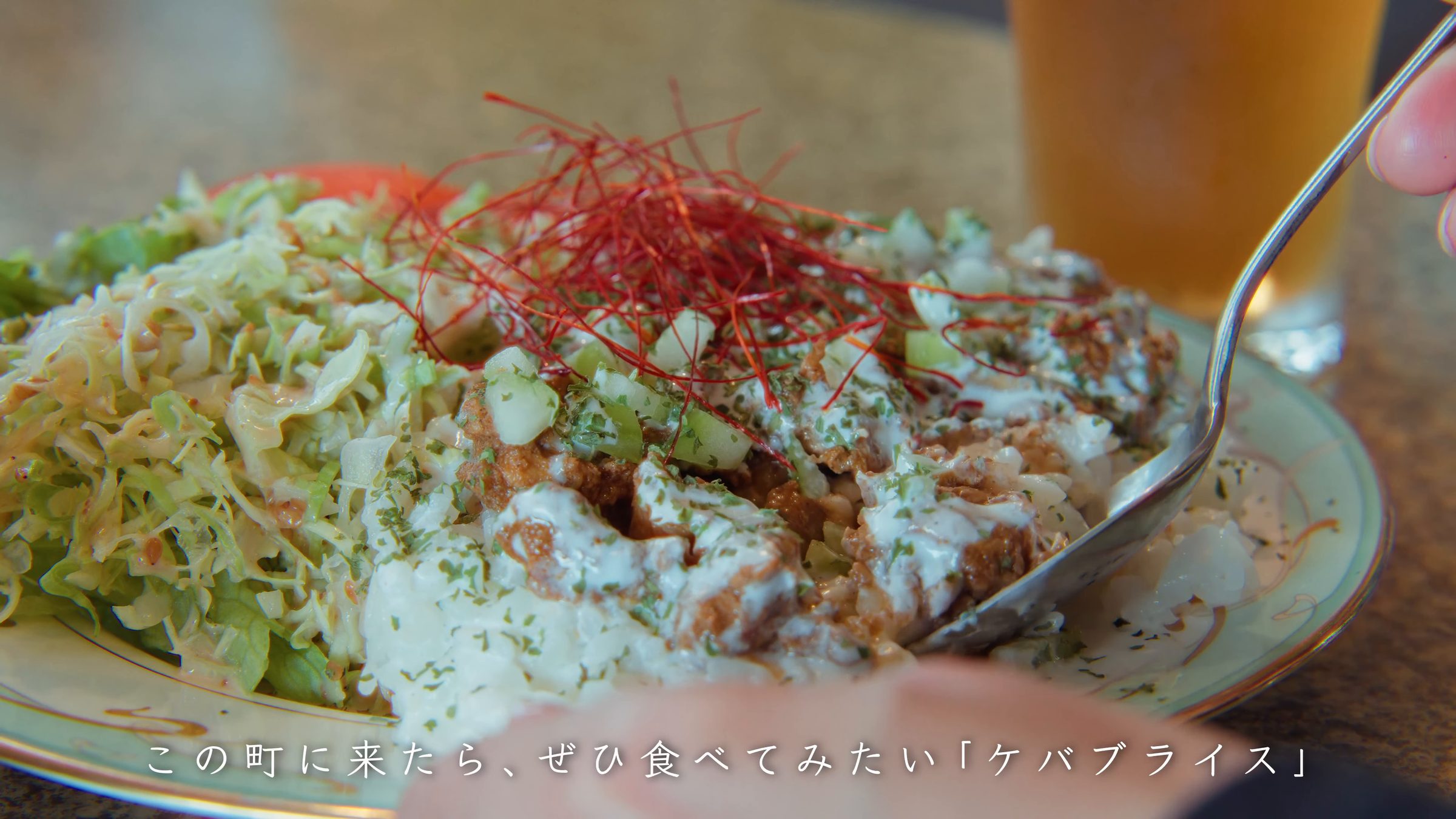
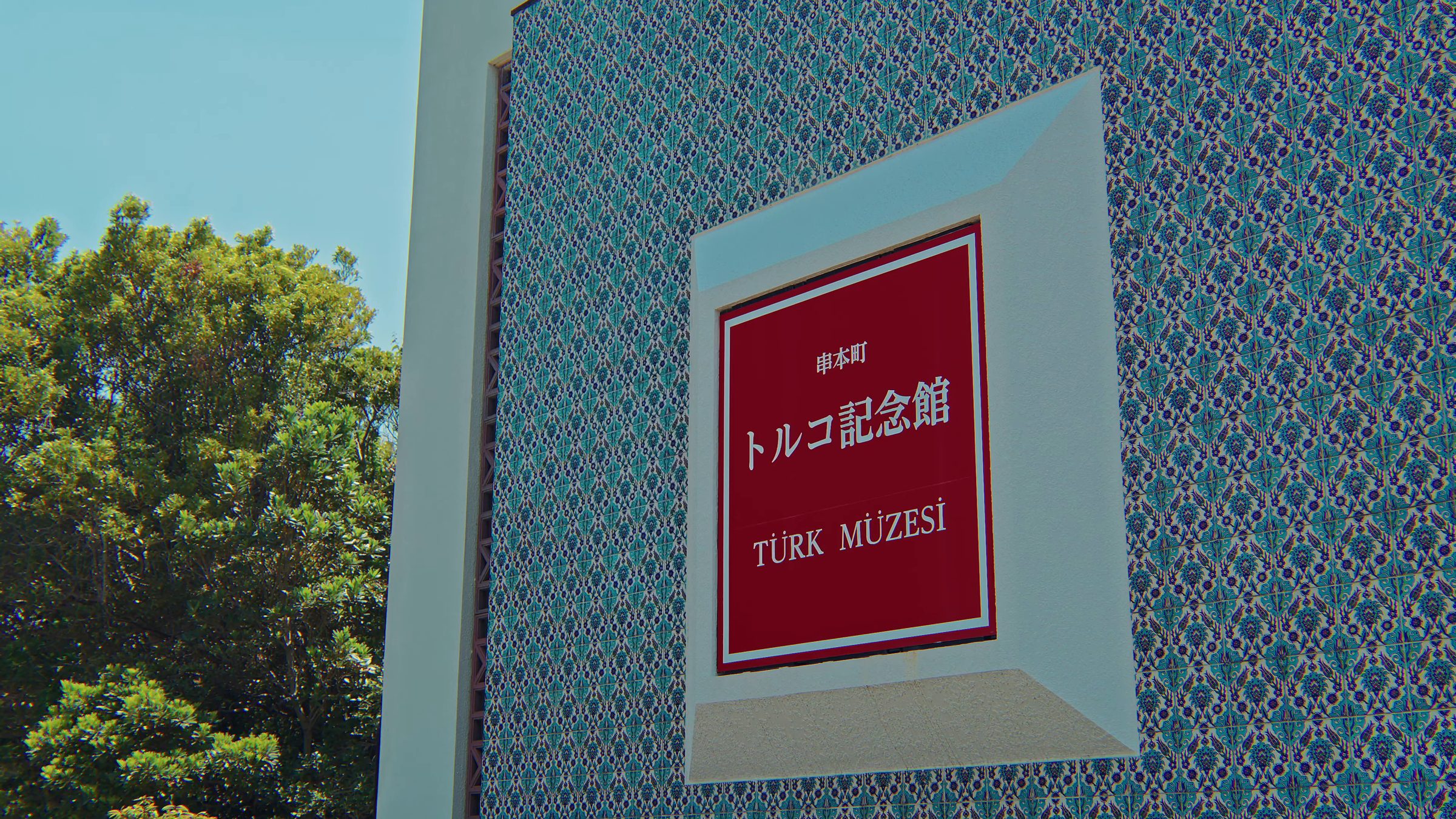
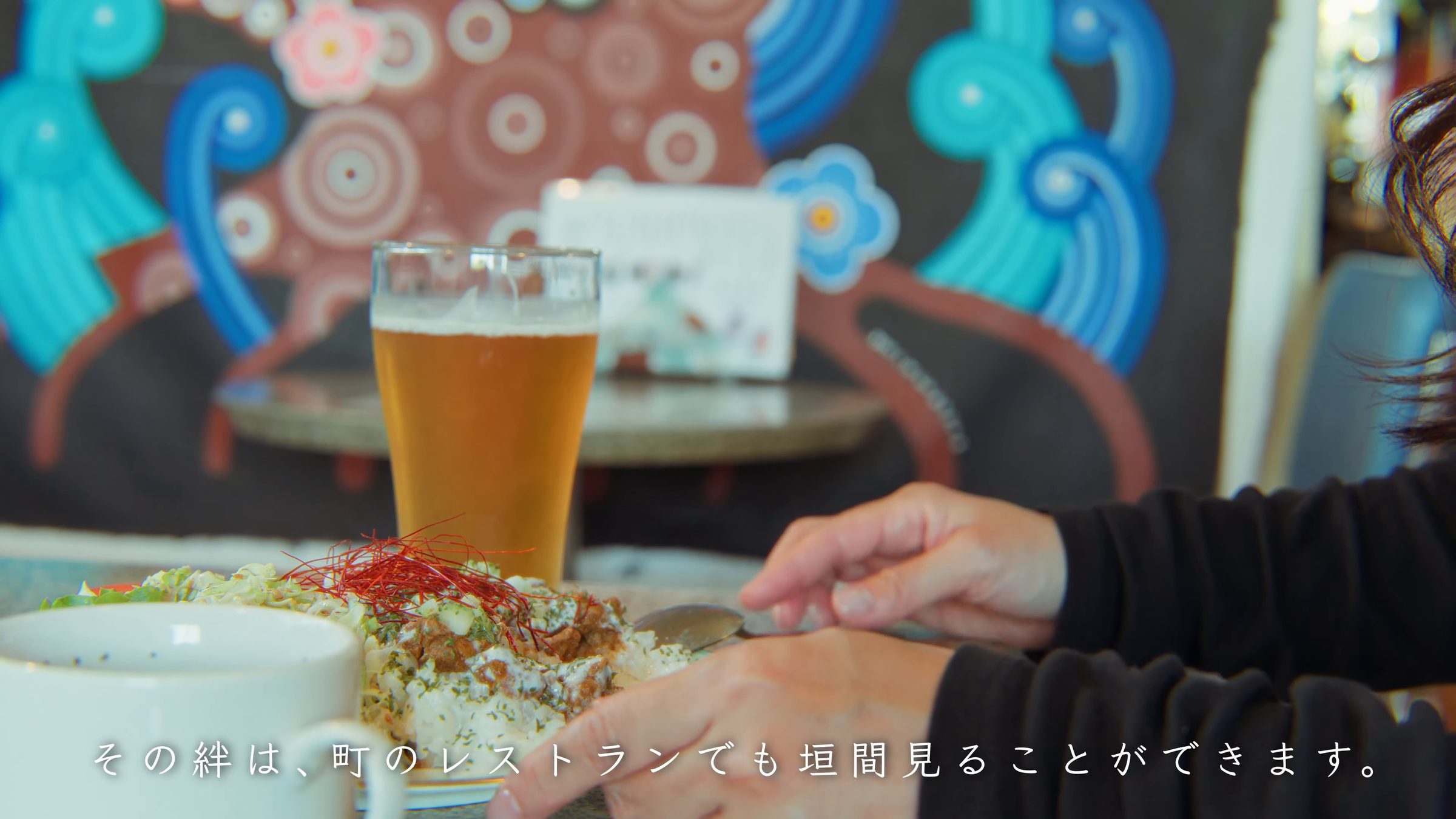
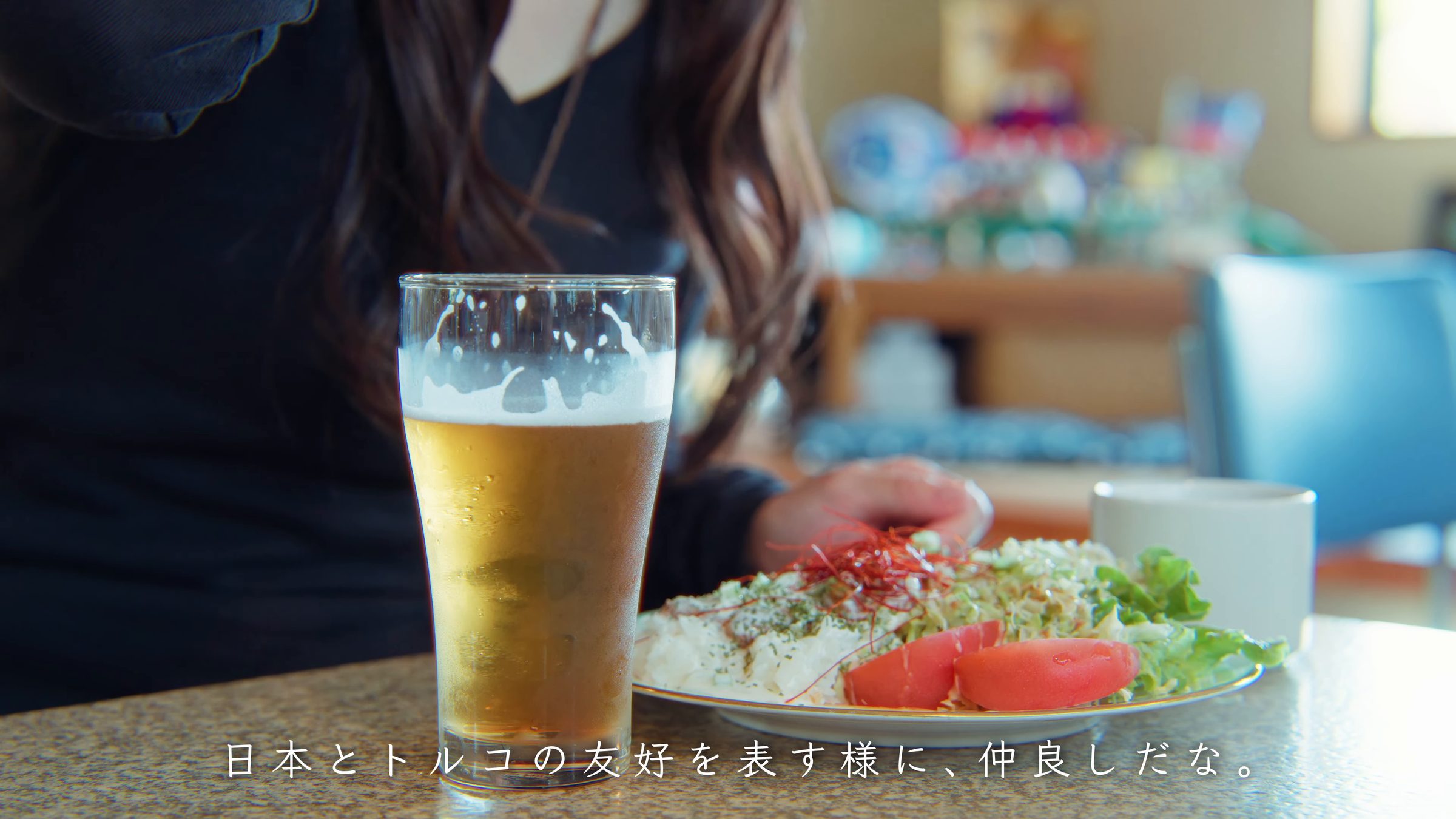
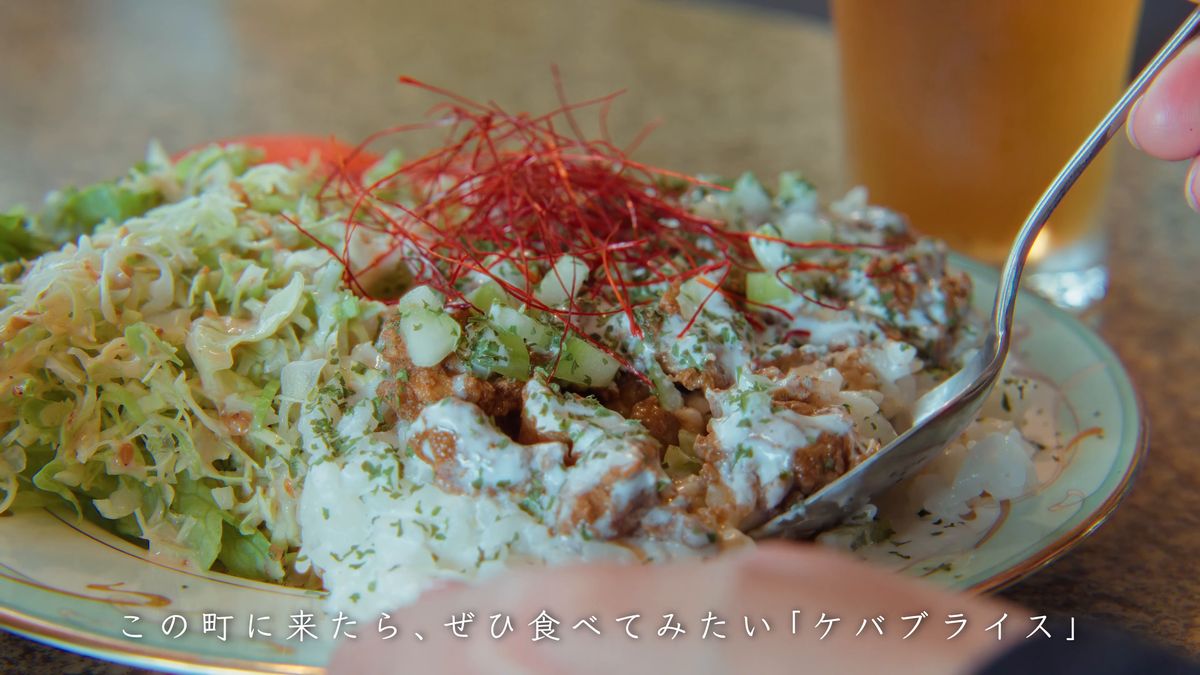
One thing I had wanted to try in this town was kebab rice: fragrant kebab in yogurt sauce over white rice, topped with threads of red chili. Kushimoto has a deep bond with the Republic of Turkey, and you can glimpse it in the town's restaurants. I ate mine with Turkish cloth on the wall behind me, at a cafe near the Turkish Memorial Museum on Kashinozaki, Kii-Oshima.
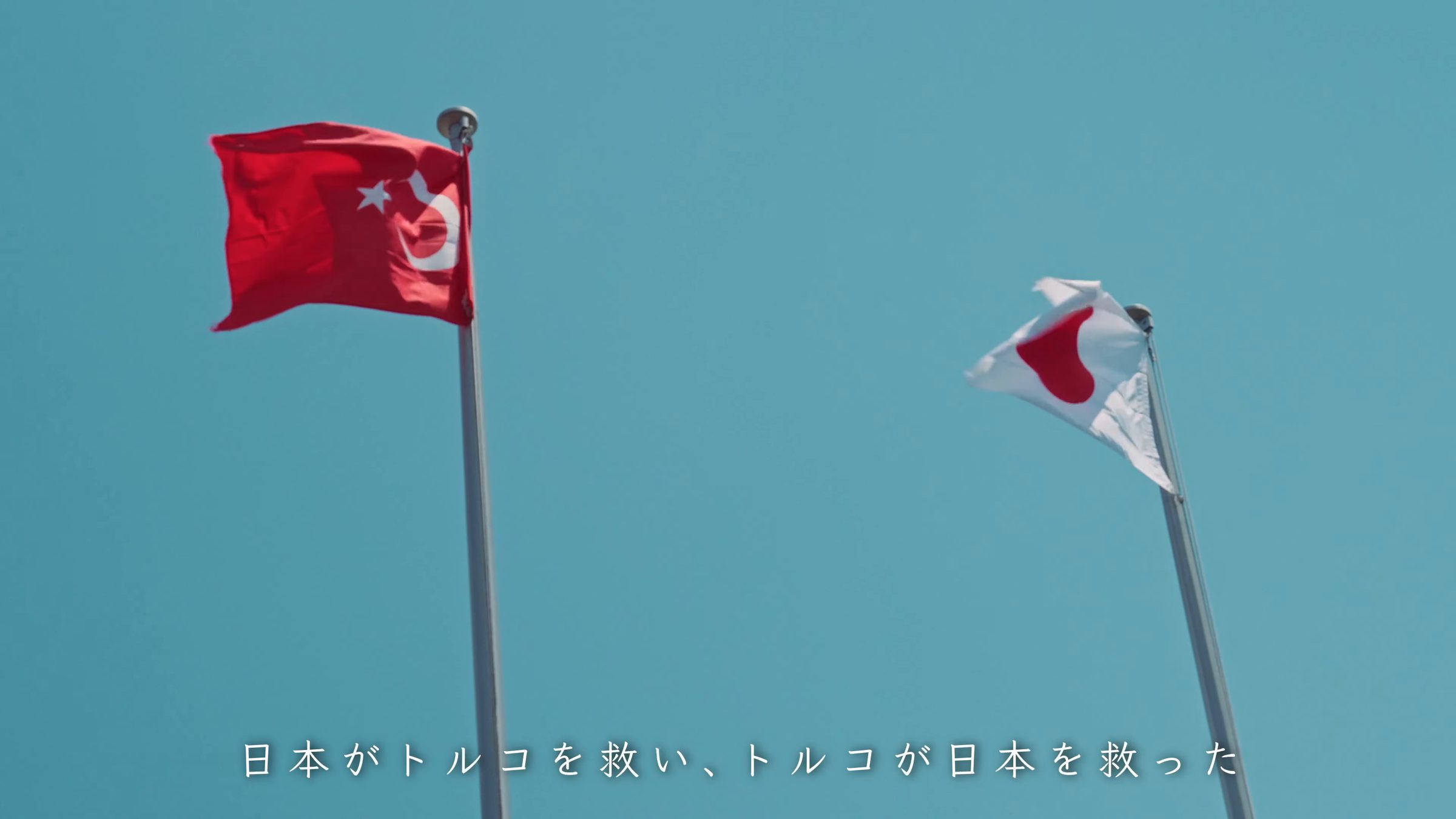
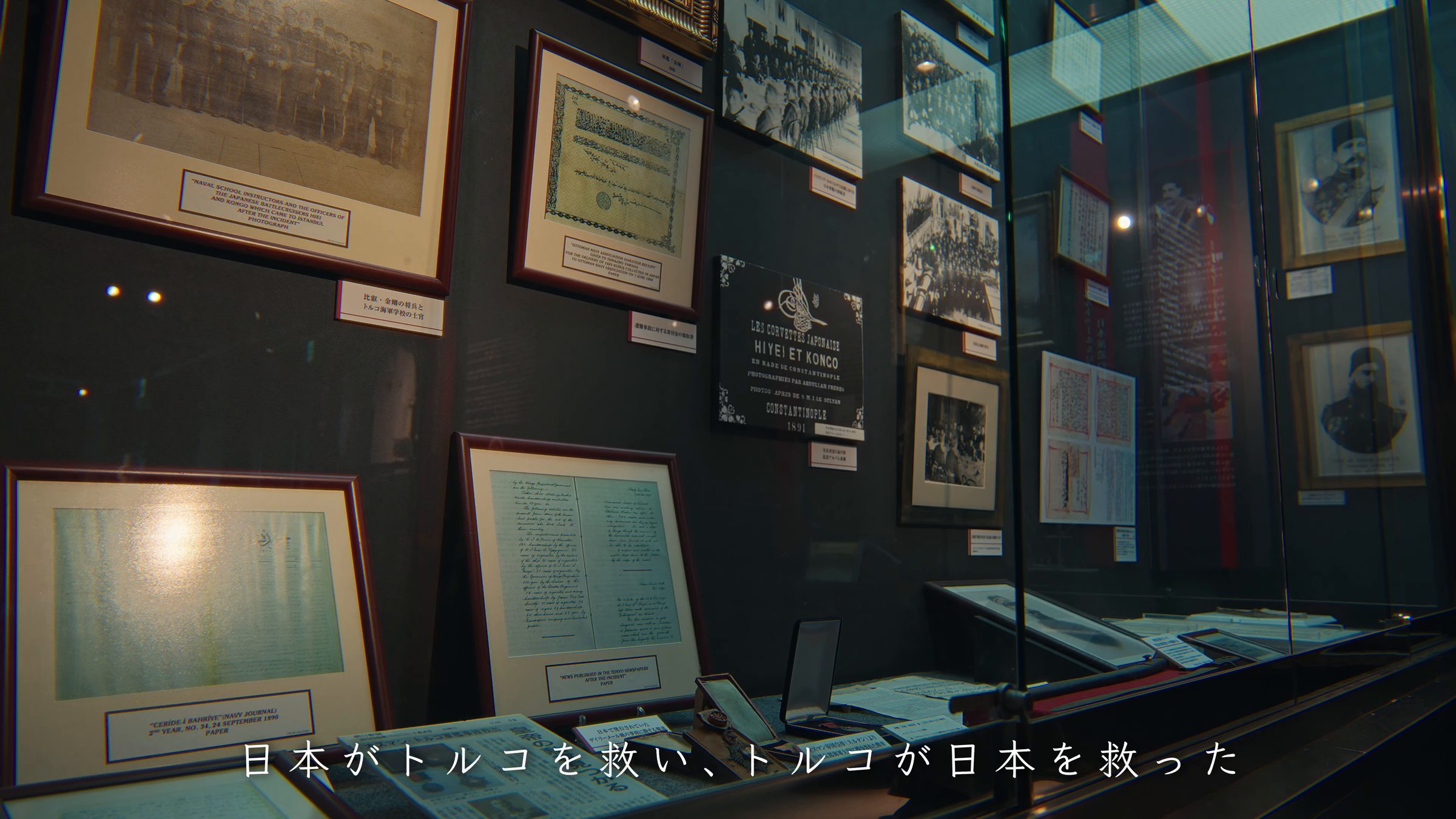
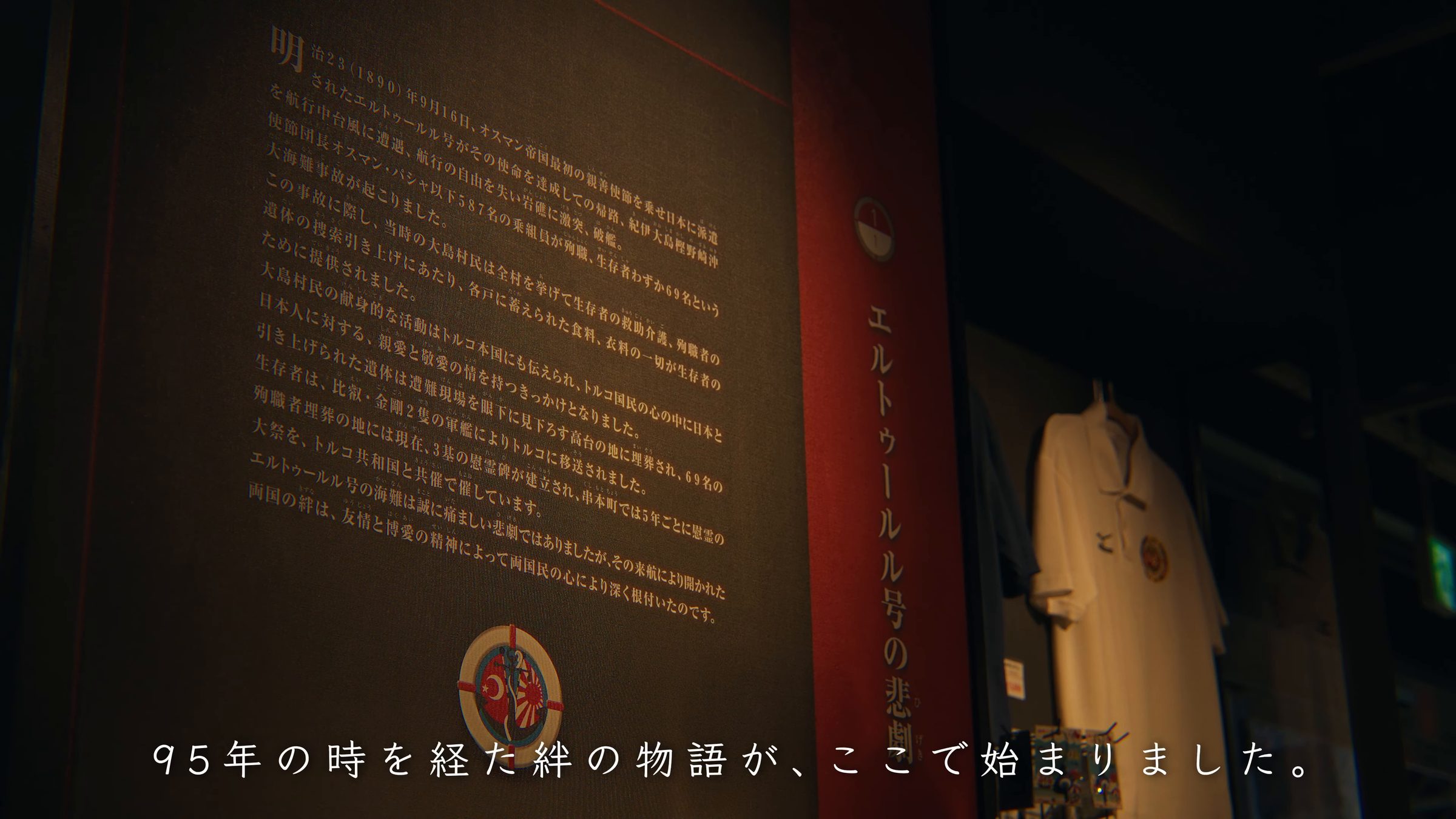
Japan saved Turkey, and Turkey saved Japan. In front of the museum, the flags of Turkey and Japan fly side by side. On September 16, 1890, the Ottoman frigate Ertugrul, caught in a typhoon off Kashinozaki, ran aground and sank; 587 men were lost. The villagers of Oshima turned out in force to help, and 69 survivors were saved. Ninety-five years later, in 1985, a Turkish aircraft rescued Japanese nationals stranded in Tehran during the Iran-Iraq War. The story of a bond spanning 95 years began here.
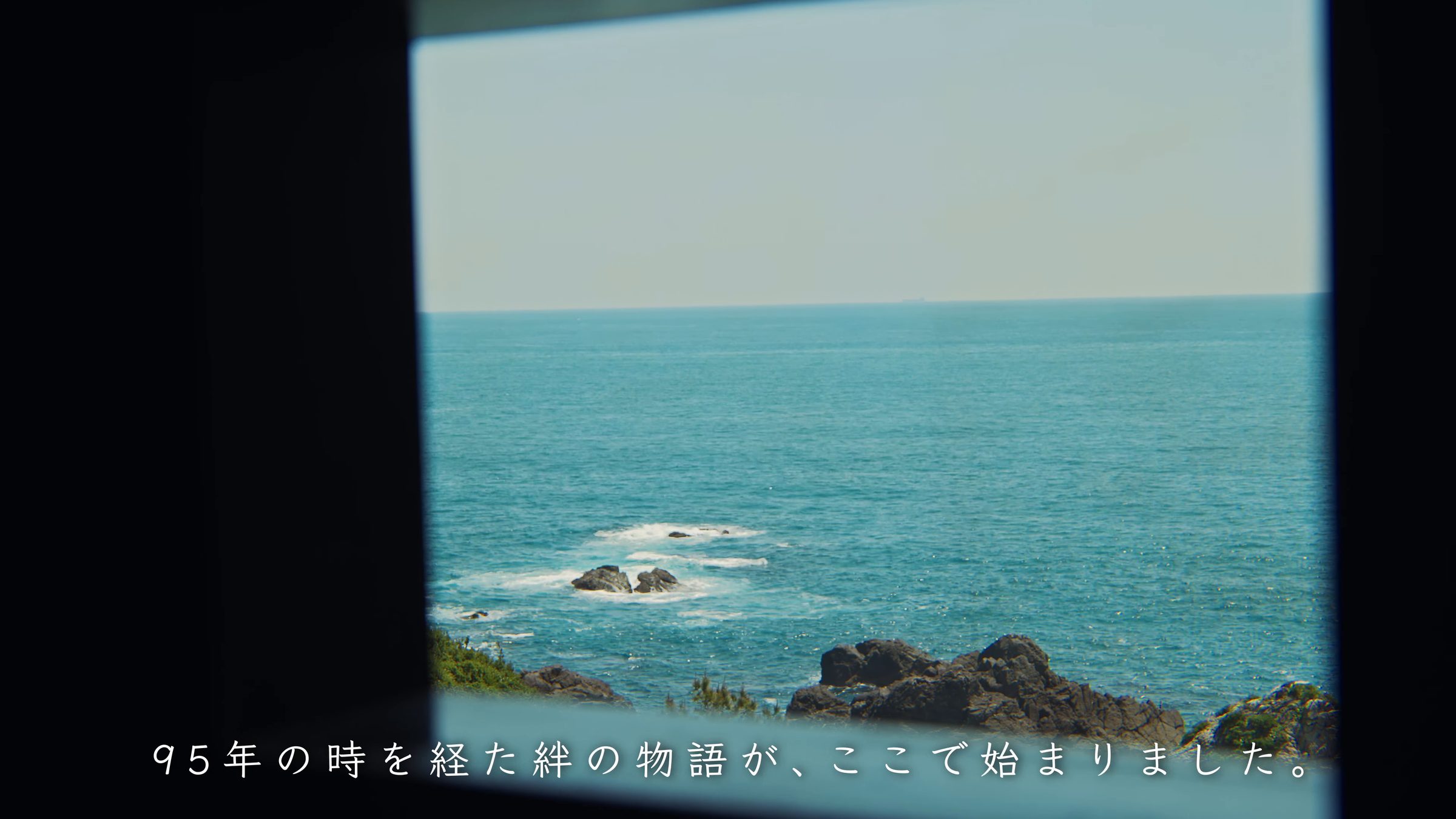
Inside the museum are photographs and documents from the time. Outside the window, white waves broke on the rocks. The kebab and the white rice sat together on the plate as if to show the friendship between Japan and Turkey.
Watch this scene on YouTube5:15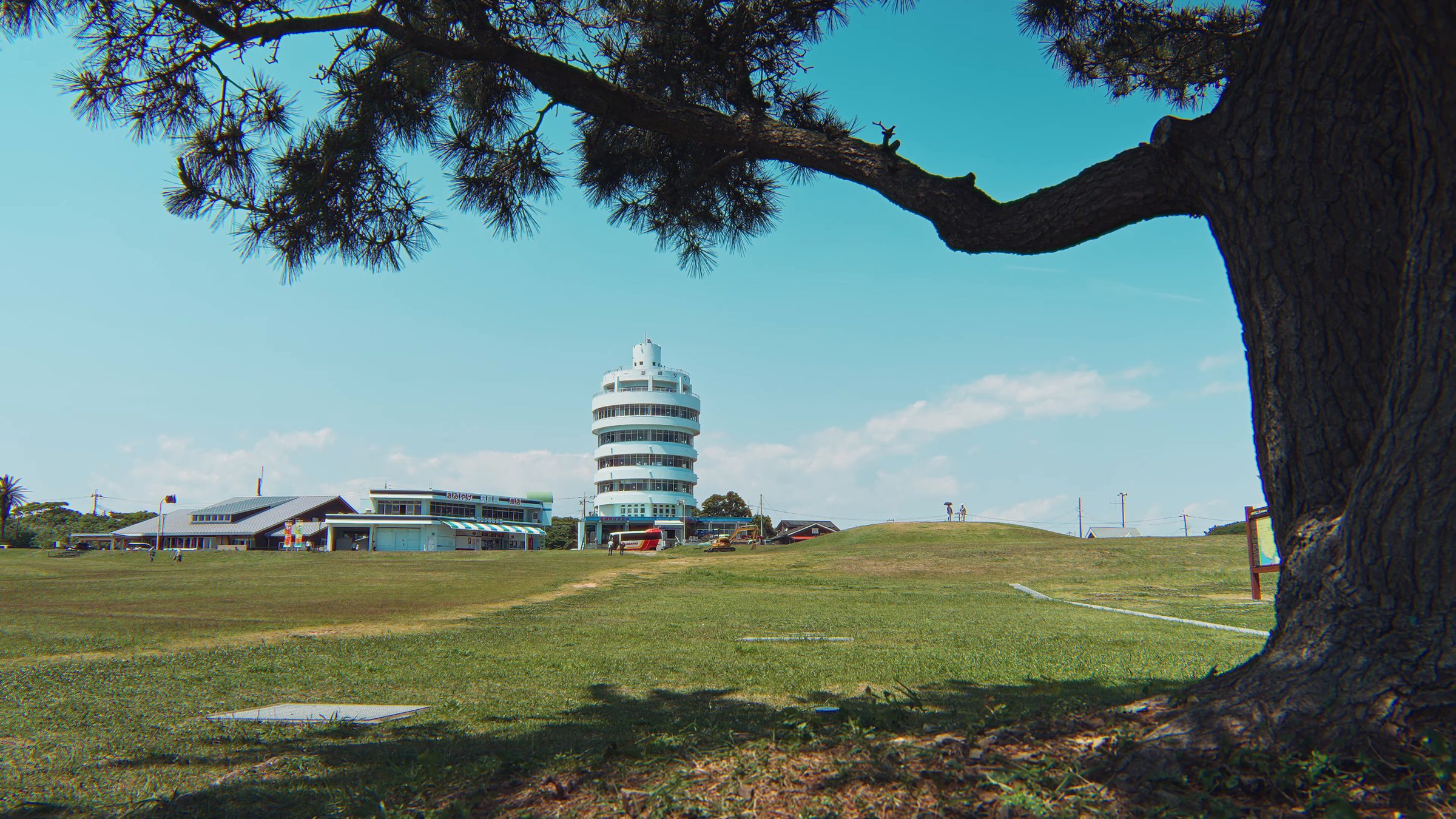
11TRAVEL JOURNAL
Local fish, citrus and saury sushi
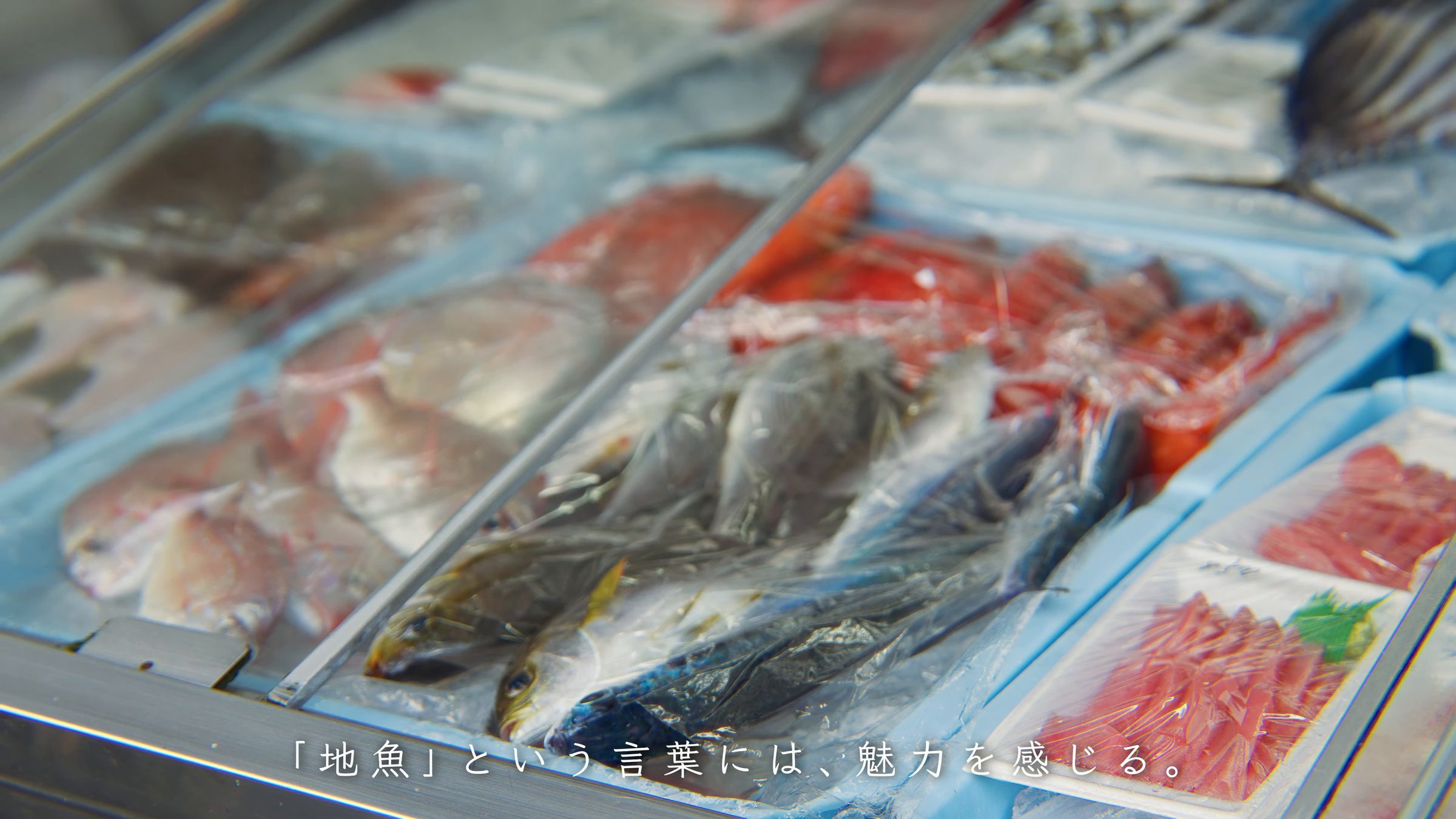
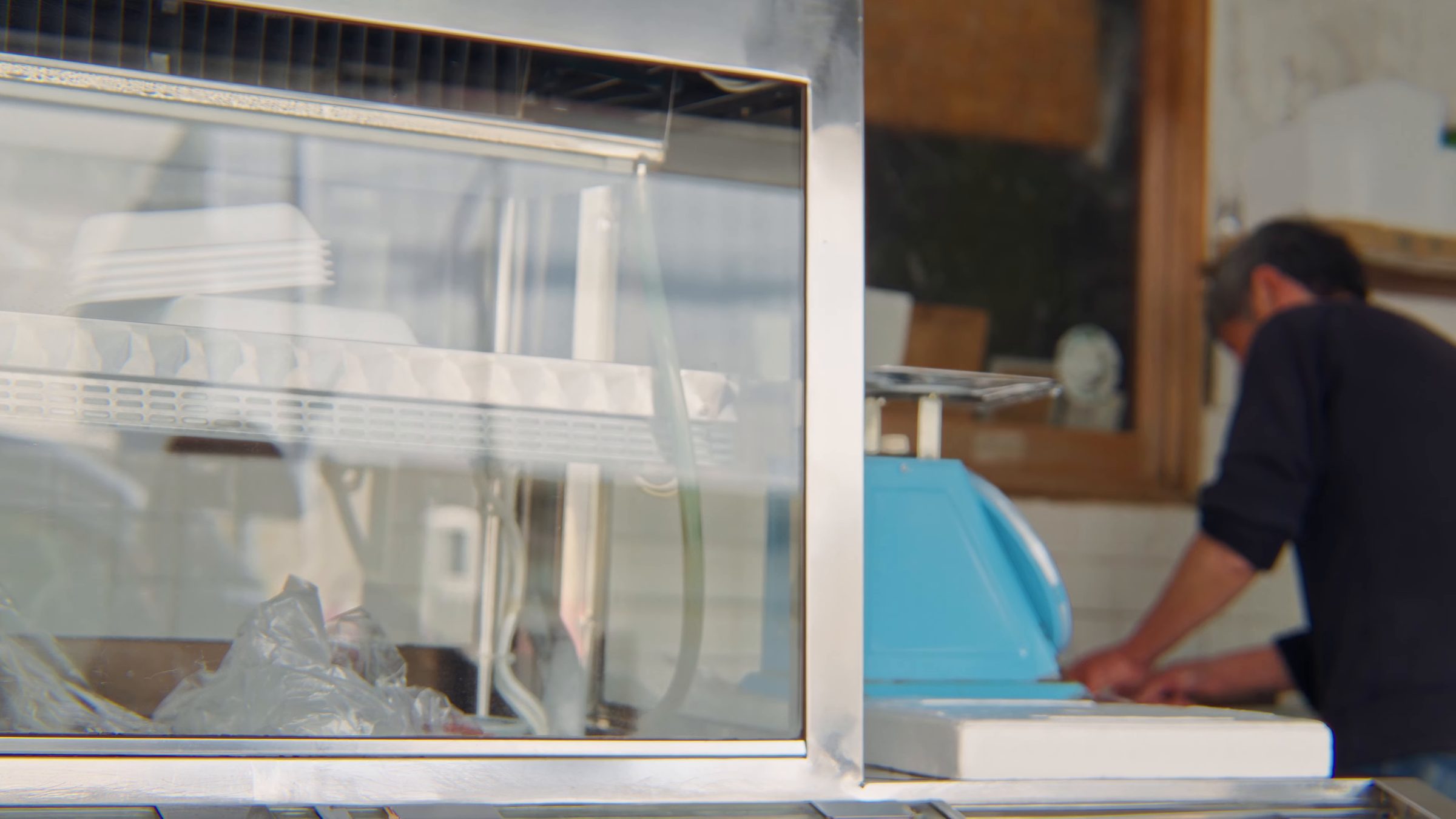
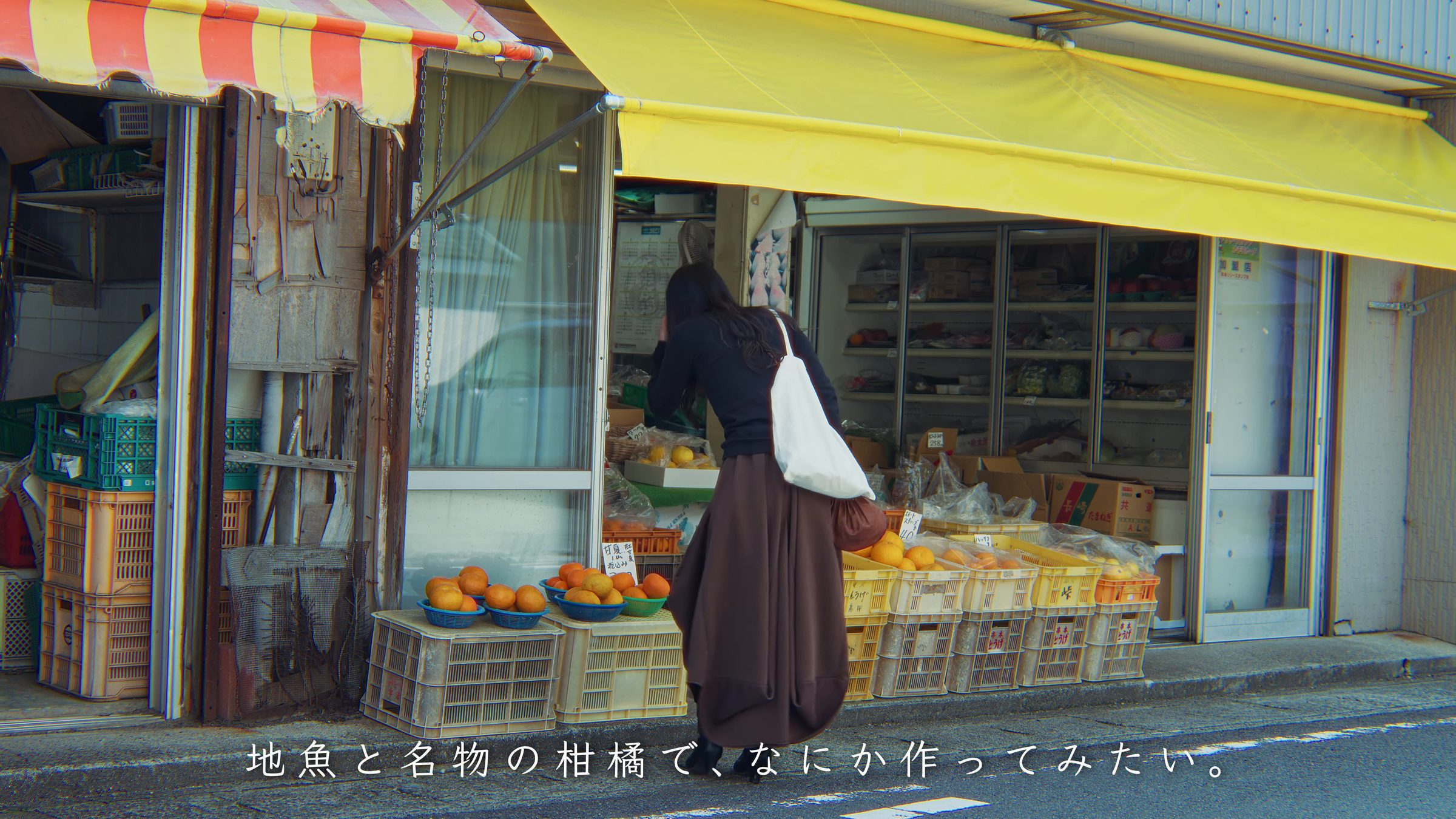
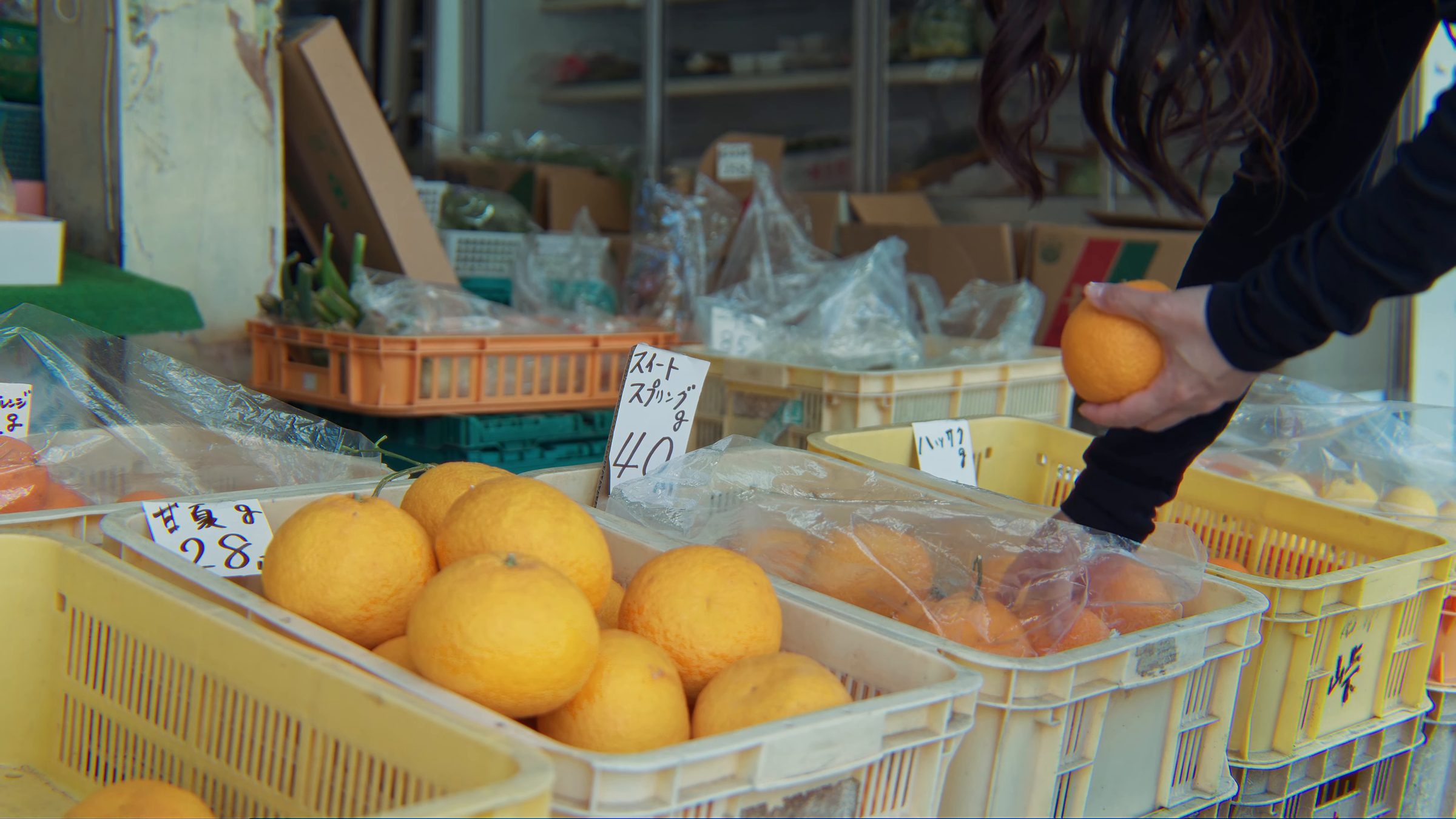
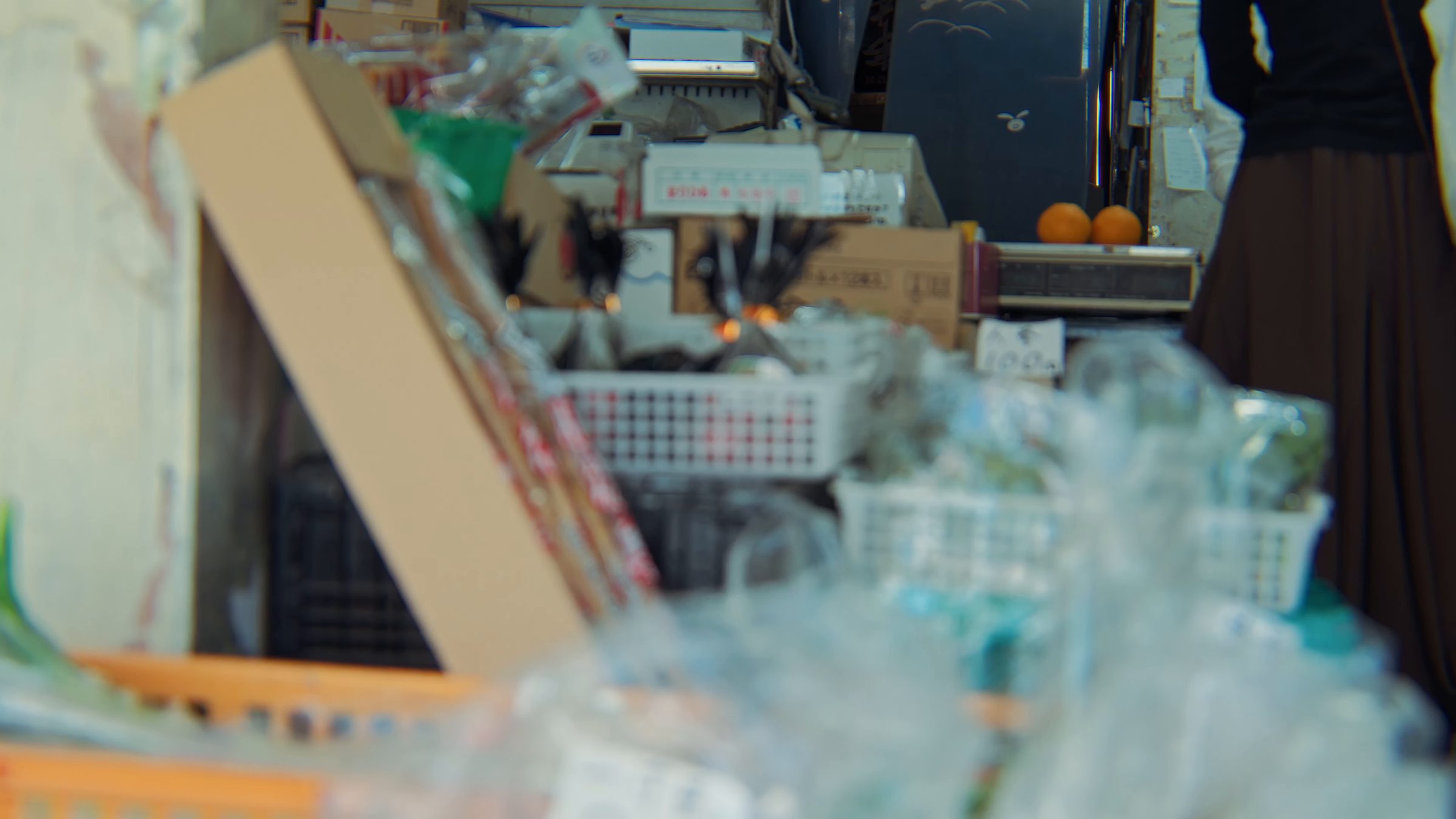
Let's shop at the local stores on the way home. In the refrigerated case under the eaves of a fishmonger, packs of local fish were lined up. The words "local fish" have a charm of their own. At a greengrocer with a yellow awning, baskets of citrus carried price tags reading "Sweet Spring" and "Hassaku." I wanted to make something with local fish and the town's famous citrus.
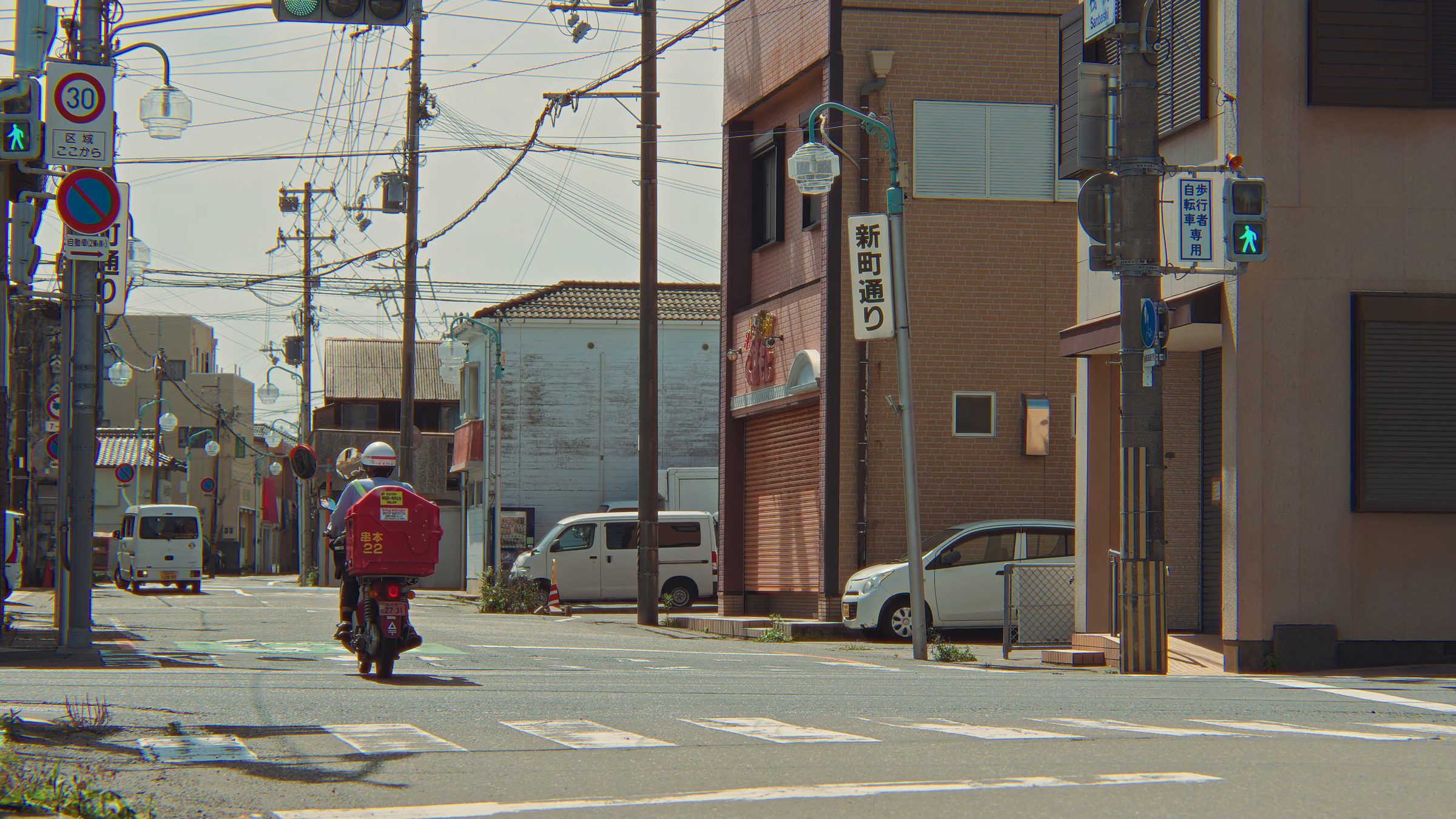
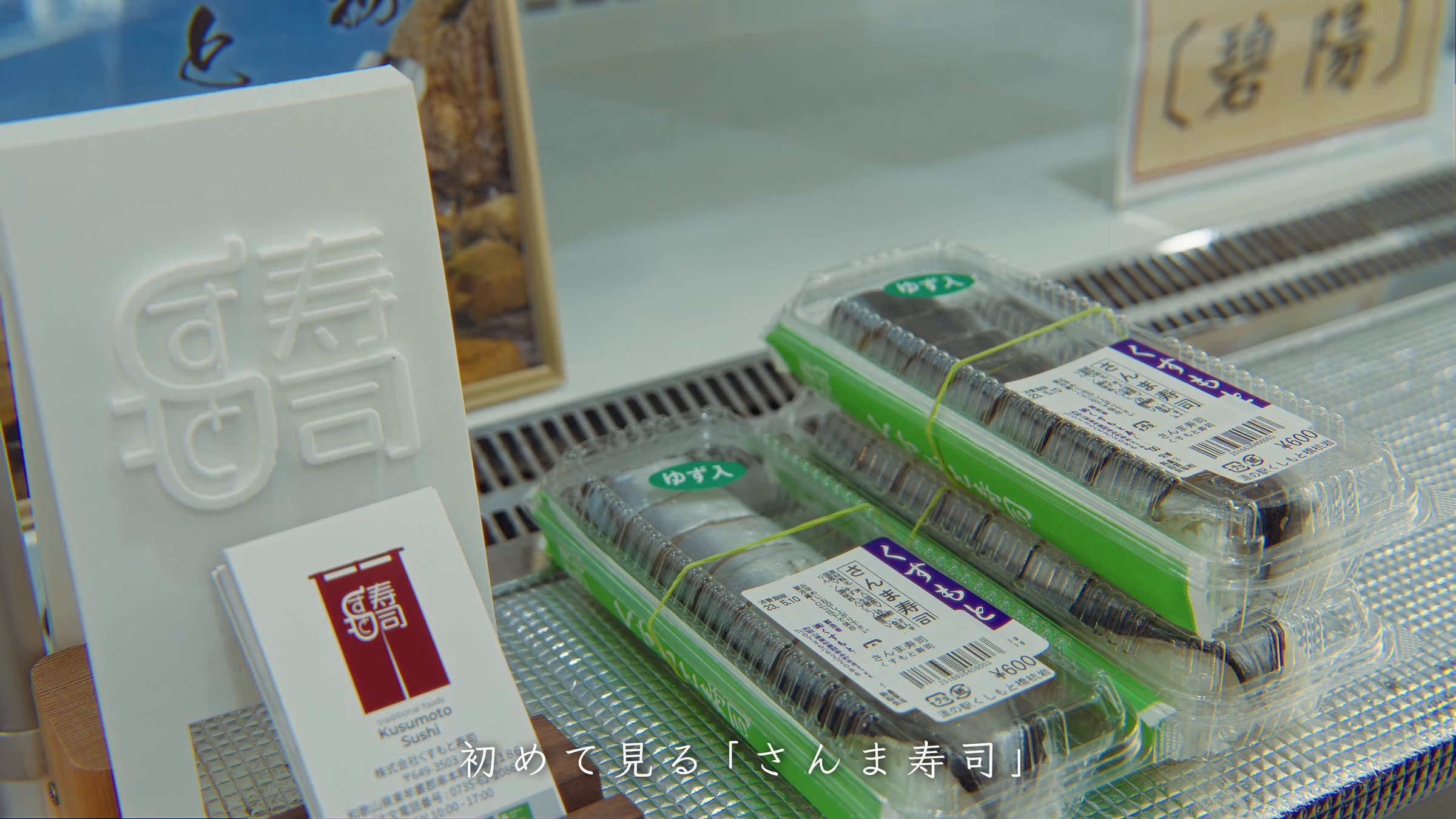
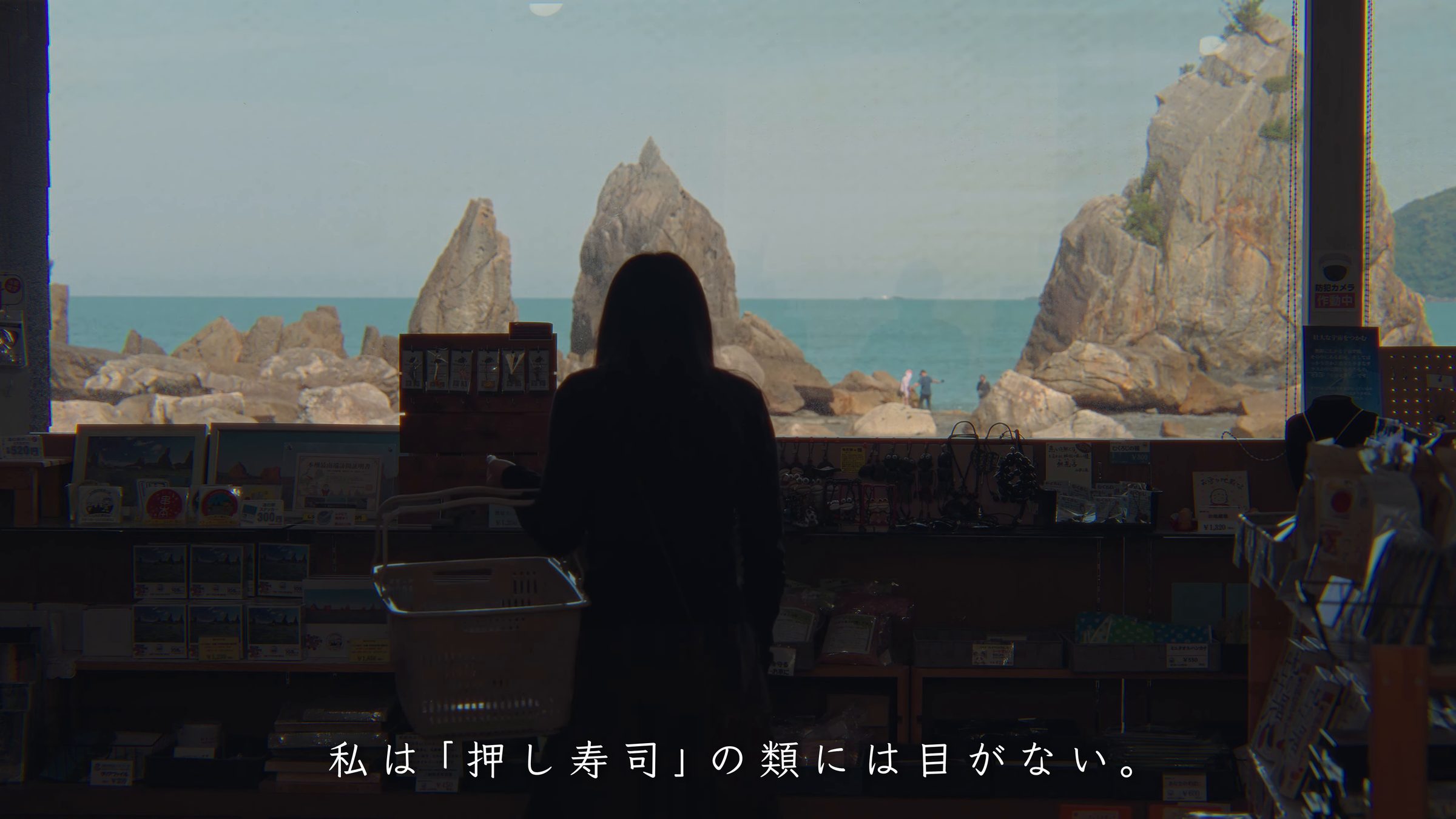
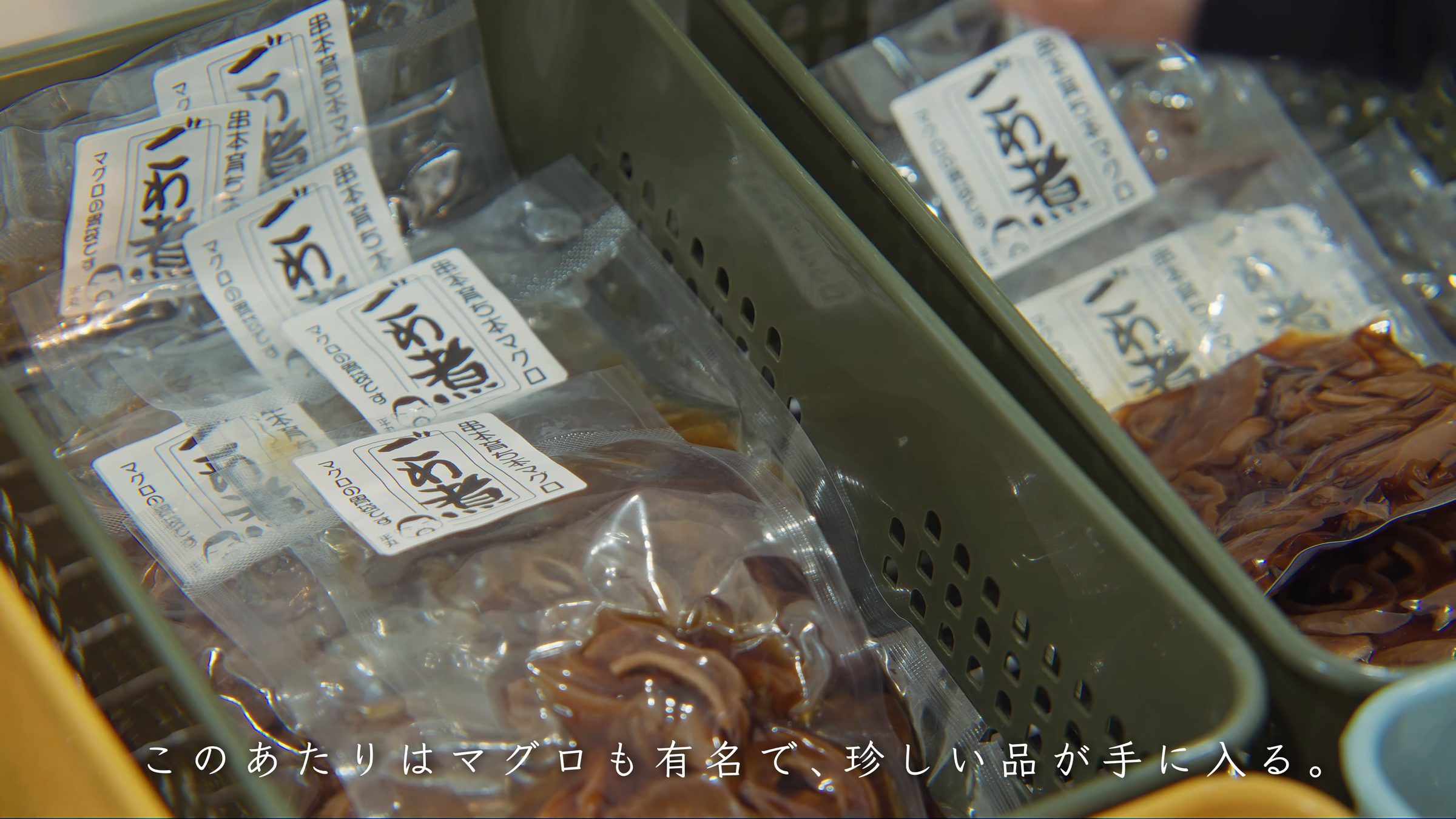
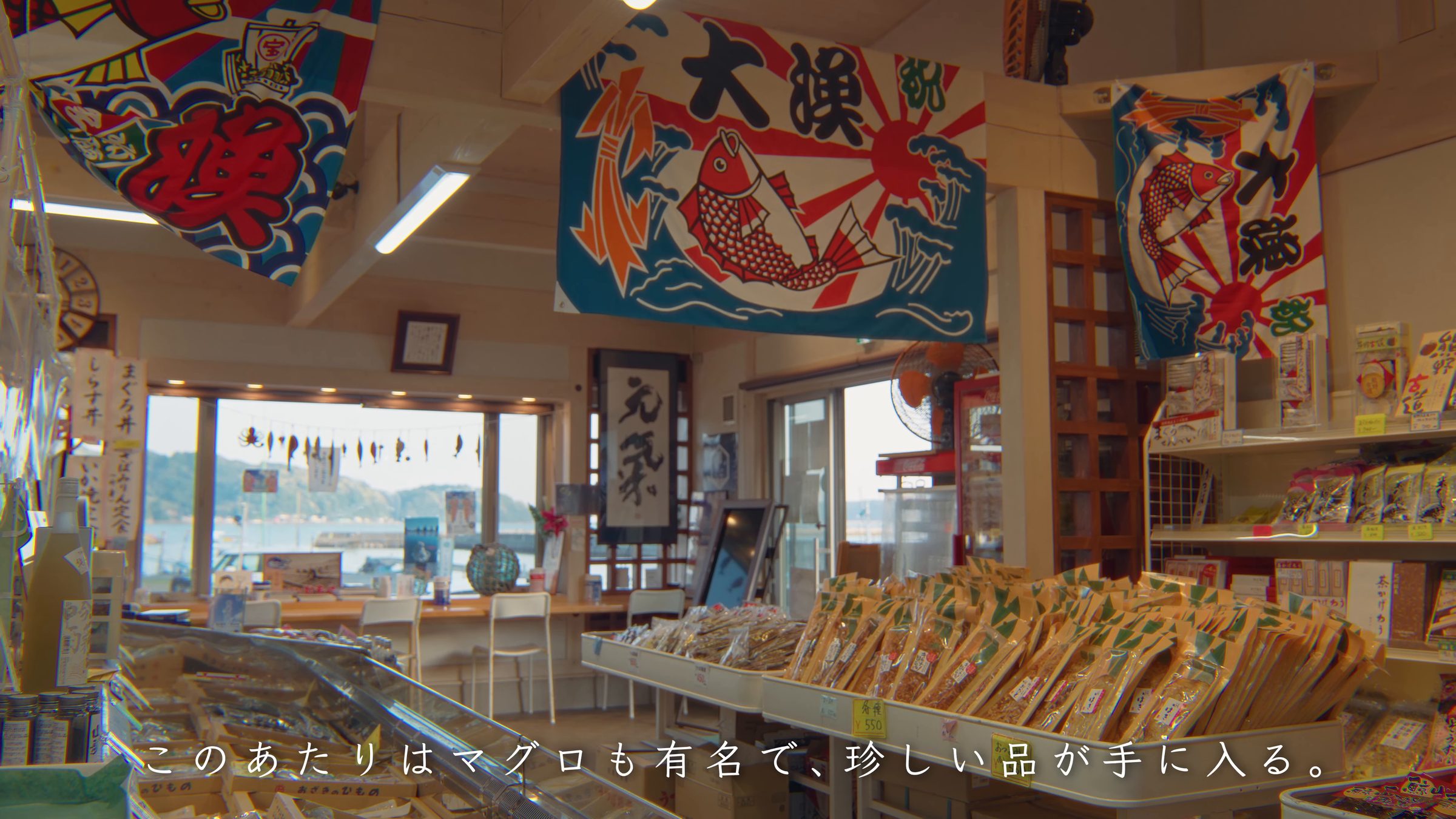
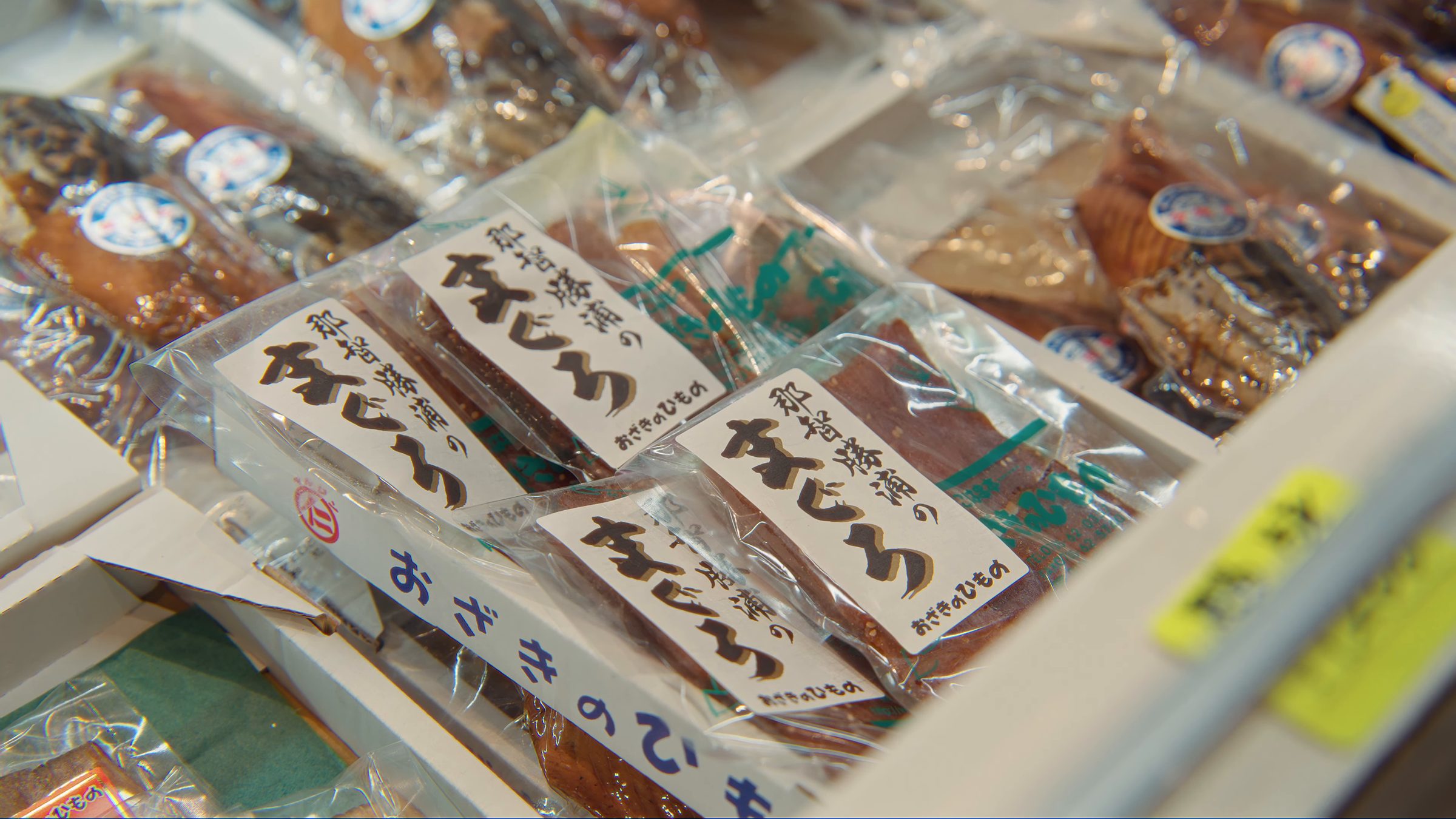
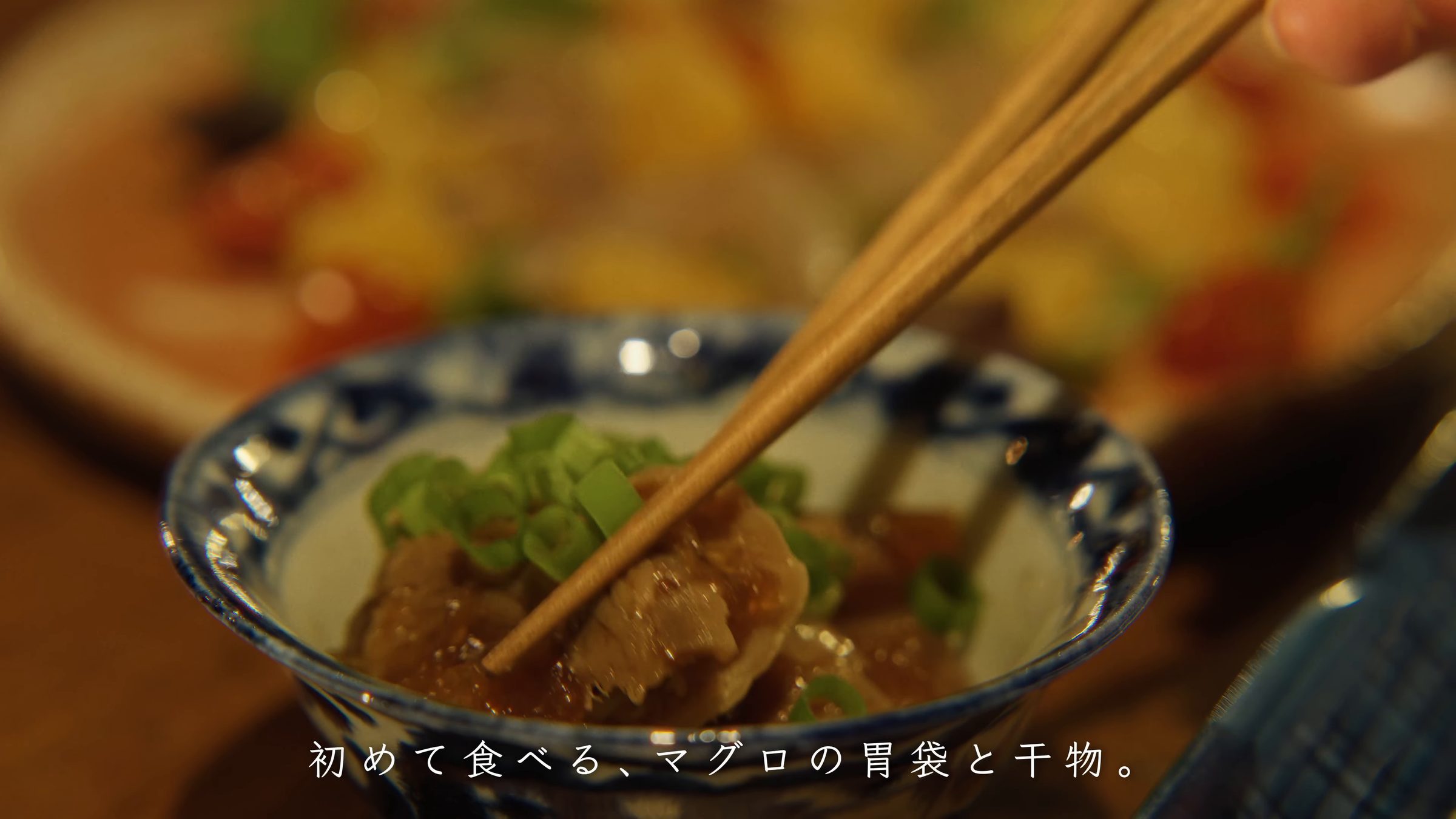
Past a street sign reading Shinmachi-dori, I went on to the roadside station facing the Hashigui rocks. On the shelf was saury sushi, which I had never seen before. I have a weakness for pressed sushi of any kind. This area is also famous for tuna, and you can find rare things like simmered tuna stomach in sesame. Fishermen's banners hung from the ceiling, and packs of dried tuna from Nachikatsuura filled the shelves.
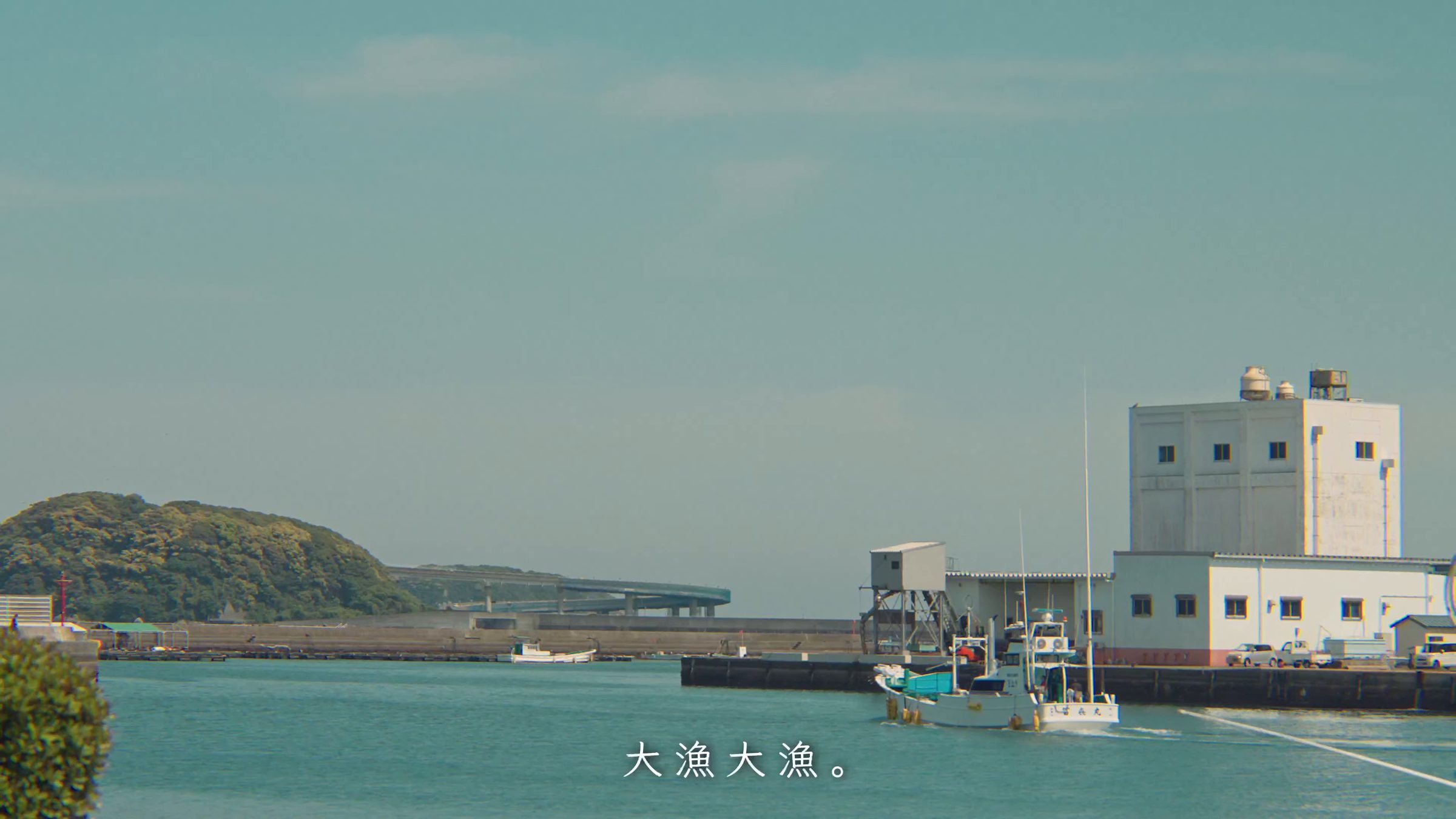
Fishing boats were returning to the harbor. A good catch, a good catch.
Watch this scene on YouTube6:26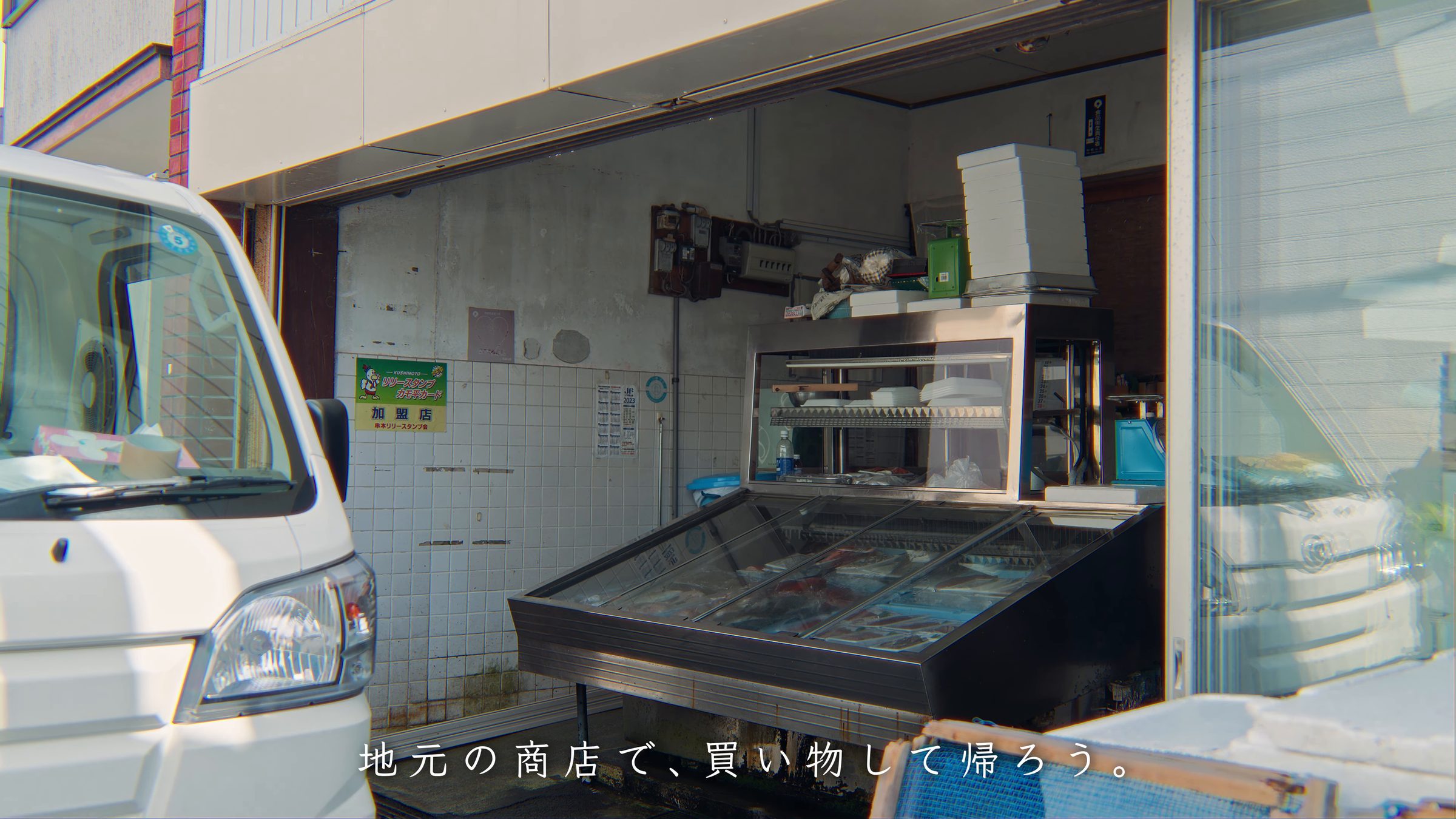
12TRAVEL JOURNAL
I'm home. Welcome back
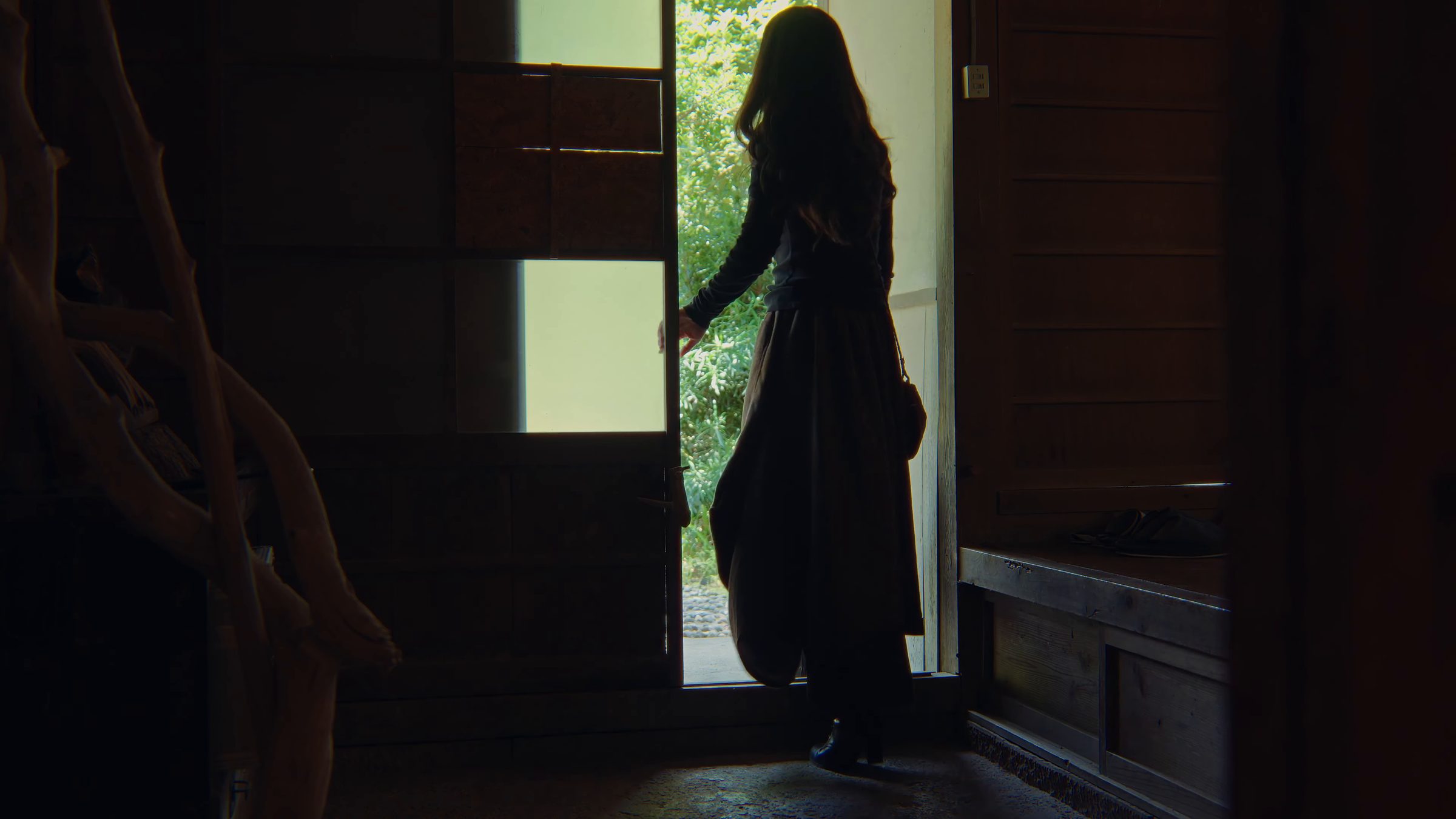
The entrance of the old house appeared through the trees. I'm home.
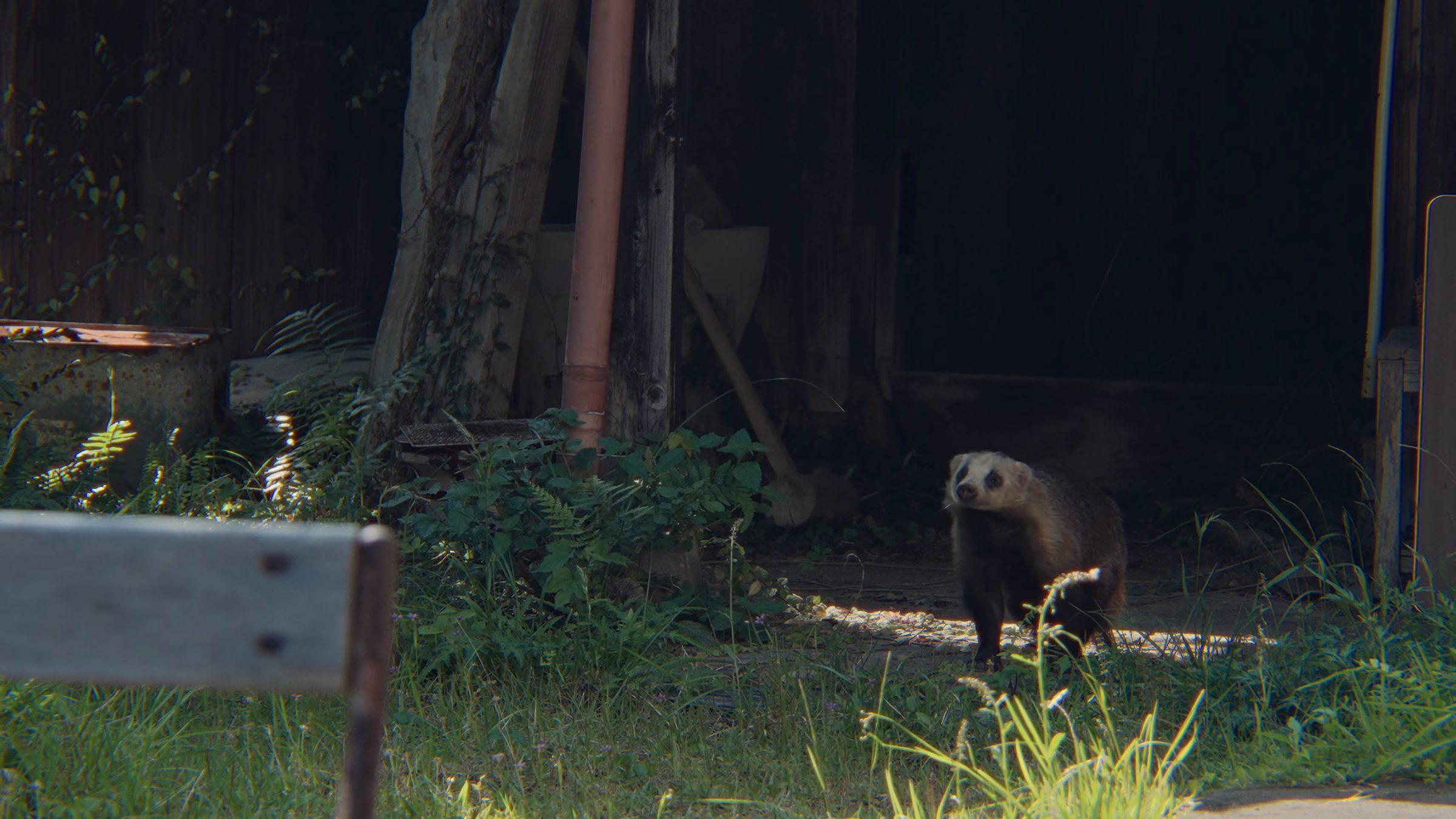
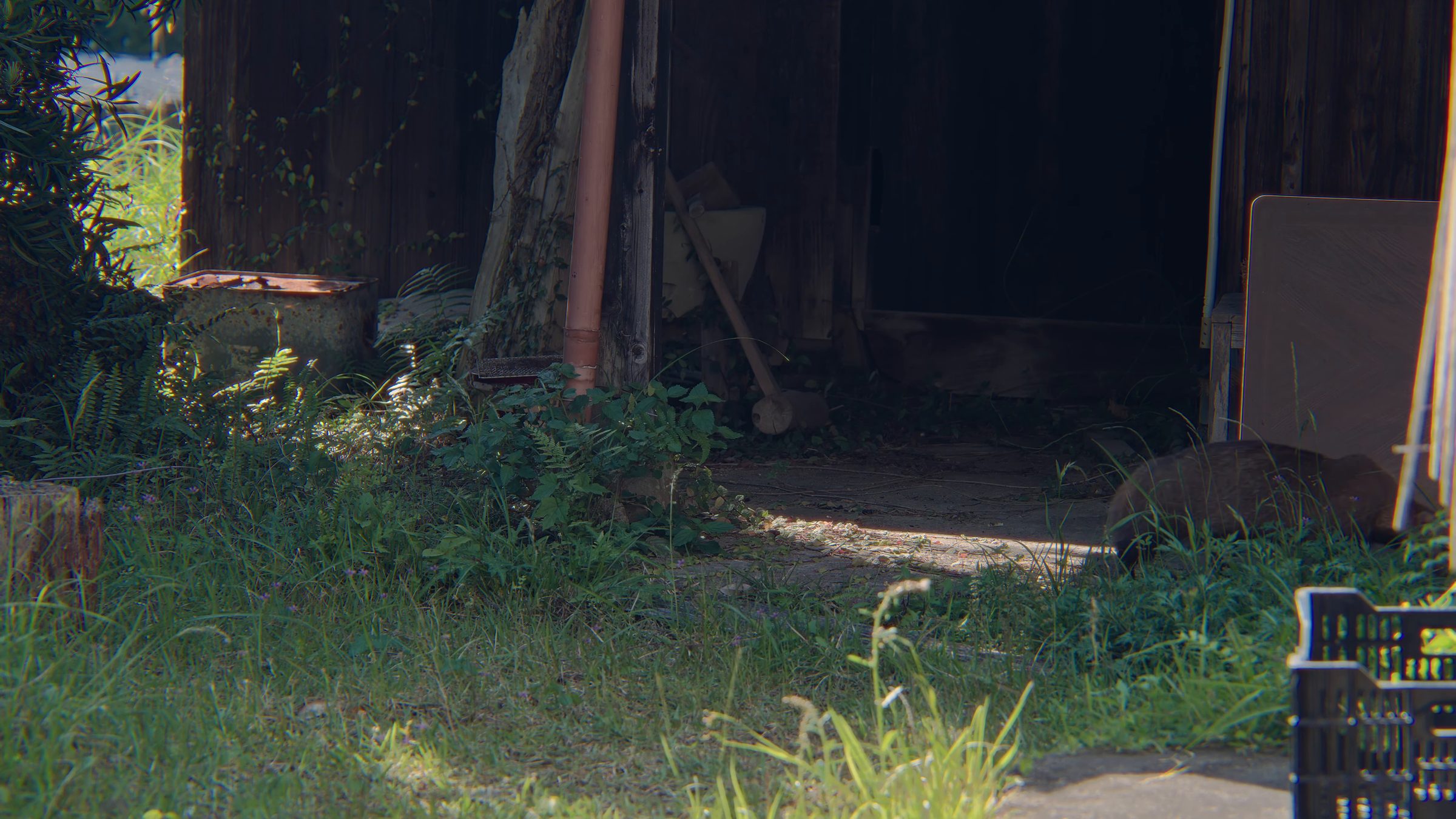
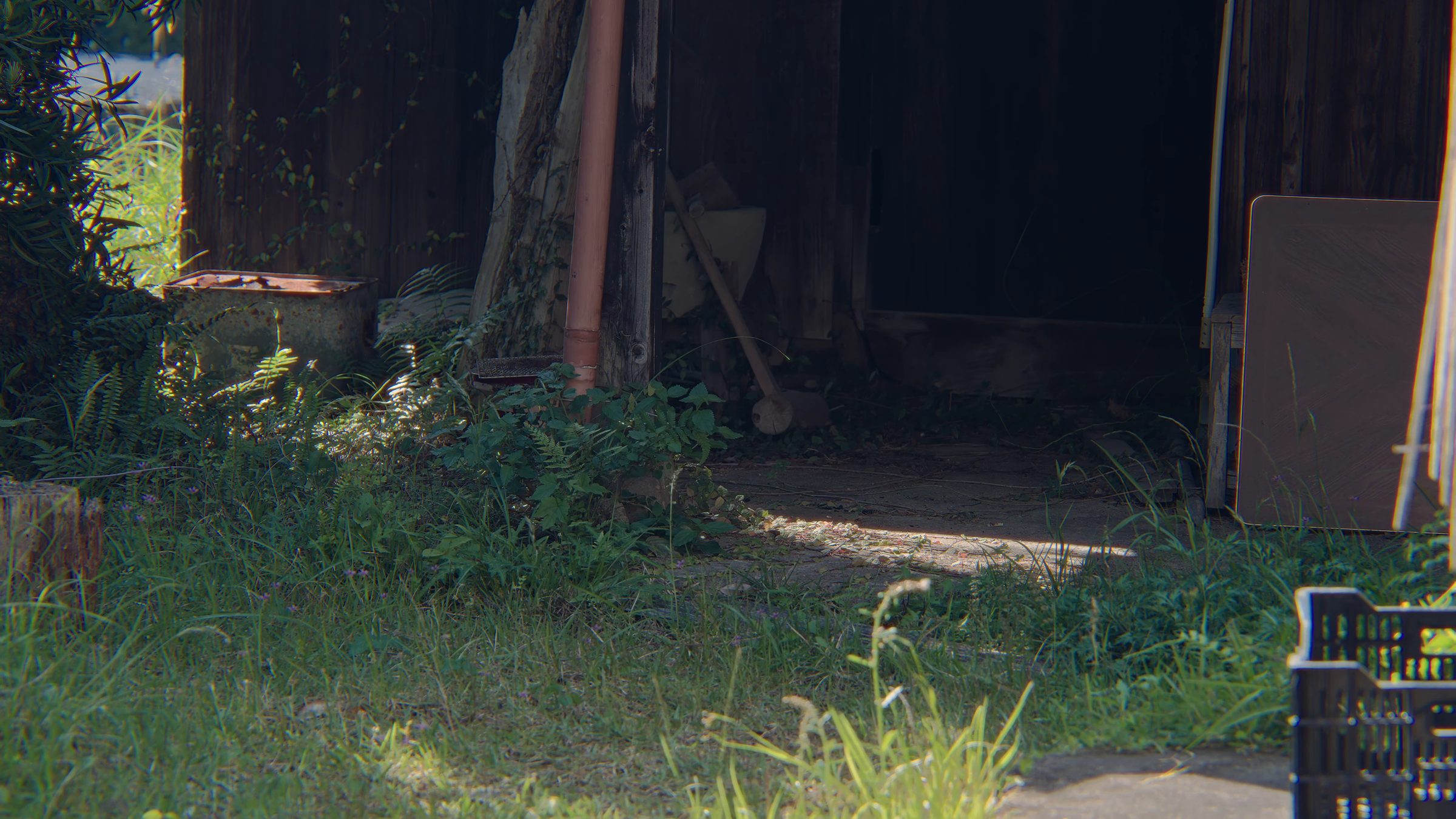
"Welcome back." In front of the shed in the garden stood a badger, its face striped with white. Is anybody there? By the time I looked out from the doorway, it had vanished into the grass.
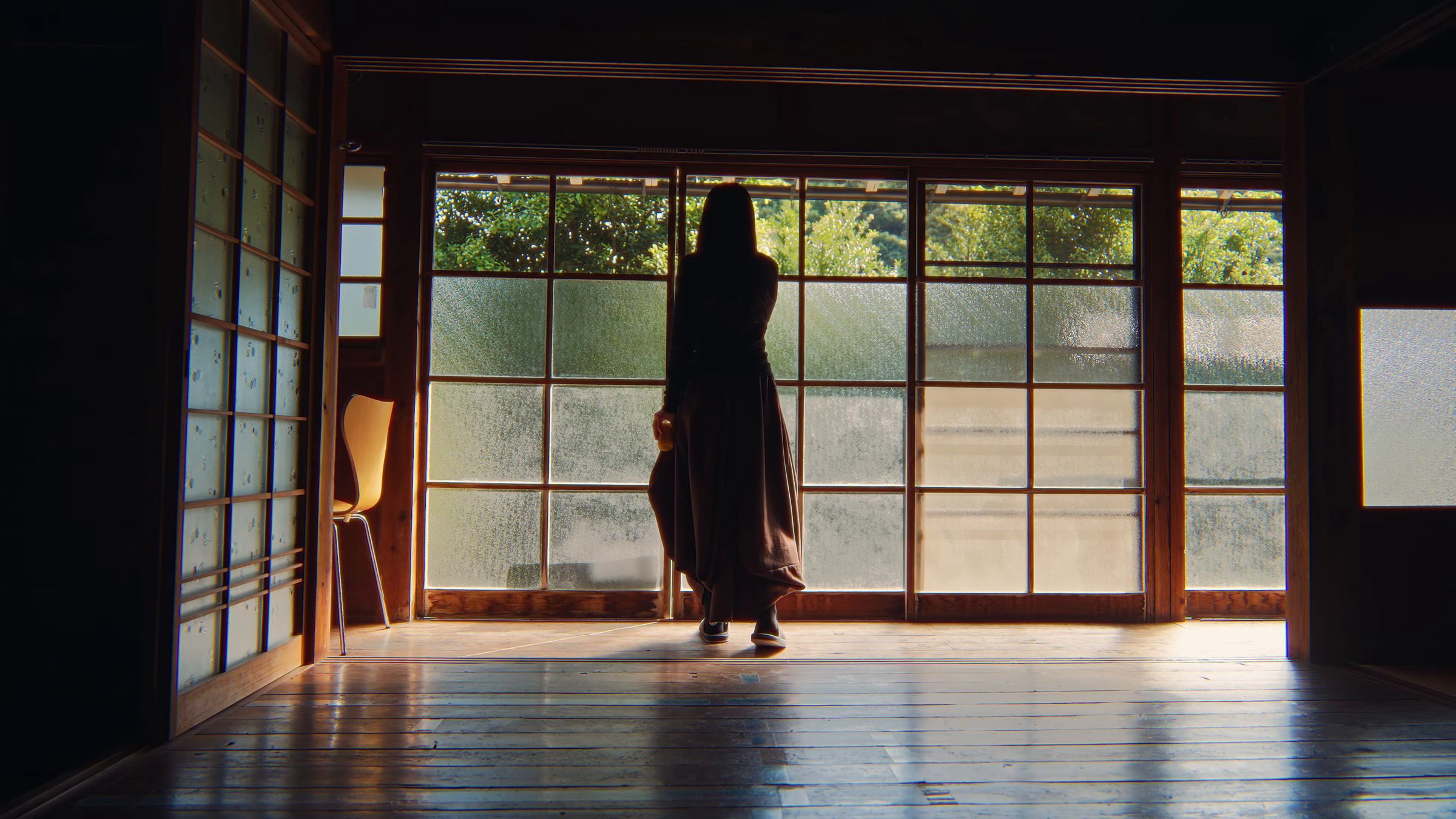
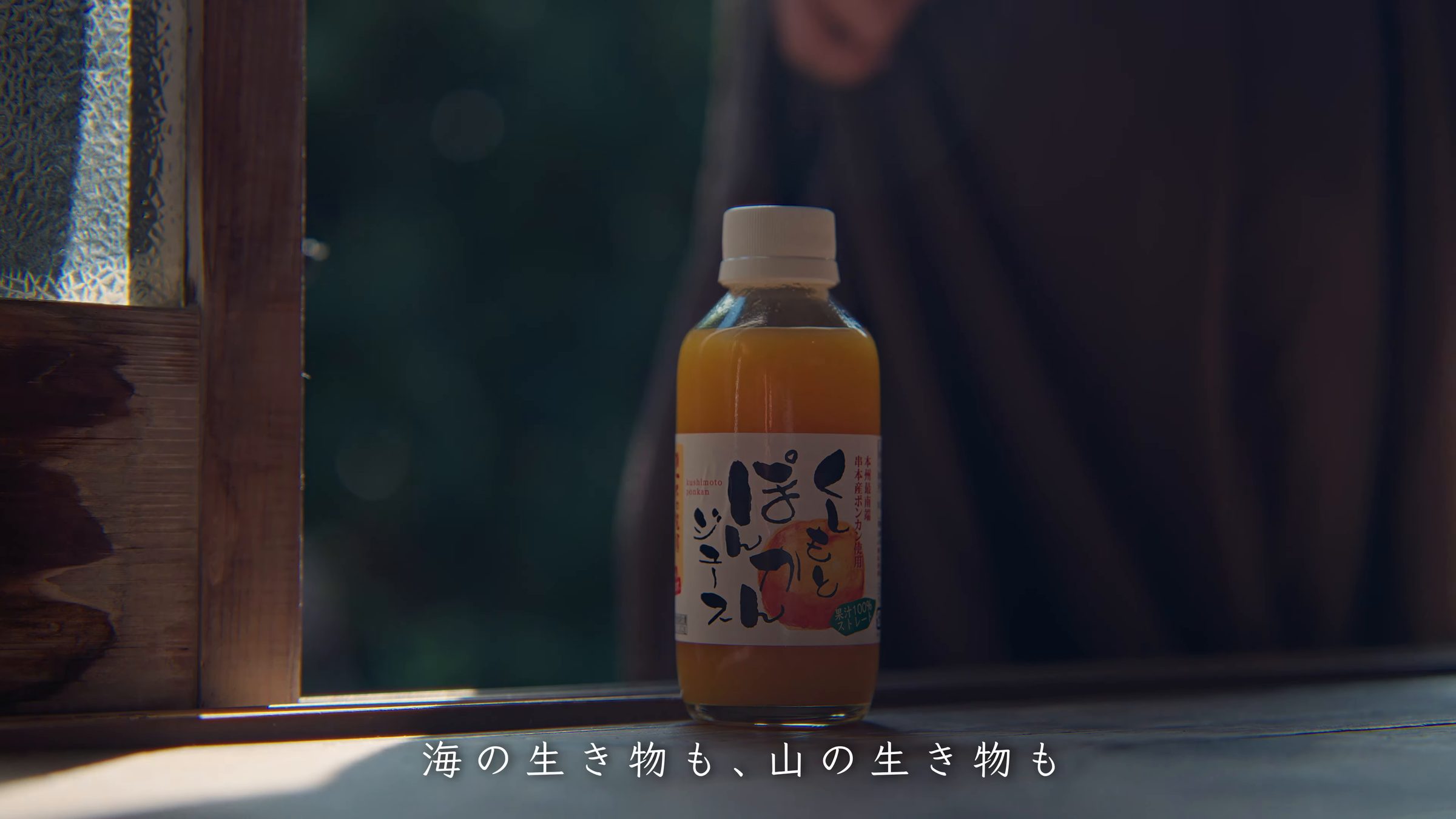
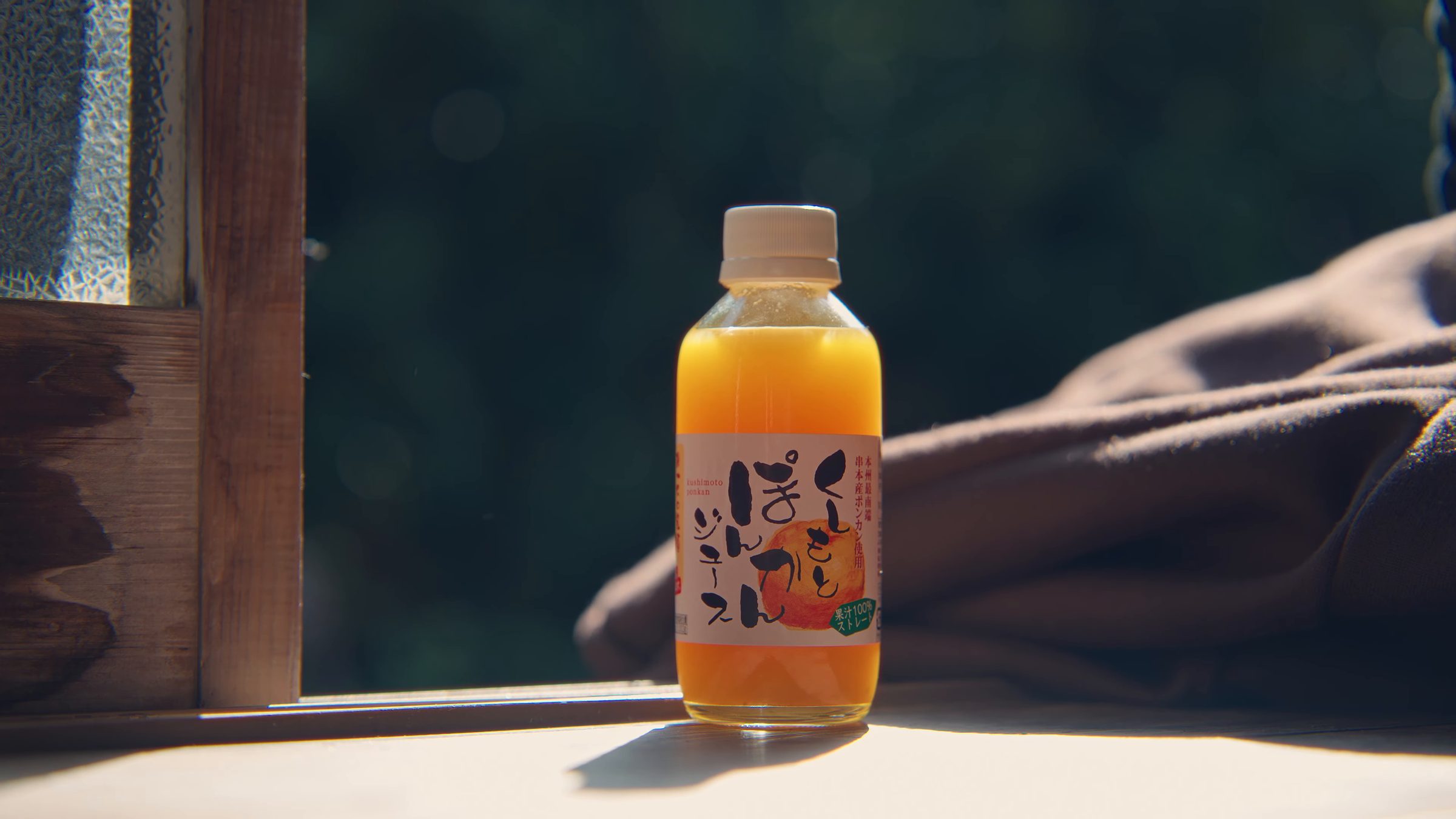
On the windowsill I set a bottle of 100% ponkan juice made from Kushimoto fruit. Creatures of the sea and creatures of the hills all live here at their ease. I sat on the veranda to look at the garden, then stretched out on the wooden floor. Another perfect Kushimoto day.
Watch this scene on YouTube7:33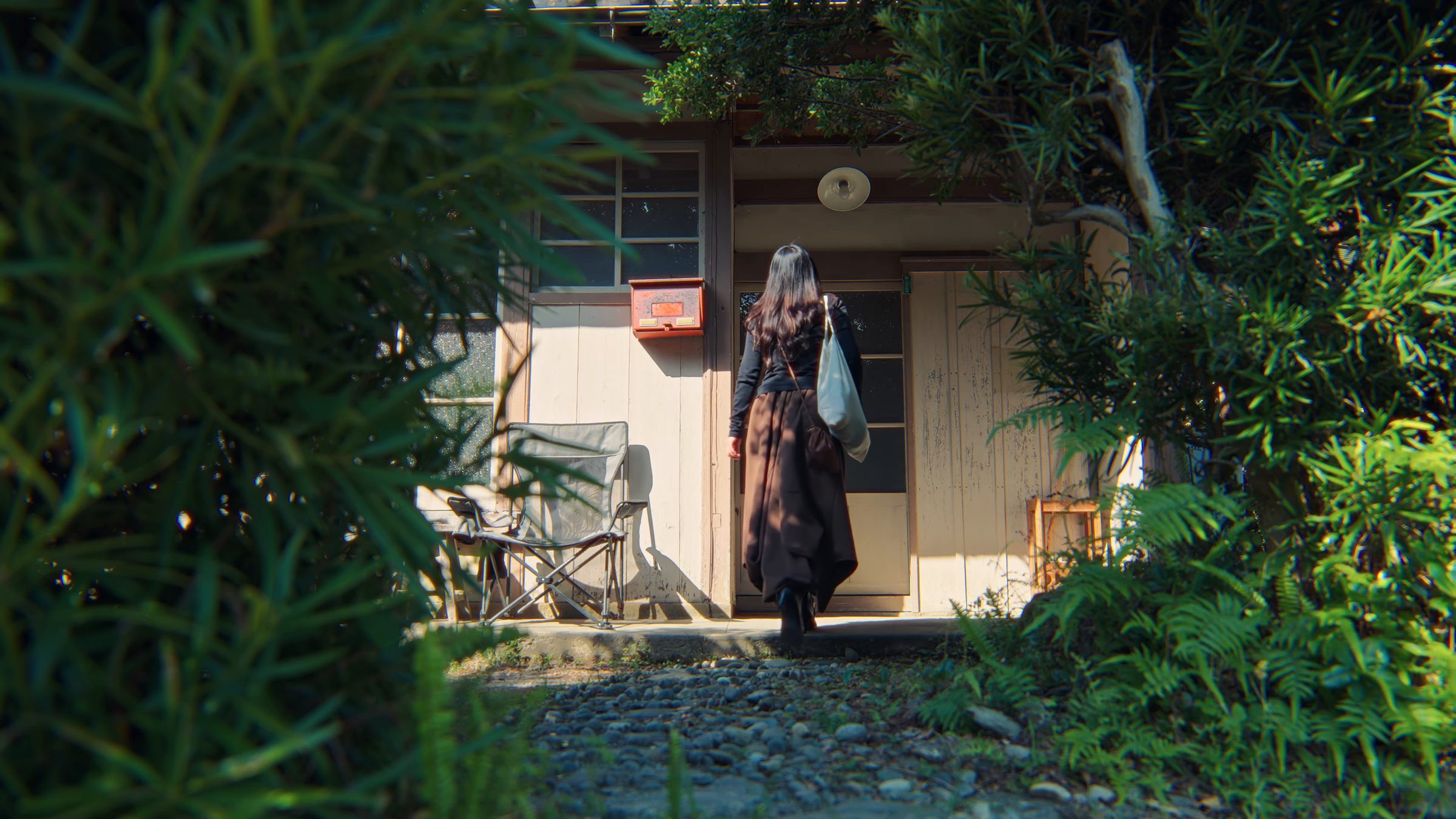
13TRAVEL JOURNAL
Hashigui rocks at dusk, and a Kushimoto dinner
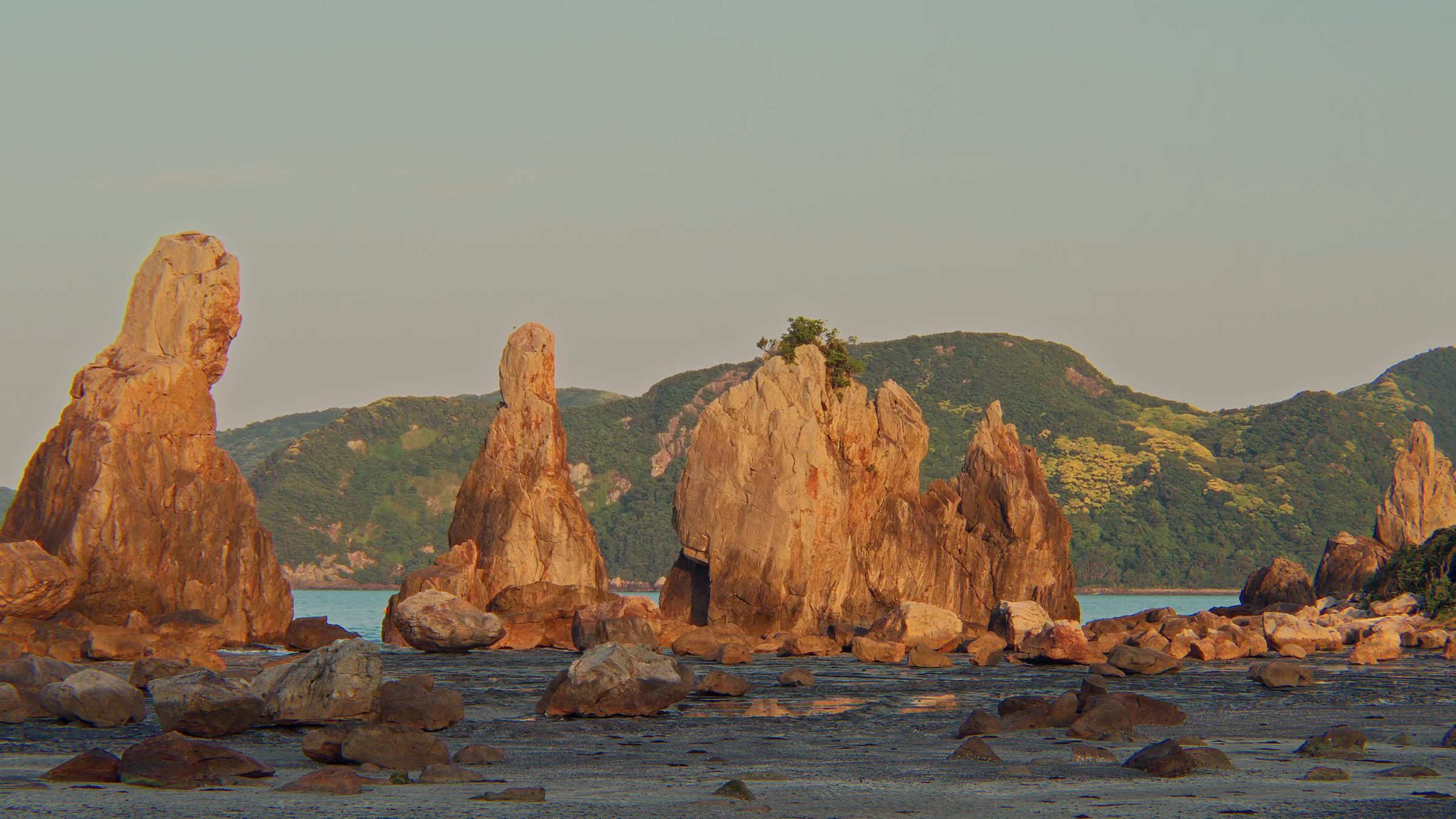
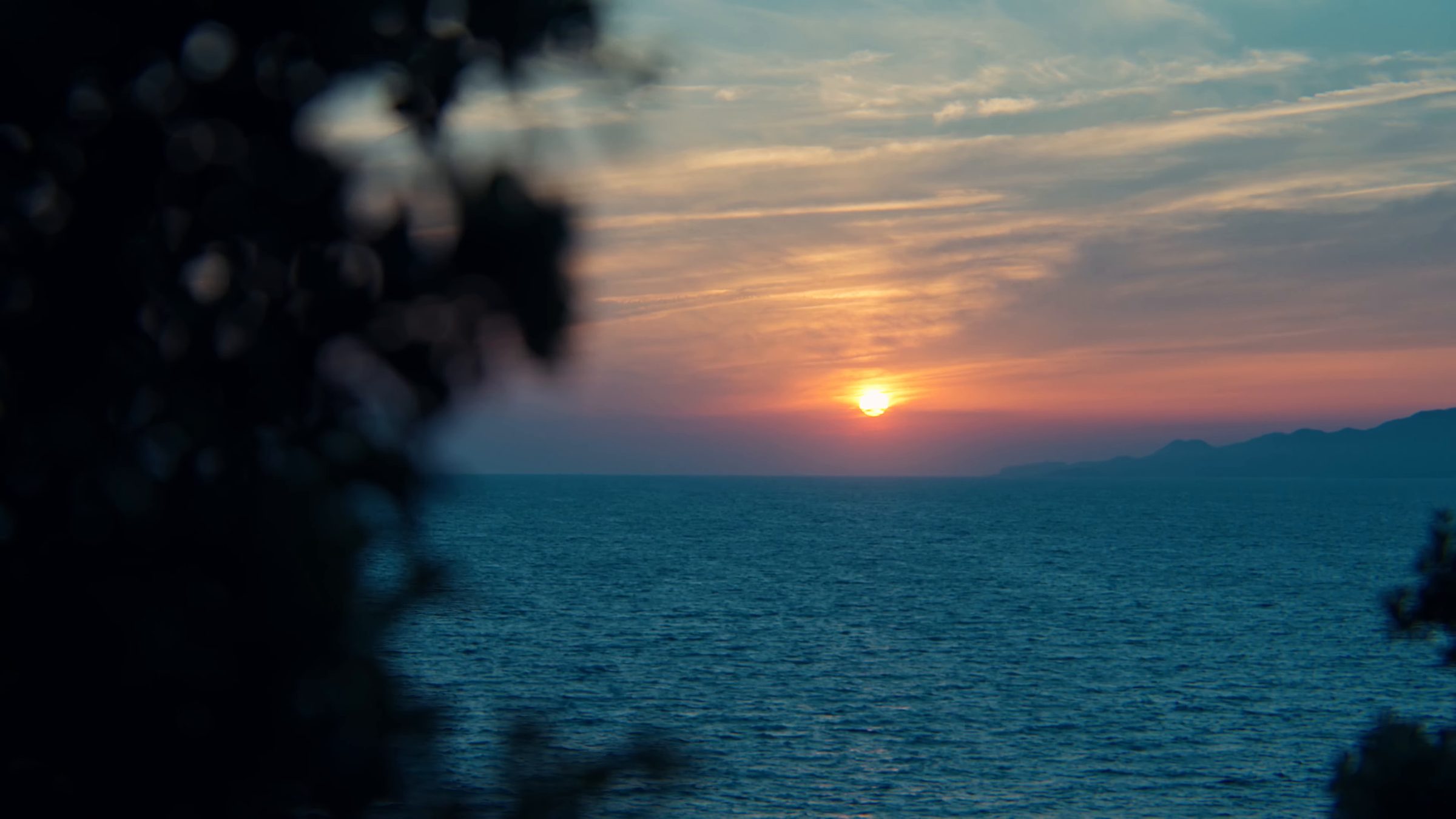
In the evening I passed the bus stop in front of Tanami Station and went to the Hashigui rocks. The row of rocks glowed gold in the setting sun, and the sun went down beyond the sea.
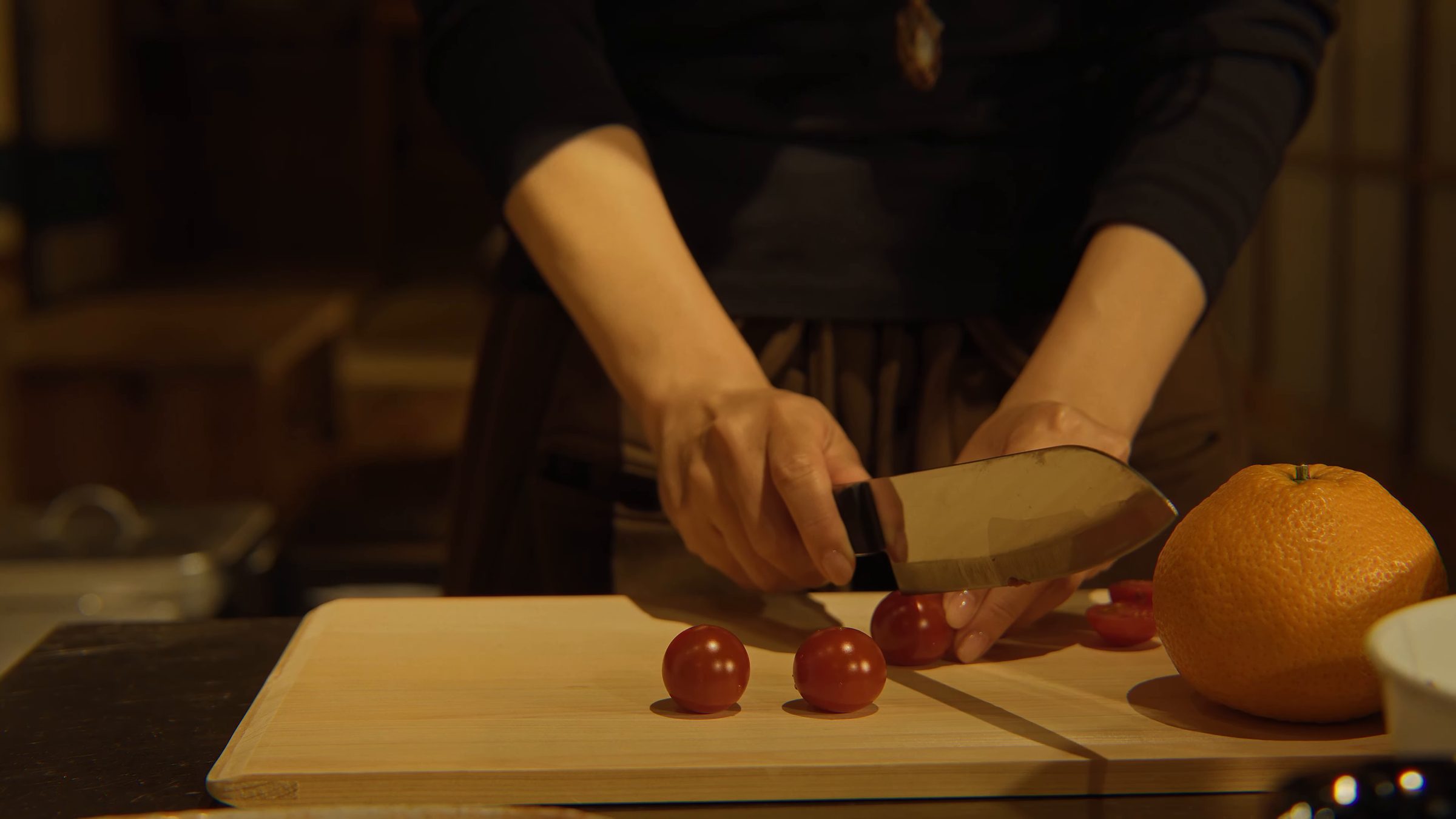
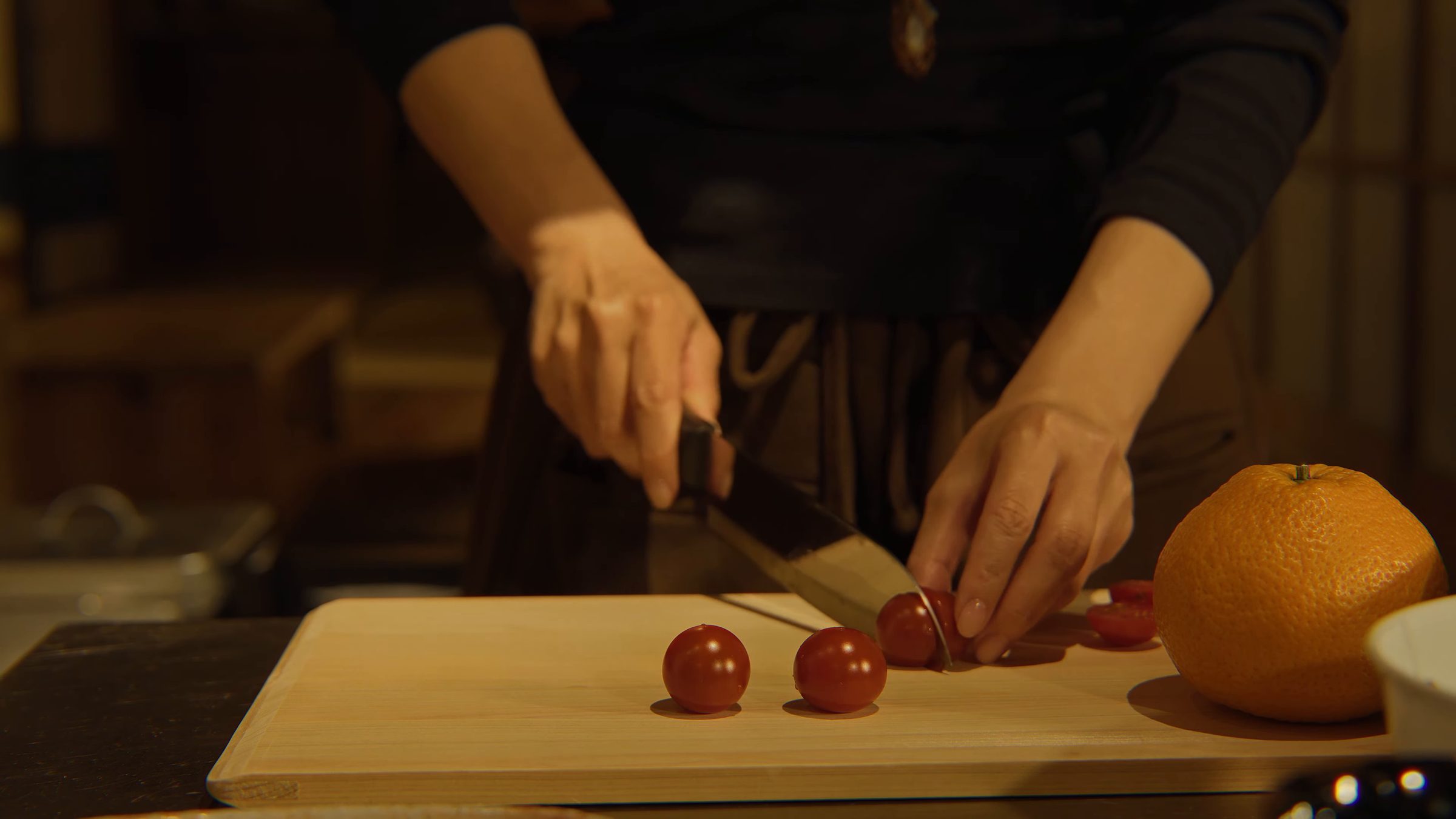
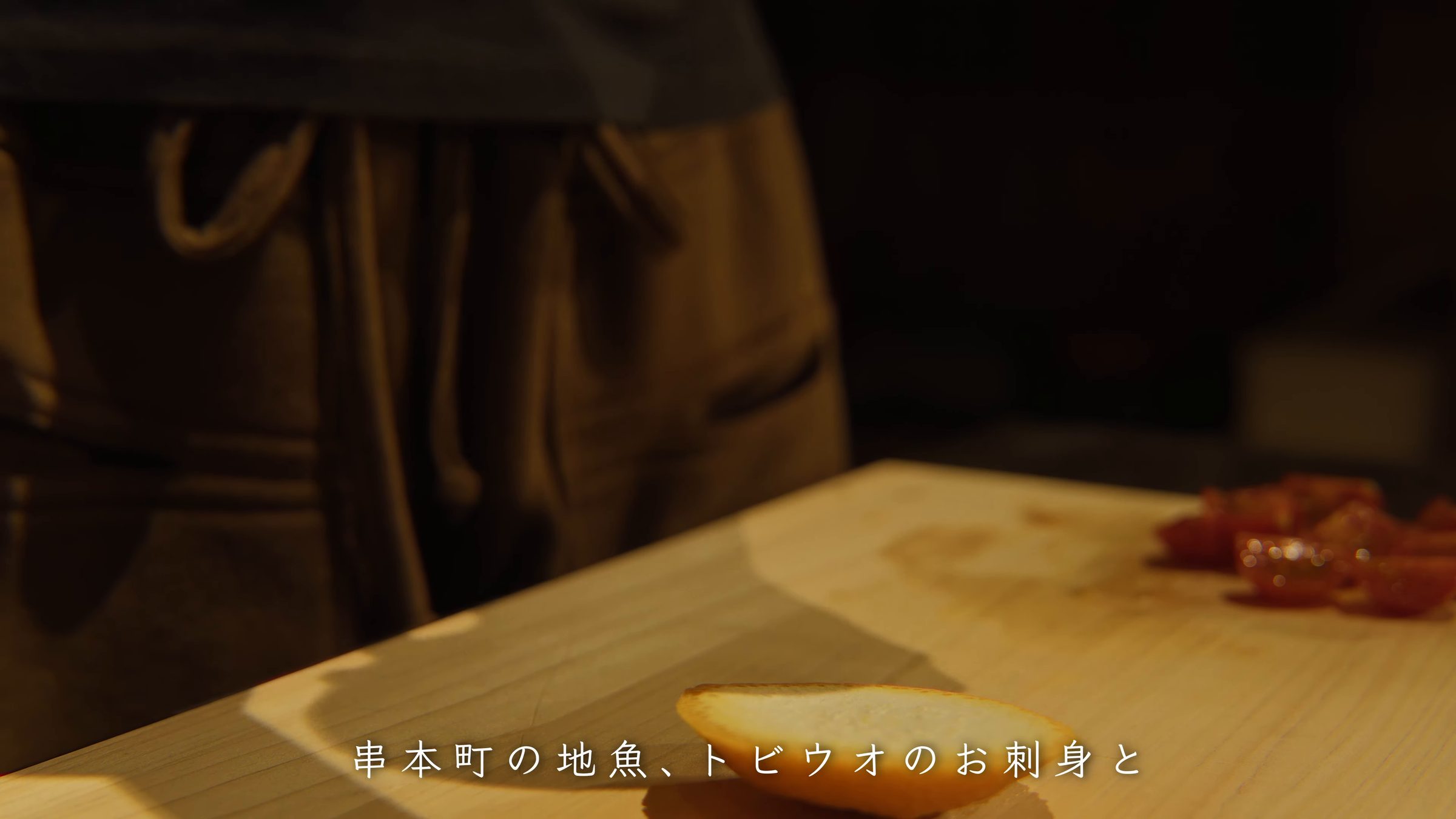
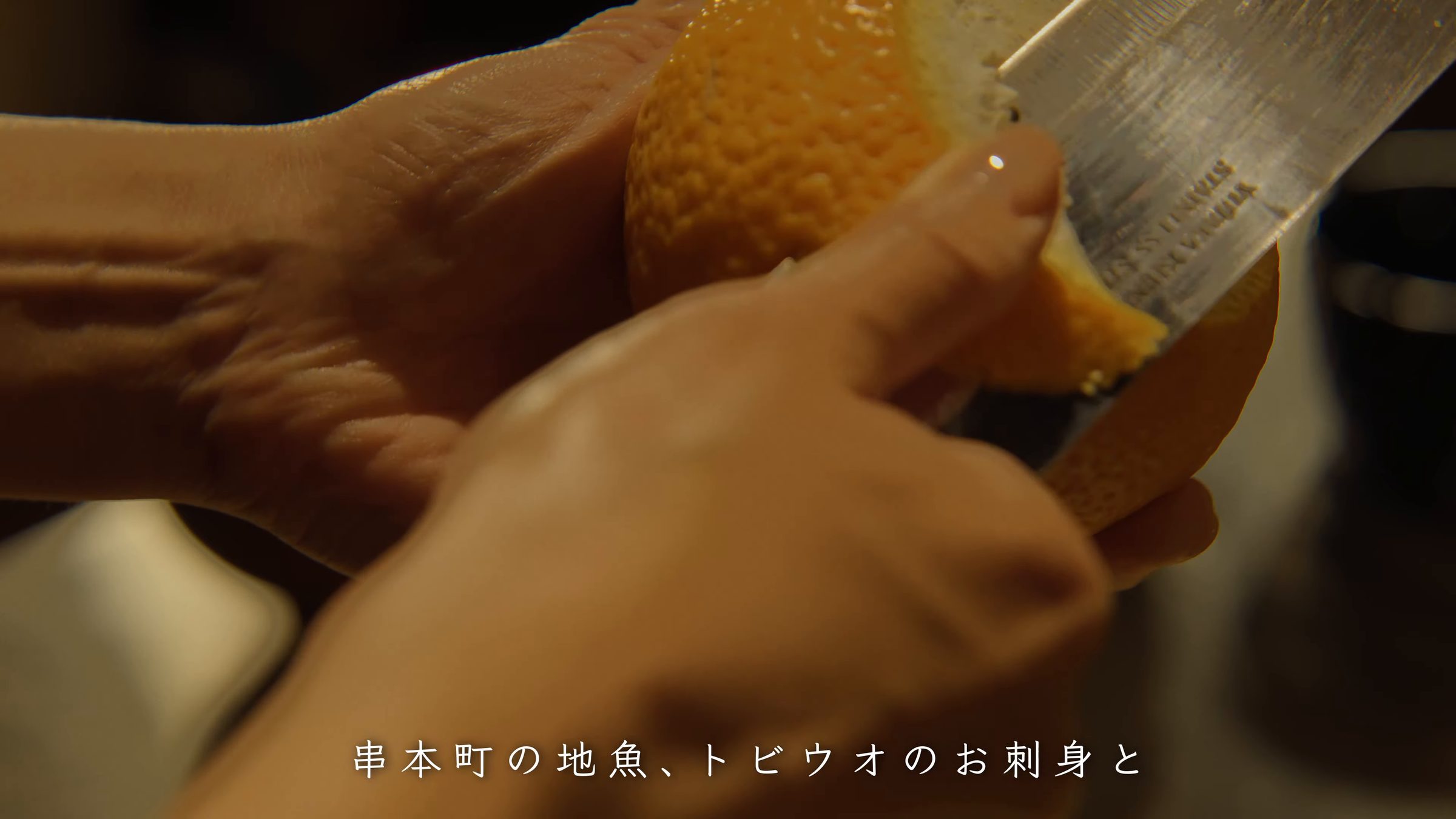
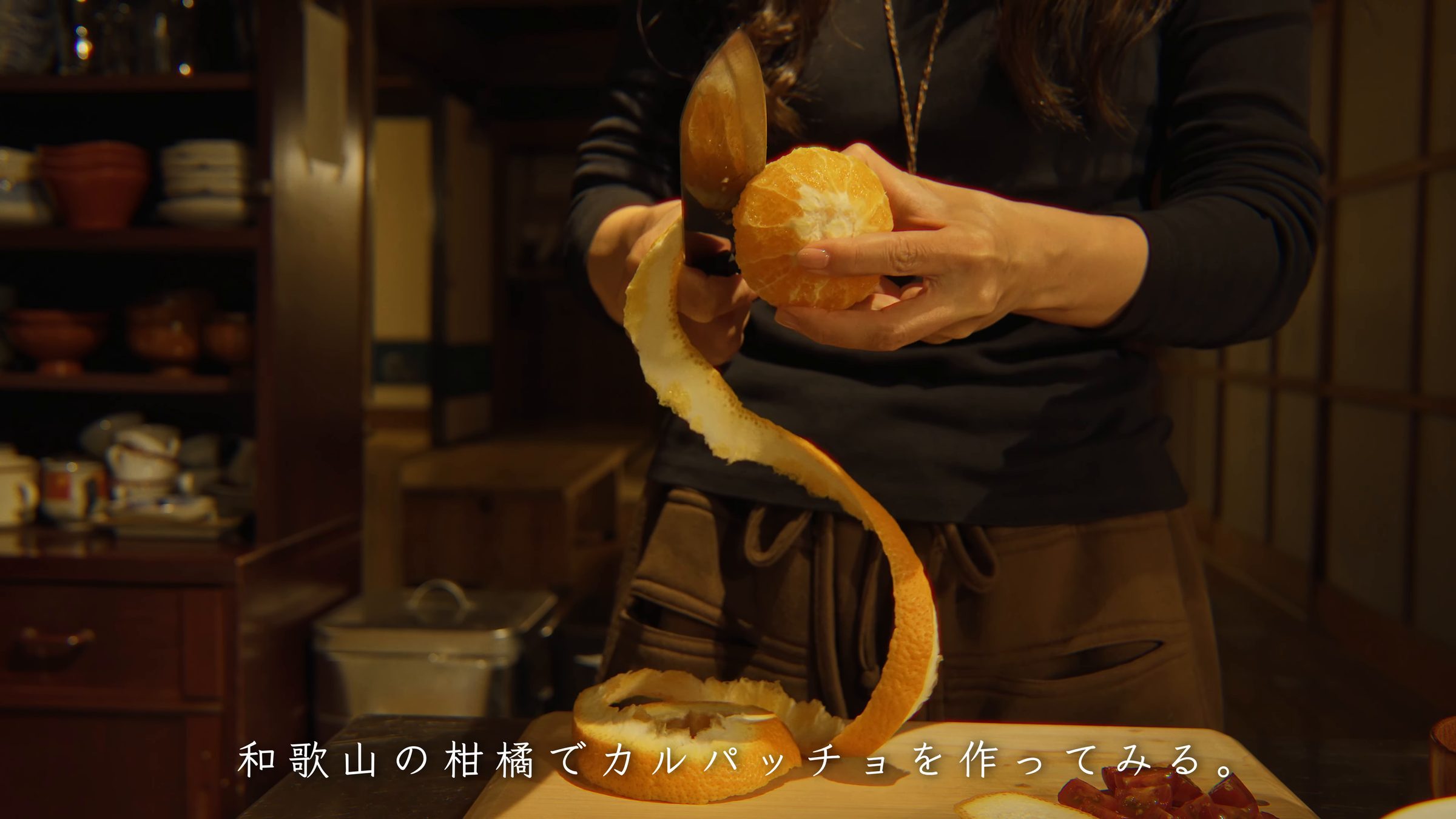
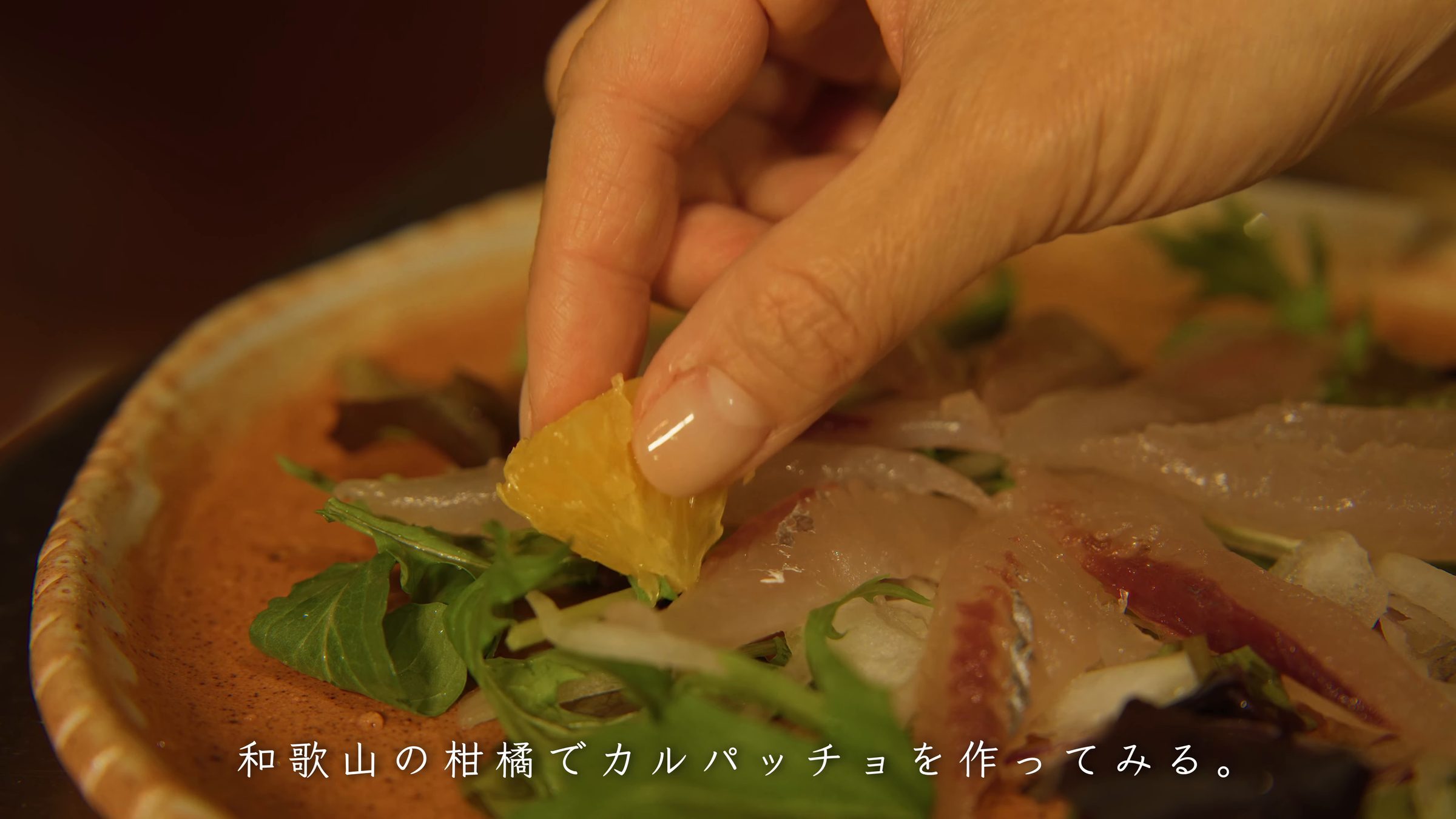
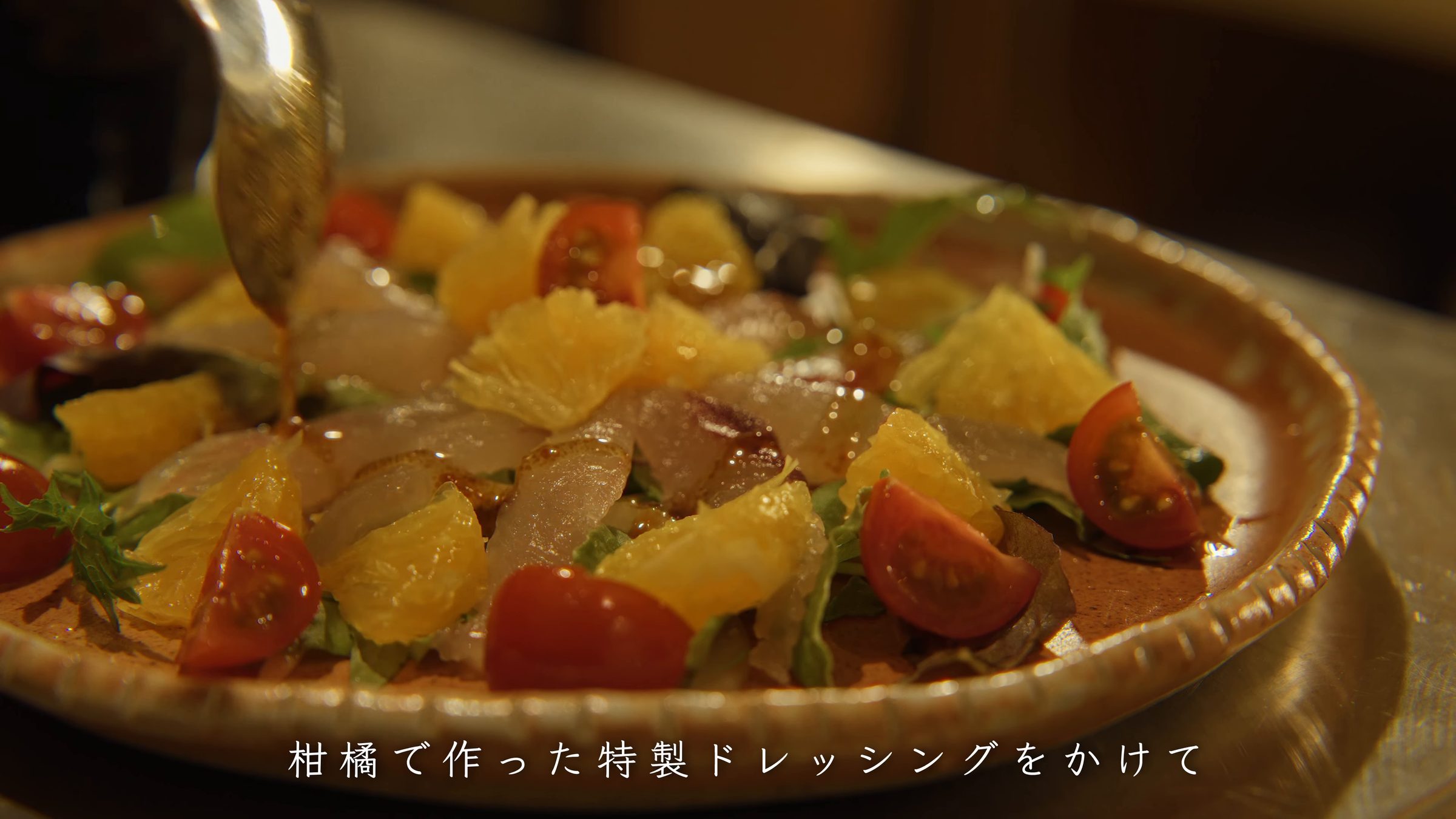
For dinner I tried a carpaccio of Kushimoto's local flying fish sashimi and Wakayama citrus. I cut cherry tomatoes, peeled the citrus and took out the segments. Over a bed of leaves I arranged thin slices of flying fish, scattered the citrus and tomatoes on top, and finished it with a special citrus dressing.
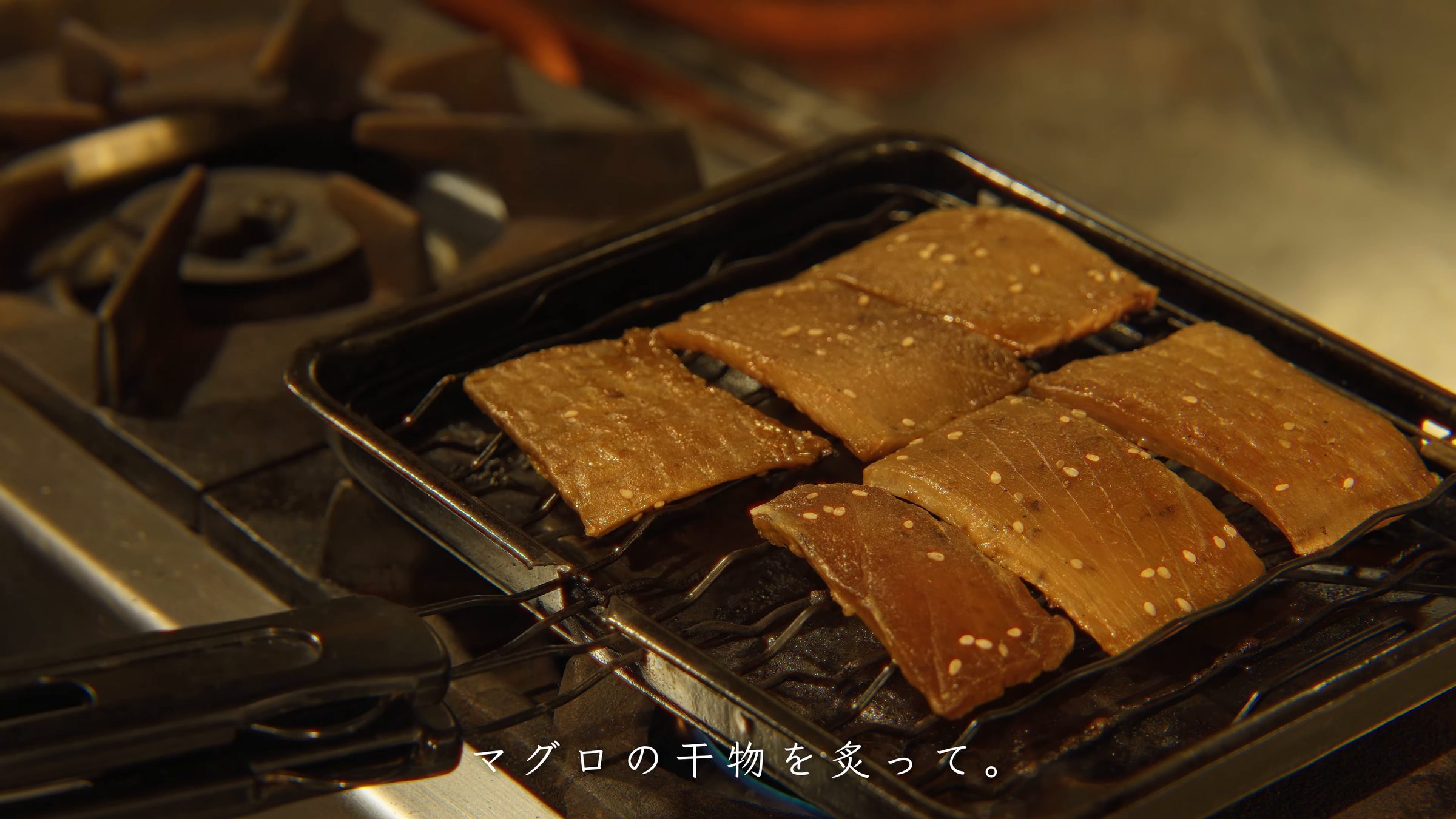
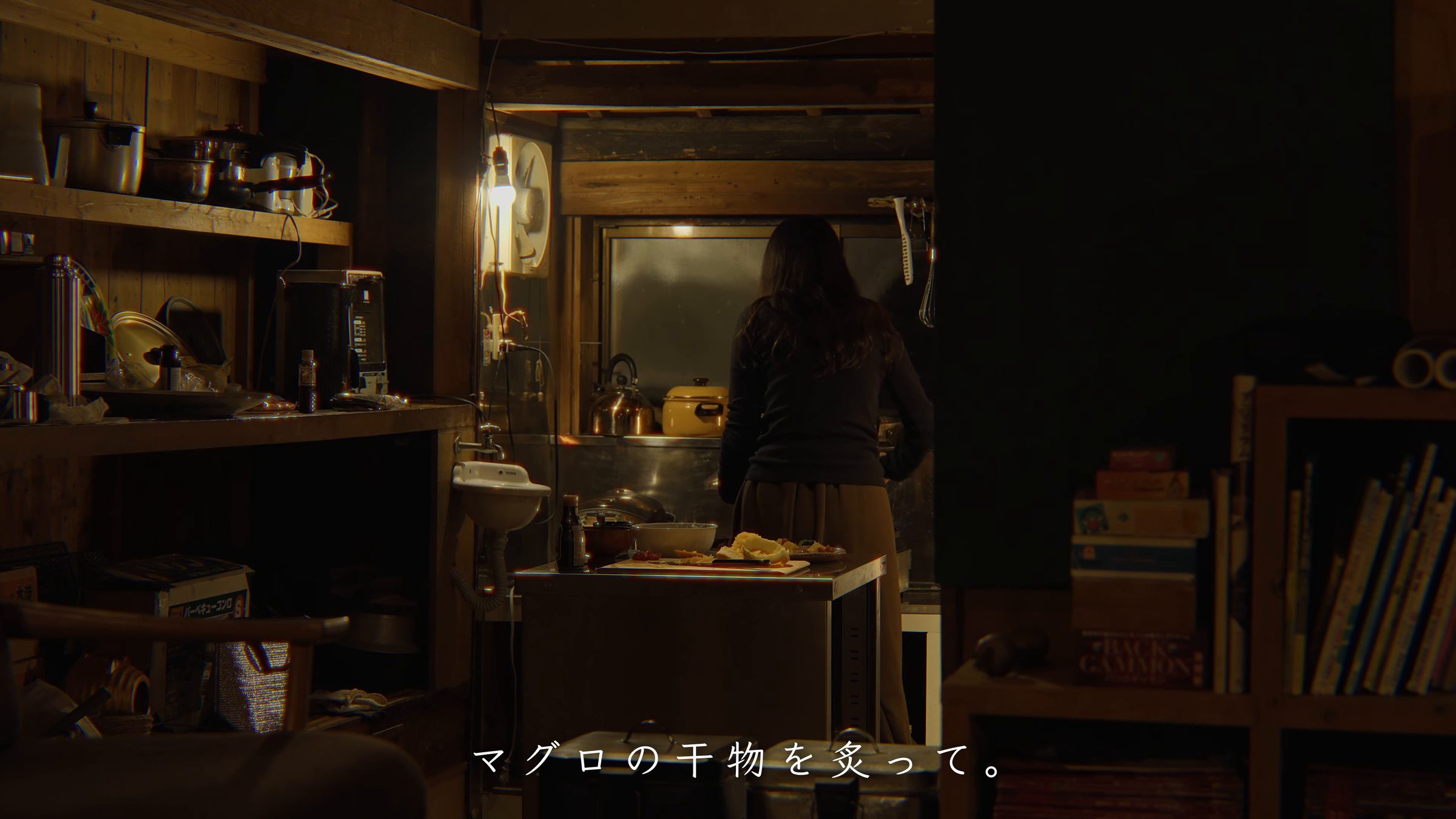
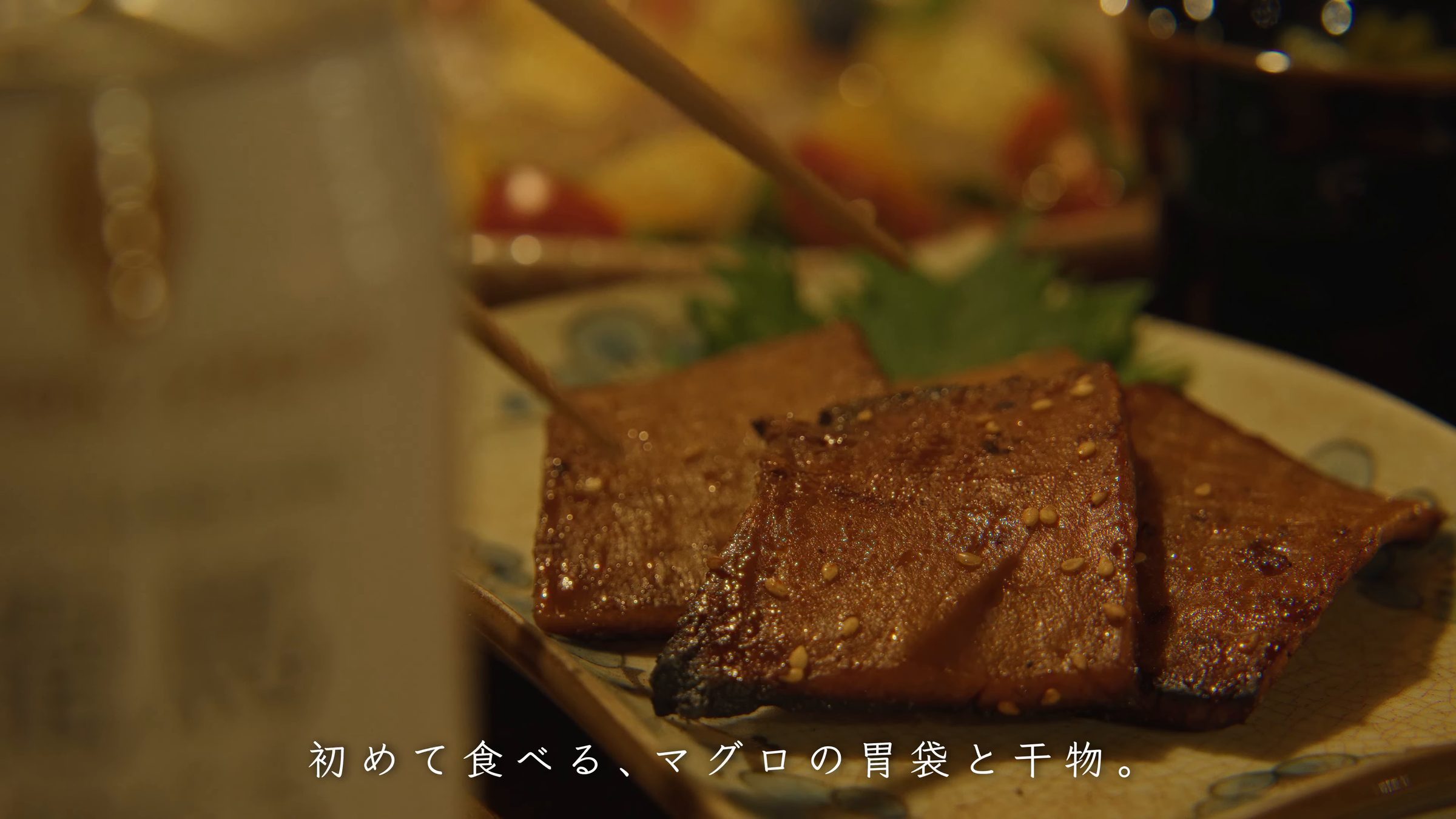
The other dish was dried tuna from the roadside station. As it grilled on the wire rack, a savory smell filled the kitchen.
Watch this scene on YouTube8:34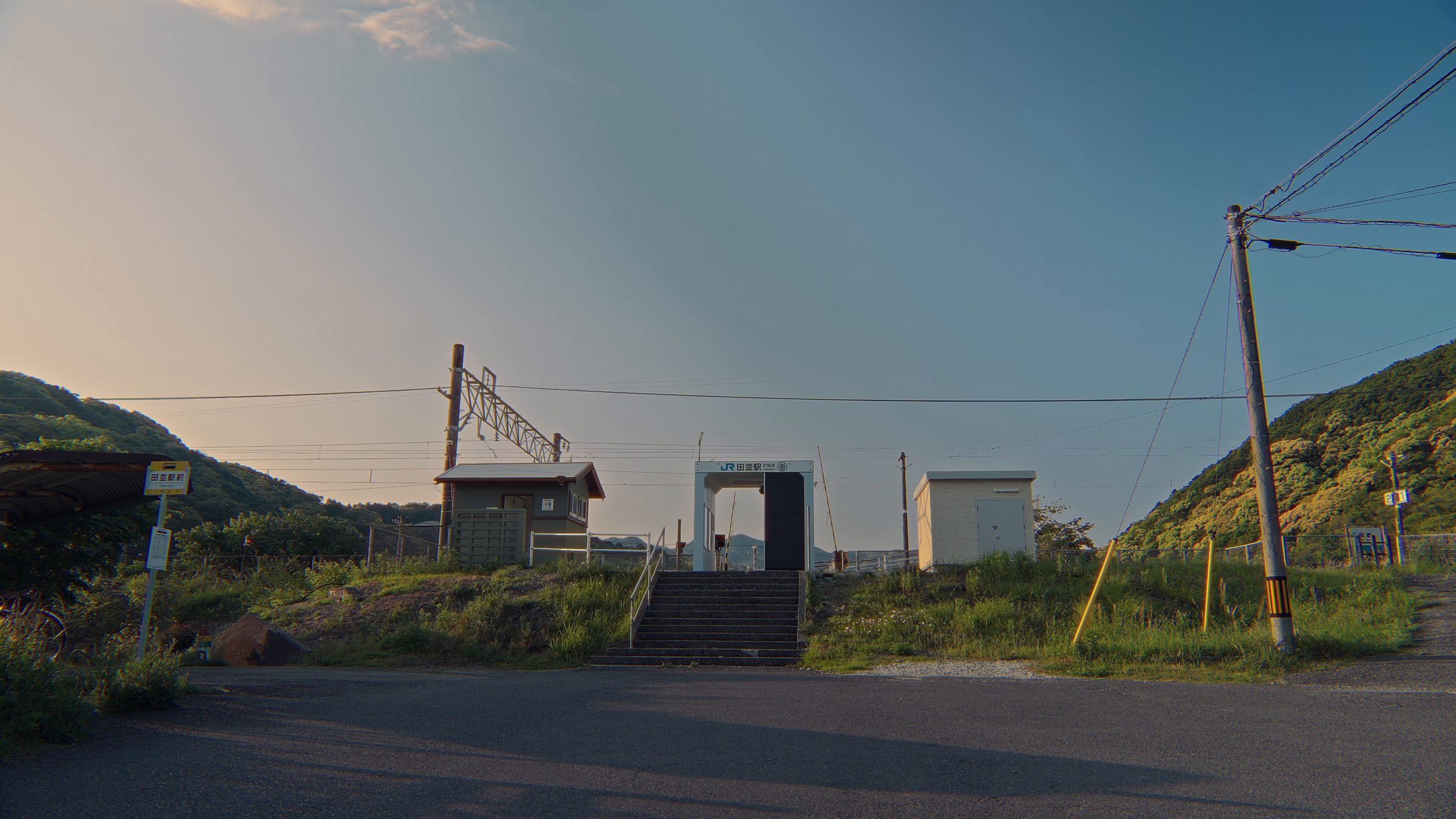
14TRAVEL JOURNAL
Flavors met for the first time
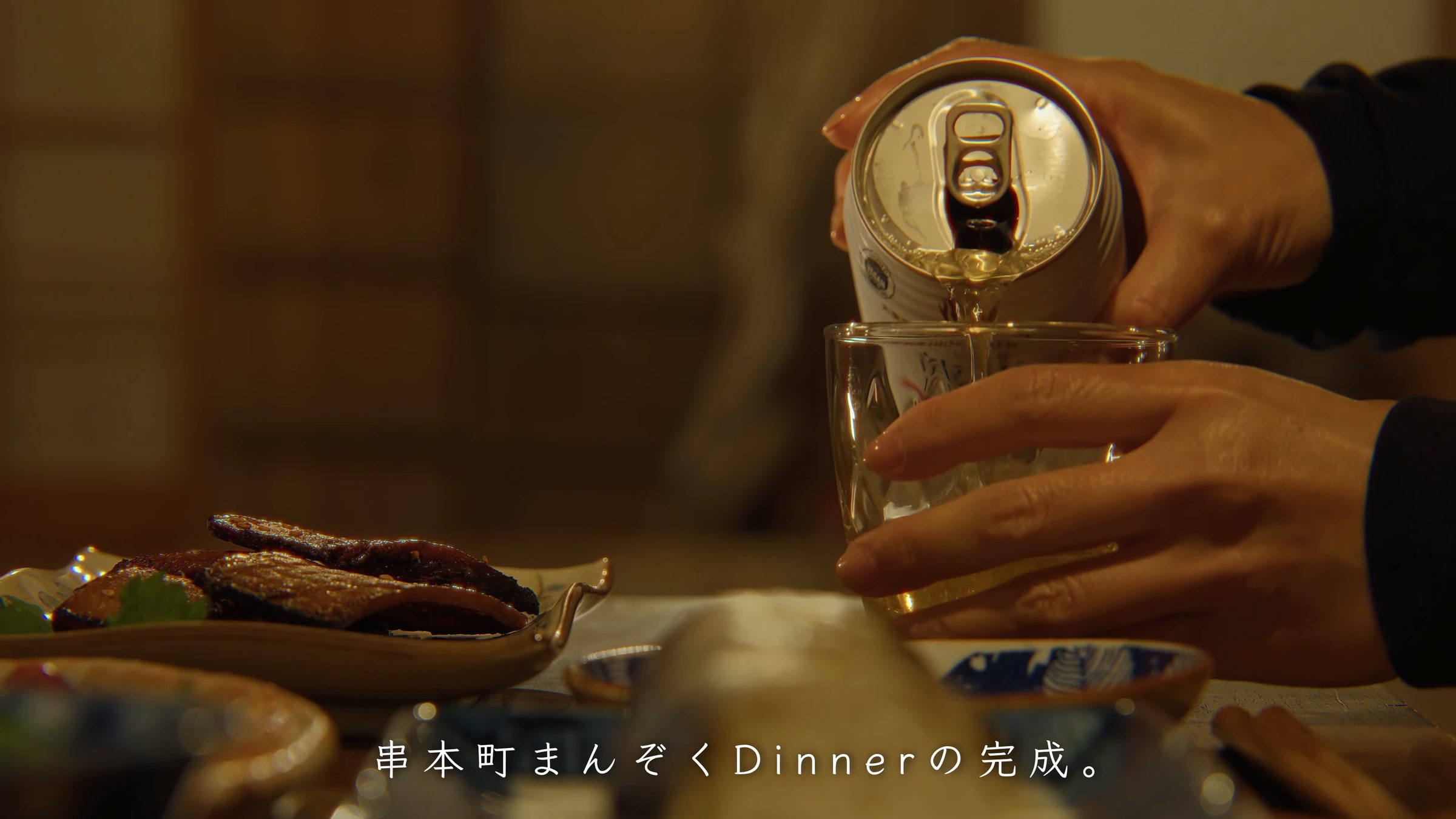
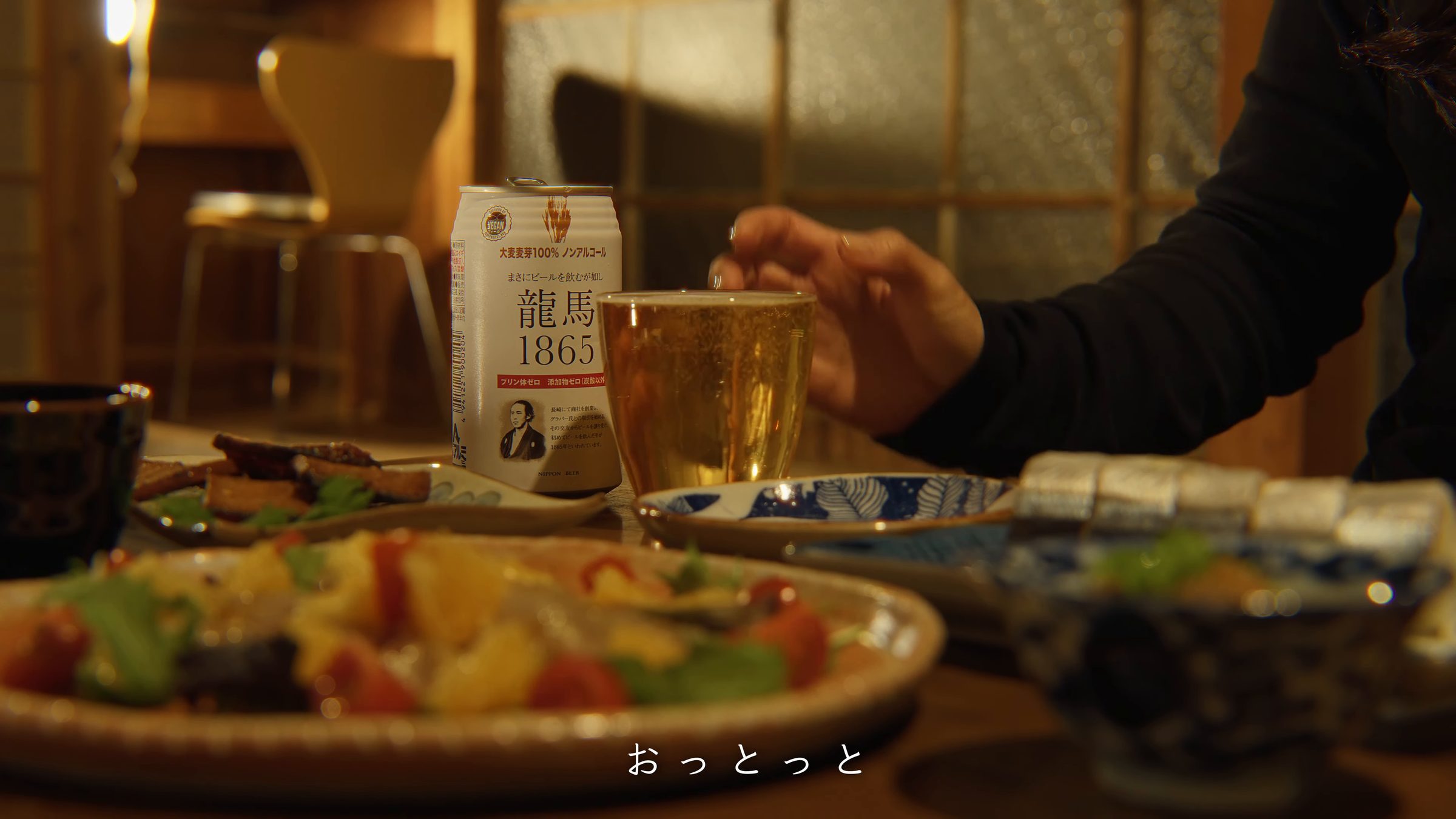
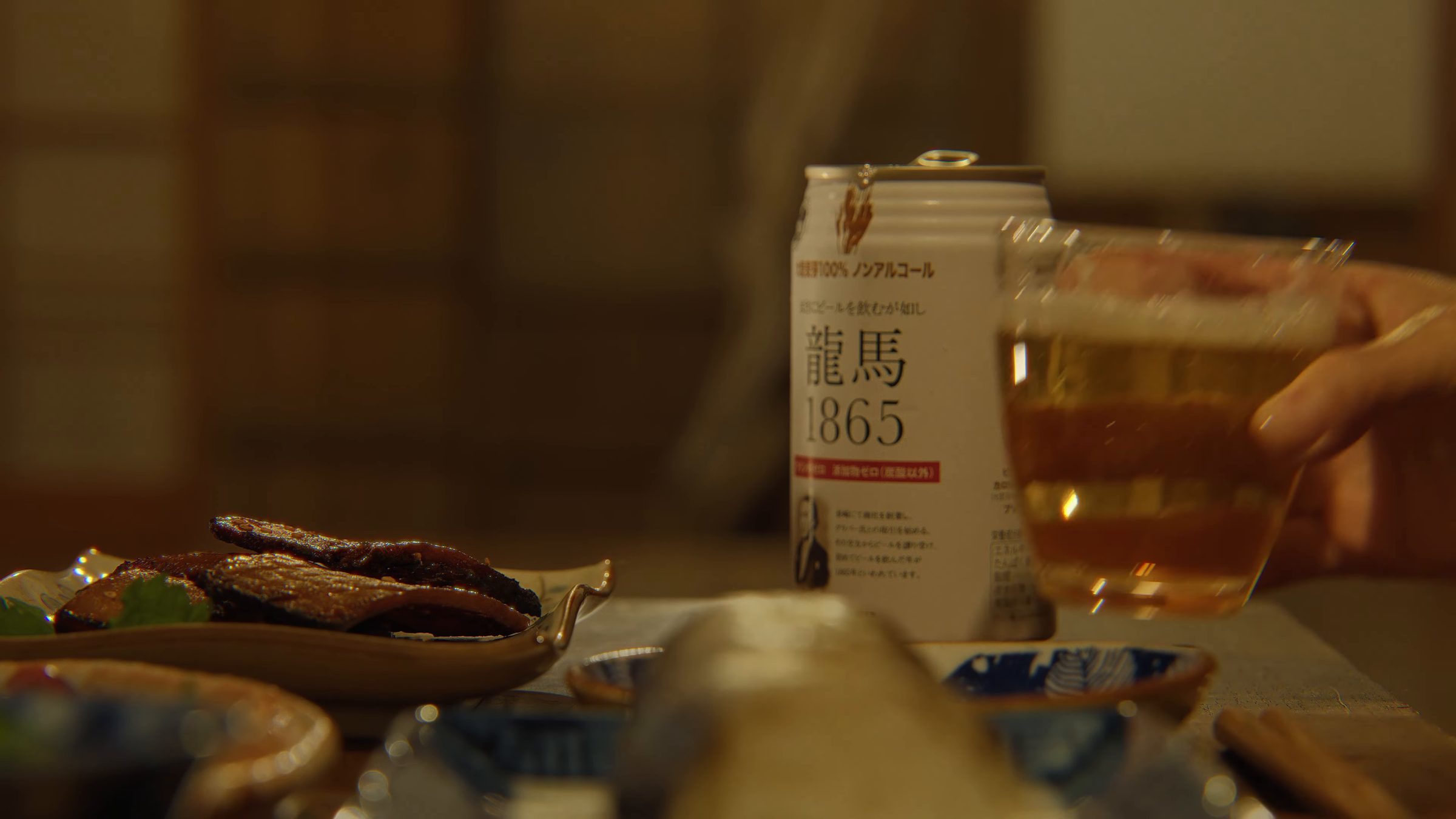
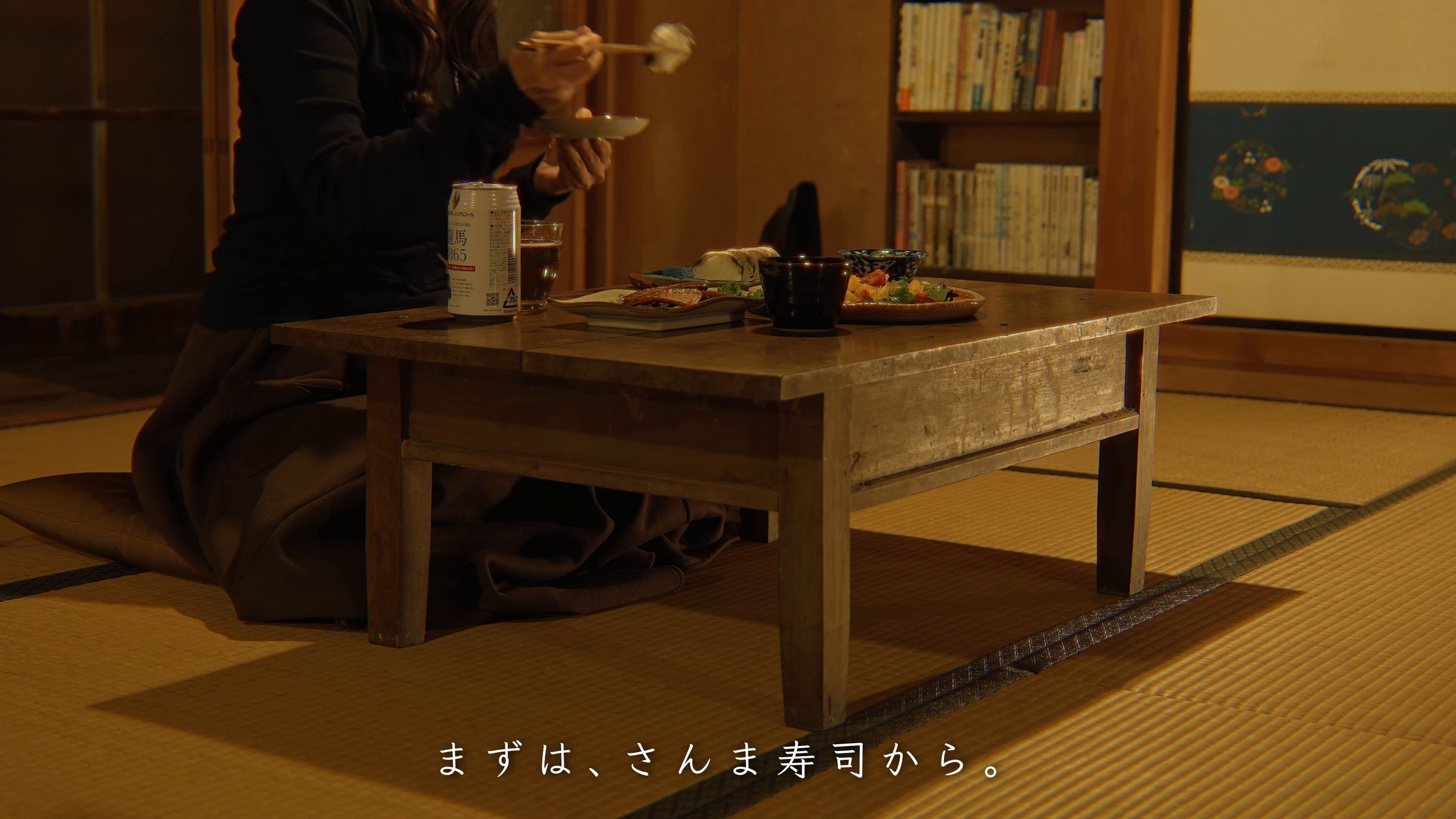
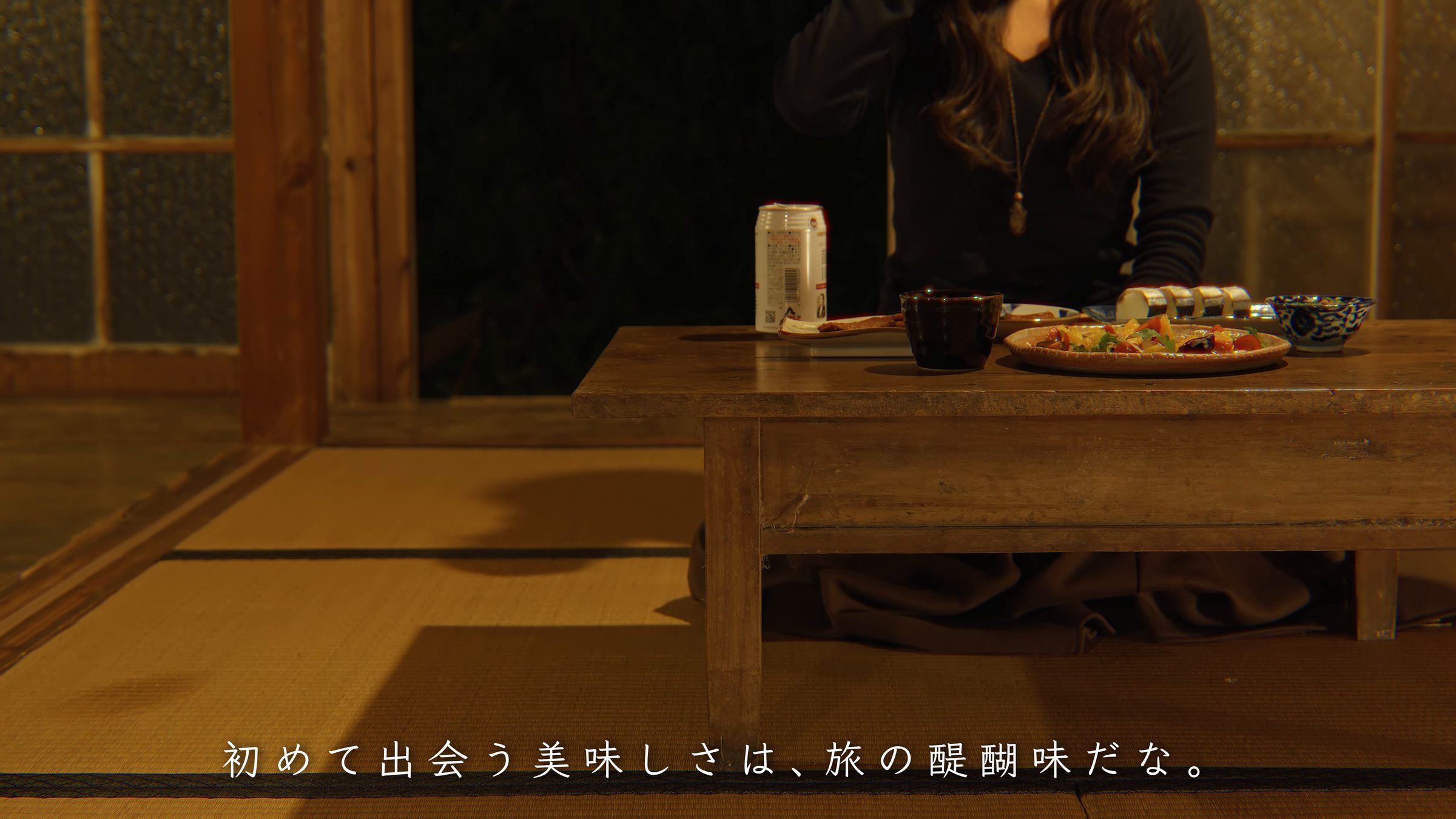
The Kushimoto feast was ready: carpaccio, saury sushi, grilled dried tuna, and tuna stomach simmered in sesame. When I poured a non-alcoholic all-malt beer, the foam ran over the glass. Oops.
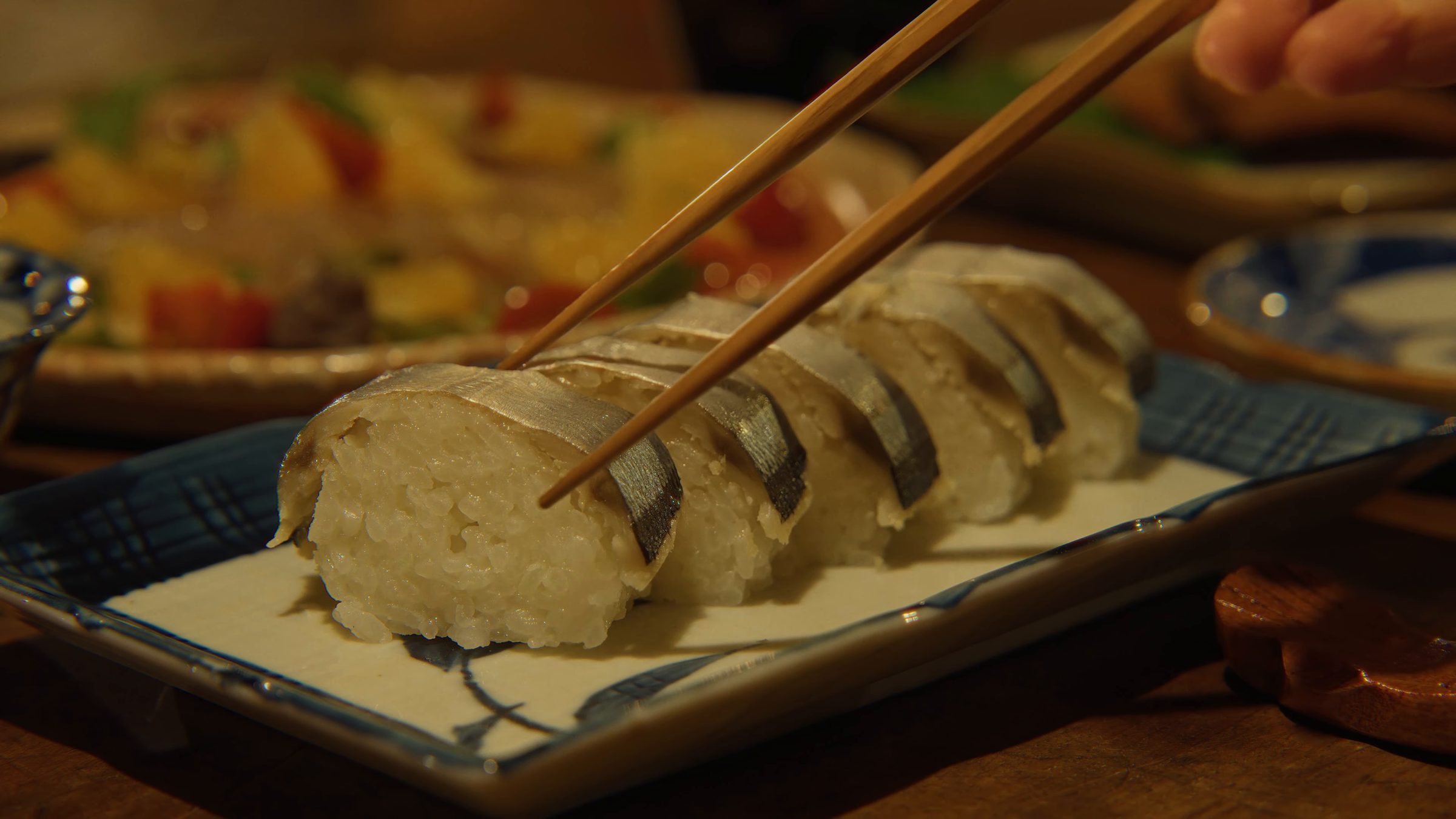
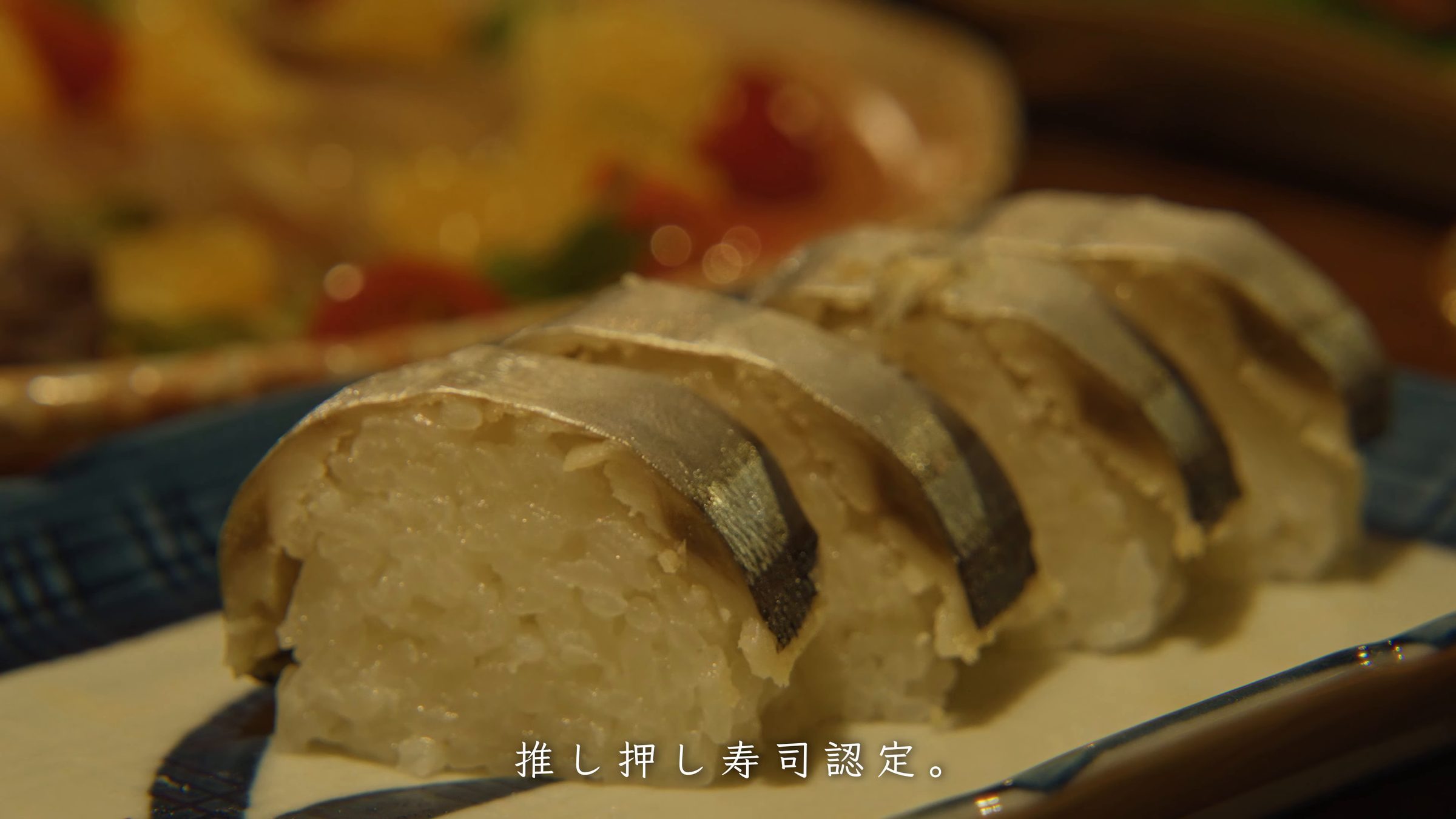
First, the saury sushi. Under the vinegar-cured saury lay sushi rice scented with yuzu. Officially my new favorite pressed sushi. The tuna stomach sprinkled with green onions and the grilled dried fish were both flavors I had never tasted before. Meeting a taste for the first time is the real pleasure of traveling.
Kushimoto, where a sea like the tropics meets the old scenery of Japan. It was a place warm in its land and warm in its history.
Watch this scene on YouTube9:18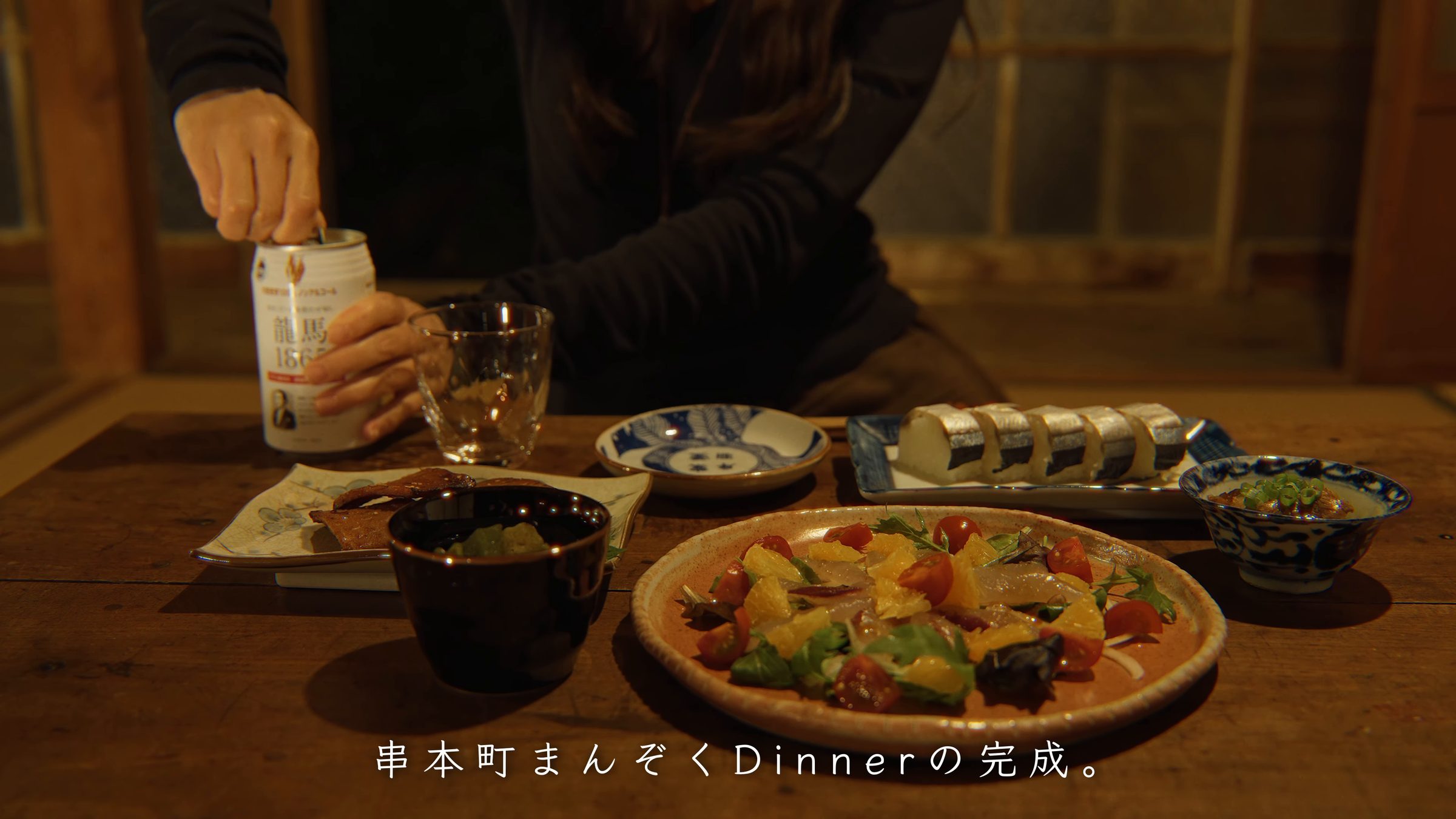
THE JOURNEY IN FILM
The wind. The sounds of a kitchen.
Spend a little more time inside the journey, on film.
Watch the video11 minTHE BORROWER’S NOTES
The Borrower's Notes: Kushimoto
Places we stopped, dishes we made, and stories of the land. A few things to keep from the journey.
01Where I ate and shopped
Marine Park Restaurant Acropora
1157 Arida, Kushimoto, Higashimuro District, Wakayama (inside Kushimoto Marine Park)
The restaurant next to the aquarium at Kushimoto Marine Park, with the Pacific outside the windows. I had the Setouchi lemon cake with ice cream and an iced coffee. Meals such as tuna, local fish set menus and Wakayama ramen are also served.
Sources: kushimoto.co.jp iko-yo.net
Cafe Lapin
990-1 Kashino, Kushimoto, Higashimuro District, Wakayama
The name never appears on screen, but the location and the menu suggest it was this cafe. A cafe at the start of the path to Kashinozaki Lighthouse and the Turkish Memorial Museum on Kii-Oshima. Its specialty is kebab rice, beef or chicken, served in yogurt sauce over white rice with chili threads. Turkish cloth decorates the room, and the sea is visible from the window.
Sources: cafe.lapin-kushimoto.com retty.me tabelog.com
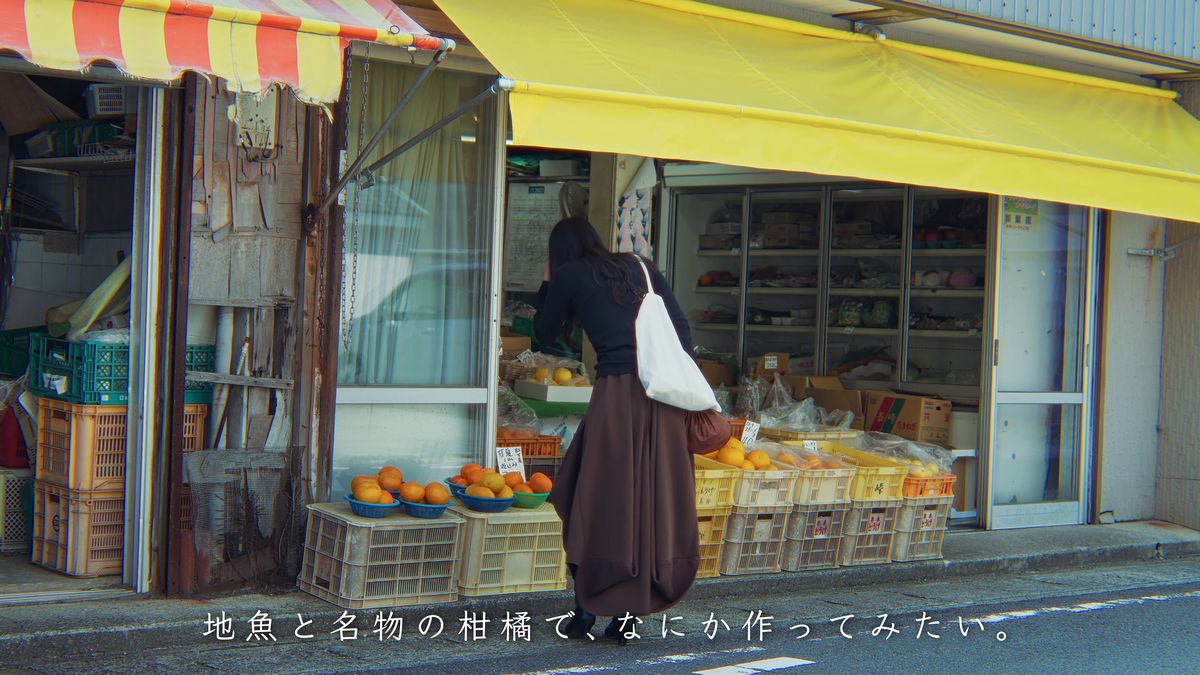
Local shops (a fishmonger and a greengrocer)
I shopped at small stores in town. A fishmonger with a refrigerated case under the eaves sold packs of local fish, and a greengrocer with a yellow awning had baskets of citrus labeled Sweet Spring and Hassaku. The flying fish sashimi and citrus for dinner came from here.
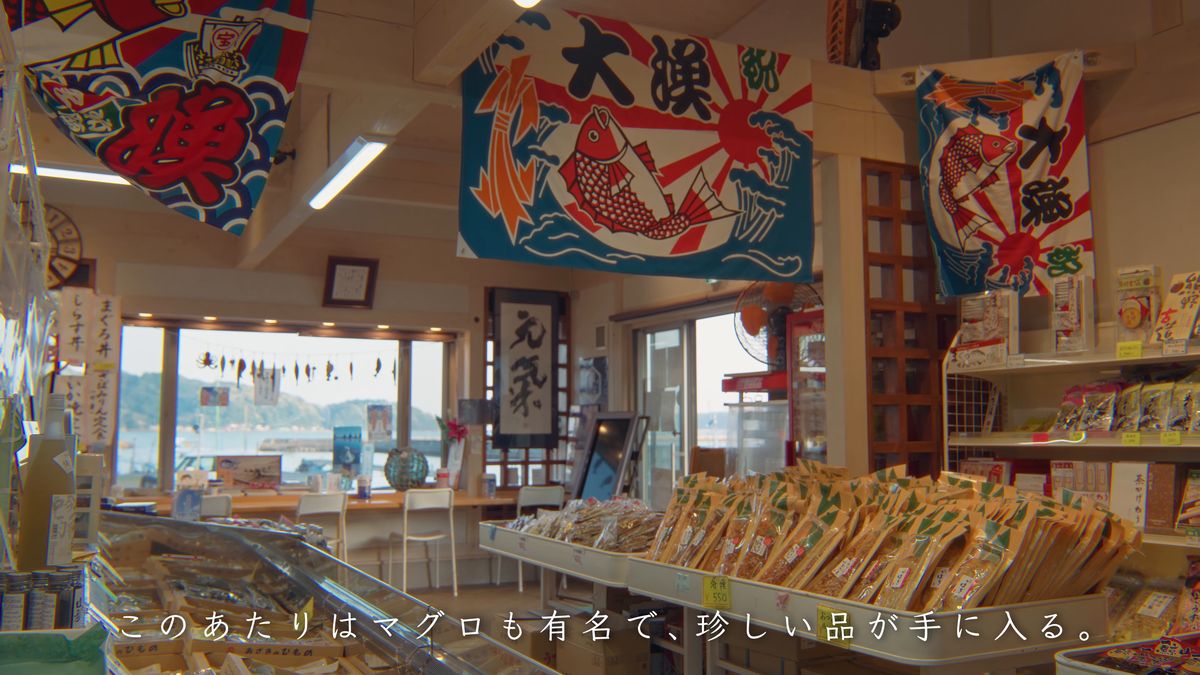
Kushimoto Hashiguiiwa Roadside Station
1549-8 Kujinokawa, Kushimoto, Higashimuro District, Wakayama
A roadside station looking straight out at the Hashigui rocks, a national scenic spot and natural monument. I bought saury sushi, tuna stomach simmered in sesame, and dried tuna. Fishermen's banners hang inside, and the shelves carry Kushimoto specialties such as processed tuna innards and fried moray eel.
Sources: rurubu.jp
02What I cooked
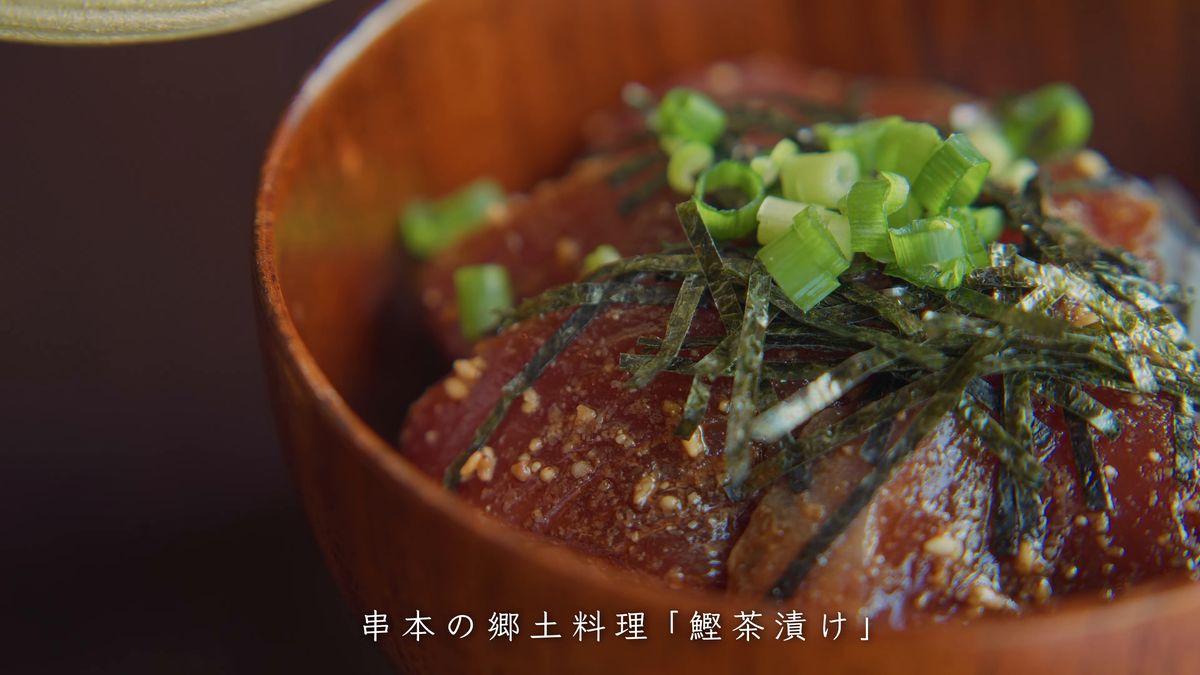
Katsuo chazuke (bonito over rice with hot broth)
Bonito dressed in sauce is laid over rice and eaten with hot broth poured on top. It is a well-known signature dish of Kushimoto's eateries; some serve the first bowl like a rice bowl and the second as chazuke. Along the Kinan coast, including Kushimoto, bonito are caught one at a time by kenken trolling, a method said to have come from Hawaii in the Meiji era, then bled immediately and chilled in ice water. The fish is fresh enough for sashimi and, eaten the day it is landed, has a chewy texture that earns it the name mochi-gatsuo. The season runs from March to May.
IngredientsCooked rice, Sashimi-grade bonito (a block), Sesame soy sauce, Shredded nori, Green onions, Hot dashi broth
- Chop the green onions
- Slice the bonito and dress it in the sesame soy sauce
- Lay the bonito over rice and top with nori and green onions
- Pour hot broth over the bowl and eat
Sources: walkerplus.com pref.wakayama.lg.jp
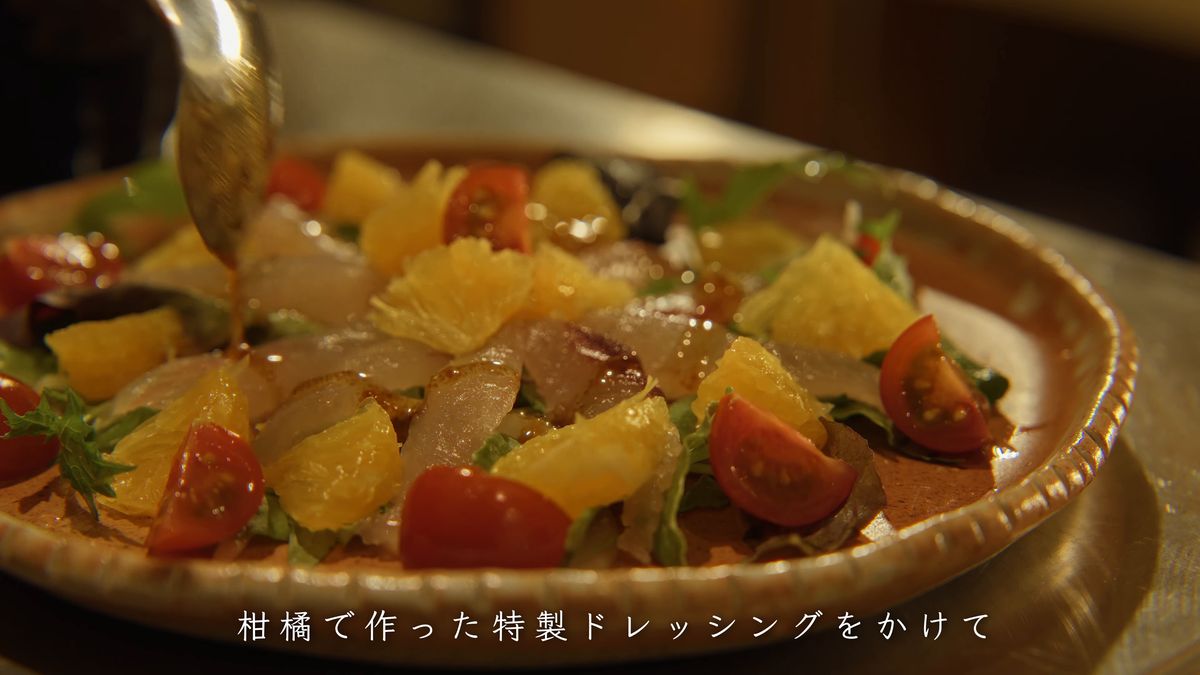
Flying fish and citrus carpaccio
Besides tuna and bonito, Kushimoto's port lands flying fish and saury. Ponkan mandarins are widely grown in the town and shipped under the Kuroshio Ponkan name. I combined flying fish sashimi from a local shop with Wakayama citrus for a dish that tastes of Kushimoto.
IngredientsFlying fish sashimi (local Kushimoto fish), Wakayama citrus, Cherry tomatoes, Salad leaves, A dressing made with citrus
- Halve the cherry tomatoes
- Peel the citrus and take out the segments
- Lay salad leaves on a plate and arrange thin slices of flying fish on top
- Scatter the citrus and tomatoes over it and finish with the citrus dressing
Sources: ja.wikipedia.org
03About the area
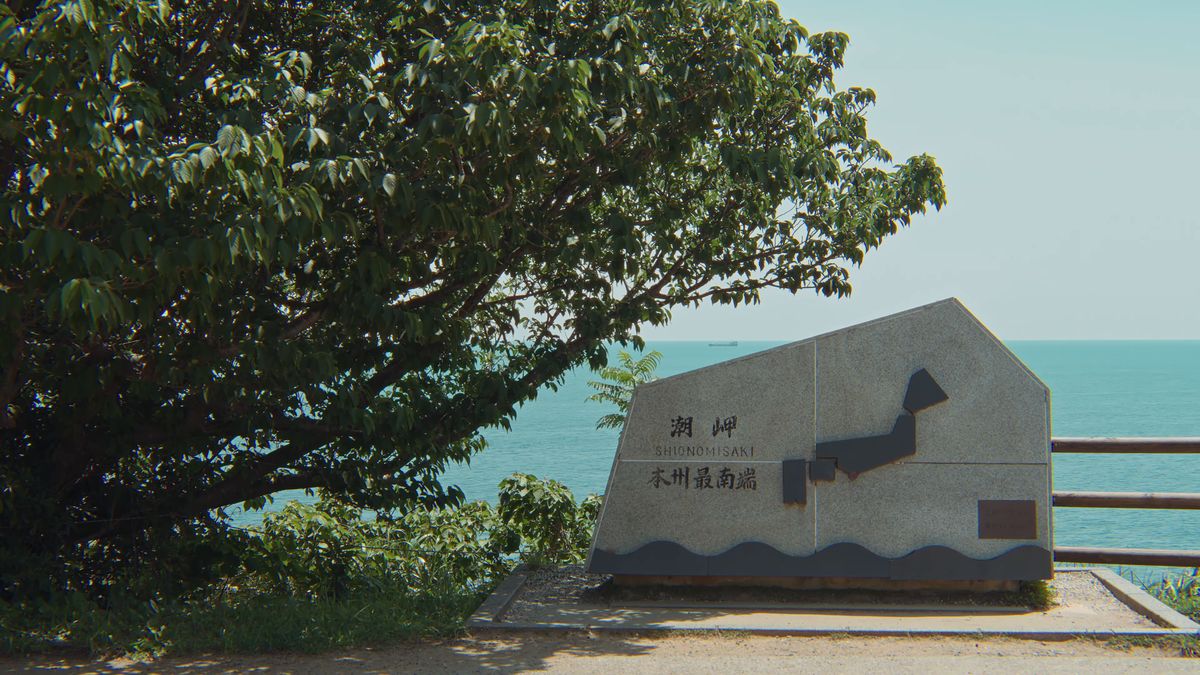
Cape Shionomisaki, the southernmost point of Honshu
The southernmost point of Honshu, at 135°46′E, 33°26′N. A broad lawn called Boro-no-Shiba spreads across the tip of the cape, with Shionomisaki Lighthouse and the Shionomisaki Tourist Tower, whose observation room stands 100 meters above sea level. Visitors to the tower receive a certificate of having visited the southernmost point of Honshu. The stone monument reads "Shionomisaki, Southernmost Point of Honshu."
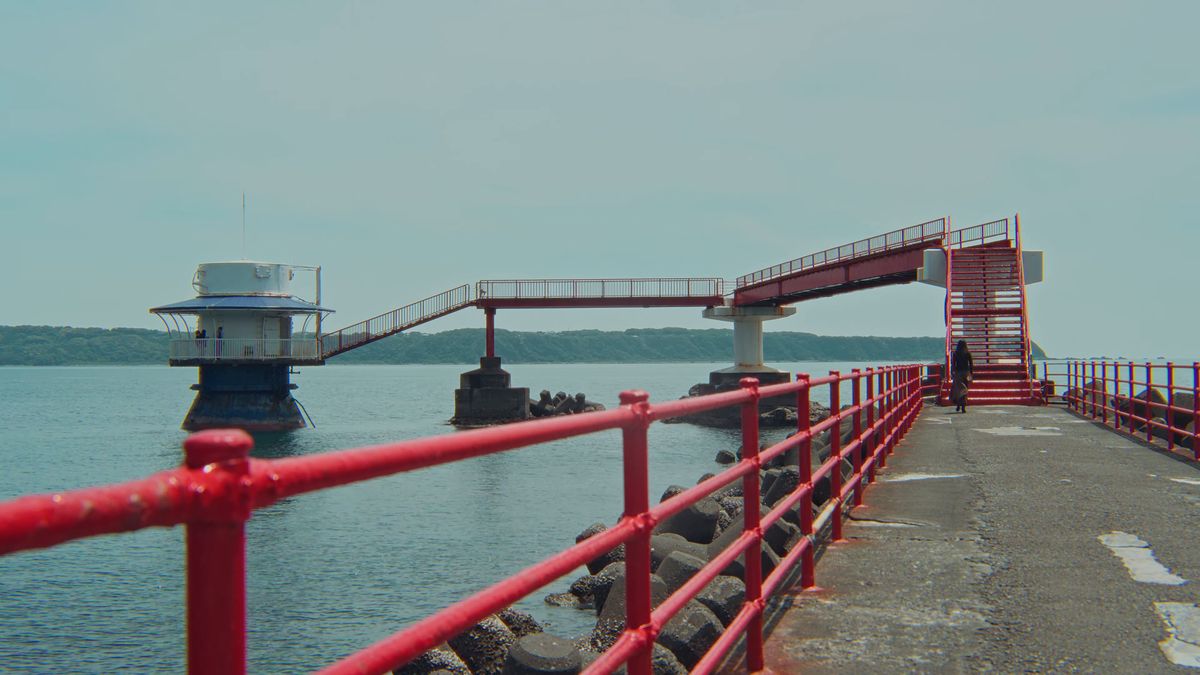
Kushimoto Marine Park (aquarium and underwater observatory)
1157 Arida, Kushimoto, Higashimuro District, Wakayama
An aquarium that recreates the sea of Kushimoto with seawater and creatures from the waters right in front of it. The keepers dive themselves to survey, collect, raise and breed the animals, and the park was the first in the world to breed loggerhead turtles to the second and third generation. In the sea turtle park you can feed large turtles. The underwater observatory stands 140 meters offshore on the seabed at a depth of 6.3 meters, with portholes giving a 360-degree view; in season more than seventy species of fish can be seen.
Sources: kushimoto.co.jp
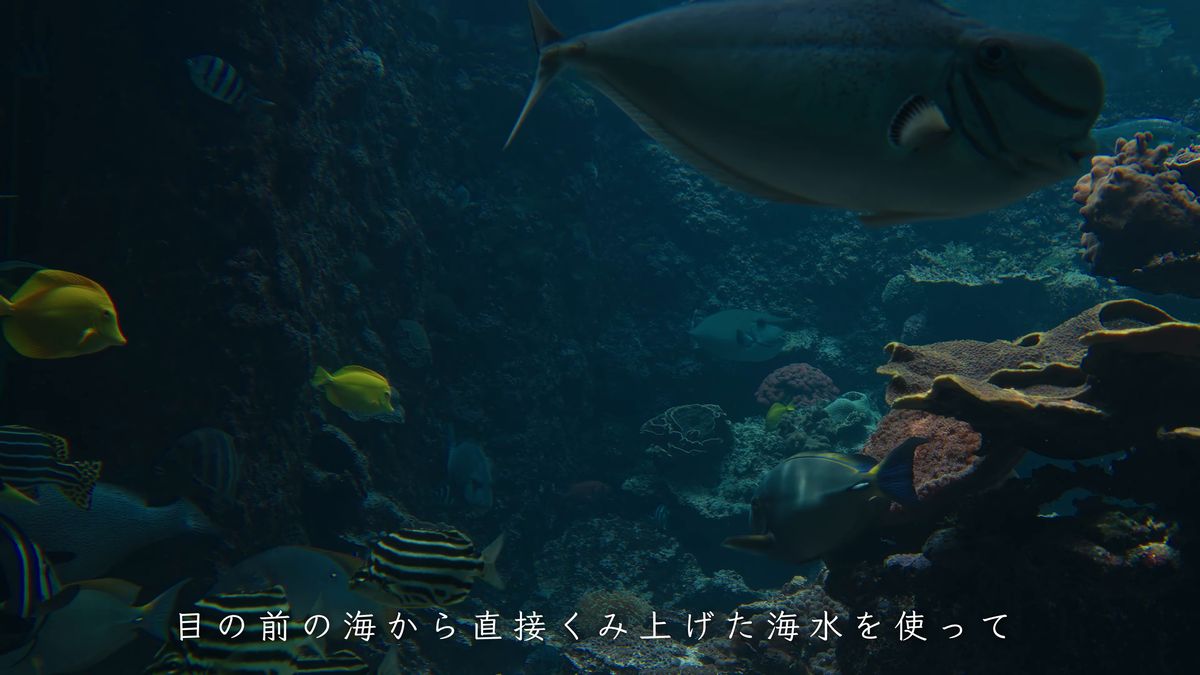
The coral of Kushimoto's sea
The coastal waters of Kushimoto hold the world's northernmost large coral communities. Its colonies of table-shaped Acropora hyacinthus and Catalaphyllia jardinei are the largest in Japan. Although it lies at a high latitude in central Honshu, the strong influence of the Kuroshio Current lets many tropical creatures, including tropical fish, live here. In November 2005 the area was registered as a Ramsar wetland.
Sources: pref.wakayama.lg.jp
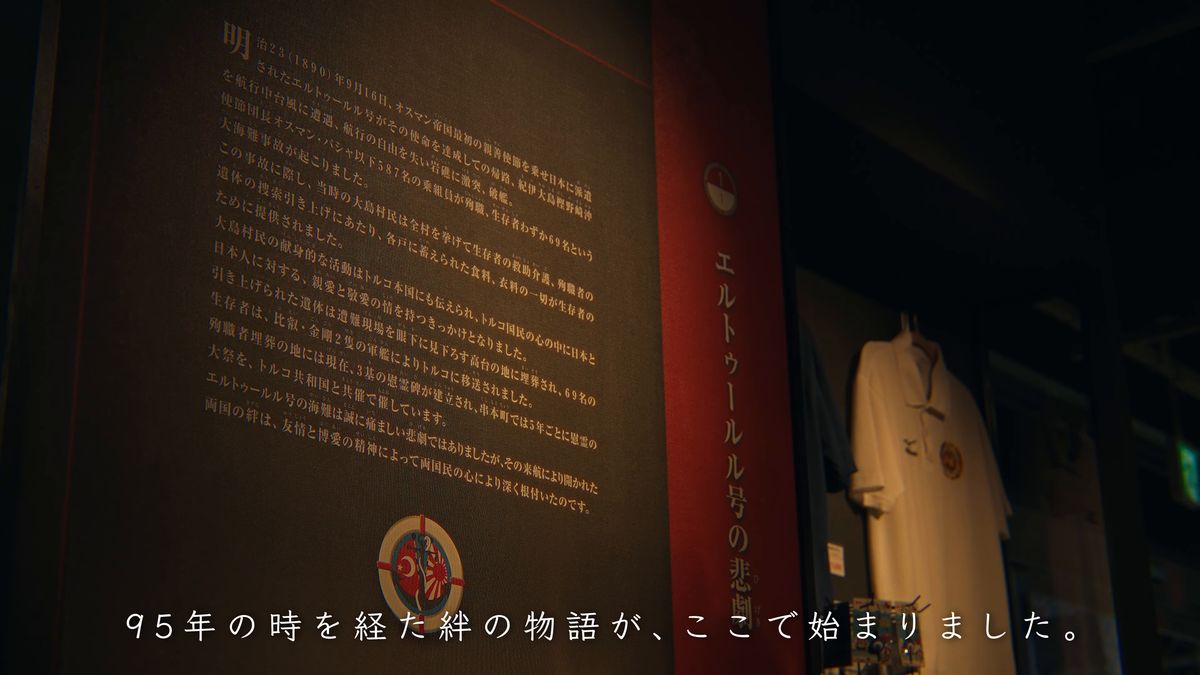
The Turkish Memorial Museum and the Ertugrul
1025-26 Kashino, Kushimoto, Higashimuro District, Wakayama
A museum beside the memorial to the Turkish frigate on Kashinozaki, Kii-Oshima, displaying a model of the Ertugrul along with relics, photographs and documents. On September 16, 1890, the Ottoman frigate Ertugrul was caught in a typhoon off Kashinozaki, ran aground and sank; 587 men died. The whole village of Oshima turned out to rescue and care for the survivors, and 69 were saved. The event is regarded as the origin of friendship between Japan and Turkey, and in 1985, during the Iran-Iraq War, a Turkish aircraft evacuated Japanese nationals left in Tehran. Kushimoto is a sister city of Mersin in Turkey, and part of the 2015 film Ertugrul 1890 was shot in the town.
Sources: pref.wakayama.lg.jp rurubu.jp tabi-mag.jp
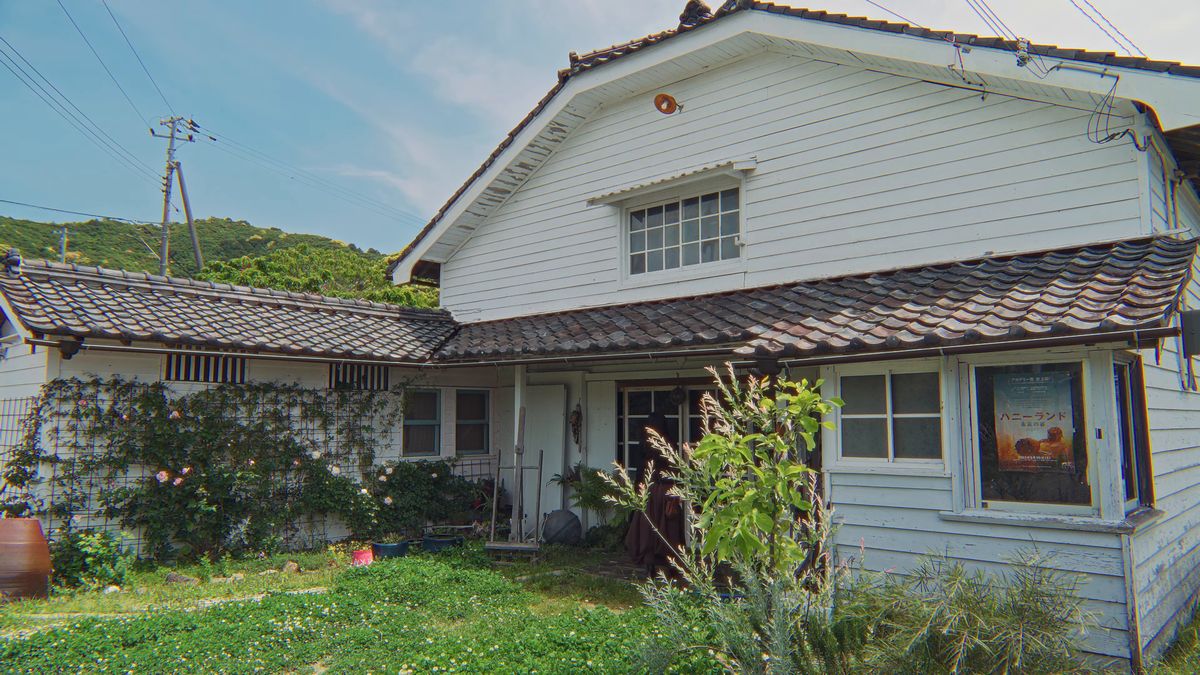
Tanami Theater
1547 Tanami, Kushimoto, Higashimuro District, Wakayama
A theater beside JR Tanami Station, built in 1950. In its heyday it bustled with traveling troupes and film screenings; it closed around 1970 and sat abandoned for years. Restoration began in 2014 and took four years, and the theater reopened in the summer of 2018 with a film screening. Today it hosts films, live music, exhibitions, workshops and rakugo, and runs a cafe.
Sources: good.tetau.jp tanami.jp pref.wakayama.lg.jp
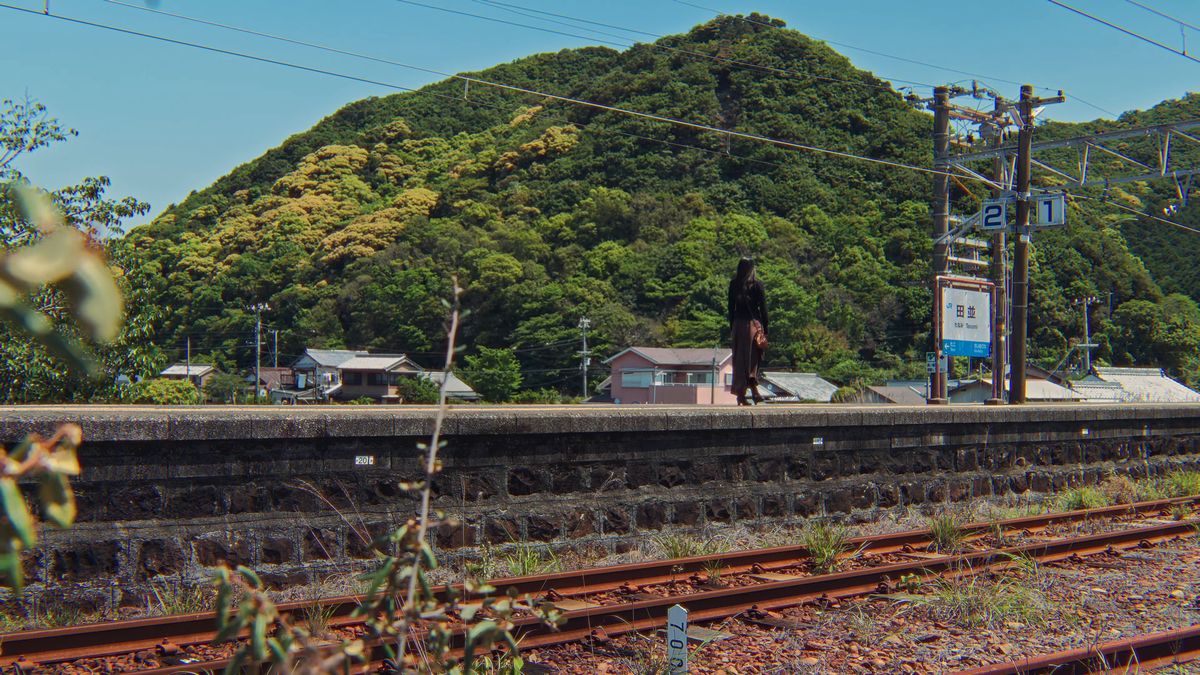
Tanami Station
A station on the JR West Kisei Main Line (Kinokuni Line), opened on August 8, 1940. It is a ground-level station with one island platform and two tracks, where trains can pass each other. The Tanami-ekimae bus stop is in front of the station.
Sources: ja.wikipedia.org
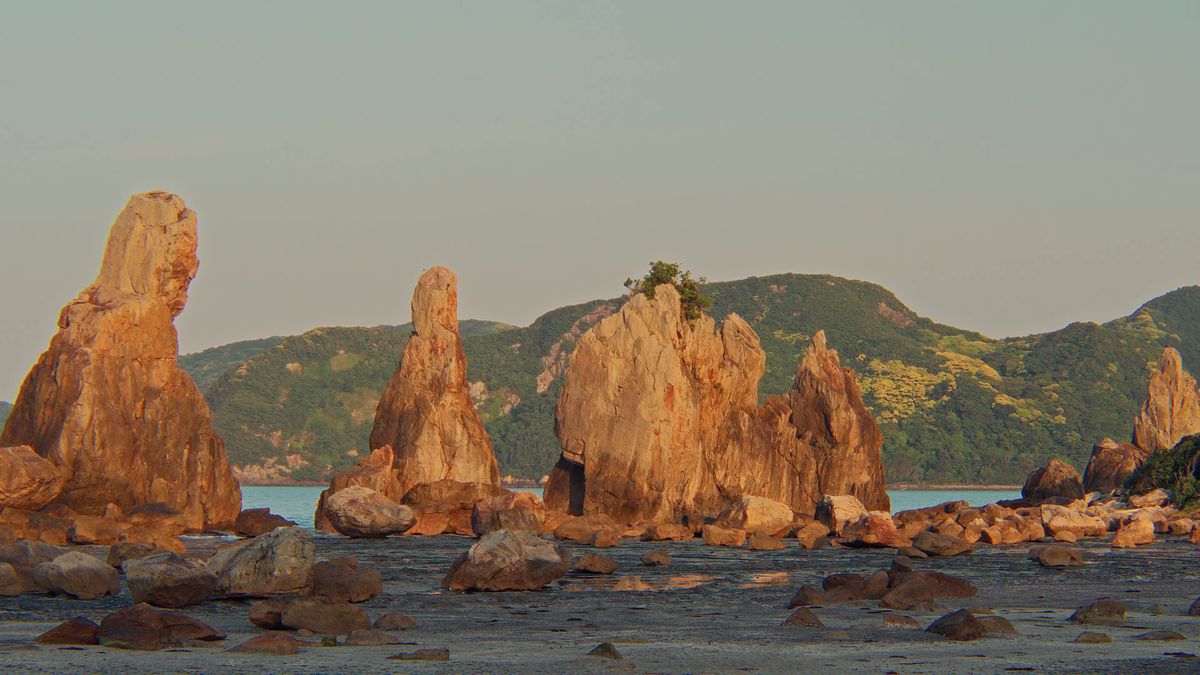
Hashigui-iwa rocks
About forty rocks of various sizes stand in a line for roughly 850 meters from the Kushimoto shore toward Kii-Oshima. Some fifteen million years ago, volcanic activity pushed rhyolite into layers of mudstone; the softer mudstone was worn away by the waves, leaving the hard rock standing like pillars. The rocks are a national scenic spot and natural monument within Yoshino-Kumano National Park. Legend says that Kobo Daishi, on a wager with a tengu, tried to build a bridge in a single night, and was tricked by an imitation rooster's crow into leaving only the pillars.
Sources: ja.wikipedia.org
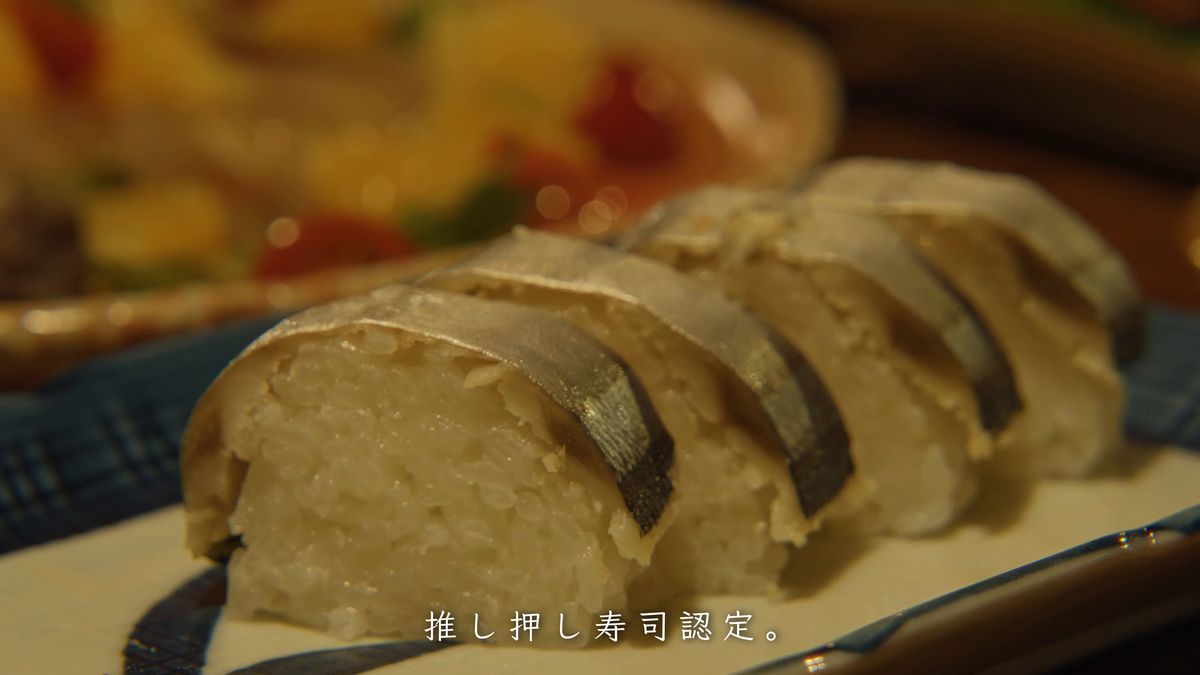
Saury sushi
A traditional dish of southern Wakayama. A butterflied saury is cured with salt and vinegar and pressed onto a bar of sushi rice. It developed as a way of preserving rice and fish, and was a treat for gatherings such as autumn festivals, New Year and ship launchings. A squeeze of yuzu or daidai in the curing vinegar makes it refreshing. Saury from the Kumano Sea is said to be firm and well suited to sushi. The one I bought at the roadside station was flavored with yuzu.
Sources: maff.go.jp
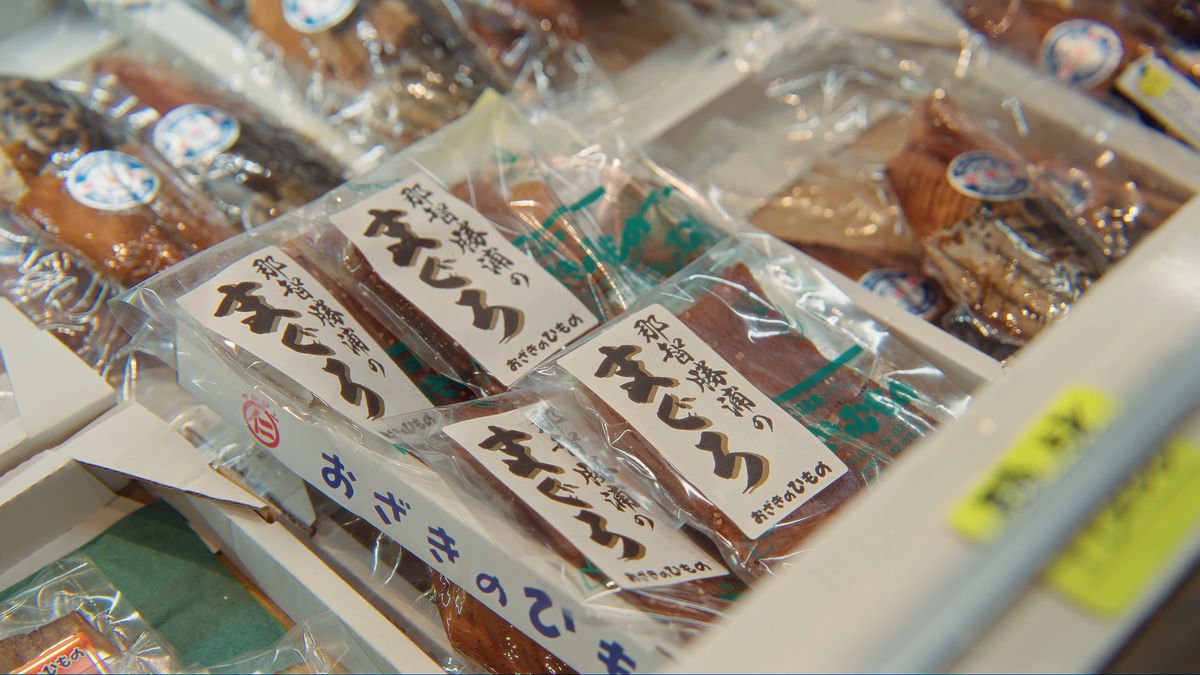
Ozaki no Himono dried tuna
From a dried-fish shop in Kushimoto with more than seventy years of history, where craftsmen hand-split fish one at a time, both fish caught in the waters around Wakayama and fish chosen from across Japan. I bought dried tuna from Nachikatsuura at the roadside station and grilled it for dinner.
Sources: ozakinohimono.com gendai.media
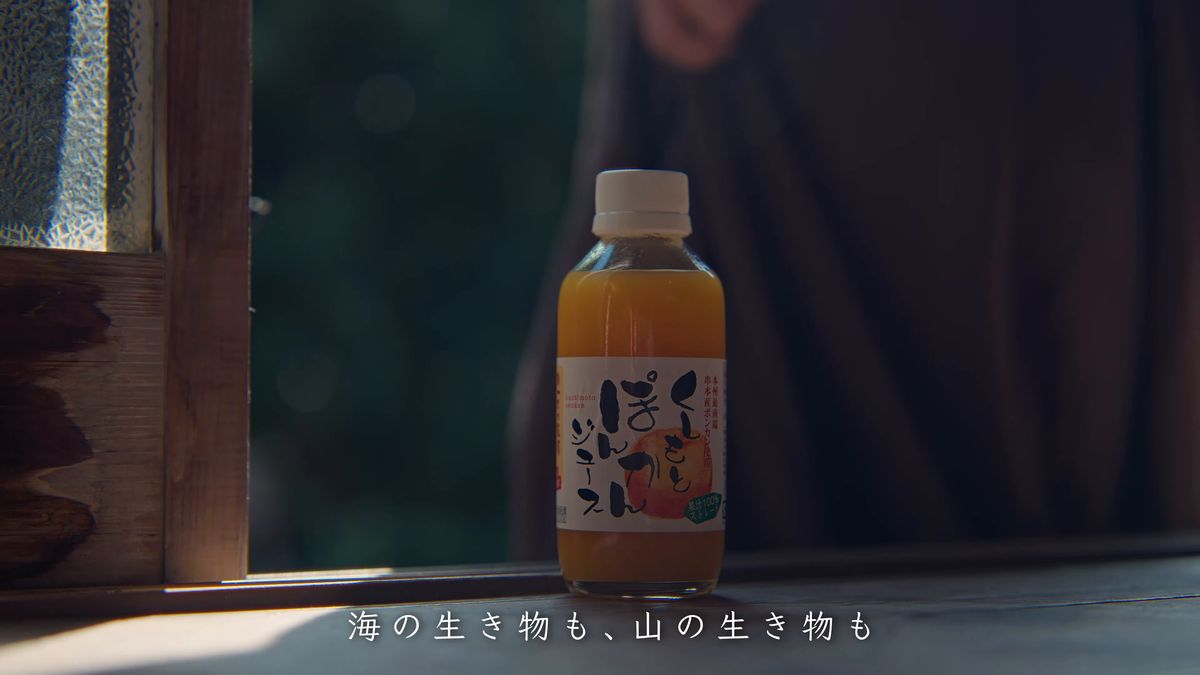
Kushimoto ponkan juice
Juice made by the Kasaneyama fruit growers' cooperative, formed by ponkan farmers of the Hime and Ikushi districts of Kushimoto. It is 100% straight juice from Kushimoto ponkan. The cooperative has grown ponkan for about fifty years and, for about twenty, has turned fruit that is hard to sell fresh, such as green-skinned or blemished ones, into juice.
Sources: maff.go.jp
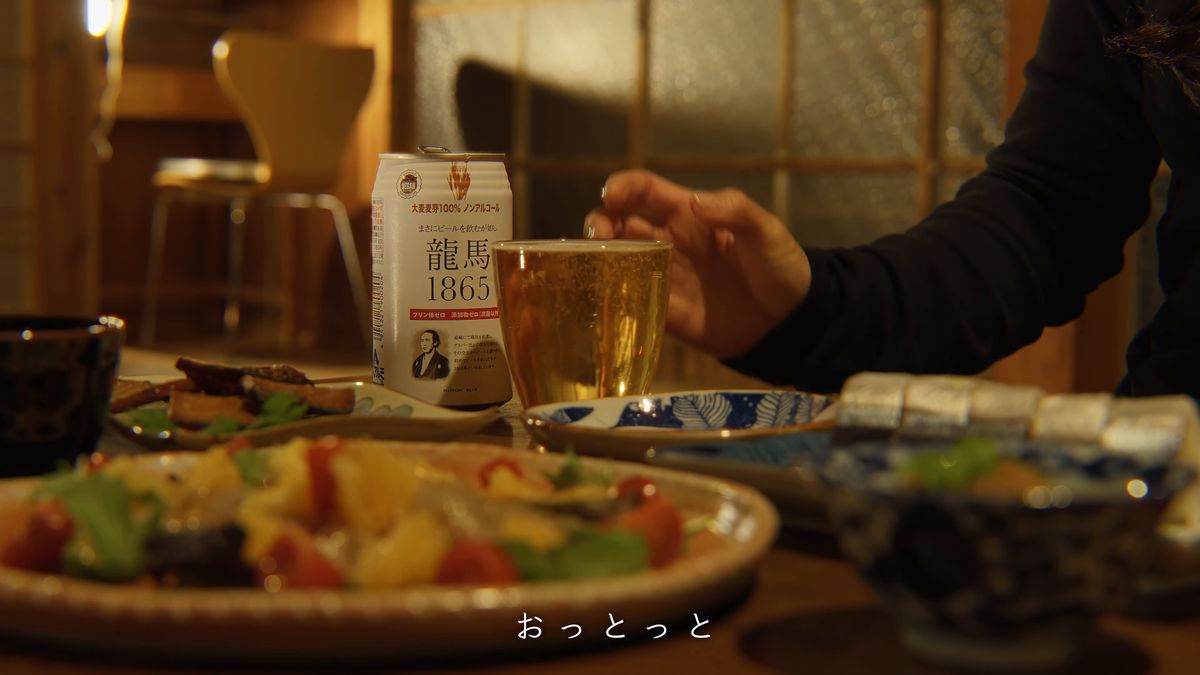
Ryoma 1865
A non-alcoholic beer from Nippon Beer, brewed from malt, hops and carbonation only, with no additives and 100% malt. Alcohol content is 0.00%. The can explains that Sakamoto Ryoma, who founded a trading company in Nagasaki, is said to have first drunk beer in 1865.
Sources: nipponbeer.jp
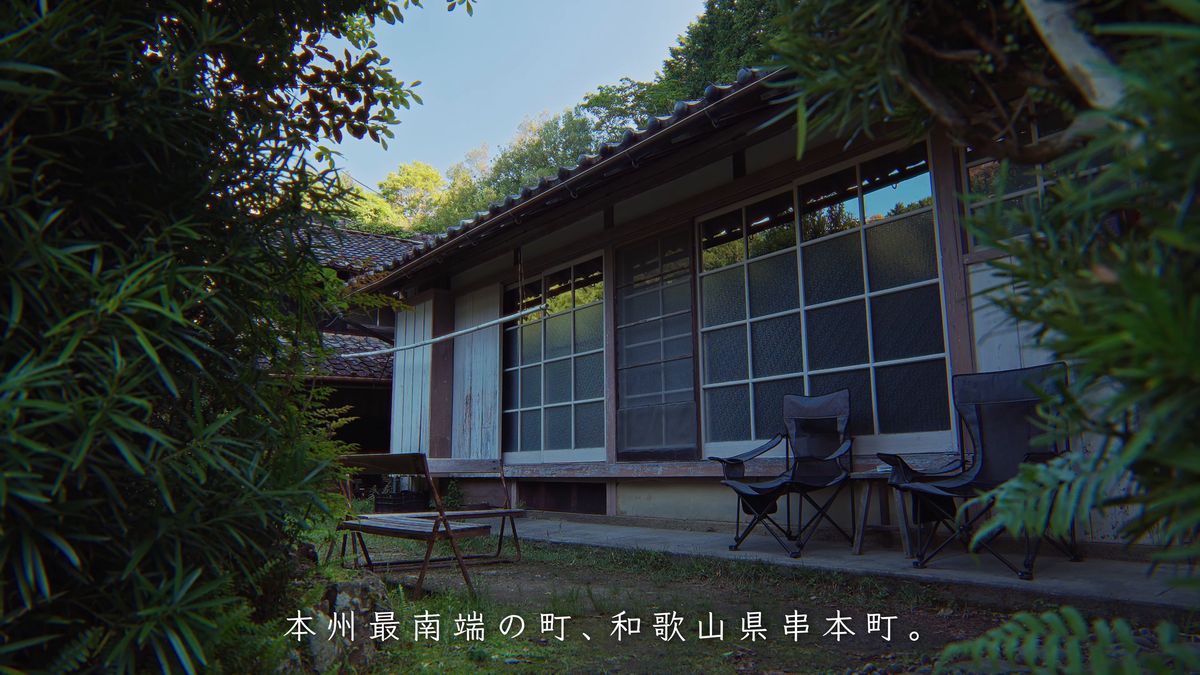
An old house in the forest
This time I borrowed an old house of about sixty years standing in the forest. From the veranda you look out on the green garden, and a clear stream runs close by. Outside are a tank that collects water from the hills and a wash basin with a round mirror. A wild badger even visited the garden.
PHOTO ALBUMPhoto album117Open all photographsClose the photo album
Select a photograph to explore the journey one frame at a time.