A TRAVEL ESSAY
Kamogawa, Chiba
0 minute walk to the sea
Zero minutes to the sea:summer vacation in Kamogawa
A nostalgic summer day in an old house by the sea.
Read the journey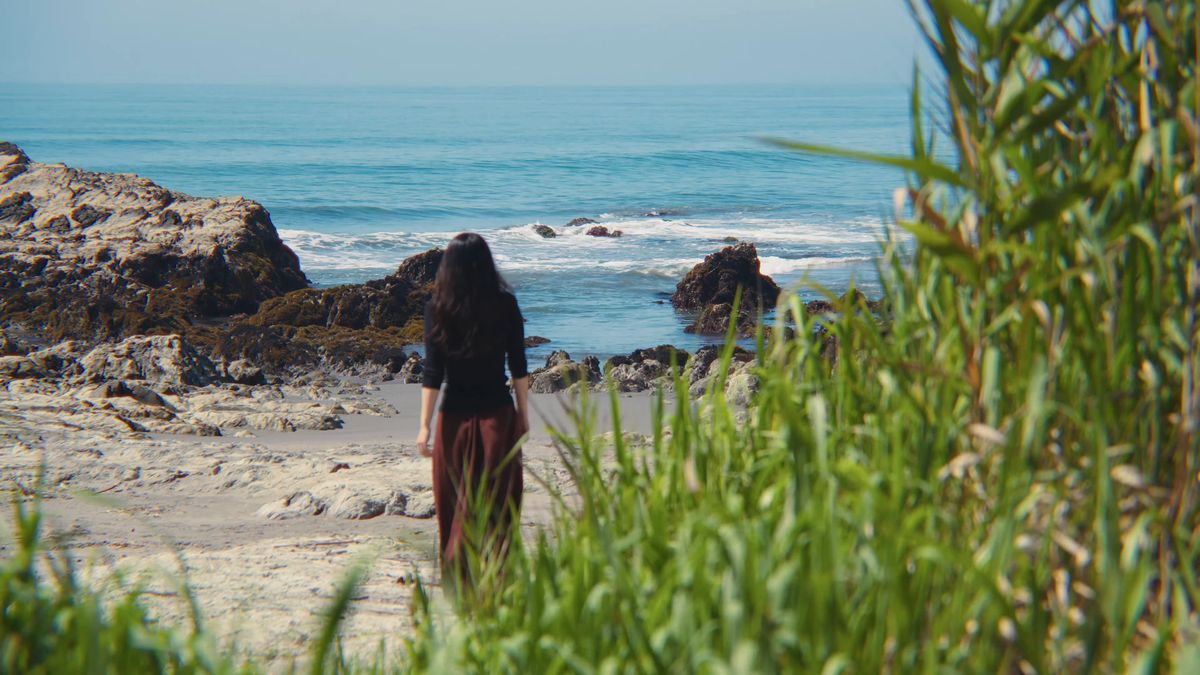
ABOUT THIS JOURNEY
I spent a summer holiday in an old house in Kamogawa, Chiba, zero minutes' walk from the sea. I made namero with horse mackerel from the nearby waters, ate ramen and shaved ice at a beach hut, and walked along the railway to a shop selling natural tokoroten. In the evening I lit a mosquito coil, cooked a festival-stall dinner of sauce yakisoba and grilled seafood skewers, and ended the day with a sparkler. A nostalgic day in a seaside town.
A little more about the food and the land01TRAVEL JOURNAL
Morning in a seaside town
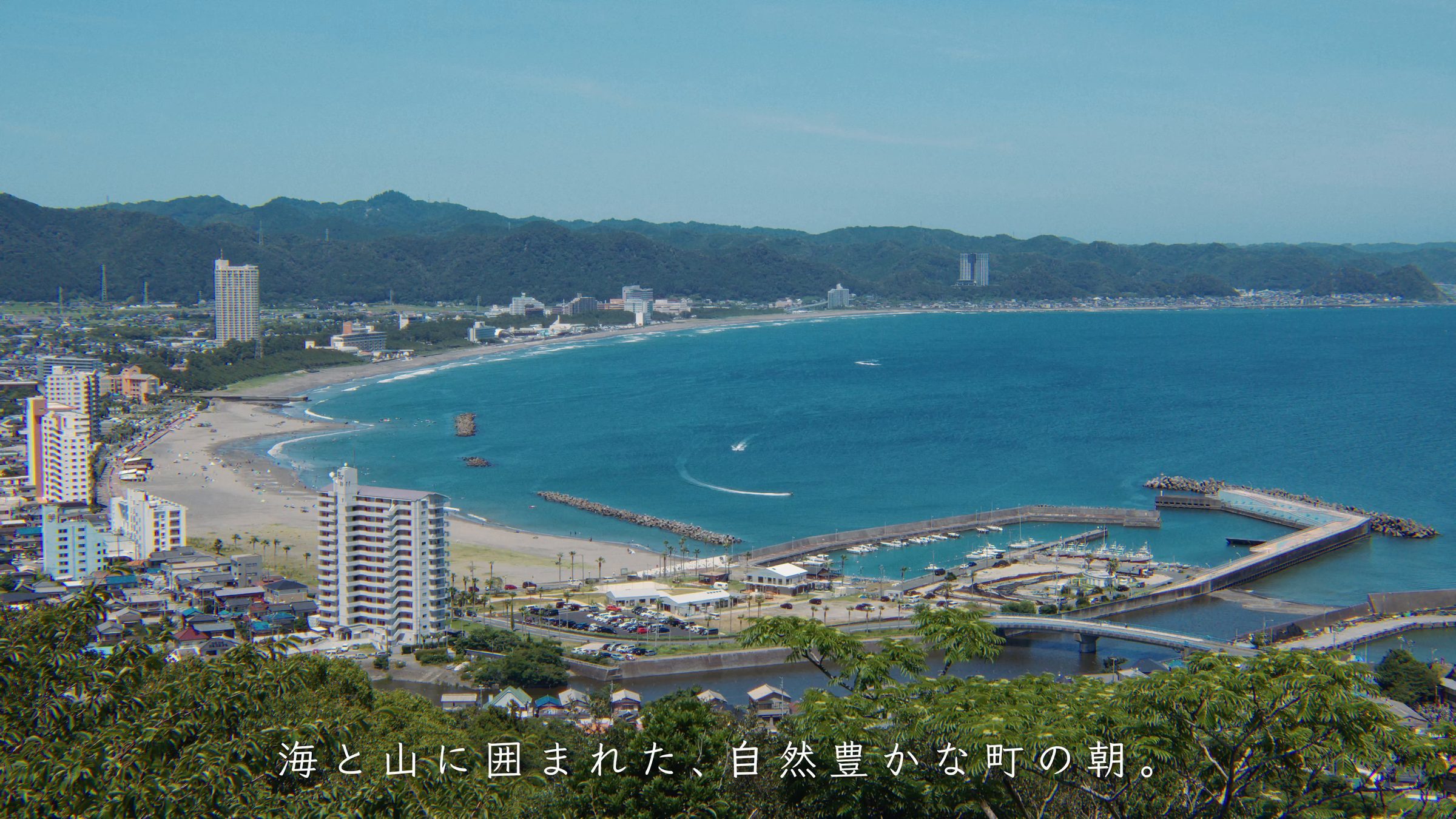
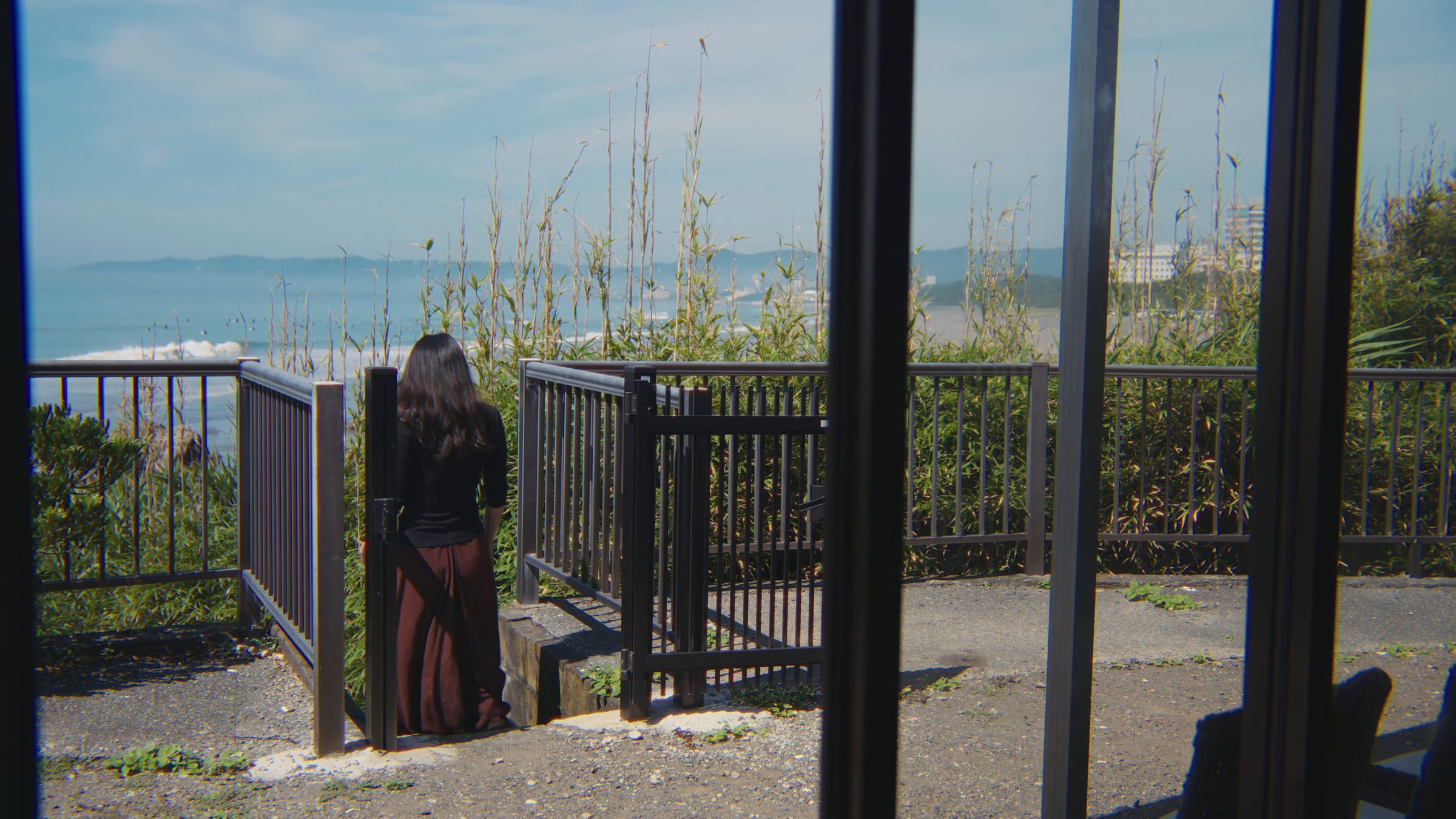
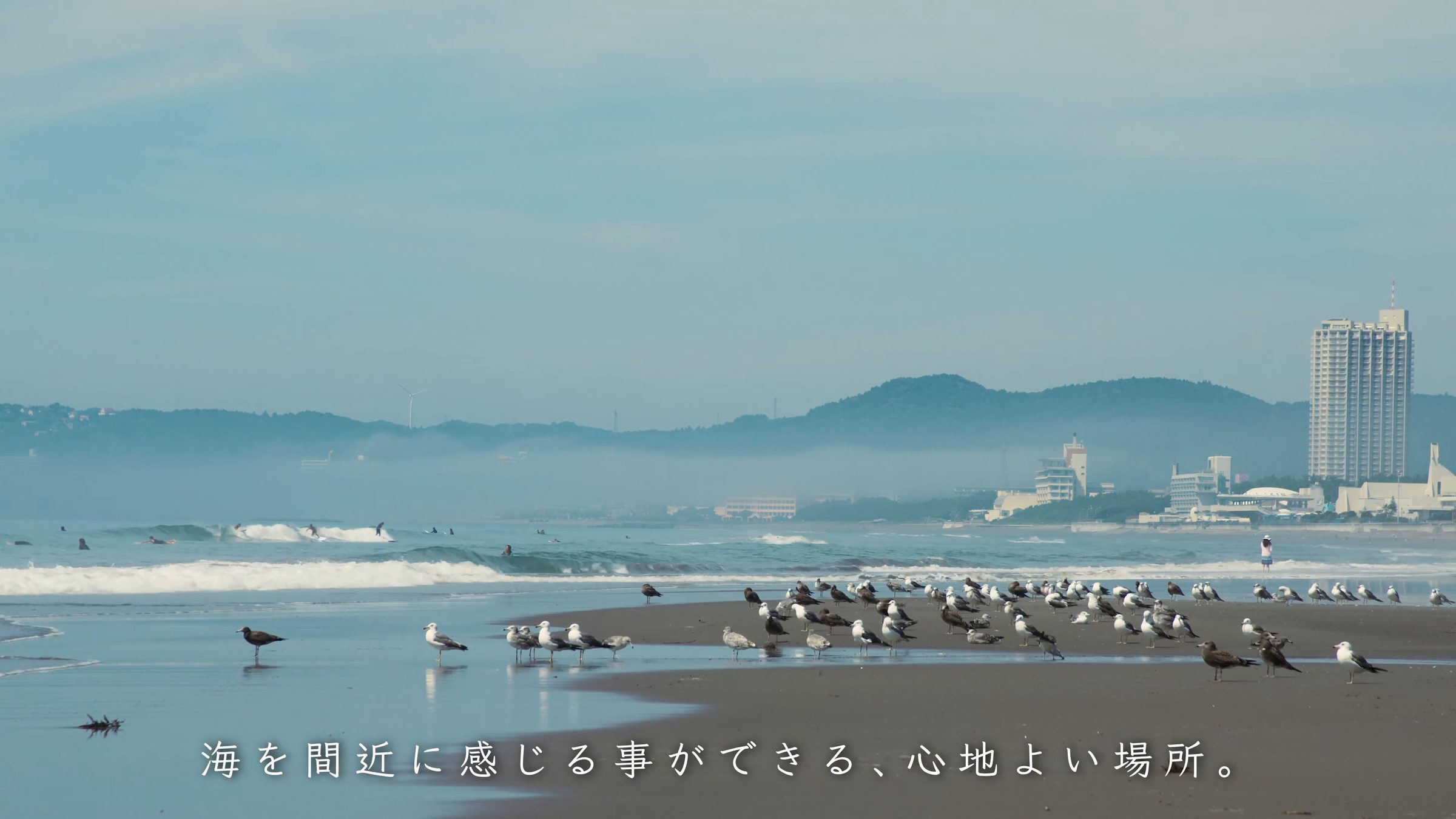
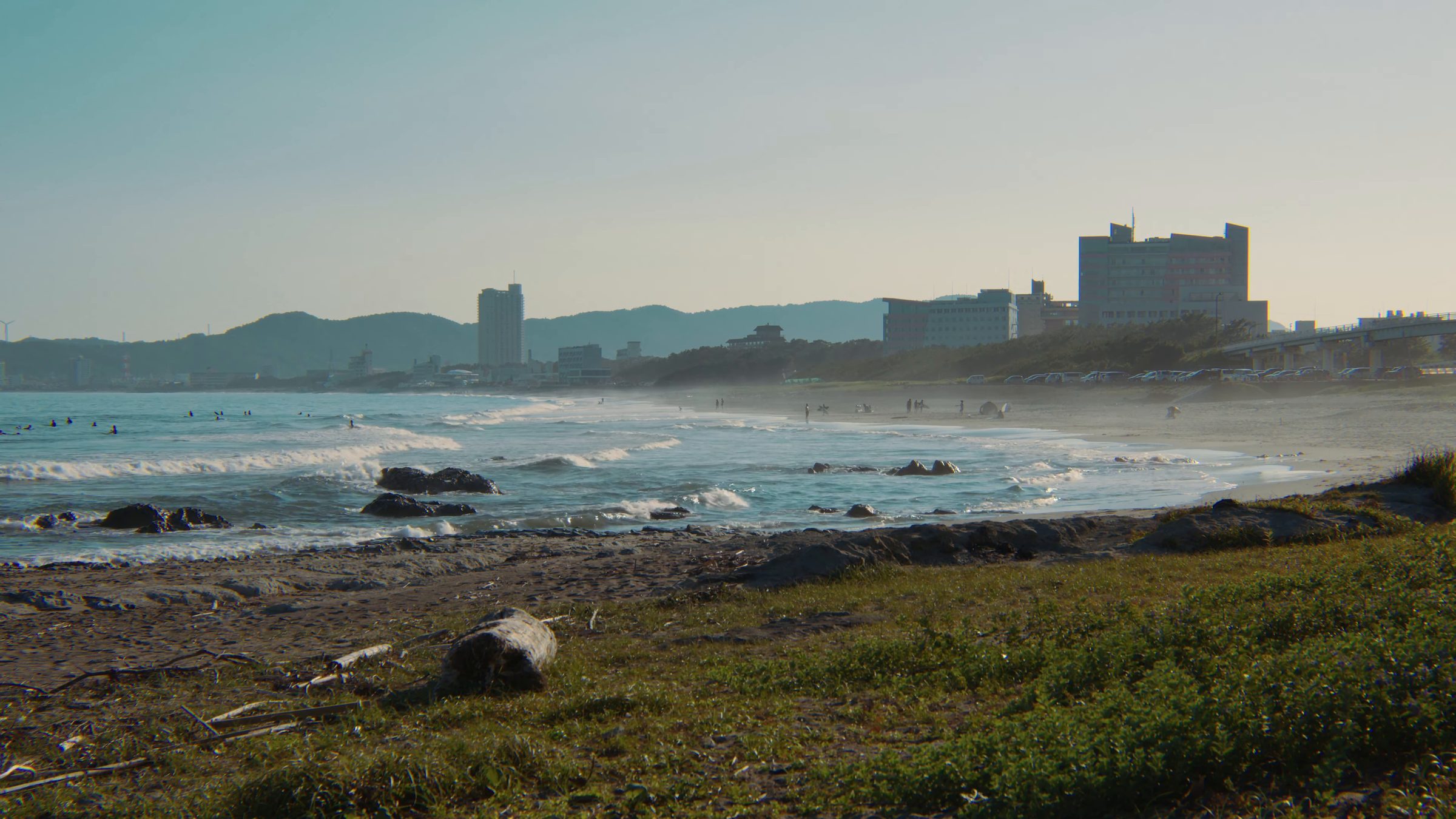
A morning in a town rich in nature, surrounded by the sea and mountains. I am staying in an old house on the coast of Kamogawa, on the Boso Peninsula in Chiba. From a rise above the town I could take in the whole sweep of the bay: the curved beach, the fishing port, and the hotels standing along the shore.
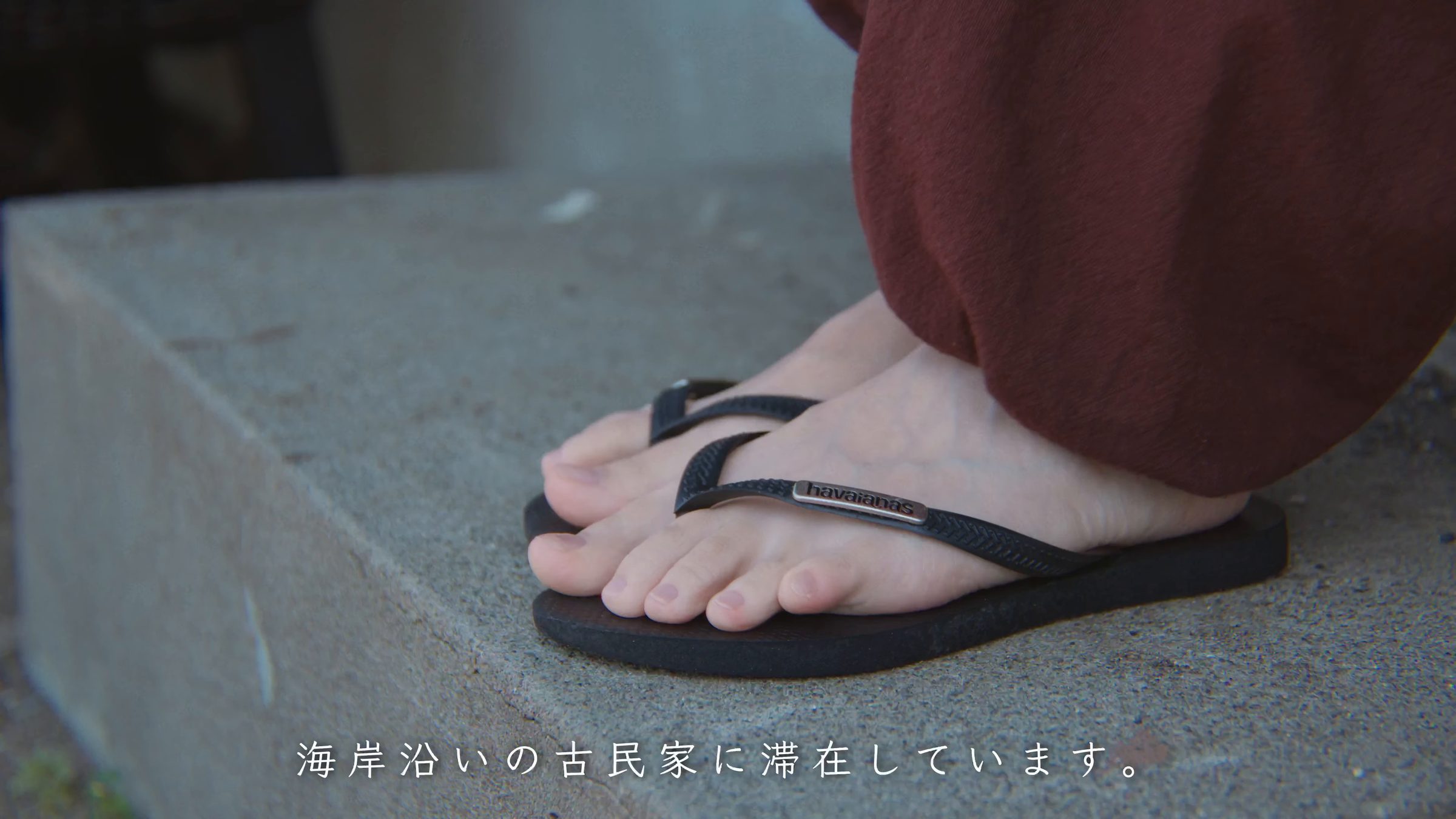
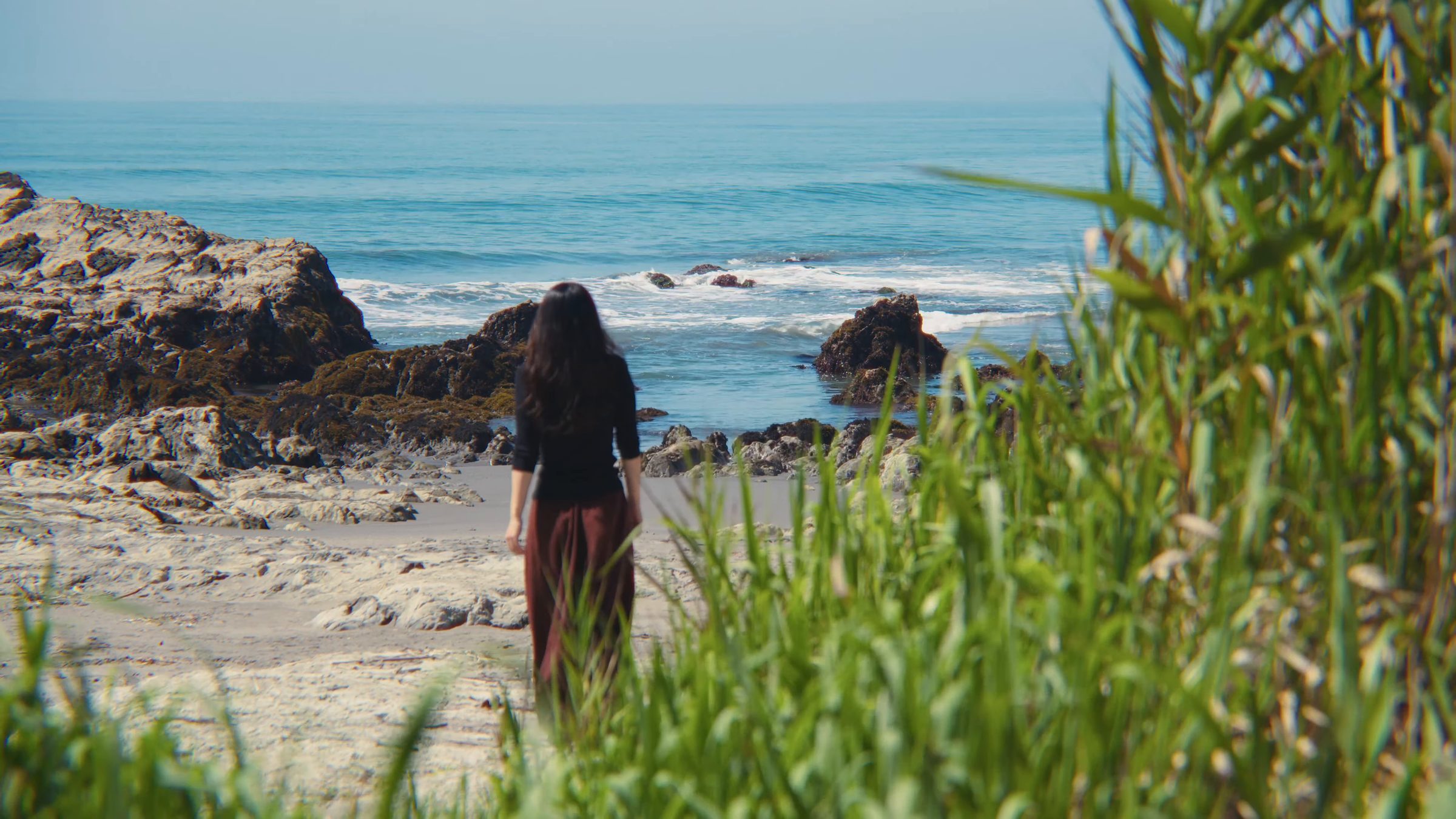
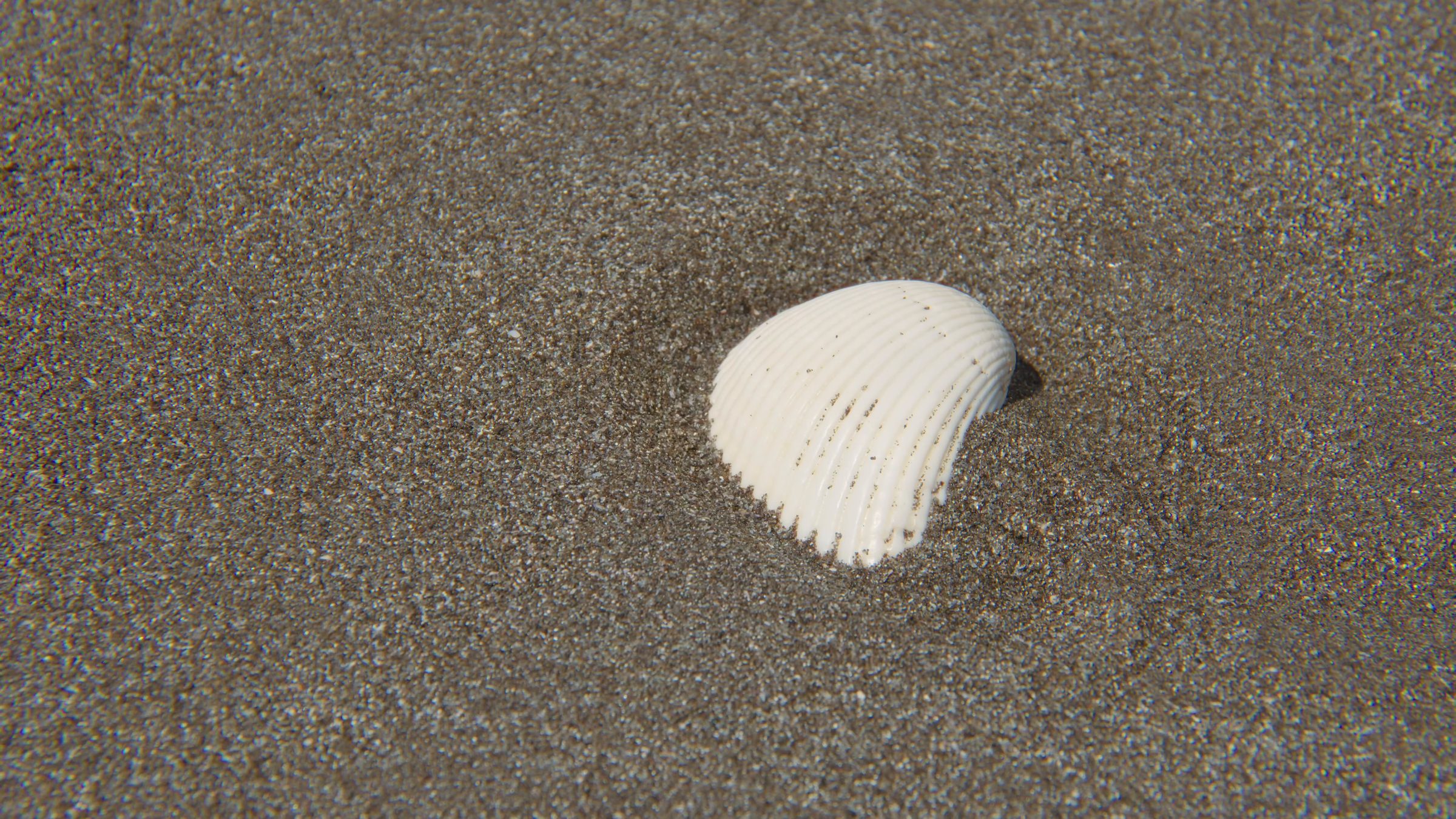
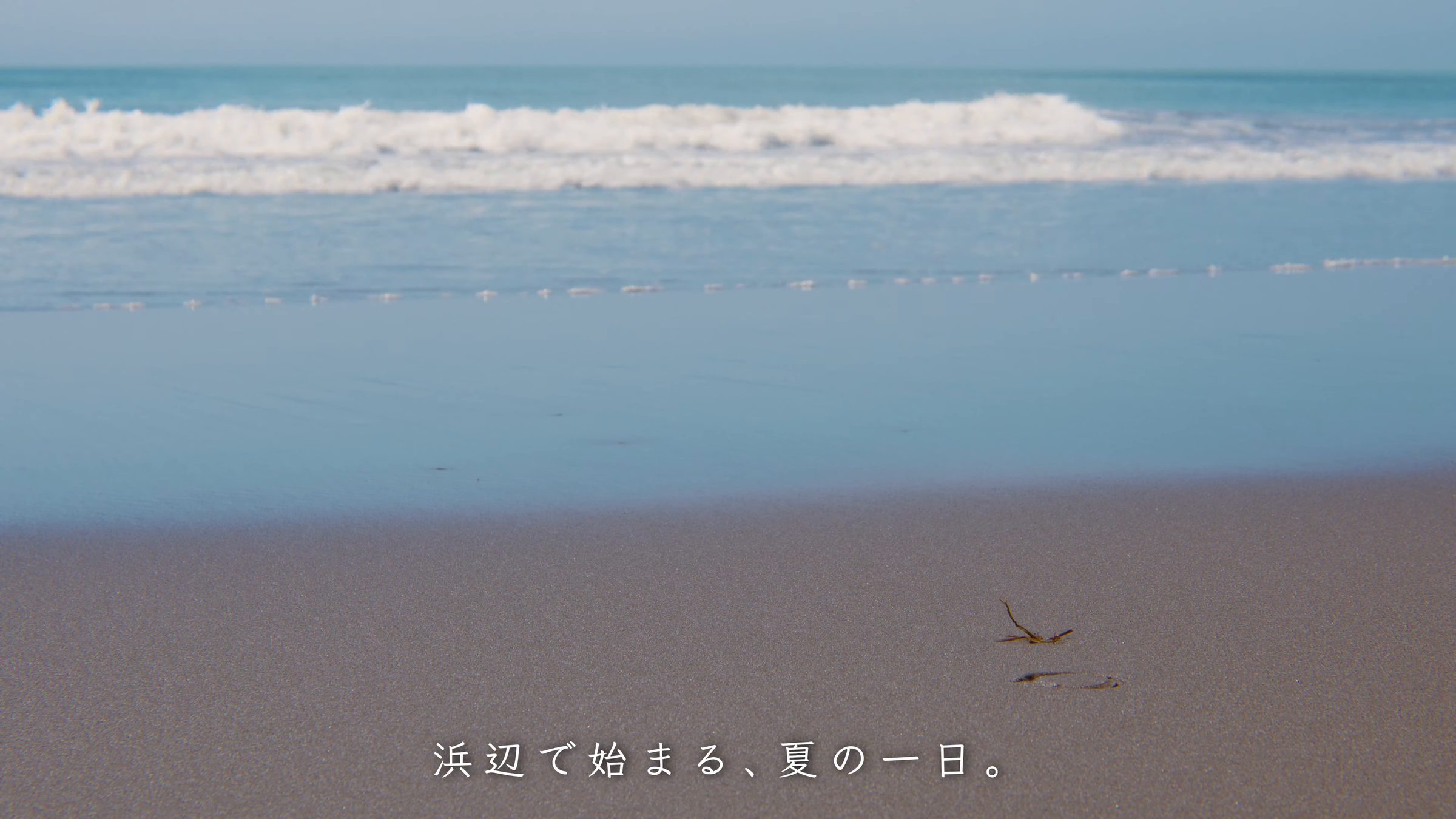
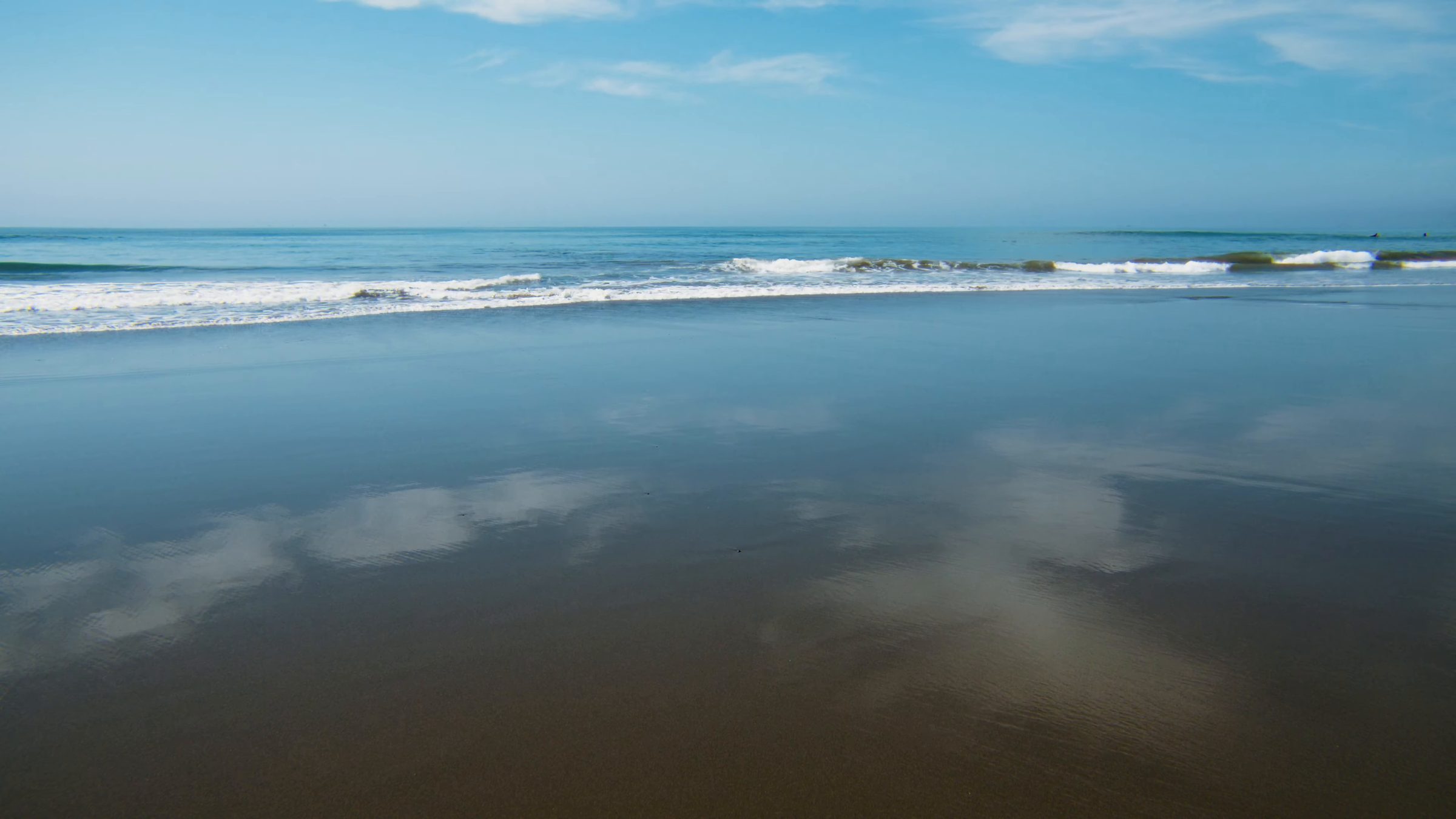
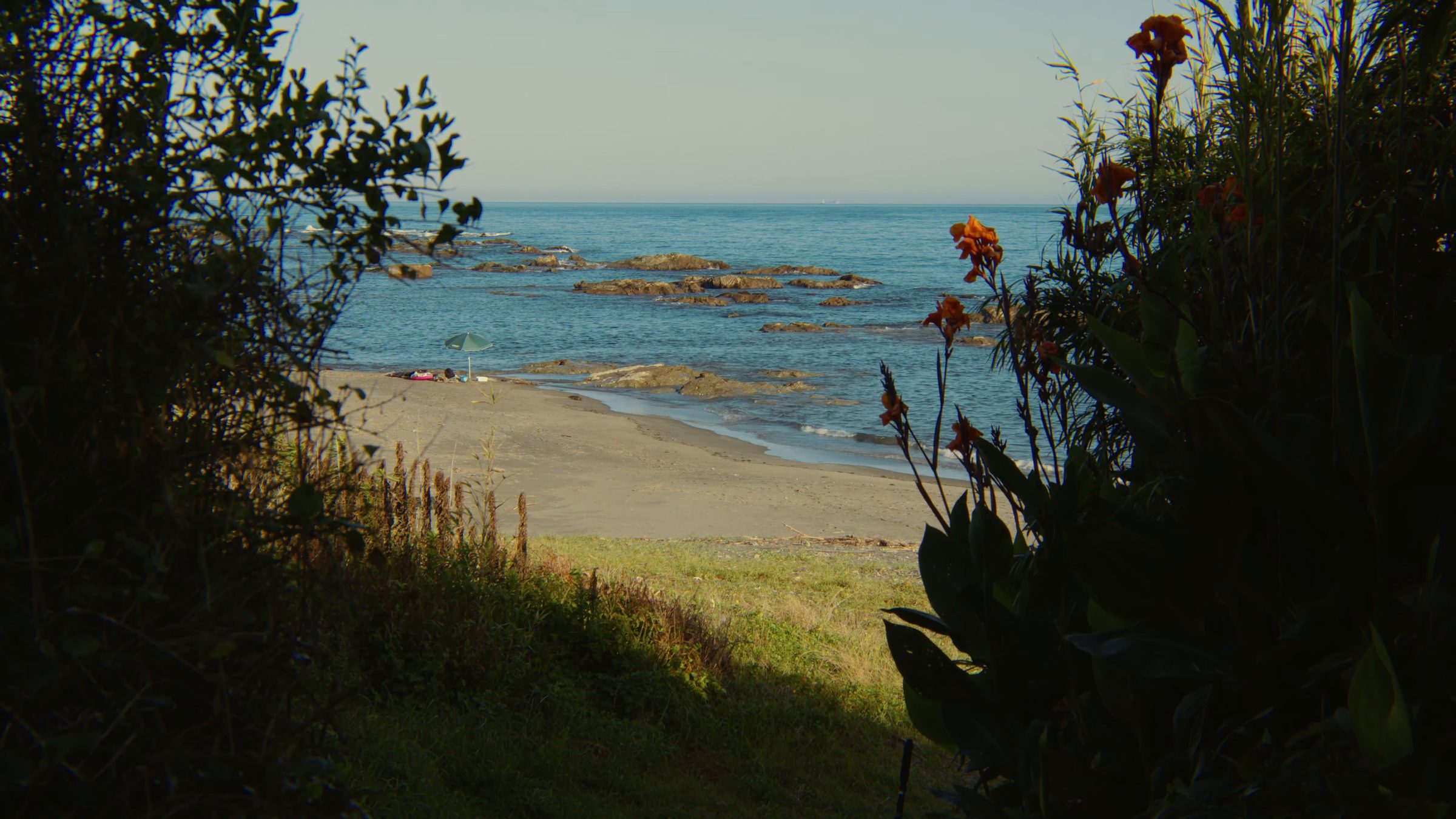
I slipped into my flip-flops and stepped outside; beyond the railing was the sea, right there. Standing on the rocks, the magnificent view of the Pacific was dazzling to eyes just woken. A flock of gulls rested on the sand, and a single white shell lay at my feet. At the water's edge, where the waves rolled in and out, a summer day was beginning.
Watch this scene on YouTube0:27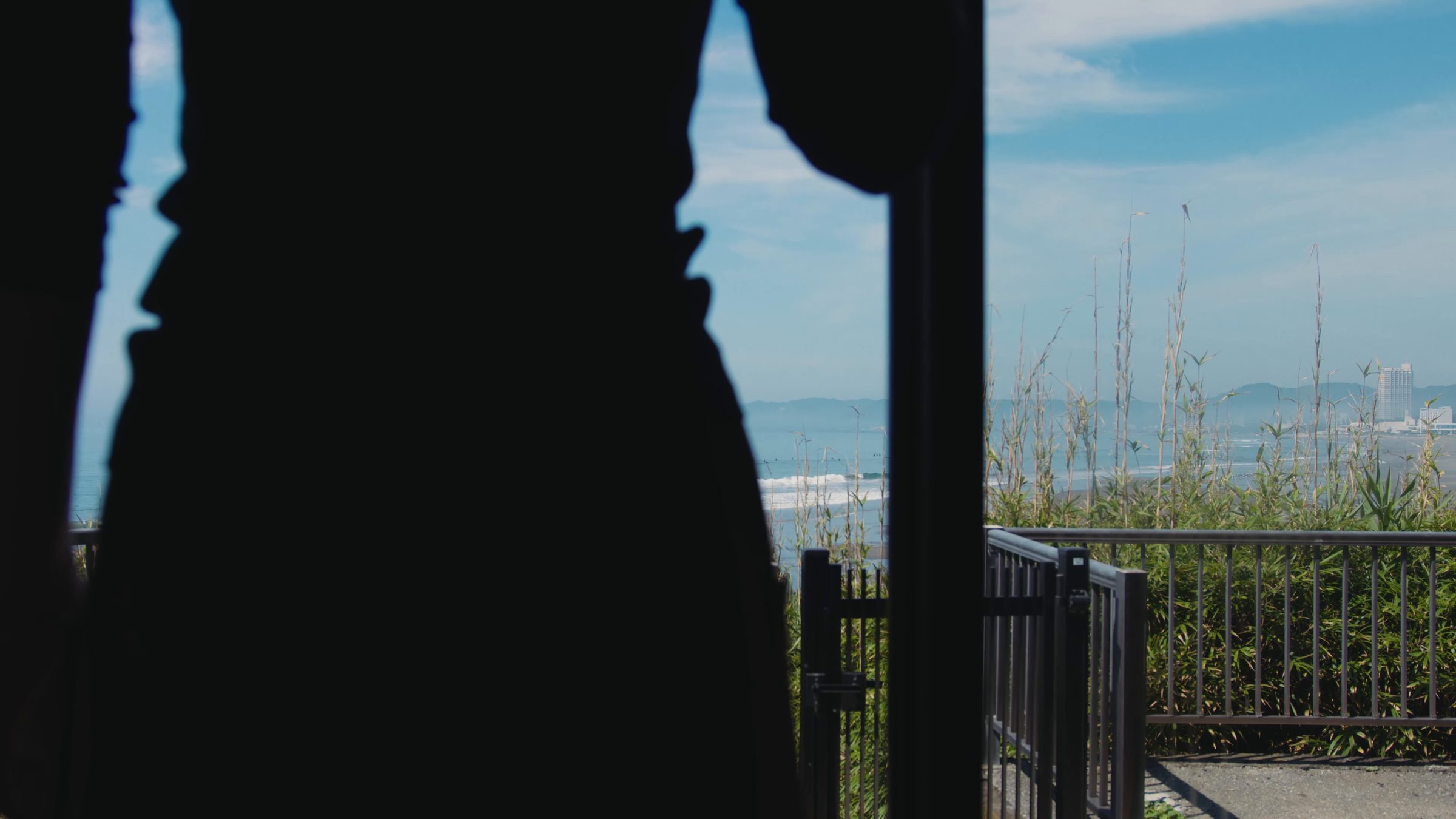
02TRAVEL JOURNAL
Namero, the pride of Boso
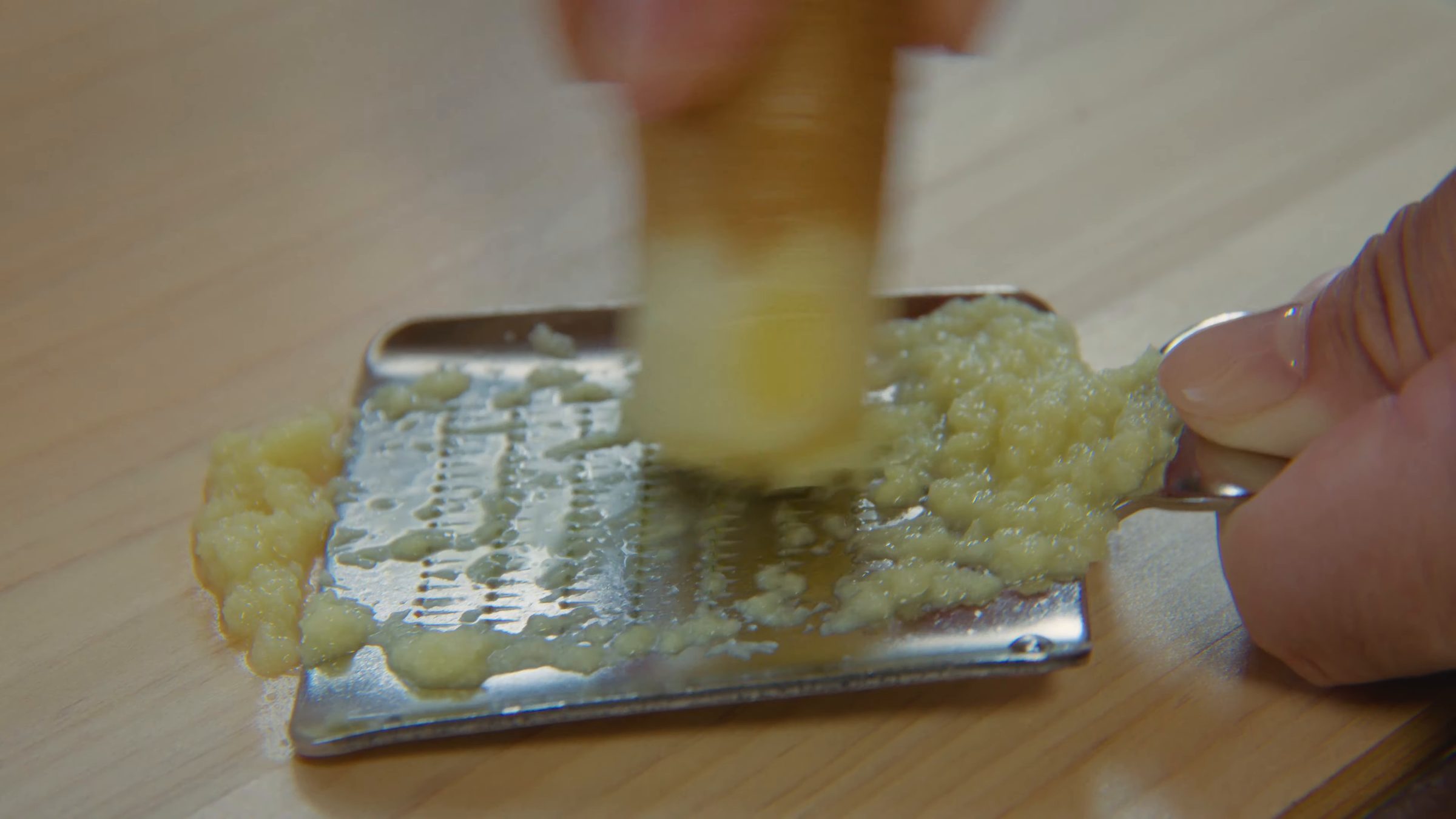
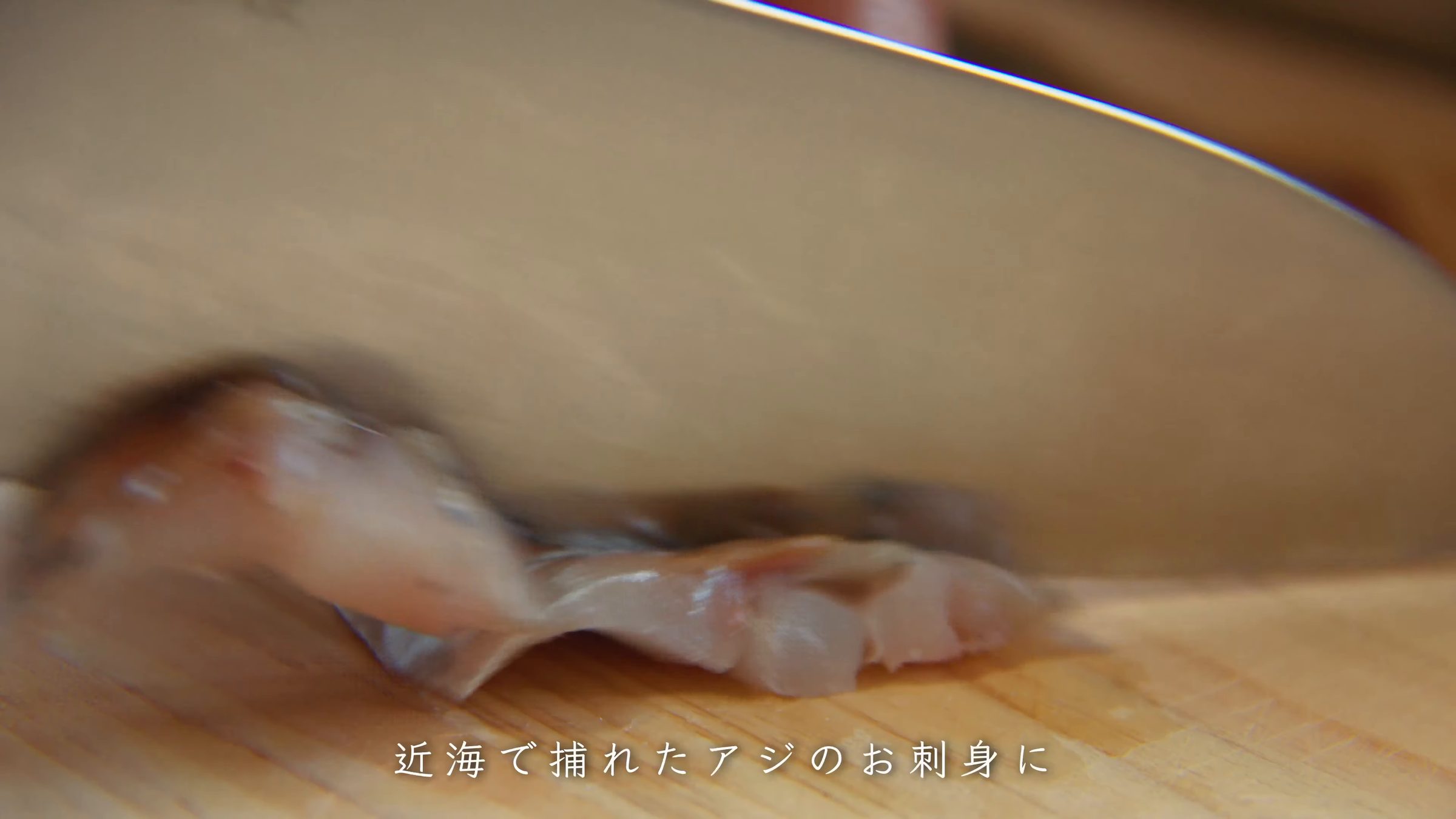
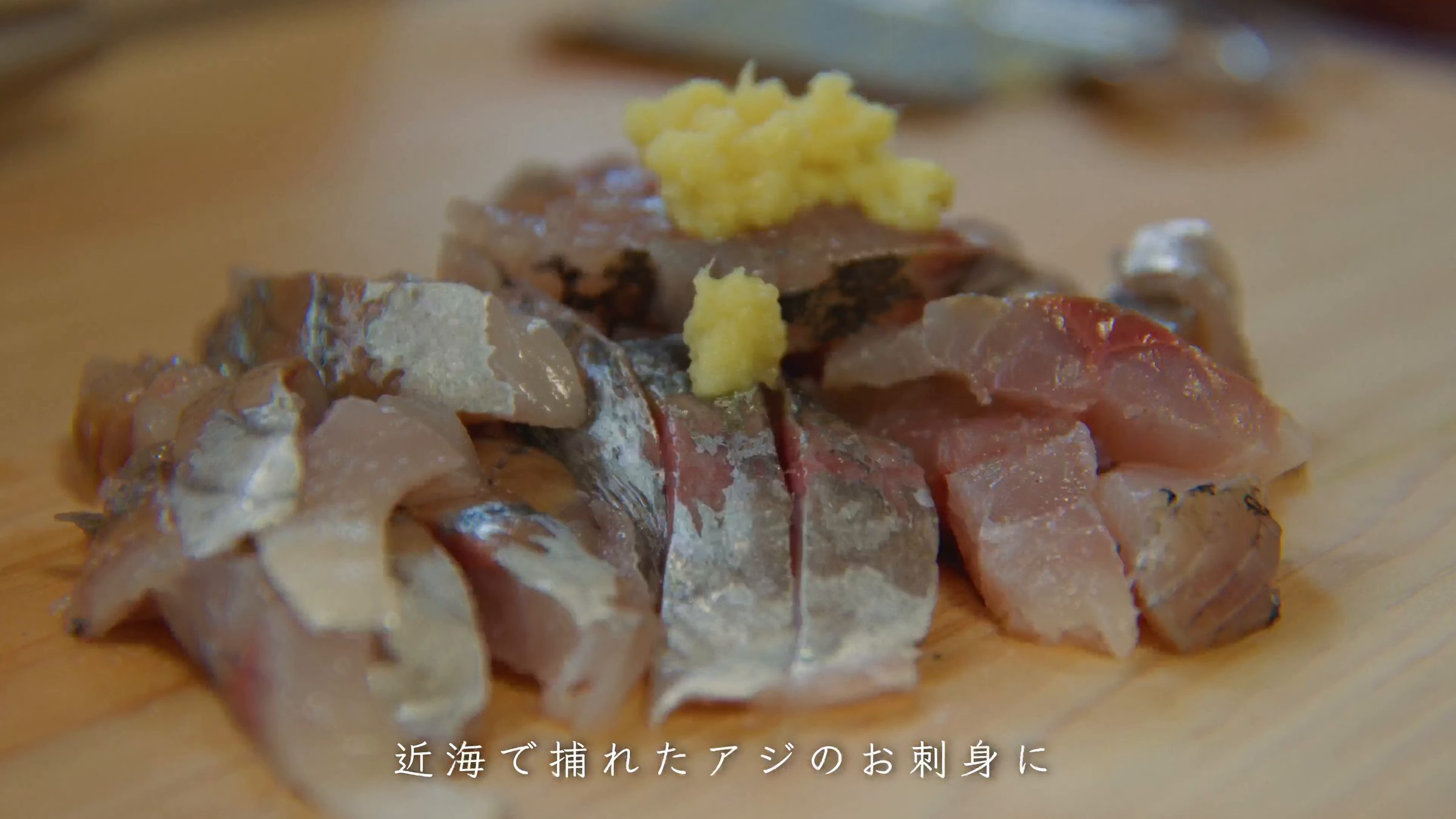
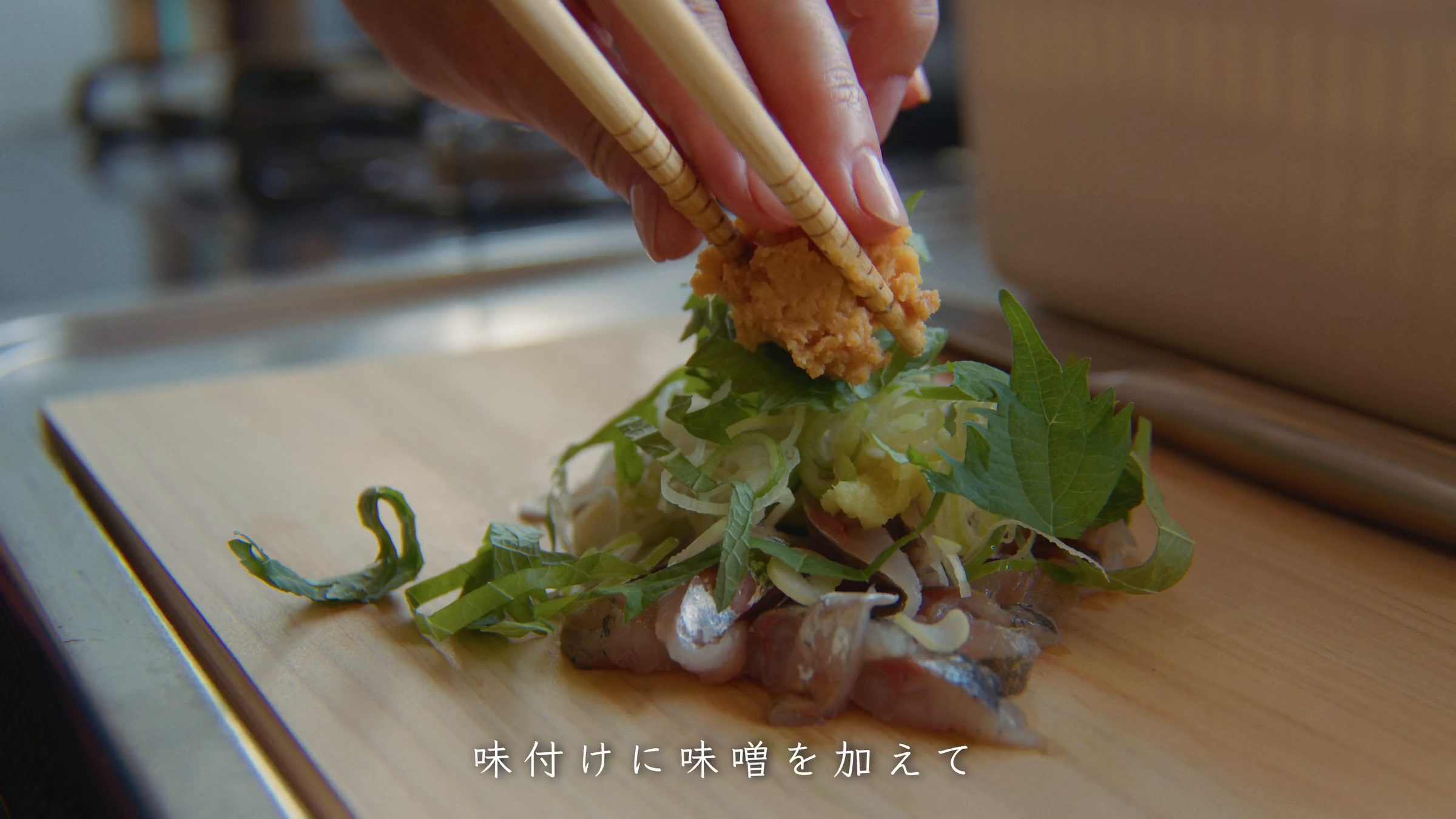
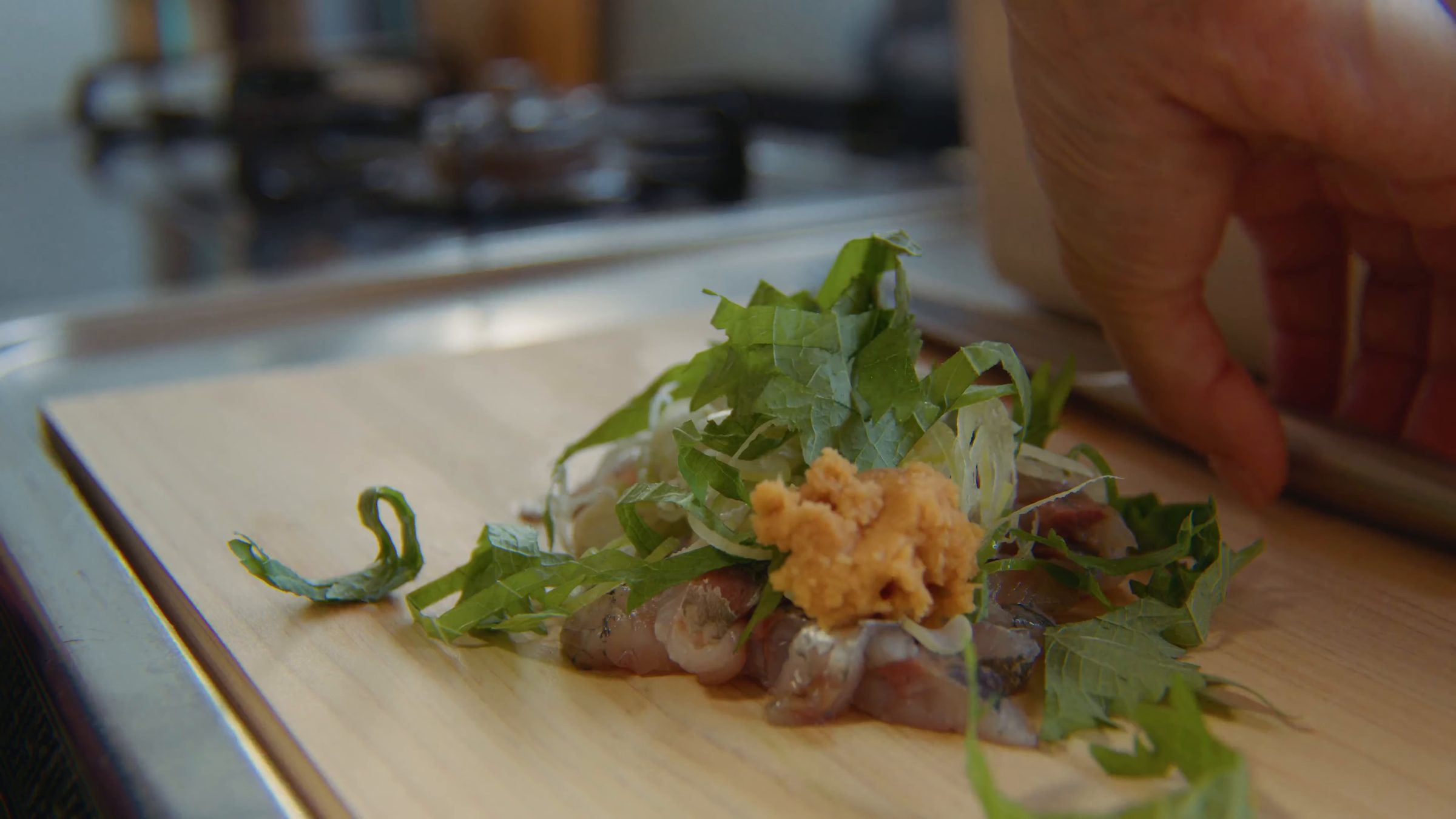
Breakfast was made from horse mackerel sashimi caught in the nearby sea. I tore perilla leaves by hand, grated ginger, and chopped green onion. Then I sliced the fish on the board, piled the herbs on top, and added miso for seasoning.
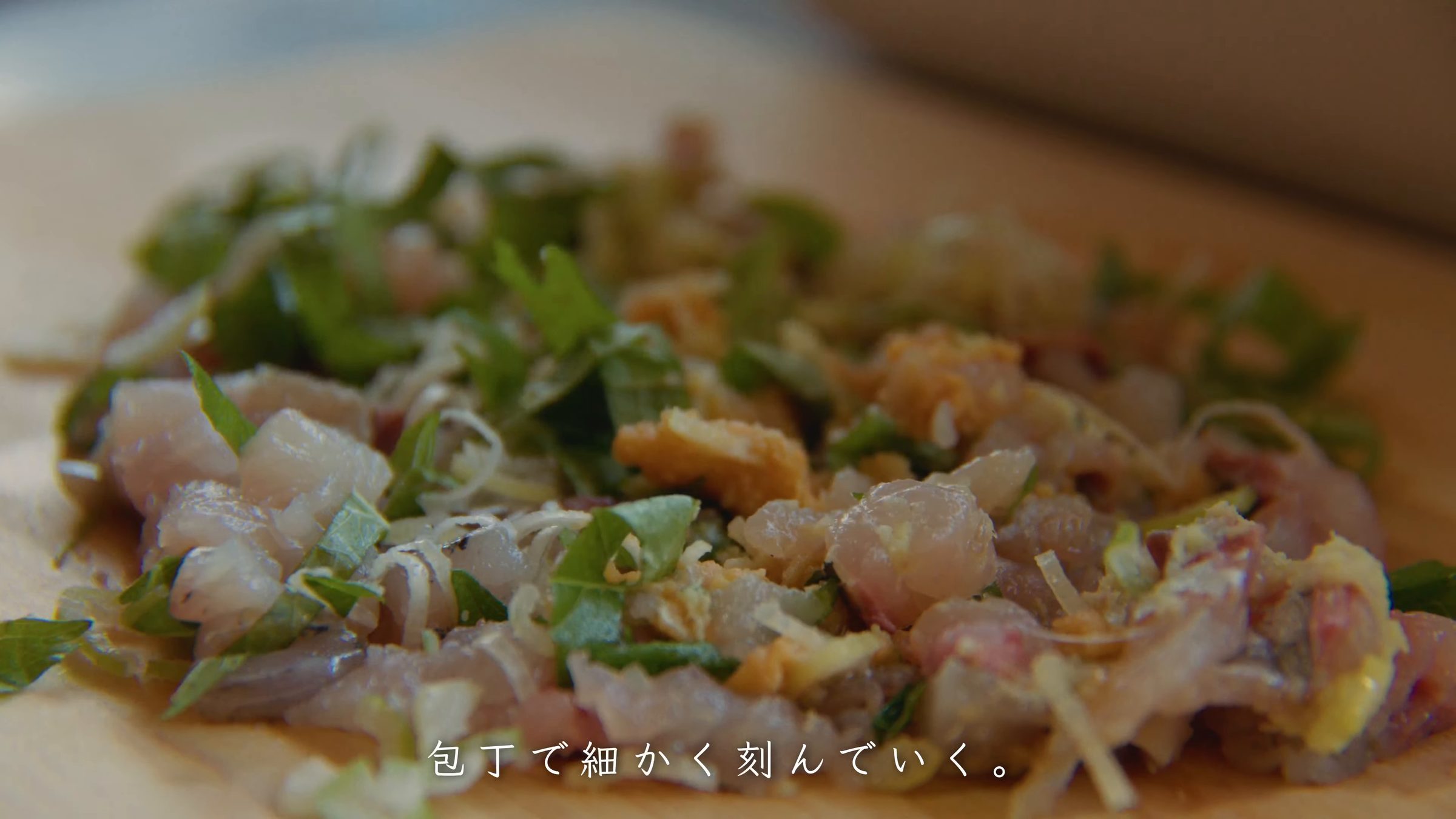
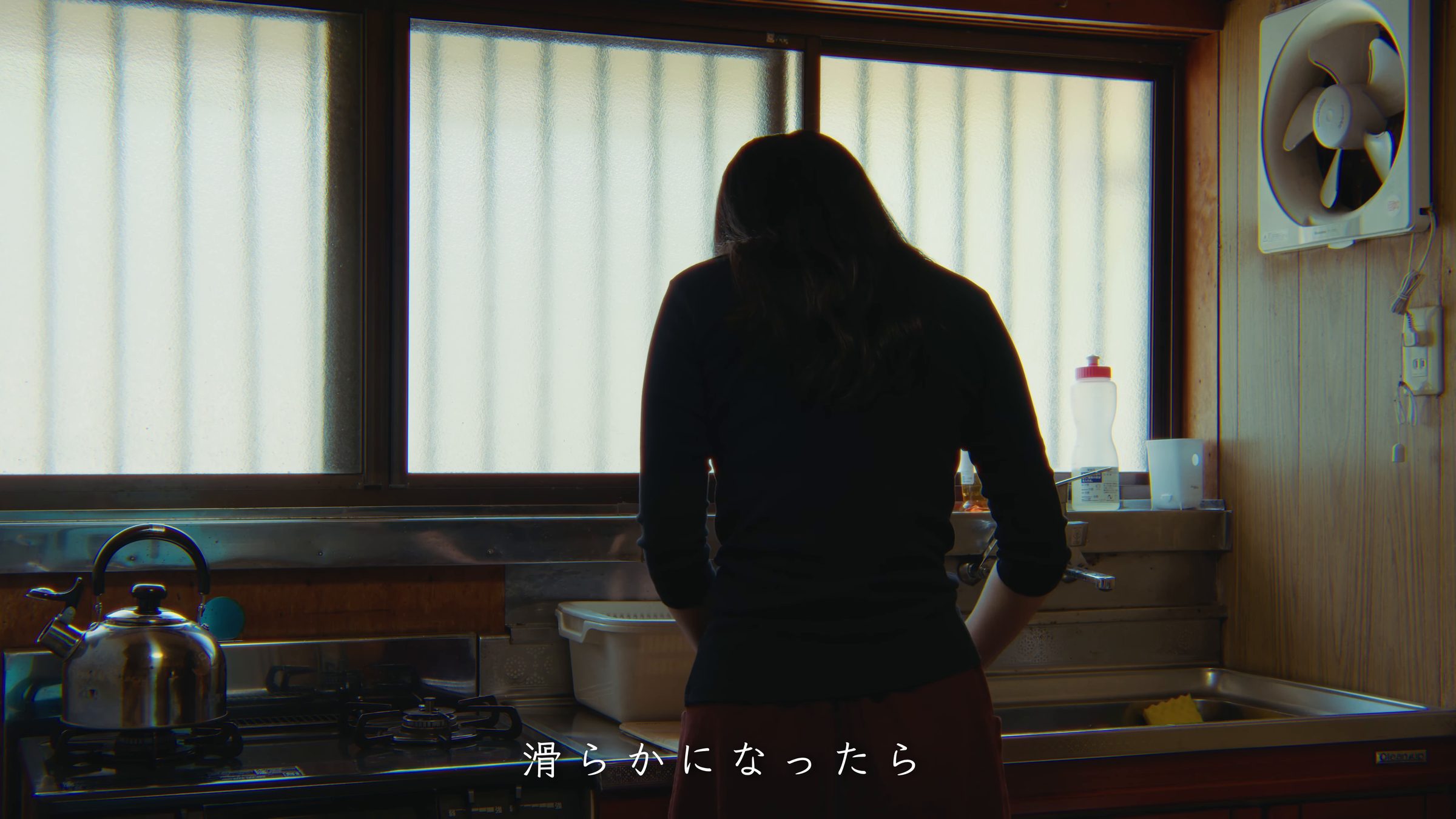
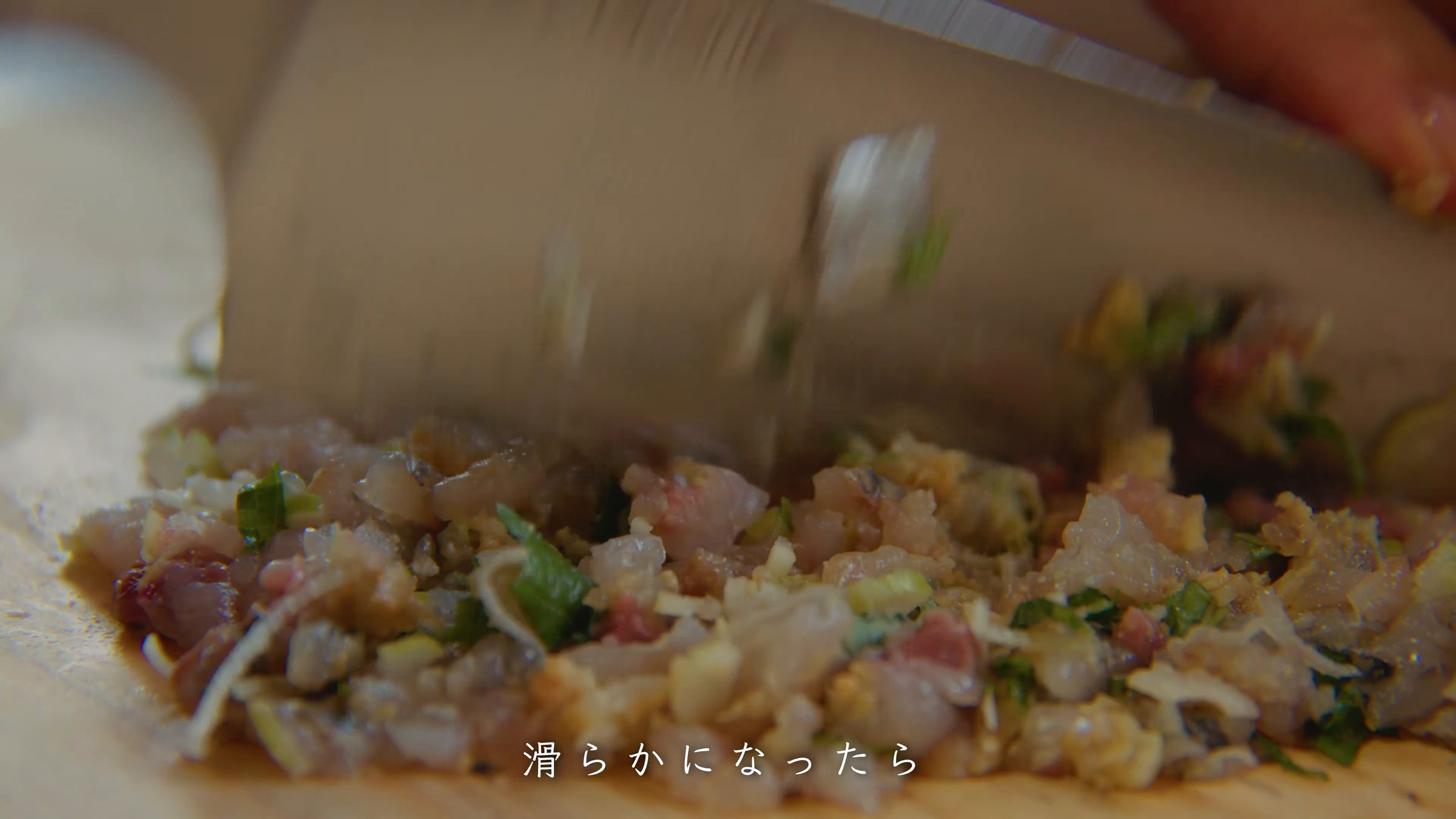
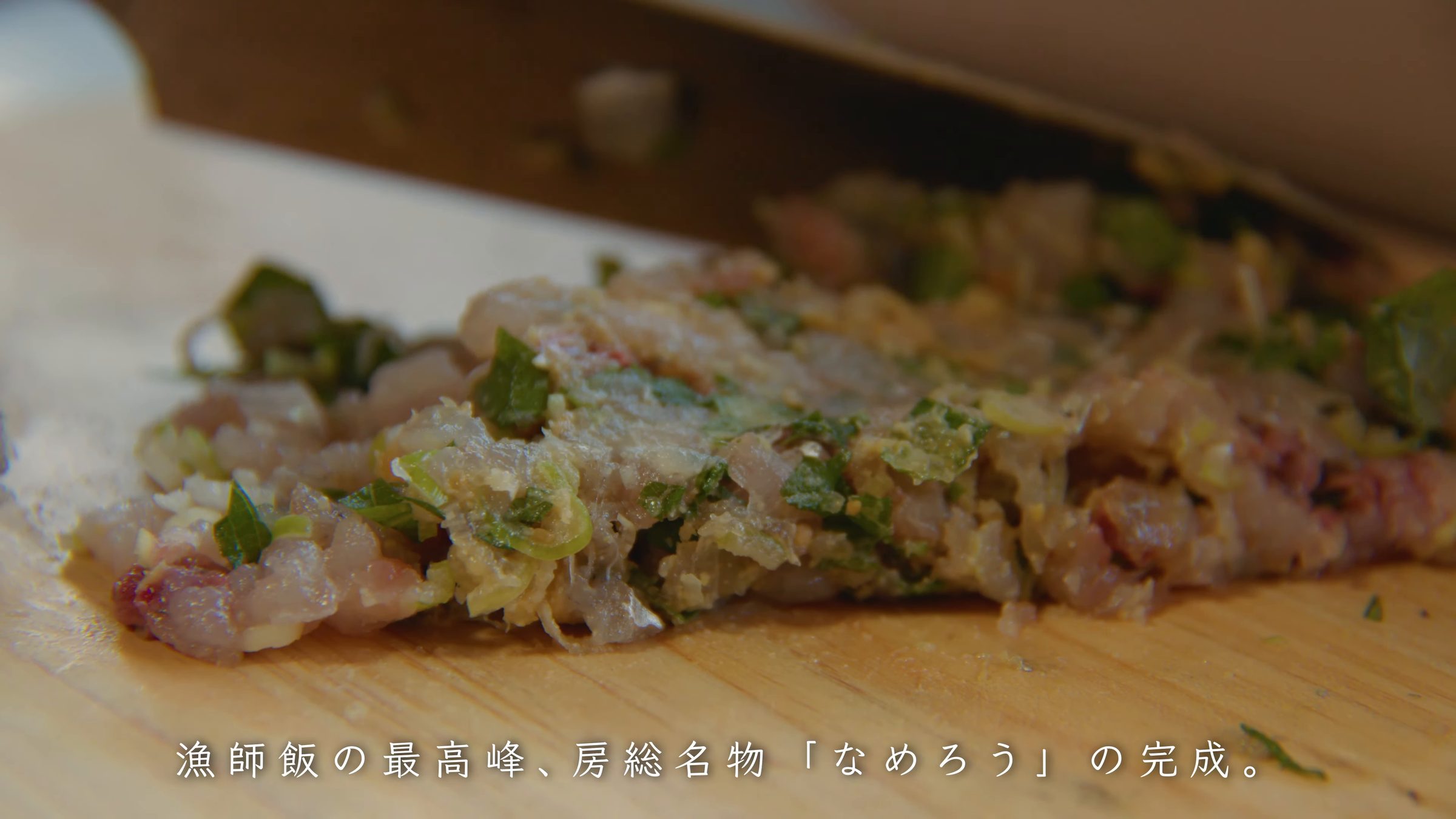
With the knife I chopped it all finely. As the blade tapped away, fish, miso and herbs melted into one another and the mixture grew smooth and sticky. When it was ready, there it was: namero, the specialty of Boso and the pinnacle of fisherman's rice.
Watch this scene on YouTube1:22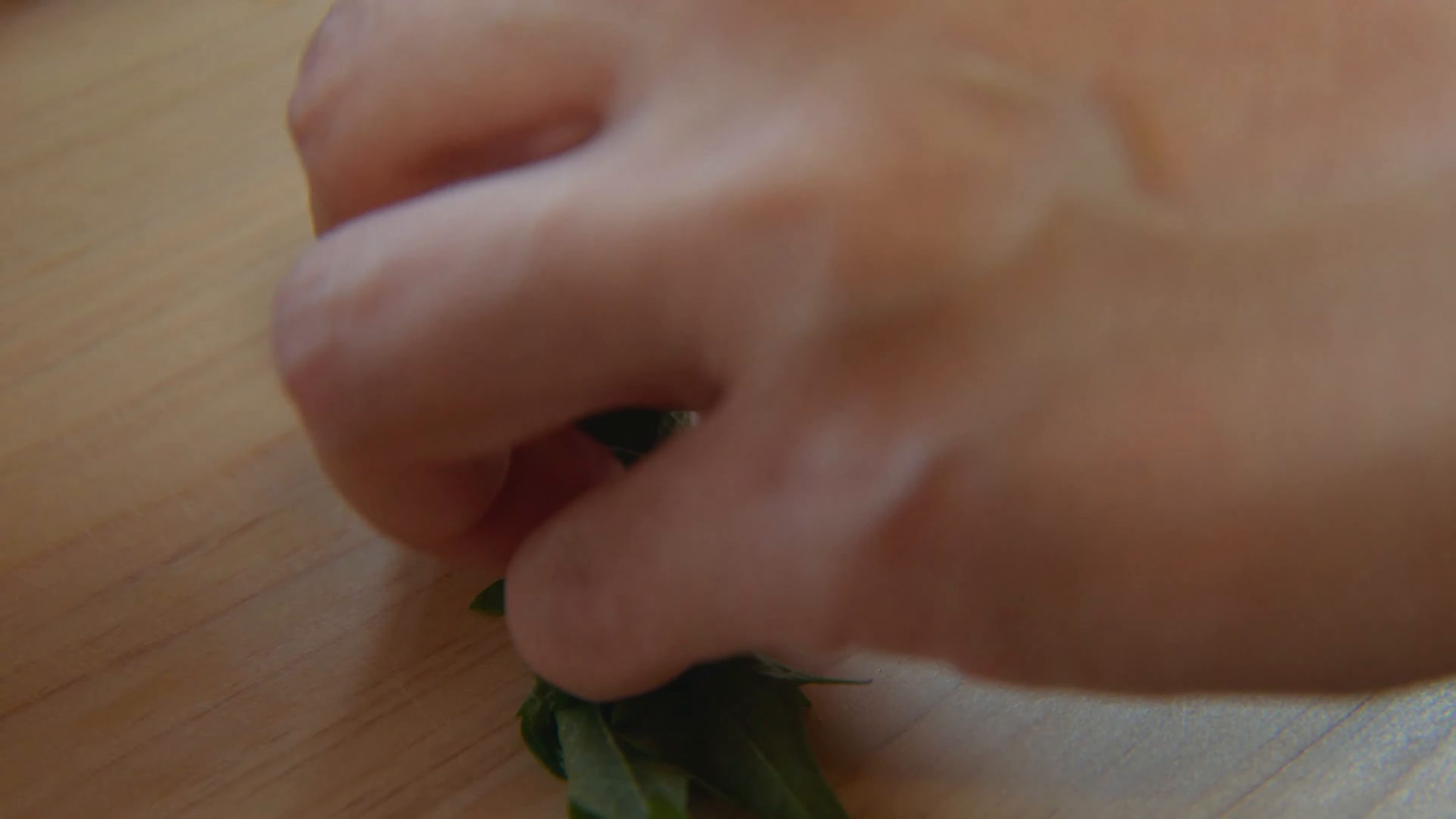
03TRAVEL JOURNAL
Namero on rice, facing the sea
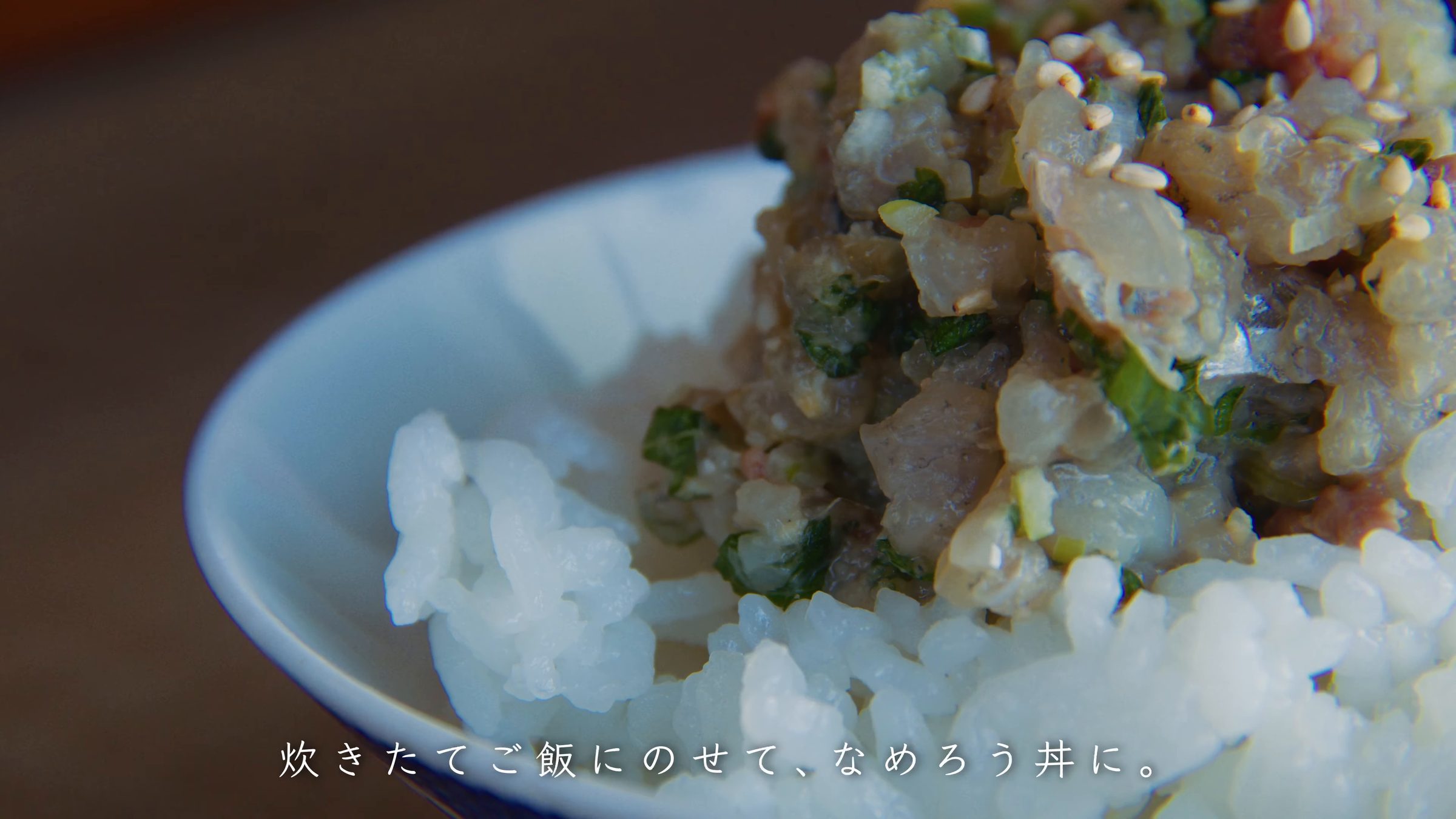
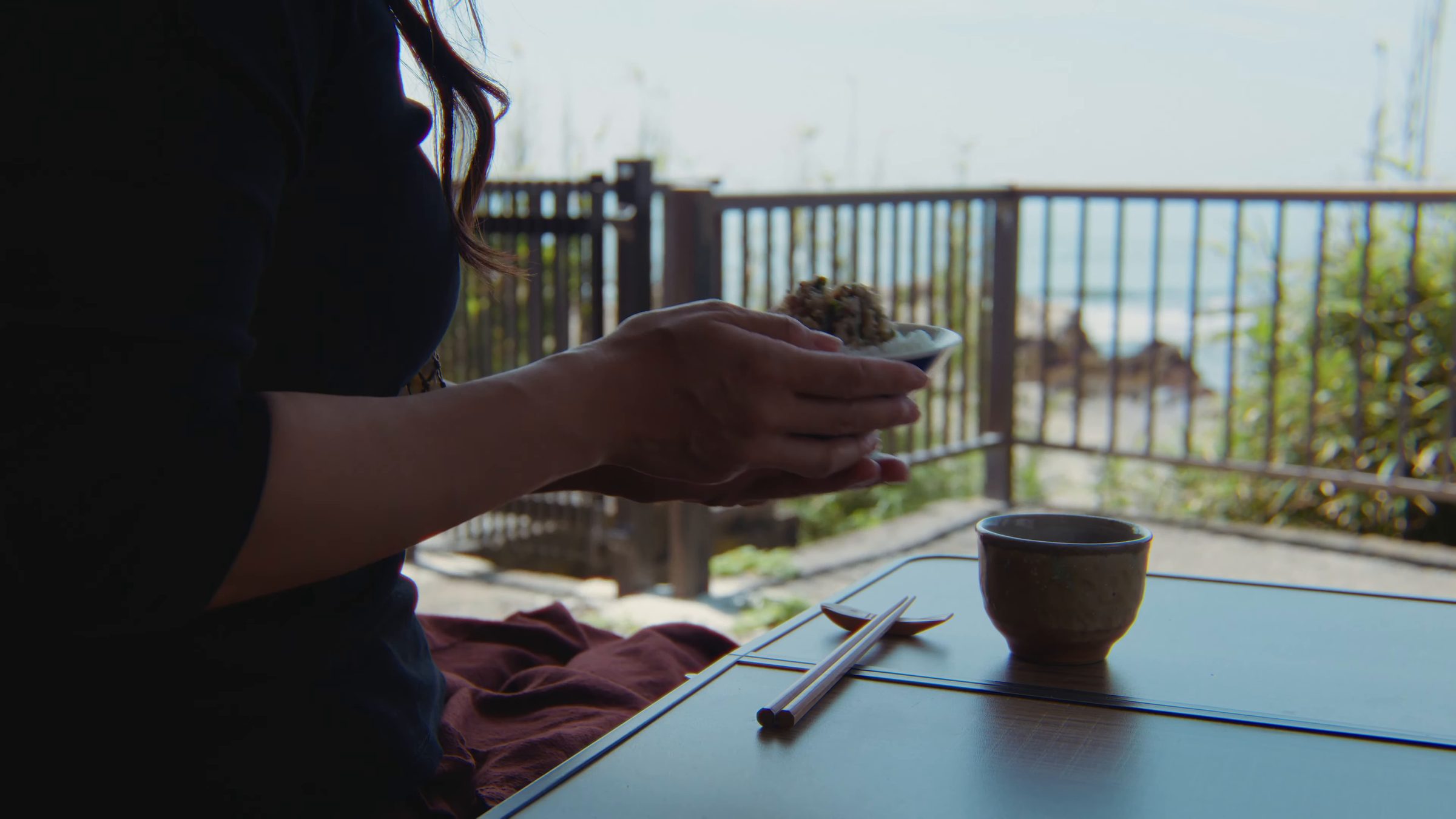
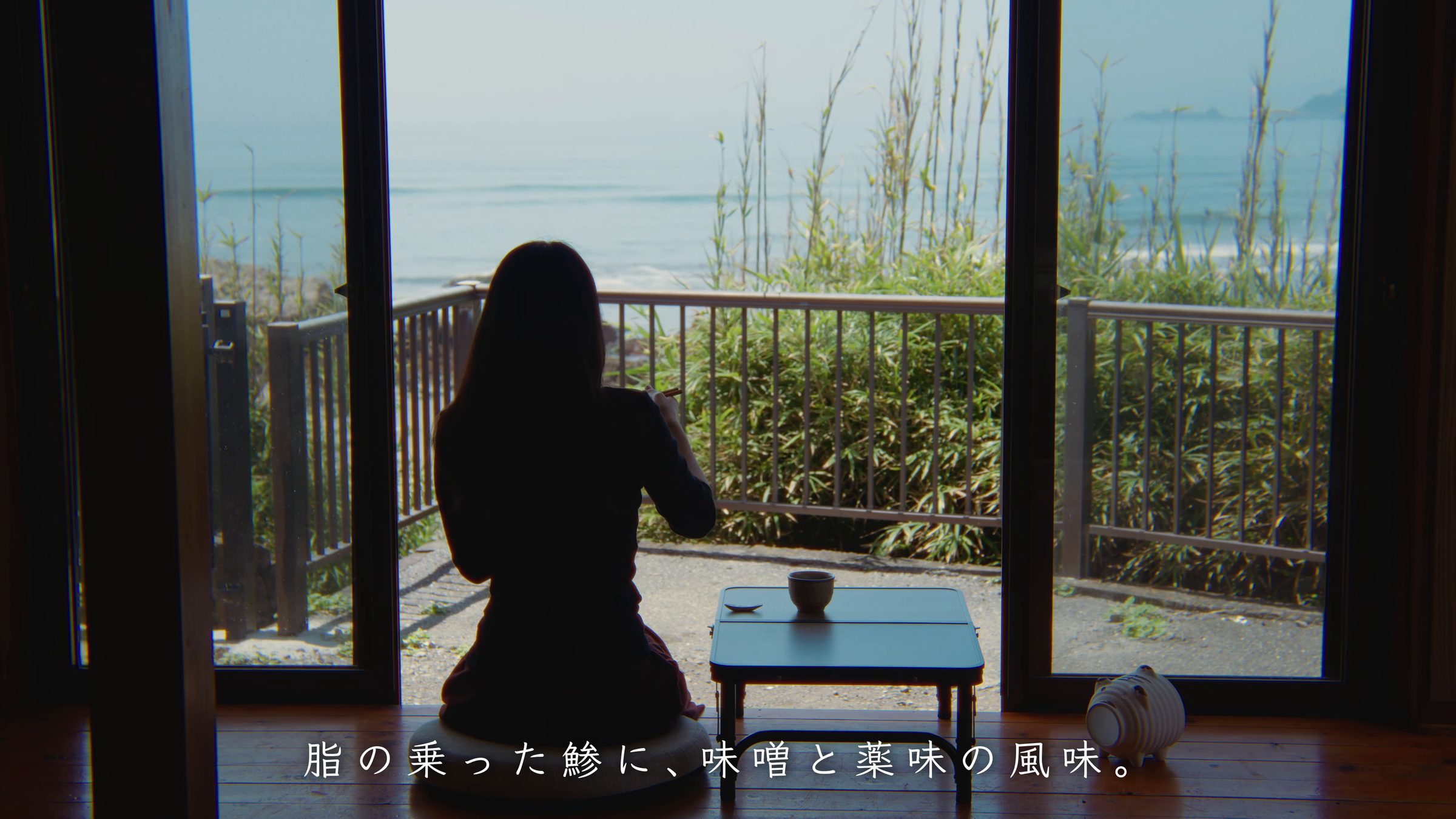
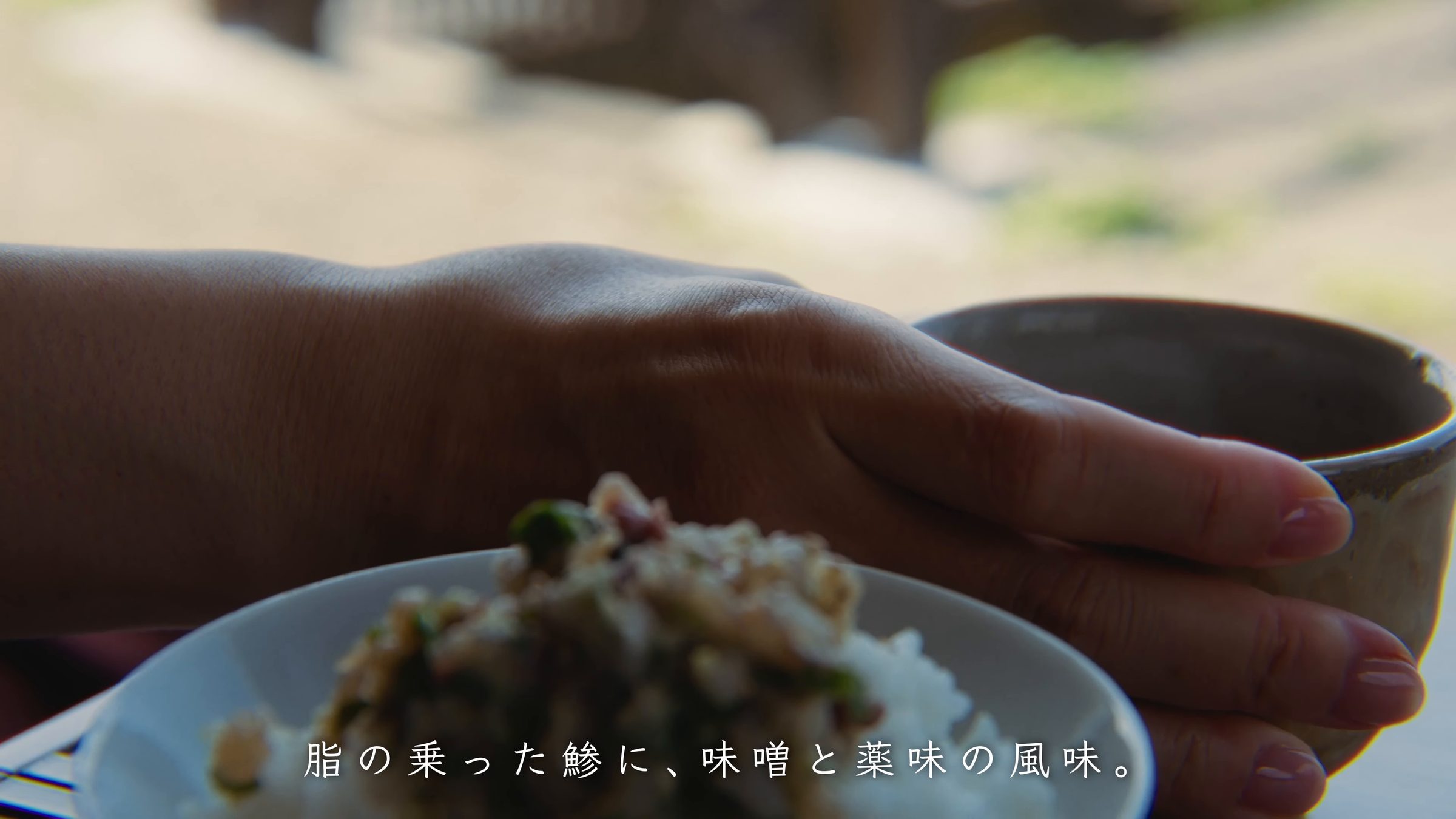
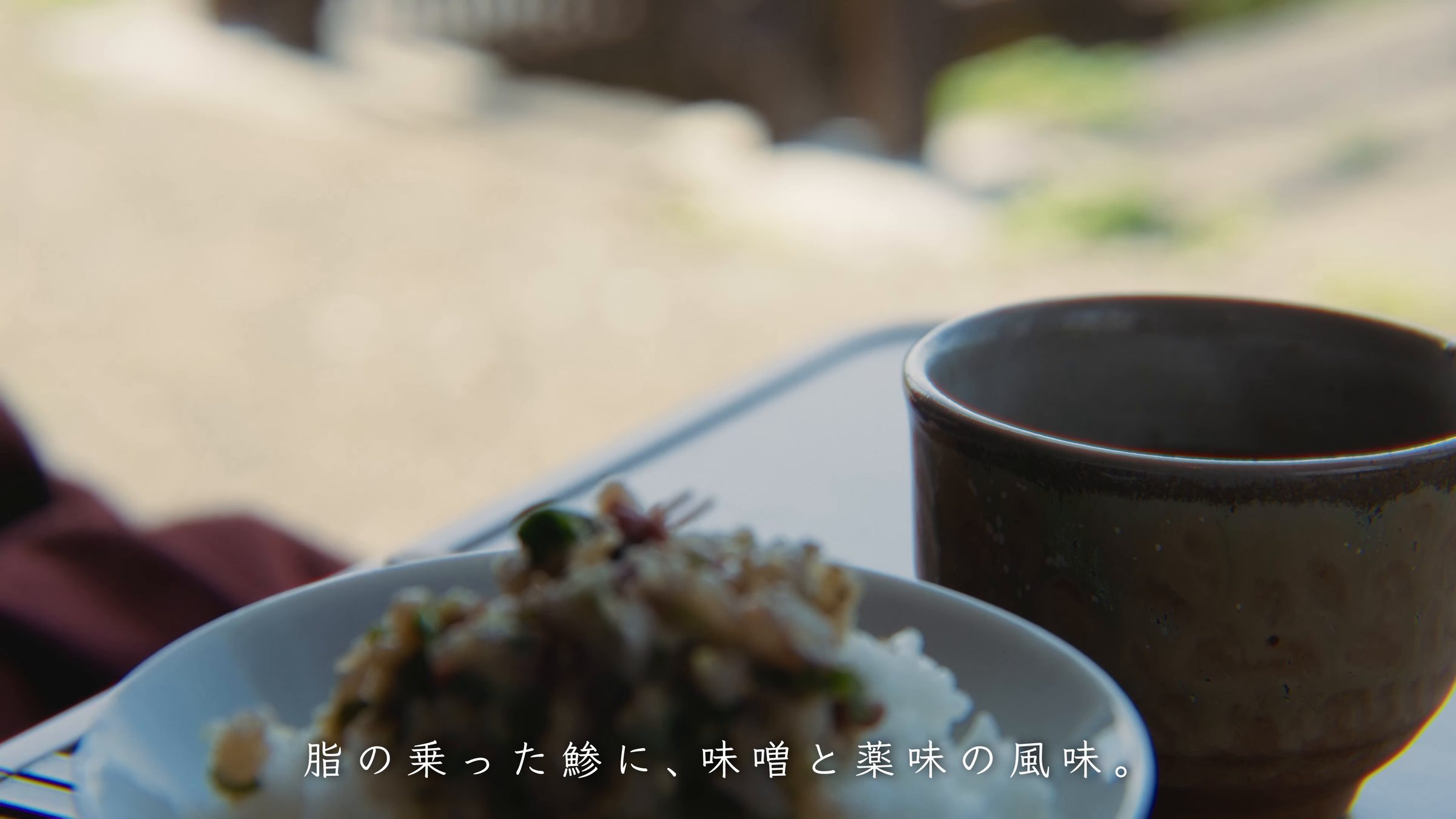
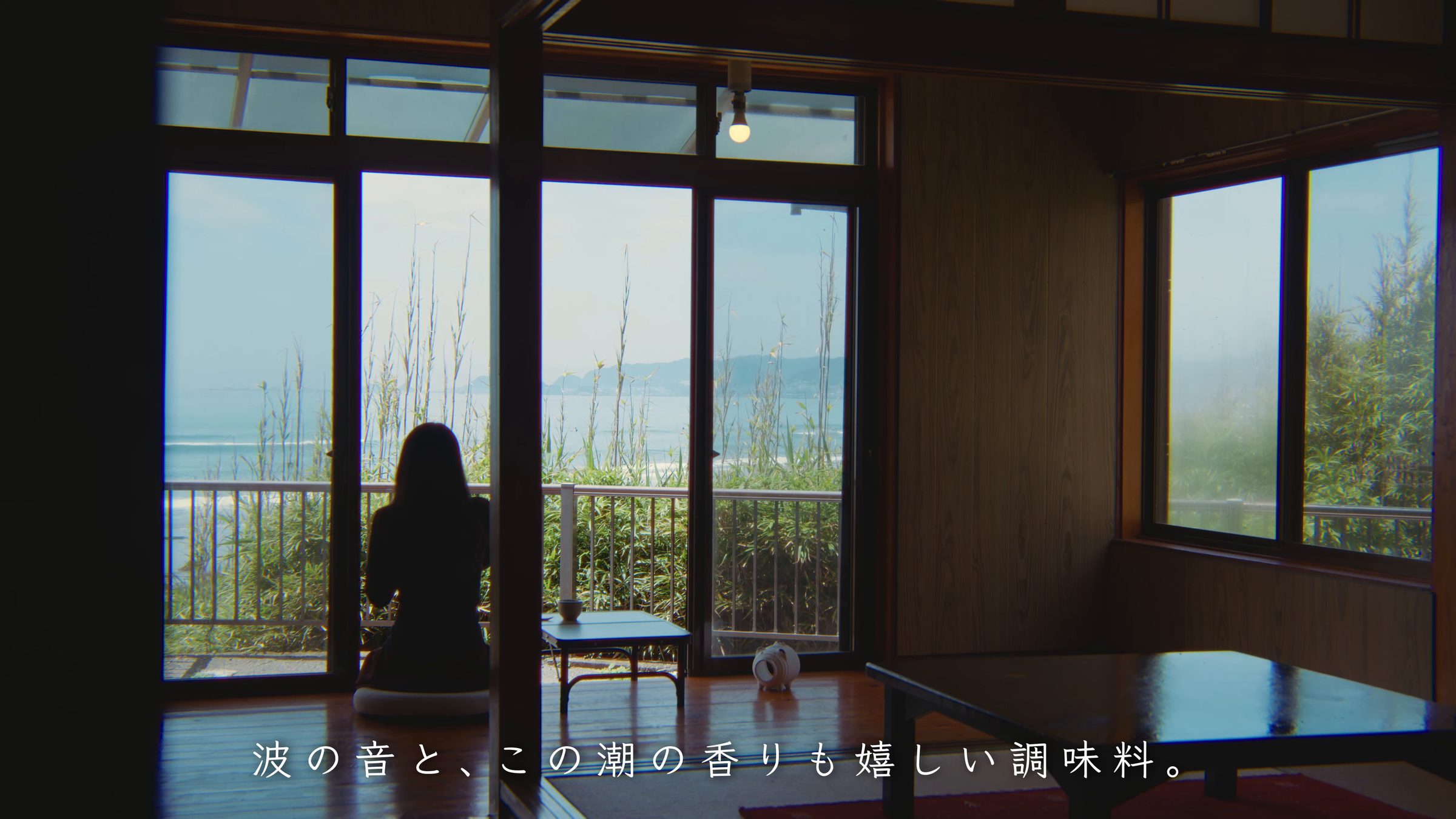
I put a generous heap on freshly cooked rice to make a namero bowl, carried the blue-patterned bowl out to the veranda facing the sea, and said my thanks before eating.
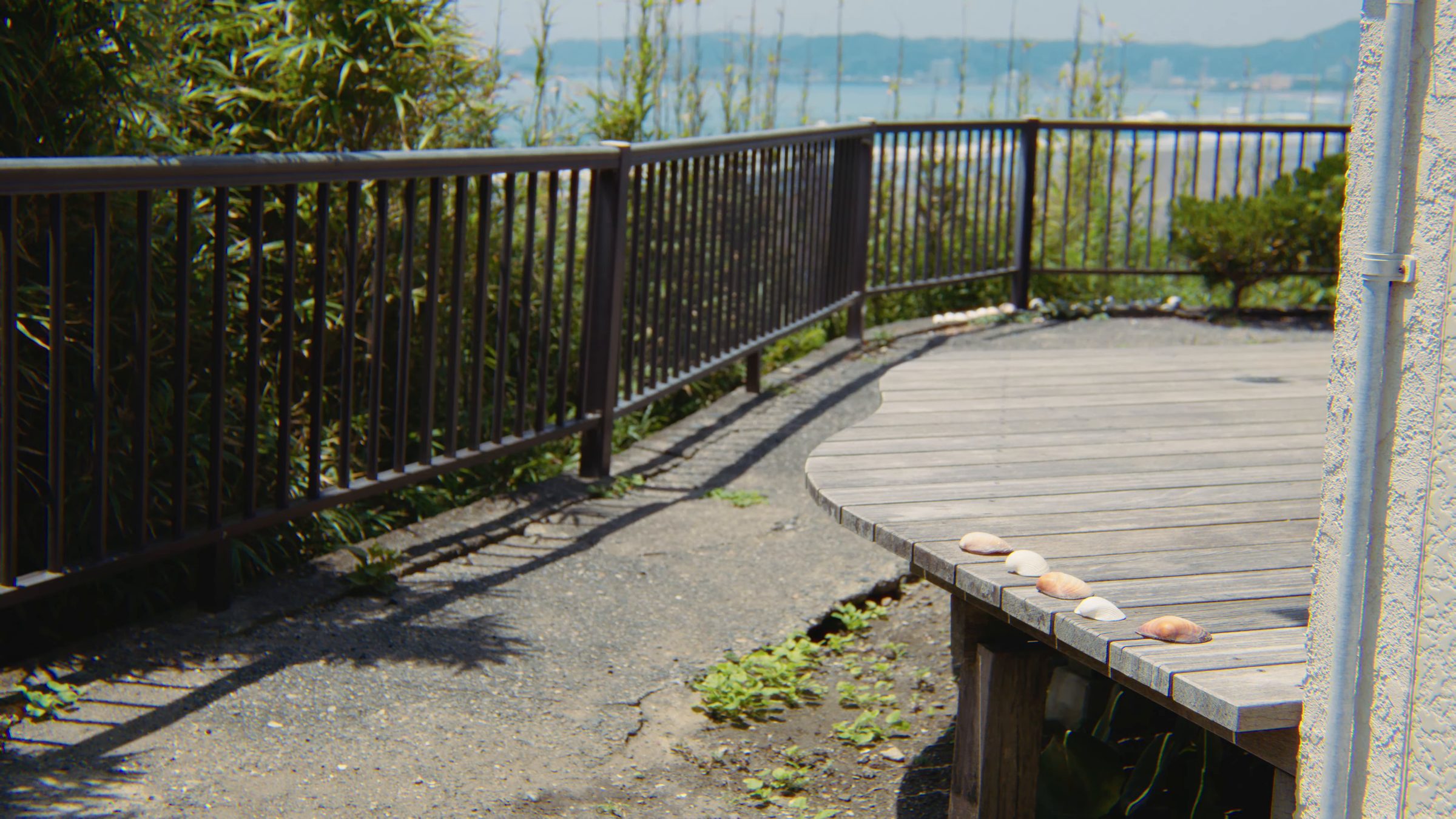
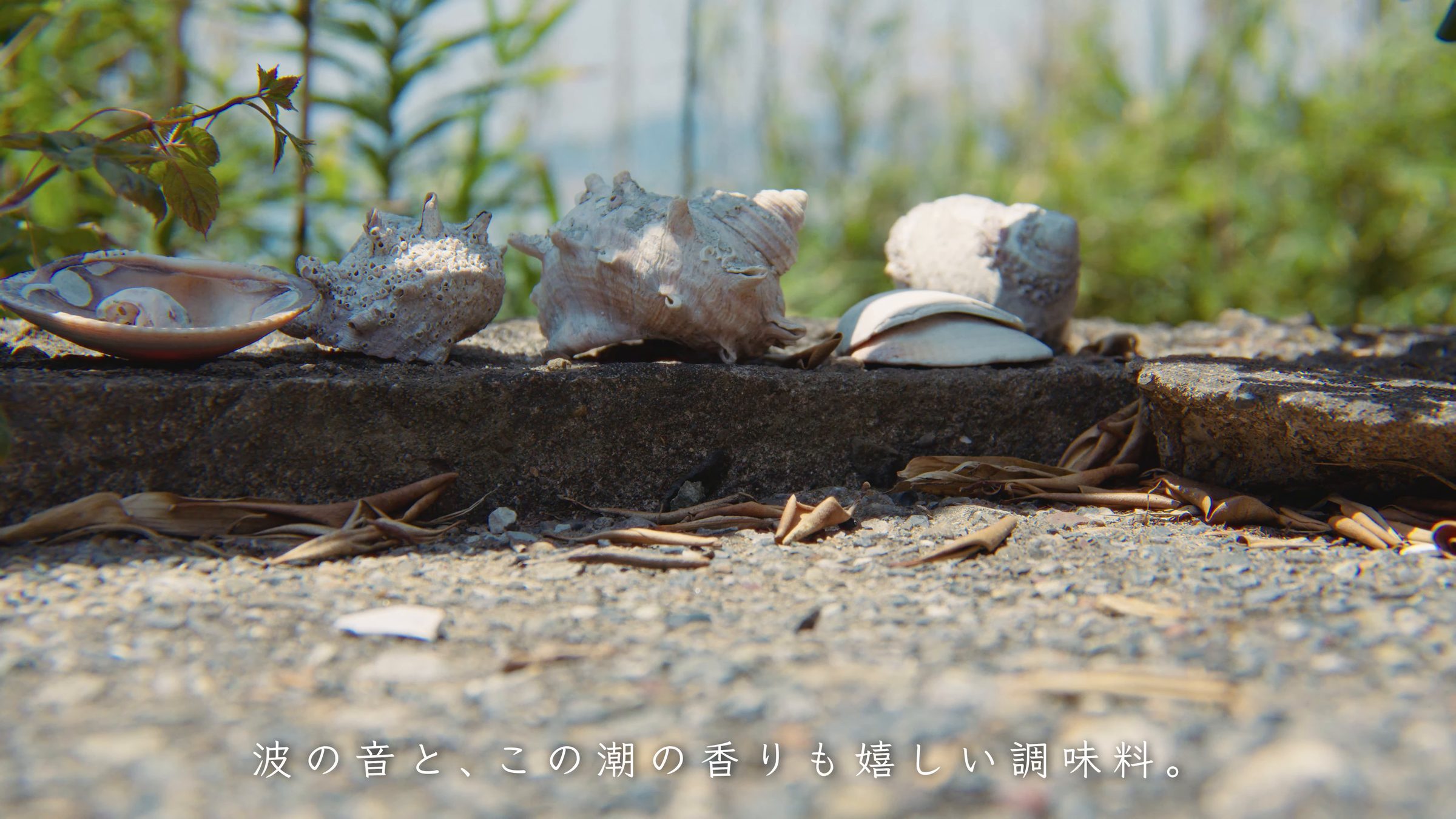
Fatty horse mackerel, the flavor of miso and herbs: a taste unique to a seaside town. Beyond the deck railing lay the sea, and shells I had gathered sat in a row along the curb. The sound of the waves and the scent of the tide were seasonings too.
Watch this scene on YouTube2:01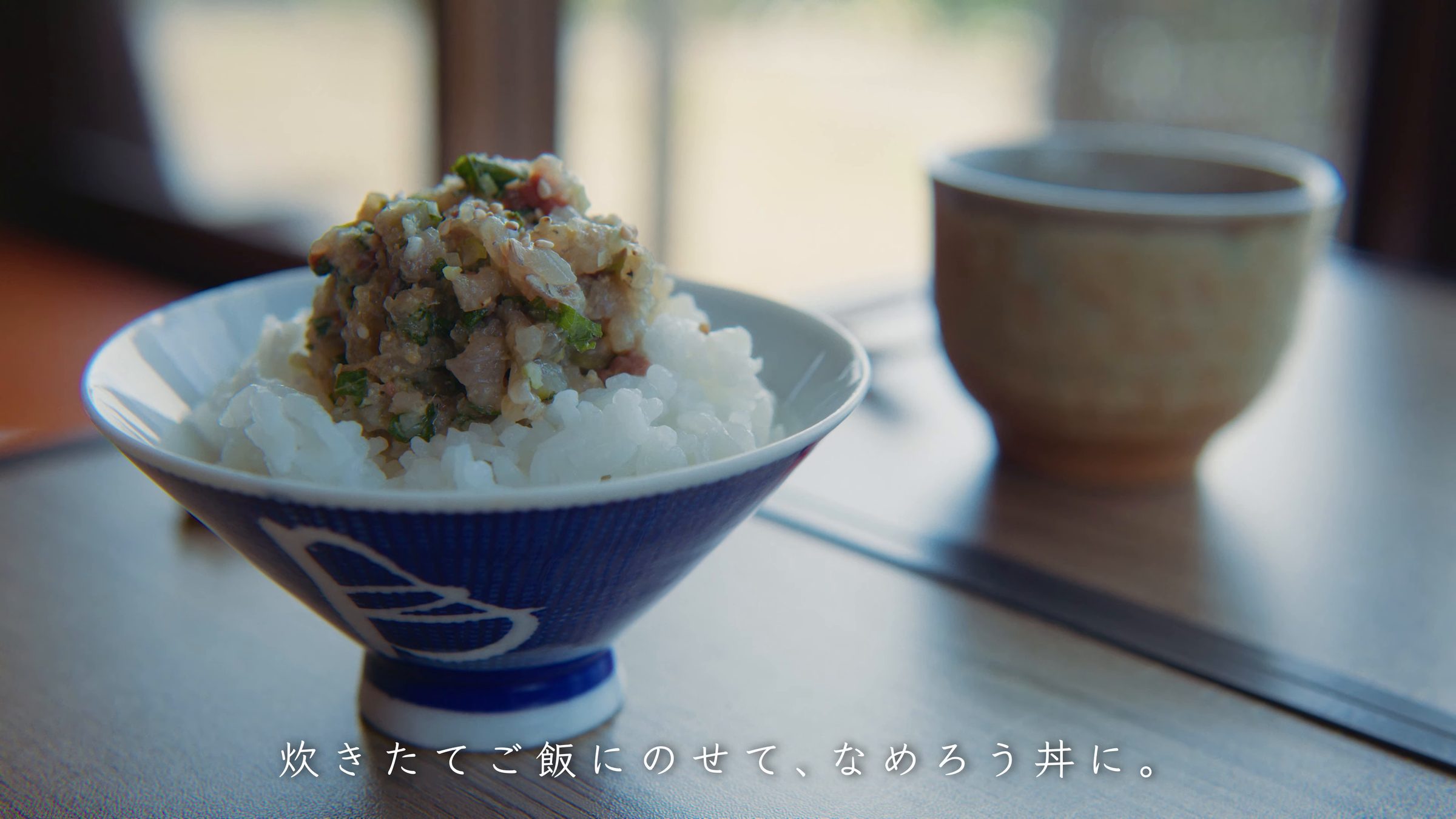
04TRAVEL JOURNAL
The summer classic: the swimming beach
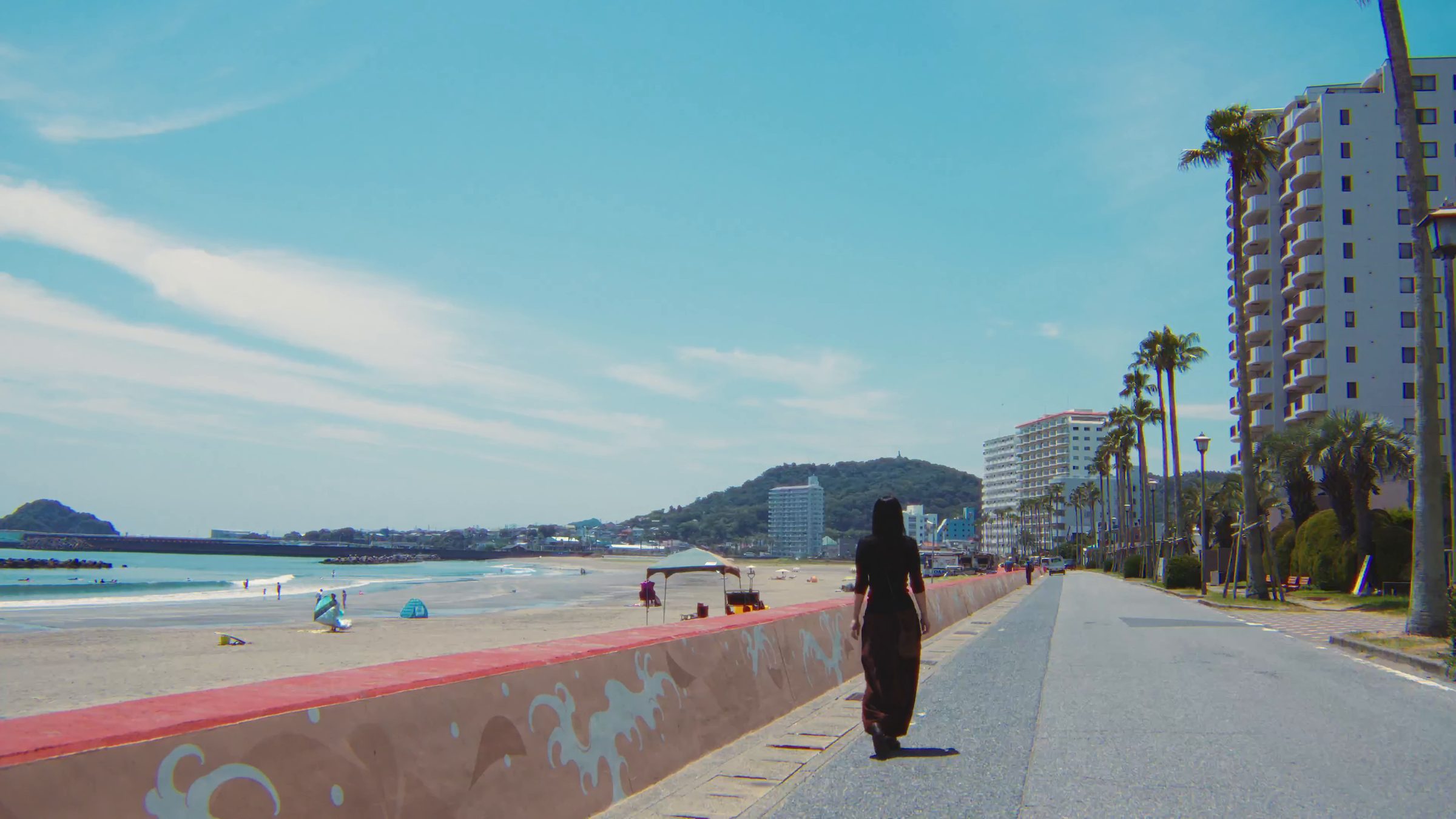
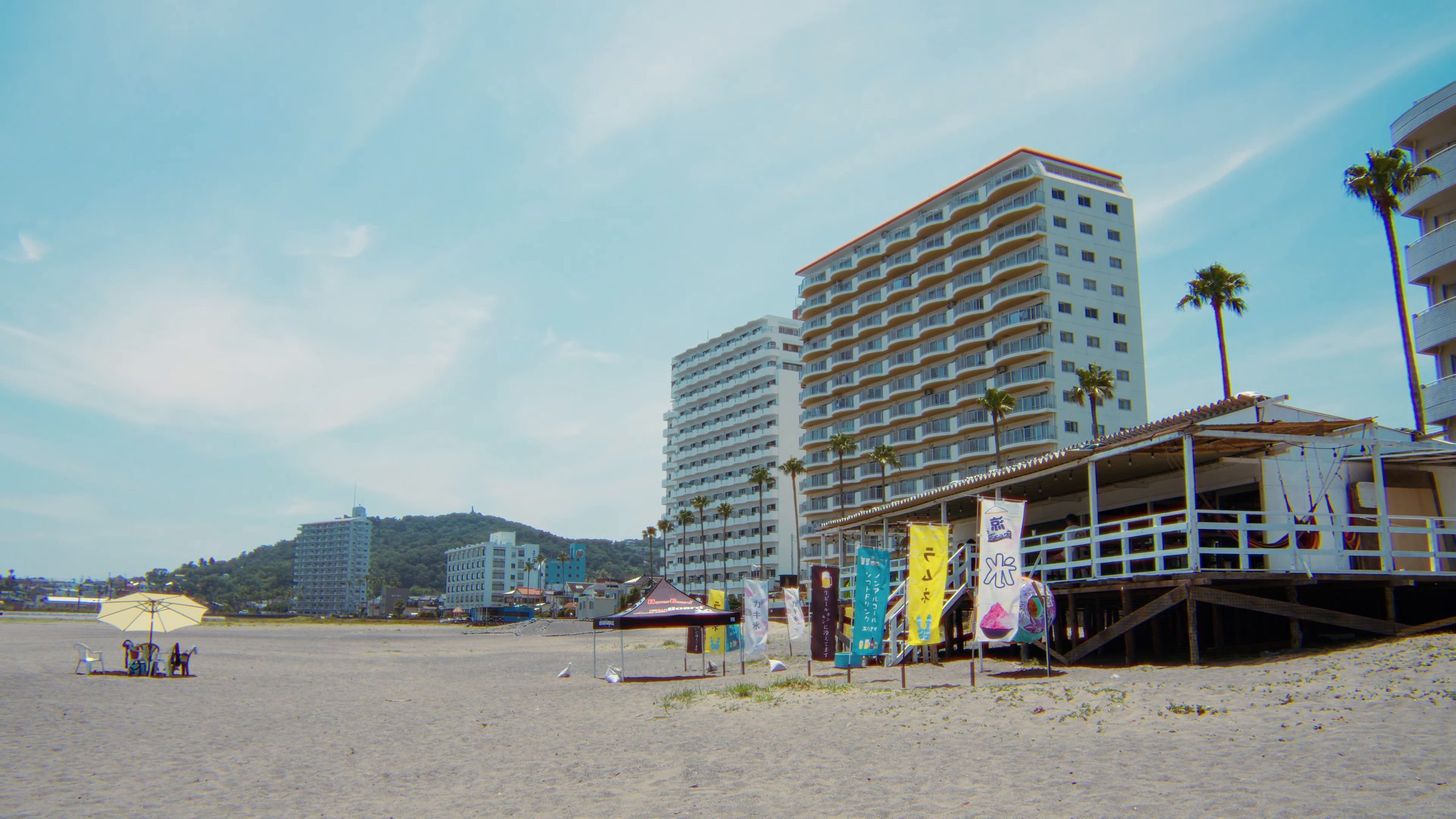
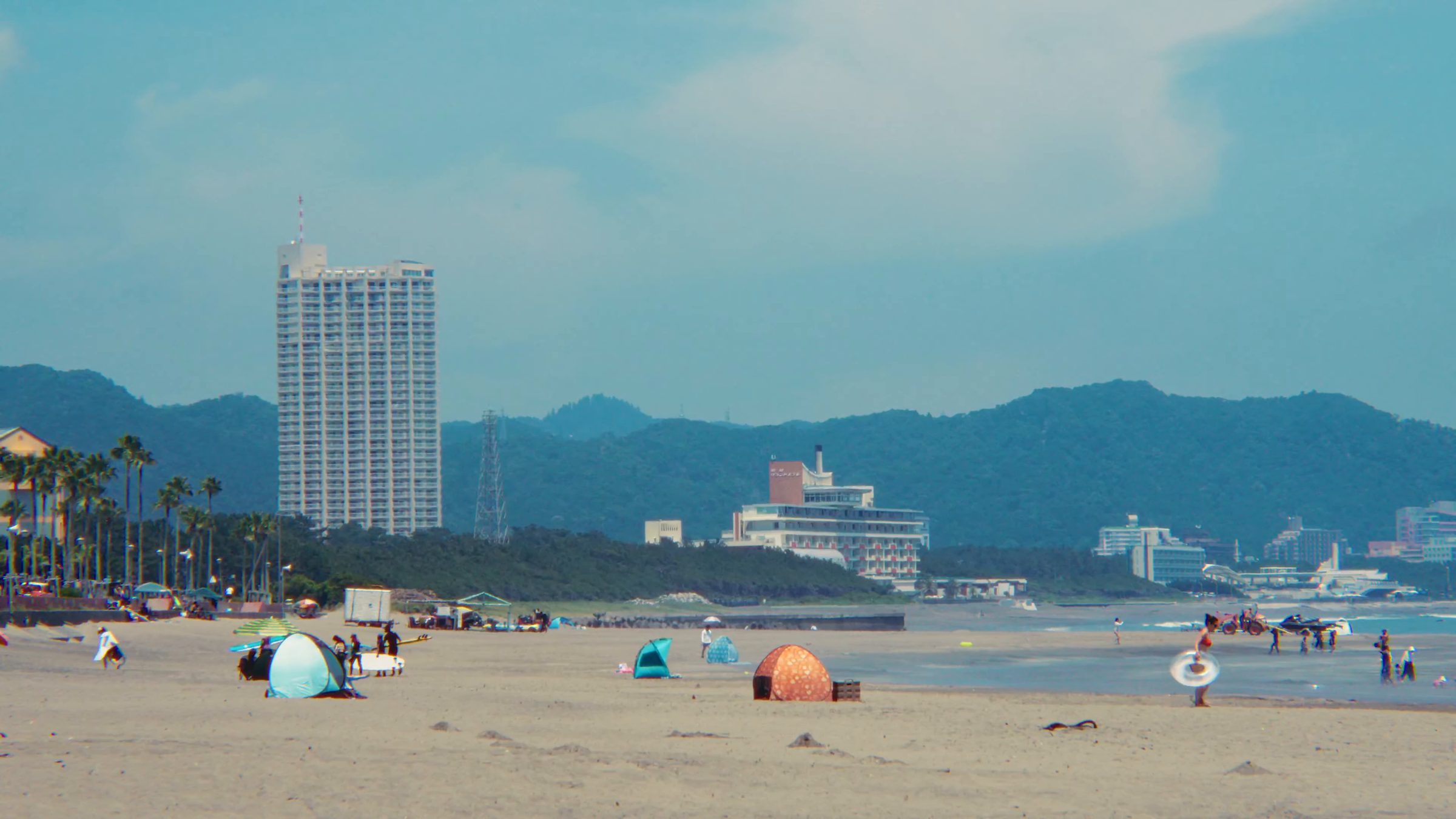
In the afternoon I walked along the coastal road to the swimming beach. Following the seawall, I came out onto a shore where the sand ran along a line of hotels.
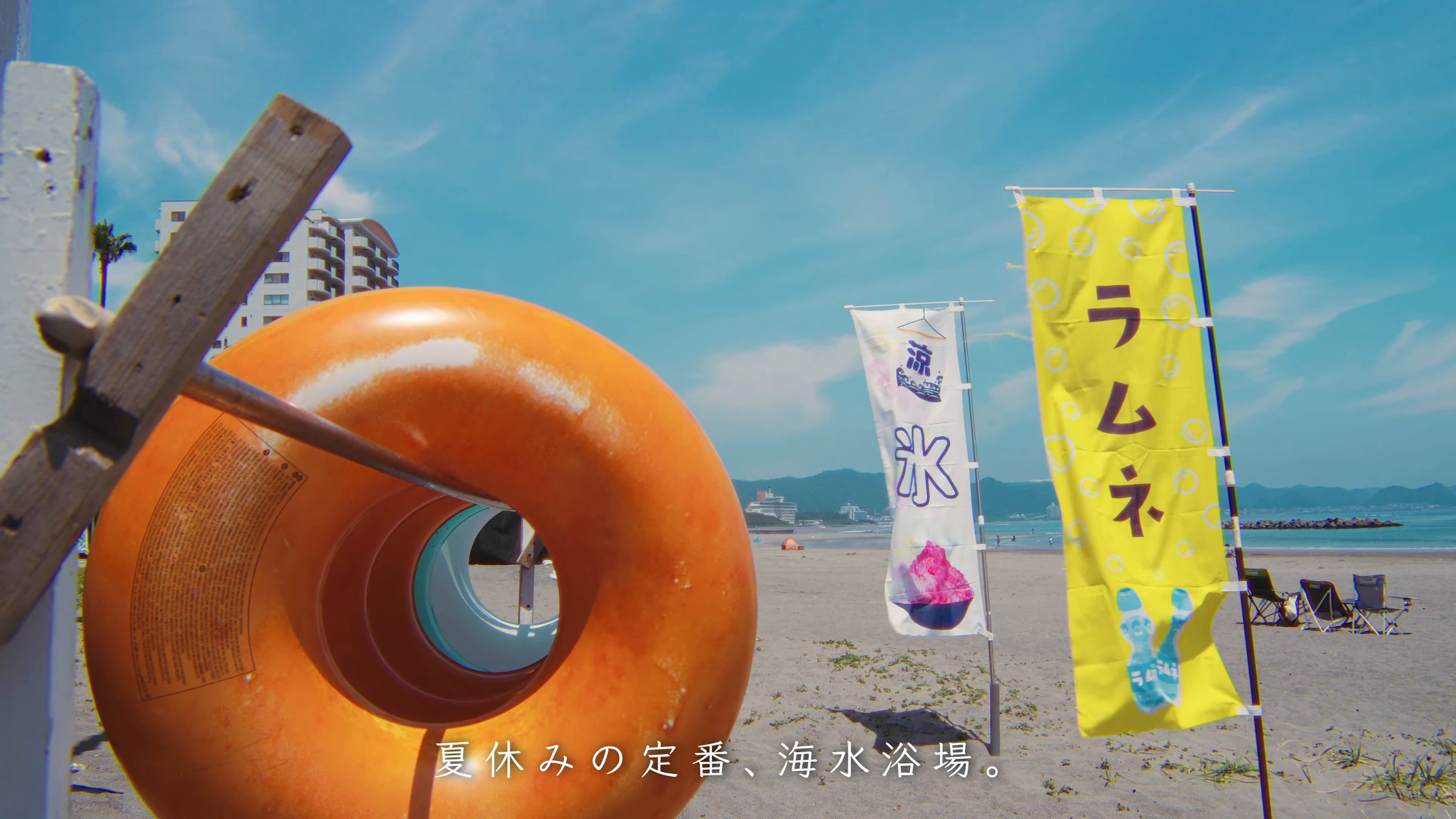
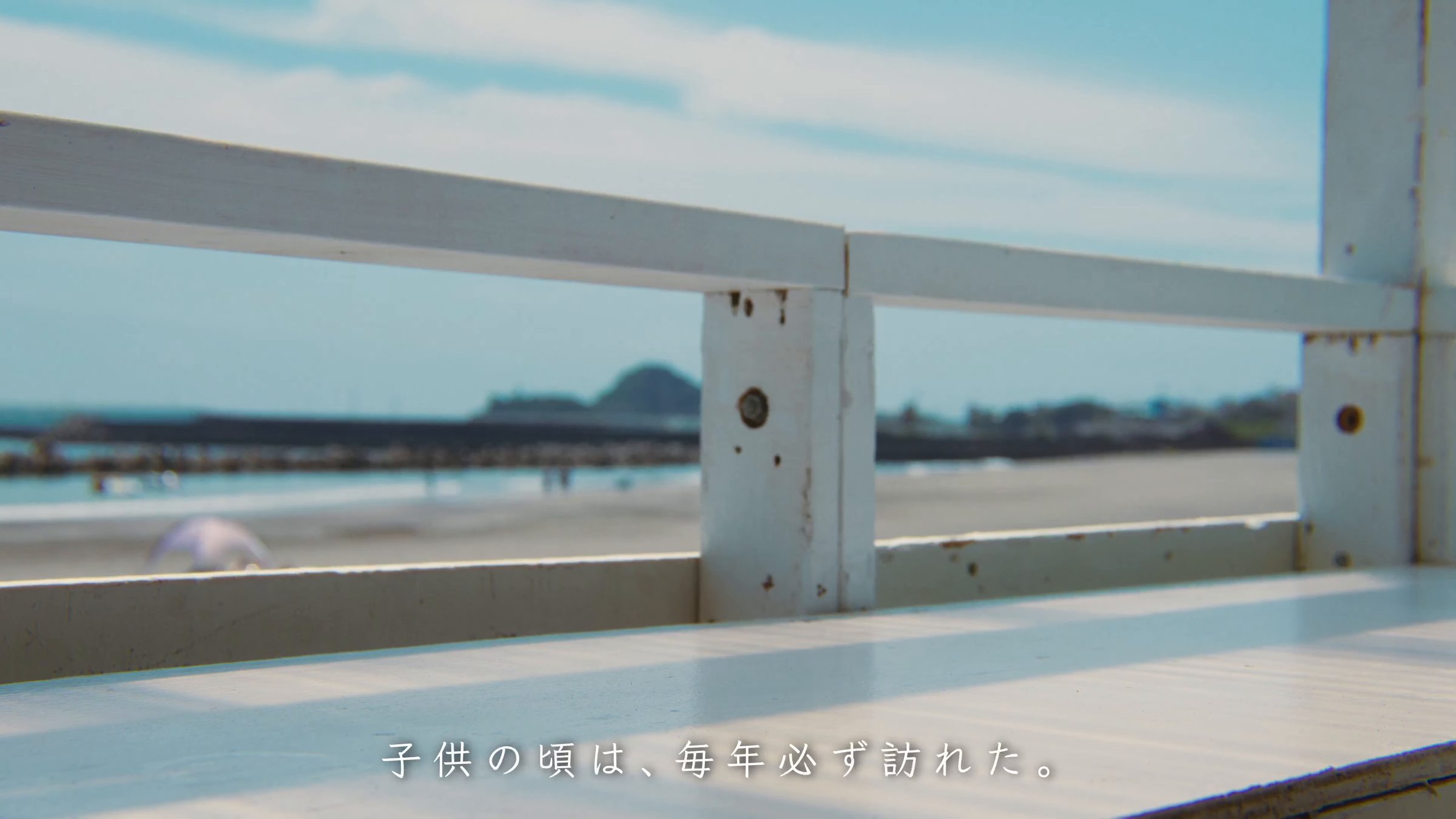
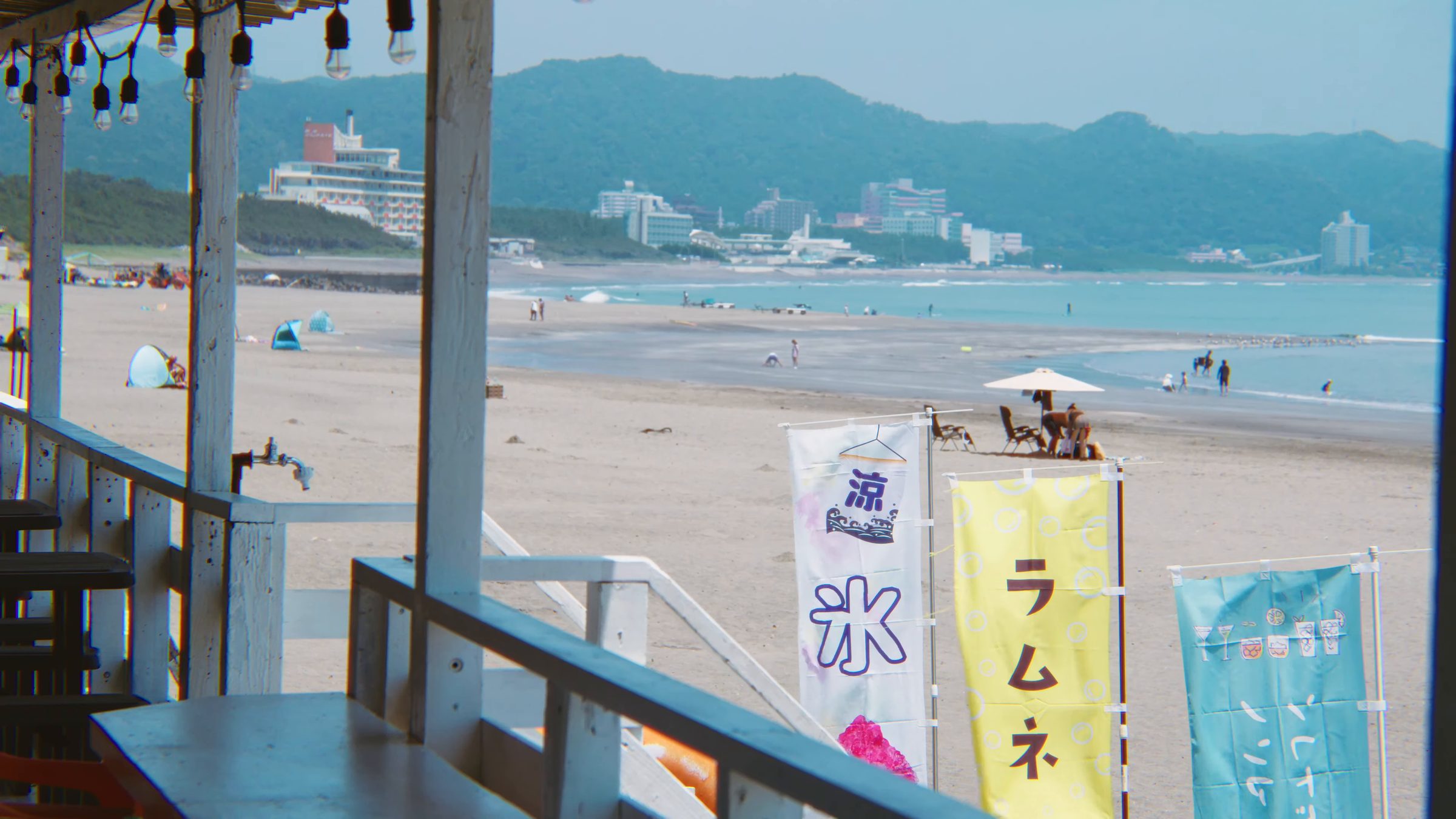
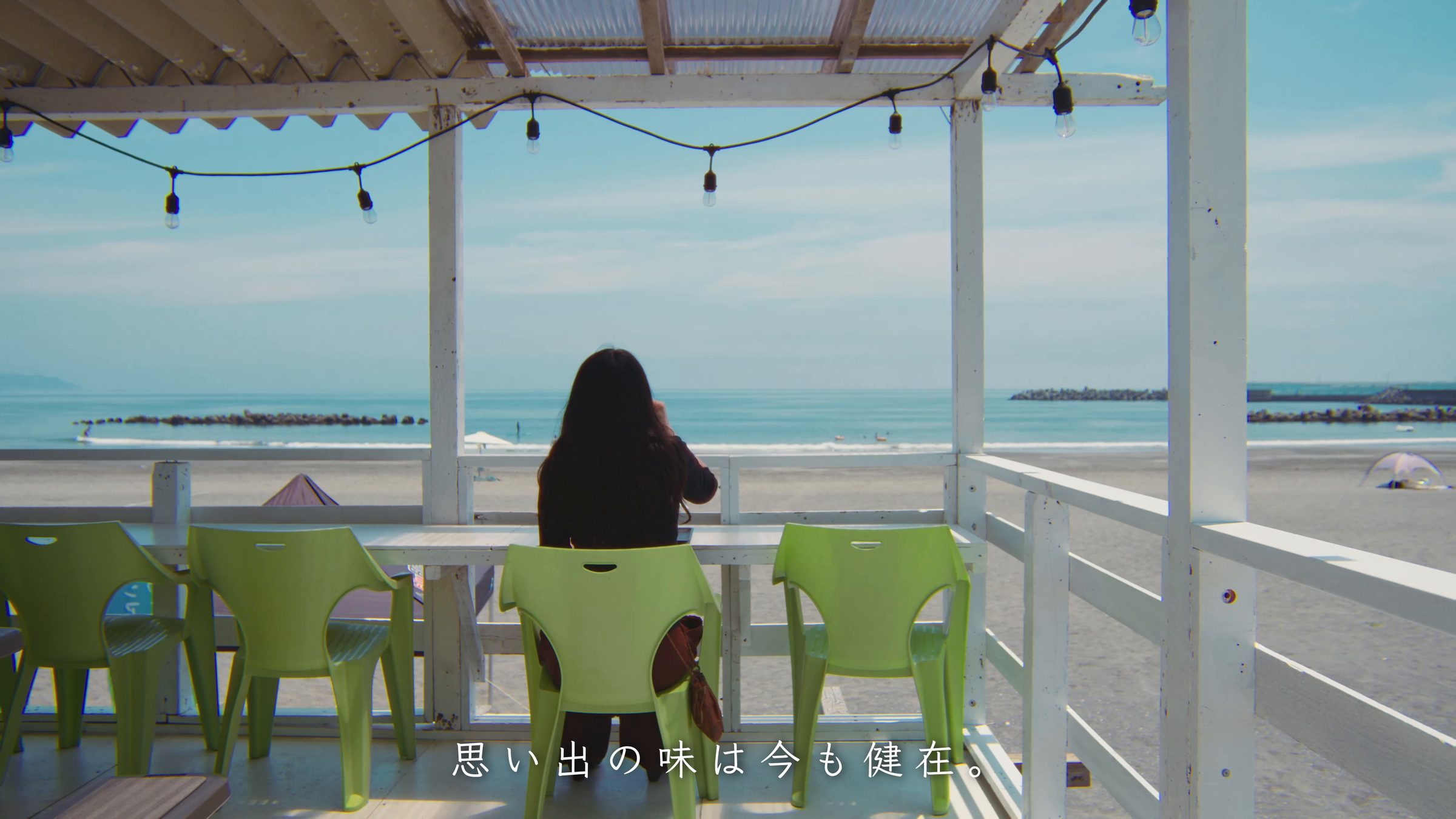
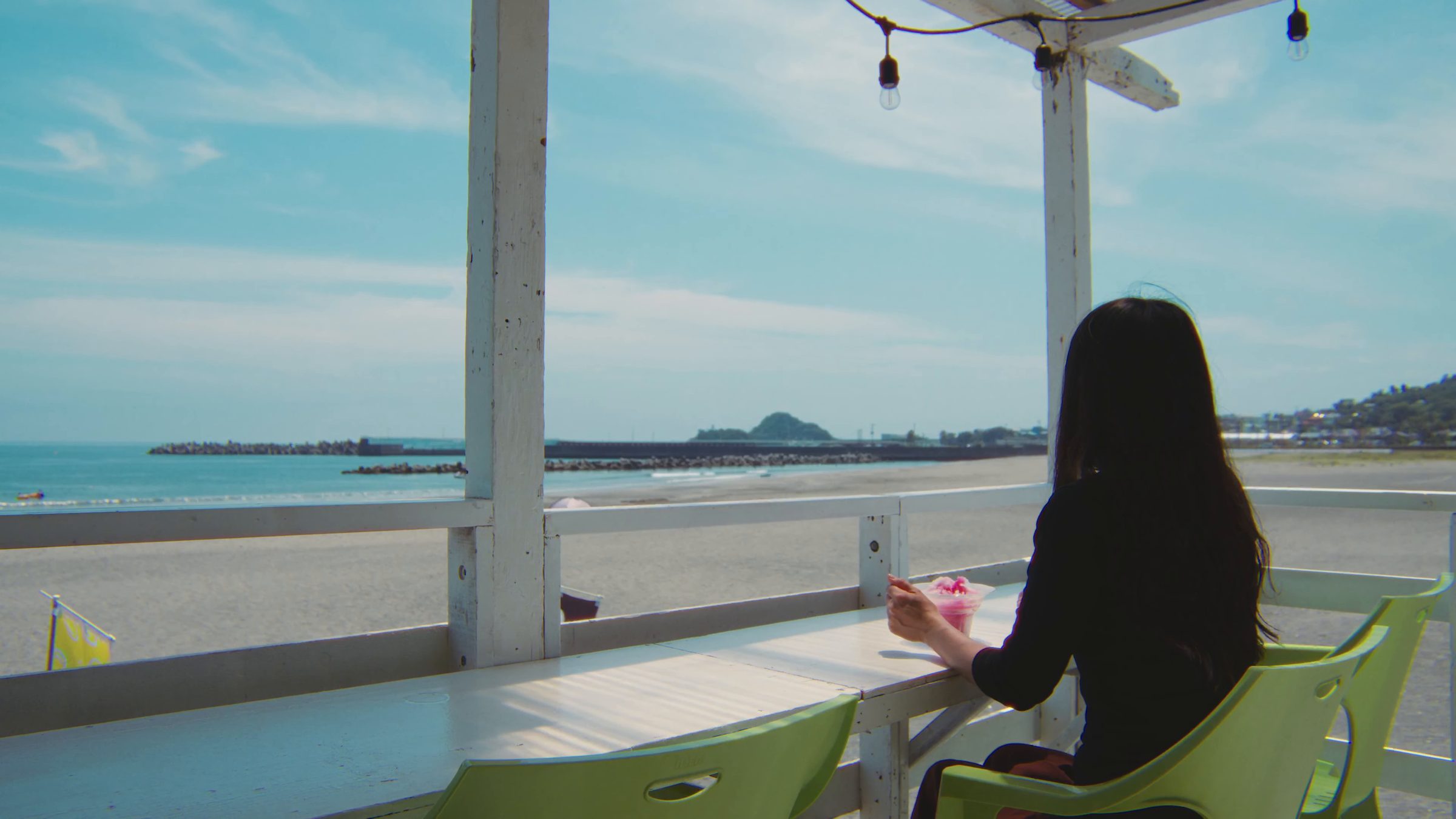
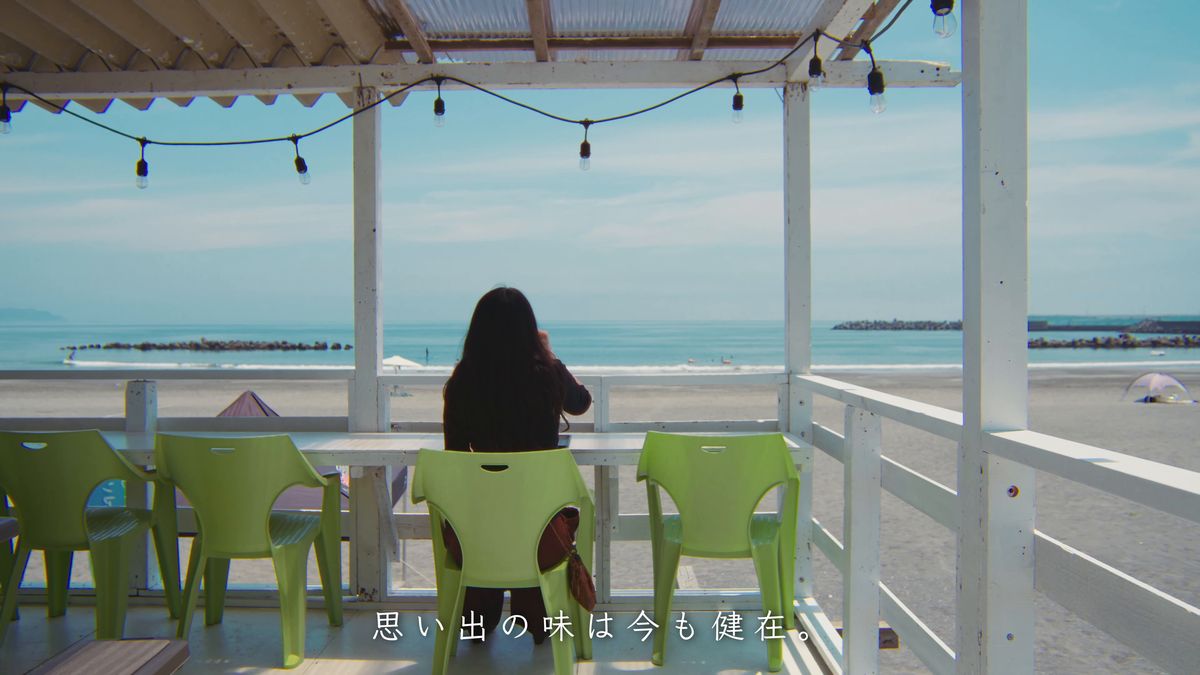
Speaking of summer vacation, it has to be the beach. When I was a kid, I came every year. A swim ring hung on a post, and banners for shaved ice and ramune fluttered in front of a beach hut raised on stilts over the sand. From its white-railed terrace, I looked out at the sea.
Watch this scene on YouTube2:51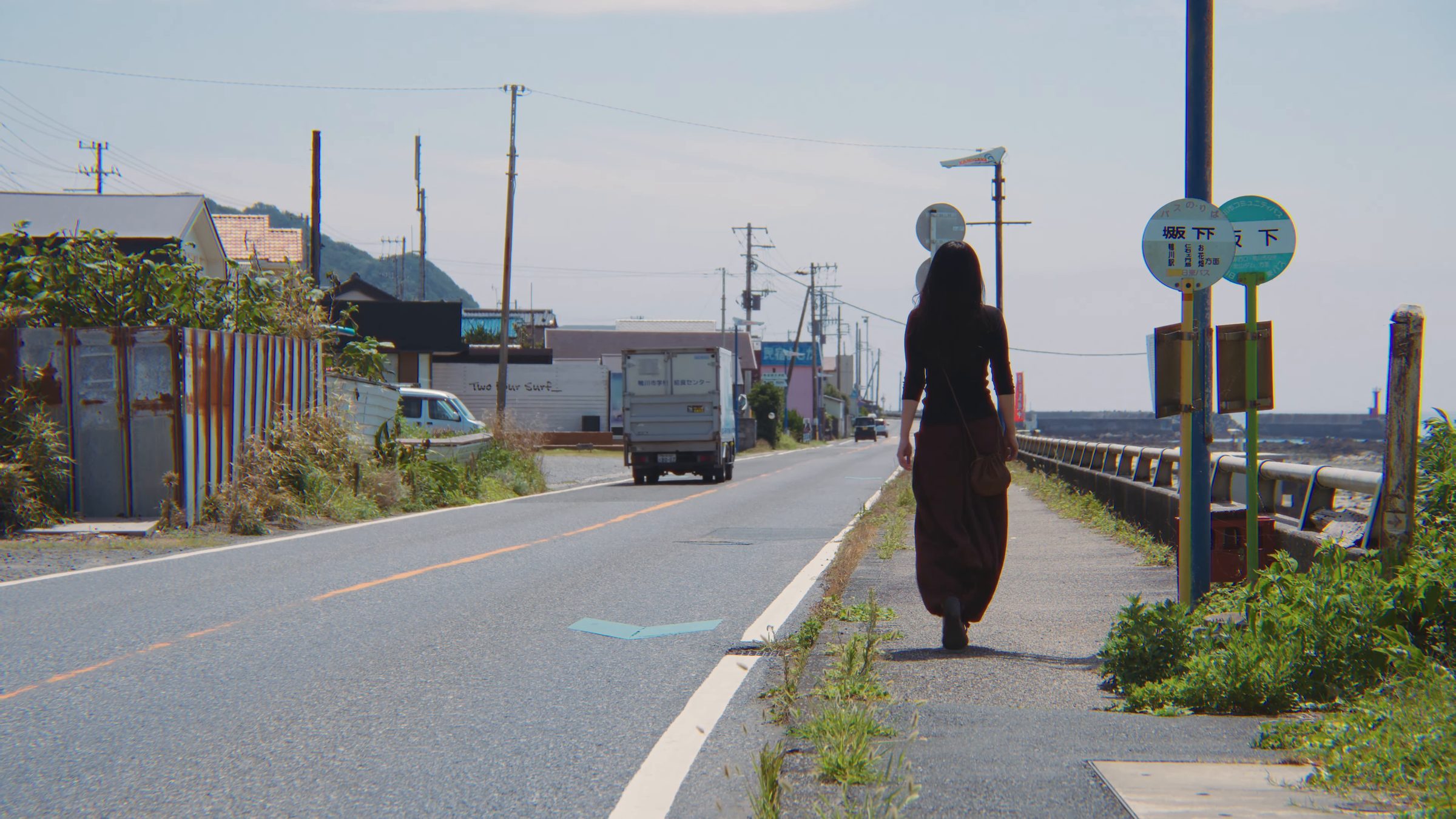
05TRAVEL JOURNAL
Ramen and shaved ice at the beach hut
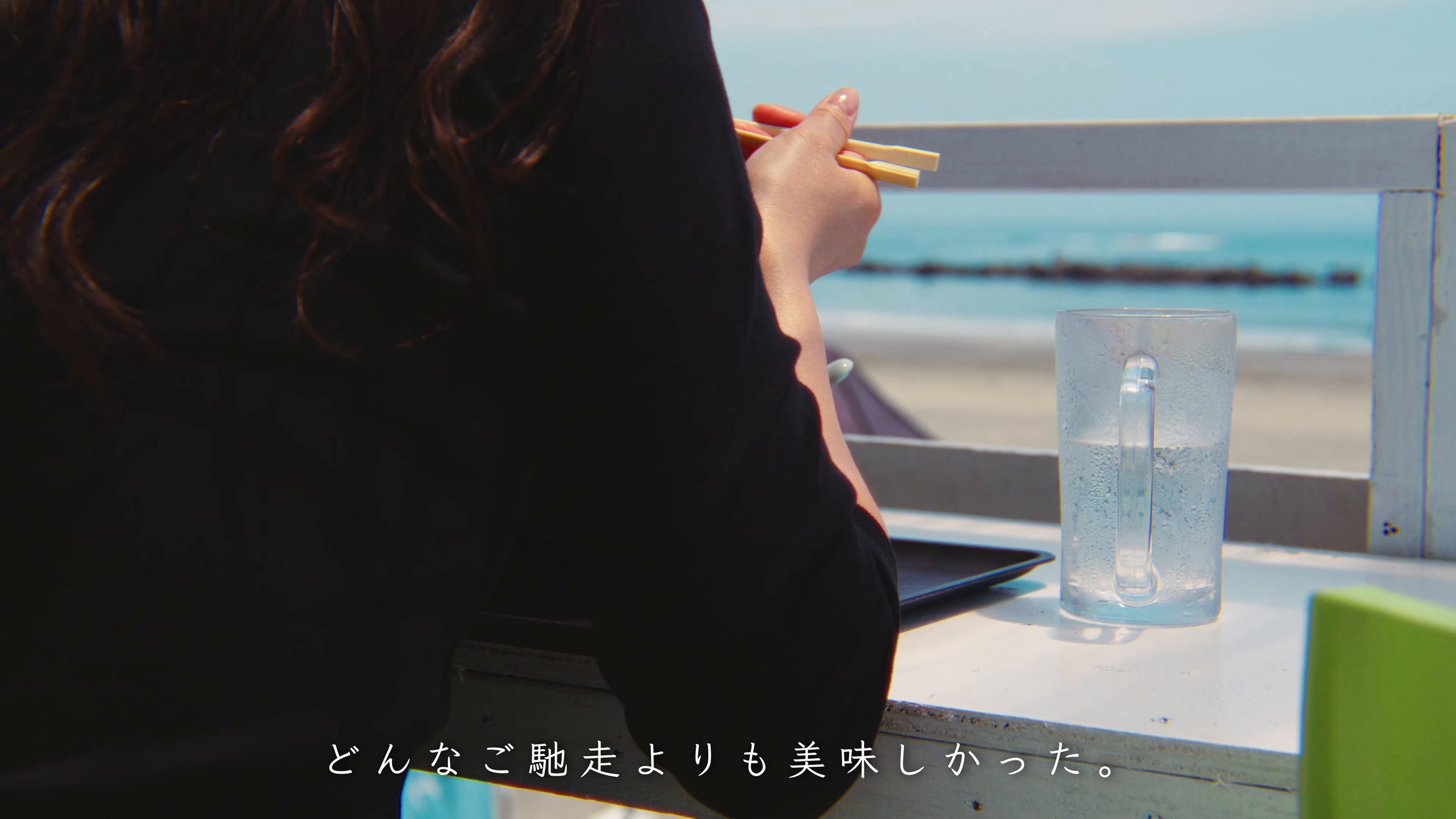
The ramen I ate at the beach hut on that summer day, after playing until I forgot I was tired: it tasted better than any feast. Soy sauce ramen in a red bowl, with slices of pork, bamboo shoots and green onion. The taste of those memories is still alive.
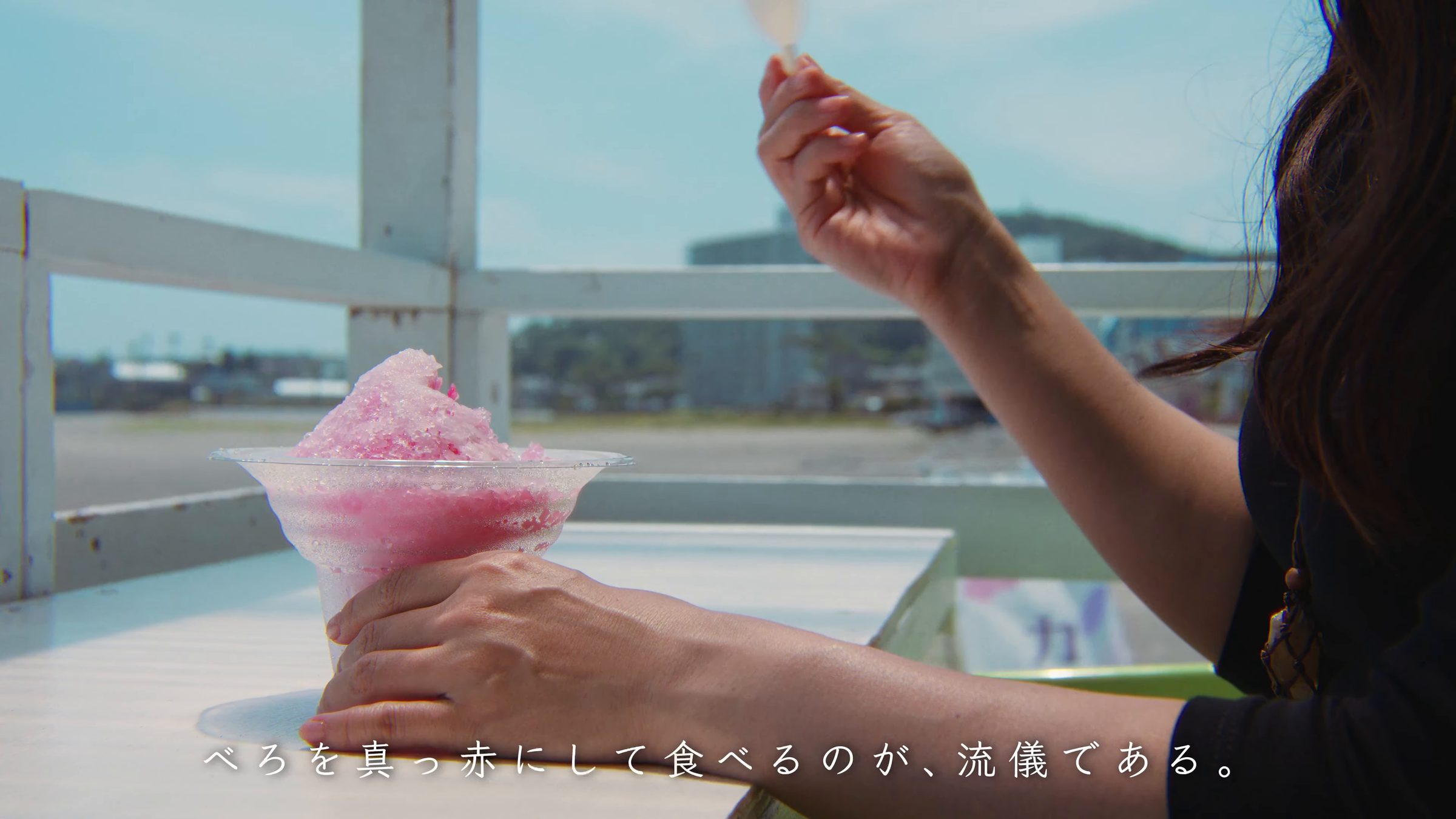
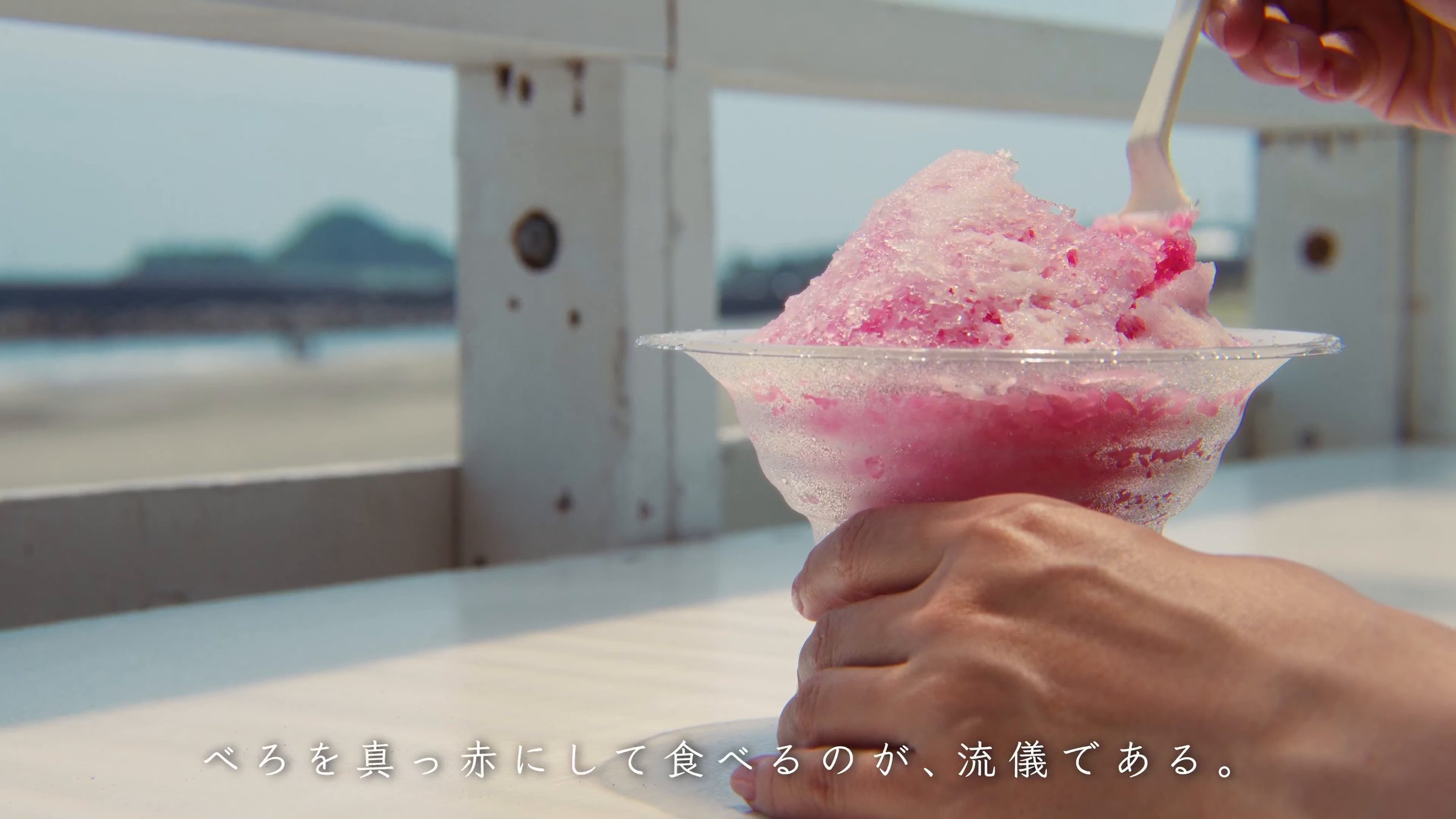
Shaved ice is another snack that belongs to summer. I spooned up the ice under its red syrup. Eating it until your tongue turns bright red is the proper way.
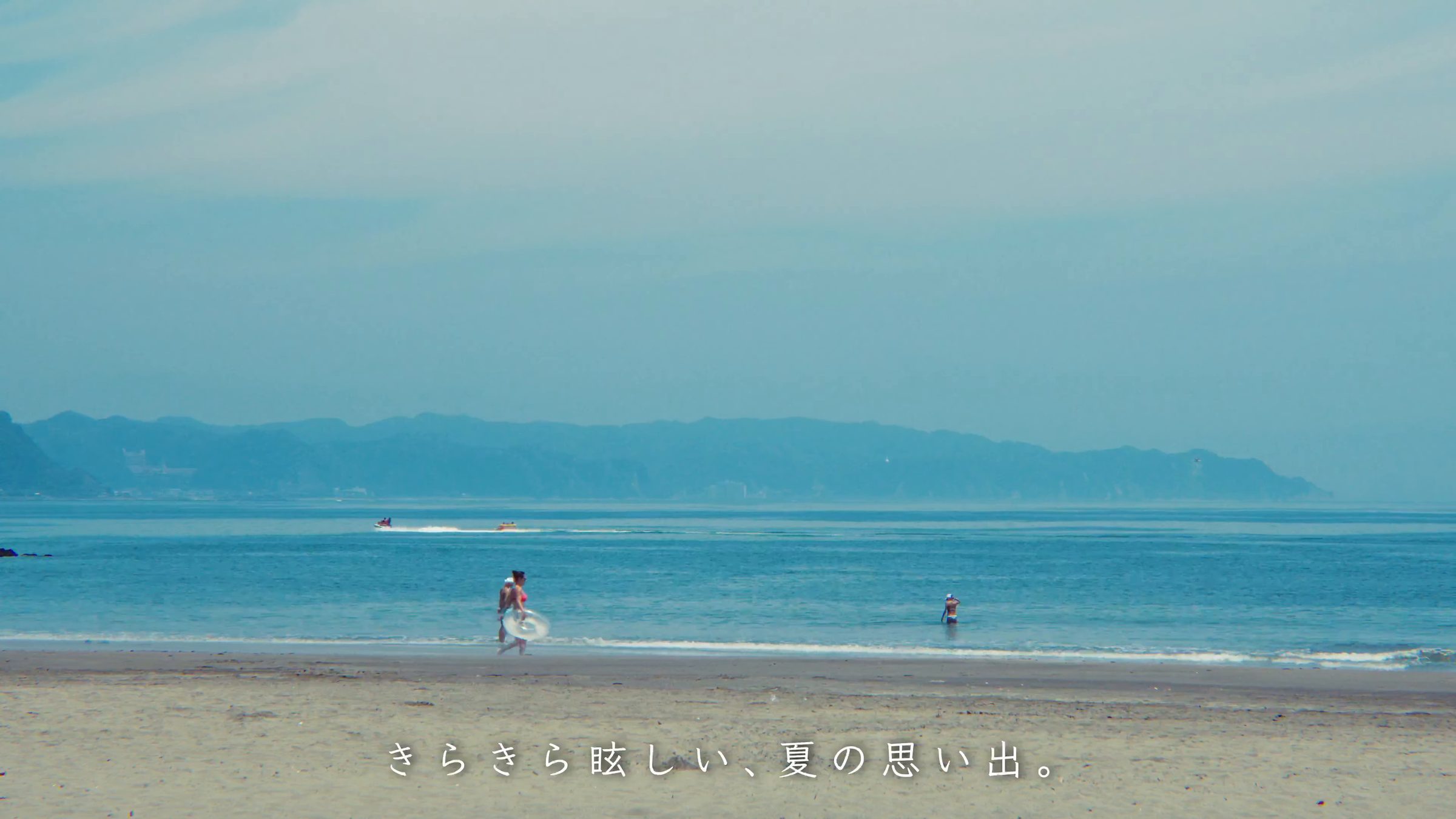
From a green chair on the terrace, I watched the tents along the beach and the figures playing at the water's edge. Sparkling, dazzling memories of summer.
Watch this scene on YouTube3:24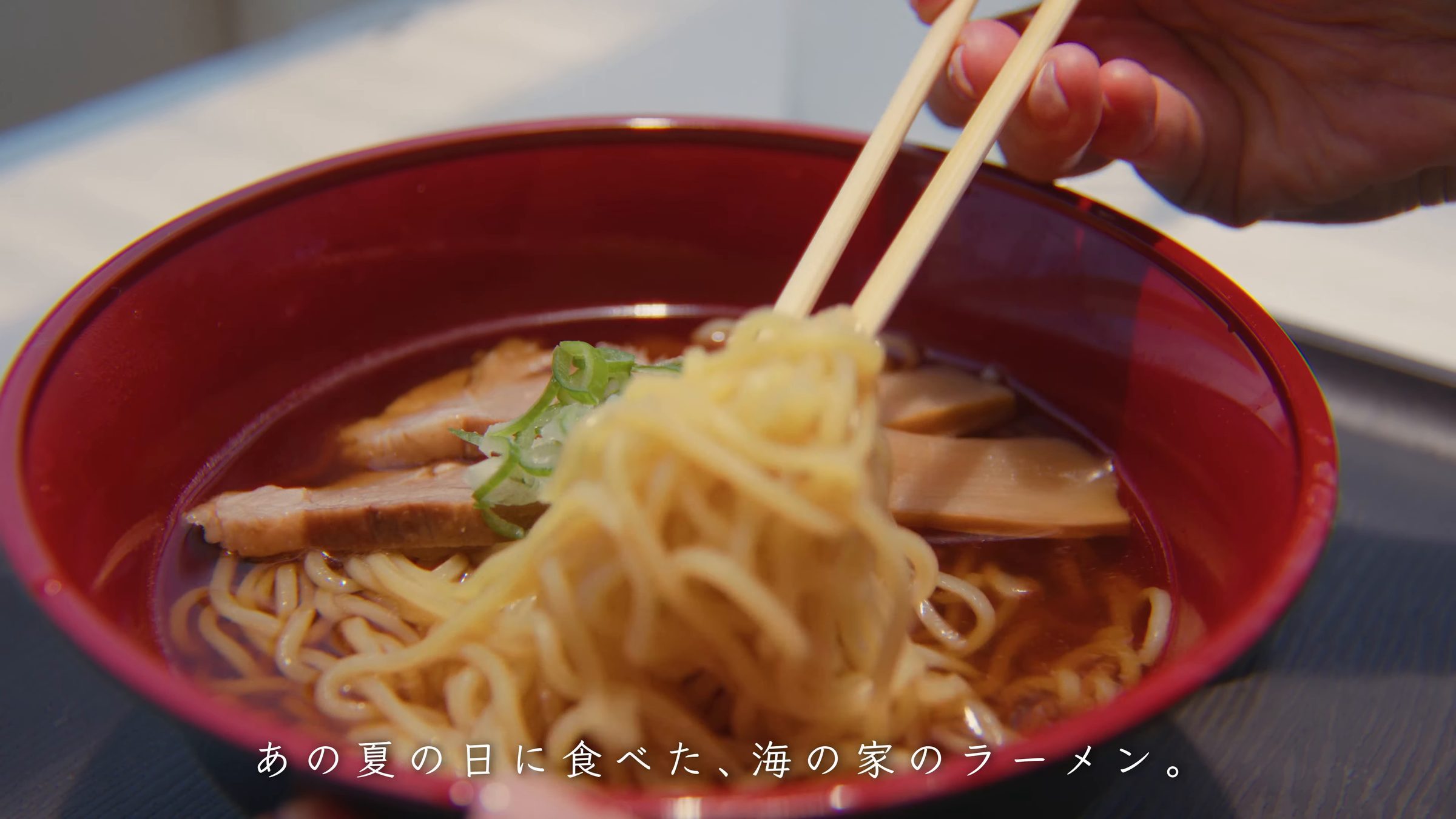
06TRAVEL JOURNAL
A walk along the tracks
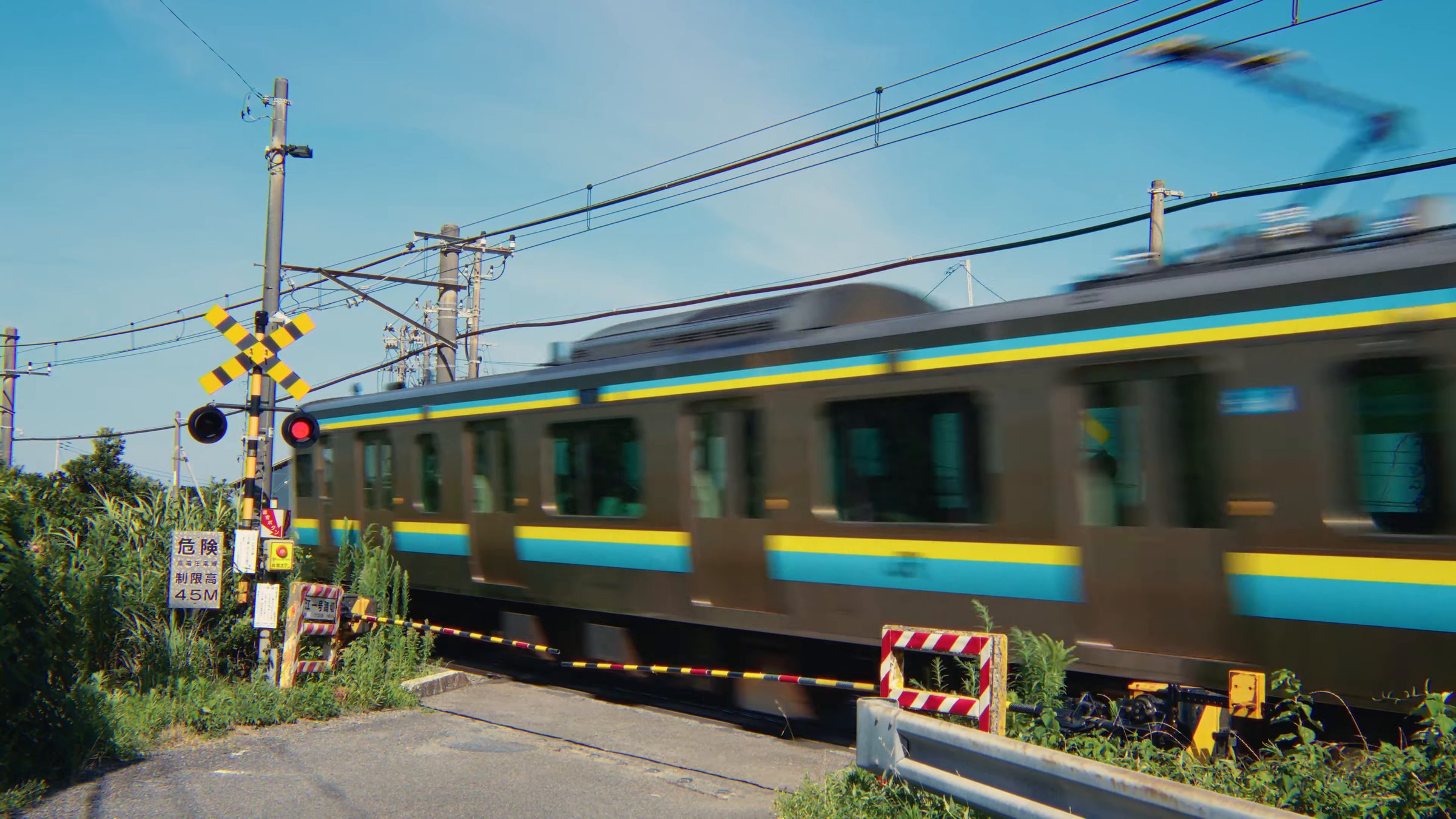
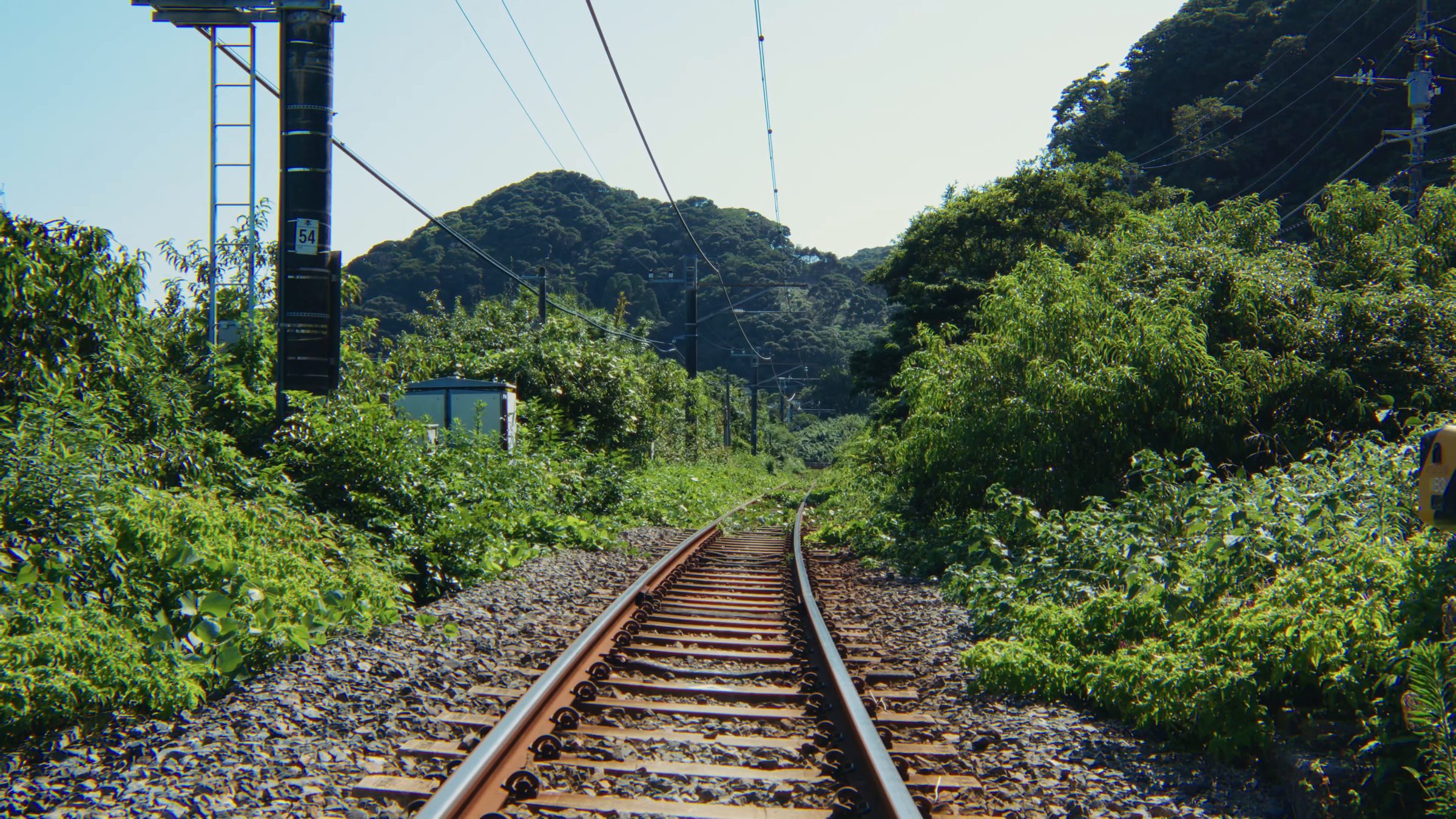
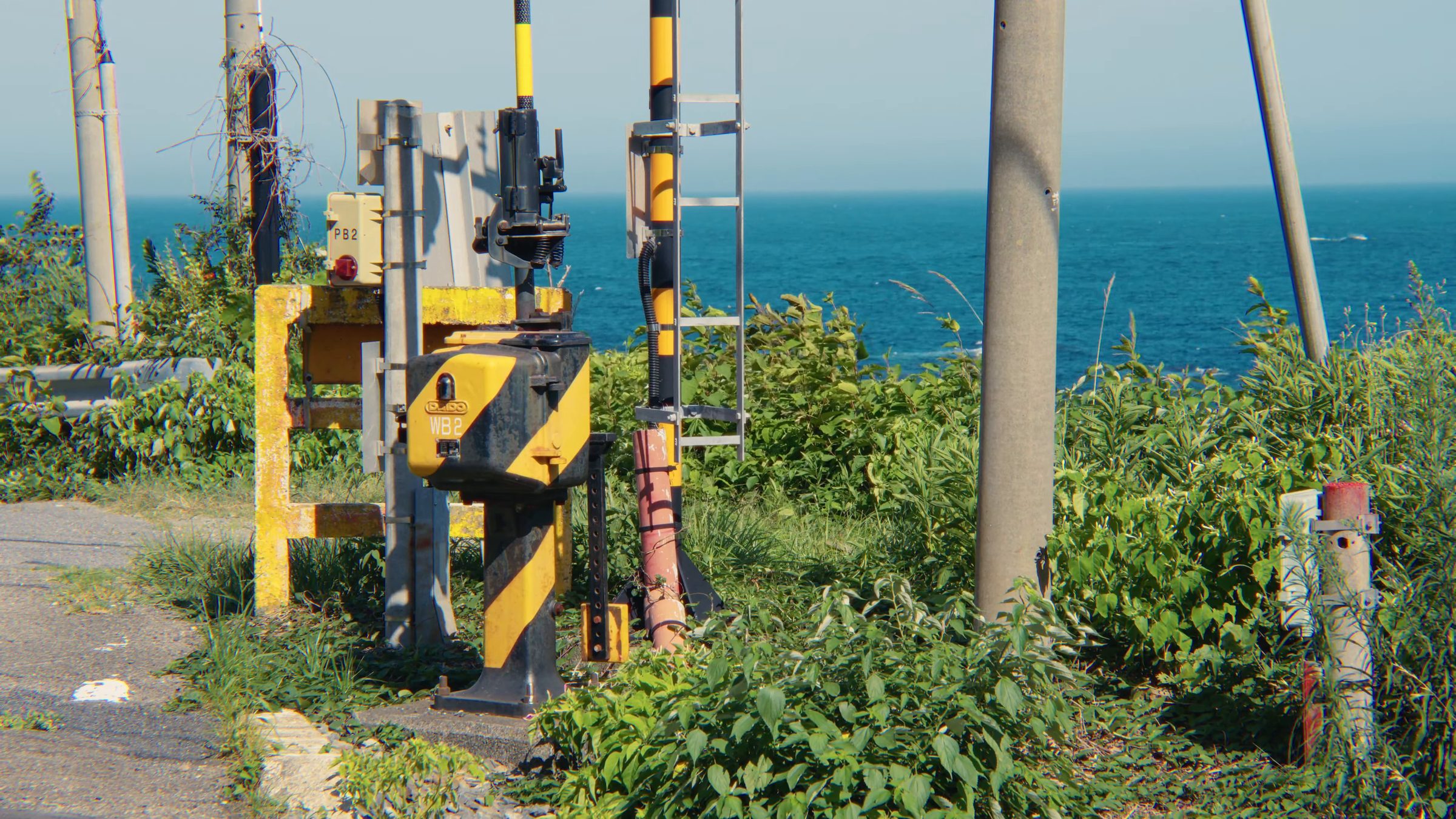
Leaving the beach hut, I came to a road with a railway crossing. Beyond the signals, a train striped in blue and yellow swept past. Tracks buried in greenery; the sea spreading out past the crossing.
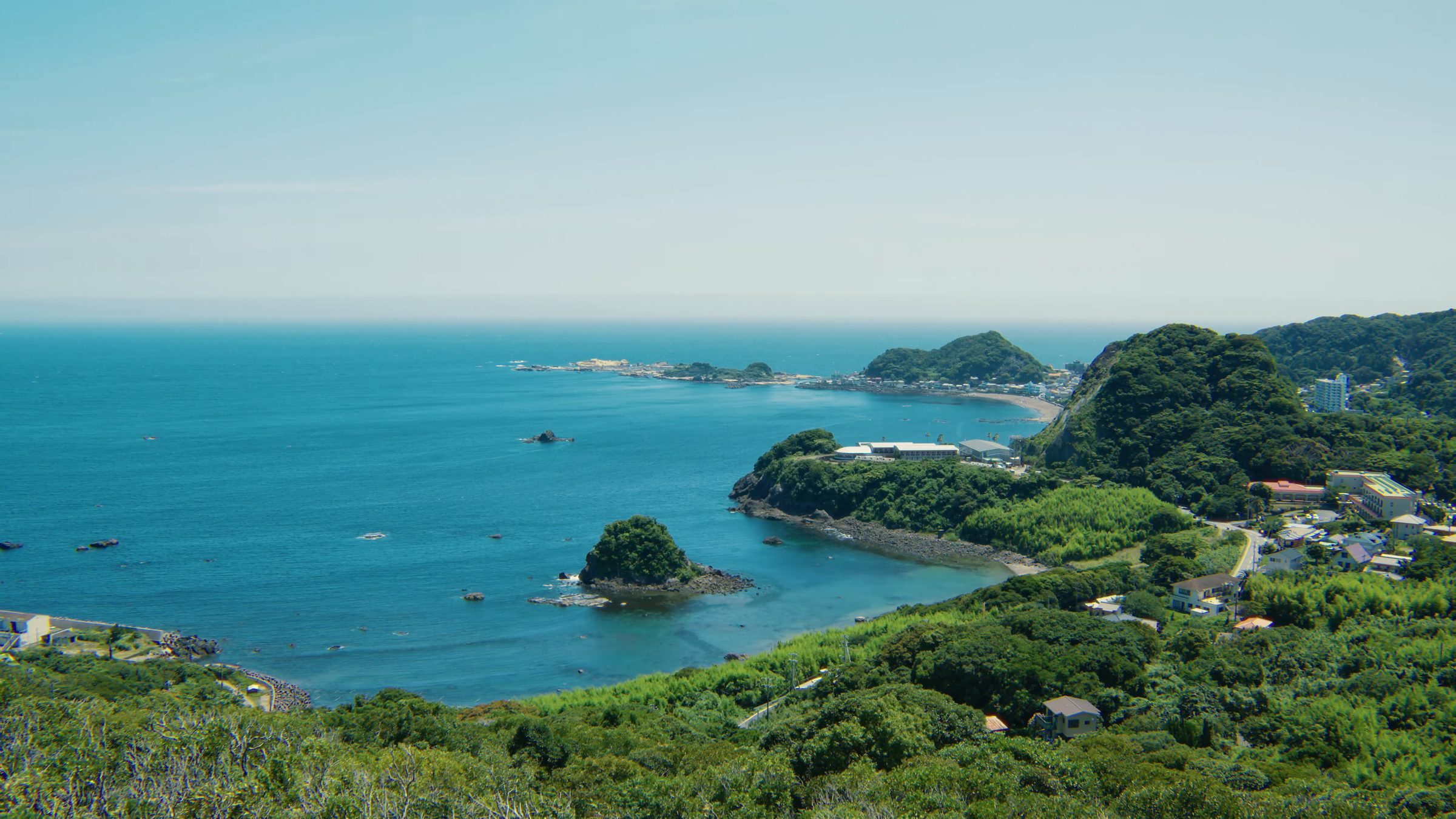
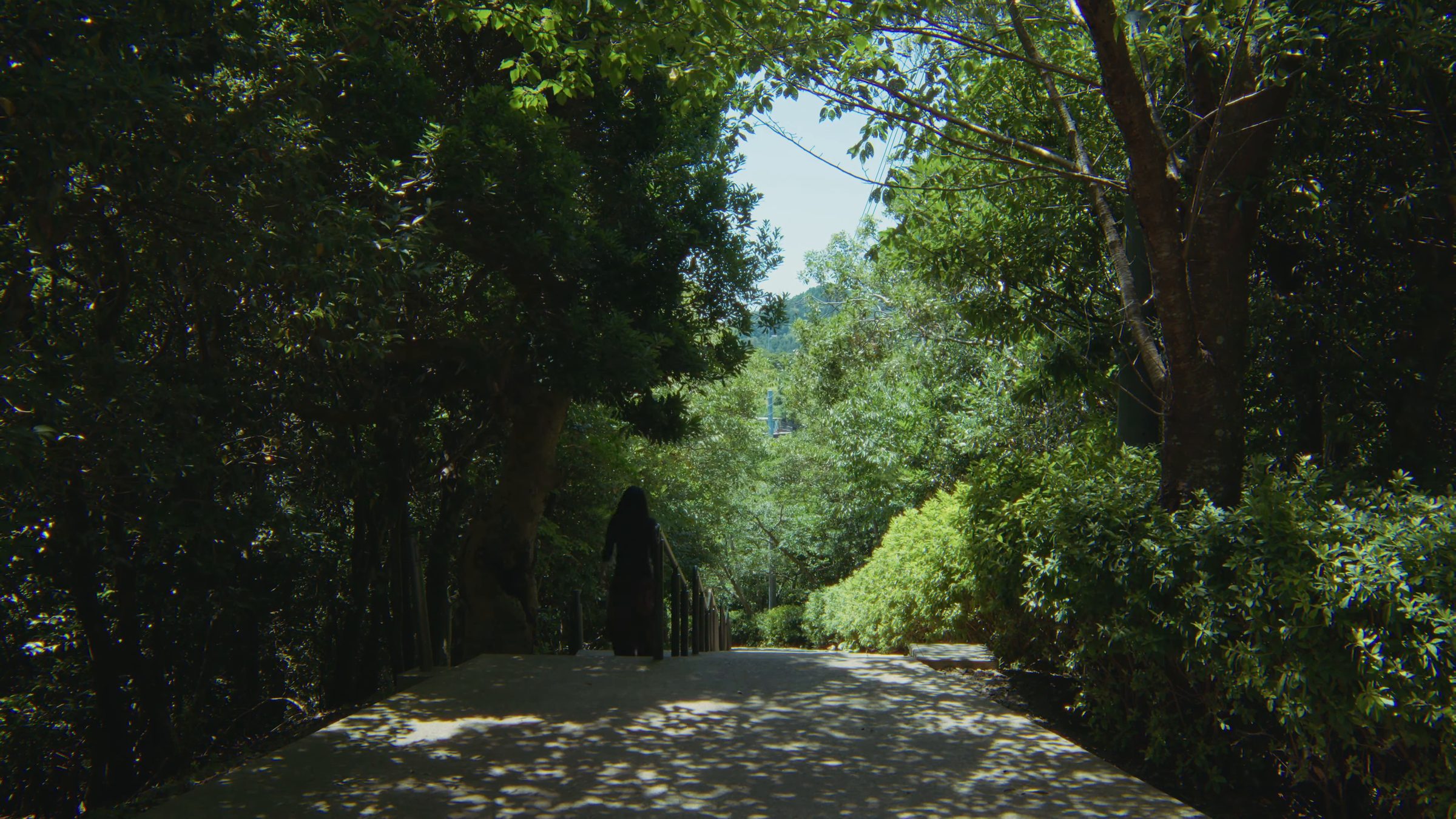
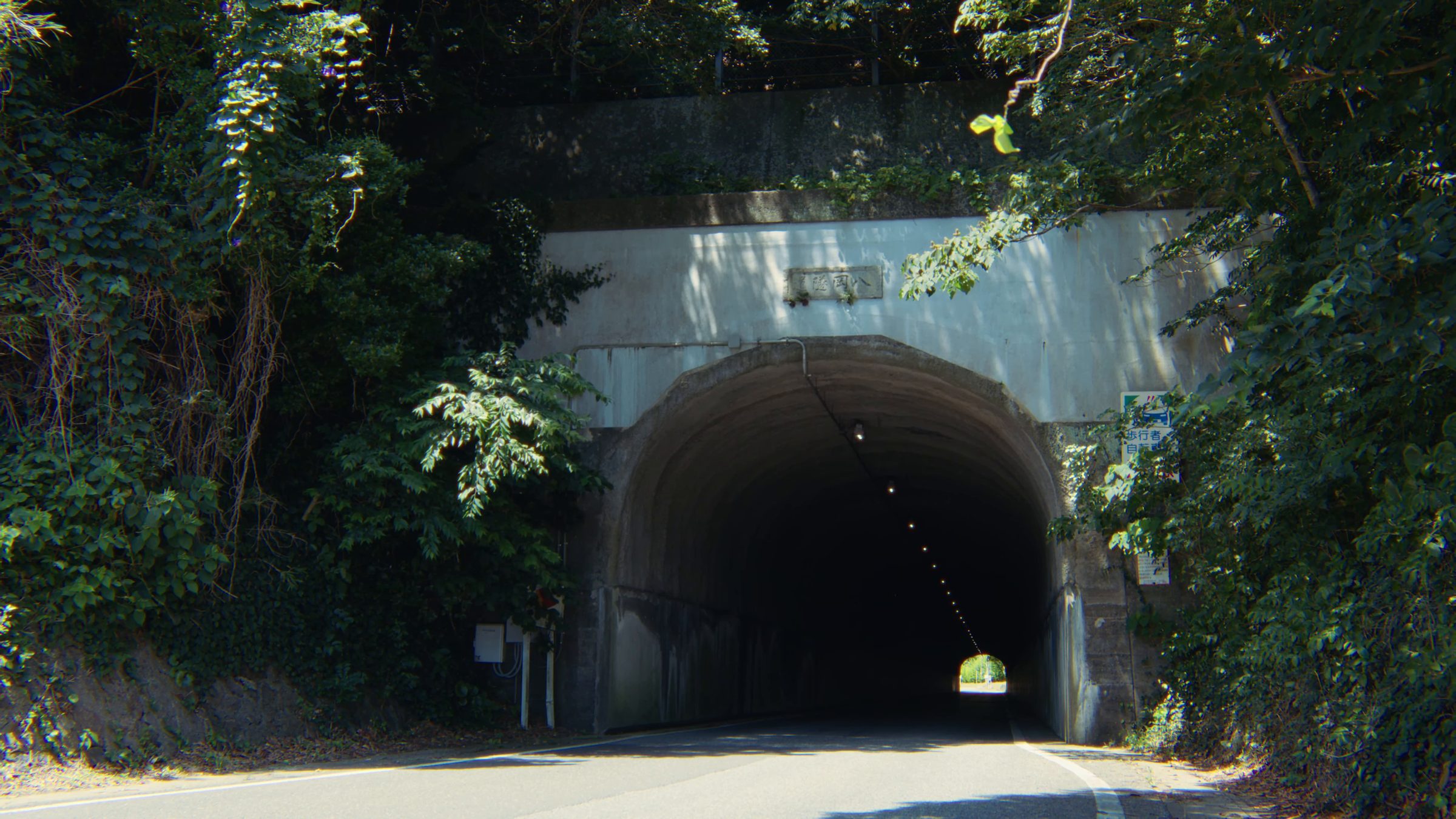
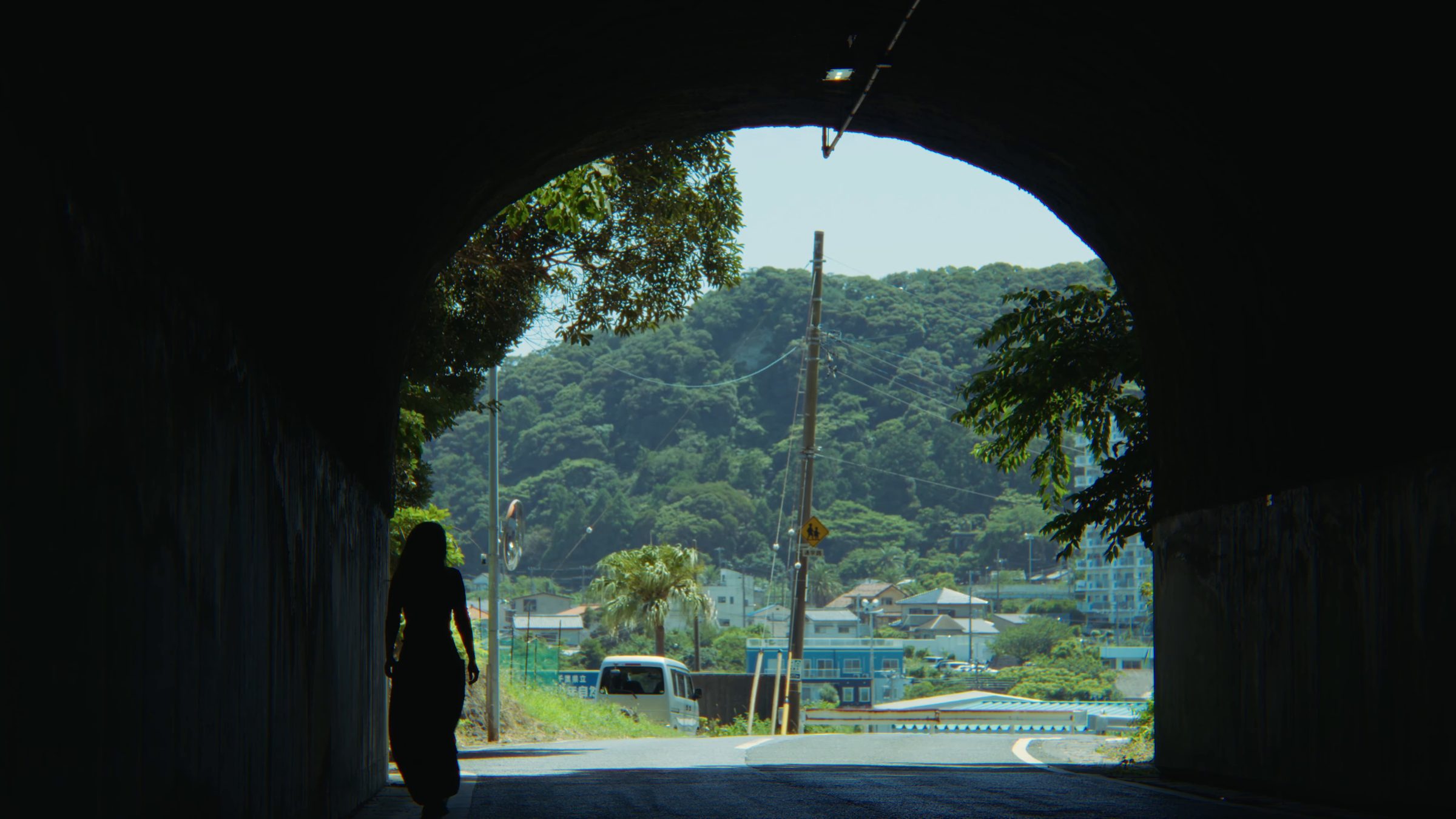
From a rise I could see the coastline, with a cove and a small island floating offshore. I walked down a shaded road and through an old tunnel, and on the other side the blue sky and the seaside town opened up again.
Watch this scene on YouTube4:24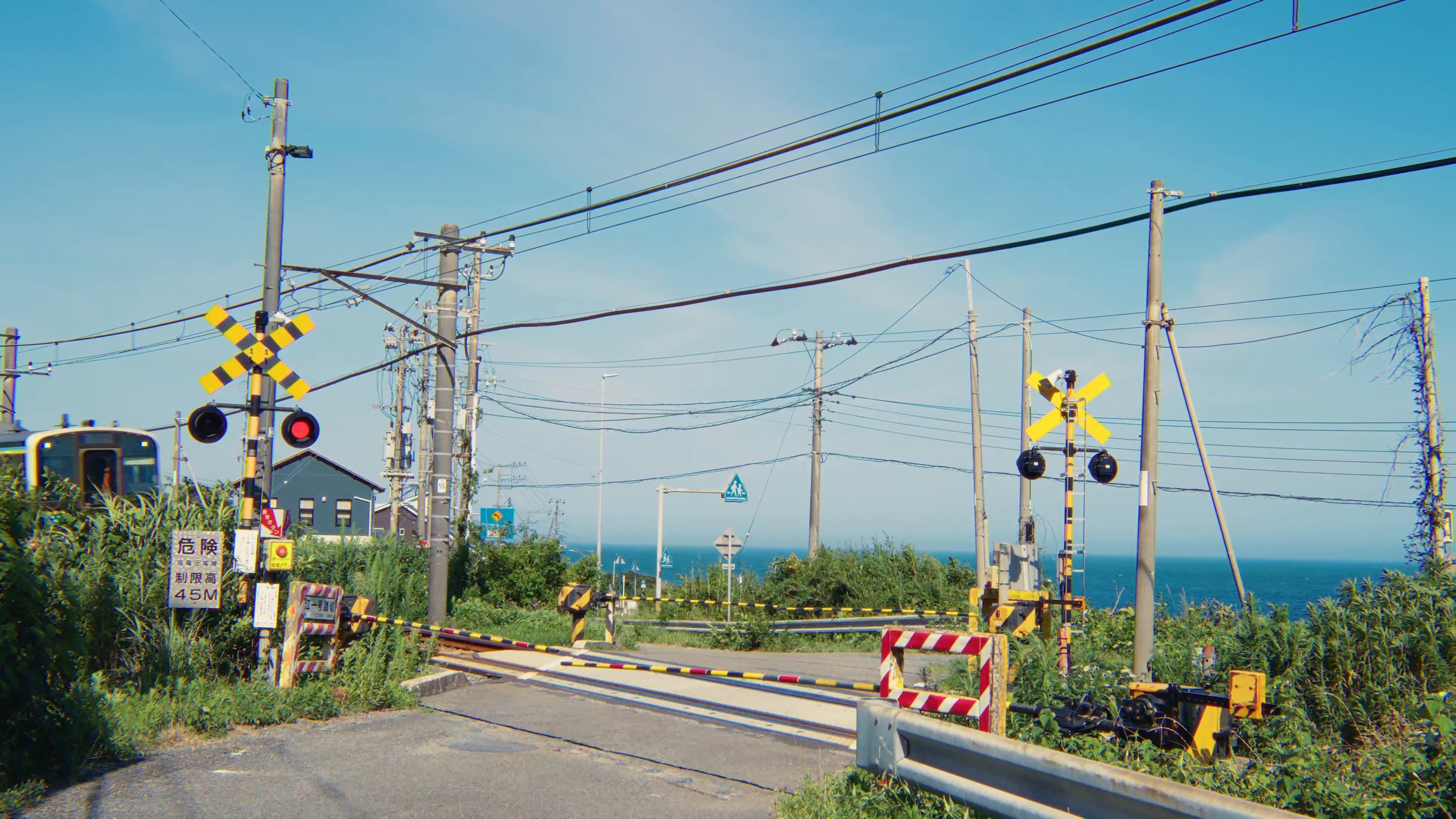
07TRAVEL JOURNAL
A shop for natural tokoroten
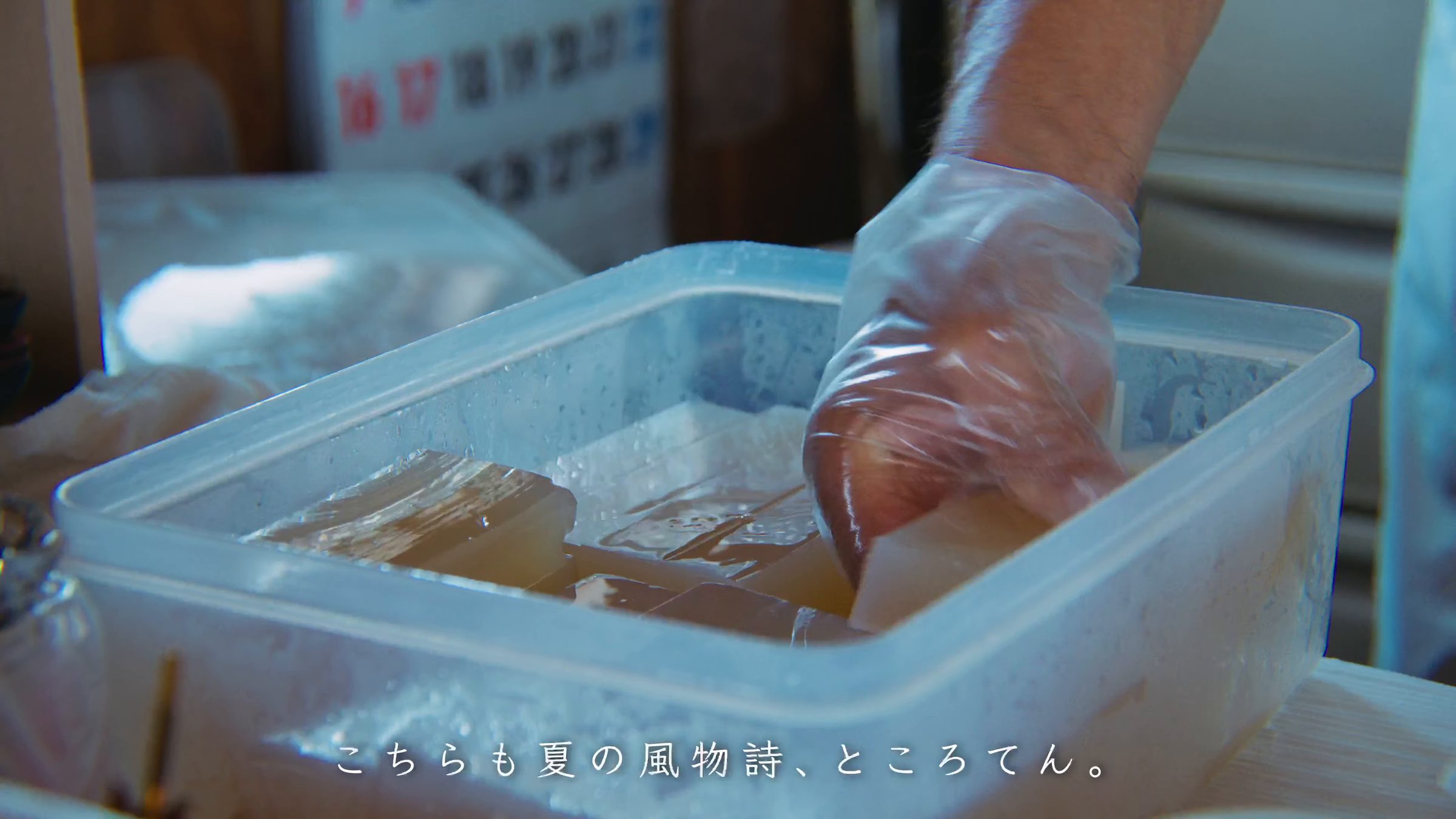
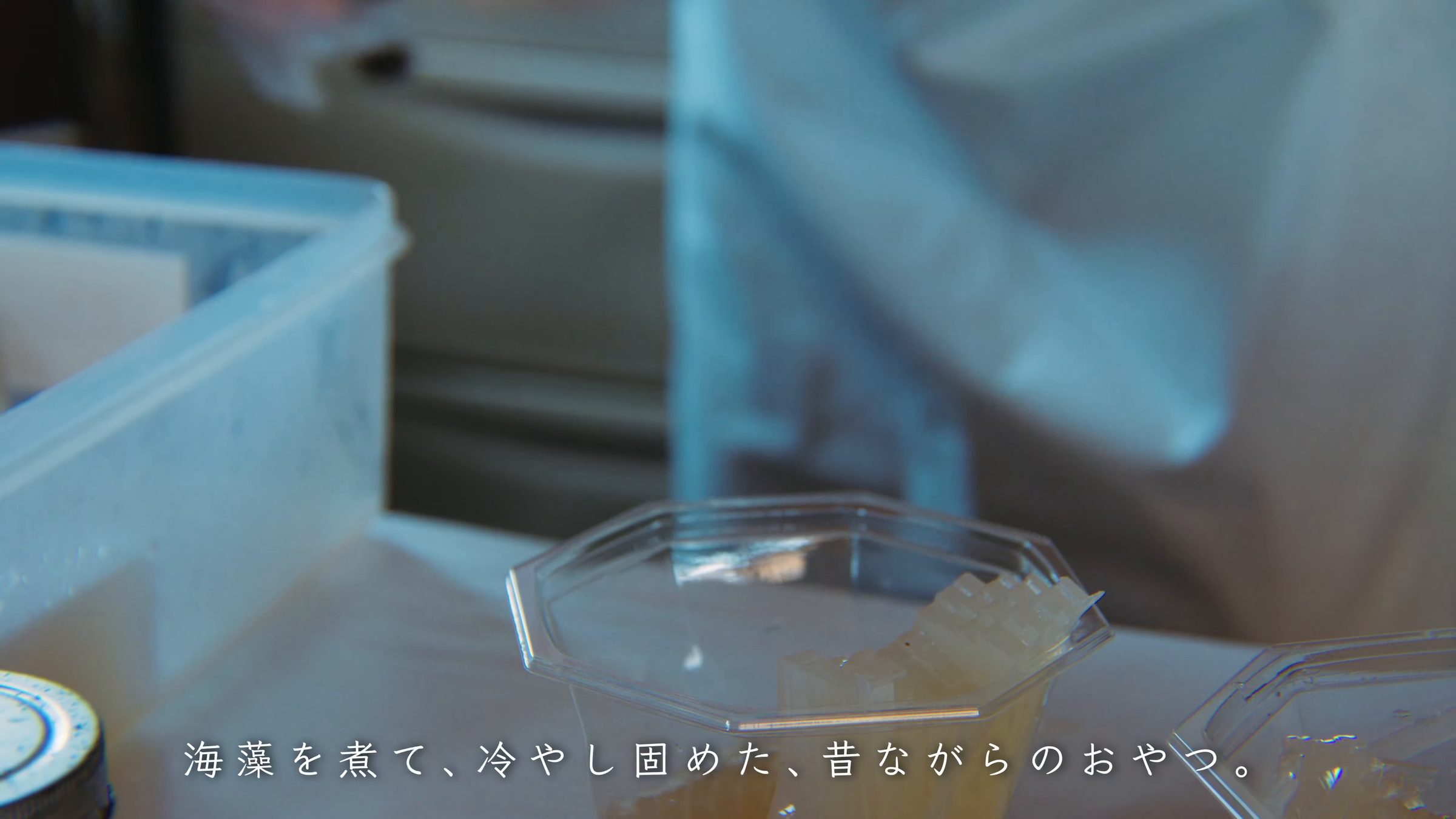
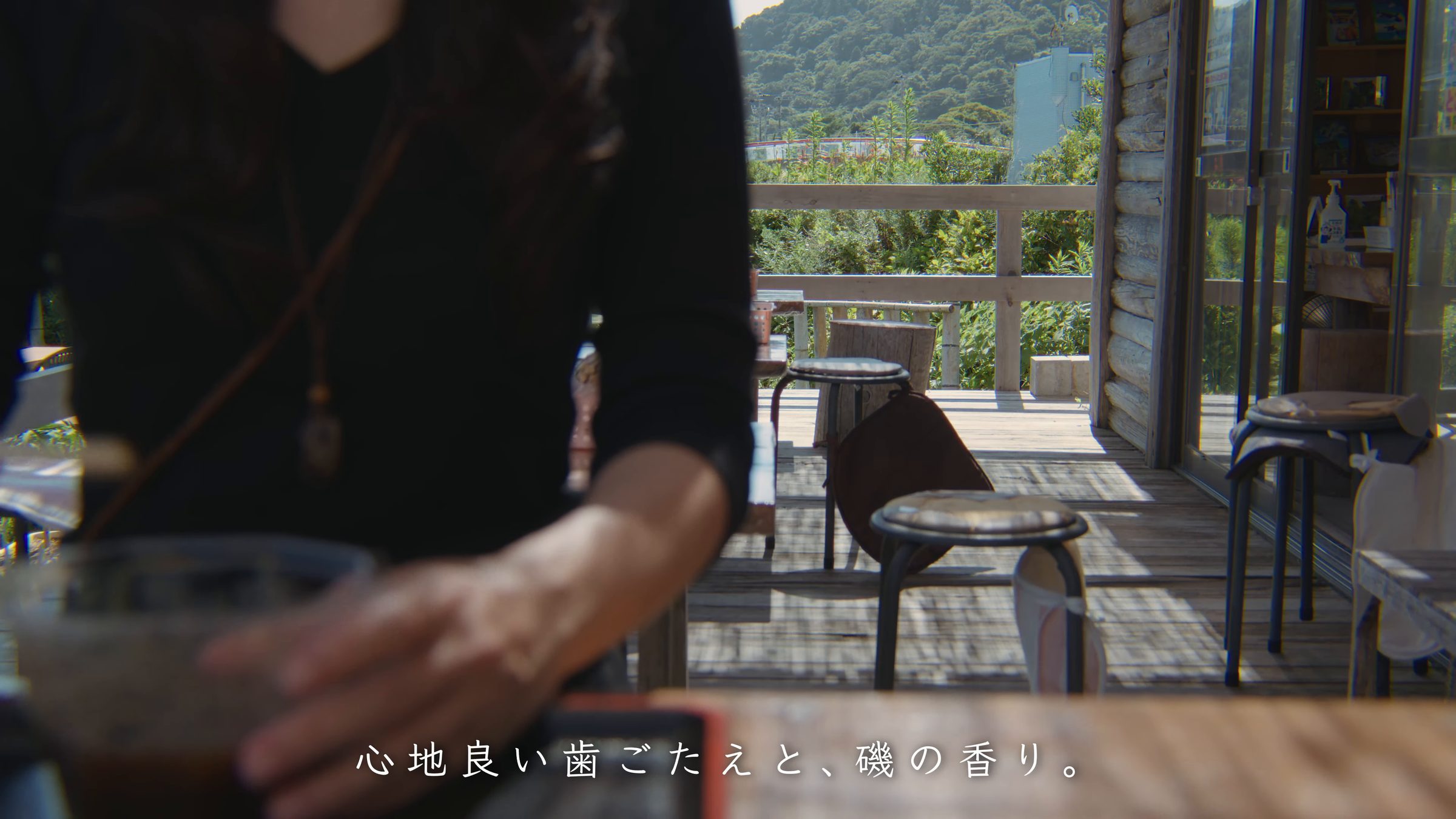
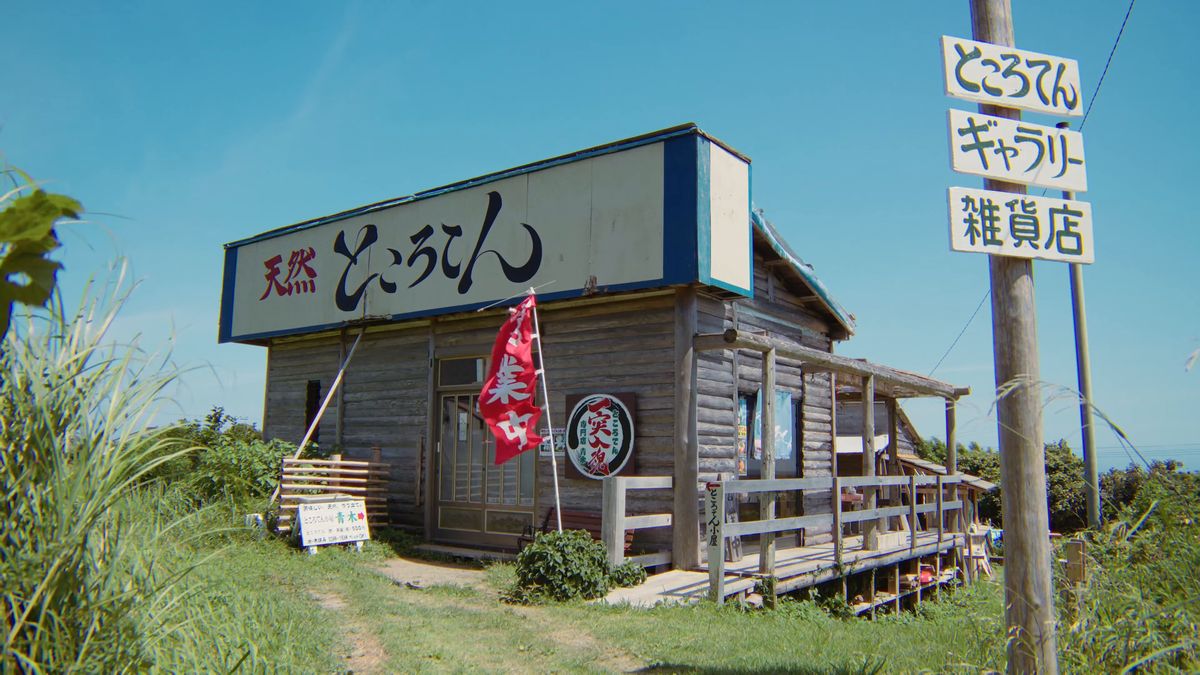
Past the tunnel, in the middle of a grassy field, stood a wooden hut with a sign reading natural tokoroten. This too is a summer tradition: tokoroten, an old-fashioned treat made by boiling seaweed and chilling it until it sets.
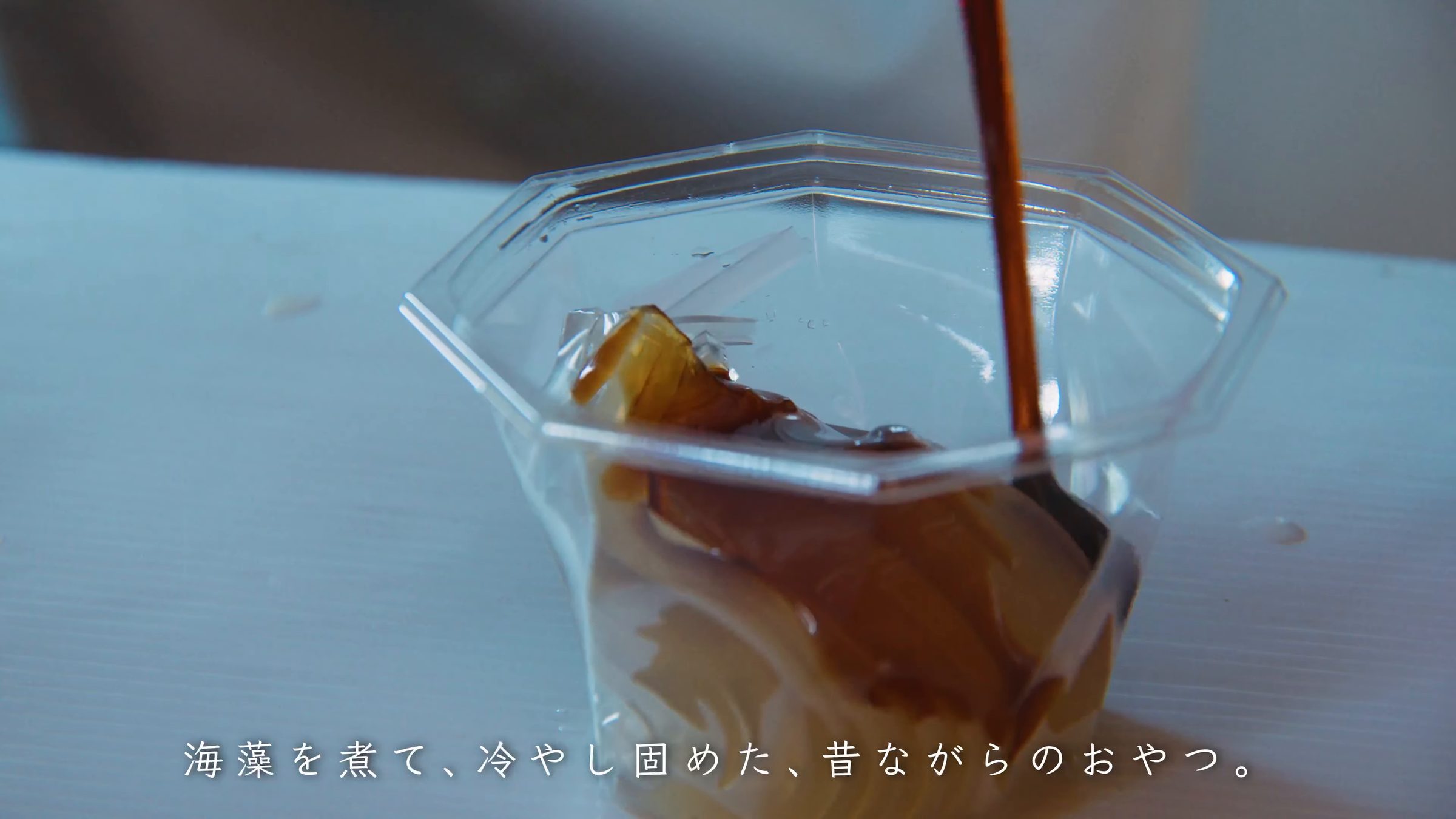
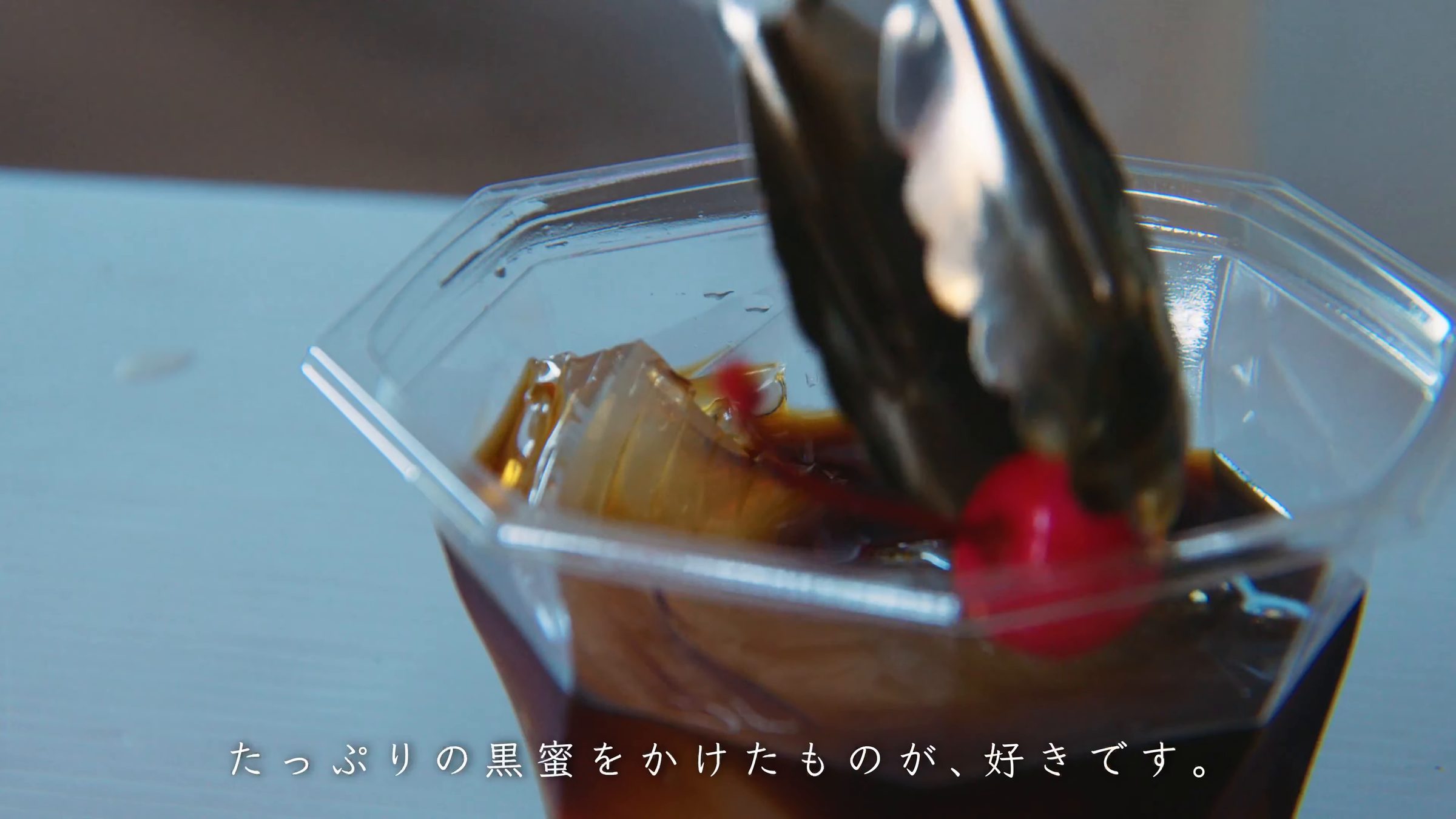
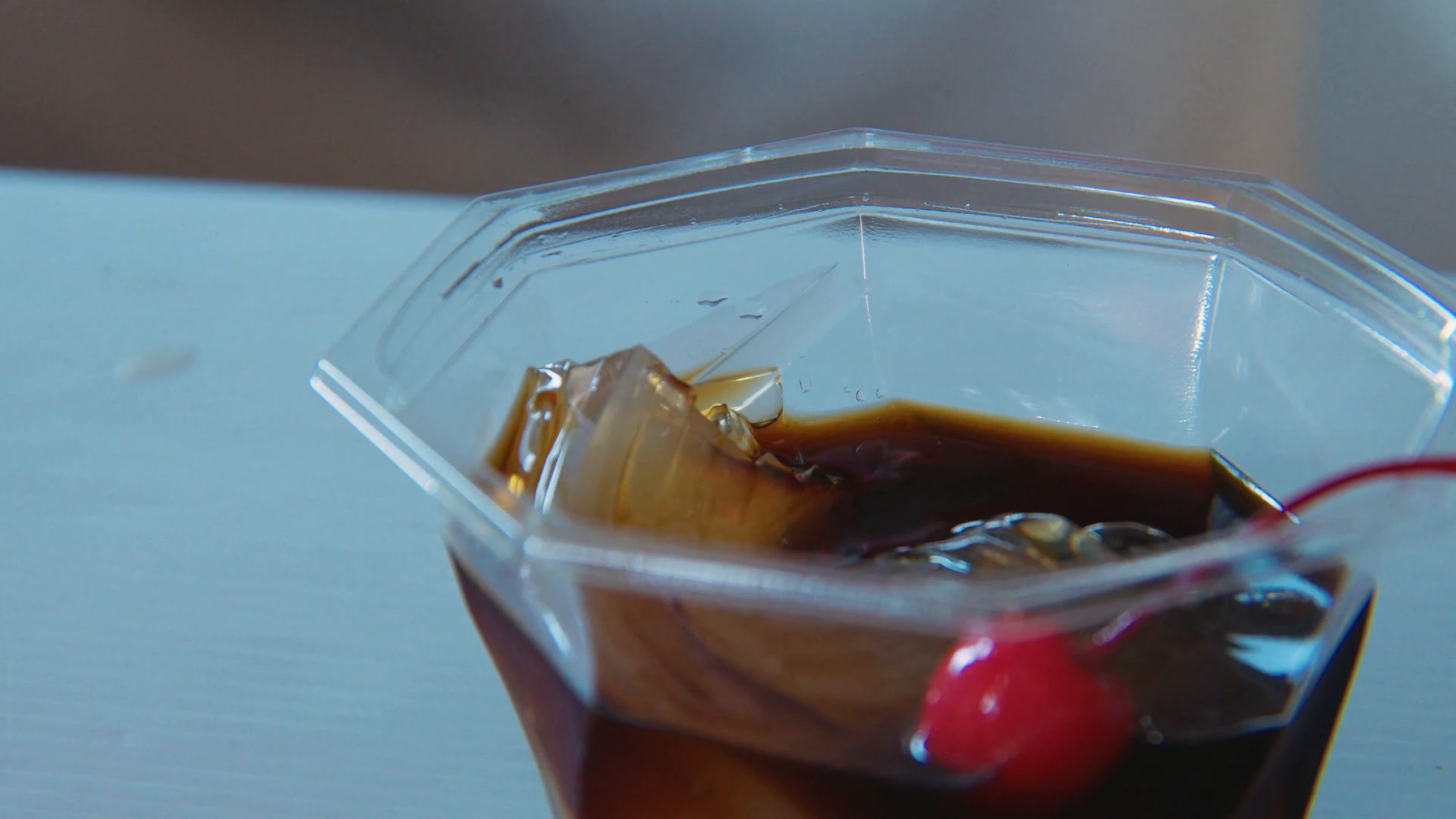
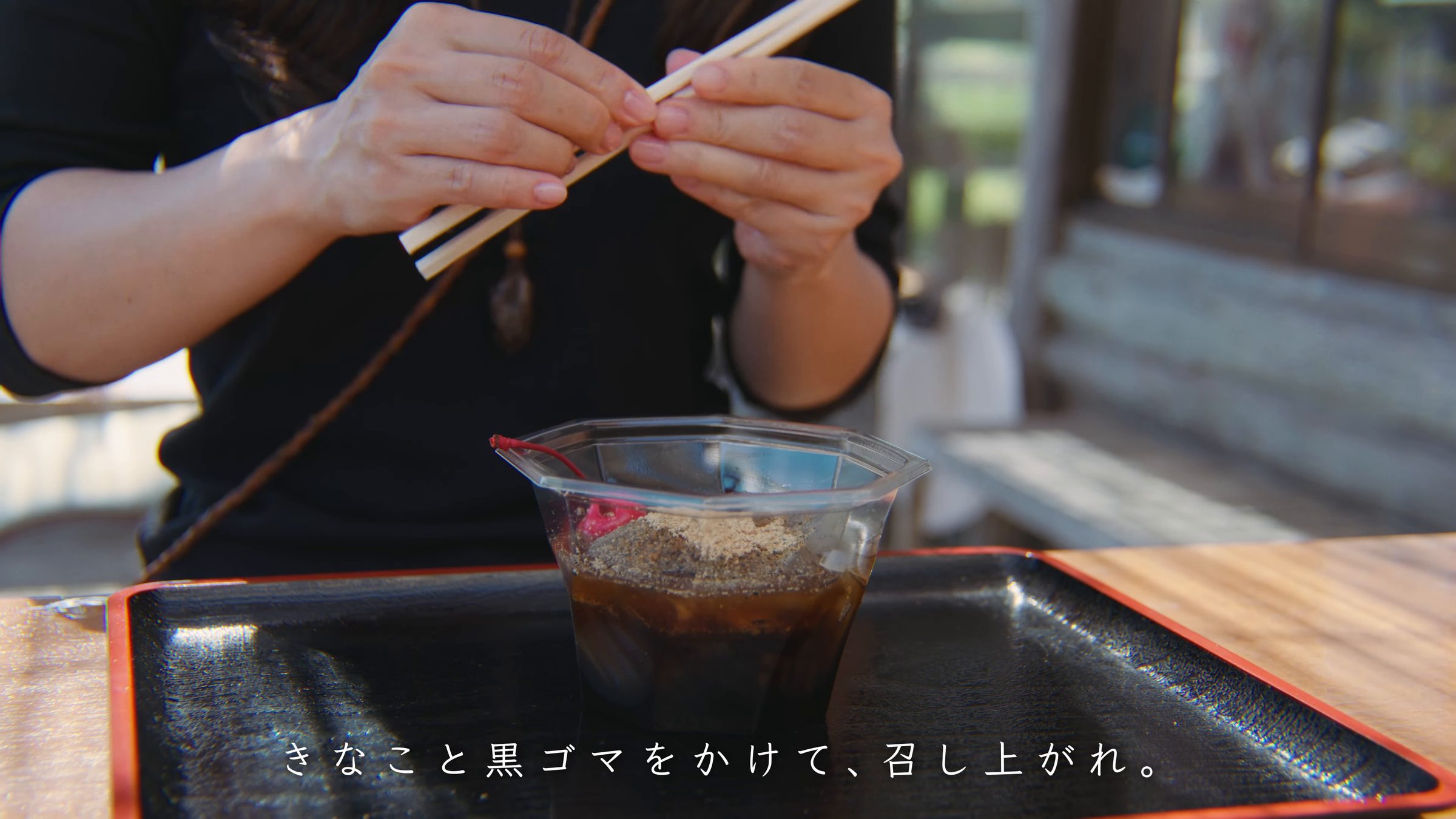
The shopkeeper lifted a translucent block from a tub of water and pressed it through a wooden press into noodles. My favorite is the one with plenty of kuromitsu, dark sugar syrup, poured over the top, finished with a single red cherry.
Watch this scene on YouTube4:56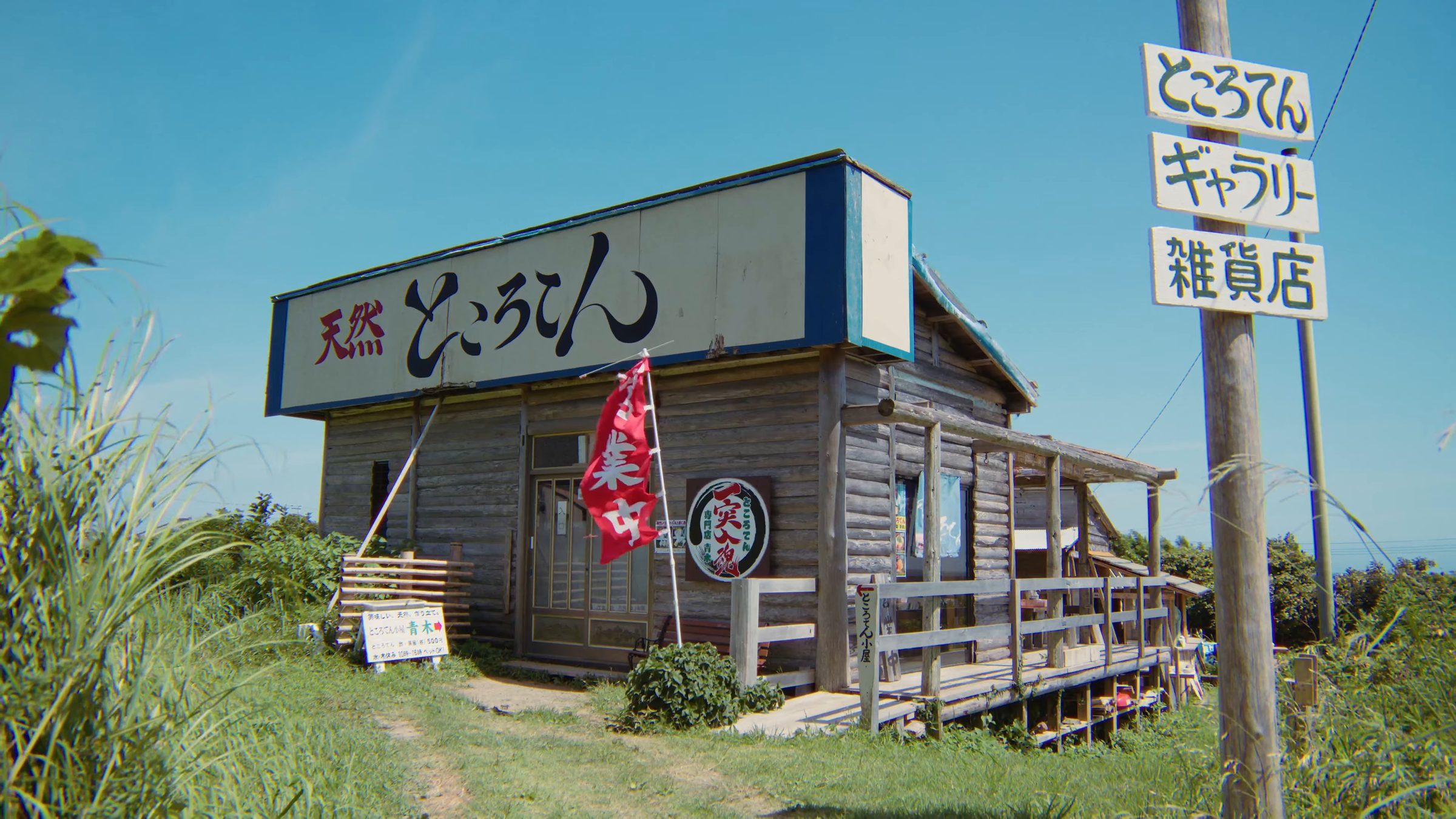
08TRAVEL JOURNAL
Cool and delicious, the taste of summer
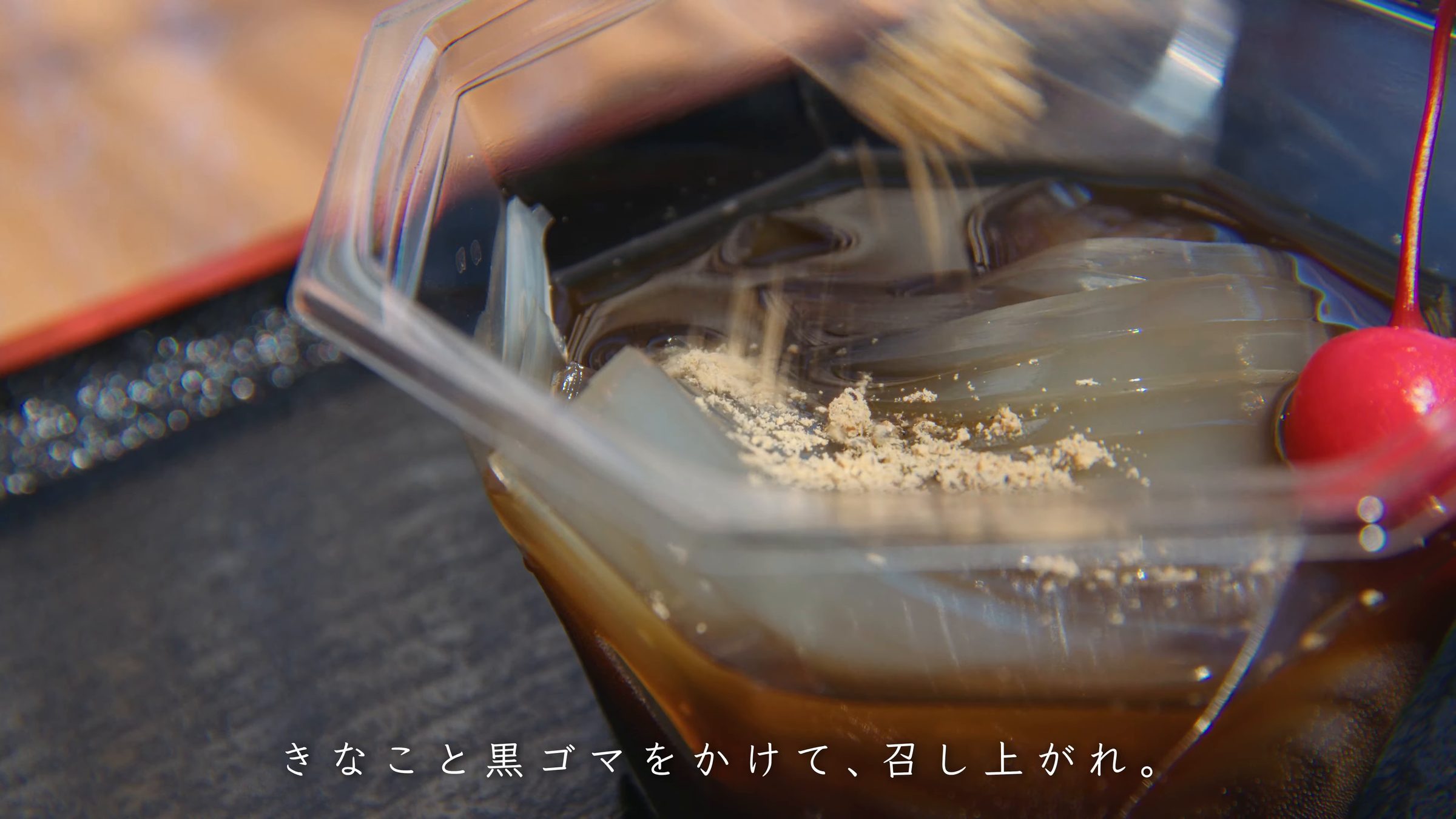
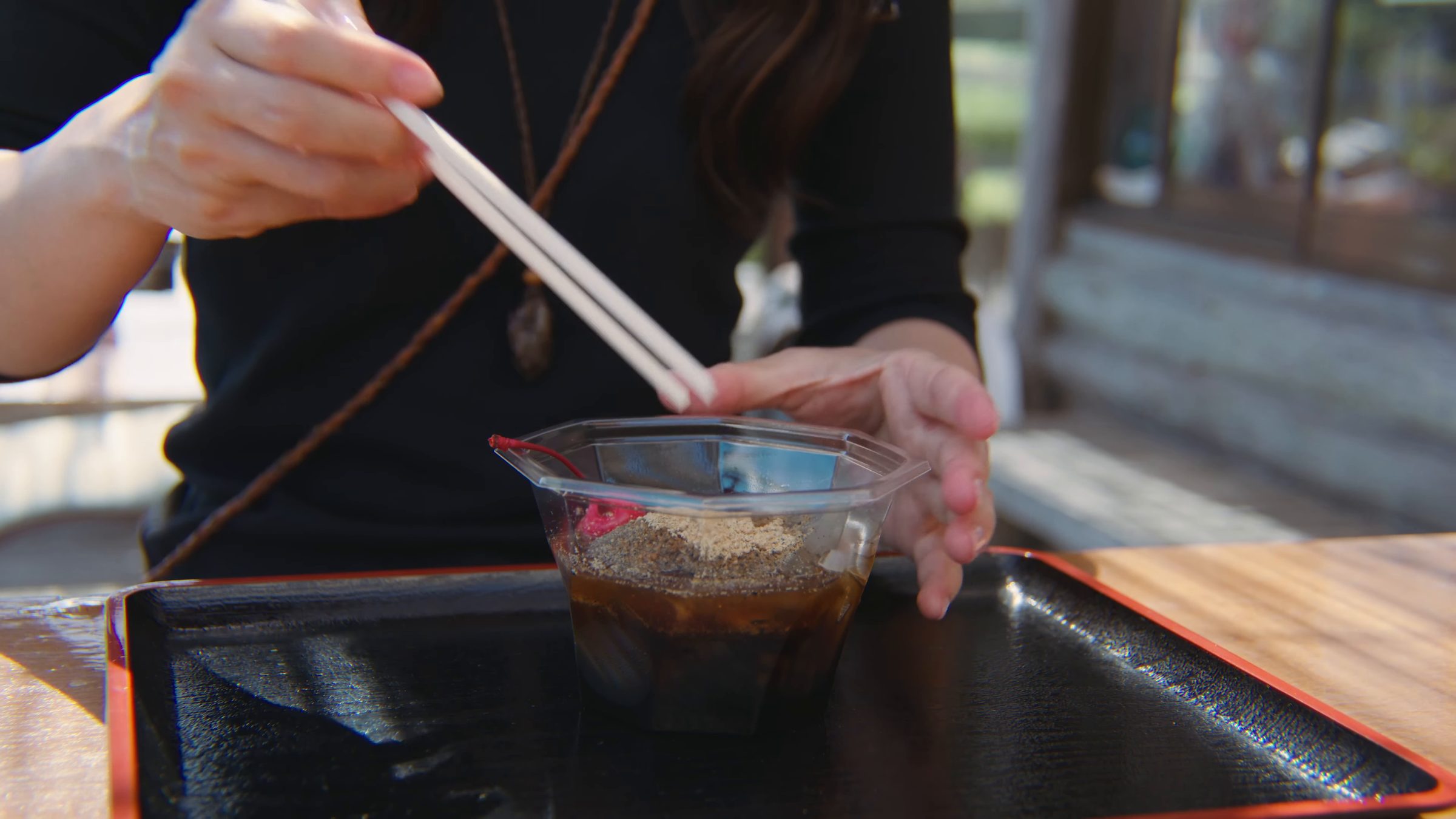
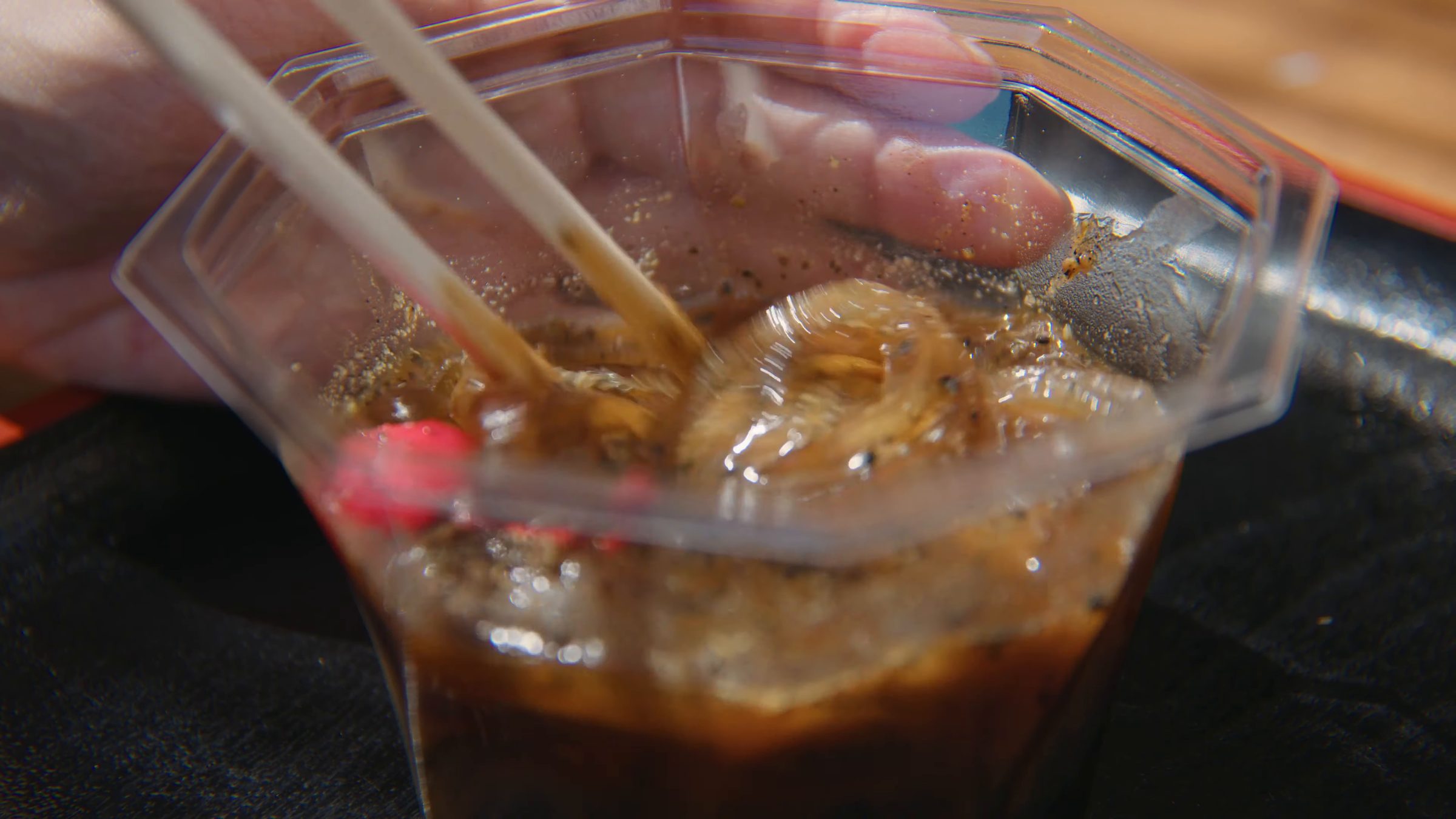
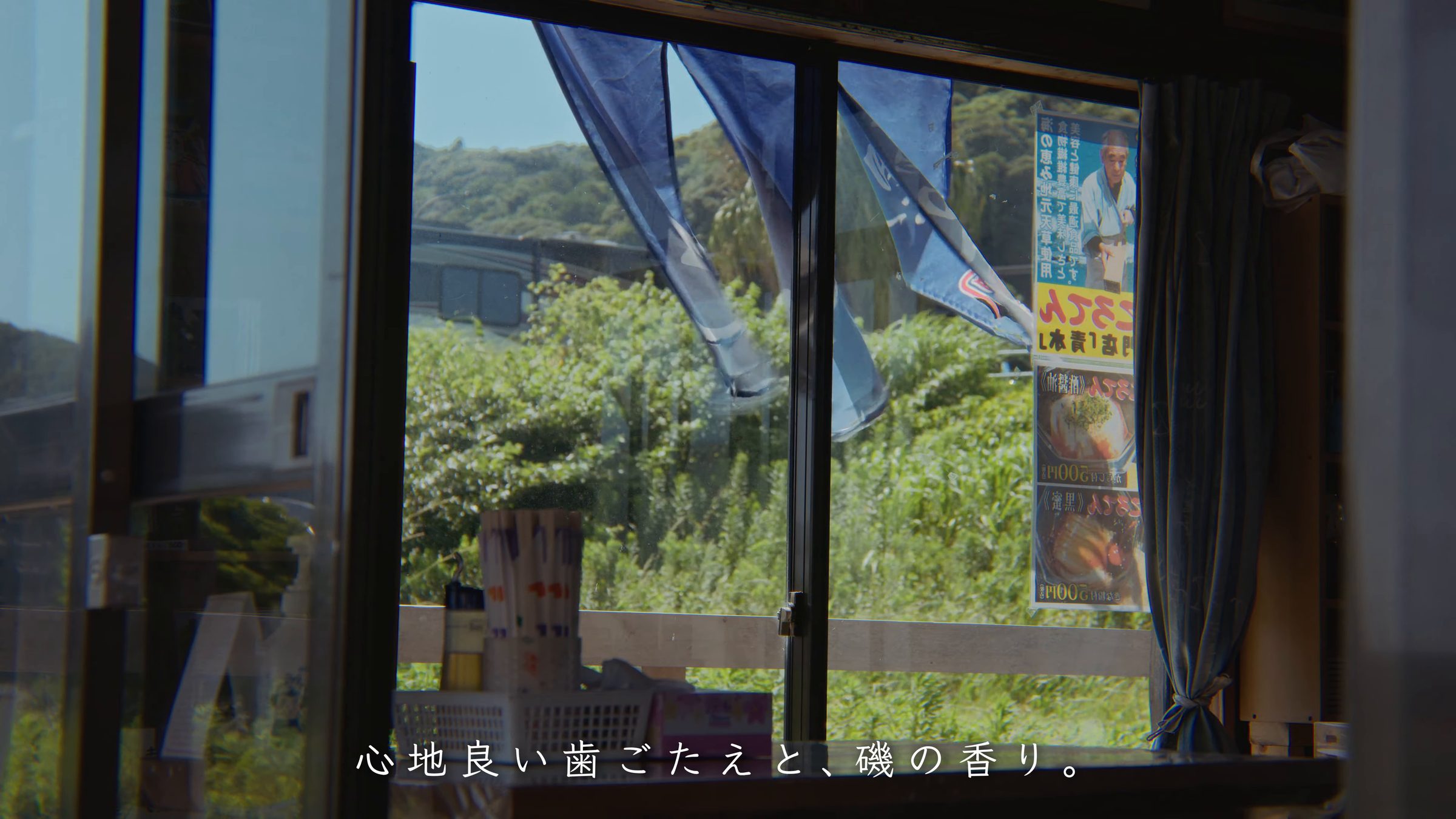
Posters in the window told me the shop uses tengusa seaweed from the local sea. Sprinkle with kinako soybean flour and black sesame, and enjoy. I mixed it well with my chopsticks and took a mouthful.
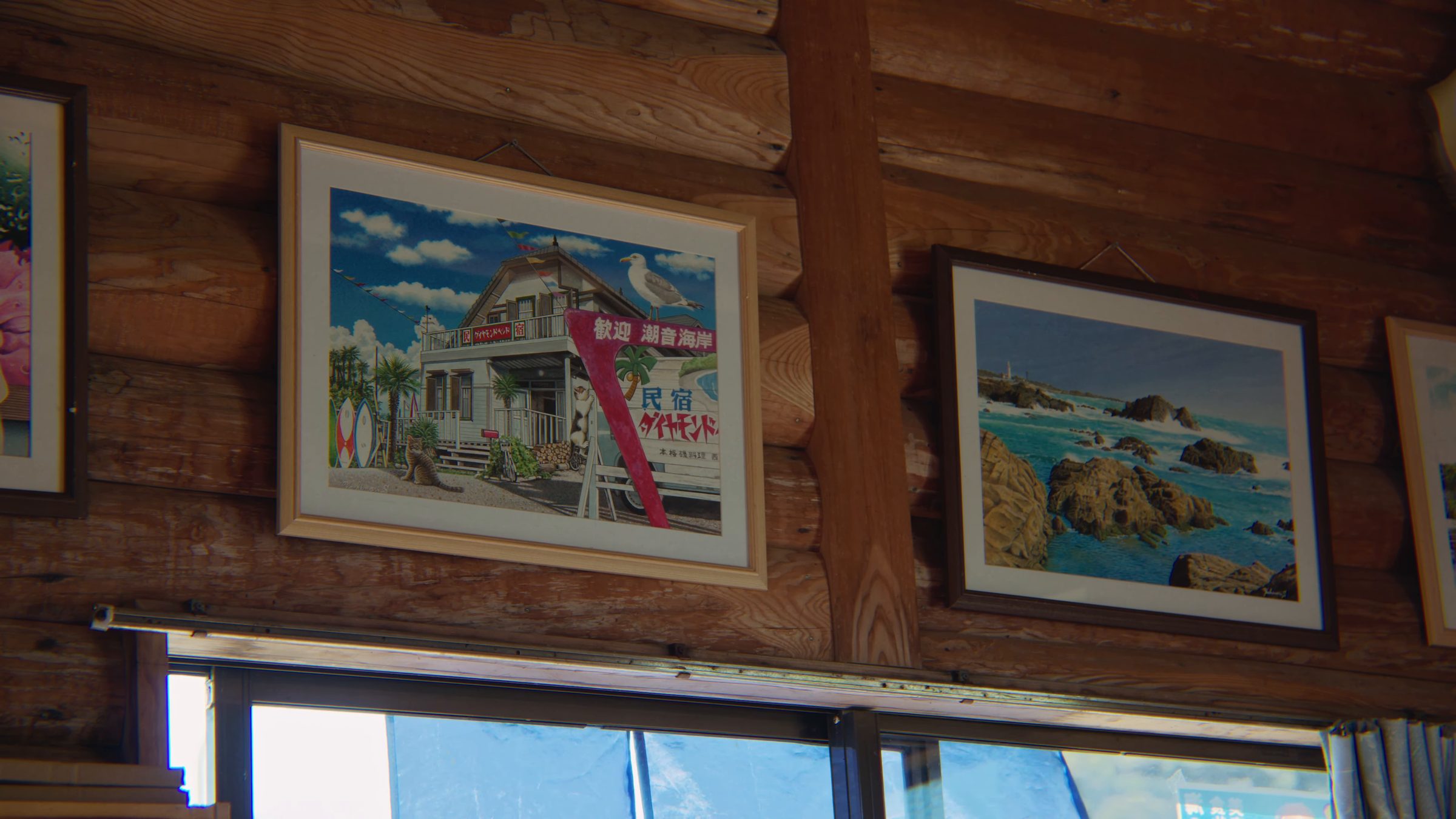
A pleasant chewiness and the scent of the sea: cool and delicious, the taste of summer. Outside the window the green ran down toward the sea, and on the wall hung a painting of a seaside building and a photograph of a rocky shore.
Watch this scene on YouTube5:18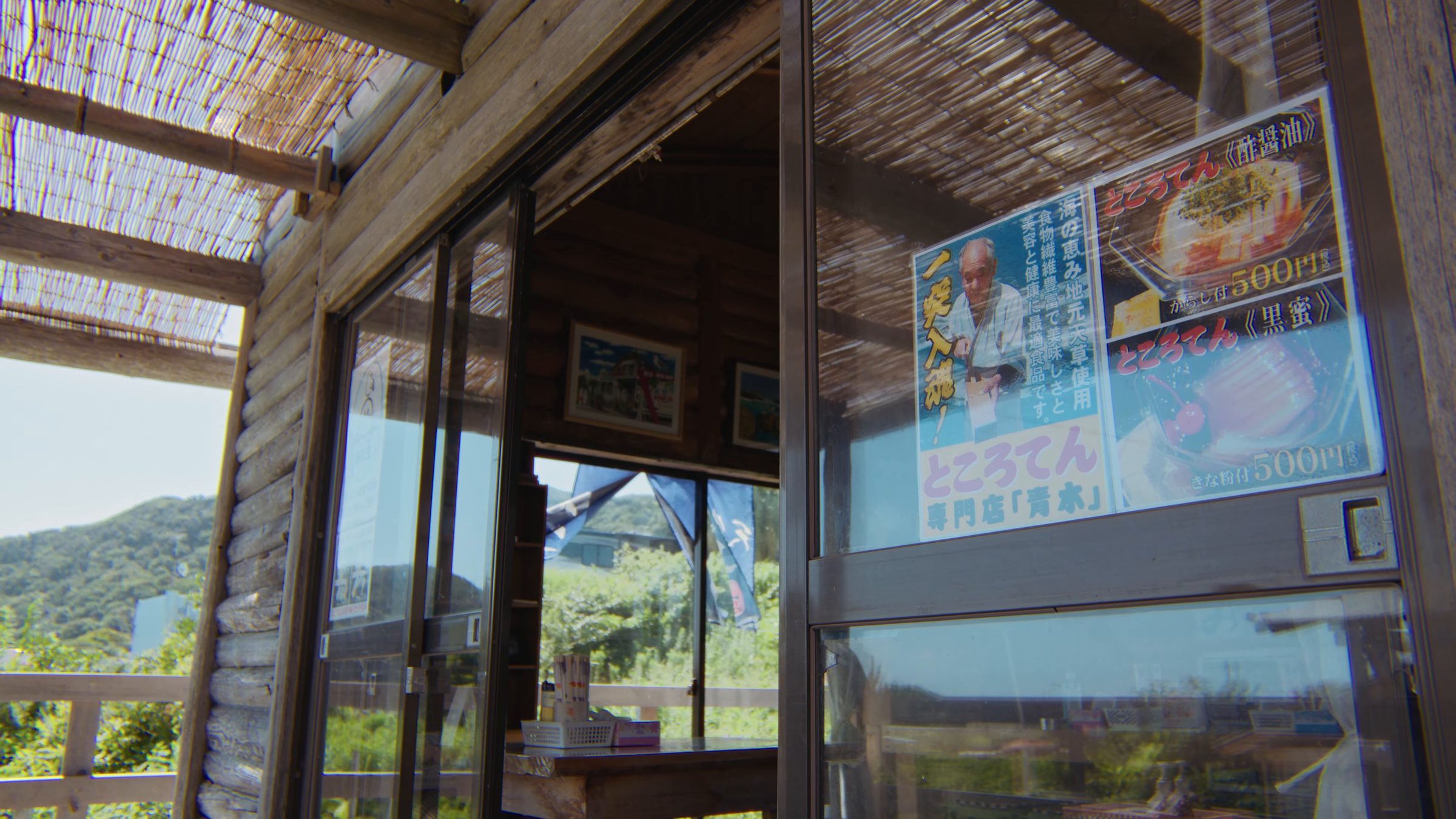
09TRAVEL JOURNAL
I'm home
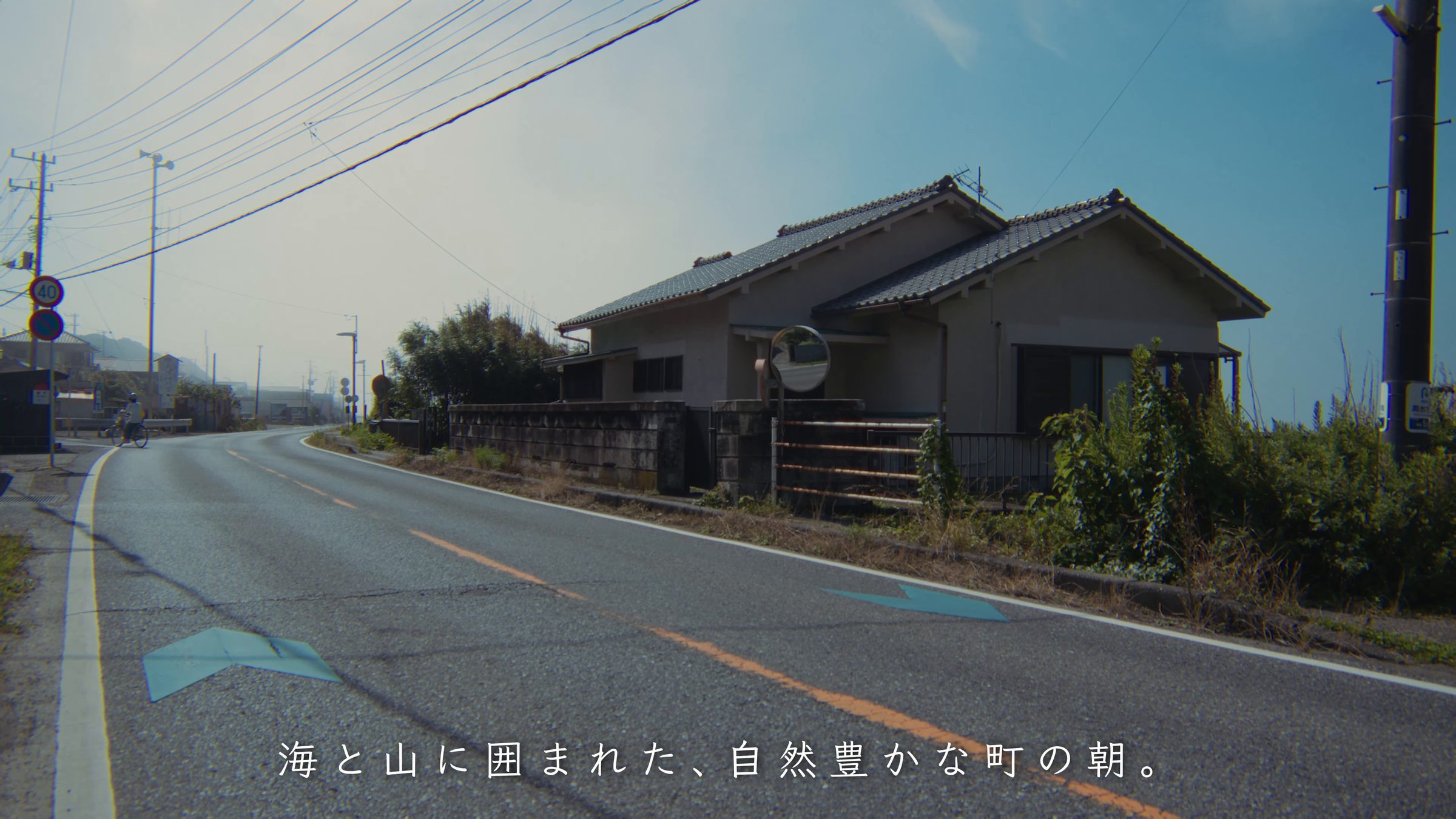
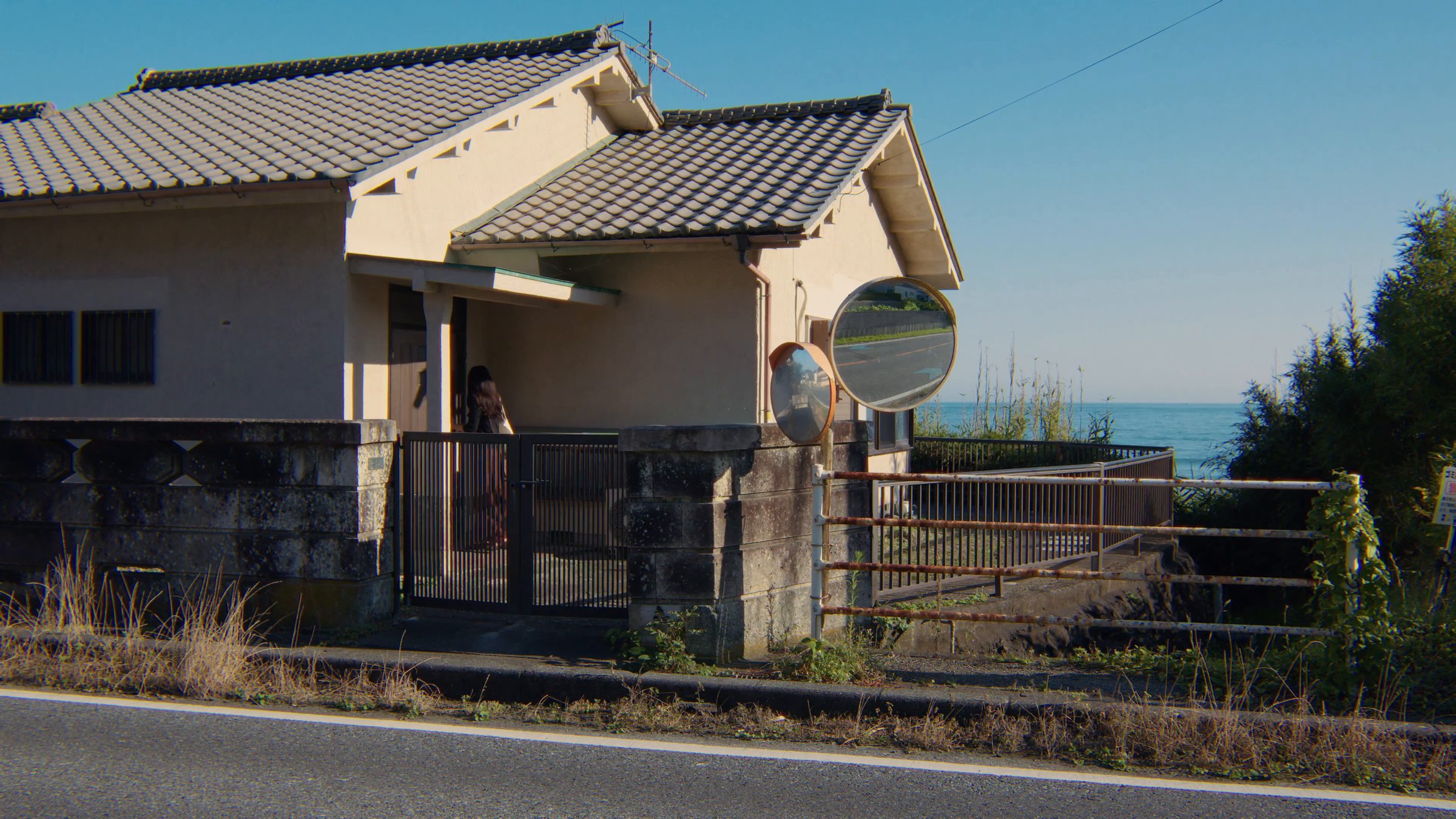
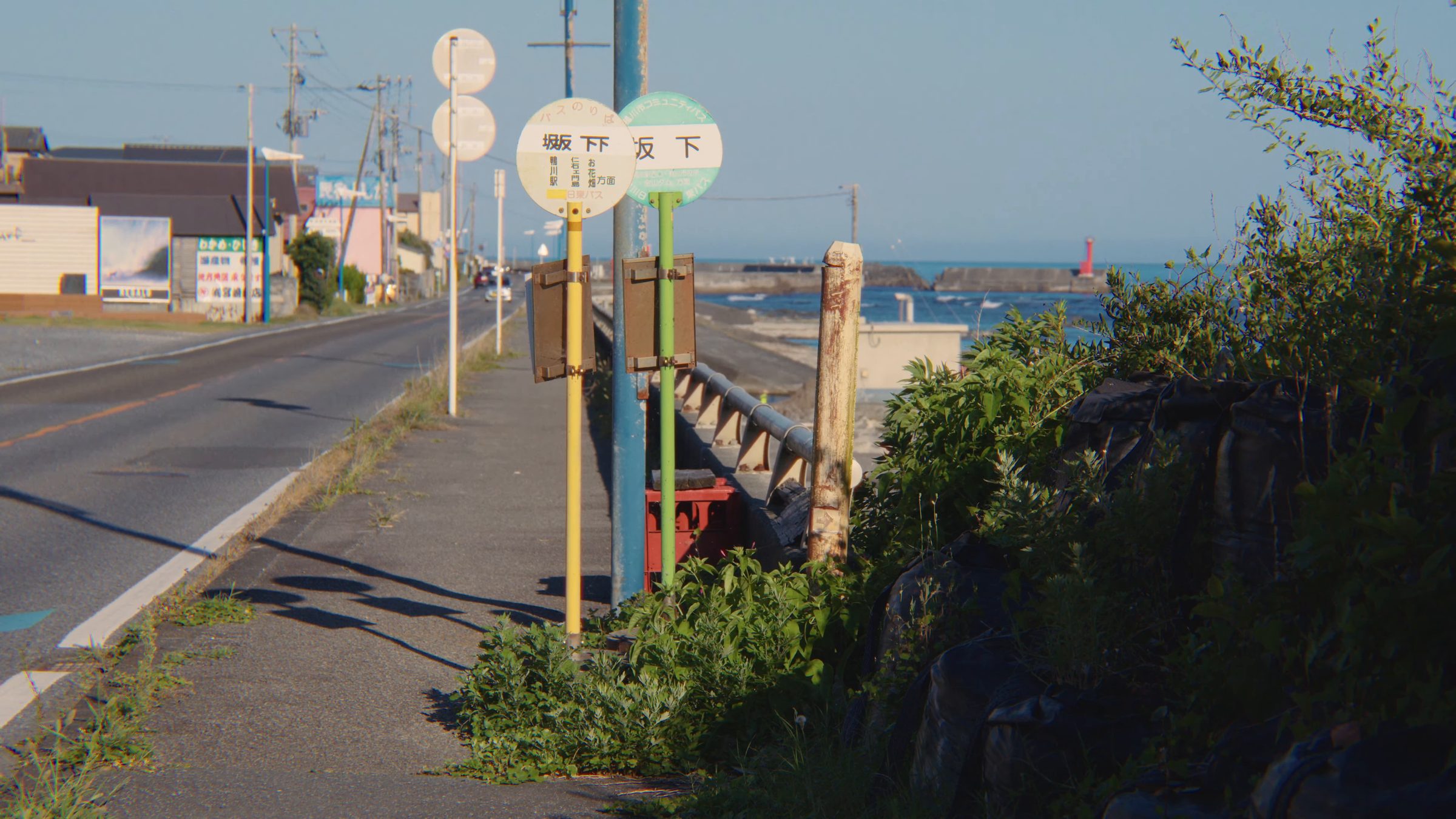
Back along the coastal road: I'm home. A house by the sea, with the water glittering beyond a curved road mirror and a small bus stop standing at the roadside.
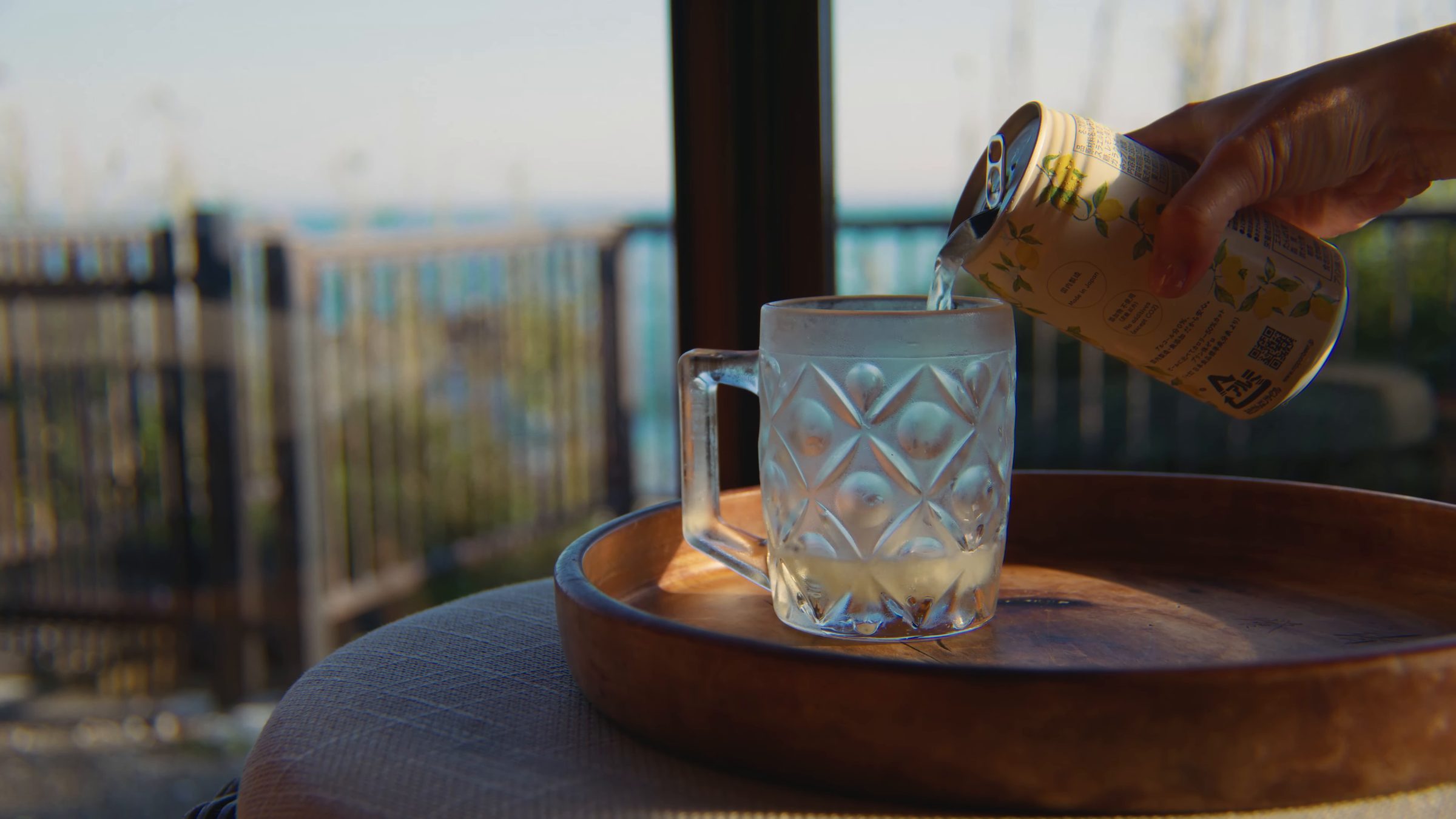
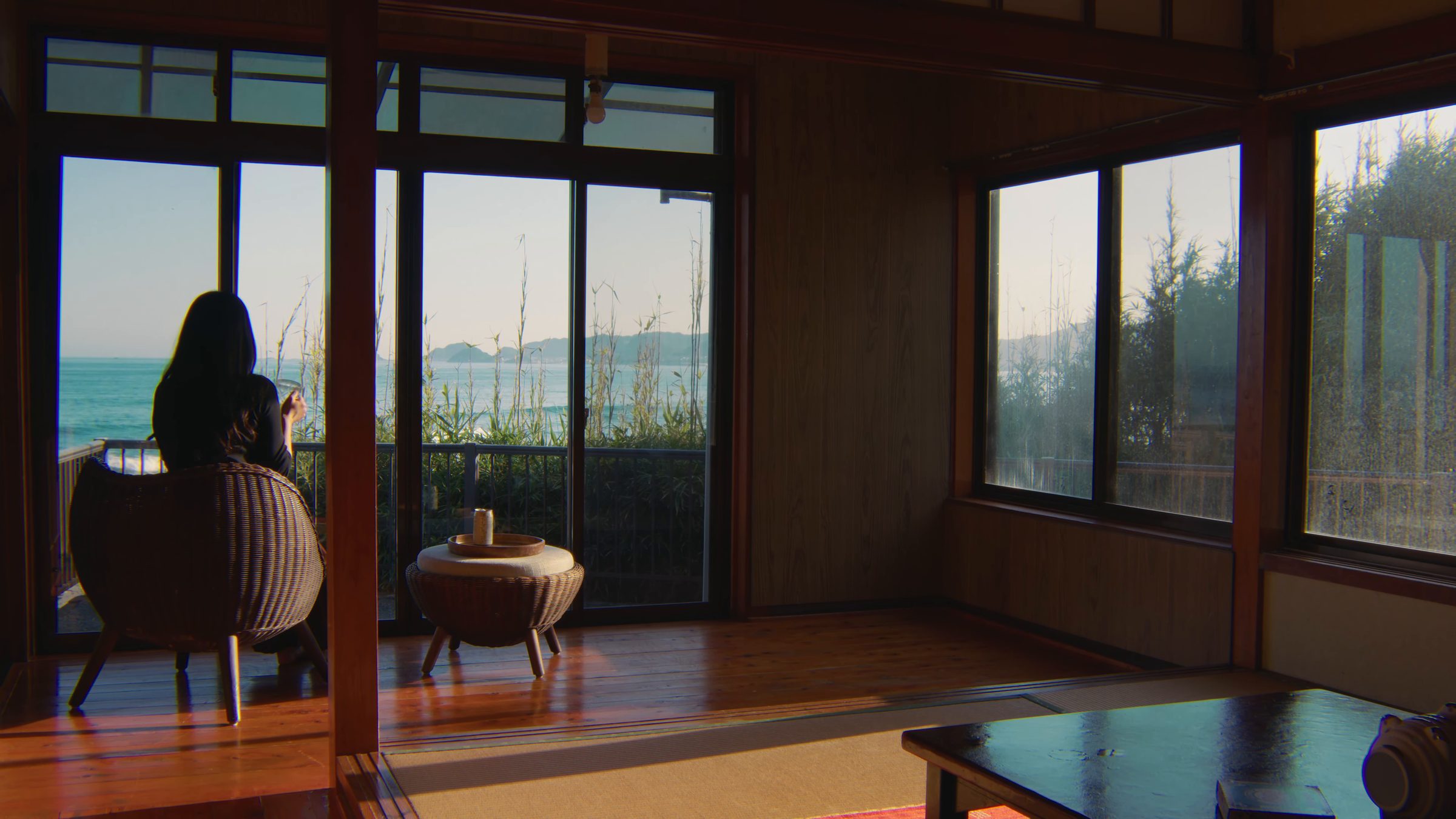
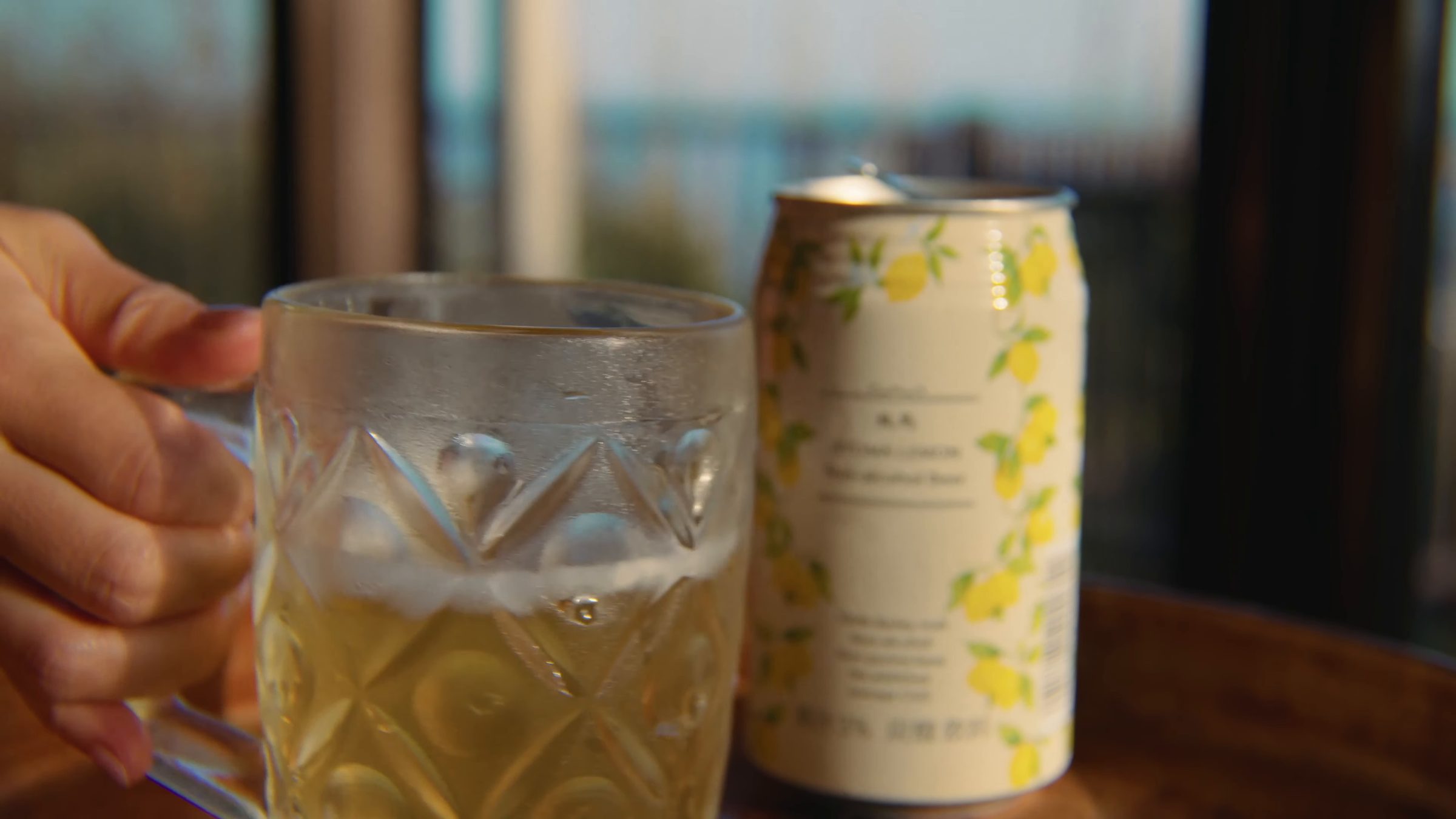
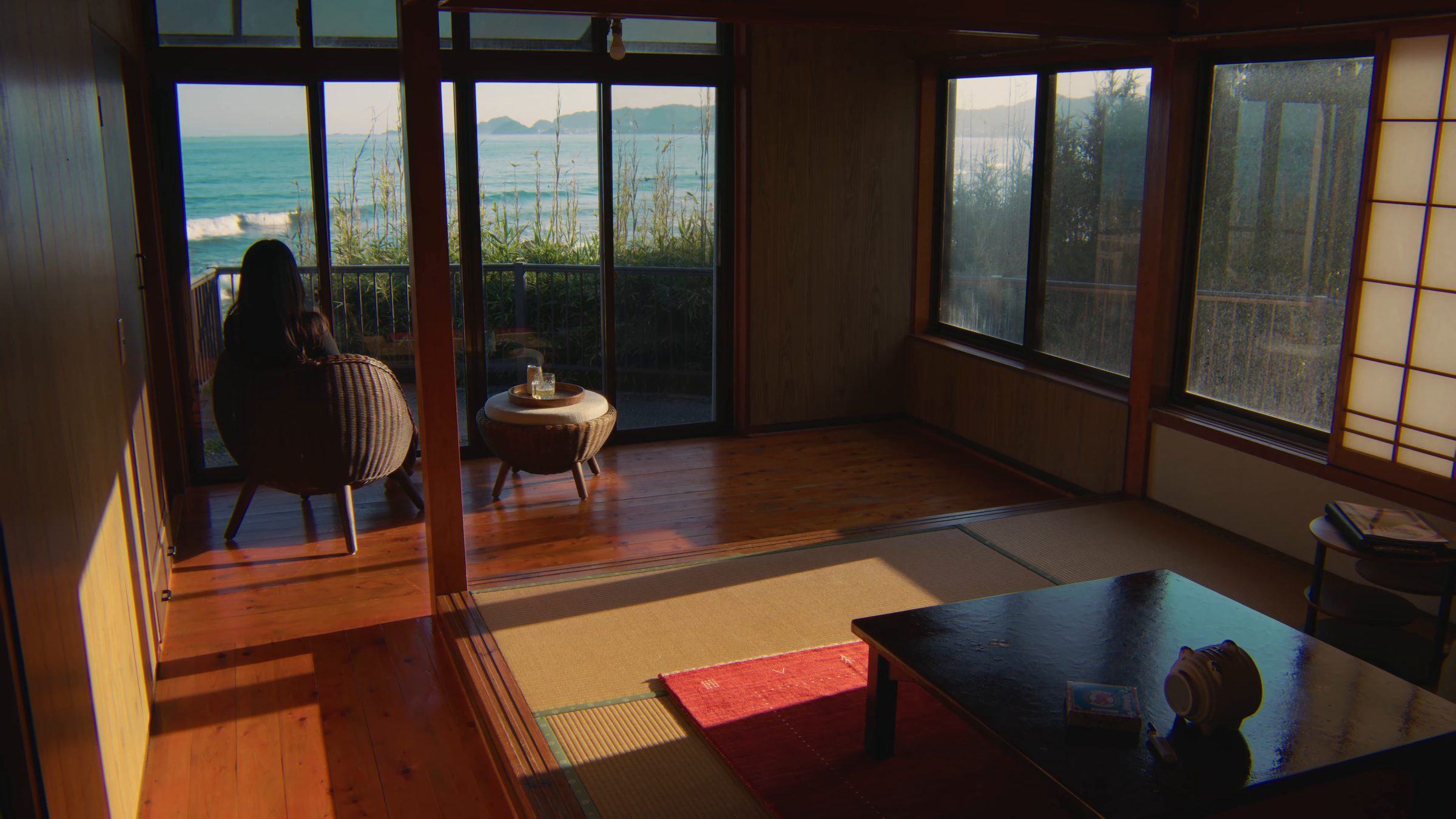
I poured a non-alcoholic lemon drink from a lemon-patterned can into a glass and settled into the rattan chair by the window. The evening sea filled the windows of the tatami room. Waves broke on the rocks of the beach, and the hotels of the town in the distance were tinted by the sunset.
Watch this scene on YouTube5:58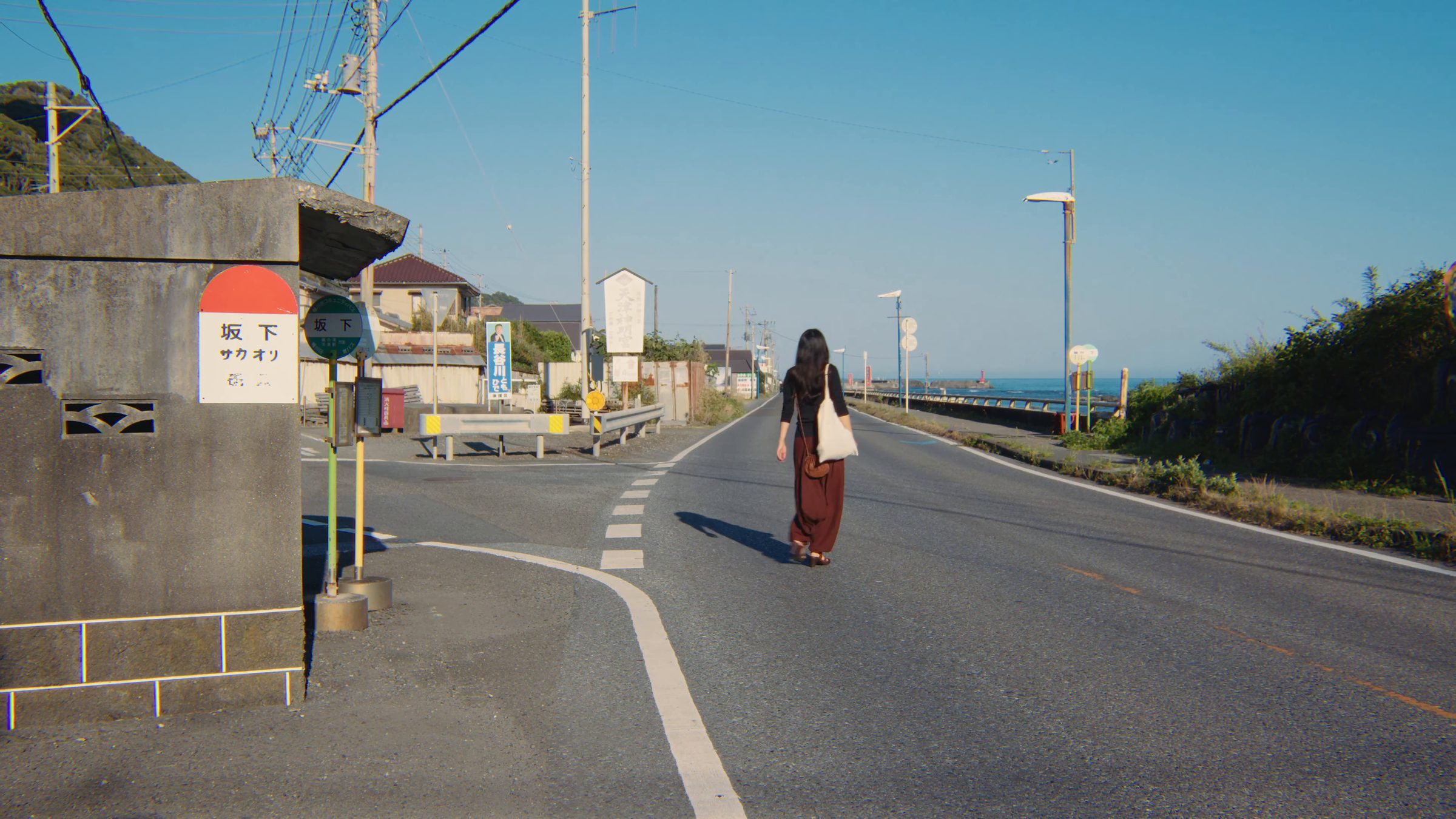
10TRAVEL JOURNAL
A mosquito coil and sauce yakisoba
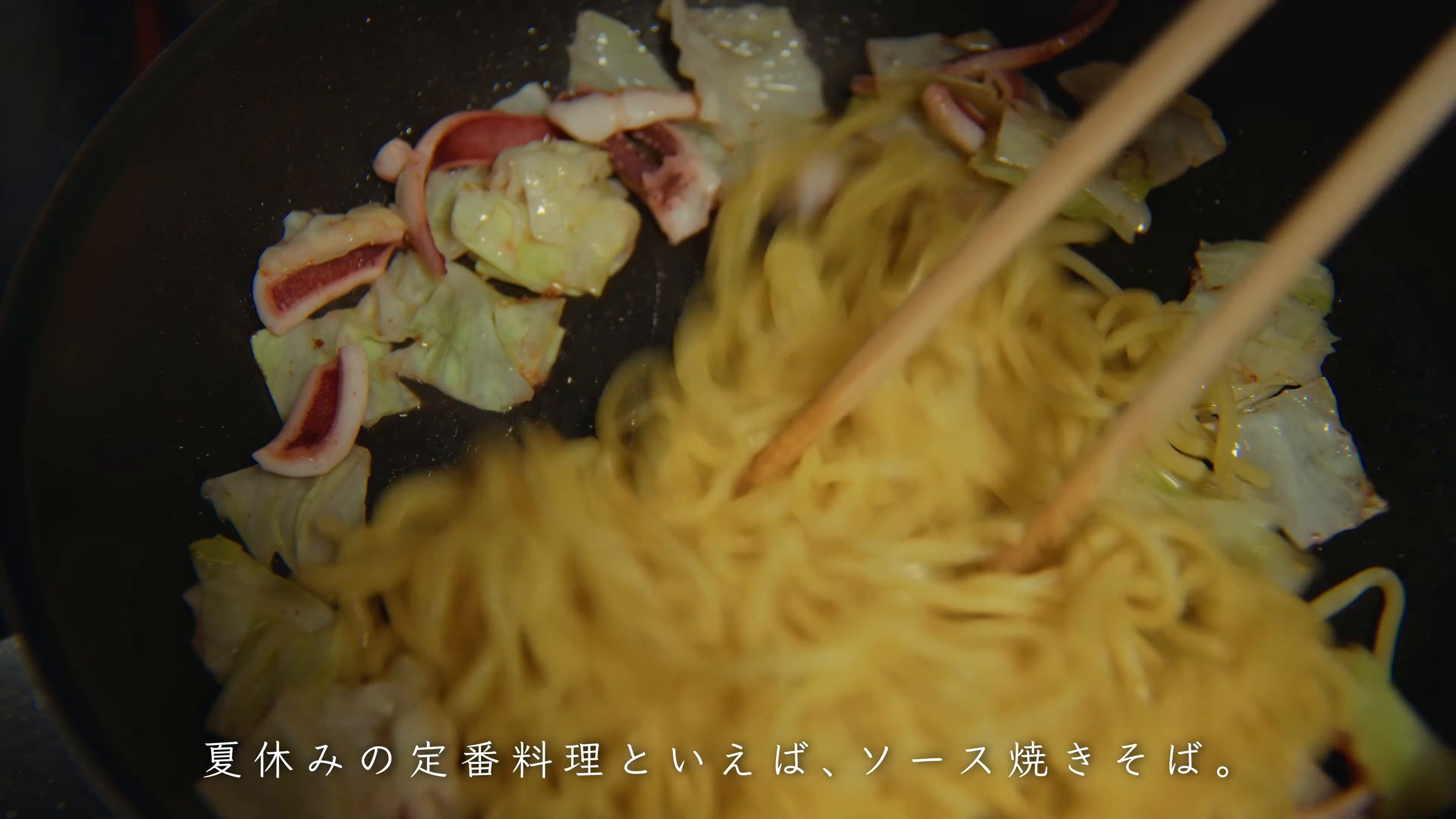
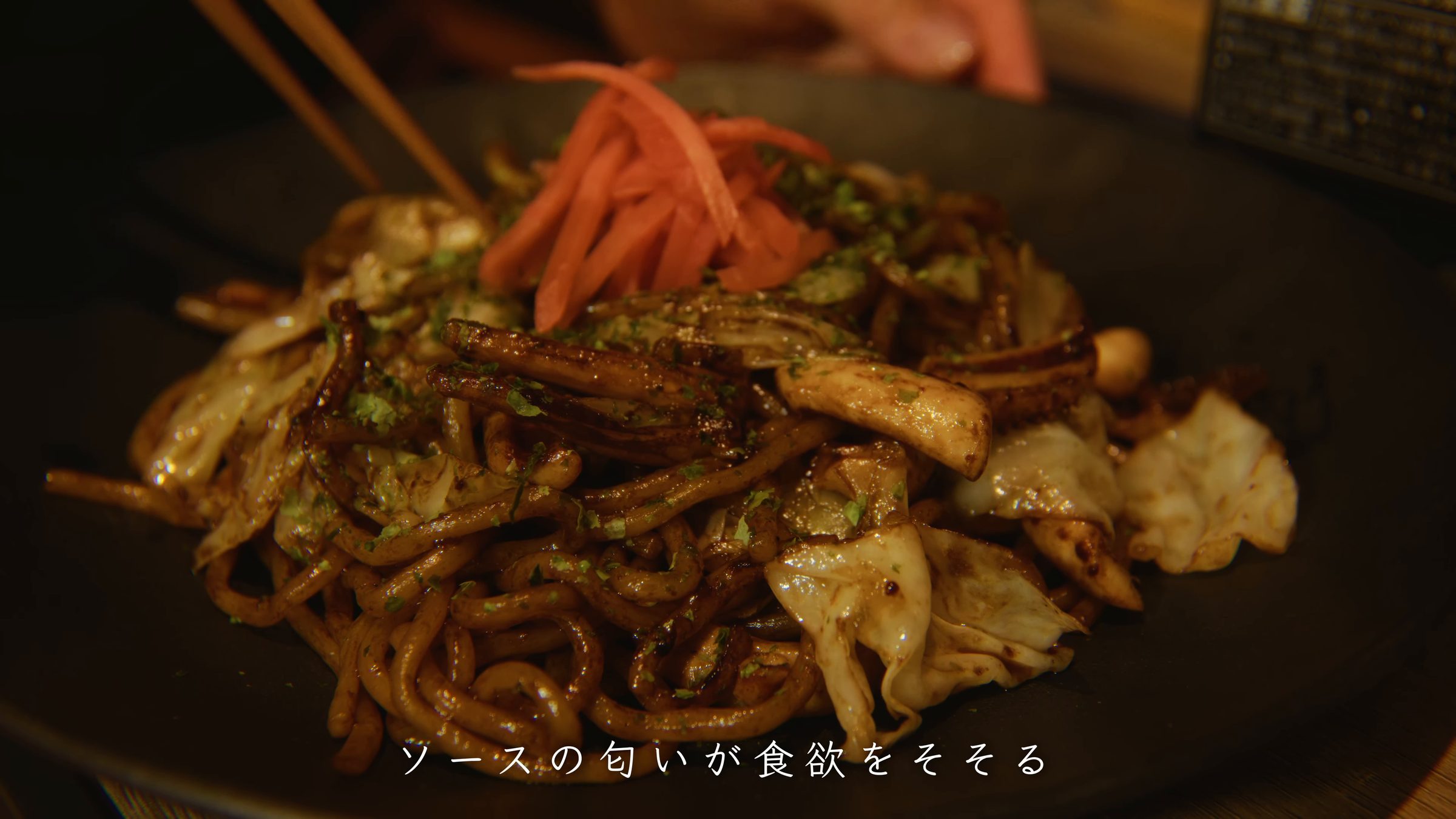
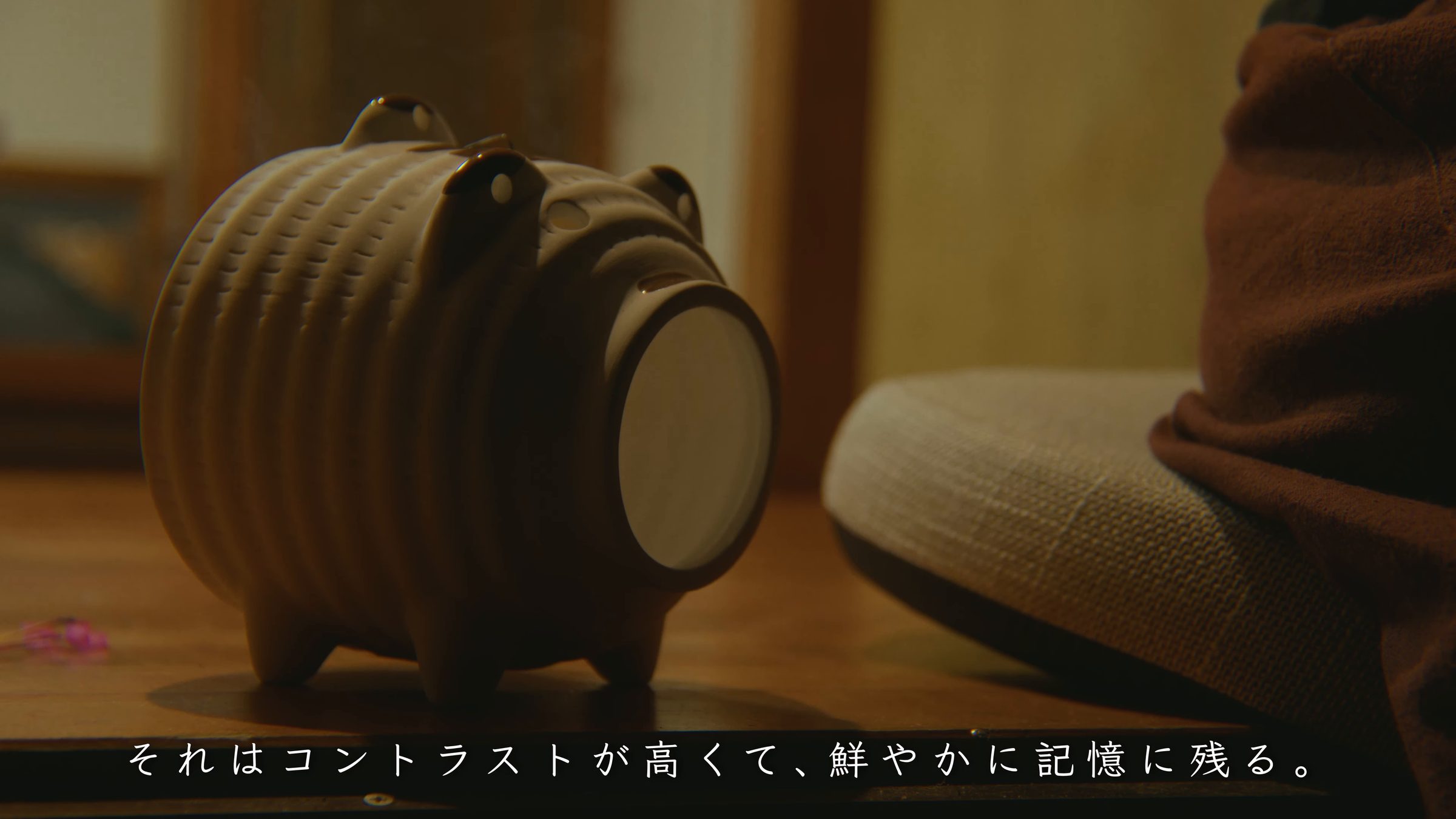
As the sun went down, I set a mosquito coil in the pig-shaped holder and lit it with a match. A frying pan went onto the blue flame of the stove: the classic summer-vacation dish is sauce yakisoba.
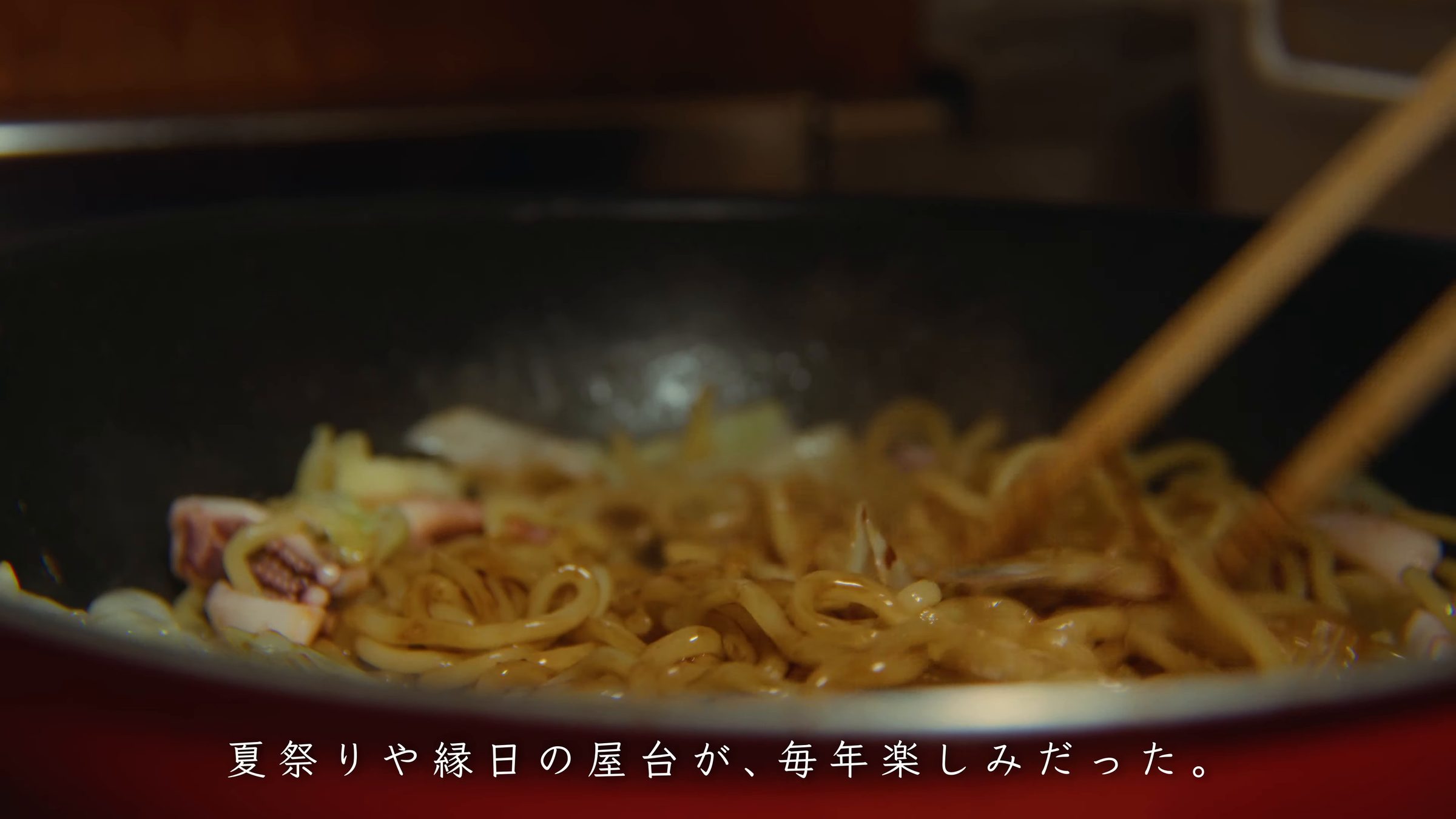
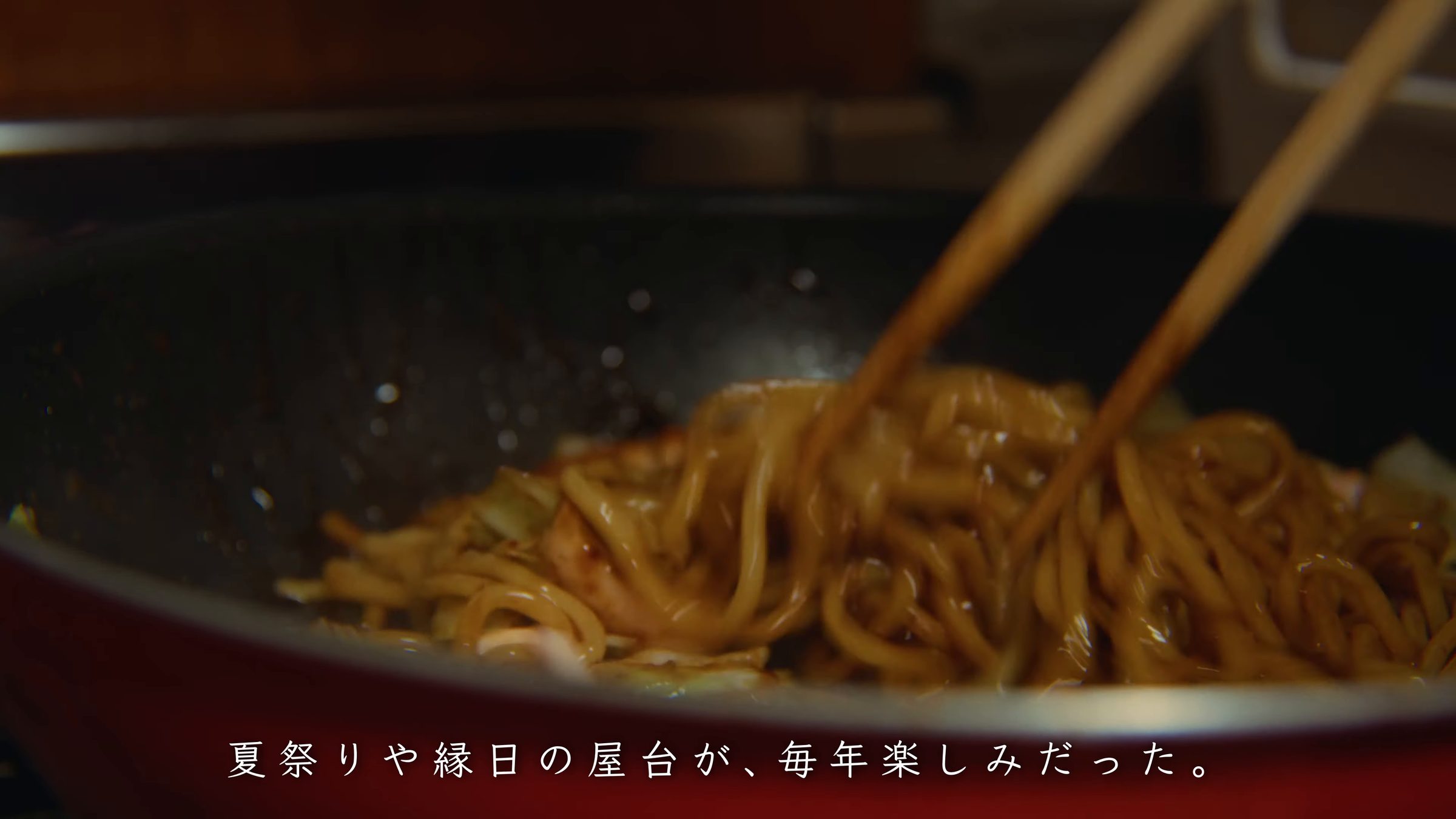
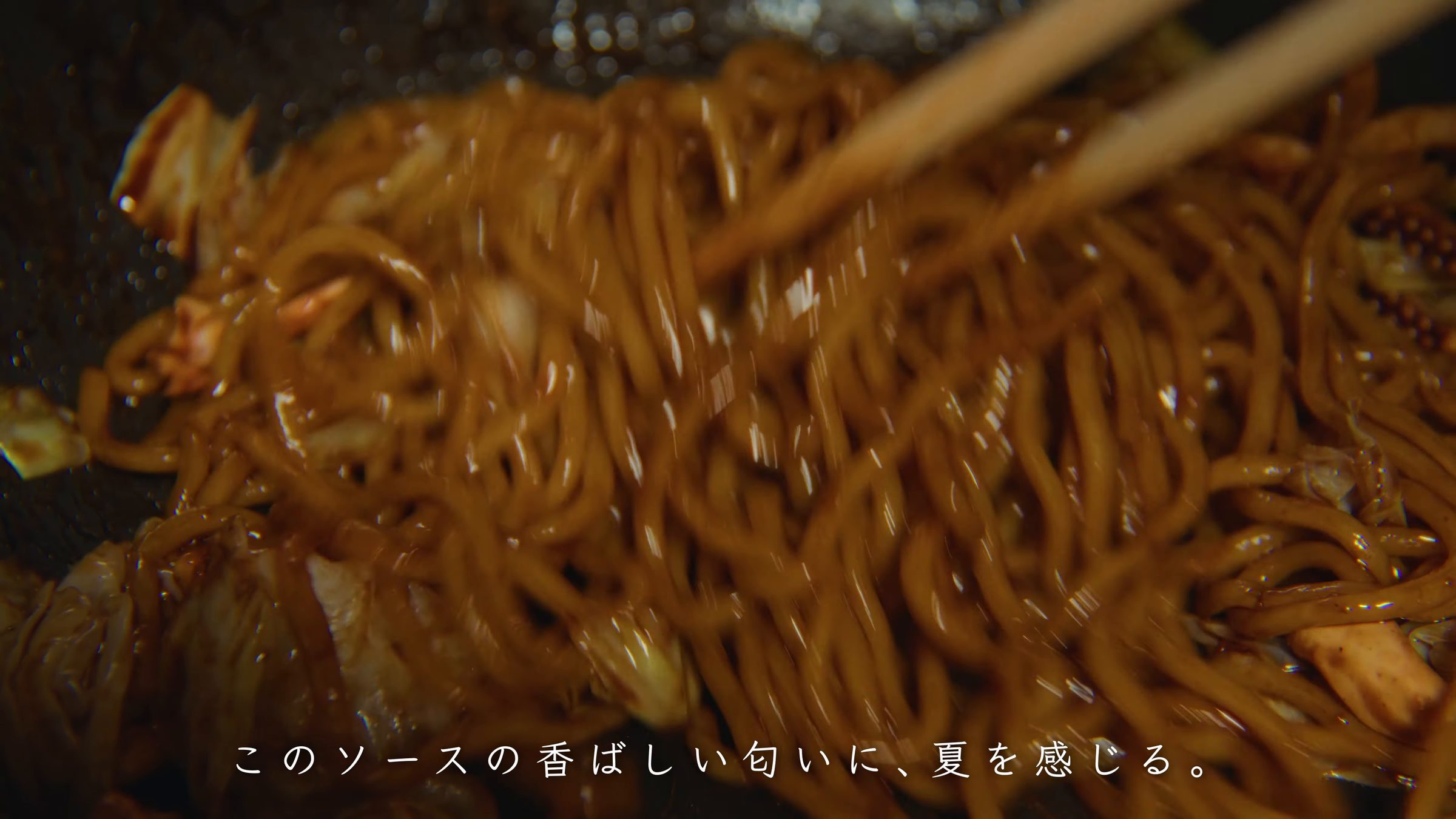
Squid and cabbage went in first, then the noodles, loosened and tossed in the sauce. I looked forward to the stalls at the summer festival every year, and the fragrant smell of this sauce brings the summer back.
Watch this scene on YouTube7:03
11TRAVEL JOURNAL
The festival-stall dinner
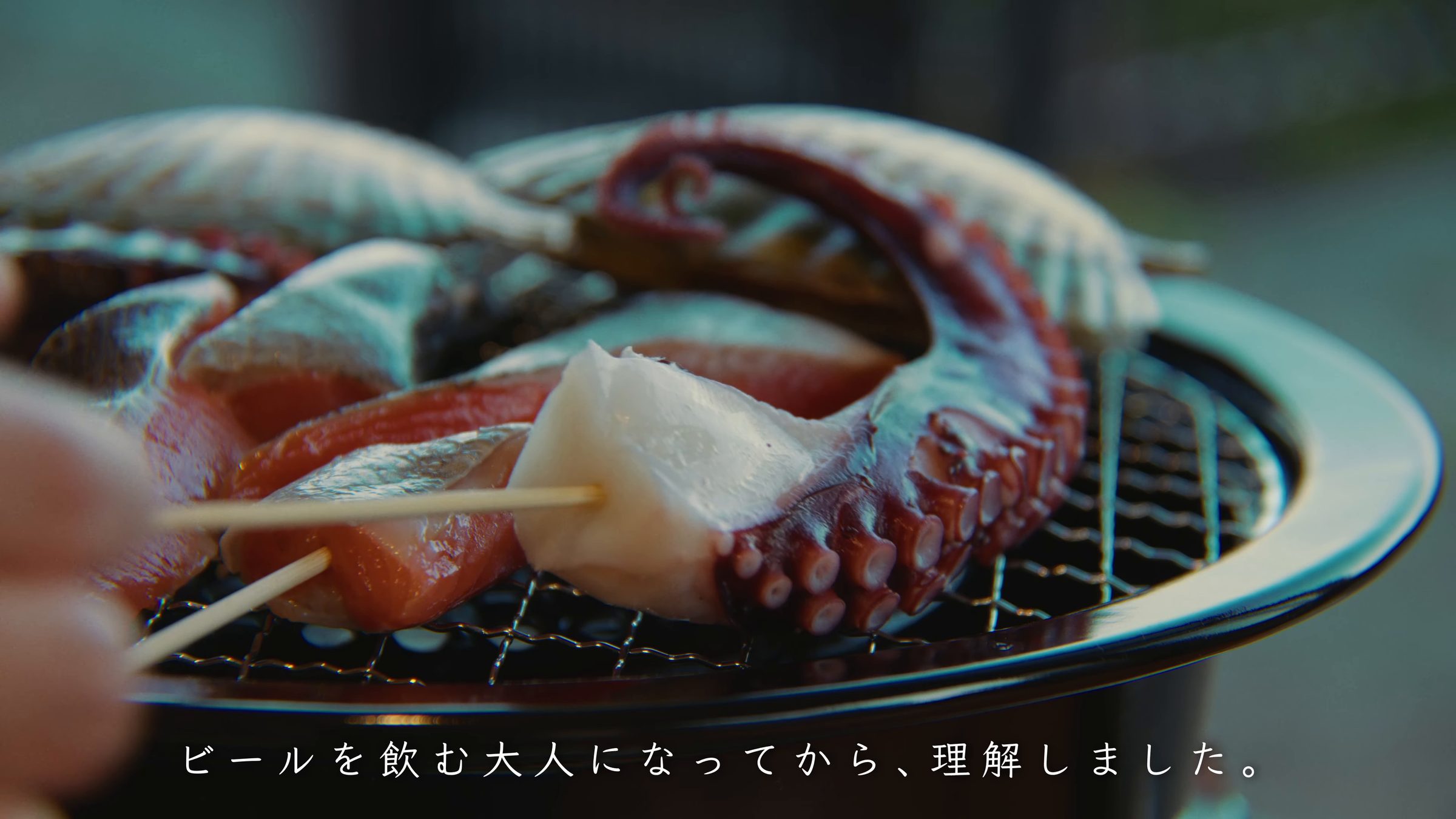
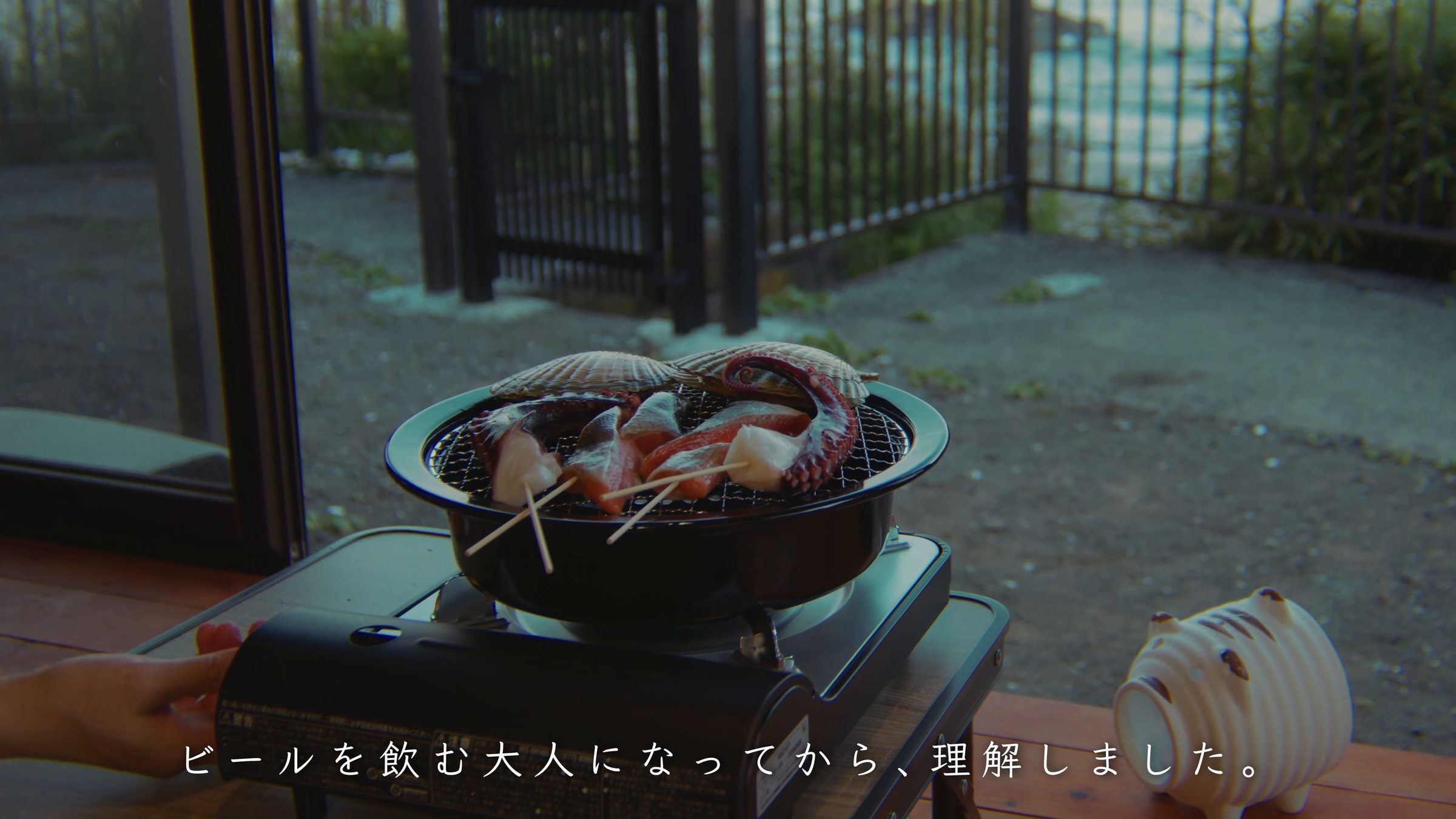
I brought a small charcoal grill out onto the veranda for seafood skewers, too: octopus and squid threaded on sticks, sizzling over the mesh. I came to understand how important the seafood skewers at the stalls are only after becoming an adult who drinks beer.
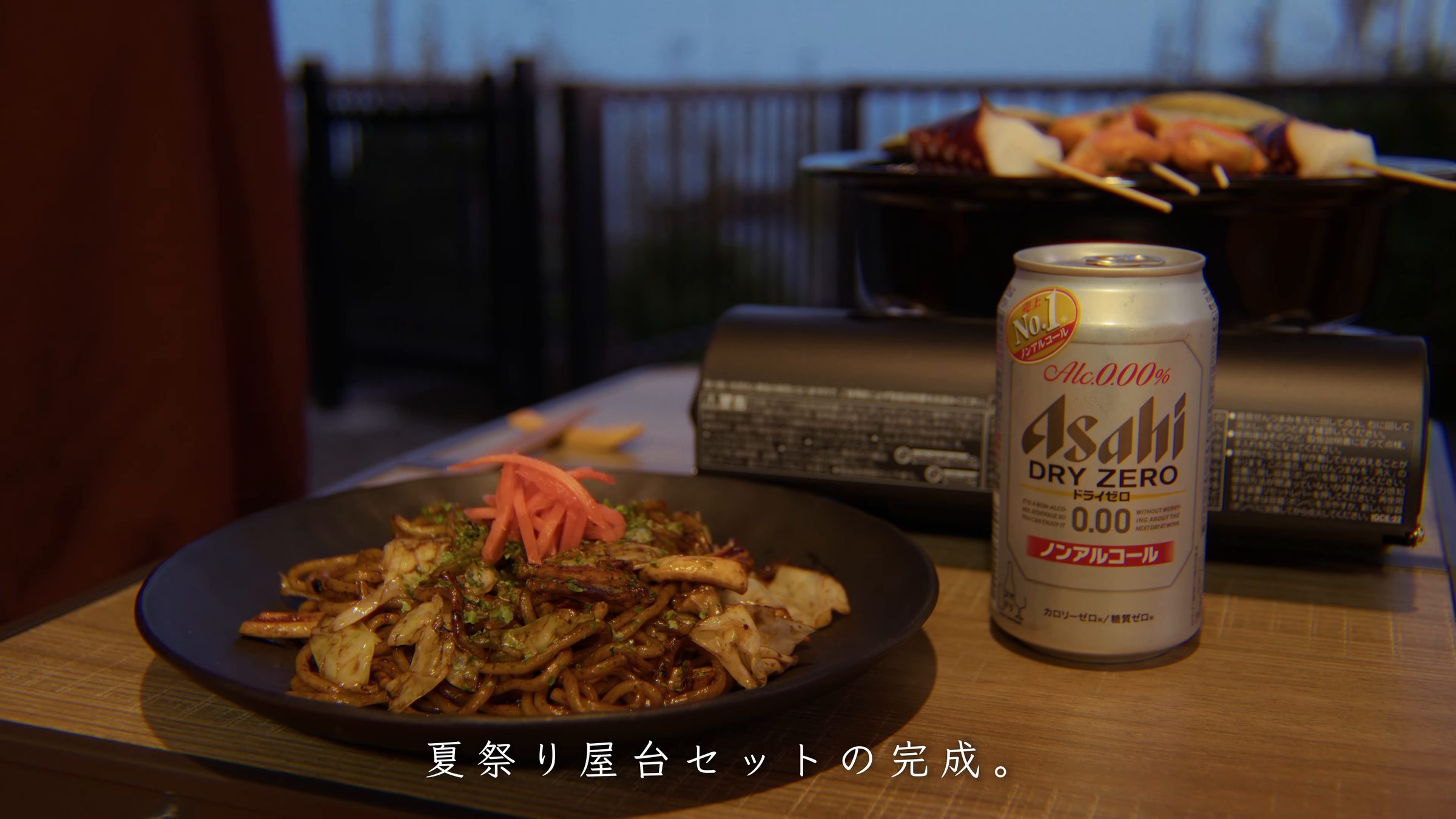
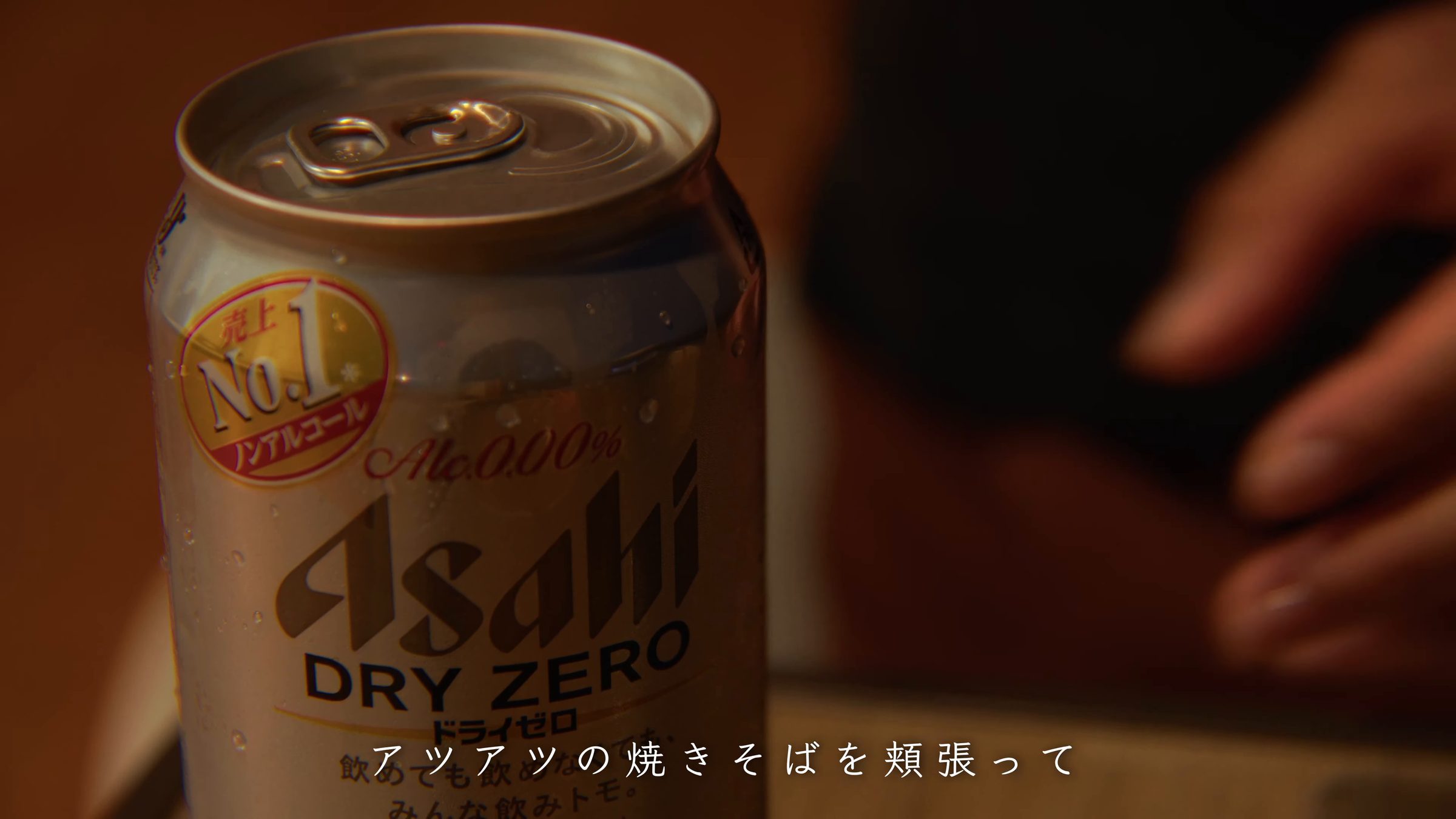
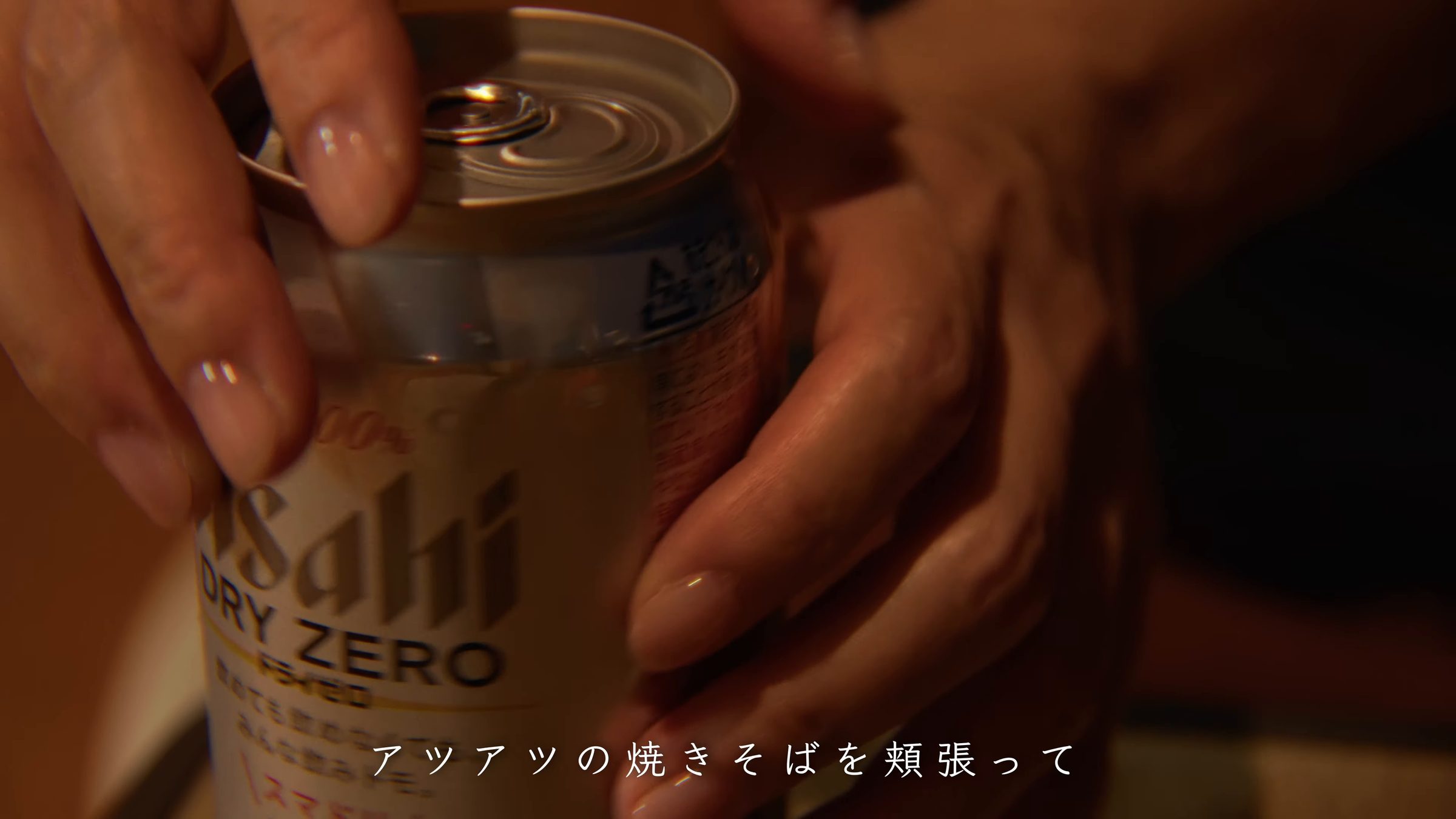
Yakisoba on a black plate, topped with red pickled ginger and aonori, the skewers beside it and a well-chilled can: the festival-stall dinner was ready. The smell of the sauce whets the appetite. Stuff your mouth with piping hot yakisoba and wash it down with an ice-cold drink (tonight, a non-alcoholic beer). Summer vacation is the best, even when you grow up.
Watch this scene on YouTube7:43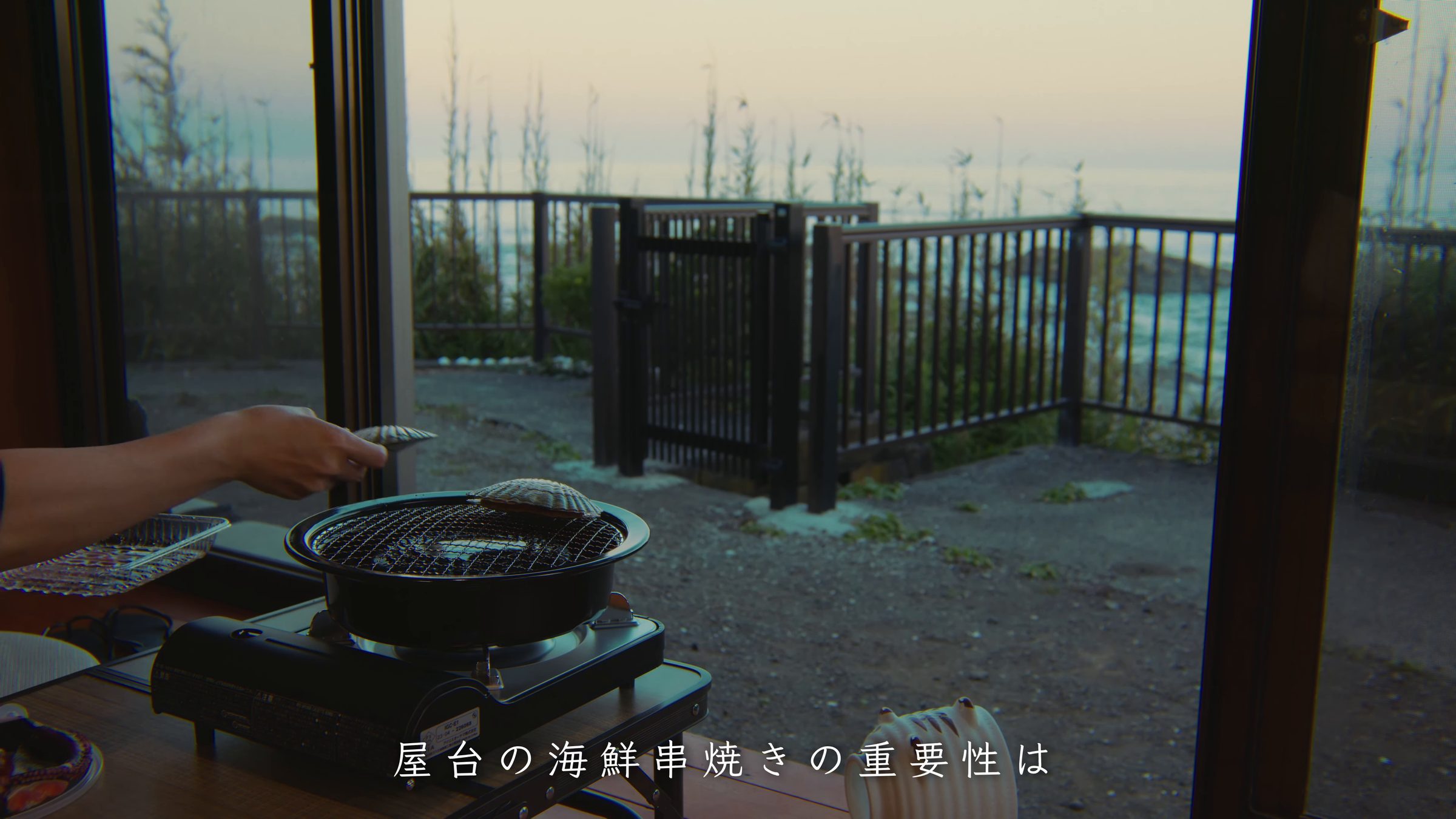
12TRAVEL JOURNAL
The beginning of a long, short summer
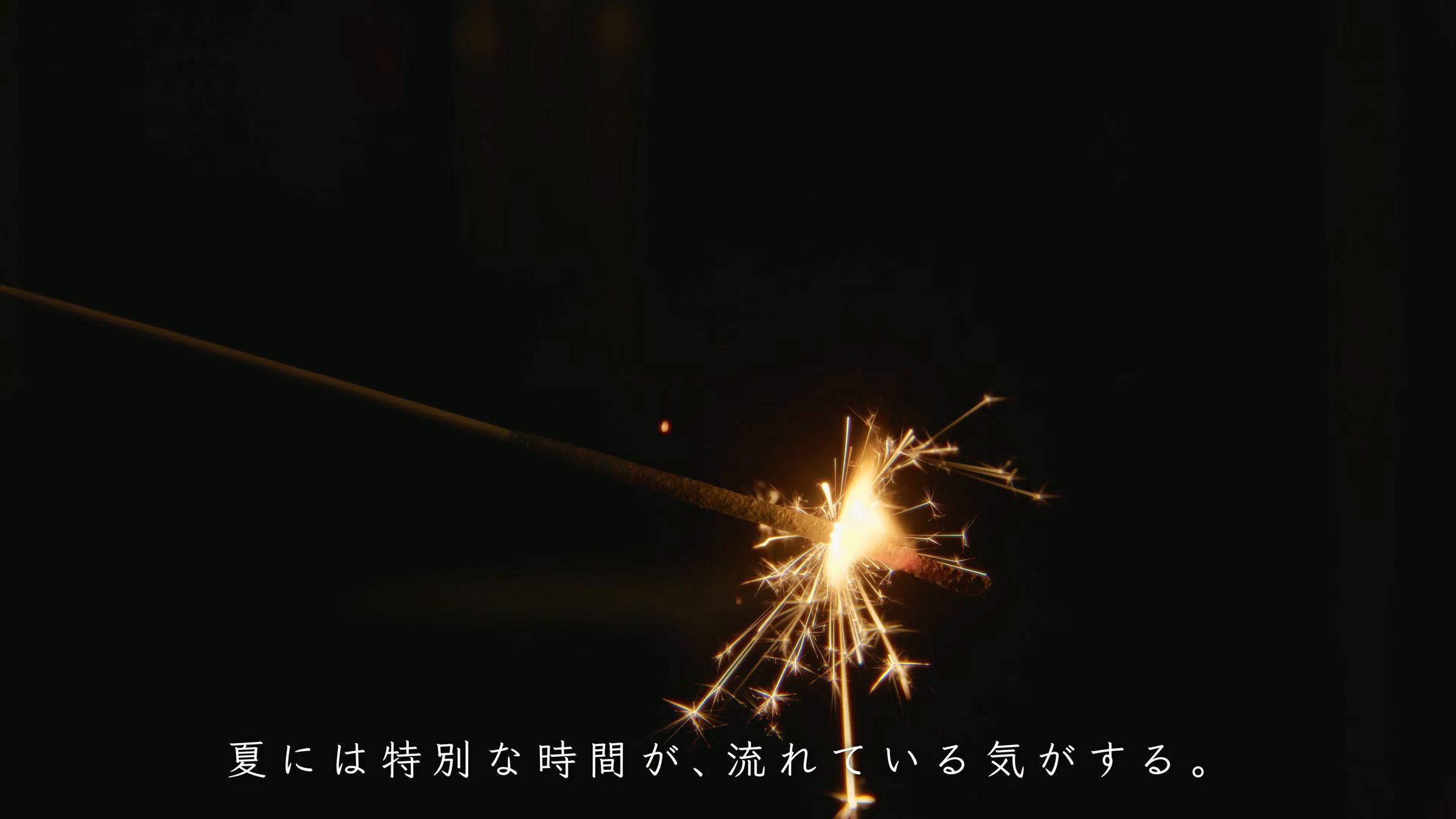
At night, I lit a sparkler on the veranda. Summer time seems to pass in a special way: high in contrast, vividly remembered. With the scent of the mosquito coil in the air, the beginning of a long and short summer.
Watch this scene on YouTube8:29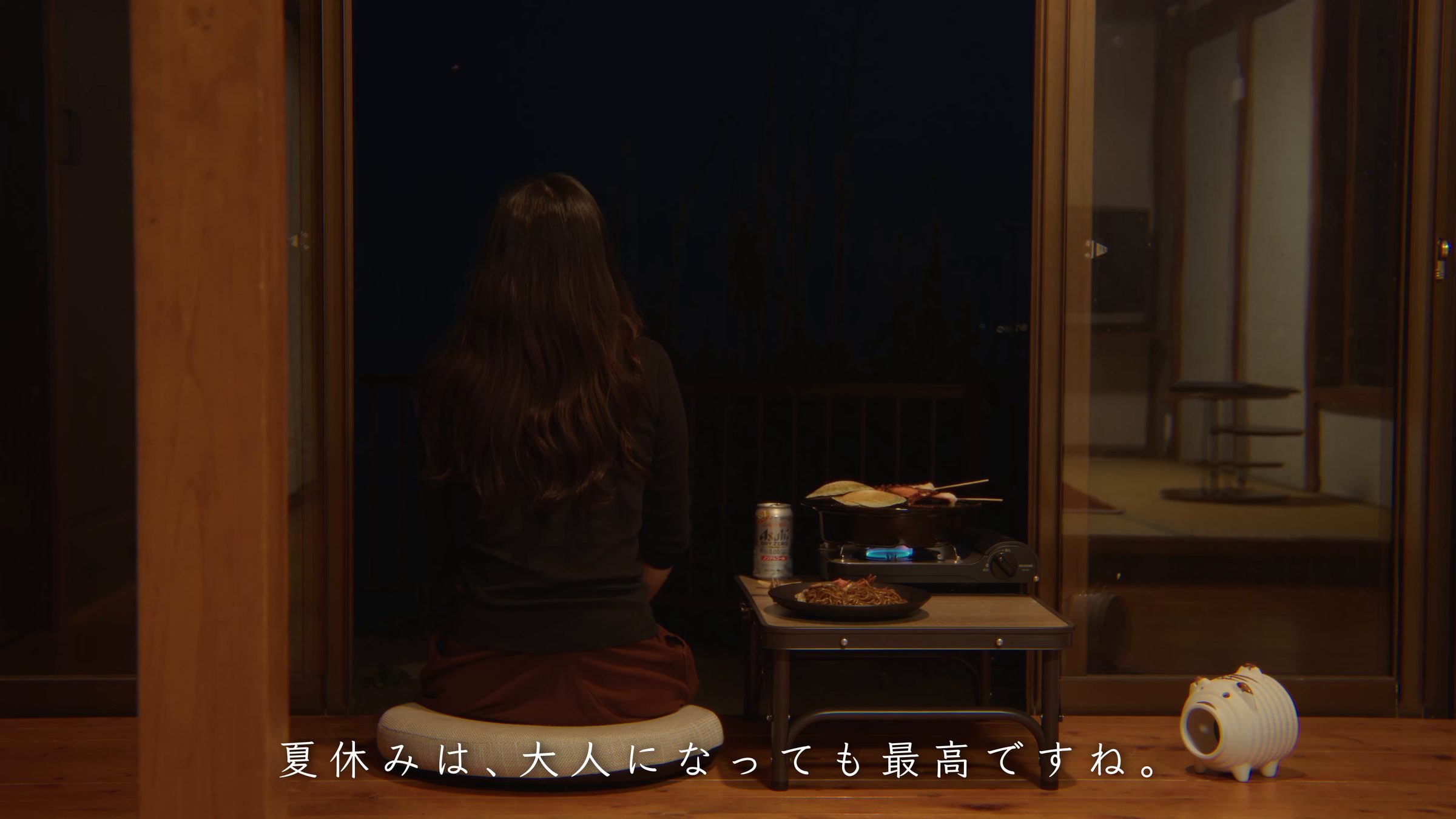
THE JOURNEY IN FILM
The wind. The sounds of a kitchen.
Spend a little more time inside the journey, on film.
Watch the video10 minTHE BORROWER’S NOTES
The Borrower's Notes: Kamogawa
Places we stopped, dishes we made, and stories of the land. A few things to keep from the journey.
01Where I ate
Tokoroten-goya Aoki
Emi-Tayuzaki, Kamogawa, Chiba
A shop devoted to natural tokoroten. The owner gathers tengusa seaweed from the sea in front of the shop, boils it and chills it until it sets. There are two flavors, vinegar-soy and kuromitsu; the kuromitsu version comes with a cherry, and I ate it sprinkled with kinako and black sesame. The log hut houses a small gallery. After typhoon damage the shop moved temporarily to Kimitsu in April 2024, but according to an article from March 2025 it returned to its original spot that December.
Sources: bosotown.com mina-pre.chiba.jp hamoni.jp
A beach hut on the swimming beach
A beach hut raised over the sand, with a terrace of green chairs looking out to sea. I had soy sauce ramen (pork, bamboo shoots, green onion) and shaved ice with red syrup. The hut's name does not appear in the footage.
02What I cooked
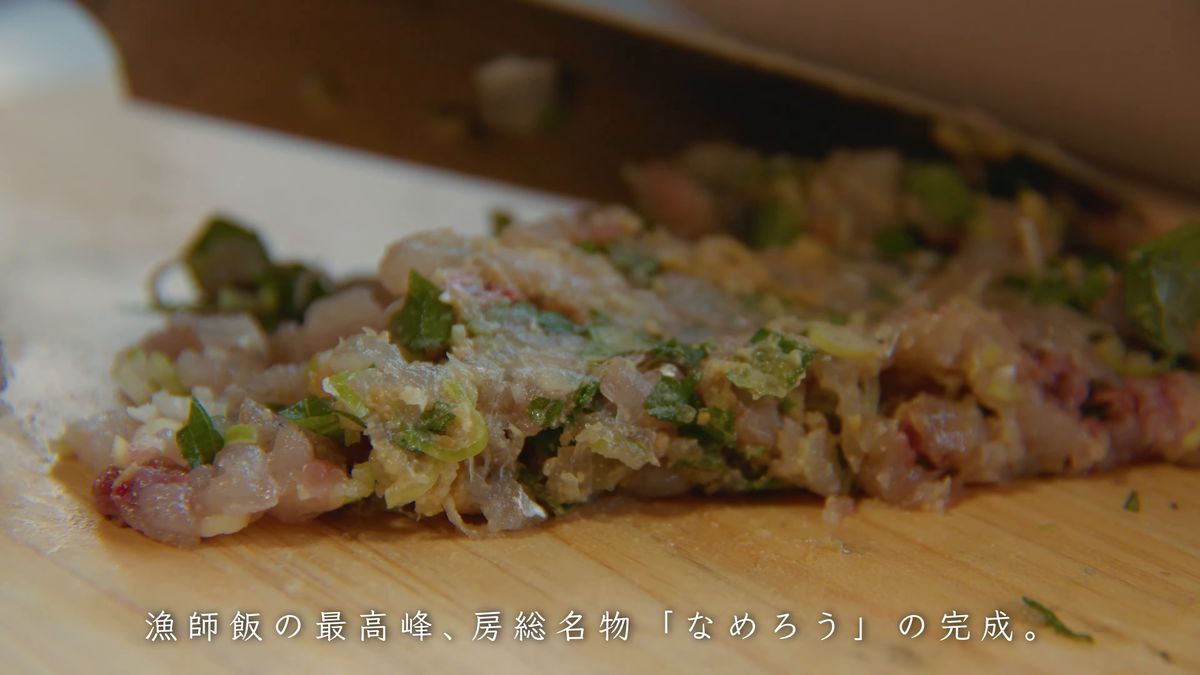
Namero on rice
Namero is a Chiba specialty handed down along the coast of the Boso Peninsula. It is said to have been devised by fishermen of Kazusa and Awa to cook their catch on board; because soy sauce spills easily on a rocking boat, they seasoned it with miso instead. The name is said to come from the dish being so good you lick the plate clean. Horse mackerel is caught year-round in southern Boso, so it is the usual fish, and herbs such as green onion and ginger were added as the dish spread into home kitchens. It does not keep, so it is eaten as soon as it is made. This time I used horse mackerel from the nearby sea and served it over freshly cooked rice.
IngredientsHorse mackerel sashimi (from the nearby sea), Perilla (shiso) leaves, Ginger, Green onion, Miso, Freshly cooked rice
- Tear the perilla leaves by hand, grate the ginger and chop the green onion
- Slice the horse mackerel, pile the herbs on top and add the miso
- Chop finely with a knife and keep pounding until smooth and sticky
- Serve over freshly cooked rice
Sources: maff.go.jp
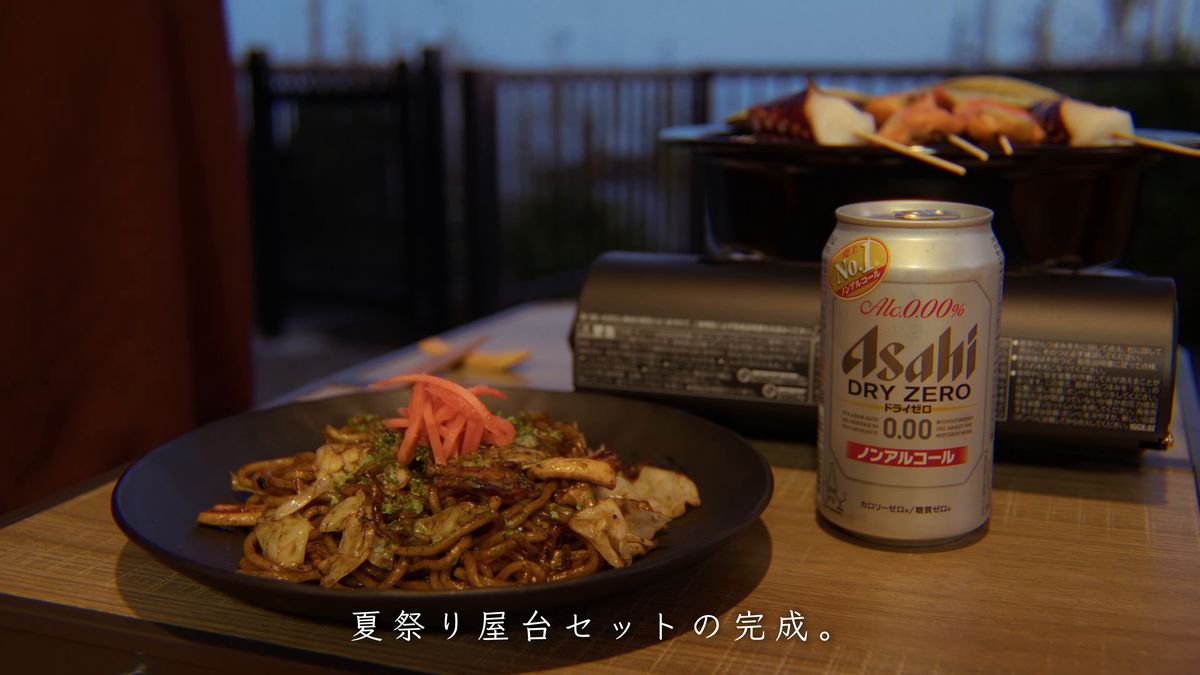
Sauce yakisoba
A staple of summer festival stalls. I stir-fried squid and cabbage, added the noodles and tossed everything in the sauce, then finished with red pickled ginger and aonori.
IngredientsYakisoba noodles, Squid, Cabbage, Yakisoba sauce, Red pickled ginger, Aonori seaweed flakes
- Stir-fry the squid and cabbage in a frying pan
- Add the noodles, loosen them and toss in the sauce
- Plate and top with red pickled ginger and aonori
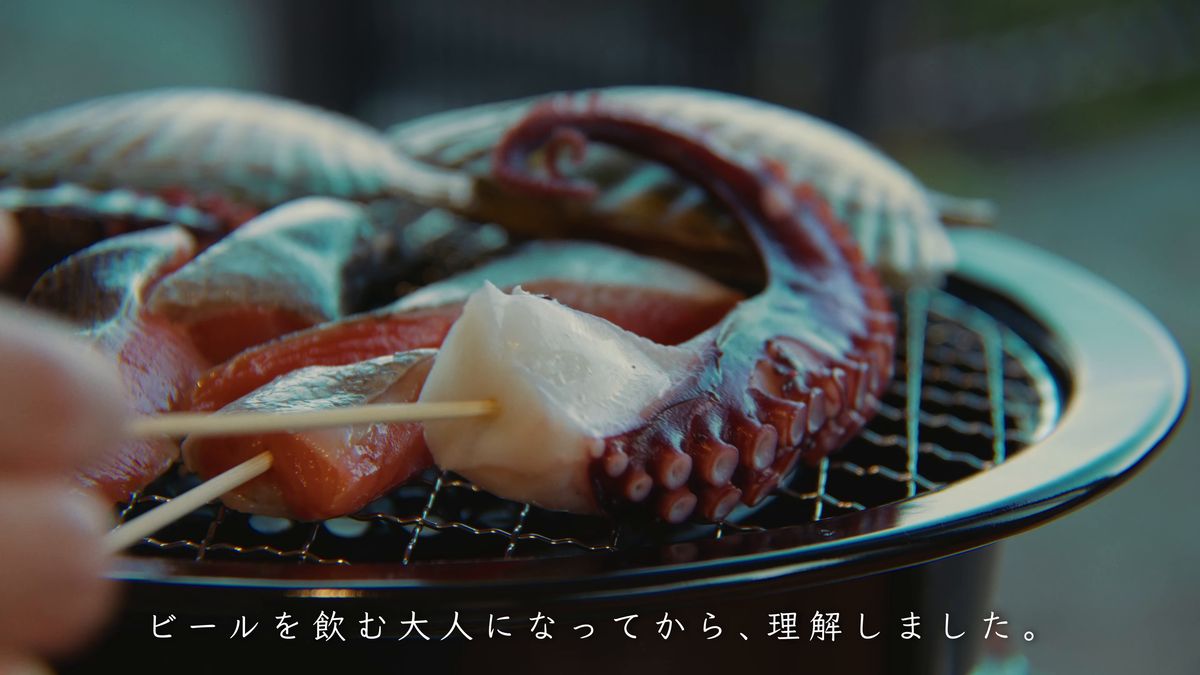
Grilled seafood skewers
The taste of the festival stall, on a small charcoal grill on the veranda. Octopus and squid threaded on skewers and grilled over the mesh.
IngredientsOctopus, Squid
- Thread the octopus and squid onto skewers
- Grill over charcoal on a small grill
03About the area
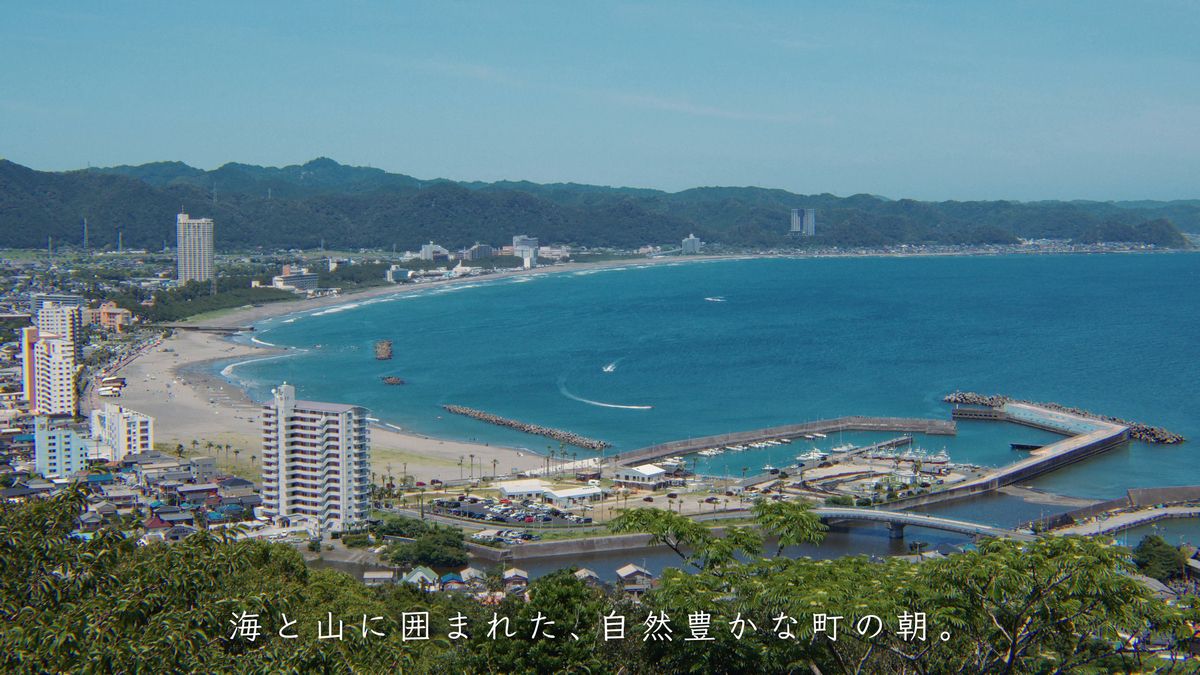
Kamogawa
A town on the Pacific side of the Boso Peninsula, in southeastern Chiba. Besides Maebara Beach, one of Japan's 100 Selected Beaches, there are swimming beaches at Uchiura, Jozaki, Futomi and Emi, and the fishing ports along the coast land sardines and mackerel. The town is also known for Kamogawa Sea World, the Oyama Senmaida rice terraces and Niemon Island.
Sources: ja.wikipedia.org
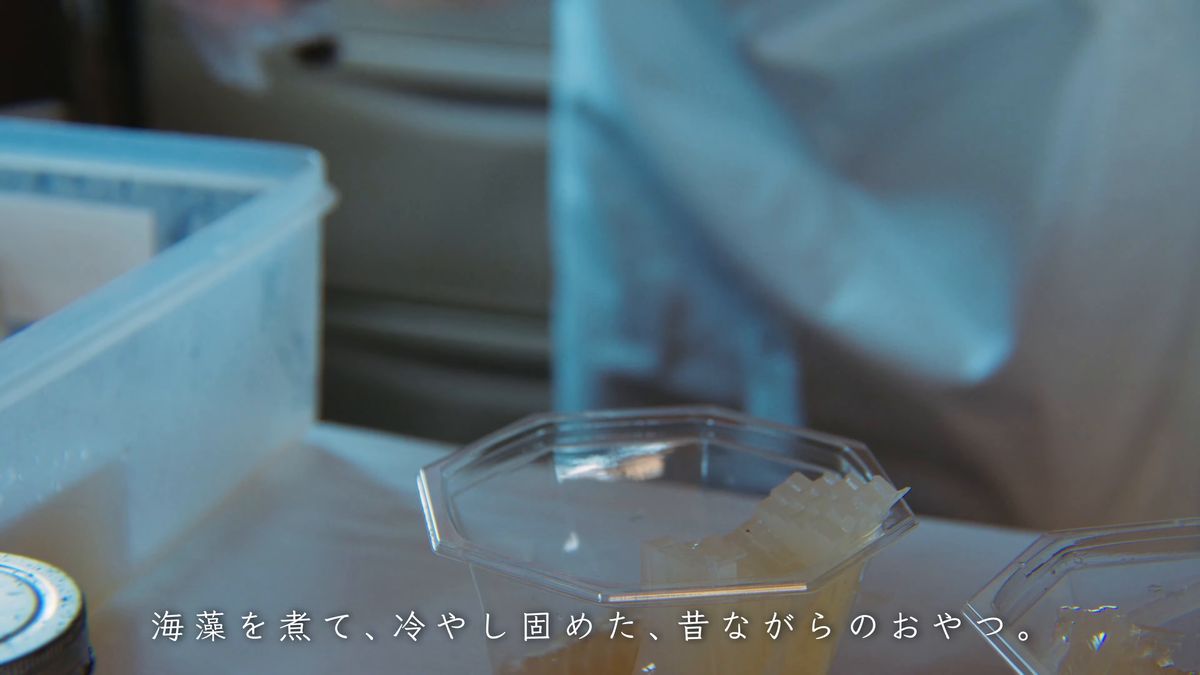
Tengusa seaweed and tokoroten
Tokoroten is made by boiling tengusa seaweed, chilling the liquid until it sets, and pressing the jelly through a wooden press into noodles. At Tokoroten-goya Aoki the owner dives for tengusa off Tayuzaki beach in front of the shop from May to September, dries and bleaches it, then boils and sets it; the whole process is said to take about ten hours.
Sources: mina-pre.chiba.jp
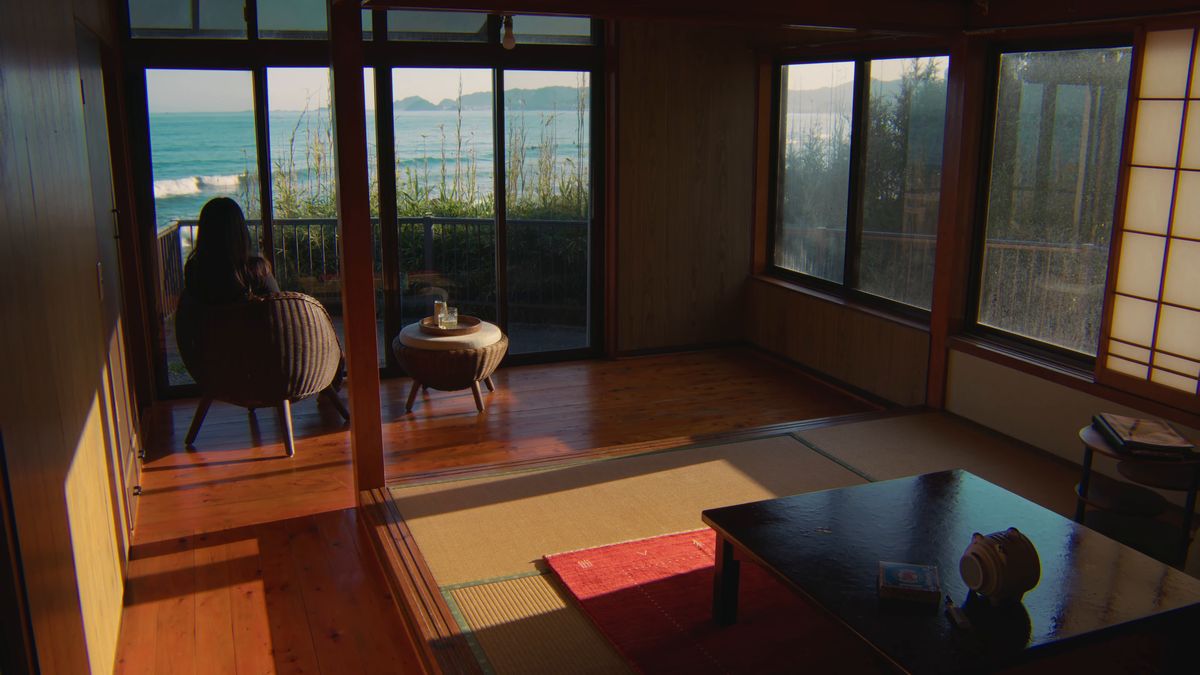
An old house on the coast
This time I borrowed an old house on the coast, zero minutes' walk from the sea: the water lies just beyond the railing, and the Pacific fills the view from the wooden deck and the windows of the tatami room.
PHOTO ALBUMPhoto album90Open all photographsClose the photo album
Select a photograph to explore the journey one frame at a time.