A TRAVEL ESSAY
Tamba, Hyogo
Japanese village when hydrangea blooms
Hydrangea seasonin an old house in Tamba
A rainy day in a mountain village, with wagashi and wild-boar hot pot.
Read the journey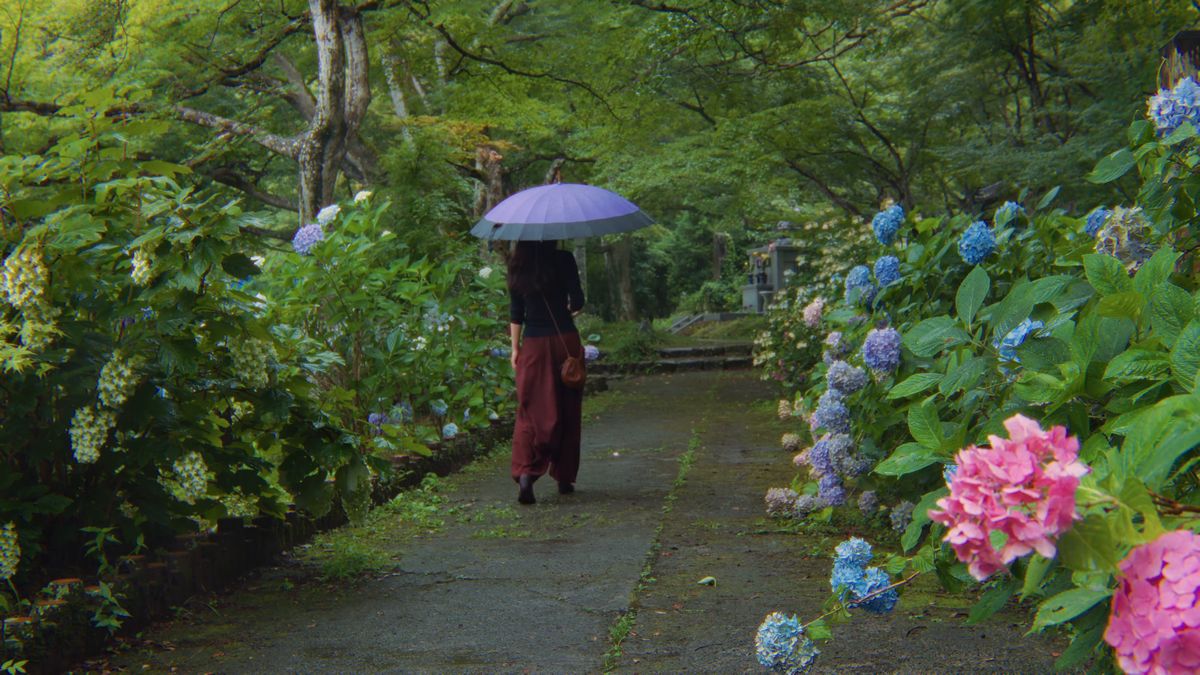
ABOUT THIS JOURNEY
I spent a summer day of steady rain in a farmhouse about a hundred years old, in a mountain village in Tamba. Using agar colored with red cabbage and lemon, I made "kingyoku hydrangeas," a Japanese sweet shaped like the flower. While the agar set, I walked a hydrangea-lined temple path under an umbrella and took shelter at a soba restaurant. In the evening I sat at the hearth for botan nabe, the wild-boar hot pot that is Tamba's specialty.
A little more about the food and the land01TRAVEL JOURNAL
A summer day of rain from the morning
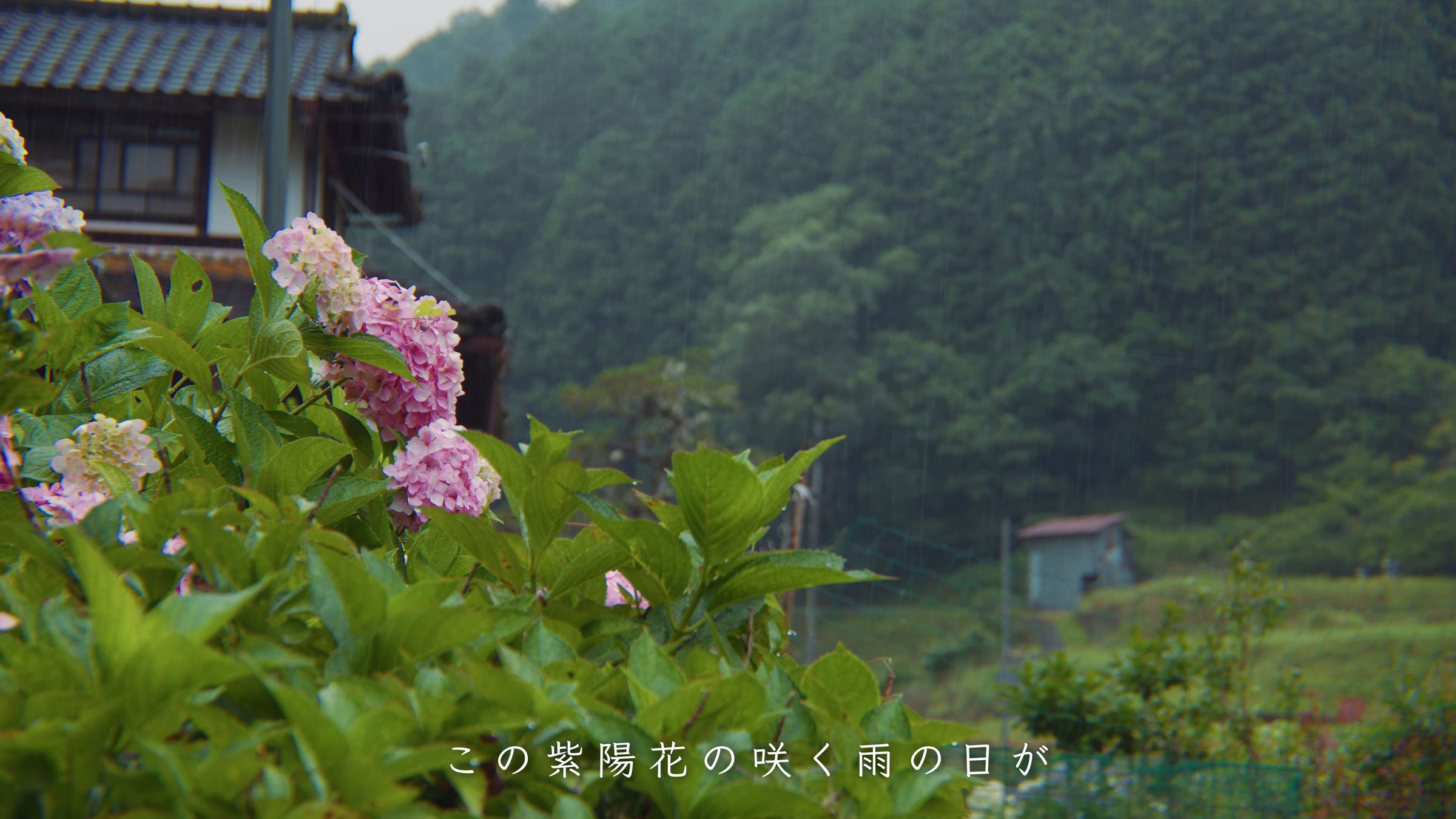
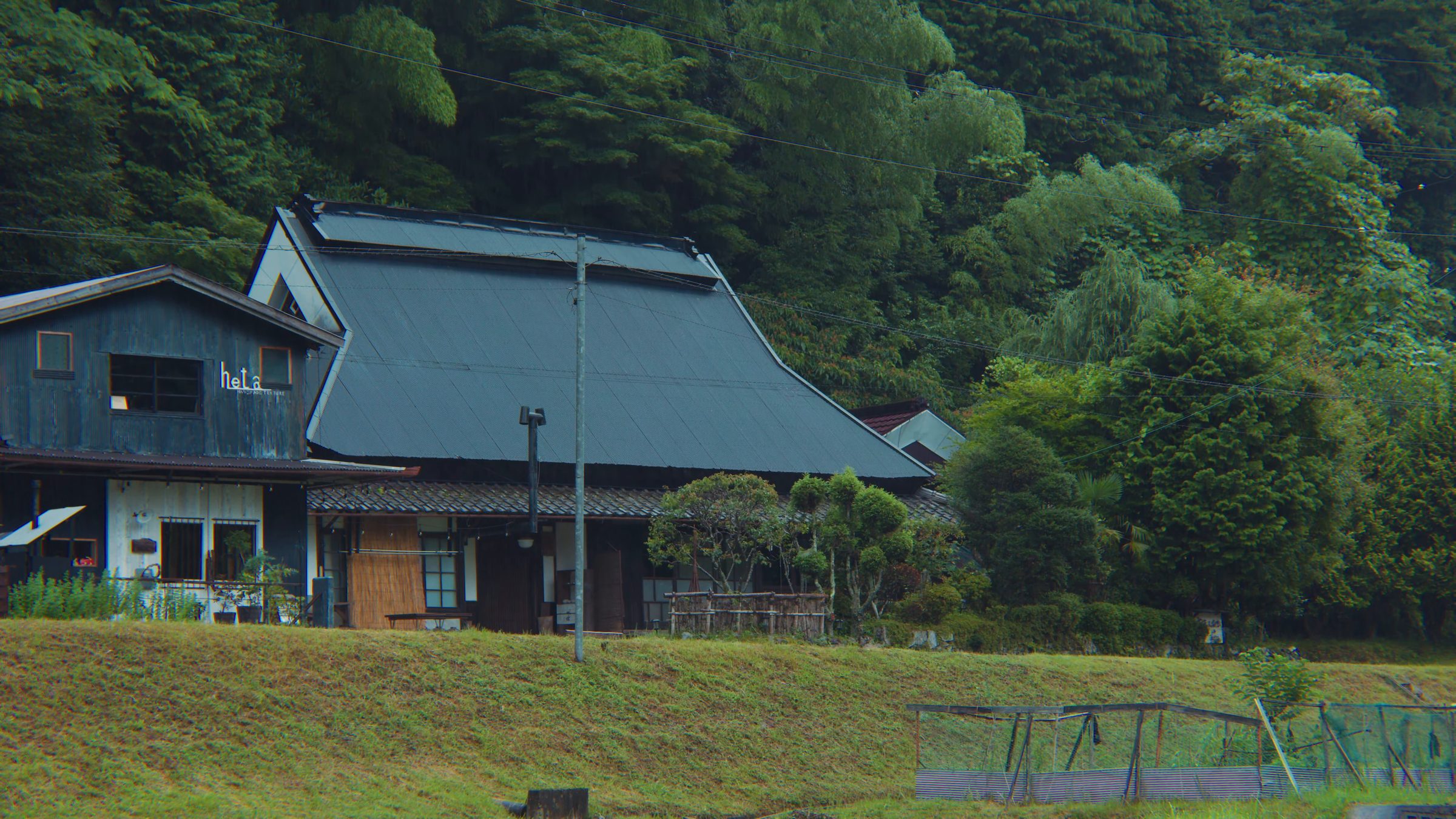
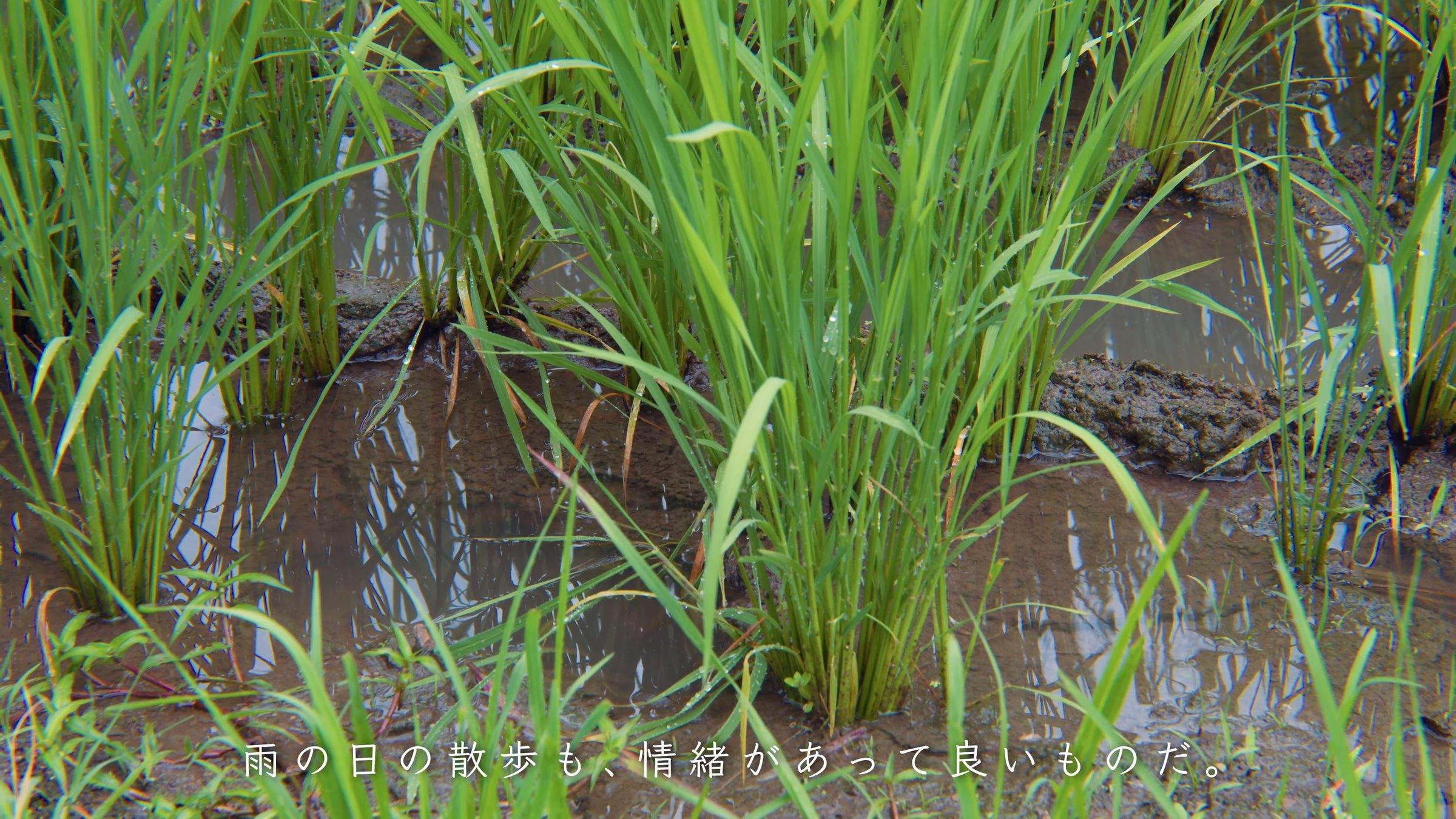
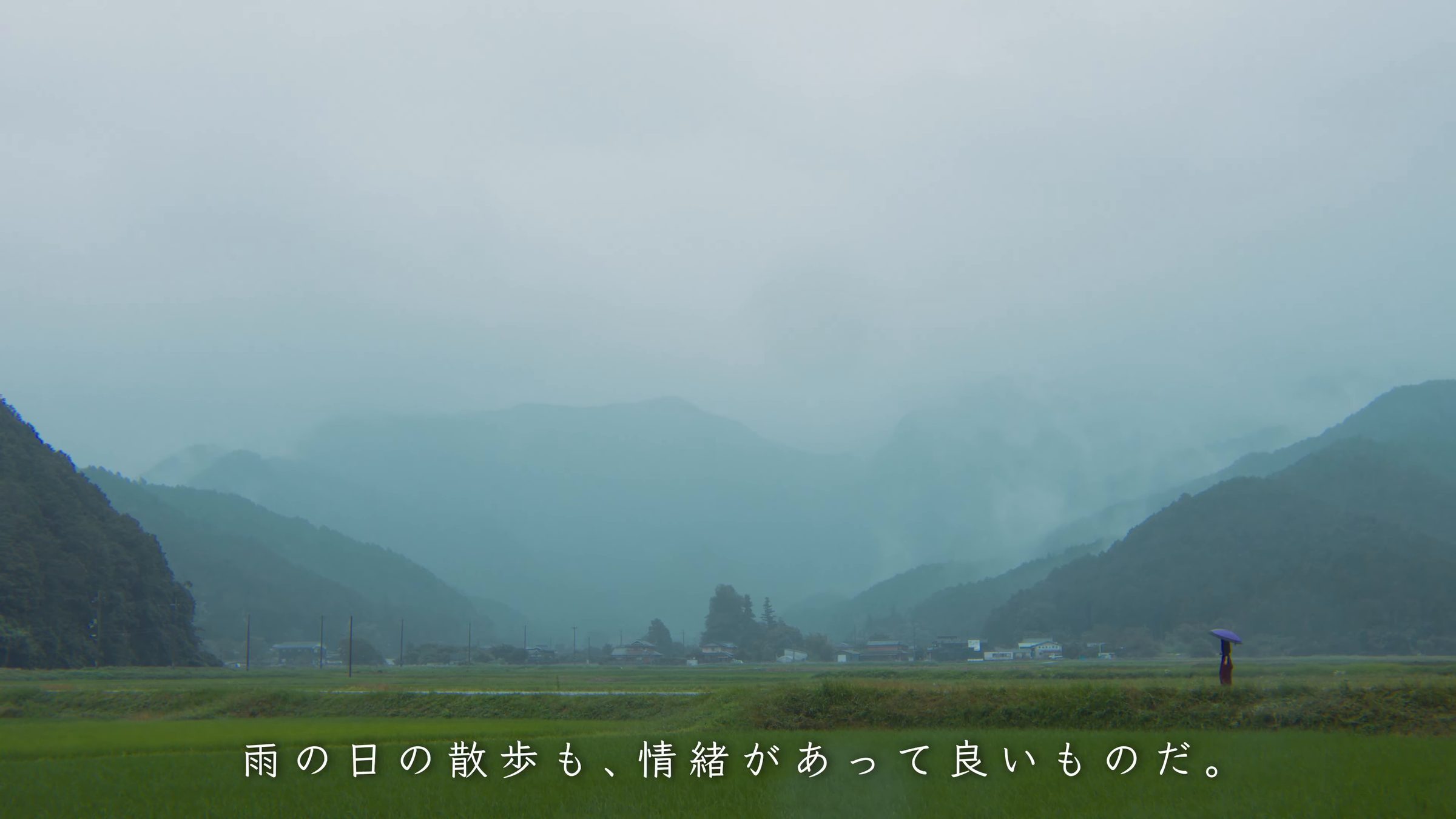
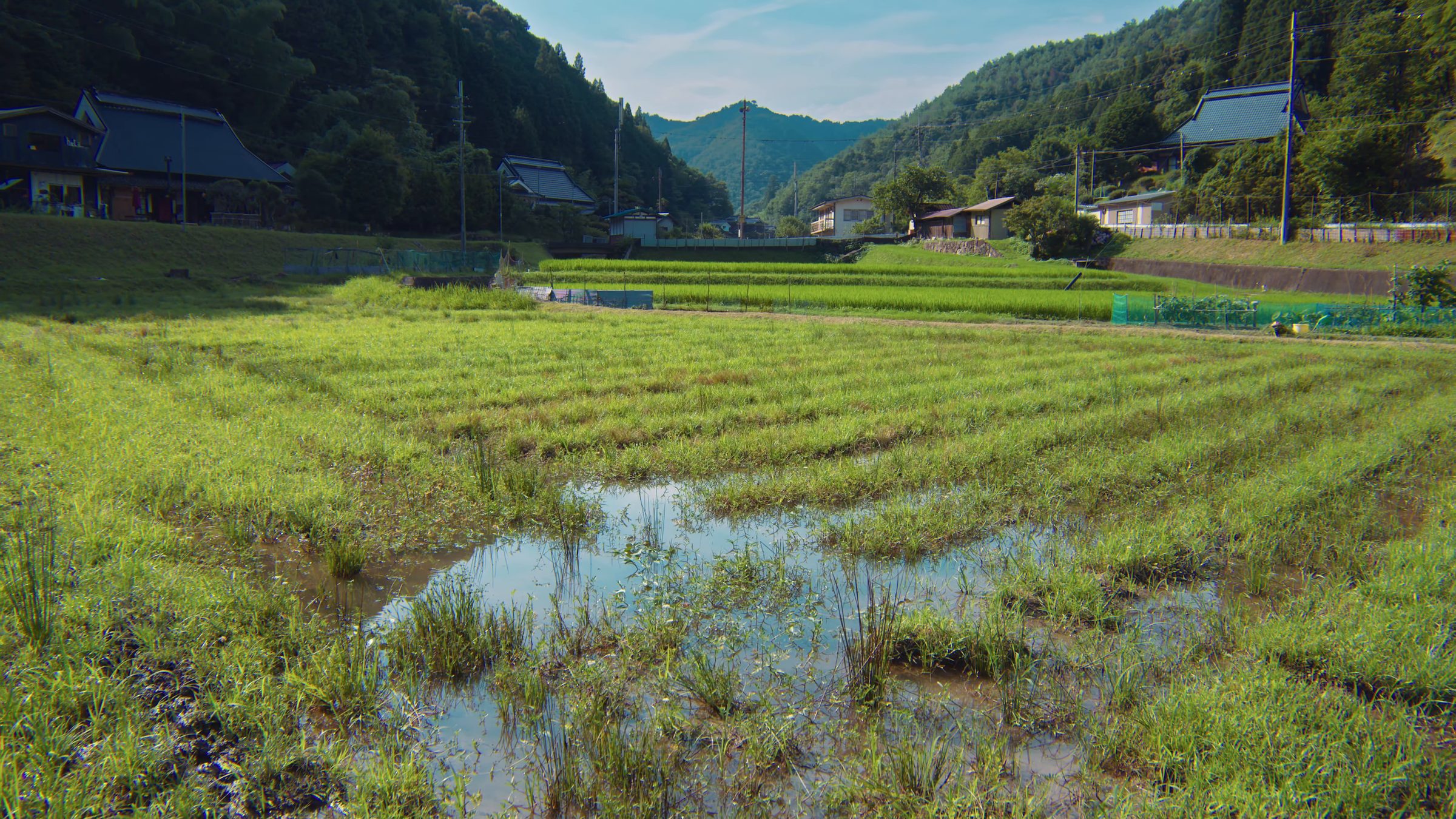
One summer day, with rain falling from the morning. I had borrowed a farmhouse about a hundred years old in a mountain village in Tamba, Hyogo. Low clouds hung on the hills, and rain dimpled the flooded rice fields.
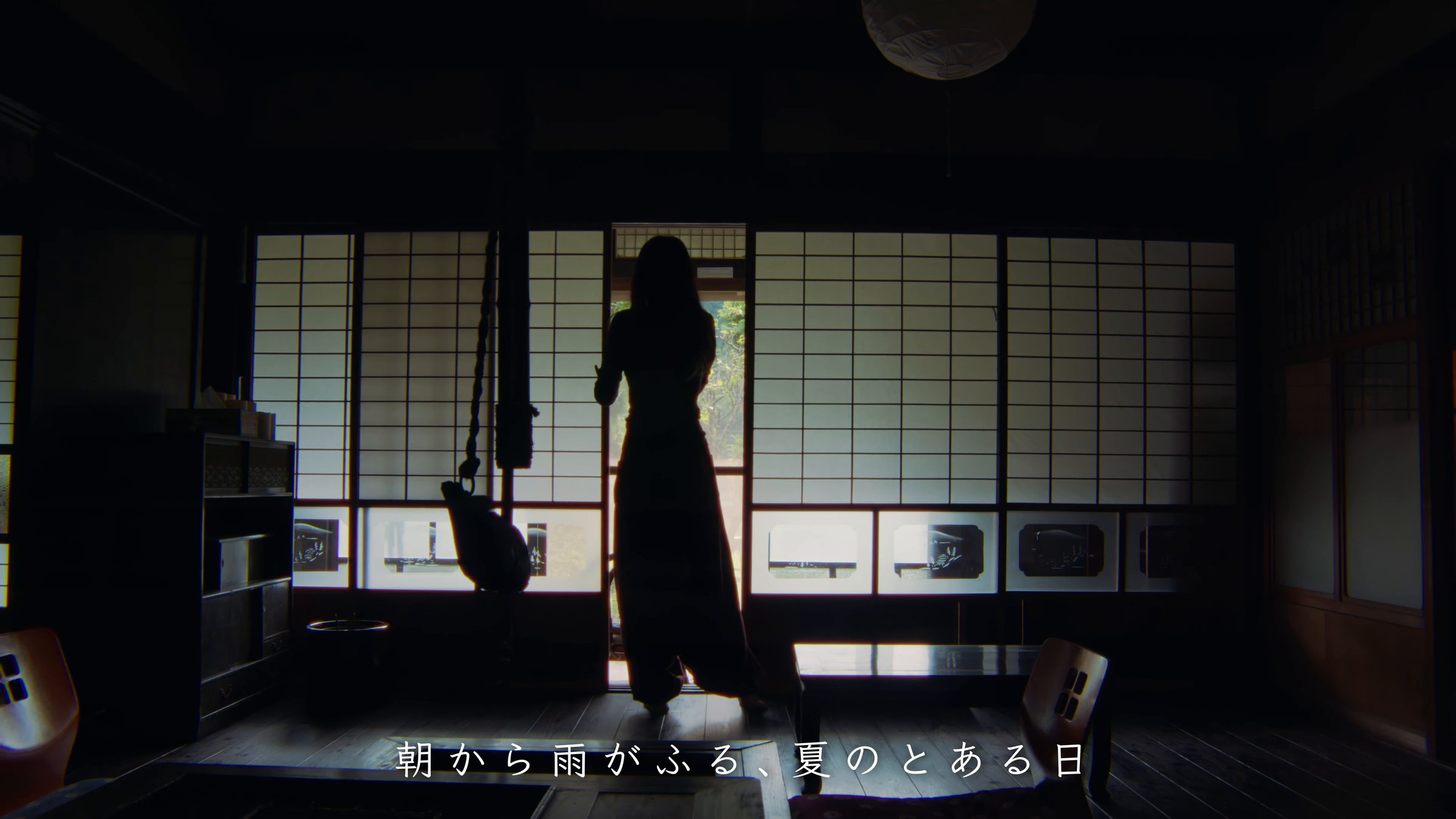
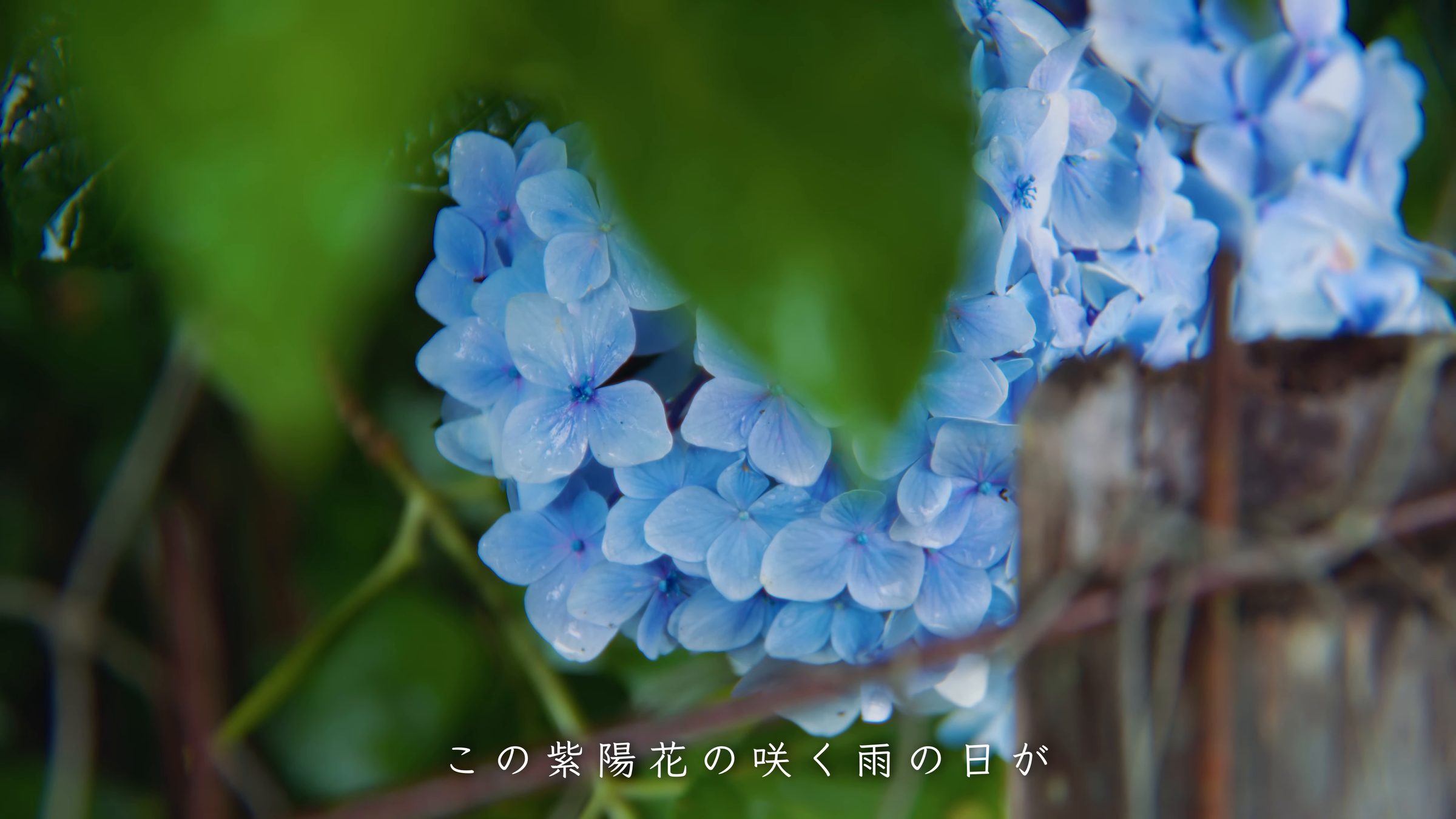
Sliding open the shoji, I looked out on the garden and the green of the mountains. Hydrangeas were blooming around the house, their wet blossoms shining blue and pink. I decided to make a Japanese sweet that would make this rainy hydrangea day even more enjoyable.
Watch this scene on YouTube0:21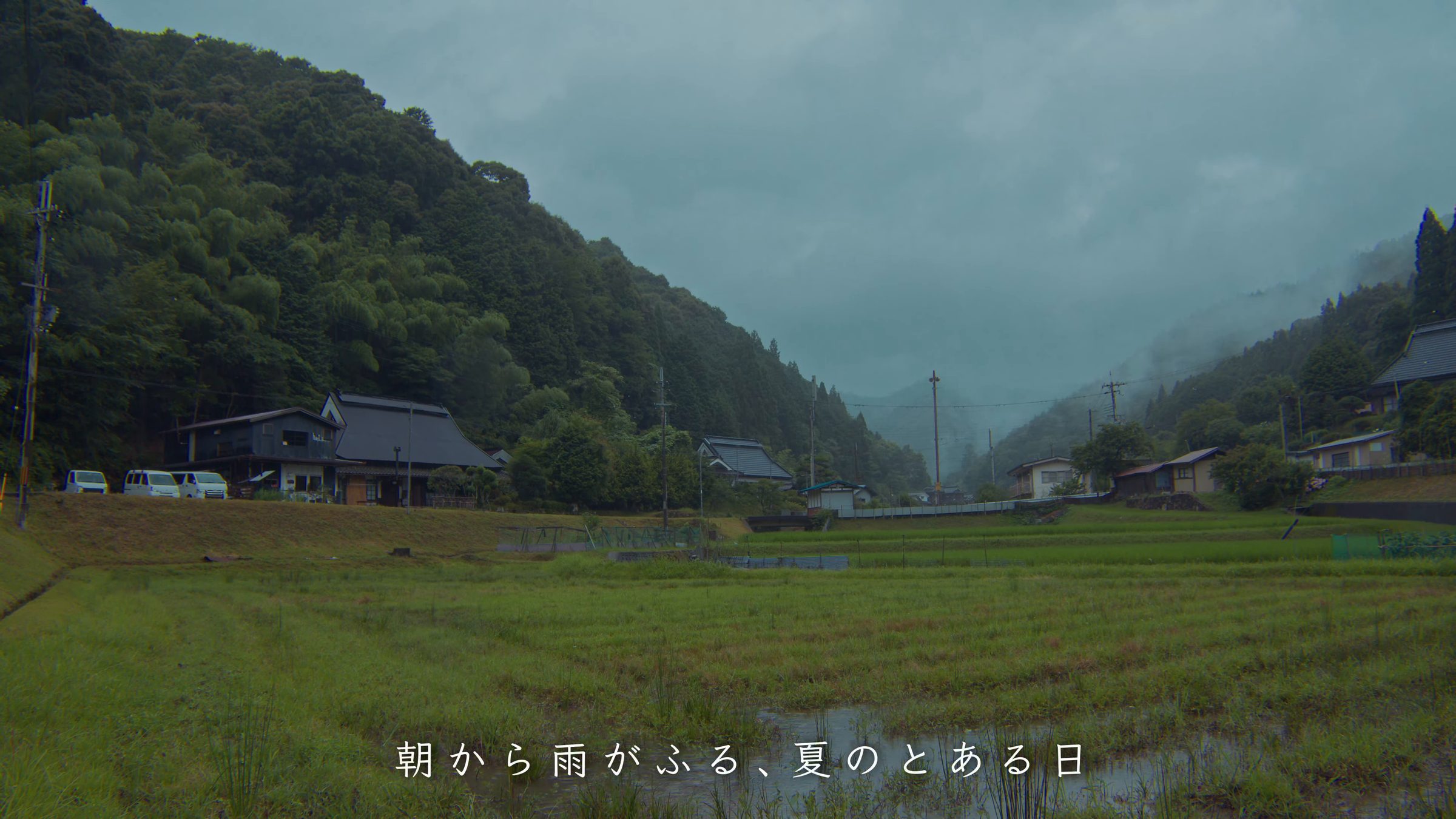
02TRAVEL JOURNAL
Borrowing hydrangea colors from red cabbage
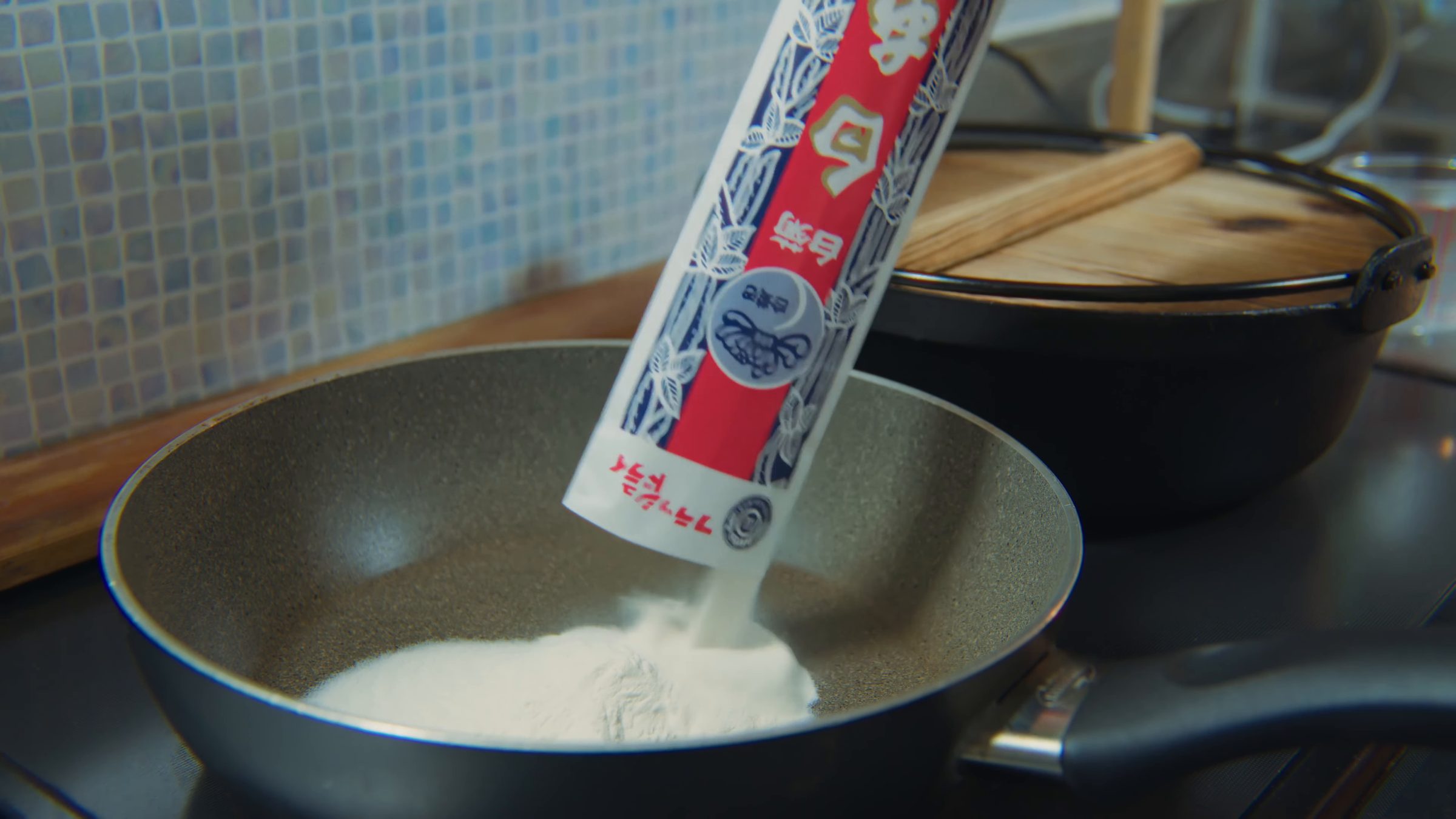
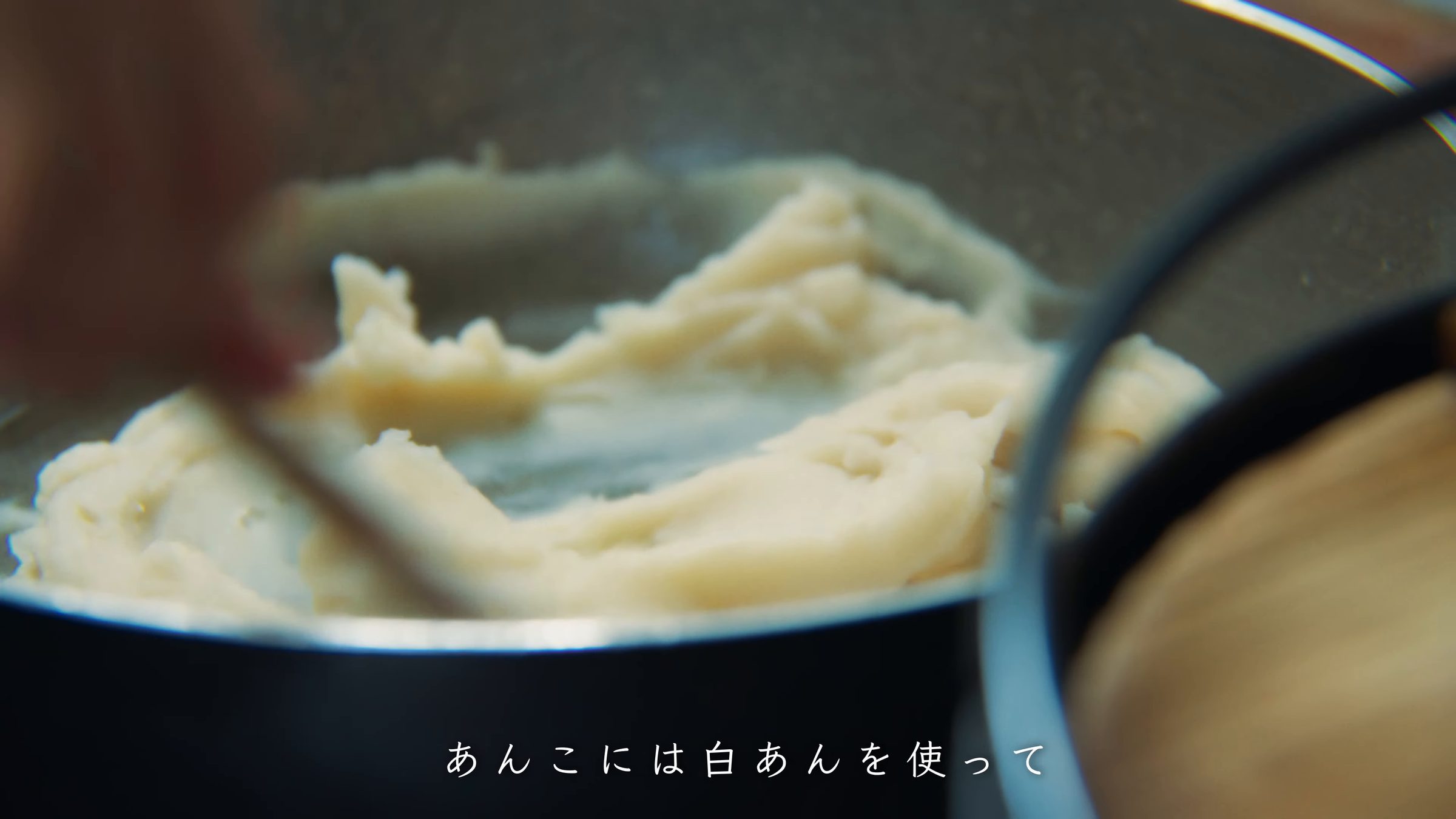
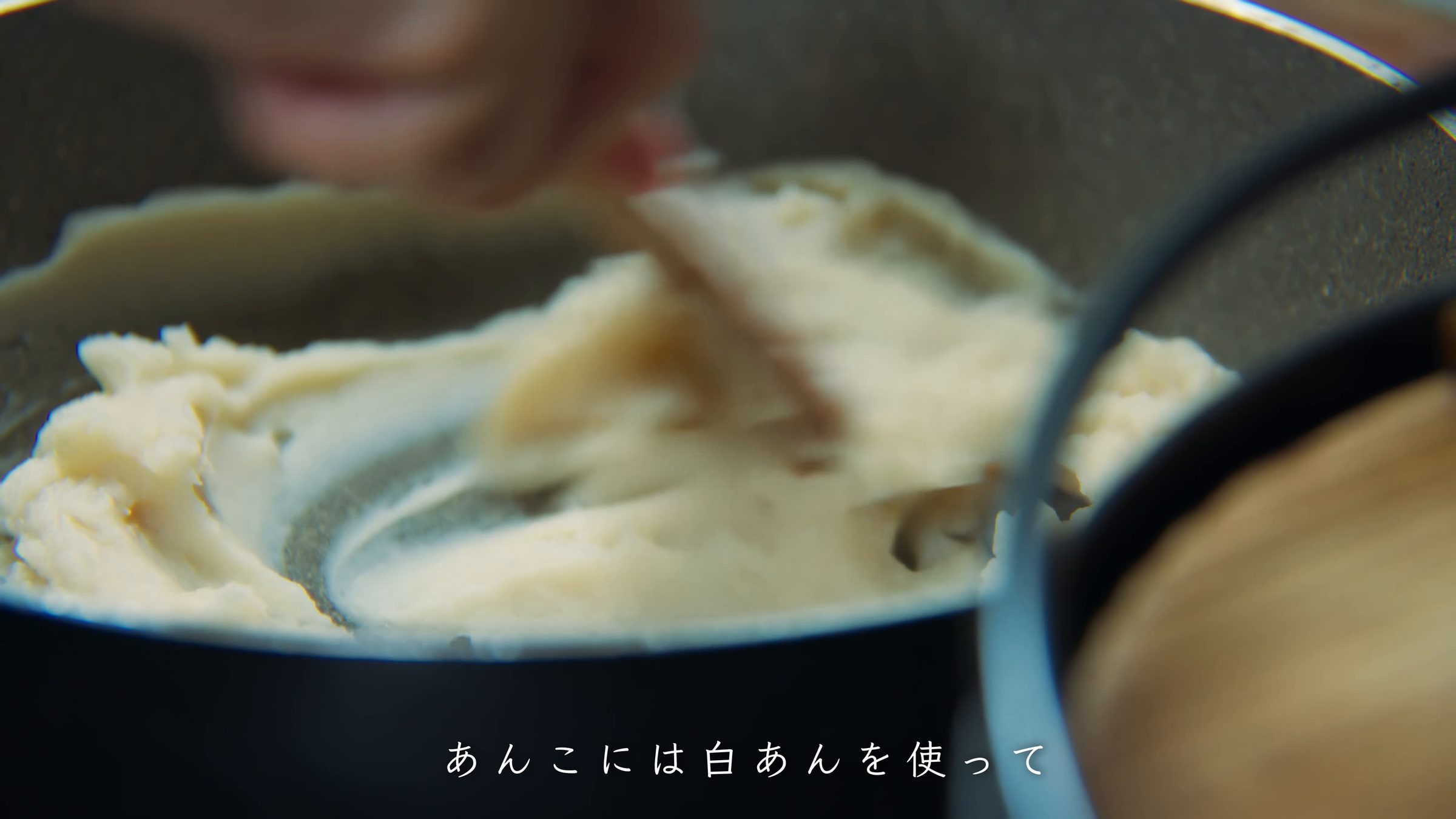
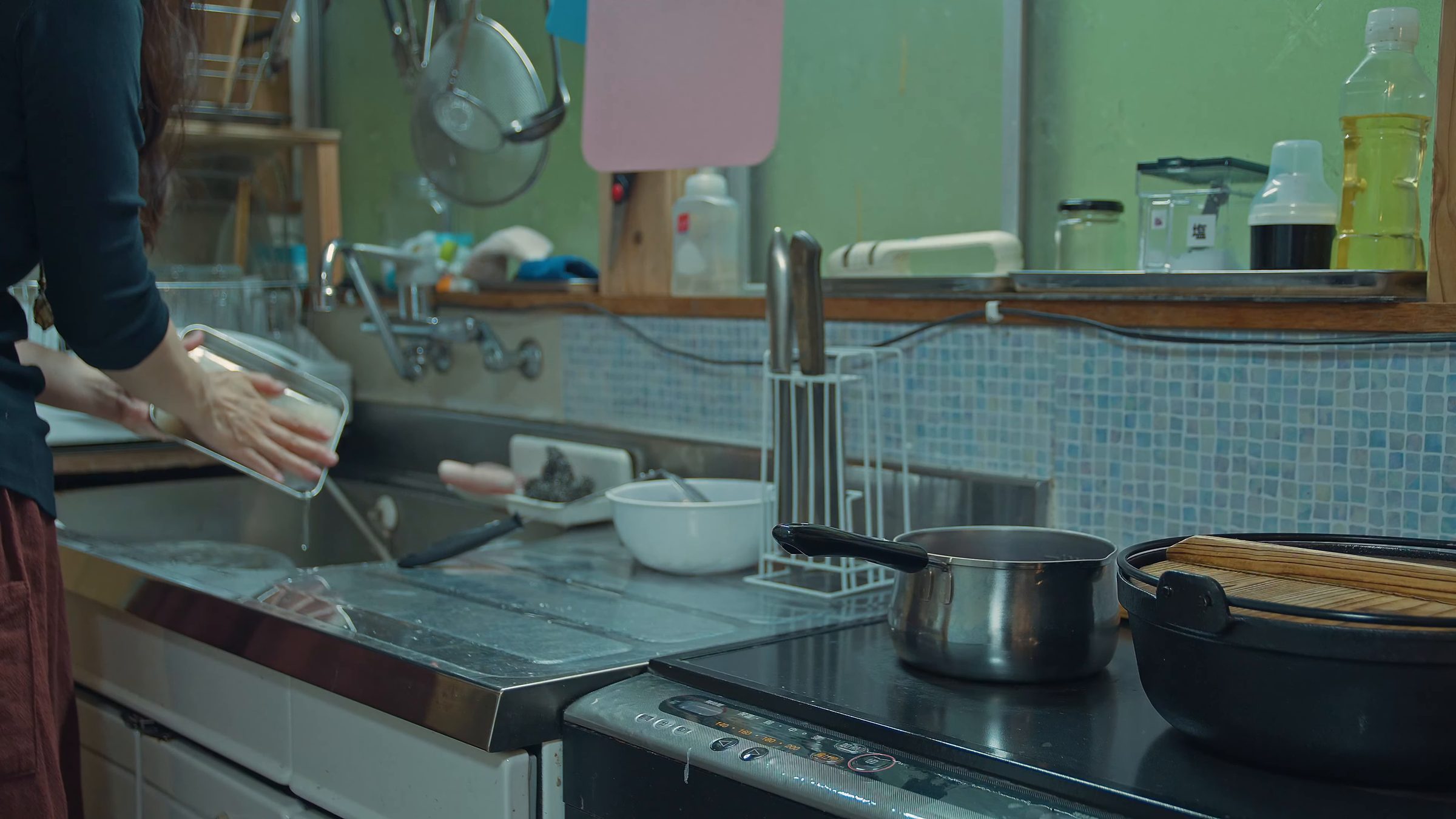
First, the bean paste. This time I used white bean paste: I poured the powdered white an into a pan, added water, and worked it with a spatula.
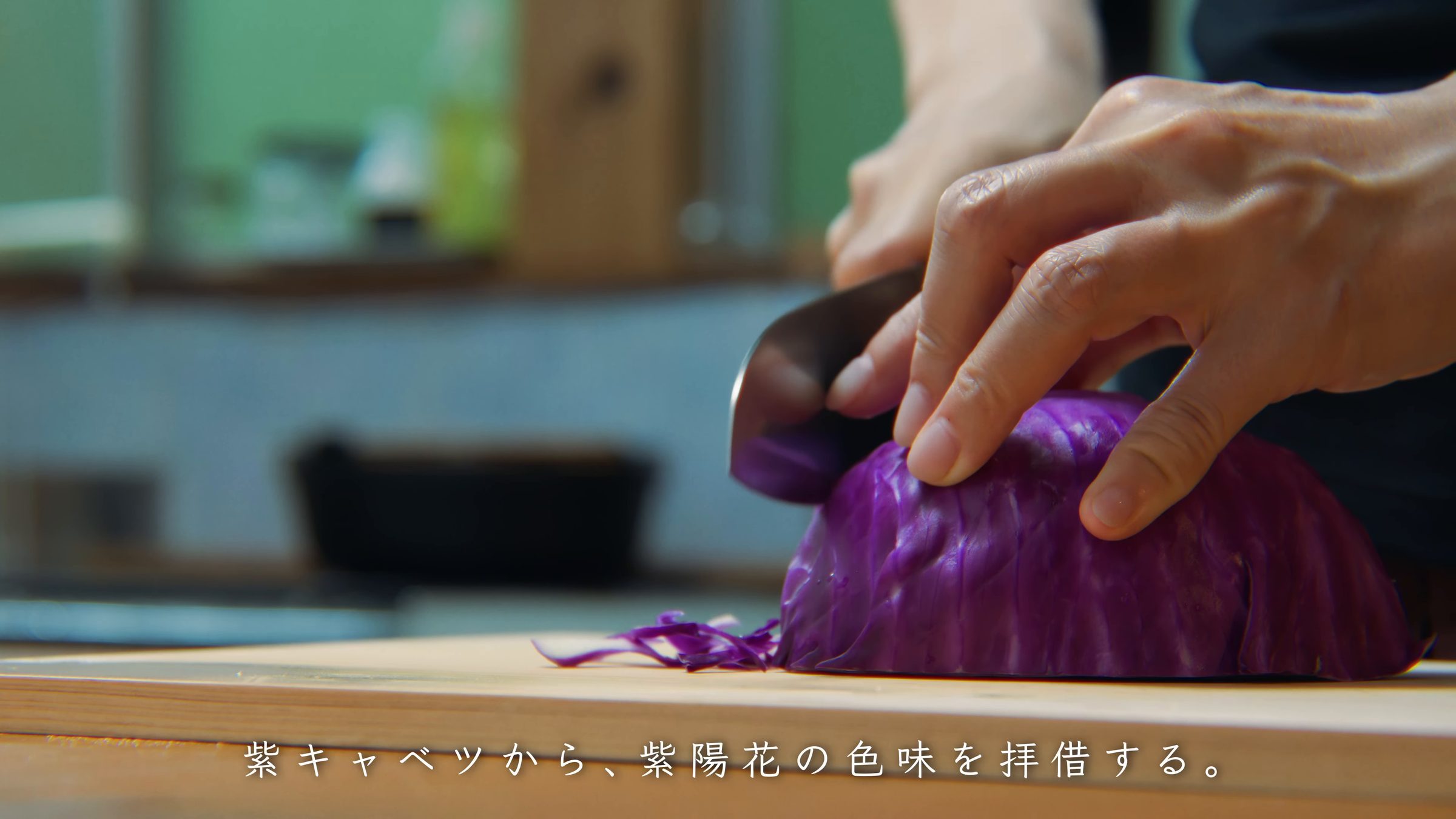
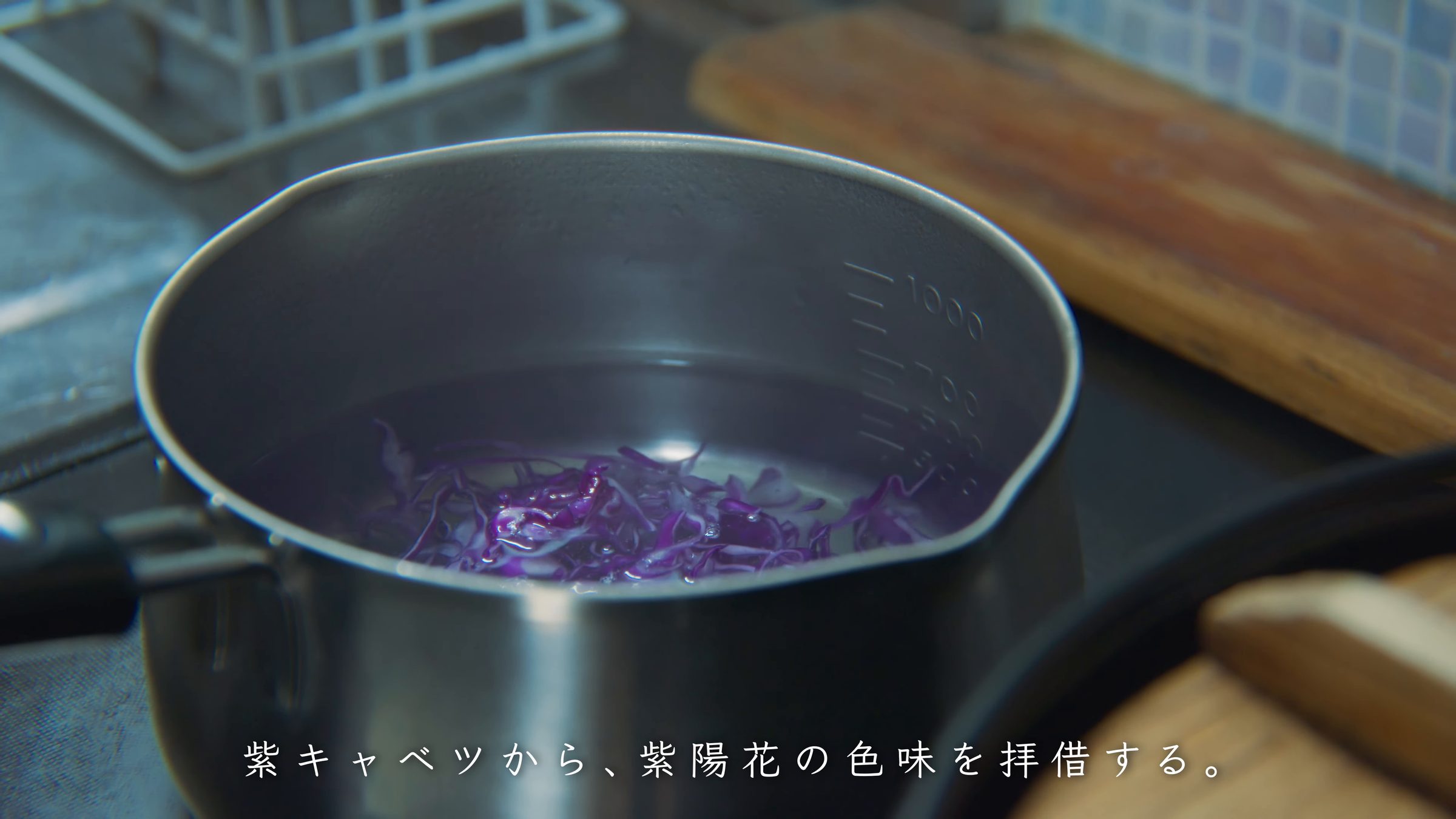
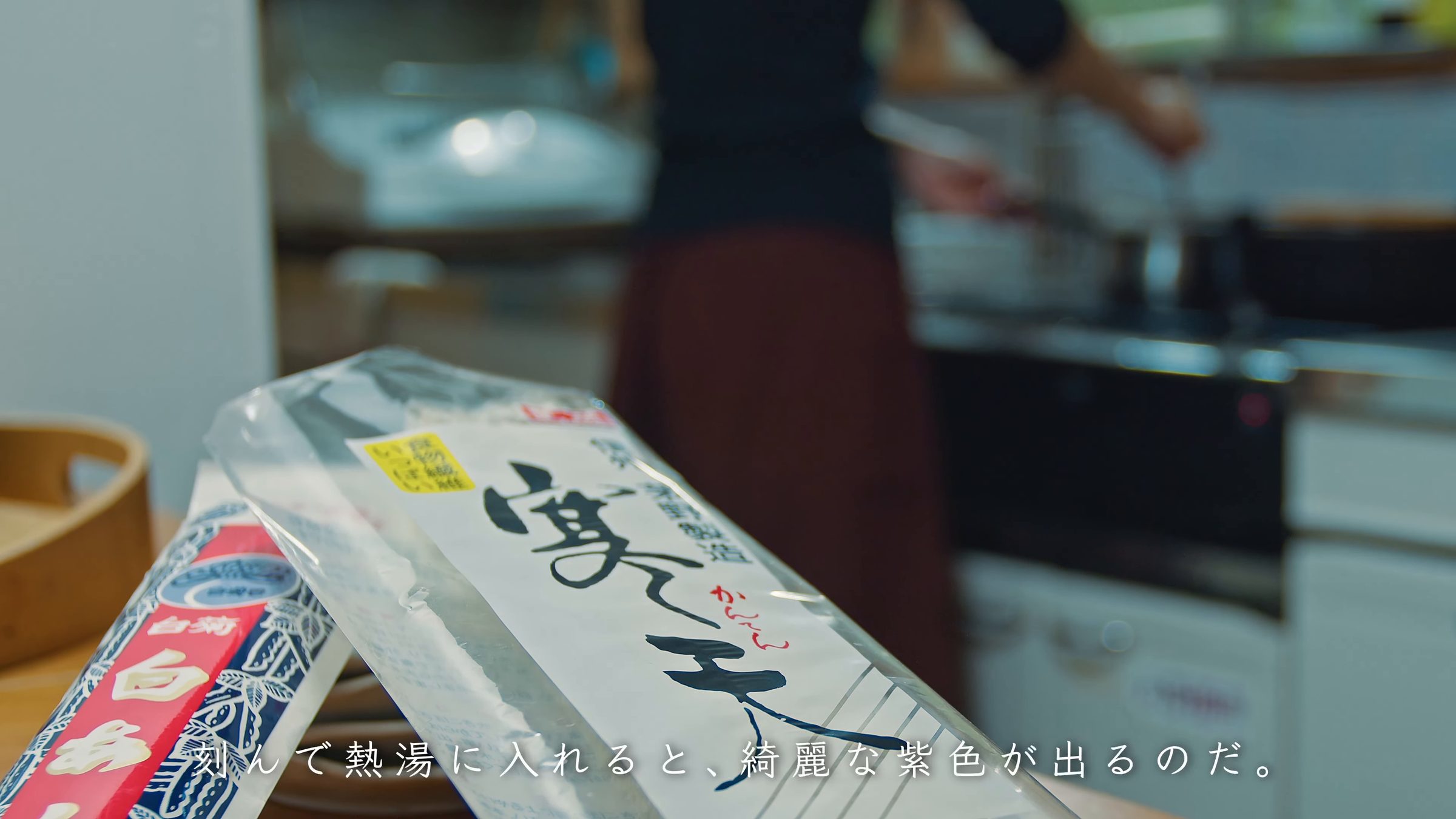
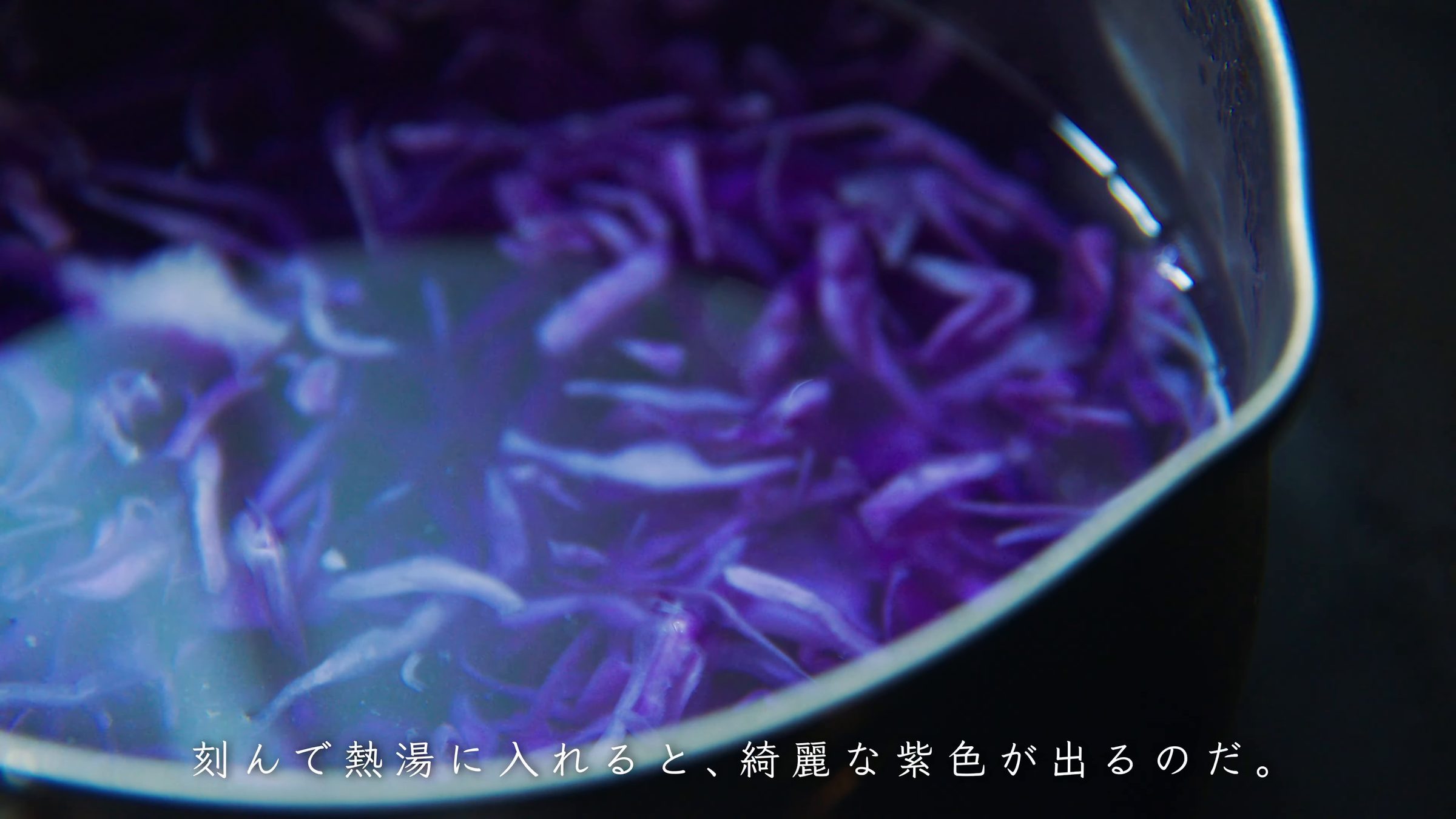
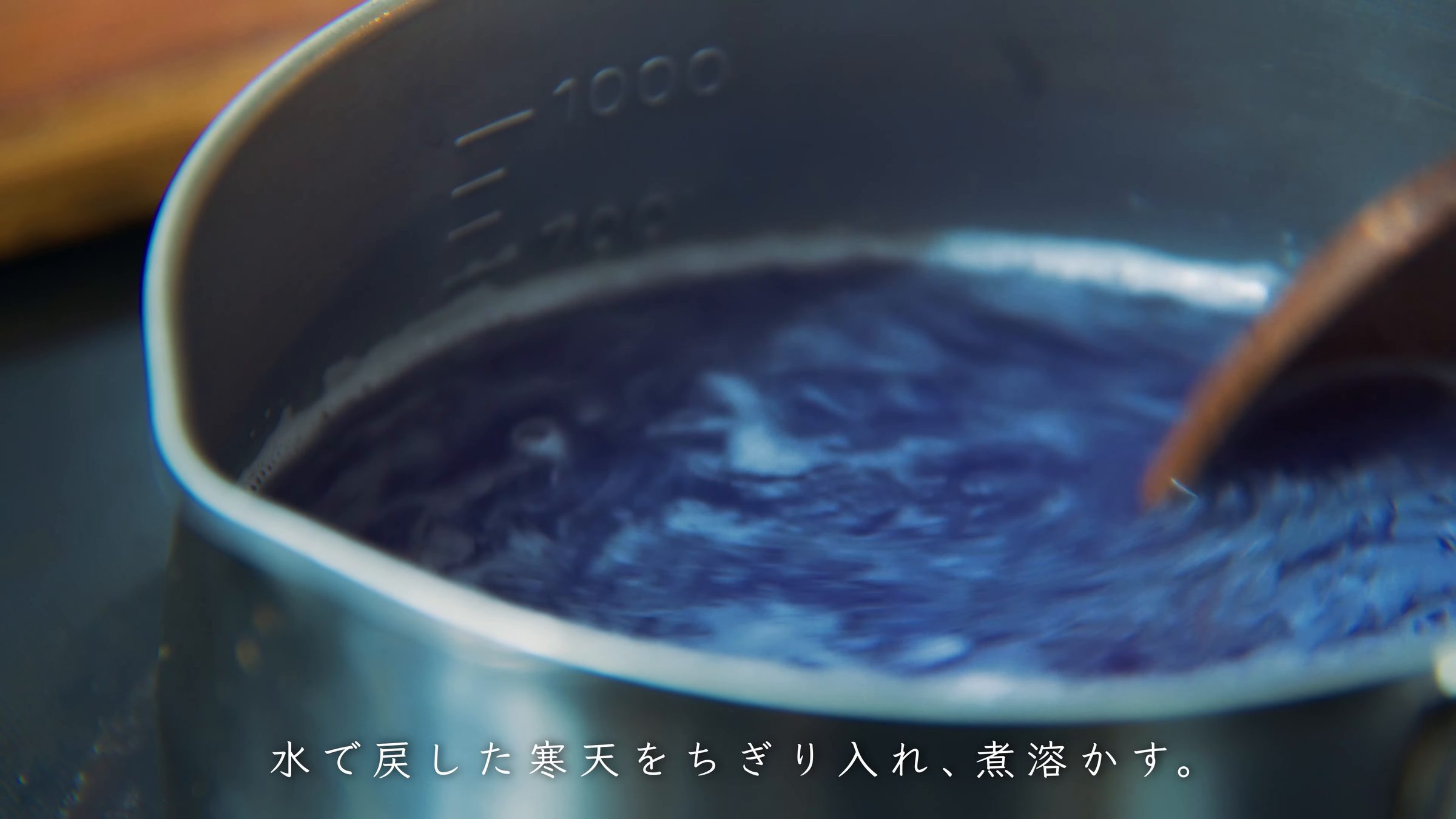
The hydrangea color comes from red cabbage. Chopped finely and dropped into hot water, it turns the water a beautiful purple before your eyes. Meanwhile, I soaked a bar of agar in water.
Watch this scene on YouTube0:42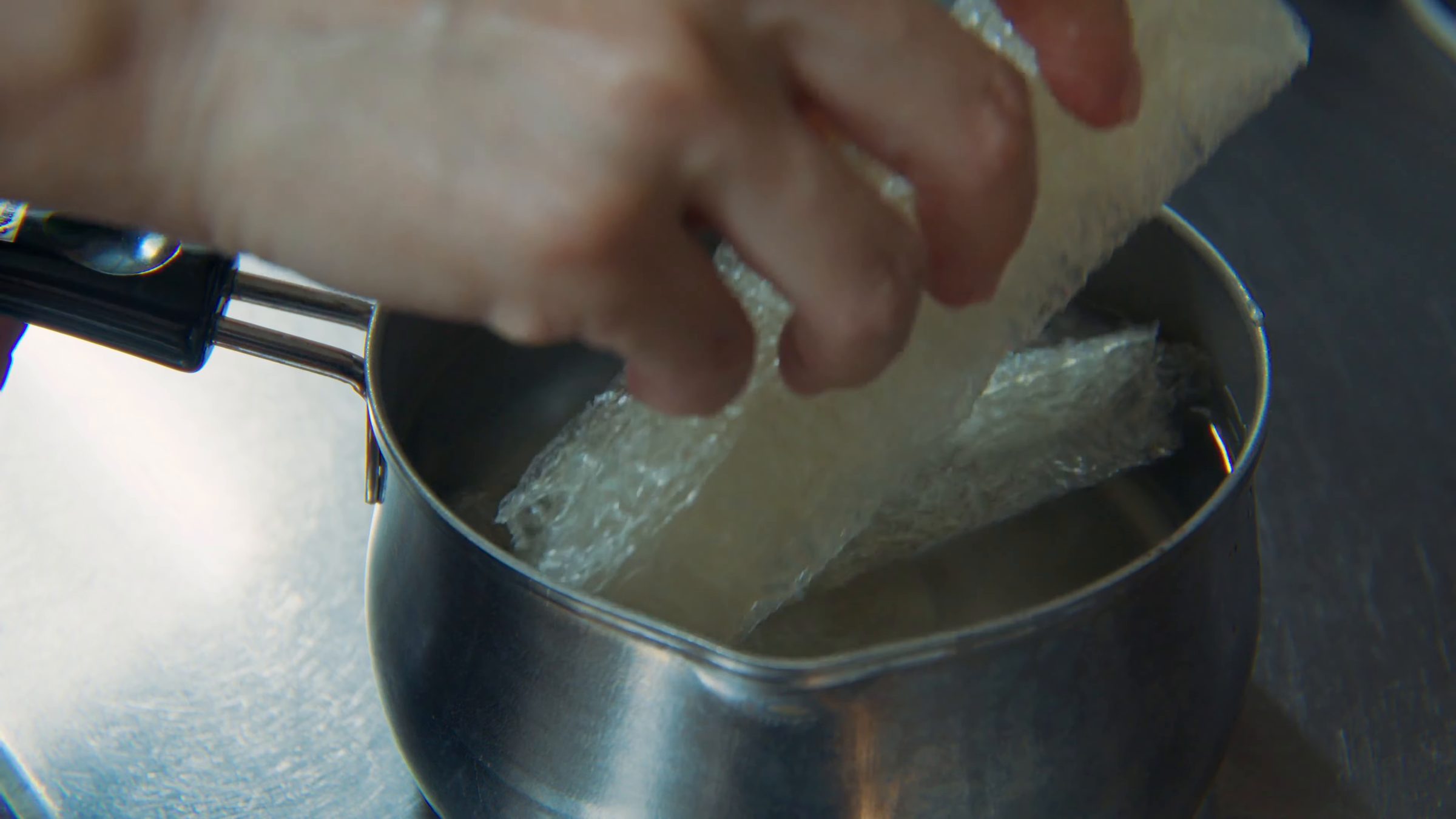
03TRAVEL JOURNAL
Lemon juice turns purple to pink
I tore the softened agar into the purple liquid and simmered it until it dissolved. Poured into a measuring cup, it was a deep purple.
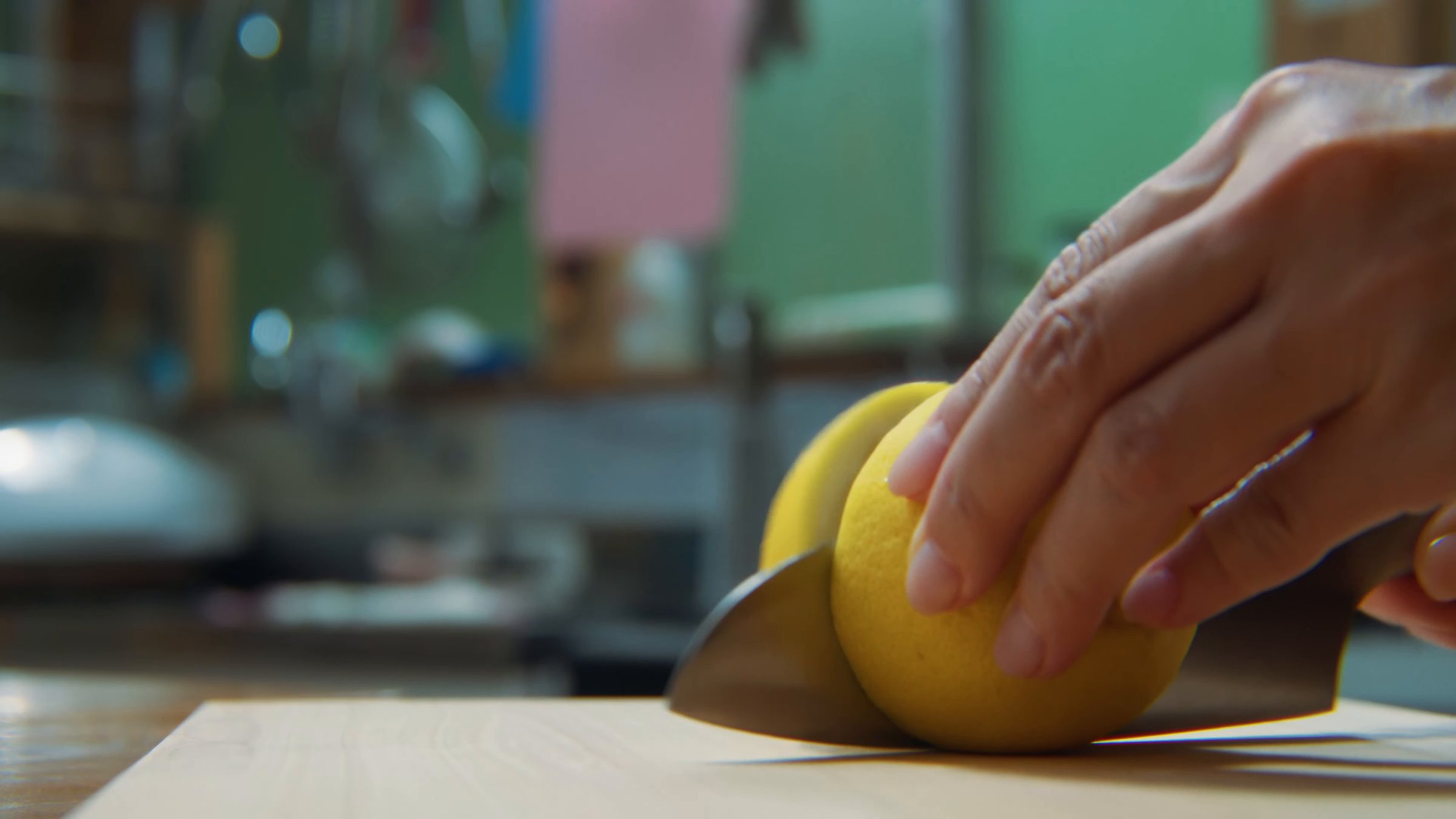
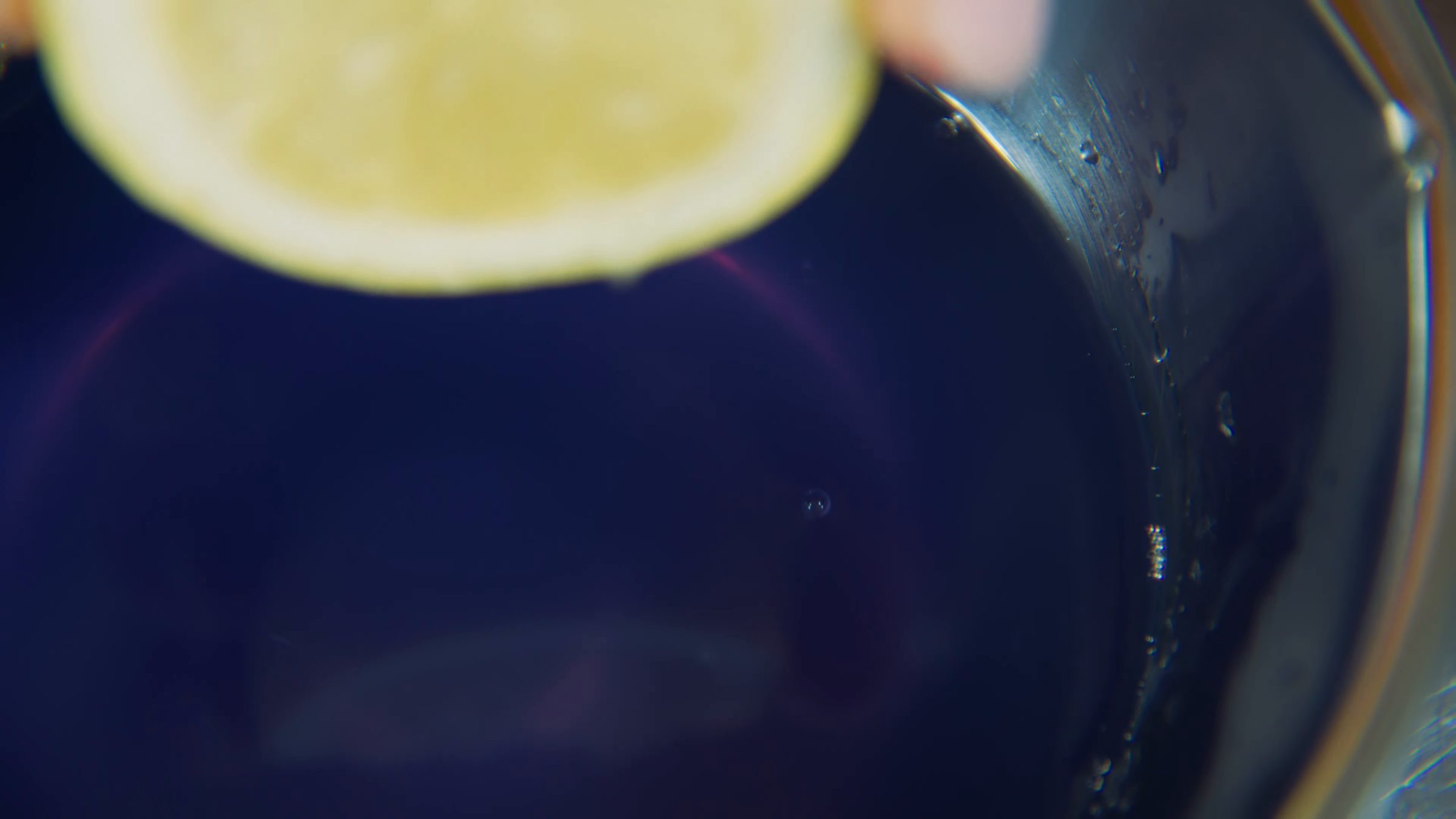
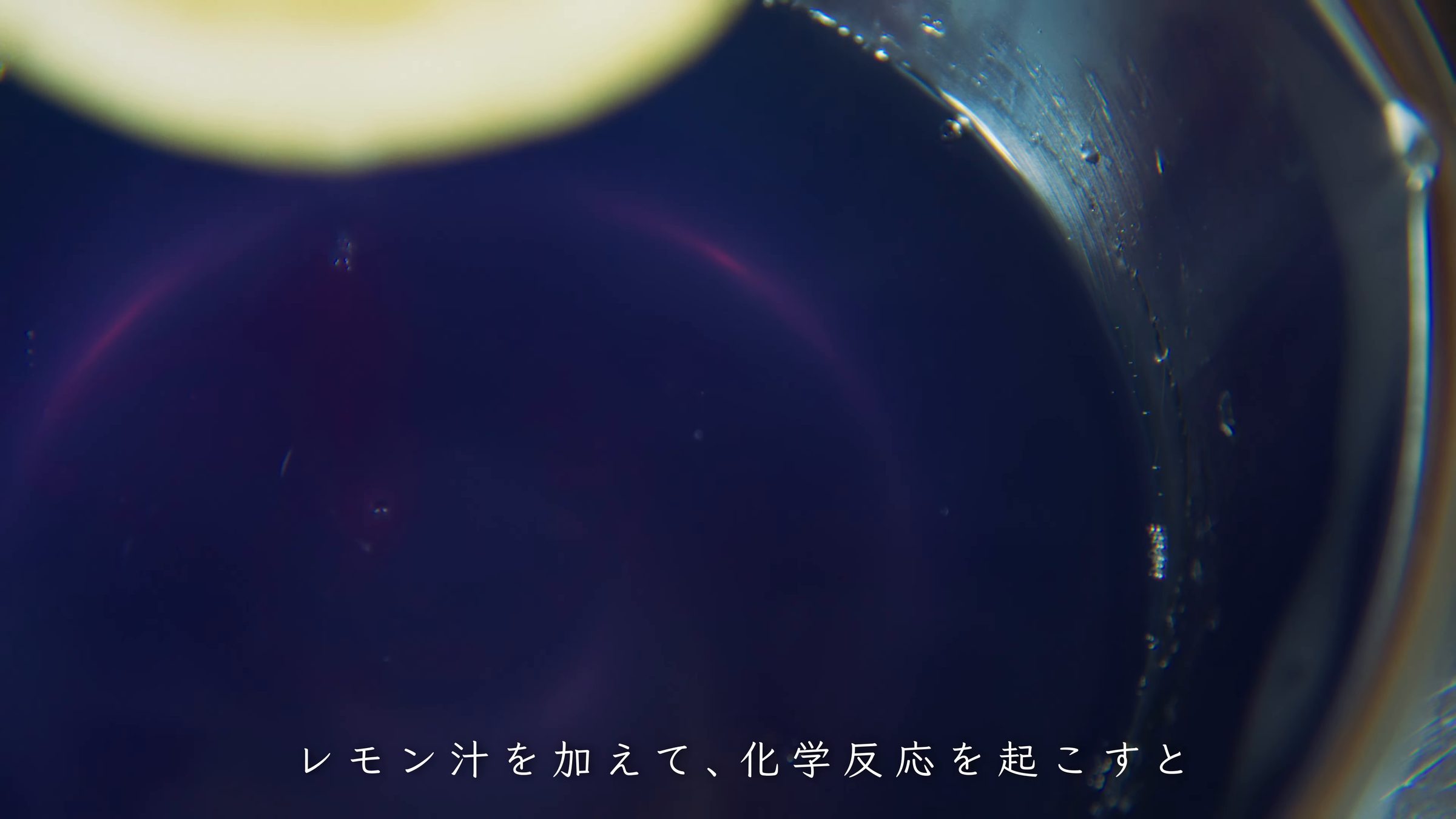
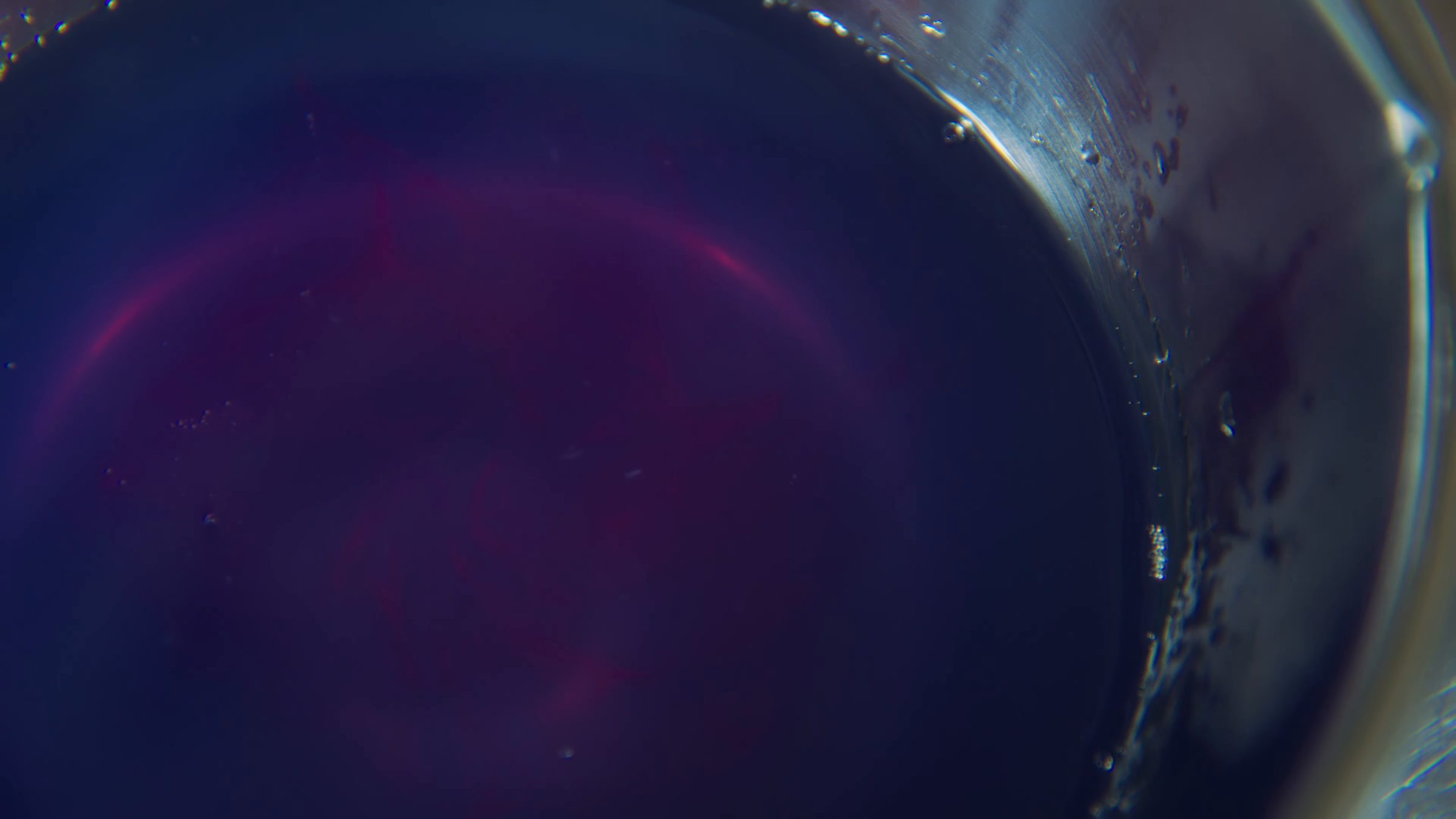
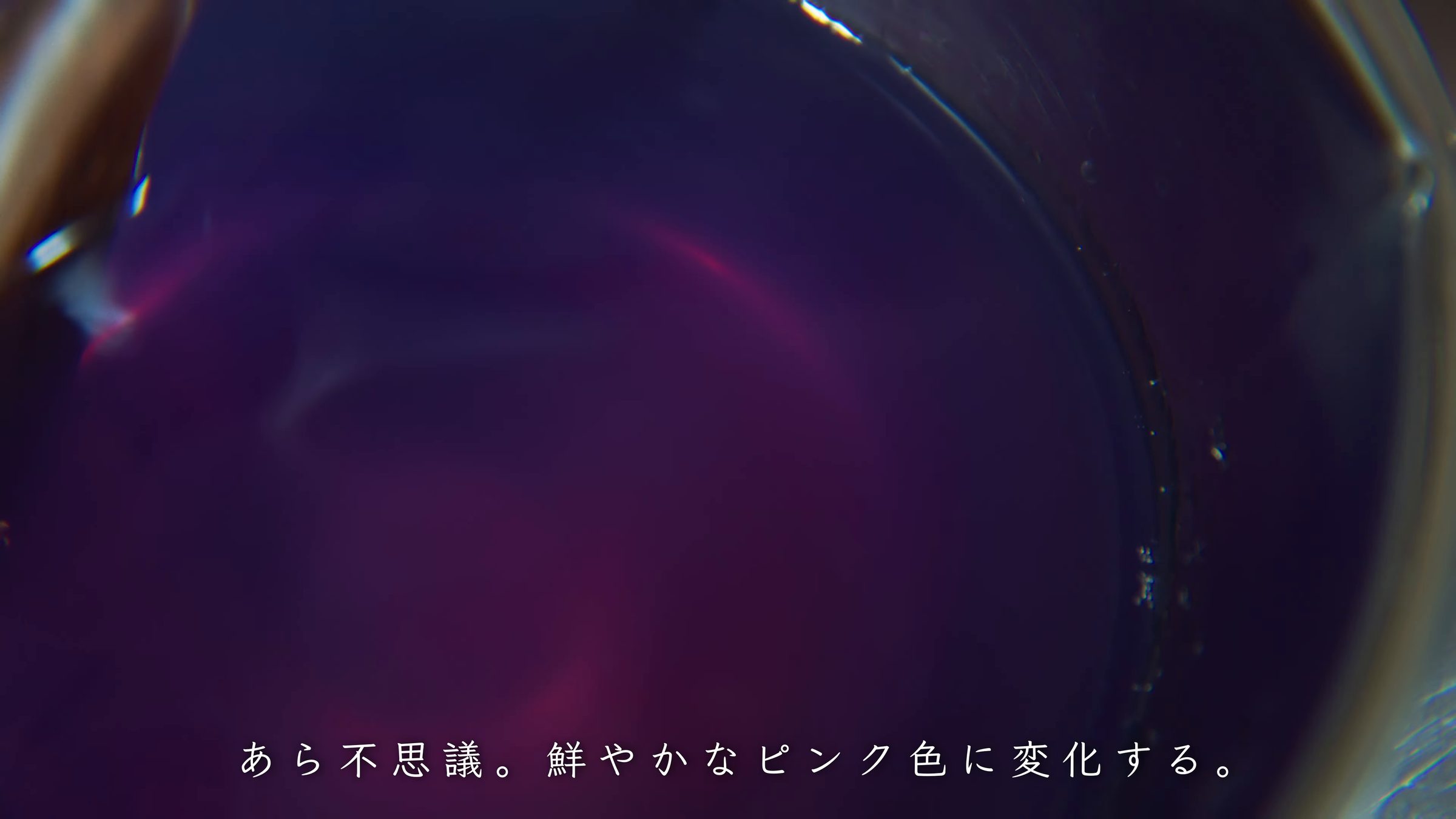
Then I squeezed in some lemon. As if by magic, the chemical reaction turned it bright pink. Two colors, purple and pink, to bloom into hydrangeas.
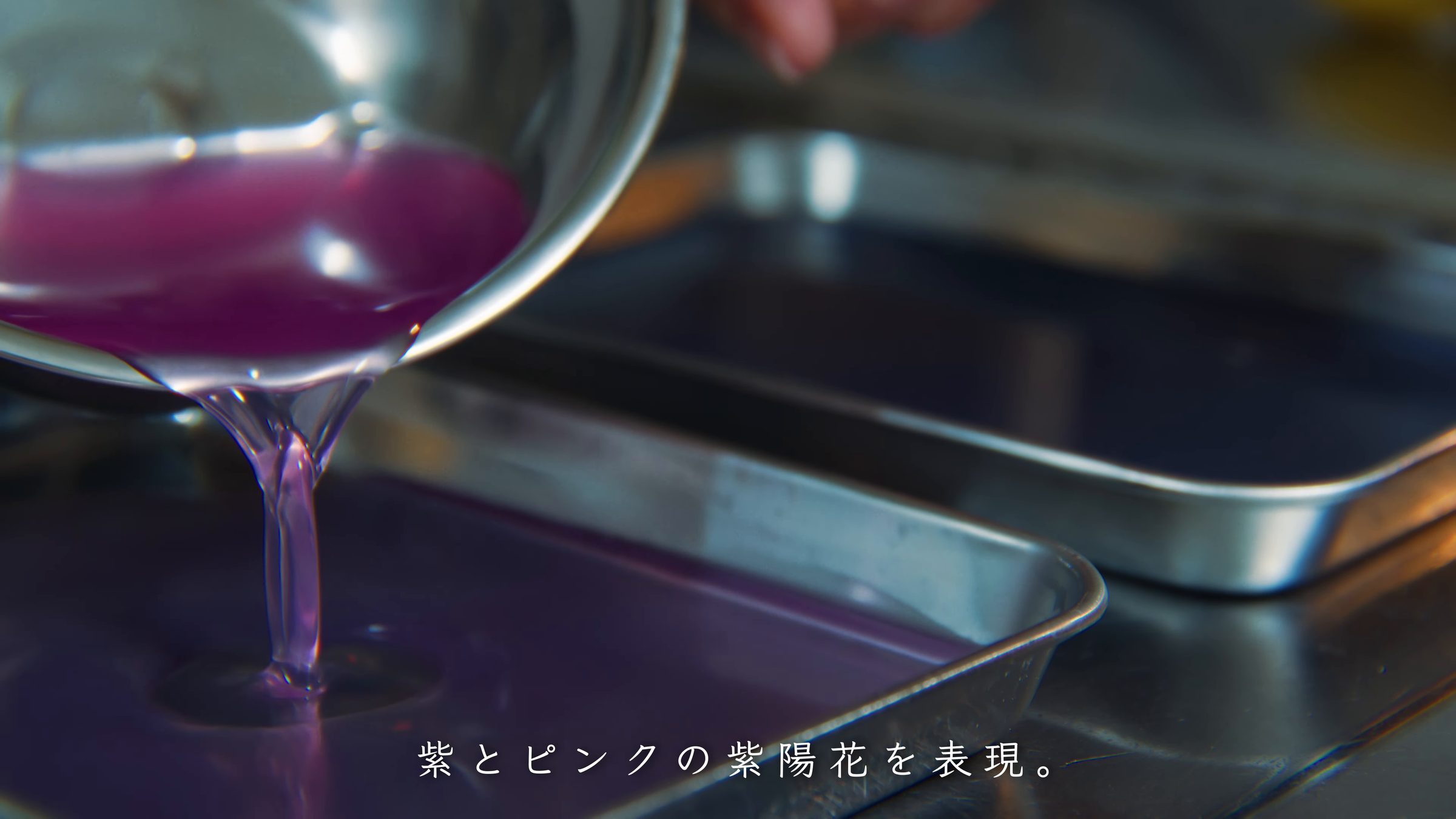
I poured them into trays and put them in the fridge. Once chilled, I would have agar in two colors.
Watch this scene on YouTube1:16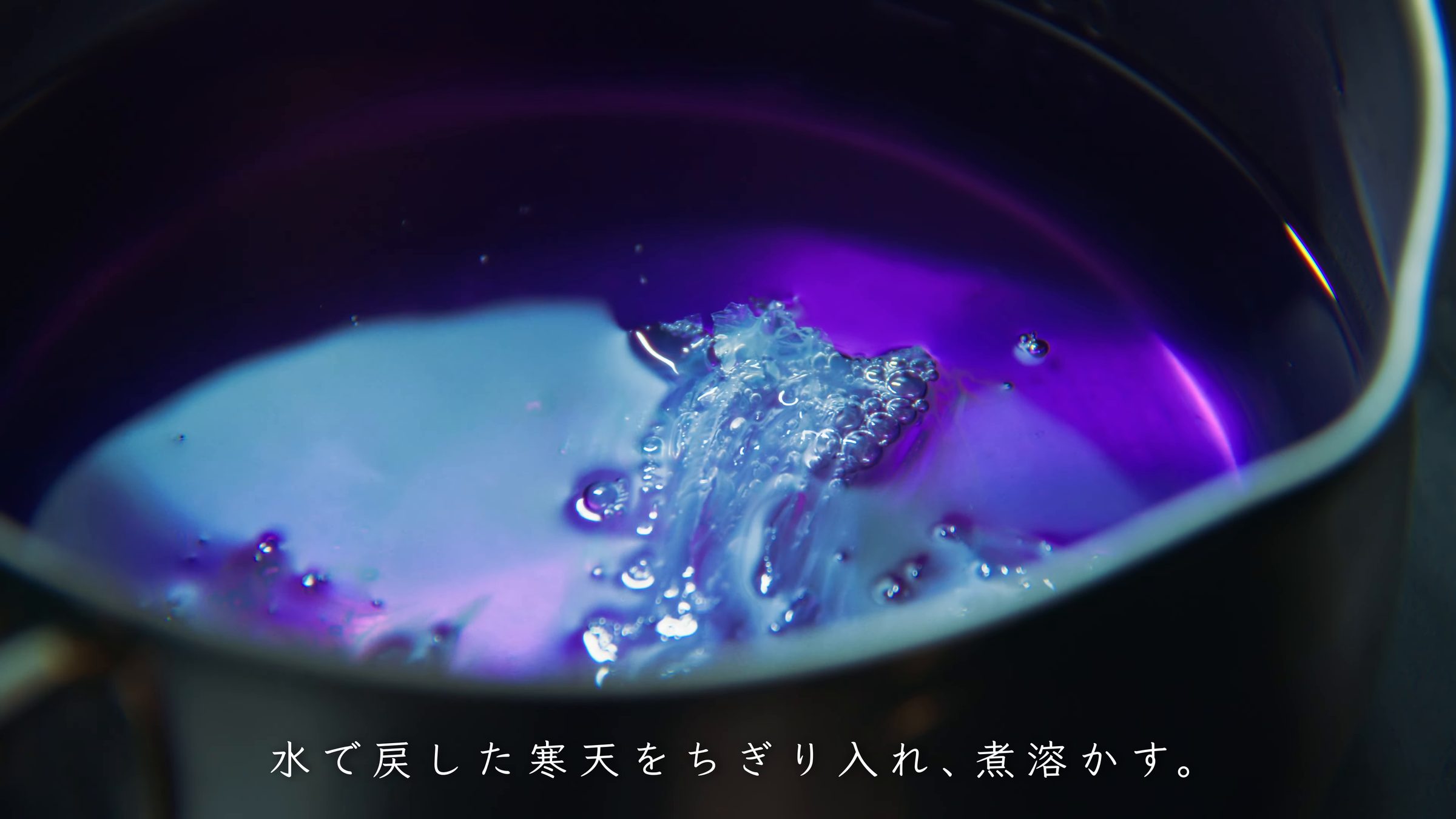
04TRAVEL JOURNAL
A rainy walk while the agar sets
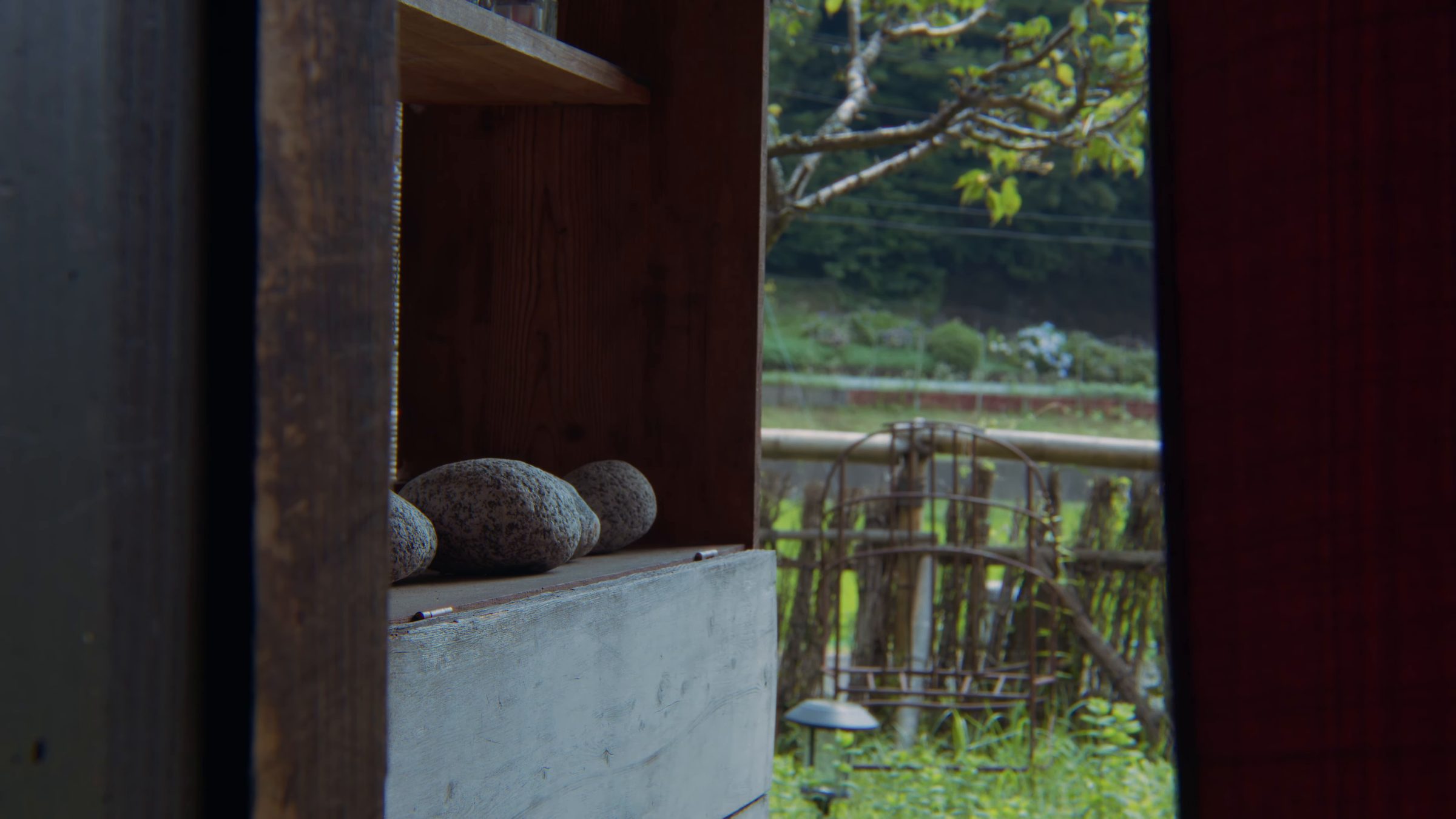
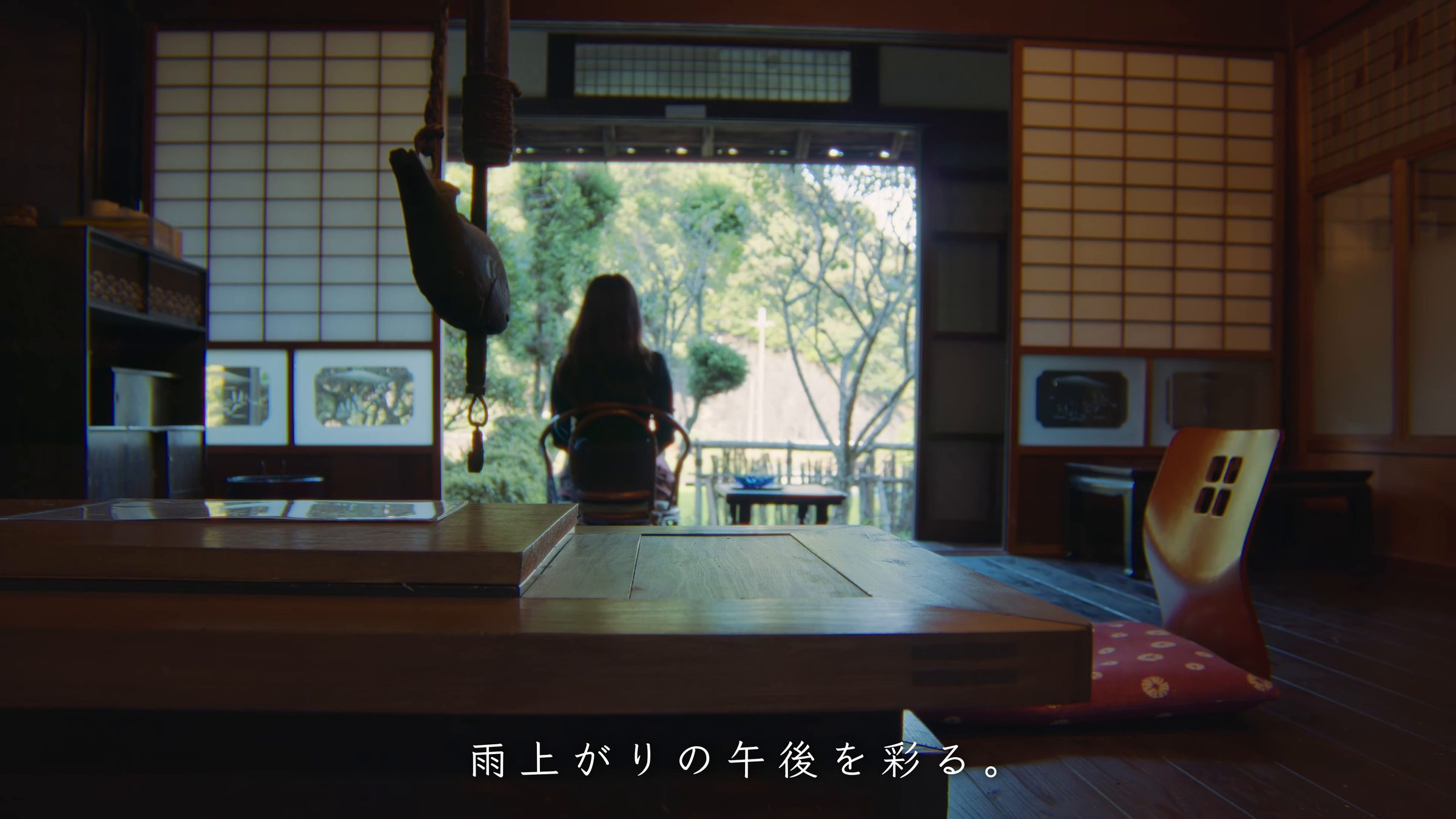
While the agar set, I went out for a walk. Through the dim room with its lattice doors and out from the veranda, where round stones sat on a shelf and the rice fields stretched beyond.
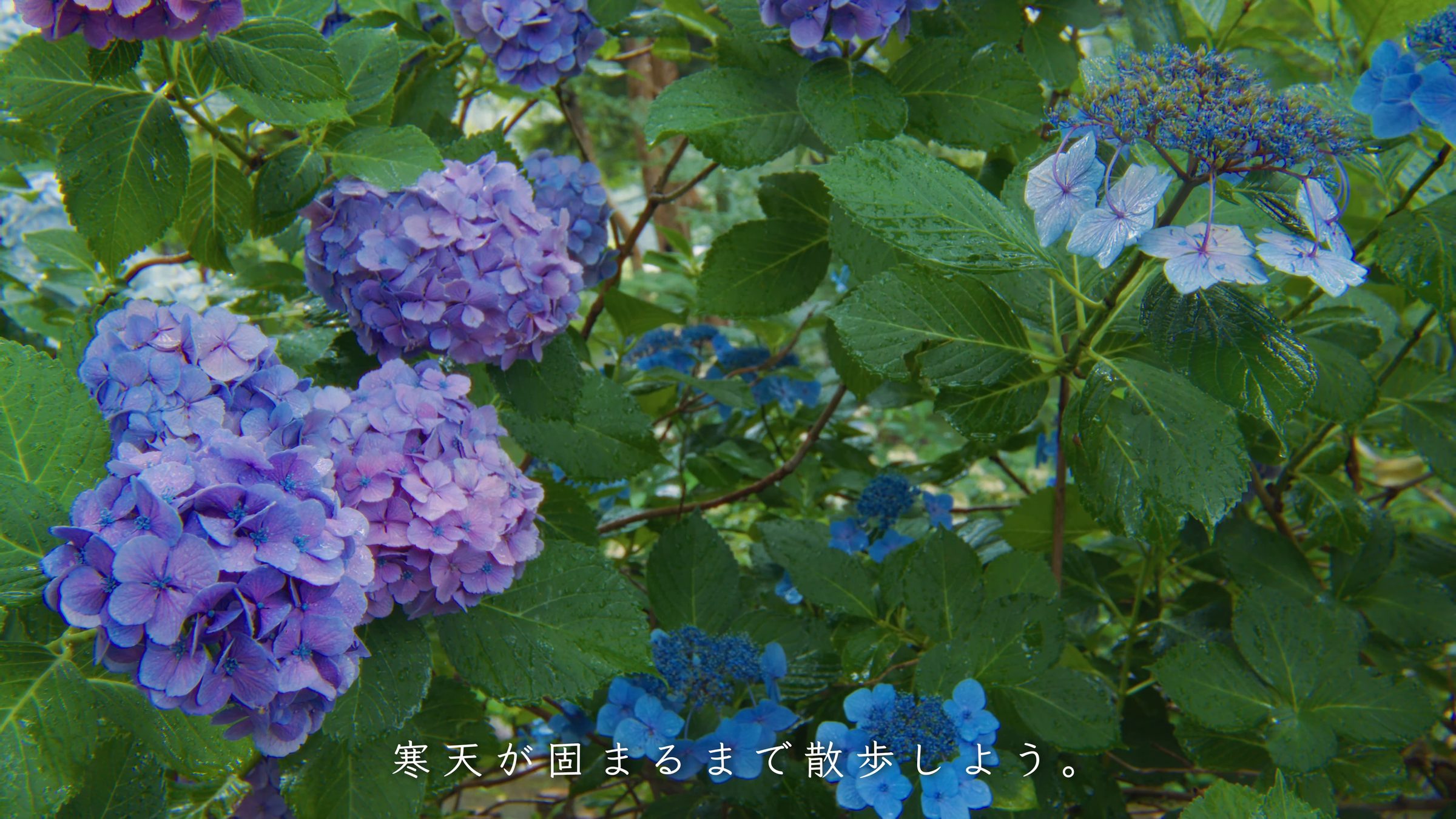
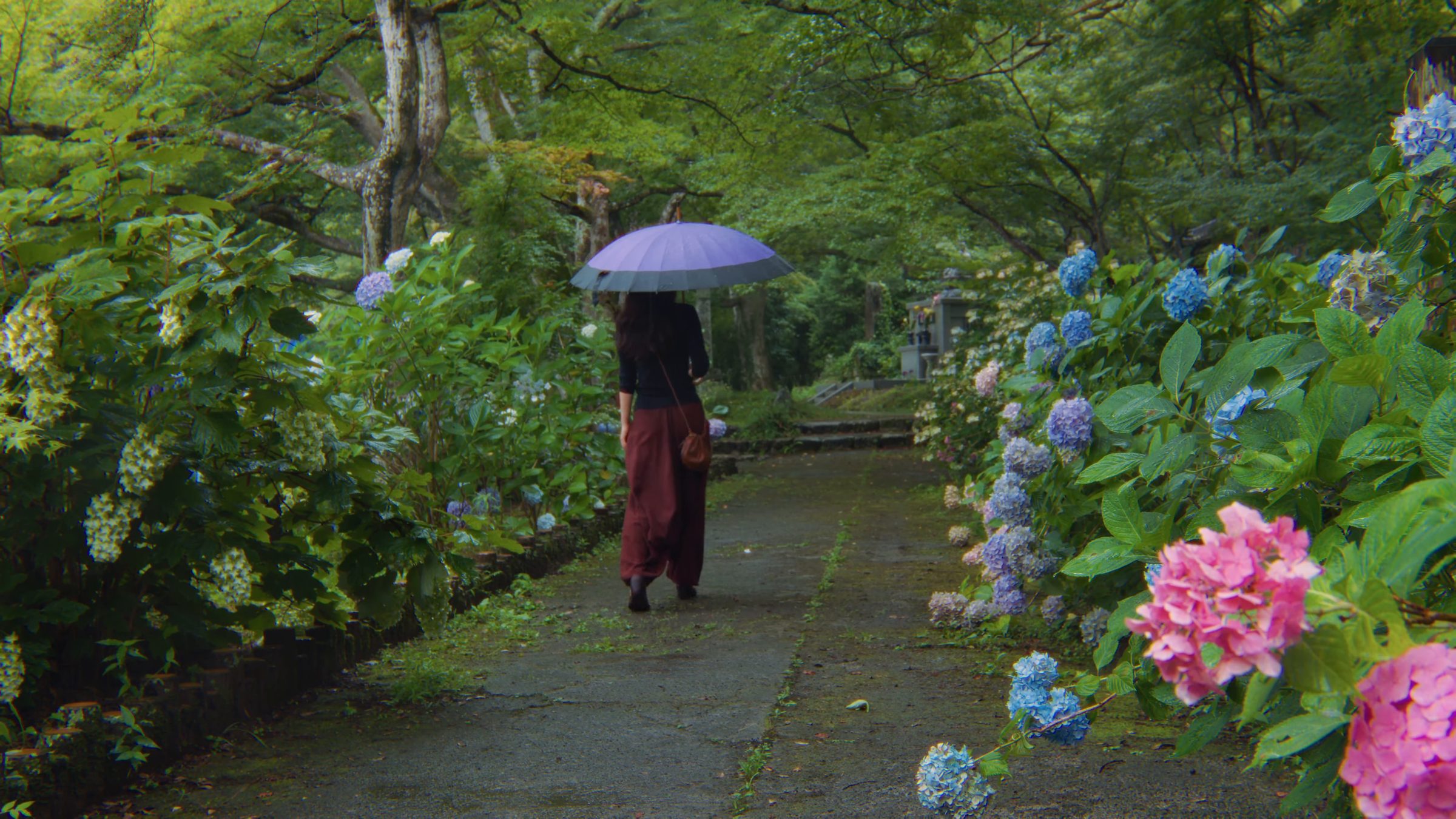
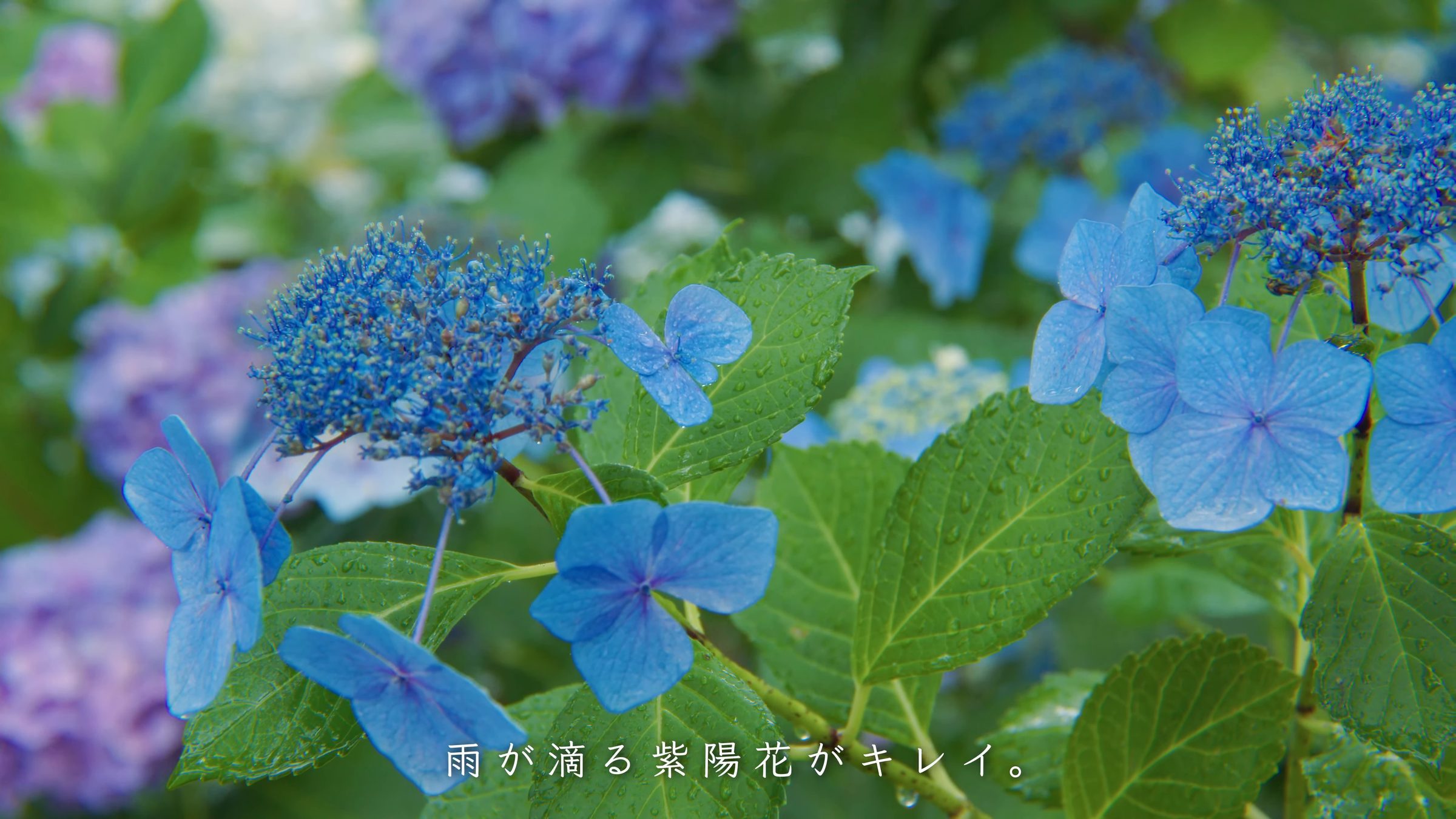
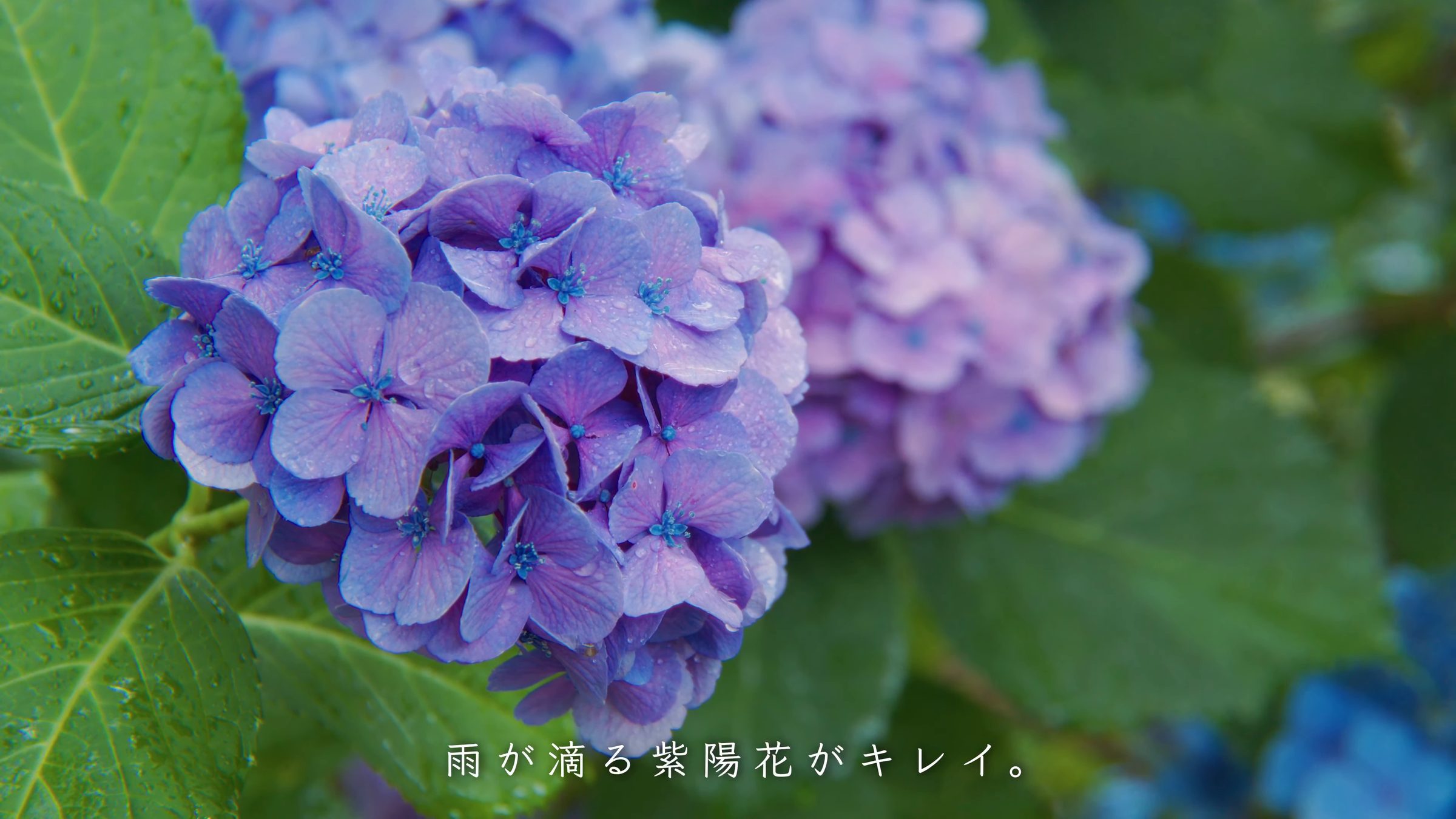
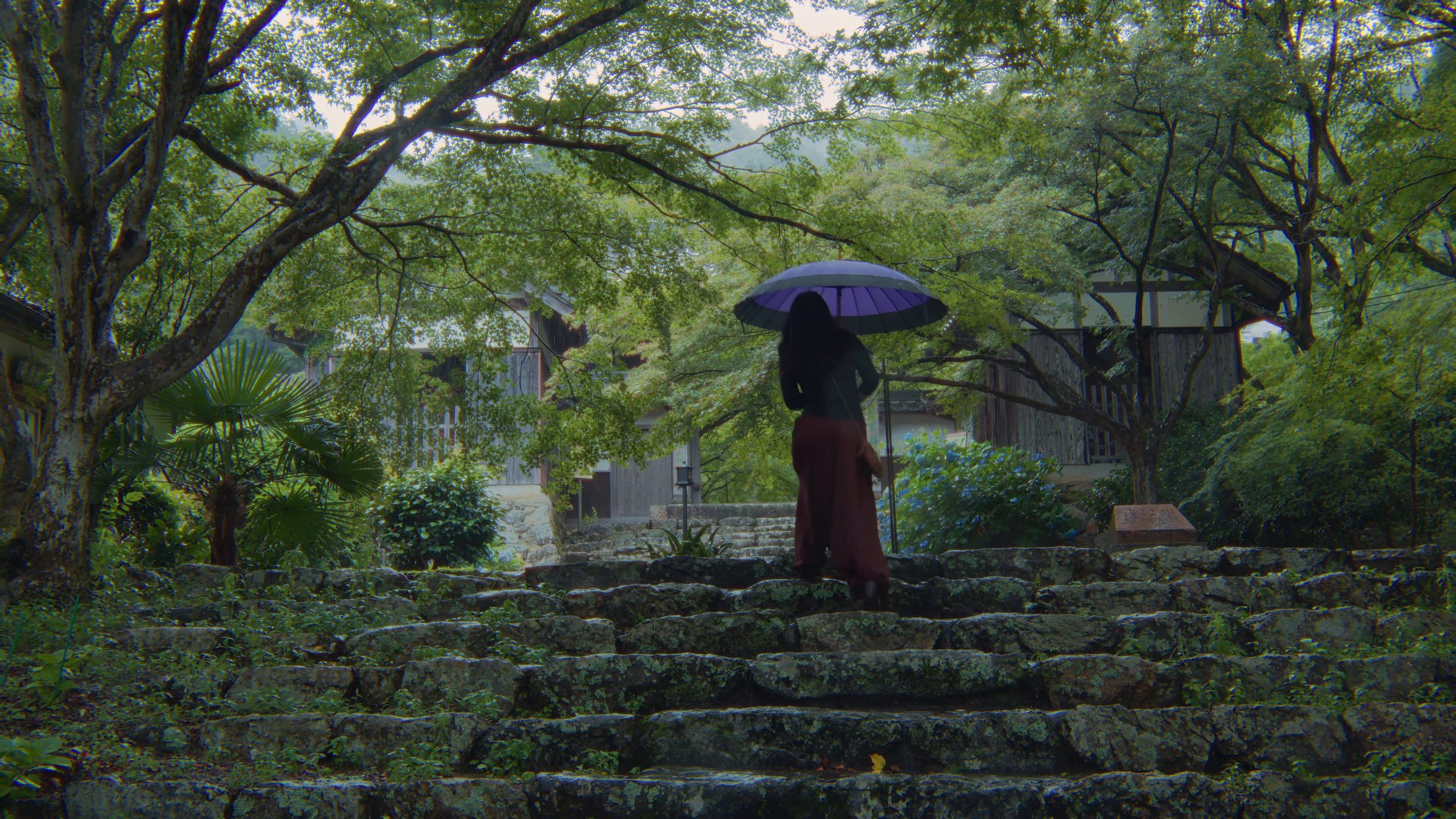
Umbrella up, I came to a temple path lined with hydrangeas. The flowers beaded with raindrops were beautiful: blue lacecaps, purple mopheads, pink blooms. Up a flight of mossy stone steps, the flowers continued on both sides.
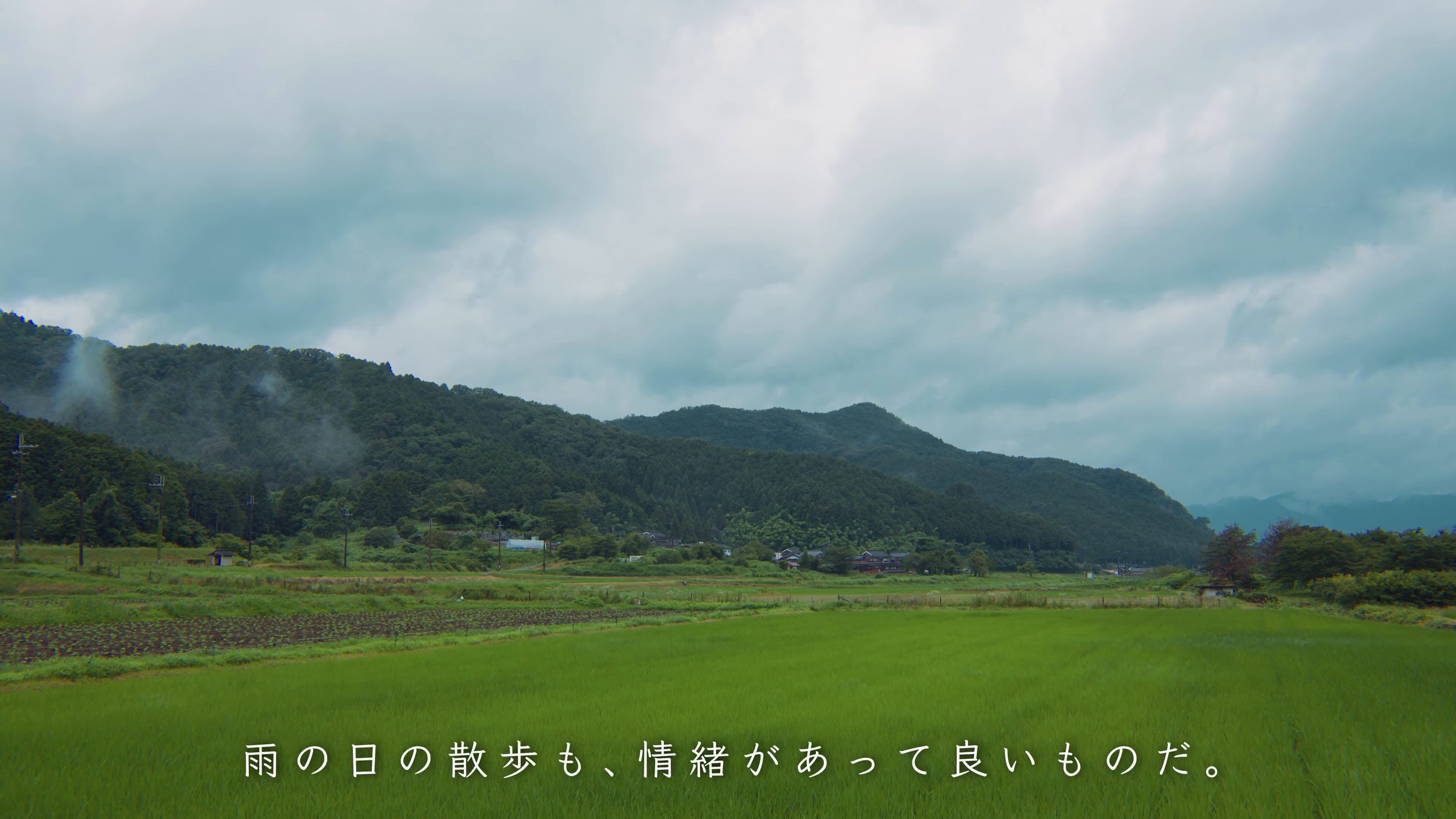
Low clouds hung on the hills, and rain fell on the paddies. Far down the road, someone walked by under an umbrella. A walk on a rainy day has its own charm.
Watch this scene on YouTube1:53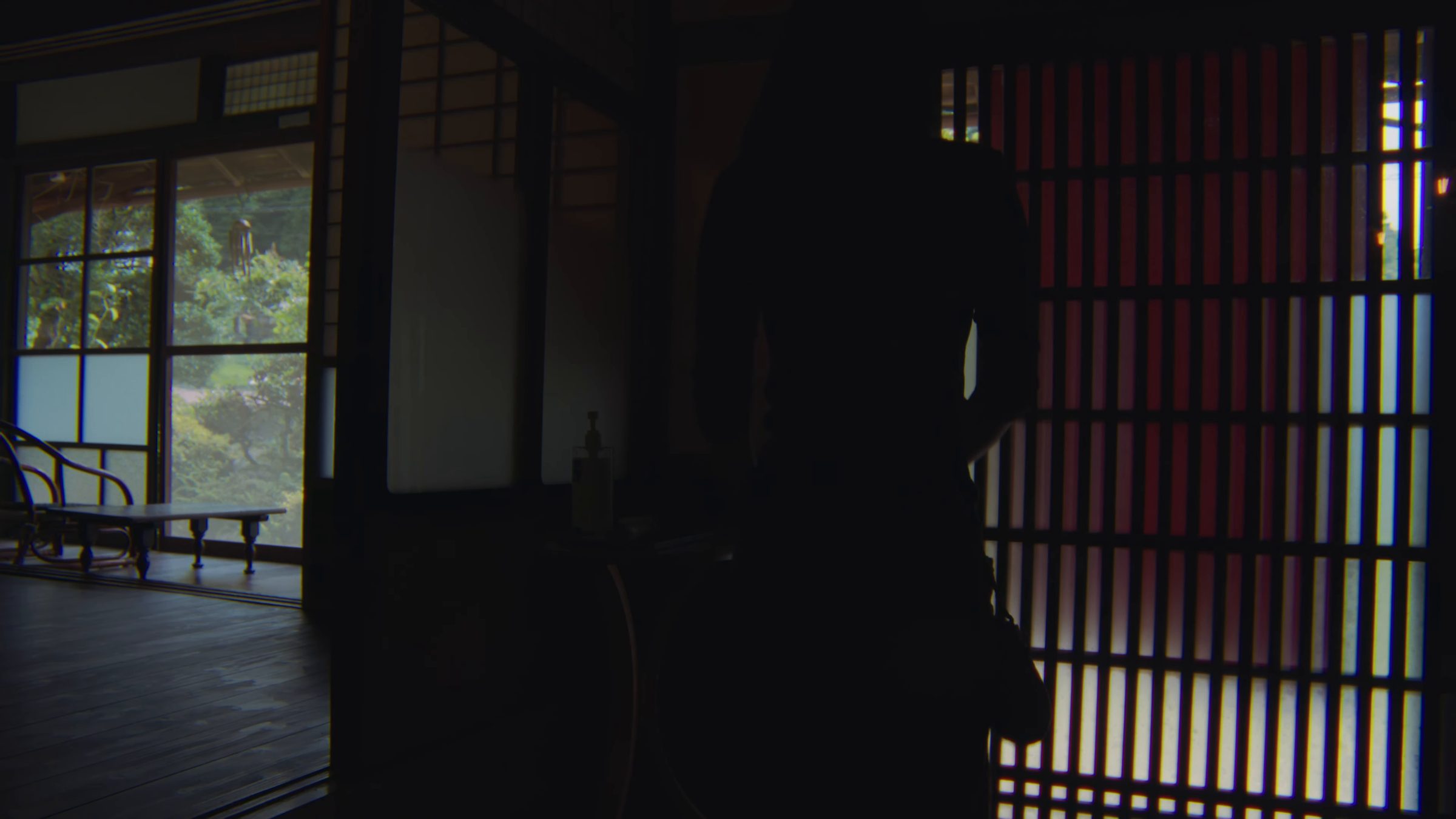
05TRAVEL JOURNAL
Taking shelter at a soba restaurant
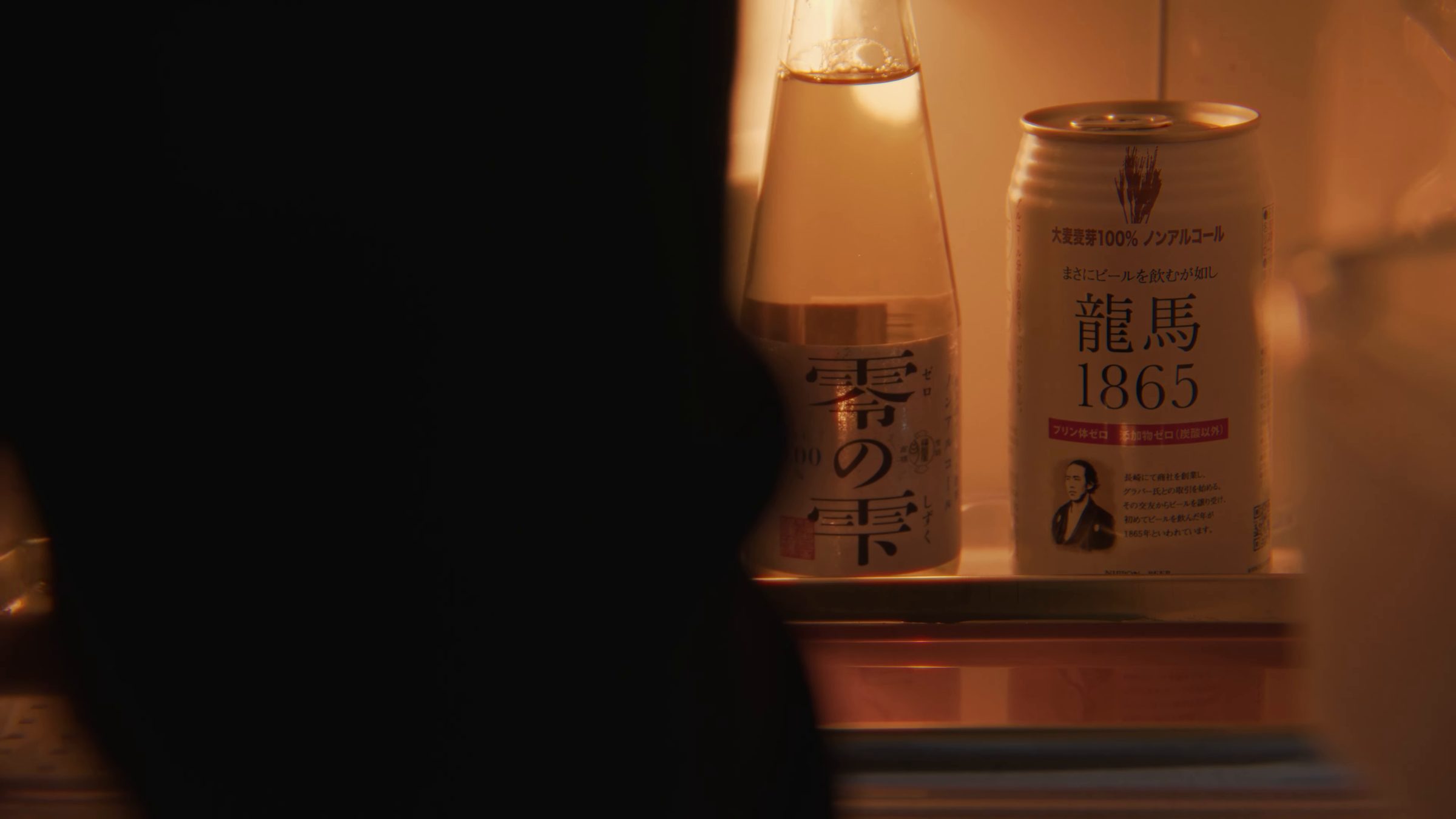
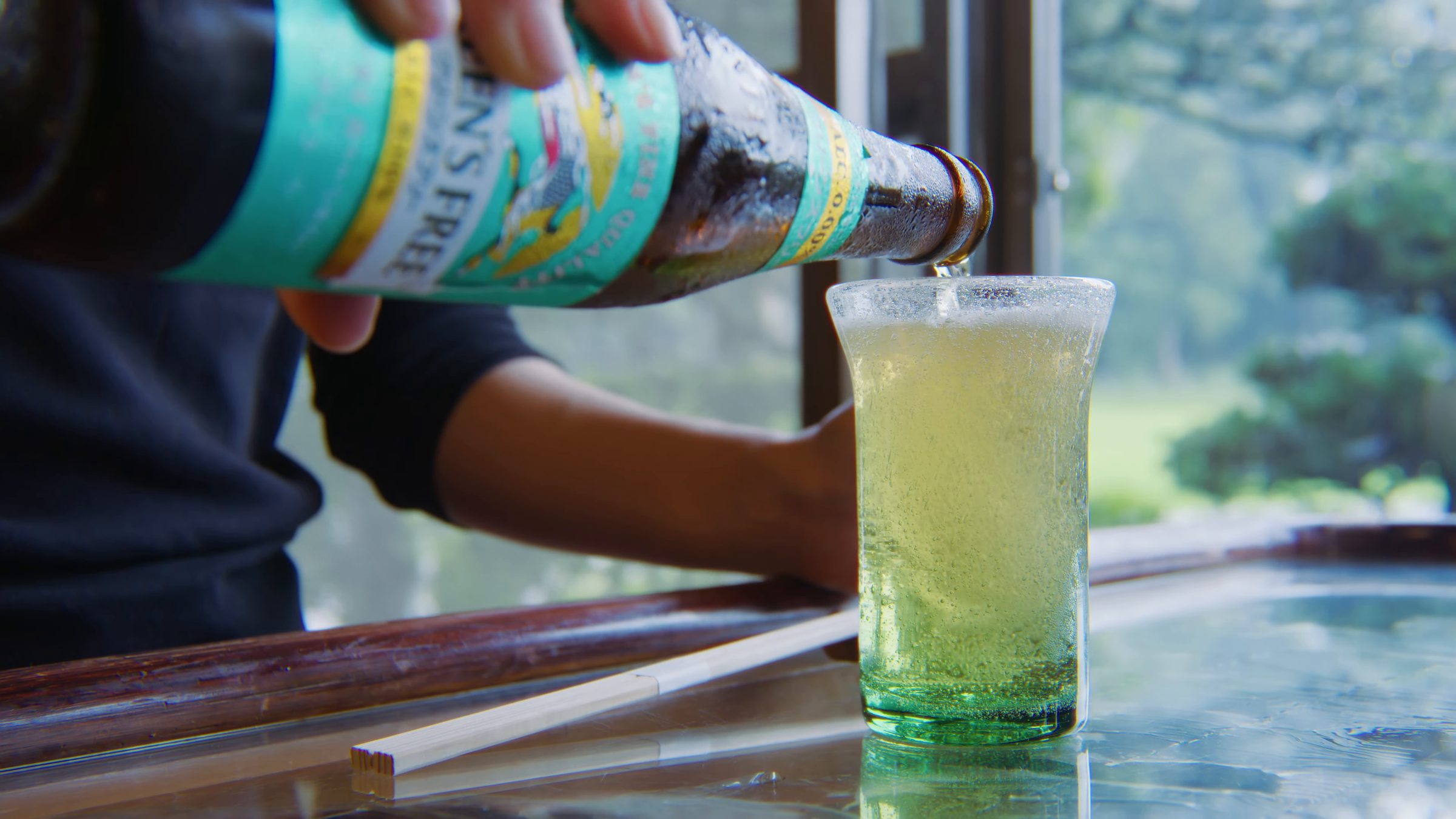
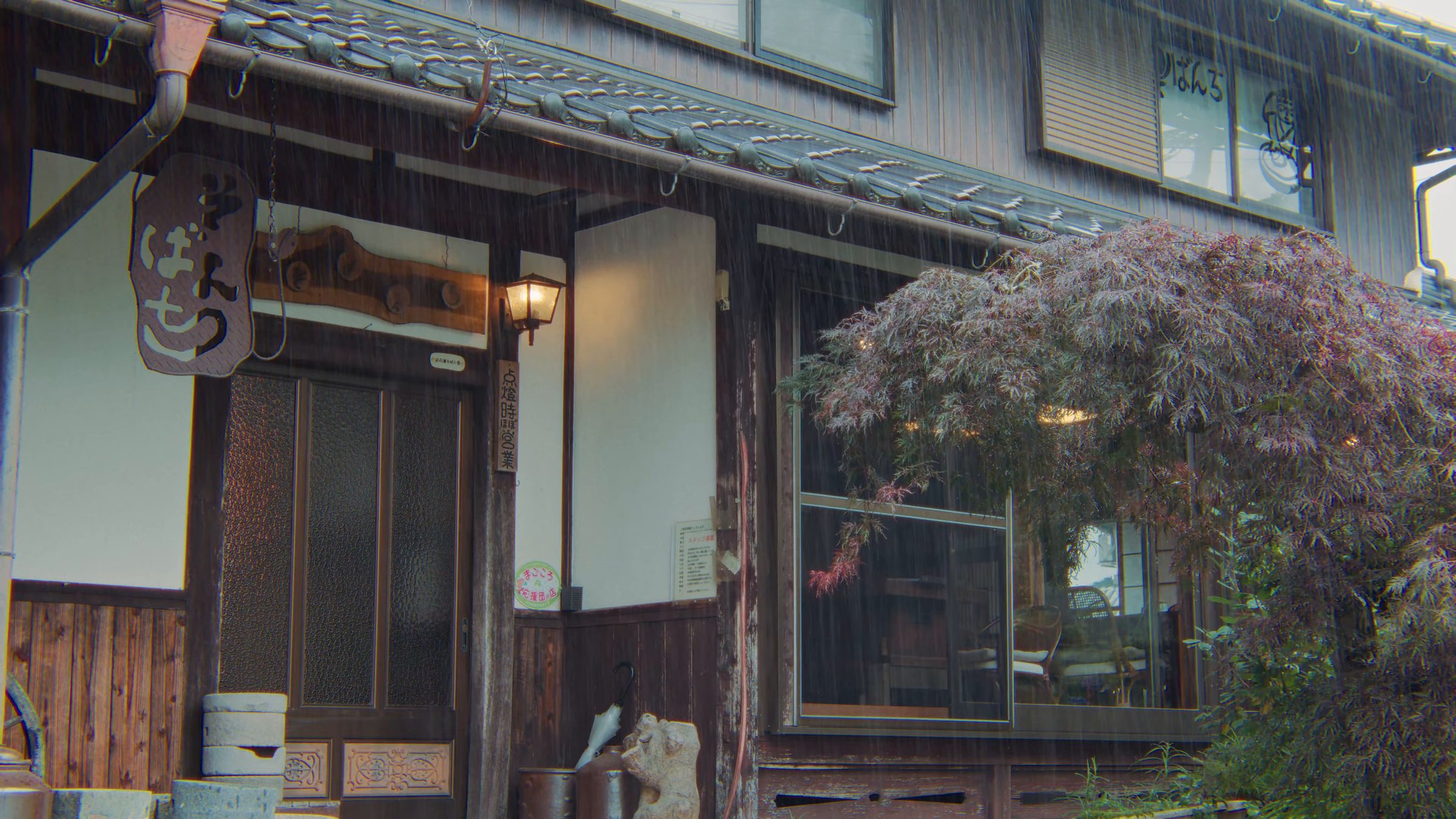
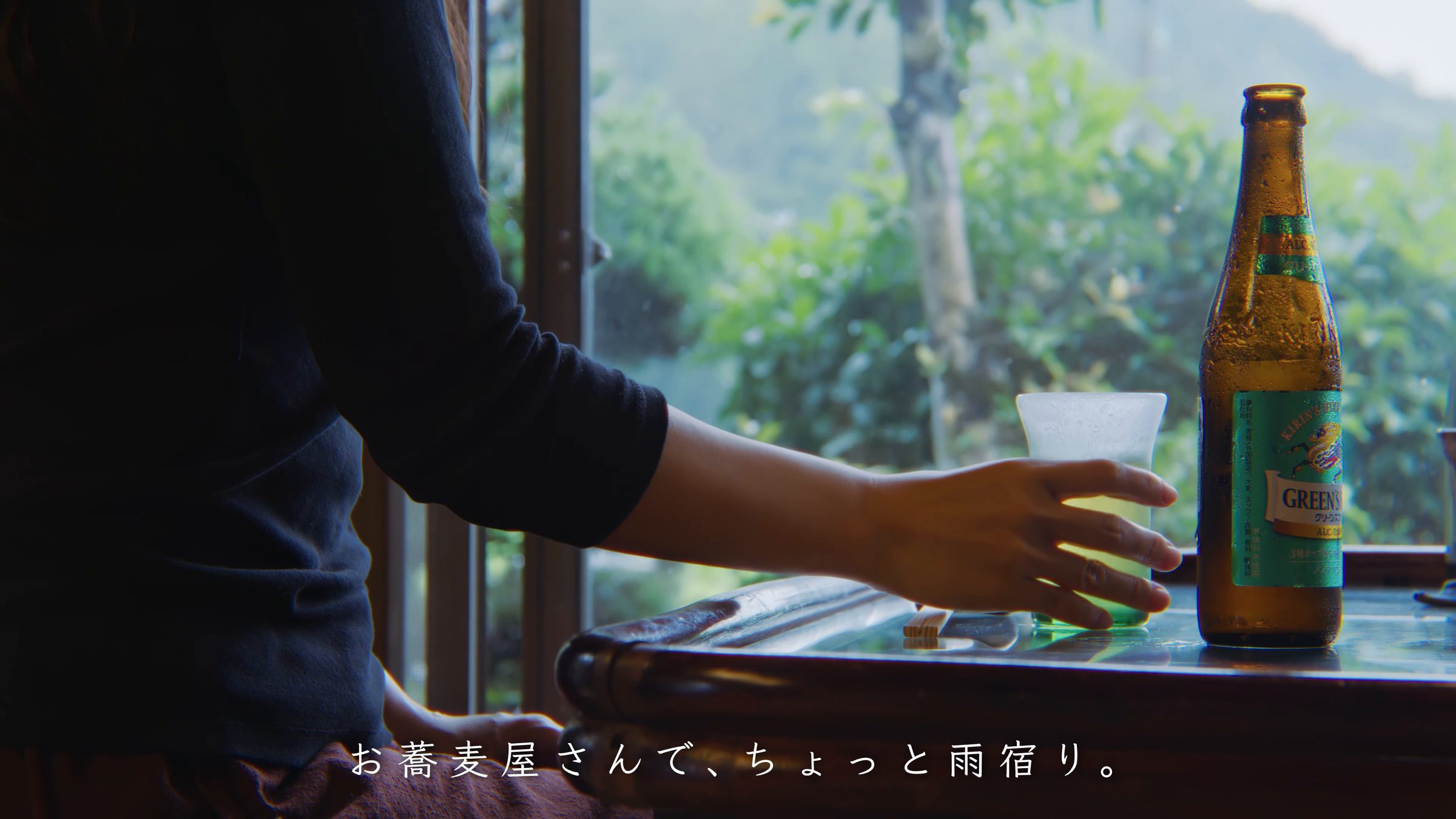
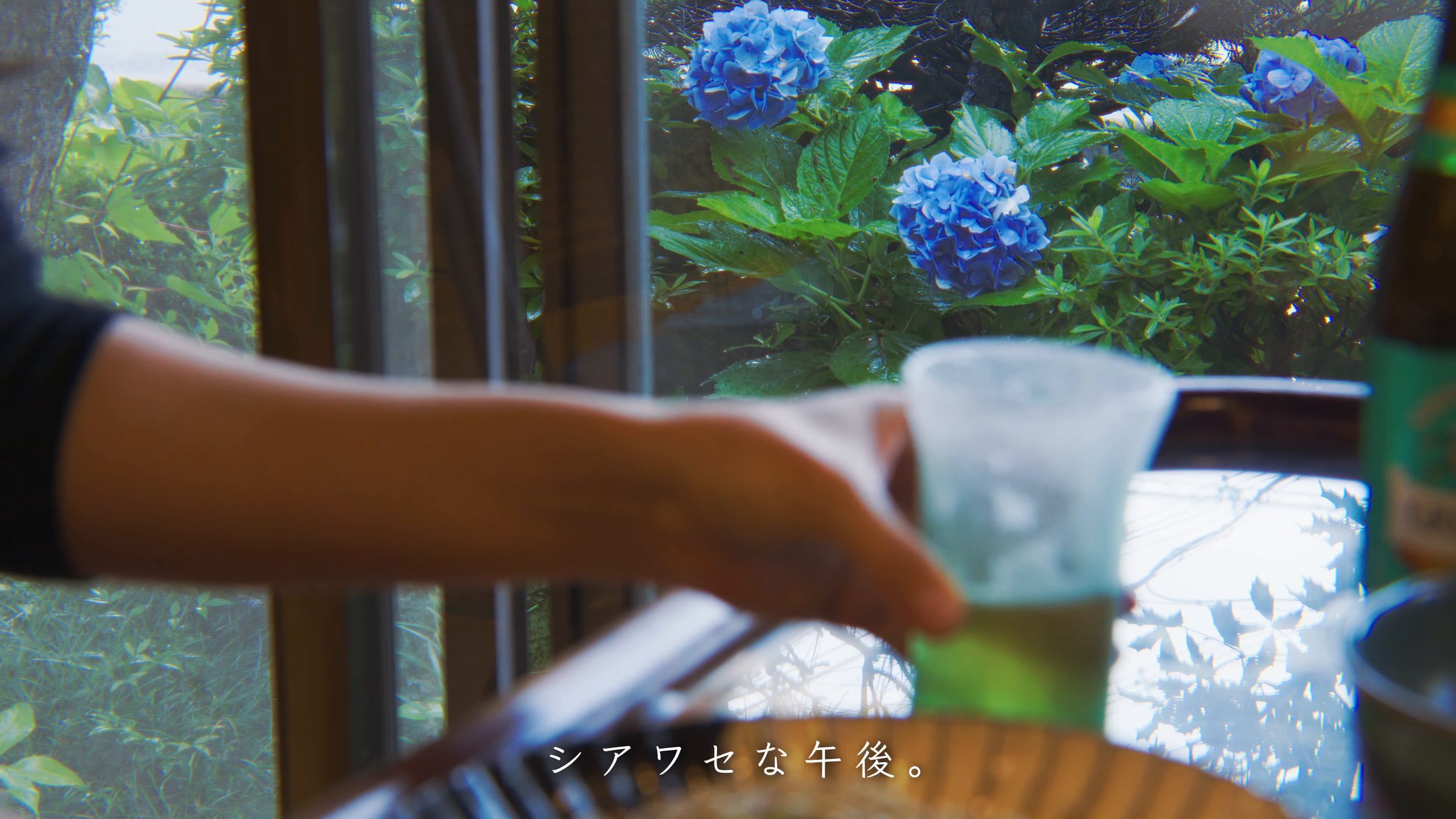
I took shelter from the rain at a soba restaurant, an old house with seats along the veranda looking out on a maple in the garden and the wet rice fields. First, a glass of well-chilled non-alcoholic beer.
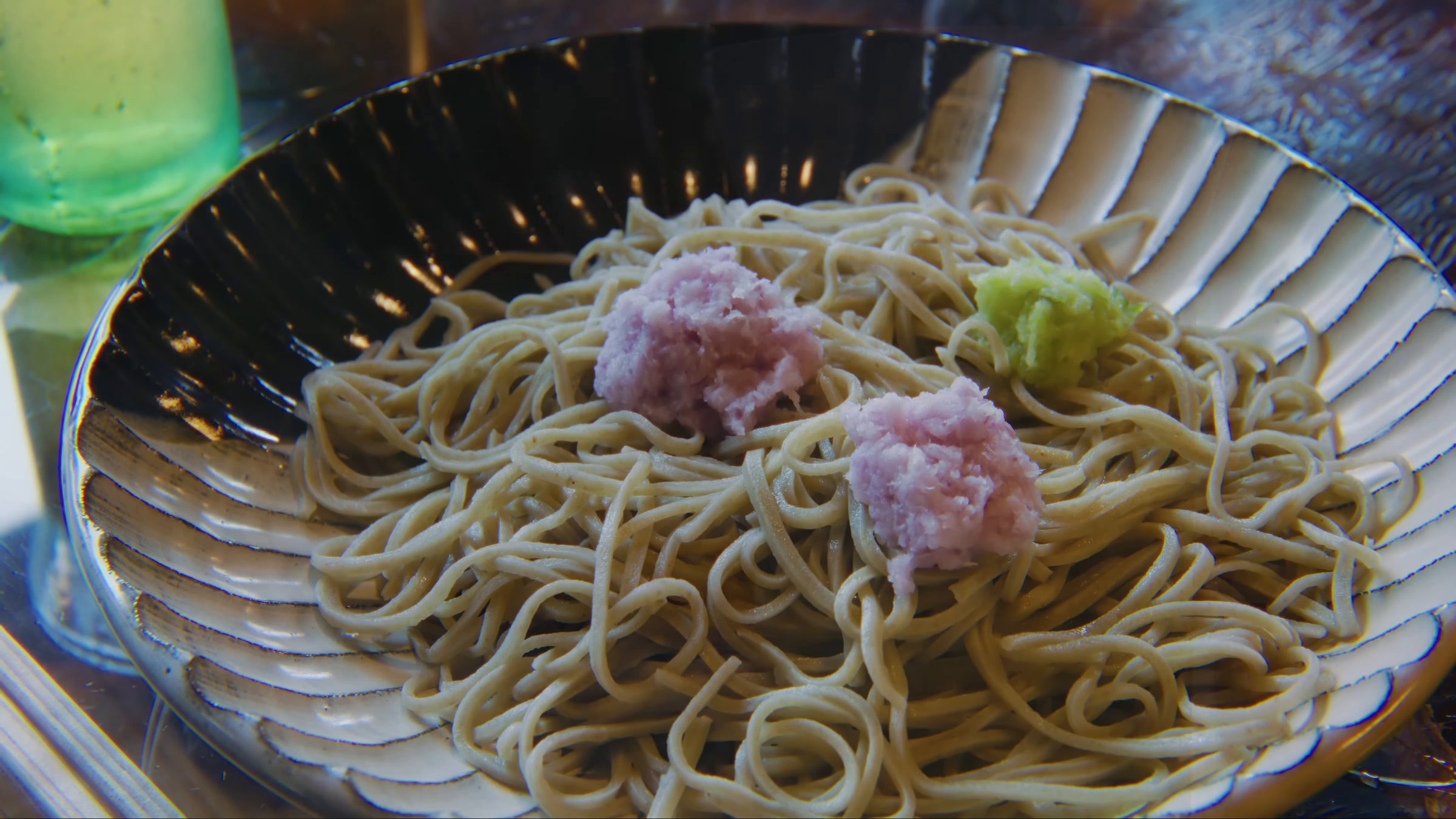
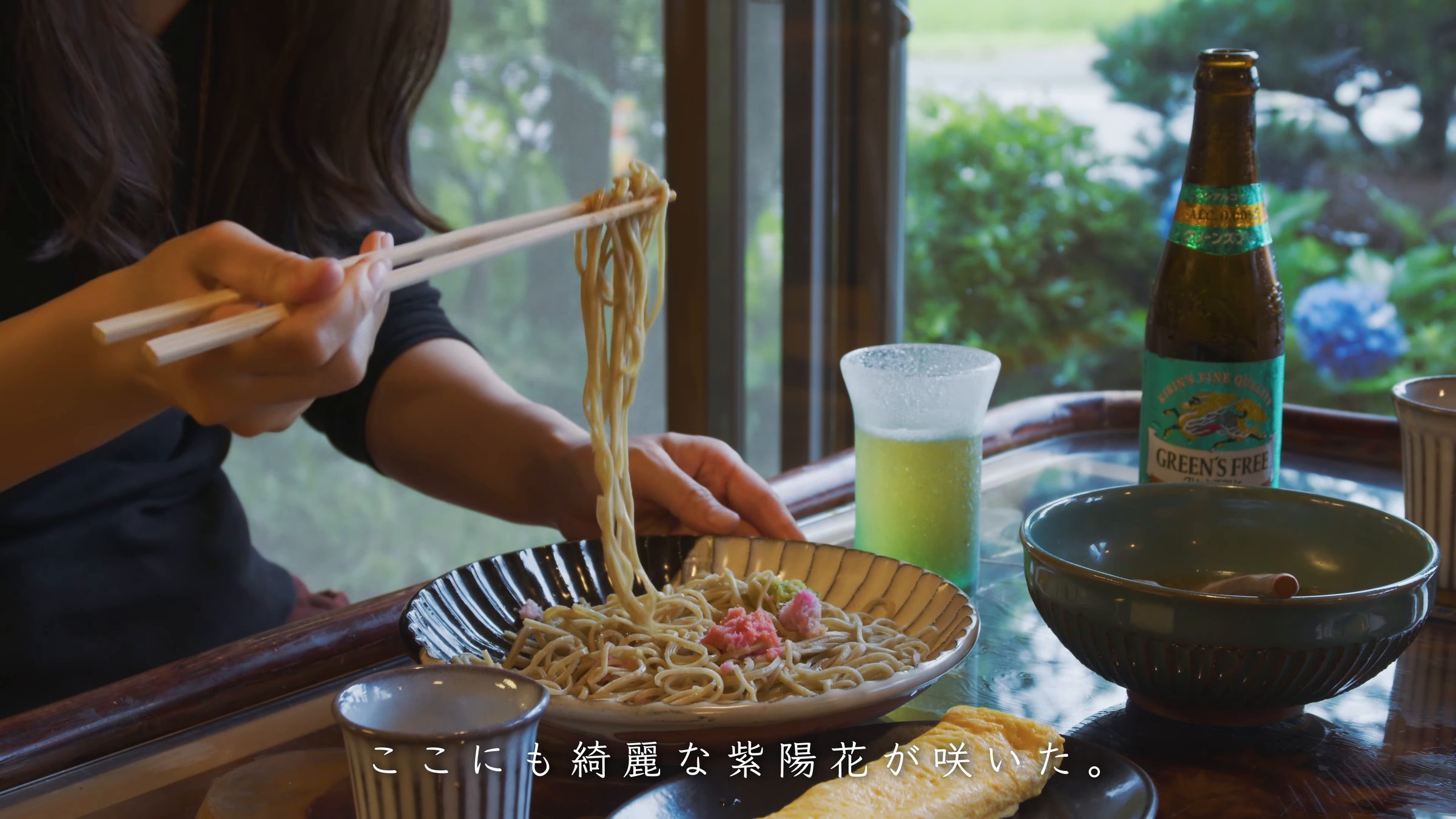
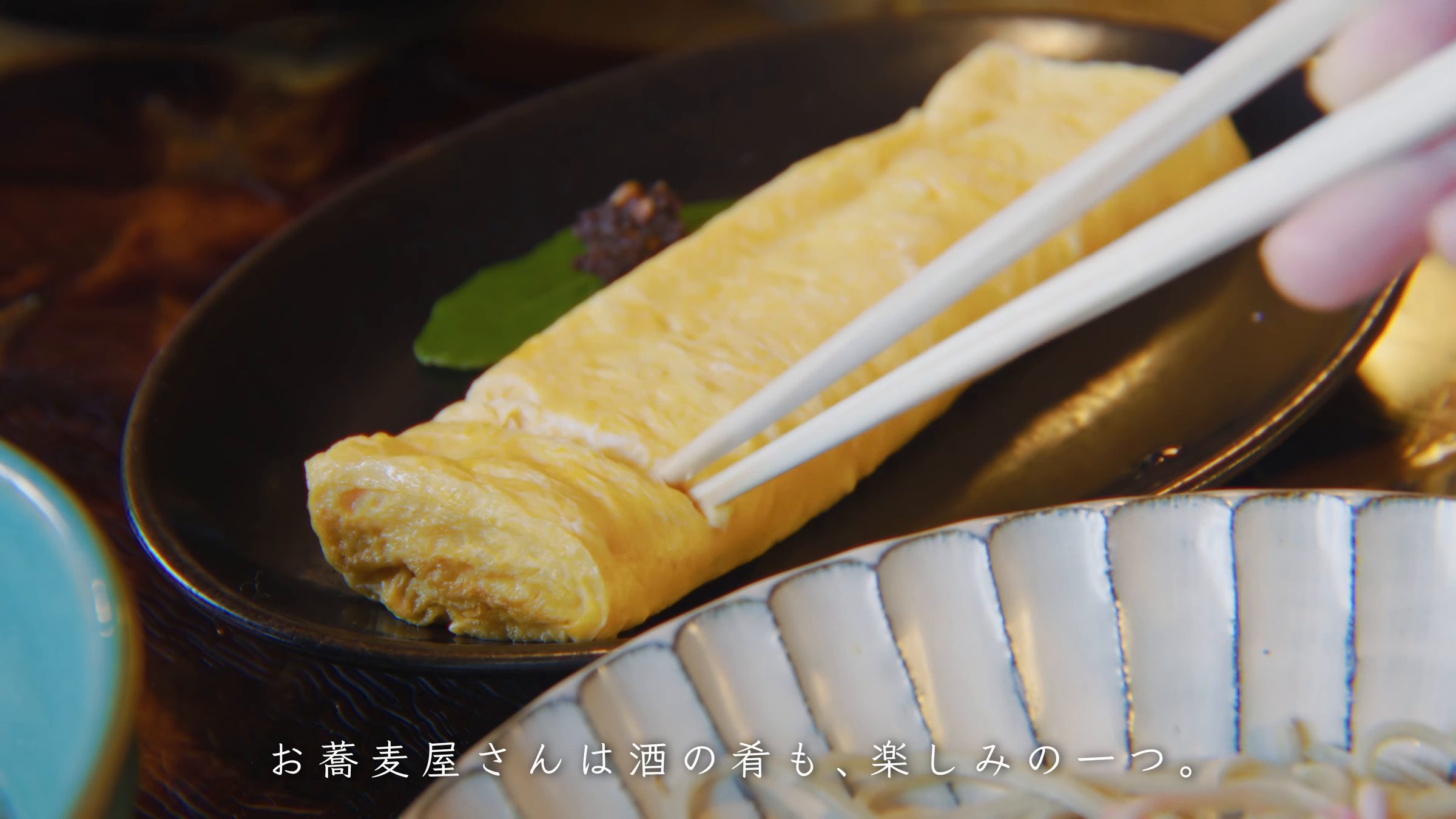
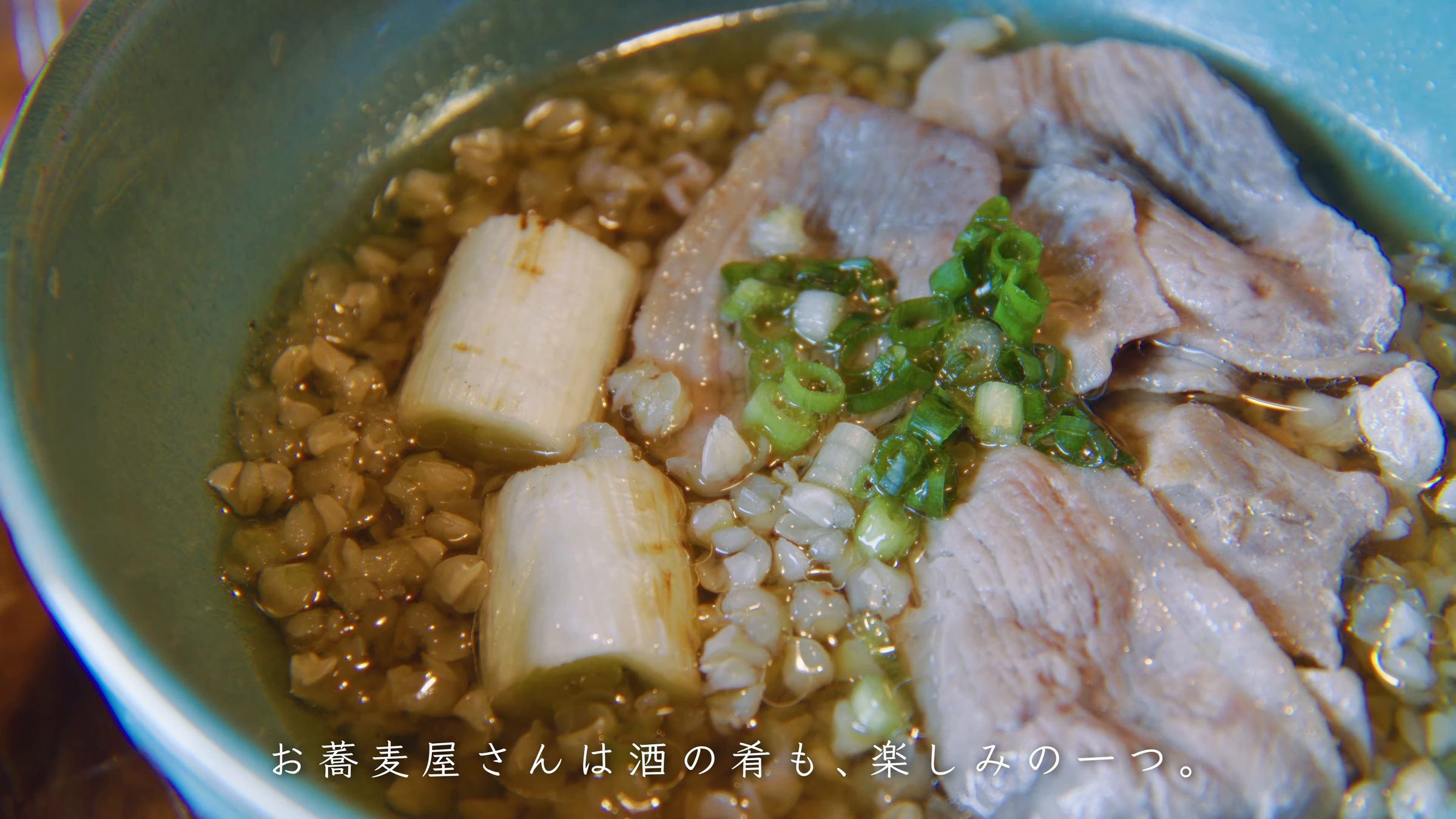
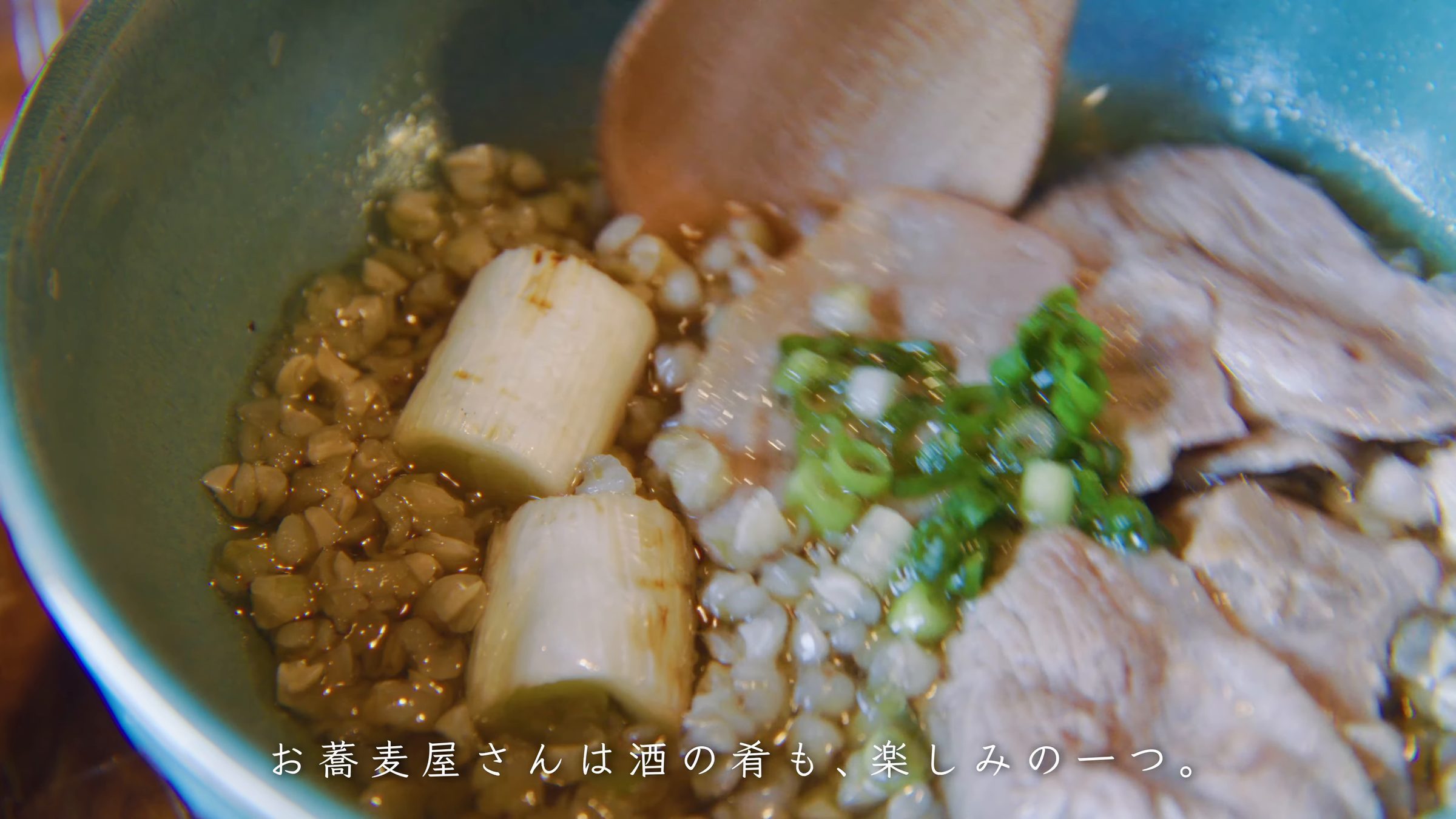
Then came a plate of thin soba topped with pink grated daikon and wasabi: a "three-color soba," where the daikon changes color when you squeeze sudachi juice over it. The side dishes are part of the pleasure at a soba restaurant too, so I had a rolled omelet and a warm bowl of sliced meat and leek.
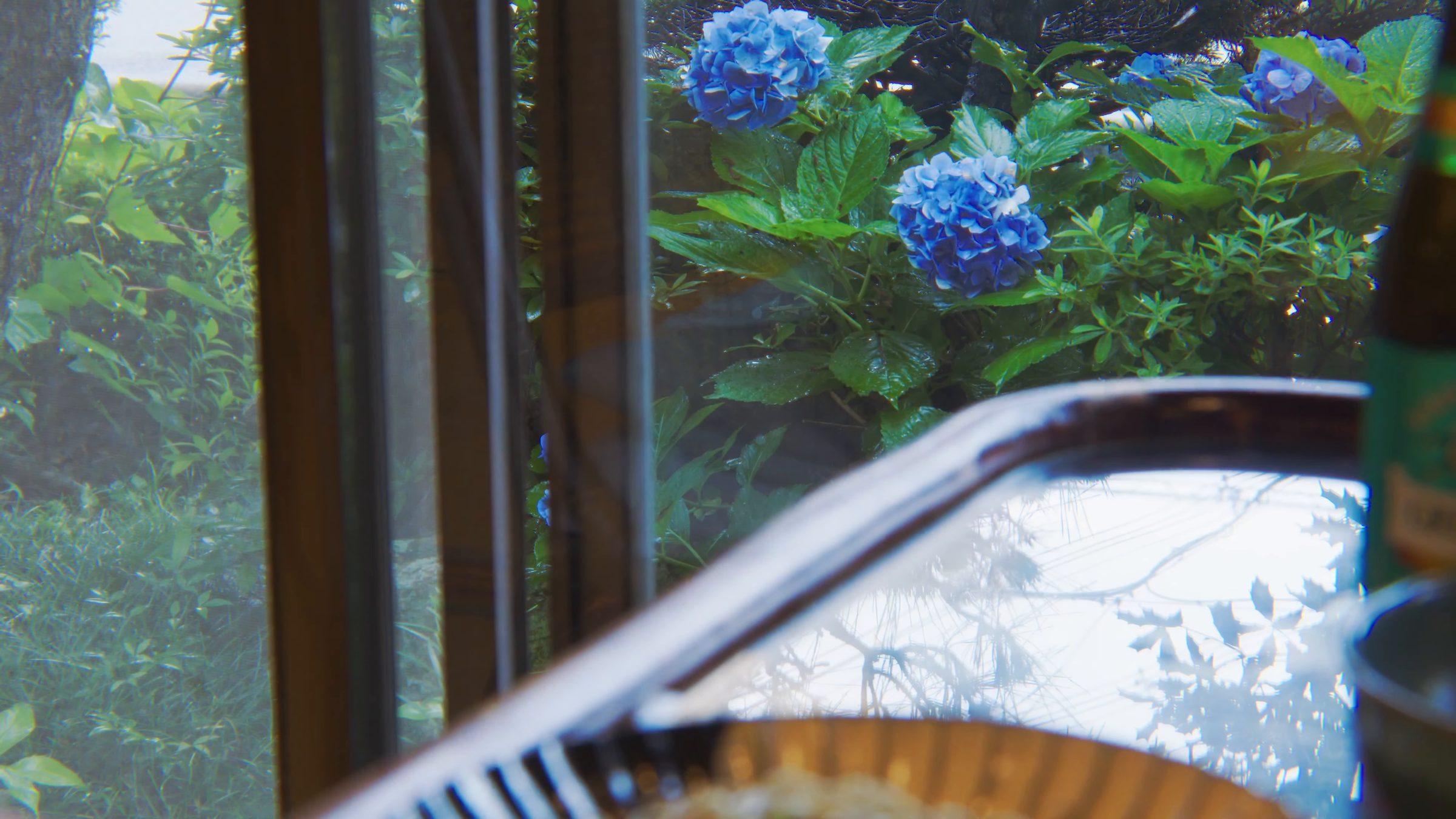
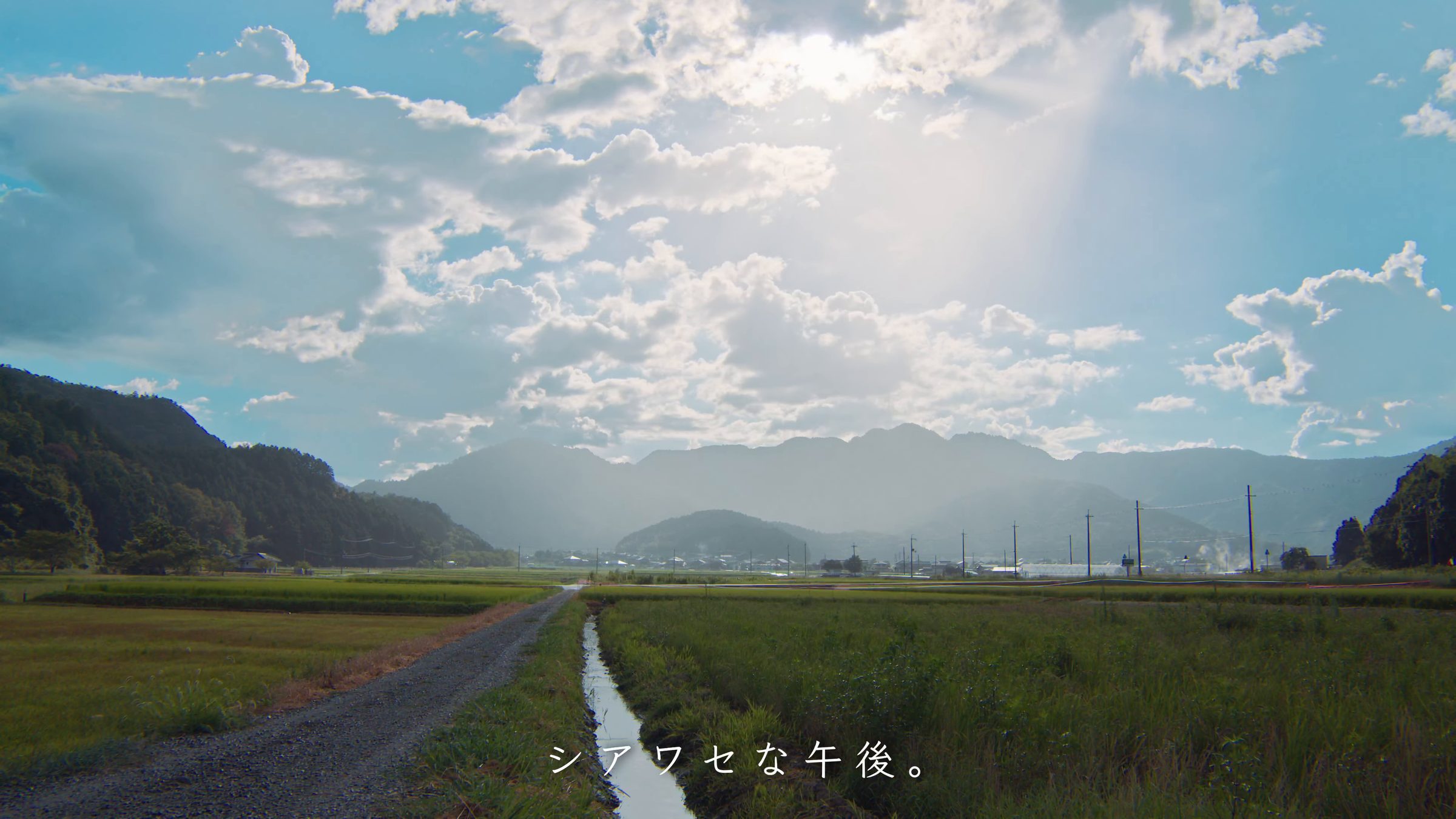
Outside the window, beautiful hydrangeas were blooming here as well. By the time I finished, the clouds had broken and sunlight fell on the road between the paddies. A happy afternoon.
Watch this scene on YouTube2:32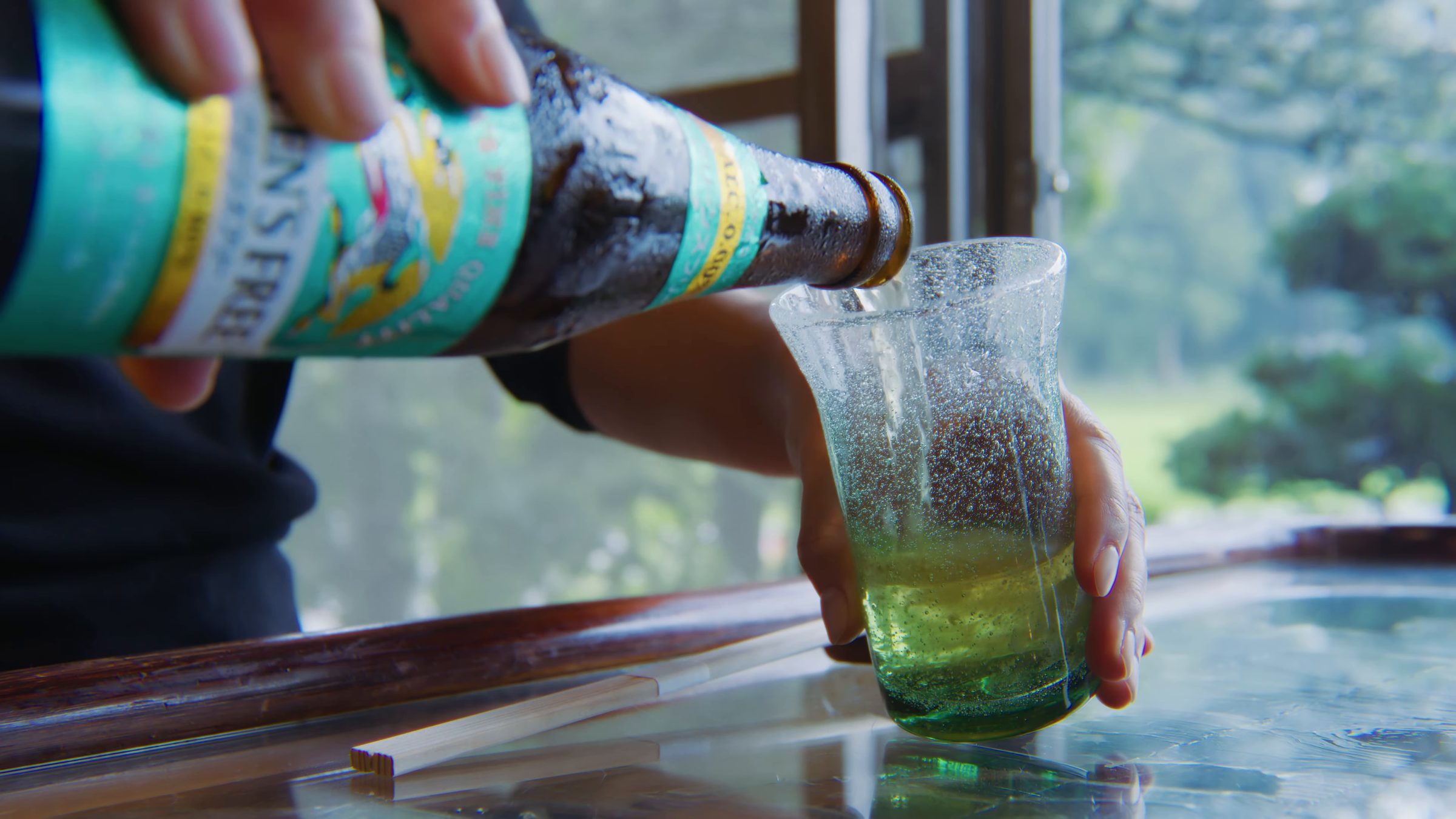
06TRAVEL JOURNAL
Home again
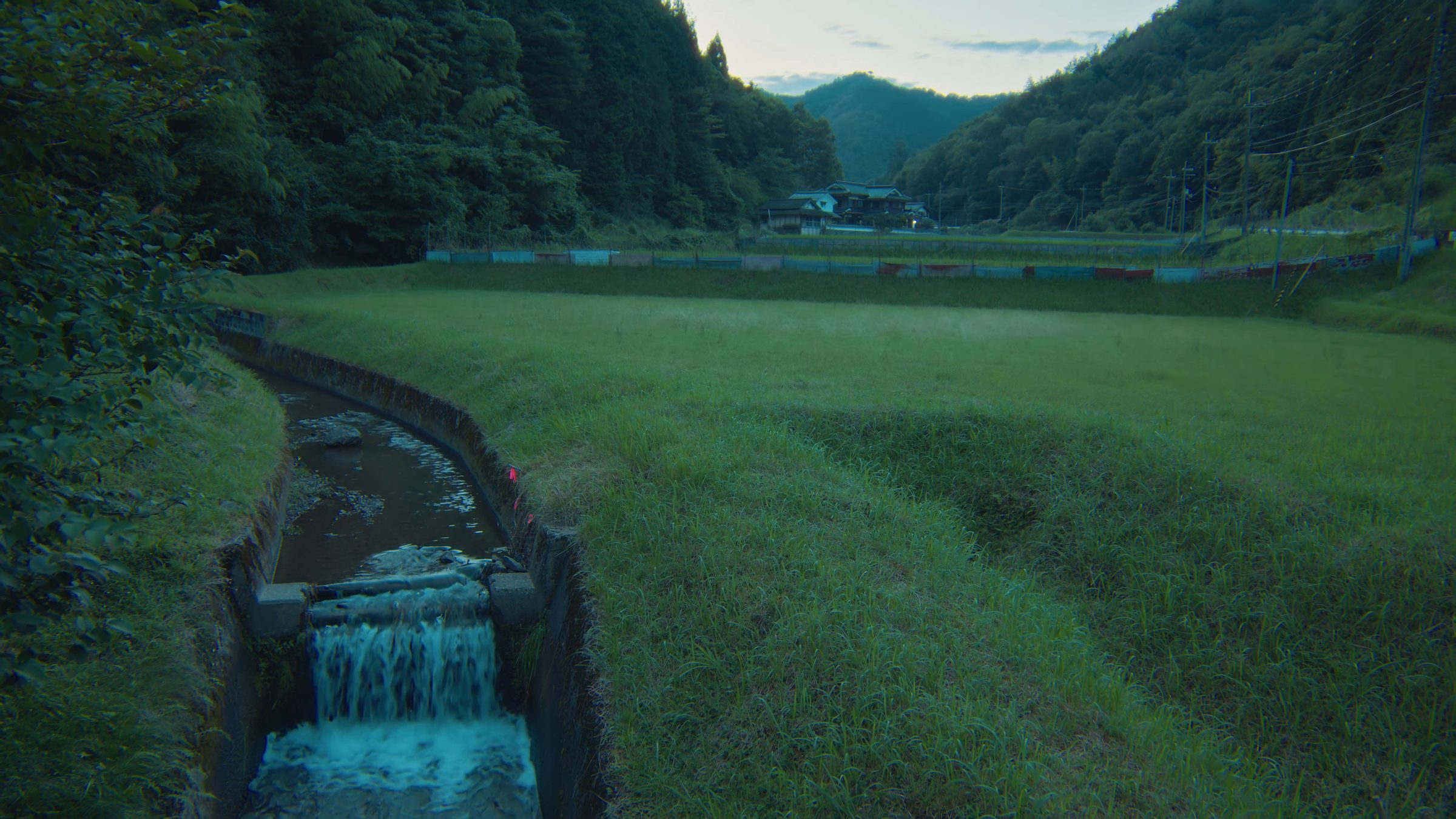
Back through the town and along the paths between the paddies. The sky after the rain was bright, and the mountains a deep green.
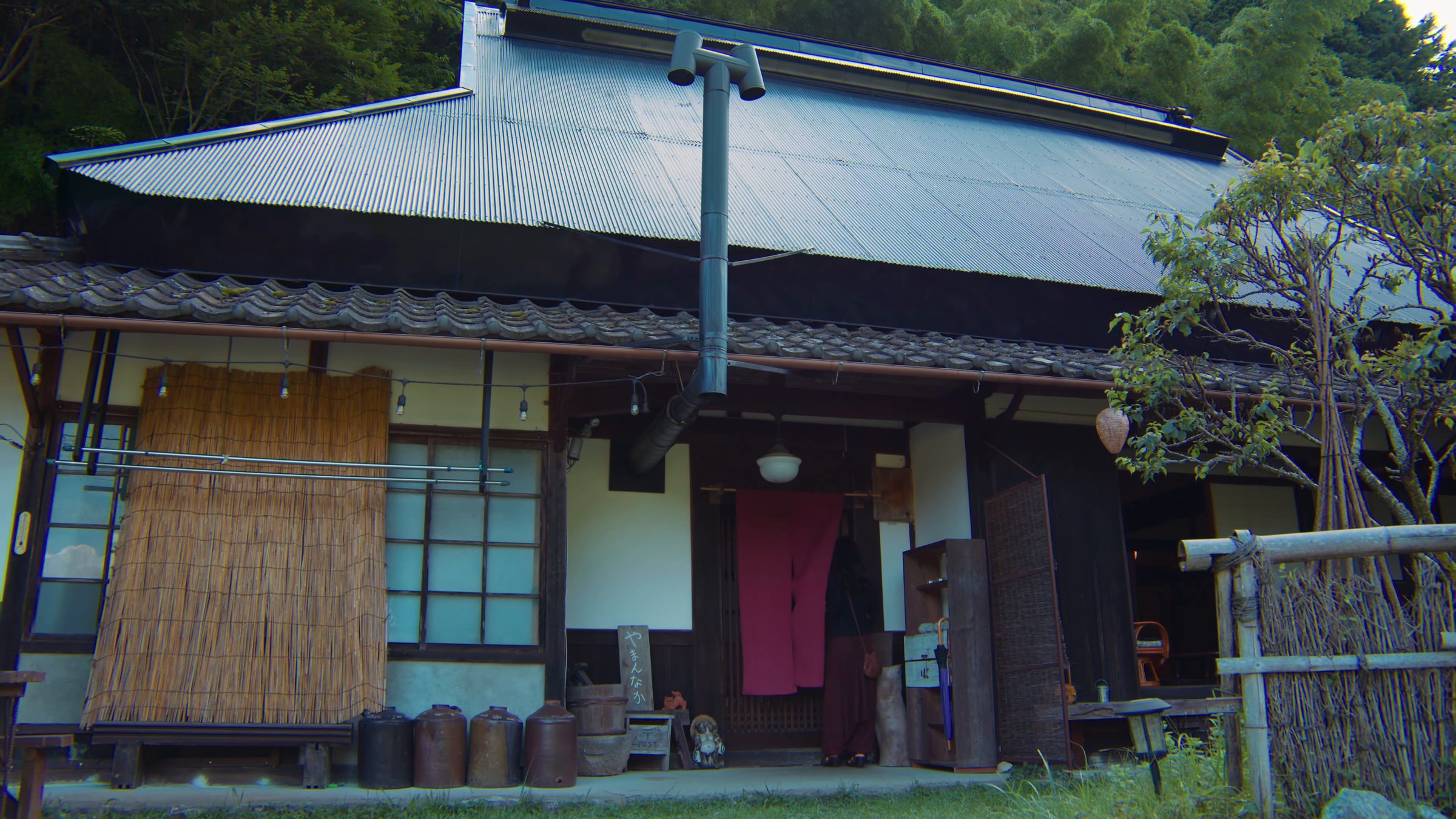
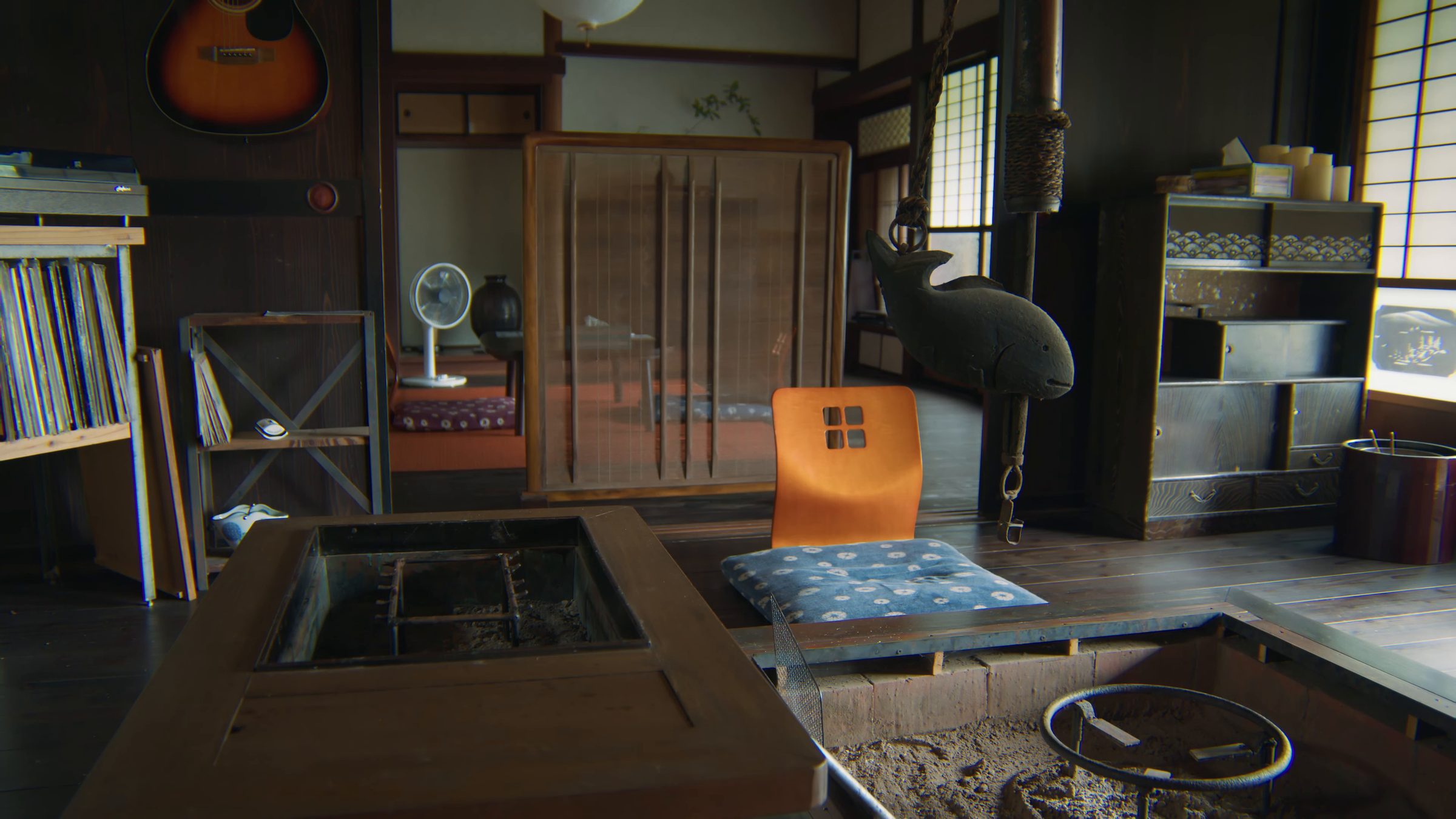
Back at the farmhouse: I'm home. A red noren hung at the entrance, with a bamboo blind under the eaves. In the hearth room stood a guitar and shelves of records.
Watch this scene on YouTube3:22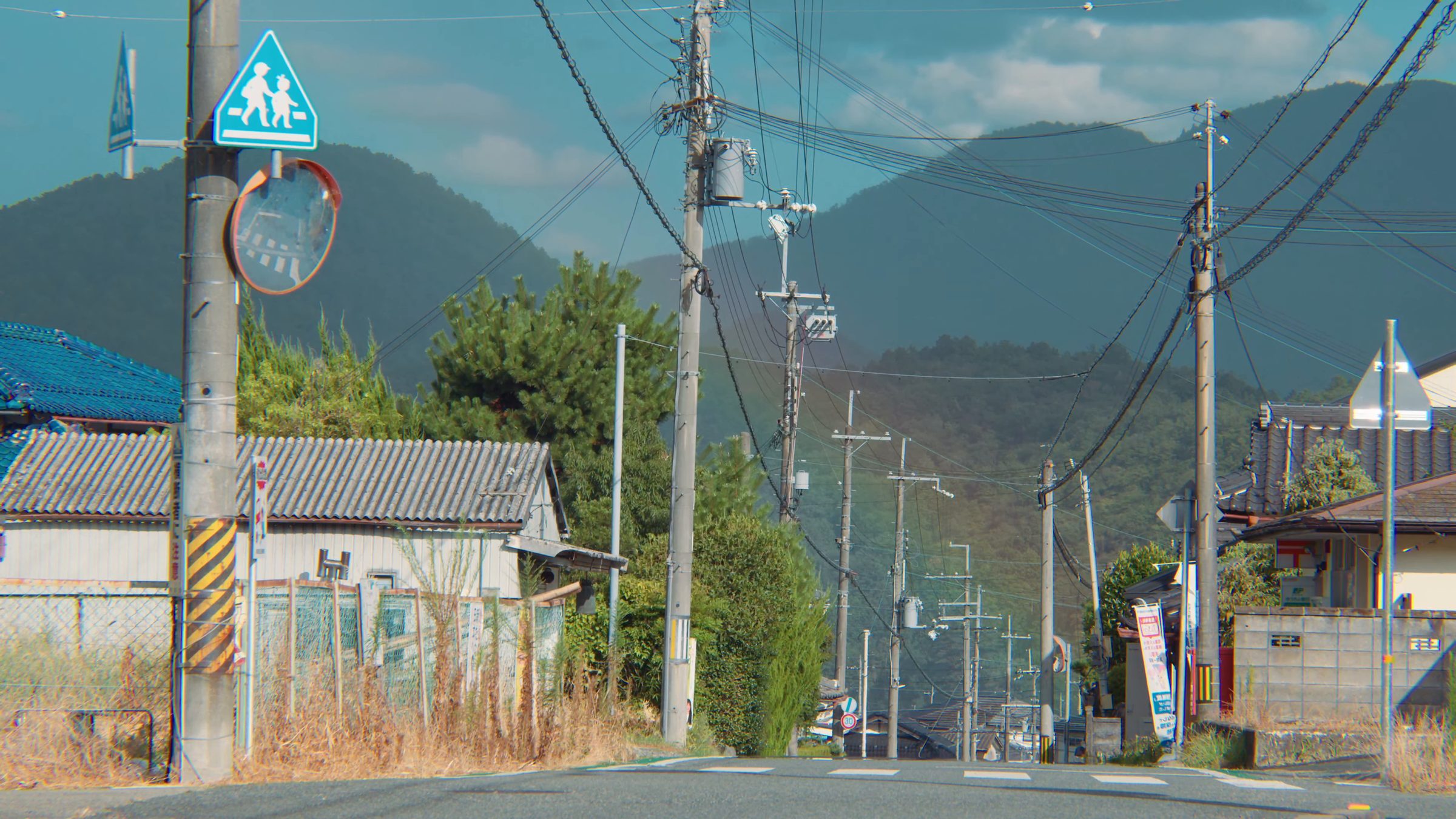
07TRAVEL JOURNAL
Finishing the kingyoku hydrangeas
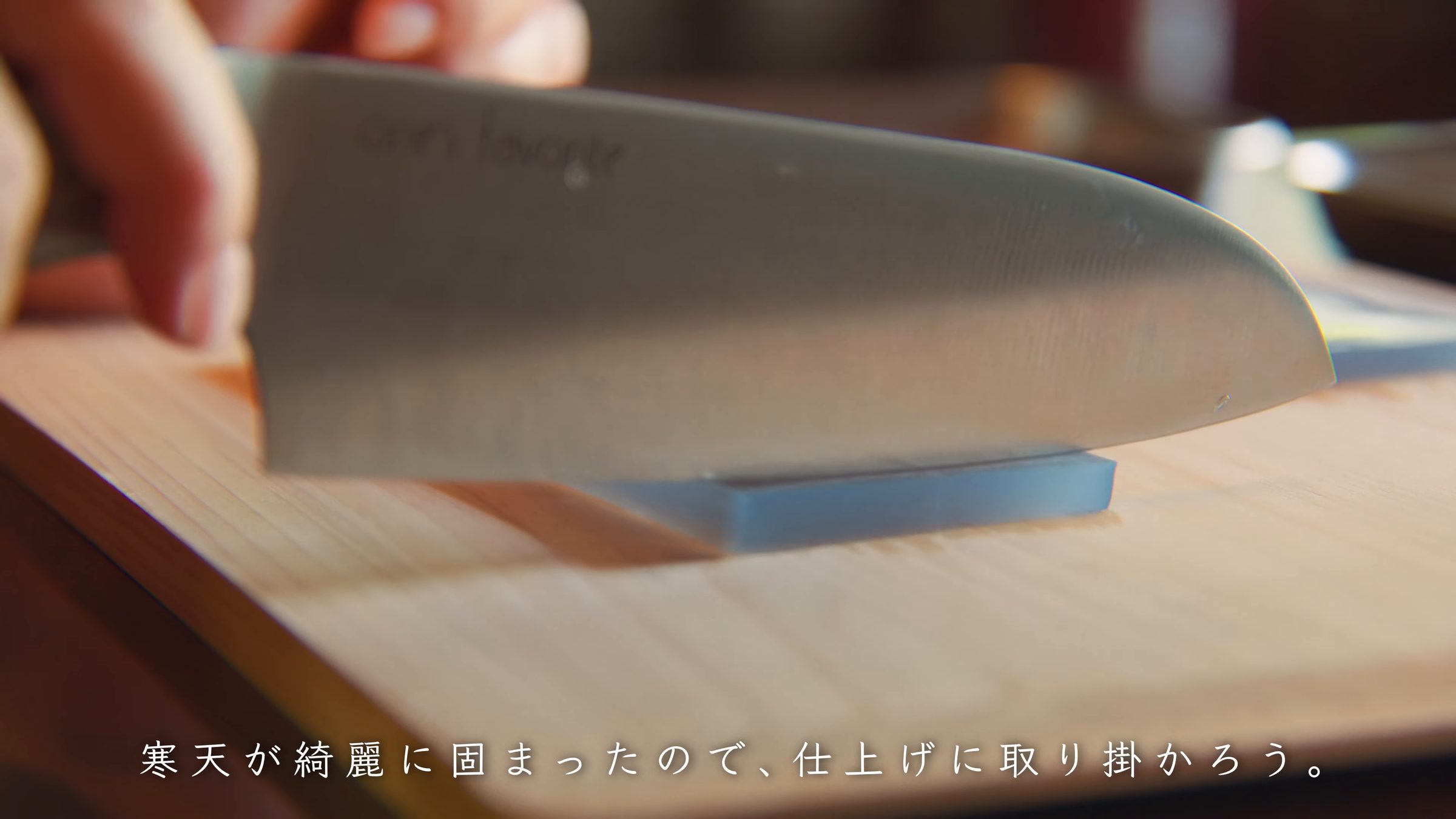
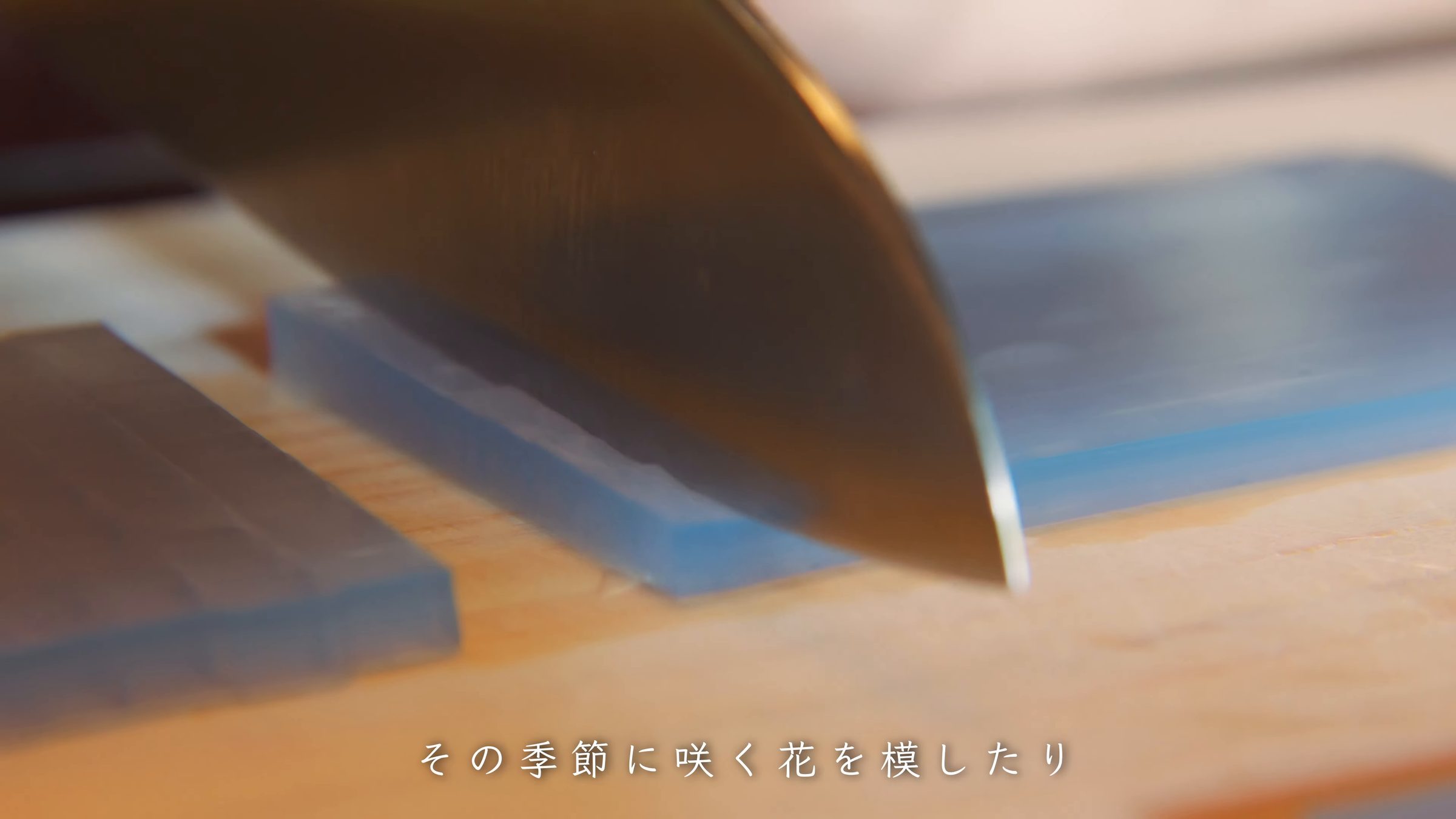
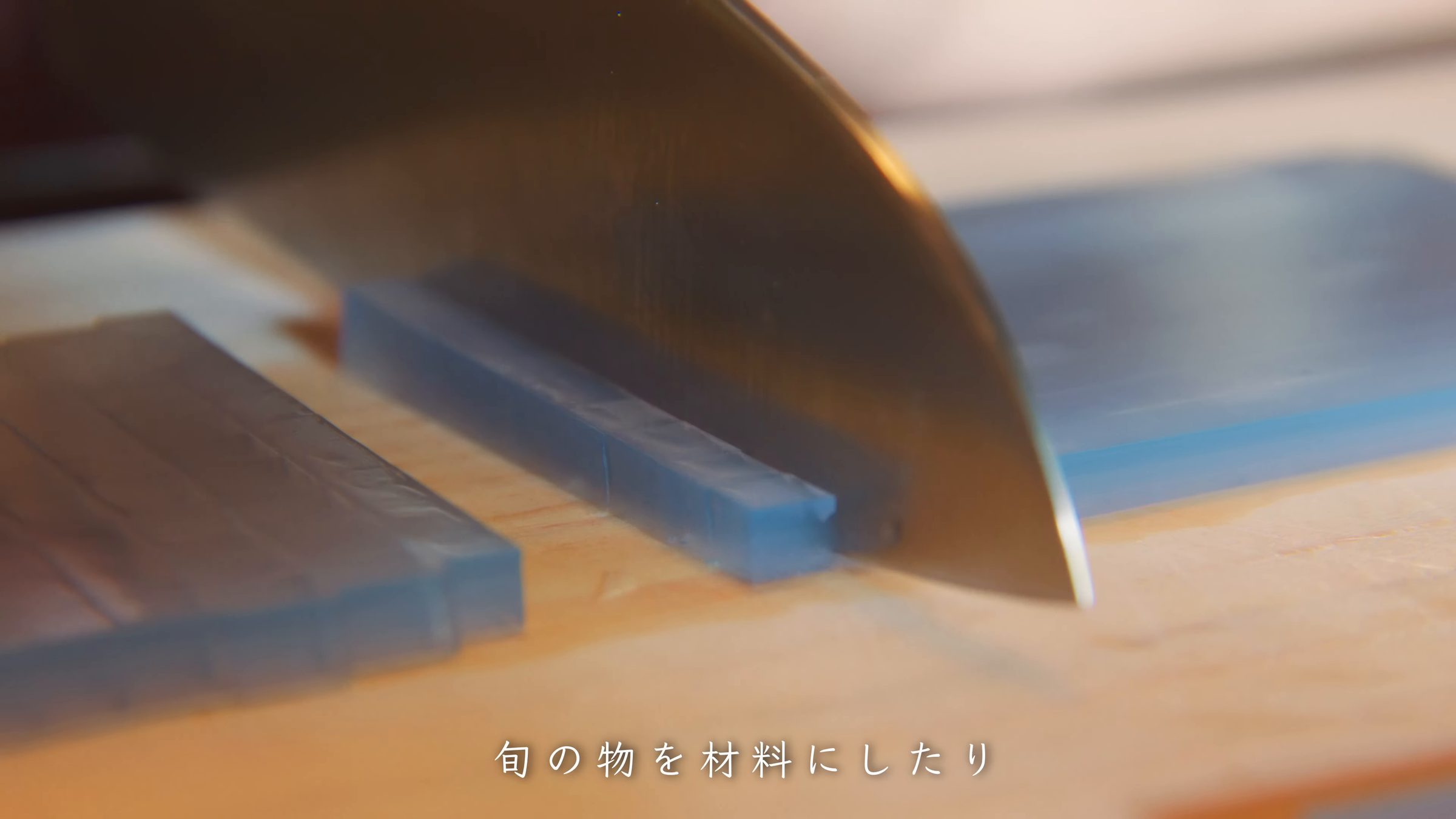
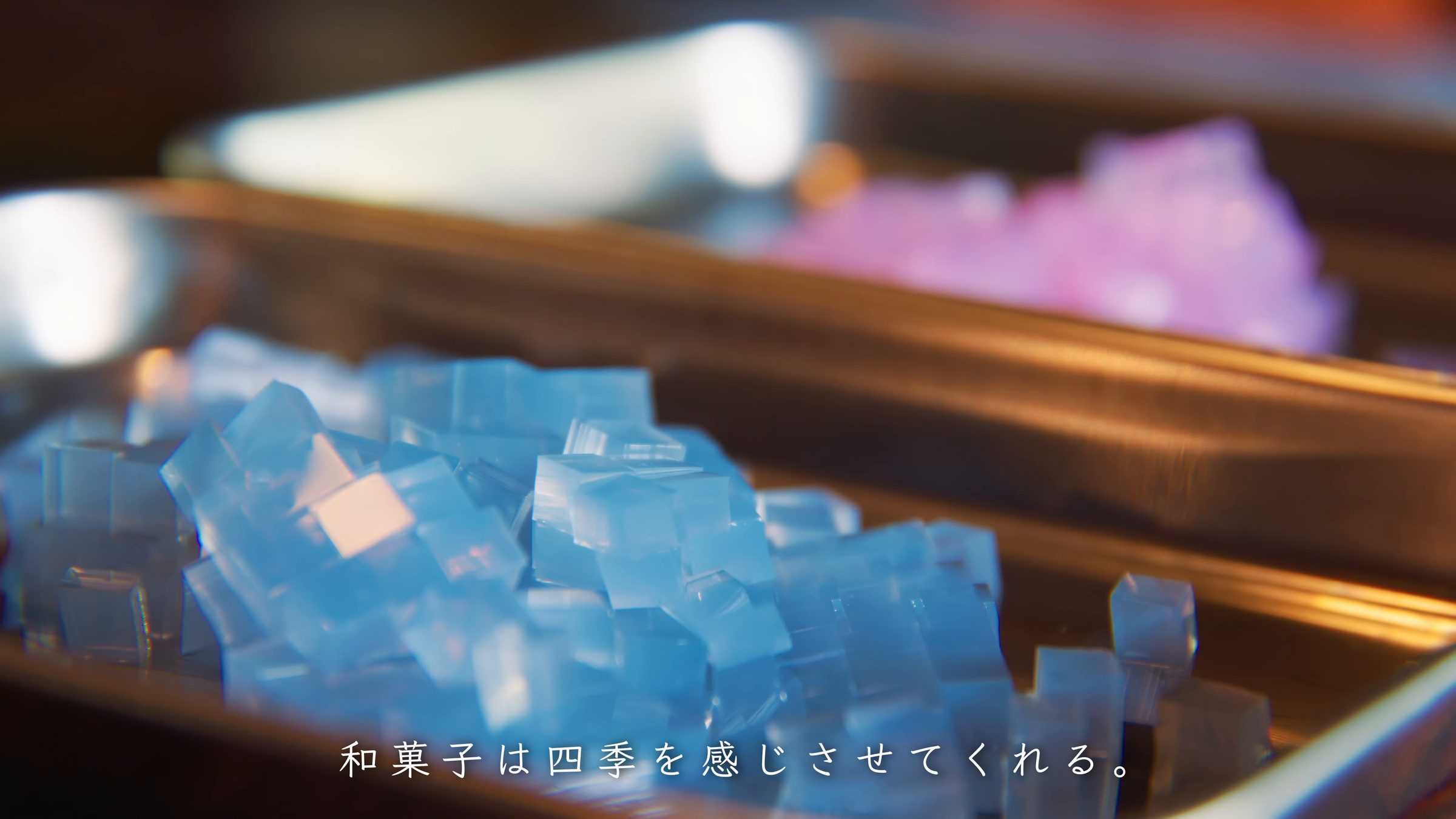
The agar had set nicely, so it was time to finish the sweets. I cut the blue and pink slabs into thin bars, then into tiny cubes.
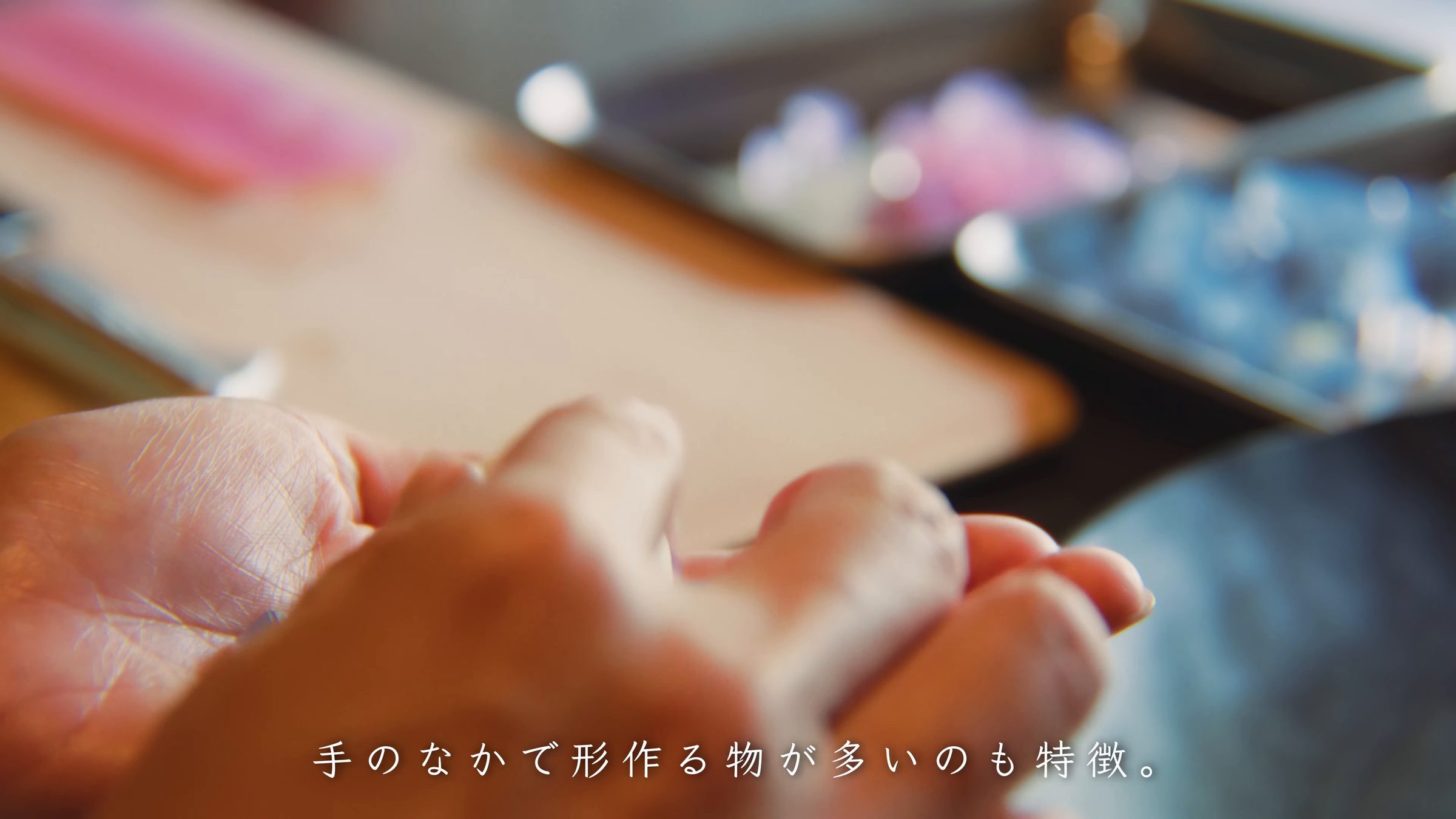
Shaped after the flowers of each season, made from what is in season: Japanese sweets let you feel the four seasons. Many of them are small enough to shape in your hand.
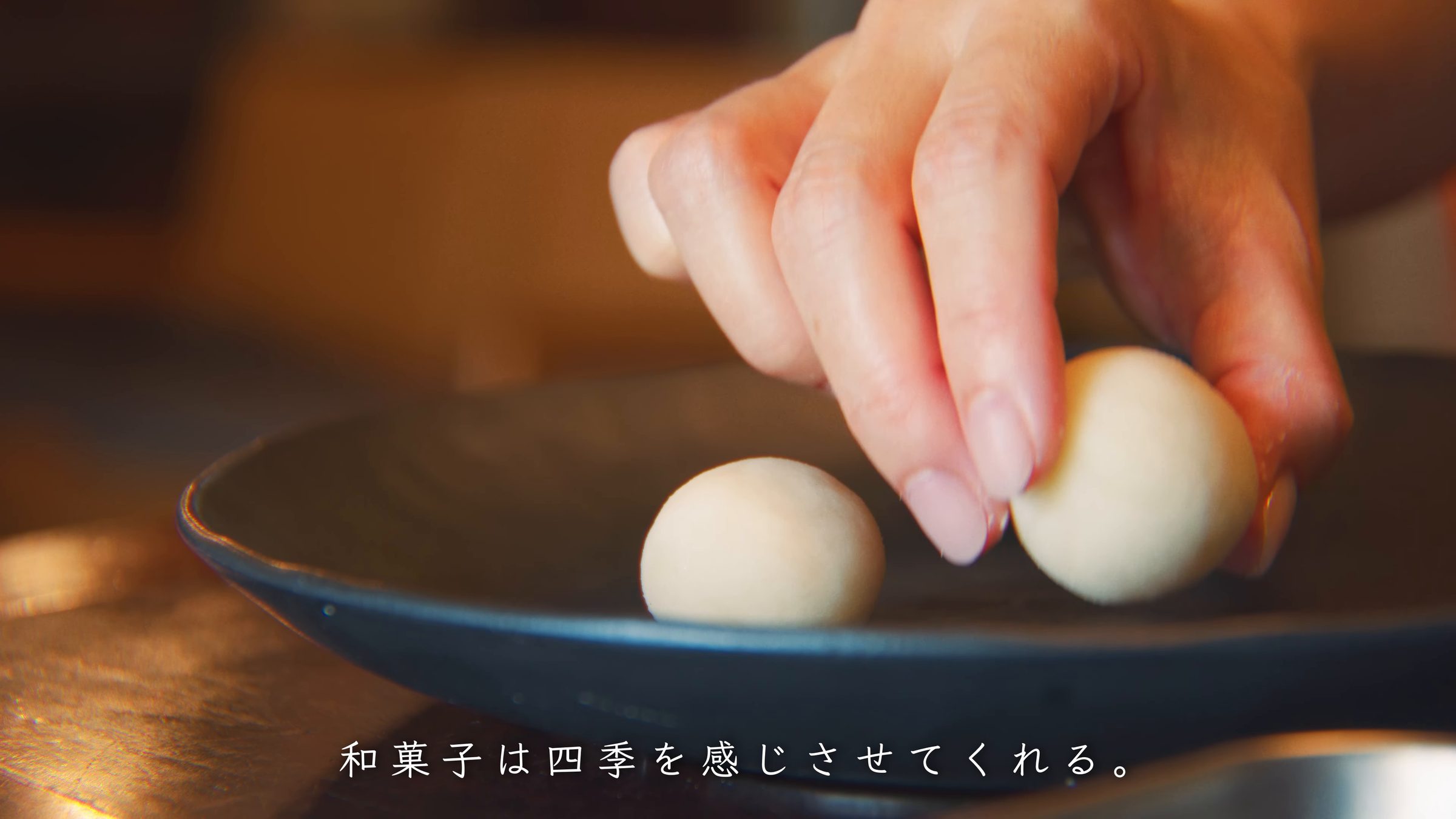
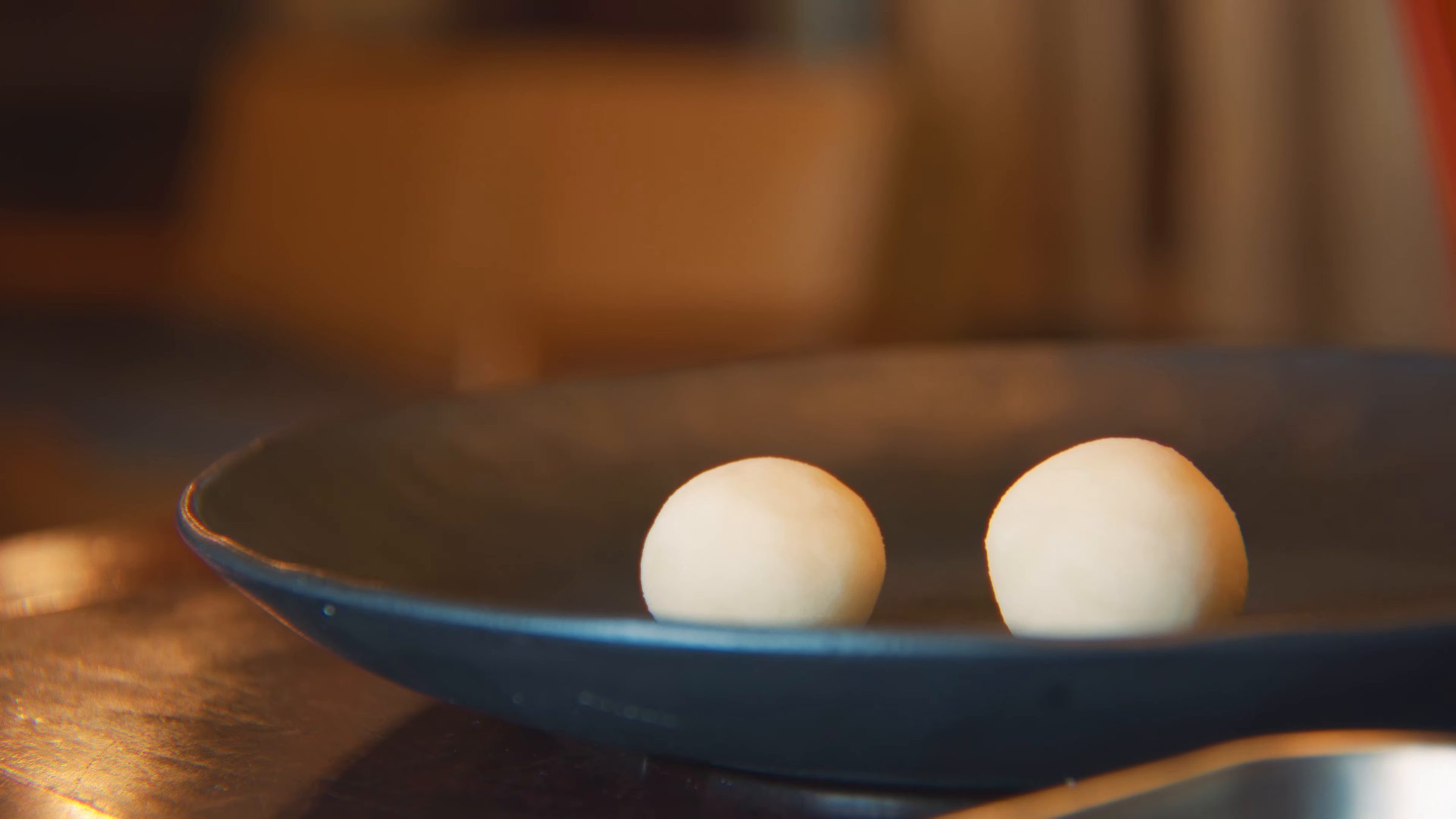
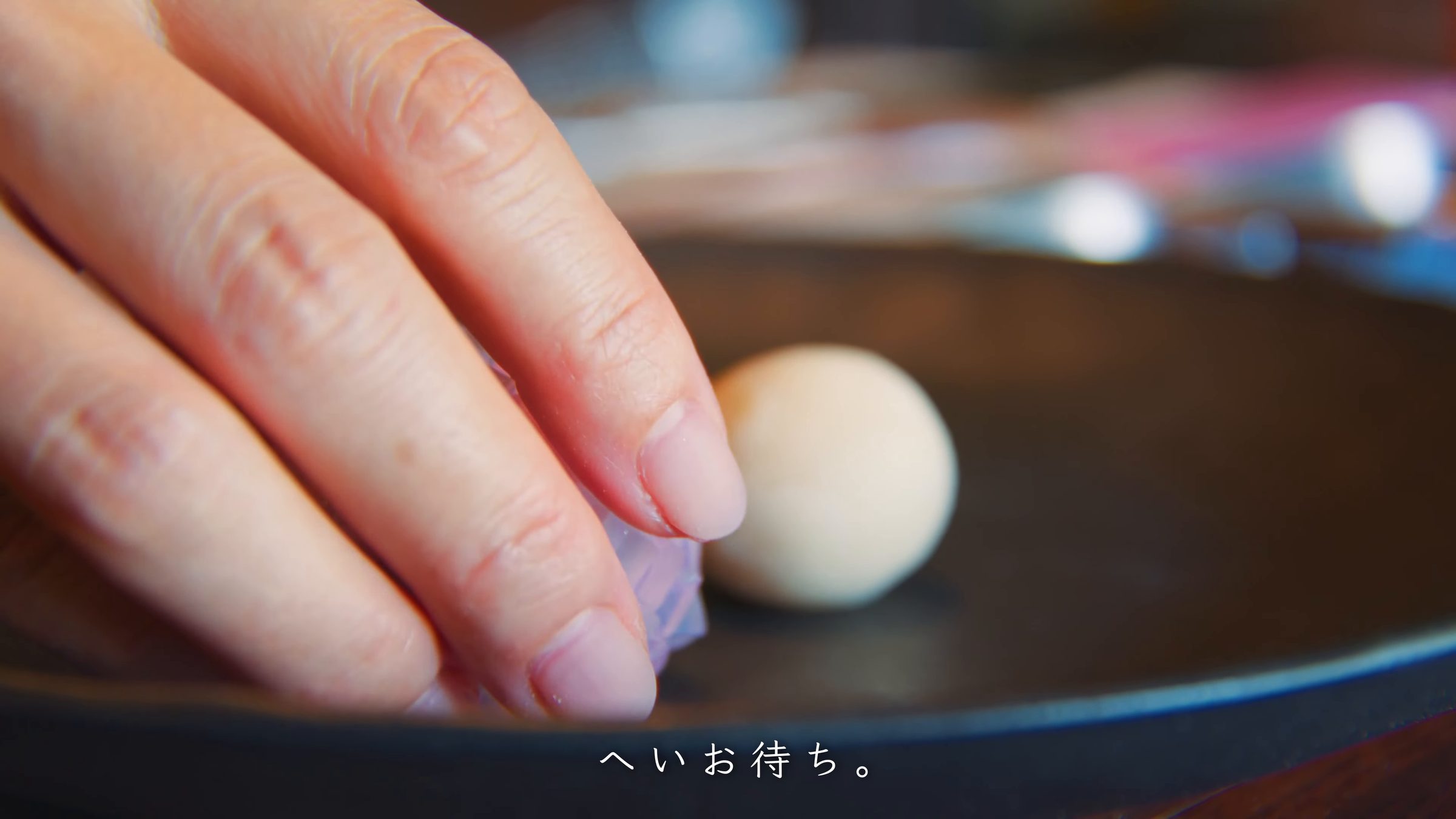
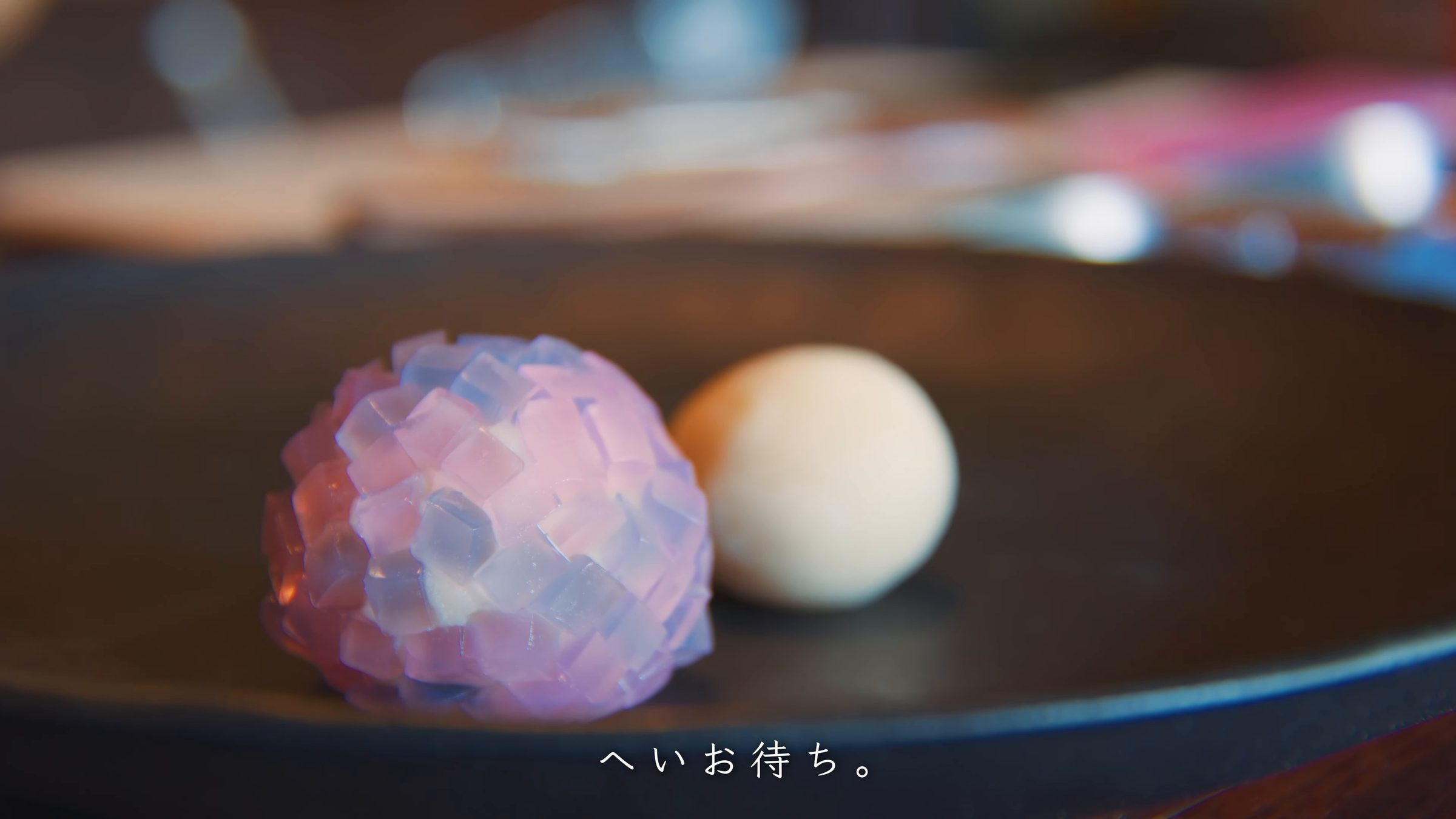
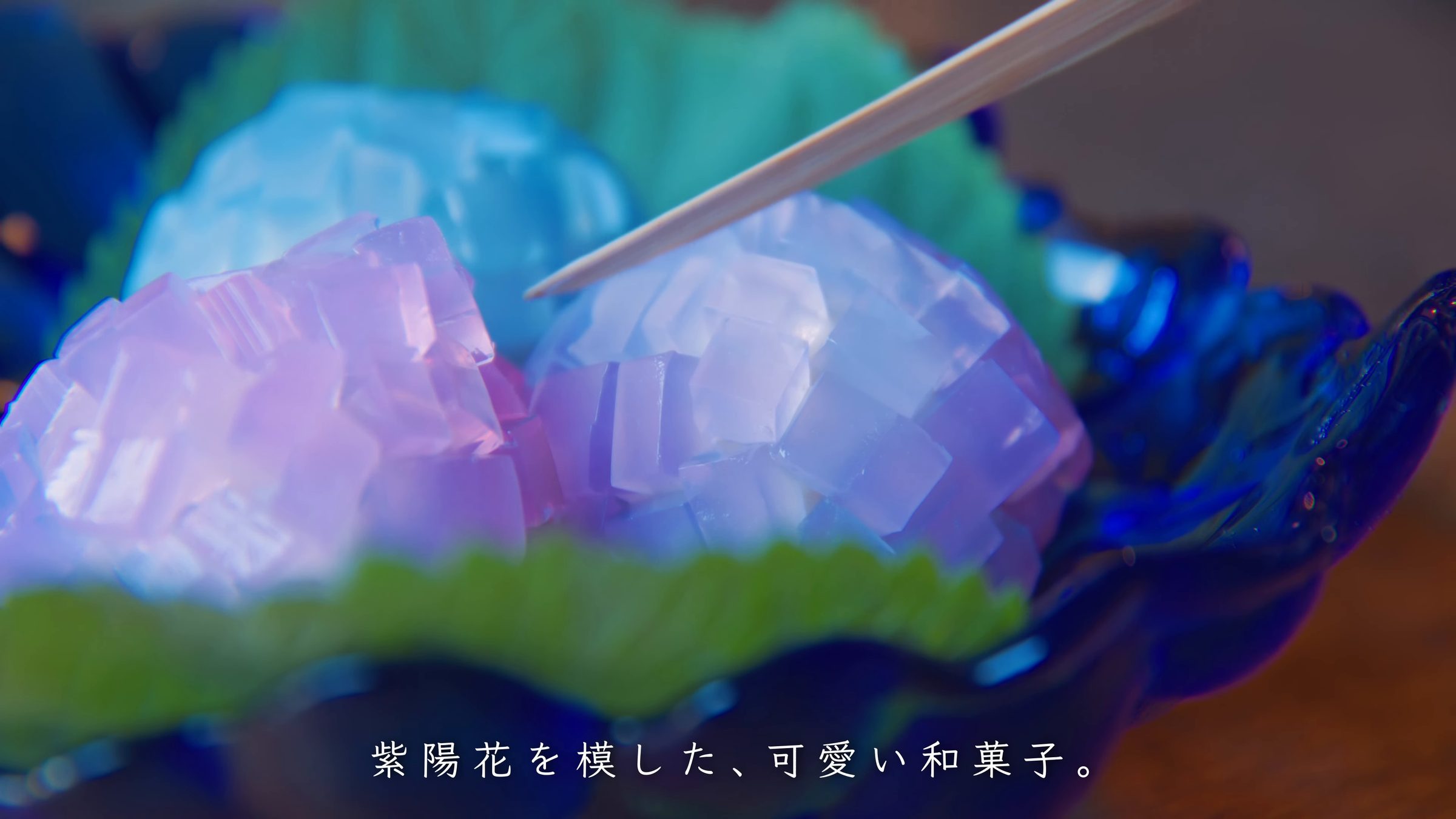
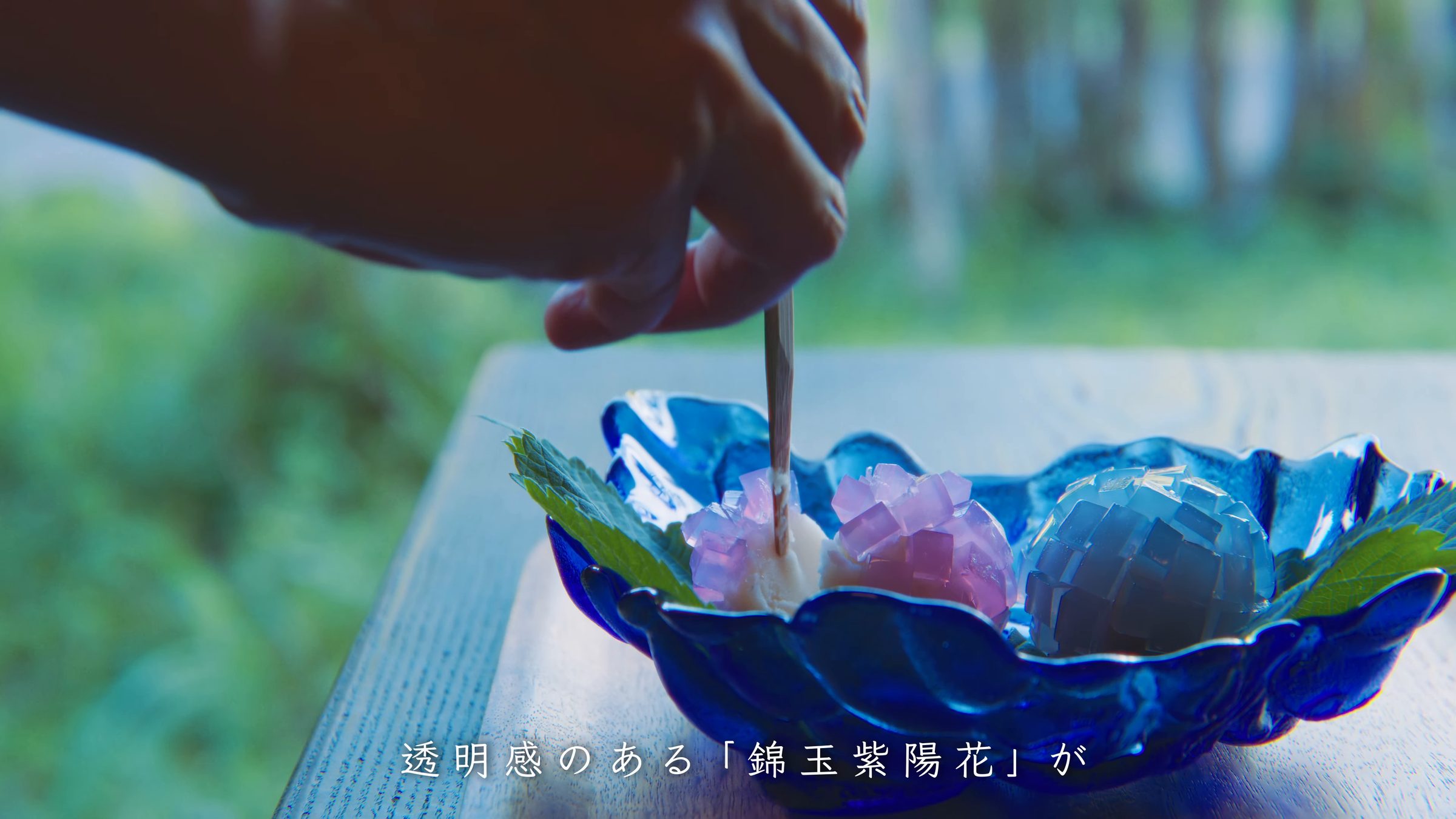
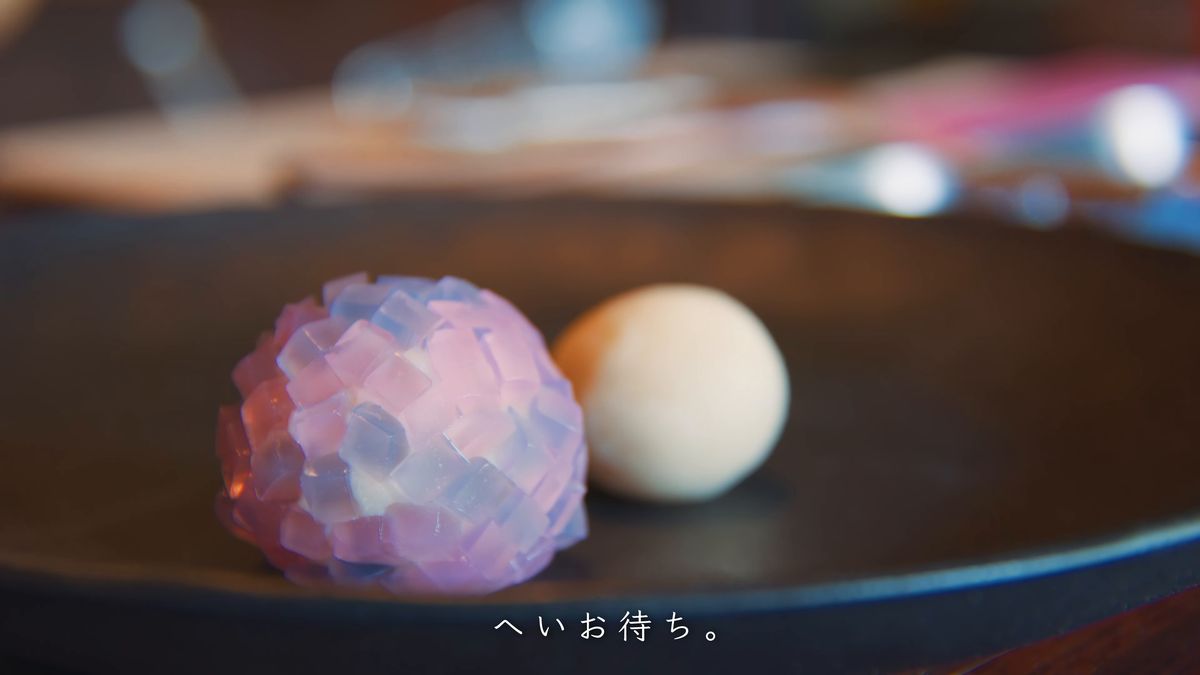
I rolled the white bean paste into balls, set them on a black plate, and pressed the agar cubes on one by one from my palm. The petals gathered into a little hydrangea. There you go.
Watch this scene on YouTube3:44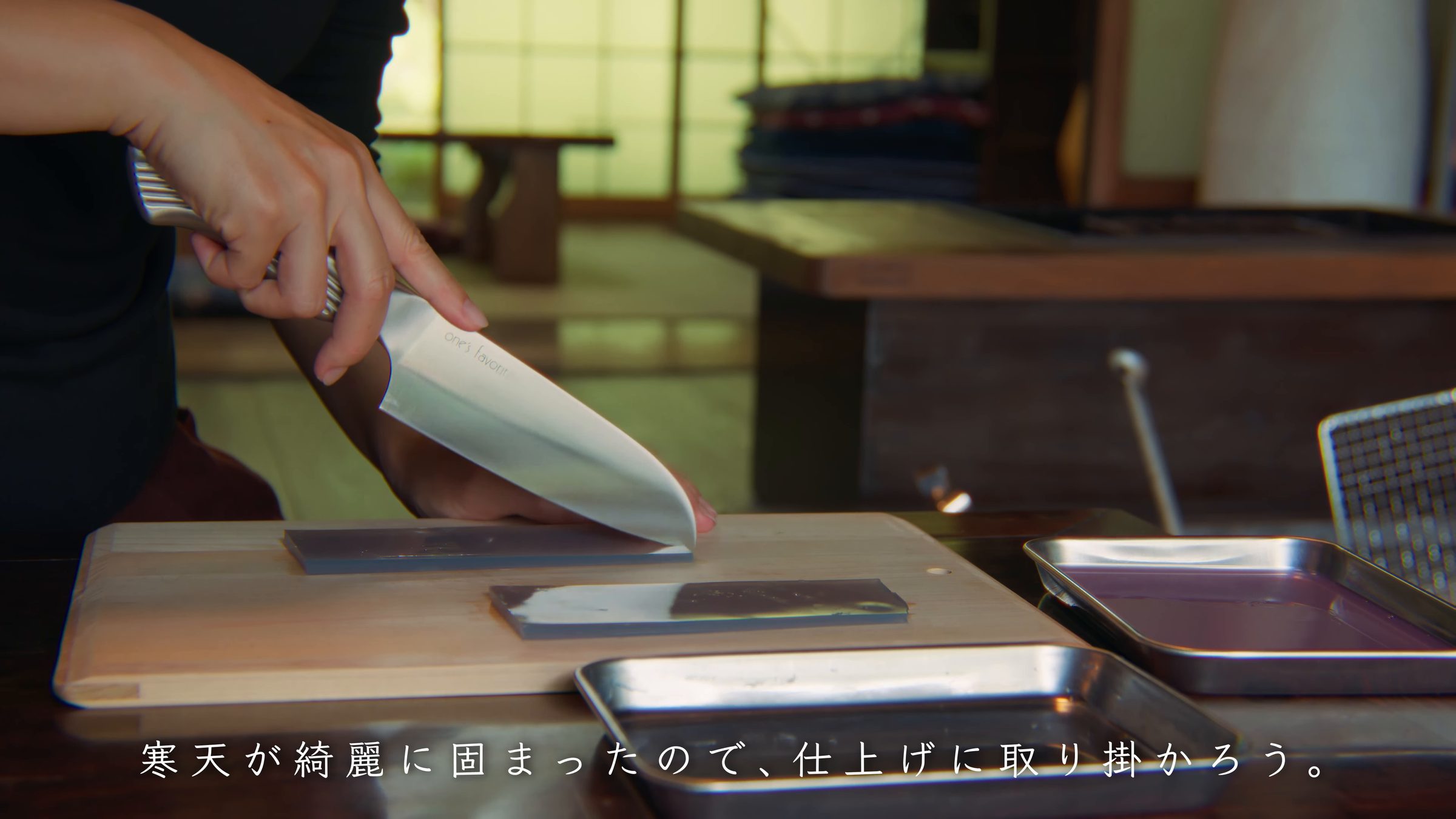
08TRAVEL JOURNAL
The afternoon after the rain
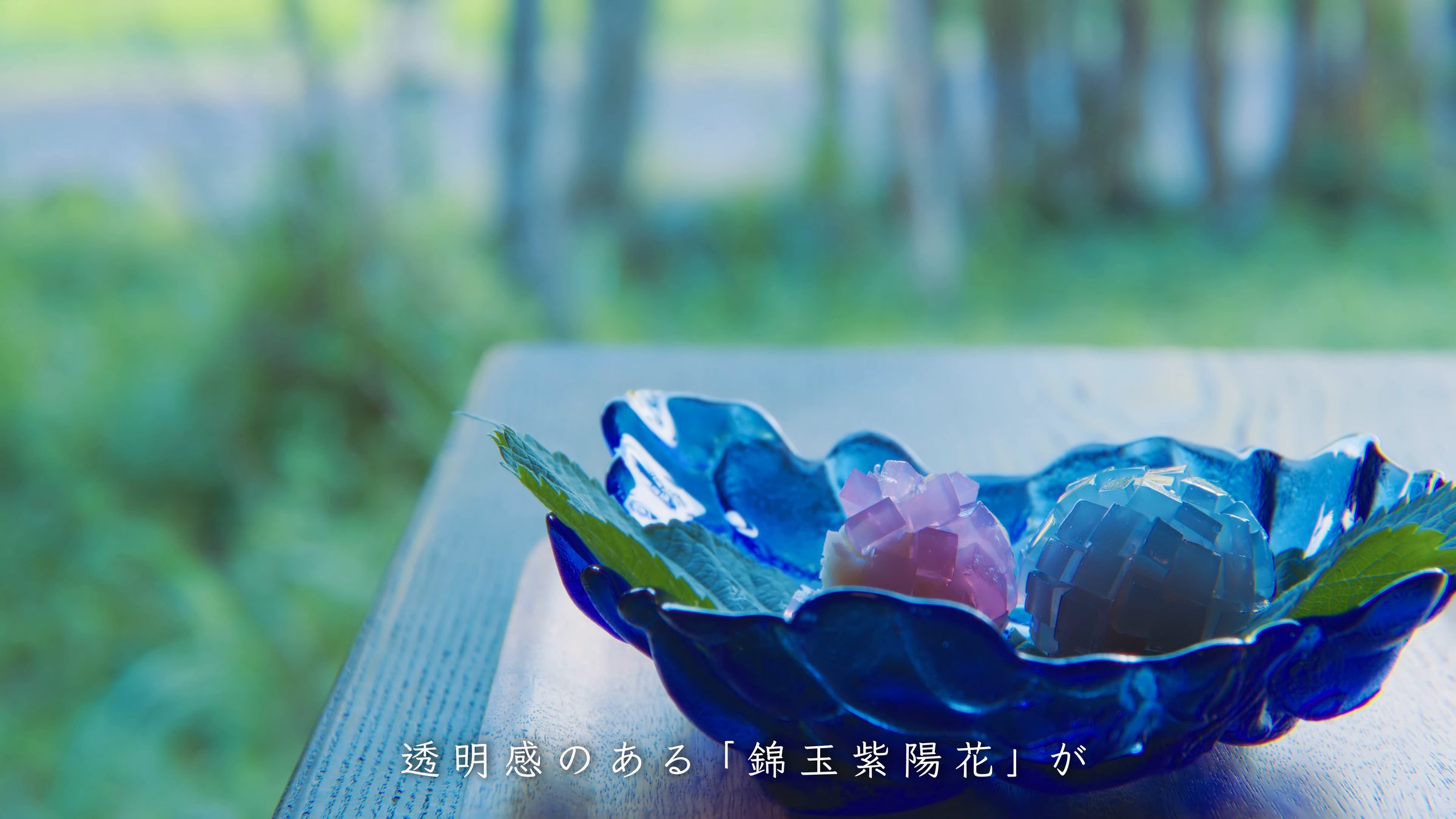
Cute little sweets in the shape of hydrangeas. I set them in a blue glass dish with a leaf and carried them out to the veranda. The translucent "kingyoku hydrangeas" brightened the afternoon after the rain.
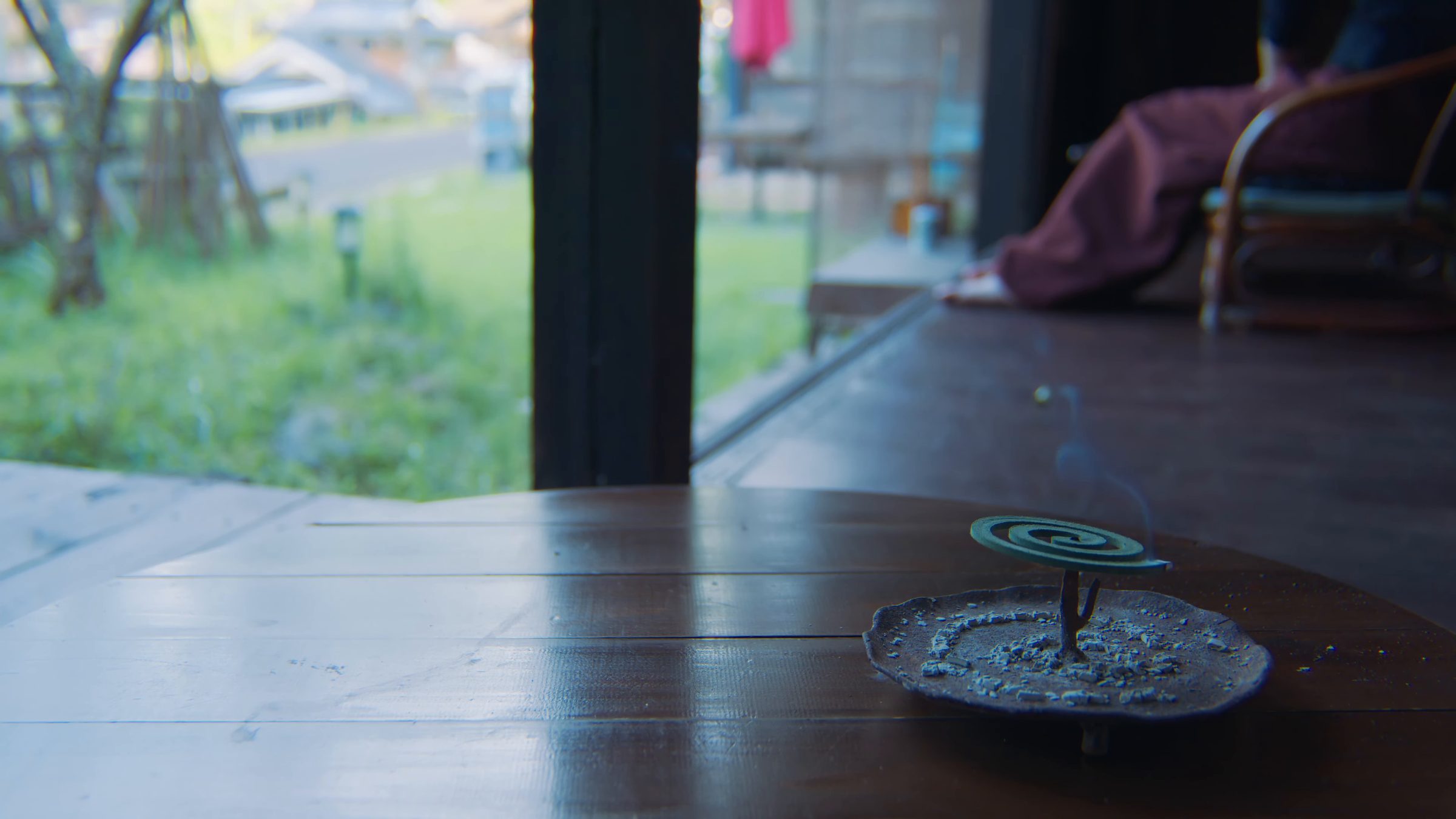
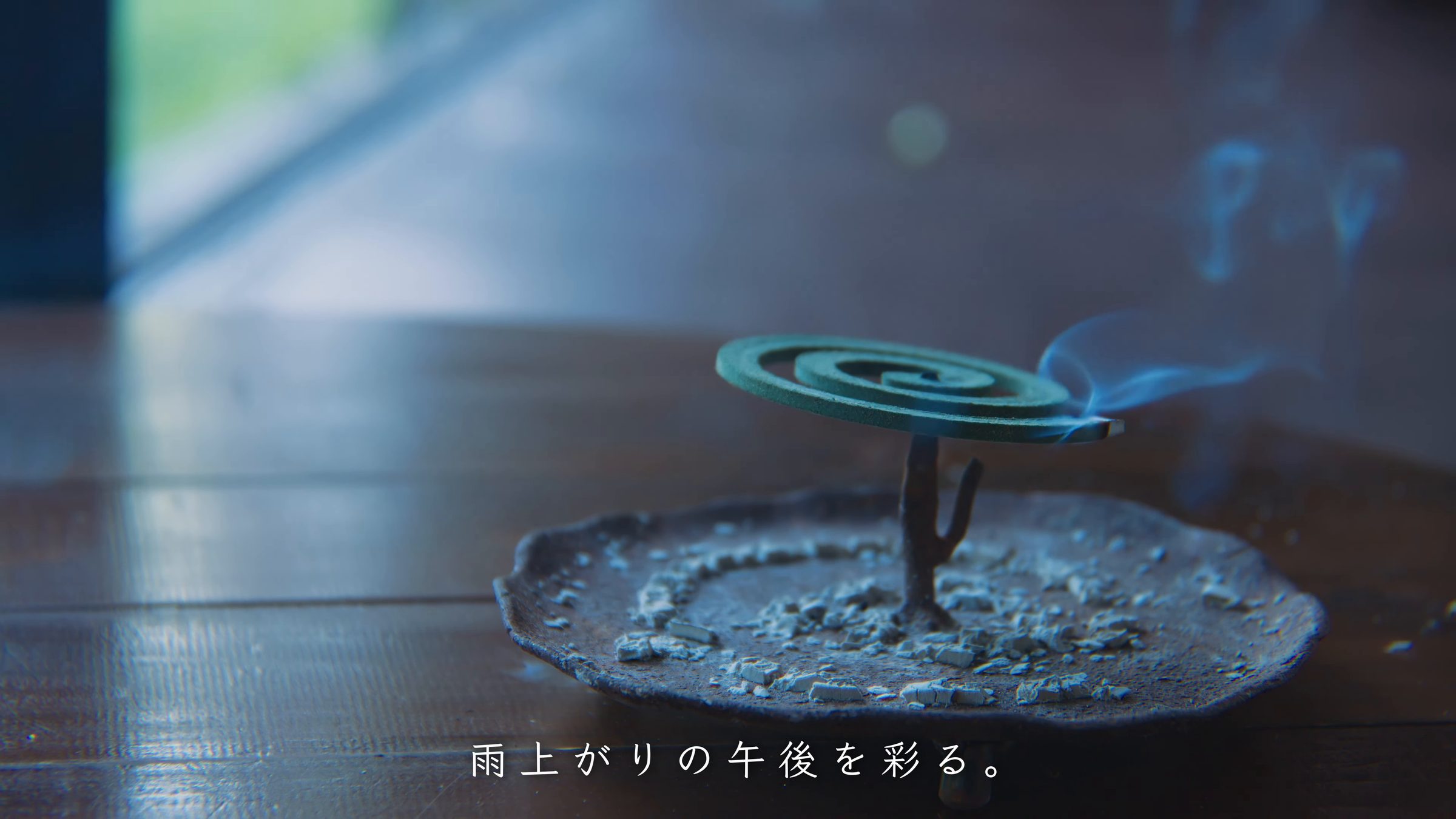
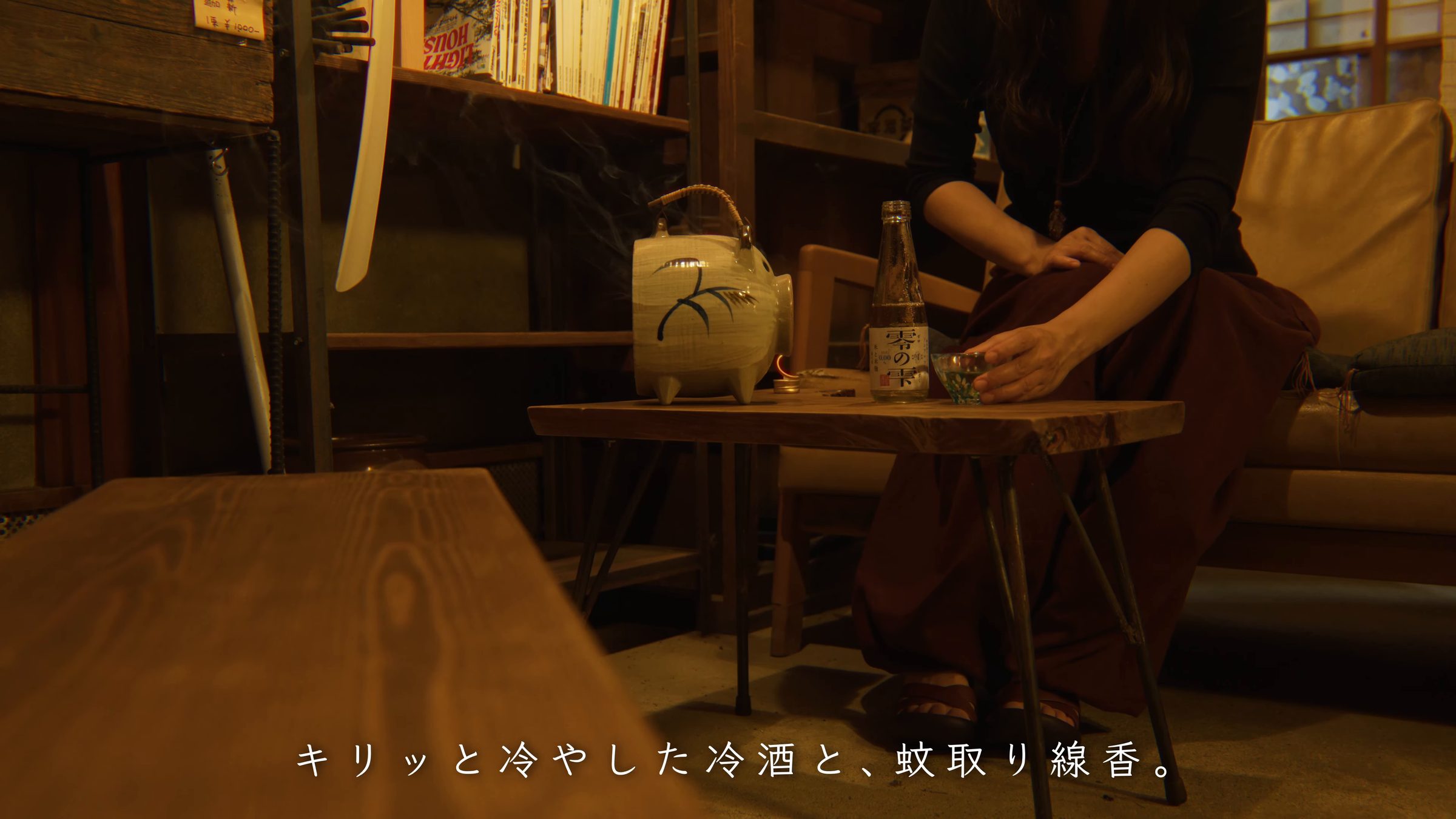
One piece on a toothpick: the texture of agar, the sweetness of white bean paste. At the edge of the veranda, smoke curled slowly from a mosquito coil. I passed the time looking out from the hearth room at the garden and the rice fields. The stream beside the house ran high with the rain.
Watch this scene on YouTube4:19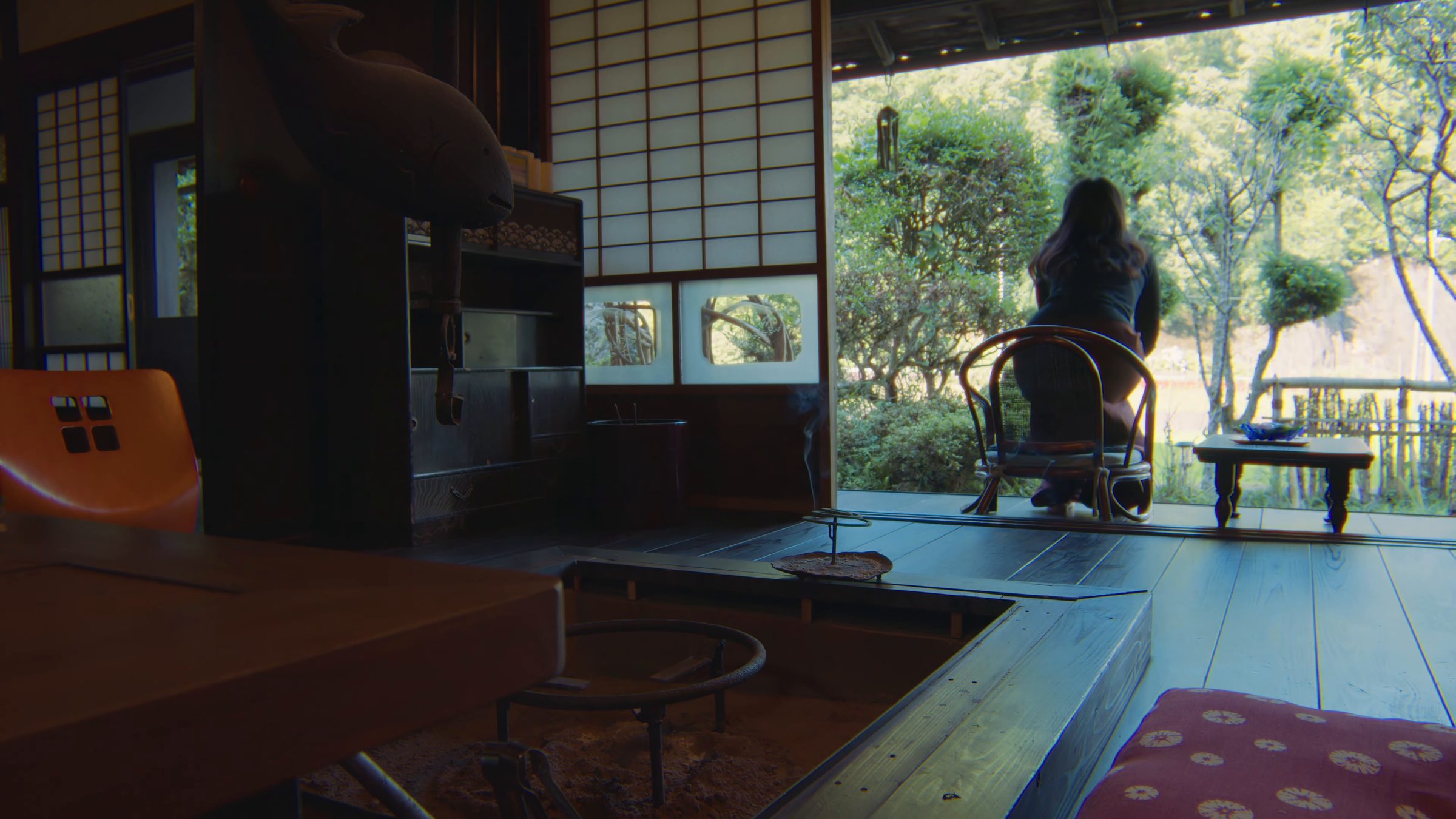
09TRAVEL JOURNAL
Dusk comes to the mountain village
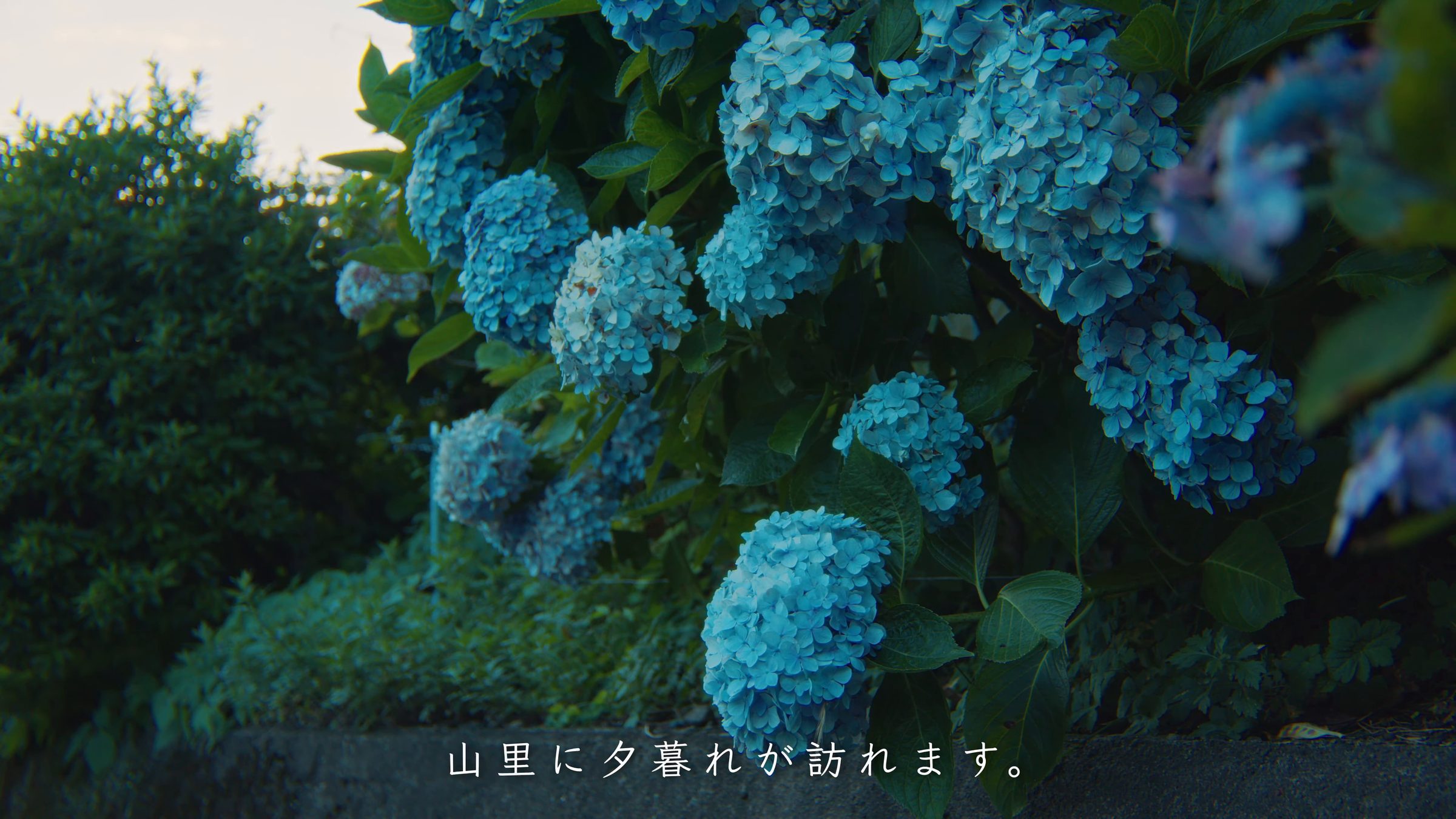
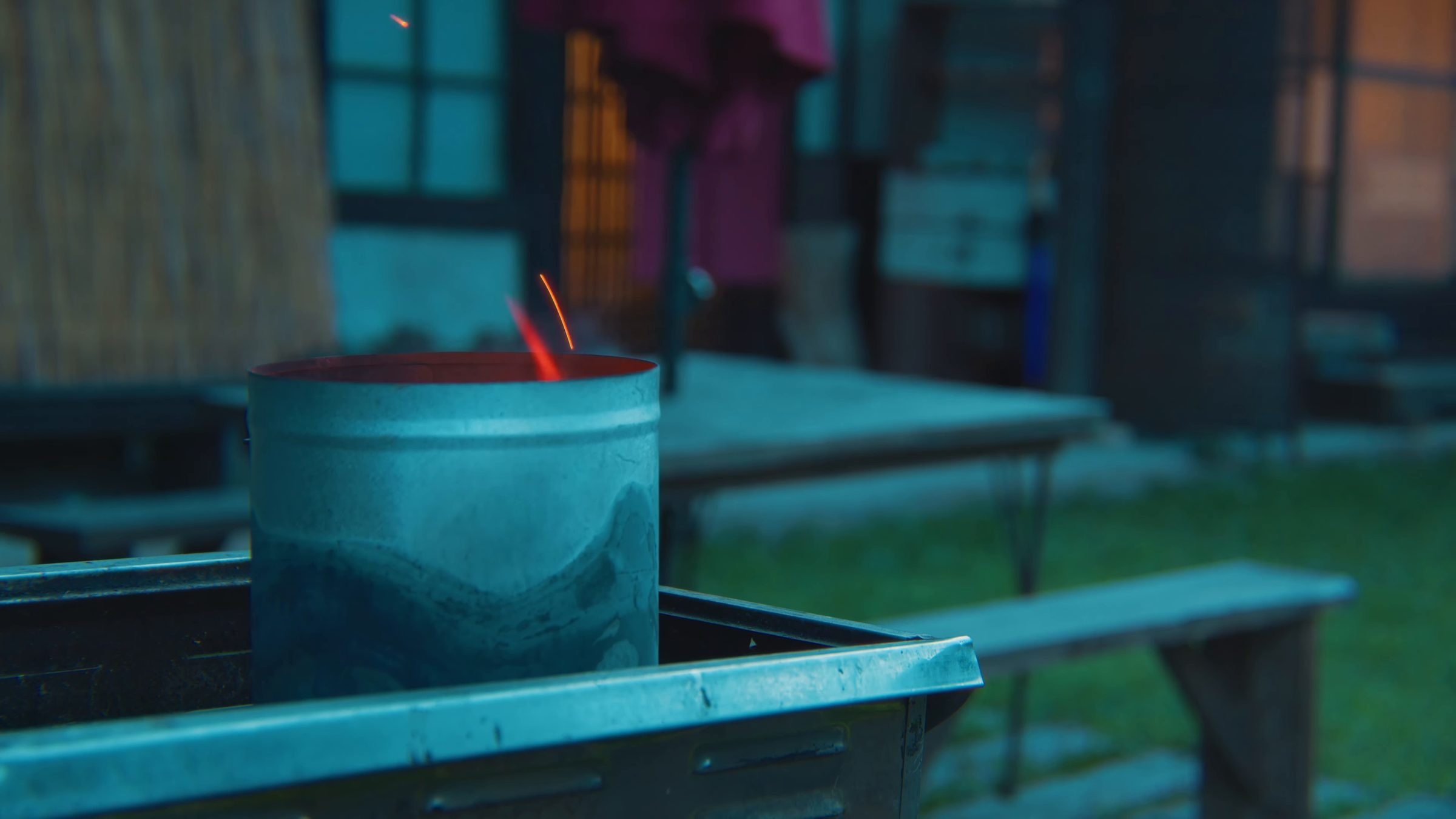
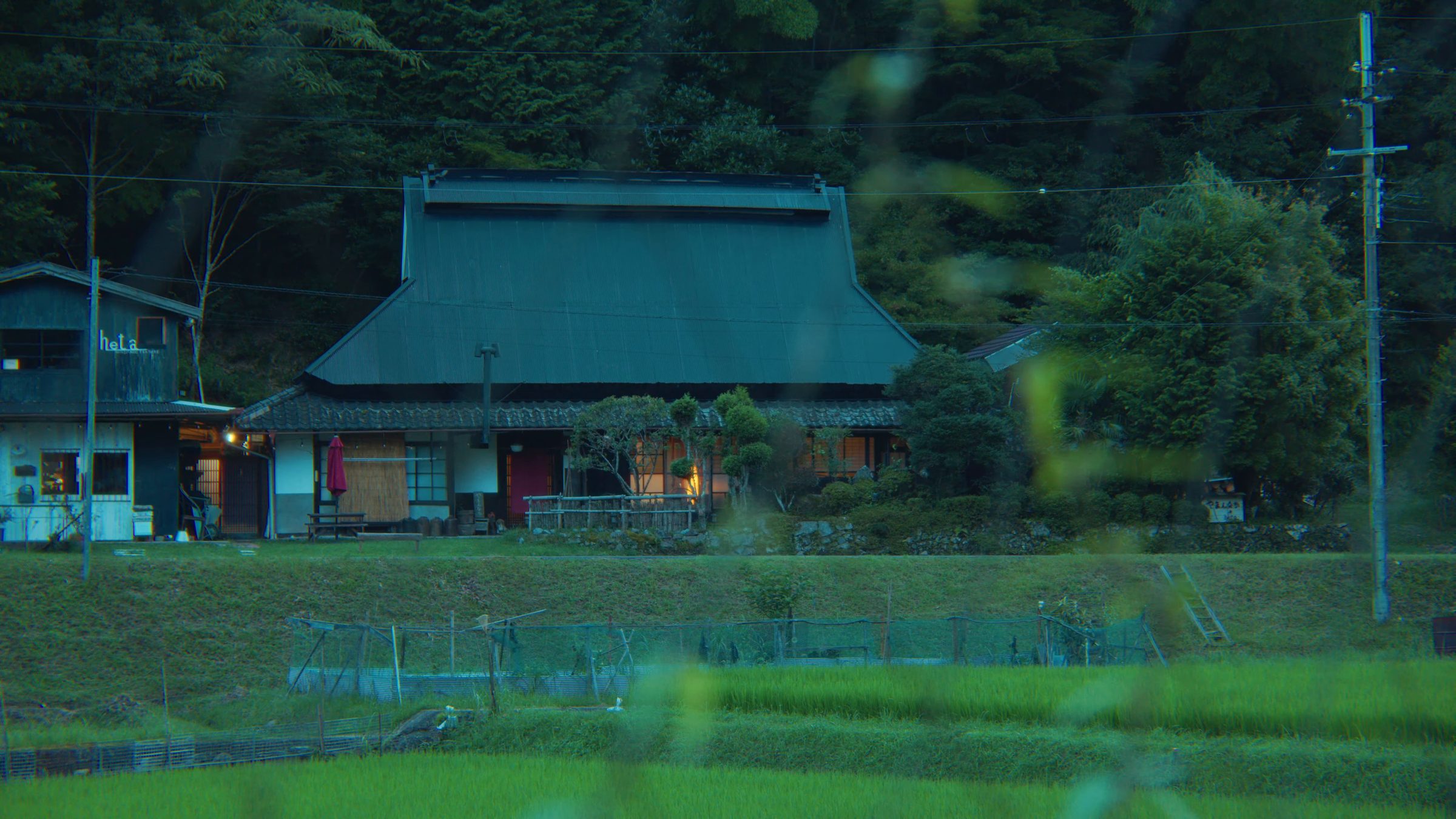
Dusk comes to the mountain village. The clouds left on the ridges take on a faint color. The hydrangeas in the garden sink into blue, and a red glow burns inside the mosquito-coil tin.
Across the rice fields, the lights of the farmhouse came on.
Watch this scene on YouTube4:55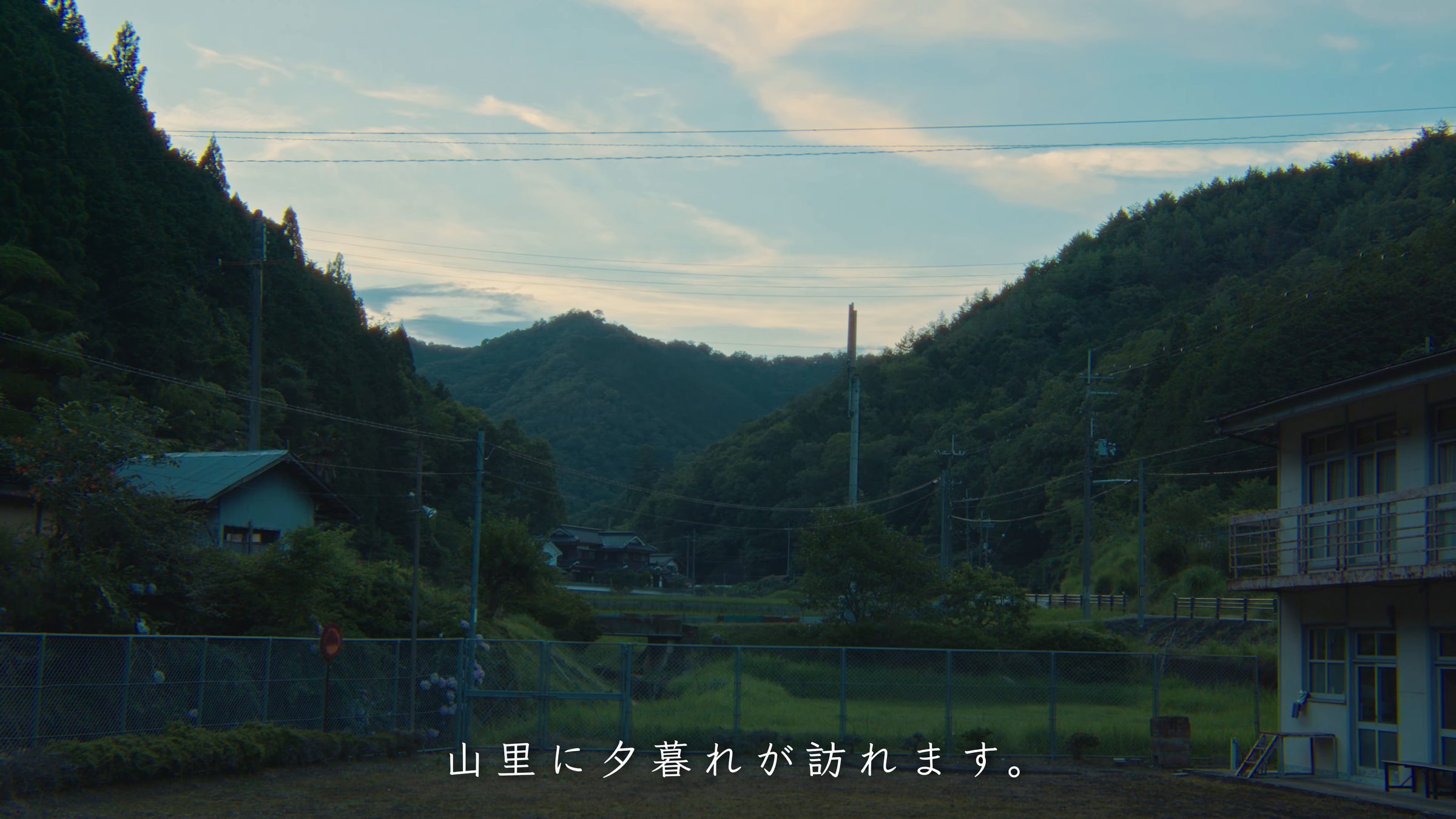
10TRAVEL JOURNAL
Botan nabe, Tamba's specialty, over the hearth
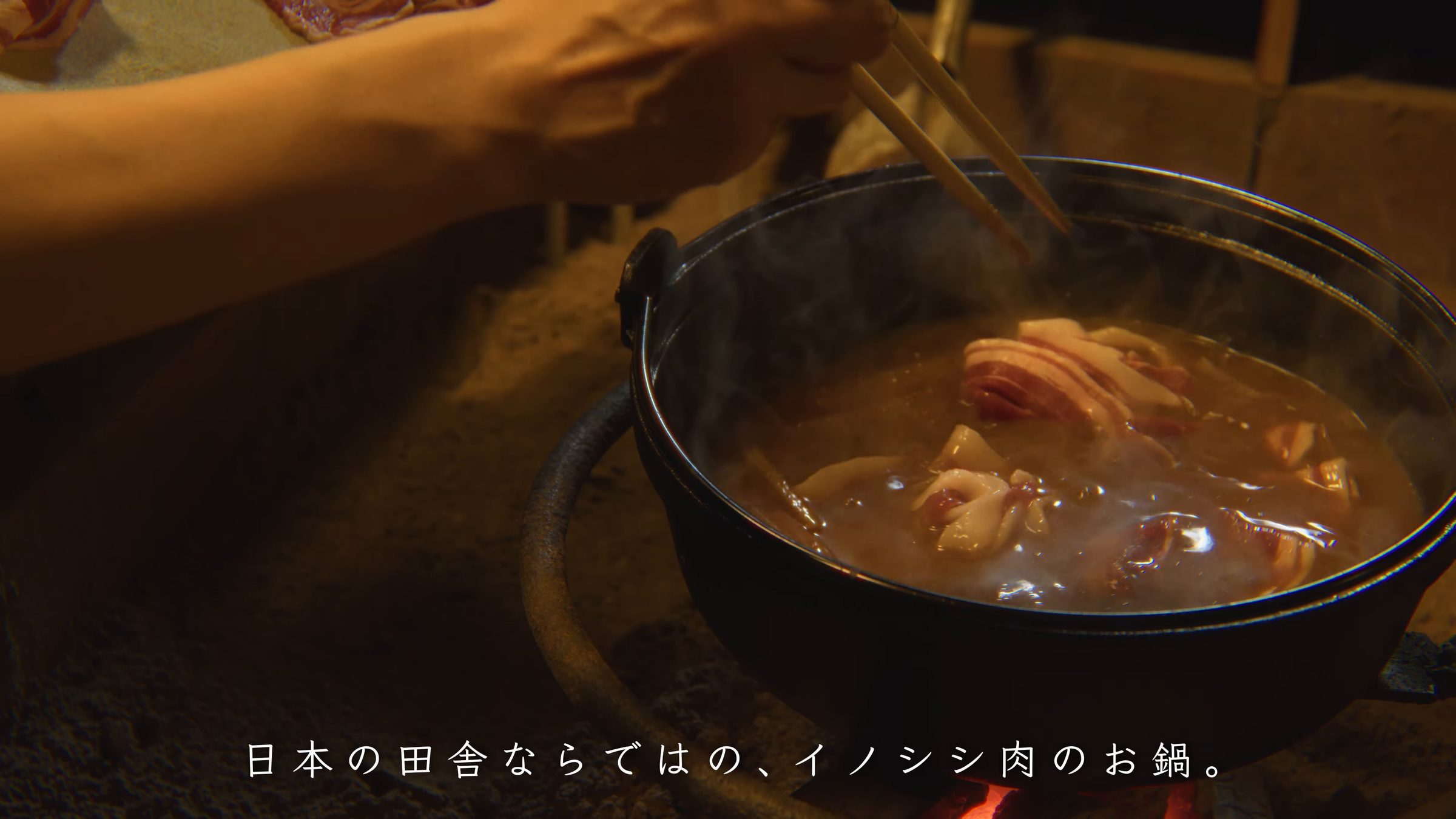
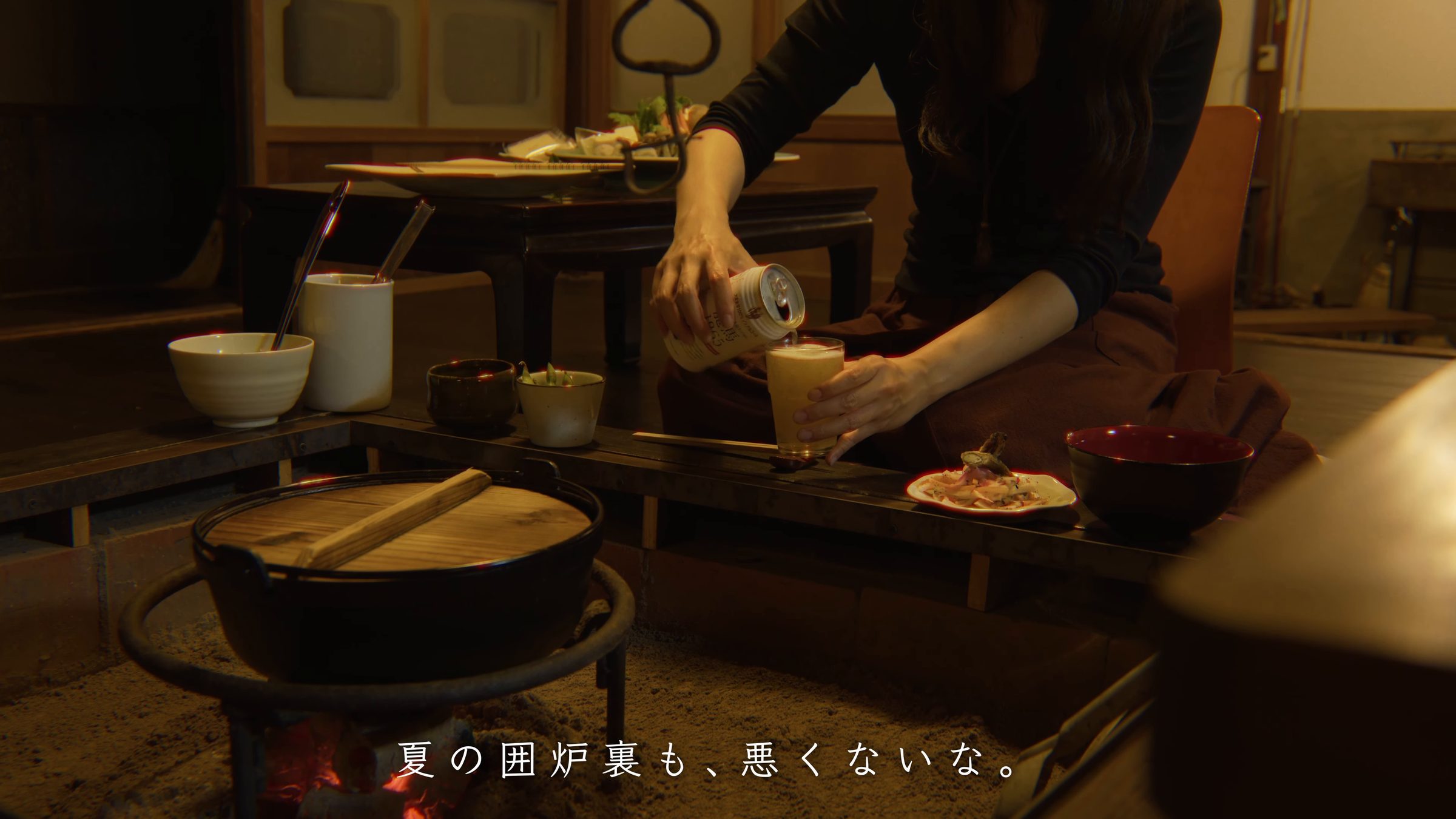
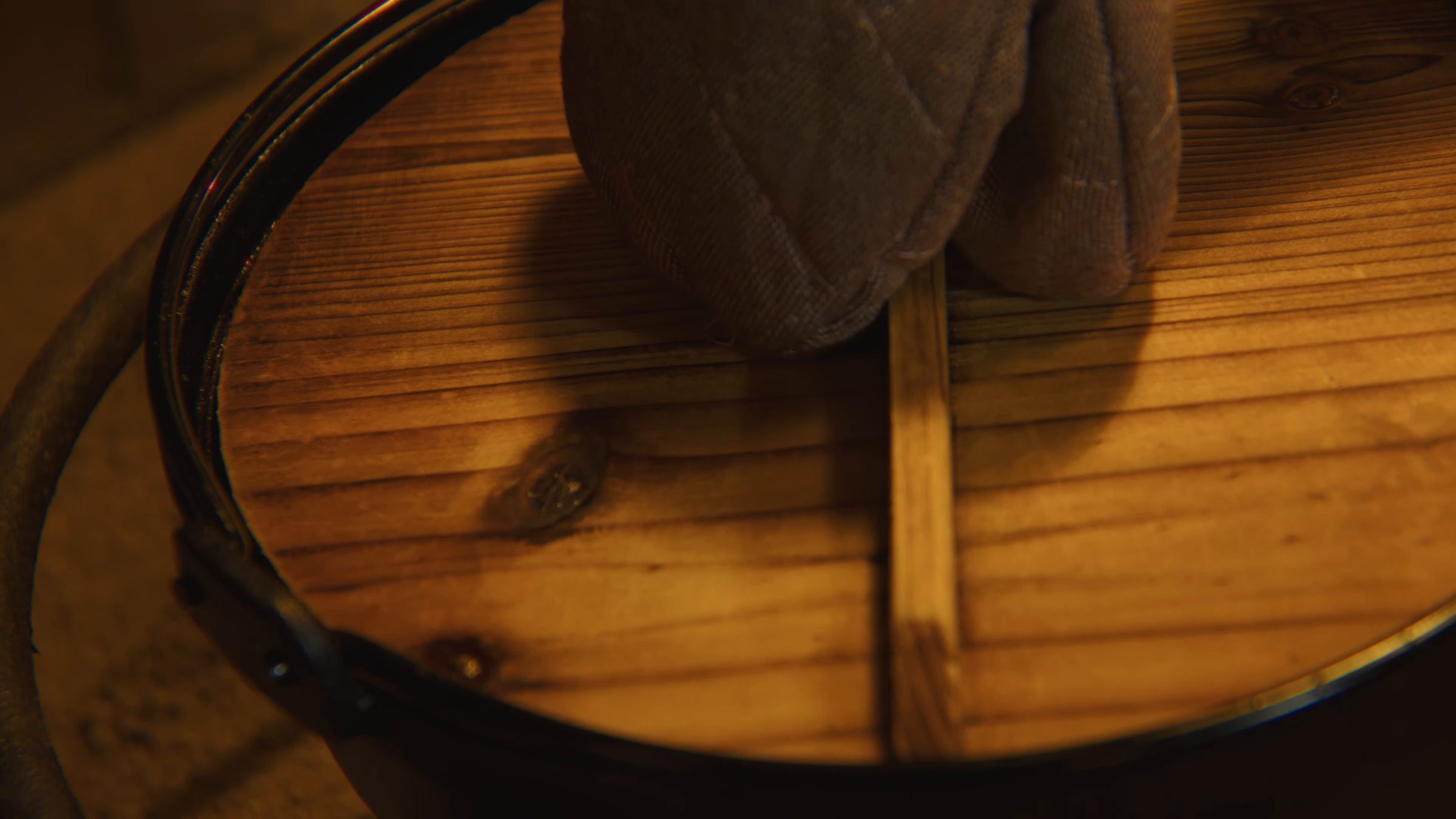
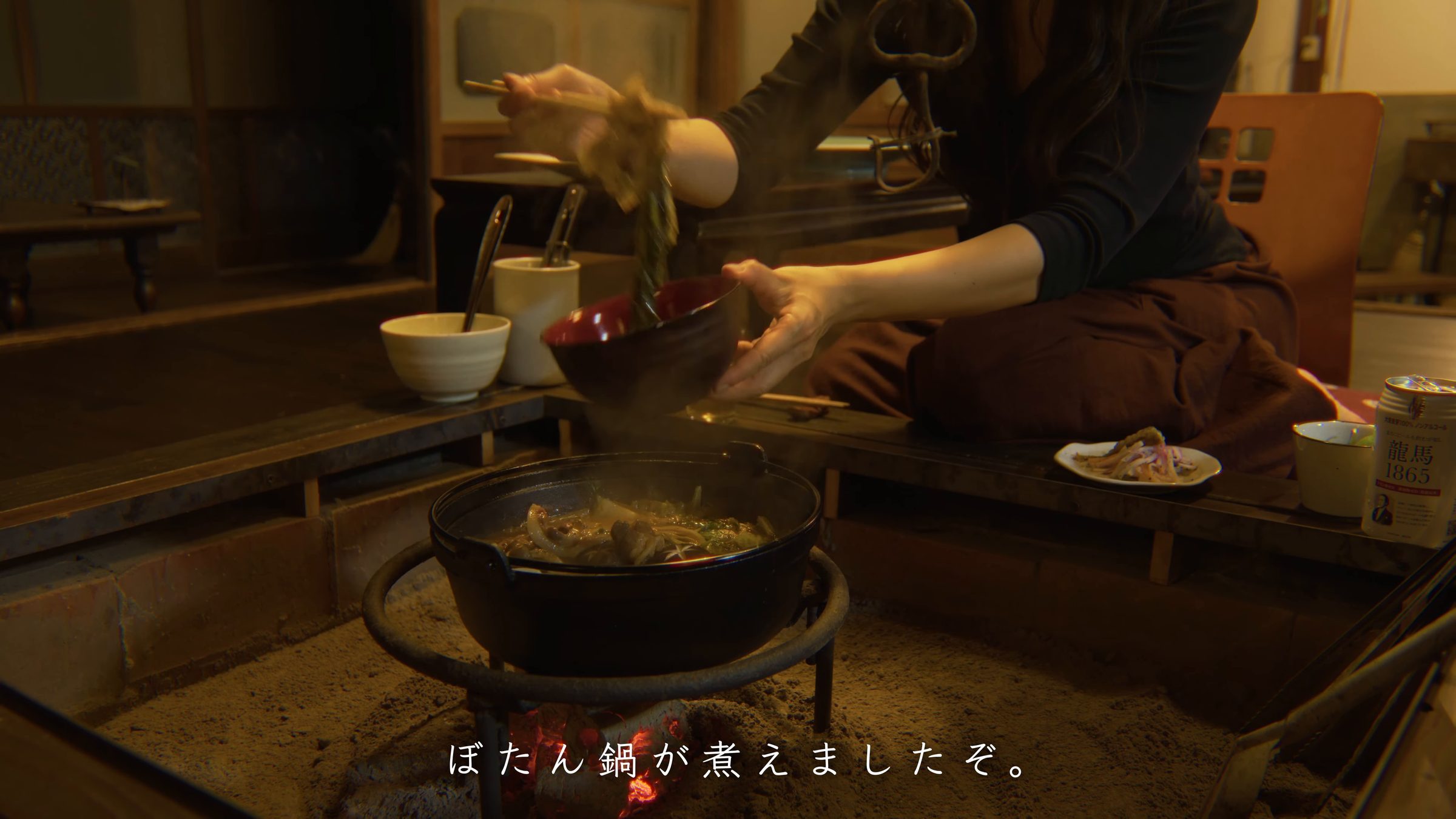
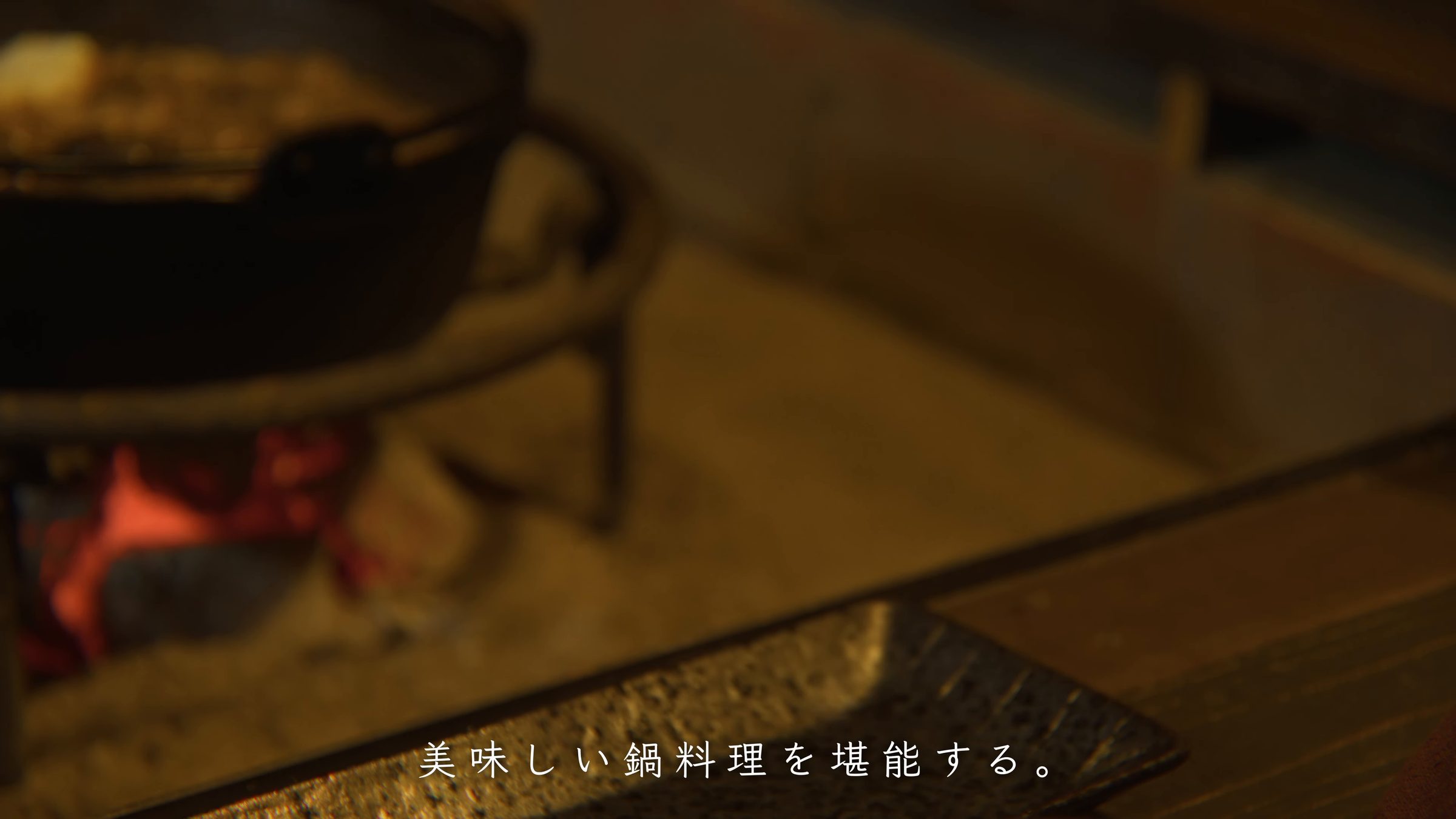
In the evening I sat at the hearth. However many times I do this, an open hearth never fails to excite me. Over the charcoal hung an iron pot with a wooden lid.
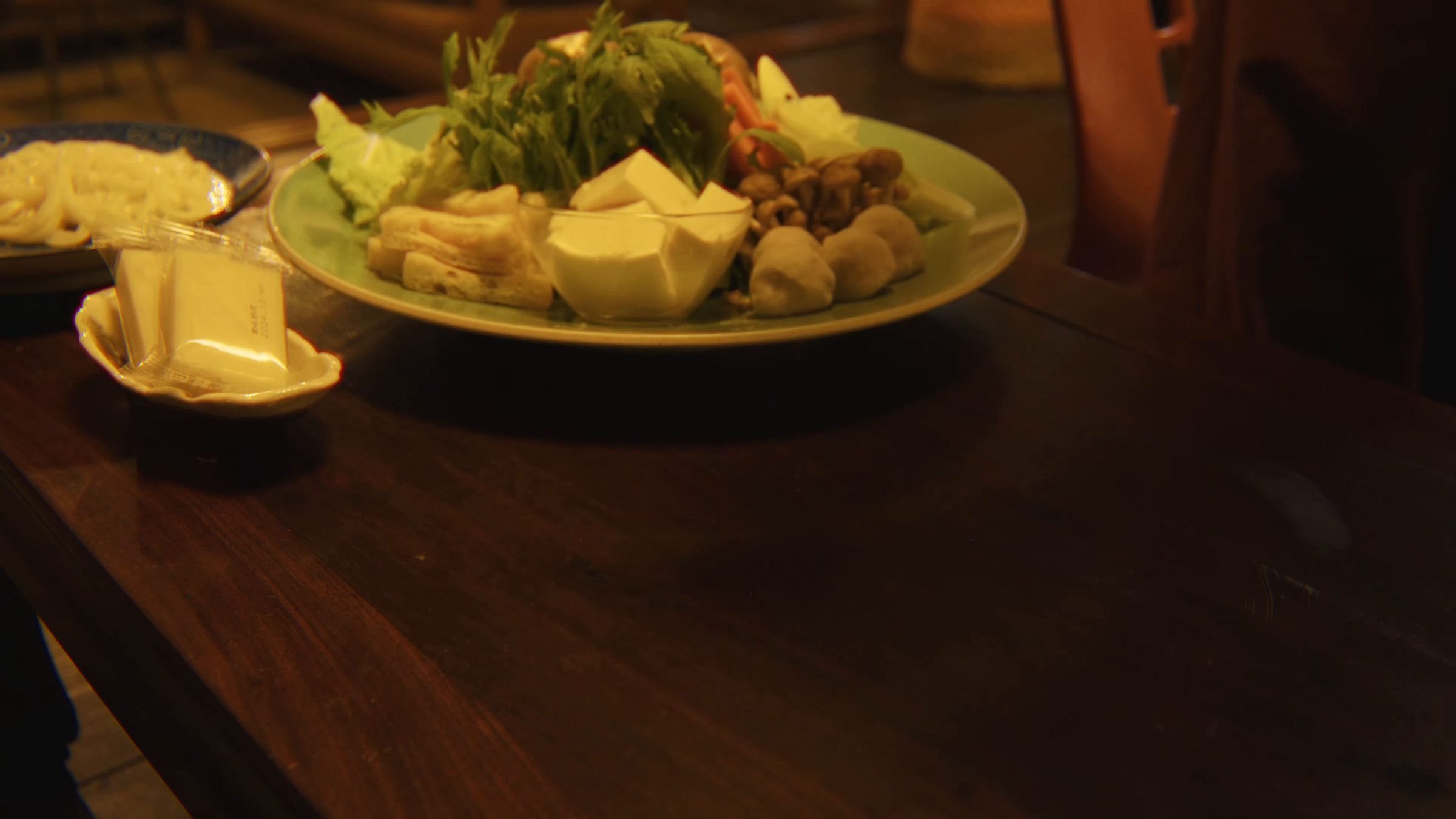
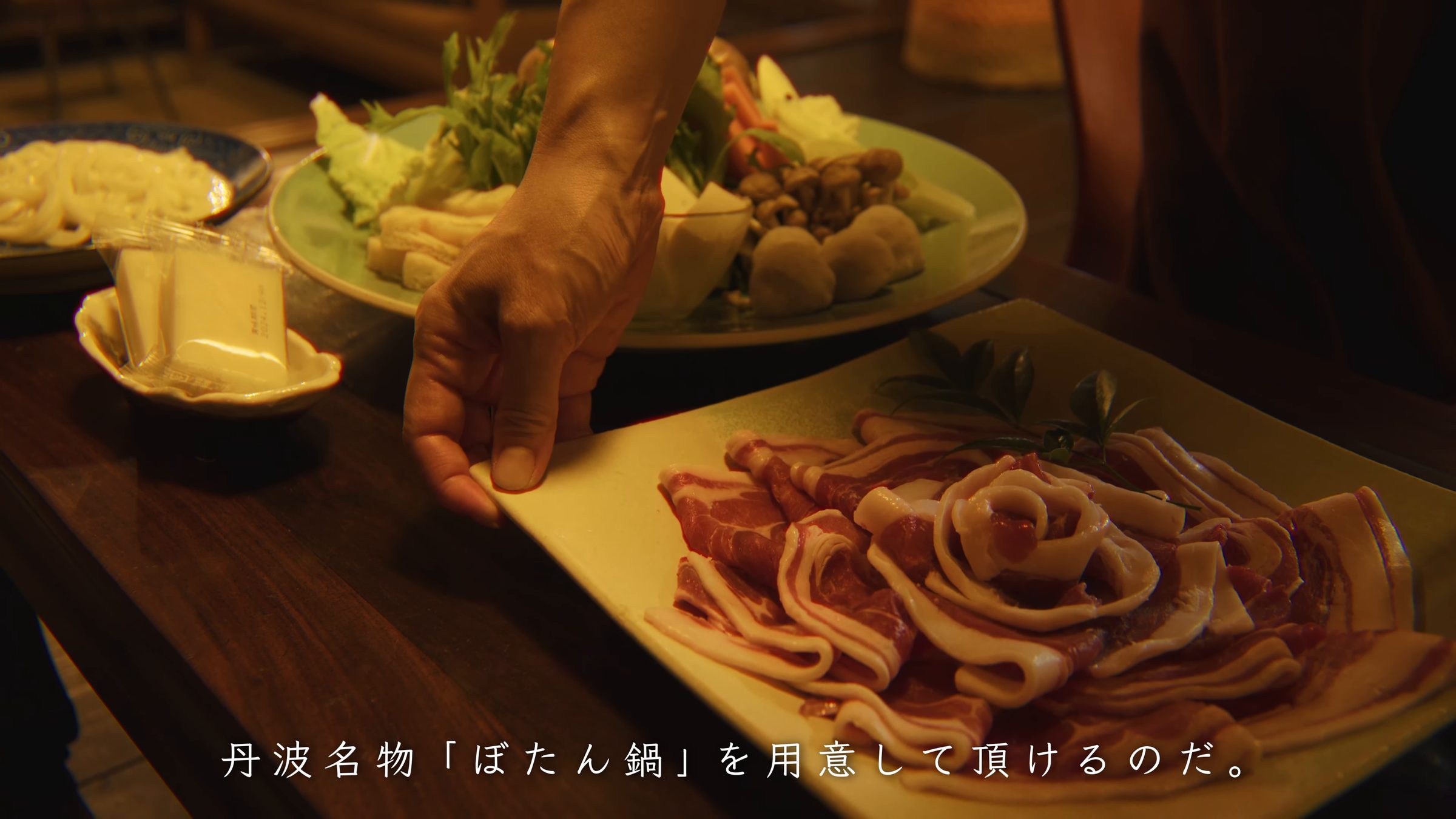
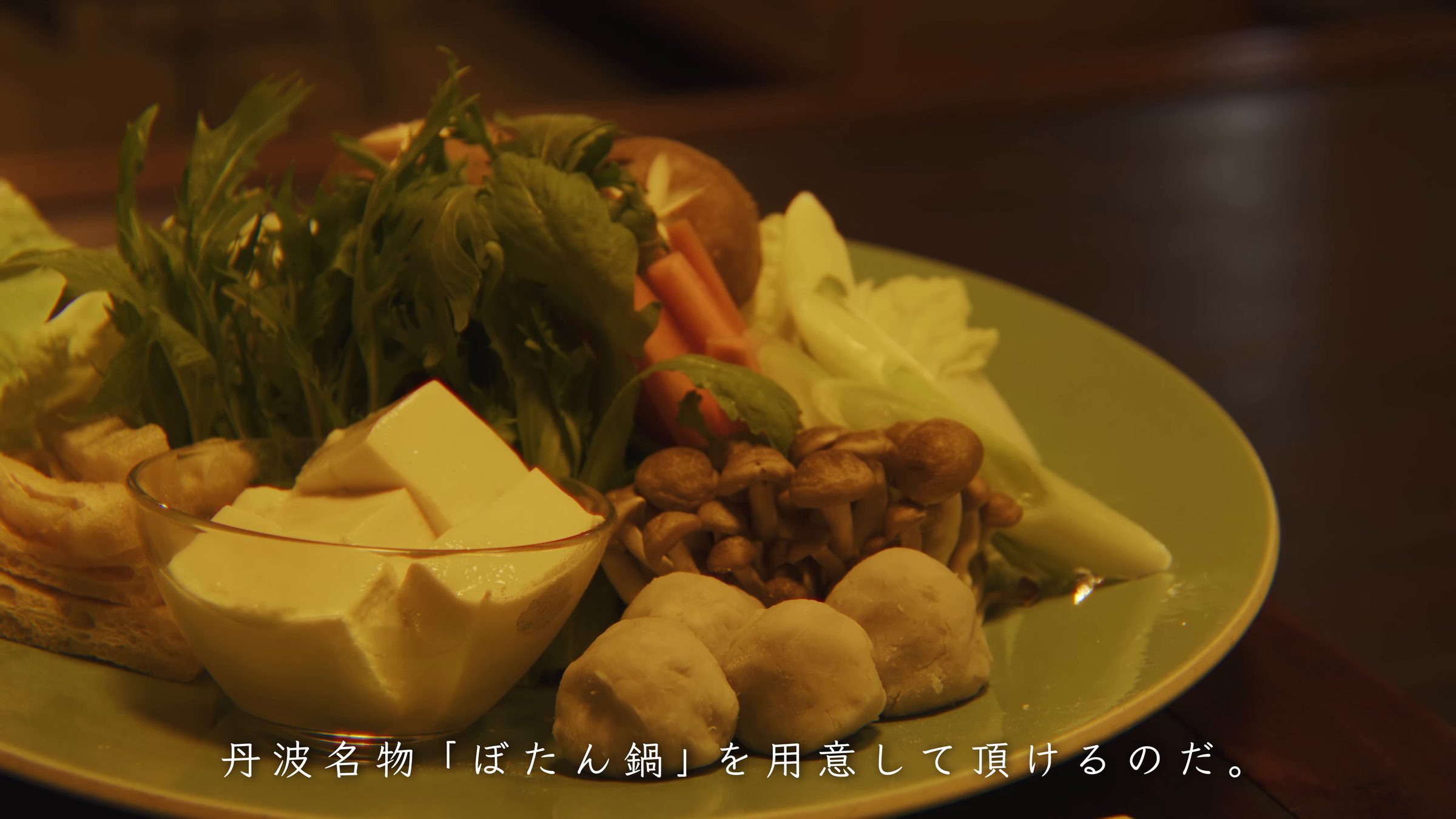
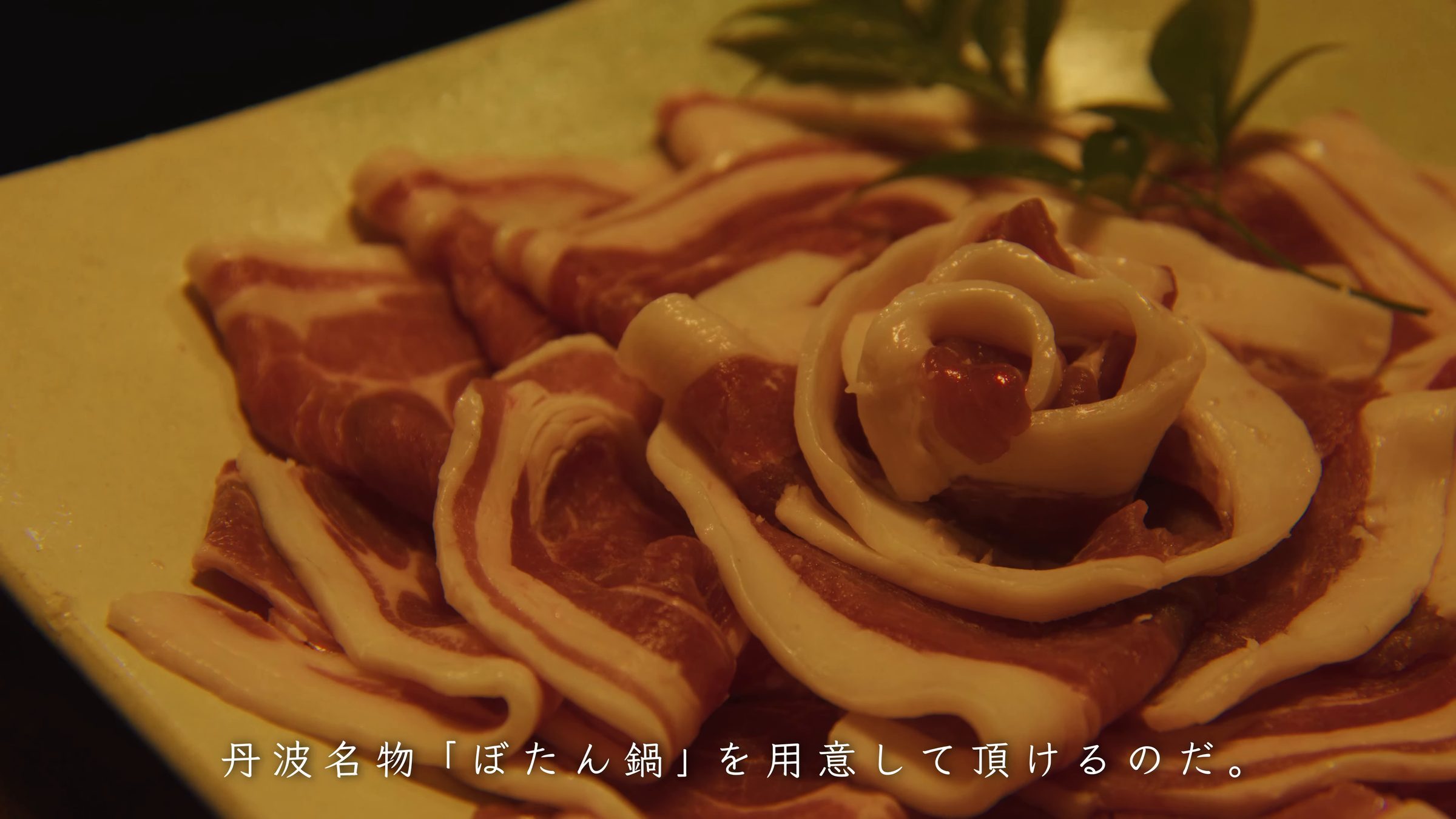
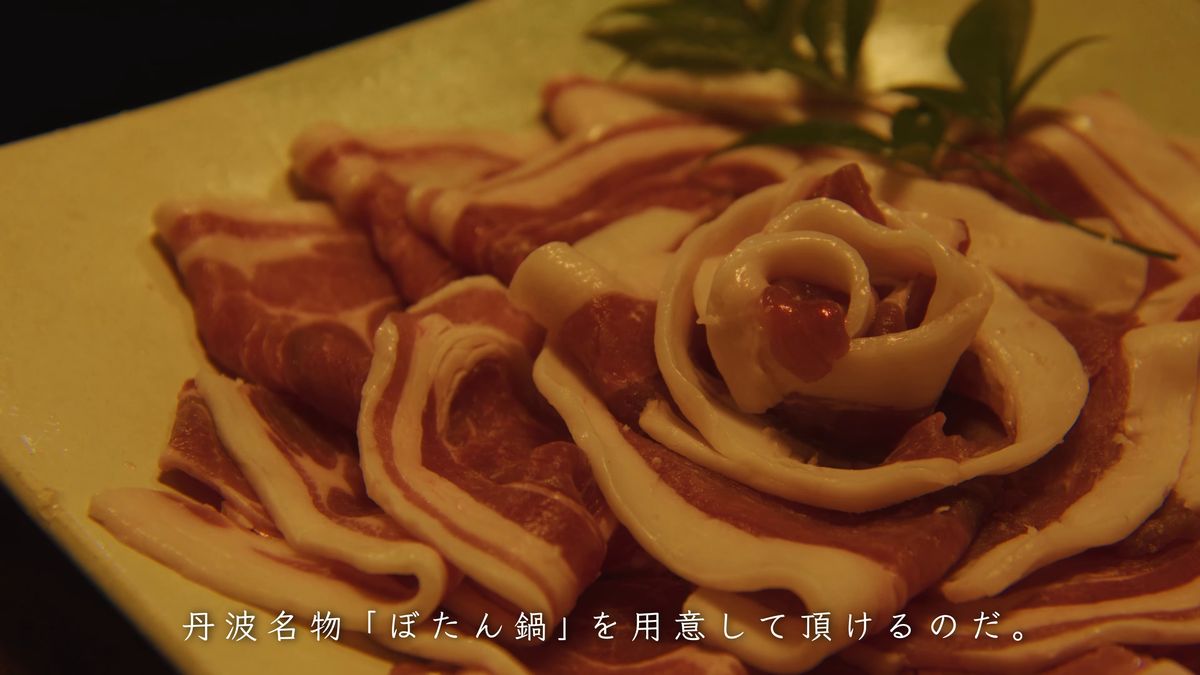
At this farmhouse, dinner can be arranged as an option, and what they prepare is botan nabe, Tamba's specialty. On the table sat a platter of mizuna, carrot, Chinese cabbage, tofu, shimeji mushrooms and leek, with udon and rice cakes beside it. Then came the dish of thinly sliced wild boar, arranged like a peony flower. A wild-boar hot pot, something you find only in rural Japan.
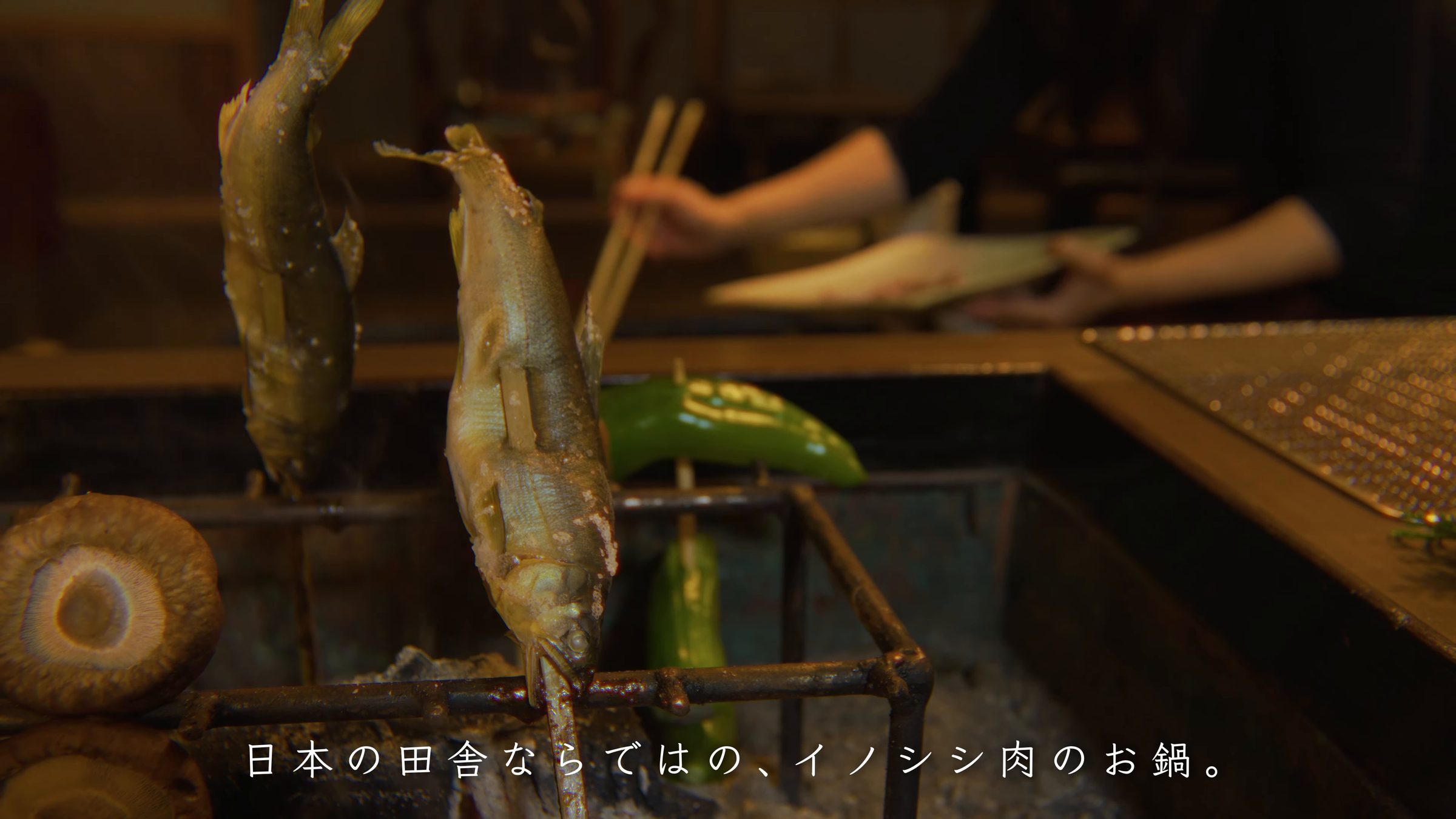
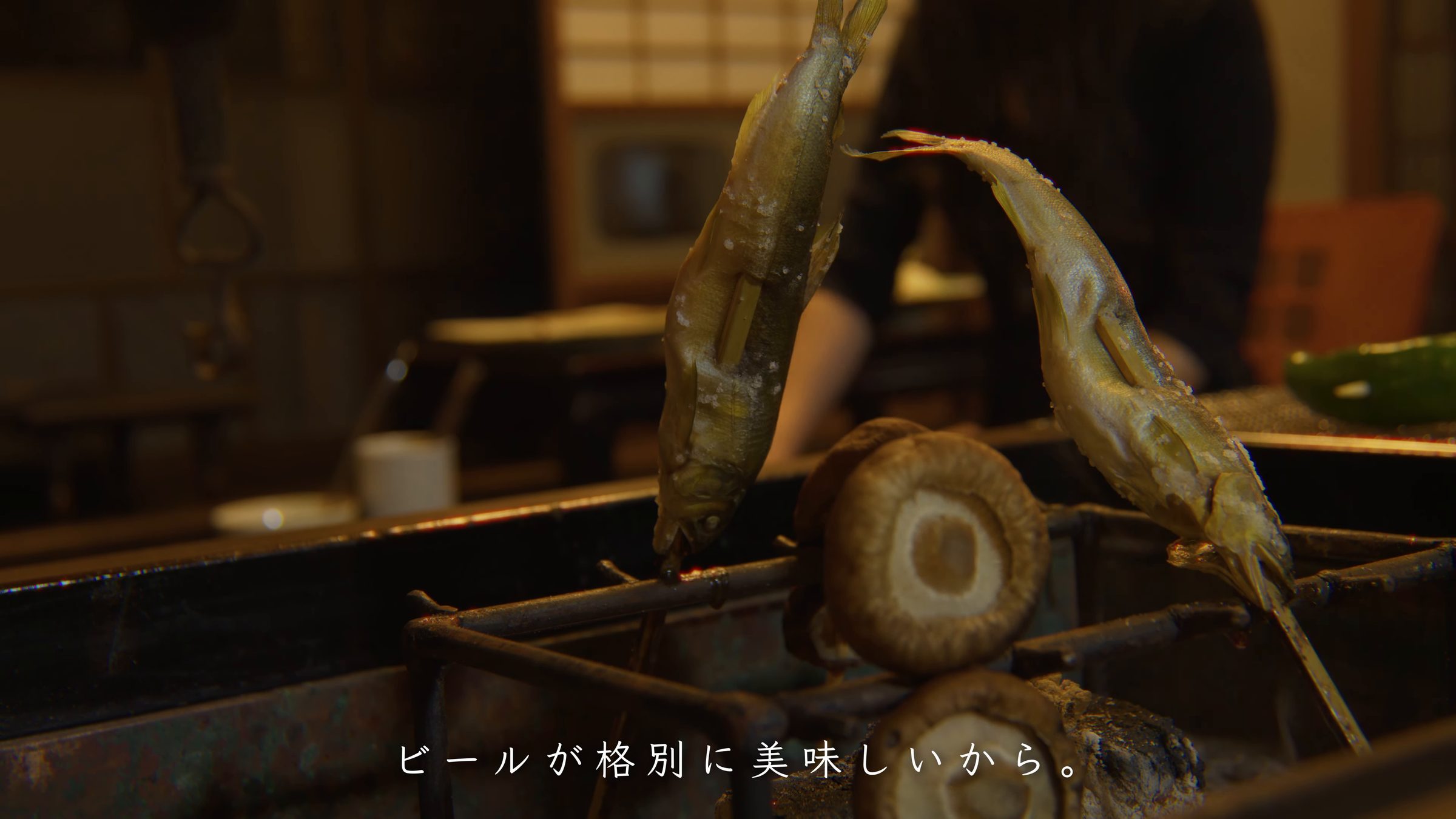
As the meat went into the pot, steam rose. Along the edge of the hearth, skewered sweetfish, shiitake and green peppers were roasting slowly.
Watch this scene on YouTube5:06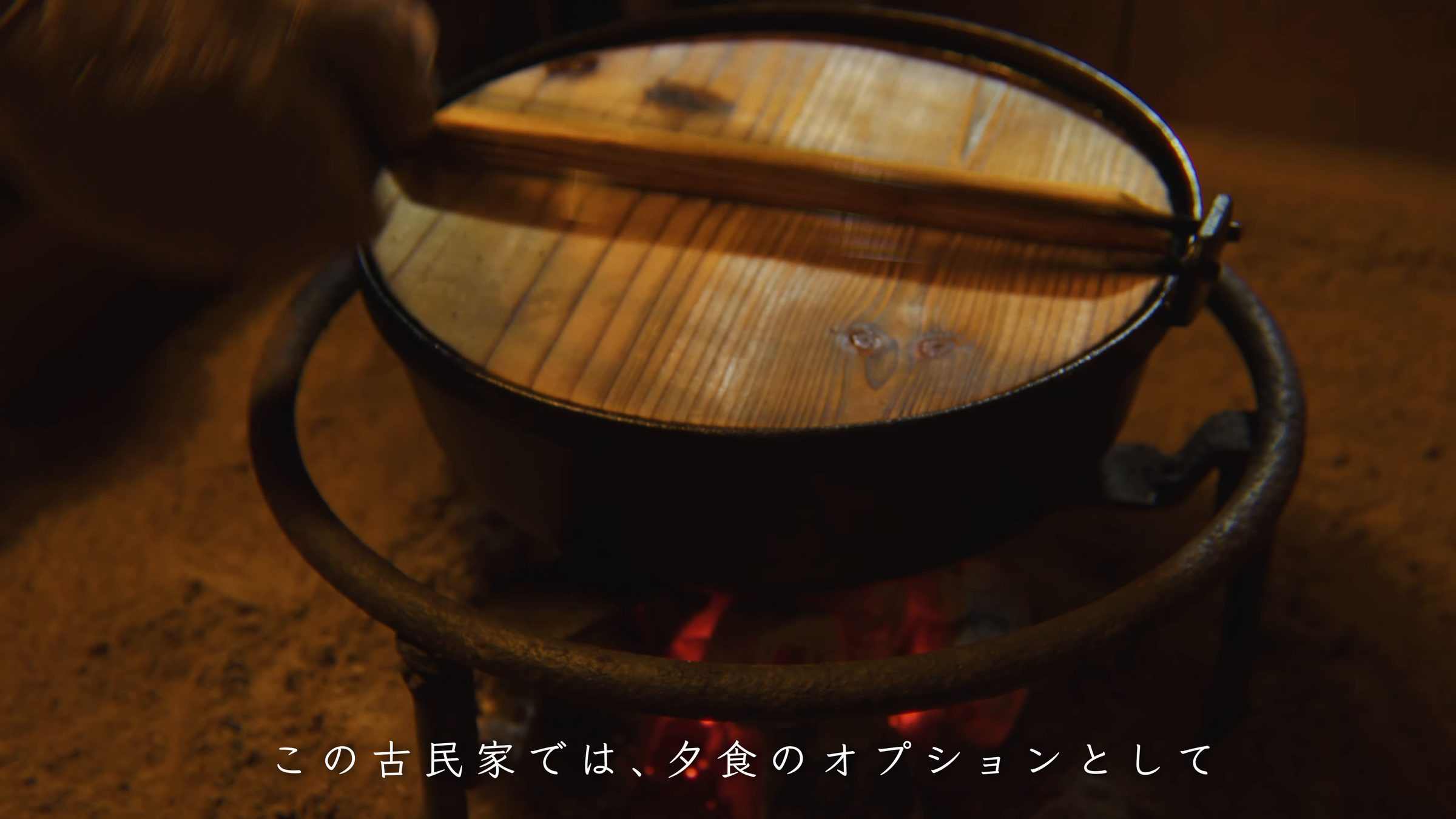
11TRAVEL JOURNAL
A summer hearth is not bad at all
A summer hearth is not bad at all. With the electric fan turning, I poured non-alcoholic beer from a can into a glass; beer by the fire tastes especially good.
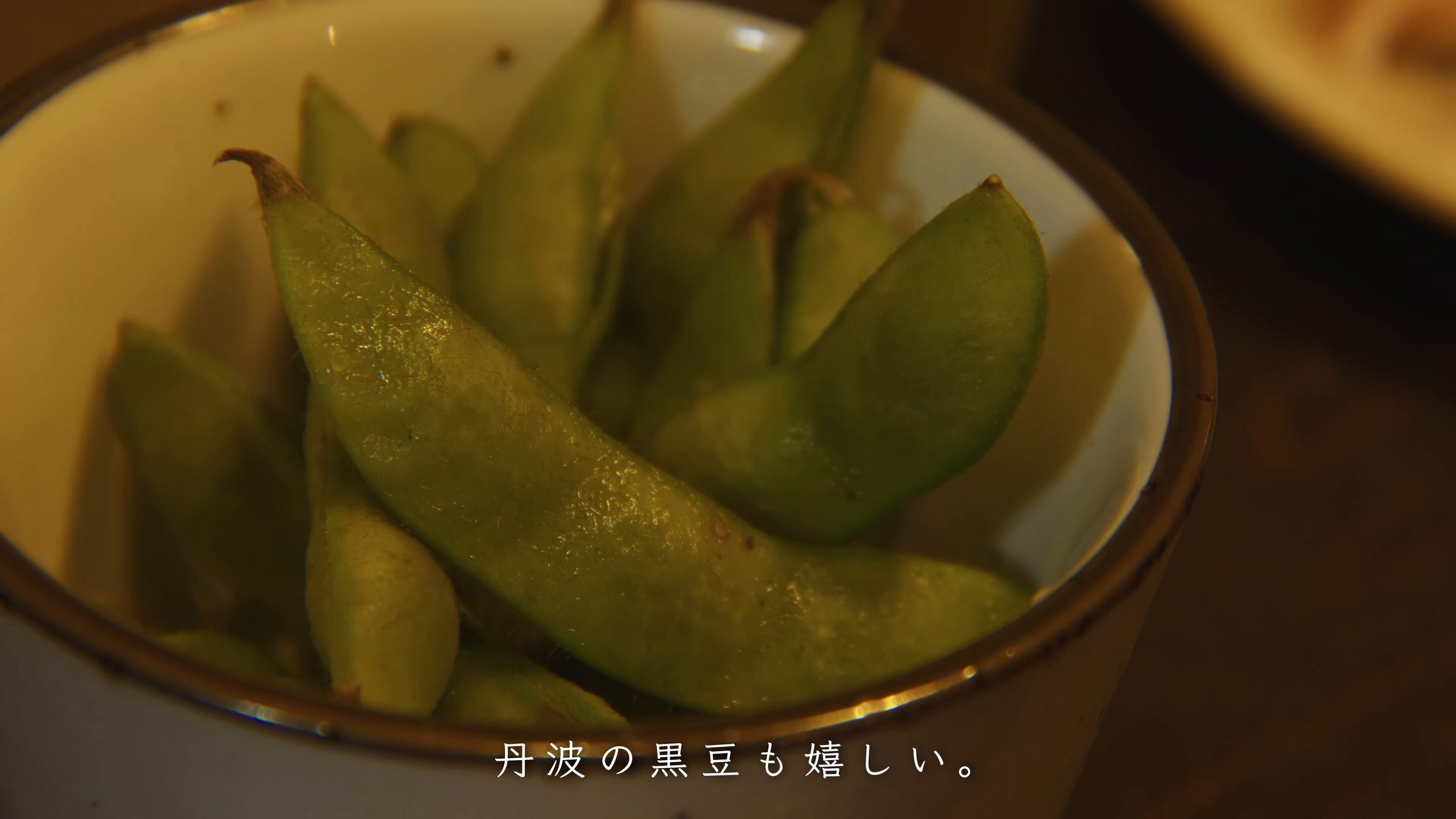
The host's home cooking was superb too: sweetfish and shiitake roasted at the hearth, and edamame of Tamba black soybeans, a real treat.
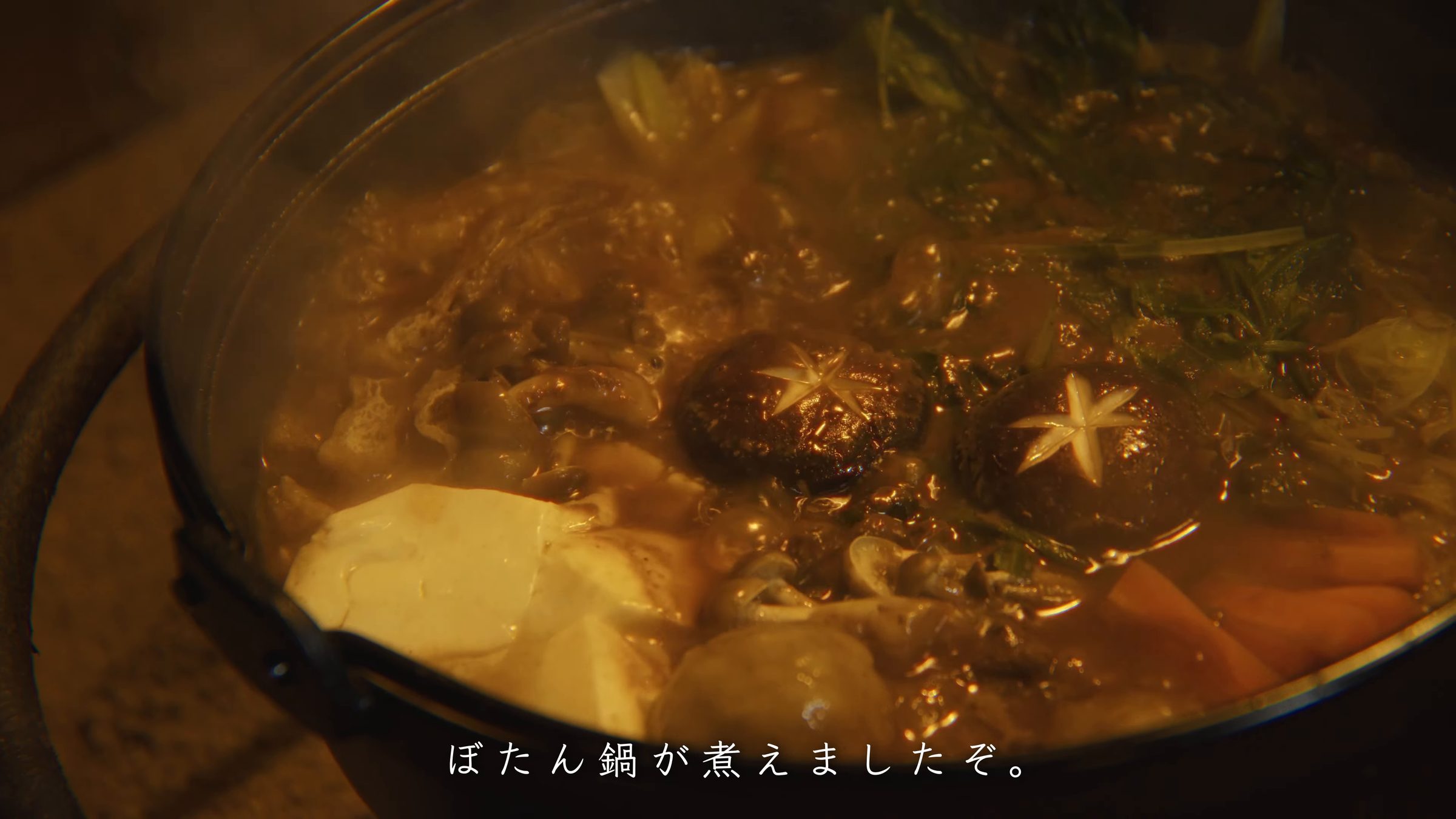
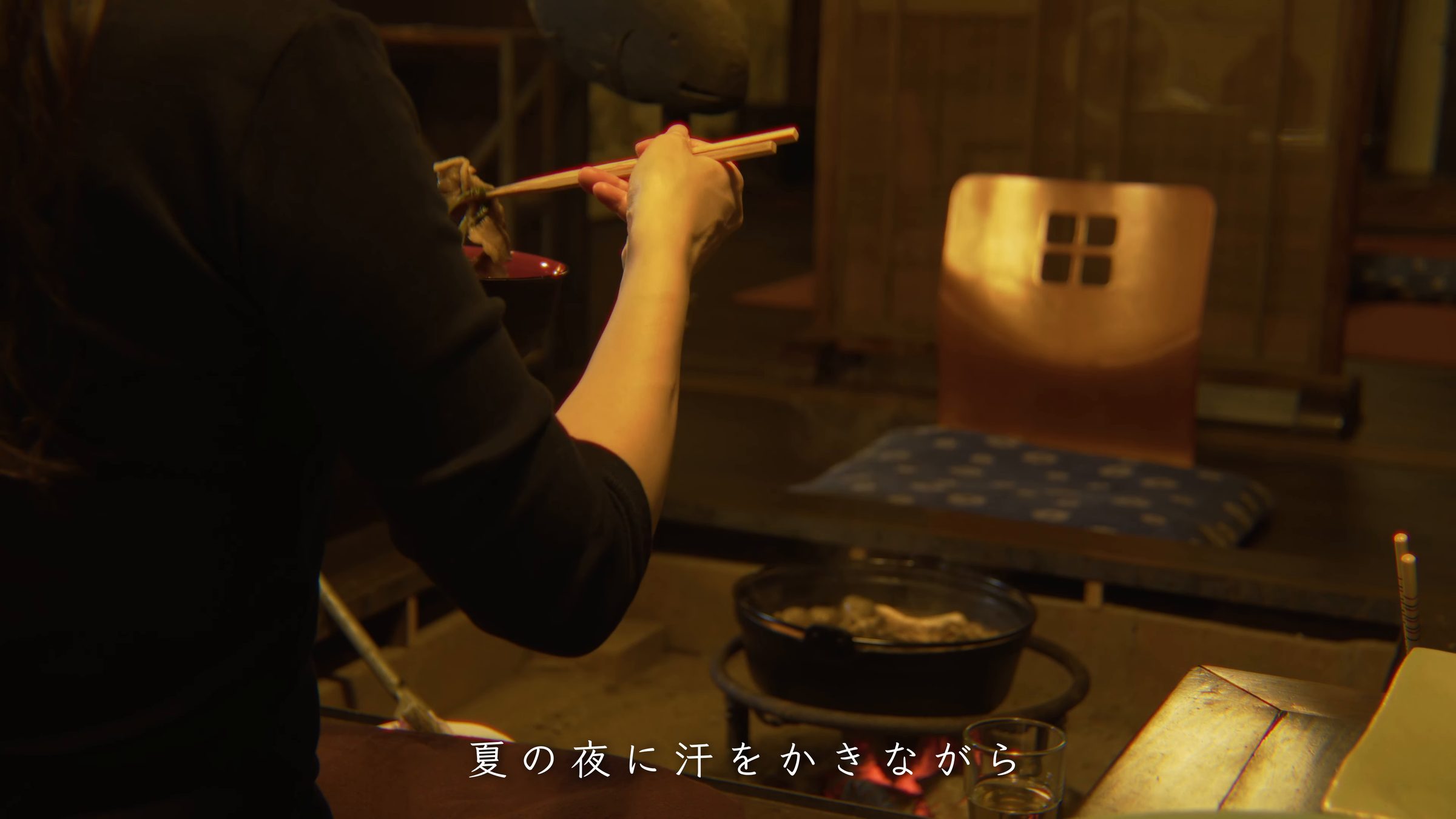
When I lifted the wooden lid, the botan nabe was ready. In the miso-colored broth were the meat and vegetables, shiitake, tofu and carrot. The boar was rich without being heavy, a perfect match for the sweet miso seasoning. Sweating on a summer night, I enjoyed a delicious hot pot.
Watch this scene on YouTube5:45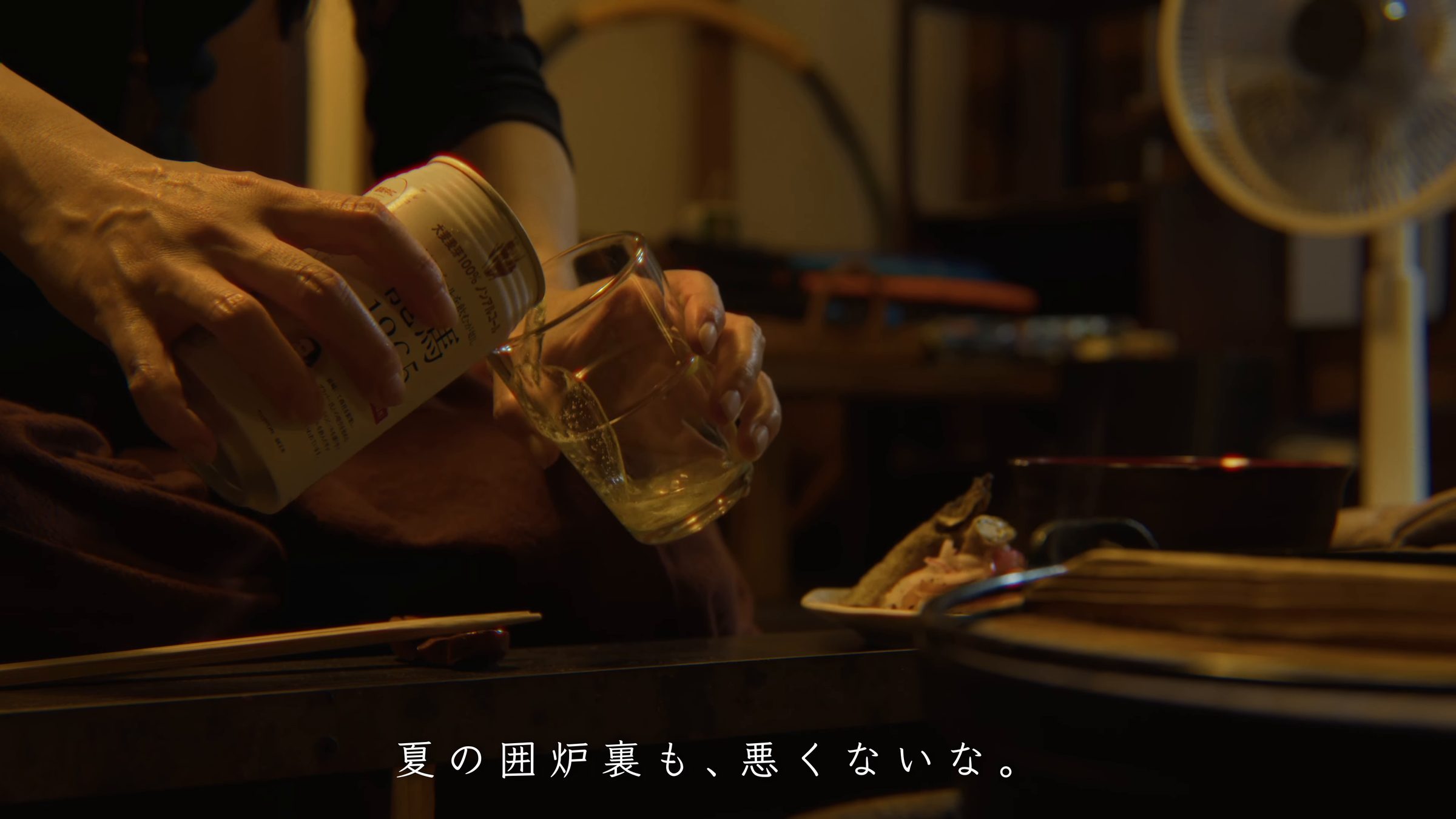
12TRAVEL JOURNAL
Insect songs, cold sake and a mosquito coil
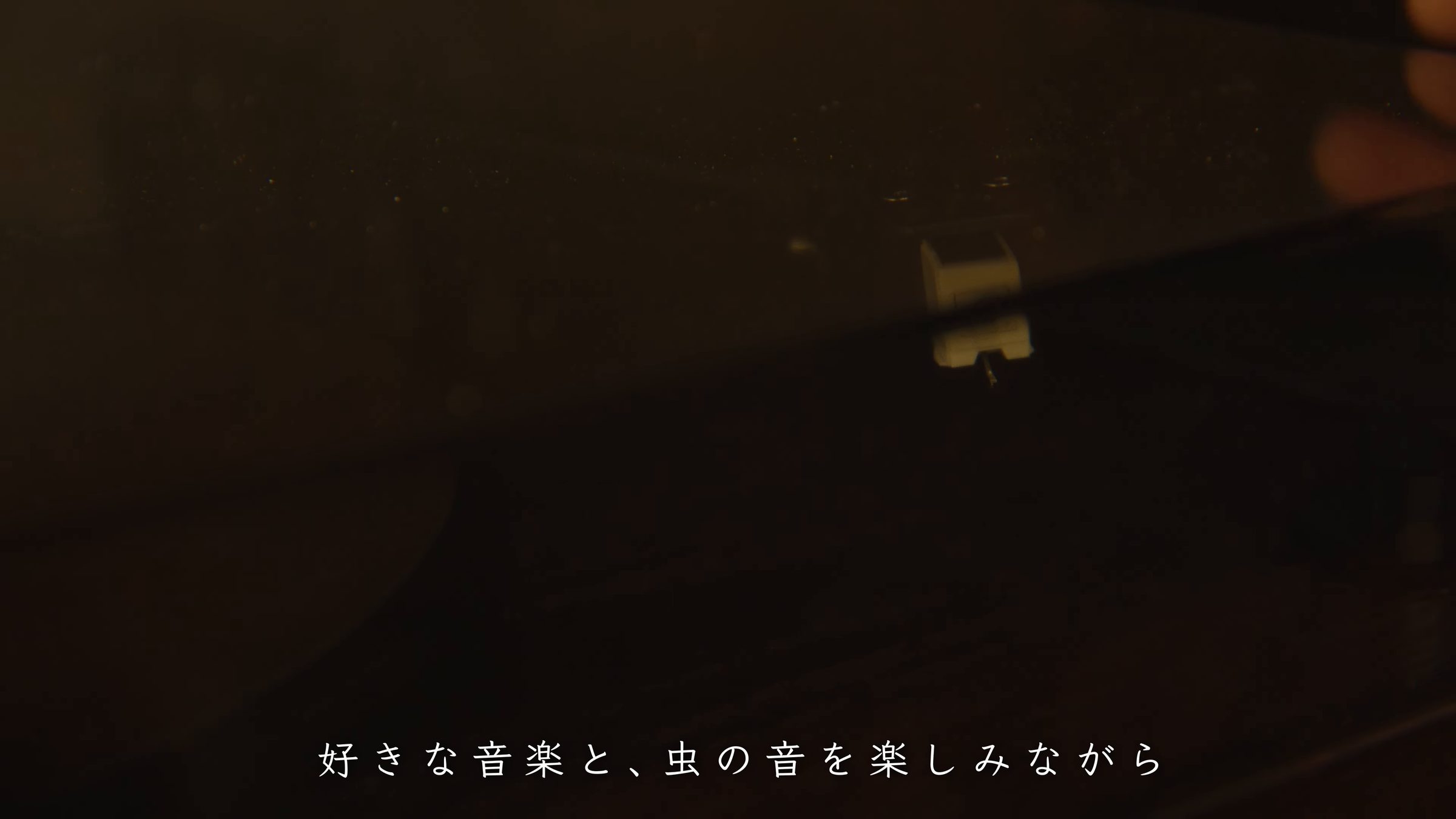
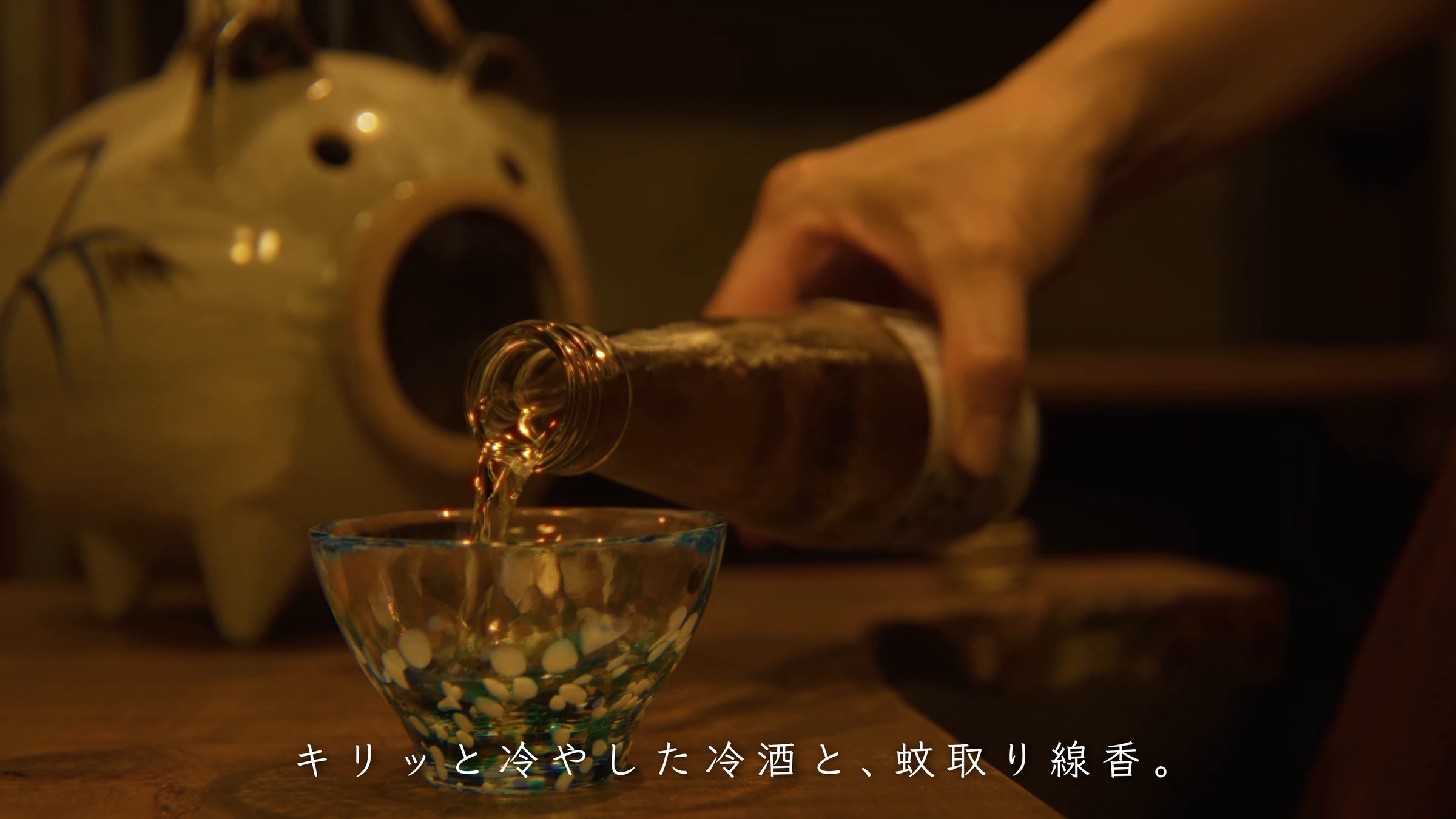
After dinner I picked a record from the shelf and set the needle down. With my favorite music and the sound of insects, I poured a glass of well-chilled non-alcoholic sake. On the table, a thin line of smoke rose from a pig-shaped mosquito-coil holder.
This, perhaps, is what people mean by feeling completely at ease.
I had wanted to make this summer-vacation series a trilogy, but in the summer of 2023 a lingering typhoon overlapped with my plans, so the rest will have to wait until next year. I'm already looking forward to next summer.
Watch this scene on YouTube6:44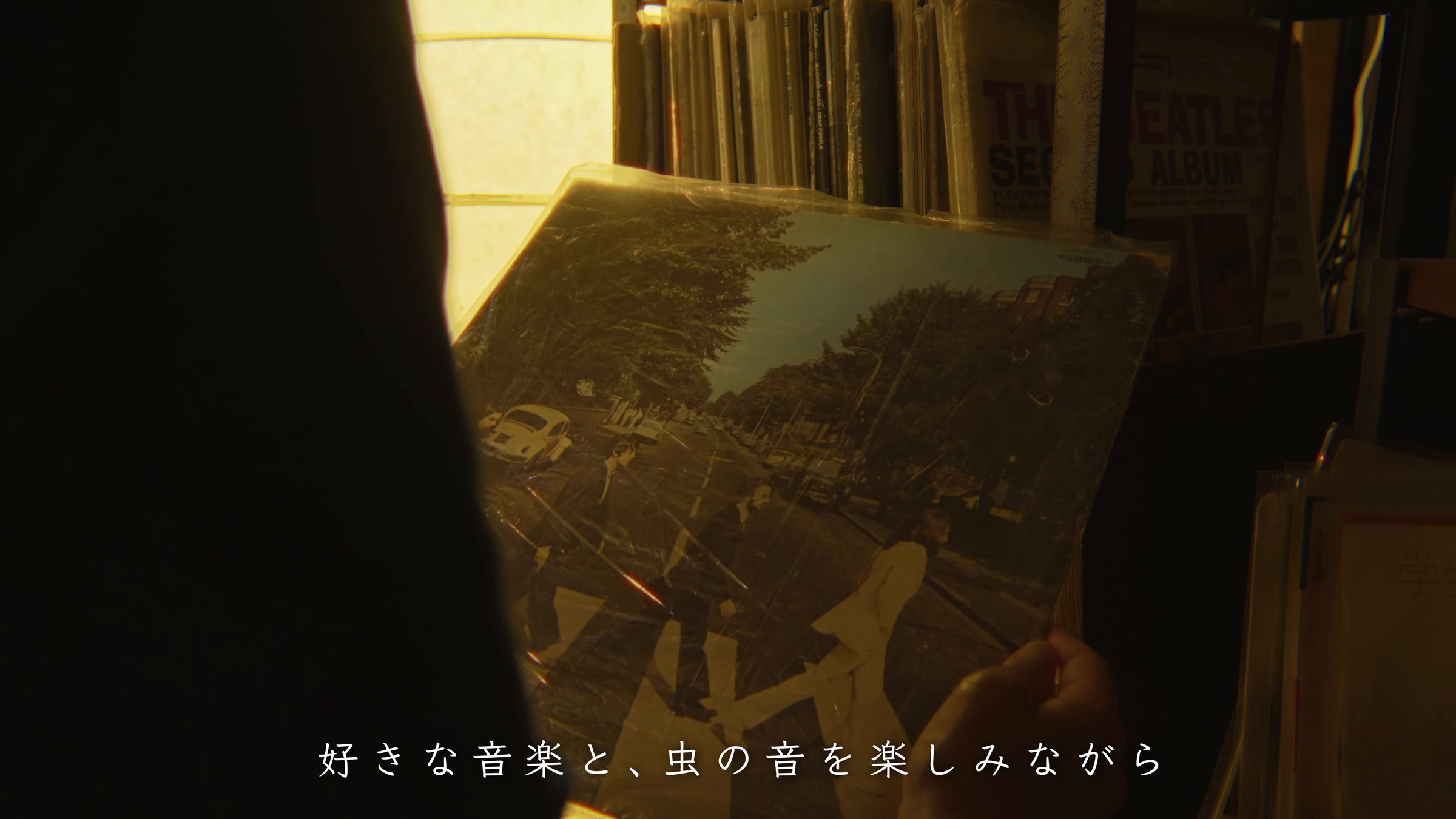
THE JOURNEY IN FILM
The wind. The sounds of a kitchen.
Spend a little more time inside the journey, on film.
Watch the video9 minTHE BORROWER’S NOTES
The Borrower's Notes: Tamba
Places we stopped, dishes we made, and stories of the land. A few things to keep from the journey.
01Where I ate
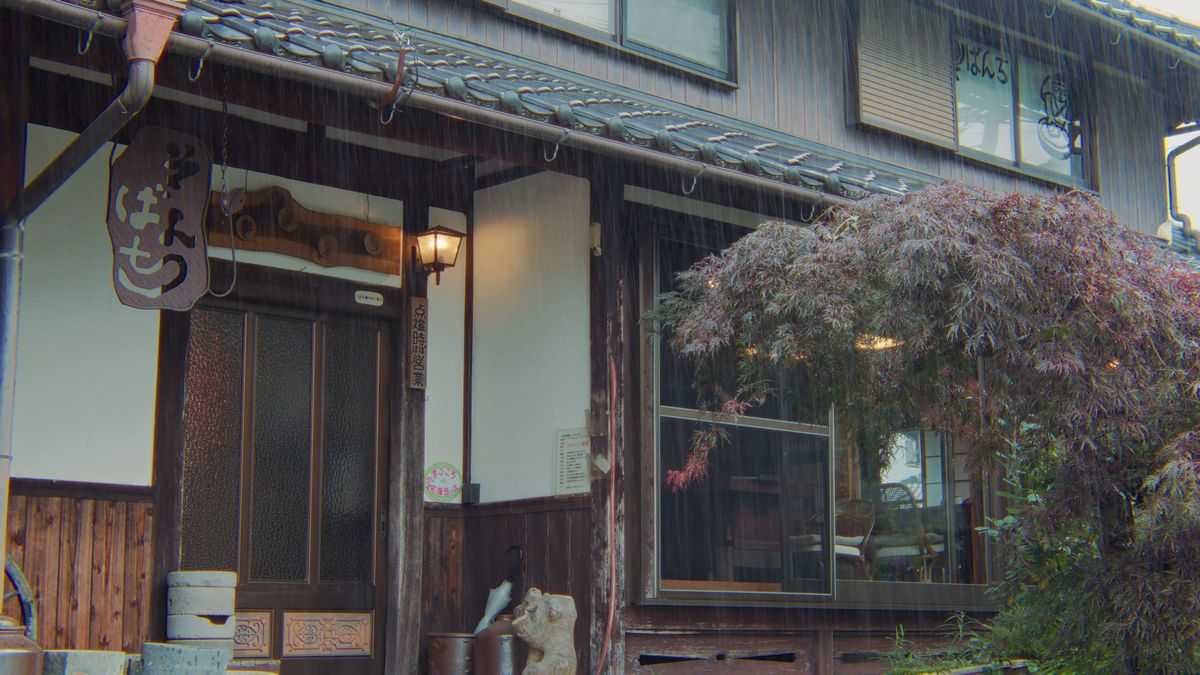
Sobanchi
125 Kajiwara, Ichijima-cho, Tamba, Hyogo
A soba restaurant in an old house, with veranda seats looking out on a garden maple, rice fields and hydrangeas. I had the three-color soba (thin noodles topped with pink grated daikon and wasabi; the daikon changes color when you squeeze sudachi over it), a rolled omelet, and a warm bowl of sliced meat and leek. Bottled non-alcoholic beer is available. The closing day differs between listings, so check before you go.
Sources: retty.me r.gnavi.co.jp
02What I made
Kingyoku hydrangea
Kingyoku (kingyokukan) is a Japanese sweet made by dissolving agar, adding sugar or starch syrup, and letting it set; its translucence is used to suggest water or sky, and it appears most often in summer. This time the agar was colored with red cabbage water, and the portion with lemon juice turned pink. Cubes of the two colors were pressed around balls of white bean paste to form the flower of the rainy season.
IngredientsWhite bean paste (powdered white an worked with water), Red cabbage, Bar agar, Lemon juice, Water
- Work powdered white an with water in a pan to make the bean paste
- Chop red cabbage and simmer it in hot water to draw out a purple liquid
- Tear in the soaked agar and simmer until dissolved
- Add lemon juice to part of it to turn it pink
- Pour into trays and chill in the fridge until set
- Cut the set agar into tiny cubes
- Roll the bean paste into balls and press the cubes on one by one to form a hydrangea
Sources: news.allabout.co.jp
03About the area
Botan nabe of Tamba
Thinly sliced wild boar is arranged like a peony (botan) flower and simmered with vegetables in a miso broth. It originated in Tamba-Sasayama and has been served as a dish of hospitality since the Meiji era. It is said to have begun in 1891 as "ino nabe," devised by the owner of an inn in Sasayama, and the name botan nabe spread through the lyrics of a 1931 folk song, "Sasayama Kouta." Because the boar feed on nuts and acorns, the meat has no gamey smell; the season runs from December to March. In fiscal 2021 it was recognized by the Agency for Cultural Affairs as a "100-Year Food" (modern category). This time the inn prepared it for me, with boar and vegetables in a sweet miso broth, followed by udon and rice cakes.
Sources: bunka.go.jp kobe-np.co.jp
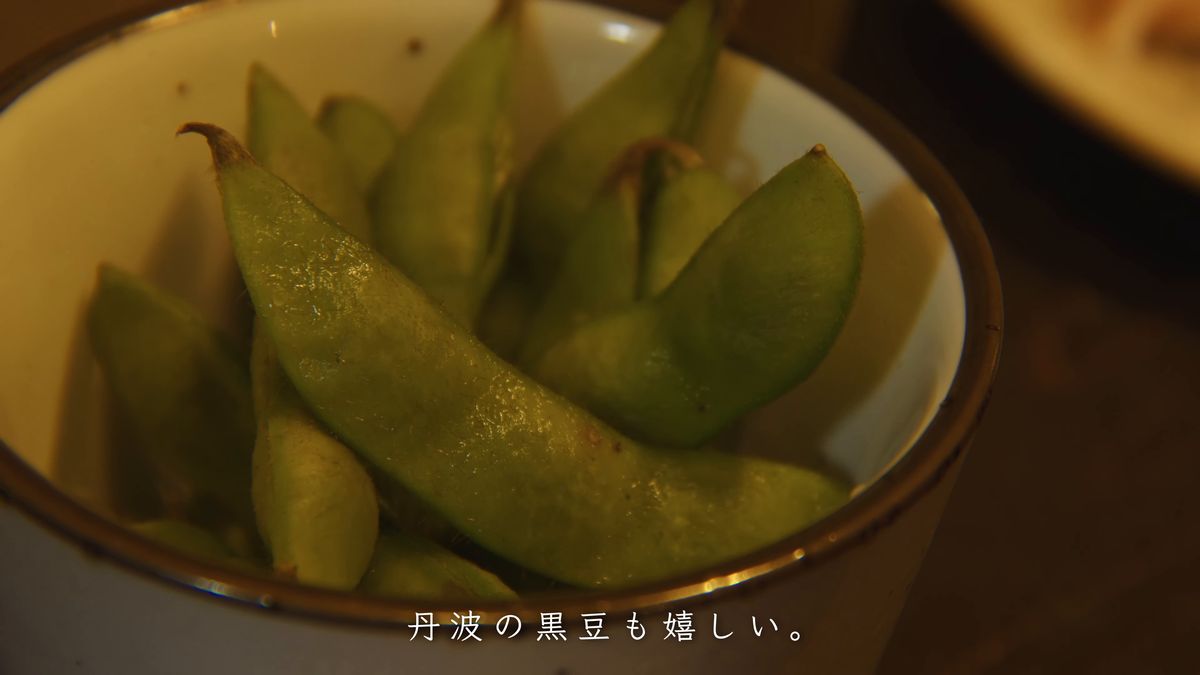
Tamba black soybeans
A large black soybean grown in the Tamba region since old times. It was presented to the shogunate and the imperial court, and records survive of taxes paid in black beans. A hundred beans weigh 80 to 90 grams, against about 30 for ordinary soybeans; the skins hold when simmered and the beans swell well. The edamame harvested in October, while the pods are young, is popular too. Hyogo is Japan's top producer, with about 1,400 hectares planted in fiscal 2022. At the hearth, black-soybean edamame came out as a side dish.
Sources: web.pref.hyogo.lg.jp
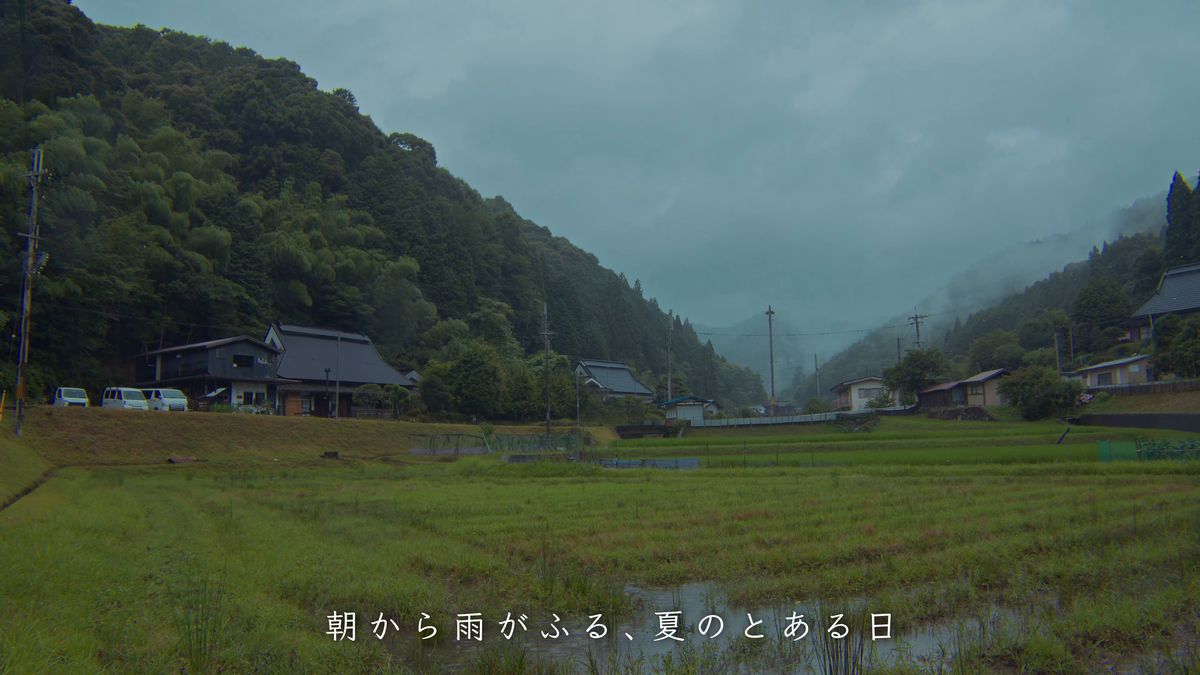
Tamba City
An inland city in the hills of eastern Hyogo, roughly midway between the Seto Inland Sea and the Sea of Japan. It was formed on November 1, 2004, when six towns of Hikami District (Kaibara, Hikami, Aogaki, Kasuga, Sannan and Ichijima) merged. It is a separate city from Tamba-Sasayama, also in Hyogo. The village where I stayed and the soba restaurant where I sheltered from the rain are both within the city.
Sources: ja.wikipedia.org
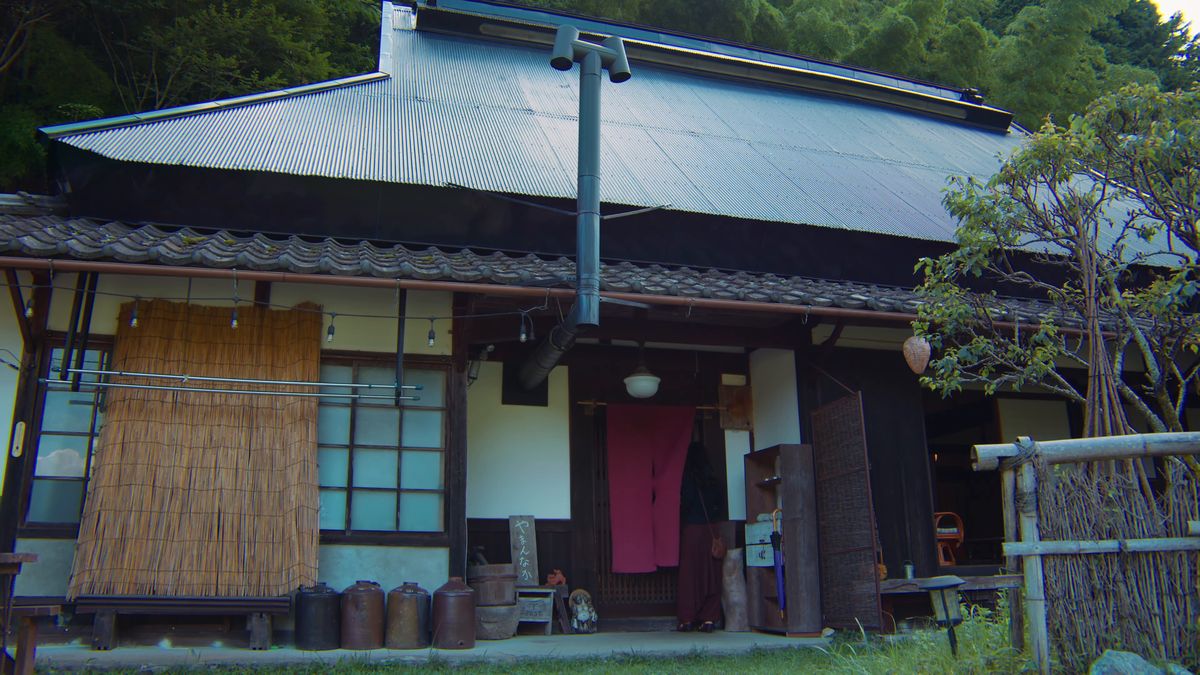
A century-old farmhouse inn
This time I borrowed a farmhouse about a hundred years old, facing the rice fields of a mountain village. It has a shoji room and a hearth room, and the veranda looks out on the garden and the paddies. There are a guitar and shelves of records by the hearth. As a dinner option, the host prepares botan nabe.
PHOTO ALBUMPhoto album92Open all photographsClose the photo album
Select a photograph to explore the journey one frame at a time.