A TRAVEL ESSAY
Tadotsu, Kagawa
Island Life in the Seto Inland Sea, Part 2
Drawn by the sea breezeand the cats to Sanagi Island
A cat island, and Kagawa's home-style udon.
Read the journey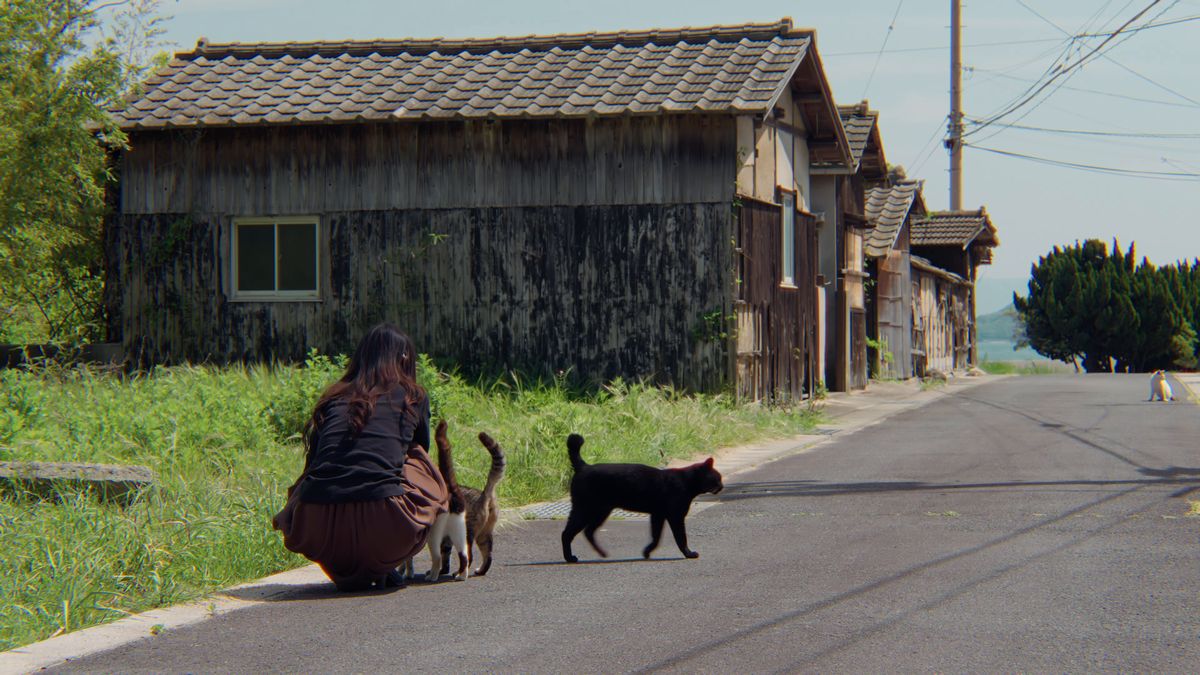
ABOUT THIS JOURNEY
From Shishijima, with its great camphor tree and hilltop flower garden, I took the ferry to Sanagi Island, a small island off Tadotsu in Kagawa where the cats outnumber the people. The cats that came to greet me at the harbor put me at ease, and I had curry and fig ice cream in a café inside a renovated elementary school. Back on Awashima, I bought oiri sweets at a nostalgic little shop, ate ice cream under a seaside torii gate, watched the sun sink into the Seto Inland Sea, and ended the day with shippoku udon, a home-style dish of Kagawa.
A little more about the food and the land01TRAVEL JOURNAL
To Sanagi, the cat island
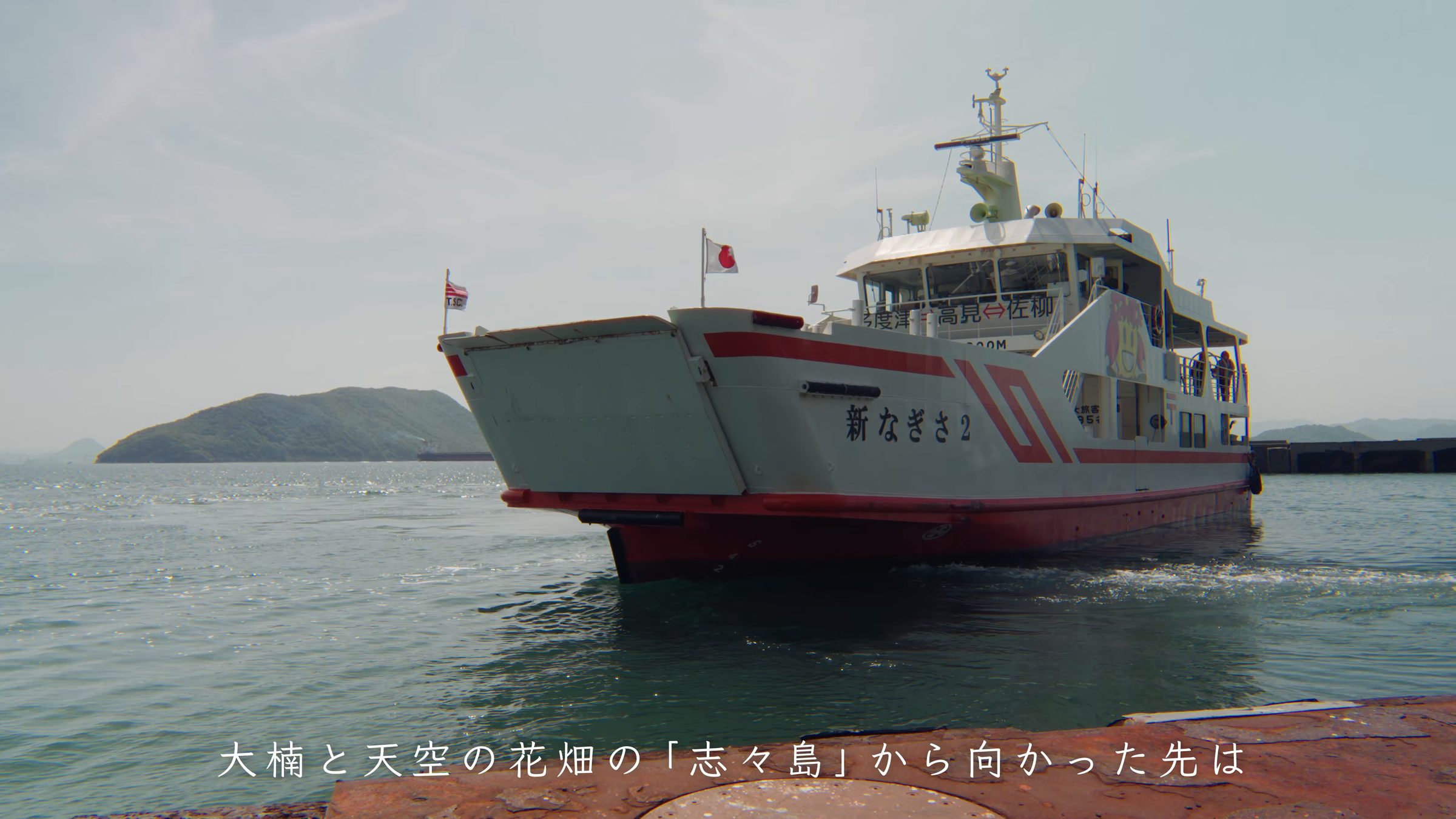
From Shishijima, with its great camphor tree and its flower garden in the sky, the ferry took me to Sanagi Island, a small island belonging to the town of Tadotsu in Kagawa Prefecture. The ferry, white with a red stripe, slid into the harbor against the green of the island.
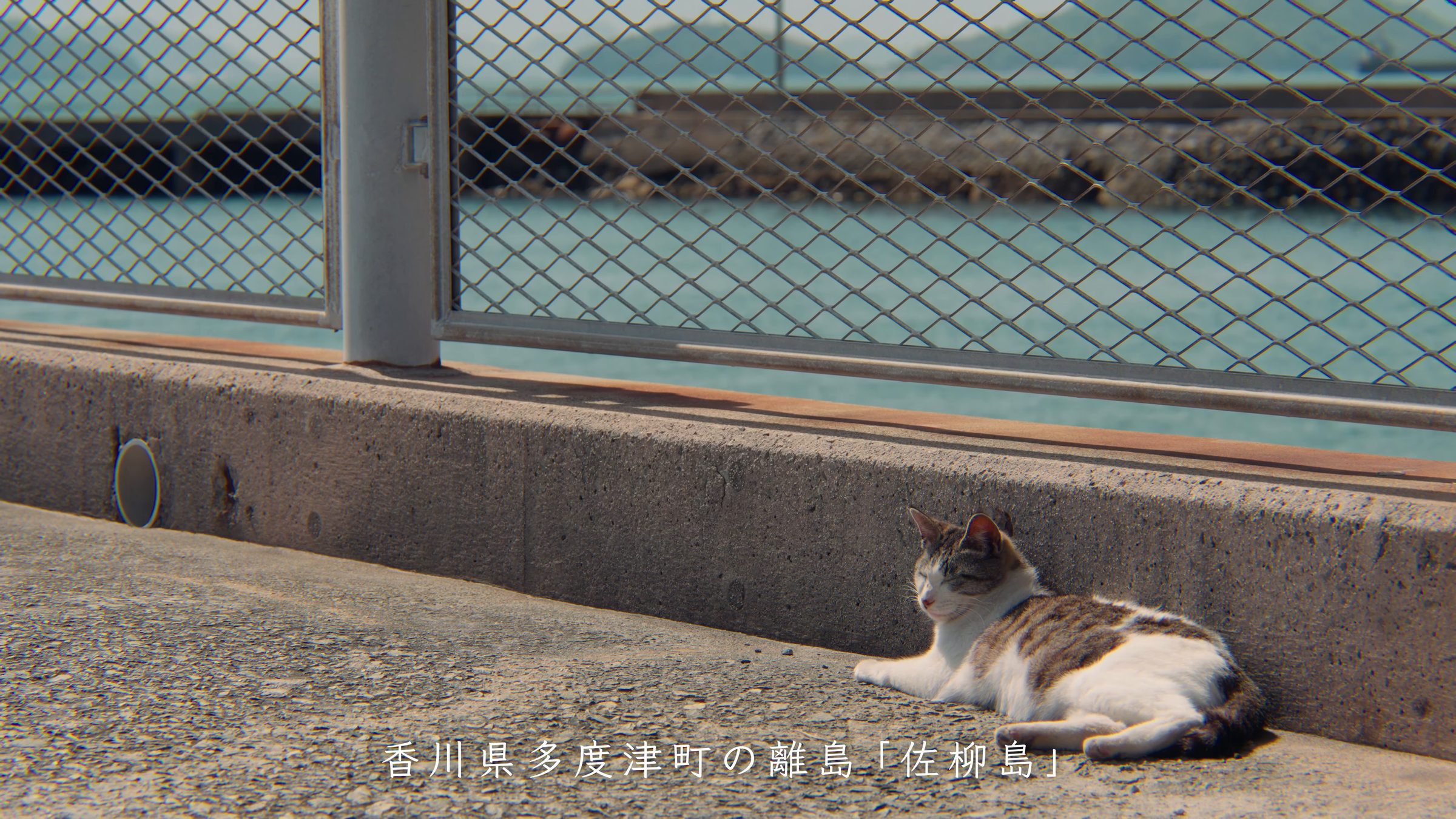
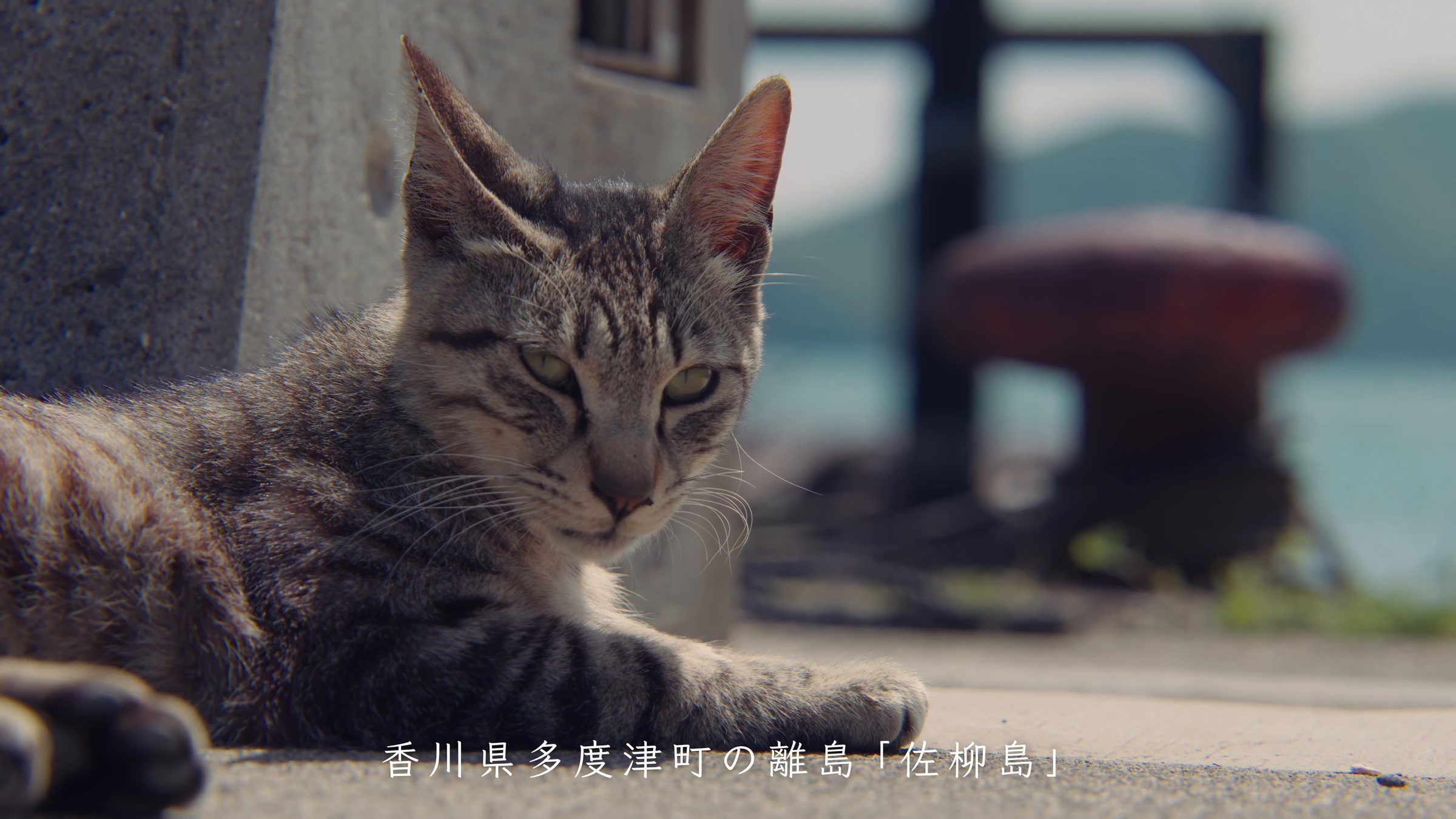
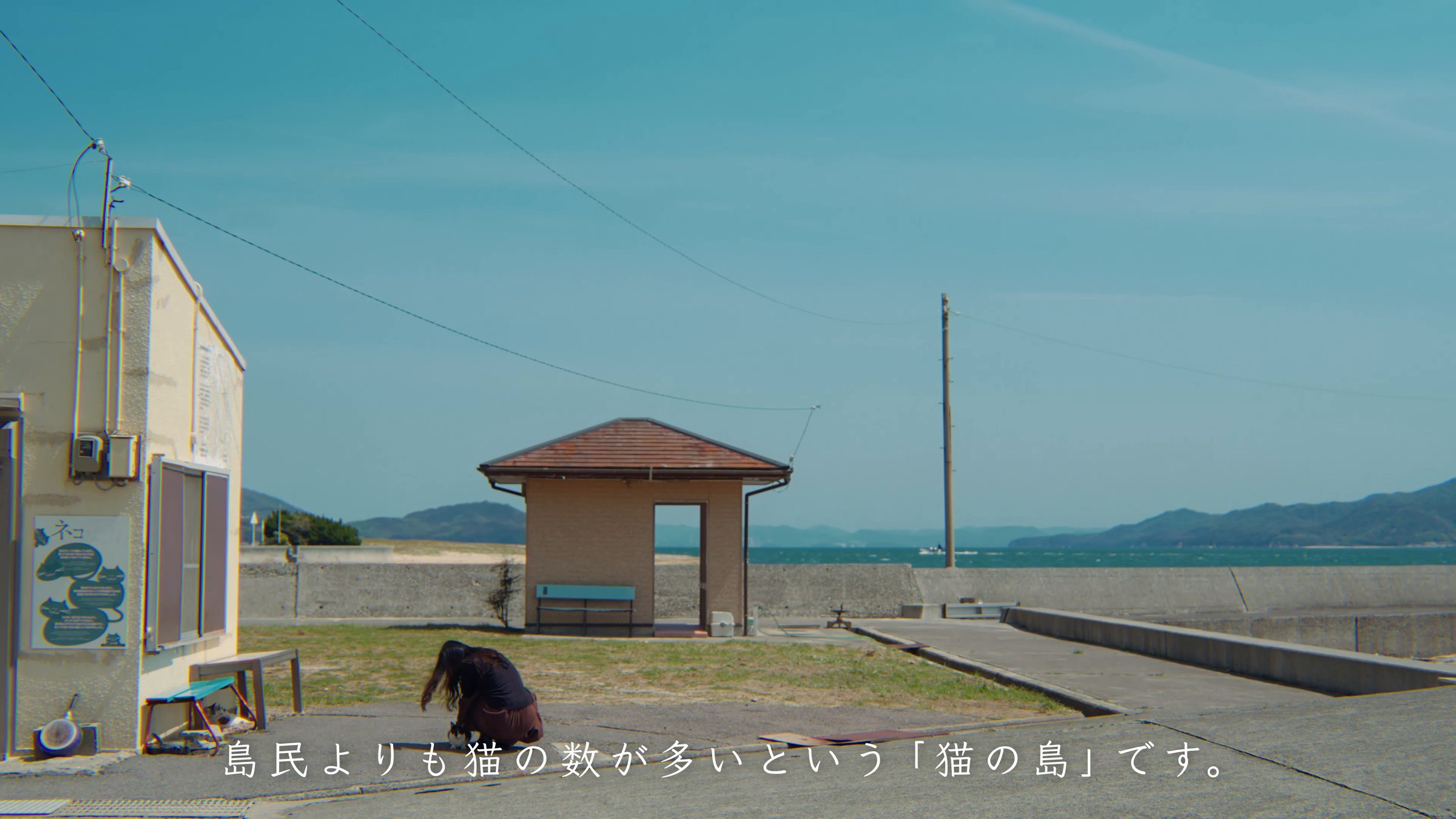
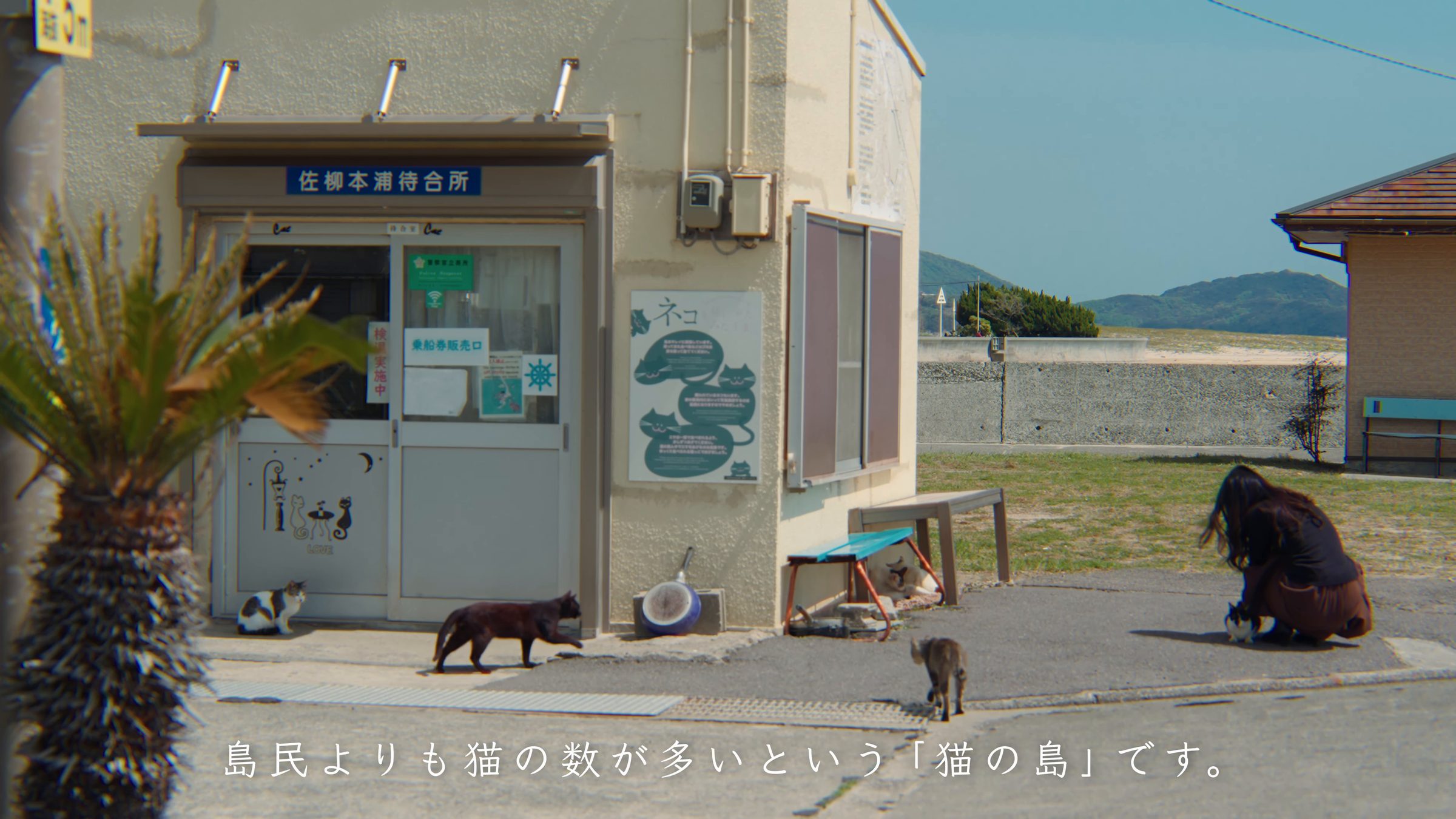
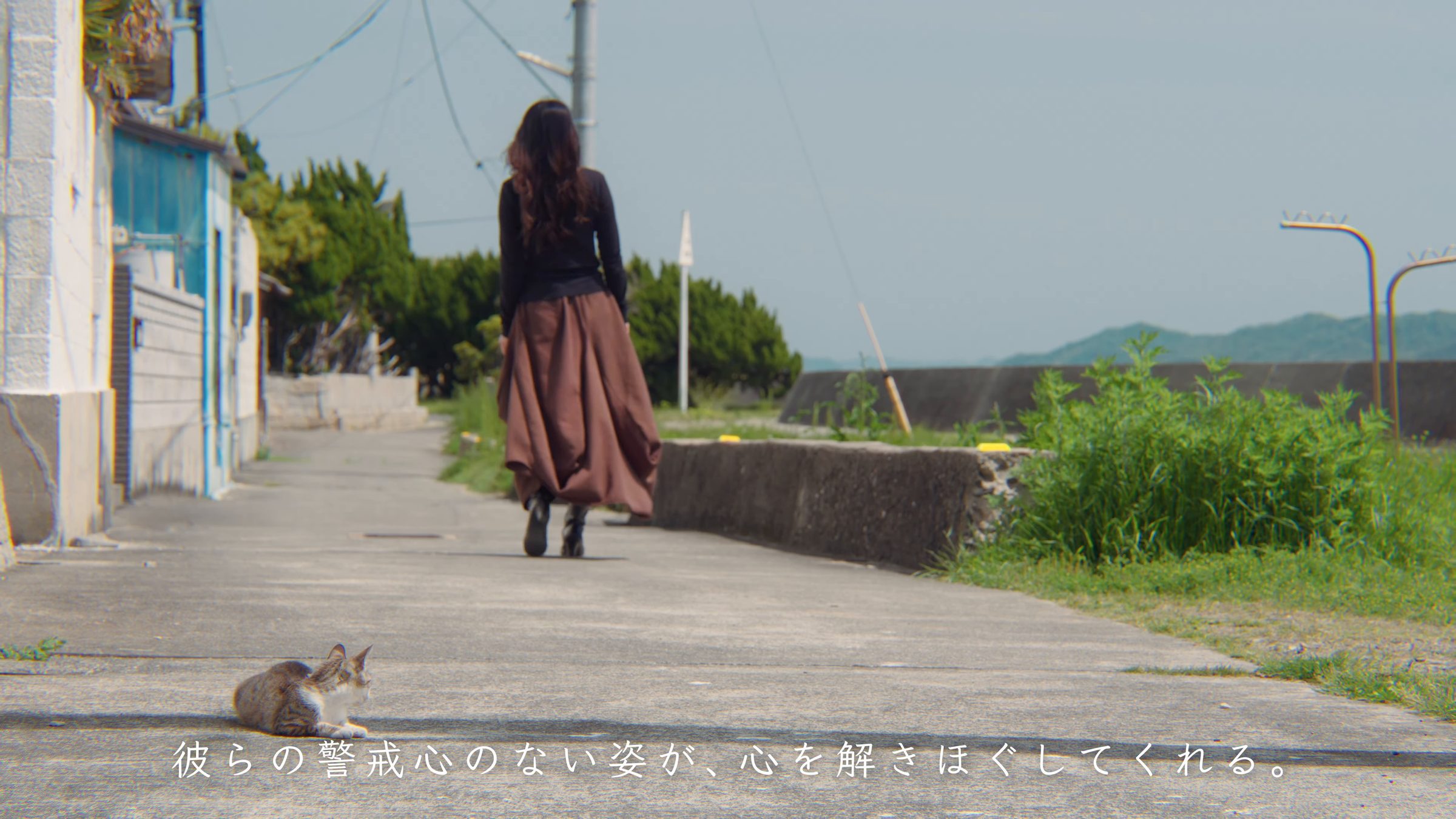
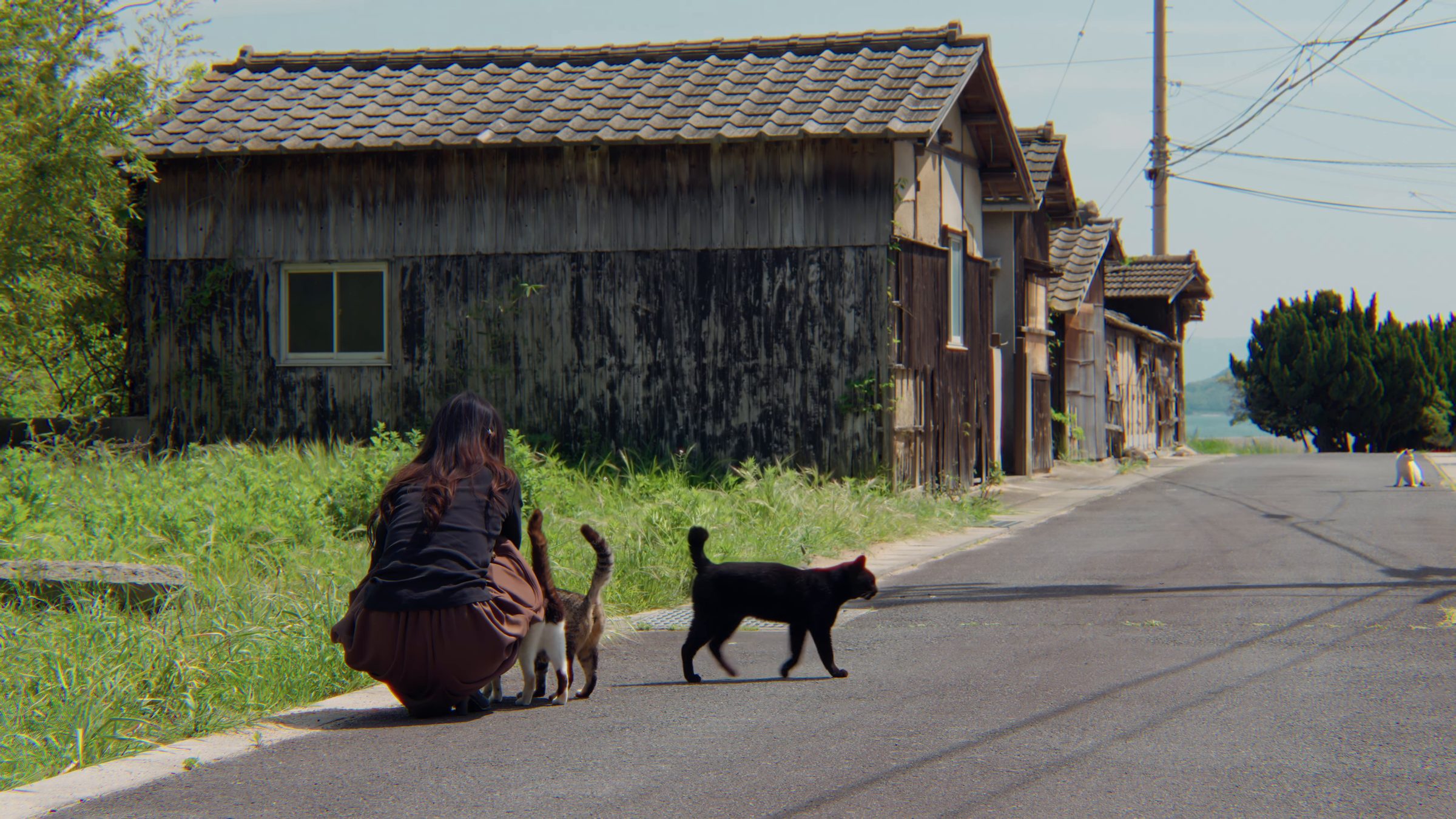
This is a "cat island," where the cats are said to outnumber the people. A tabby lay stretched out on the quay, and in front of the little waiting room at Motoura harbor, cat after cat came over to me. When I crouched down, they walked right up to my feet.
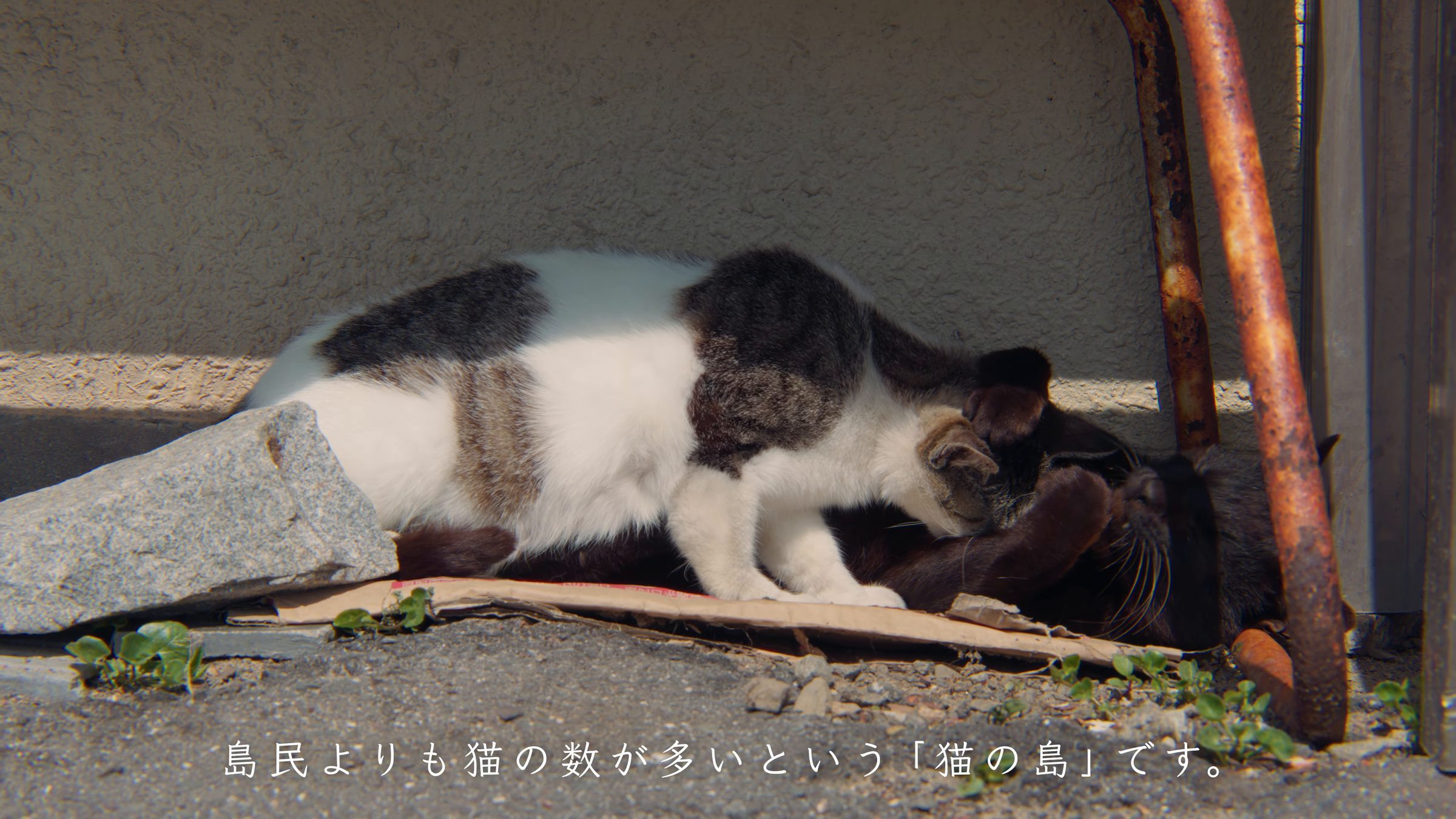
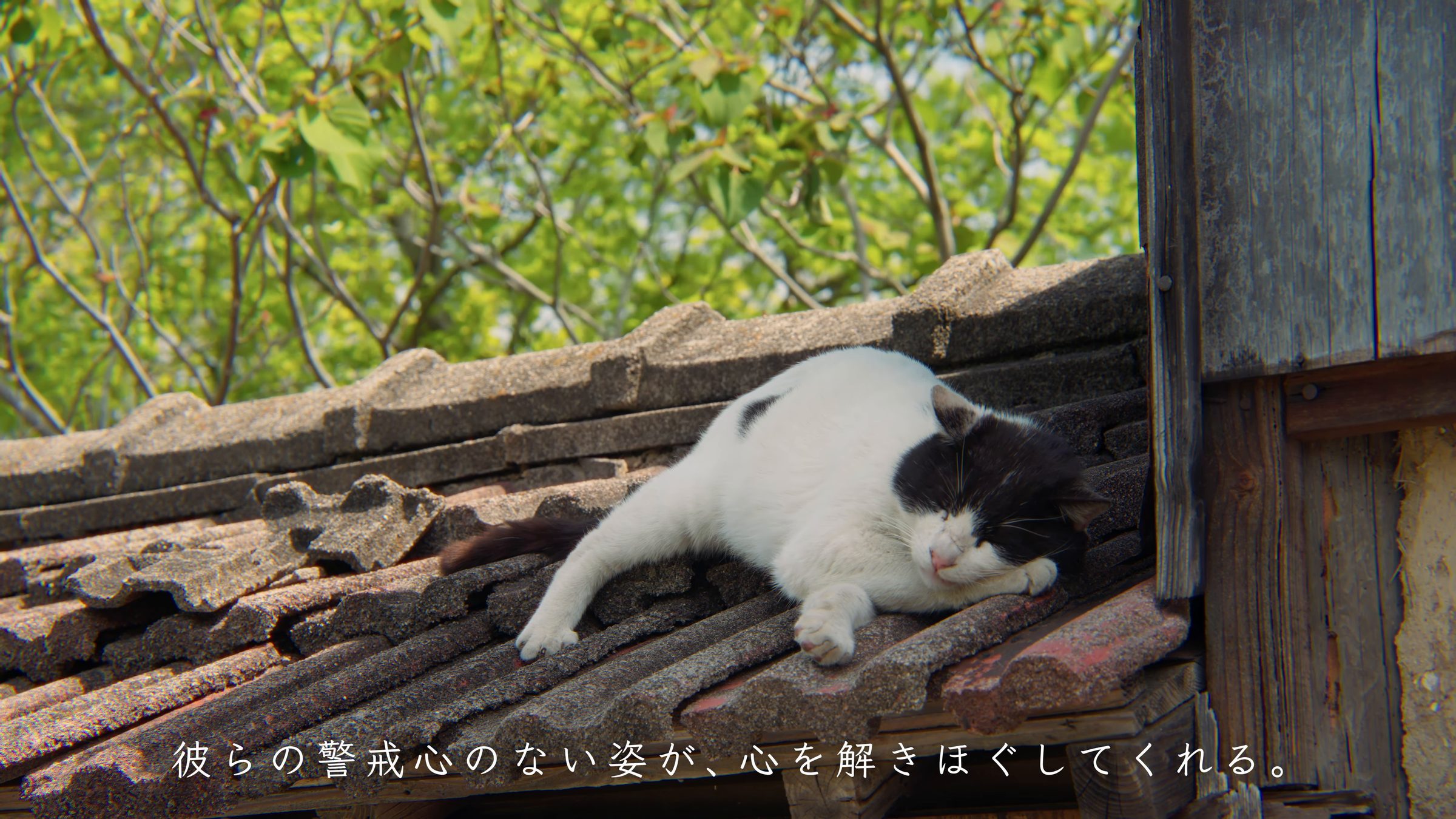
A cat followed me down the lane, and on a tiled roof a black-and-white cat dozed with its eyes closed. Their complete lack of wariness toward people loosened something in me.
Watch this scene on YouTube0:10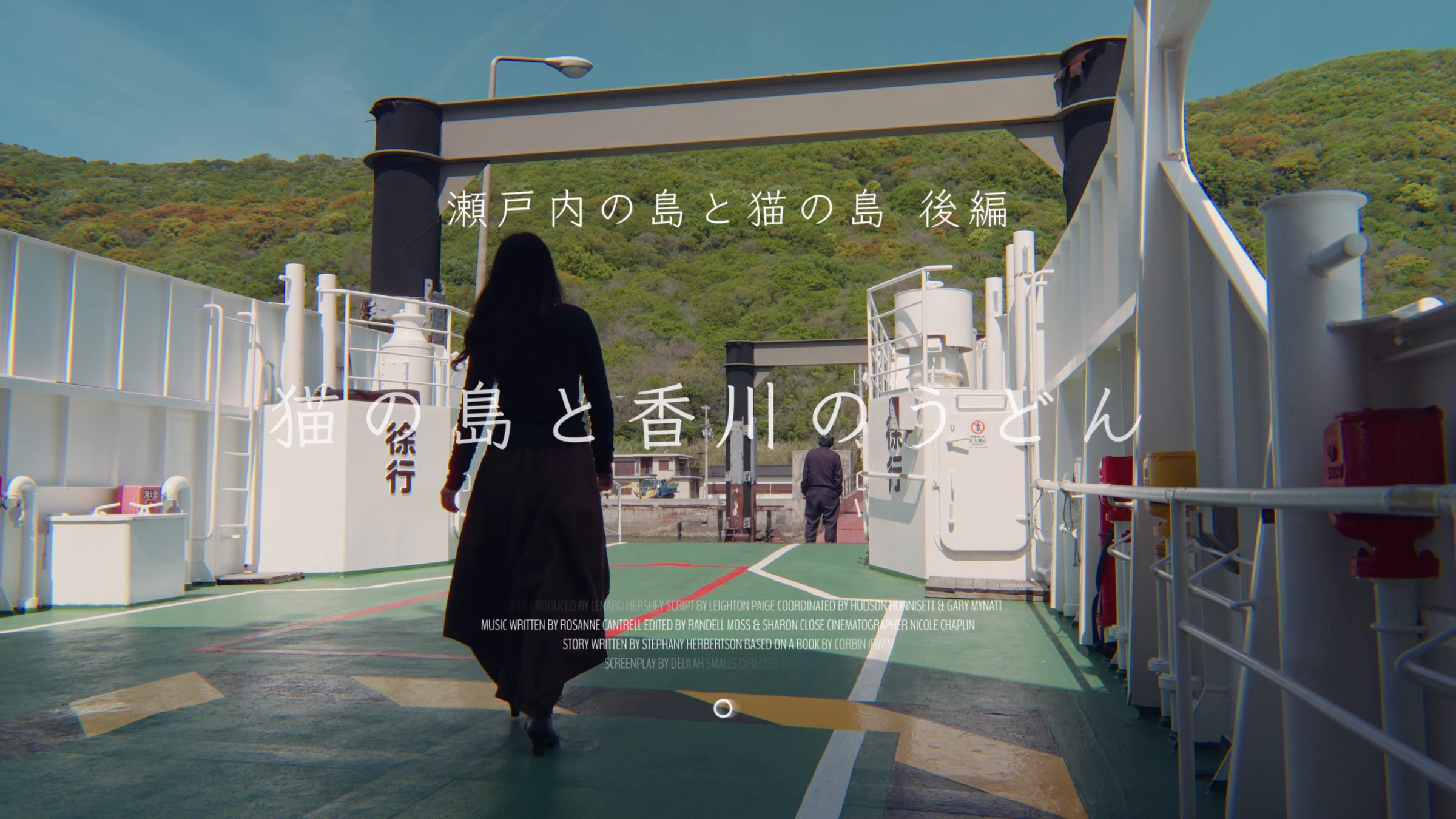
02TRAVEL JOURNAL
A café in an old elementary school
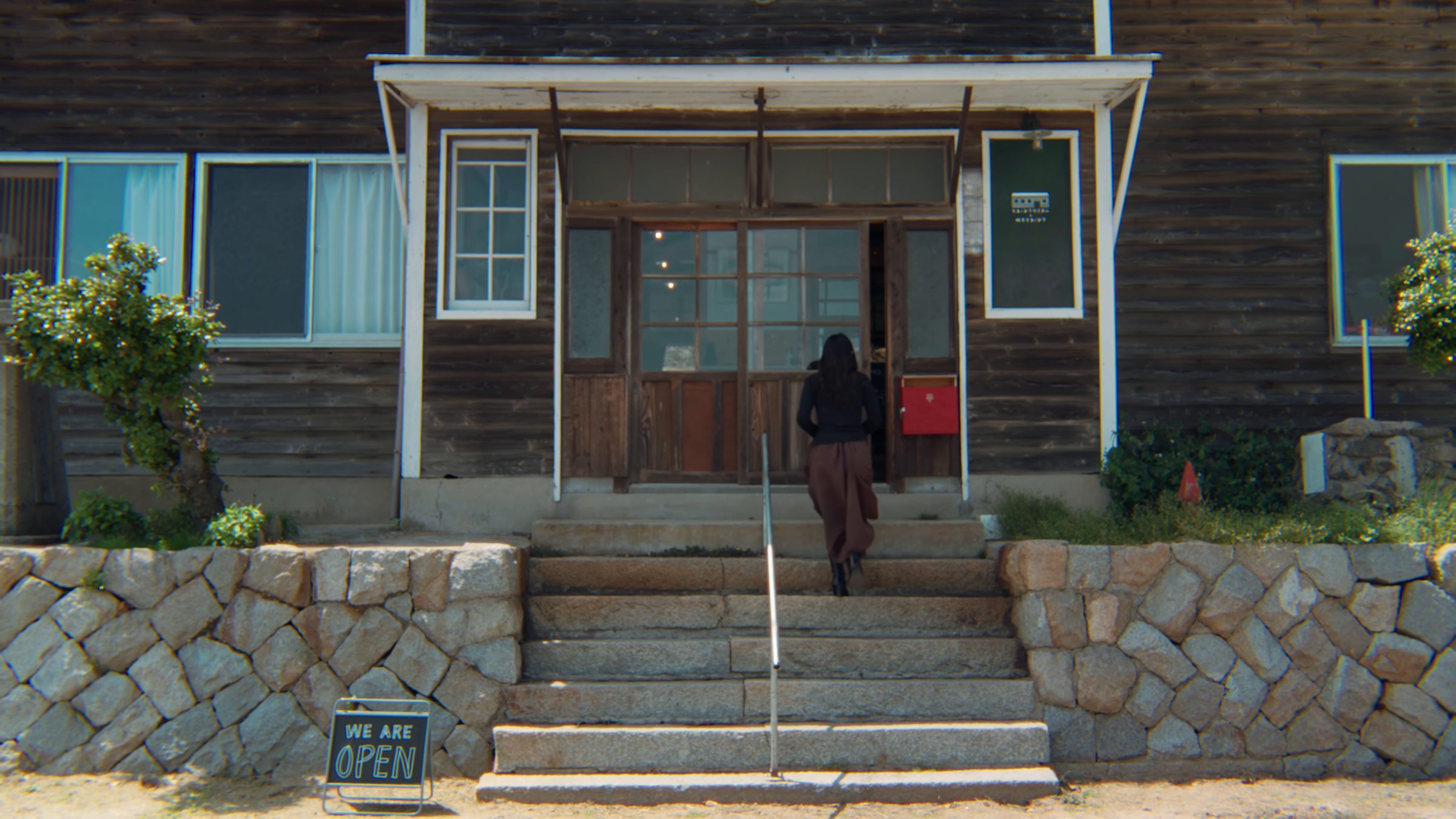
A wooden school building stood at the end of the road along the sea. I climbed the stone steps and went in through the entrance, where a sign said WE ARE OPEN.
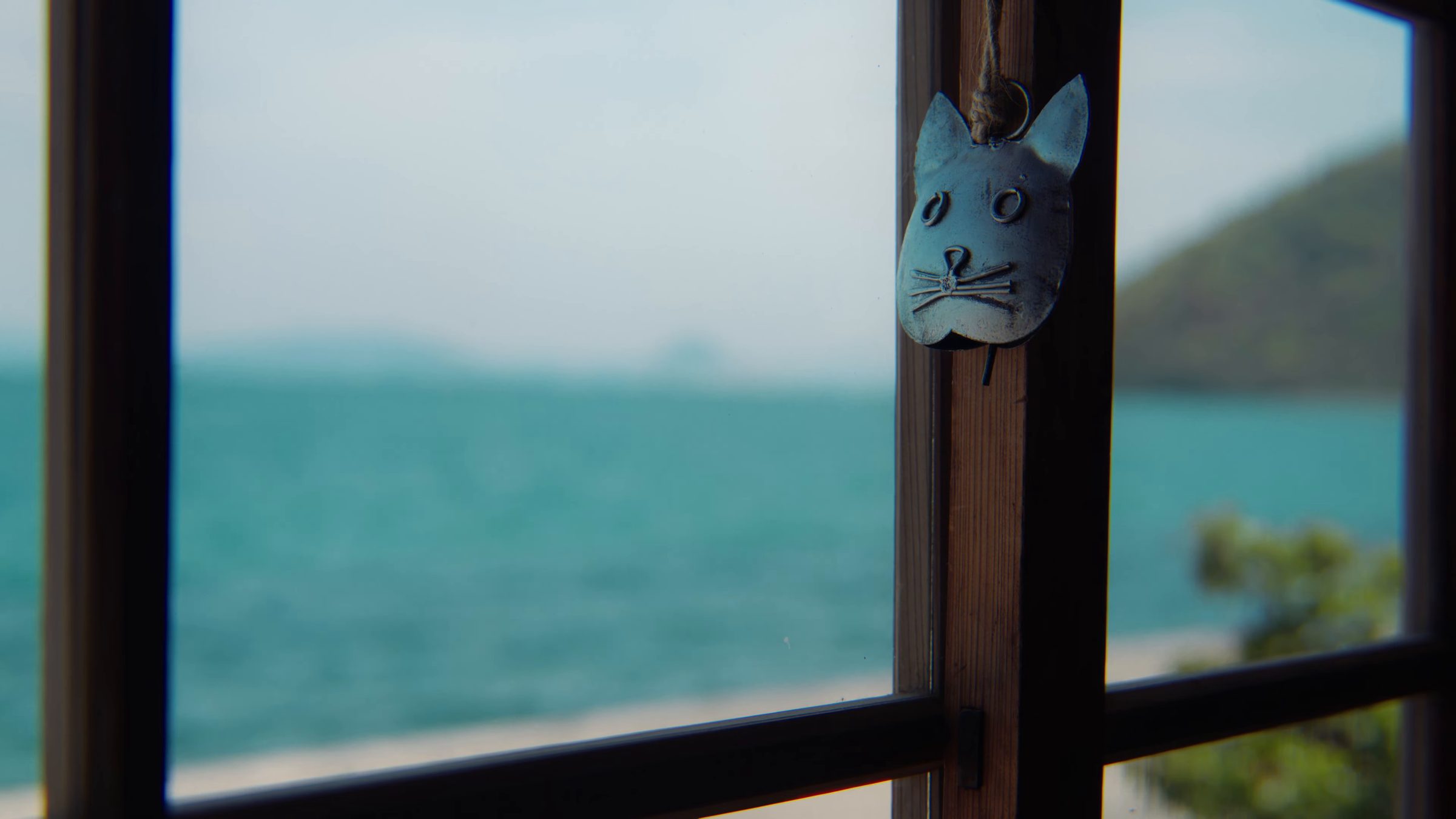
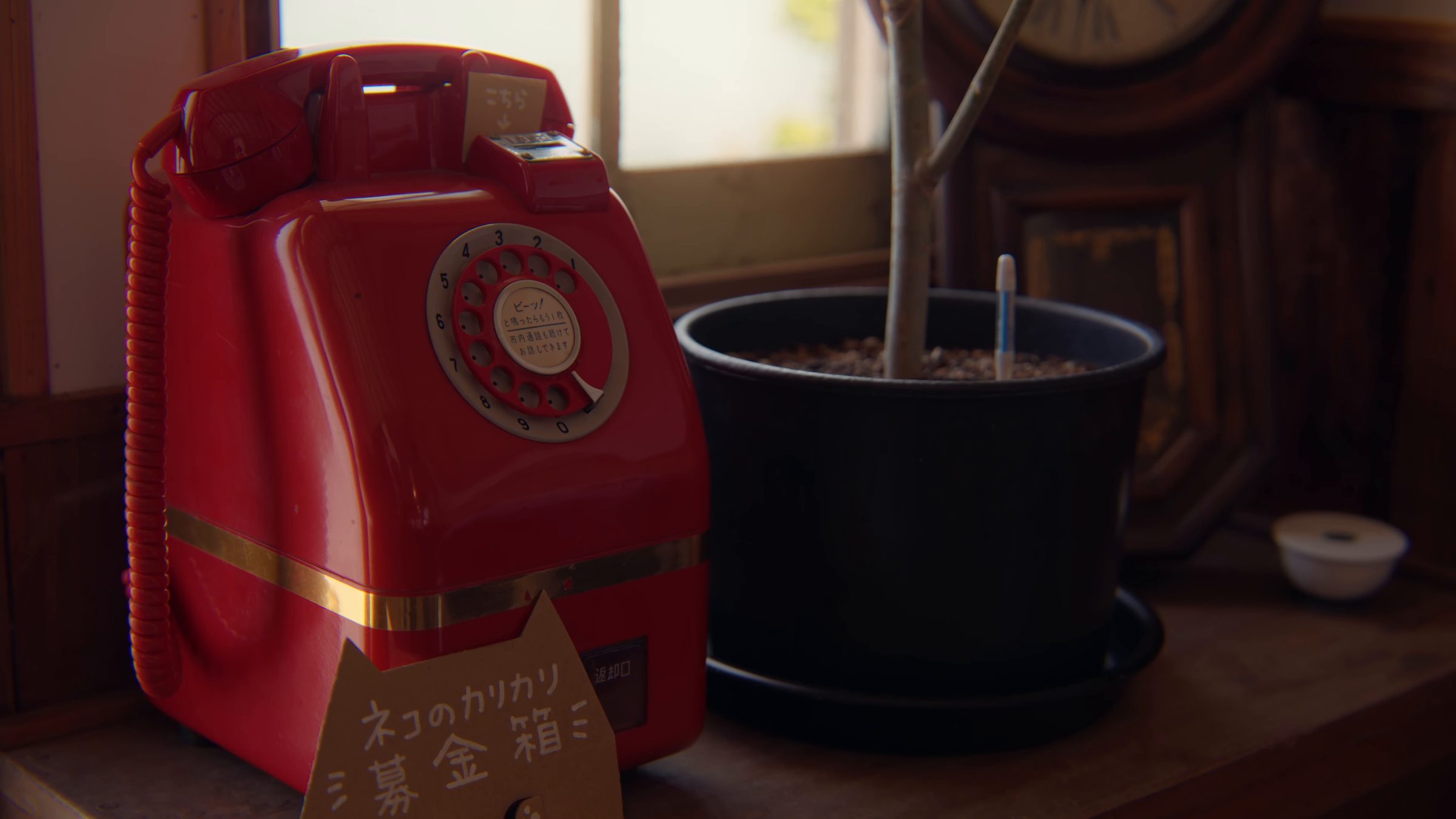
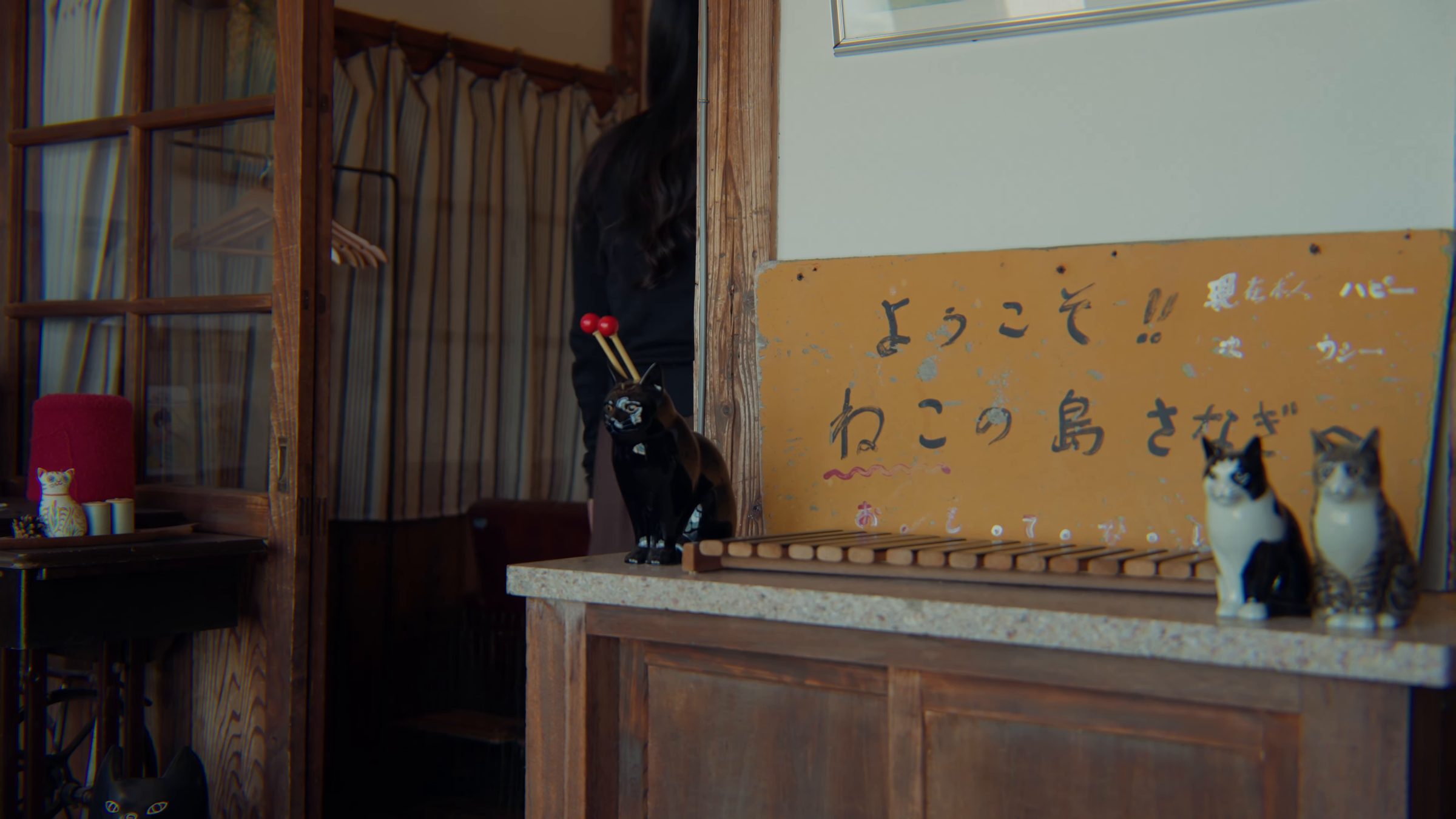
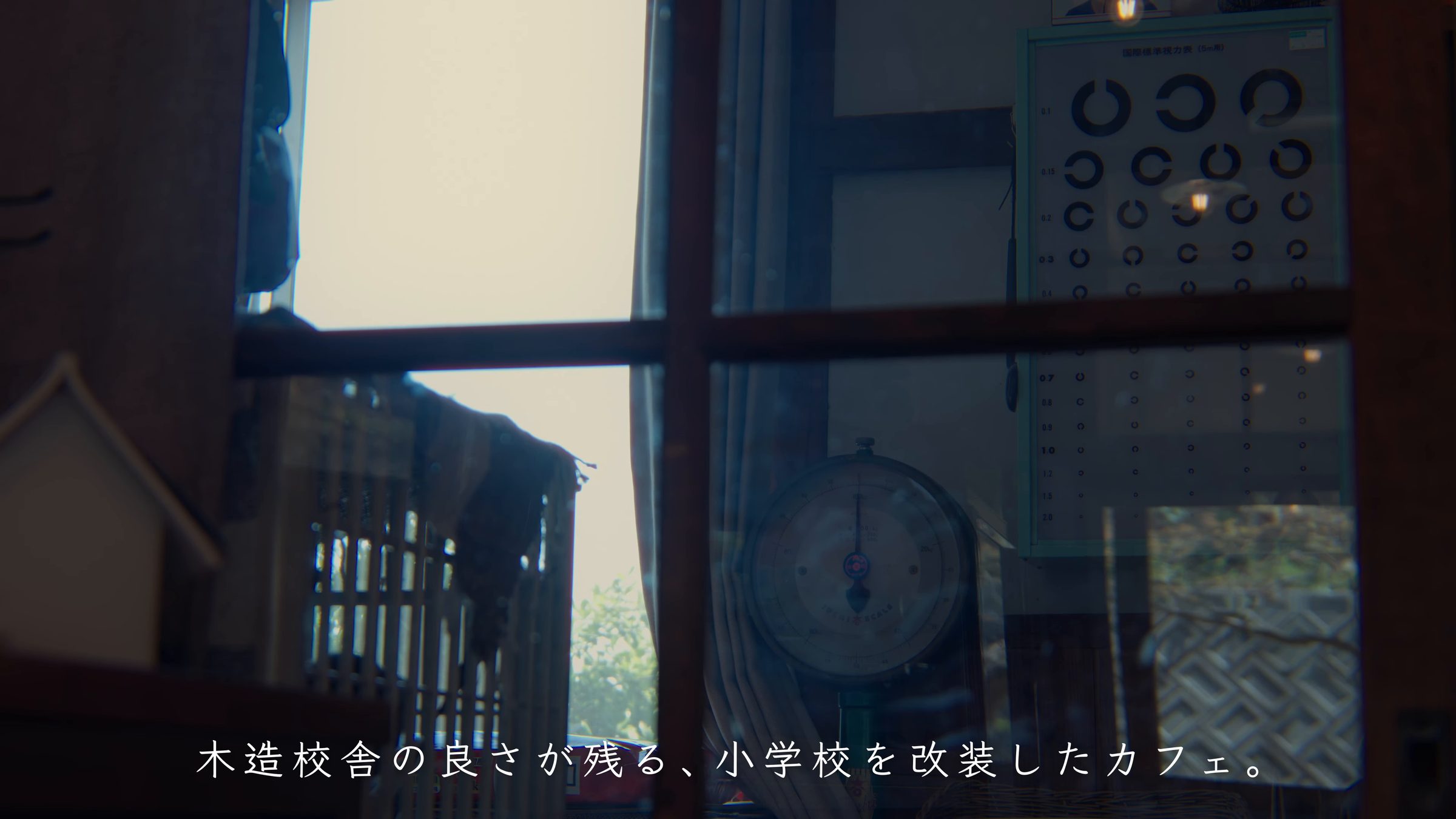
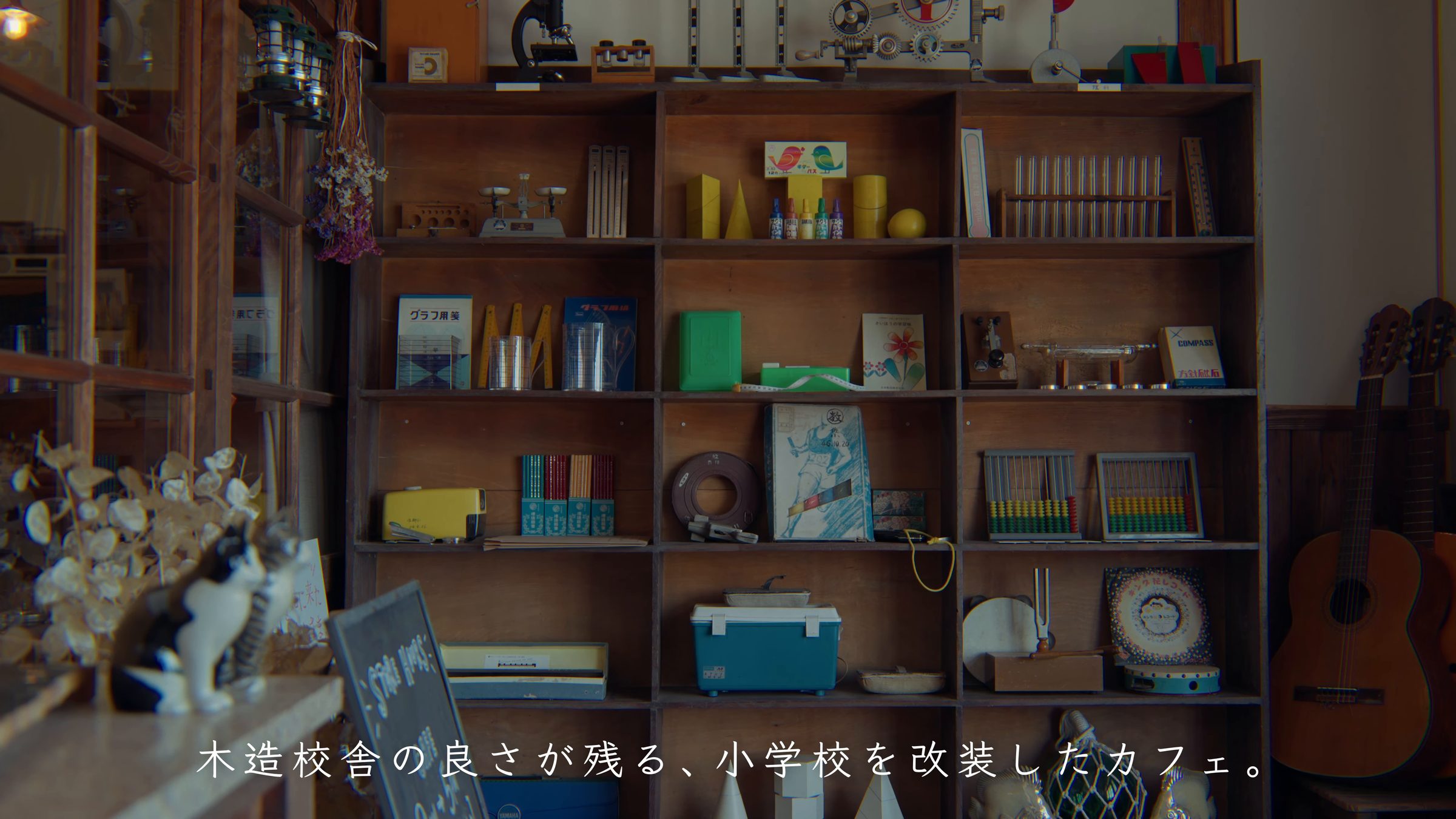
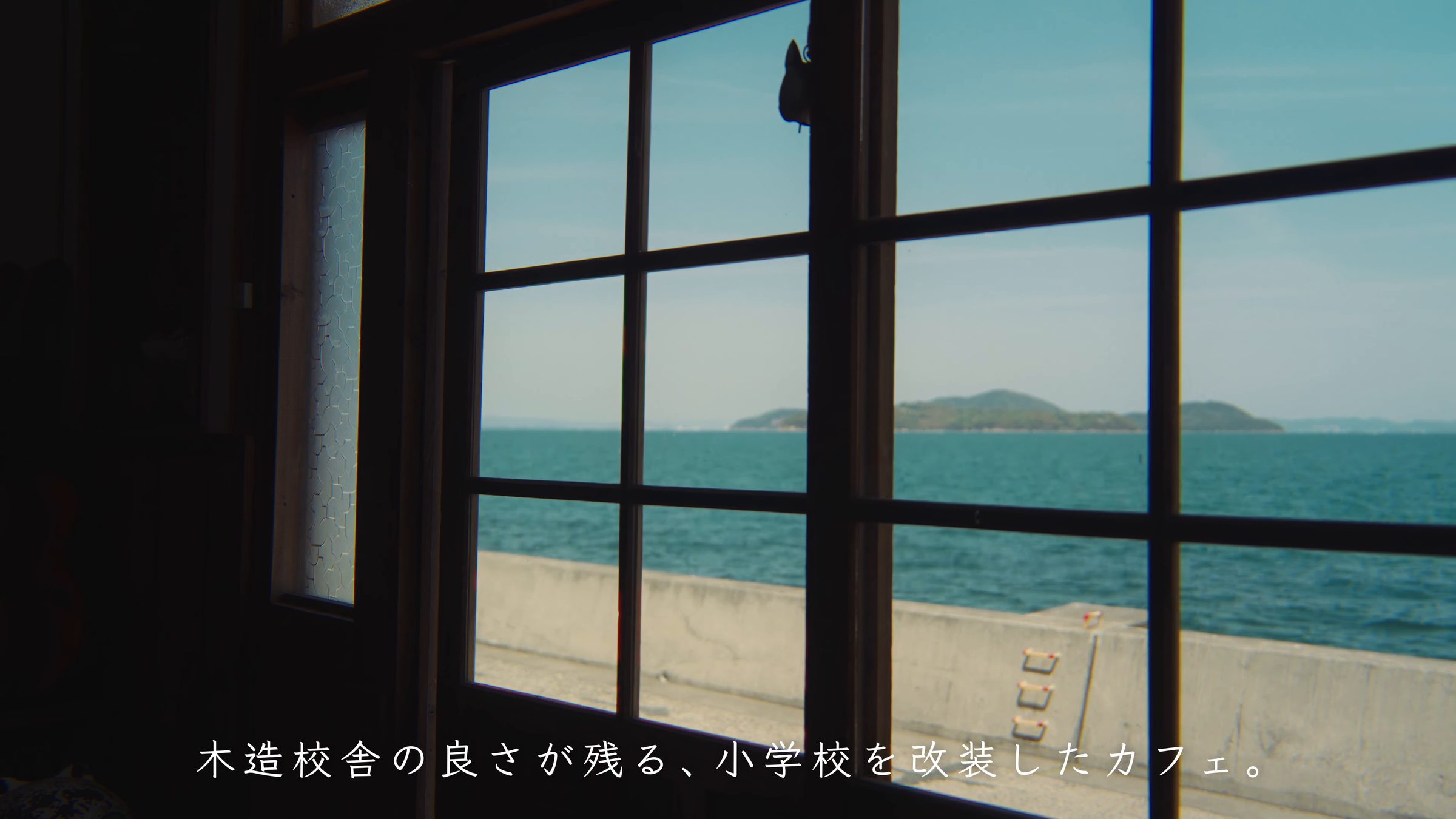
Beyond the windows was nothing but sea. A little cat-shaped ornament swung in the window, and a red rotary payphone had become a donation box for cat kibble. On the counter stood a hand-painted board: "Welcome to Sanagi, the cat island." An eye chart, a scale, shelves of school supplies and a guitar: this is a café in a renovated elementary school that keeps all the charm of its wooden architecture.
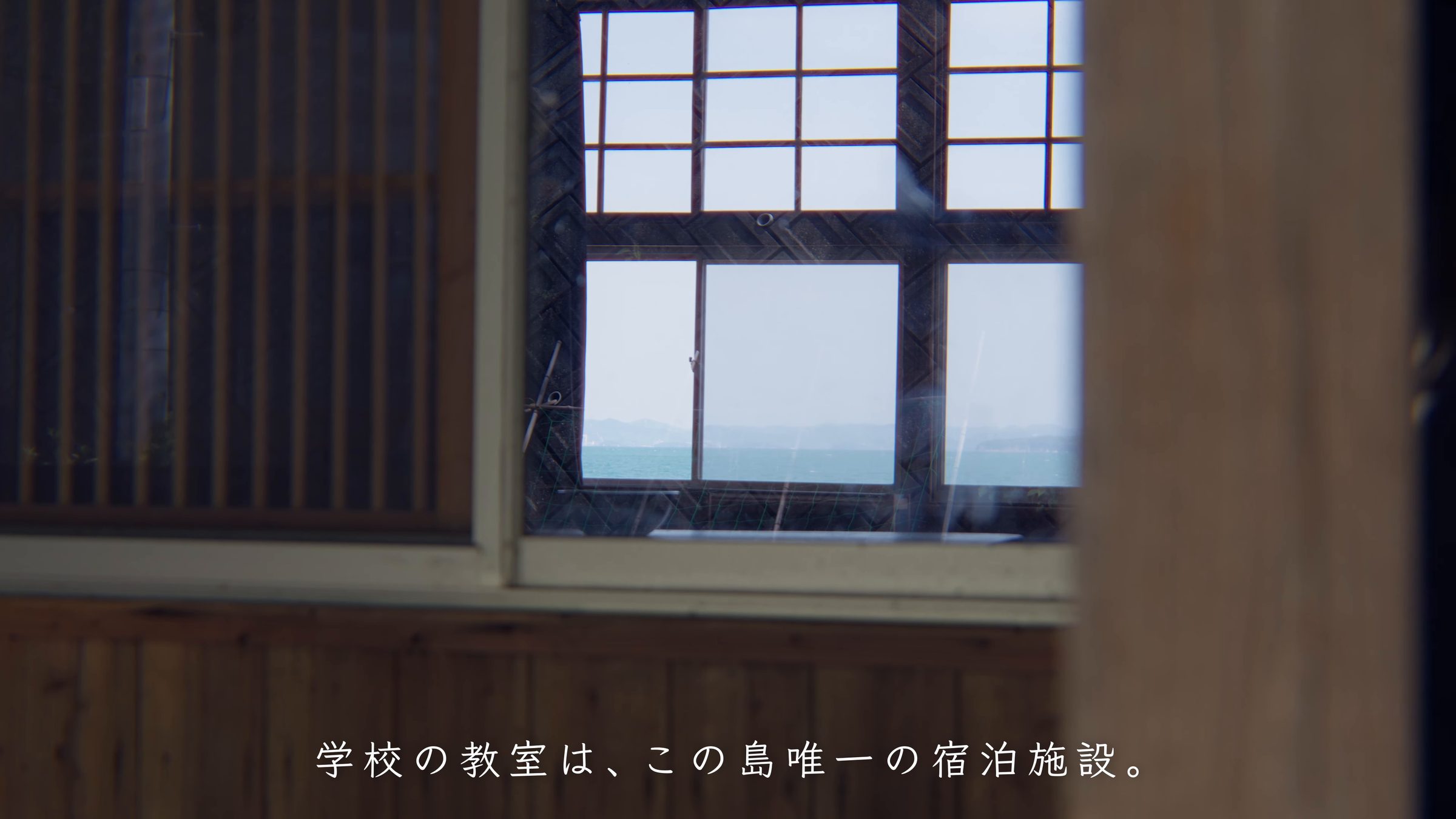
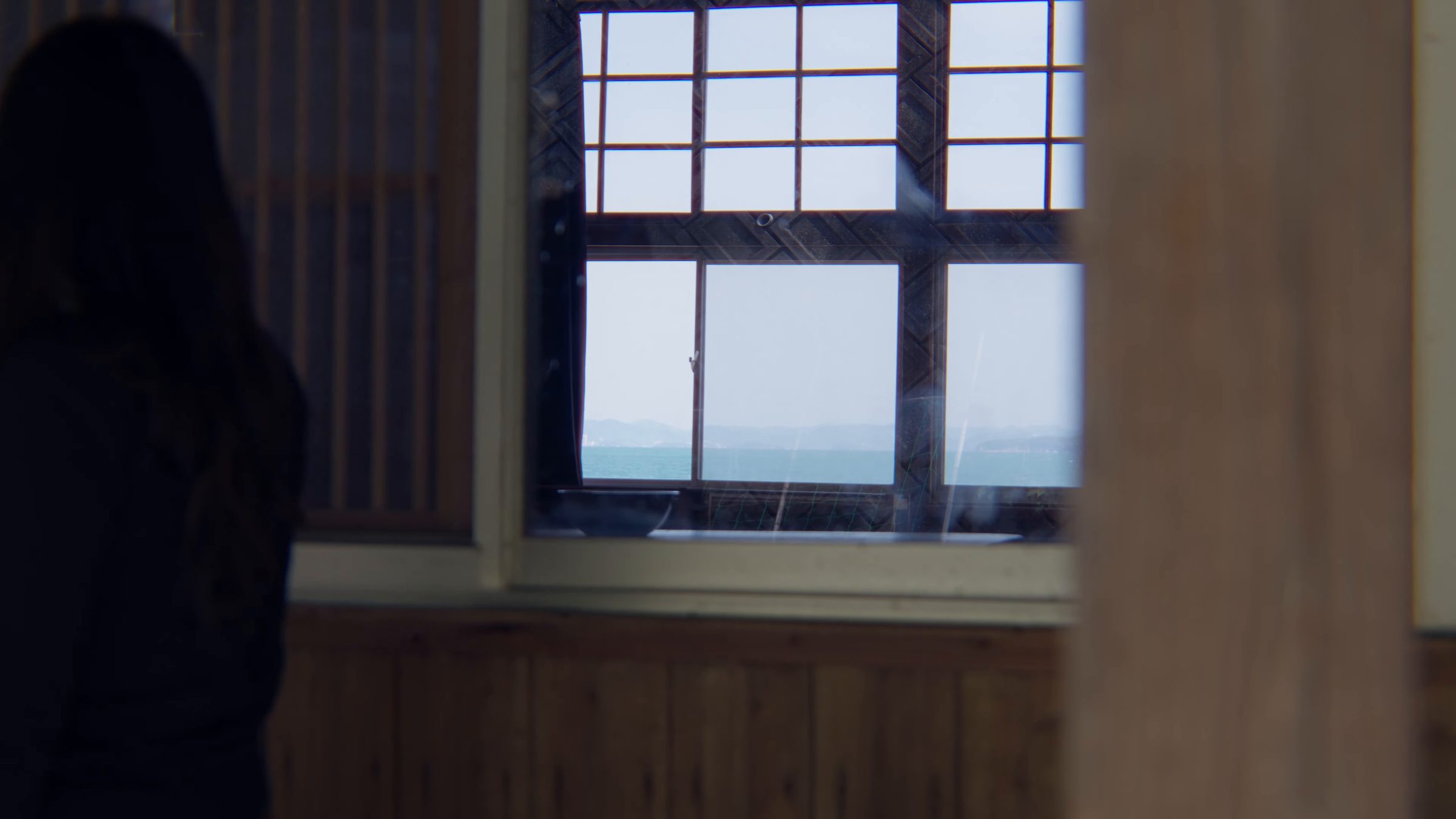
Through the latticed window I could see the Seto Inland Sea and the island across the water.
Watch this scene on YouTube0:40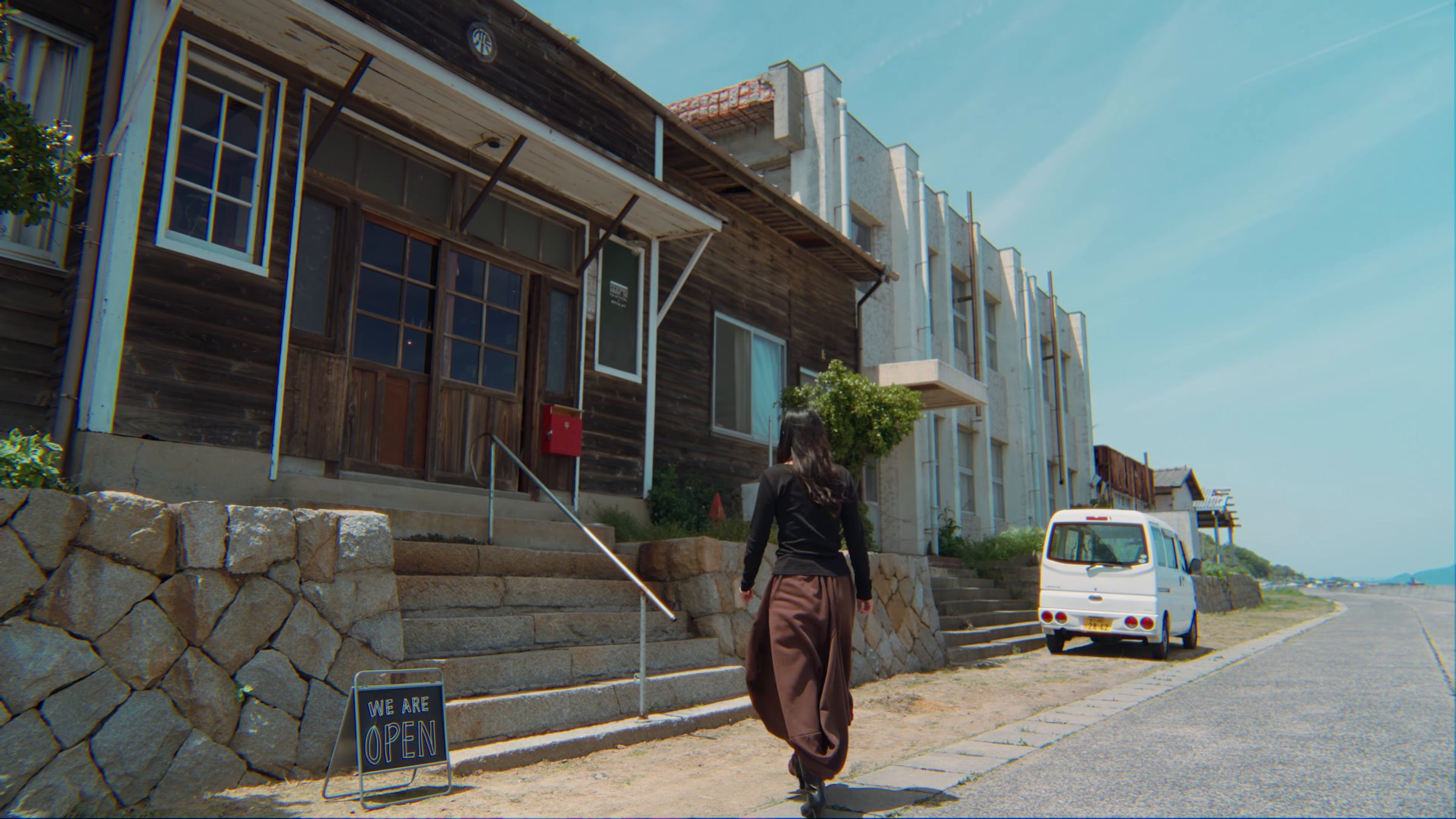
03TRAVEL JOURNAL
Curry in the staff room, fig ice cream
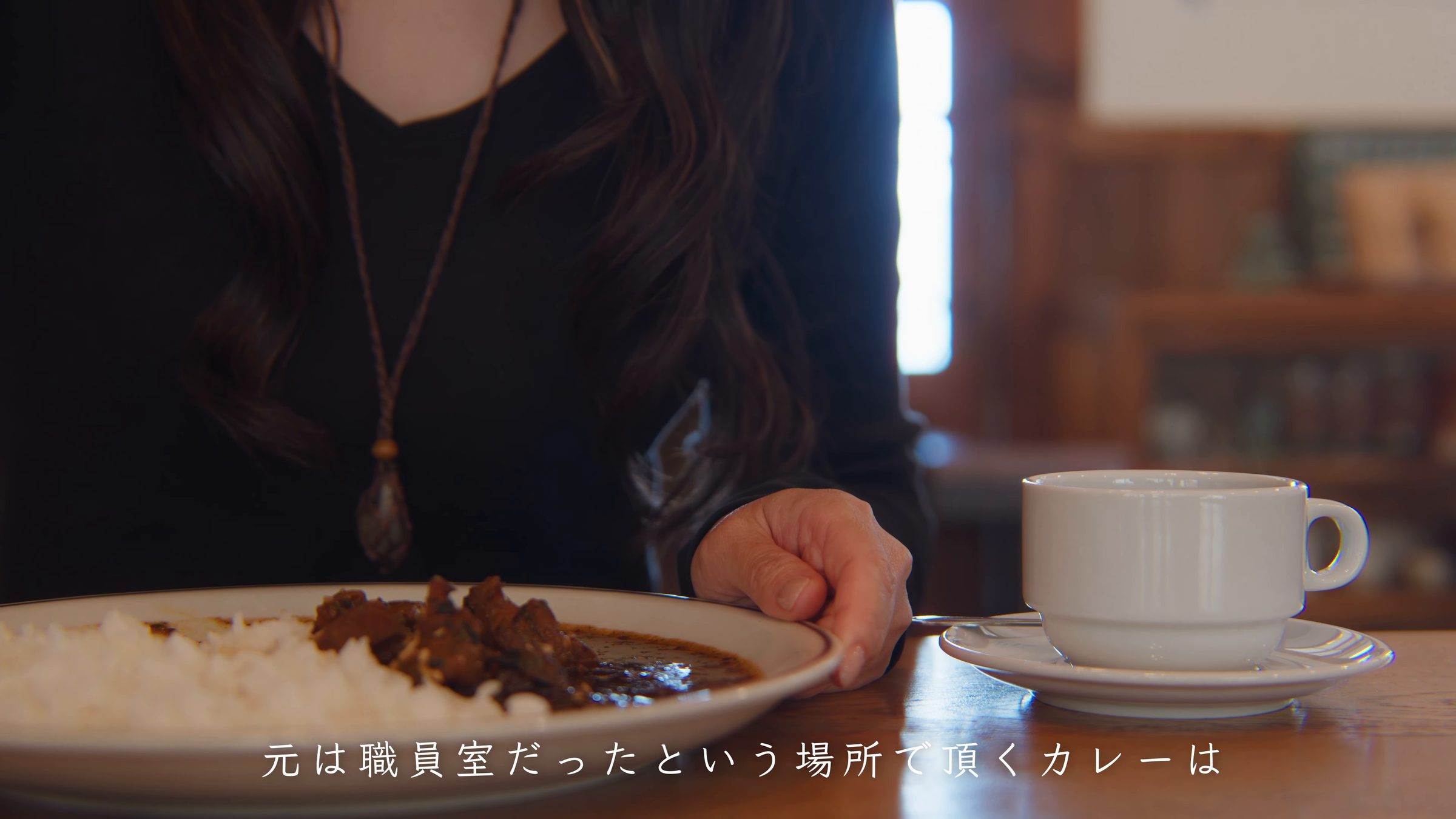
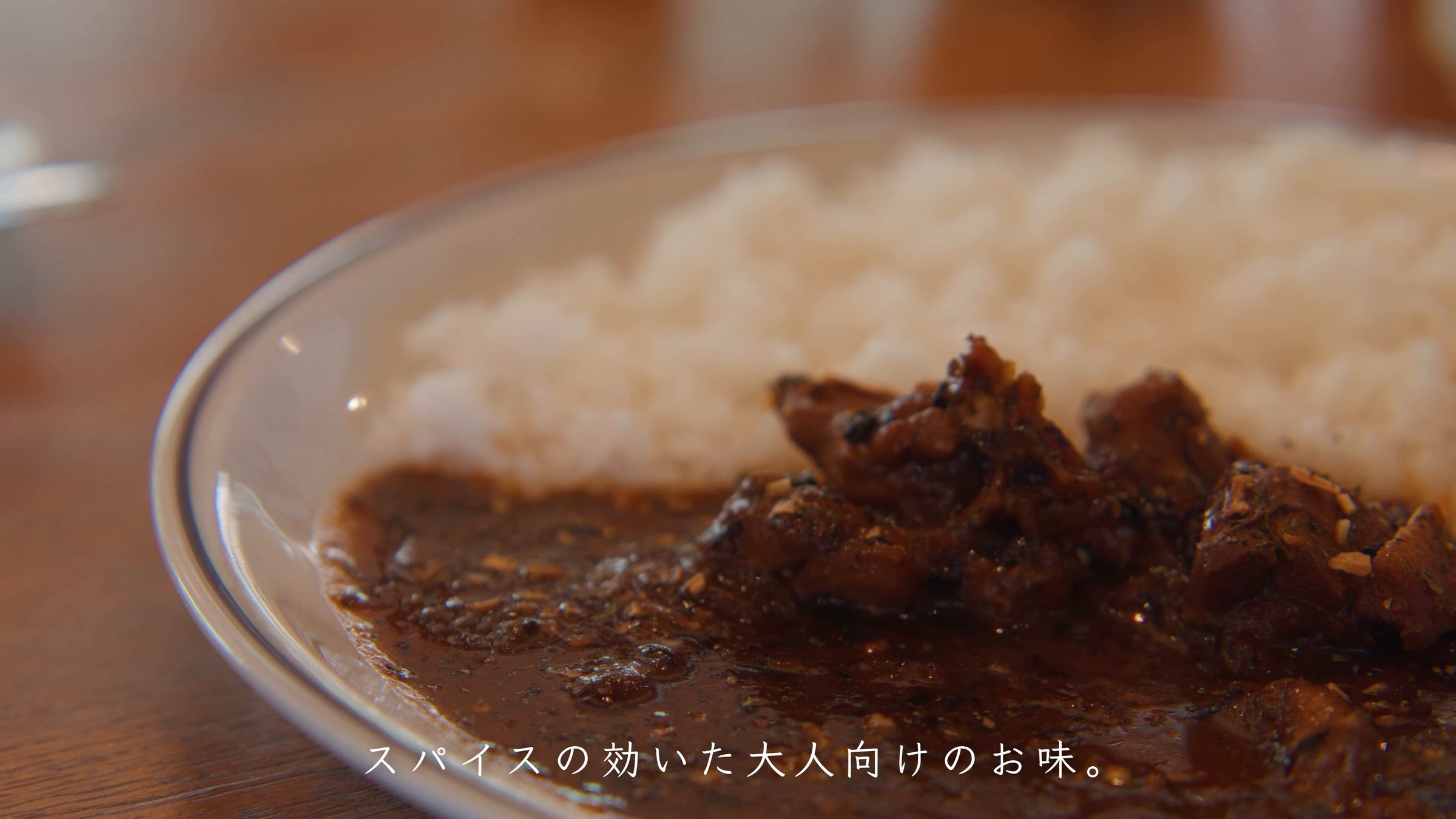
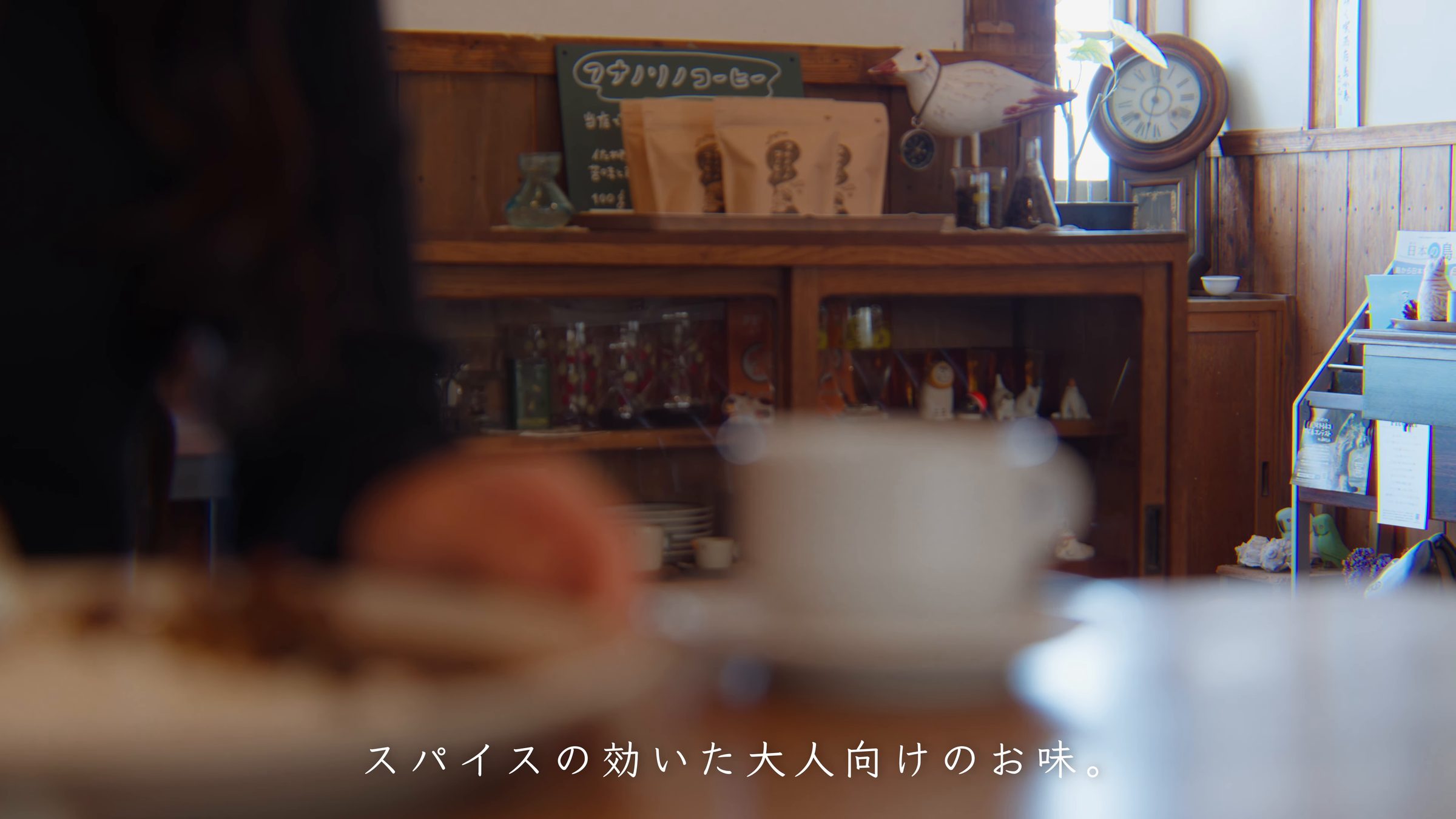
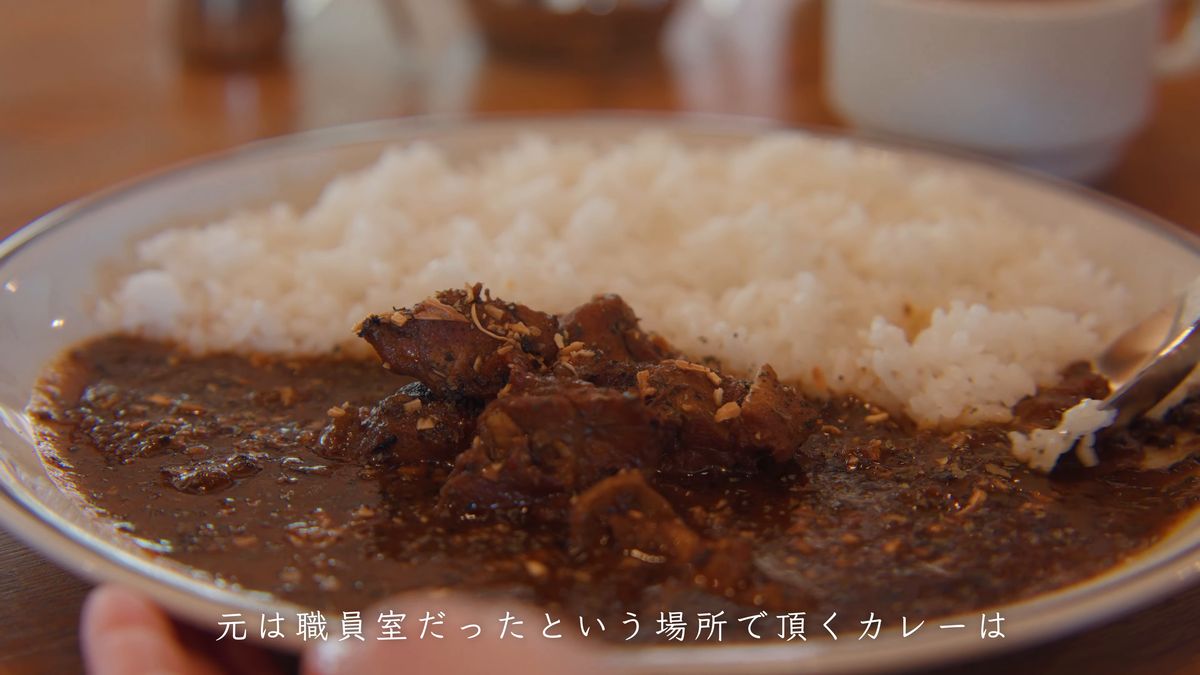
Curry and rice, served in what used to be the staff room. Chunks of meat in a sauce full of spices: a grown-up flavor. A wooden table, a white coffee cup.
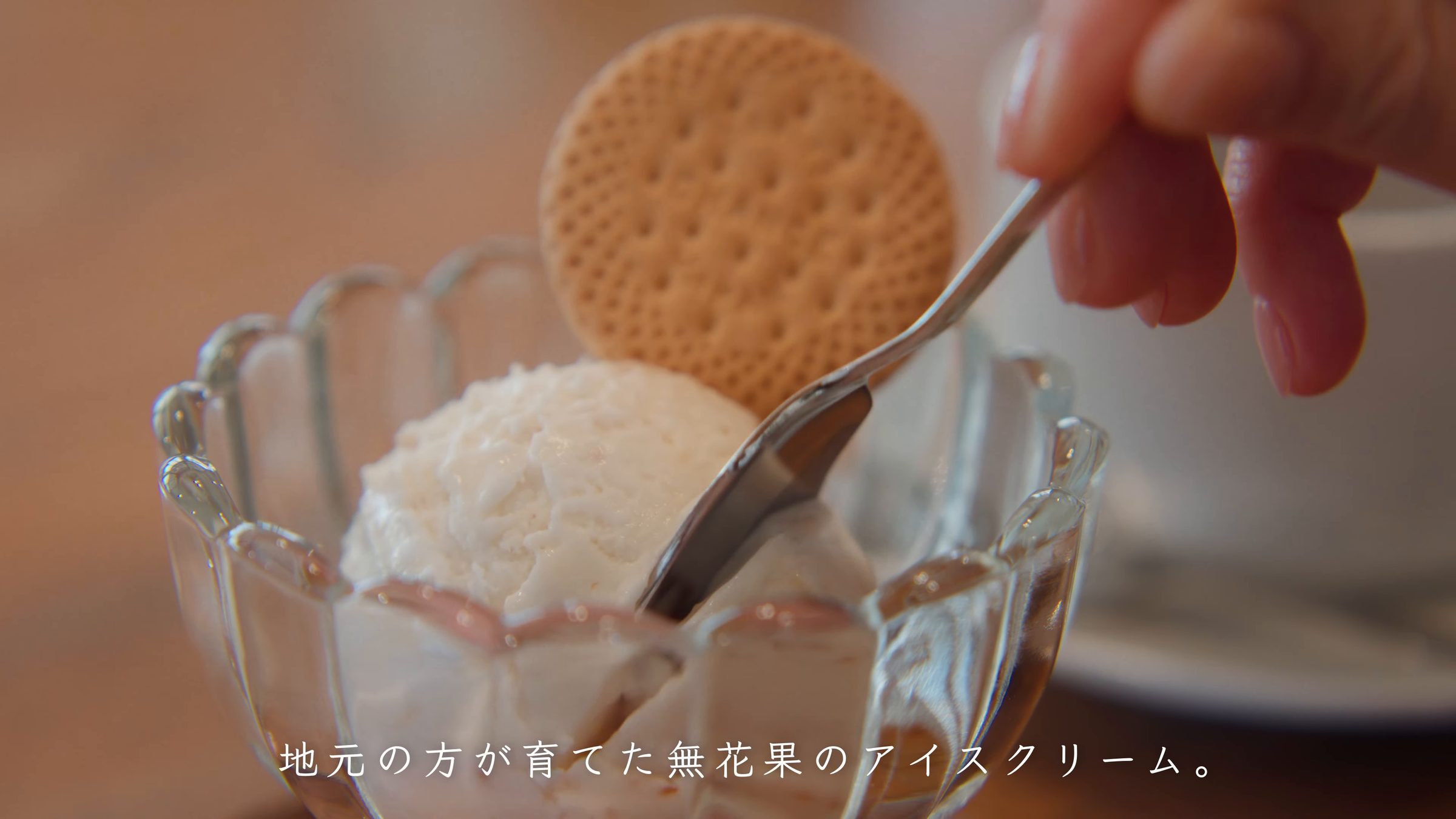
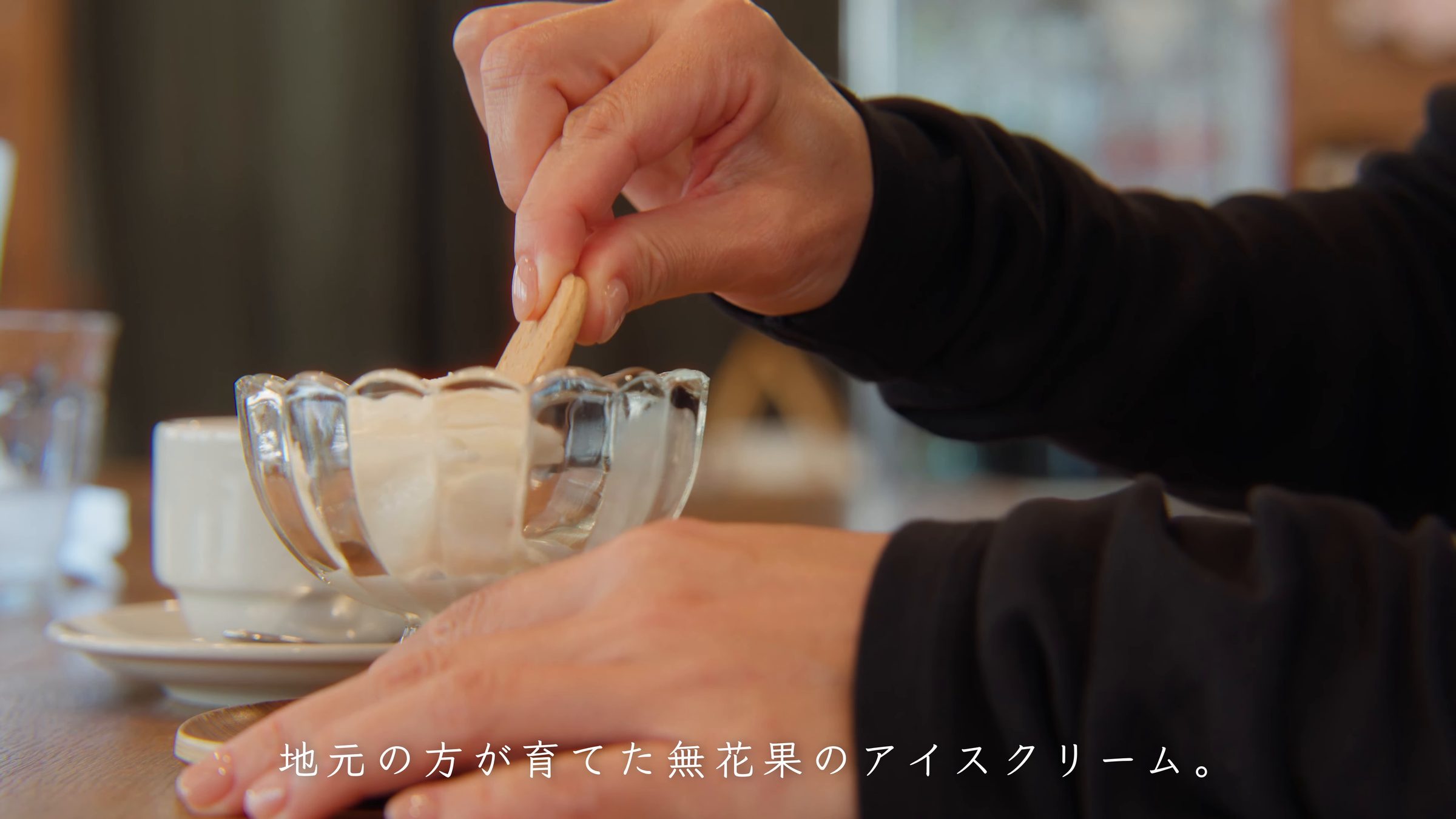
For dessert, ice cream made with figs grown by local people, served in a glass dish with a round biscuit on the side.
Watch this scene on YouTube1:16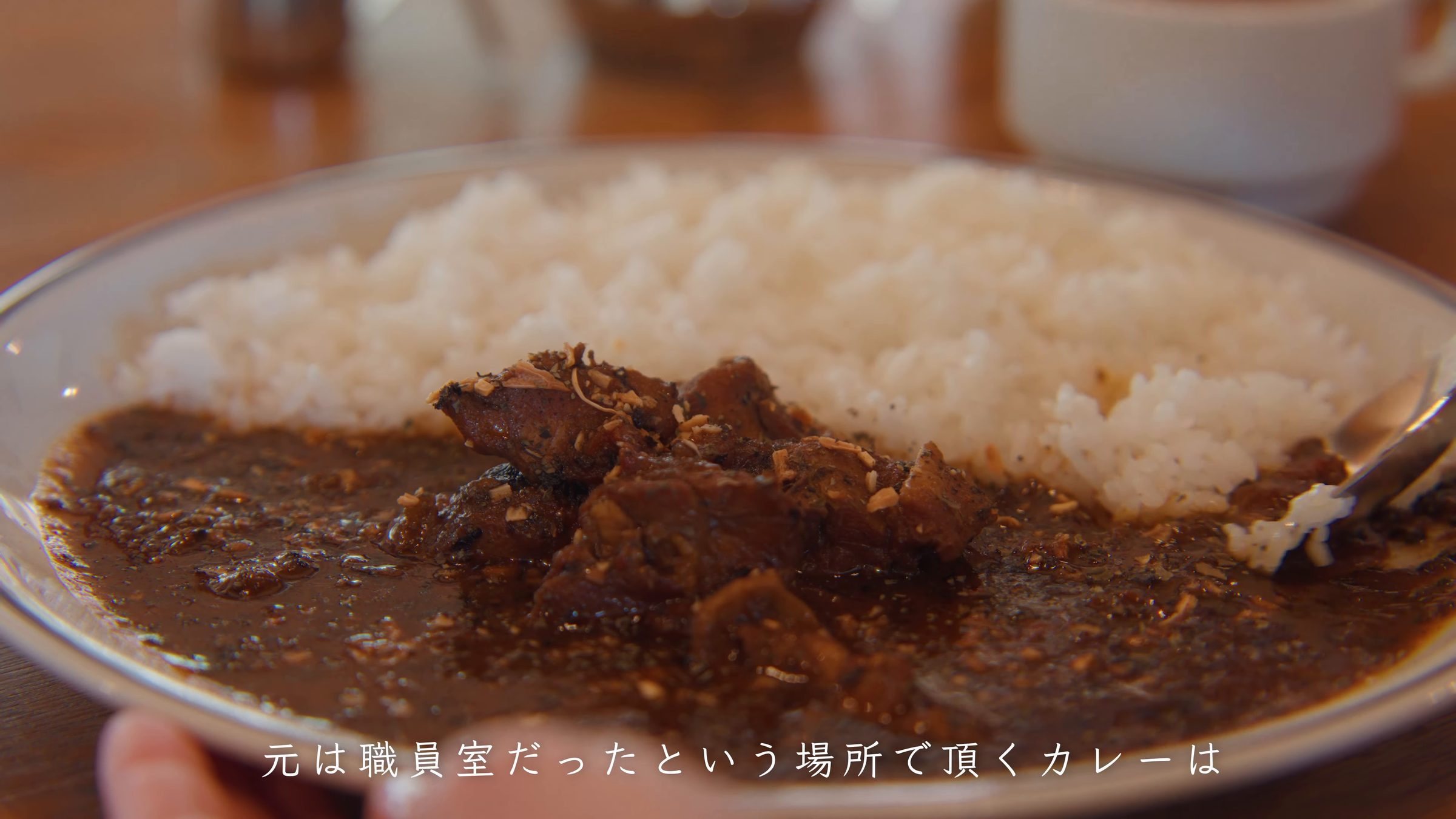
04TRAVEL JOURNAL
Where time has stopped
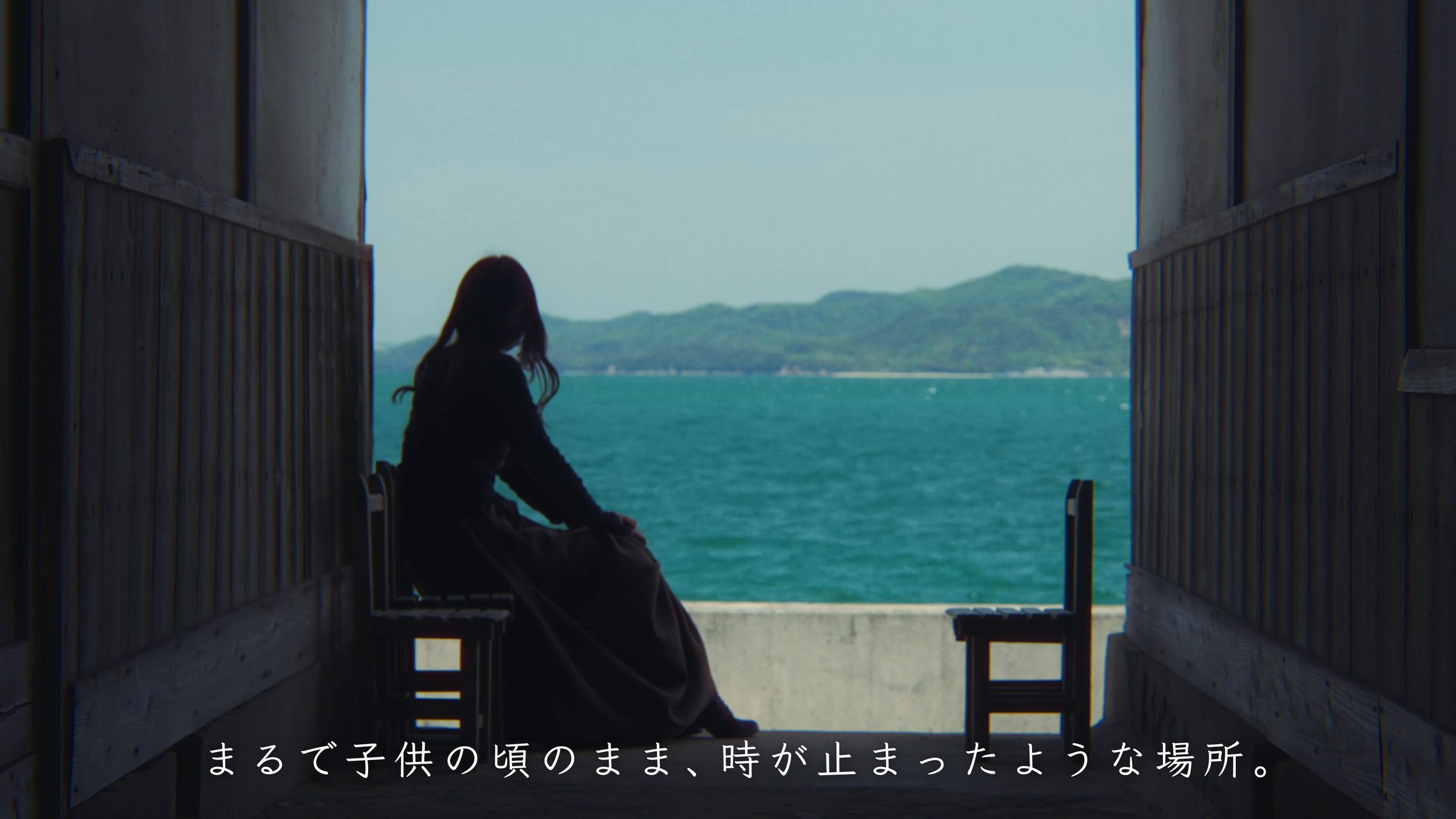
At the end of the school corridor, the sea. I sat in a chair and gazed out for a while. A place where time seems to have stopped, just as it was when I was a child.
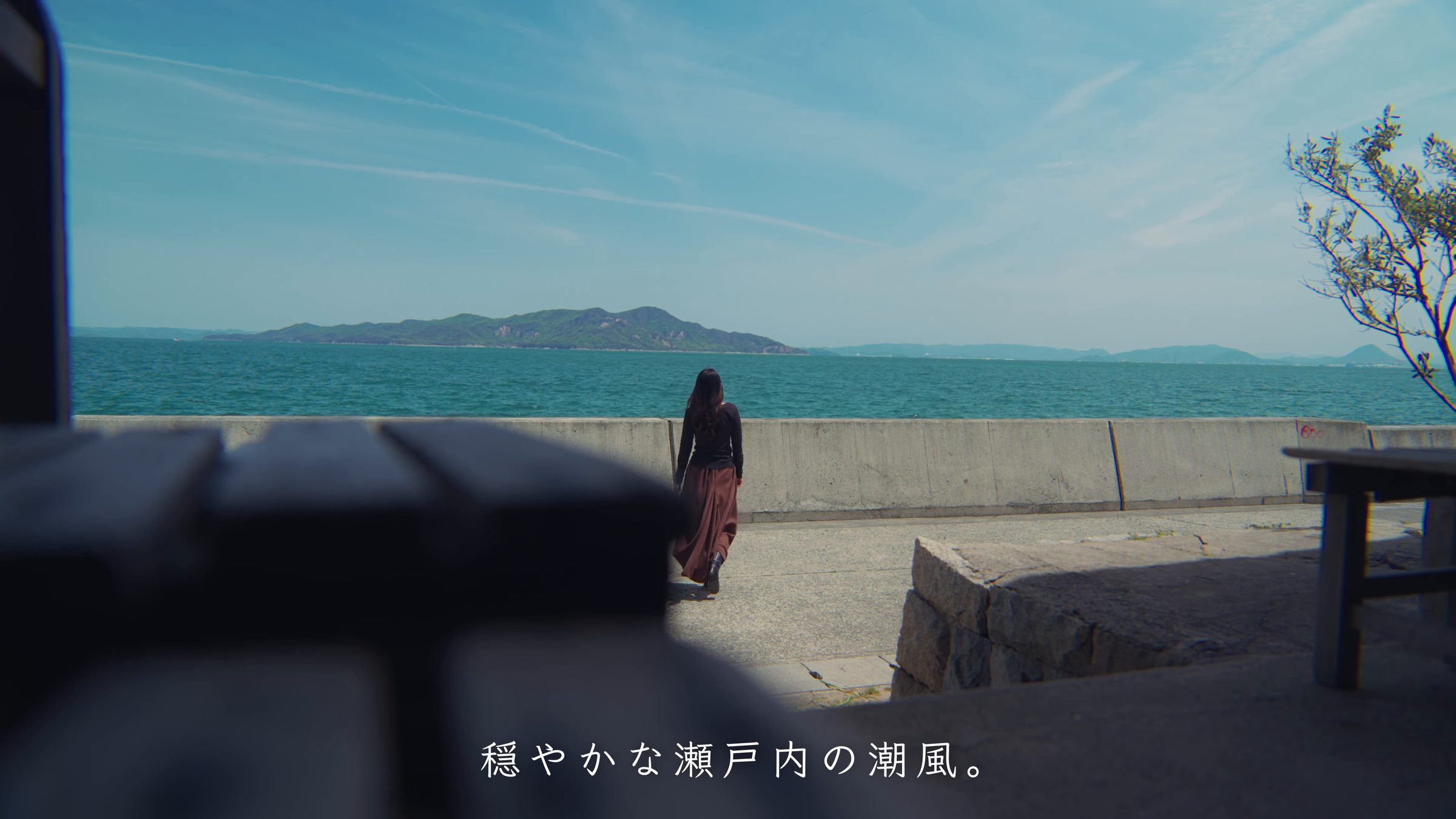
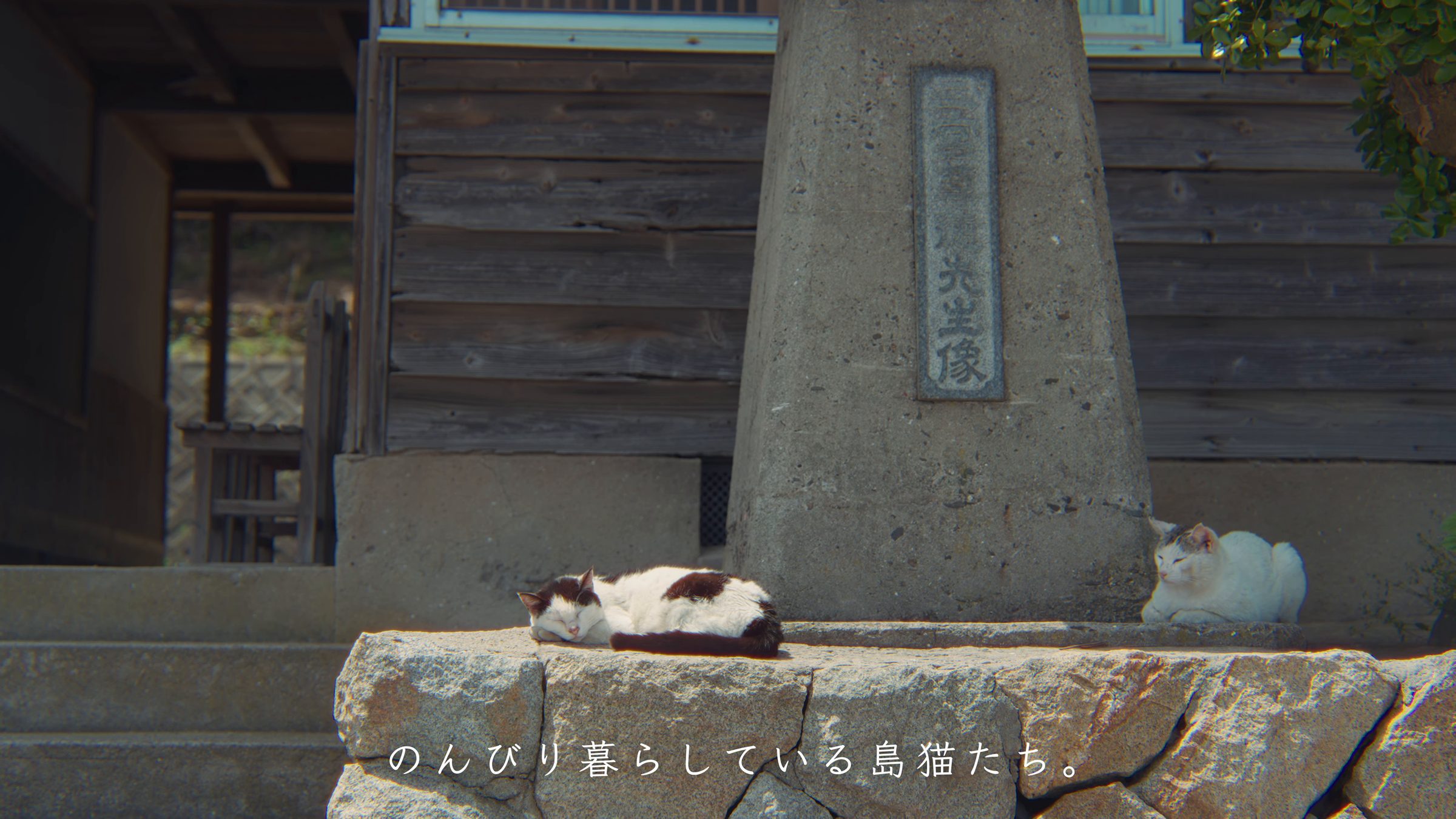
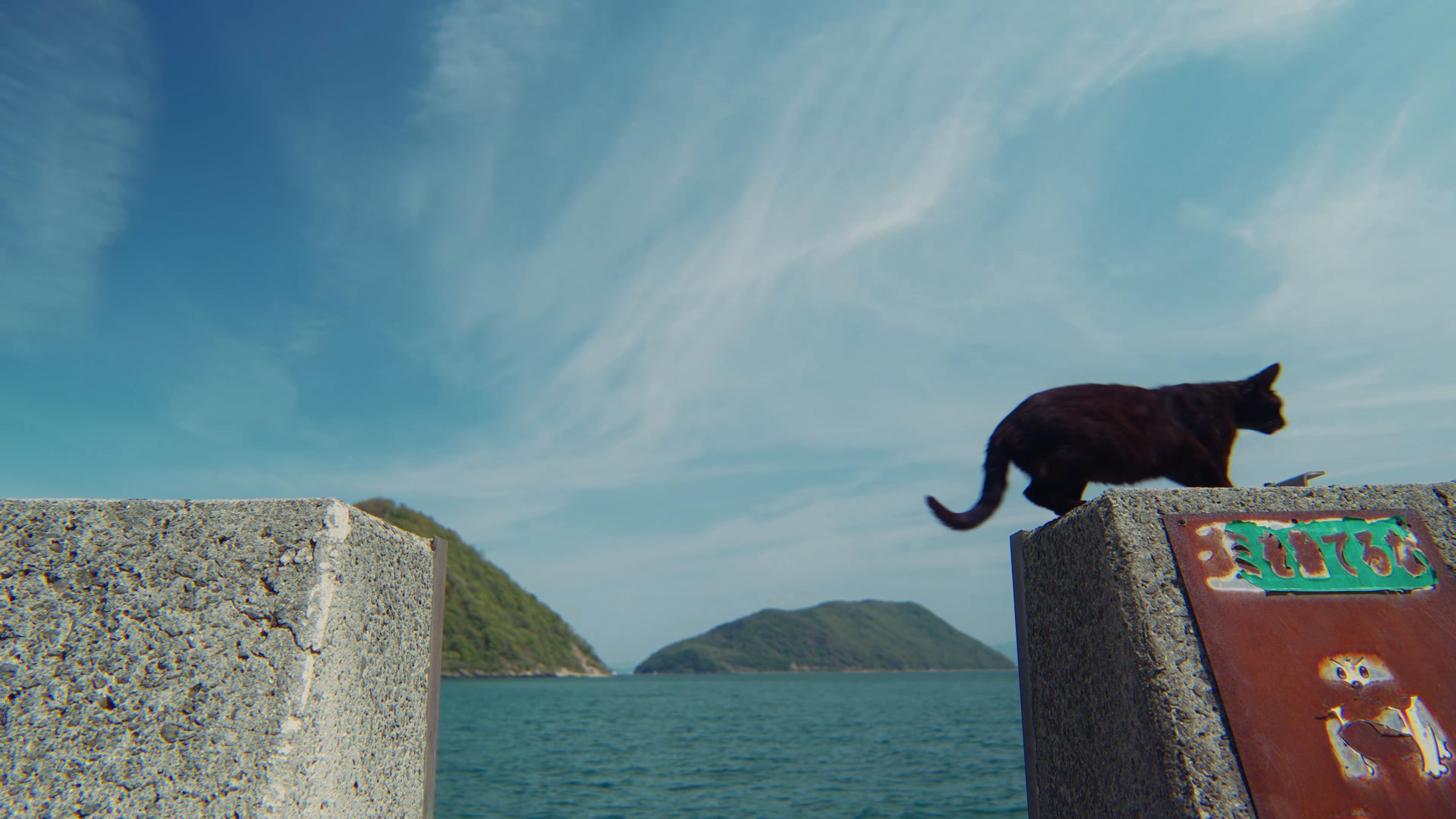
Outside, the calm sea breeze of the Seto Inland Sea. Cats lay beside a stone monument, and a black cat walked along the top of the breakwater. Island cats, living a leisurely life.
Watch this scene on YouTube1:51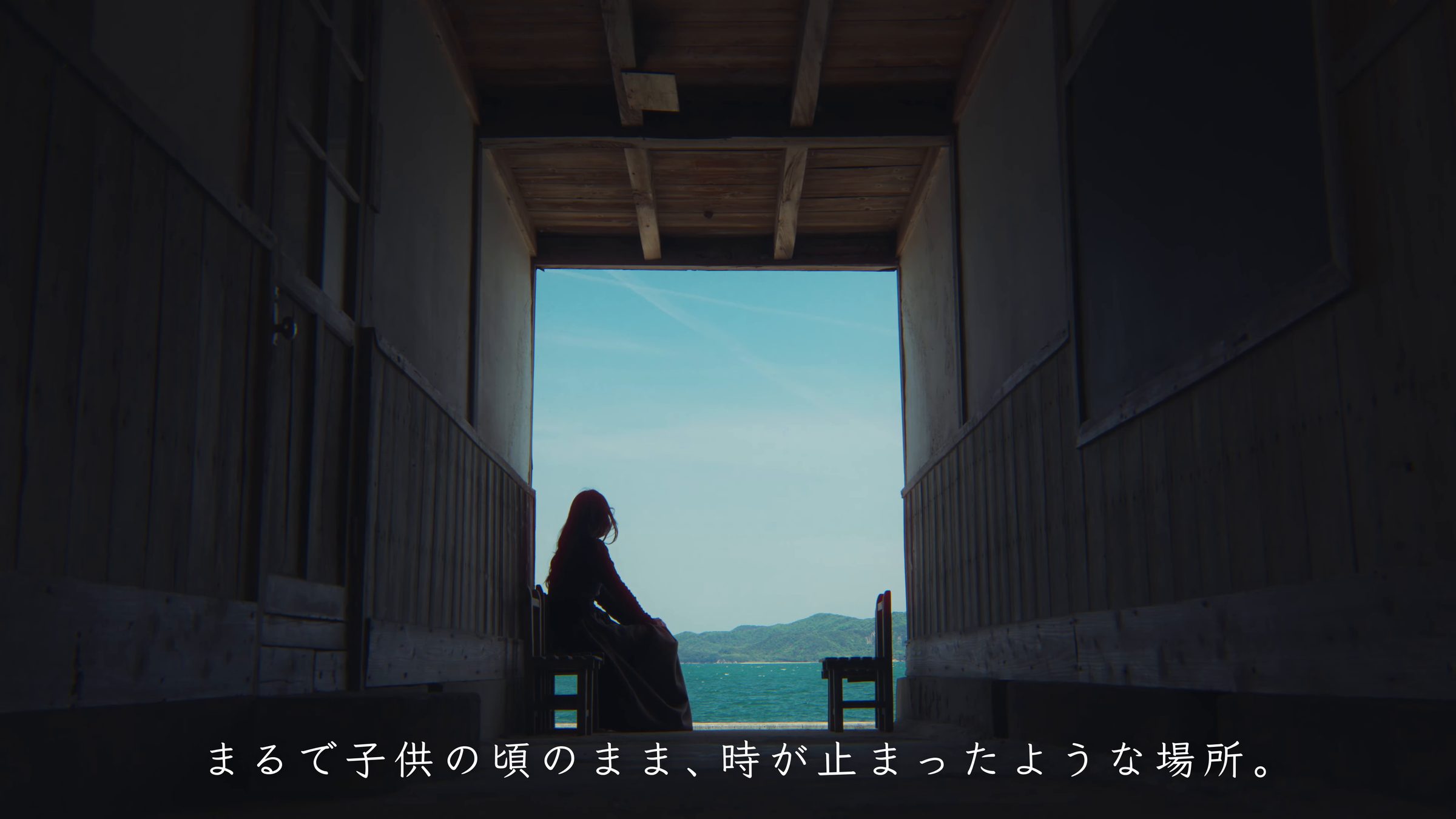
05TRAVEL JOURNAL
The classroom inn and its new masters
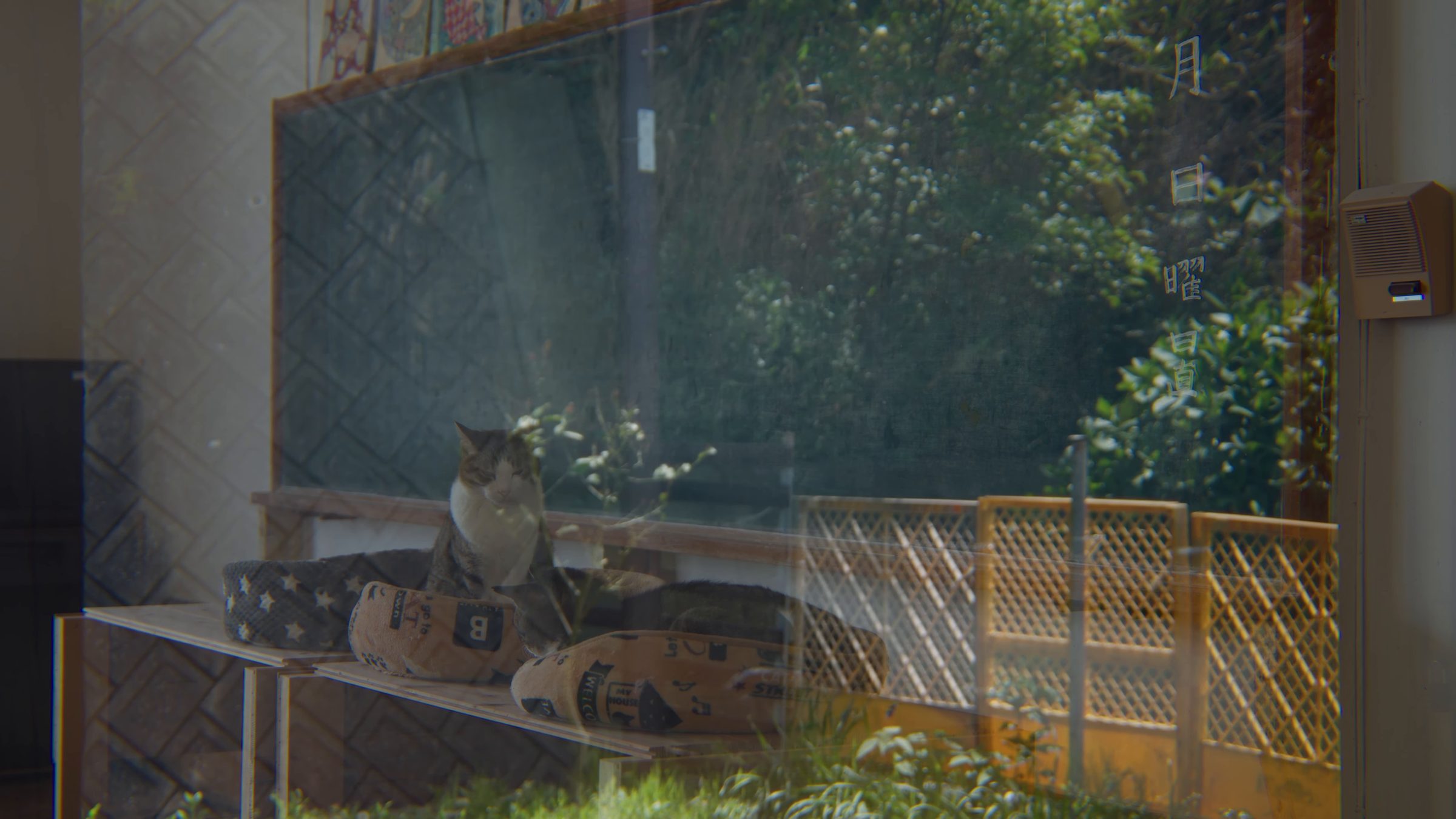
A sign reading "Music Room" still hung in the corridor. The classrooms are now the island's only lodging. Sea outside the windows, and cats on the other side of the glass.
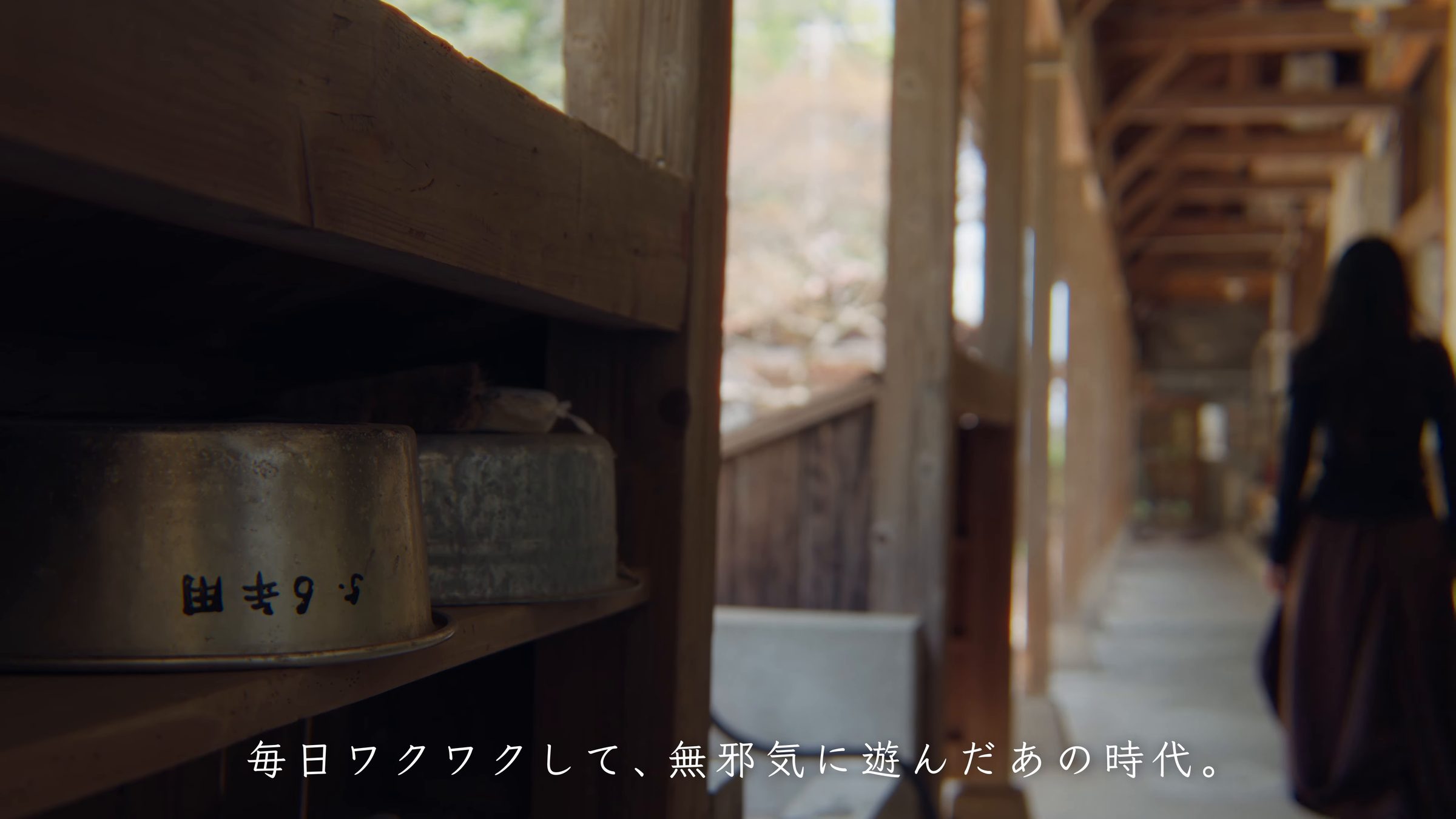
On a shelf in the corridor sat old metal dishes marked "for 5th and 6th grade," left just as they were. It brought back those days when every day was an adventure and I played without a care.
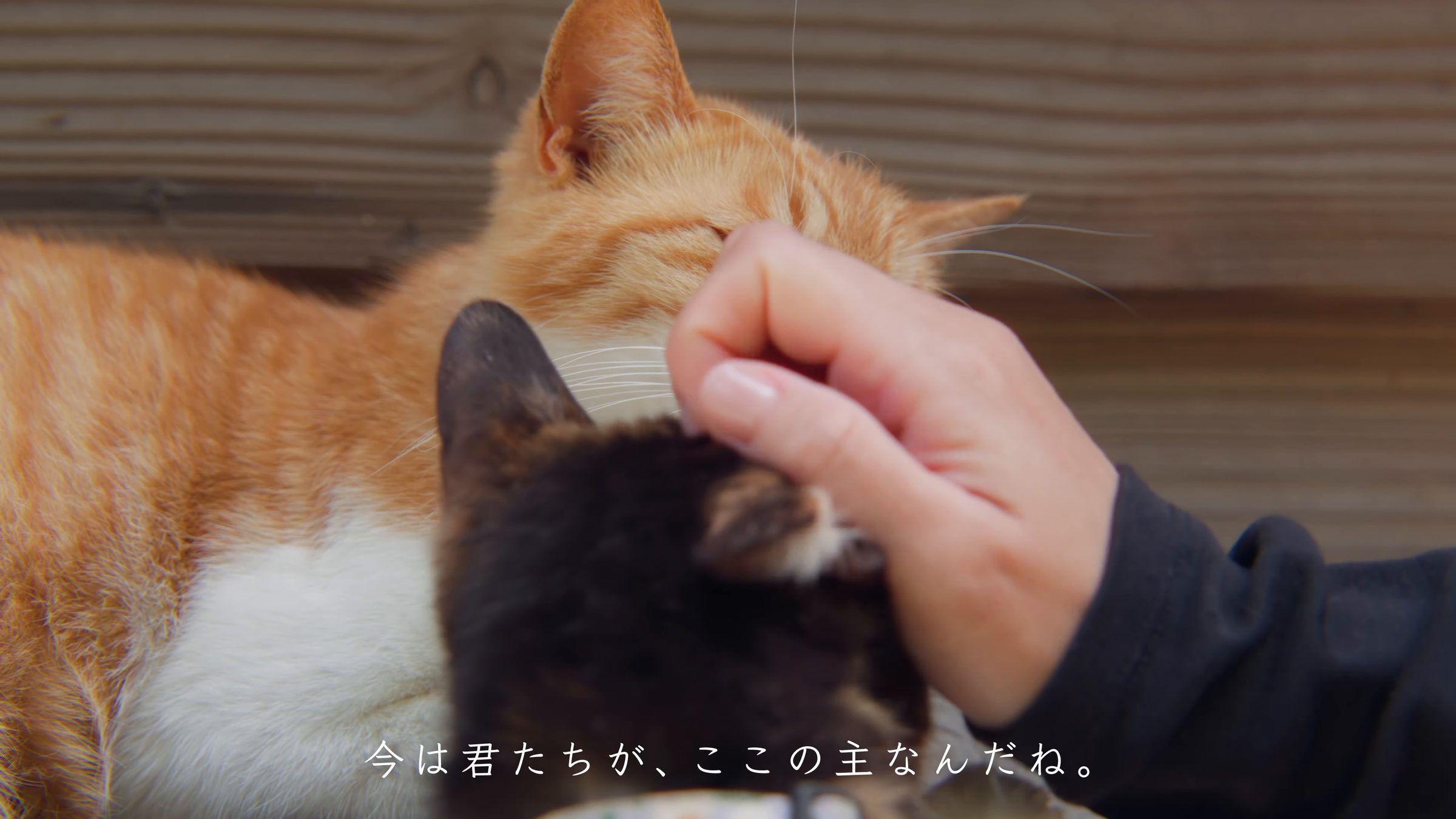
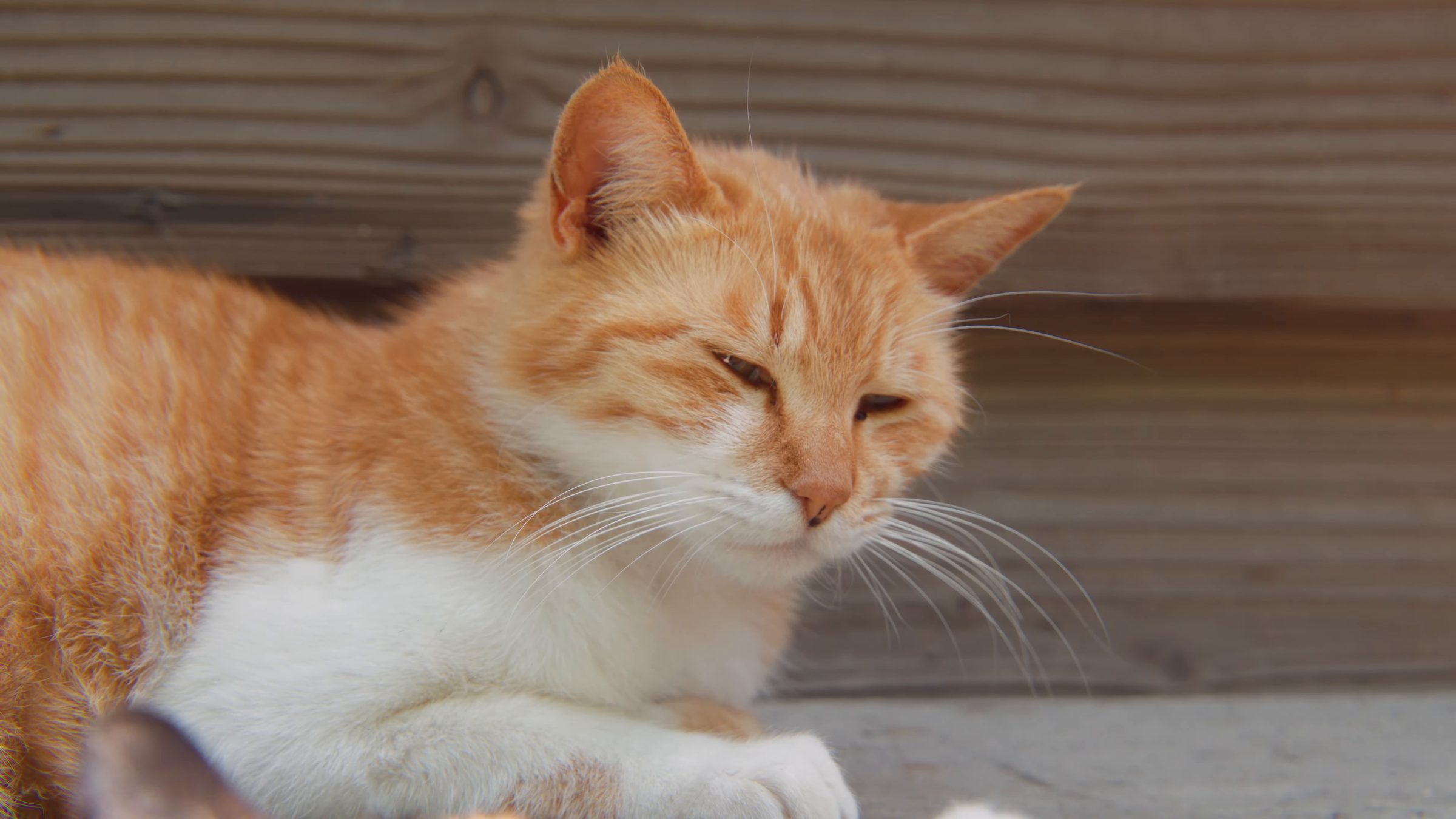
I stroked an orange tabby, and it narrowed its eyes in bliss. You're the masters of this place now. On the road between the old houses, a black cat crossed at its own pace.
Watch this scene on YouTube2:23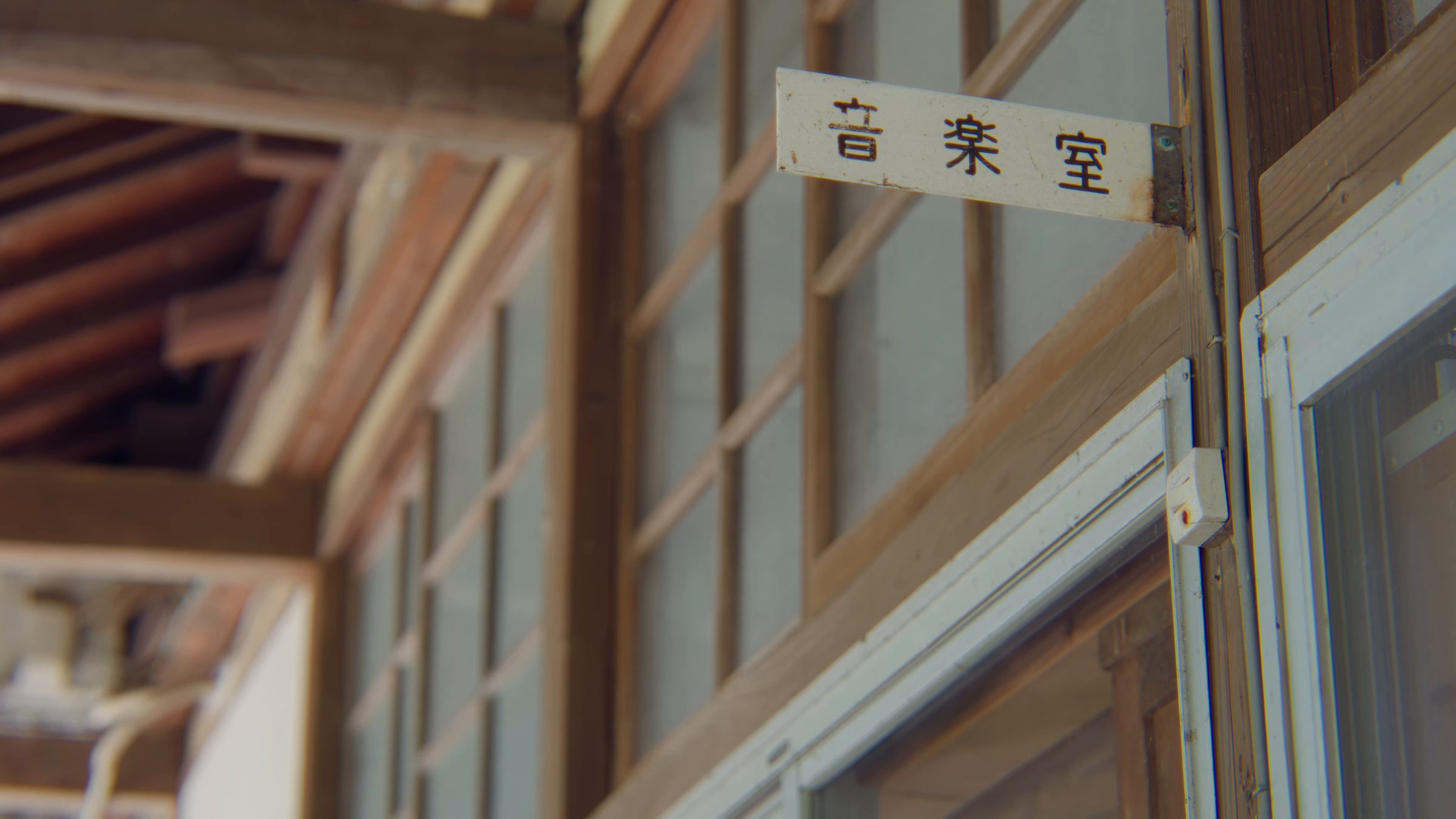
06TRAVEL JOURNAL
I'll come back here
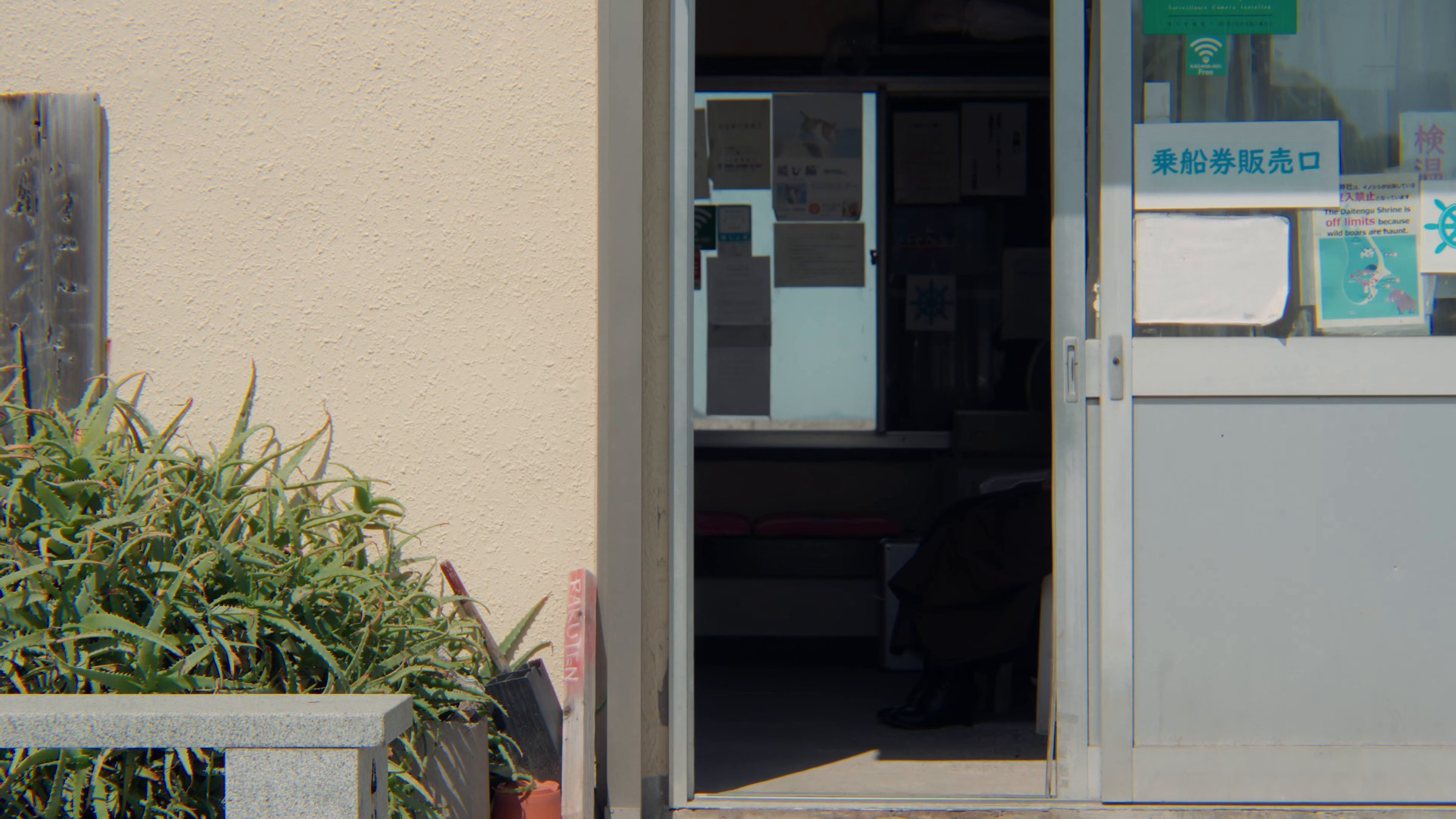
In the harbor waiting room, a blackboard listed the Saturday boat to Kasaoka, and notices were pinned to the wall. By the ticket window, another sign warned that the Daitengu Shrine was off limits because of wild boars.
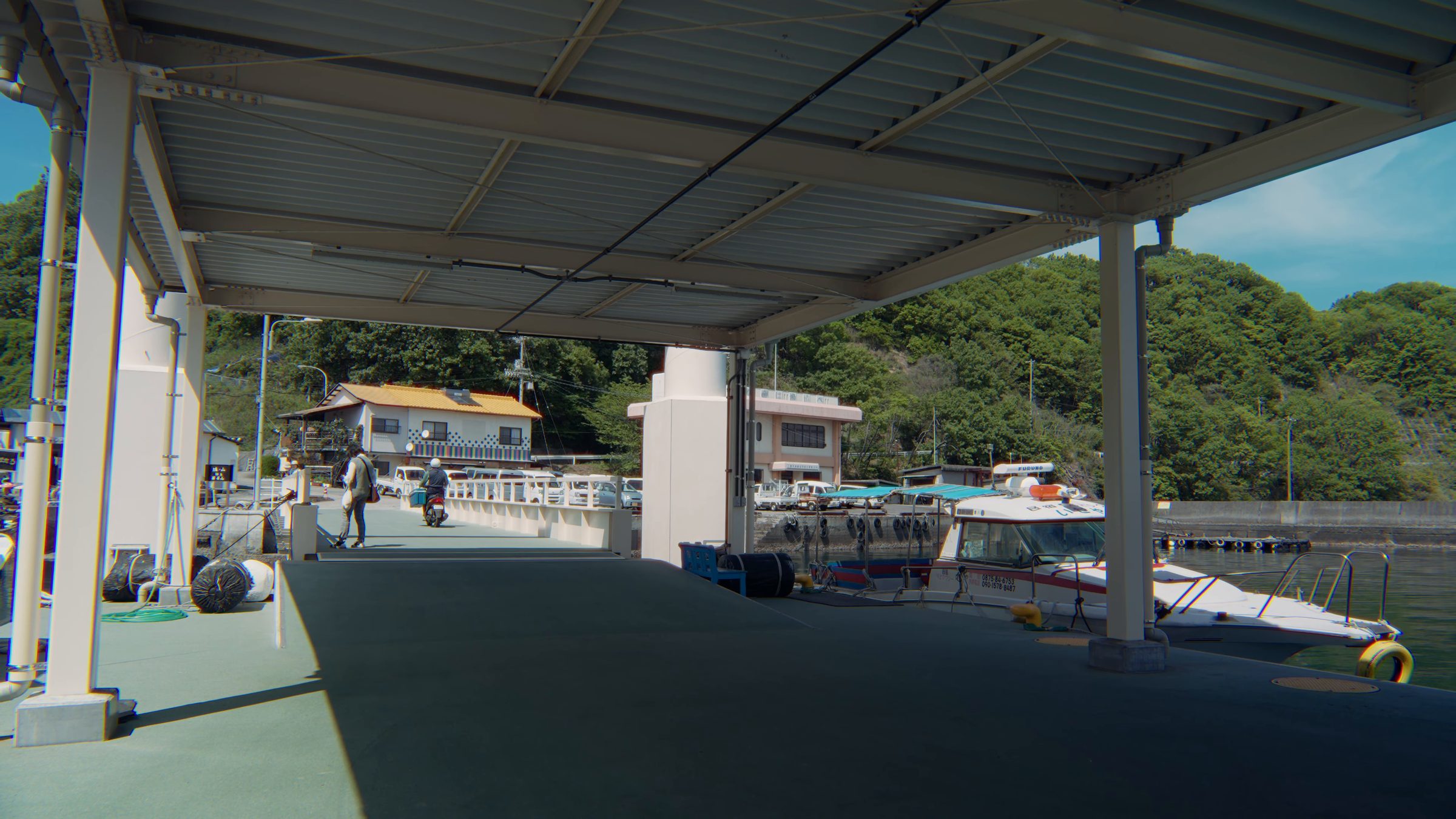
From under the roof of the pier, I looked out at the harbor and the island across the water. If I ever want to feel like a child again, I'll come back here.
Watch this scene on YouTube3:07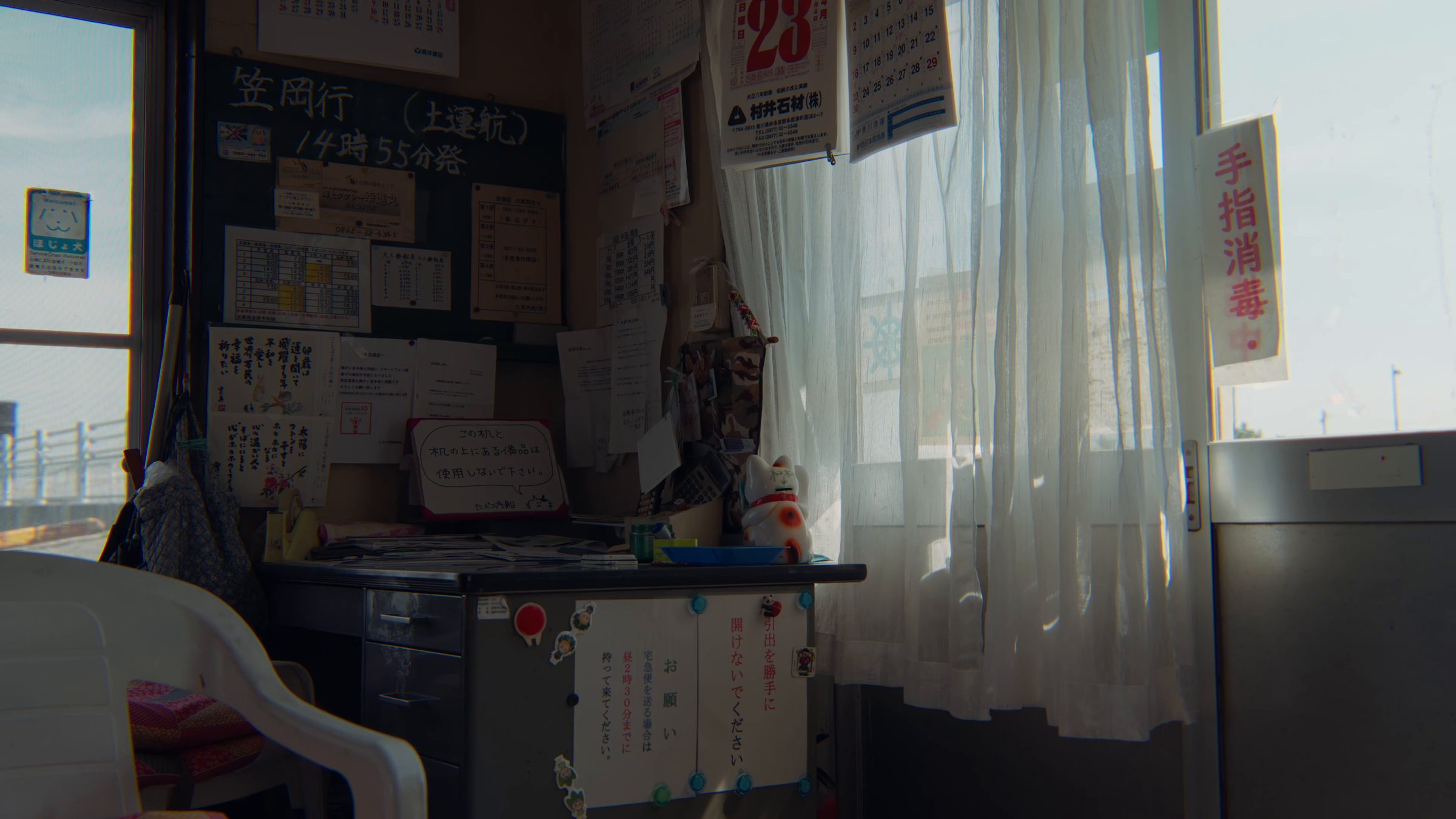
07TRAVEL JOURNAL
Shopping at a nostalgic little shop
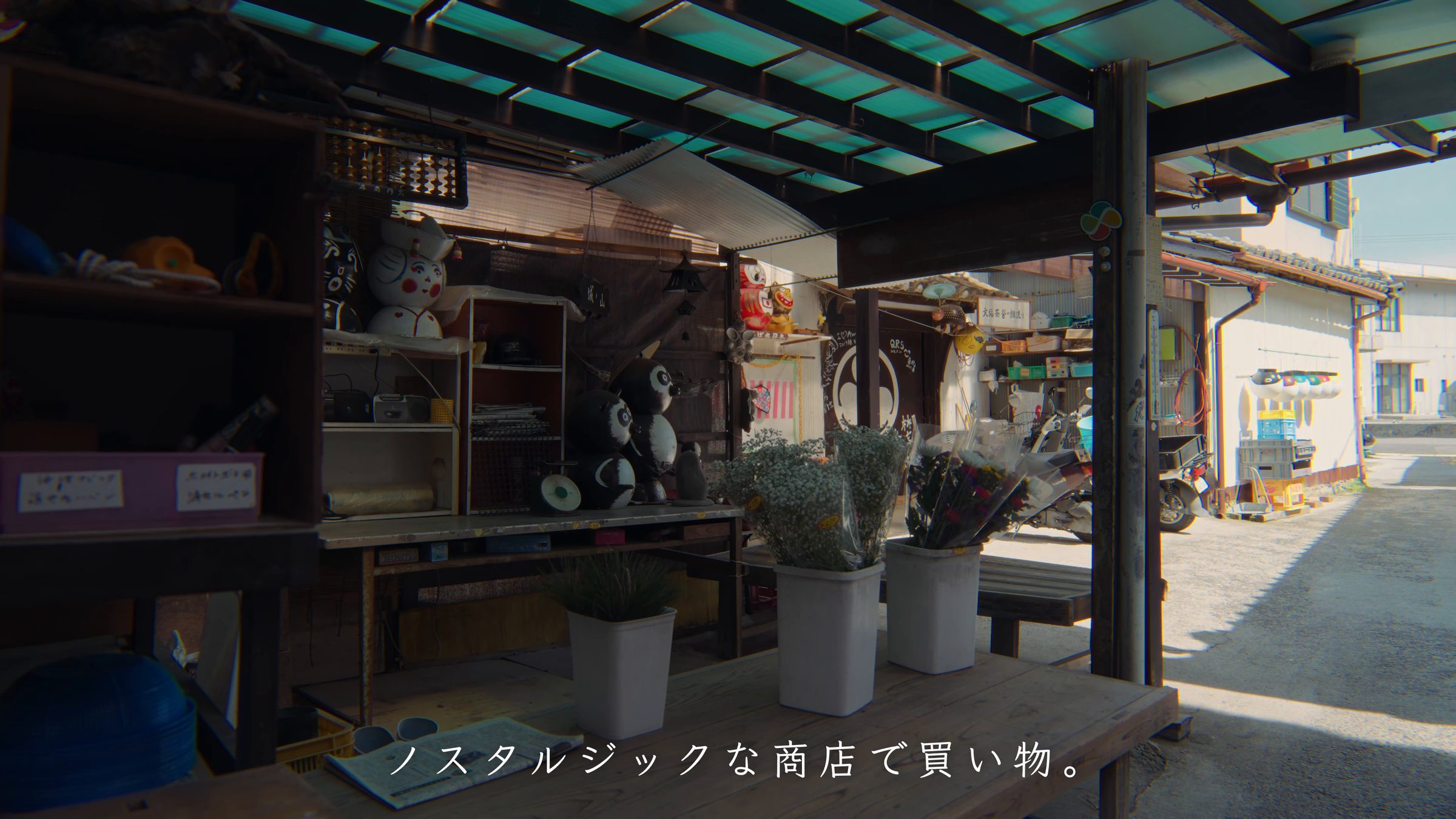
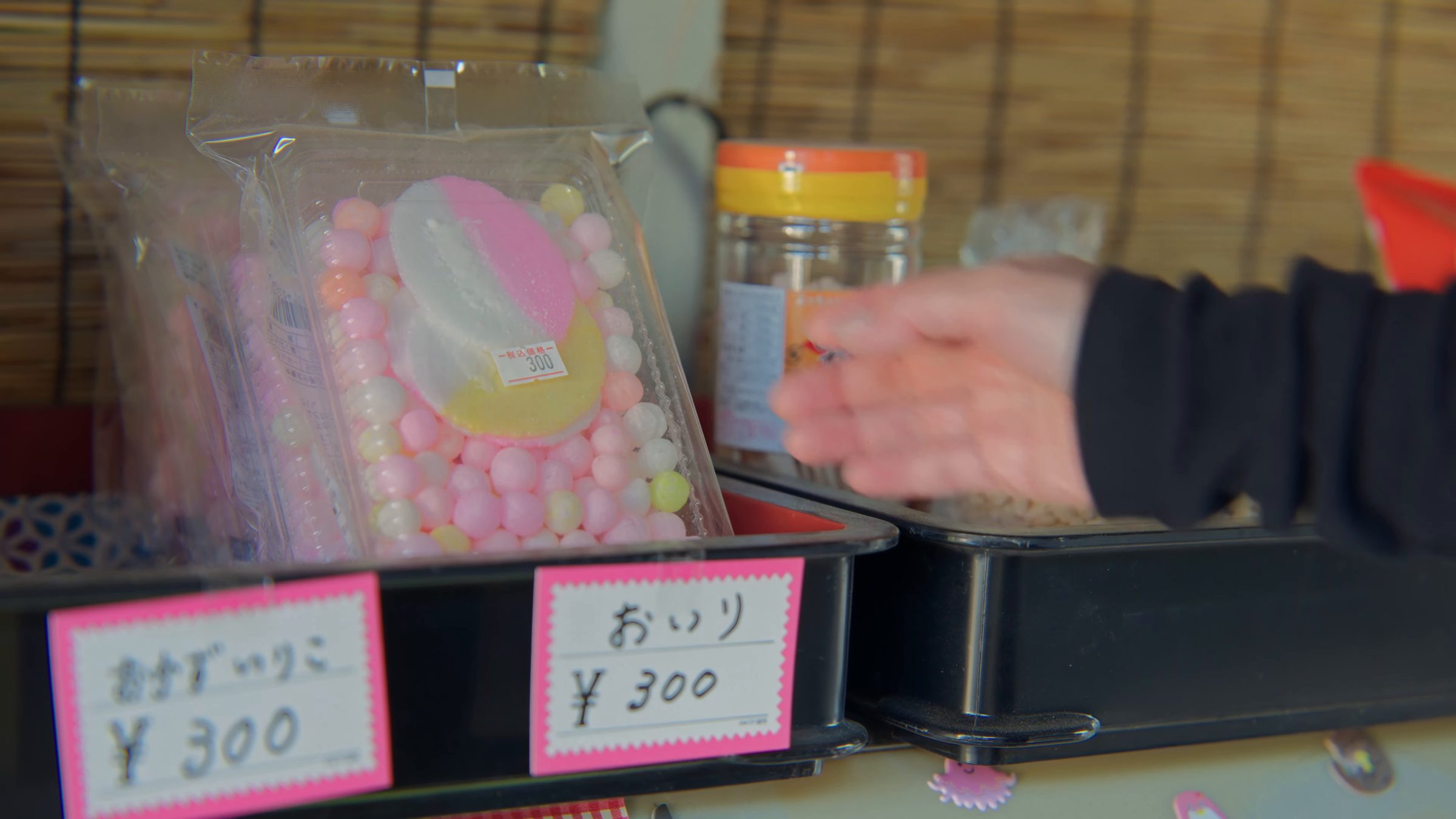
Back on Awashima, I stopped at a little shop near the harbor. Old signs for beer and ice cream, ornaments hanging from the eaves, and on the bench out front, baskets with pink price tags.
Here was the traditional Kagawa sweet I had wanted to try: oiri. Next to it, bags of dried sardines. After school, buy snacks at the candy store.
Watch this scene on YouTube3:27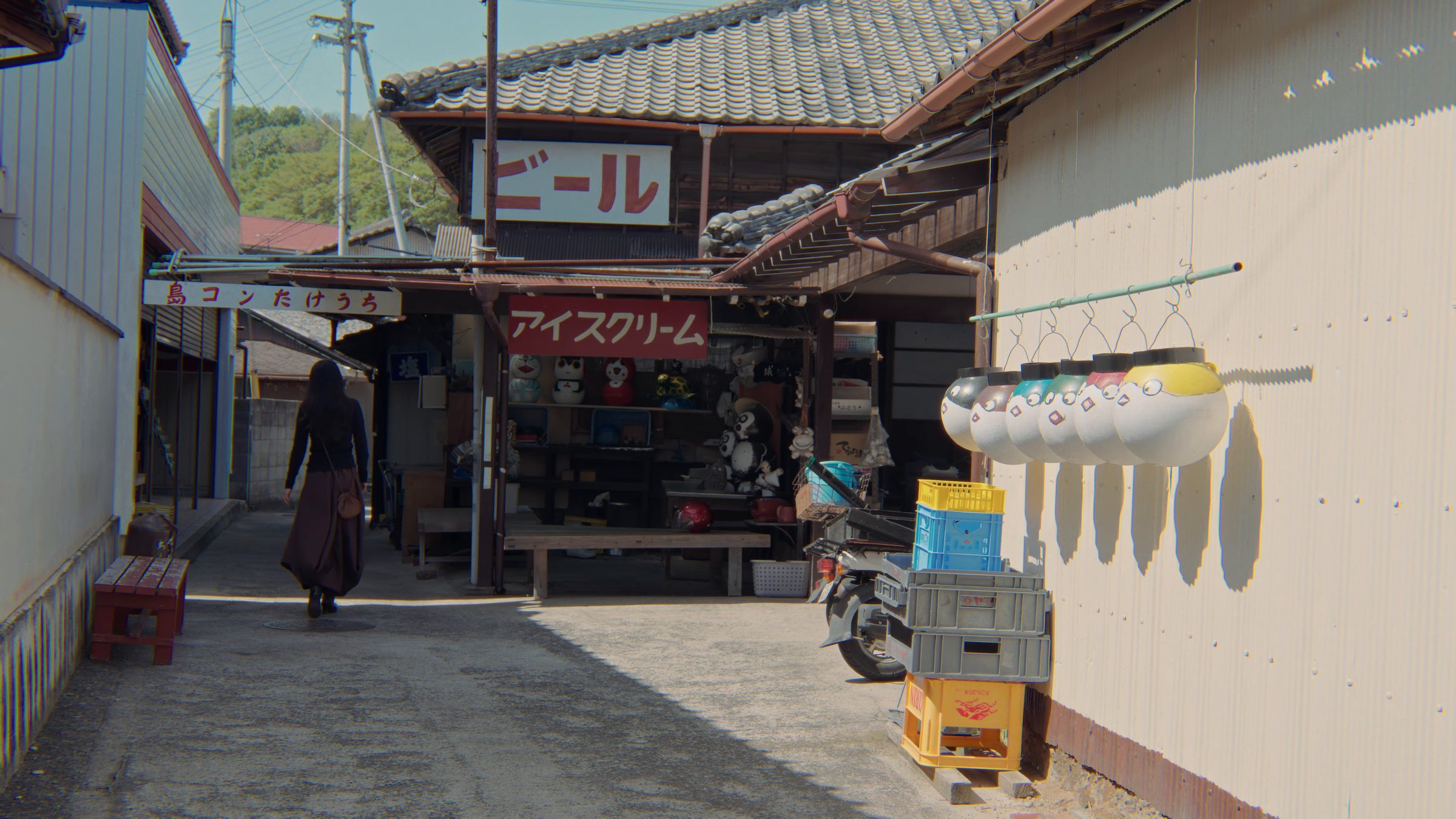
08TRAVEL JOURNAL
At the shrine on the way home
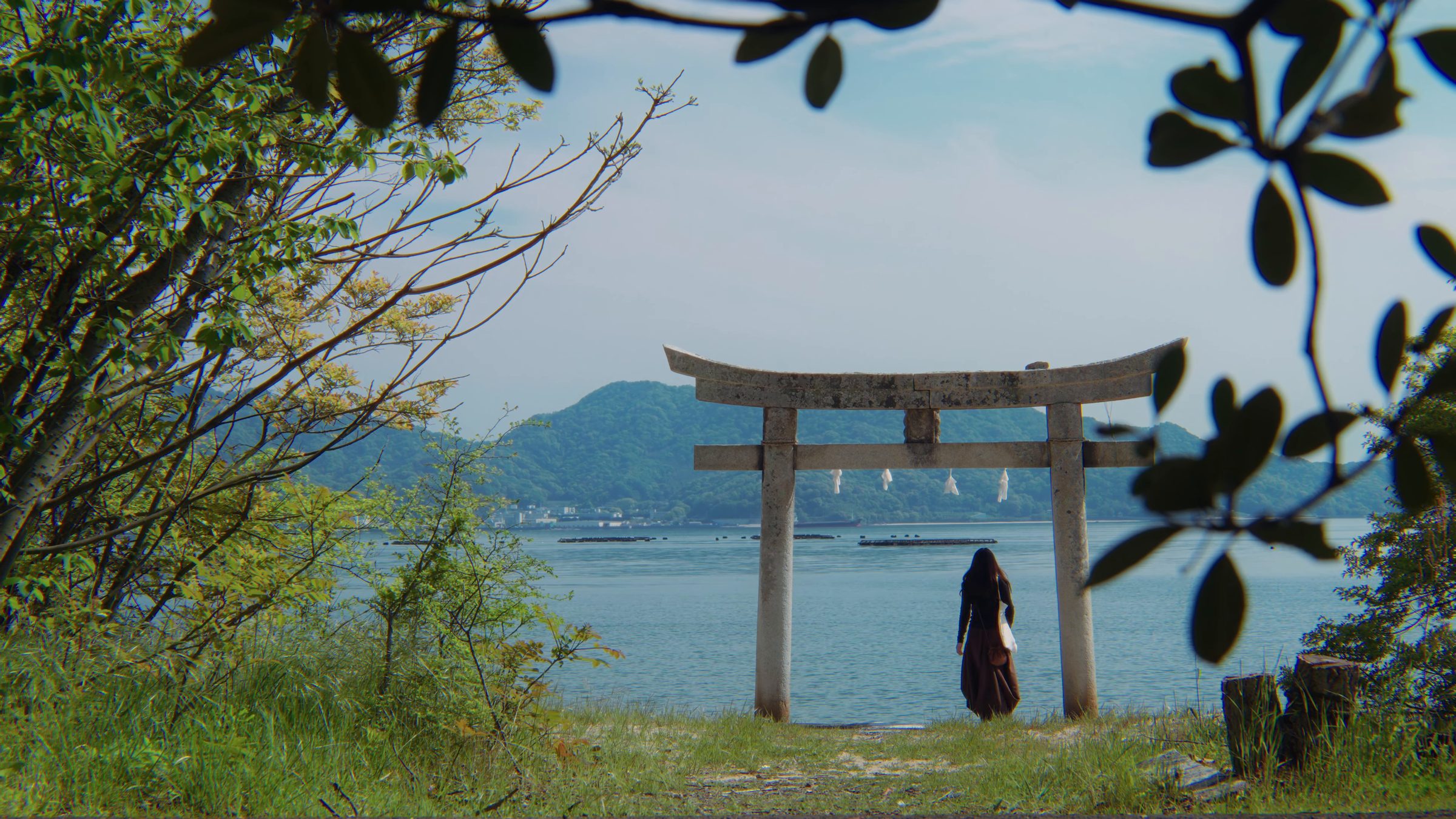
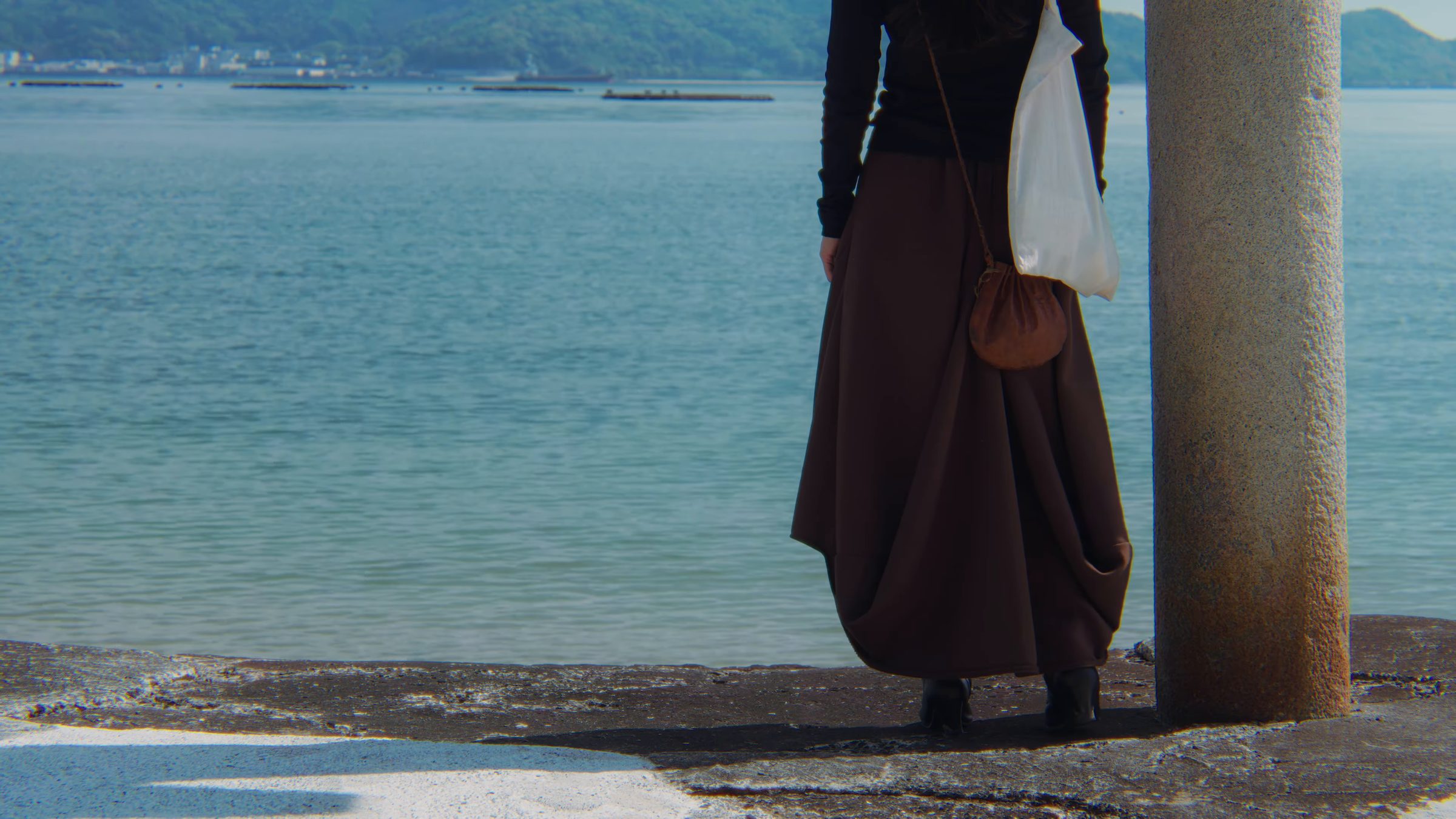
At the end of a shaded path, a torii gate stood facing the sea: the seaside Maki Hachiman Shrine. Standing under the gate, I had the Seto Inland Sea in front of me and the hills of the far shore beyond.
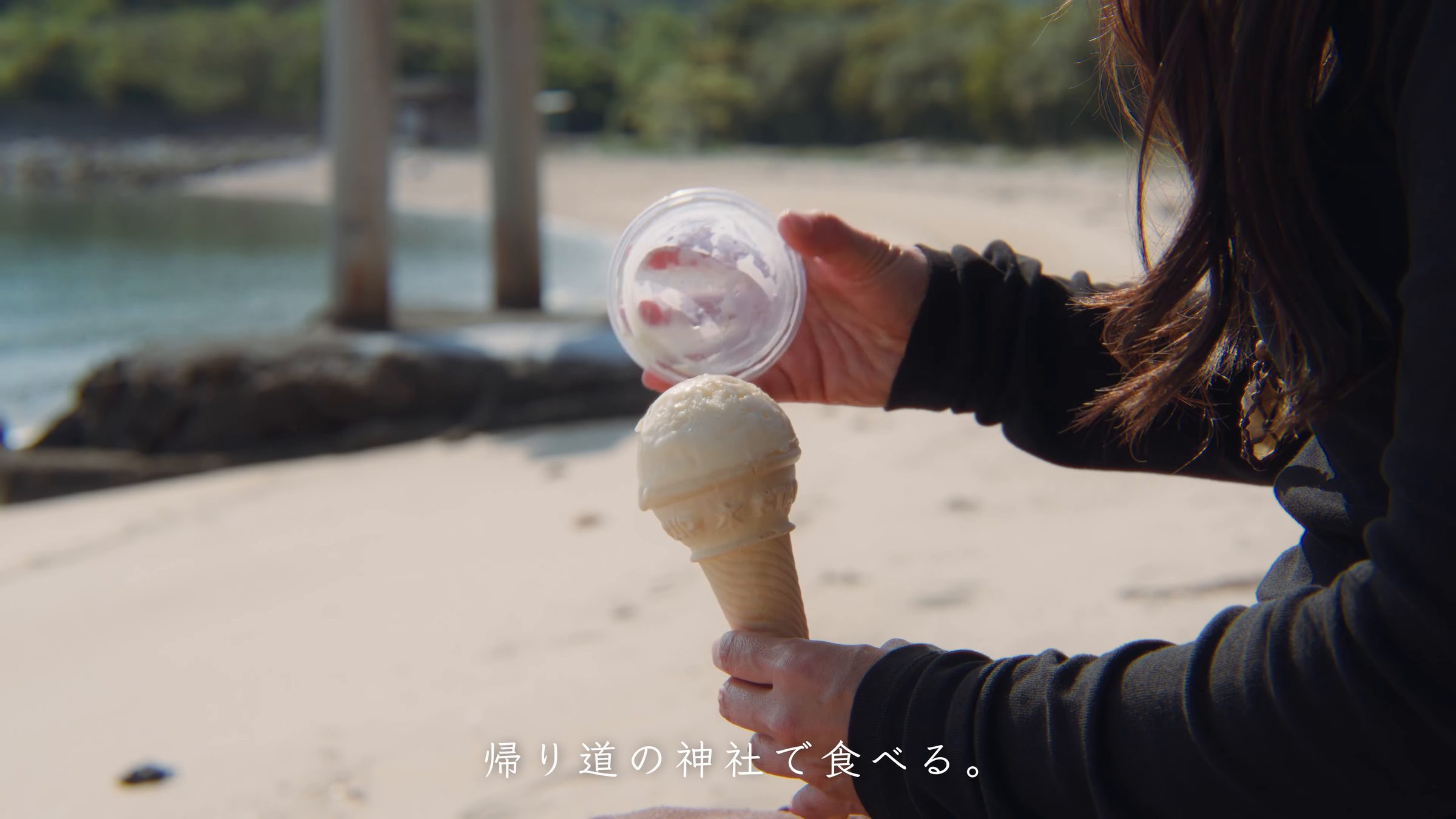
I sat down on the sand and ate an ice cream. Snacks eaten at the shrine on the way home. Even now, as an adult, I find it just as much fun.
Watch this scene on YouTube3:40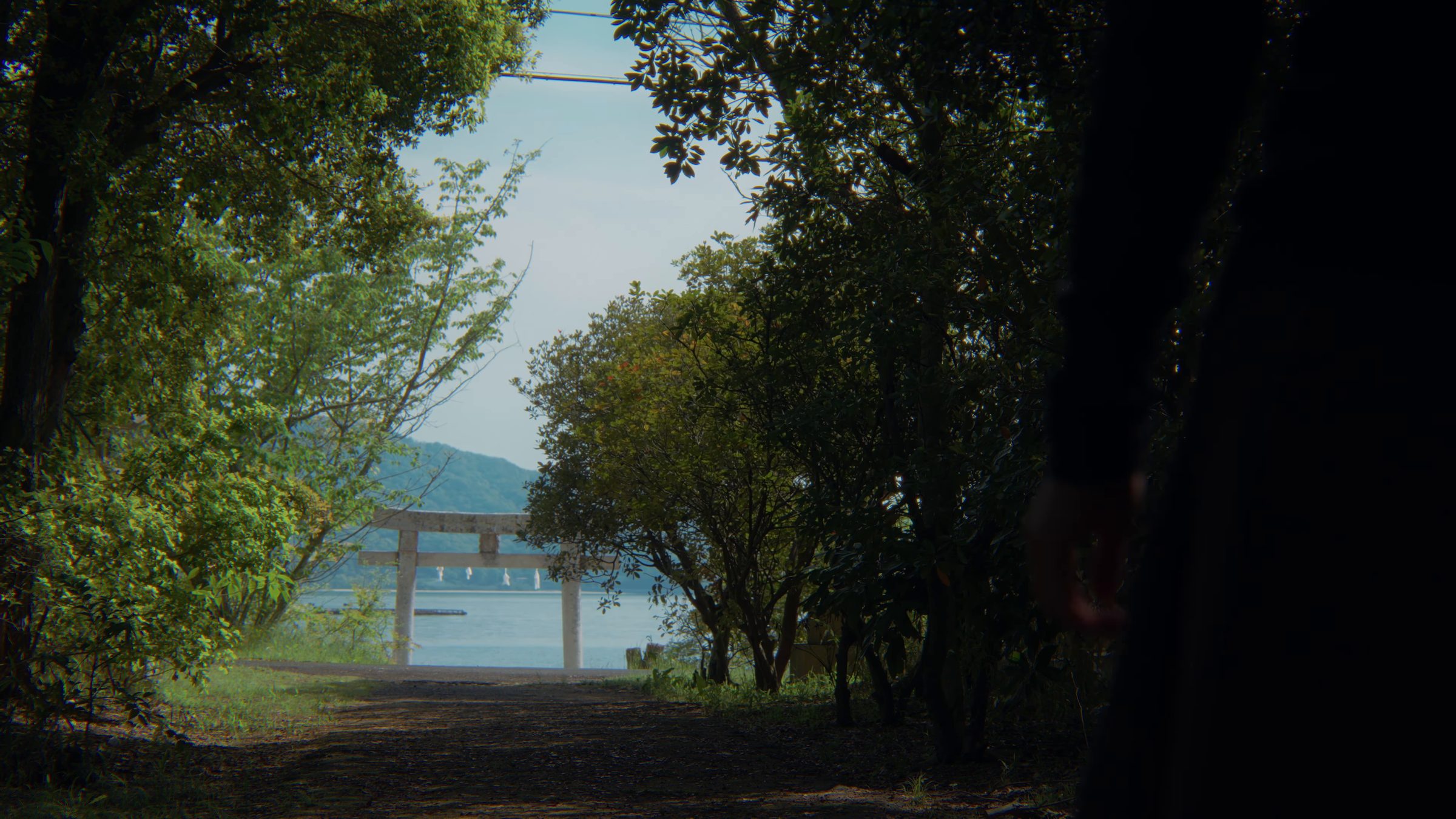
09TRAVEL JOURNAL
Home again: oiri and awamori coffee
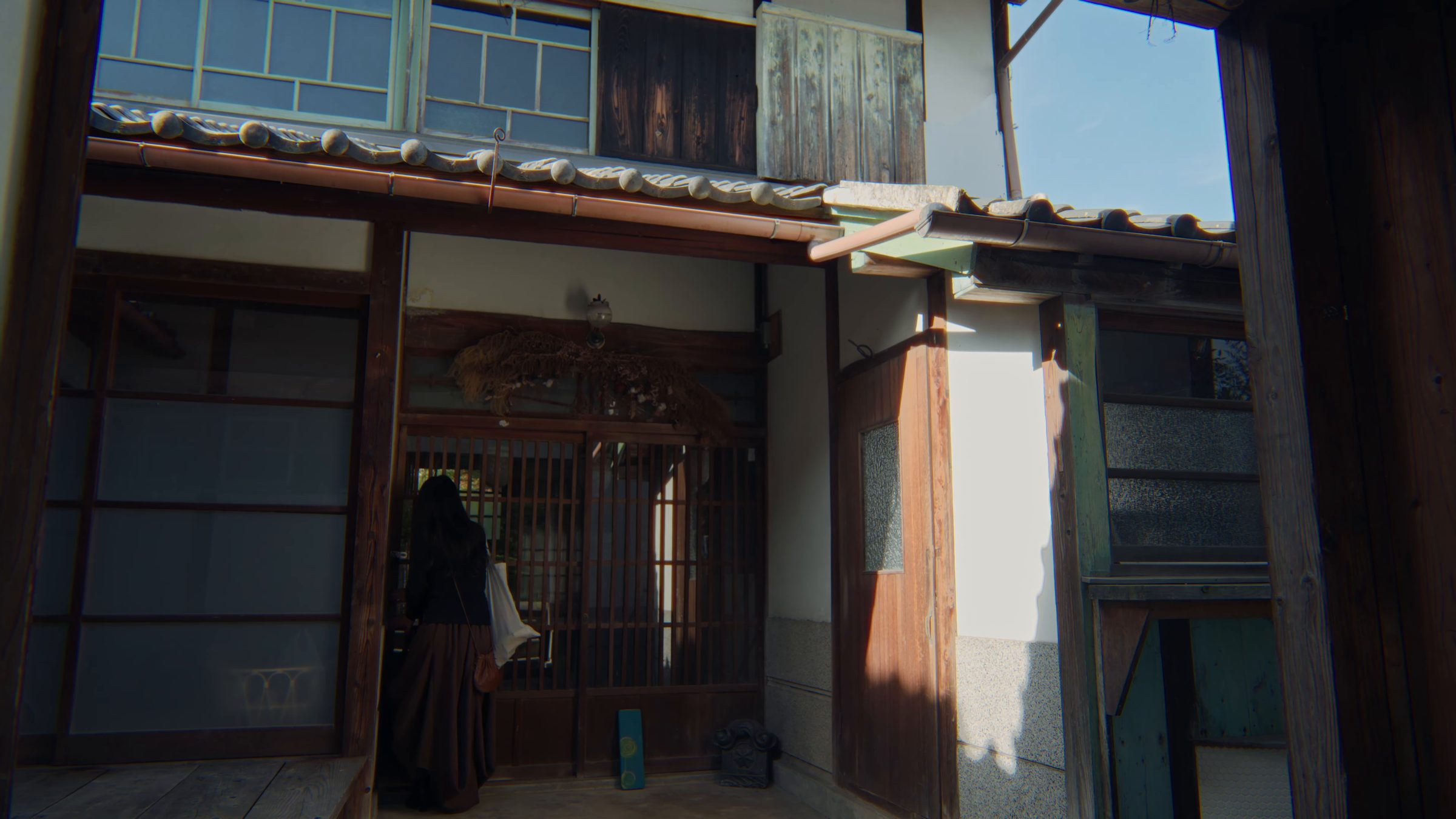
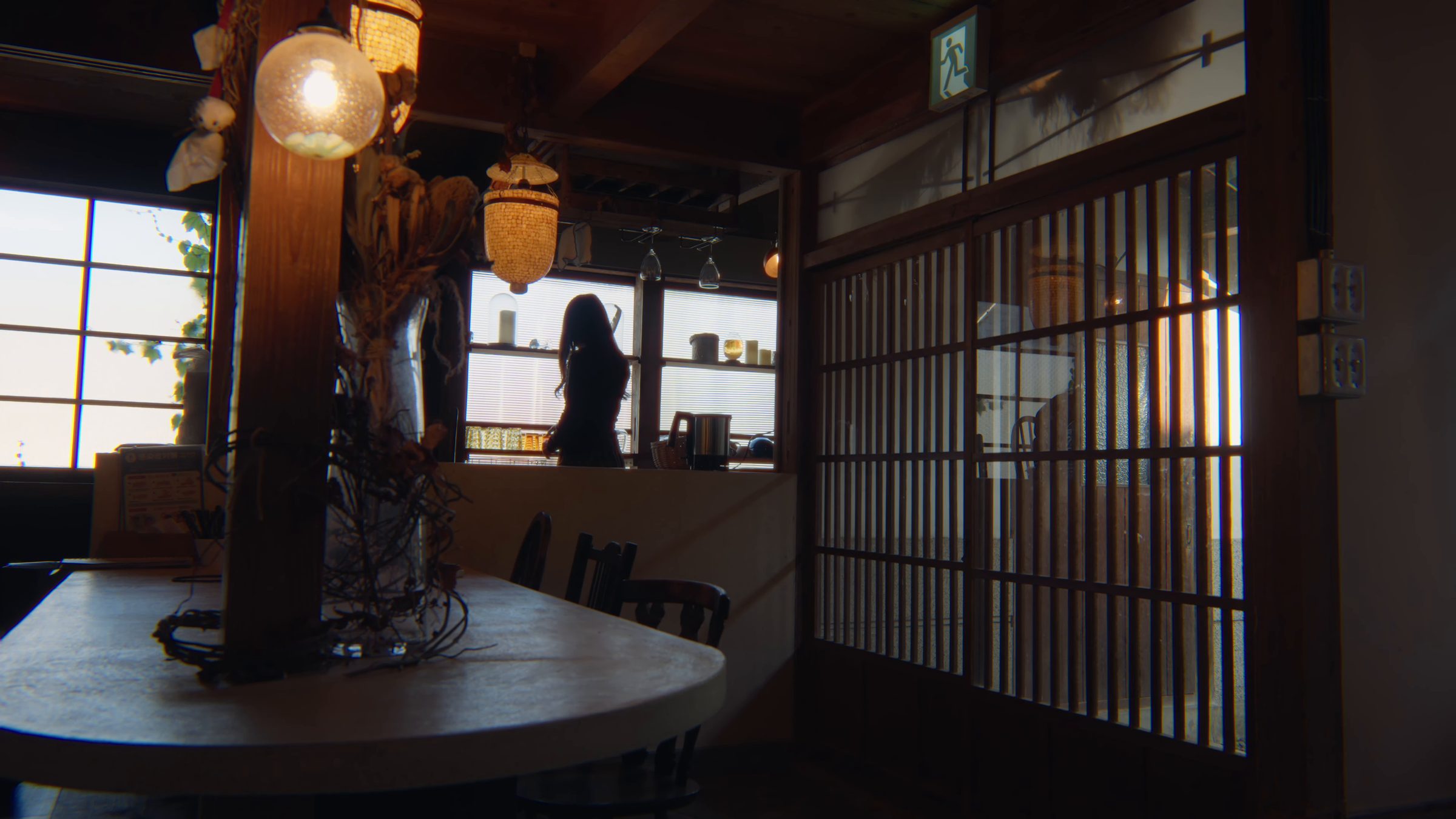
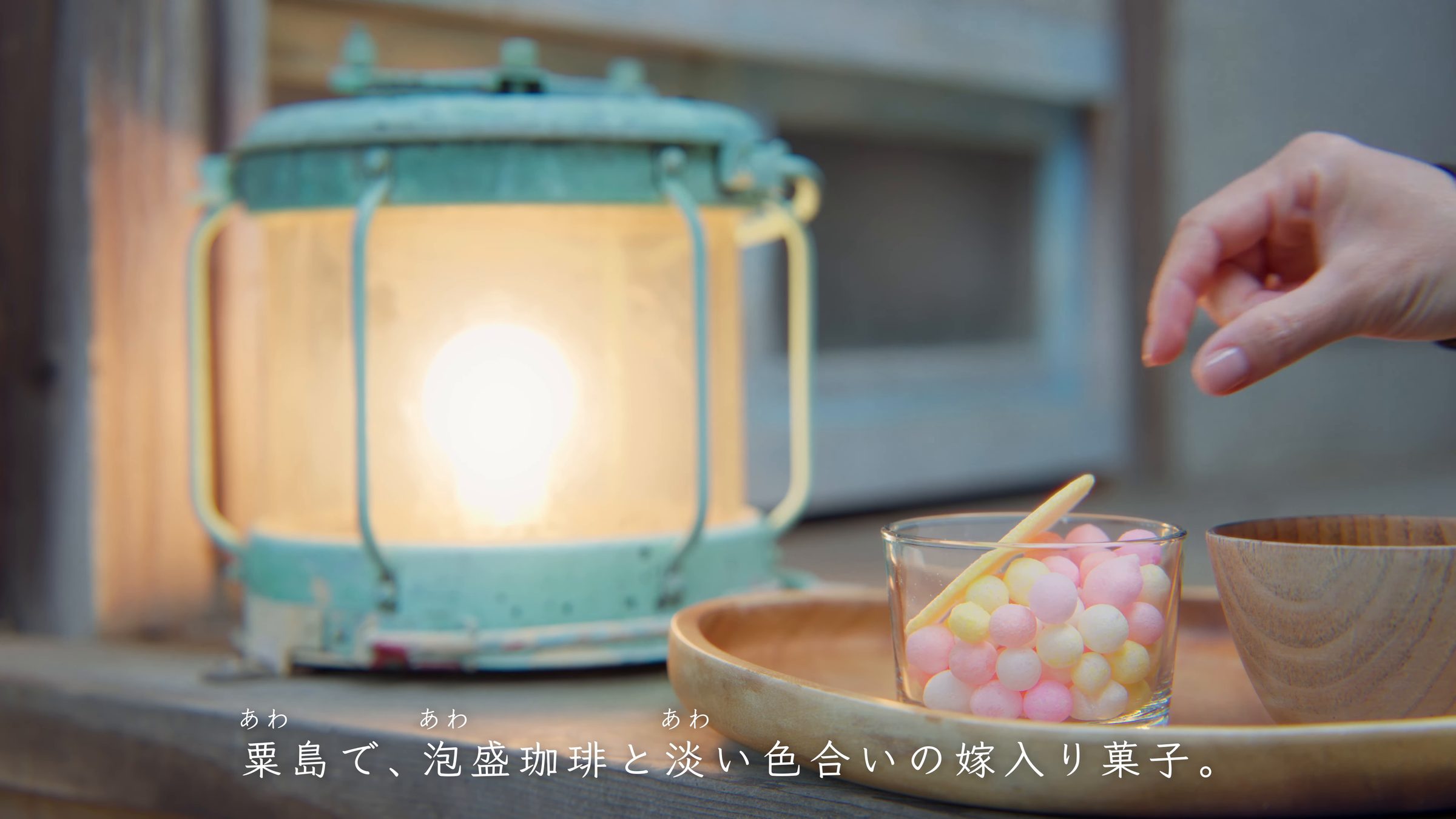
Down the lane between the old houses, and I'm home. Lamplight glowed in the house of latticed doors and paper screens.
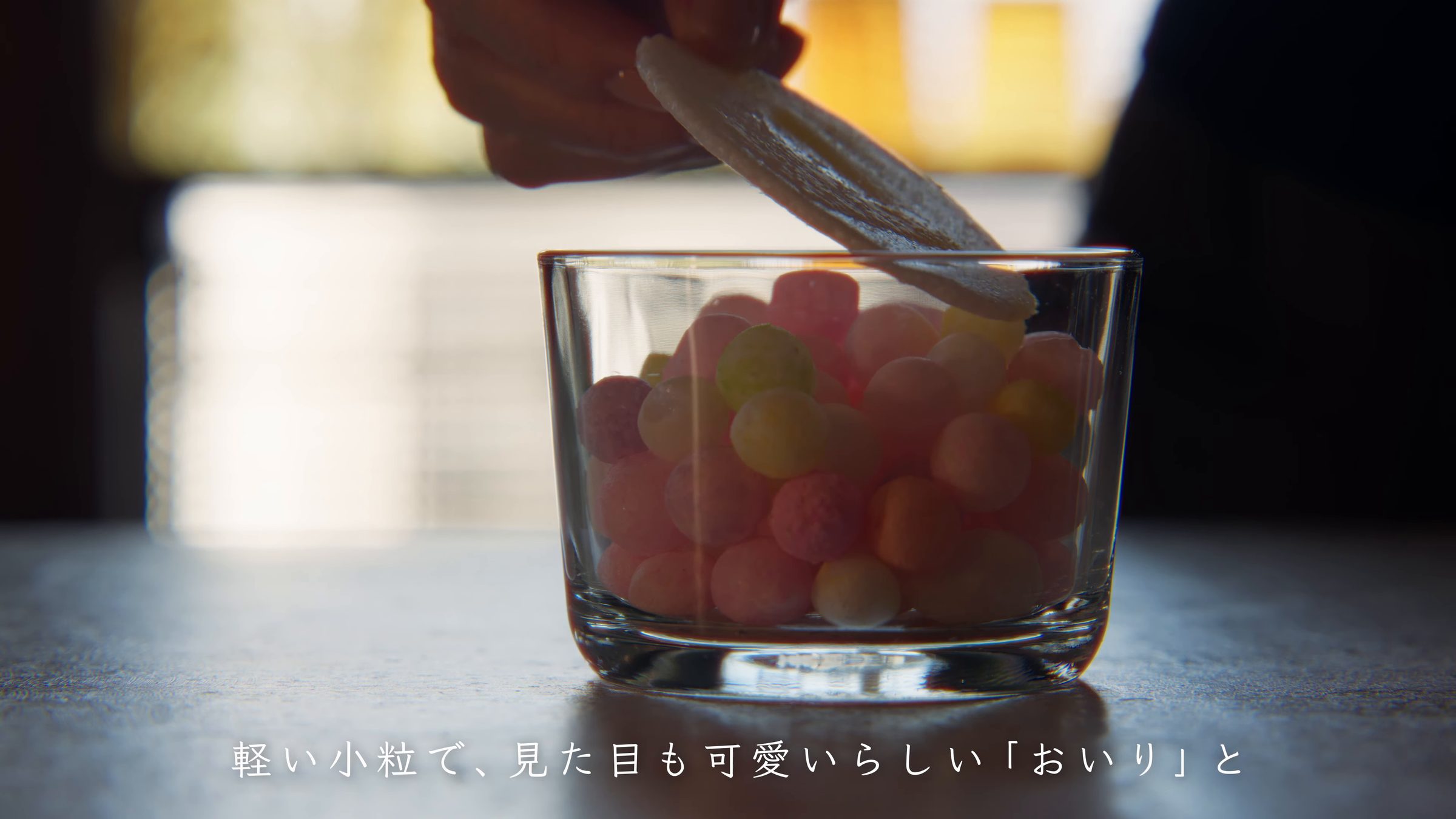
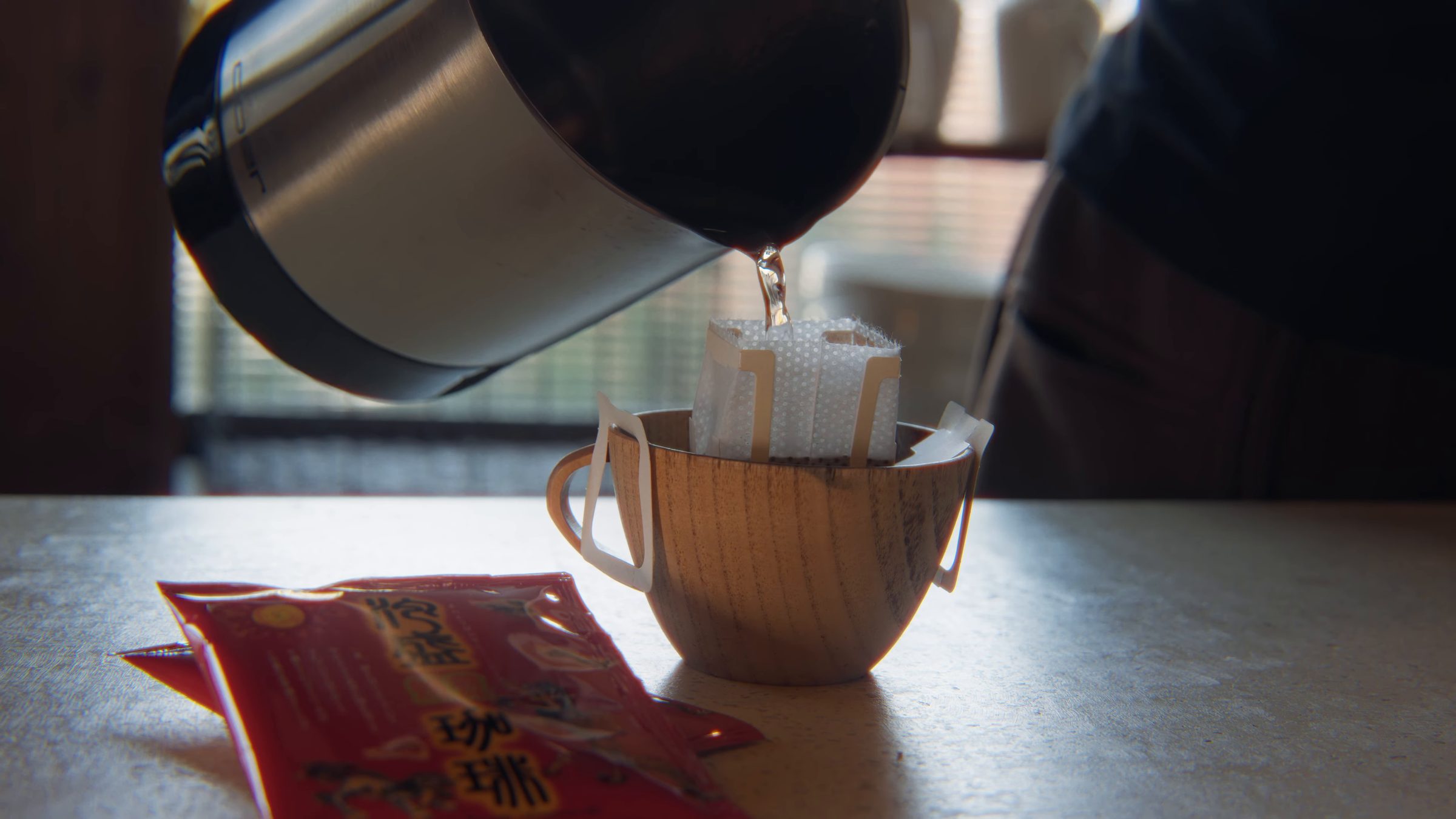
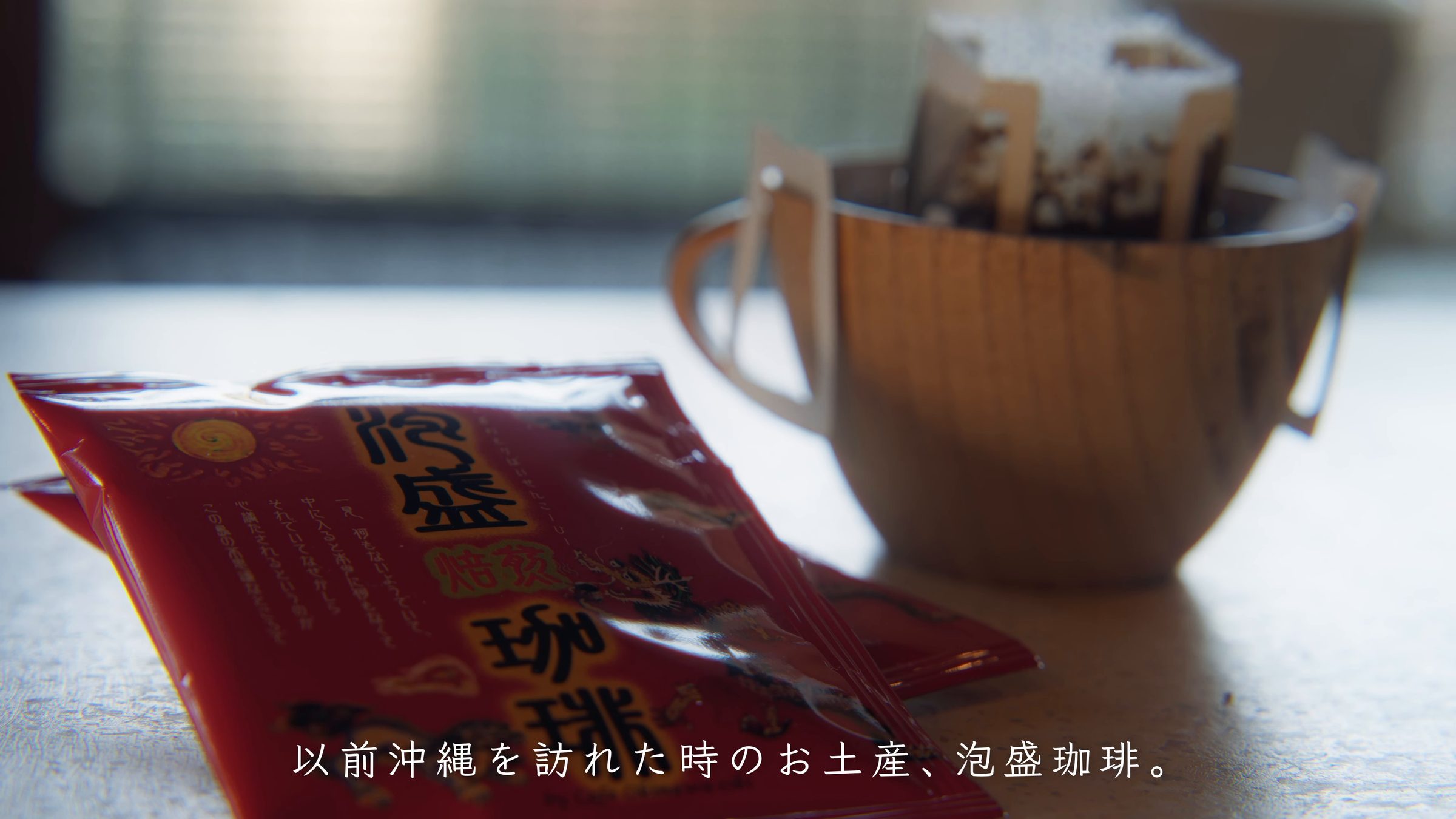
I tipped the oiri, light little grains in pretty pastel colors, into a glass dish, and brewed awamori coffee, a souvenir from a trip to Okinawa a while ago. On Awashima, awamori coffee and pale wedding sweets. How refined.
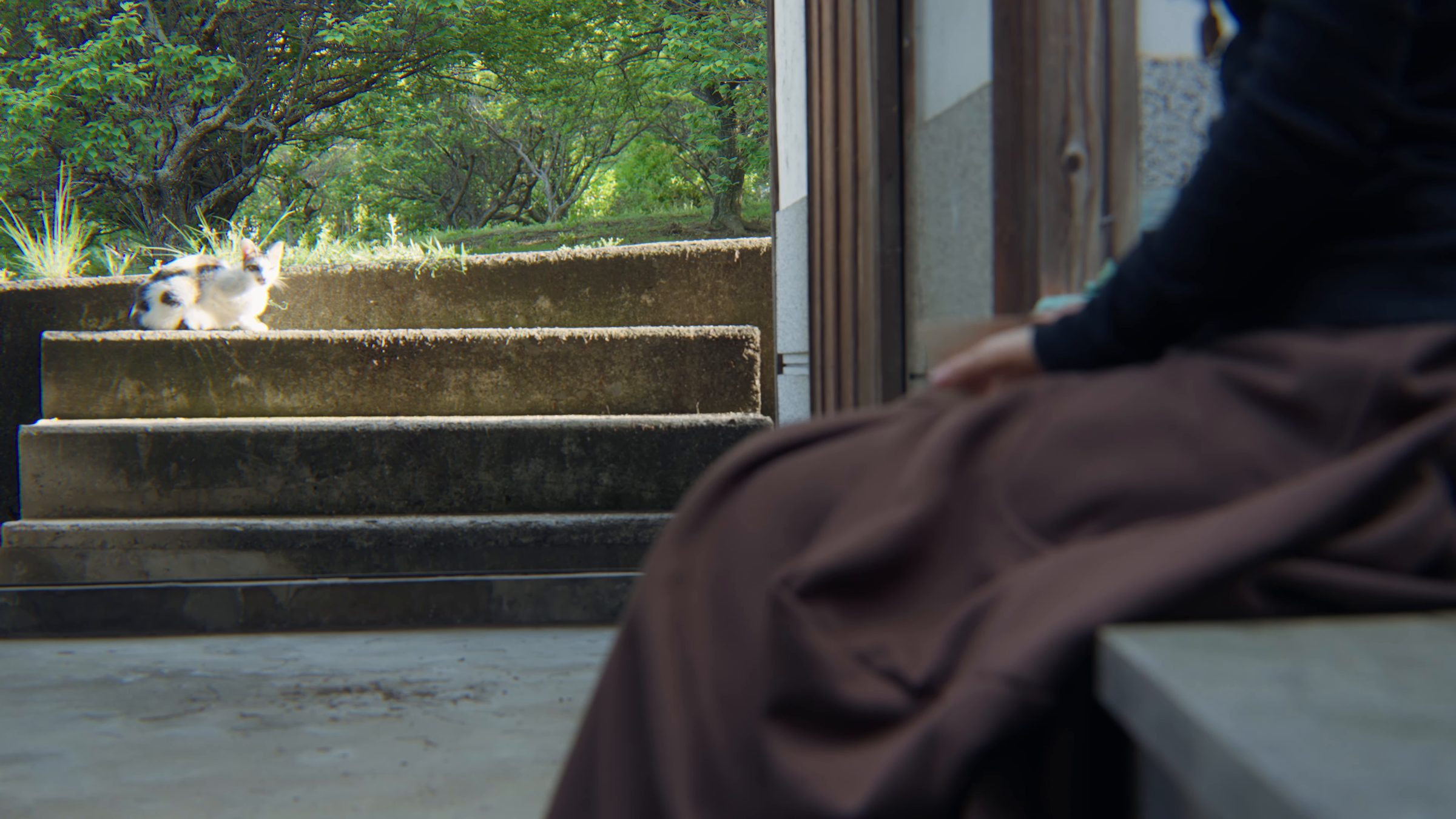
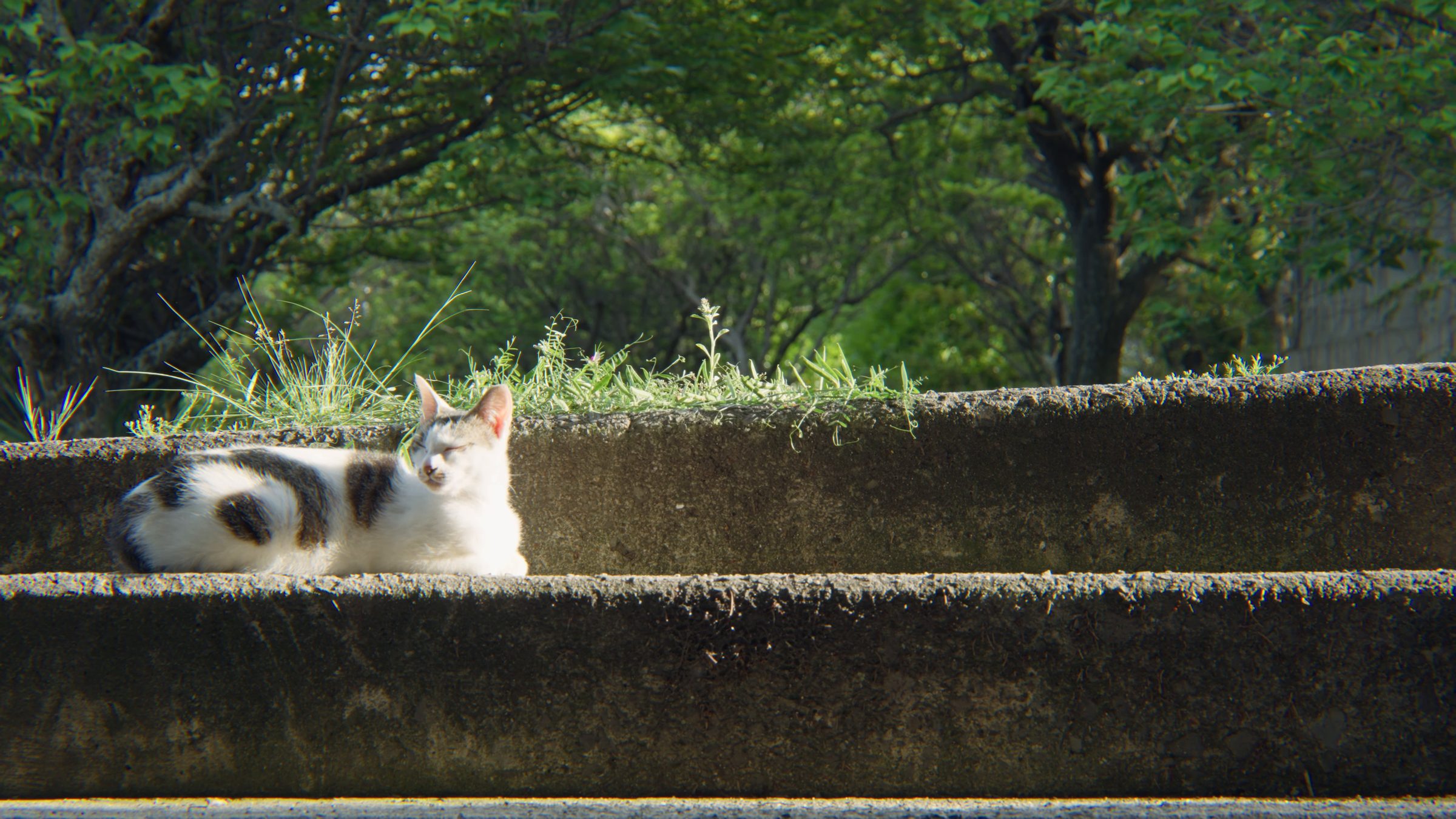
On the stone steps beyond the veranda, a cat was napping in the greenery.
Watch this scene on YouTube4:02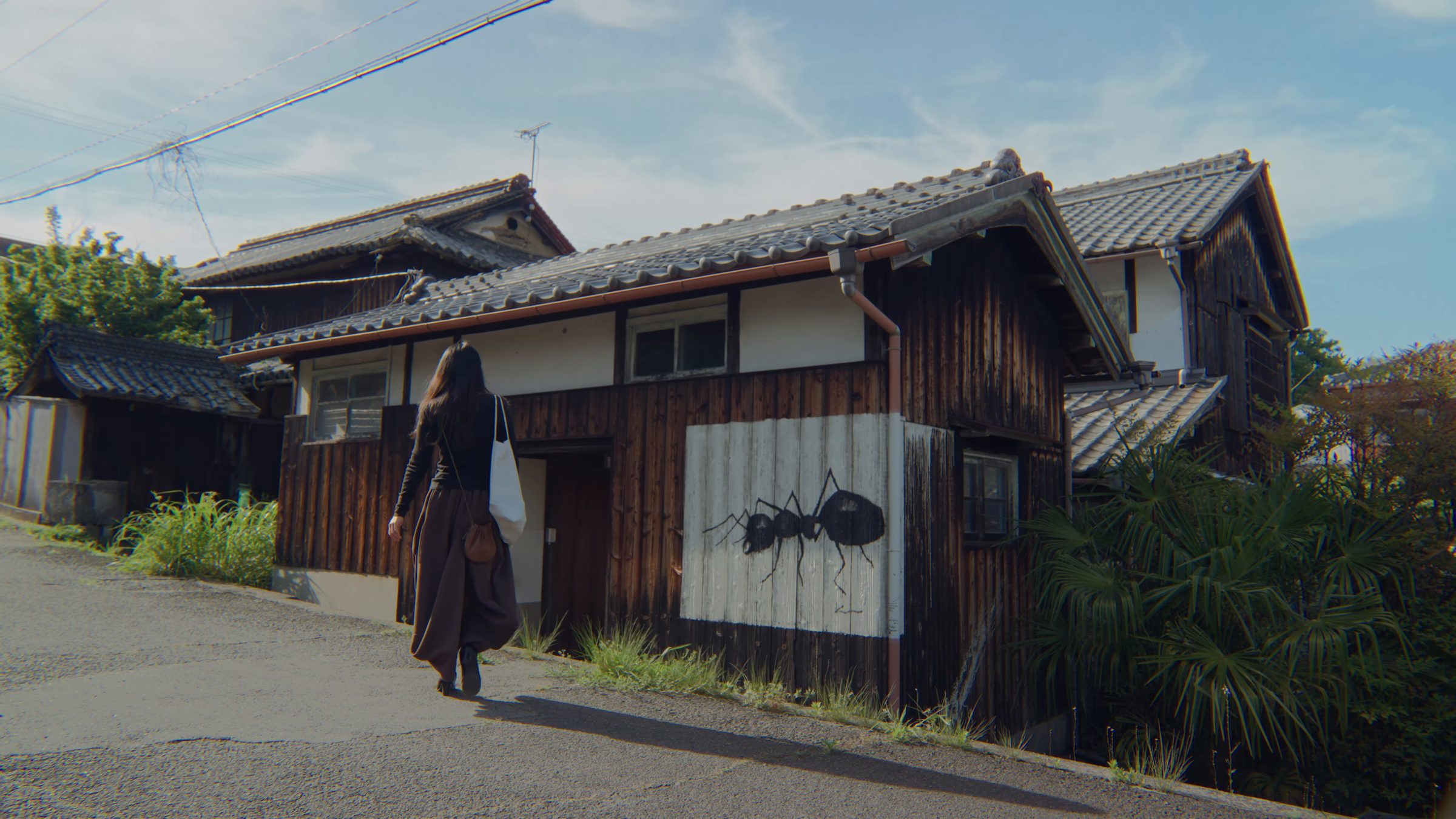
10TRAVEL JOURNAL
Sunset over the Seto Inland Sea
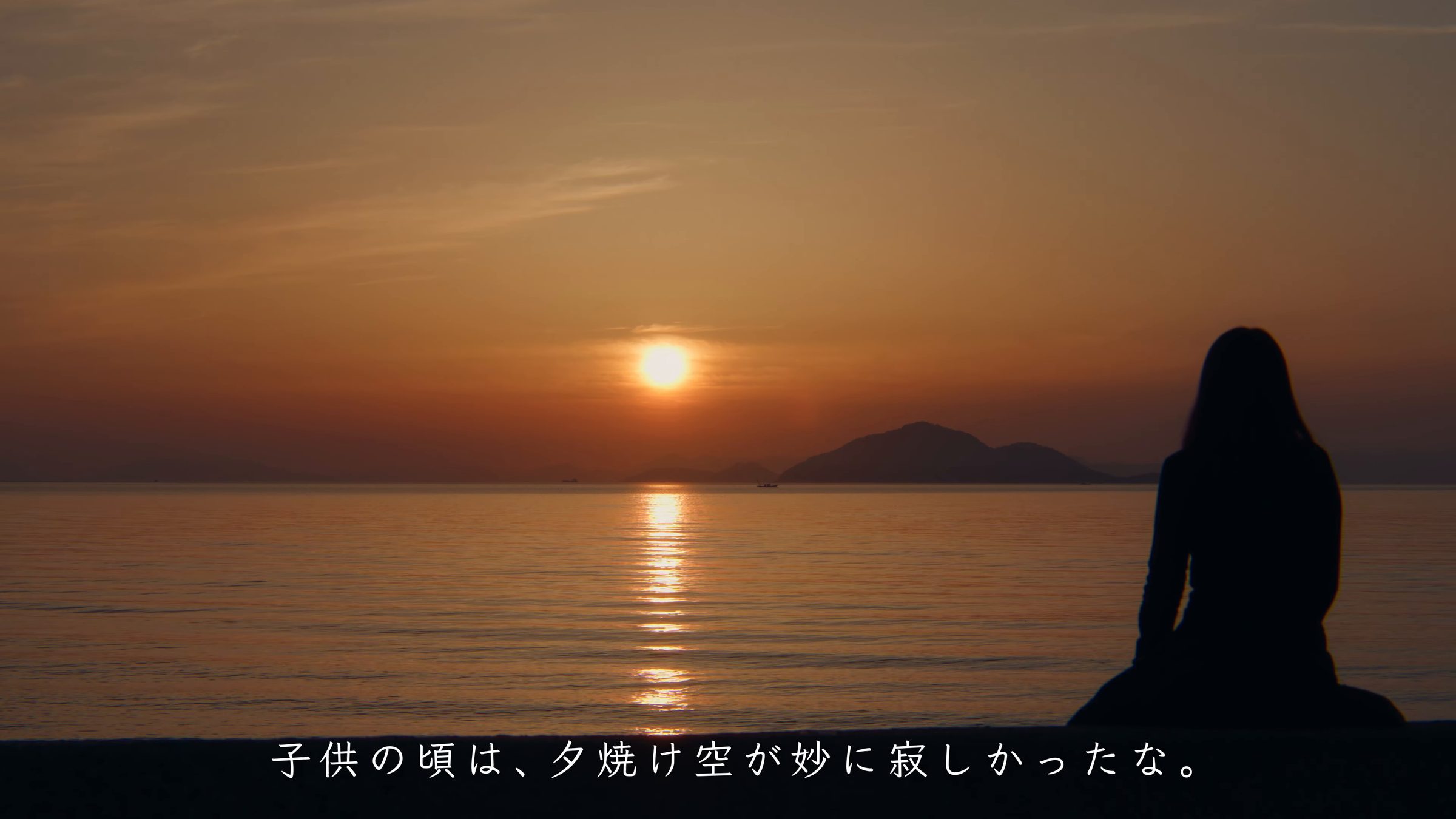
The sun sank into the Seto Inland Sea. When I was a child, dusk always made me a little sad, because it meant a fun day was ending.
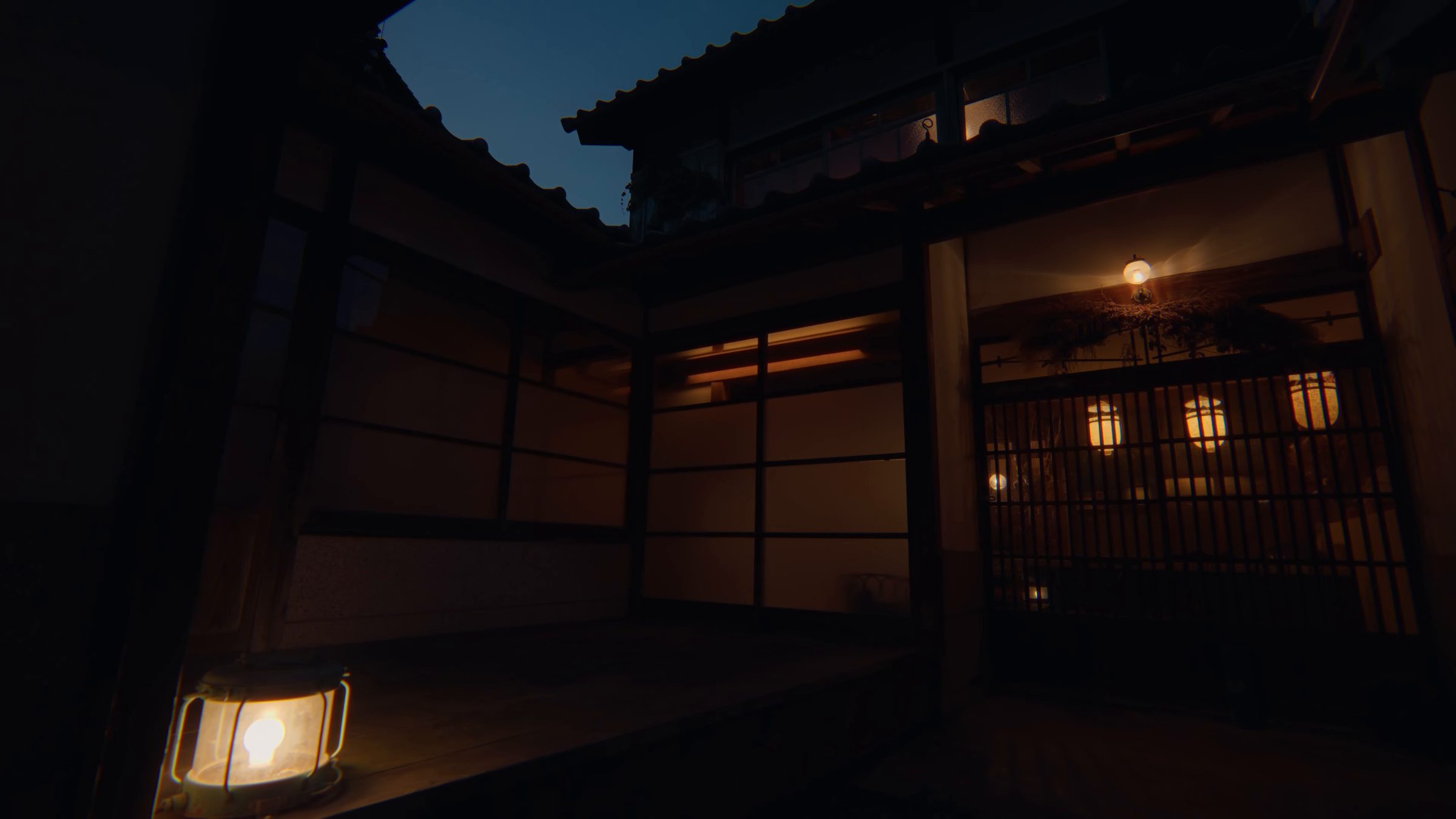
As the house went dark, a single lantern glowed on the step.
Watch this scene on YouTube5:07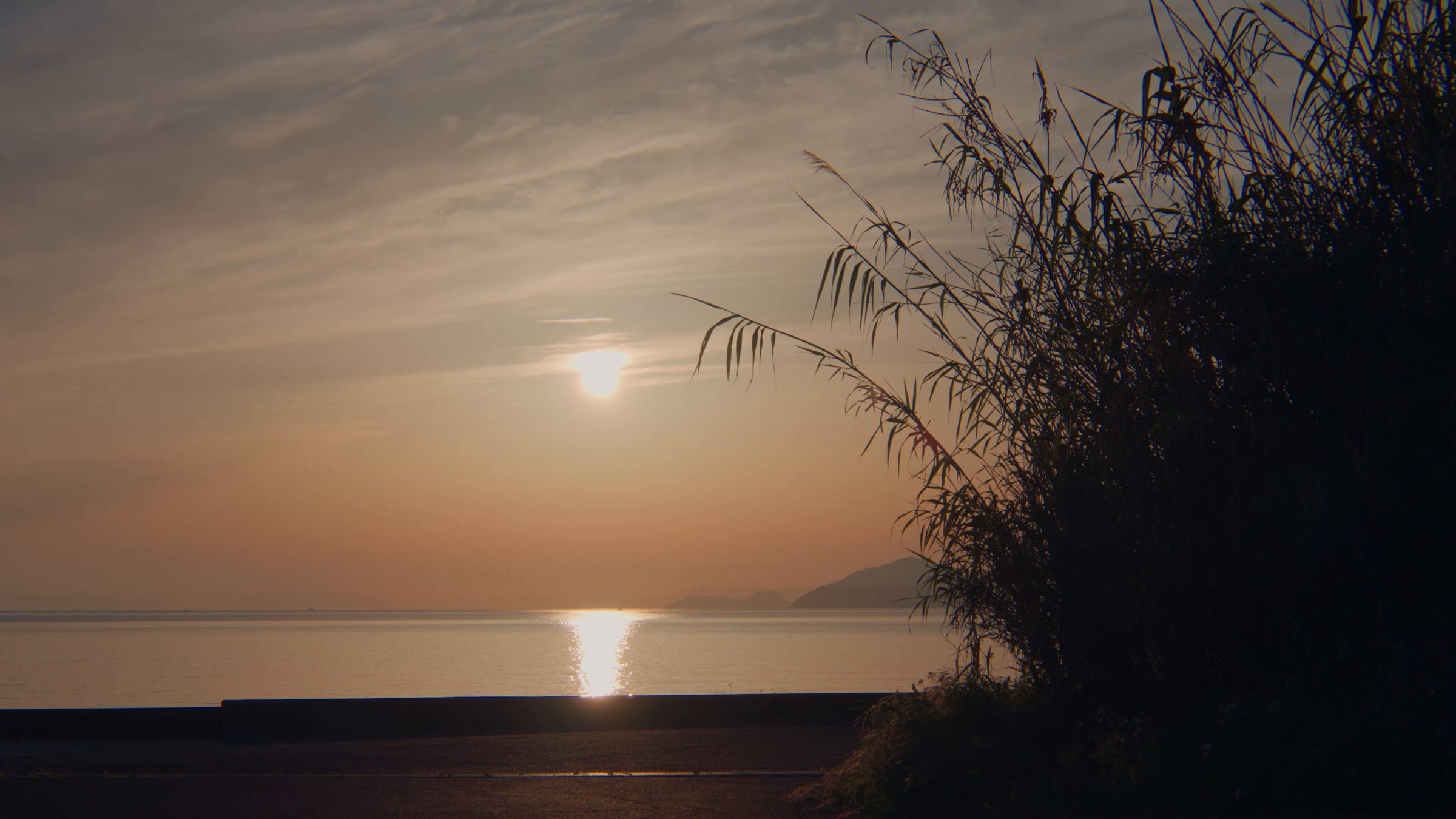
11TRAVEL JOURNAL
Shippoku udon for dinner
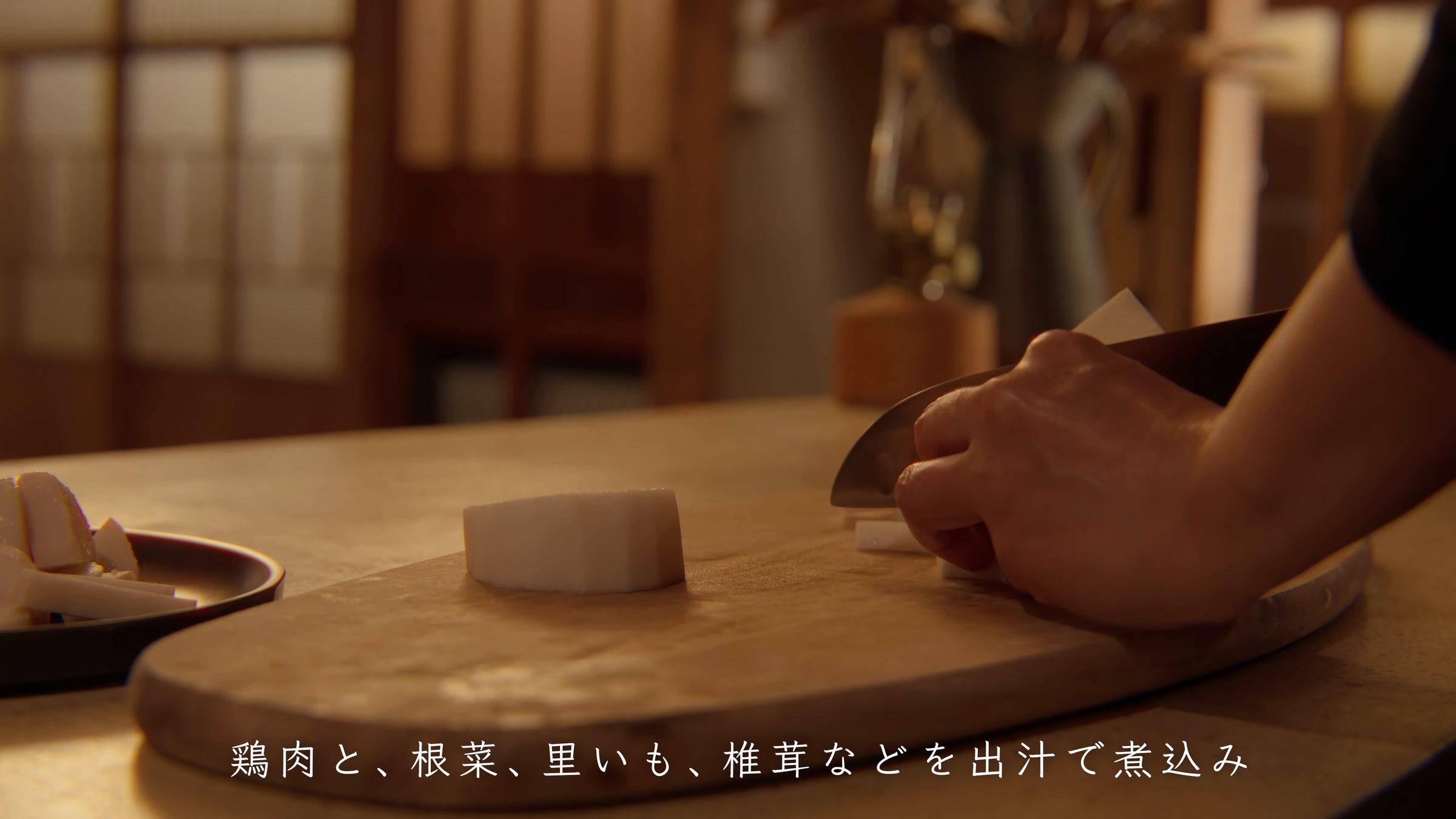
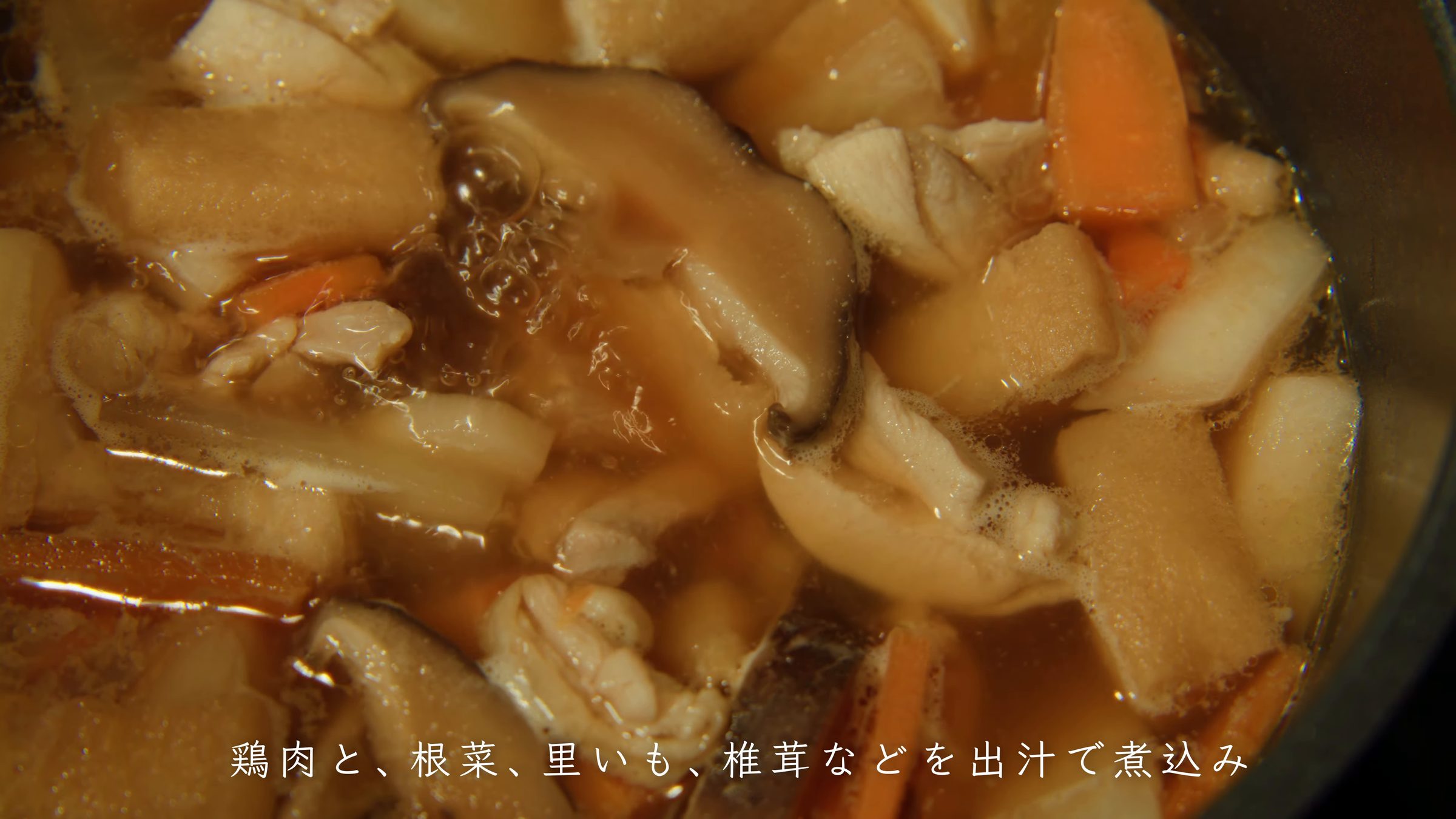
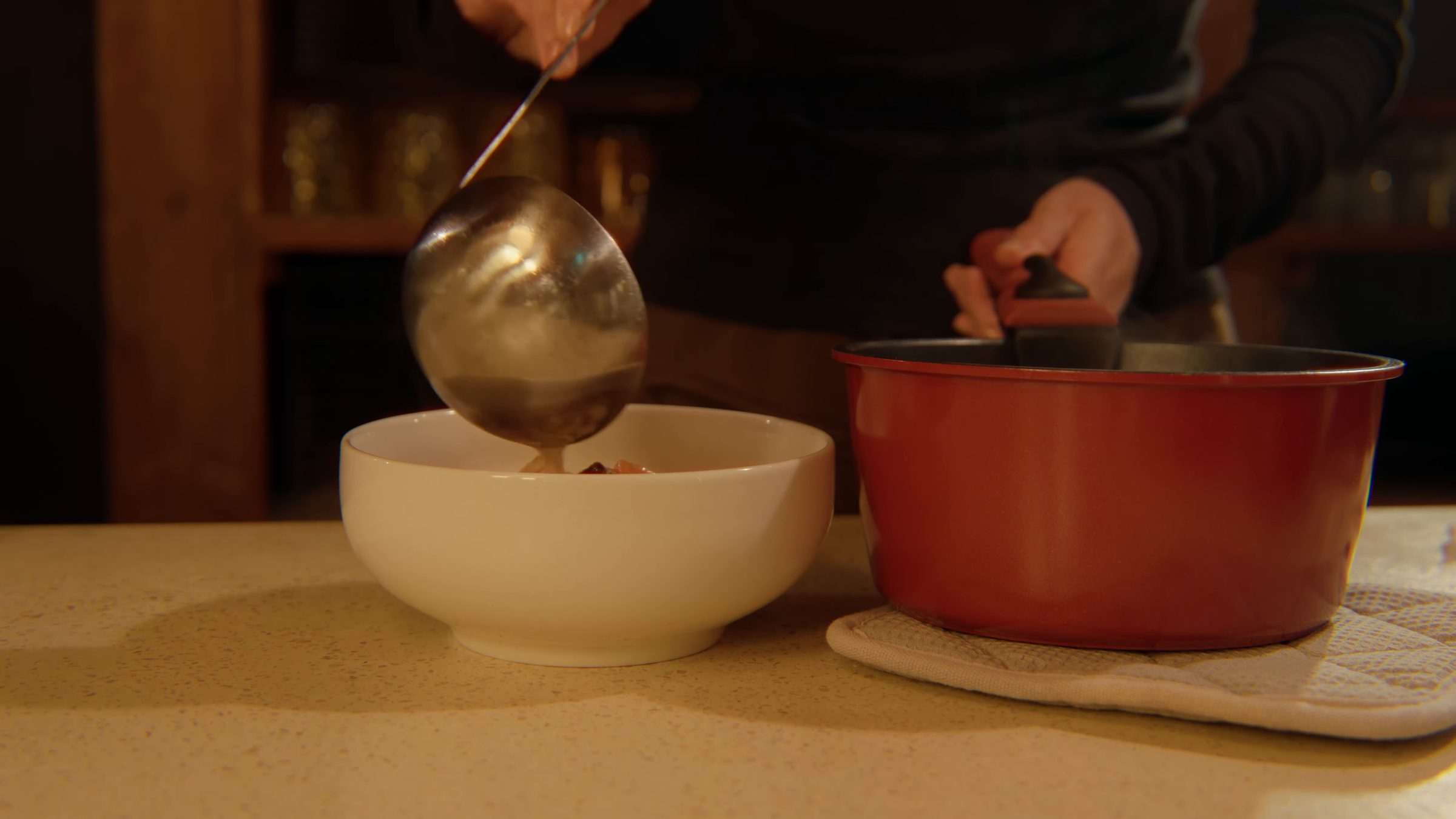
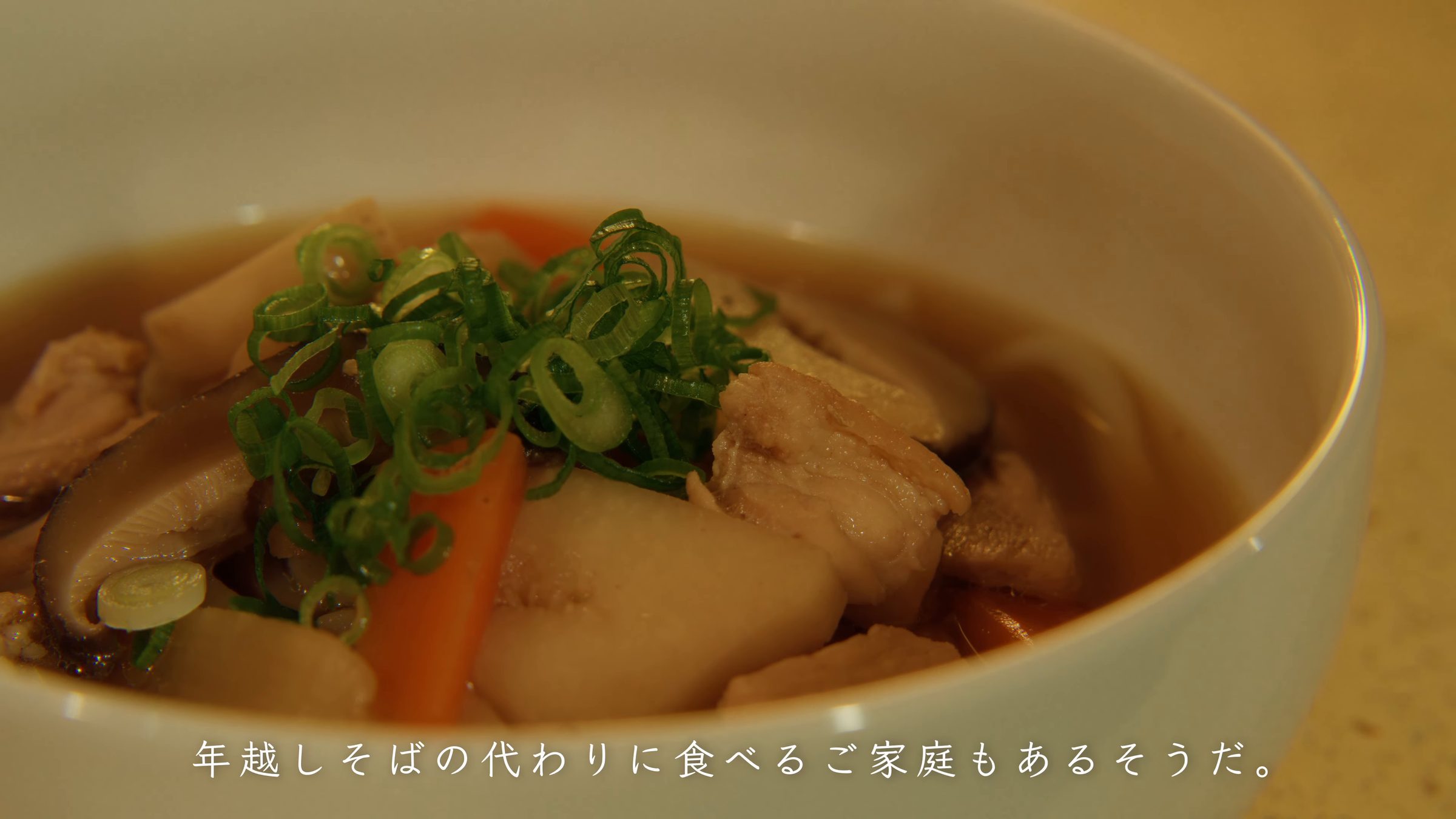
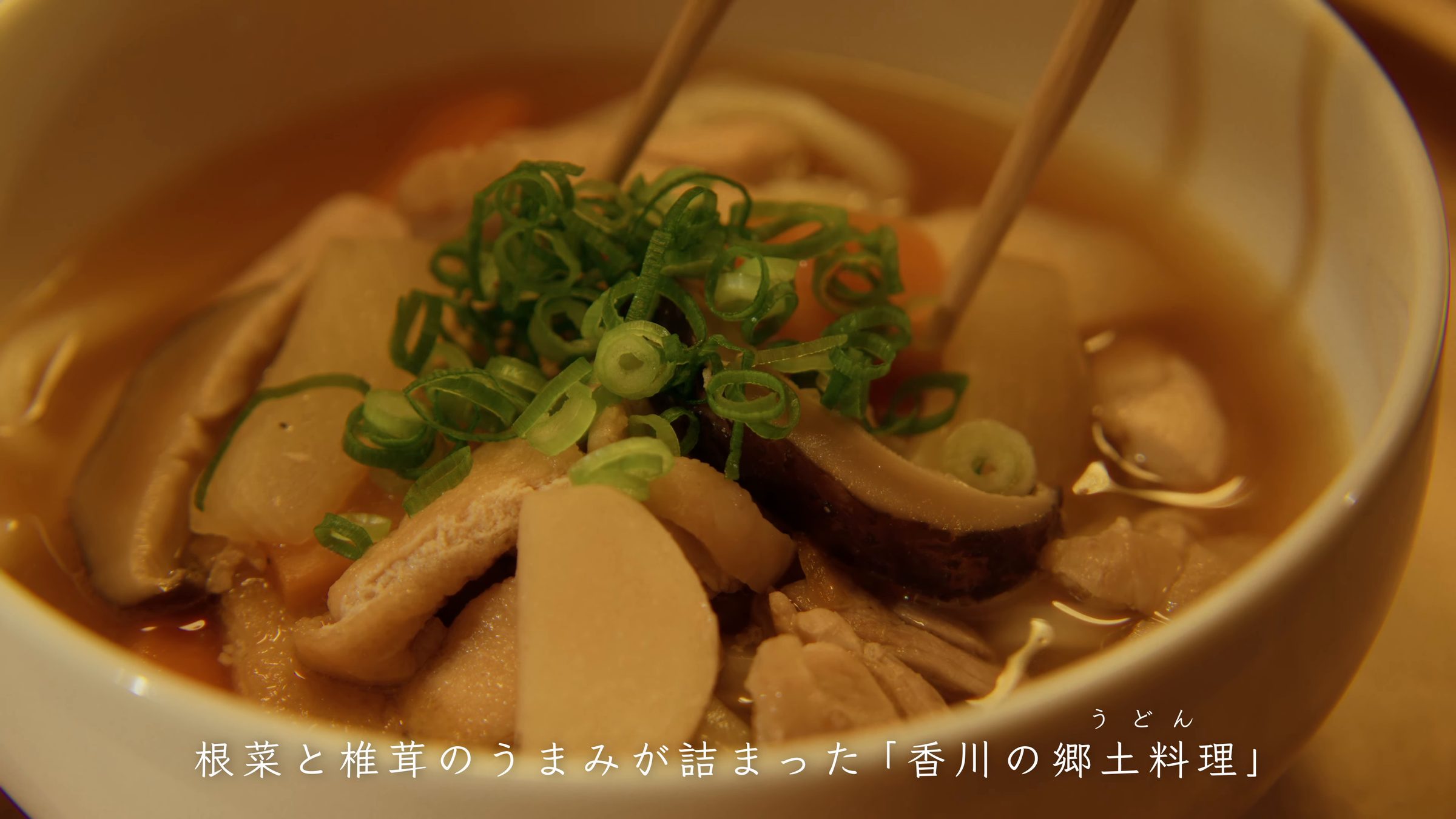
For dinner, I decided to make shippoku udon. I sliced a daikon into rounds, then simmered chicken, root vegetables, taro and shiitake in dashi stock.
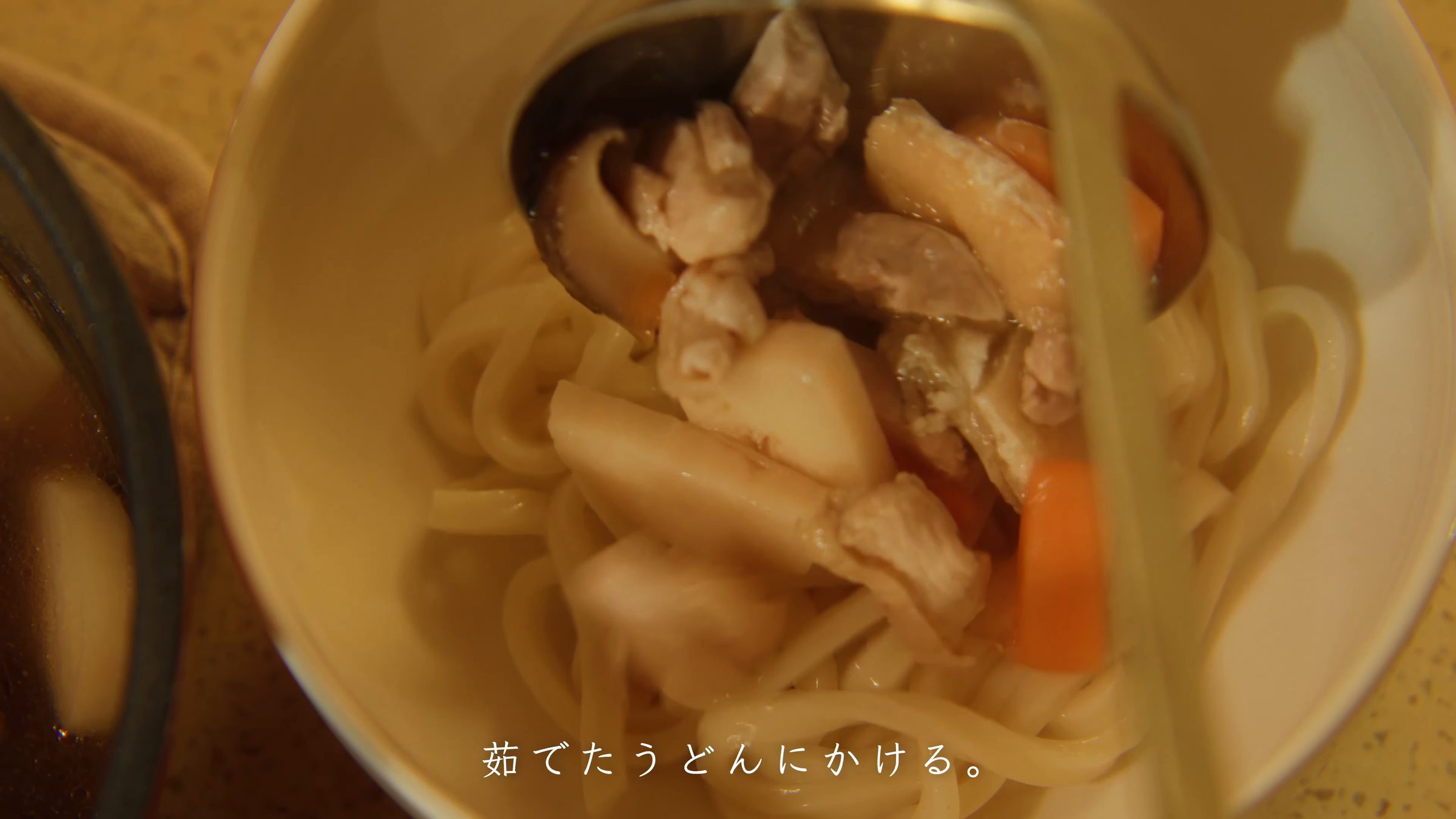
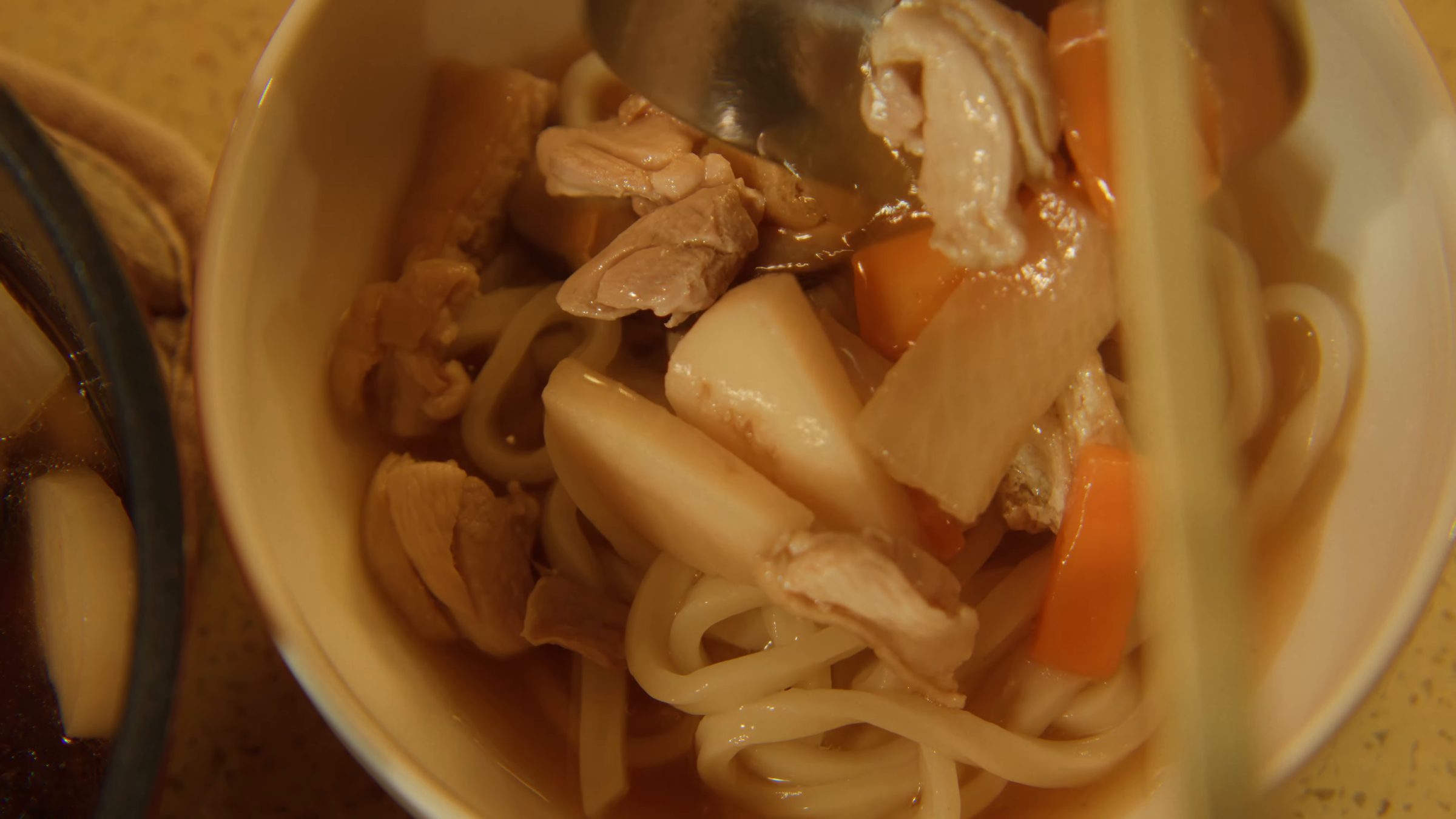
Pour it all, broth and vegetables, over boiled udon, and scatter green onions on top. It's really a dish for autumn and winter, and some families eat it instead of toshikoshi soba on New Year's Eve.
Watch this scene on YouTube5:31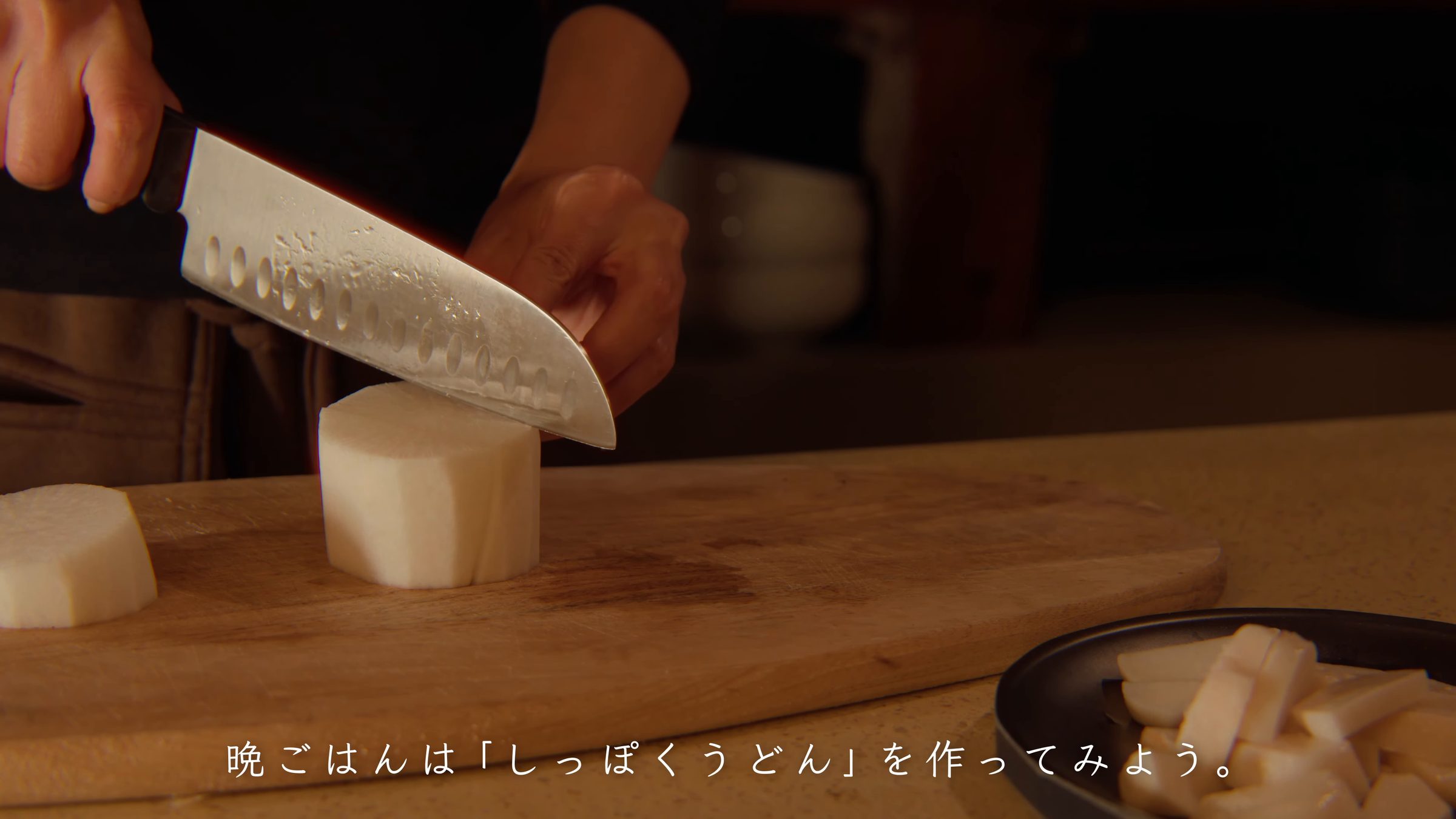
12TRAVEL JOURNAL
In a New Year's Eve mood
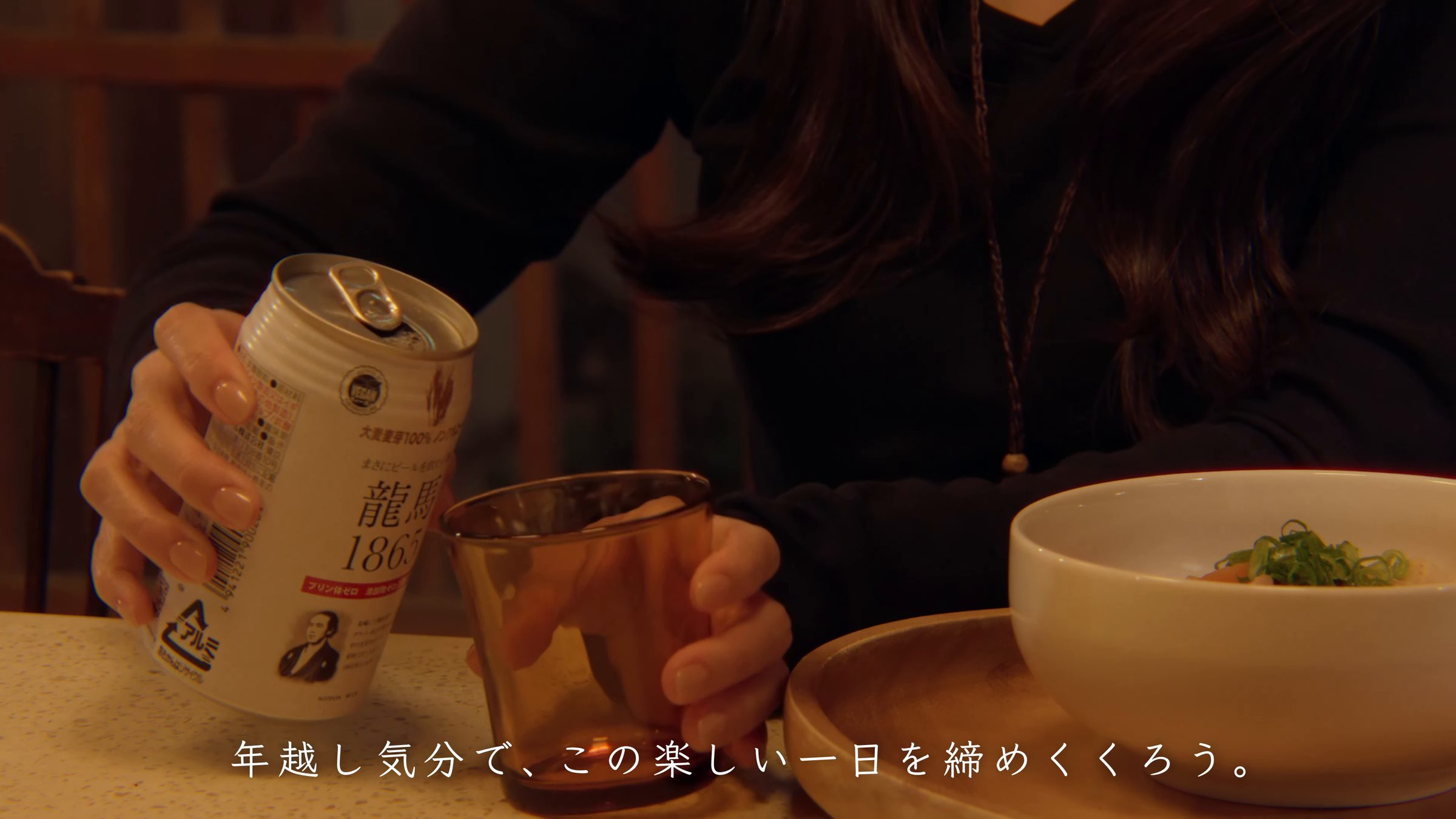
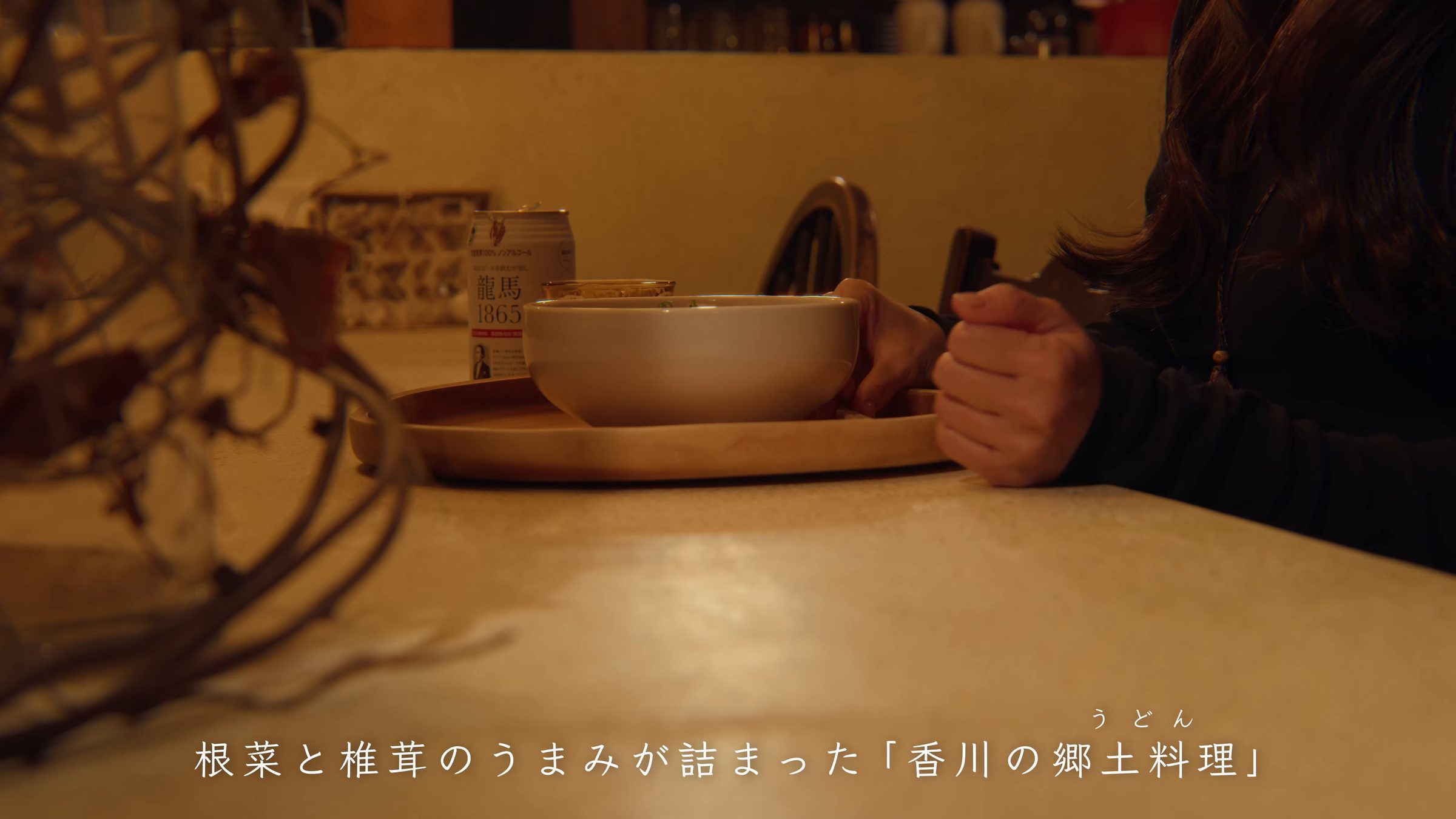
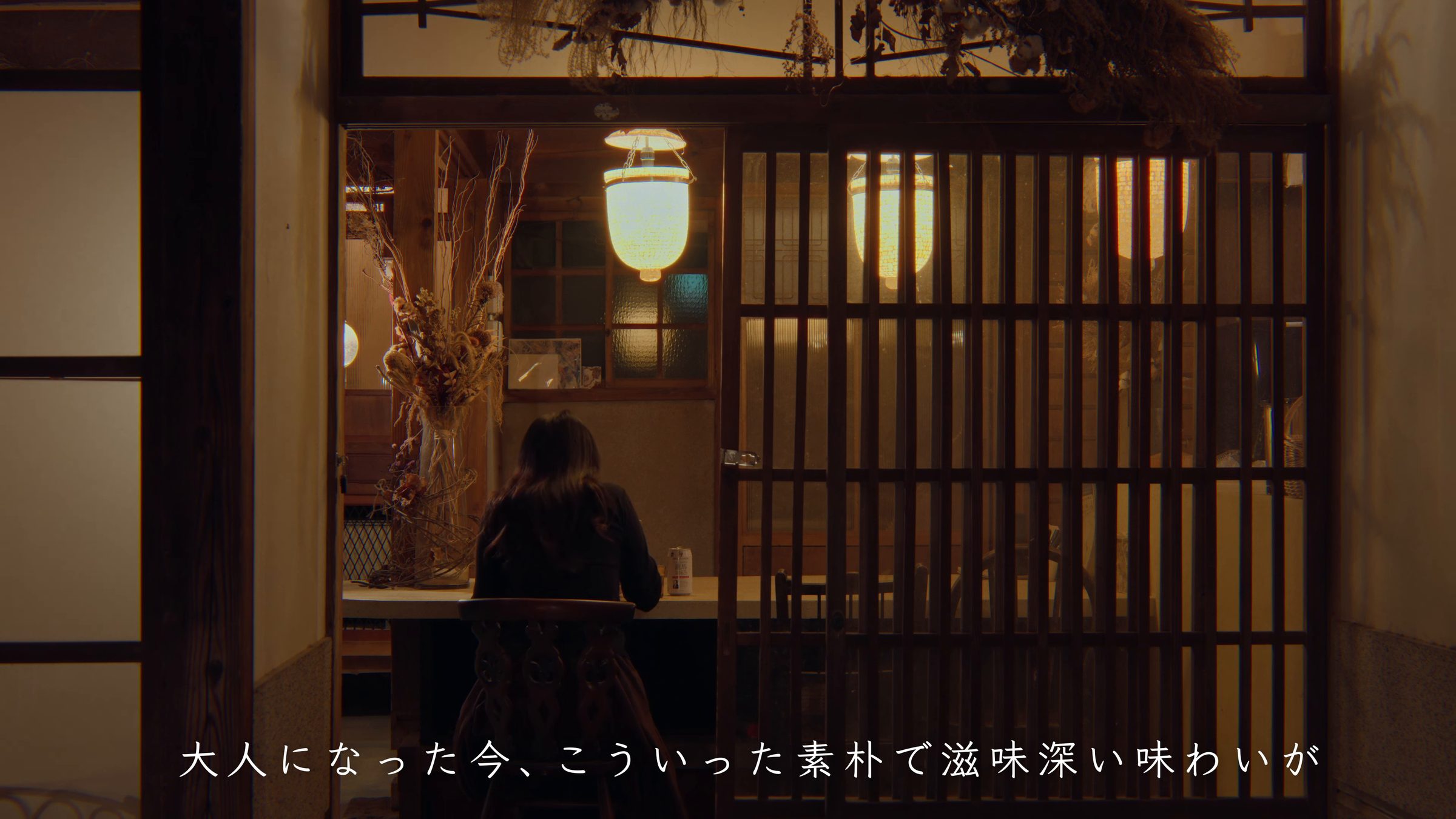
Light glowed in the windows of the house at night. I poured a non-alcoholic beer into a glass and, in a New Year's Eve mood, brought this happy day to a close.
A Kagawa home-style dish, packed with the flavor of root vegetables and shiitake. Now that I'm grown up, simple, nourishing food like this tastes delicious from the bottom of my heart. Being an adult isn't so bad.
Watch this scene on YouTube6:02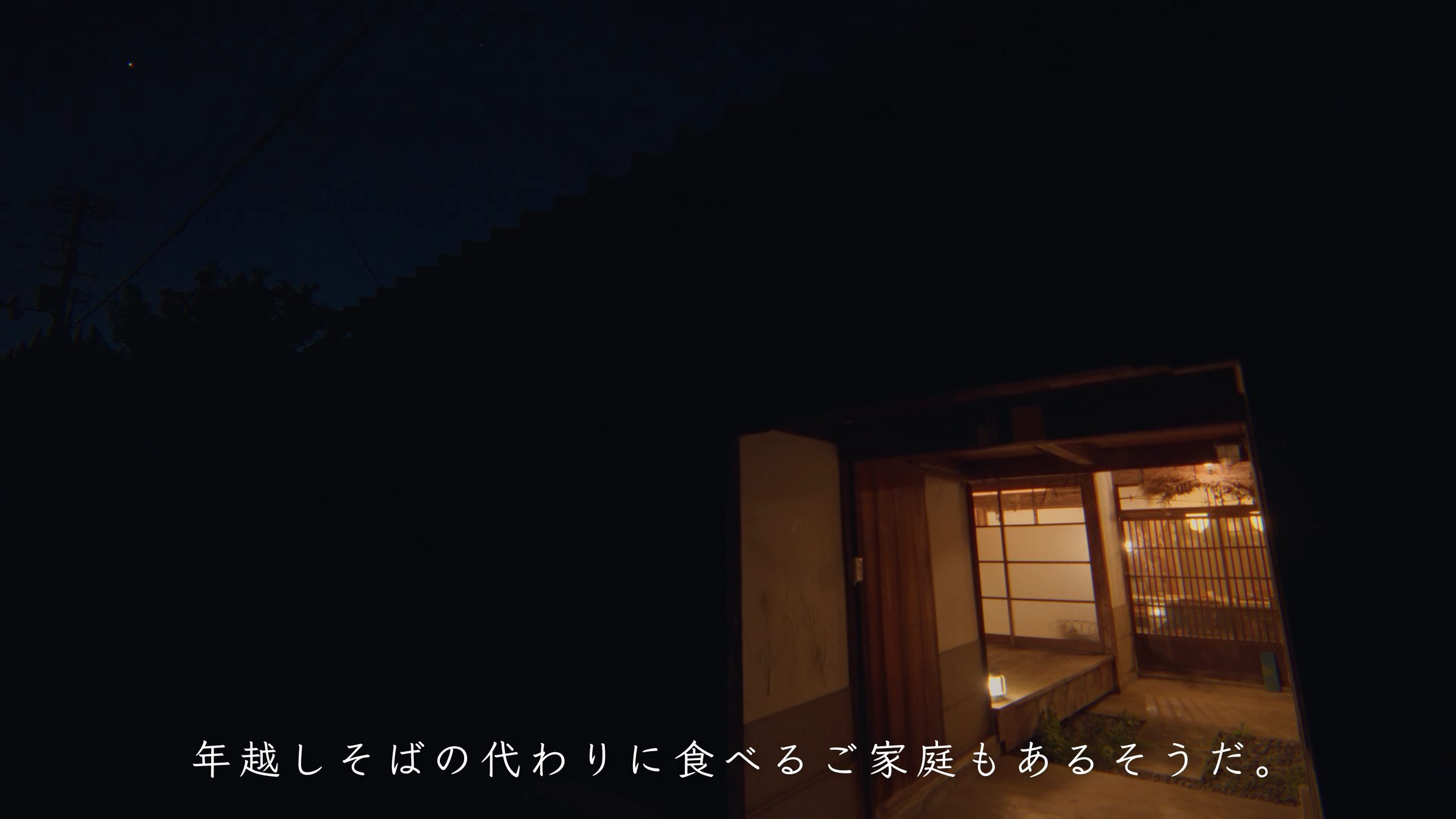
THE JOURNEY IN FILM
The wind. The sounds of a kitchen.
Spend a little more time inside the journey, on film.
Watch the video7 minTHE BORROWER’S NOTES
The Borrower's Notes: Sanagi Island, Kagawa
Places we stopped, dishes we made, and stories of the land. A few things to keep from the journey.
01Where I ate and shopped
Kissa Nekonoshima
1353 Sanagi, Tadotsu, Nakatado District, Kagawa
A café attached to a guesthouse in the former Sanagi Elementary School, a wooden schoolhouse built in 1954. In what used to be the staff room I had the limited-quantity curry and ice cream made with locally grown figs. Traces of the school remain everywhere: school supplies on the shelves, an eye chart, and a red payphone turned into a donation box for cat kibble.
Sources: kids.rurubu.jp travel.rakuten.co.jp
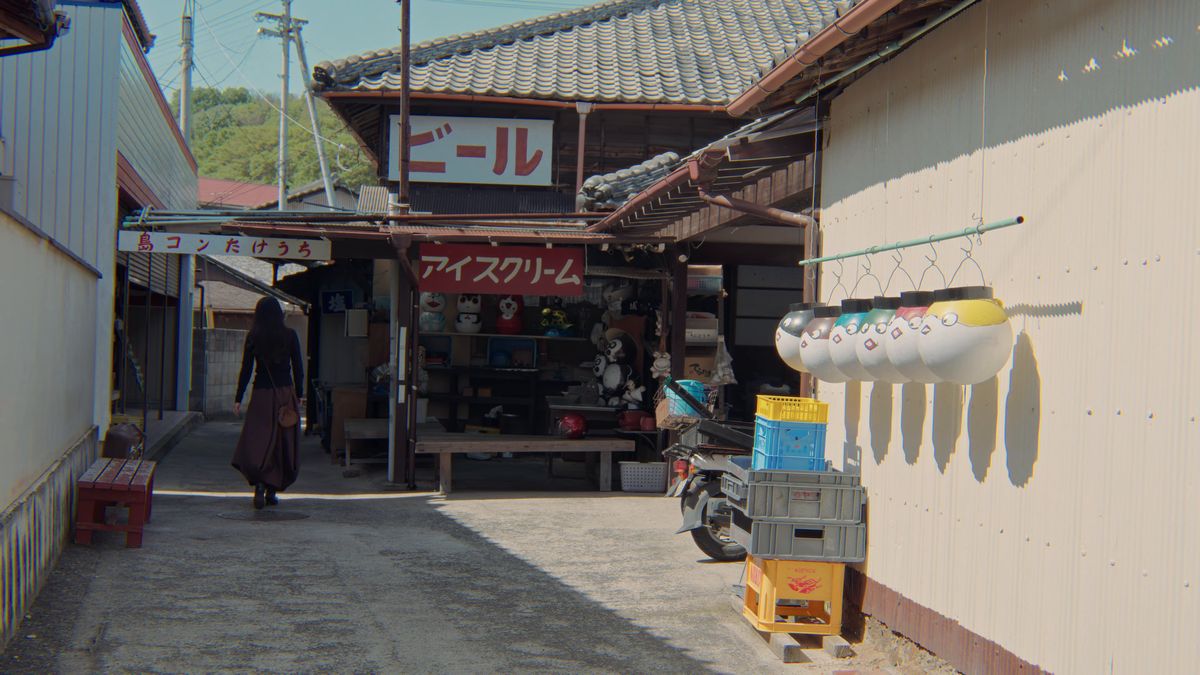
Takeuchi Shoten
1348 Awashima, Takuma, Mitoyo, Kagawa
The island's only shop, about three minutes' walk from Awashima port, selling food, daily goods, drinks, ice cream and souvenirs. Under the old signs for beer and ice cream, I bought oiri, the traditional Kagawa sweet, and dried sardines, then took an ice cream down to the seaside shrine.
Sources: gltjp.com
02What I cooked
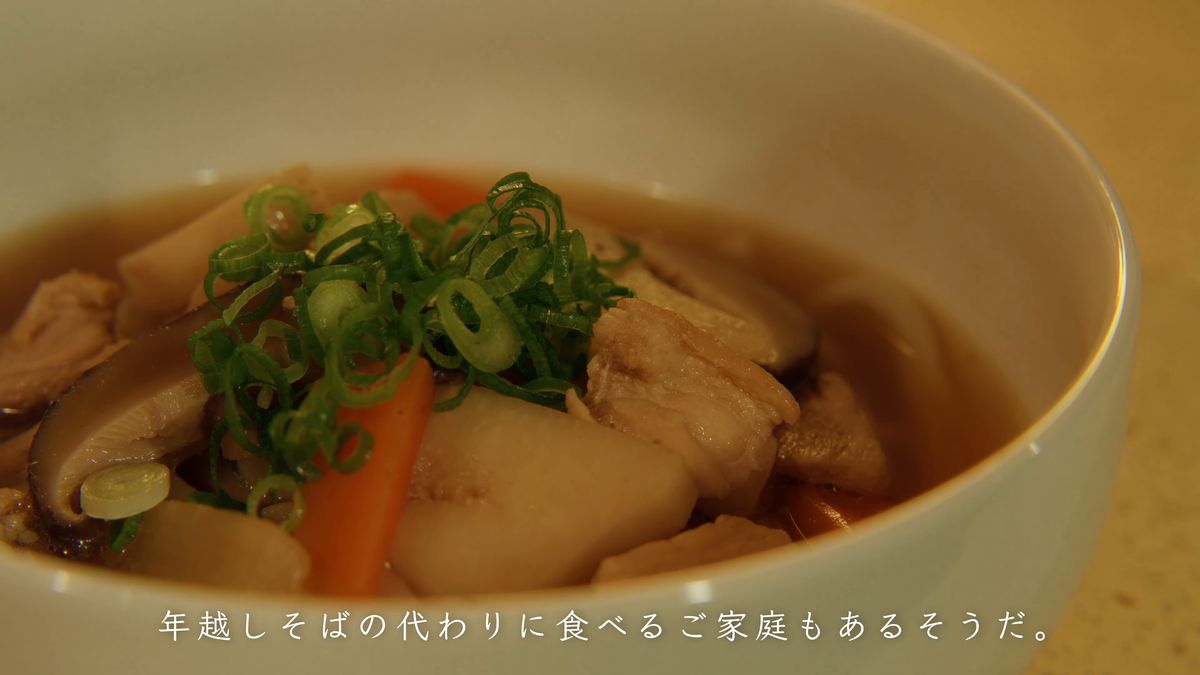
Shippoku udon
A winter dish found throughout Kagawa. Several kinds of autumn and winter vegetables are simmered together with fried tofu in a dried-sardine broth, then poured, vegetables and all, over boiled udon. The details vary from home to home: bonito or kelp stock instead of sardines, taro or shiitake added, chicken or pork for extra richness. It is served at family meals and to guests when winter vegetables are in season, and sometimes eaten at the end of the year in place of toshikoshi soba. This time I added chicken, taro and shiitake.
IngredientsUdon noodles, Chicken, Daikon radish, Carrot, Taro, Shiitake mushrooms, Dashi stock, Green onions
- Cut the daikon and other root vegetables
- Simmer the chicken, root vegetables, taro and shiitake in dashi
- Pour it all over boiled udon and top with green onions
Sources: maff.go.jp
03About the area
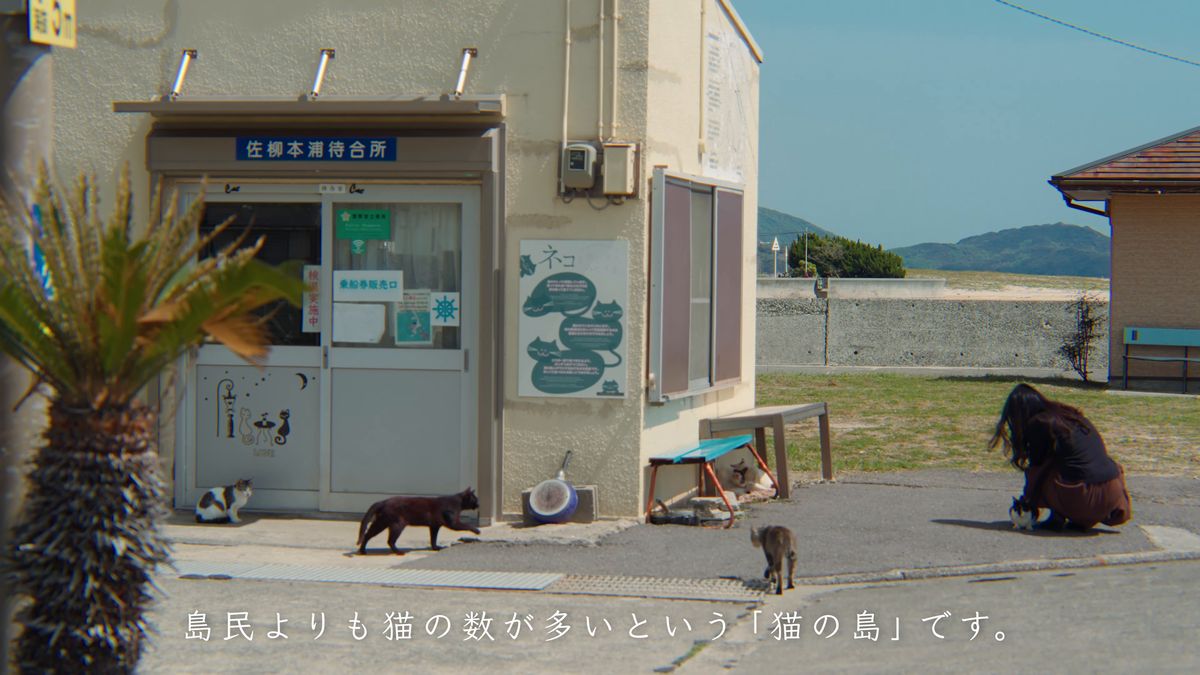
Sanagi Island
One of the Shiwaku Islands, off the coast of Tadotsu. A long, narrow island of 1.83 square kilometers with two villages, Motoura in the south and Nagasaki in the north, and a population of just under 60 as of 2021. Ferries from Tadotsu port call at Takamijima on the way to Motoura and Nagasaki. It is known as a "cat island," home to more community cats than residents, and photos of cats leaping across gaps in the breakwater made it famous. The island's school closed in 1995, and in 2017 the schoolhouse became a guesthouse and café. In the last years of the Edo period, islanders crewed the Kanrin Maru on its voyage across the Pacific. The town asks visitors to explore only between sunrise and sunset and to stay out of the villages.
Sources: ja.wikipedia.org haveagood-holiday.com town.tadotsu.kagawa.jp
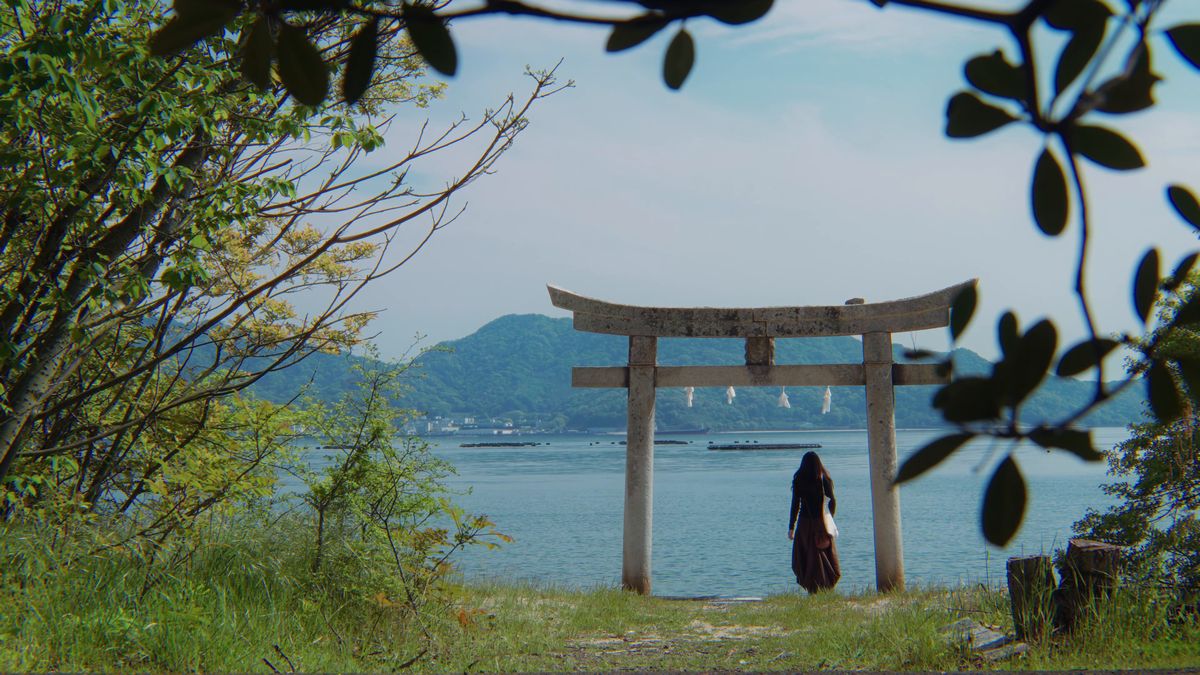
Maki Hachiman Shrine
Awashima, Takuma, Mitoyo, Kagawa
A Hachiman shrine on the shore of Awashima. The approach runs down to the sandy beach, and the torii gate seems to float on the water at high tide; at low tide you can walk right up to it. The enshrined deities are Emperor Chuai and Emperor Ojin, though no reliable record of the shrine's origins survives. Islanders call it "Umaki." One theory traces the name Maki to a horse pasture established on the island in ancient times.
Sources: yousakana.jp gltjp.com
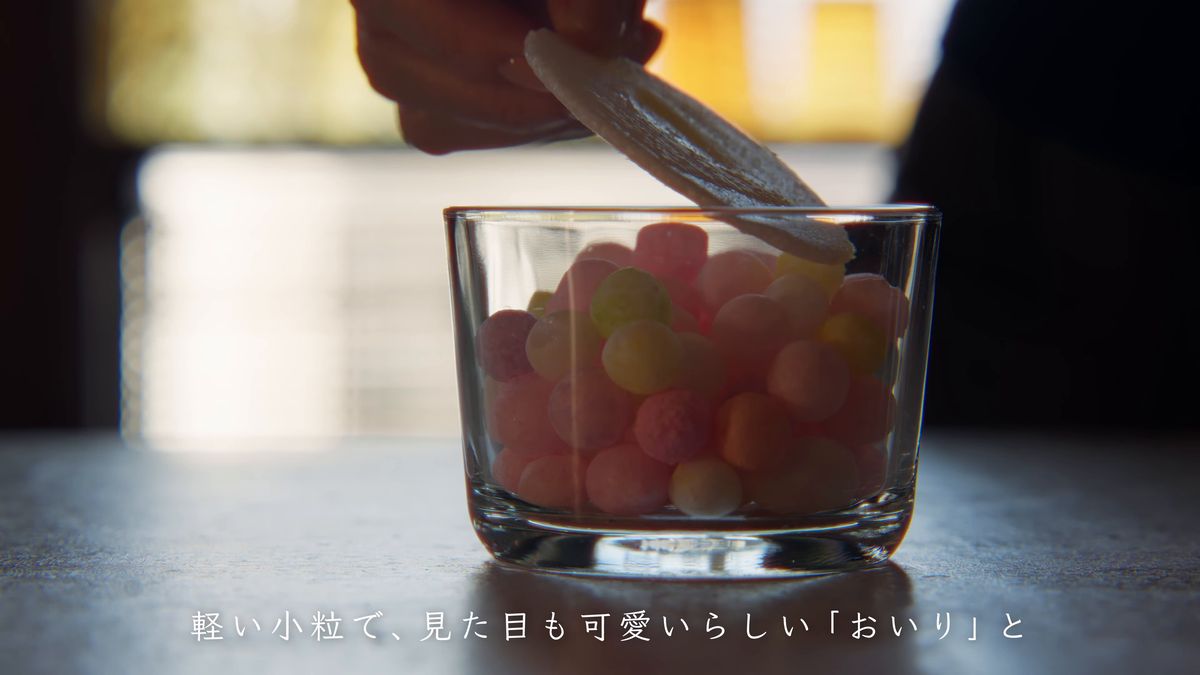
Oiri
A wedding sweet long handed down in western Kagawa. These light little puffs of rice, dyed in soft pastel colors, were given out as auspicious wedding favors. Today they are sold as souvenirs and even sprinkled over soft-serve ice cream.
Sources: pref.kagawa.lg.jp my-kagawa.jp
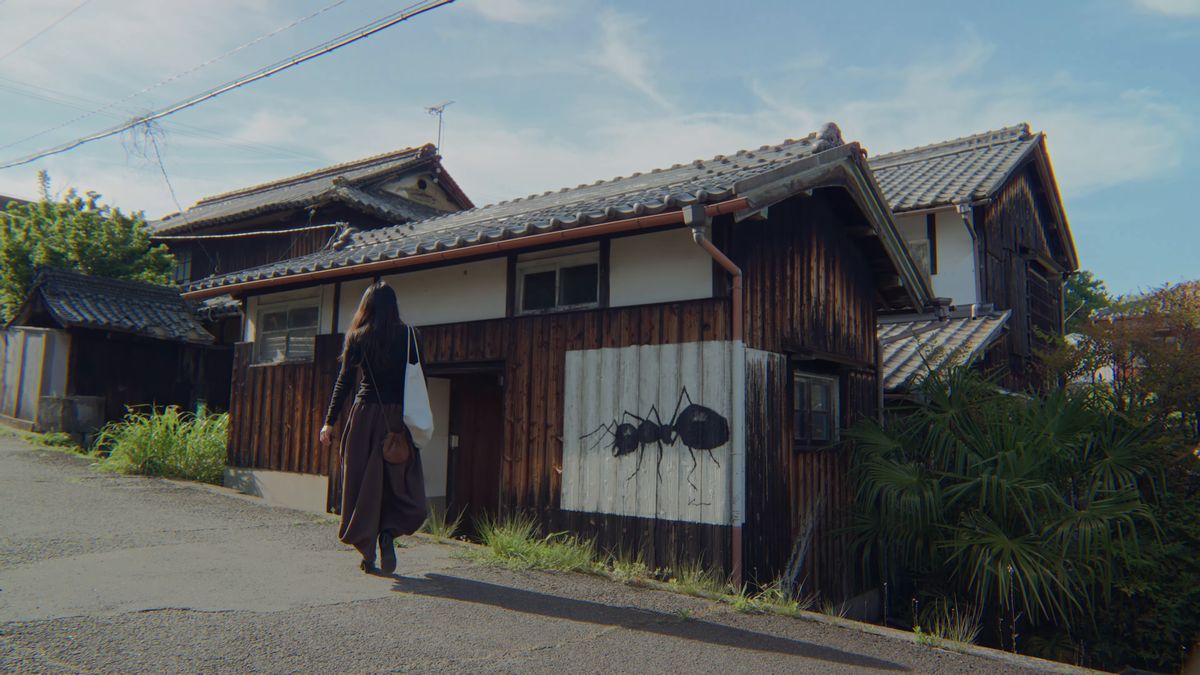
Awashima
An island of the Shiwaku group, about 15 minutes by boat from Suda port in Mitoyo. Three islands joined by sandbars give it the shape of a propeller. It once prospered as a port of call for Kitamae-bune trading ships, and in 1897 Japan's first village-run merchant marine school opened here (it closed in 1987, and the site is now Awashima Marine Memorial Park). The island is also a venue of the Setouchi Triennale.
Sources: ja.wikipedia.org
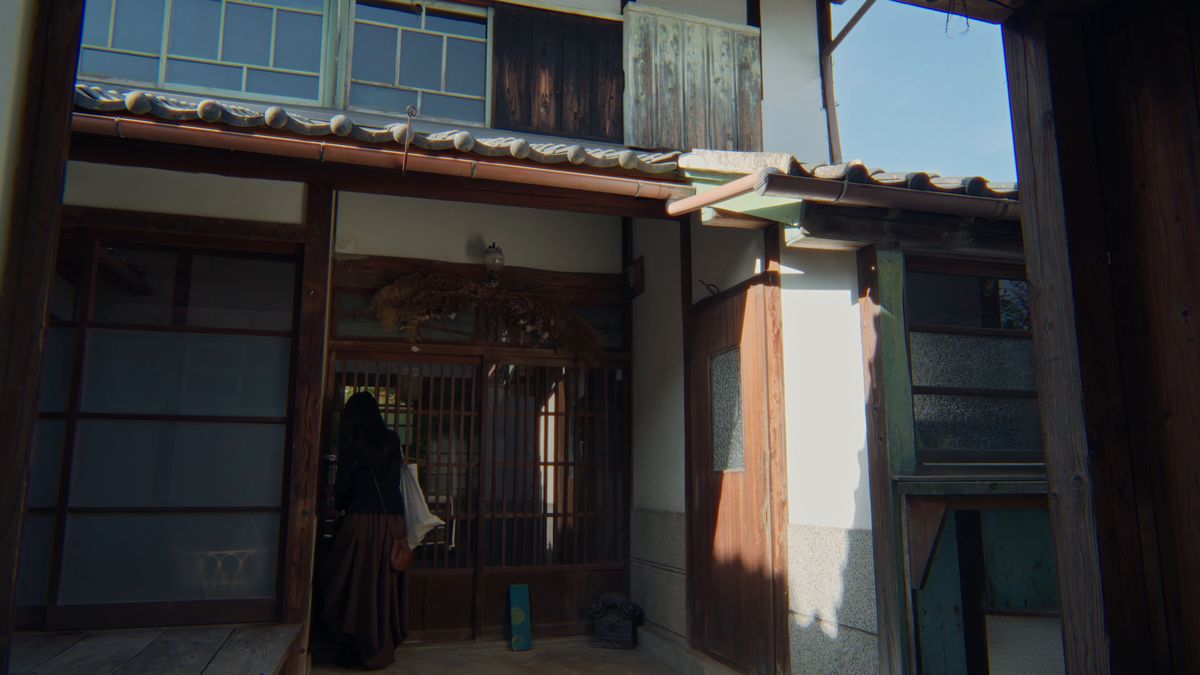
An old house on Awashima
This time I borrowed an old house with latticed doors and paper screens in a village on Awashima. Cats came to rest on the stone steps beyond the veranda, and in the evening I sat by lamplight.
PHOTO ALBUMPhoto album70Open all photographsClose the photo album
Select a photograph to explore the journey one frame at a time.