A TRAVEL ESSAY
Hualien, Taiwan
A leisurely trip in Hualien, Taiwan
Hualien: the seaand delicious everyday life
Eating my way through a town between the mountains and the sea.
Read the journey
ABOUT THIS JOURNEY
About two hours east of Taipei by express train lies Hualien, a town hemmed in by mountains and the sea. I steamed purple waxy corn in the kitchen of my rented home and ate my way through the local specialties: egg-filled scallion pancake from a yellow truck, wontons, fluffy xiaolongbao. Then Pine Garden among its Ryukyu pines, maqaw sausage and bamboo-tube rice at the night market, an old black-tea shop, a restaurant above the Hualien blue sea, and sugarcane ice and stinky tofu in Shoufeng. A rainy night ended with Taiwan's favorite instant zhajiangmian.
A little more about the food and the land01TRAVEL JOURNAL
Hualien, a town with mountains
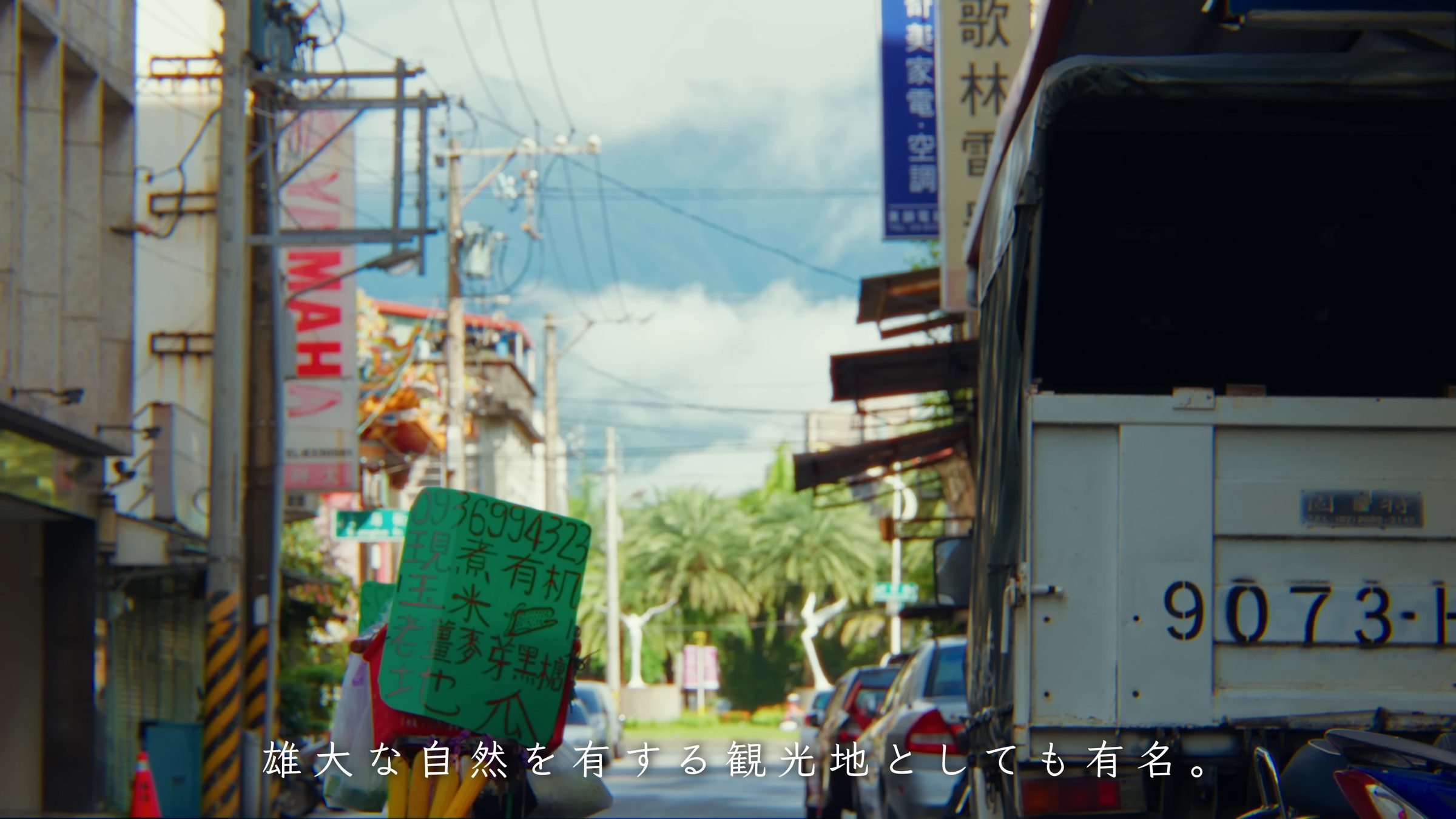
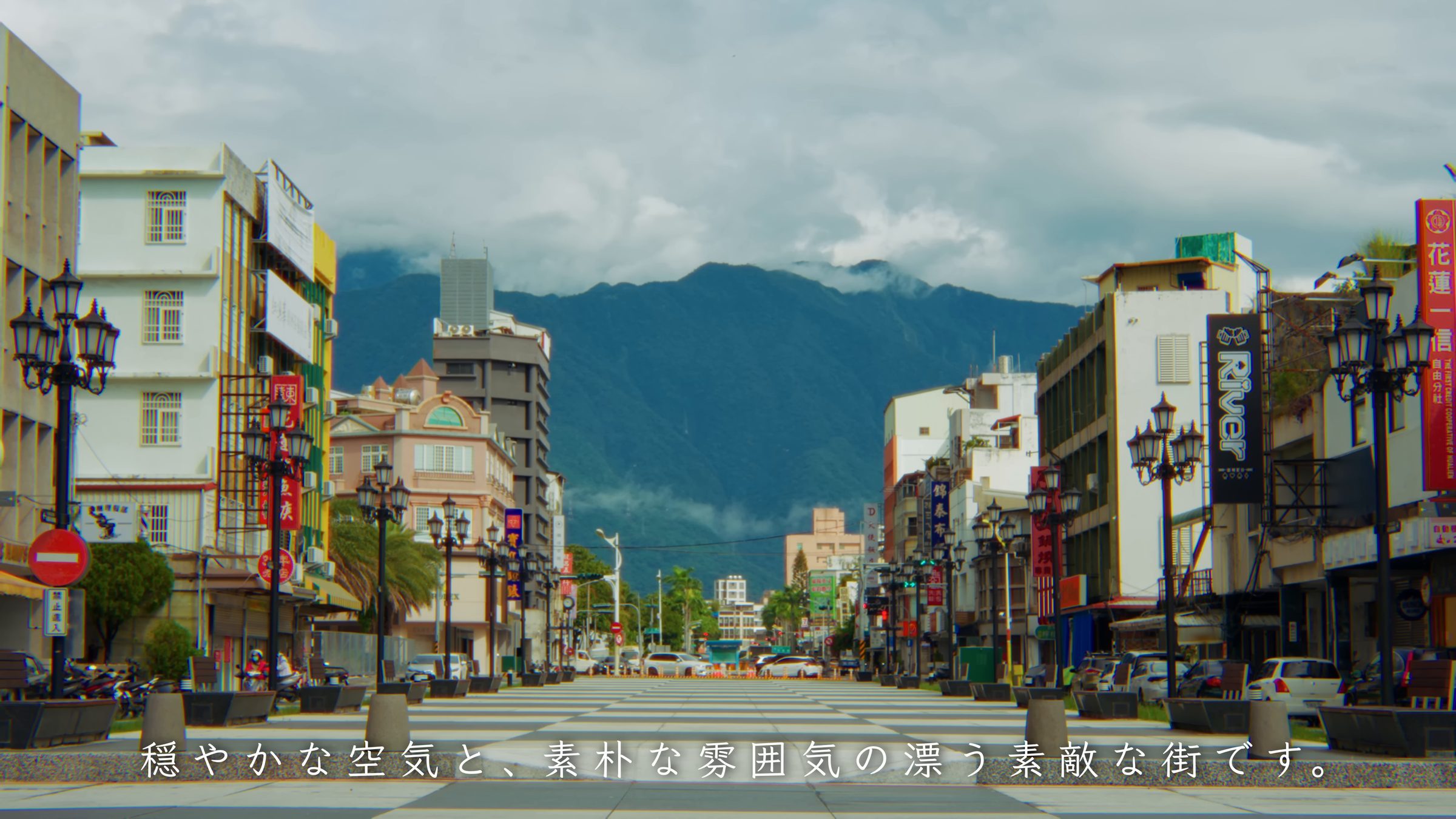
About two hours east of Taipei Station by express train, I arrived in Hualien, a town hemmed in by mountains and the sea. Beyond the shop signs along the street rise mountain ridges wrapped in cloud. Here, majestic mountain scenery is simply part of daily life.
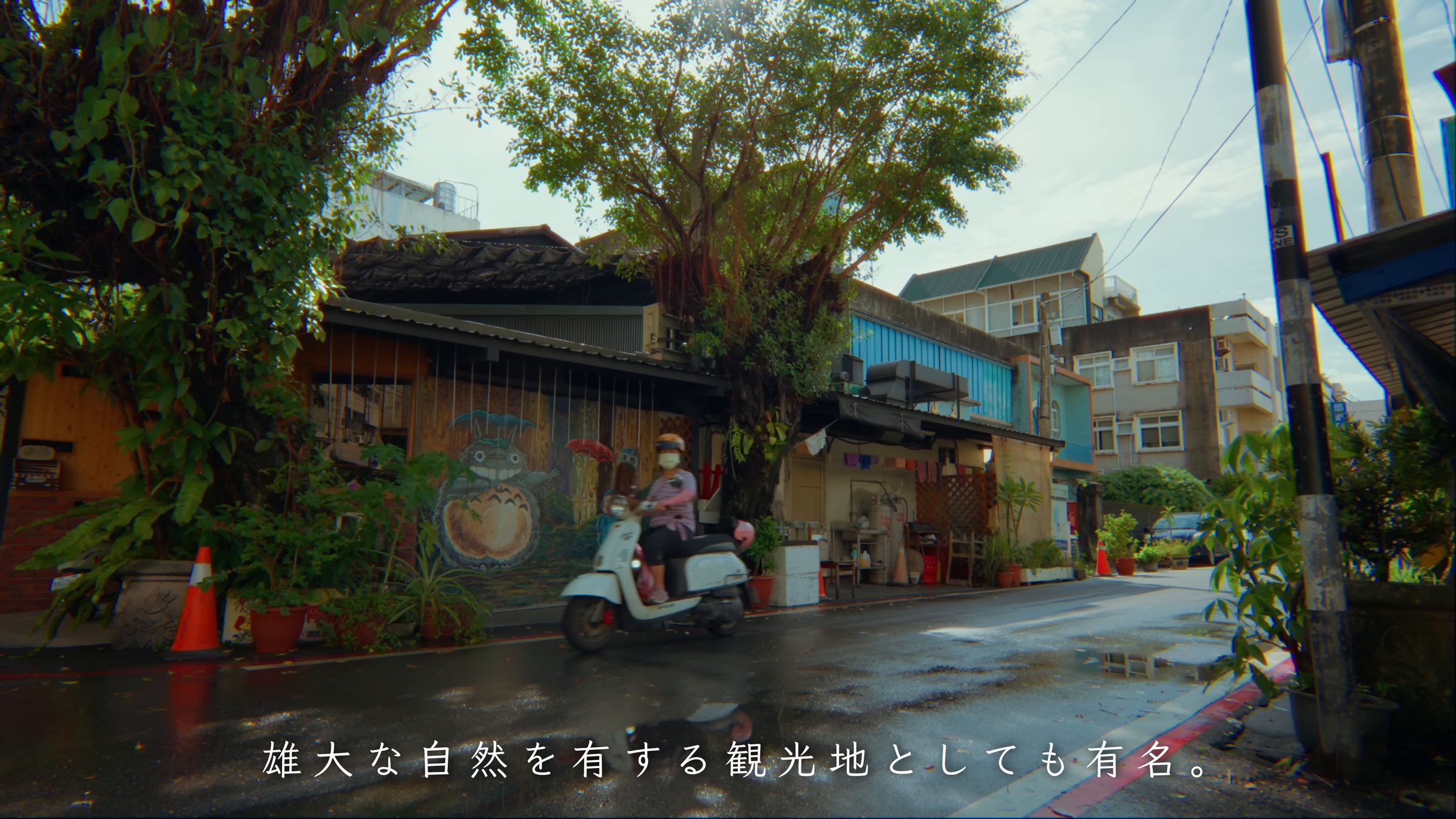
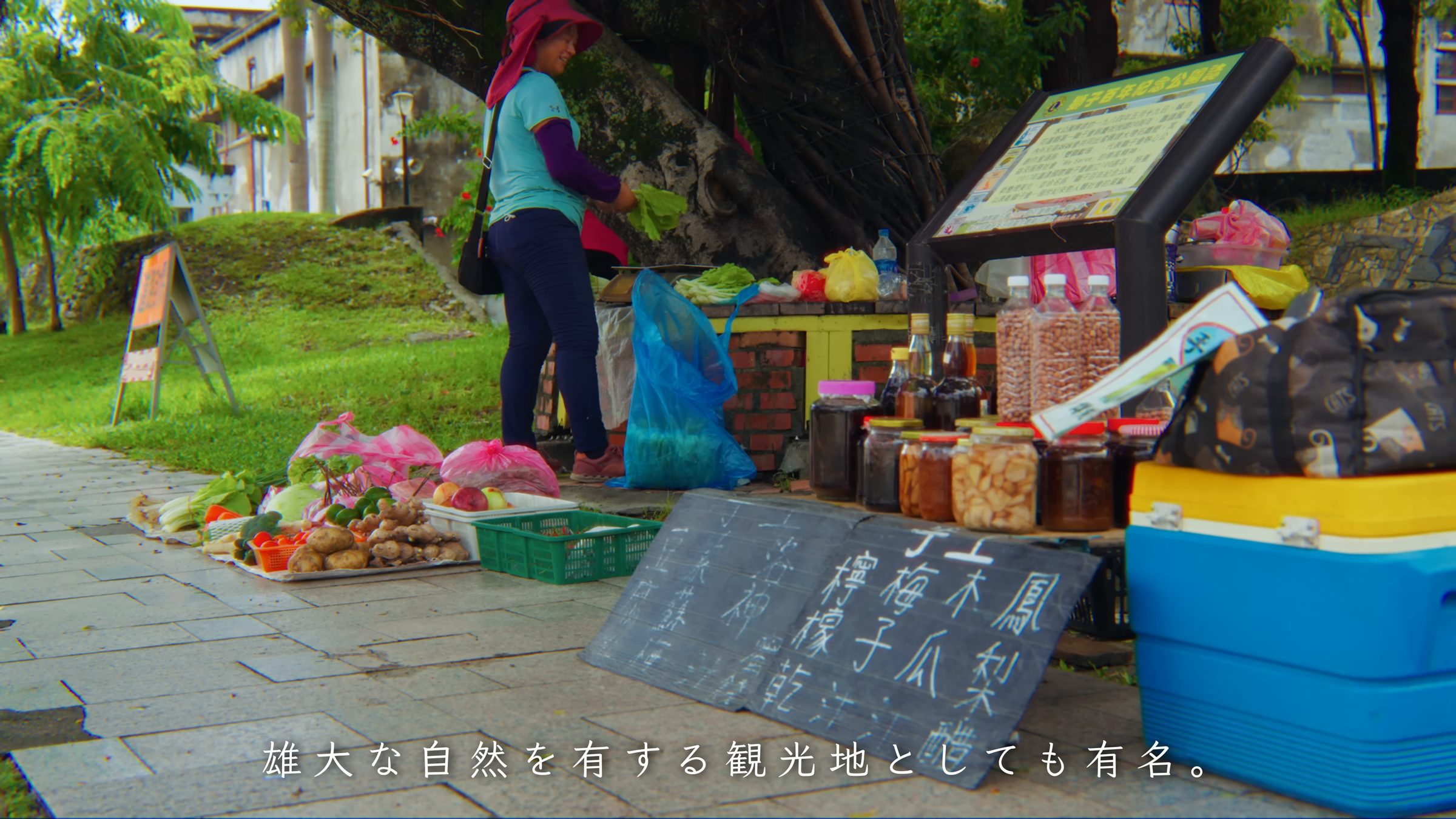
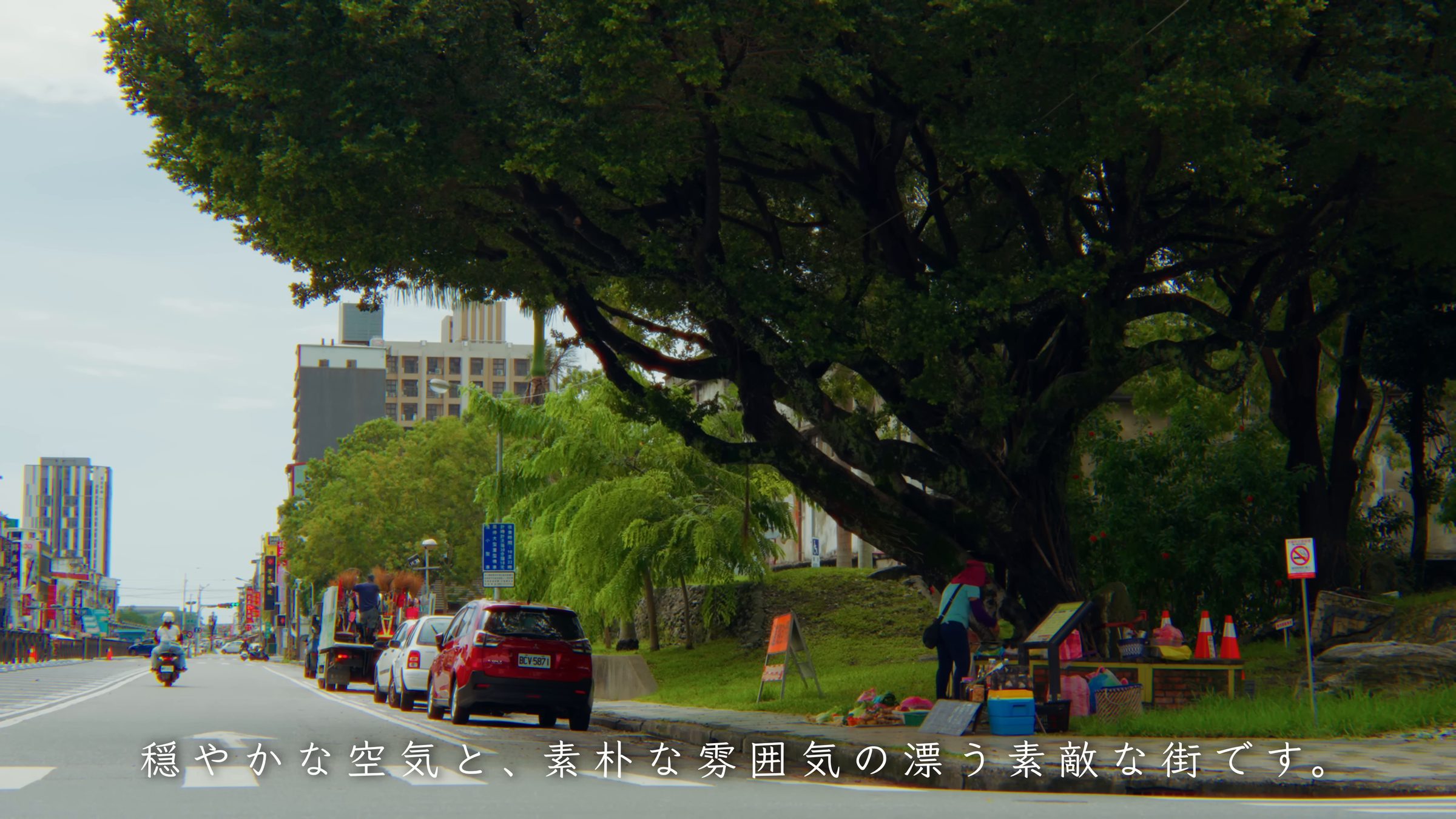
Hualien is also famous as a destination for magnificent nature. Pomelos, durians and longans were piled in front of a fruit shop, and on a rain-washed street a scooter sped past a mural. In the shade of a great tree, a stall had laid out vegetables and jars. It is a lovely city with a calm, rustic atmosphere.
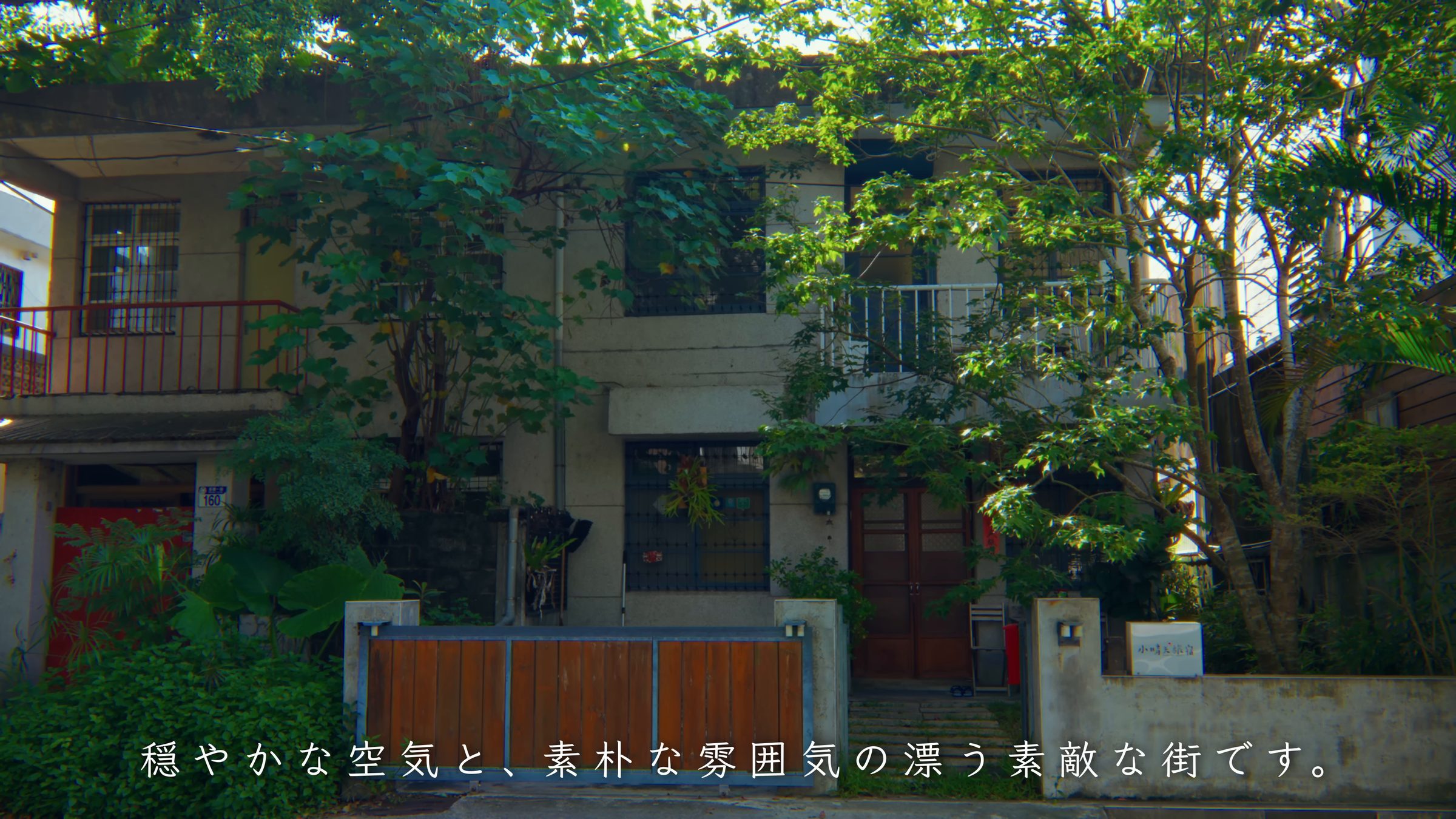
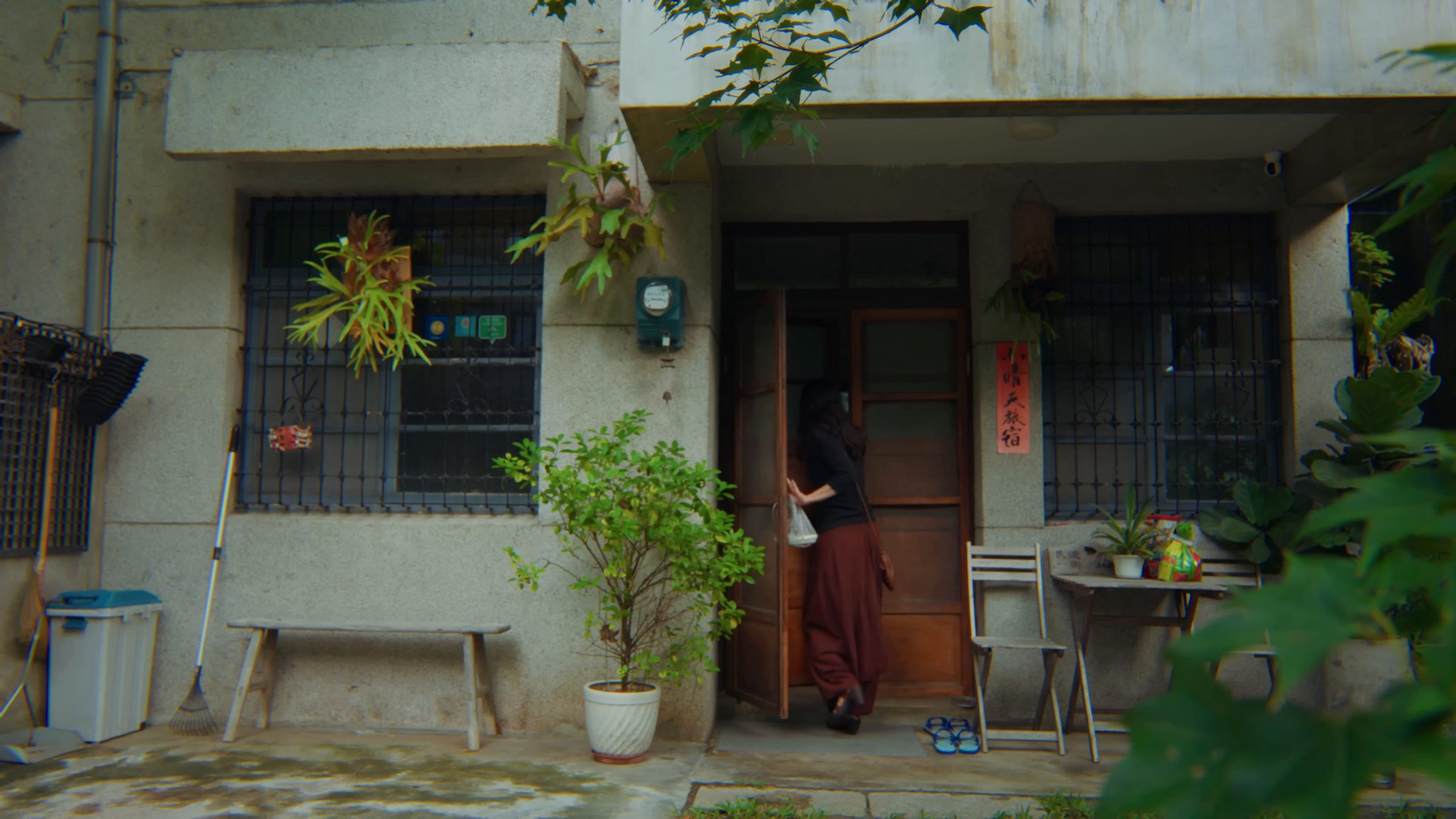
My home this time was a two-story house covered in vines. From here, I set out to taste everyday life in Hualien.
Watch this scene on YouTube0:22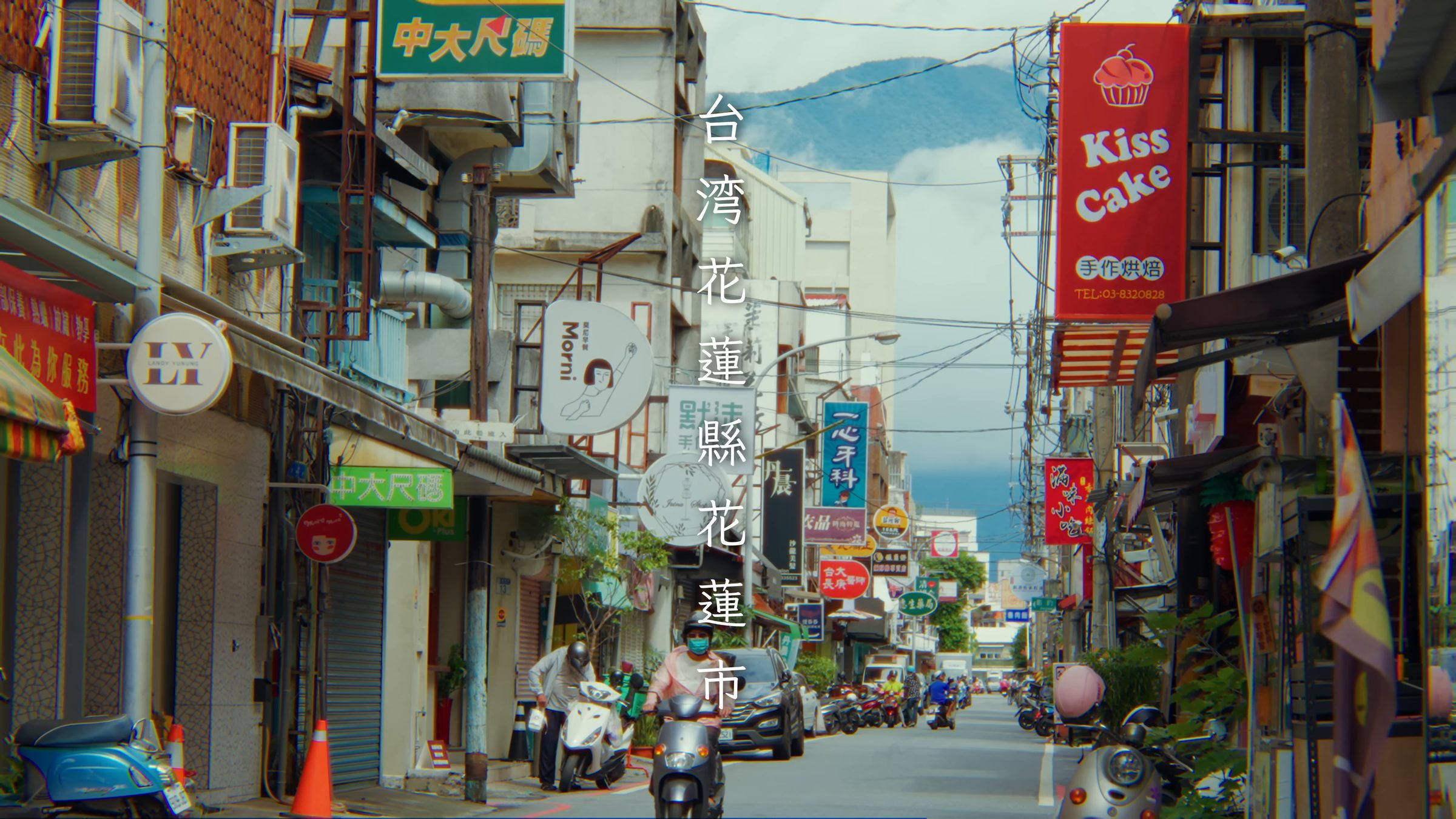
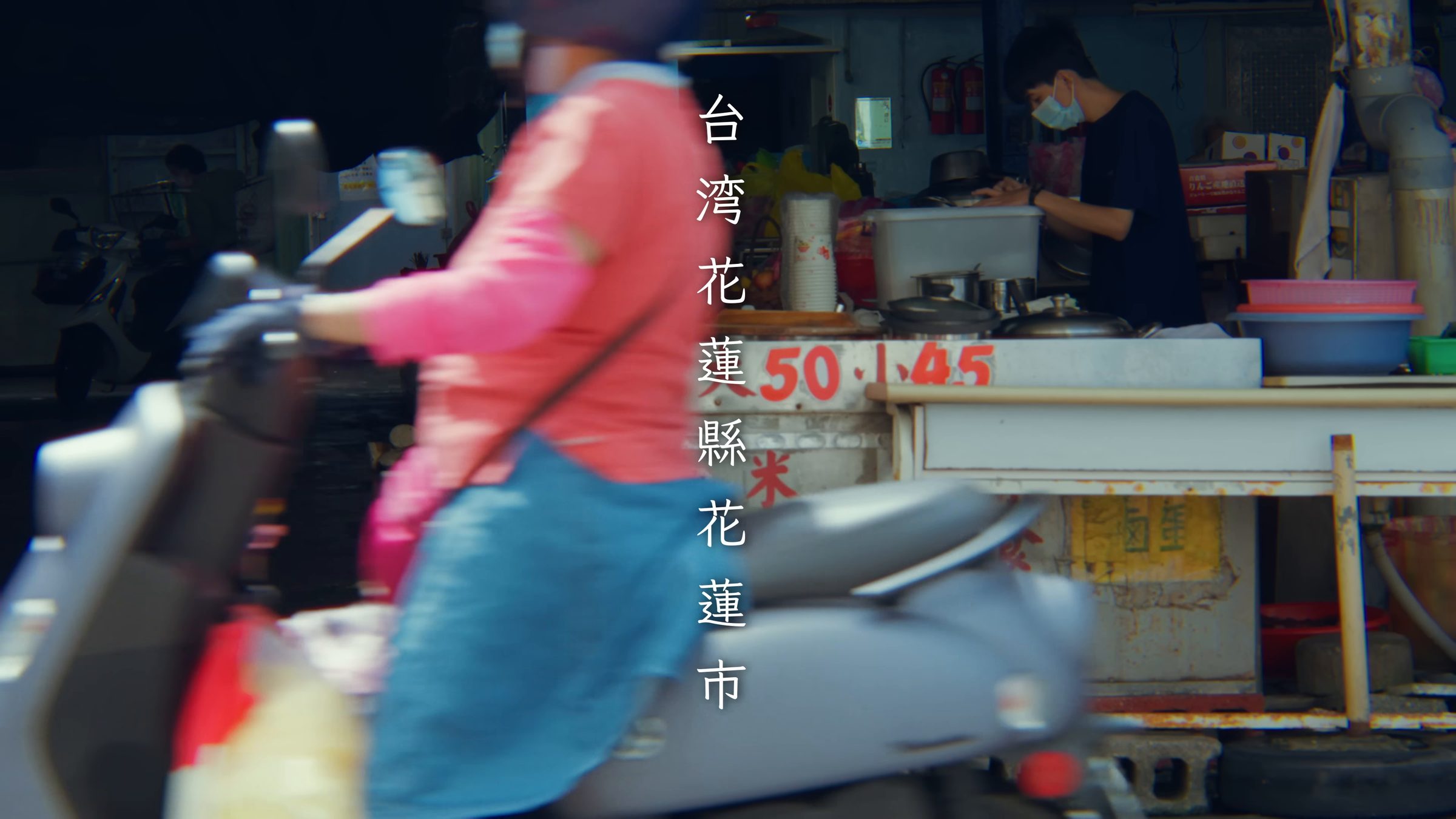
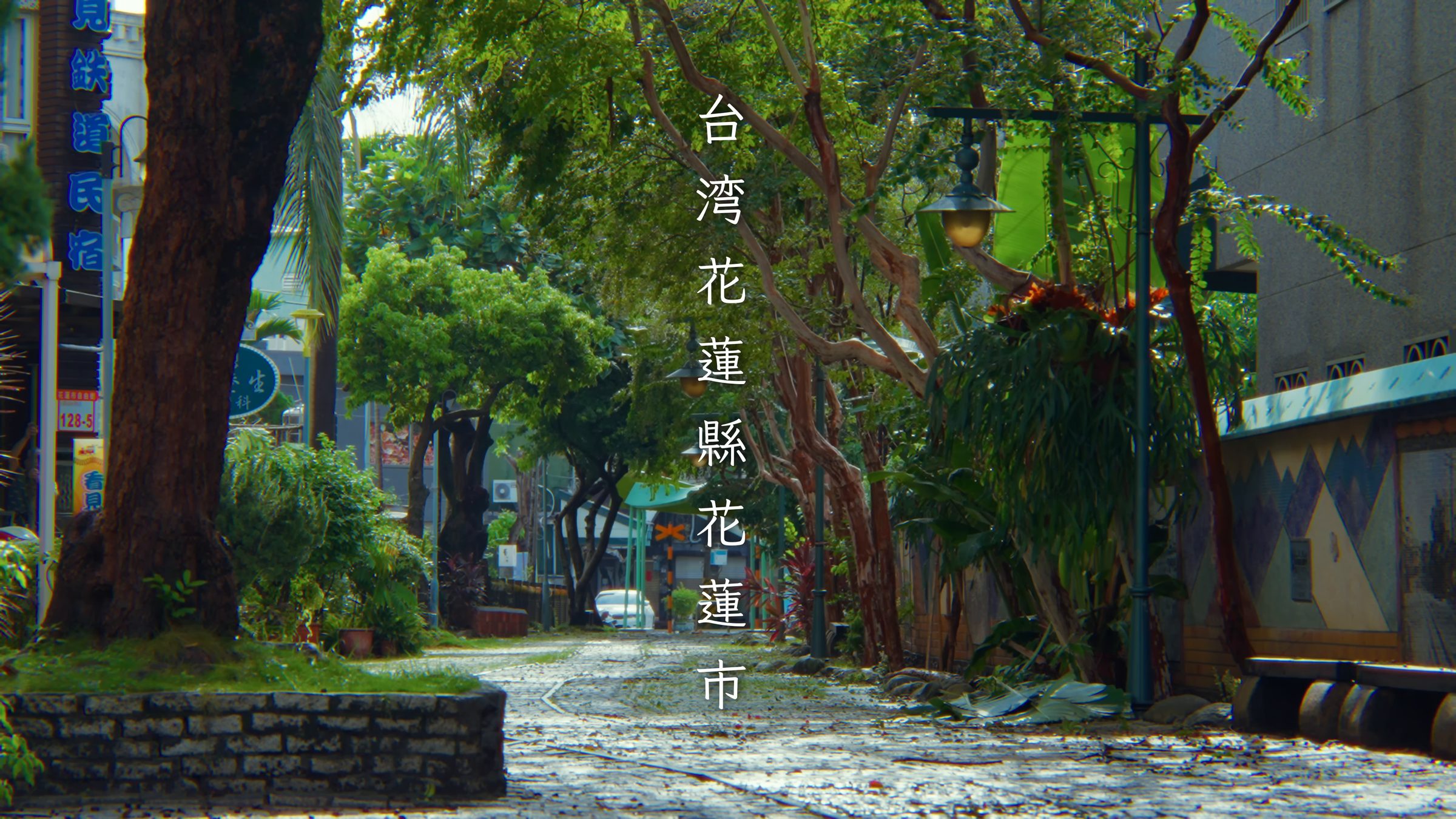
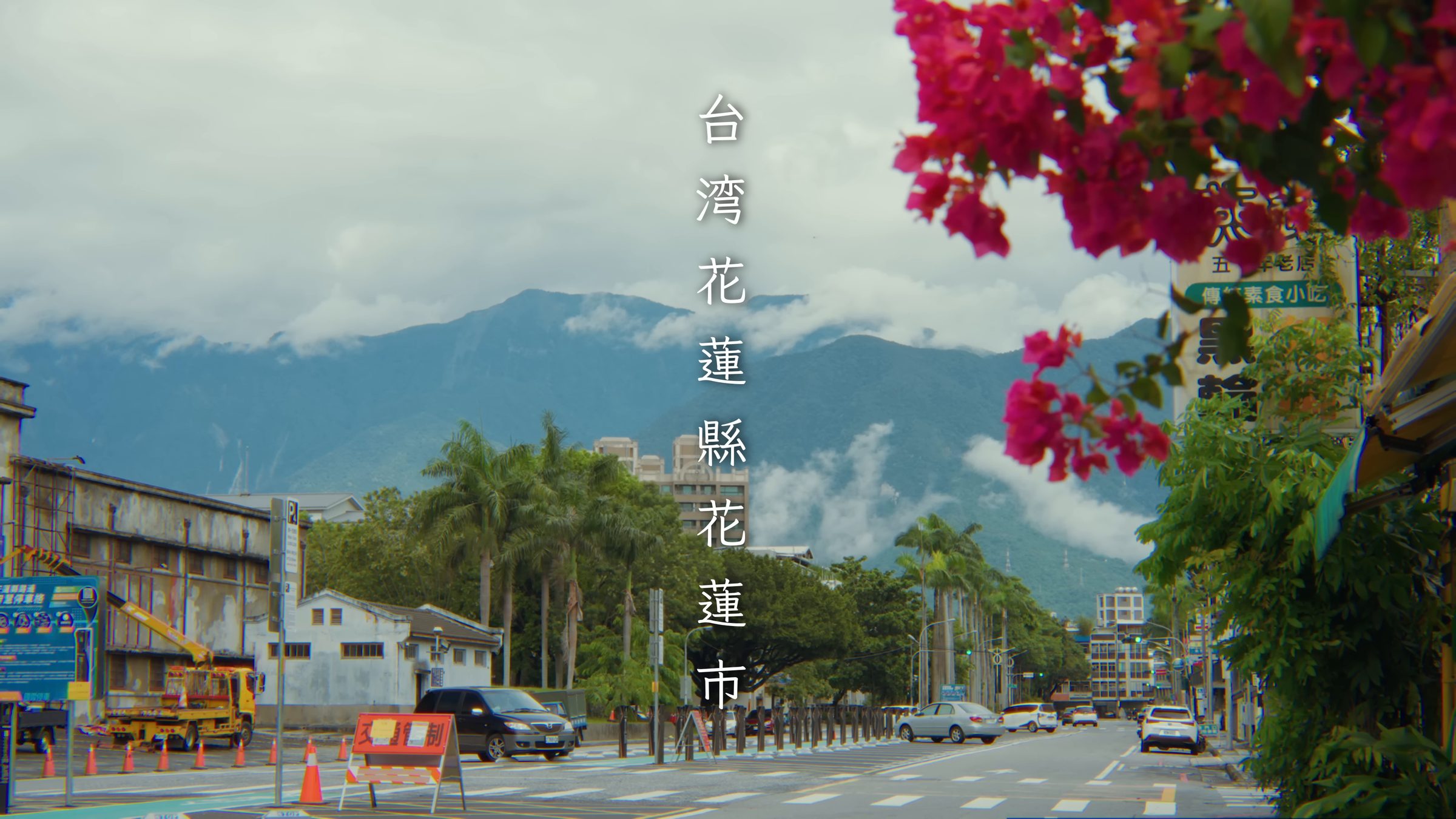
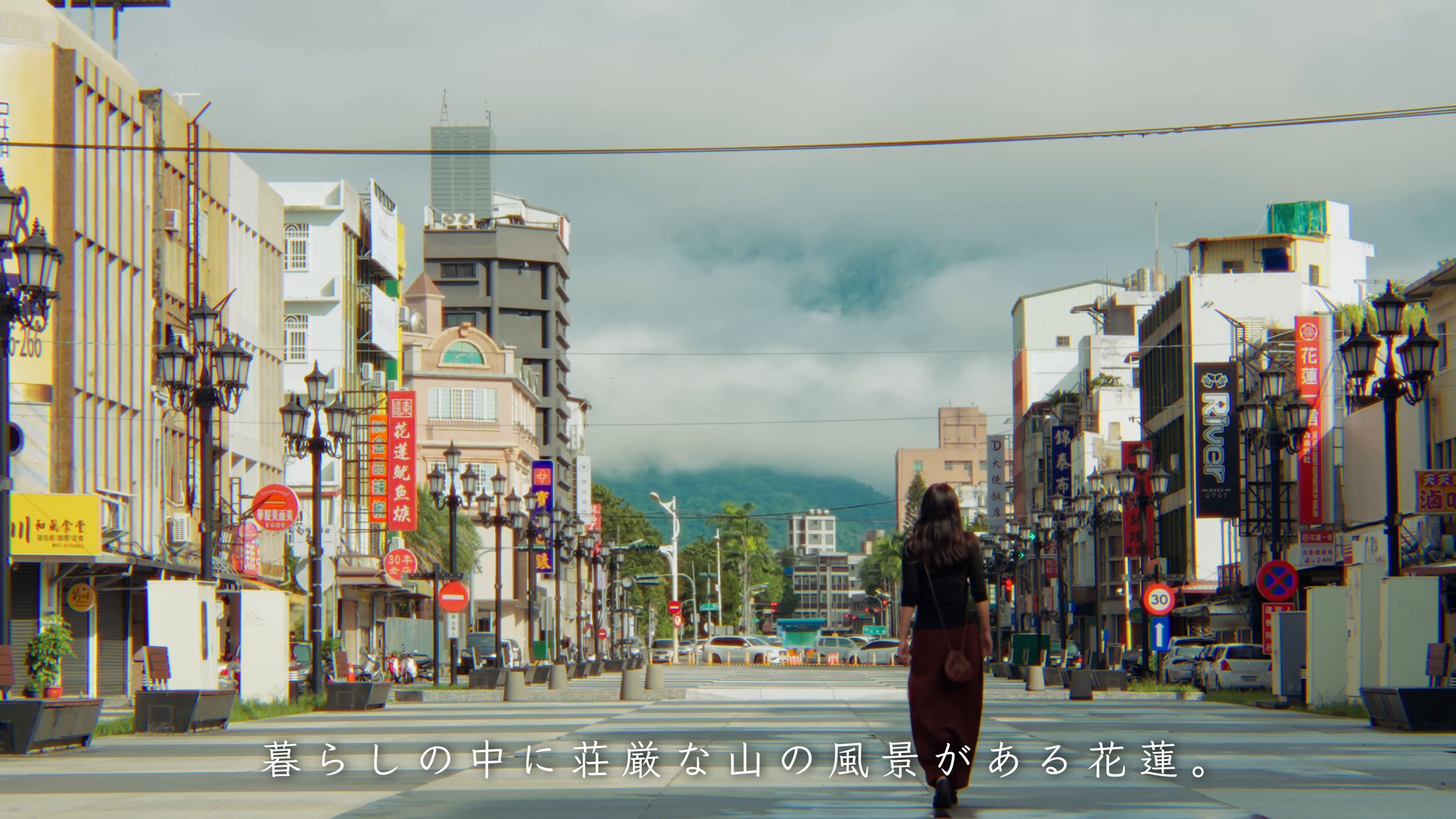
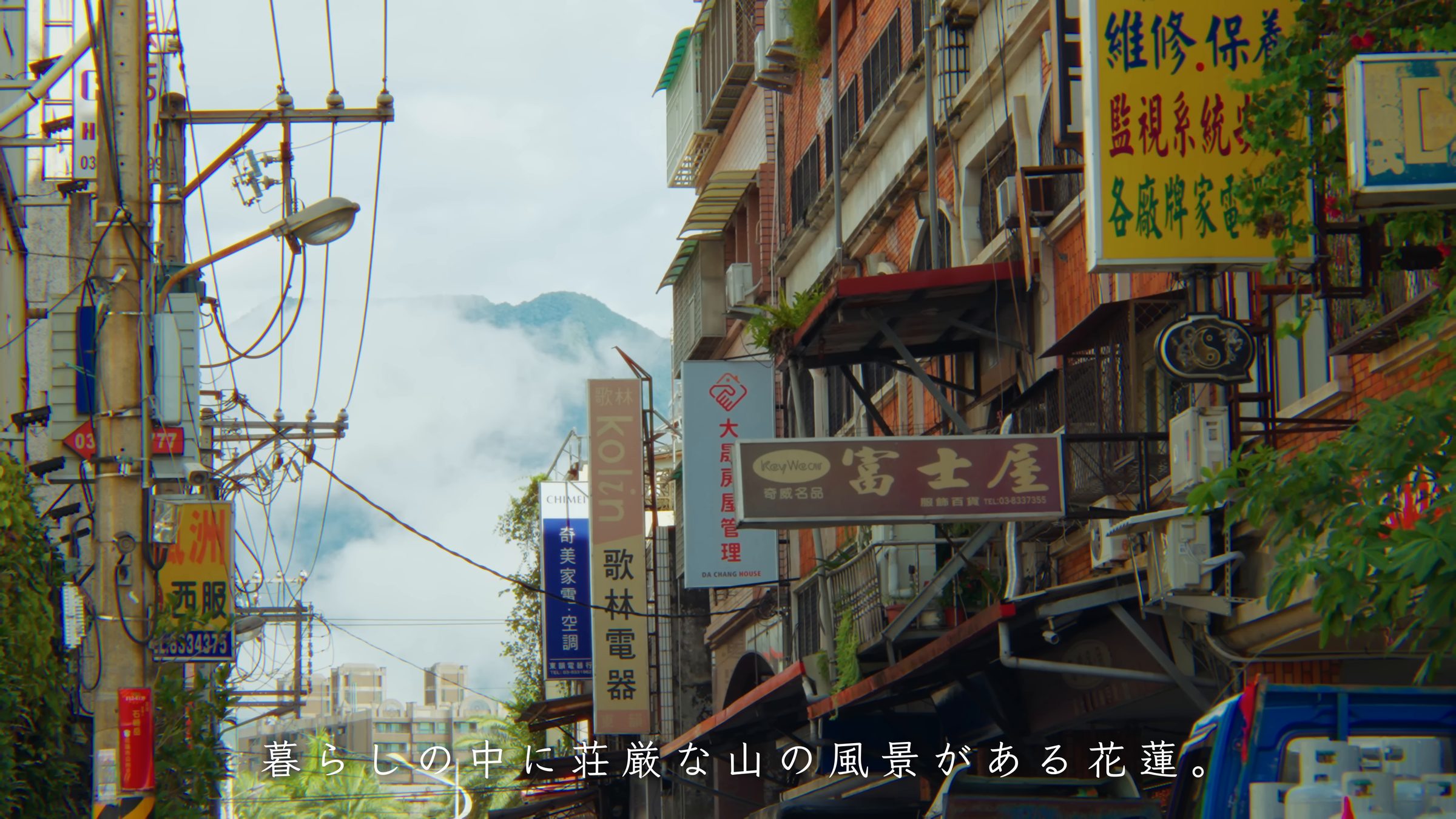
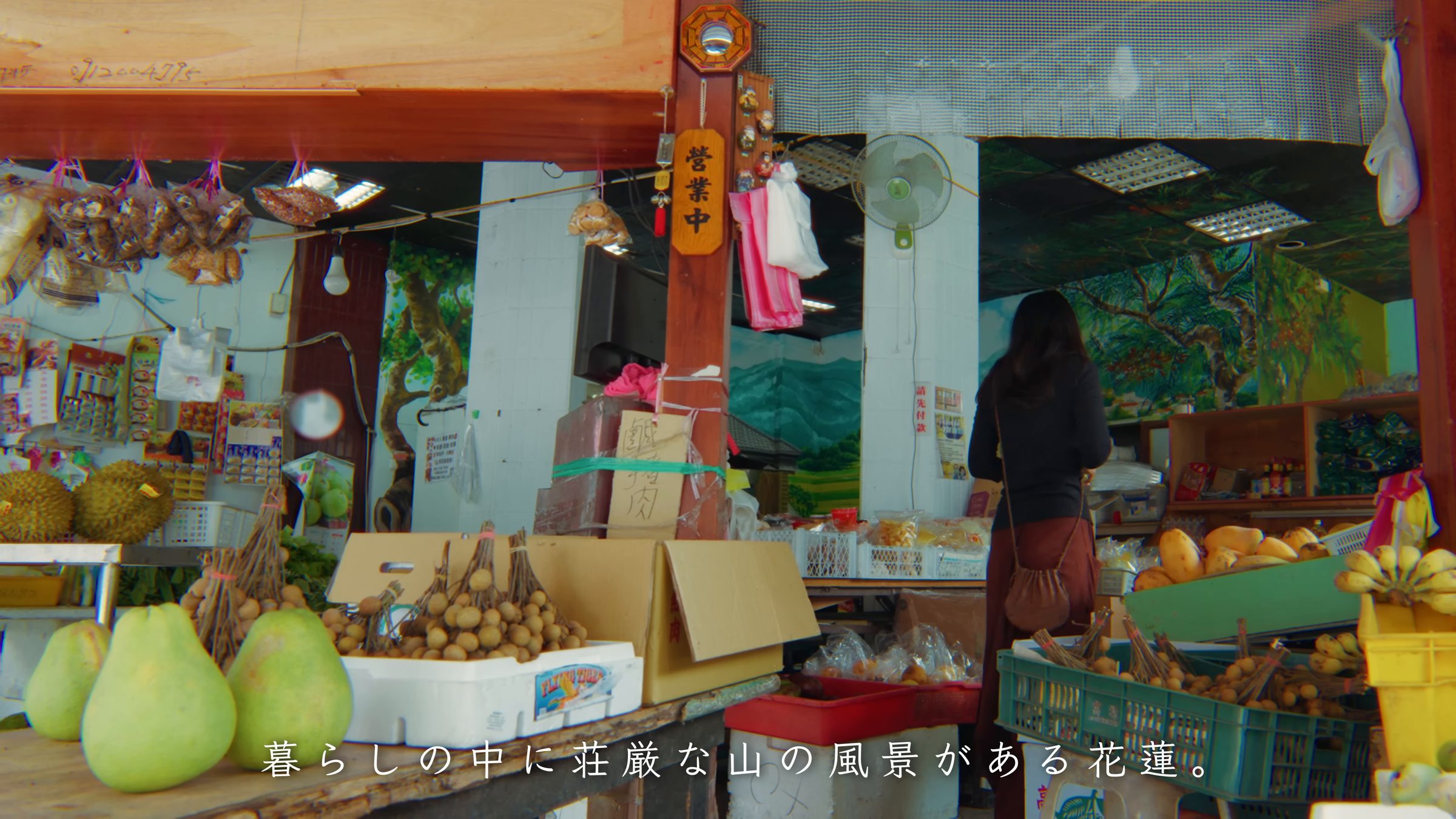
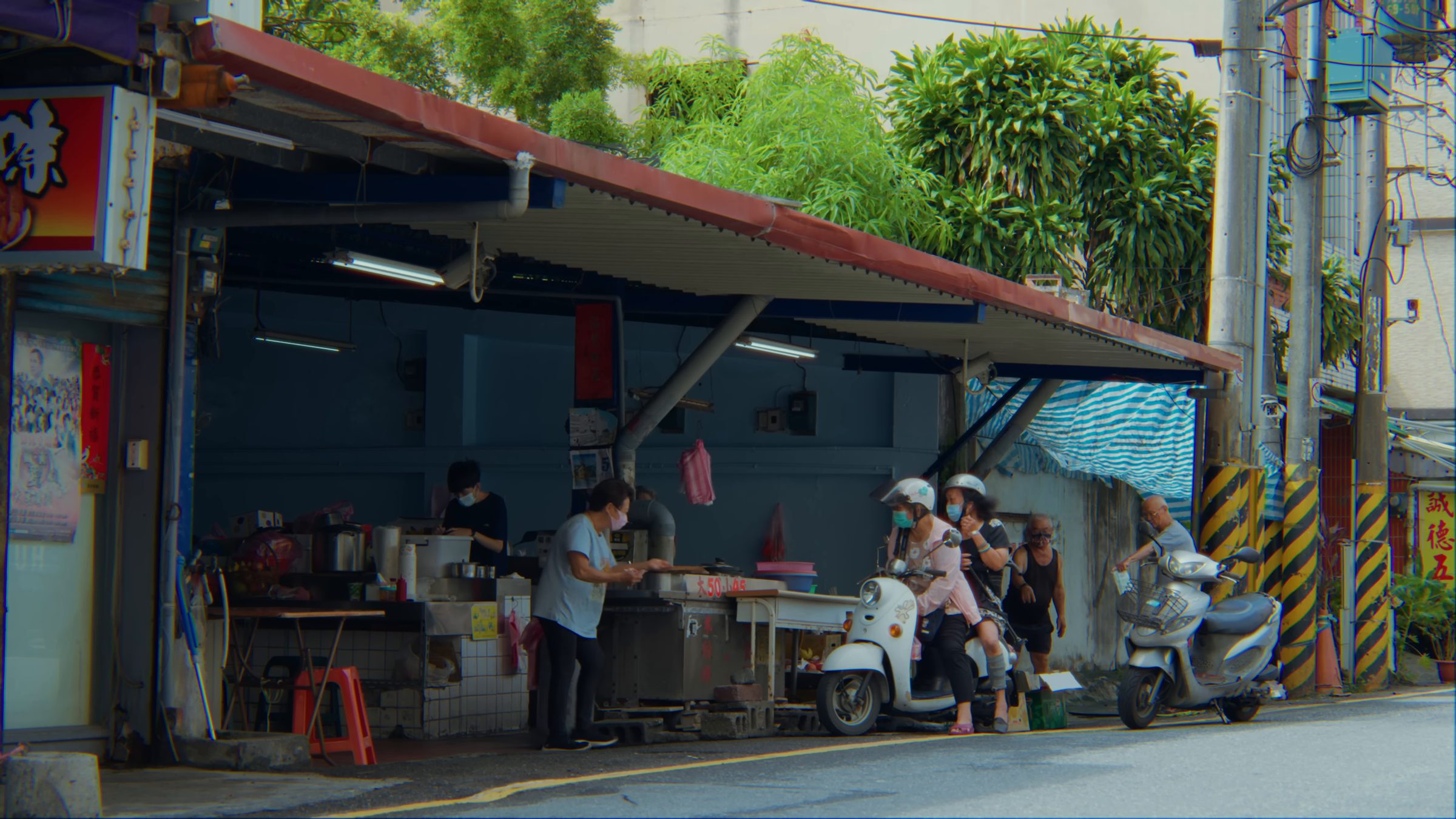
02TRAVEL JOURNAL
A morning of purple waxy corn
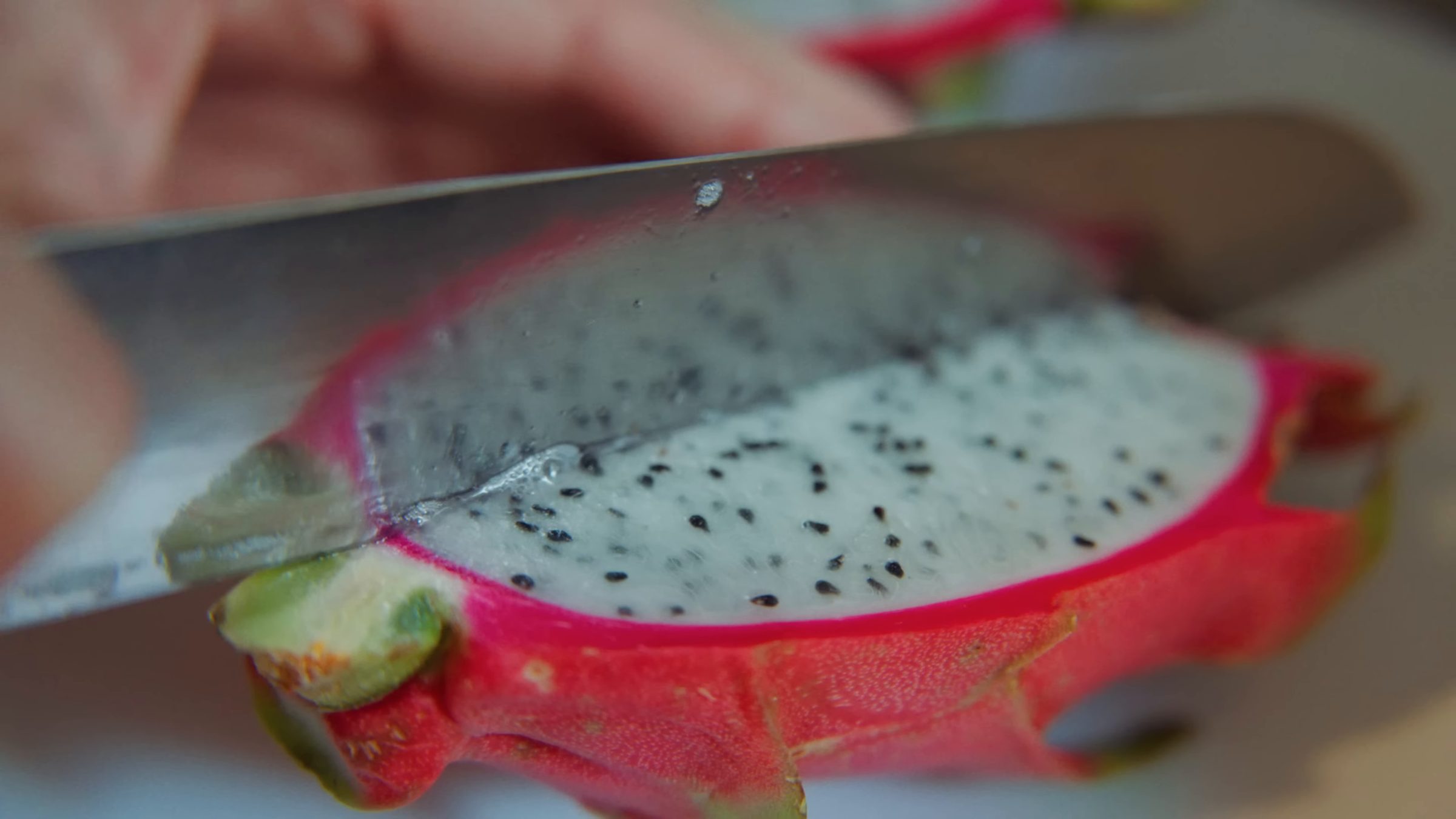
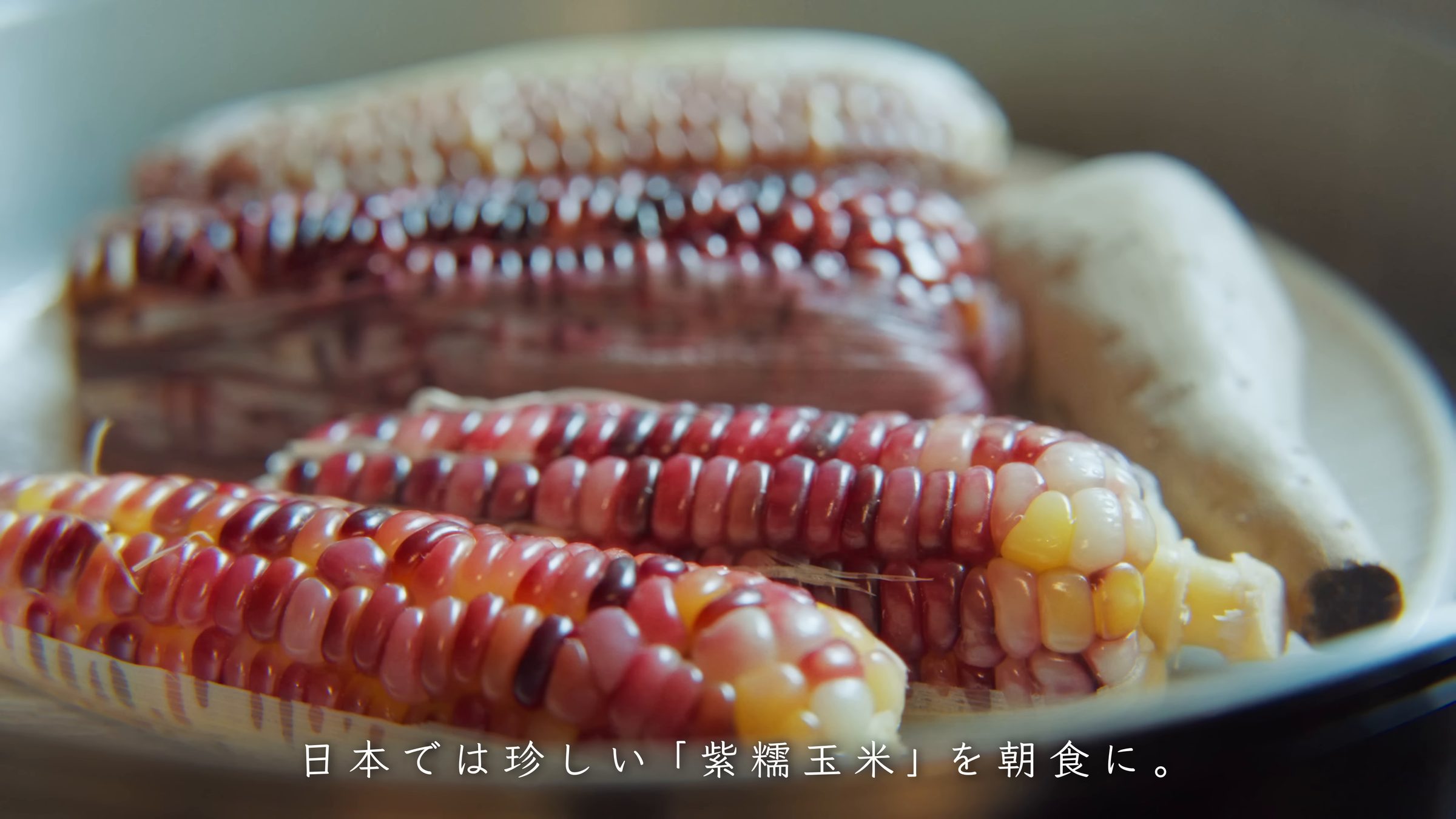
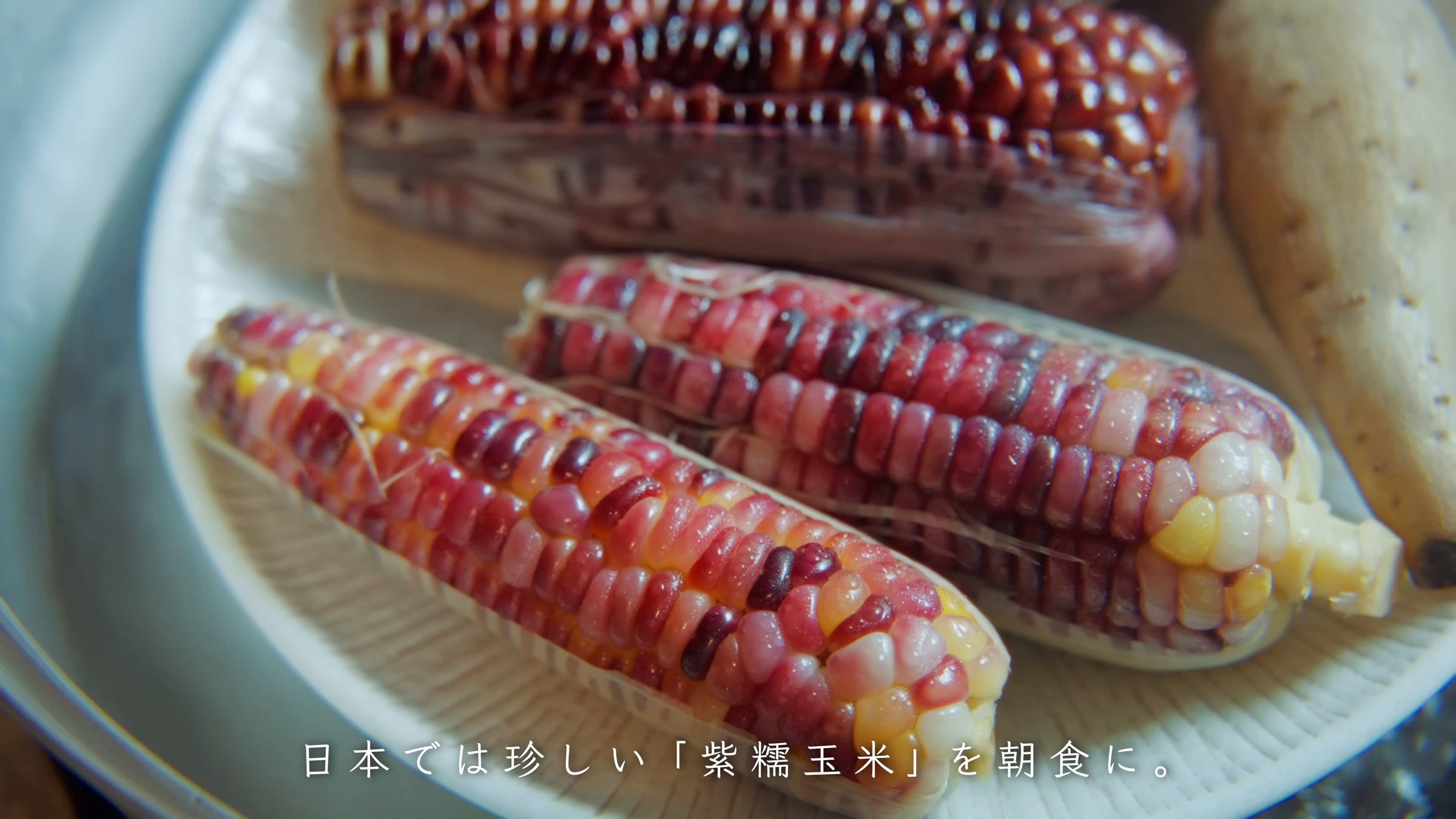
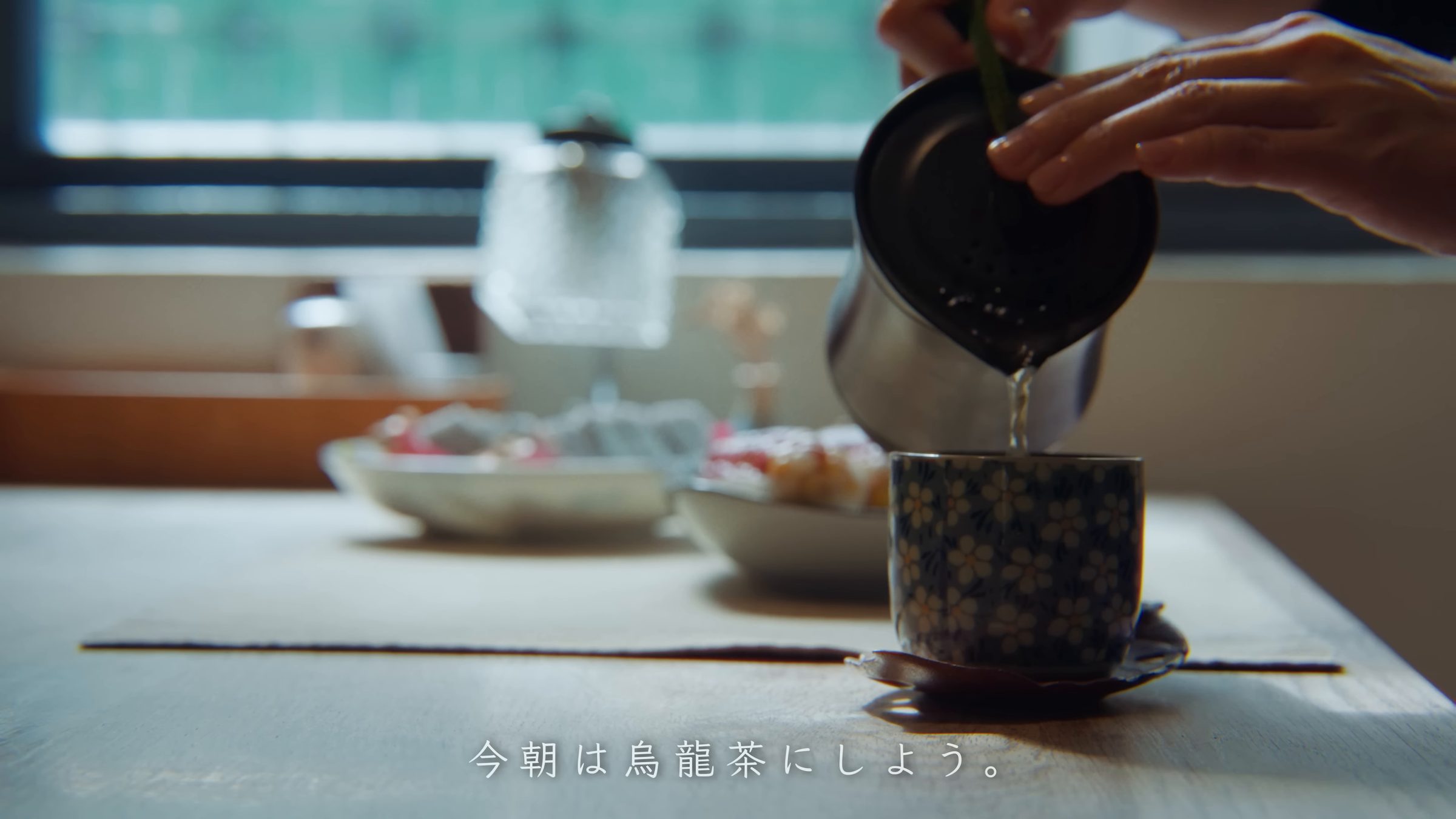
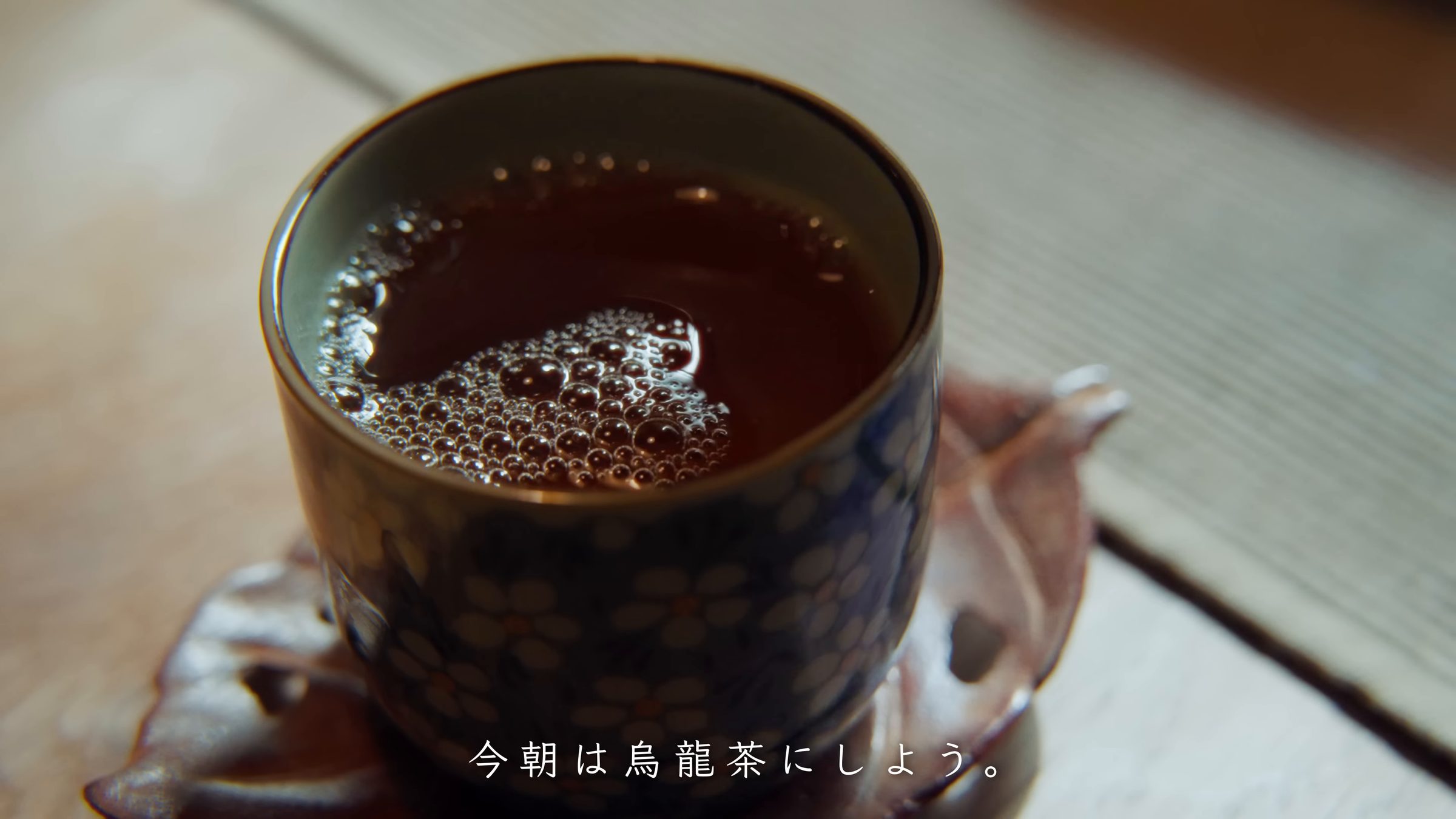
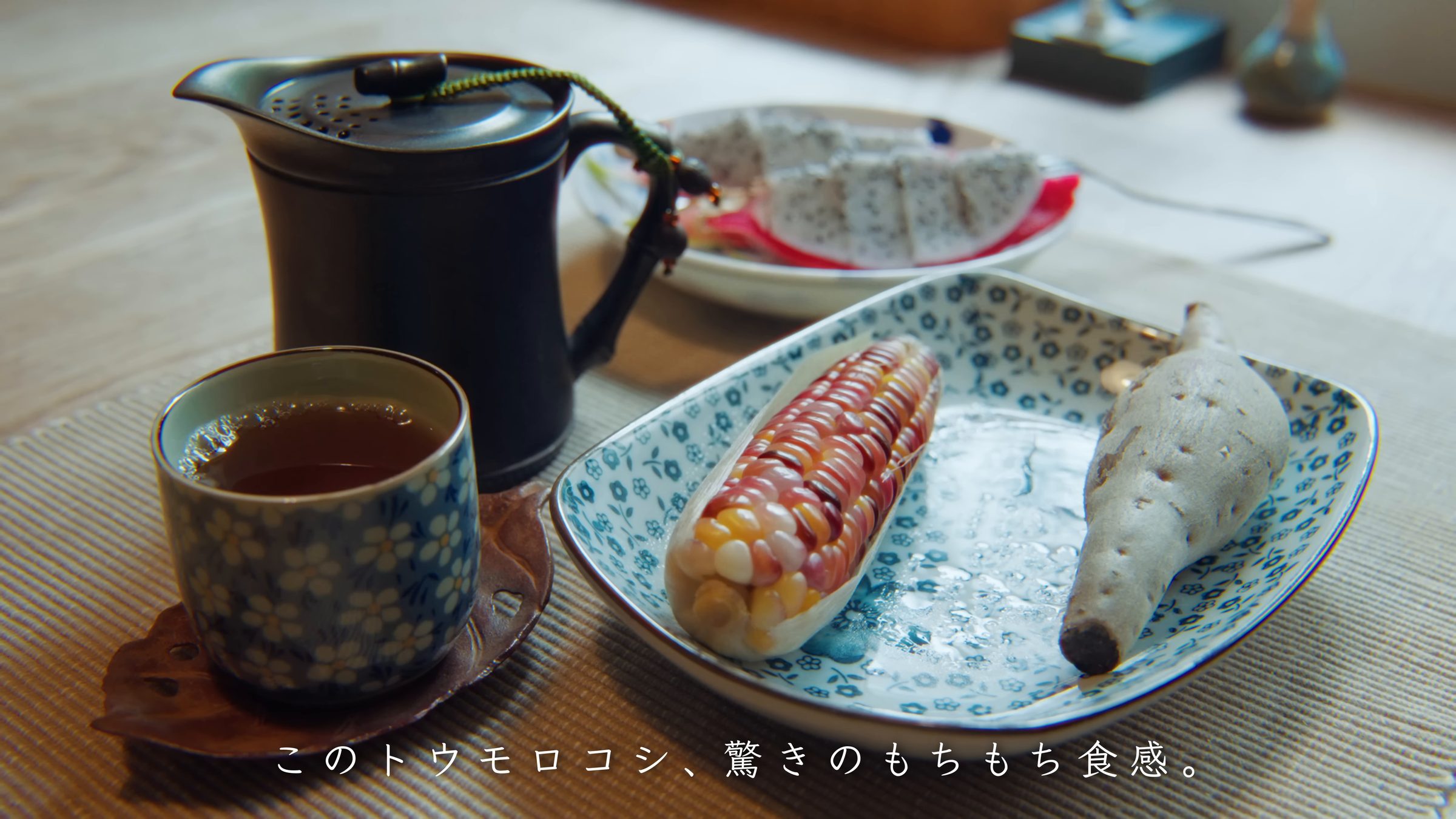
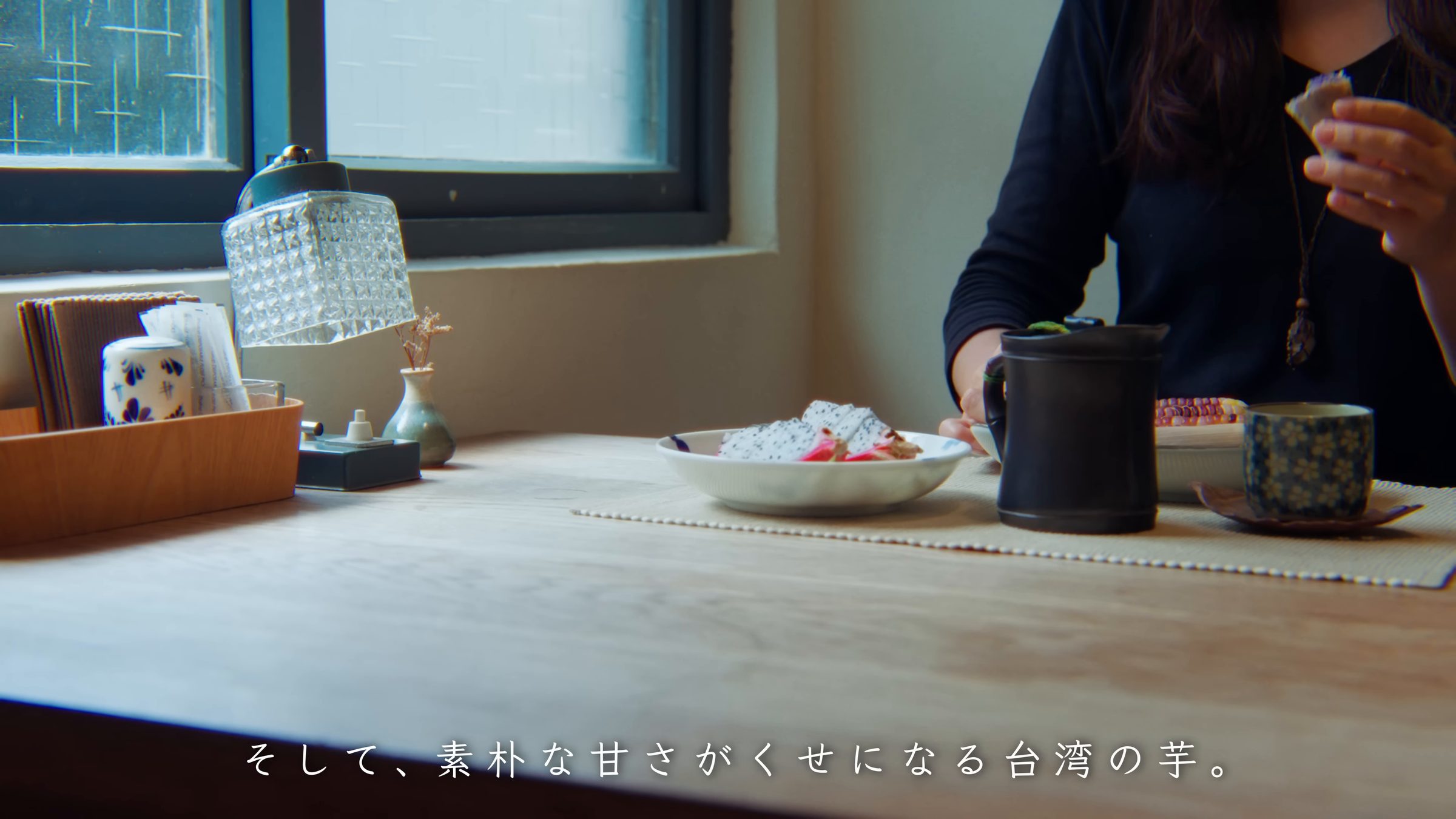
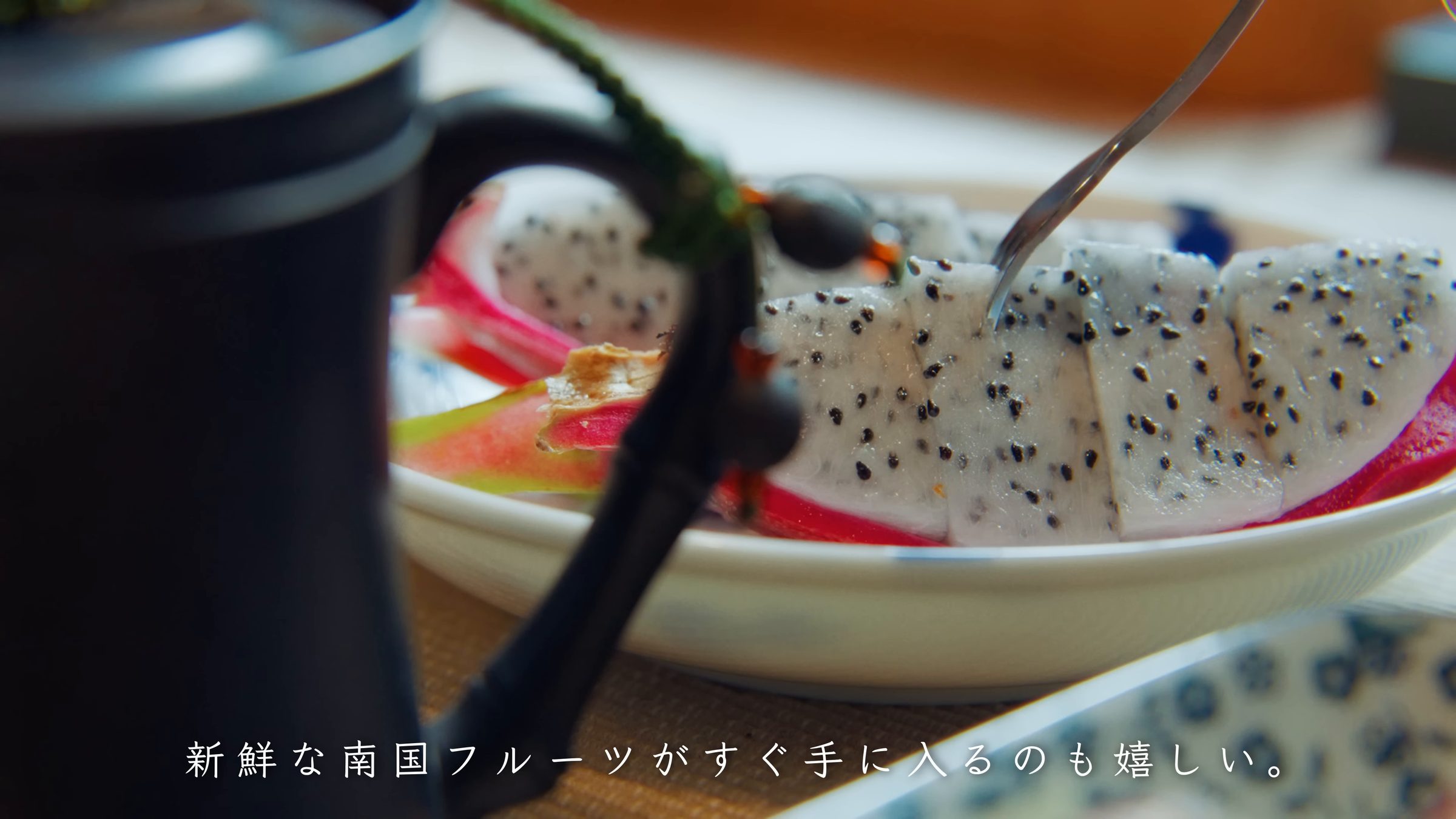
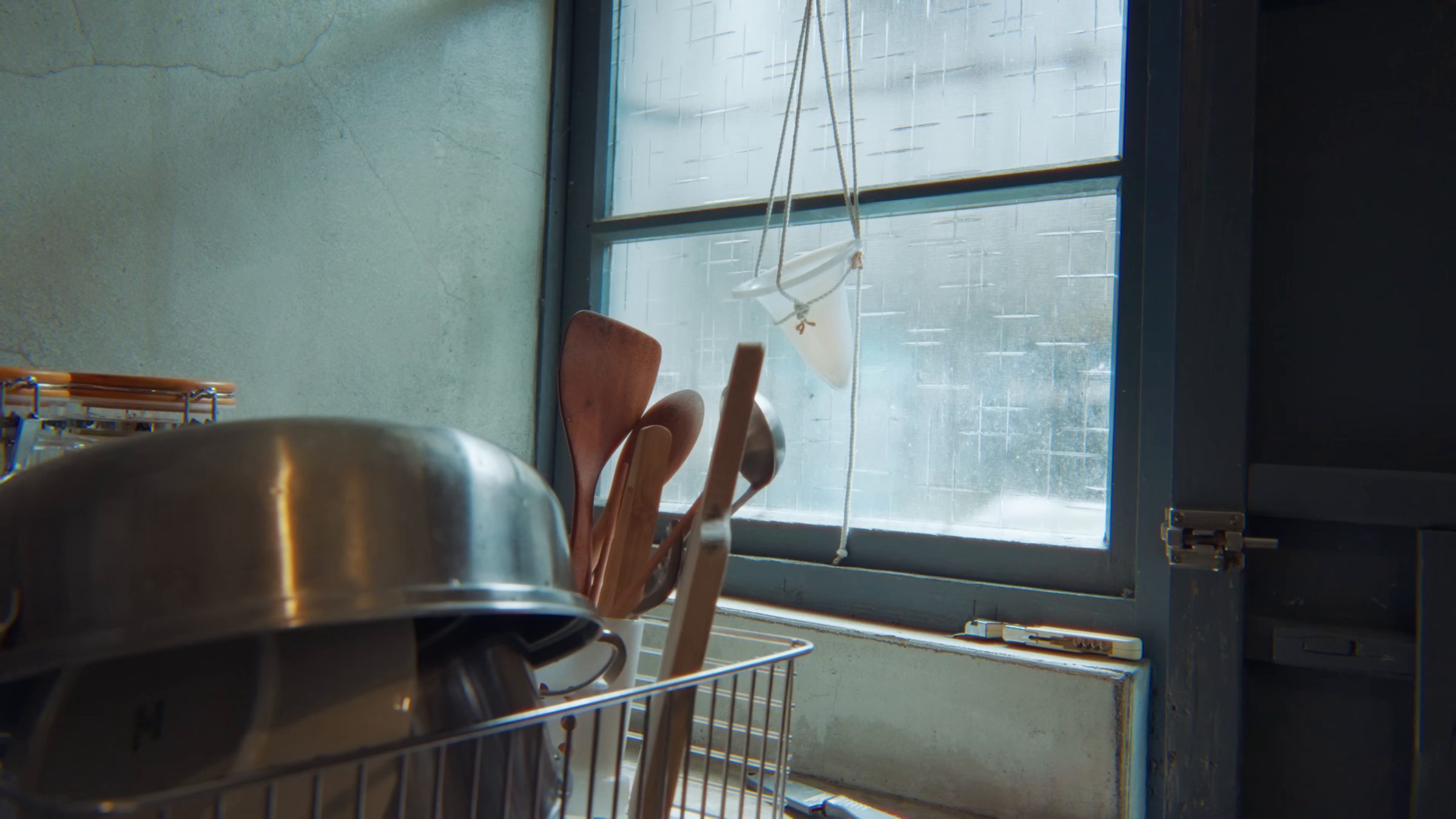
Breakfast began in the kitchen of my lodging. First, I put a knife into a dragon fruit. The star of the morning was zi nuo yumi, purple waxy corn, rarely seen in Japan, with purple and white kernels mixed on the cob. I steamed it, set it on a plate with a Taiwanese sweet potato, and made oolong tea.
One bite, and the texture was astonishingly chewy, nothing like the corn I know from Japan. Only mildly sweet, and I loved it. The Taiwanese sweet potato had a simple sweetness that is easy to get hooked on. It is wonderful, too, that fresh tropical fruit is so easy to come by.
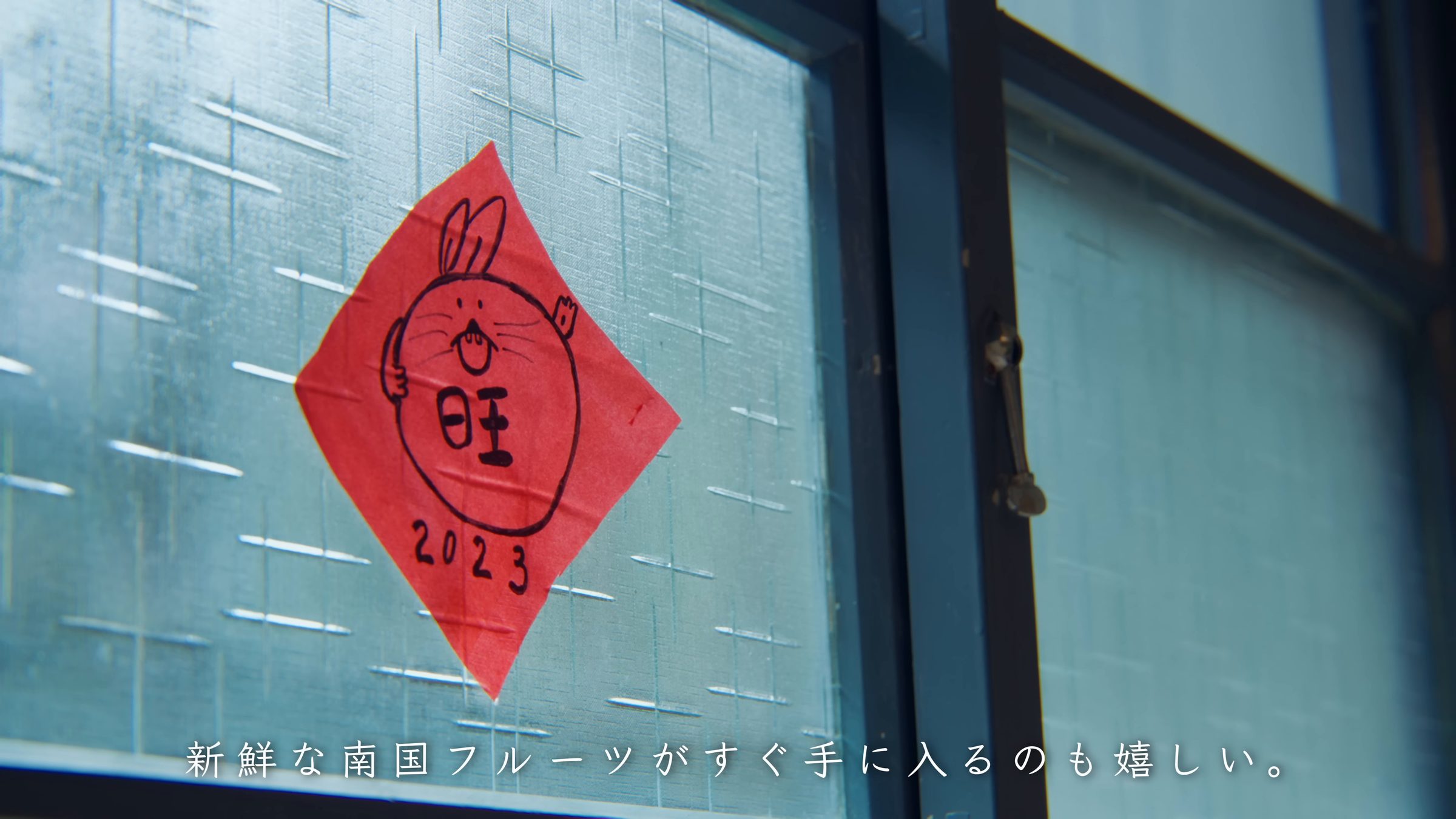
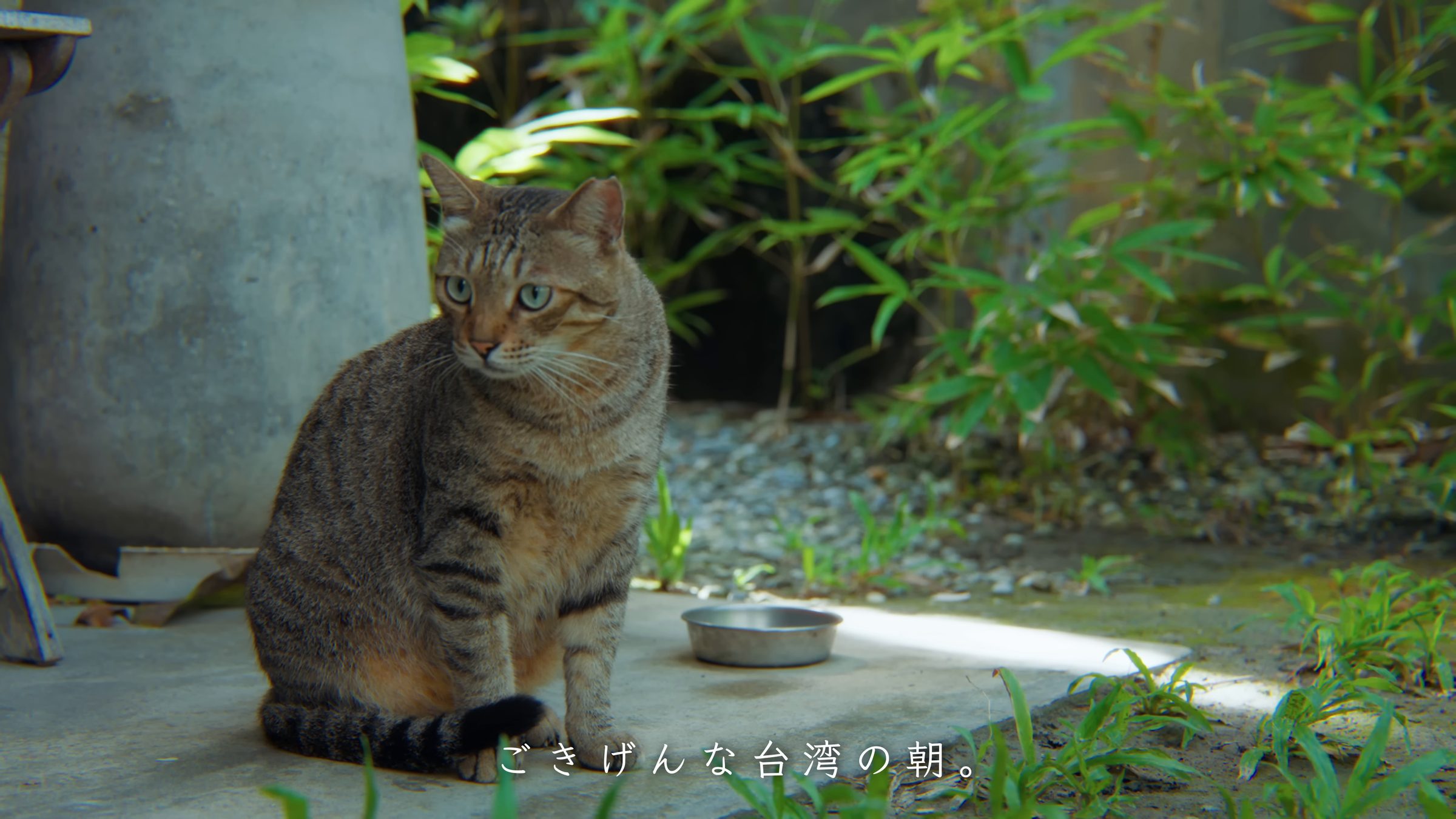
On the window, a red paper charm for 2023 with the character 旺 (prosperity). In the lane behind the house, a tabby cat in the yard was watching me. A cheerful morning in Taiwan.
Watch this scene on YouTube1:05
03TRAVEL JOURNAL
Egg-filled scallion pancake from a yellow truck
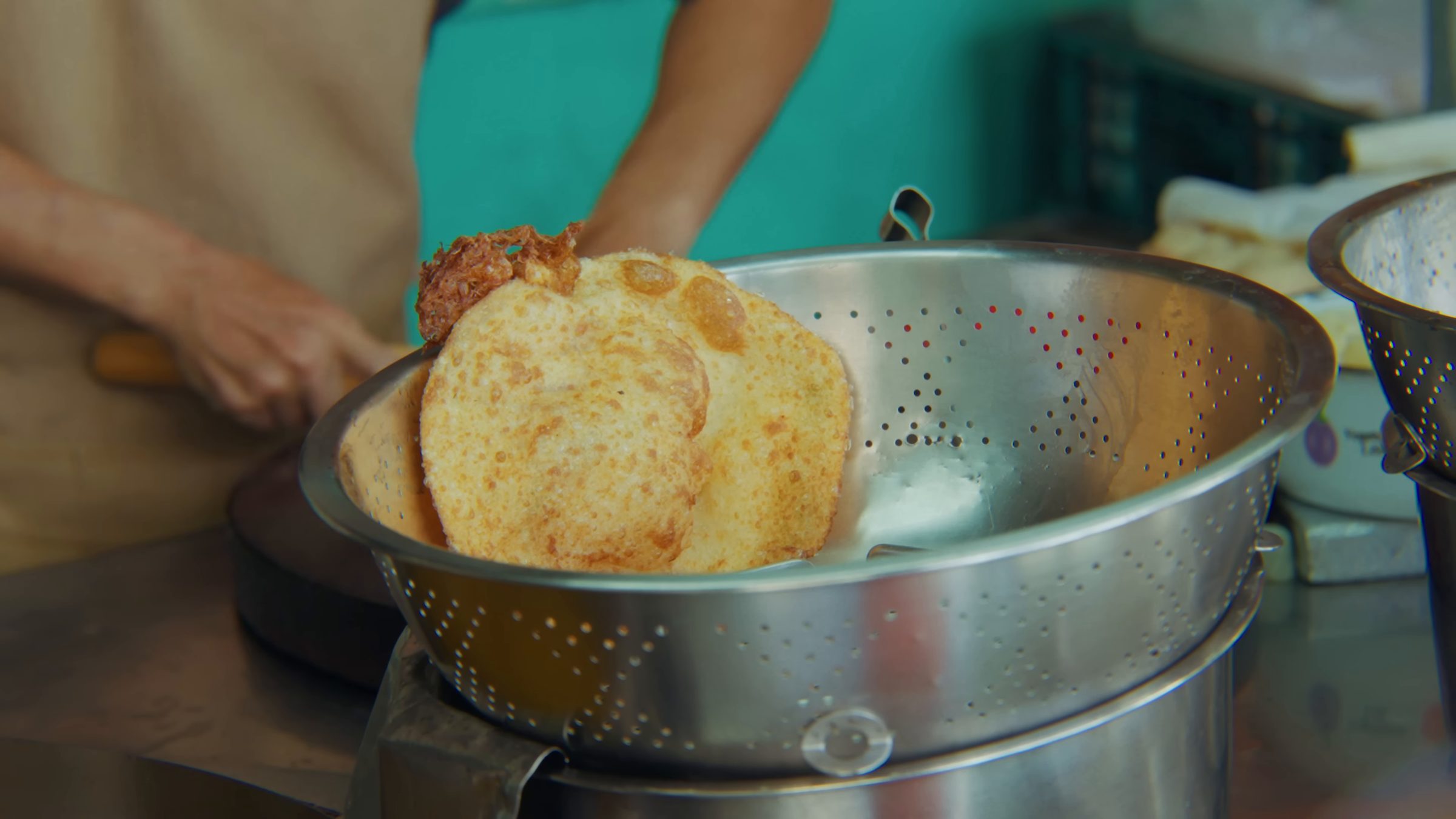
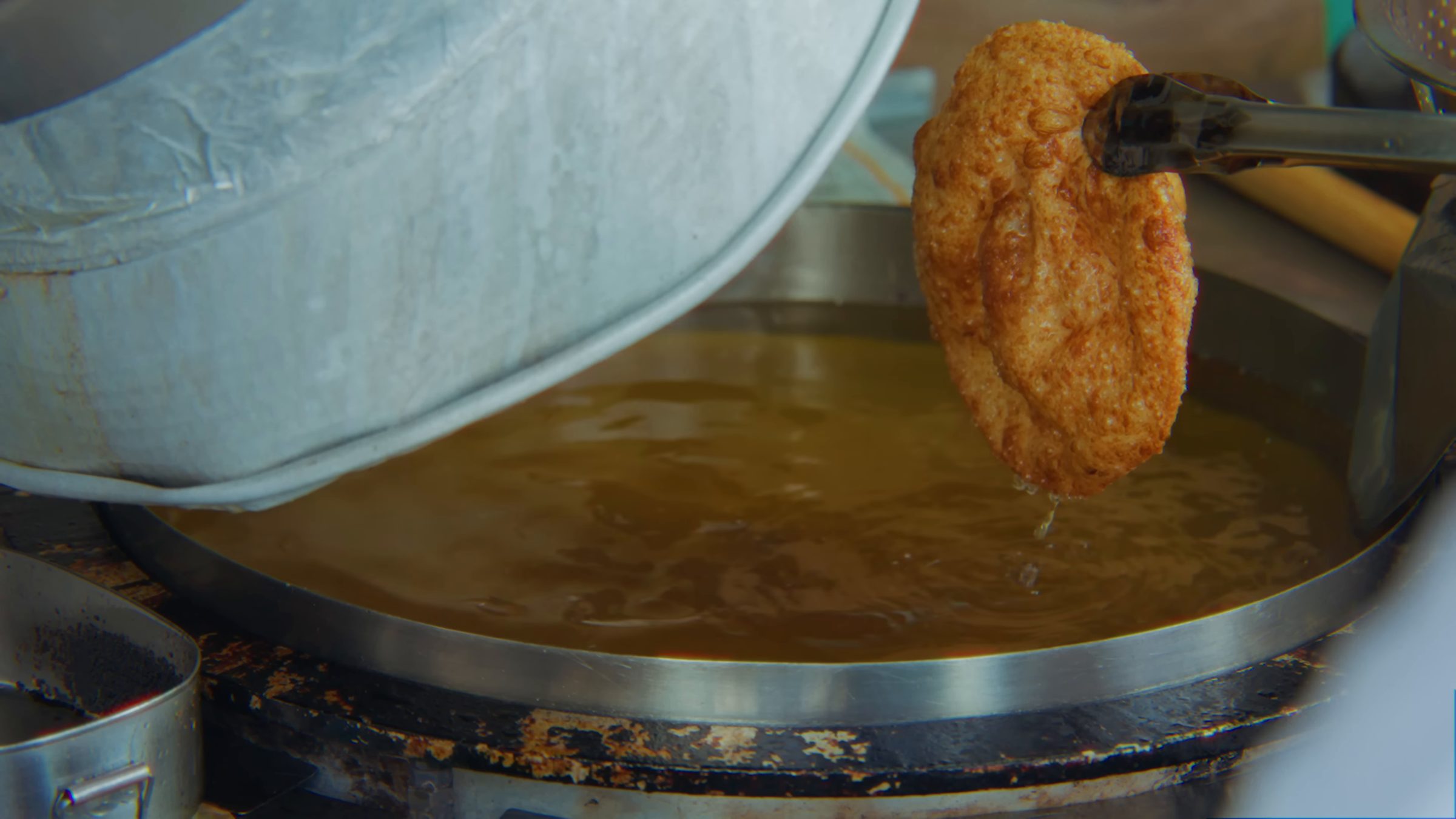
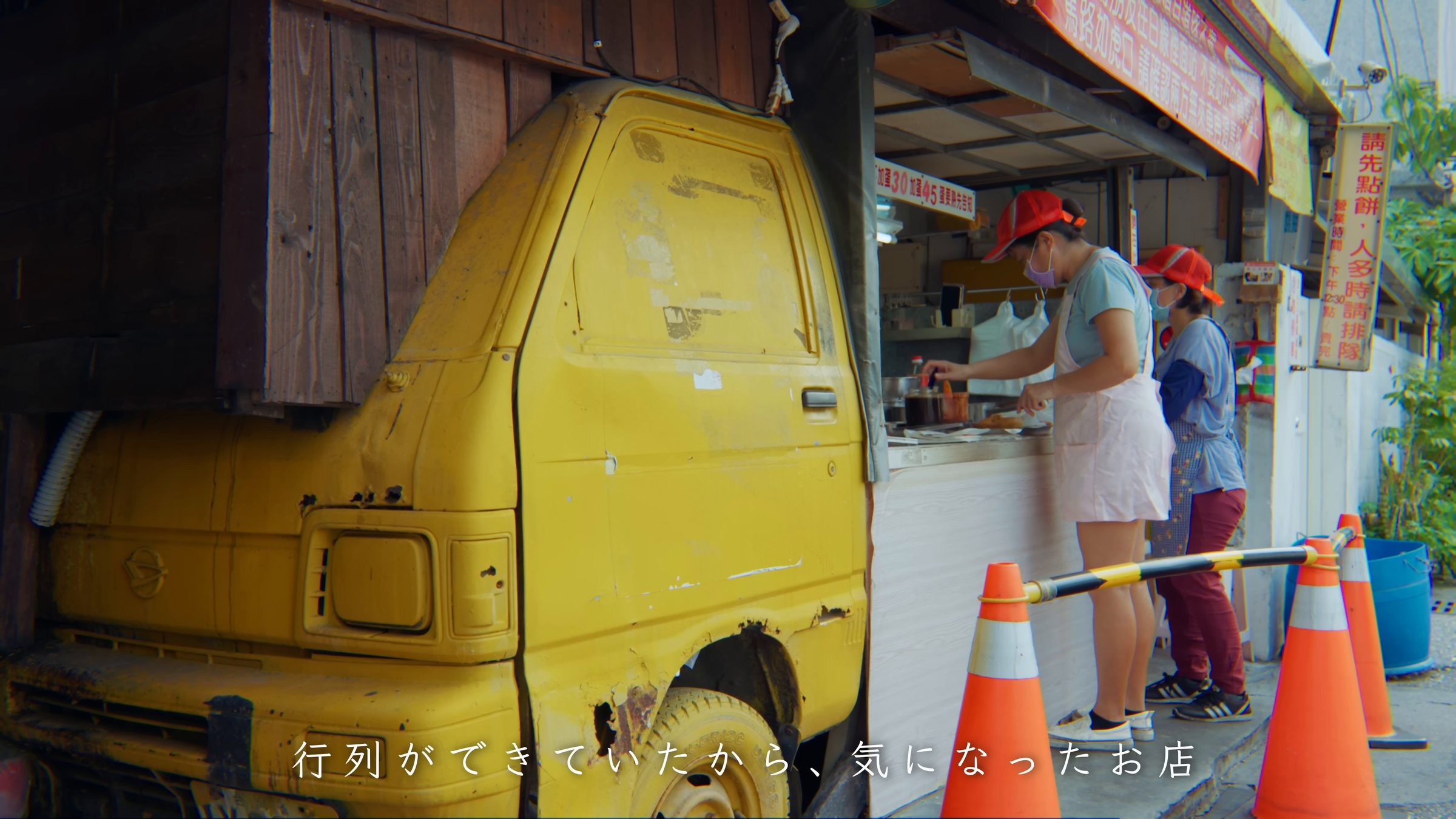
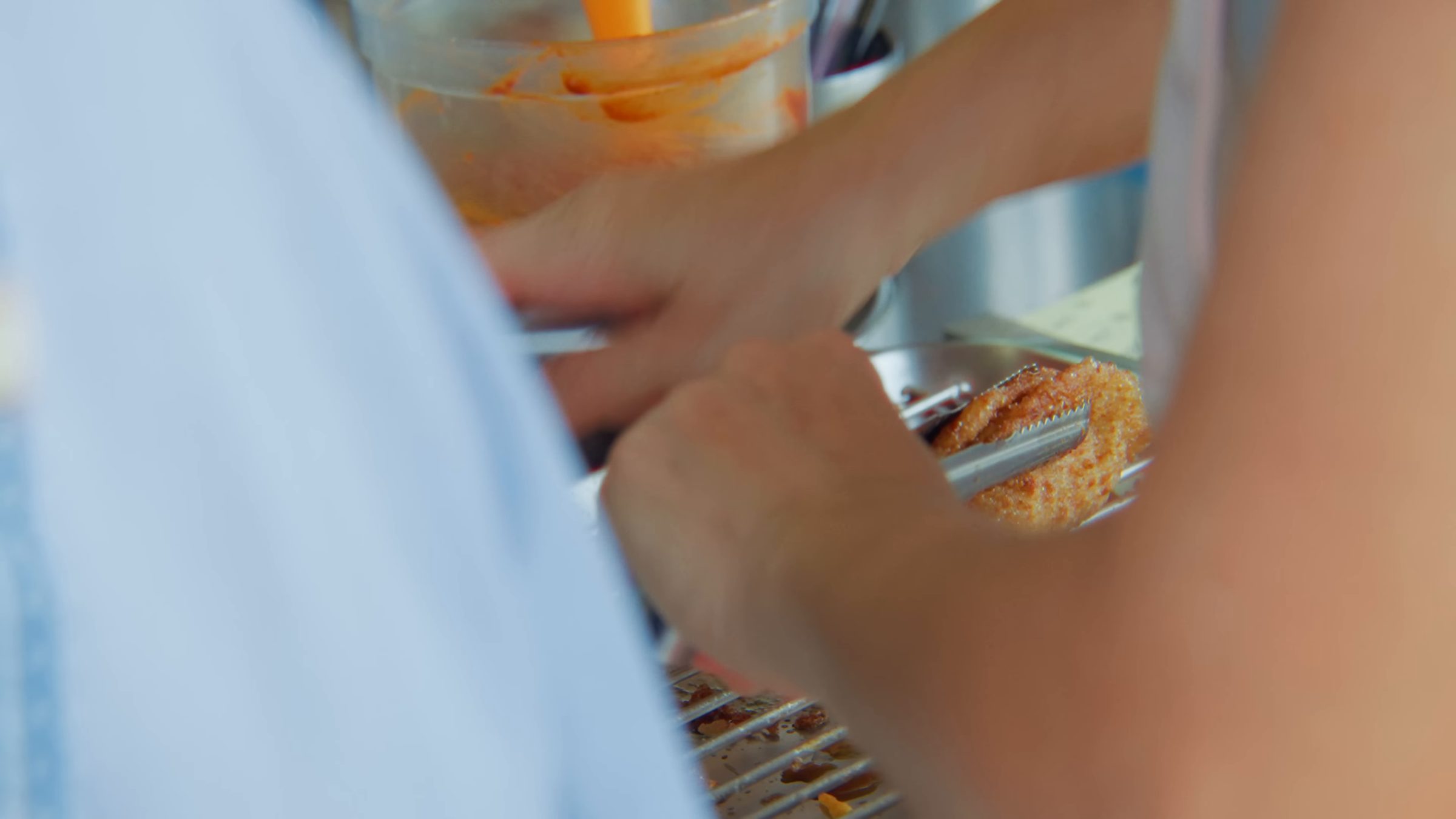
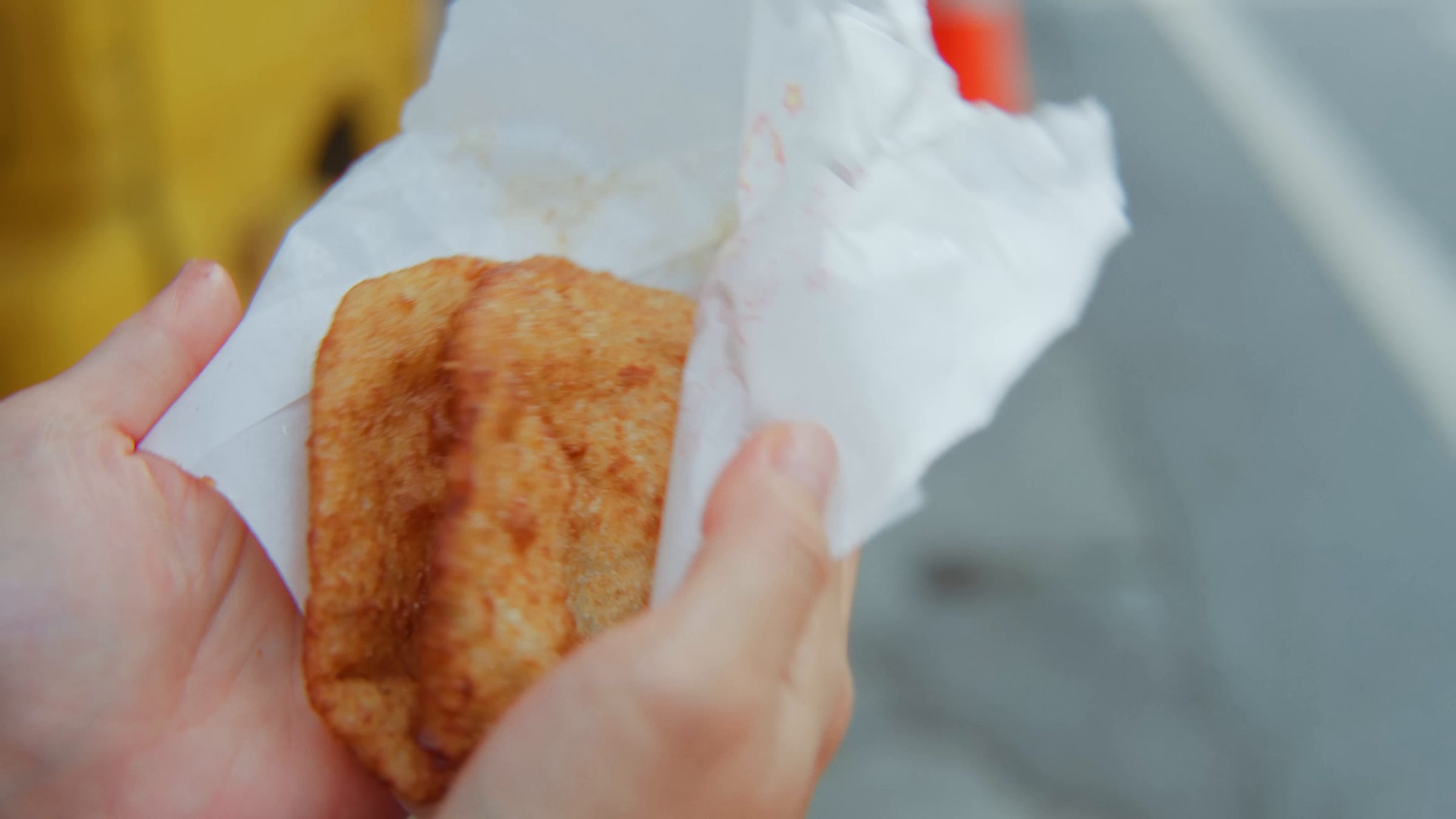
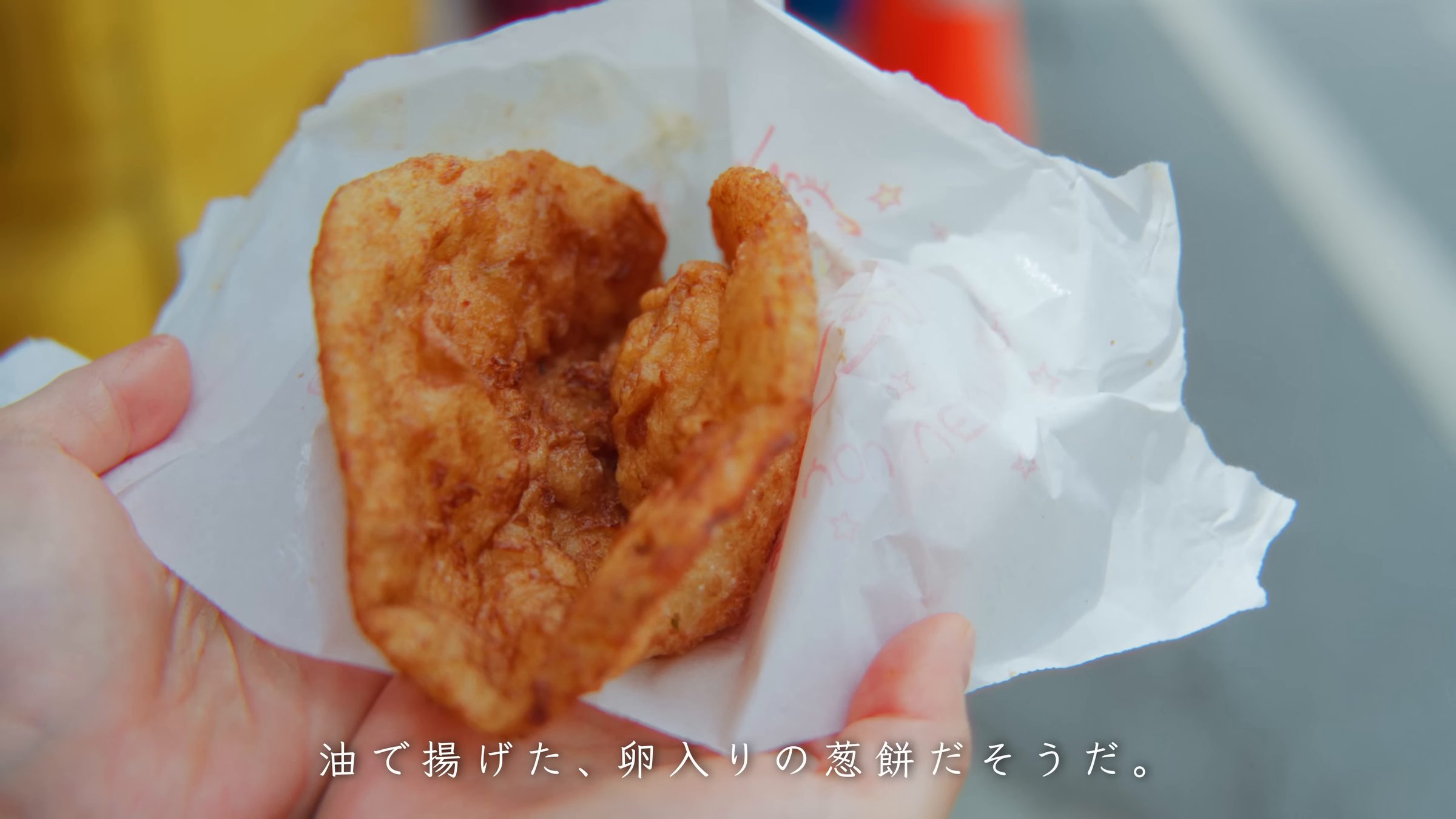
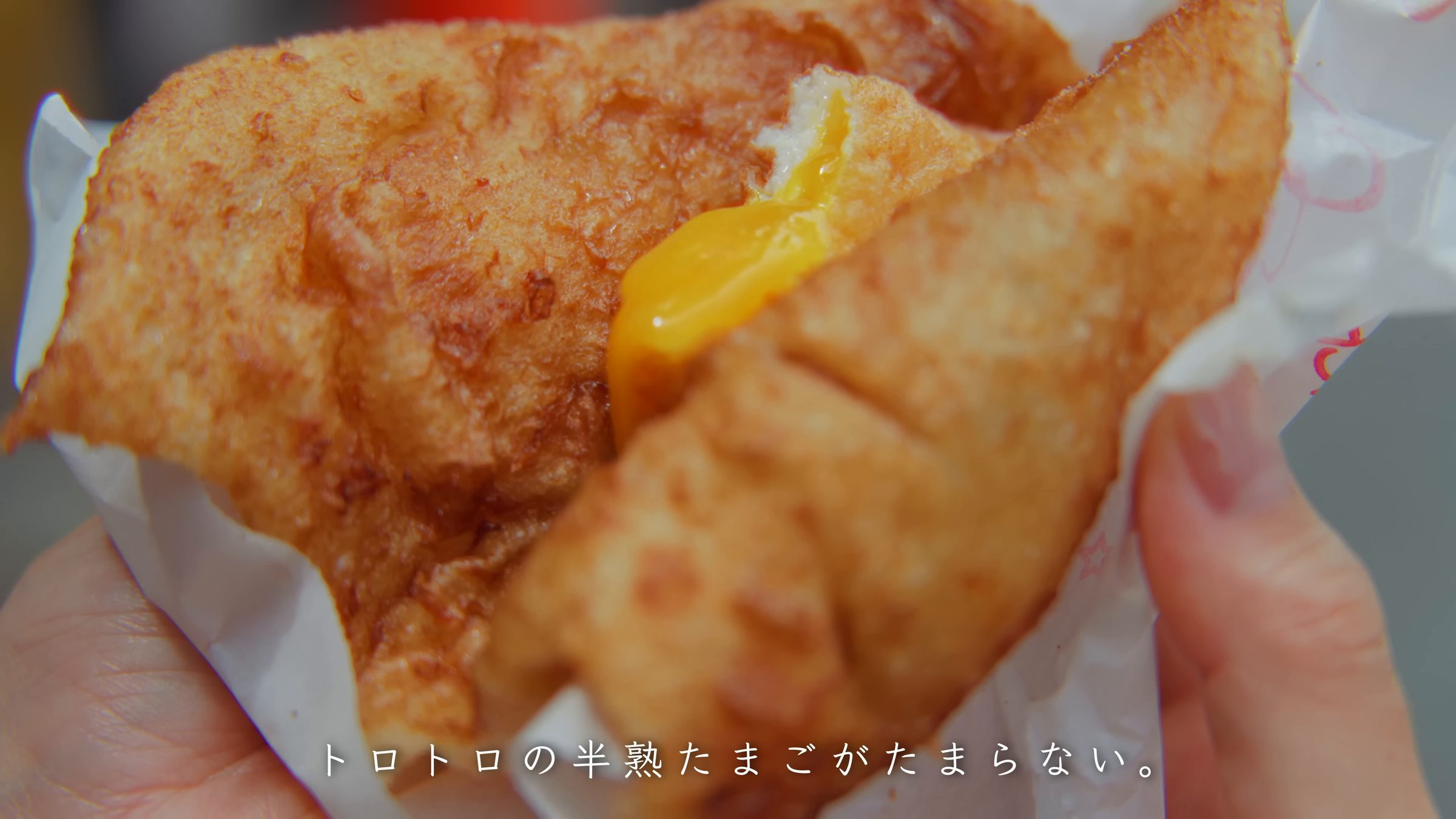
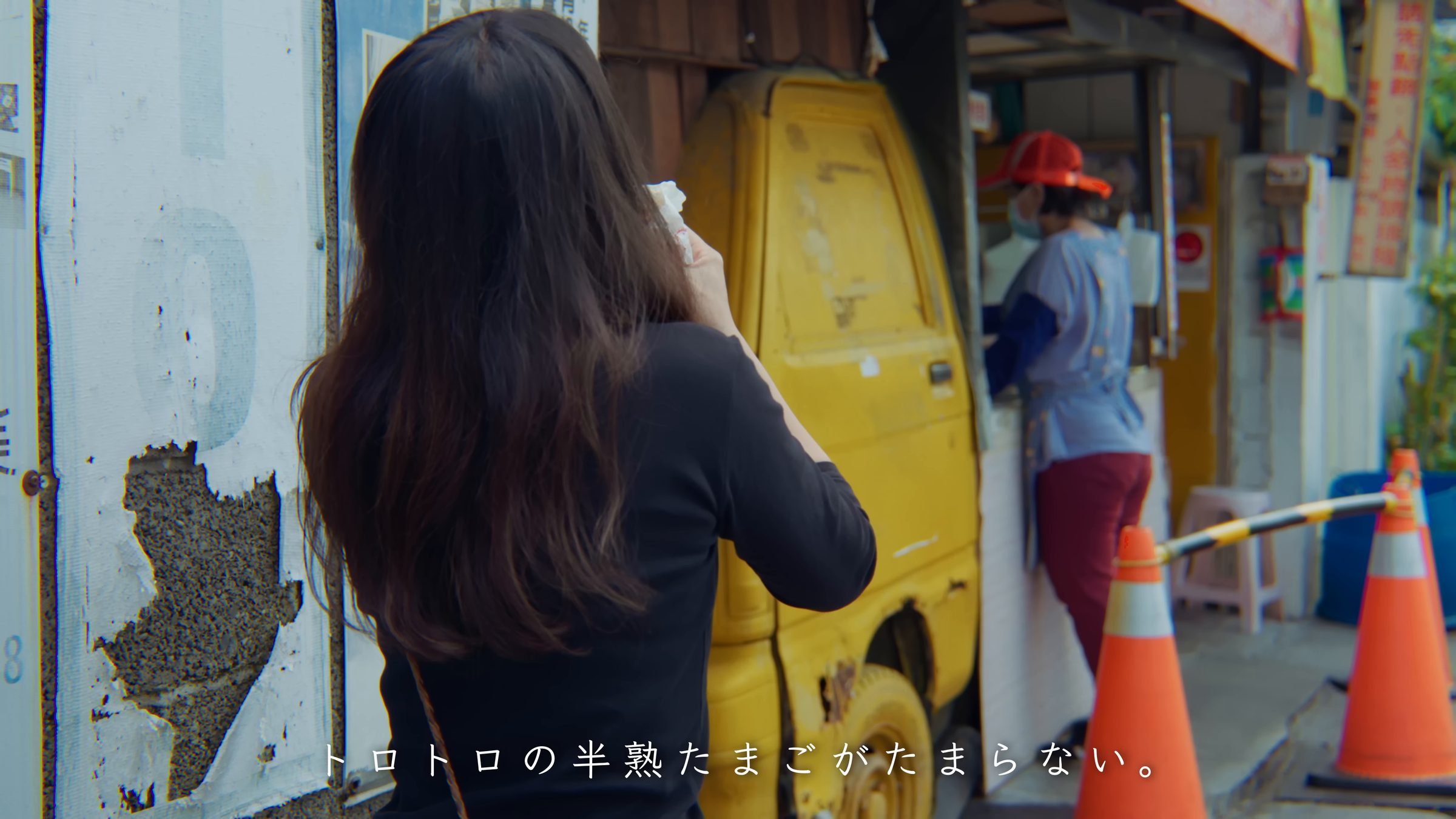
Out in town, a long line had formed at a stall built around a yellow light truck, and it caught my eye. In a wide pan of oil, the dough puffed up almost at once. Apparently it is a fried scallion pancake with an egg inside.
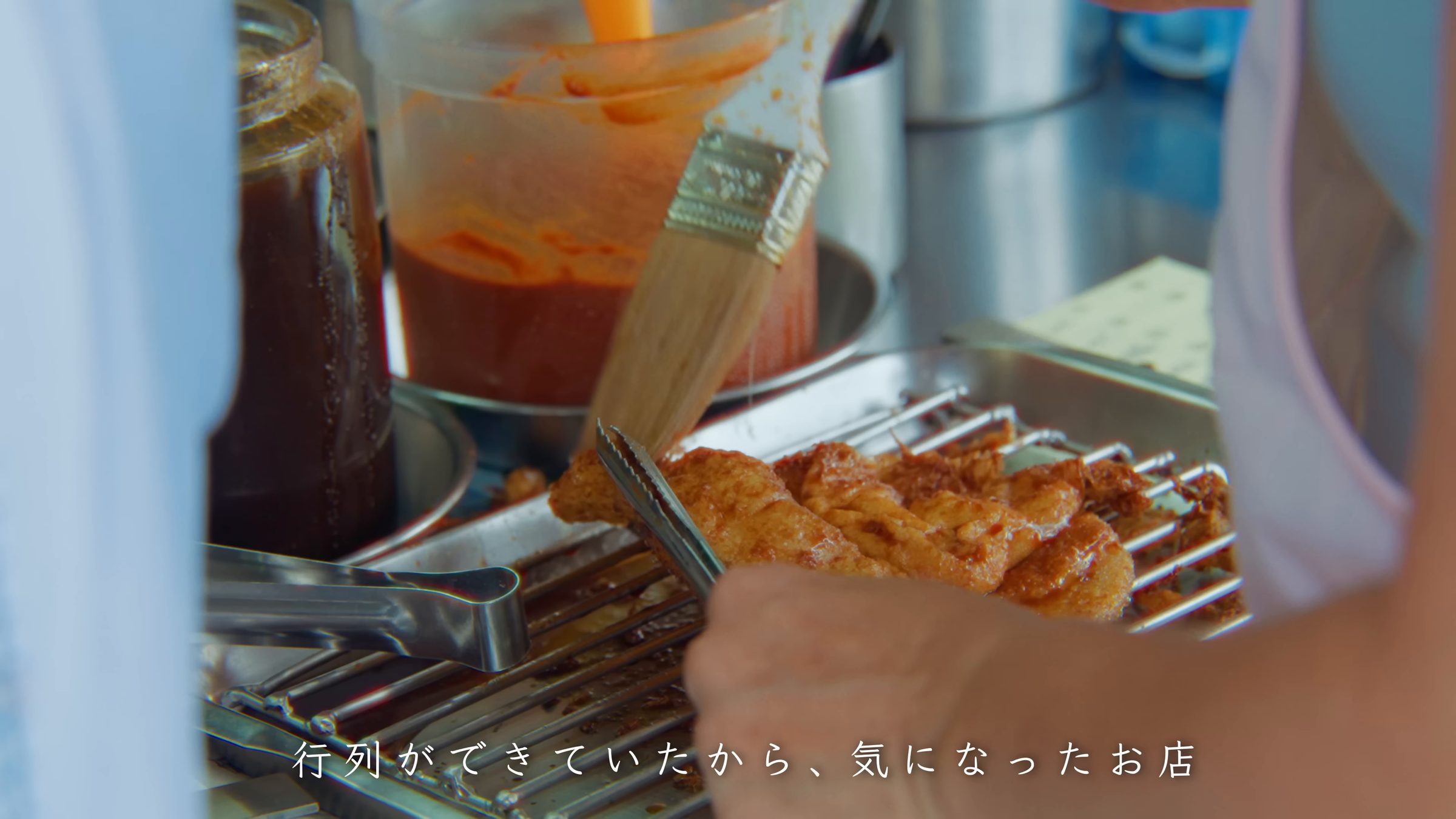
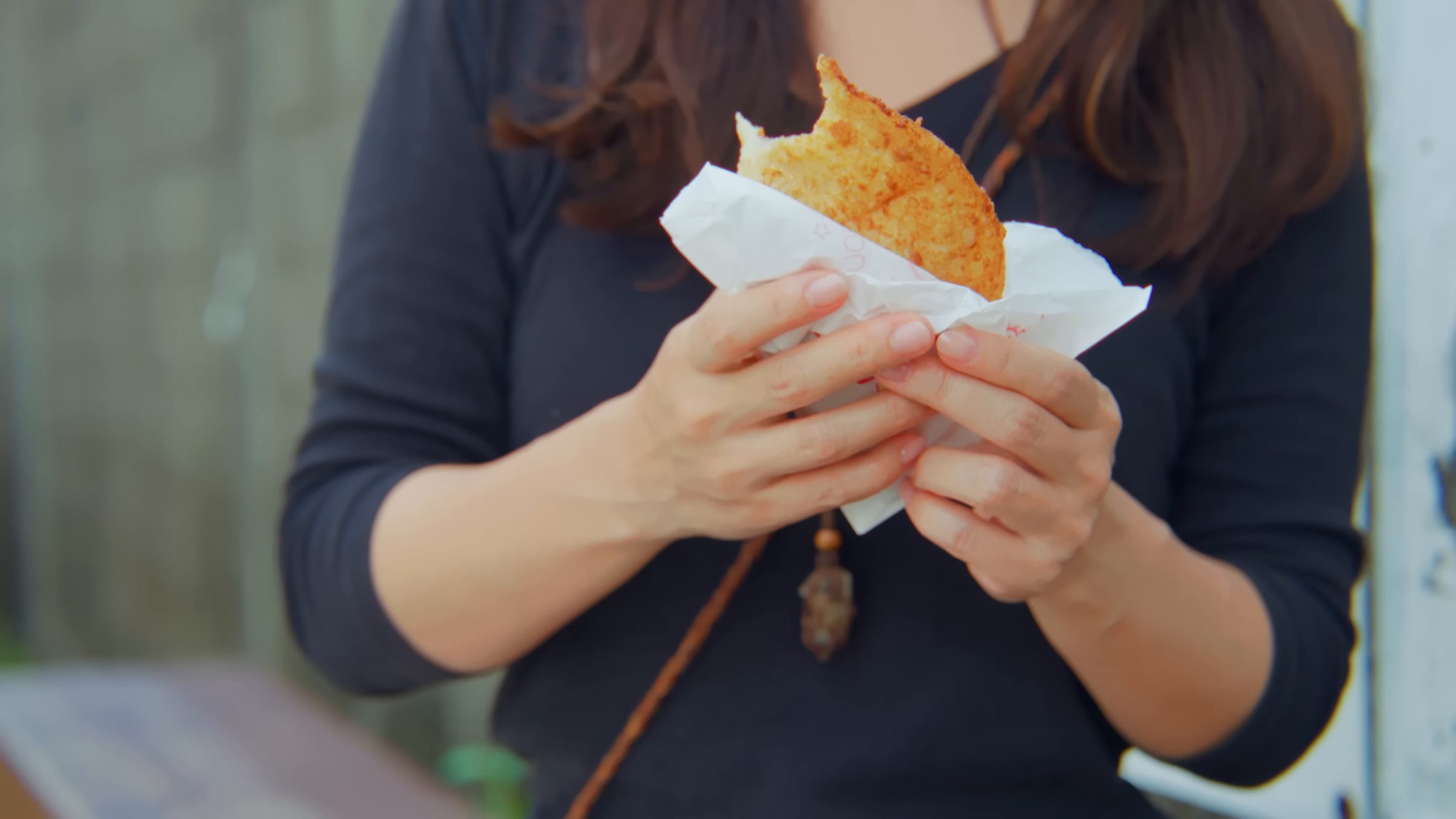
Fresh from the oil, it was brushed with sauce and wrapped in paper. The crisp, chewy dough gave way to a soft, runny egg, and the garlicky sweet-and-spicy sauce suited it perfectly. Irresistible.
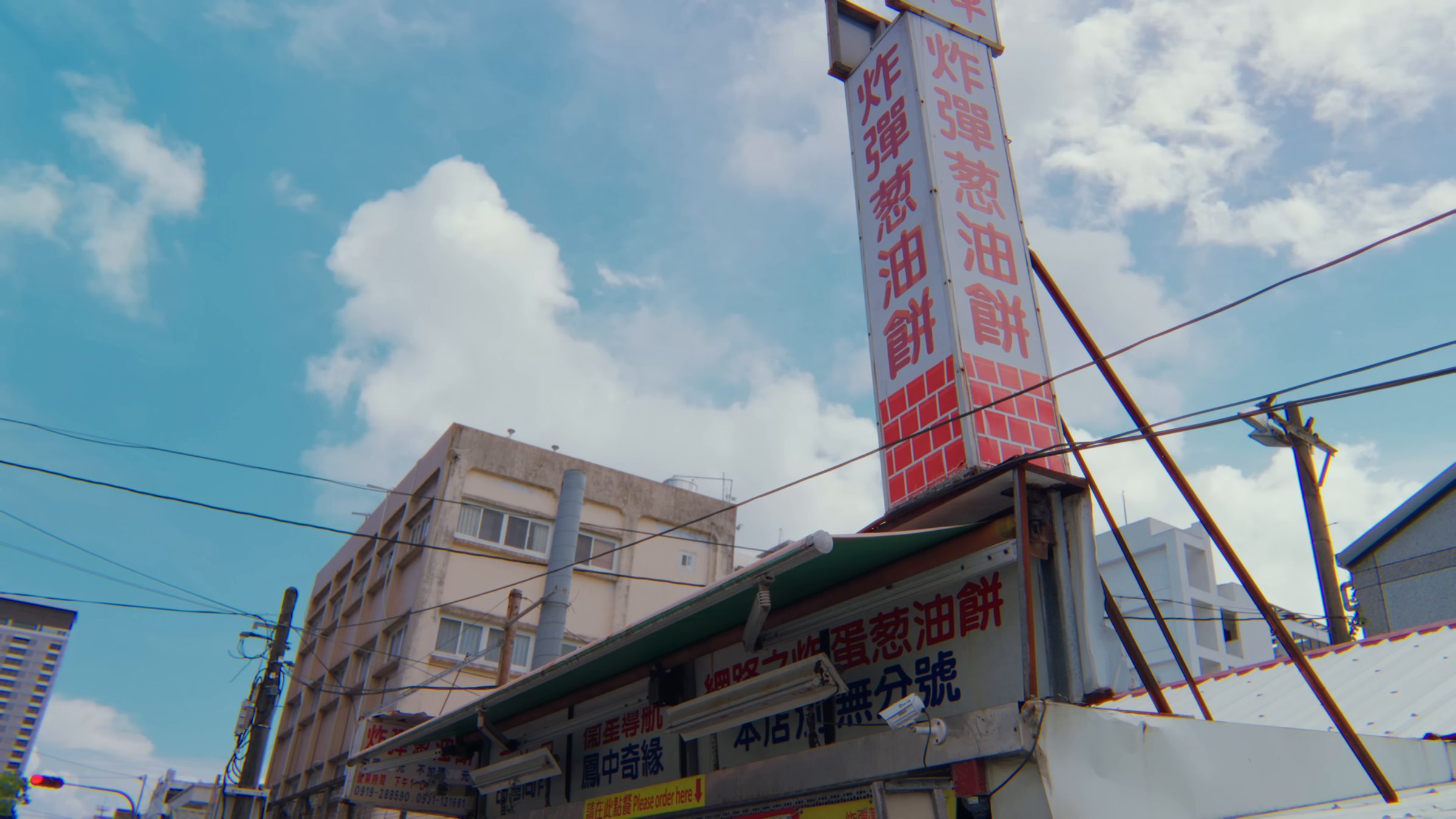
Above the stall, a sign reading 炸彈蔥油餅 (bomb scallion pancake) jutted into the blue sky. I had come because I had heard this was the one thing you must eat in Hualien, and it was truly superb.
Watch this scene on YouTube2:10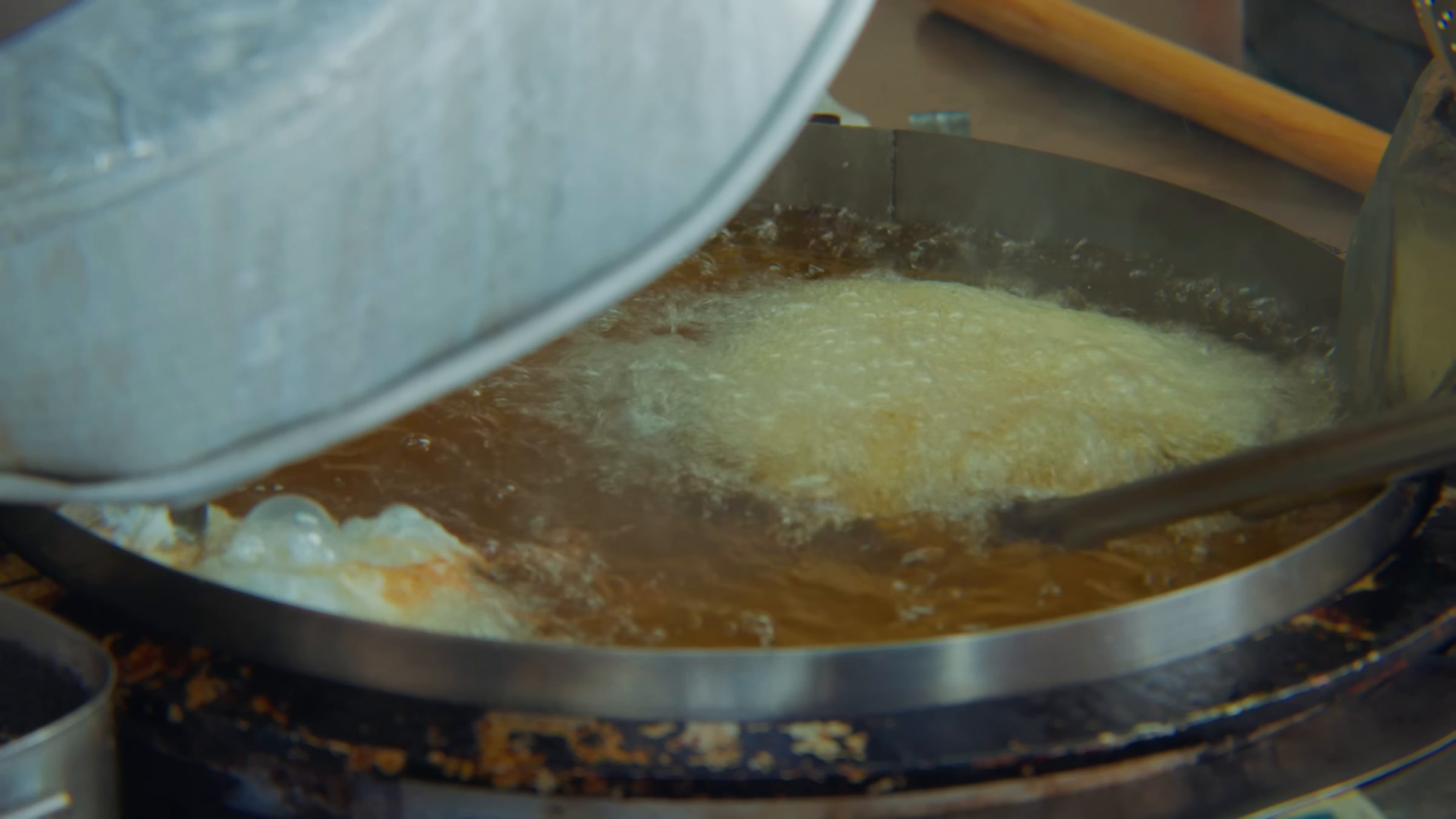

04TRAVEL JOURNAL
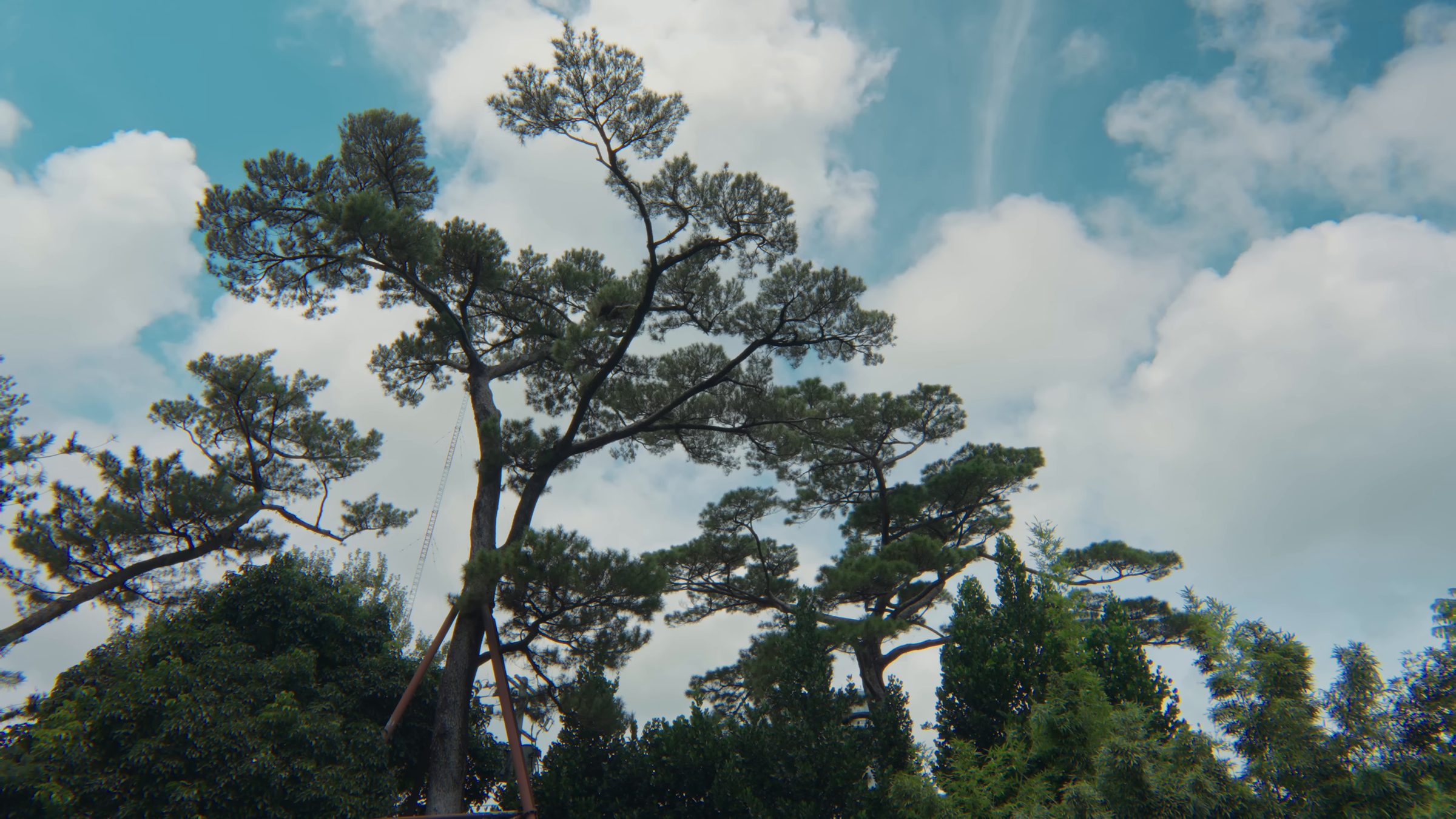
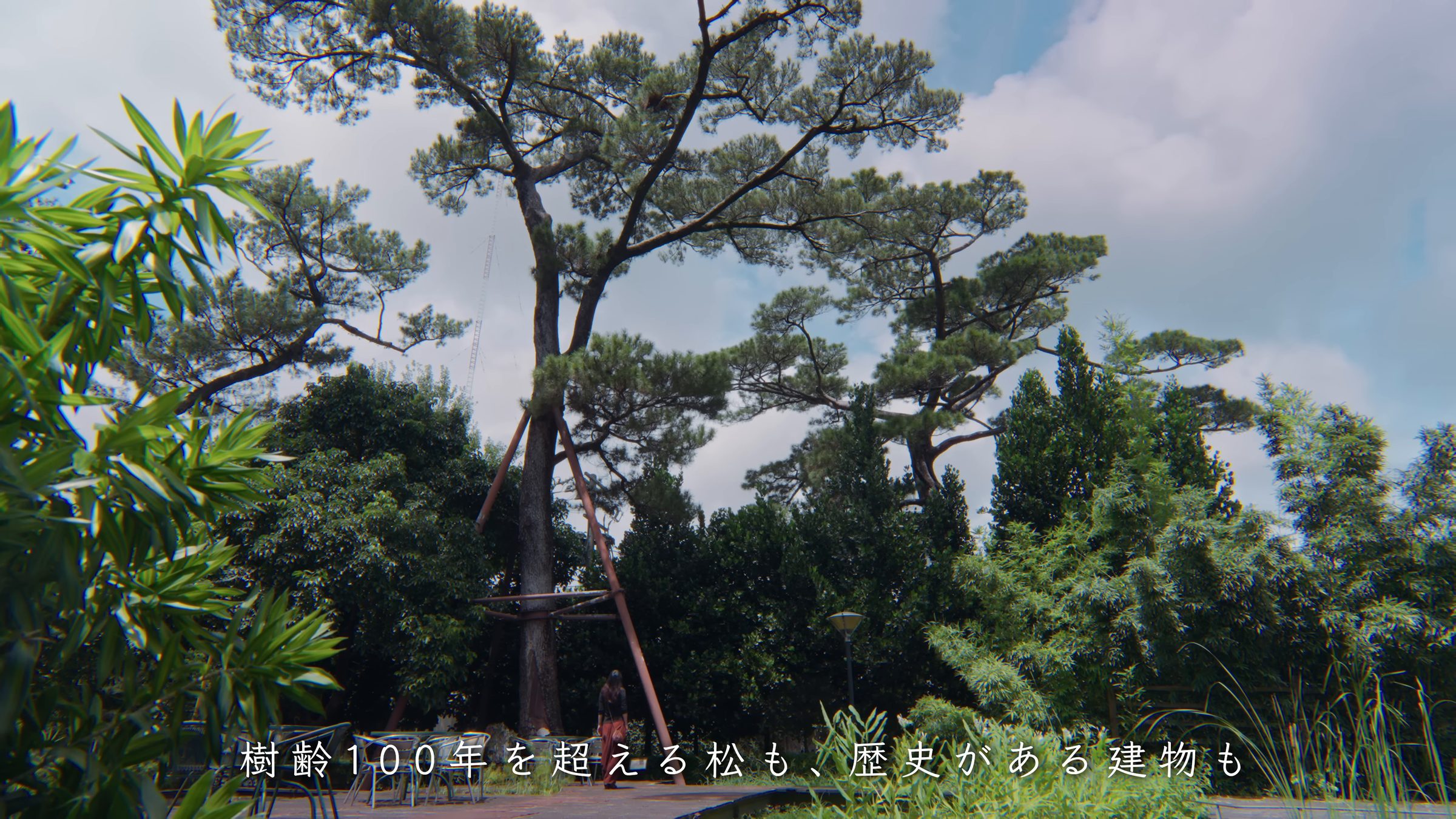
Pine Garden, among the Ryukyu pines
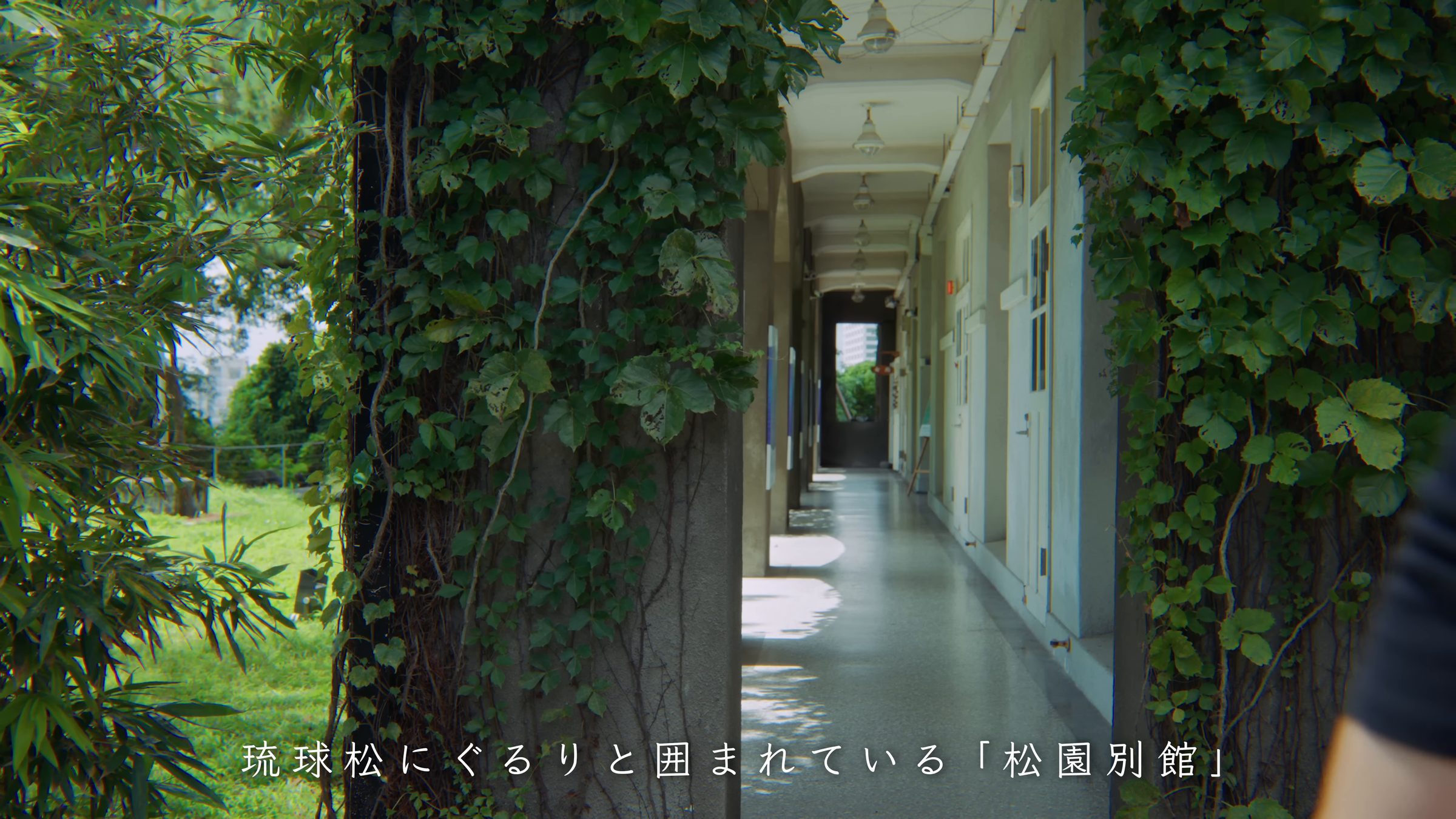
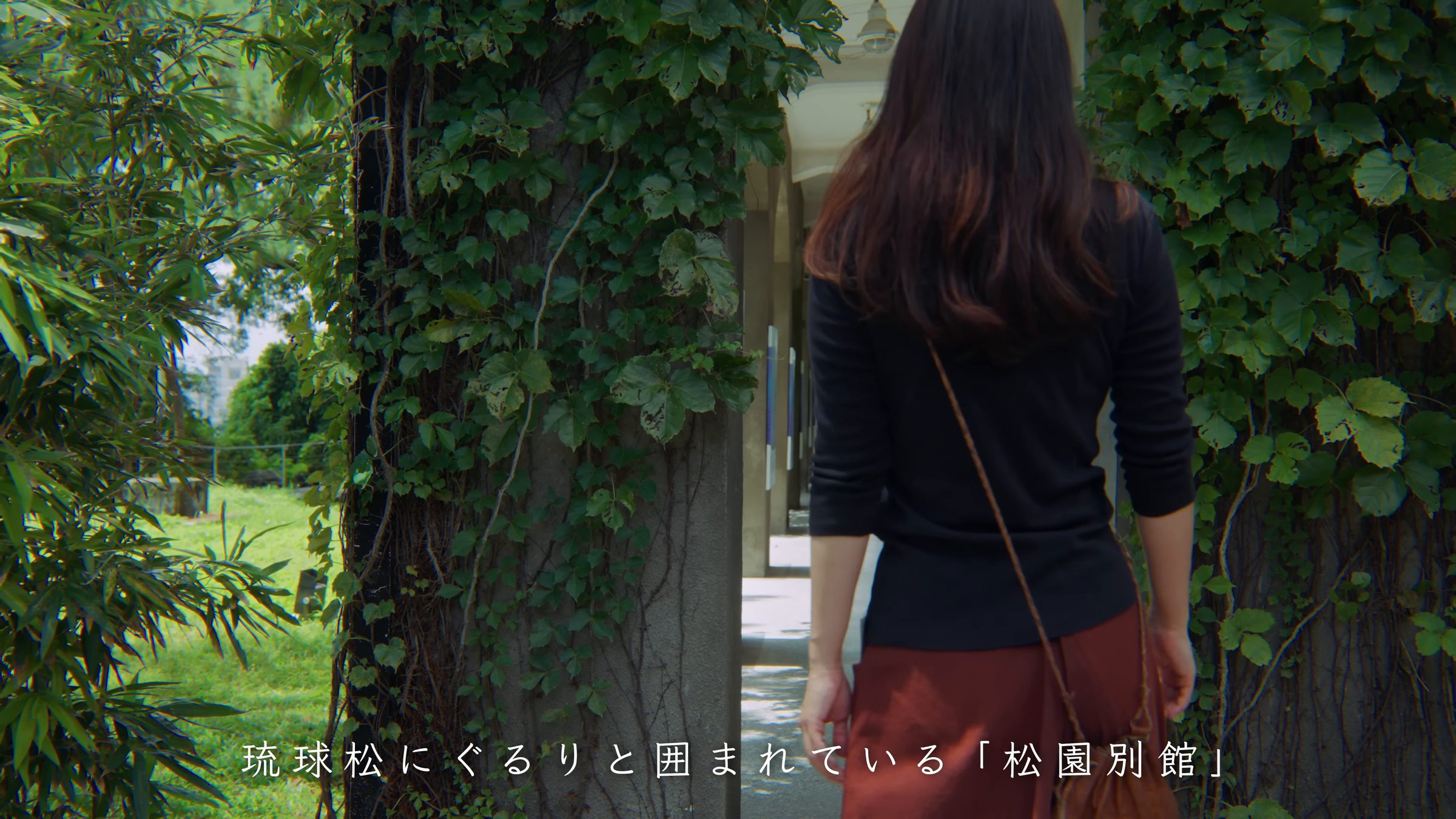
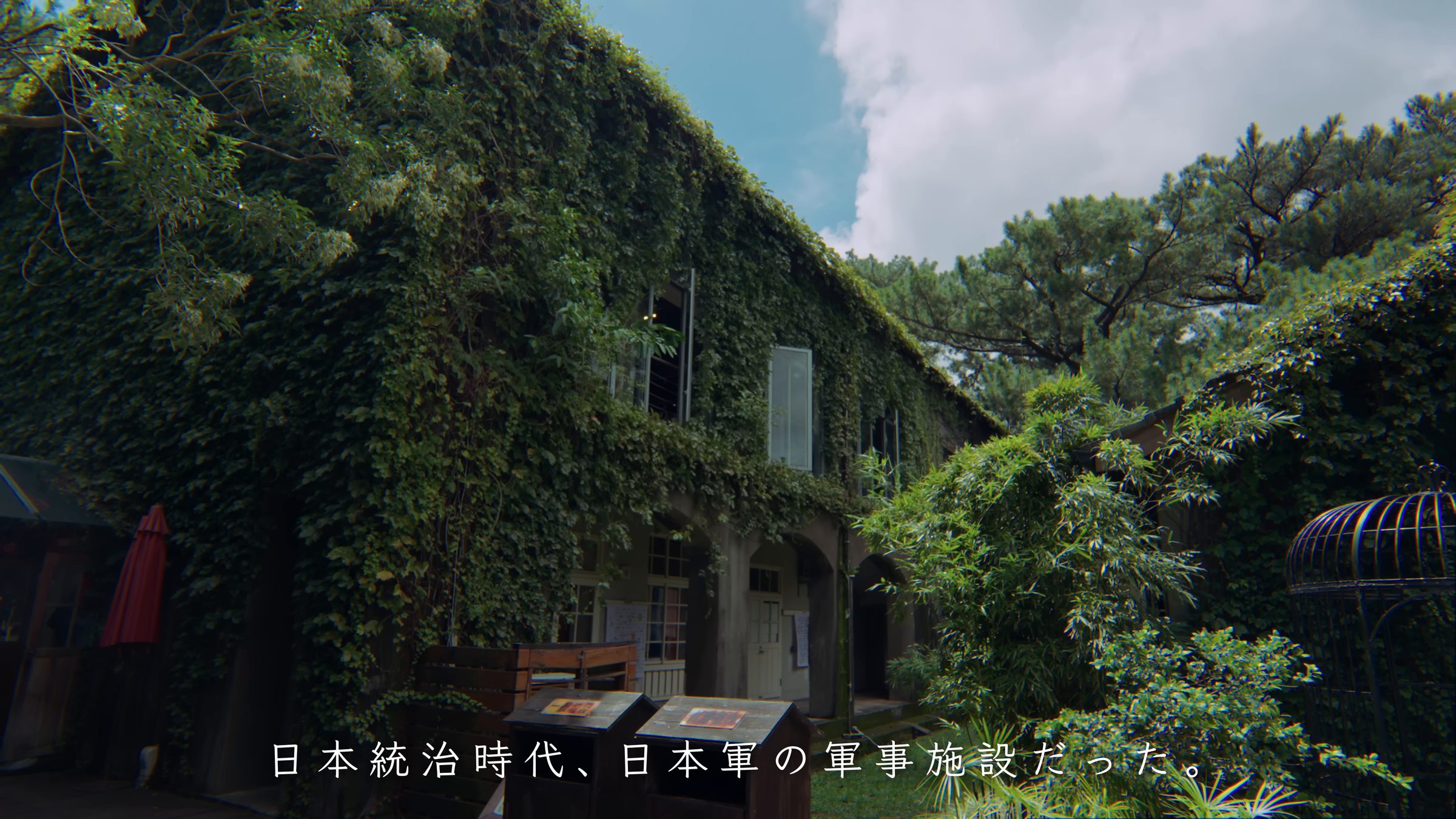
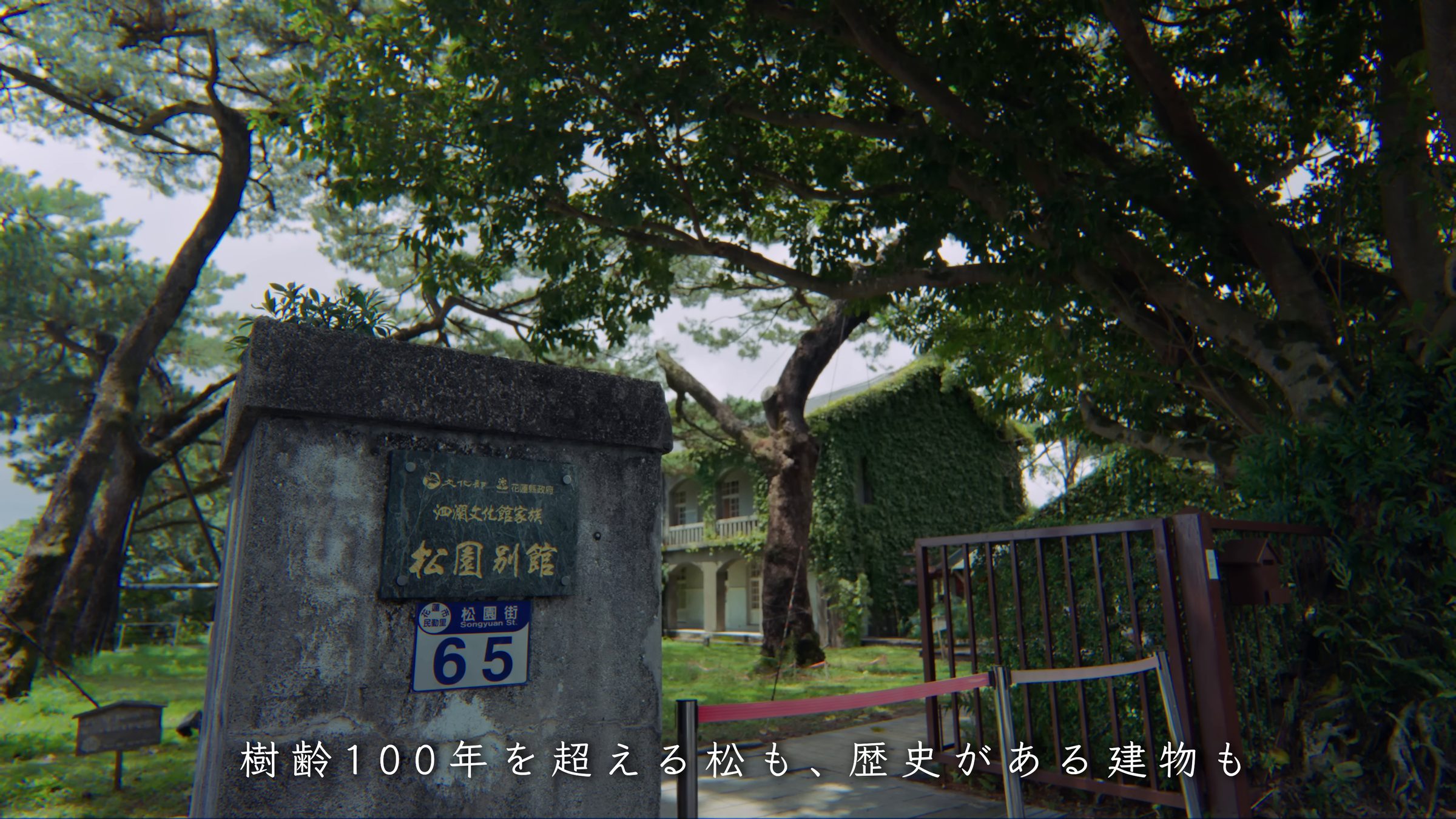
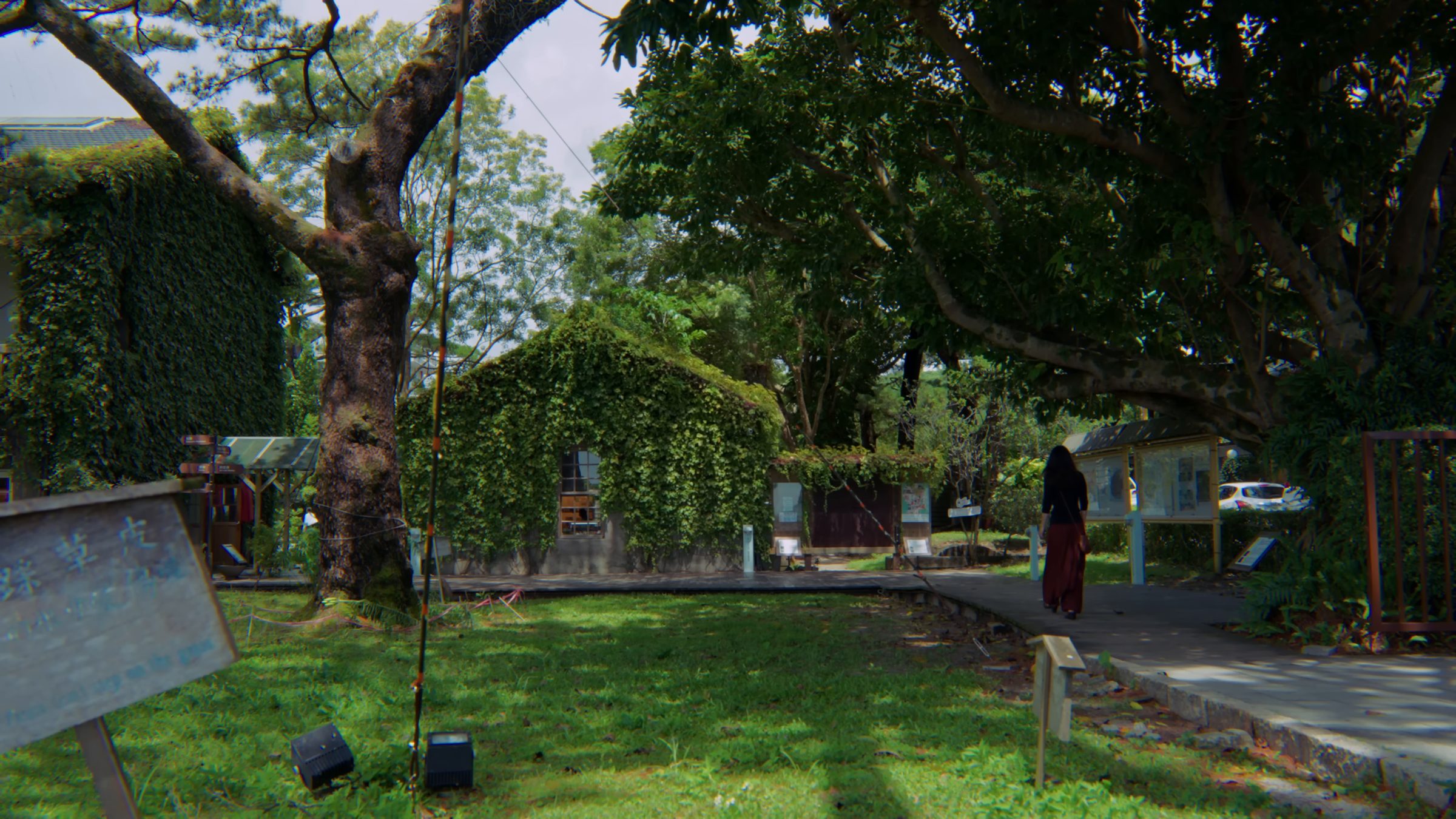
On a low hill stands Pine Garden (松園別館), ringed by Ryukyu pines. Passing along a corridor between vine-covered pillars, I came out in front of a two-story building with an arched veranda.
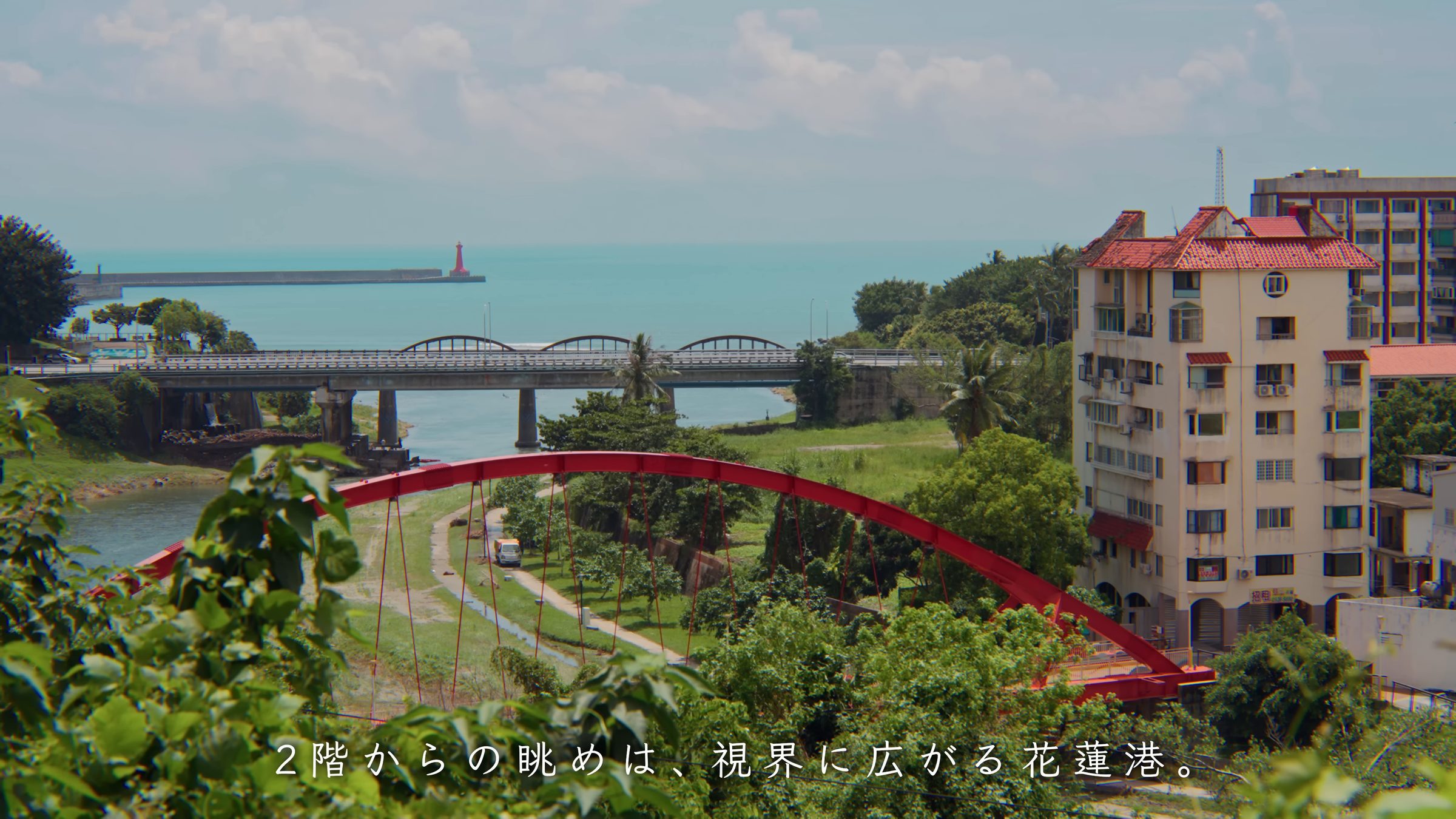
Under Japanese rule, this was a military facility of the Japanese army. Built in 1942, it housed the military affairs office for the port of Hualien. From the second floor, the view opens onto Hualien Port: beyond the red bridge over the river lie the breakwater, a lighthouse and the sea.
Pines more than a century old and a building with a long history pass on the preciousness of peace to the present day. I walked the path in the shade of the pines, looked at the stone marker by the gate, and gazed down on the town beneath towering summer clouds. The pines, the buildings and an air-raid shelter are carefully preserved, and with a café on site, it is now one of the sights of Hualien.
Watch this scene on YouTube2:52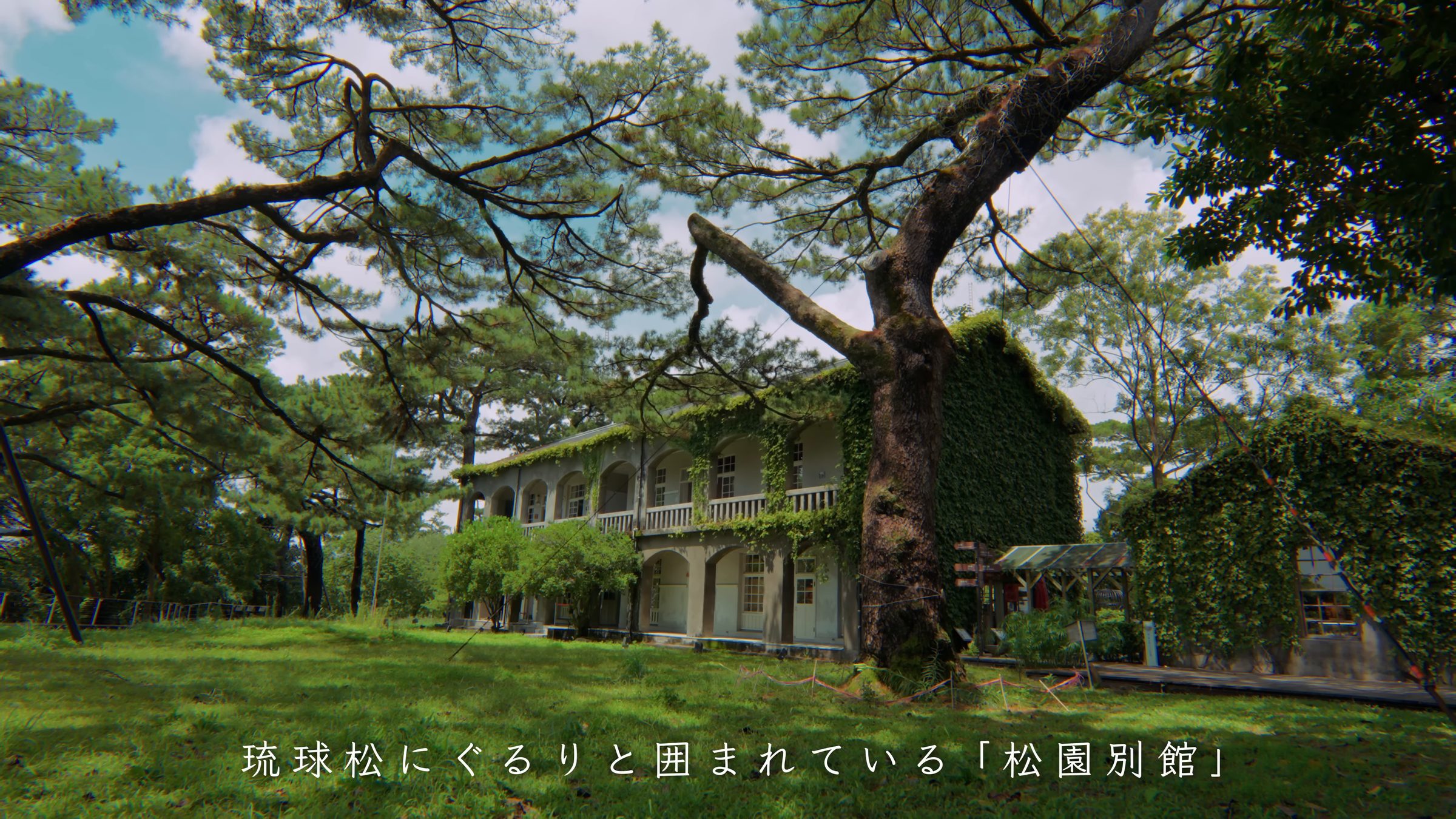



05TRAVEL JOURNAL
Bianshi, the wontons of Hualien
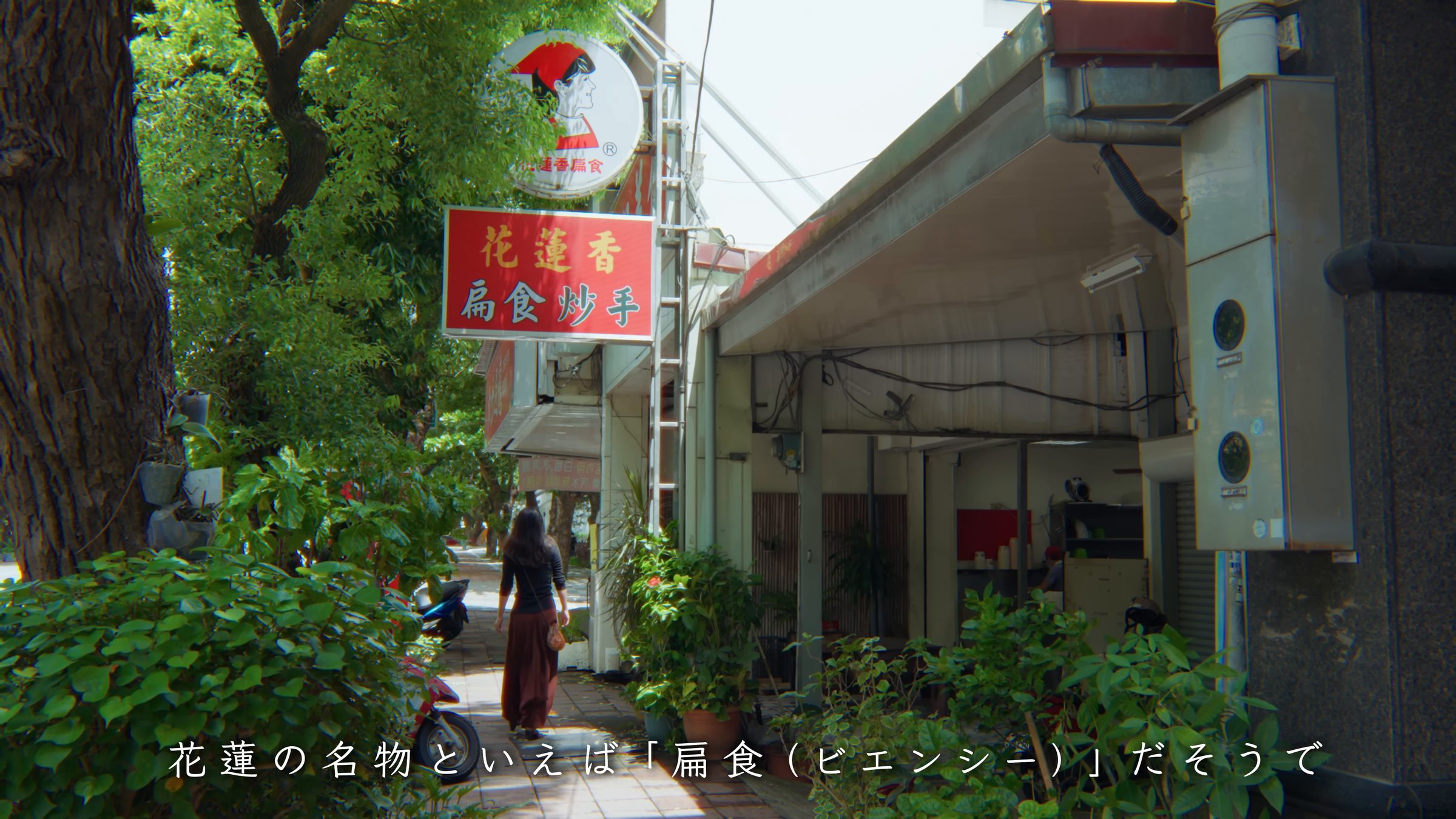
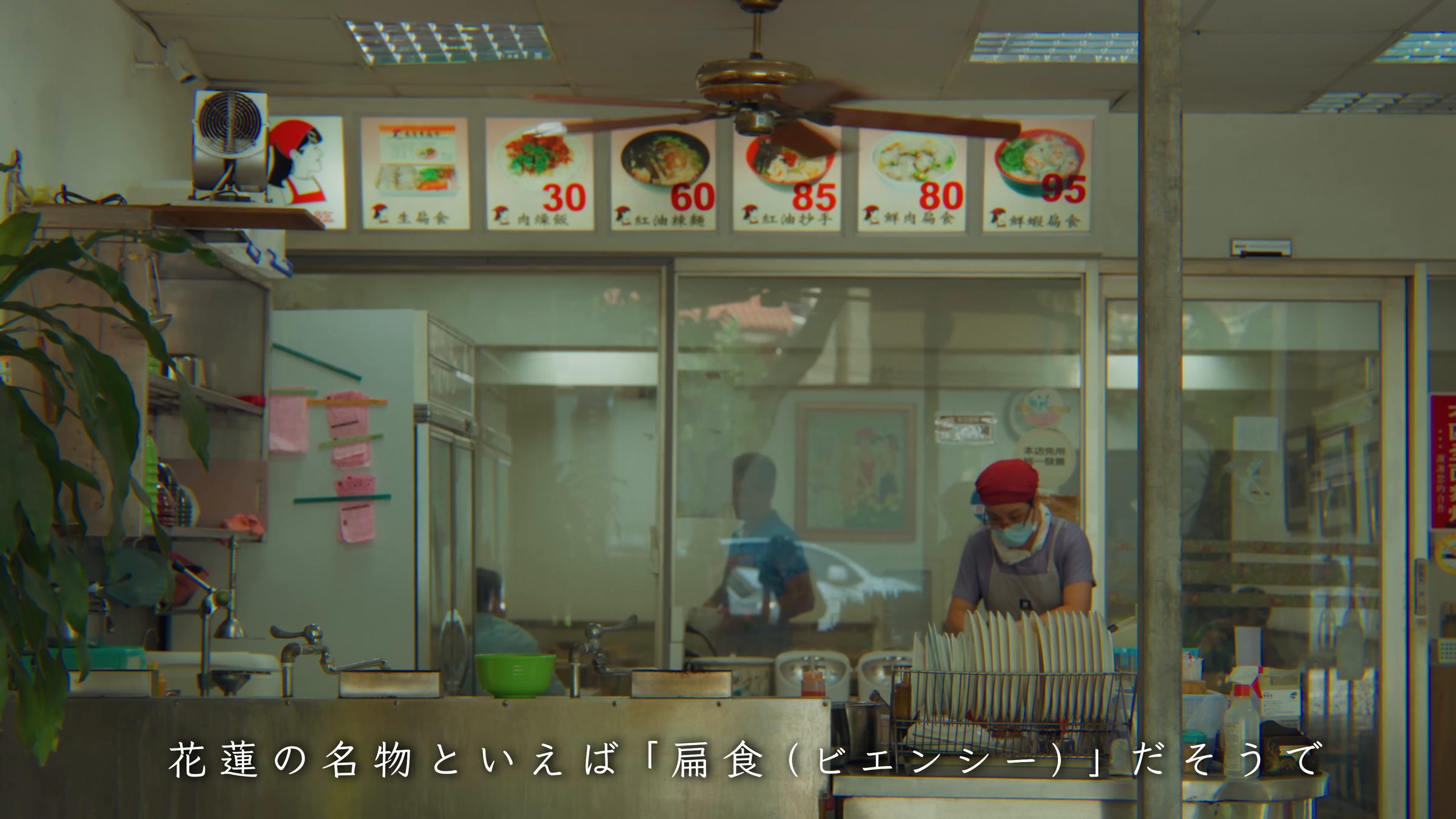
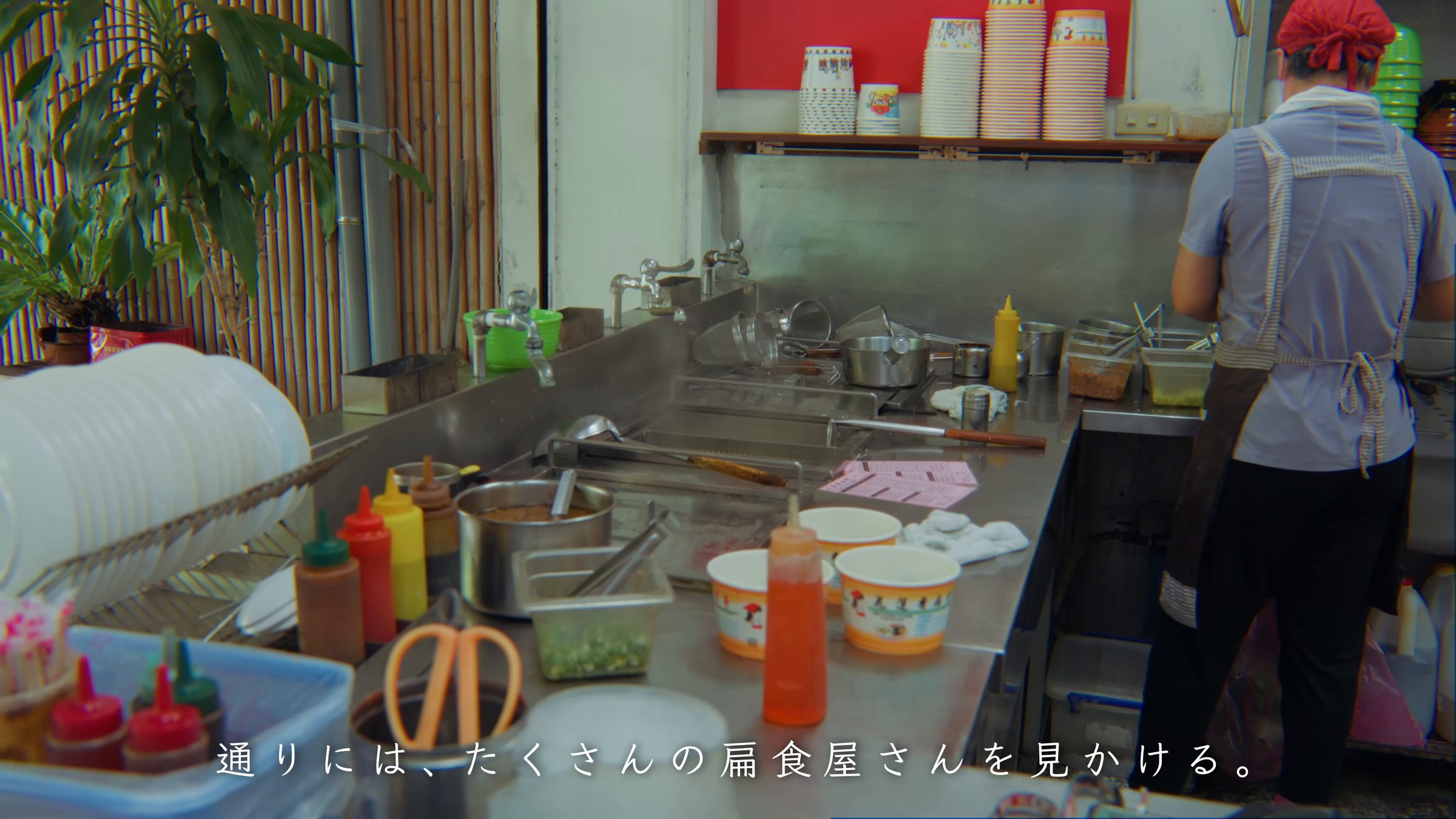
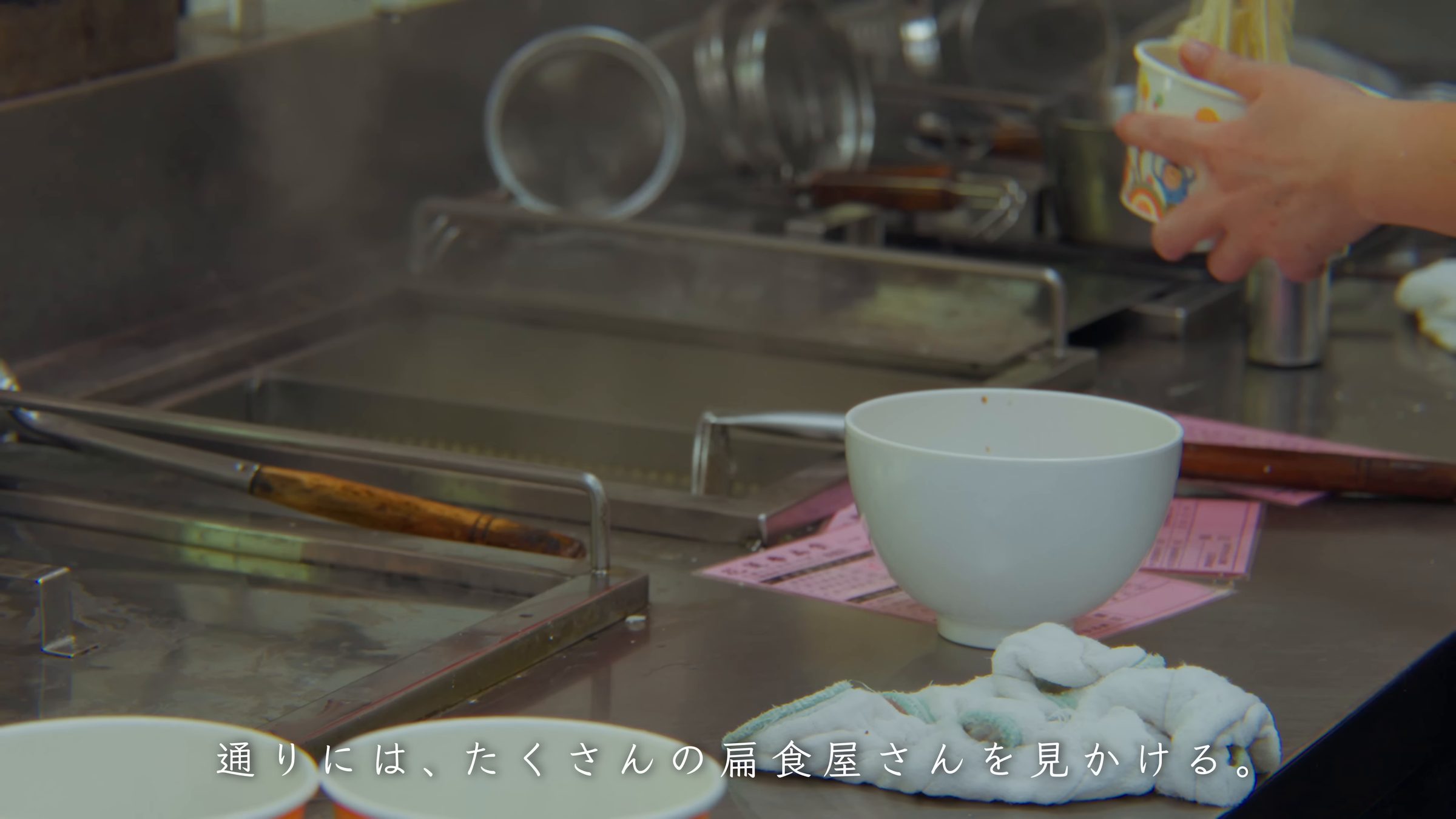
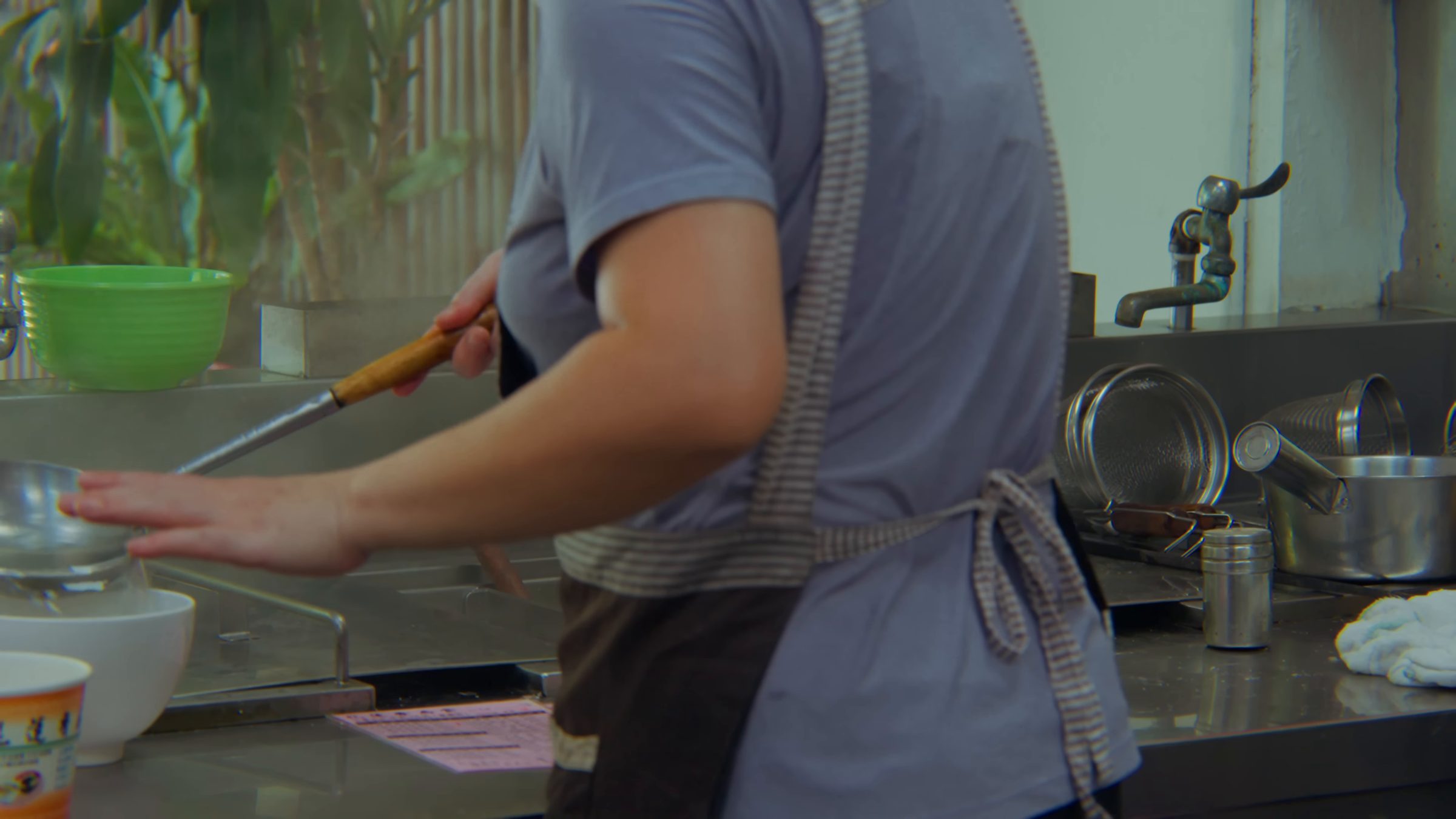
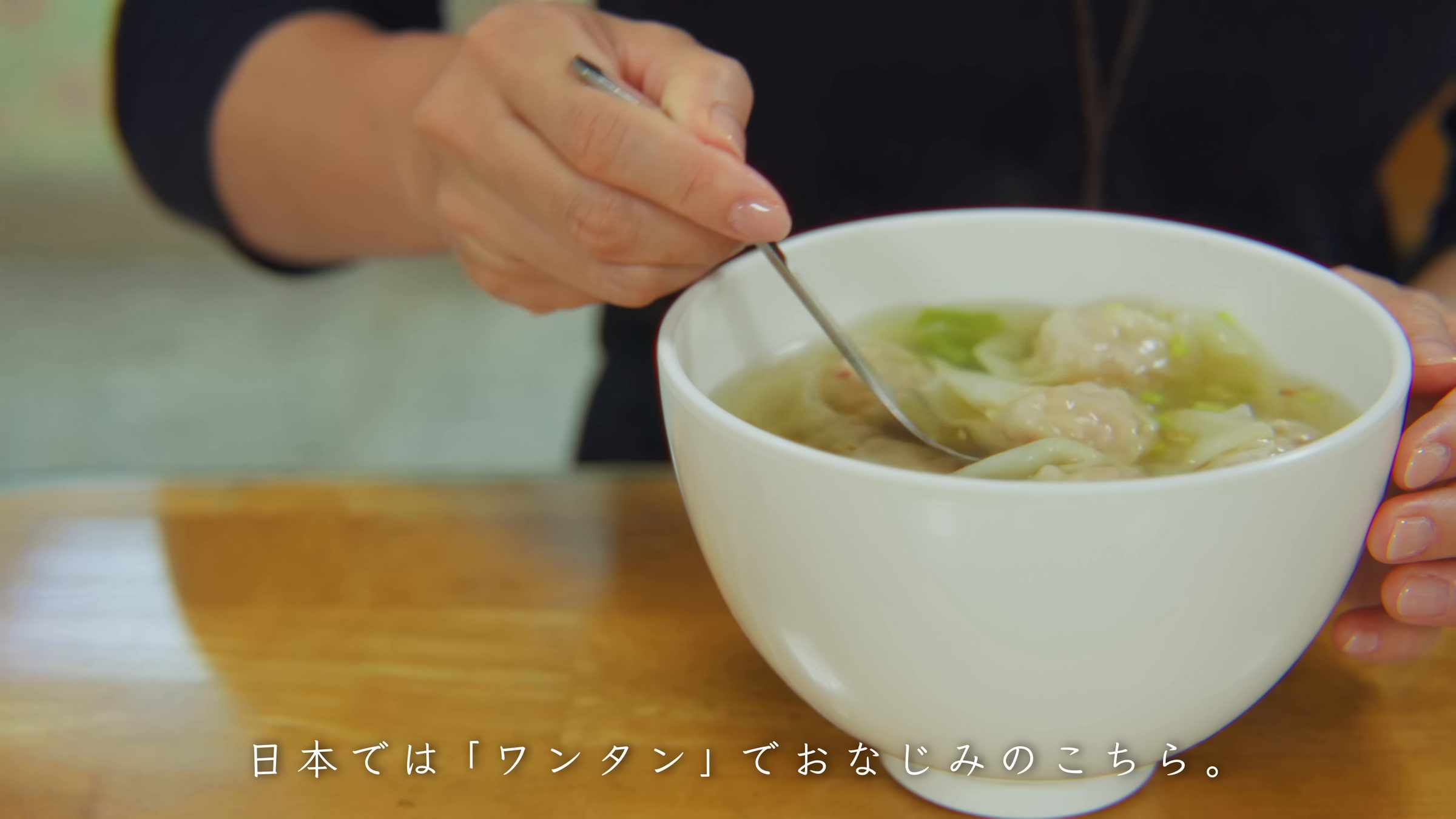
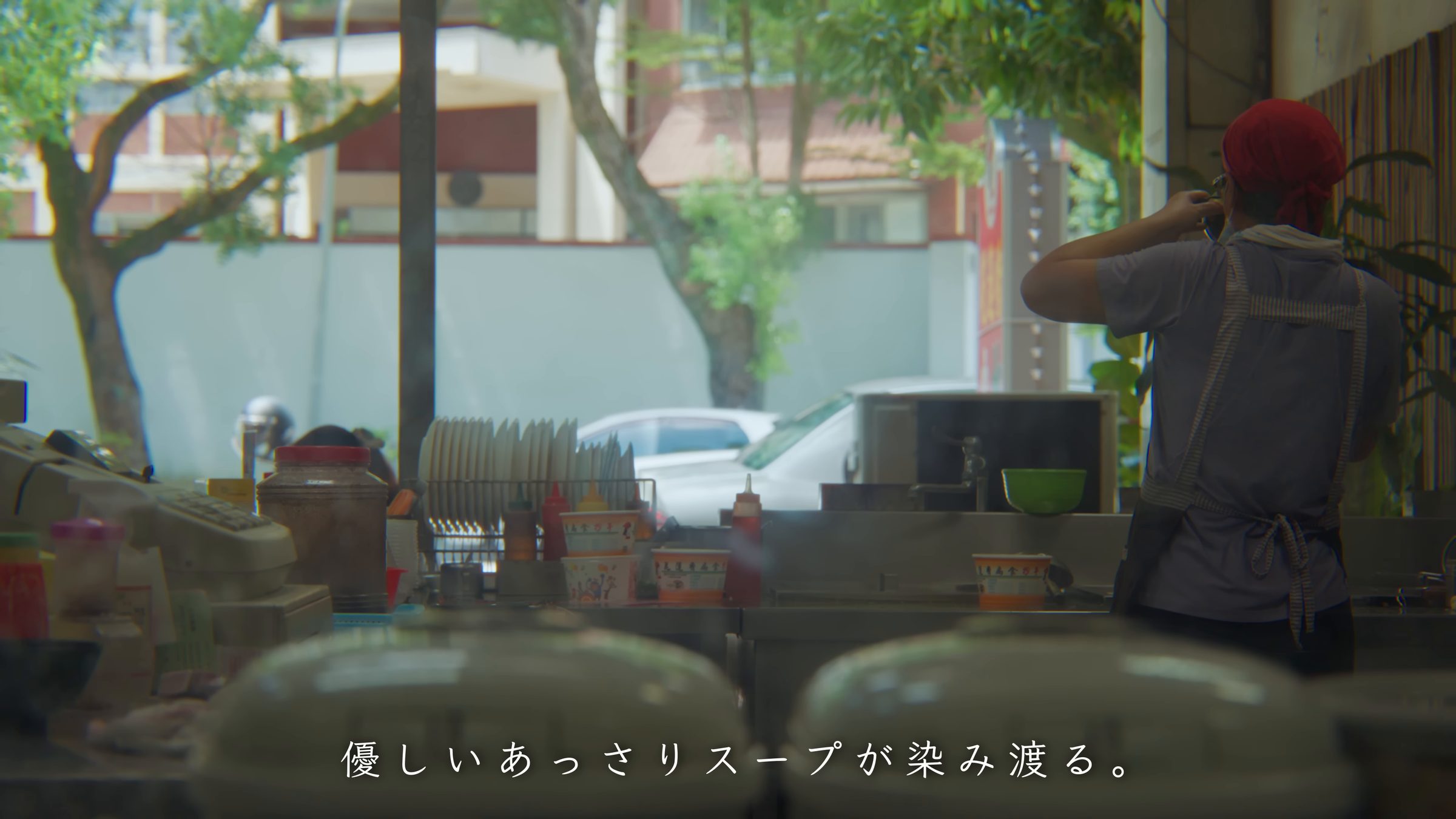
Hualien's specialty, I was told, is bianshi (扁食), and wonton shops line the streets. The long-established favorites were tempting, but I wandered into a shop I happened to pass, under a sign reading 花蓮香. In the kitchen, wontons were boiling in a steaming pot.
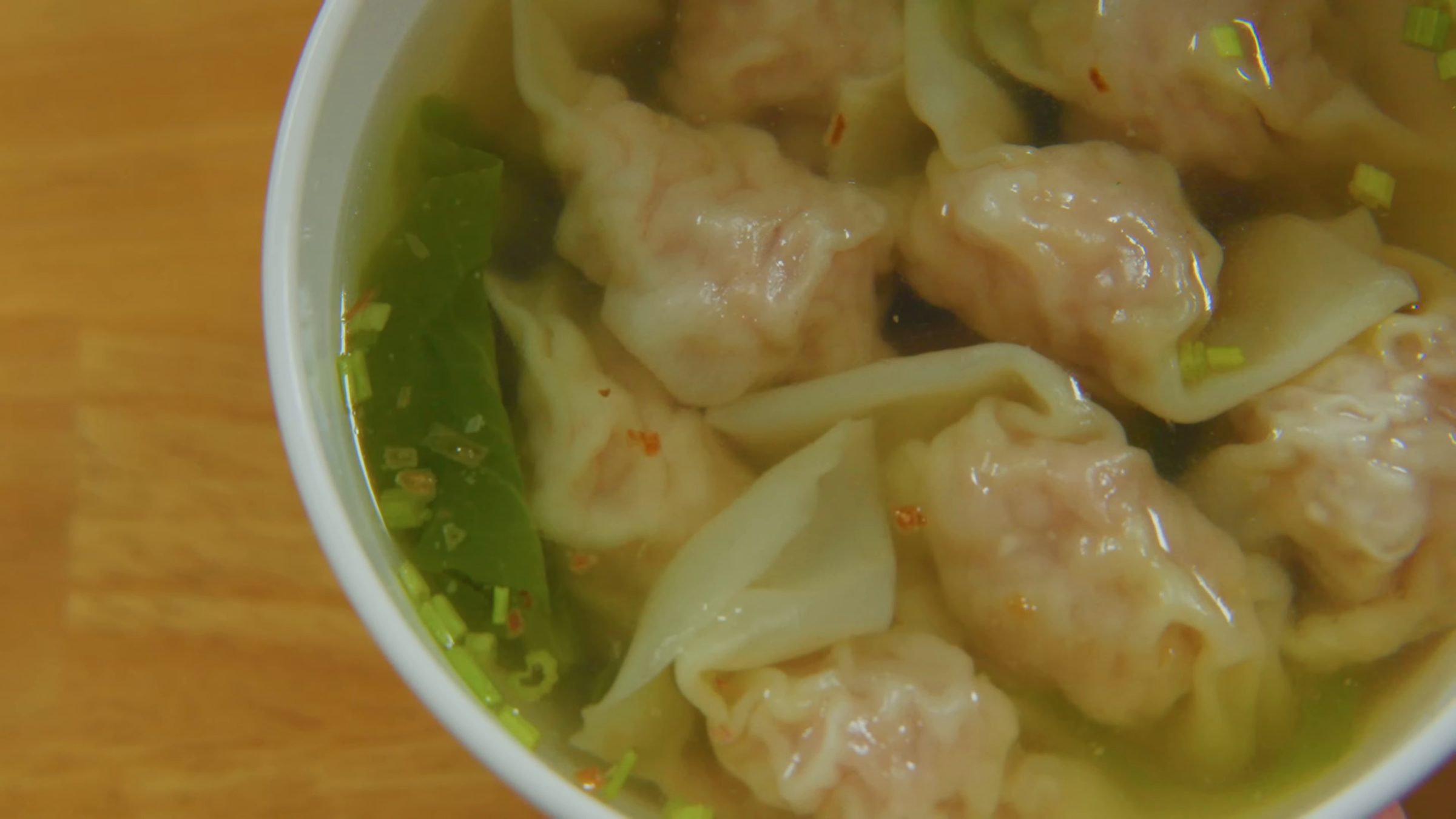
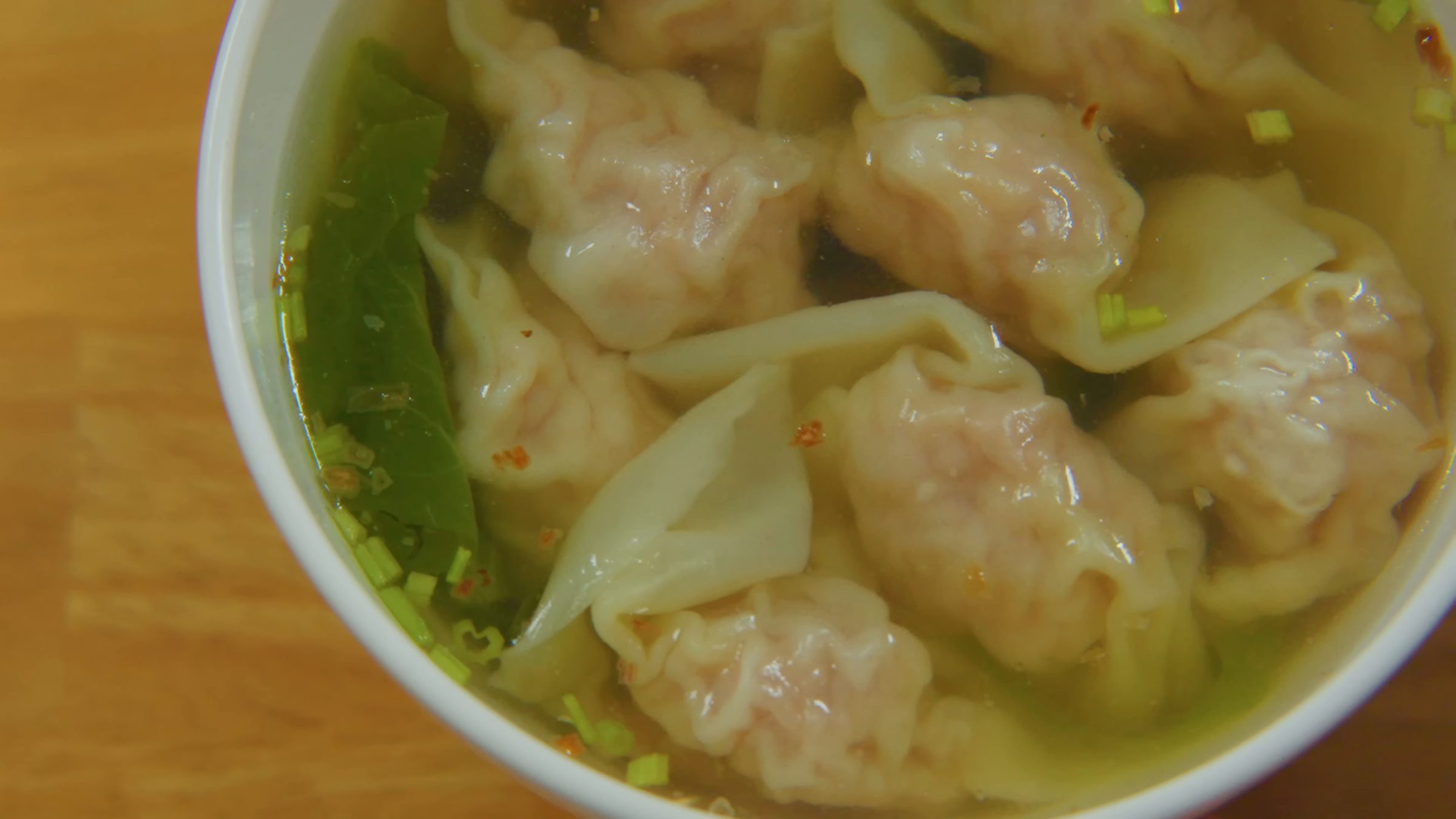
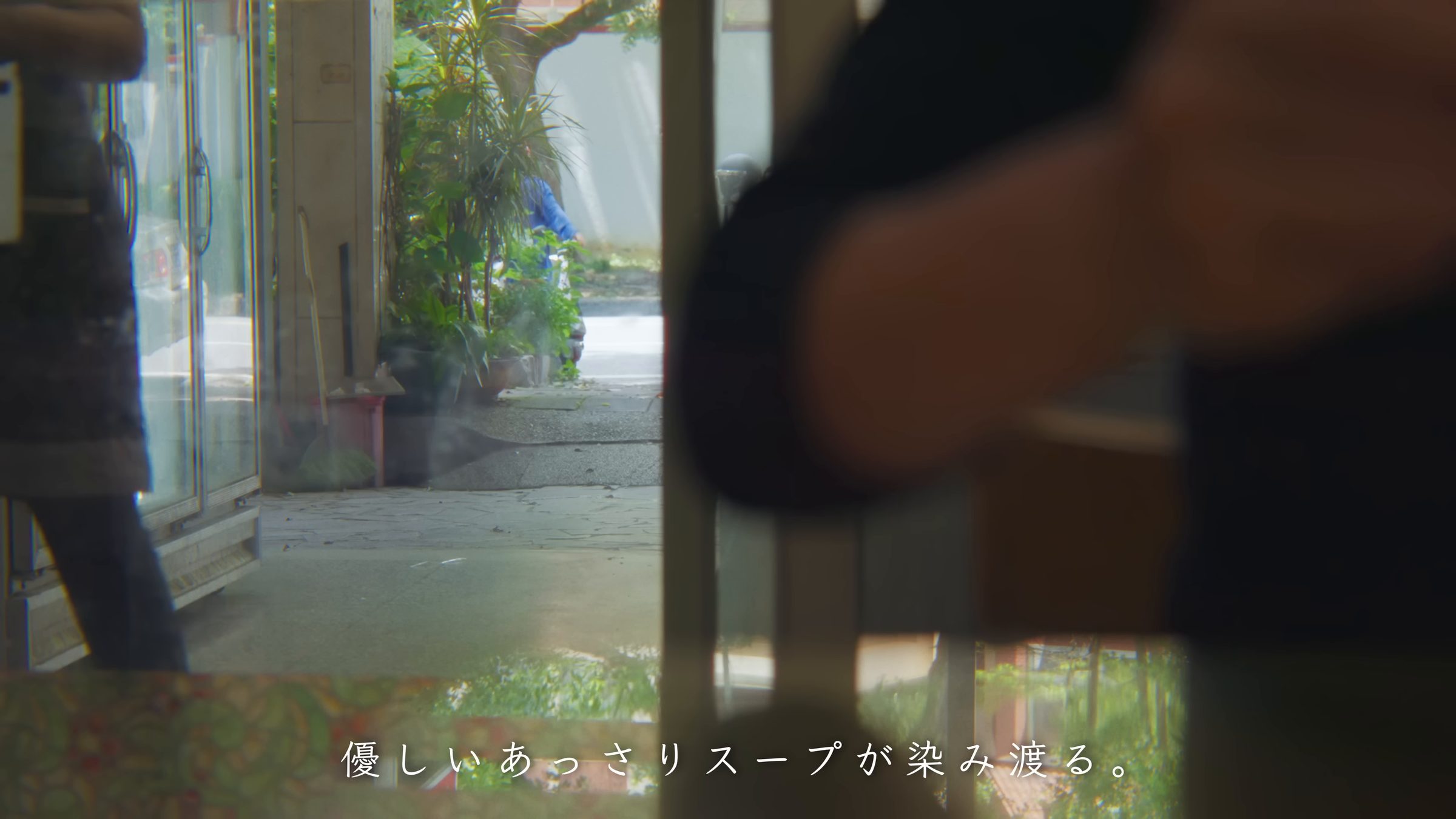
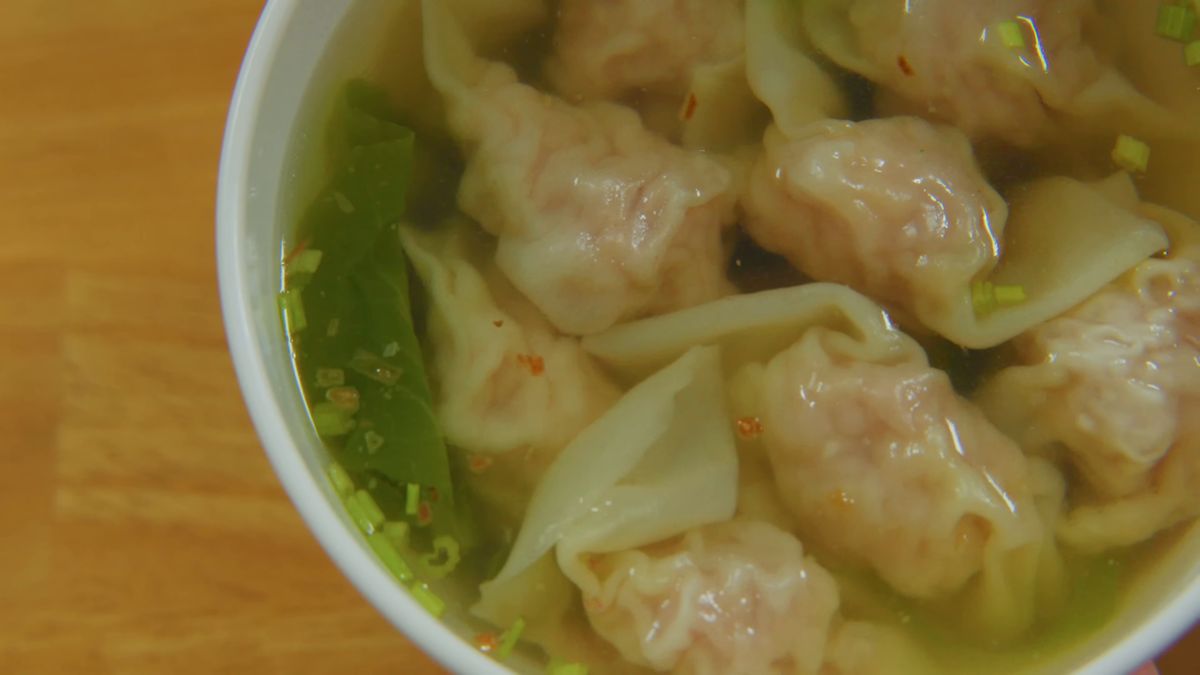
These are what we in Japan know as wonton. The bowl arrived with plump dumplings floating in the soup: thin skins packed tight with juicy filling, and a gentle, light broth with a hint of celery that soaked right through me.
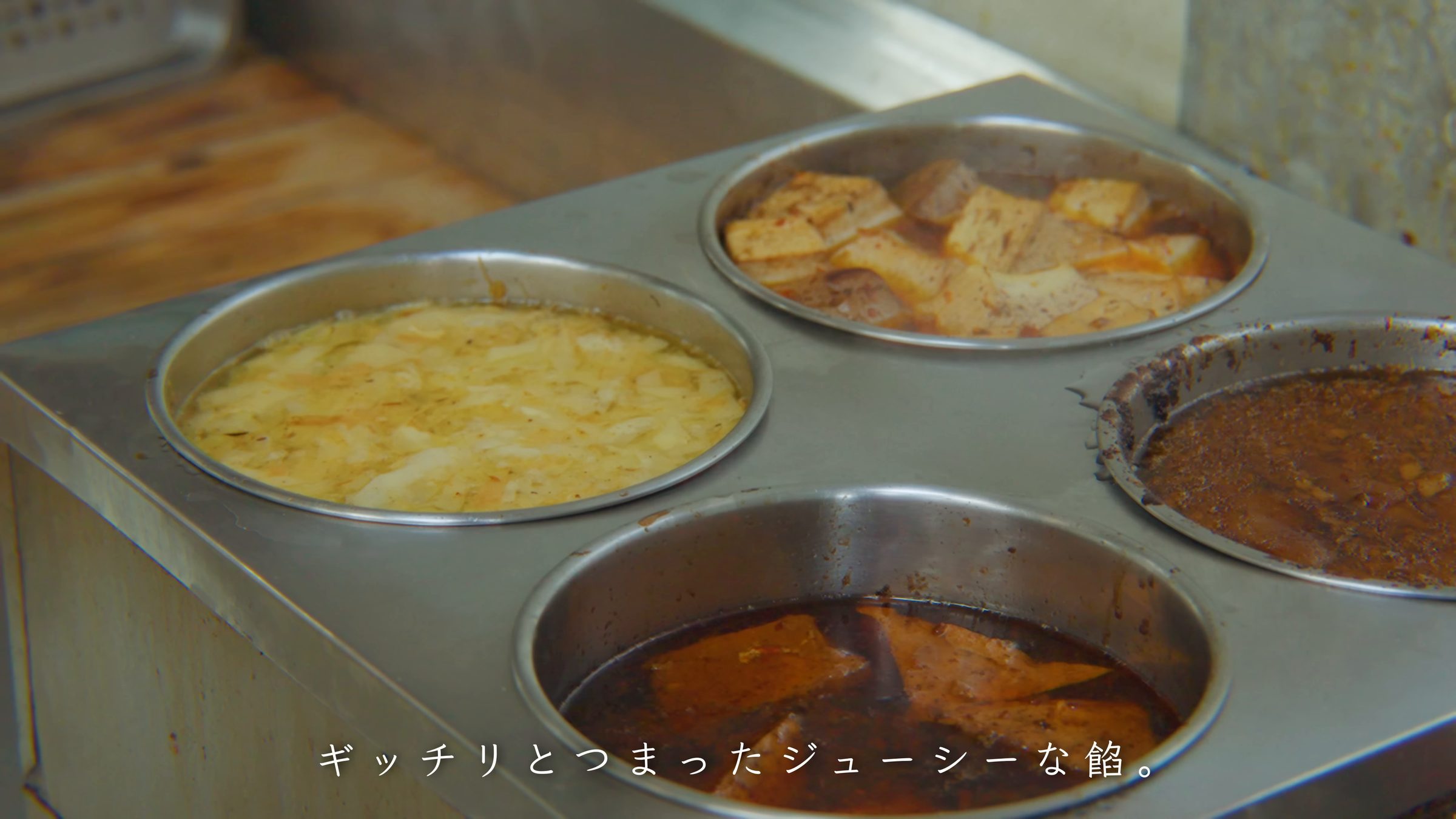
Beside the counter, warming pans held side dishes such as braised tofu. Warm and delicious, it soothed me to the core.
Watch this scene on YouTube3:47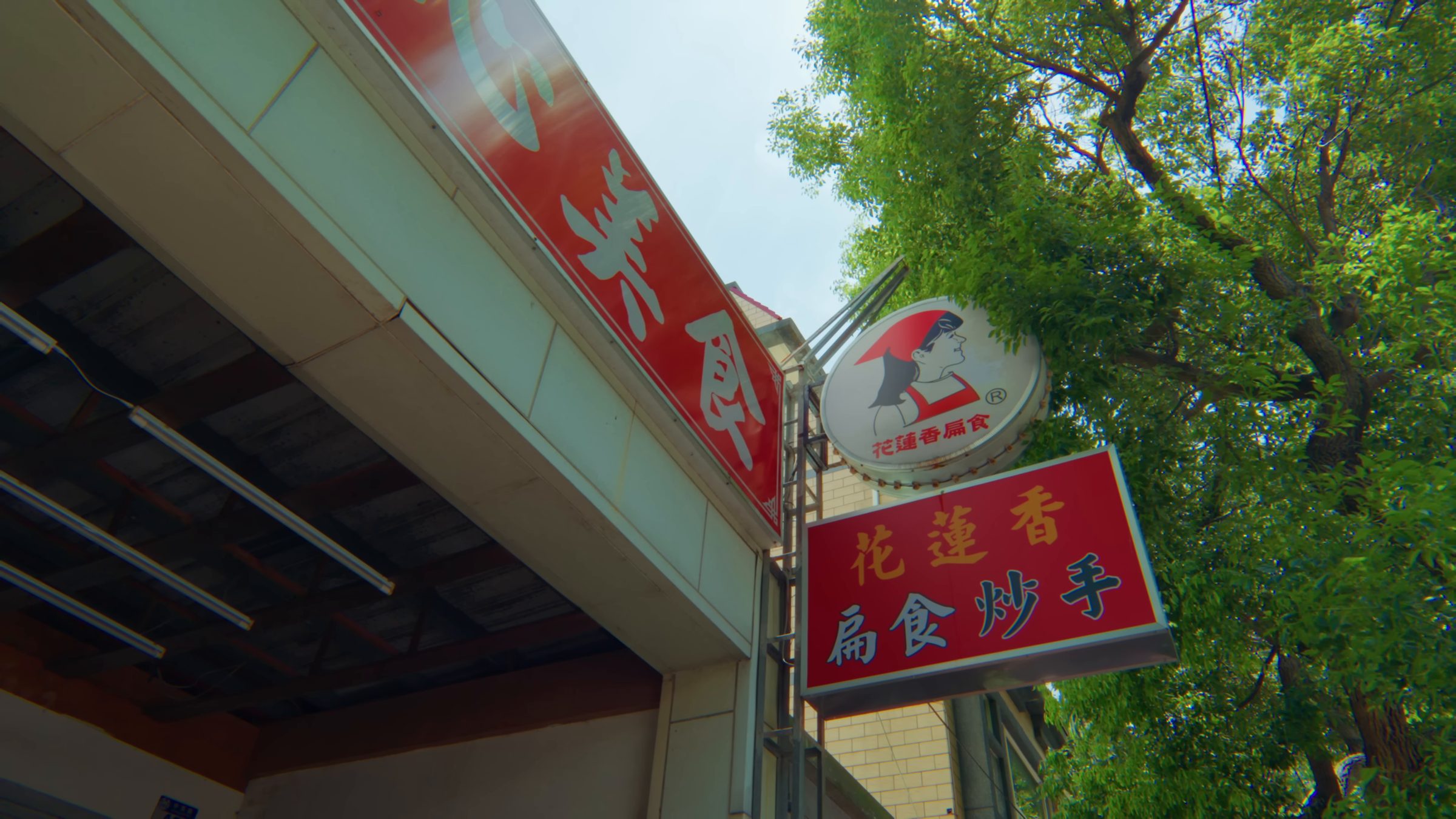

06TRAVEL JOURNAL
Fluffy xiaolongbao
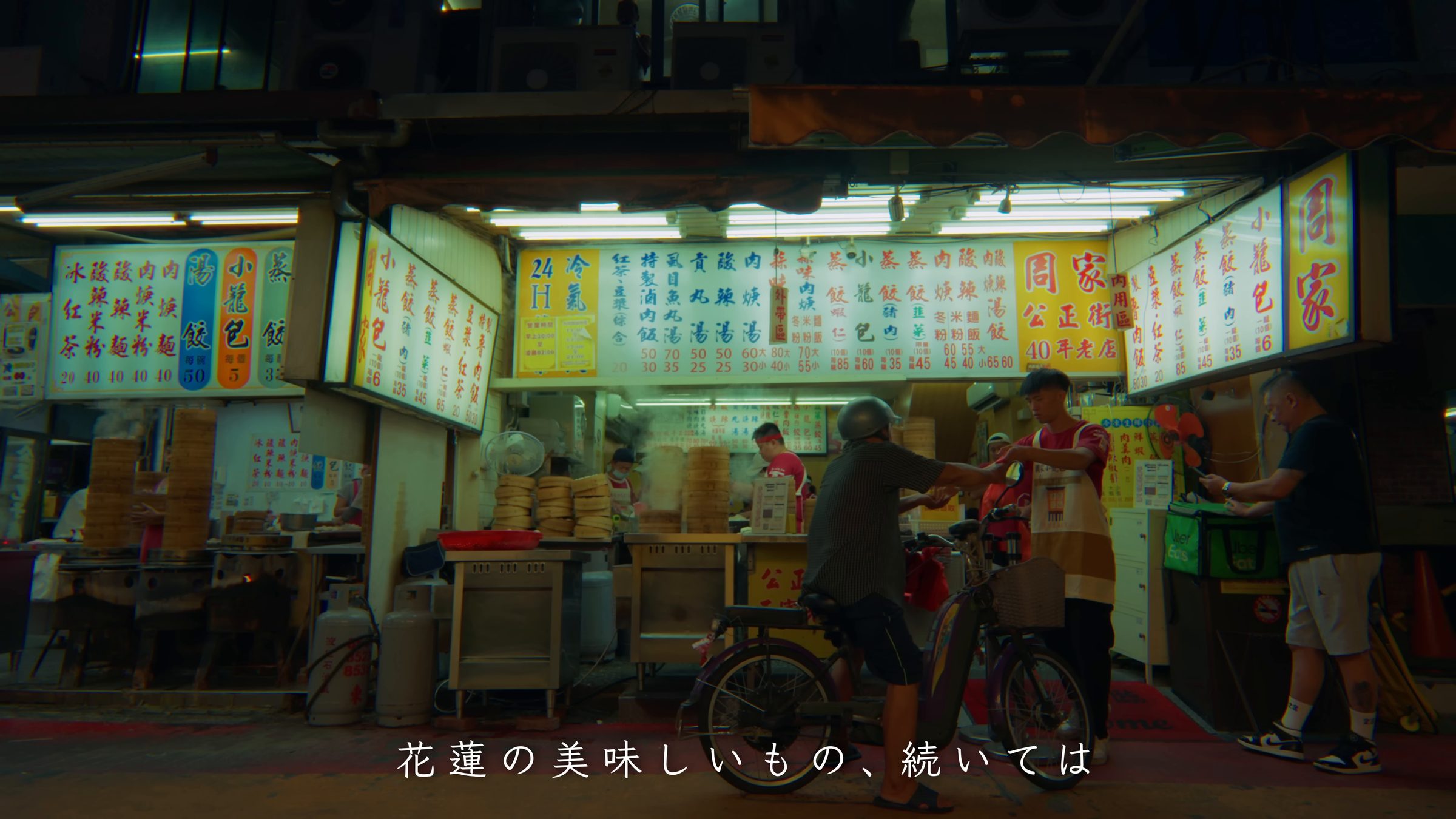
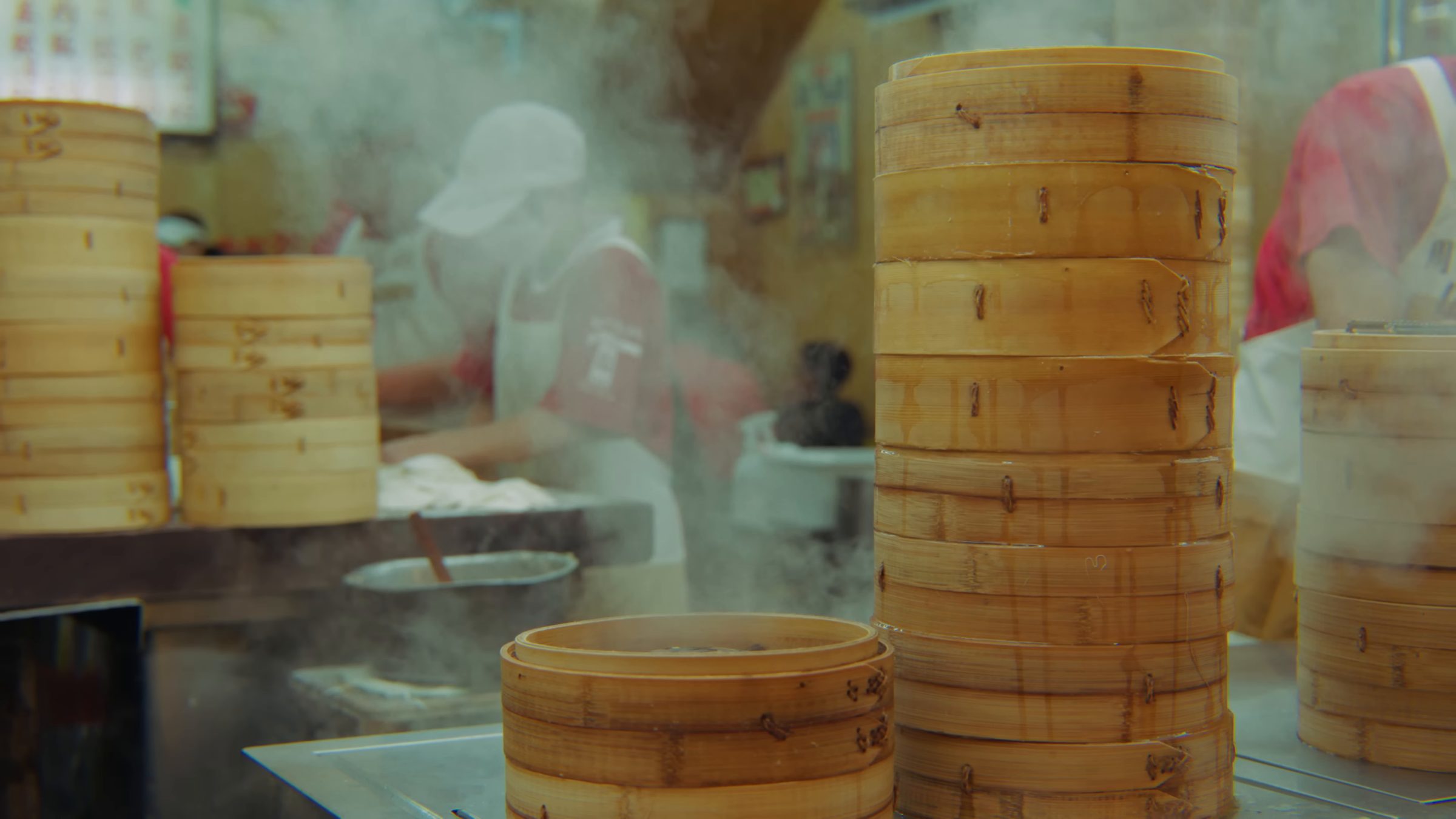
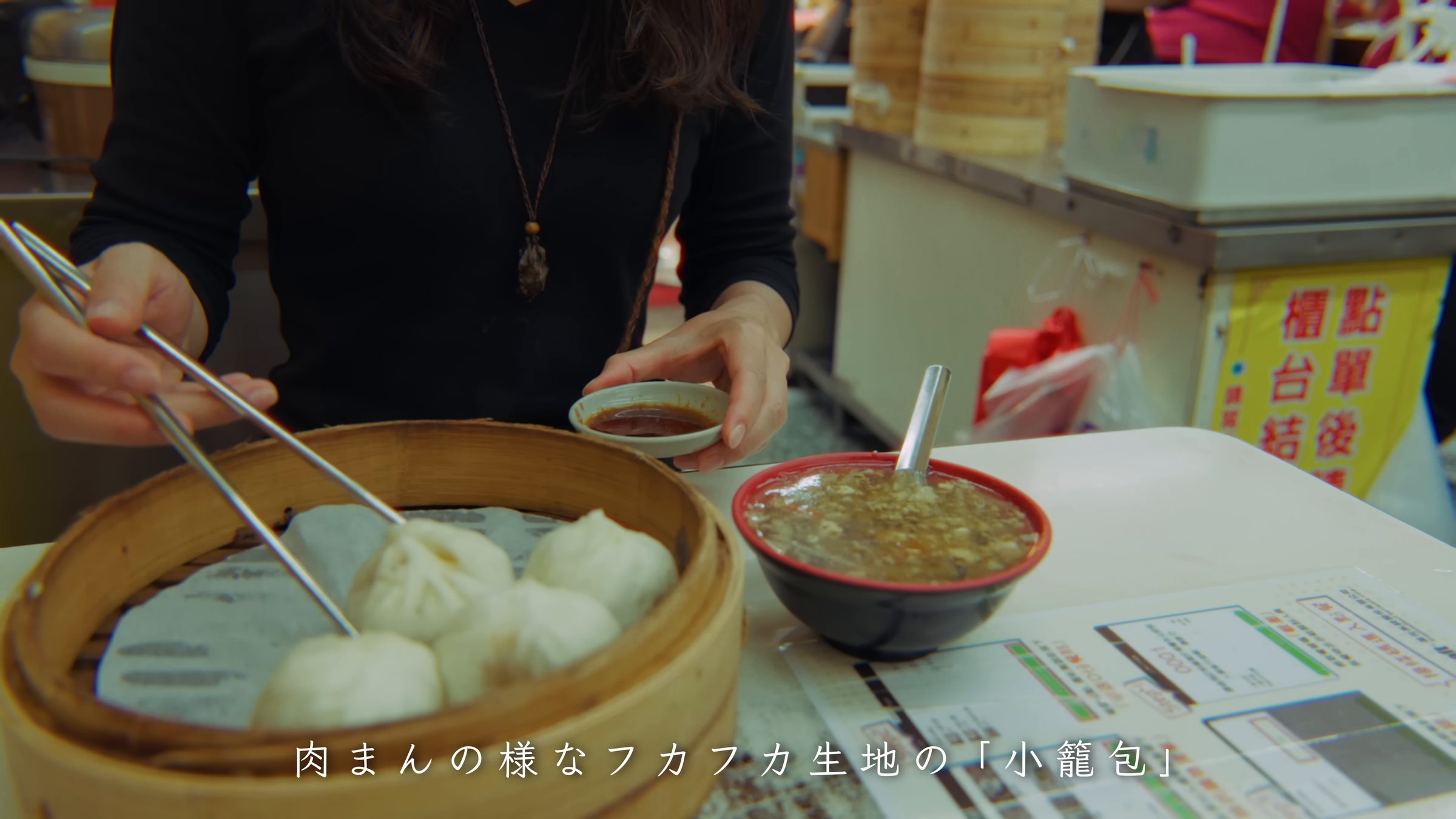
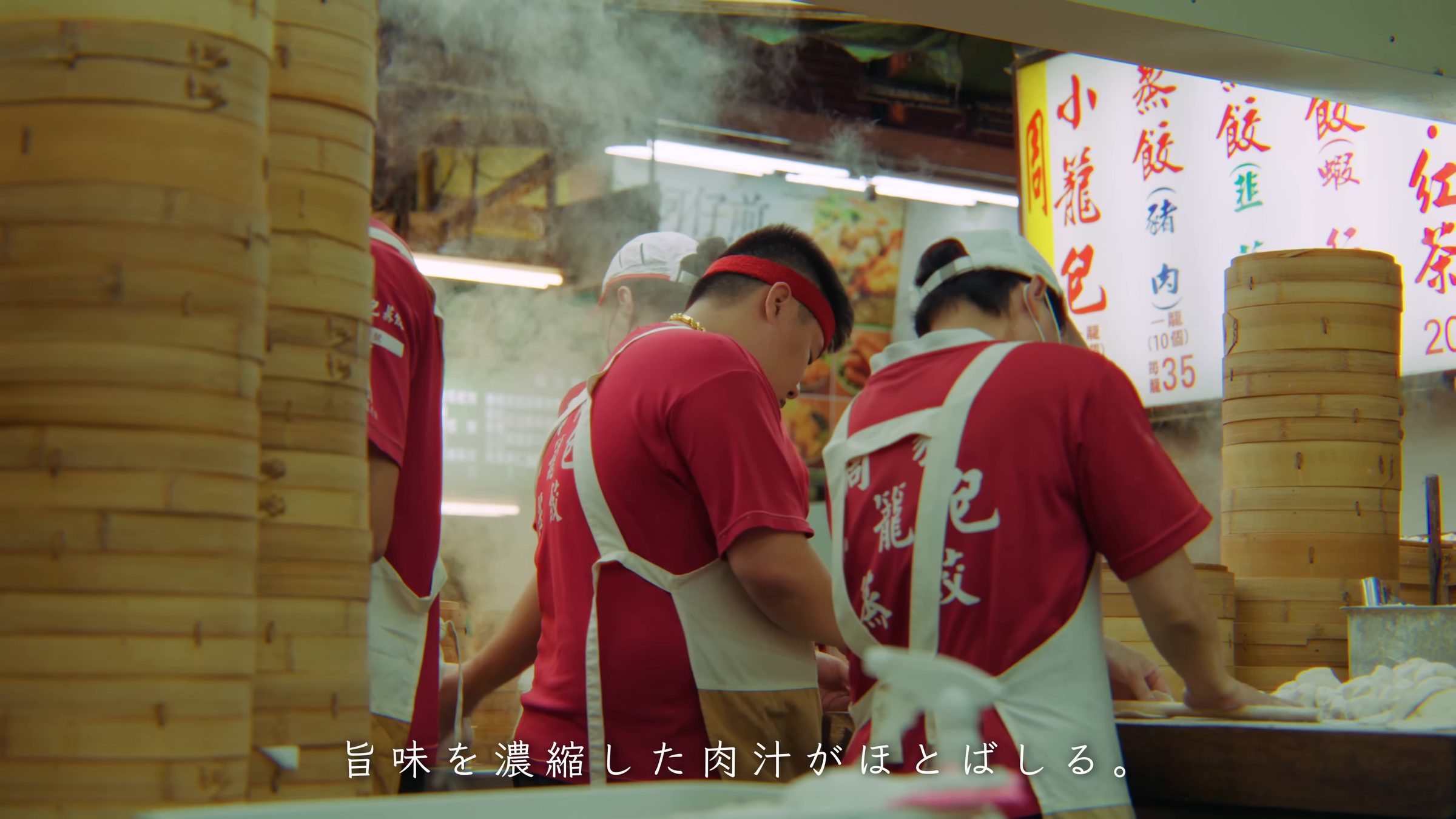
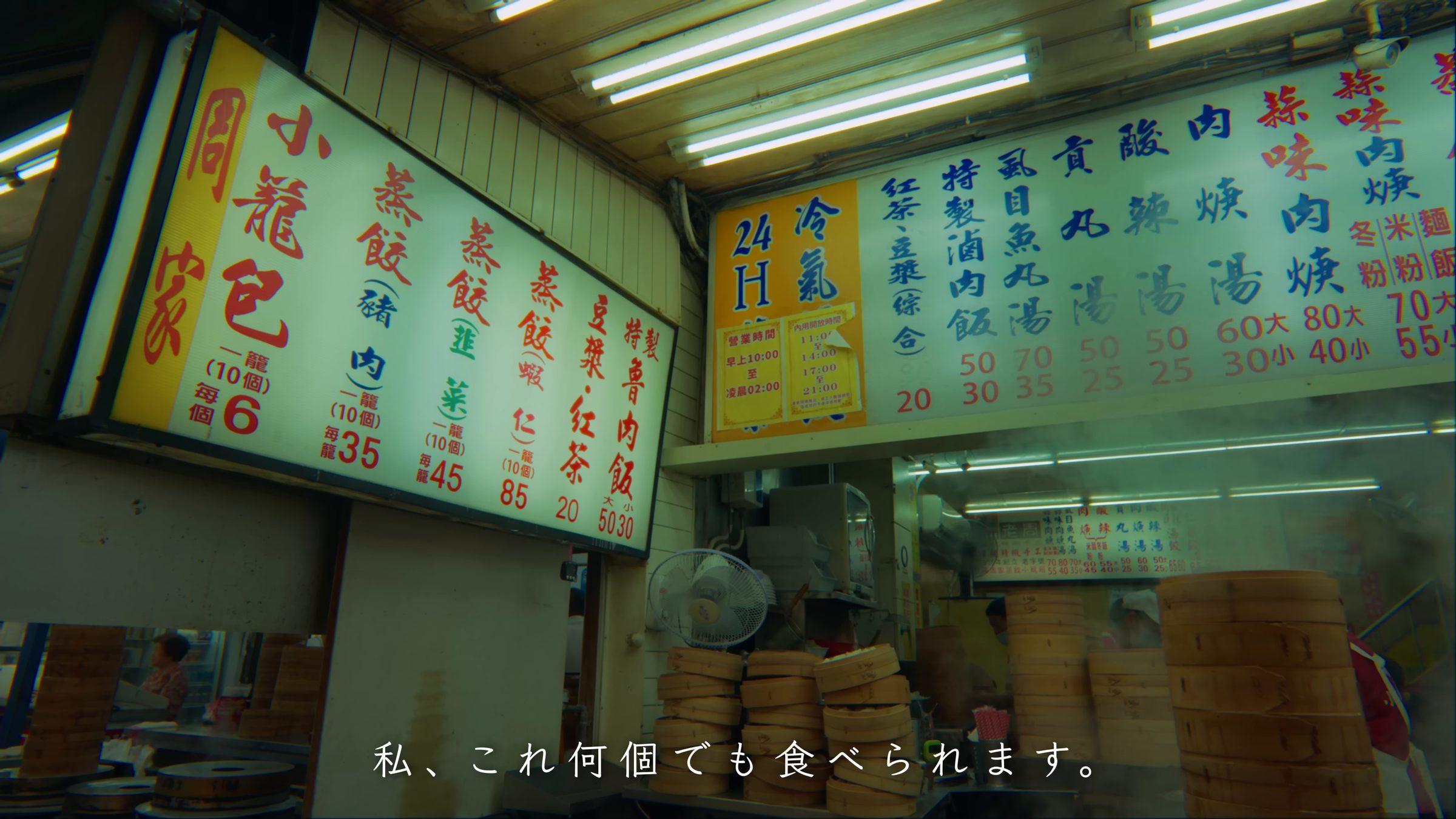
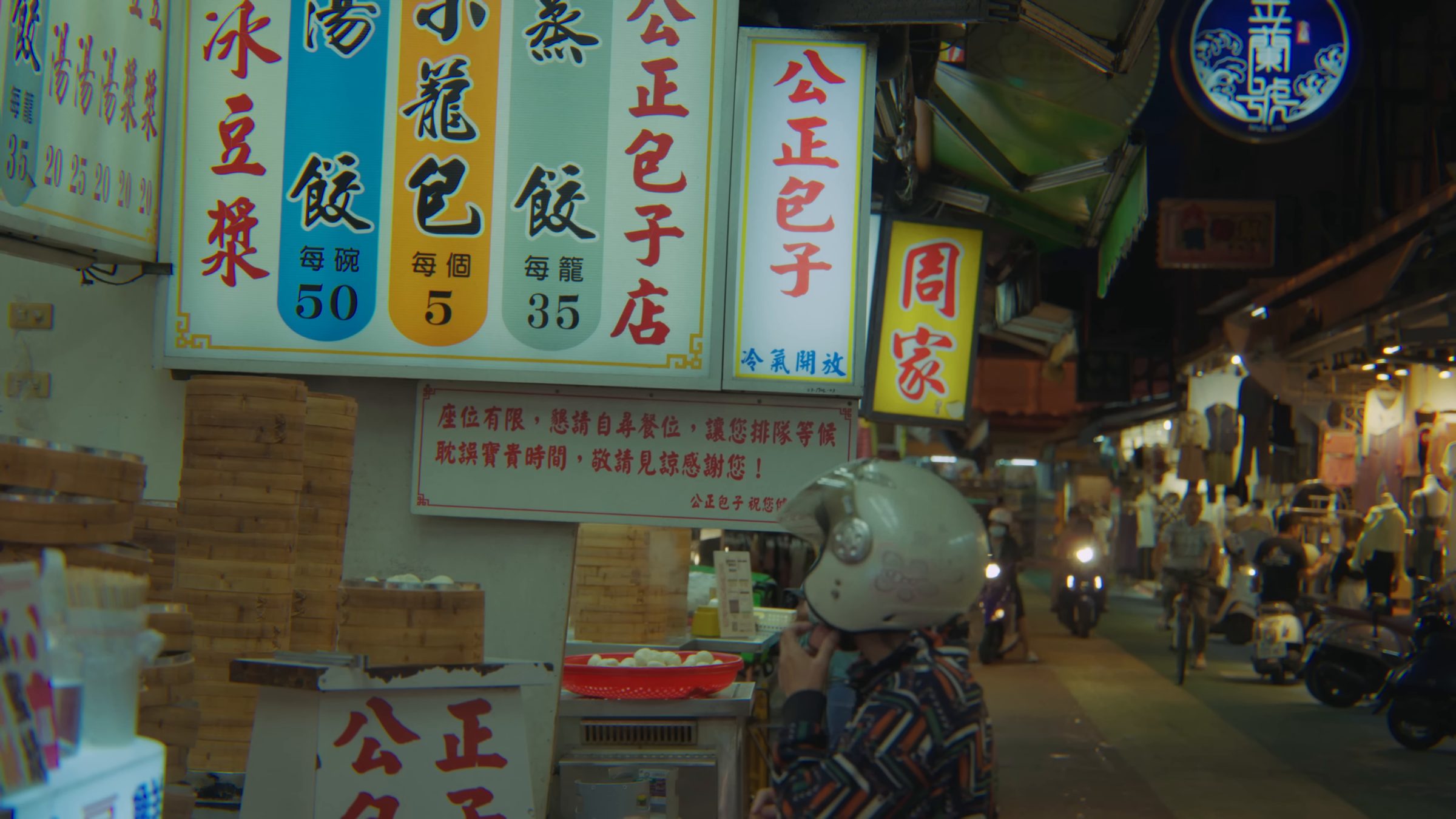
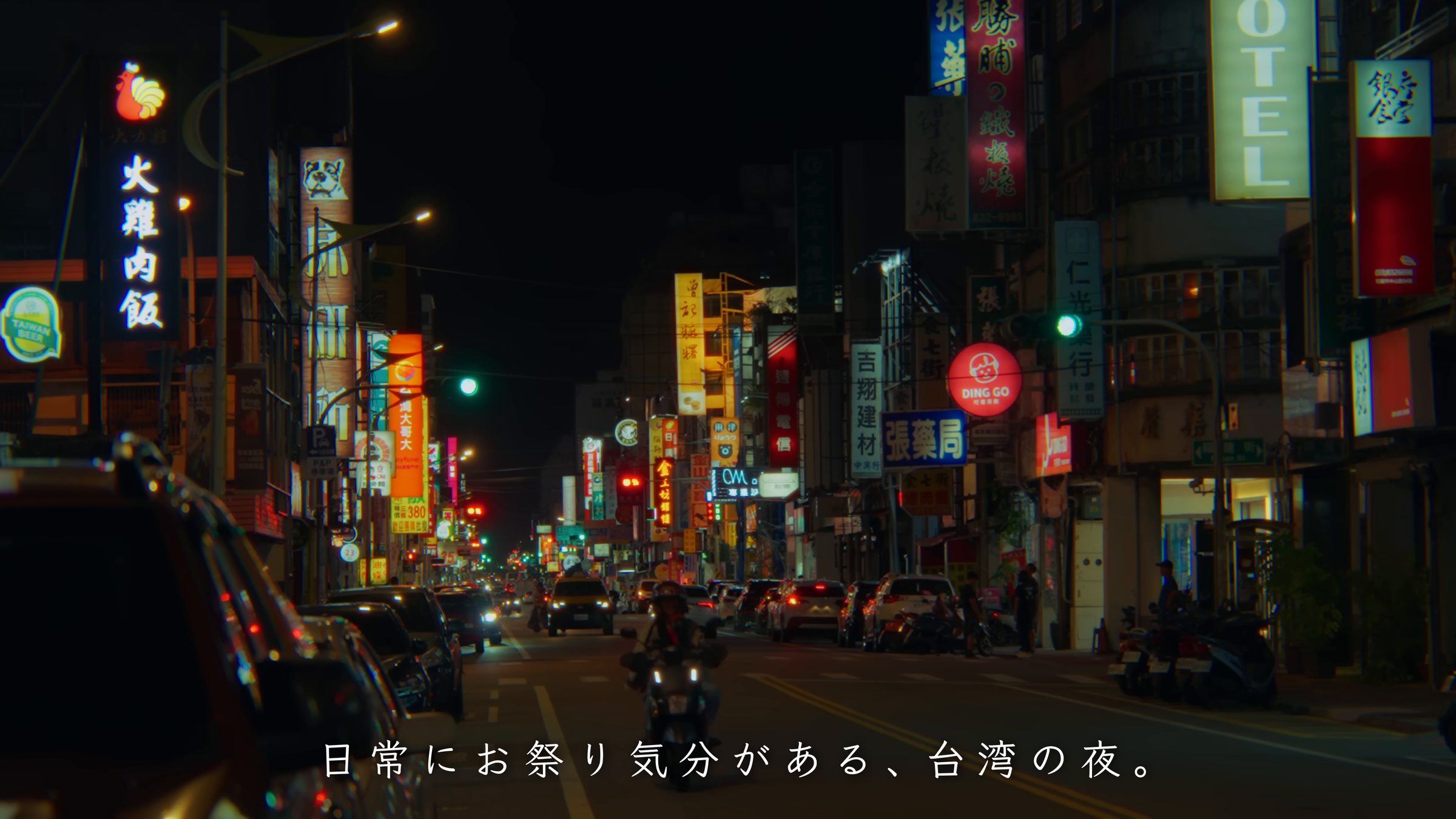
Next on Hualien's menu: xiaolongbao. After dark, I walked to neon-lit Gongzheng Street, where bamboo steamers were stacked high at the shopfront and clouds of steam rose into the night. The sight alone was exciting.
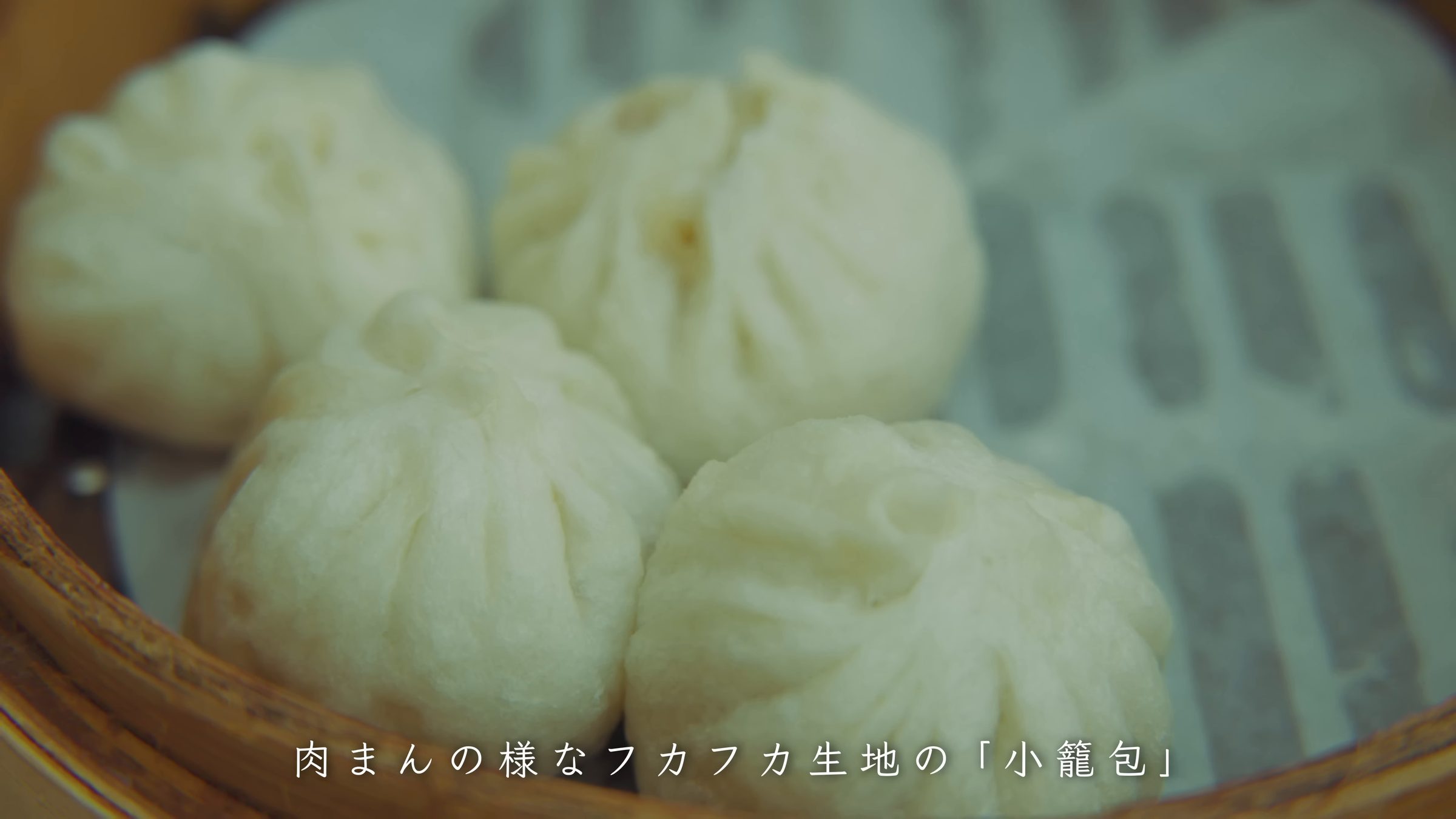
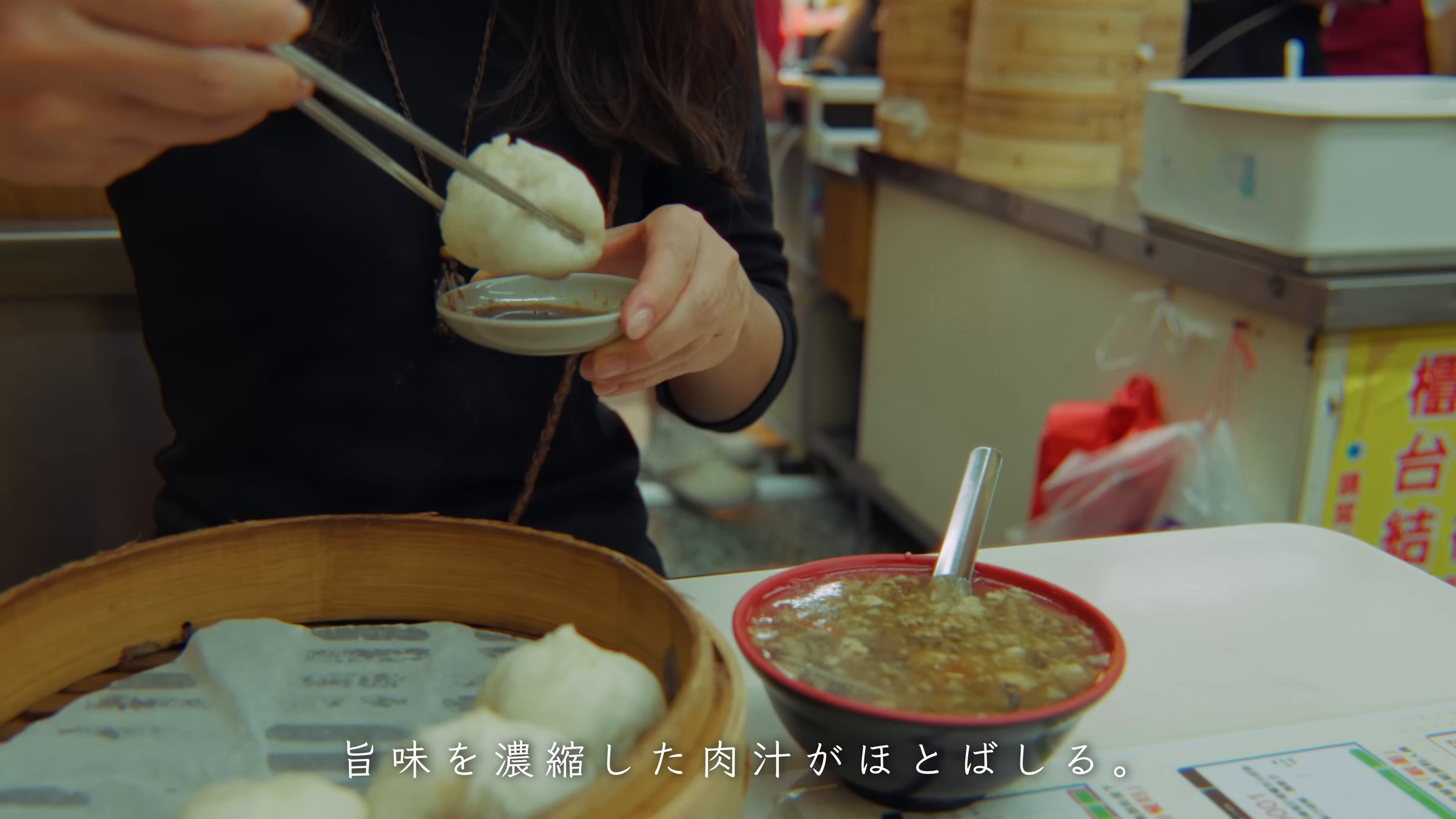
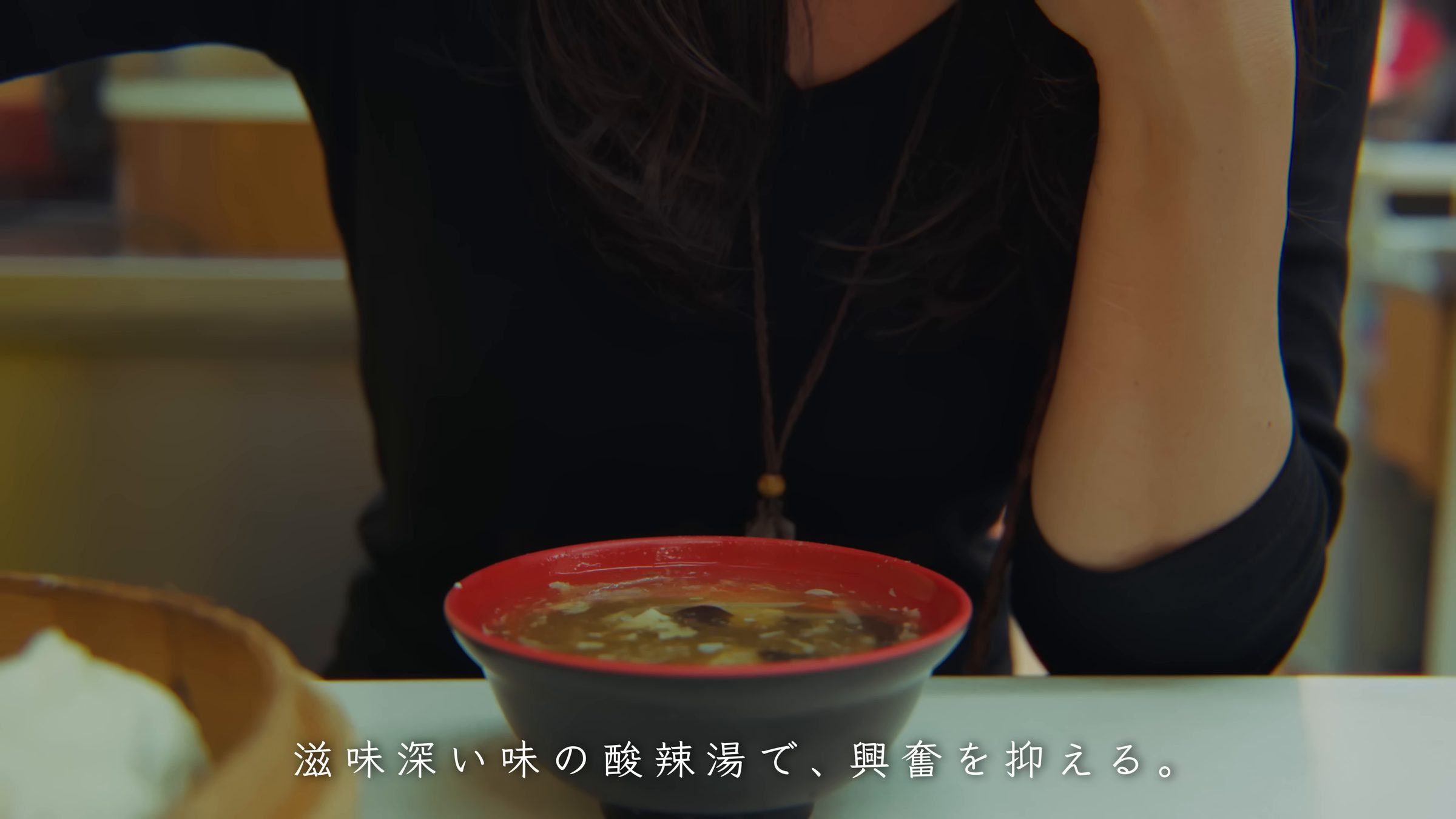
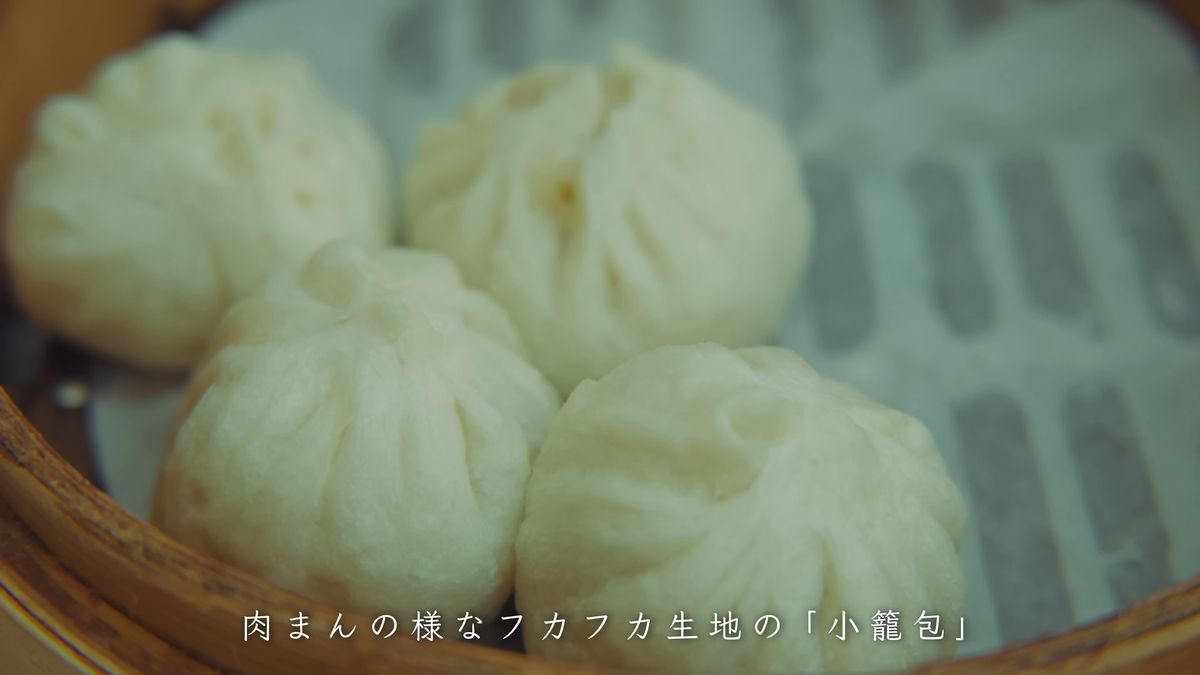
The xiaolongbao here at Zhou Jia (周家) have a fluffy dough, more like a steamed bun. One bite and a rich, concentrated meat juice bursts out and soaks into the soft dough. Every mouthful was delicious. I could eat these forever.
A bowl of deep-flavored hot and sour soup calmed me down. Next door hung the sign of Gongzheng Baozi (公正包子店), which has since moved to Renai Street.
Watch this scene on YouTube4:28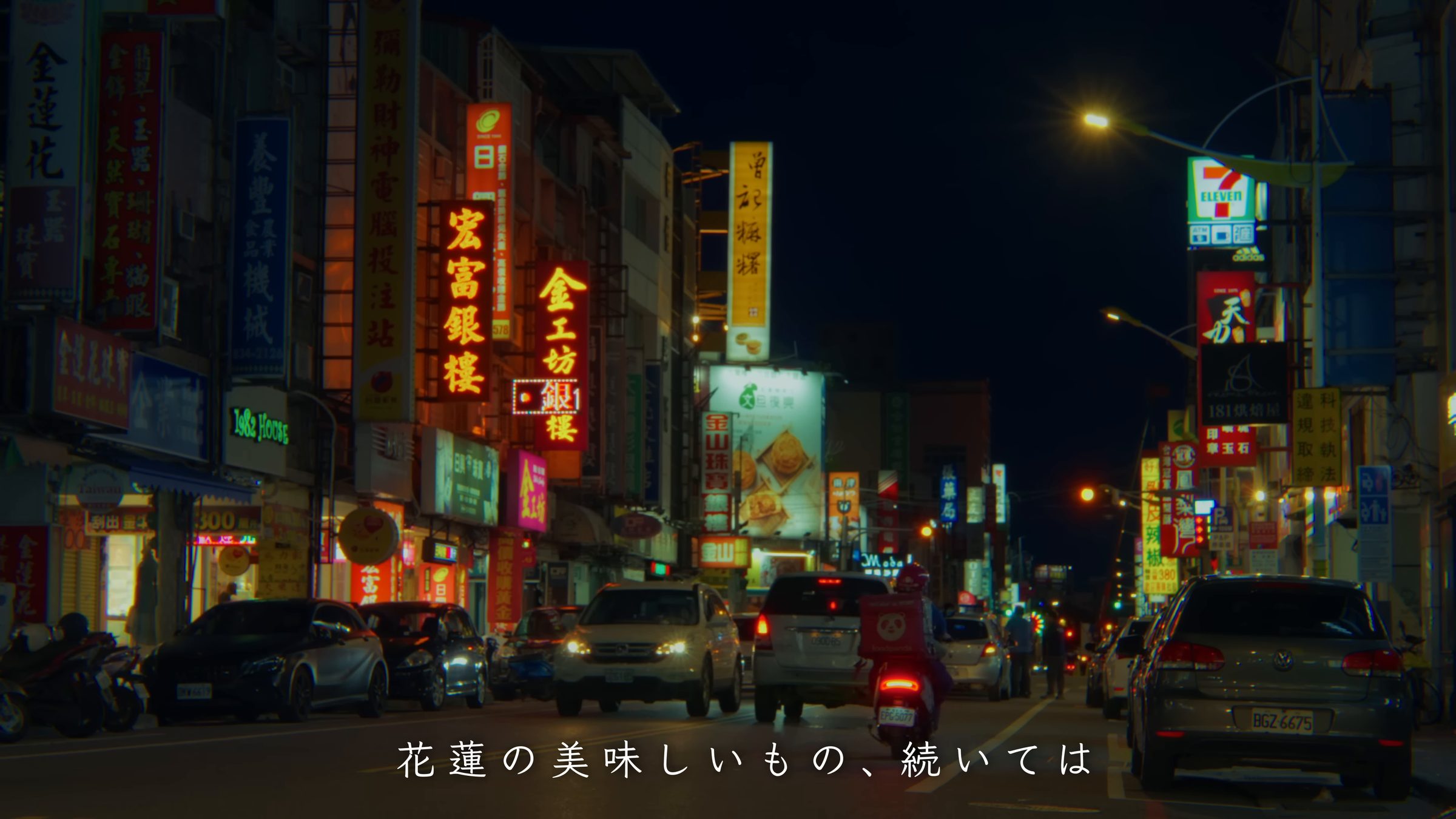
07TRAVEL JOURNAL
Indigenous food at the night market
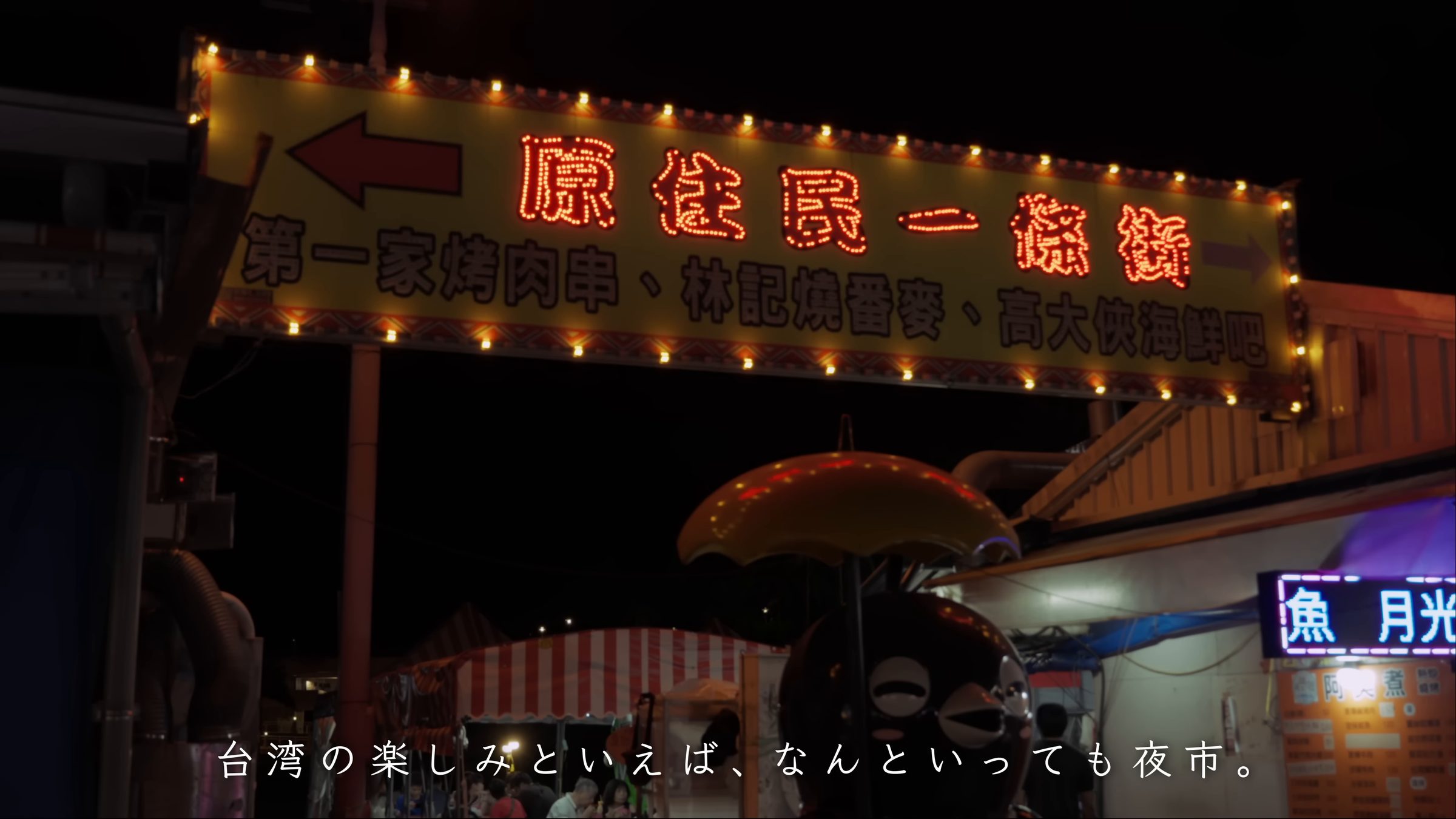
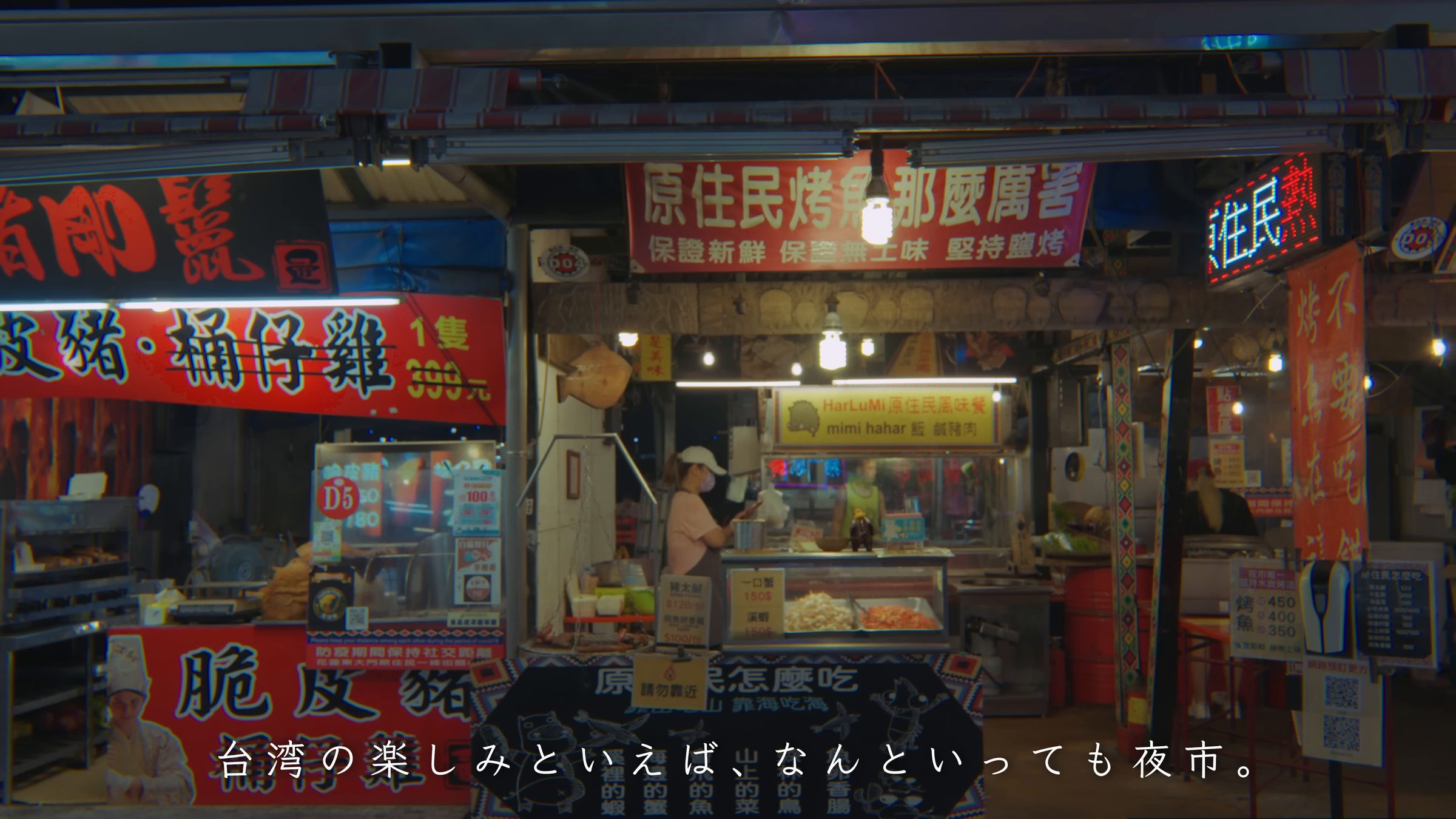
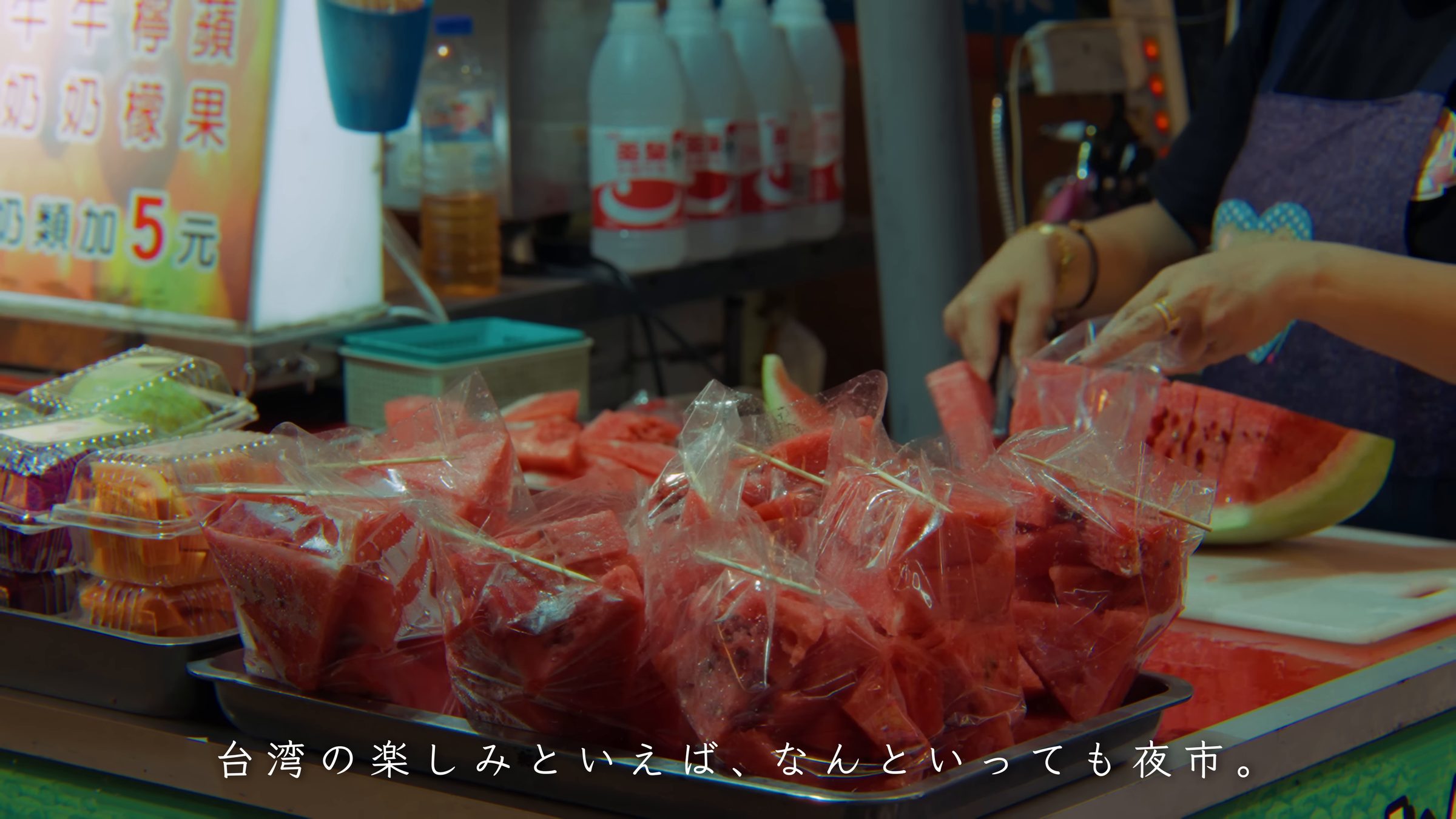
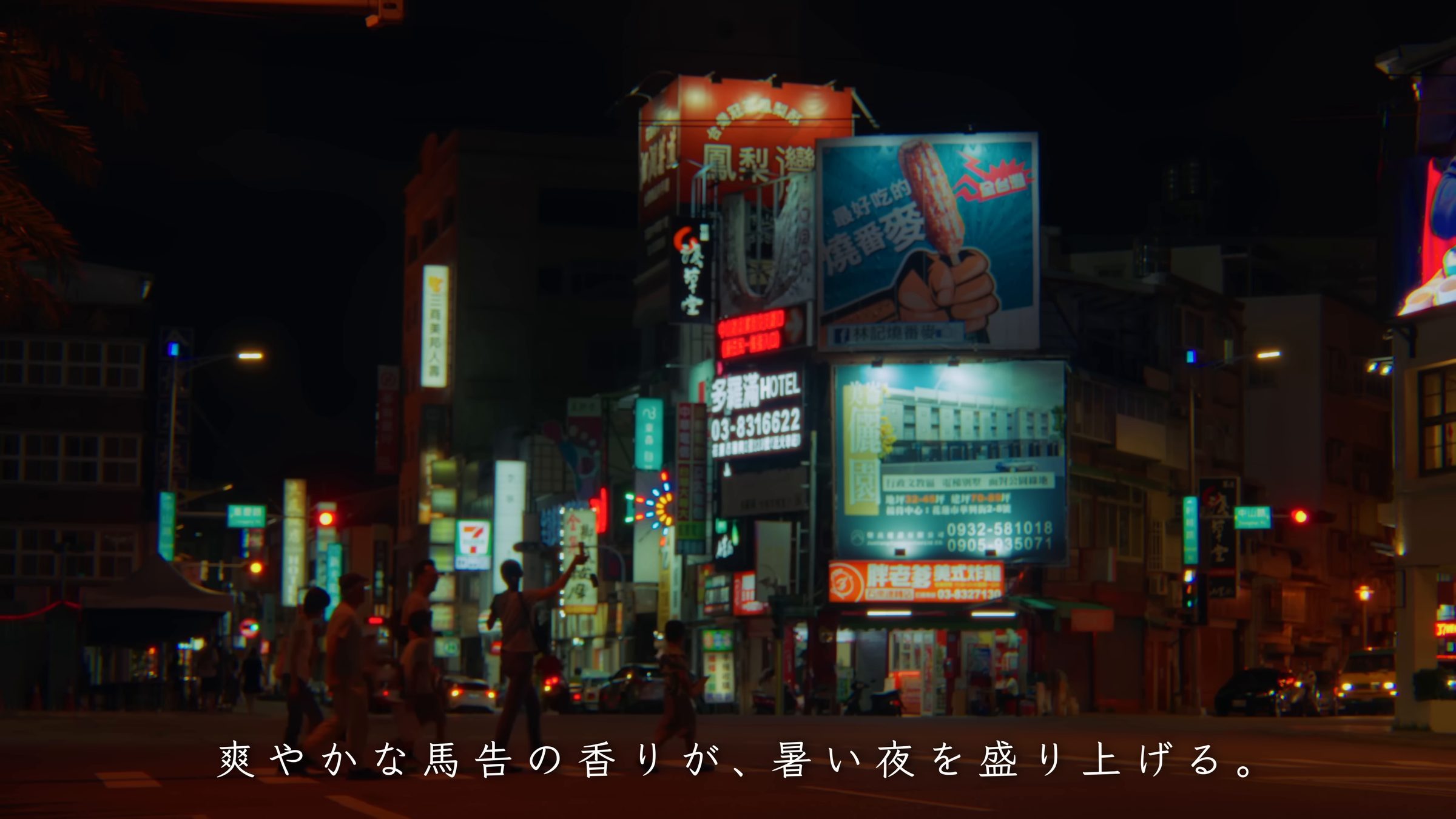
When it comes to the pleasures of Taiwan, nothing beats a night market. Hualien has a big one, Dongdamen Night Market, with more than 400 stalls. Through the gate of Indigenous Street (原住民一條街), stalls selling Taiwanese indigenous food lined the way.
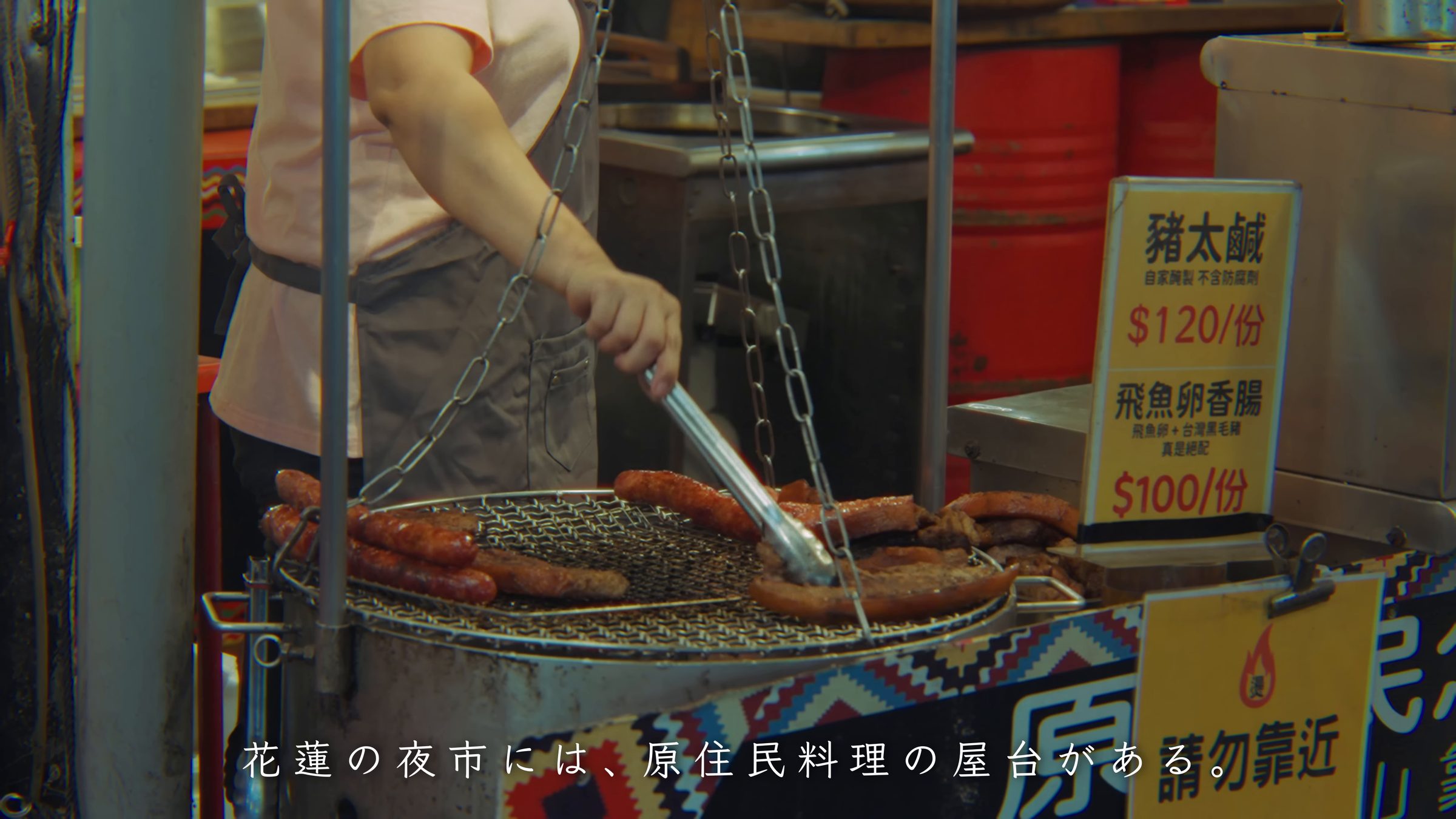
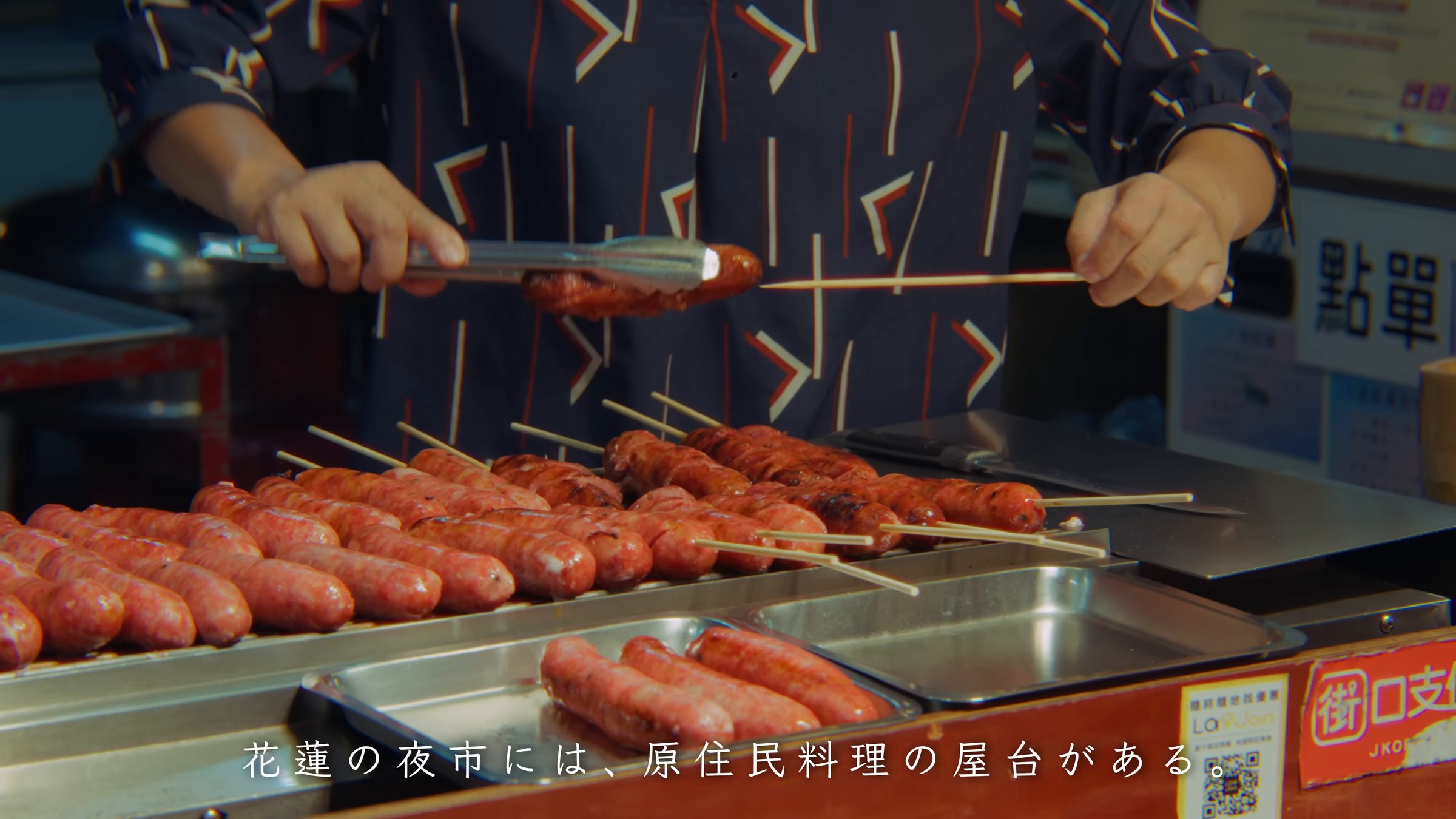
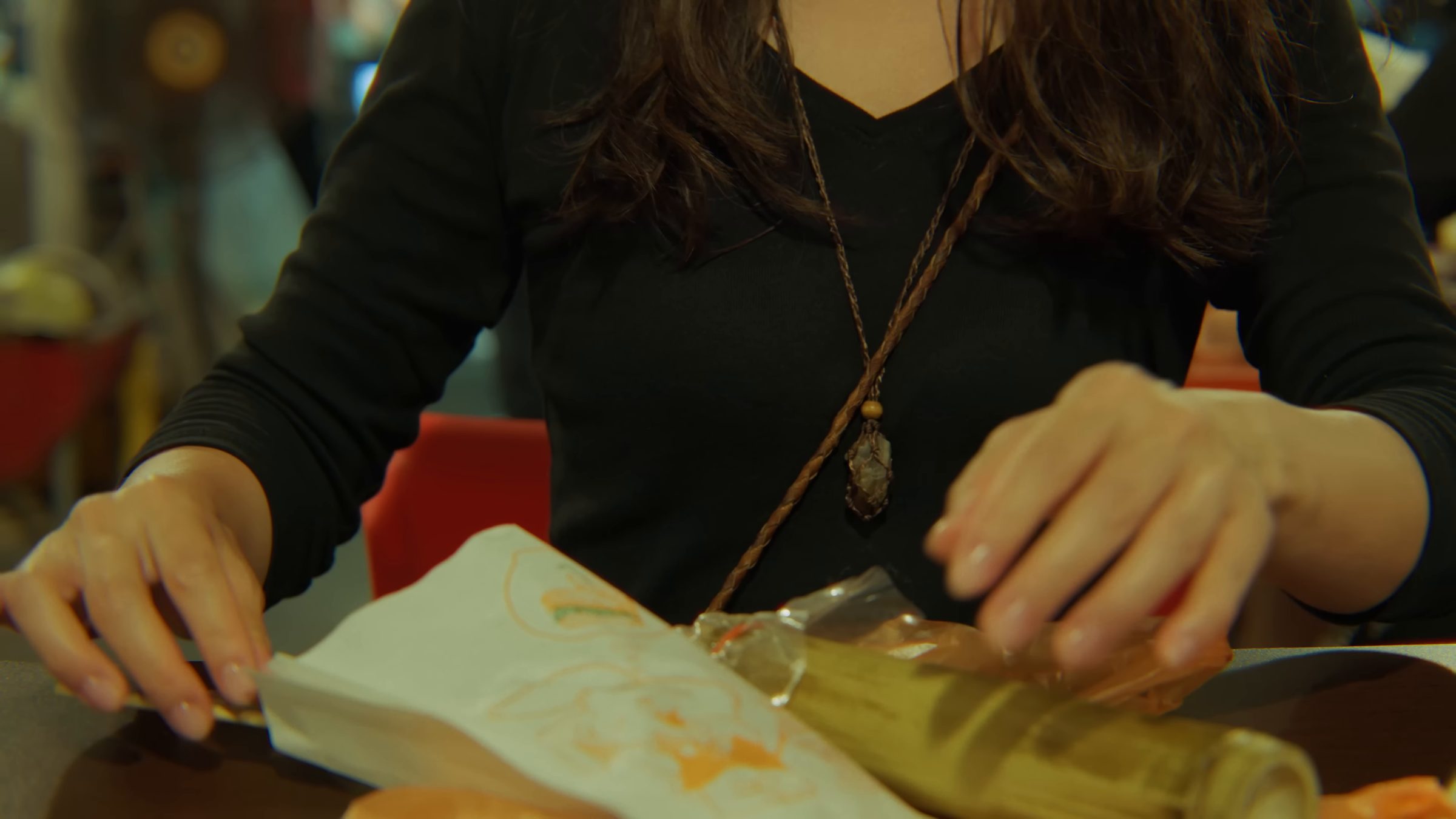
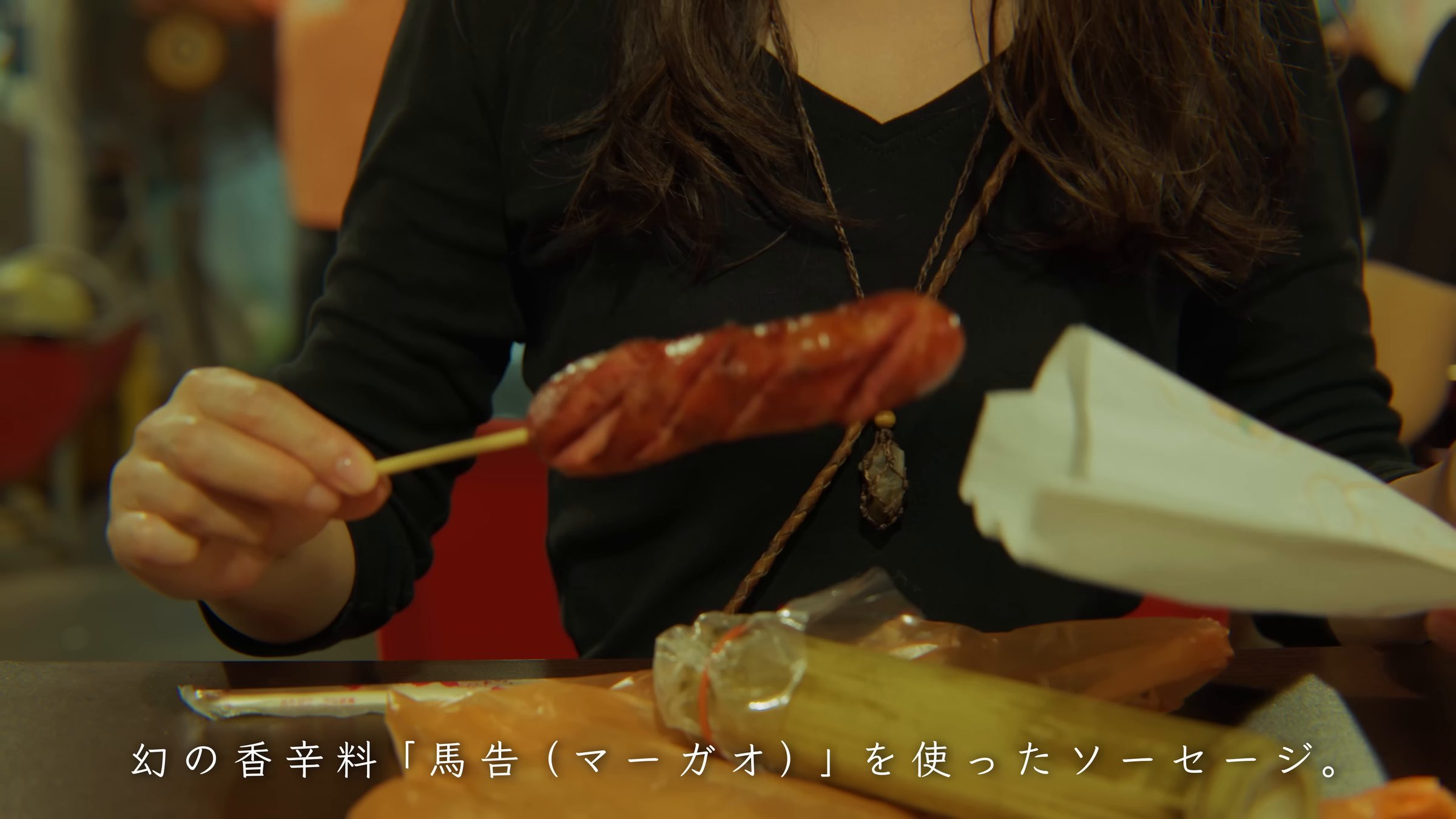
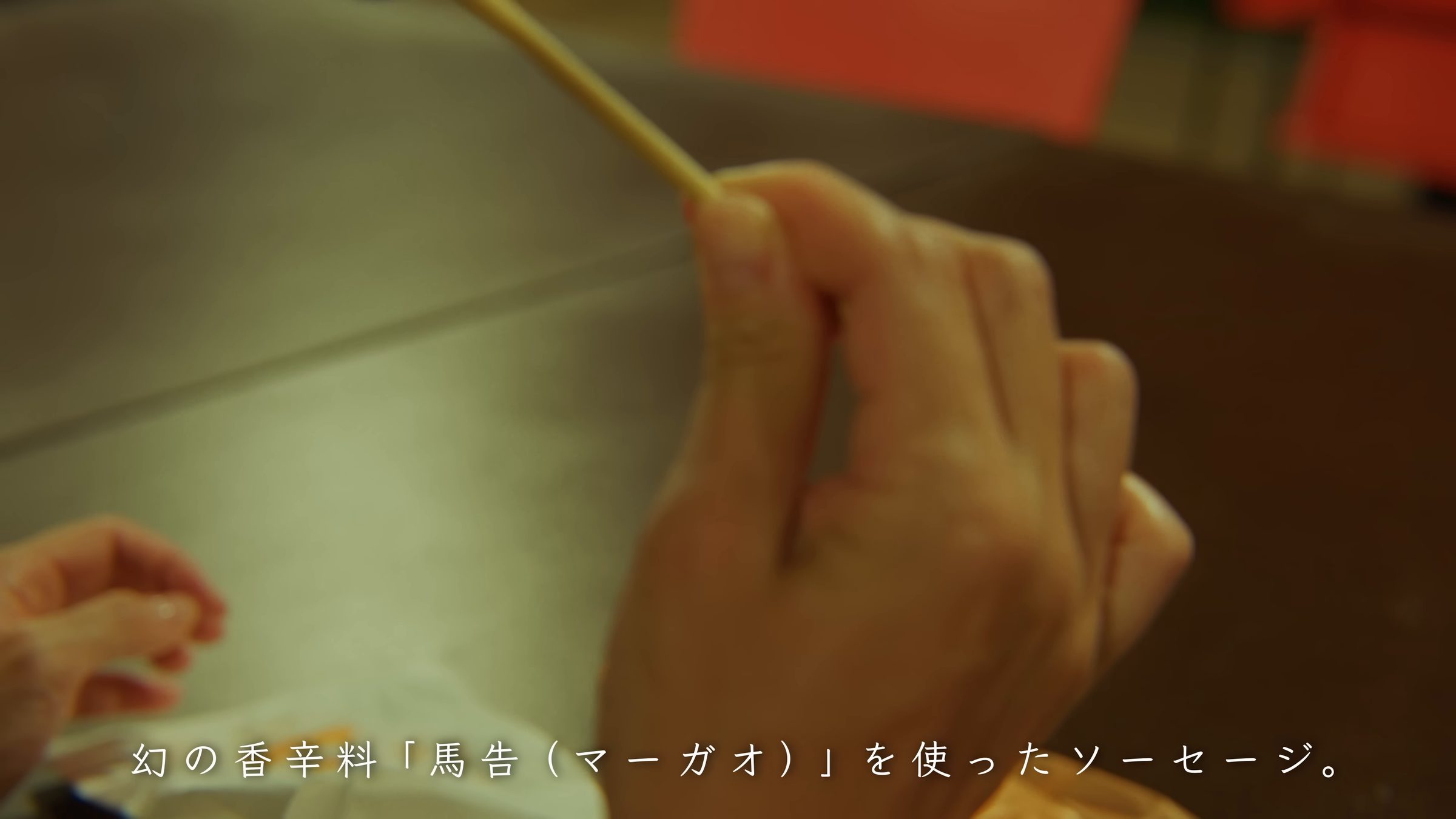
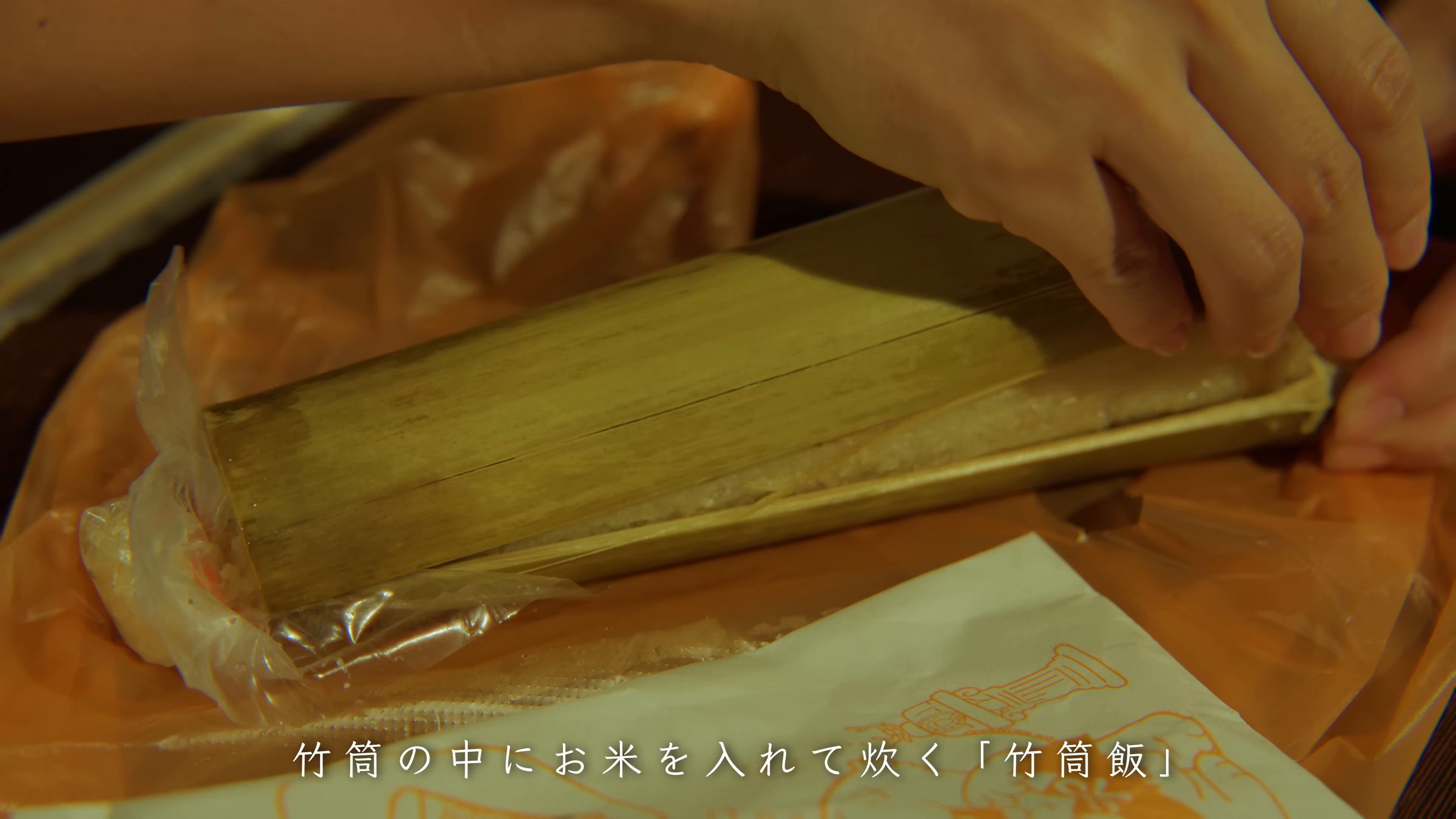
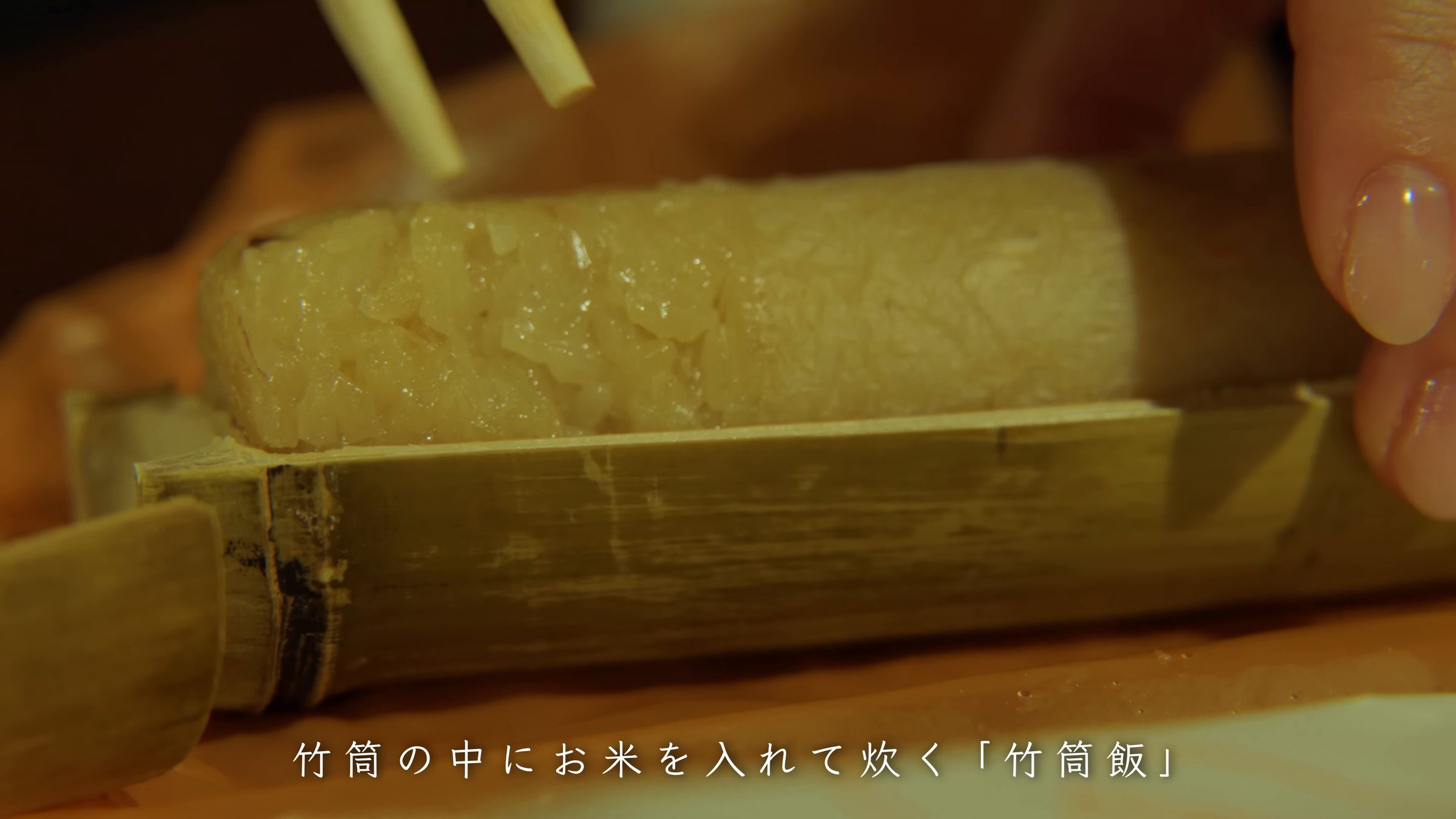
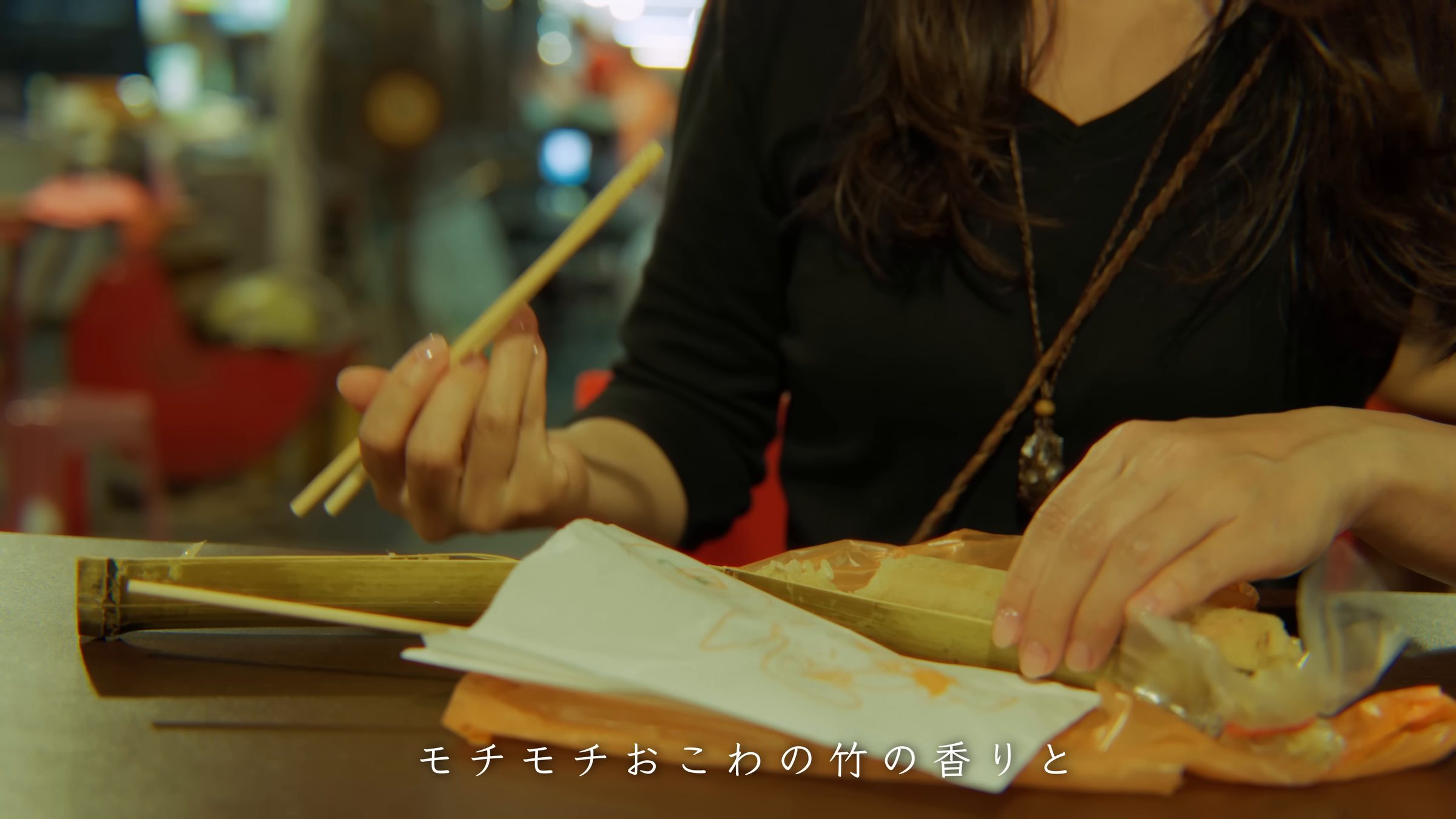
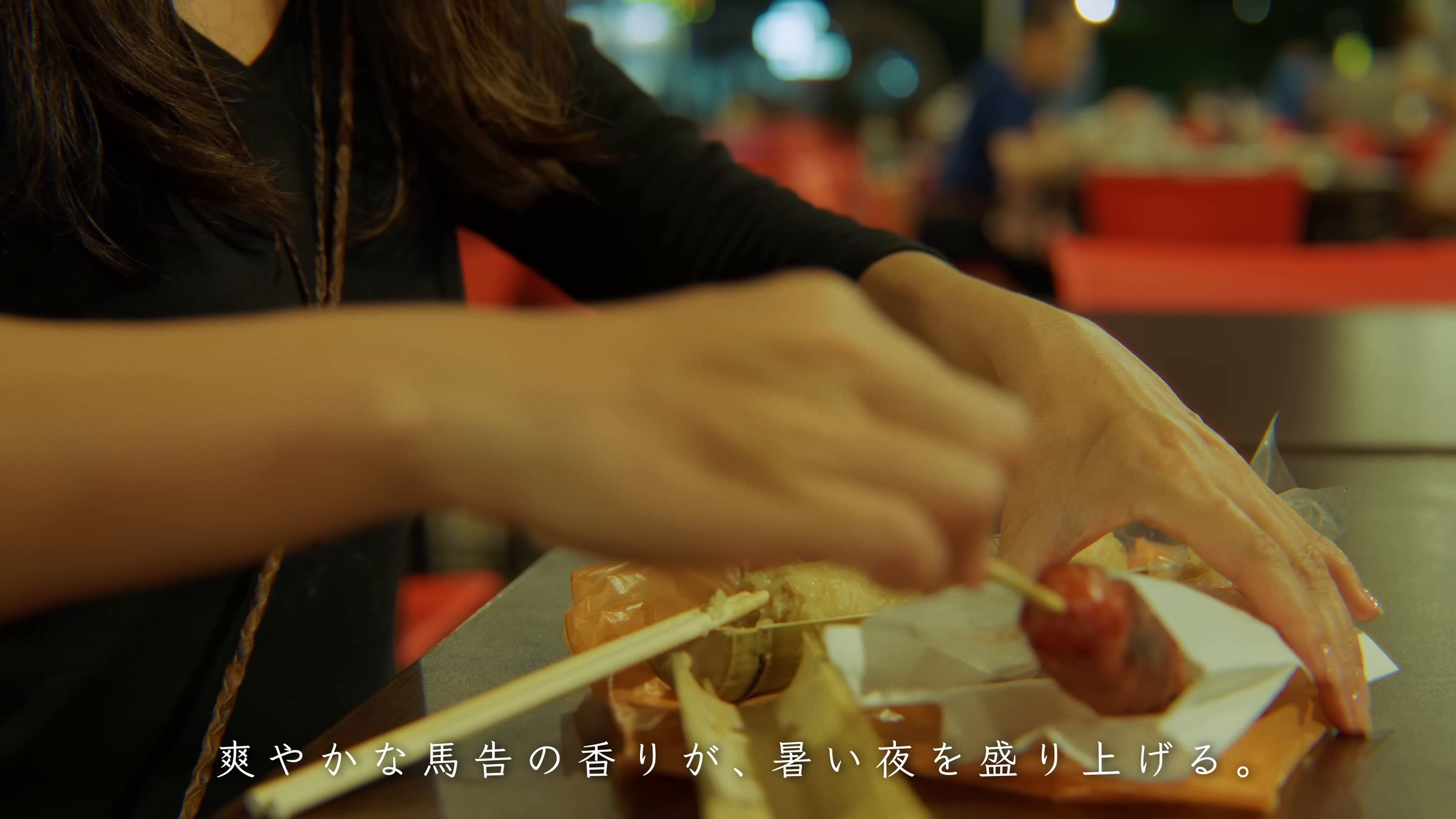
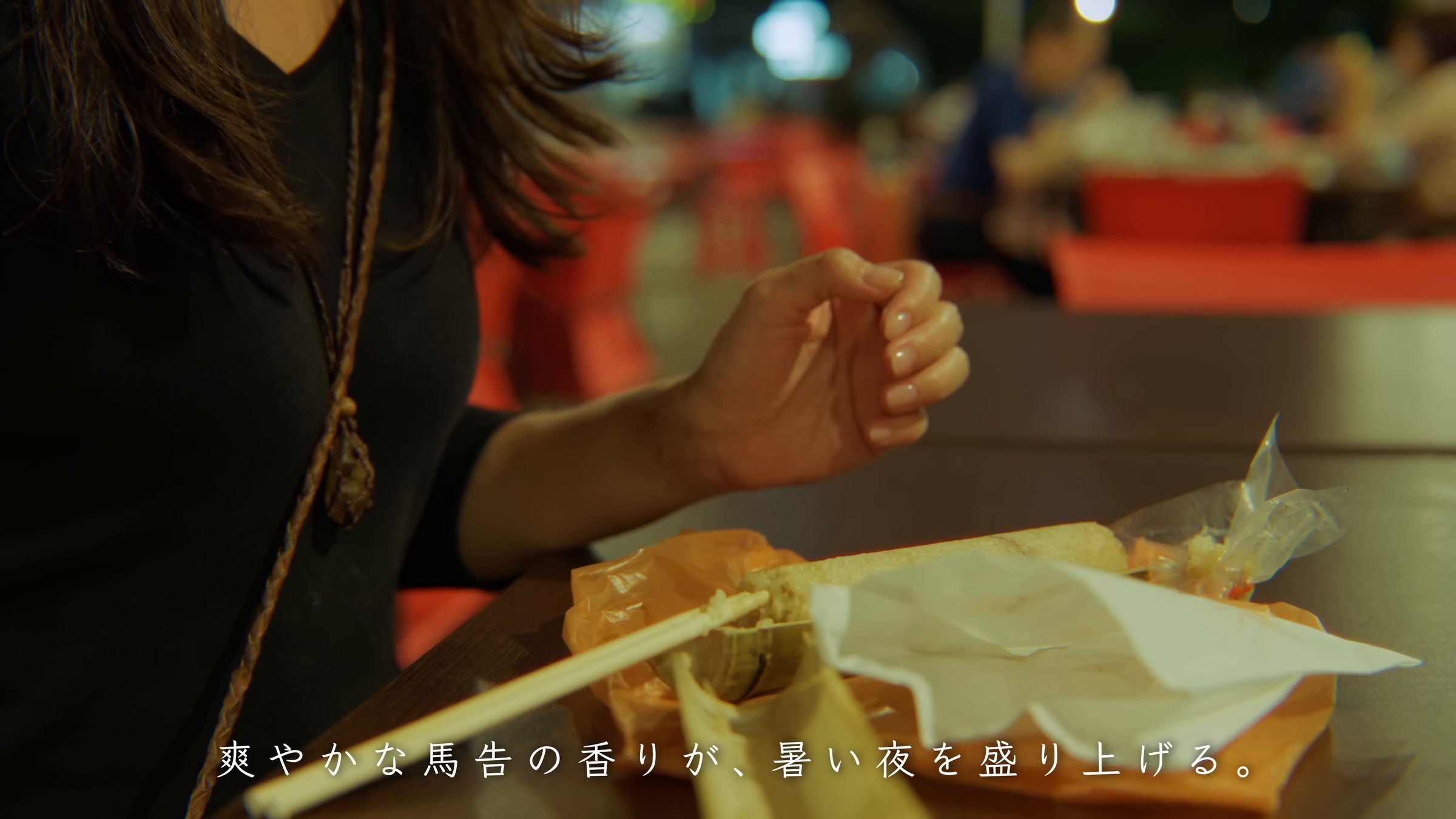
Over a charcoal grill sizzled sausages seasoned with maqaw (馬告), a rare spice said to grow wild deep in the mountains where Taiwan's indigenous peoples live. It smells refreshingly of lemongrass. Then bamboo-tube rice (竹筒飯), cooked inside a length of bamboo: split it open, and out came a roll of chewy sticky rice.
The scent of bamboo in the rice and the fresh fragrance of maqaw livened up the hot night. In Taiwan, there is a festive atmosphere in everyday life.
Watch this scene on YouTube5:04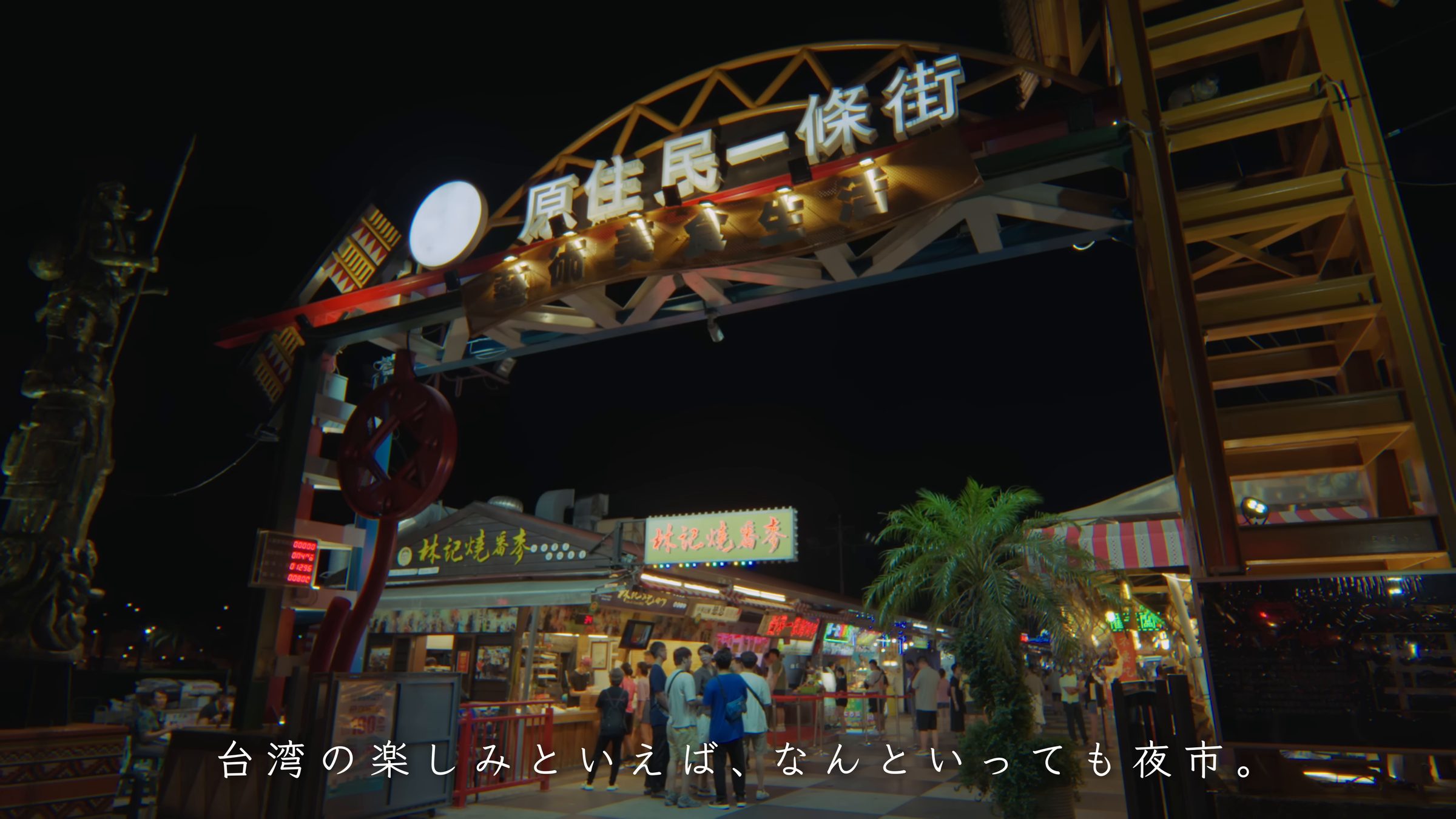
08TRAVEL JOURNAL
Morning tea at an old black-tea shop
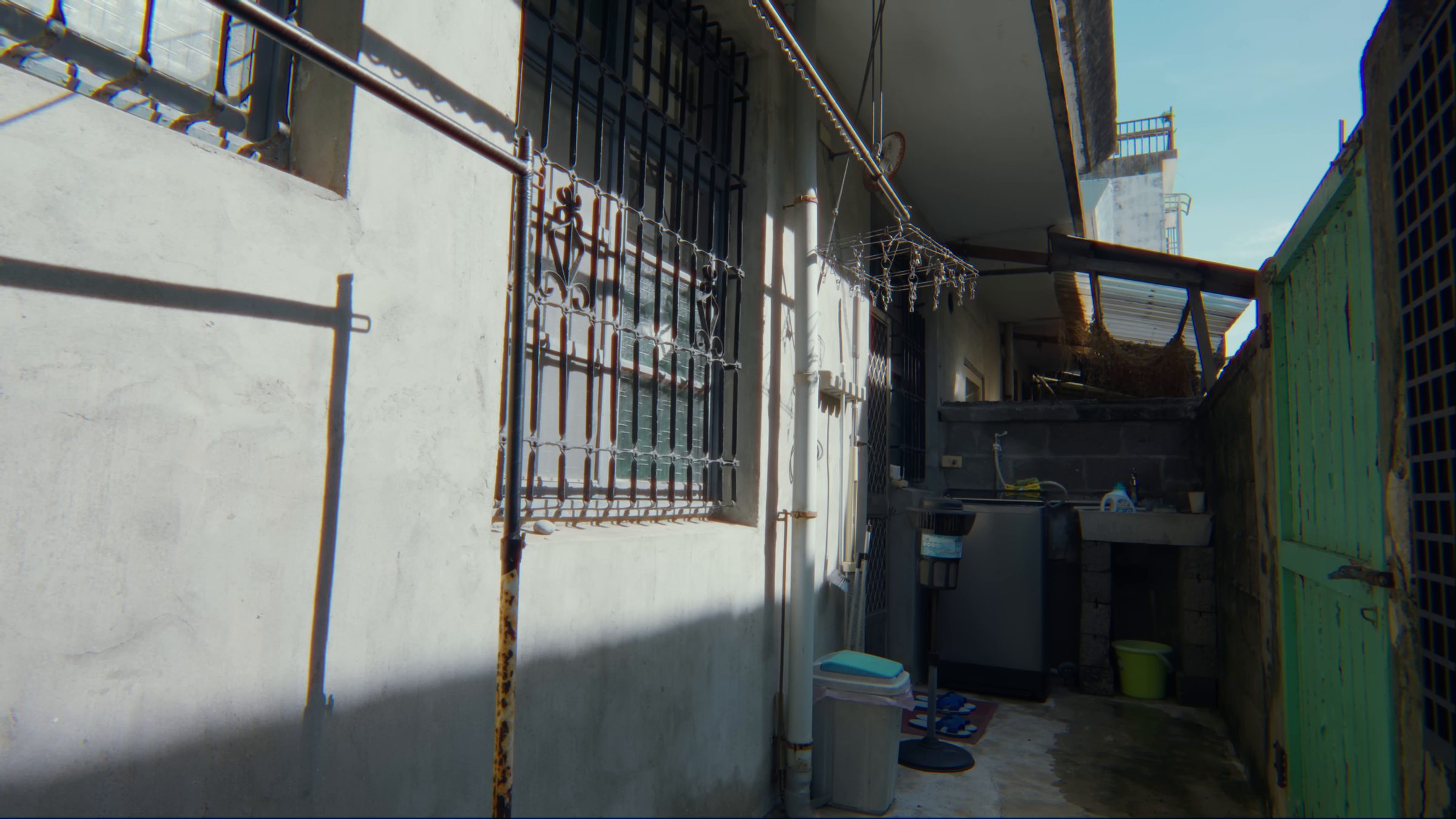
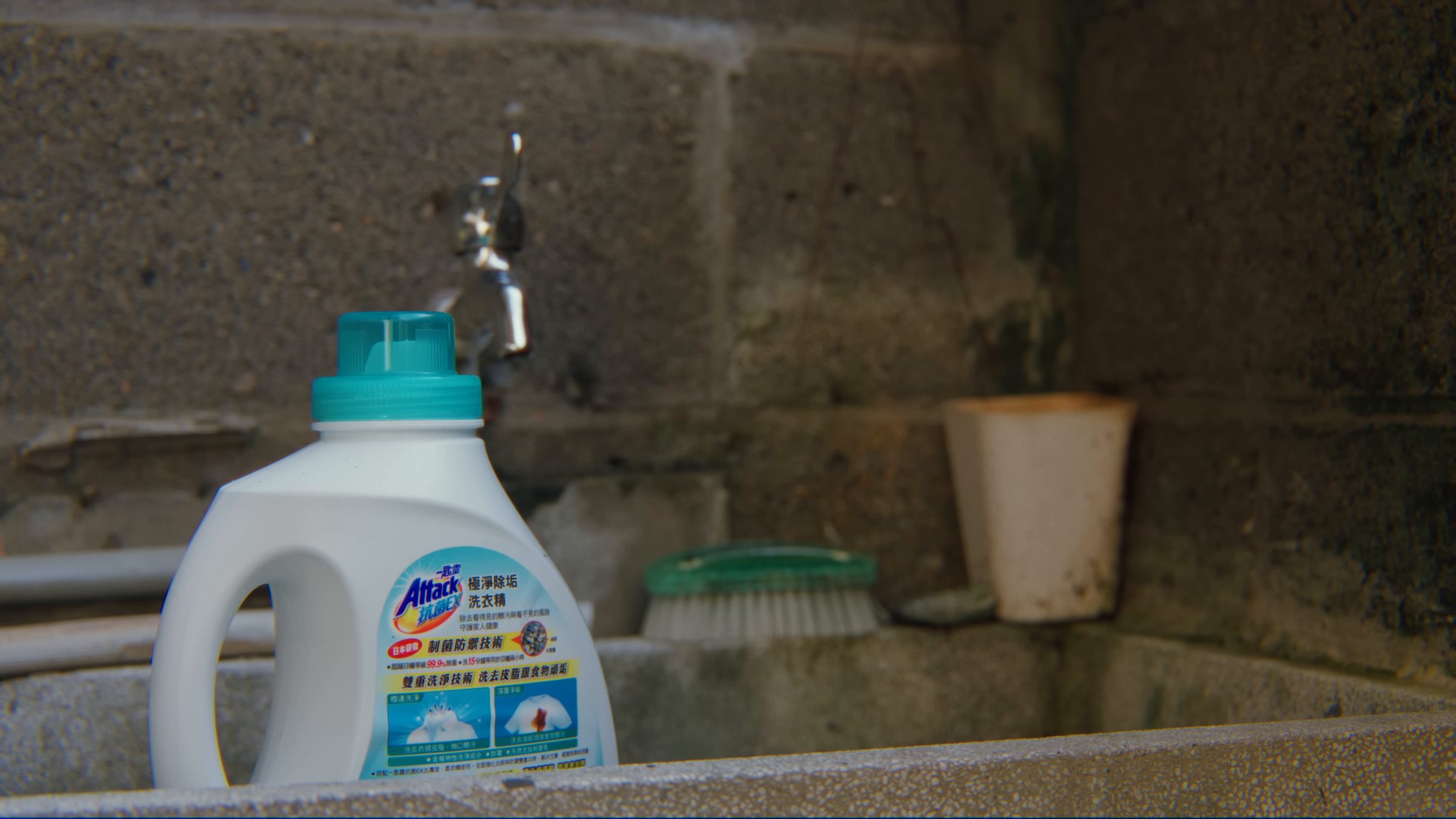
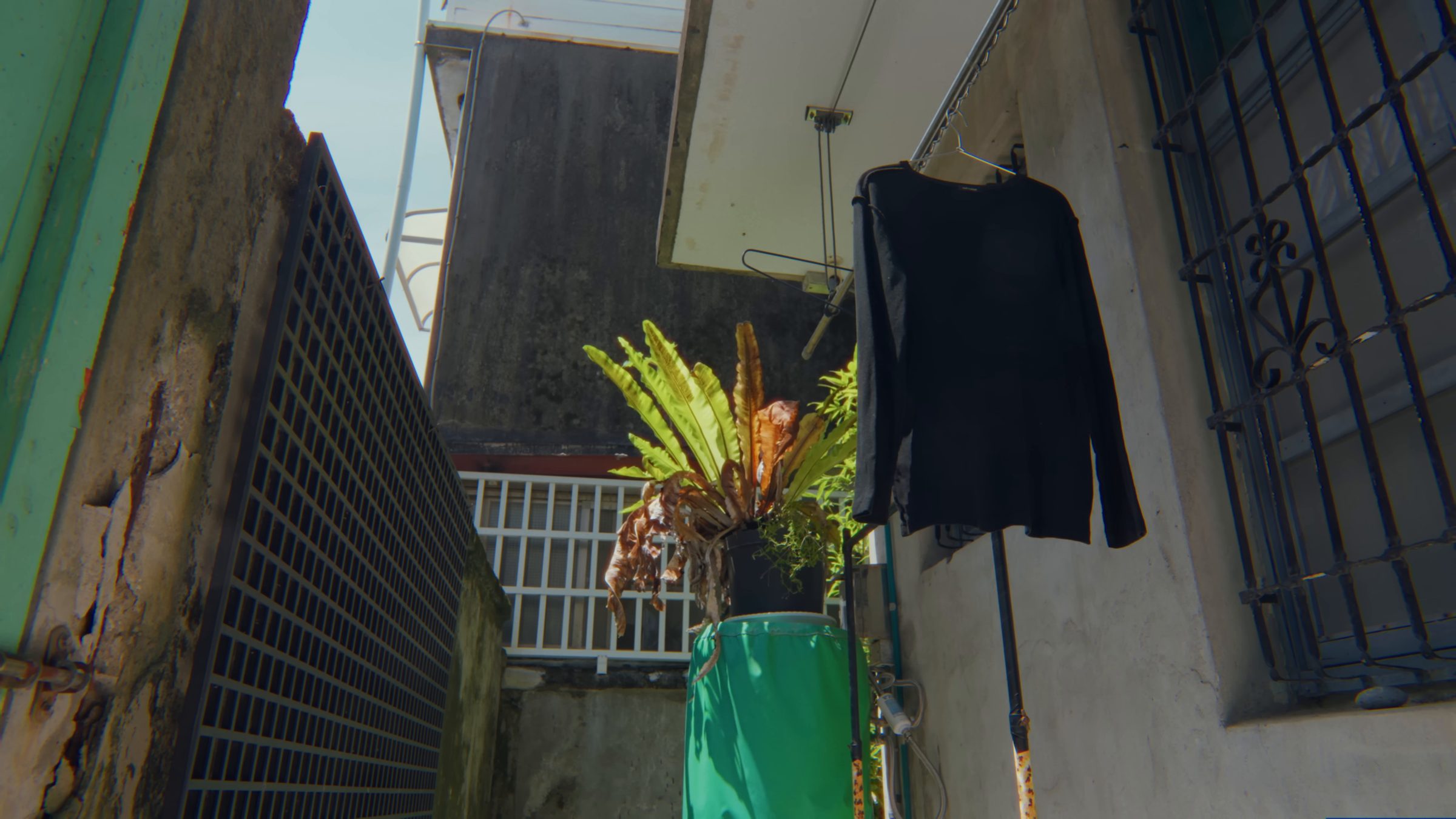
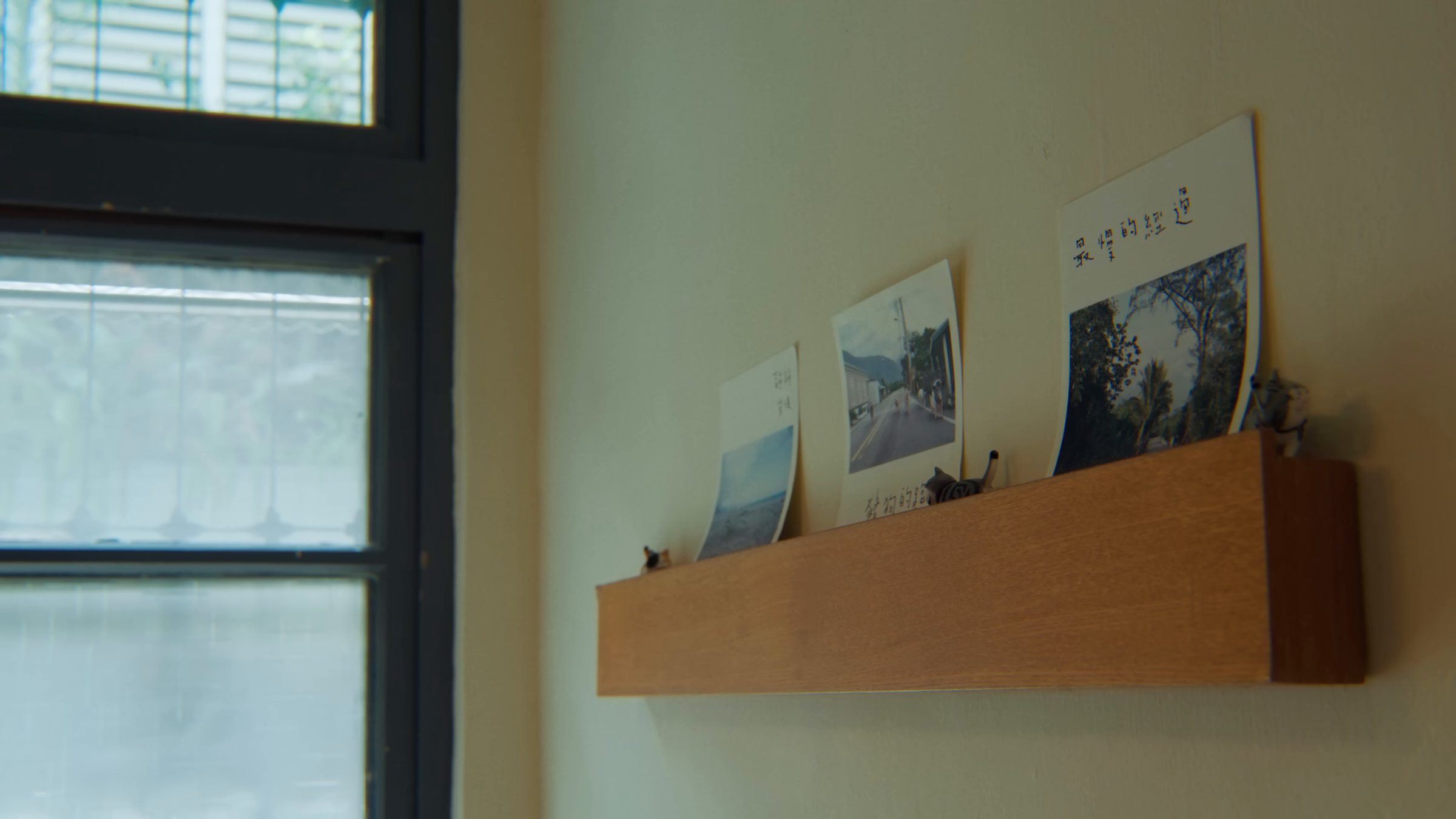
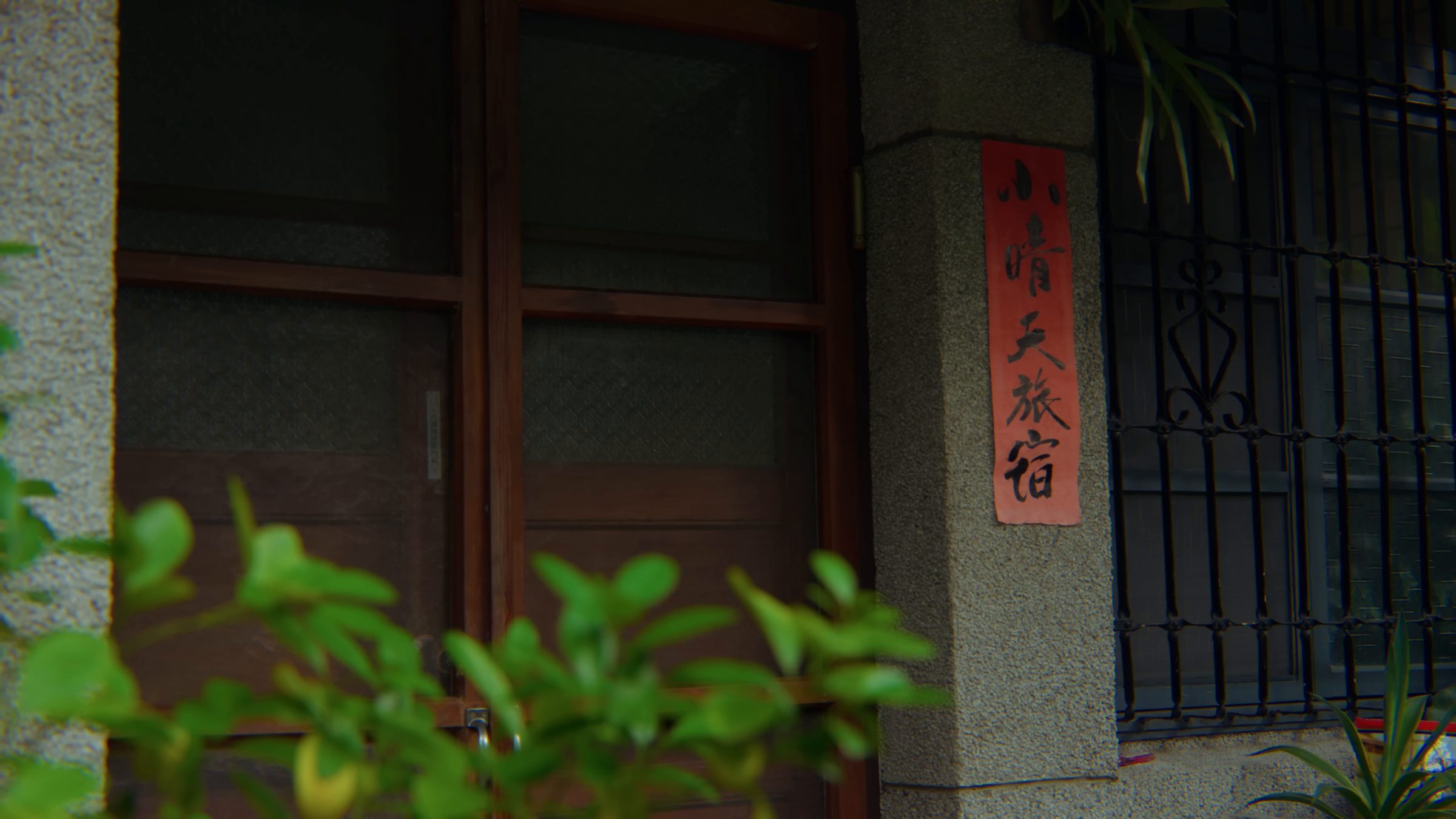
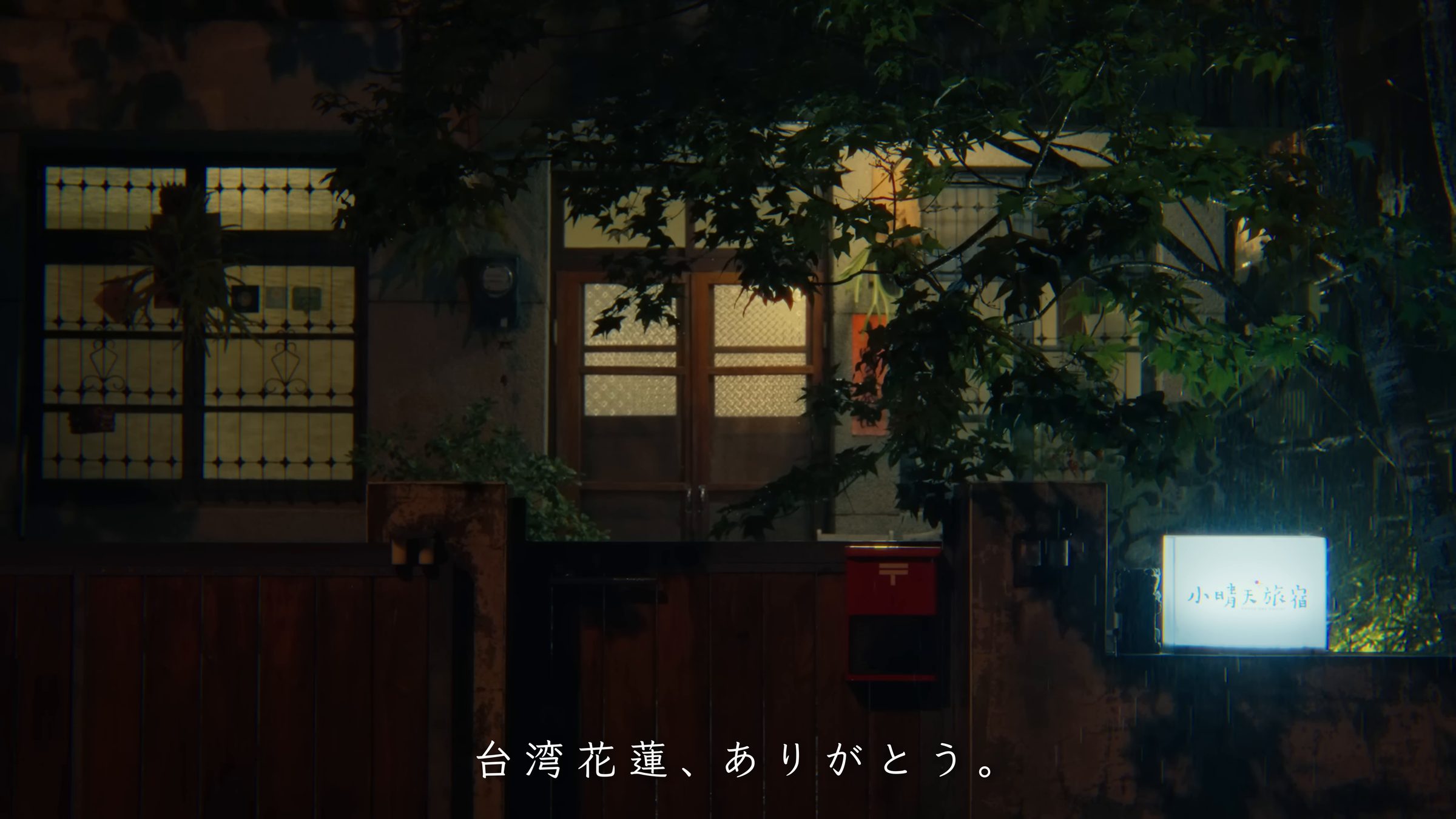
In the morning, stepping out the gate of my lodging, I found its white sign standing in the shade of the trees. A bottle of detergent and a scrubbing brush sat by the outdoor sink, and laundry swayed in the narrow lane. On a shelf in my room stood postcards of Hualien's roads.
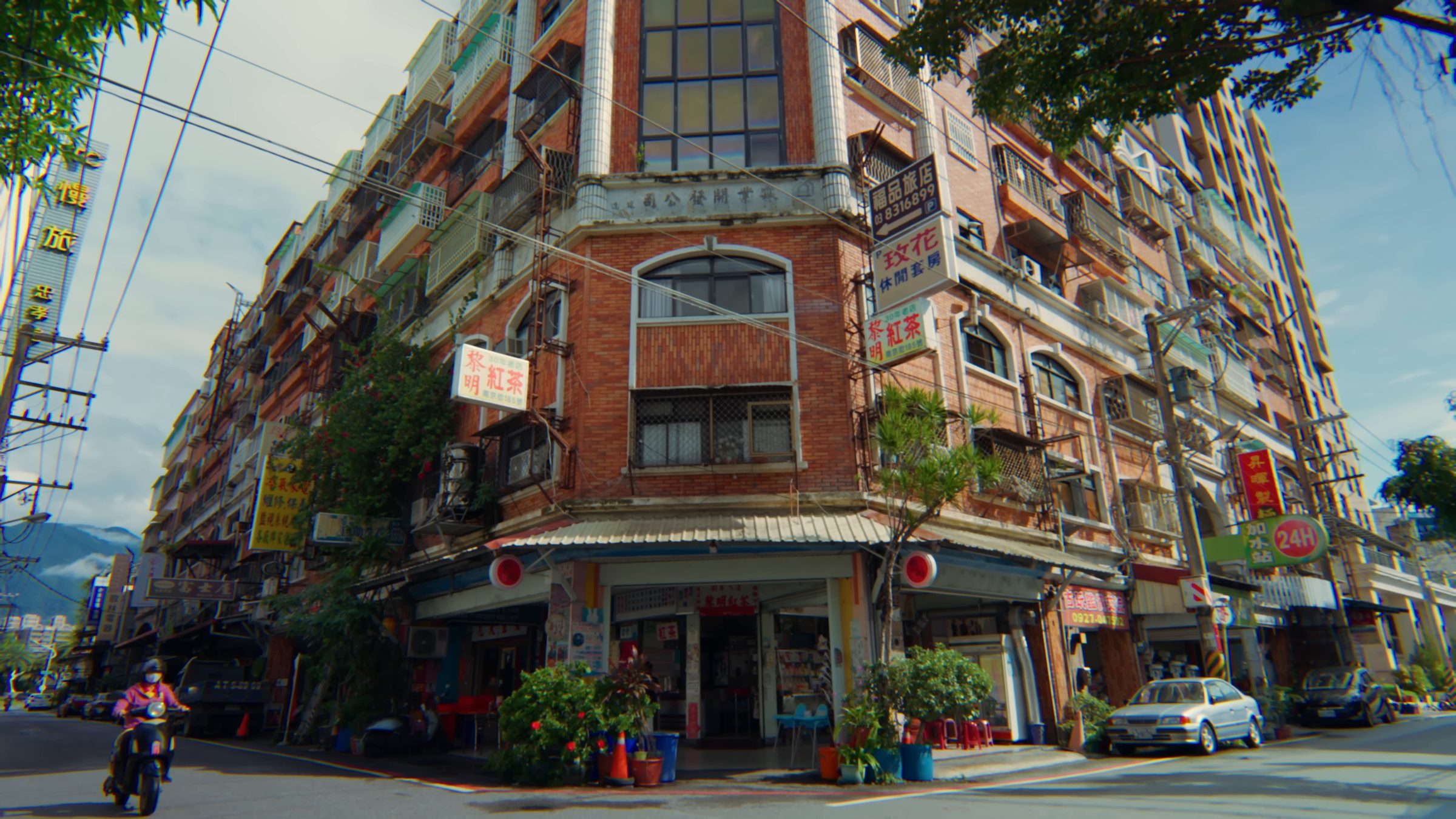
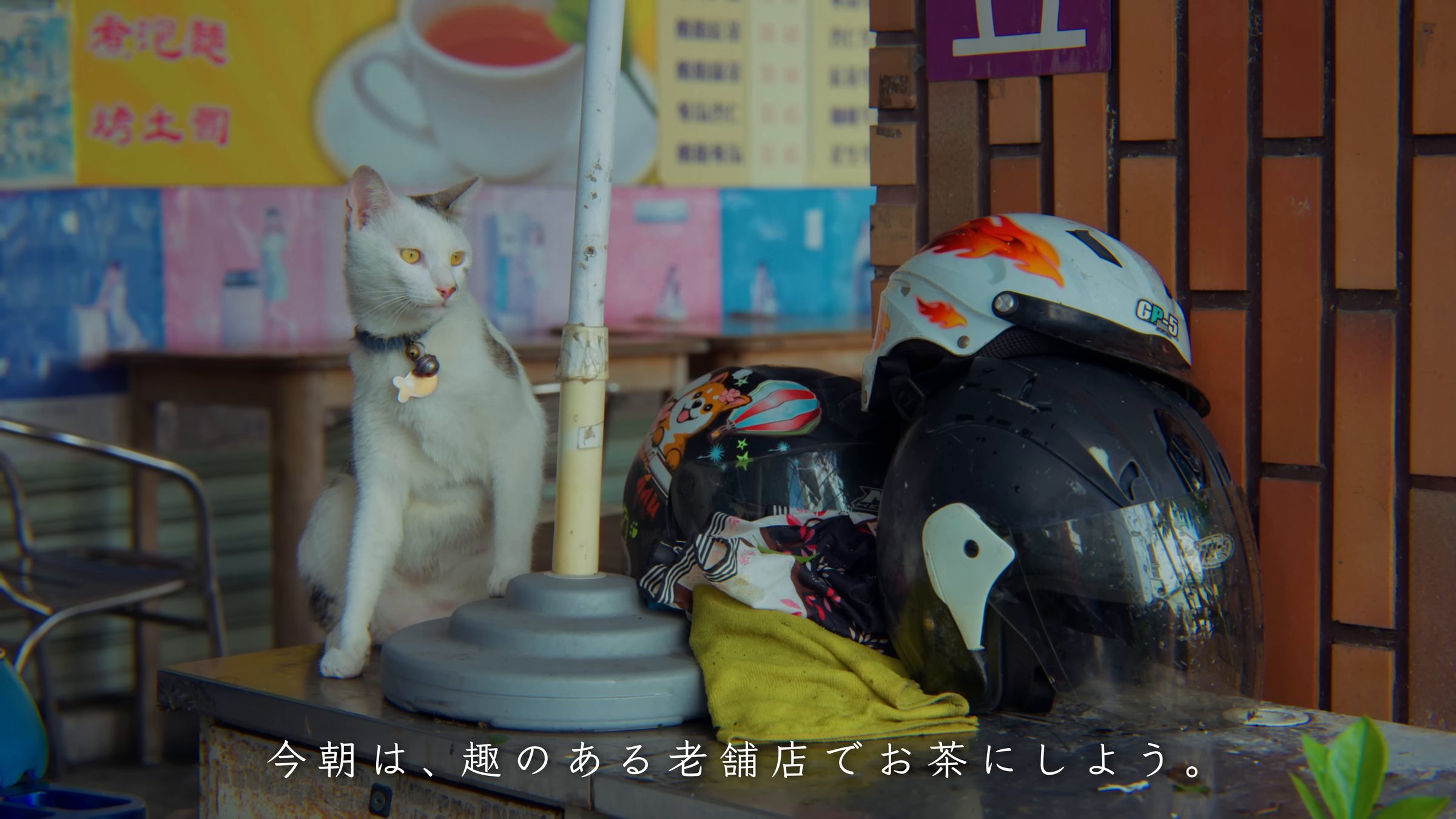
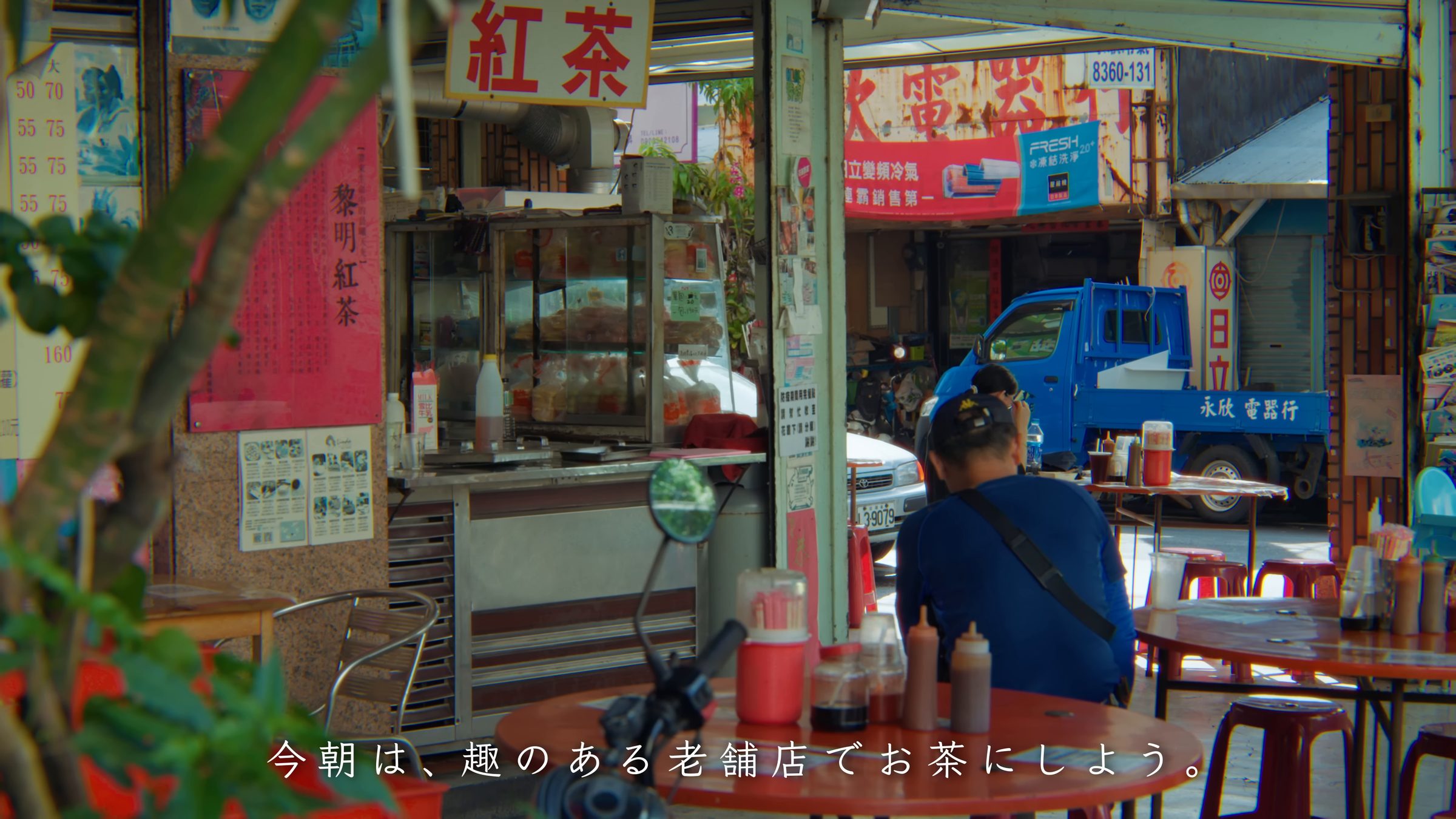
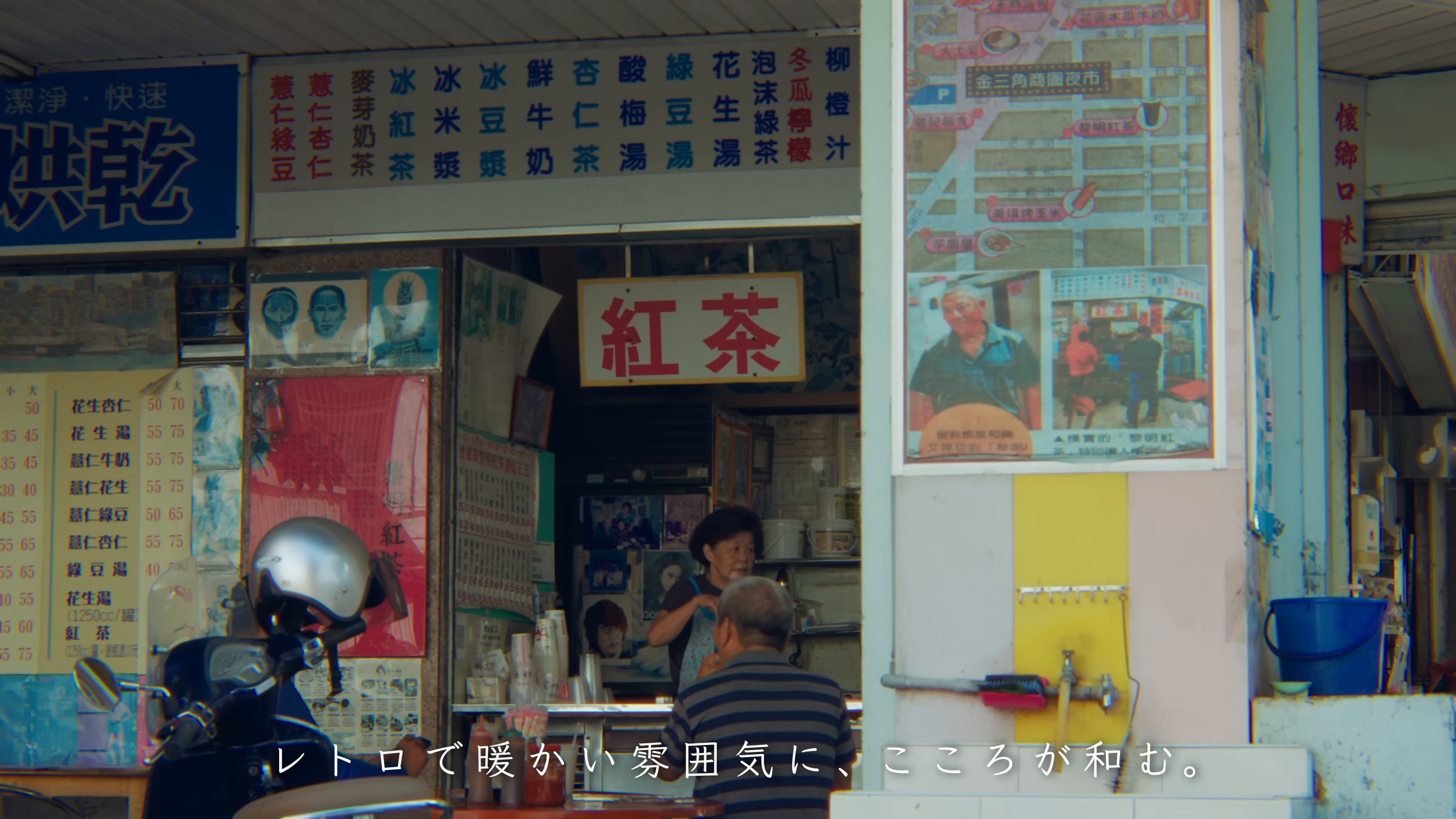
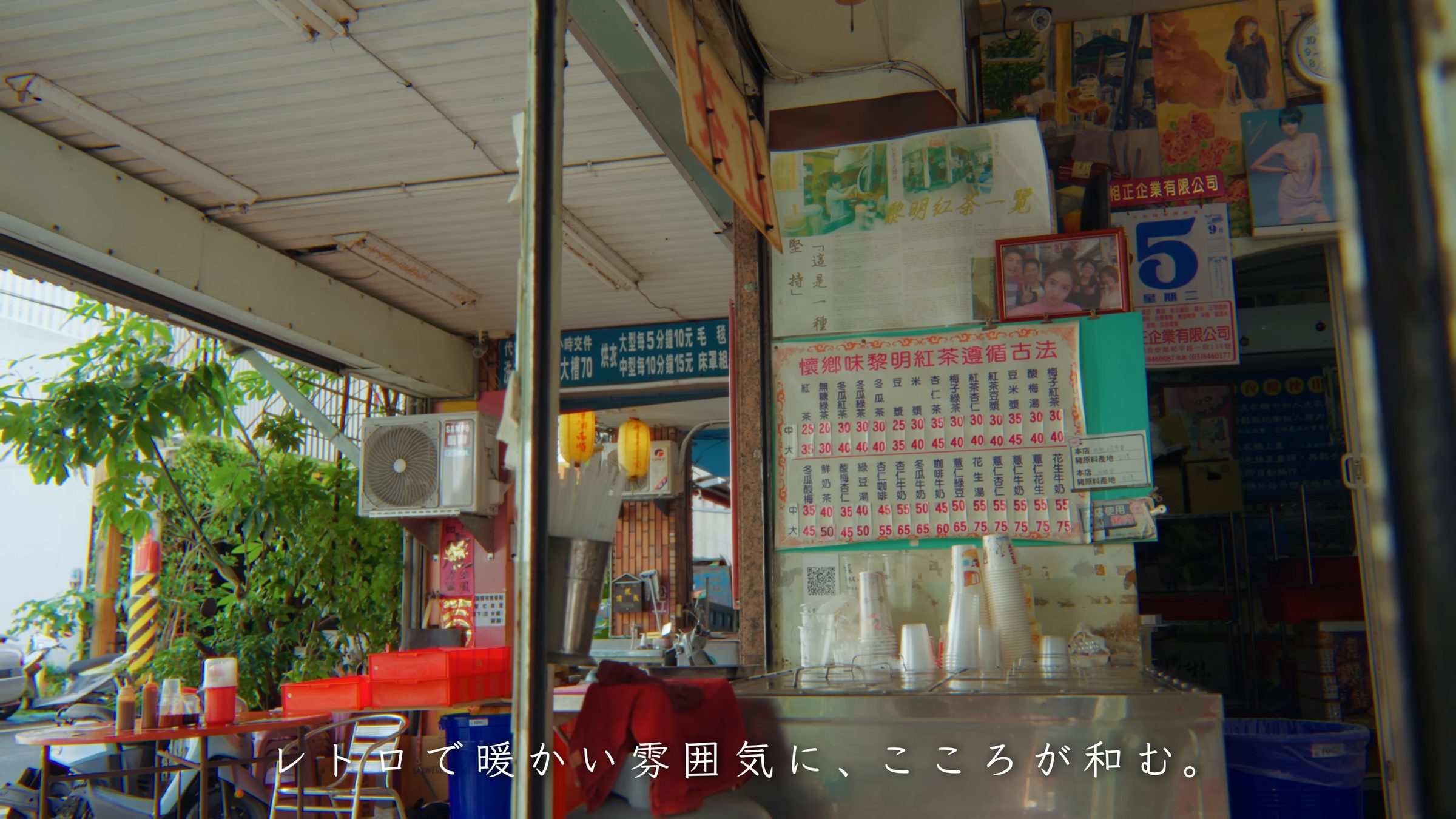
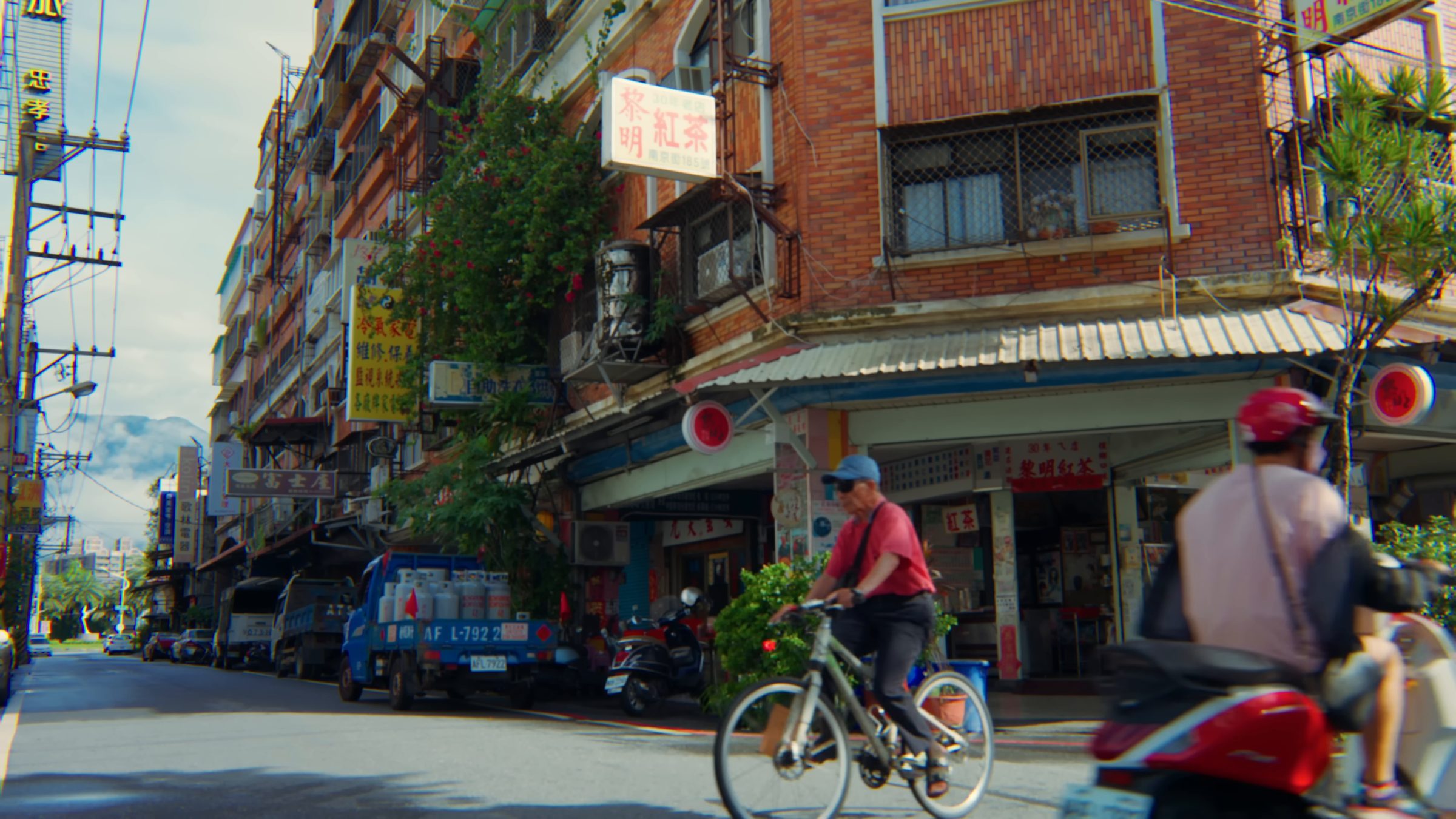
This morning, let's have tea at a long-established shop. I headed for Liming Black Tea (黎明紅茶), on the corner of a red-brick building and counted among the four great black-tea shops of Hualien. Out front, a white cat lounged beside the helmets. It is a simple, homely shop facing an alley.
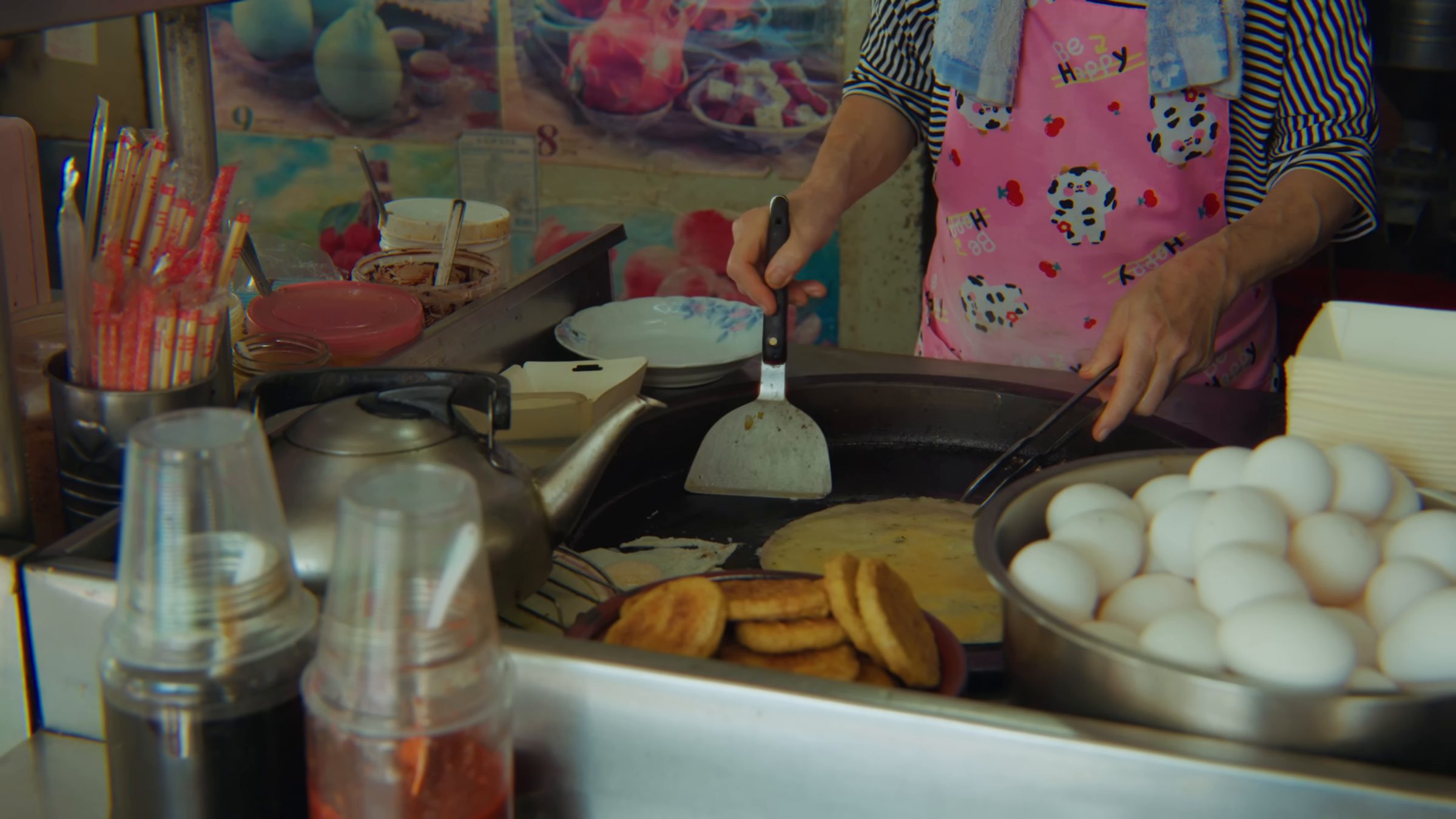
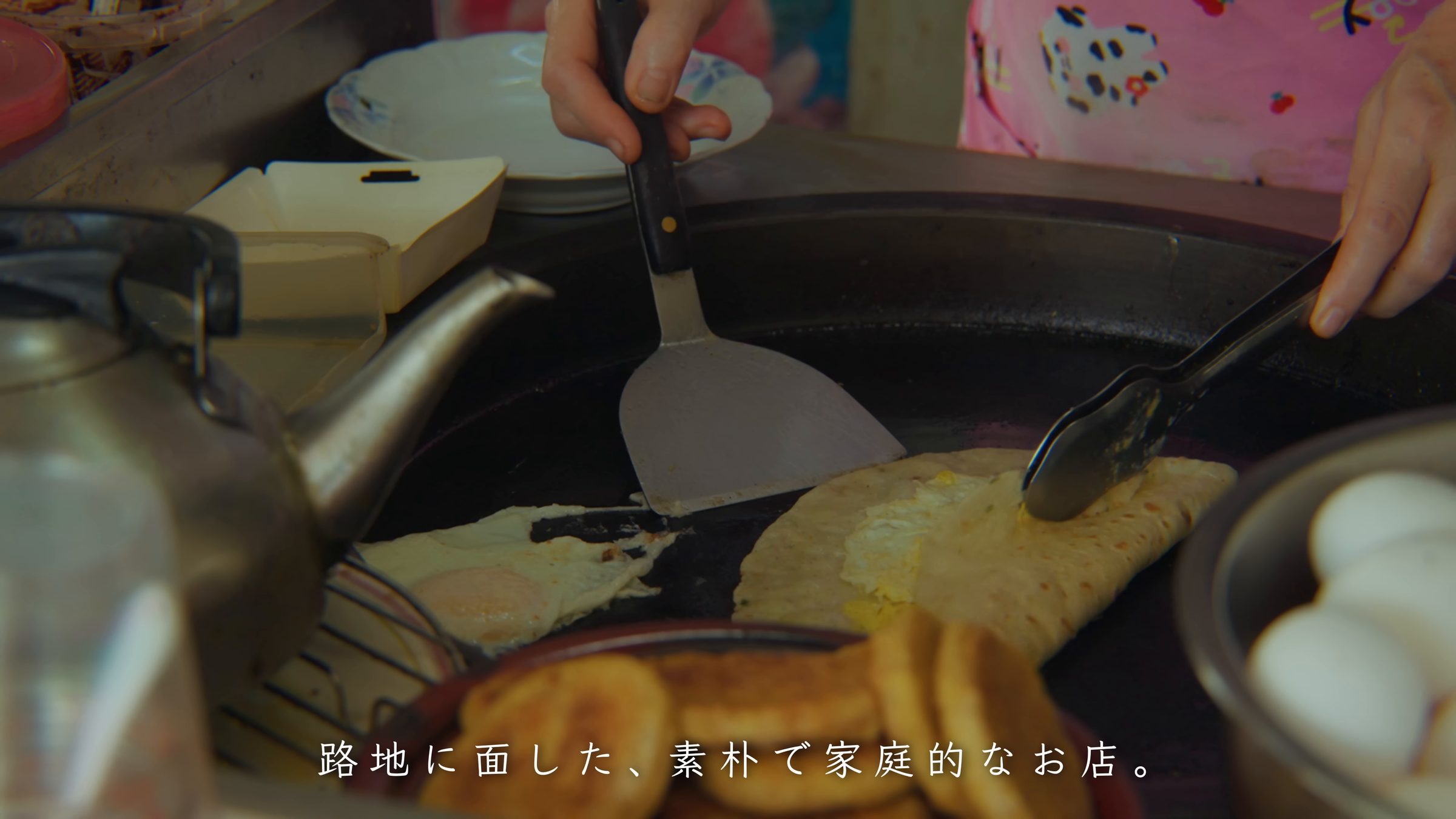
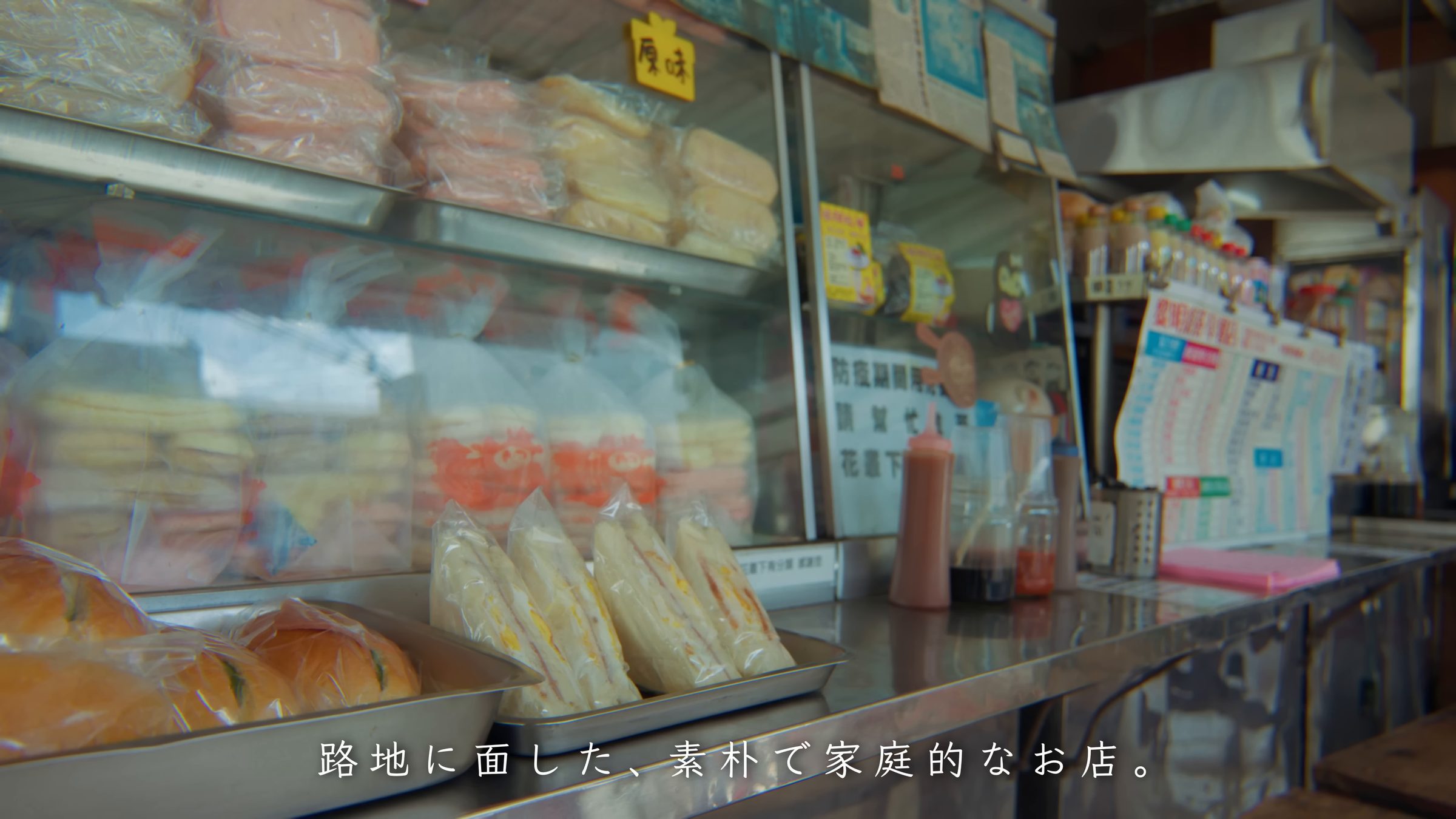
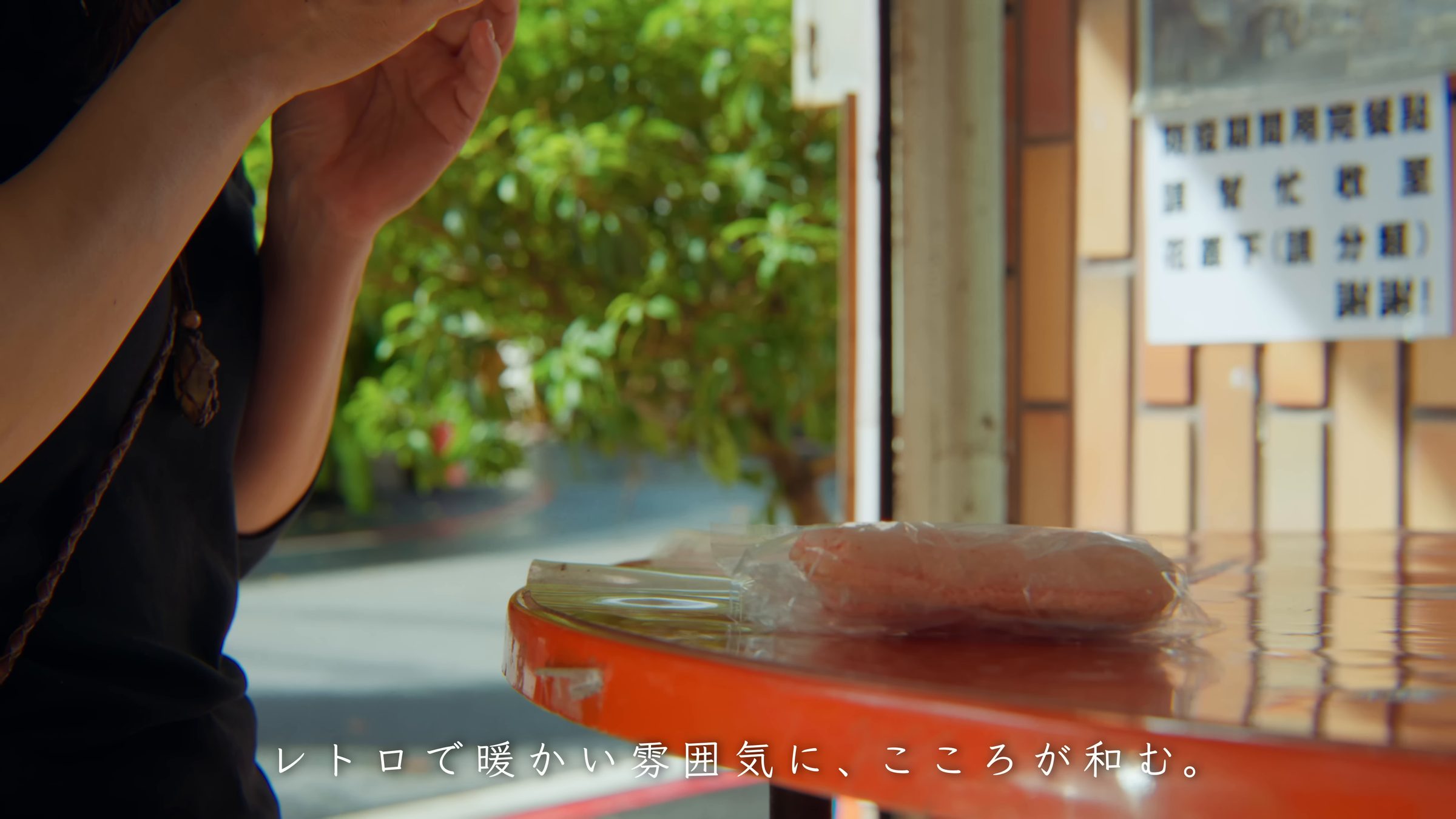
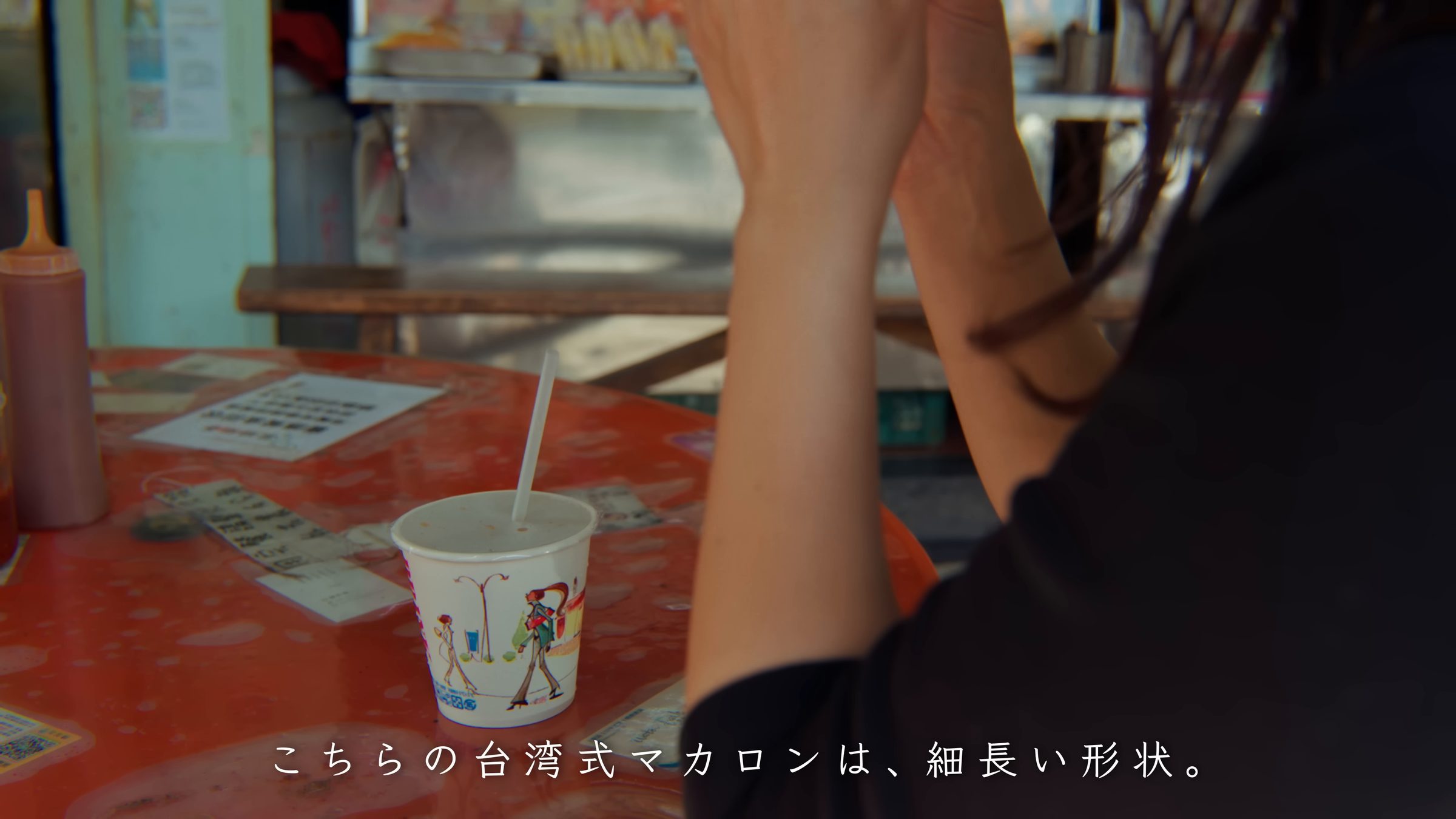
On the griddle, eggs and round golden patties were cooking. The Taiwanese-style macarons in the glass case come in a long, slender shape and are as fluffy as a dacquoise. Sipping sweet black tea with almond milk, I let the gentle air around me settle in. The retro, warm atmosphere soothed my soul.
Watch this scene on YouTube5:55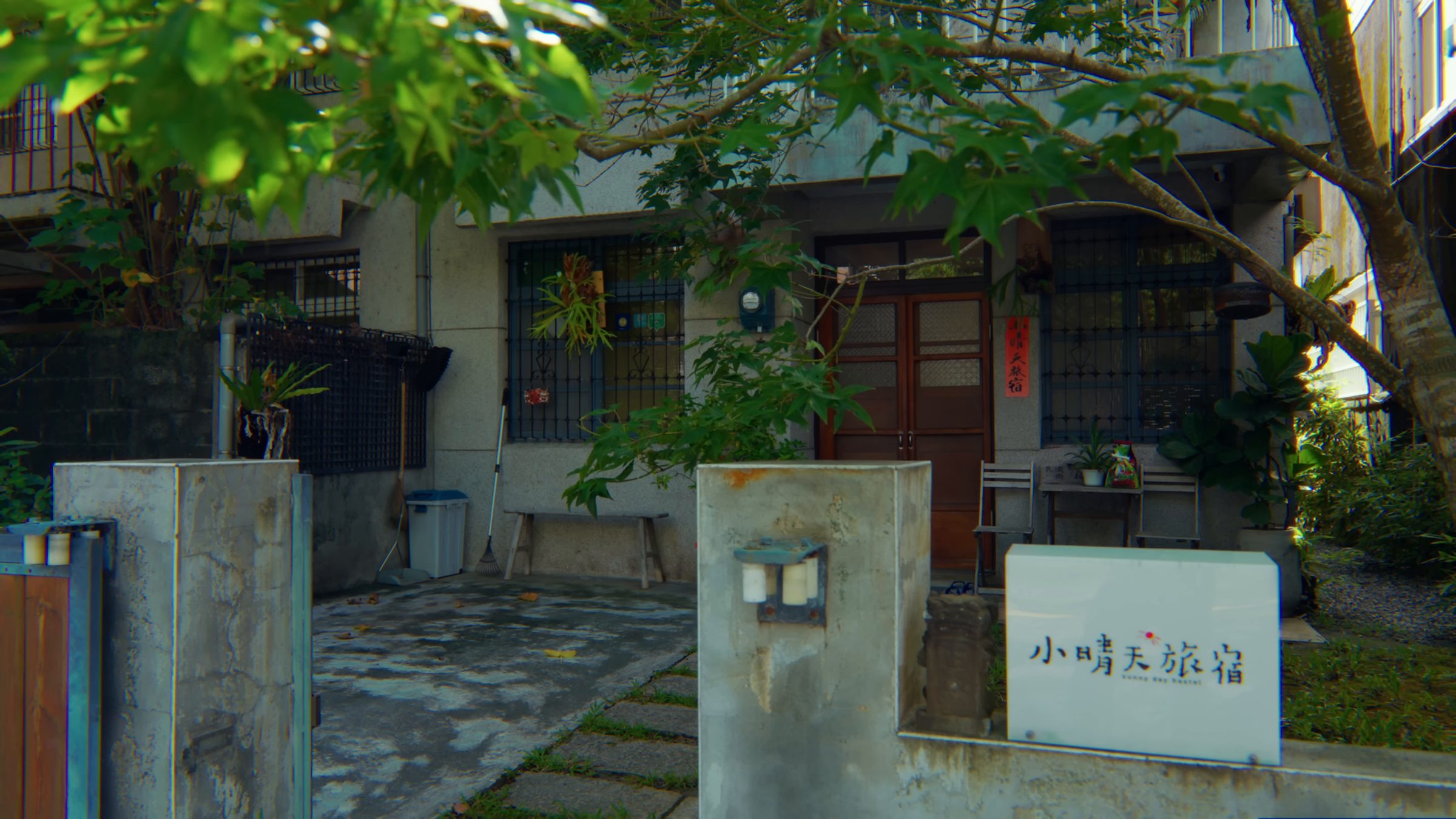
09TRAVEL JOURNAL
The sea instead of Taroko
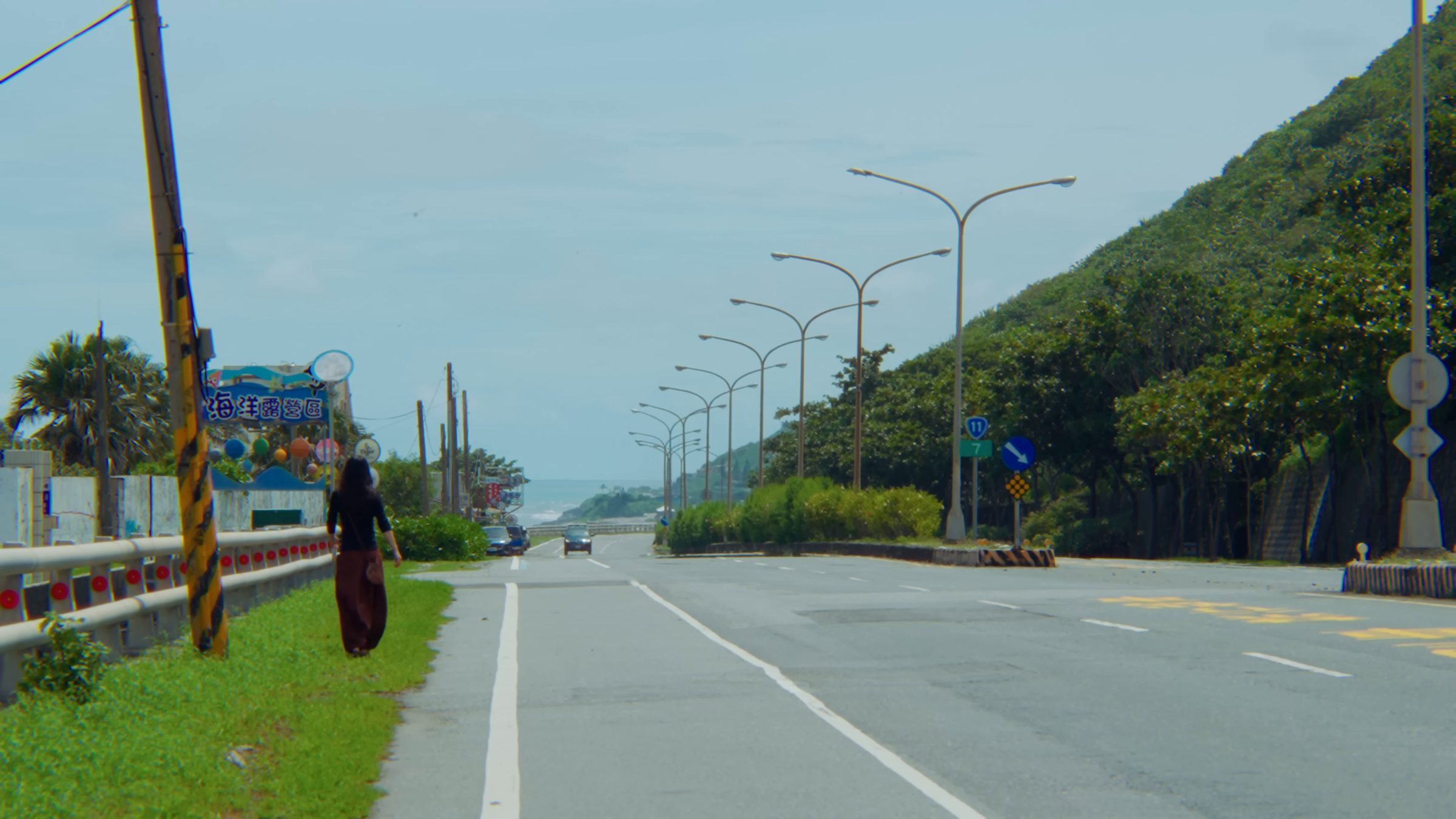
The road signs pointed to Taroko, Hualien Station and Dongdamen Night Market. I'm curious about the famous Taroko Gorge too, but today I think I'll just relax and look at the sea.
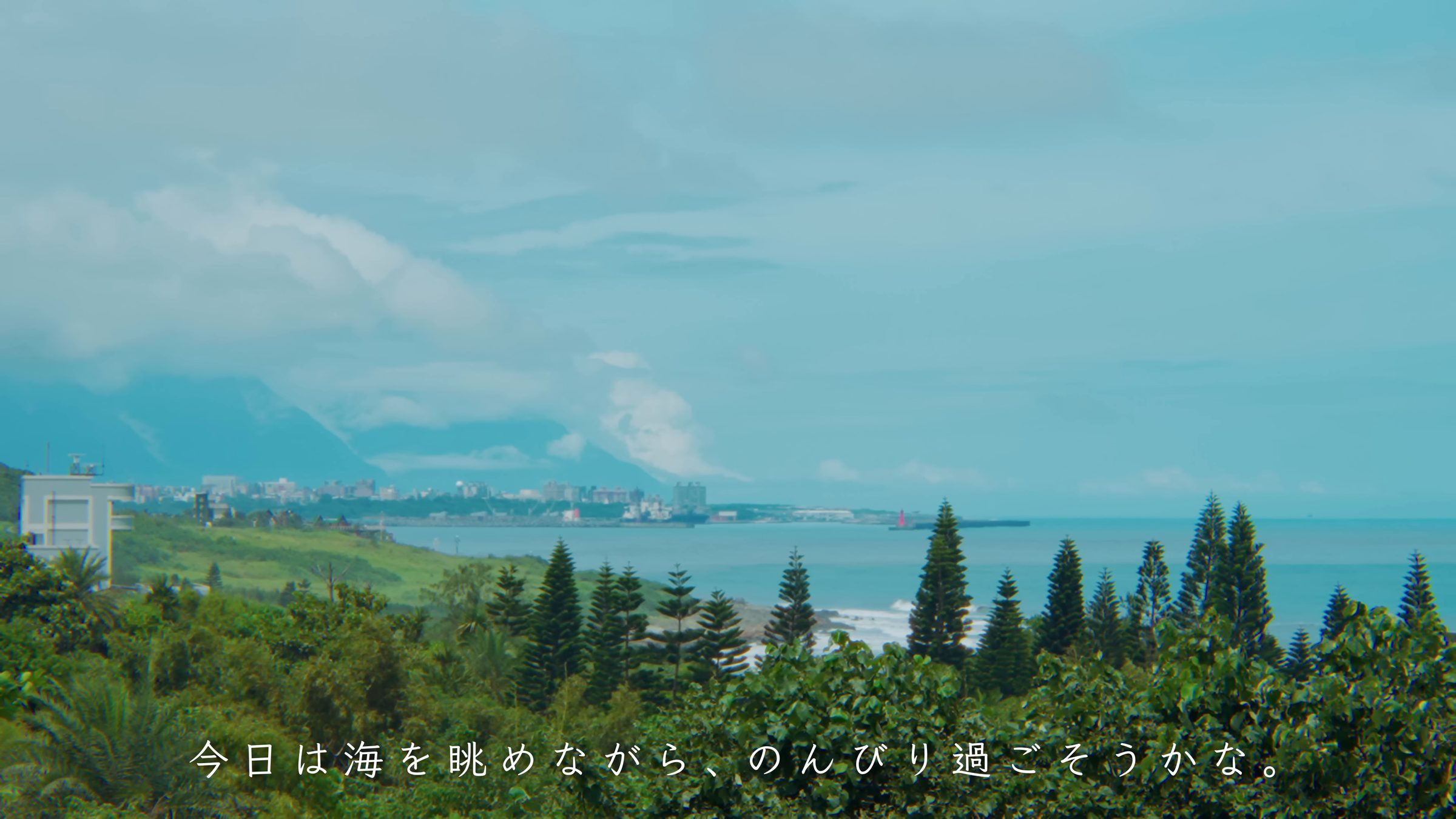
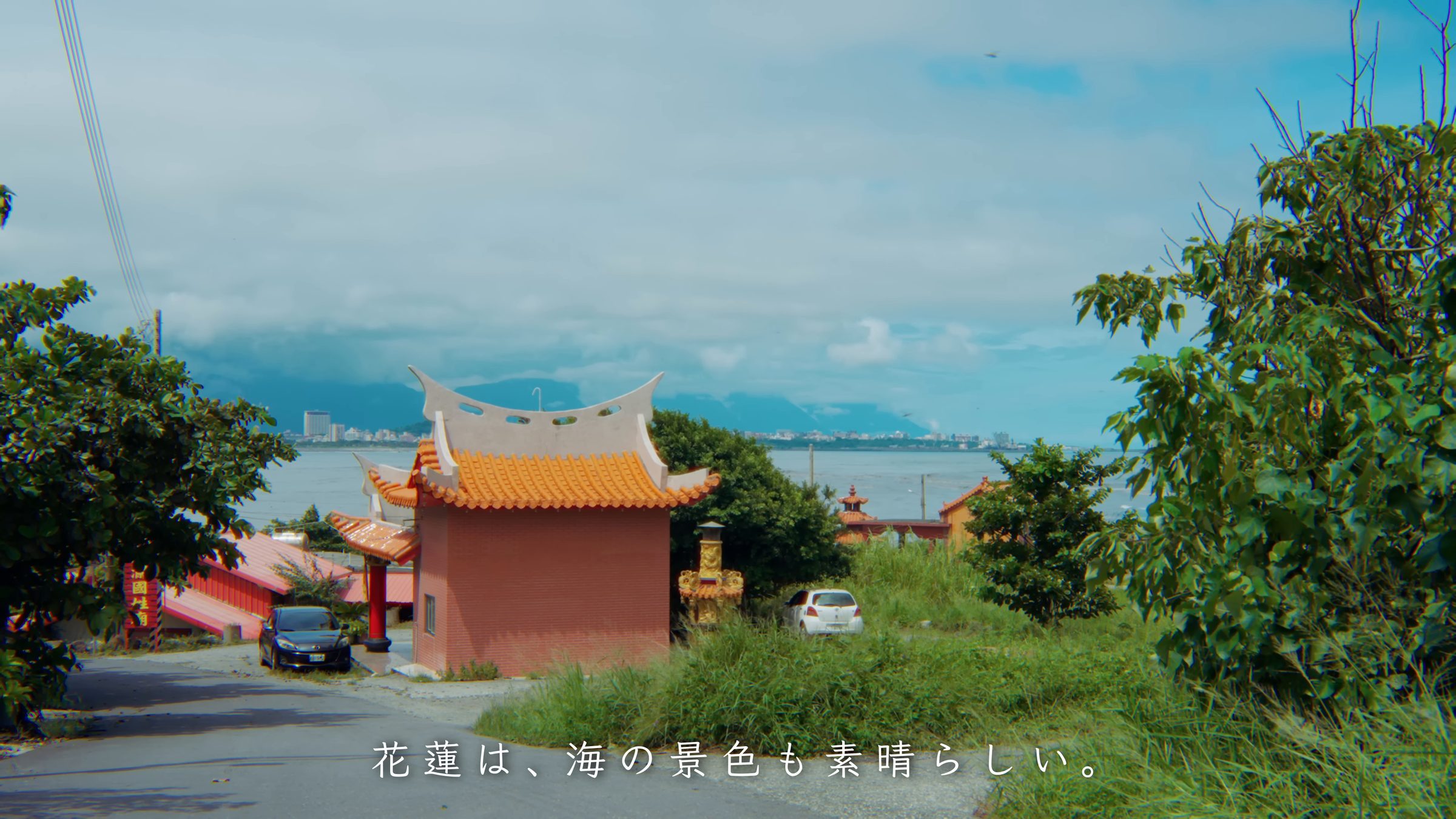
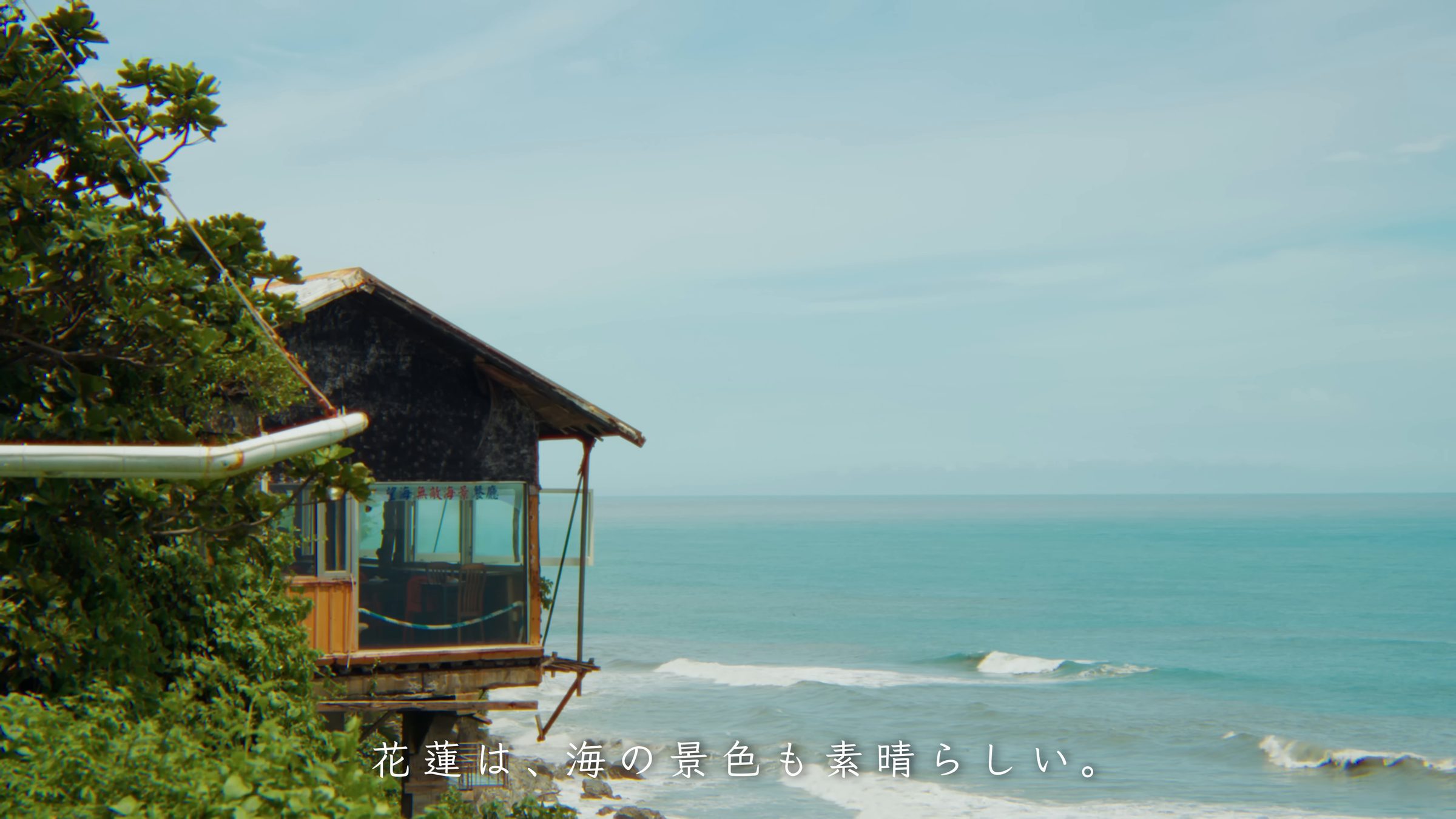
Hualien also has wonderful sea views. Beyond a headland lined with pines, the coastal town and the cloud-wrapped mountains stretched along the shore. A small shrine with an orange tiled roof, a wooden hut jutting out over the cliff above the surf. I walked the road where the mountains crowd the sea, with the ocean at my side.
Watch this scene on YouTube6:46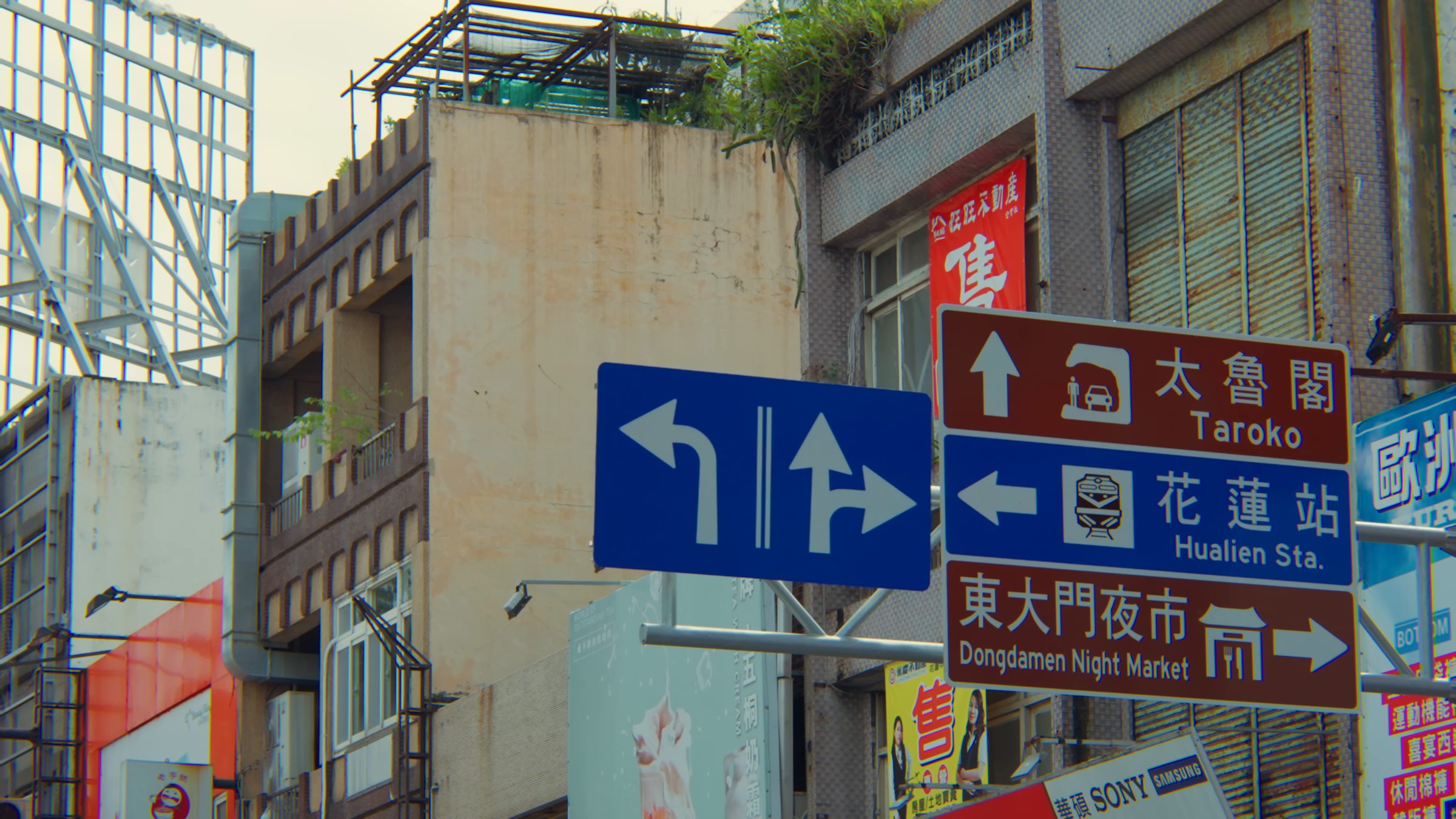

10TRAVEL JOURNAL
A restaurant overlooking the sea
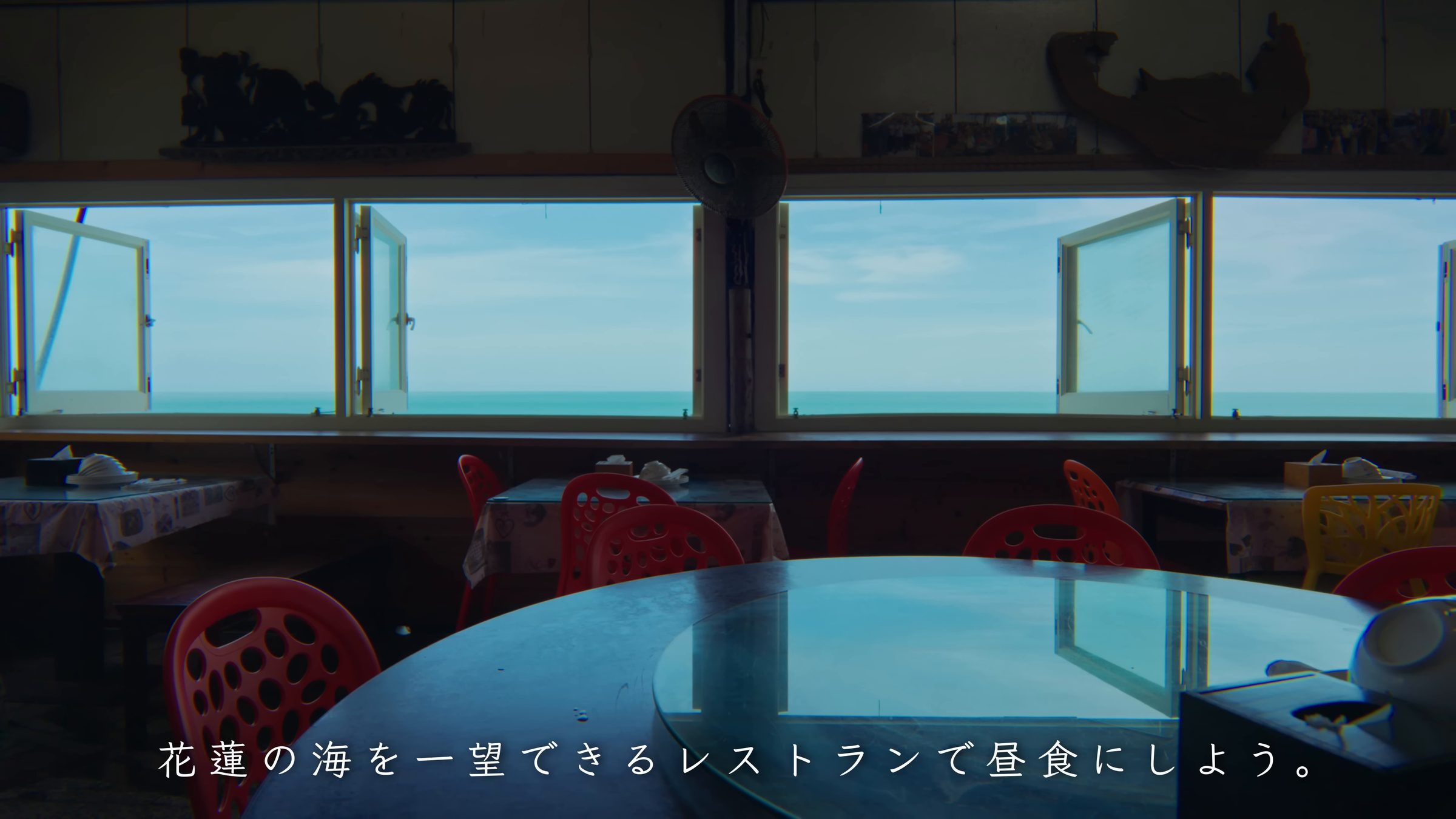
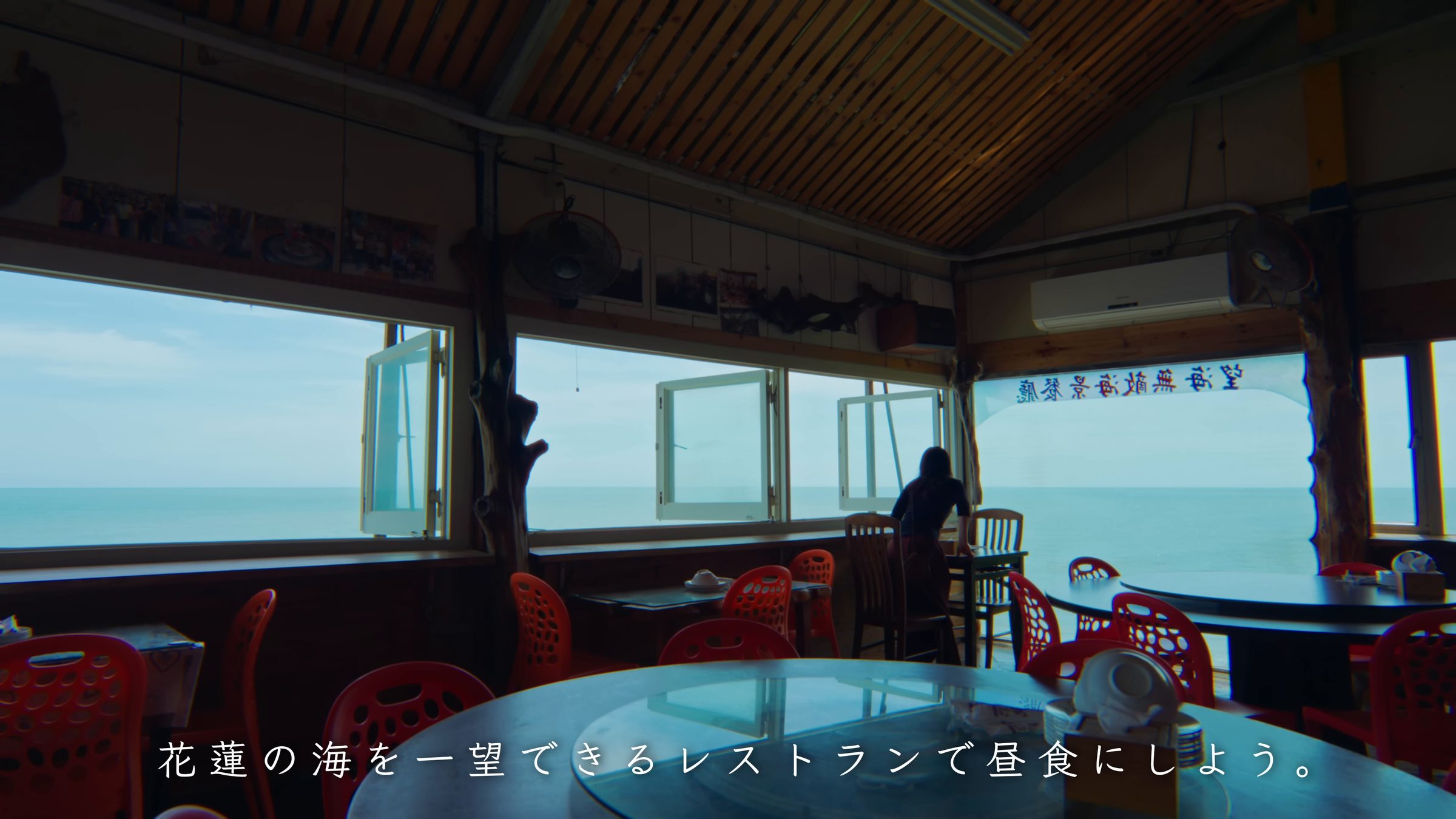
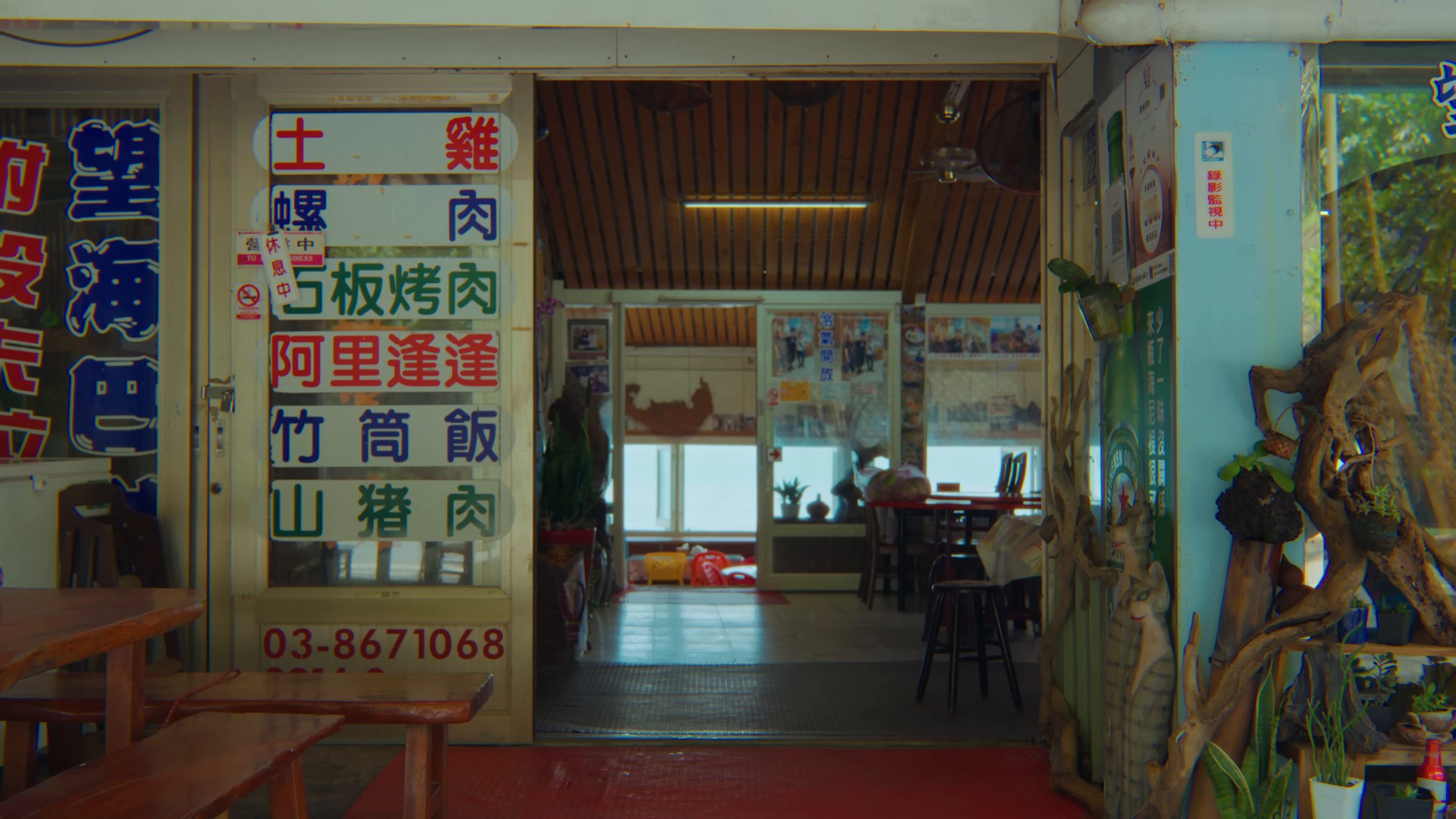
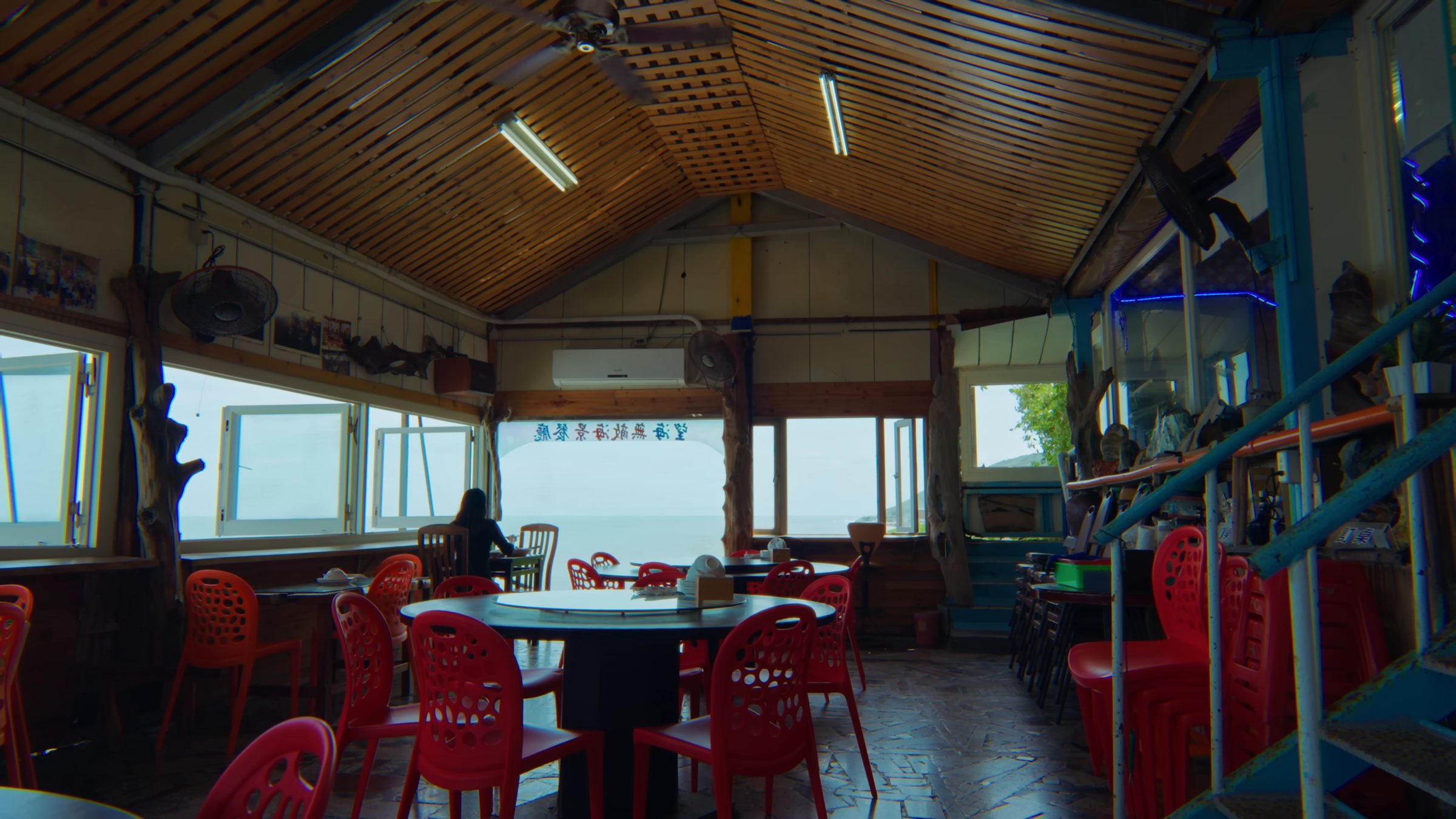
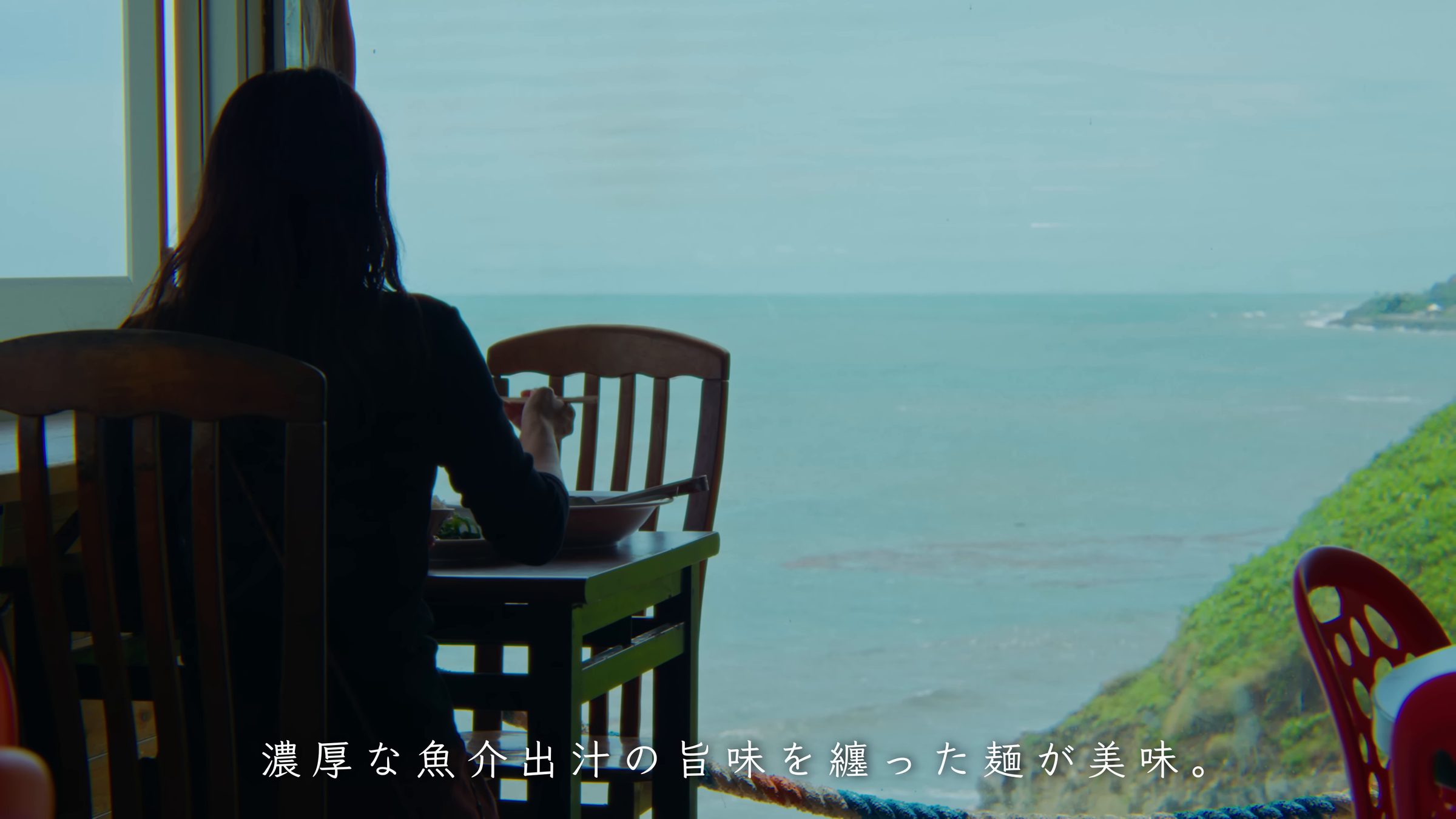
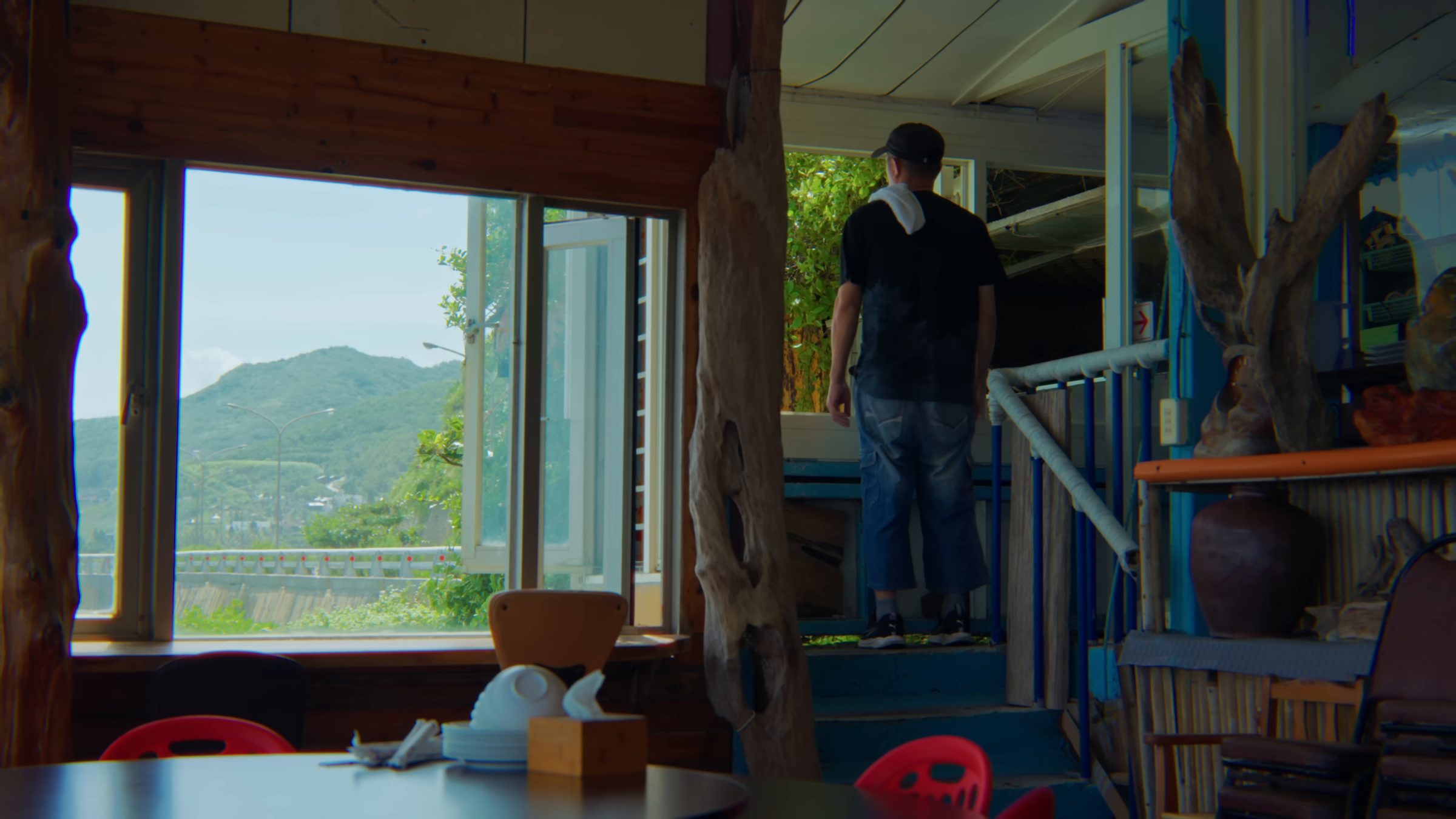
For lunch, a restaurant overlooking the sea of Hualien. Built on a cliff, Wanghai Banai (望海巴耐) has a dining room with its windows flung open and the ocean stretching endlessly beyond. On the glass door at the entrance, a menu listed indigenous dishes such as free-range chicken, stone-grilled meat, bamboo-tube rice and wild boar.
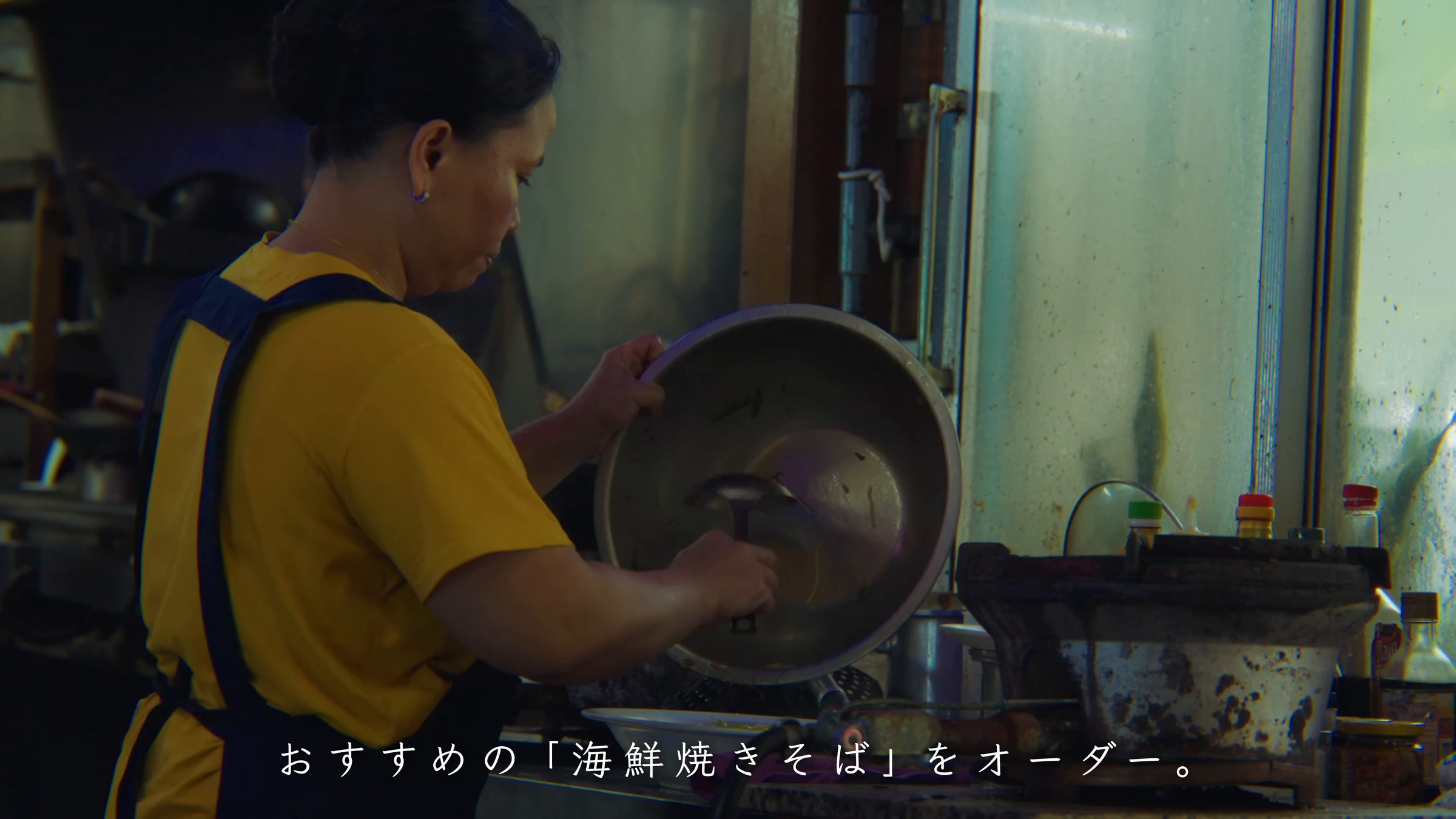
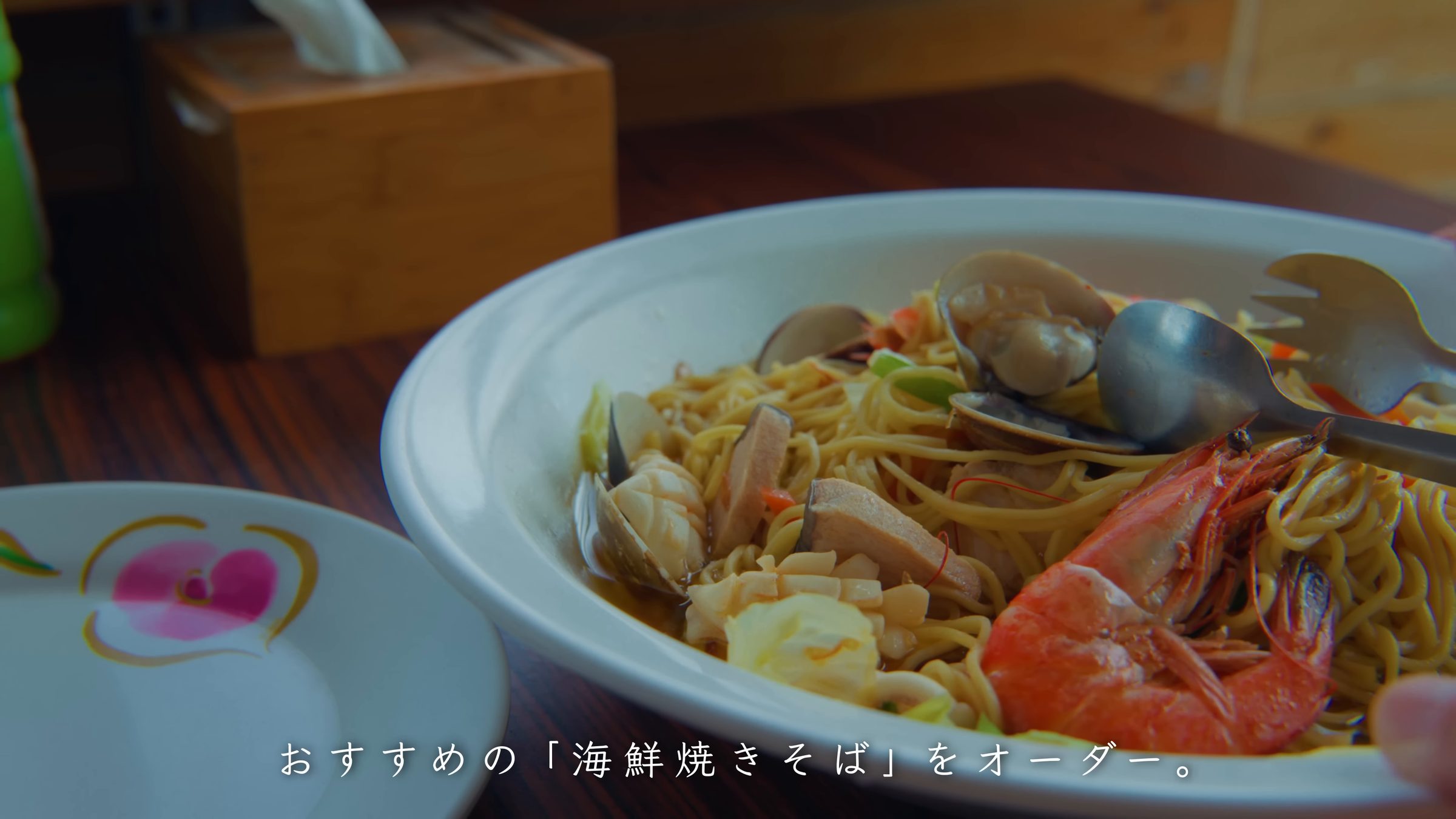
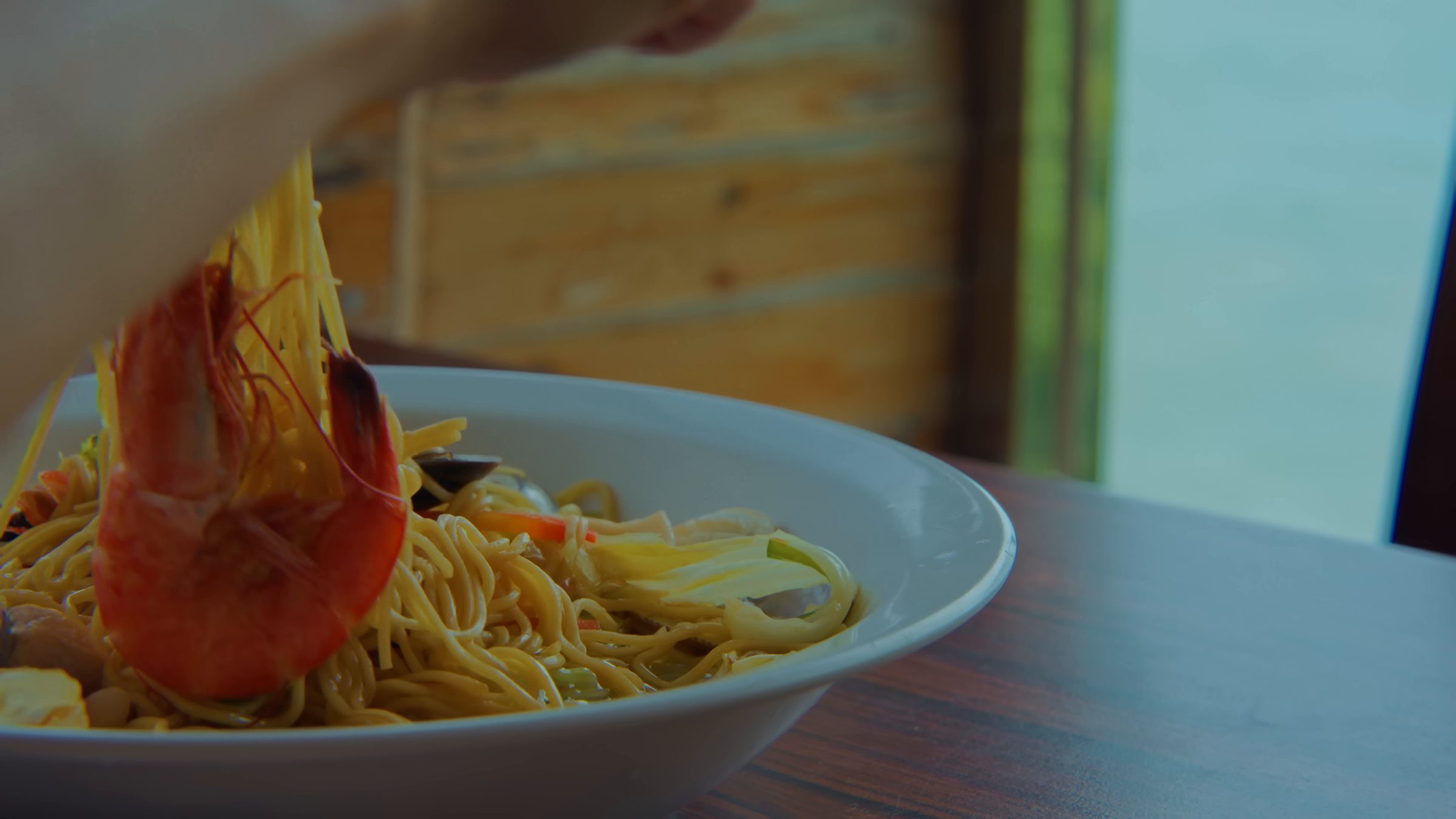
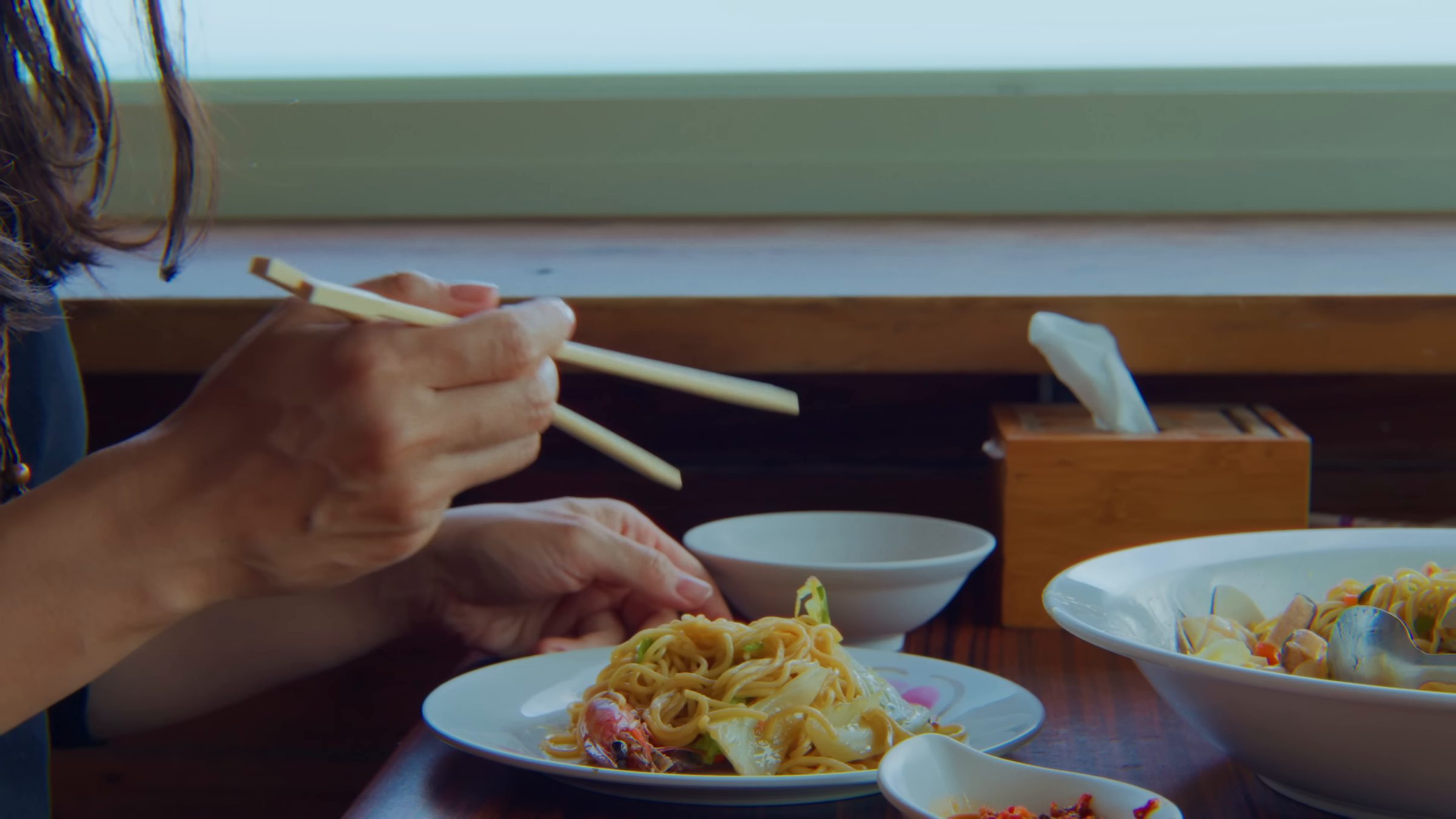
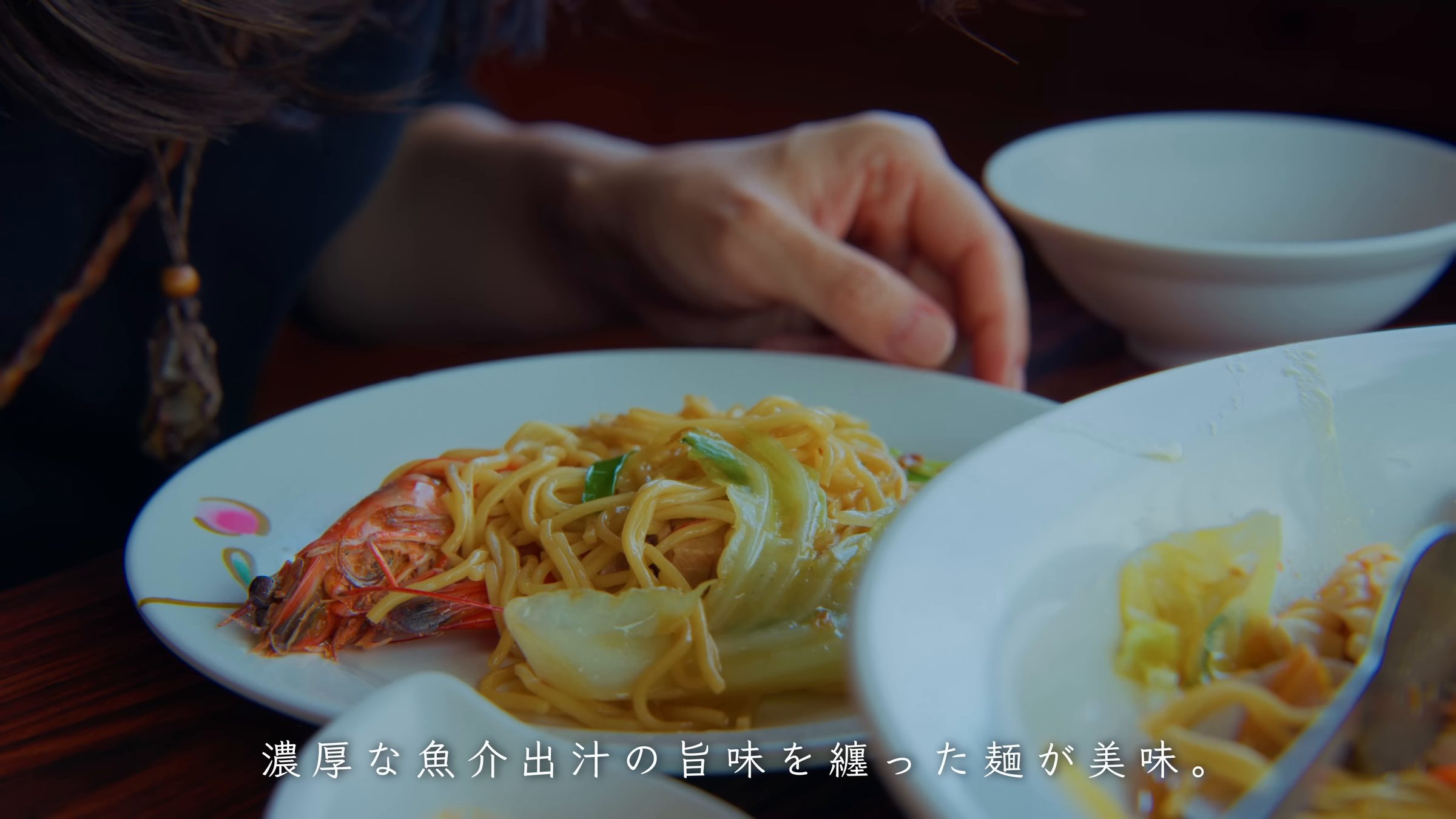
Since this is a restaurant by the sea, I ordered the recommended seafood fried noodles. In the kitchen, the cook was busy with a large pan. The plate arrived piled with big prawns and clams. The noodles, coated in the rich flavor of seafood stock, were truly delicious, a taste I could keep eating forever.
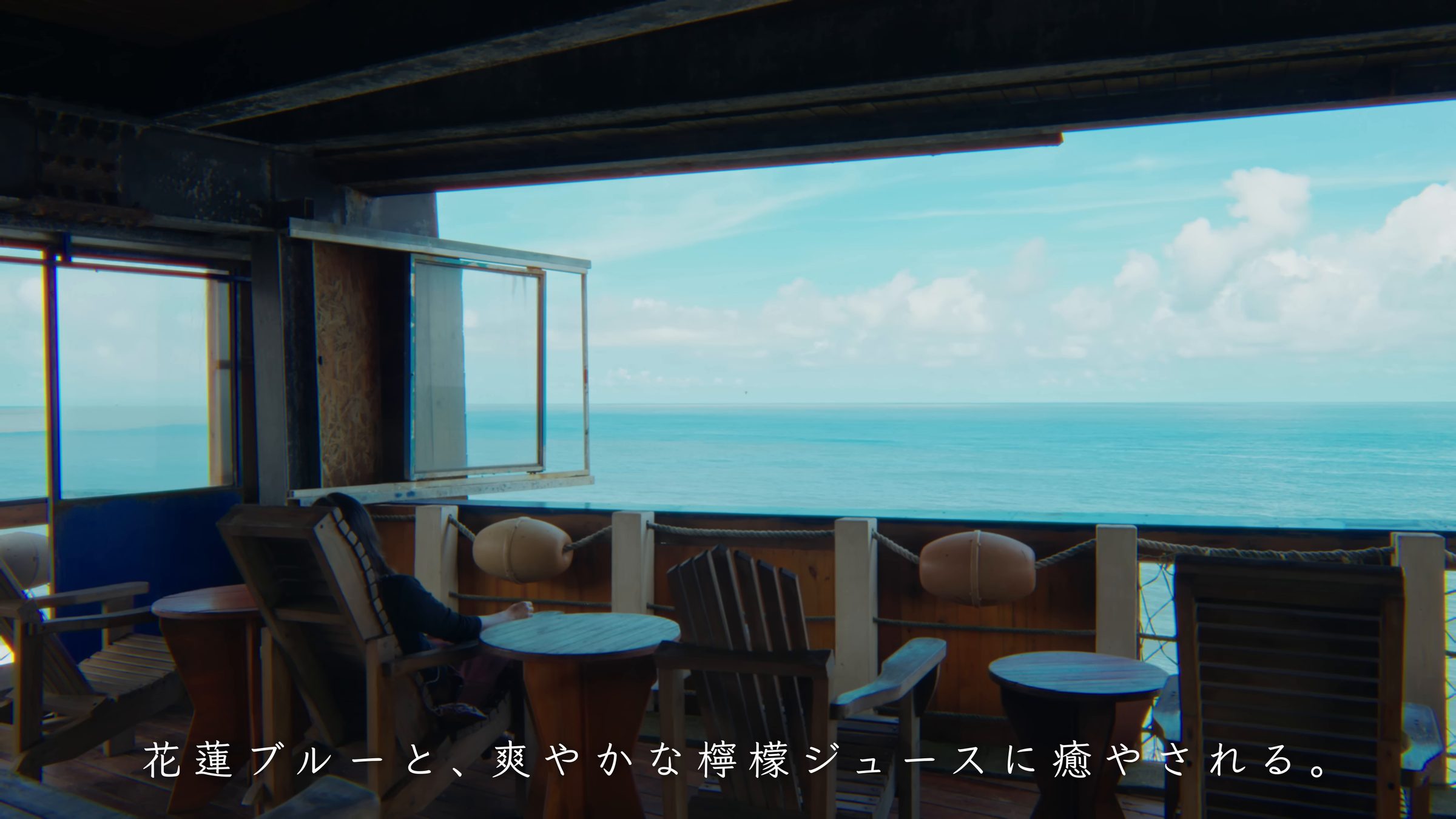
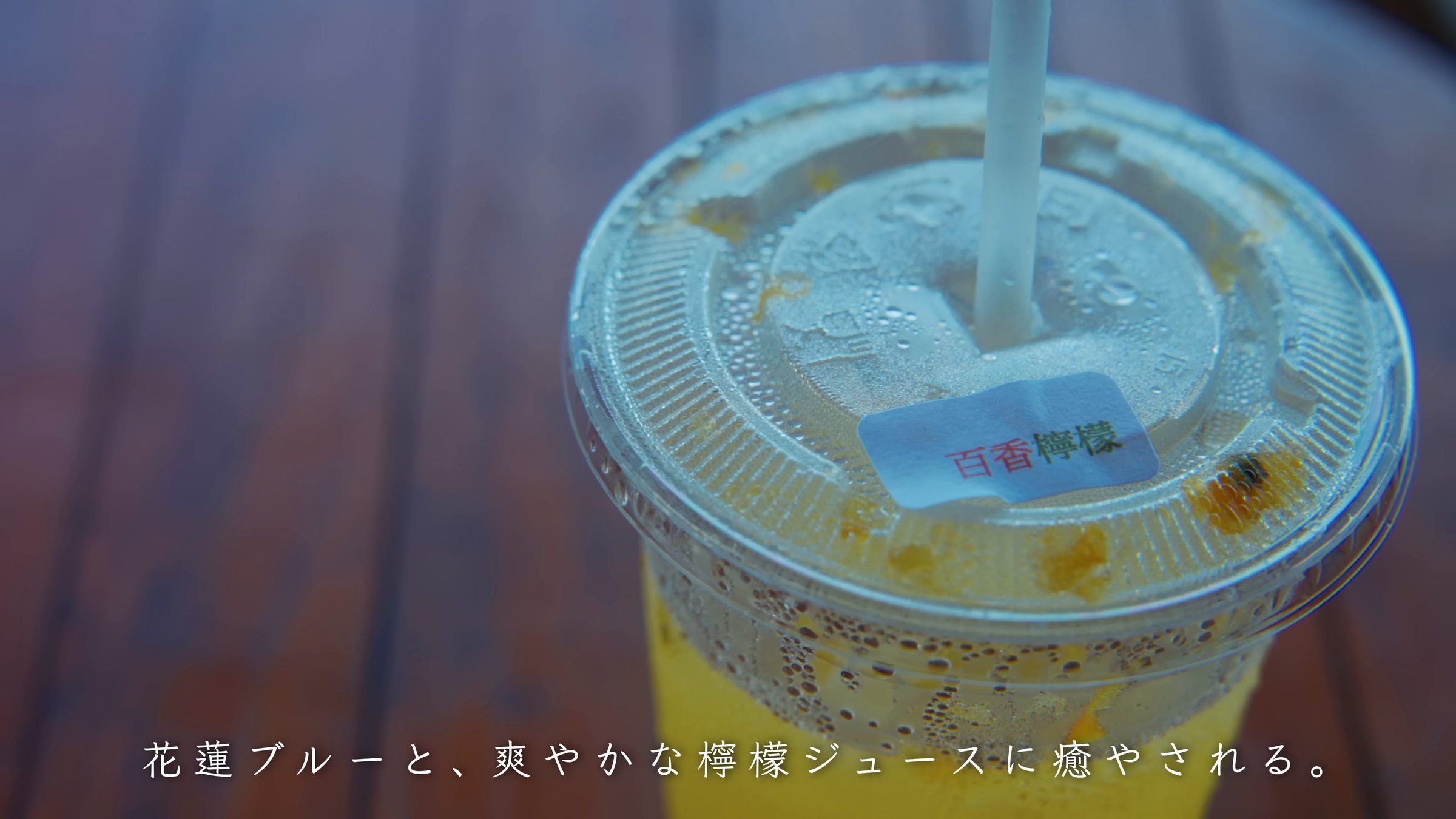
After the meal I went out to the terrace, leaned on the railing and gazed at the Hualien blue sea. The lemon juice so common in Taiwan came here as passion-fruit lemonade (百香檸檬), with the seeds floating in it. Soothed by Hualien blue and the refreshing lemon juice, I spent a slow, luxurious moment.
Watch this scene on YouTube7:14



11TRAVEL JOURNAL
Old-fashioned sugarcane ice in Shoufeng
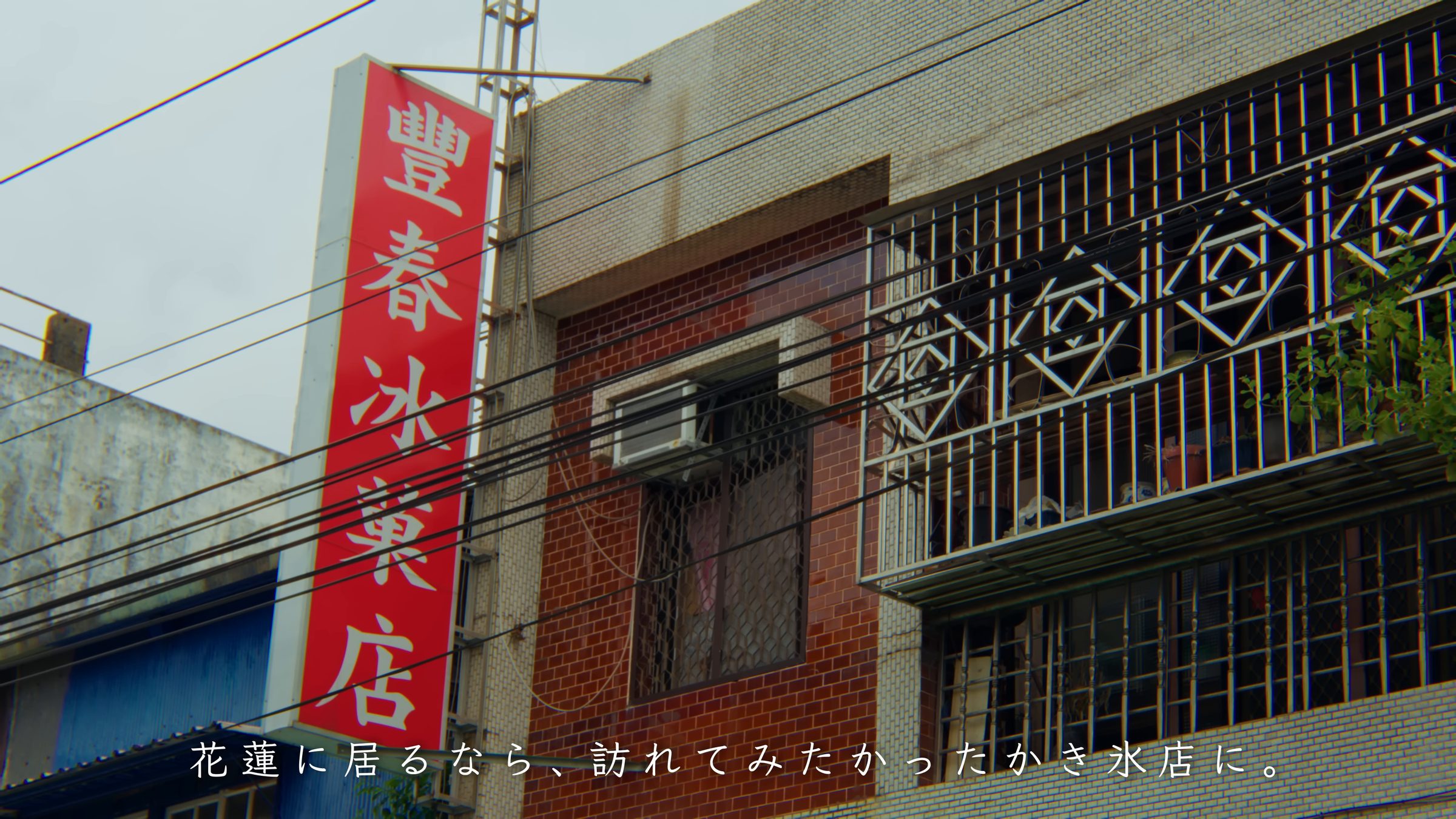
If I was in Hualien, there was a shaved-ice shop I had been wanting to visit: Fengchun Ice Shop (豐春冰菓店), near Shoufeng Station, a local ice shop in business since 1949.
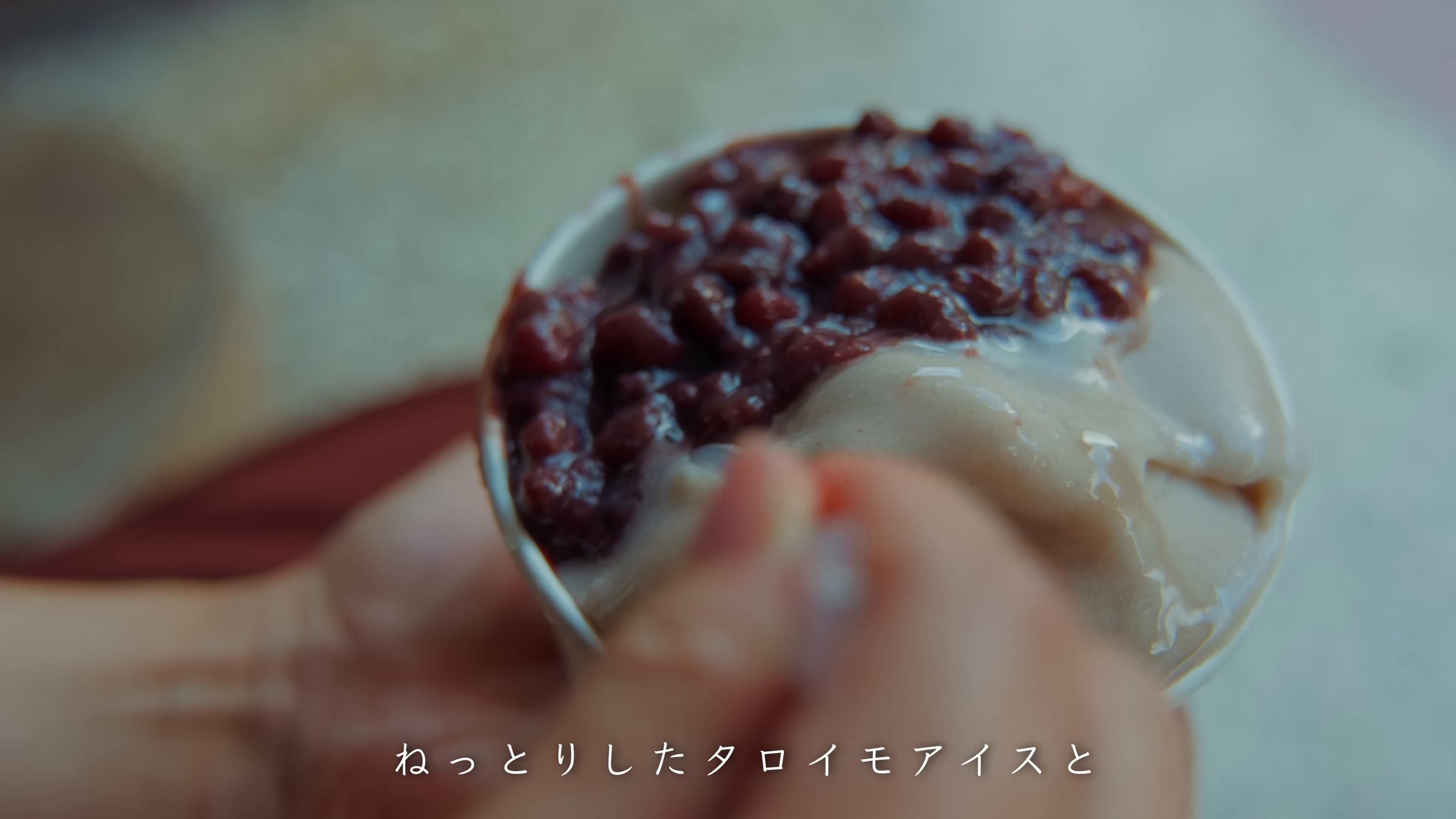
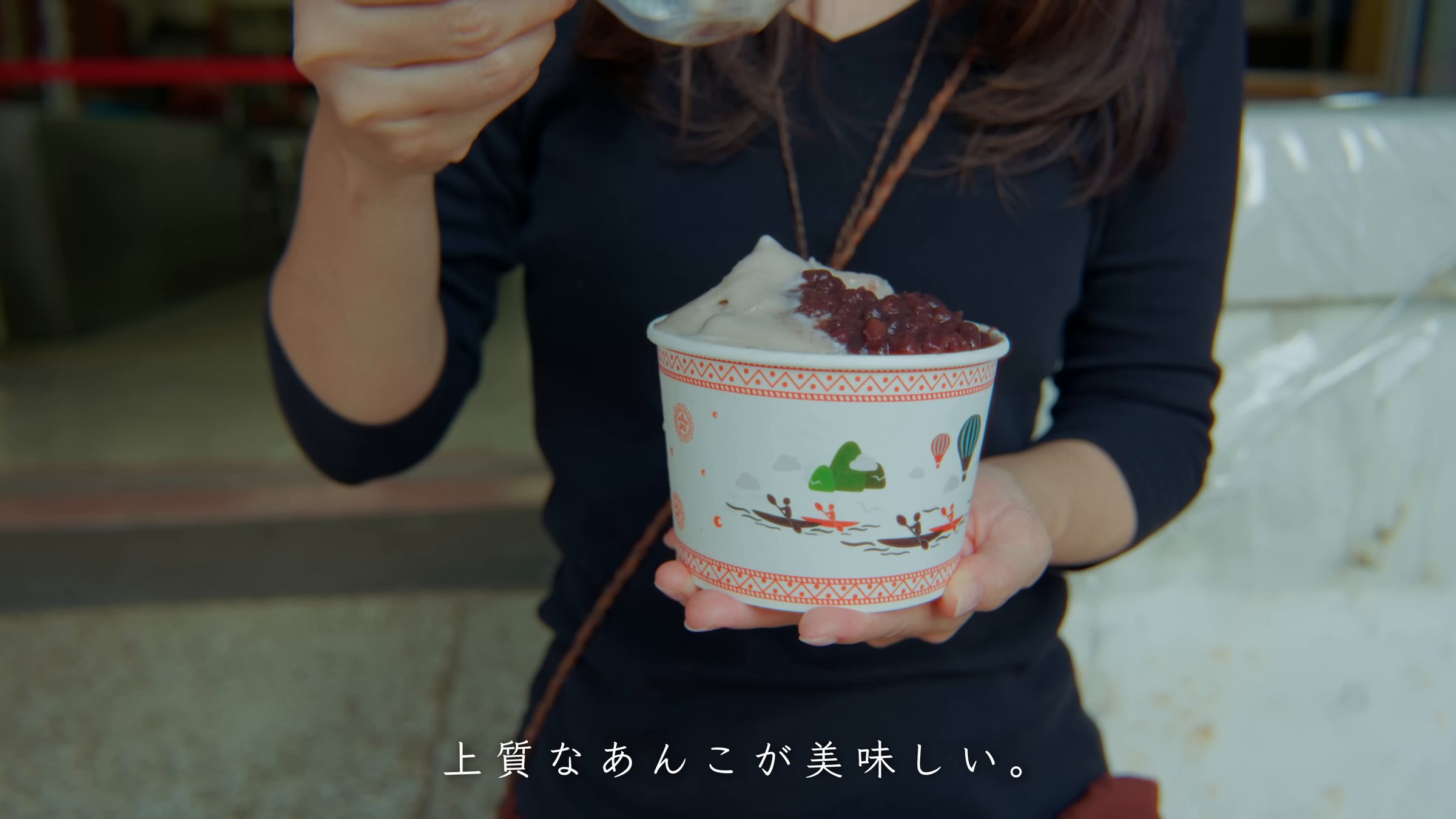
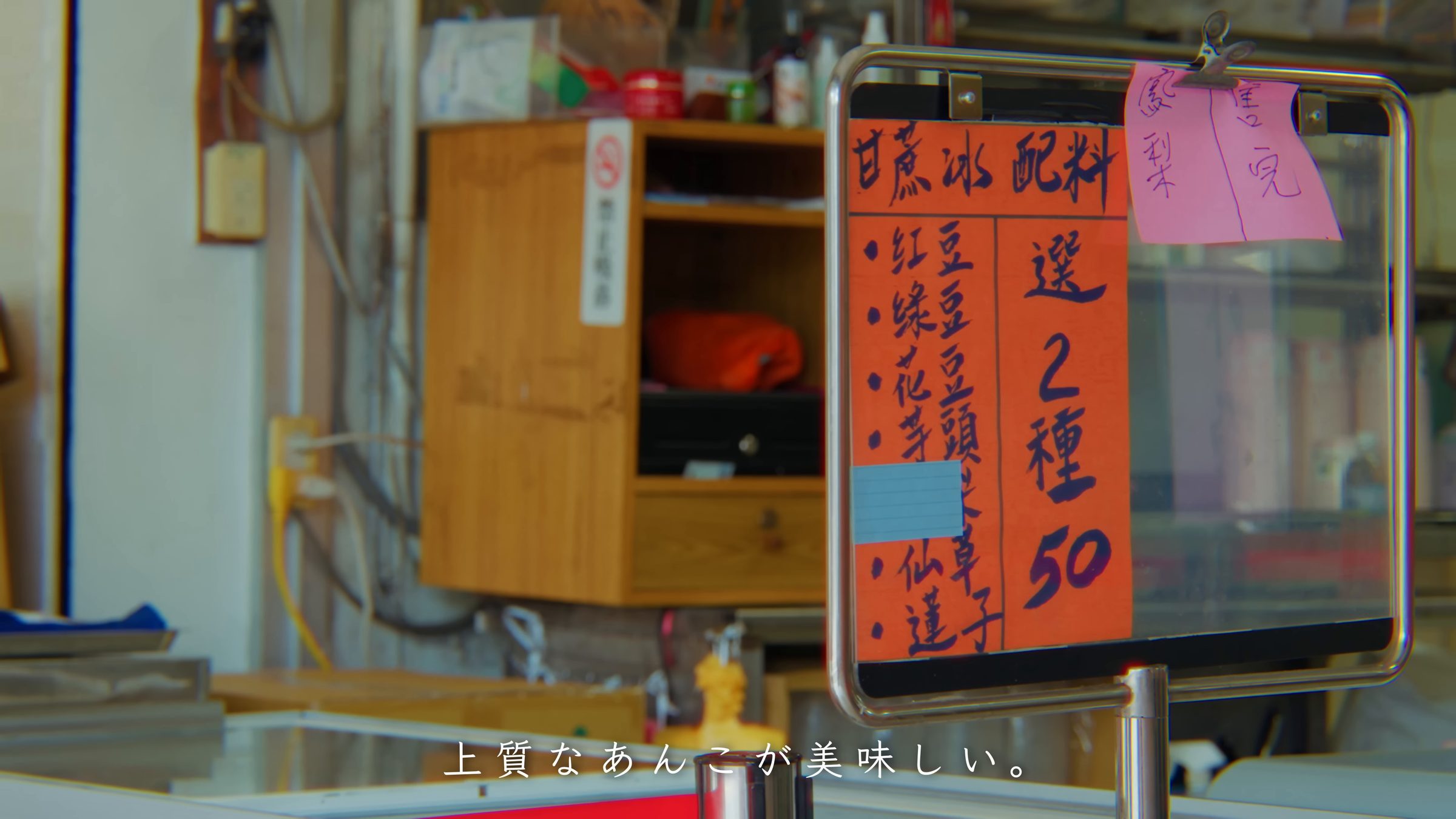
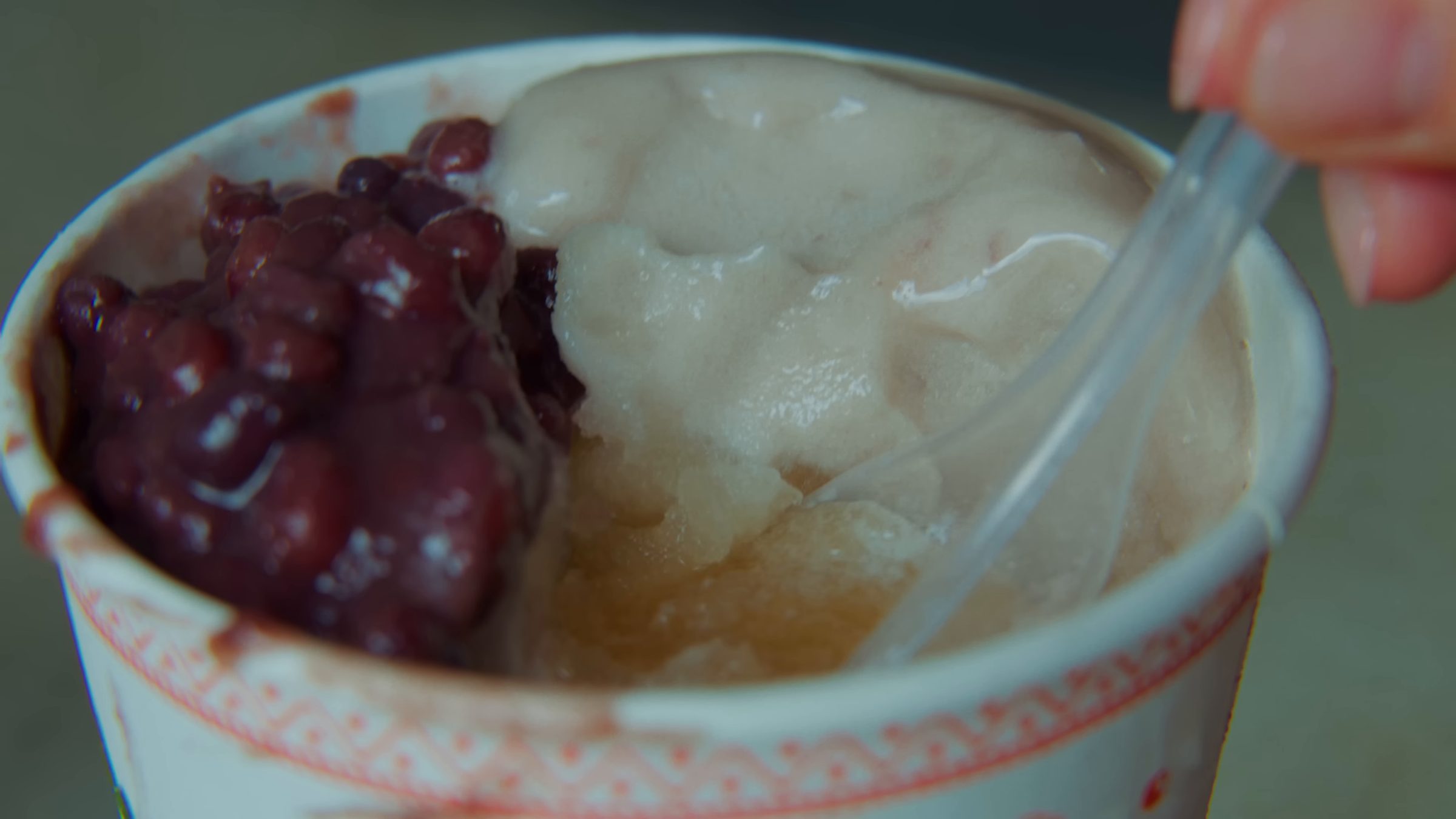
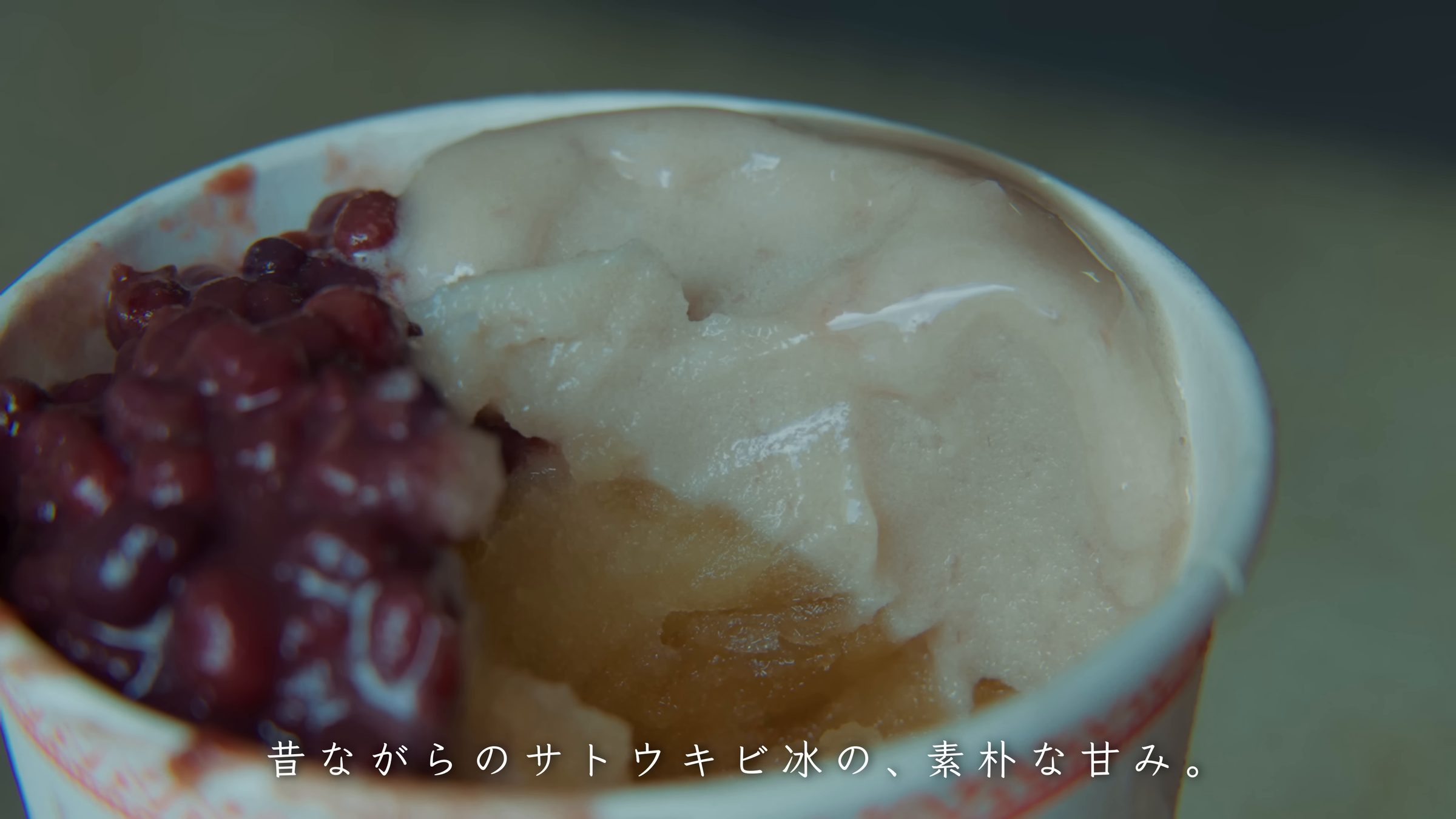
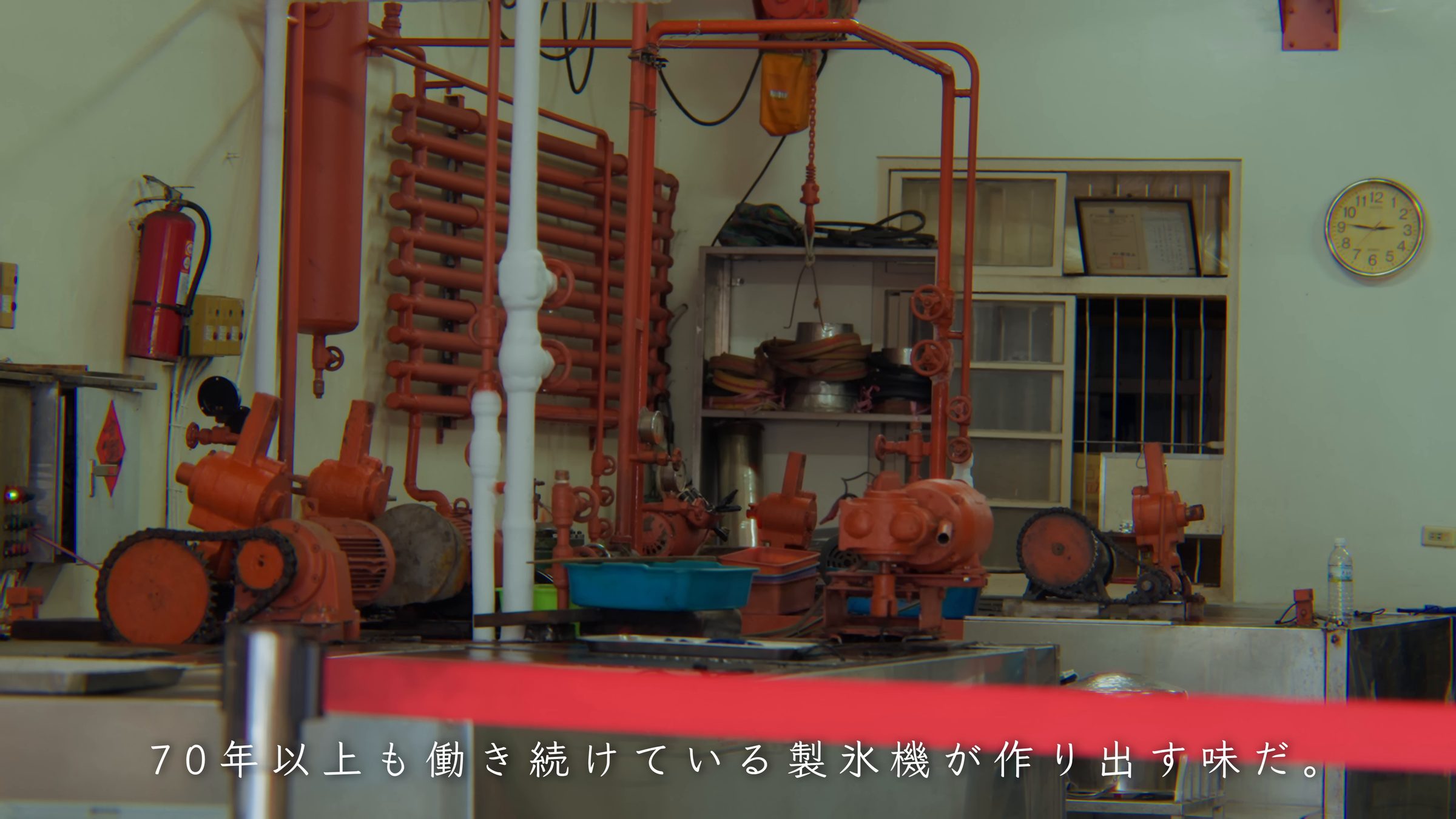
With sugarcane ice, you choose two toppings. Sticky taro ice cream and high-quality red bean paste, and then the simple sweetness of traditional sugarcane ice. The taste is created by an ice maker that has been working for over 70 years.
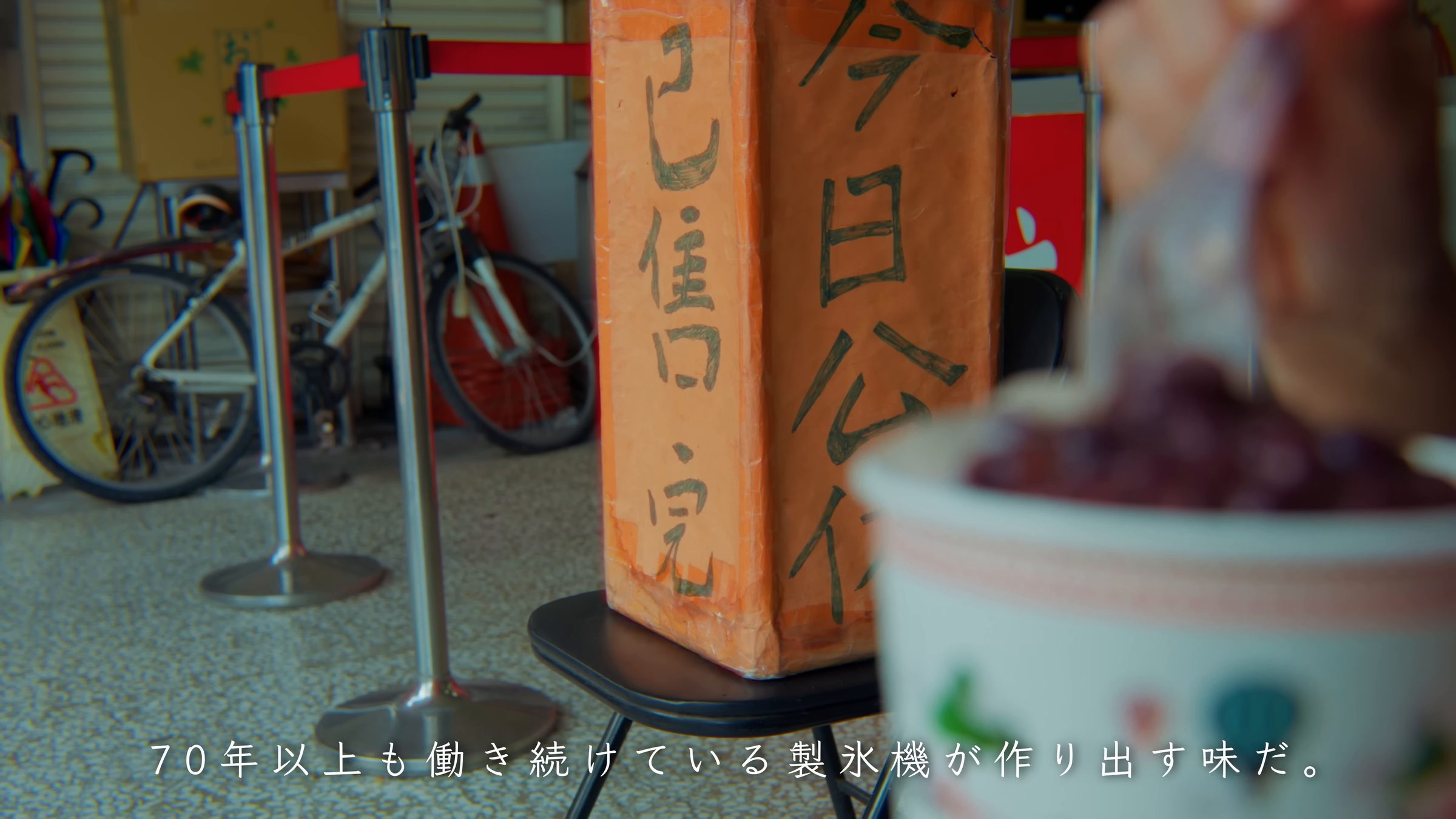
Right after I bought mine, a sold-out sign went up out front. Lucky me.
Watch this scene on YouTube8:09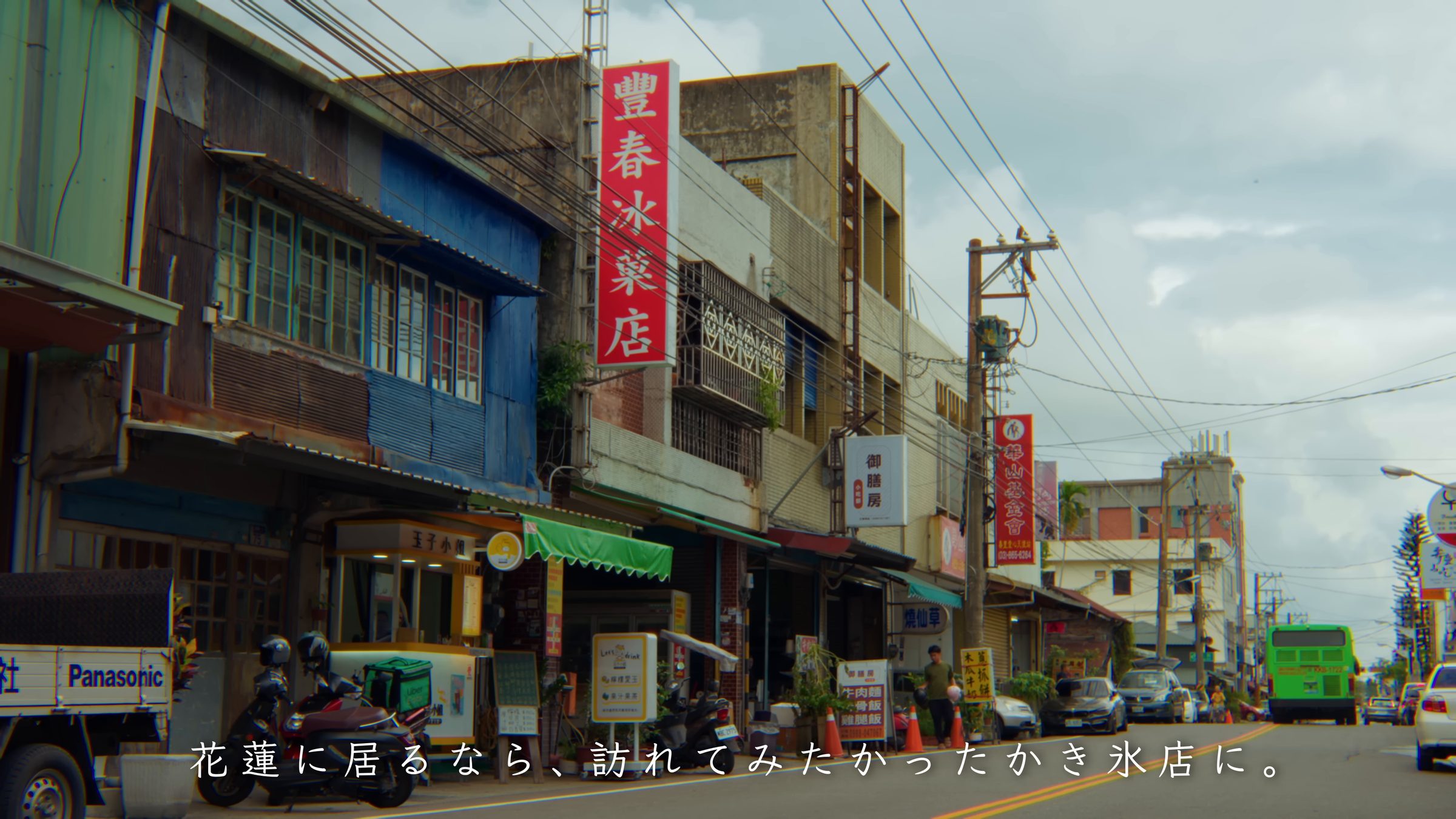
12TRAVEL JOURNAL
Stinky tofu to take home
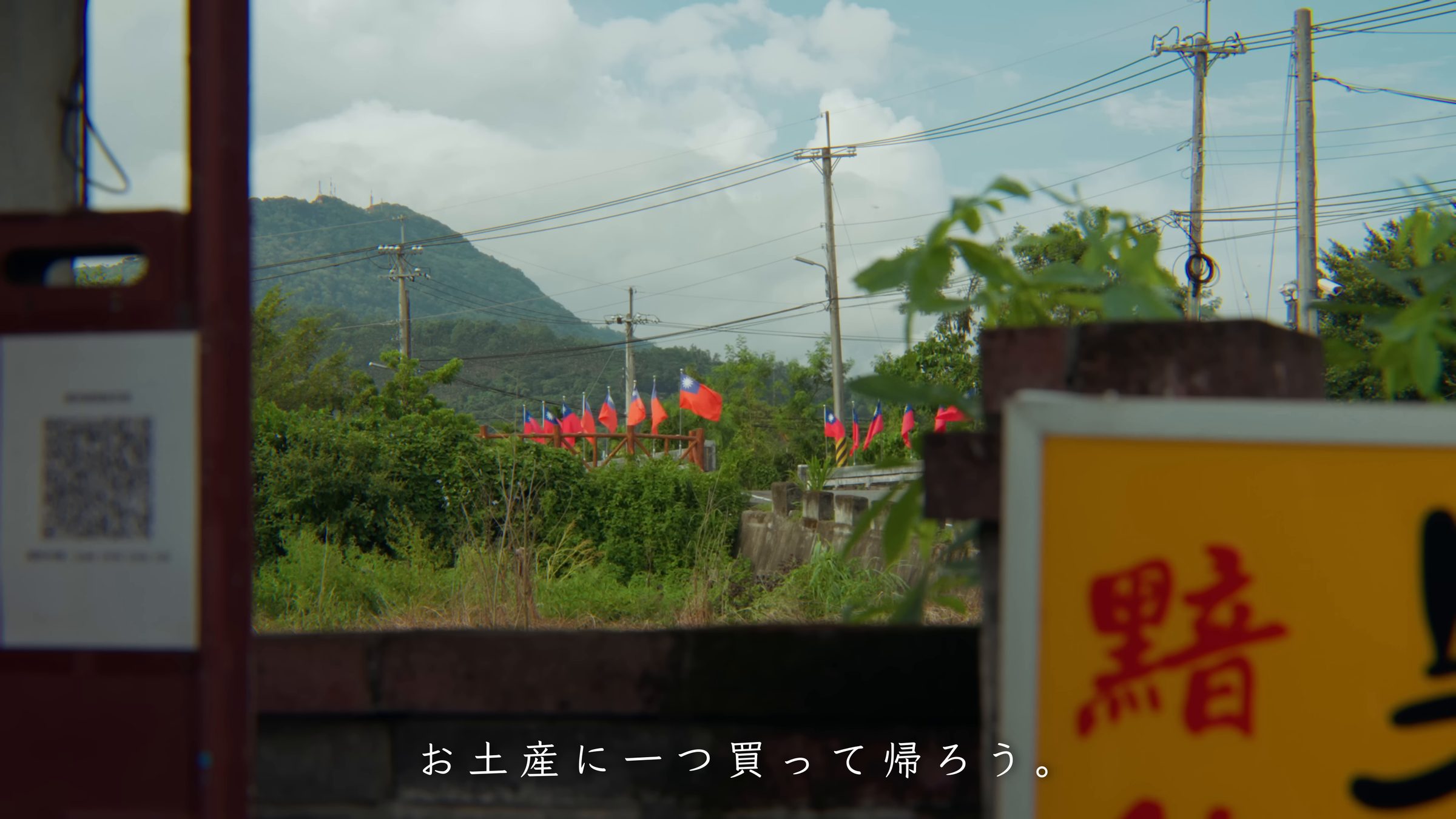
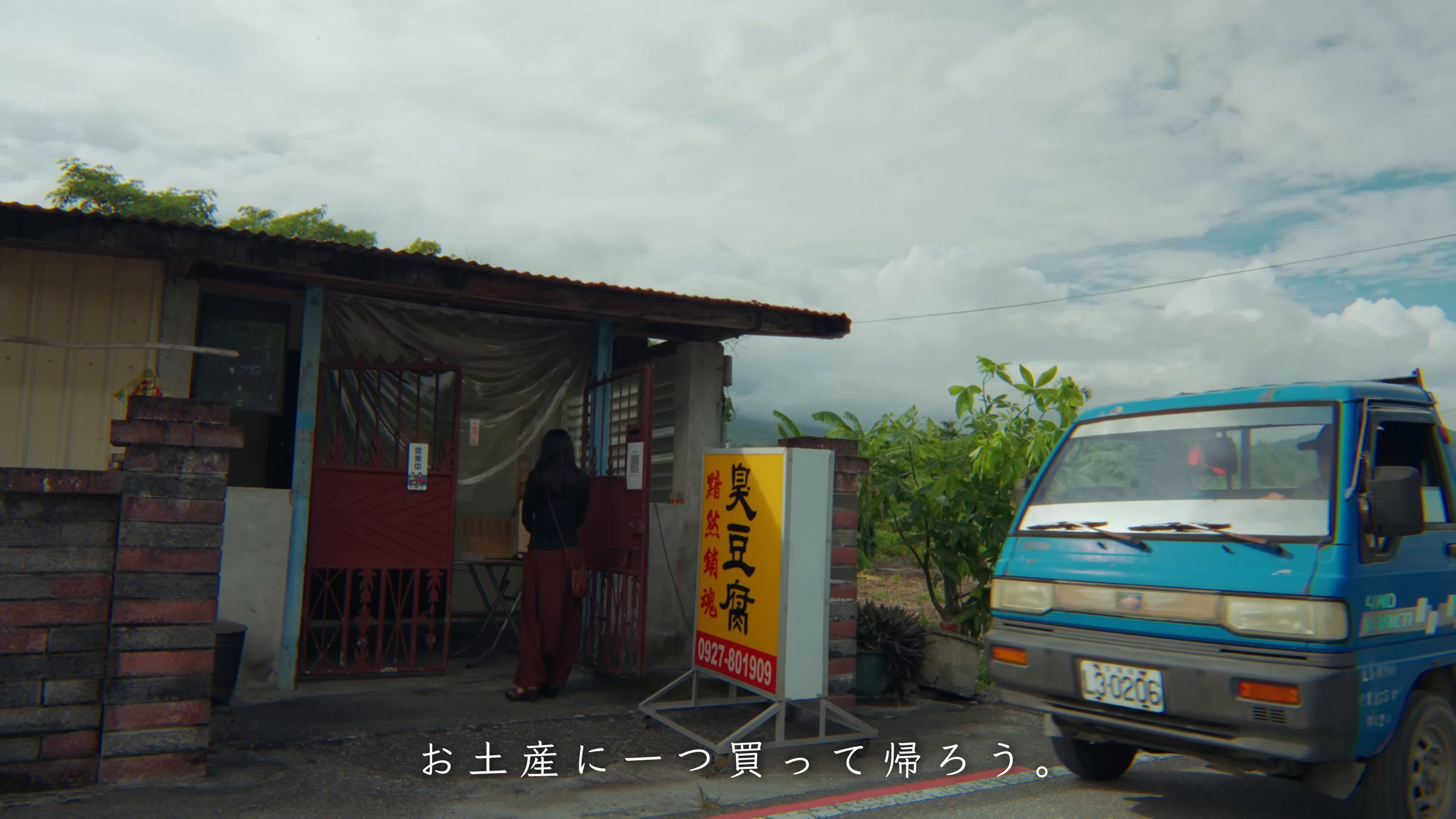
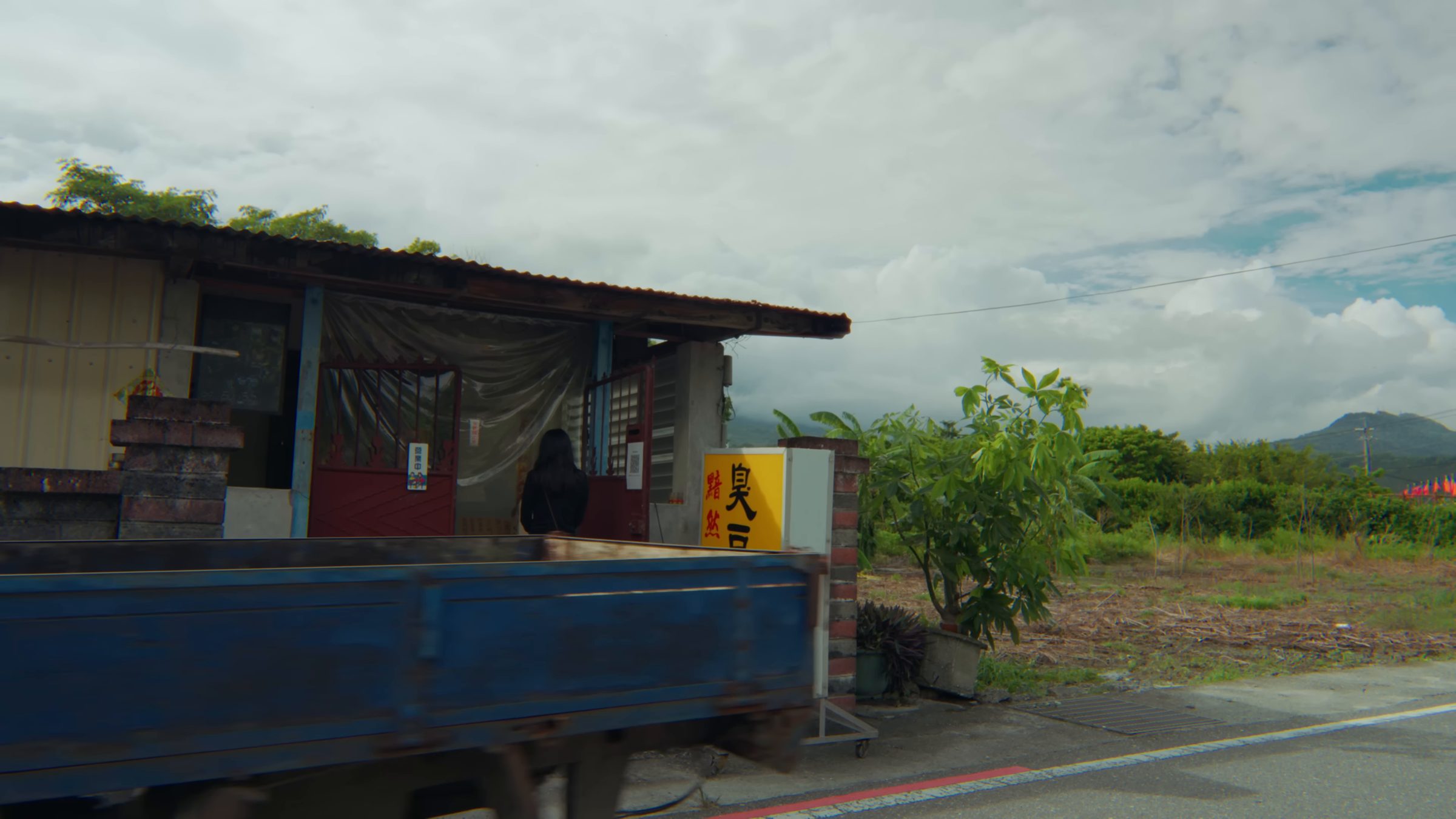
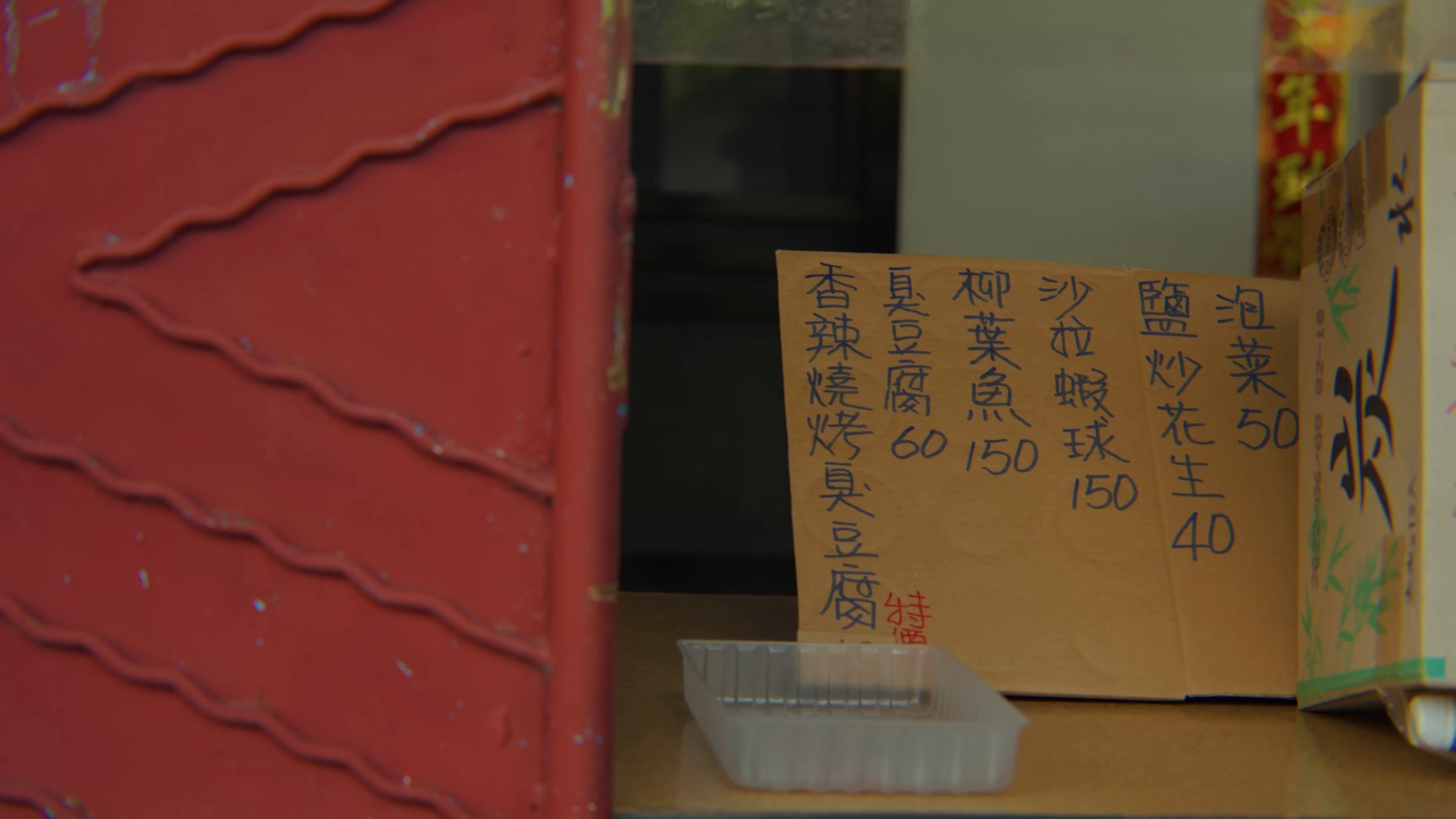
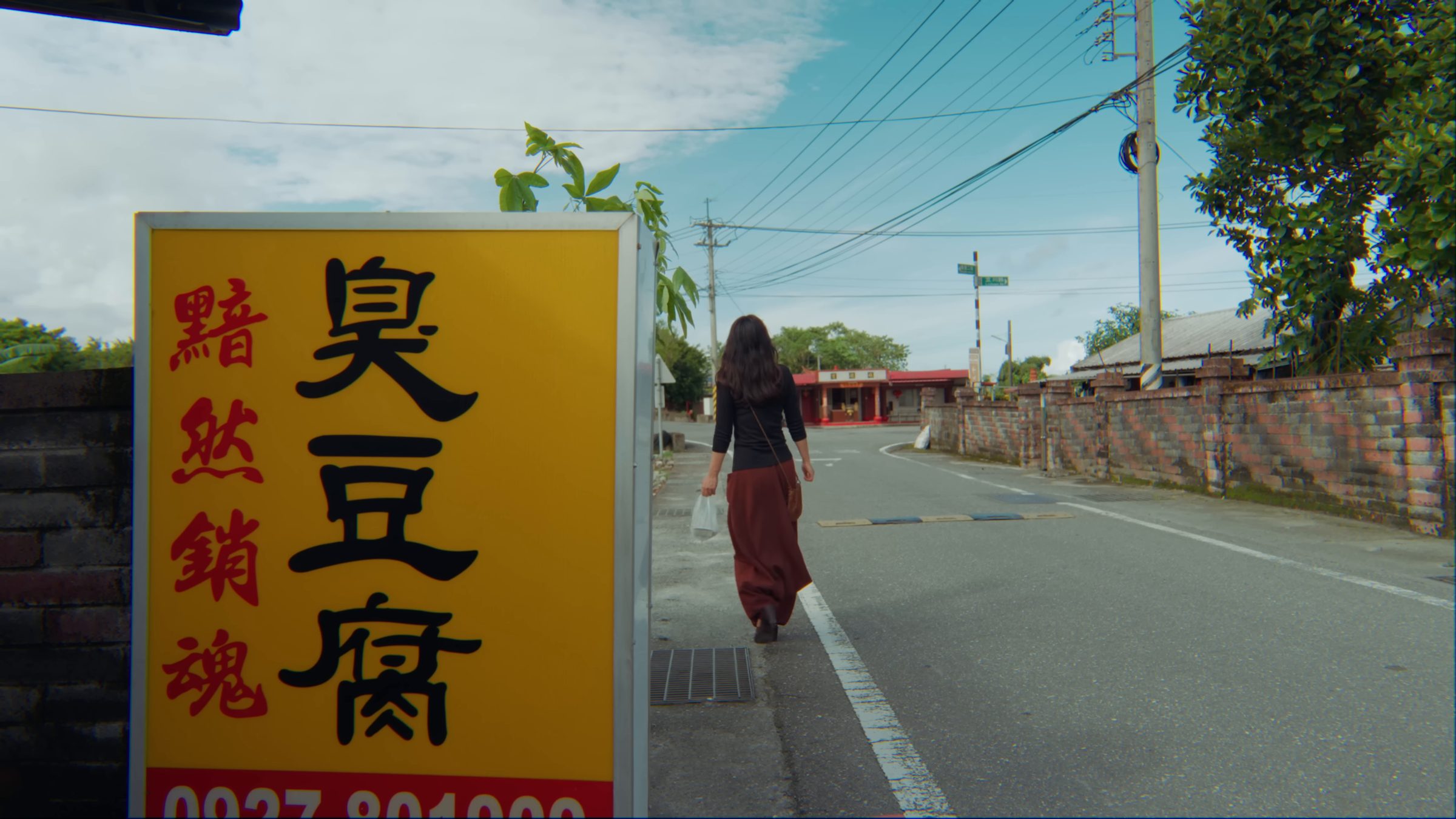
On the way back I stopped at Anran Xiaohun Stinky Tofu (黯然銷魂臭豆腐), marked by a yellow sign by the road. As a lover of natto, I had long been curious about stinky tofu, another fermented soybean food. The handwritten menu listed stinky tofu, spicy grilled stinky tofu, shishamo, shrimp balls with mayonnaise, salt-fried peanuts and pickled cabbage. Let's buy one and take it home.
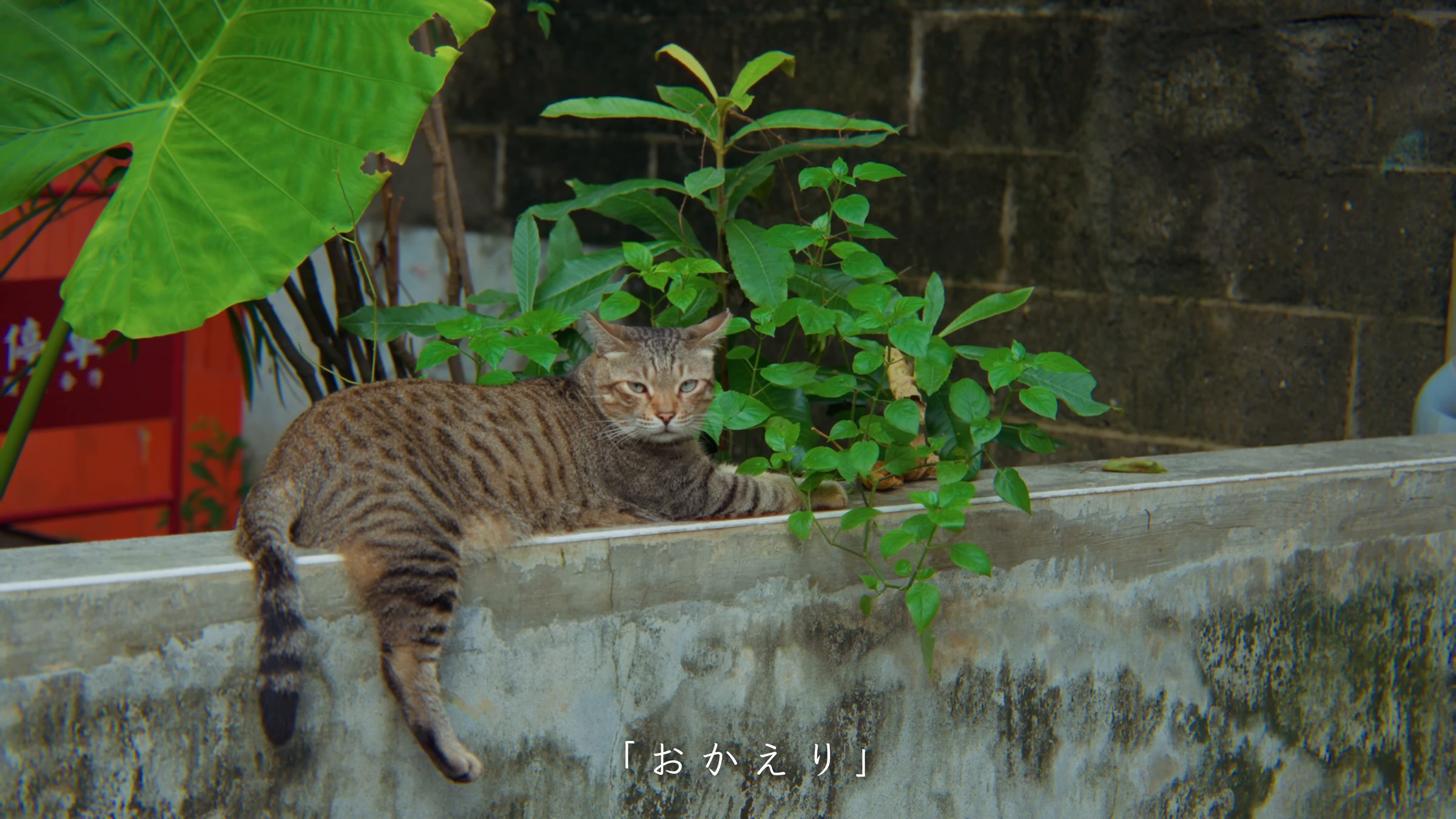
Back at the house, a tabby cat on the wall greeted me: "Welcome back." I'm home.
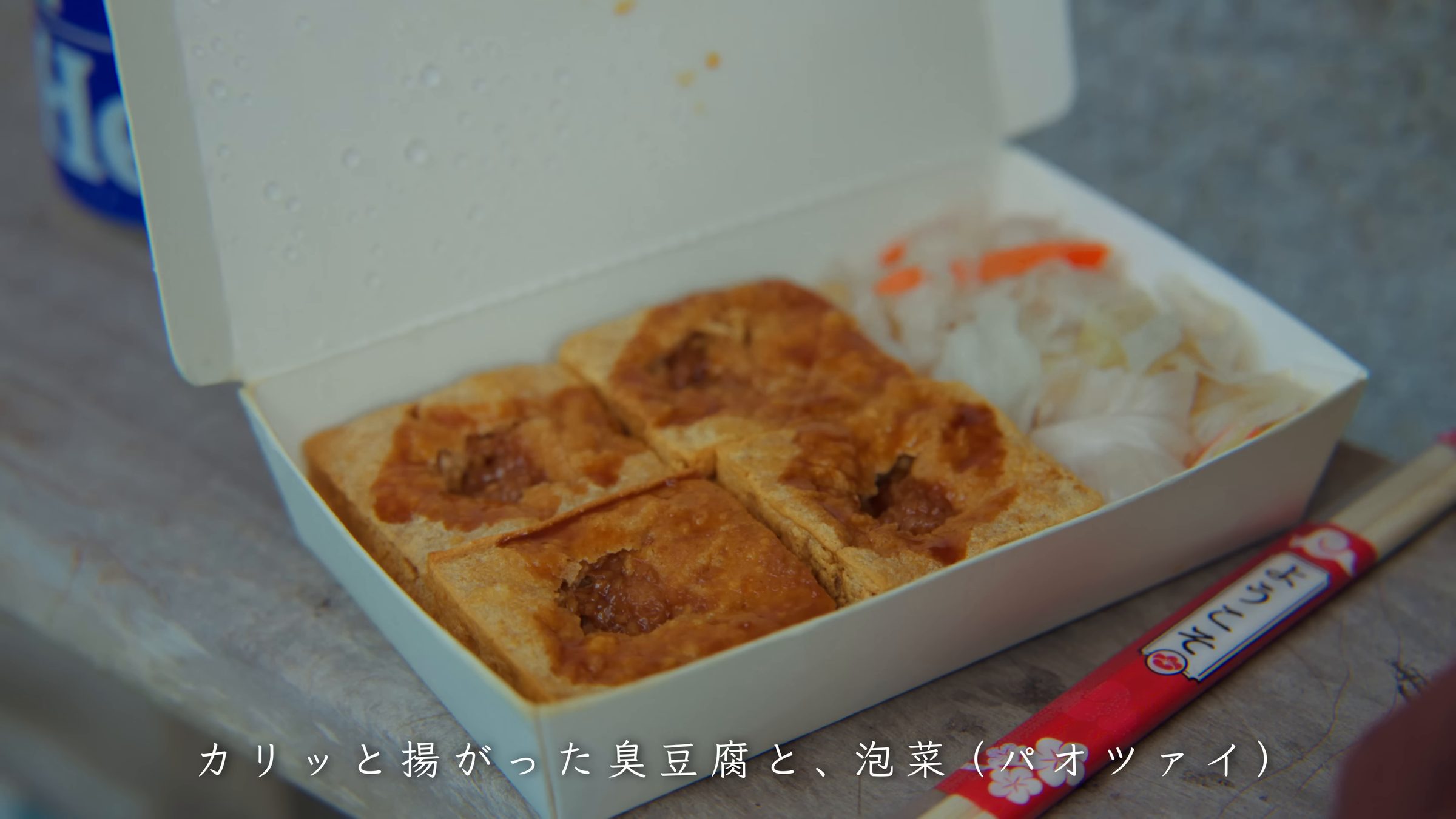
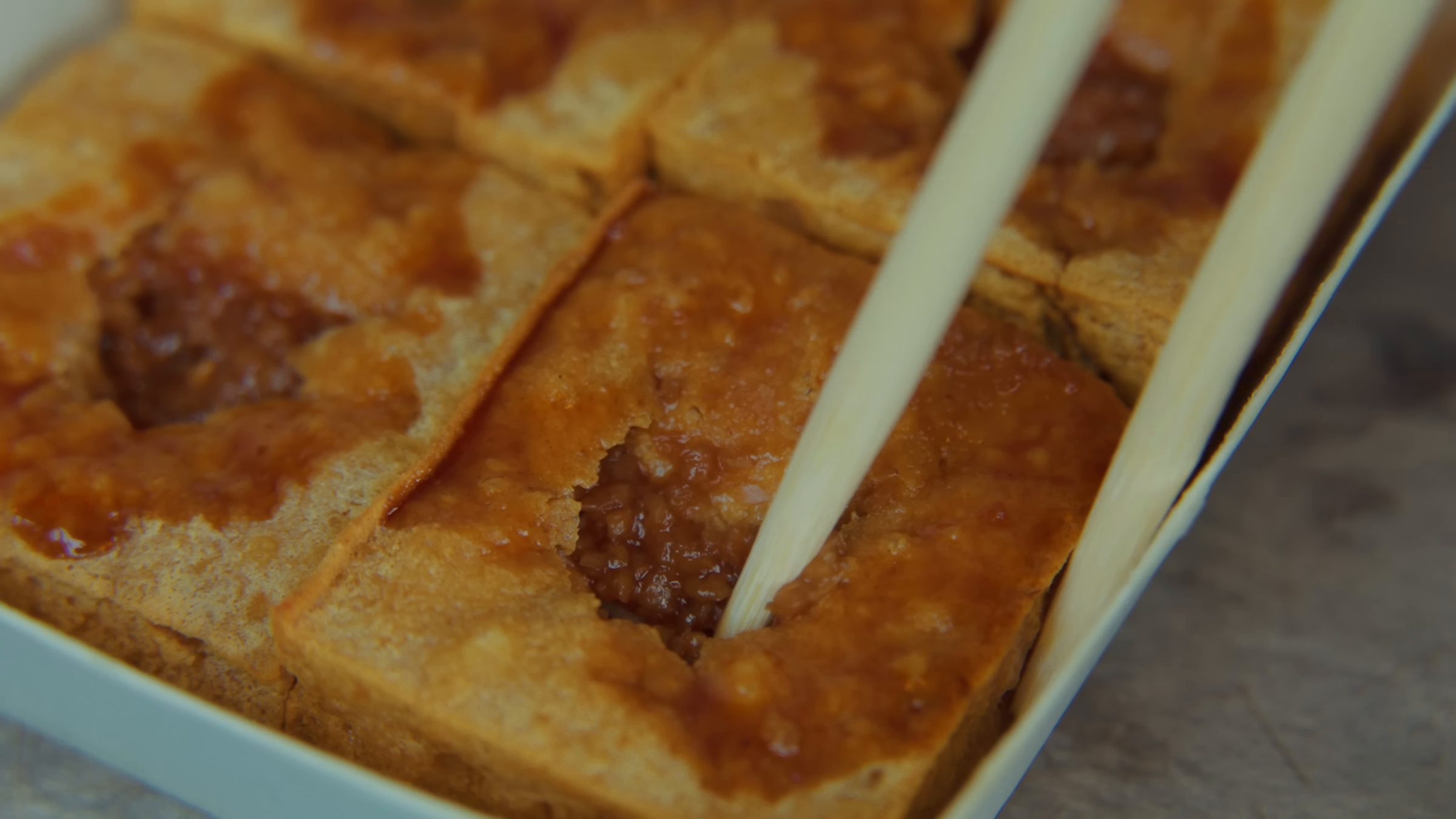
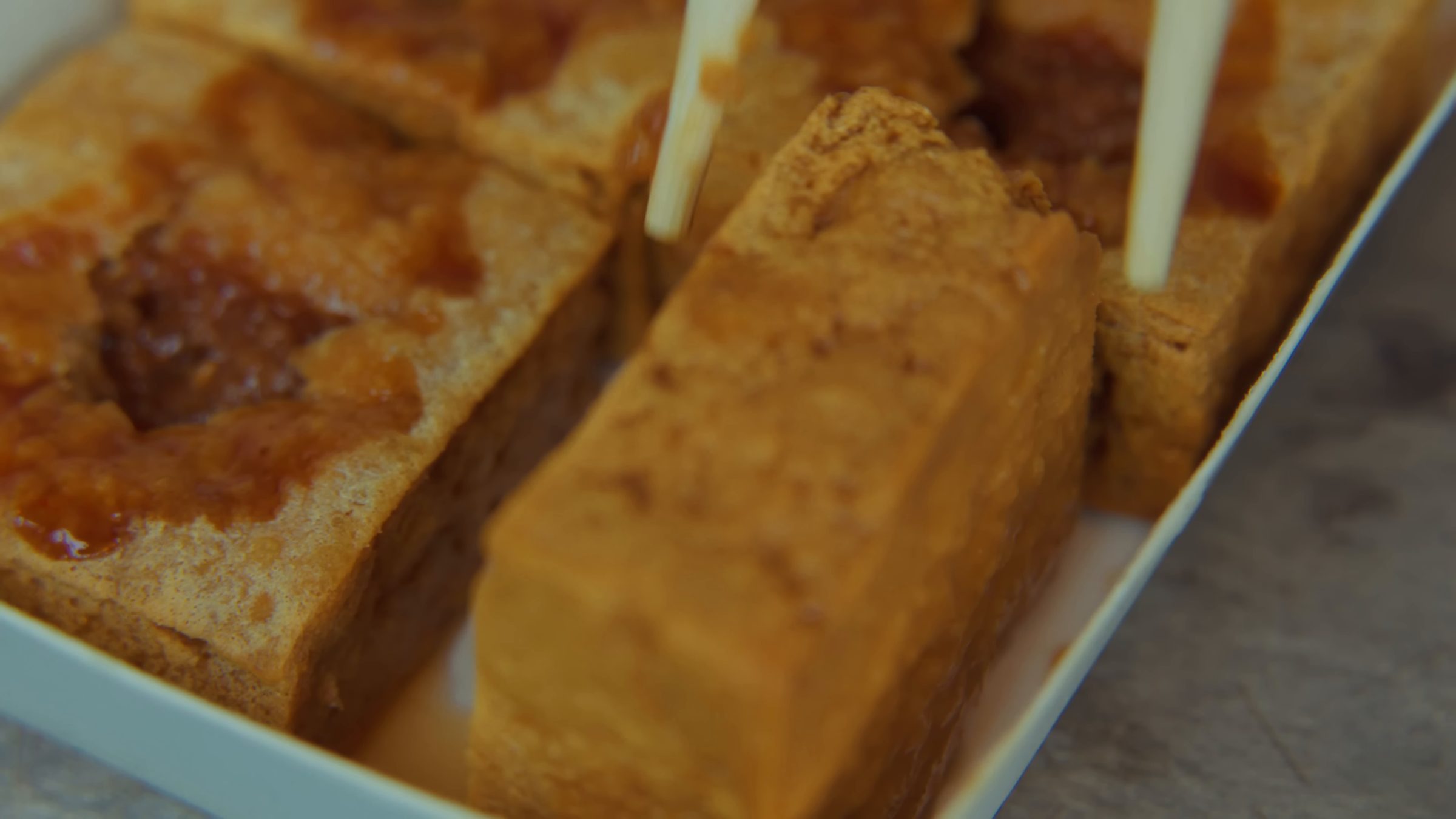
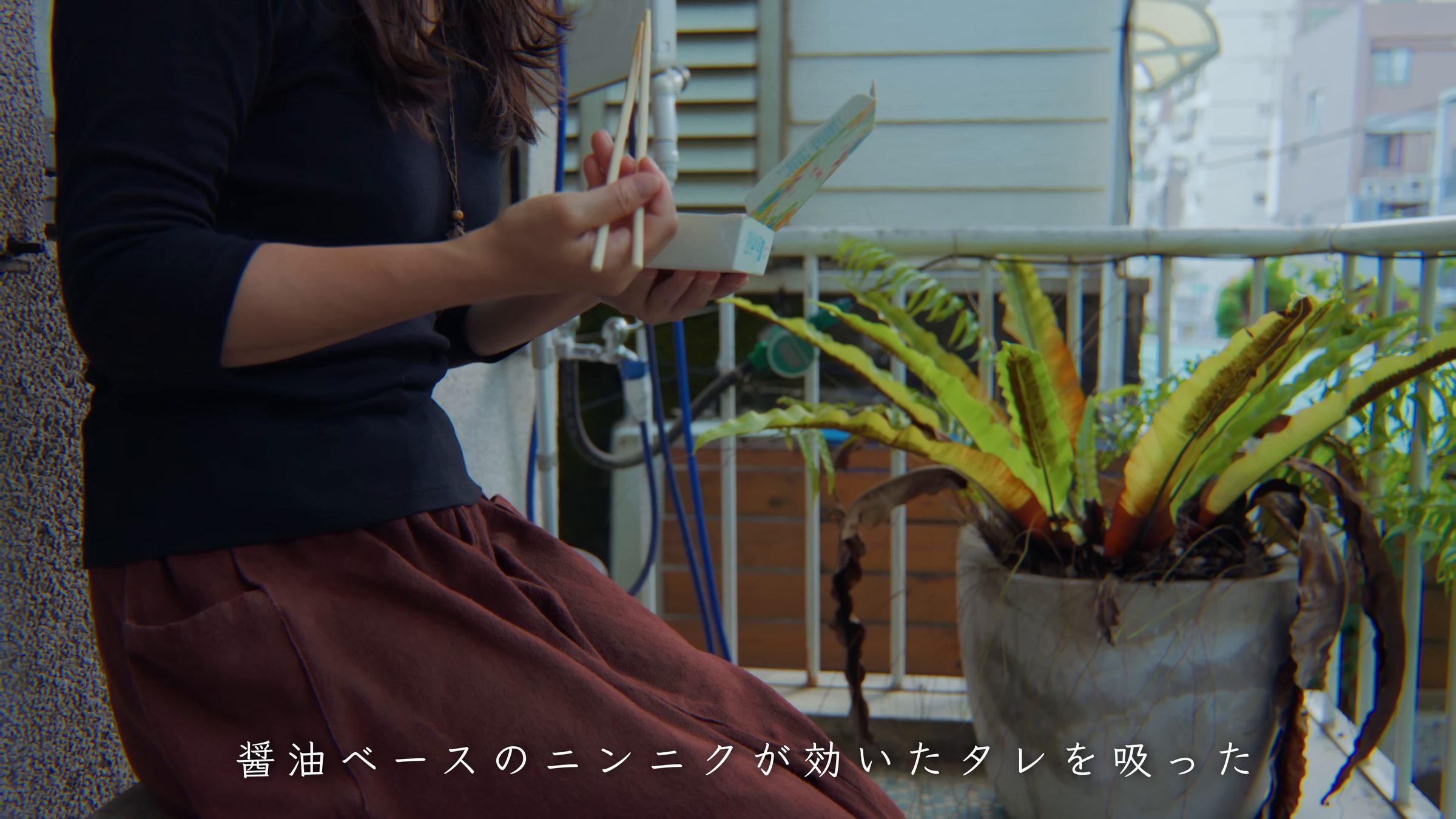
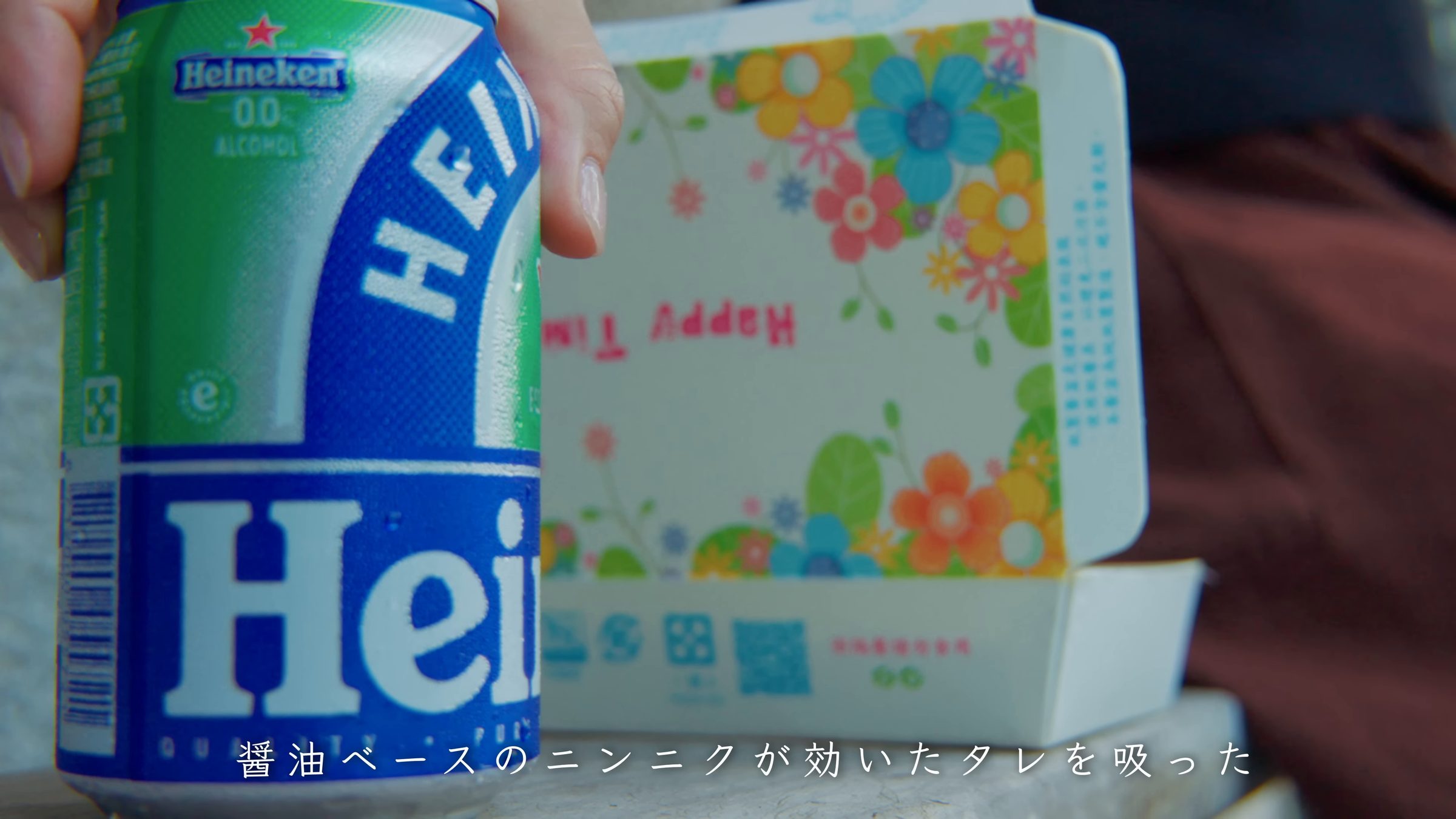
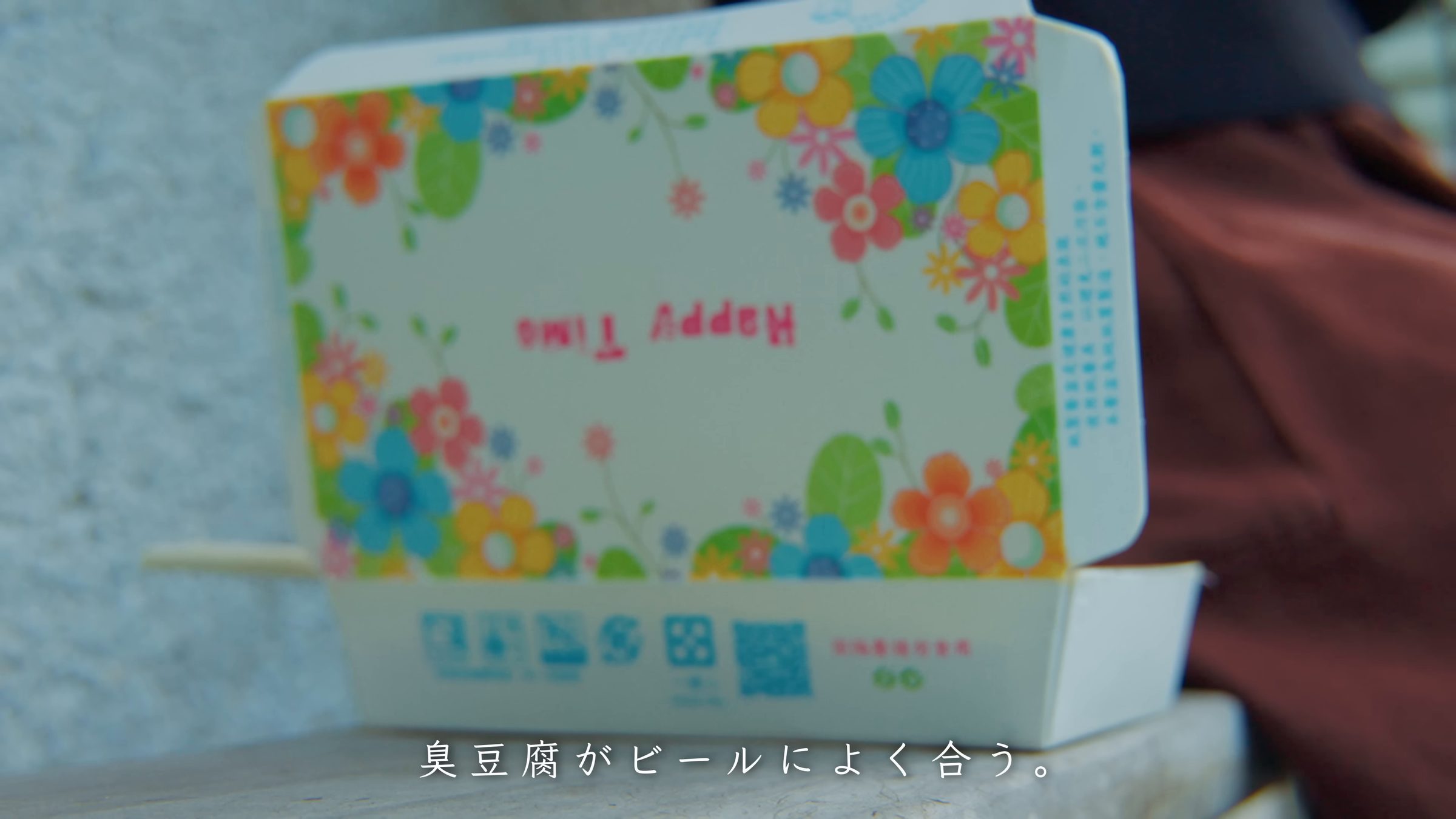
Crispy fried stinky tofu and pickled cabbage (paocai). The smell is strong enough to make you flinch, but the tofu, soaked in a soy-based garlic sauce, has a savory depth all its own, and the fresh cabbage pickle went with it beautifully. I could see why it has such a loyal following. Stinky tofu goes well with non-alcoholic beer.
Watch this scene on YouTube8:45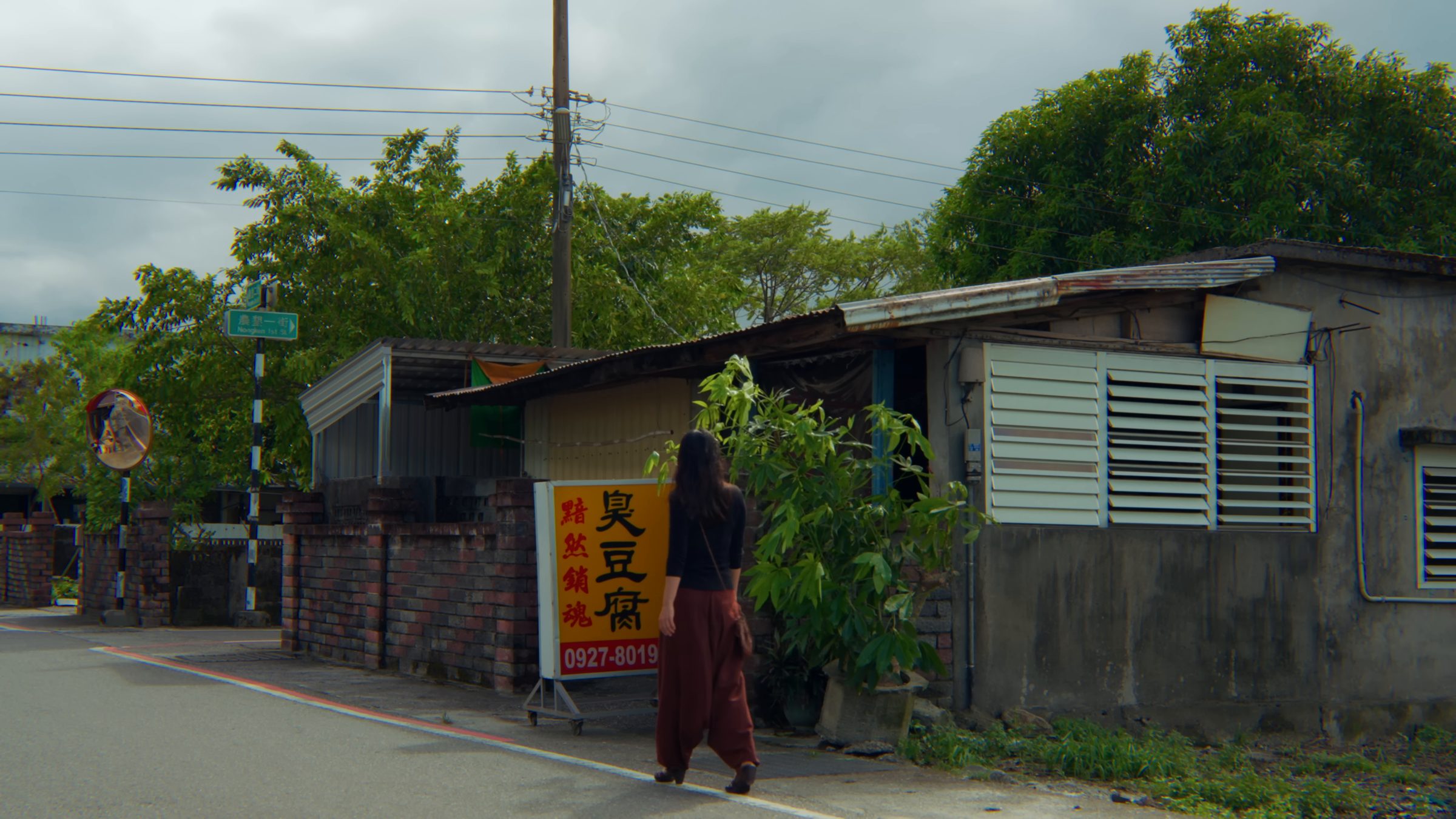
13TRAVEL JOURNAL
Instant zhajiangmian on a rainy night
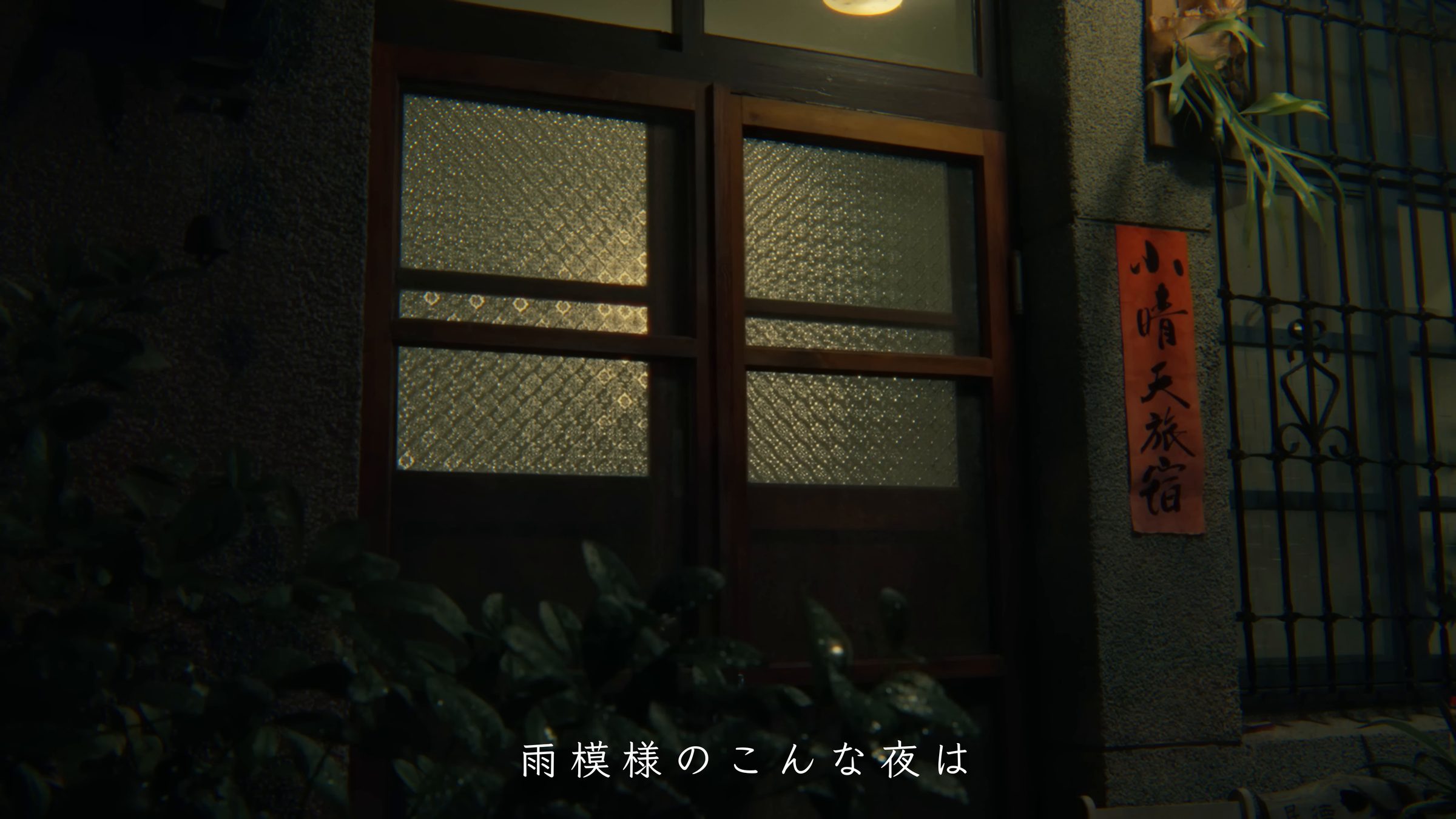
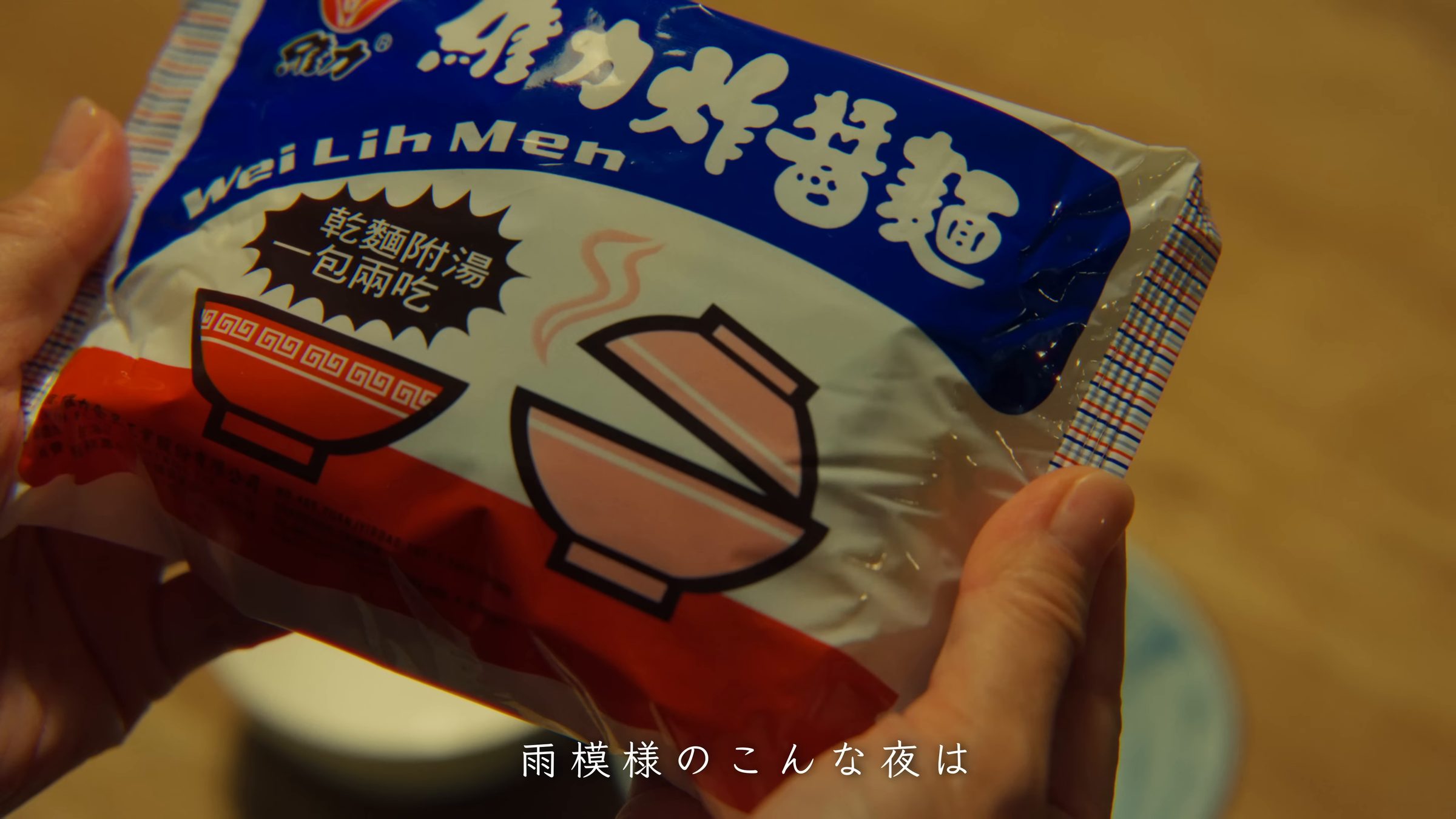
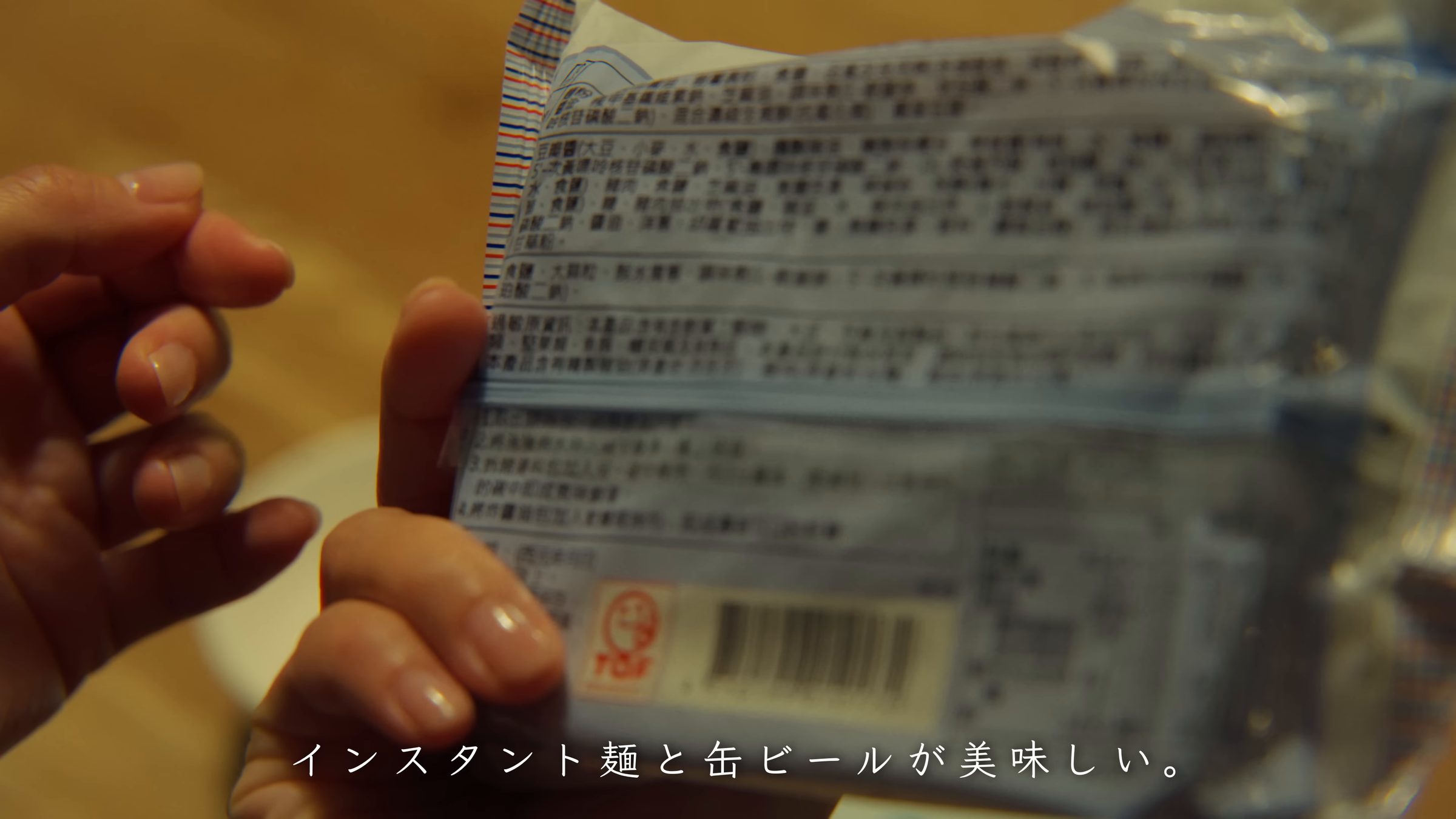
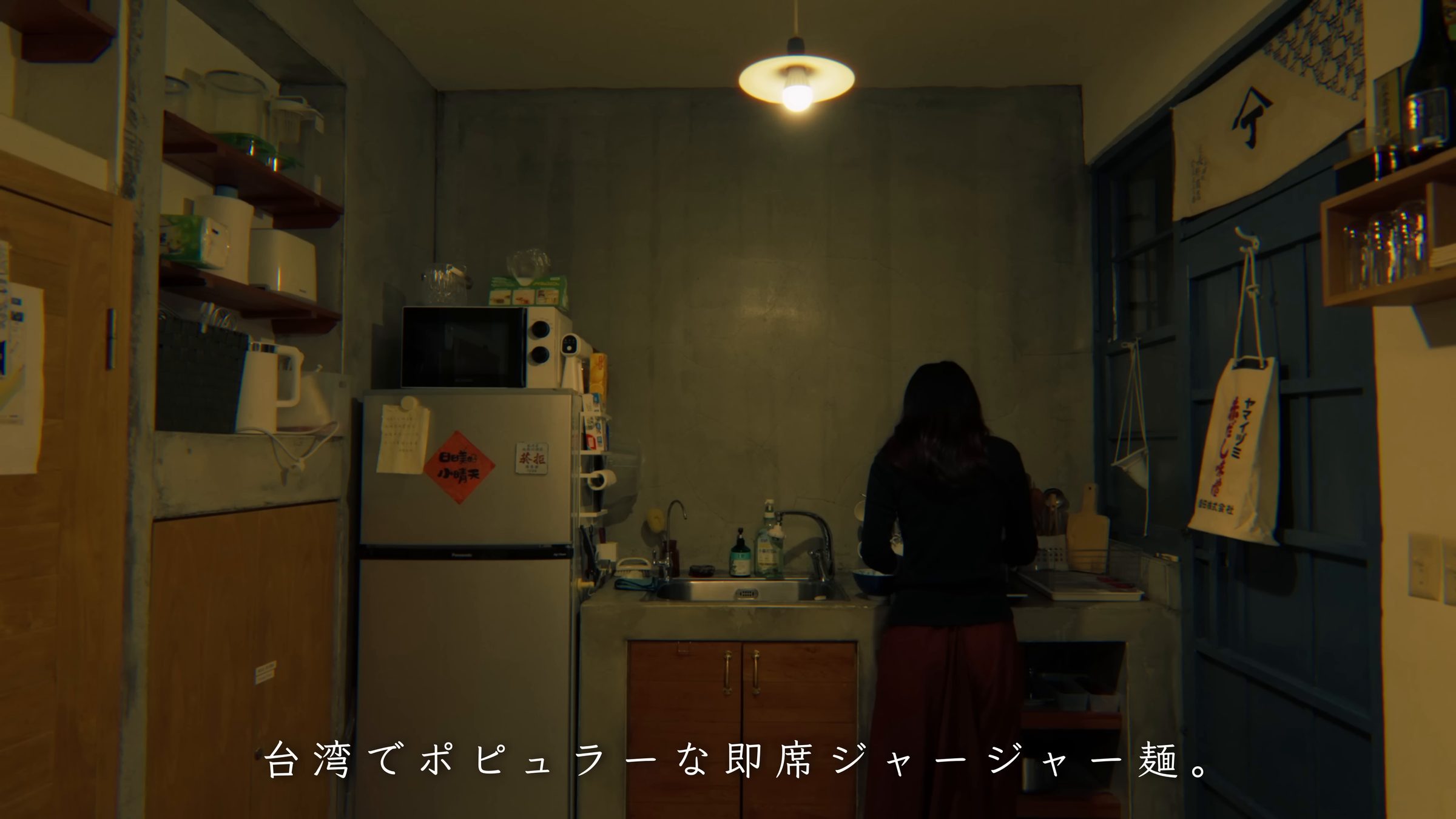
Night came, and with it the rain. On a rainy evening like this, instant noodles and a non-alcoholic beer taste best. Drawn in by its cute retro packaging, I had bought Wei Lih zhajiangmian (維力炸醬麵), instant noodles with savory bean sauce that are hugely popular in Taiwan. The pack reads "dry noodles with soup, two ways from one pack."
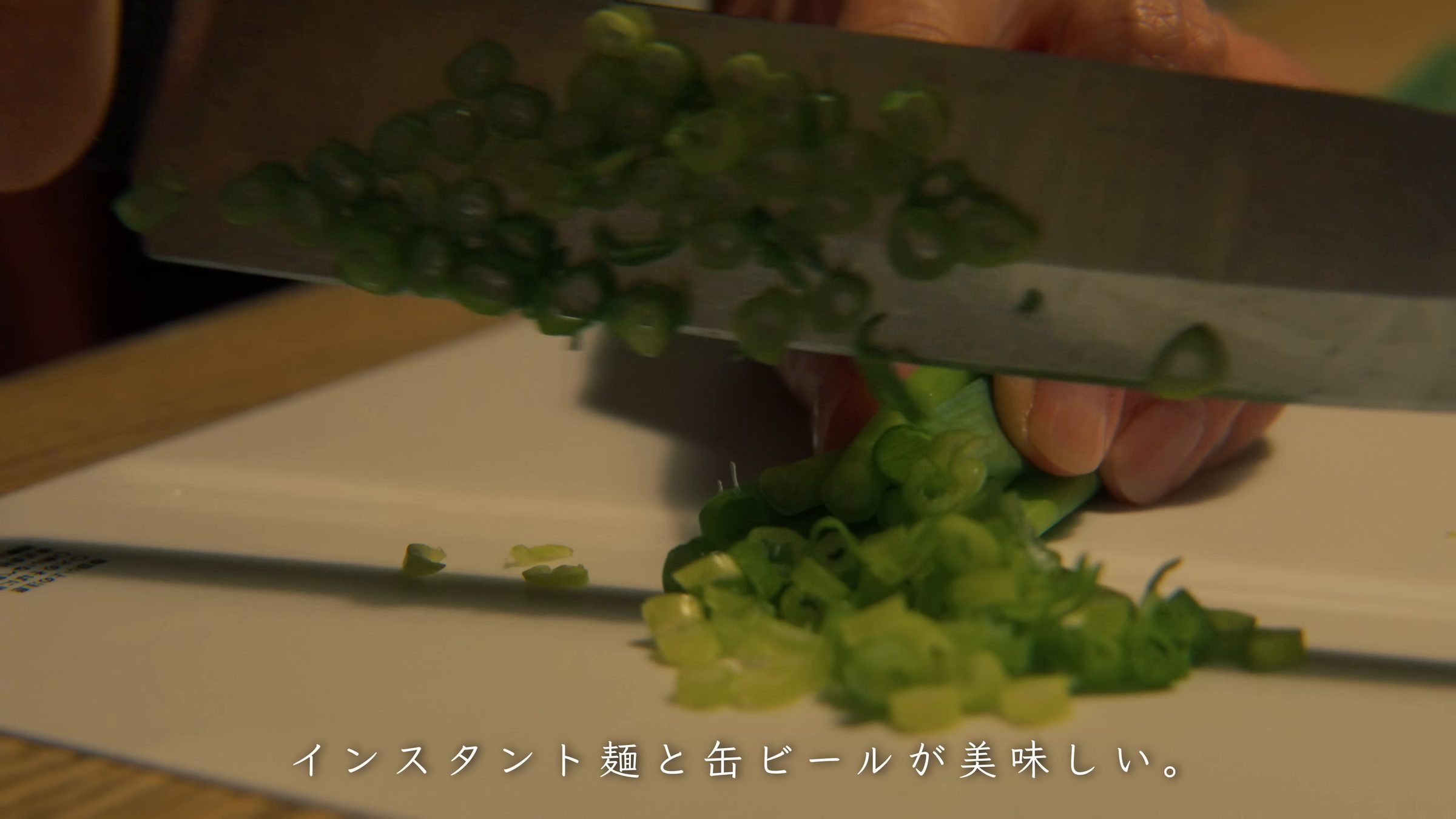
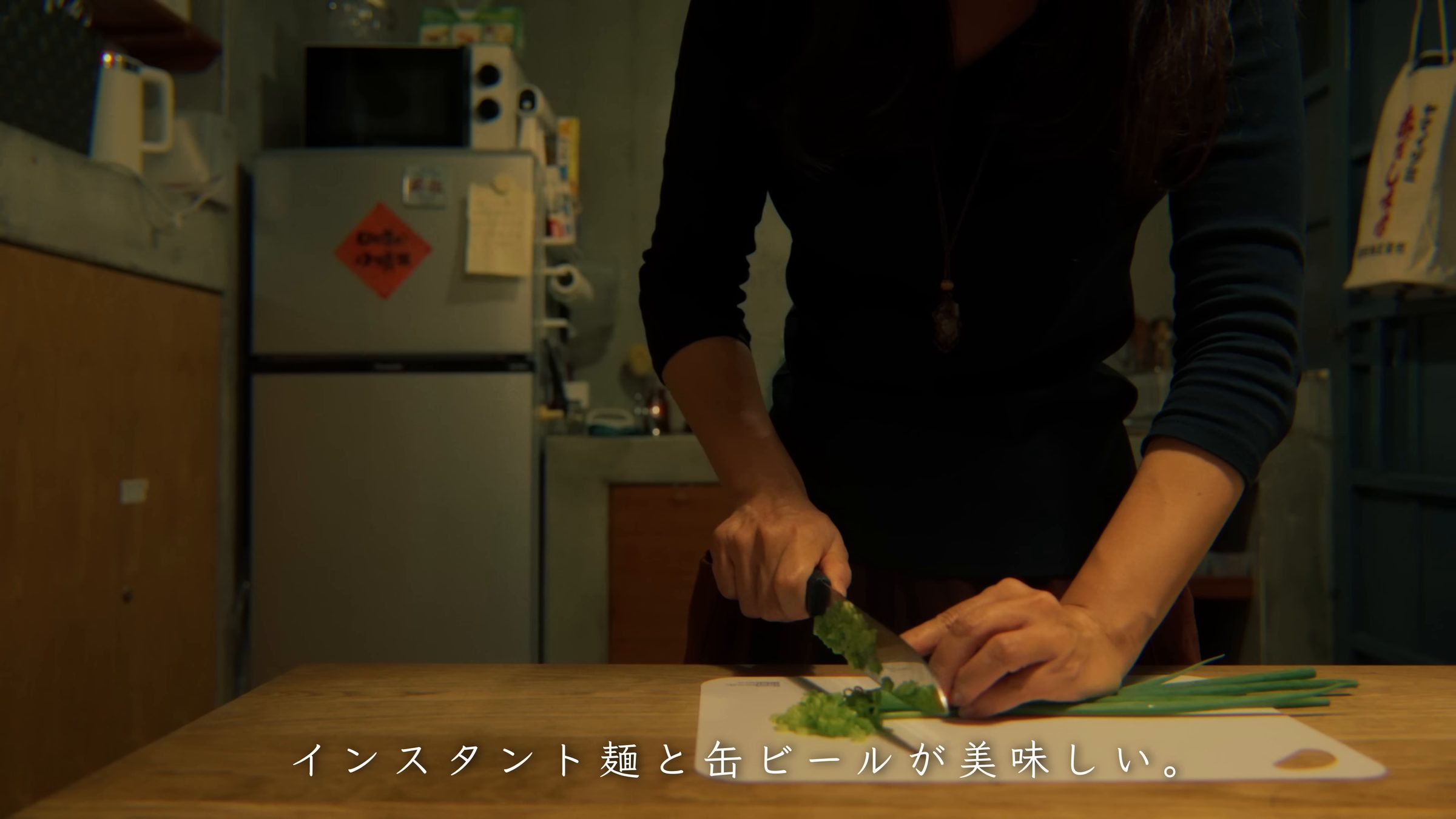
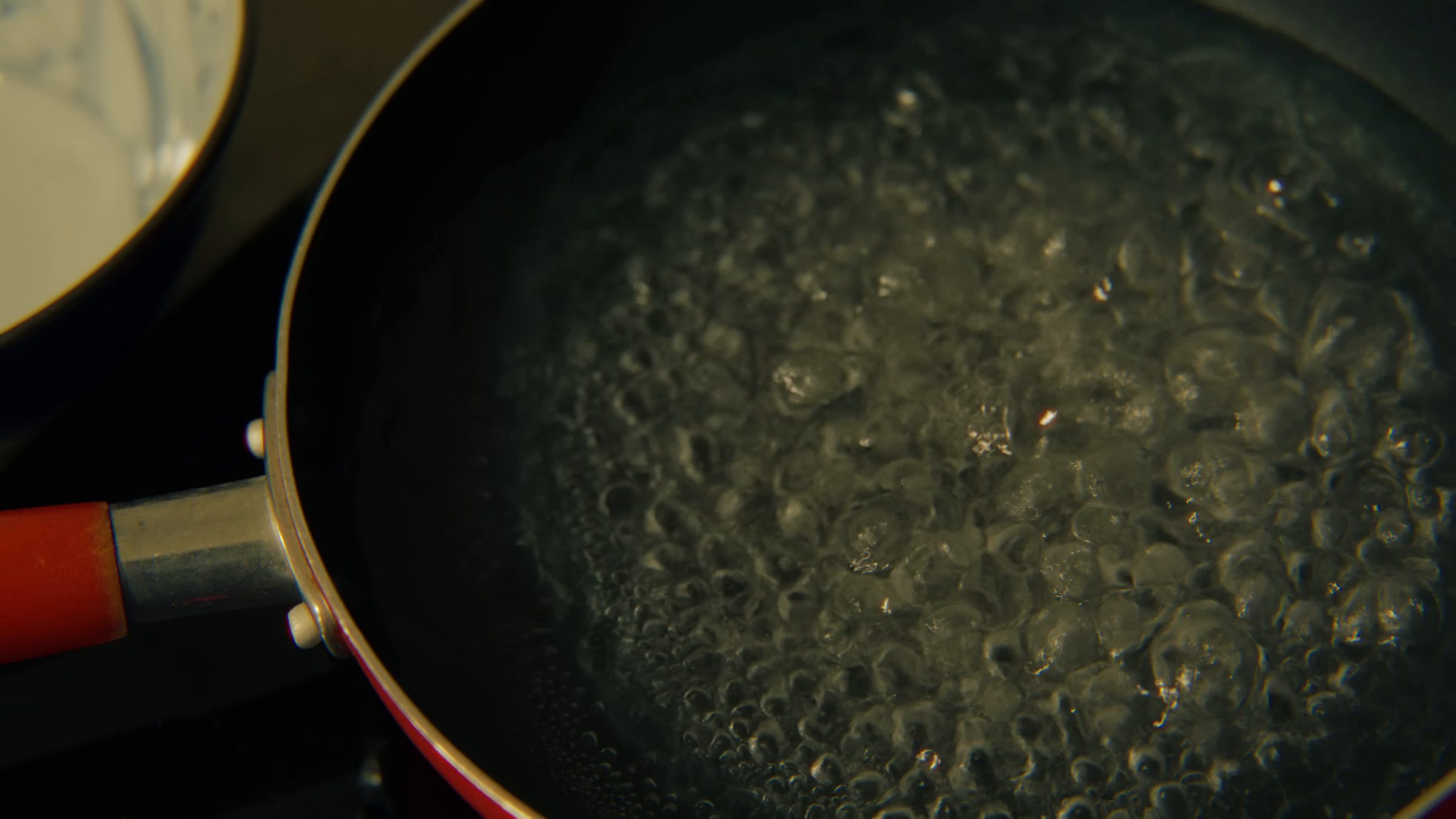
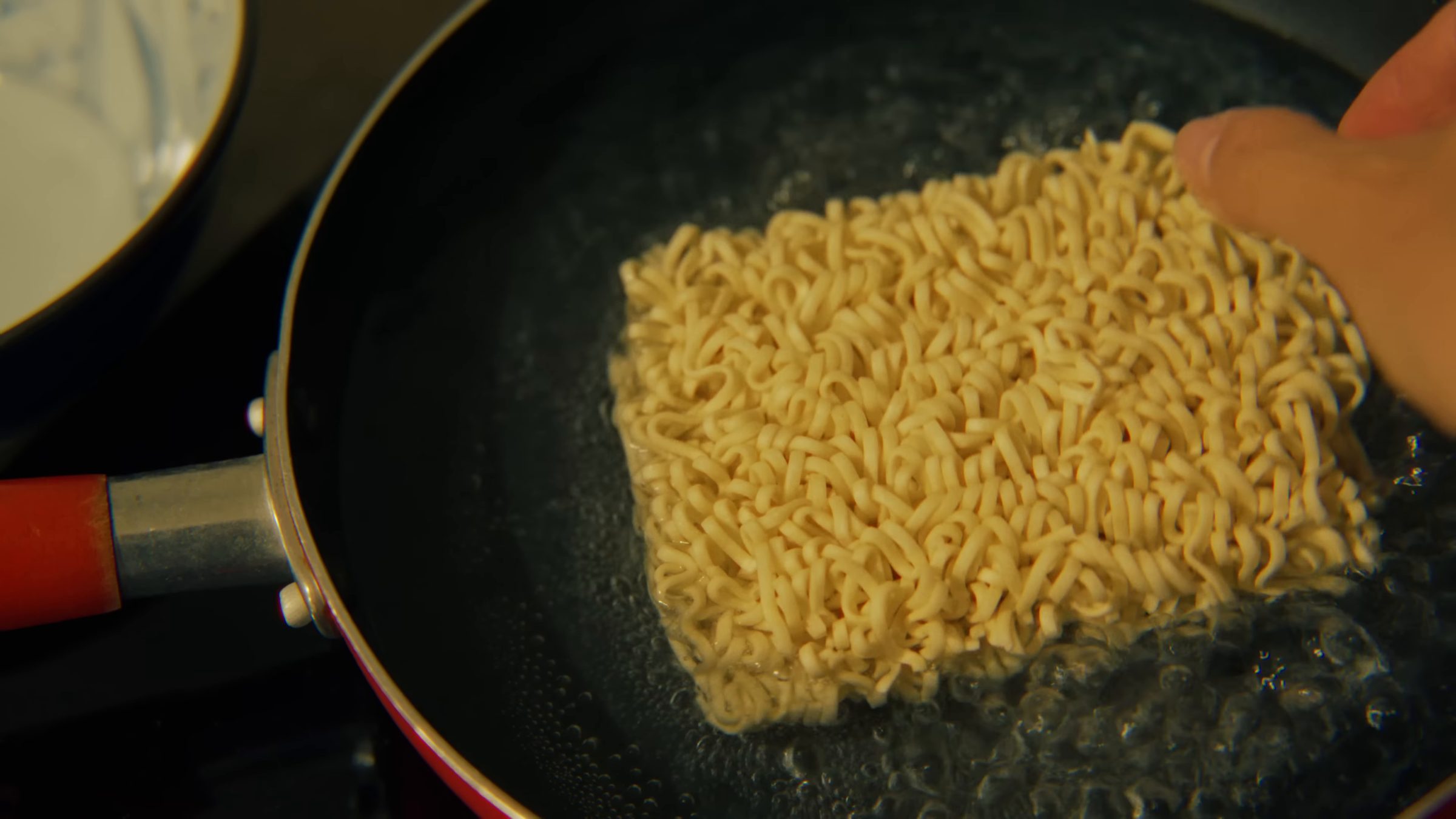
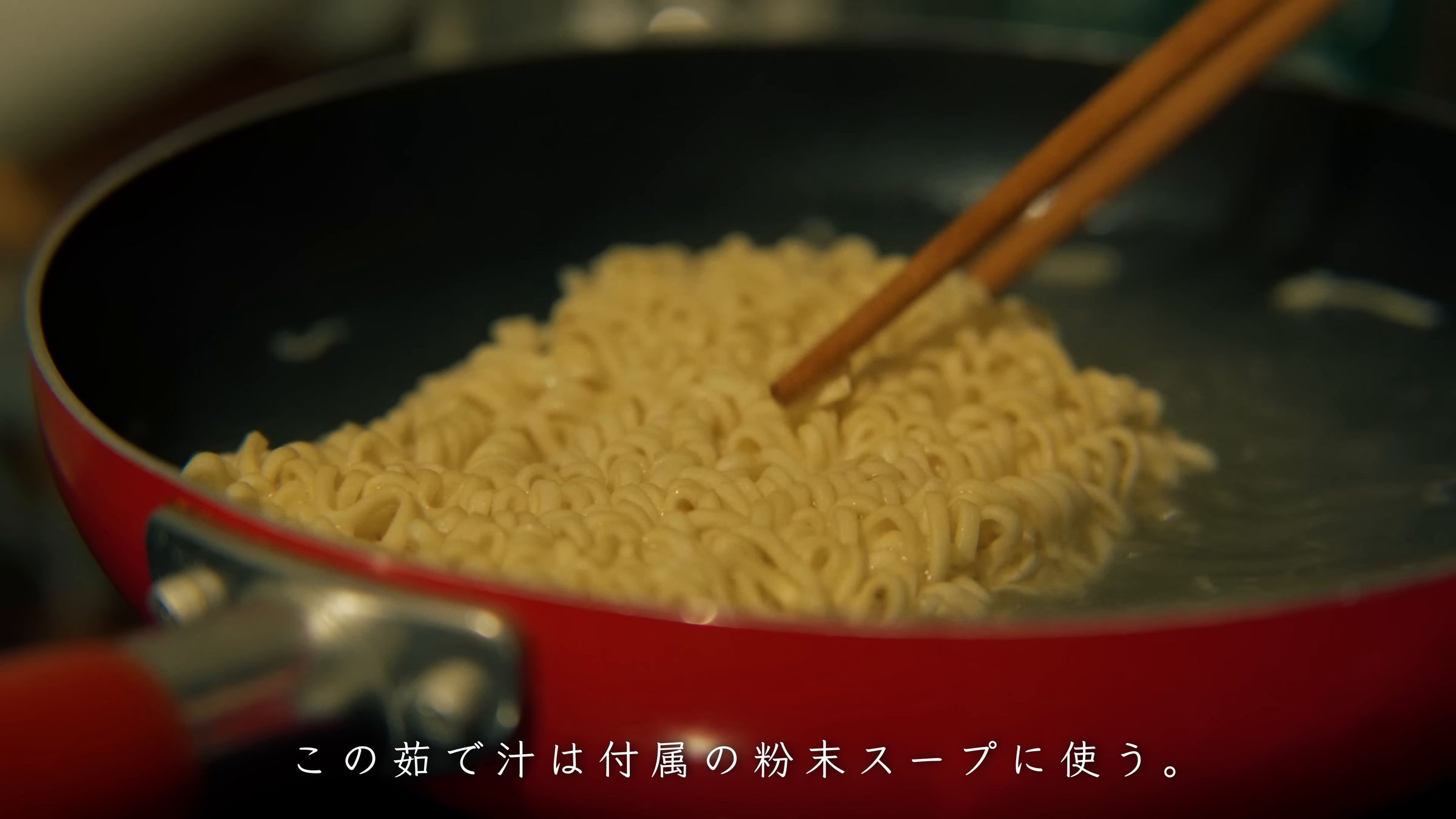
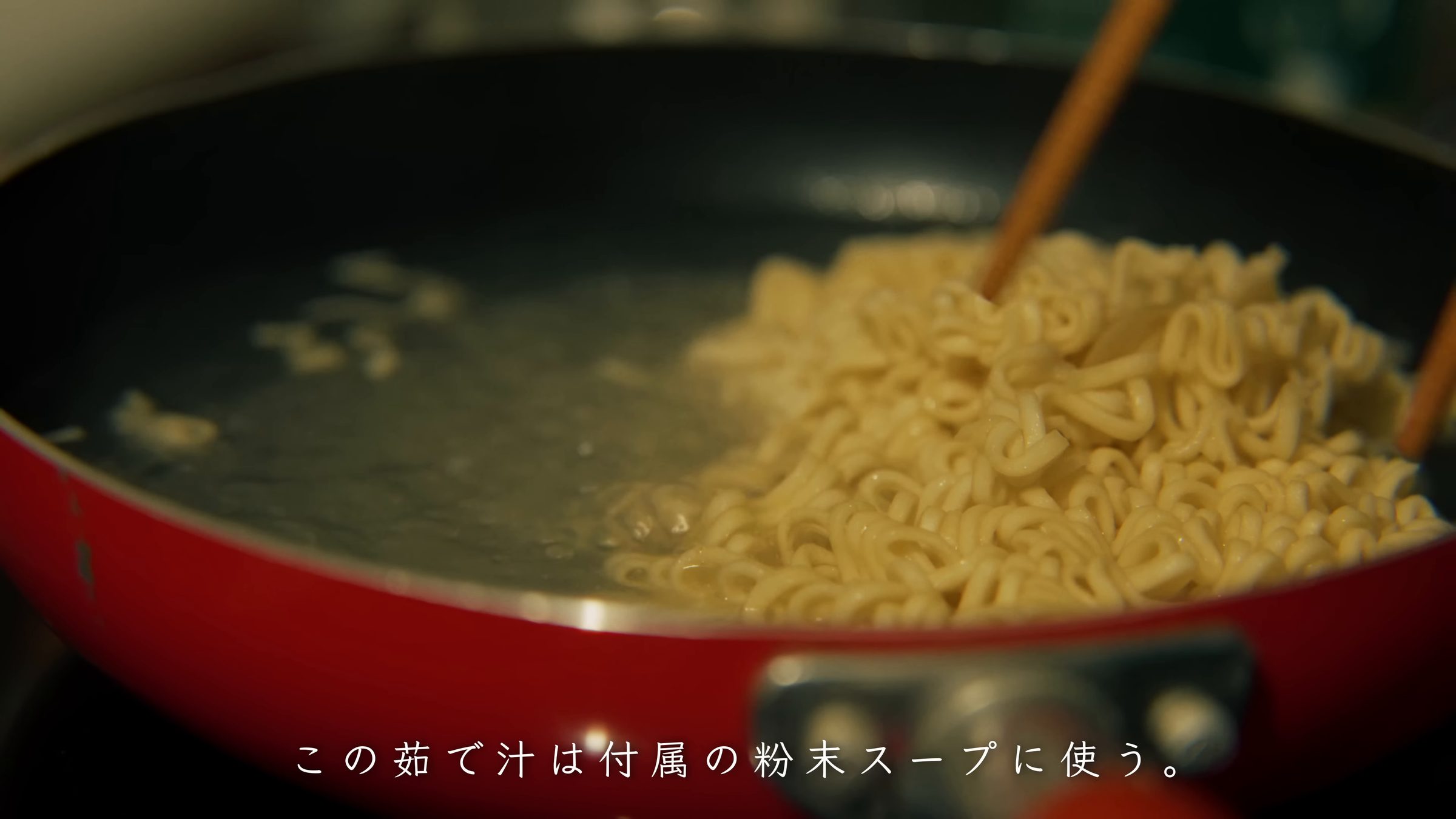
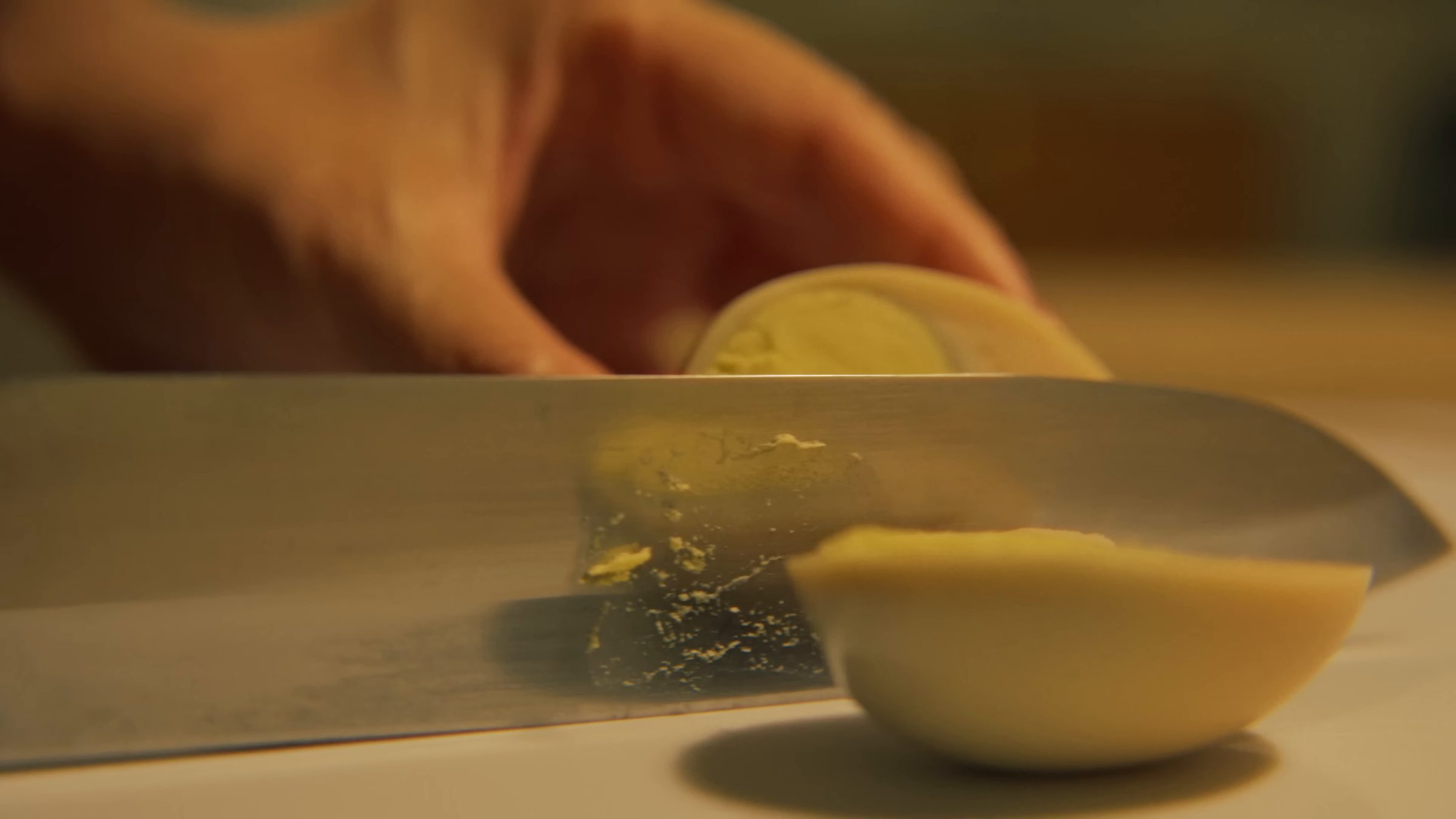
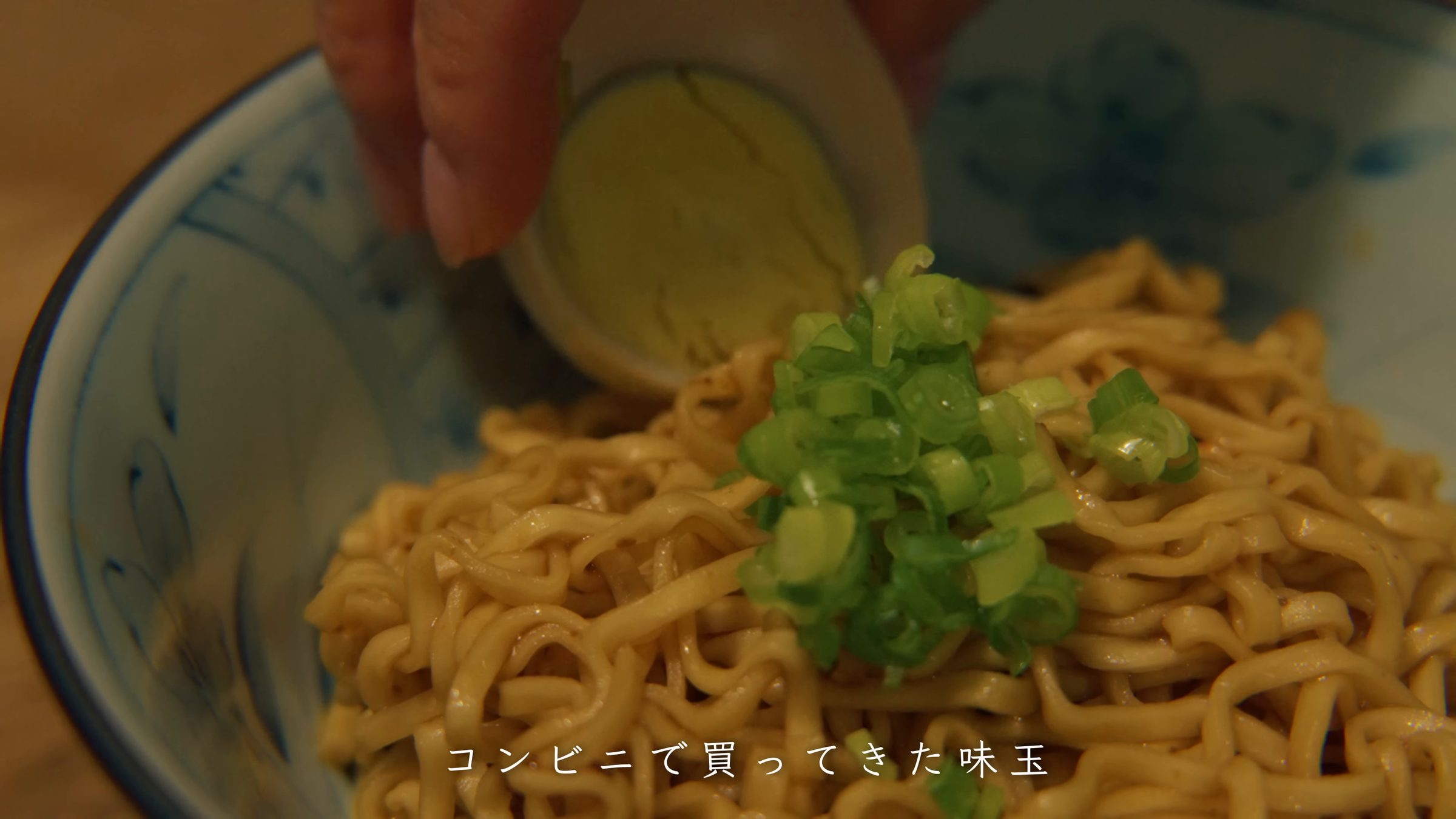
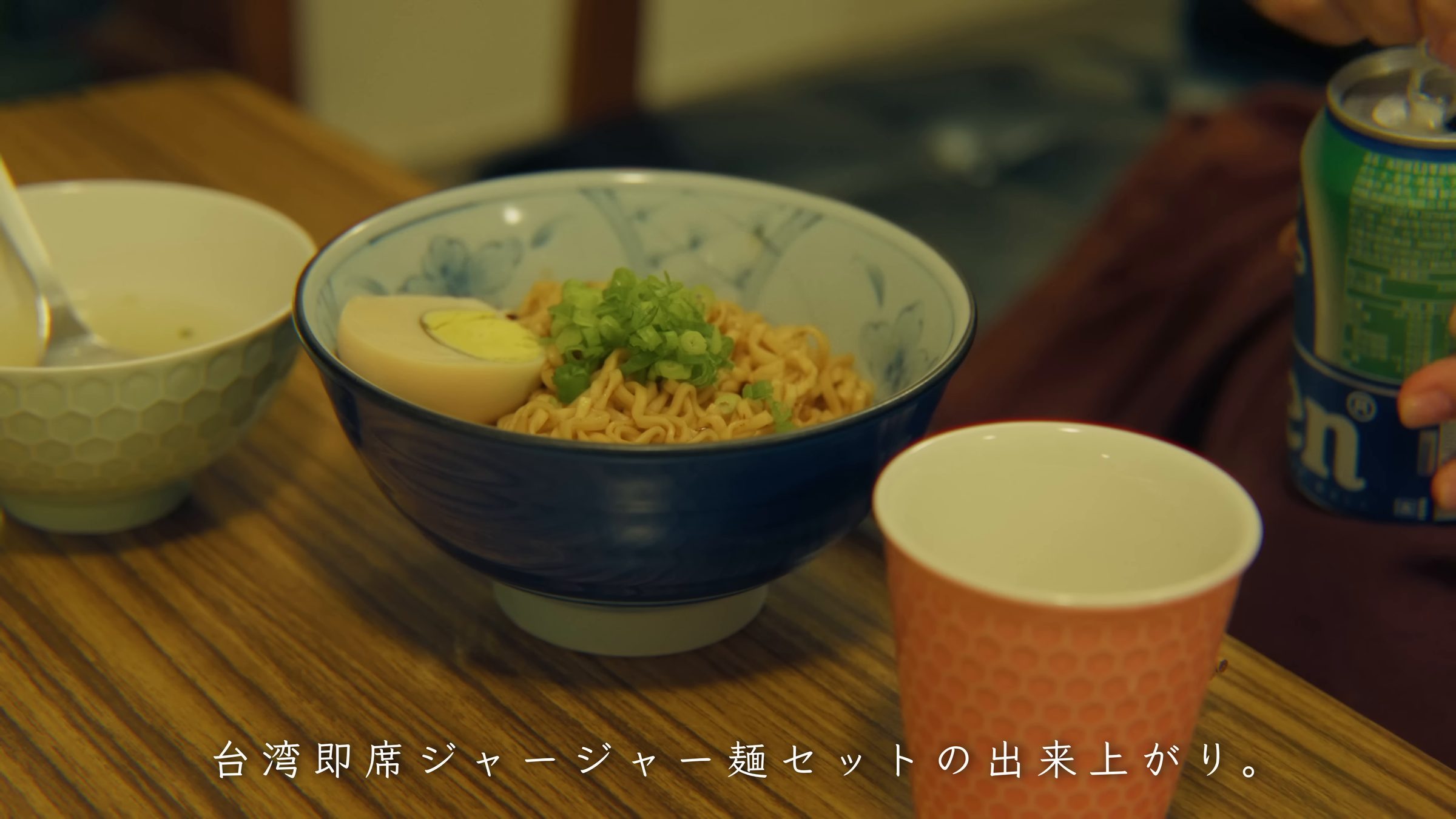
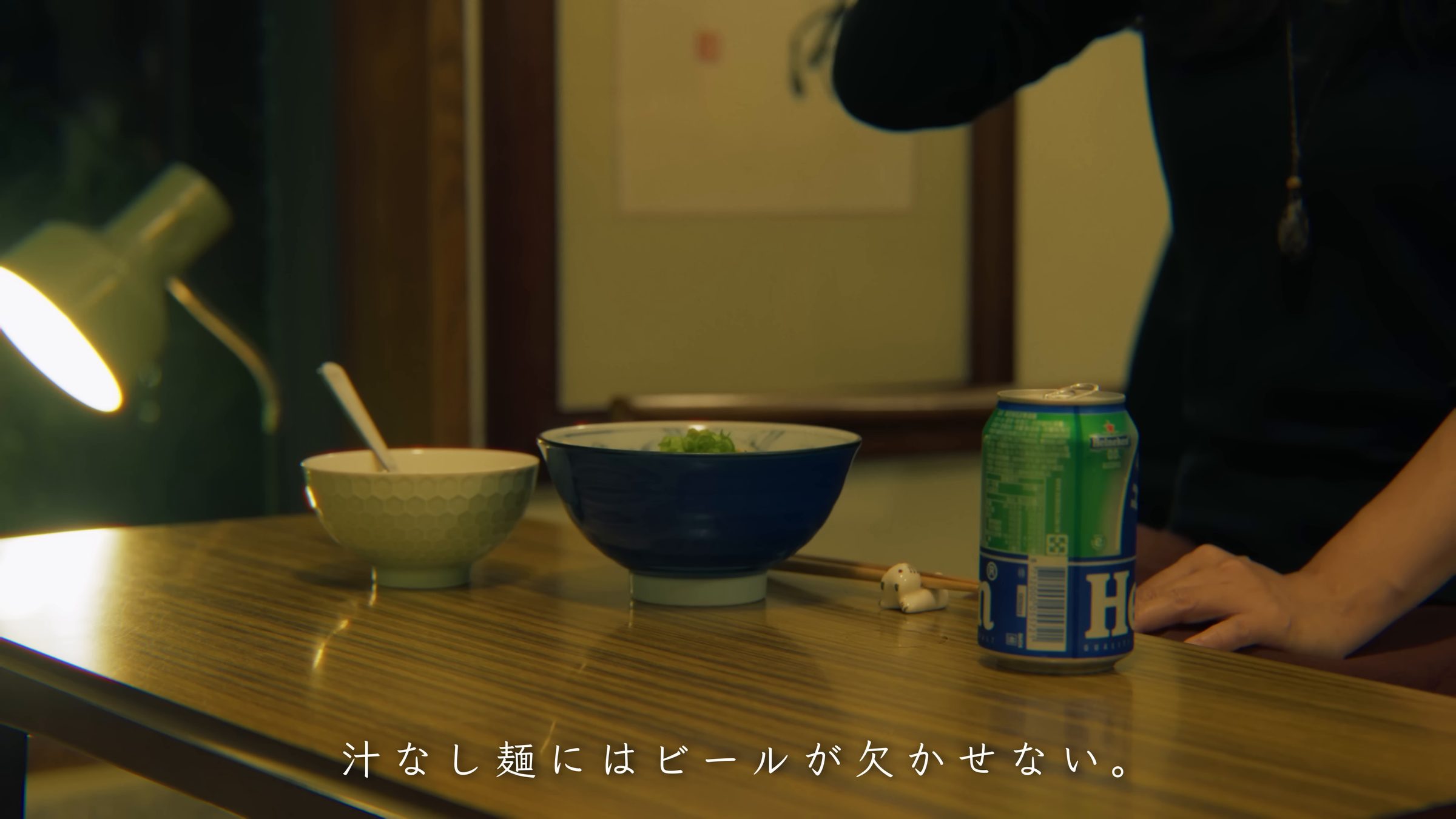
I chopped green onions, brought water to a boil in a frying pan and cooked the noodles. The cooking water goes into the accompanying powdered soup. I tossed the noodles in the sauce, topped them with green onions and a marinated egg I'd bought at a convenience store, and my Taiwanese instant zhajiangmian set was ready. A non-alcoholic beer is essential with soupless noodles.
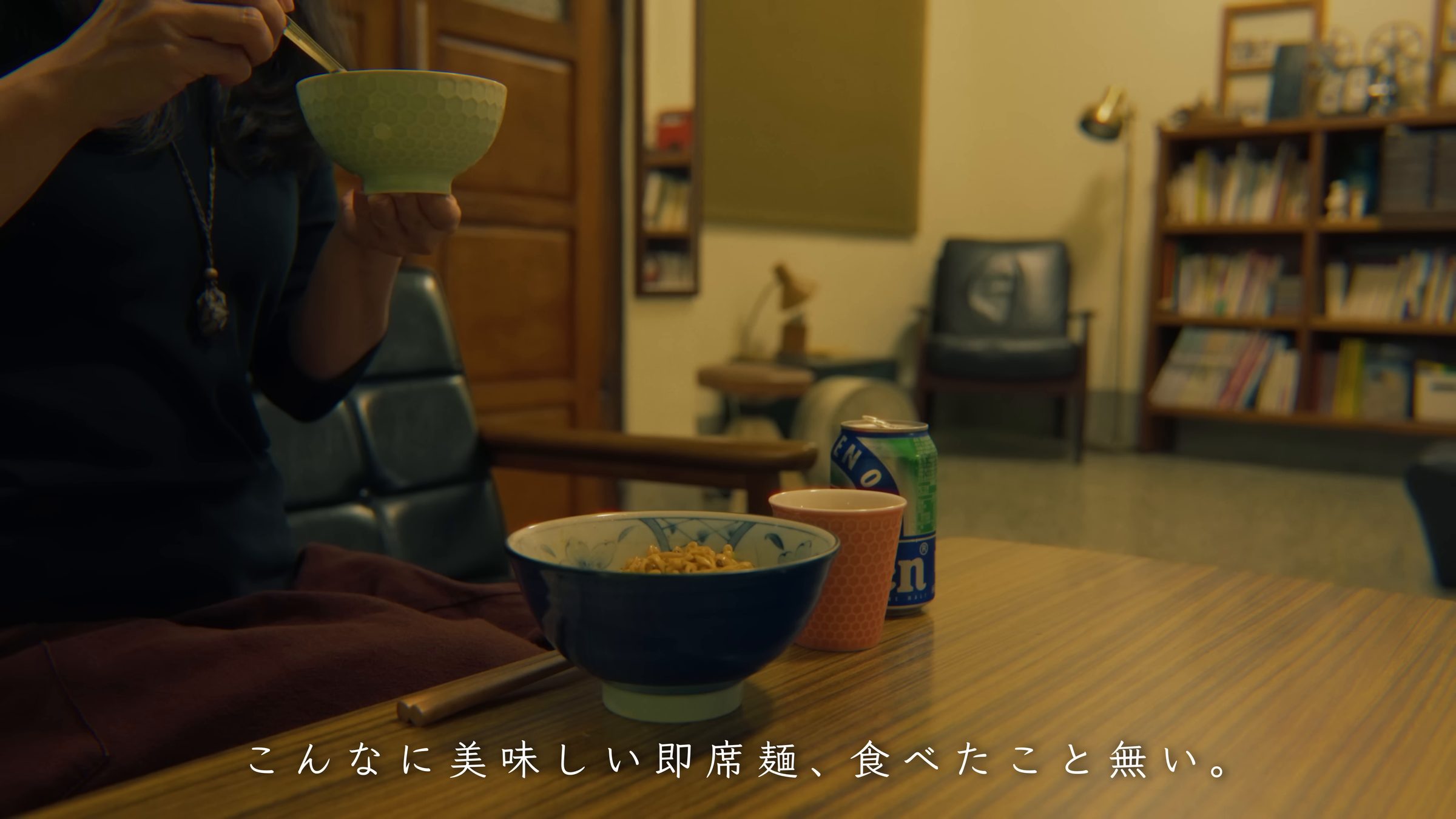
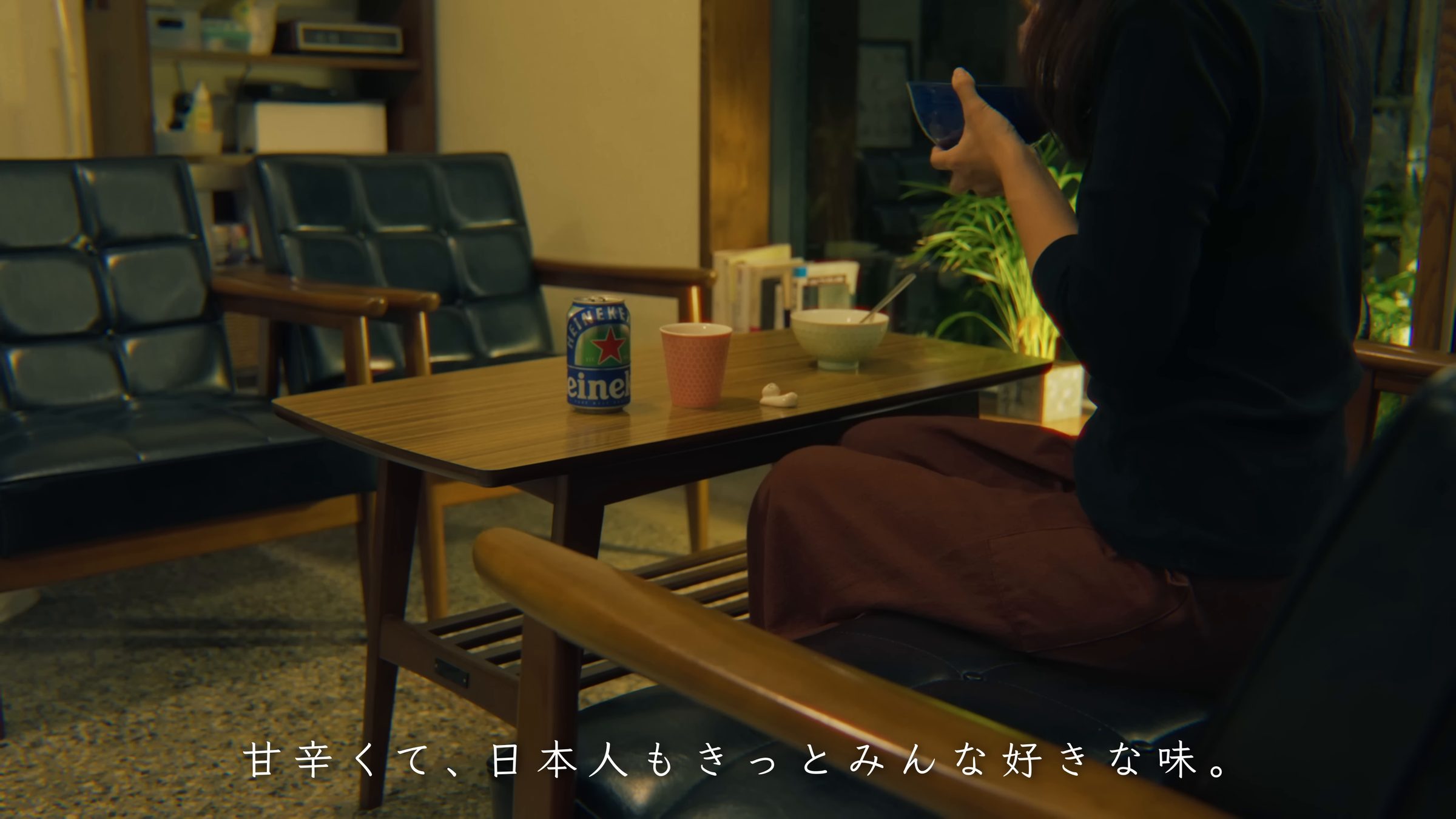
Itadakimasu. This is really good. I love the sweet and spicy seasoning with its doubanjiang; I have never eaten such delicious instant noodles. Sweet and savory, it's a taste I'm sure everyone in Japan would love.
Watch this scene on YouTube9:47
14TRAVEL JOURNAL
Thank you, Hualien
An old clock on the wall quietly ticked away the night. Enjoying the taste of local people's daily life is, as I expected, really fun.
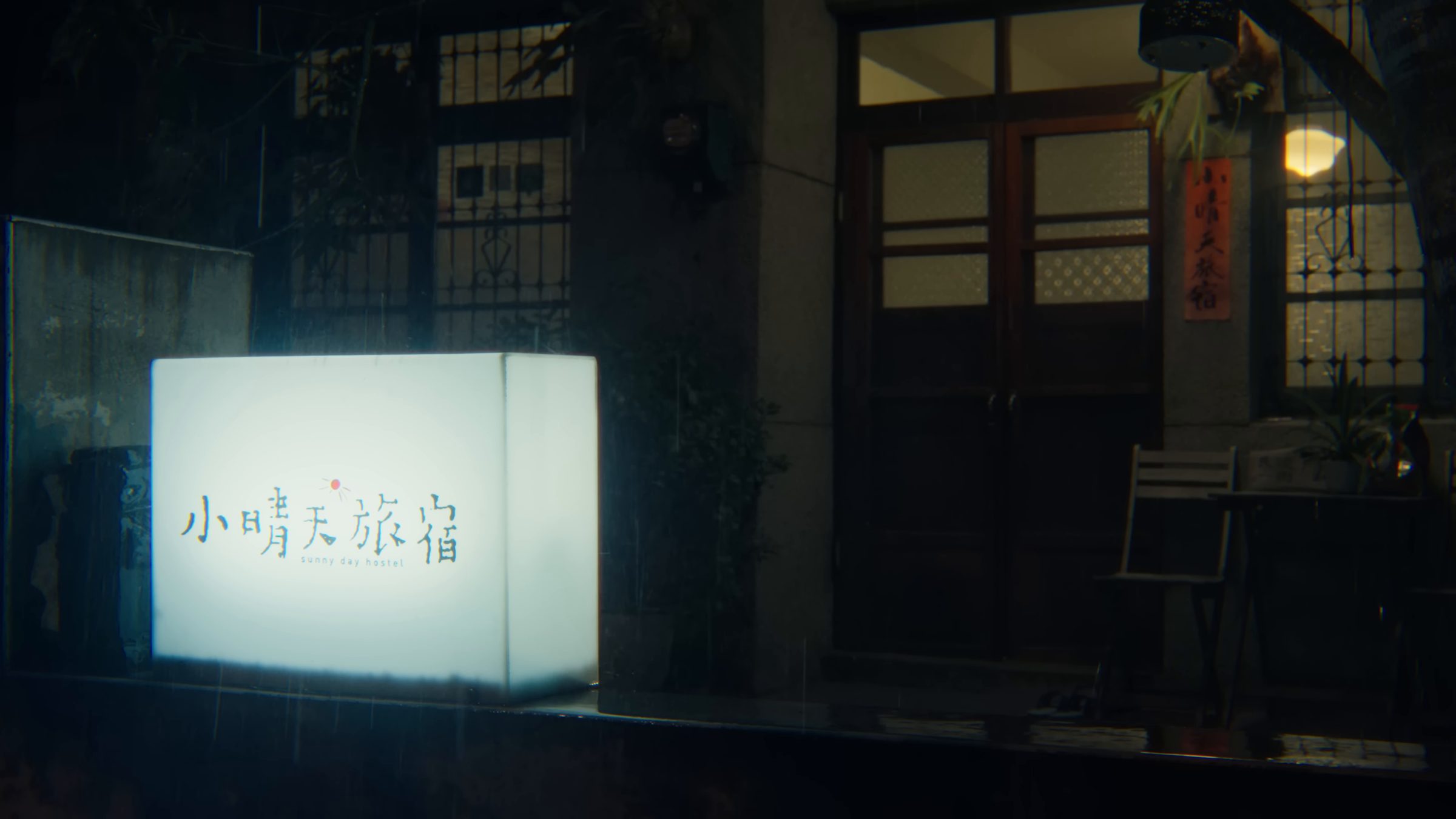
Light glowed in the windows of the house at night. Thank you, Hualien, Taiwan.
Watch this scene on YouTube11:47
THE JOURNEY IN FILM
The wind. The sounds of a kitchen.
Spend a little more time inside the journey, on film.
Watch the video12 minTHE BORROWER’S NOTES
The Borrower's Notes: Hualien
Places we stopped, dishes we made, and stories of the land. A few things to keep from the journey.
01Where I ate and shopped
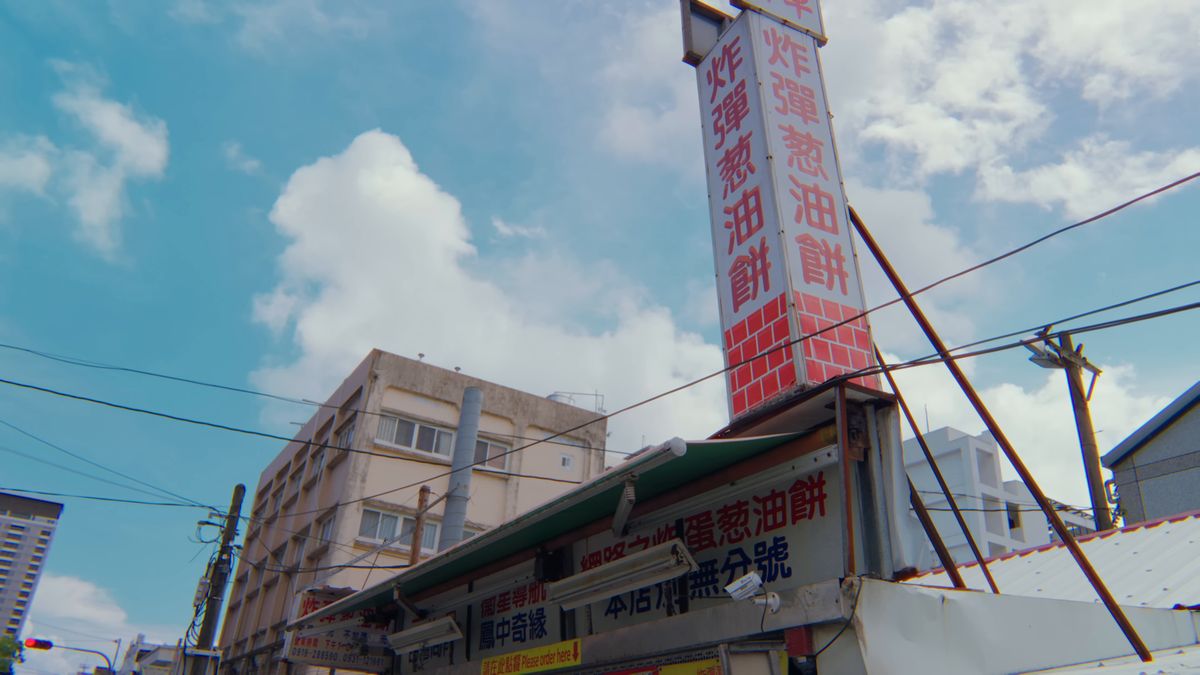
Bomb Scallion Pancake, the yellow truck on Fuxing Street
No. 102, Fuxing St., Hualien City, Hualien County, Taiwan
A scallion-pancake stand built around a yellow light truck. The egg-filled dough is fried in a wide pan of oil, brushed with sweet-and-spicy sauce and handed over in paper. A related stand in a blue truck, run by relatives, is on the same street.
Sources: wantgoo.com travel.yam.com
Hualien Xiang Wontons (花蓮香扁食)
A shop of the wonton chain that began in Hualien in 1997. Thin-skinned wontons packed with filling come in a light broth fragrant with celery. Warming pans by the counter held side dishes such as braised tofu.
Sources: businesstoday.com.tw marieclaire.com.tw
Zhou Jia Steamed Dumplings and Xiaolongbao (周家蒸餃小籠包)
No. 4-20, Gongzheng St., Hualien City, Hualien County, Taiwan
A xiaolongbao and steamed-dumpling shop on Gongzheng Street, with bamboo steamers stacked high out front. The xiaolongbao have a fluffy, bun-like dough and plenty of juice; I had them with hot and sour soup. Gongzheng Baozi, whose sign hung next door, has since moved to No. 46, Renai St.
Sources: supertaste.tvbs.com.tw travel.yam.com supertaste.tvbs.com.tw
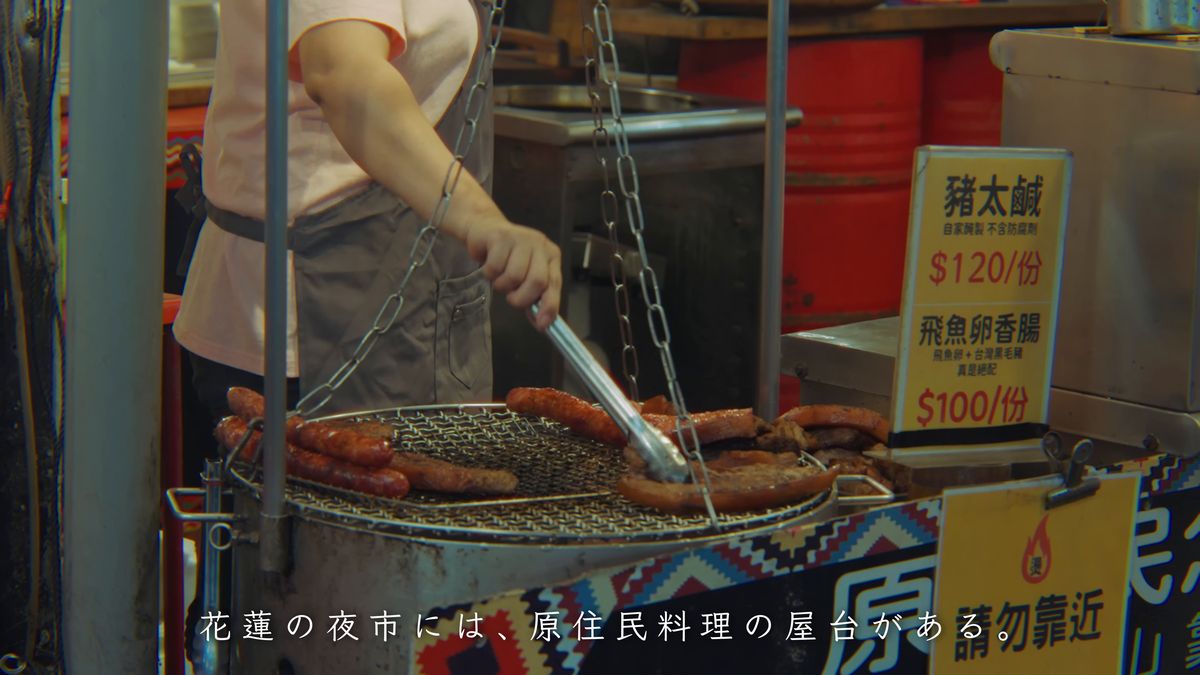
Indigenous food stall on Indigenous Street, Dongdamen Night Market
One of the stalls lining Indigenous Street. I bought charcoal-grilled maqaw sausage and bamboo-tube rice. The price cards also listed salt-cured pork (豬太鹹) and flying-fish-roe sausage (飛魚卵香腸).
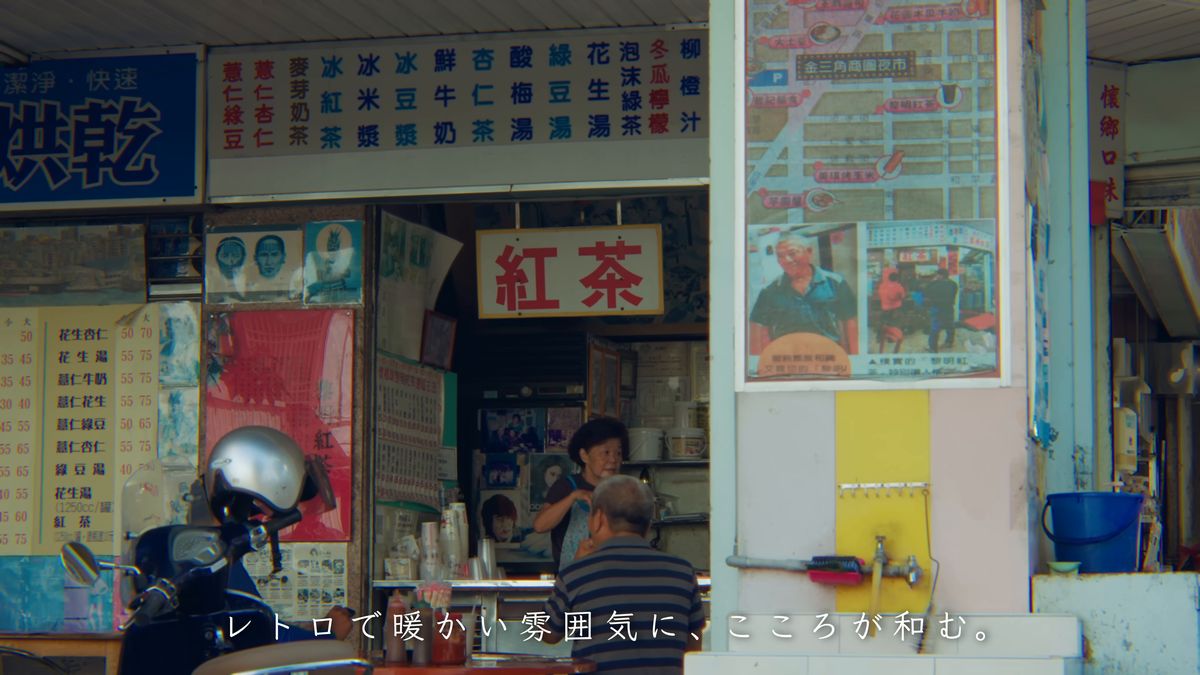
Liming Black Tea (黎明紅茶)
No. 185, Nanjing St., Hualien City, Hualien County, Taiwan
A long-established shop, said to have been in business for more than 30 years and counted among the four great black-tea shops of Hualien. In a retro storefront facing an alley, it serves black tea, breakfast and Taiwanese-style macarons, which come in a long, slender shape and are as fluffy as a dacquoise.
Sources: bunnyann.tw beauty321.com
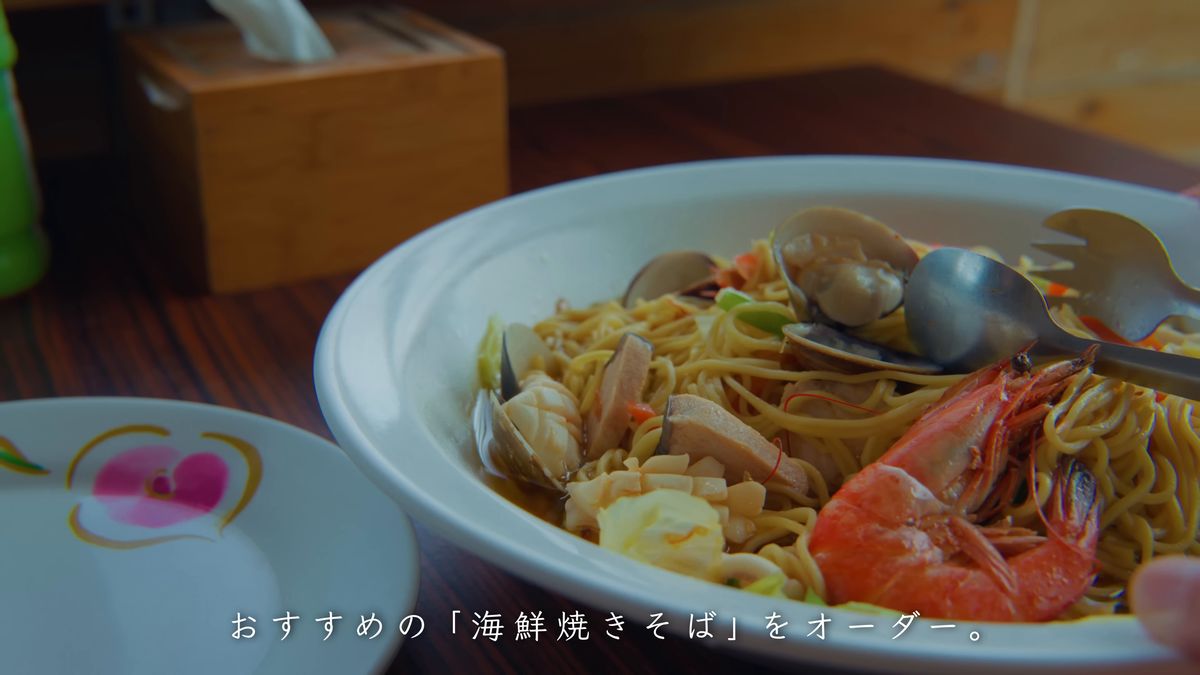
Wanghai Banai Restaurant (望海巴耐)
No. 22, Daqiao, Yanliao Village, Shoufeng Township, Hualien County, Taiwan
A restaurant on a cliff at Yanliao, on Provincial Highway 11, about 20 minutes by car from central Hualien. The Pacific spreads out beyond the windows. It serves indigenous-style dishes and seafood. I ordered the recommended seafood fried noodles and a passion-fruit lemonade.
Sources: travel.yam.com
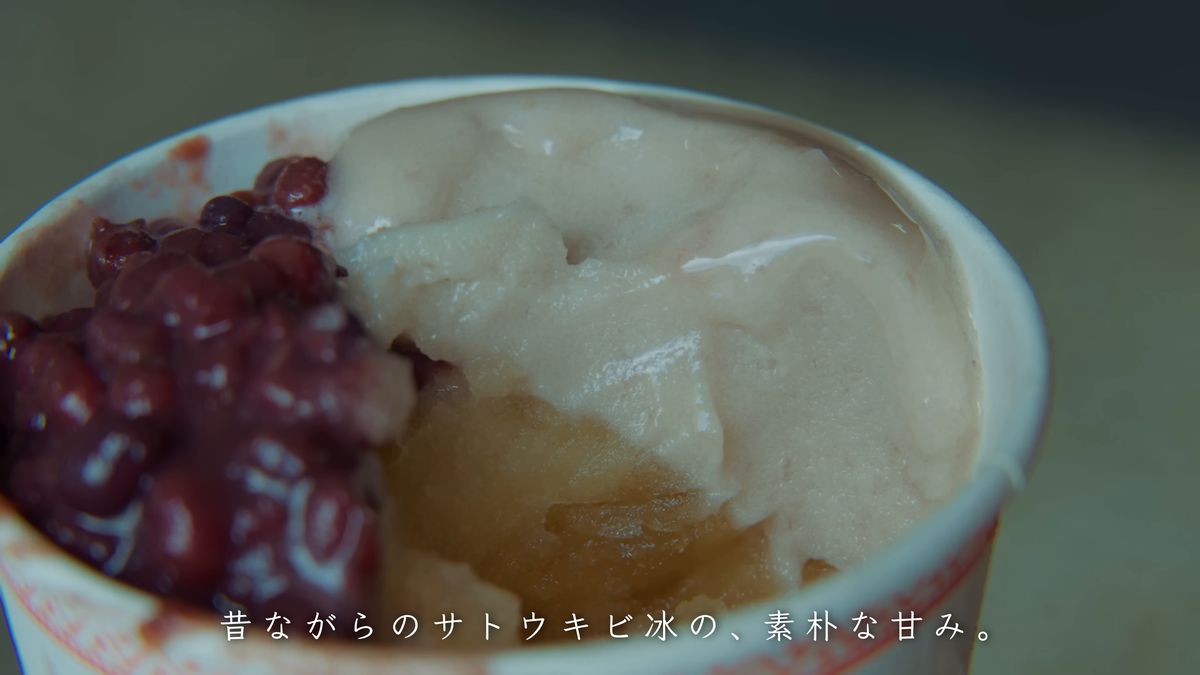
Fengchun Ice Shop (豐春冰菓店)
No. 79, Sec. 1, Shoufeng Rd., Shoufeng Township, Hualien County, Taiwan
An ice shop founded in 1949, diagonally across from Shoufeng Station. Its specialty is sugarcane ice, with the cane juice mixed in as the ice is made, and toppings such as red beans are simmered over a wood fire. It still uses an old type of ice machine of which few remain in Taiwan.
Sources: travel.yam.com
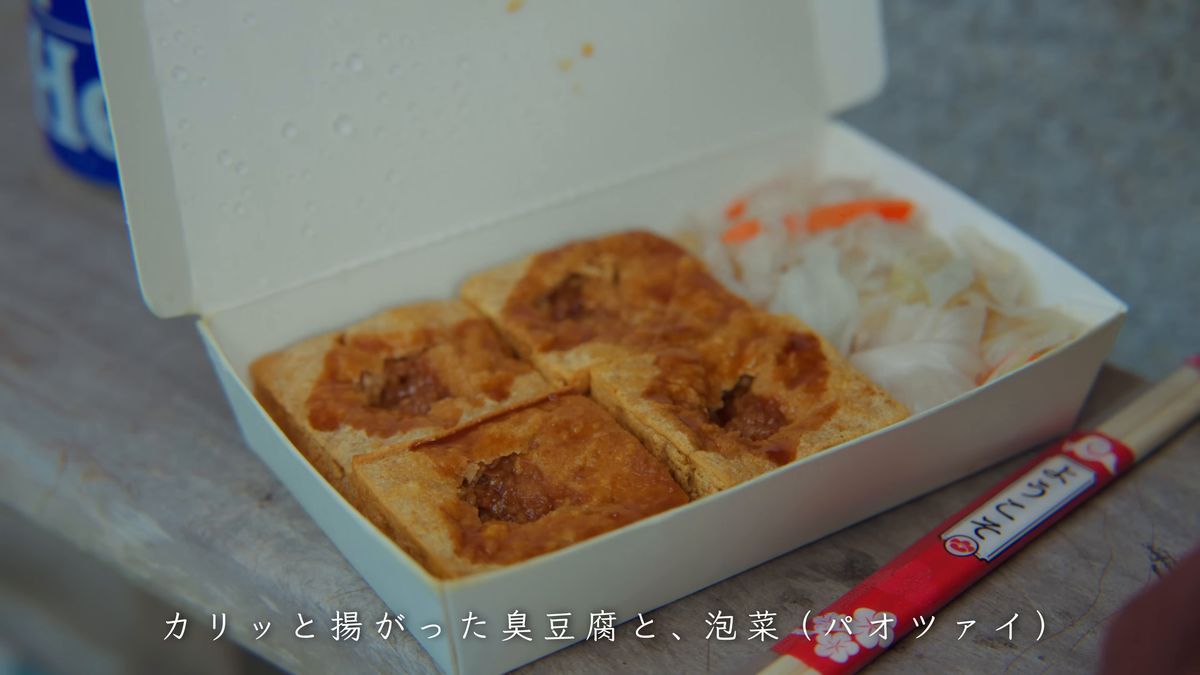
Anran Xiaohun Stinky Tofu (黯然銷魂臭豆腐)
No. 2, Nongken 2nd St., Shoufeng Township, Hualien County, Taiwan
A stinky tofu shop with a yellow sign by the road in Shoufeng. The tofu is fried crisp and served with a soy-based garlic sauce and pickled cabbage. There is also spicy grilled stinky tofu, shishamo and salt-fried peanuts.
Sources: mirrormedia.mg
02What I cooked
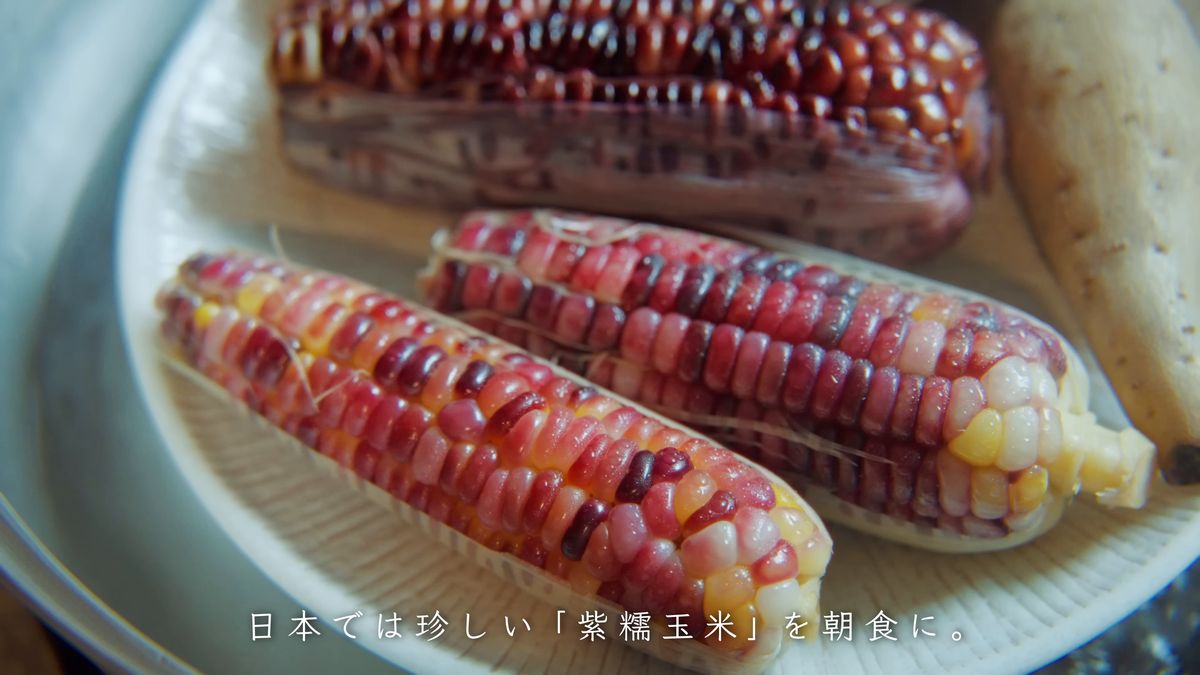
Breakfast of purple waxy corn and Taiwanese sweet potato
In Taiwan, breeders have developed sweet waxy corn that carries both sweet kernels and sticky waxy kernels on a single cob. There is a "rainbow" type, with purplish-red and white kernels alternating and thin, sweet skins, and a "purple-black" type rich in anthocyanins. The corn I had also mixed purple and white kernels, with a chewy texture quite unlike corn in Japan.
IngredientsPurple waxy corn (zi nuo yumi), Taiwanese sweet potato, Dragon fruit, Oolong tea
- Steam the purple waxy corn
- Halve the dragon fruit and cut it into pieces
- Plate the corn and sweet potato, and brew oolong tea in the pot
Sources: foodnext.net
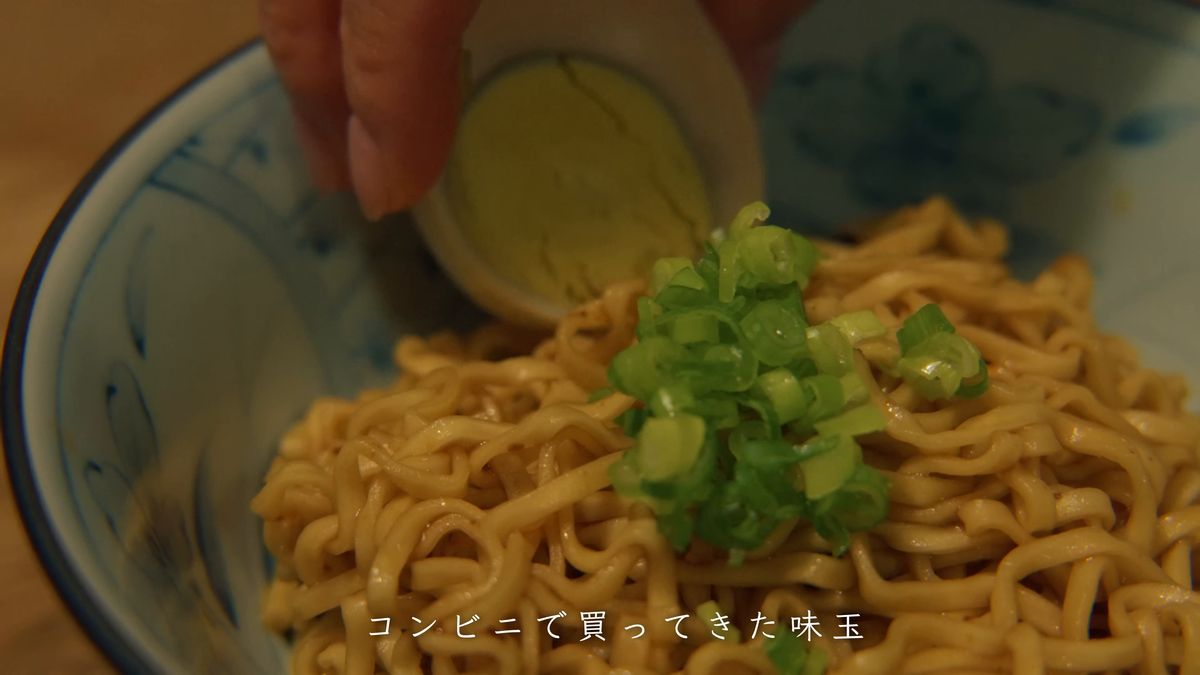
Taiwanese instant zhajiangmian set
Wei Lih zhajiangmian is an instant dry noodle launched in Taiwan in 1973 by Wei Lih Food Industrial. It is Taiwanese-style zhajiangmian that comes with soup: you make the soup in one bowl and toss the drained noodles with the sauce in another. It became popular in Taiwan soon after its release.
IngredientsWei Lih zhajiangmian (instant noodles), Green onions, Marinated egg (from a convenience store)
- Chop the green onions and halve the egg
- Boil water in a frying pan and cook the noodles
- Use the cooking water for the powdered soup that comes with them
- Toss the noodles in the sauce and top with green onions and the egg
Sources: en.wikipedia.org
03About the area

Pine Garden (松園別館)
No. 65, Songyuan St., Hualien City, Hualien County, Taiwan
A military facility from the Japanese colonial era, built in 1942 on a hill overlooking Hualien Port. It housed the military affairs office for the port and was then the highest military command in the Hualien area. A grove of Ryukyu pines still surrounds it. After the war it passed to the Nationalist army, and in the 1950s became a rest and recreation center for the US military advisory group. It is registered as a historic building of Hualien County. It closed in September 2024 after typhoons brought down trees on the grounds, and reopened on January 10, 2025, after repairs.
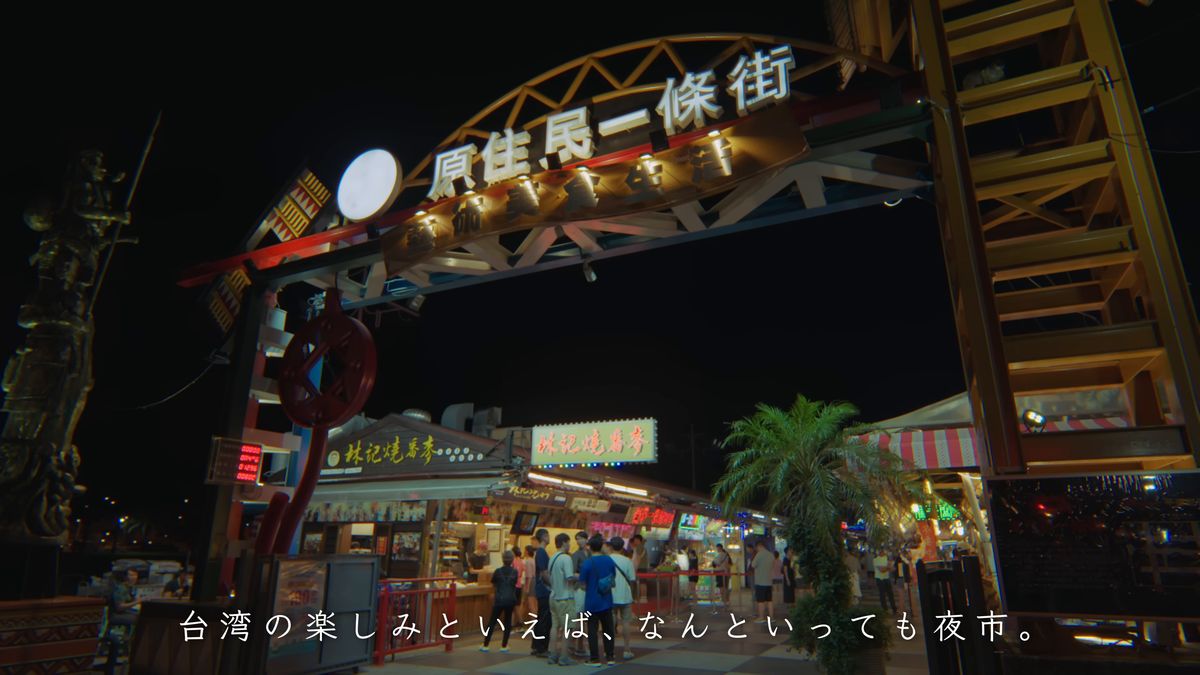
Dongdamen Night Market and Indigenous Street
Hualien City's big night market. About nine hectares are divided into four sections, Fuding Night Market, Ziqiang Night Market, Indigenous Street and the street of mainland provincial food, with more than 400 stalls in all. Indigenous Street gathers stalls serving the food of Taiwan's indigenous peoples.
Sources: supertaste.tvbs.com.tw
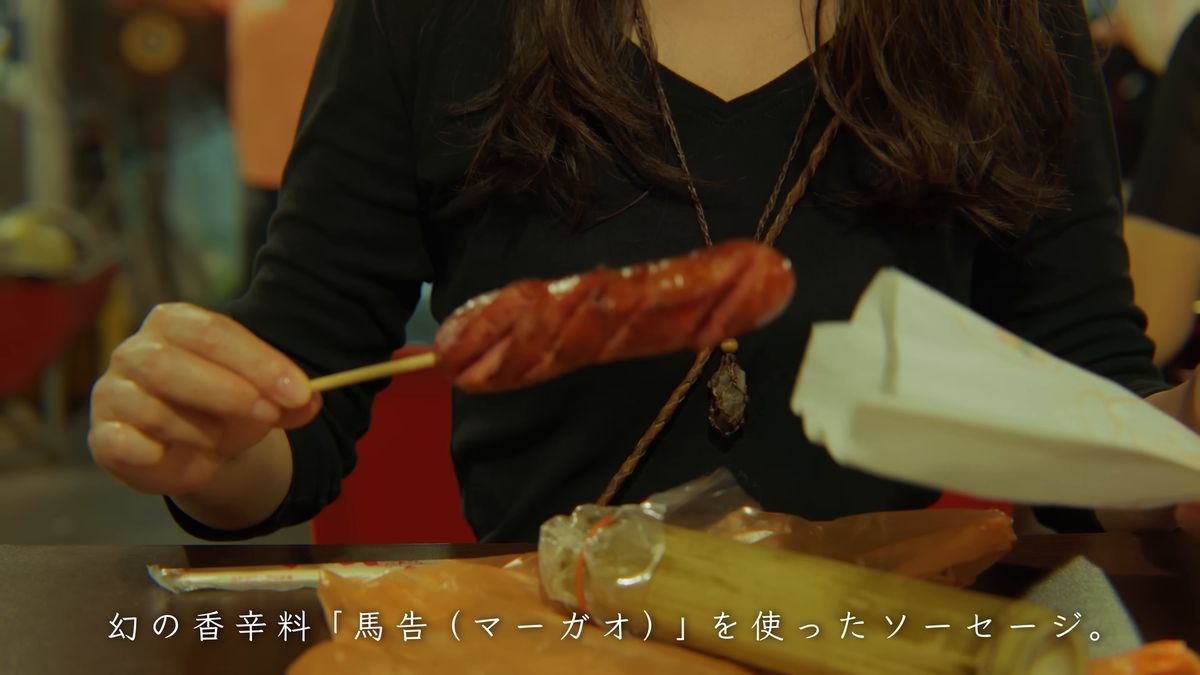
Maqaw (馬告), the mountain pepper
Maqaw is the Atayal word for the mountain pepper native to Taiwan. It grows in broadleaf forests in the low mountains, mainly around Wulai, Nantou and Hualien. In the days when salt was hard to come by, the Atayal used its seeds as a seasoning, to add fragrance and take away unwanted smells. Most of it is still gathered in the wild. It flavors dishes such as maqaw chicken soup and maqaw sausage.
Sources: foodnext.net
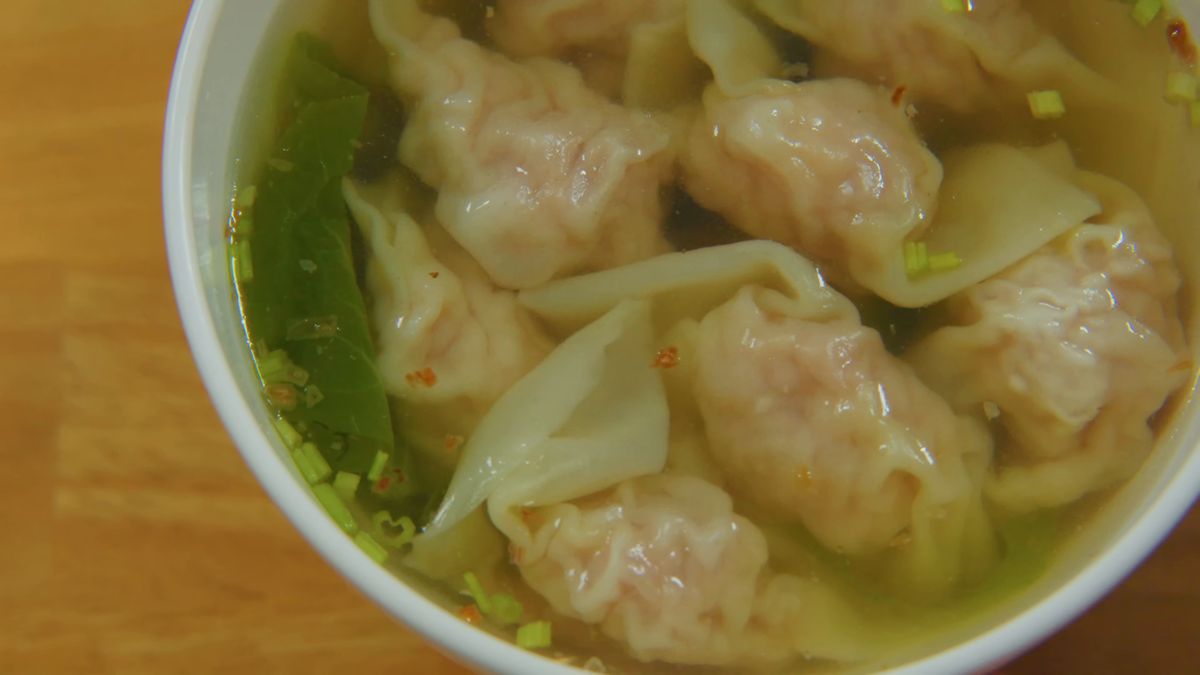
Bianshi, the wontons of Hualien
In Hualien you see bianshi (wonton) shops all over town. There are many well-known names, from Yexiang Bianshi, in business for more than 70 years, to Yipinxiang and Hualien Xiang.
Sources: marieclaire.com.tw supertaste.tvbs.com.tw
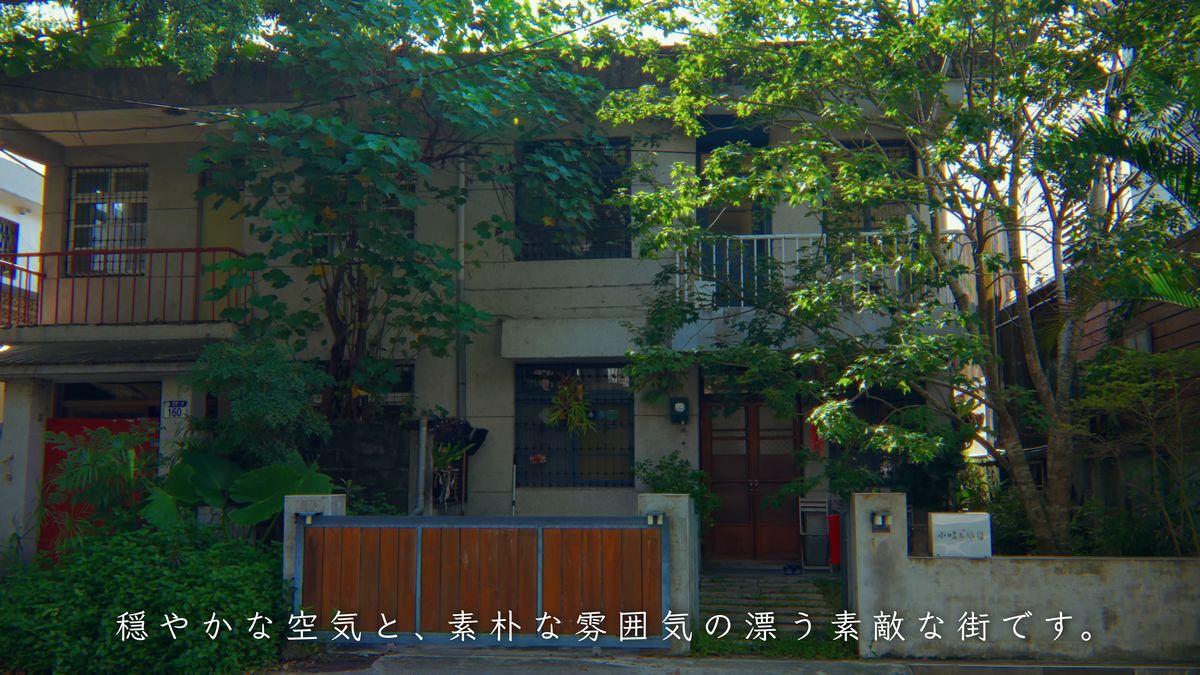
A vine-covered two-story house
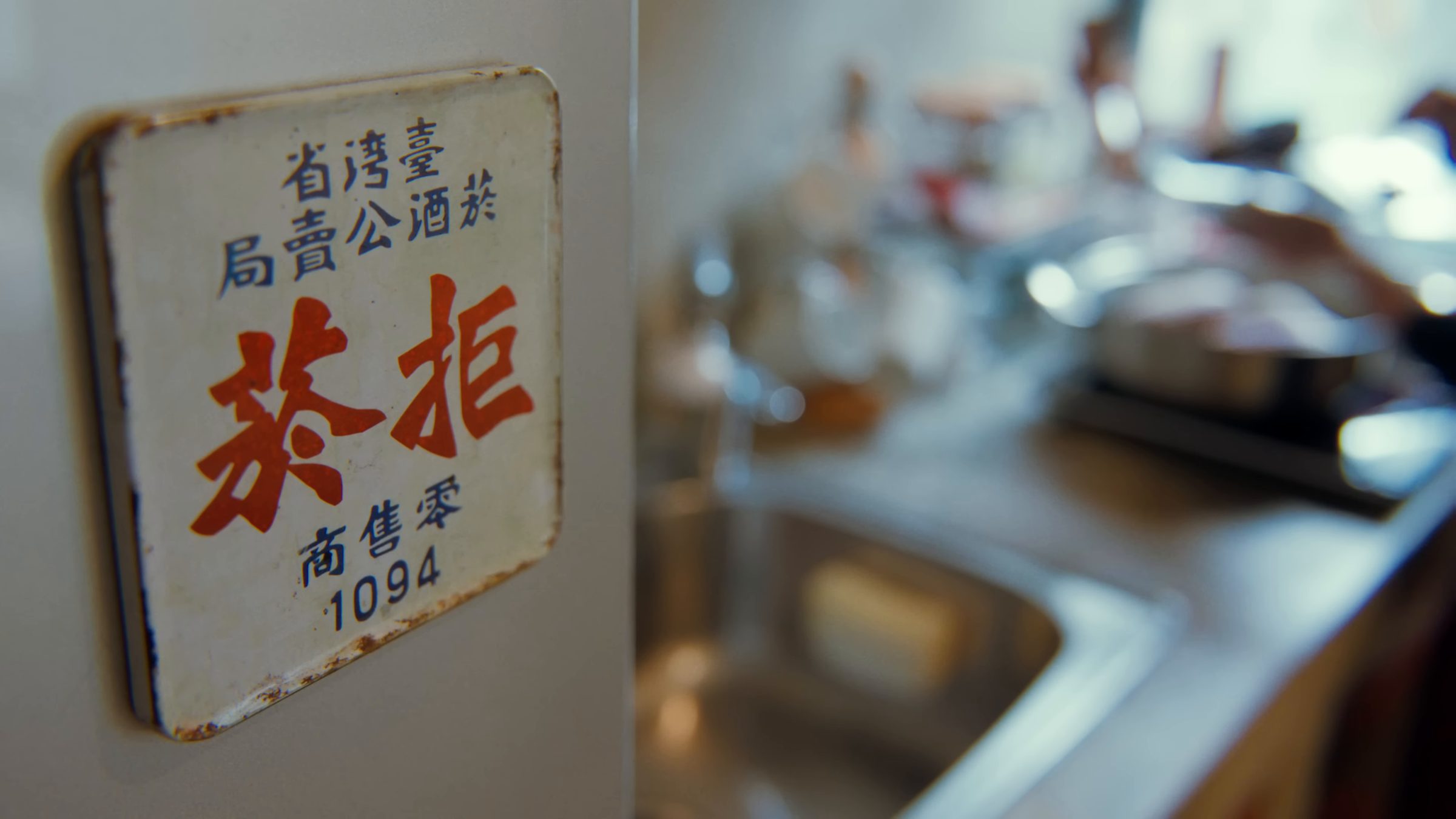
This time I borrowed a two-story house covered in vines, with a kitchen hung with an old enamel sign, a living room lined with sofas, and an old wall clock.
PHOTO ALBUMPhoto album174Open all photographsClose the photo album
Select a photograph to explore the journey one frame at a time.