A TRAVEL ESSAY
Kyoto City, Kyoto
Try making Toshikoshi soba
Making New Year's Eve sobain a Kyoto townhouse
The last days of 2023, spent in a Kyoto townhouse.
Read the journey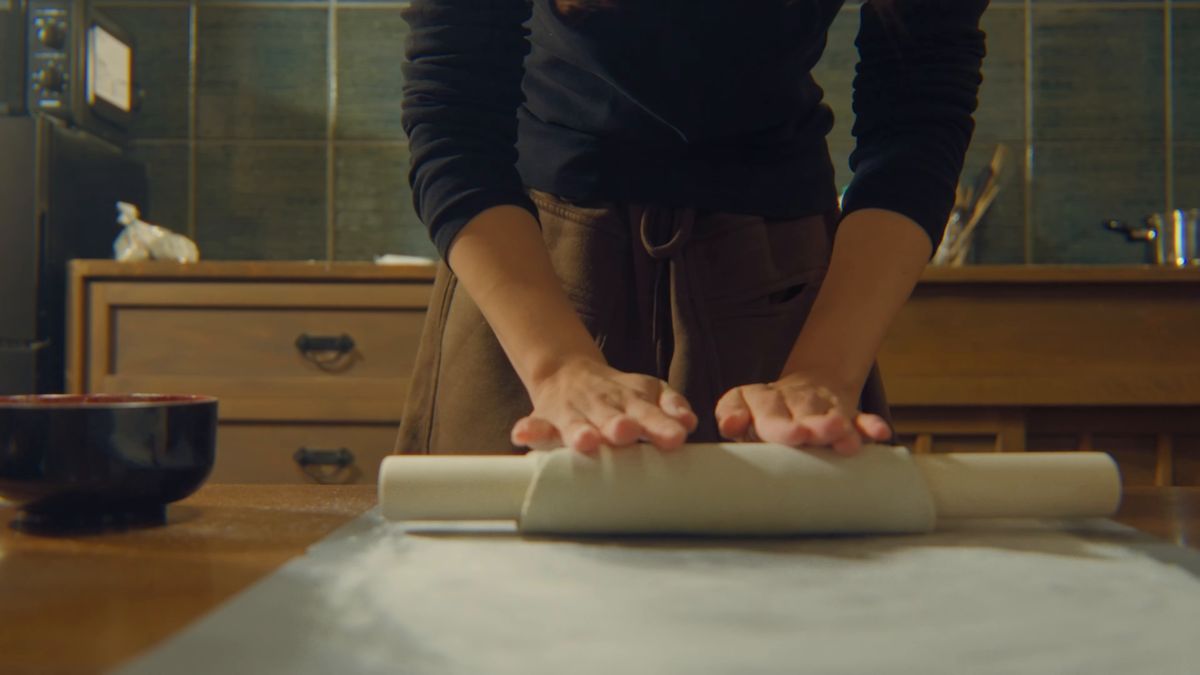
ABOUT THIS JOURNEY
At the end of the year, I borrowed a renovated Taisho-era townhouse in Kyoto to see in the New Year. Kinshi-don at Kyogoku Kaneyo, kamaboko from Izuman in Gion, mitarashi dango at the gate of Shimogamo Shrine, and a soak at Sauna no Umeyu by the Takase River. Back at the house I made white miso ozoni and osechi, and on New Year's Eve I closed out the year with toshikoshi soba I had made myself.
A little more about the food and the land01TRAVEL JOURNAL
A December morning in Kyoto
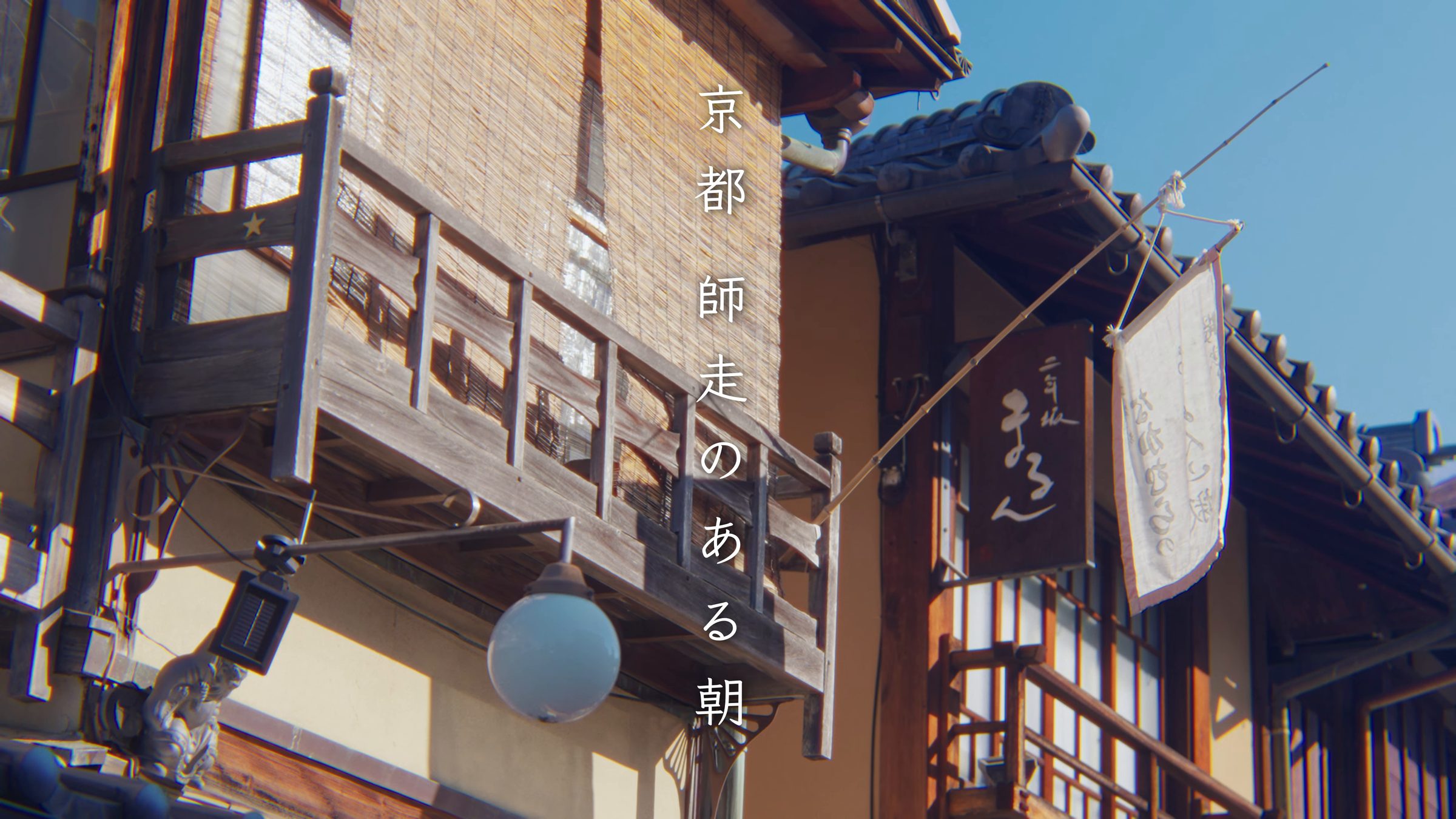
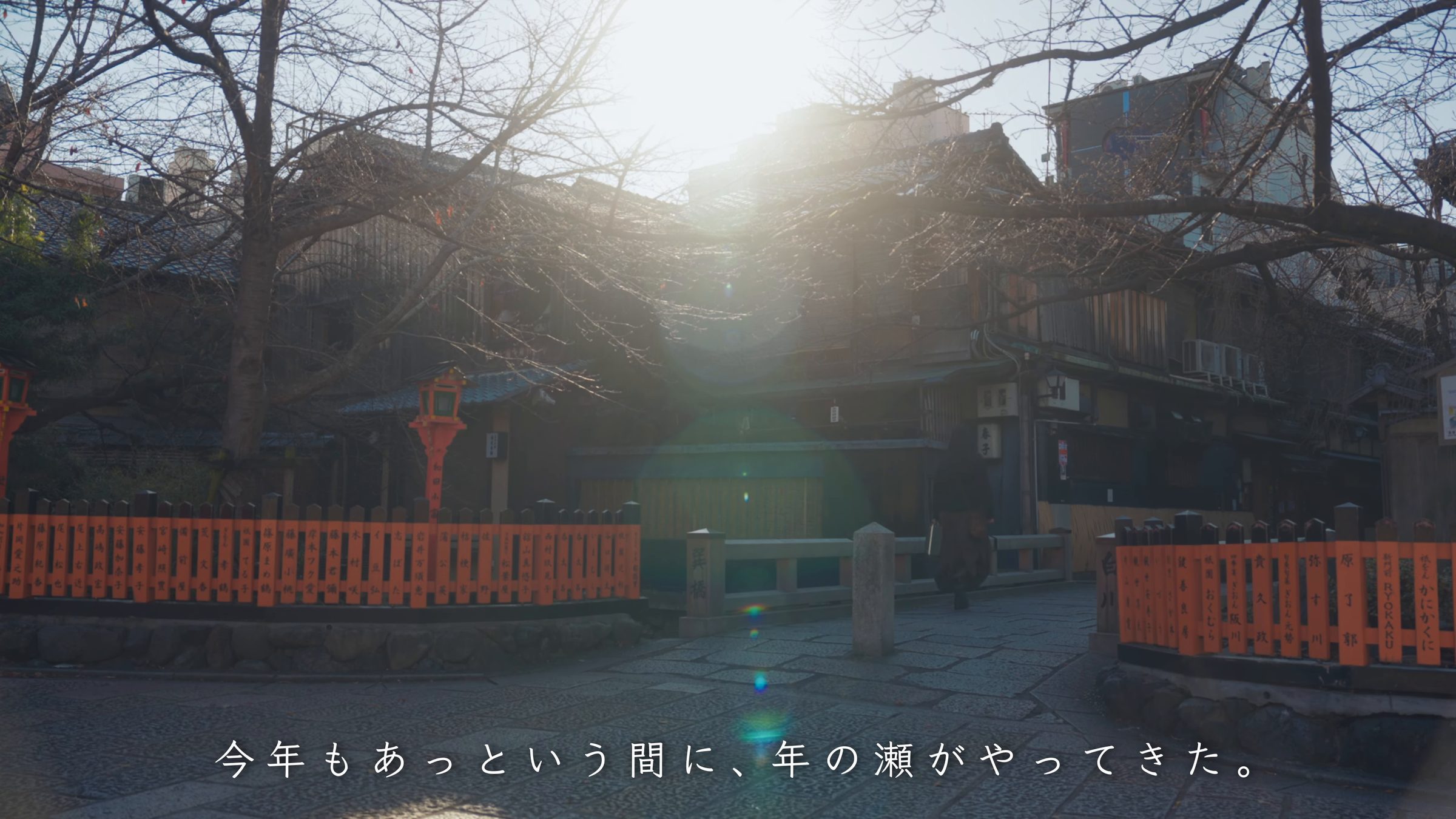
One December morning in Kyoto. Beyond the bare branches, Kyoto Tower and the city lay under a clear winter sky. In Ninenzaka, the morning light was just reaching the eaves of the old townhouses.
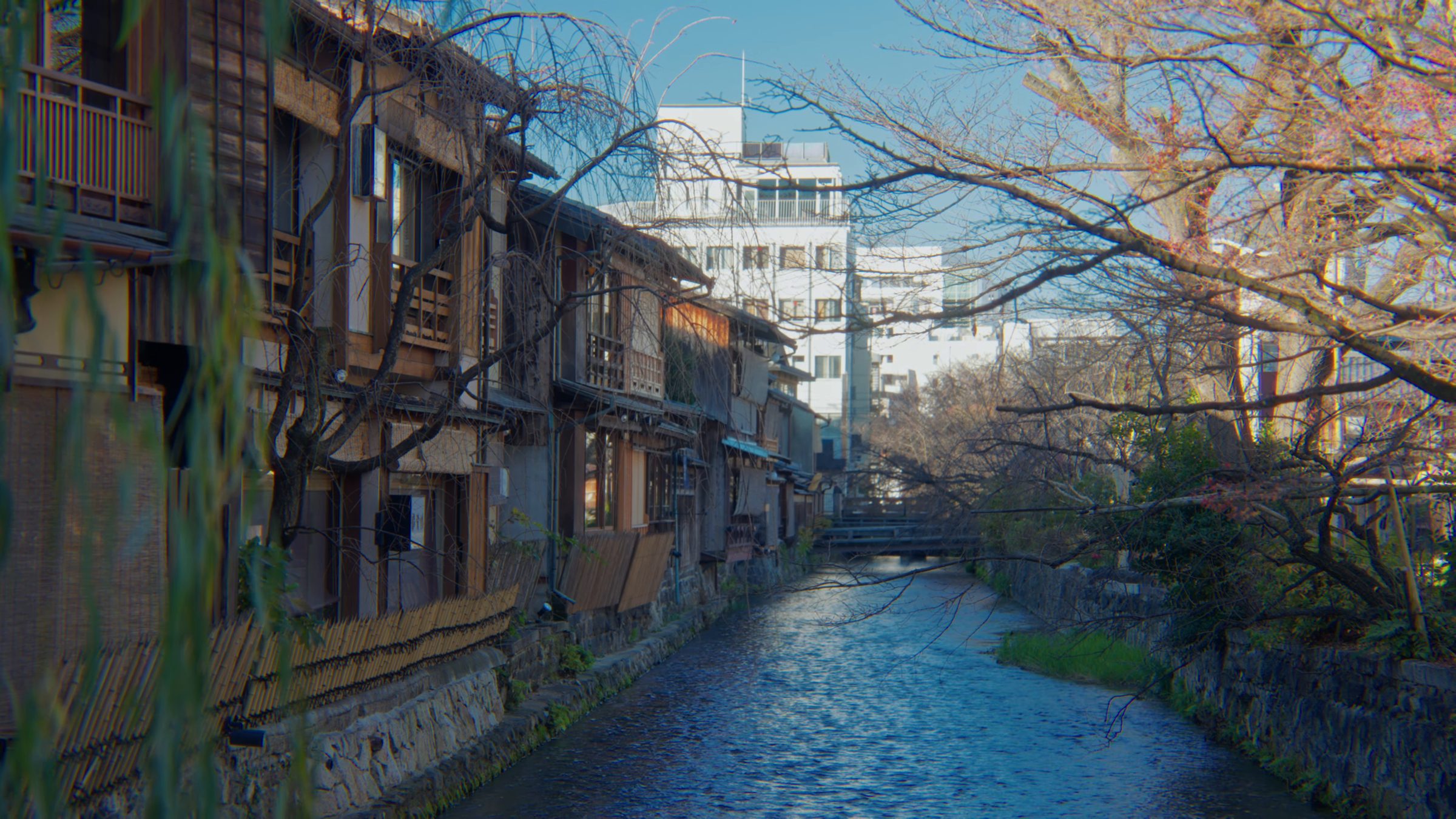
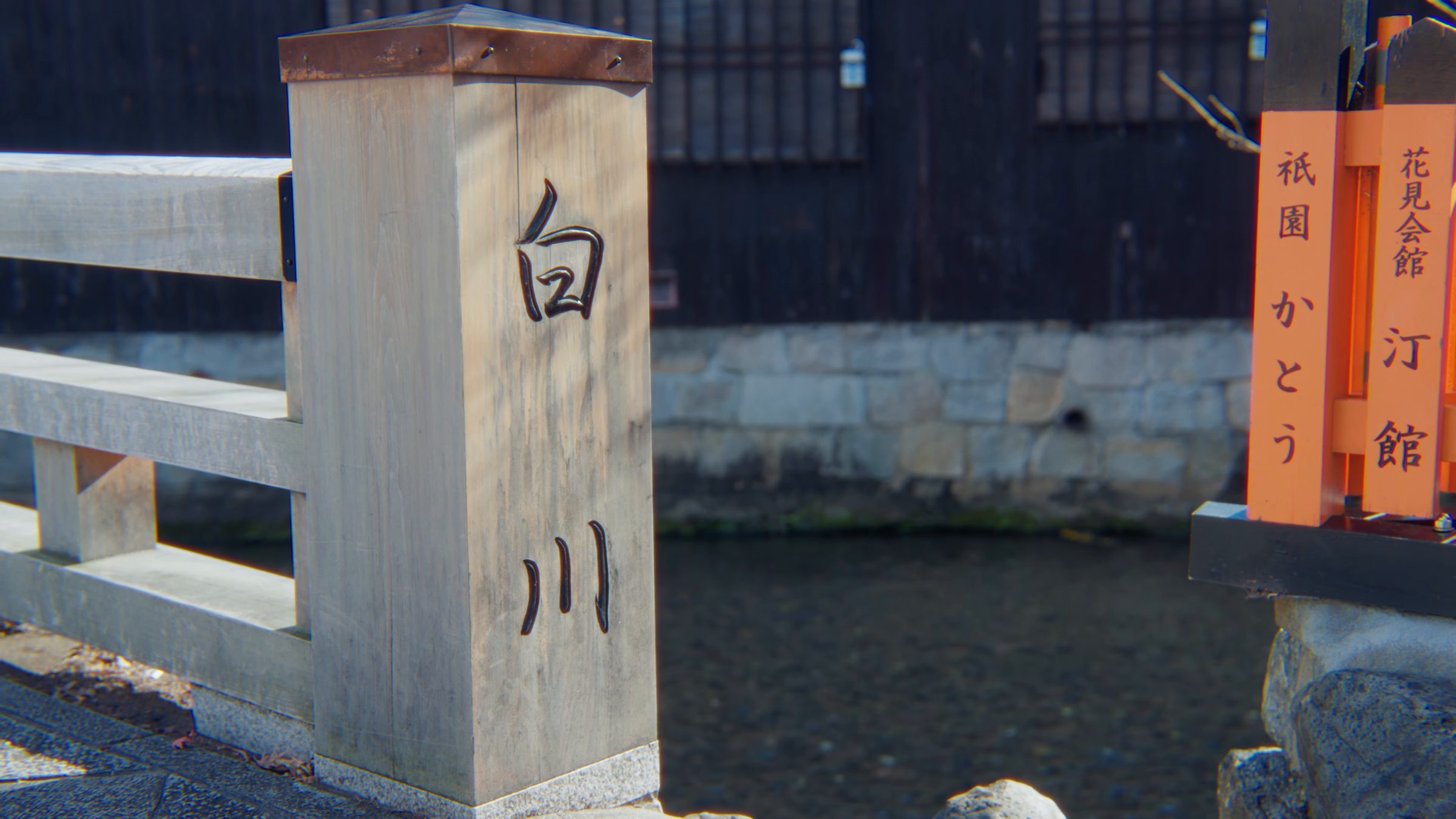
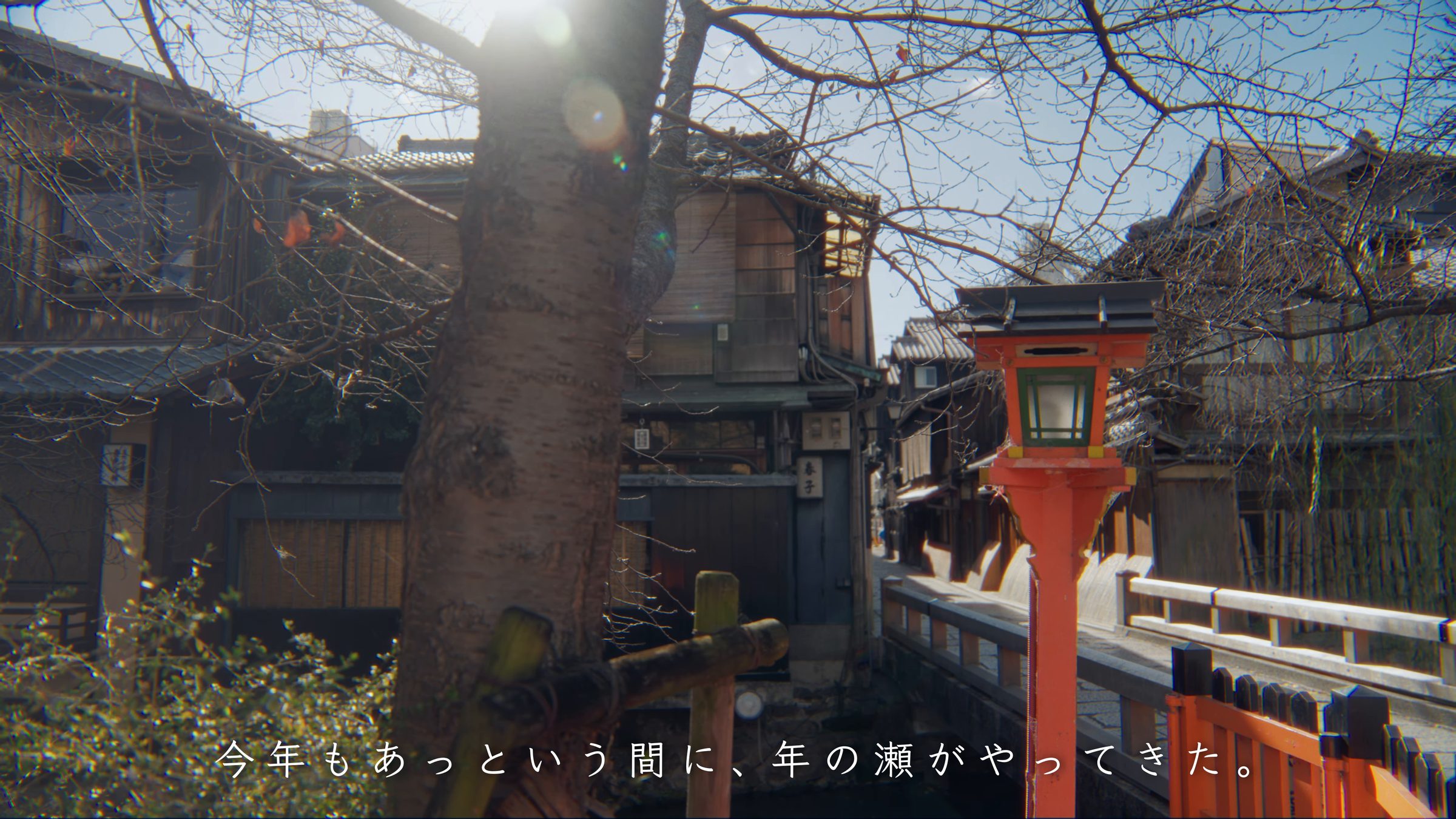
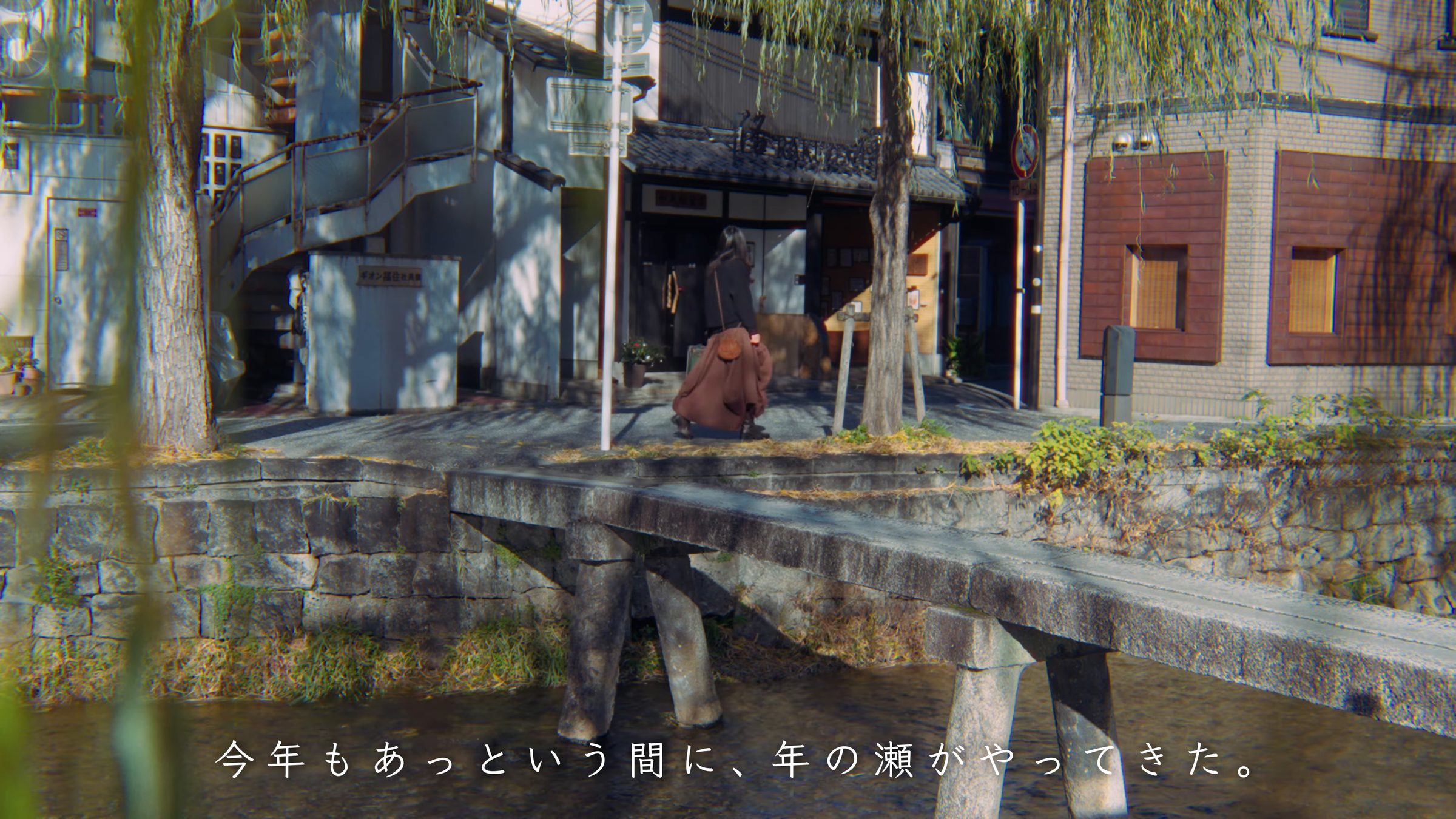
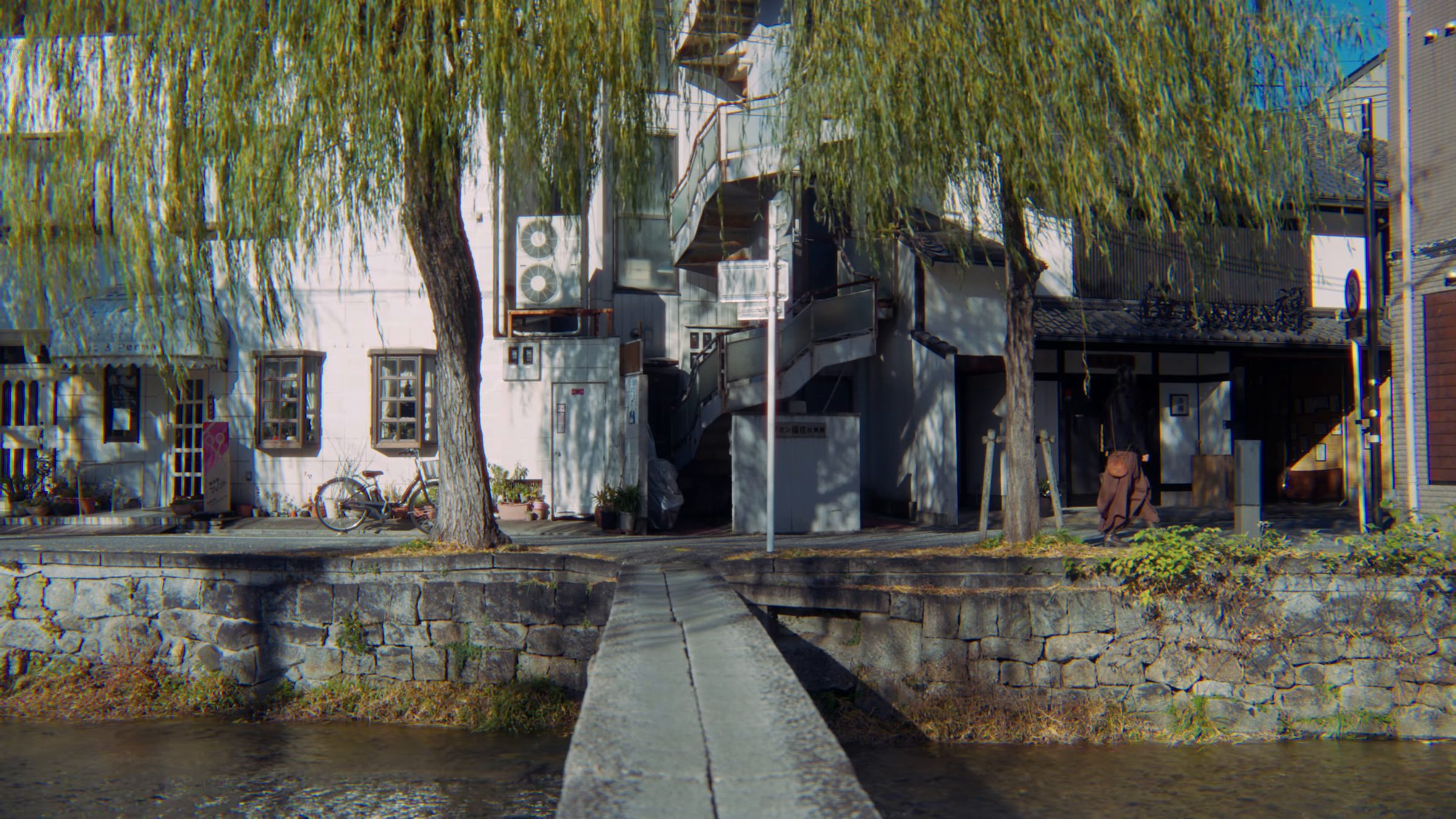
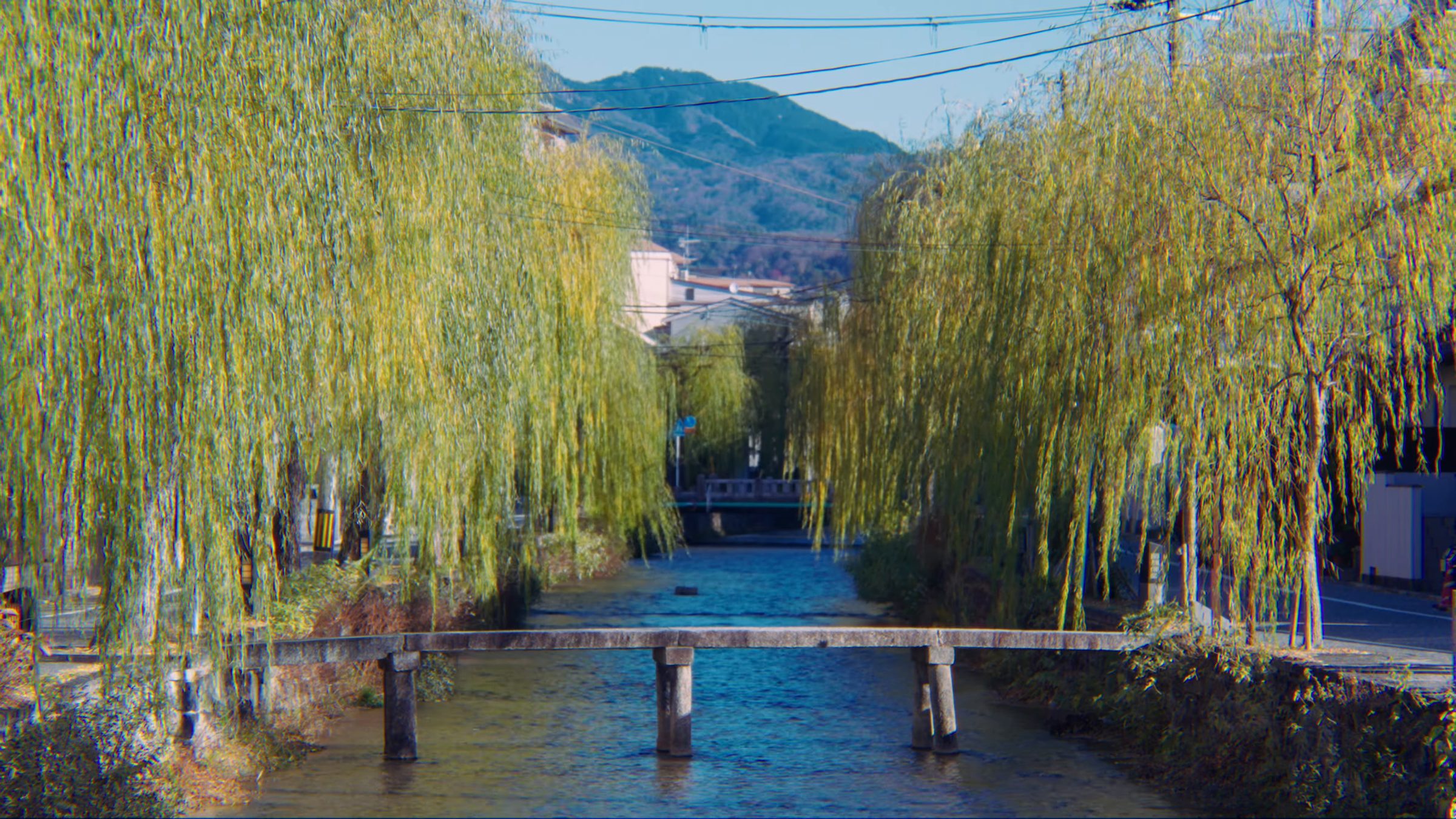
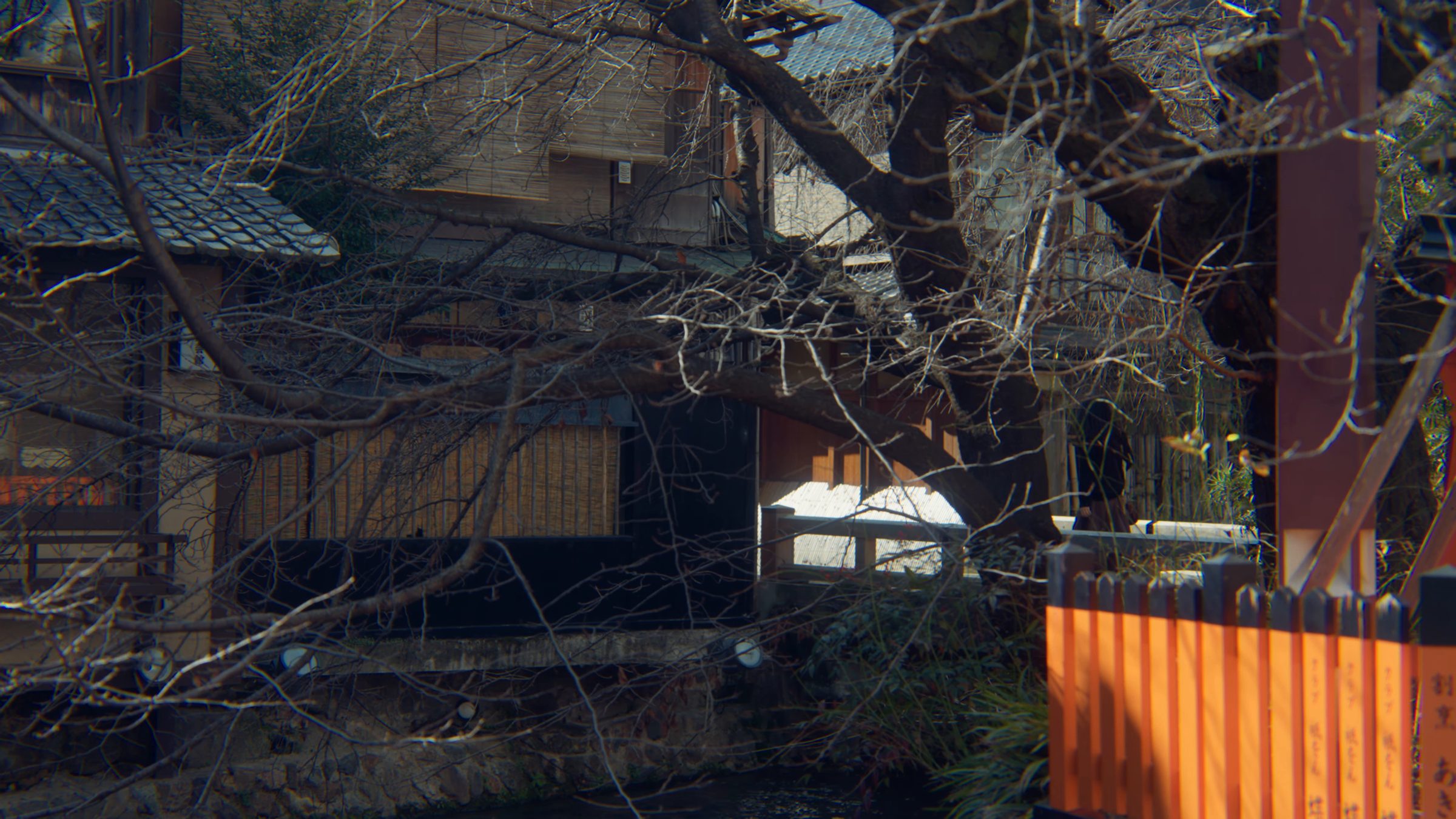
The end of the year had come in the blink of an eye. Along the Shirakawa, leafless cherry trees and willows reached out over the water, and the vermilion fence and the red lantern on Tatsumi Bridge caught the low morning sun. Past a narrow stone footbridge, I crouched for a while and watched the stream.
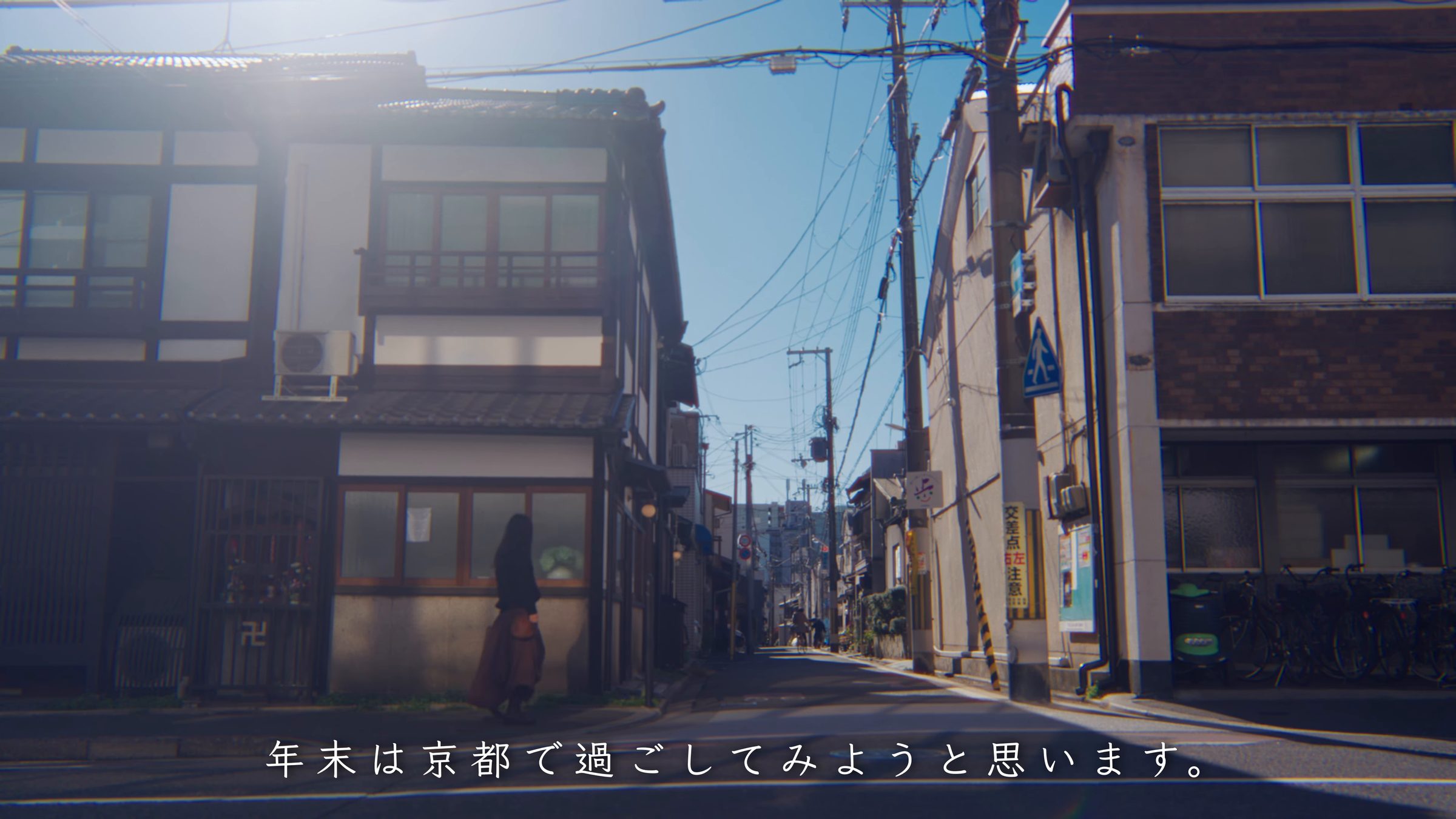
This year, I would spend the end of the year in Kyoto.
Watch this scene on YouTube0:23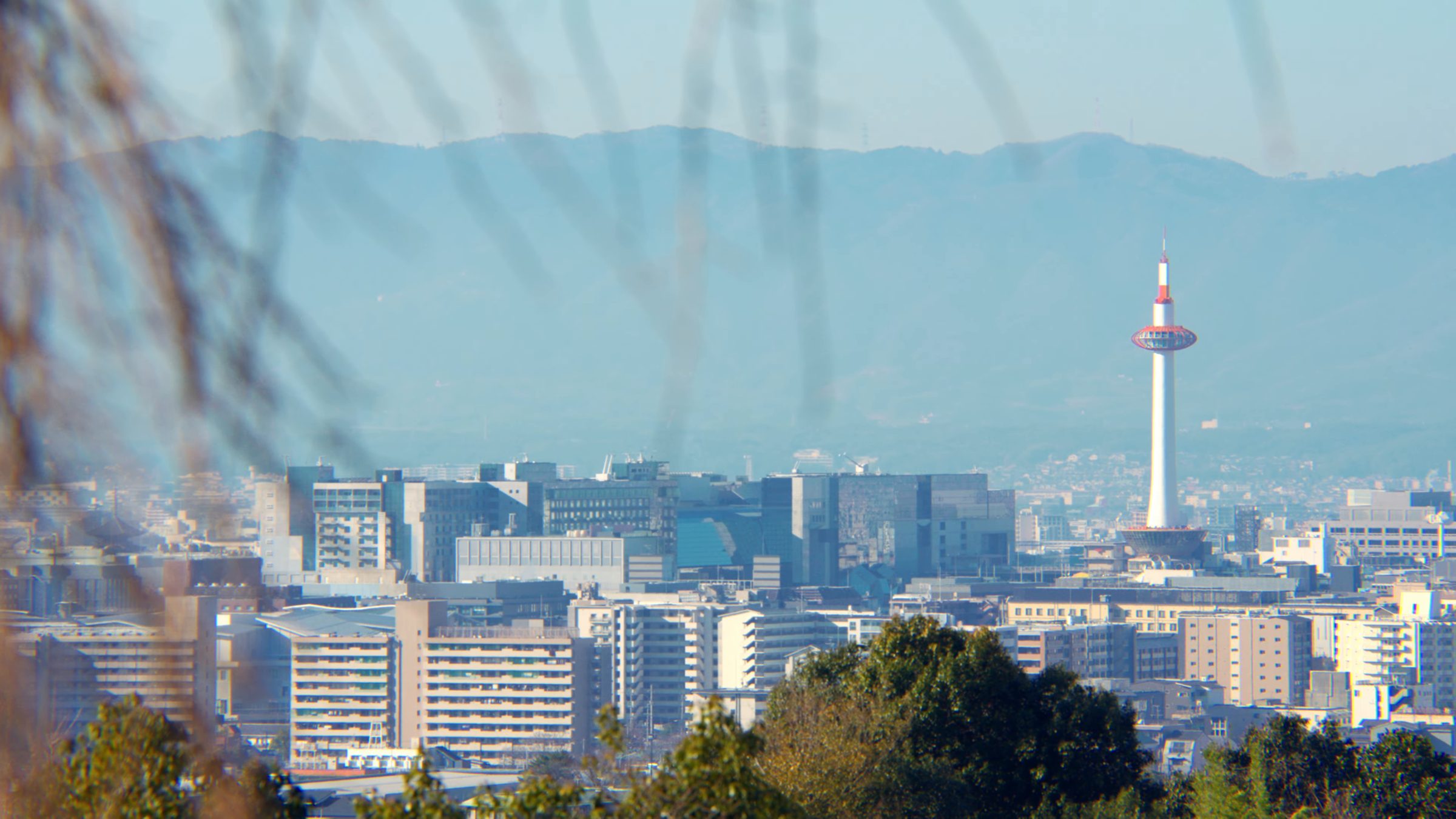
02TRAVEL JOURNAL
New Year in a Taisho-era townhouse
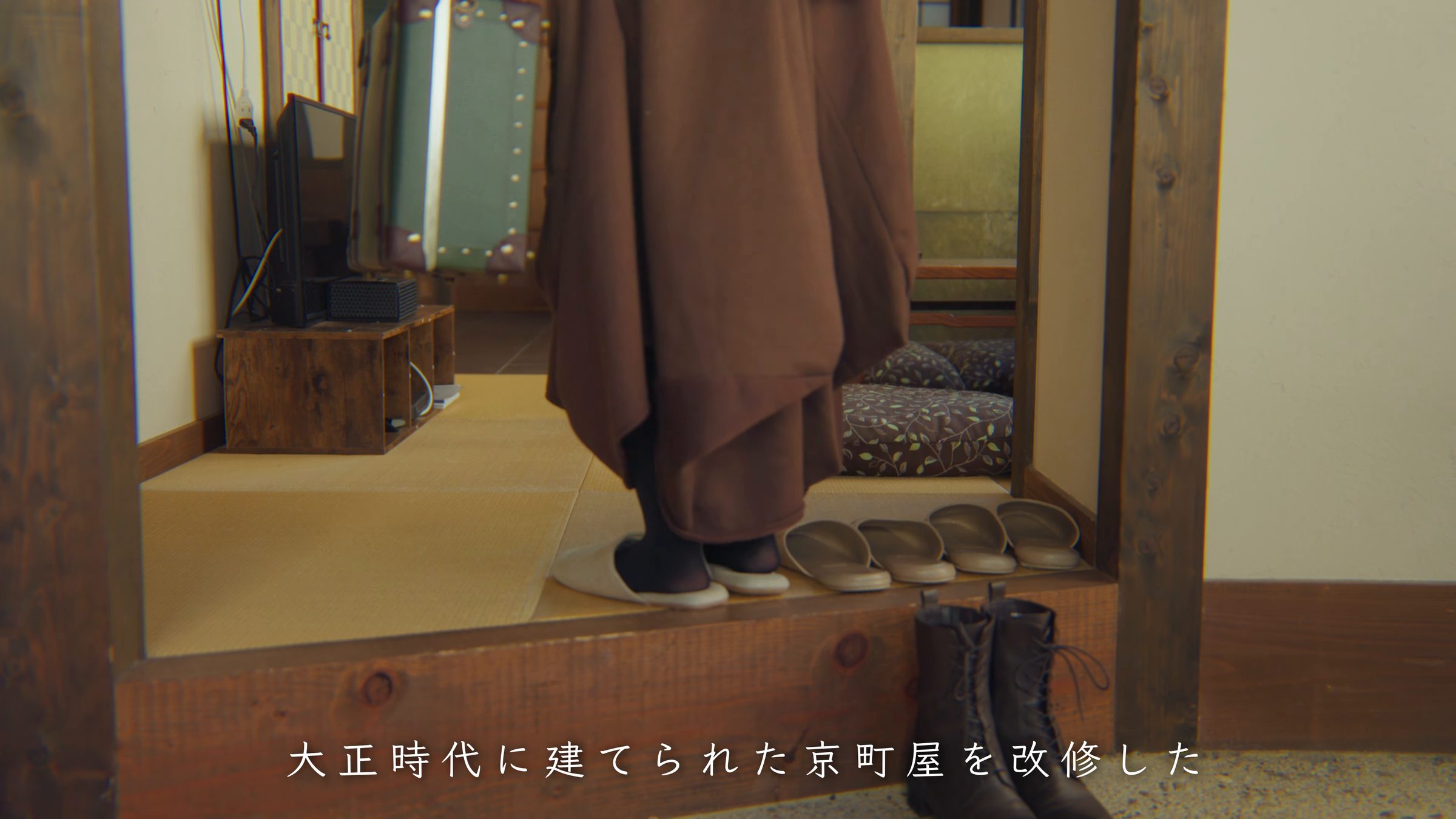
This time I borrowed a renovated Kyoto townhouse built in the Taisho era: a neat house of white walls and wooden window frames, with a round lamp above the front door.
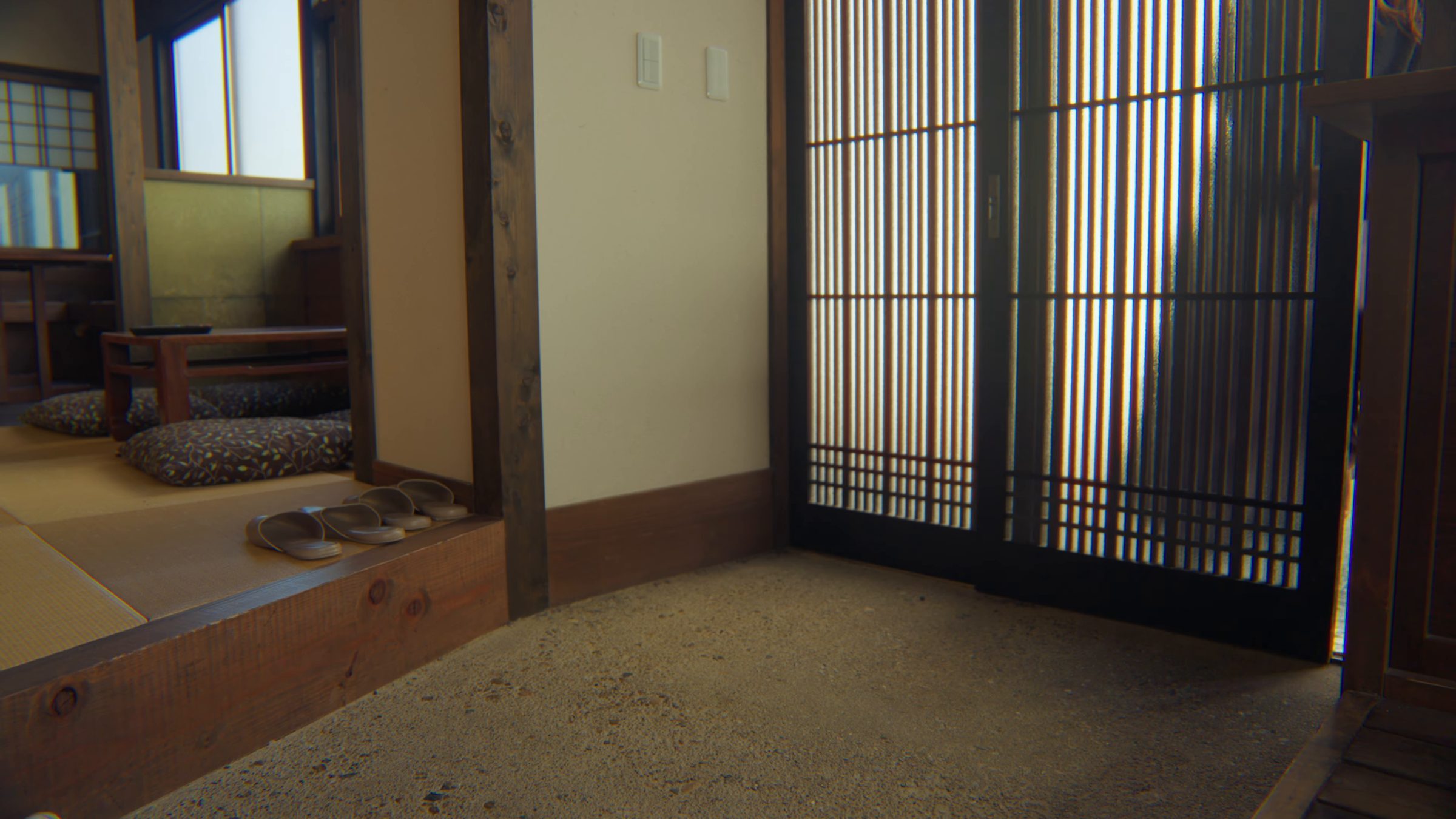
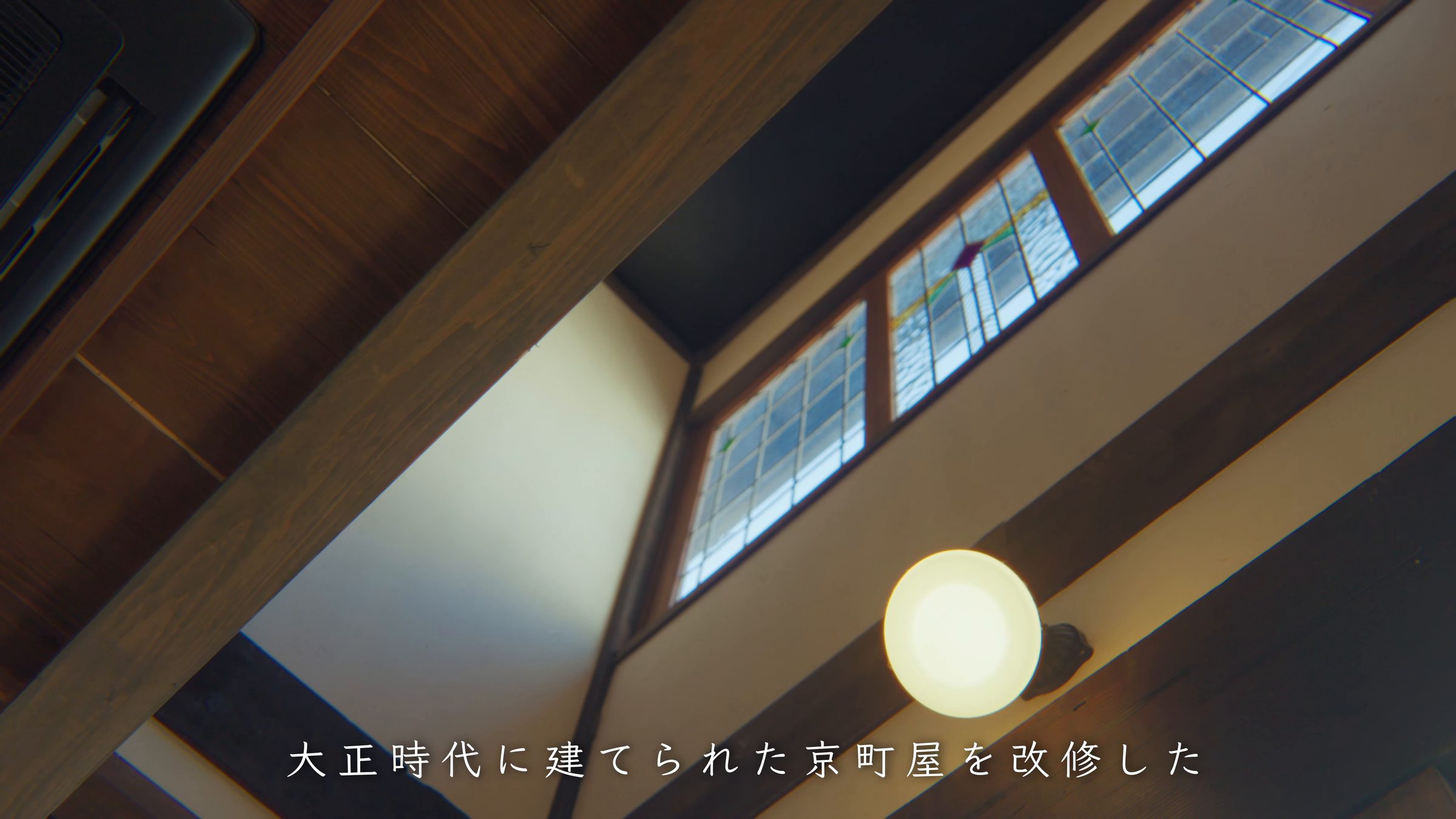
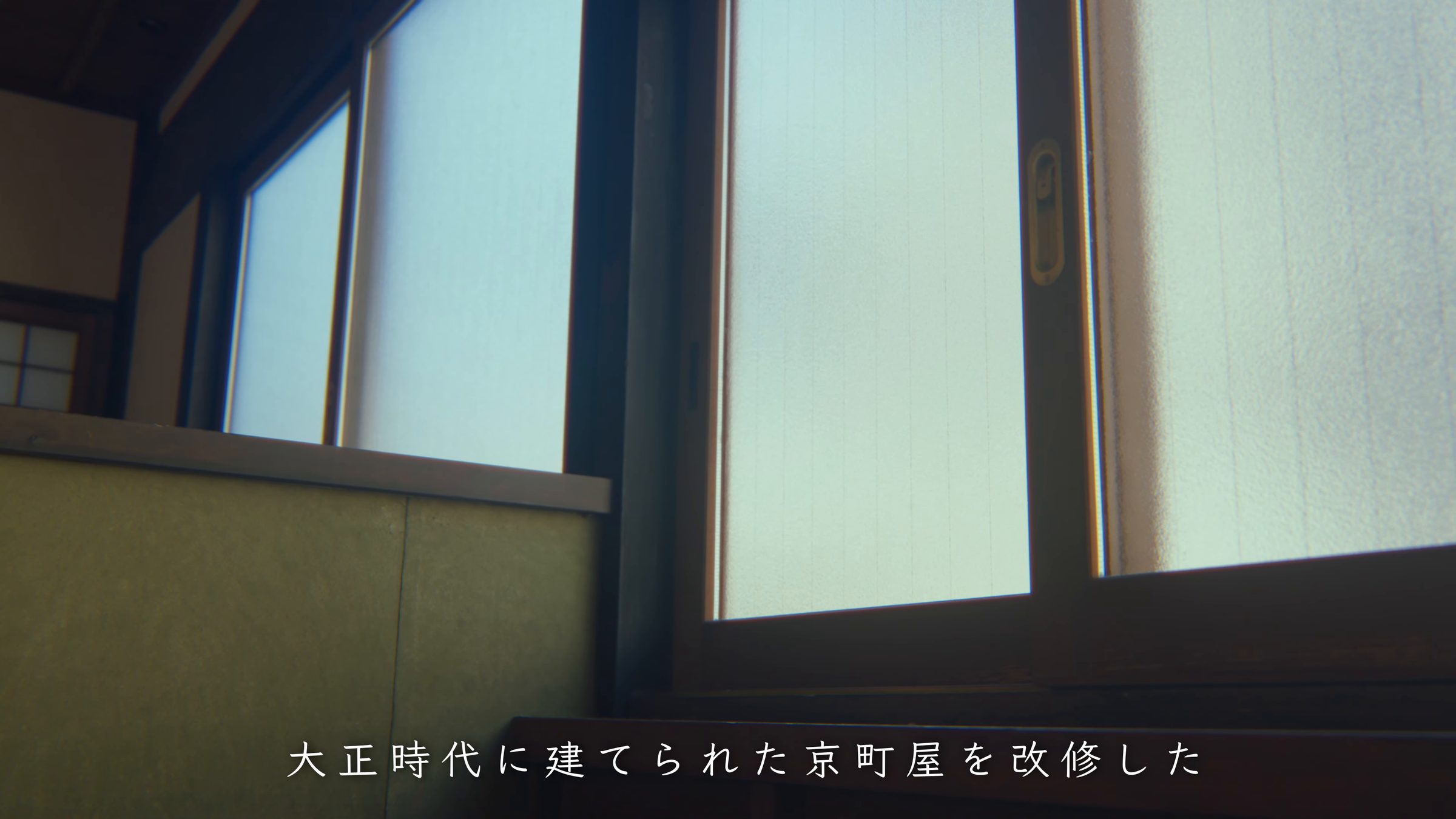
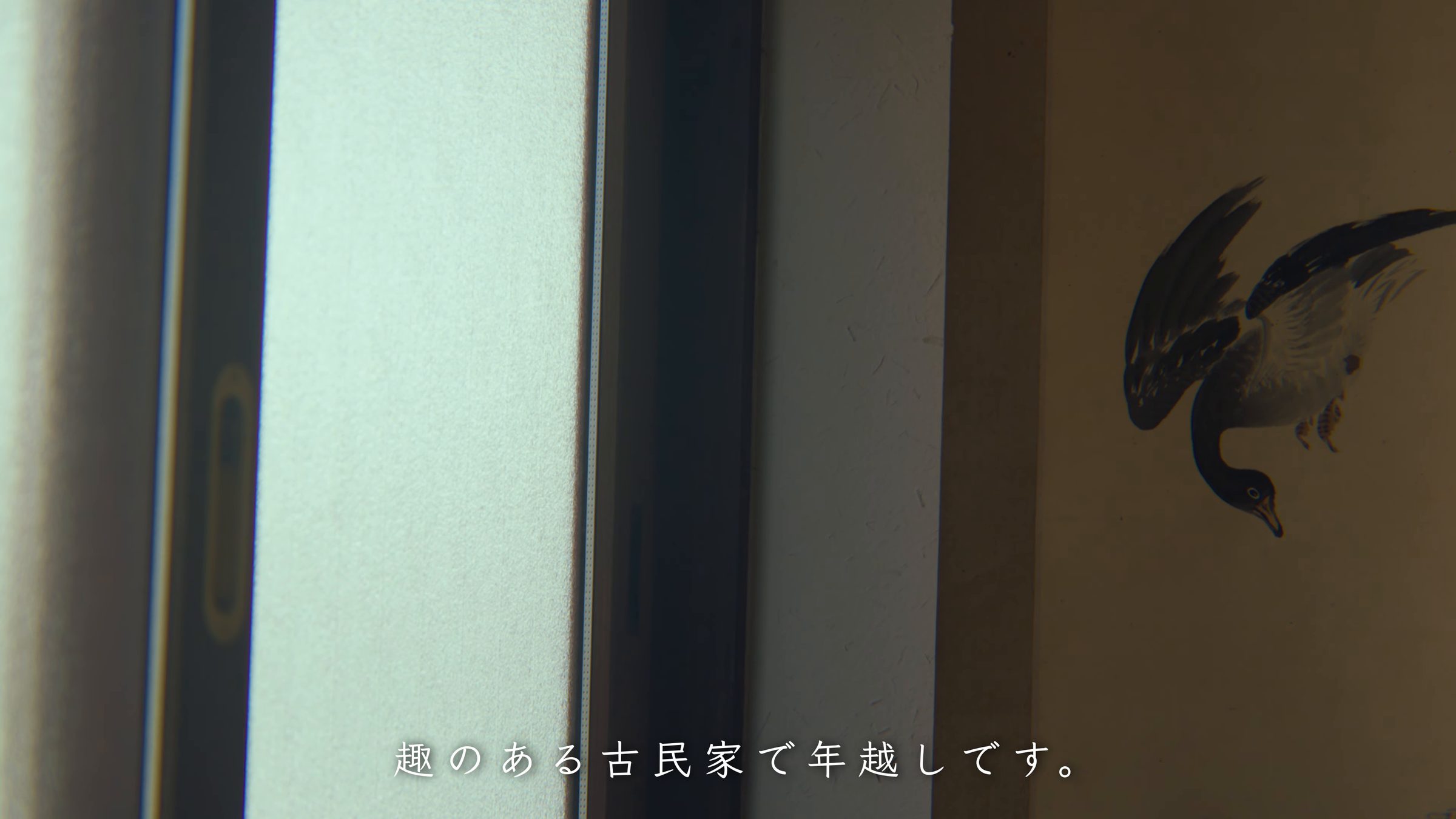
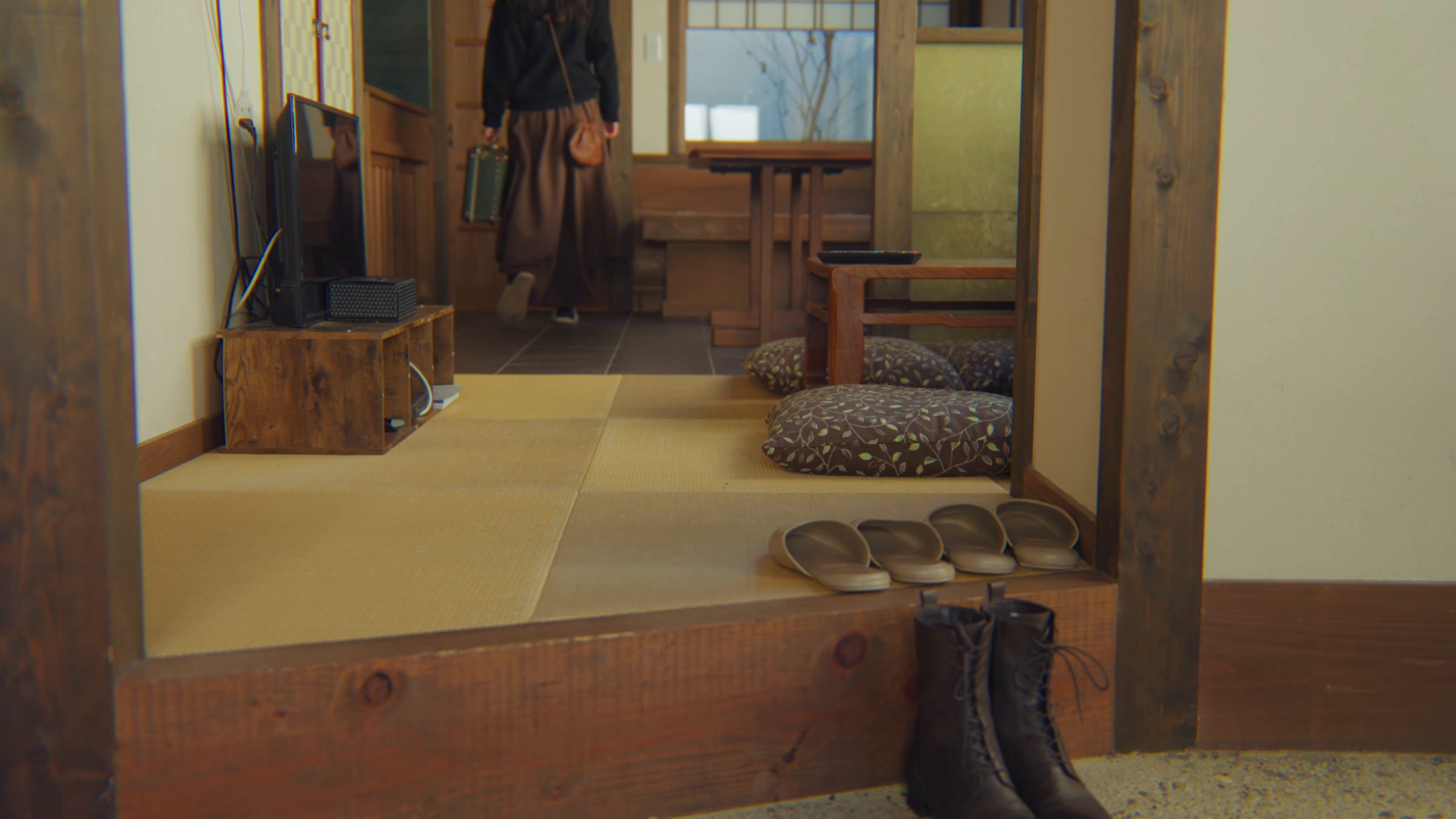
Behind the latticed door, the earthen entry led on to tatami rooms. High on the open wall were windows set with colored glass and a round lamp, and soft winter light came in through frosted panes. A scroll painted with a bird hung on the wall. I would welcome the new year in this quaint old house.
Watch this scene on YouTube0:54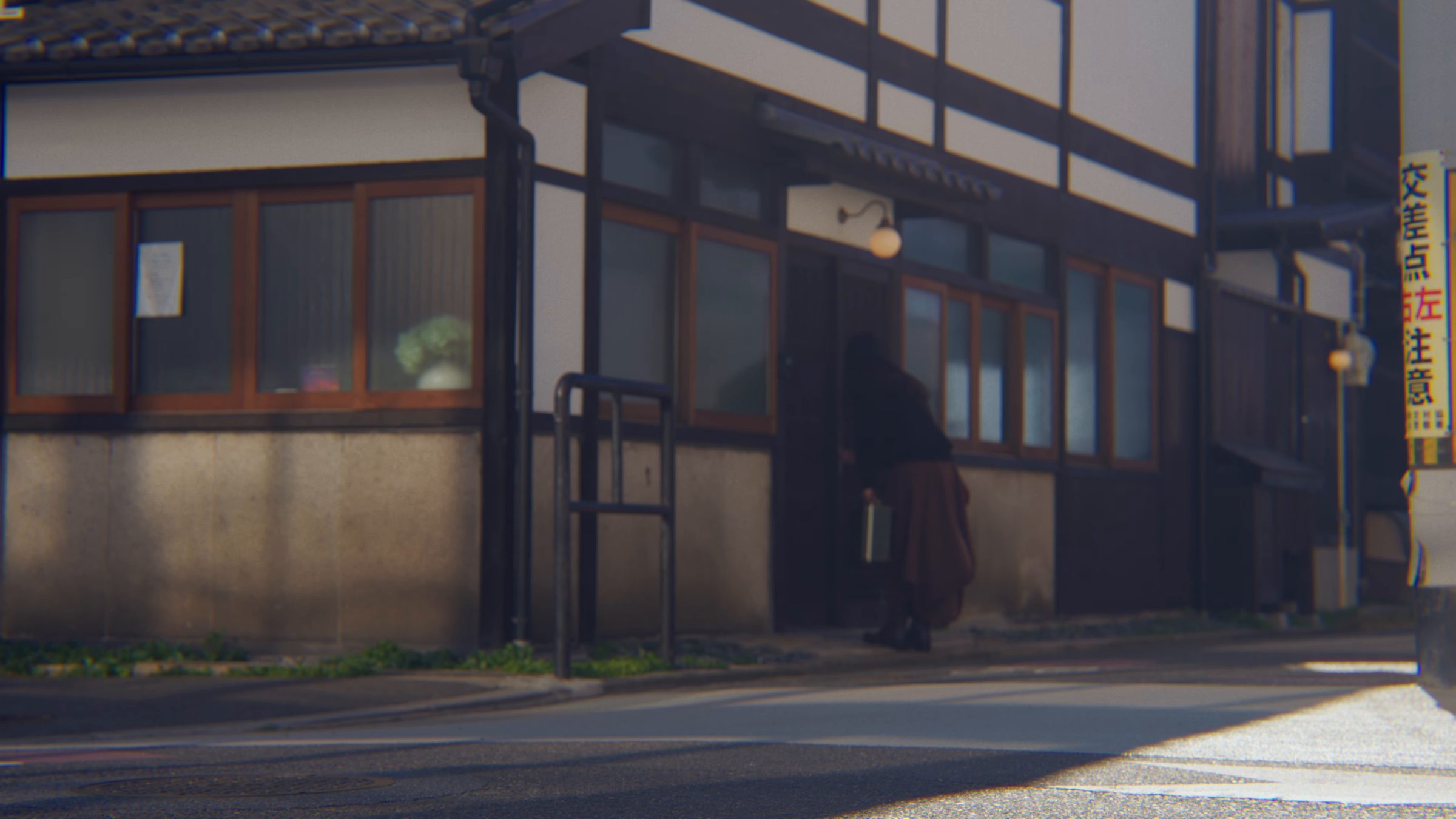
03TRAVEL JOURNAL
Getting ready for the New Year
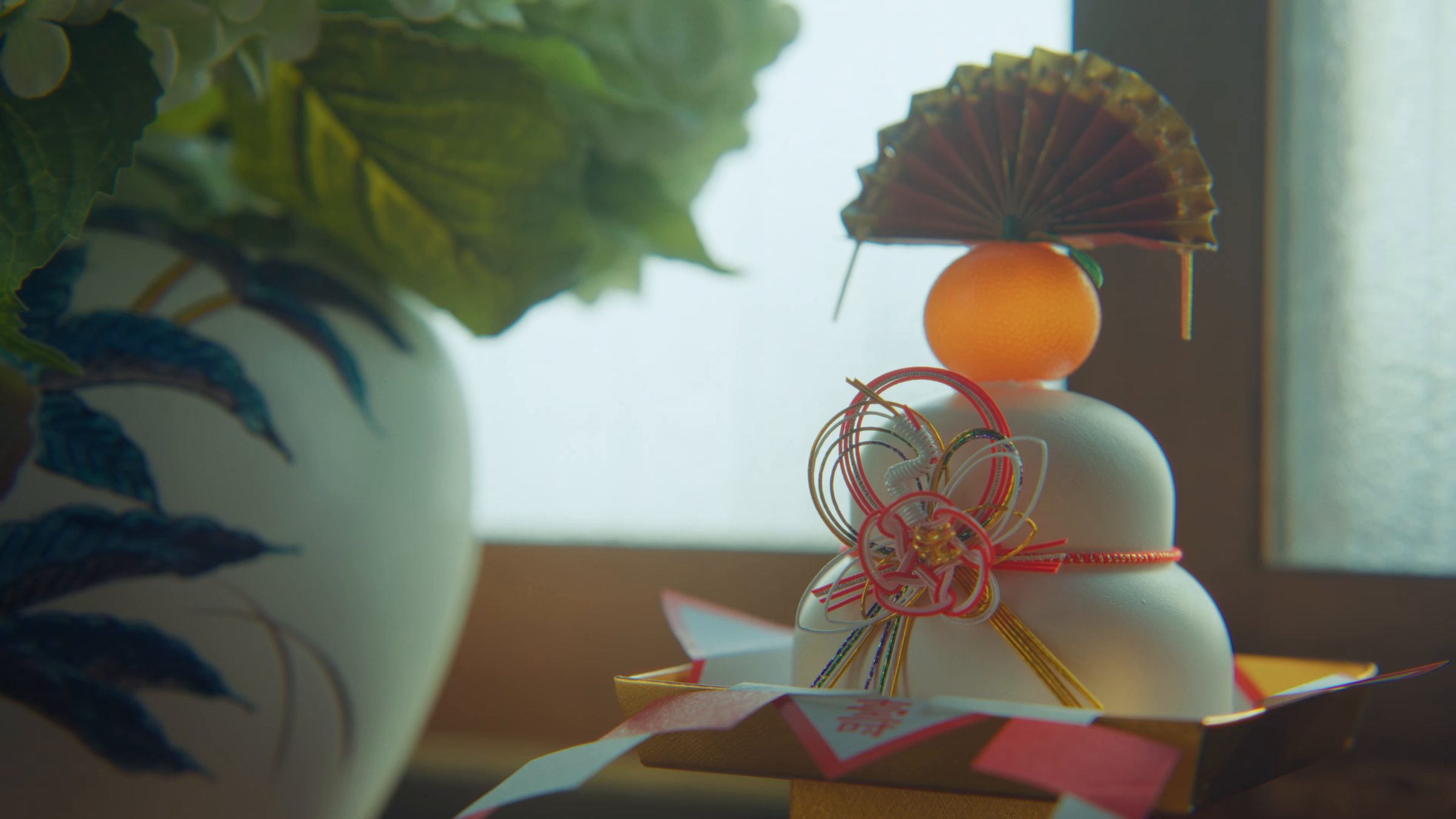
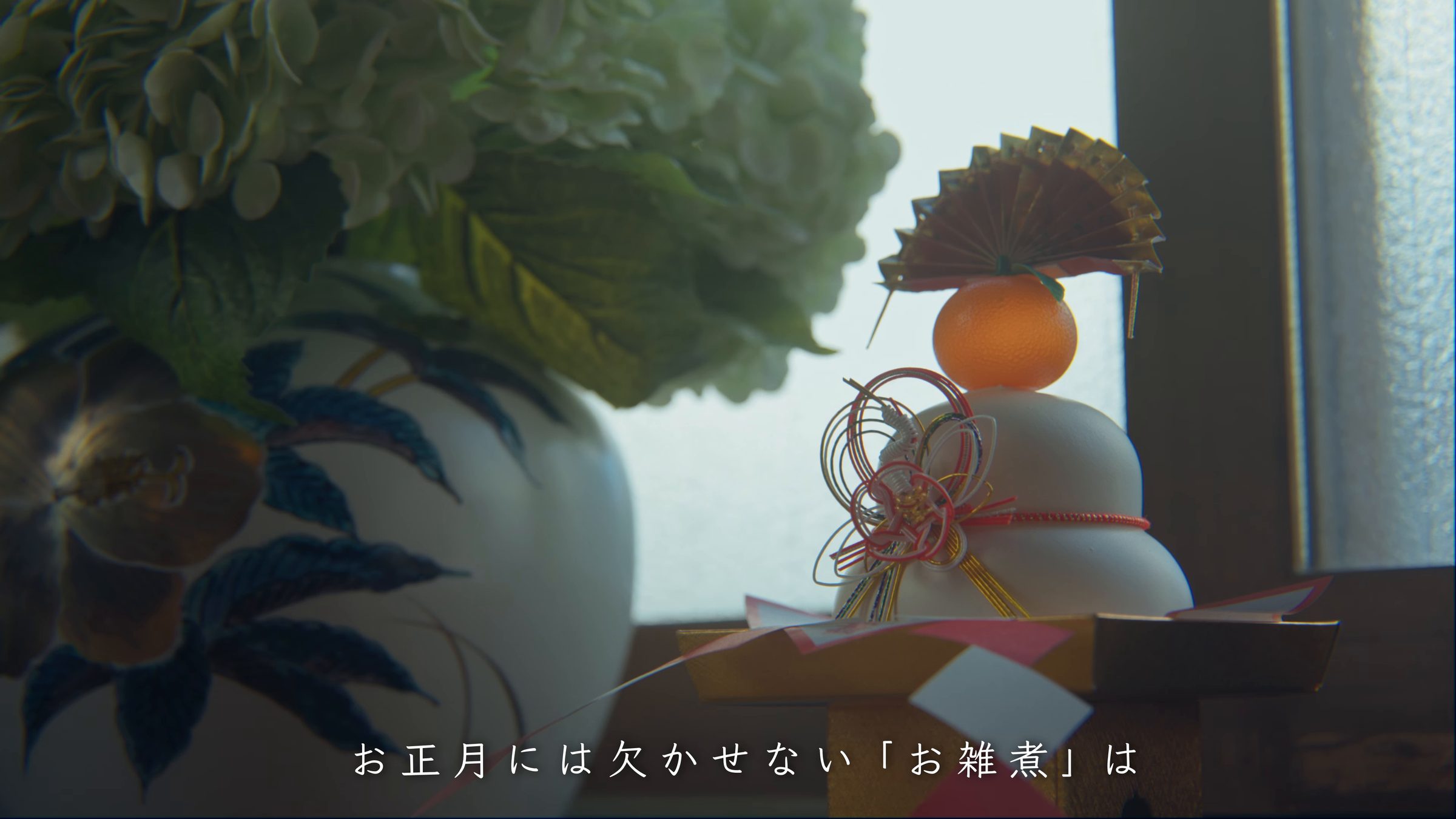
Mustn't forget the New Year preparations. By the window I set out a small kagami-mochi topped with a fan and an orange-colored fruit. Kagami-mochi is an offering for Toshigami, the deity of the new year, who is welcomed into the home.
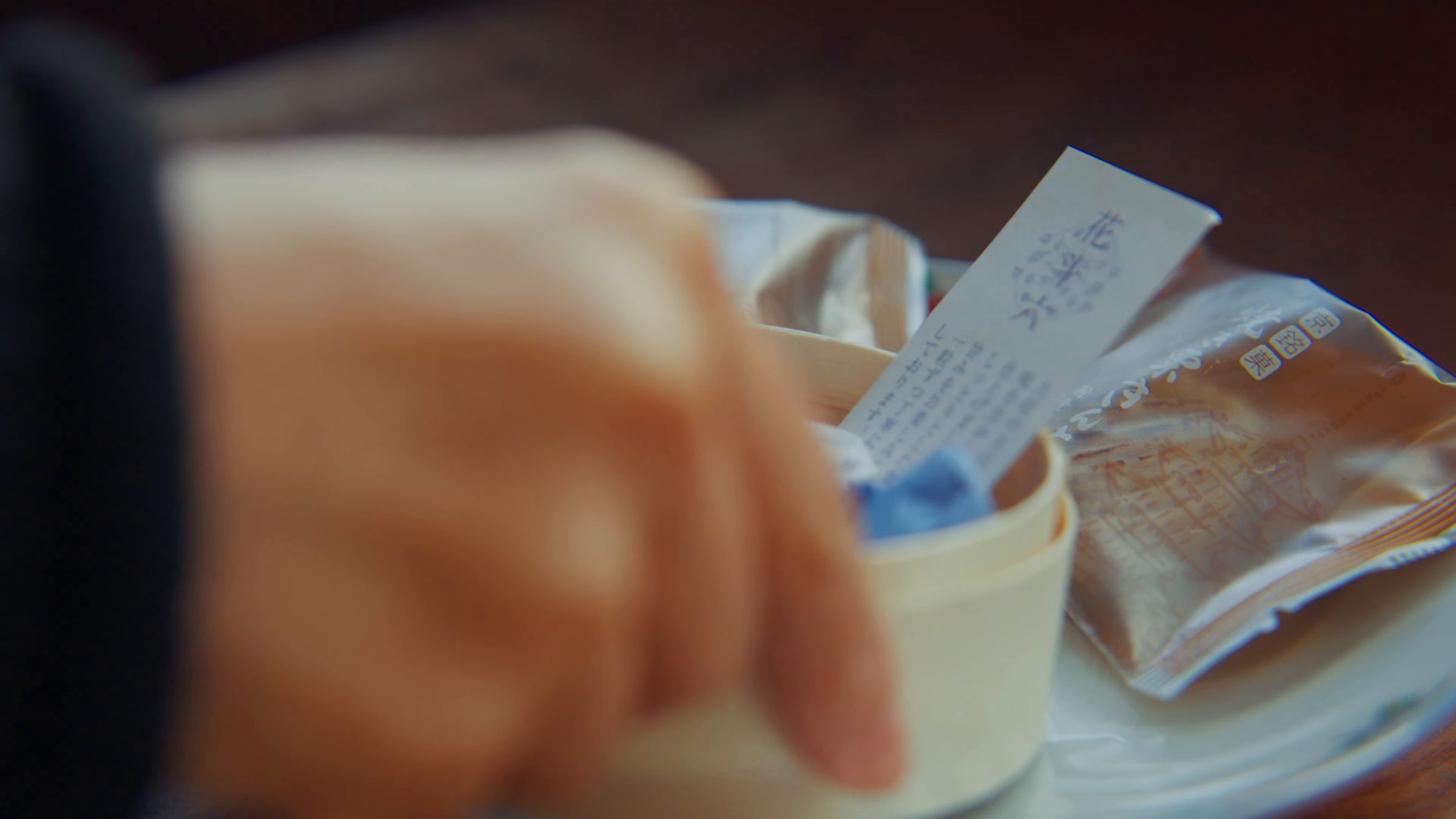
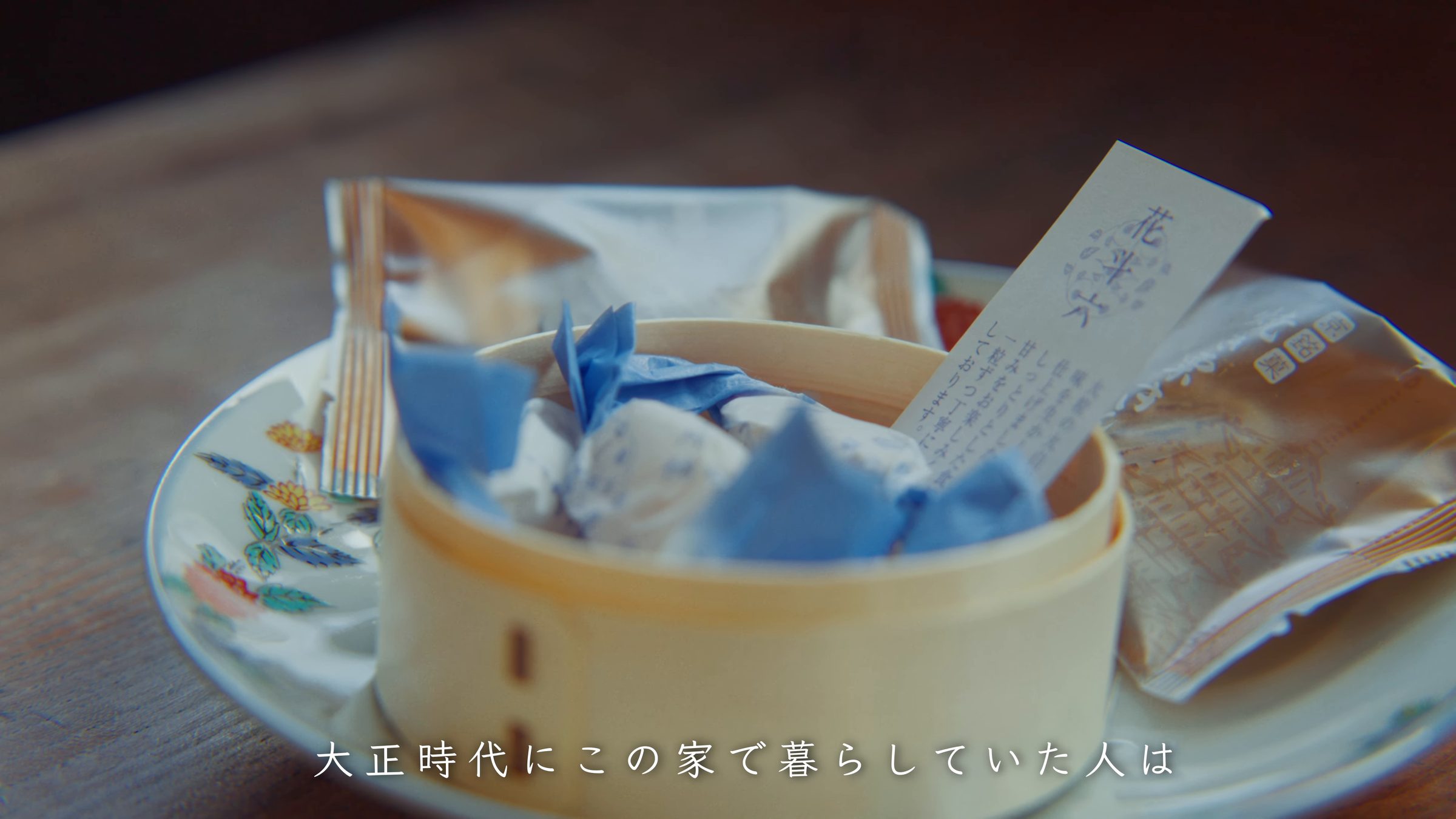
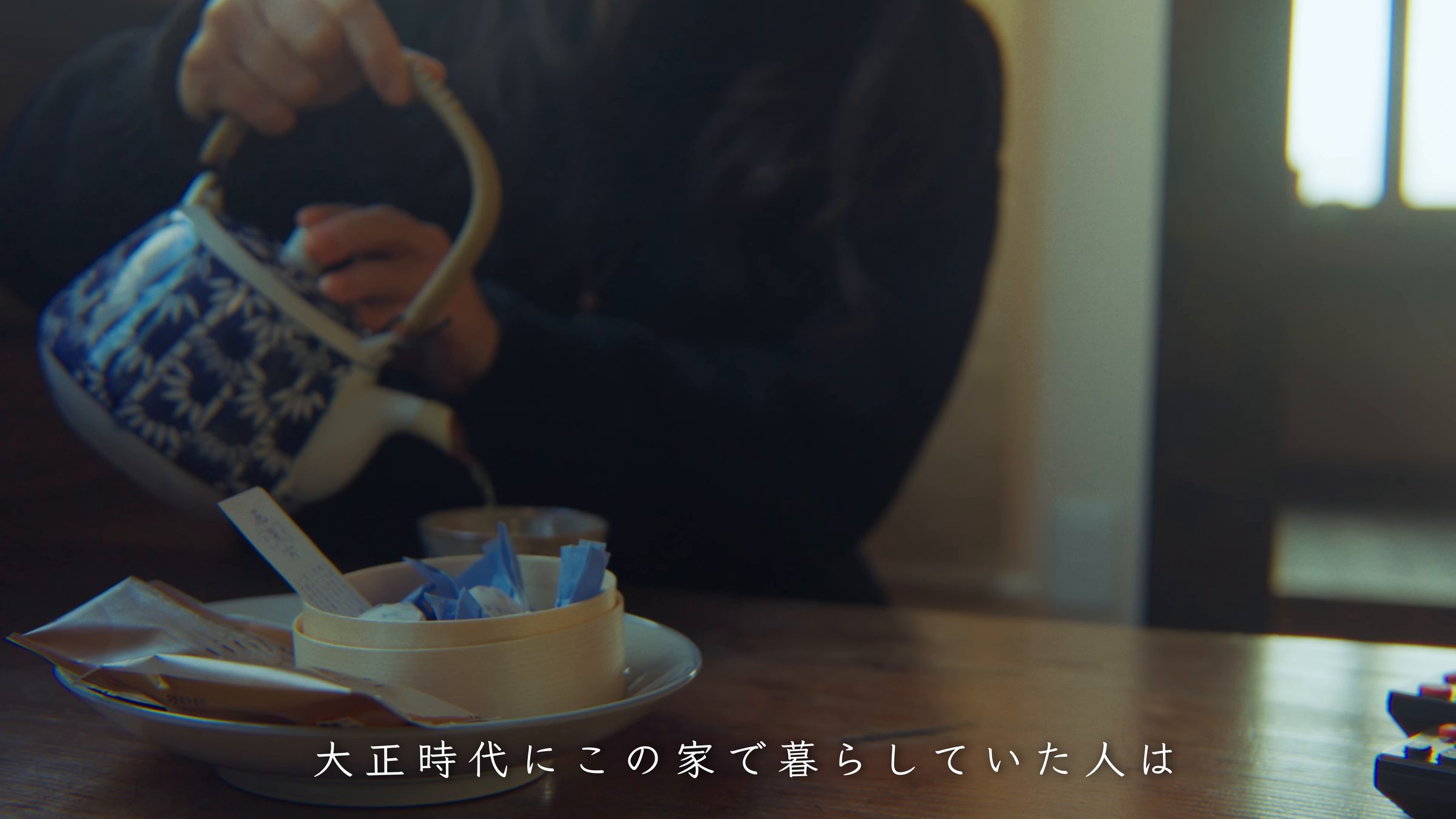
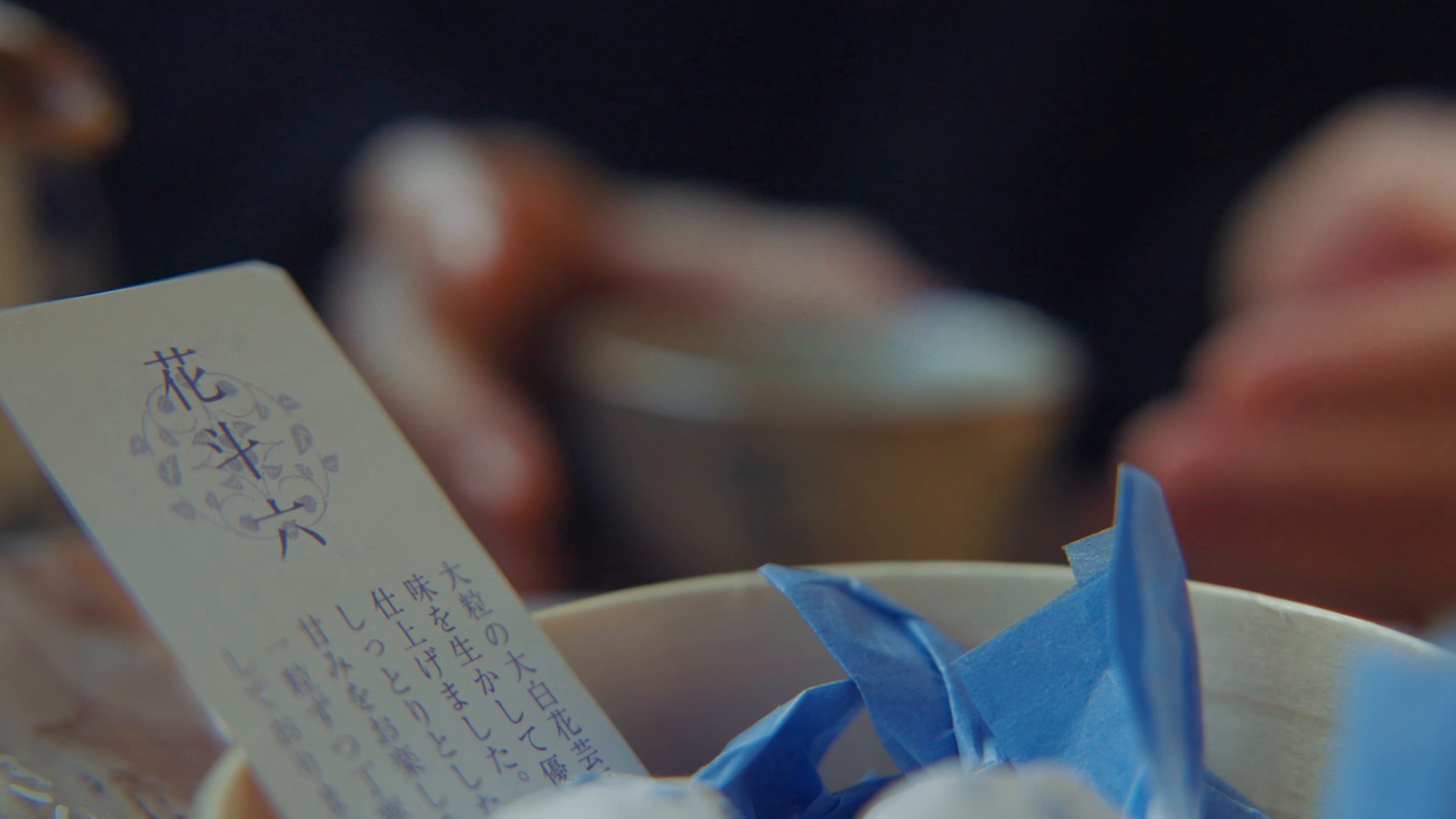
On the table, sweets wrapped in blue paper sat in a round bentwood box, with a card bearing the name 花斗六. According to the card, they bring out the flavor of large white runner beans, with a moist sweetness. I poured tea from a blue-and-white pot and took a break.
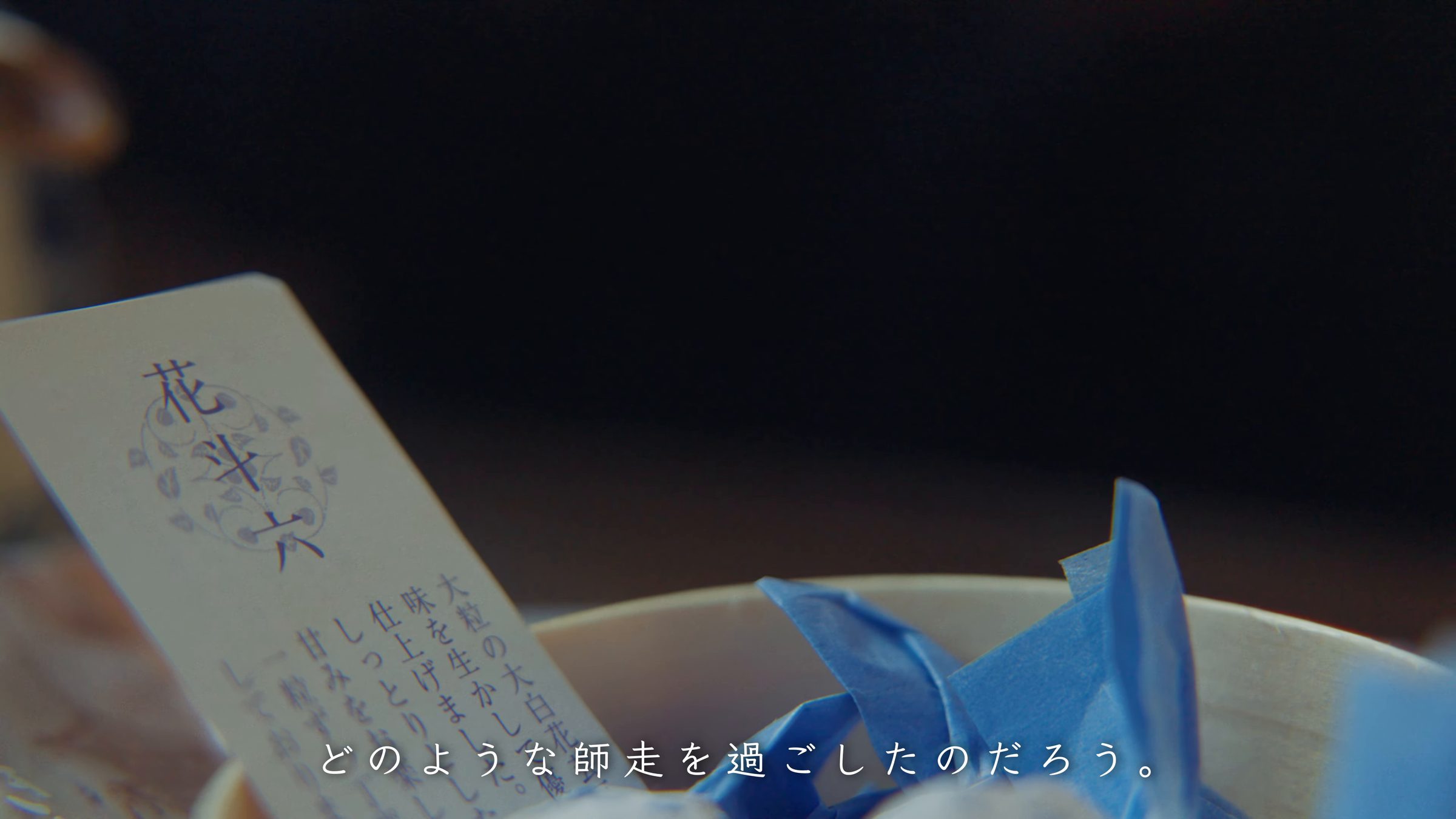
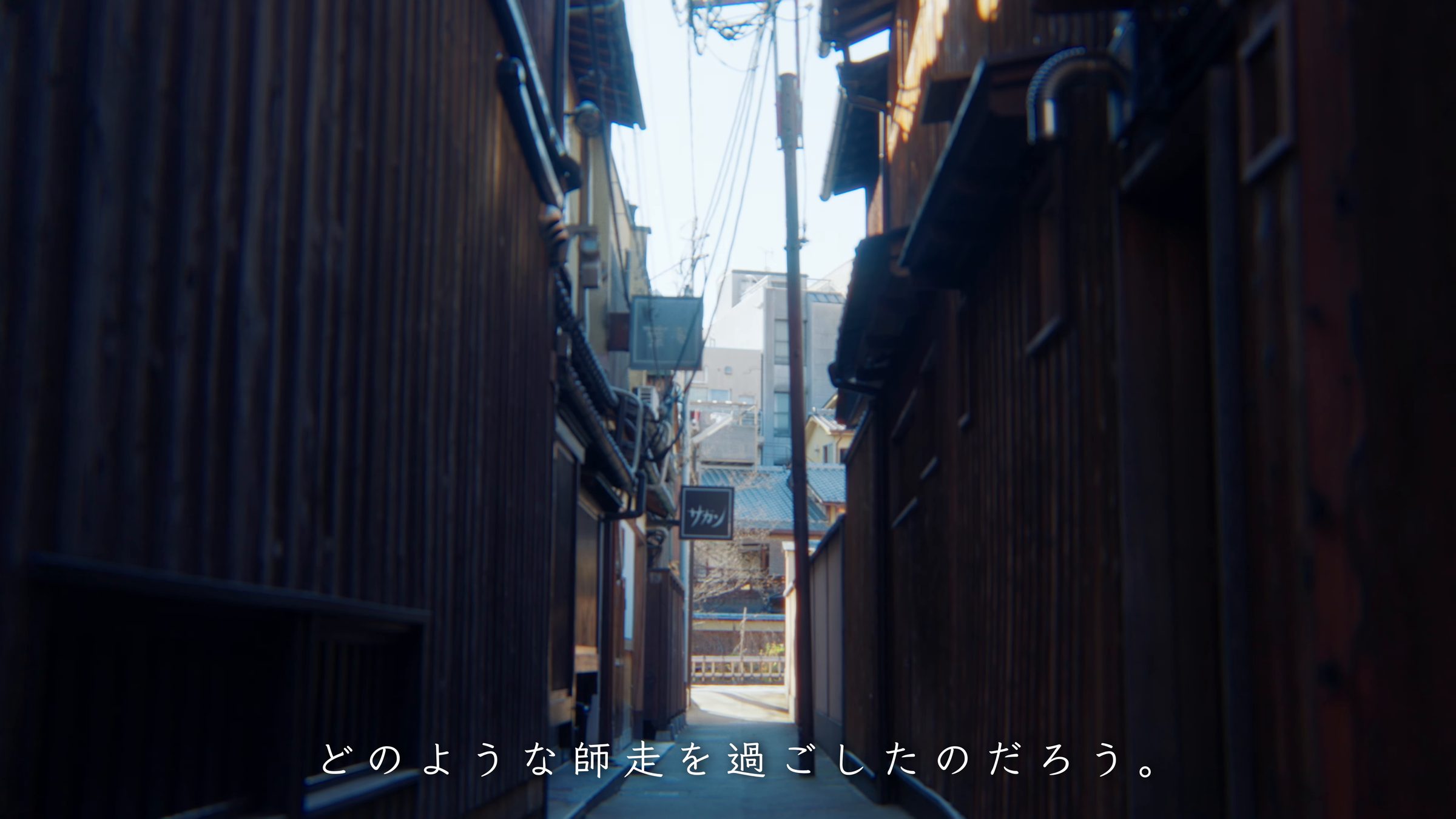
I wondered how the people who lived in this house in the Taisho era spent their Decembers. Winter sun slipped into a narrow lane between wooden fences.
Watch this scene on YouTube1:15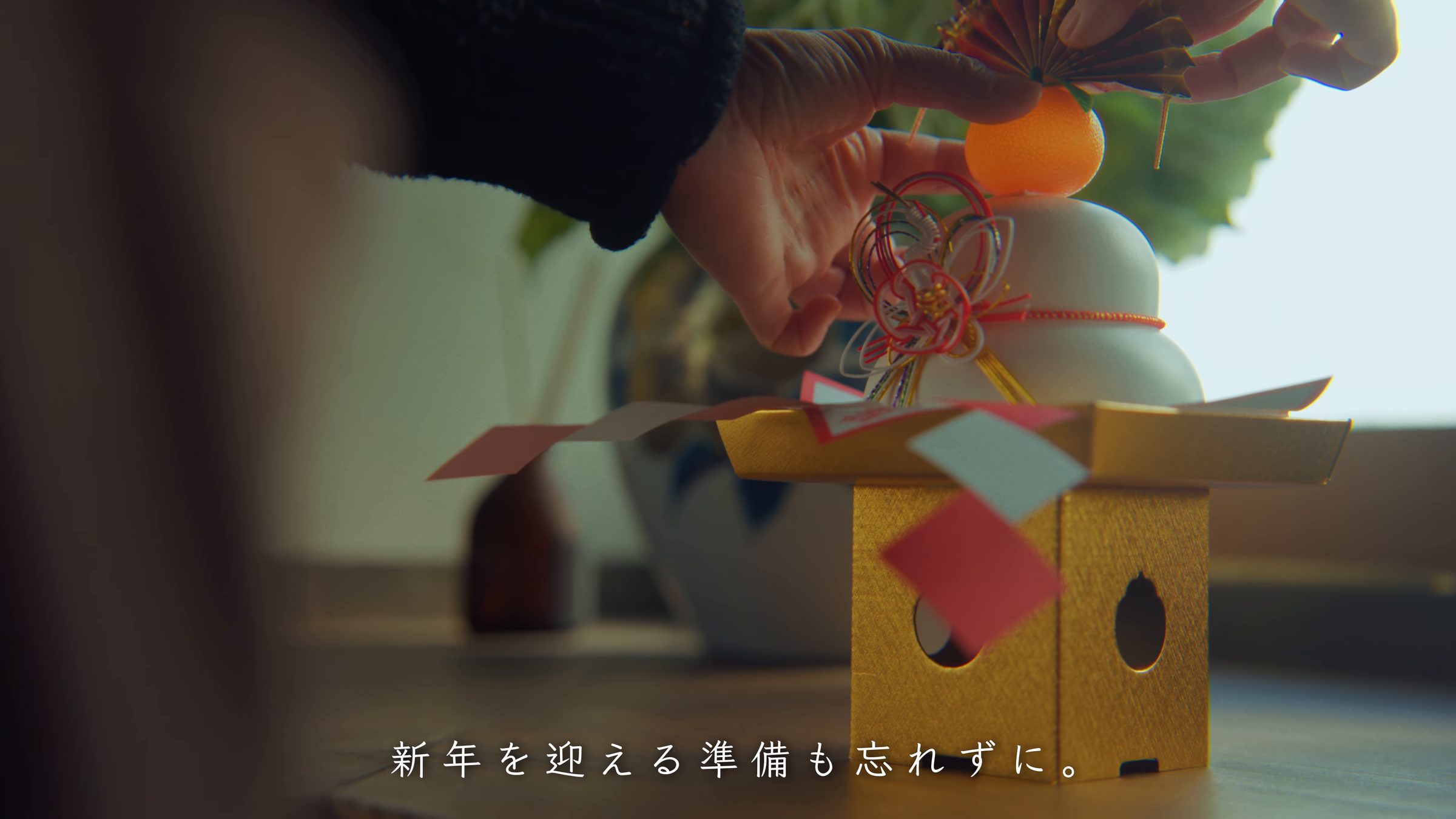
04TRAVEL JOURNAL
Kinshi-don at Kyogoku Kaneyo
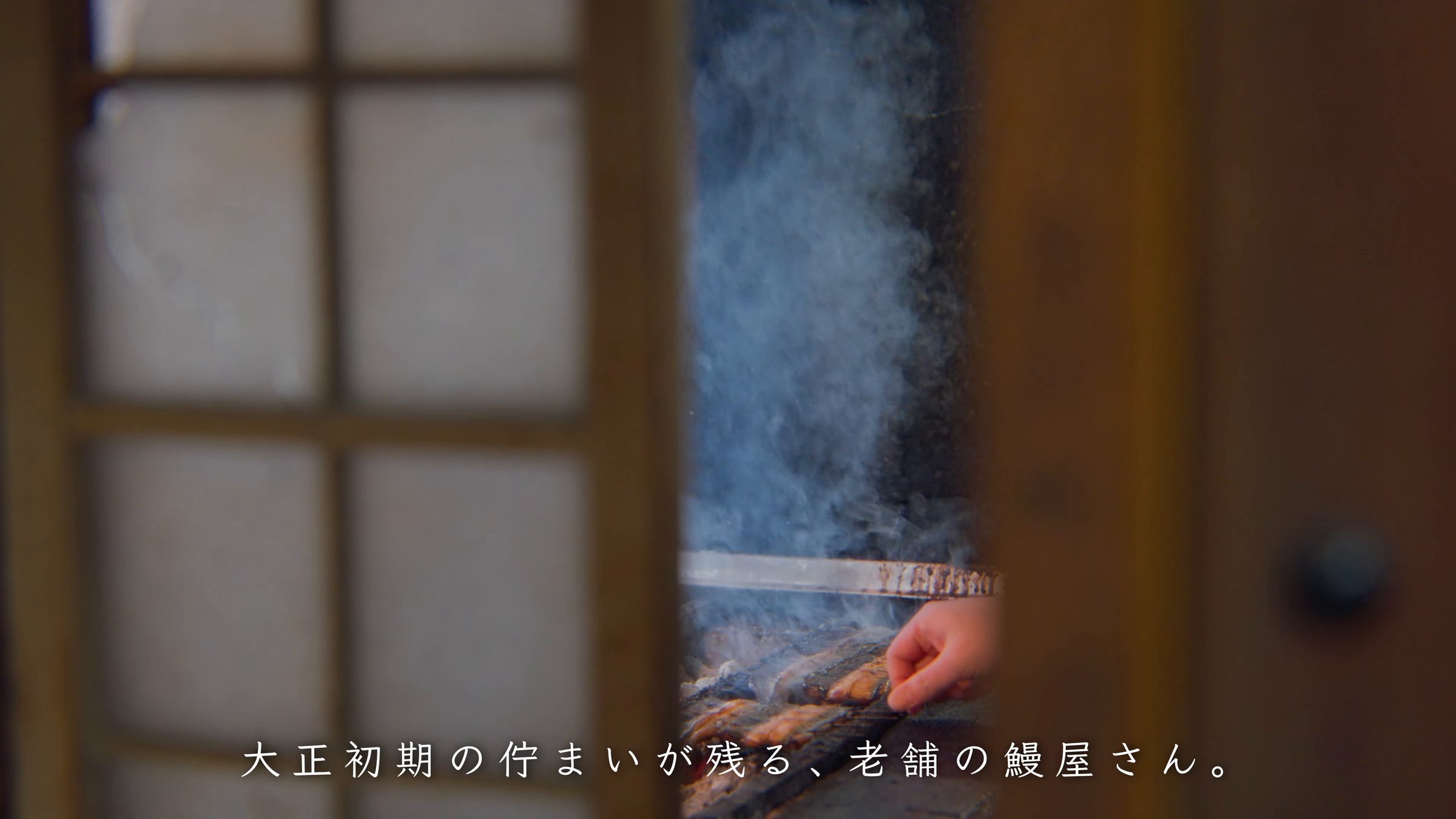
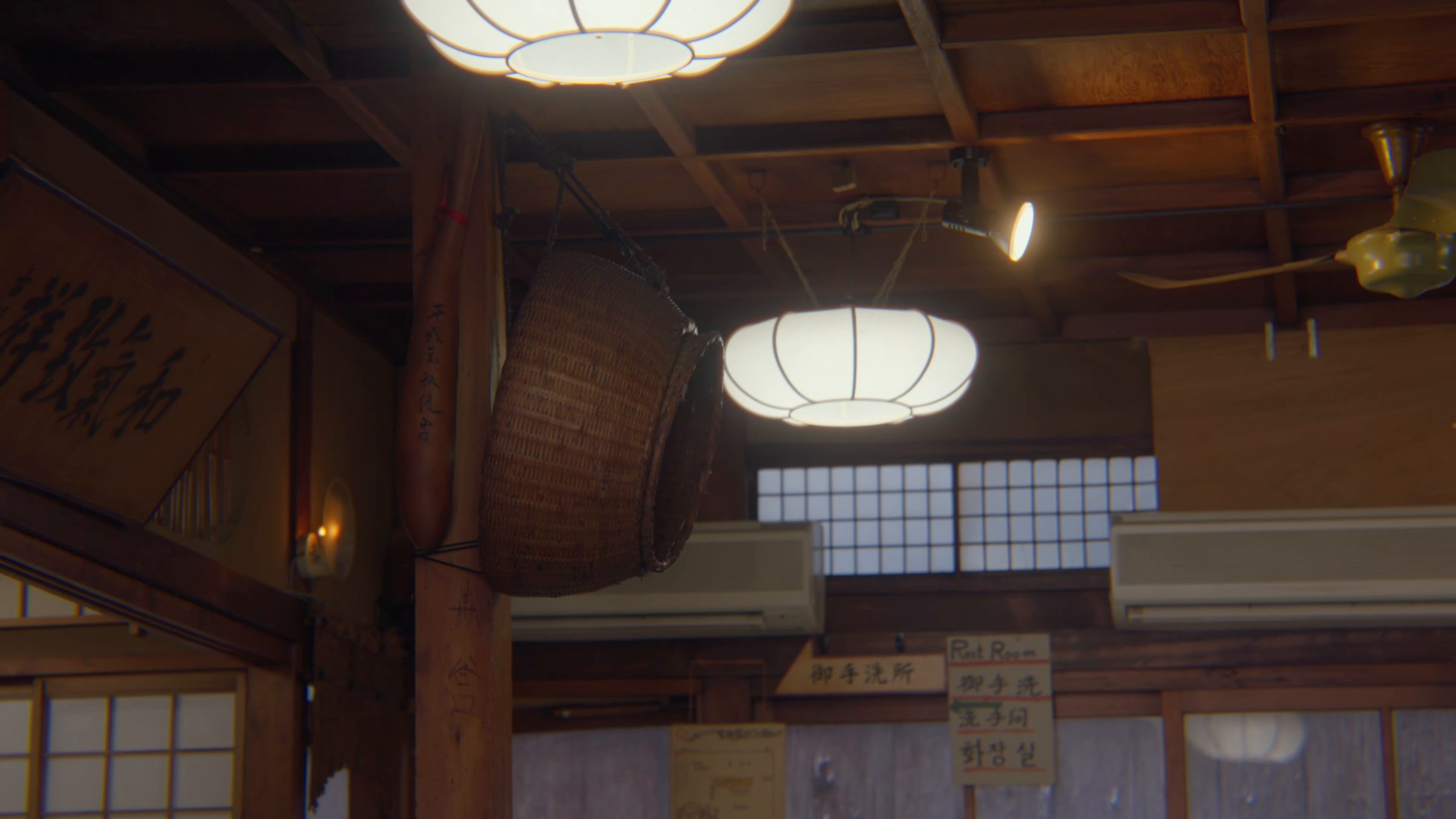
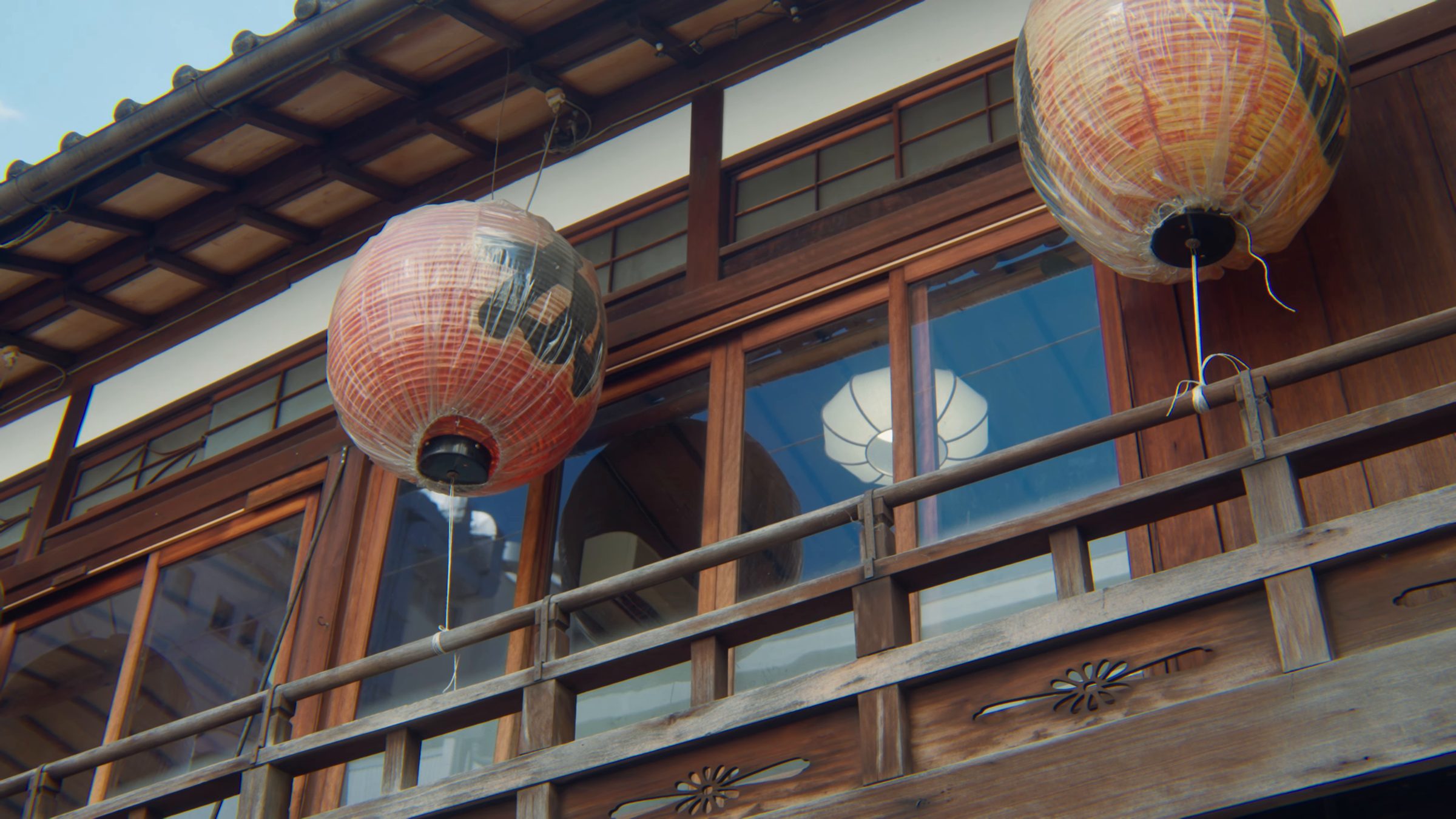
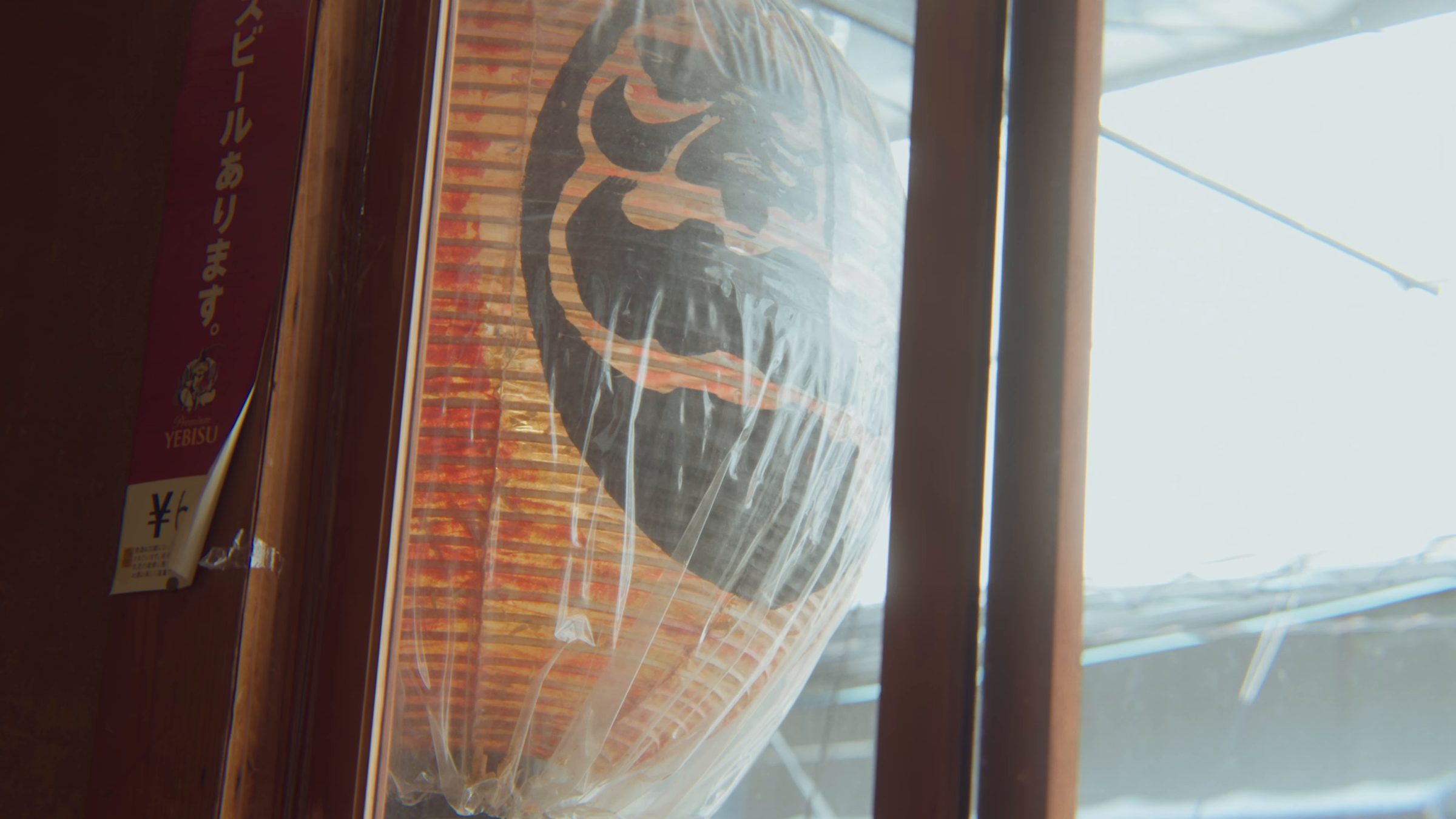
For lunch I went to Kyogoku Kaneyo, a long-established eel restaurant near Shinkyogoku. It is said to date from the Meiji era and to keep the look it had in the early Taisho years. Big bamboo baskets and lantern-like lamps hung from the high ceiling, and through a gap in the shoji, smoke rose from eel grilling over charcoal.
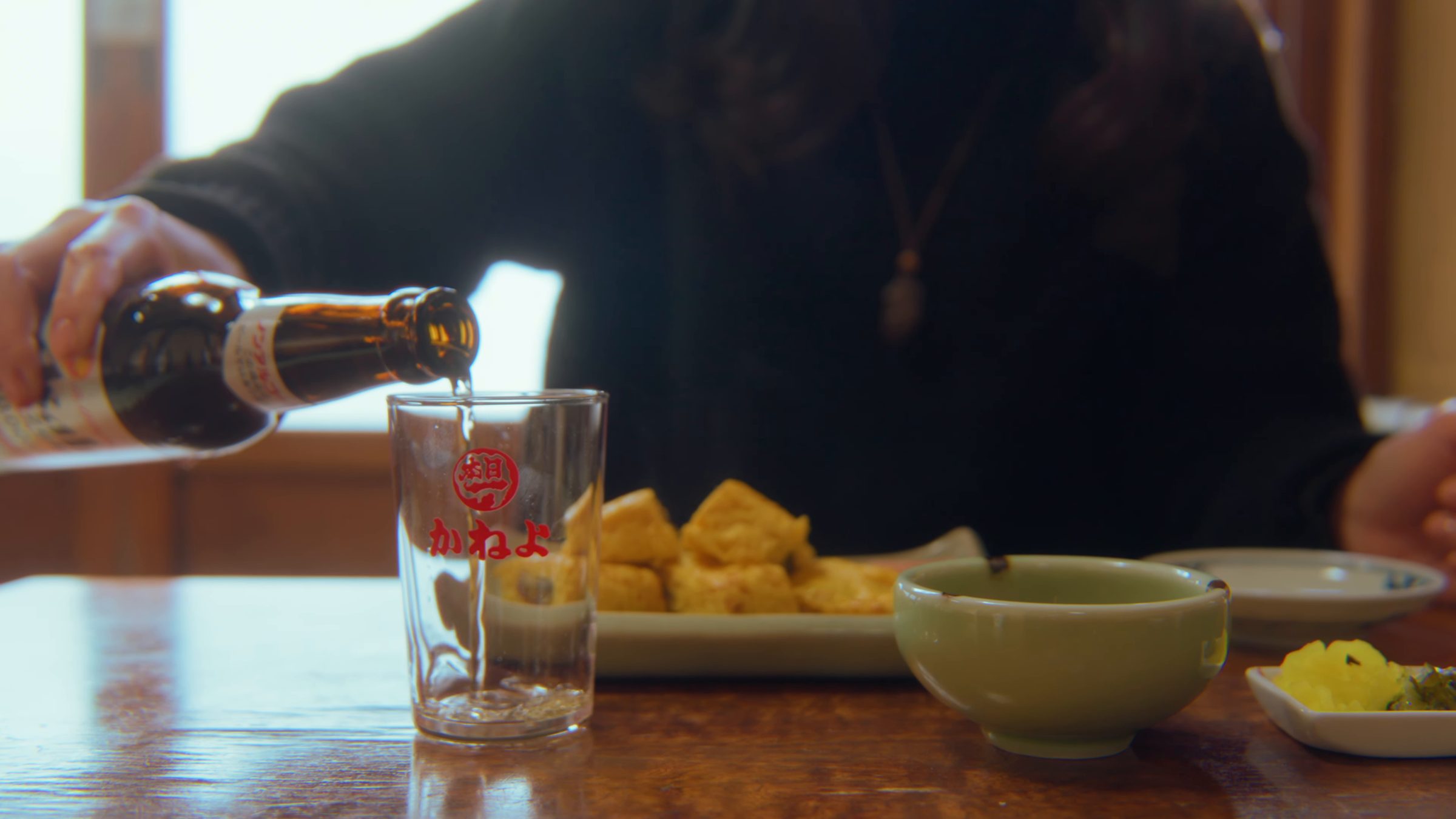
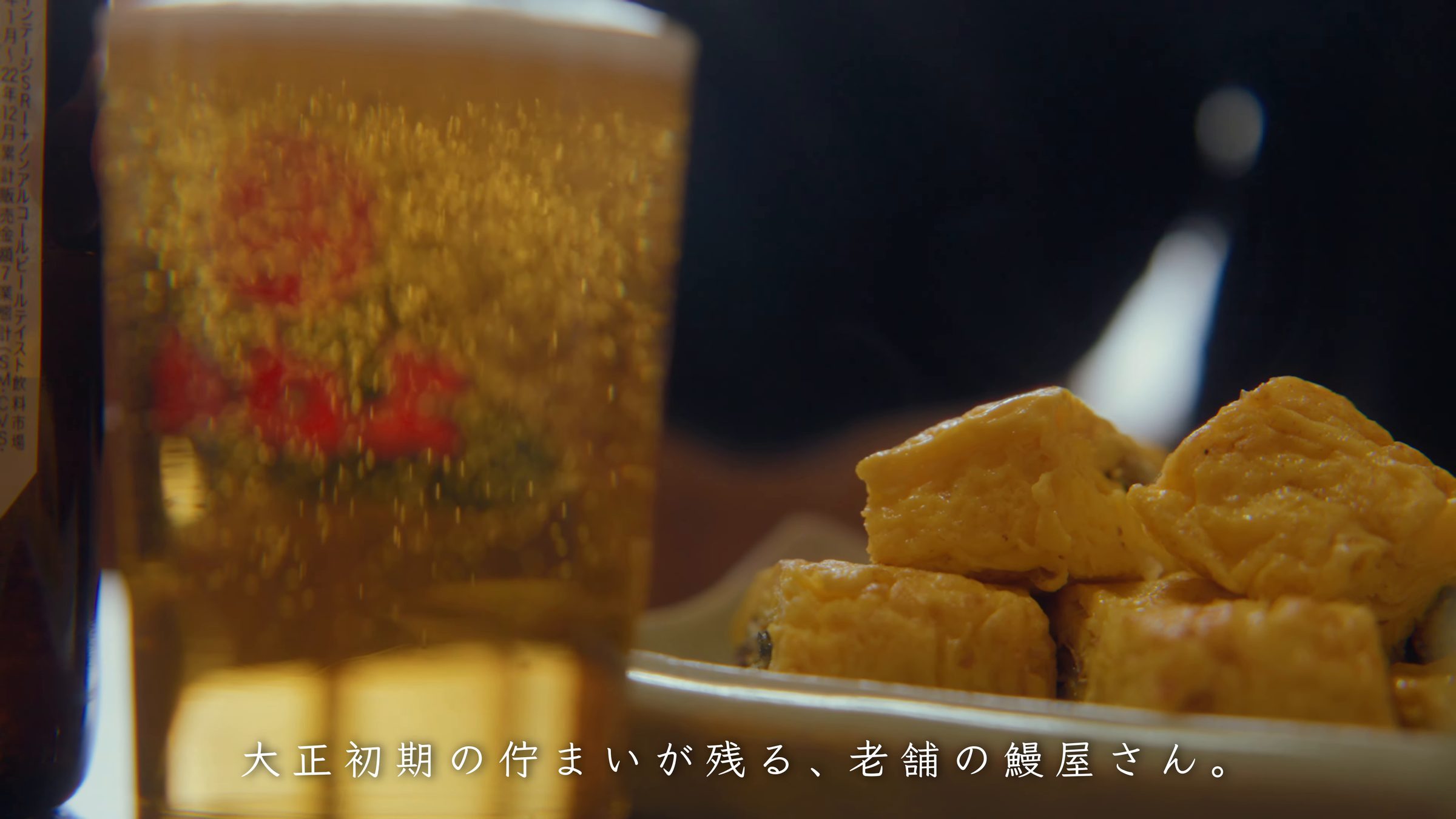
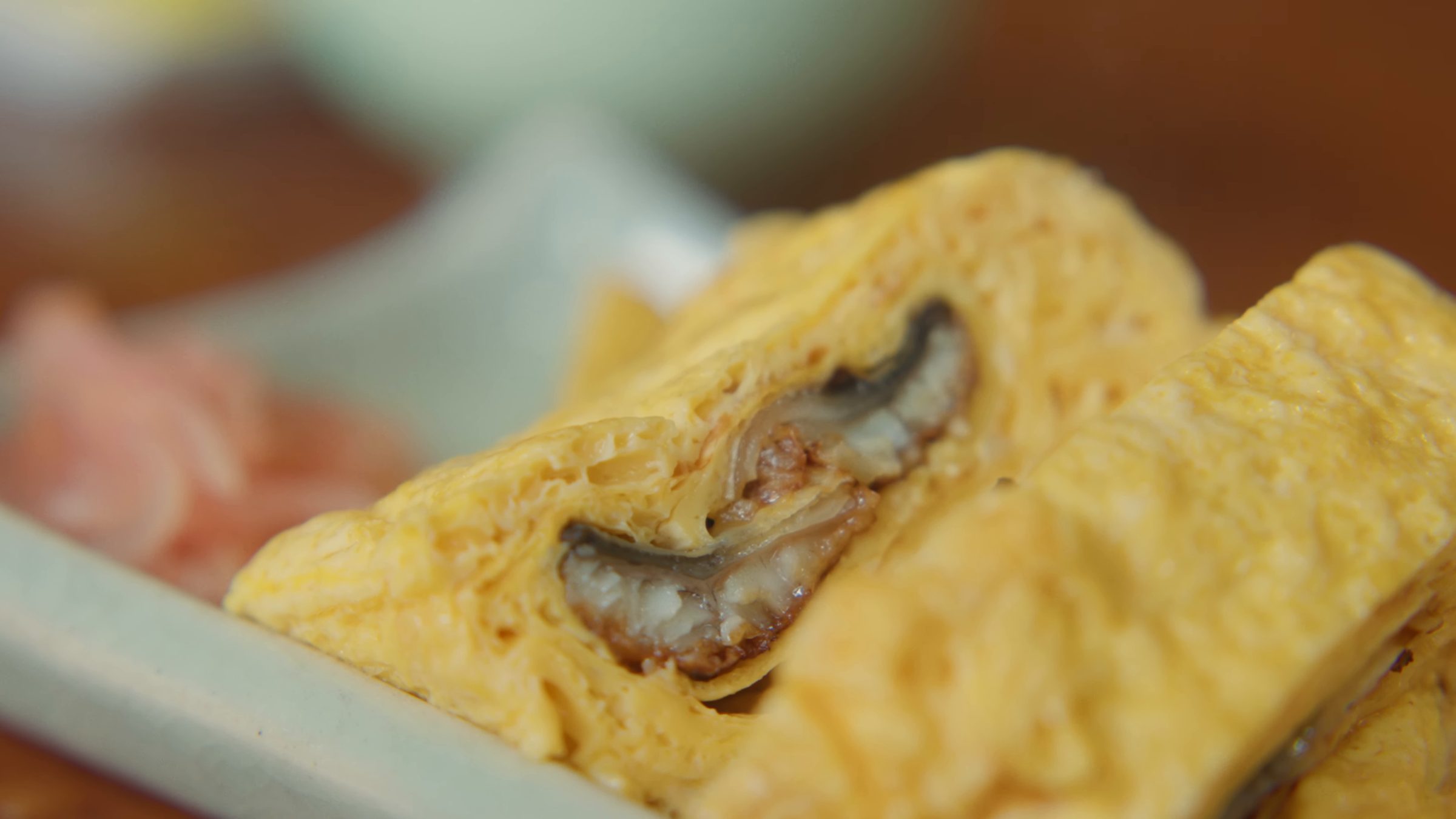
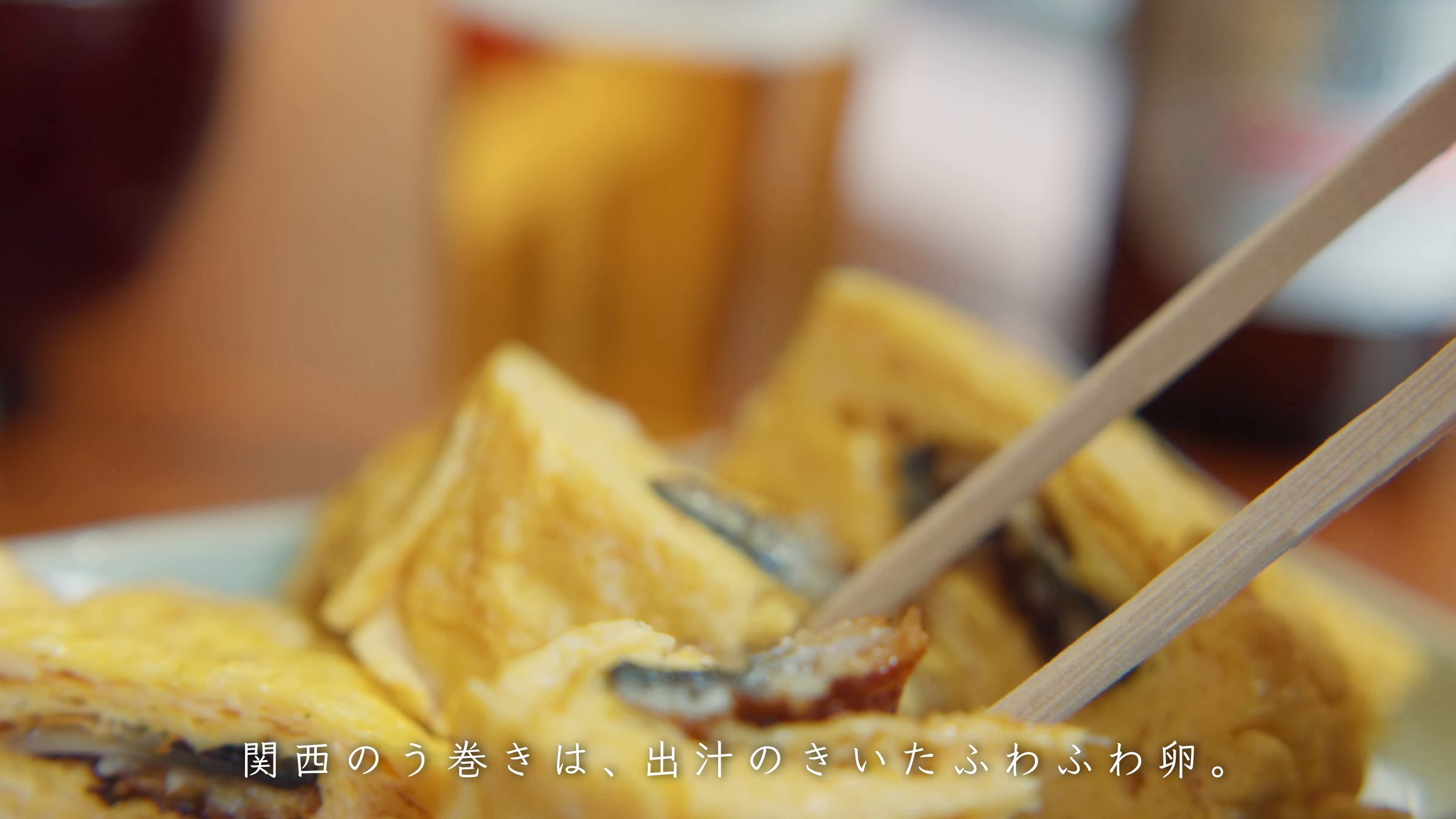
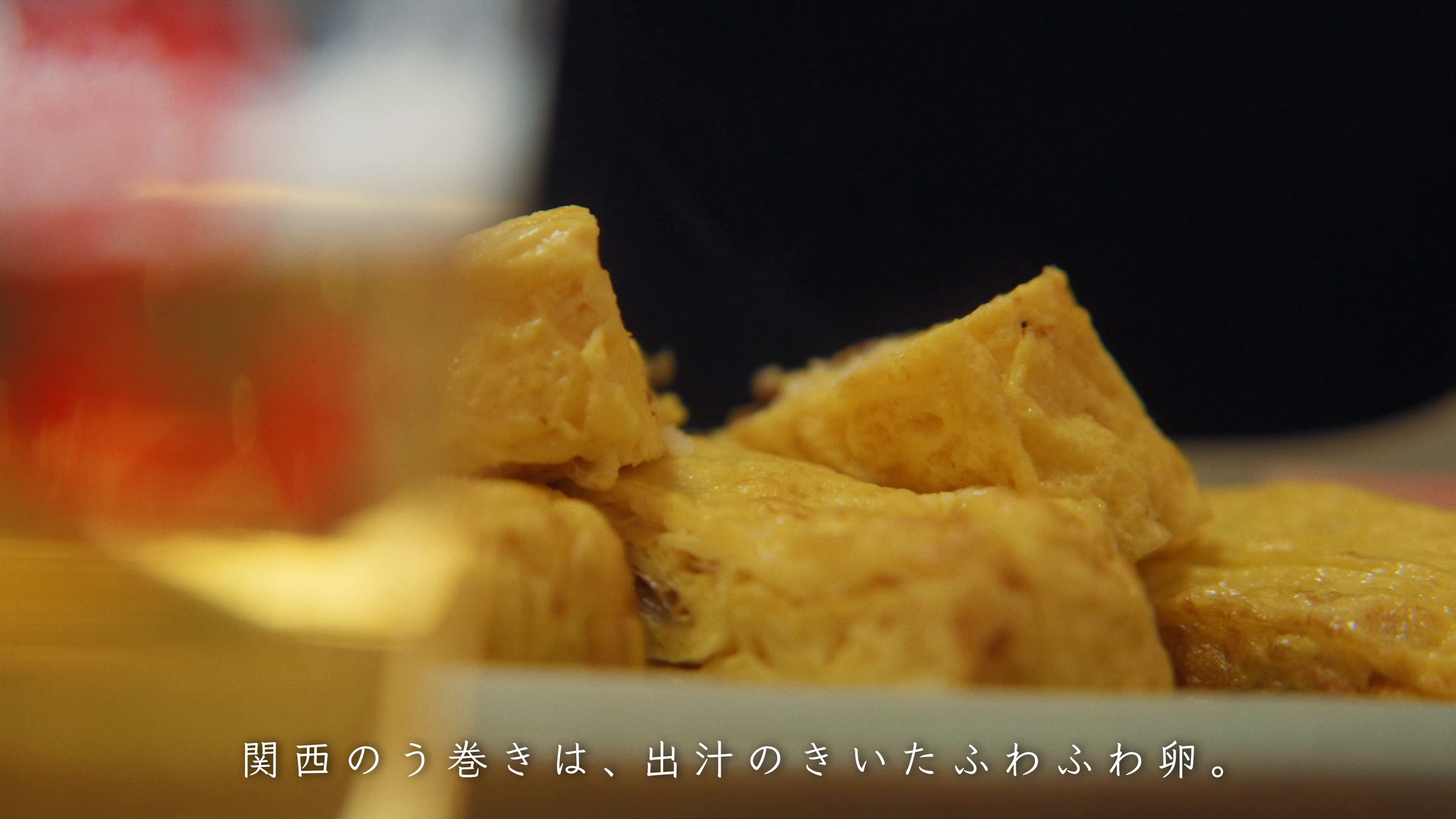
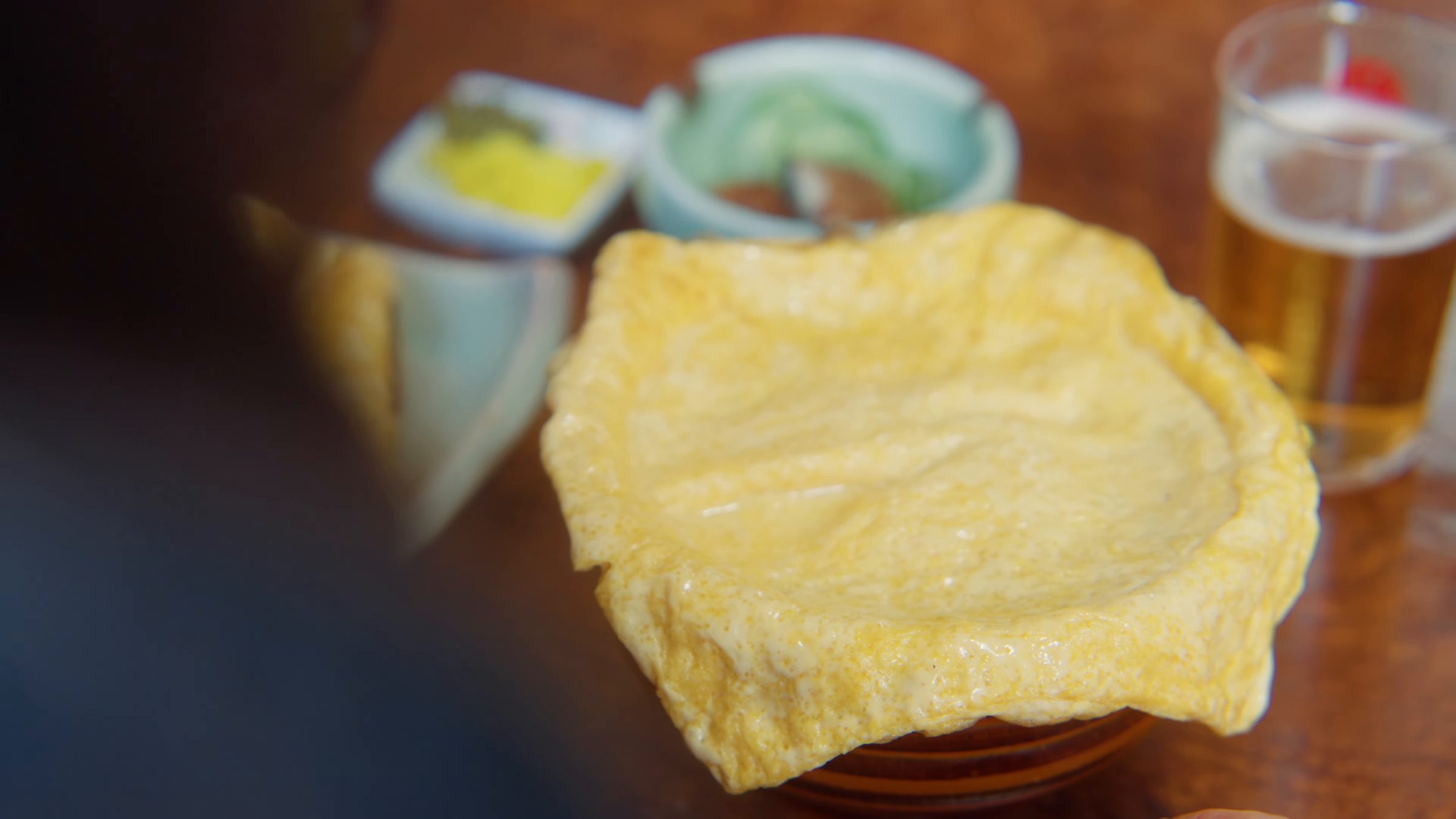
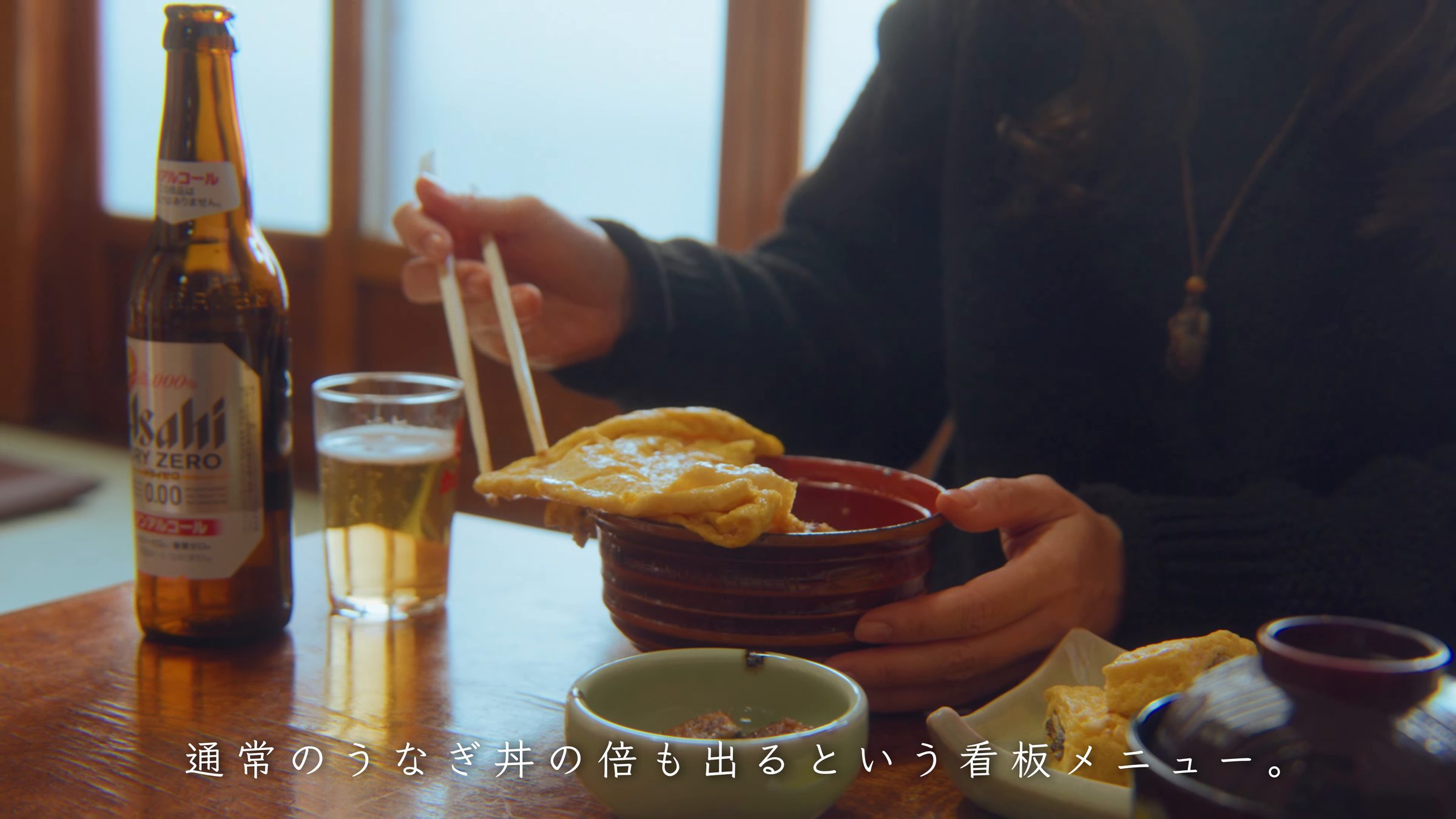
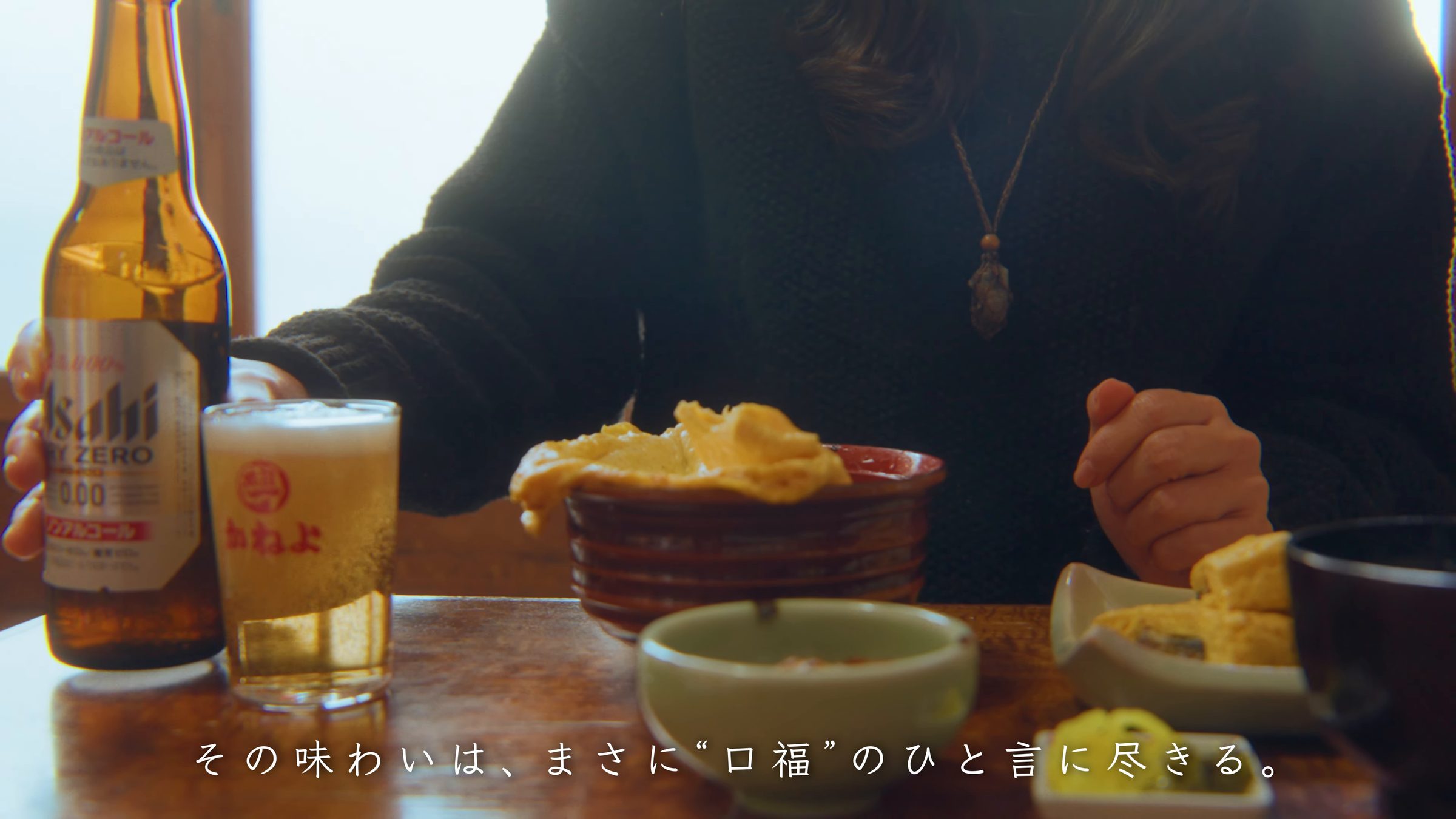
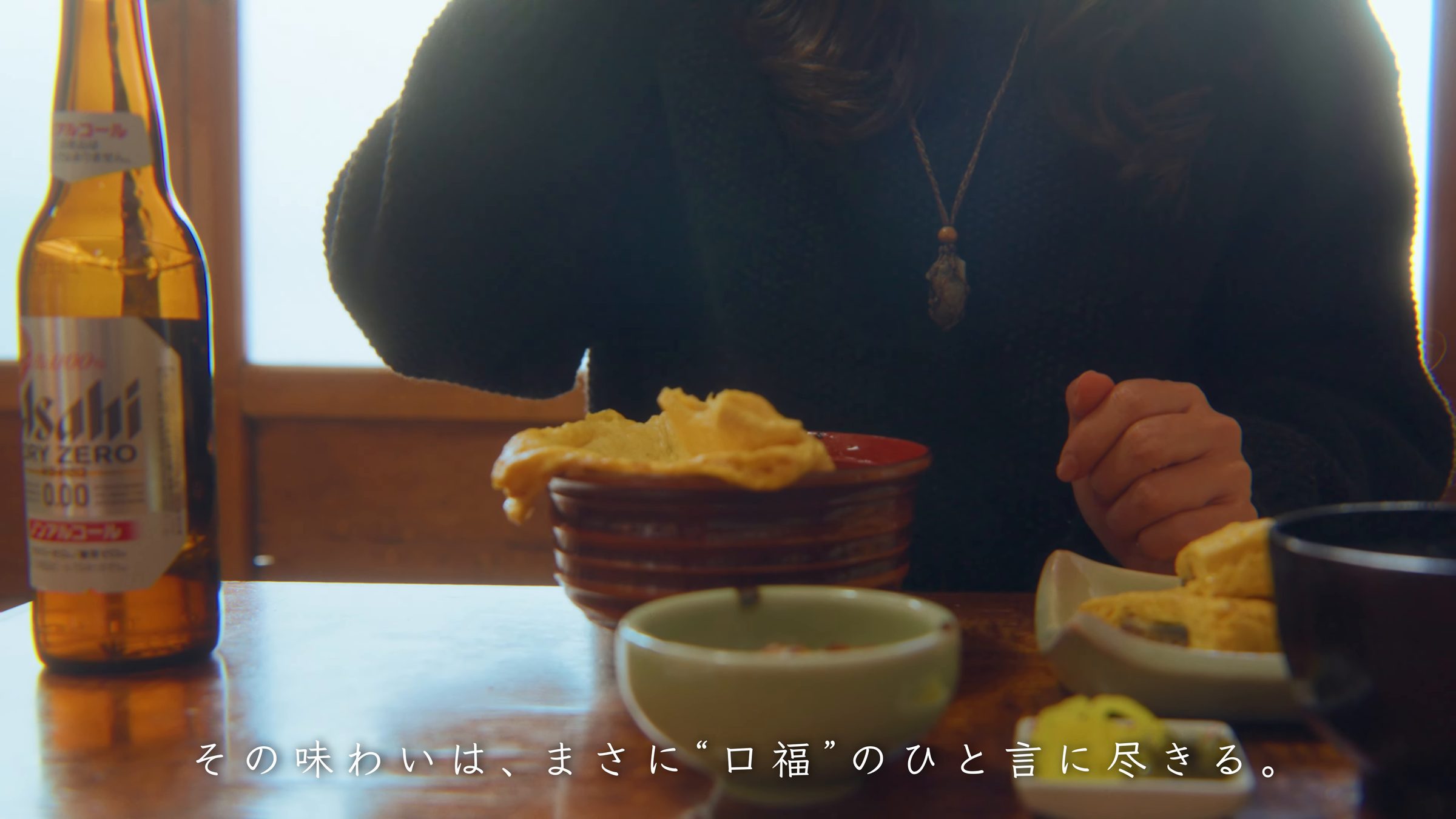
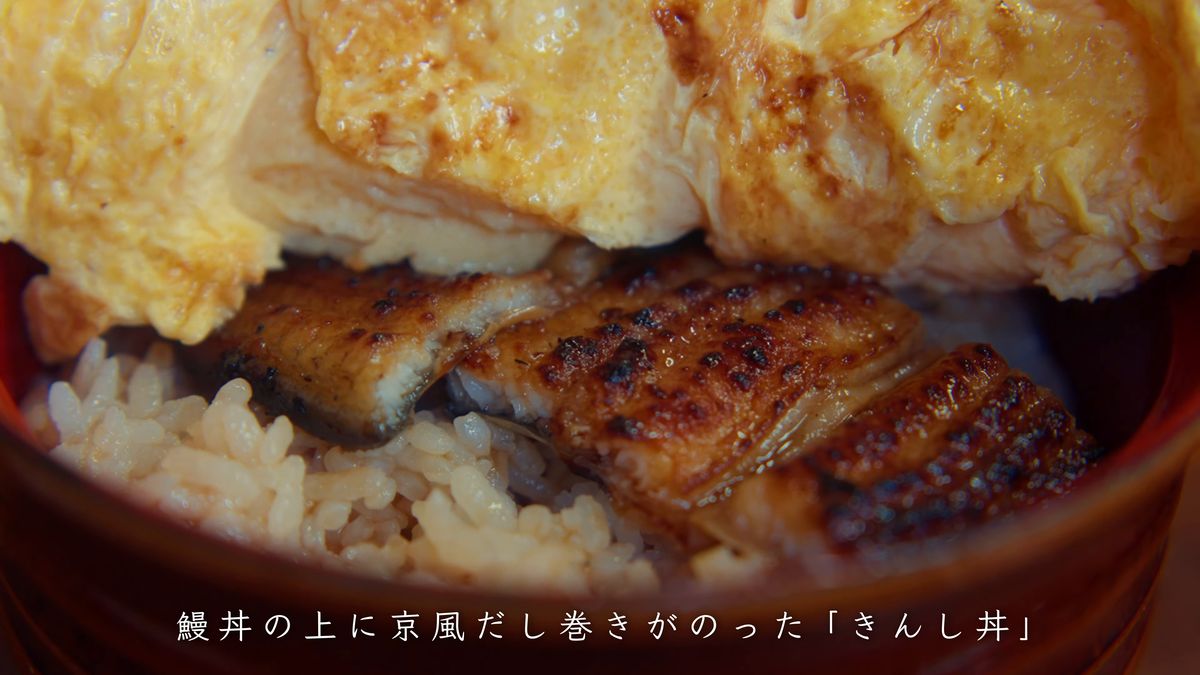
First, umaki. In Kansai, umaki is eel rolled in a fluffy omelet rich with dashi. I poured a non-alcoholic beer into a glass printed with the name Kaneyo and waited for what I had come for: kinshi-don, the signature dish, said to be ordered twice as often as the regular eel bowl.
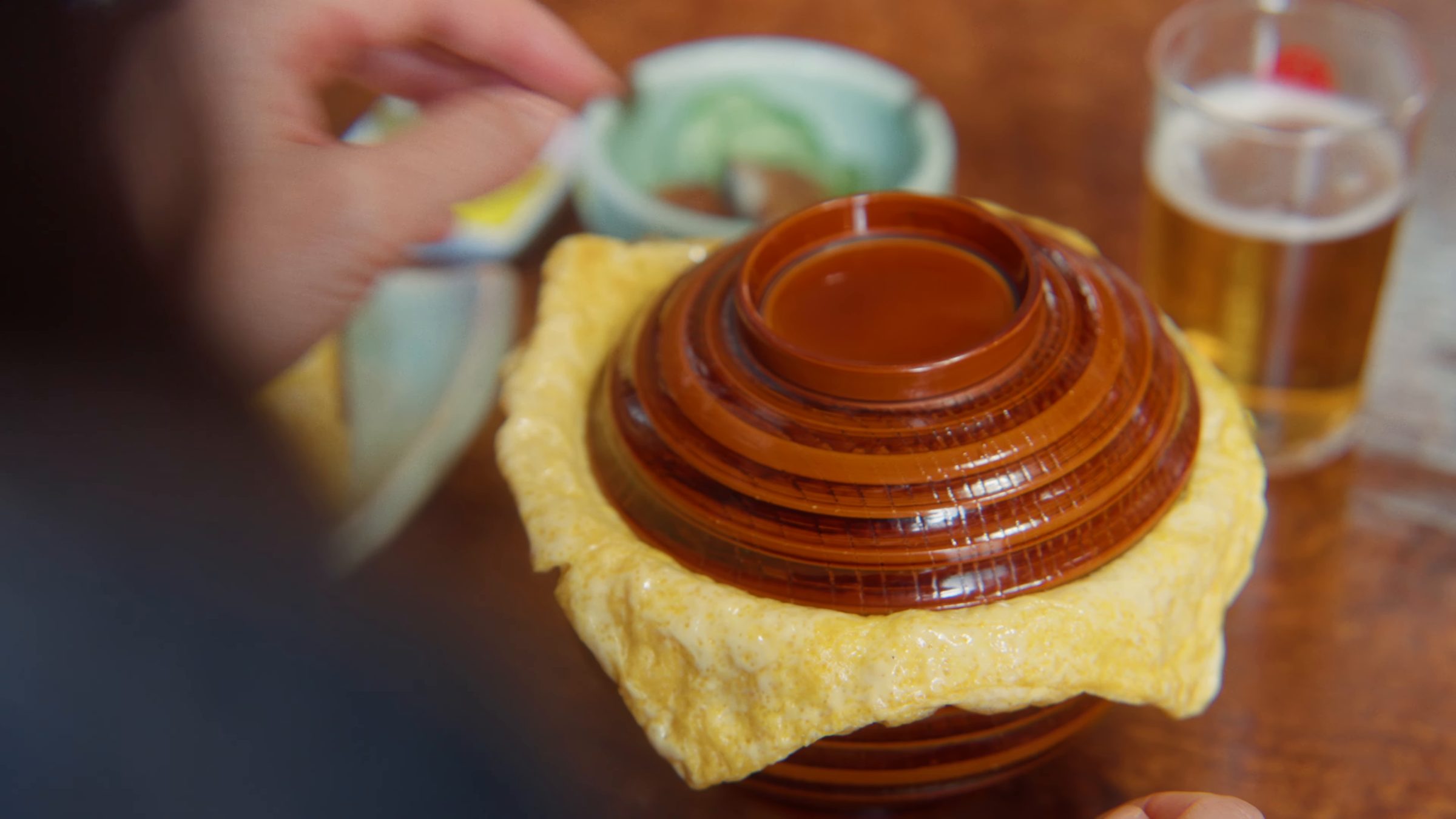
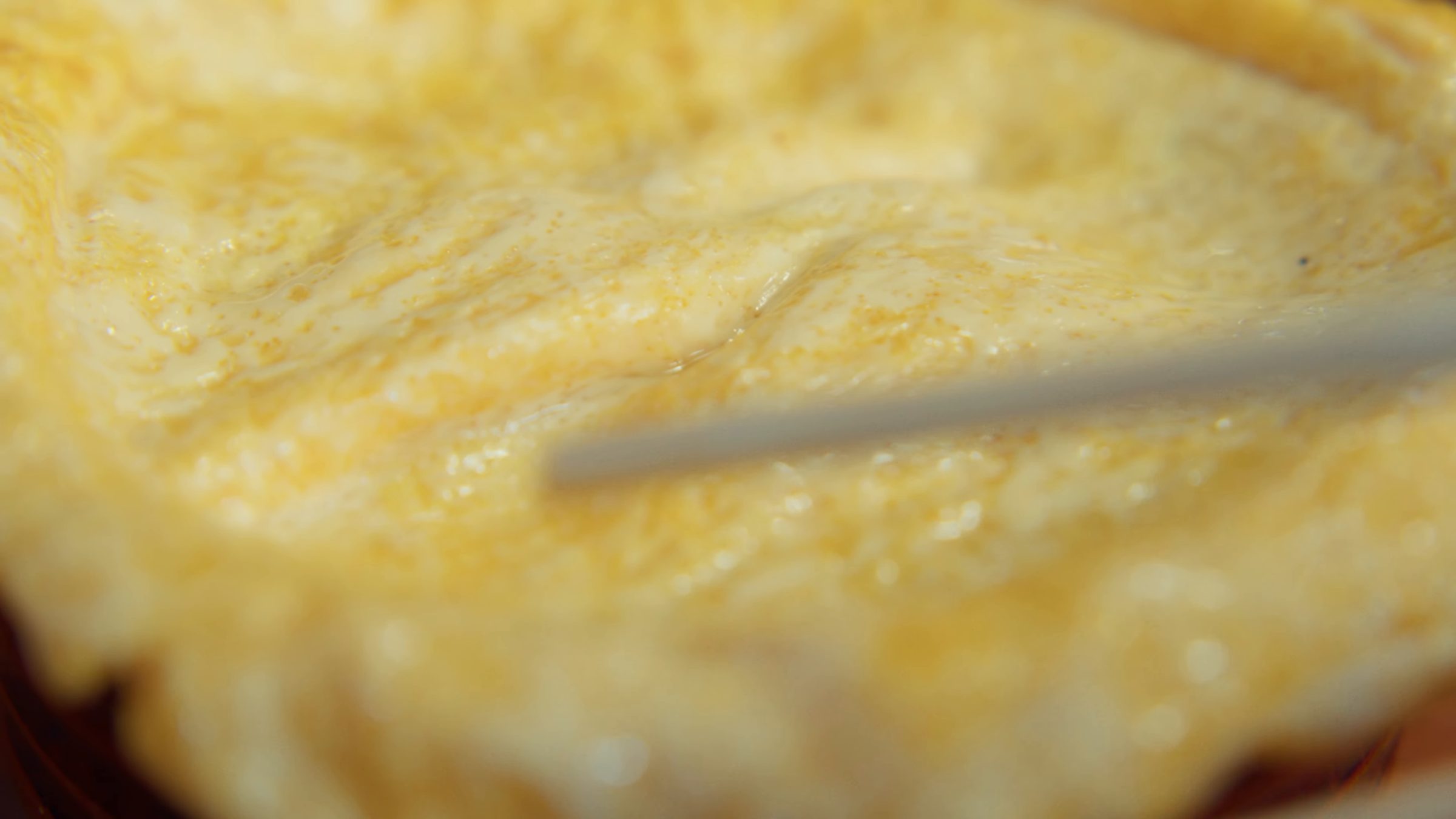
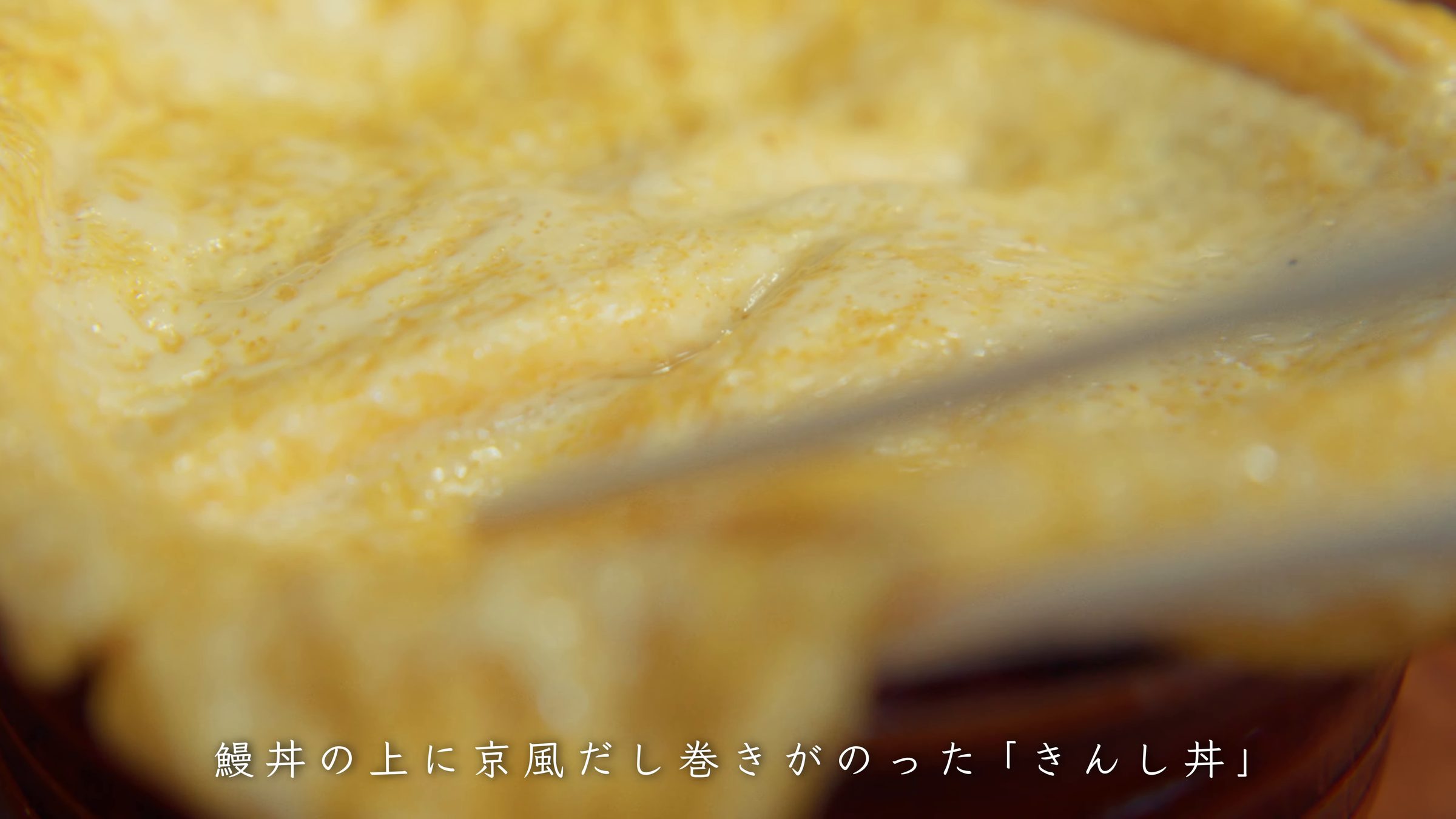
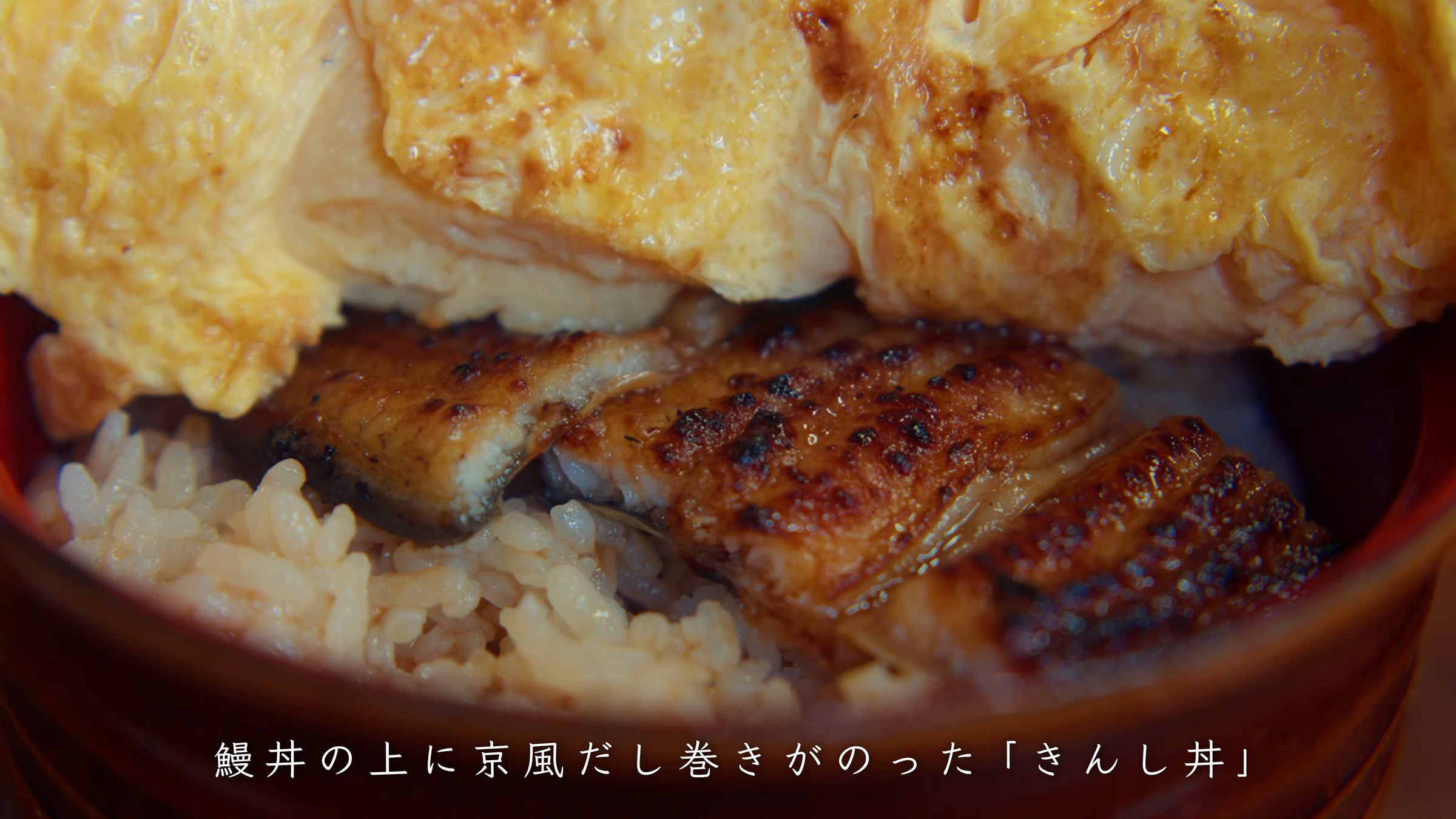
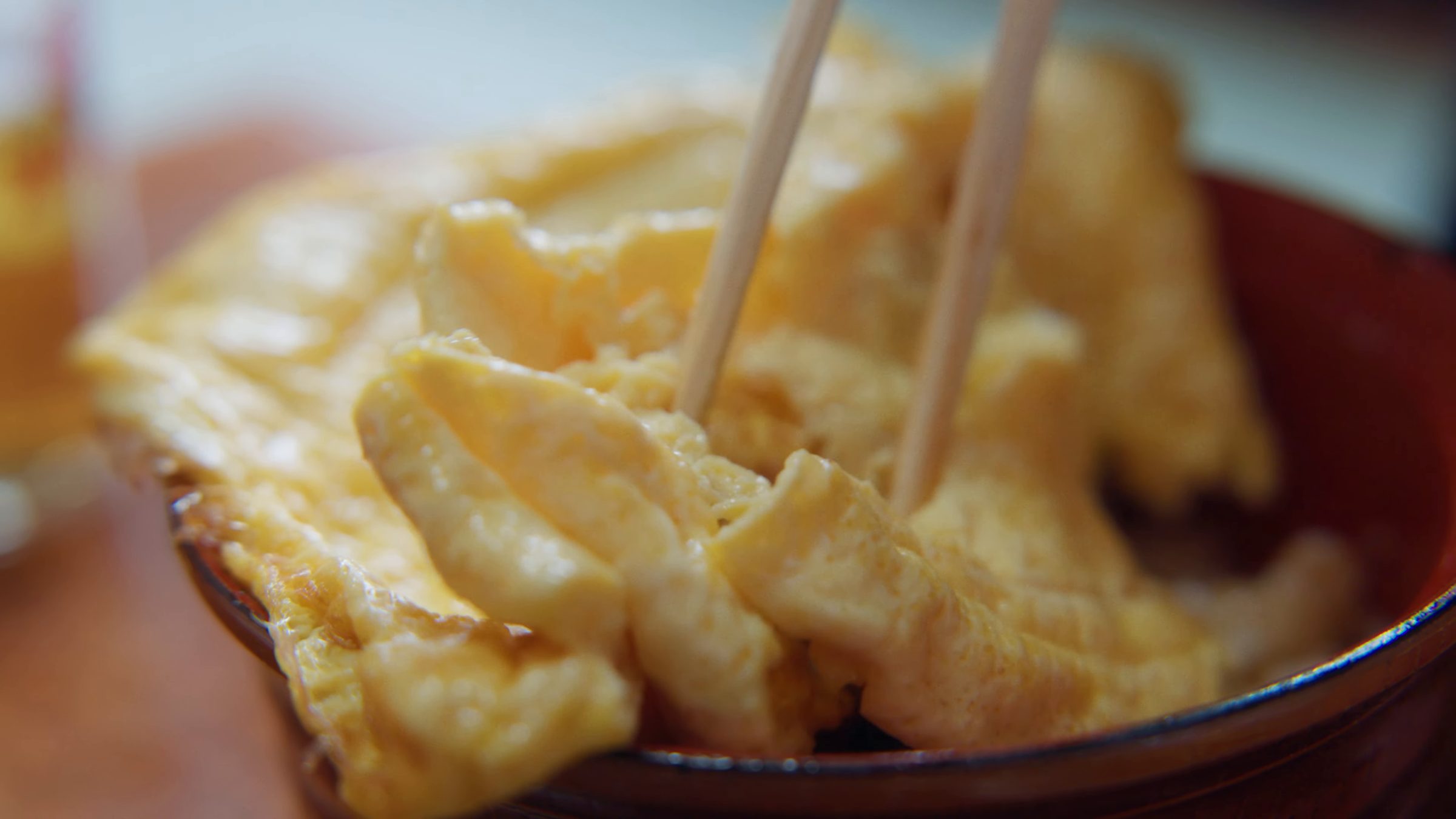
Under the lid, a Kyoto-style dashi omelet covered the whole bowl. Lifting it with my chopsticks, I found rice soaked in sauce and eel grilled to a fragrant char. Eating the dashi-rich egg and the sweet, savory eel together, there was only one word for it: koufuku, a blessing for the mouth. Kyoto, I love it here.
Watch this scene on YouTube1:49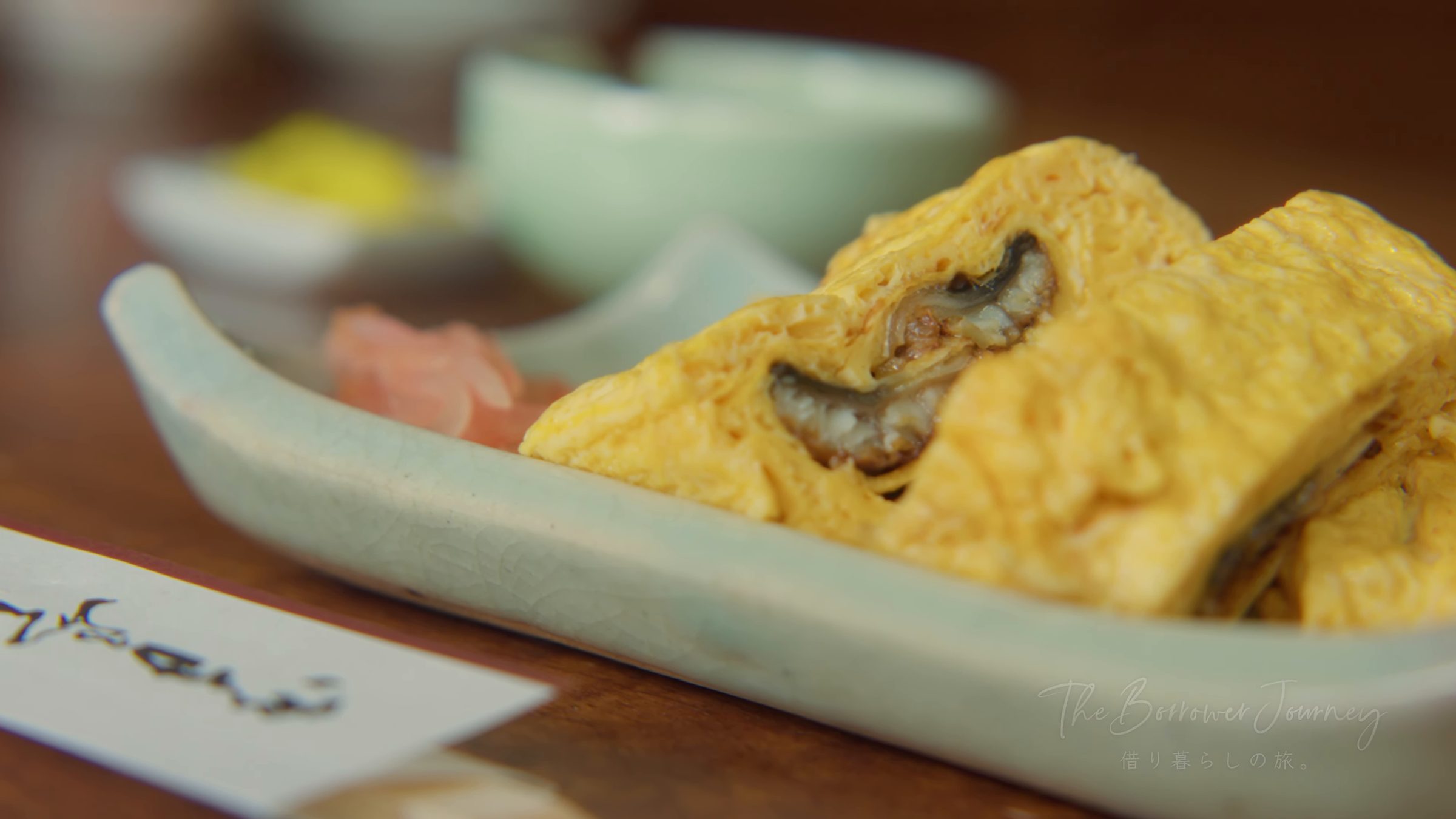
05TRAVEL JOURNAL
Trying Kyoto-style ozoni
On the way back I passed through a narrow lane lined with bicycles. Ozoni, the soup no Japanese New Year is complete without, differs from region to region, which I find fascinating. I decided to try making the Kyoto version.
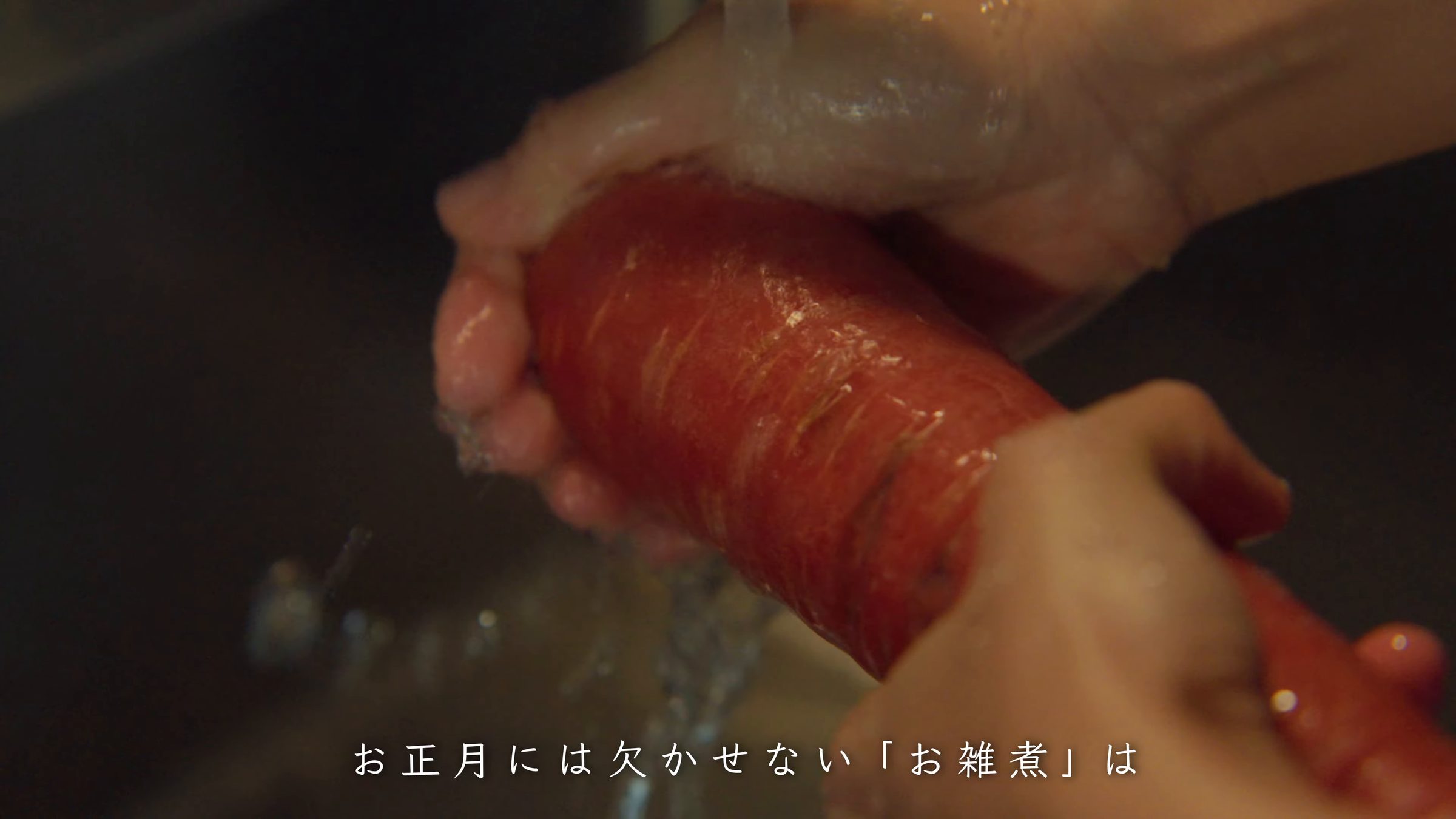
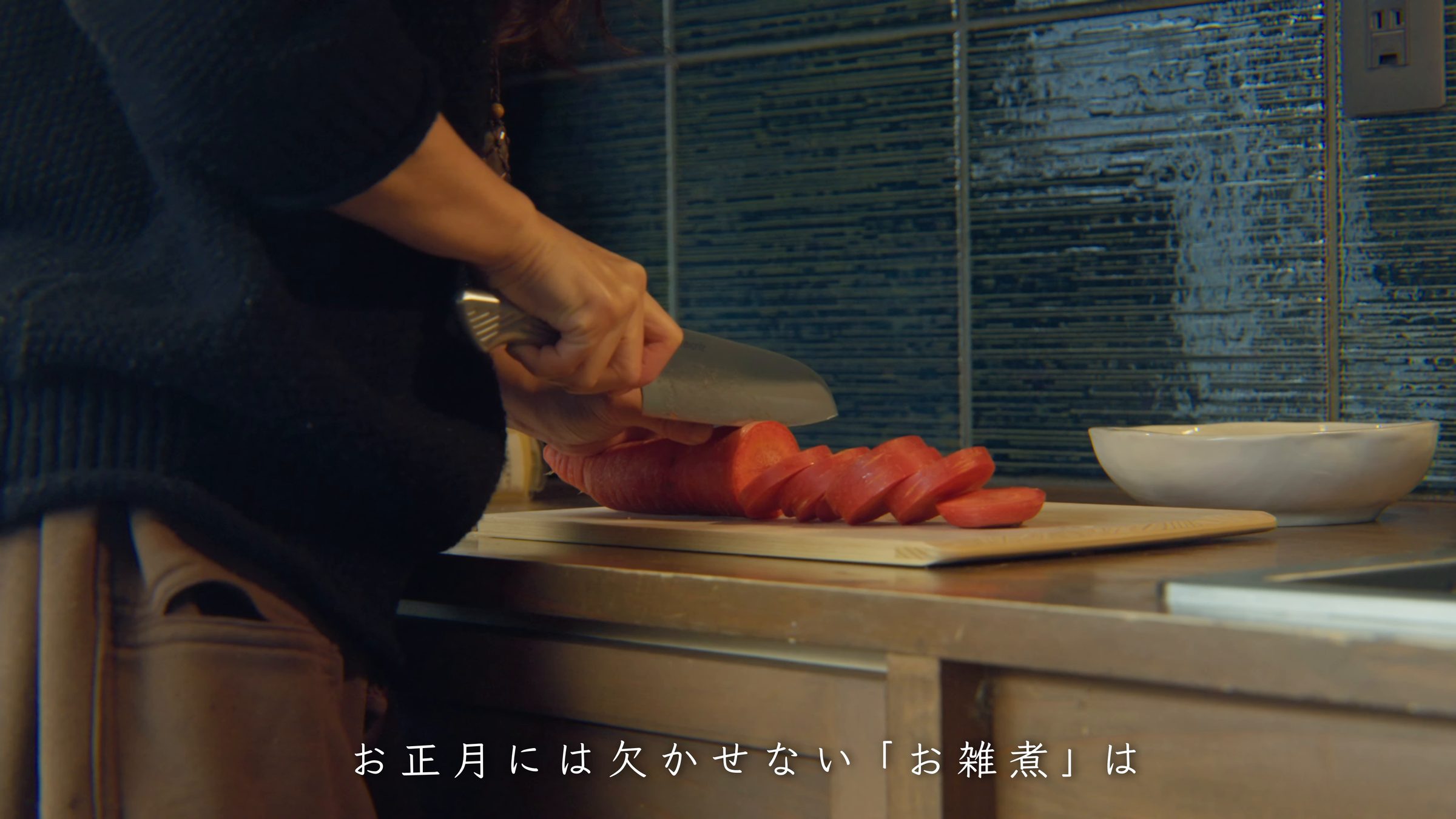
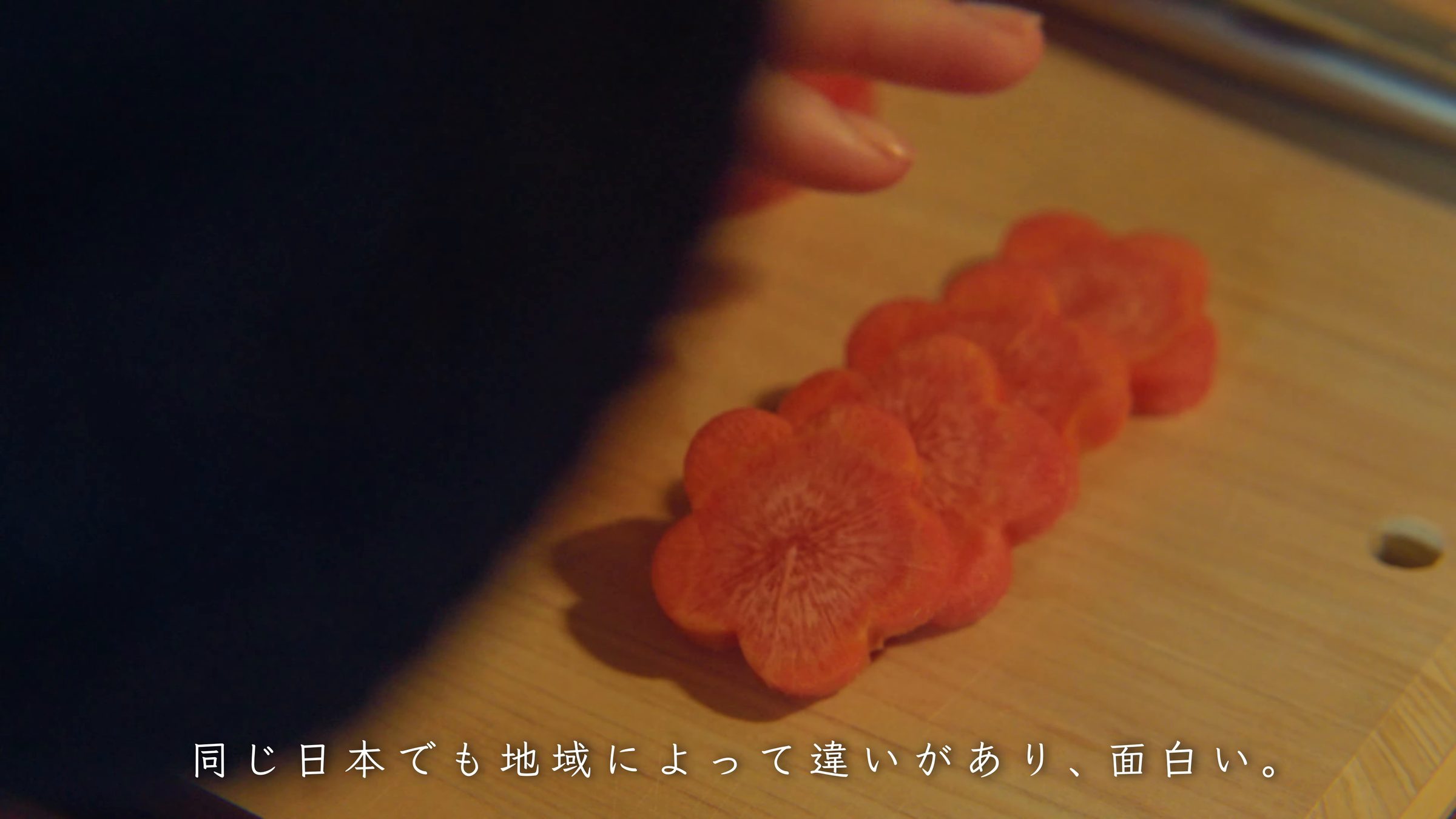
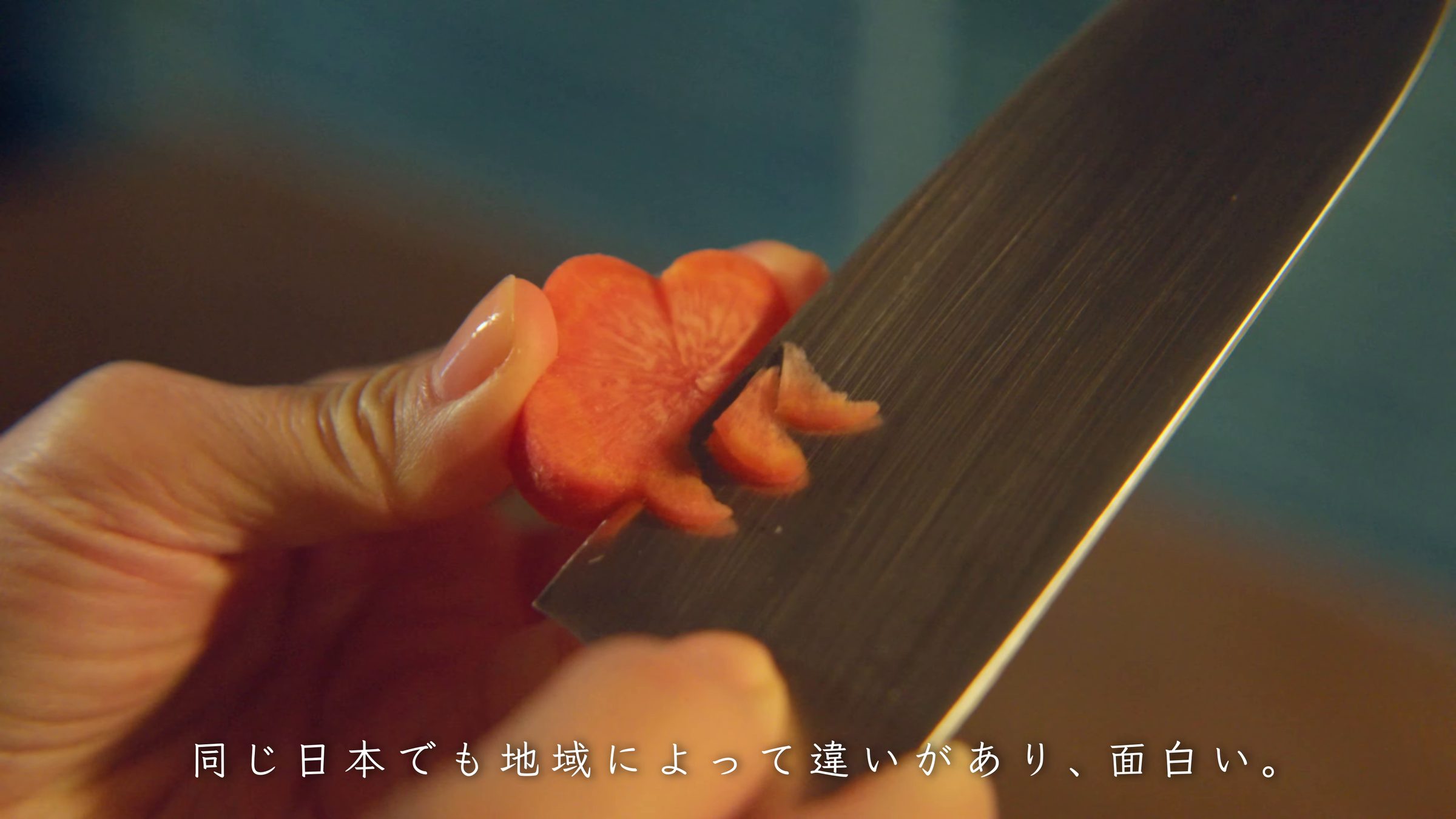
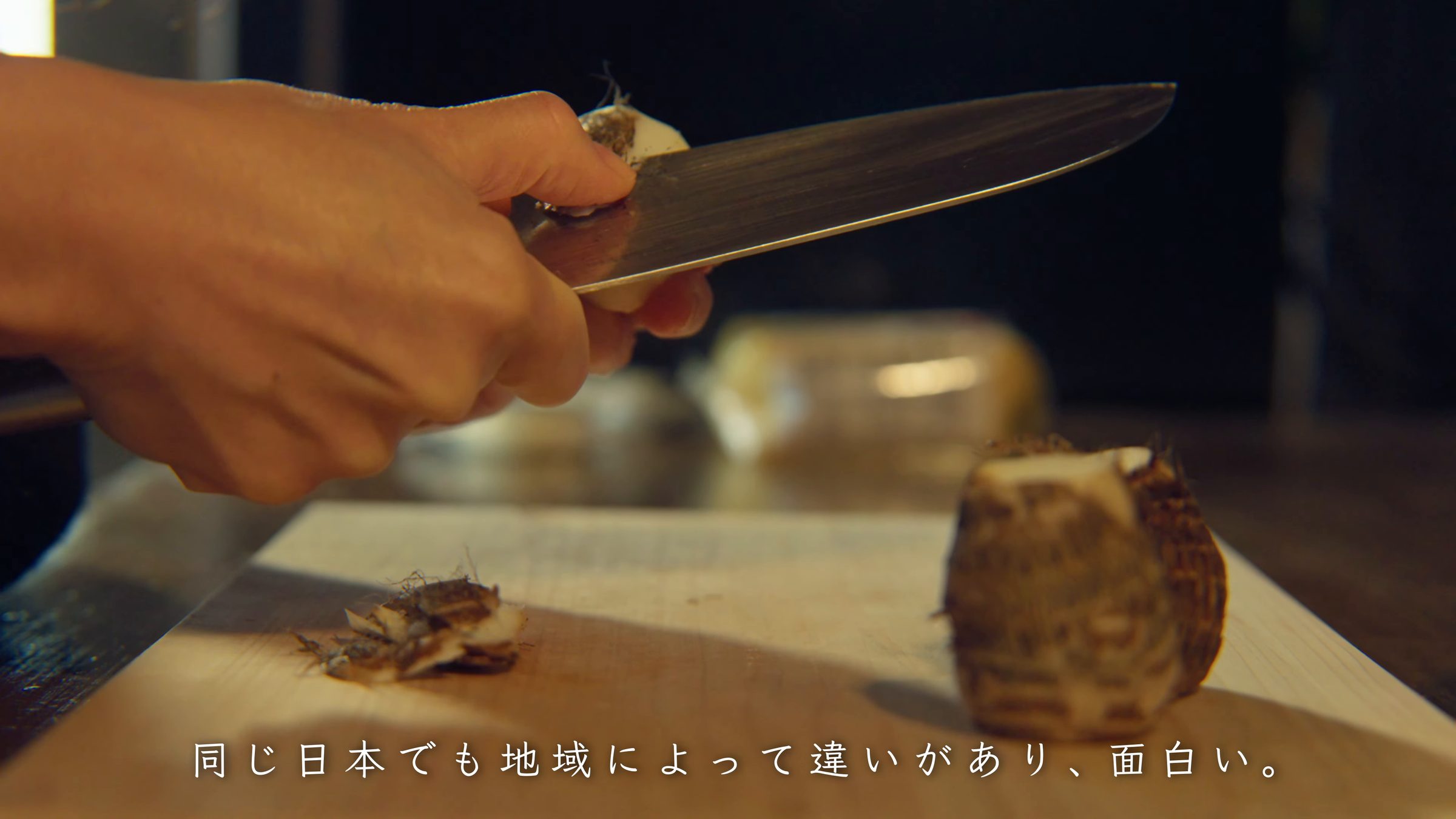
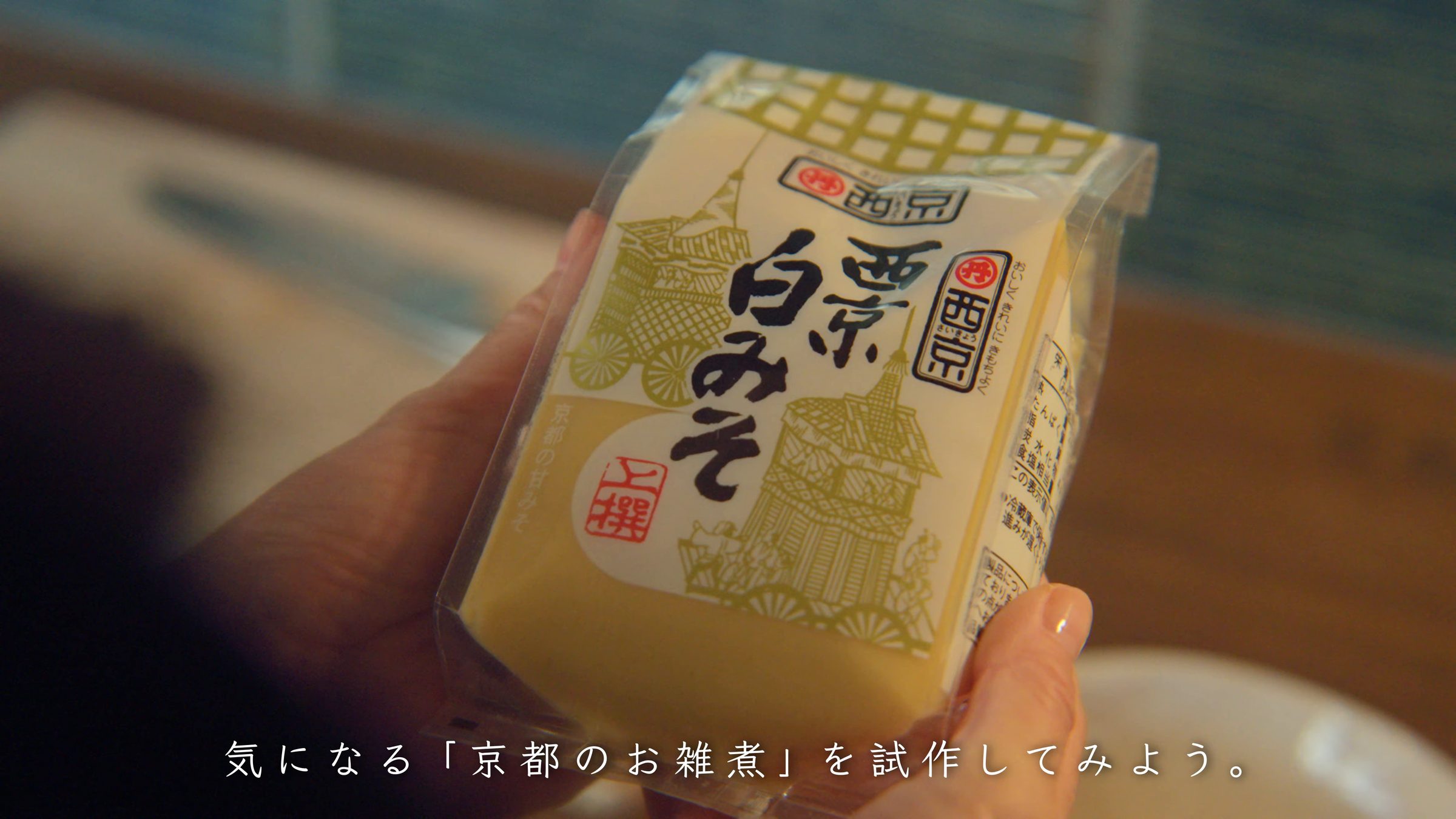
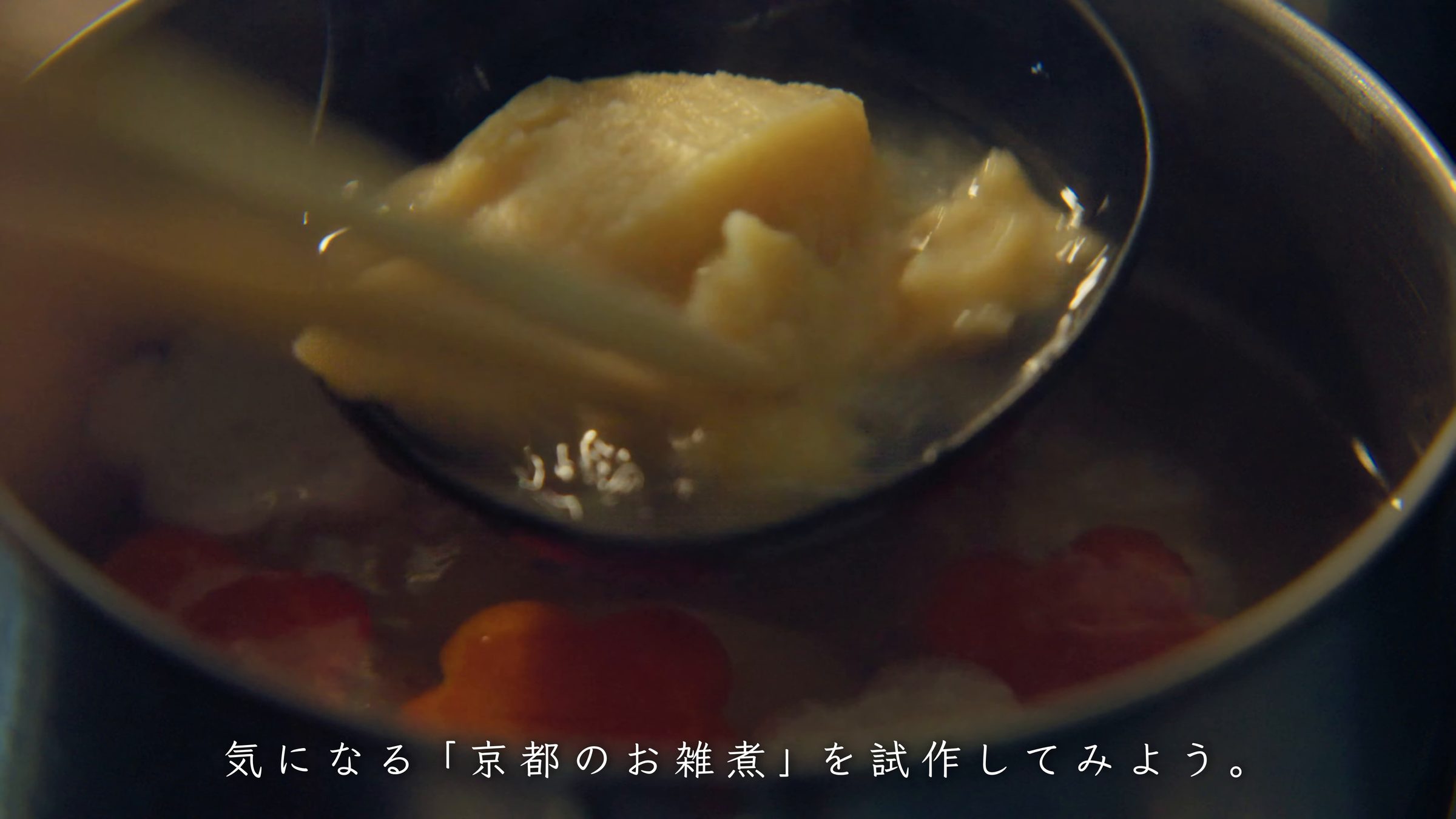
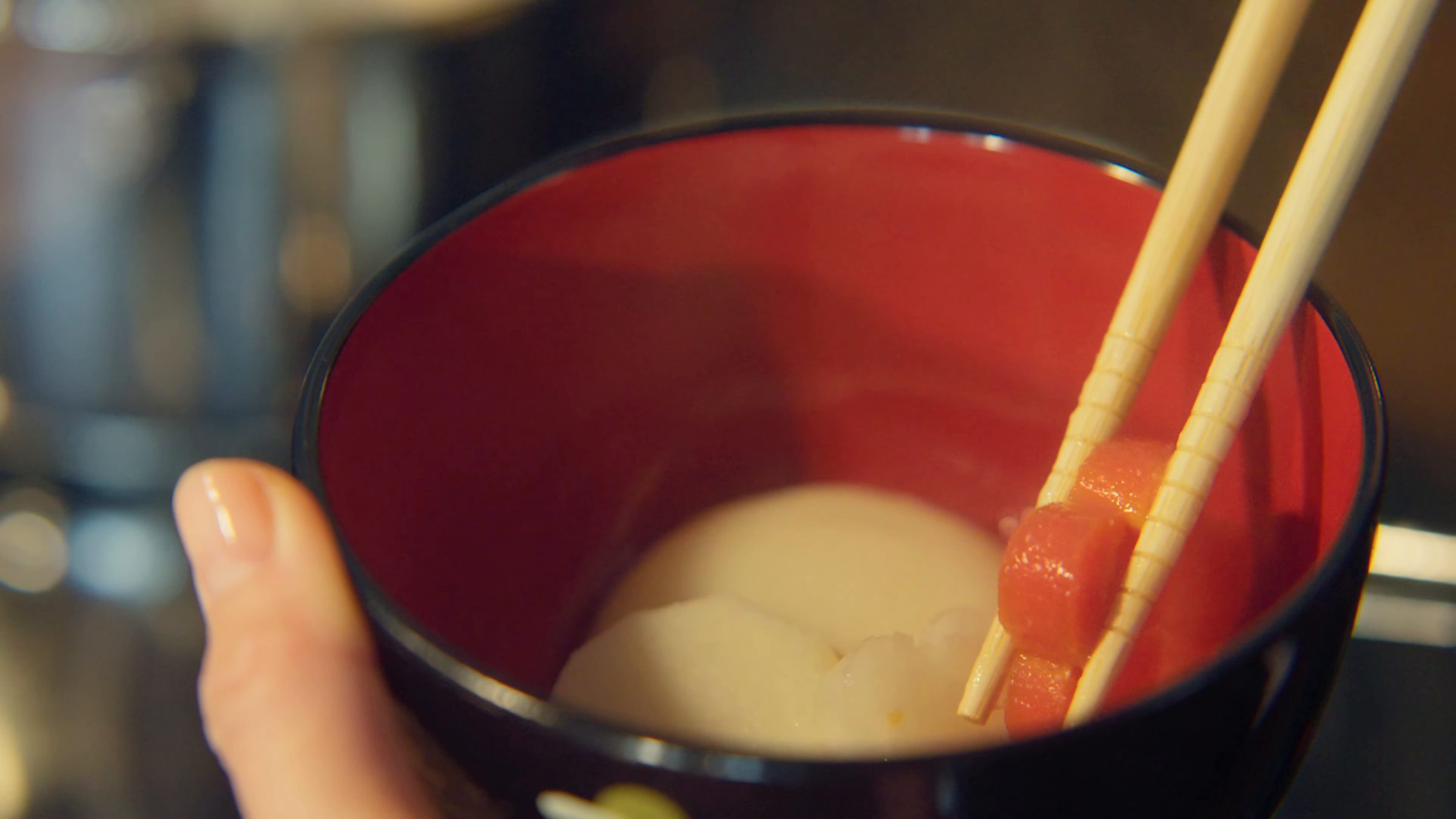
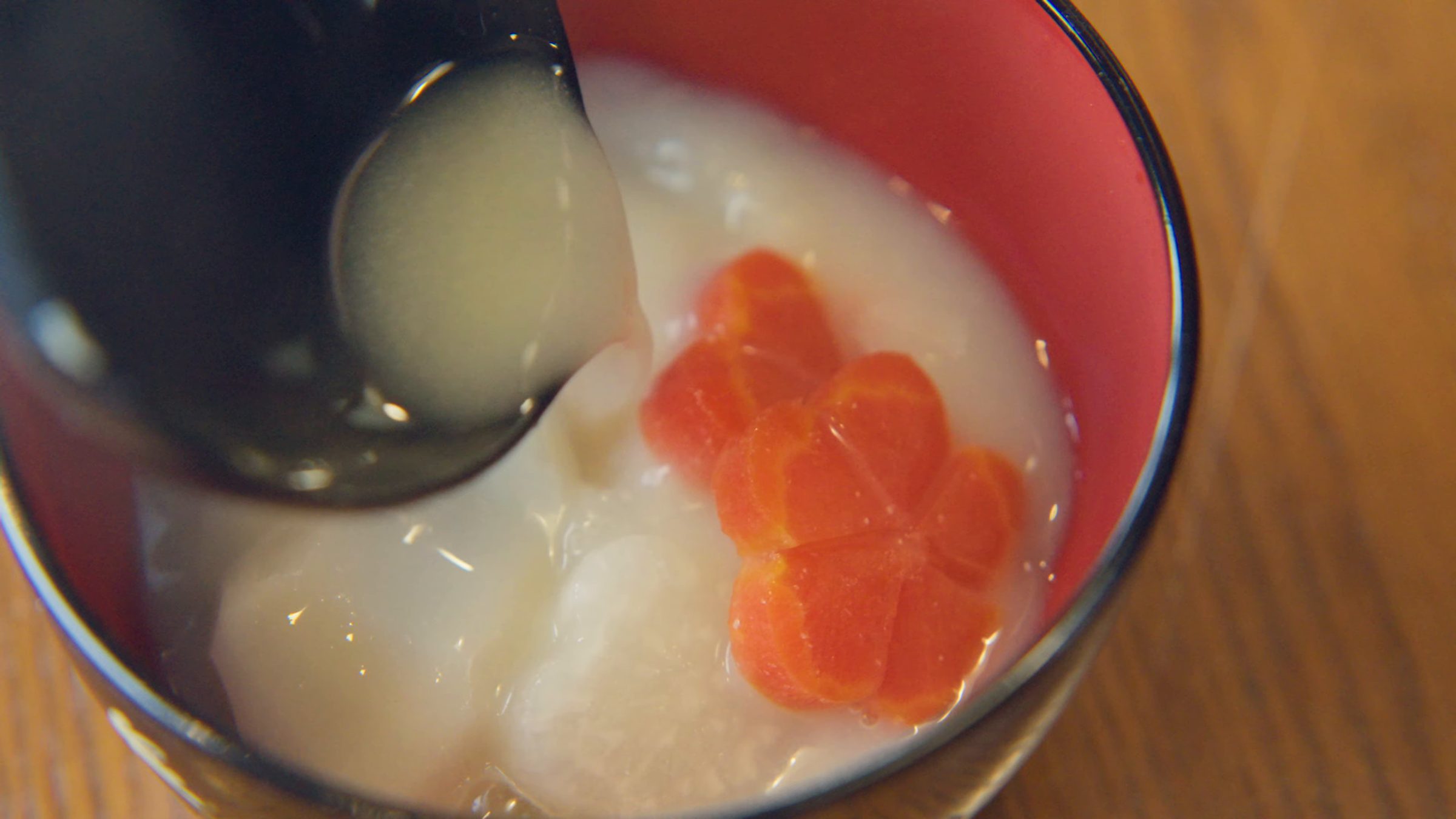
I washed a red carrot, sliced it into rounds, cut them into plum-blossom shapes and scored the petals. I peeled taro, simmered it in a pot and stirred in Kyoto white miso. Ideally I would have used kashiraimo, the large mother corm of the taro, and the small radishes grown for ozoni, but on the road I kept it simple.
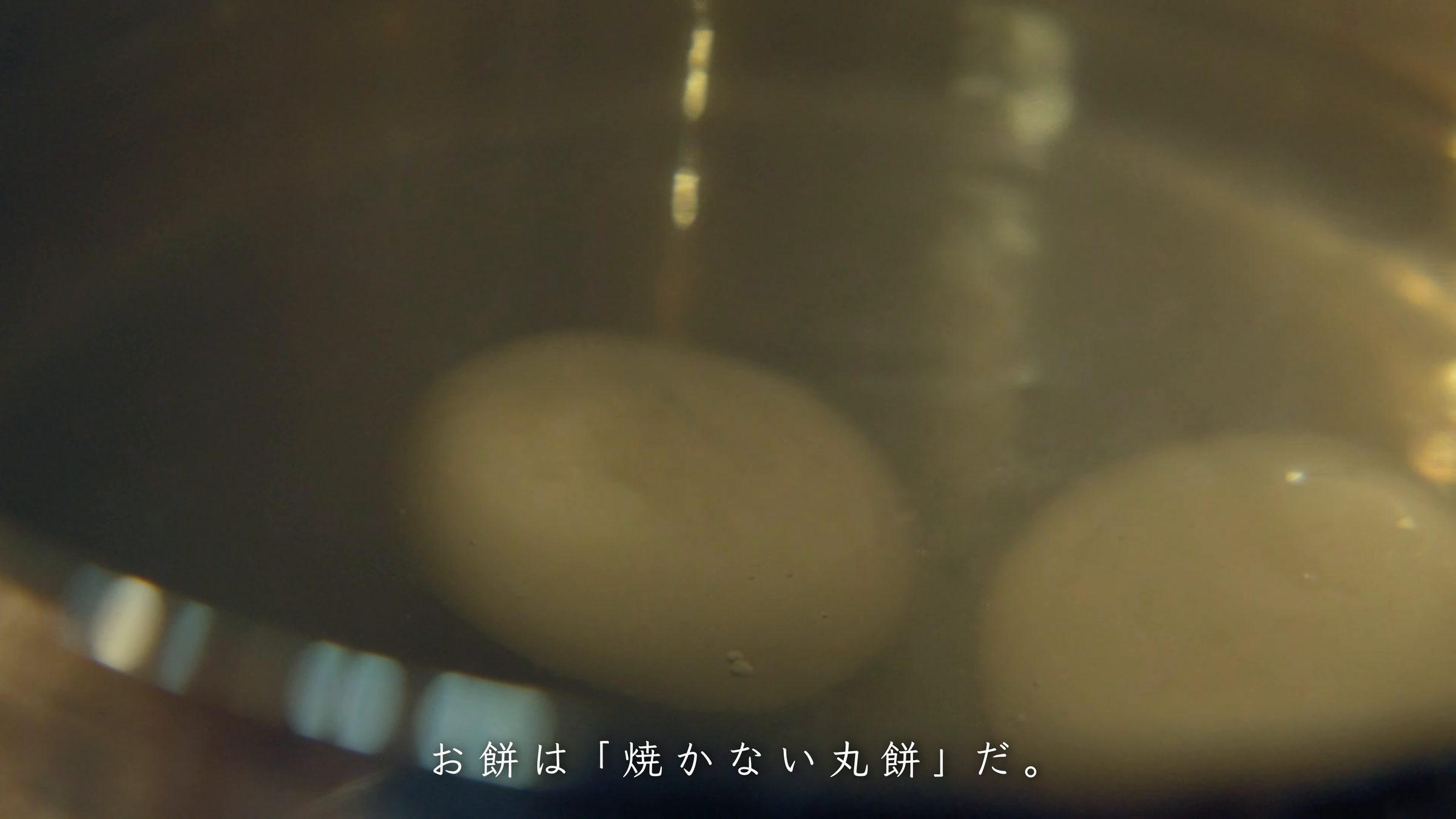
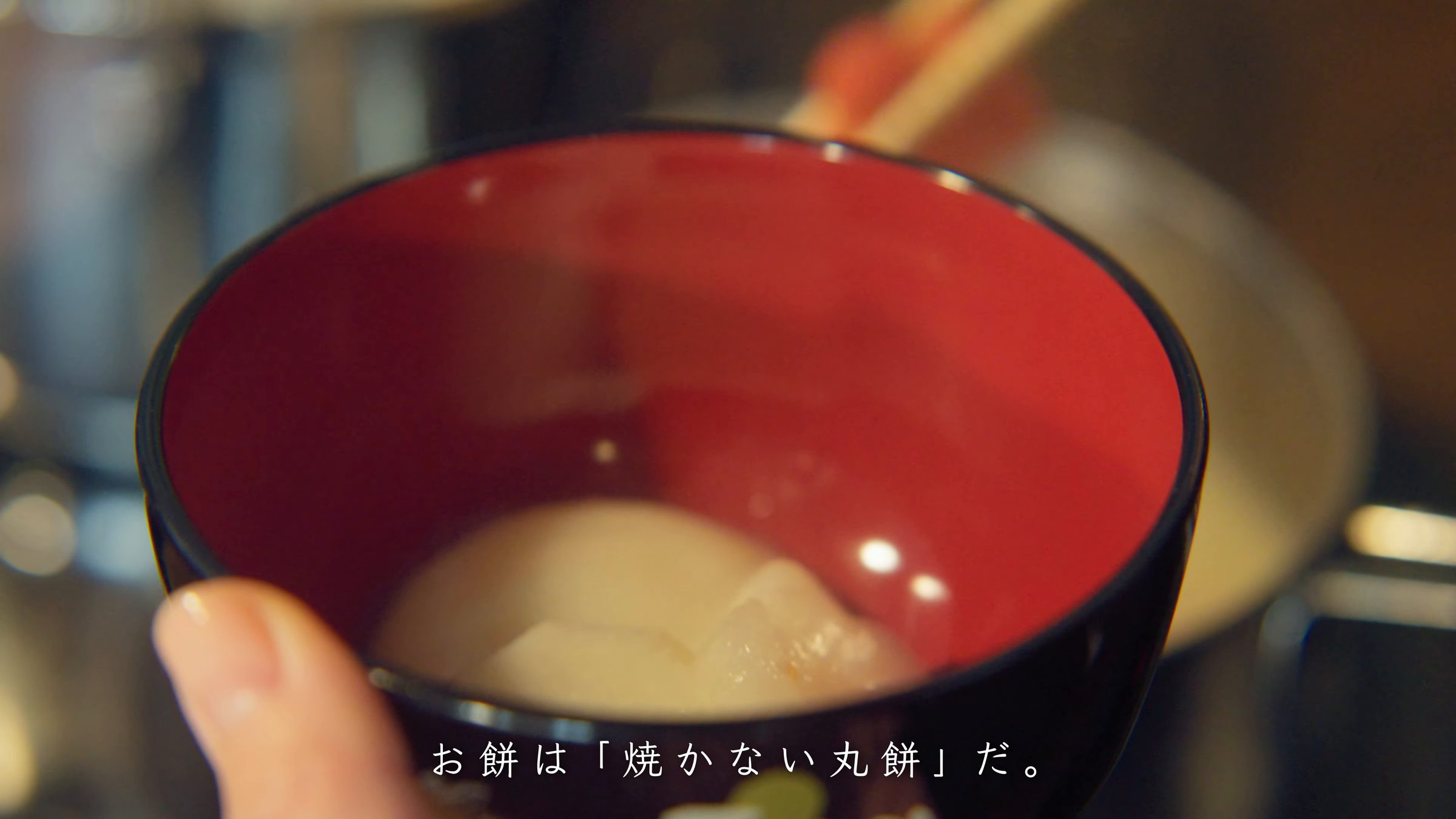
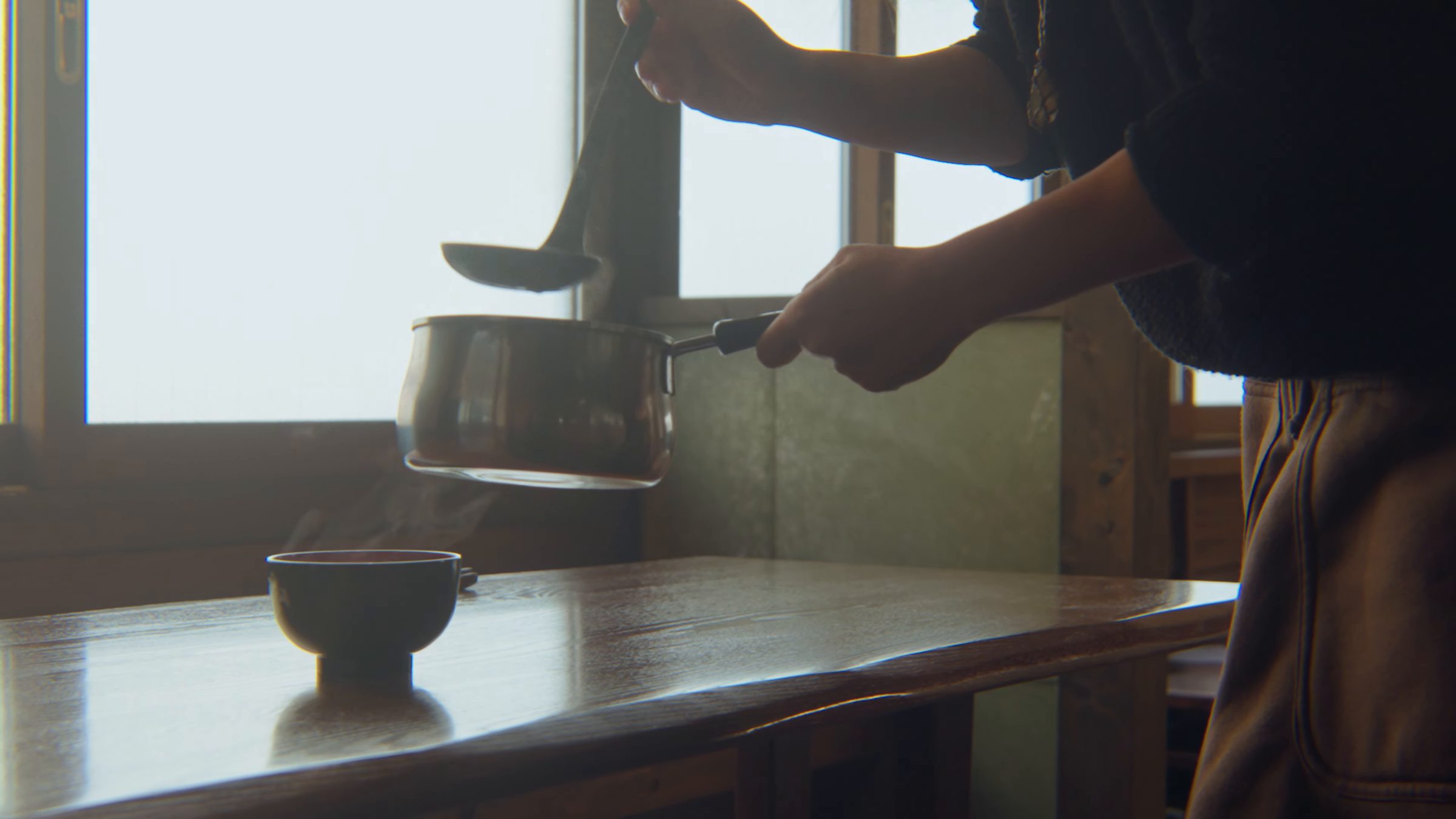
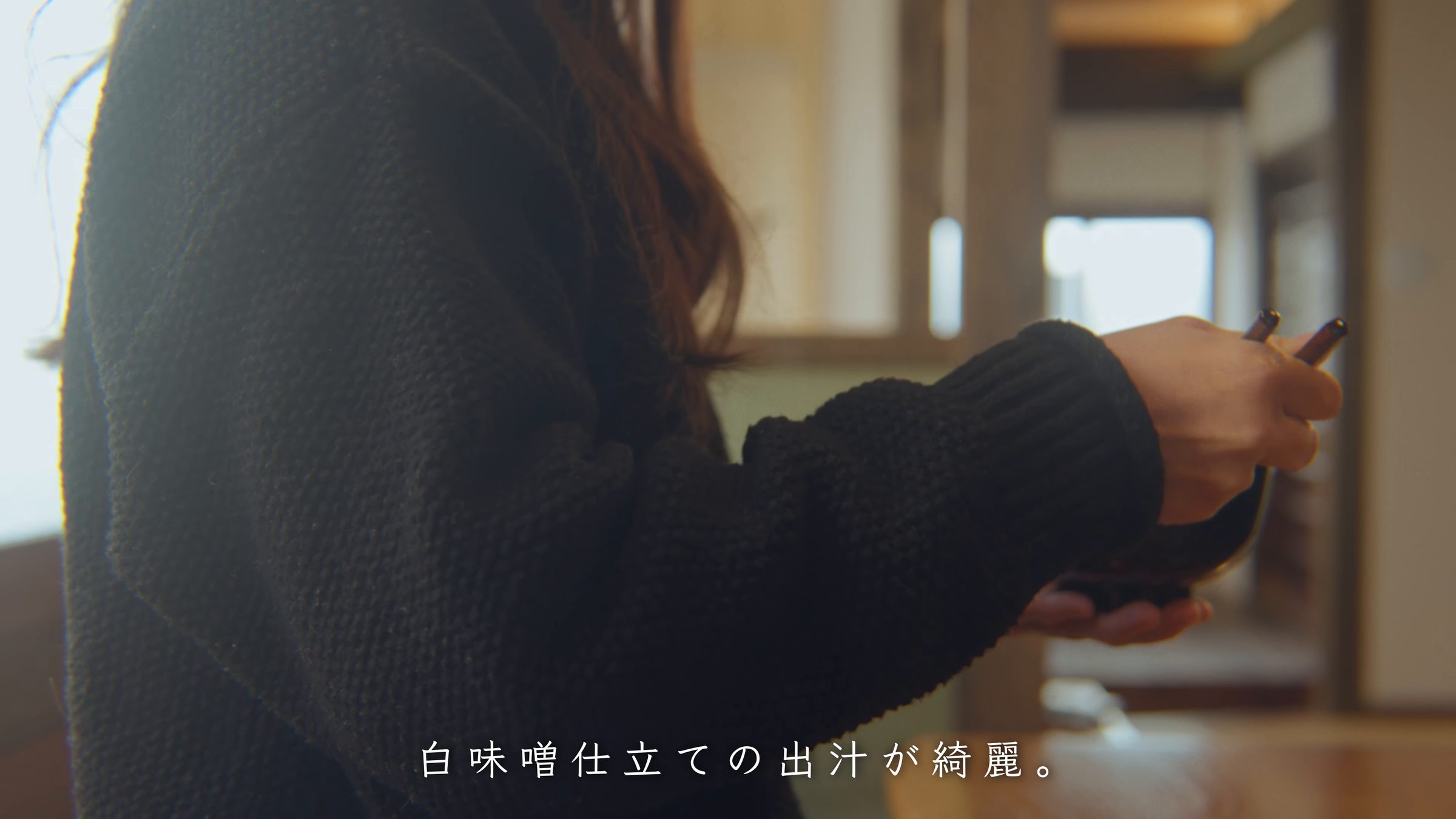
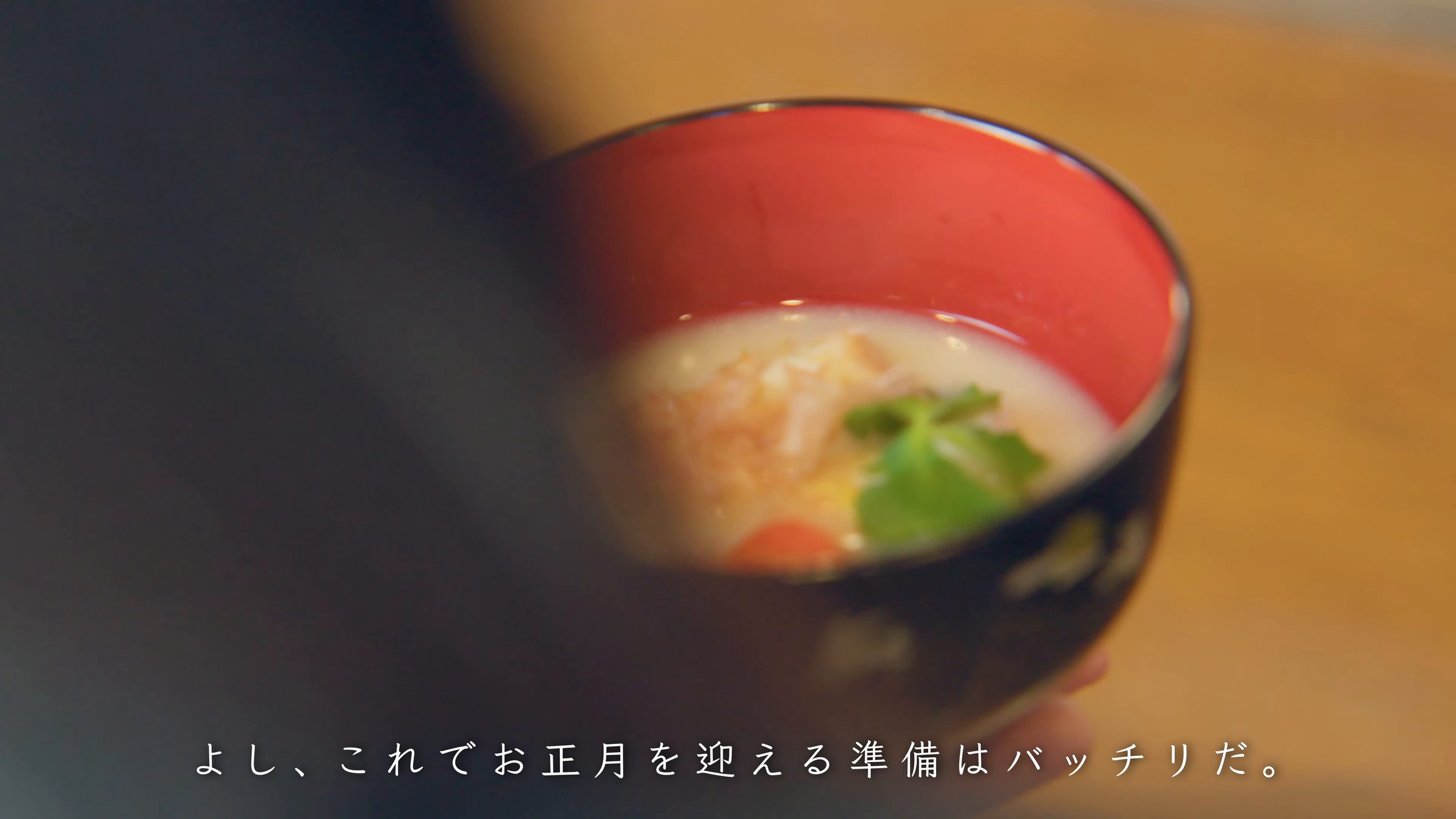
The mochi here is round, and it is not grilled. I softened the rounds in hot water, set them in a red bowl with the carrot and taro, and ladled the white miso broth over them; the plum-blossom carrots floated up through the white. Topped with mitsuba, it tasted sweet and gentle. Now I was all set for the New Year.
Watch this scene on YouTube3:07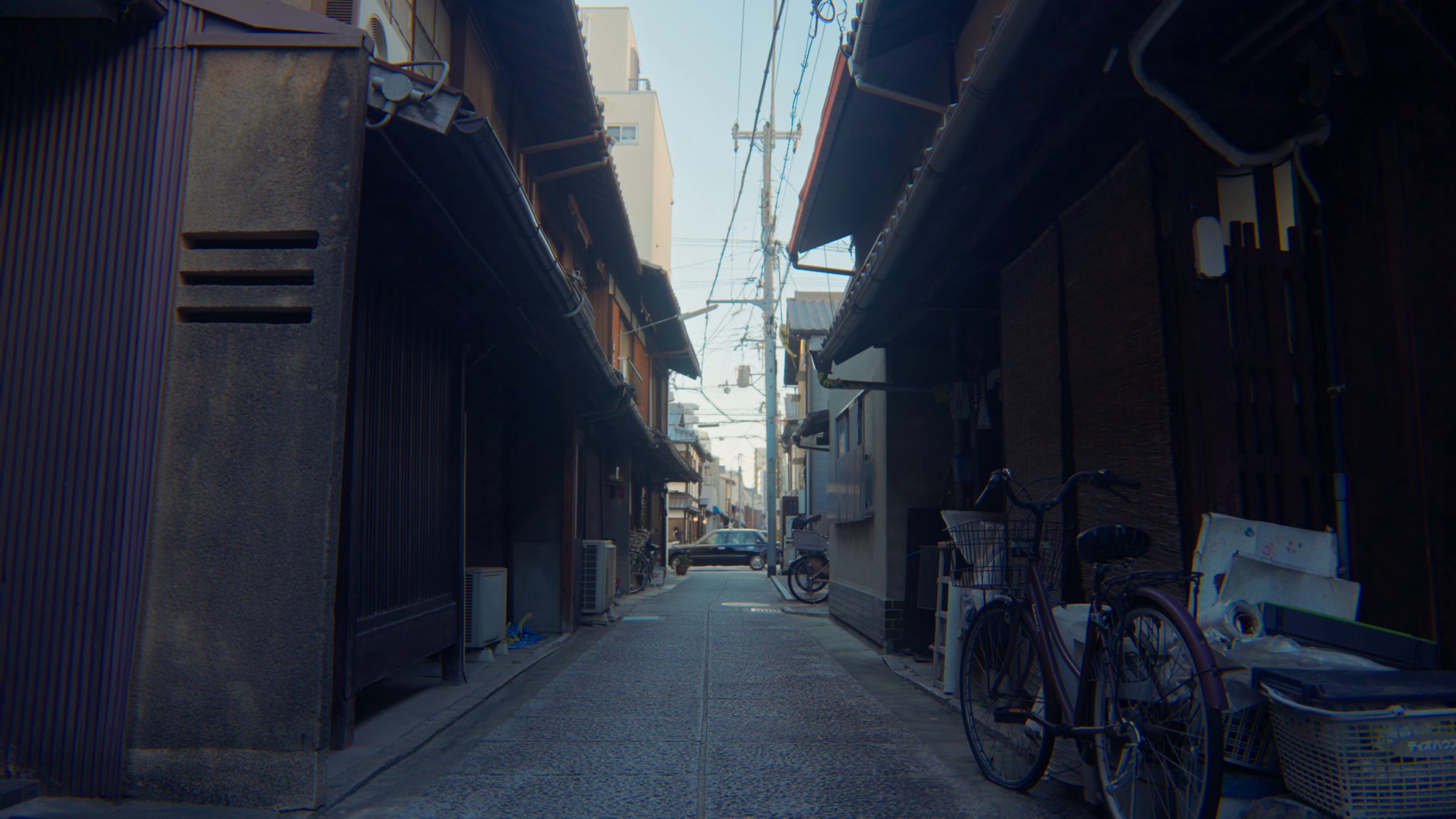
06TRAVEL JOURNAL
Red-and-white kamaboko in Gion
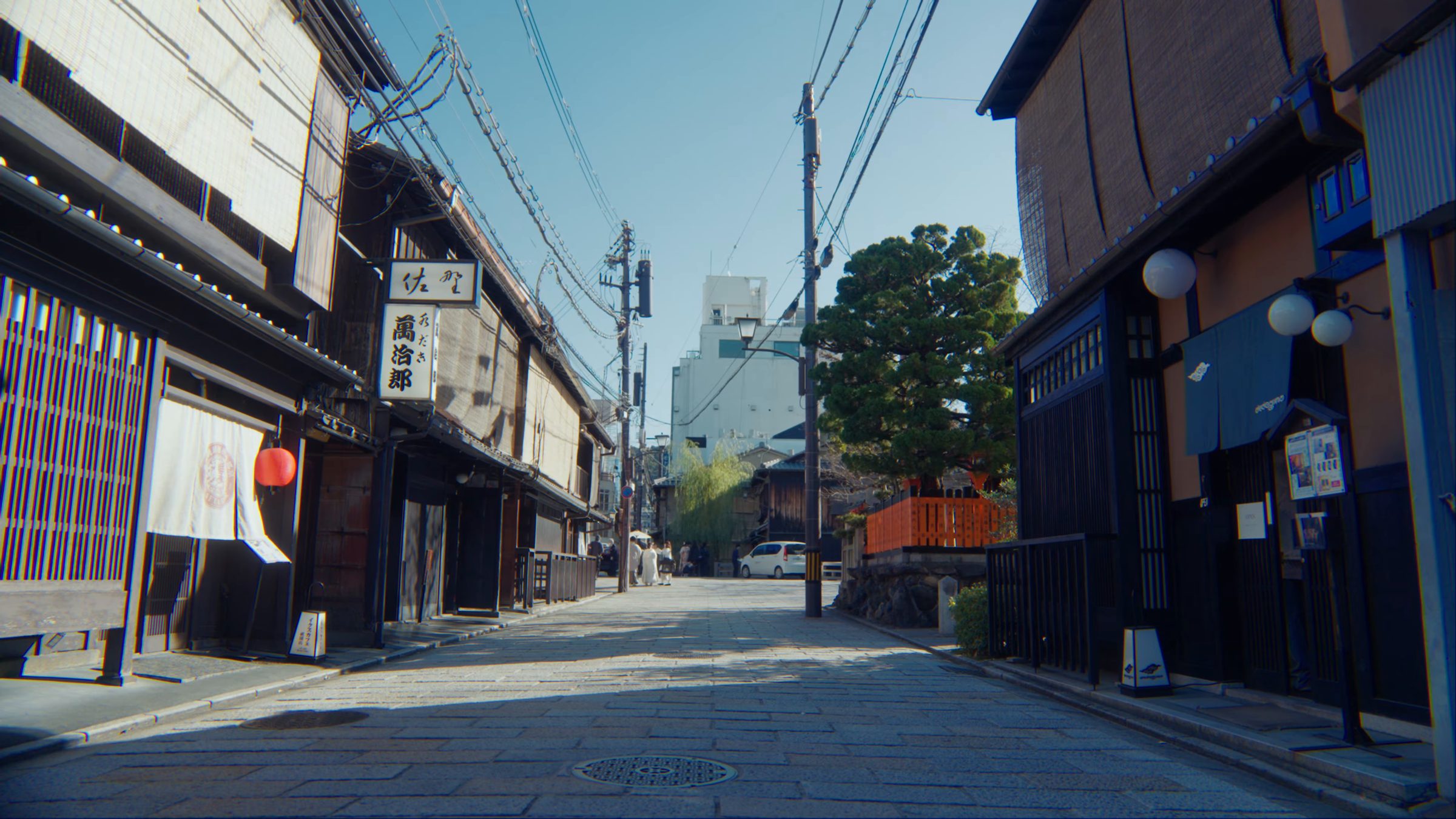
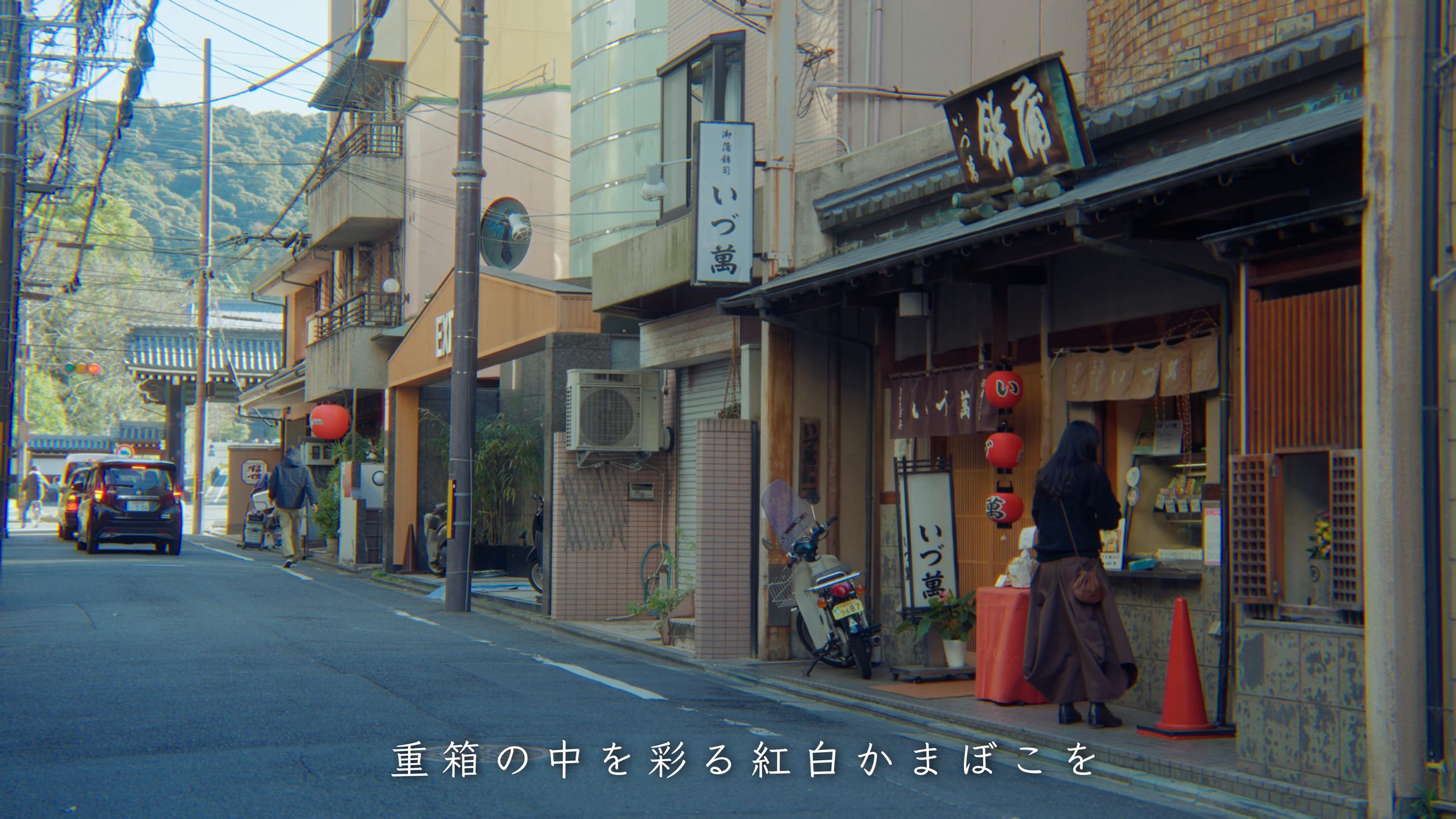
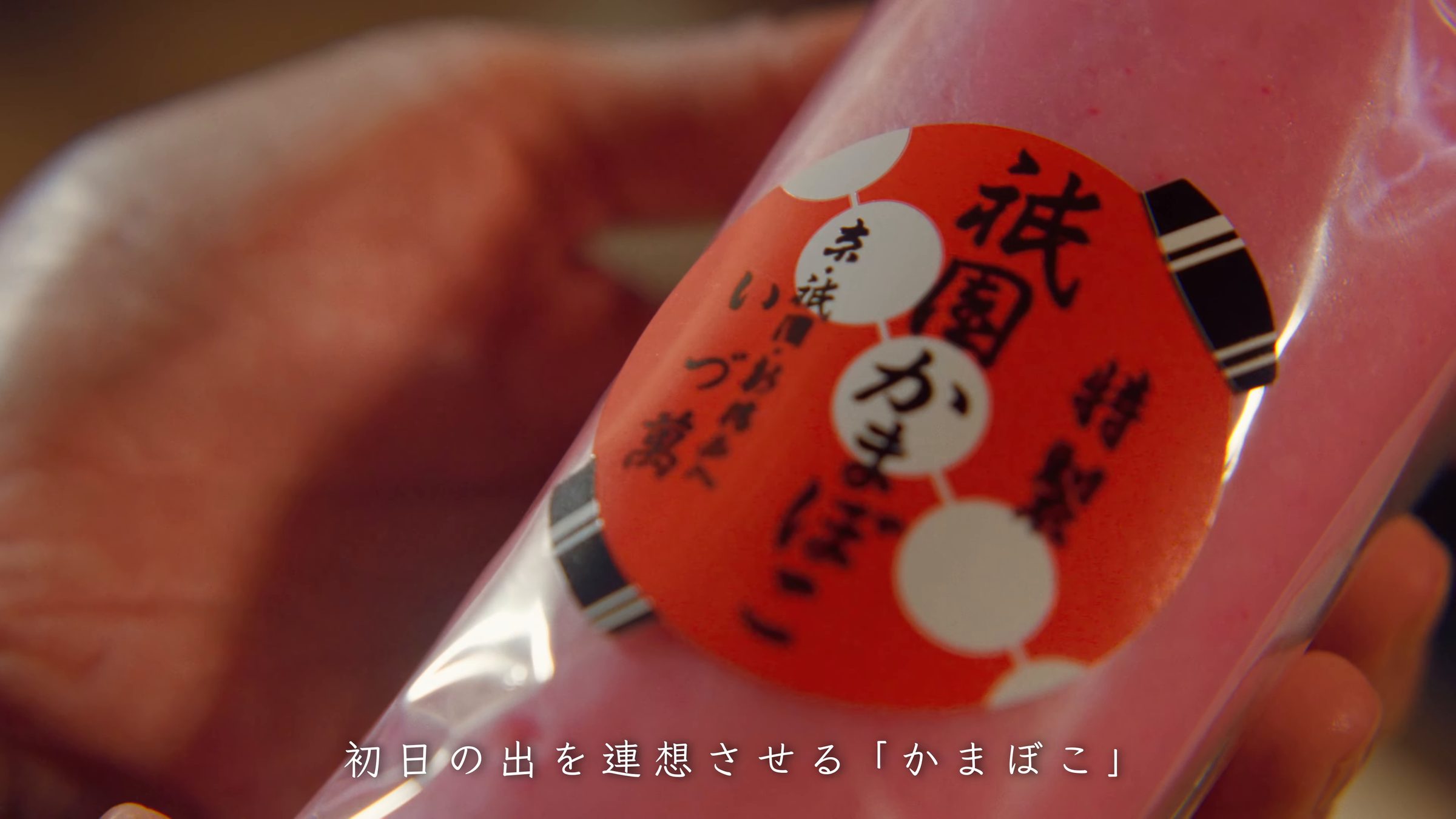
Next on the New Year list: osechi, the boxed feast. I went to Gion, where a few autumn leaves still hung on, to buy red-and-white kamaboko to brighten the boxes.
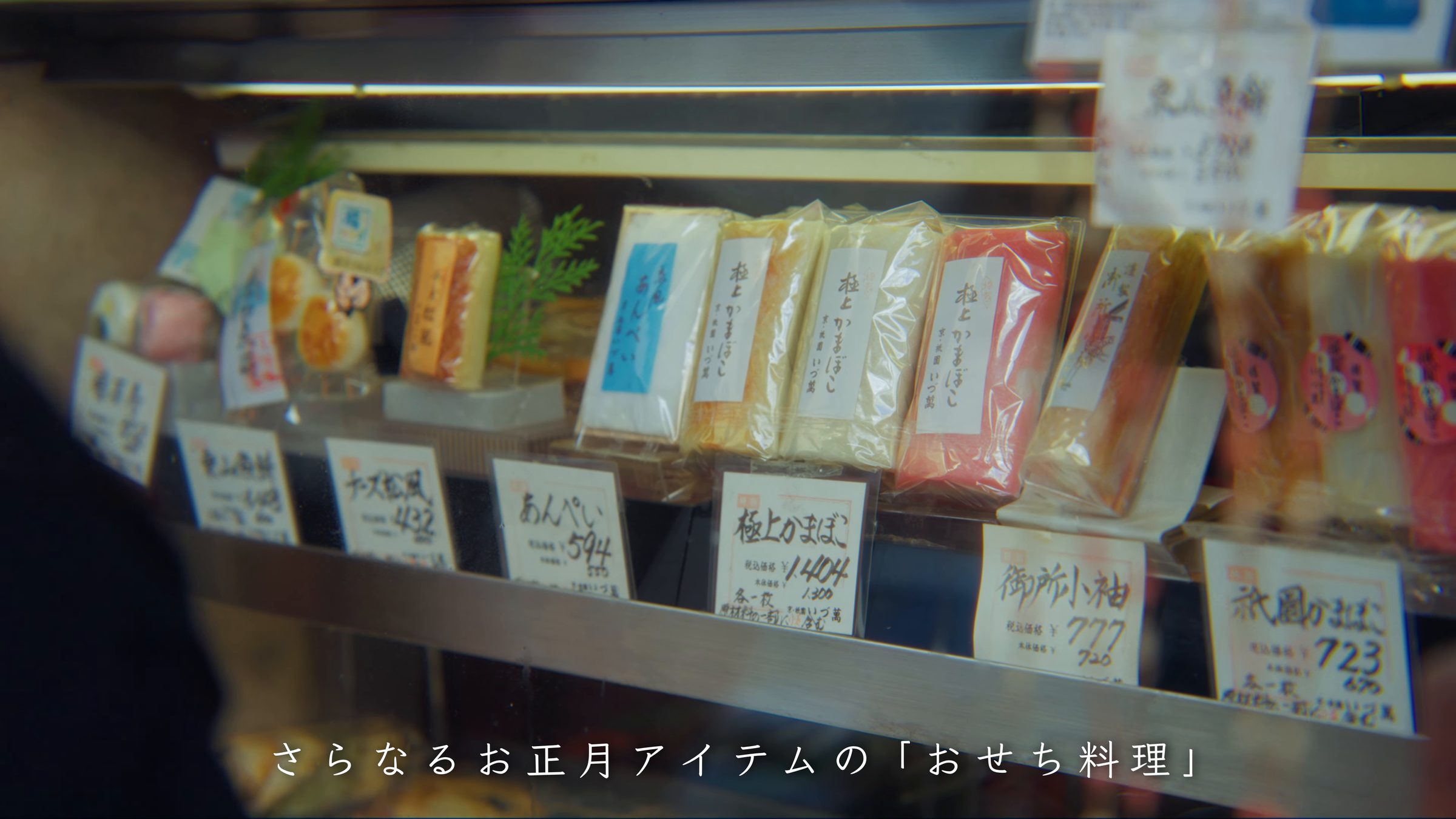
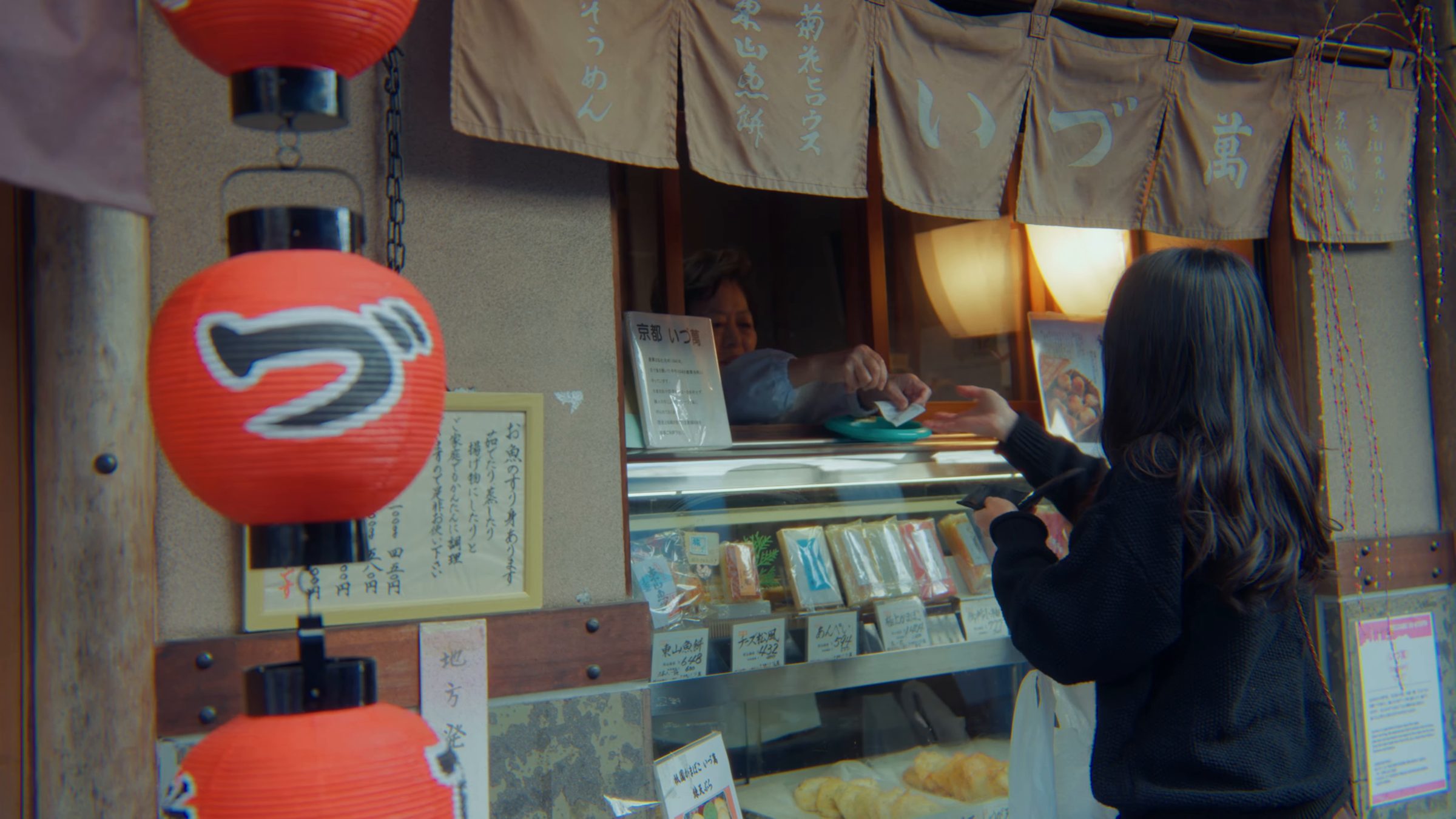
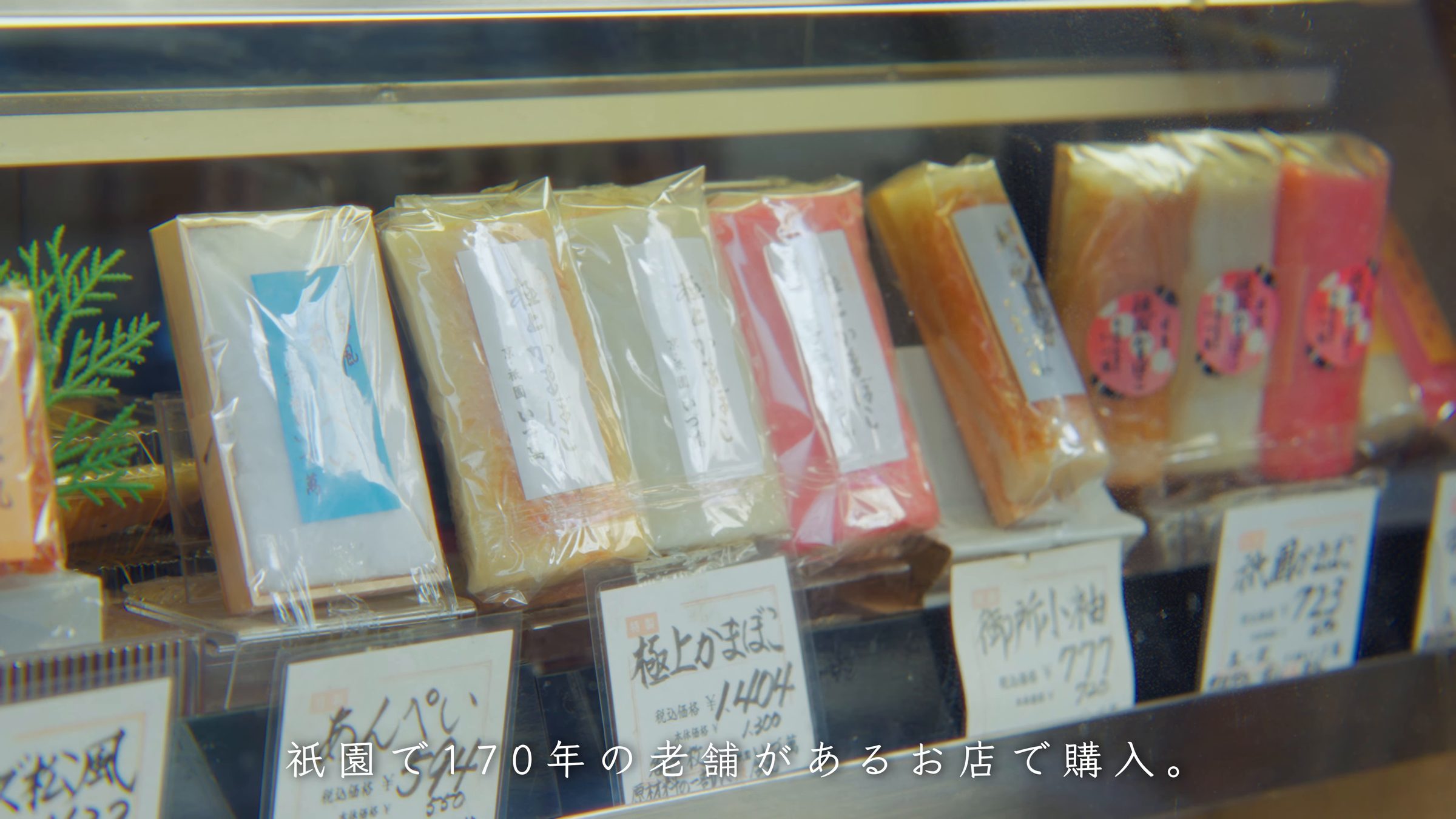
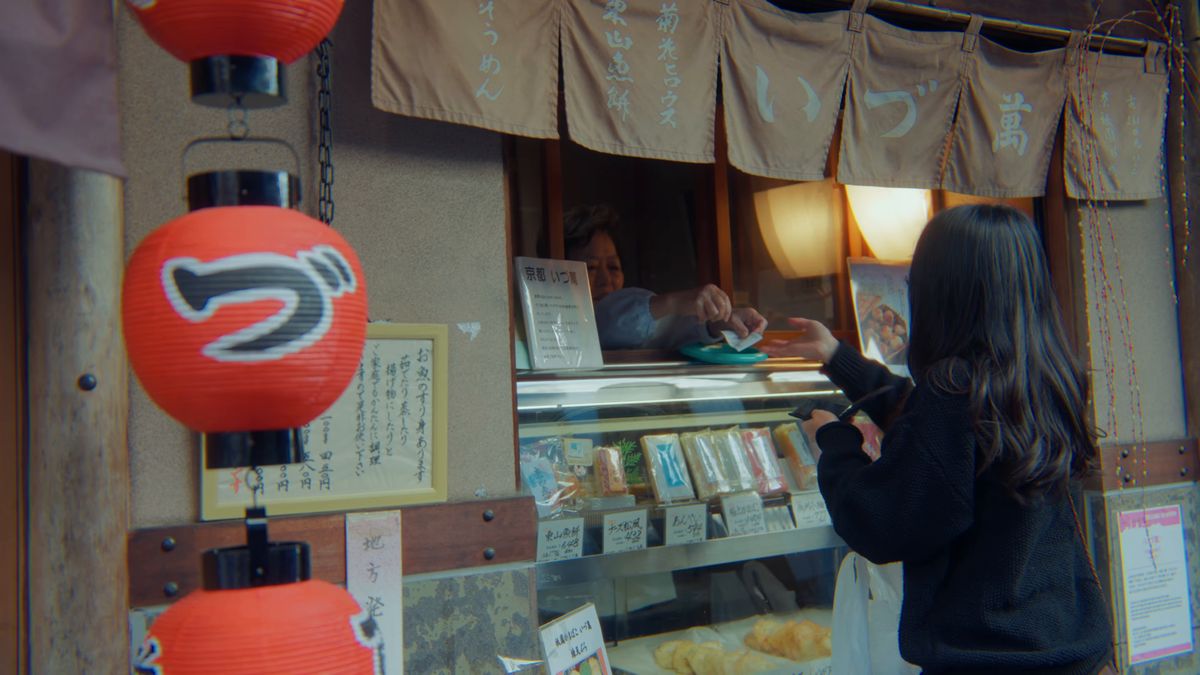
Izuman, on Shinbashi-dori, has been making kamaboko since 1844, more than 170 years in Gion. Under its red lantern marked with the character zu, the glass case held Higashiyama gyohei, cheese matsukaze, anpei, premium kamaboko, Gosho kosode and Gion kamaboko.
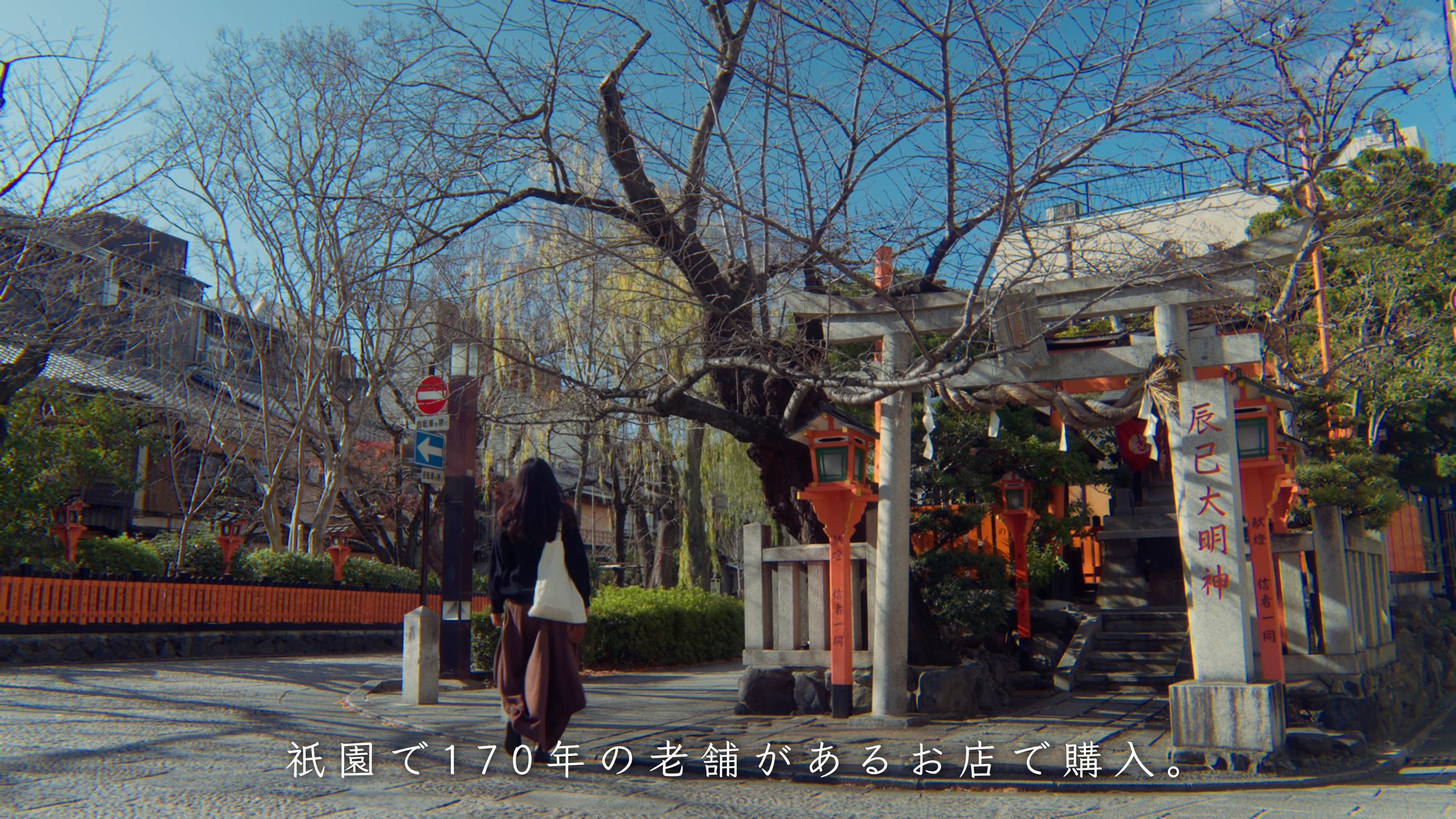
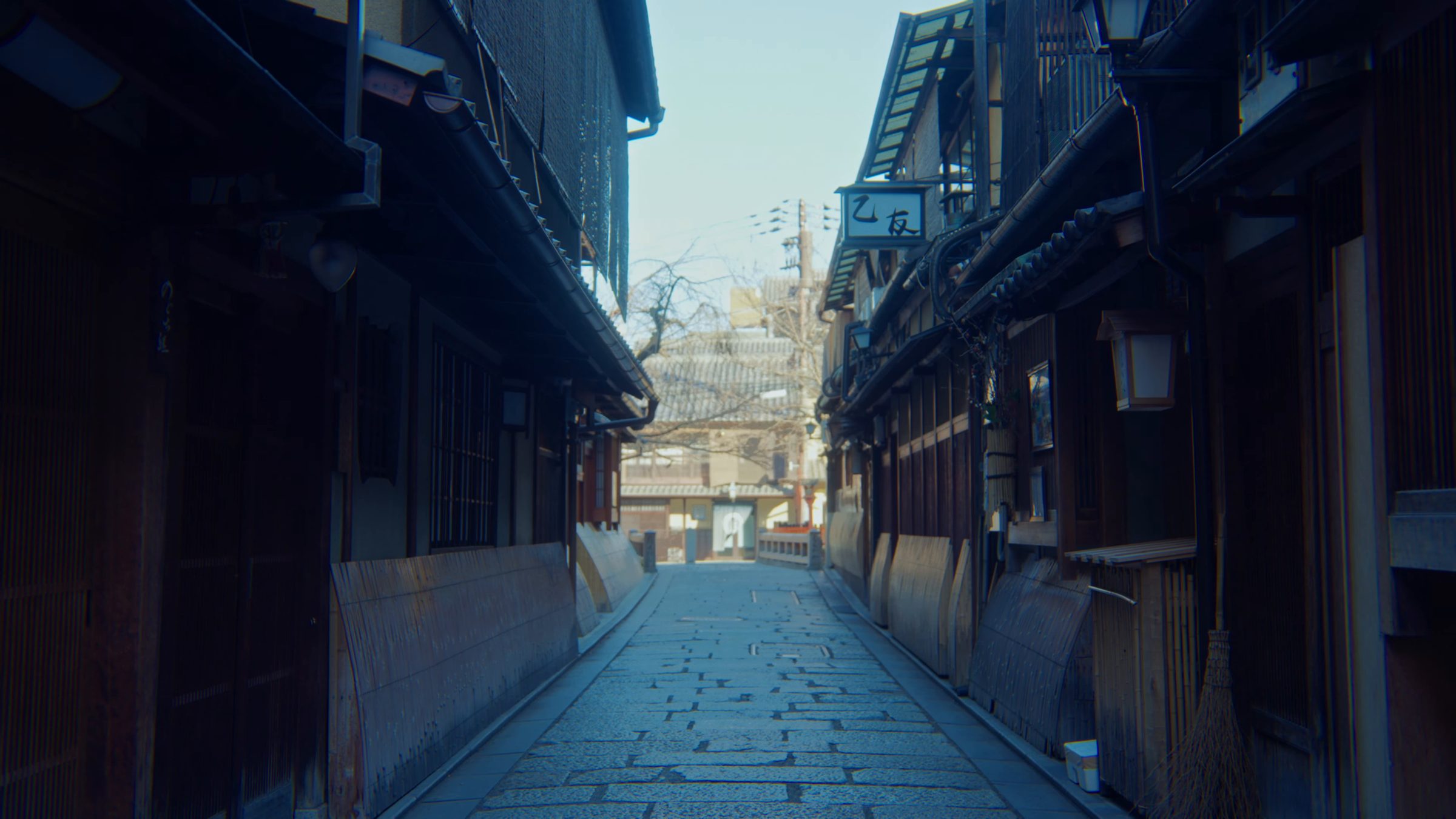
Kamaboko in hand, I passed the torii of Tatsumi Daimyojin and wandered down a stone-paved lane.
Watch this scene on YouTube3:56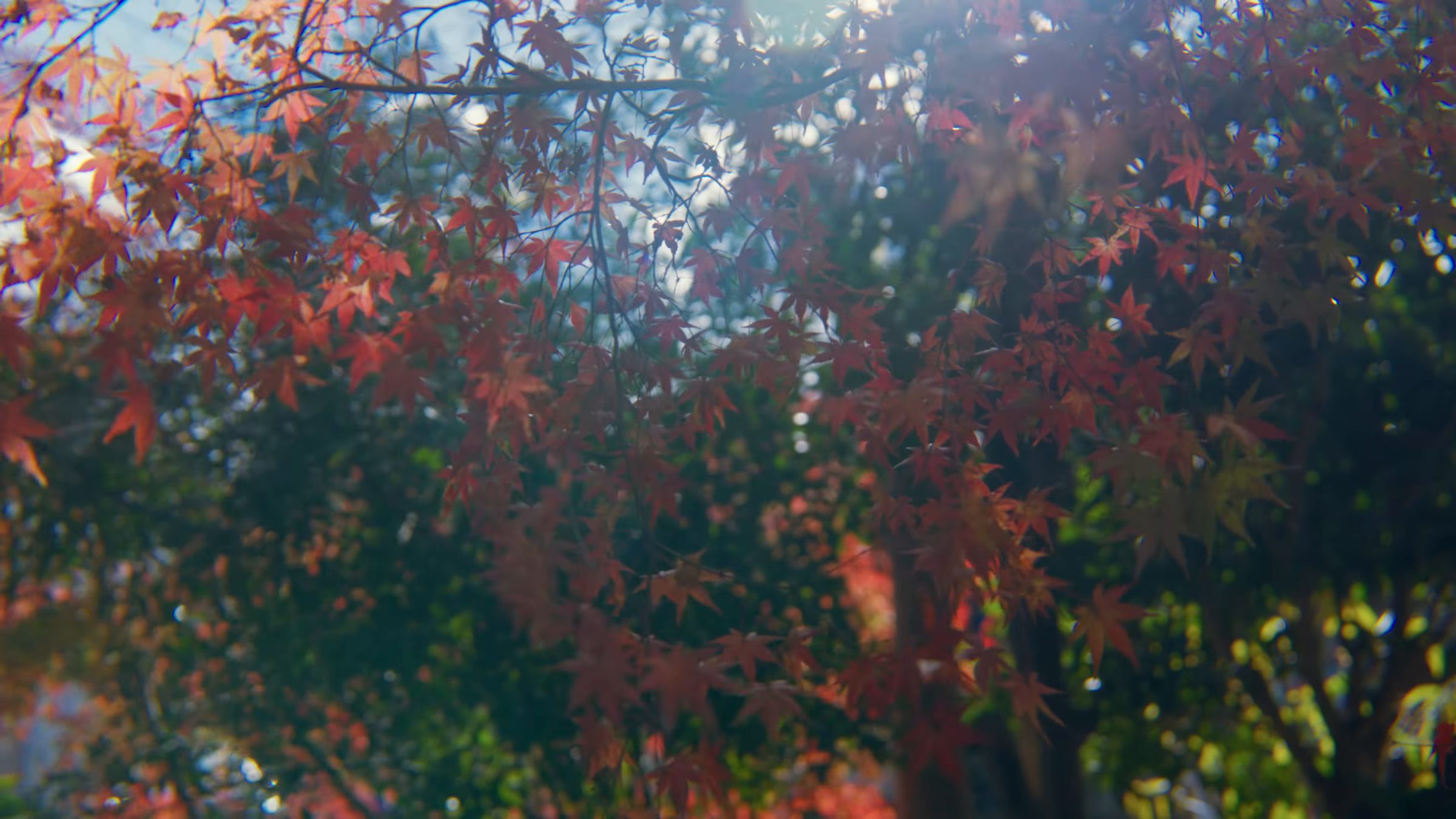
07TRAVEL JOURNAL
Mitarashi dango by Shimogamo Shrine
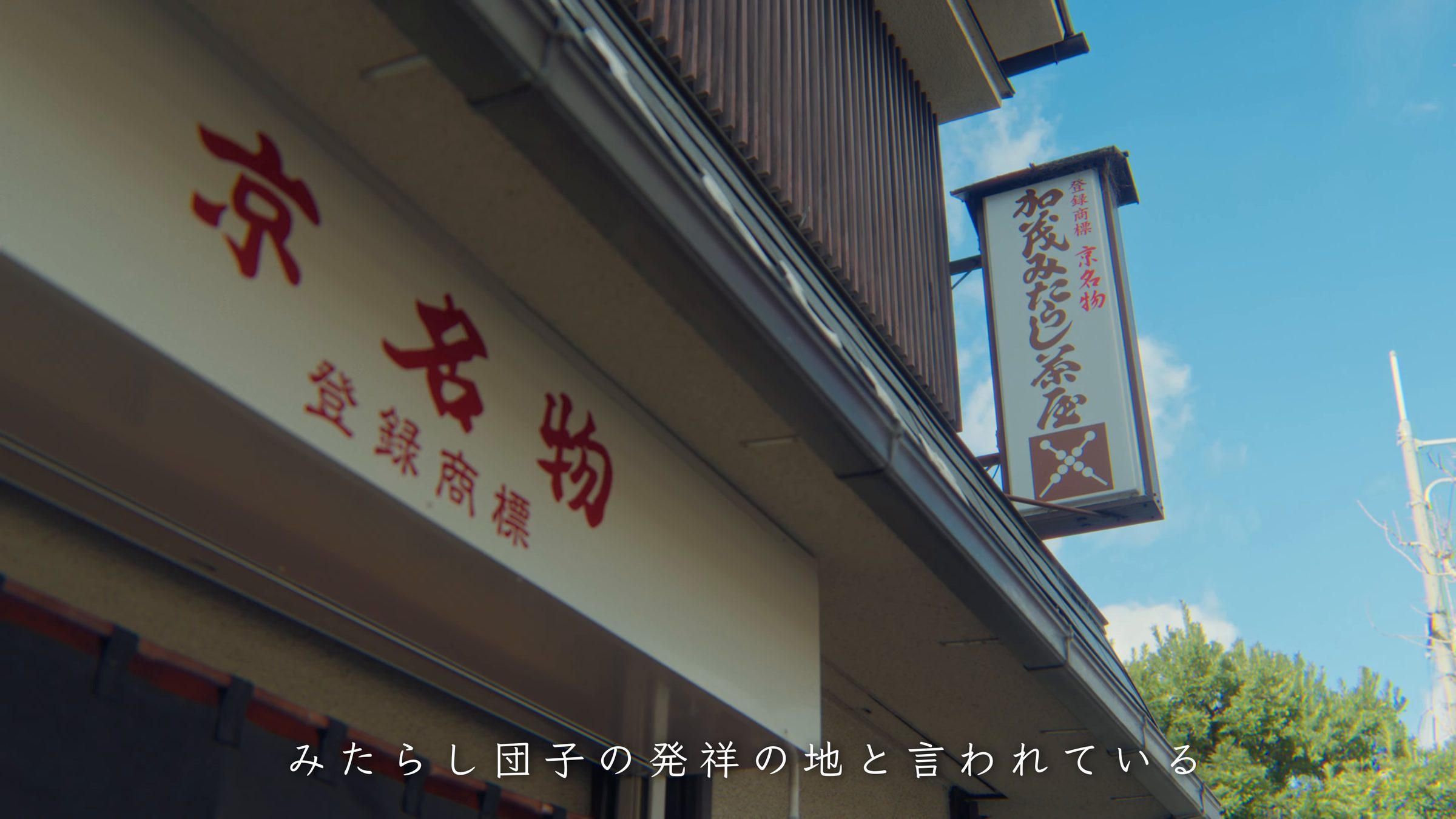
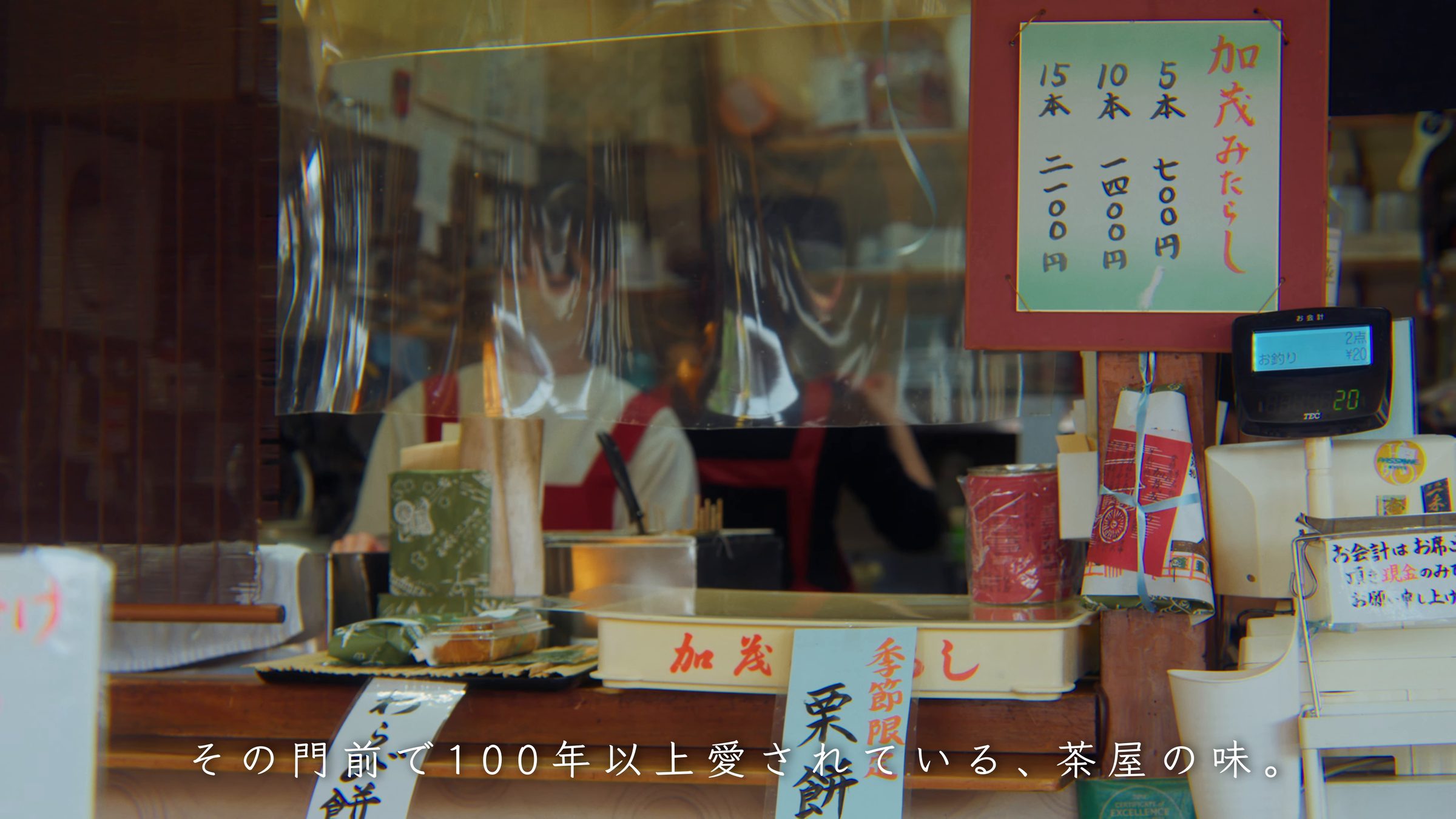
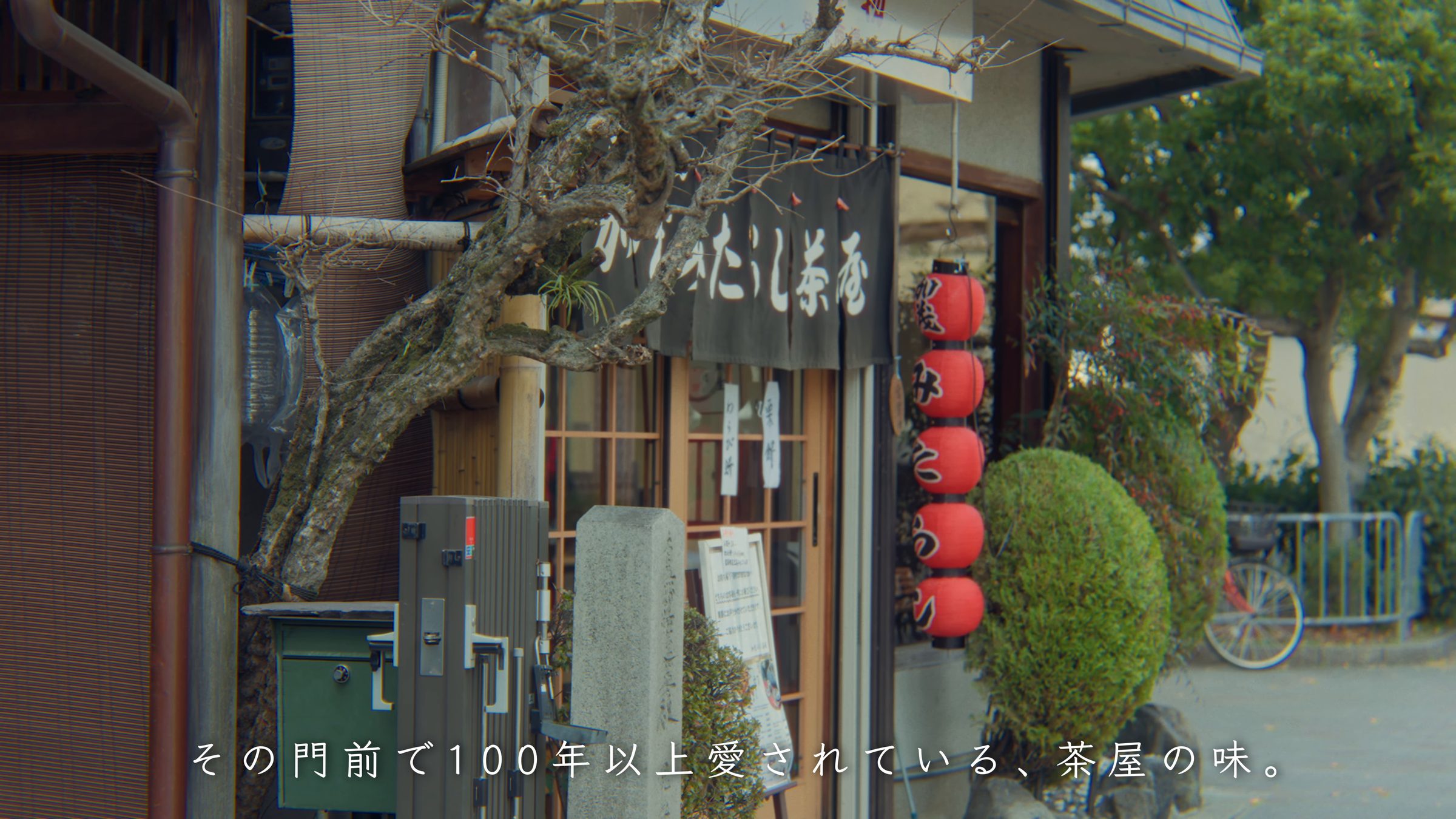
One thing you must eat at a Kyoto teahouse is mitarashi dango, fresh off the grill. I headed to Kamo Mitarashi Chaya, across the road from Shimogamo Shrine. Beside the noren hung a sign reading Kyoto Specialty.
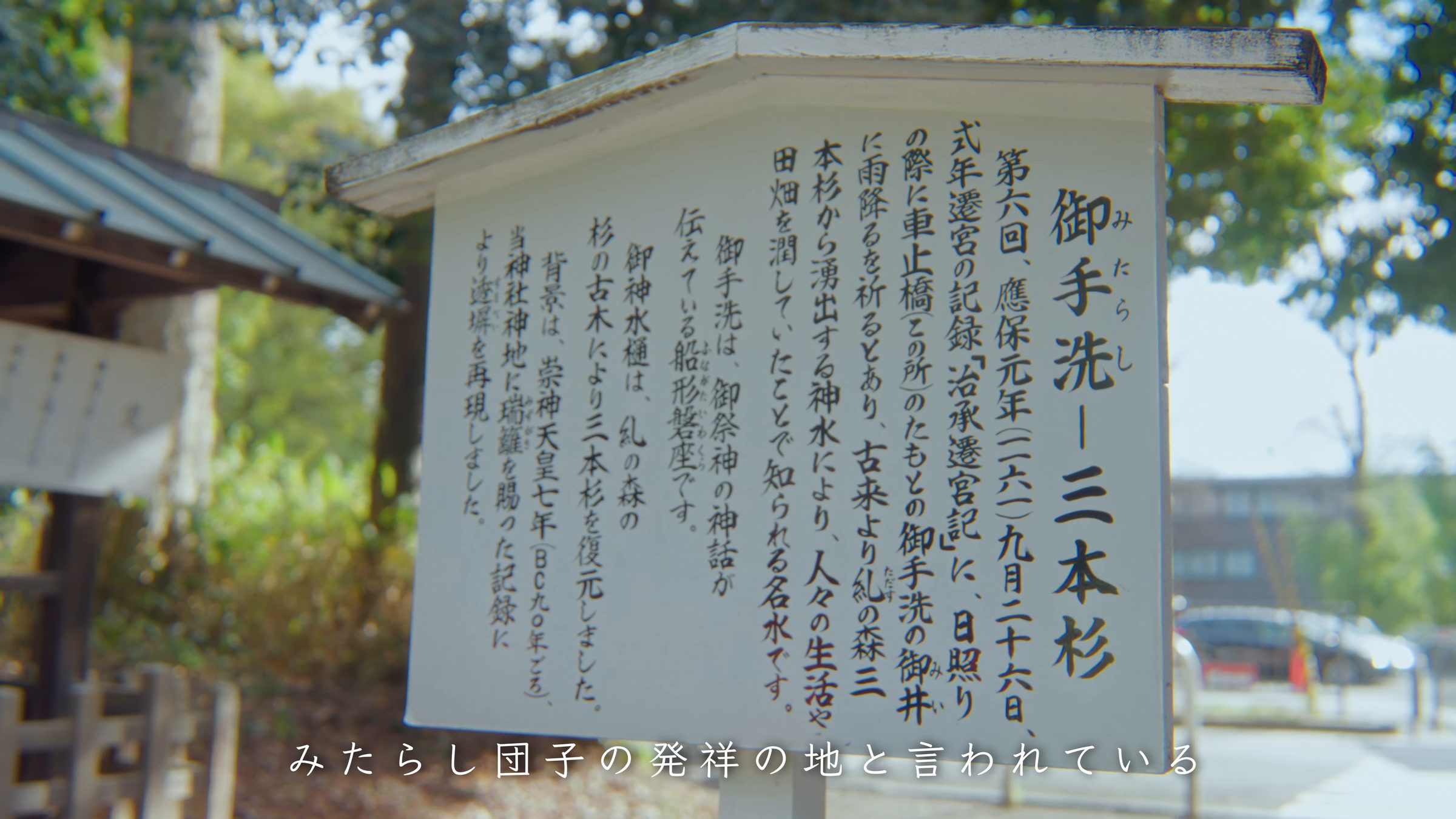
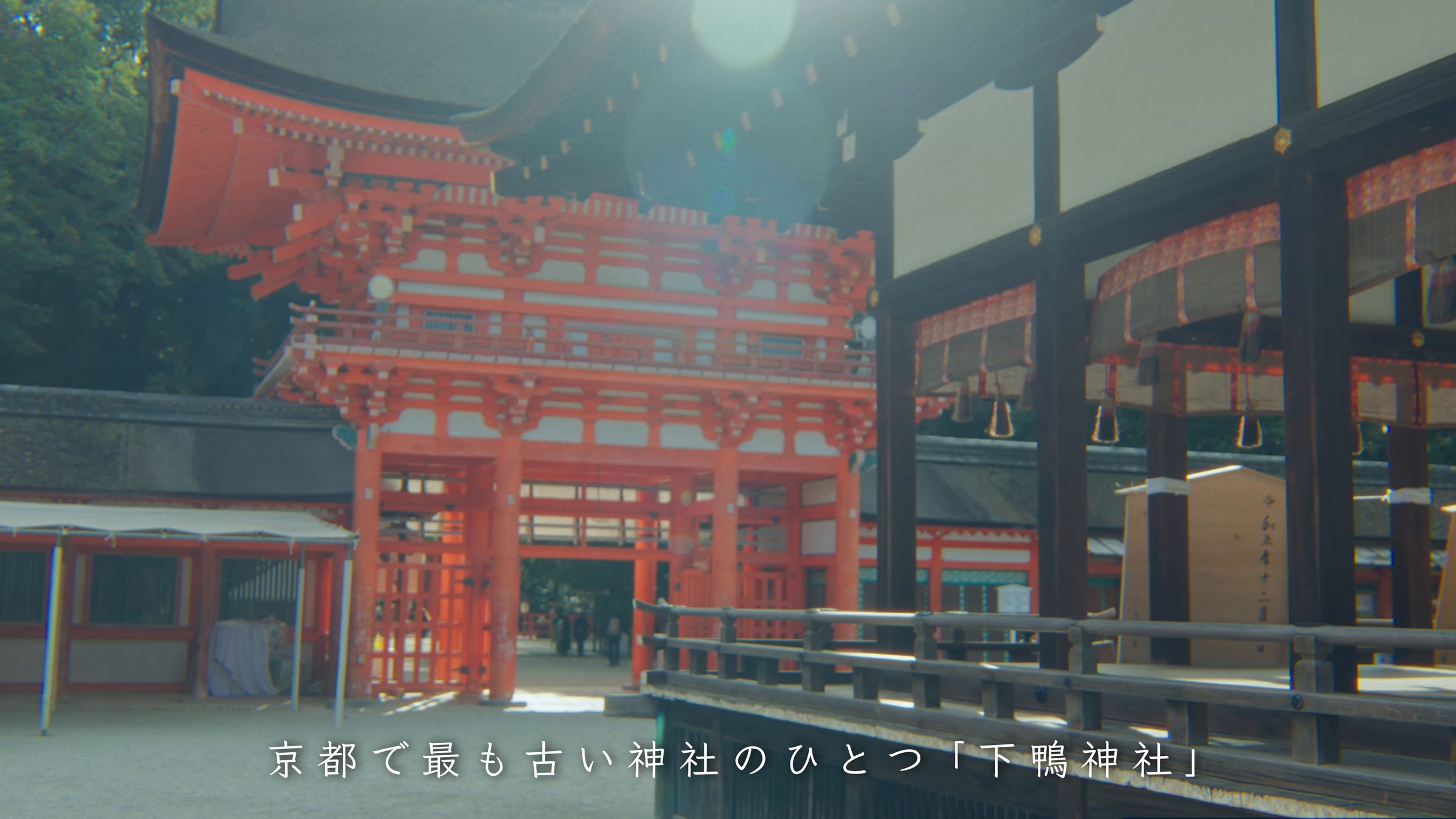
Shimogamo Shrine, one of the oldest shrines in Kyoto, is said to be the birthplace of mitarashi dango: the dumplings are said to be shaped after the bubbles that well up from the bottom of the Mitarashi Pond in its grounds. According to the information board, the sacred water rising by the three cedars of Tadasu no Mori has long nourished people's lives and fields. The vermilion gate glowed in the winter sun.
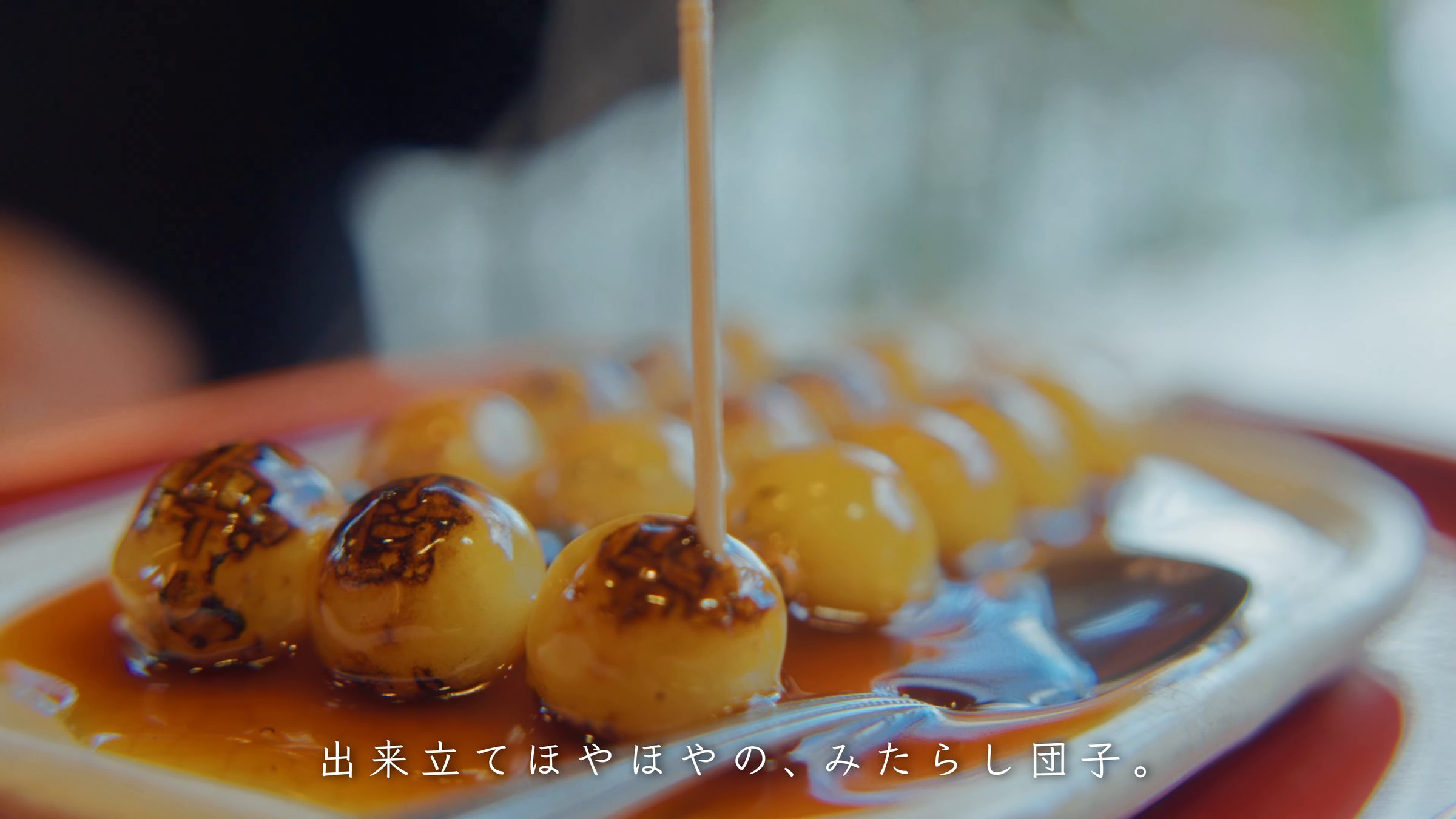
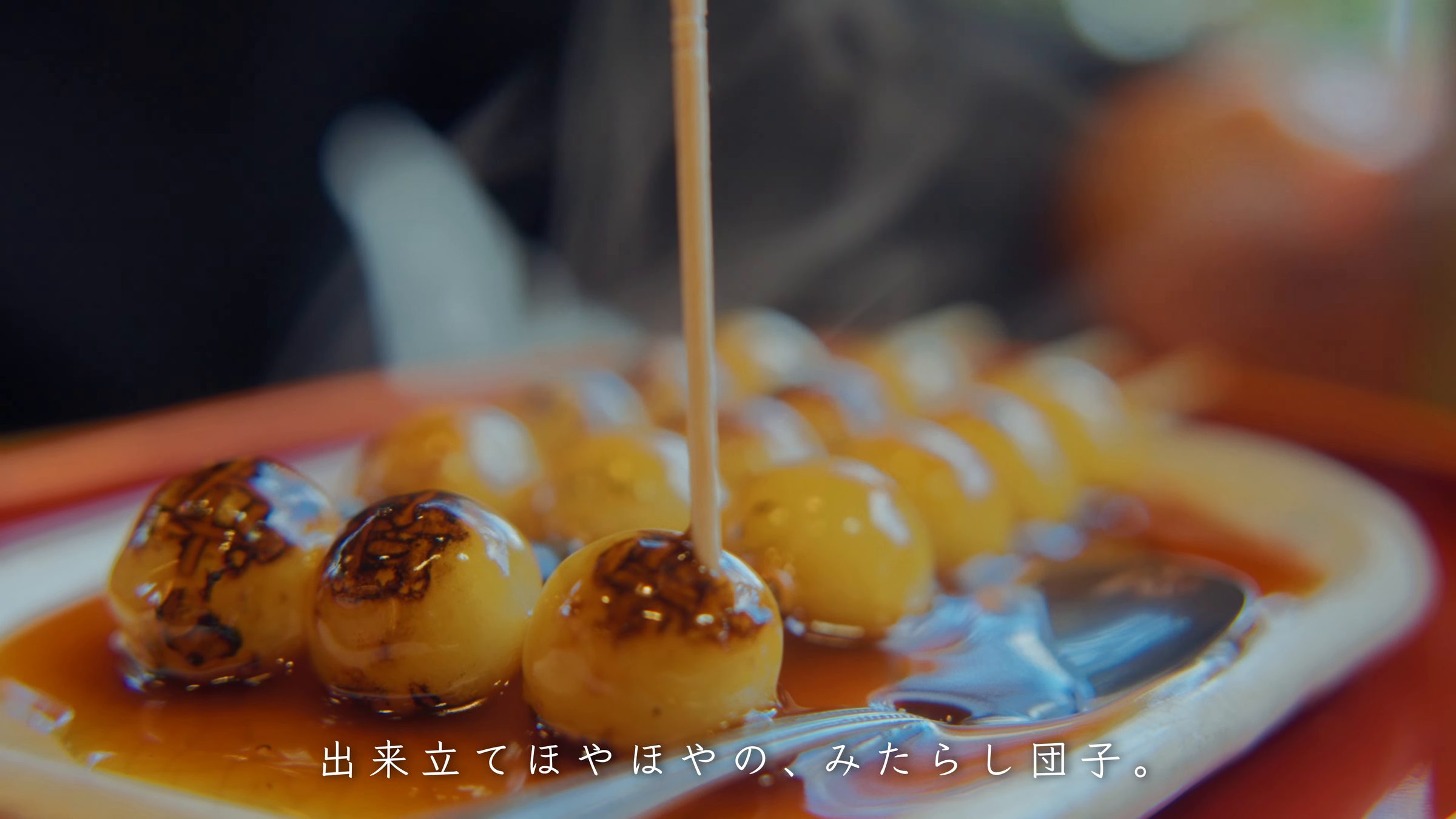
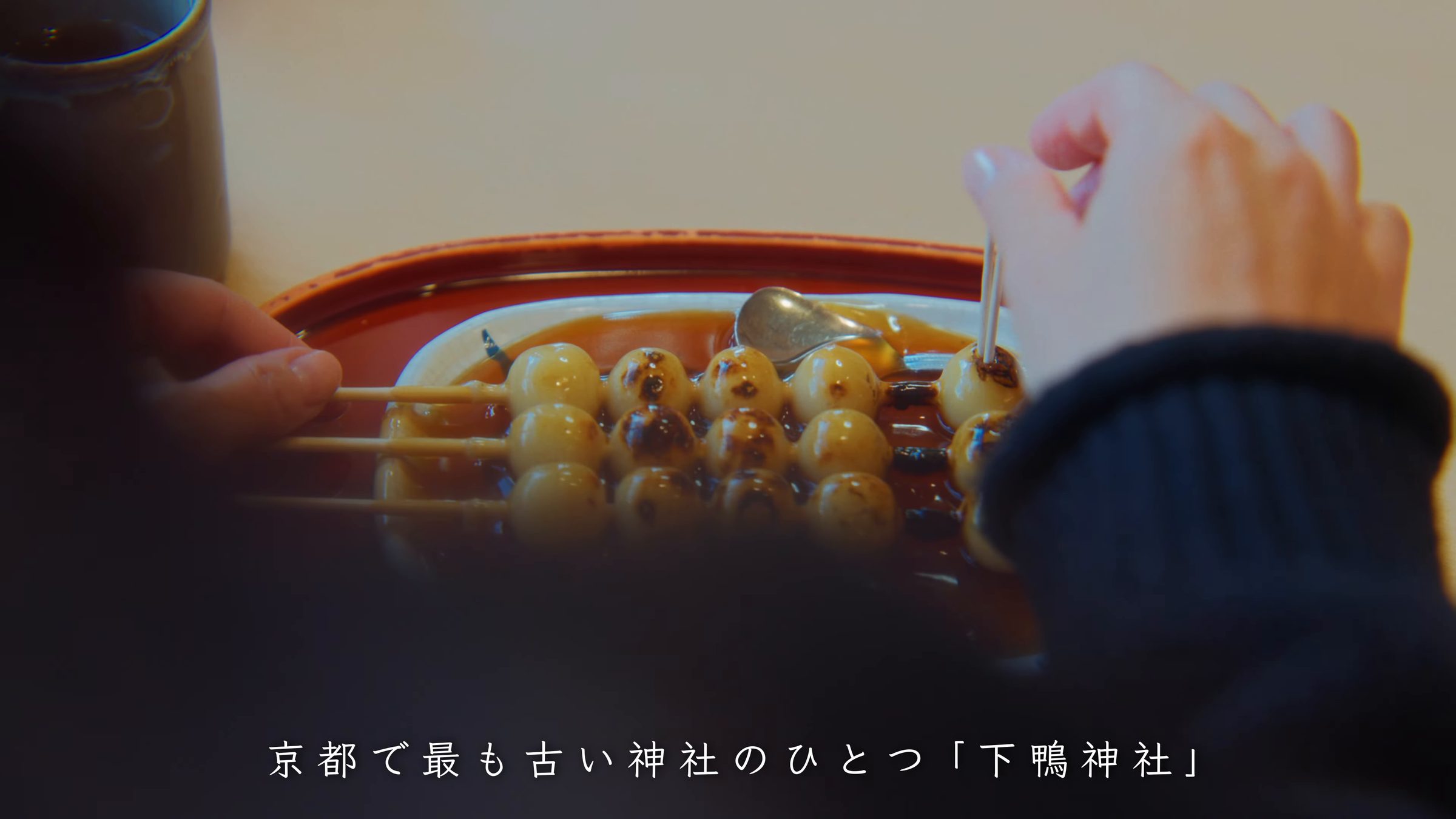
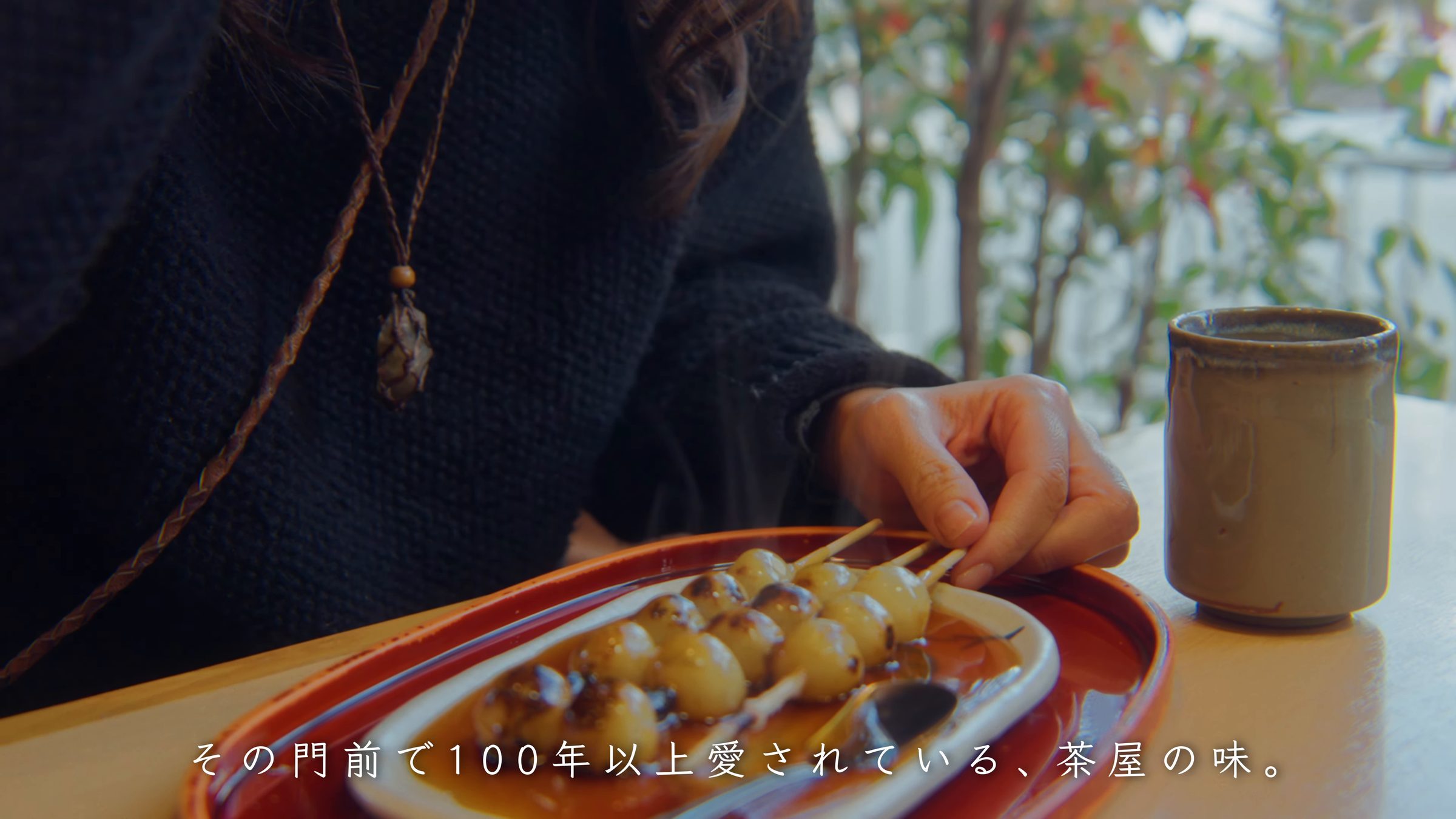
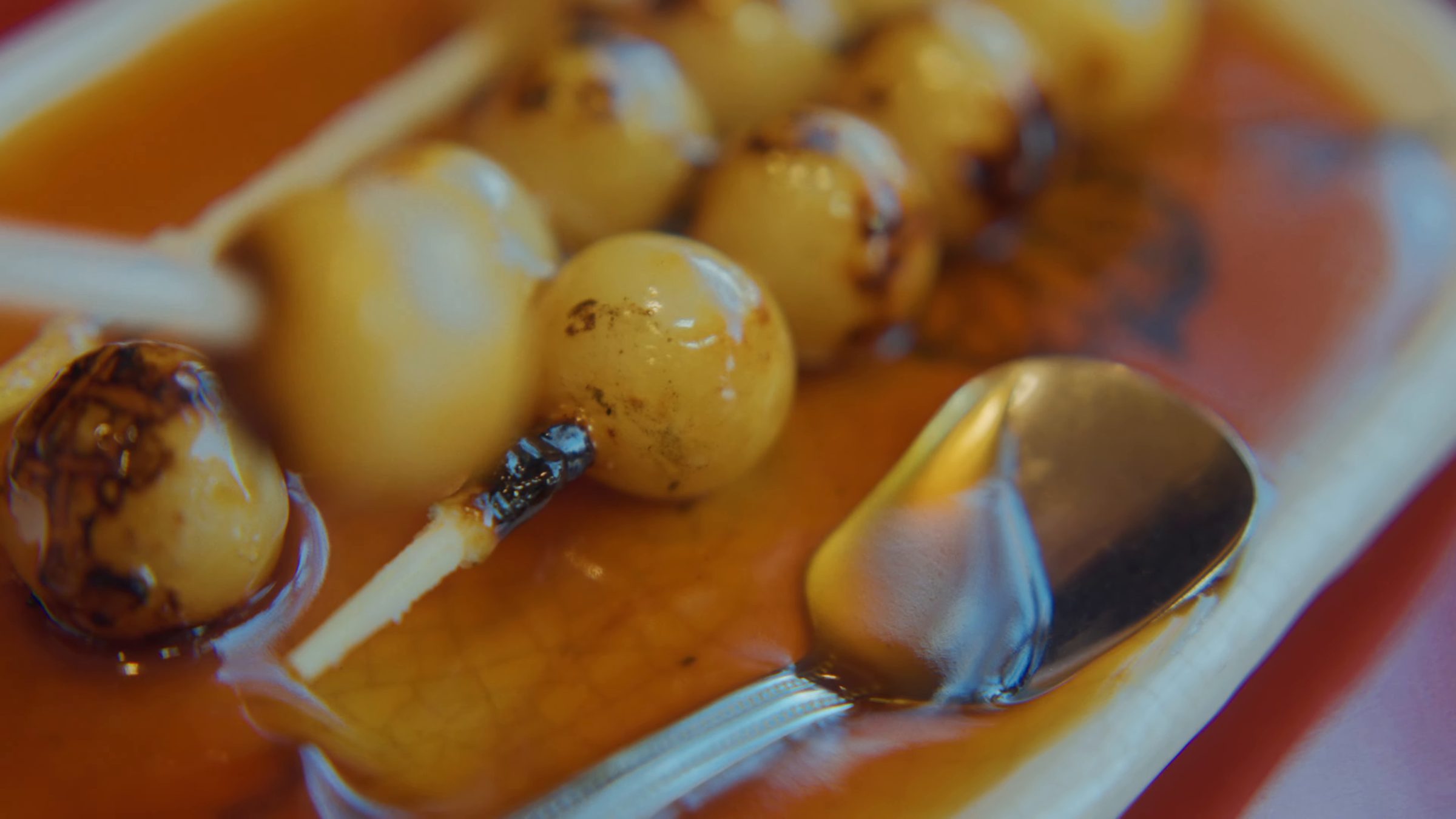
Five dumplings to a skewer, toasted until charred in spots and drenched in a sweet-and-salty sauce. I love their chewy bite. This is the taste of a teahouse that has been loved at the shrine's doorstep for over a hundred years.
Watch this scene on YouTube4:22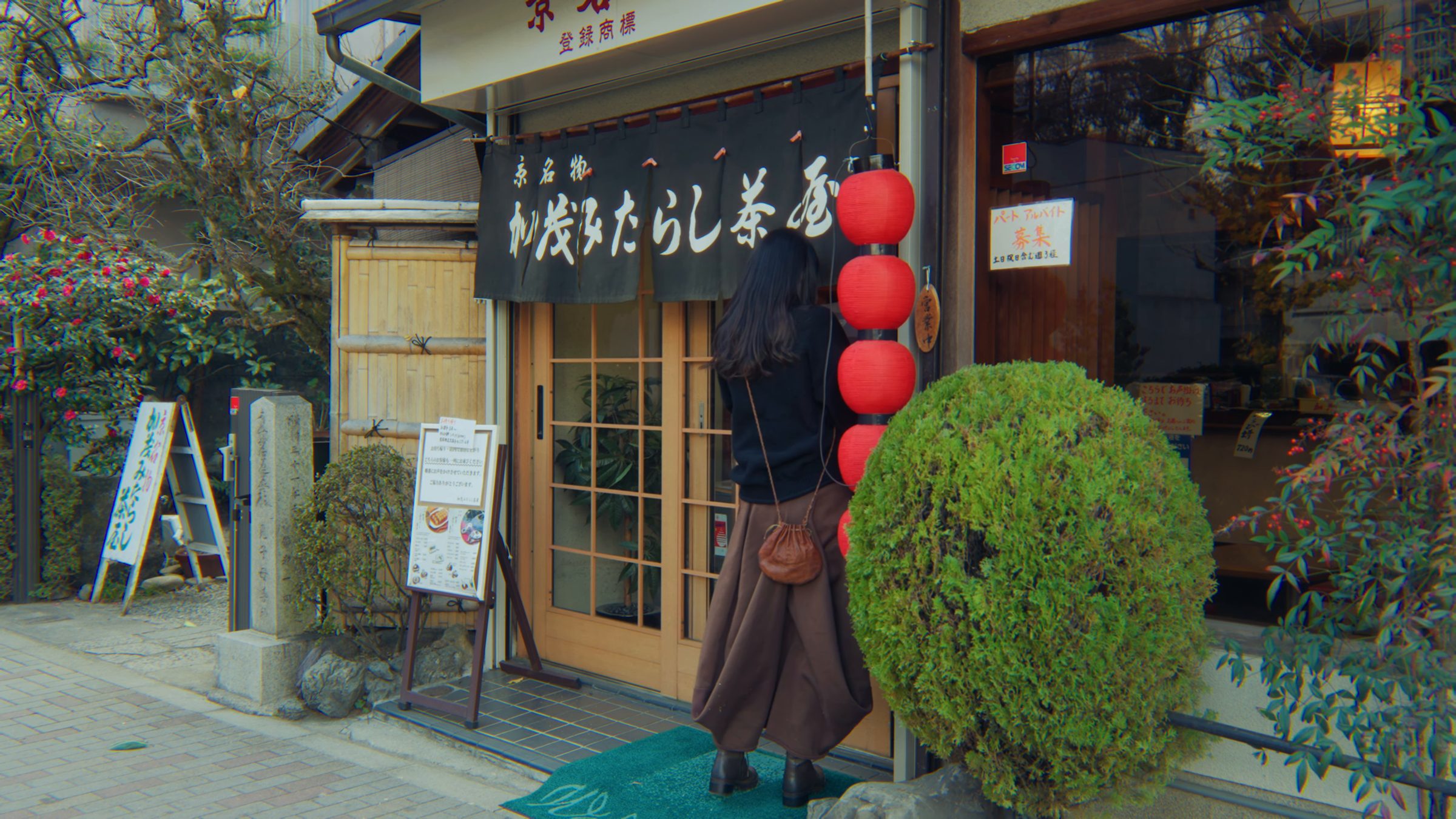
08TRAVEL JOURNAL
Totonou at Sauna no Umeyu
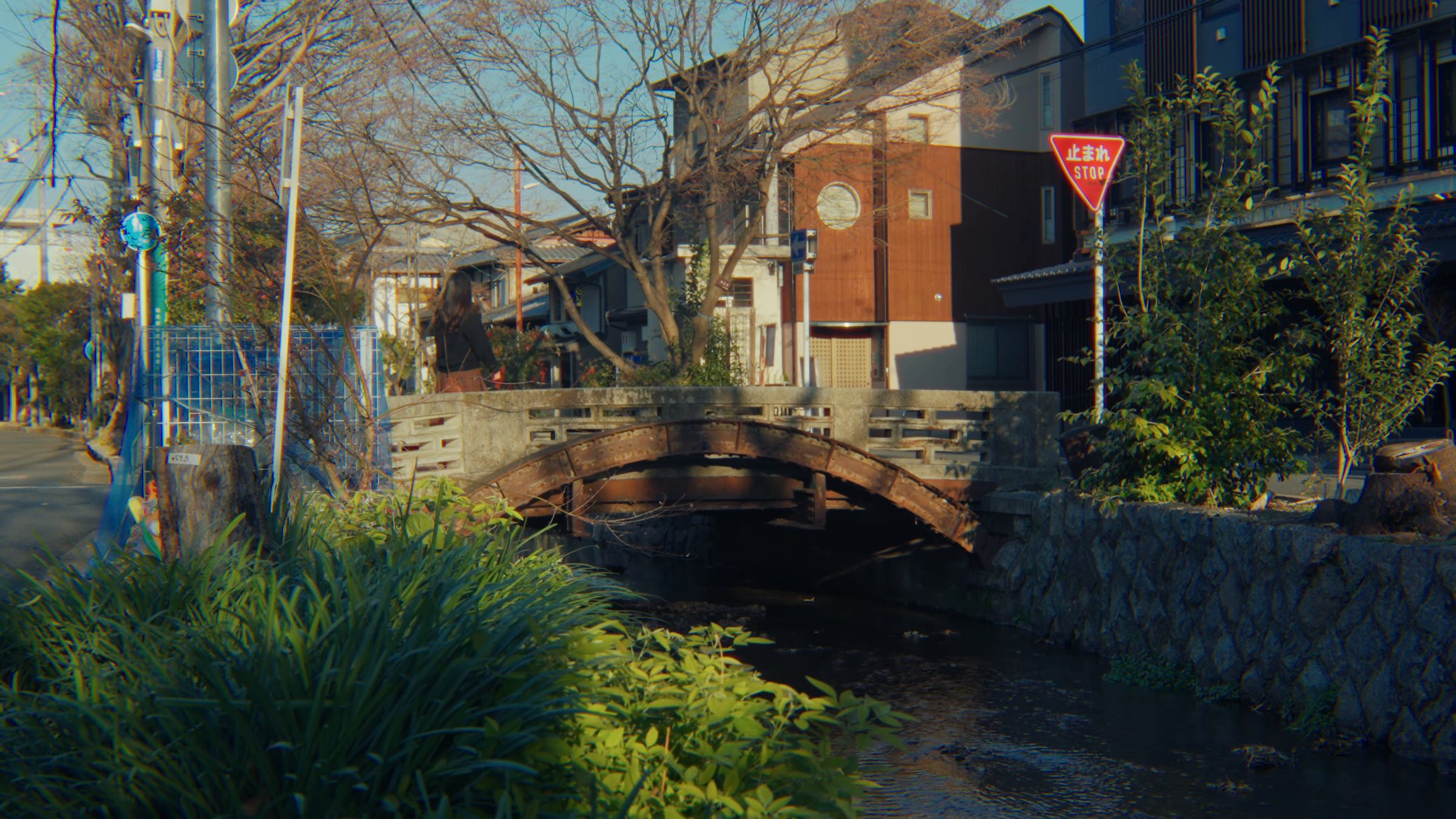
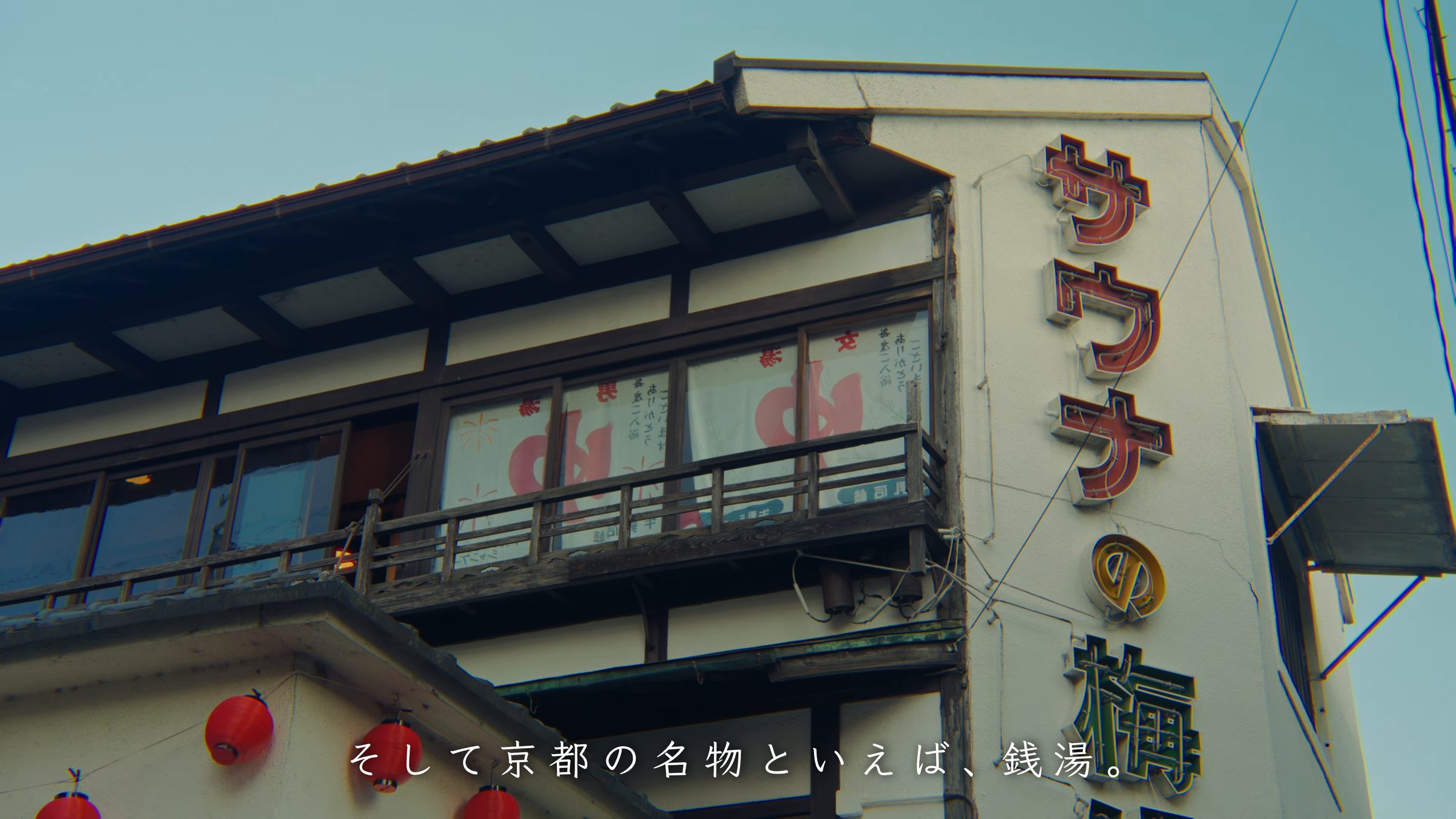
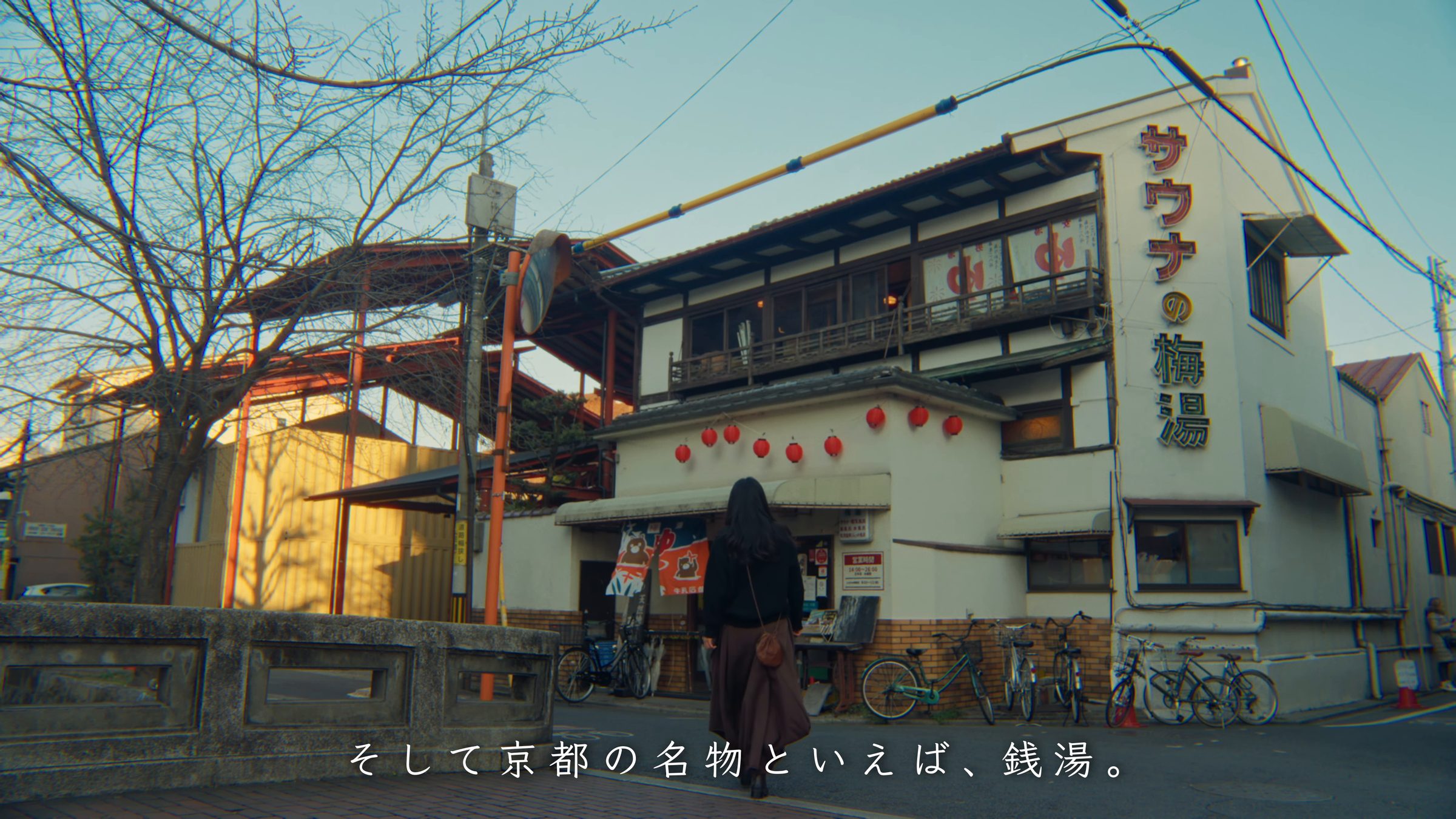
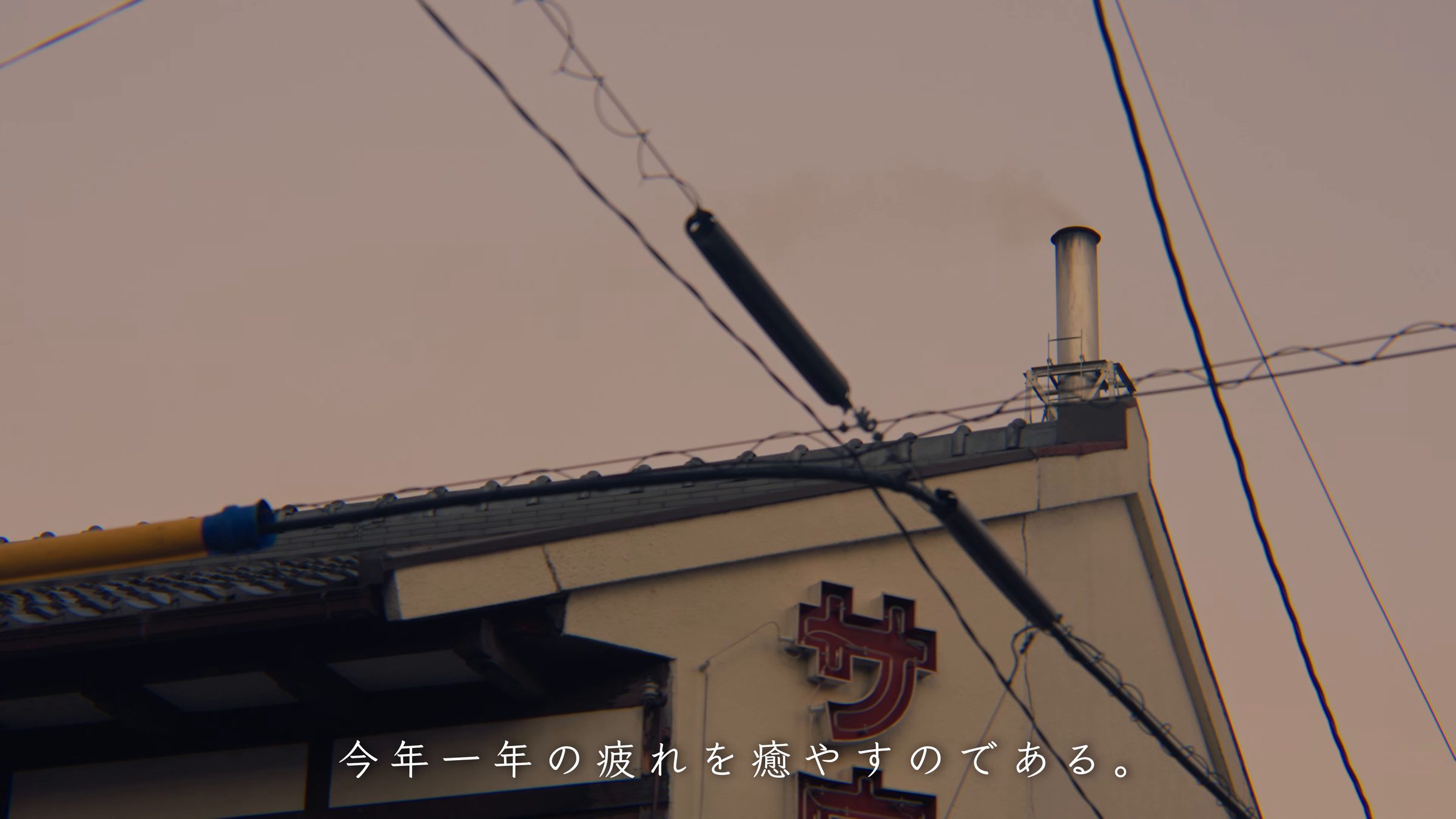
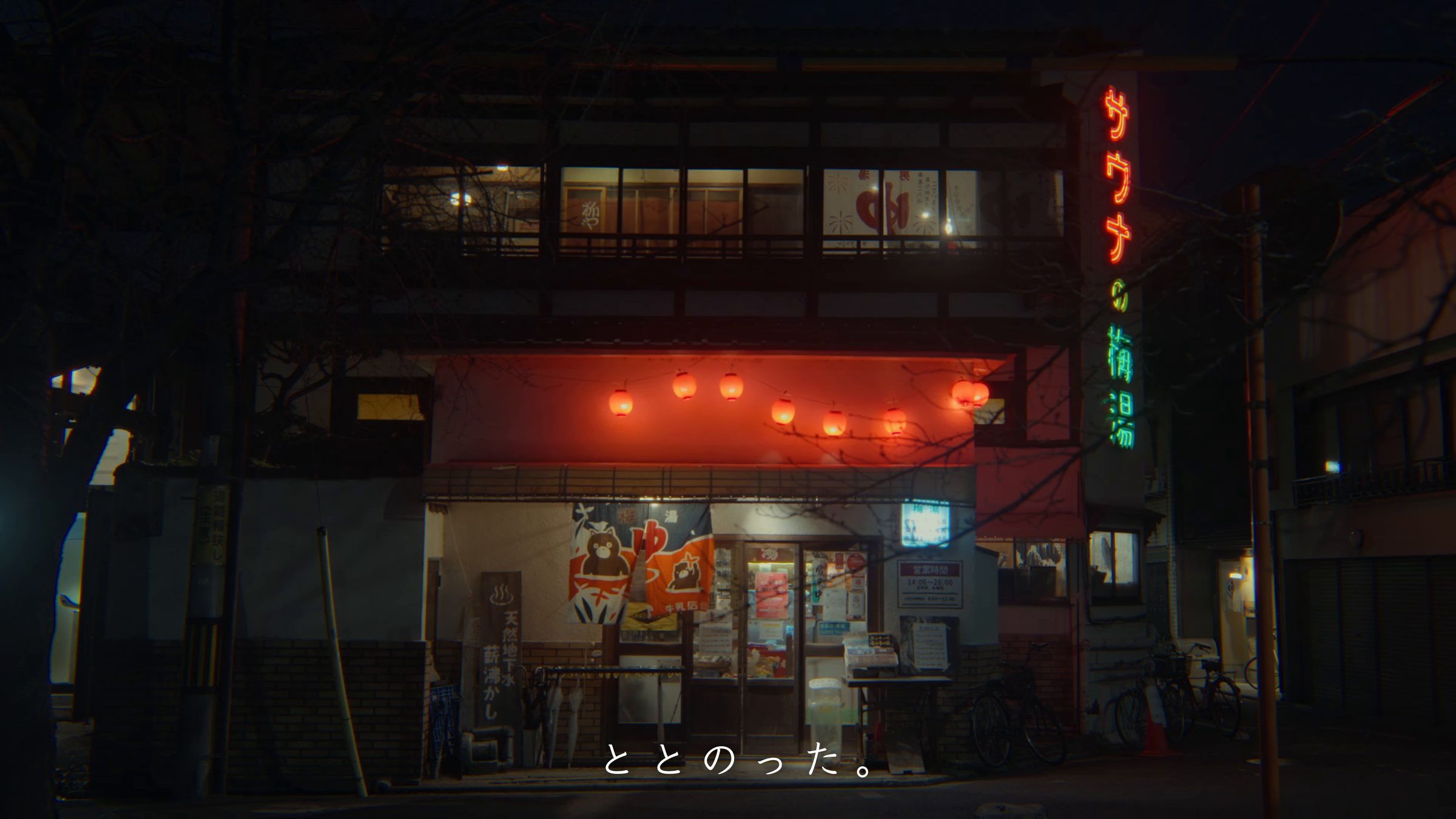
And speaking of Kyoto specialties: public baths. After a look at the Kamo River, I crossed a little bridge over the Takase River to a retro bathhouse with SAUNA NO UMEYU painted in huge letters.
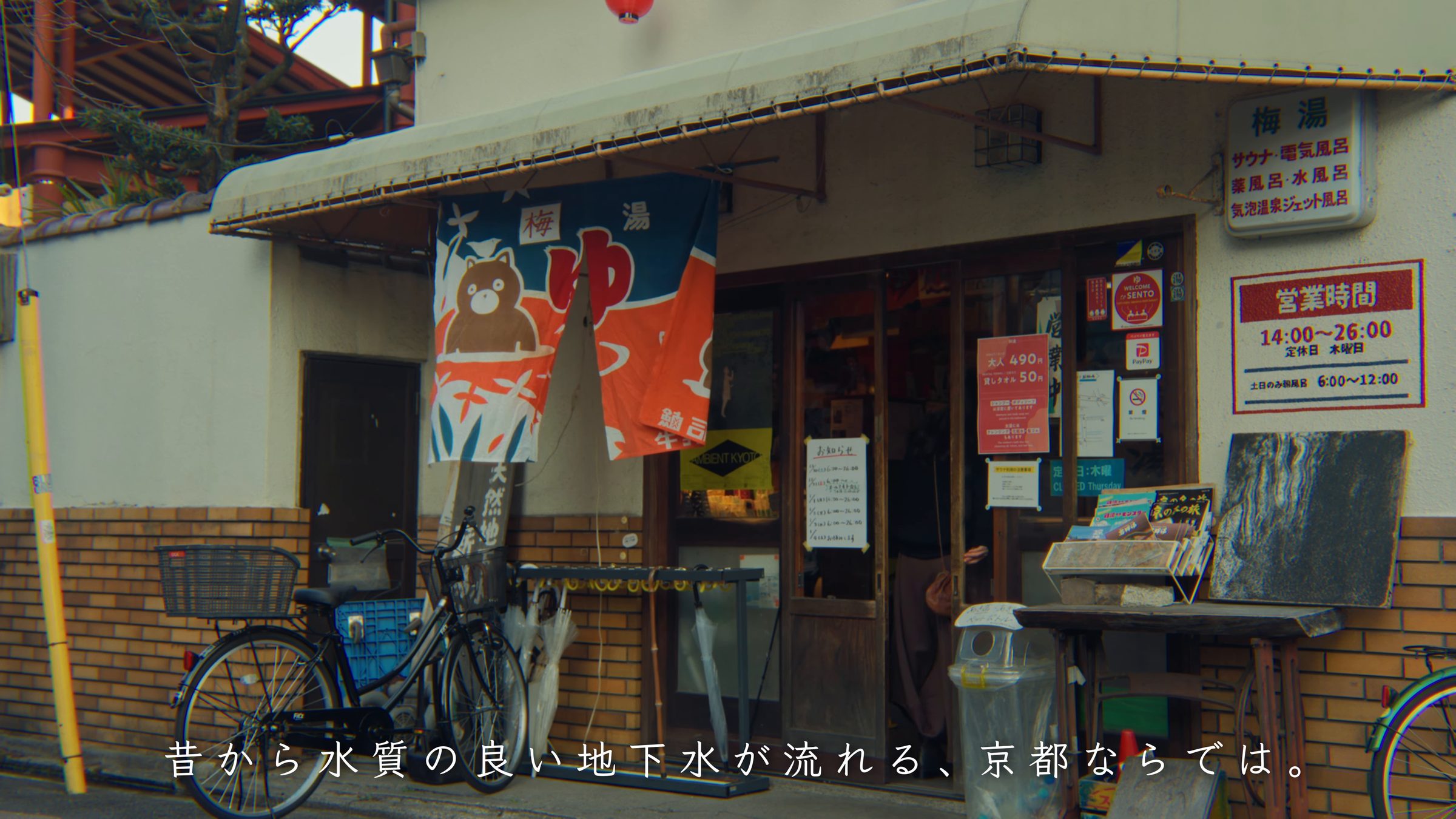
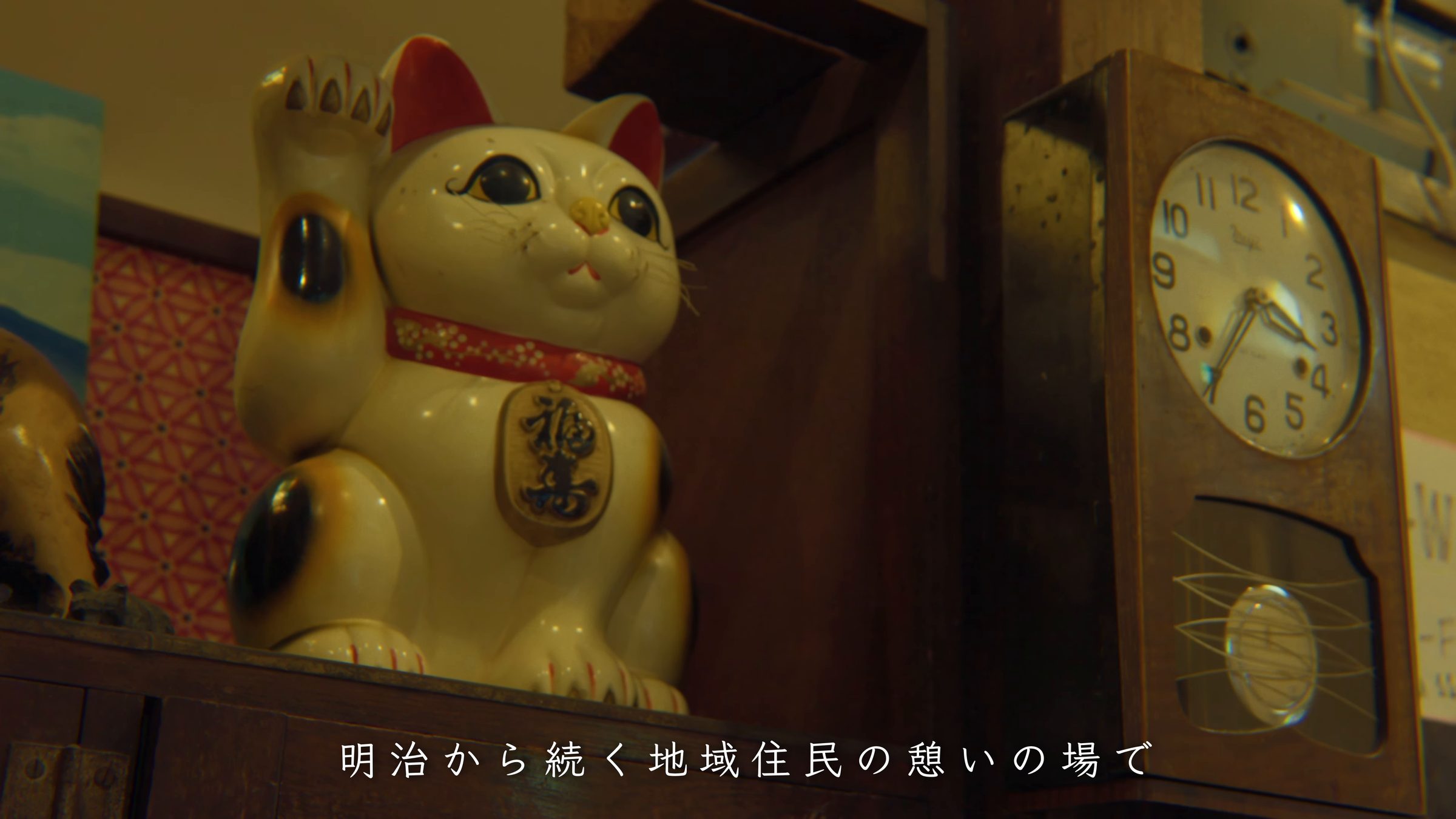
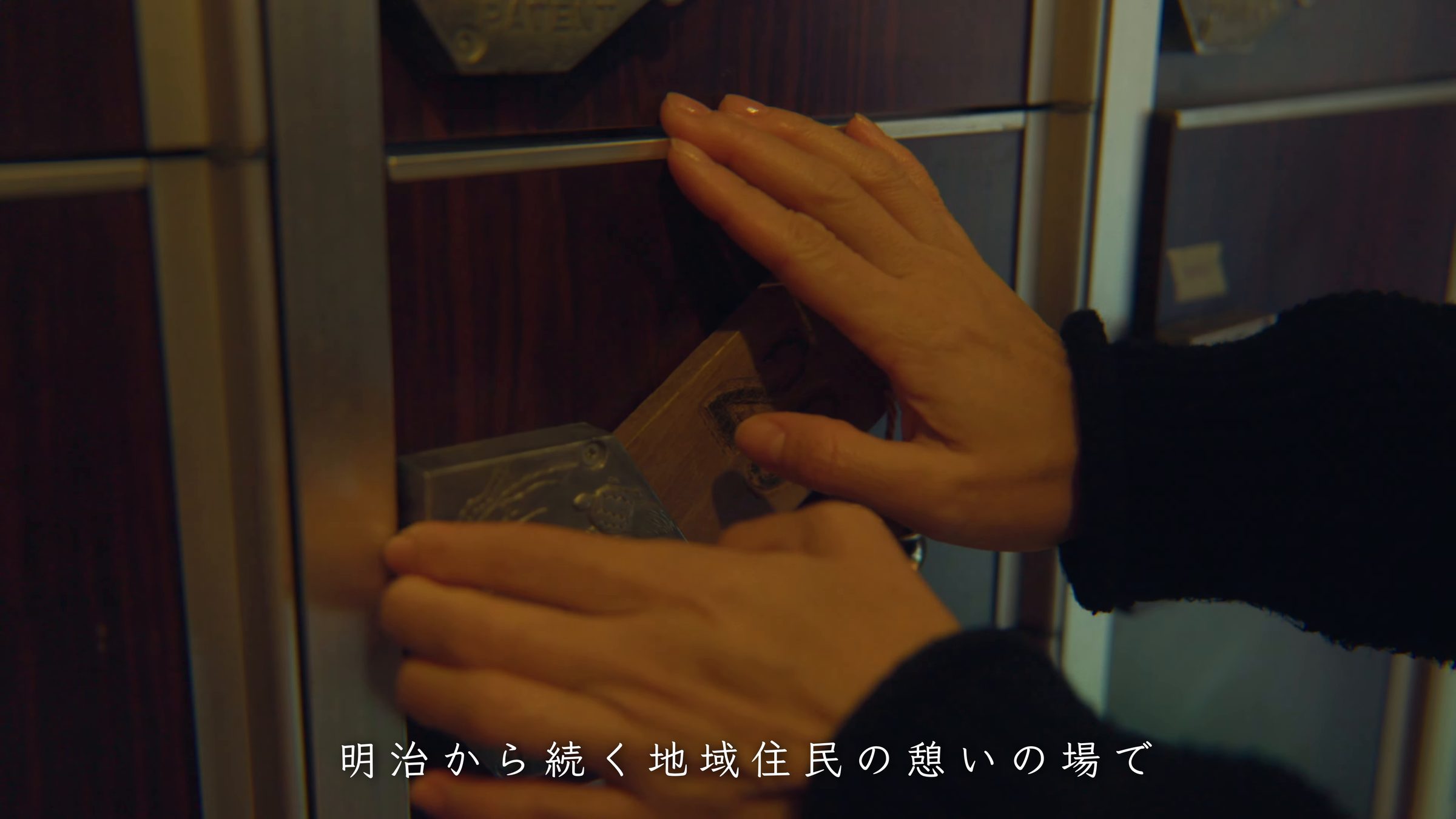
Kyoto has long had good, clean groundwater, and that makes its bathhouses special. Here, in a gathering place for the neighborhood since the Meiji era, I would wash away the fatigue of the year. Inside the noren, a beckoning cat and an old pendulum clock greeted me. I put my shoes in a locker and turned its wooden key.
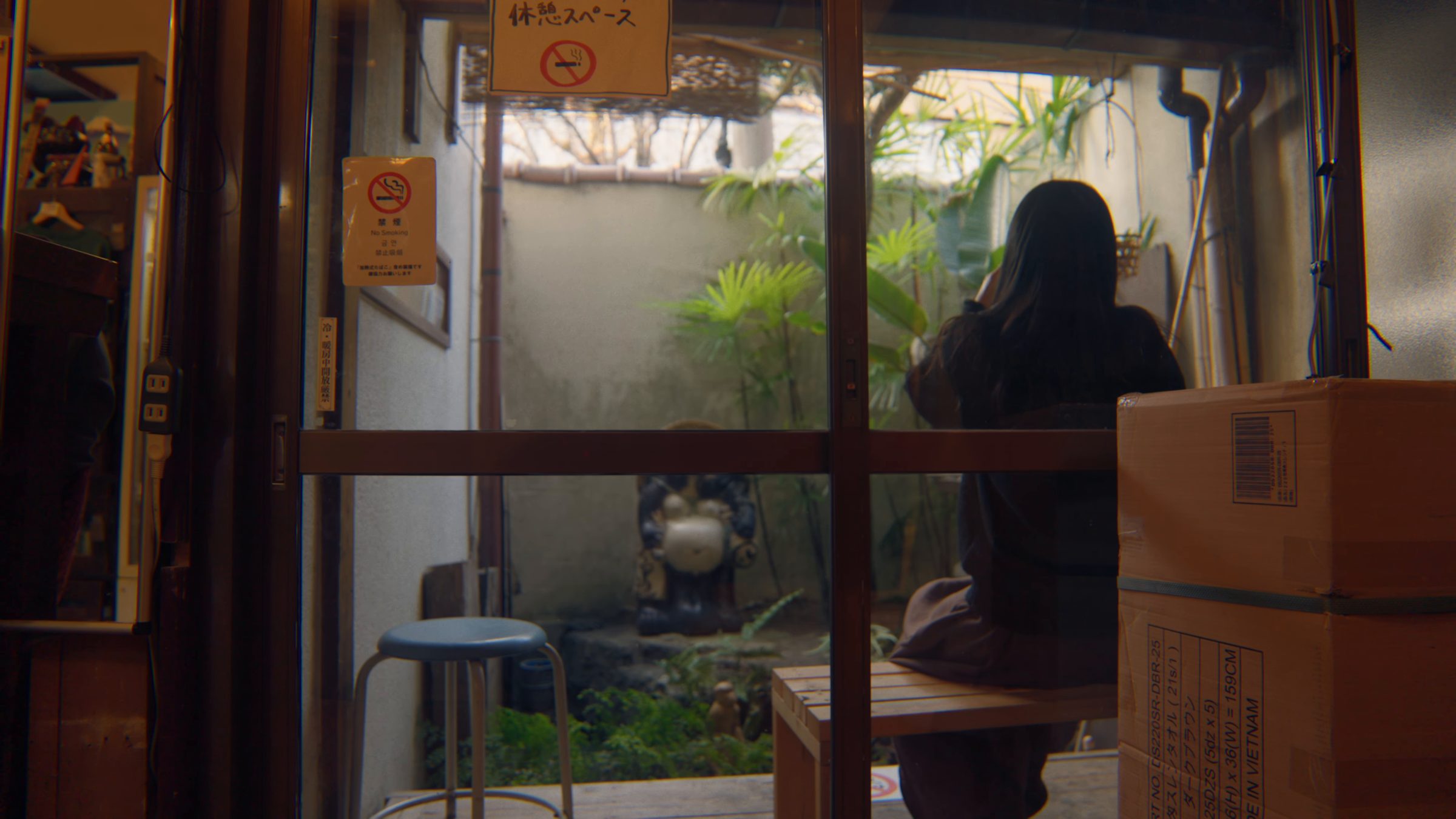
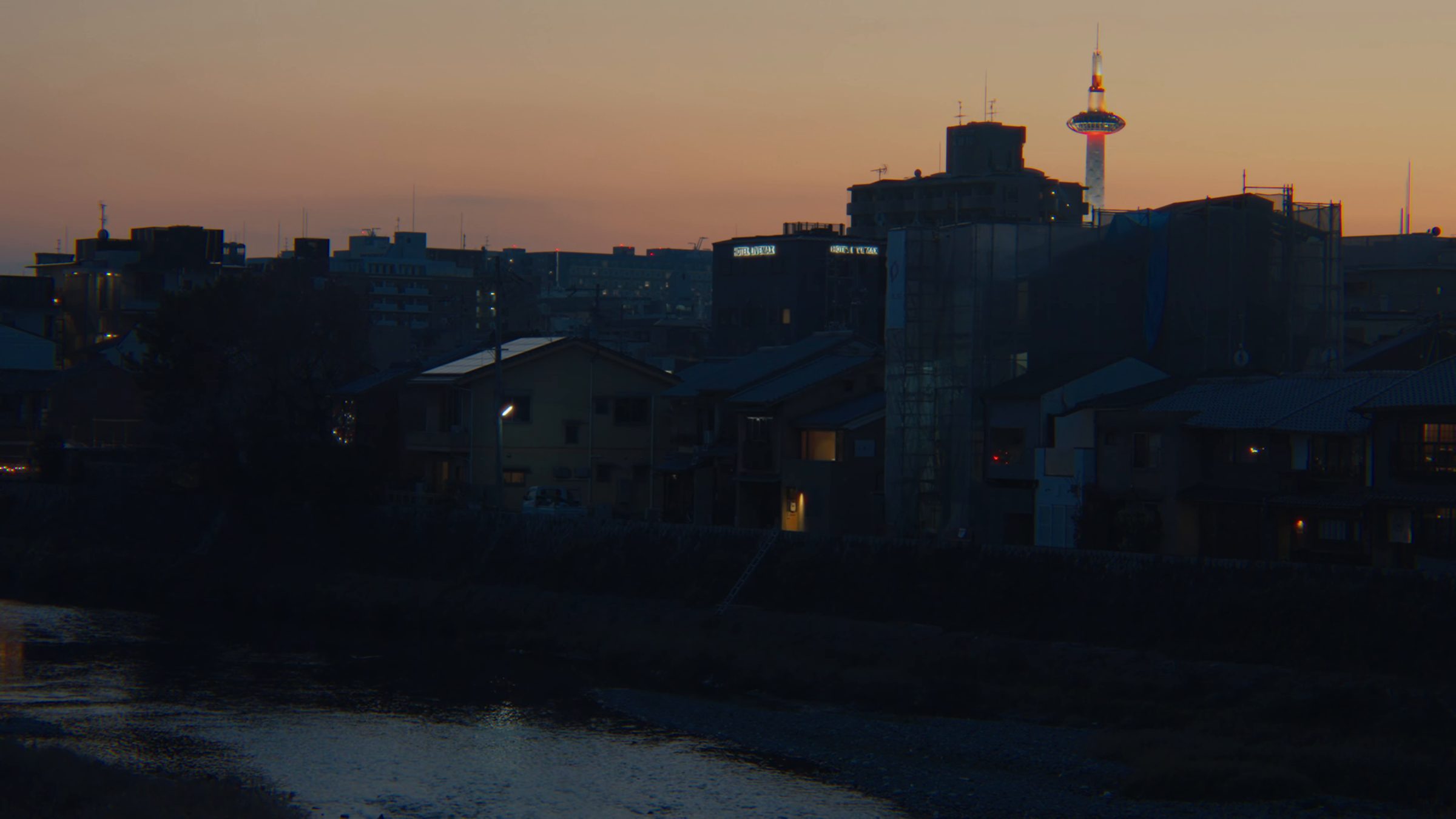
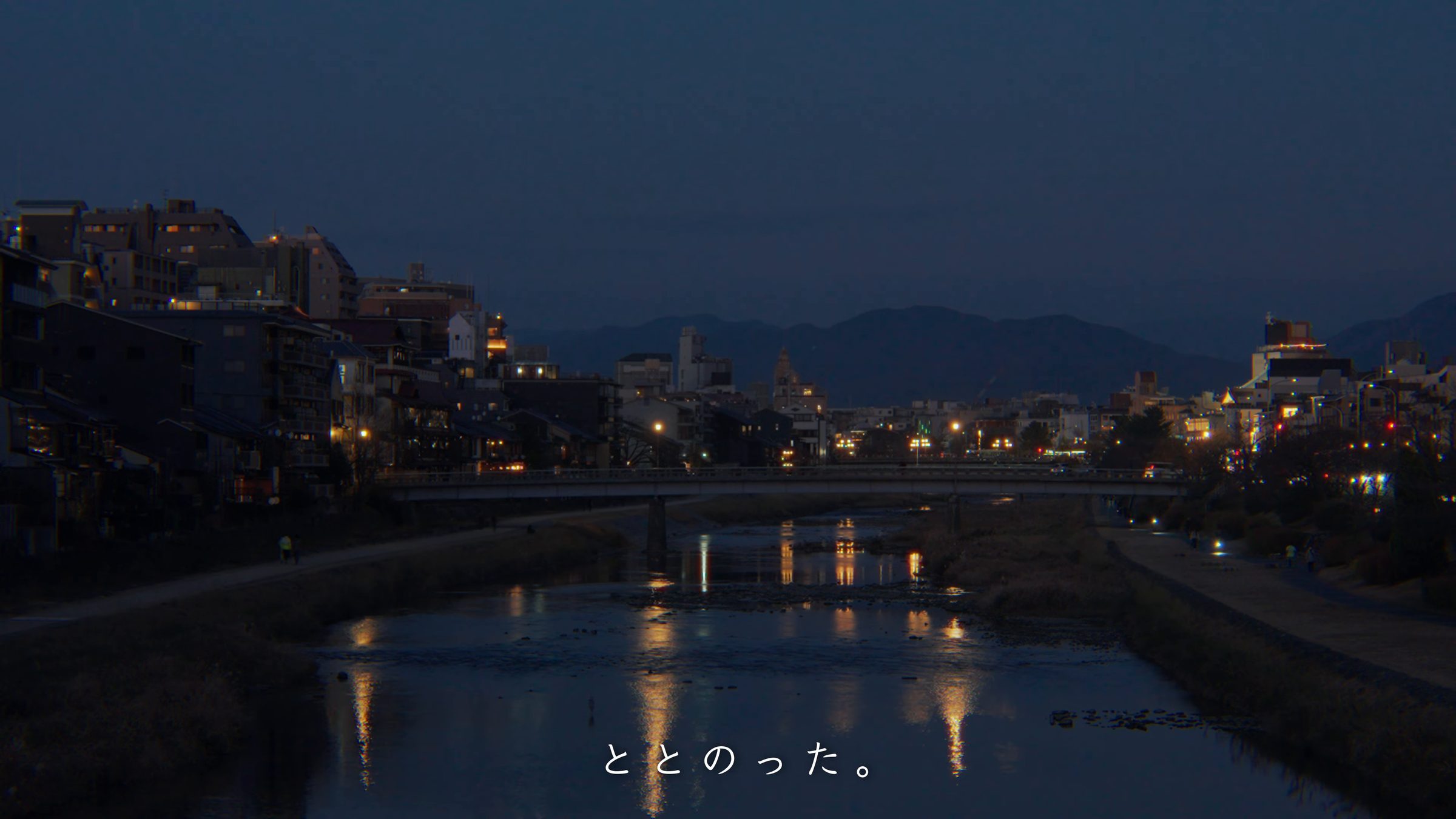
The cold bath, said to use groundwater, was wonderful. Afterward I rested in the lounge facing a small courtyard garden, and when I stepped outside, Kyoto Tower stood in silhouette against the sunset. By night, the neon sign glowed over the Takase. Totonotta: body and mind, perfectly reset.
Watch this scene on YouTube4:54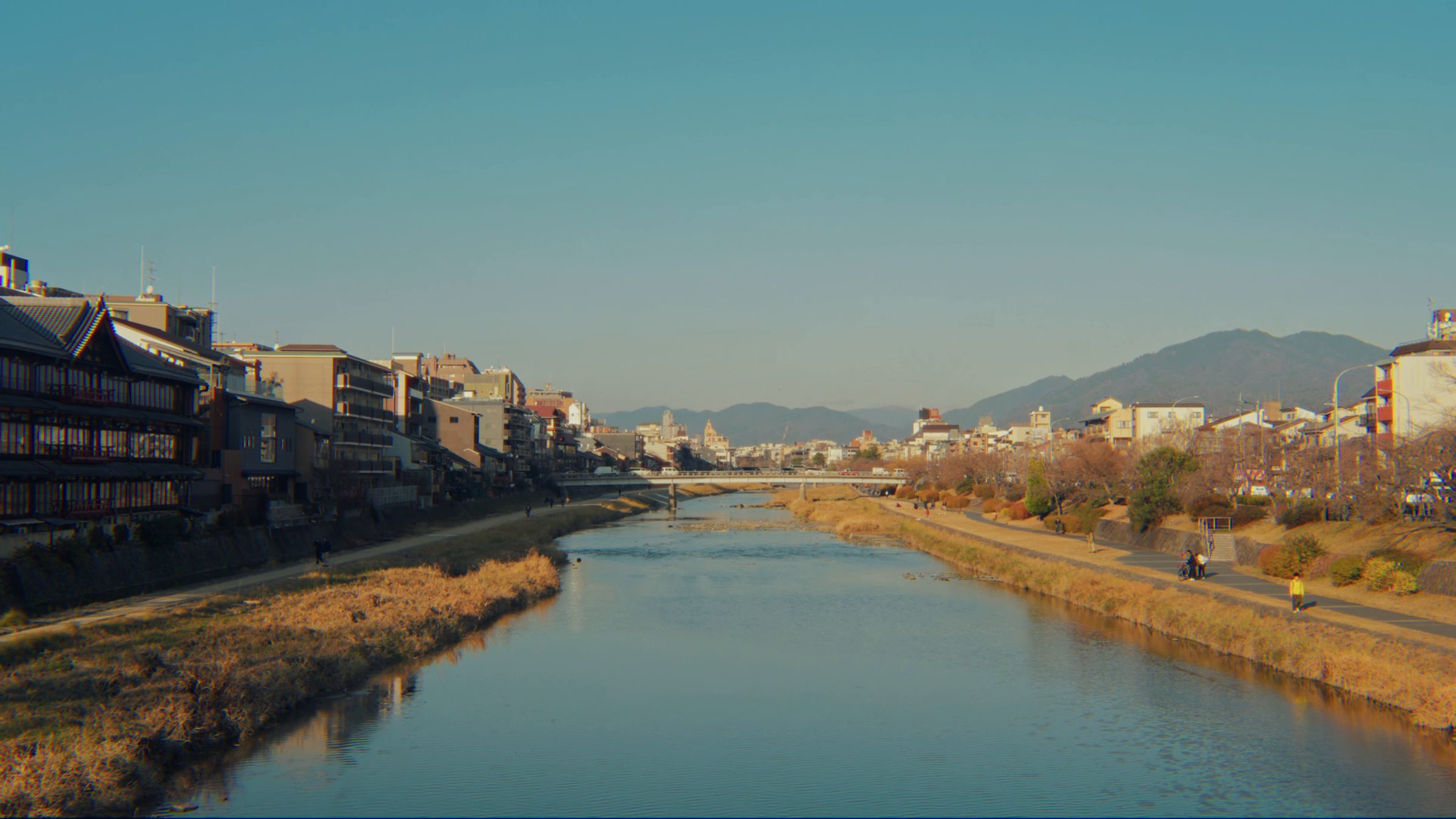
09TRAVEL JOURNAL
My first osechi
Now for the most important New Year preparation: making osechi. It was my first time. Since I was traveling, I bought the black beans and tazukuri sardines ready-made and kept everything else simple.
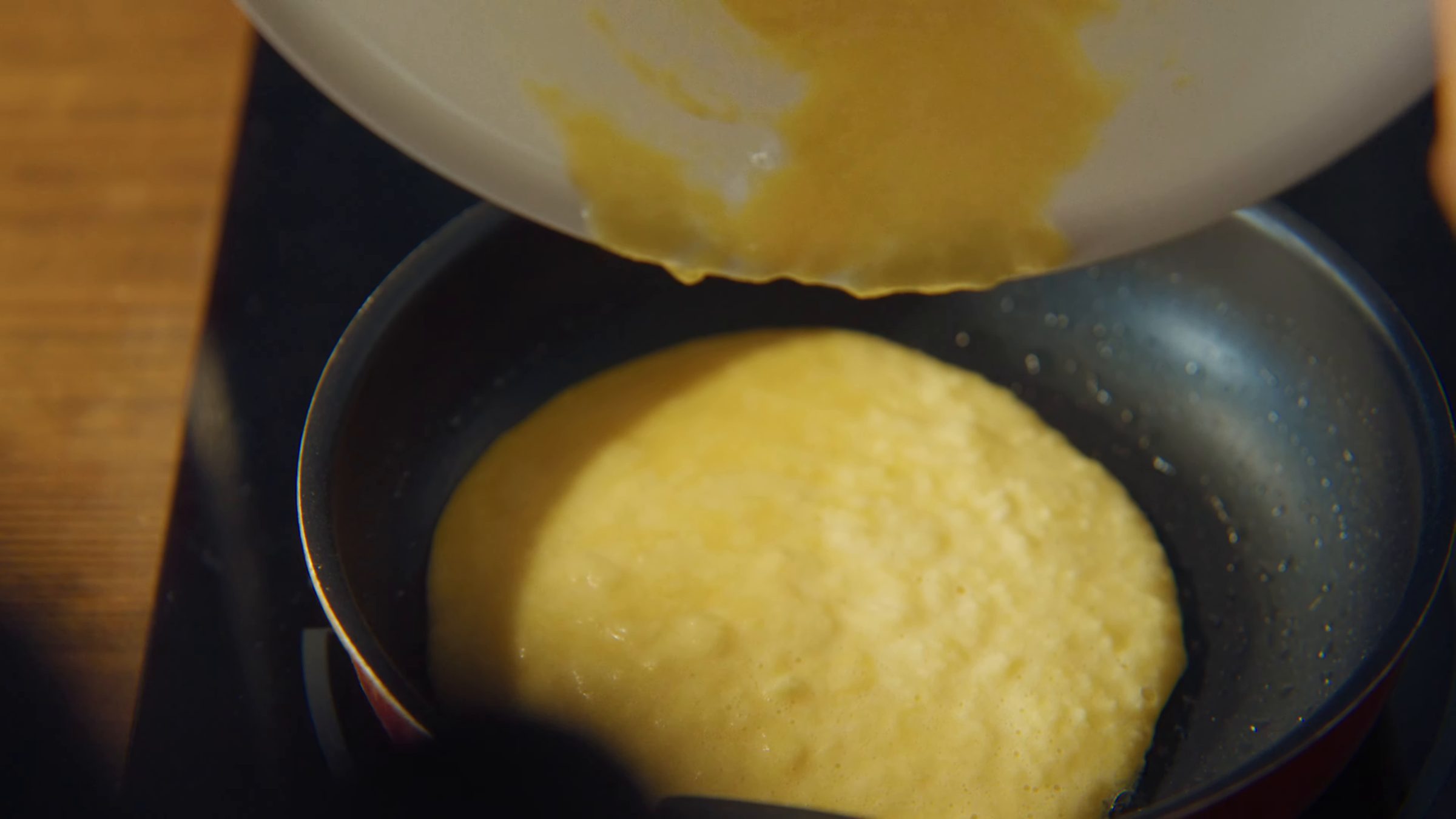
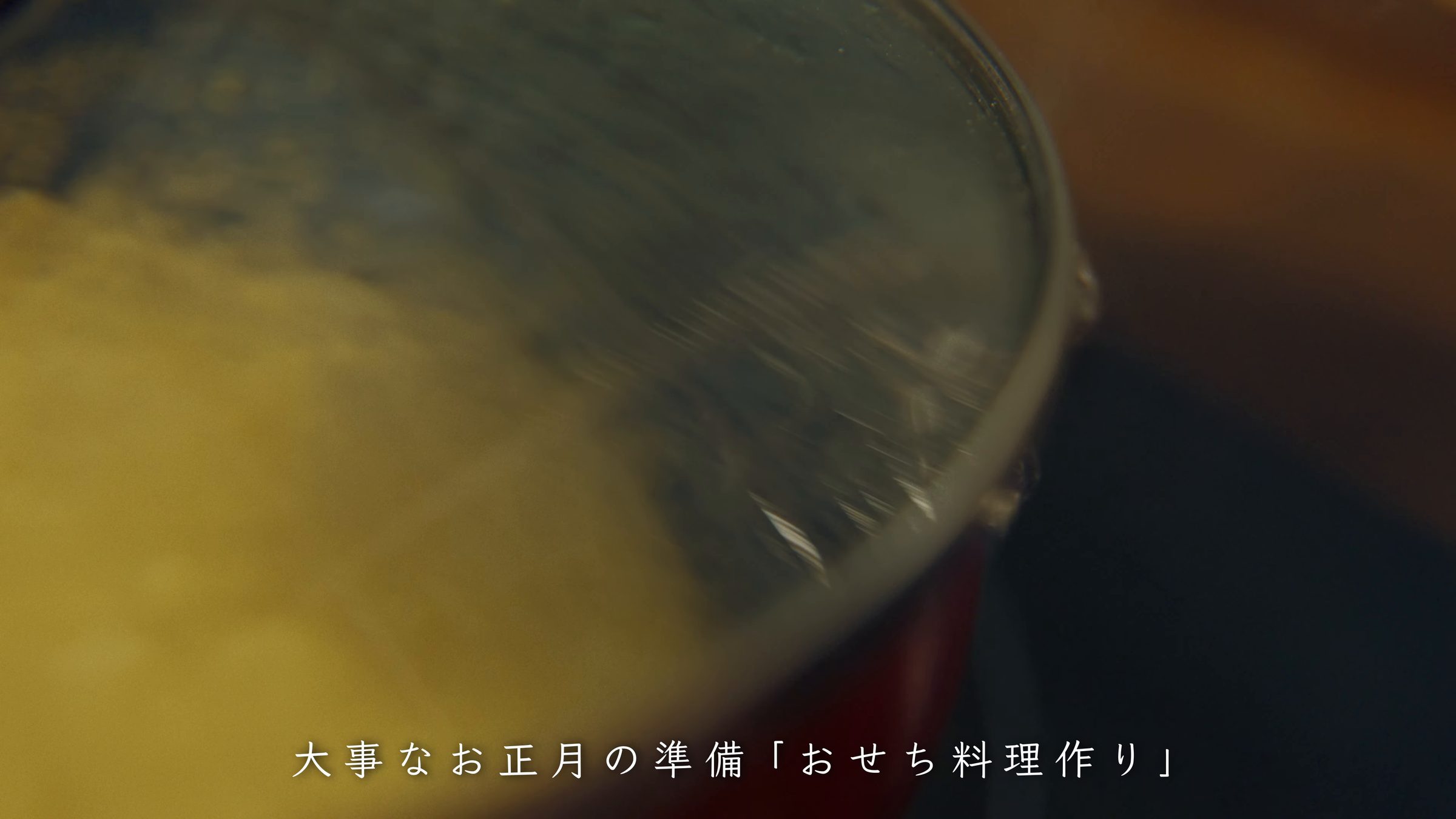
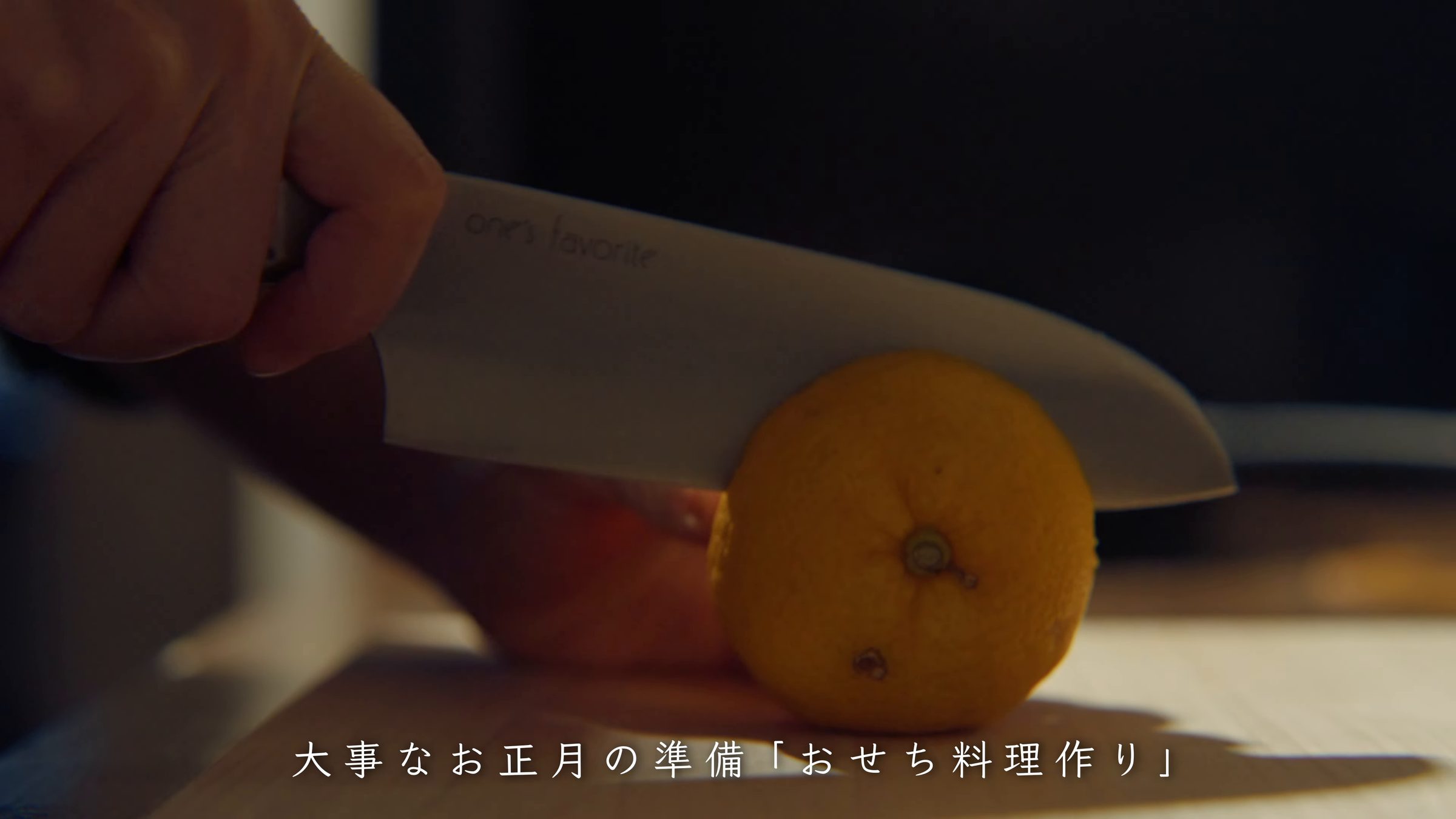
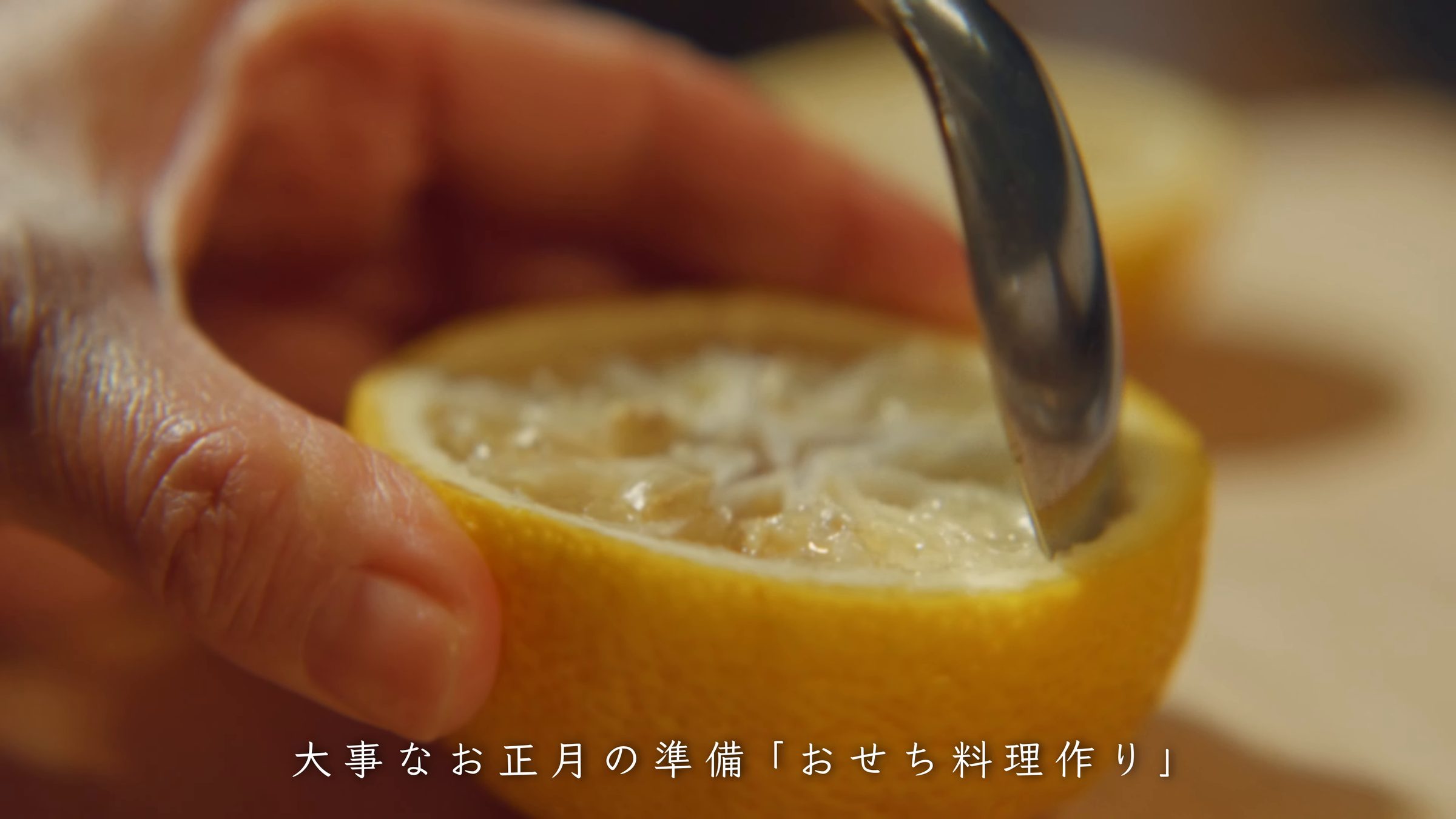
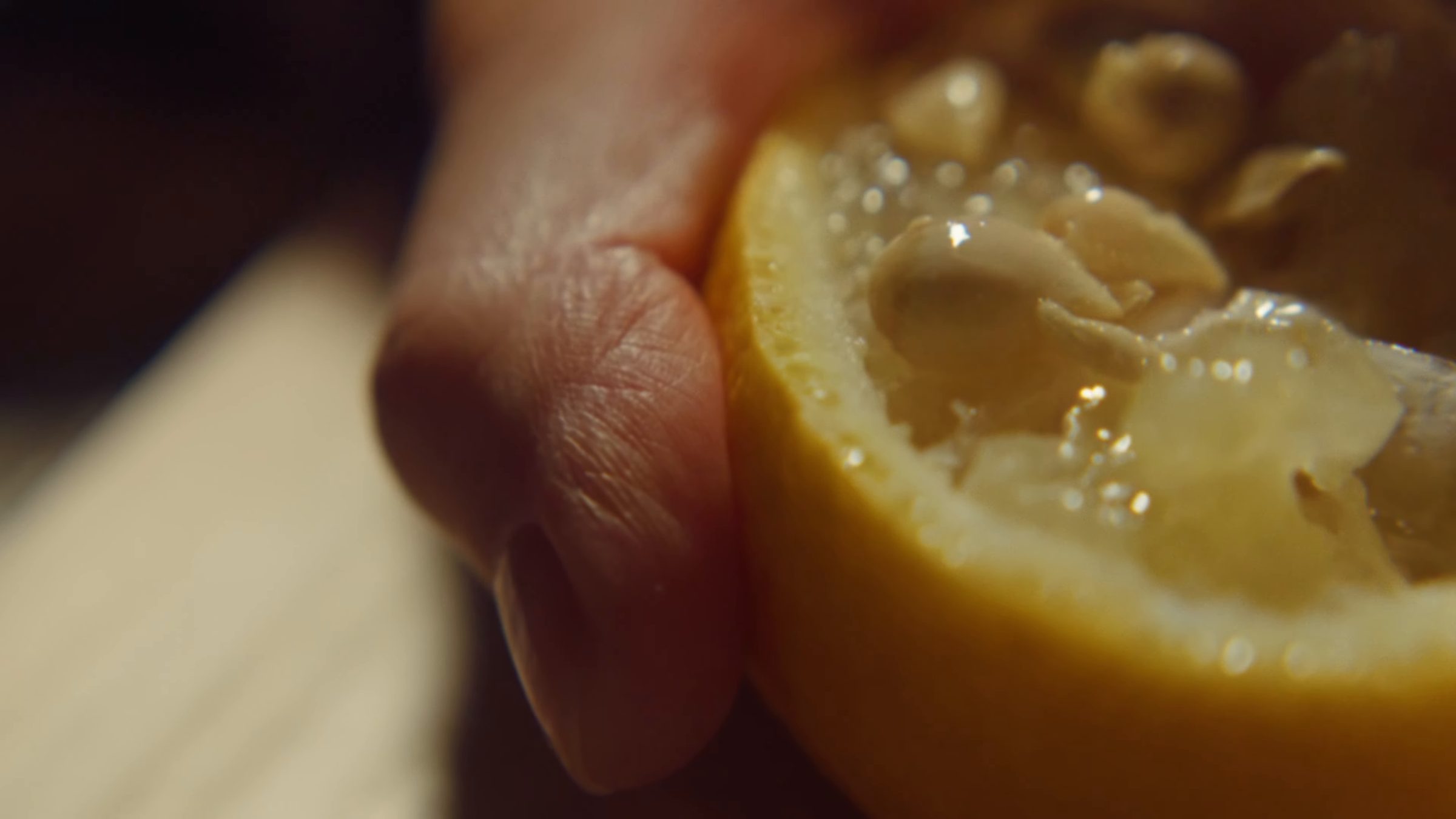
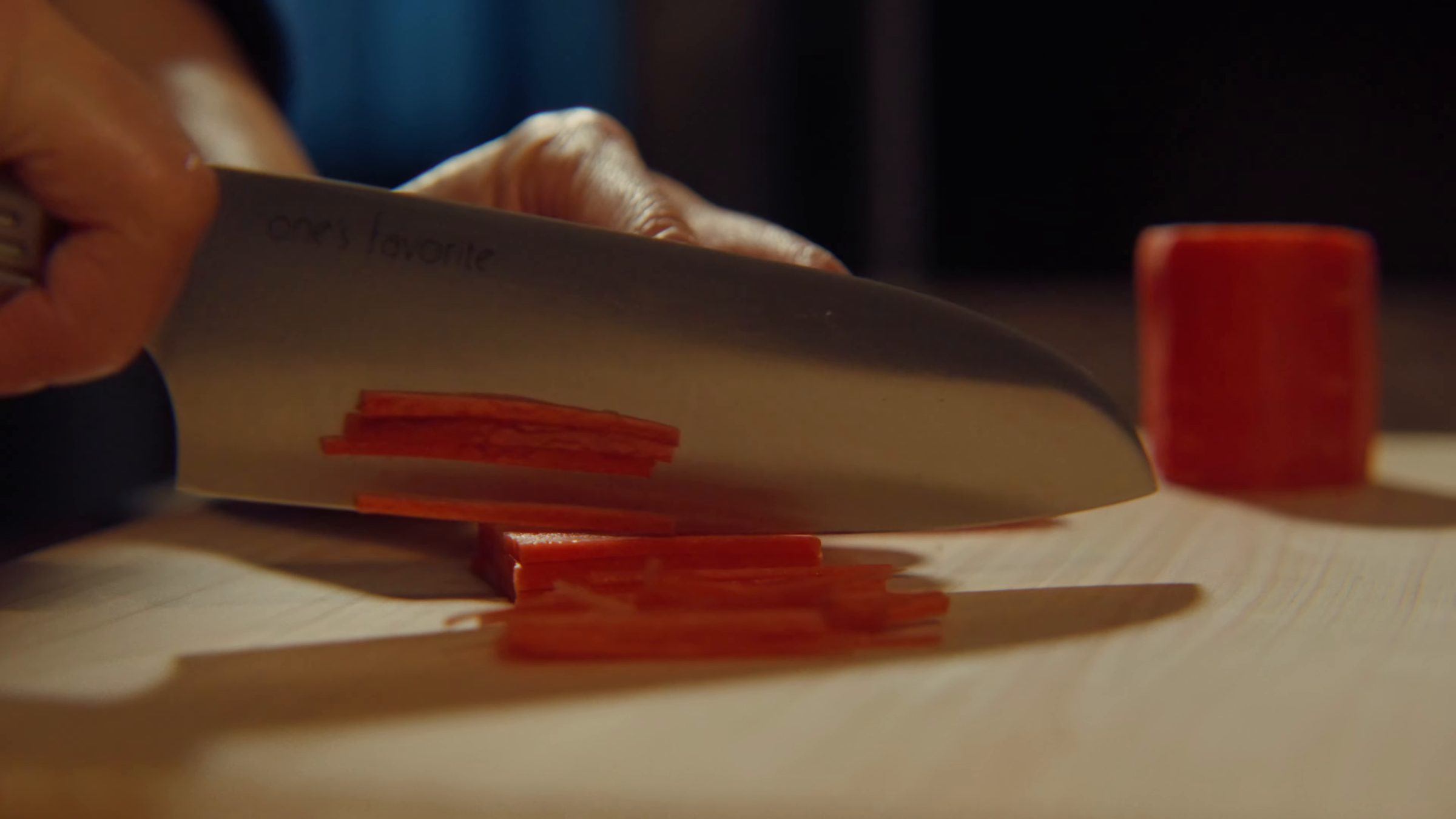
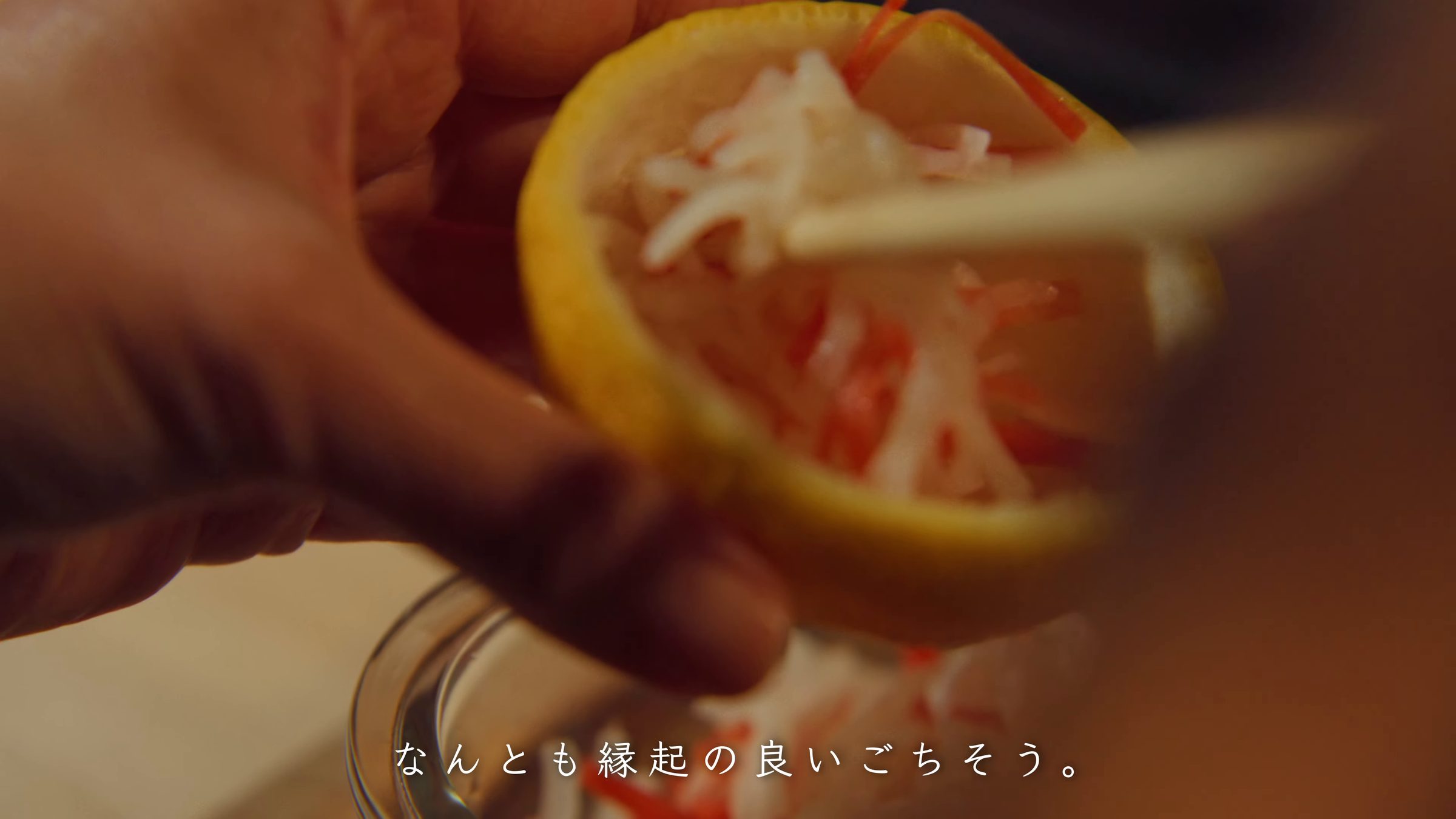
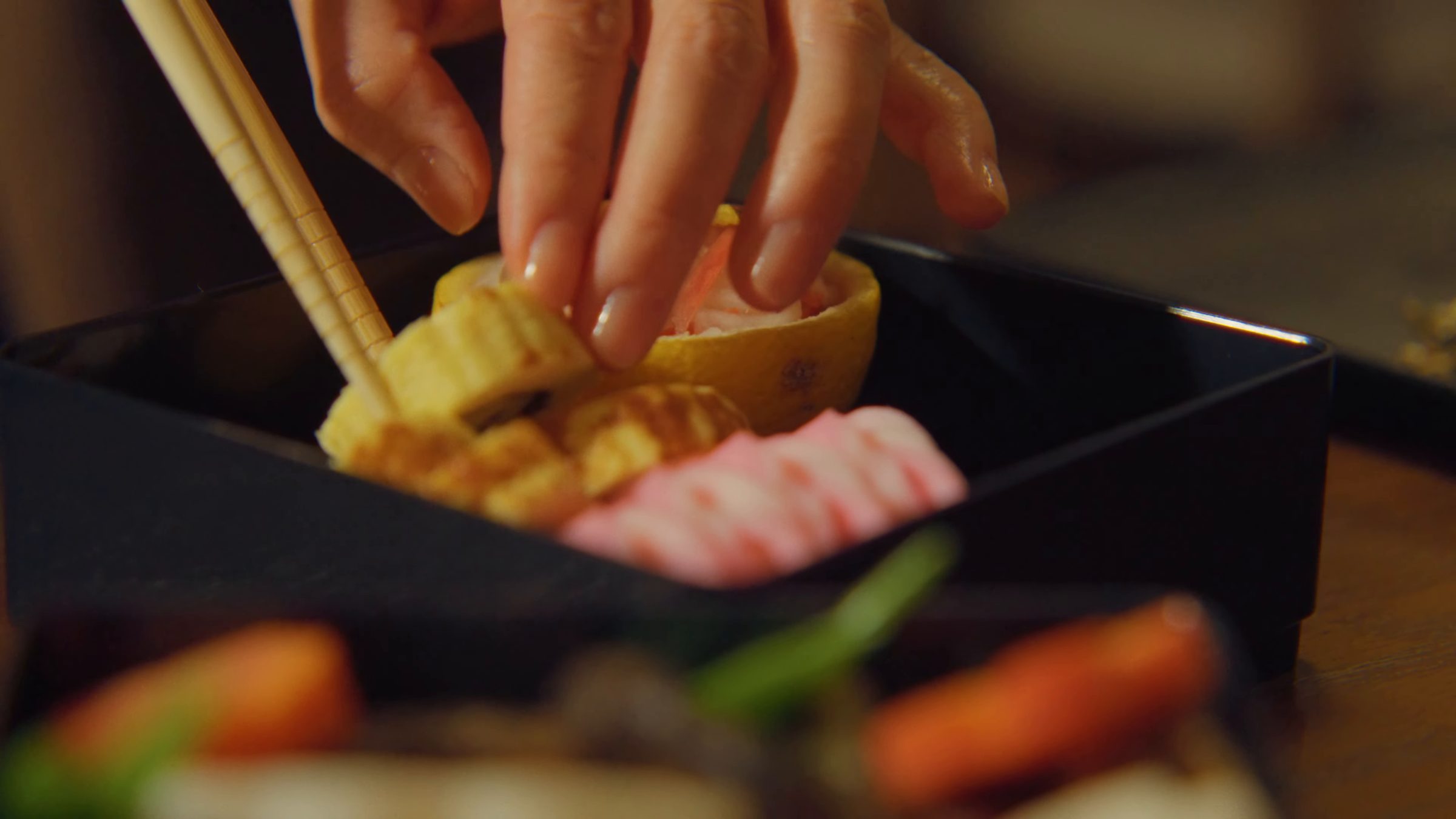
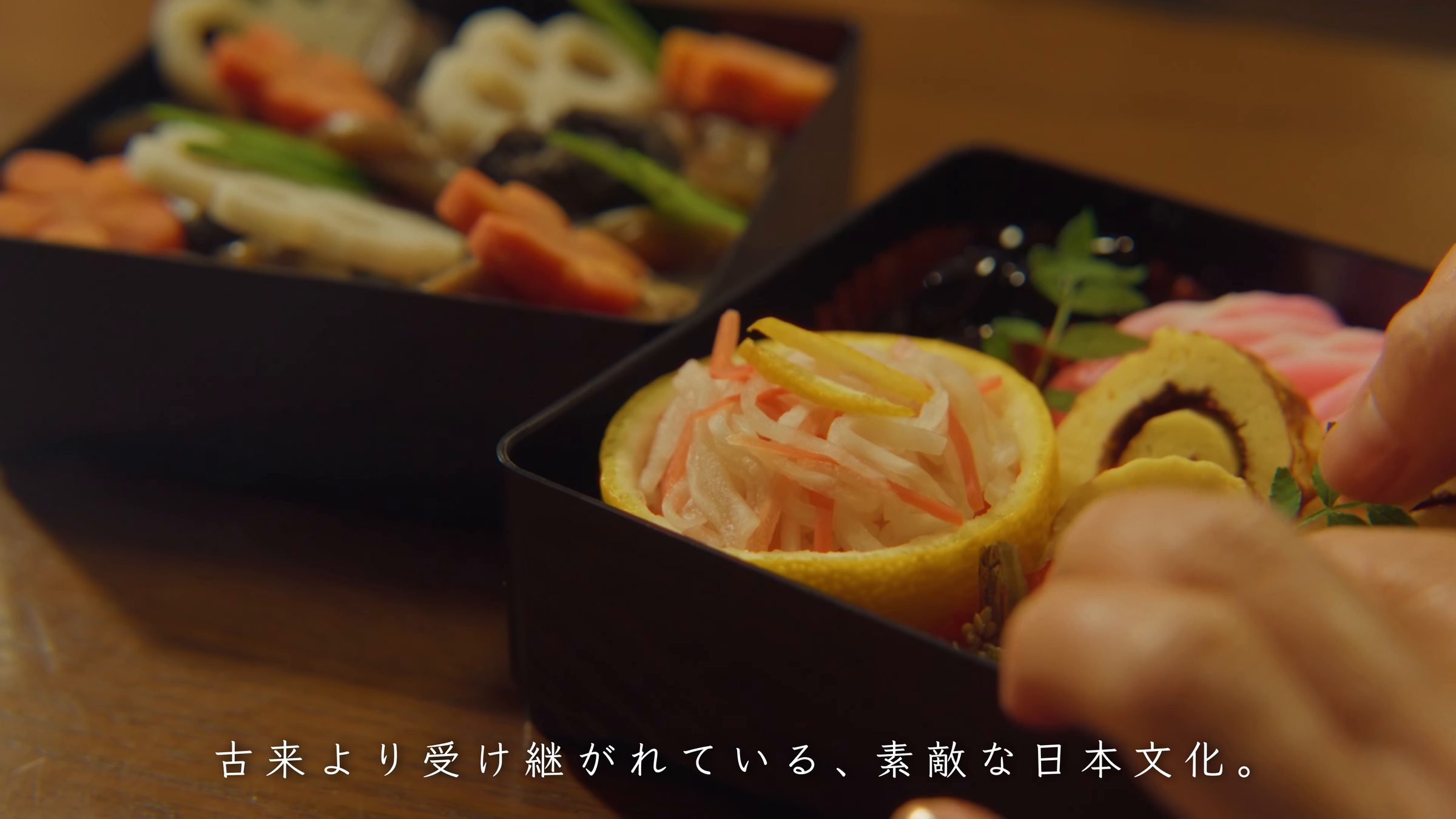
First, datemaki. I mixed mashed hanpen fish cake with eggs, poured the batter into a frying pan and cooked it under a lid. I halved a yuzu and scooped it out to make a little cup, and cut carrots into fine strips for red-and-white namasu.
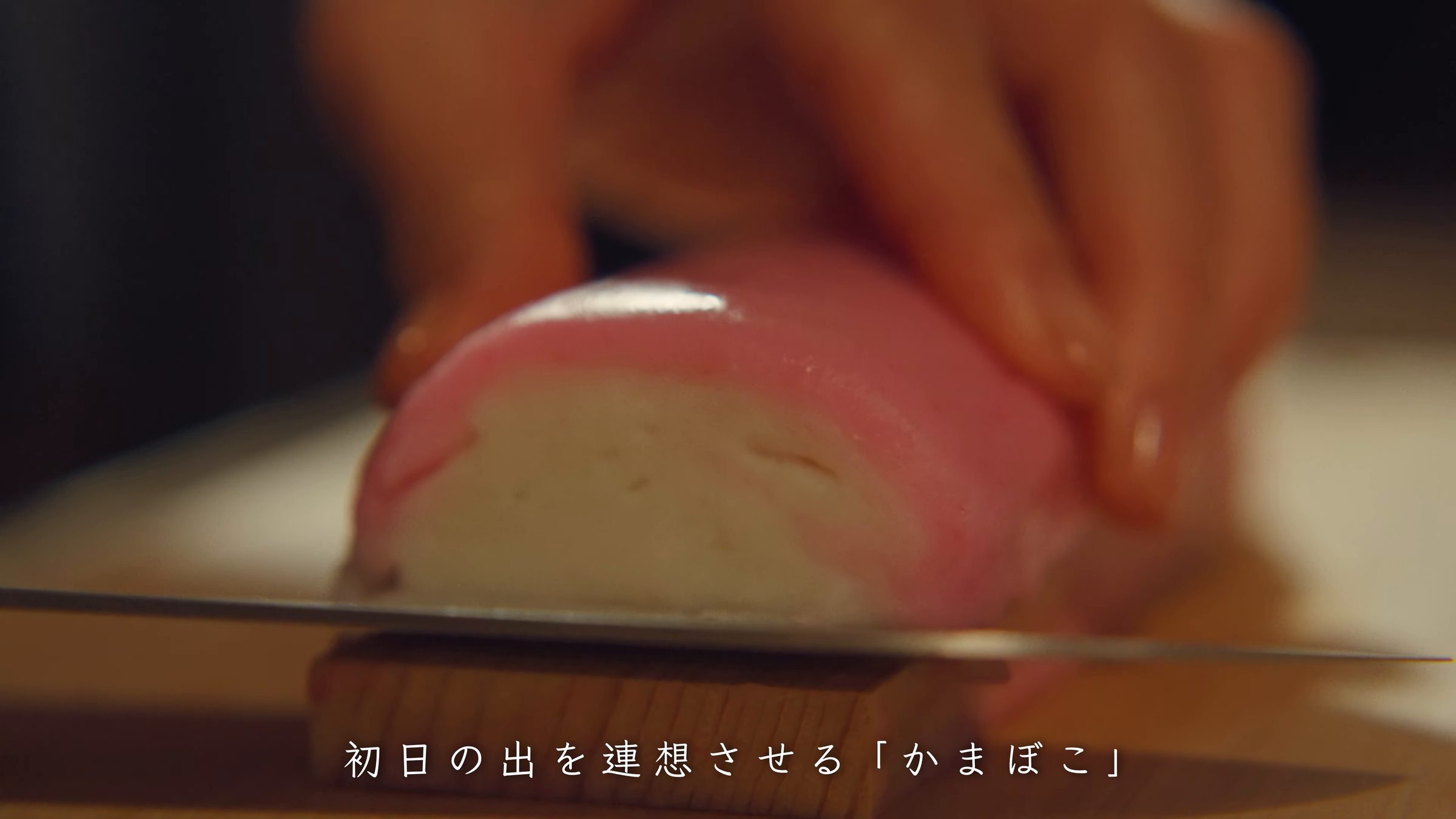
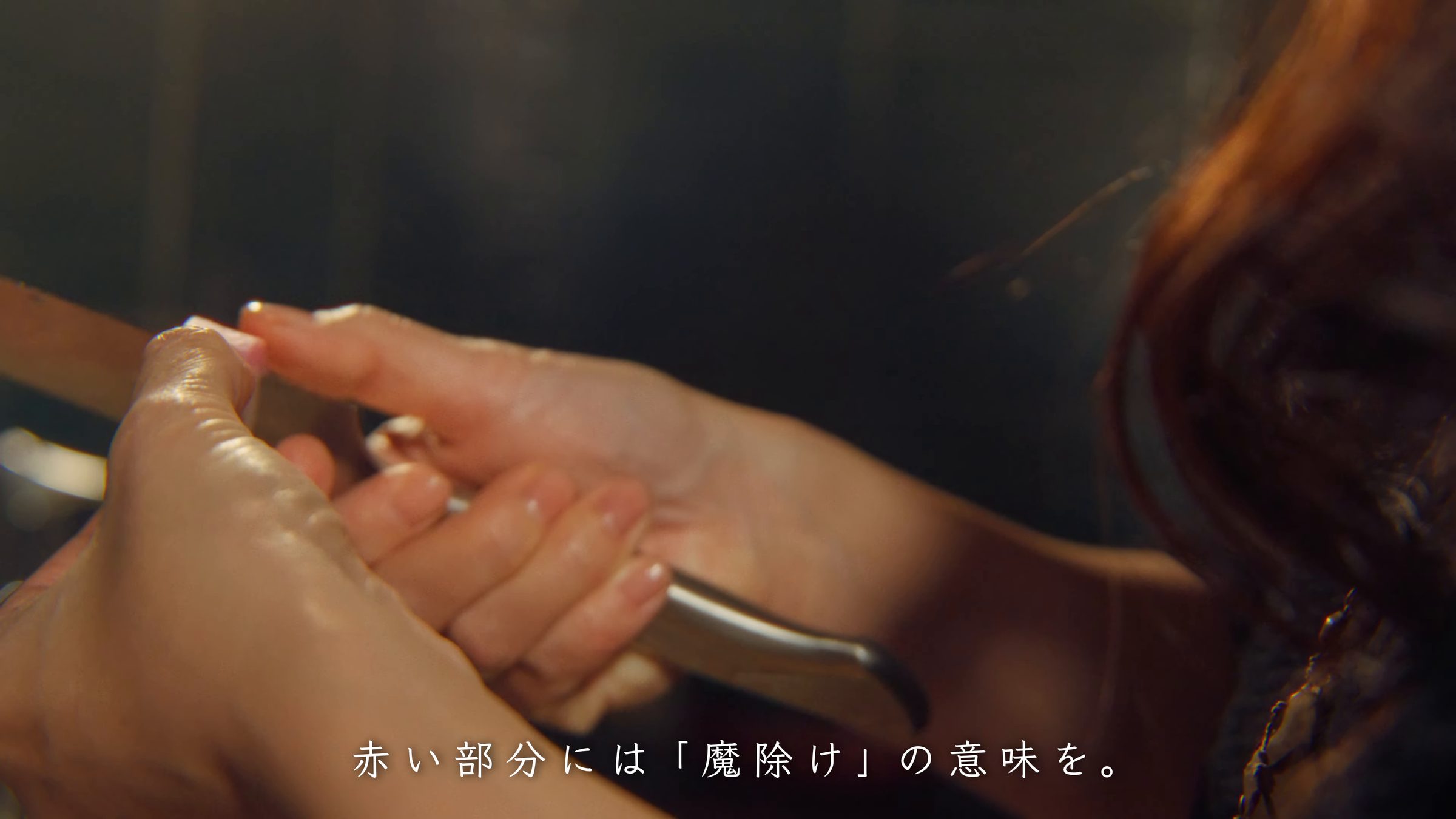
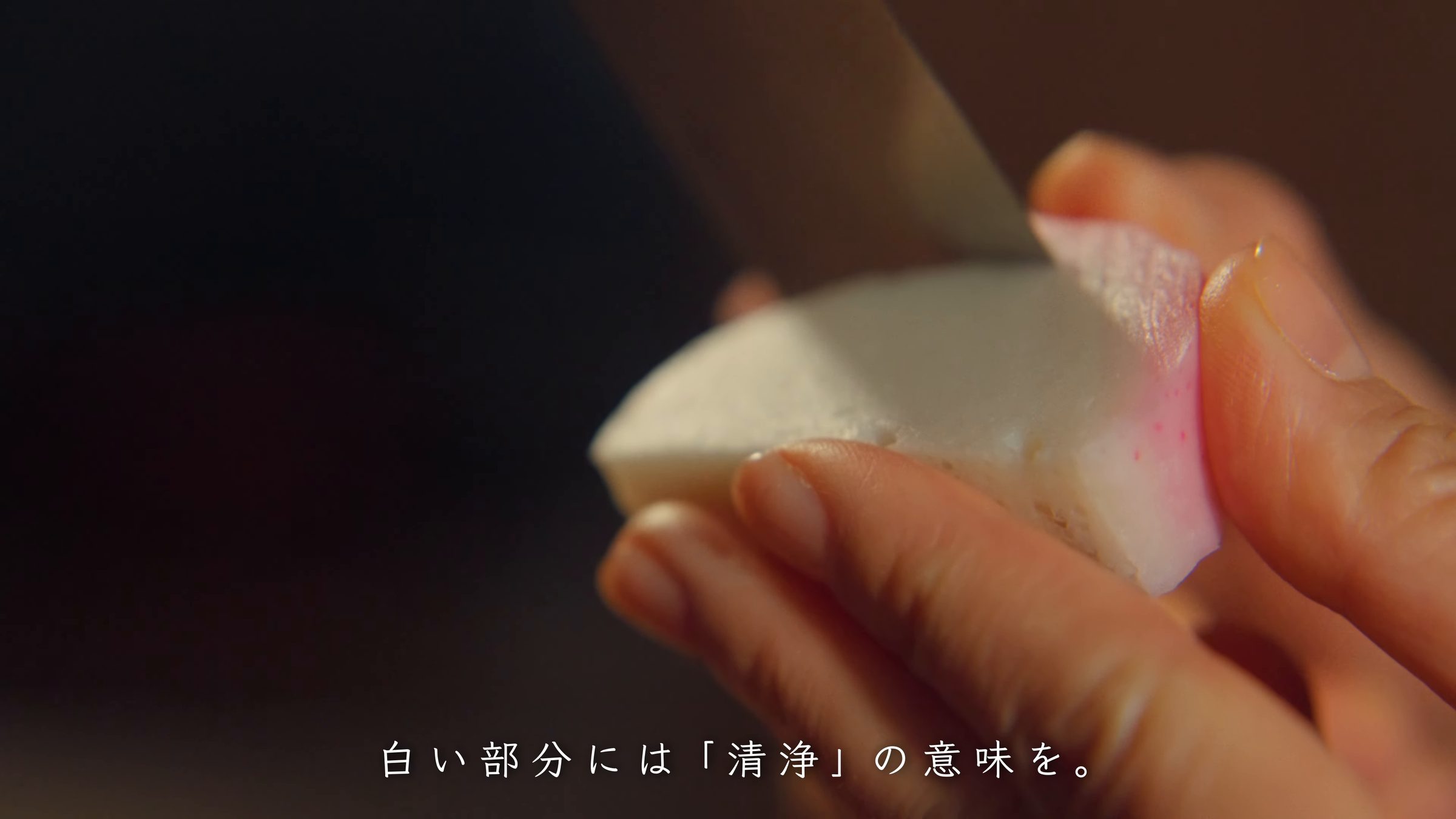
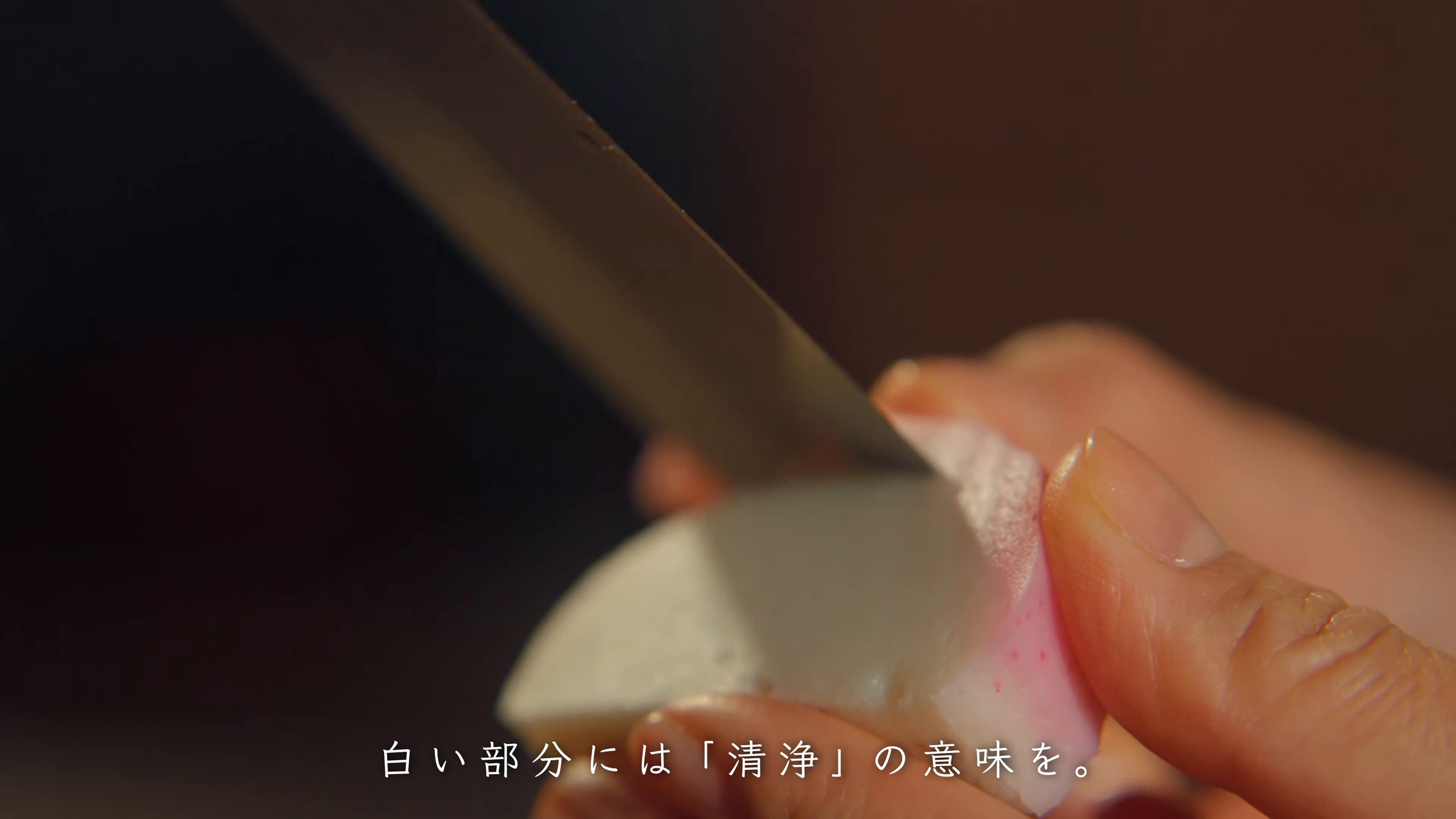
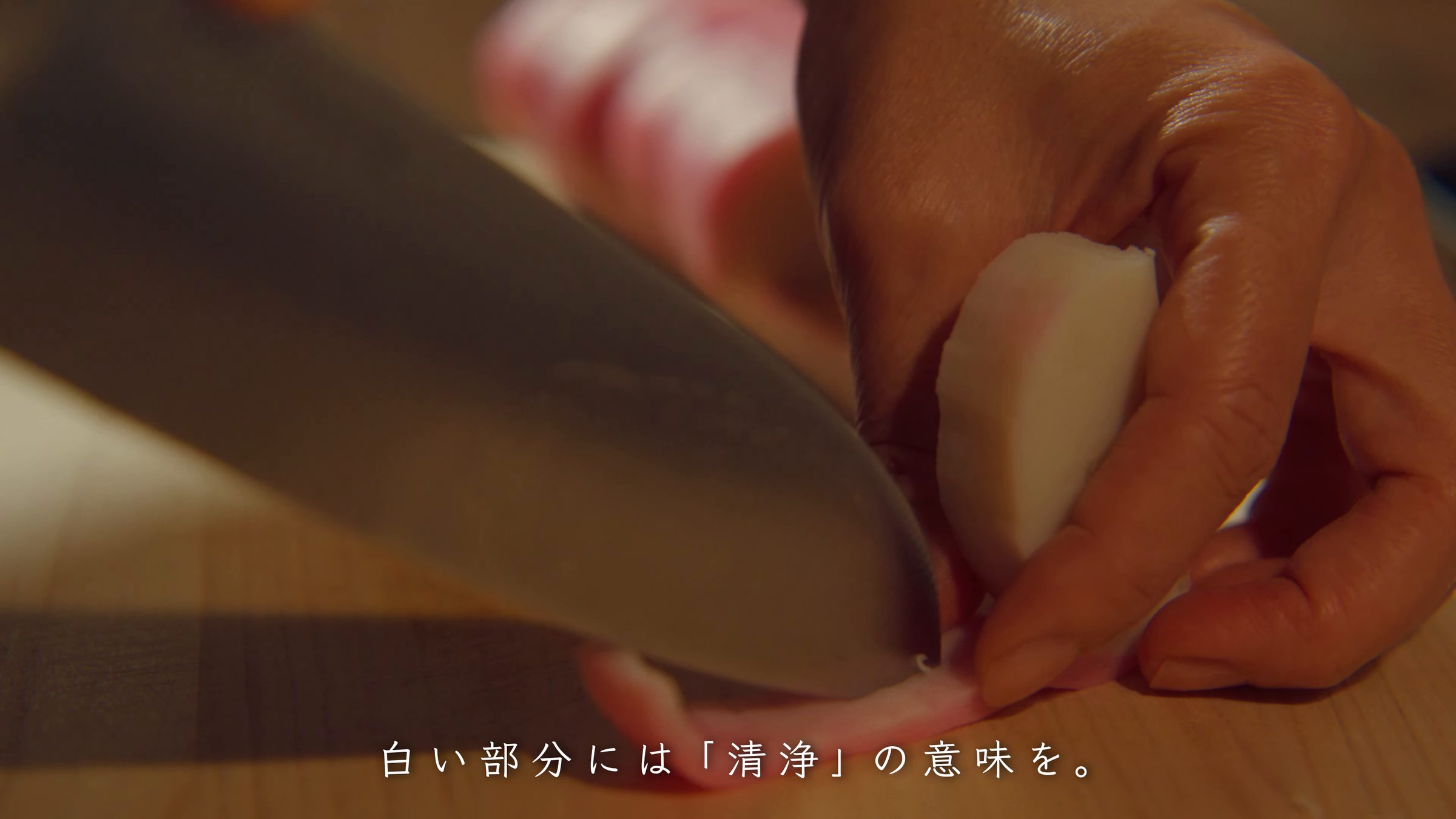
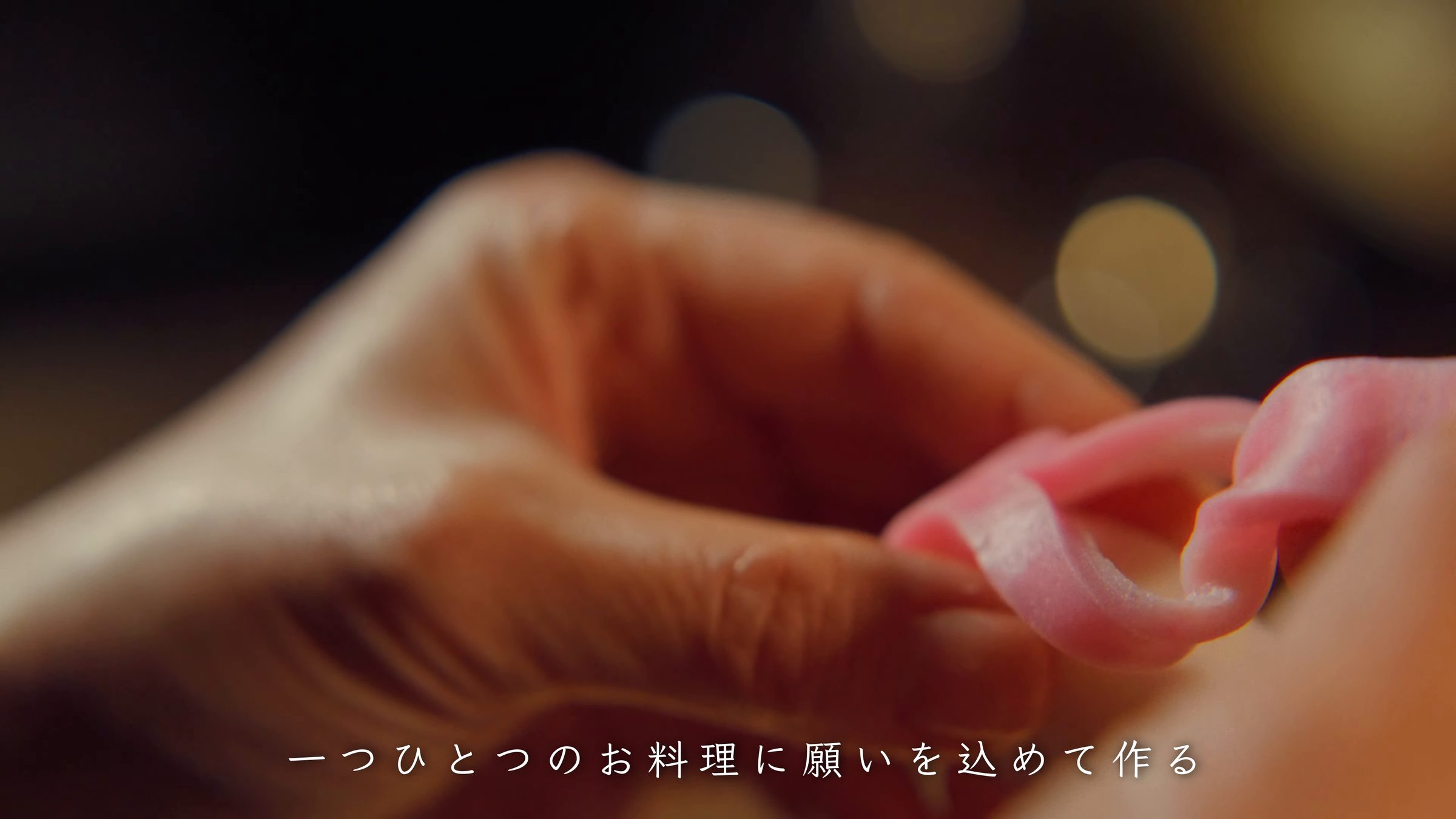
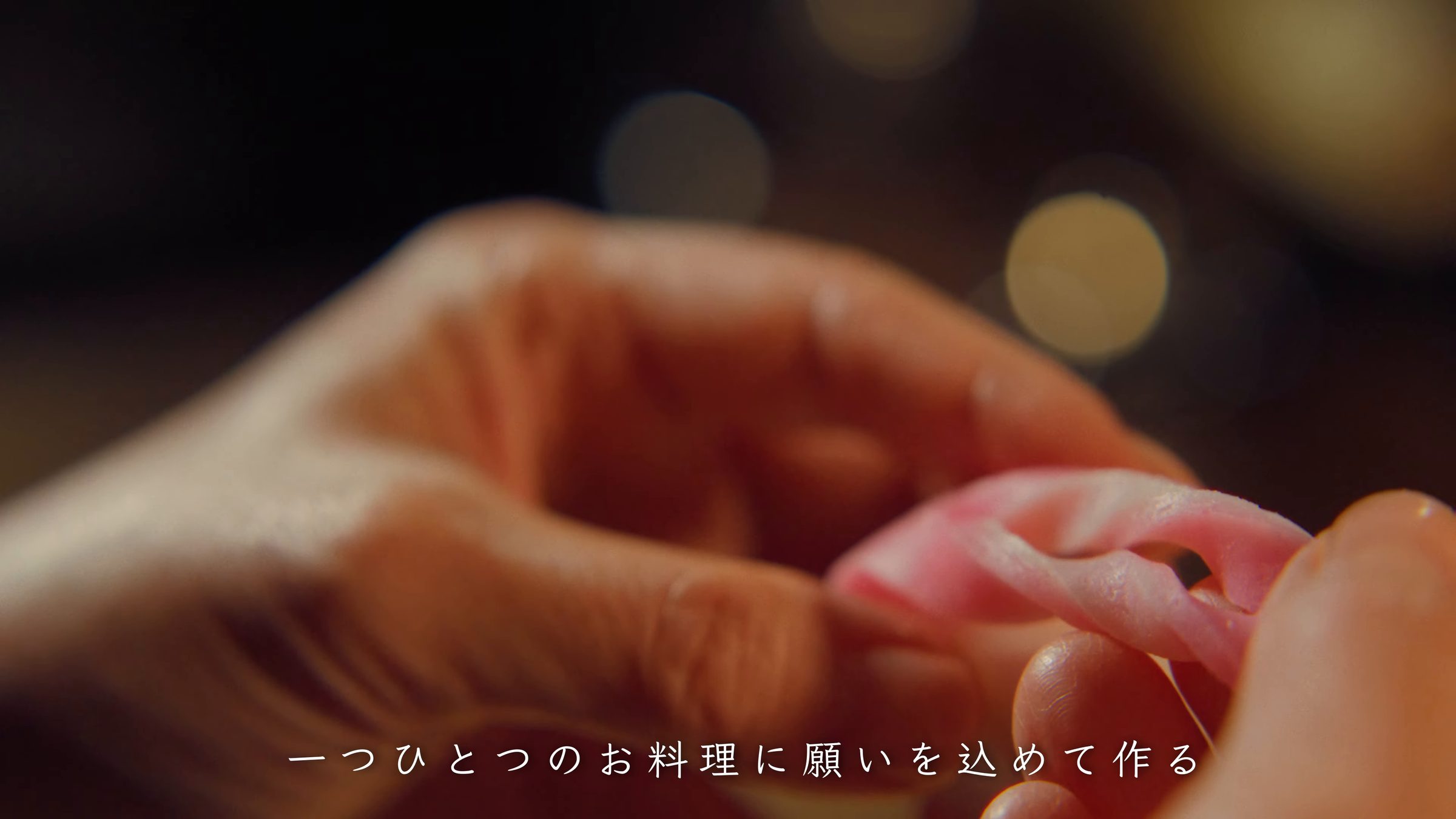
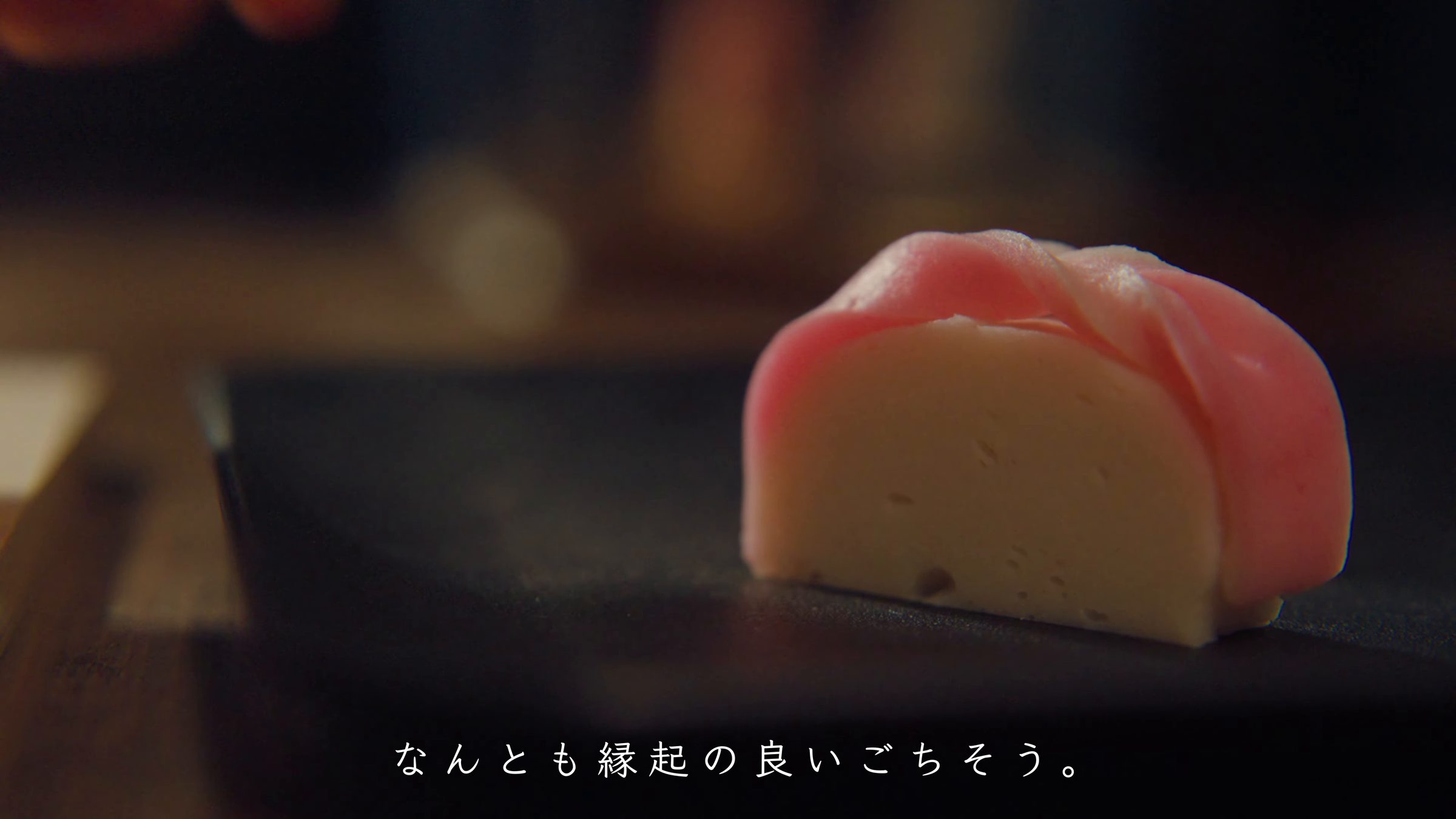
Kamaboko, they say, evokes the first sunrise of the year, with the red standing for protection against evil and the white for purity. I slid it off its board, sliced it, scored the red skin and curled it into a loop. Every dish is made with a wish in it: such a lucky feast.
Watch this scene on YouTube5:40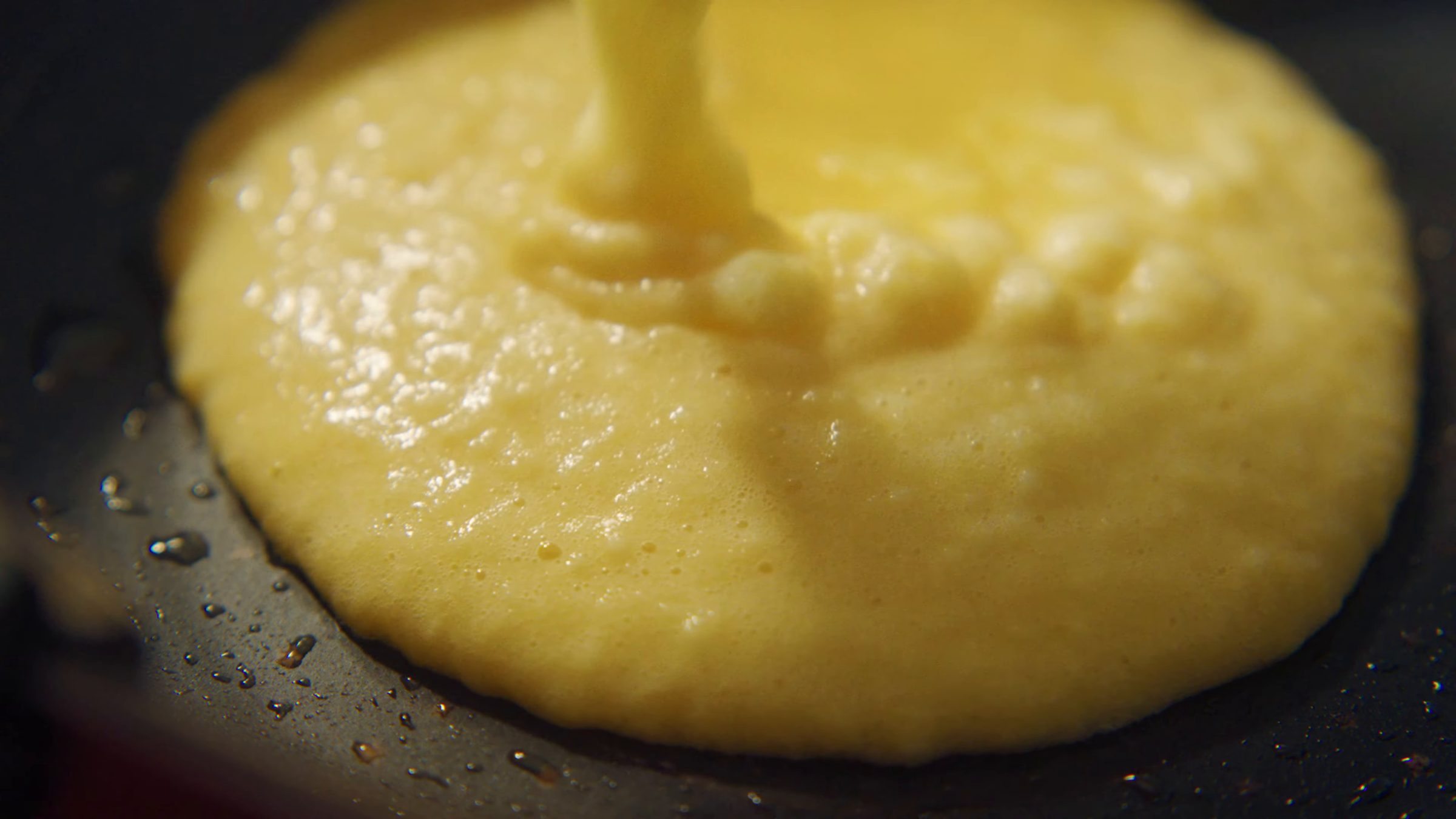
10TRAVEL JOURNAL
Rolling the datemaki, filling the boxes
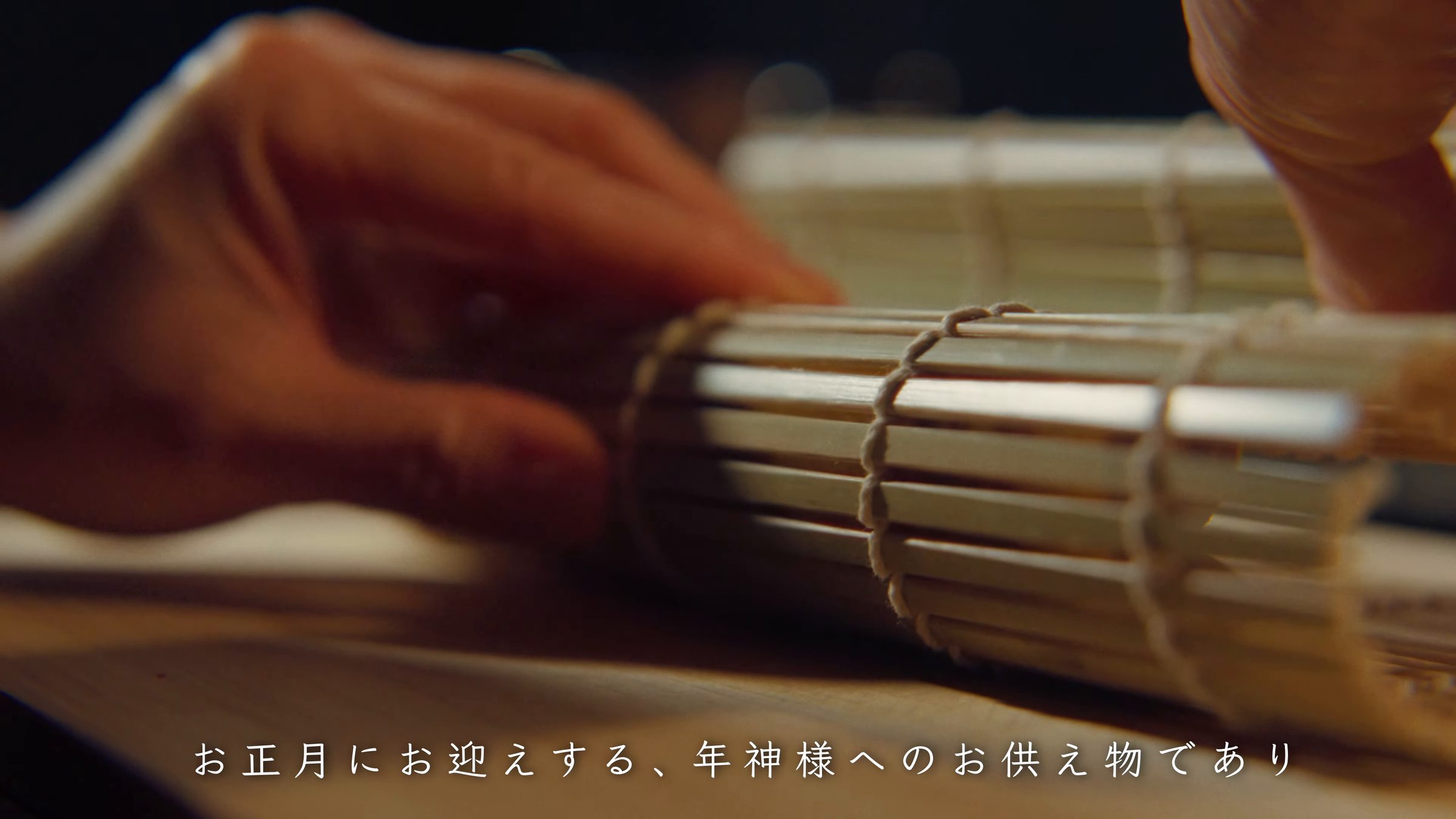
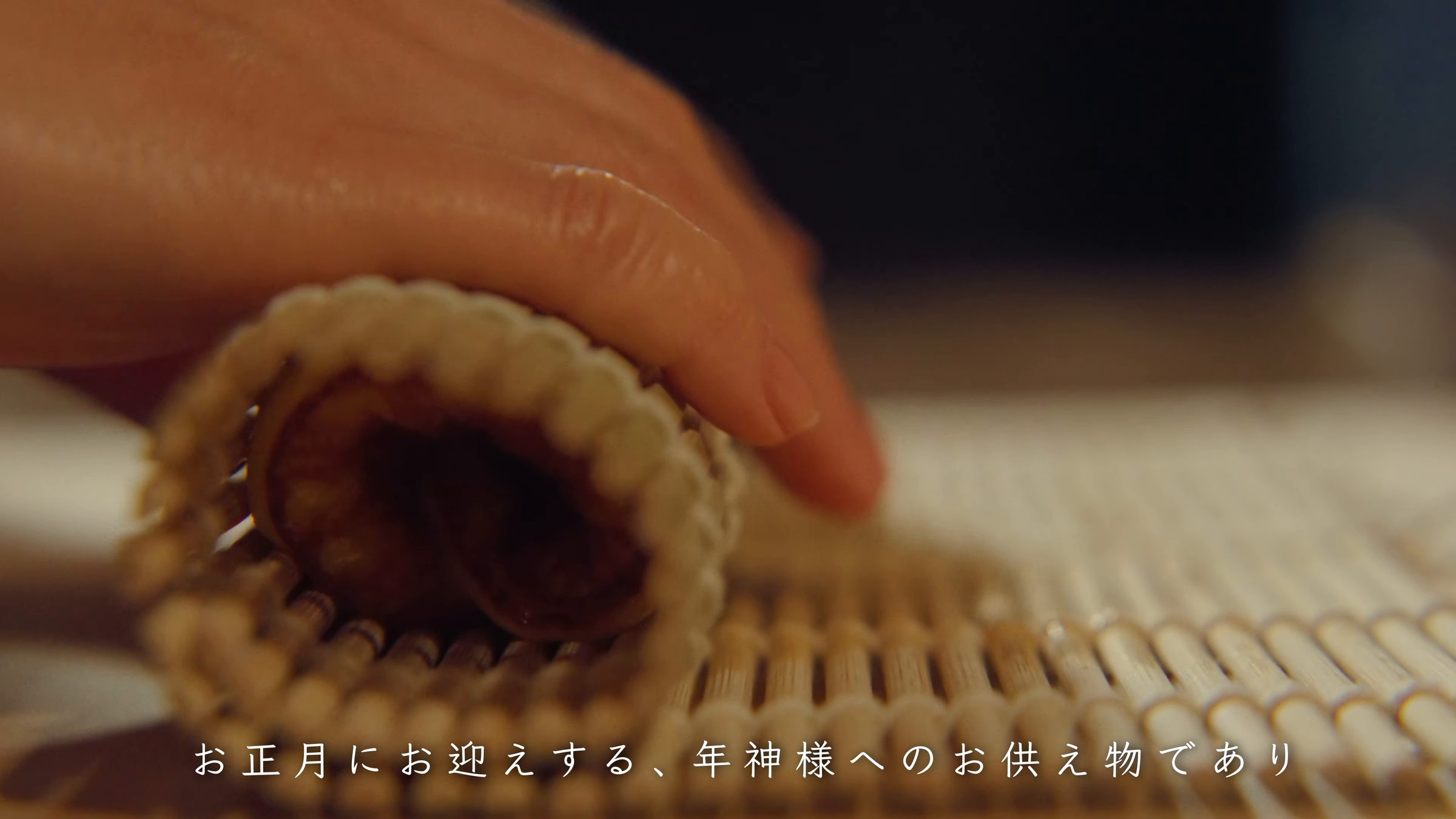
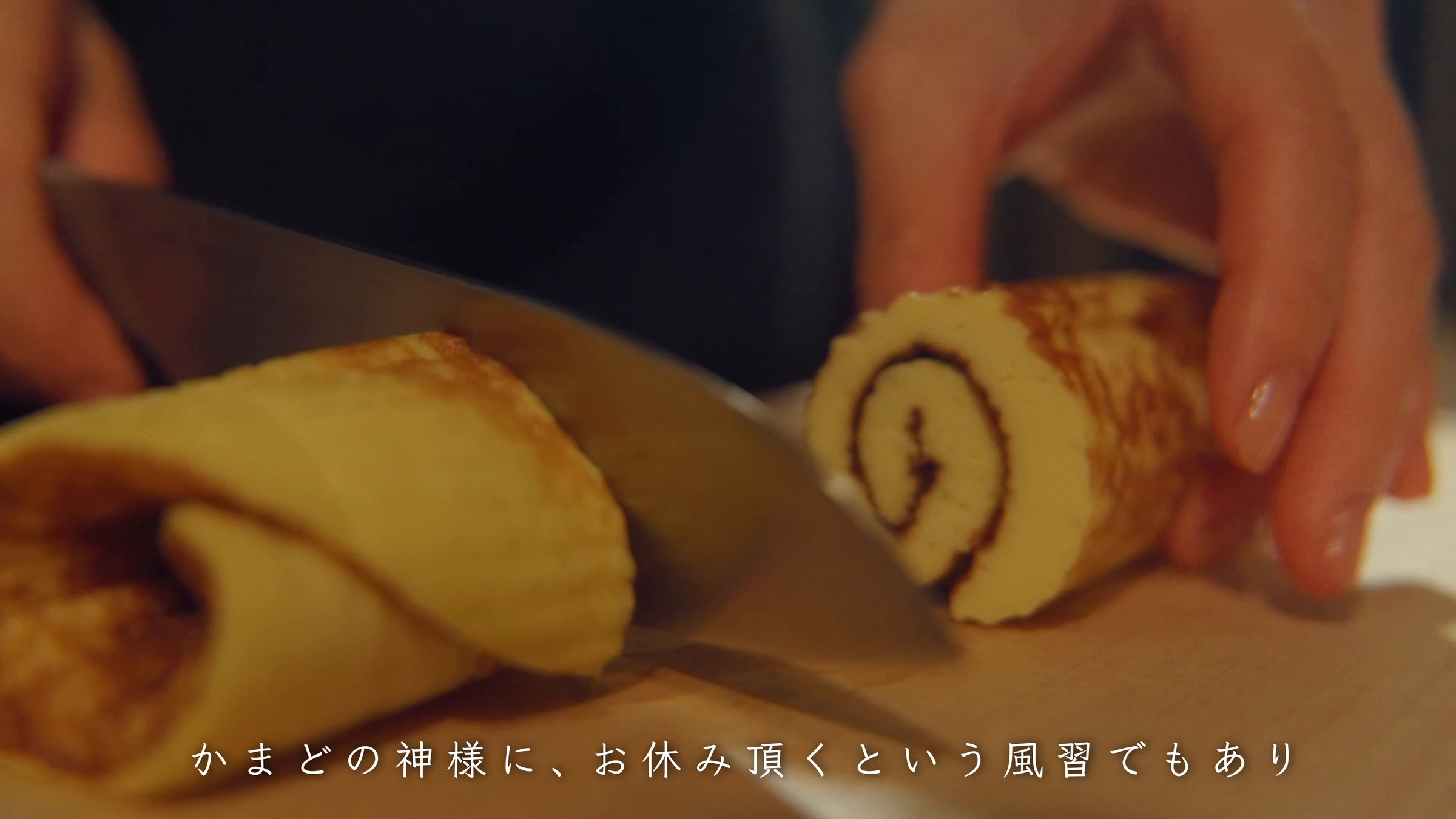
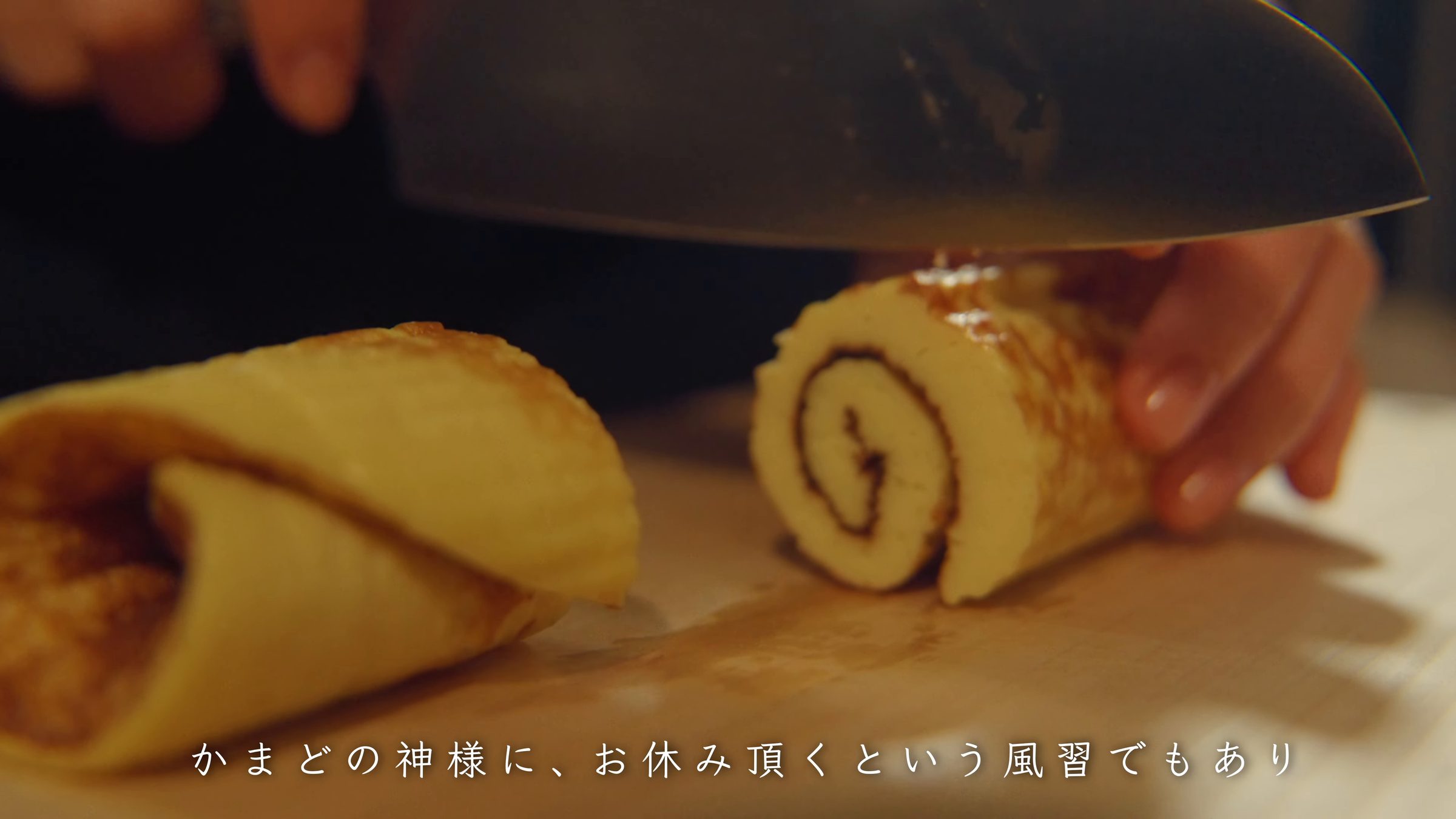
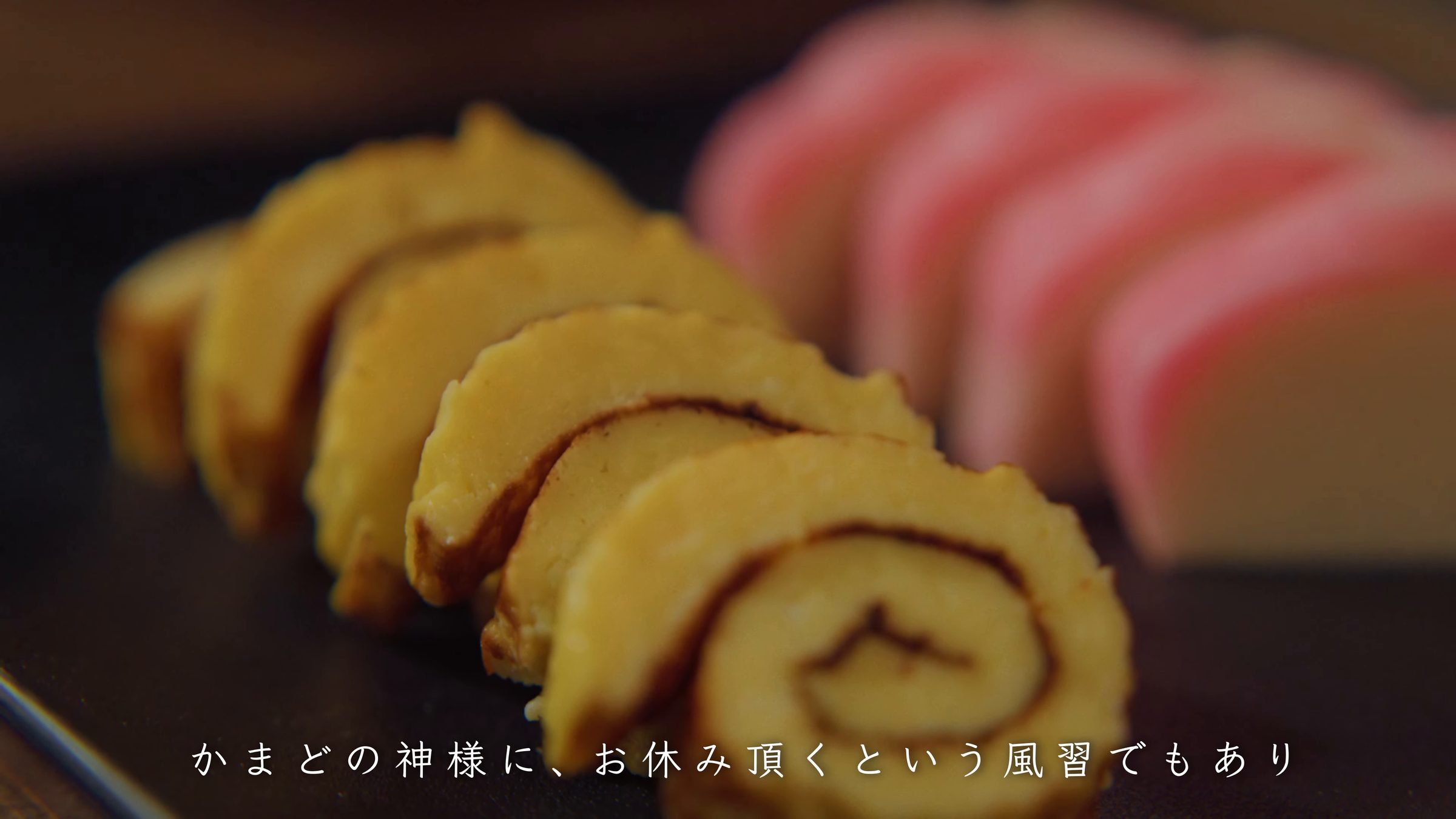
I rolled the finished datemaki up tight in a bamboo mat. When I sliced it, a neat spiral appeared in every piece; it looked remarkably like the real thing.
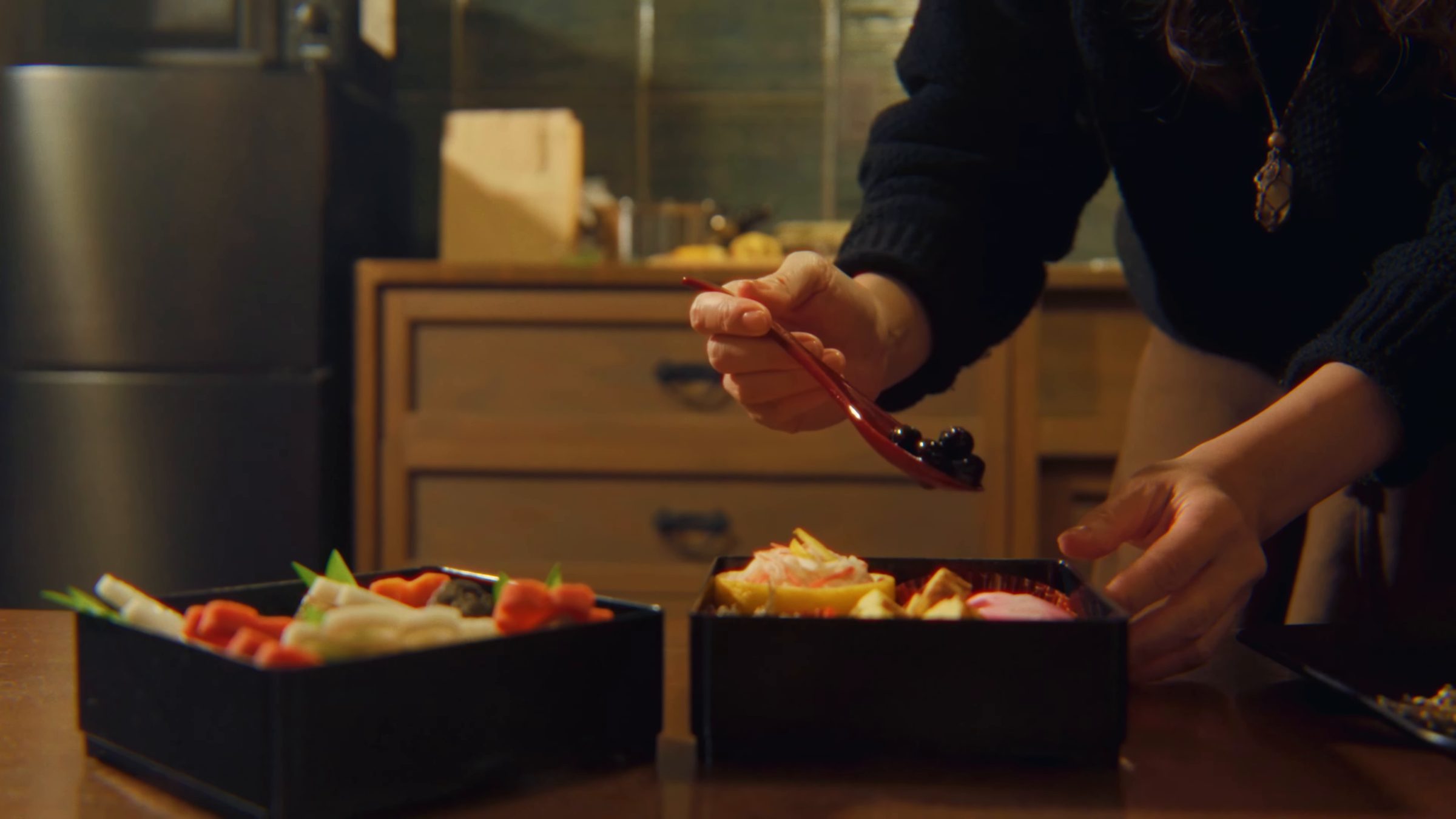
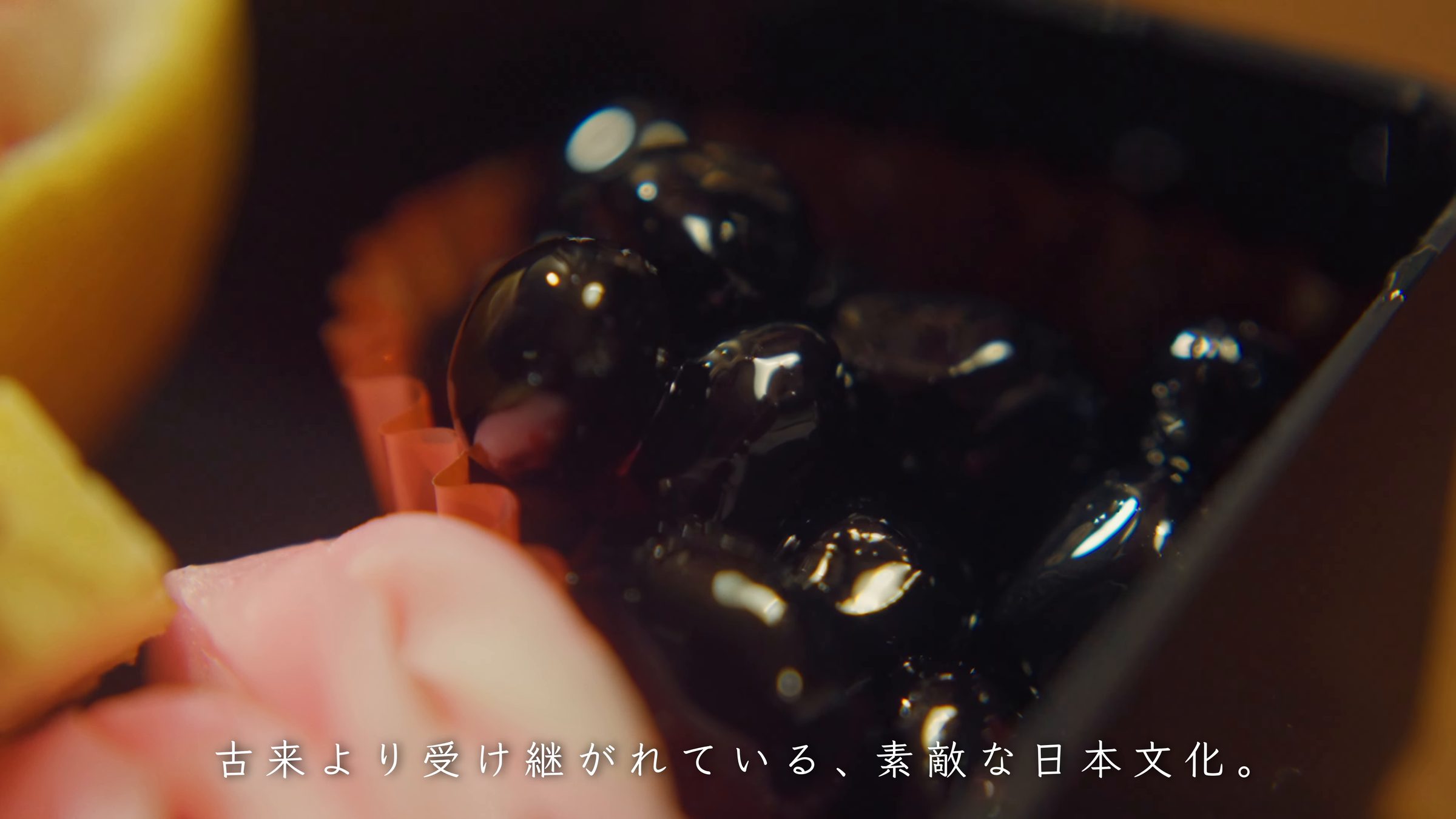
Osechi is said to be an offering to Toshigami, the deity welcomed at New Year, and also a custom that lets the god of the kitchen stove rest. It is a lovely part of Japanese culture, handed down from long ago.
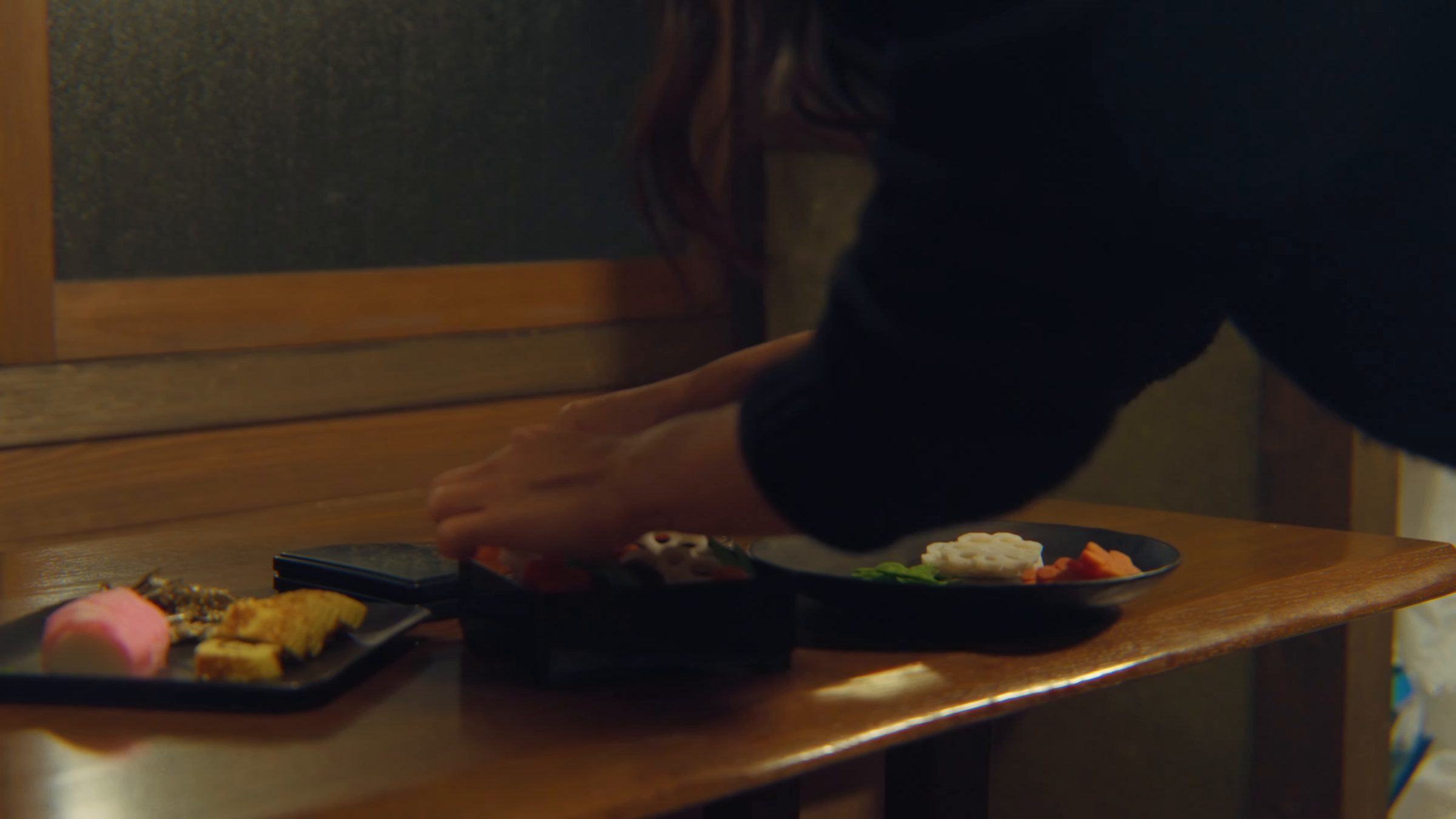
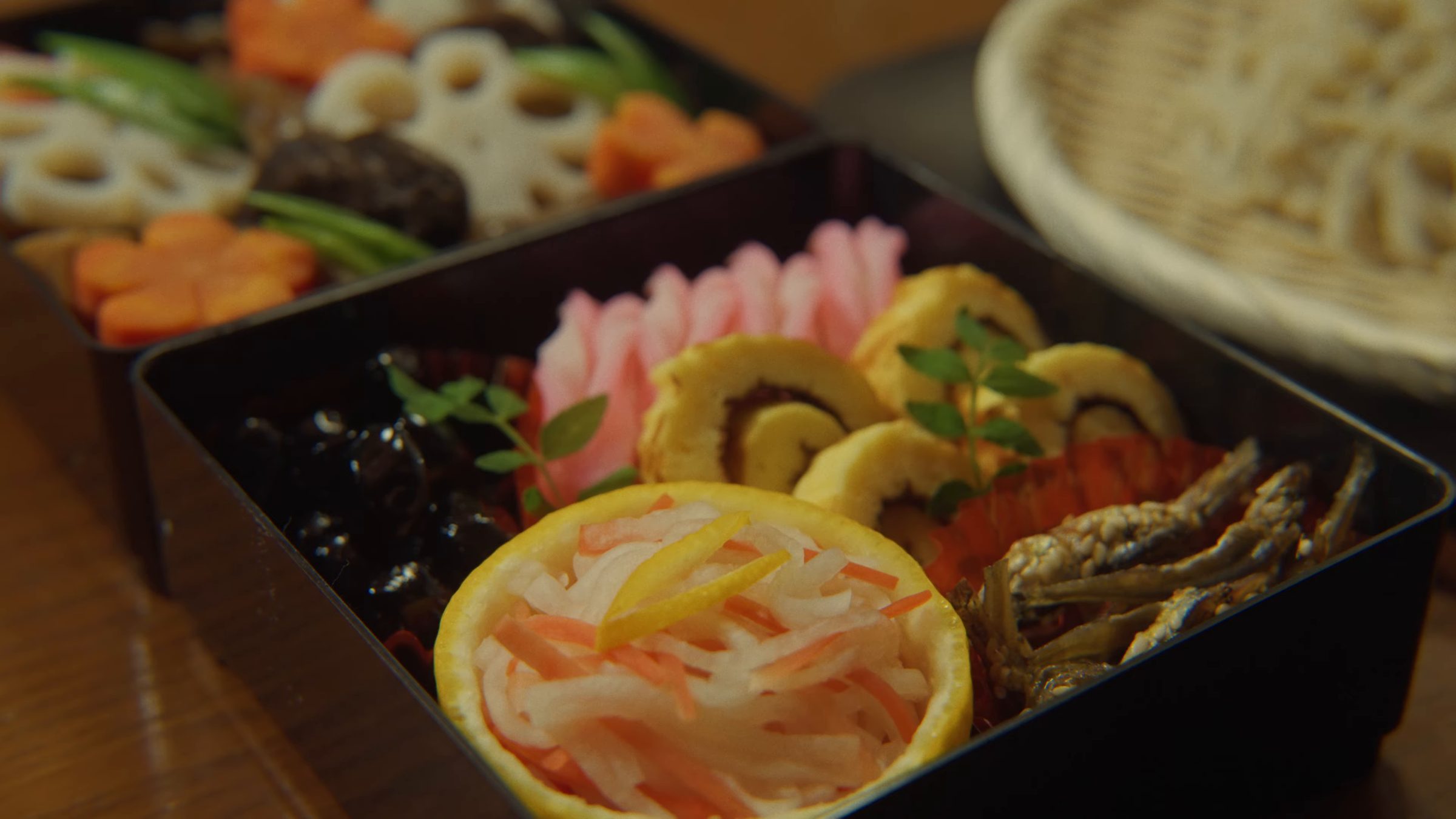
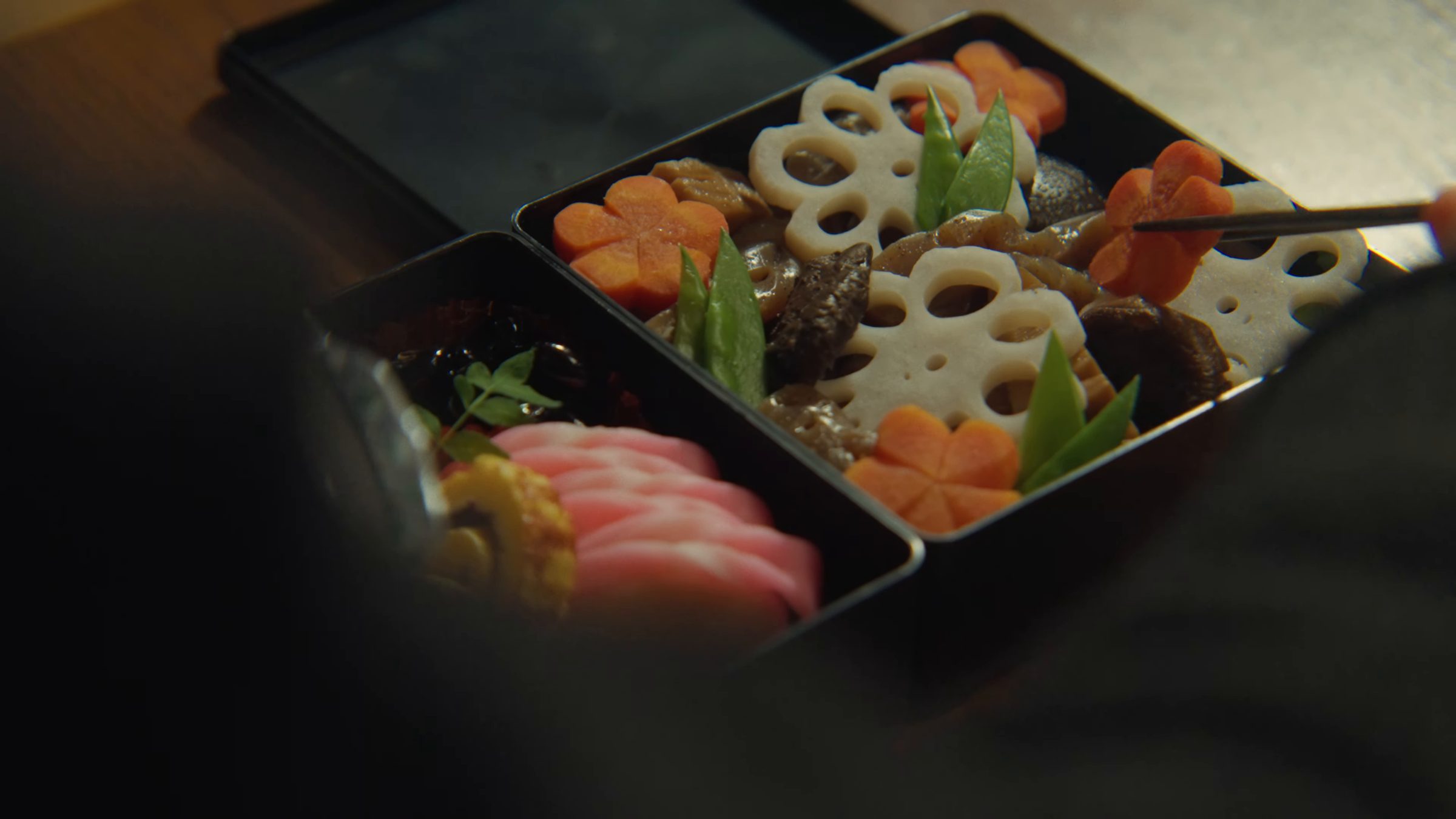
Into black lacquered boxes went the datemaki and kamaboko, the namasu in its yuzu cup, and the black beans. The other tier held nishime, simmered vegetables: flower-cut lotus root, plum-blossom carrots and snow peas.
Watch this scene on YouTube6:19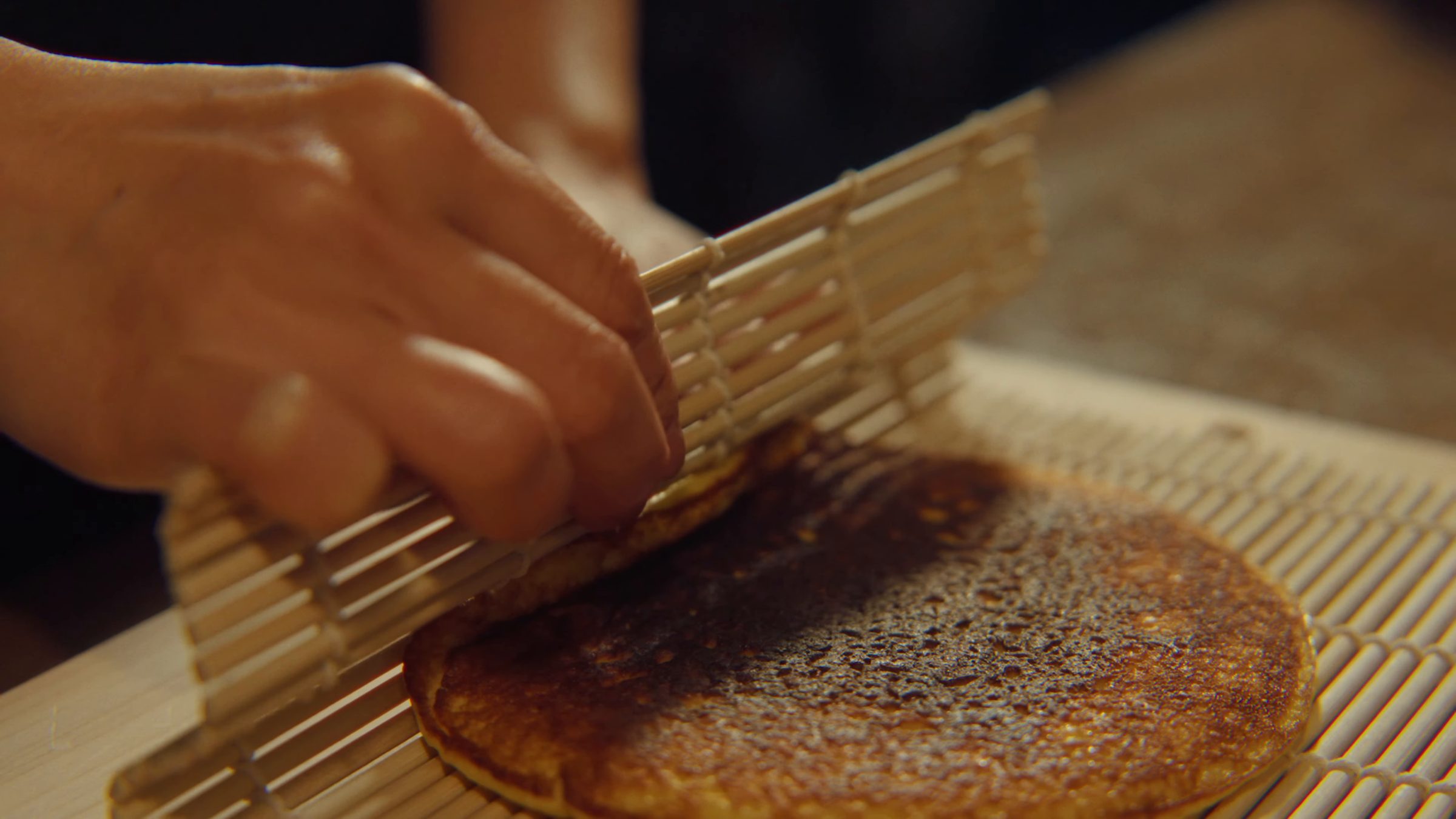
11TRAVEL JOURNAL
Making toshikoshi soba on New Year's Eve
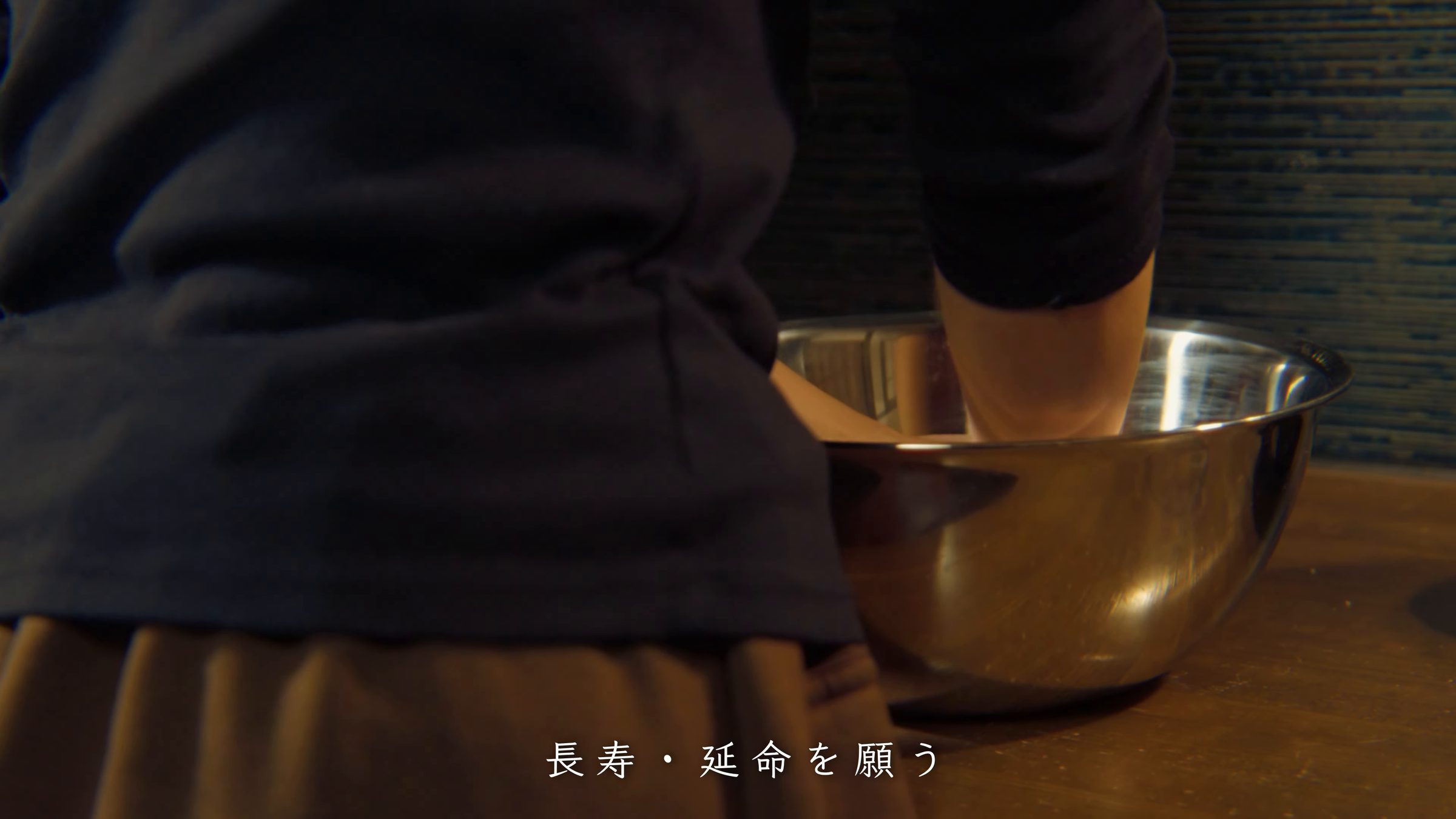
And then, the main event of New Year's Eve: toshikoshi soba, long, thin noodles eaten to cut away the year's bad luck and misfortune and to wish for a long life. This year I would make them myself. I never imagined I would one day try my hand at soba-making.
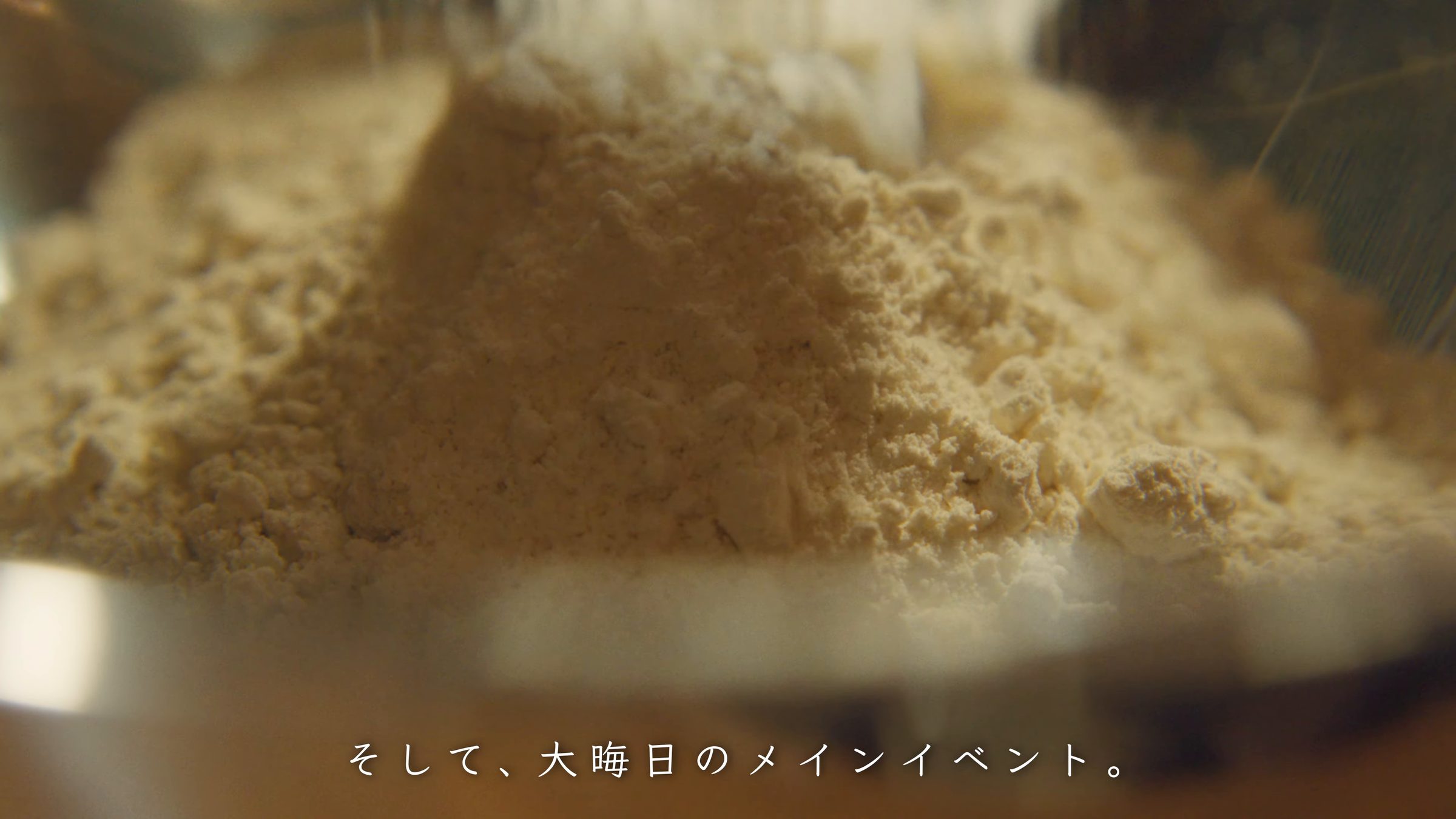
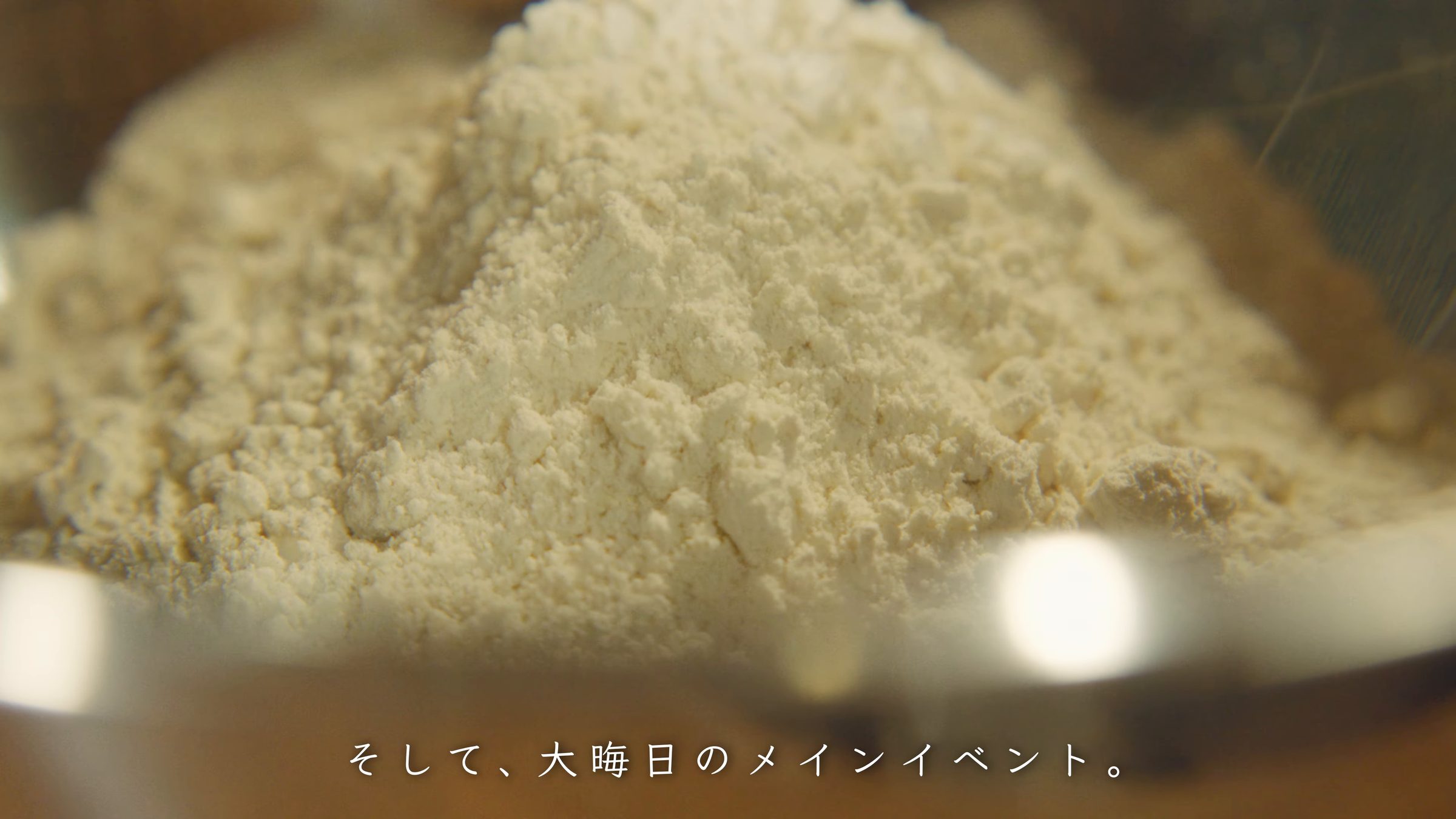
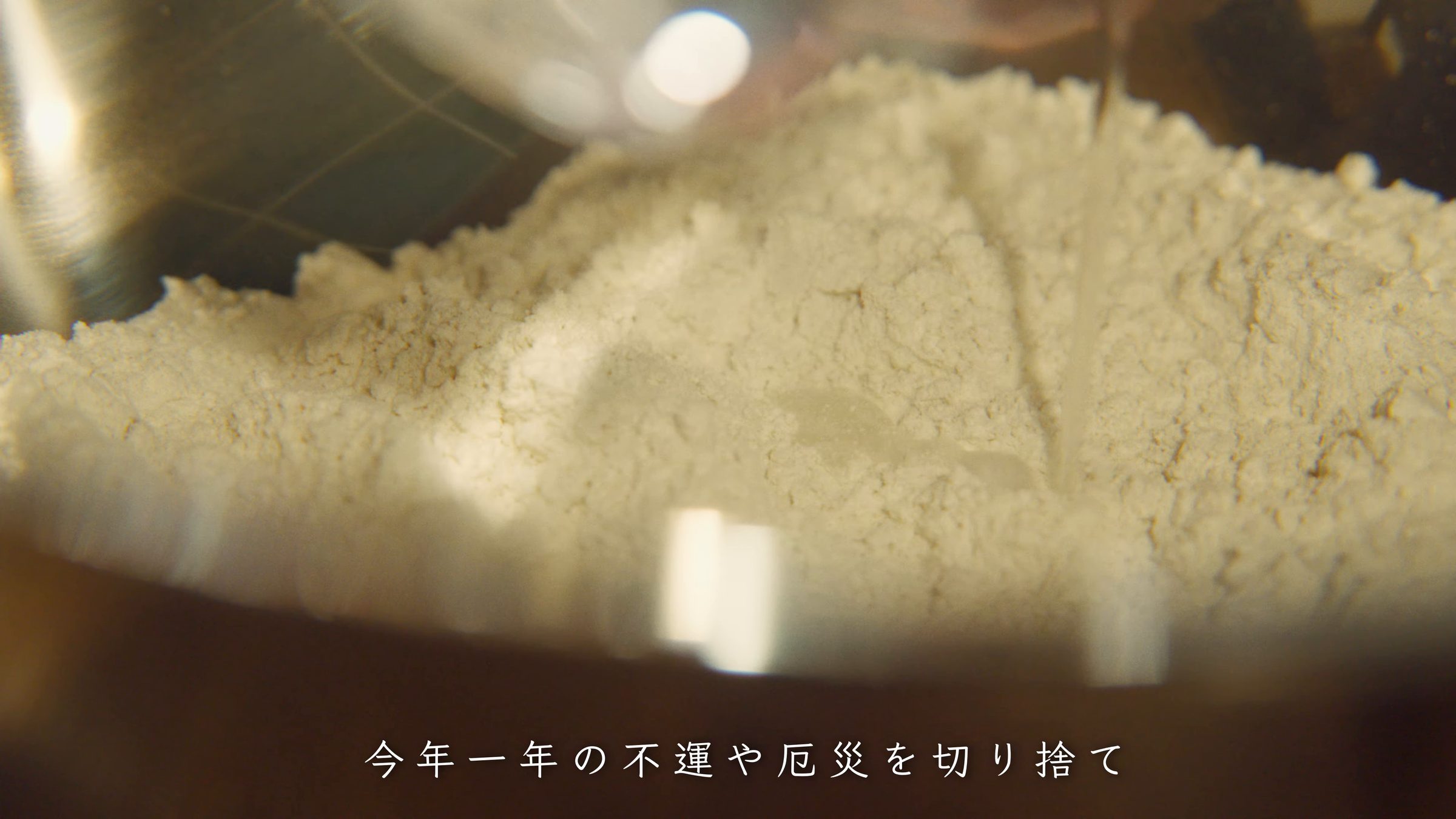
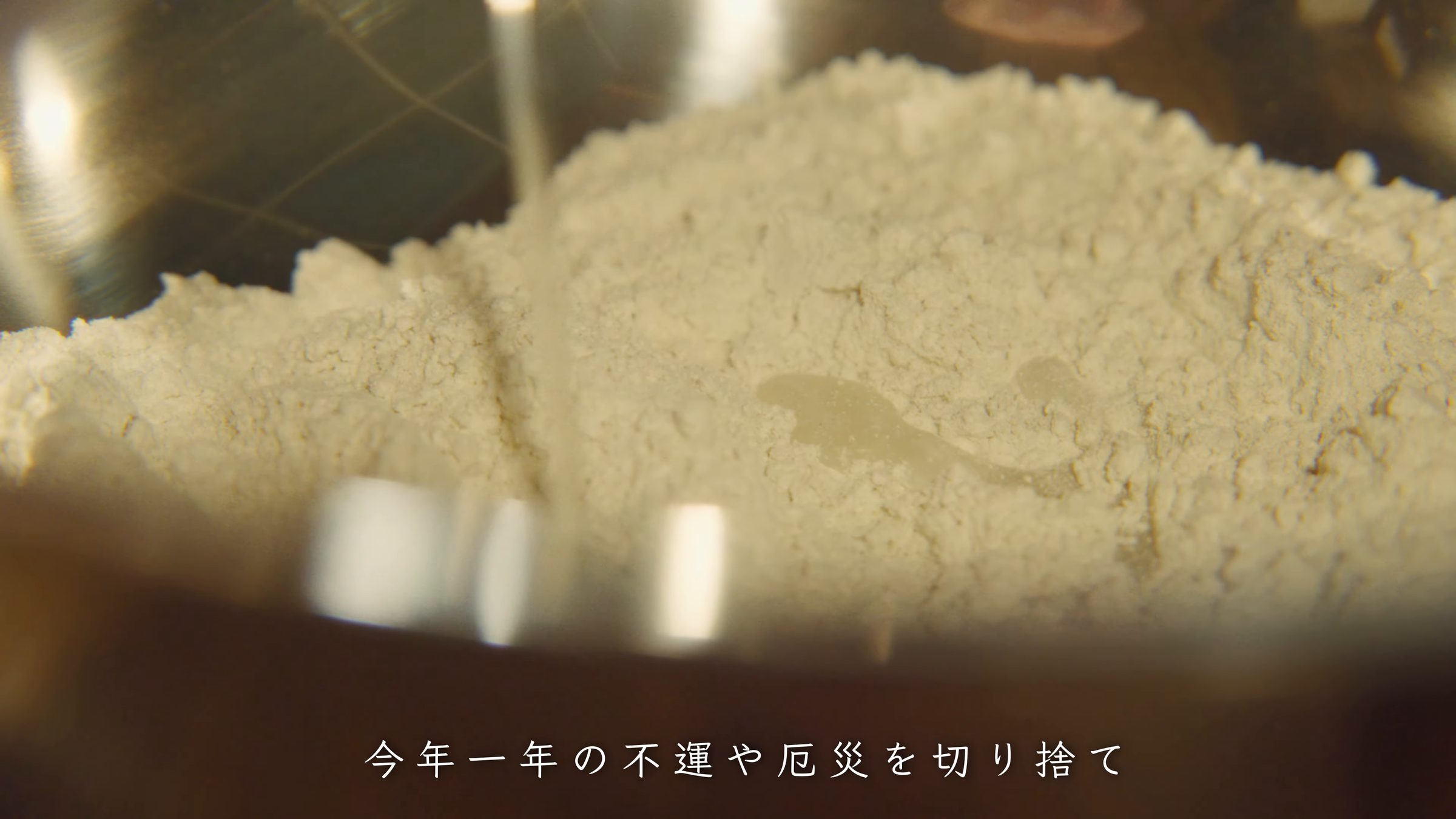
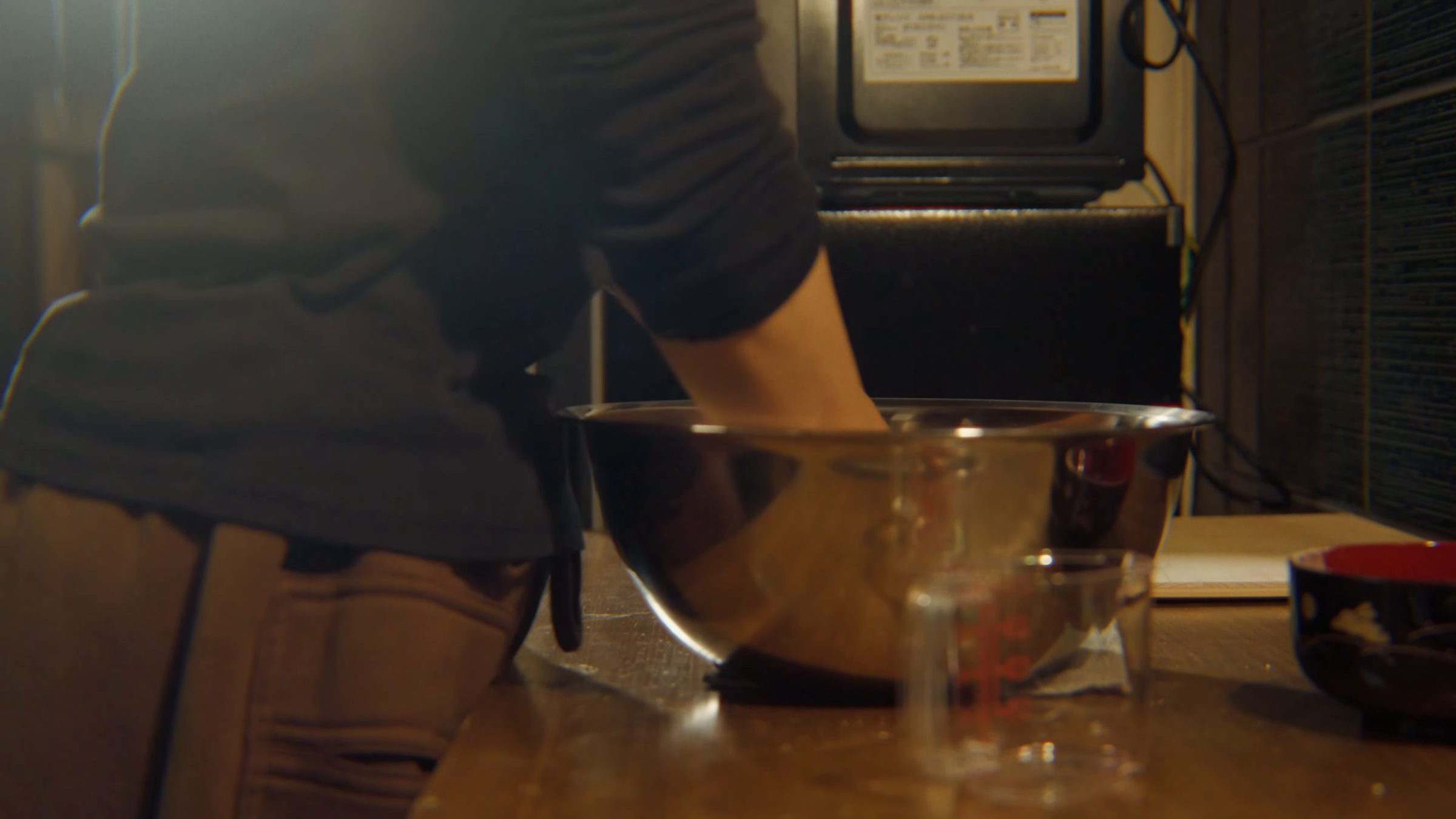
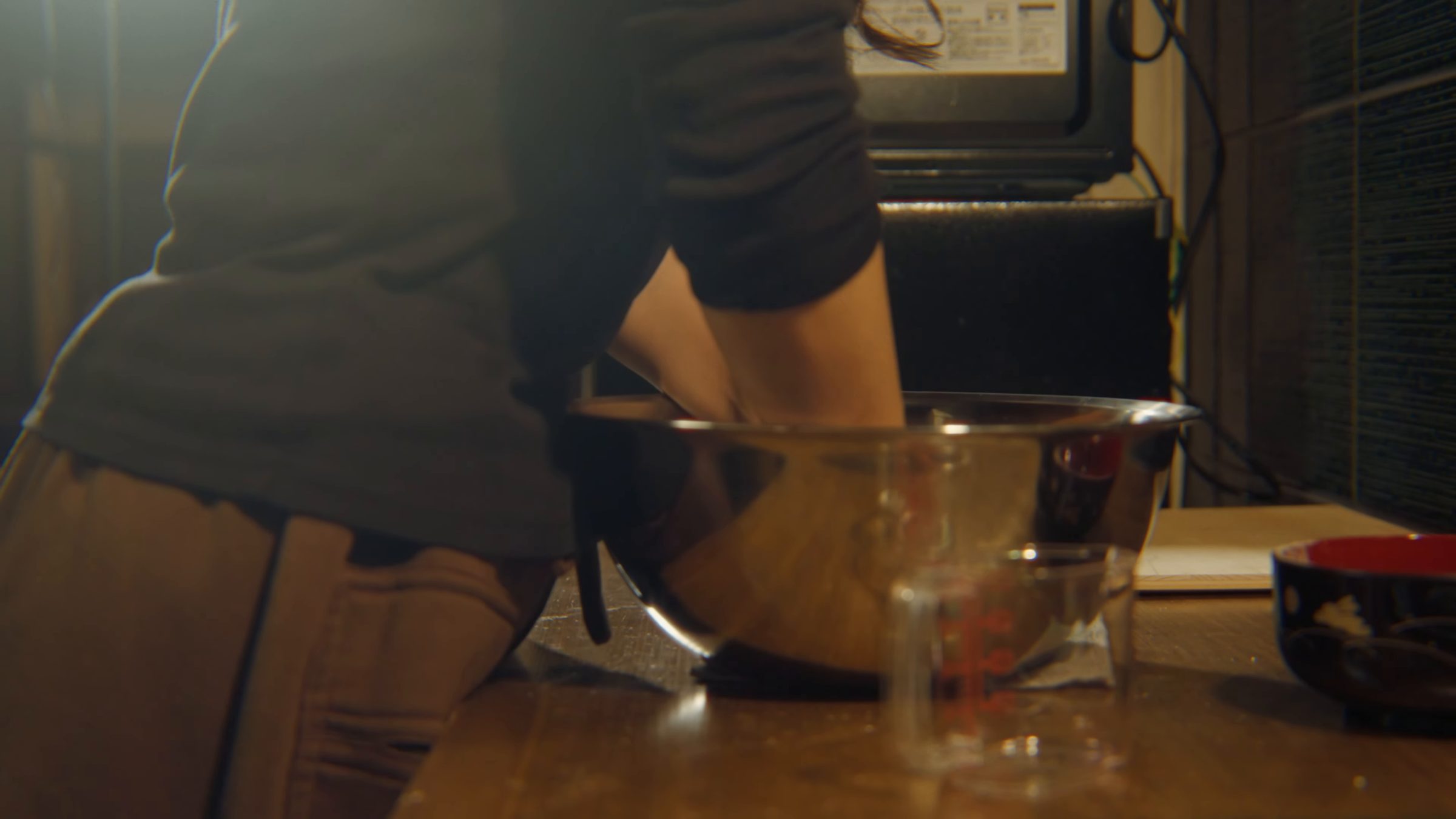
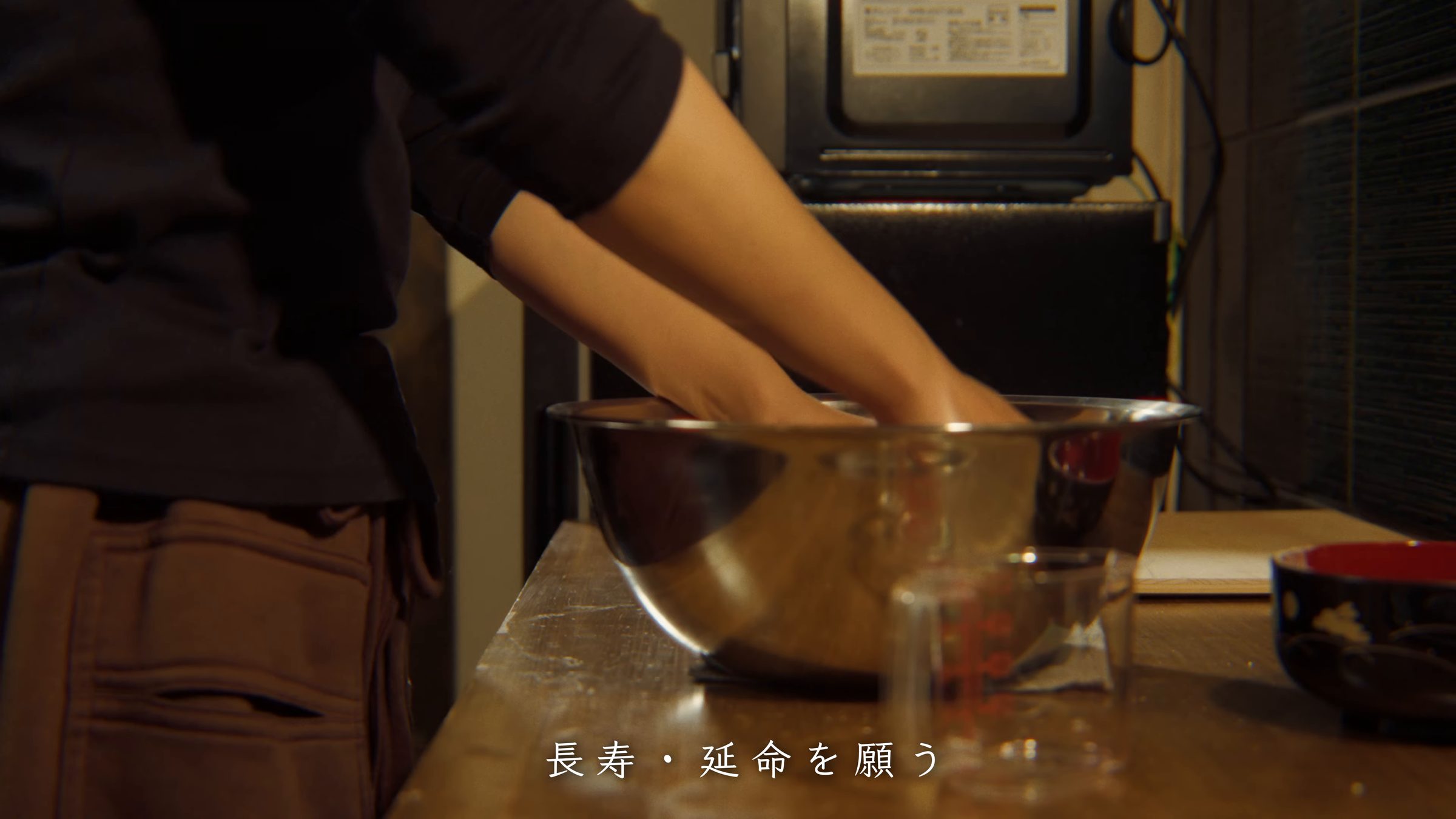
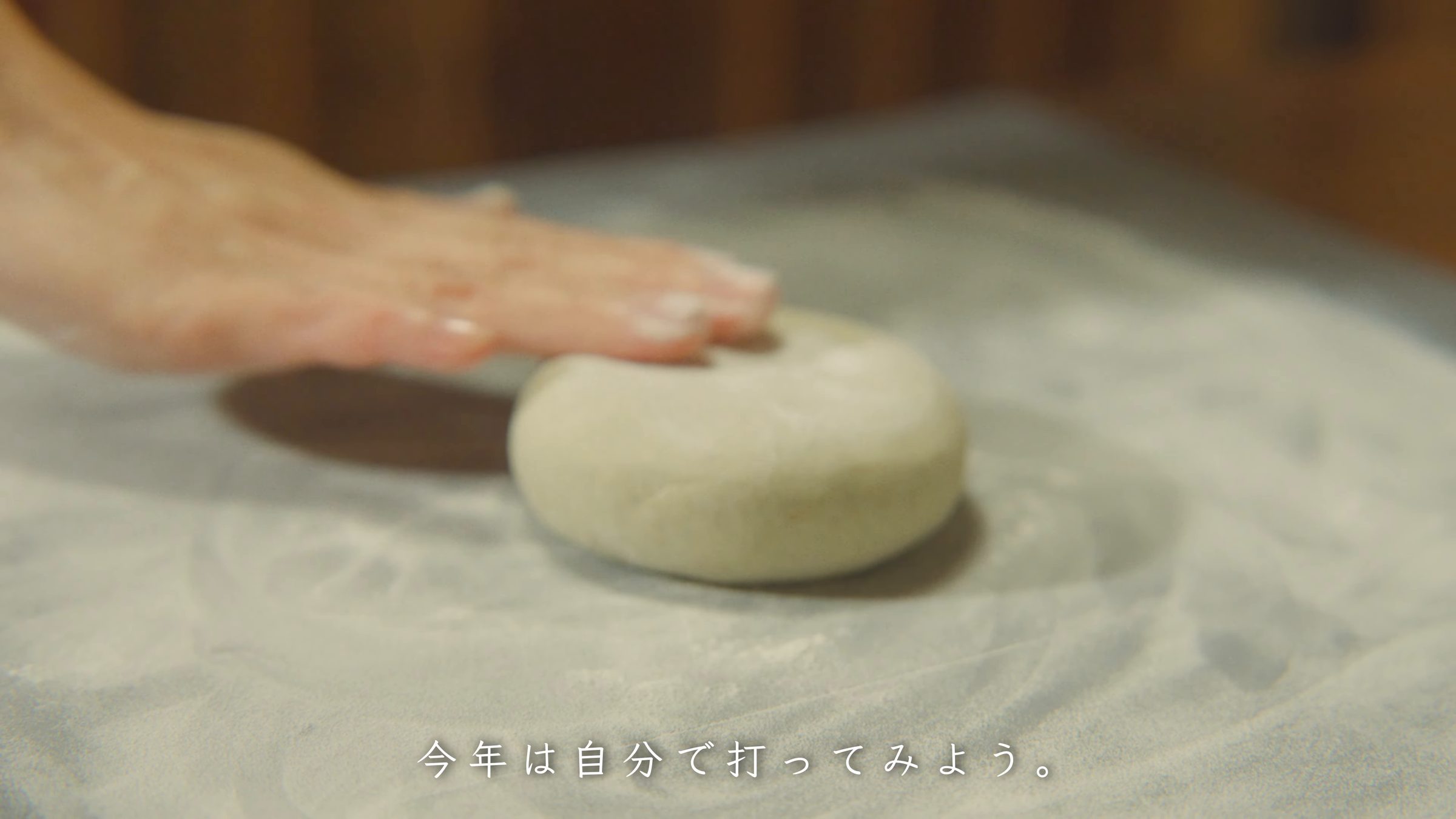
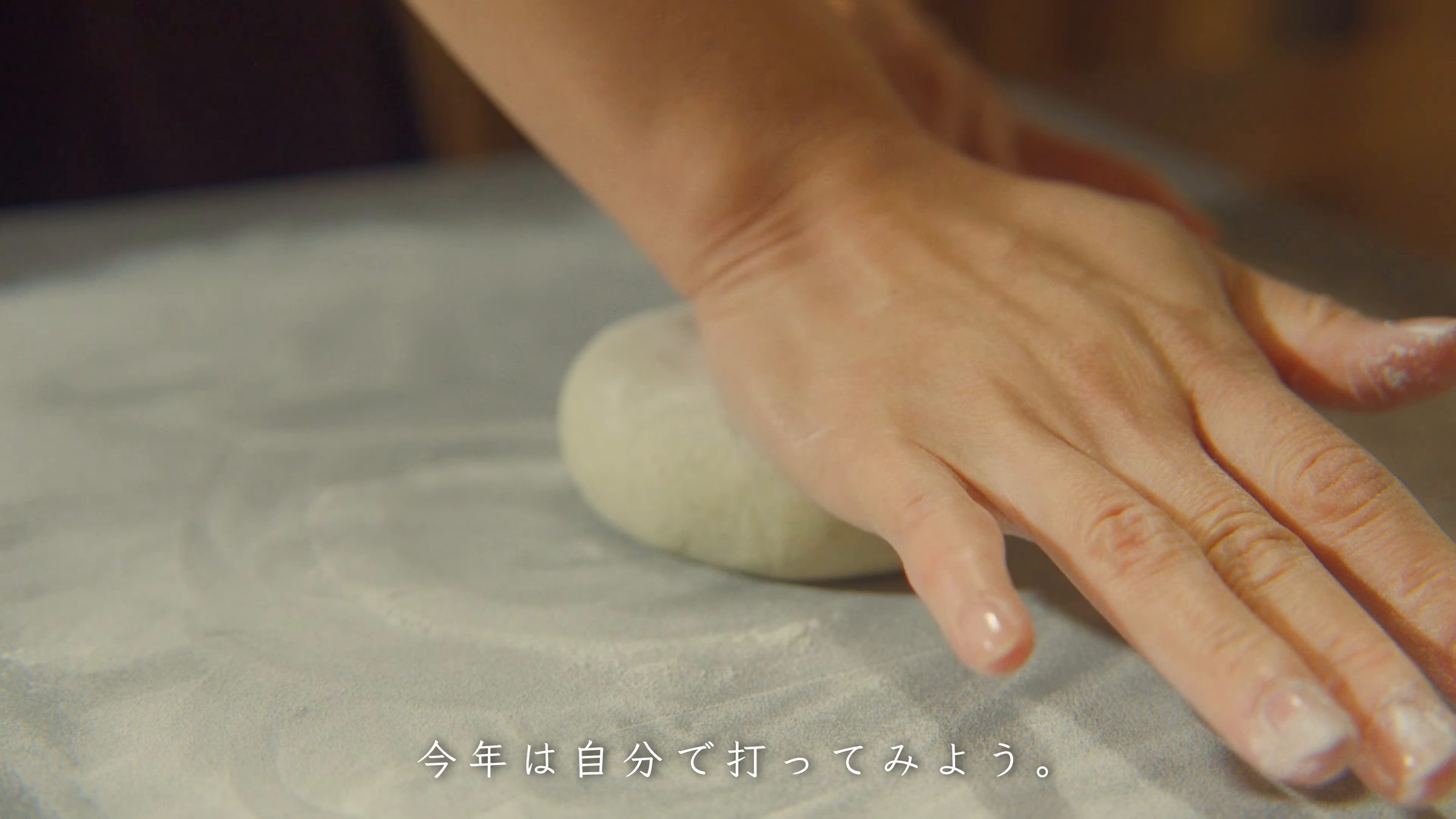
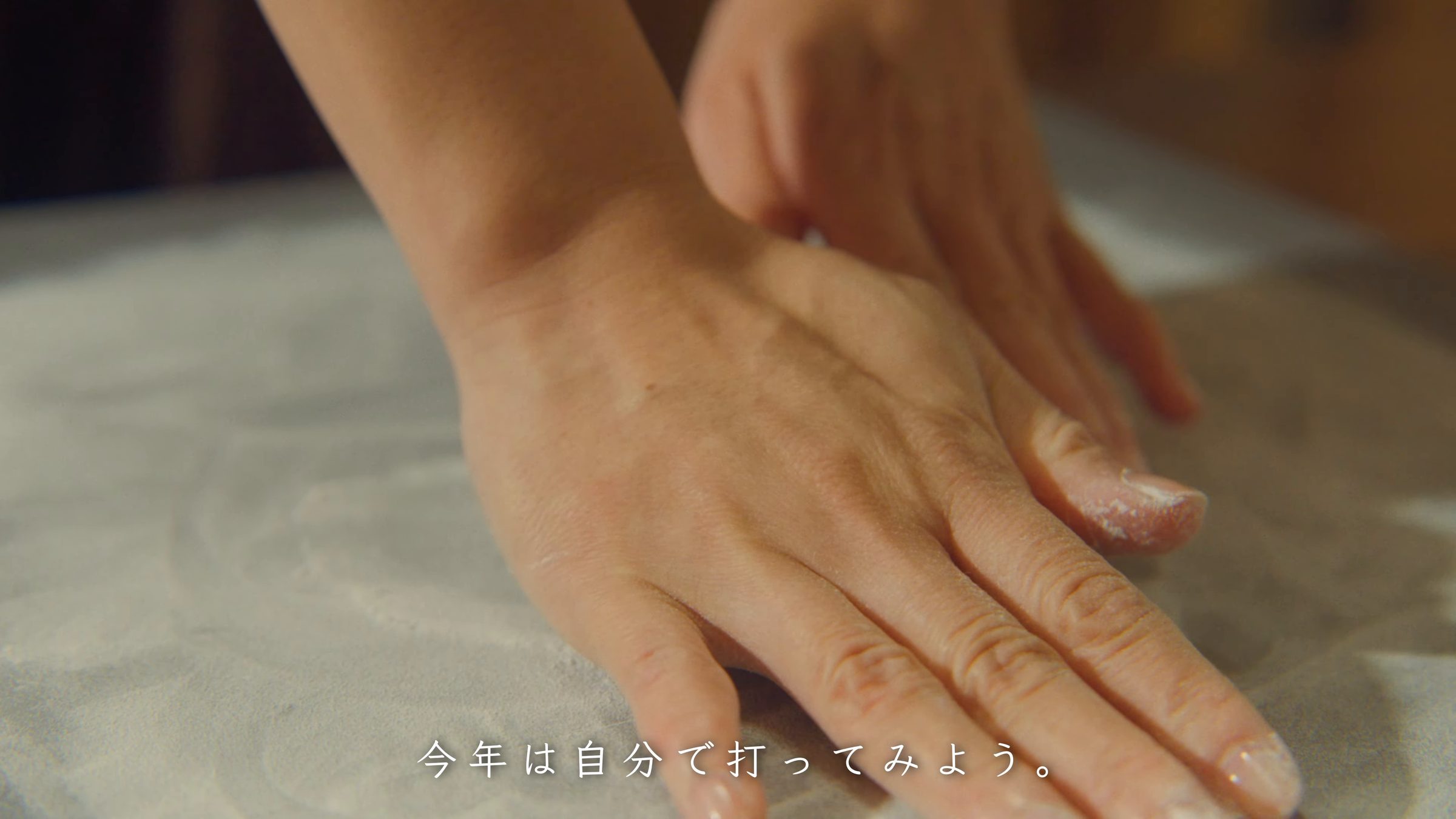
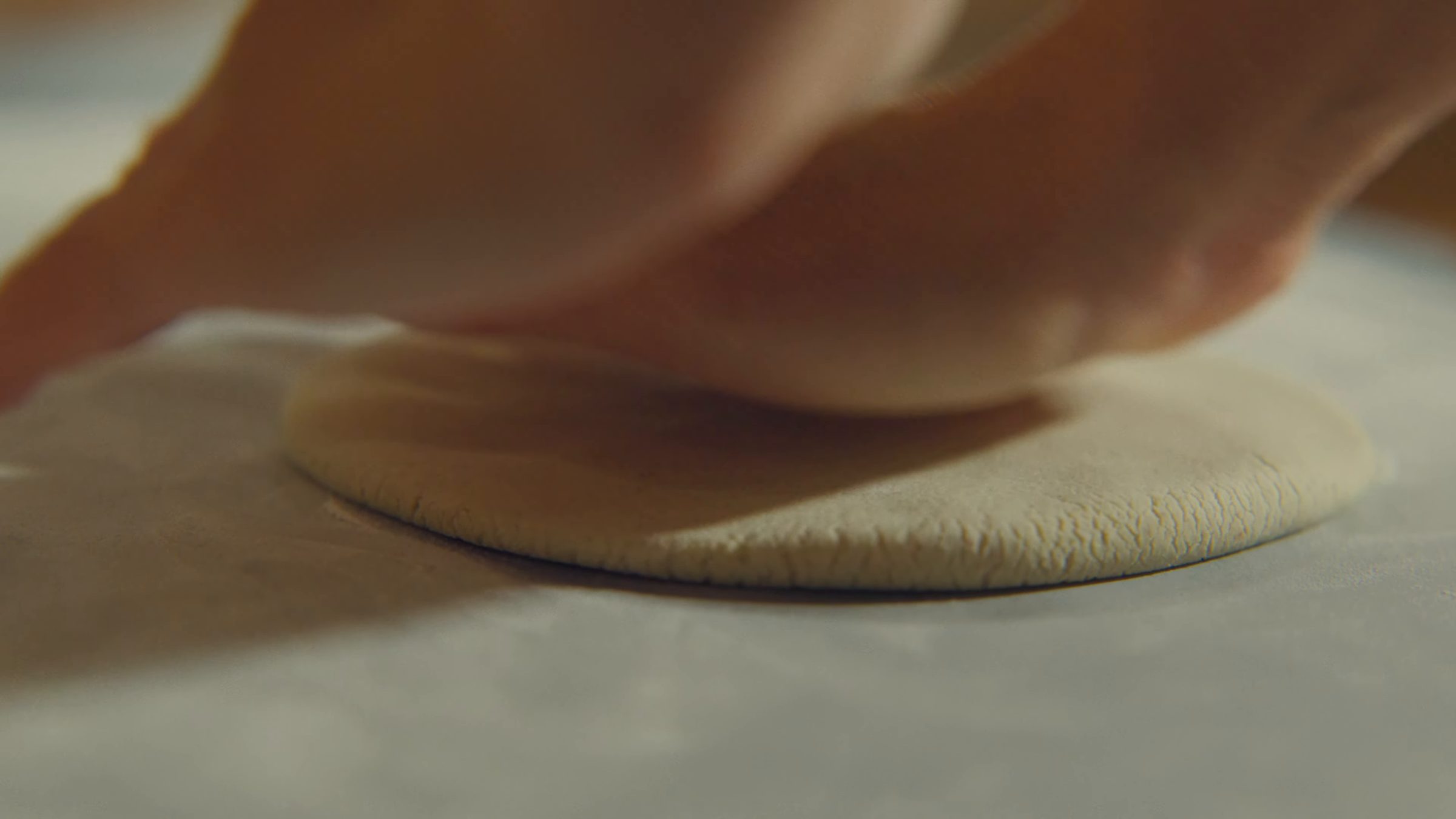
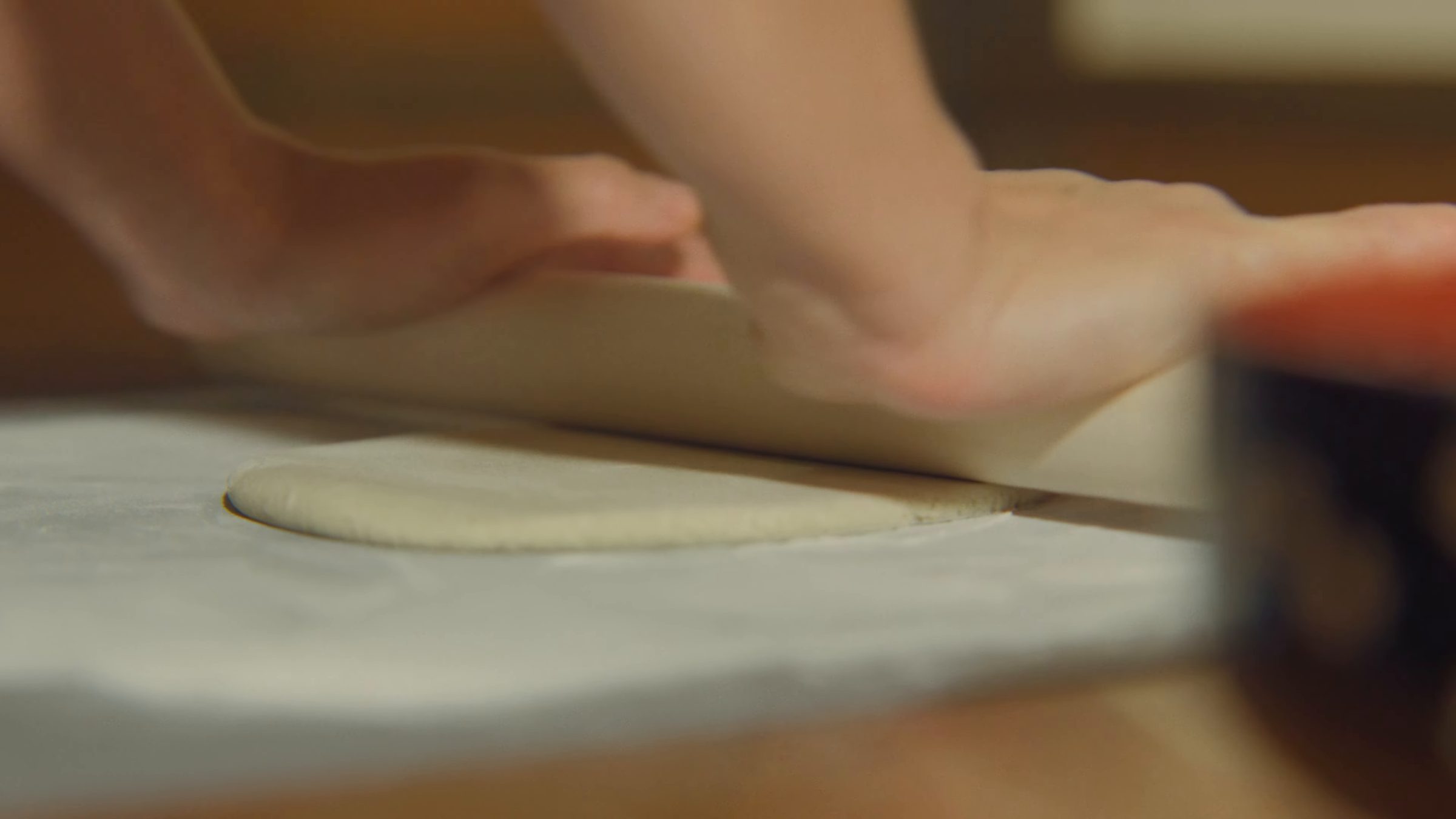
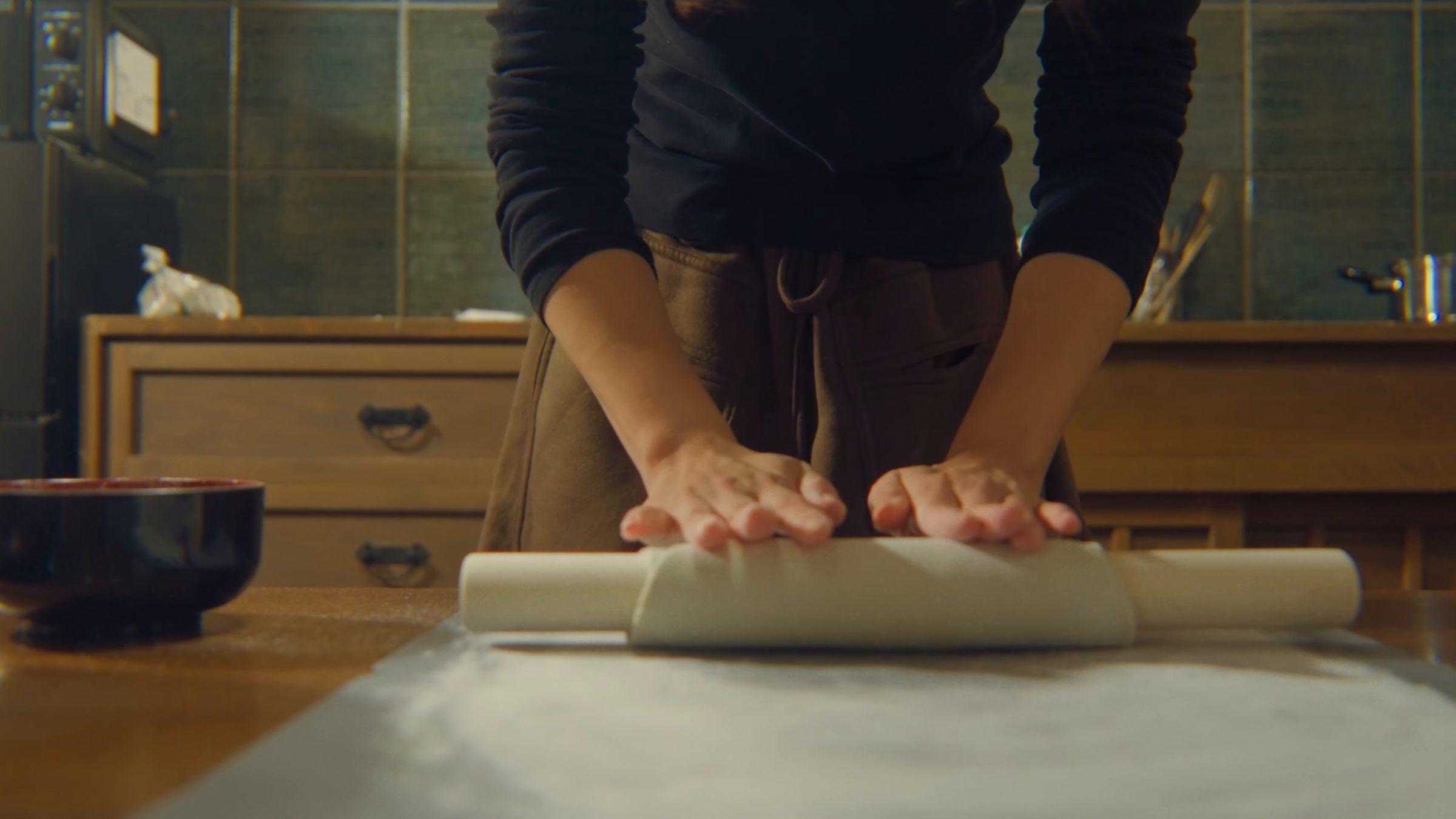
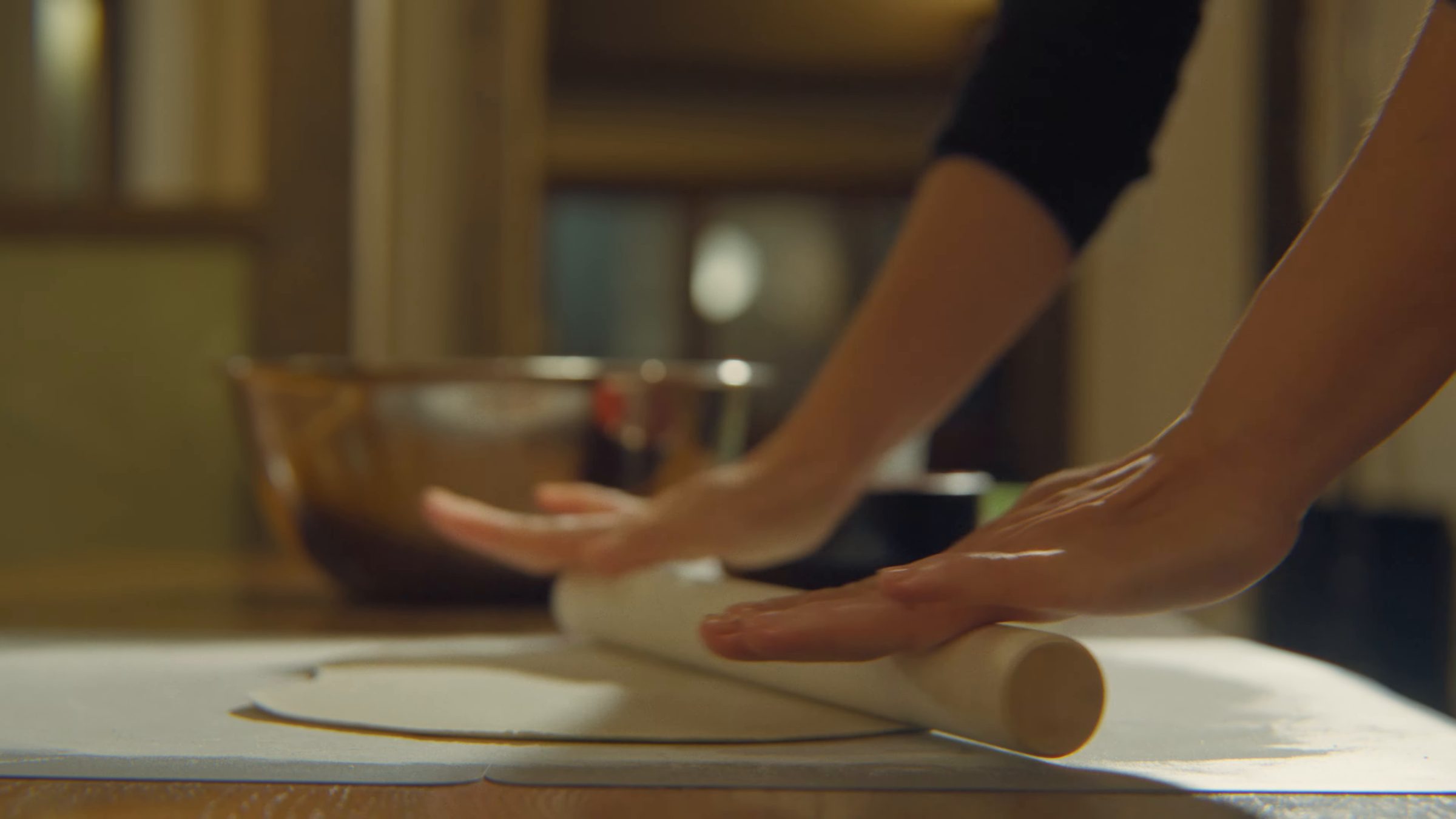
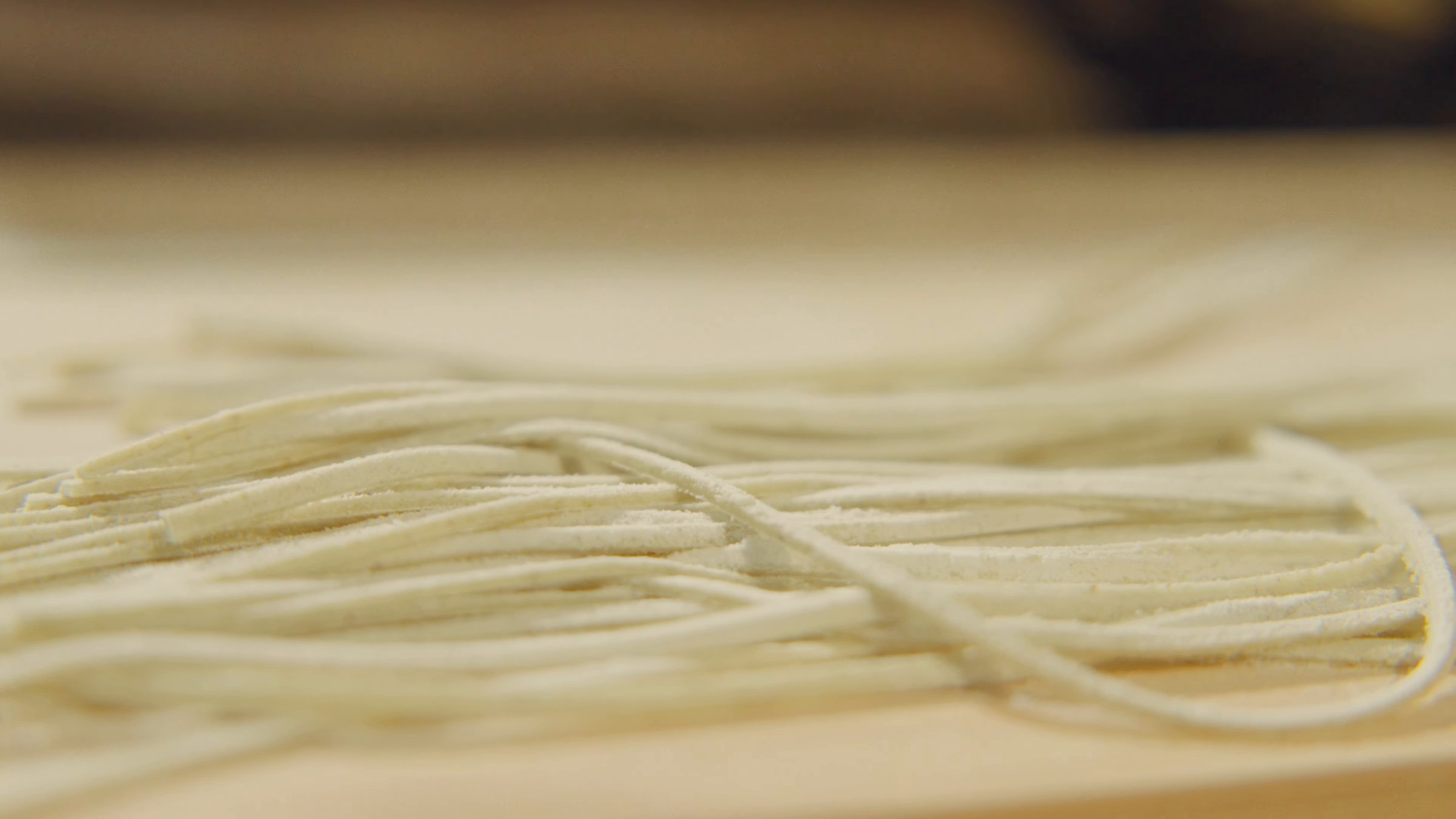
With the porch lamp lit, I made nihachi soba in the kitchen, from buckwheat flour mixed with wheat flour. Adding water bit by bit, I kneaded the dough by hand until it came together, pressed the ball flat with my palms, and rolled it out thin with a rolling pin.
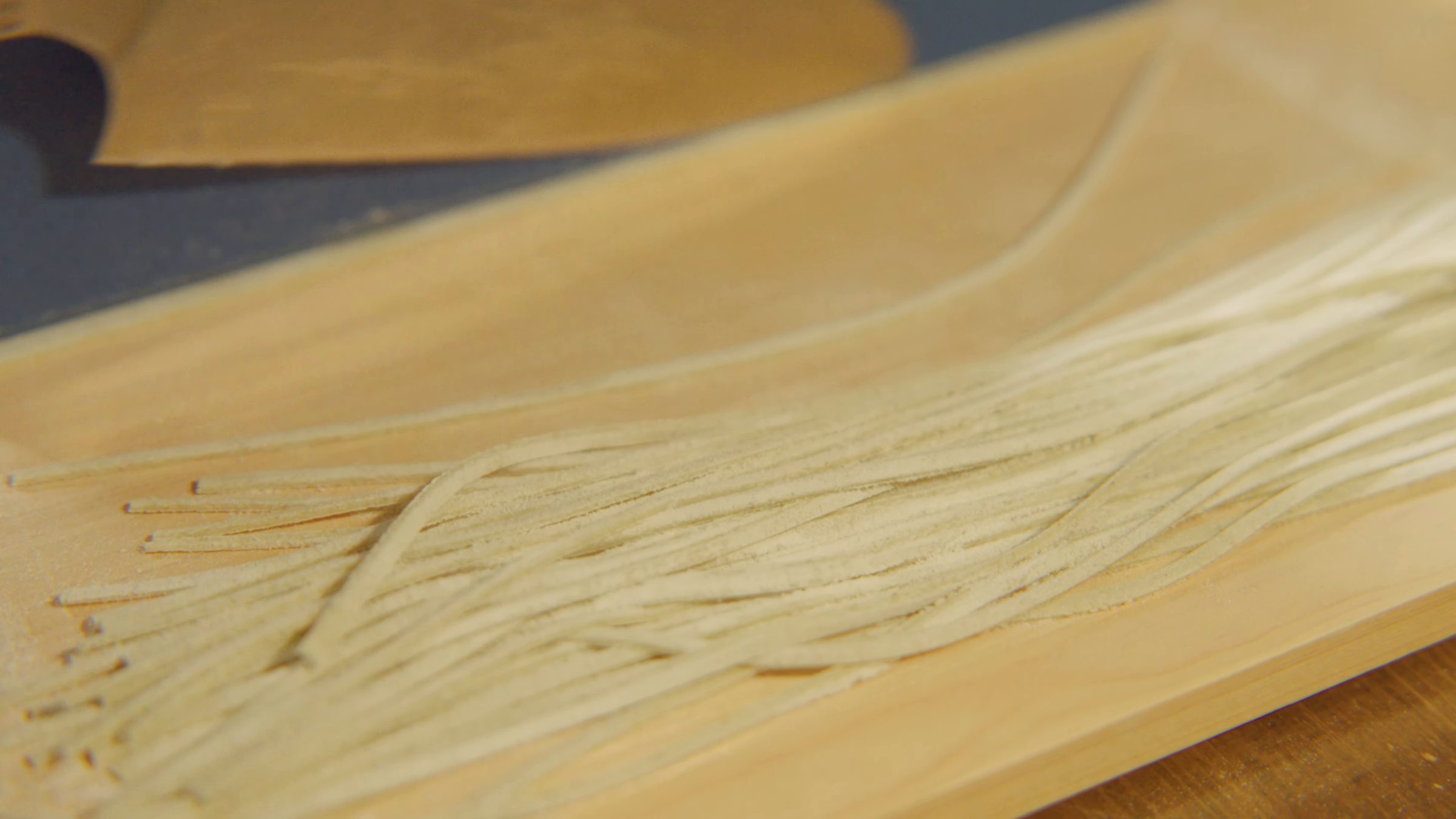
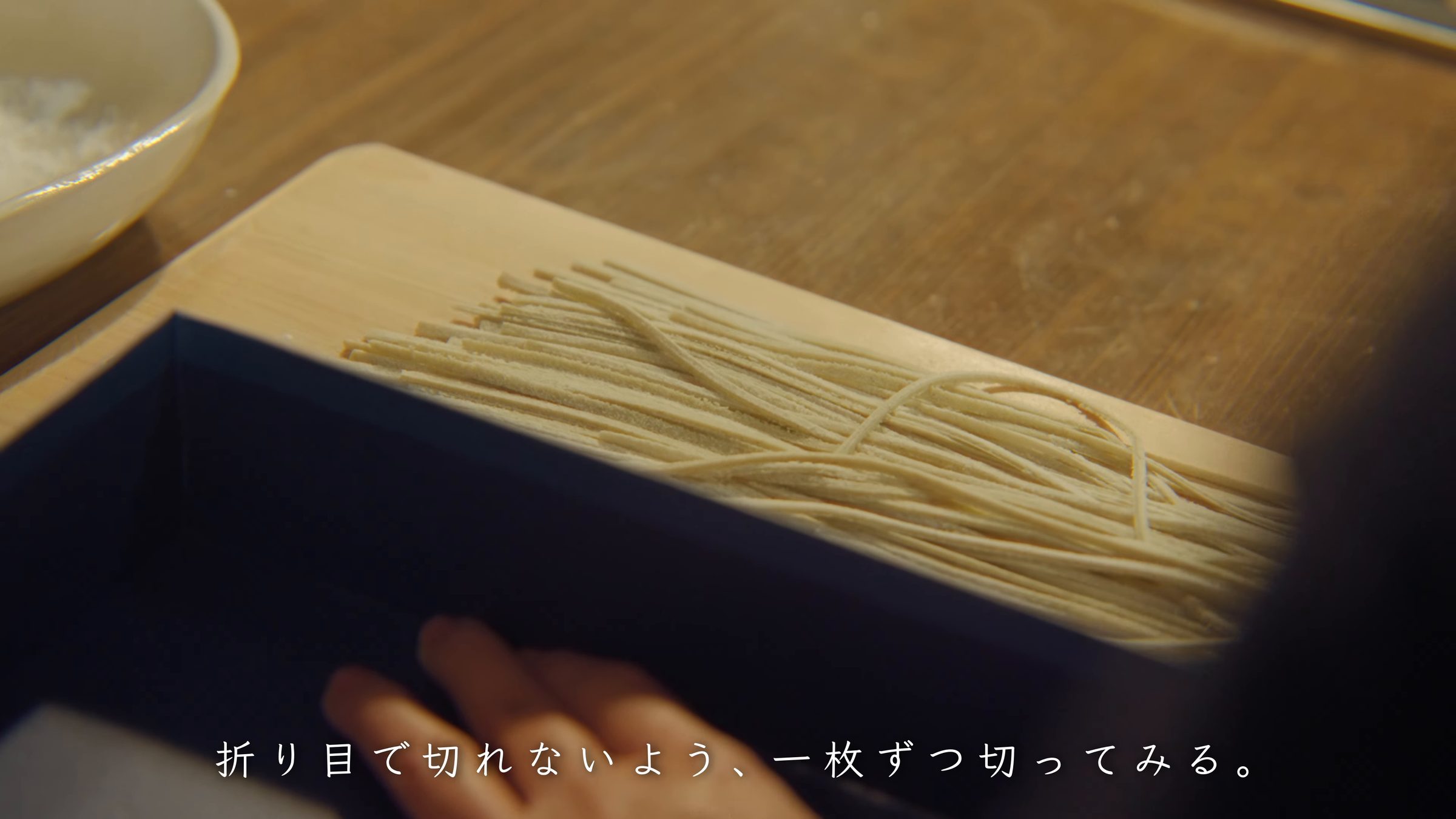
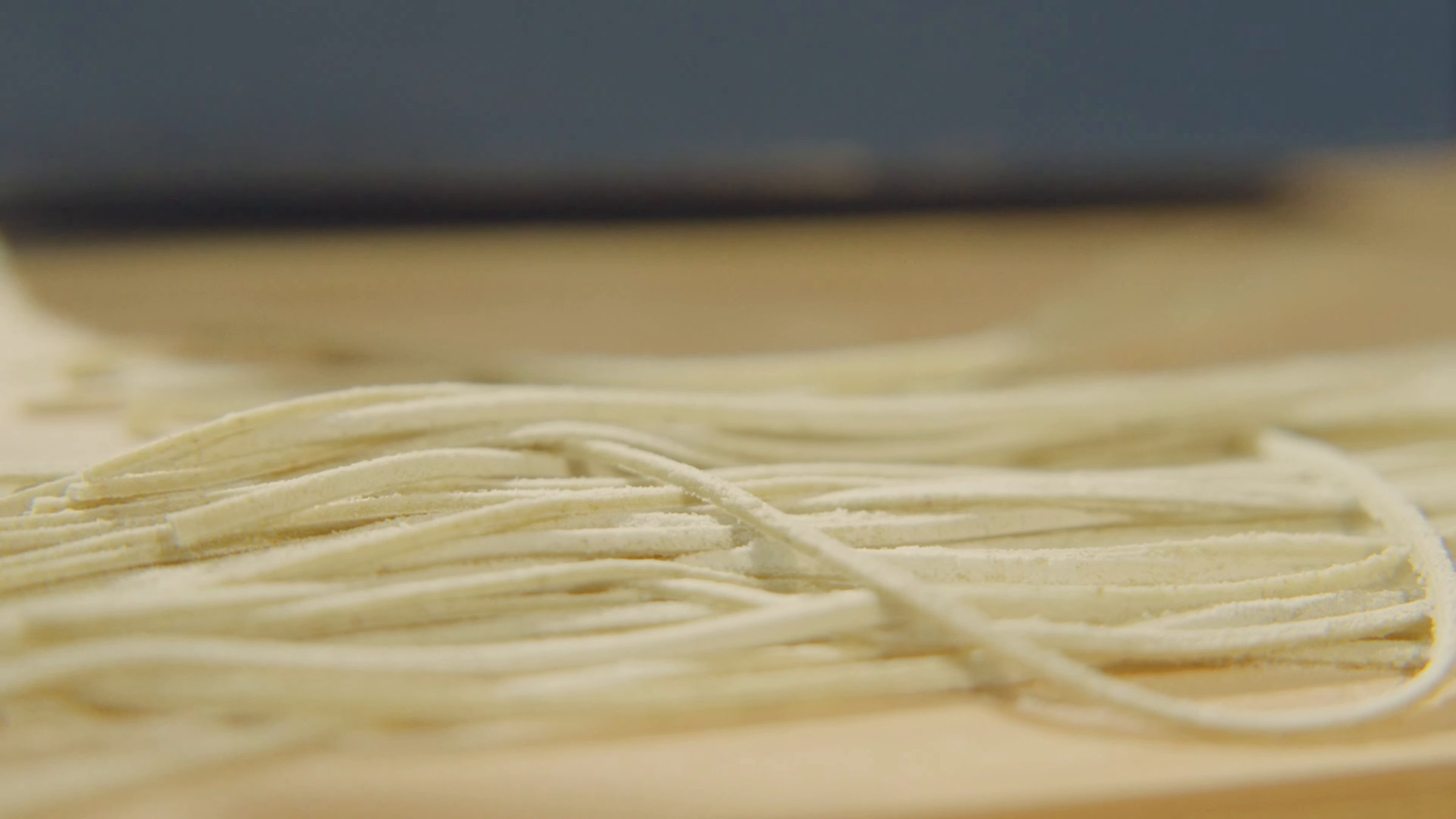
Beginners probably fail often, I figured, so I went carefully. The creases made when you fold the thin sheet are one reason the noodles break, so I cut one sheet at a time to keep them from breaking at the folds. It takes effort, but time I had in abundance.
Watch this scene on YouTube6:50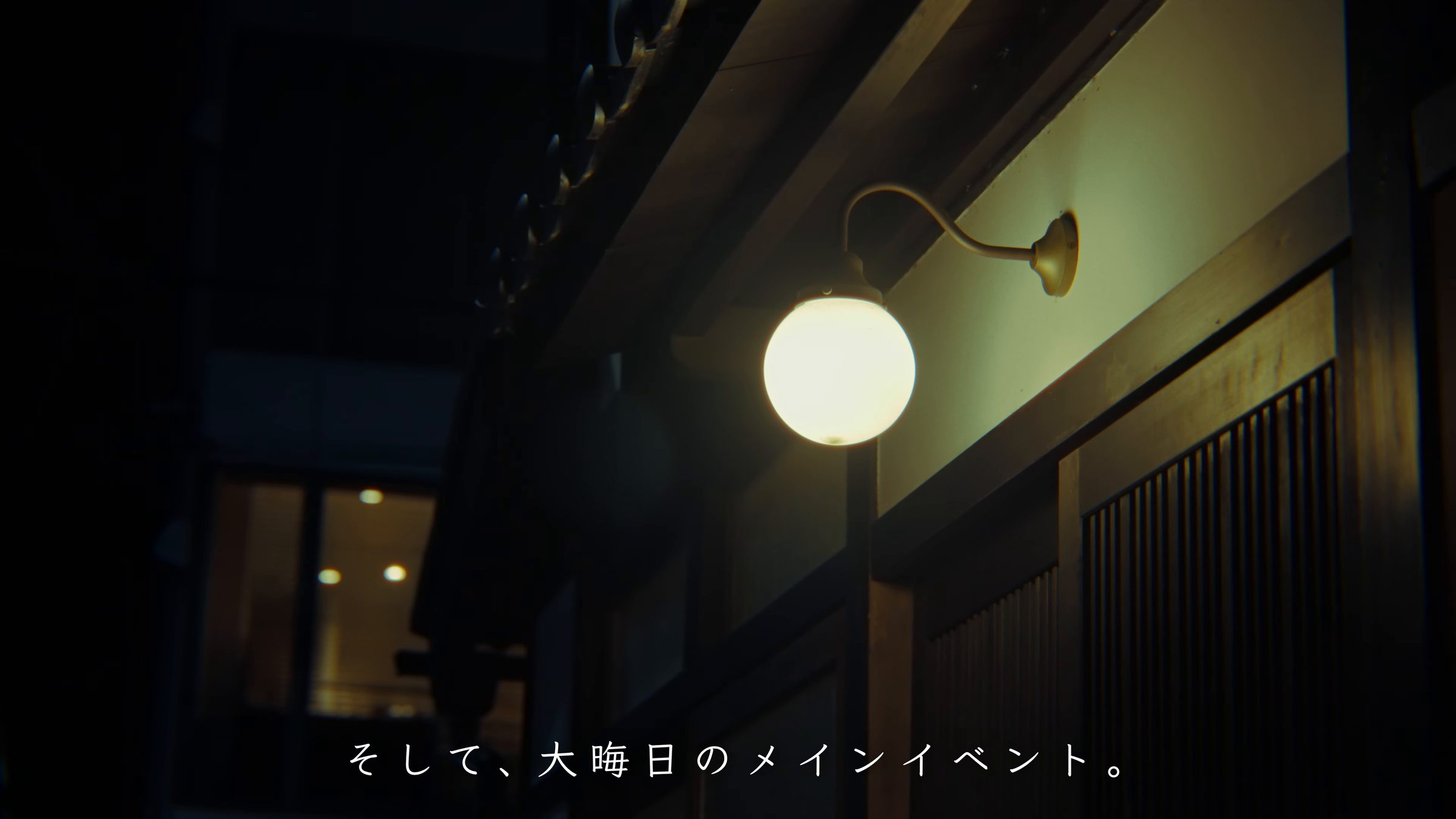
12TRAVEL JOURNAL
One seiro of soba, coming up
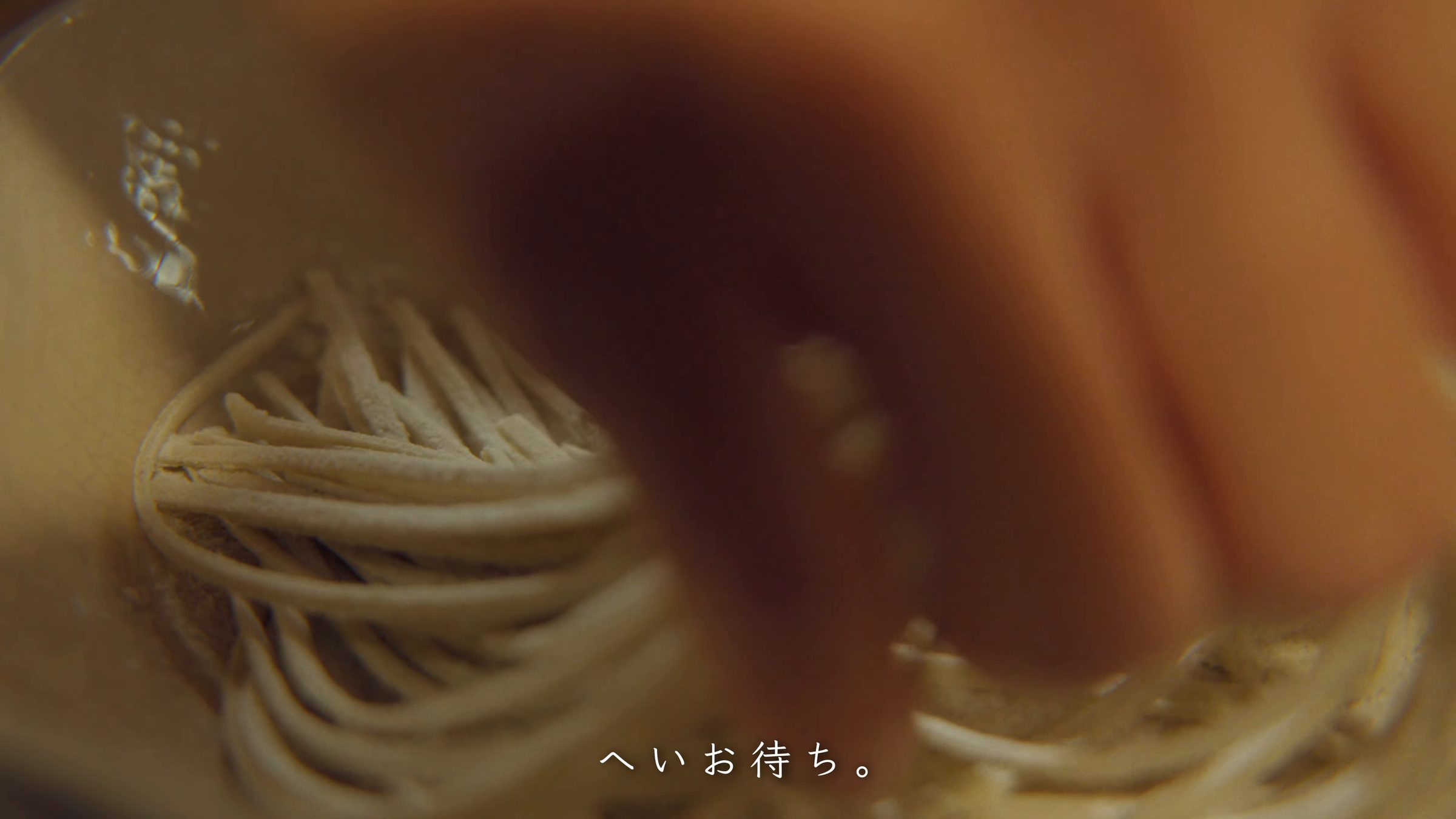
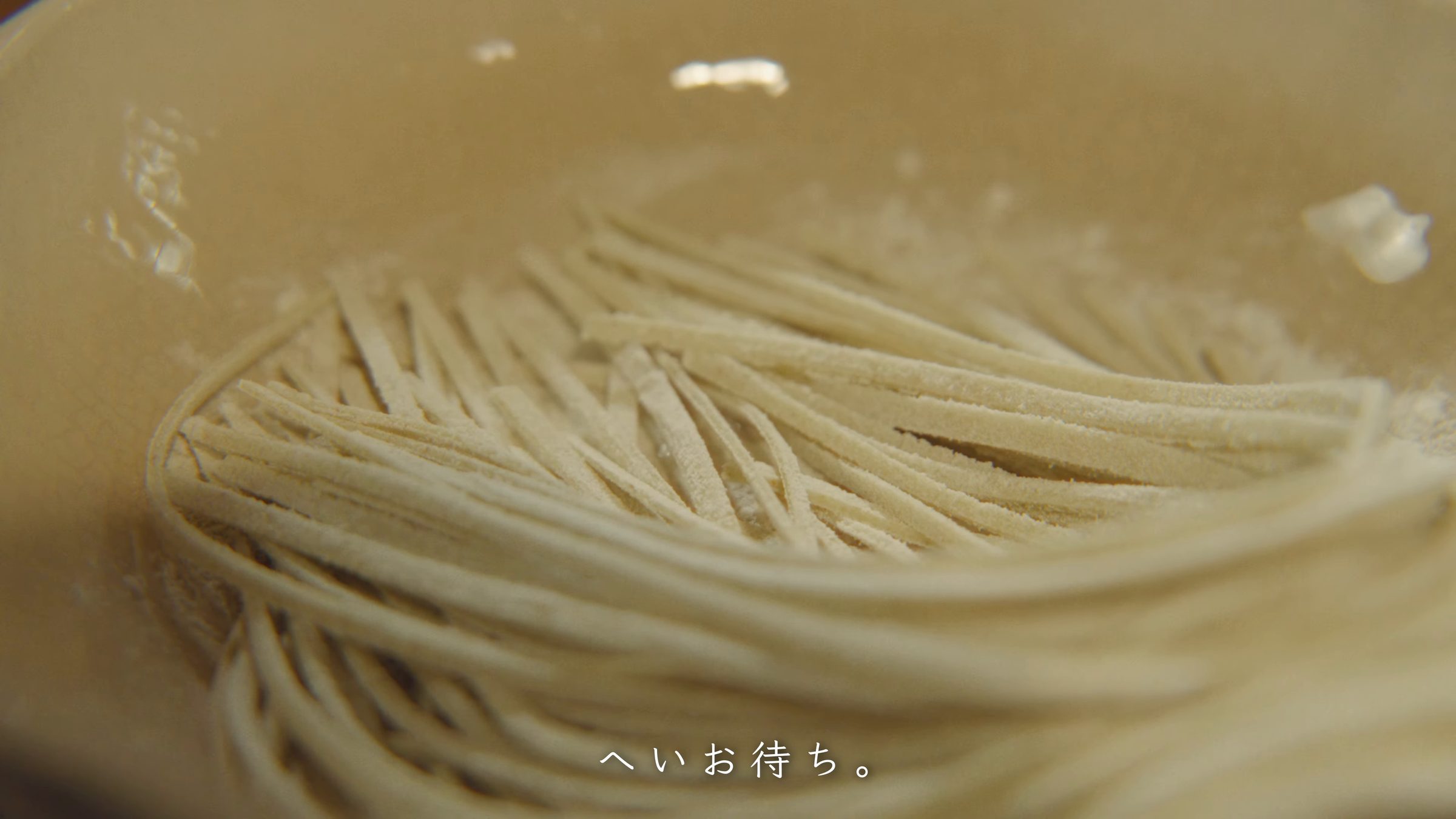
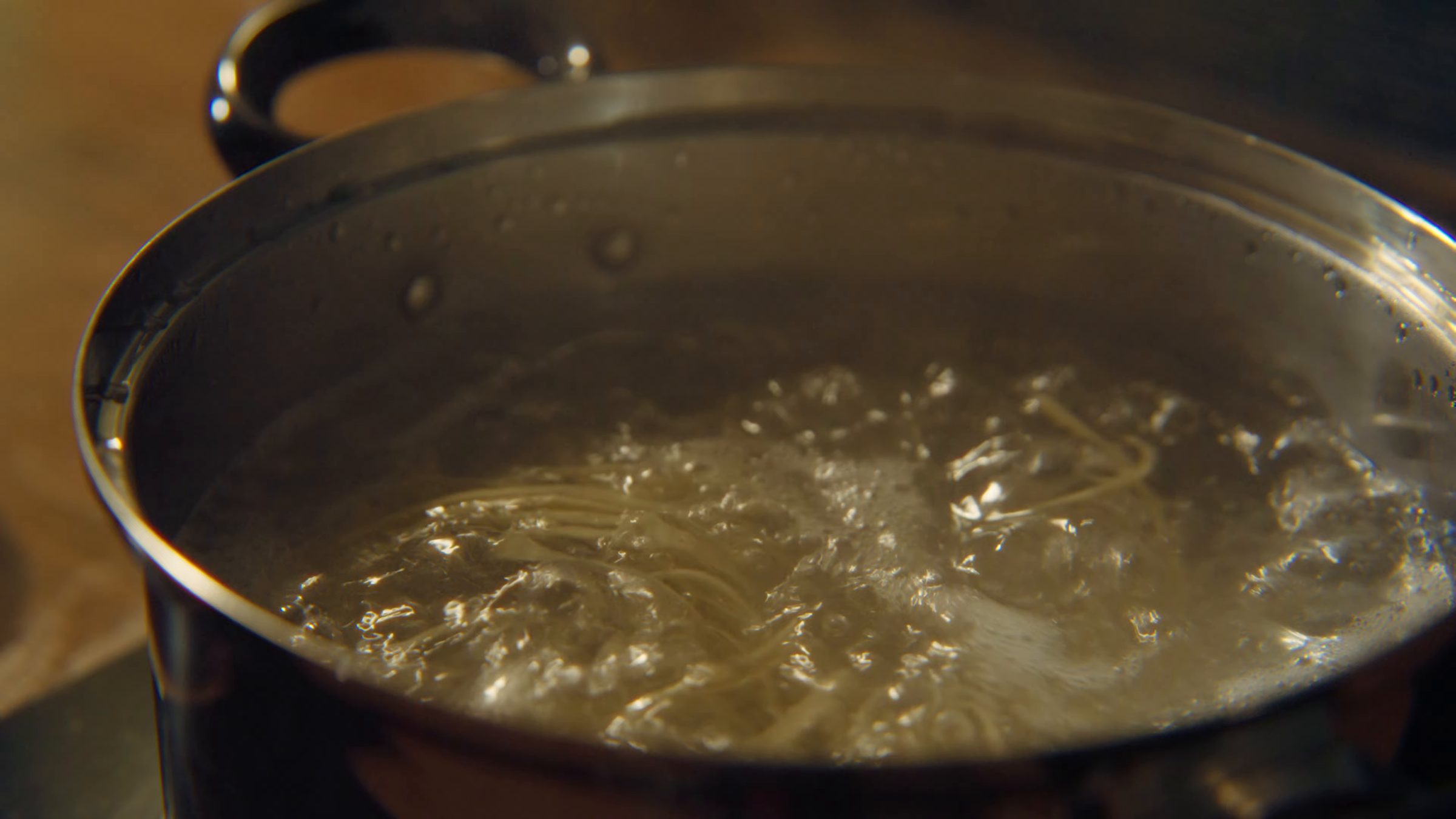
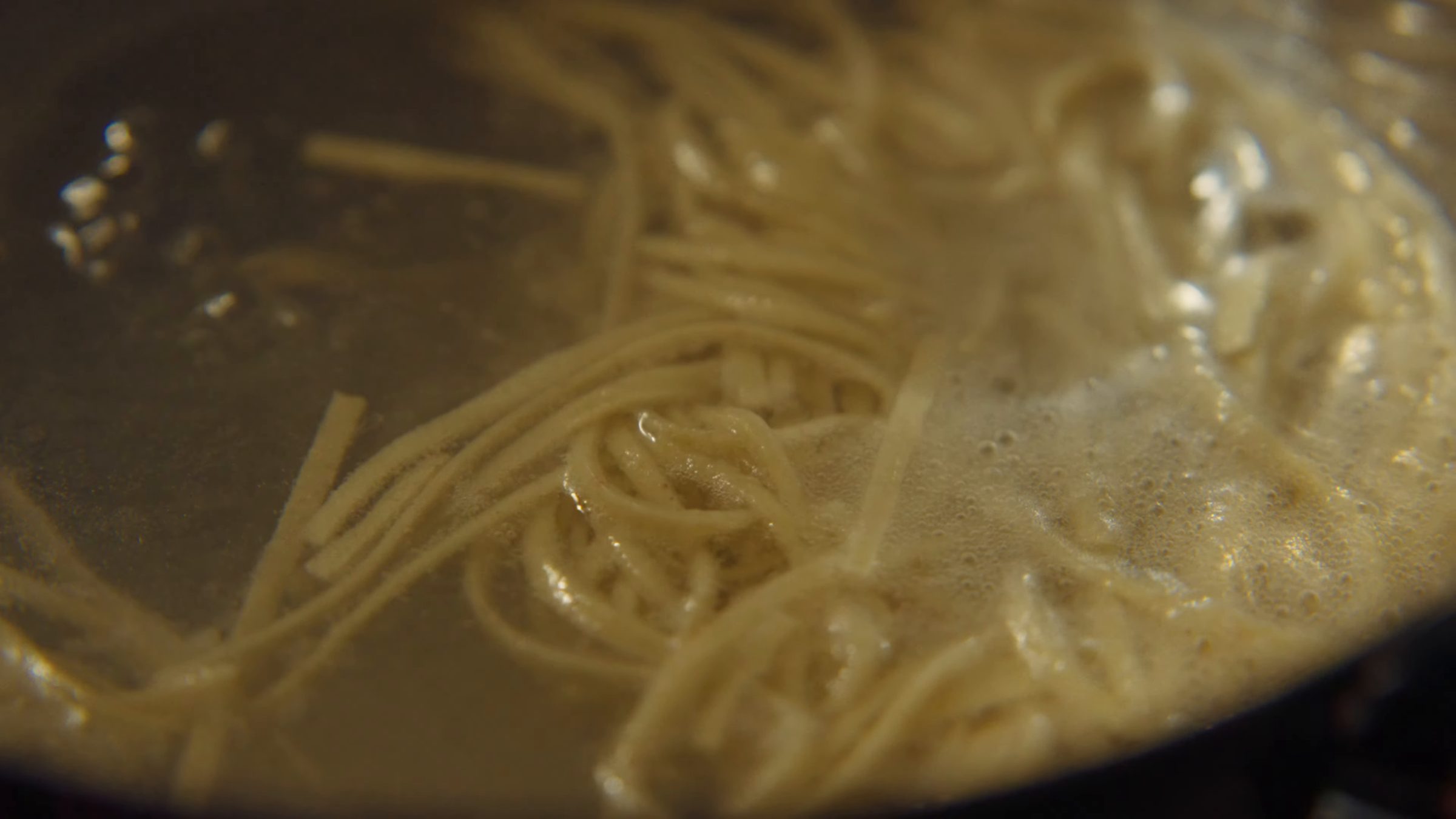
I brought plenty of water to a boil and dropped in the noodles. Here you go! In the big pot, the soba swirled as it cooked.
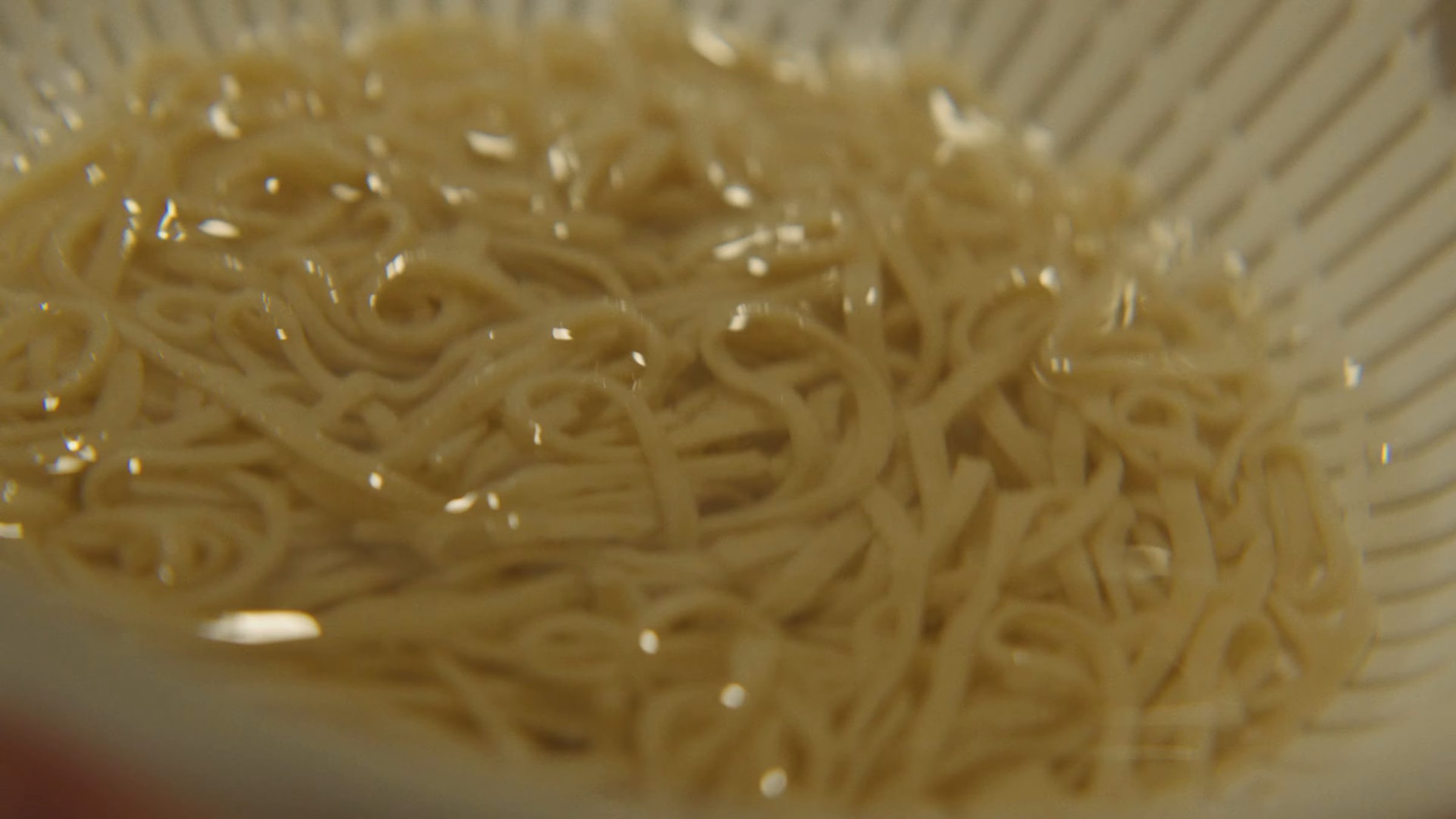
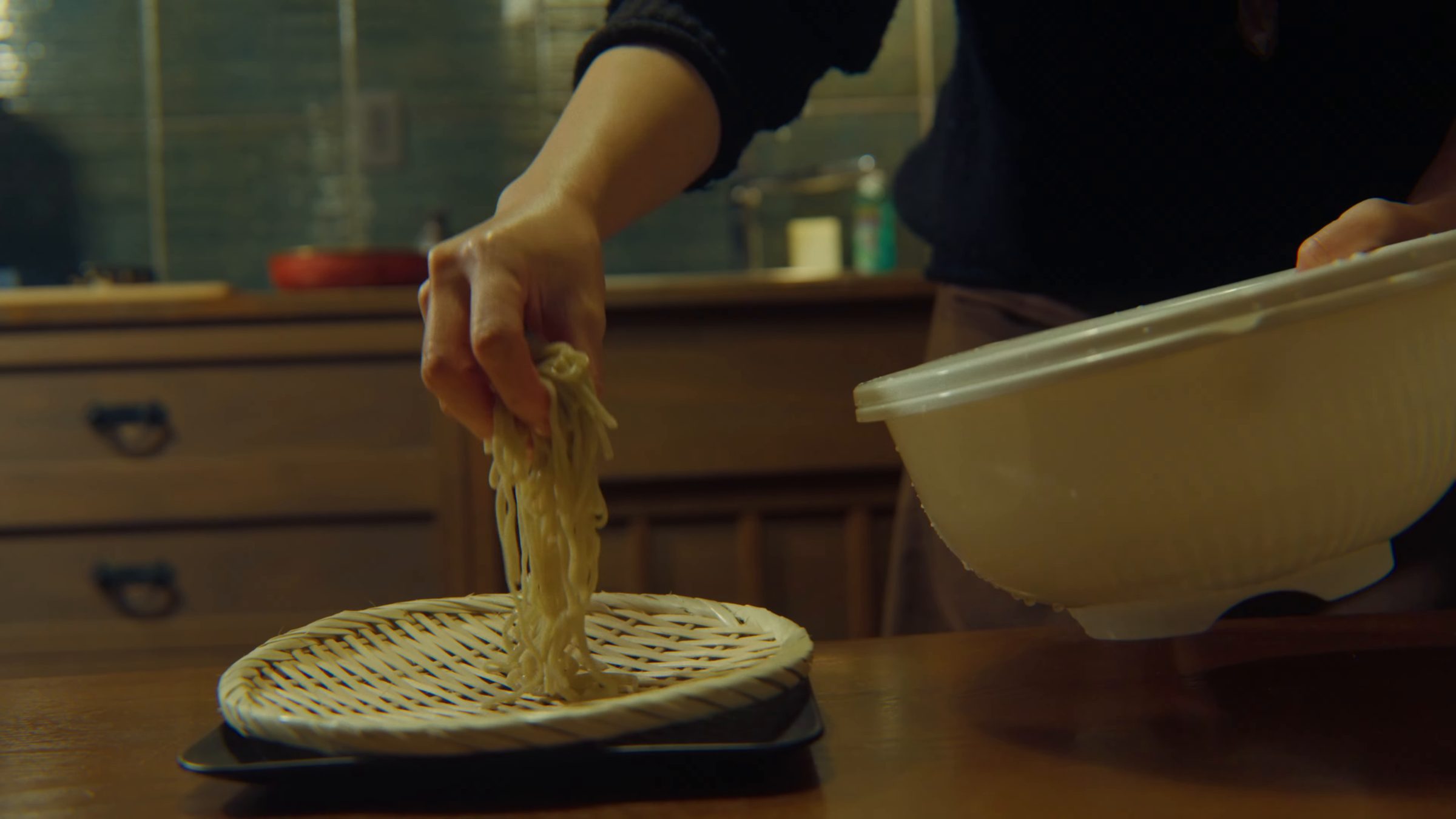
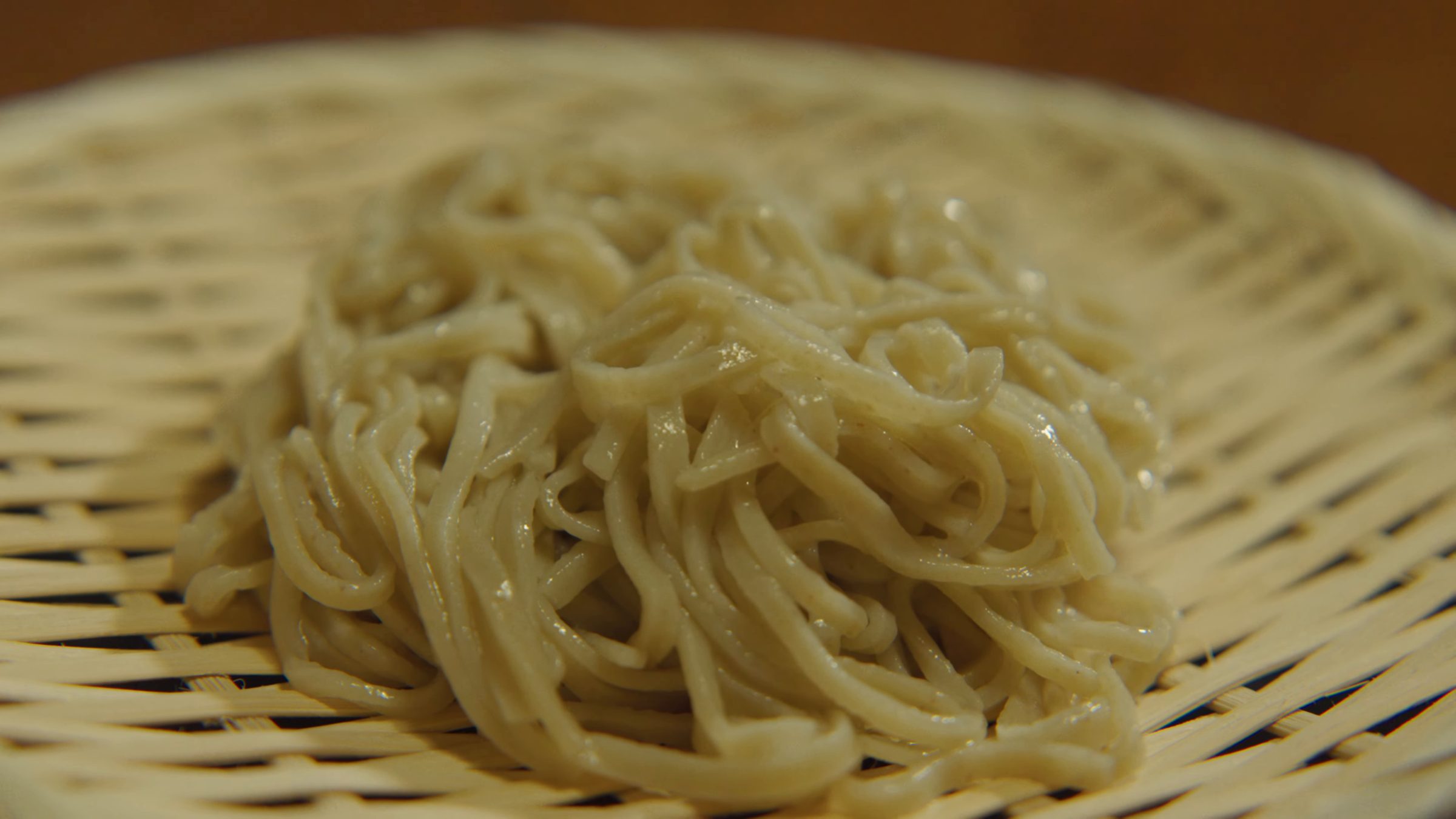
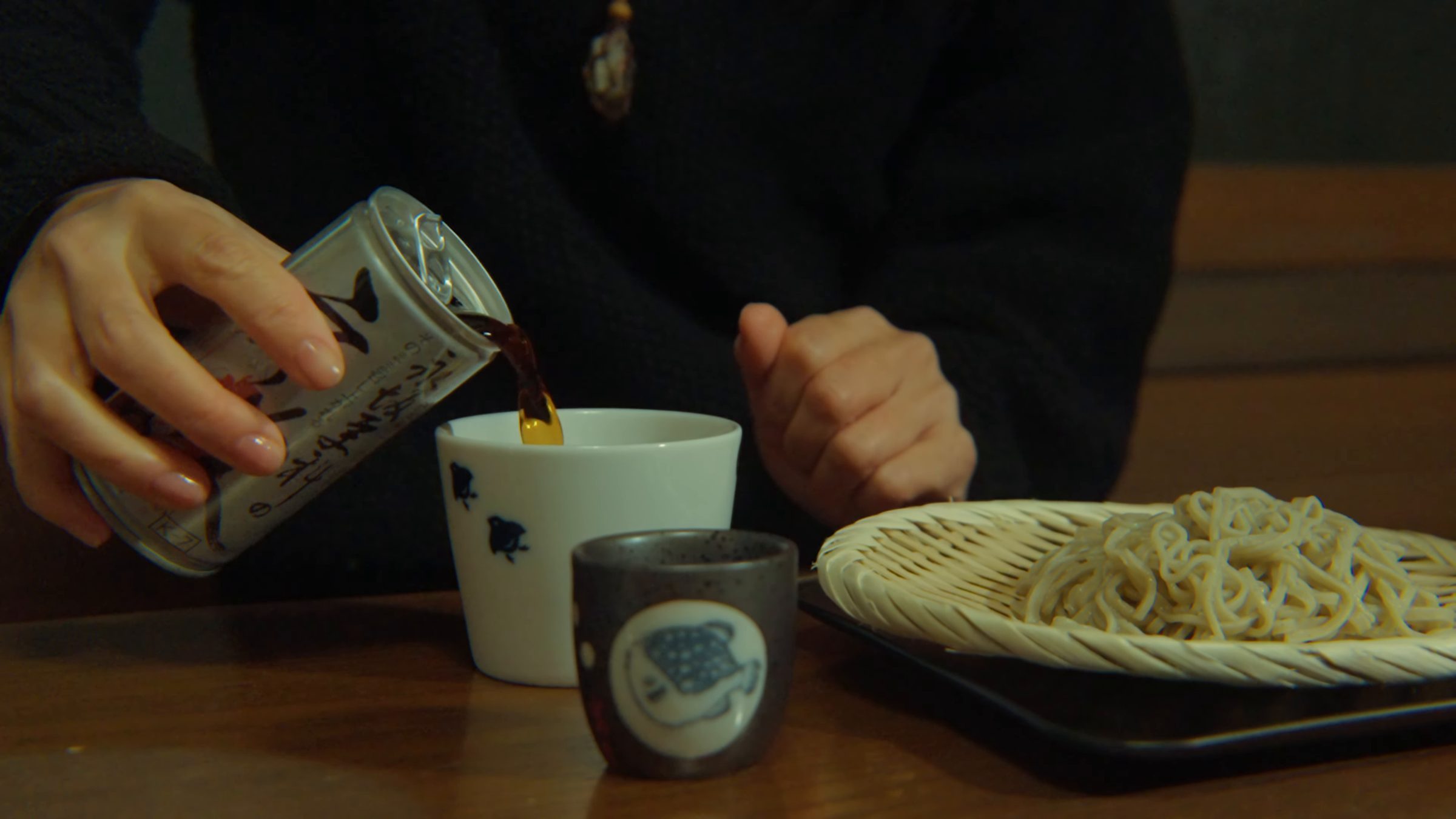
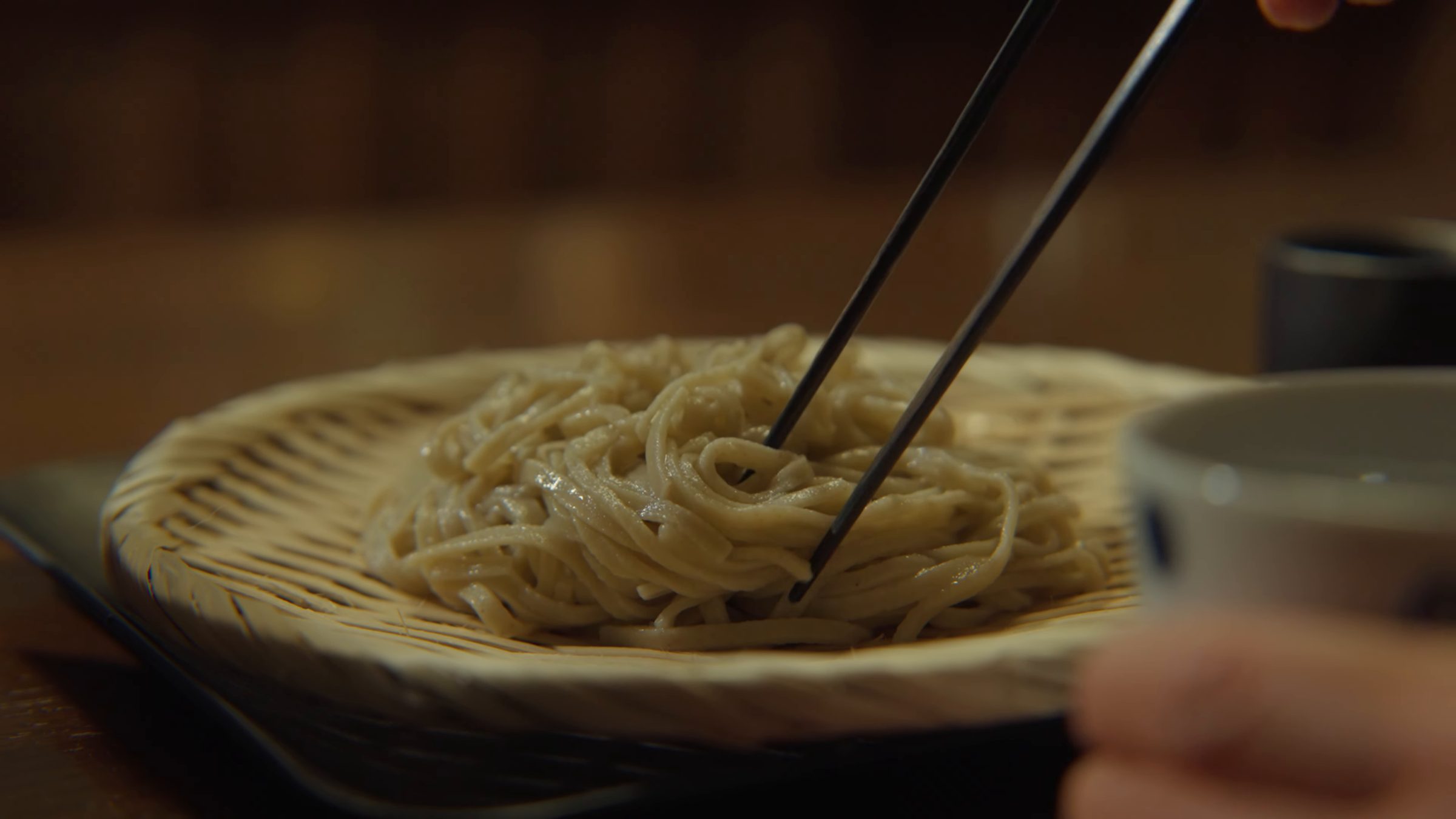
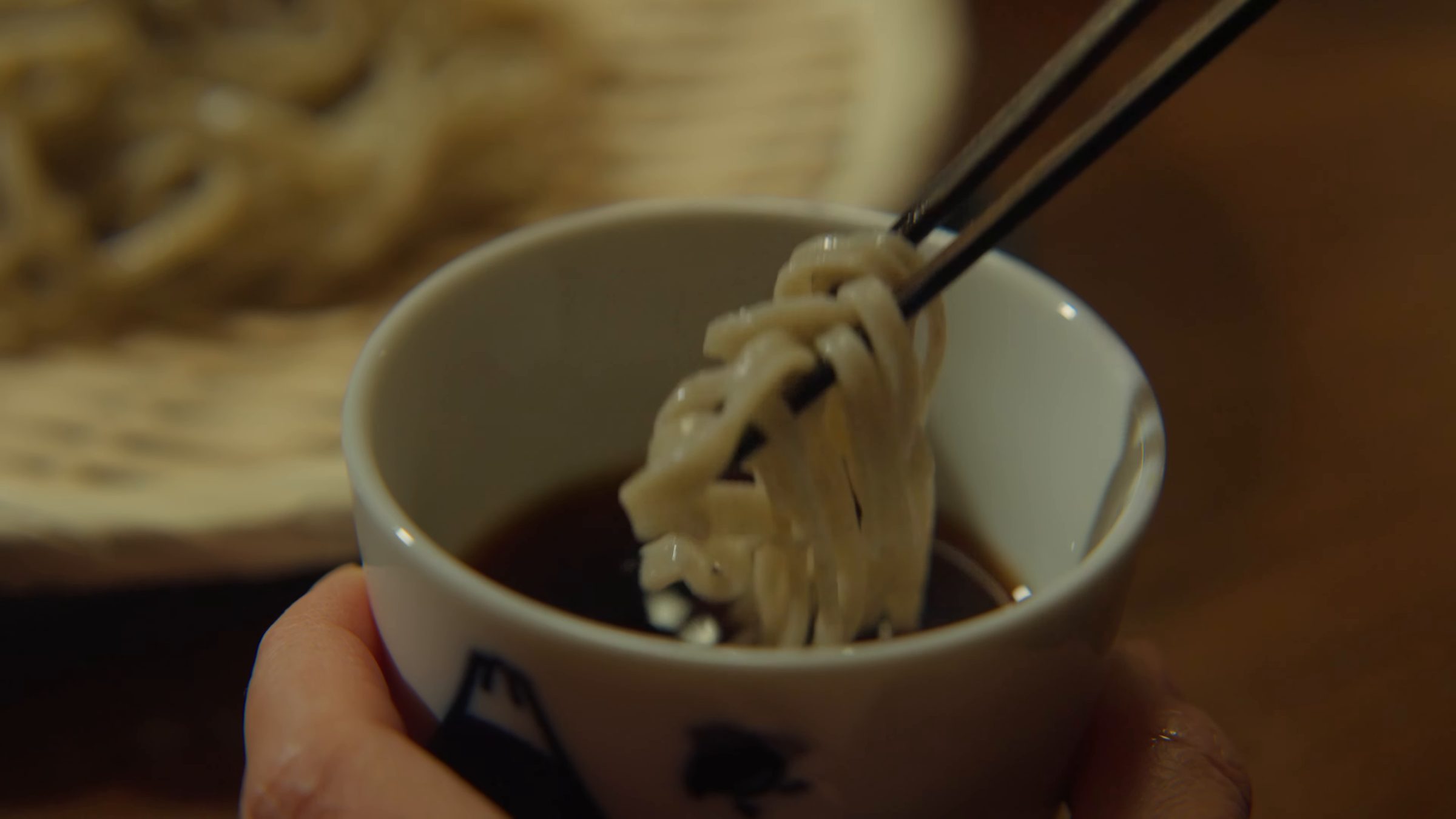
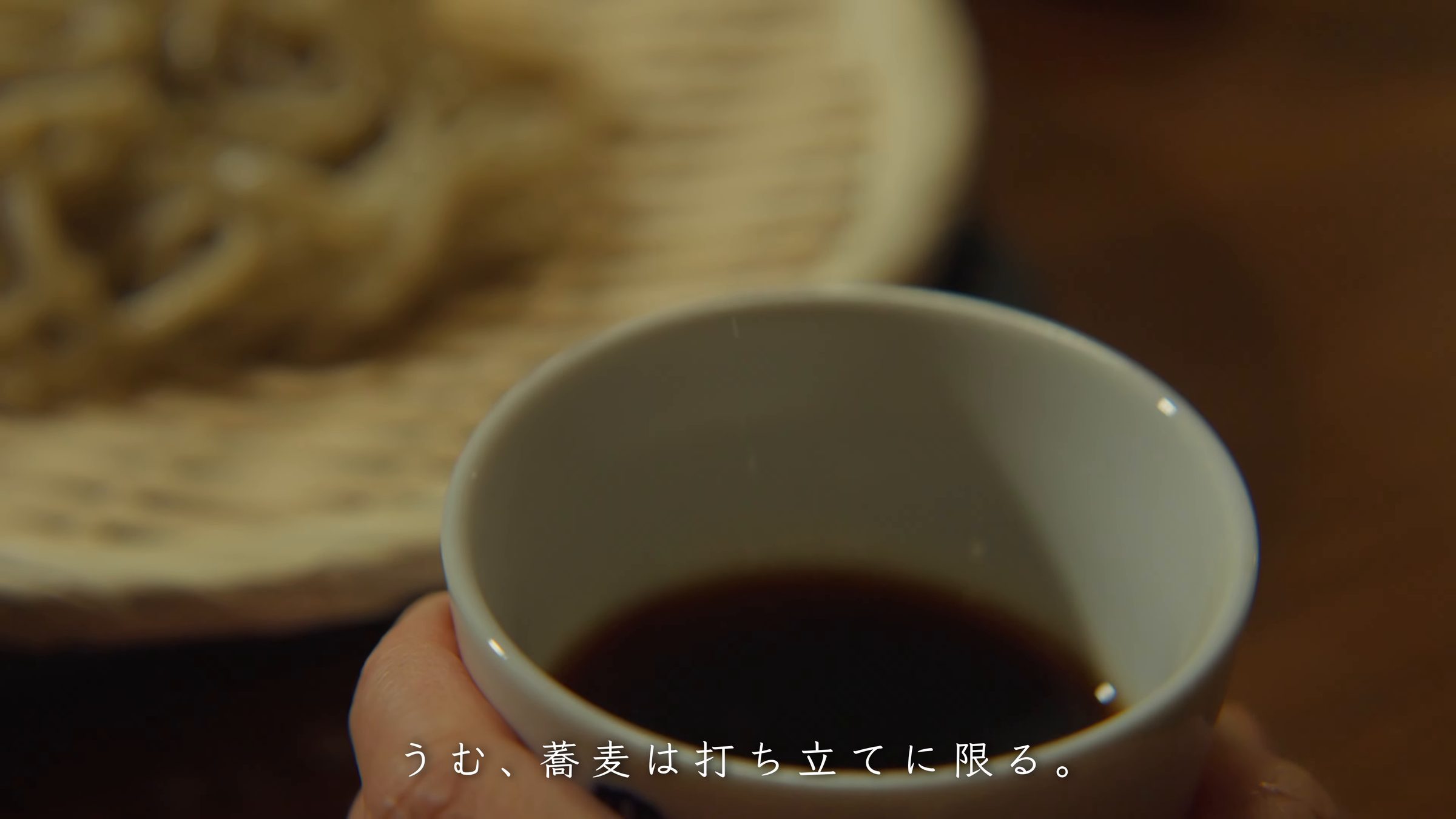
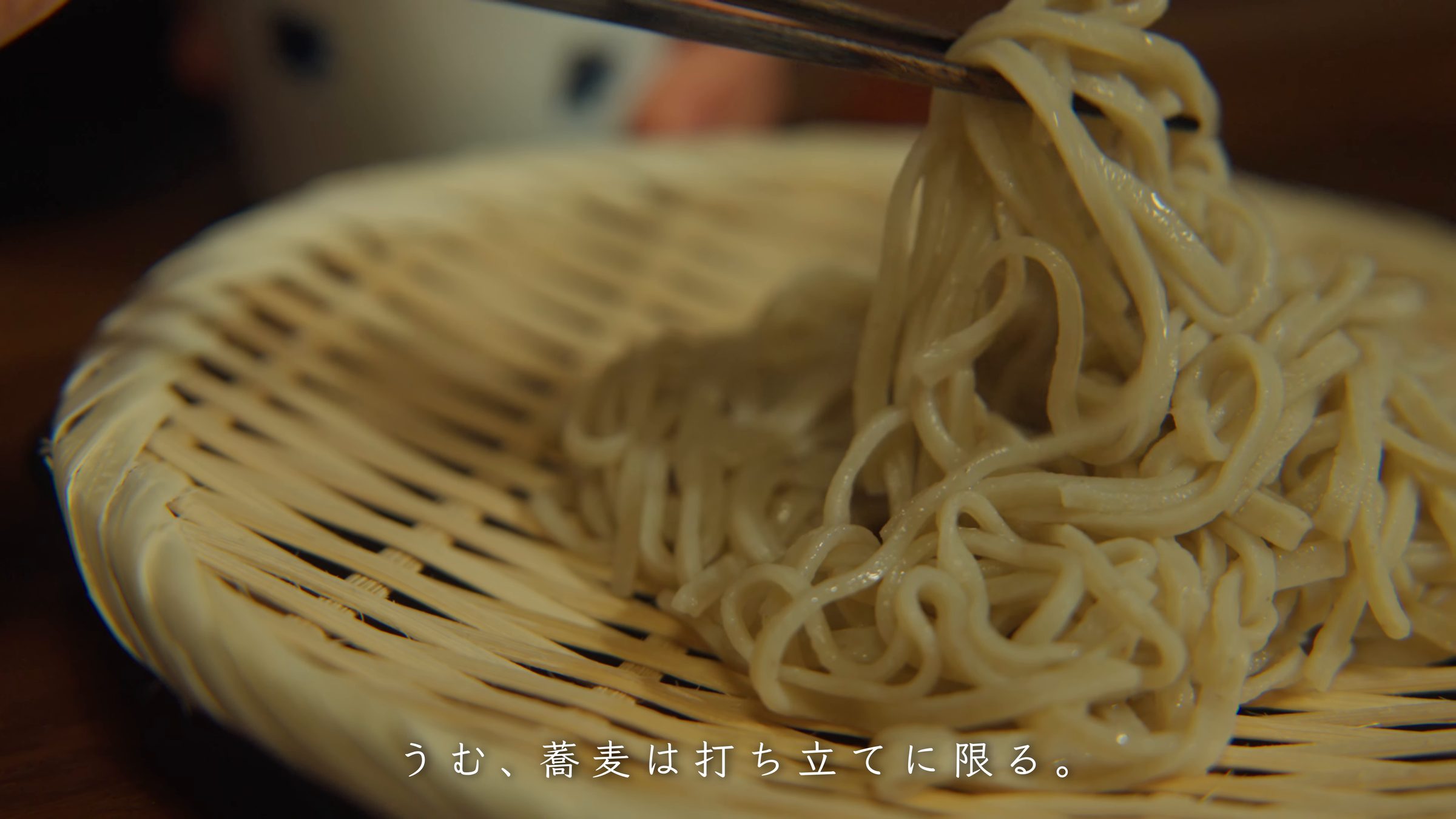
Rinsed in water and heaped on a bamboo tray: one seiro of soba, coming right up. I poured dipping sauce from a can into a cup, dipped the fresh noodles and slurped.
The result was not bad at all. They had a good bite, and with all the affection I had for them, they were delicious. Yes, soba is best freshly made.
Watch this scene on YouTube7:39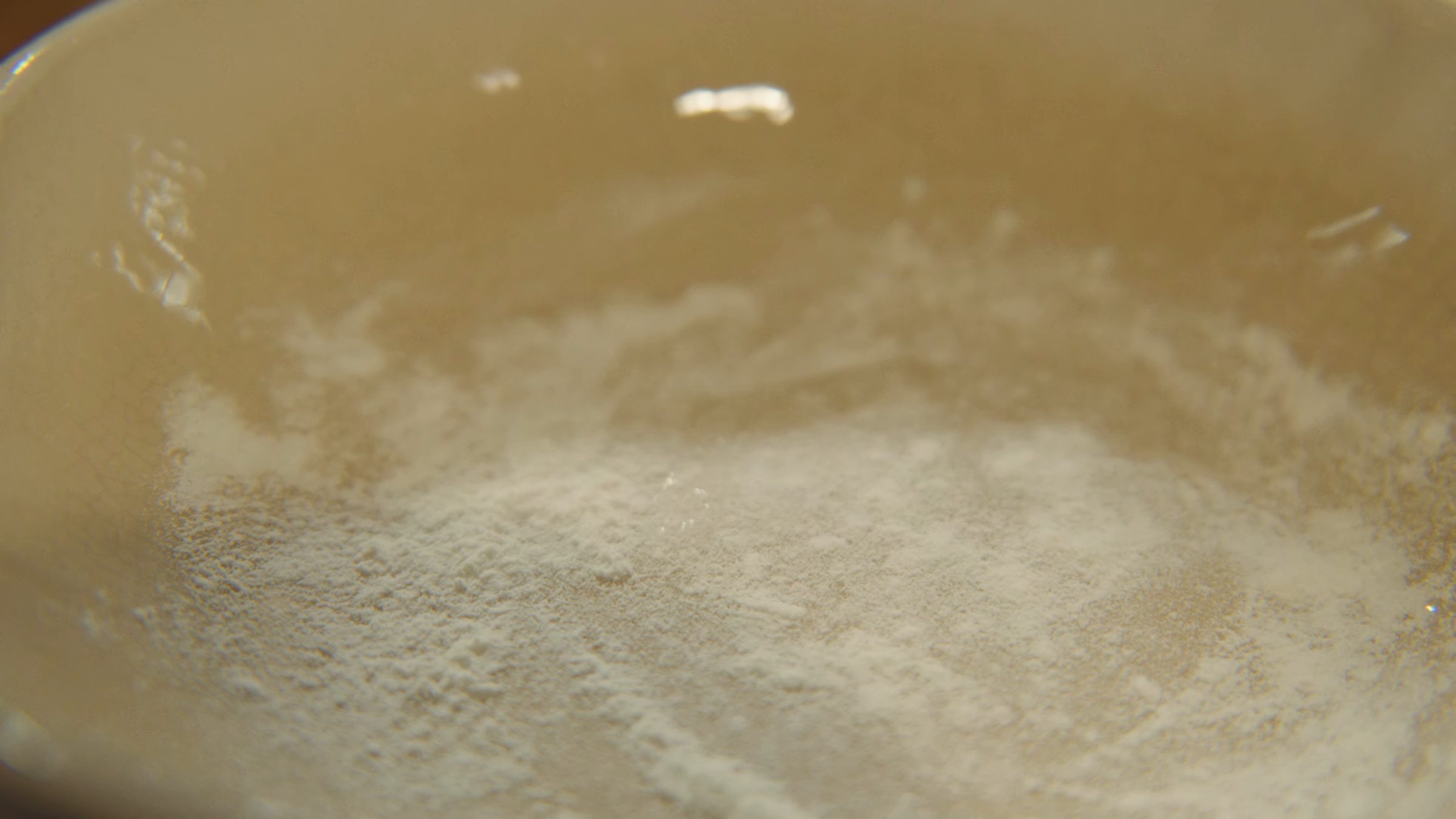
13TRAVEL JOURNAL
Osechi, and a happy New Year
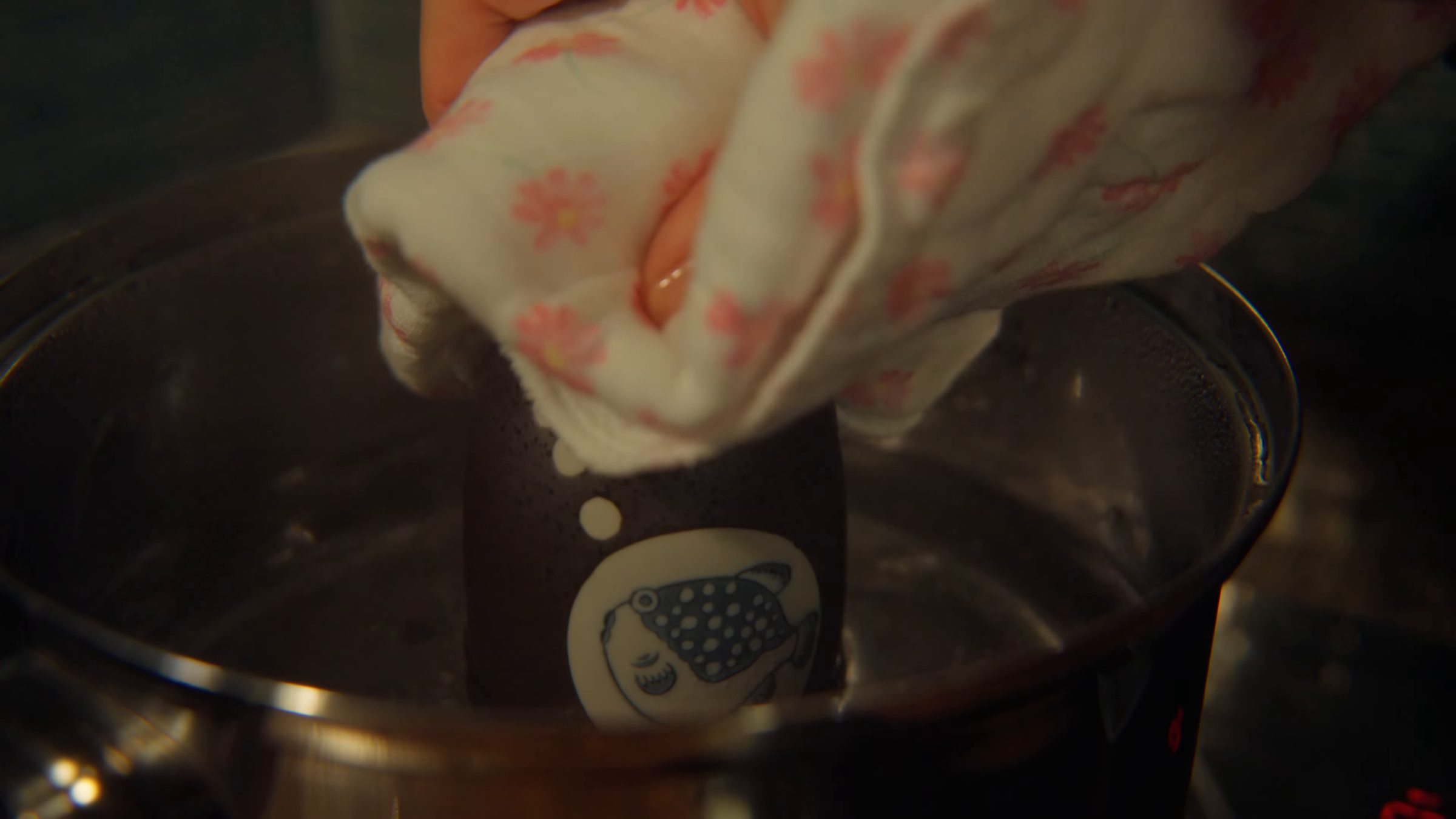
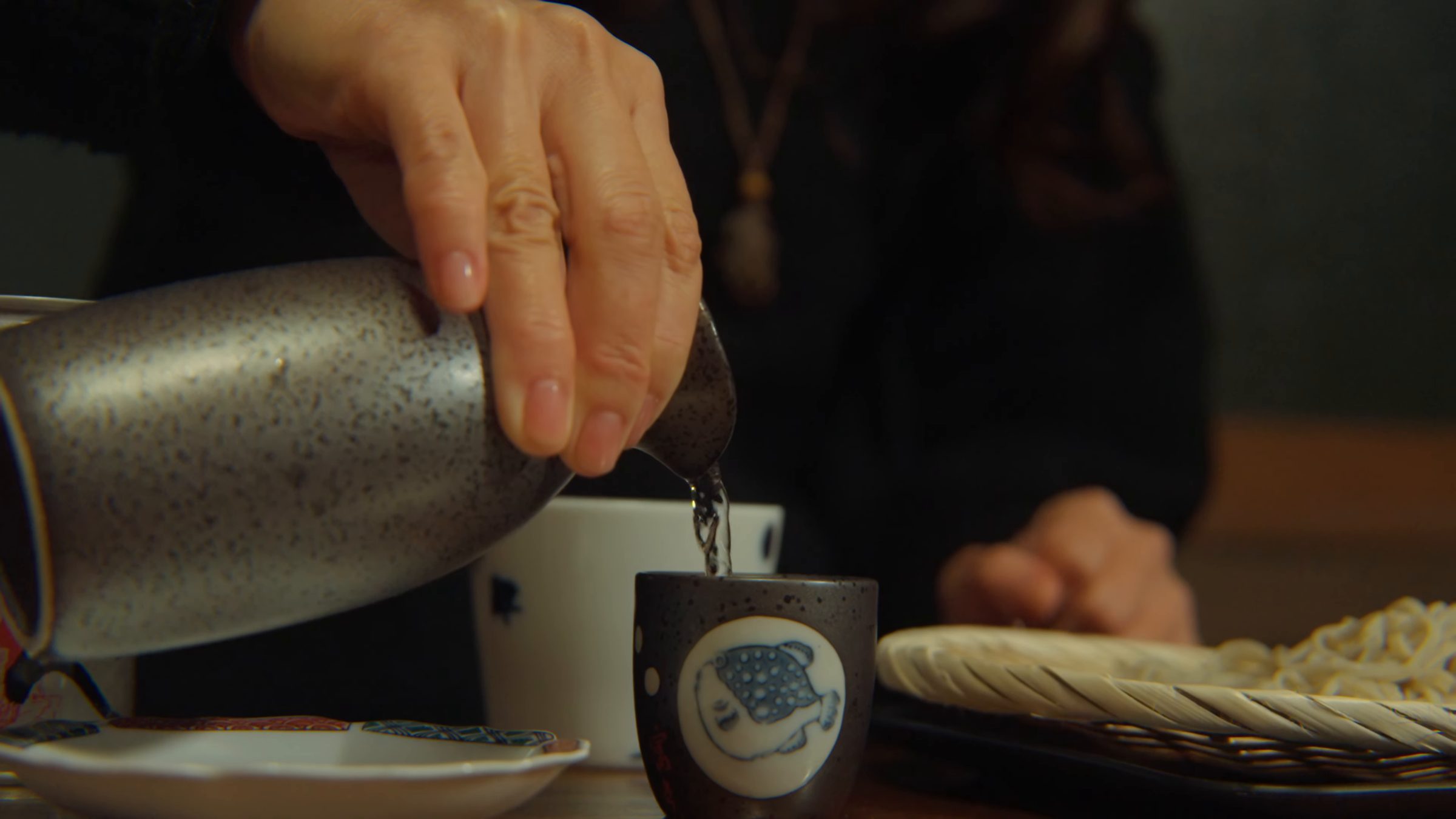
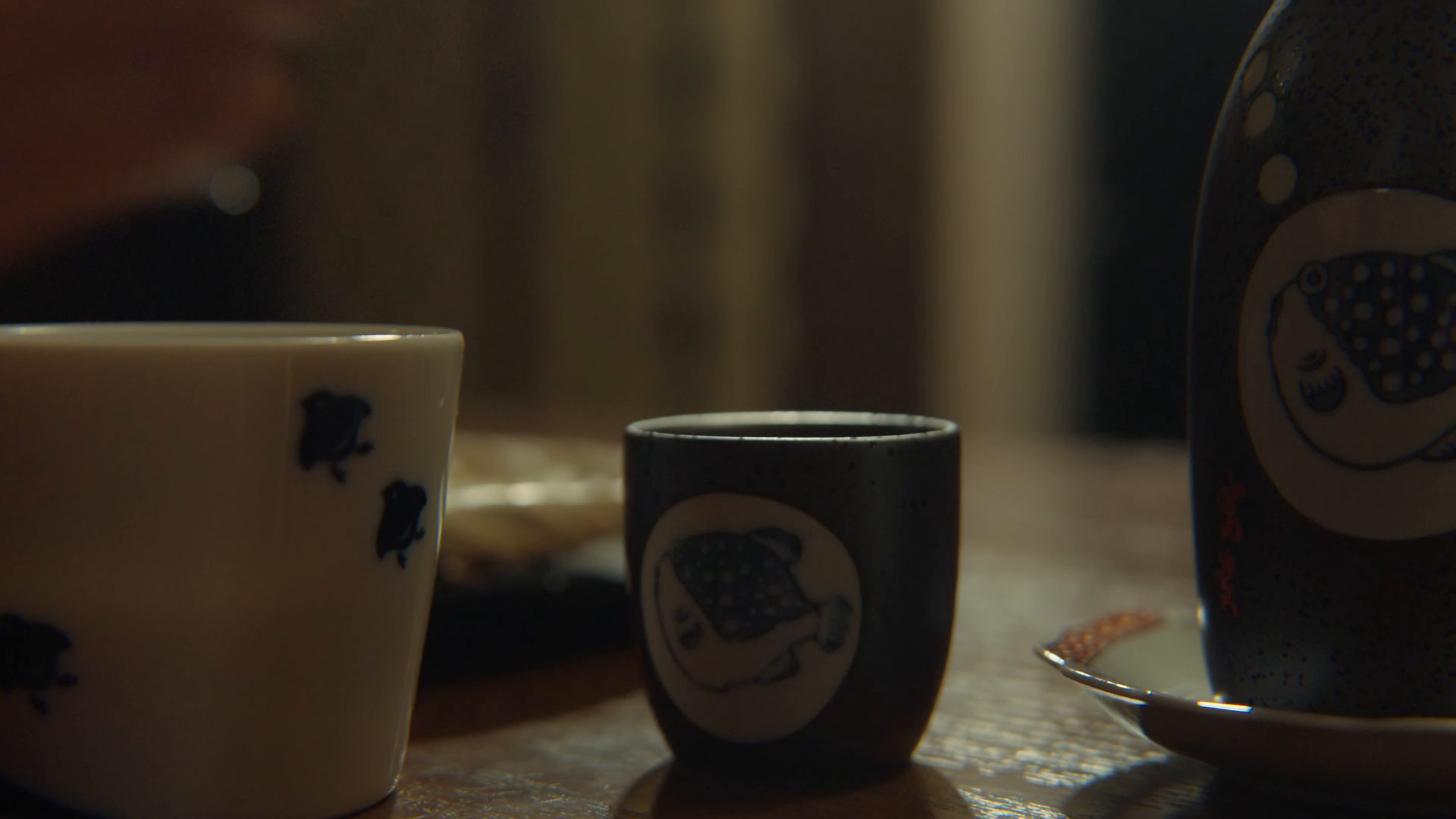
I warmed a flask painted with a pufferfish in a pot of hot water, lifted it out wrapped in a cherry-blossom tenugui towel, and poured from a silver server into a little pufferfish cup.
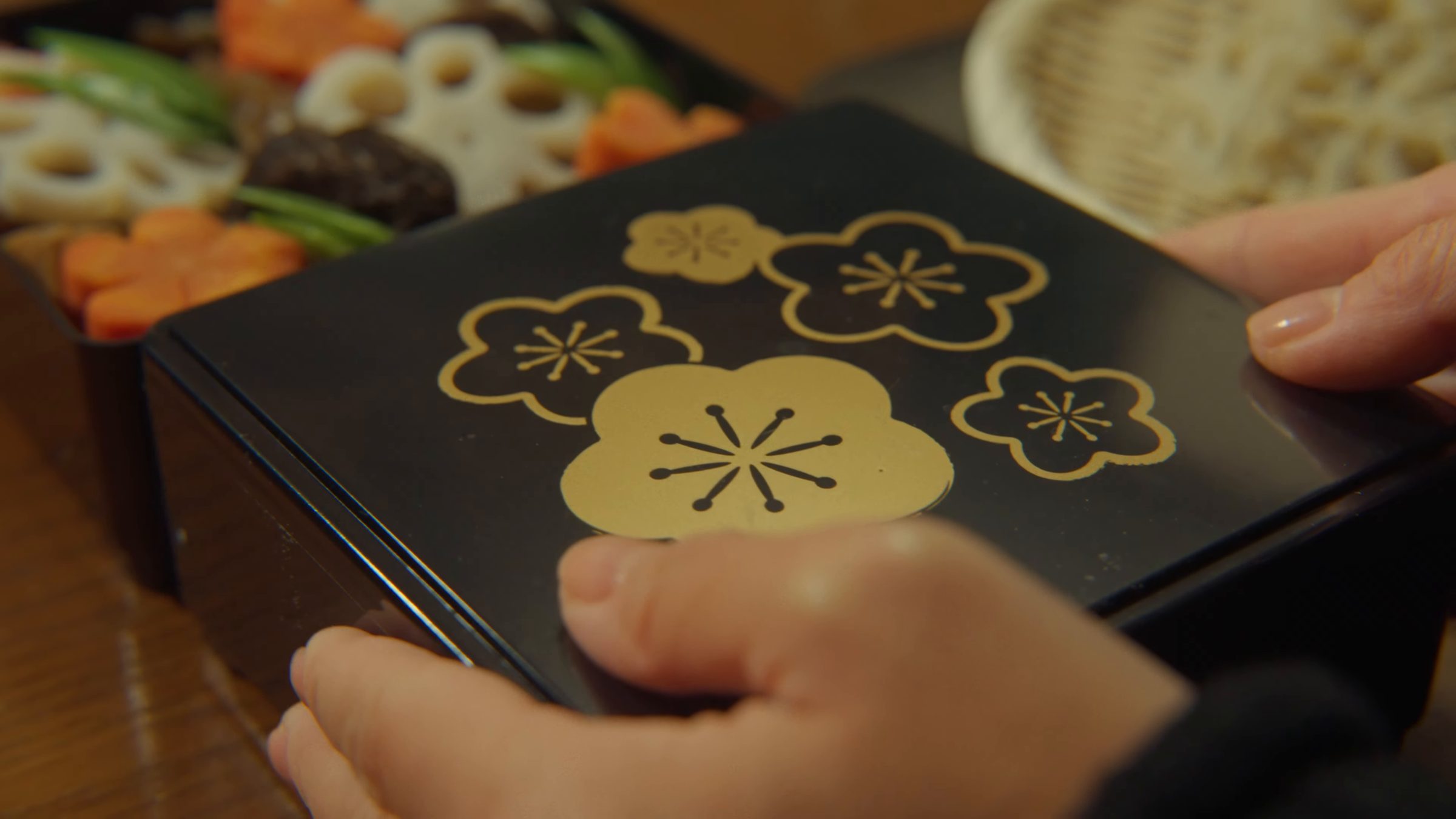
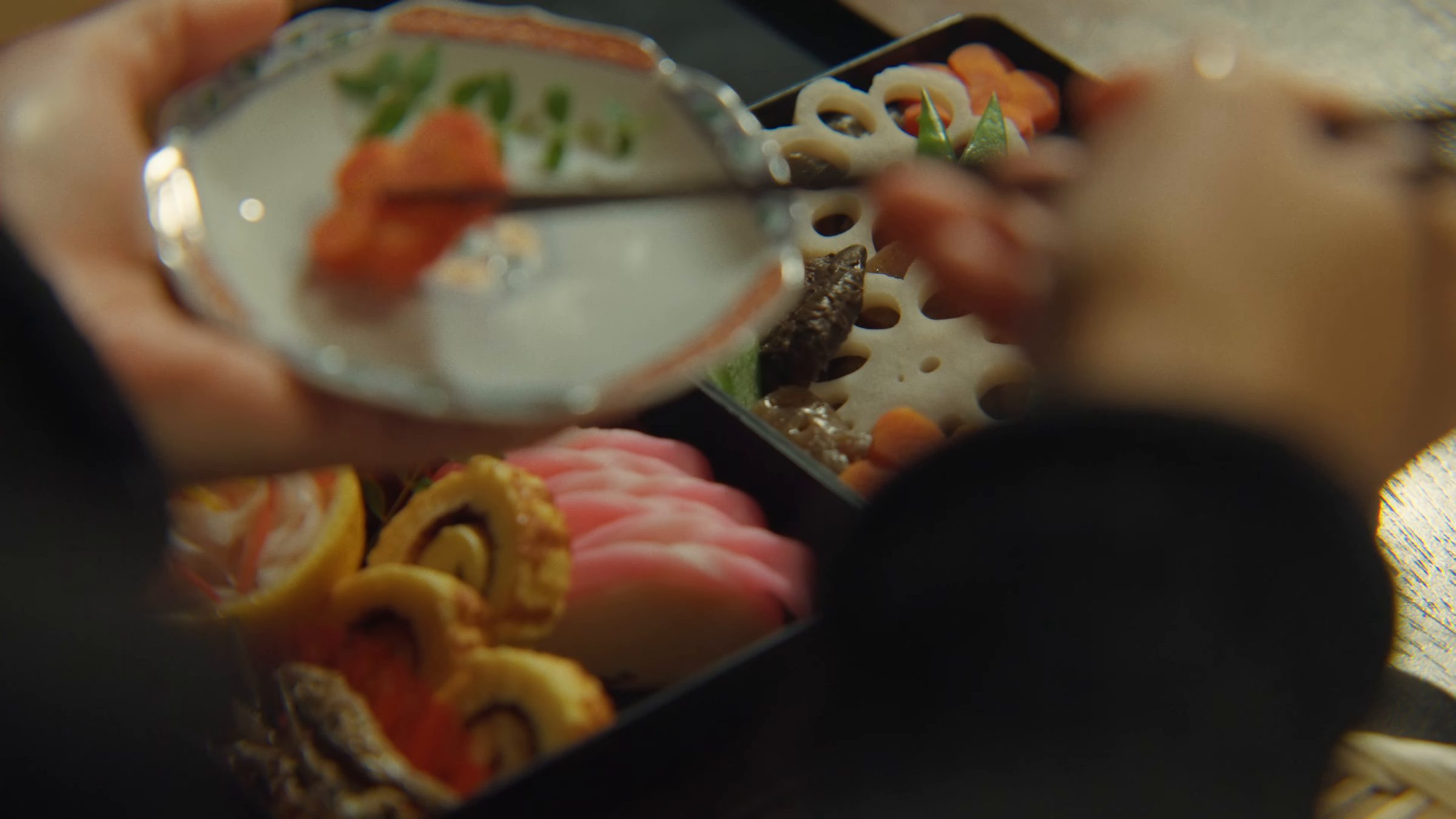
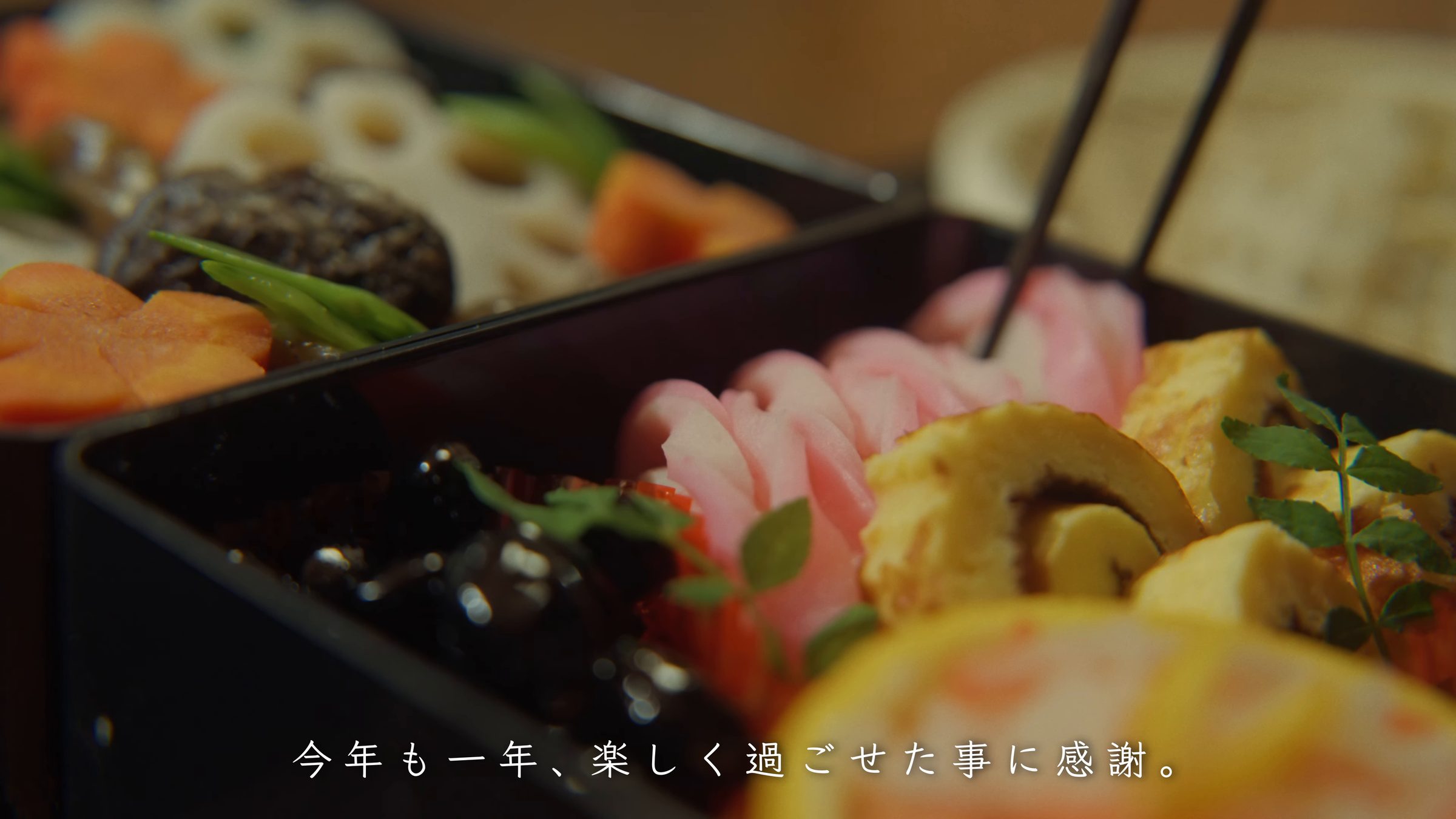
Under the lid of the box, painted with golden plum blossoms: namasu in its yuzu cup, datemaki, red-and-white kamaboko, black beans and tazukuri. The other tier held the nishime. I took a little of each onto a small plate. The older I get, the more deeply I appreciate how good osechi is.
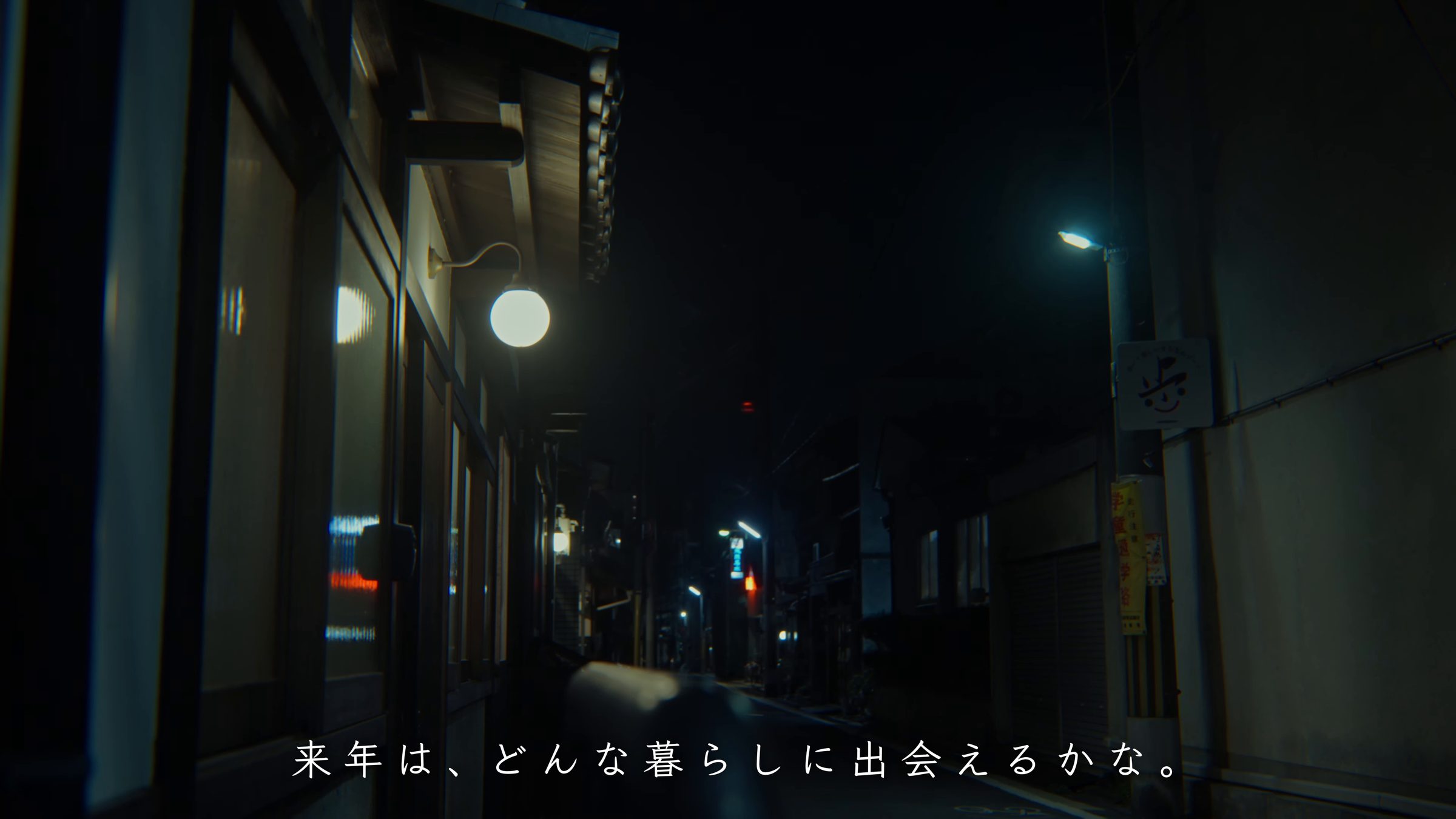
Grateful for another year spent happily. The street outside was quiet at night, a lamp glowing under the eaves. I wonder what kinds of life I will meet next year.
Watch this scene on YouTube8:33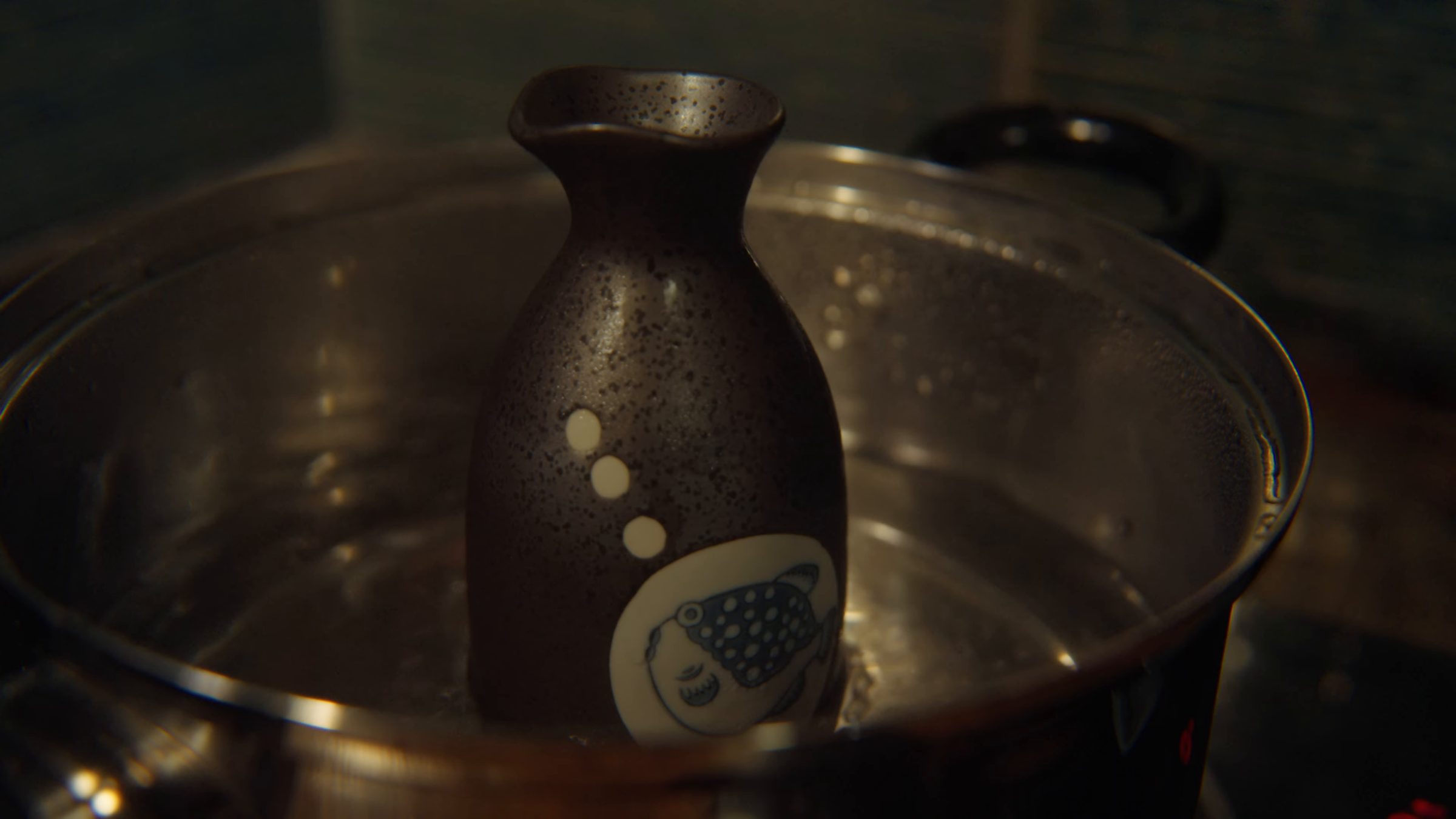
14TRAVEL JOURNAL
The seasons of Japan, from my travels
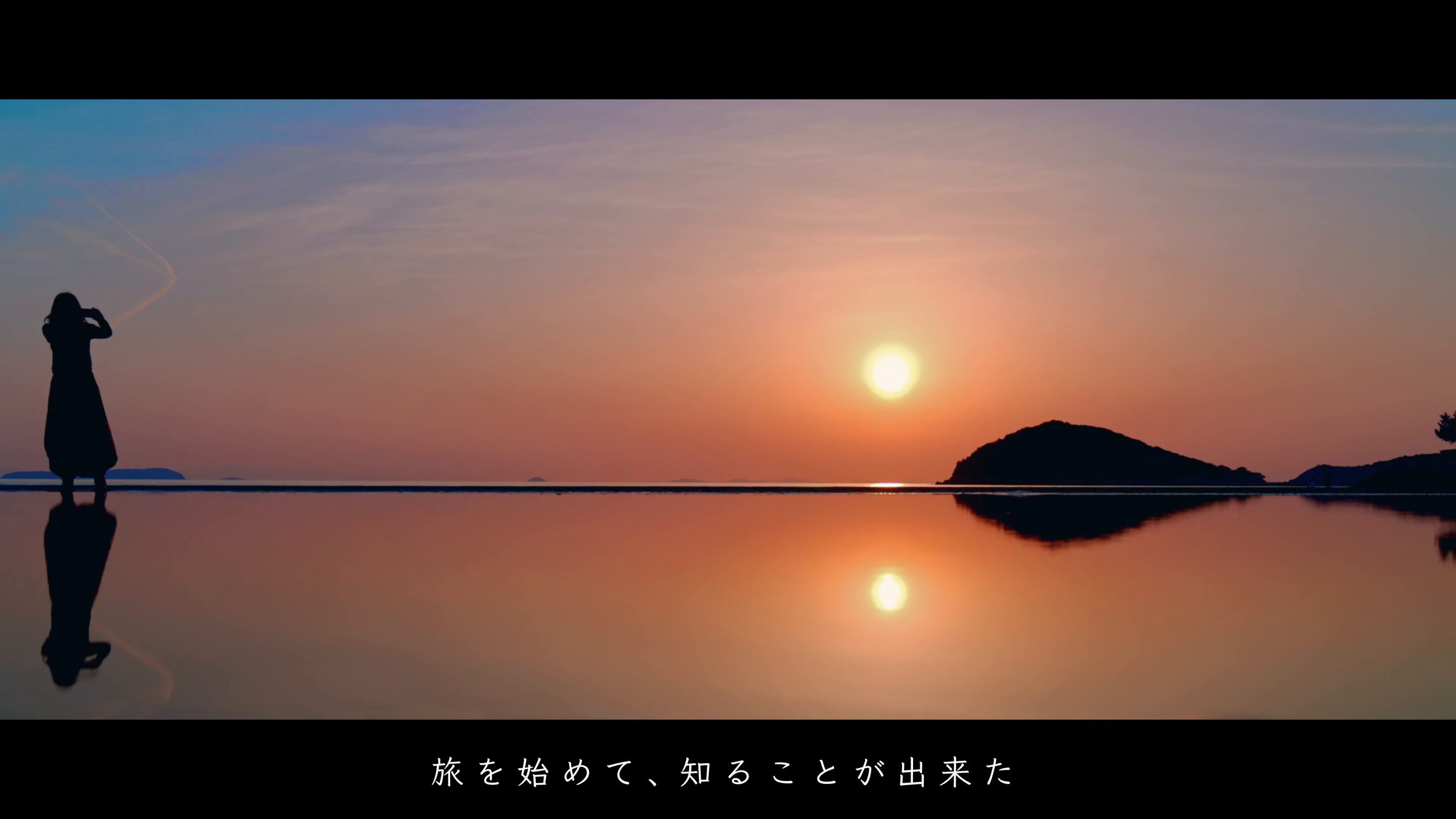
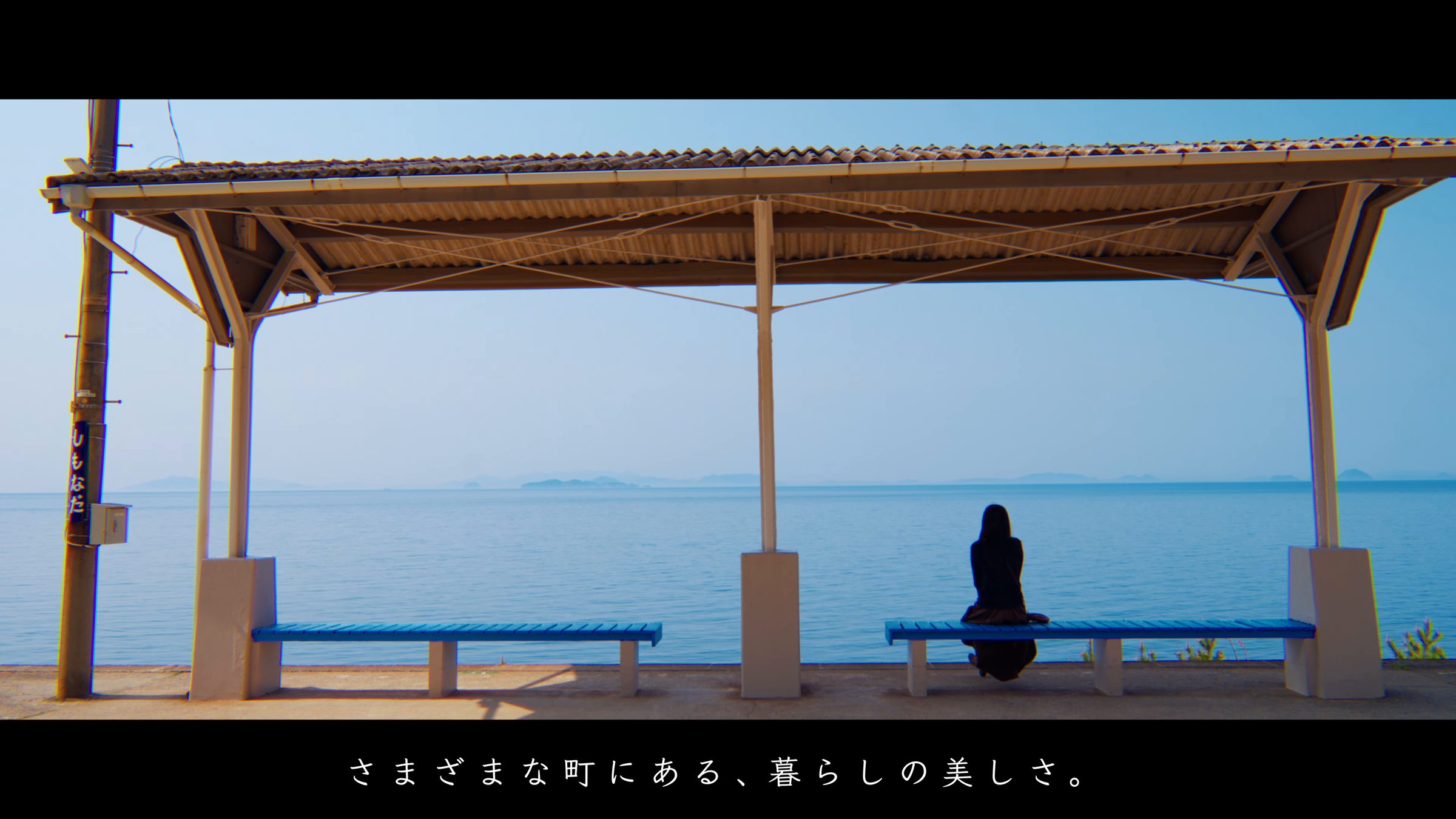
Since I started traveling, I have come to know the beauty of everyday life in so many towns. Here, looking back, are the seasons of Japan I have met along the way.
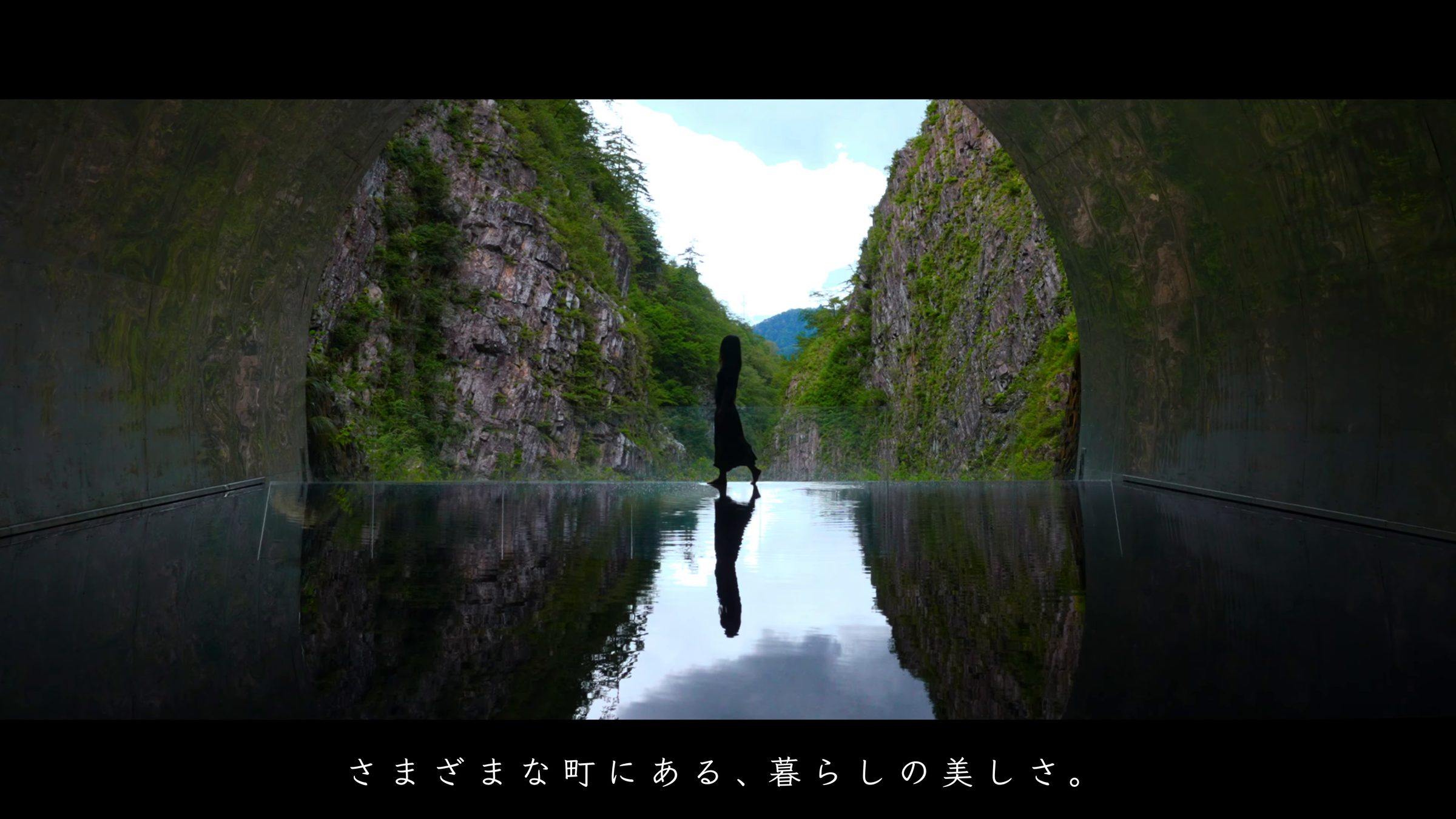
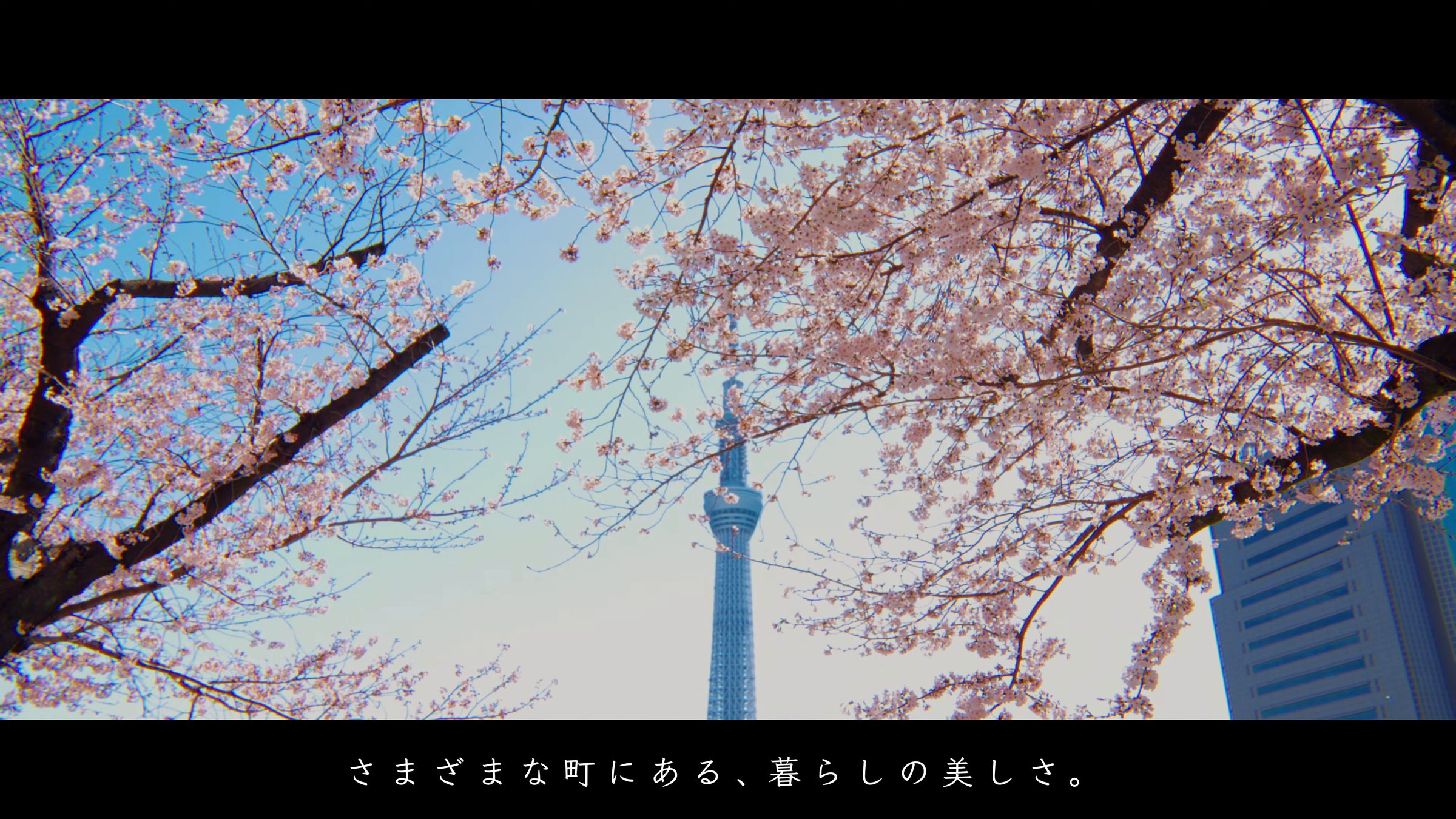
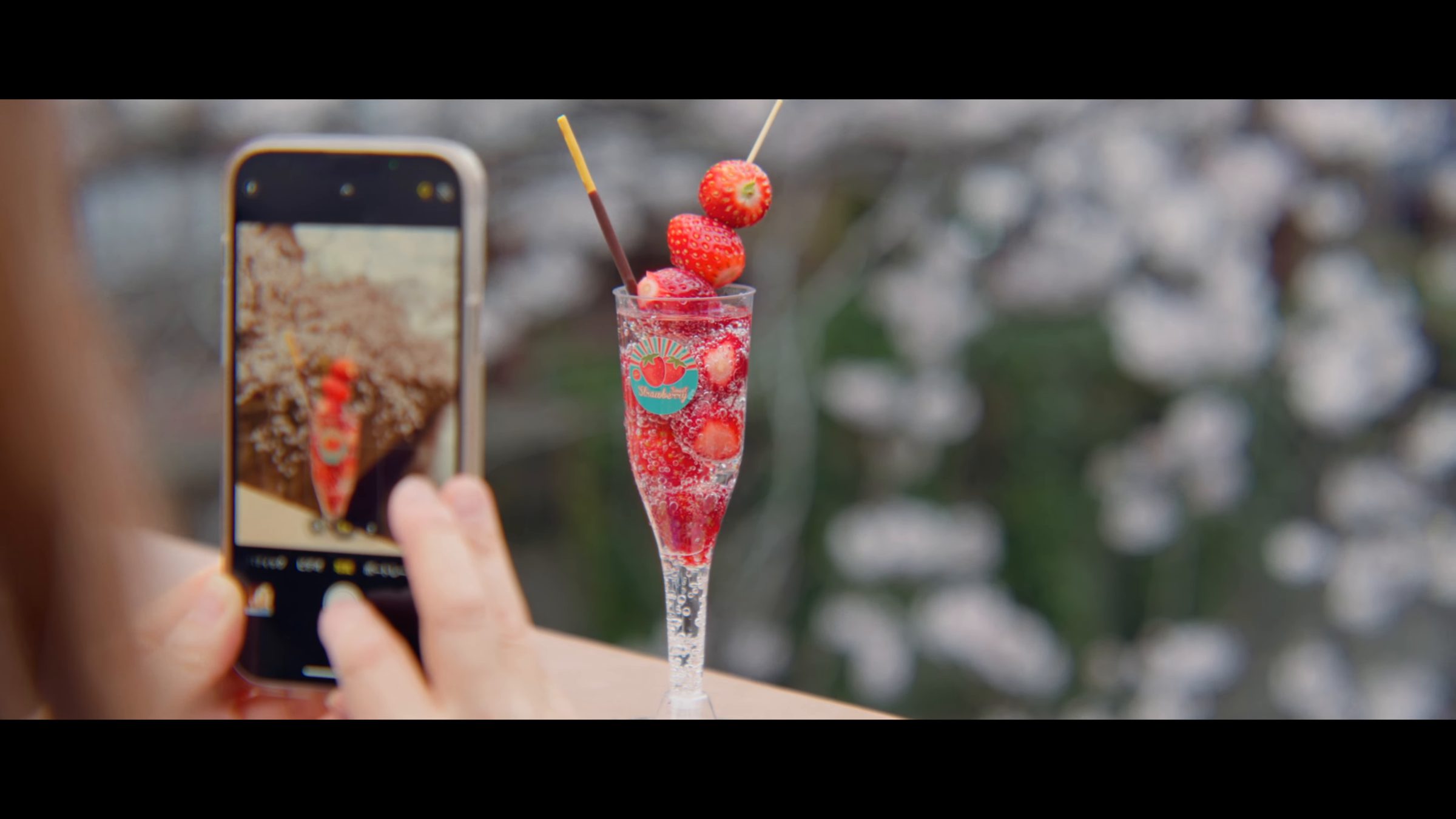
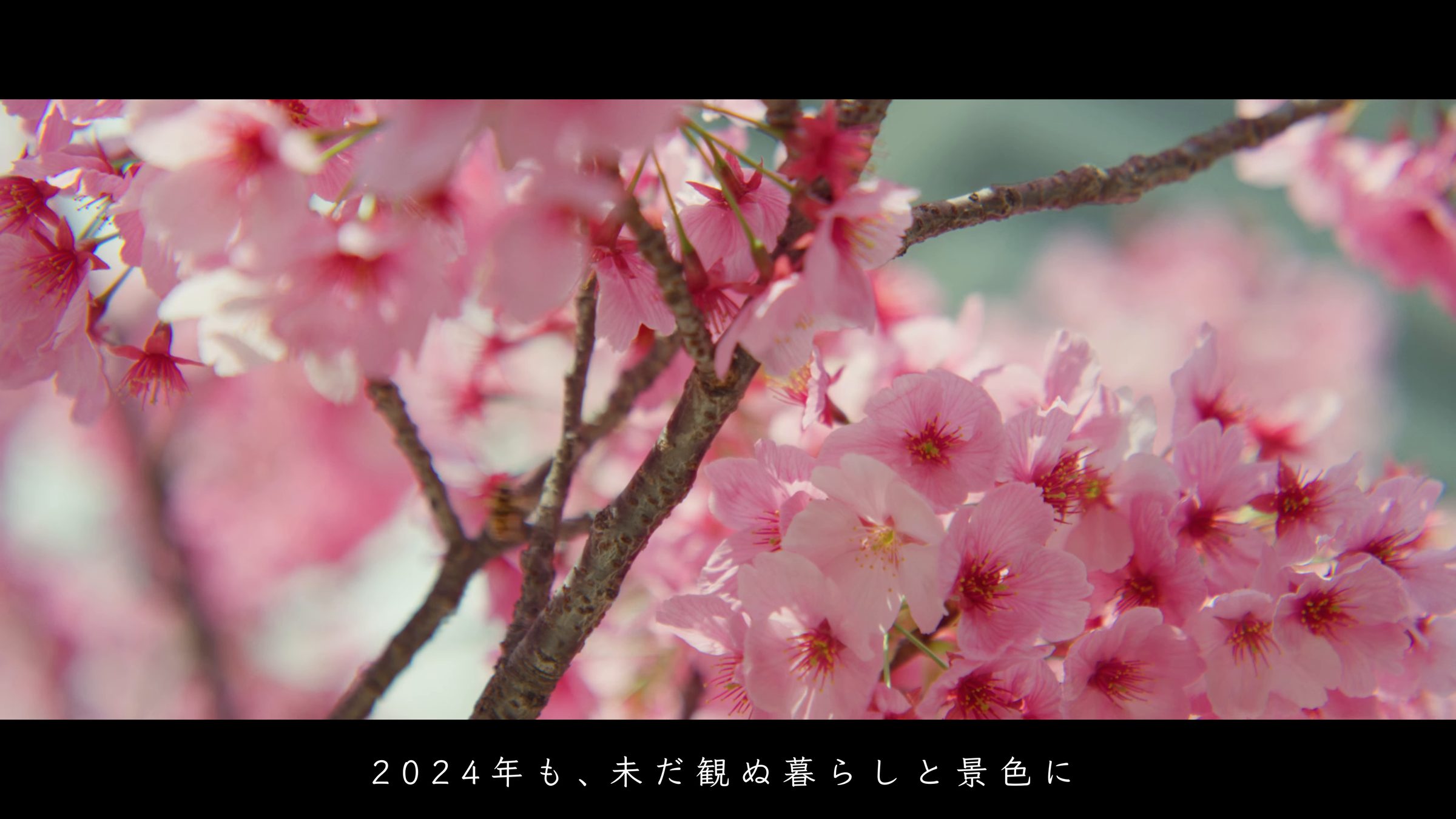
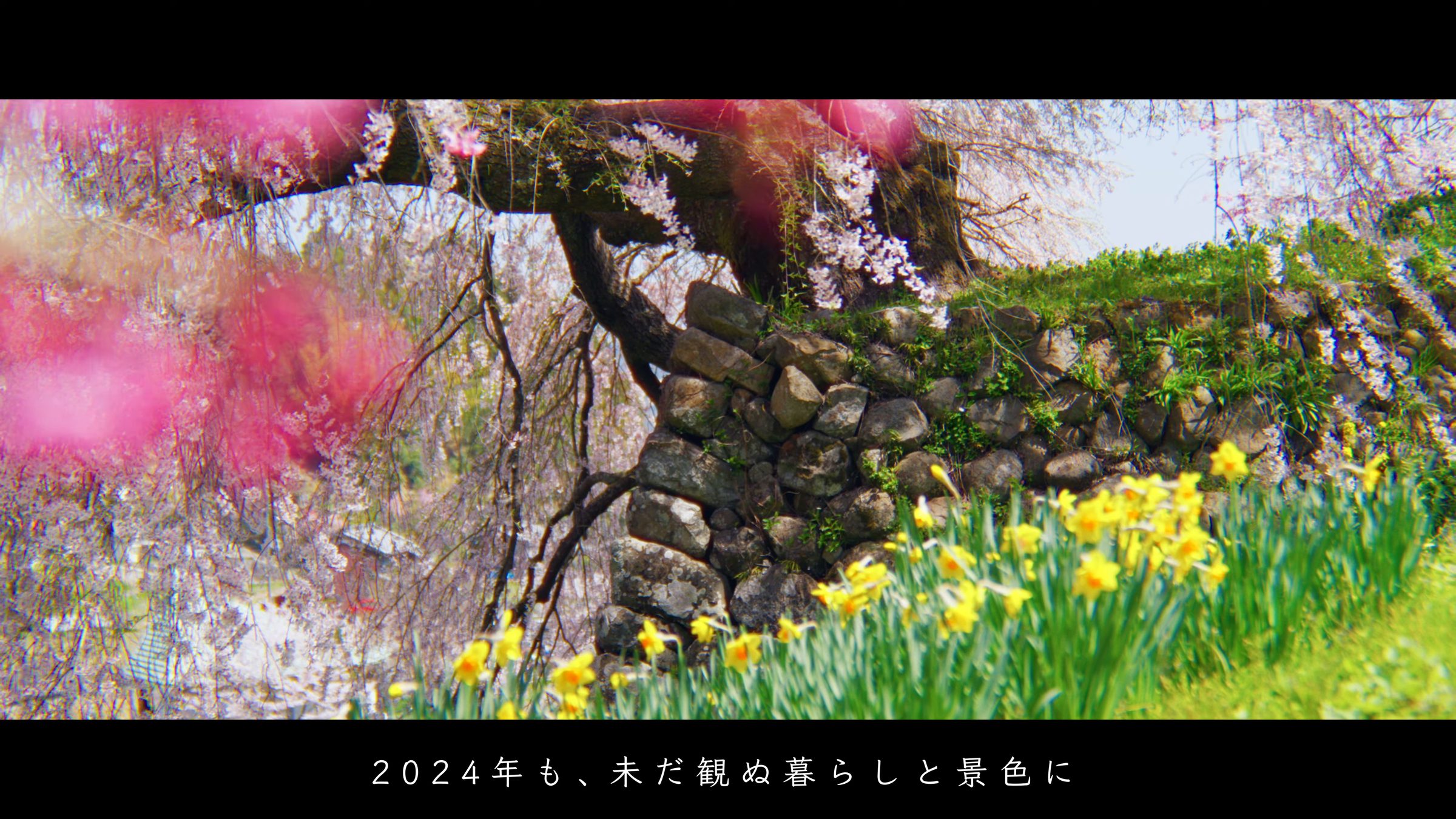
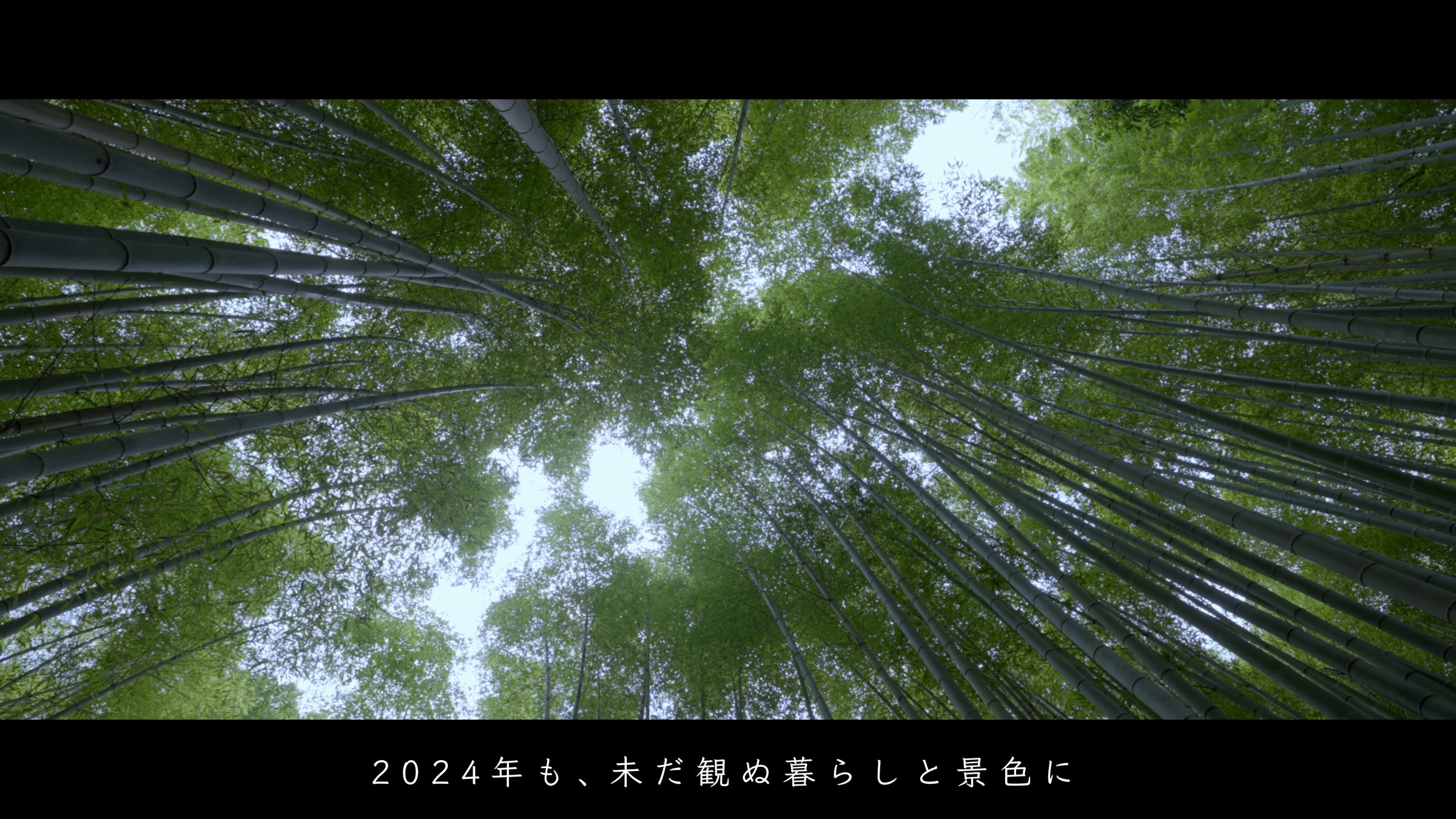
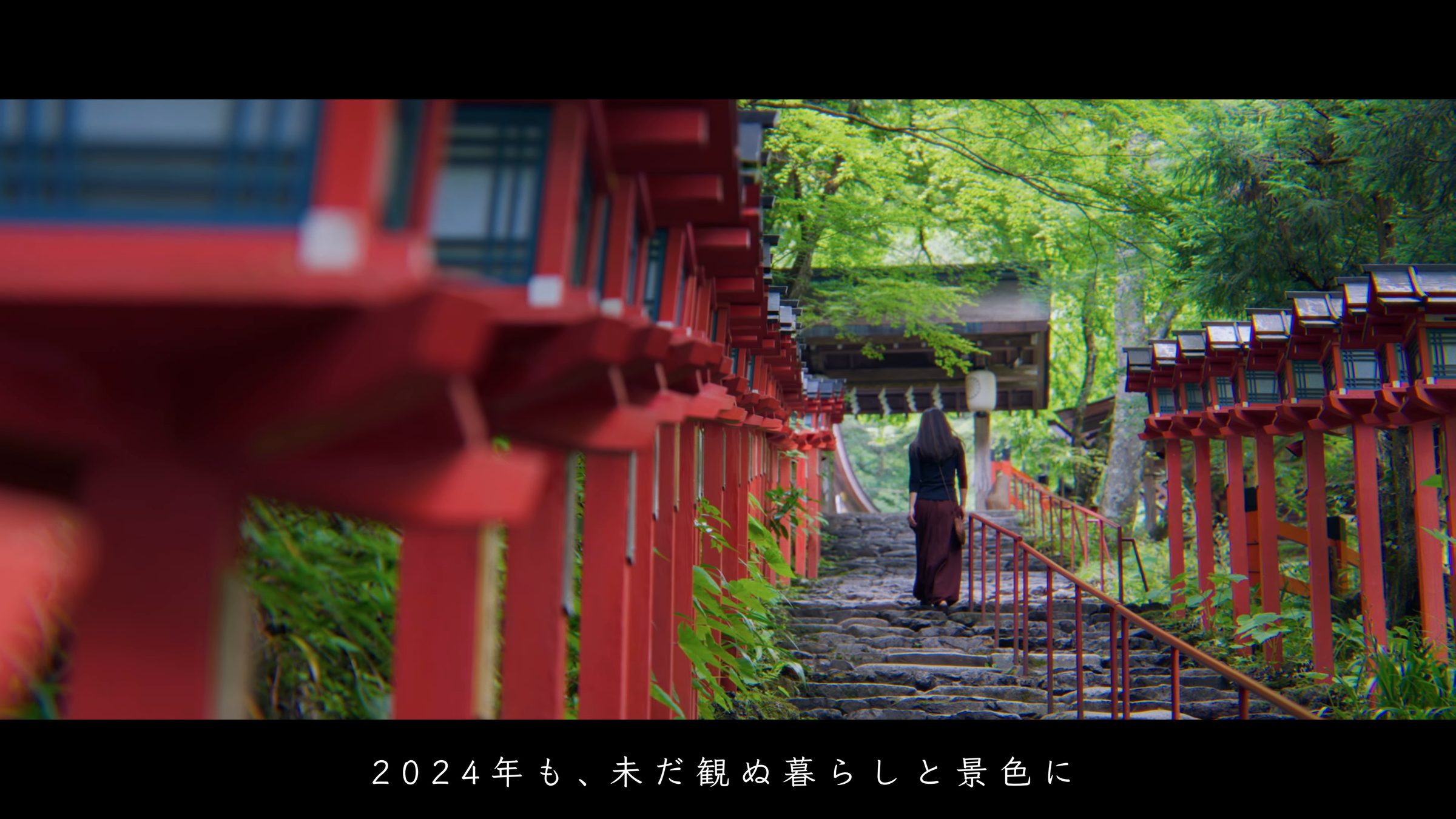
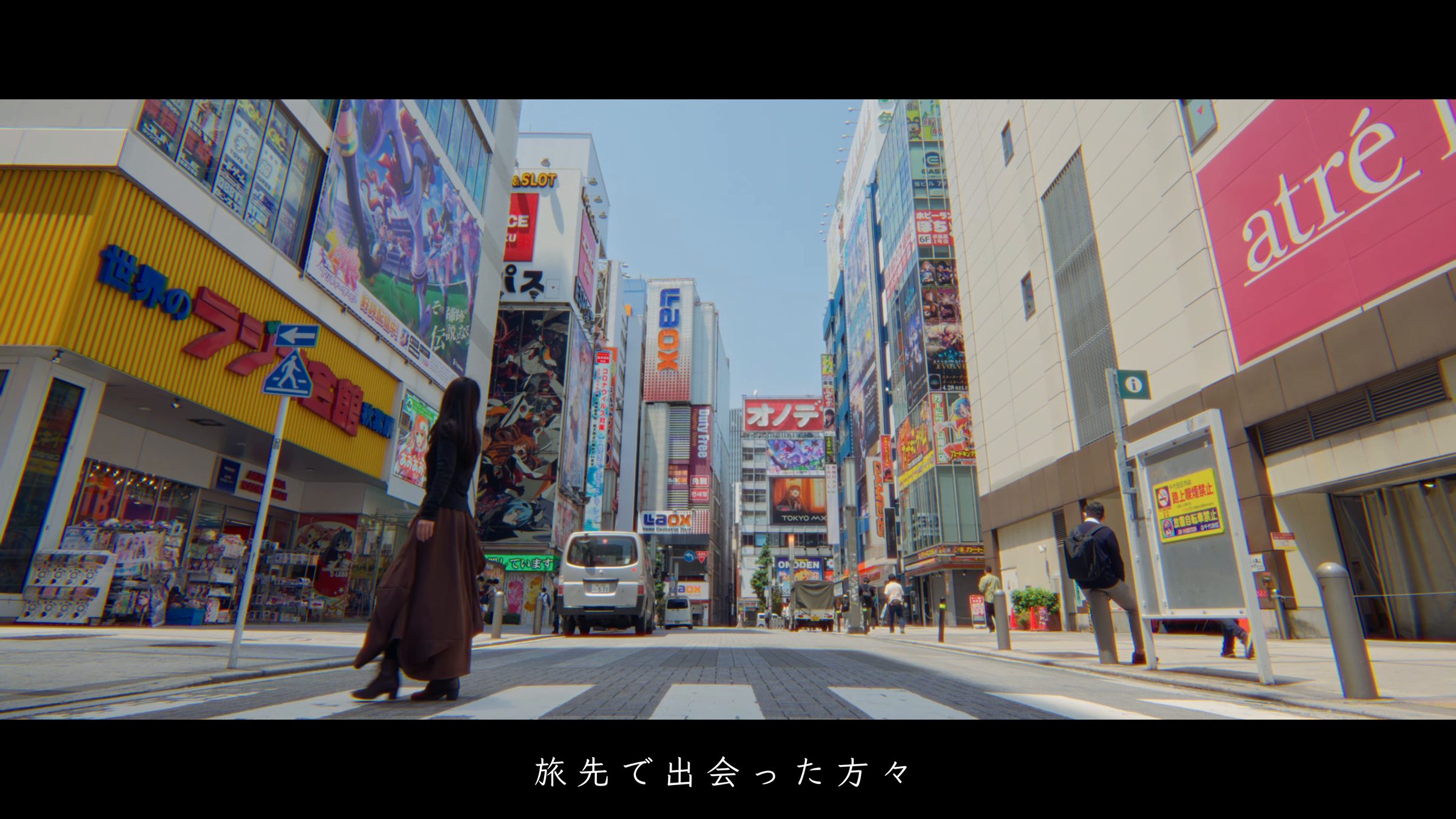
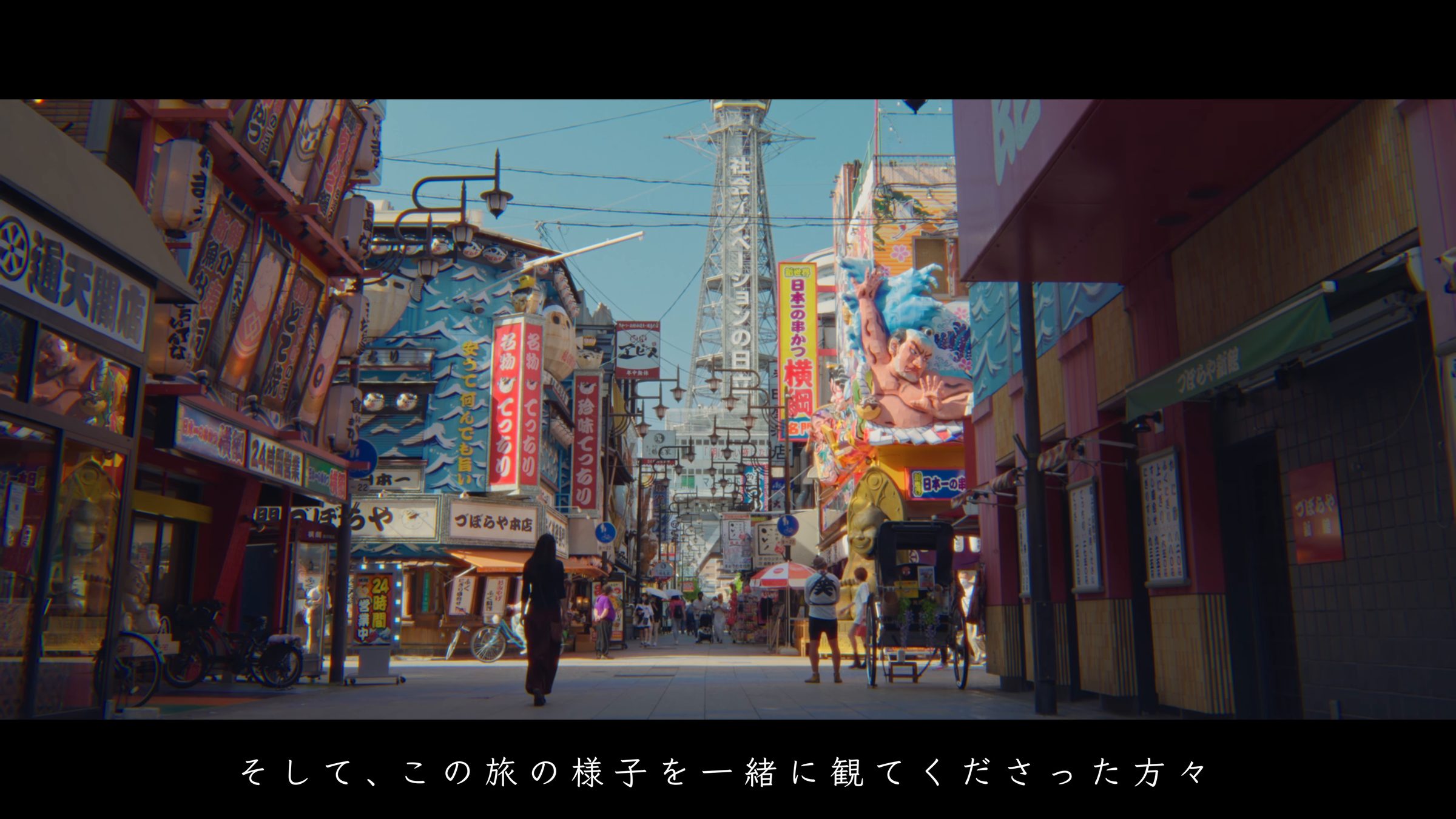
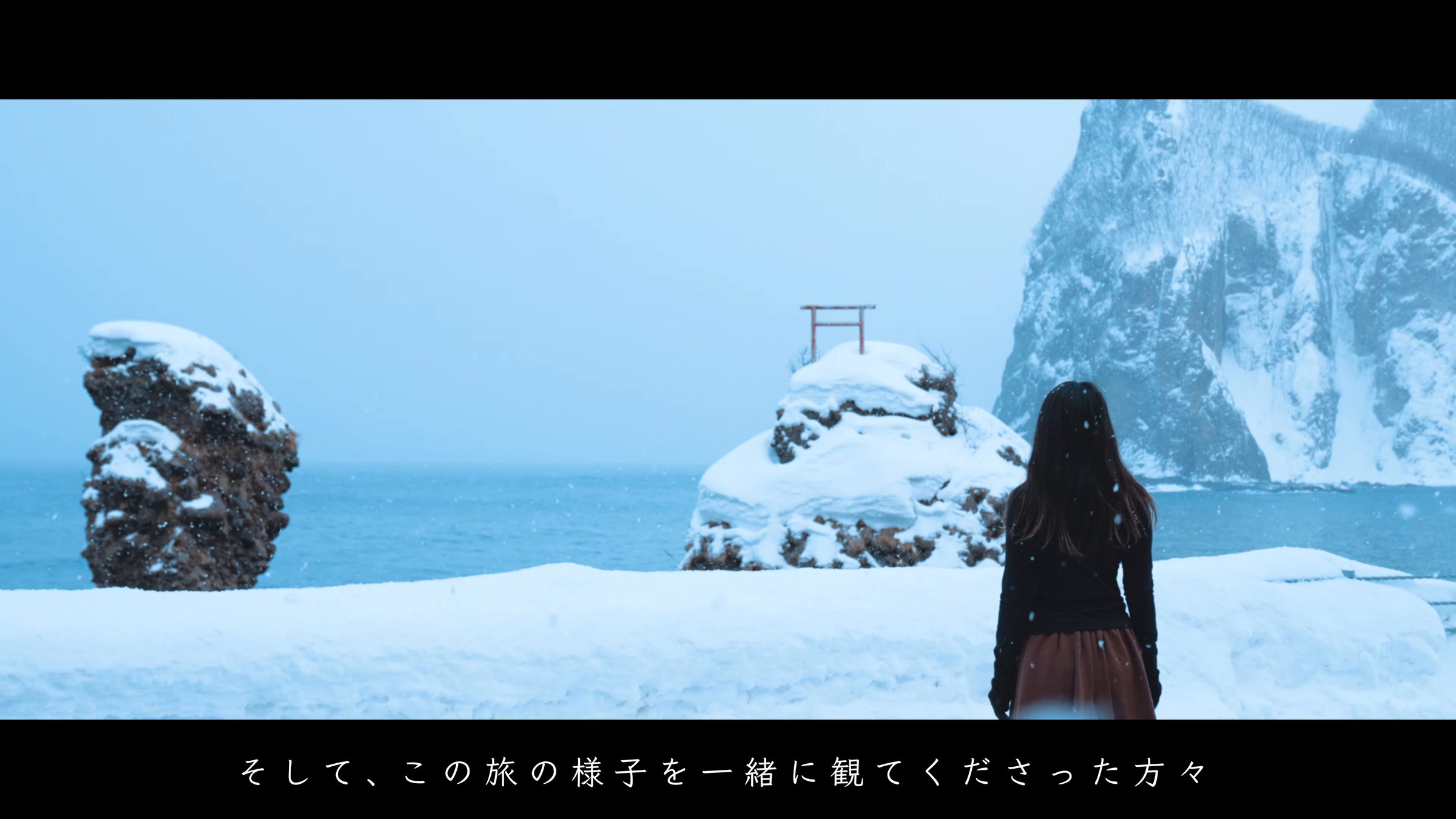
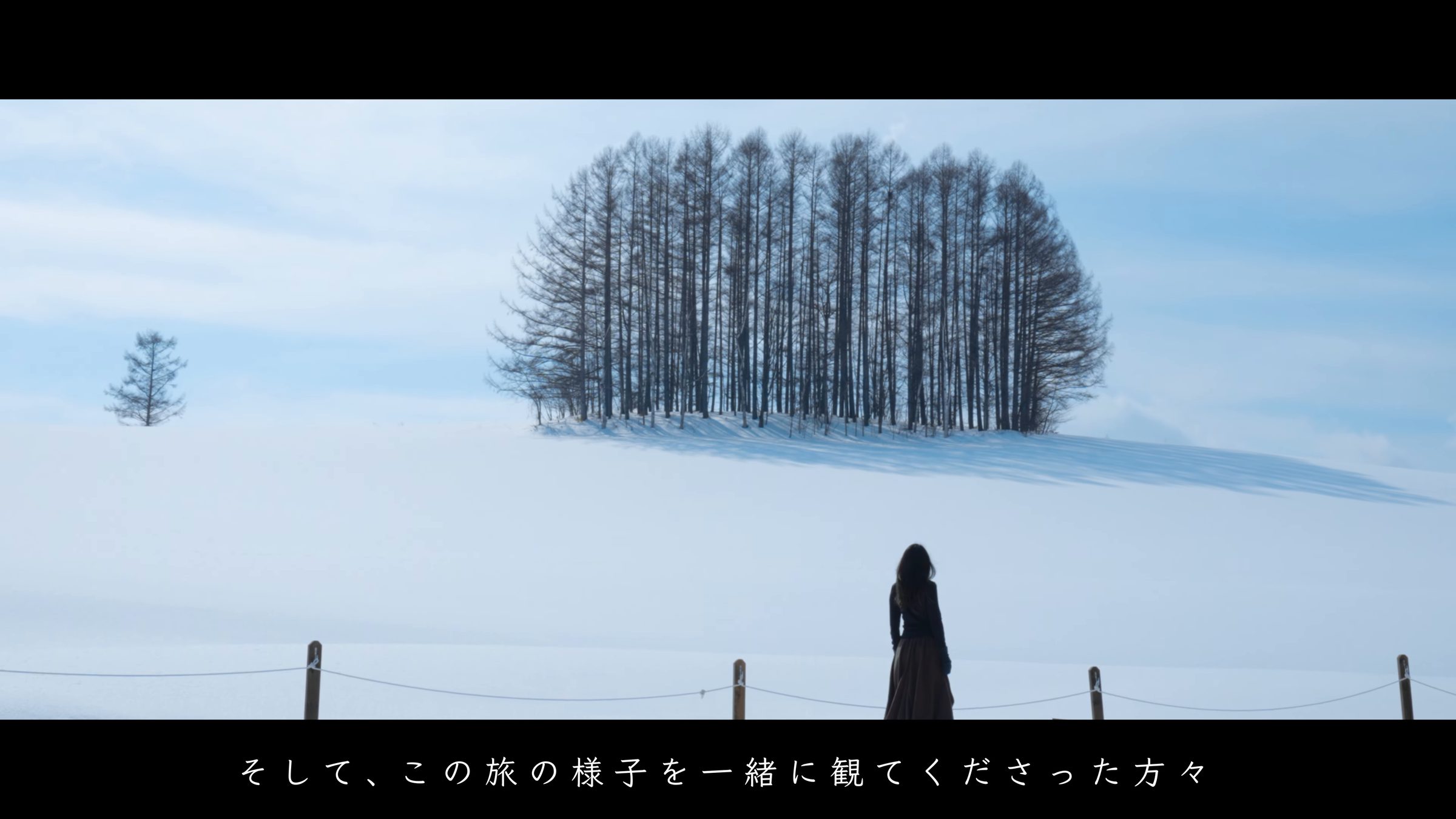
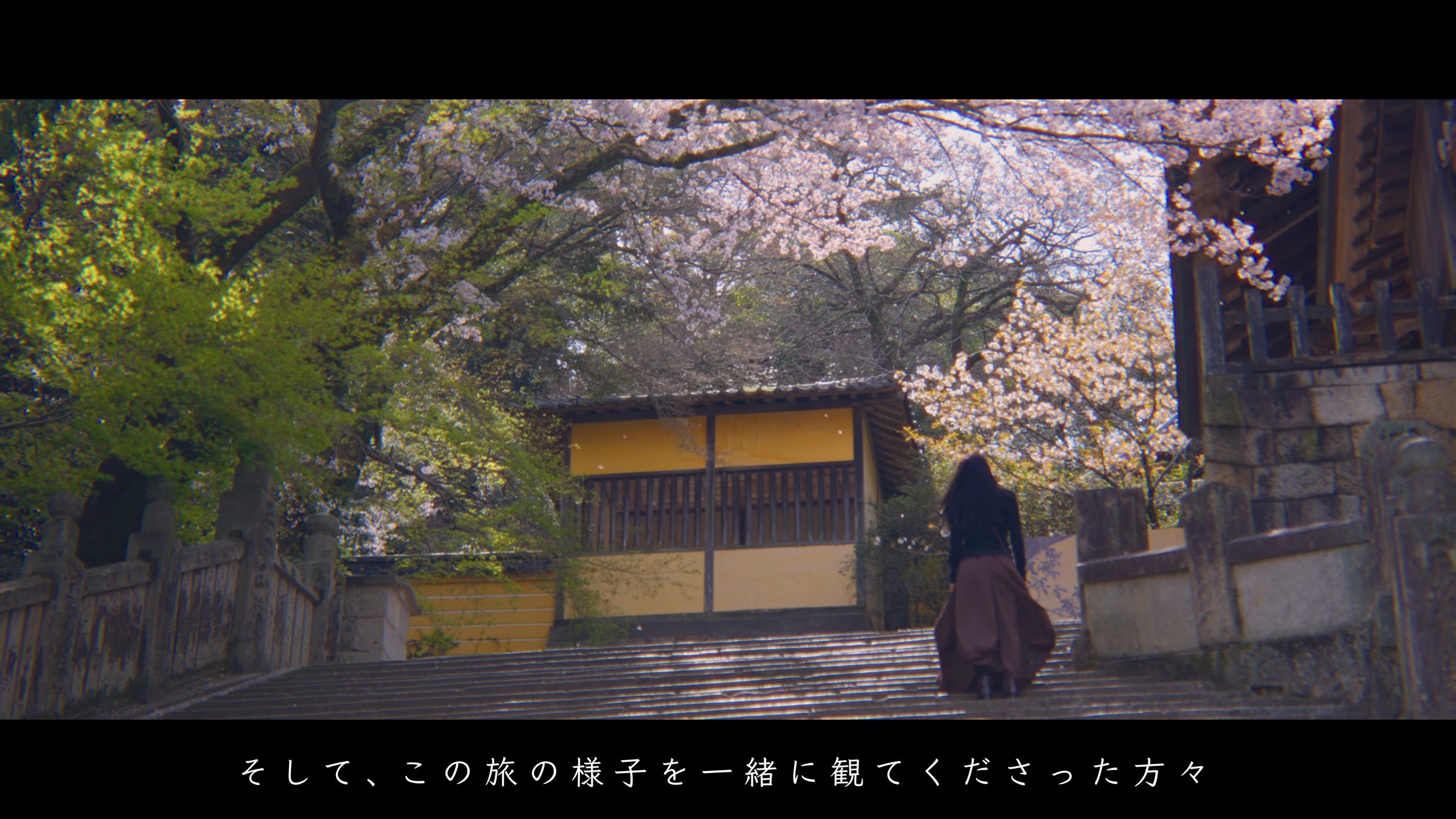
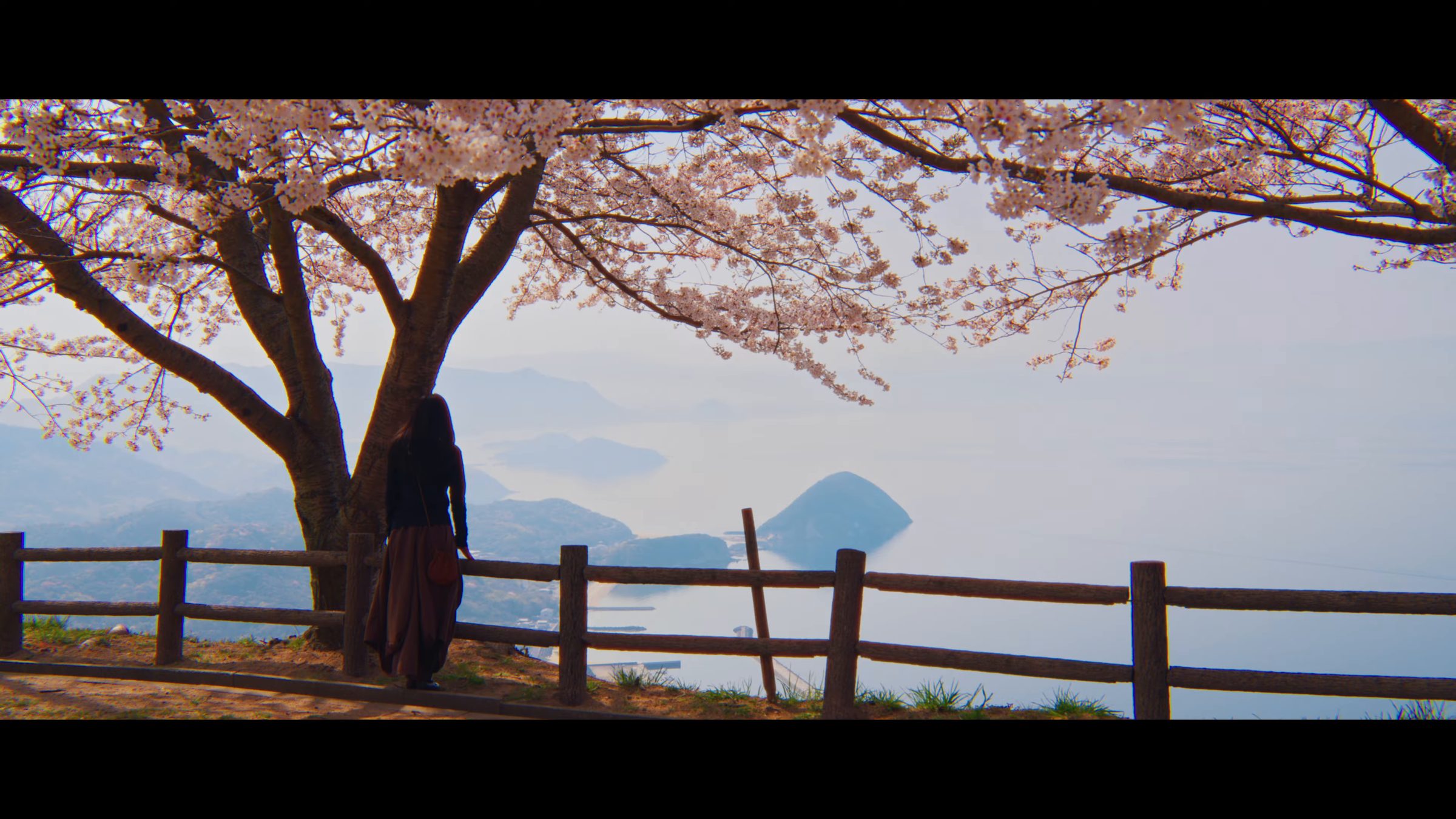
Cherry blossoms on a hill above the islands, a sunset caught in still water, the bench of a little station facing the sea, a tunnel that mirrors a gorge. Deep pink blossoms and daffodils, a bamboo grove reaching for the sky, stone steps lined with vermilion lanterns. Autumn's red maples and golden ginkgo; winter's snowy coast, and a lone stand of trees on a field of snow.
In 2024, too, I look forward to meeting ways of life and landscapes I have never seen. To the people I met on my travels, and to everyone who watched this journey with me: I wish you all a happy New Year.
Watch this scene on YouTube9:11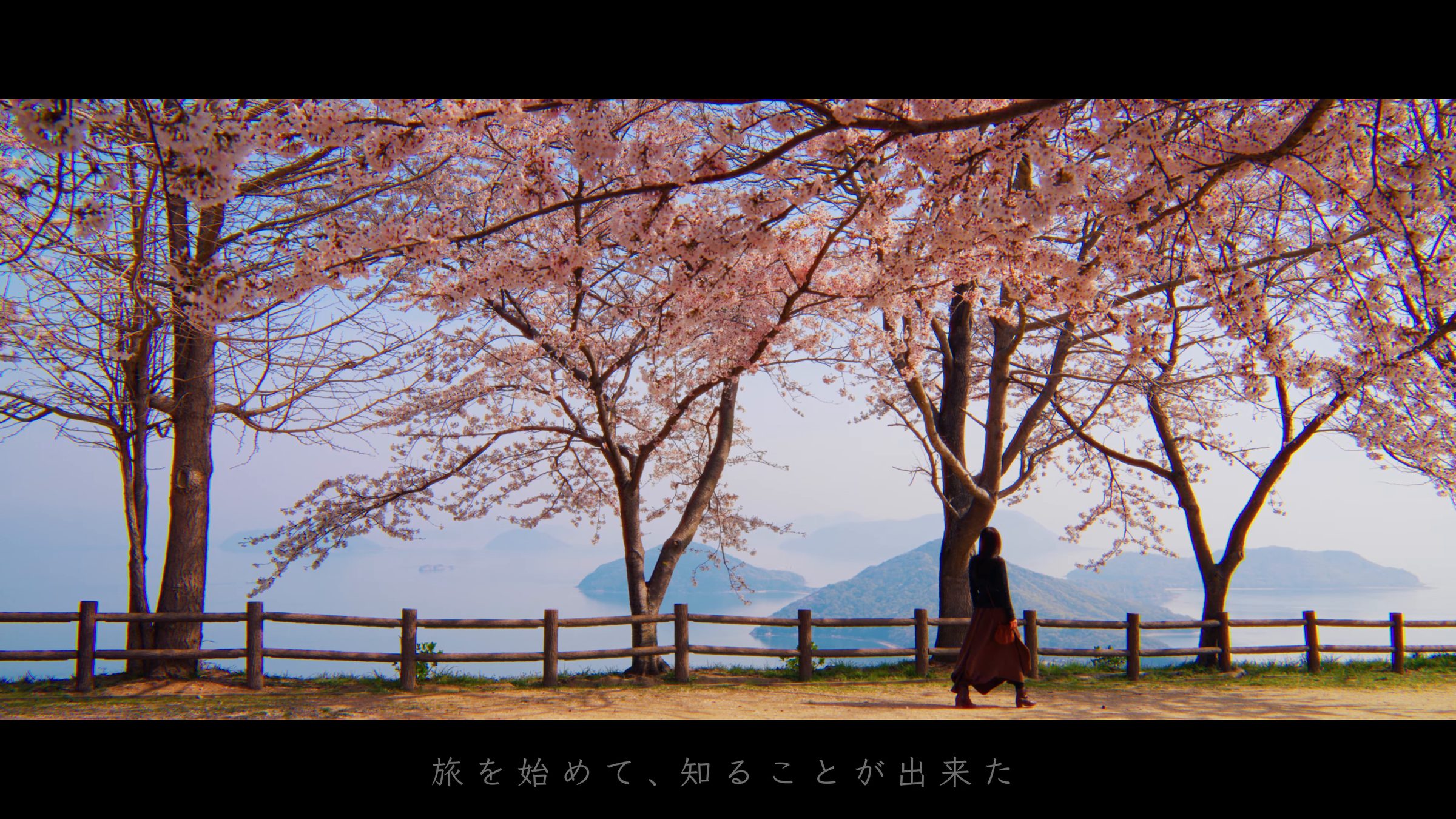

THE JOURNEY IN FILM
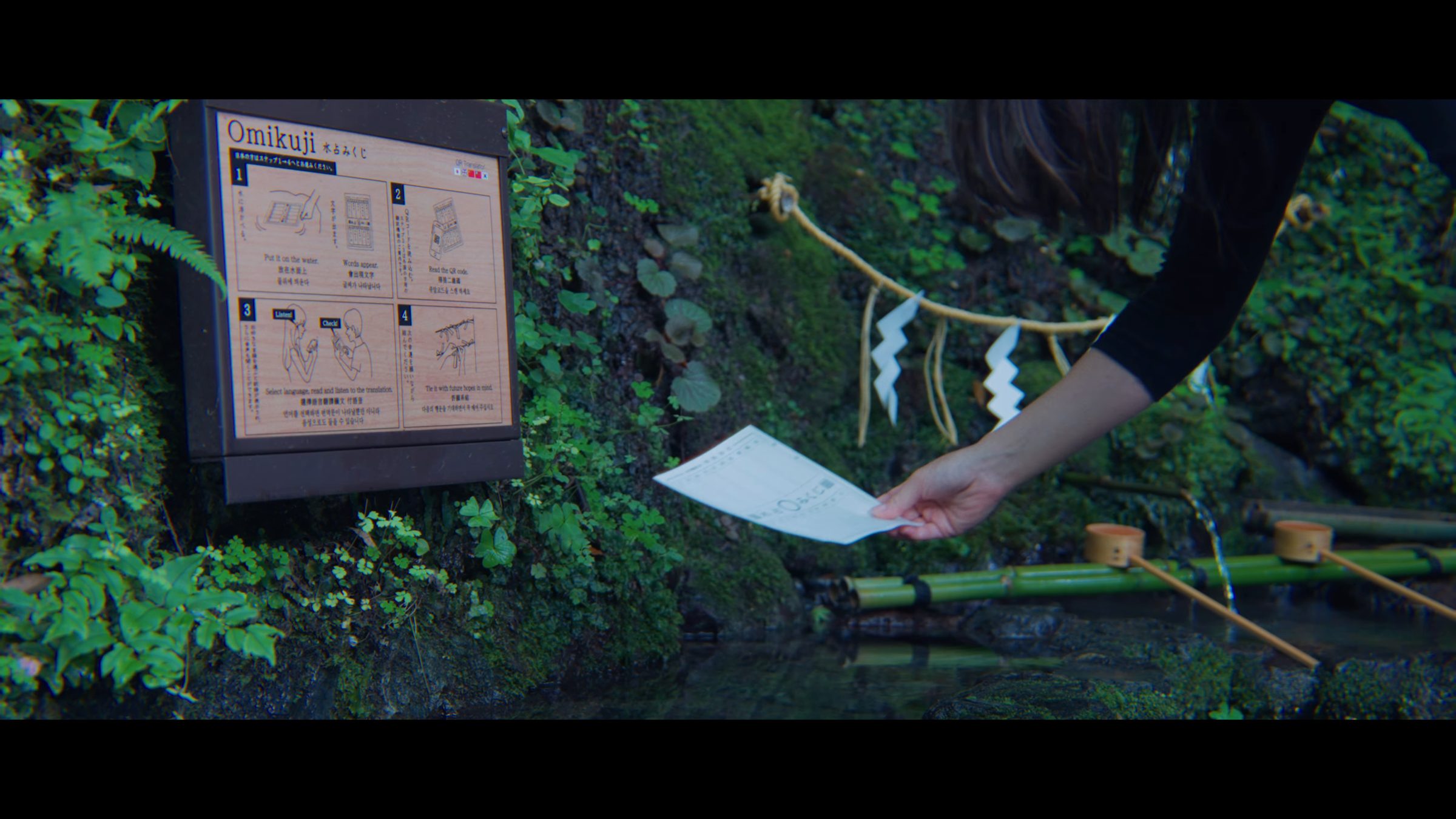
The wind. The sounds of a kitchen.
Spend a little more time inside the journey, on film.
Watch the video10 minTHE BORROWER’S NOTES
The Borrower's Notes: Kyoto
Places we stopped, dishes we made, and stories of the land. A few things to keep from the journey.
01Where I ate, shopped and bathed
Kyogoku Kaneyo
456 Matsugaecho, Rokkaku-dori Shinkyogoku Higashi-iru, Nakagyo-ku, Kyoto
An eel restaurant said to date from the Meiji era (one listing says it was founded in the Taisho era), in a wooden building that keeps the look of its early days. Its signature kinshi-don is an eel bowl topped with a large Kyoto-style dashi omelet; the omelet is said to have been devised to keep the eel warm in winter. This time I also had umaki and a non-alcoholic beer.
Izuman
432 Rinkacho, Higashiyama-ku, Kyoto
A kamaboko maker founded in 1844 and said to be the oldest in Kyoto. The founder came from Izumo and began making fish cakes in landlocked Kyoto with fish brought in from the Sea of Japan and the Seto Inland Sea. Kamaboko and fried fish cakes line the shopfront on Shinbashi-dori, and the Higashiyama gyohei devised by the third generation is a specialty. This time I bought red-and-white Gion kamaboko for my osechi.
Sources: keihan.co.jp keihan.co.jp
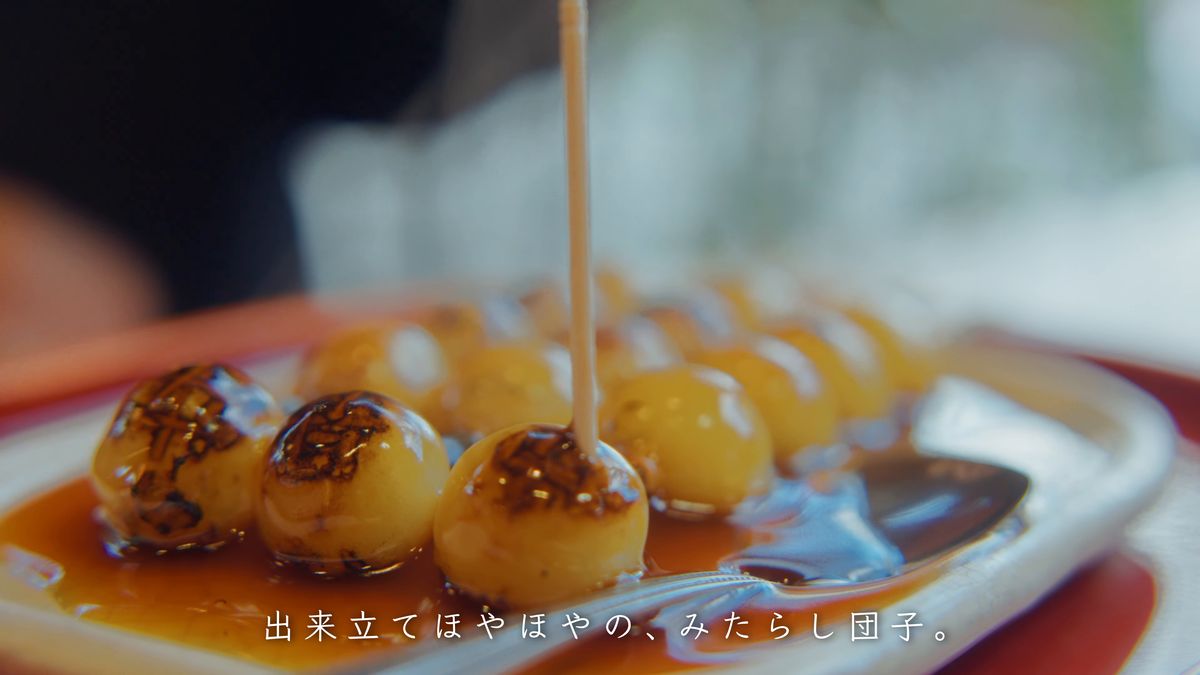
Kamo Mitarashi Chaya
53 Shimogamo Matsunokicho, Sakyo-ku, Kyoto
A teahouse founded in 1922, across Shimogamo-hondori from Shimogamo Shrine. Each skewer holds five dumplings, with the first set slightly apart; the five are said to stand for the human body, as a charm against misfortune. The dumplings are toasted to order until lightly charred, then coated in a sweet-and-salty sauce made with brown sugar.
Sources: intojapanwaraku.com mapple.net
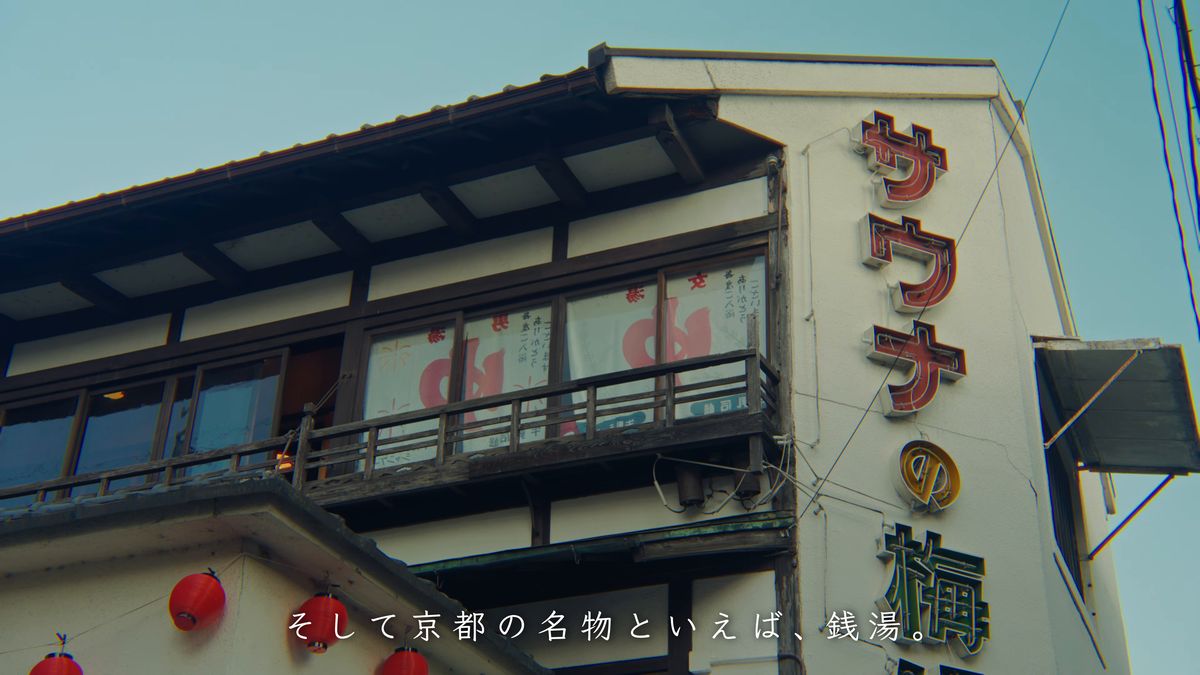
Sauna no Umeyu
175 Iwatakicho, Shimogyo-ku, Kyoto
A bathhouse founded in the Meiji era, on the banks of the Takase River. When it was about to close, someone who had worked there part-time took it over, and in 2015 it became the first bathhouse run by Yutonami-sha. Both the men's and women's sides have a deep bath, a shallow jet bath, a cold bath, an electric bath, an herbal bath and a dry sauna, and at night its neon signs light up the riverside. The cold bath, said to use groundwater, was superb.
Sources: rurubu.jp news.allabout.co.jp pref.kyoto.jp
02What I cooked
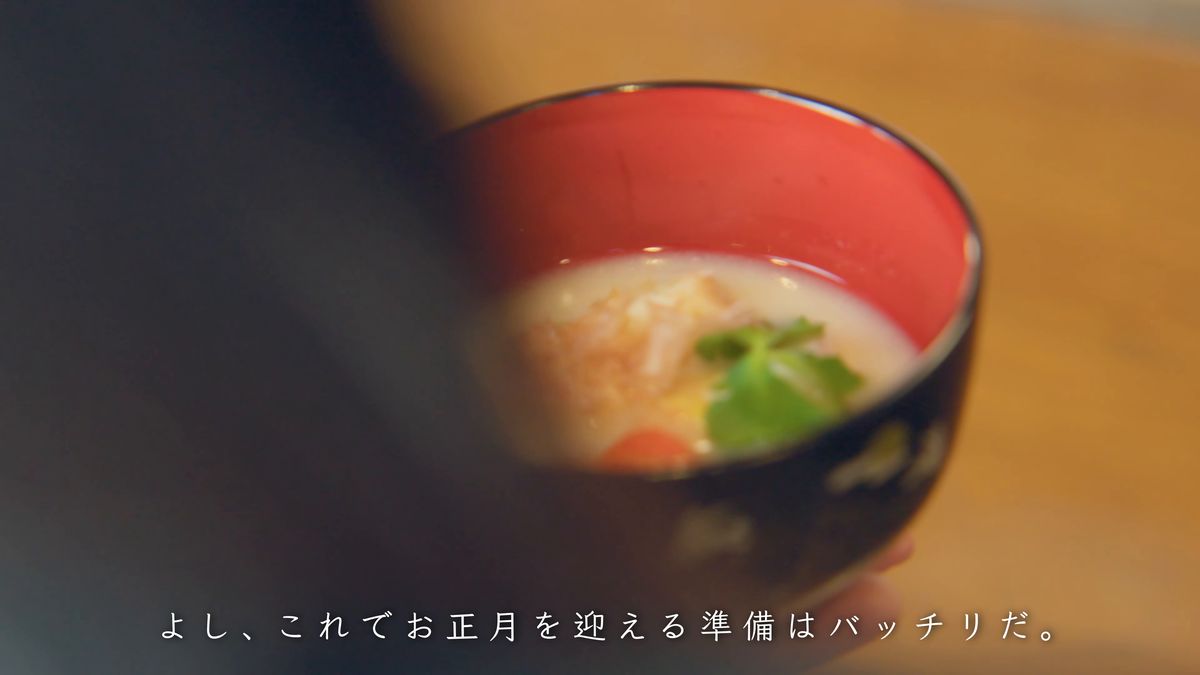
Kyoto-style ozoni (white miso New Year soup)
Ozoni in and around Kyoto is built on kombu dashi and white miso, with round mochi, taro, carrot and daikon. White miso is said to have been born in Kyoto and eaten since the Heian period, and ozoni made with it is also called kyo-zoni. The mochi is usually boiled rather than grilled, so as not to overpower the delicate miso. Ideally I would have used kashiraimo, the mother corm of the taro, and small ozoni radishes, but on the road I kept it simple.
IngredientsRound mochi, White miso, Red carrot, Taro, Mitsuba (Japanese wild parsley)
- Slice the carrot into rounds, cut them into plum-blossom shapes and score the petals
- Peel the taro and simmer it with the carrot
- Dissolve the white miso into the pot
- Soften the round mochi in hot water without grilling it, and put it in a bowl
- Add the carrot and taro, ladle the broth over, and top with mitsuba
Sources: maff.go.jp maff.go.jp tabi-mag.jp
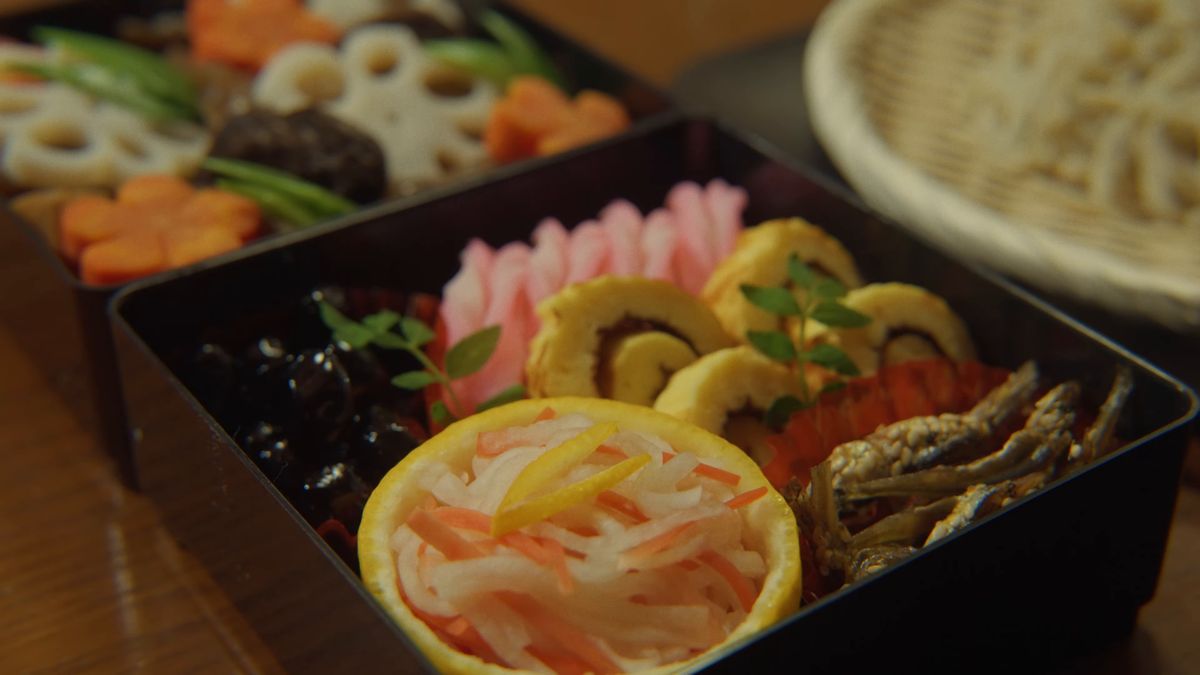
Osechi (datemaki, red-and-white namasu, decorated kamaboko)
Each osechi dish carries a wish. Datemaki resembles the pattern of a kimono, so it stands for never lacking clothes, and black beans for working diligently. Tazukuri, made from anchovies once used to fertilize the fields, prays for a good harvest, and nishime is said to combine auspicious ingredients whose names contain the sound n, for good luck (un). This time I tried the shortcut of making datemaki with mashed hanpen, and used red-and-white kamaboko from Izuman in Gion.
IngredientsHanpen (soft fish cake), Eggs, Carrot, Daikon radish, Yuzu, Red-and-white kamaboko, Nishime (lotus root, carrot, shiitake, snow peas), Black beans and tazukuri (store-bought)
- Mix mashed hanpen with eggs, pour into a frying pan and cook under a lid
- Roll the cooked omelet tightly in a bamboo mat and slice it
- Halve a yuzu and scoop it out to make a cup
- Cut carrot and daikon into fine strips for namasu and fill the yuzu cup
- Slide the kamaboko off its board, slice it, score the red skin and curl it into a loop
- Pack the boxes with datemaki, kamaboko, namasu, black beans, tazukuri and nishime
Sources: maff.go.jp
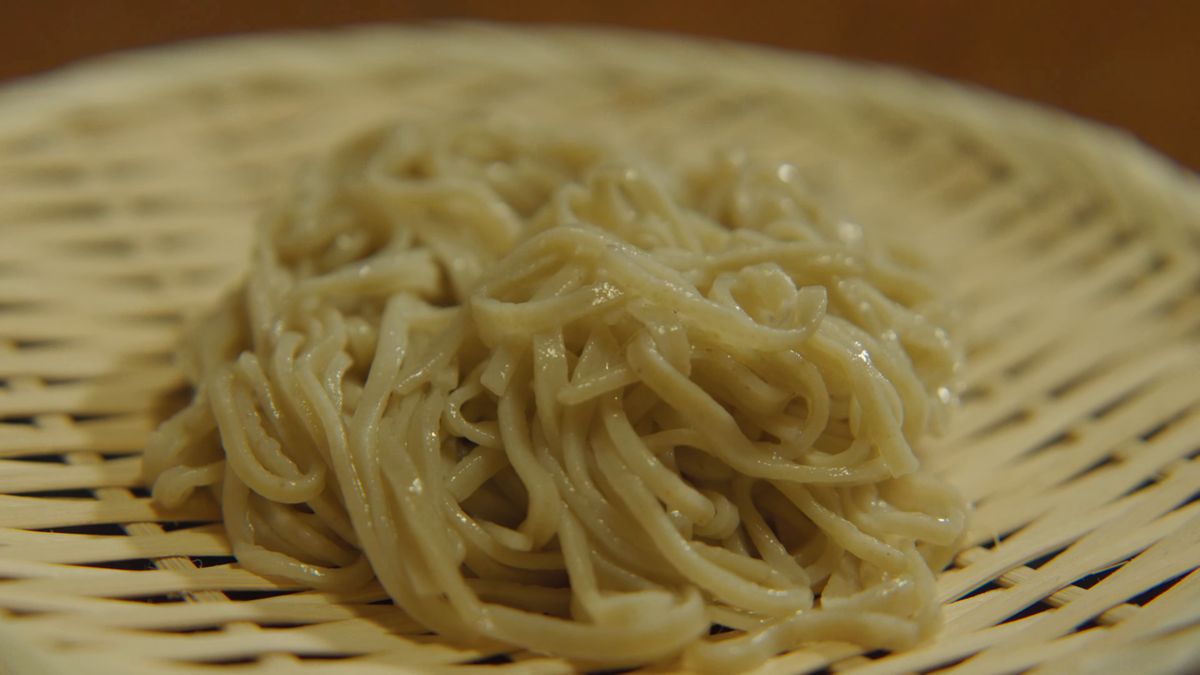
Toshikoshi soba (nihachi soba)
The custom of eating soba on New Year's Eve is said to have spread among ordinary people in the Edo period. Its meanings vary: the long, thin noodles stand for long life and a family fortune that stretches on, and because soba breaks easily, it cuts away the year's hardships and misfortunes. It is also said to have begun as one dish of the celebratory New Year's Eve dinner. This time I made nihachi soba, buckwheat mixed with wheat flour, in the kitchen of a Kyoto townhouse.
IngredientsBuckwheat flour, Wheat flour (as a binder), Water, Flour for dusting, Soba dipping sauce (canned)
- Combine the buckwheat and wheat flours and knead by hand, adding water bit by bit
- Gather the dough into a ball and press it flat with your palms
- Roll it out thin with a rolling pin
- Cut one sheet at a time so the noodles do not break at the folds
- Boil in plenty of water, rinse, and heap on a bamboo tray
- Dip in the sauce and eat
Sources: maff.go.jp maff.go.jp
03About the area
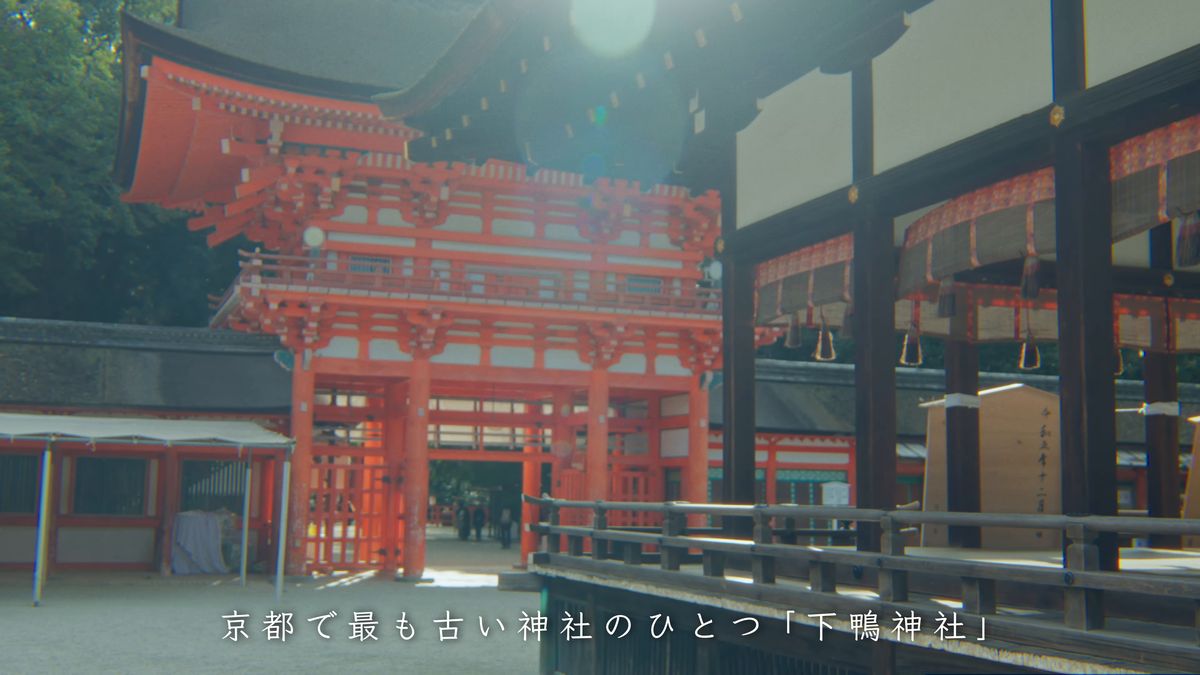
Shimogamo Shrine (Kamomioya-jinja)
Its official name is Kamomioya-jinja. Its exact founding is unknown, but records say its sacred fence was repaired in the seventh year of Emperor Sujin's reign (90 BC), and it was registered as a World Heritage Site in 1994. The Mitarashi Pond in its grounds is counted among the seven wonders of Kamo, because clear water wells up around it and from the streambed in the midsummer doyo days of July, and mitarashi dango are said to be shaped after the bubbles rising from the bottom of the pond. According to the information board, the record of the sixth periodic rebuilding in 1161 tells of praying for rain at the Mitarashi well in a time of drought.
Sources: shimogamo-jinja.or.jp shimogamo-jinja.or.jp youtube.com
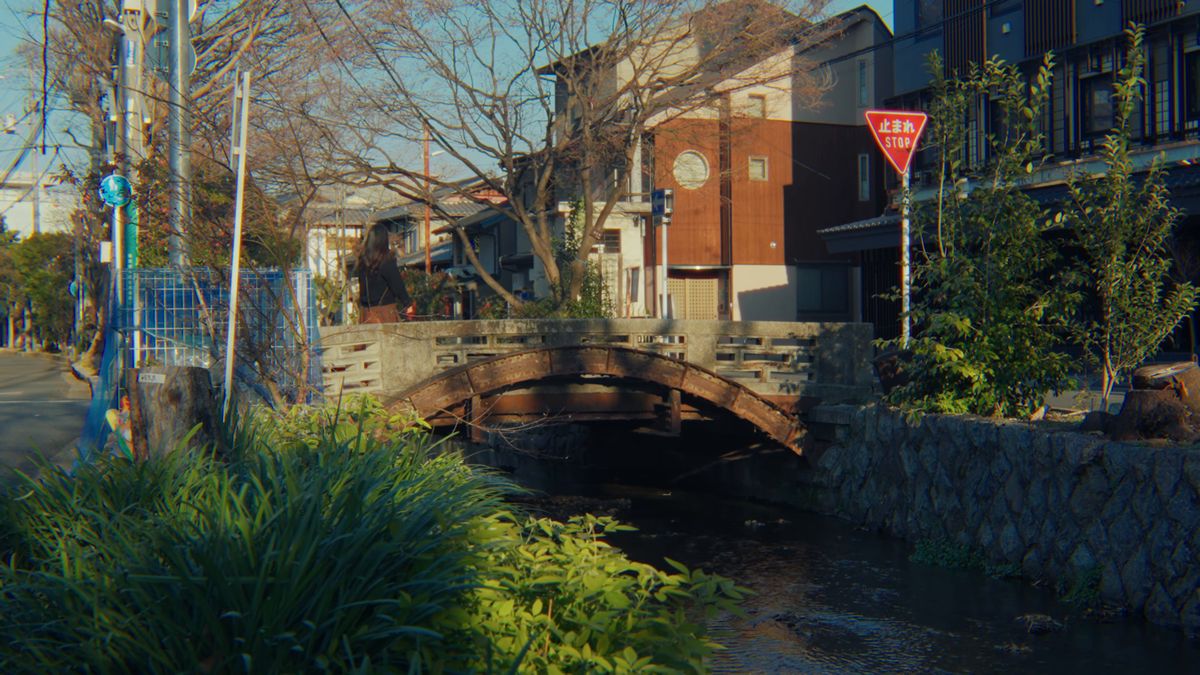
Takase River
A canal running alongside the Kamo River. It was dug by the merchant Suminokura Ryoi and his son Soan to carry materials for rebuilding the Great Buddha Hall of Hoko-ji, and was completed between 1611 and 1614. It flows from central Kyoto toward Fushimi, and nine landing basins for boats were built between Nijo and Shijo. With the arrival of the railways, its days as a waterway ended in 1920. Sauna no Umeyu stands on its banks.
Sources: keihan.co.jp tabi-mag.jp
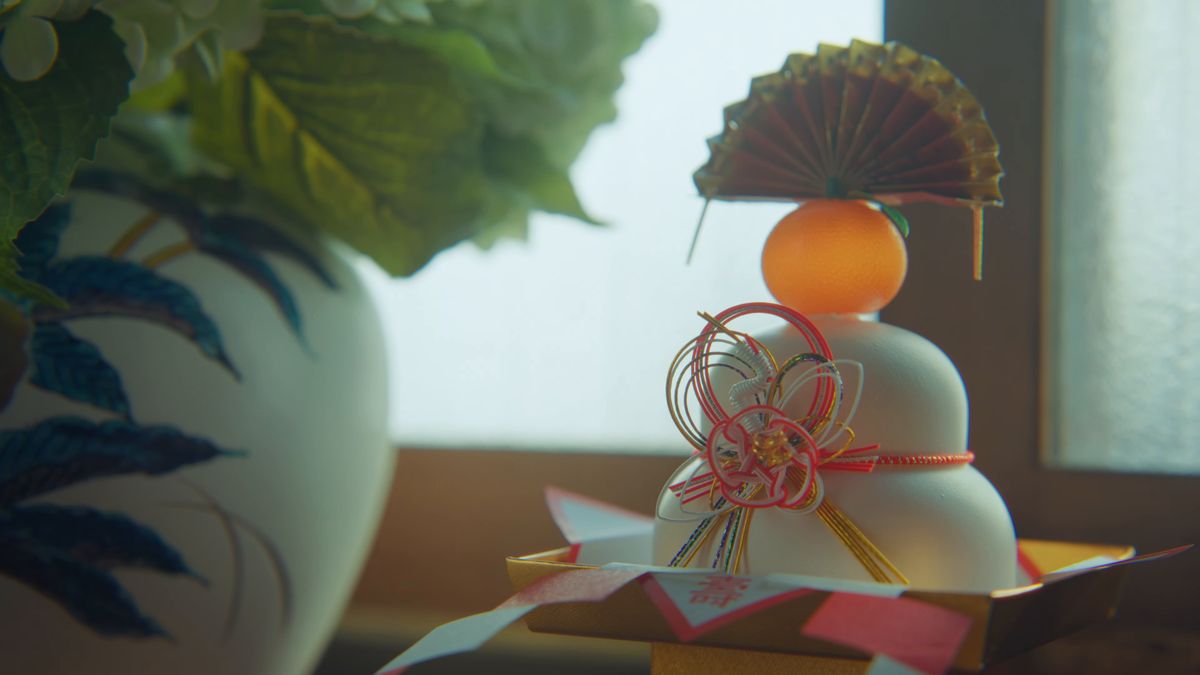
Kagami-mochi
Kagami-mochi is the offering made when welcoming Toshigami, the deity of the new year, and every part of its decoration has a meaning. The custom of offering it is said to have begun in the Muromachi period. January 11 is the day of kagami-biraki.
Sources: maff.go.jp
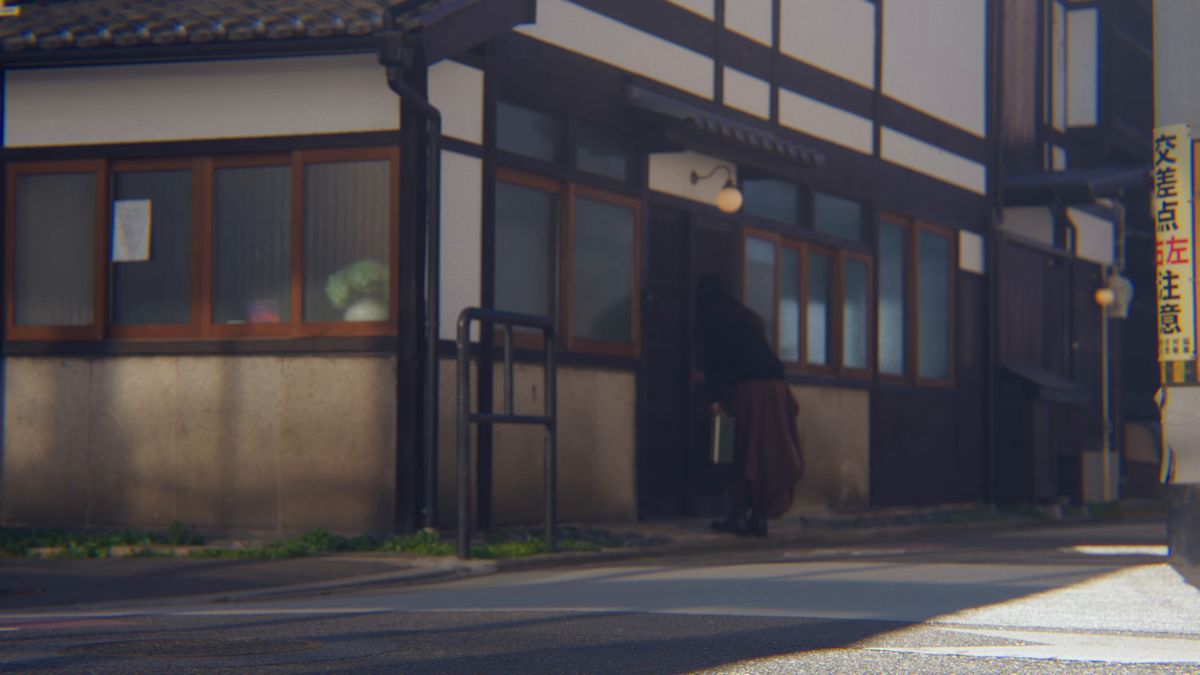
A Taisho-era Kyoto townhouse inn
This time I borrowed a renovated Kyoto townhouse built in the Taisho era, with white walls and wooden window frames outside, tatami rooms leading on from the earthen entry, high windows set with colored glass, and a kitchen lined with blue tiles.
PHOTO ALBUMPhoto album190Open all photographsClose the photo album
Select a photograph to explore the journey one frame at a time.