A TRAVEL ESSAY
Lapu-Lapu City, Cebu
Experience the beautiful life of Mactan Island, Cebu
Everyday lifeon Mactan Island
Traveling like a local on an island of eternal summer.
Read the journey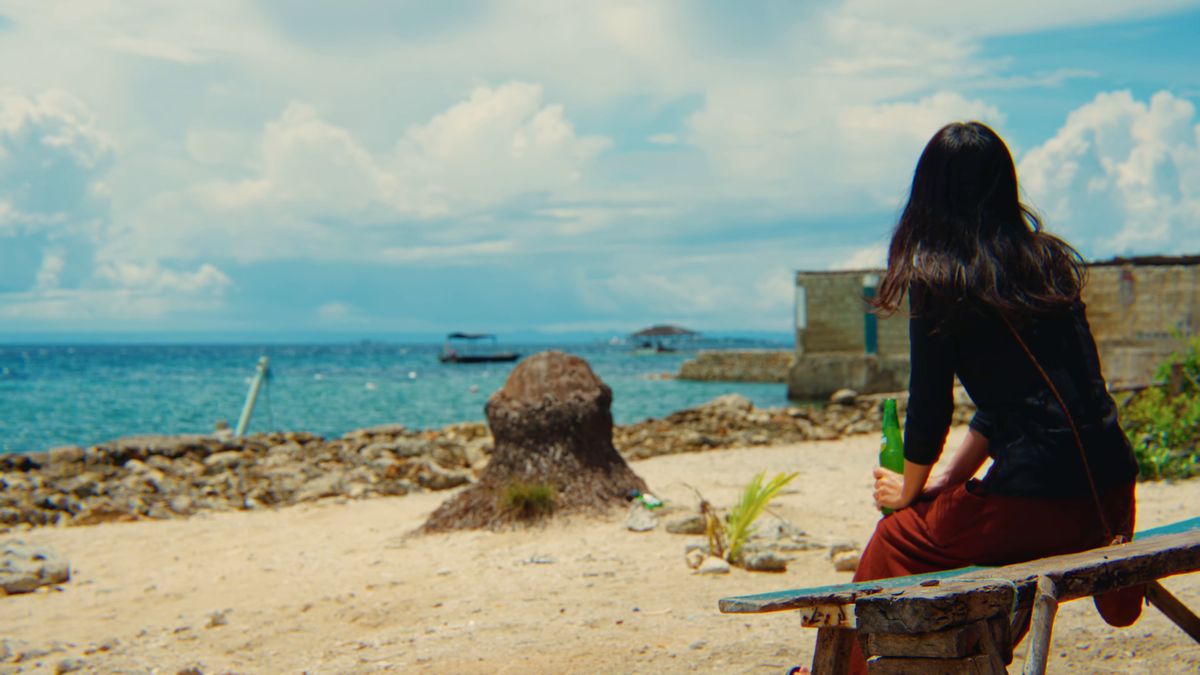
ABOUT THIS JOURNEY
Mactan, an island floating east of Cebu. I stayed in a homestay in a local neighborhood and started the day with longsilog and a squeeze of kalamansi. Tropical fruit at the market, pares mami and halo-halo for lunch, sisig at the night market. The owner's mother brought me breadfruit sweets, and I drank fresh coconut water on a quiet beach. Days spent living like a local on an island of eternal summer.
A little more about the food and the land01TRAVEL JOURNAL
Morning in the Philippines
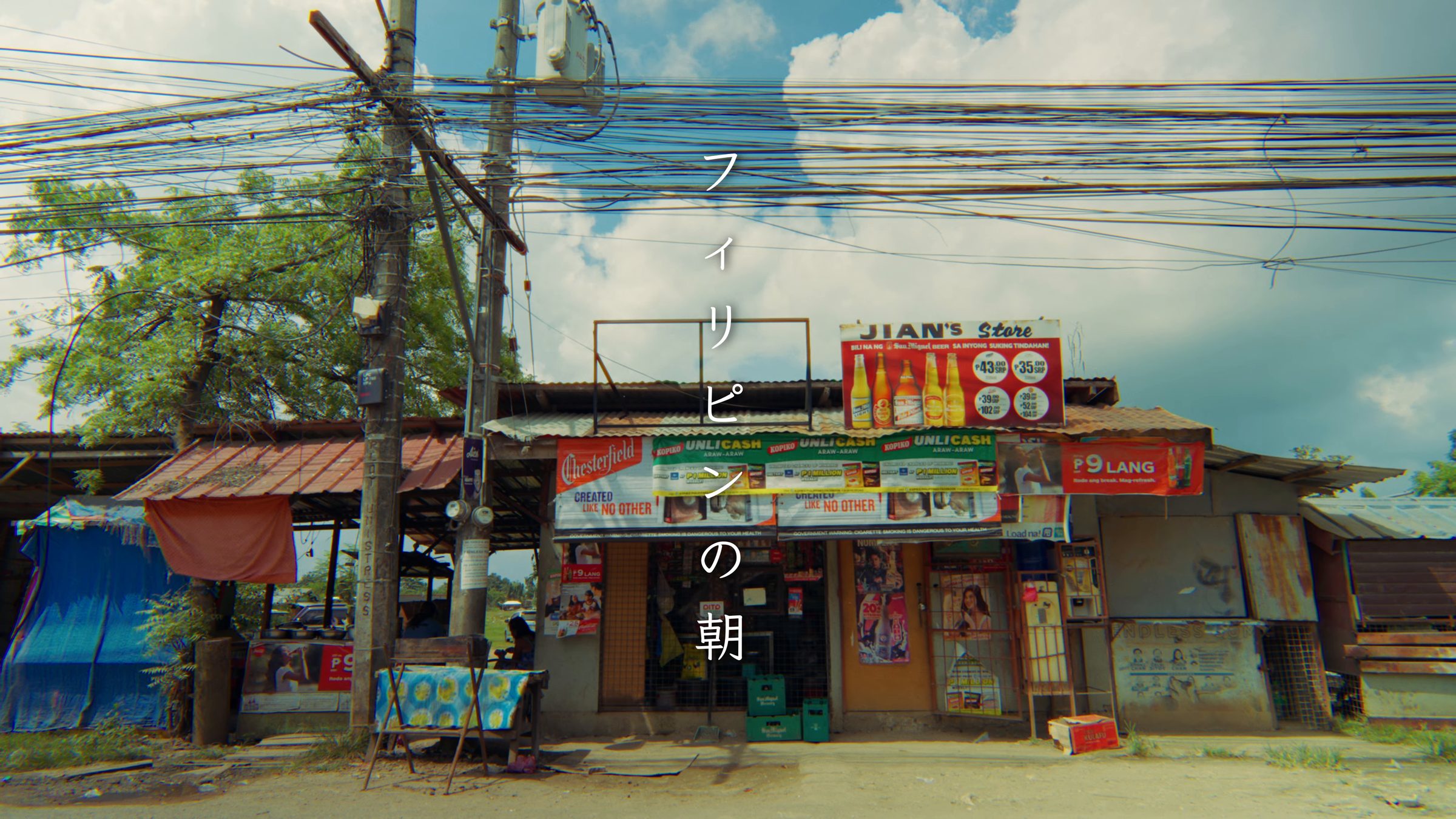
Billowing clouds rose into a blue sky. Beyond the palm fronds, a tangle of power lines stretched across it. Morning in the Philippines.
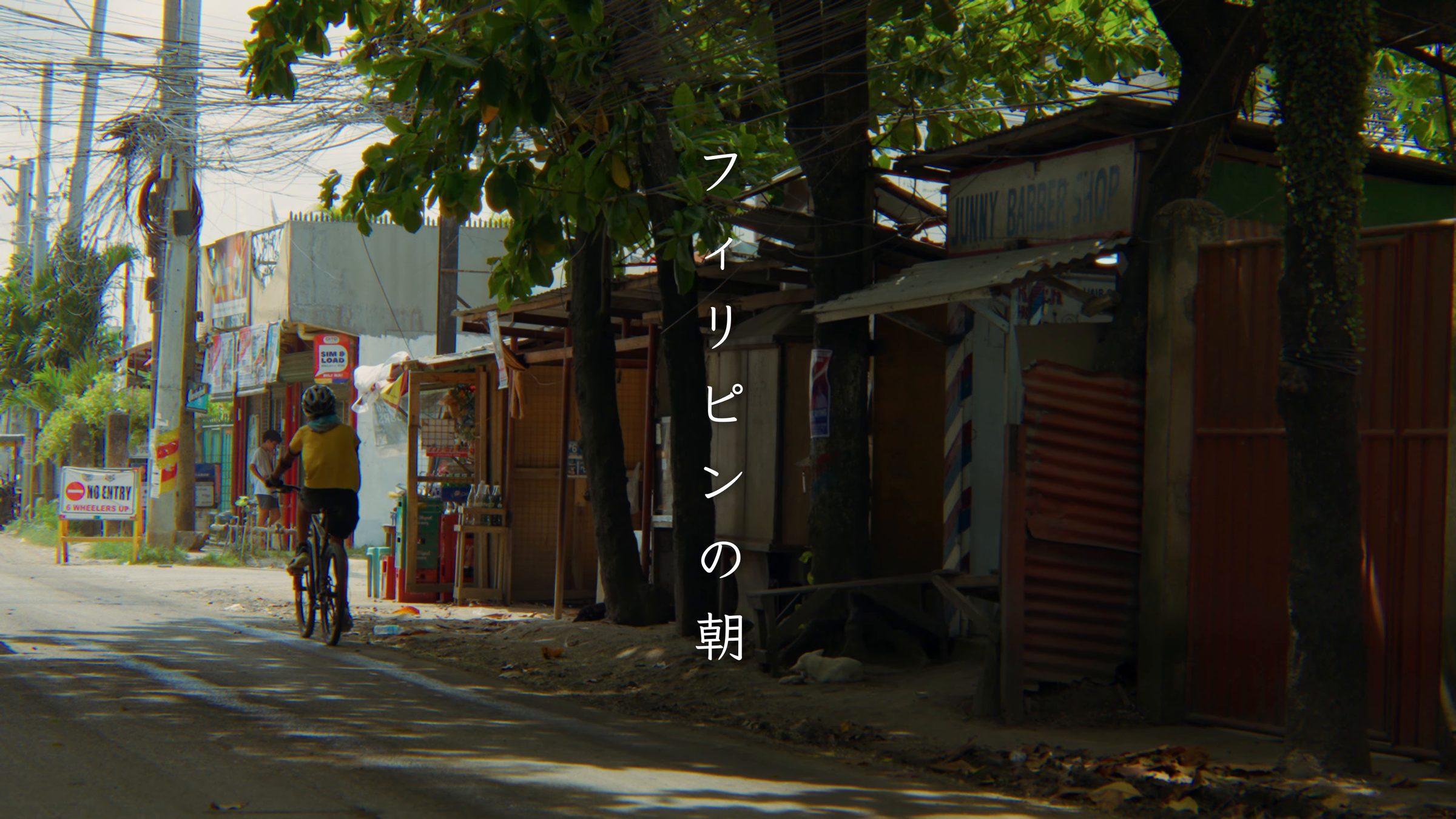
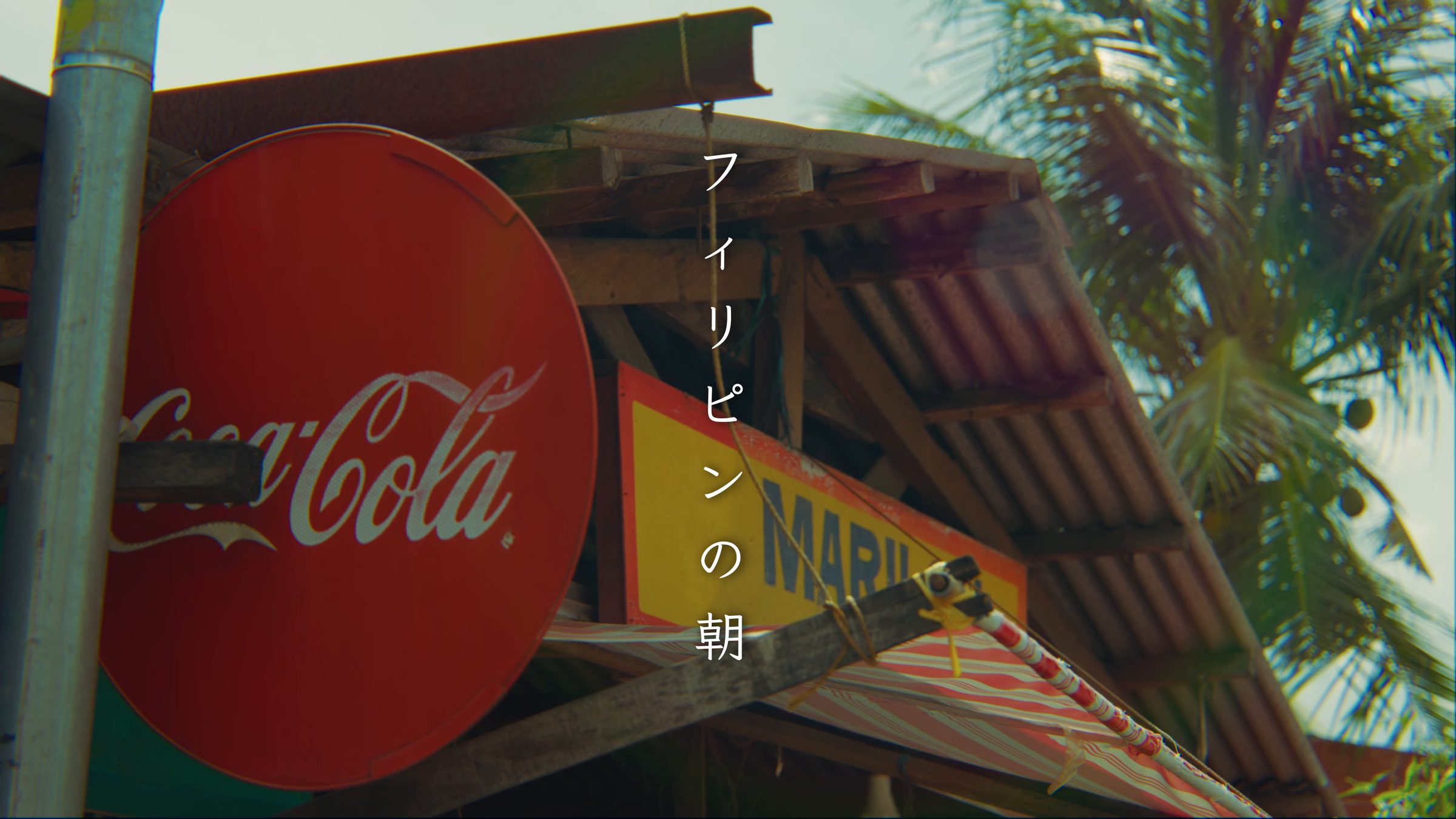
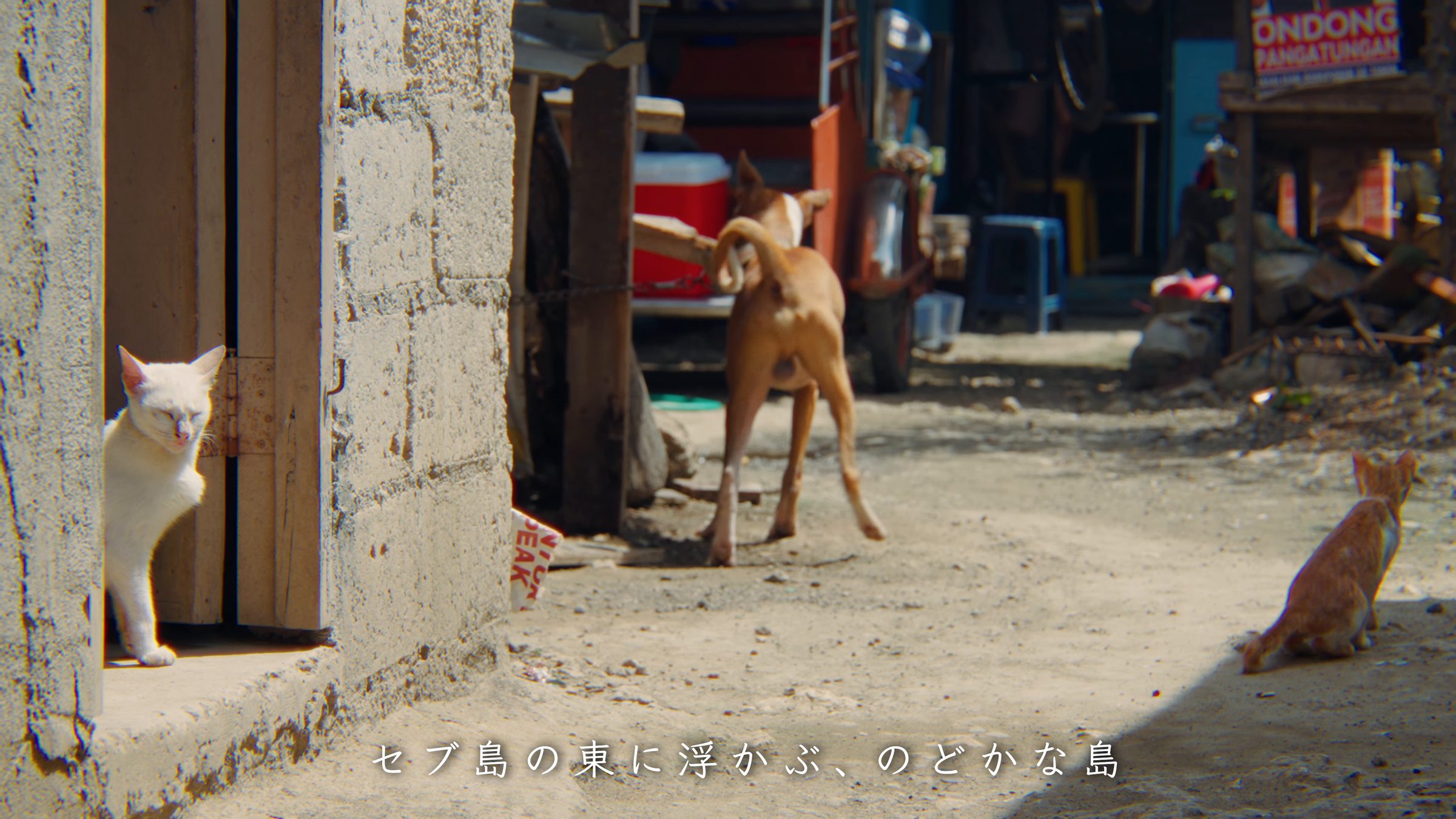
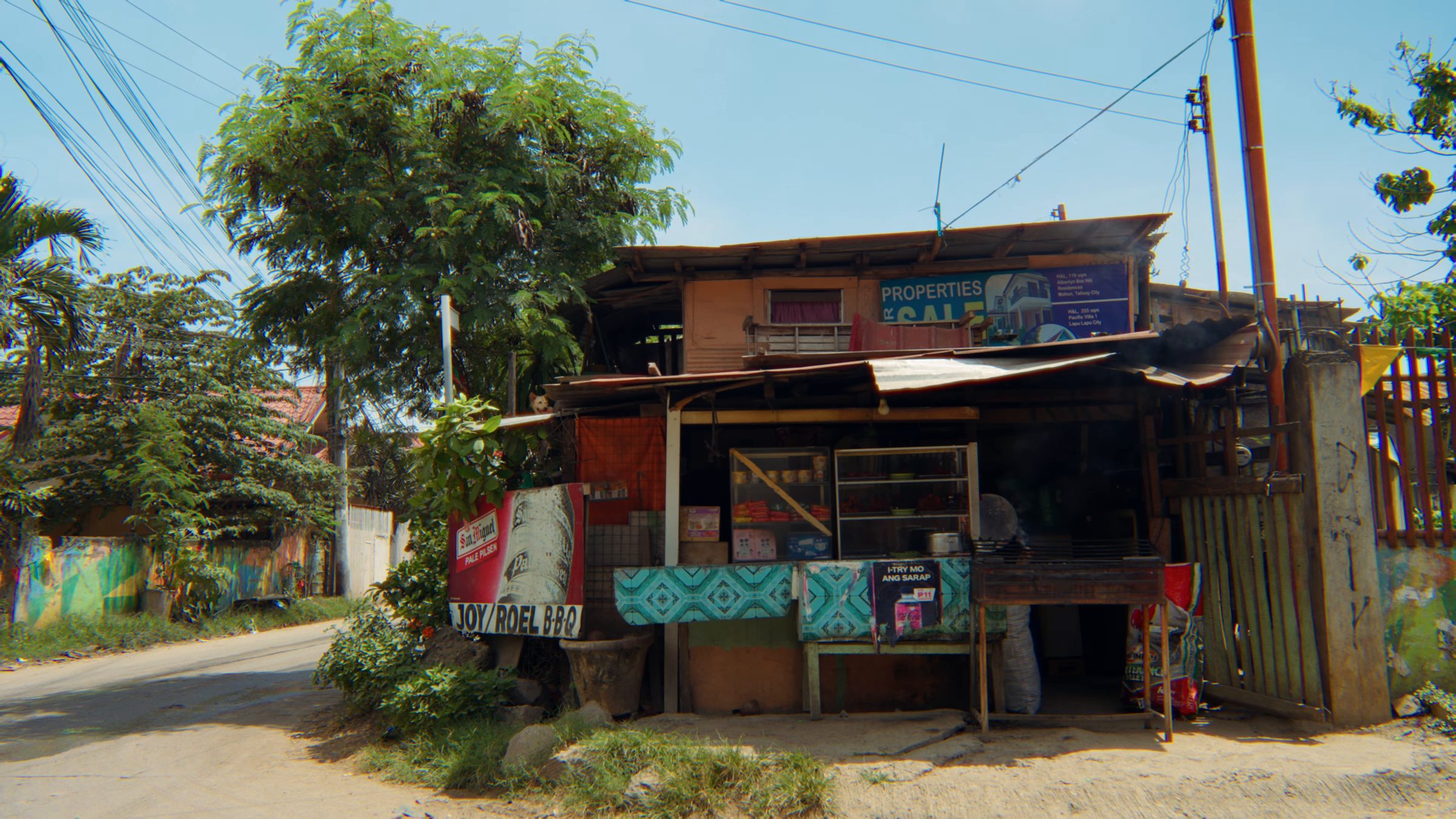
A bicycle rolled slowly down a shady road. A small tin-roofed shop wore a round Coca-Cola sign, and a cloth-covered table stood in front of a general store decked out in beer ads. In an alley, a white cat and an orange tabby watched a passing dog.
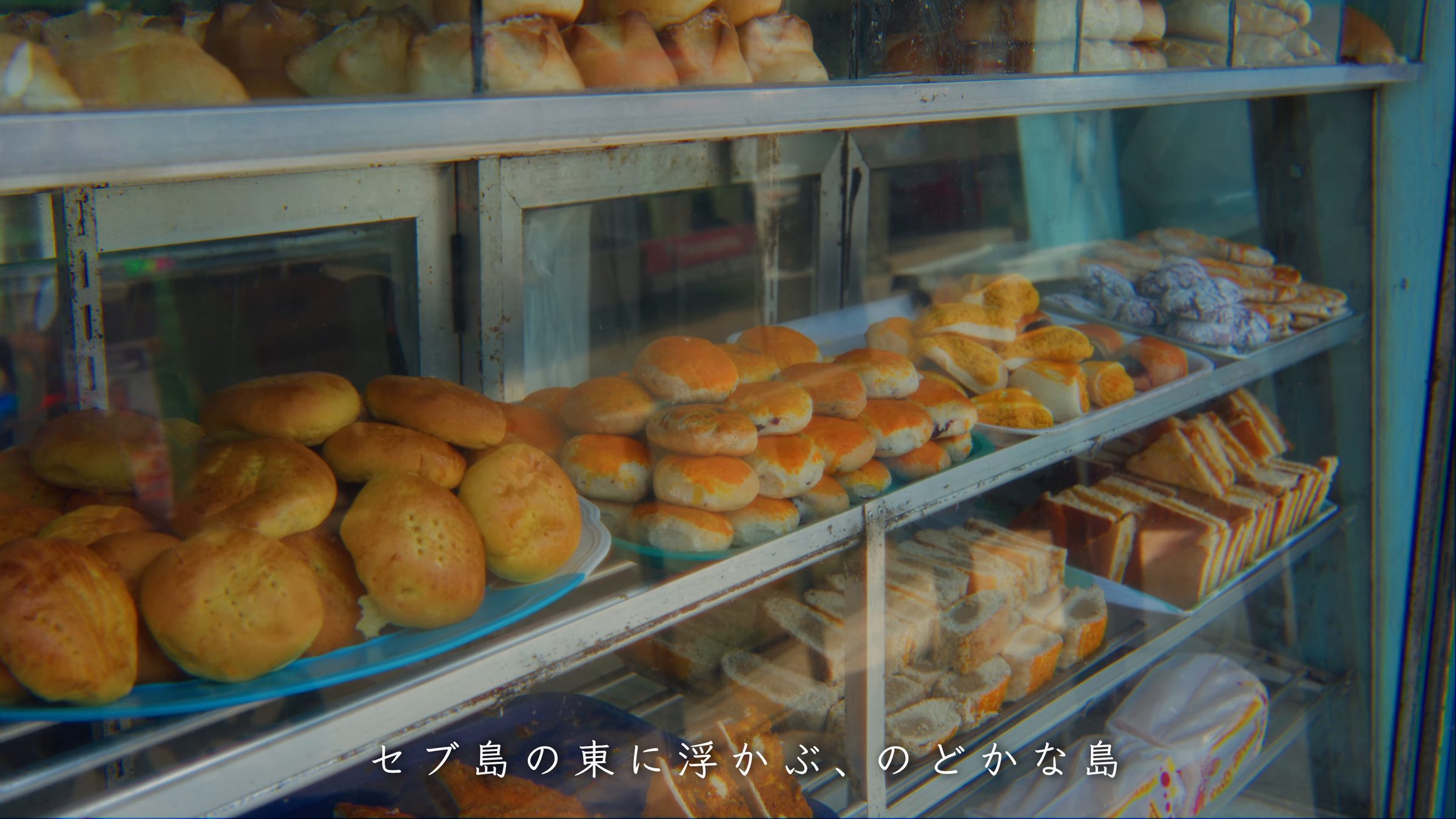
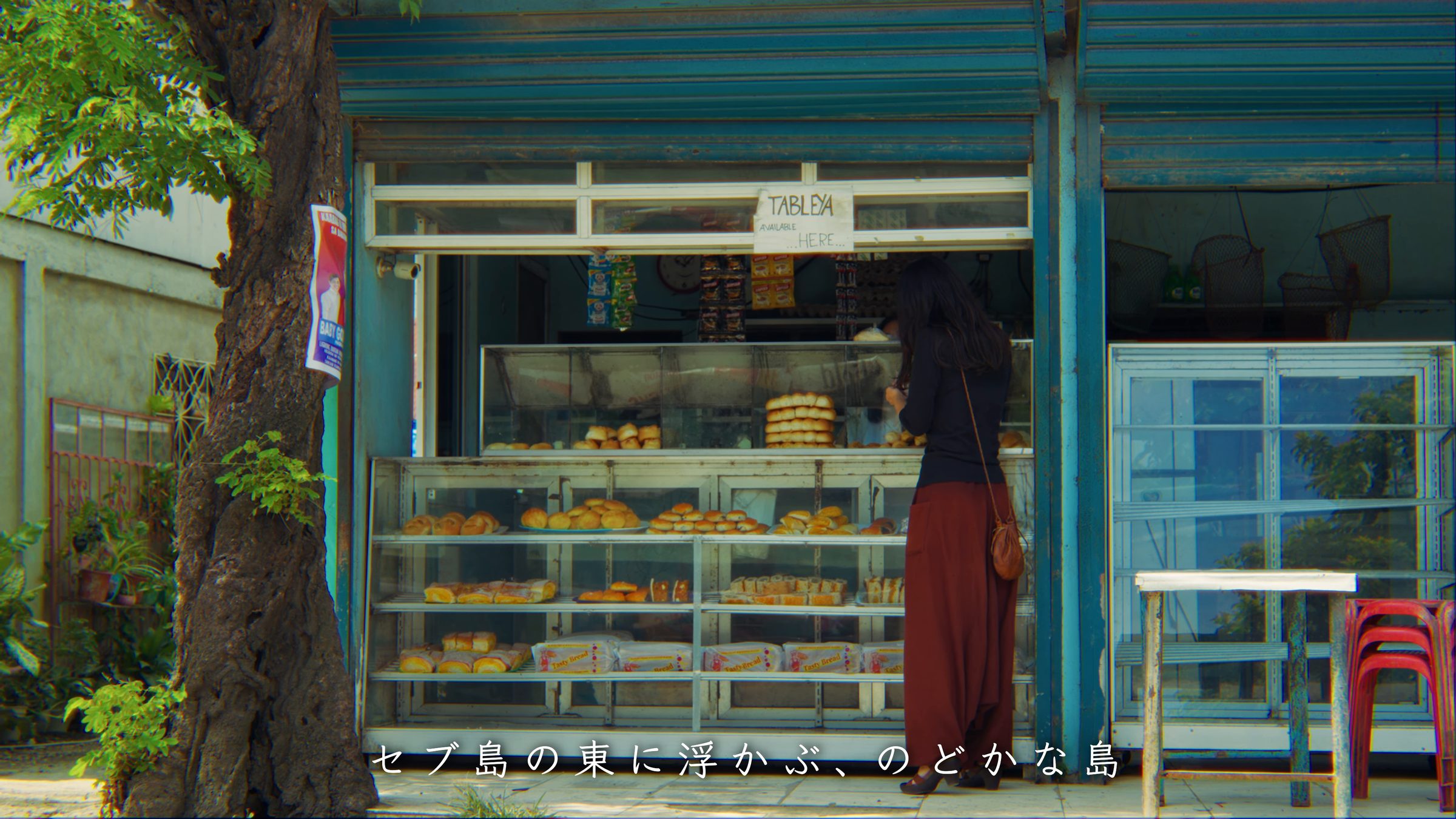
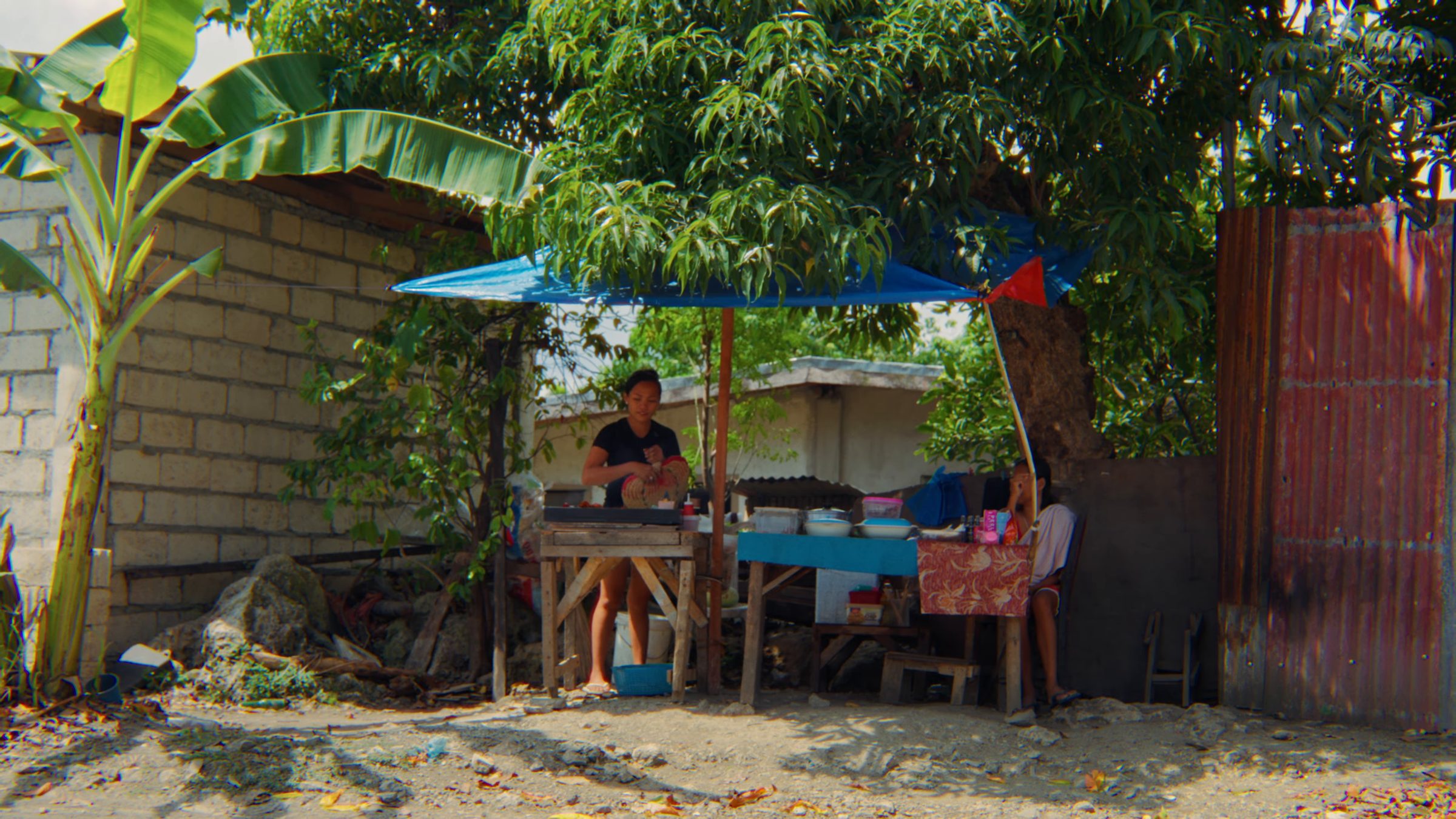
Inside a glass case, round buns and sandwiches were packed tight. Standing at the counter of a bakery with blue walls, I looked over the morning bread. Under a blue parasol, a roadside stall was getting ready for the day. This is a peaceful island floating to the east of Cebu.
Watch this scene on YouTube0:22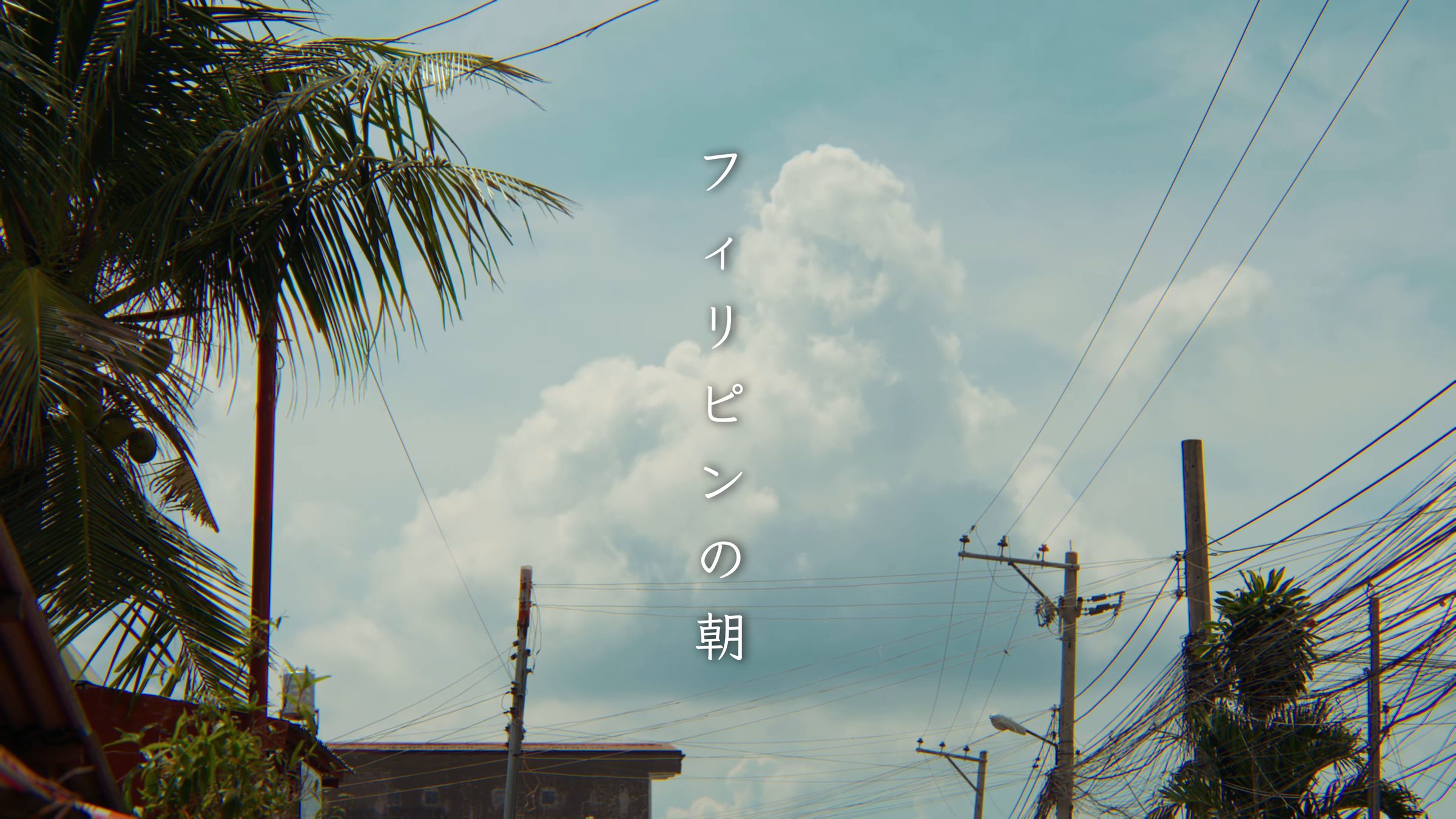
02TRAVEL JOURNAL
Fried bananas and picture-perfect streets
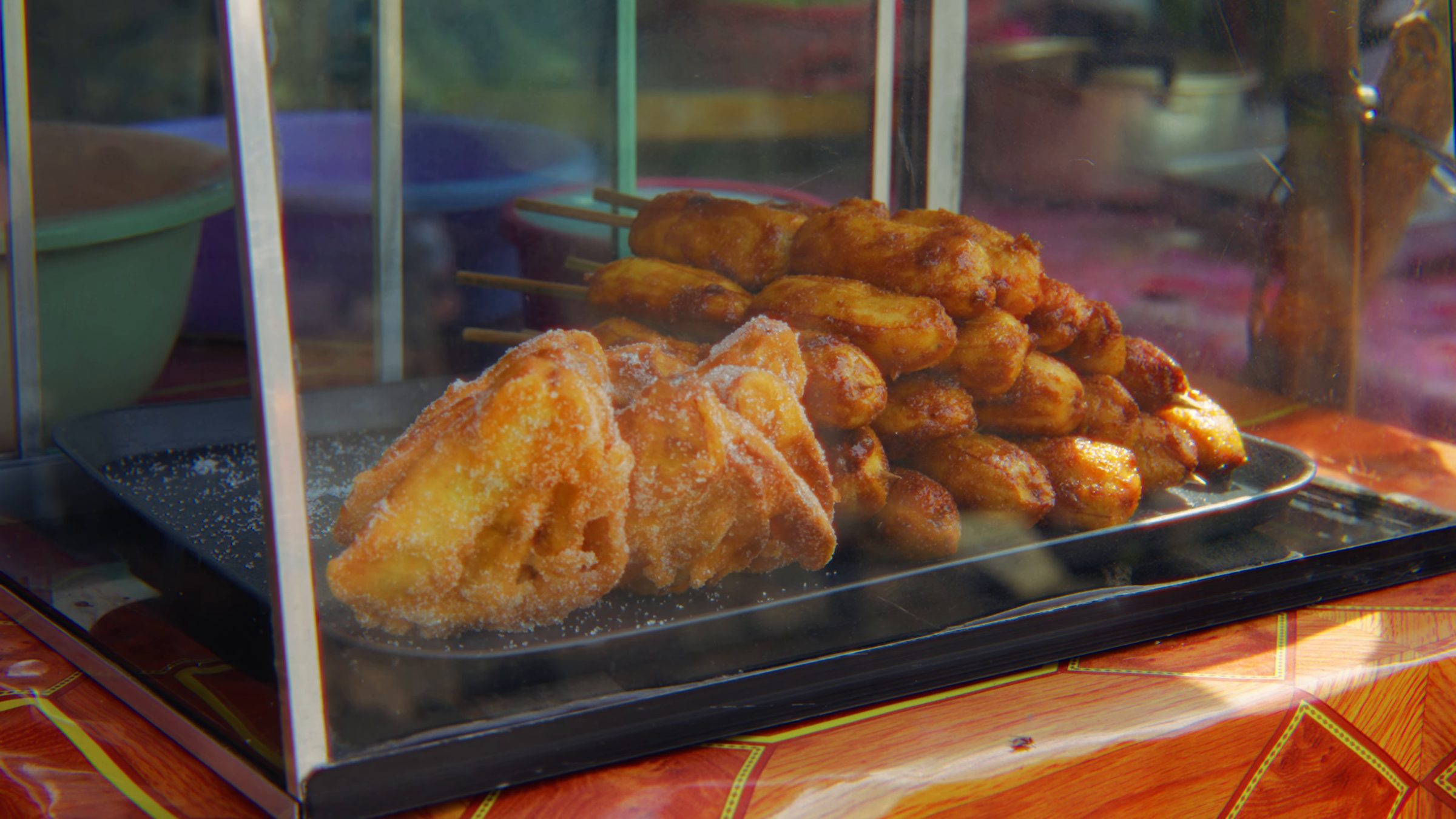
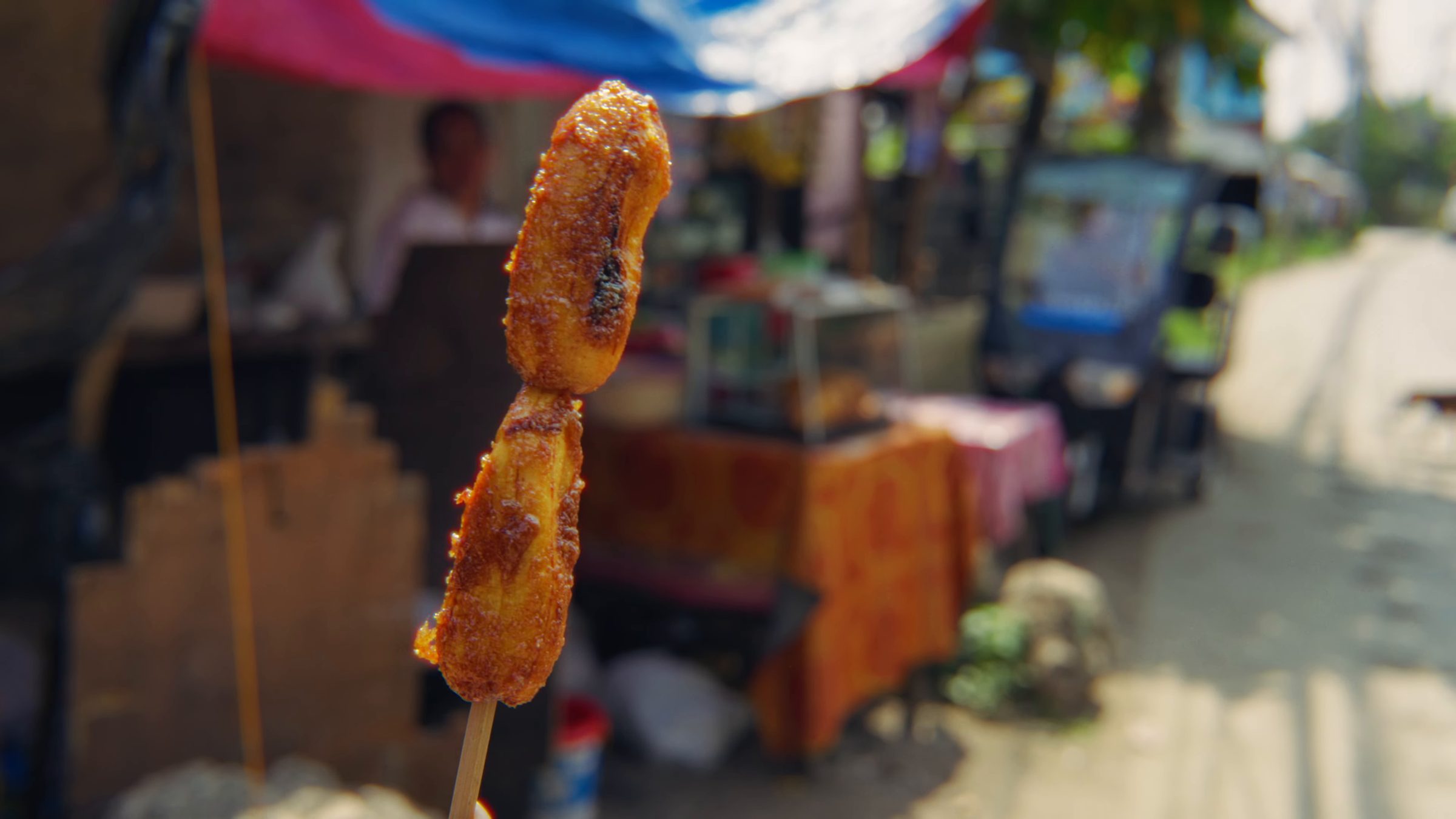
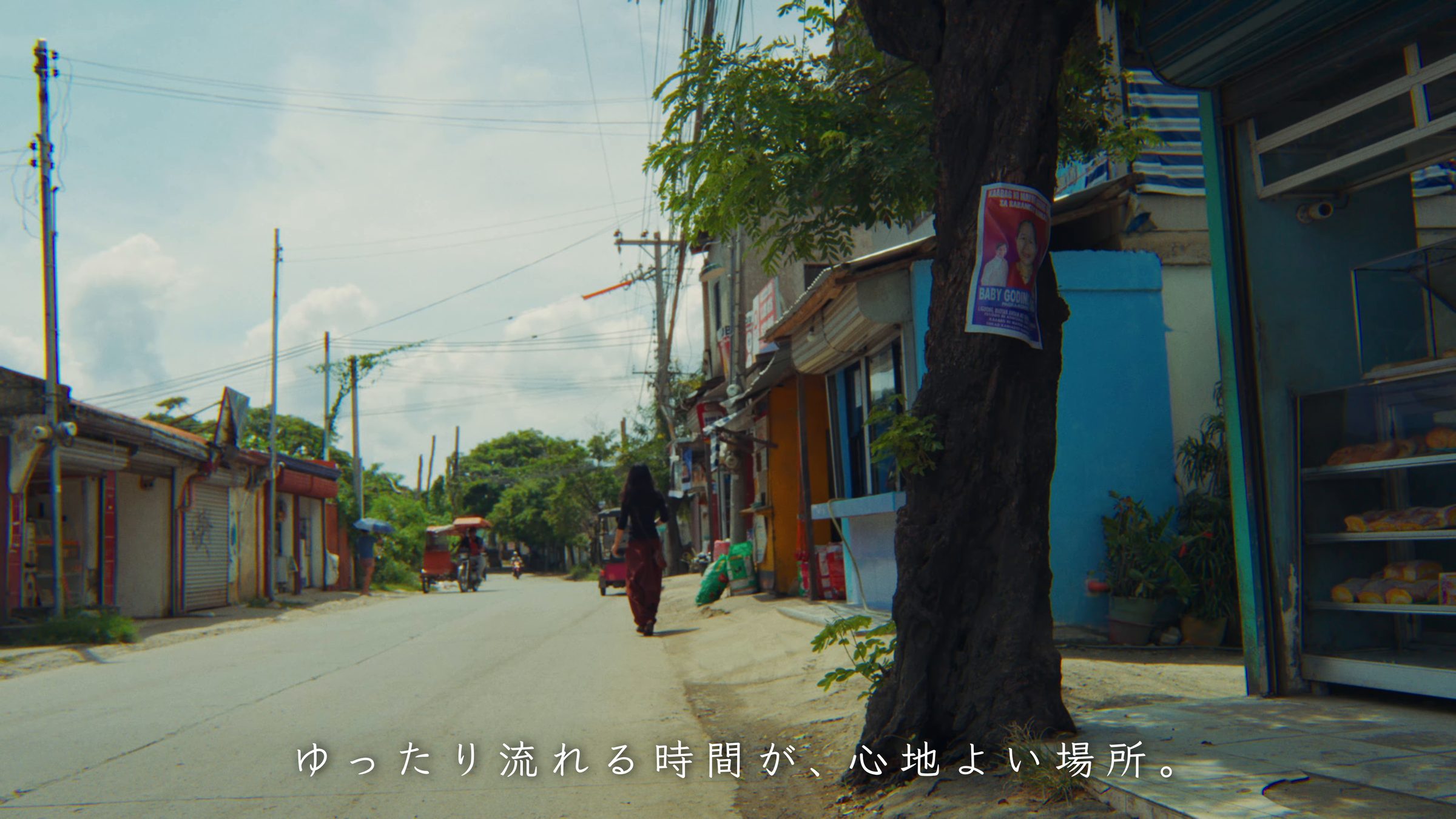
I'm on Mactan Island. At a roadside stall, bananas were frying in a big wok, and a glass case held skewers of bananas fried golden in a coat of sugar. These seem to be banana cue, a familiar sight at Philippine street stalls.
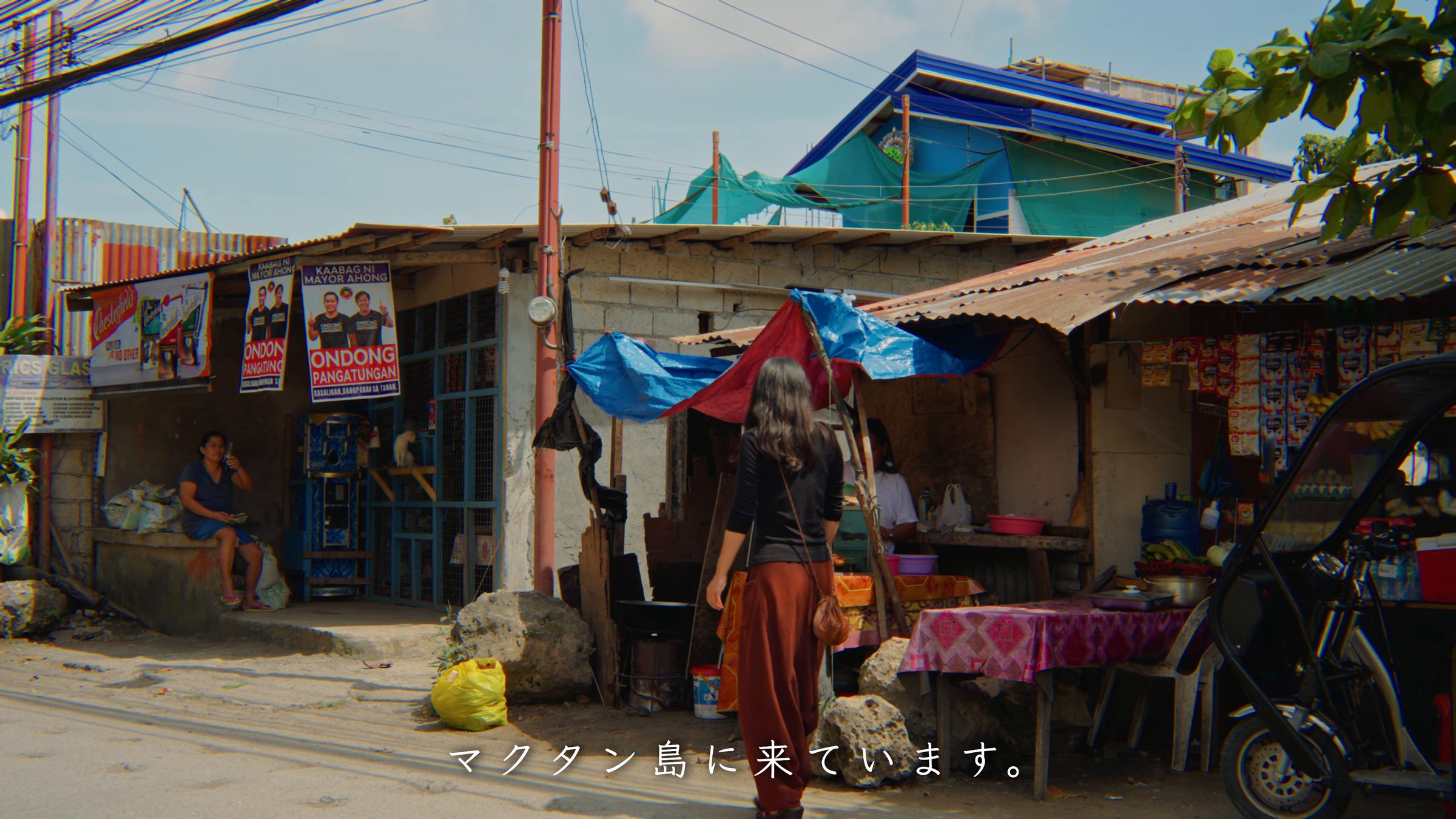
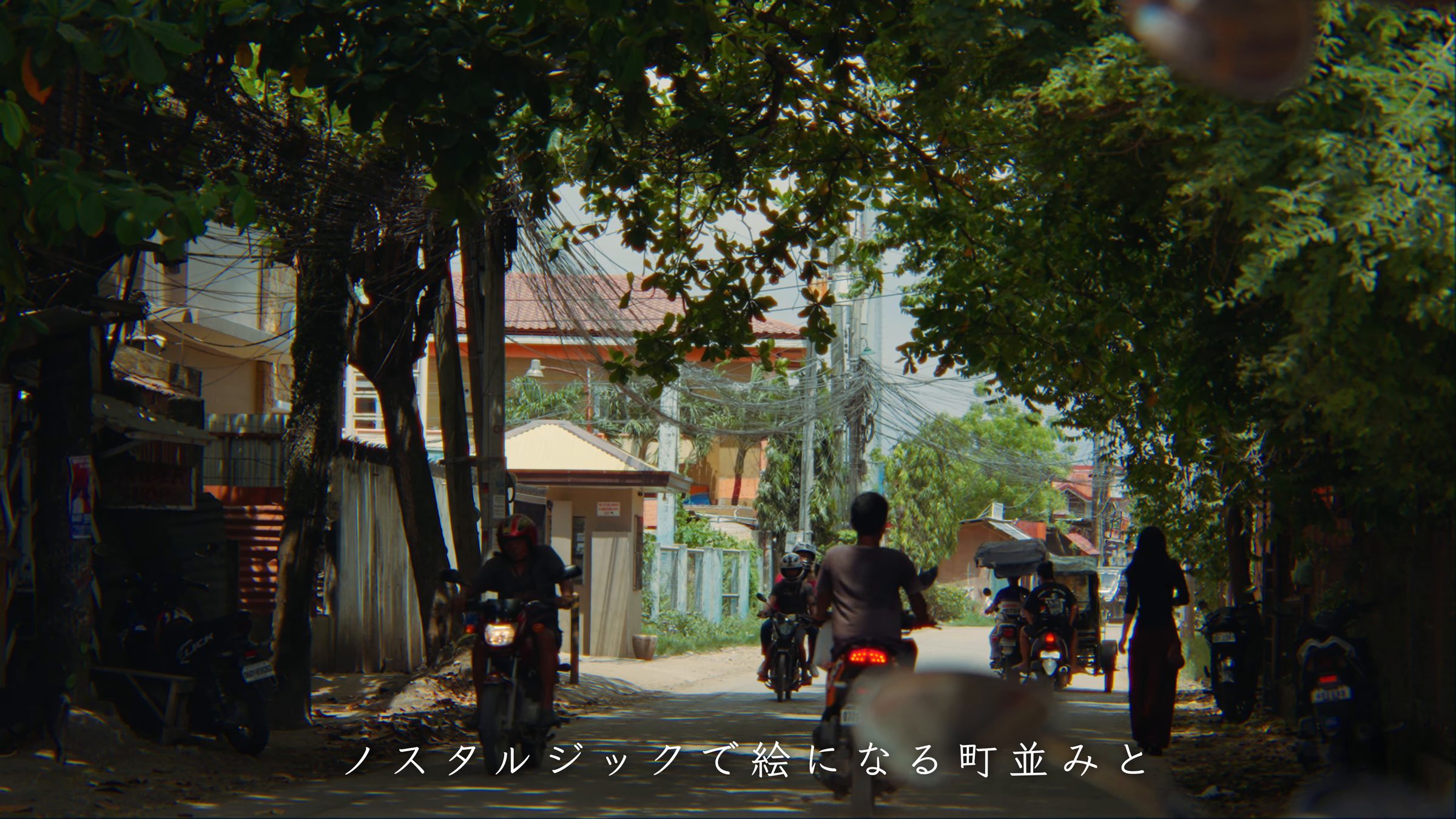
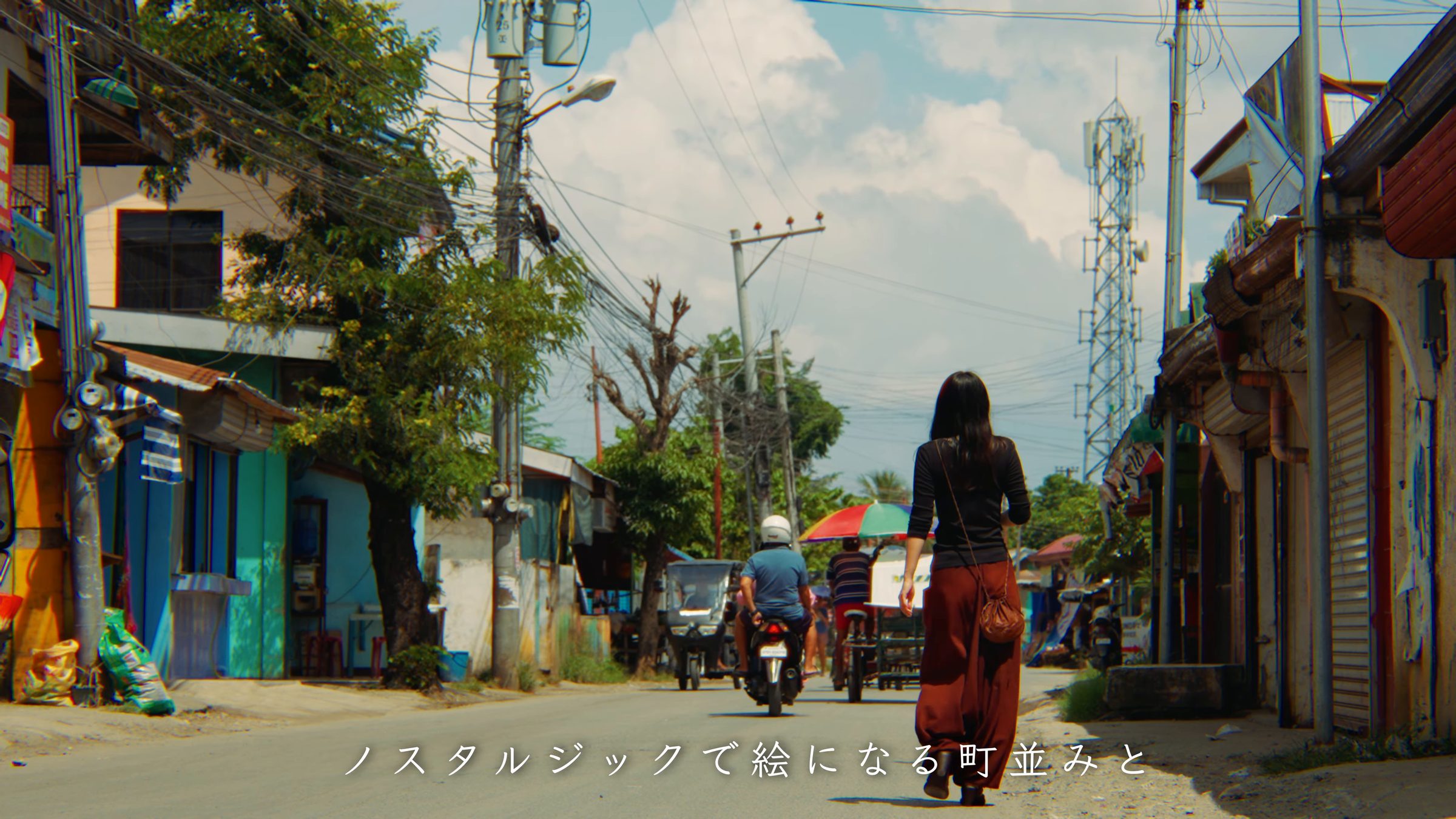
I took one skewer. Motorbikes passed along the shady road, and tricycles rolled by in front of brightly painted houses. Nostalgic streets that look like a picture wherever you turn. I strolled to the far end of a long, straight street.
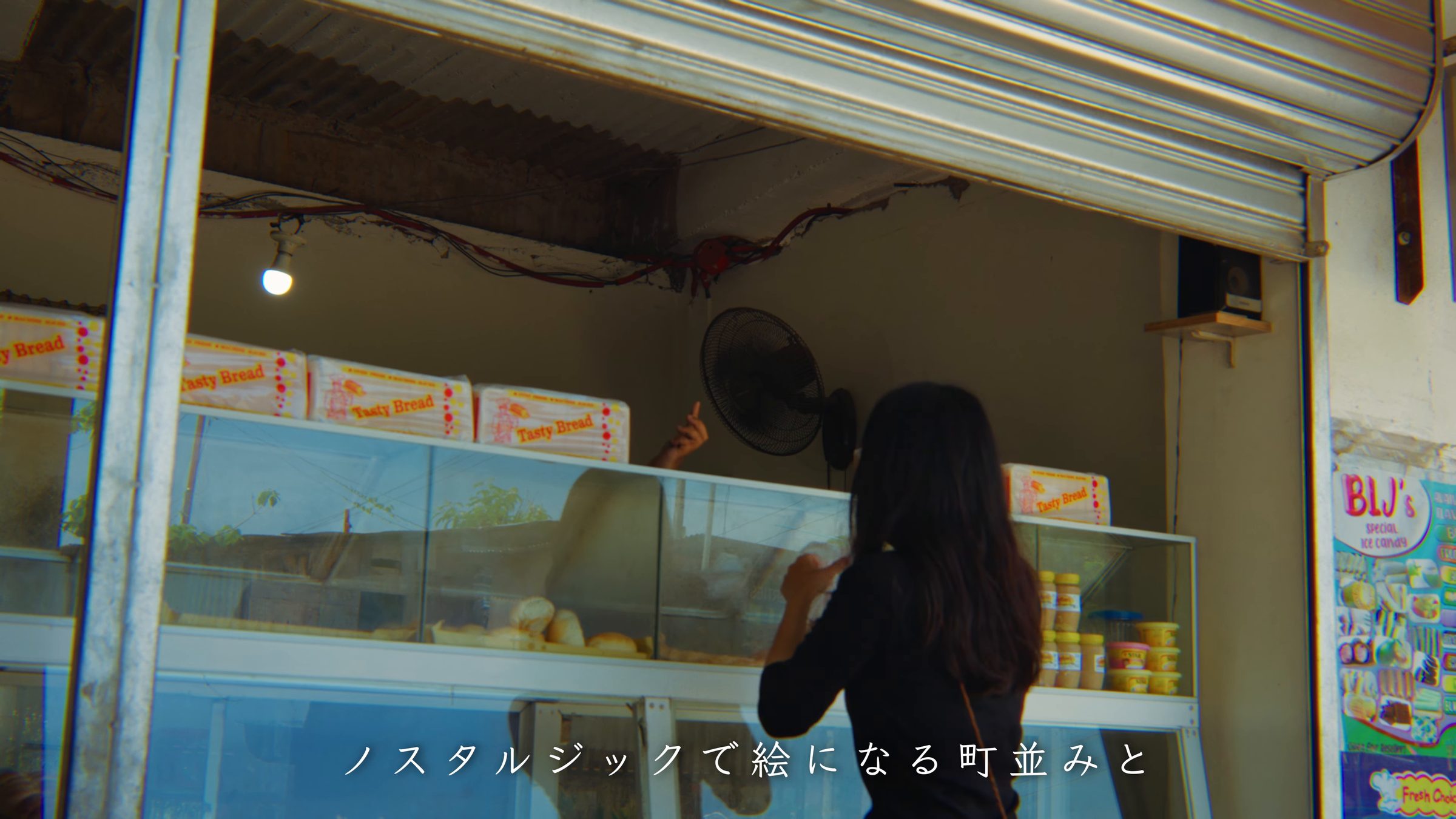
At another bakery, boxes of bread were stacked above the counter, next to a very tropical poster for ice candy.
Watch this scene on YouTube0:43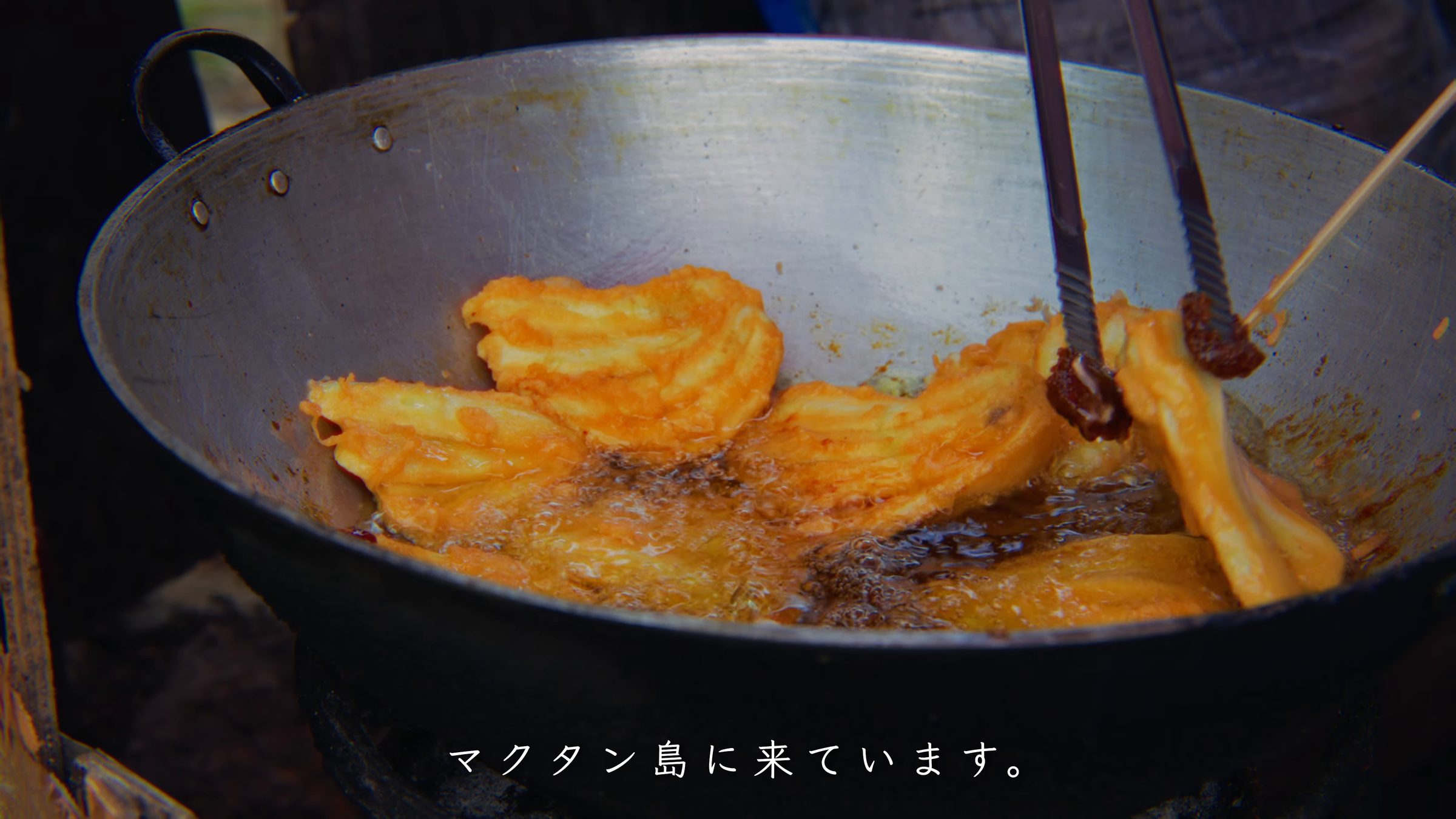
03TRAVEL JOURNAL
Longsilog with a squeeze of kalamansi
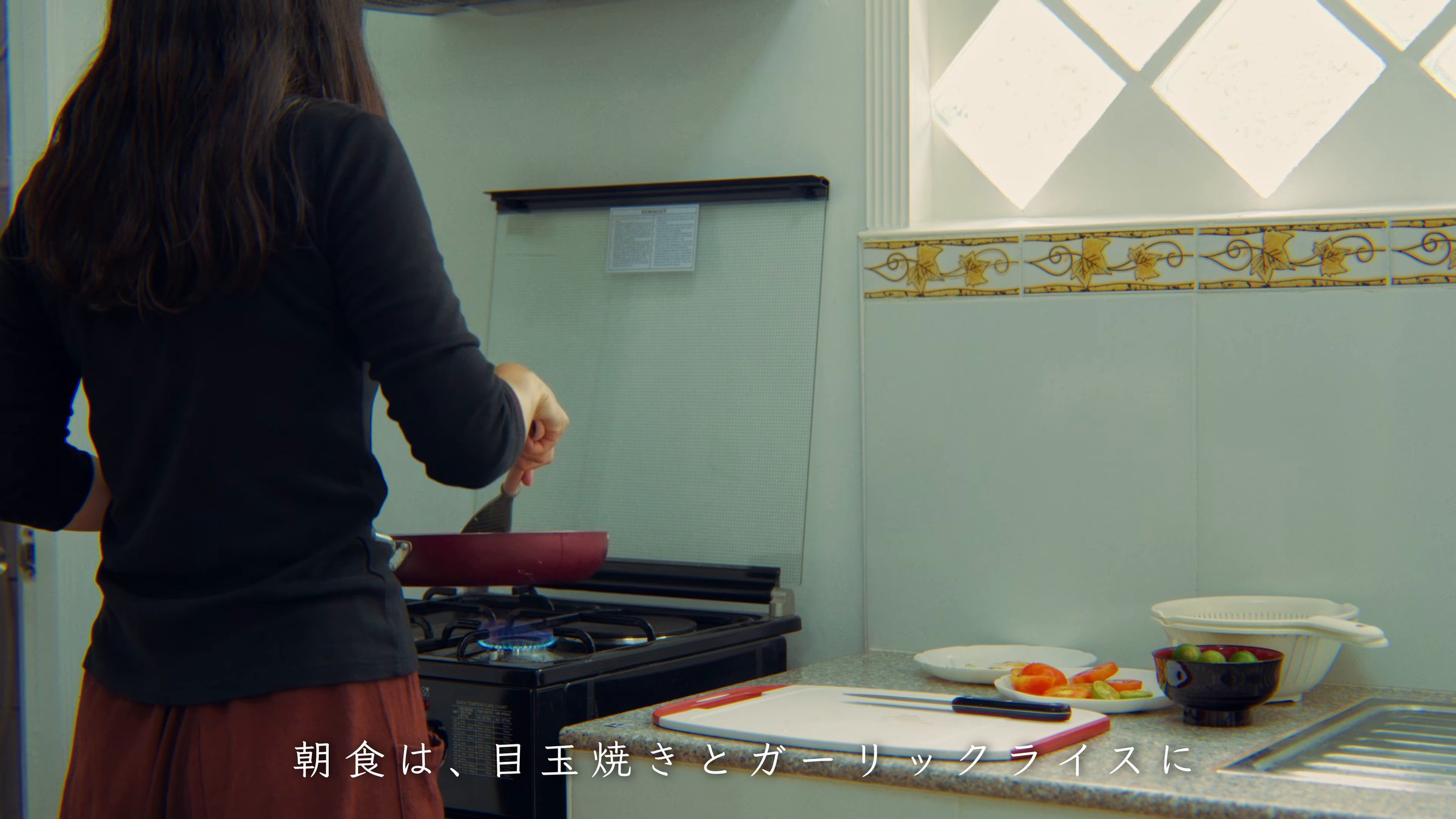
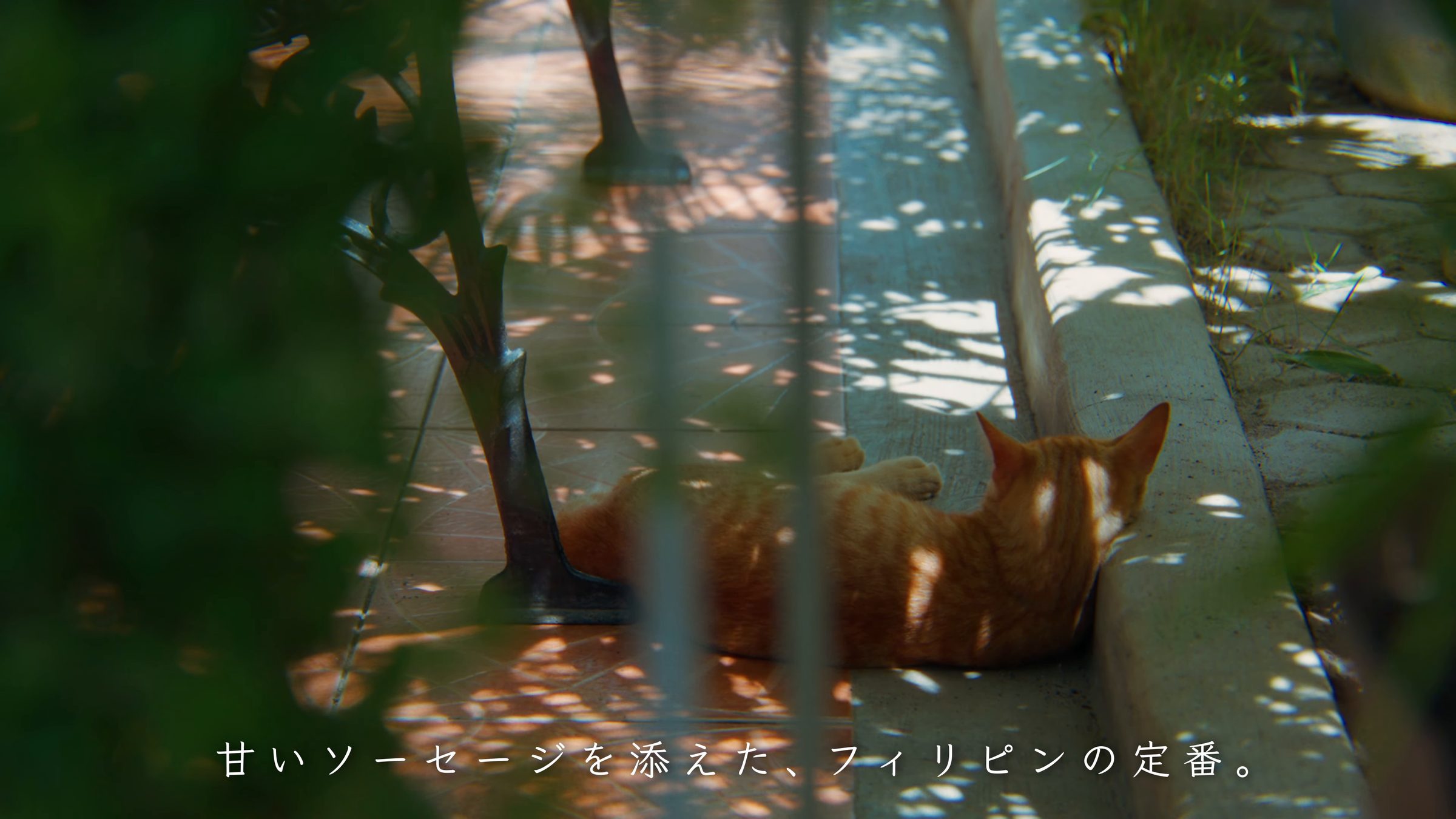
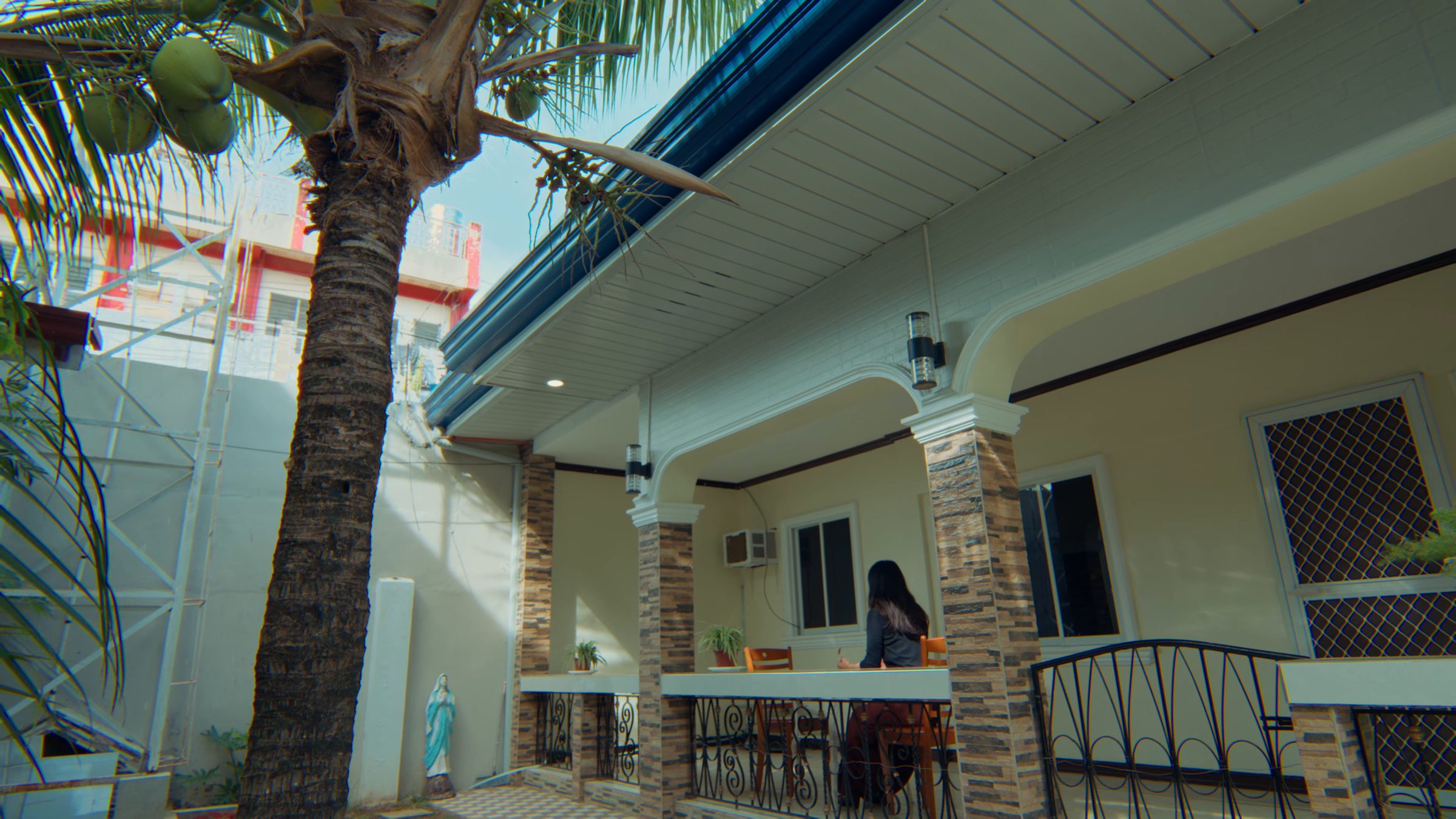
A comfortable place where time passes slowly. I started on breakfast in the kitchen of my stay. A red bowl held small green kalamansi, and through the screen an orange tabby looked up at me.
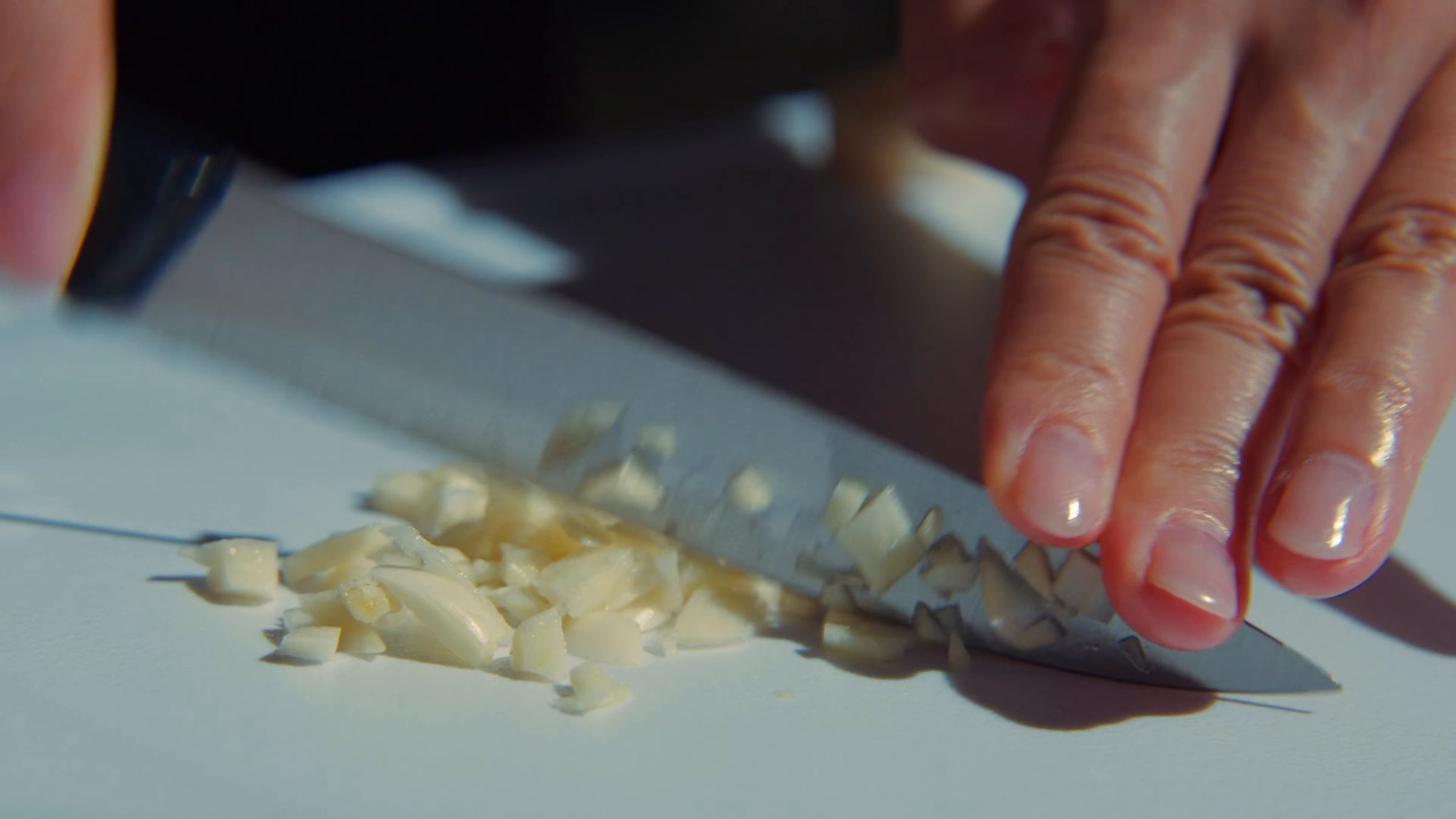
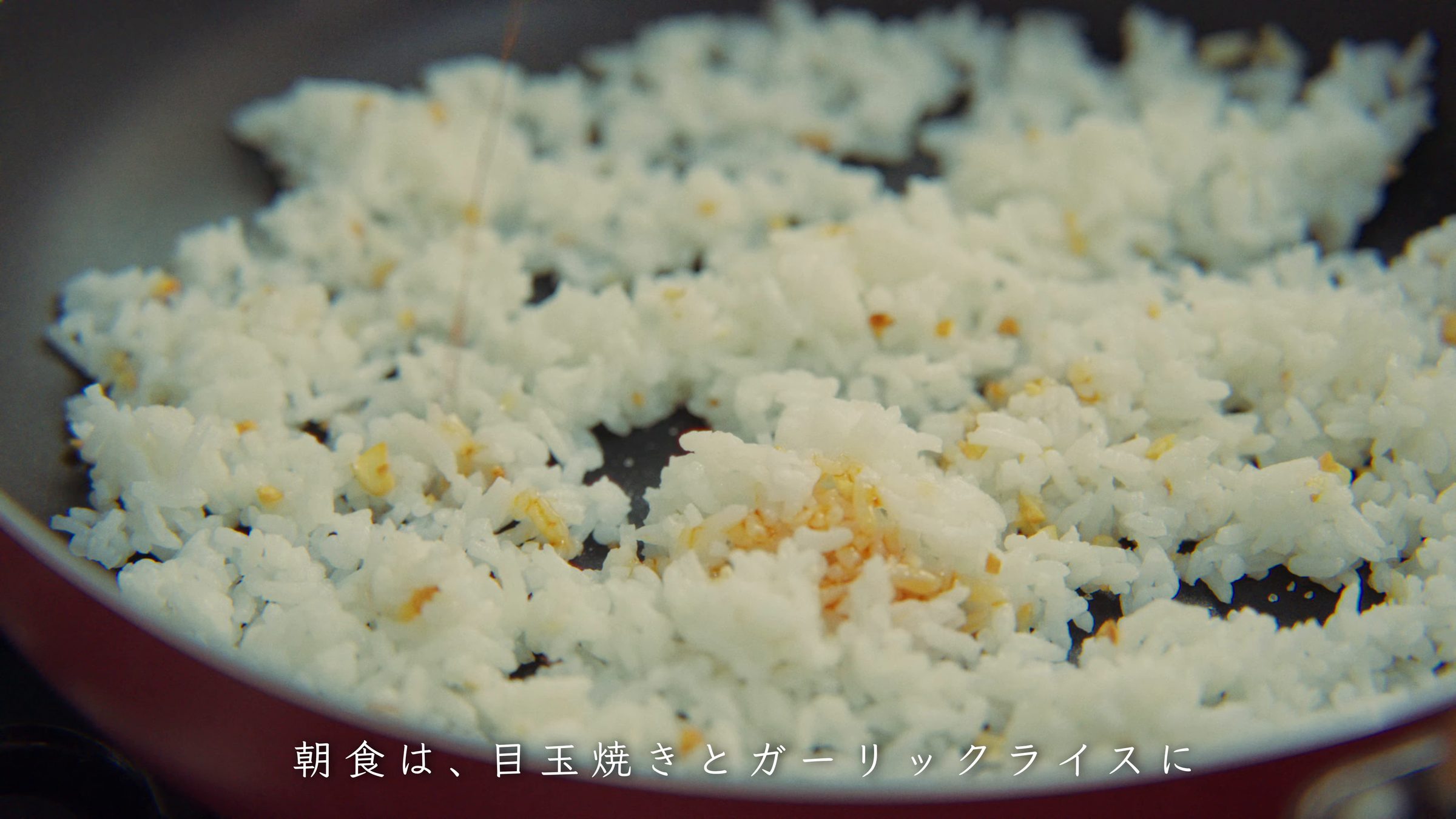
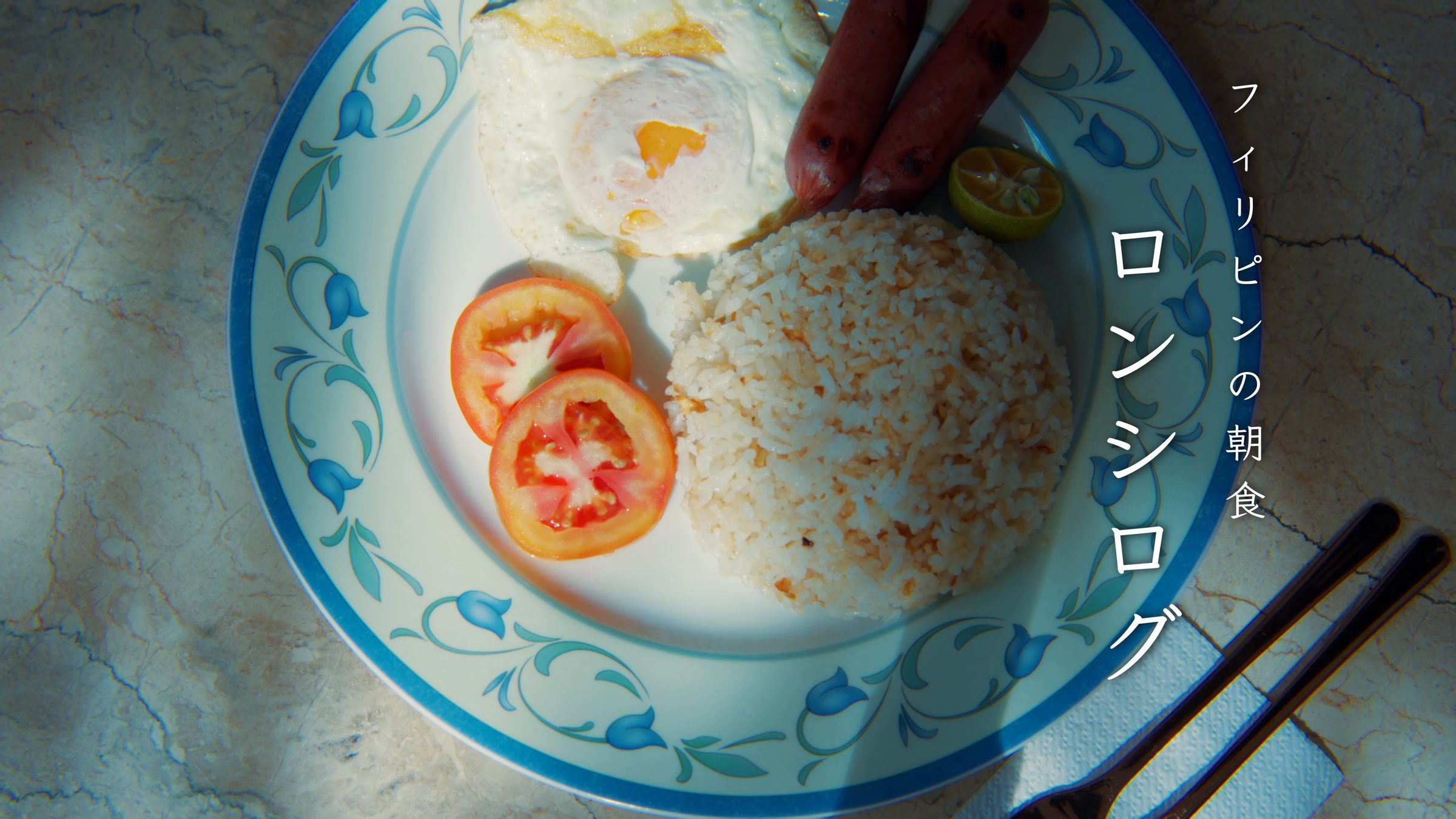
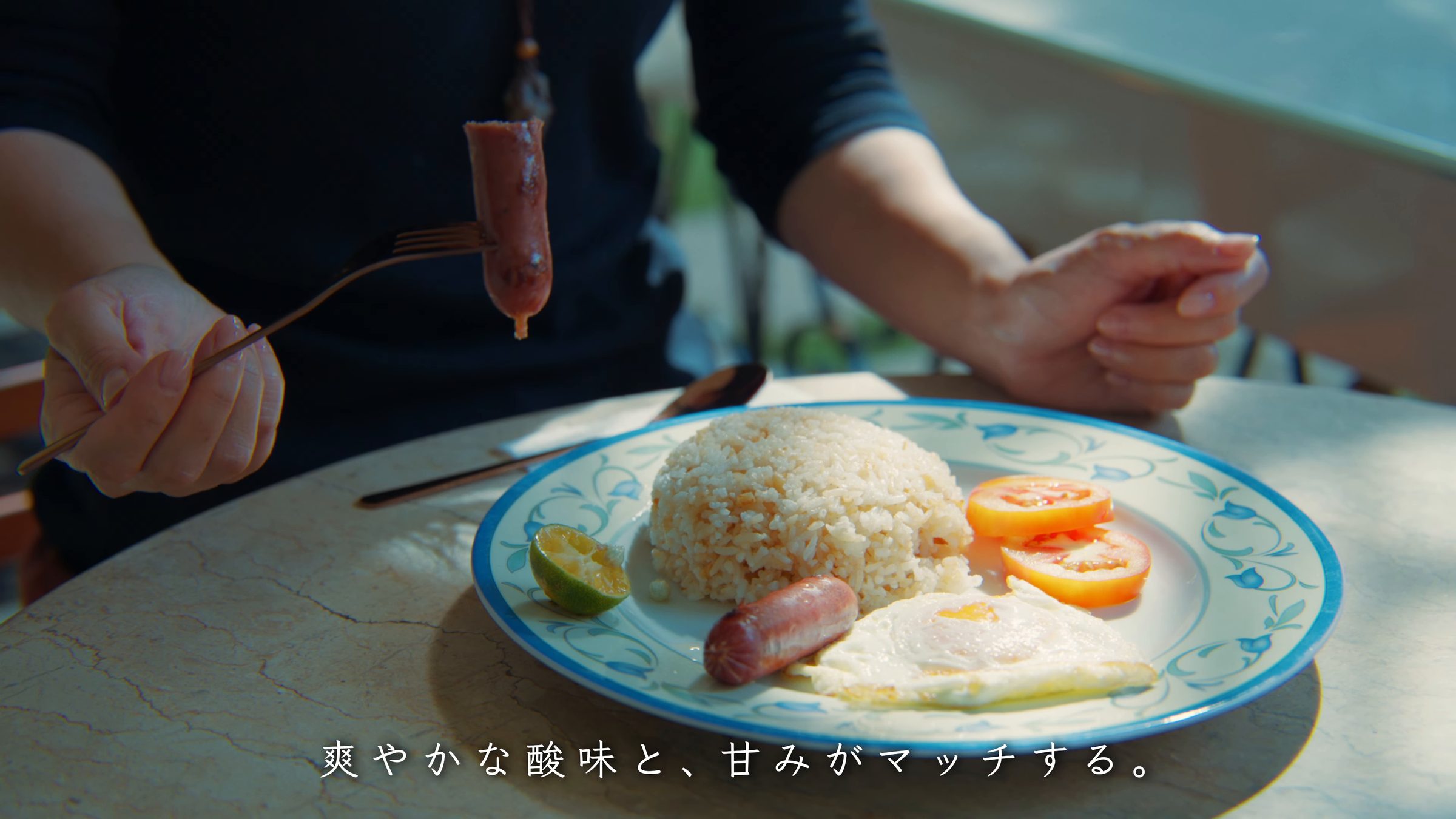
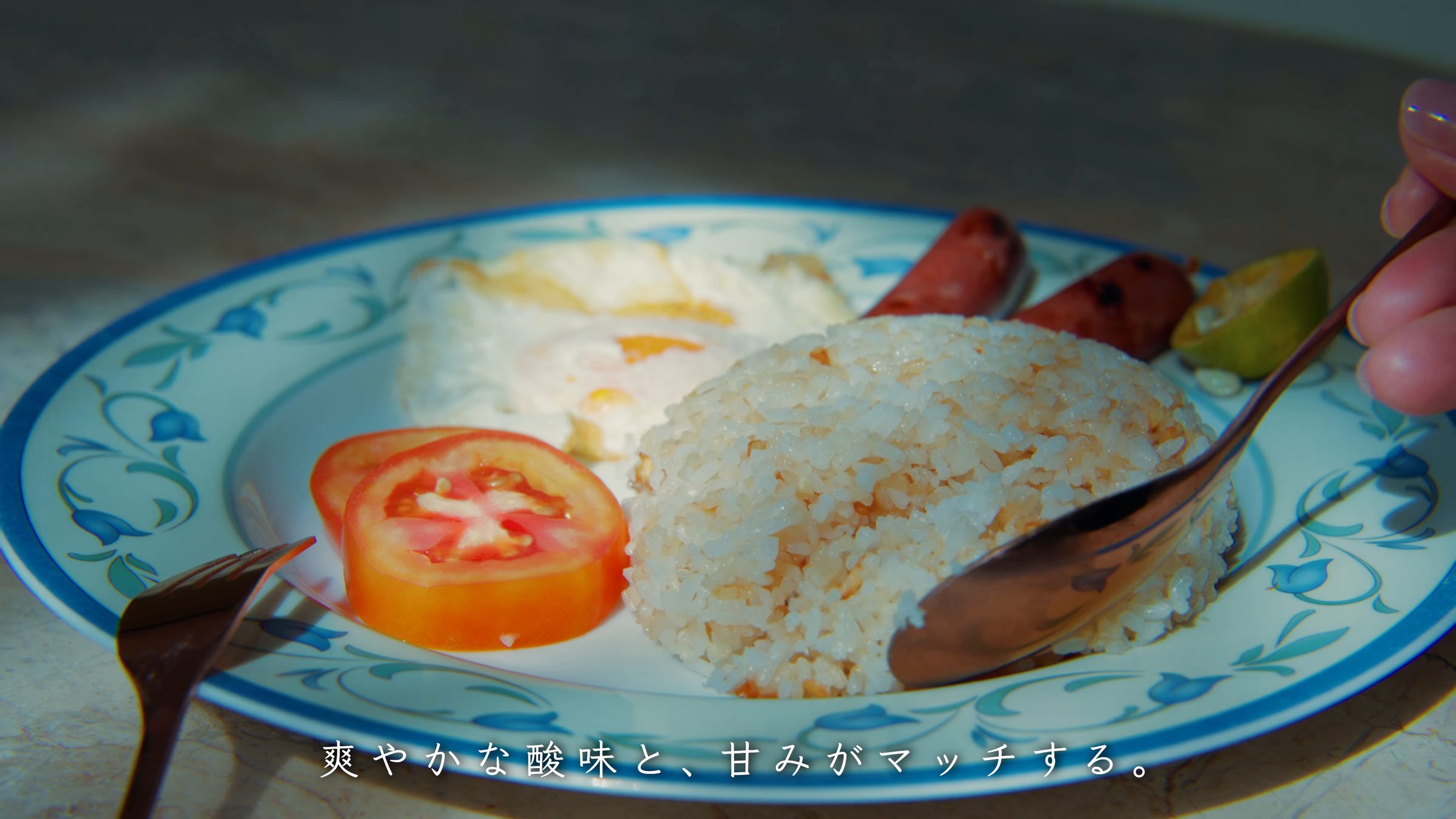
I minced garlic, fried an egg, and stir-fried rice with the garlic to make garlic rice. Add a sweet sausage, longganisa, to the fried egg and garlic rice, and you have longsilog, a Filipino breakfast classic. In the dappled sunlight, the same cat lay stretched out.
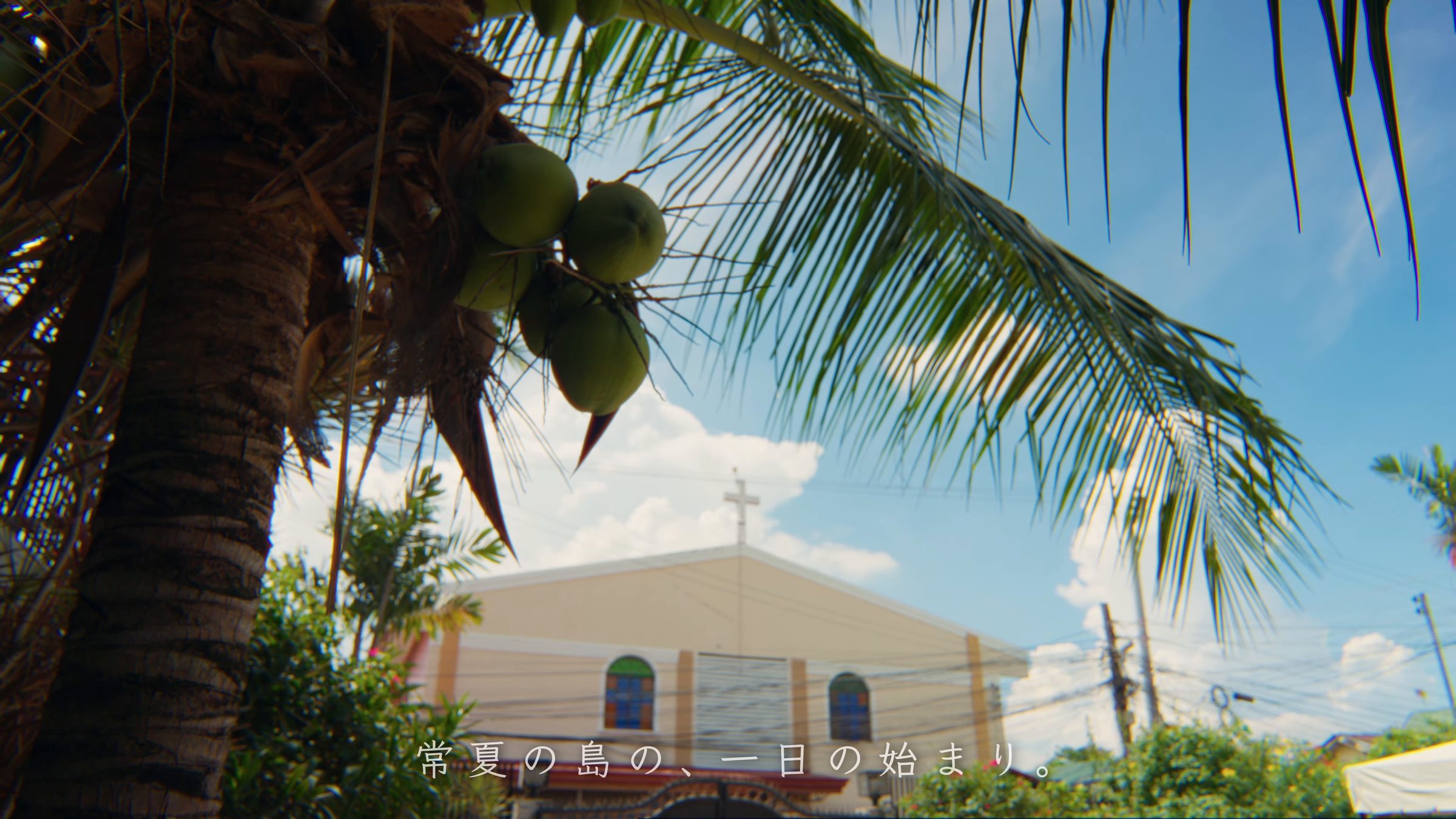
I added slices of tomato and squeezed over some kalamansi, a Philippine citrus. The refreshing sourness matches the sweetness of the sausage: a perfect breakfast for a tropical country. Green coconuts hung heavy on the palms in the garden, with a church cross beyond them. The start of a day on an island of eternal summer.
Watch this scene on YouTube1:06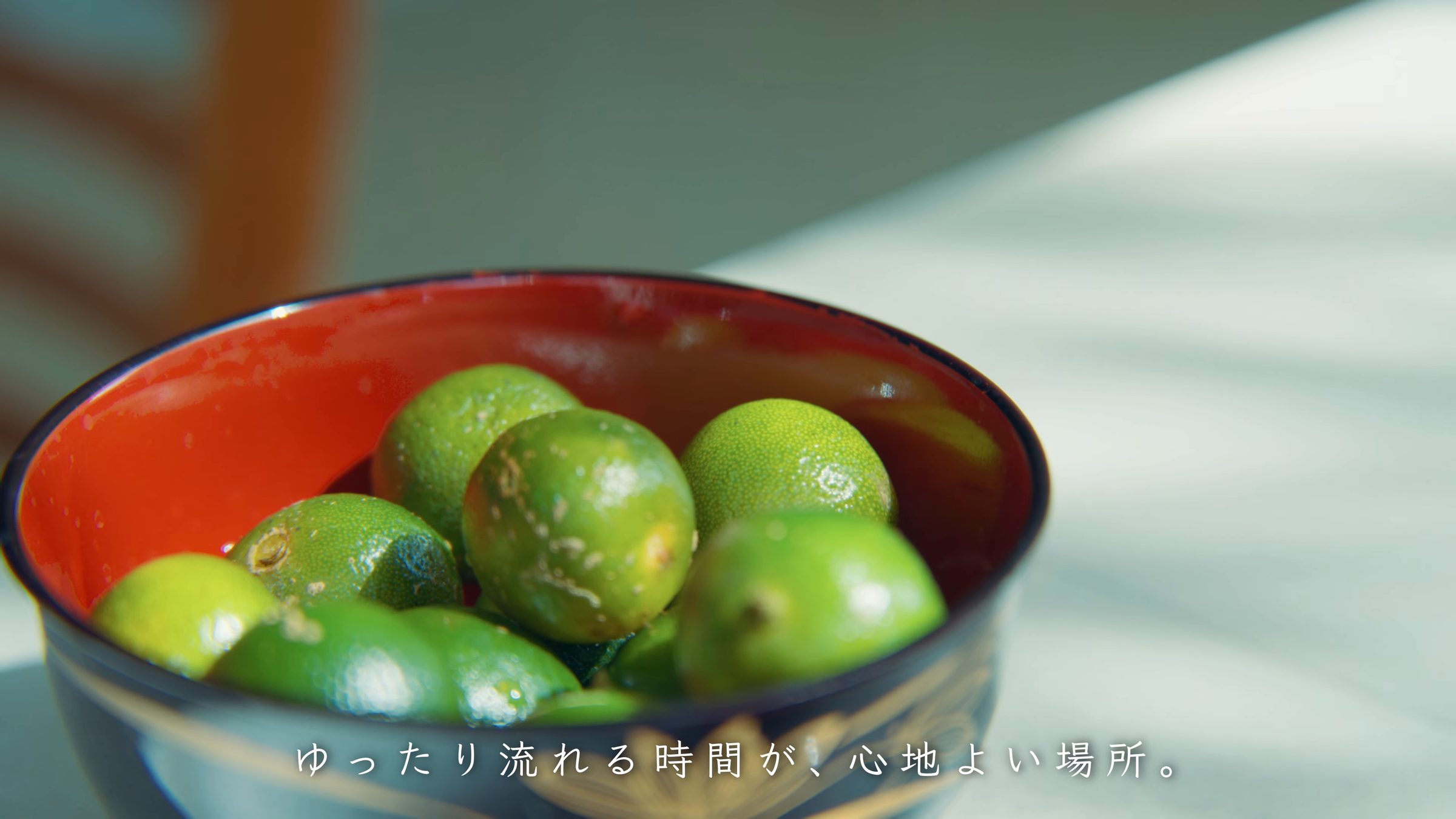


04TRAVEL JOURNAL
The island's local market
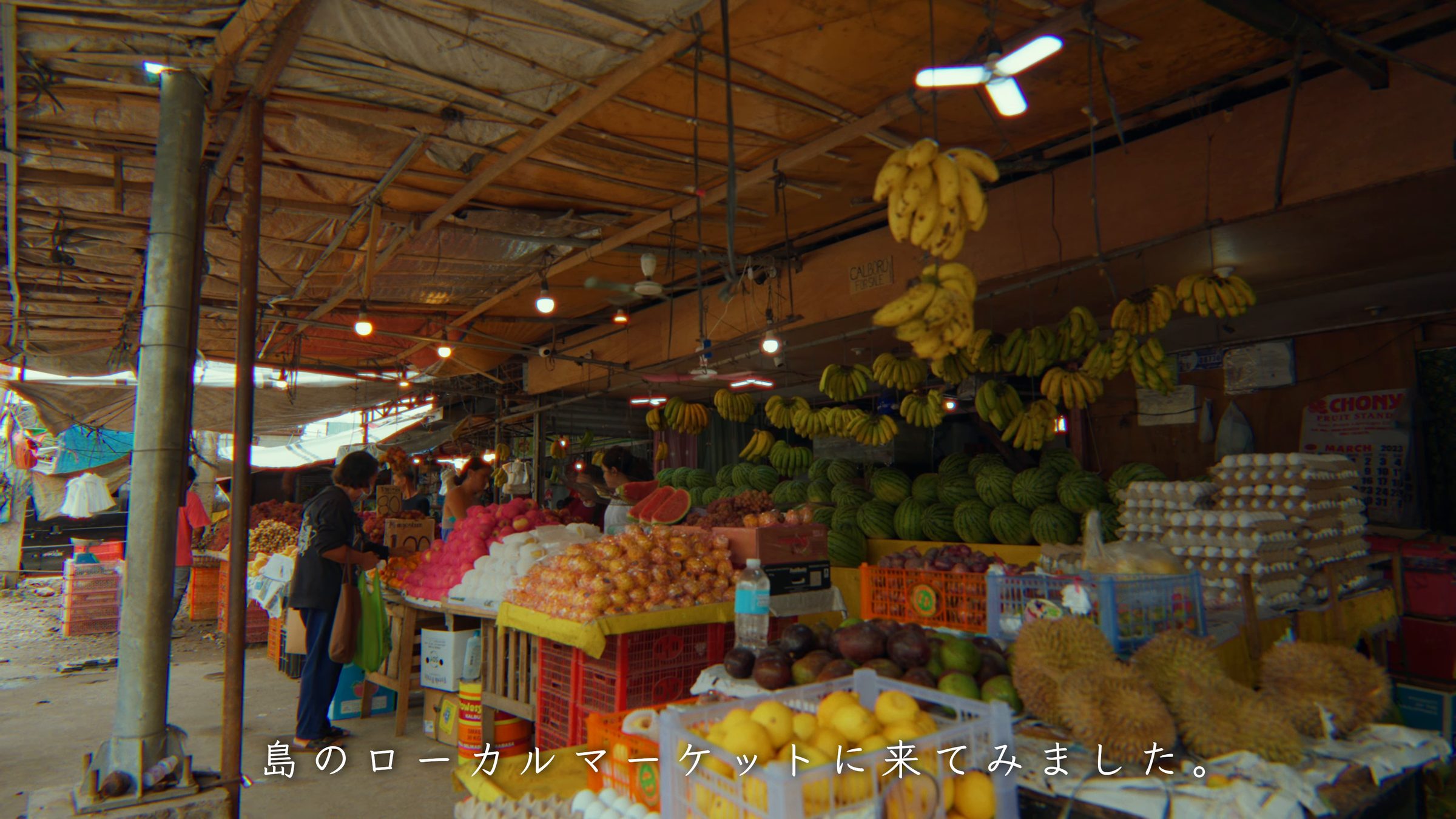
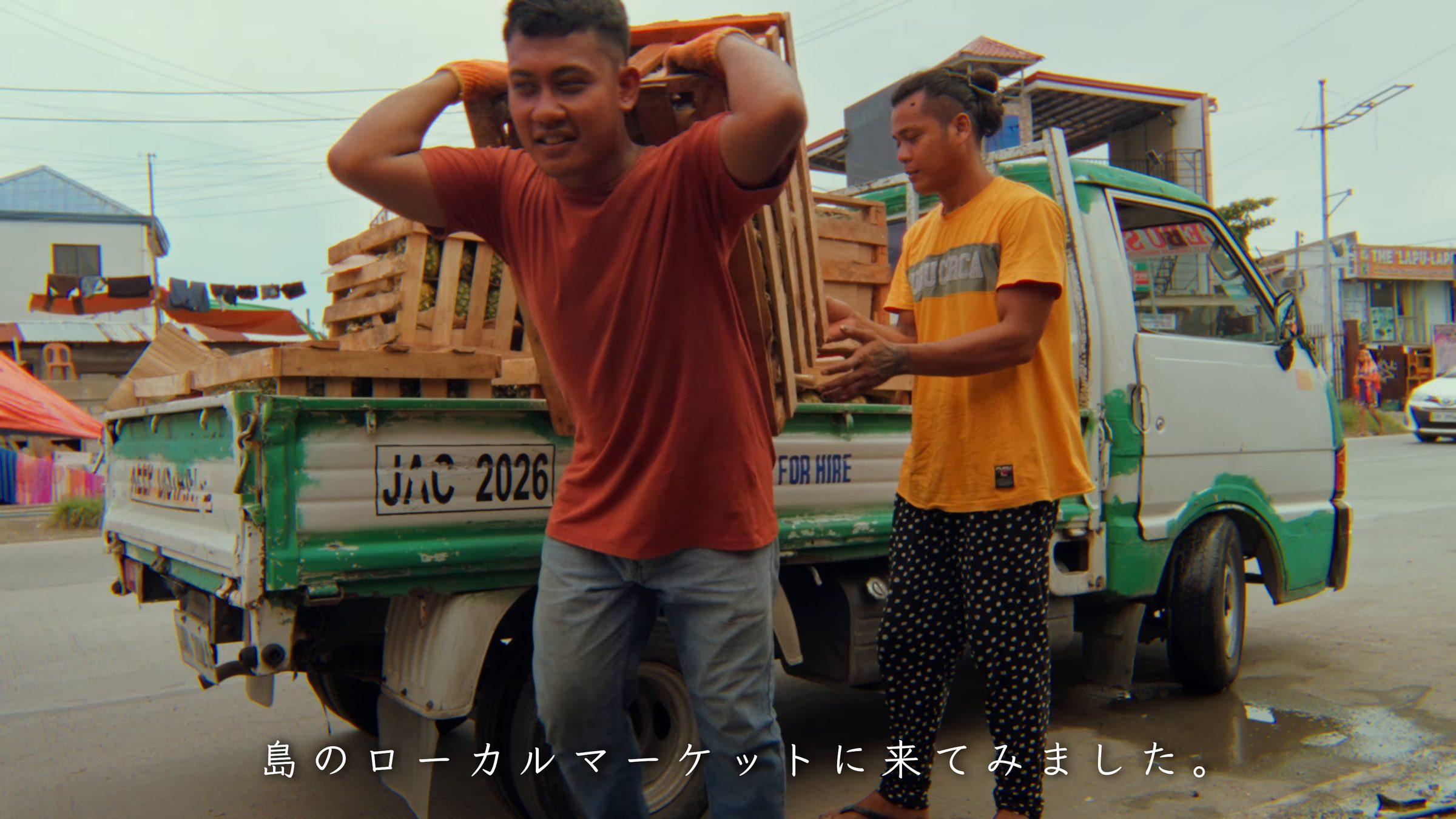
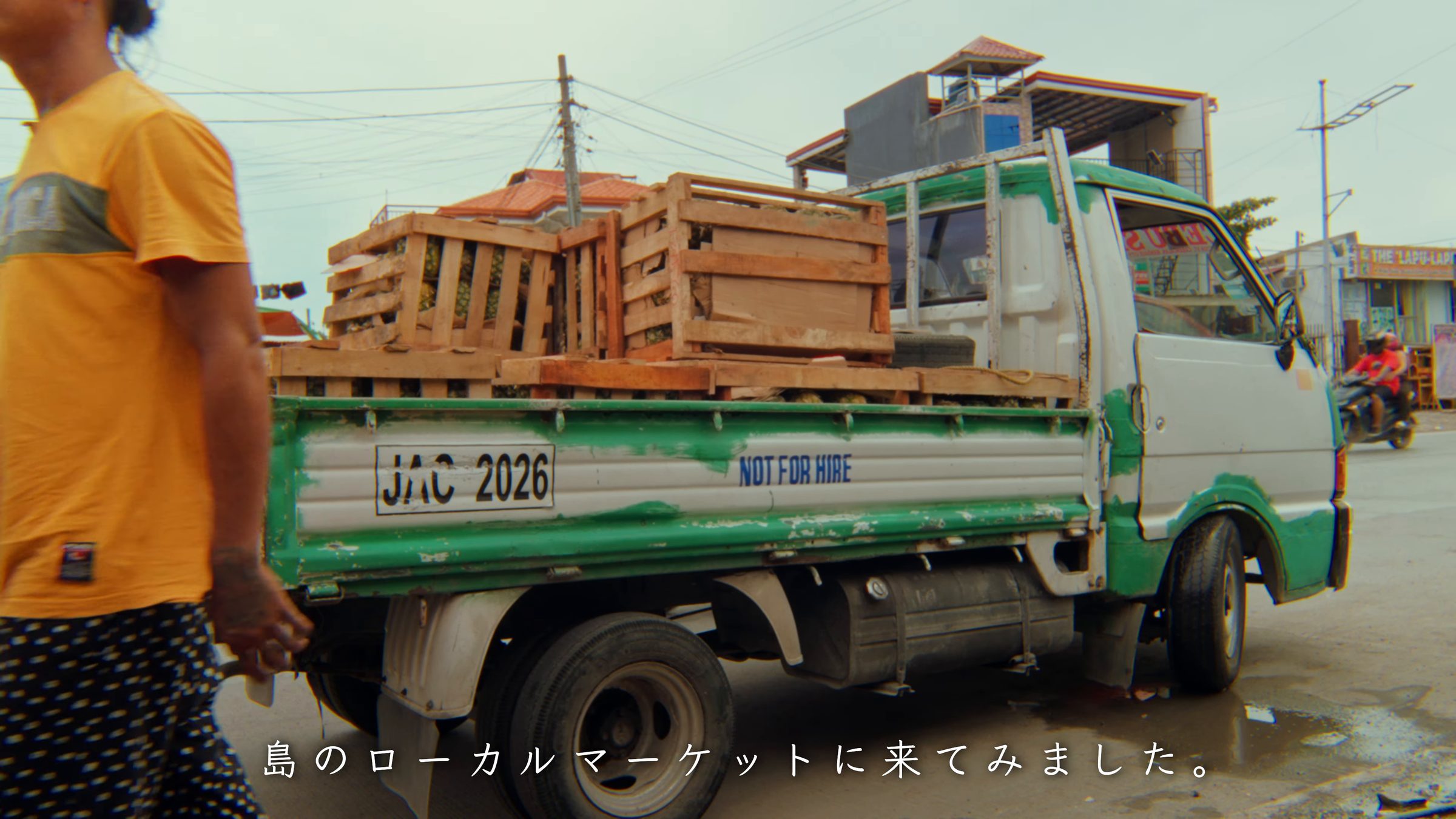
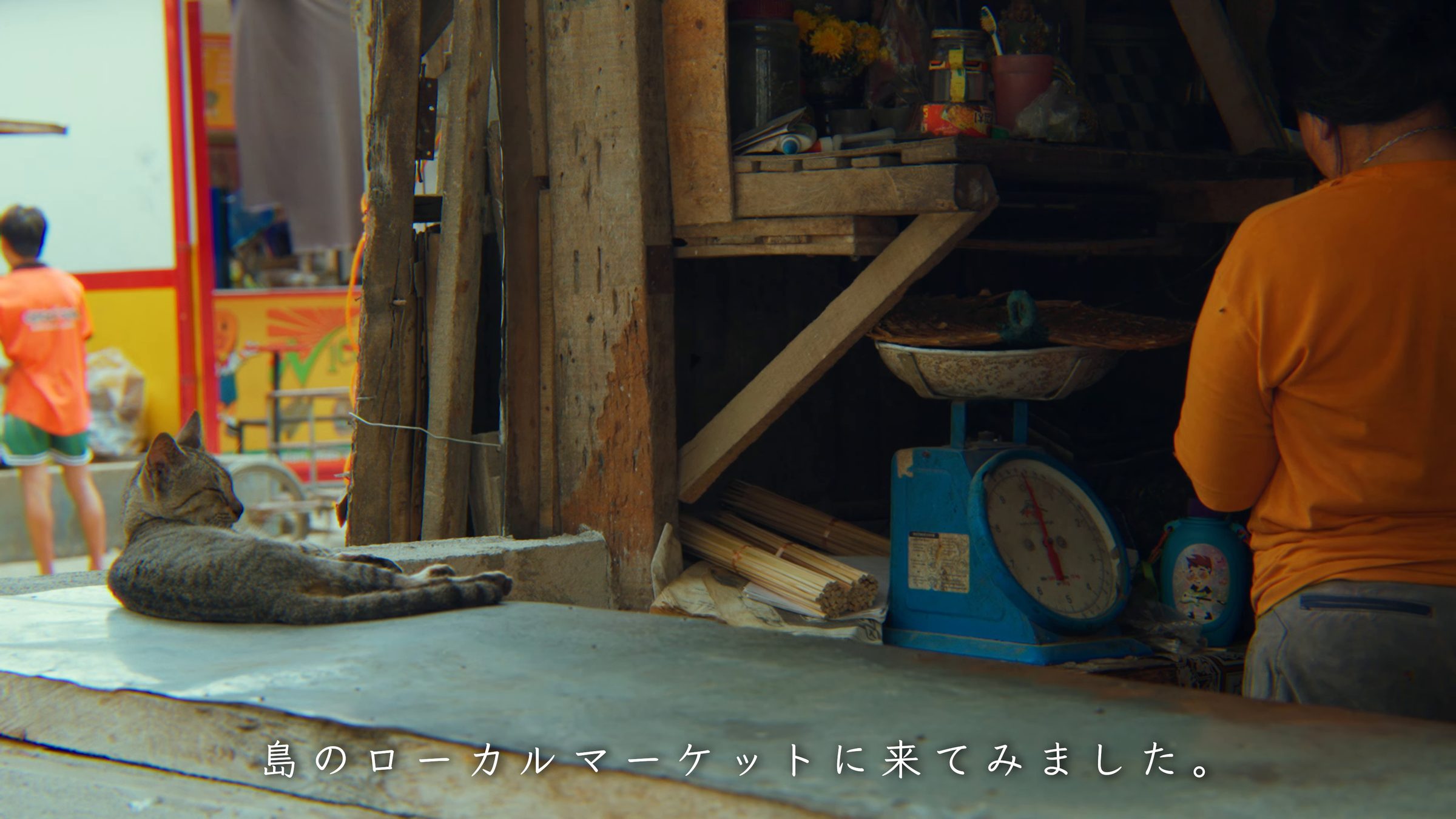
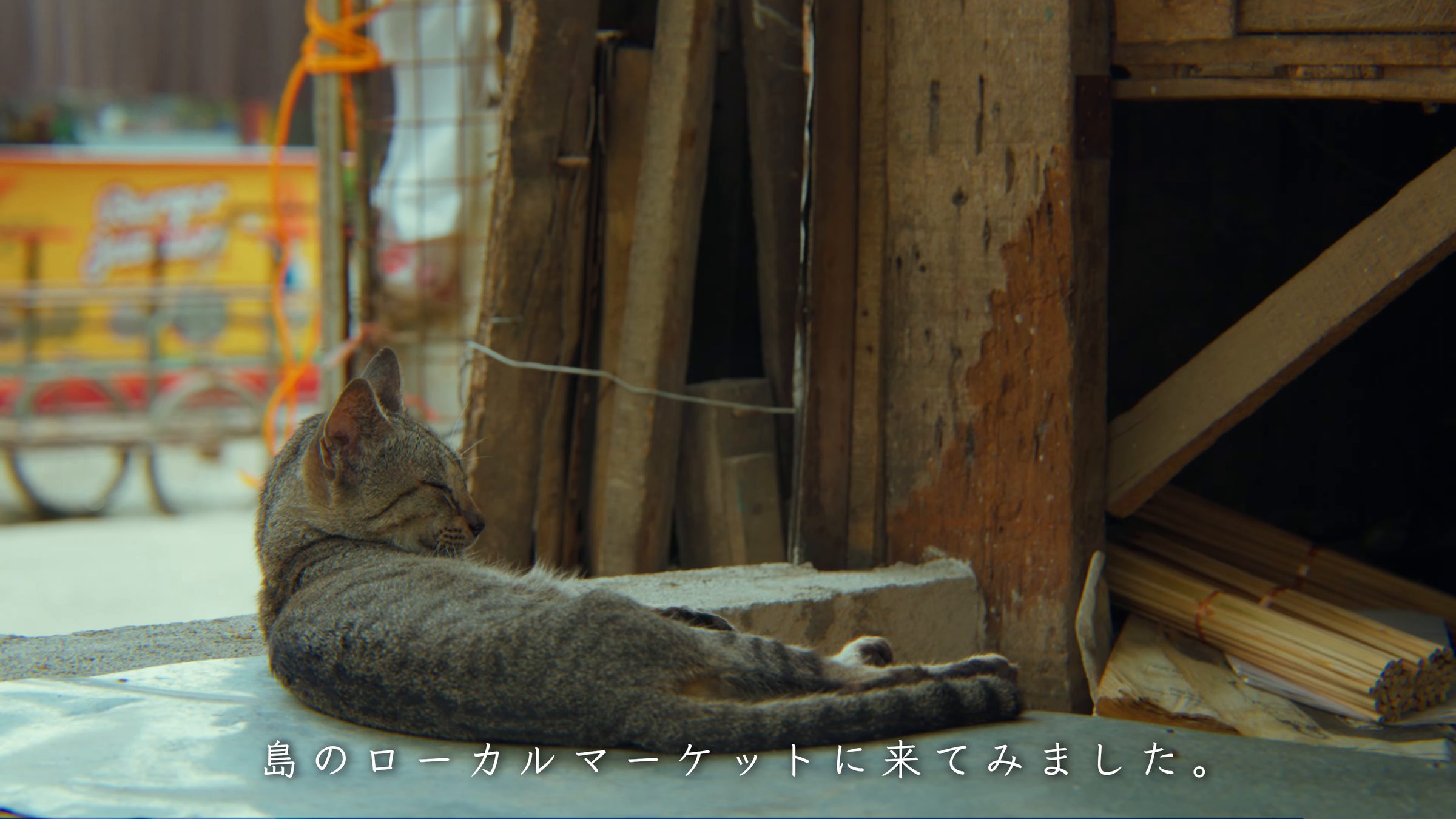
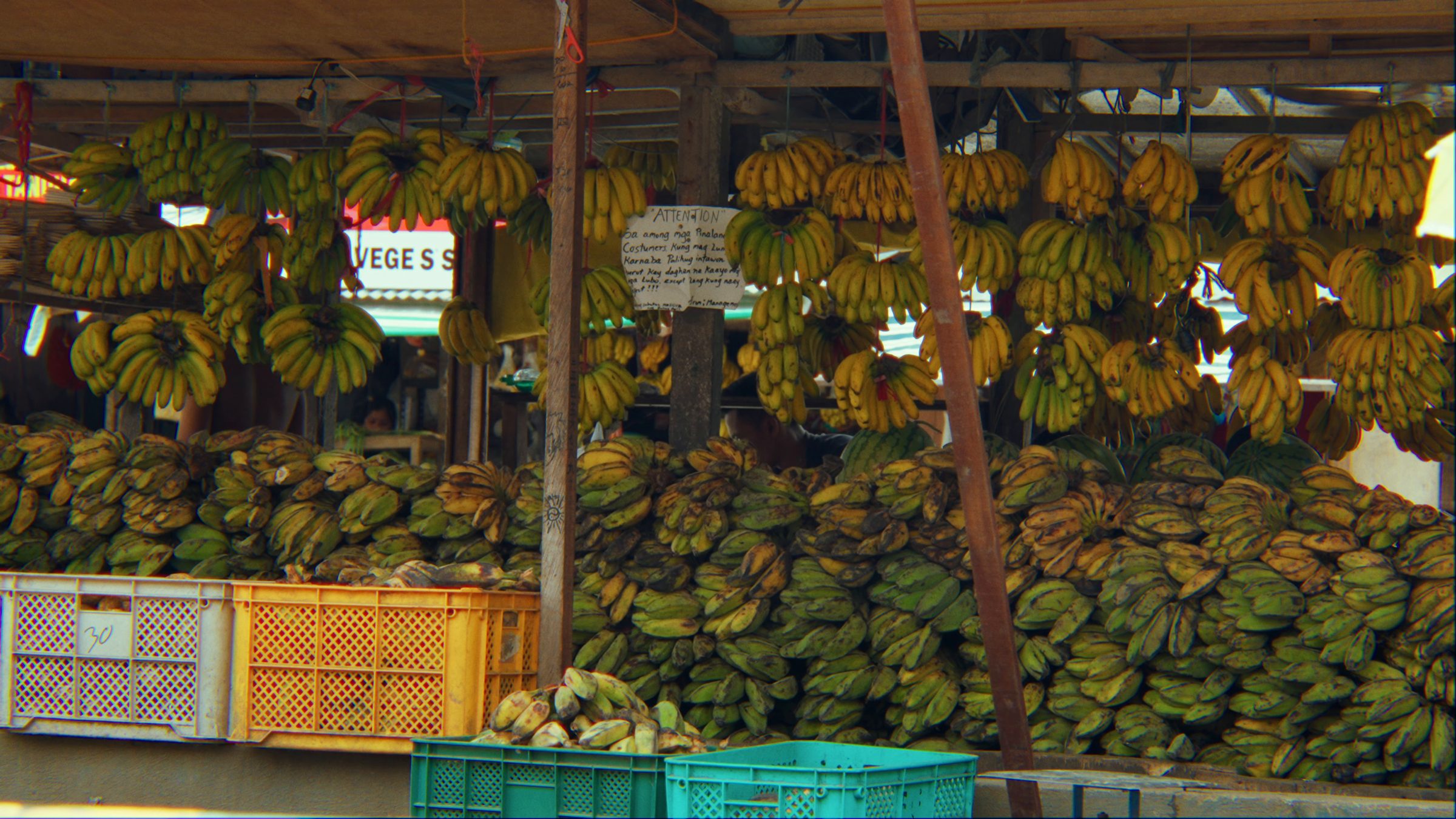
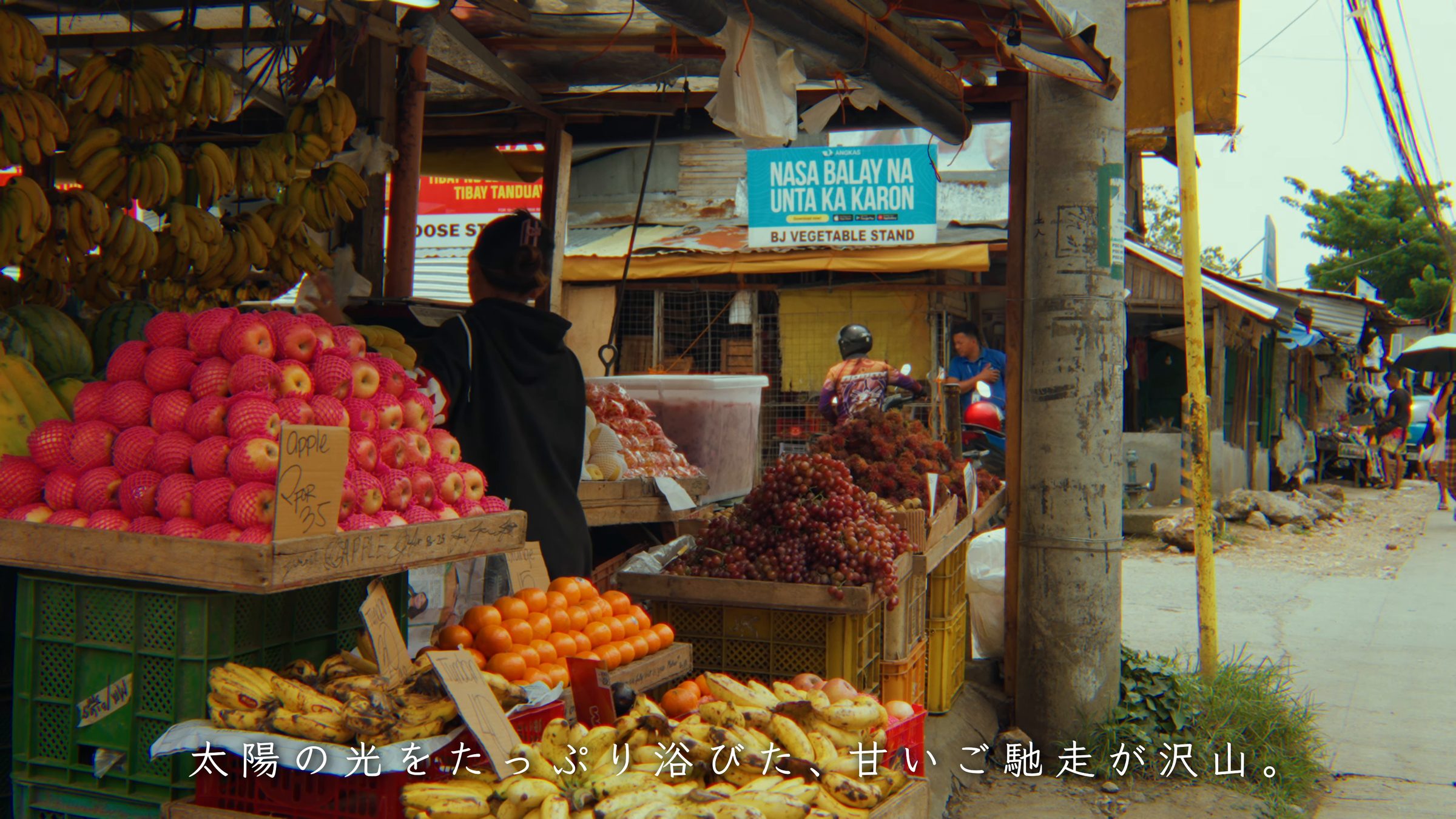
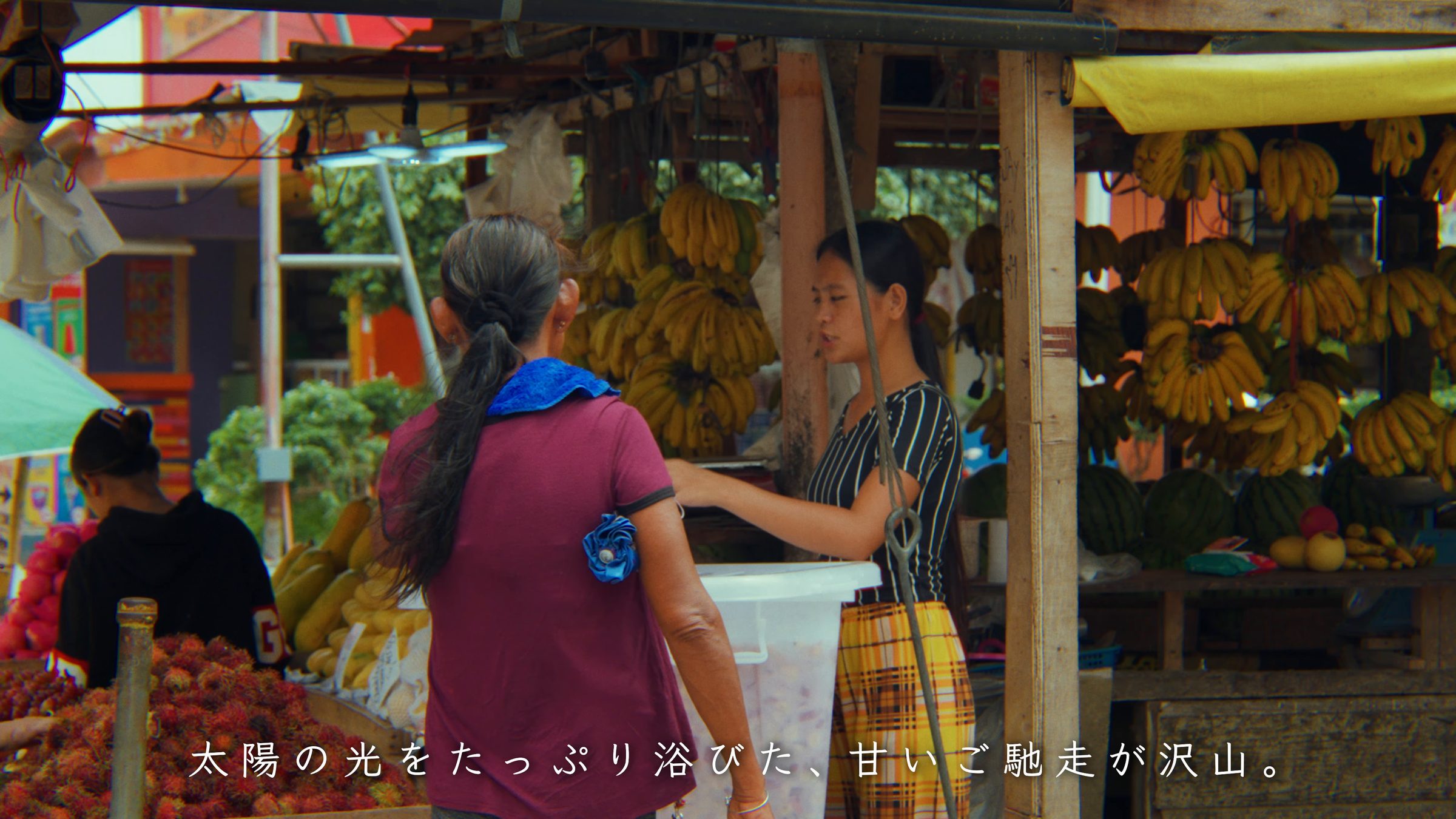
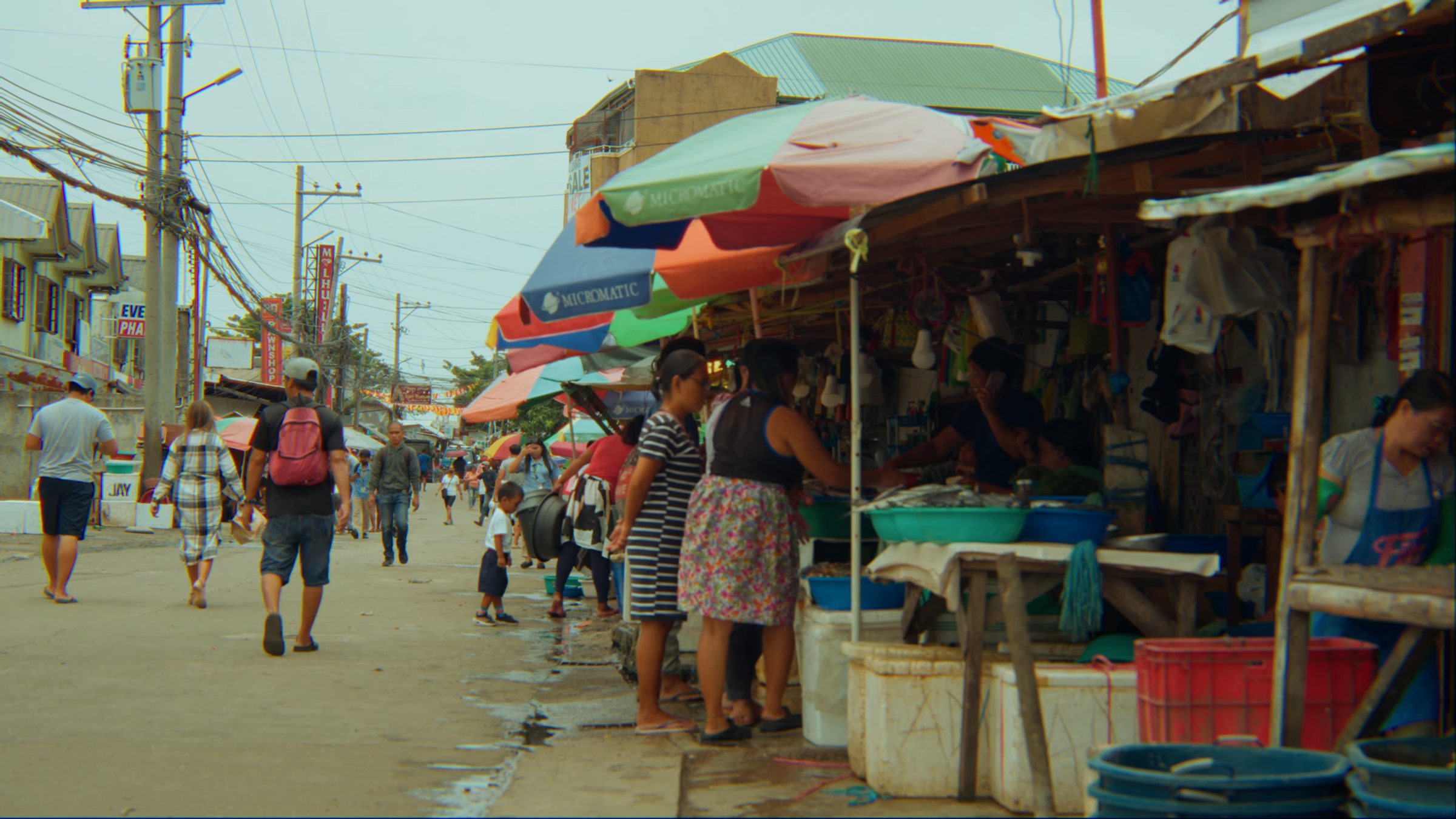
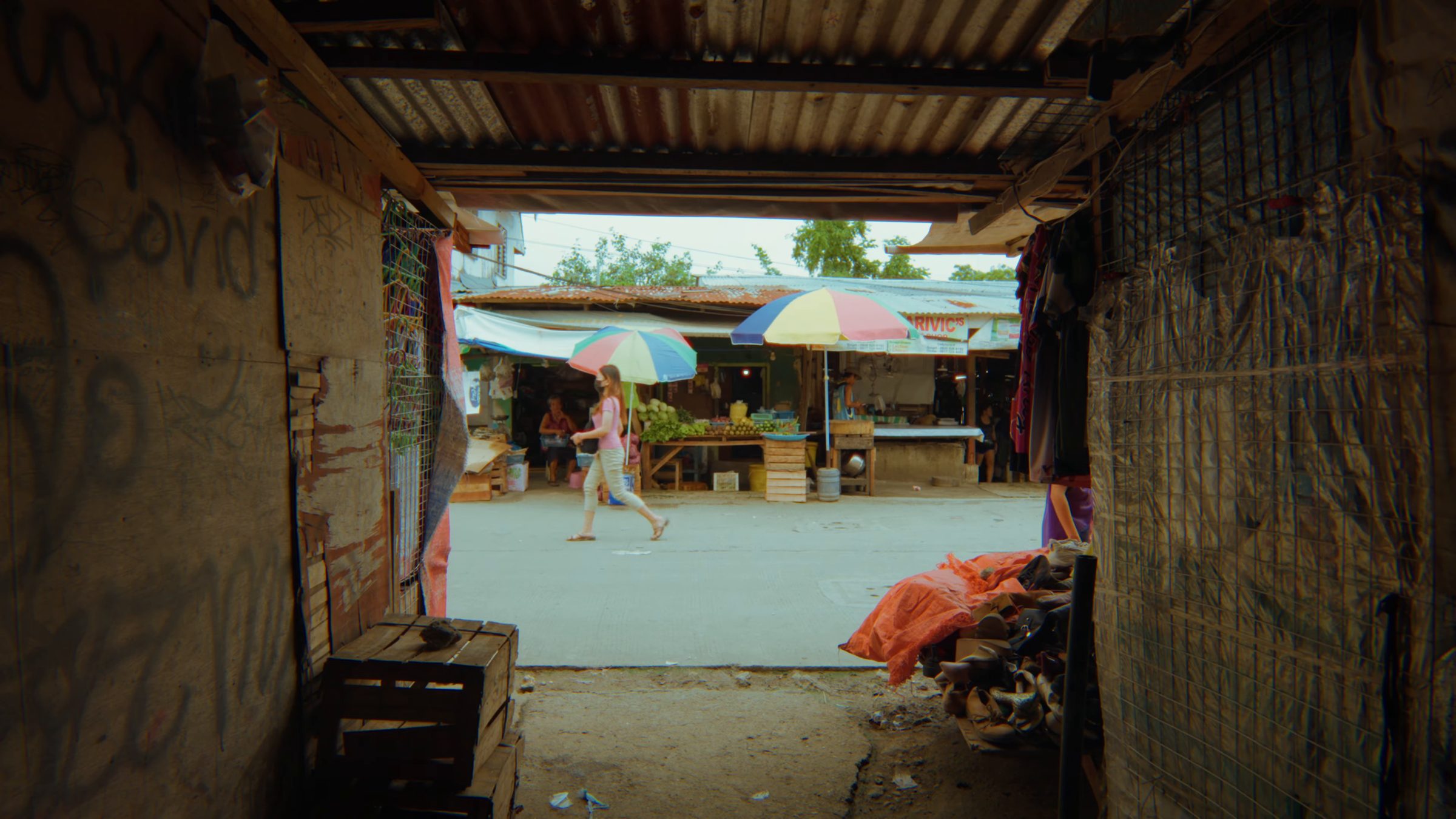
I came to the local market on the island. Fruit stalls were piled high with bunches of bananas hanging from the roof, watermelons, pineapples and even eggs. Wooden crates were being unloaded one after another from a truck. Beside a scale, a tabby cat slept soundly.
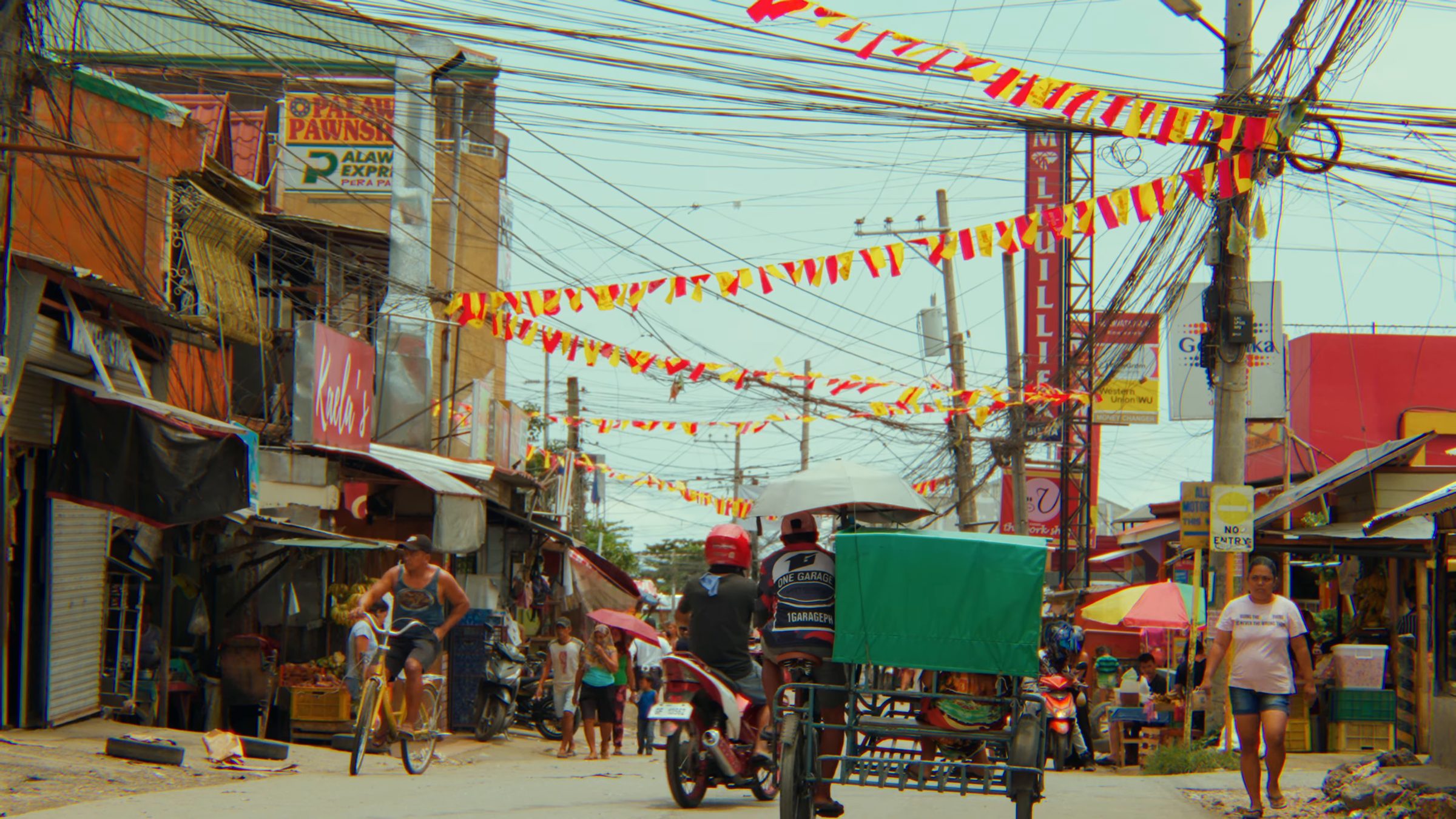
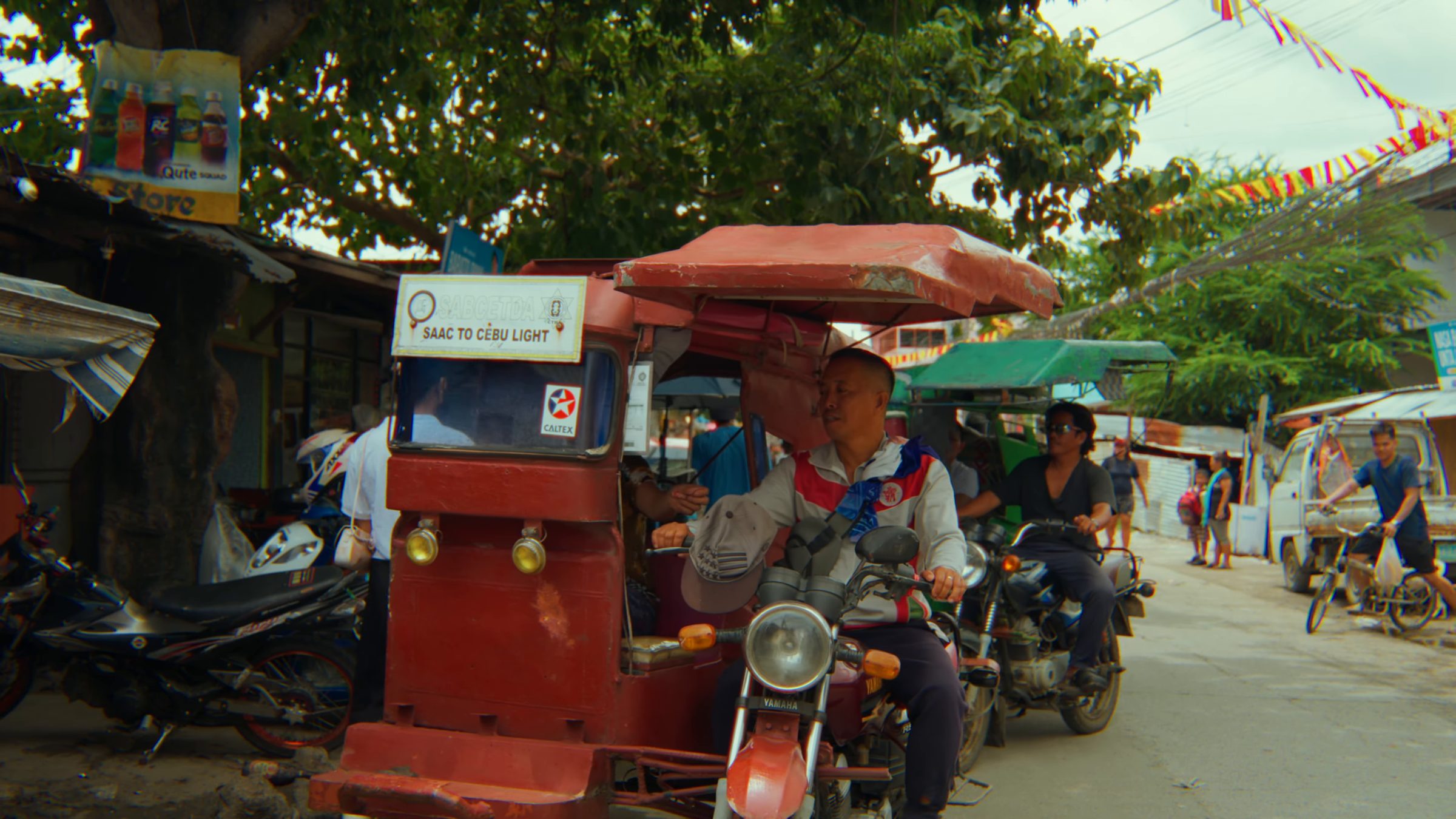
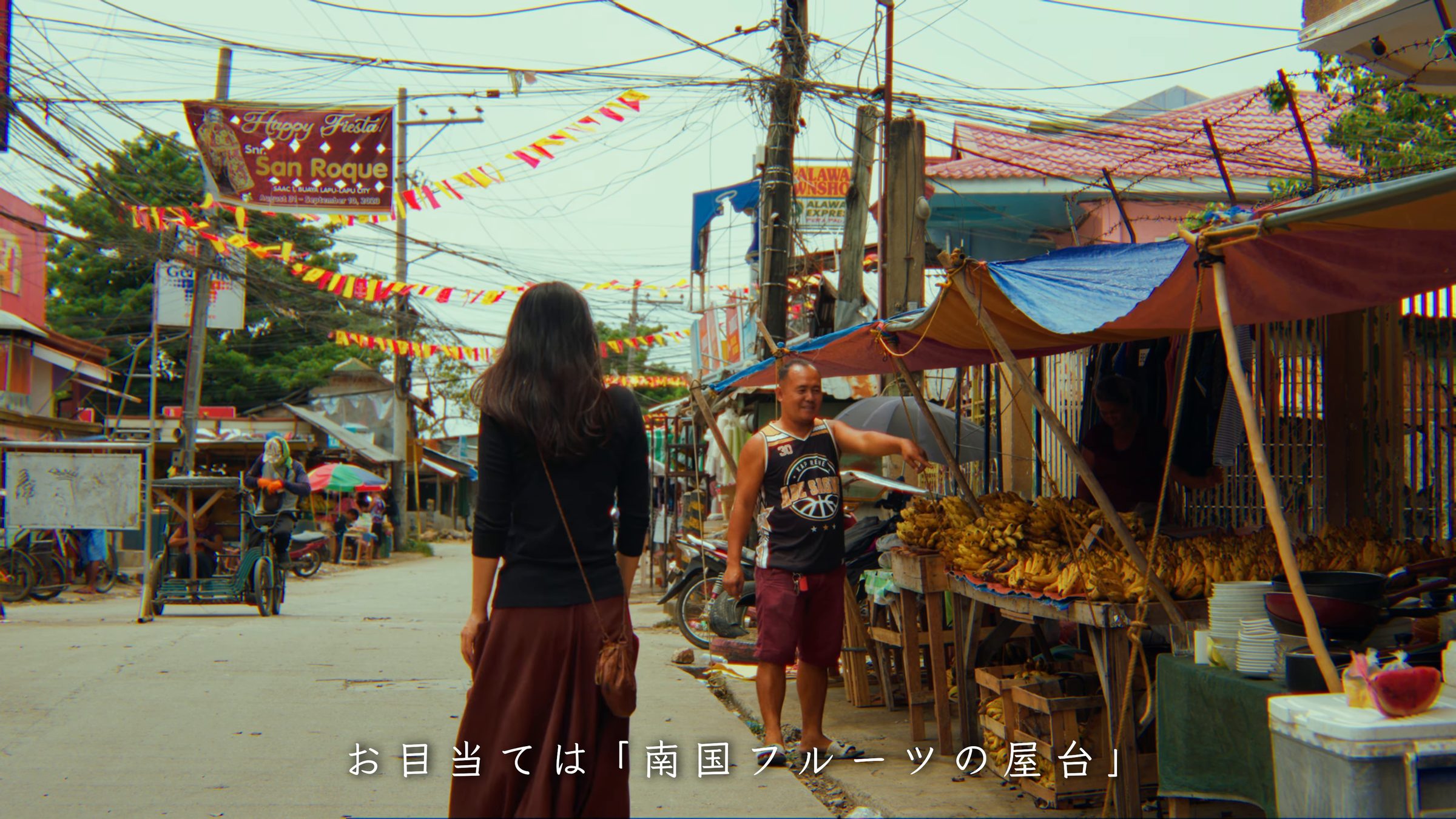
Red and yellow pennants were strung across the street, along with a banner celebrating the fiesta of San Roque. Tricycles and motorbikes came and went without a break. What I came here for was the tropical fruit stalls.
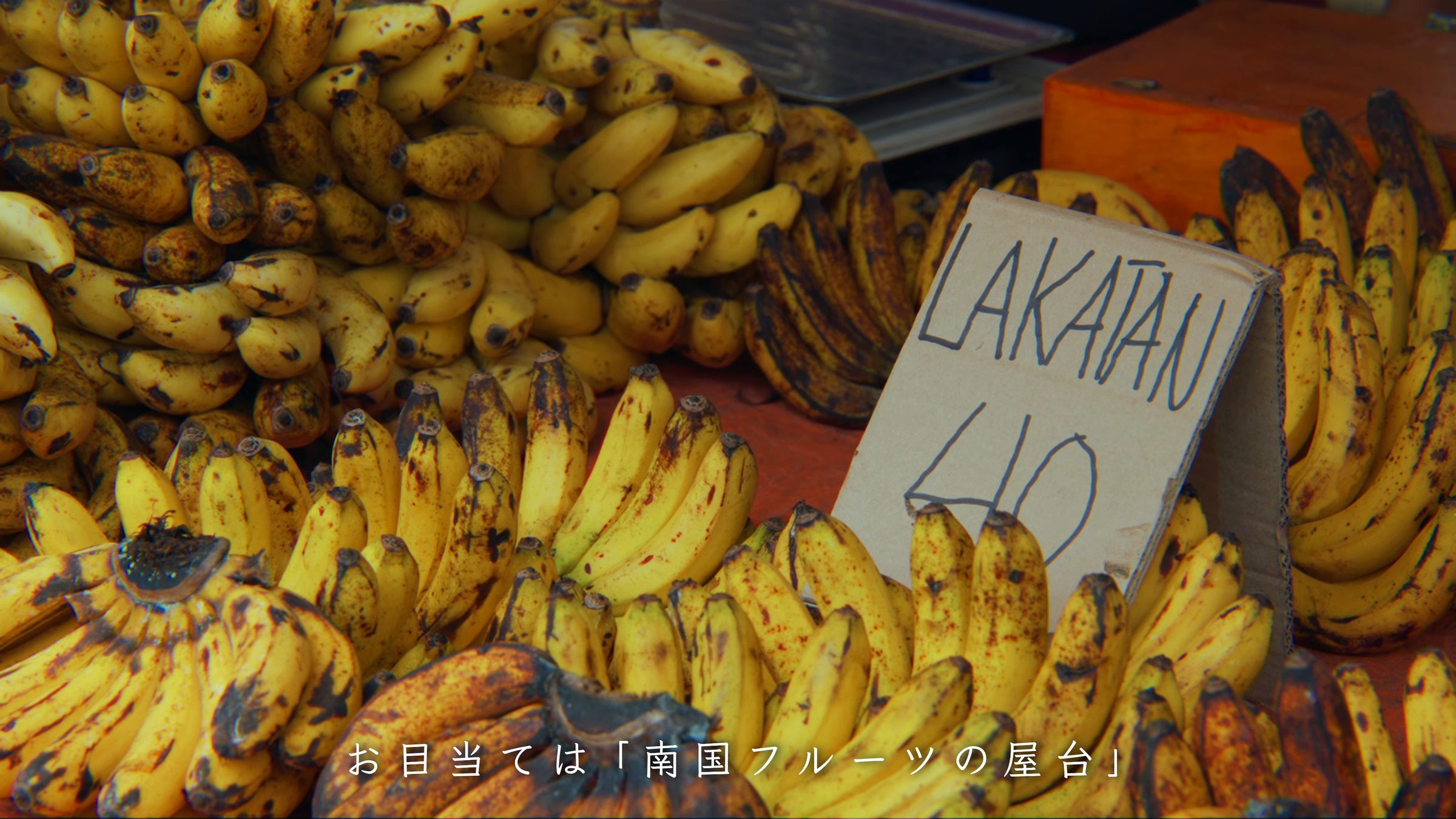
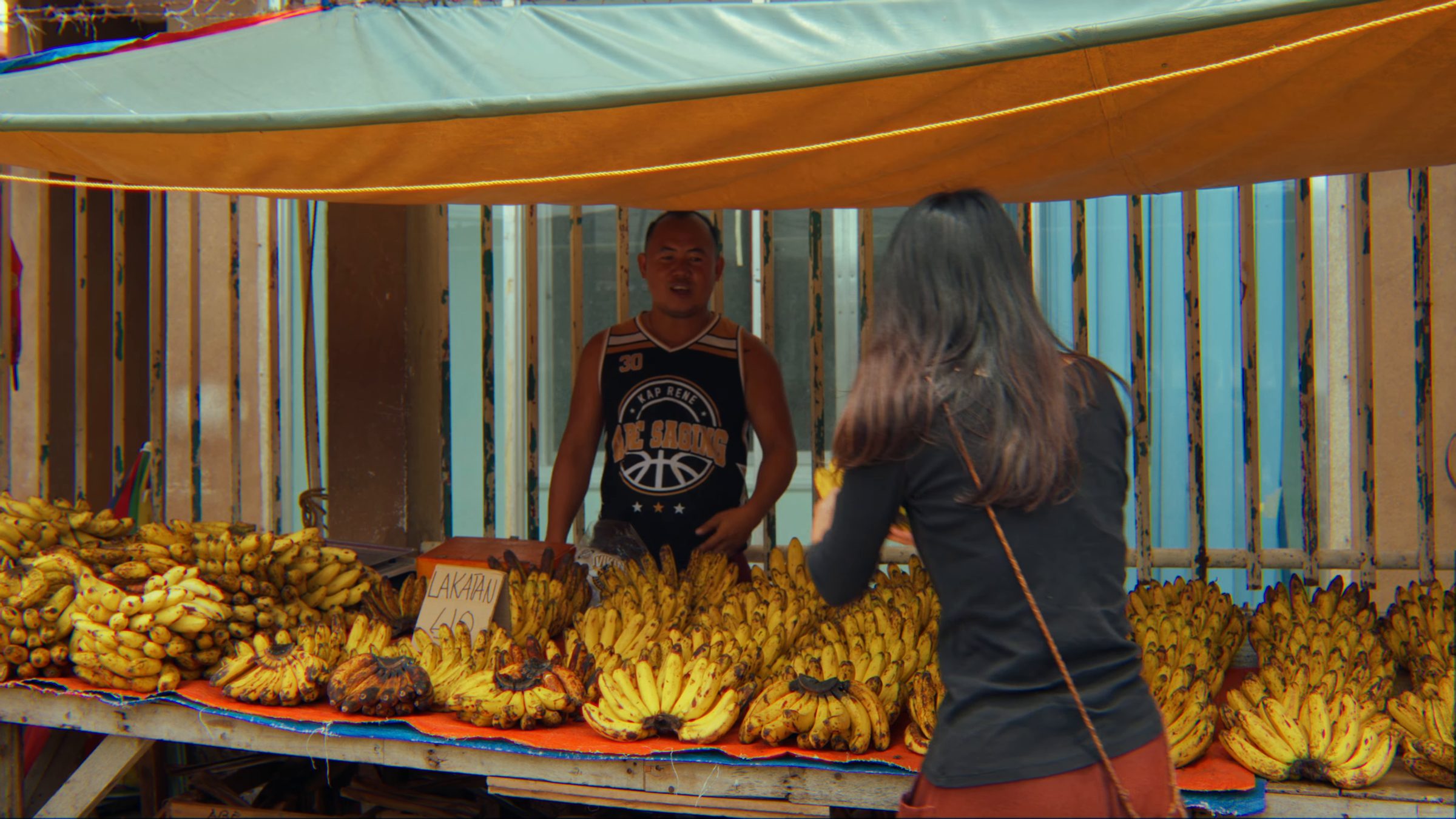
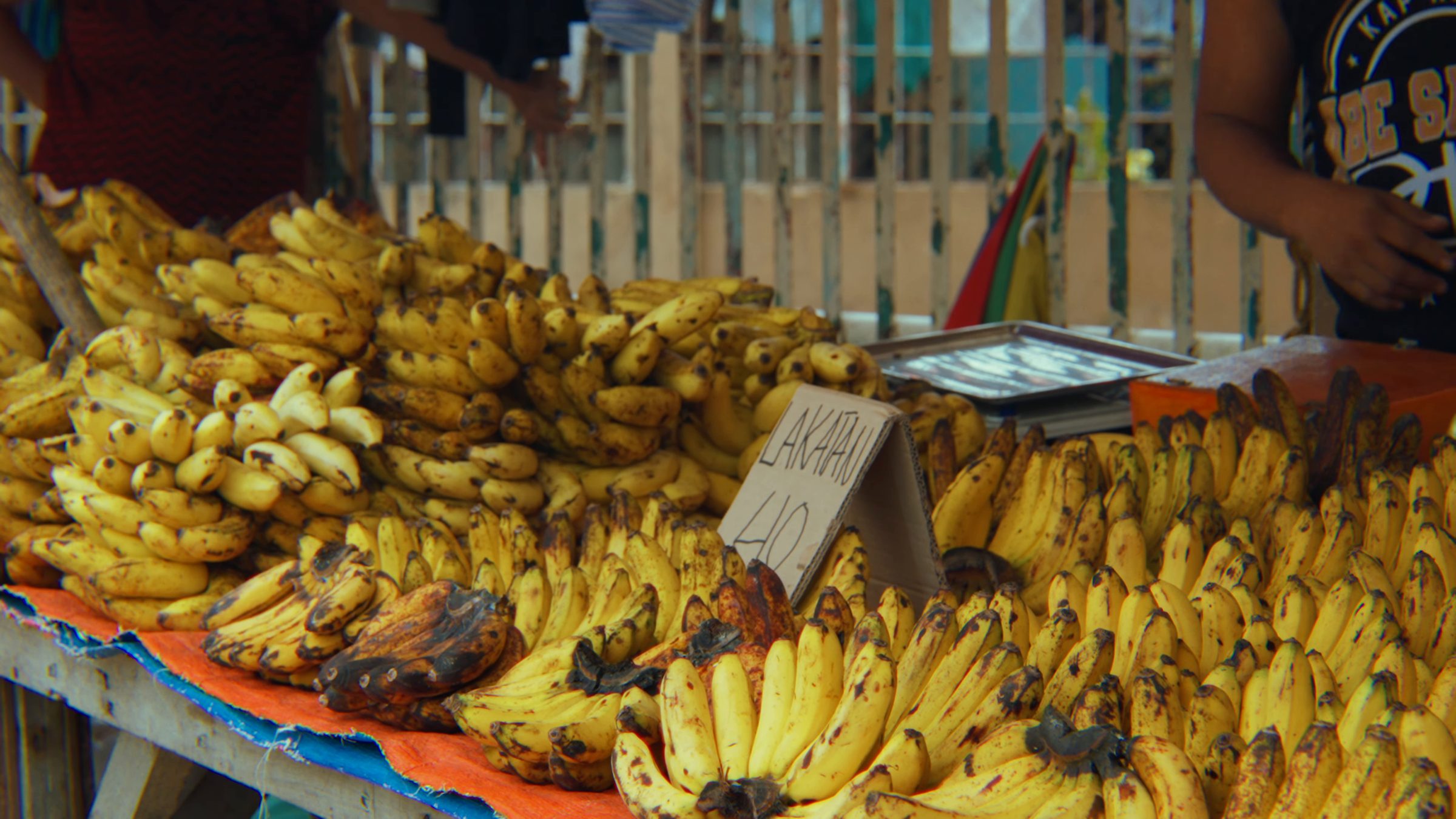
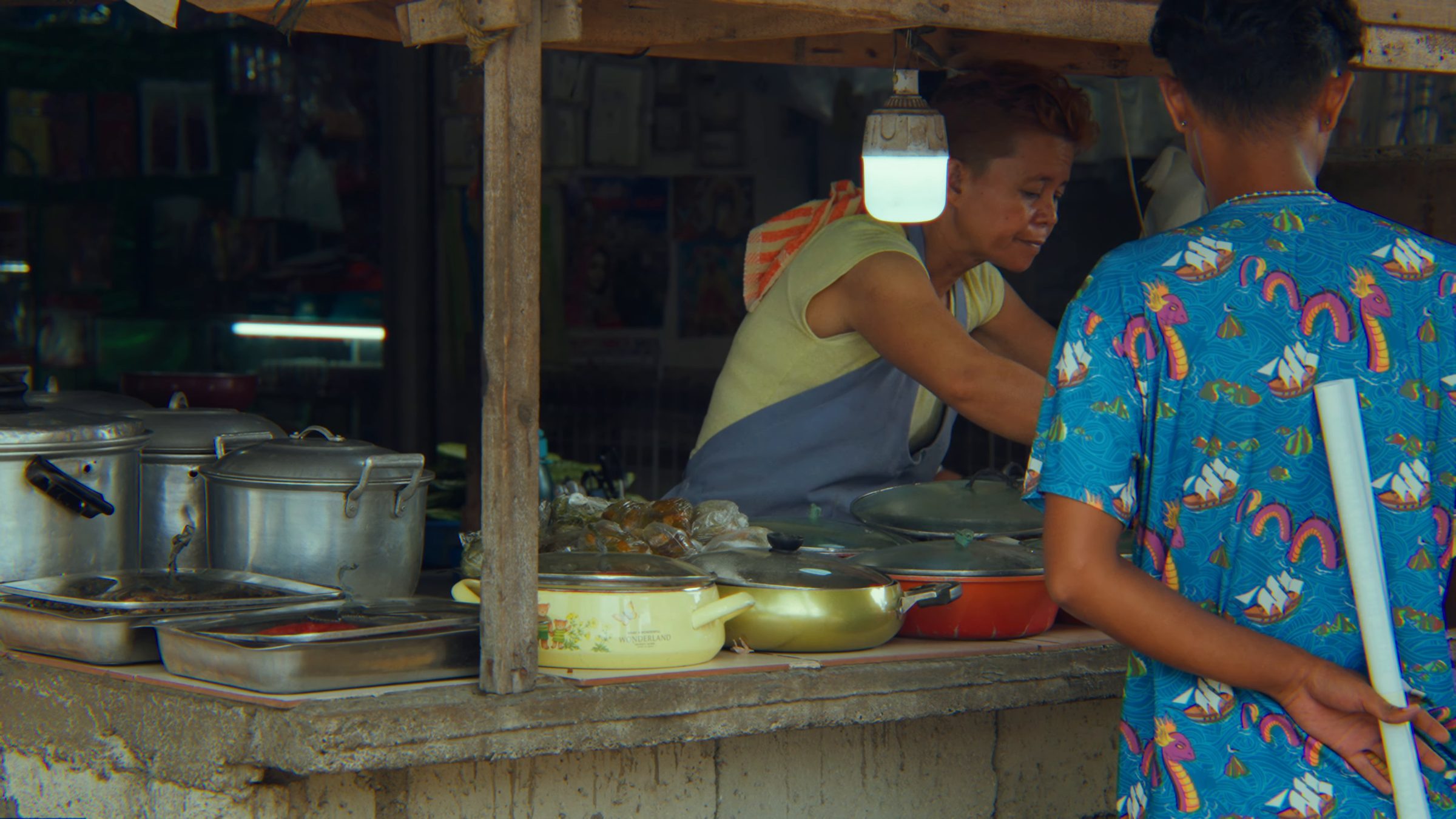
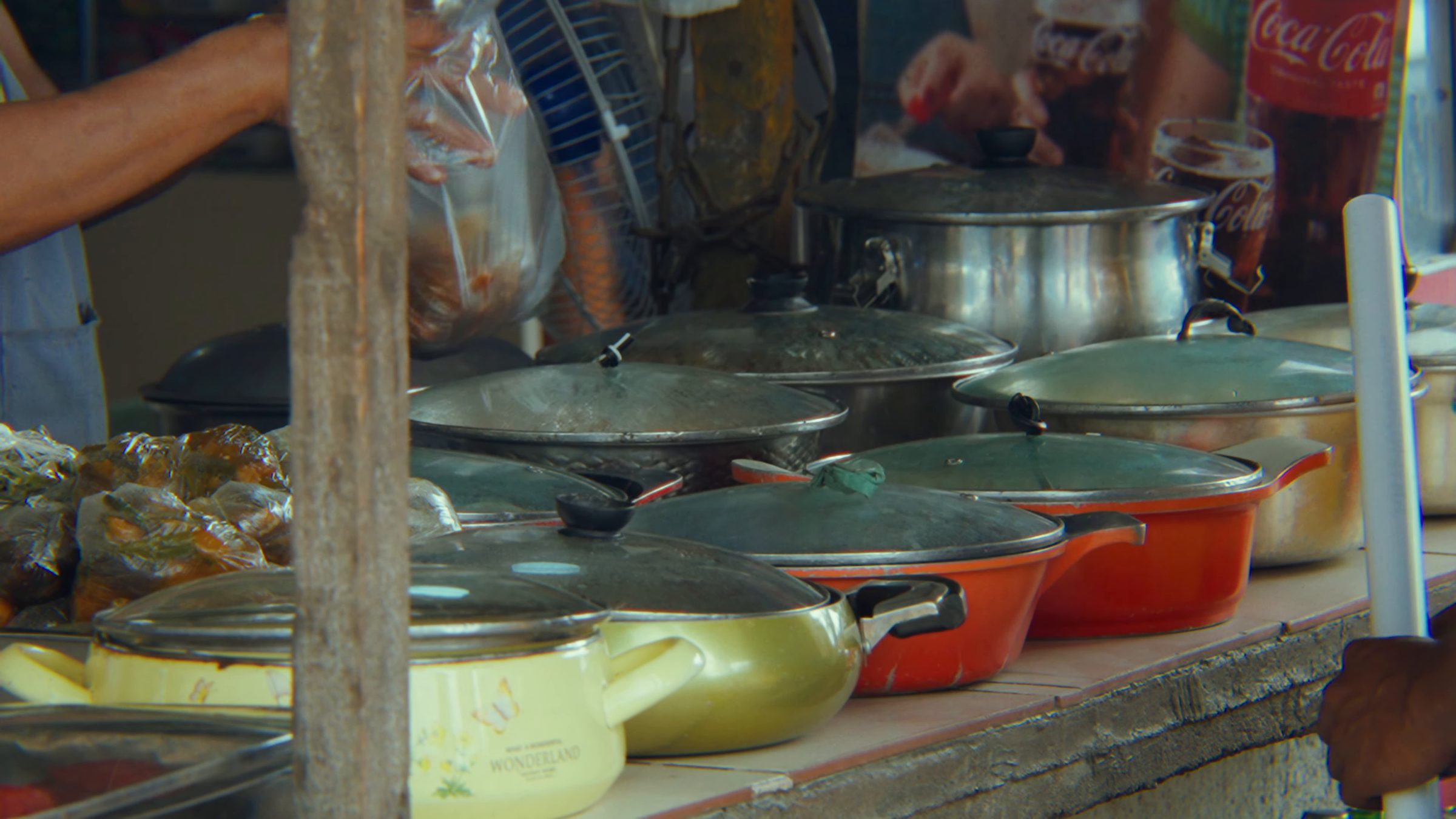
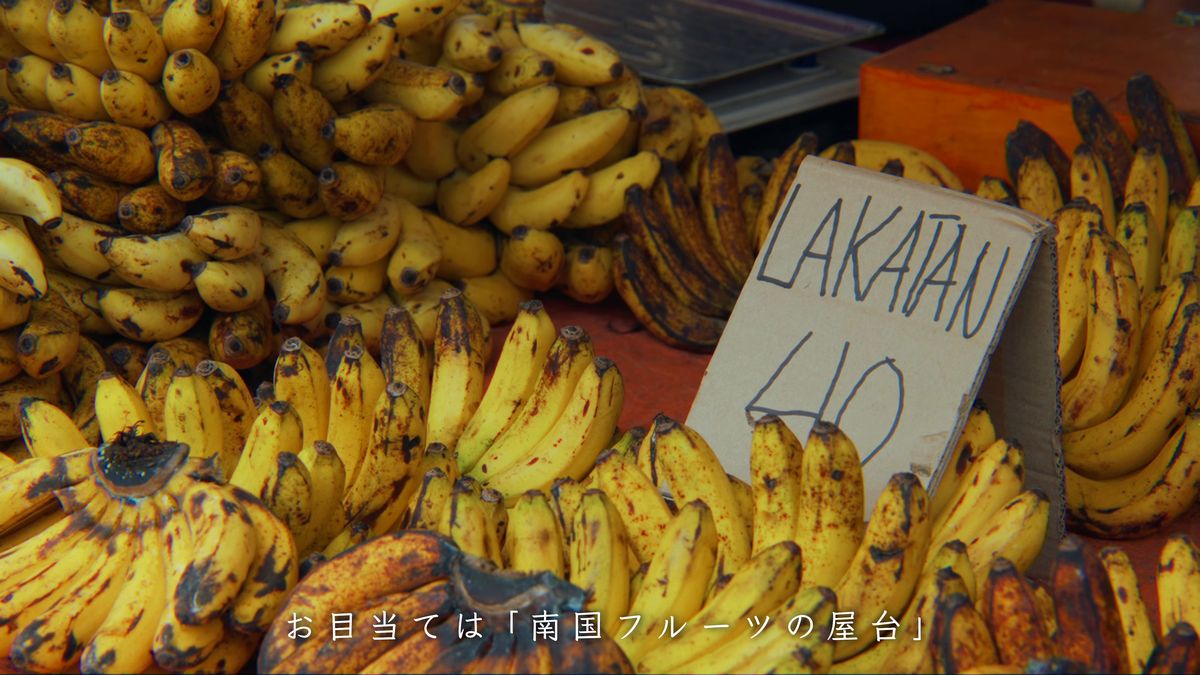
At a stall with a sign reading Lakatan, ripe bananas were laid out. Green bananas hung by the bunch, apples wrapped in netting, grapes, oranges and rambutans: fruits grown in plenty of sunshine, as far as the eye could see. Deeper in the market was an eatery with big pots lined up.
Watch this scene on YouTube2:10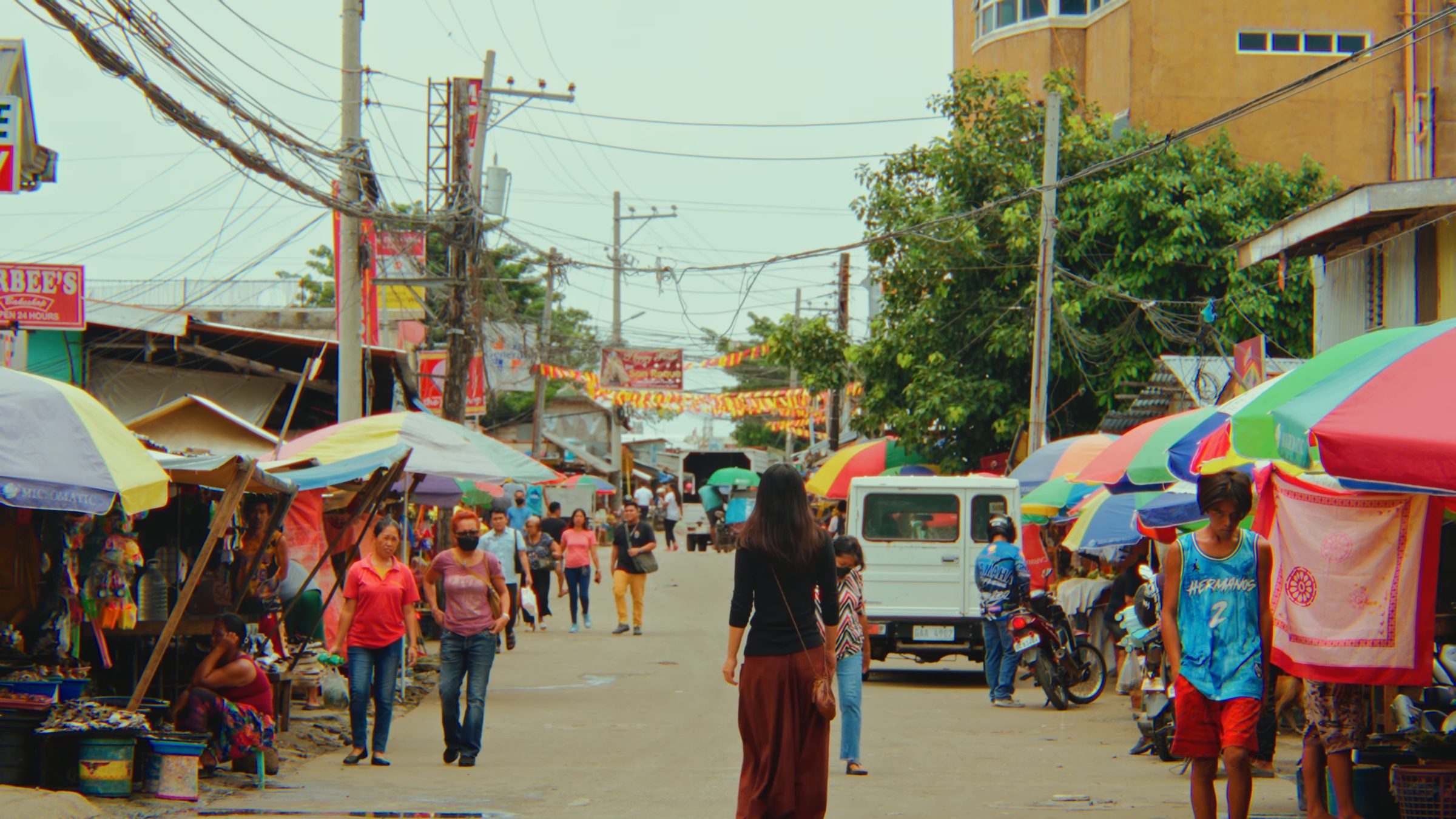
05TRAVEL JOURNAL
Pares mami, full of beef flavor
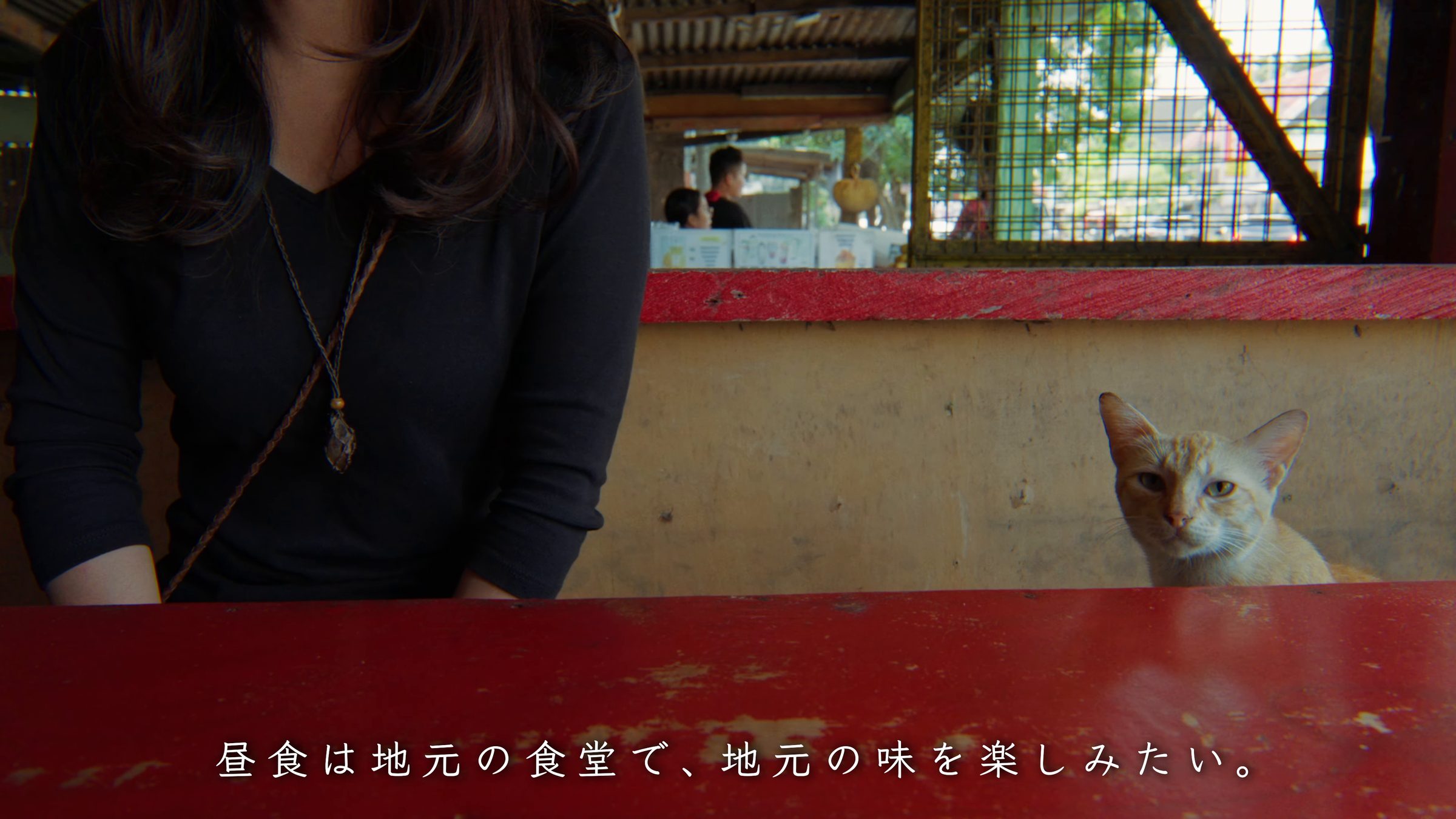
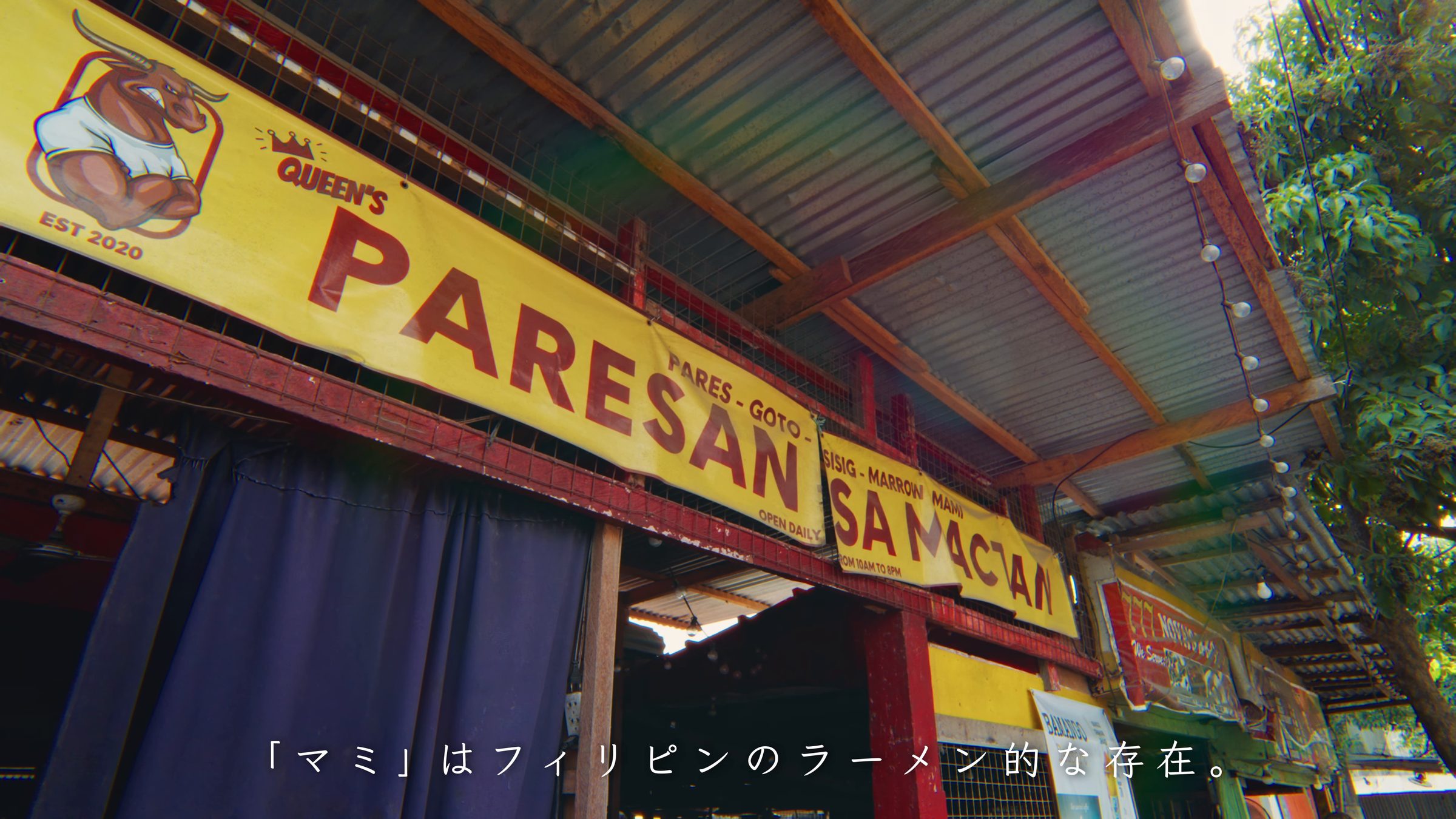
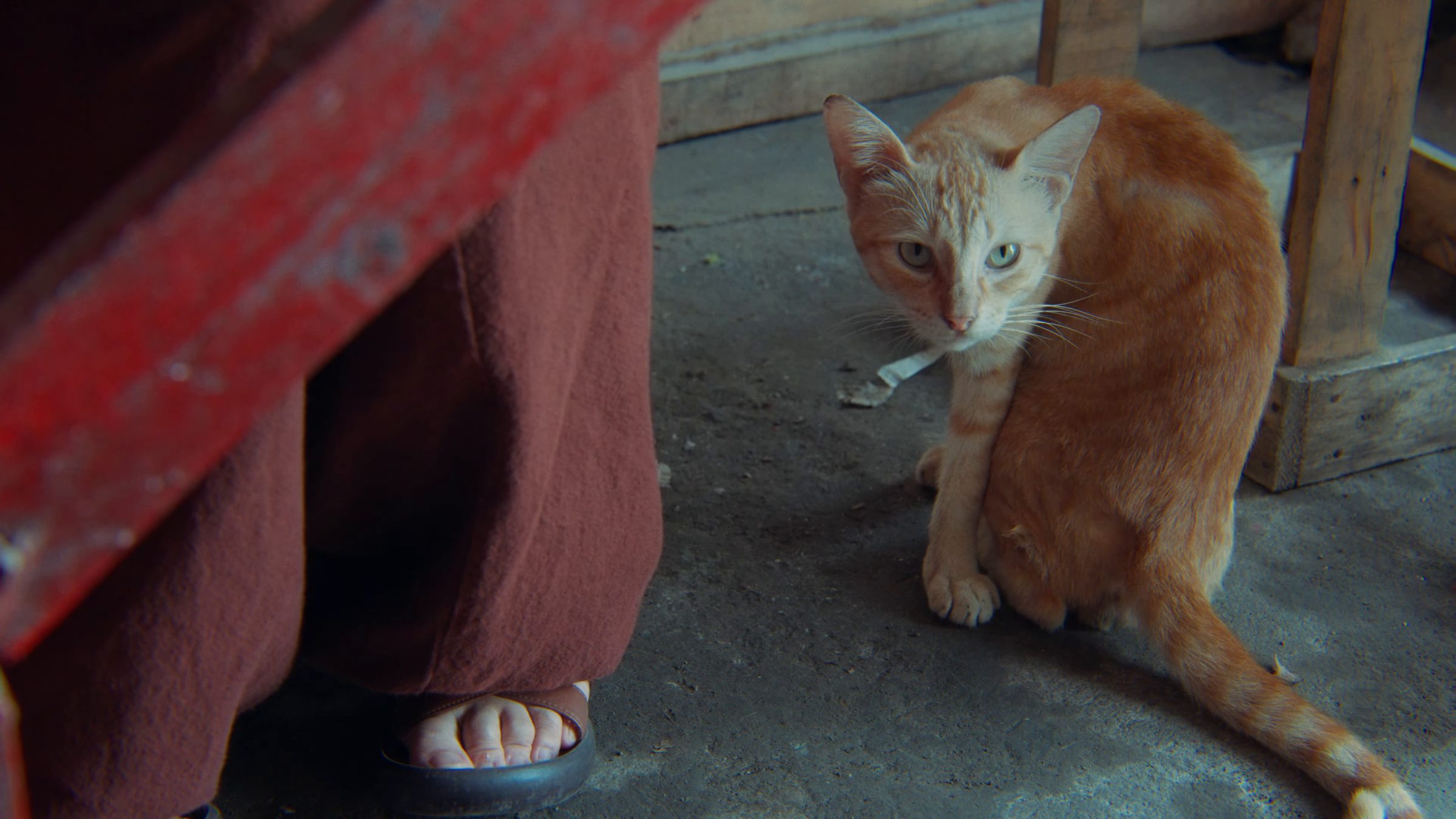
For lunch, I wanted to enjoy a homely taste at a local eatery. I stepped into a pares diner with a yellow sign. When I sat down at a red table, a cat peeked over from the other side.
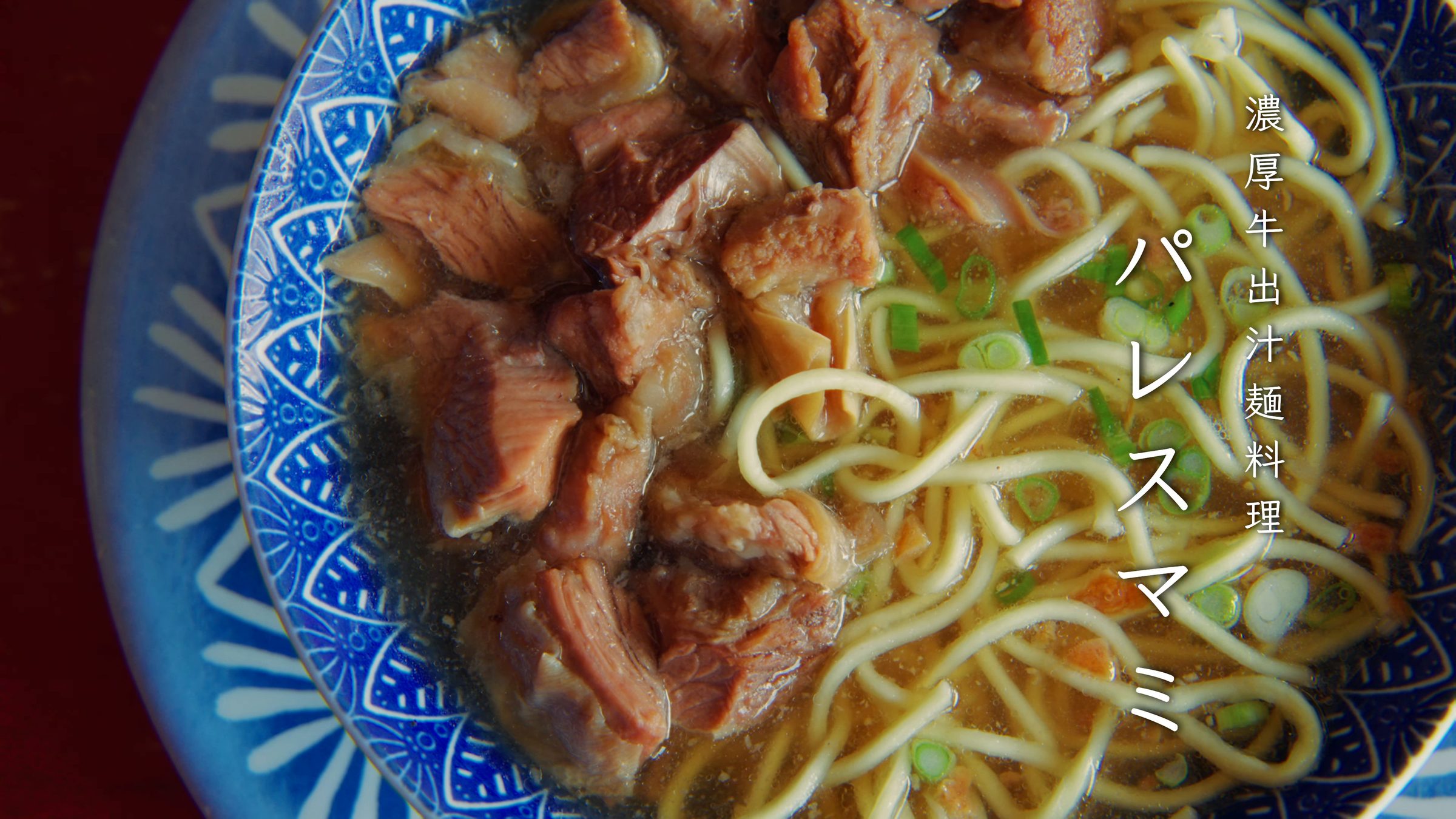
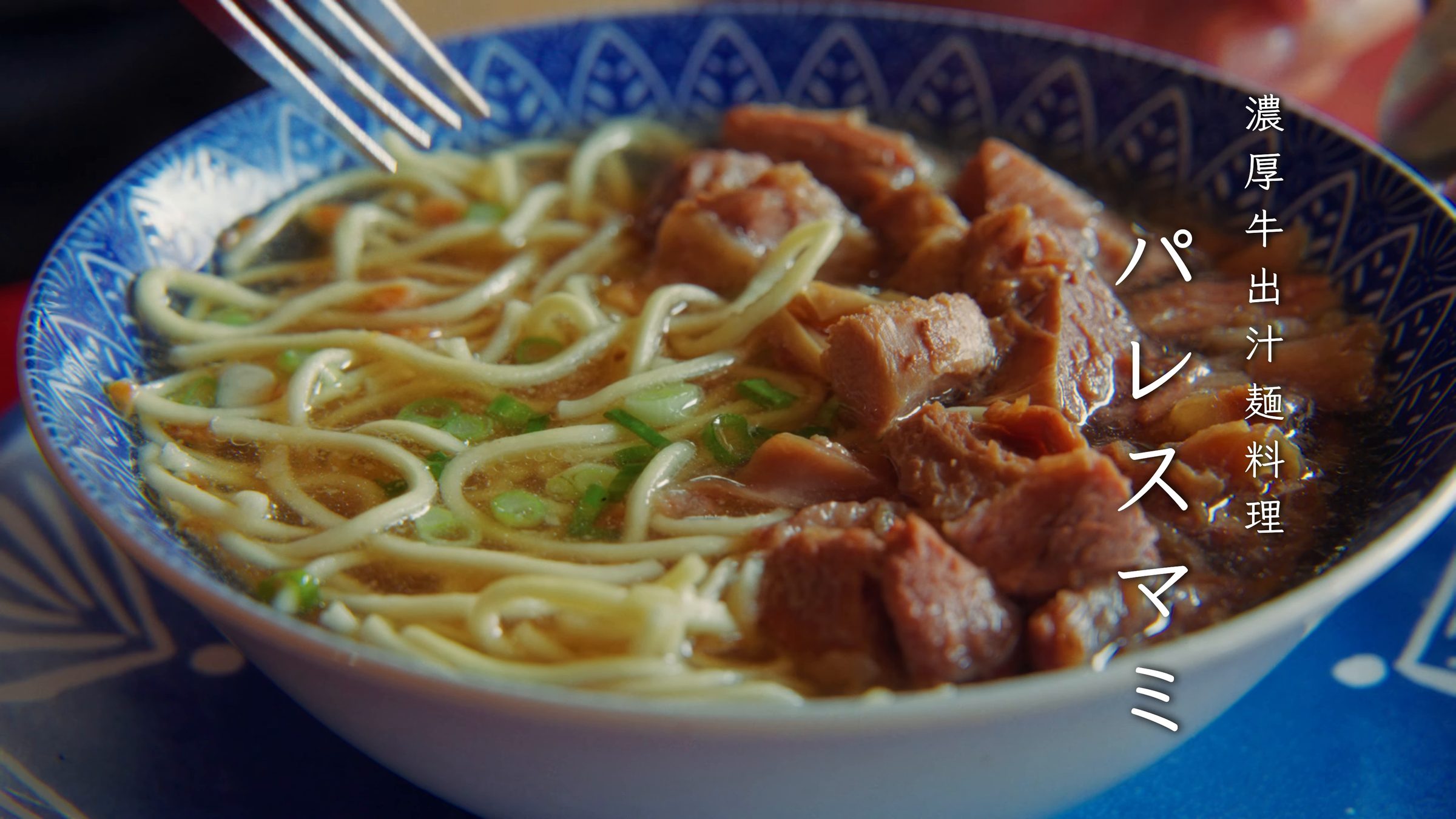
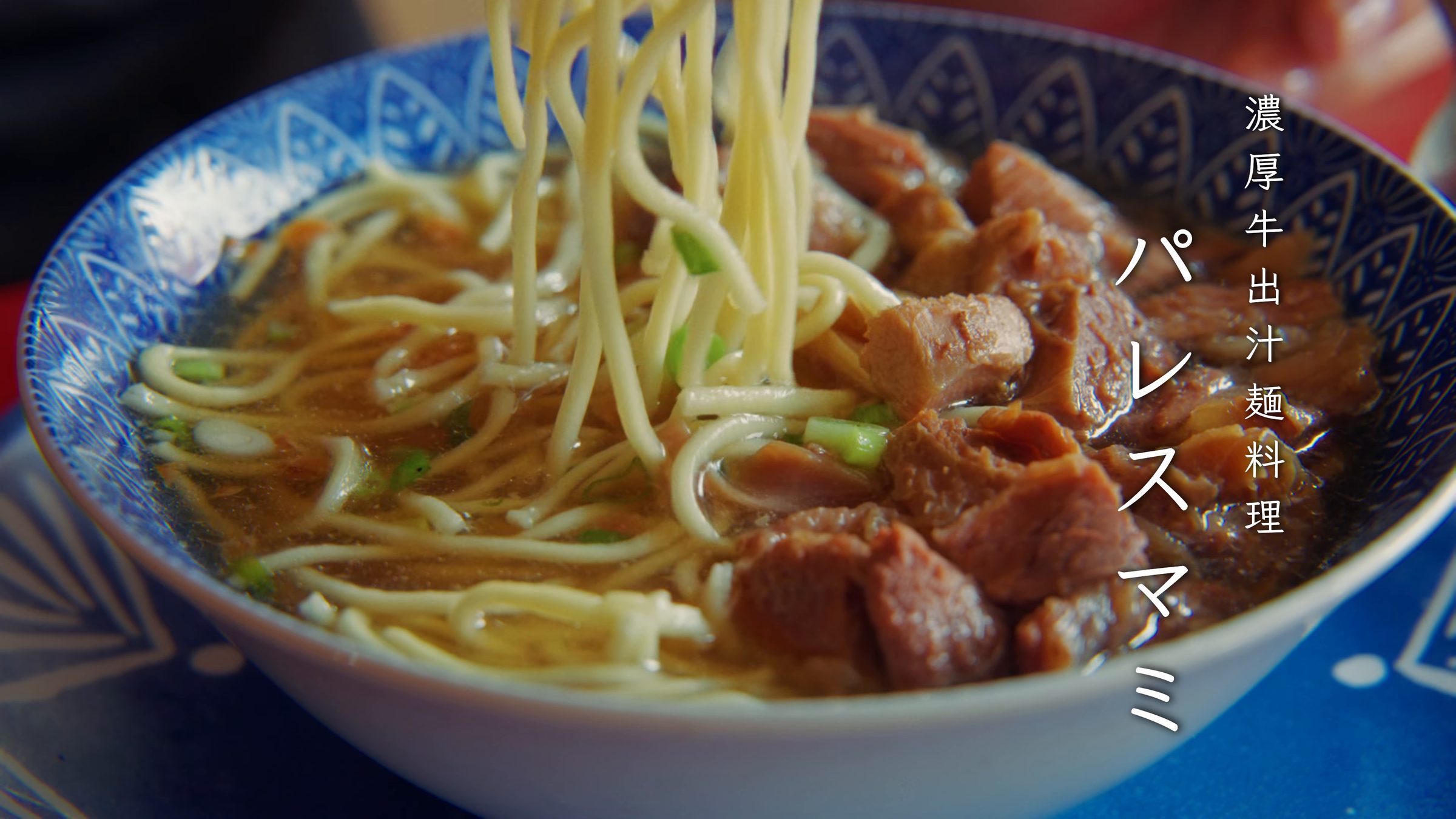
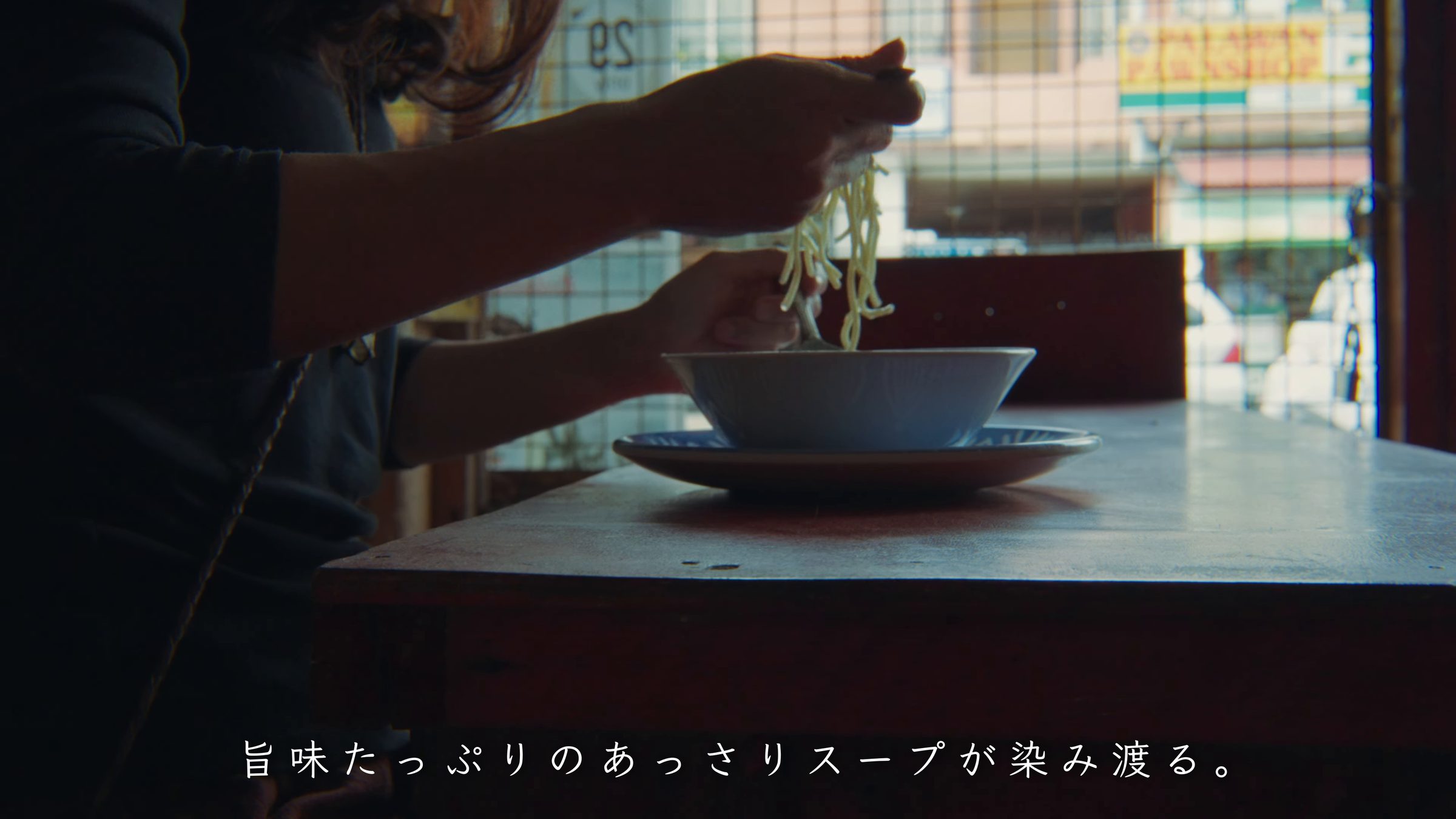
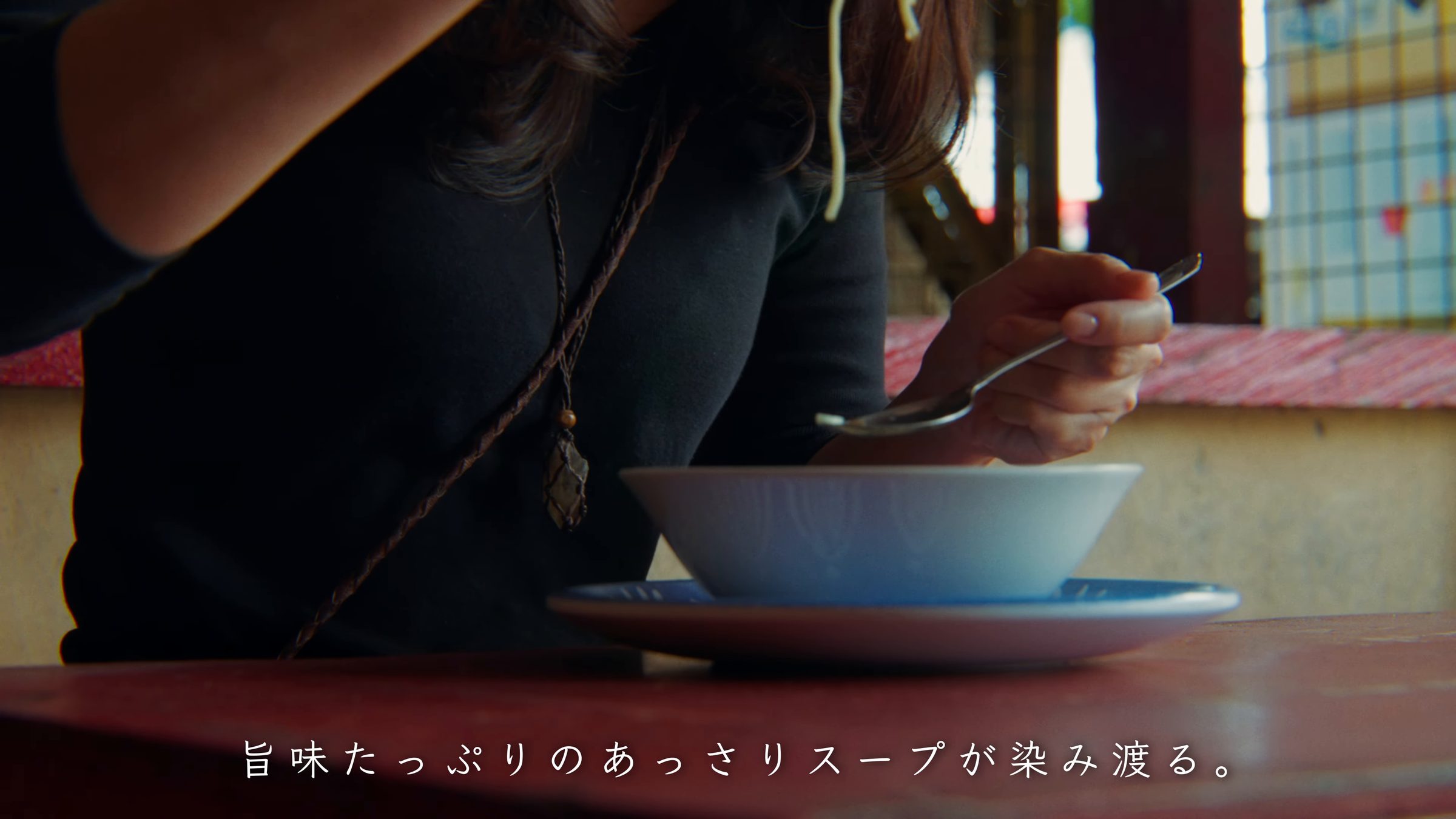
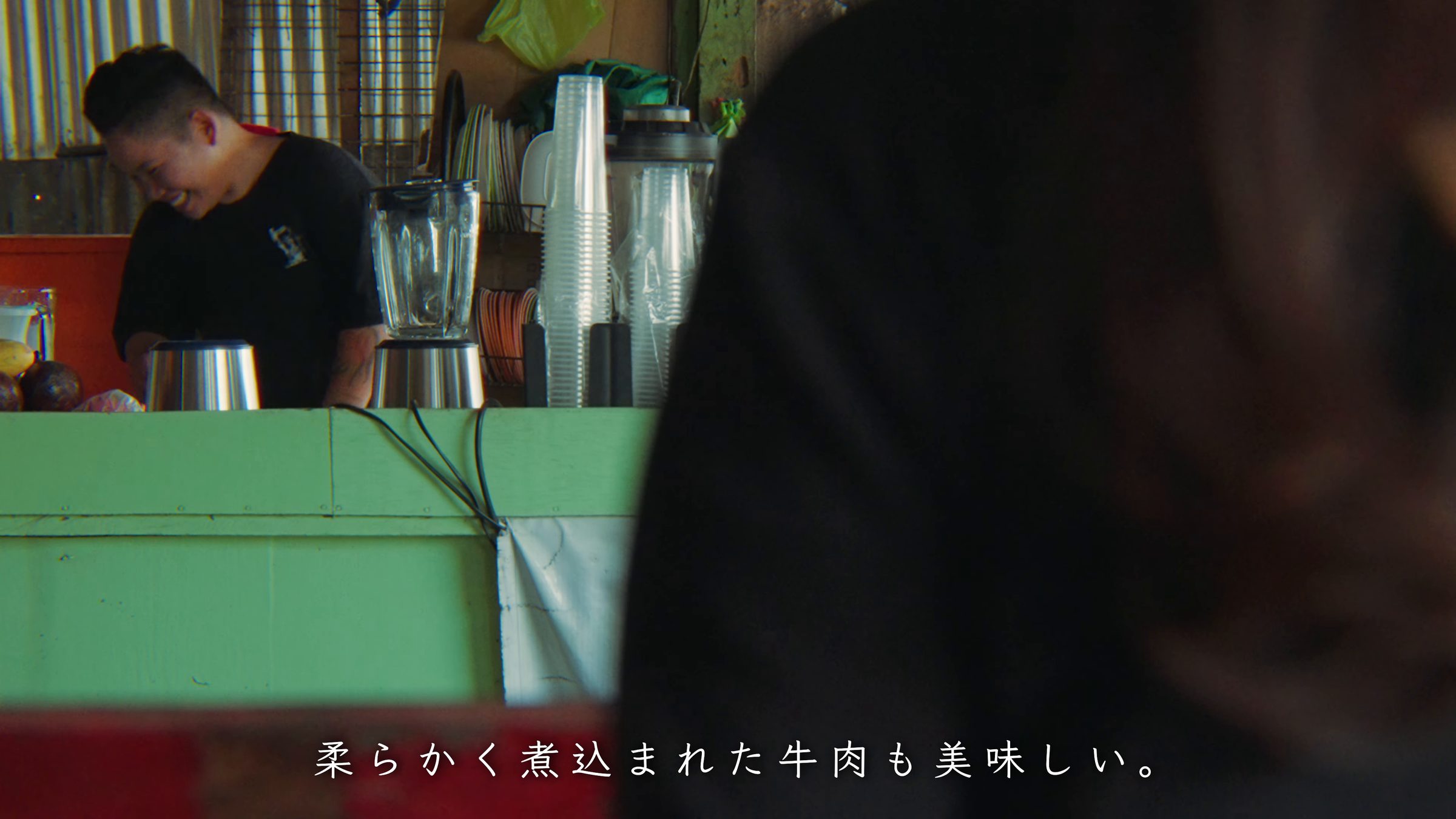
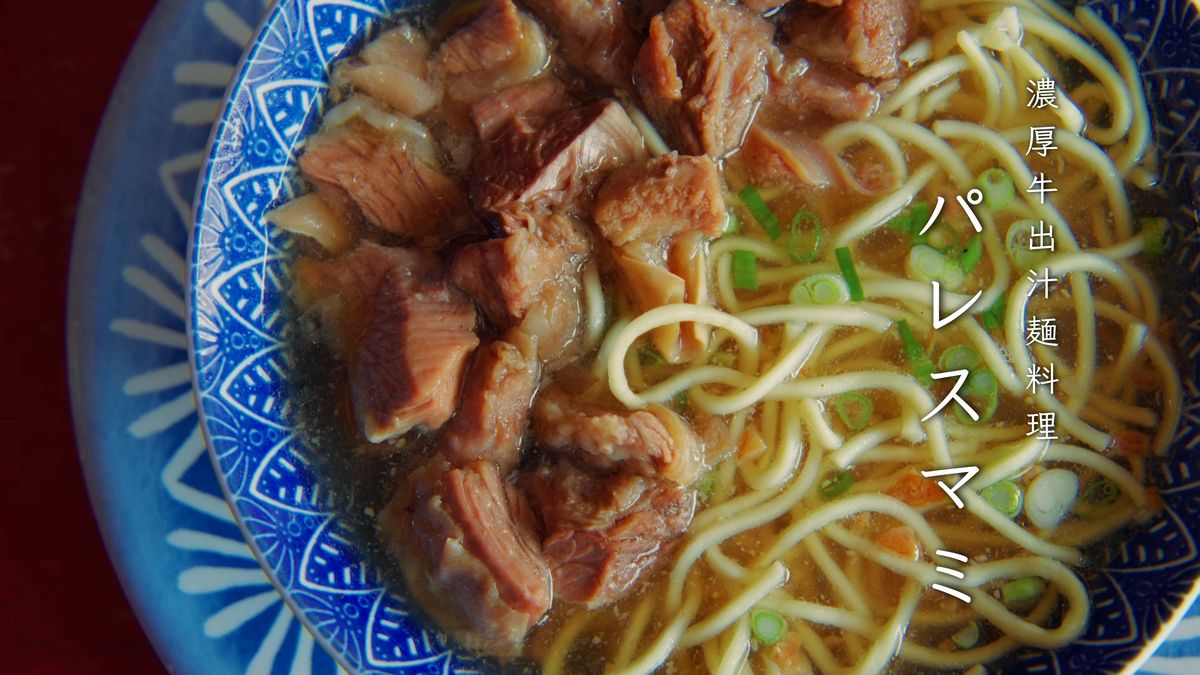
What arrived was pares mami: pares, beef braised in sweet soy sauce, combined with mami, a noodle soup that is something like ramen in the Philippines. The soup, scattered with green onion, was full of the flavor of beef yet light, and it soaked right into me.
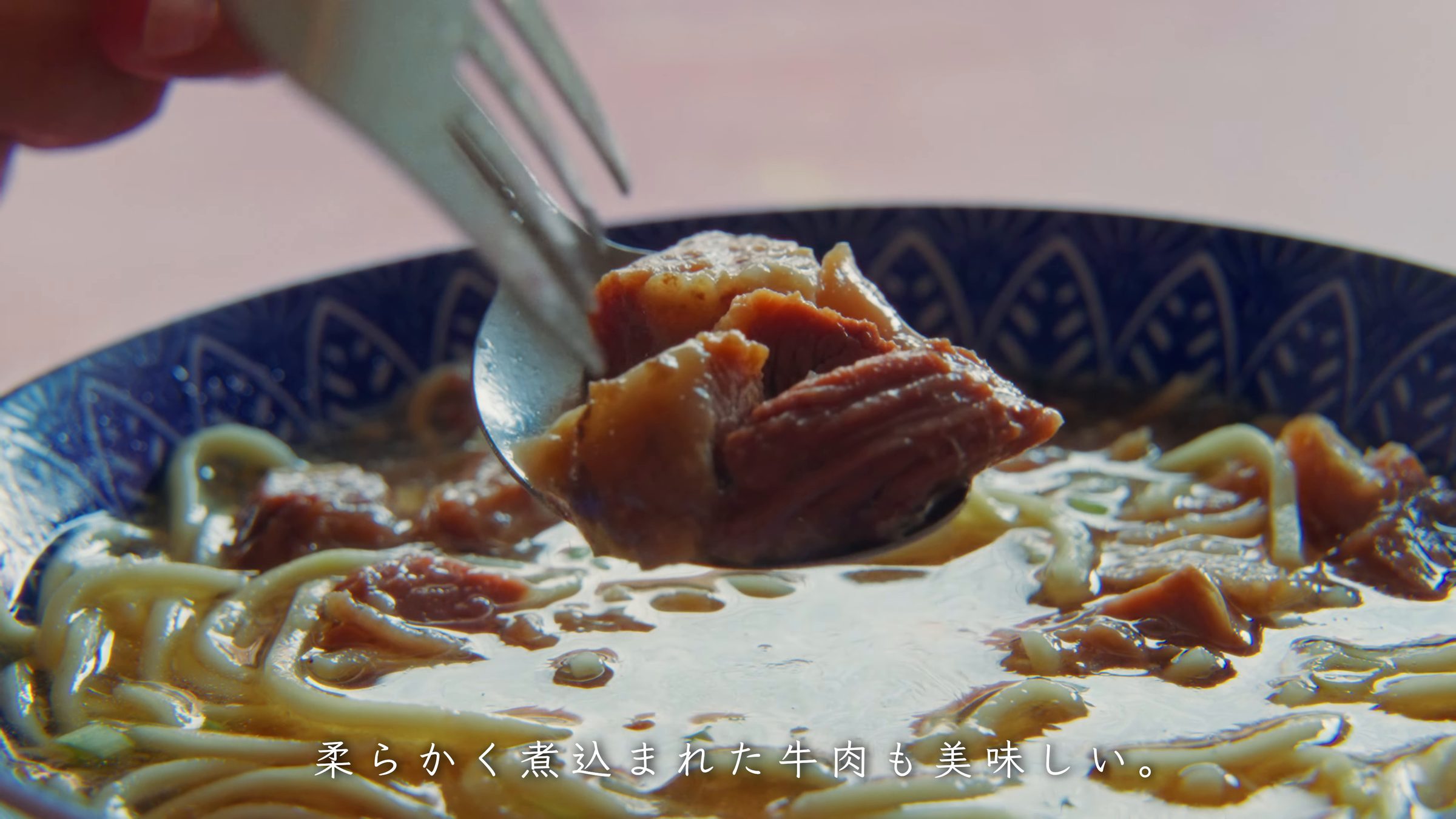
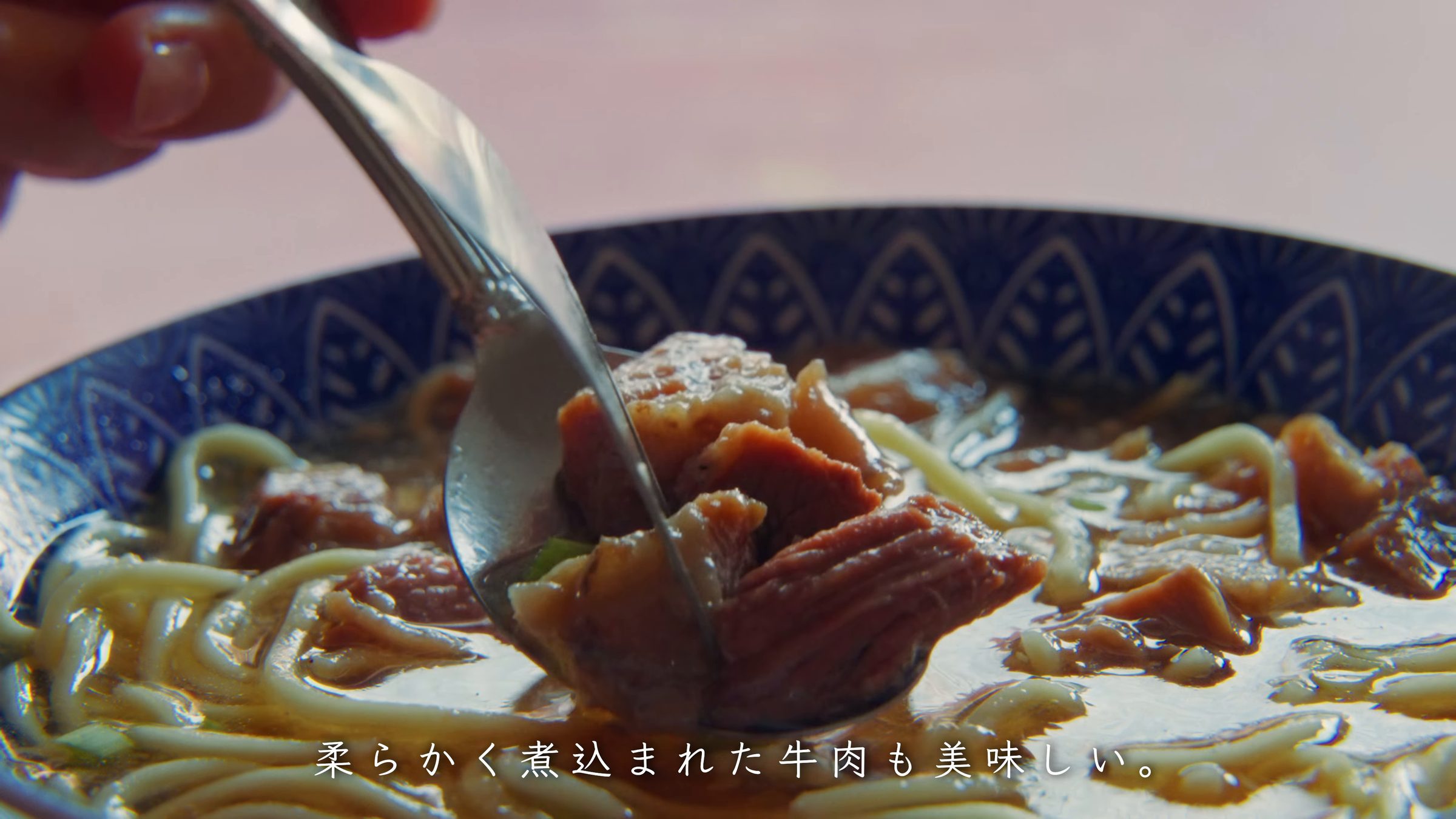
The tender, stewed beef was delicious too. For someone who loves slow-cooked food, it was irresistible. At my feet, an orange tabby was waiting for scraps.
Watch this scene on YouTube3:15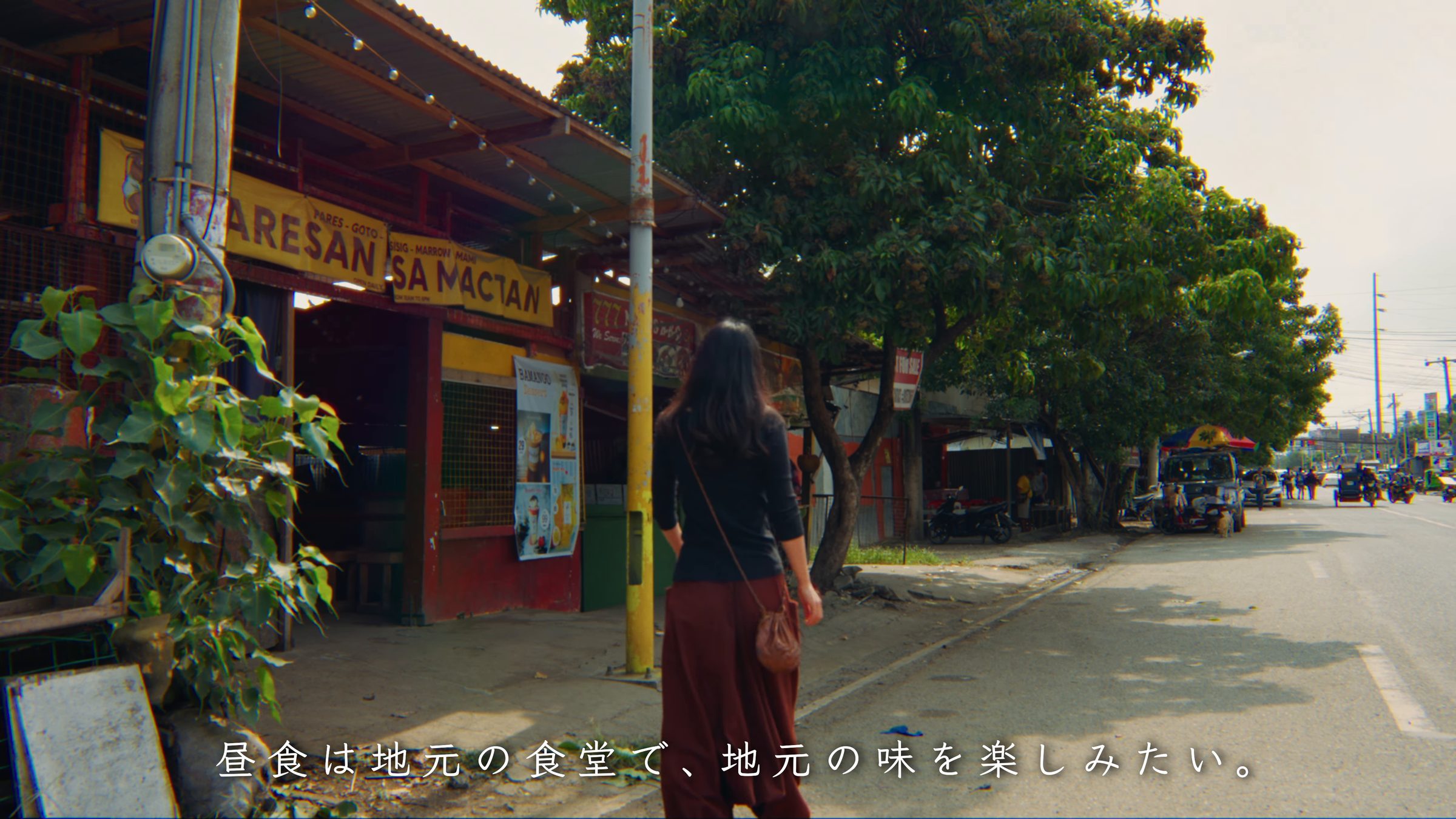
06TRAVEL JOURNAL
Halo-halo: mix well and enjoy
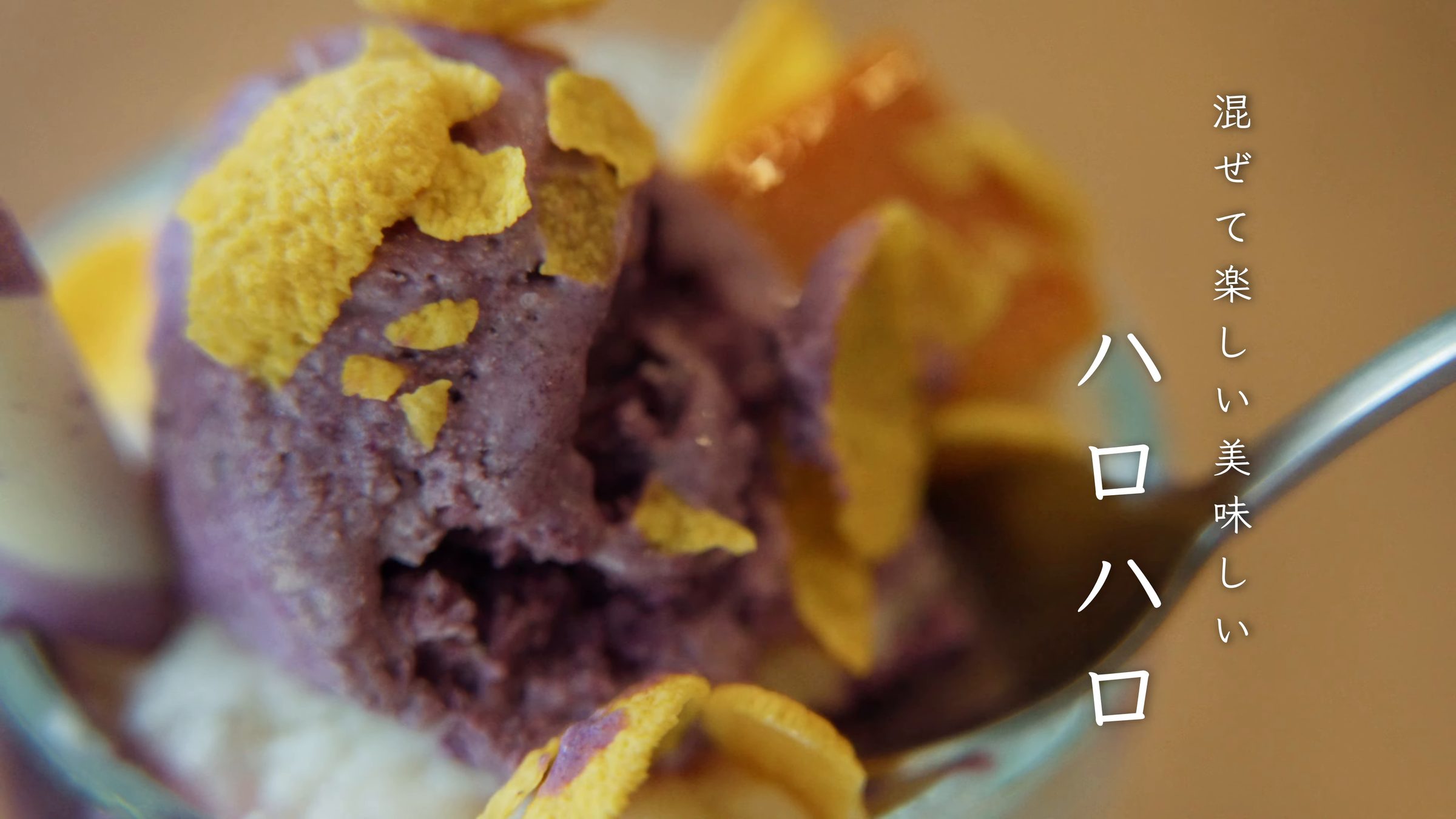
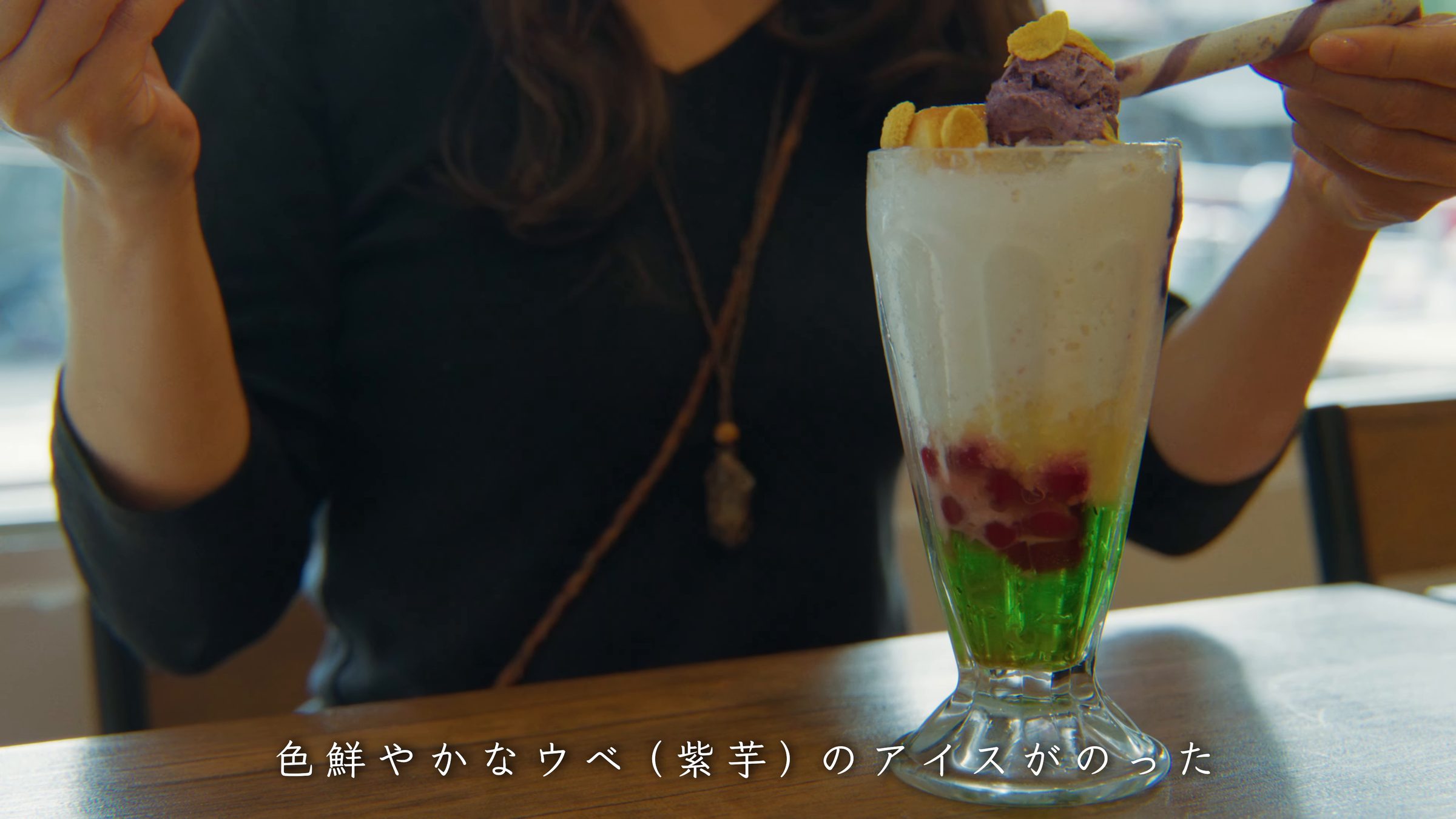
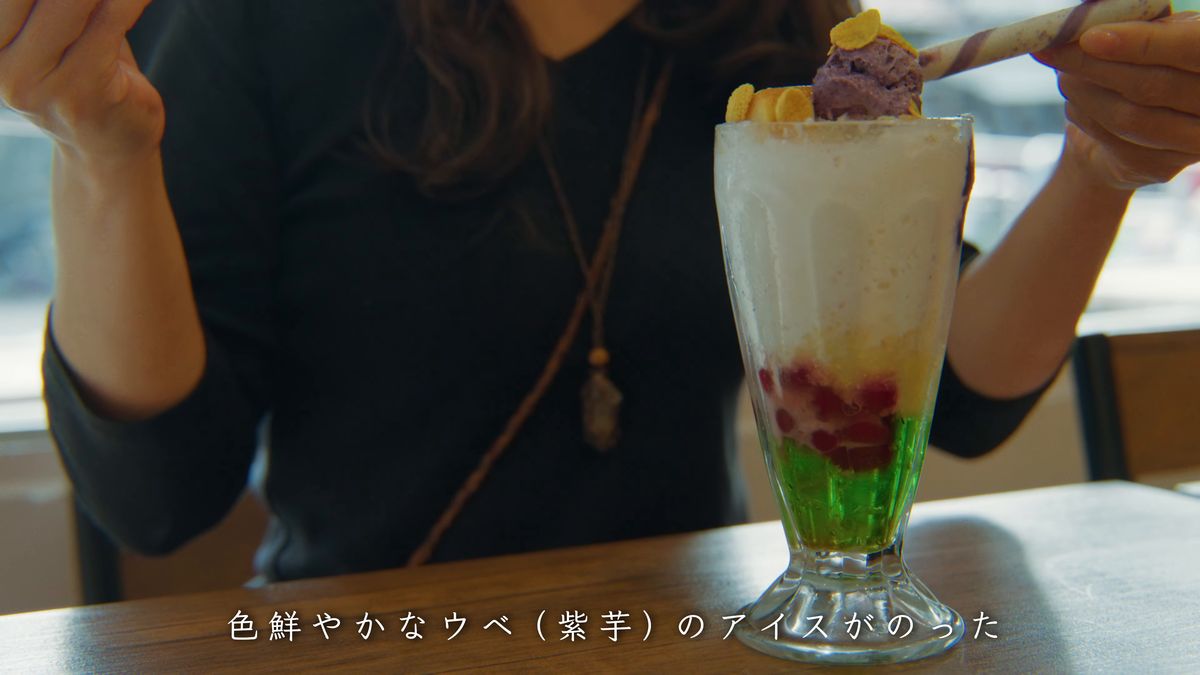
For dessert, halo-halo: a sweet loaded with toppings that represents the Philippines. On top of the shaved ice sat brightly colored ube (purple yam) ice cream, cornflakes and something like a yellow custard.
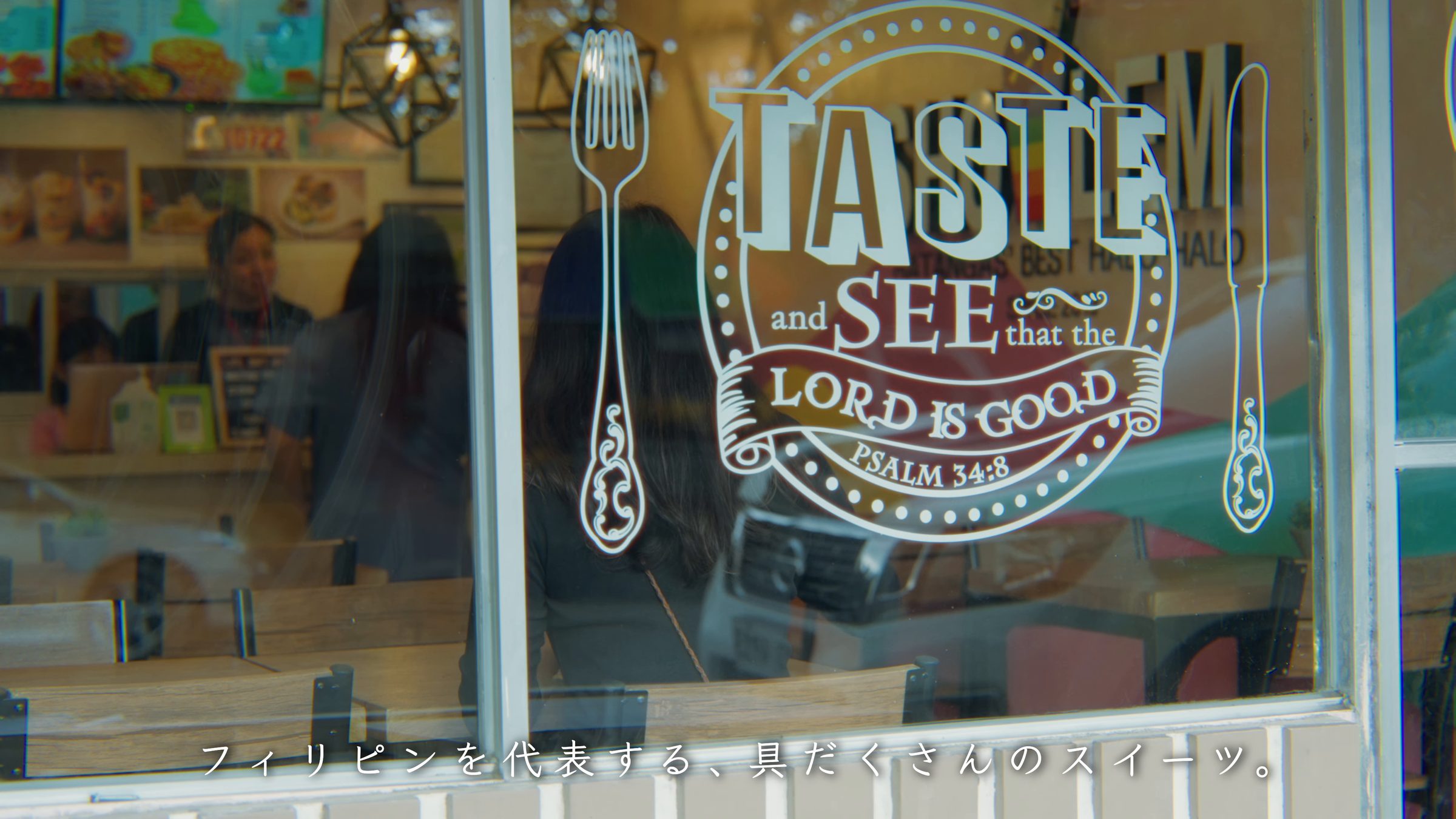
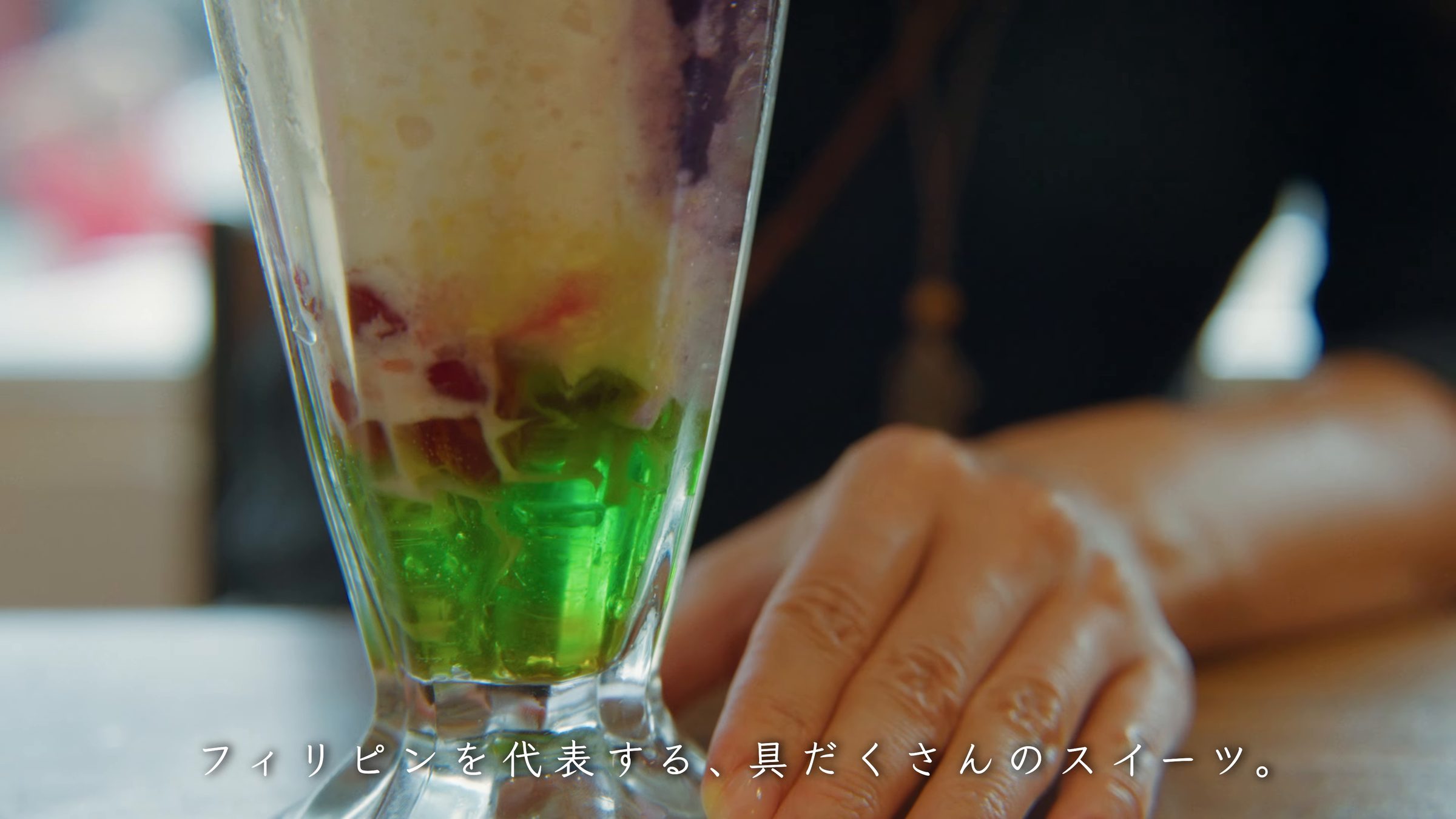
At the bottom of the glass were green jelly and red beads. I heard that halo-halo means "mixed," and the proper way is to stir everything together before eating. Still, curious about each topping, I couldn't help scooping them up one by one. Not too sweet, and impossible to stop eating. A verse from the Bible was painted on the shop window.
Watch this scene on YouTube3:57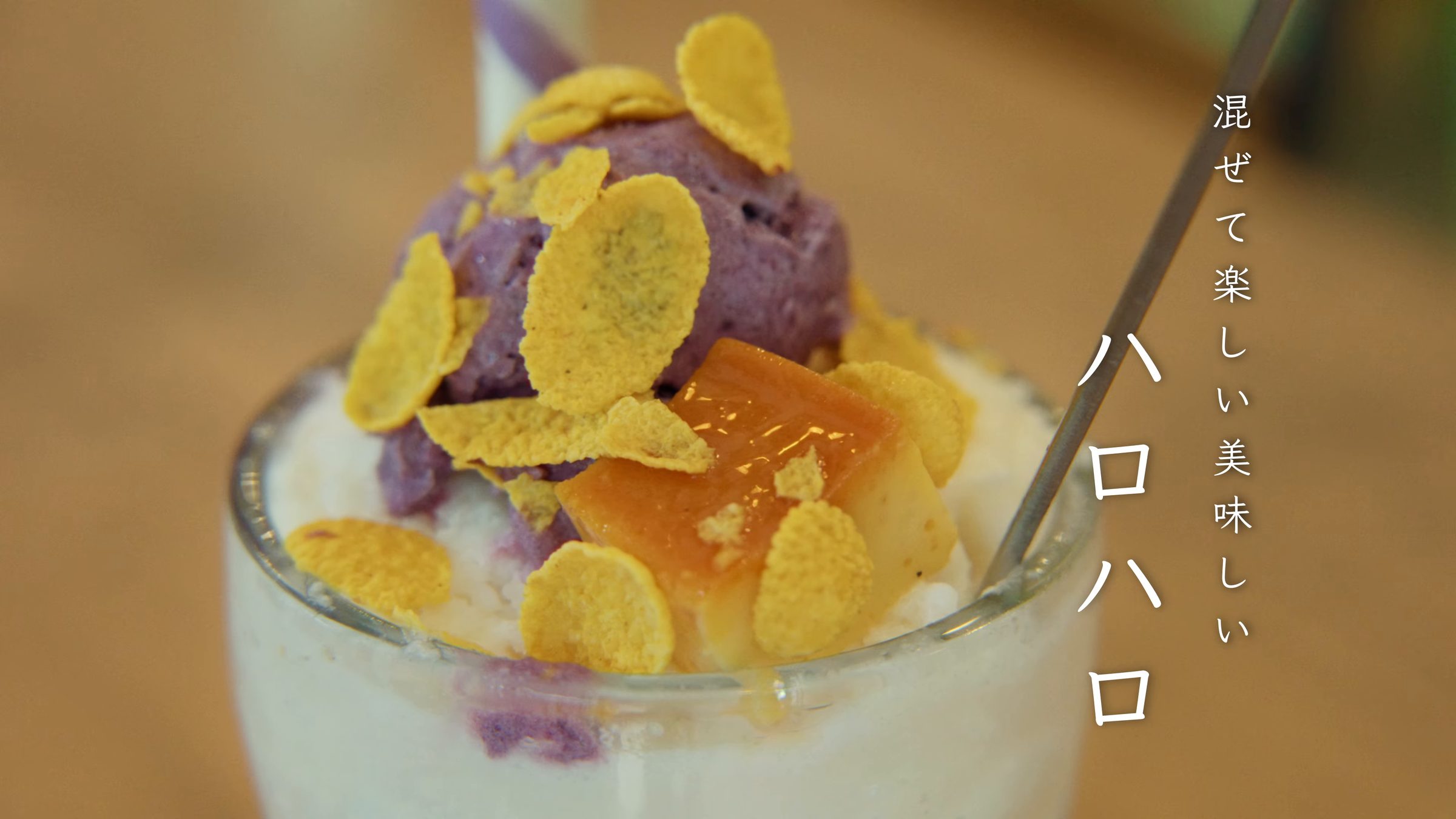
07TRAVEL JOURNAL
To the night market at dusk
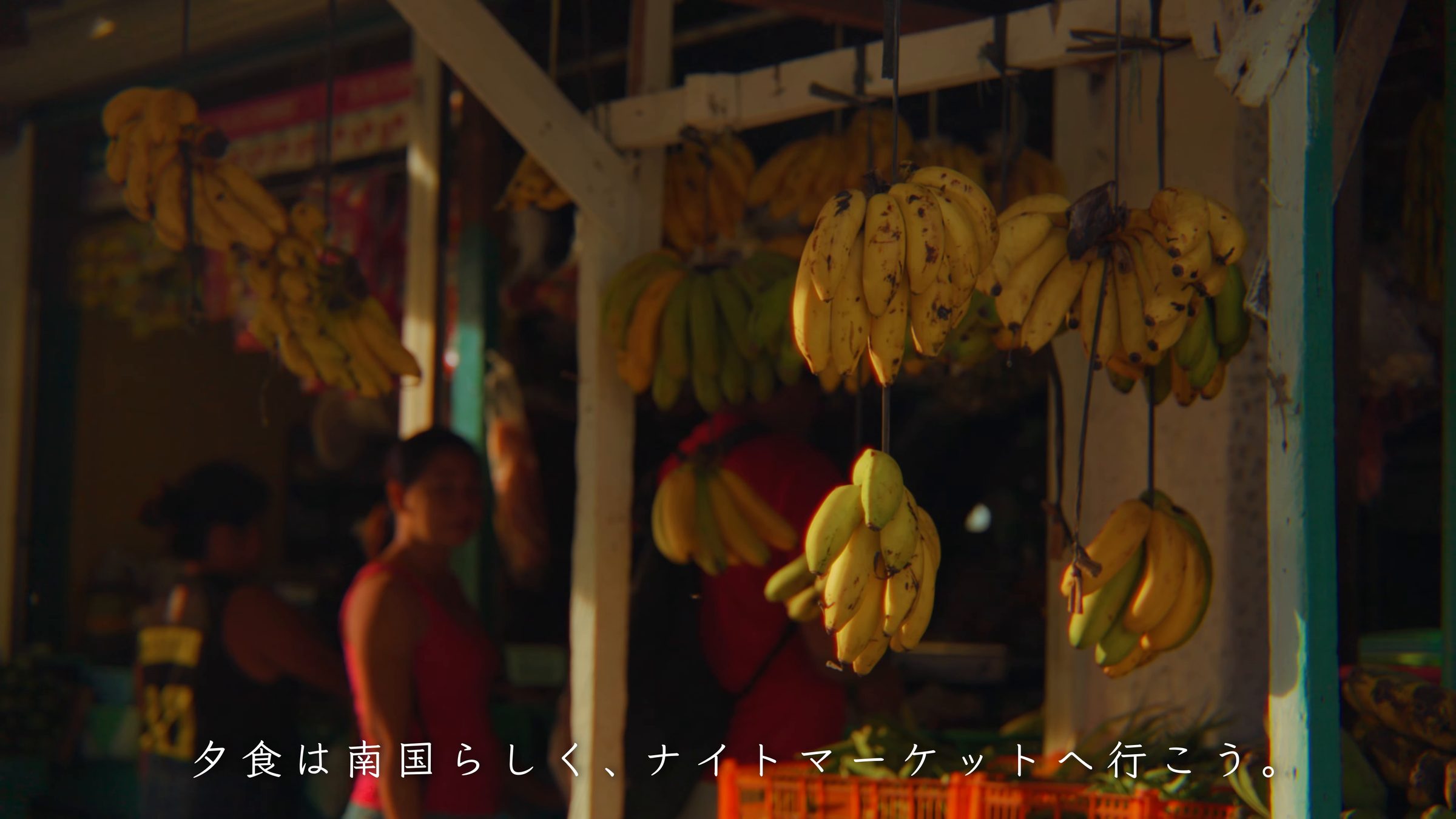
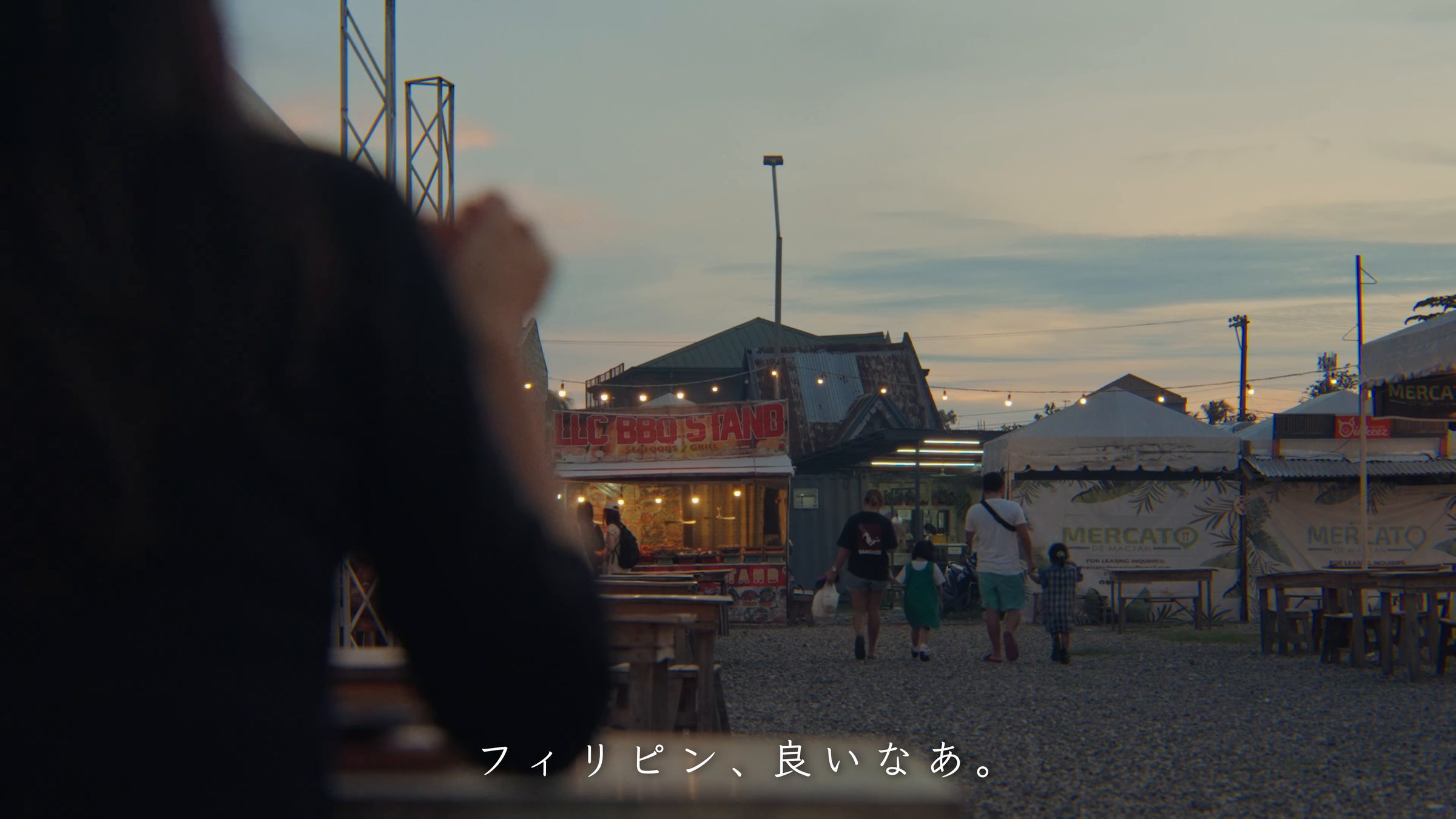
For dinner, let's go to a night market, the tropical way. A jeepney full of passengers drove down a street glowing in the evening sun. Bunches of bananas hung in front of a shop.
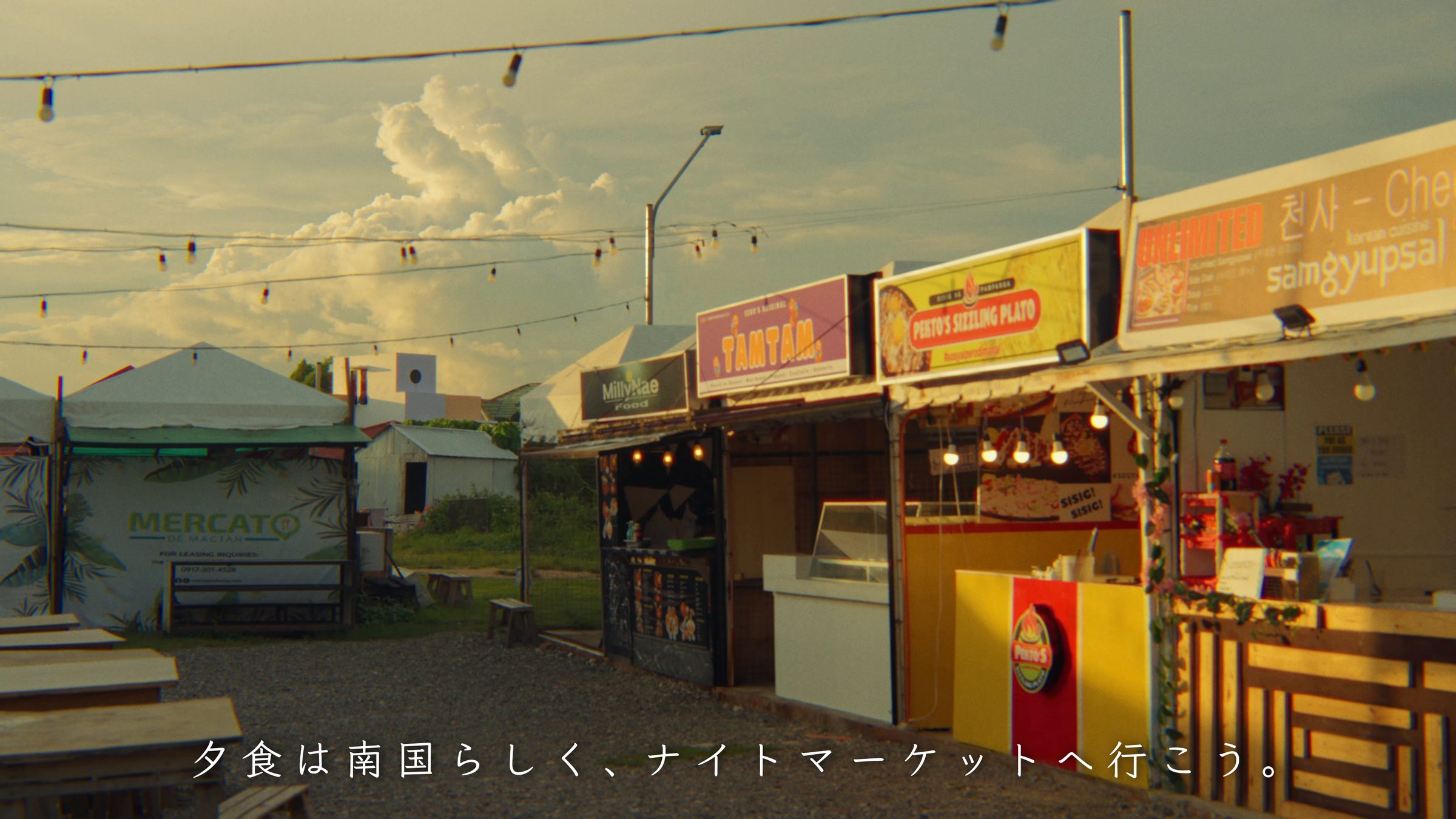
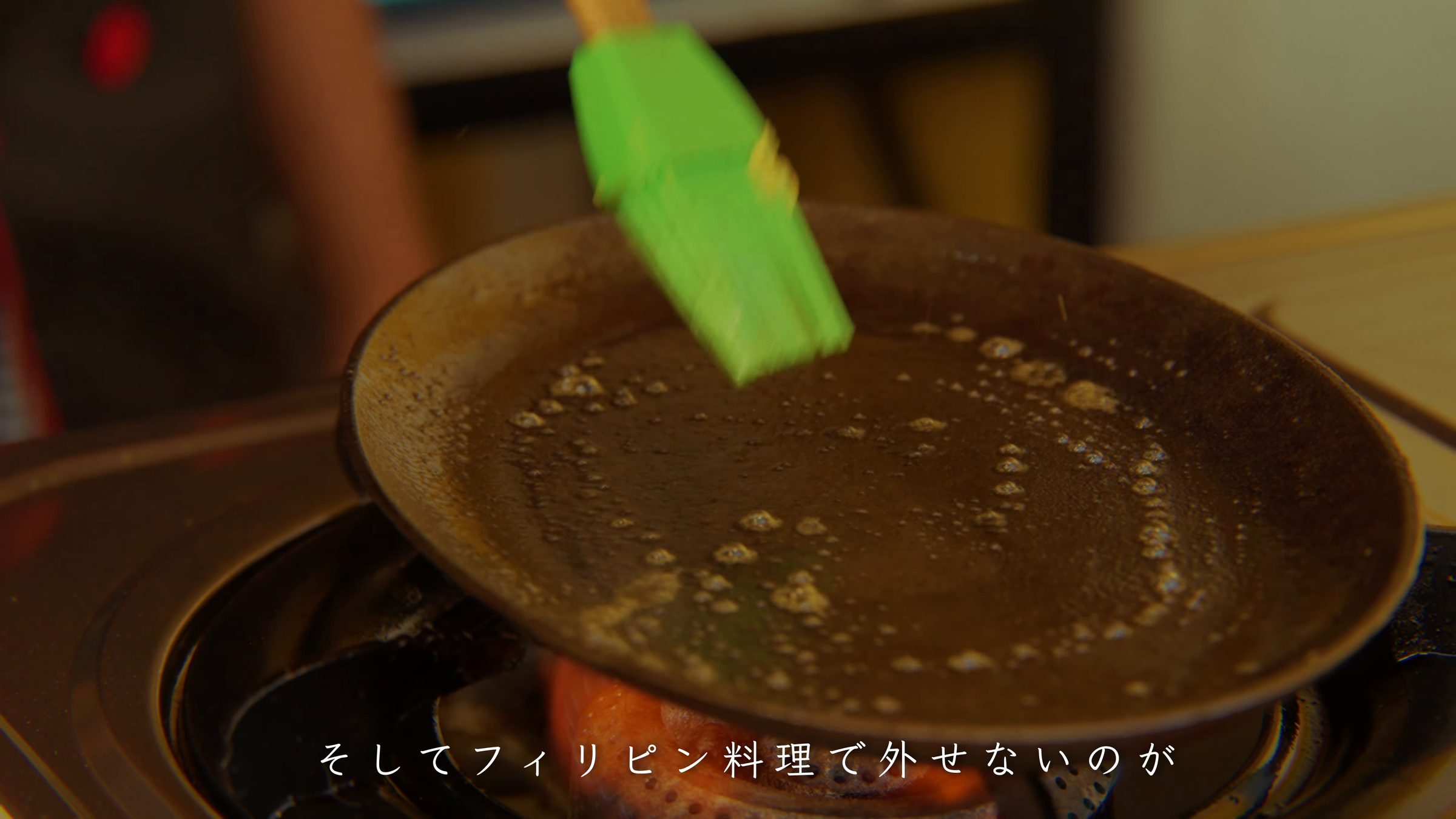
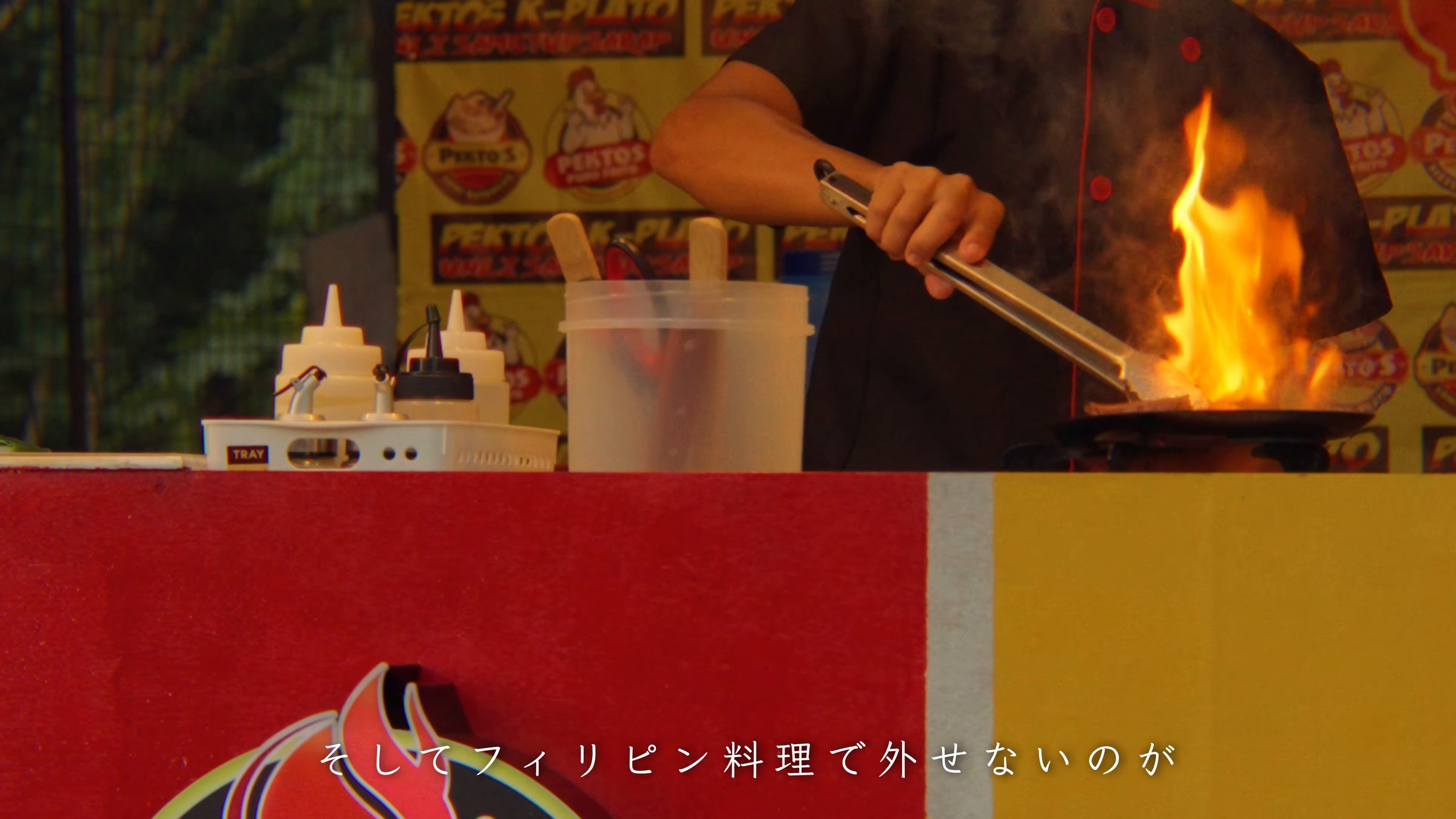
I headed for Mercato de Mactan, a night market lined with food stalls. As the light bulbs came on, I found a sizzling-plate stall. The cook brushed oil onto a hot iron plate and tossed ingredients in a flaming pan.
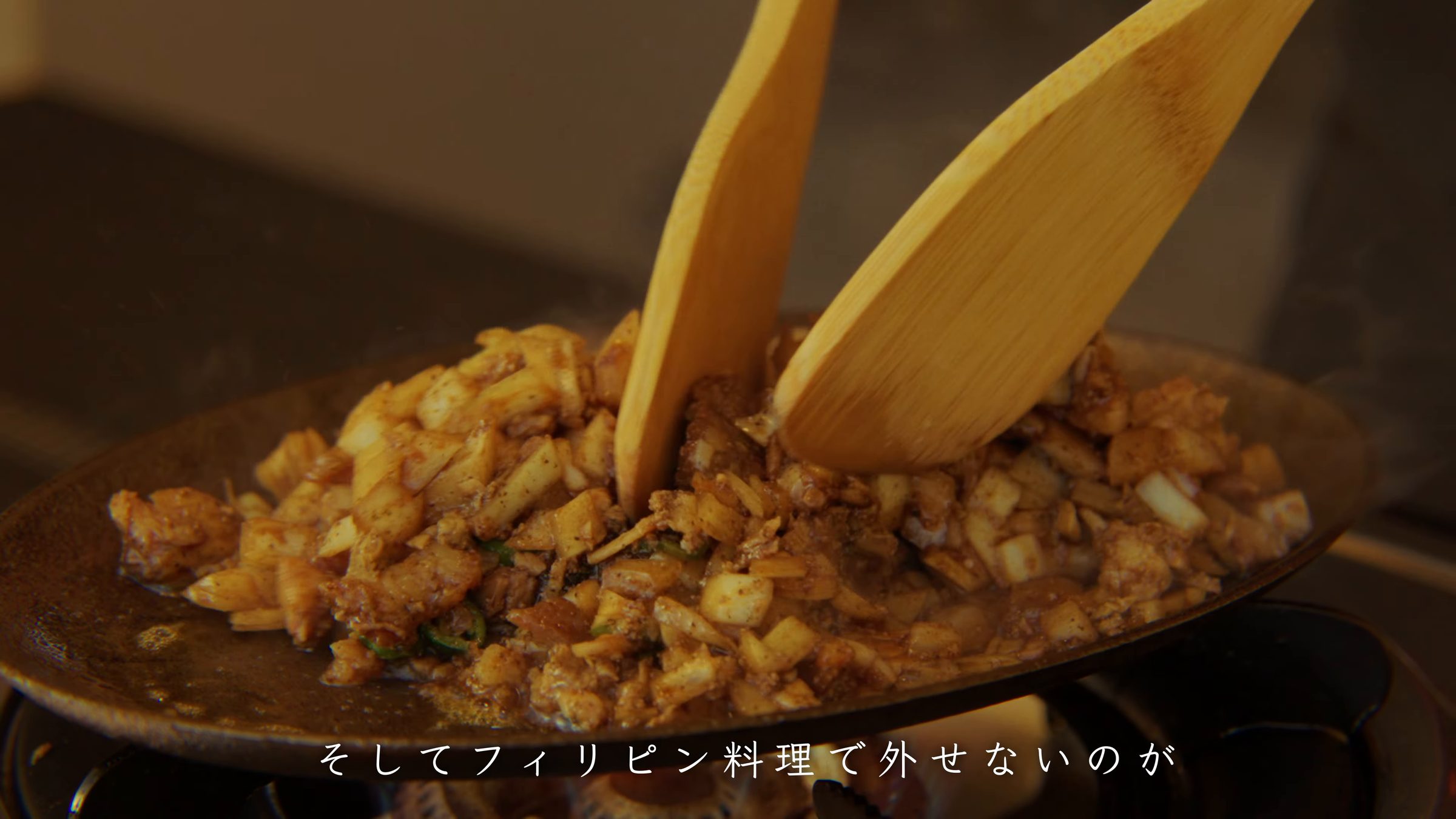
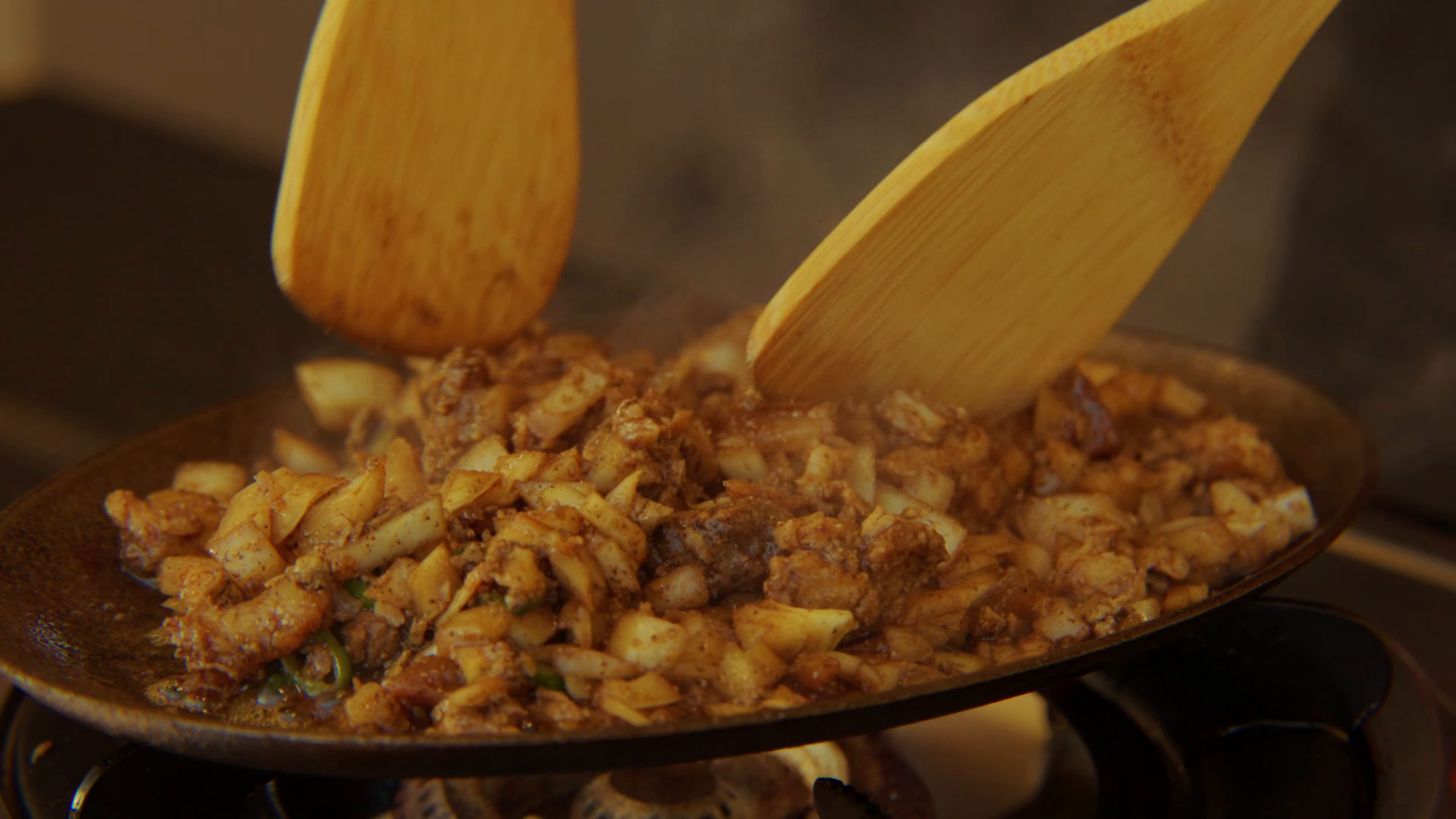
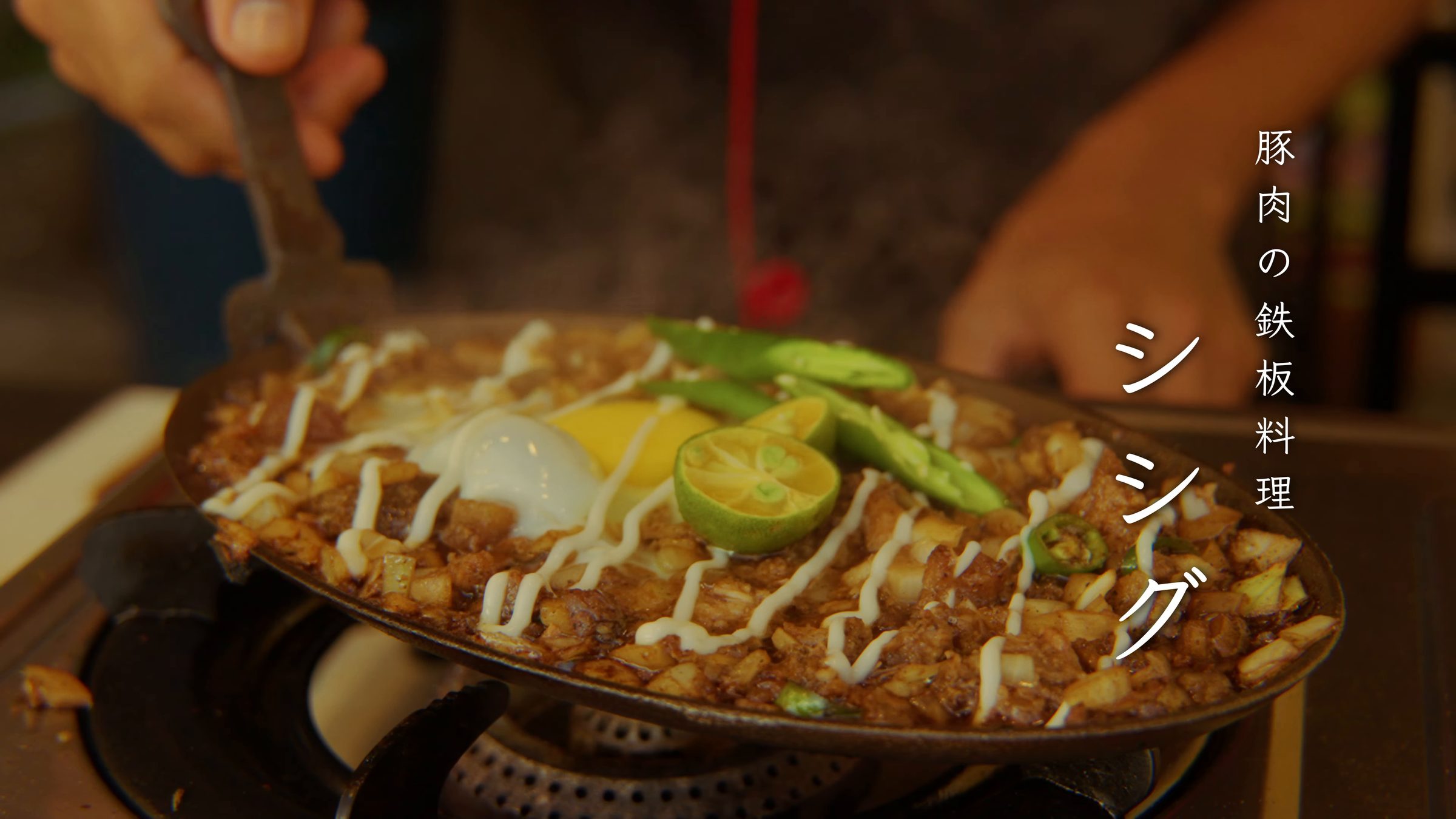
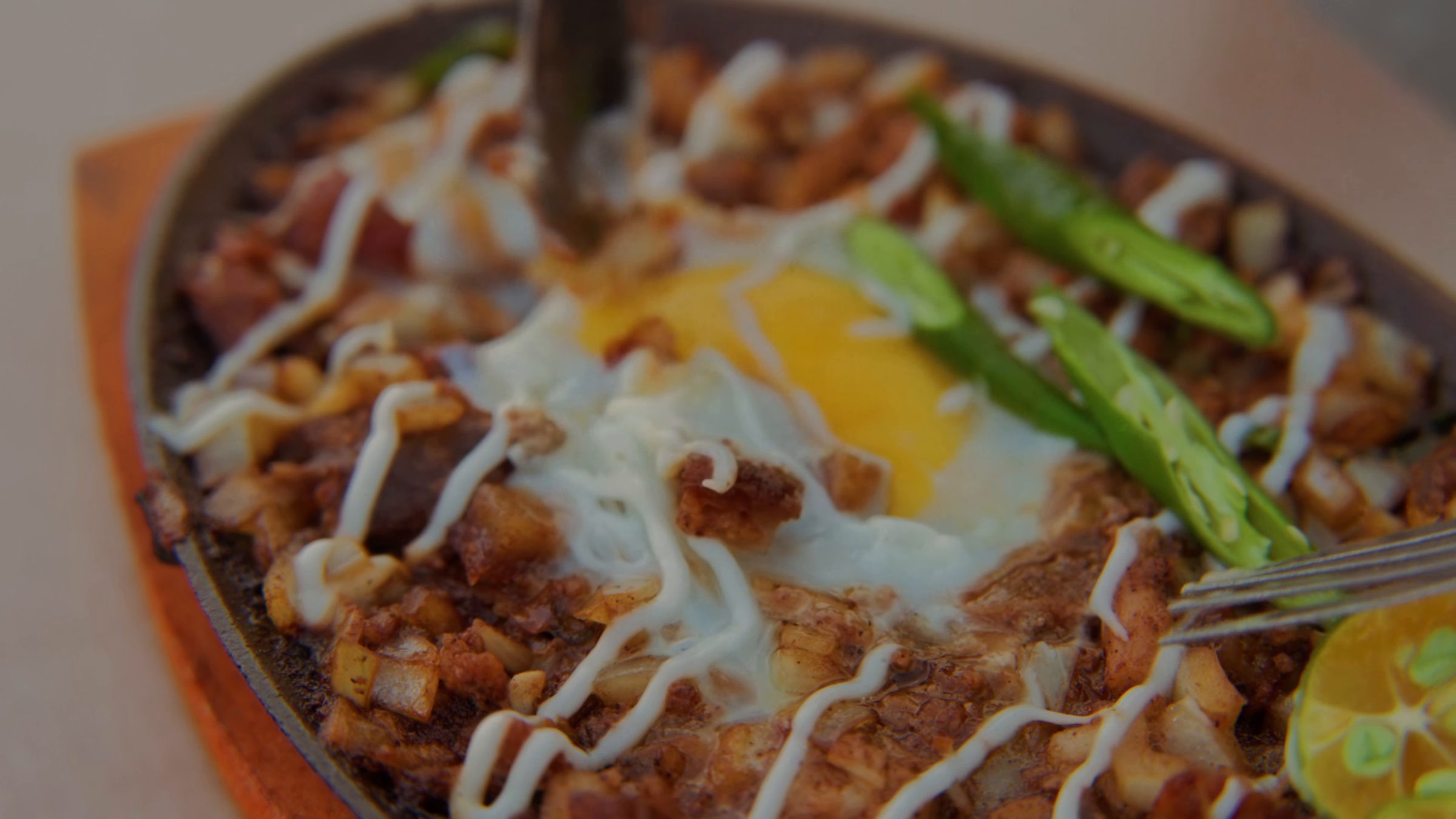
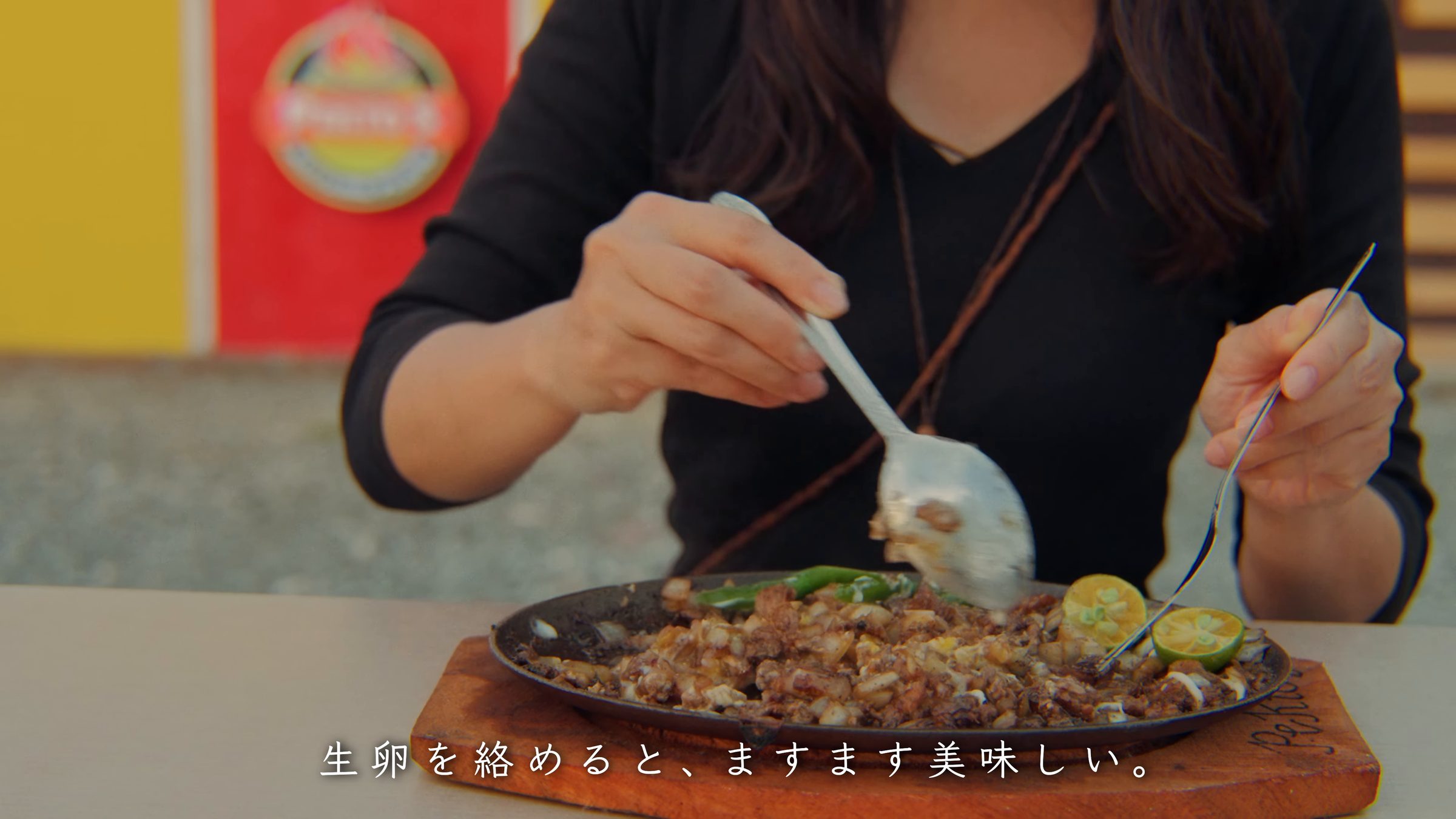
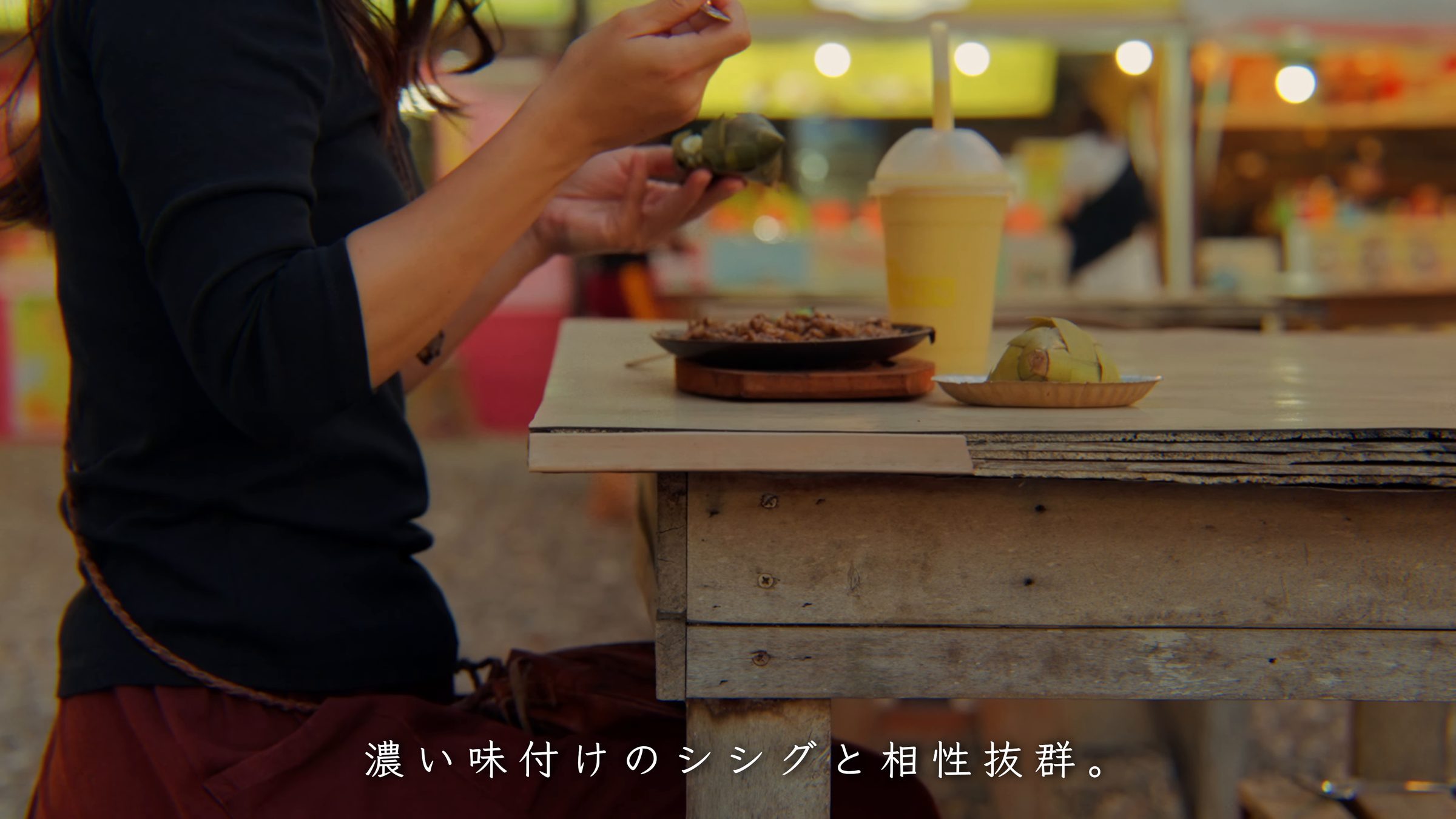
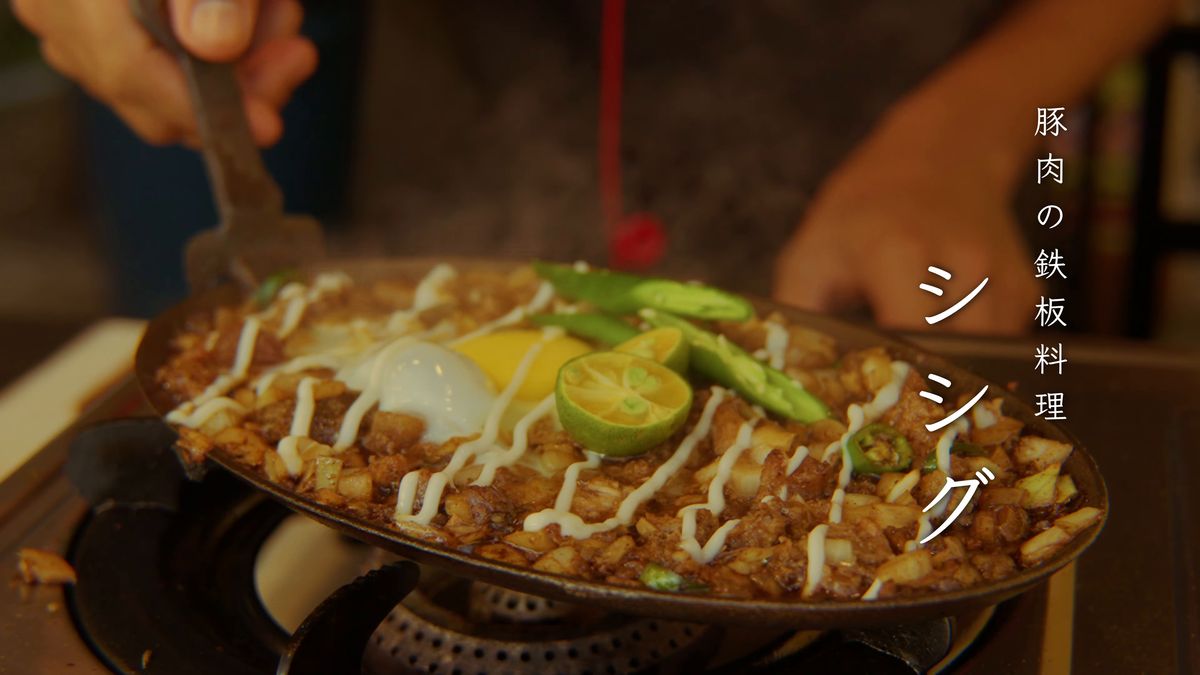
And one thing you can't miss in Filipino food is sisig. Finely chopped pork and onions were stir-fried briskly with wooden spatulas, then finished with a raw egg, mayonnaise, green chilies and kalamansi, and brought to me still sizzling.
Watch this scene on YouTube4:25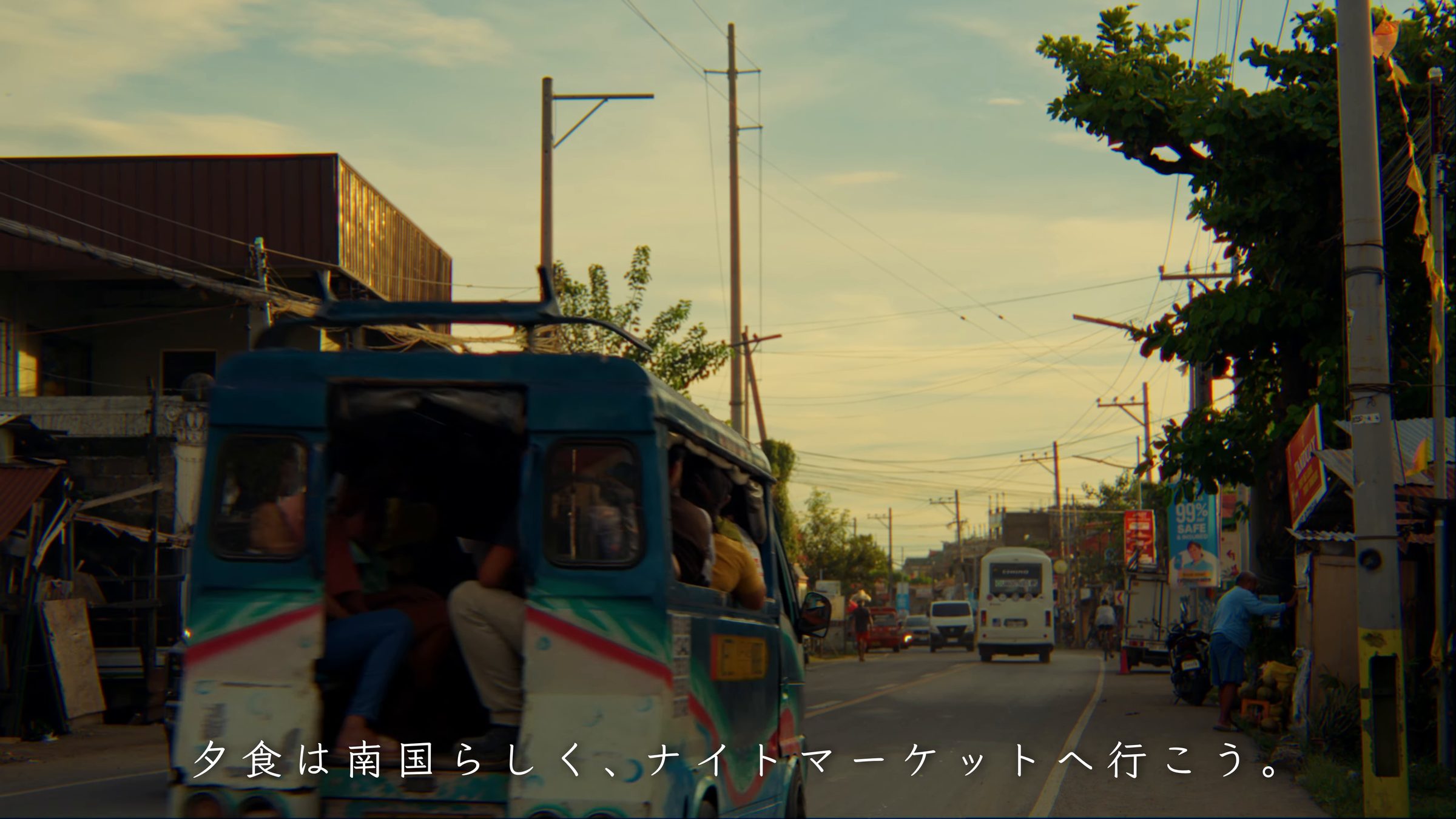
08TRAVEL JOURNAL
Sisig, puso and a mango smoothie
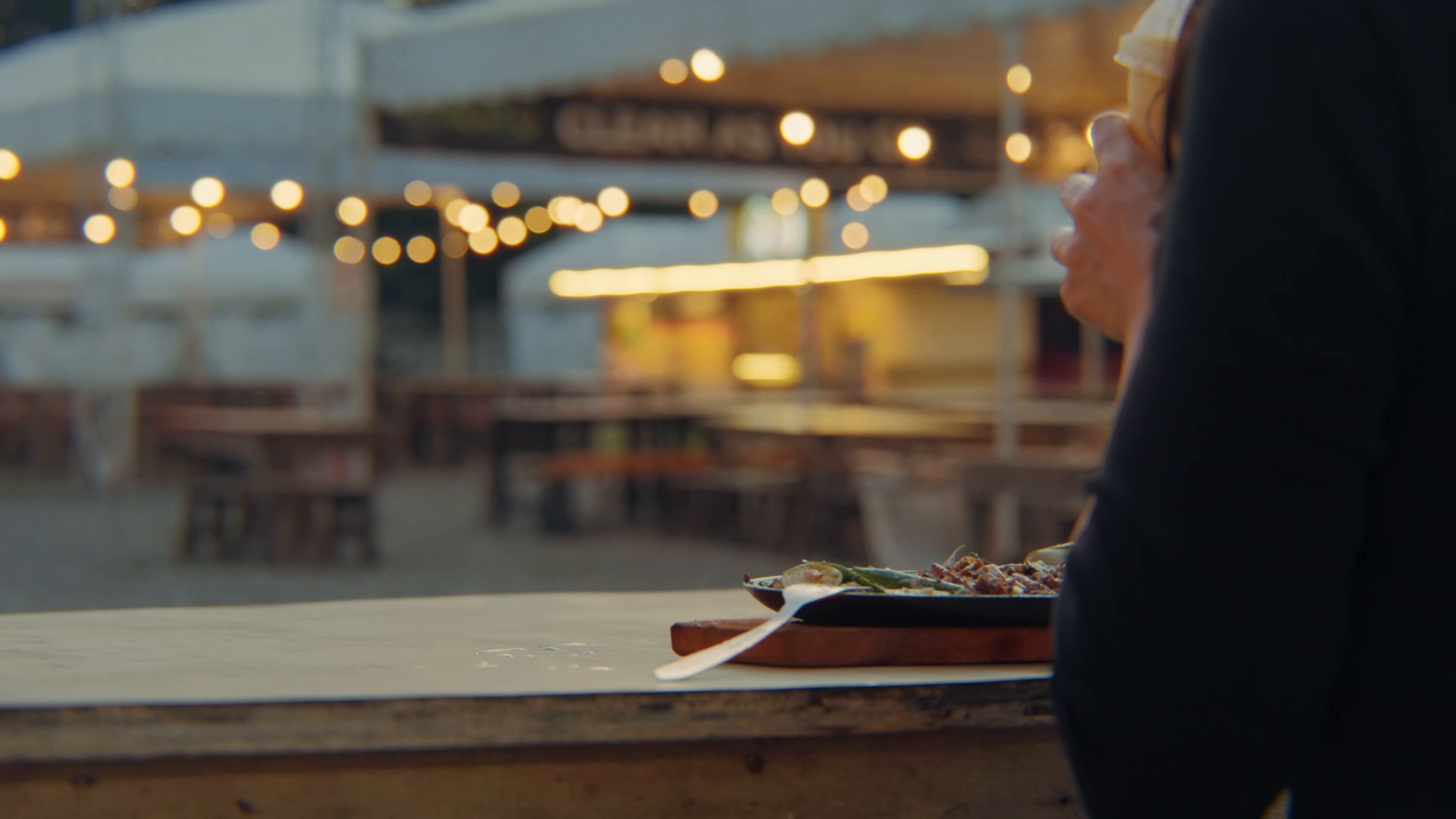
Under the sunset sky, I took a table lit by the light bulbs of the stalls. Breaking the egg on the iron plate and mixing it all together made it even more delicious. The egg softened the rich flavor of the pork, seasoned with soy sauce and vinegar.
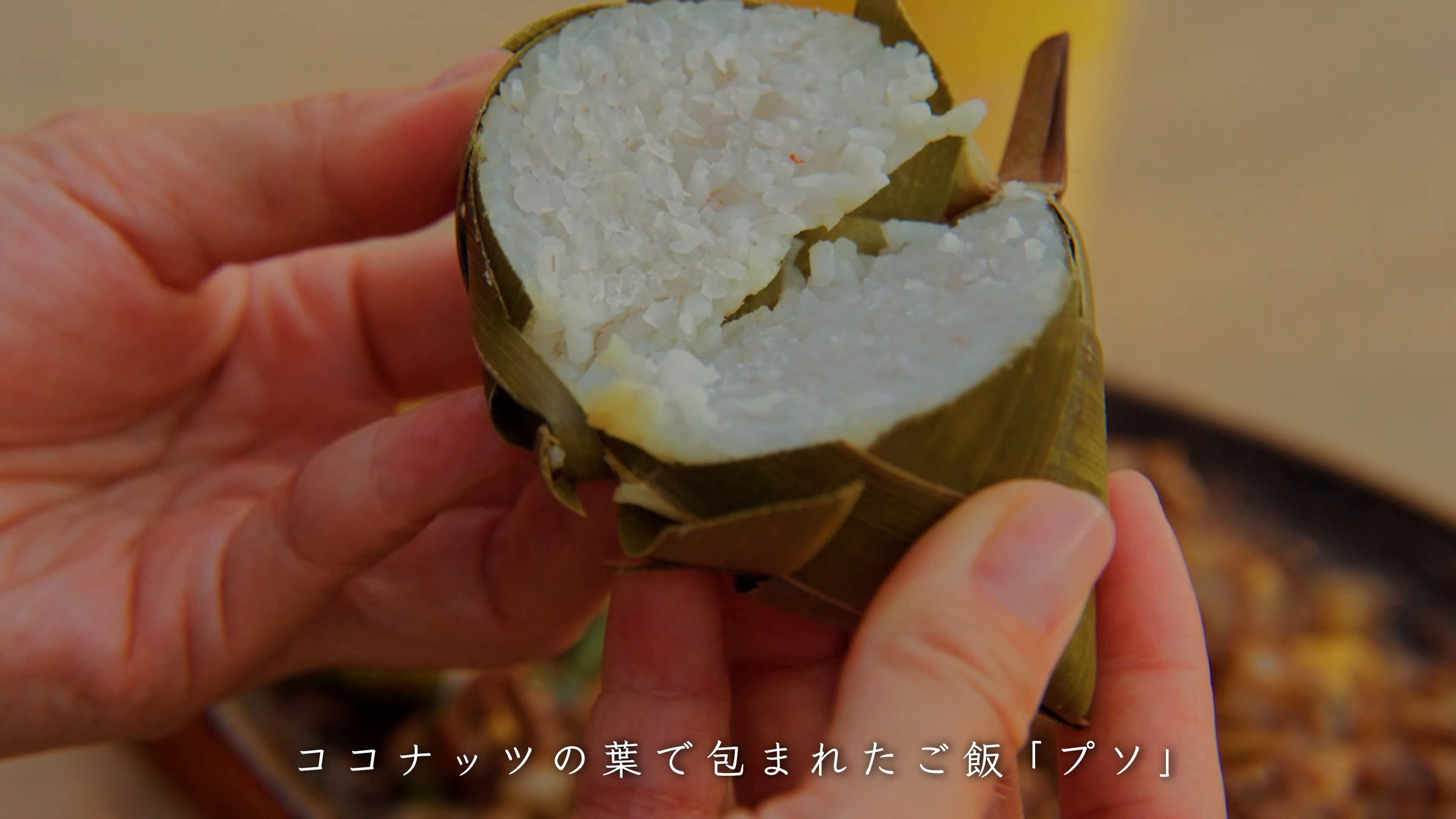
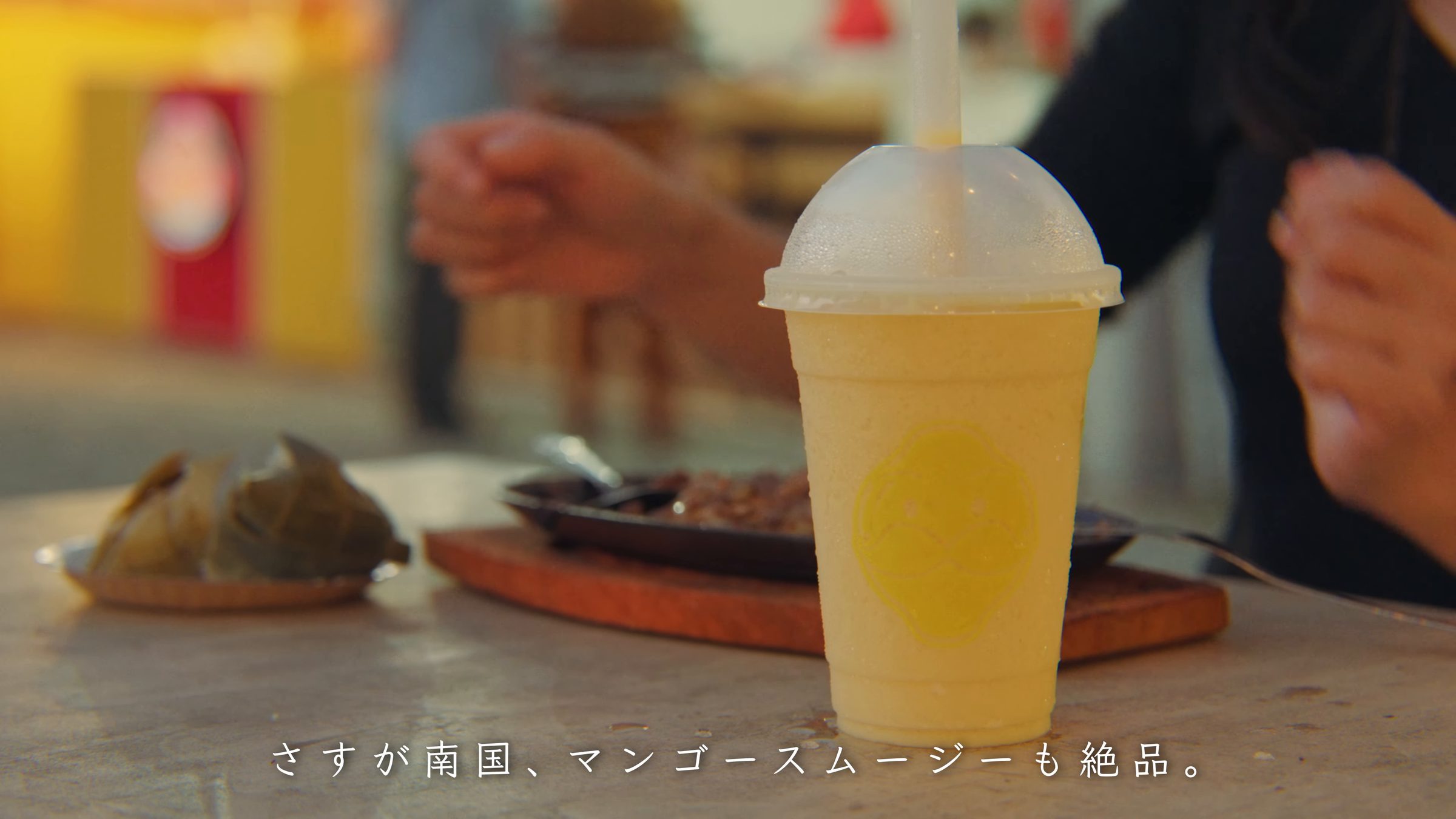
With it I had puso, rice wrapped in coconut leaves. Unwinding the woven leaves revealed rice packed tight inside. It goes perfectly with the richly seasoned sisig.
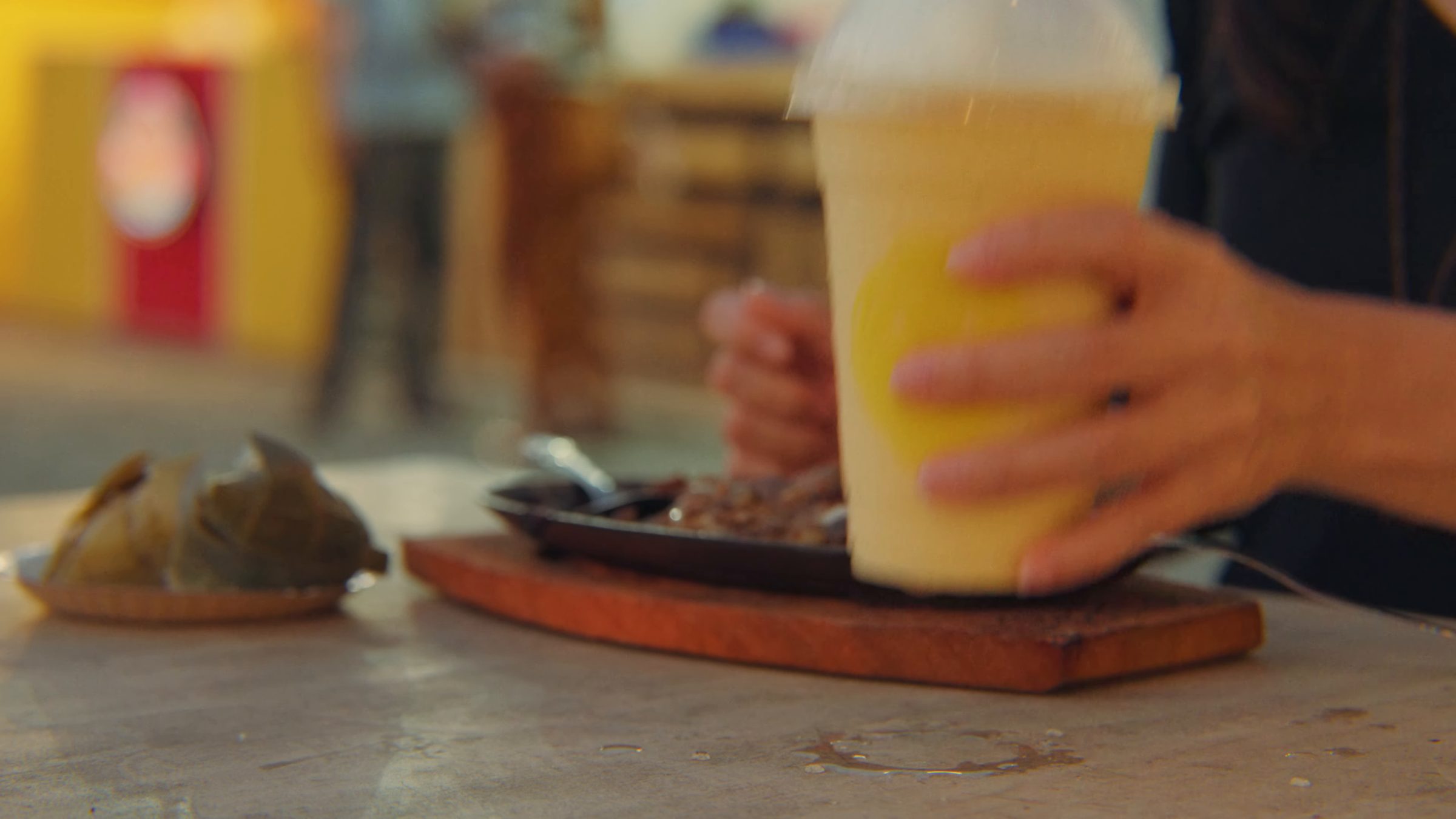
As you'd expect in the tropics, the mango smoothie was wonderful too. Families strolled through the food stalls at dusk. I love the Philippines.
Watch this scene on YouTube4:41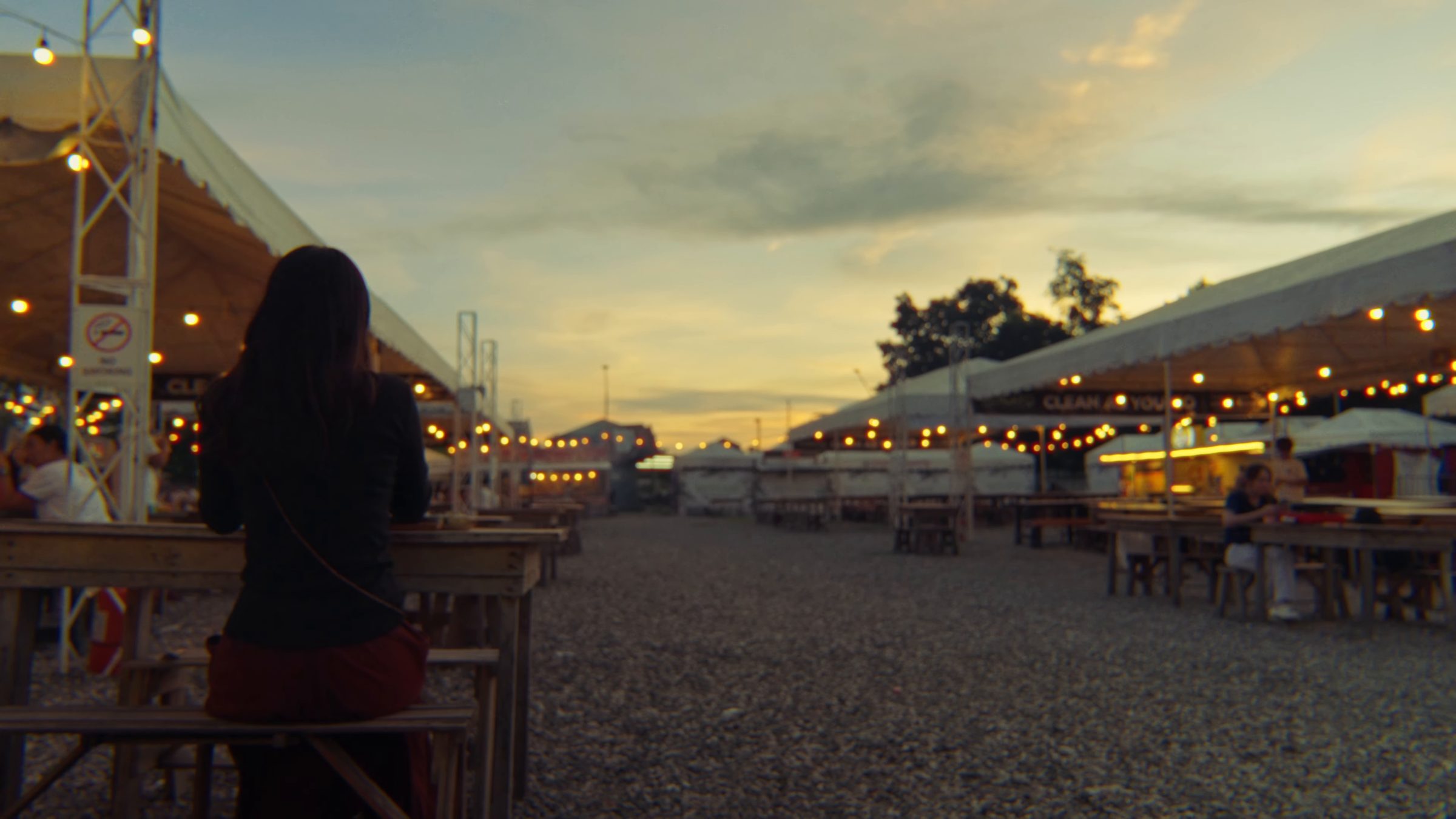
09TRAVEL JOURNAL
Breadfruit from the garden
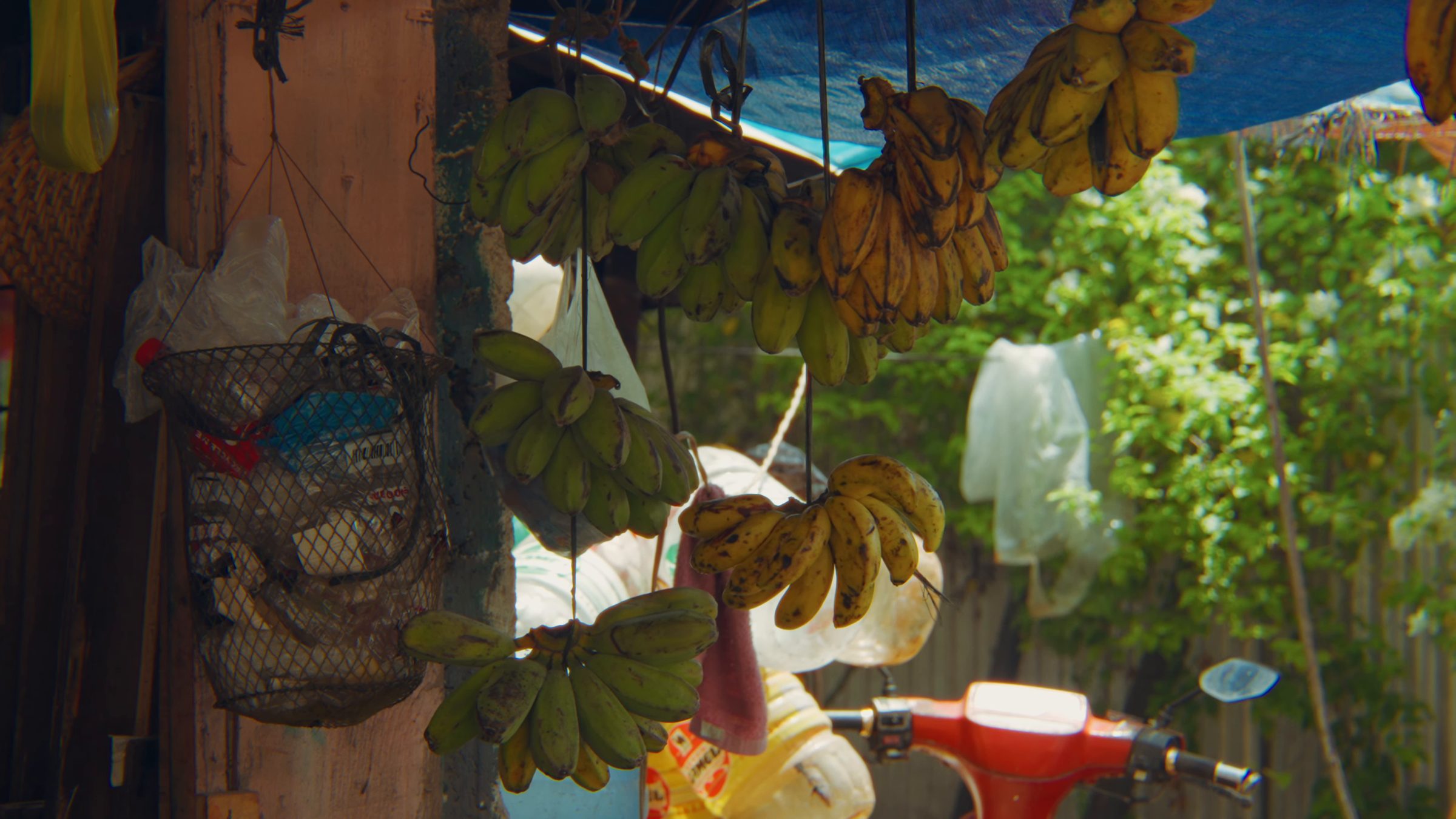
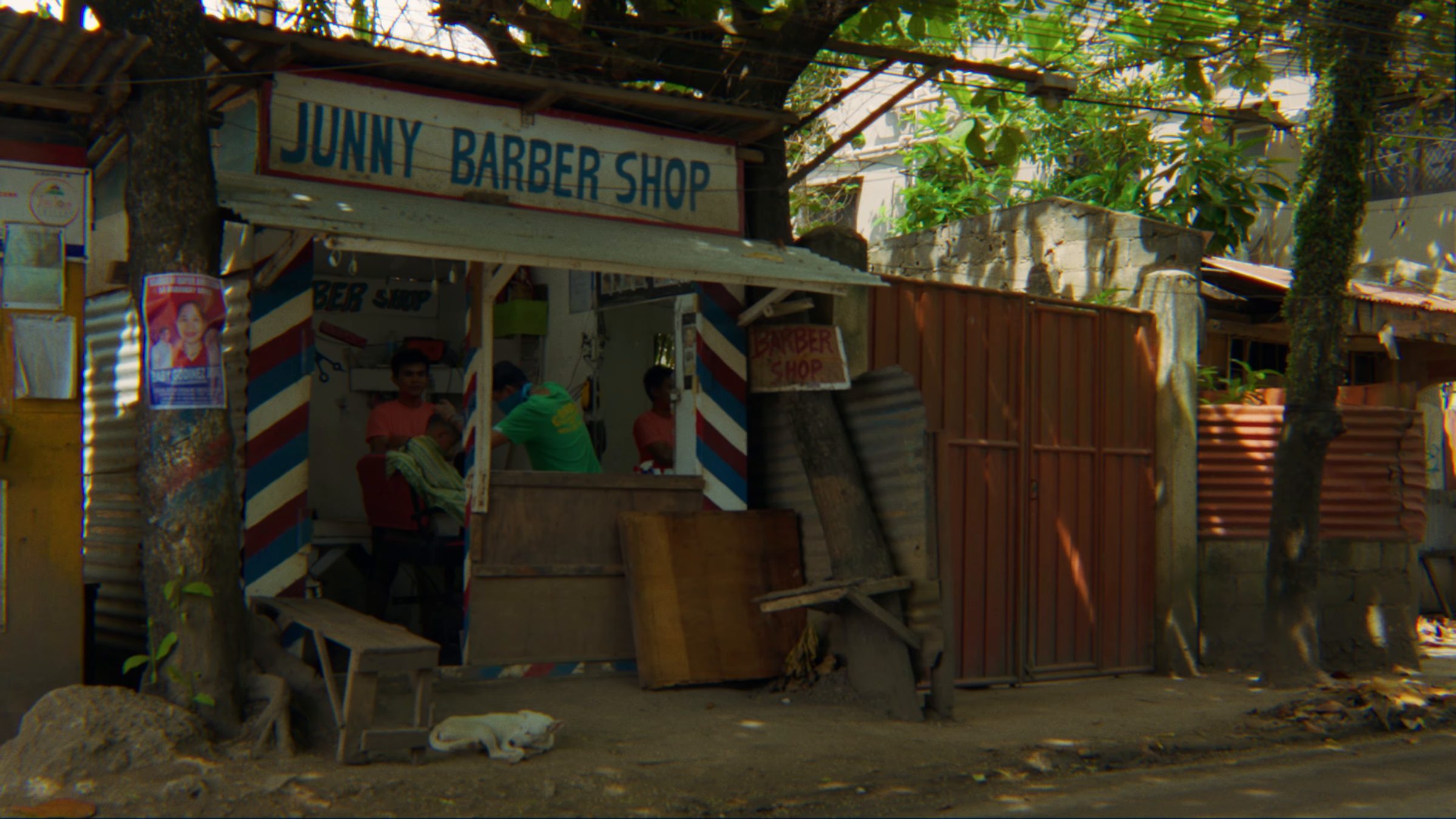
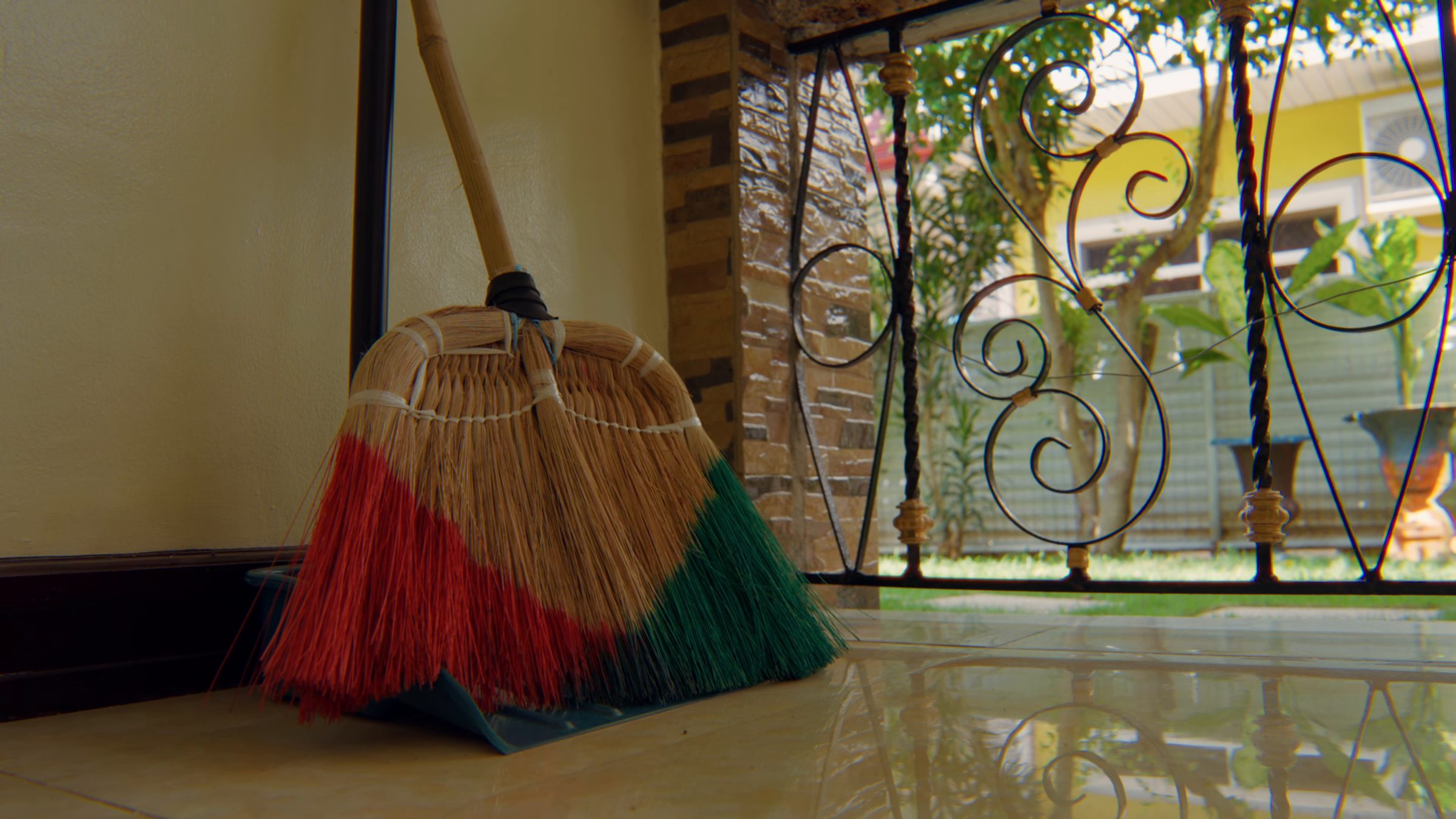
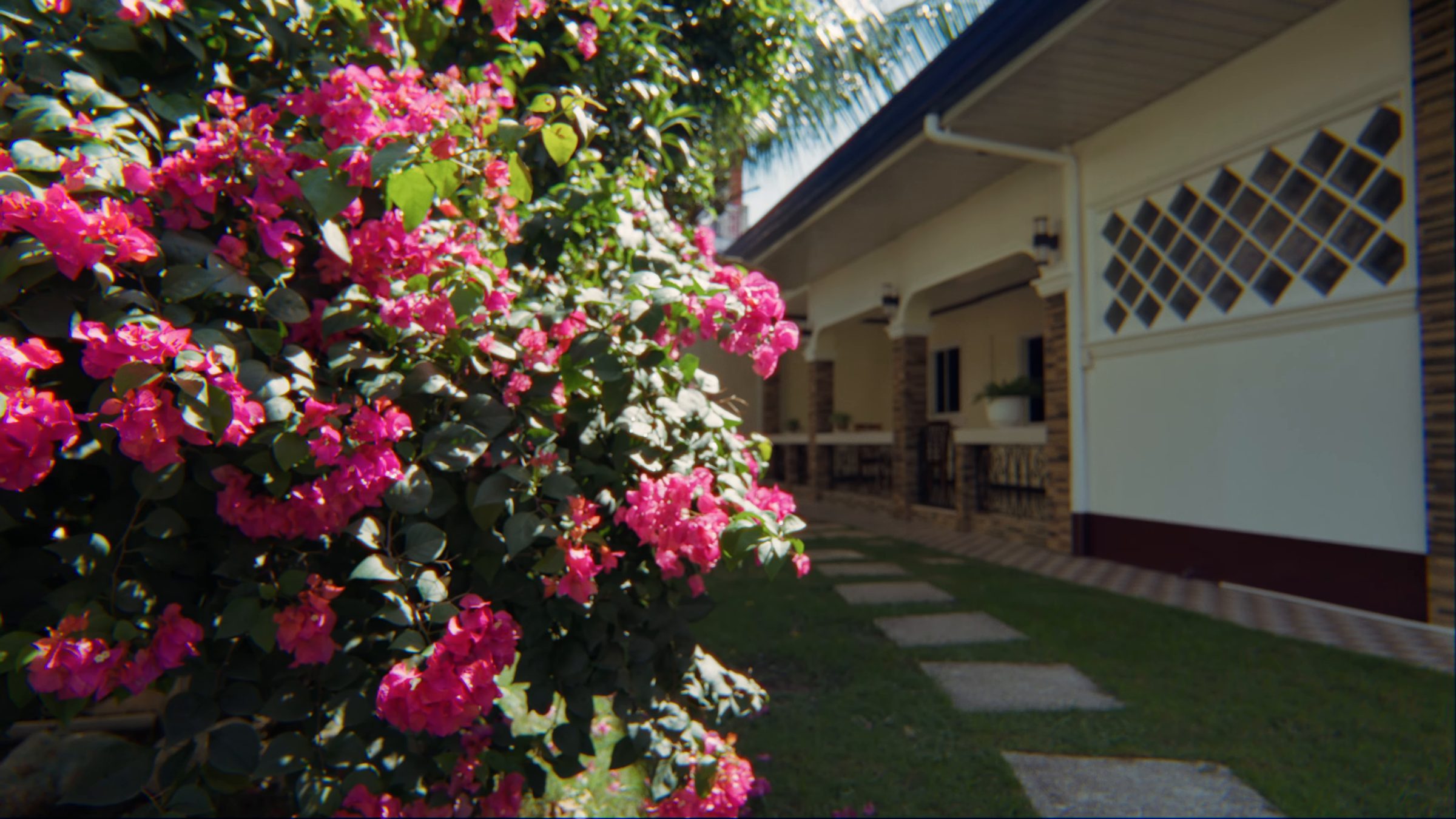
Time passed lazily around my stay. An orange tabby was curled up on a white plastic chair. Bunches of bananas and a basket hung from the eaves, a small shop was open by the road, and a barbershop stood with its red-and-blue striped pole. In the garden of the house, pink bougainvillea was in bloom.
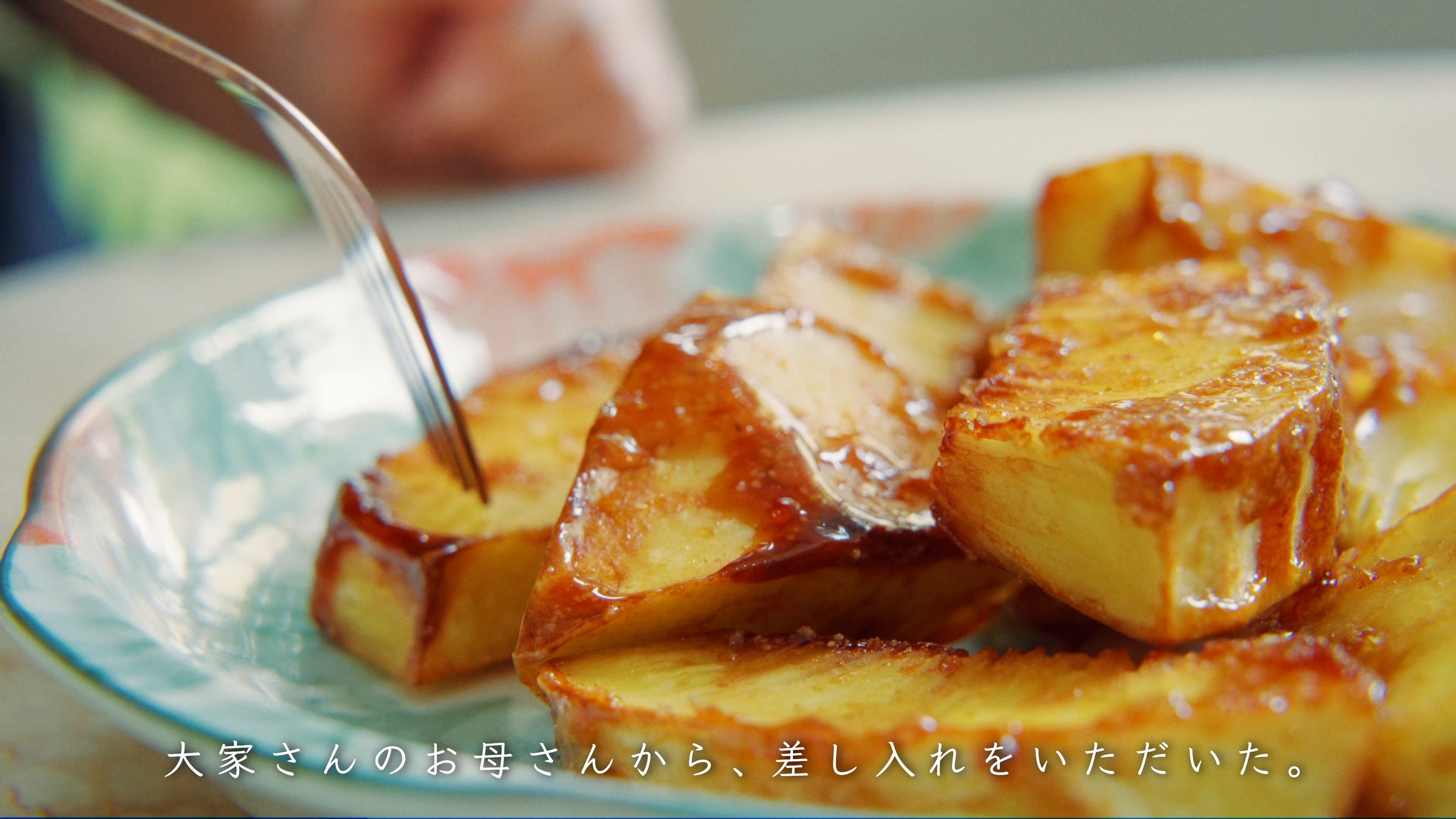
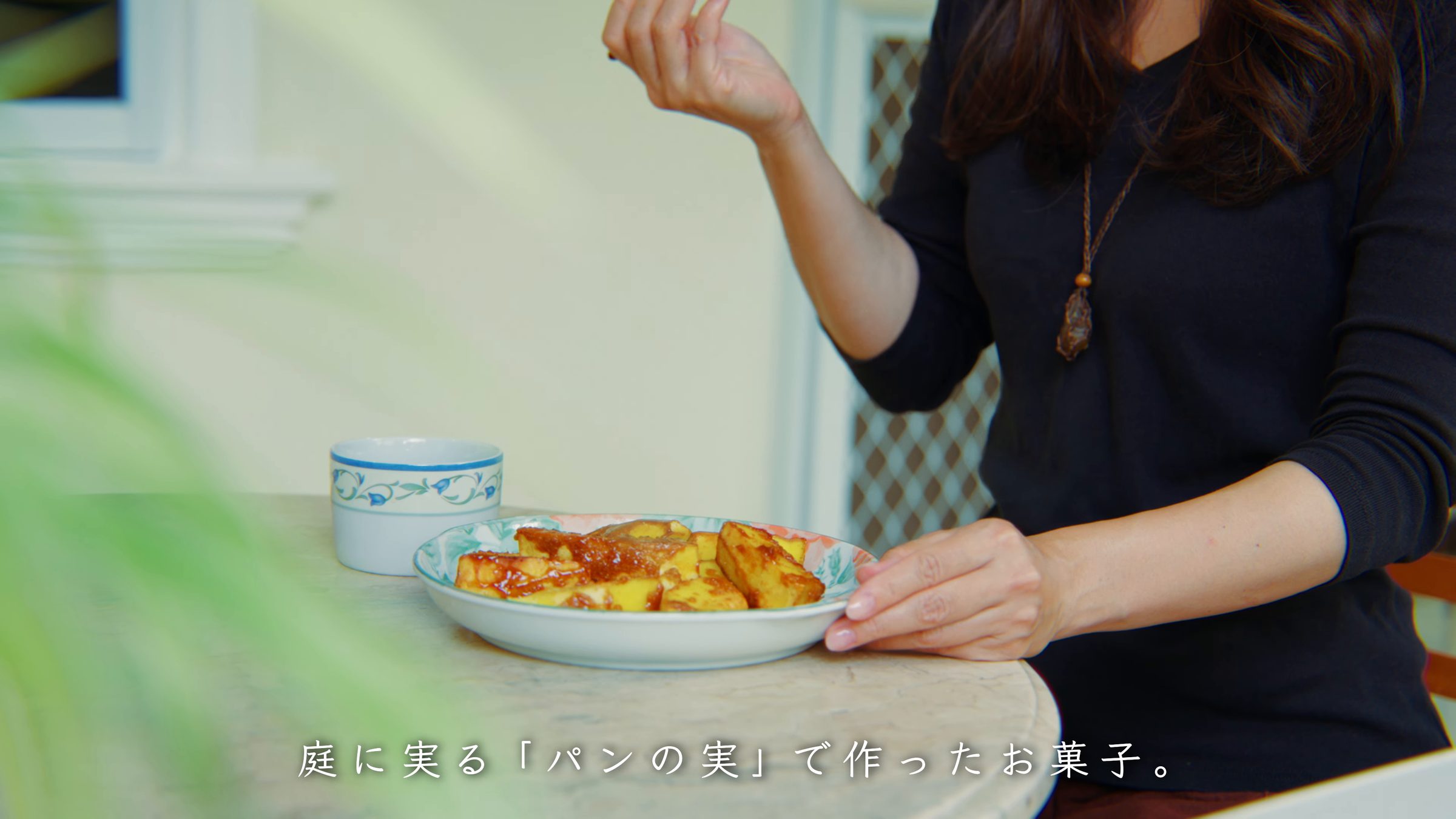
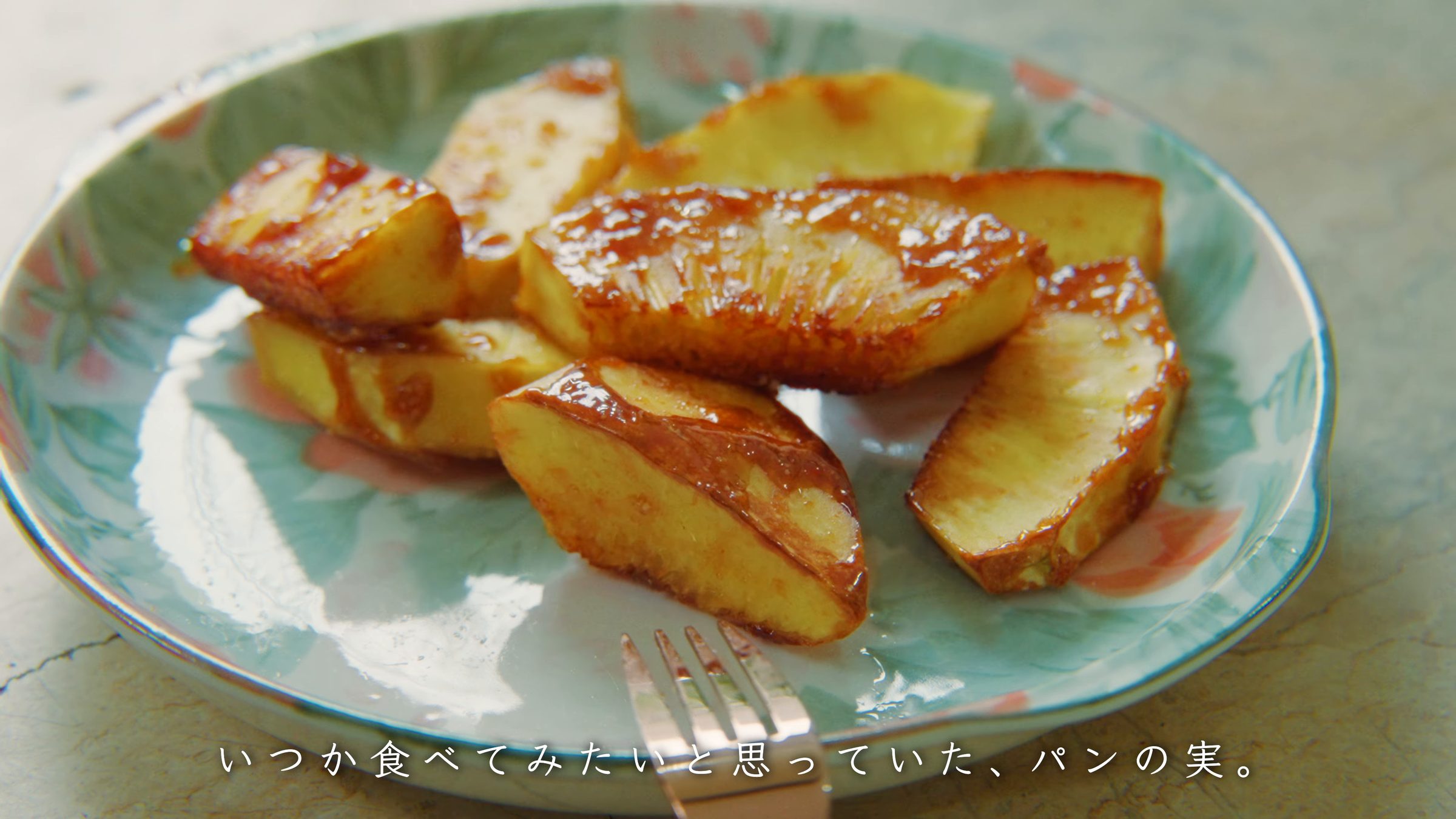
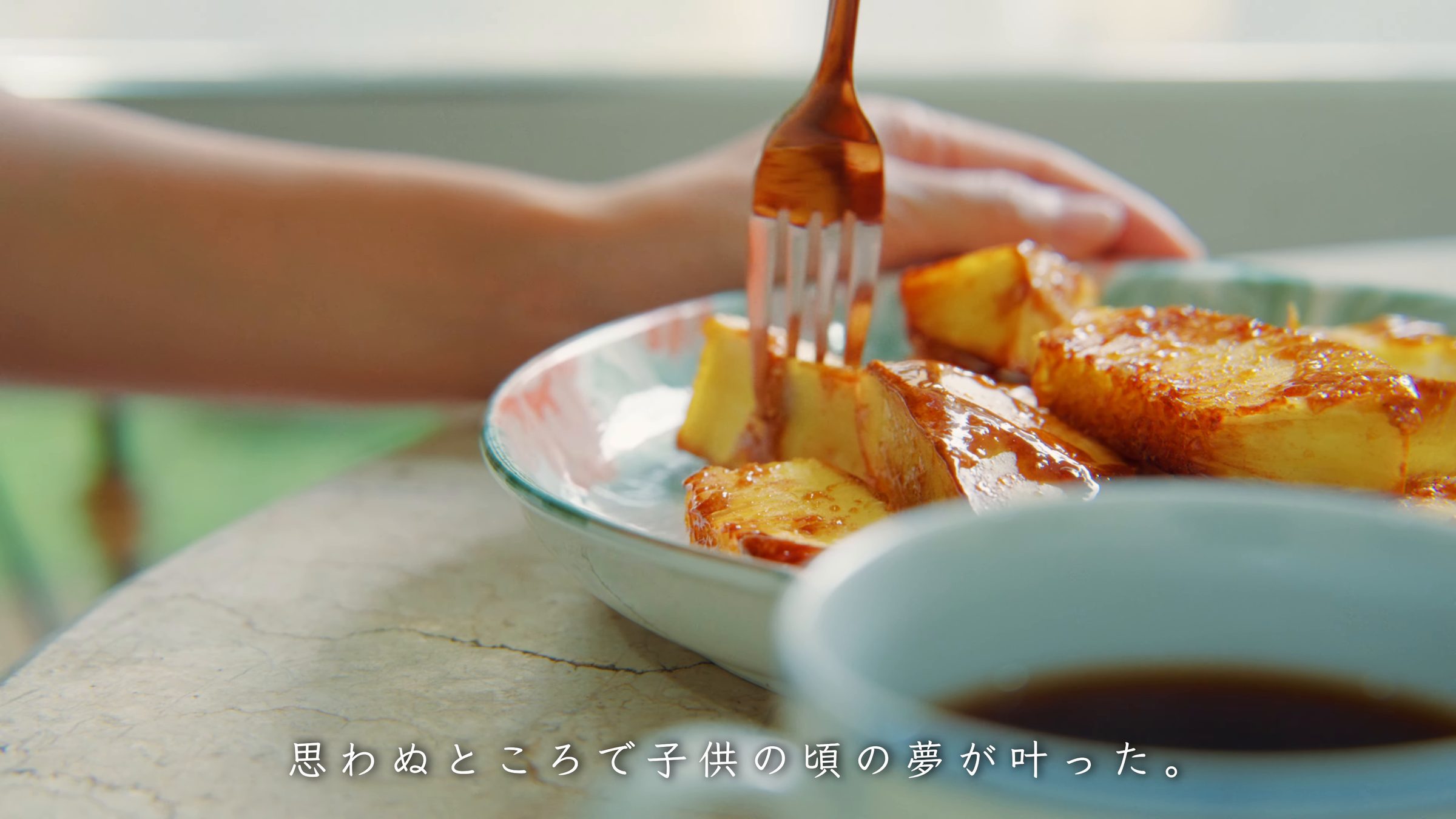
I received a gift from the mother of the house owner: sweets made from breadfruit that grows in the garden. I was told they are made by putting the breadfruit and sugar straight into the frying oil. The outside was crisp like caramel and the inside soft and fluffy. Nothing like bread at all; a little closer to Japanese candied sweet potatoes.
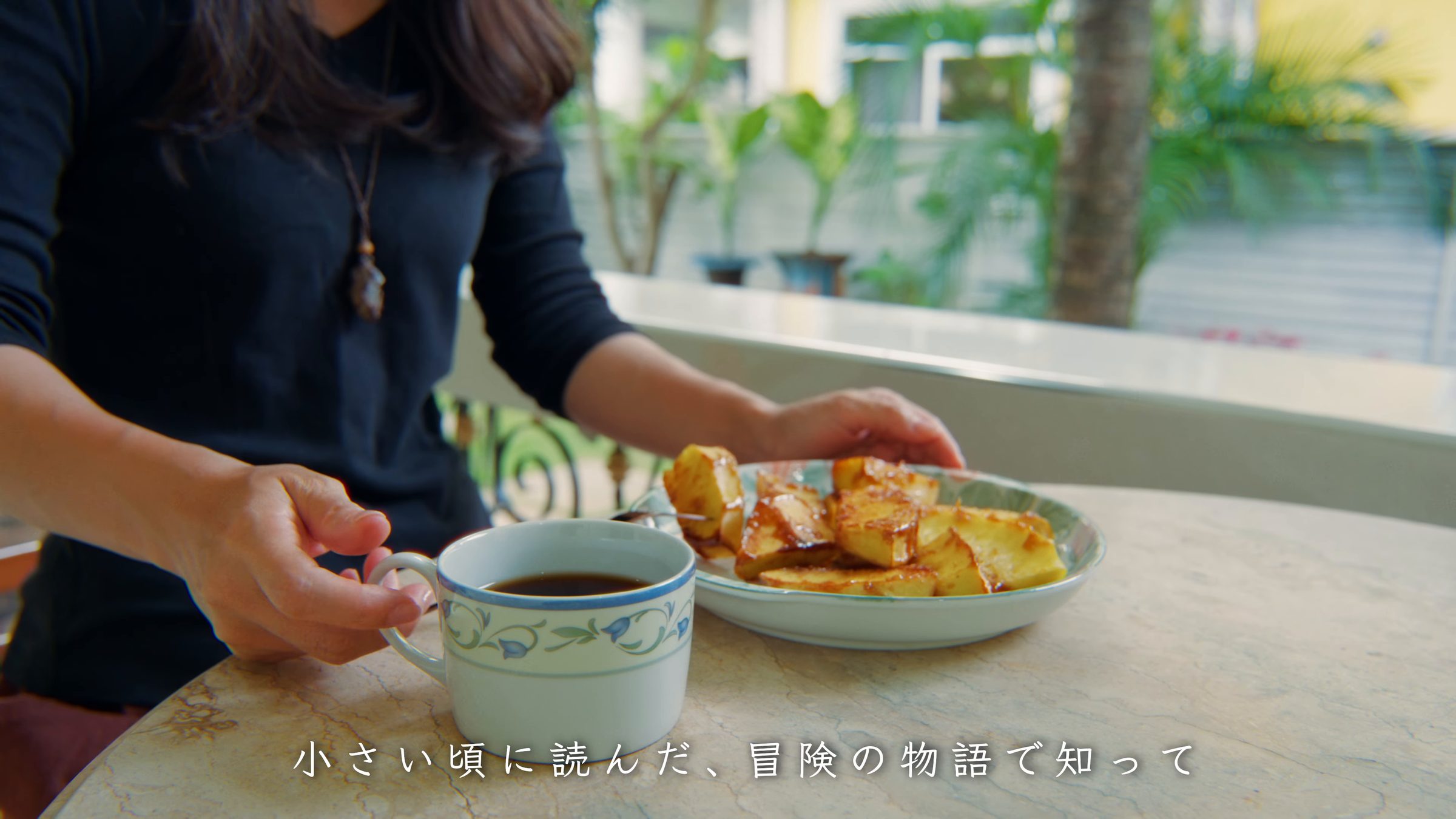
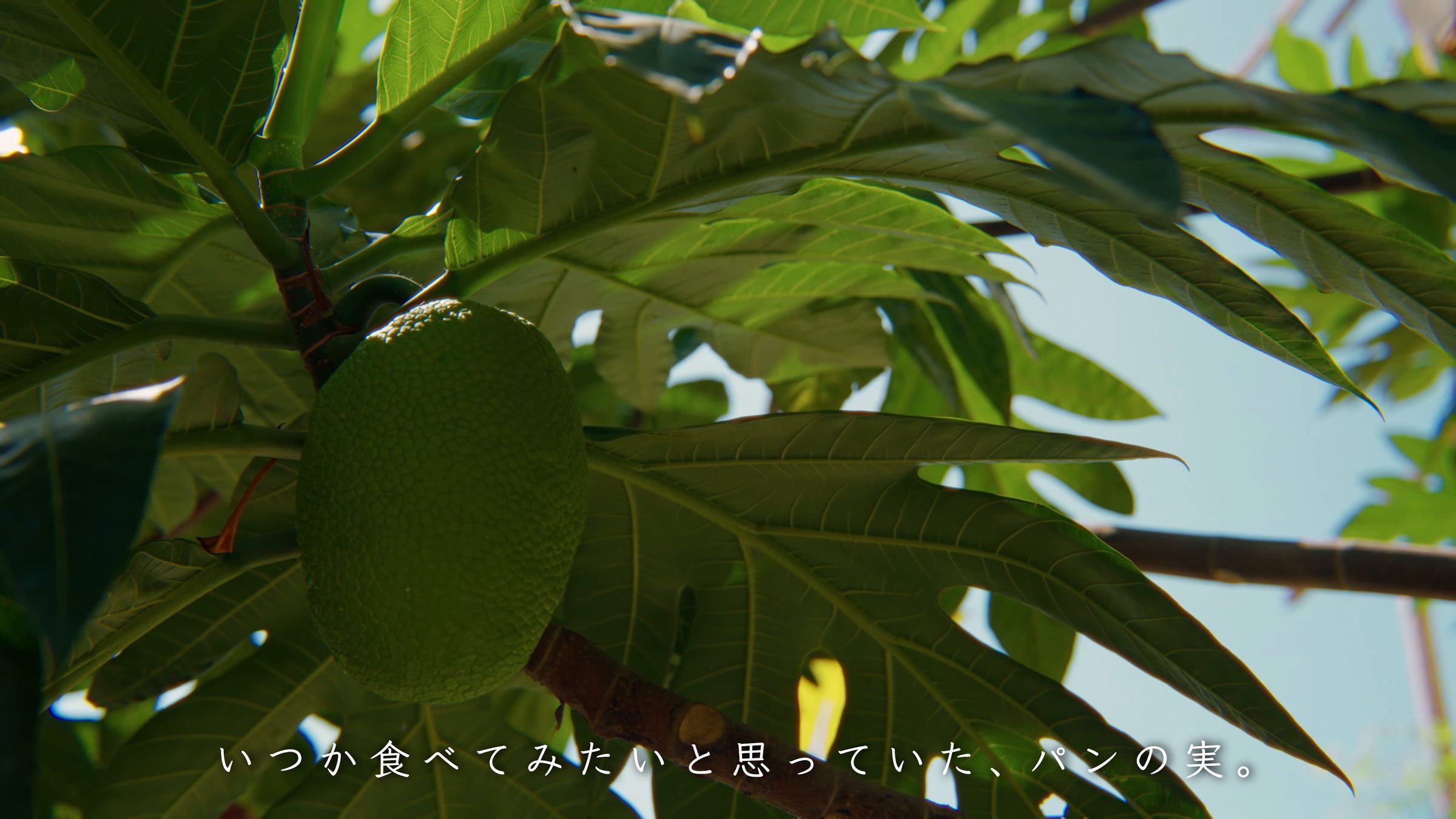
I learned about breadfruit from the adventure stories I read as a child, and ever since, I had wanted to try it someday. I made coffee and even had seconds. My childhood dream came true unexpectedly.
Watch this scene on YouTube5:18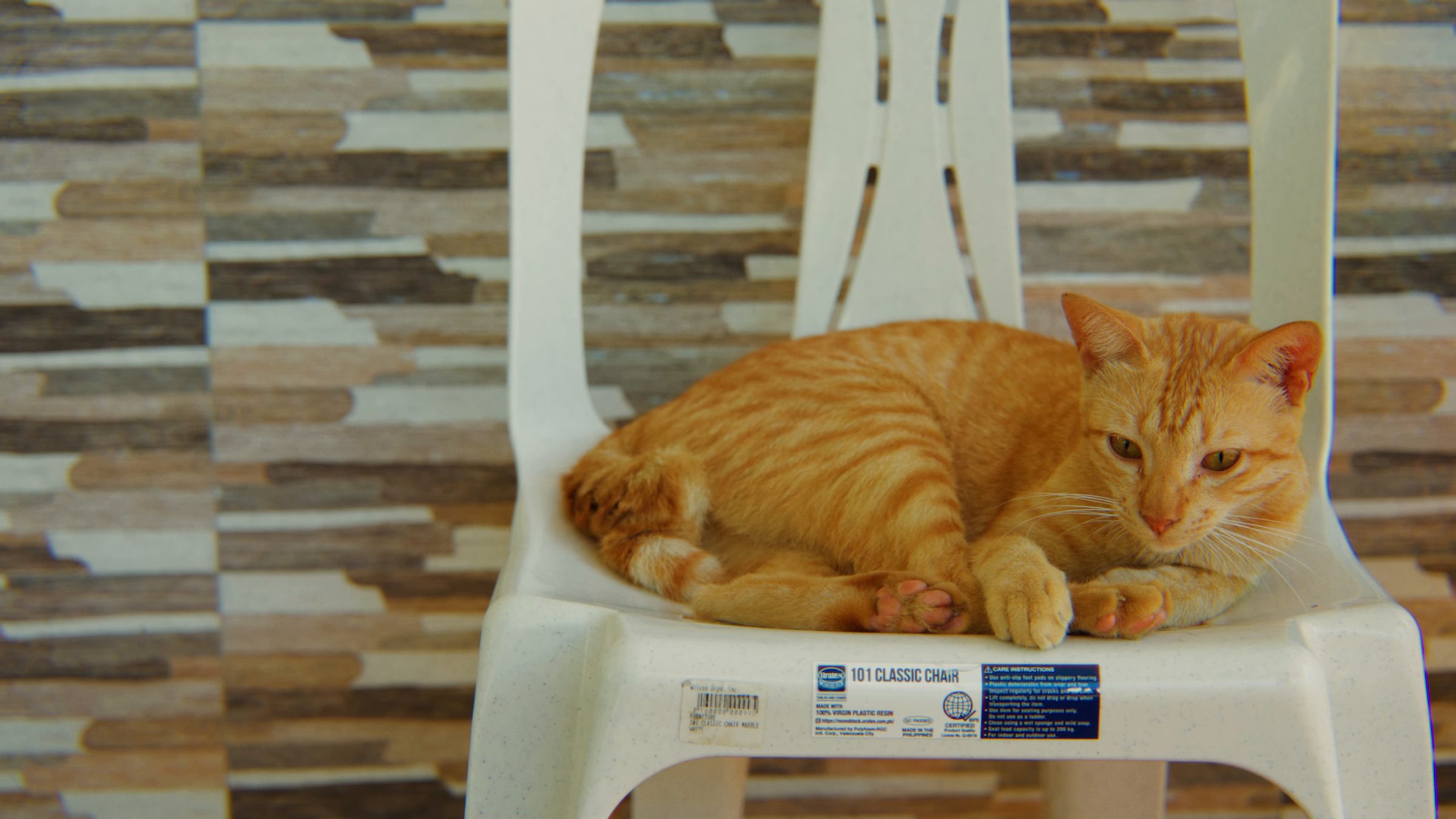
10TRAVEL JOURNAL
A quiet local beach
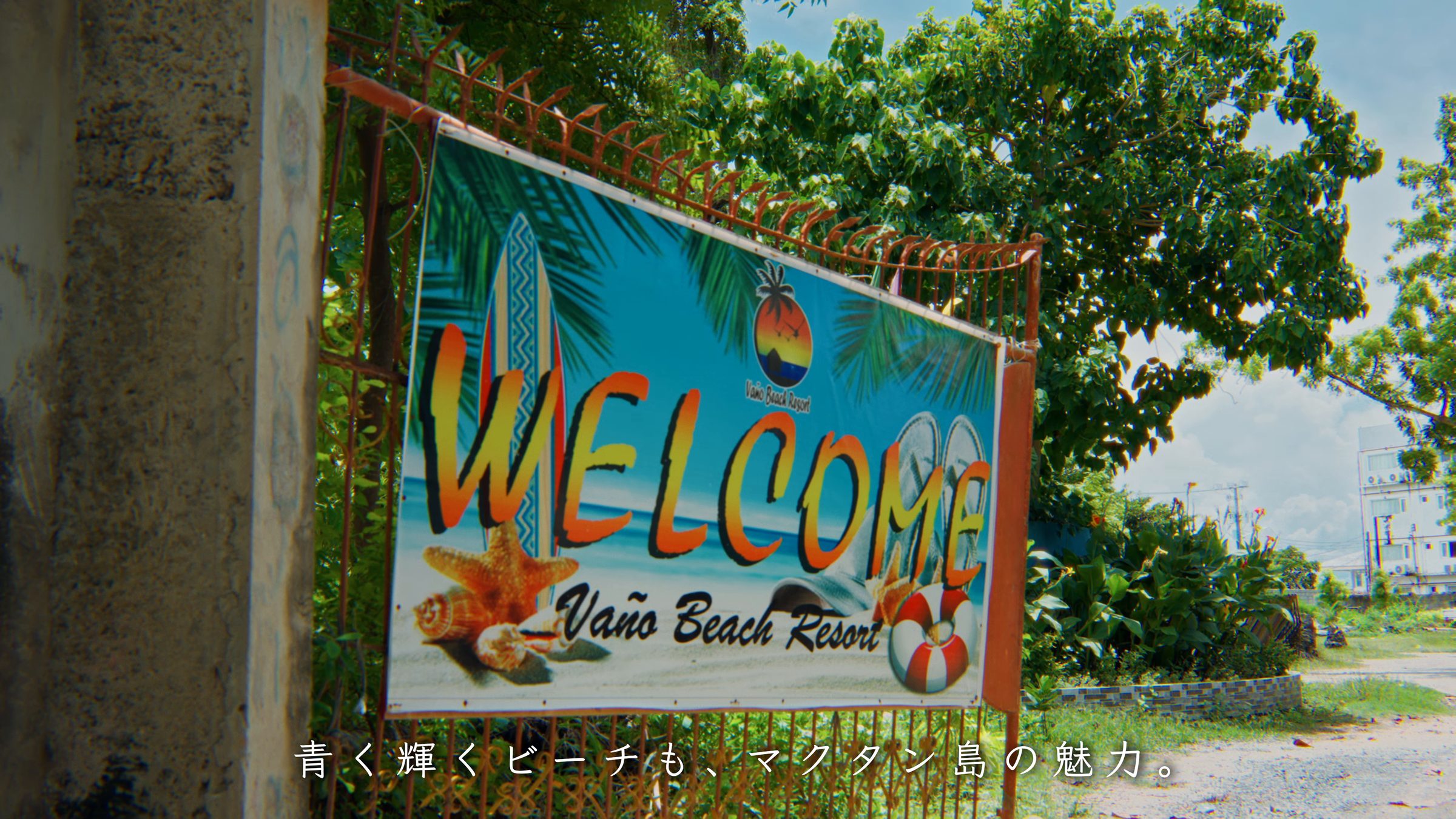
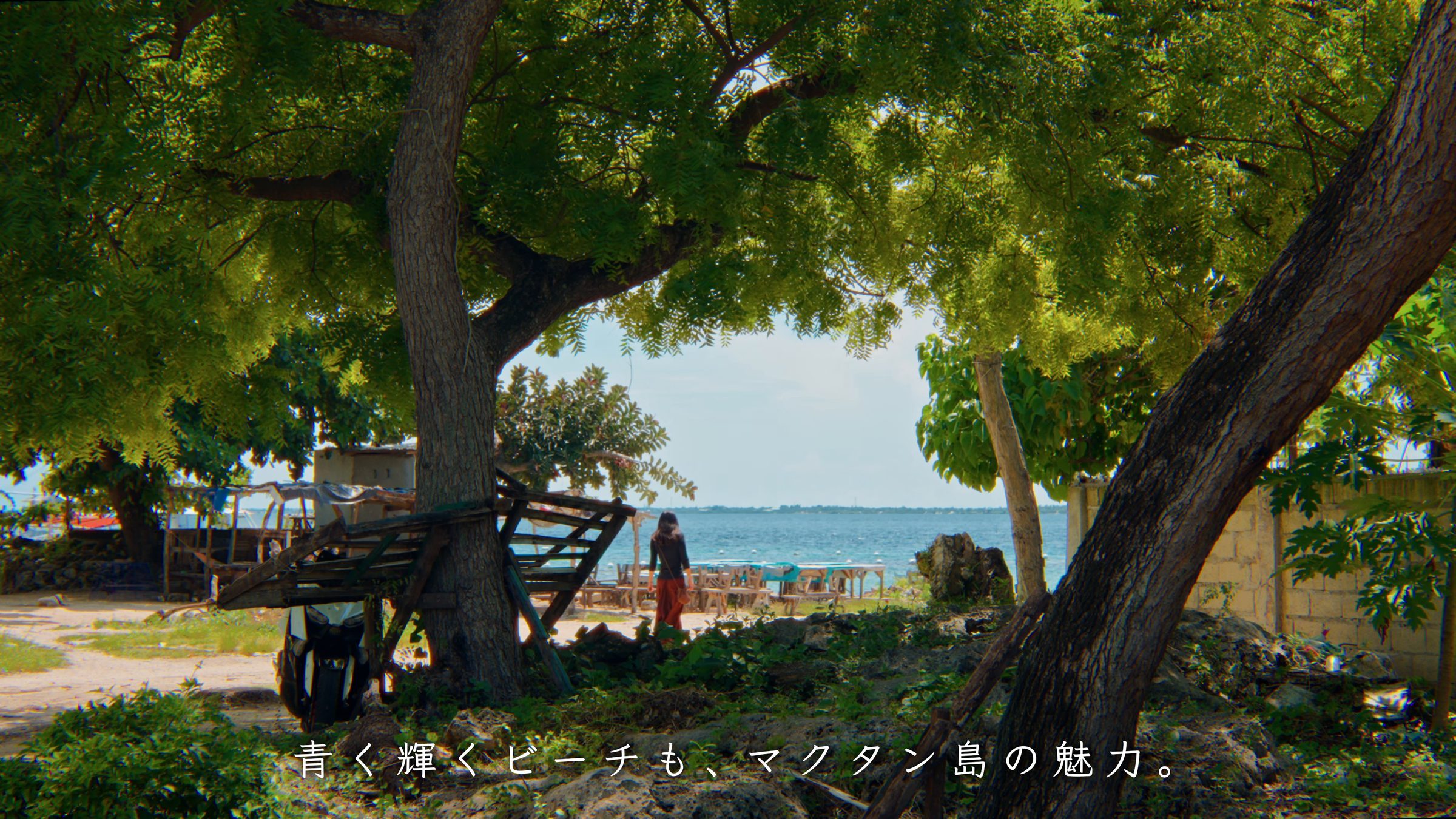
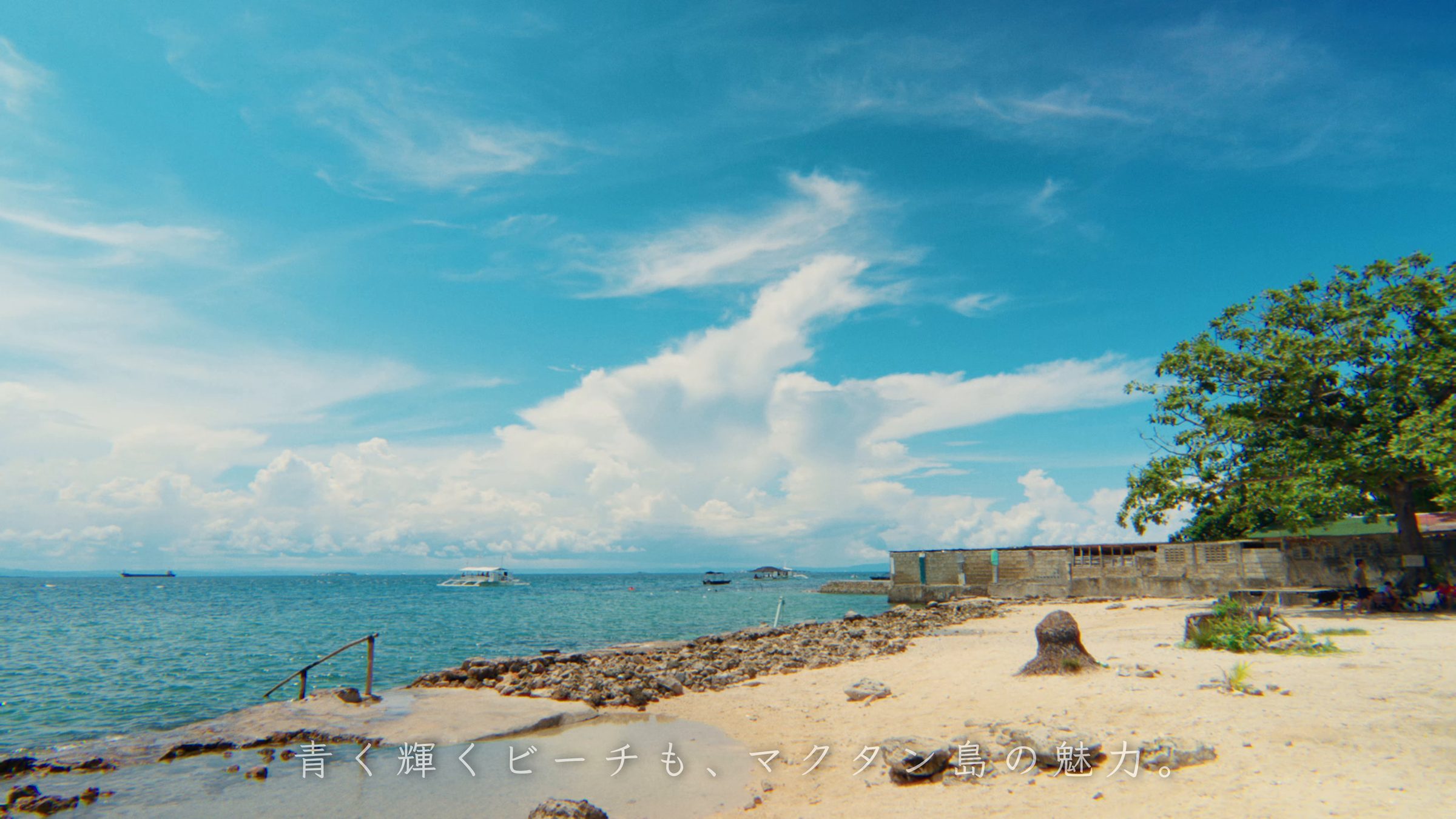
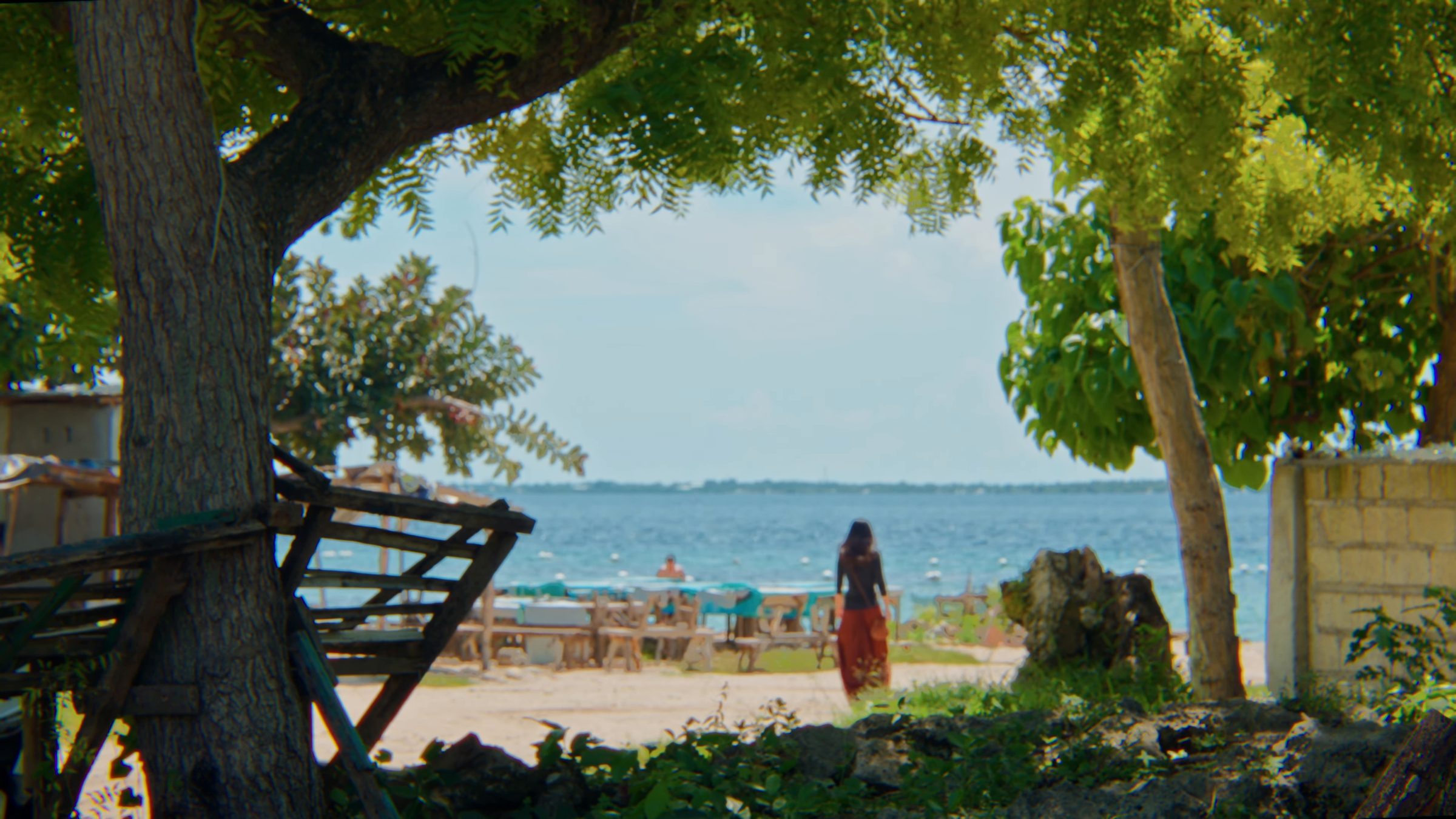
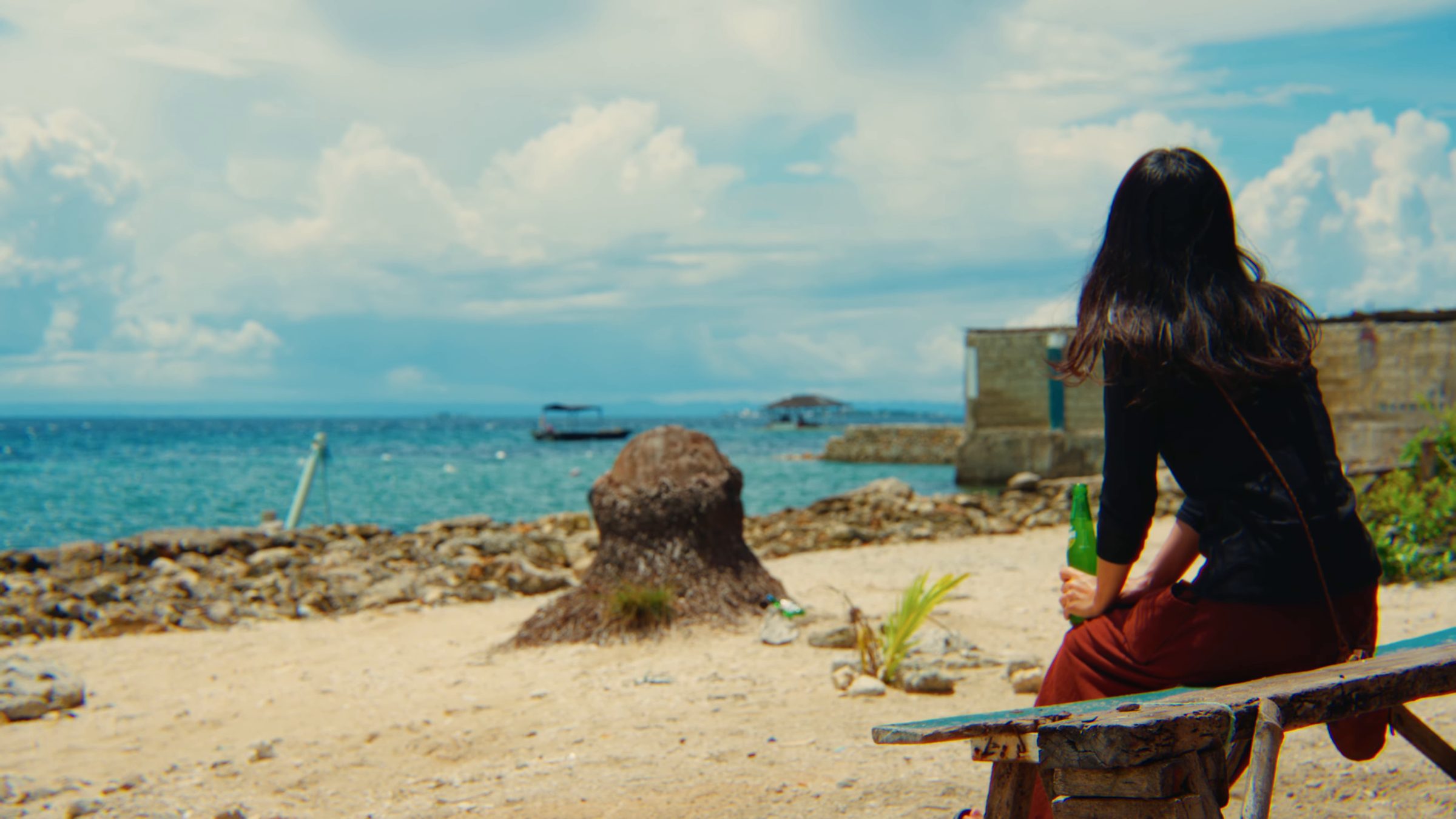
The sparkling blue sea is another of Mactan's charms. At the end of a shady lane, a WELCOME sign greeted me: the entrance to Vaño Beach Resort.
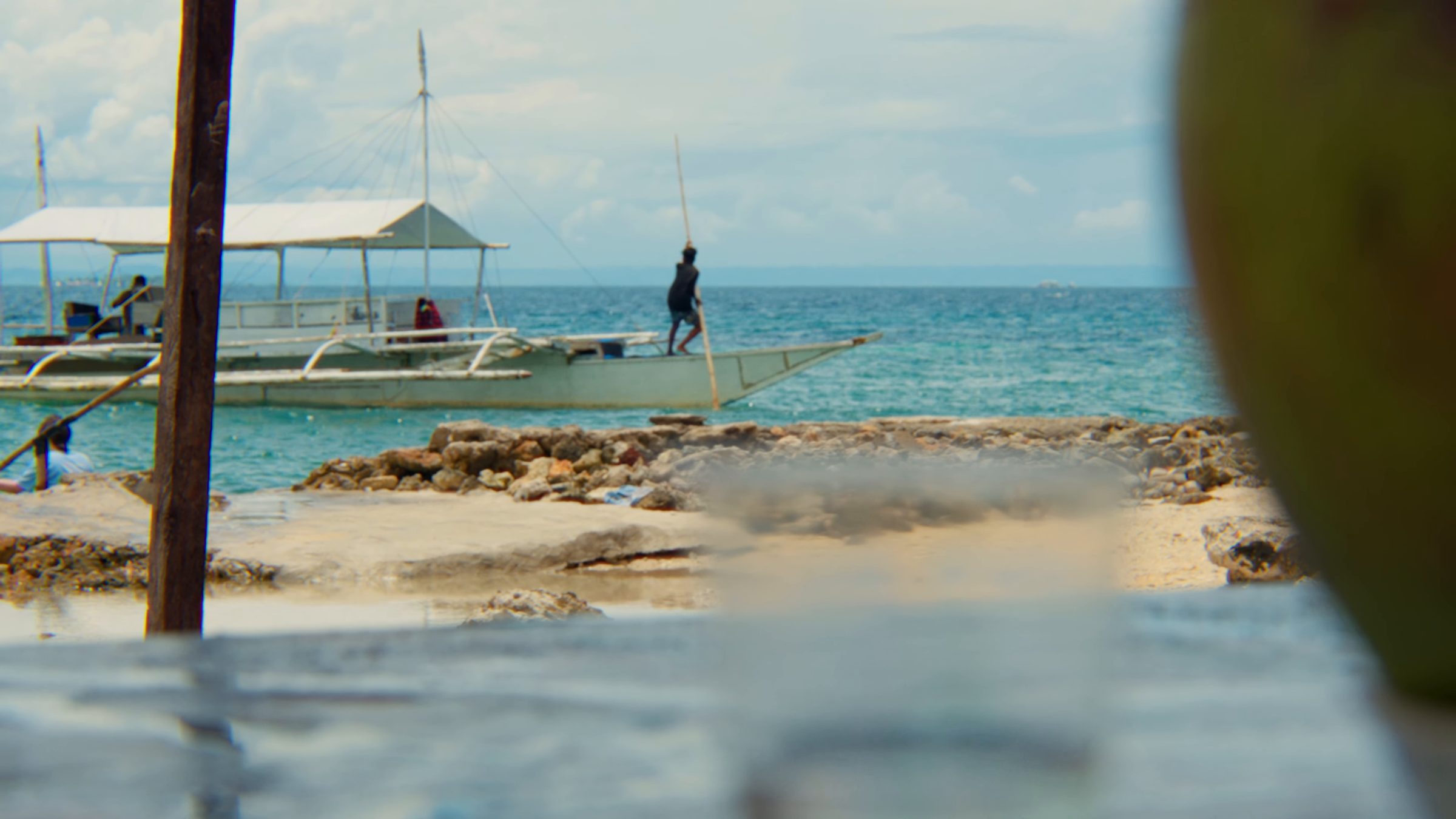
This afternoon, I would relax at a calm local beach. Beyond the pale sand lay endless blue sea under heaped-up clouds, and offshore floated a small boat with outriggers on both sides.
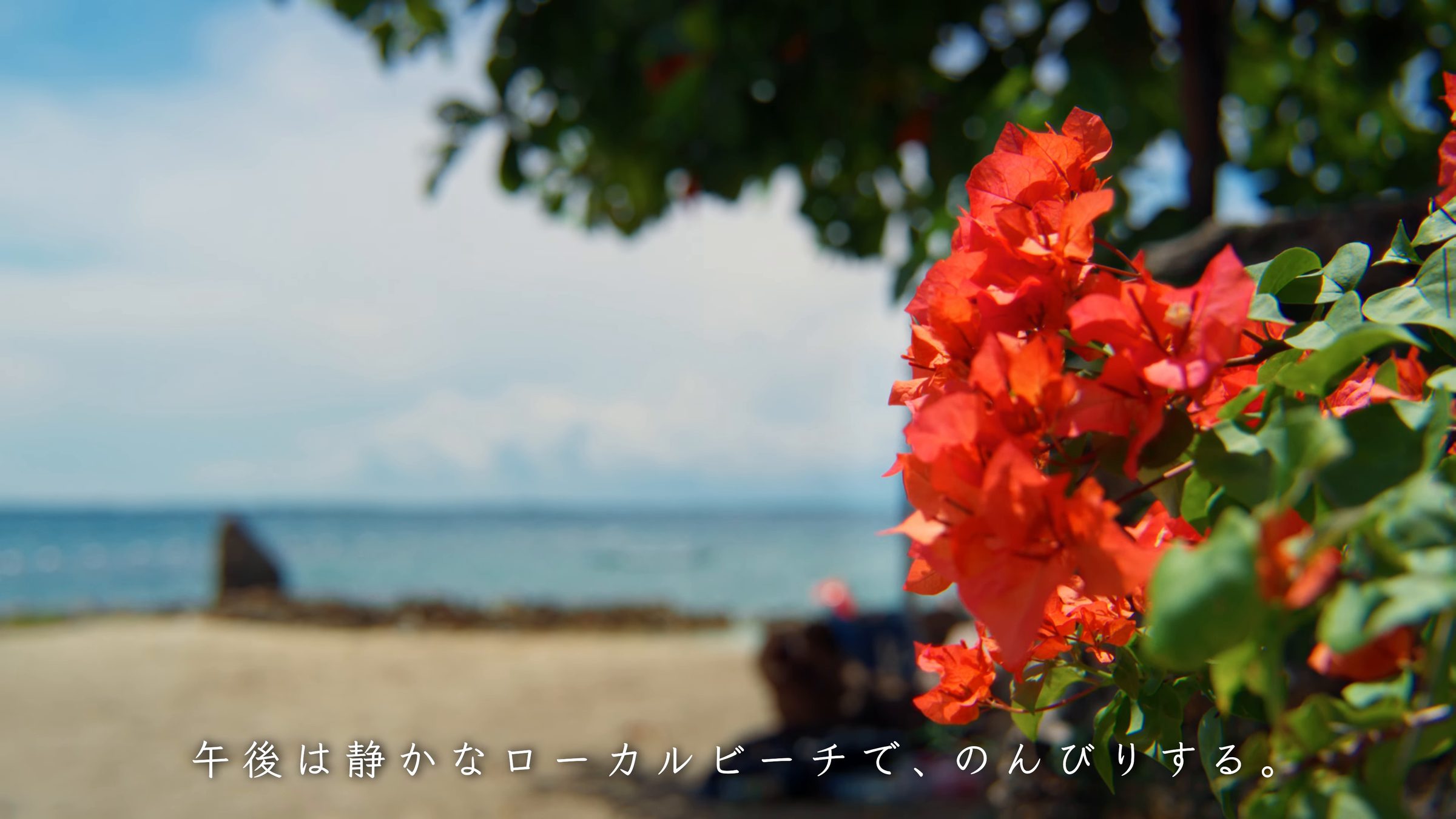
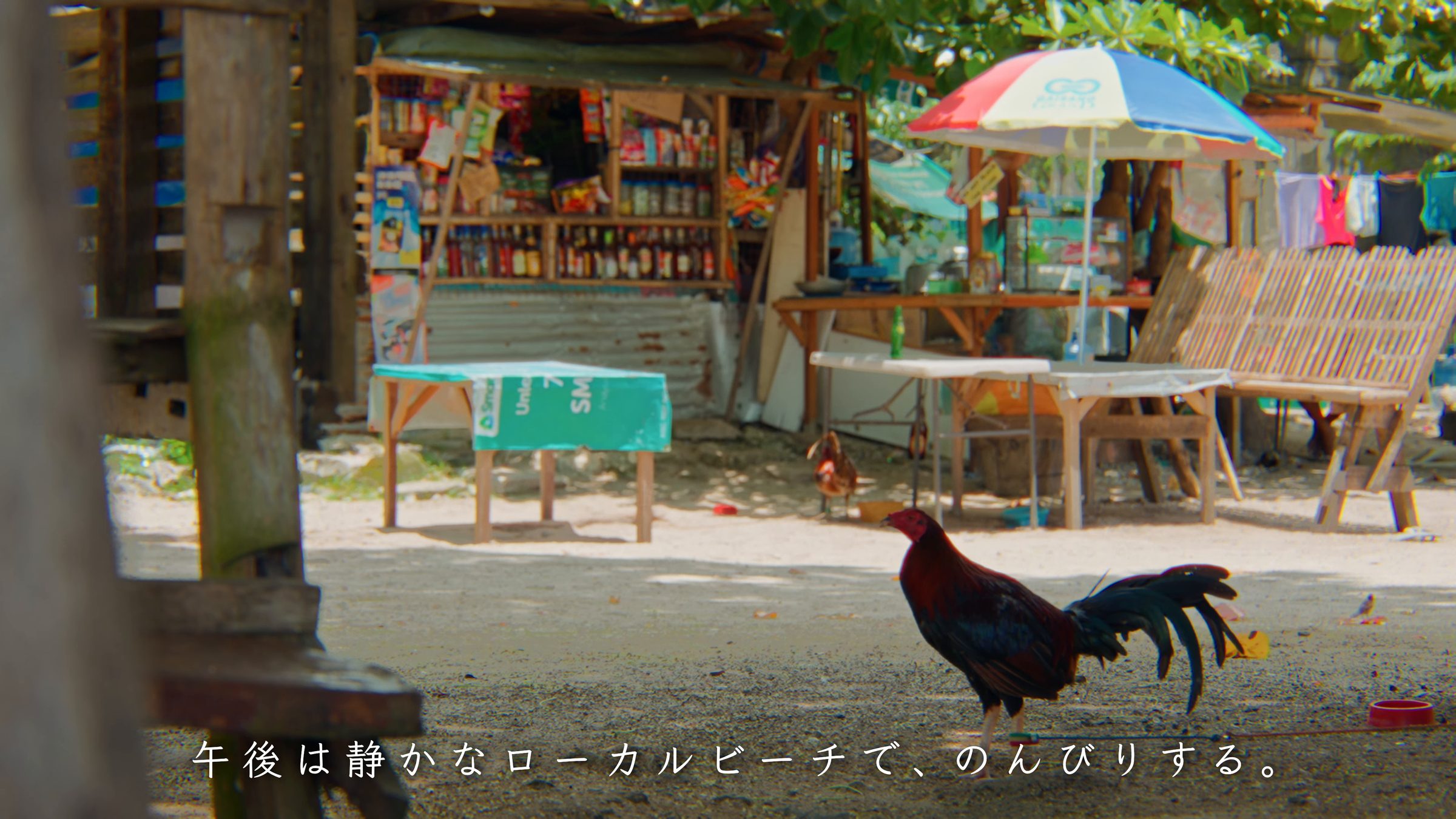
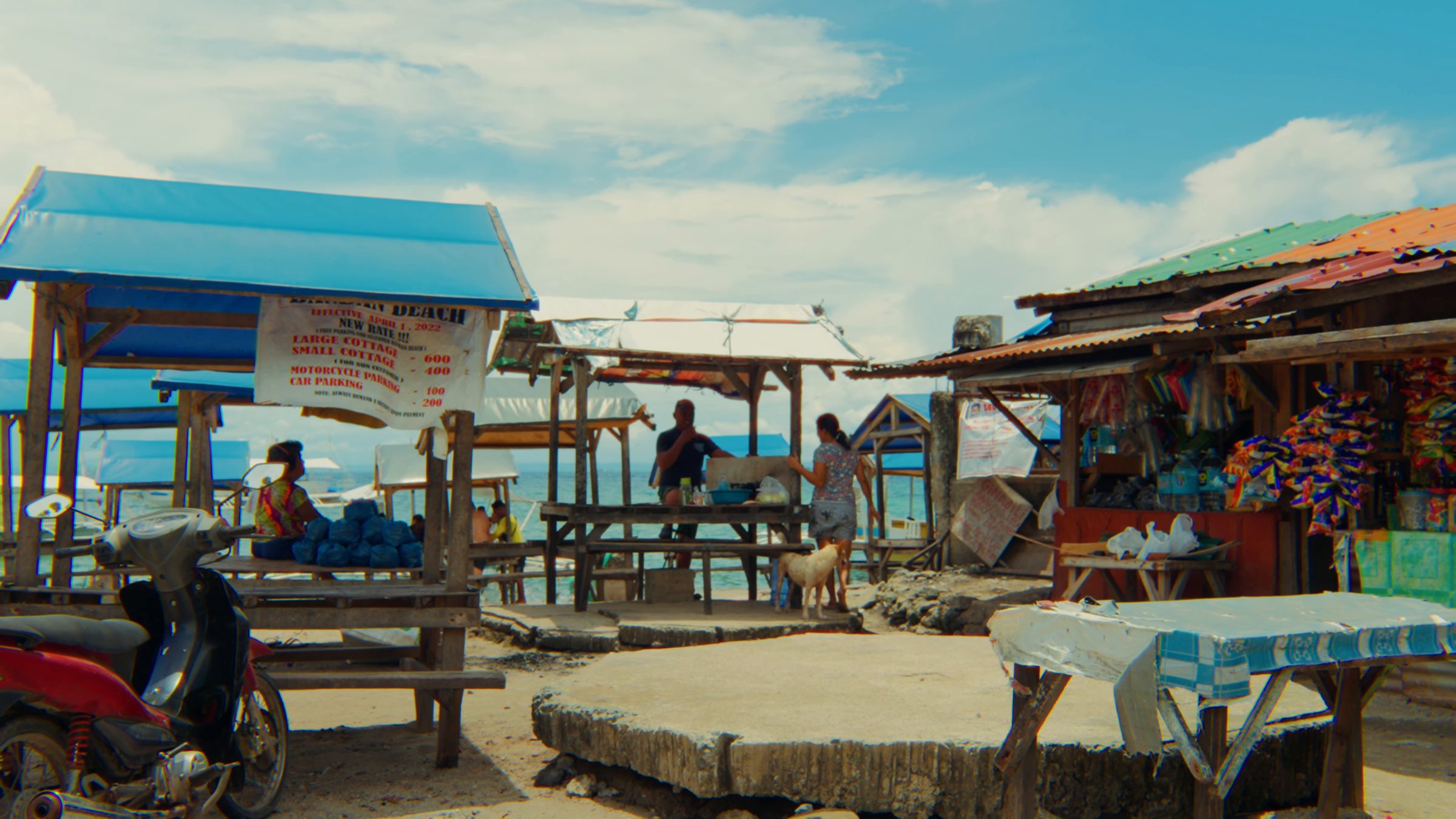
Red bougainvillea bloomed on the beach, and a rooster strutted past the little shop. With no crowds of tourists, it felt as if I had the whole beach to myself.
Watch this scene on YouTube6:17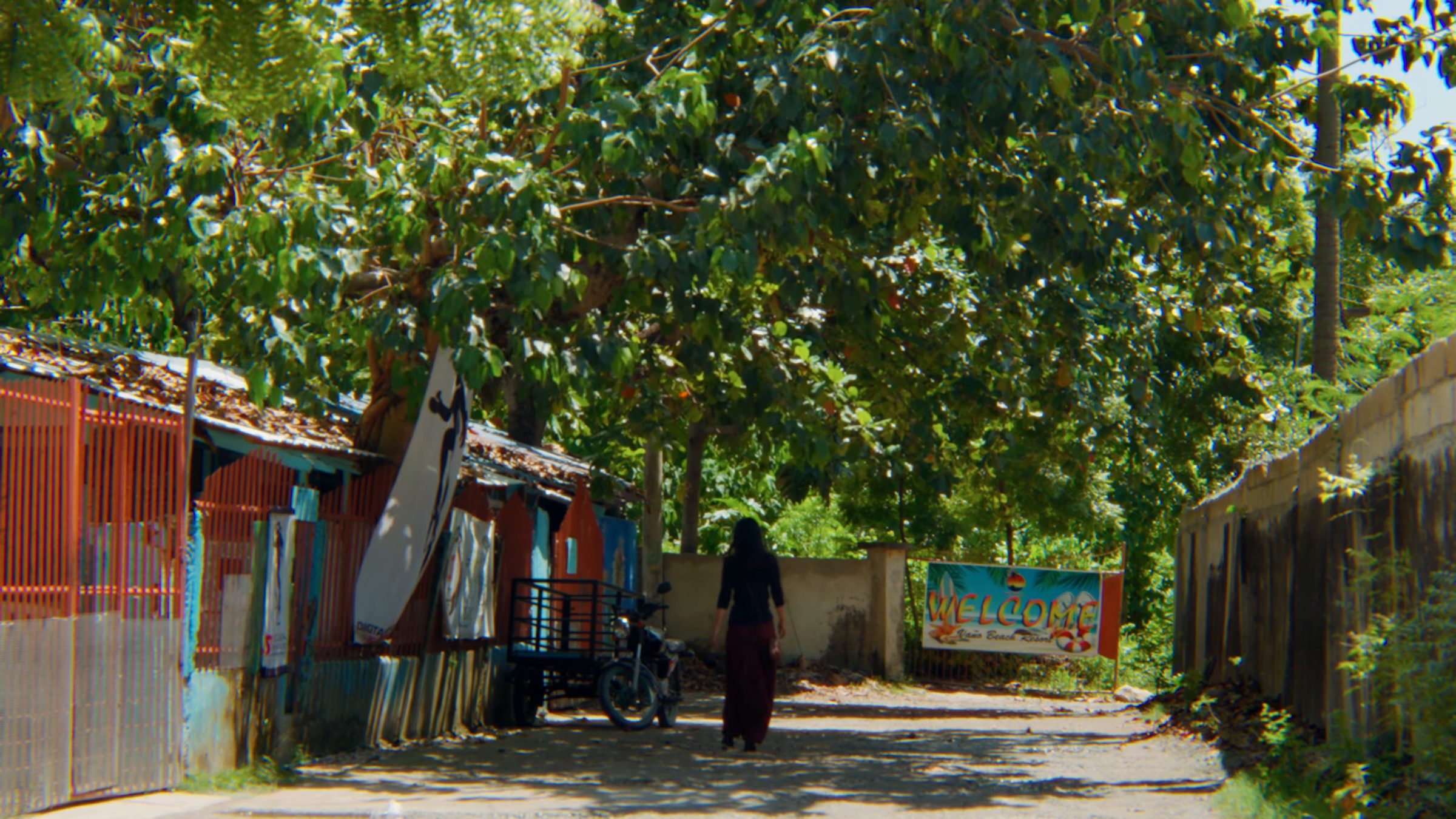

11TRAVEL JOURNAL
Lemon soda and a fresh coconut
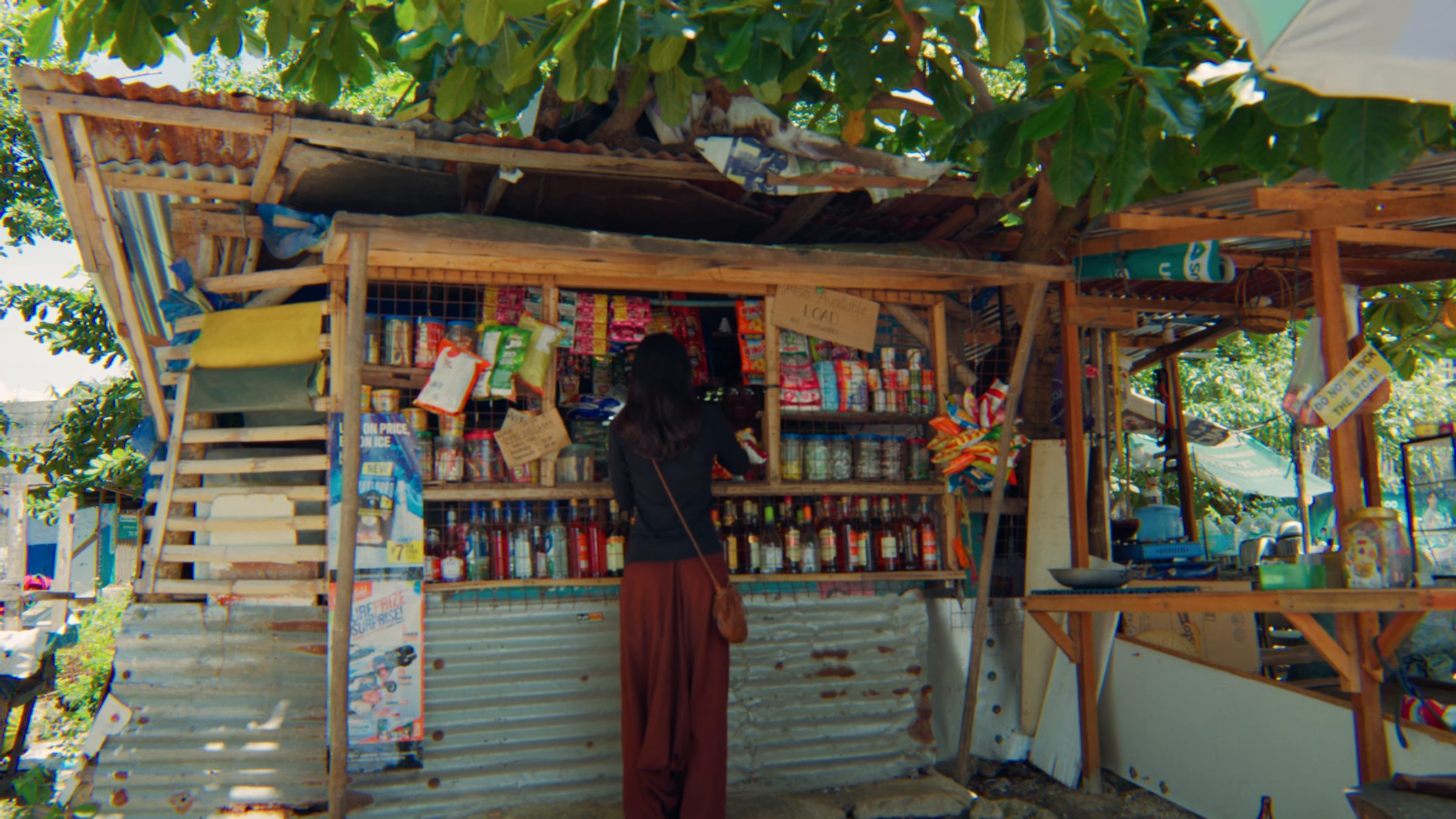
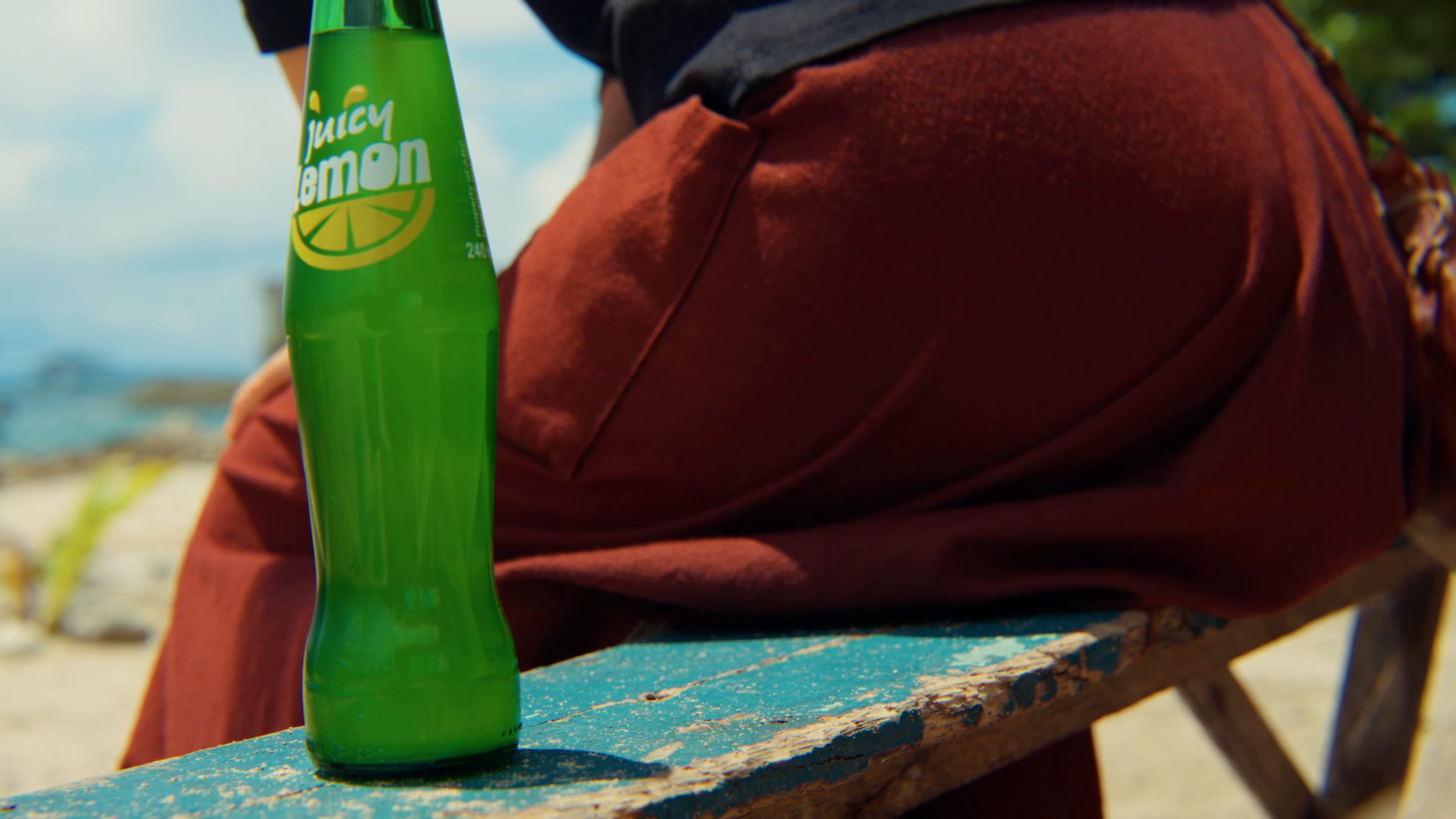
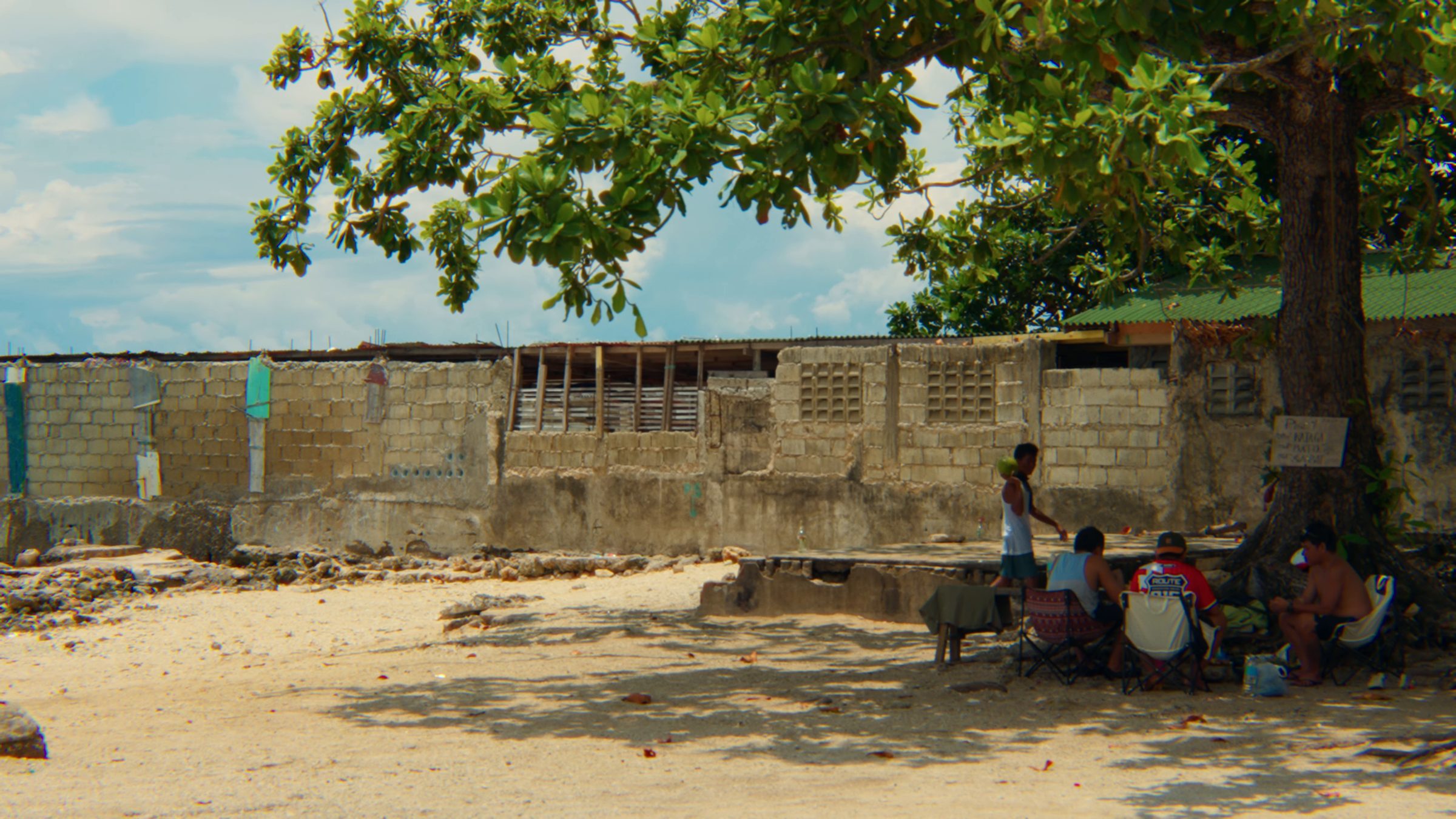
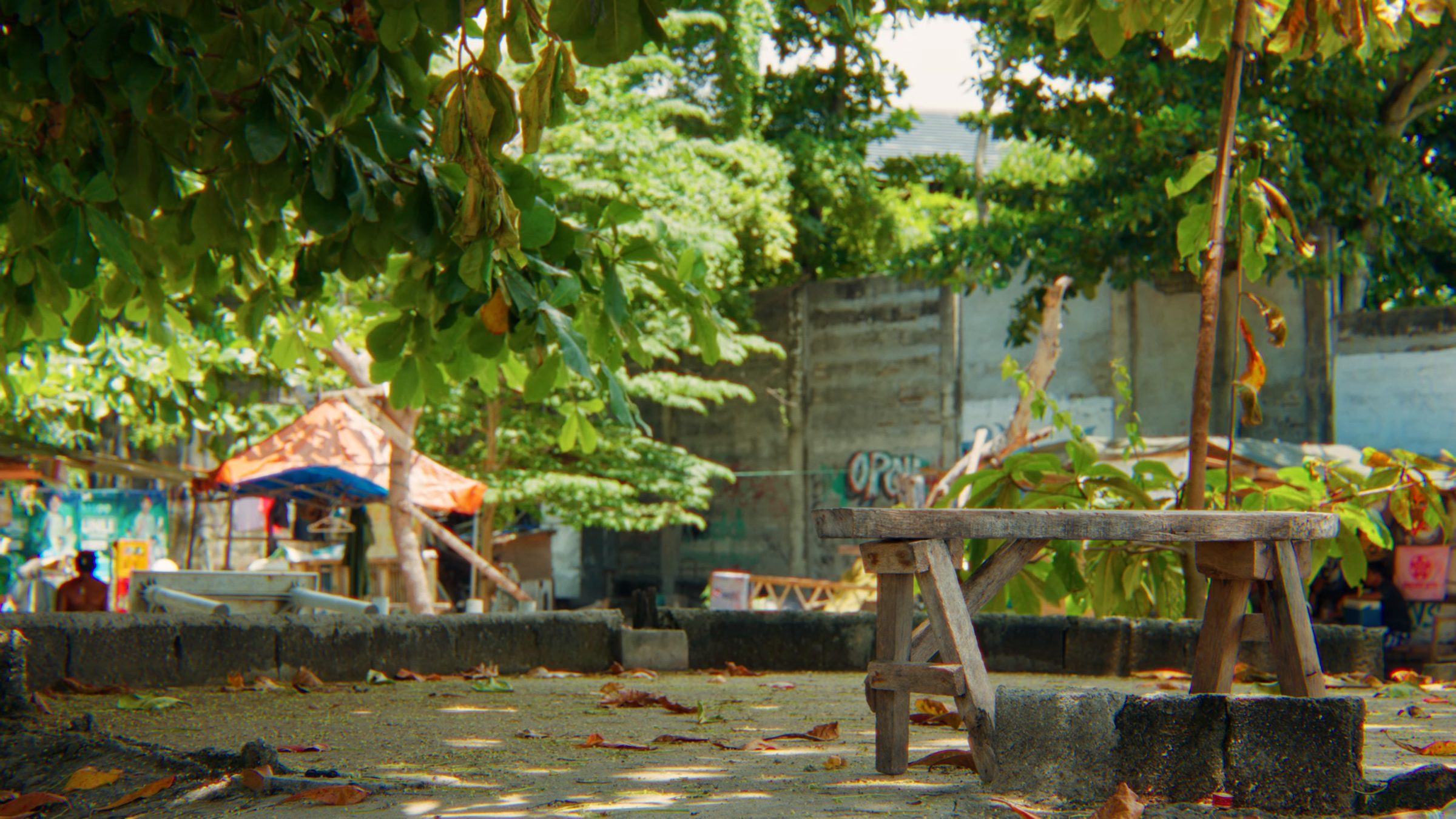
At the shop I bought a lemon soda in a cute retro green bottle. I sat on an old bench on the beach and let my mind wander, gazing at the sea. In the shade, locals were taking it easy.
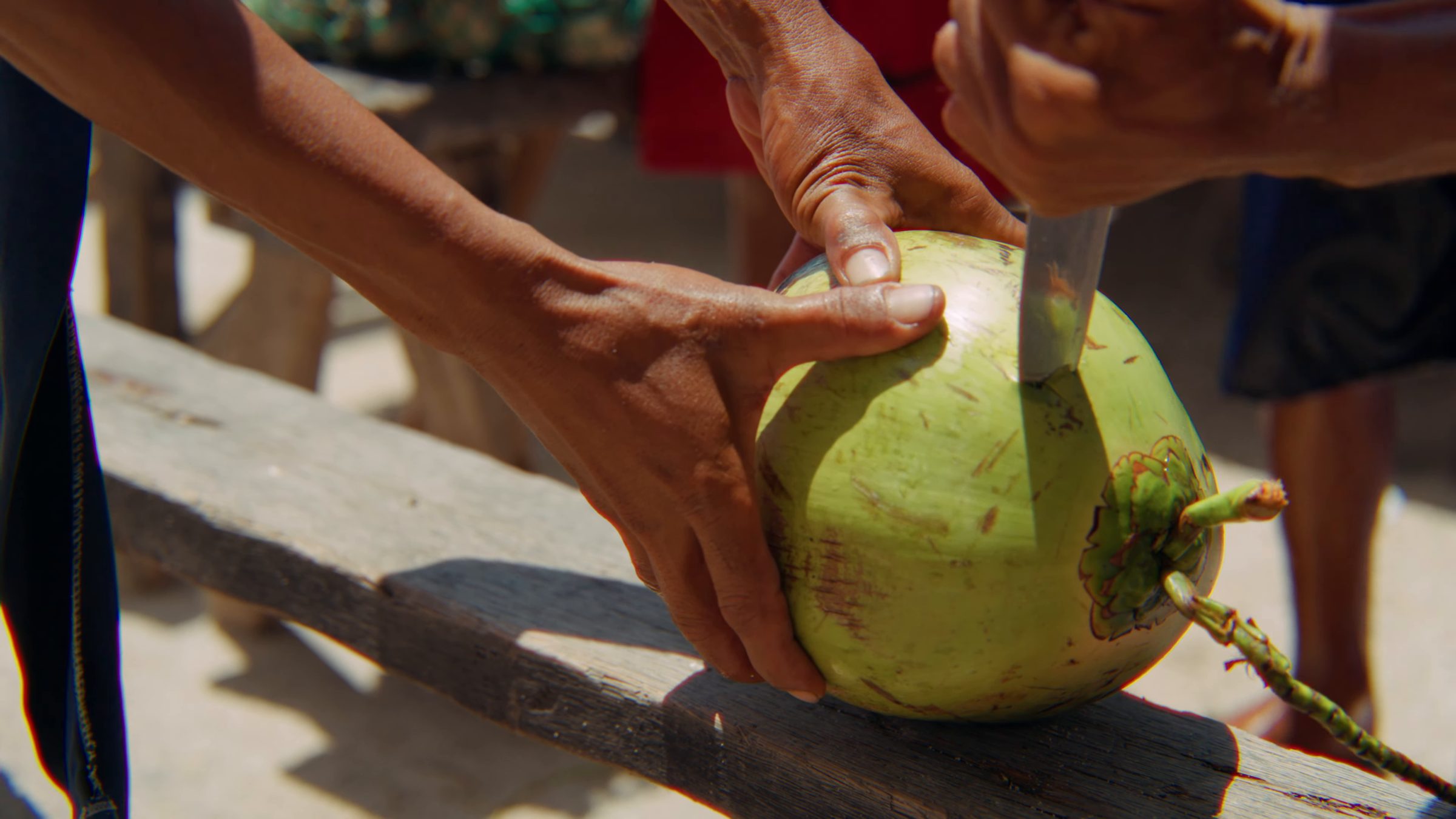
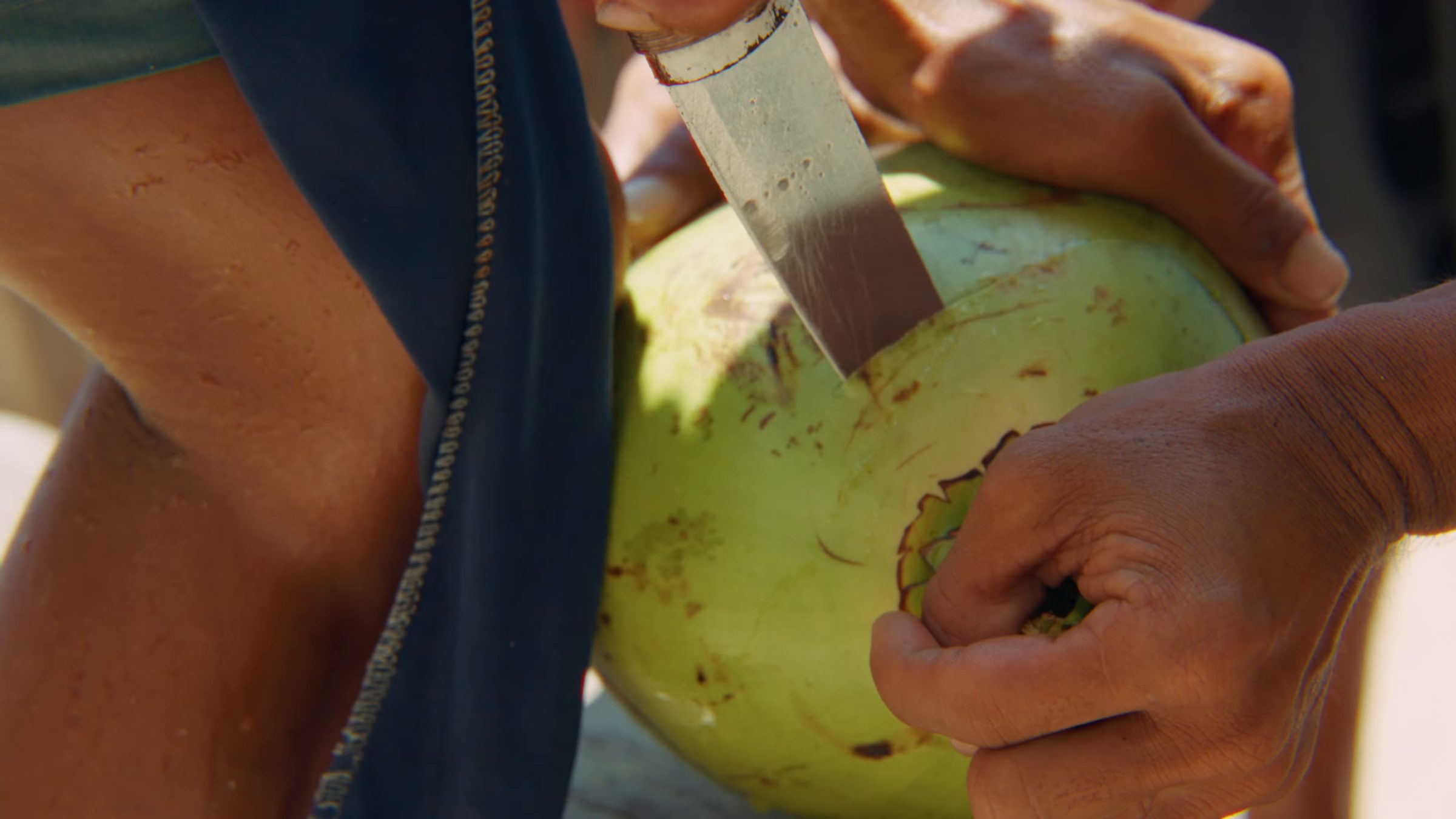
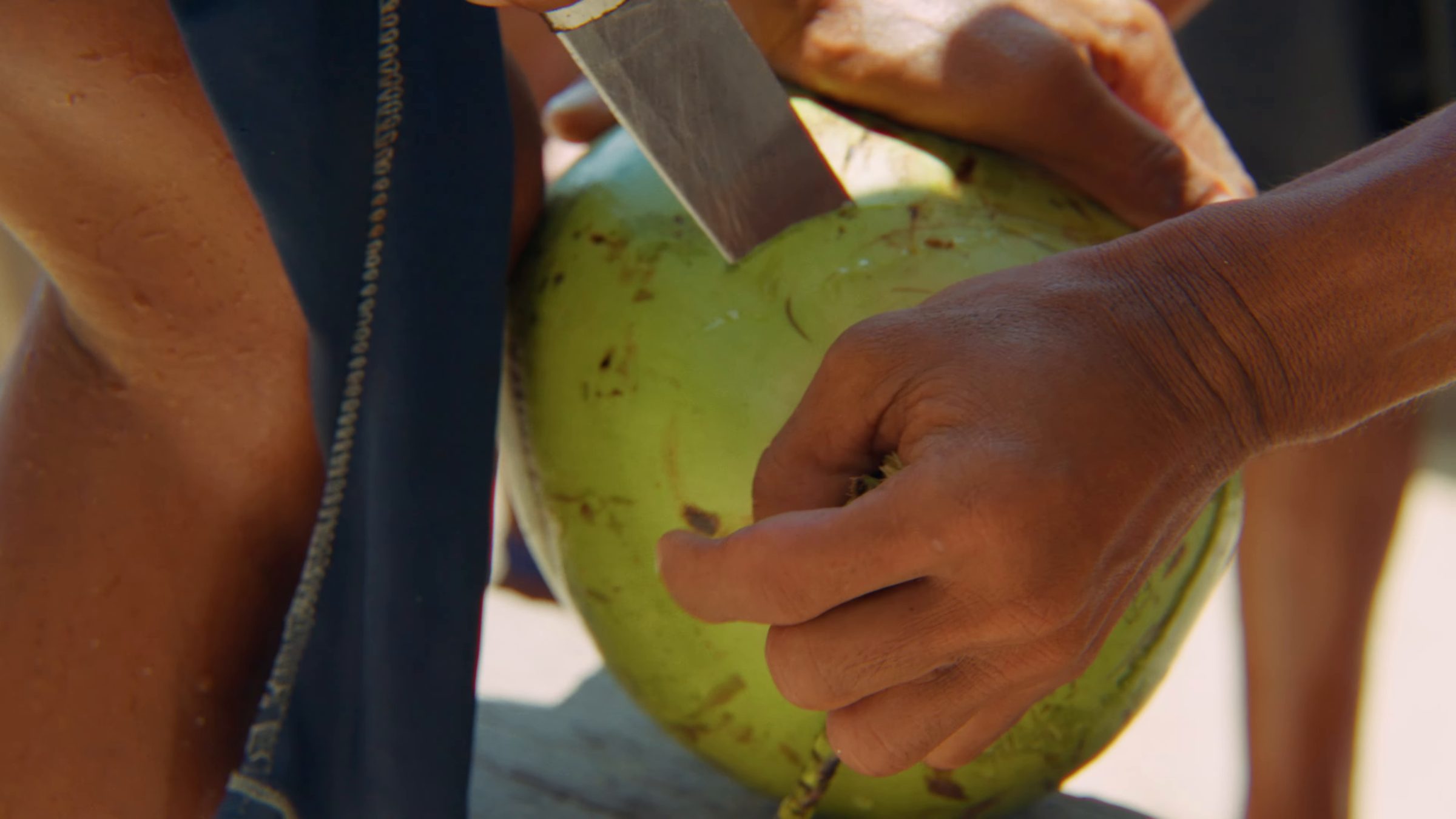
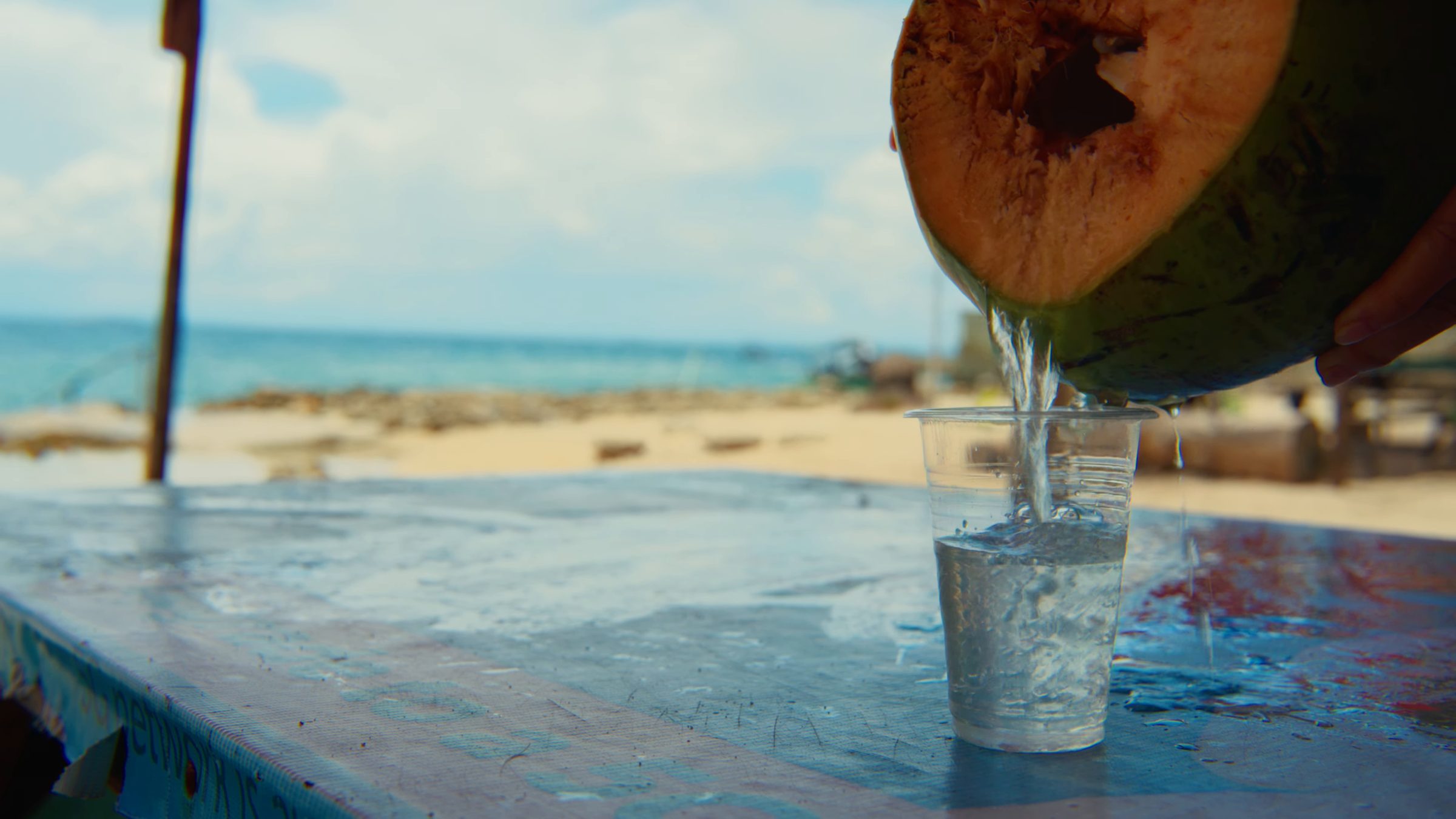
Then I was asked, "How about a coconut?" The green fruit was deftly shaved and a hole hacked into it, wild and quick. Poured into a cup, the clear coconut water spilled over.
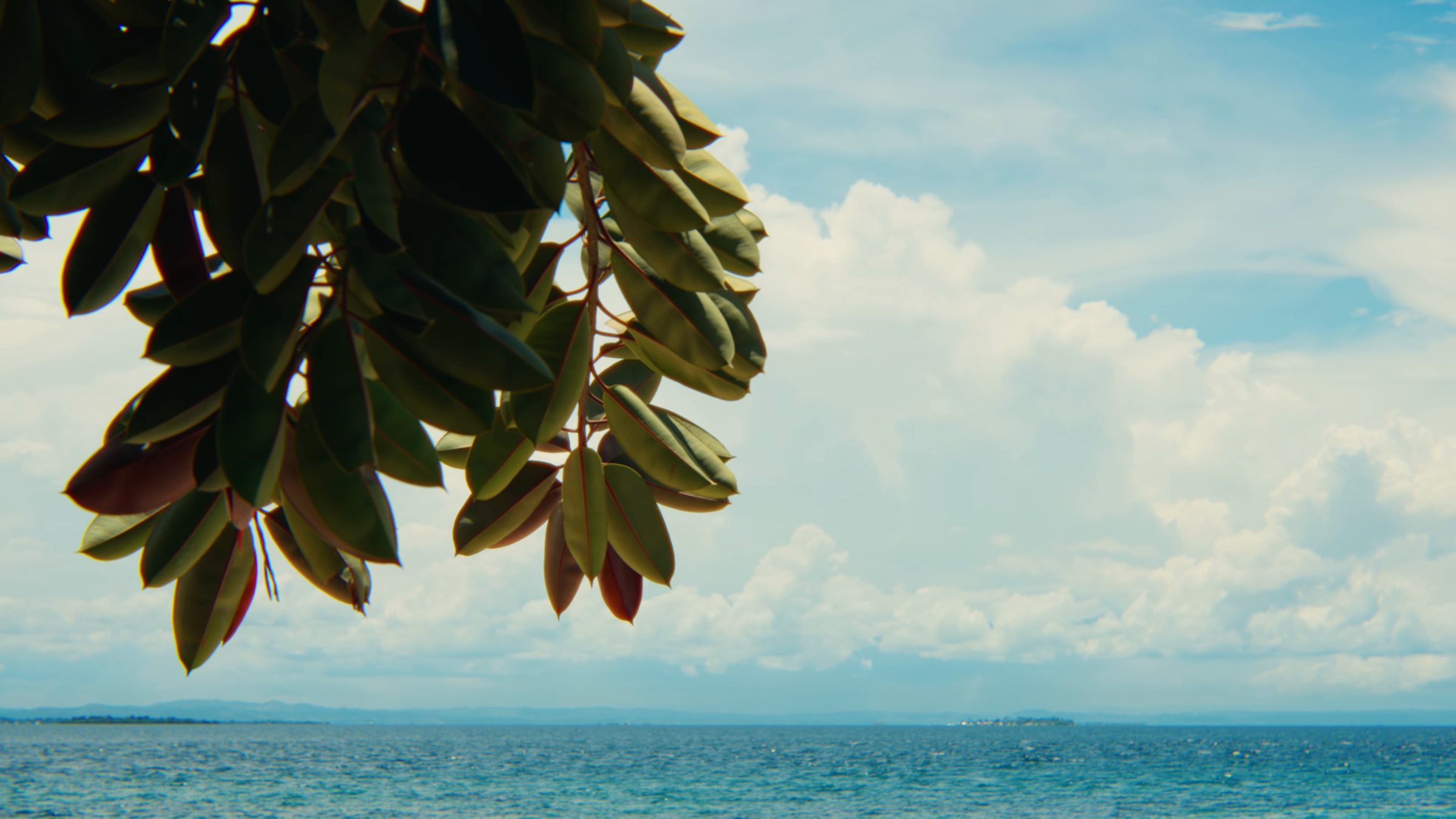
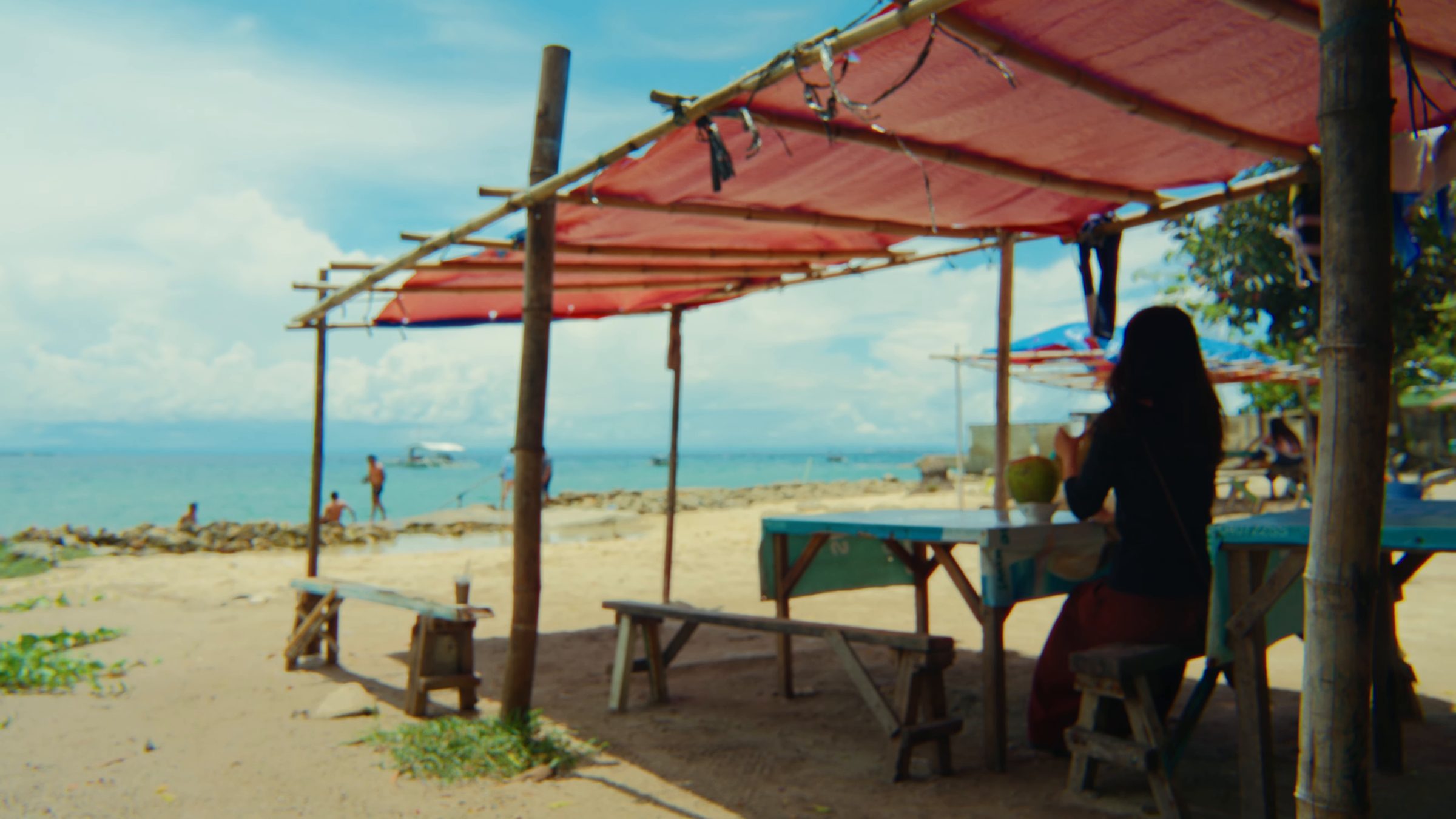
At a table under a red awning, I drank the fresh coconut water. Boats passed offshore, and the sea breeze rustled the leaves. Gazing at the beautiful sea and doing nothing at all: what a luxurious time.
Watch this scene on YouTube6:42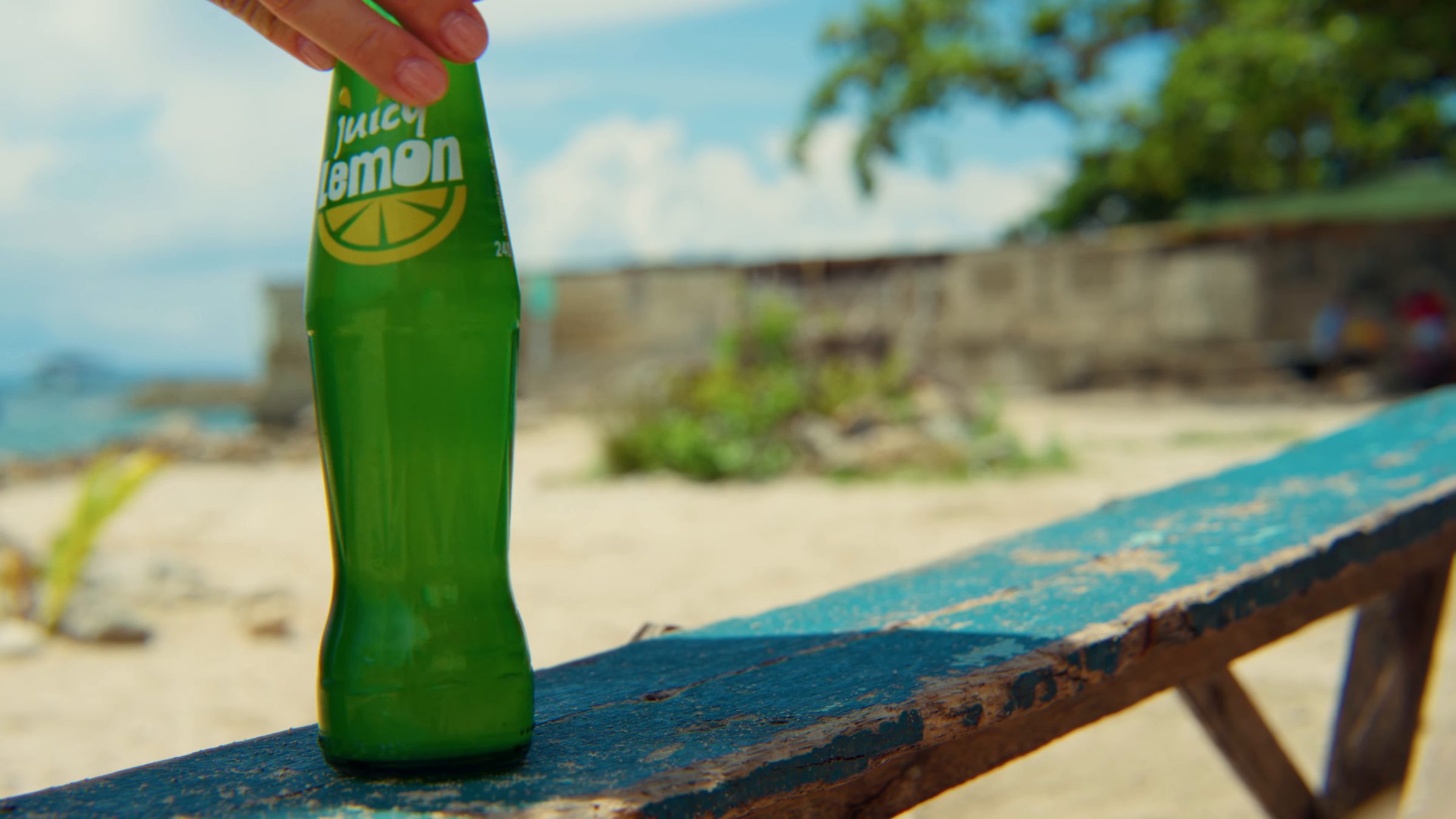
12TRAVEL JOURNAL
By tricycle to shop for dinner
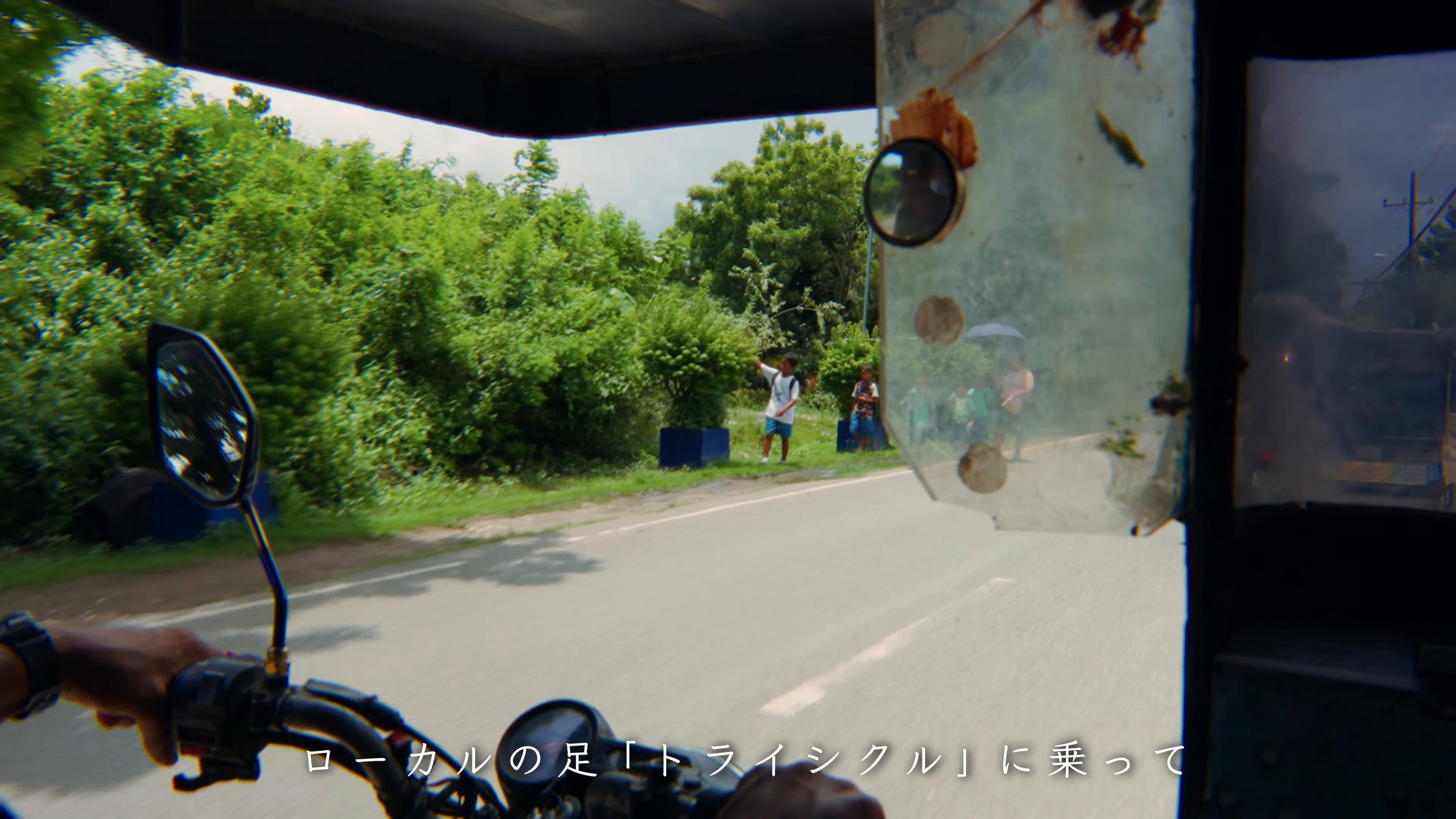
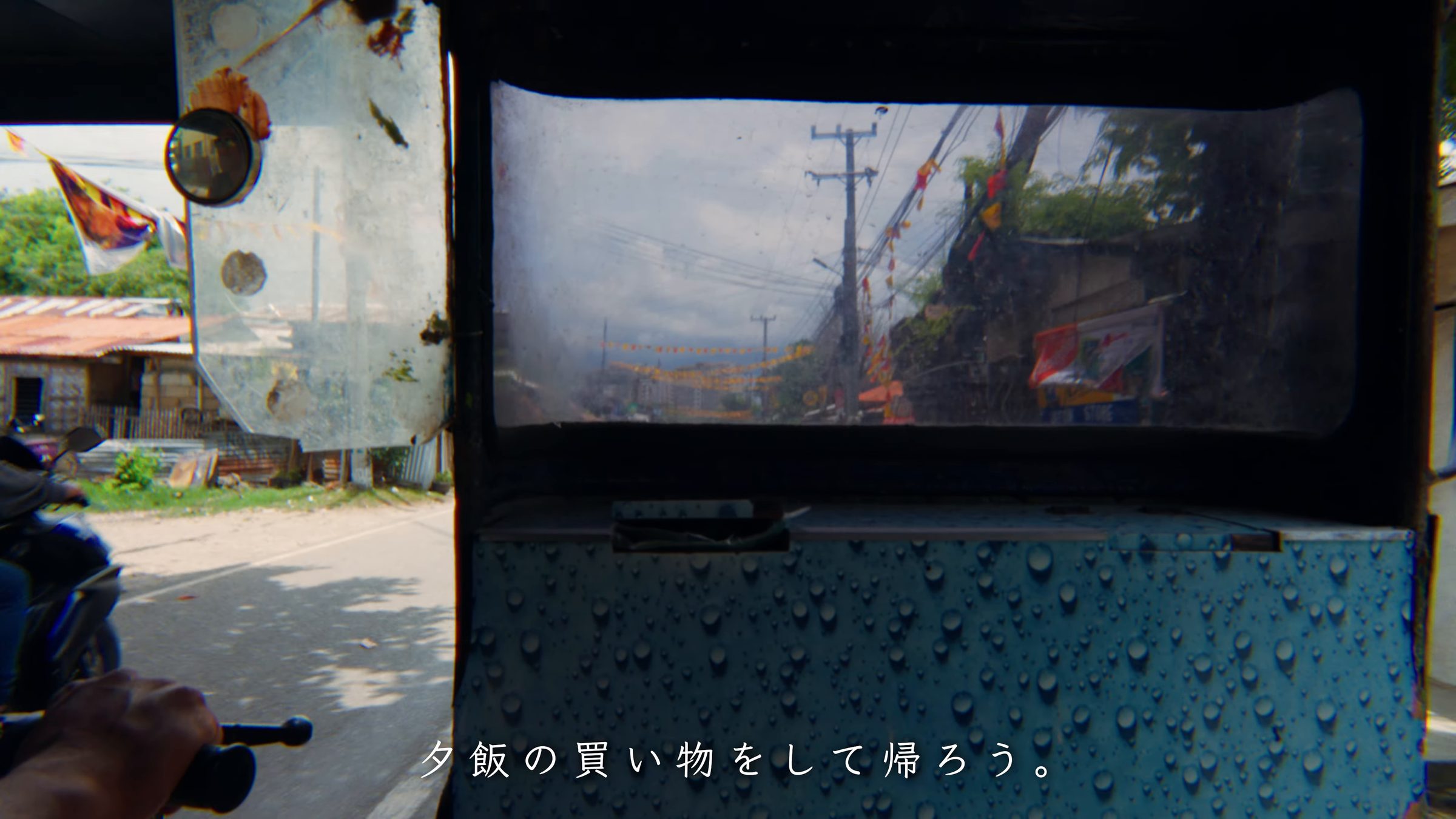
I rode home on a tricycle, the locals' way of getting around: a motorcycle taxi with a sidecar, a familiar sight in the Philippines. I thought I had bargained the fare down quite a bit, but the local passenger sharing the ride paid even less.
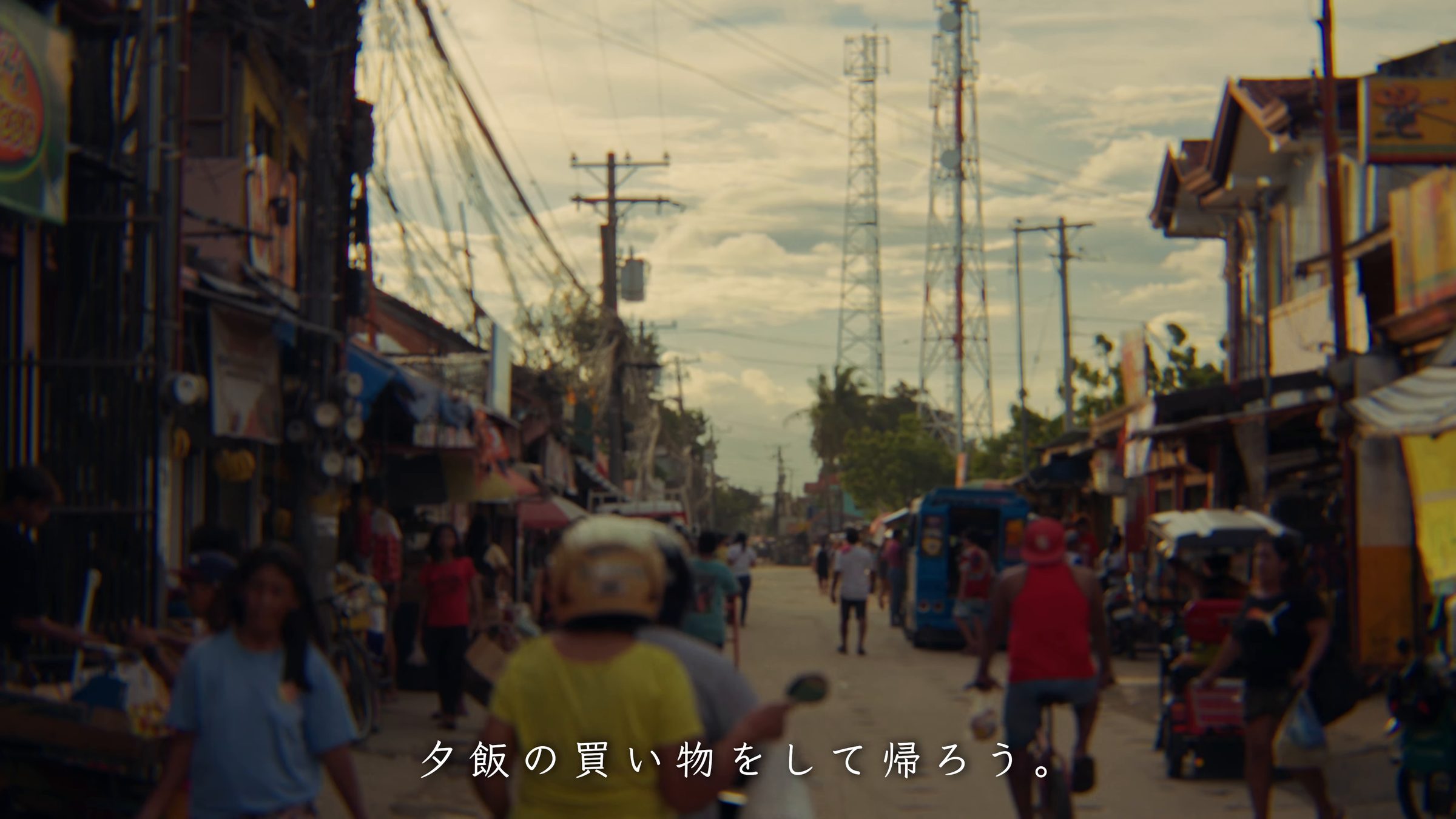
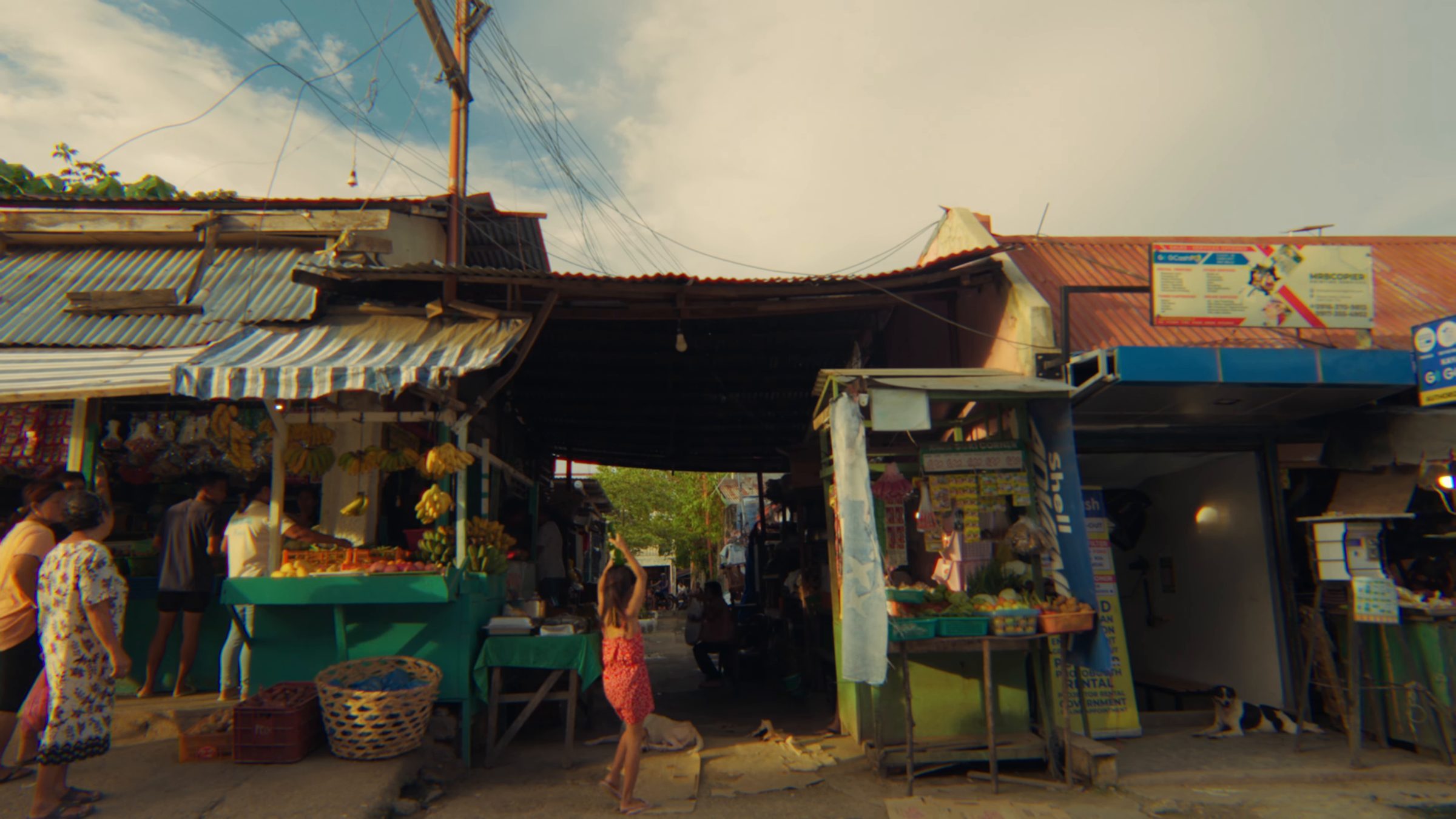
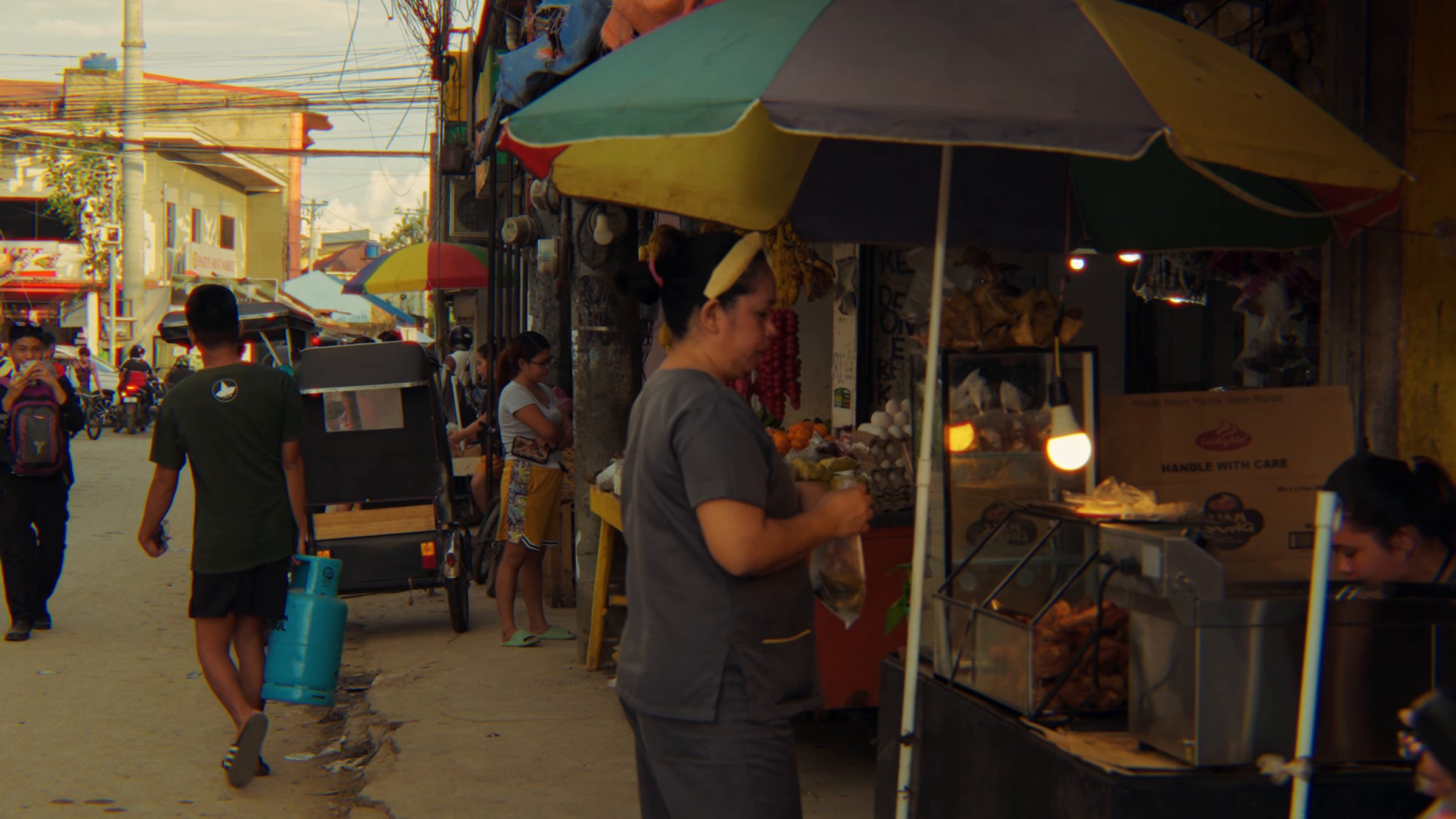
Feeling the pleasant breeze, I watched the streets flow past the window. Let's shop for dinner on the way home. The evening streets were busy with shoppers and motorbikes.
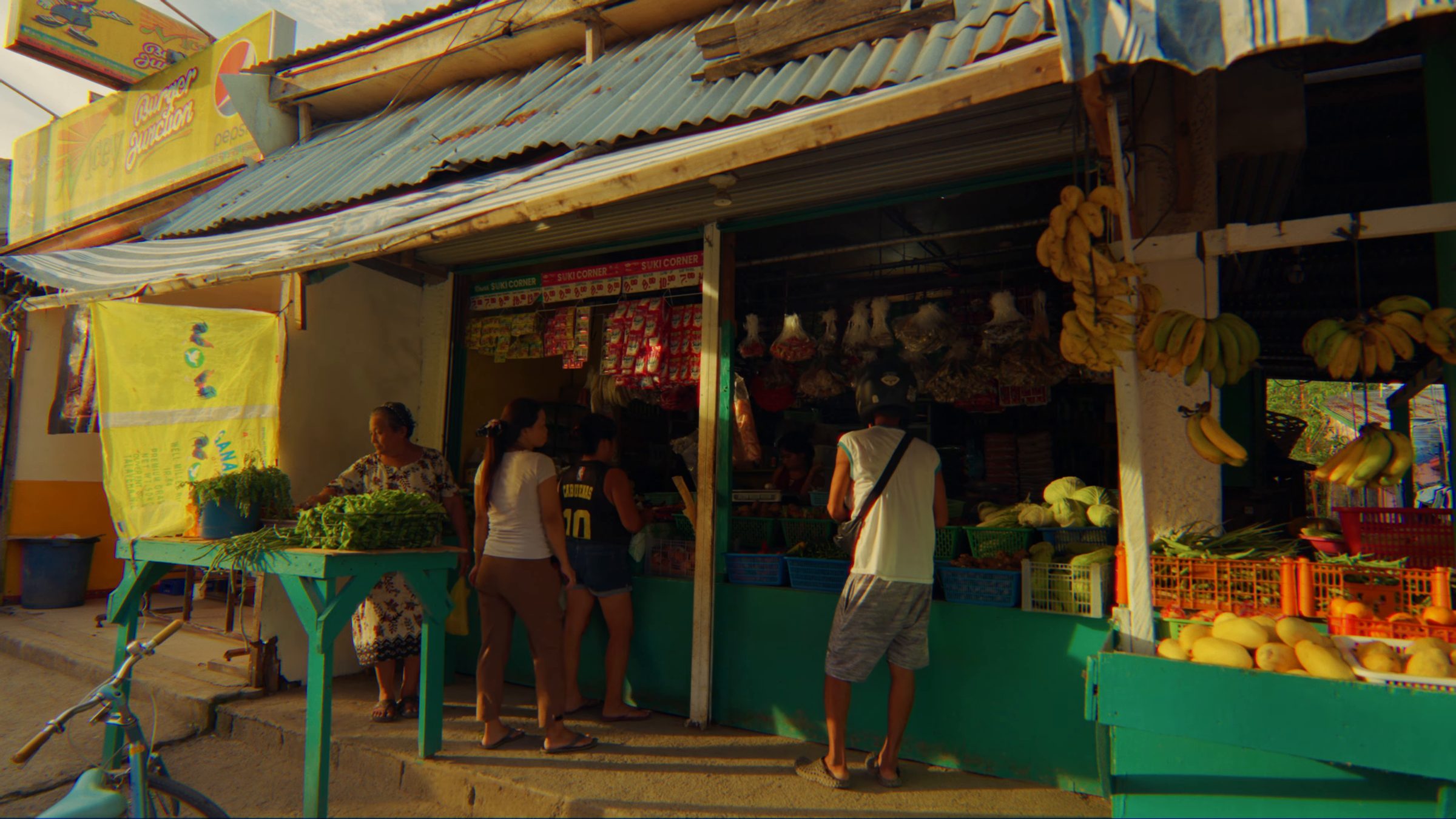
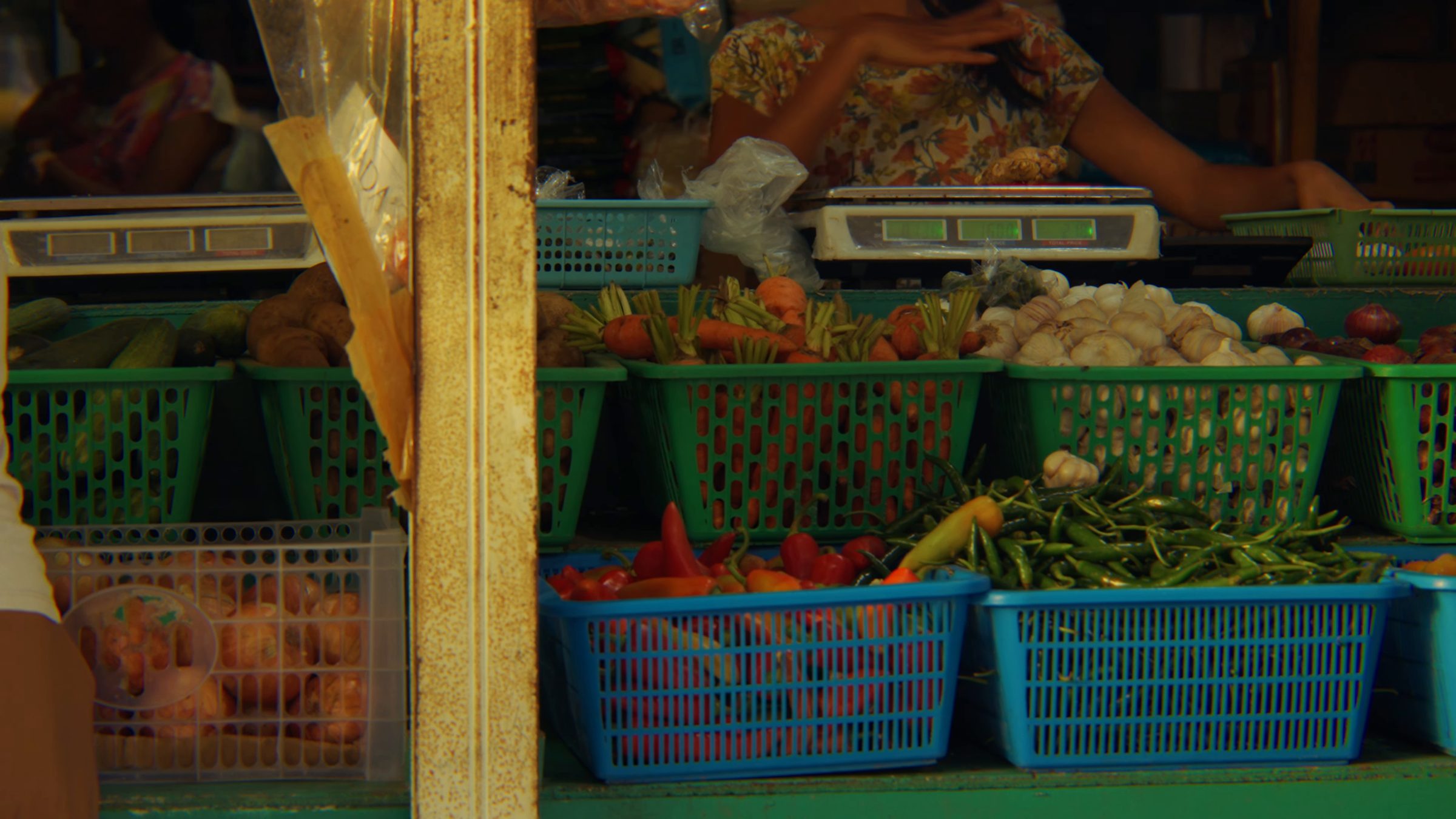
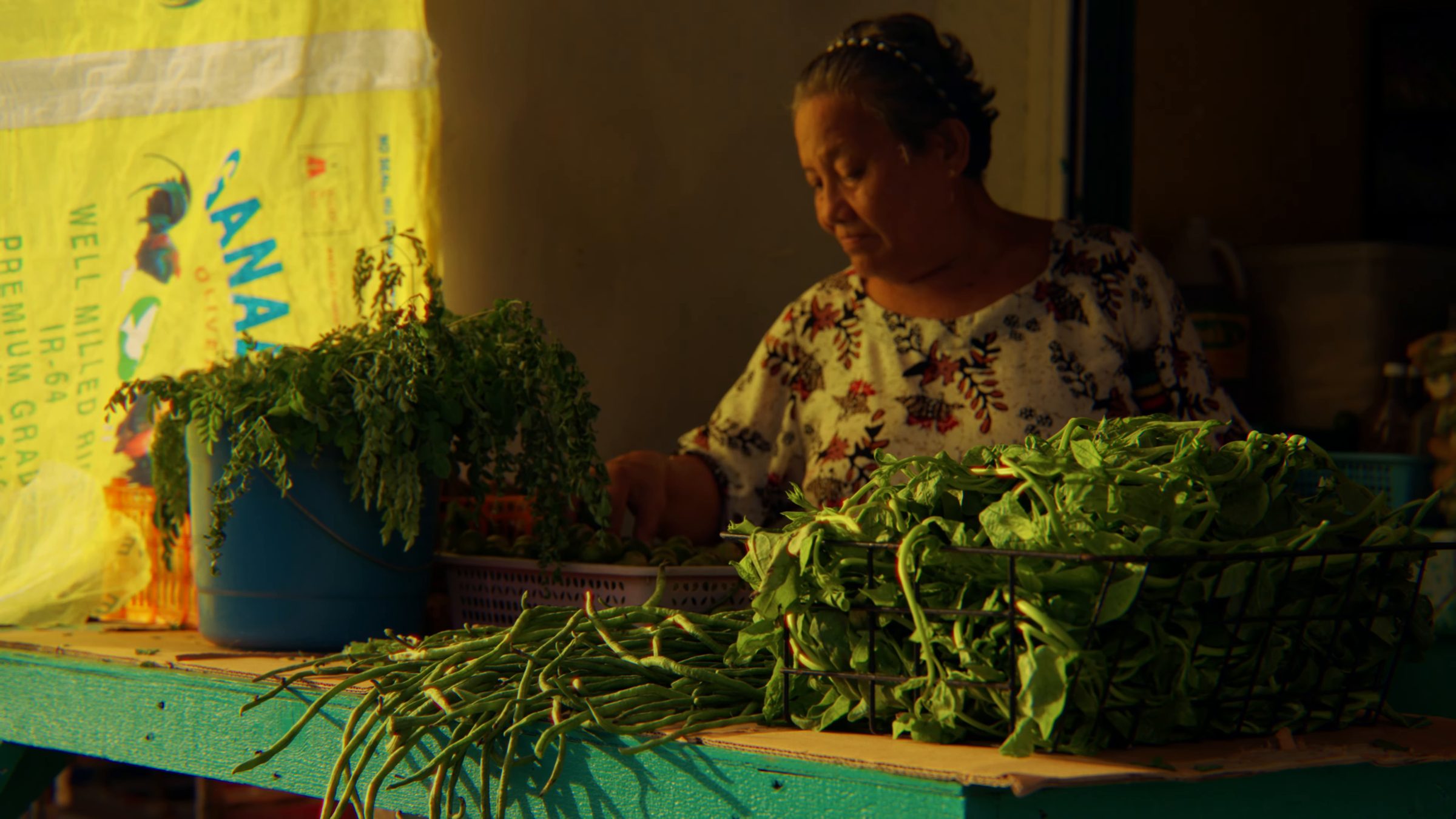
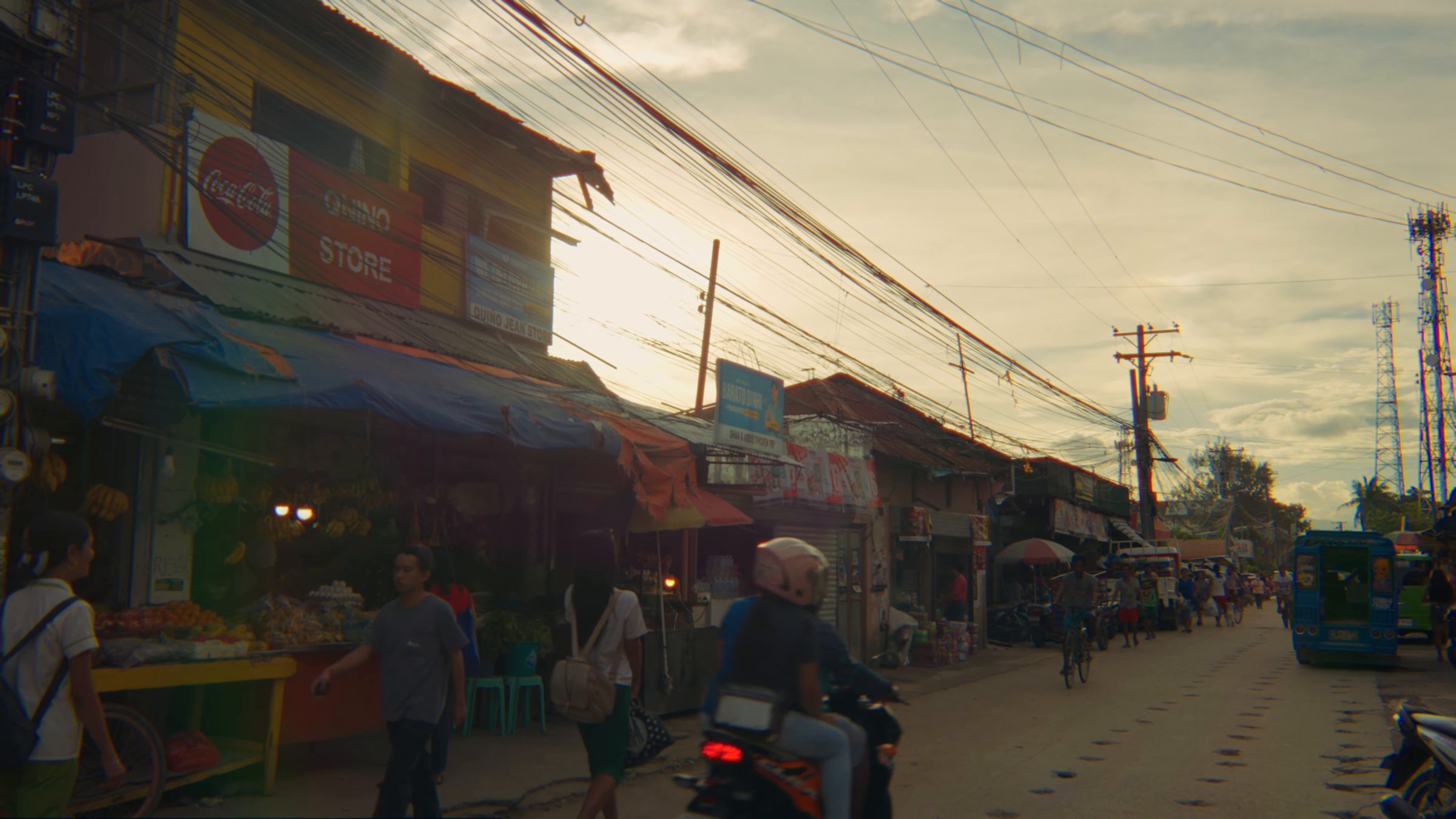
At a vegetable stall, green baskets were heaped with chilies, onions and garlic, alongside leafy greens and long beans. As the sun sank, the power lines over the street shone gold.
Watch this scene on YouTube7:46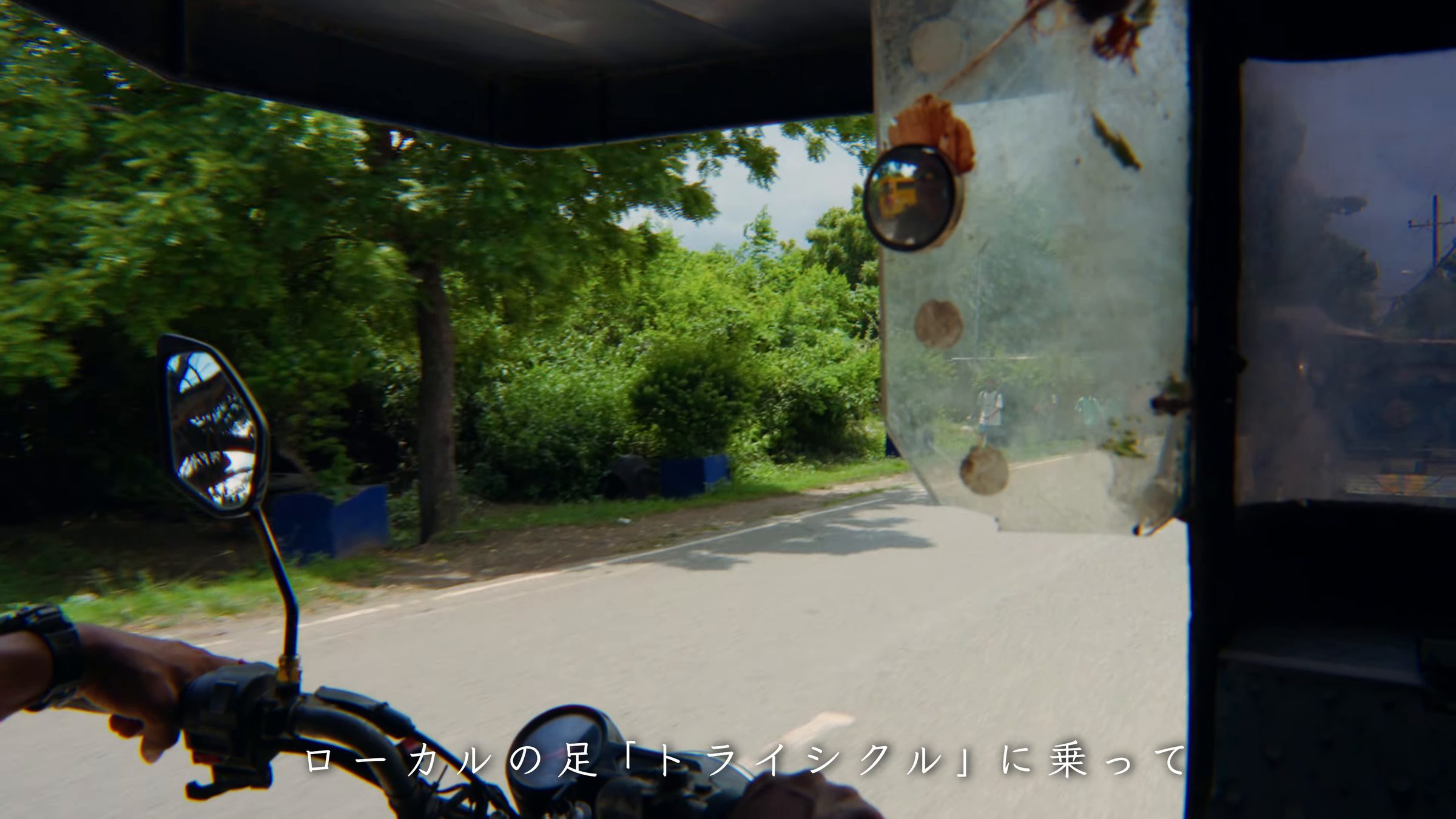
13TRAVEL JOURNAL
Instant pancit canton
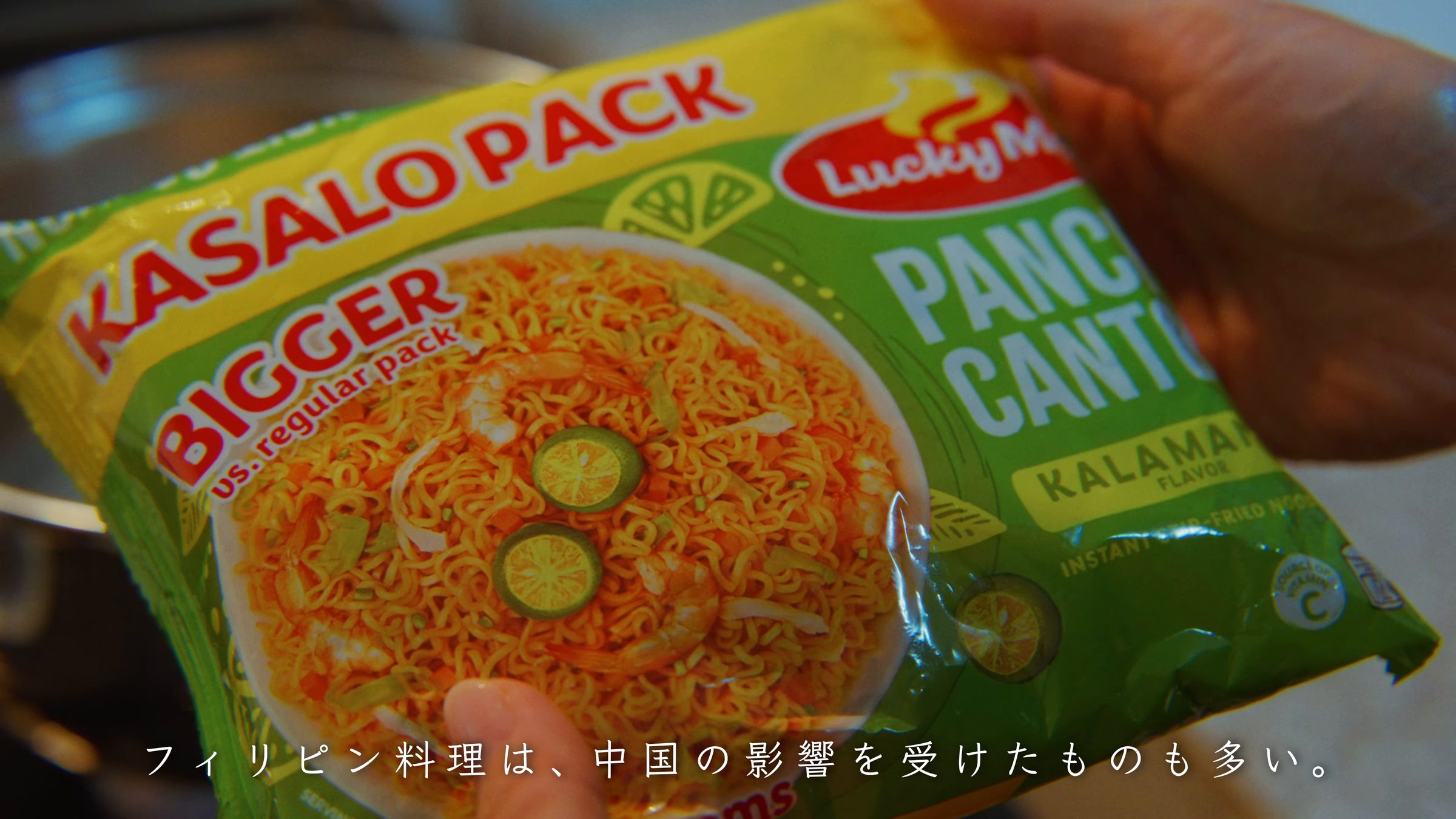
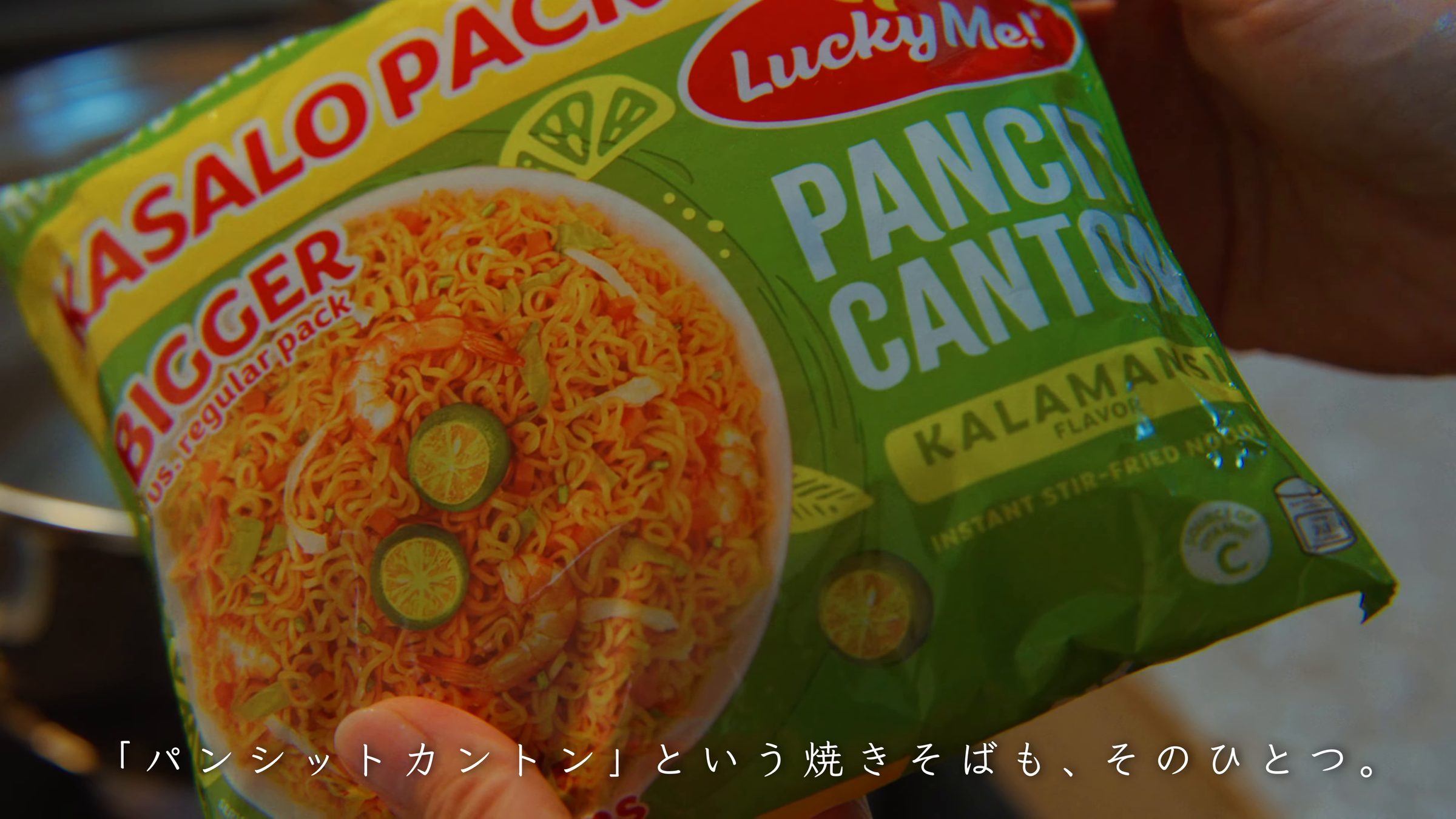
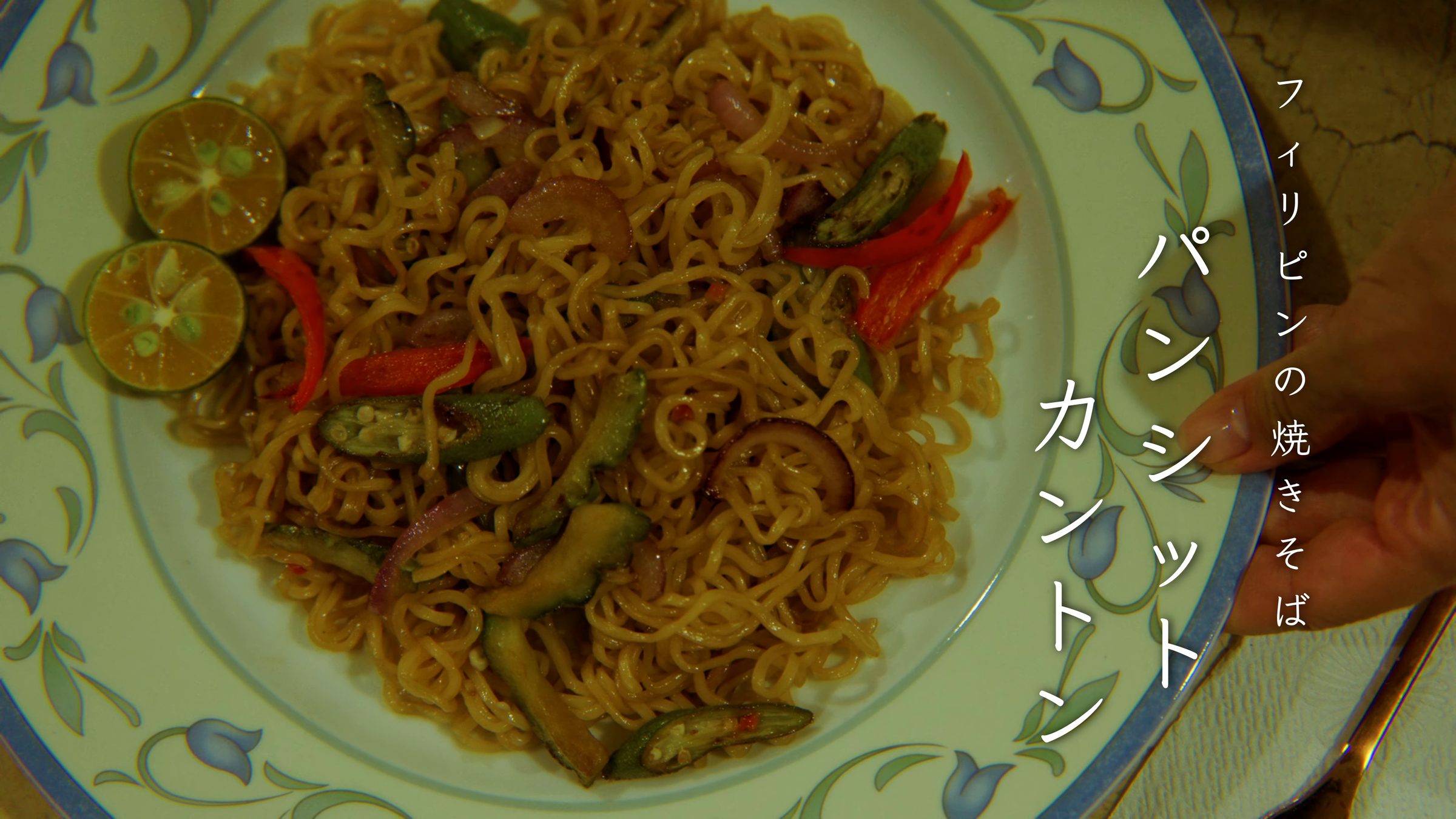
Some Filipino dishes are influenced by China, and fried noodles called pancit canton are one of them. Pancit is a noodle dish brought by Chinese immigrants, and pancit canton is named after the egg noodles it uses.
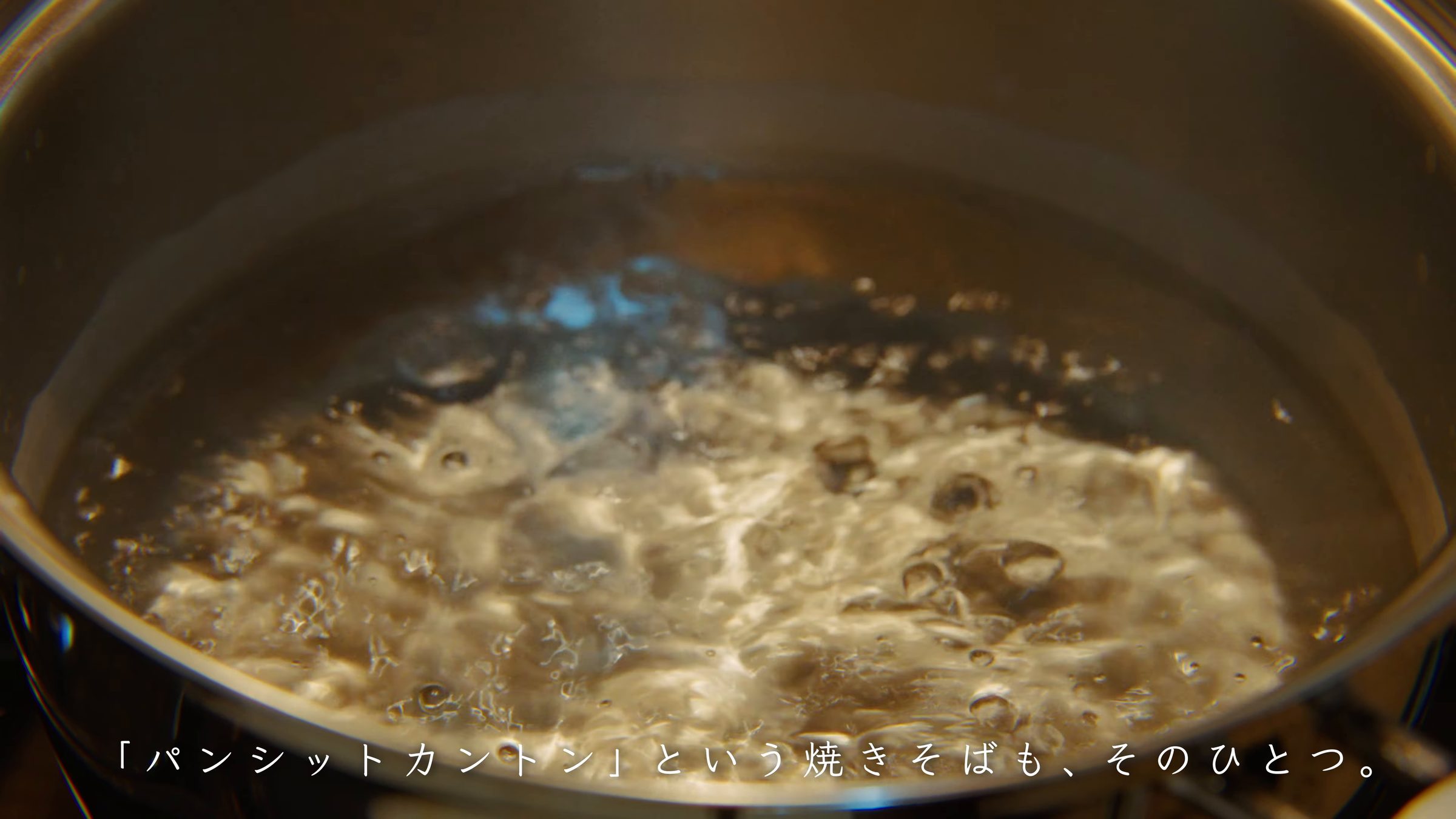
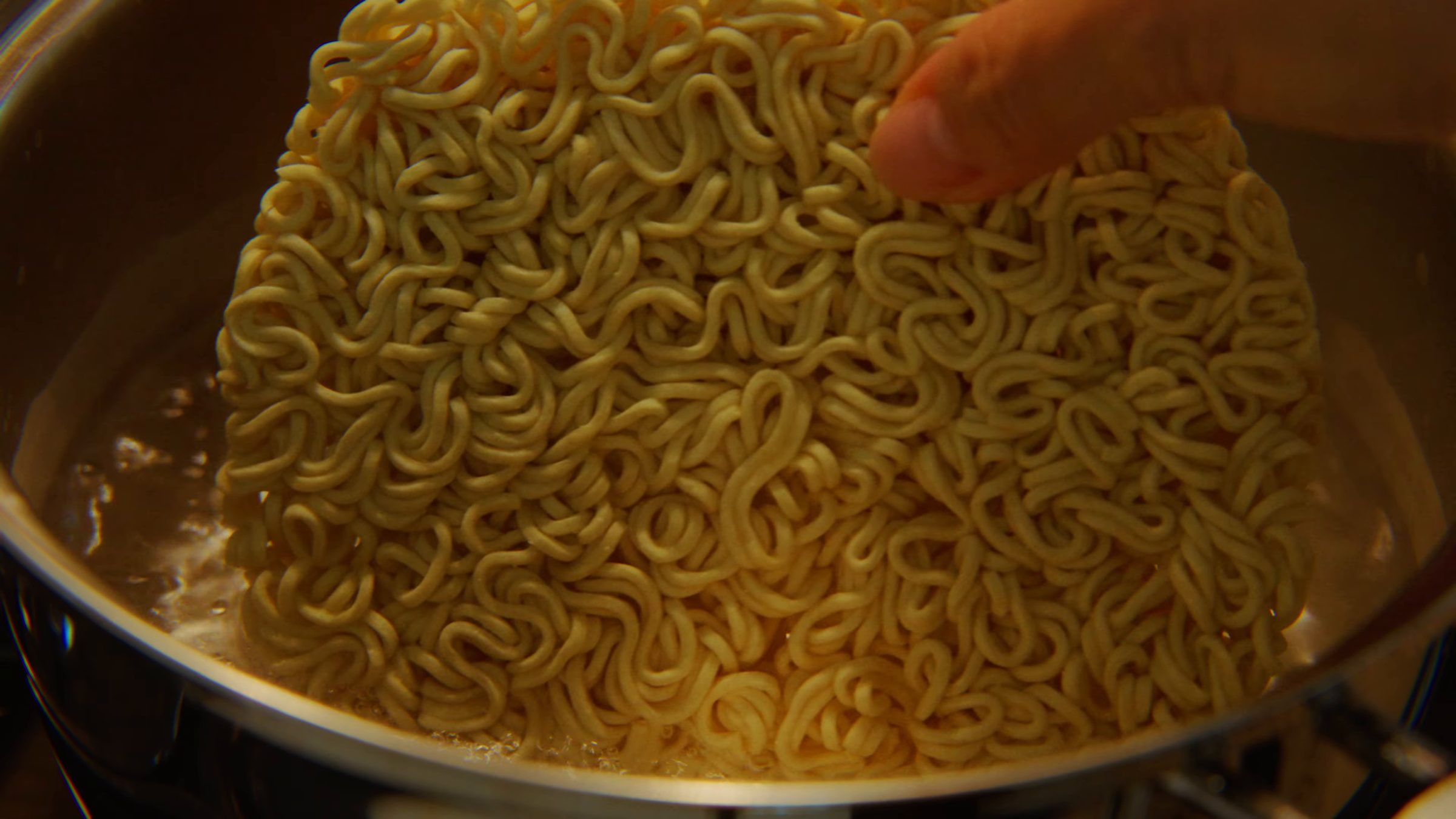
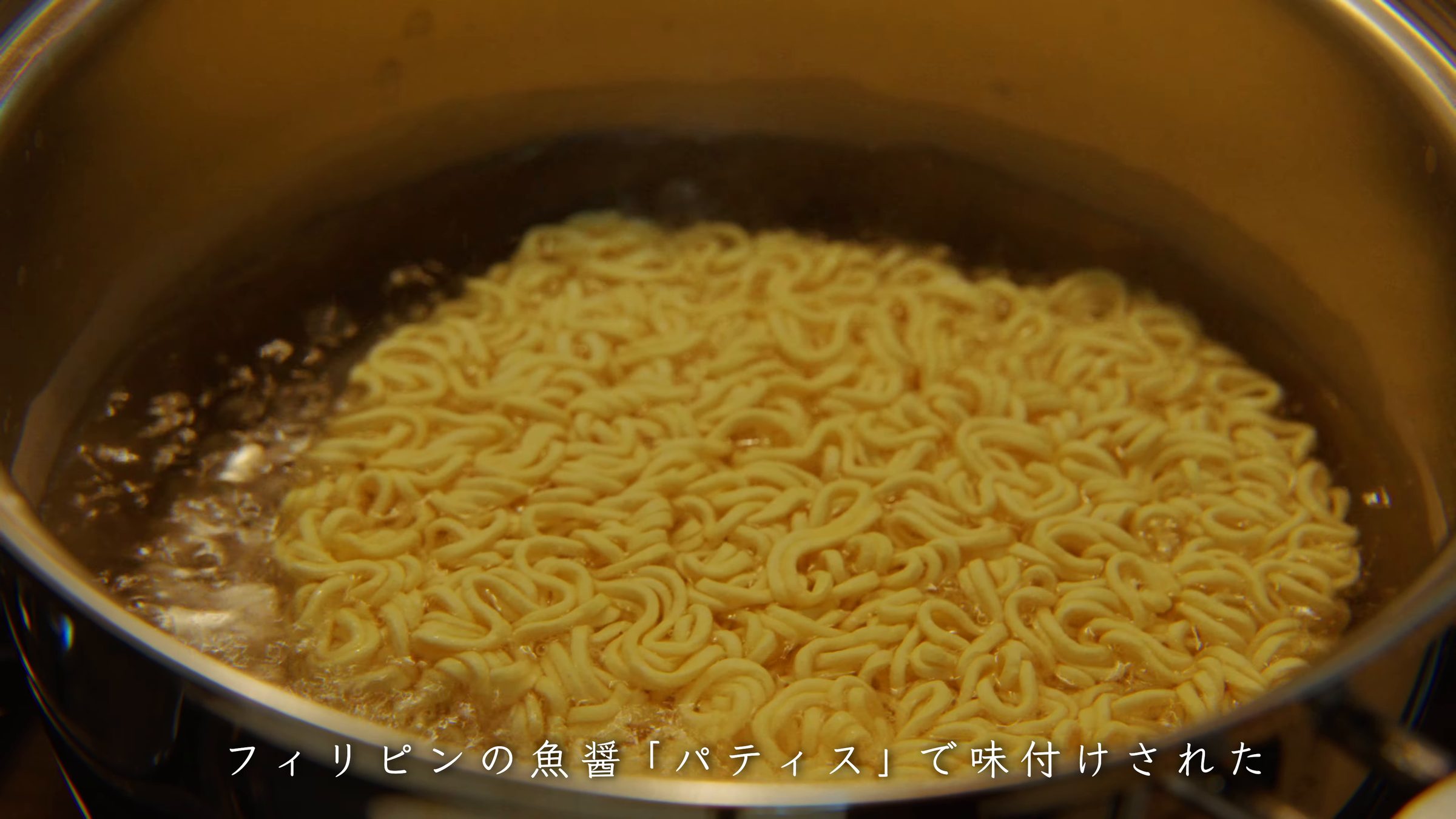
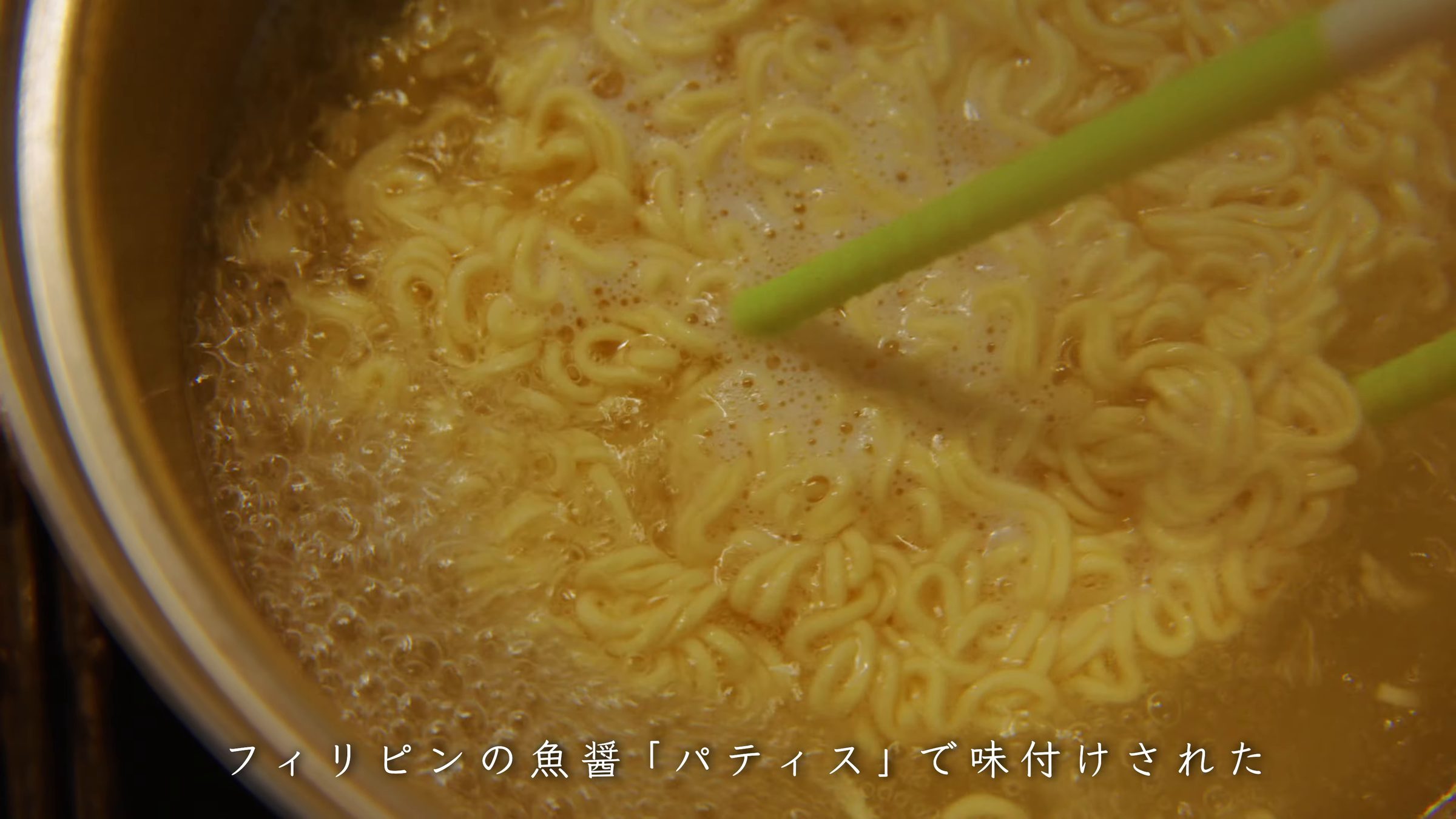
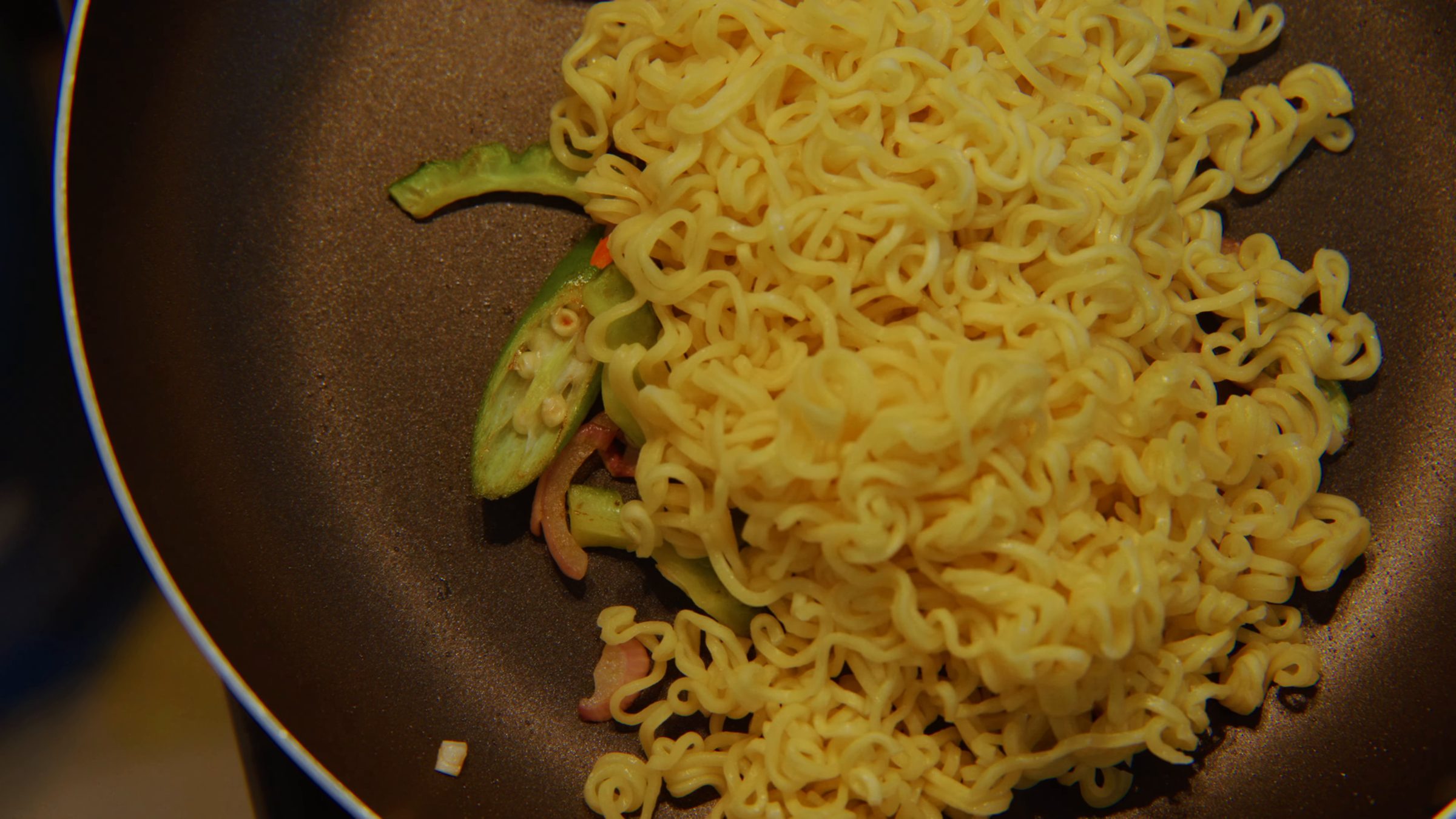
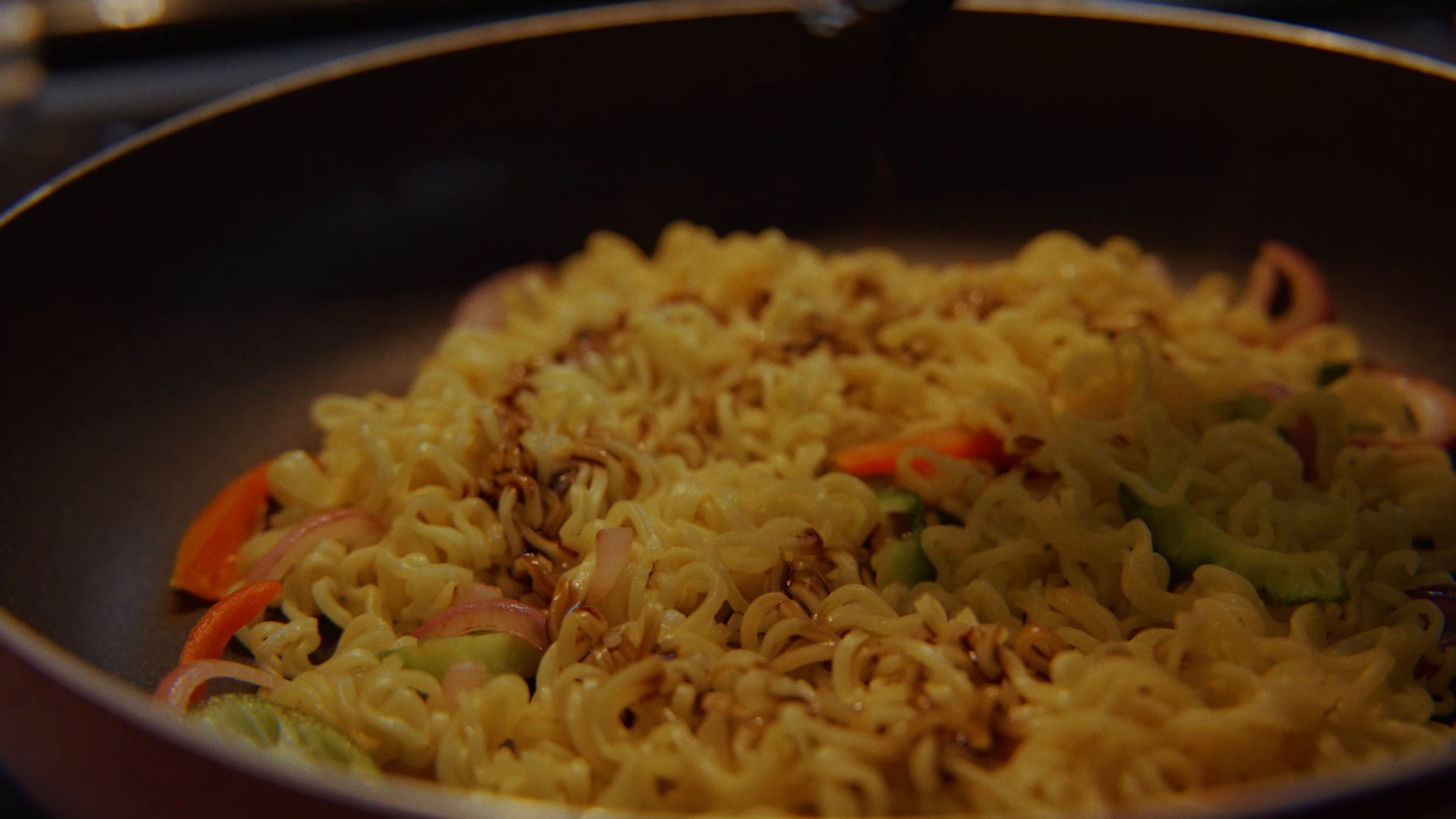
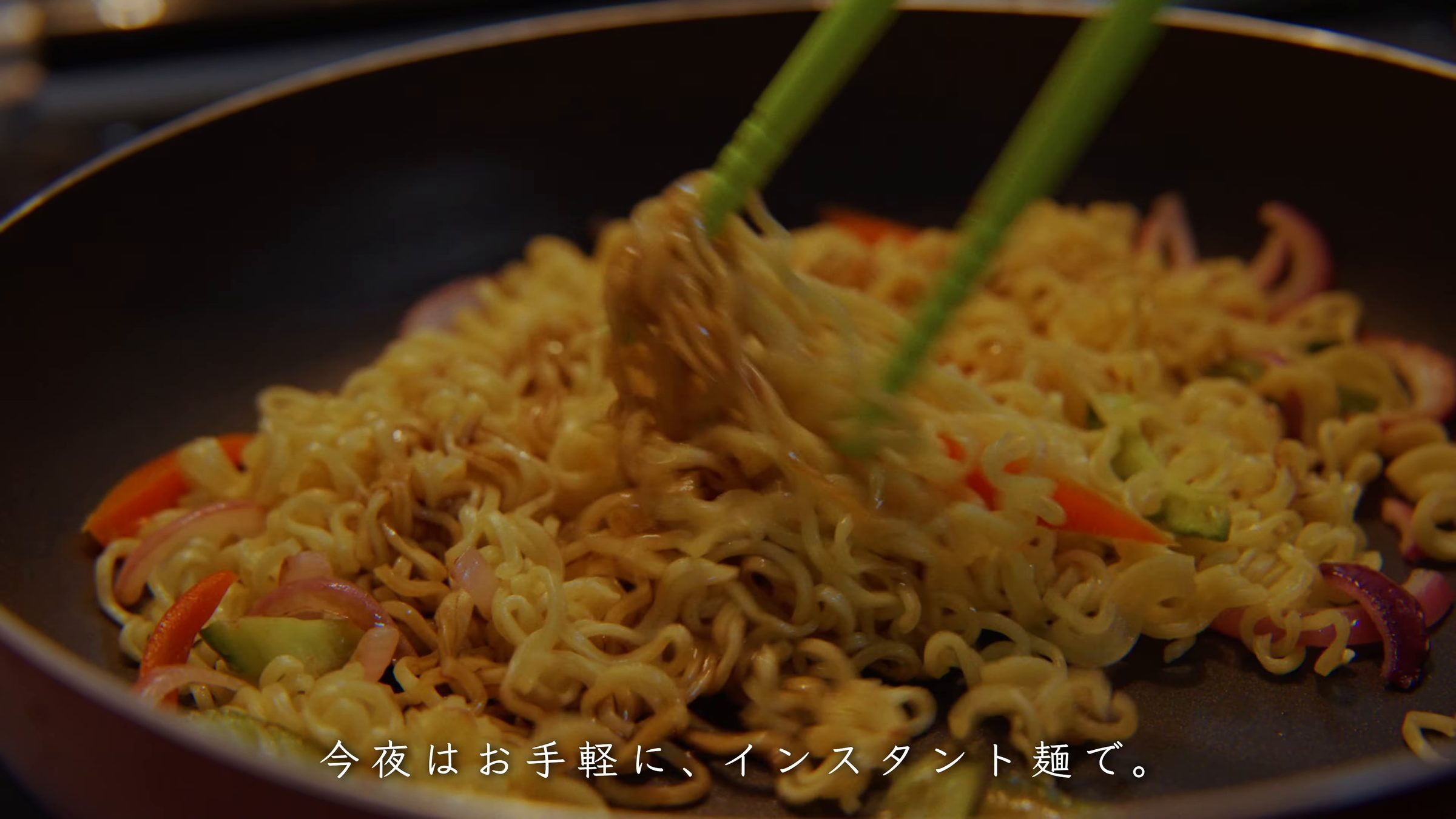
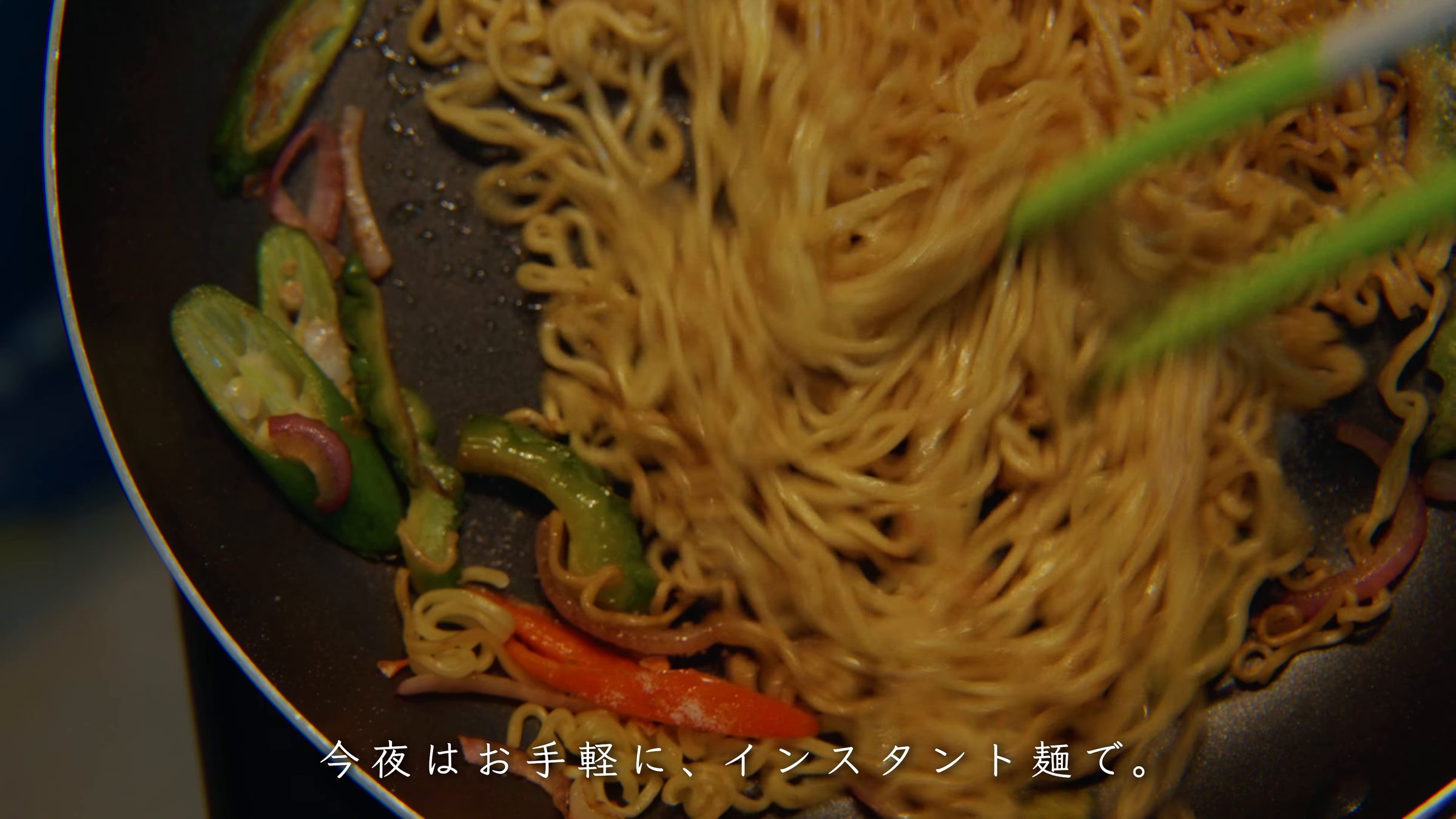
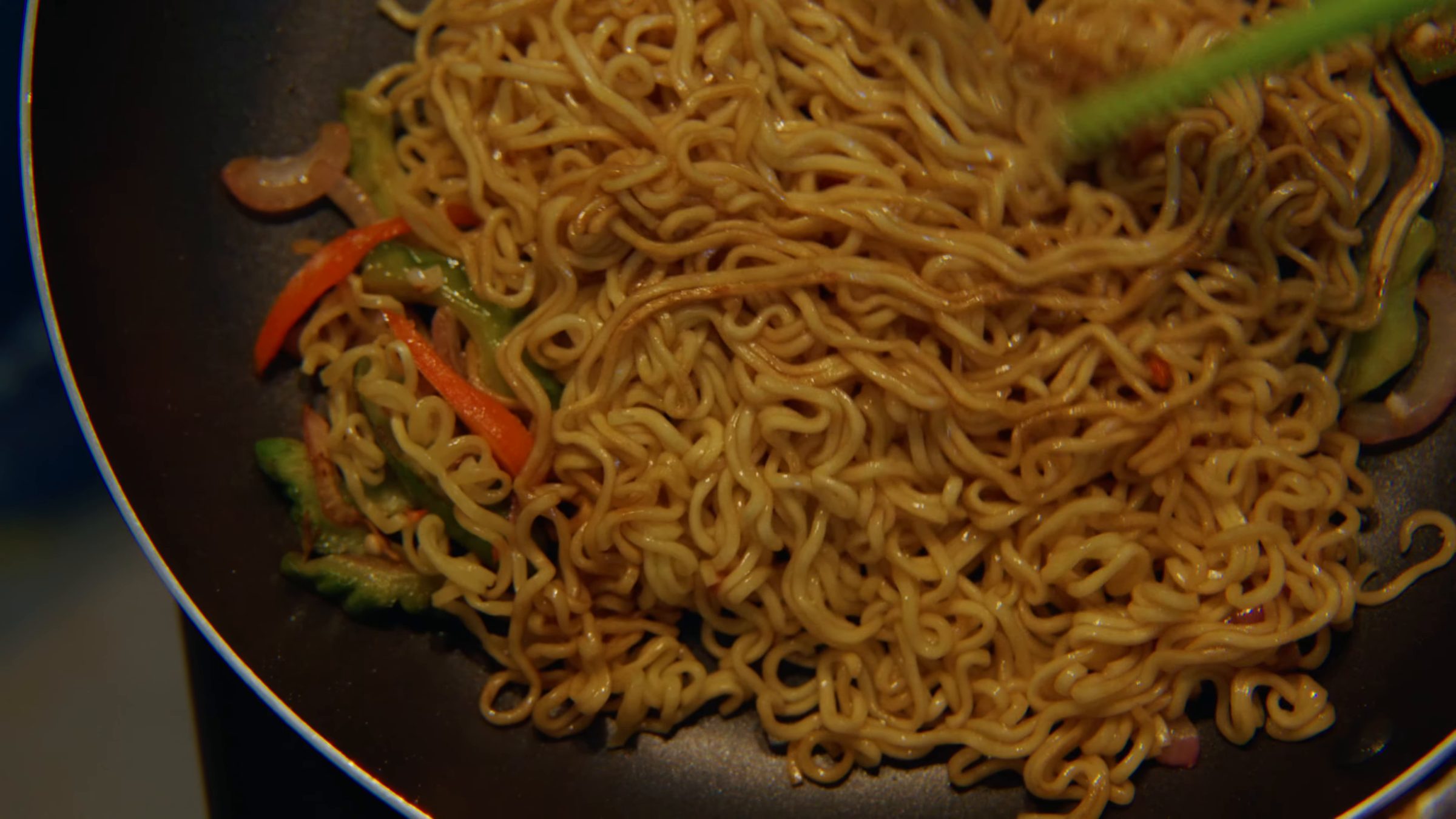
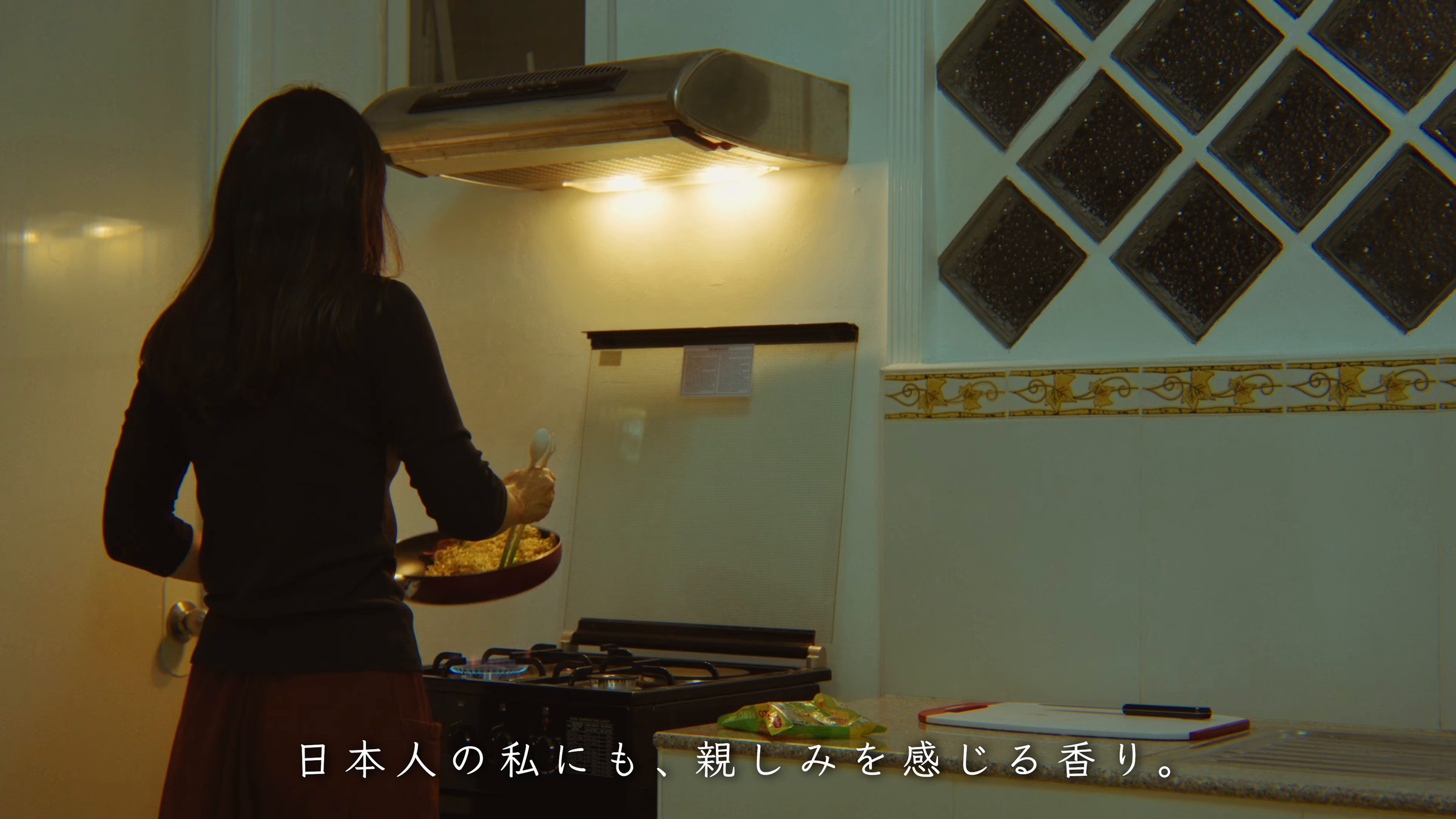
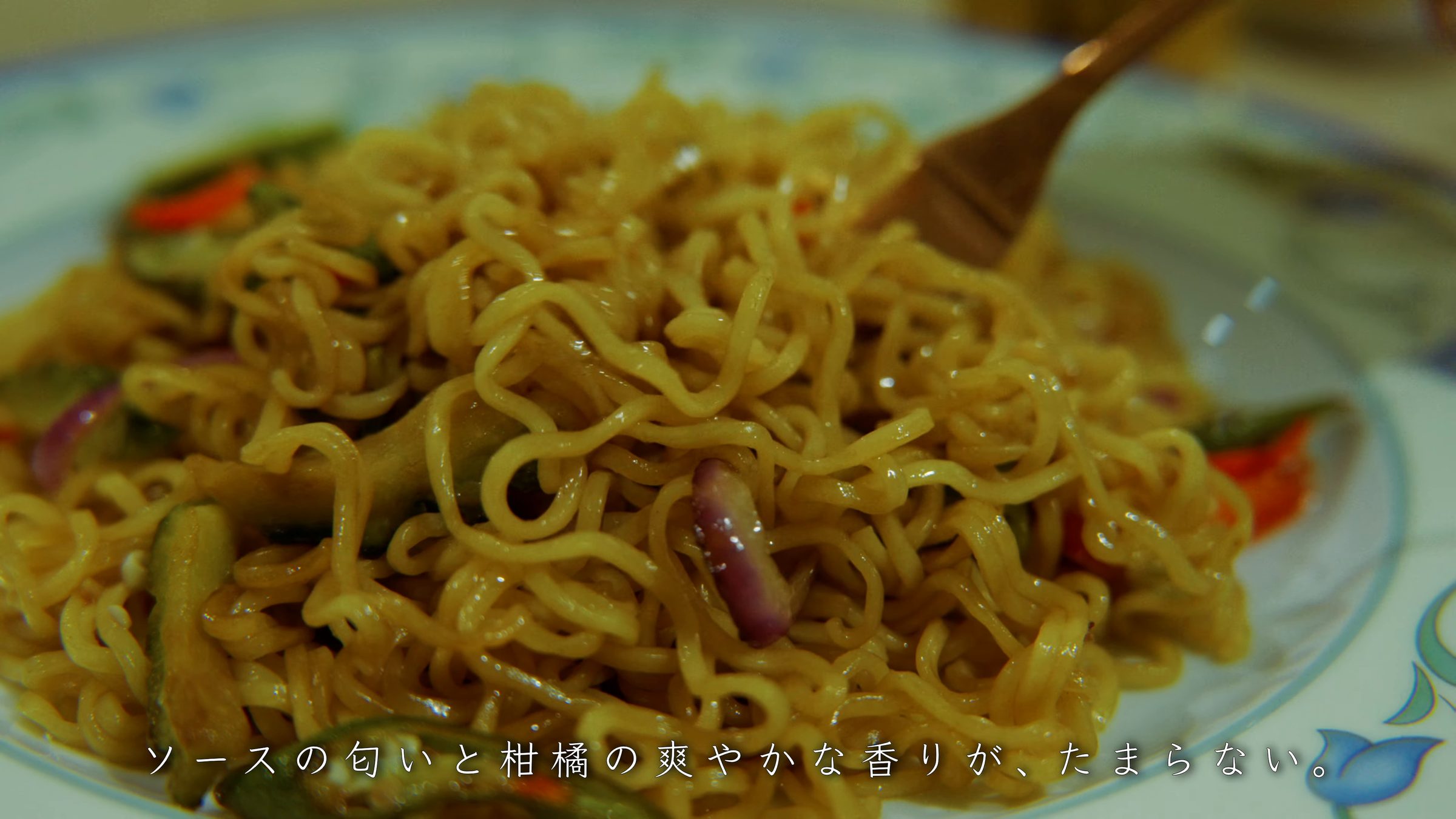
Tonight, I would make it the easy way, with instant noodles: Lucky Me! pancit canton in kalamansi flavor, said to be popular with locals too. I stir-fried okra, bitter gourd, red onion and chili, then added the noodles boiled in another pot.
As I tossed them with the seasoning from the packet, a savory smell filled the kitchen. Even as a Japanese person, the scent felt familiar. I plated it with kalamansi on the side.
Watch this scene on YouTube8:19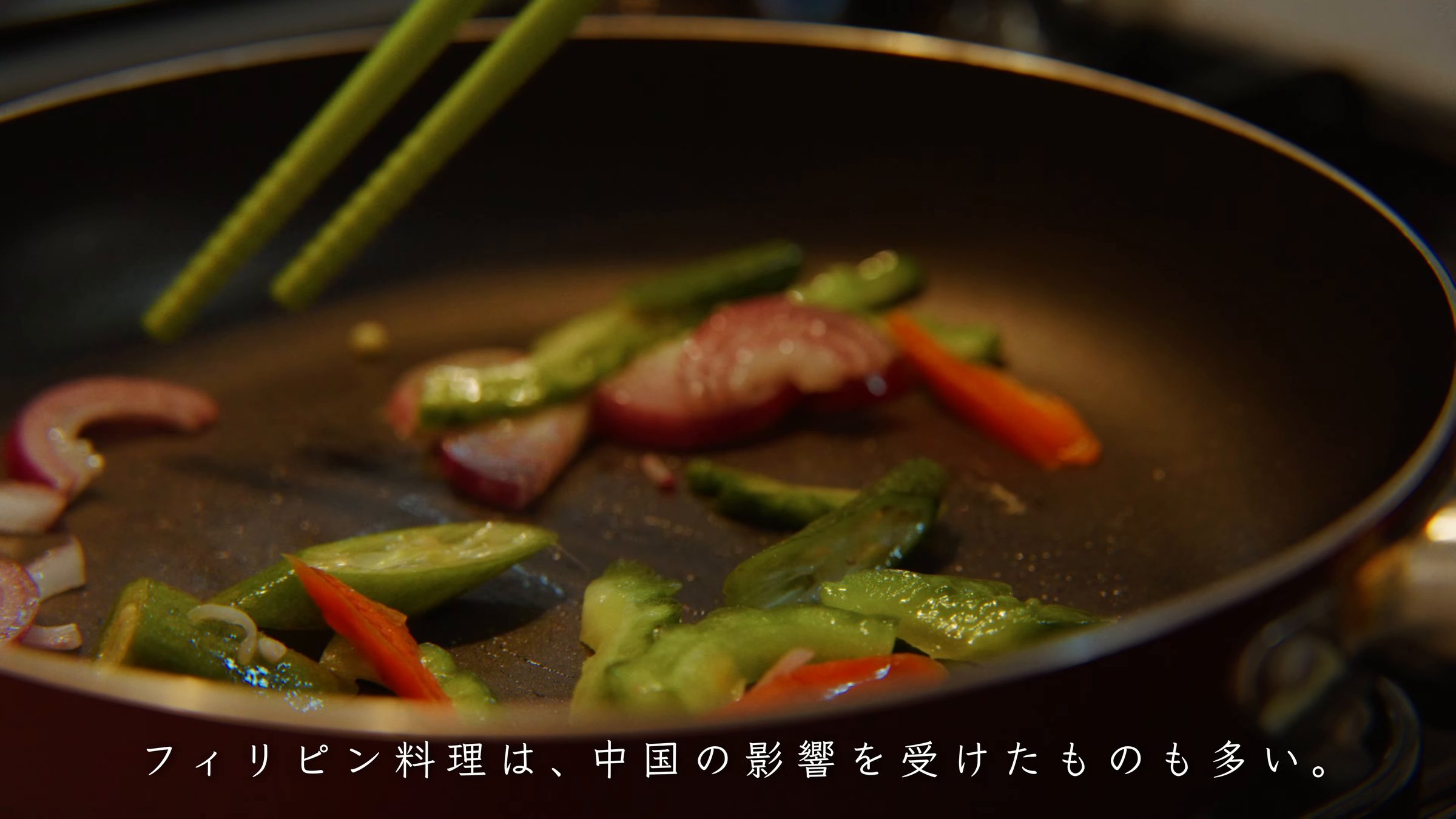
14TRAVEL JOURNAL
Cheers to a Philippine night
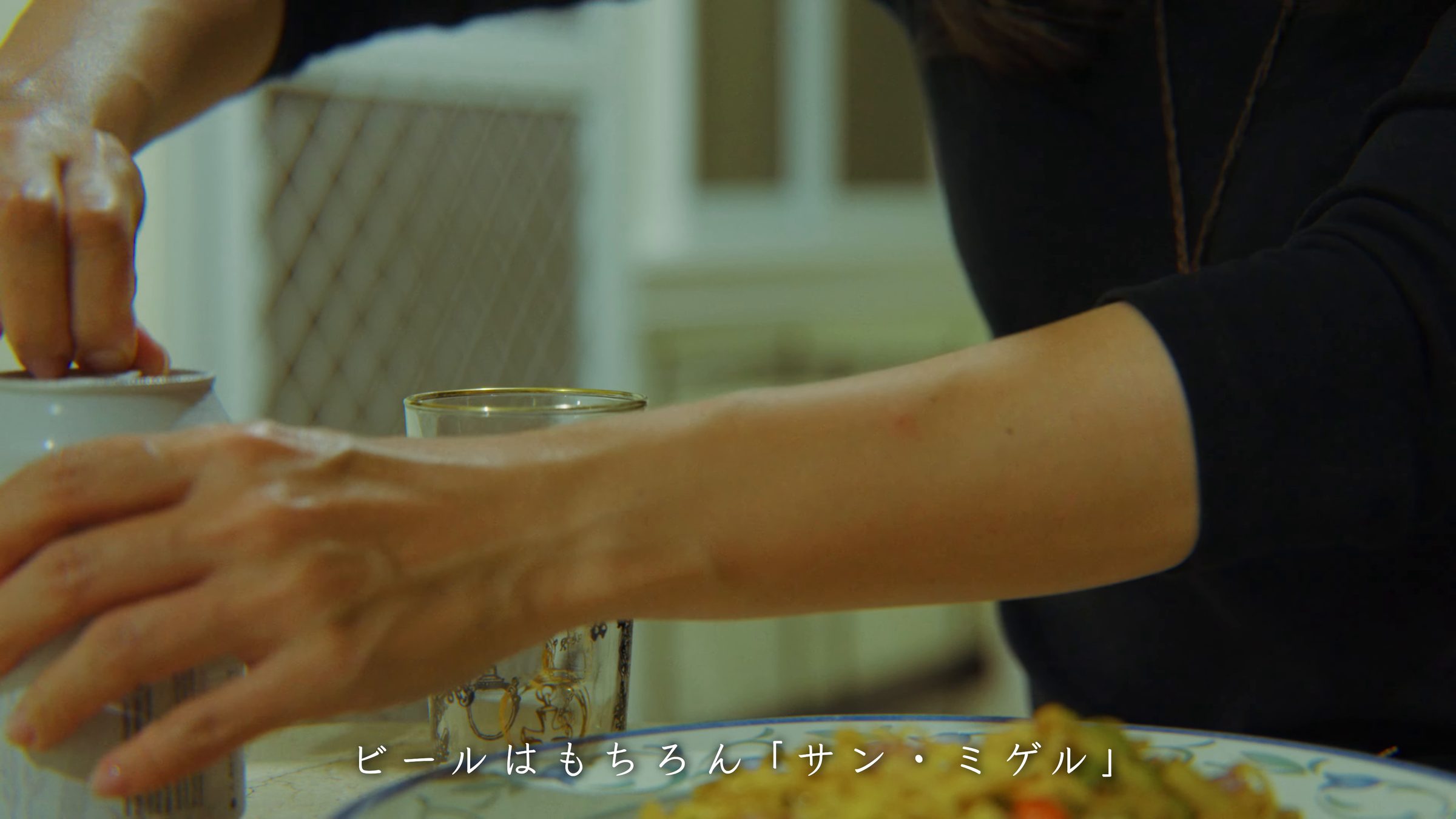
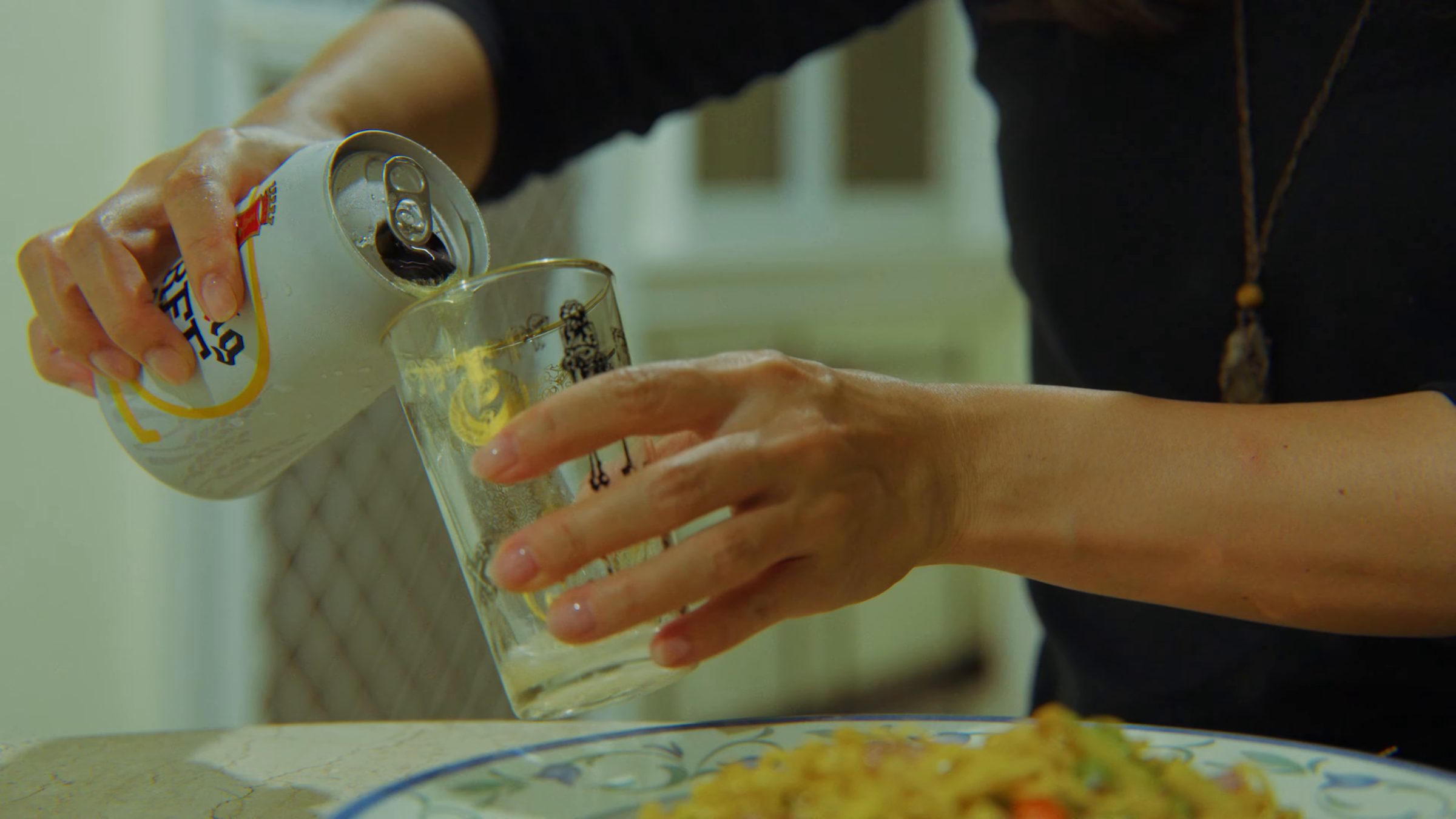
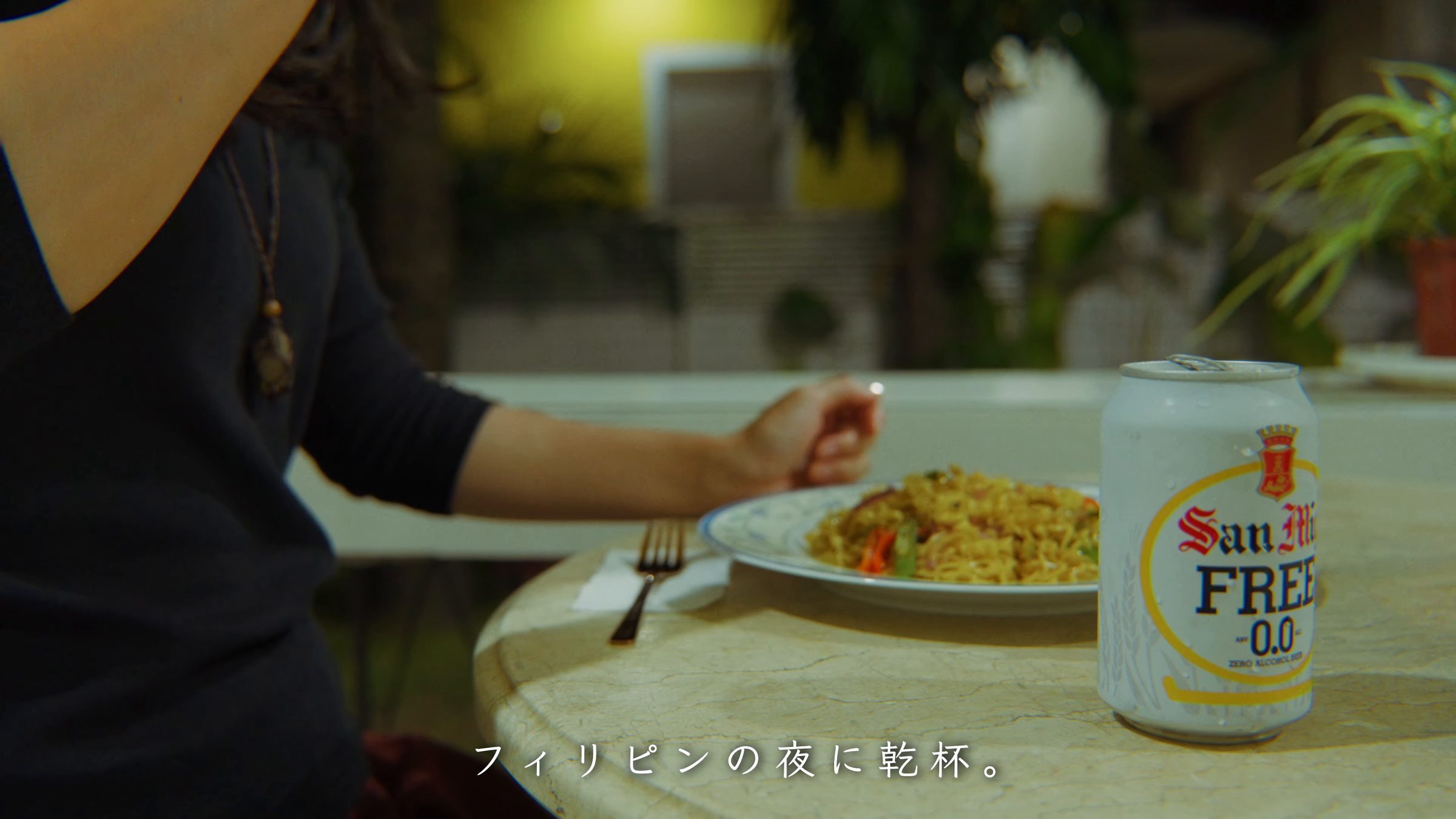
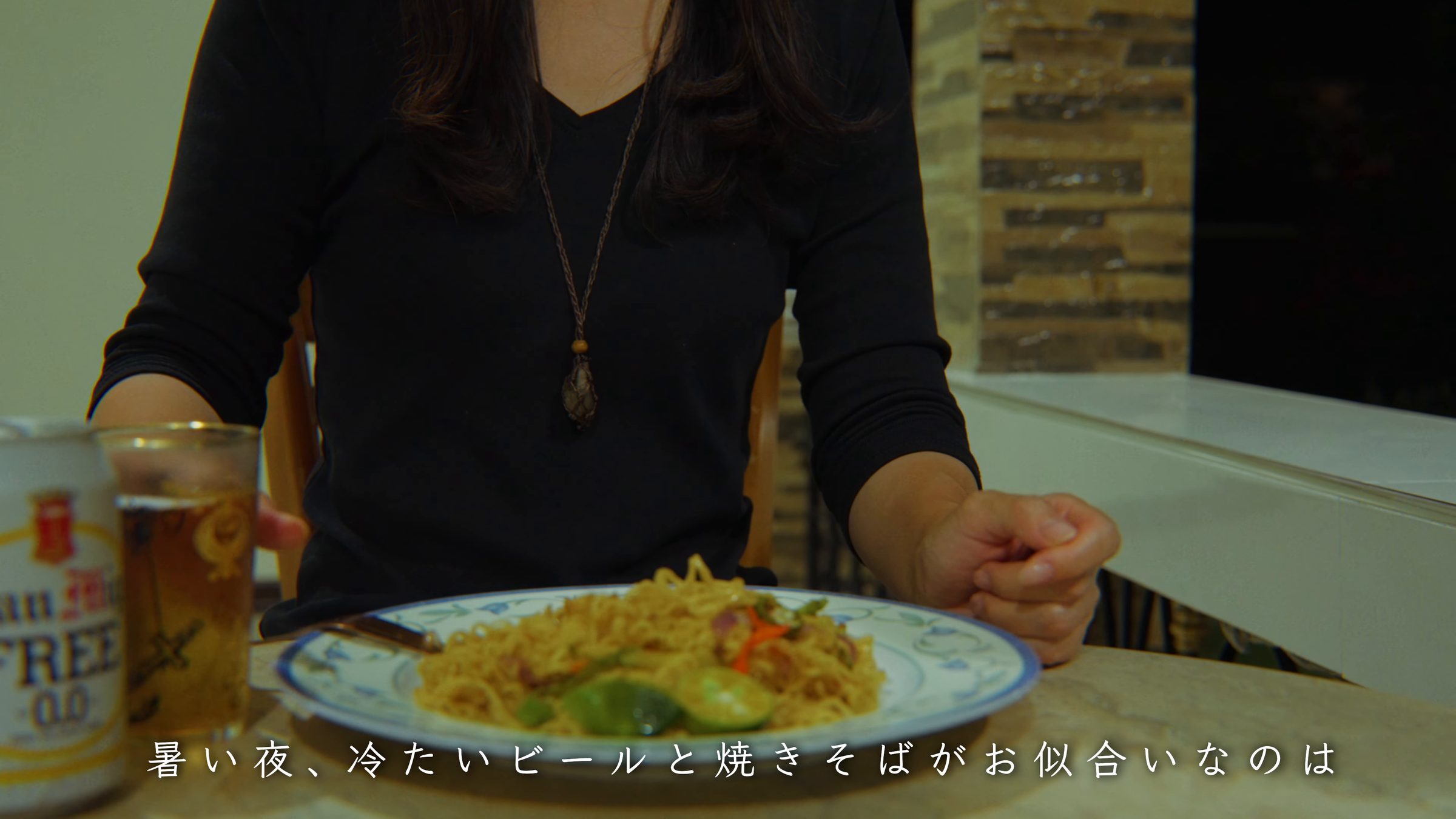
To go with it, of course, San Miguel. Tonight's can was San Mig Free, the non-alcoholic one. I opened it and poured it into a glass. Cheers to a Philippine night.
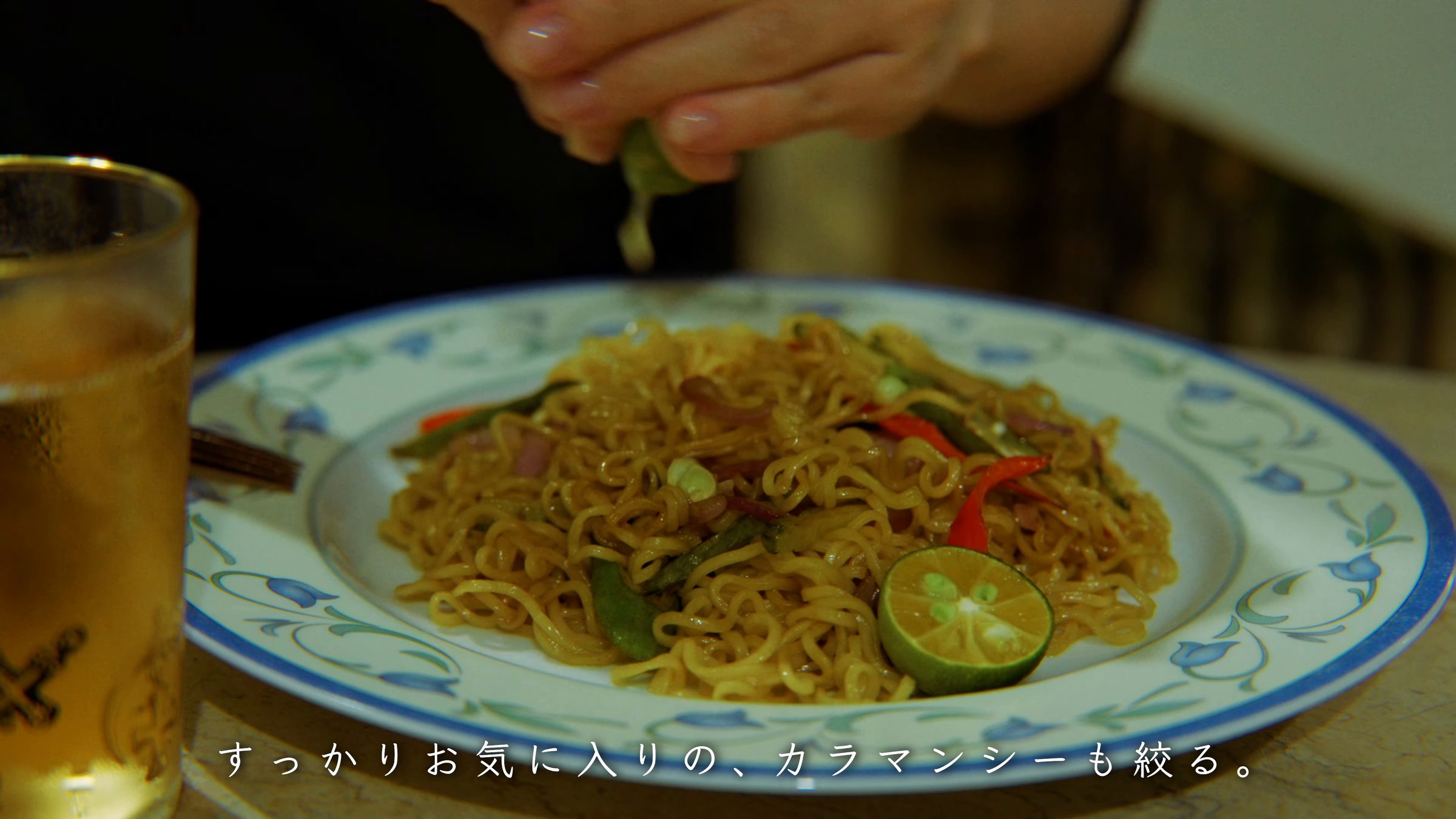
I squeezed over some kalamansi, which has become my favorite. The smell of the sauce and the refreshing scent of citrus were irresistible, the sourness cutting through the rich flavor.
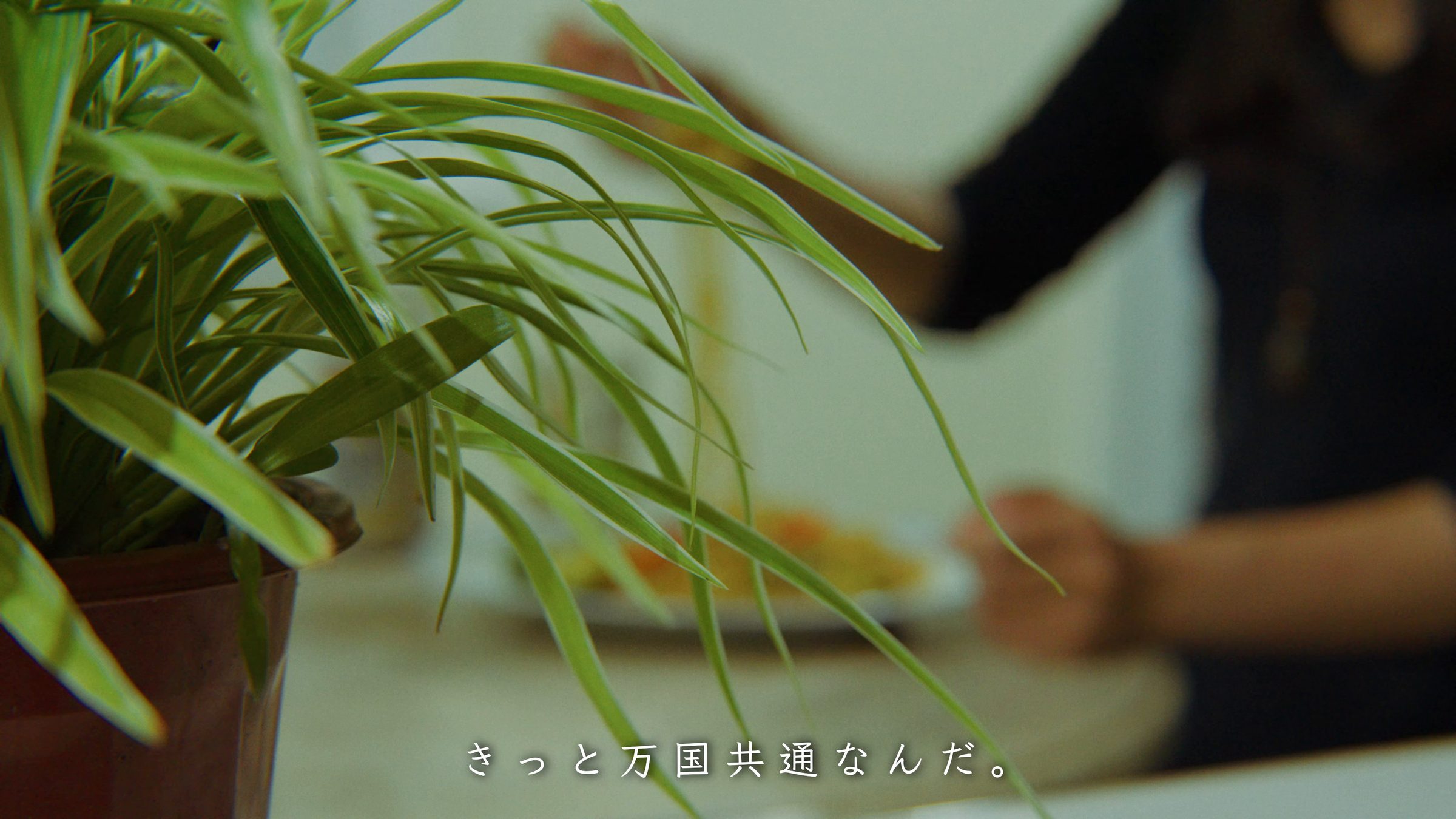
On a hot night, a cold drink and fried noodles just belong together. I'm sure that's the same all over the world. Everyday life on an island of eternal summer.
Watch this scene on YouTube9:06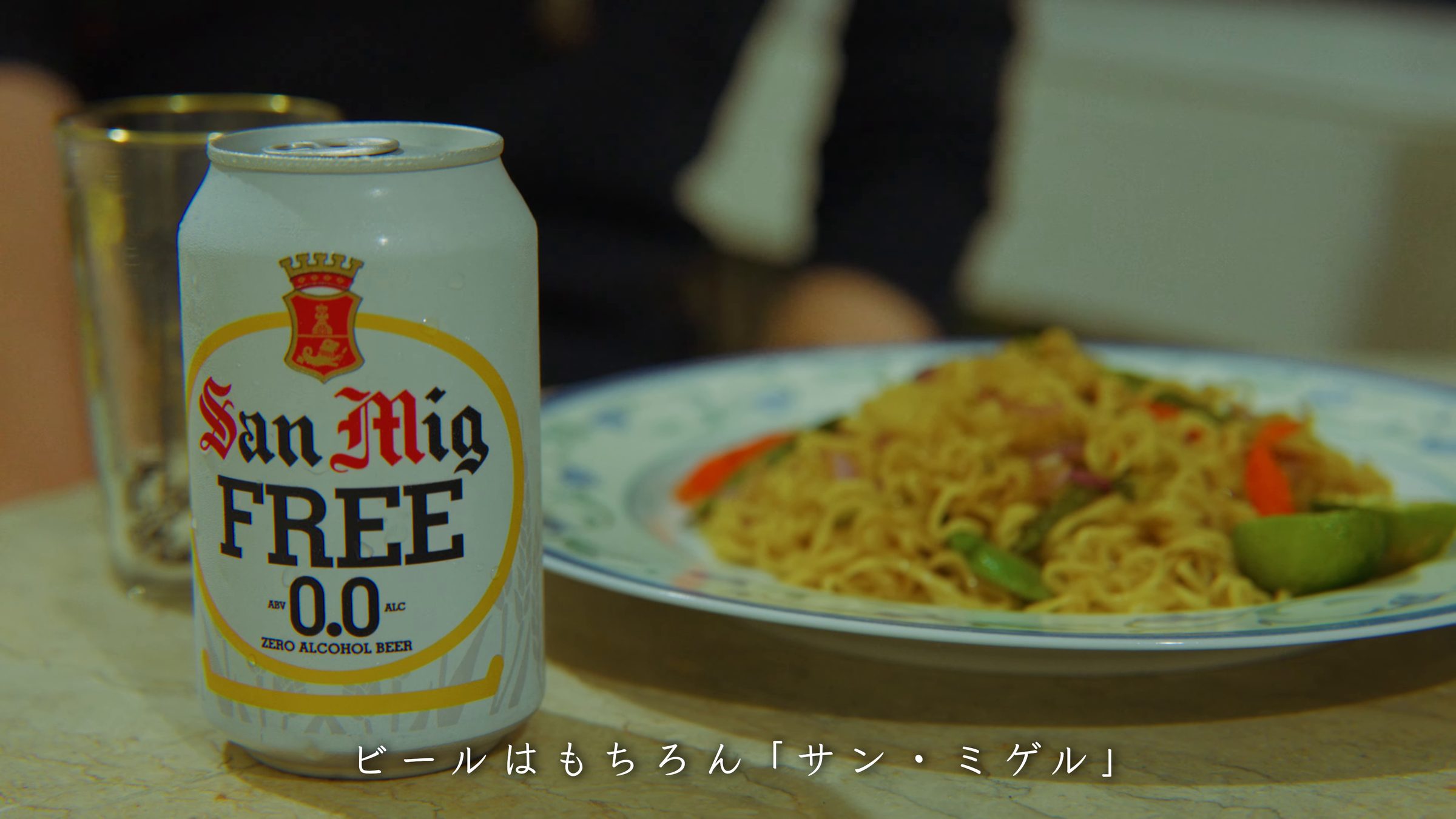
THE JOURNEY IN FILM
The wind. The sounds of a kitchen.
Spend a little more time inside the journey, on film.
Watch the video11 minTHE BORROWER’S NOTES
The Borrower's Notes: Mactan Island, Philippines
Places we stopped, dishes we made, and stories of the land. A few things to keep from the journey.
01Where I ate and shopped
A banana stall at the market
A fruit stall at the island's local market. Bananas with a Lakatan sign covered the table, and I bought some ripe ones. The market also has stalls of apples, grapes, oranges and rambutans, and an eatery with big pots.
A pares diner
A diner with a yellow sign and a bull logo. I had pares mami, braised beef with noodles; the soup was full of beef flavor yet light. Besides pares and mami, the sign lists goto, sisig and marrow.
Sholem Batangas' Best Halo-Halo
3215 Opon-Airport-Sangi Rd, Pajo, Lapu-Lapu City, Cebu 6015
A halo-halo shop. Mine came with ube ice cream and cornflakes over shaved ice, with green jelly and red beads at the bottom. The window is painted with the Bible verse "Taste and see that the LORD is good."
Sources: wanderlog.com wanderlog.com
Pekto's Sizzling Plato (Mercato de Mactan)
A sizzling-plate stall at Mercato de Mactan, a night market in Lapu-Lapu City. The sisig is stir-fried on a hot iron plate and served with a raw egg, mayonnaise, green chilies and kalamansi. I ate it with puso, rice wrapped in coconut leaves, and a mango smoothie. Mercato de Mactan is an open-air food market in So-ong II, Lapu-Lapu City.
A little shop on the beach
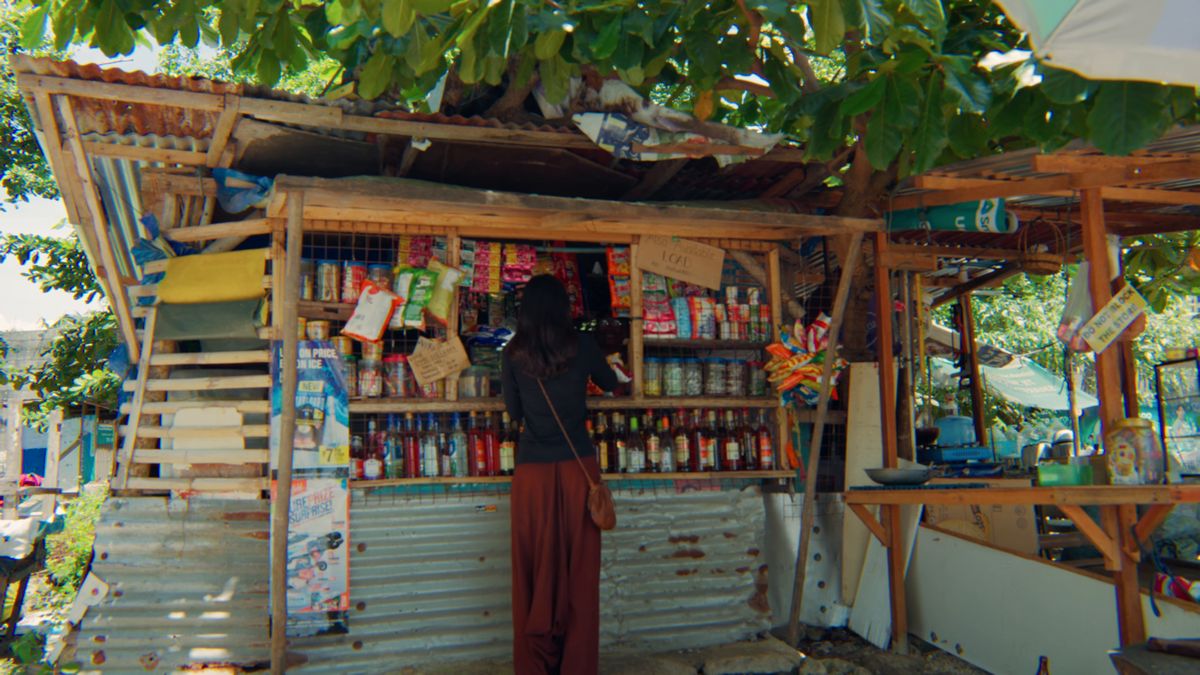
A small shop in the shade on the beach, its shelves crammed with snacks and drinks. I bought a lemon soda, Juicy Lemon, in a retro green bottle. On the beach I was offered a coconut, which was opened for me on the spot.
02What I cooked
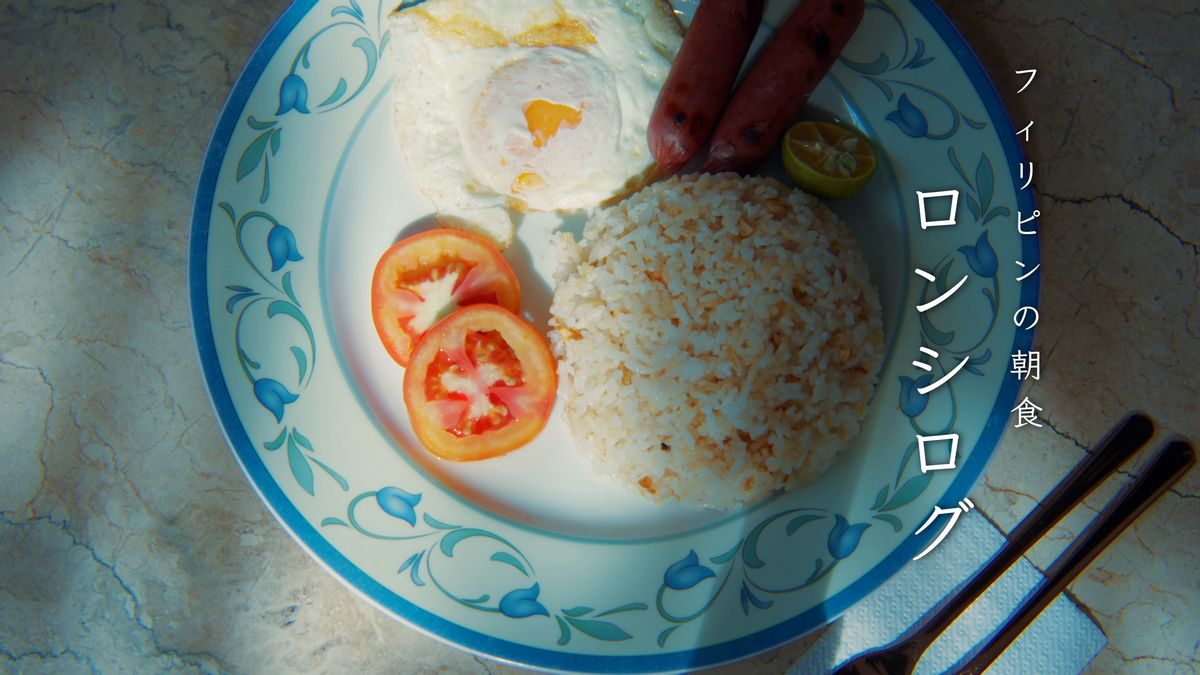
Longsilog
Silog is the name for a family of Filipino breakfasts built on garlic fried rice and a fried egg; the name changes with what comes alongside. With longganisa it becomes longsilog; with sweet cured pork, tocino, it is tosilog. The first to be named this way was tapsilog, originally meant as a quick breakfast or late-night hangover fare. Longganisa falls broadly into sweet (hamonado) and garlicky (de recado) types, and Cebu has its own sweet pork longganisa.
IngredientsCooked rice, Garlic, Egg, Longganisa (sweet sausage), Tomato, Kalamansi
- Mince the garlic
- Fry an egg sunny side up
- Stir-fry the rice with the garlic to make garlic rice
- Serve the egg and garlic rice with longganisa and tomato, and squeeze over kalamansi
Sources: en.wikipedia.org en.wikipedia.org
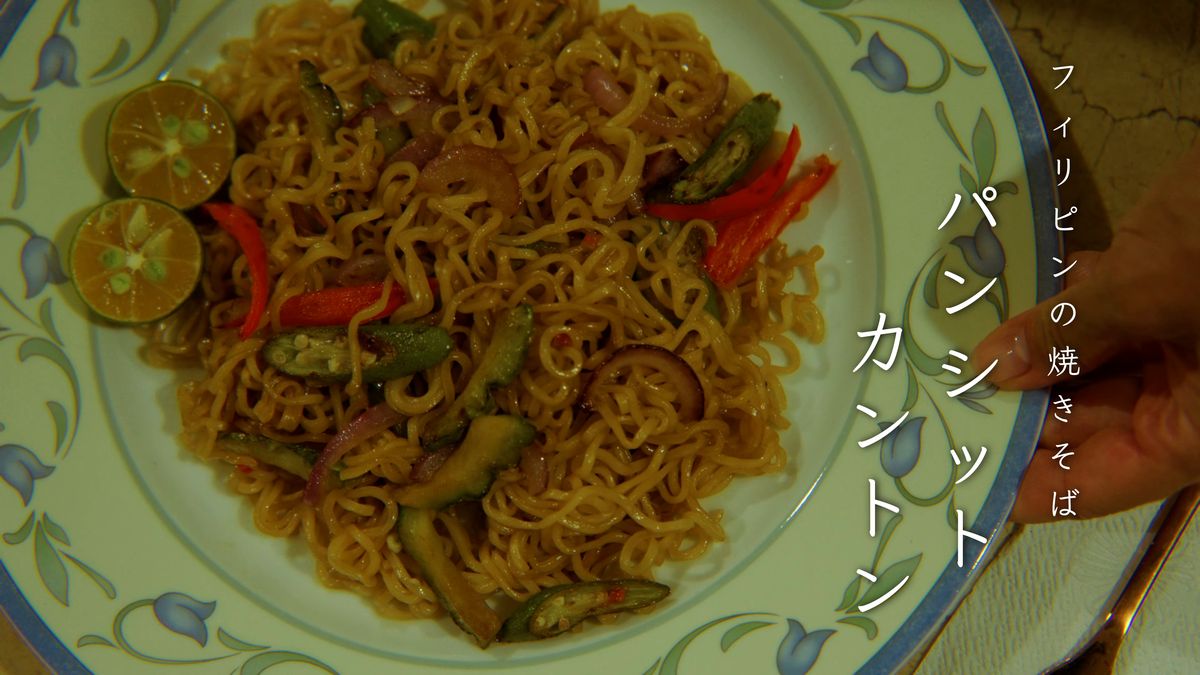
Pancit canton (from instant noodles)
Pancit, noodles brought to the Philippines by Chinese immigrants, has become a full part of Filipino cooking. Pancit canton is the Filipino take on lo mein and chow mein, named after the type of noodle used, and comes in both instant and stir-fried versions. It is also eaten on birthdays, with long noodles standing for long life. Lucky Me! is an instant noodle brand owned by Monde Nissin, launched in 1989. Kalamansi is the condiment that goes with almost every kind of pancit.
IngredientsInstant pancit canton (Lucky Me!, kalamansi flavor), Okra, Bitter gourd, Red onion, Red chili, Kalamansi
- Stir-fry the okra, bitter gourd, red onion and chili
- Boil the noodles and loosen them
- Add the noodles to the vegetables and toss with the seasoning from the packet
- Plate with kalamansi and squeeze it over as you eat
03About the area
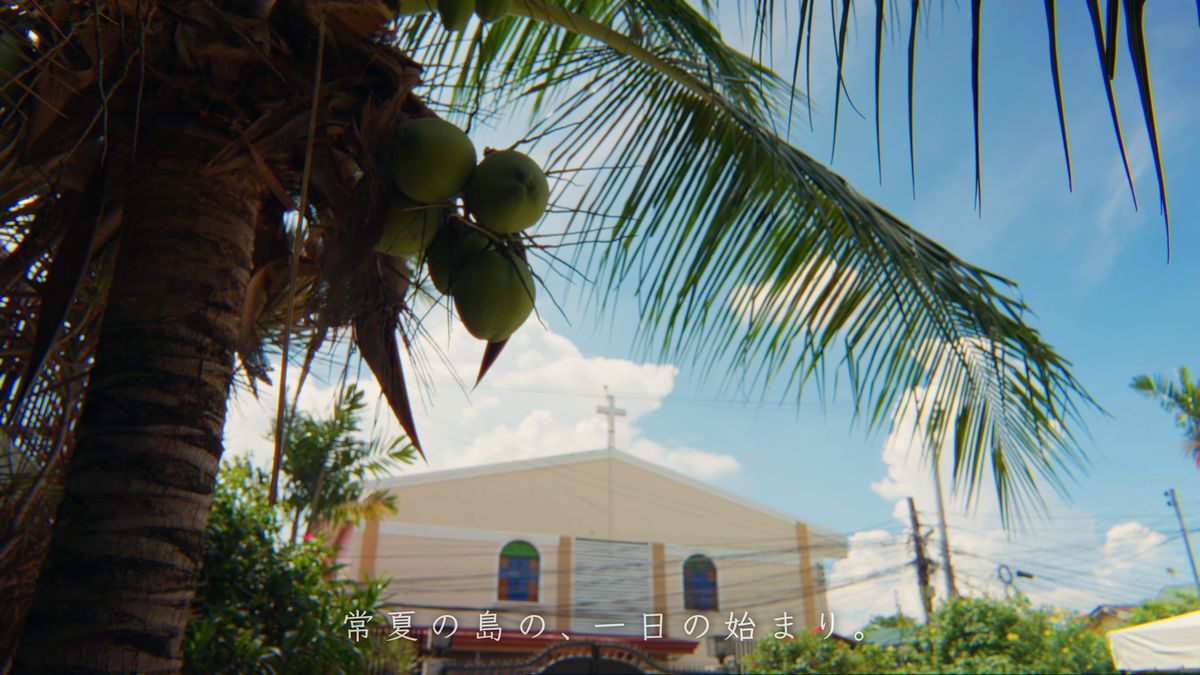
Mactan Island and Lapu-Lapu City
An island of about 65 square kilometers, lying a few kilometers east of Cebu Island. Part of Cebu province, it is divided into Lapu-Lapu City and the municipality of Cordova. Mactan–Cebu International Airport is on the island, and three bridges link it to Cebu. In 1521, Ferdinand Magellan arrived here and was killed in battle by the warriors of Lapulapu, the island's chieftain, after whom Lapu-Lapu City is named.
Sources: en.wikipedia.org en.wikipedia.org
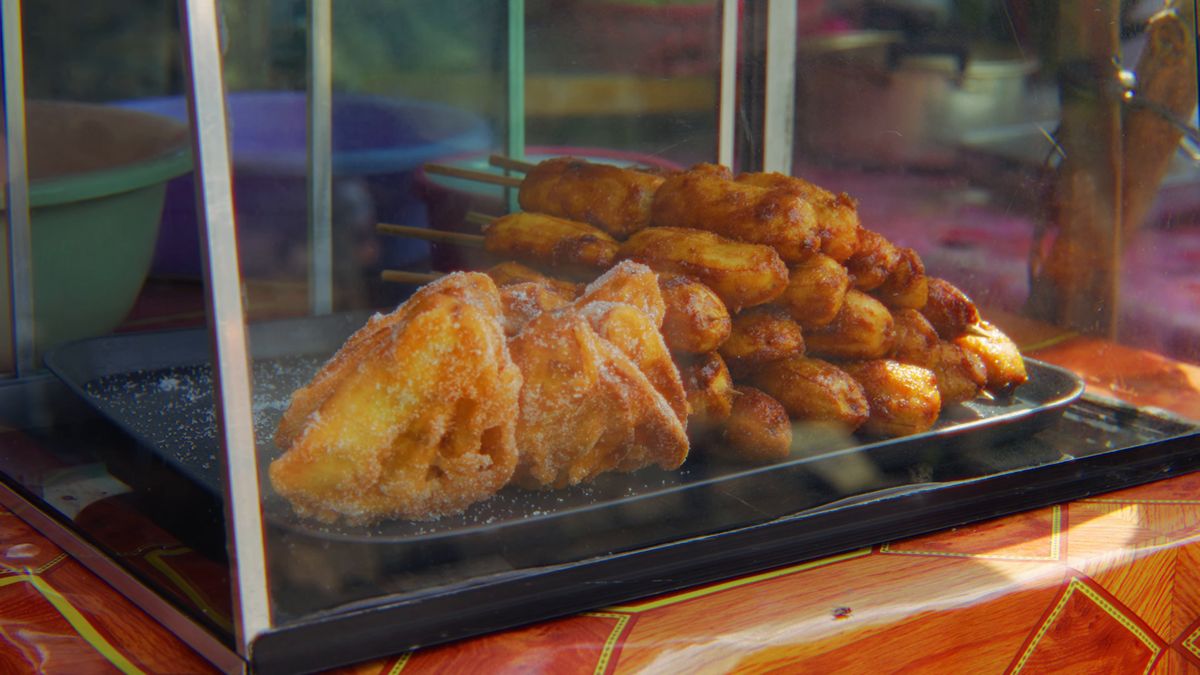
Banana cue and Lakatan bananas
Banana cue is a Filipino street snack of saba bananas deep-fried in a coat of caramelized brown sugar and served on a bamboo skewer. The name blends banana and barbecue, though the bananas are not cooked on the skewer. Lakatan, which I saw at the market, is one of the most common banana cultivars in the Philippines, turning a characteristic yellow-orange when ripe.
Sources: en.wikipedia.org en.wikipedia.org
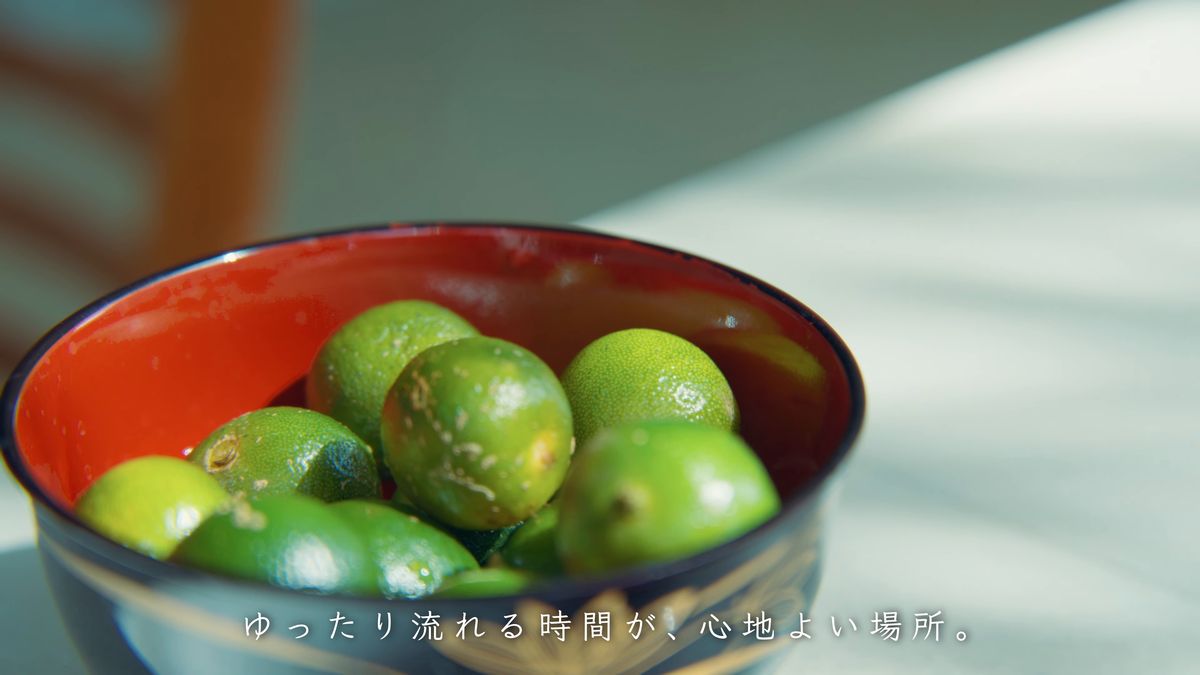
Kalamansi
A small citrus native to the Philippines, also called calamondin in English. Its juice is used to marinate and season fish, chicken and pork, and is mixed with soy sauce (toyomansi) or fish sauce (patismansi) for dipping. Cut in half, it is served as a condiment with almost every kind of pancit.
Sources: en.wikipedia.org
Pares and mami
Pares is beef asado braised in sweet soy sauce, served with garlic rice and beef broth; the name literally means "pairs," from the practice of pairing the beef with rice and soup. The term is credited to a small eatery that opened in Quezon City in 1979. Mami is a Filipino noodle soup of wheat noodles topped with chicken, beef, pork or wonton. It is often said to have begun when Chinese immigrant Ma Mon Luk started selling noodles in chicken broth in Binondo, Manila, in 1920, though the dish probably existed before him. Pares mami brings the two together.
Sources: en.wikipedia.org en.wikipedia.org
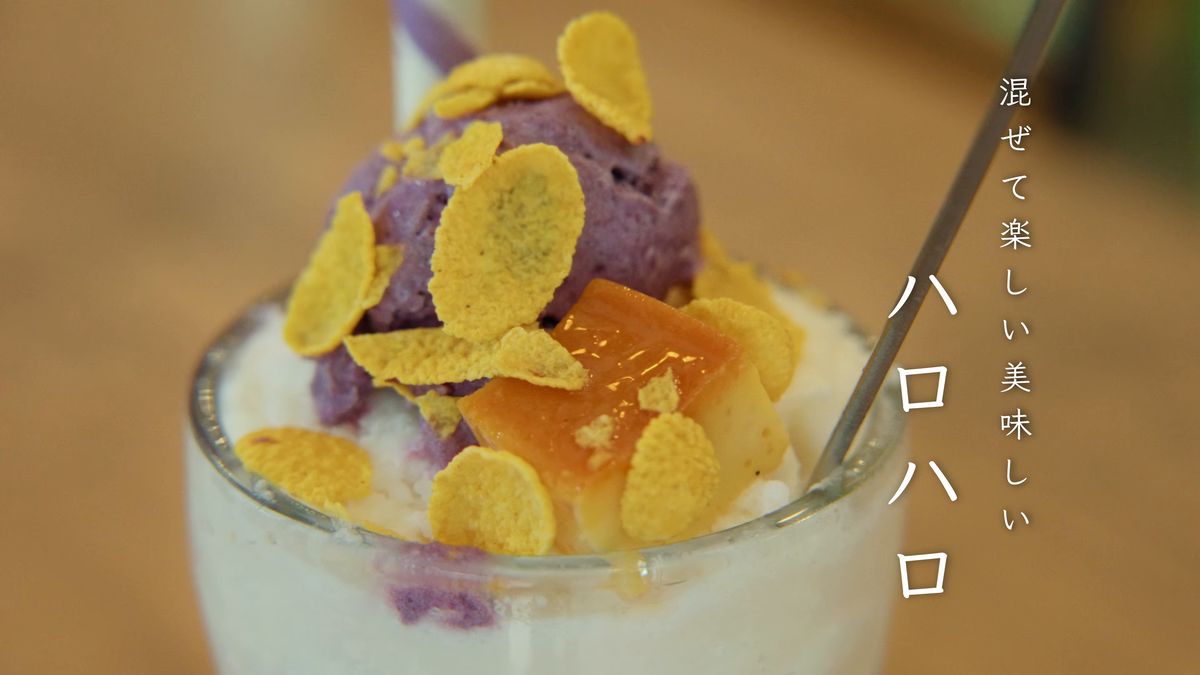
Halo-halo and ube
The name comes from doubling the Filipino verb halò, "to mix." Shaved ice is combined with evaporated or coconut milk, sweetened beans, coconut meat and jelly, then topped with leche flan, ube halaya (mashed purple yam) and ice cream; the ingredients vary from region to region. Its origins are traced to pre-war Japanese Filipinos and Japanese kakigori; the earliest form, monggo con hielo, was mung beans in syrup over shaved ice with milk and sugar. Ube, the purple yam, is used in many Philippine desserts.
Sources: en.wikipedia.org en.wikipedia.org
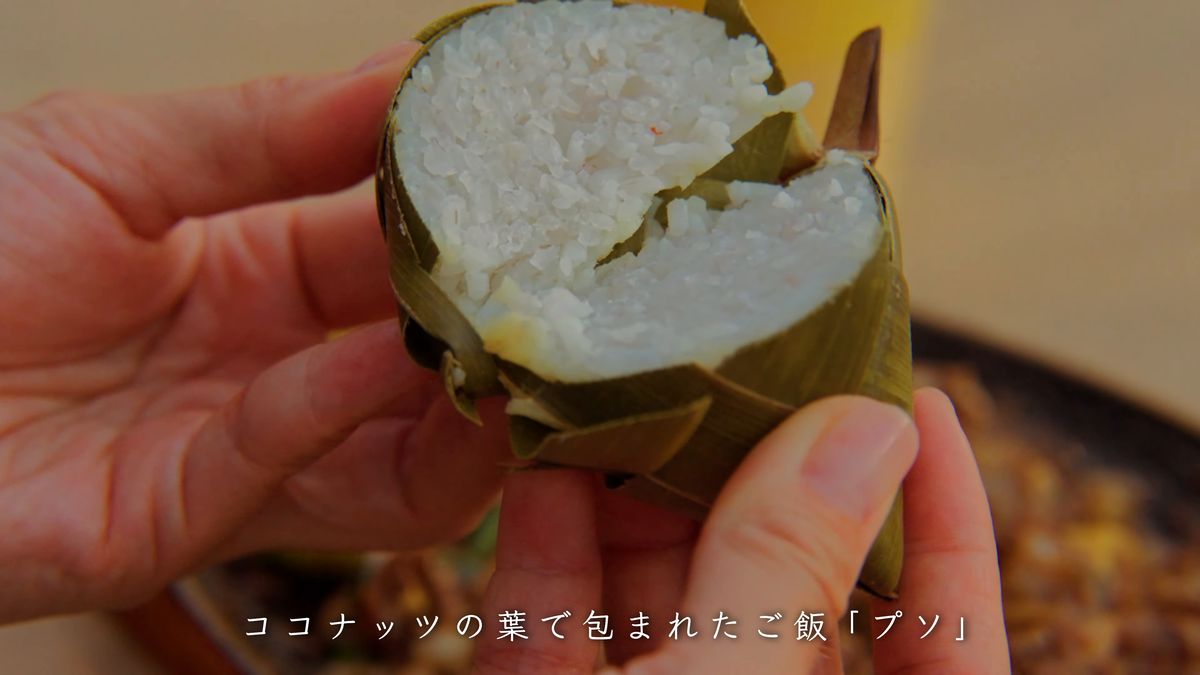
Sisig and puso
Sisig is a Filipino dish of chopped pork jowl and ears seasoned with kalamansi, onions and chili peppers, served on a sizzling plate. It originates from Pampanga on Luzon, and the modern version is credited to Lucia Cunanan of Angeles. Egg and mayonnaise are common additions nowadays, though Pampanga's traditionalist chefs frown on them. Puso is rice boiled in a woven pouch of palm leaves; the name means "heart" in Cebuano, and in Philippine English it is also called hanging rice. It is closely tied to Visayan street food and is often eaten with grilled skewers of meat or fish.
Sources: en.wikipedia.org en.wikipedia.org
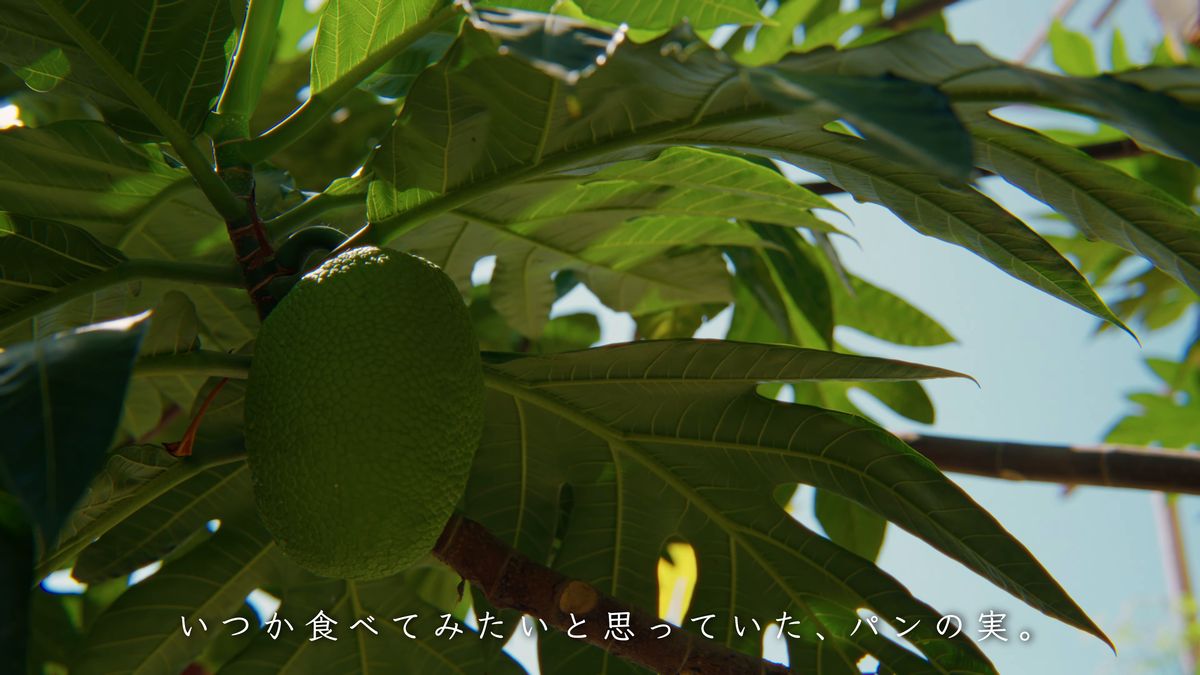
Breadfruit
The fruit of the breadfruit tree, named for its texture when moderately ripe fruit is cooked: like freshly baked bread. Today it is grown widely across the tropics, from South and Southeast Asia to the Pacific and the Caribbean. In the Philippines it is called rimas in Tagalog and kolo in the Visayan languages. What I was given was breadfruit from the garden of my stay, fried with sugar.
Sources: en.wikipedia.org
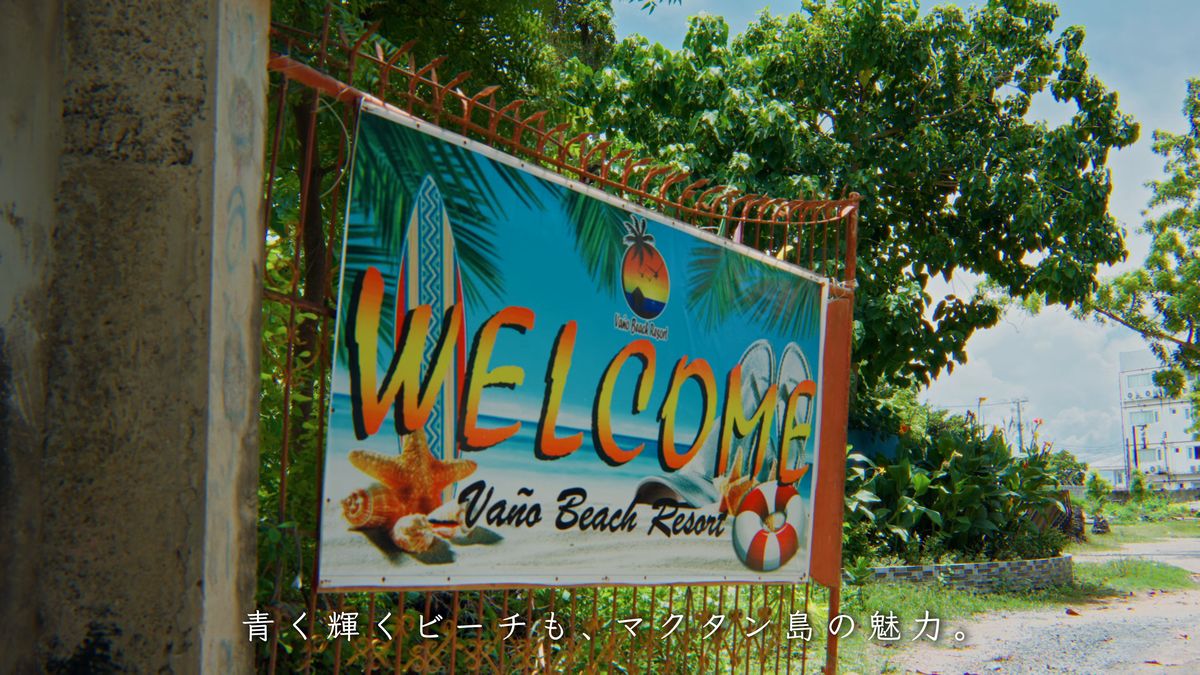
Vaño Beach
A beach in Marigondon, Lapu-Lapu City, reached by a narrow road off the main street. A "WELCOME Vaño Beach Resort" sign stands at the entrance. It is a quiet, uncrowded beach where you can also rent a cottage.
Sources: penfires.com sandee.com
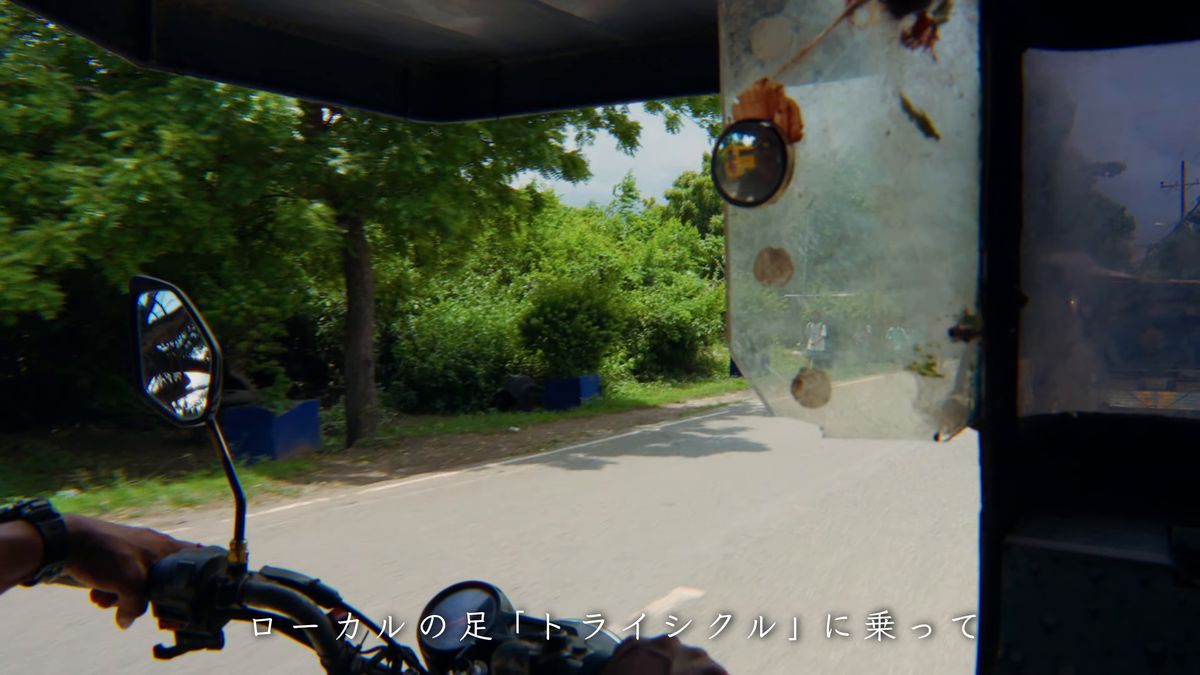
Tricycle
A Philippine vehicle made of a motorcycle with a passenger sidecar attached. Some ply set routes and others are for hire like taxis. In towns they often run as shared rides, with each passenger paying their own fare, which varies by locality and distance.
Sources: en.wikipedia.org
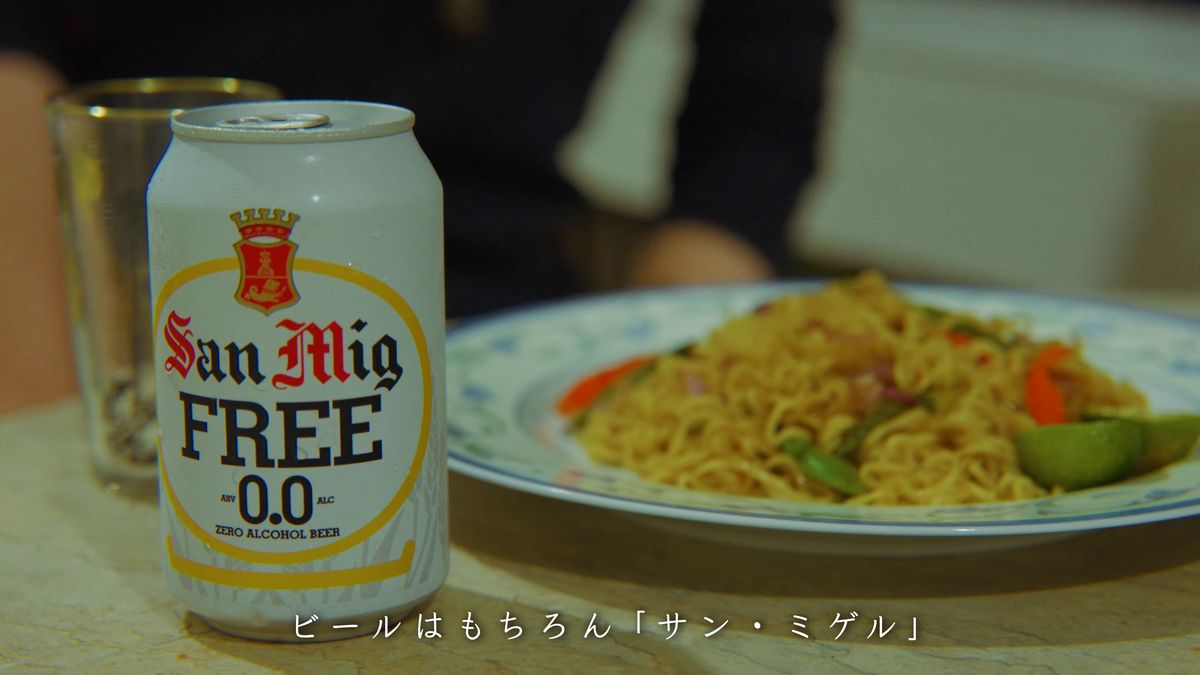
San Miguel and San Mig Free
San Miguel Beer is the flagship pale lager of the San Miguel Brewery, founded in 1890 in the San Miguel district of Manila. San Mig Free 0.0 is its non-alcoholic beer.
Sources: en.wikipedia.org
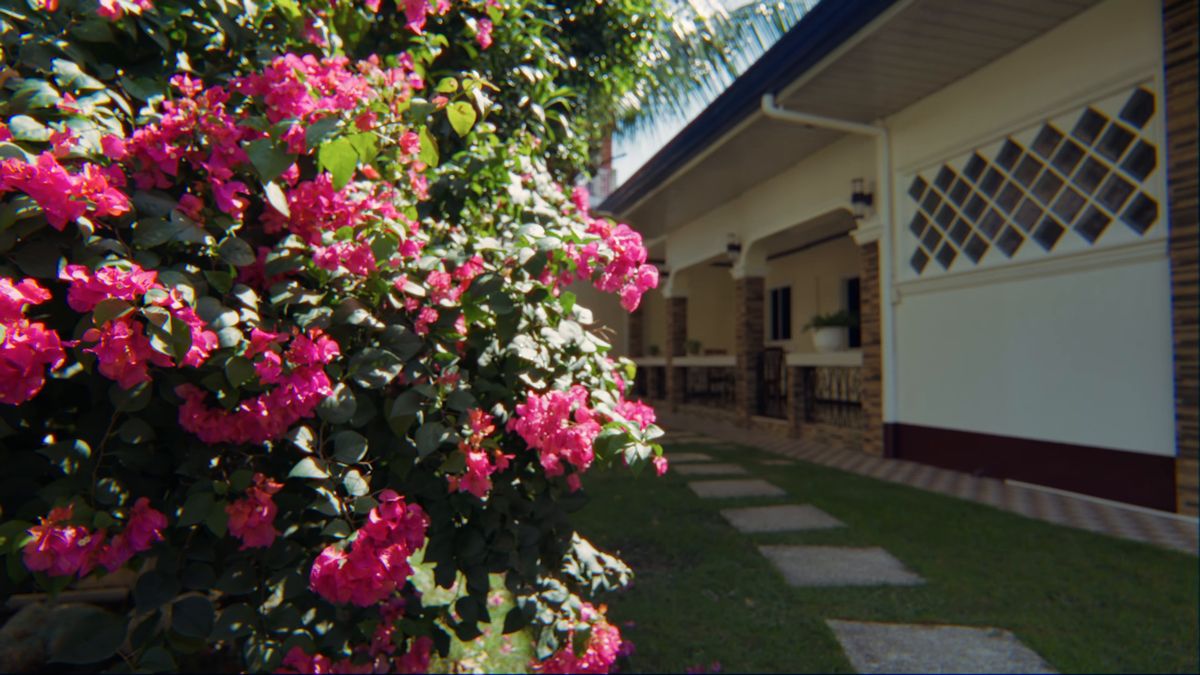
A homestay in a local neighborhood
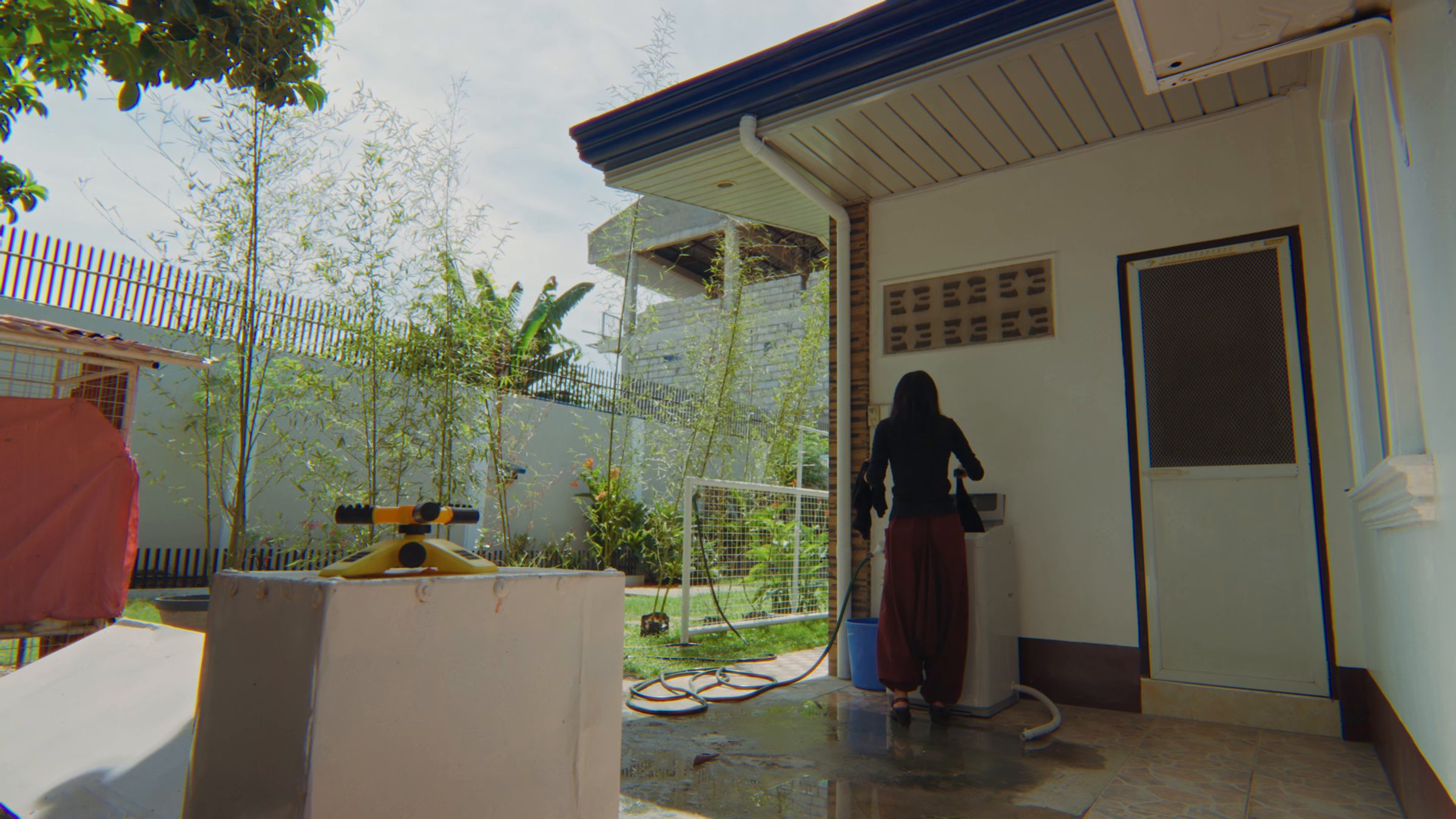
This time I borrowed a homestay in a neighborhood full of local life, with palm trees and bougainvillea in the garden. I cooked breakfast and dinner in the kitchen of the white house, and the owner's mother brought me sweets made from breadfruit from the garden.
PHOTO ALBUMPhoto album149Open all photographsClose the photo album
Select a photograph to explore the journey one frame at a time.