A TRAVEL ESSAY
Nachikatsuura, Wakayama
A dreamy old house
Nachikatsuura:the sea from afishing-village window
Fresh tuna and Nachi Falls: a day in a hilltop house above the sea.
Read the journey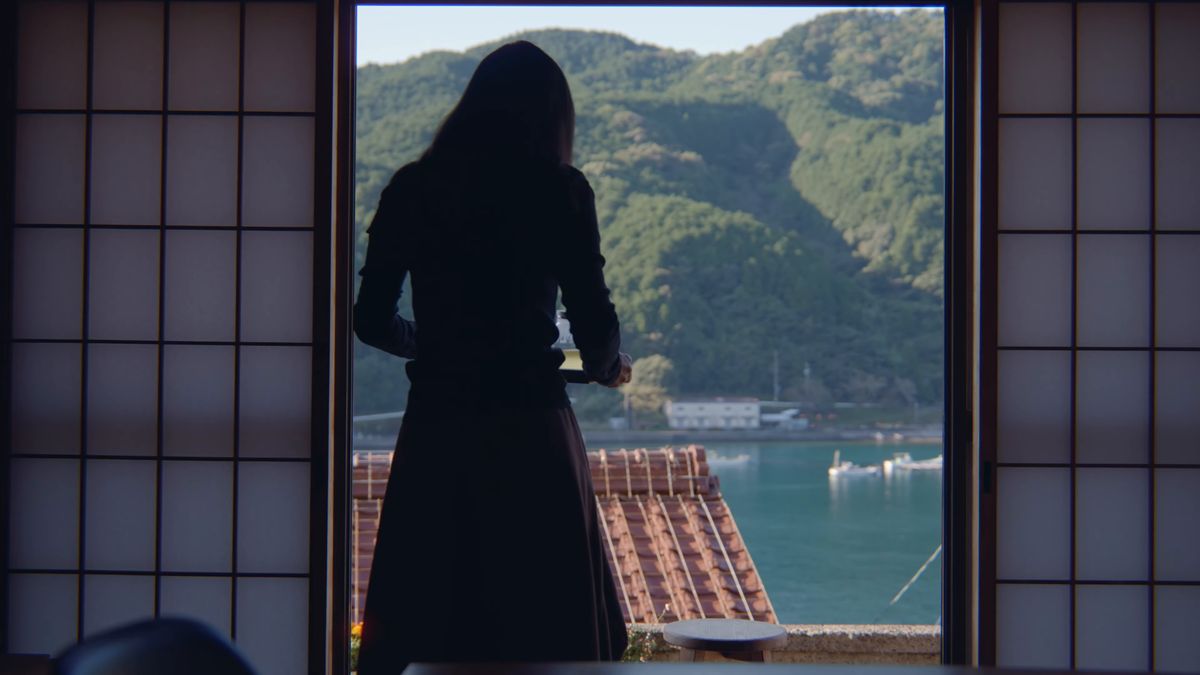
ABOUT THIS JOURNEY
In an old house on a hill above a ria-coast bay, breakfast was ochazuke with the saba heshiko I had bought in Ine. I looked up at Nachi Falls, one of Japan's three great waterfalls, and ate a tuna bowl at Katsuura, the port with Japan's biggest landings of fresh tuna. On the way home I bought a tuna collar and mandarins at unstaffed stands, and that night I grilled the collar over charcoal on the terrace. A day of sea, waterfall and tuna.
A little more about the food and the land01TRAVEL JOURNAL
A house on the hill above the bay
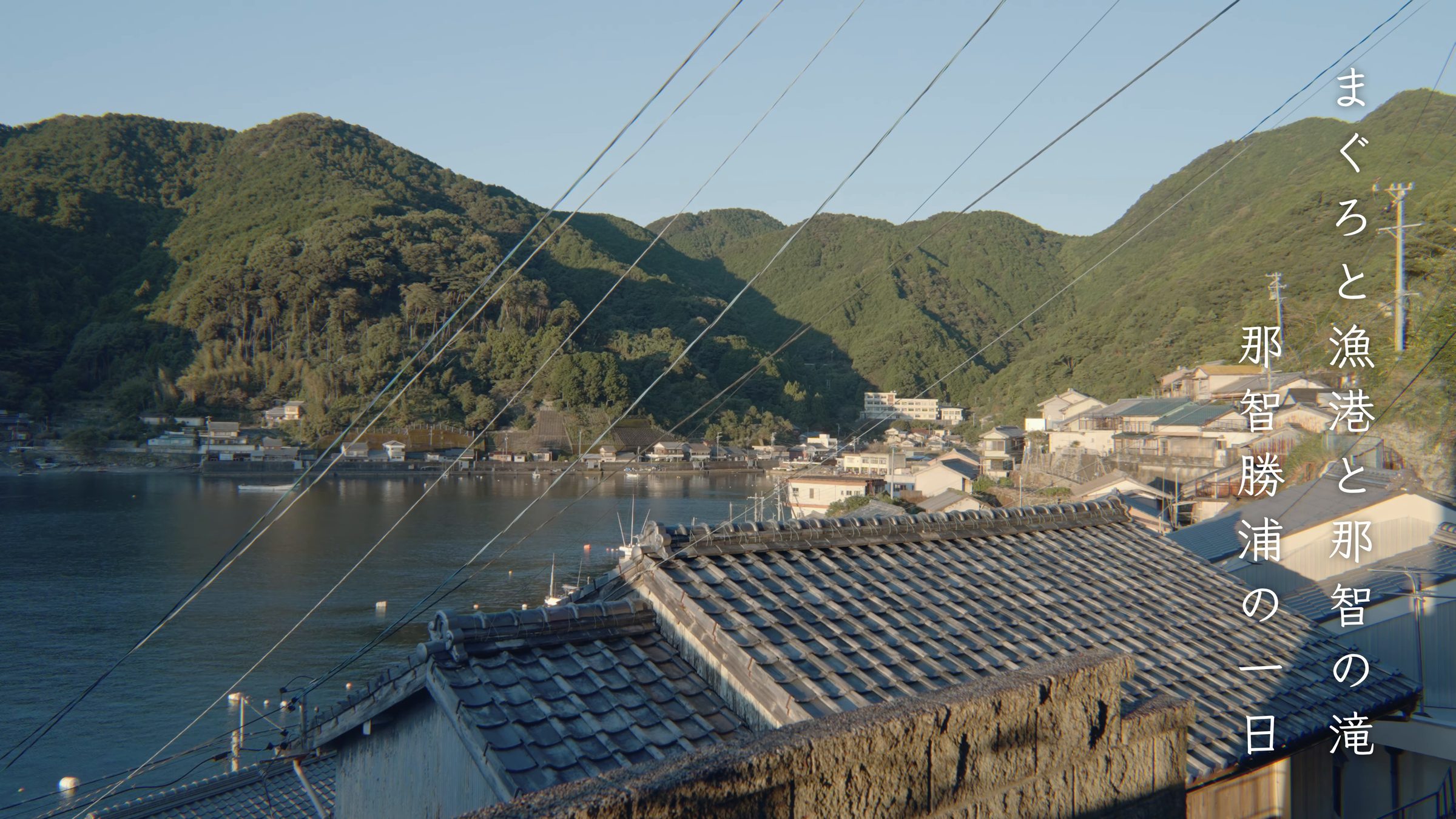
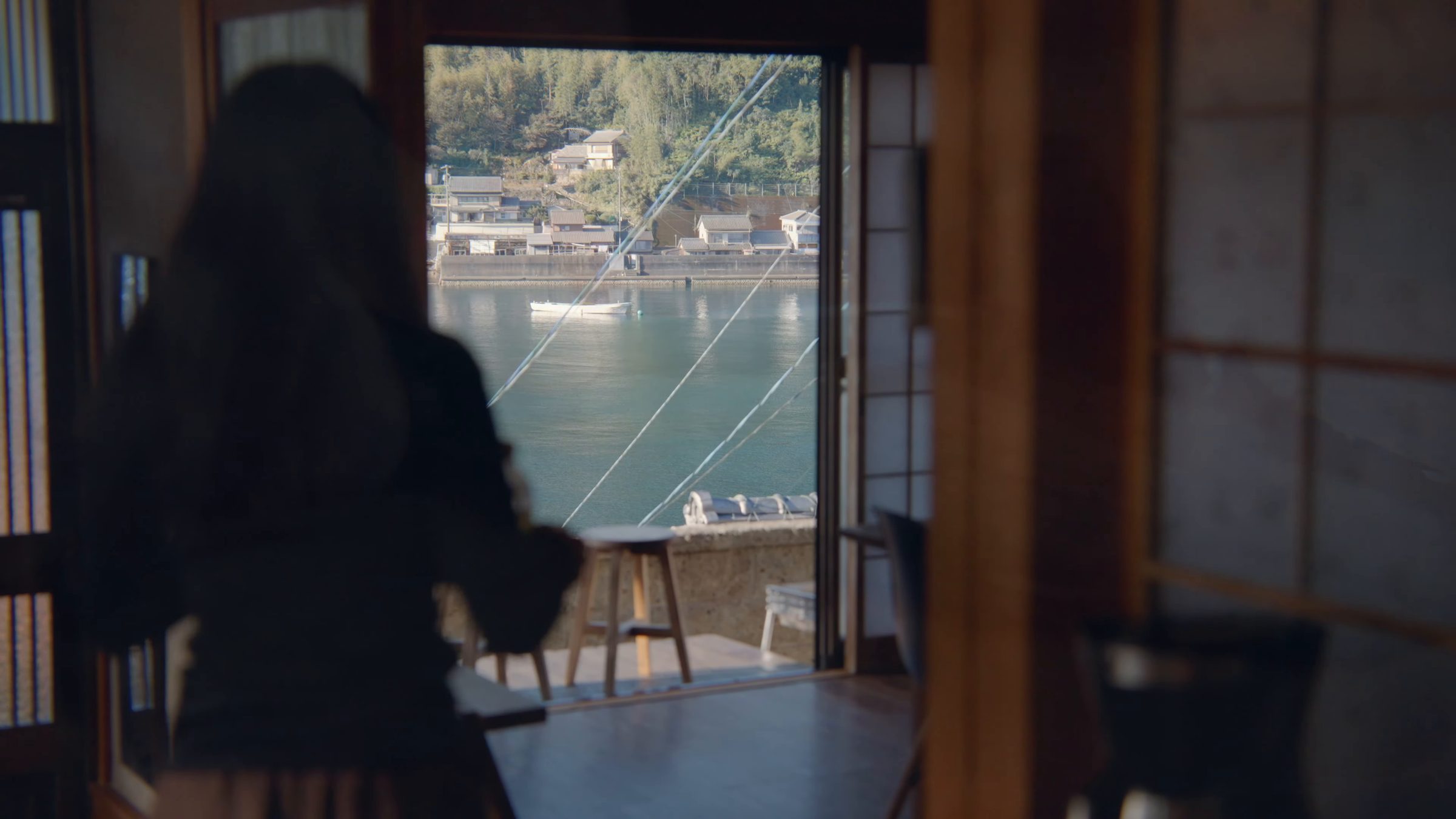
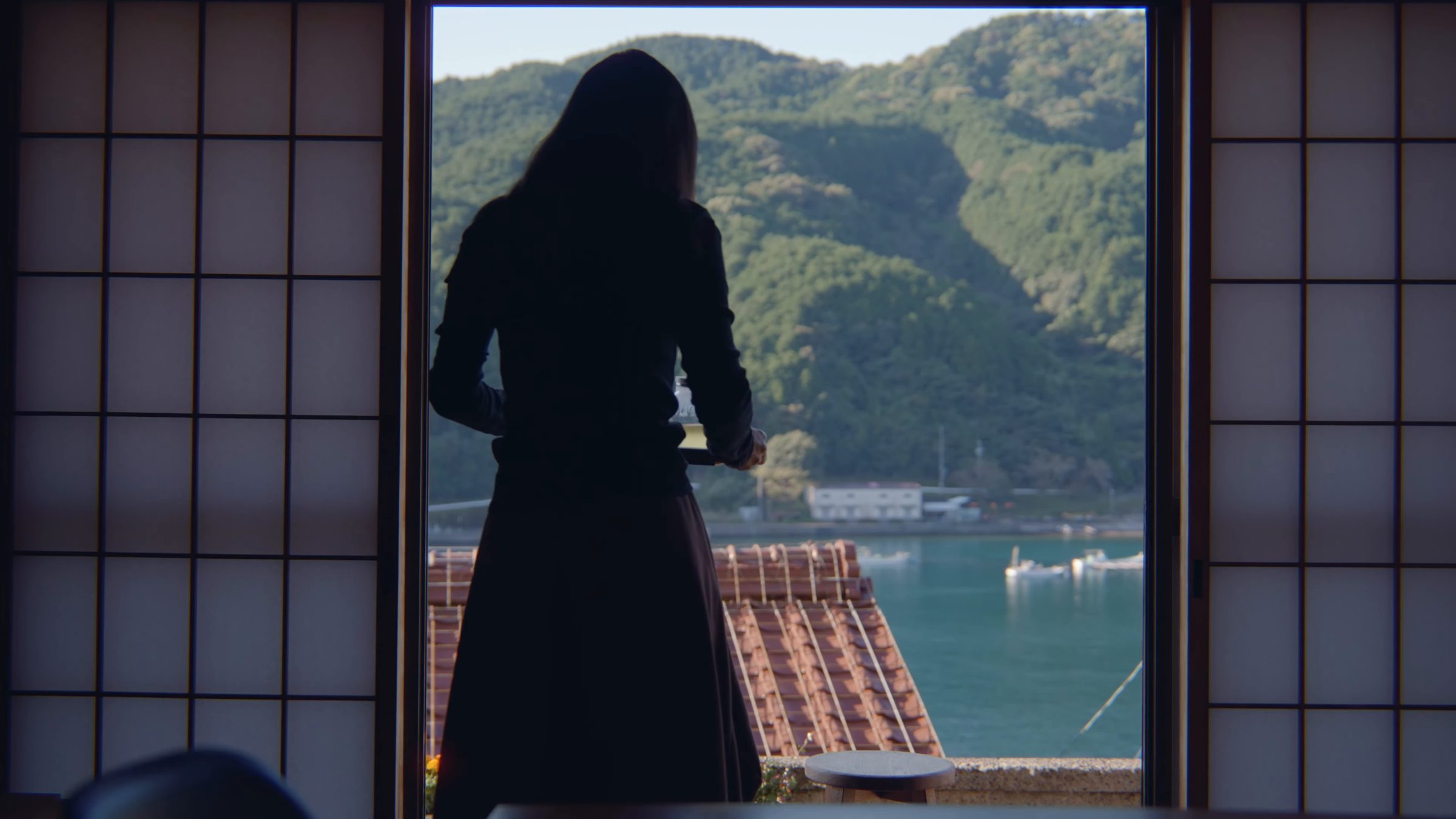
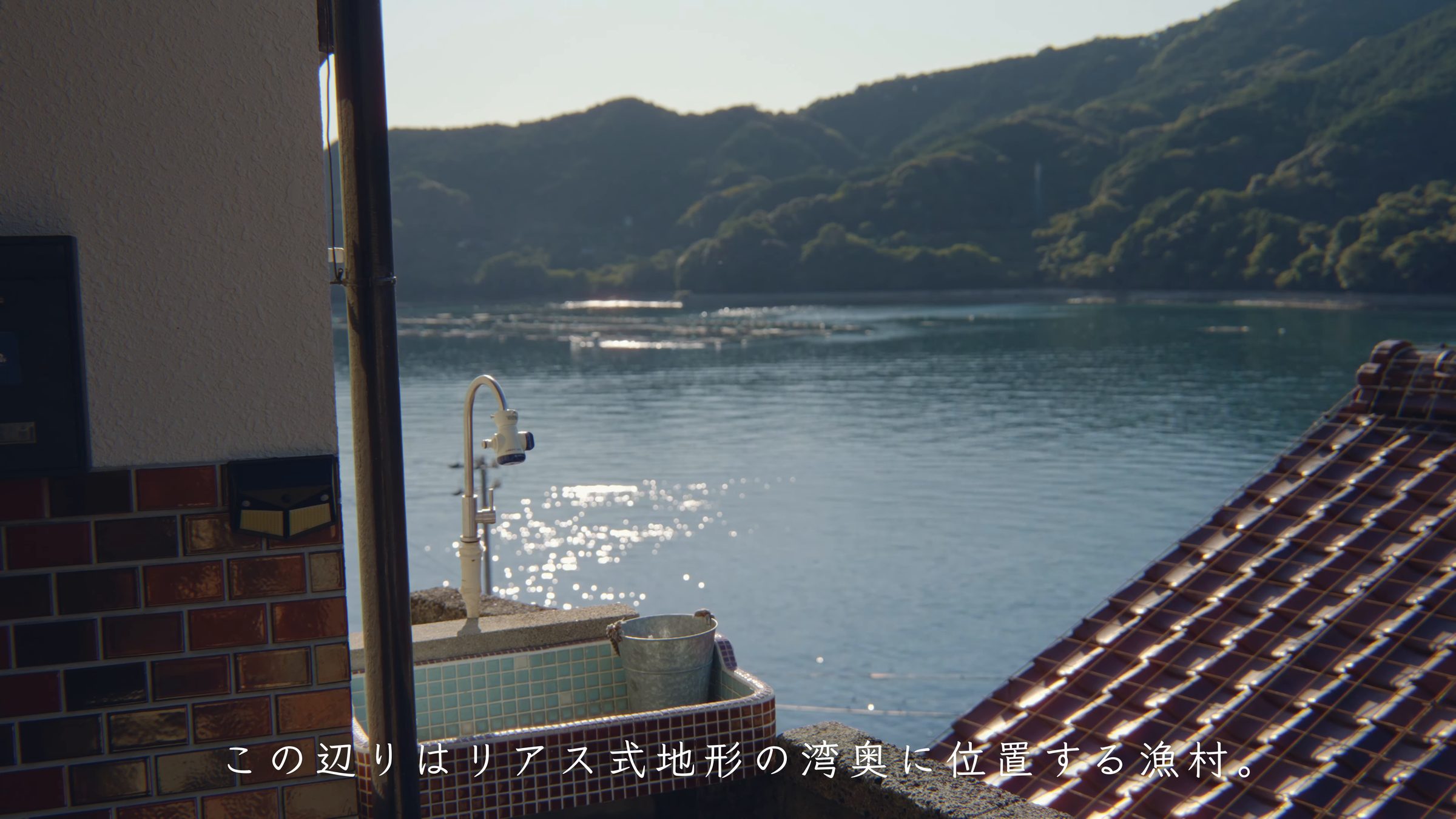
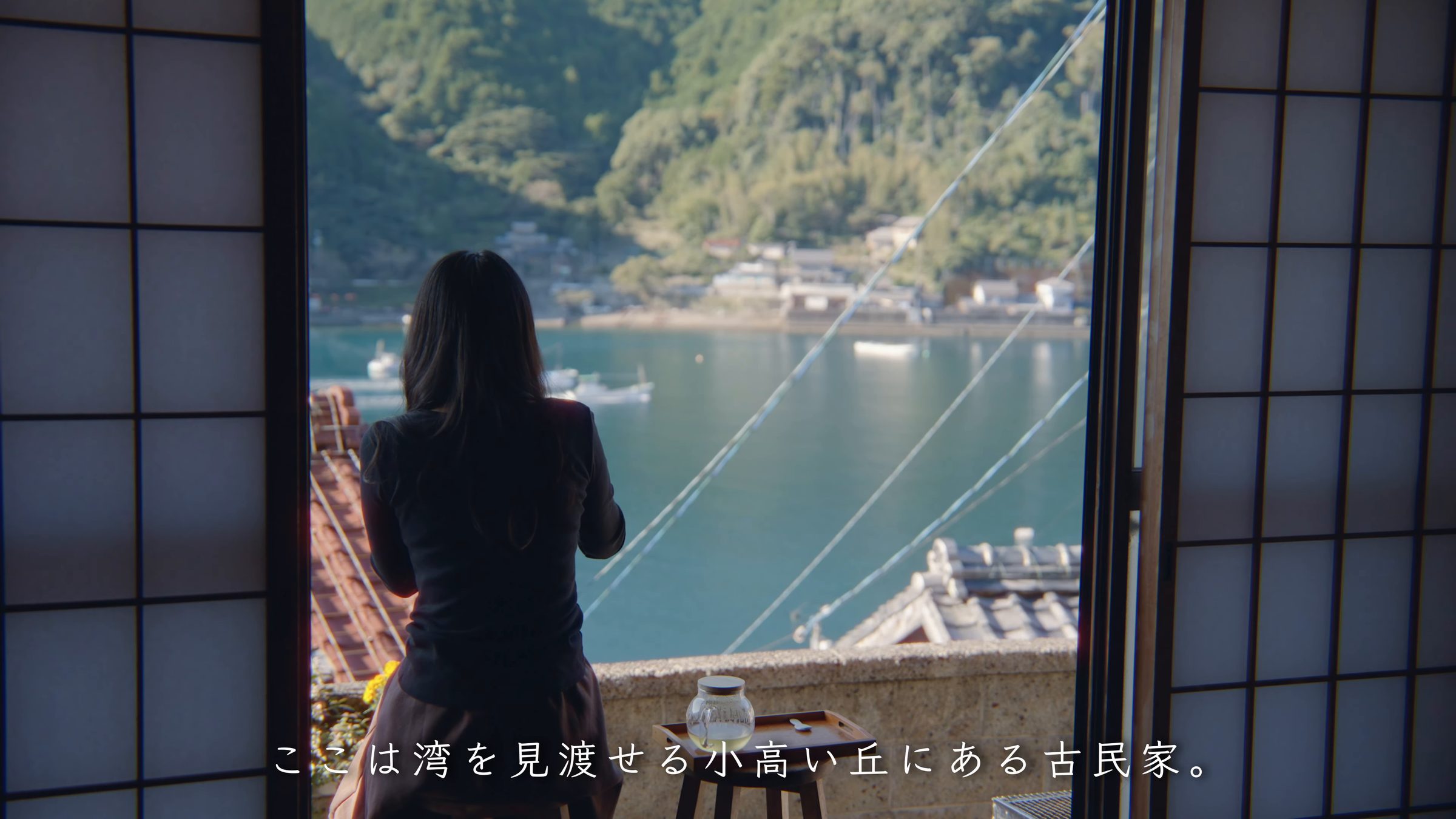
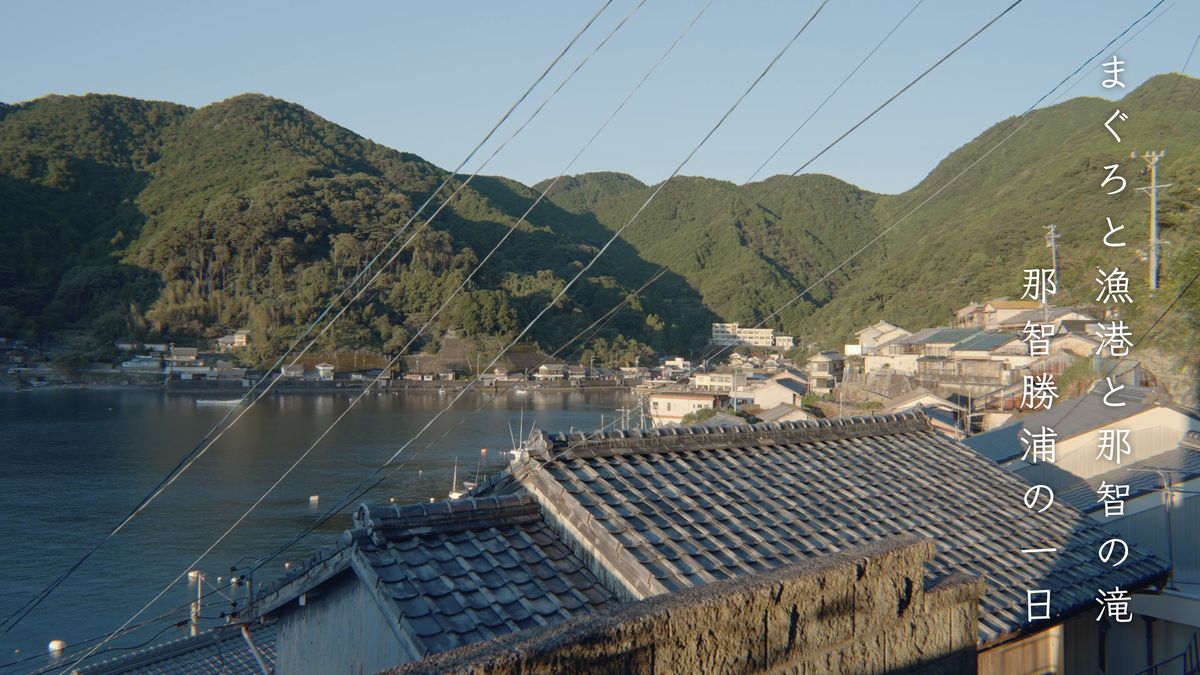
I woke up in a fishing village where the houses climb the slopes around the water. The house I had borrowed stands on a small hill with a view over the whole bay. Through the open window, beyond the tiled roofs, lay the still sea and the village on the far shore.
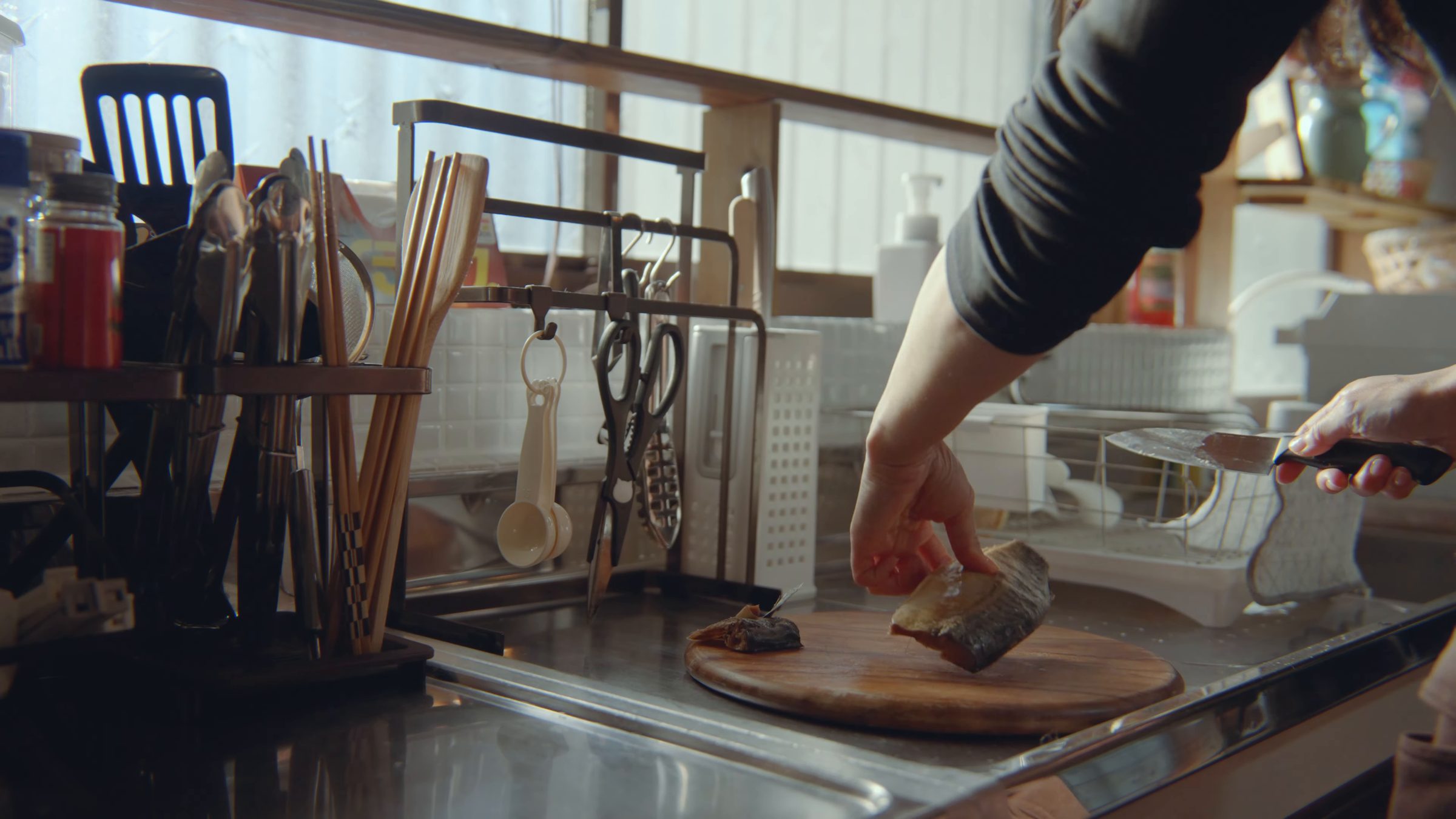
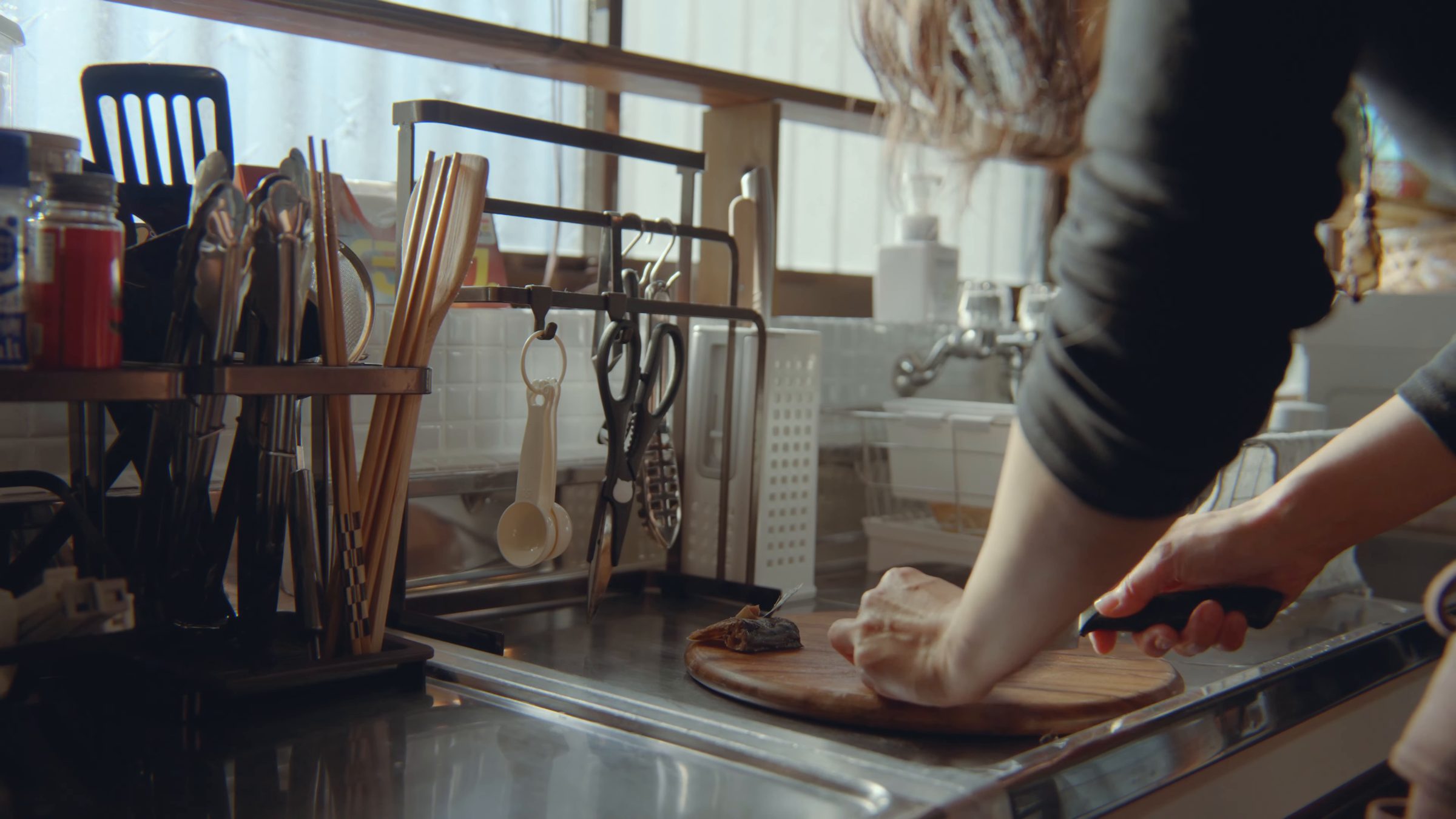
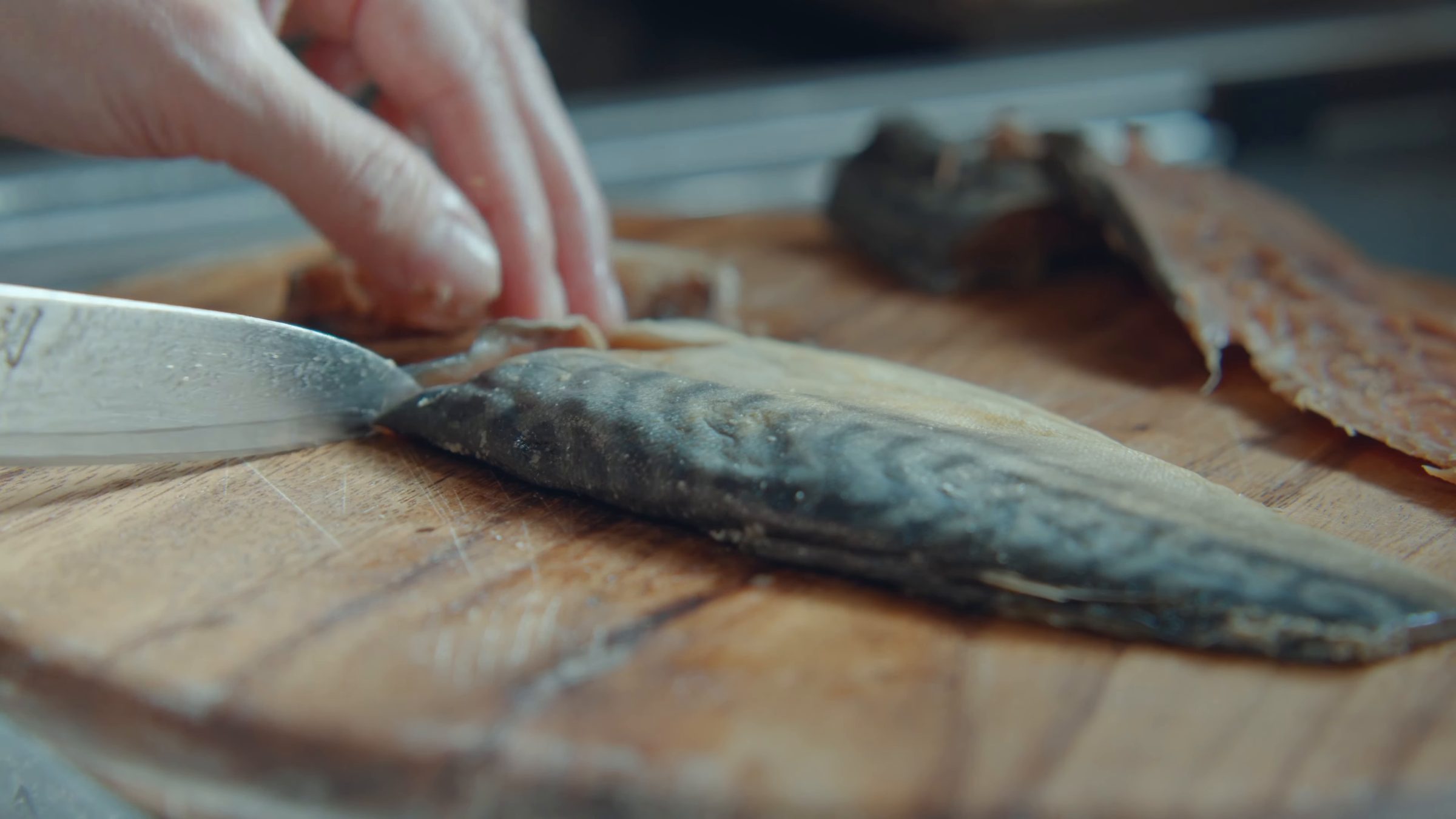
The star of this morning was saba heshiko, which I had bought on my last trip to Ine, in Kyoto: salted mackerel pickled in rice bran, a preserved food from the Sea of Japan coast. I unwrapped the paper, laid the fish on the cutting board and sliced it thin.
Watch this scene on YouTube0:22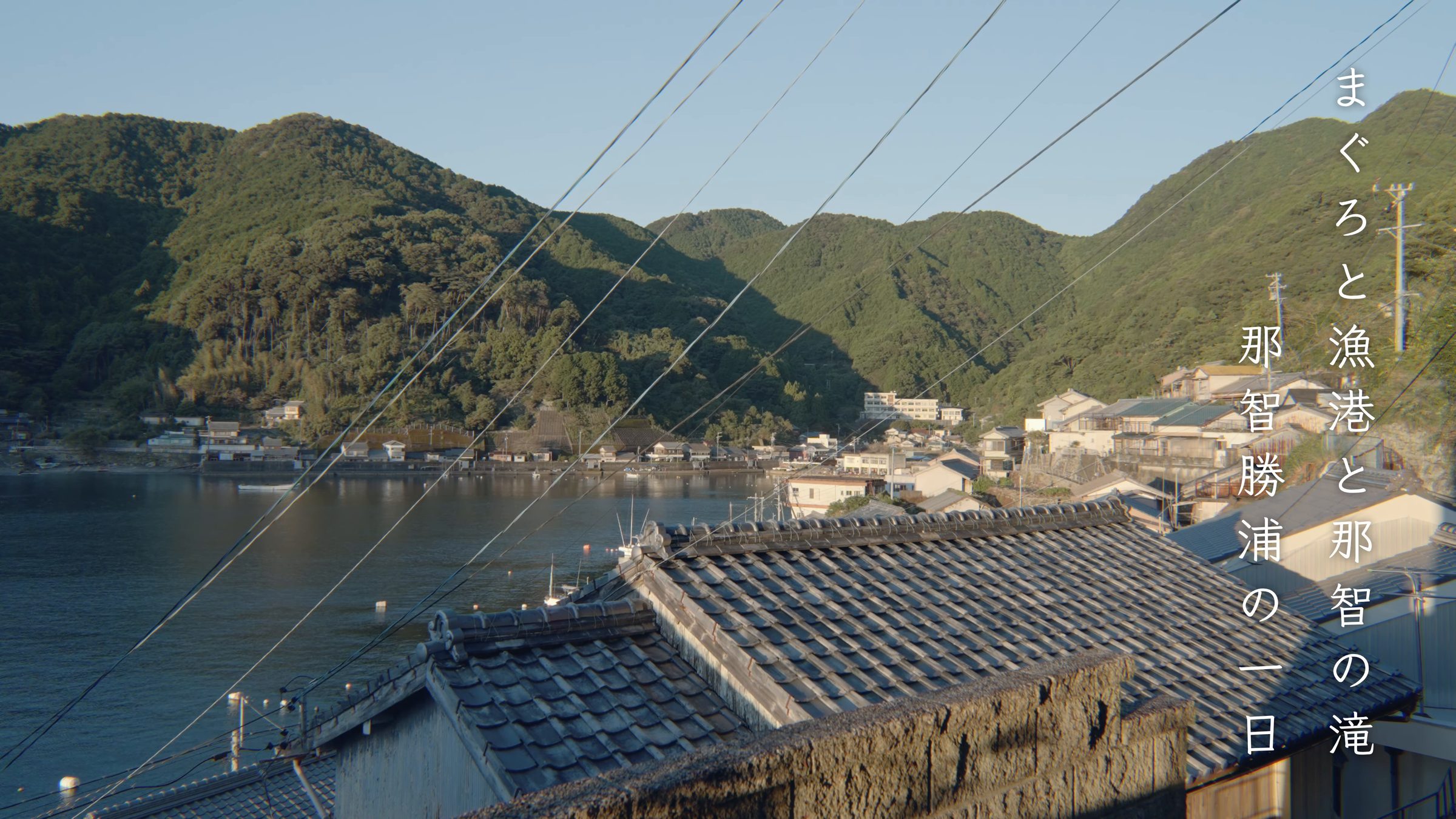
02TRAVEL JOURNAL
Ochazuke with heshiko
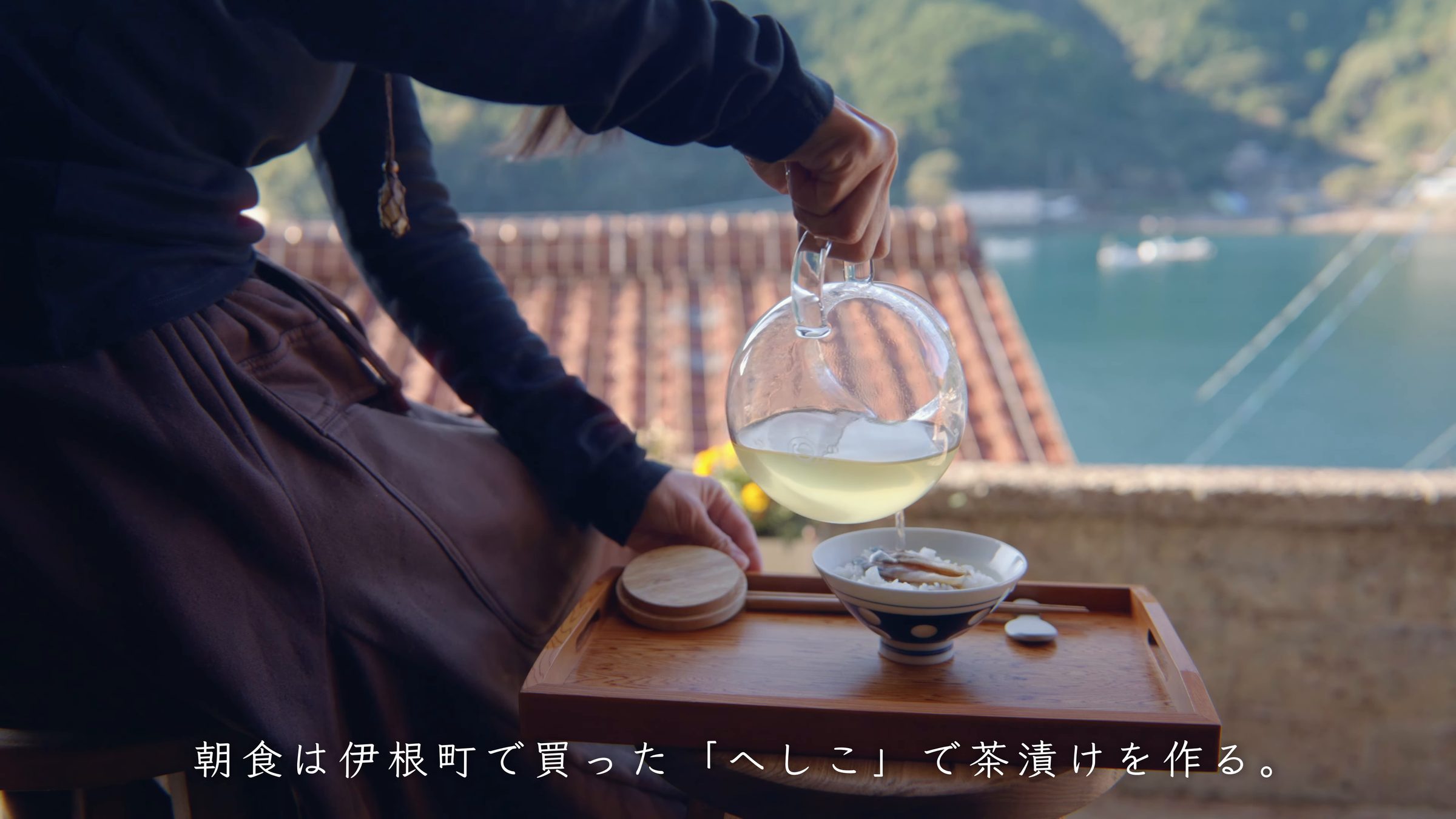
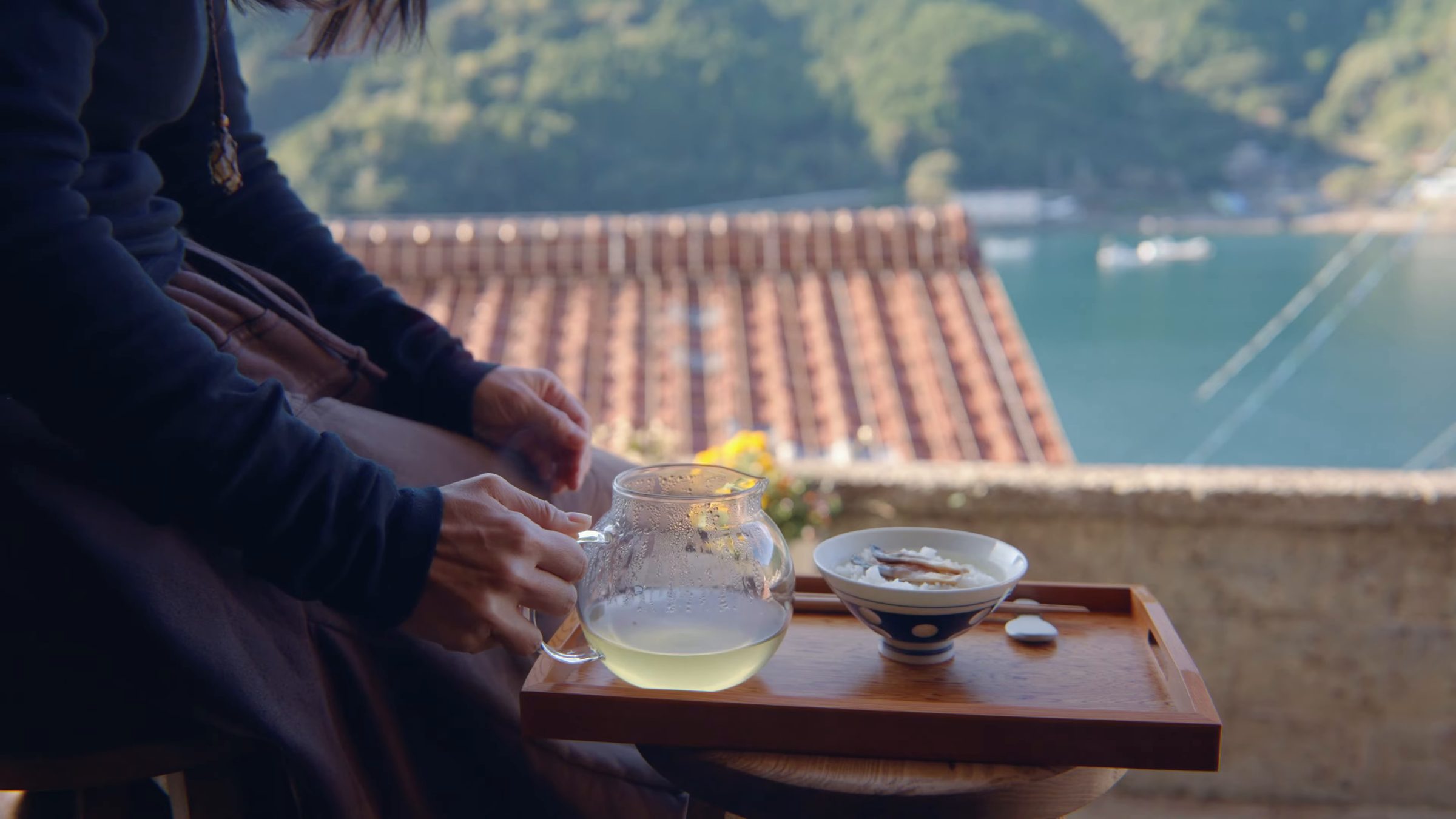
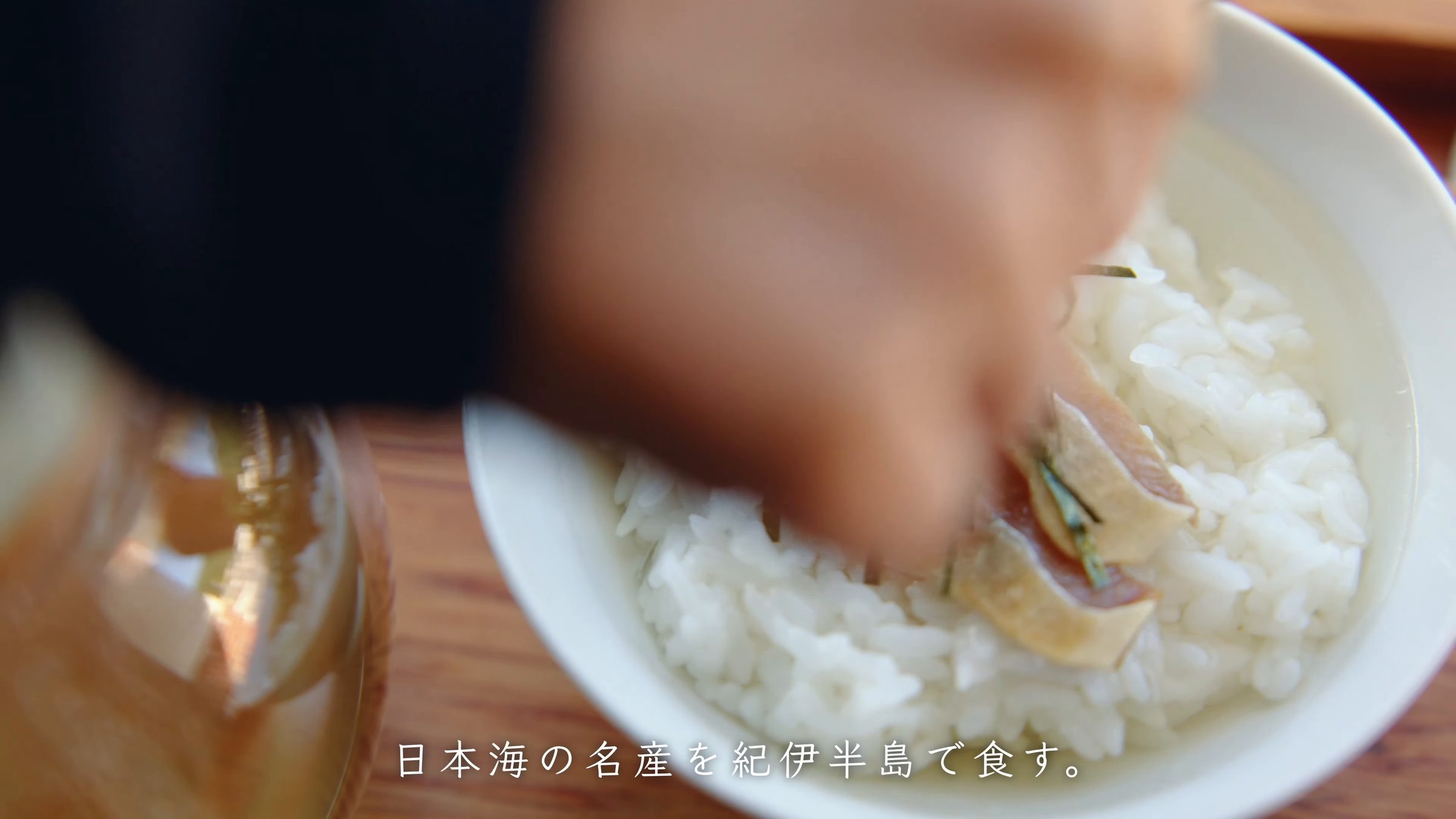
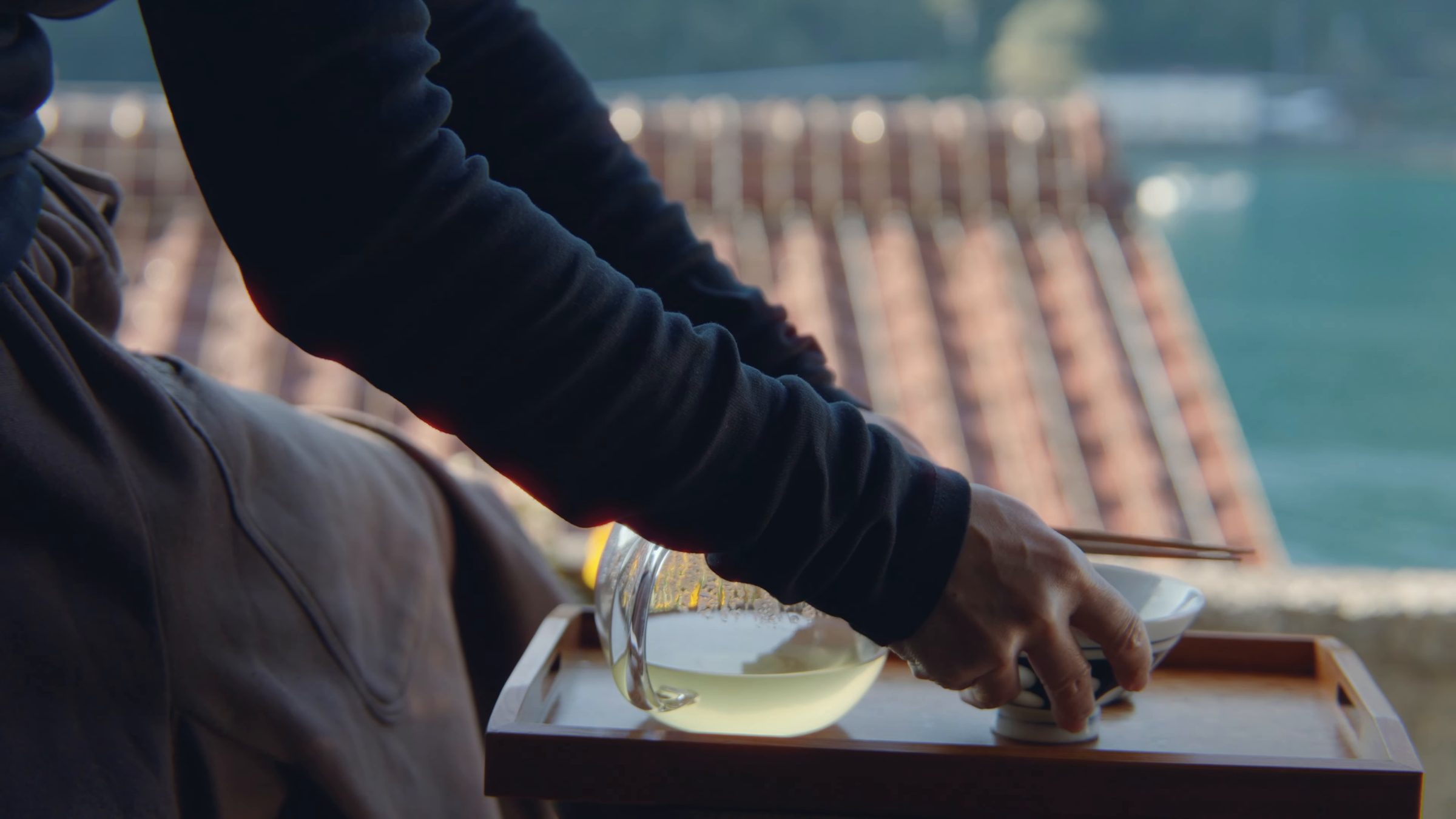
I laid the slices over freshly cooked rice and poured hot tea from a glass teapot. A specialty of the Sea of Japan, eaten for breakfast on the shore of the Kii Peninsula.
I set the bowl on a tray by the window and picked up my chopsticks, looking out at the sea. The salt and the deep, aged flavor of the fish melted into the tea, and the rice disappeared quickly.
Watch this scene on YouTube0:42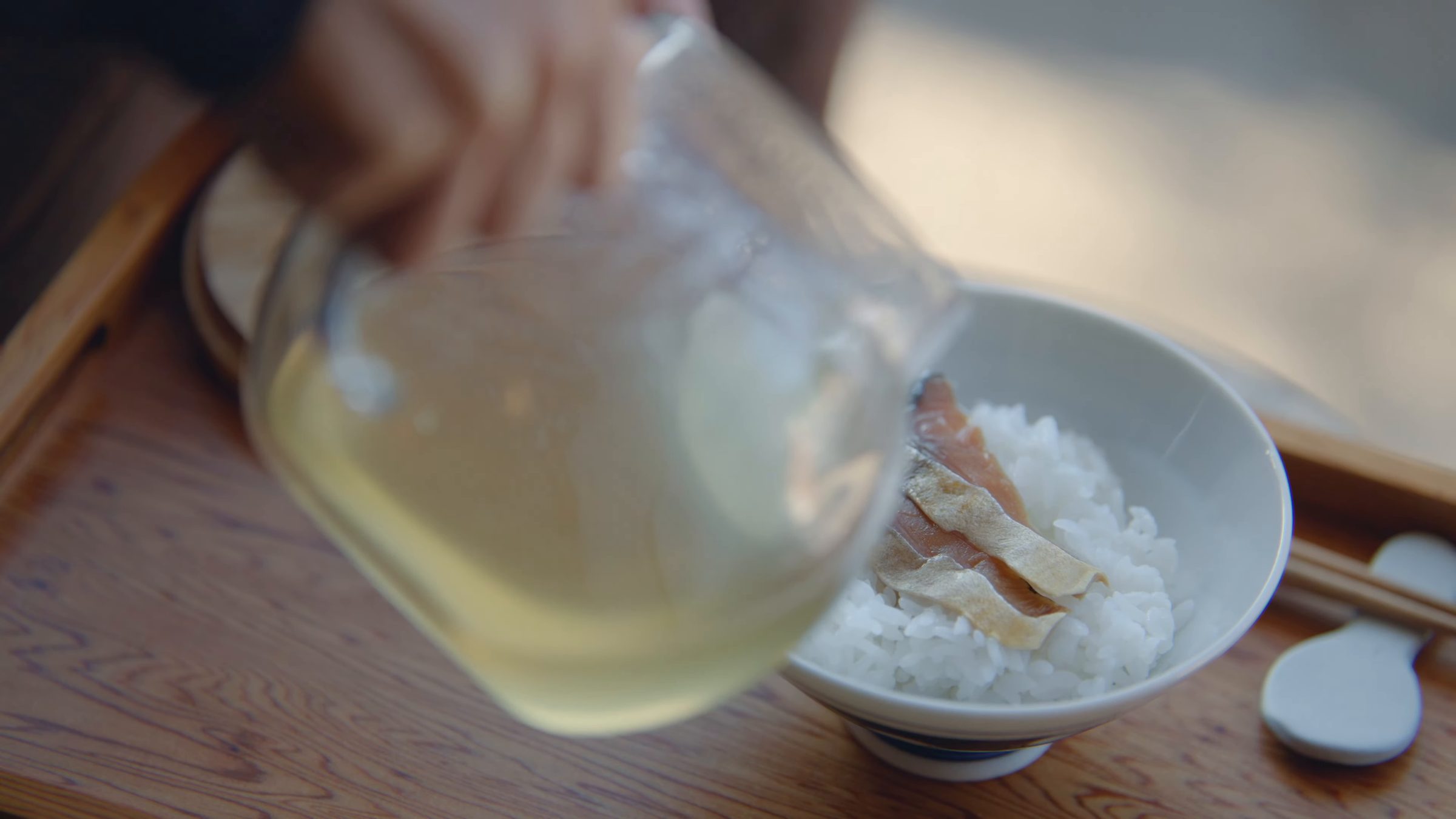
03TRAVEL JOURNAL
At the head of a ria-coast bay
This is a fishing village tucked into the head of a bay on a ria coastline. With the shoji pushed open, the window filled with a bay ringed by mountains. Aquaculture rafts floated on the water, and even the kitchen window looked out to sea.
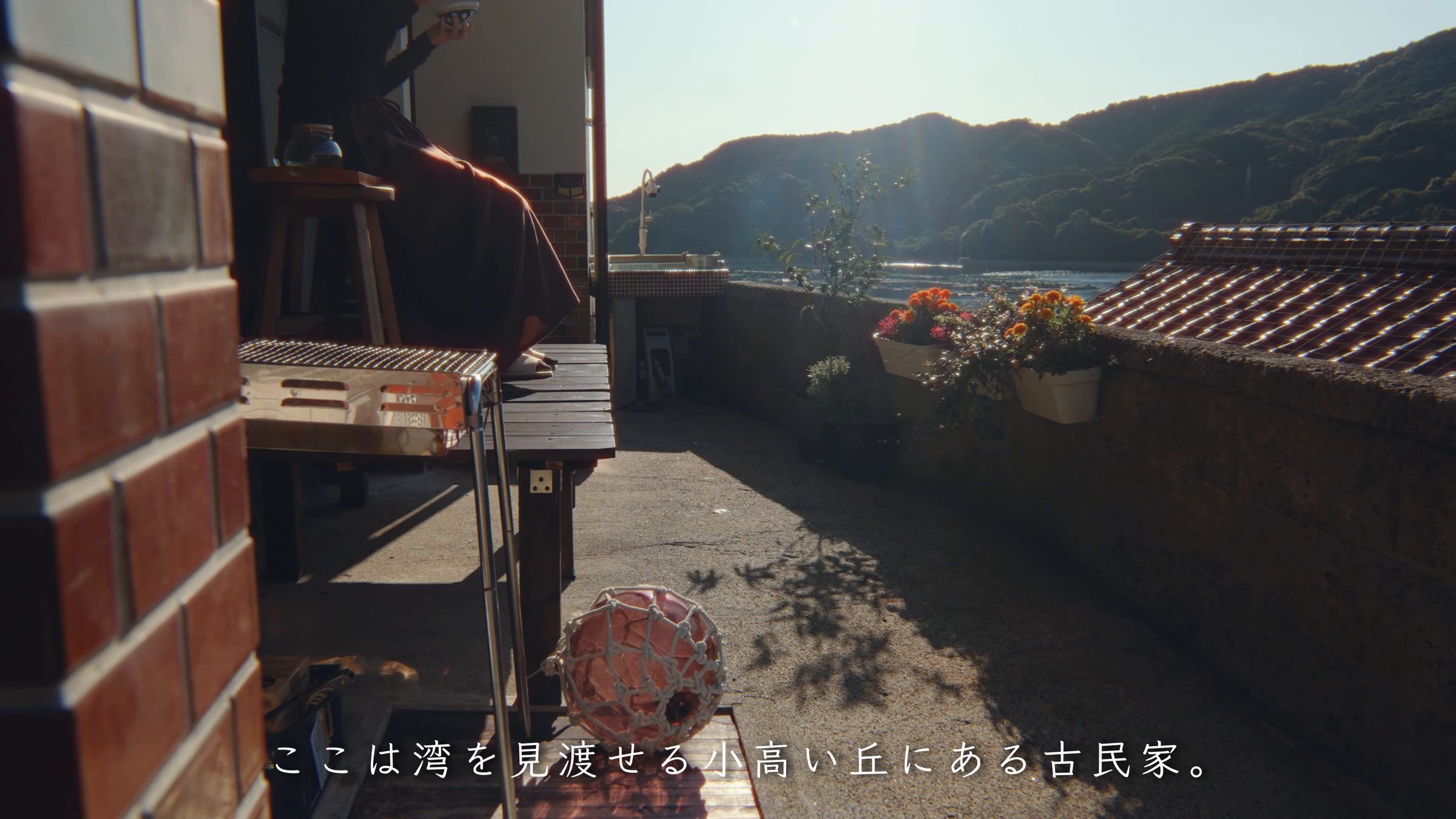
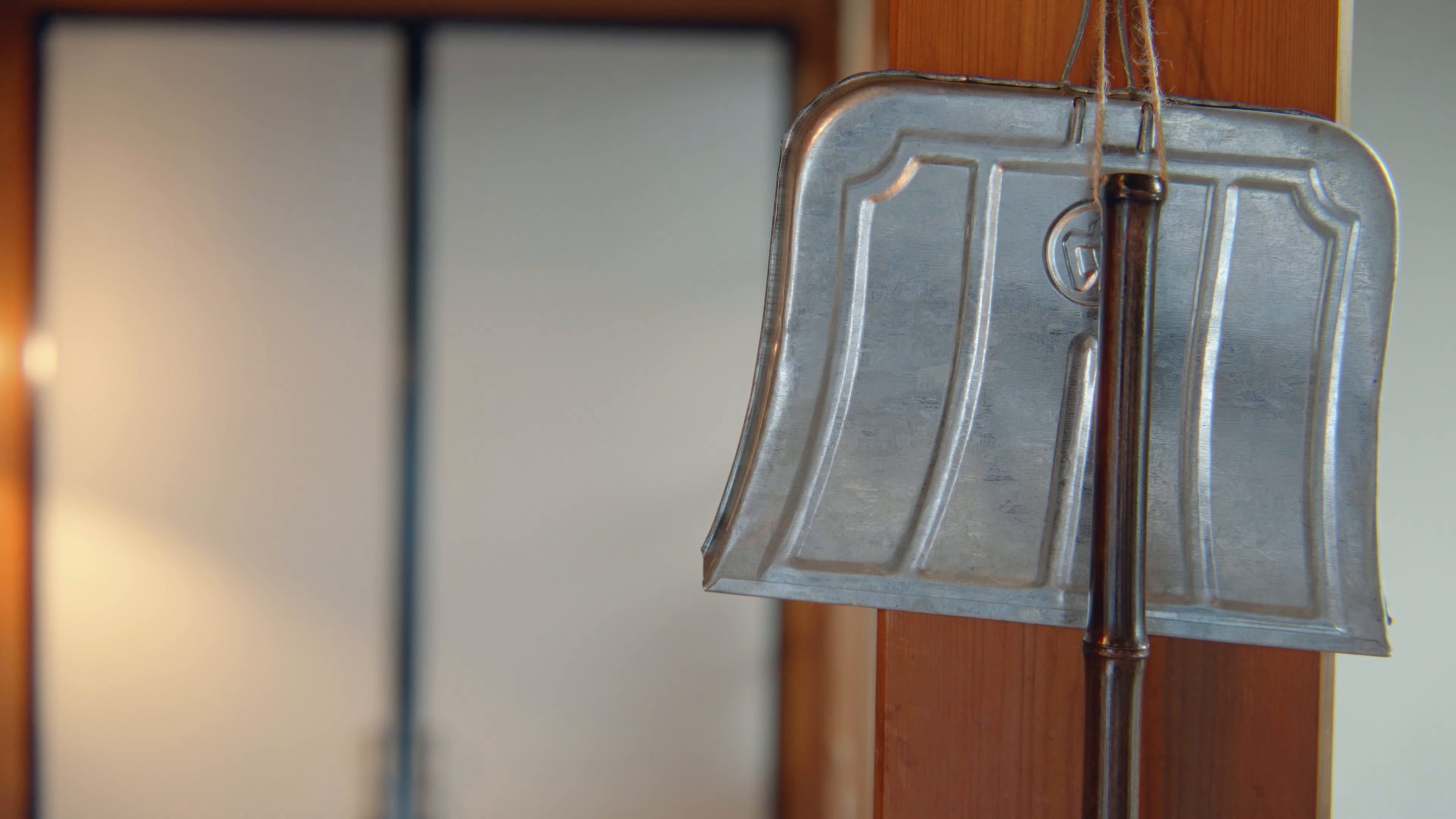
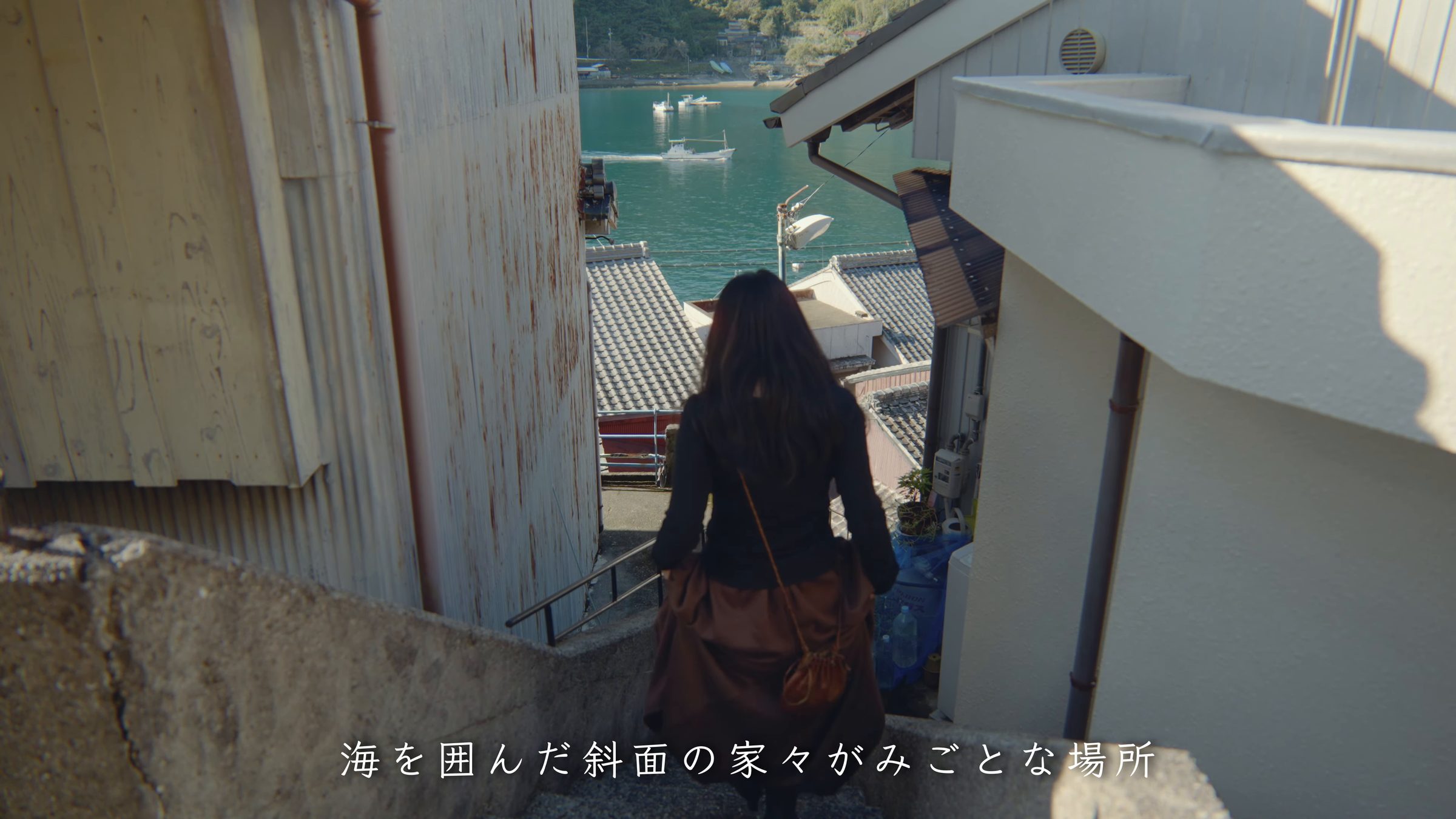
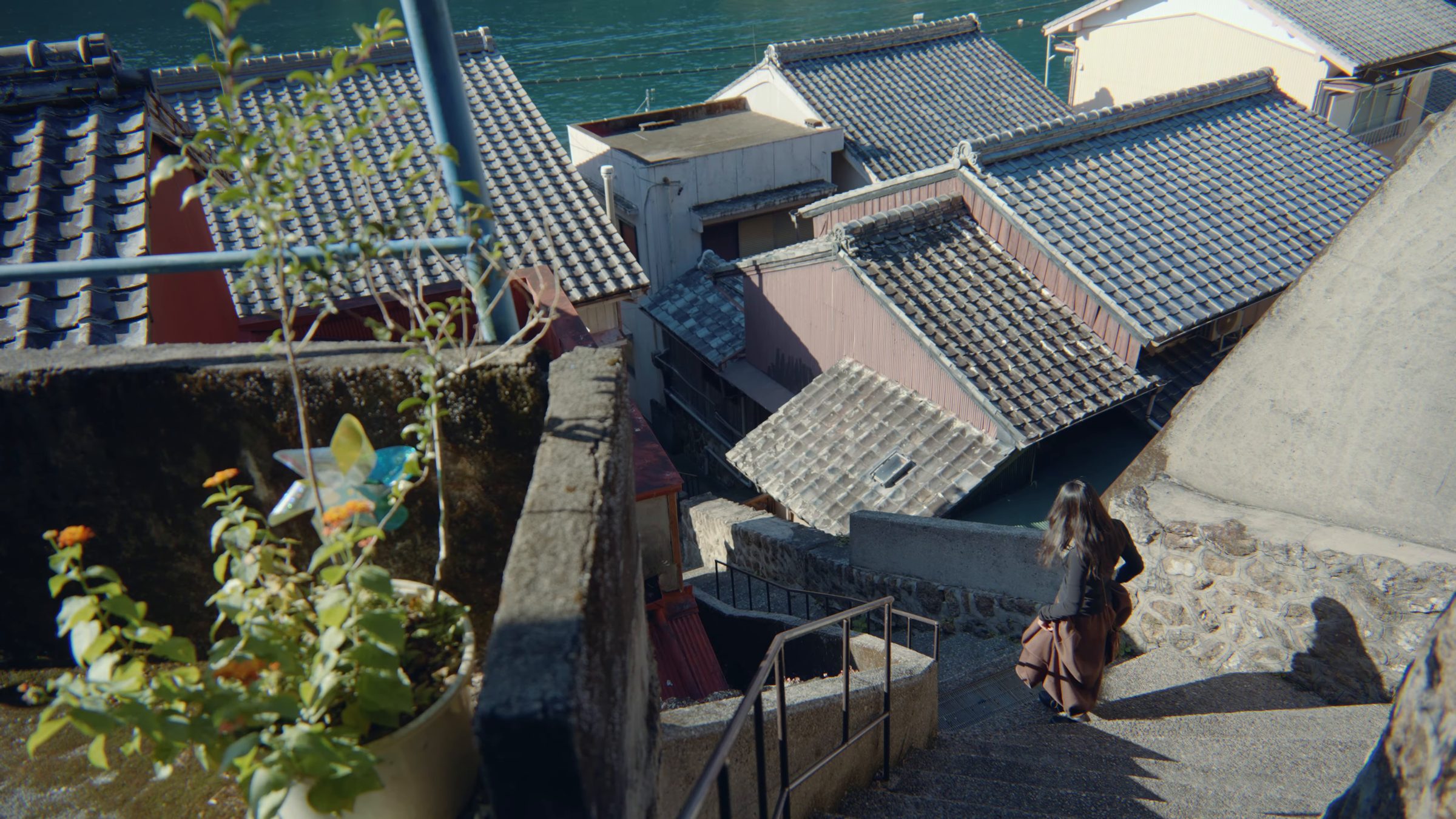
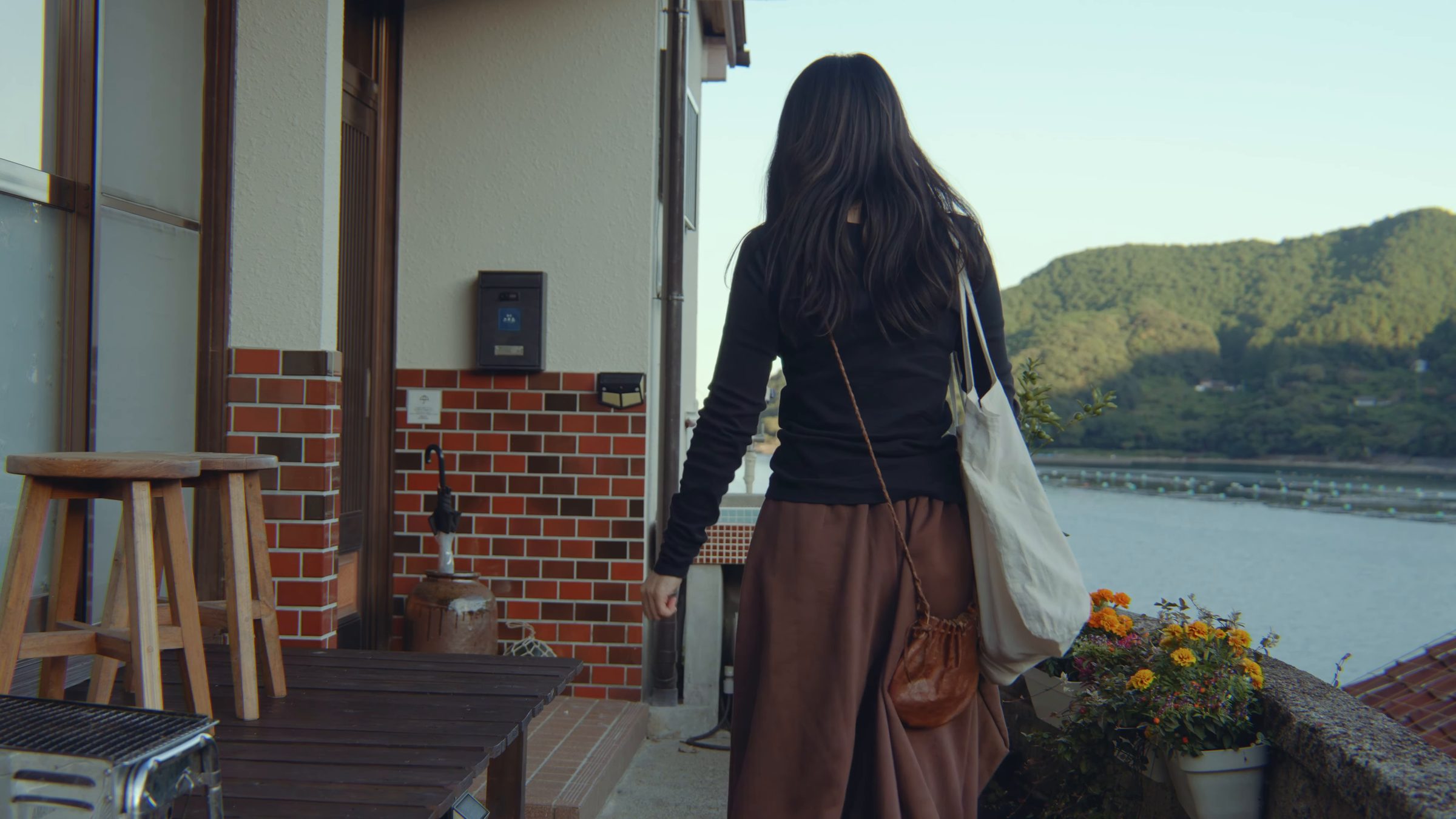
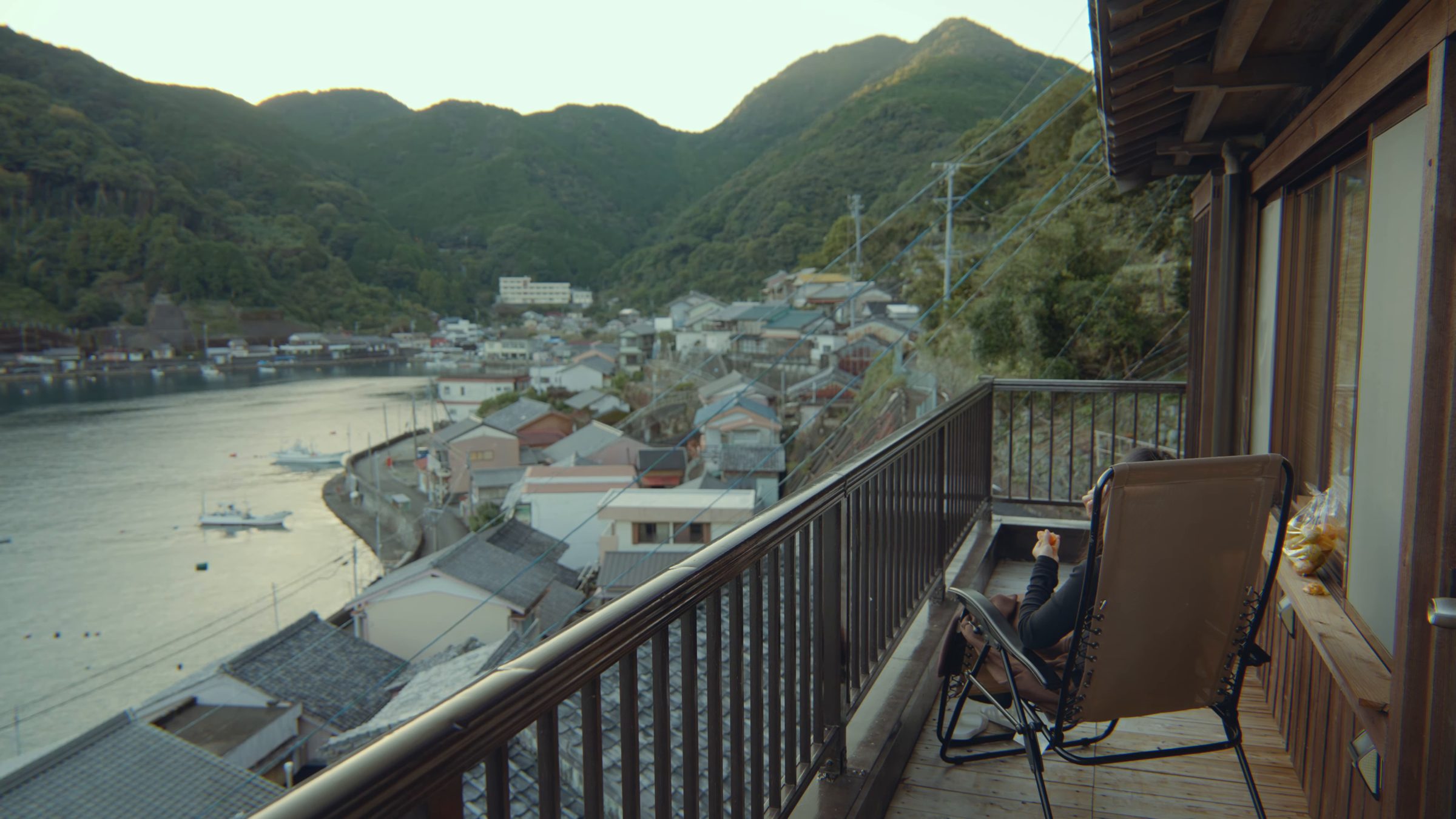
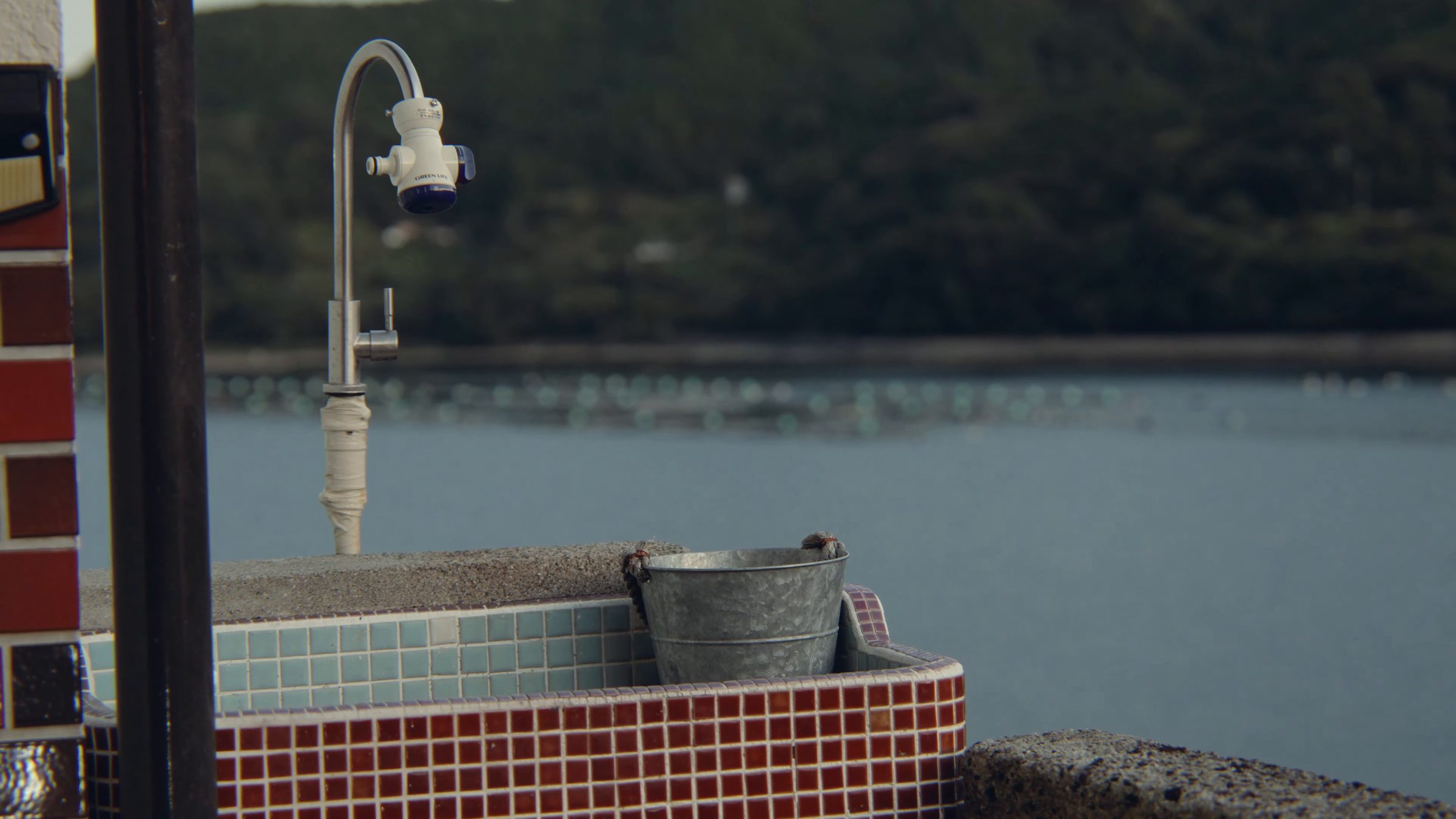
On the terrace stood a charcoal grill and a chair; under the eaves hung a tin dustpan. I left the house and went down the narrow steps between the houses. The village, stacked up the slopes around the water, is a beautiful sight.
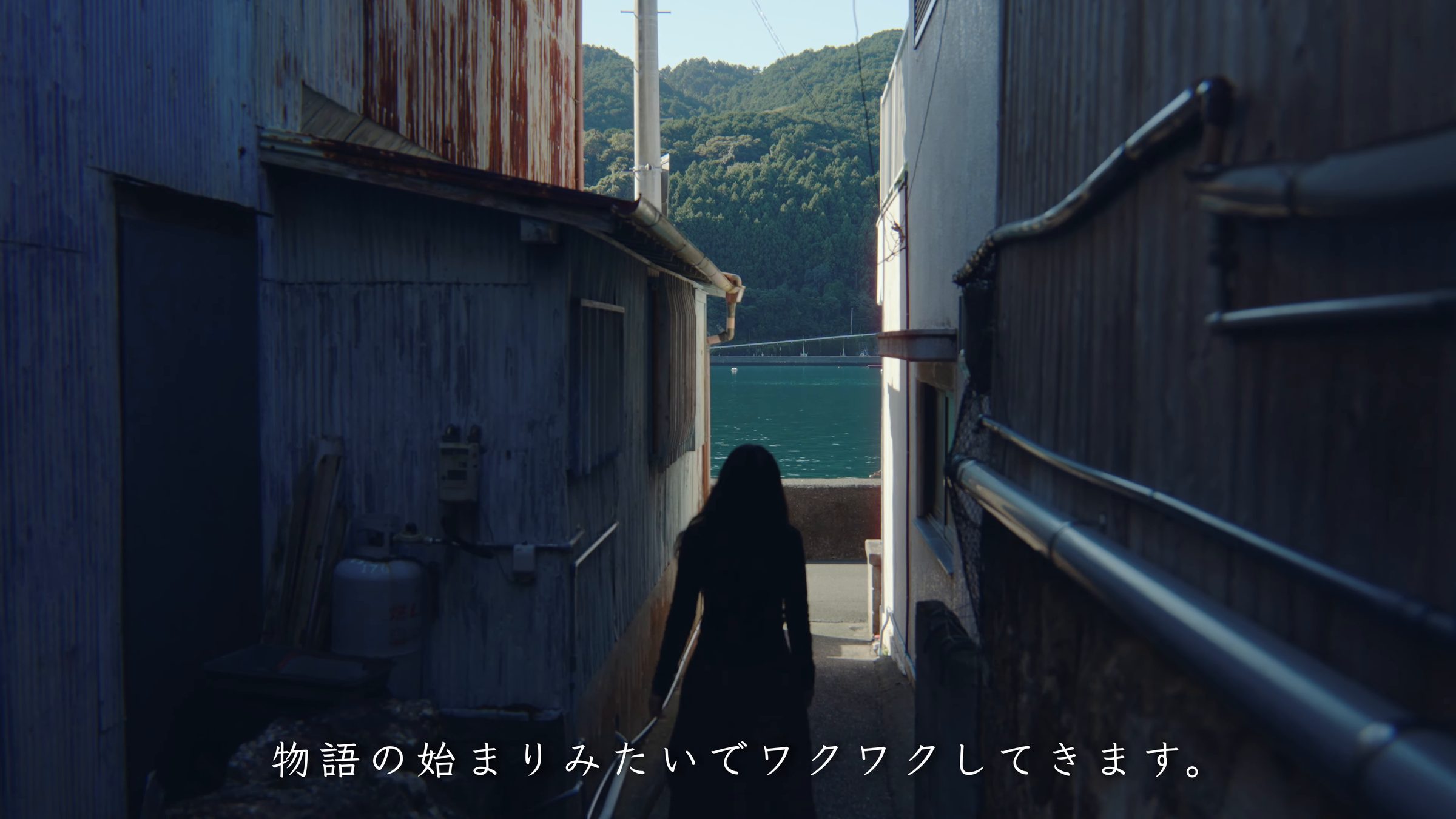
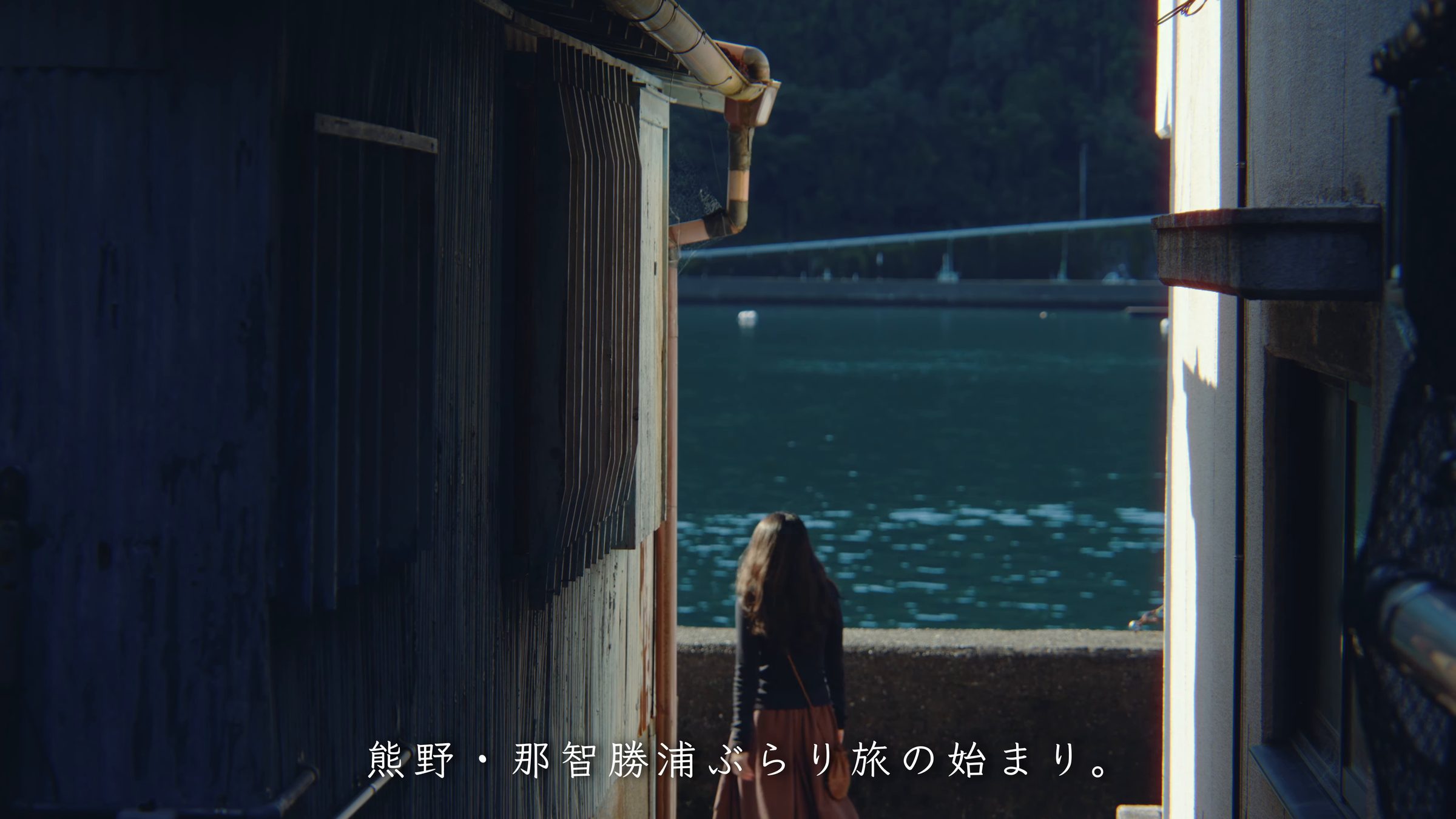
Down a lane of overlapping tiled roofs and through a plank-walled alley, the sea glittered at the end. It felt like the opening of a story, and I was excited. My wandering trip through Kumano and Nachikatsuura had begun.
Watch this scene on YouTube0:52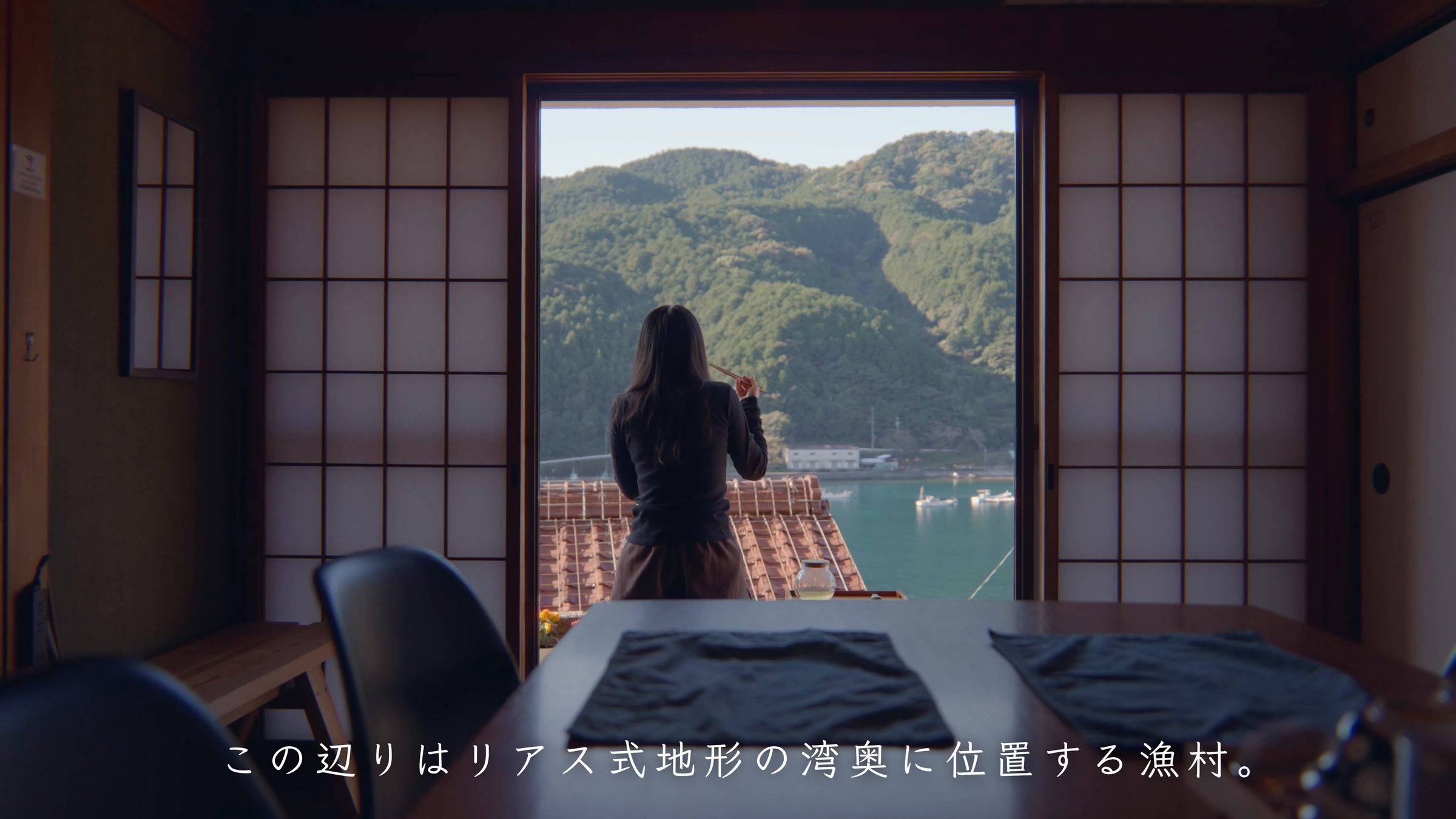
04TRAVEL JOURNAL
Nachi Falls, one of Japan's three great waterfalls
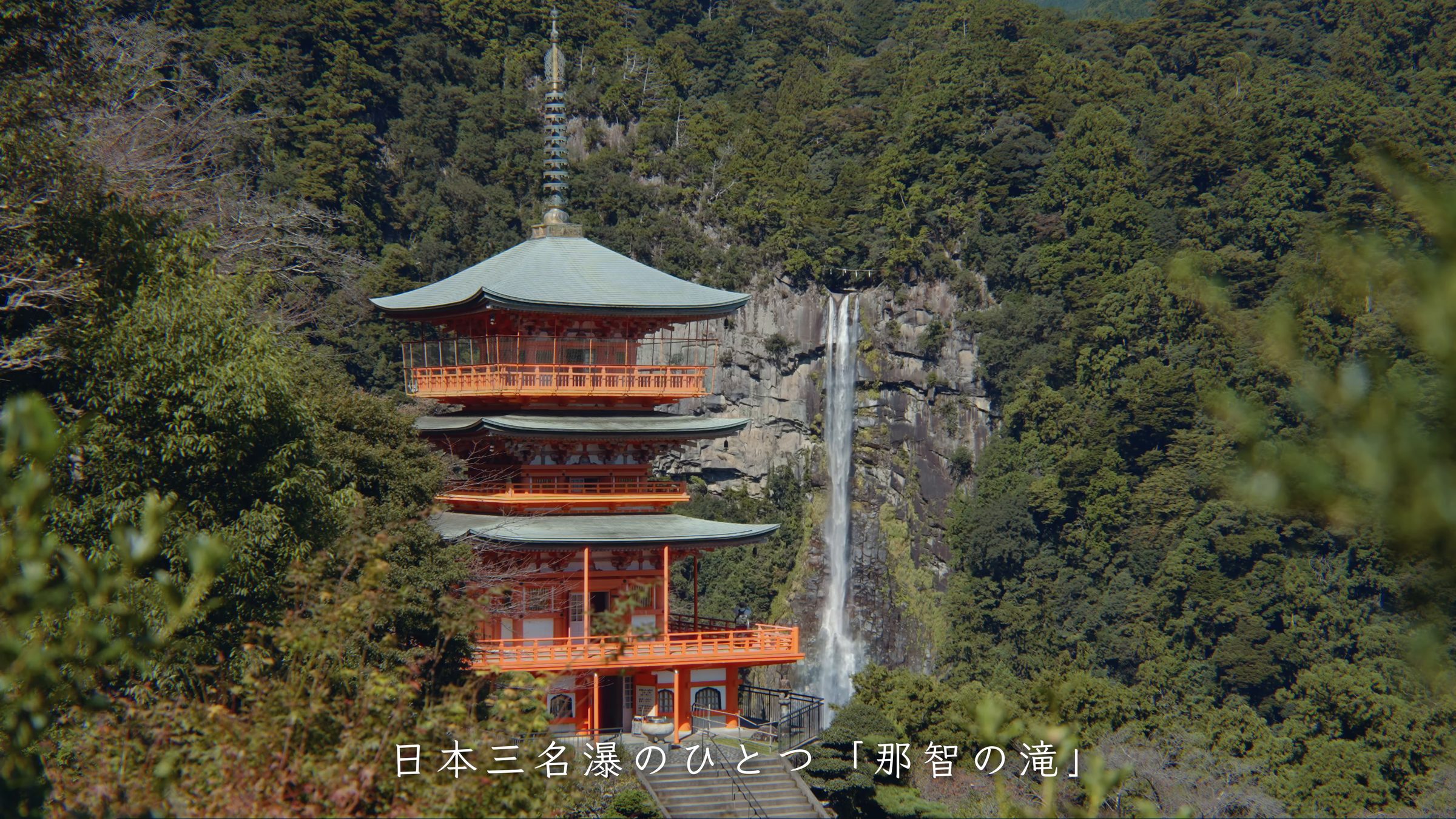
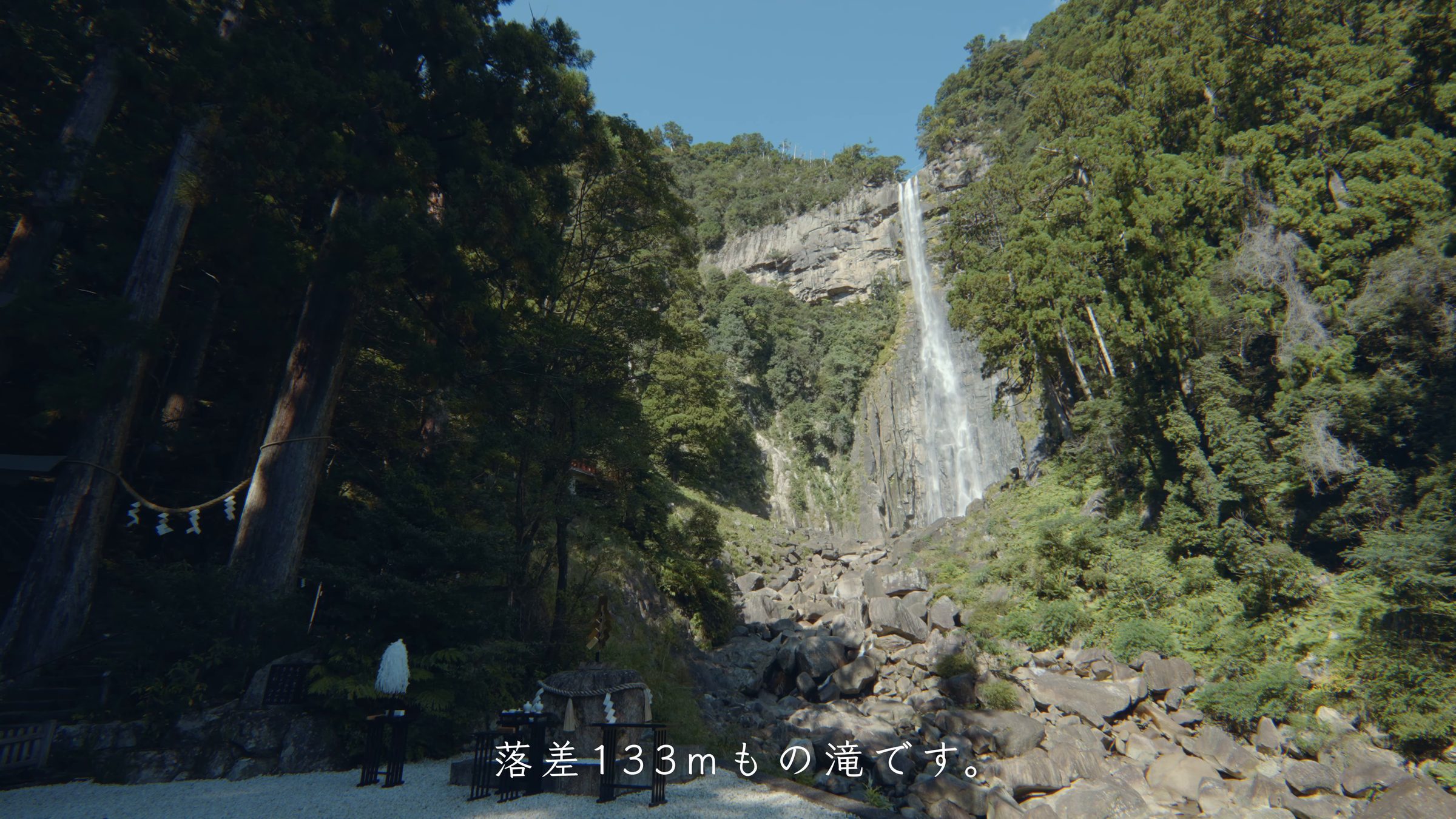
My first stop was Nachi Falls, one of Japan's three most famous waterfalls. Beyond a vermilion three-storied pagoda, a white ribbon of water dropped in a single straight line.
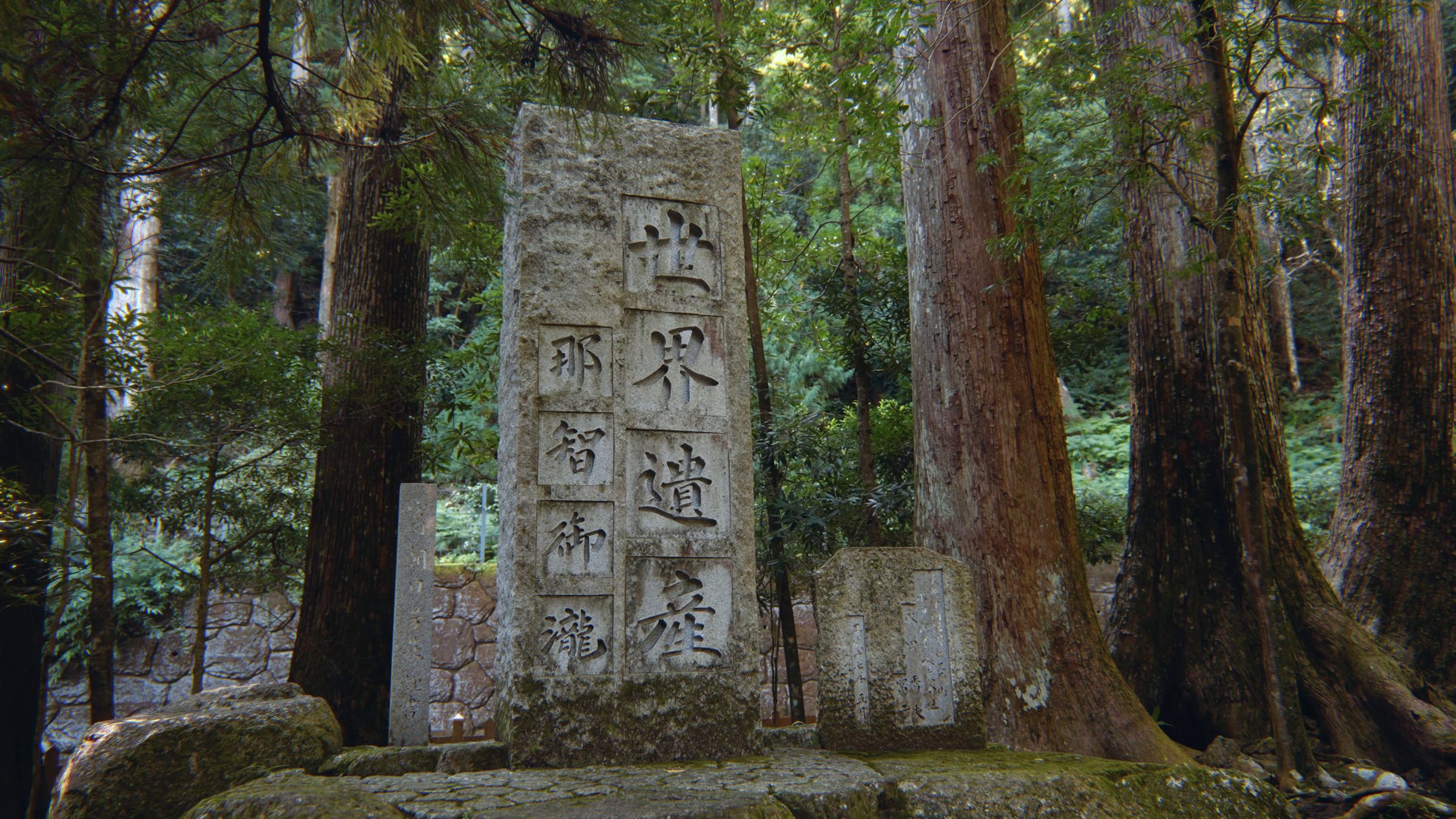
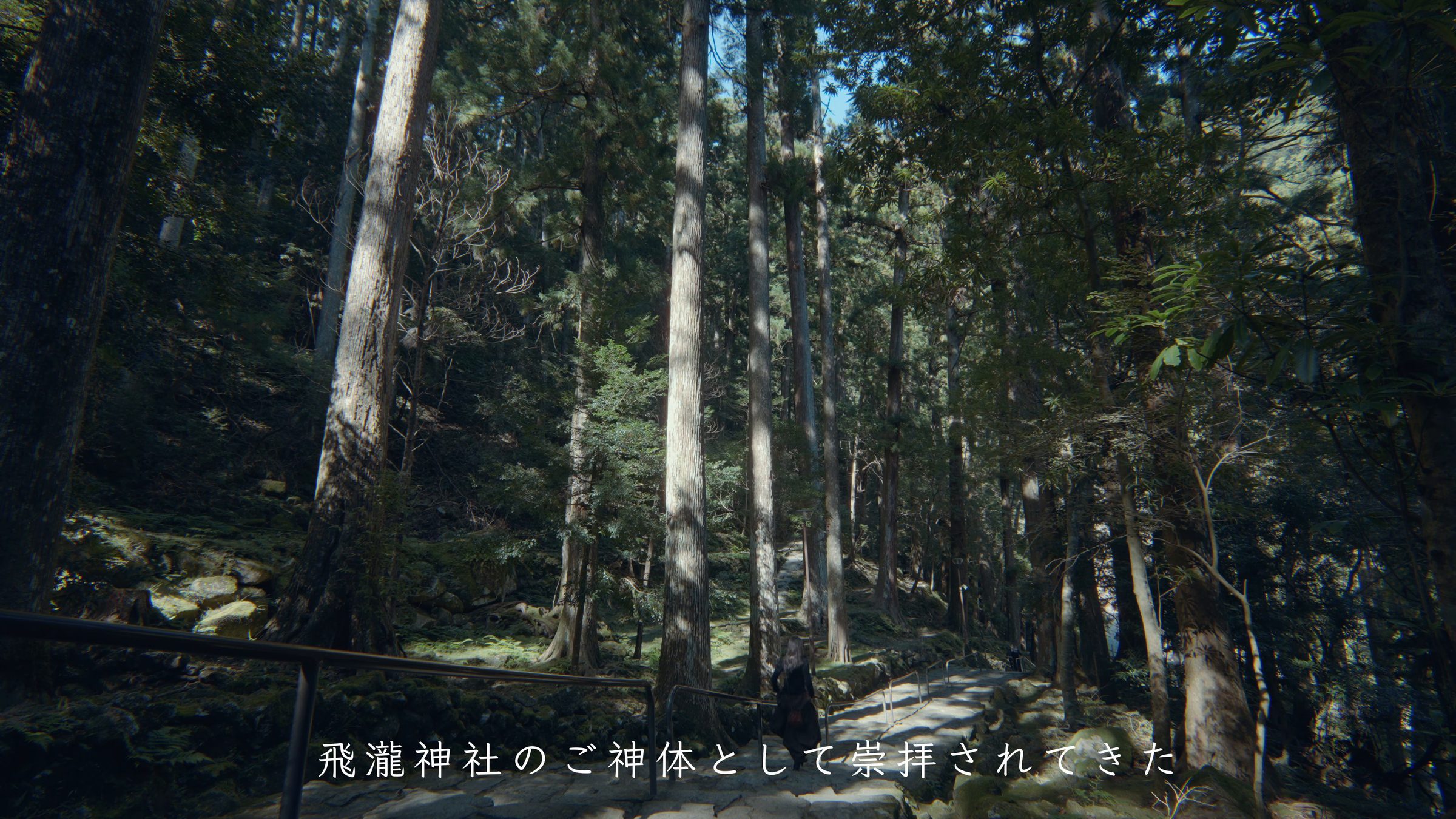
Past a stone marker reading "World Heritage: Nachi Falls," I walked down an approach lined with cedars. Above a rocky bed hung with a sacred rope, the 133-meter waterfall came crashing down. It has long been worshipped as the sacred body of Hiro Shrine, and its history is said to reach back before the common era. Legend also has it that touching the spray will help you live a long life.
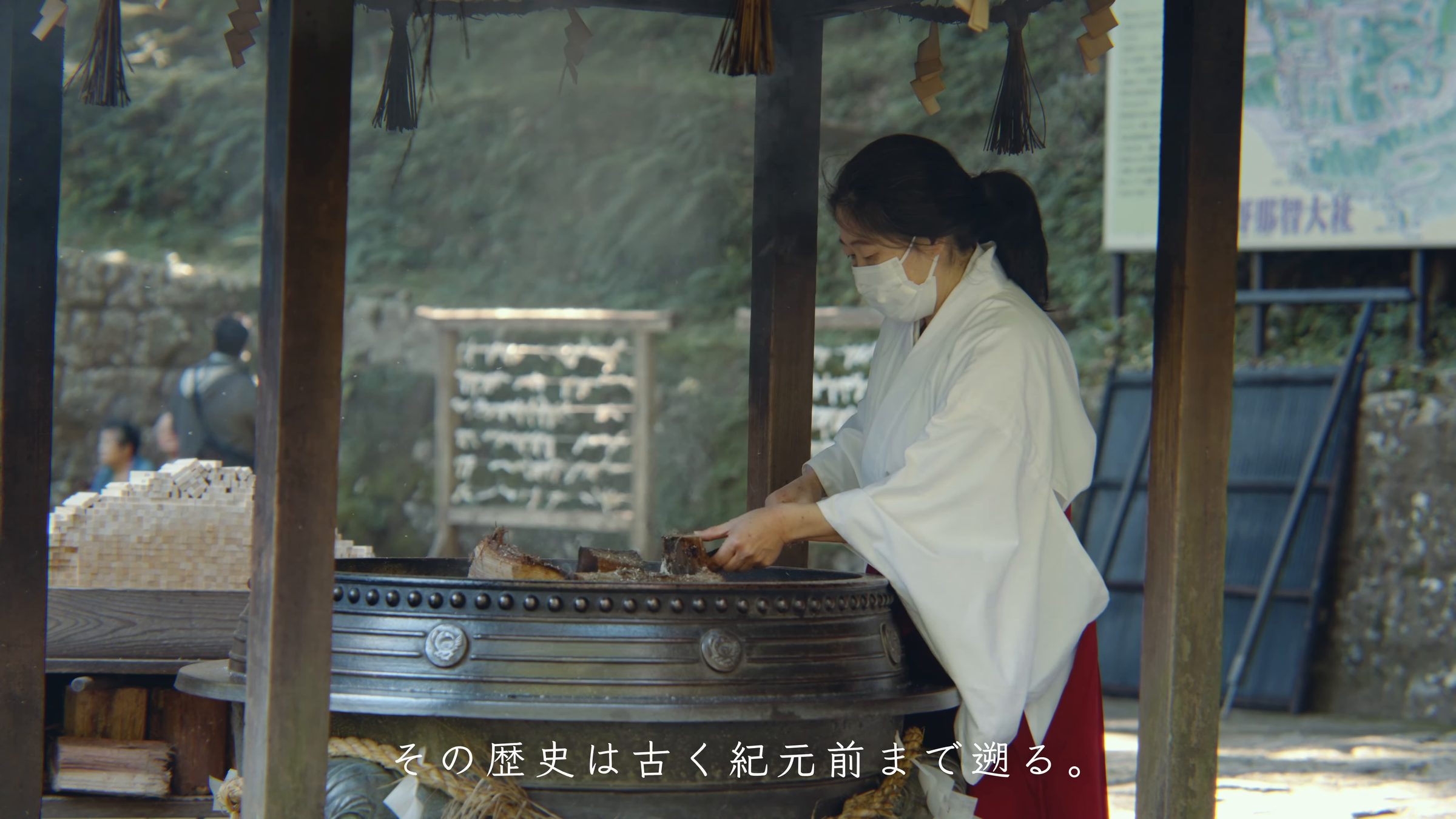
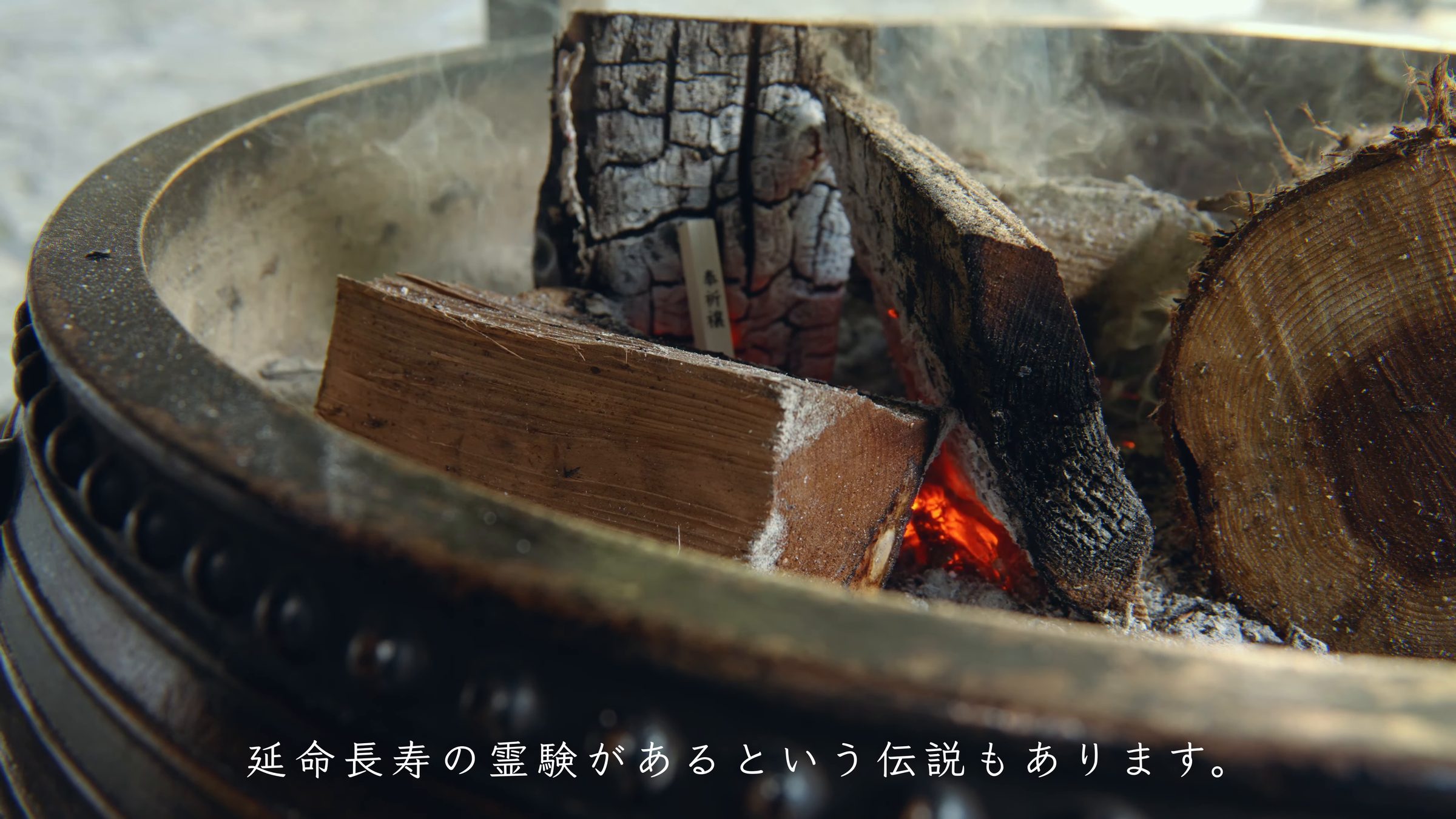
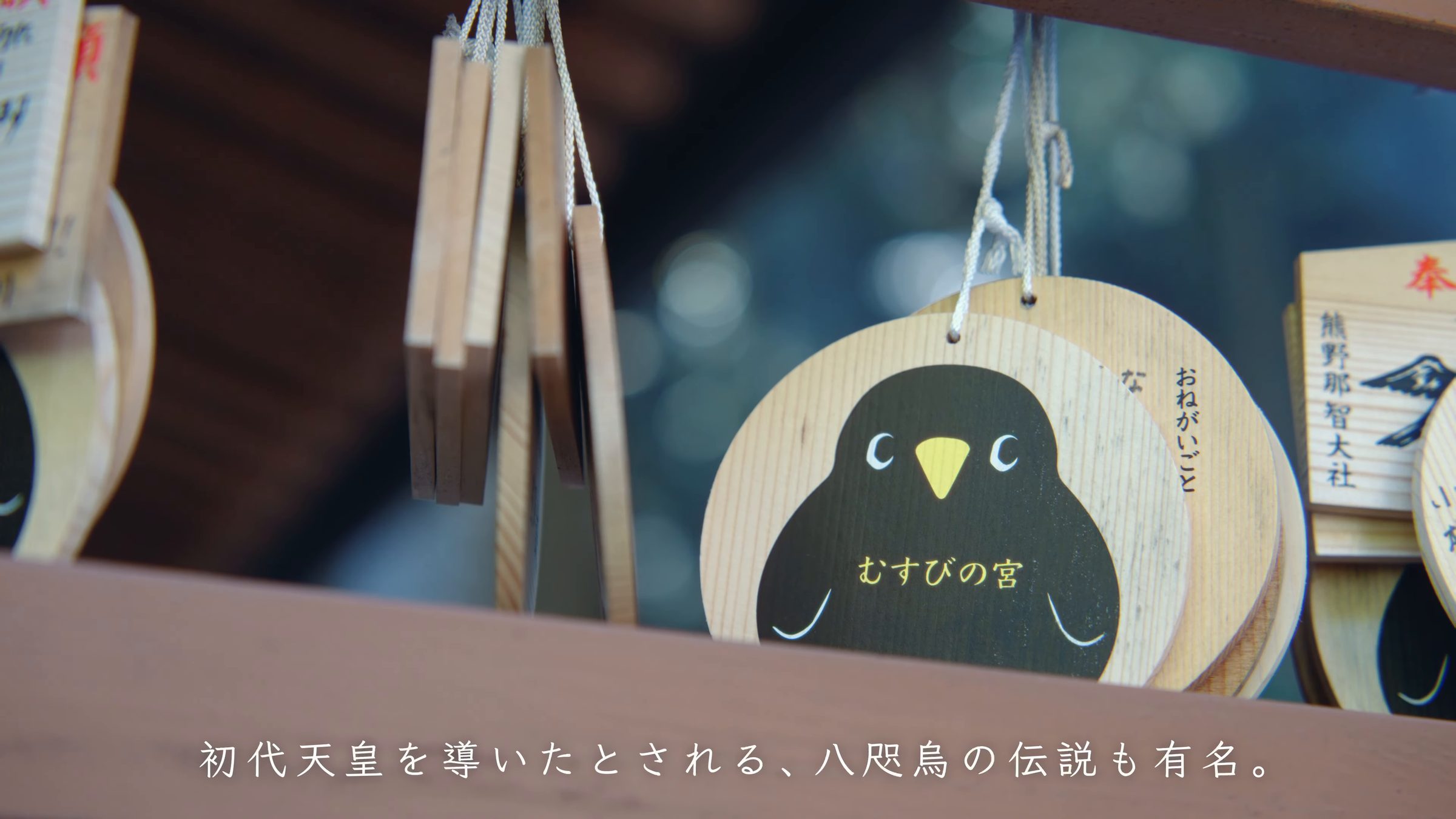
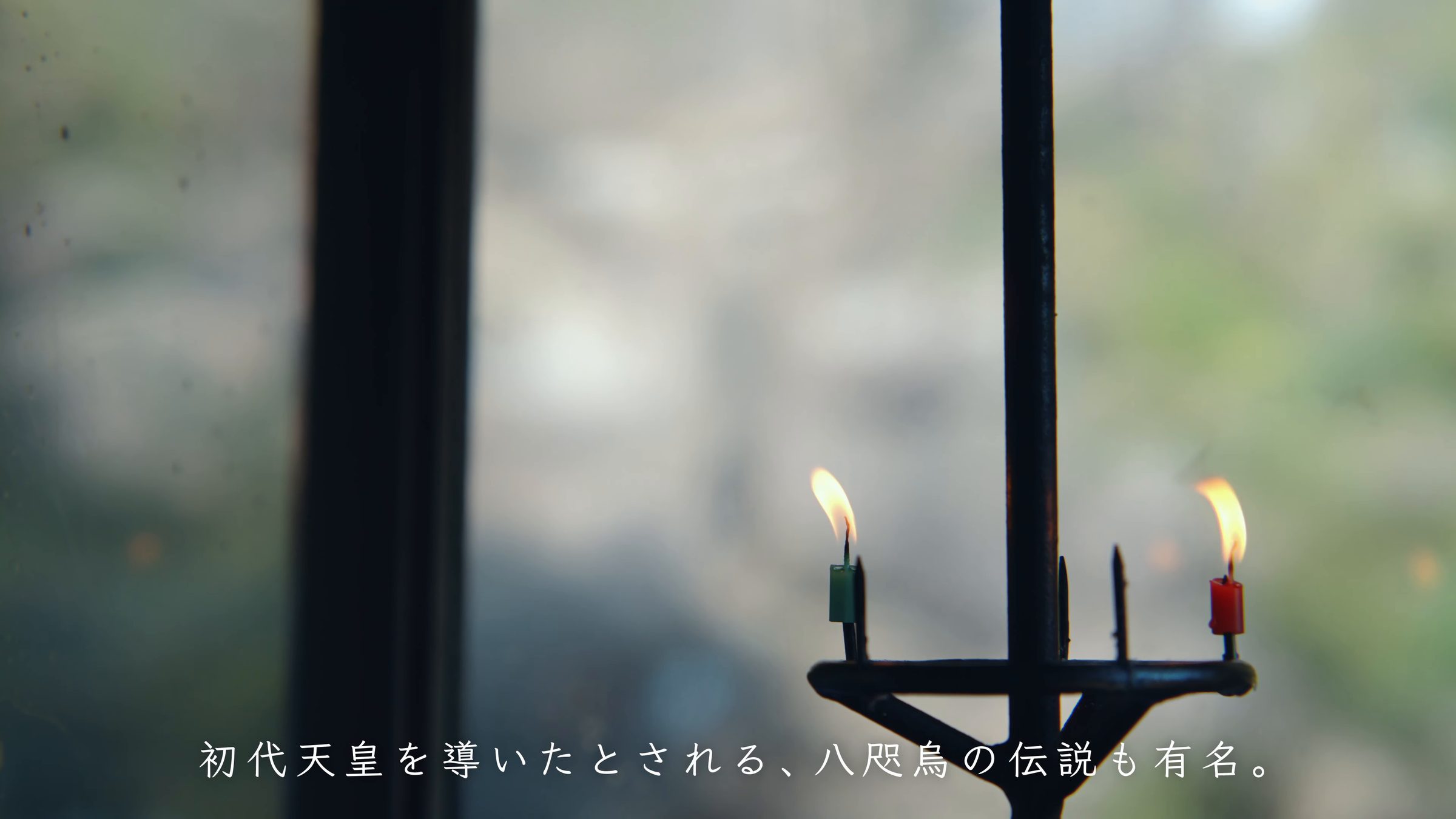
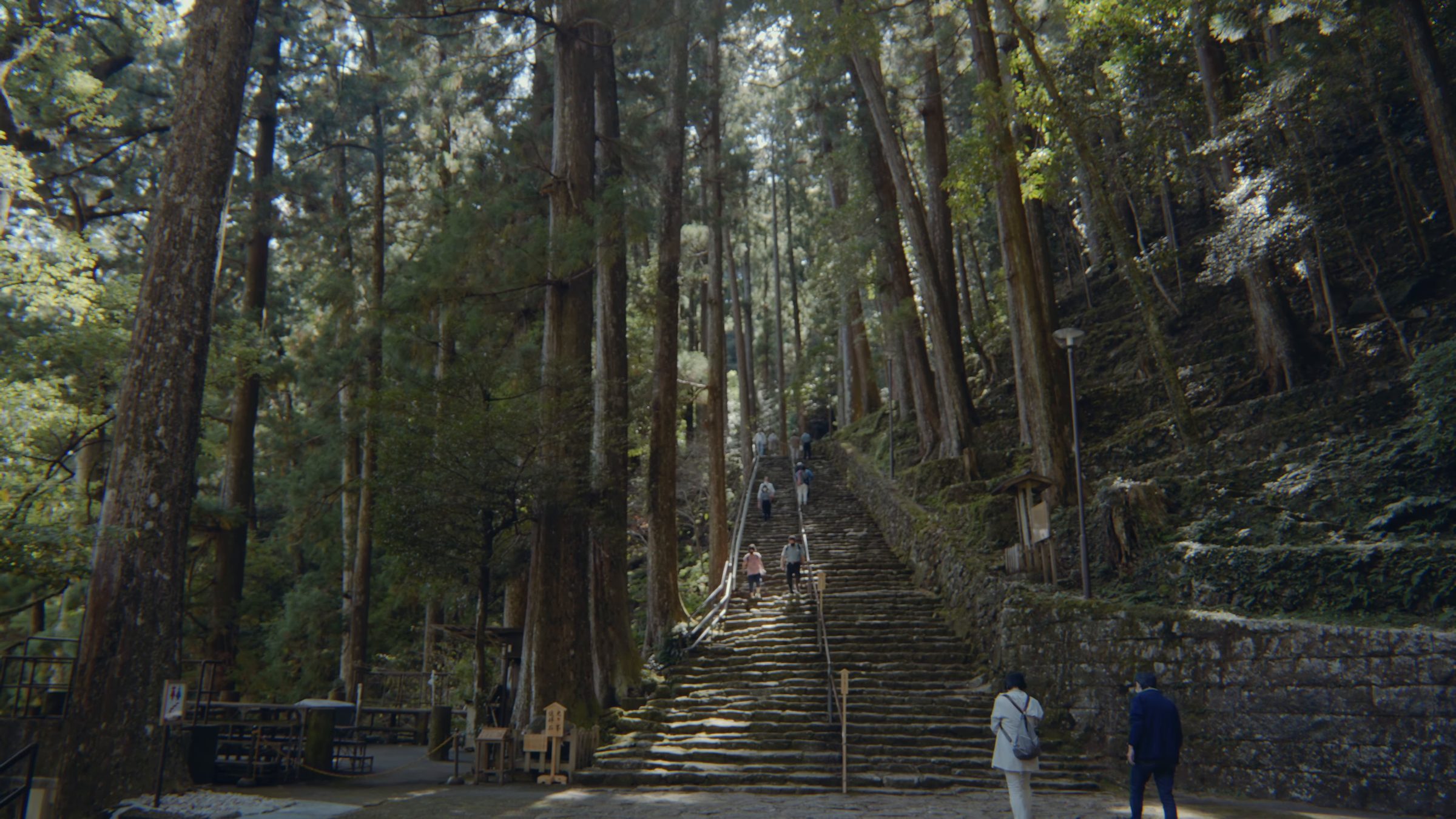
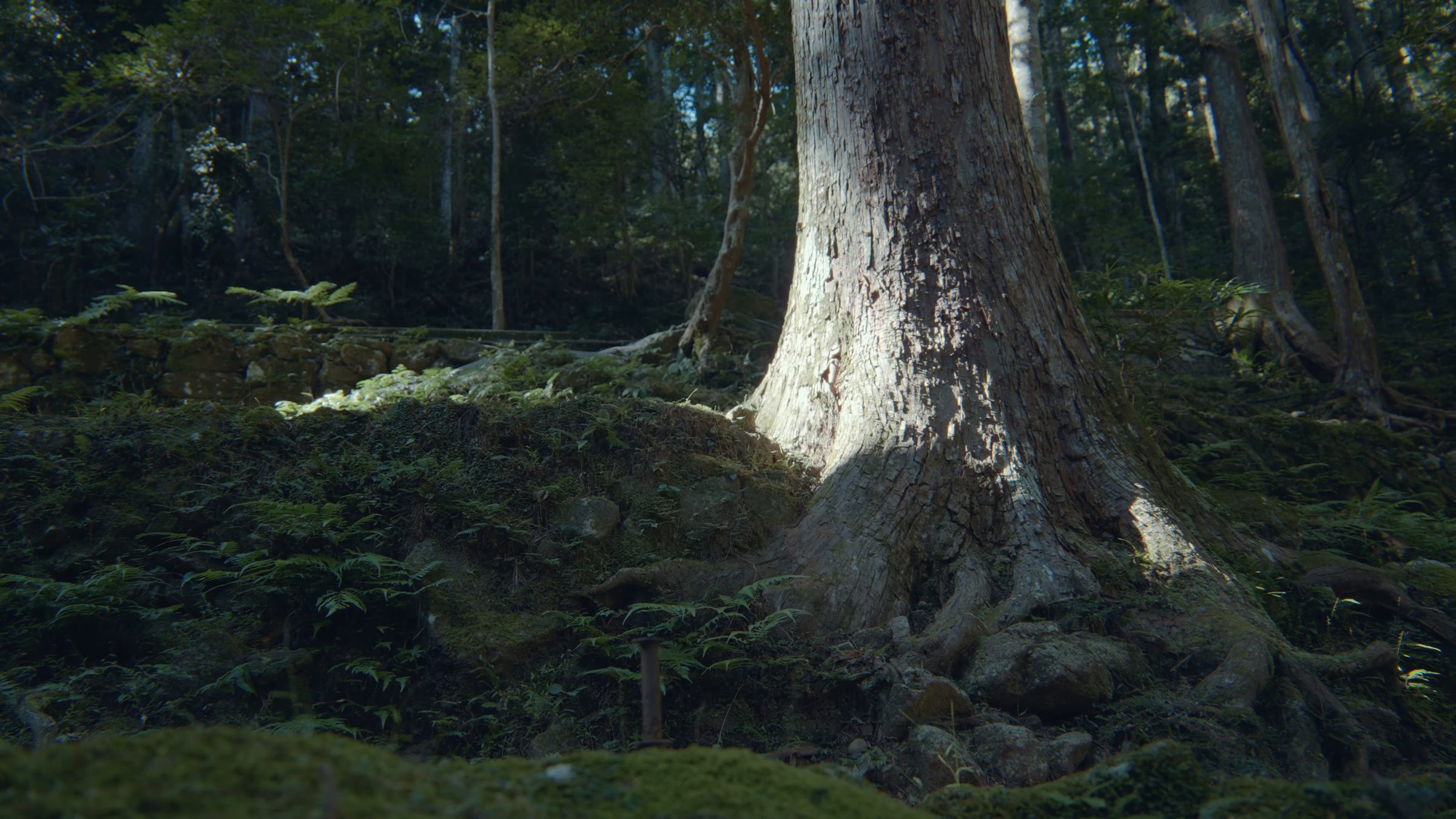
At the shrine counter, firewood burned in a brazier, and the votive plaques bore the three-legged crow Yatagarasu, the divine messenger said to have guided Japan's first emperor. I climbed a stone stairway between the cedars and gazed at the mossy roots of a great tree. It was a place where I could touch Japanese history.
Watch this scene on YouTube1:43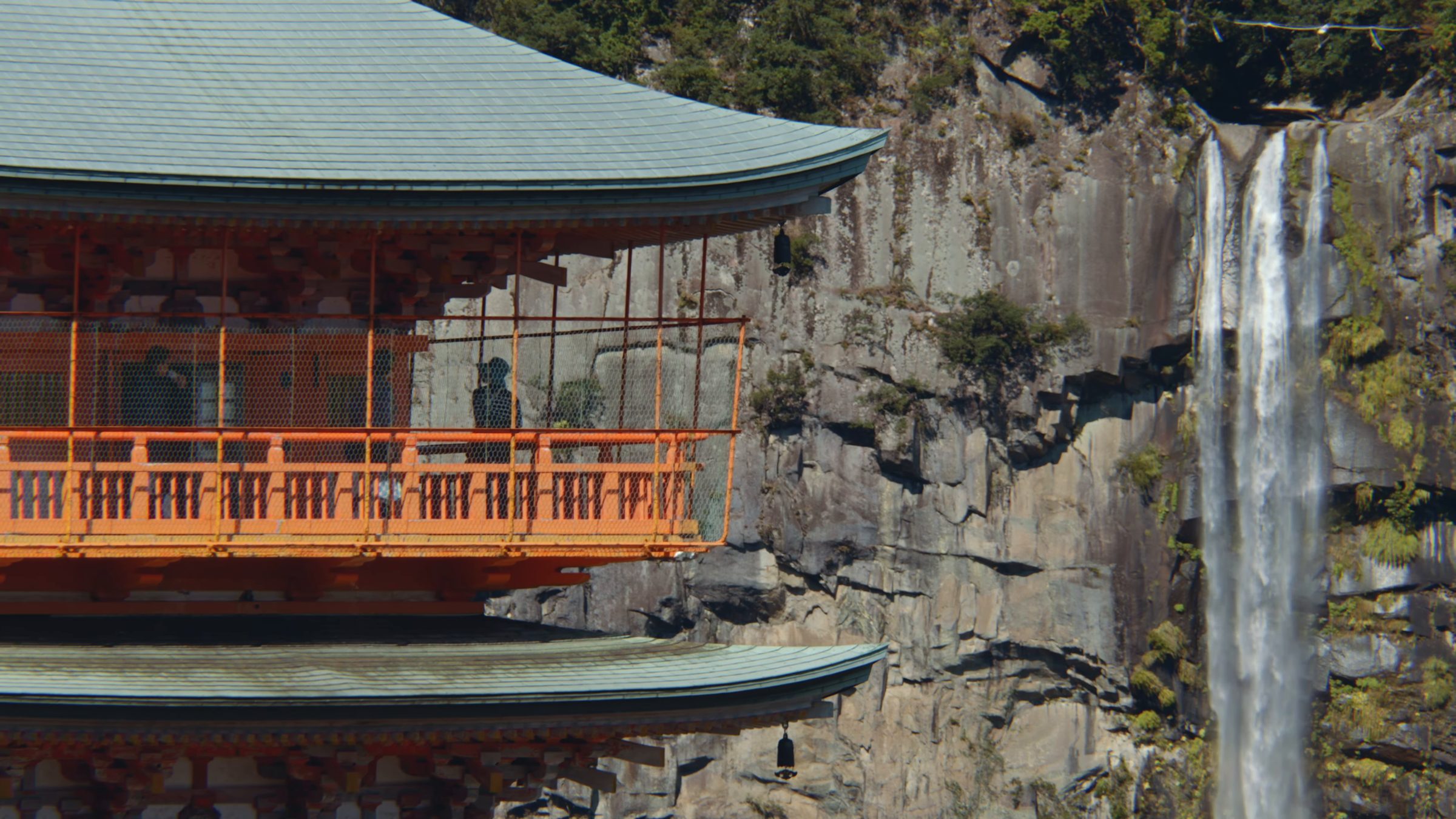
05TRAVEL JOURNAL
Katsuura port and the fresh-tuna market
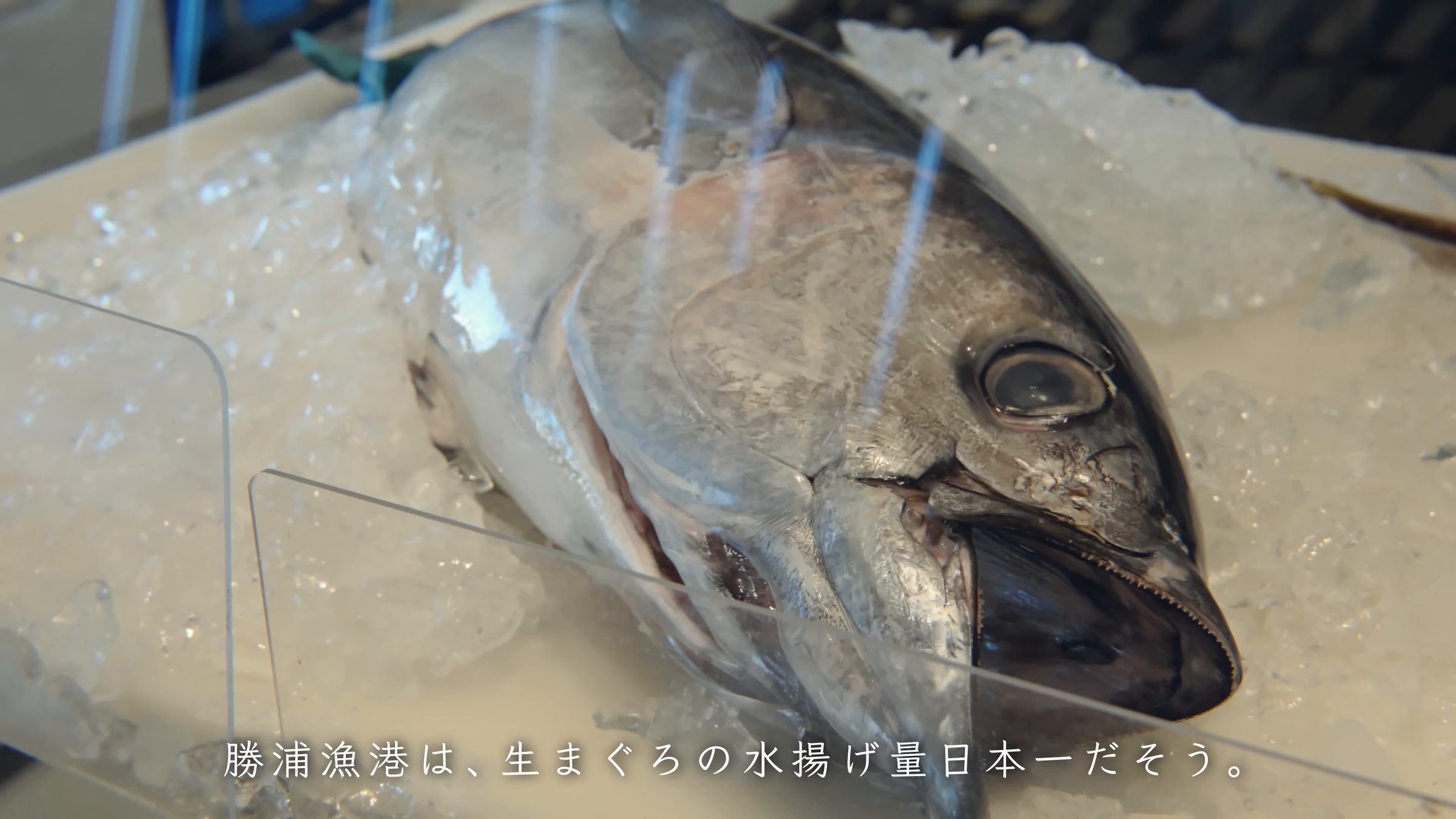
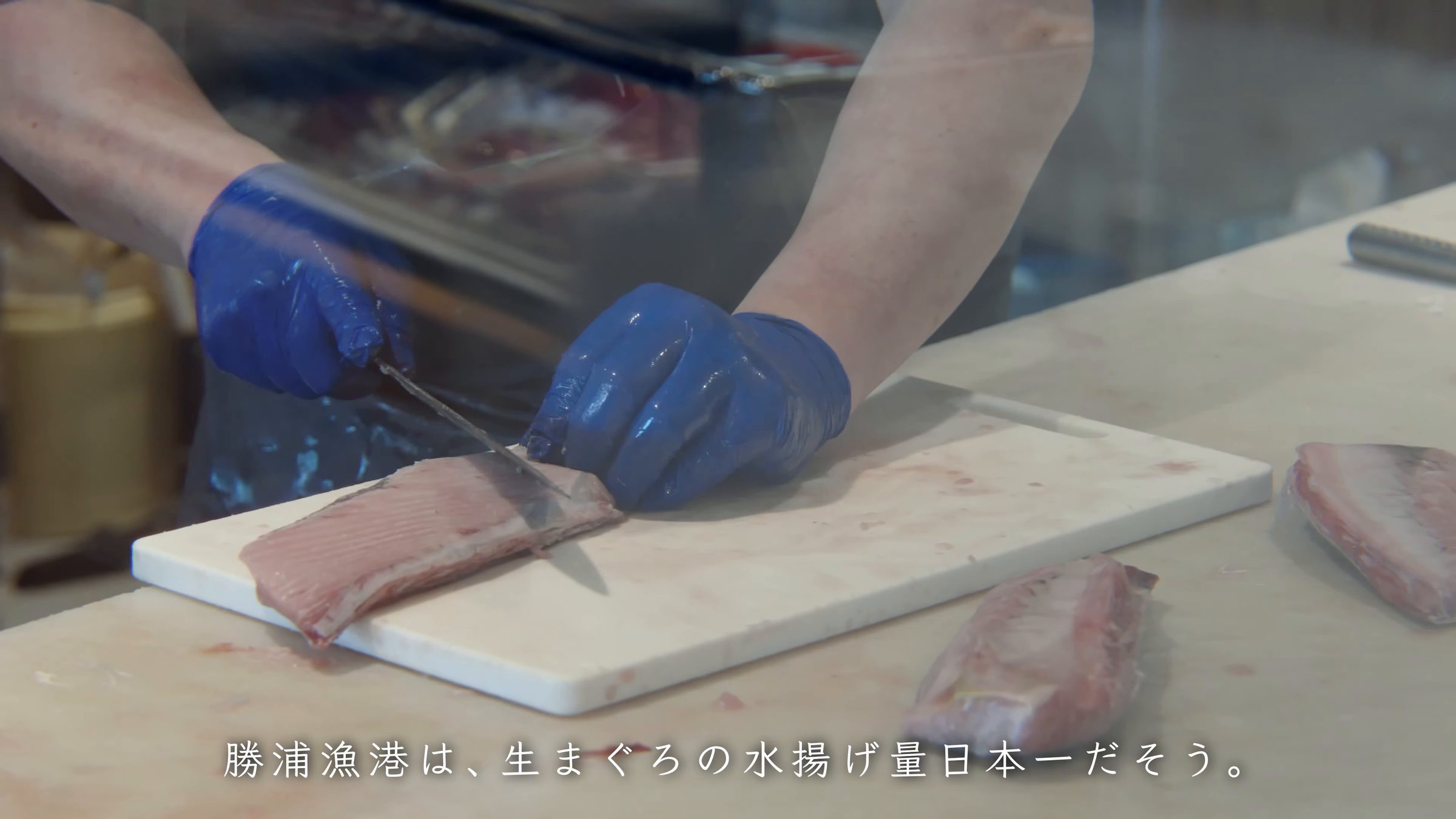
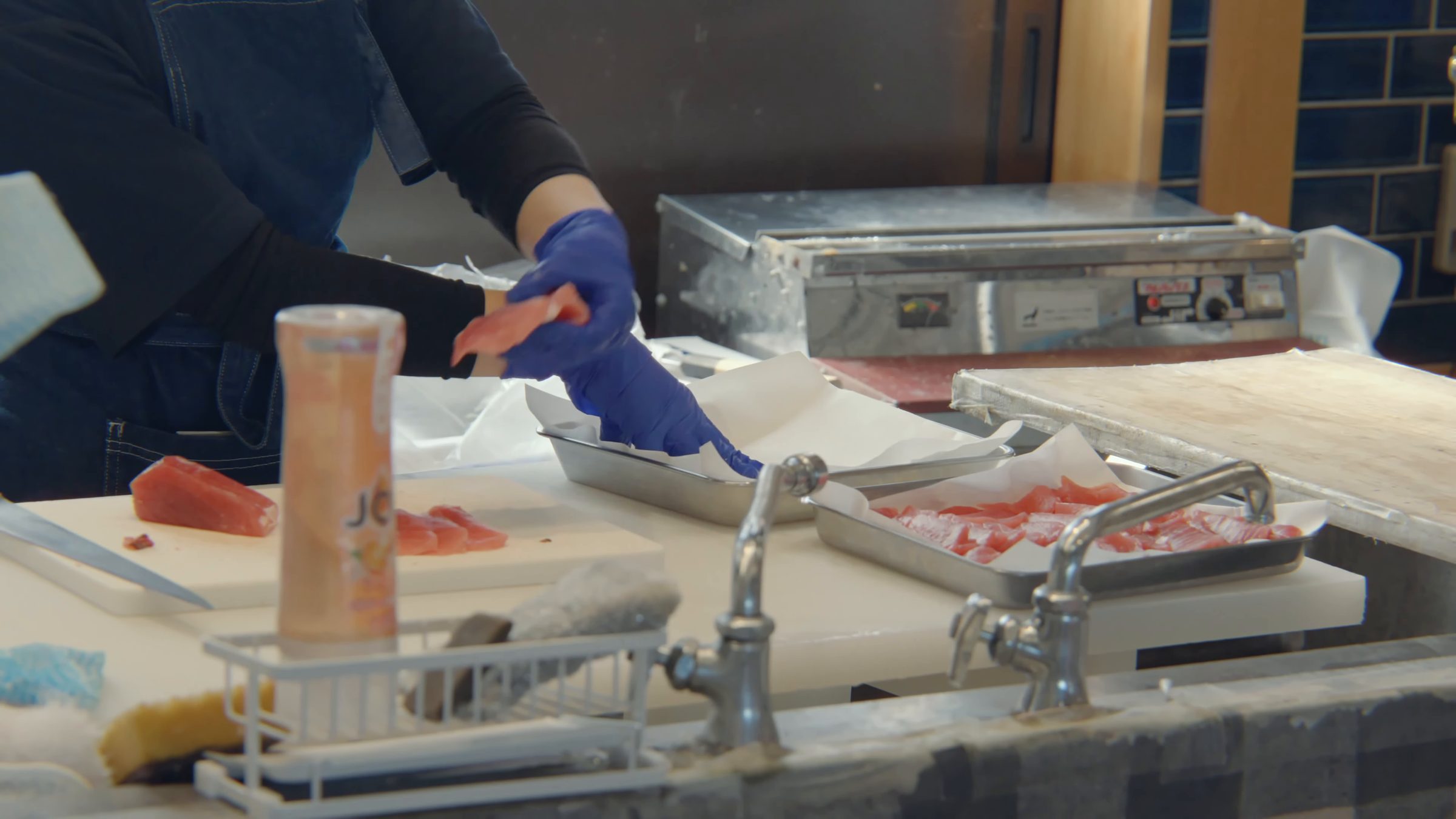
And the taste of Nachikatsuura is tuna. Katsuura Fishing Port boasts the largest landings of fresh, never-frozen tuna in Japan. Inside the Katsuura Fishing Port Nigiwai Market, a whole tuna lay on ice, being cut into blocks and packed on the spot.
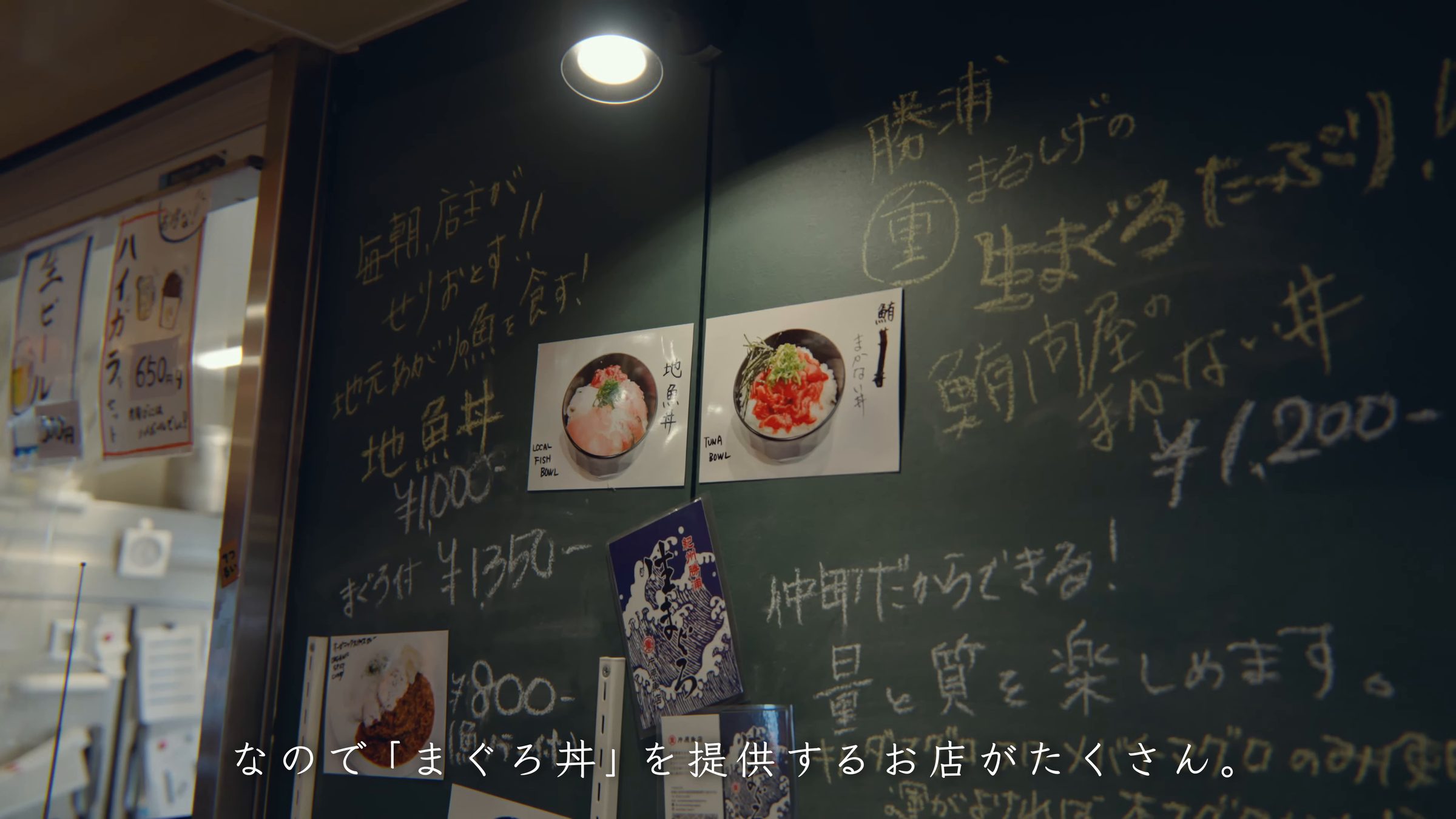
The shop's chalkboard read "The owner bids at the auction every morning" and "a tuna wholesaler's staff-meal bowl." No wonder so many places in this town serve tuna bowls.
Watch this scene on YouTube2:29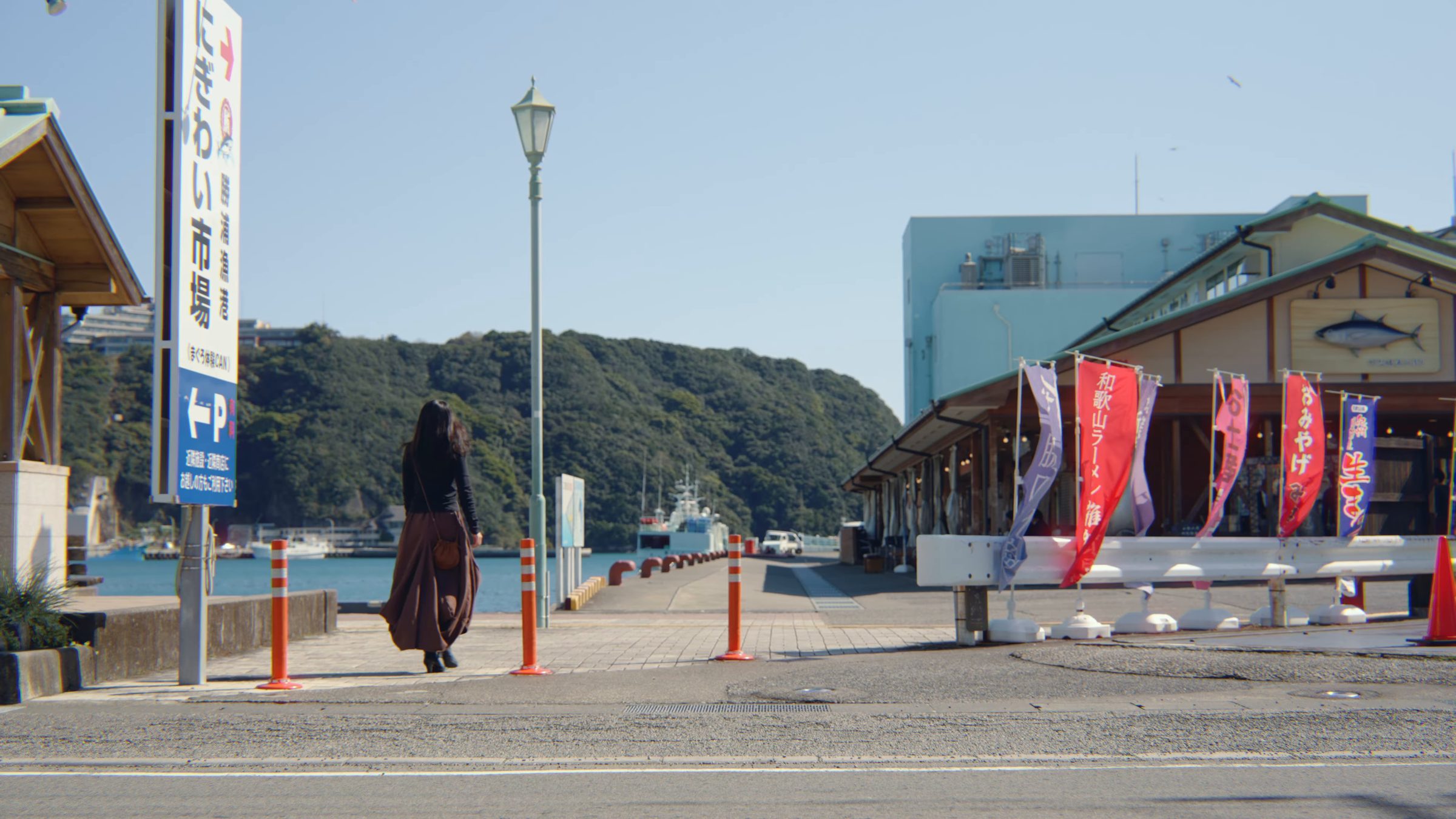
06TRAVEL JOURNAL
A tuna bowl at the best seat on the harbor
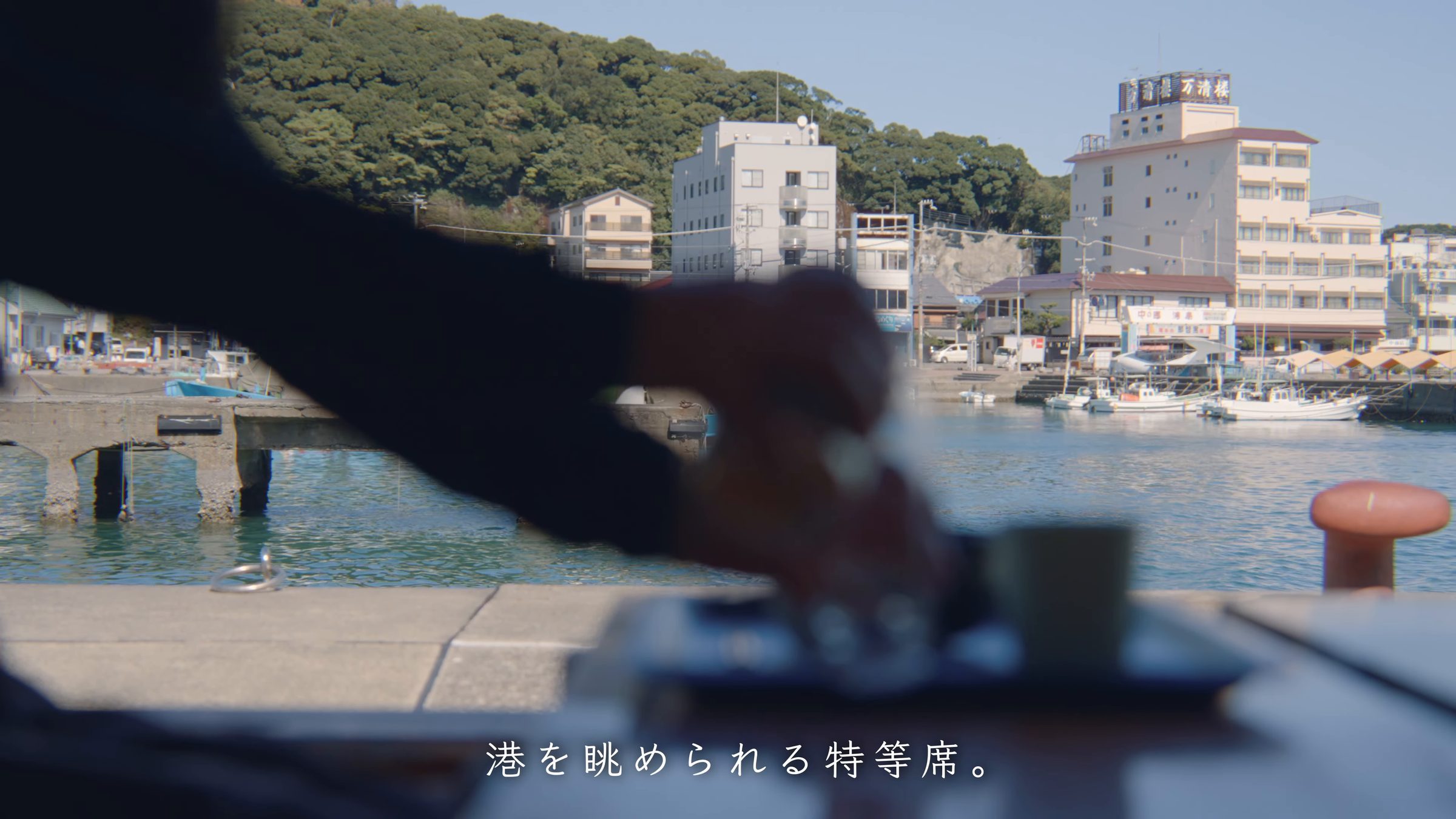
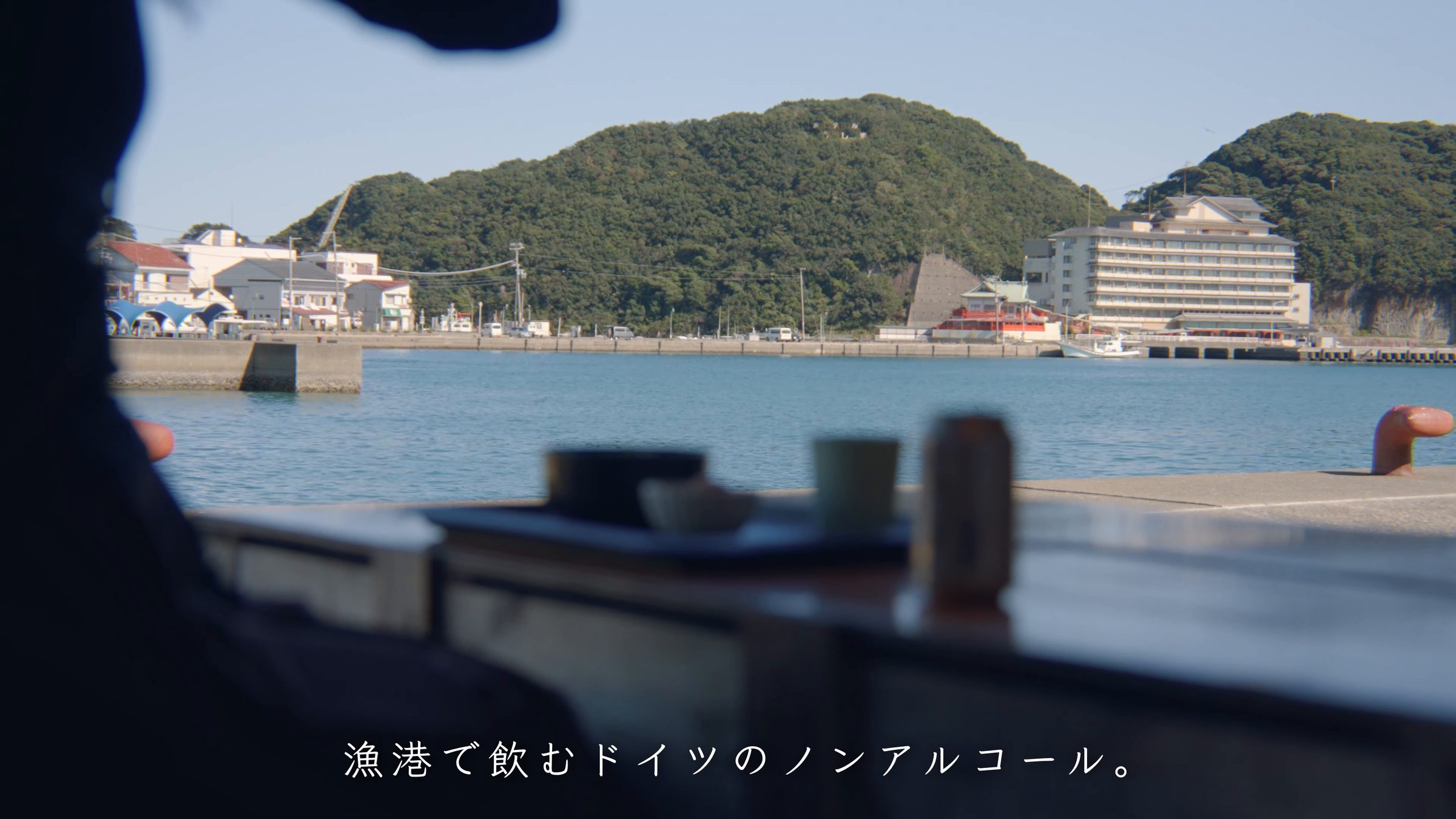
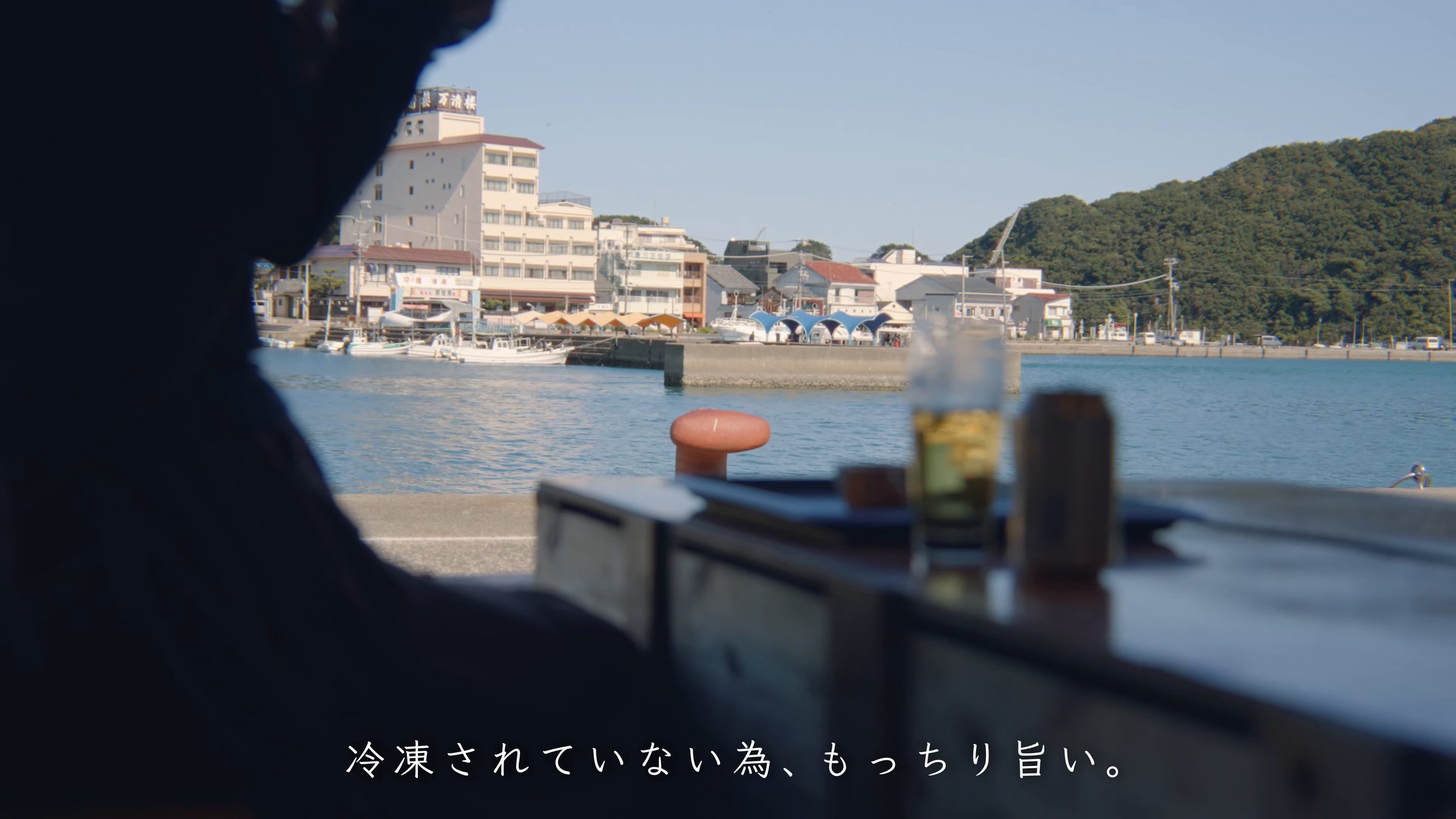
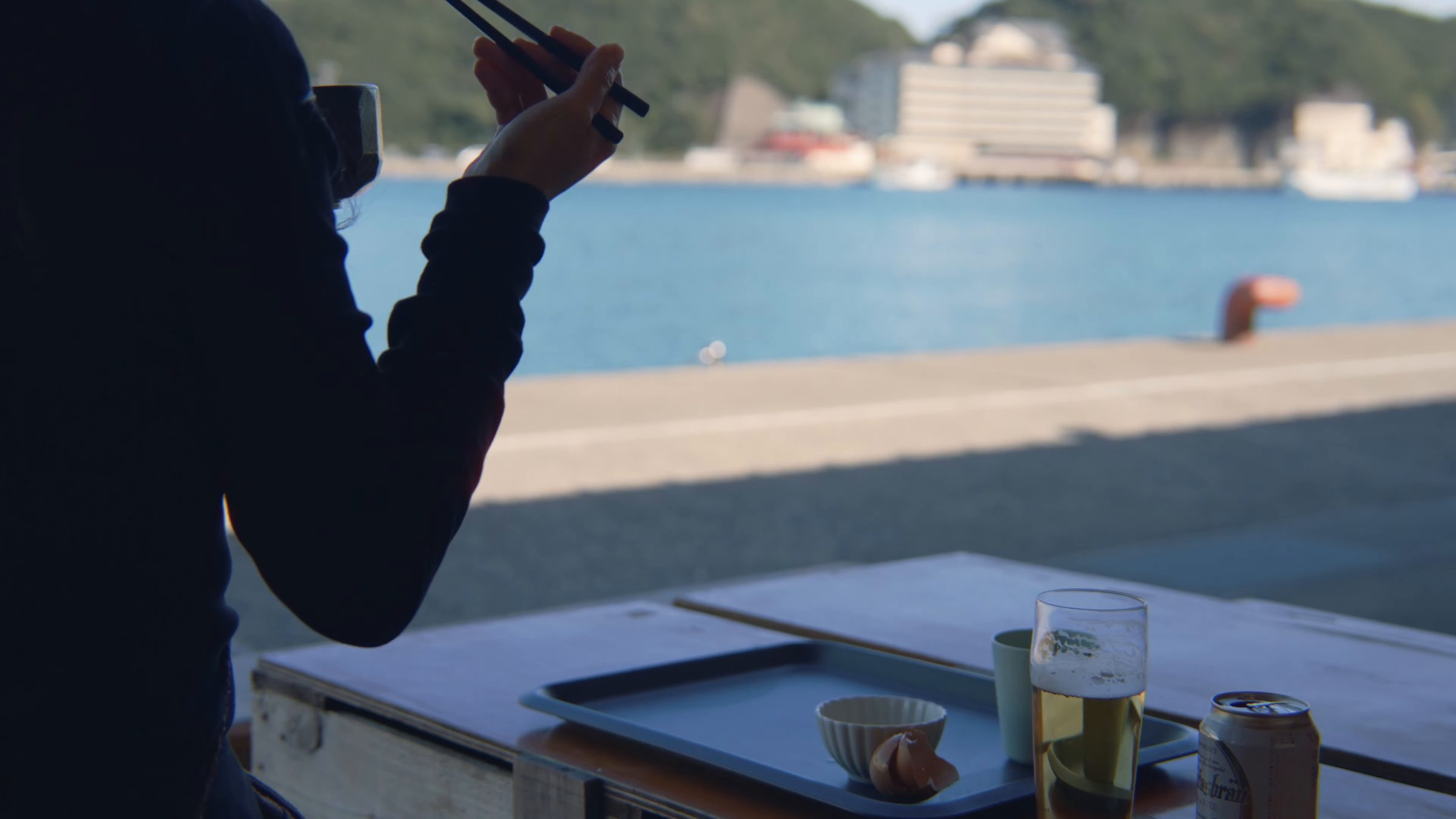
The table facing the harbor is the best seat in the house. I poured a German non-alcoholic beer and drank the first glass with the view, which made it taste even better.
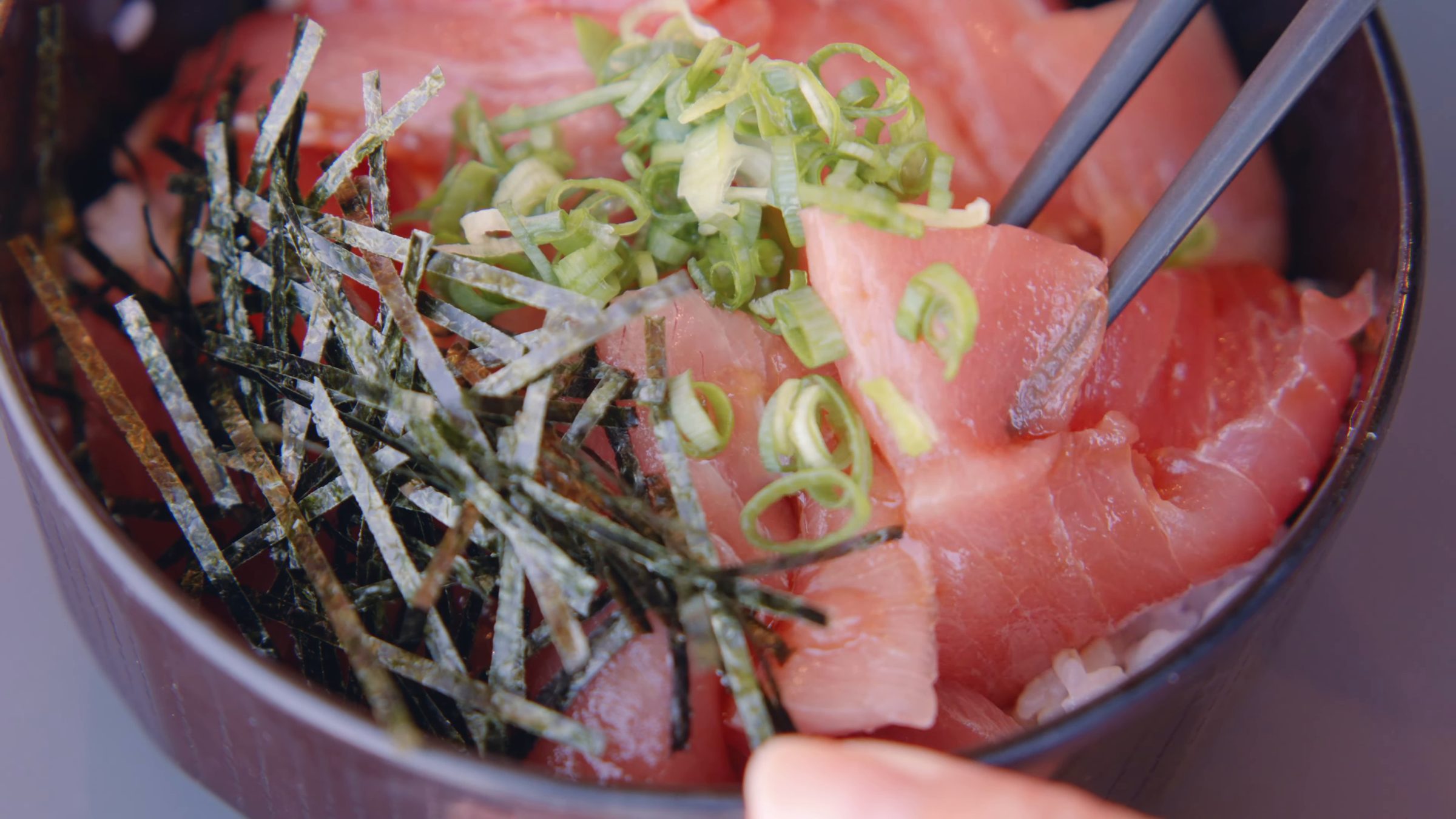
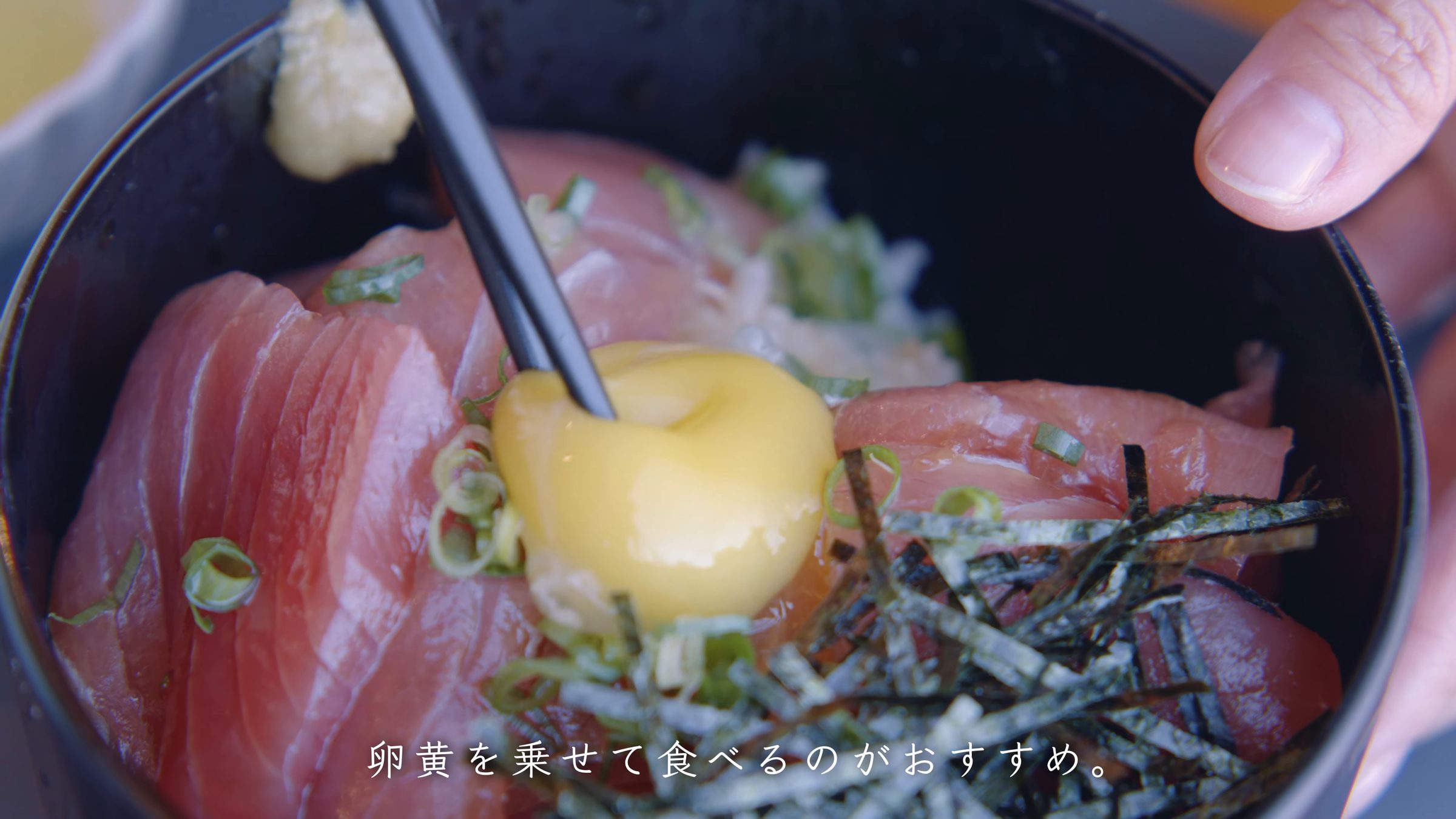
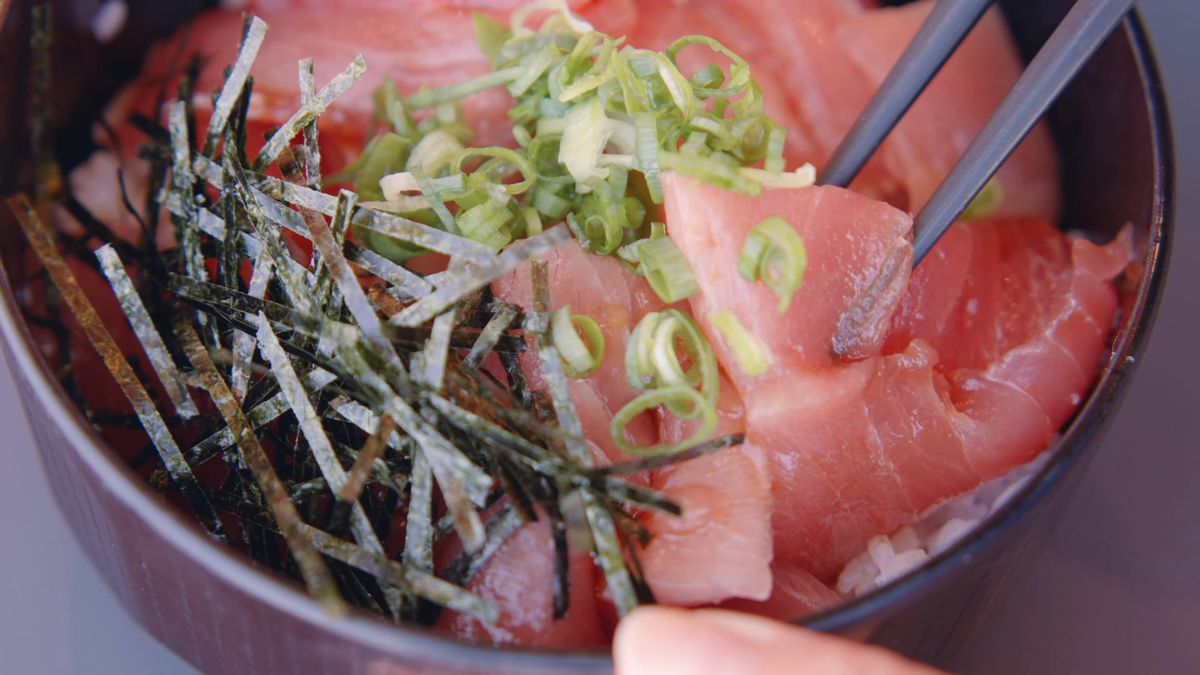
Then came the Nachikatsuura tuna bowl, made with fresh tuna. Under the shredded nori and green onions lay a generous pile of red meat. Never having been frozen, it was soft and pleasantly chewy. The recommended way is to top it with an egg yolk. Seafood bowl plus egg: that will be on the exam. The richness went up another notch.
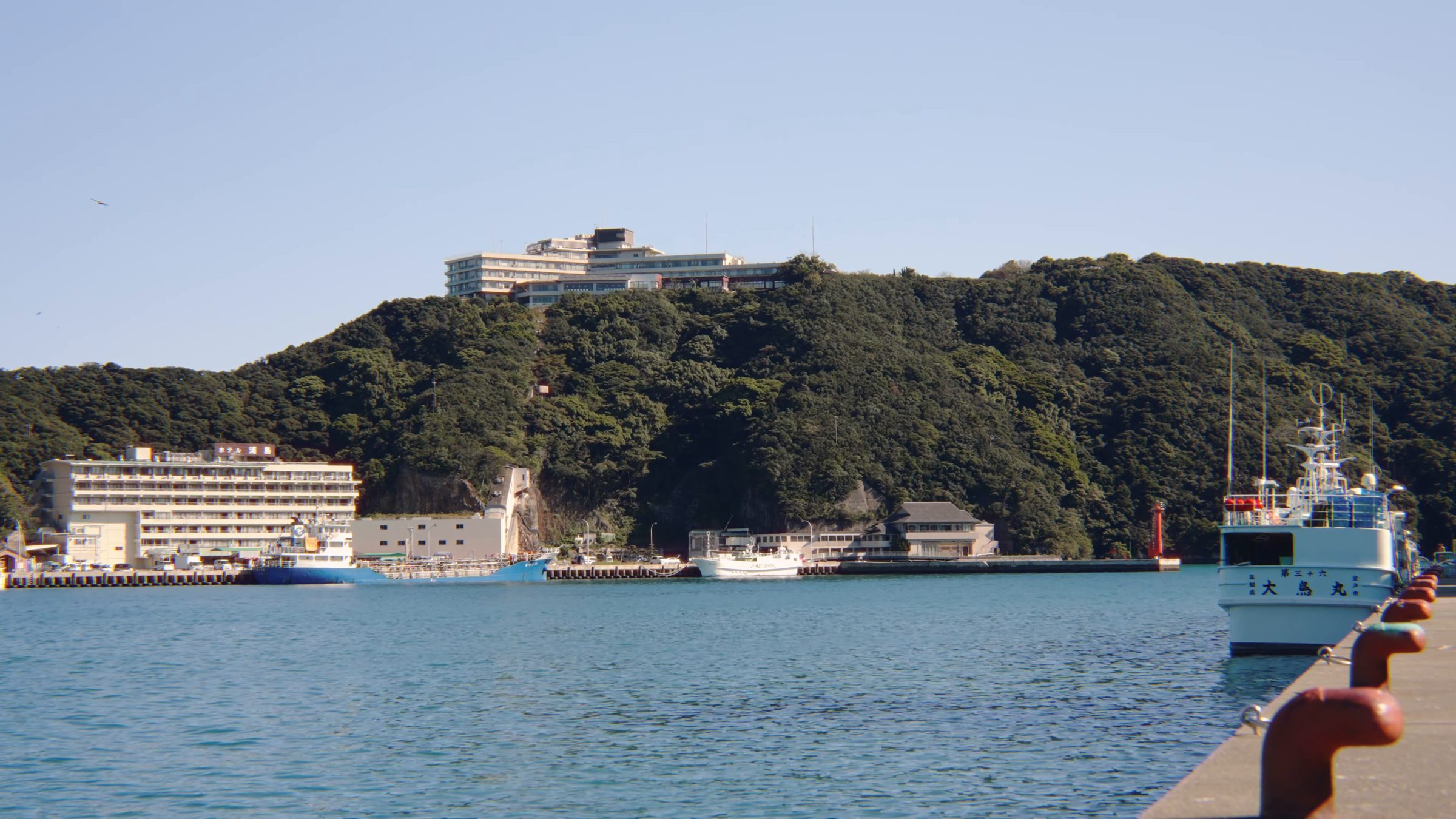
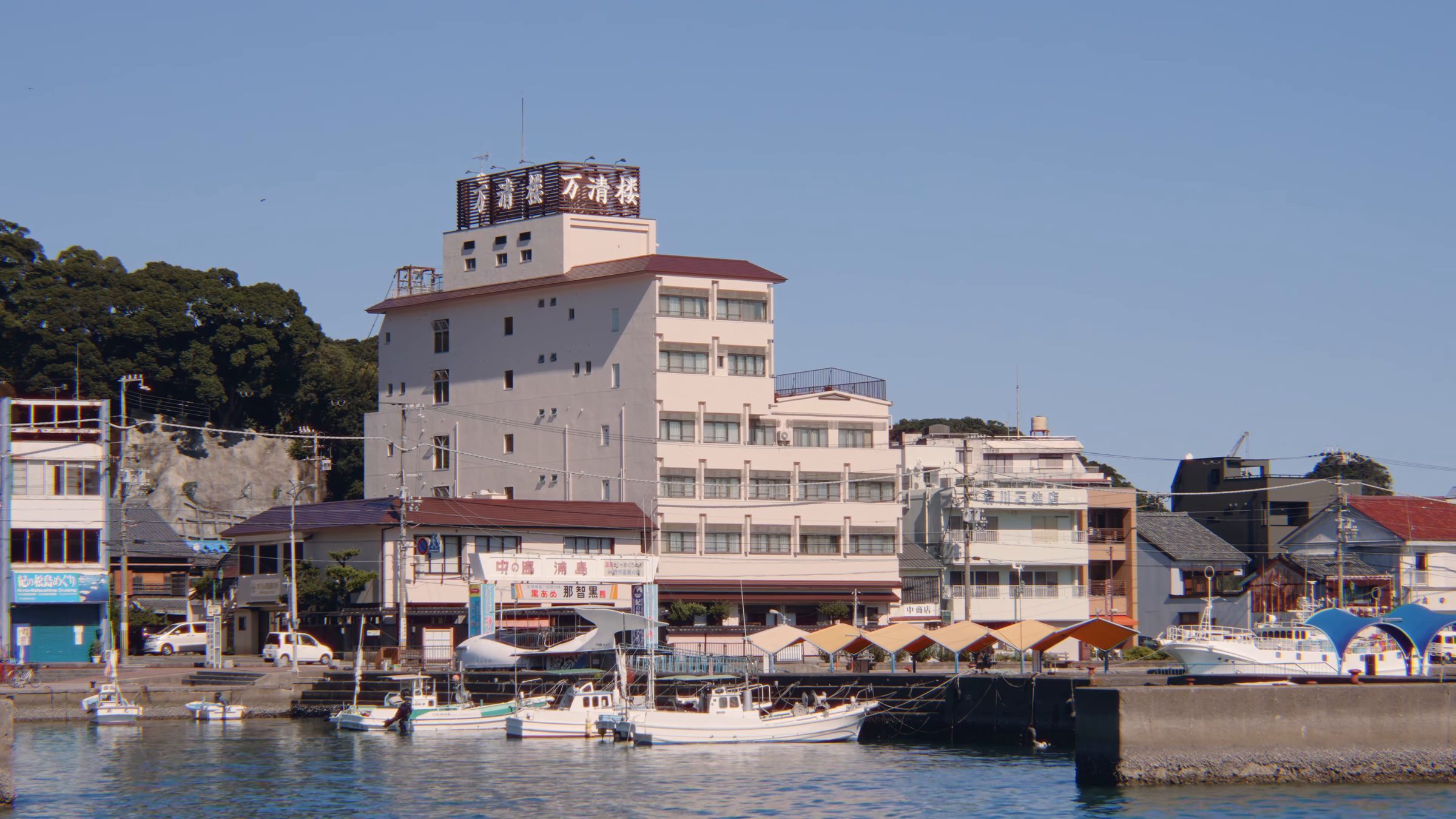
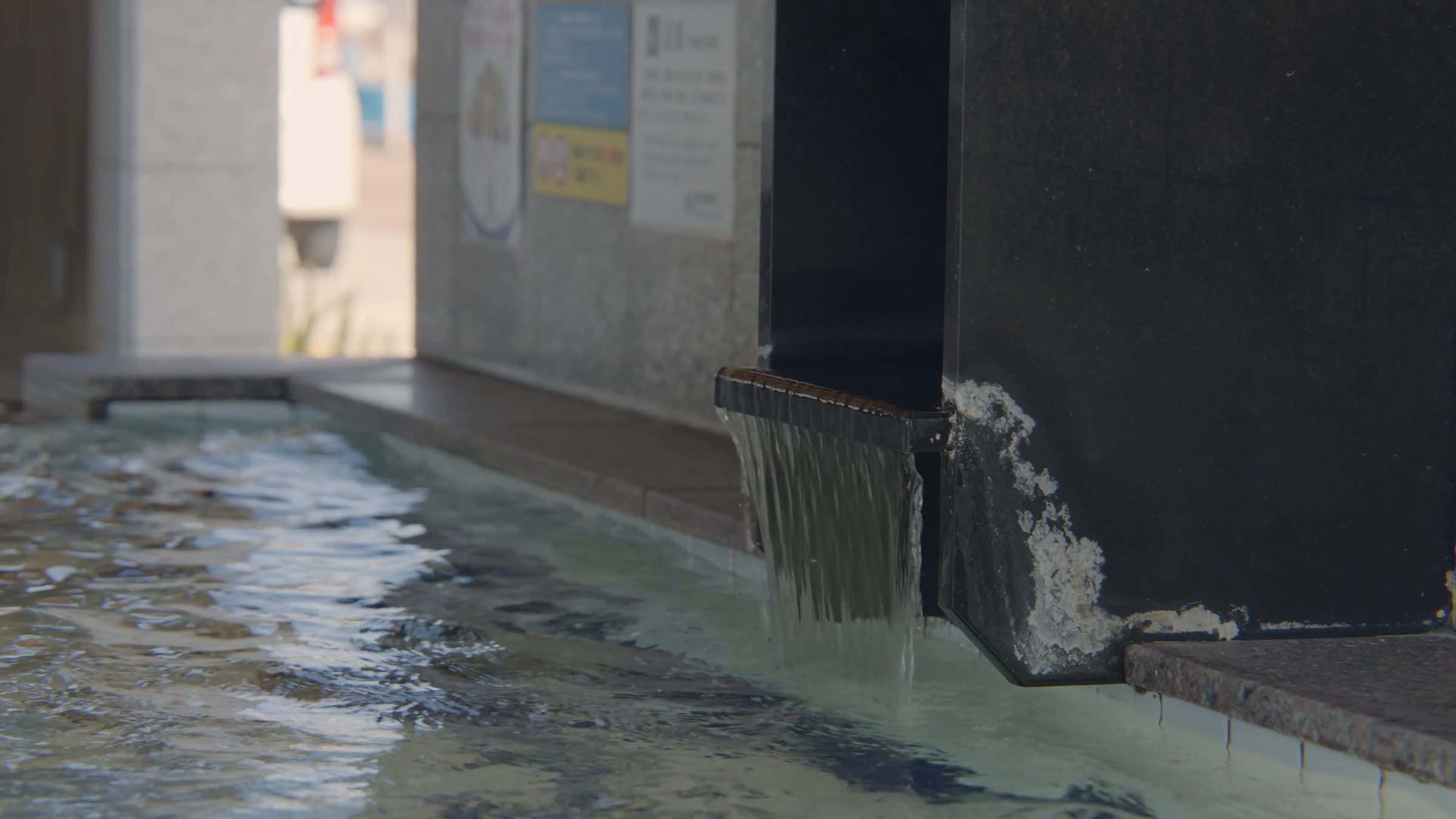
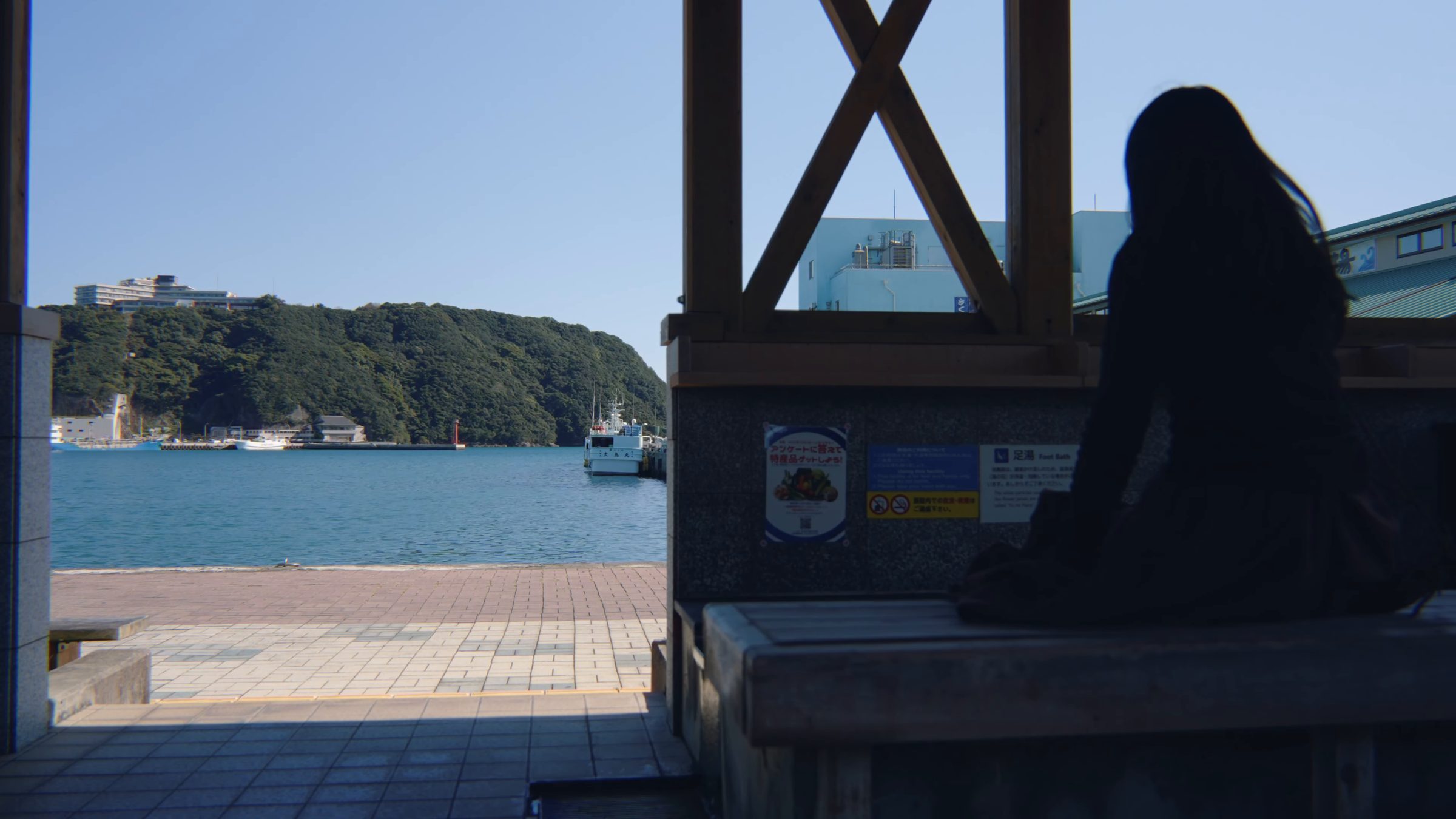
After lunch I wandered along the harbor. Hotels stood on the cliff top and across the water, and fishing boats lined the quay. Beside the market there was a footbath, and I sat on a wooden bench for a while, looking out at the port.
Watch this scene on YouTube2:43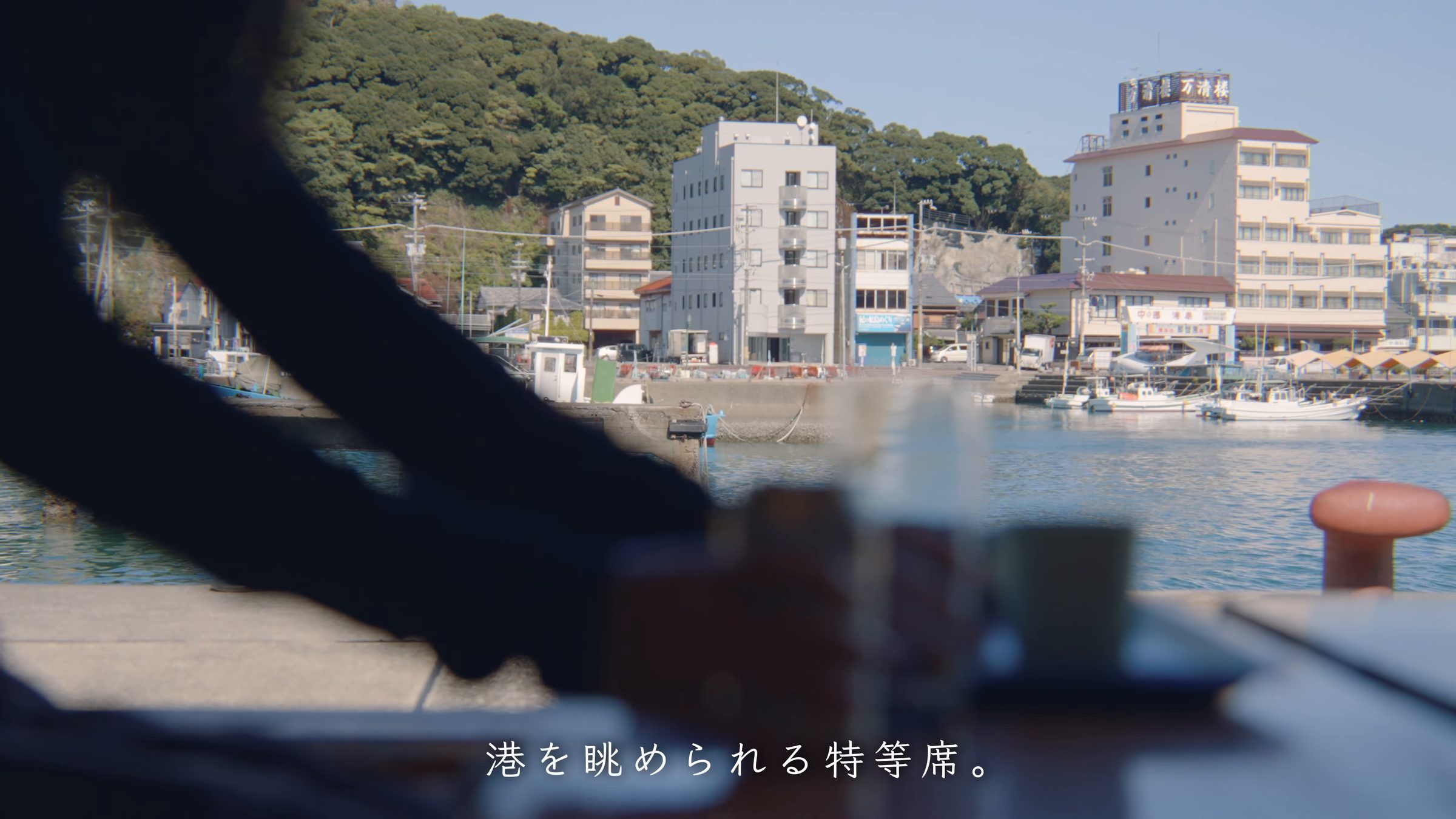
07TRAVEL JOURNAL
The self-service tuna shop
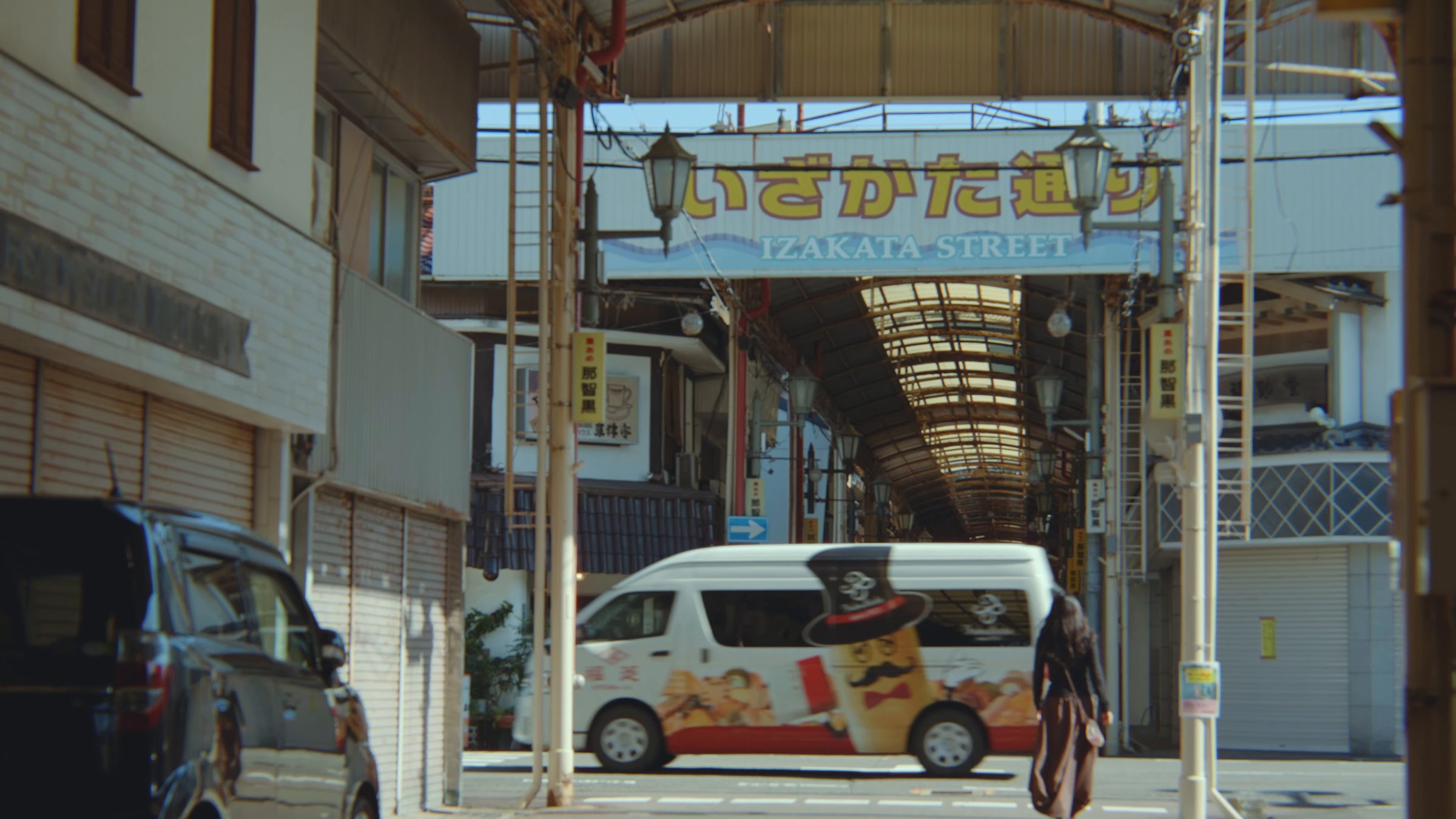
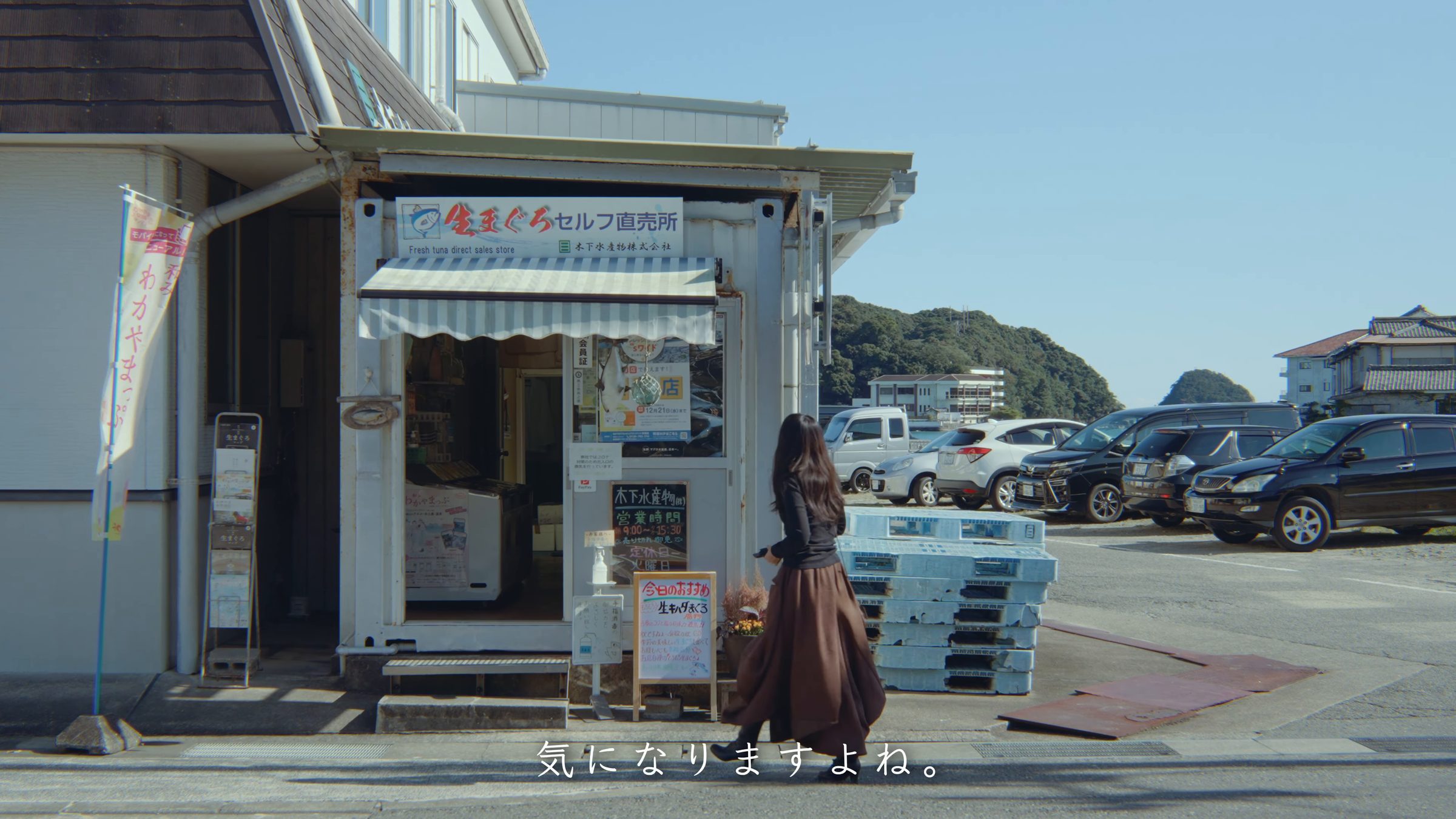
I passed under the "Welcome to Katsuura" gate and through the Izakata Street arcade. Around Katsuura port, I had heard, there are several unstaffed shops selling fresh tuna. How could I not be curious?
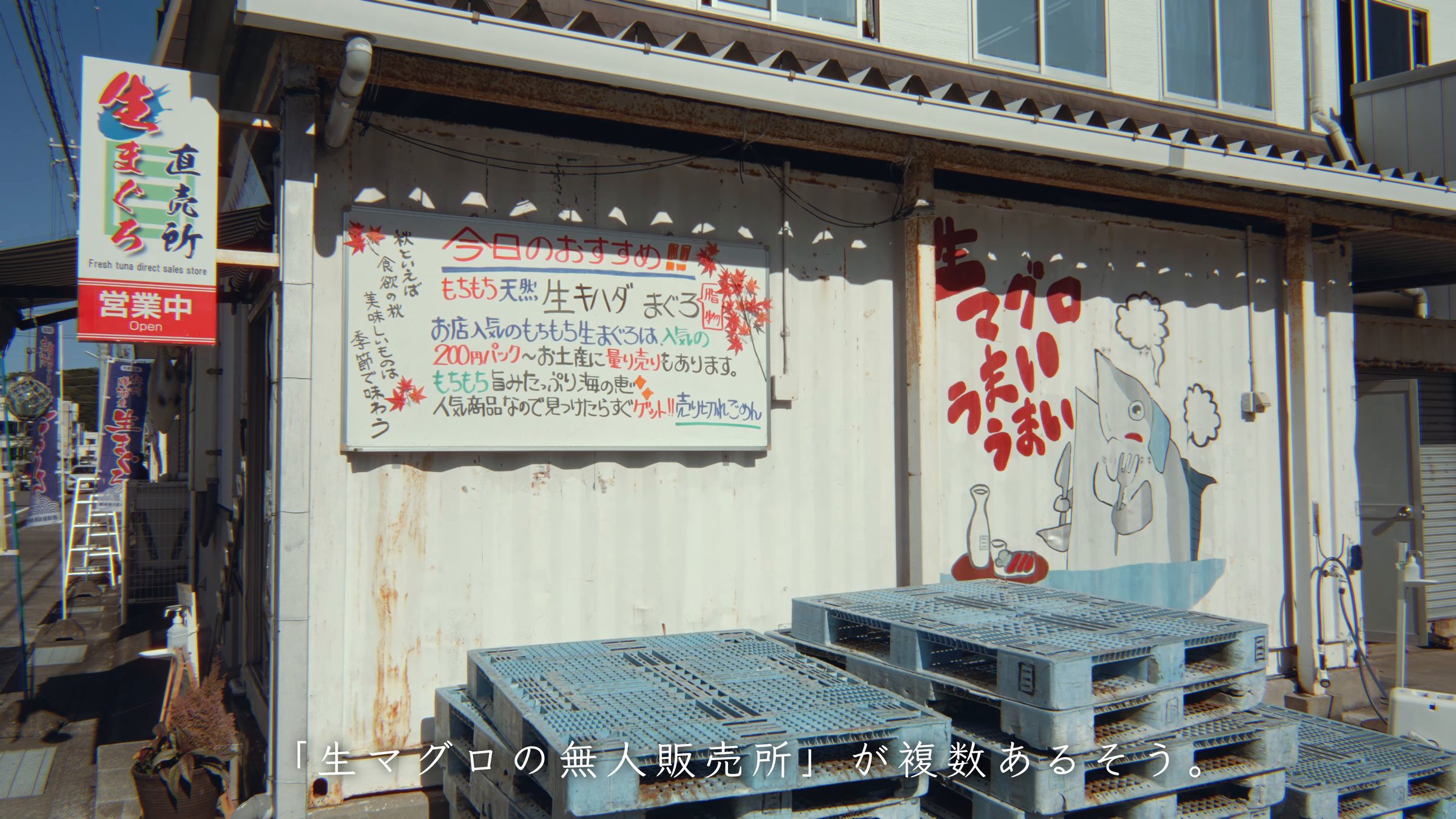
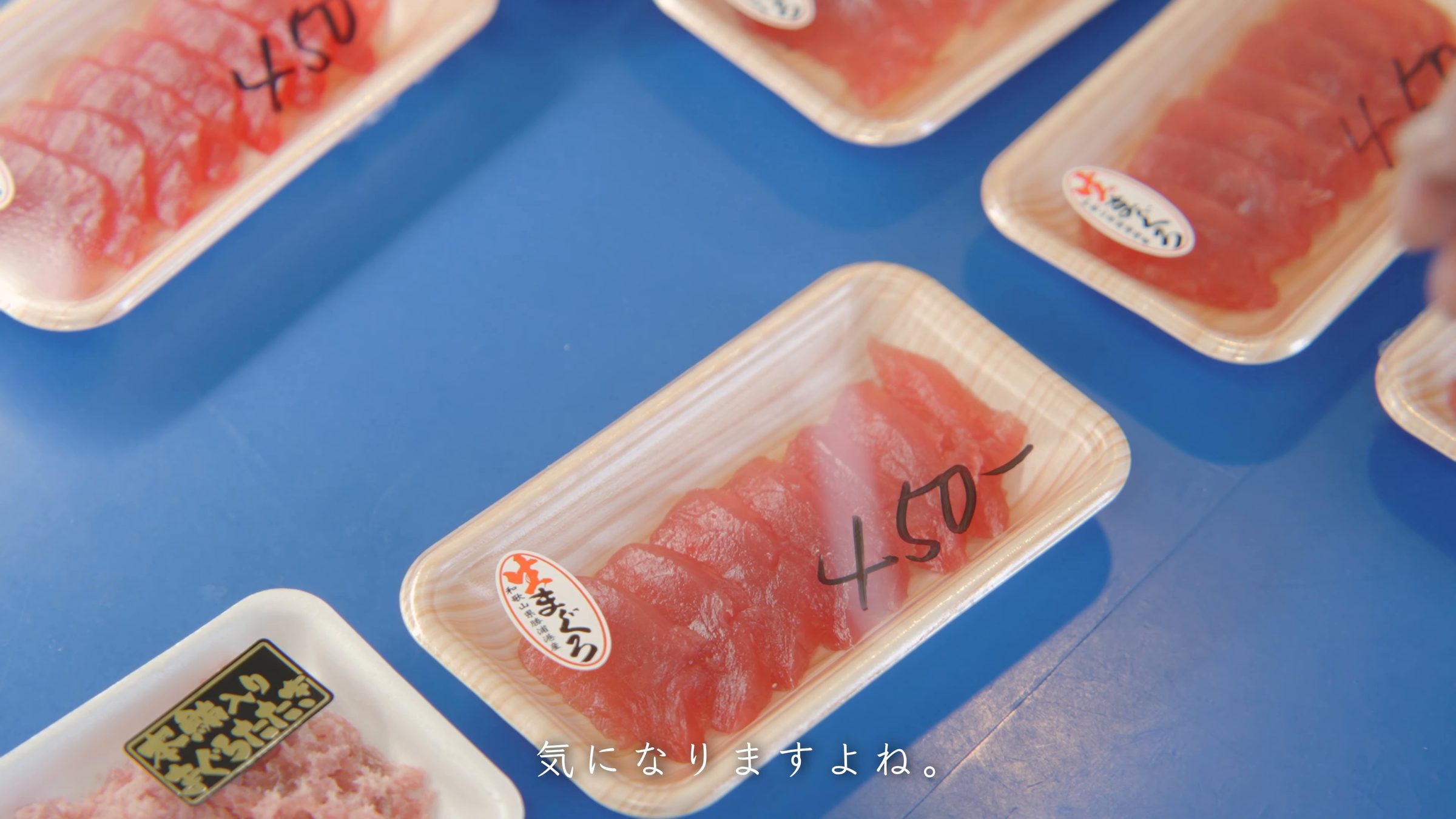
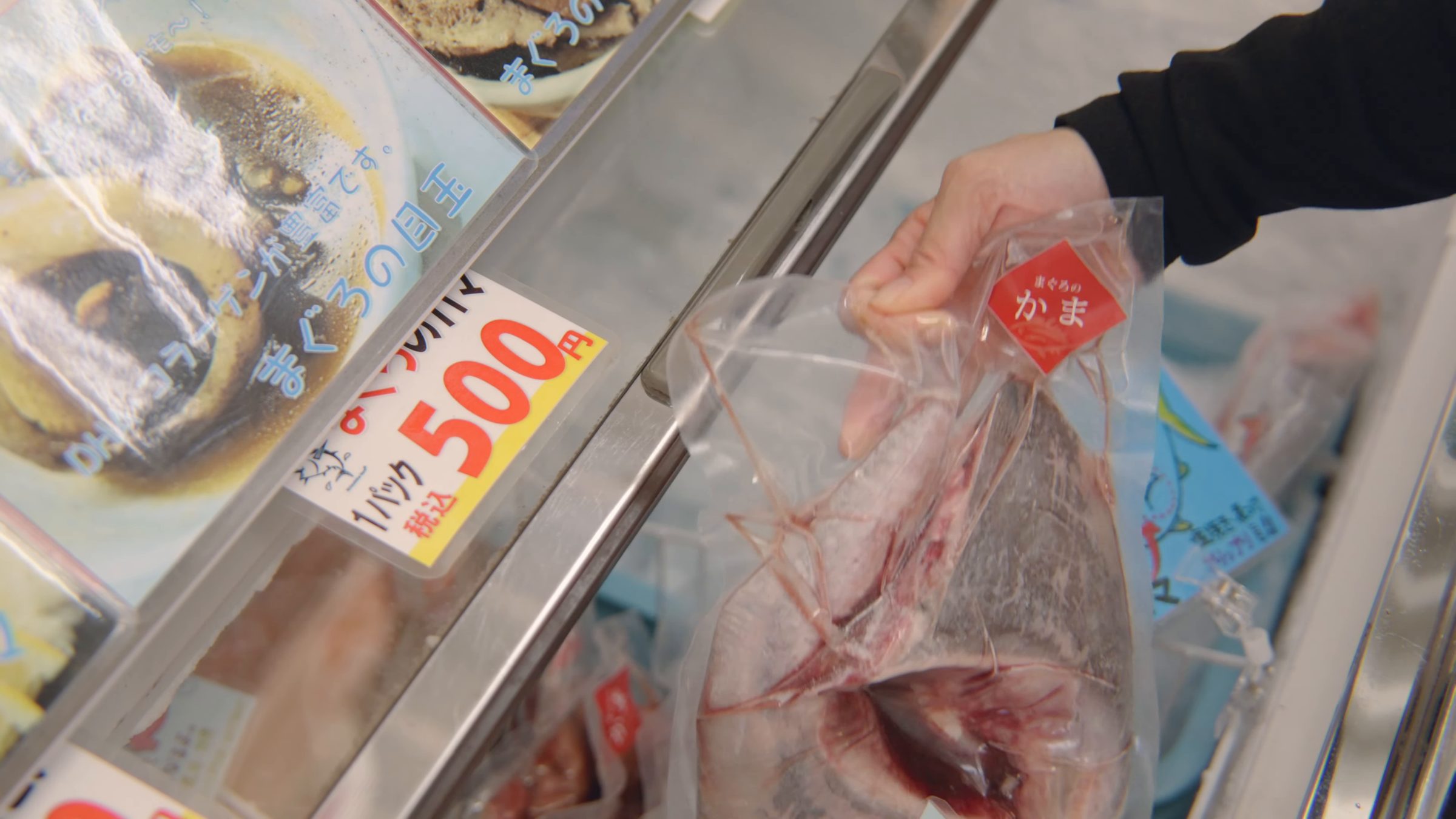
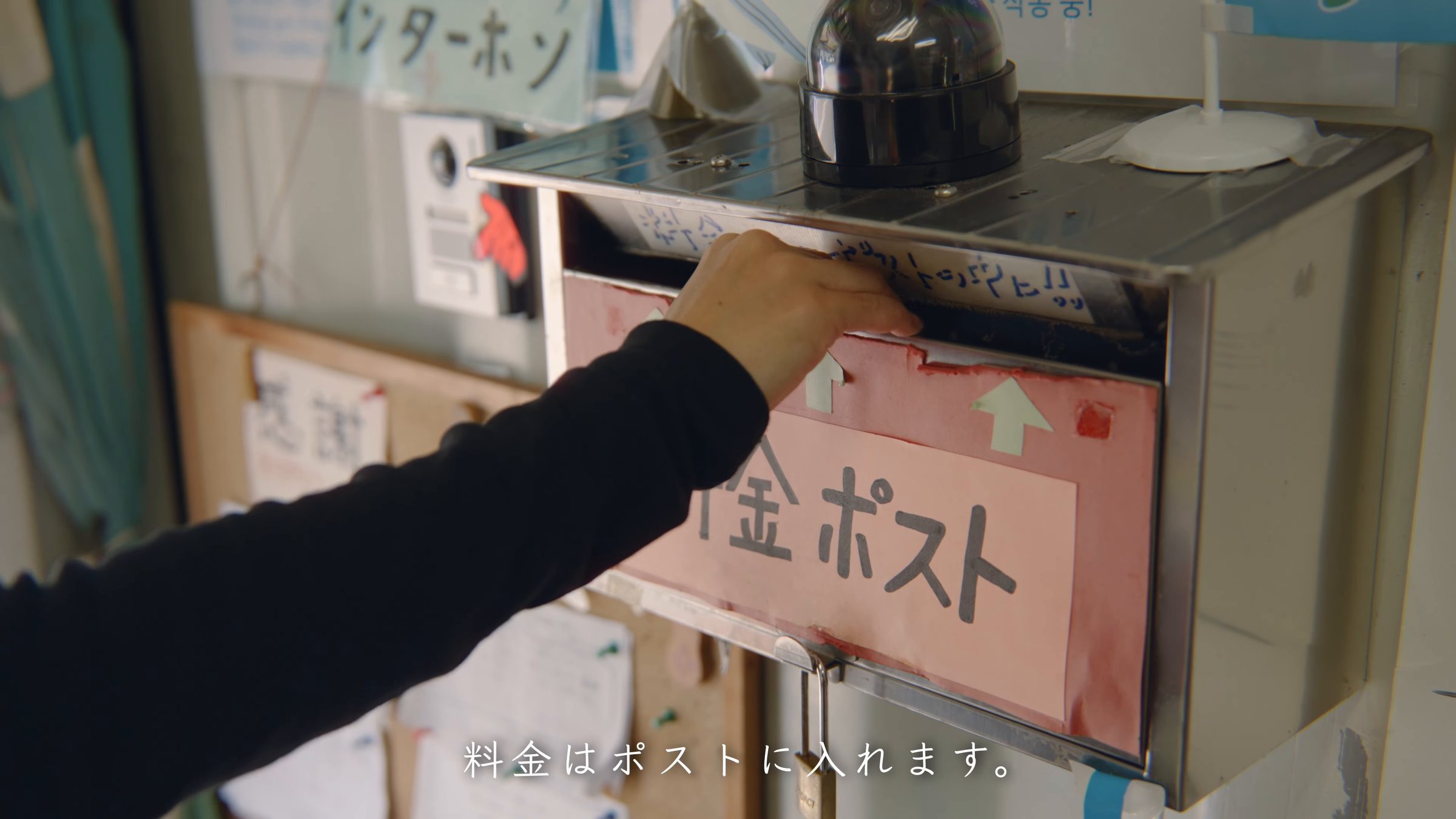
The one I stopped at had a sign reading "Fresh Tuna Self-Service Shop." A board on the wall announced today's special: chewy, wild-caught fresh yellowfin. Packs of fresh tuna with handwritten prices were laid out on a blue counter. I decided to buy a tuna collar too. You put the money in the payment box. Thank you, come again.
Watch this scene on YouTube3:27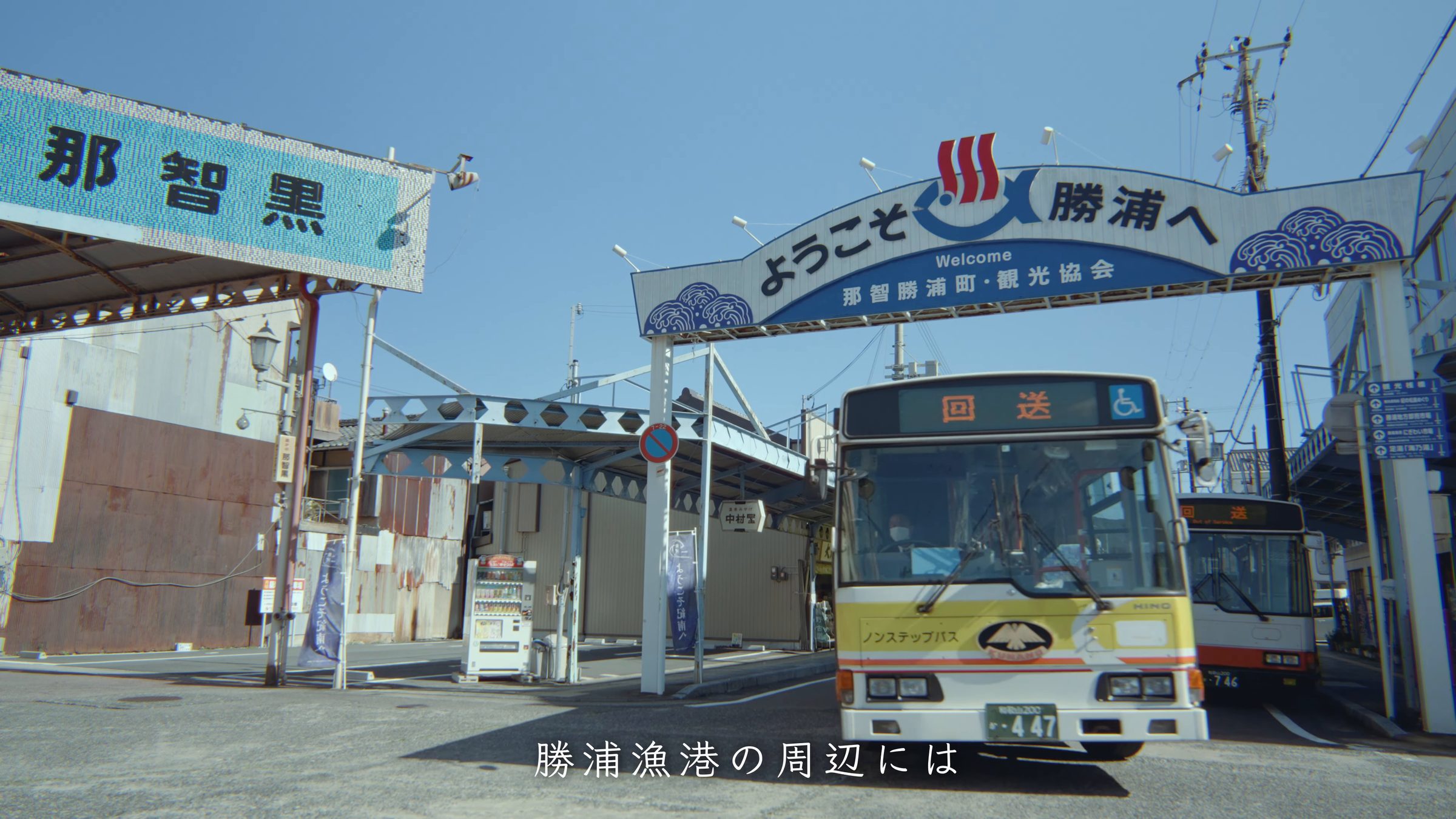
08TRAVEL JOURNAL
Mandarins, also self-service
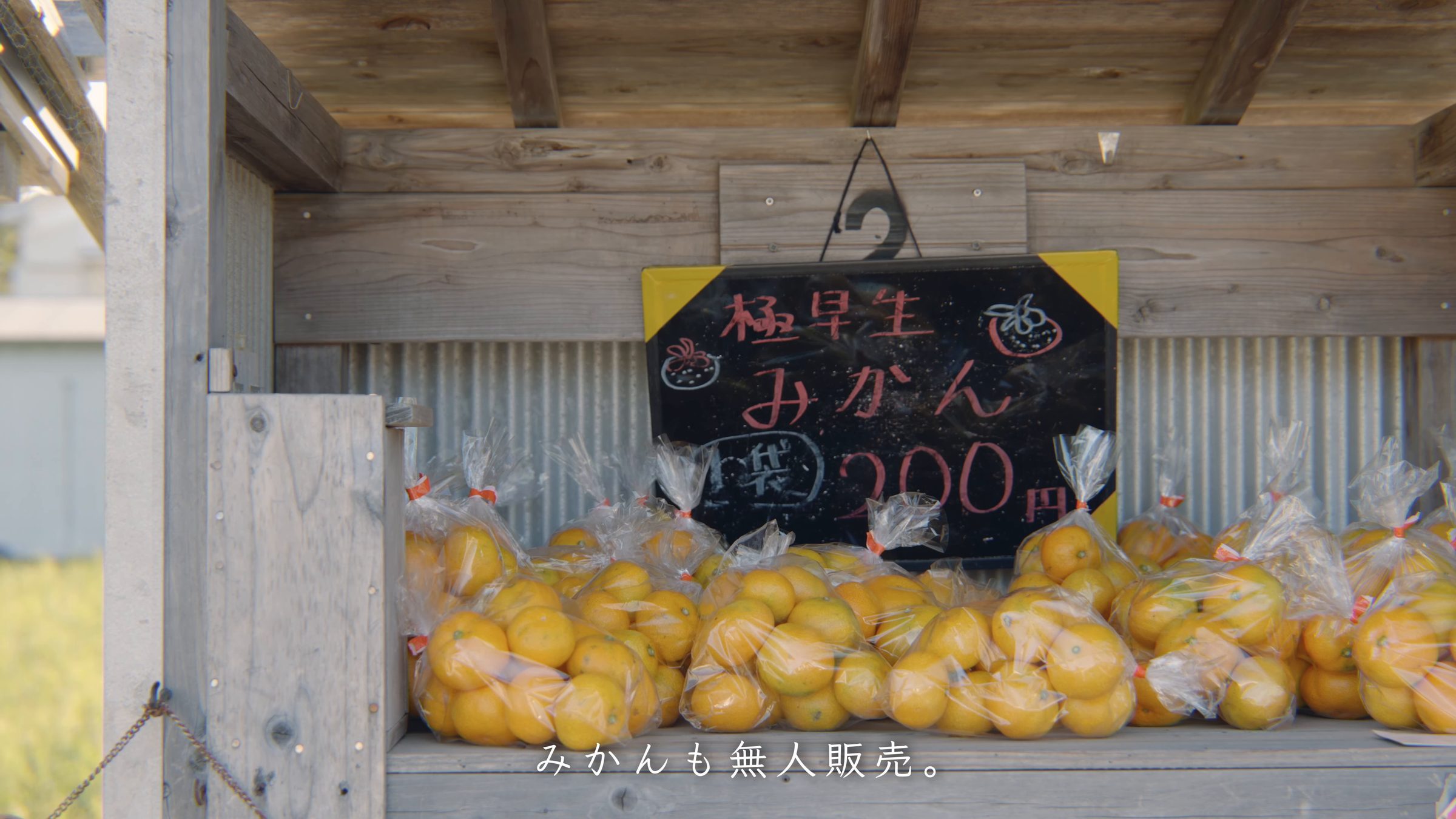
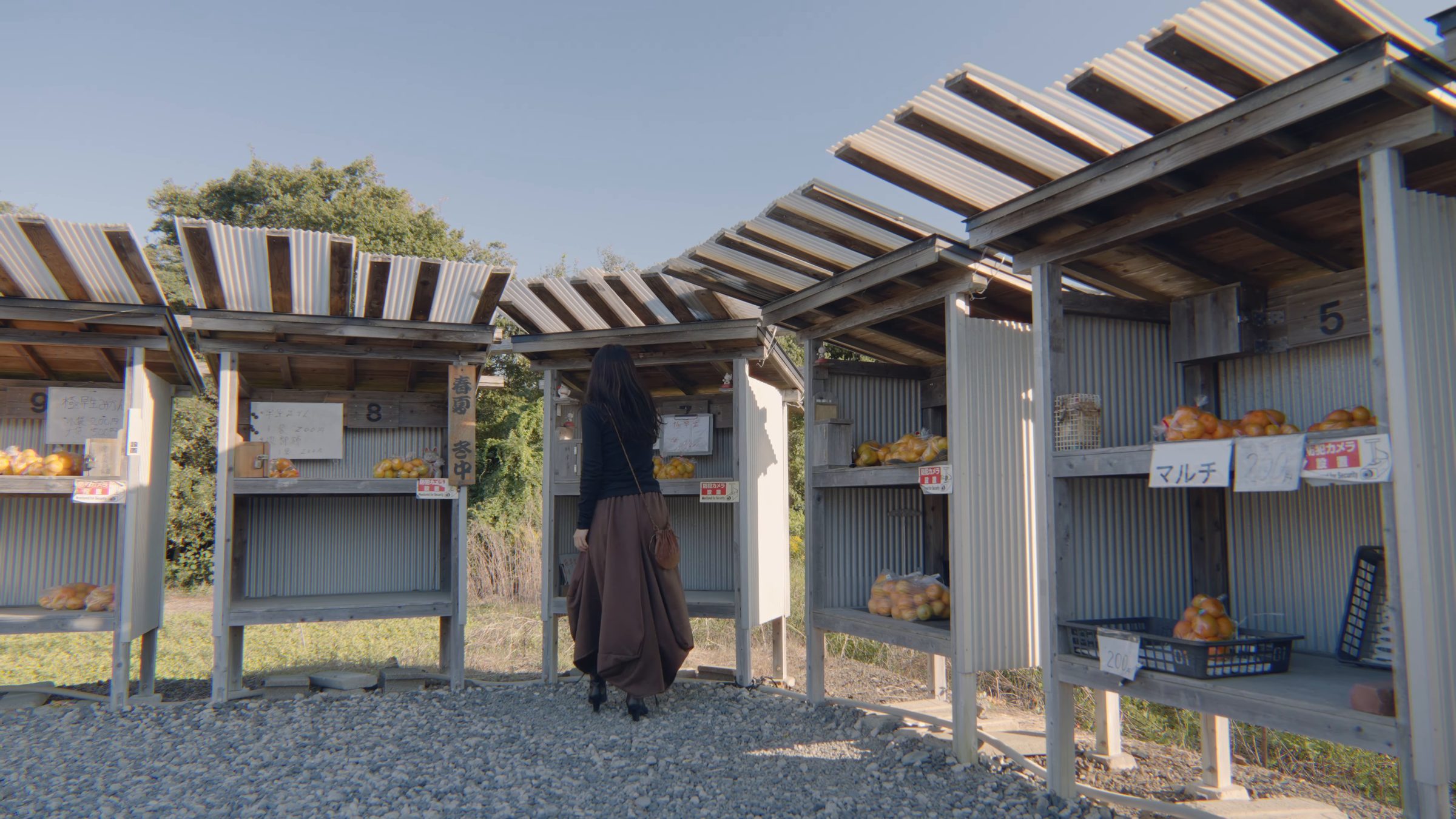
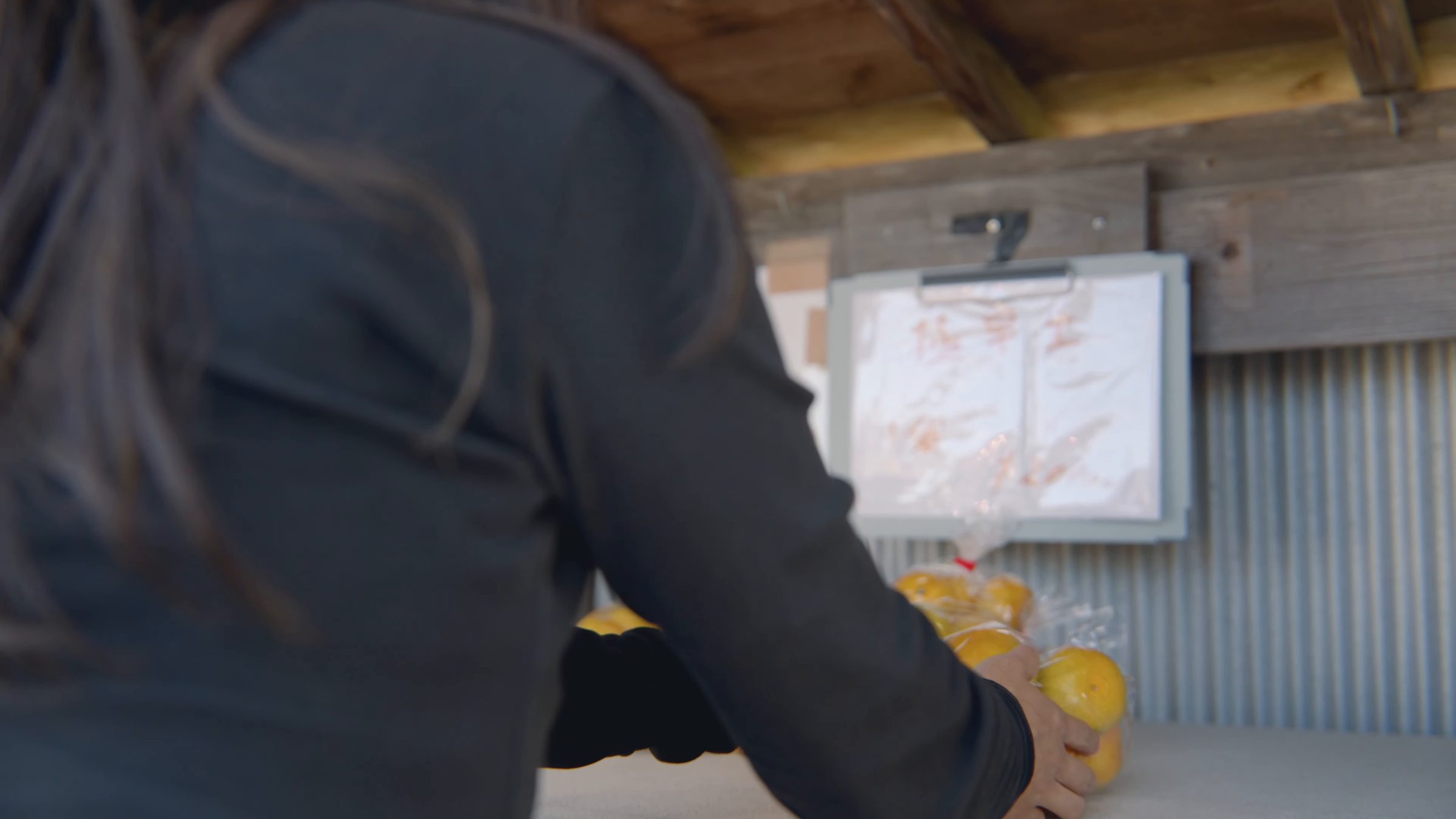
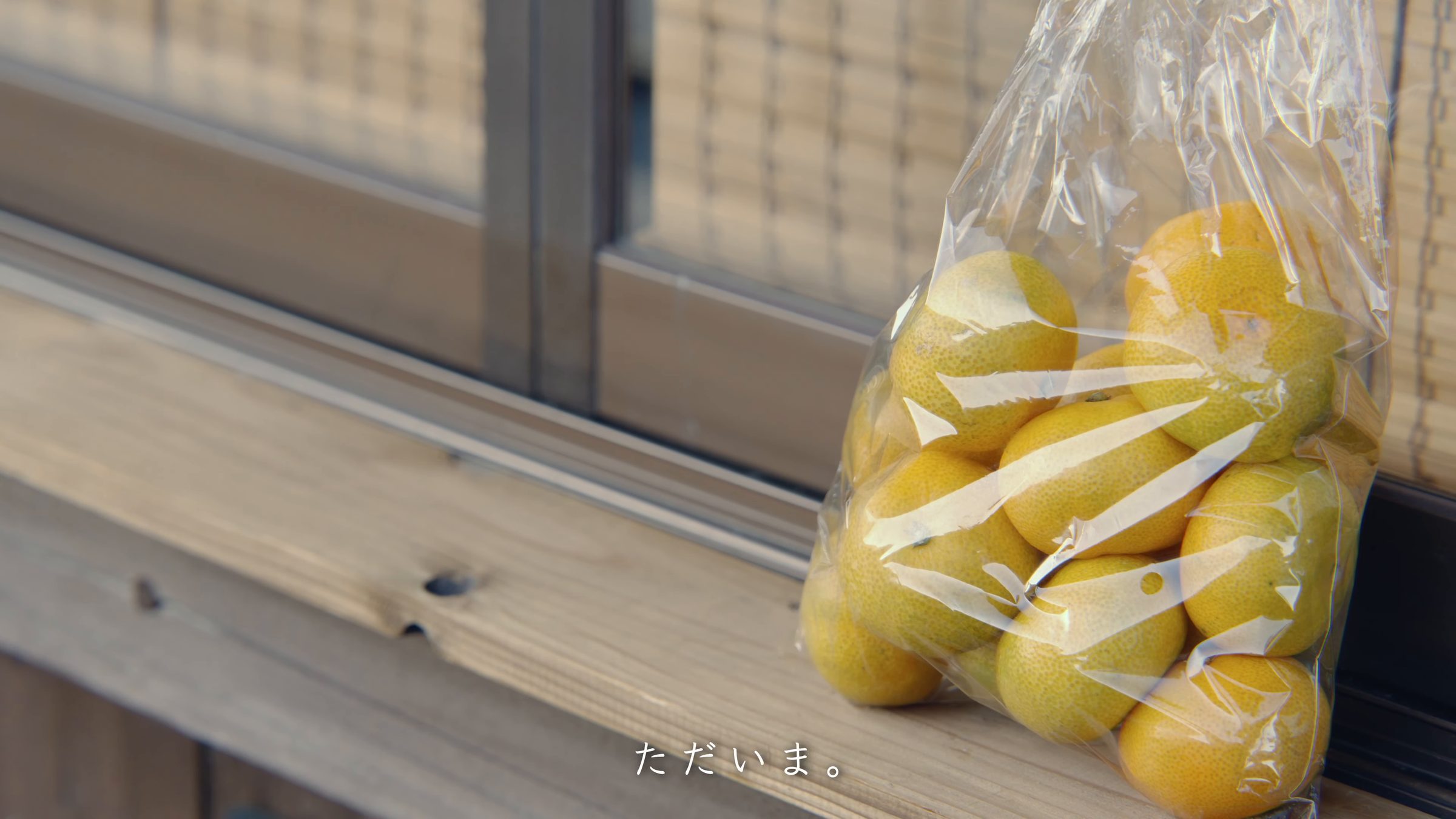
On the way home I stopped at a roadside farm stand, also unstaffed. Bags of mandarins lined the covered shelves, and a chalkboard advertised extra-early mandarins. I picked up a bag of the autumn fruit, still tinged with green.
Watch this scene on YouTube3:51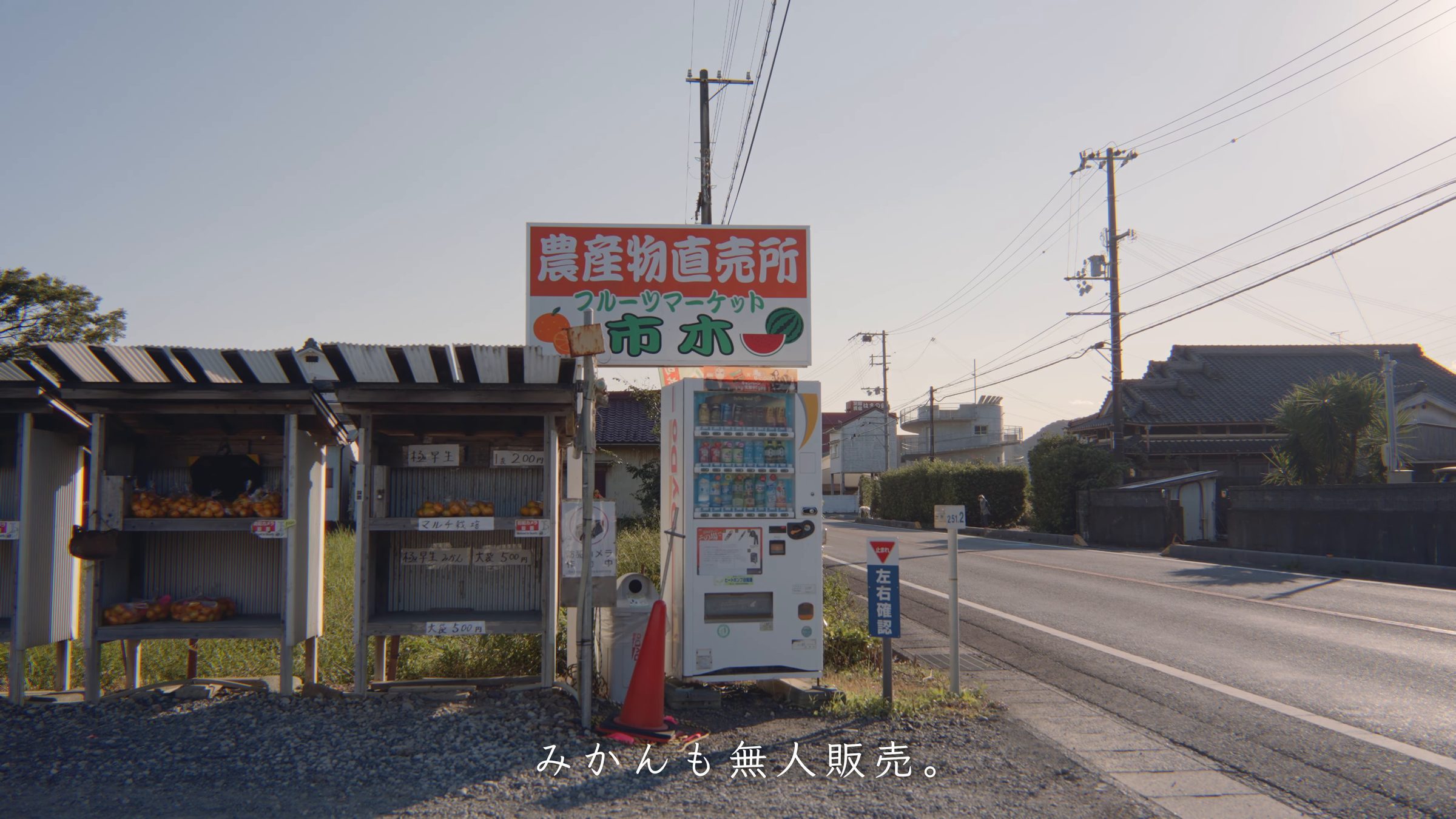
09TRAVEL JOURNAL
Home again
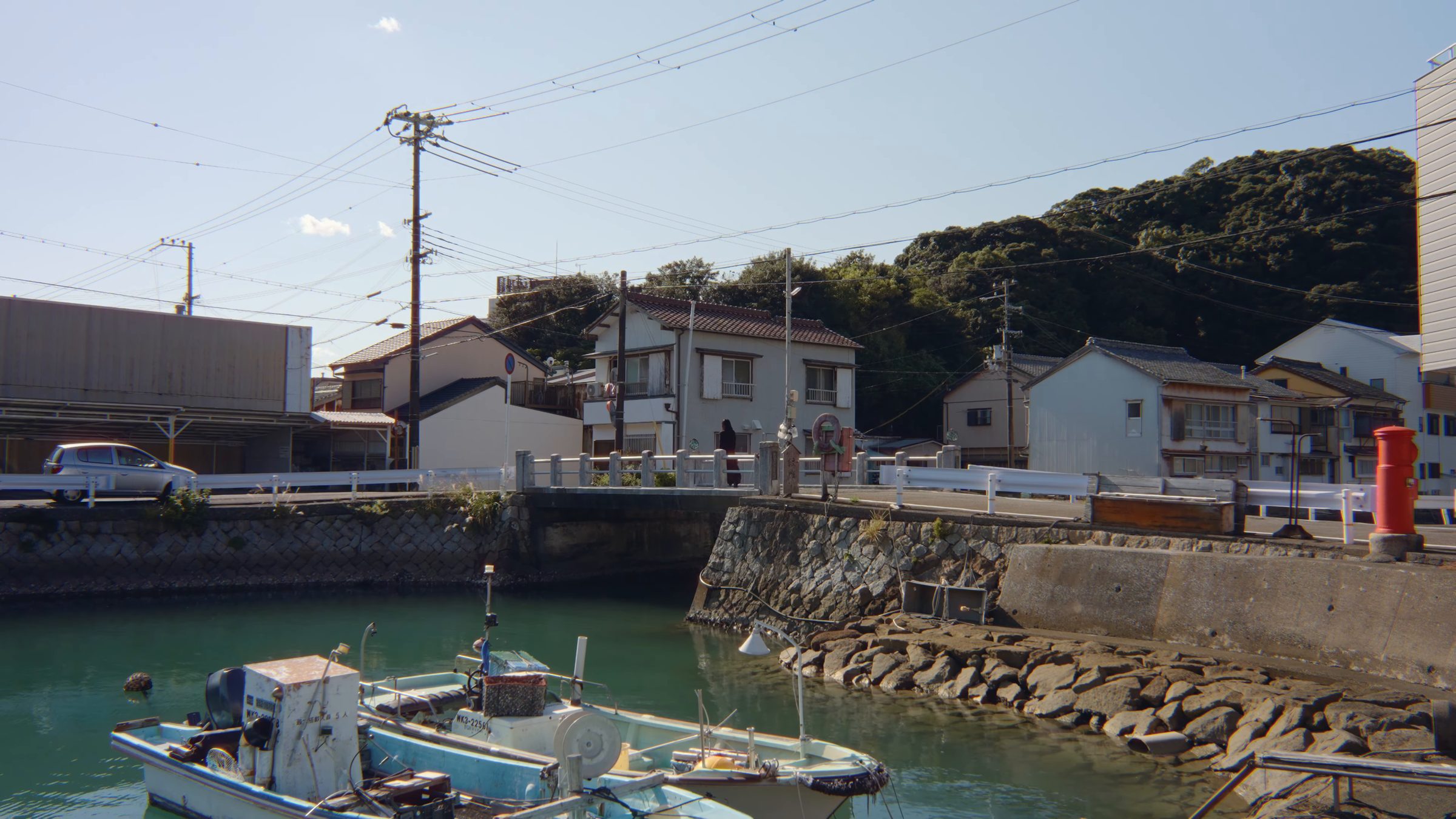
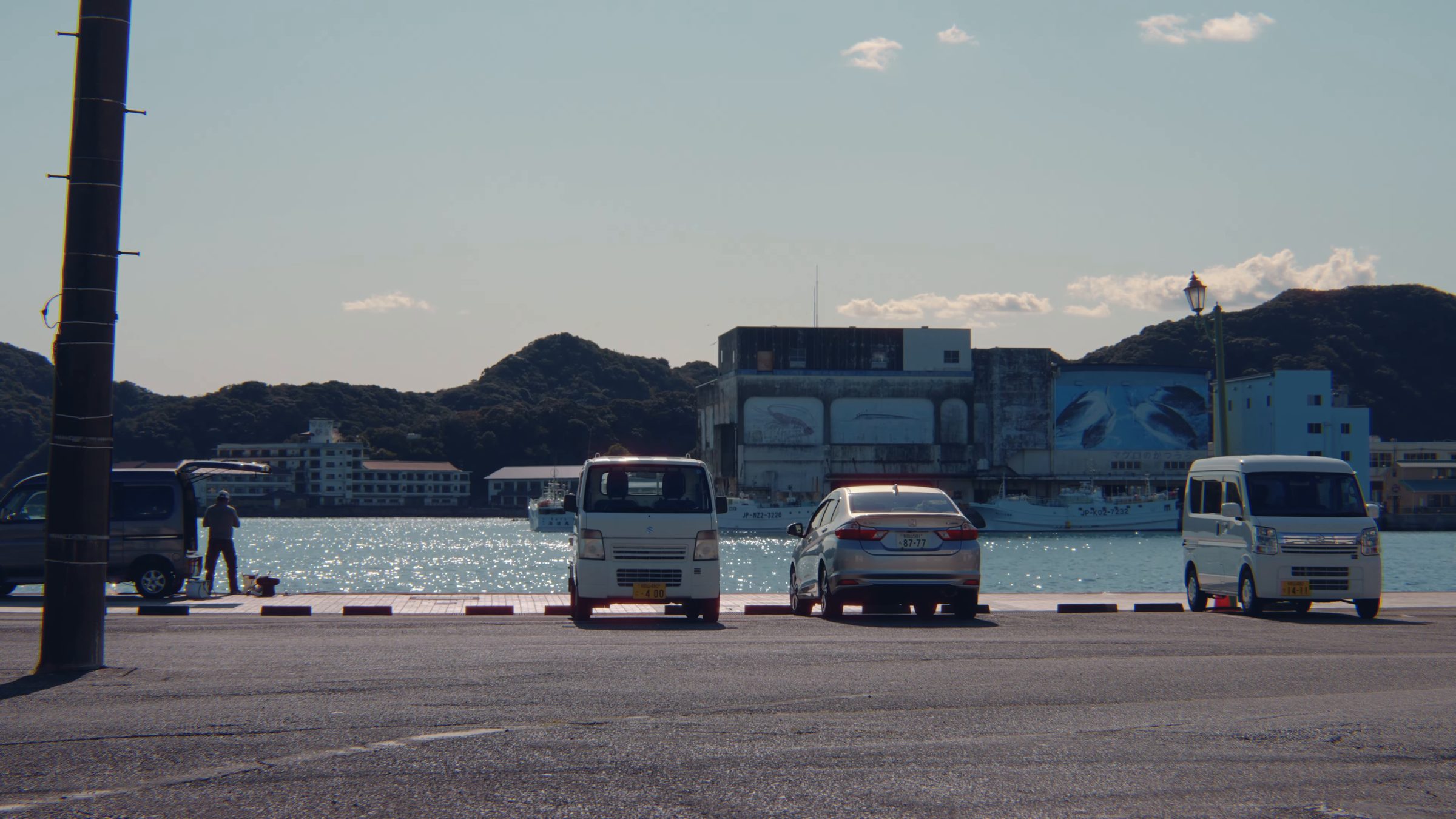
A red postbox in front of a shop, fishing boats along a stone quay. I parked in the lot by the sea and climbed back up to the house on the hill. I'm home.
I set the bag of mandarins by the window and looked down over the bay and the village from a chair on the terrace. The sun was sinking, and the shadow of the mountain stretched out across the water.
Watch this scene on YouTube4:02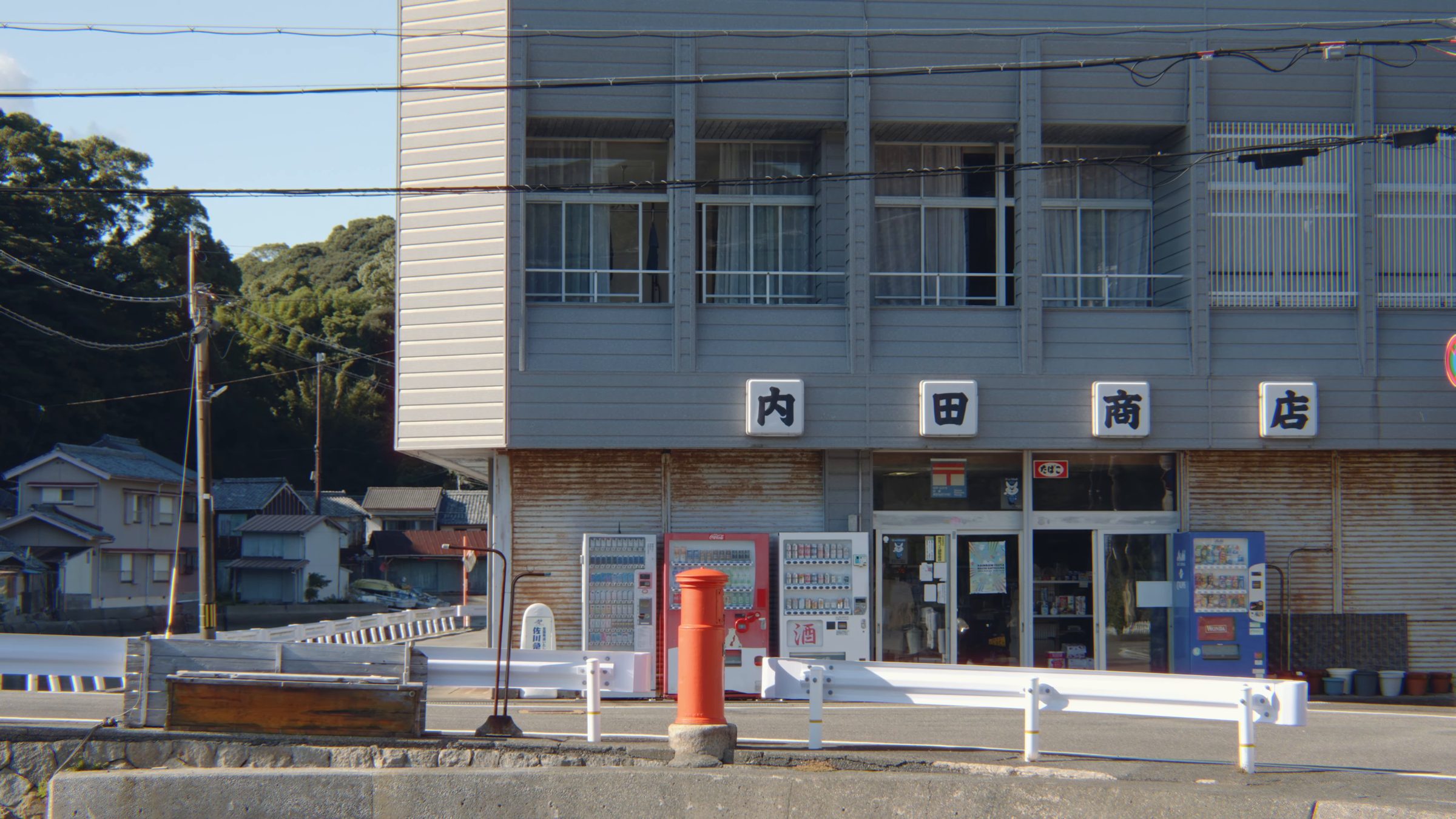
10TRAVEL JOURNAL
Tuna collar on the coals, and fresh tuna again
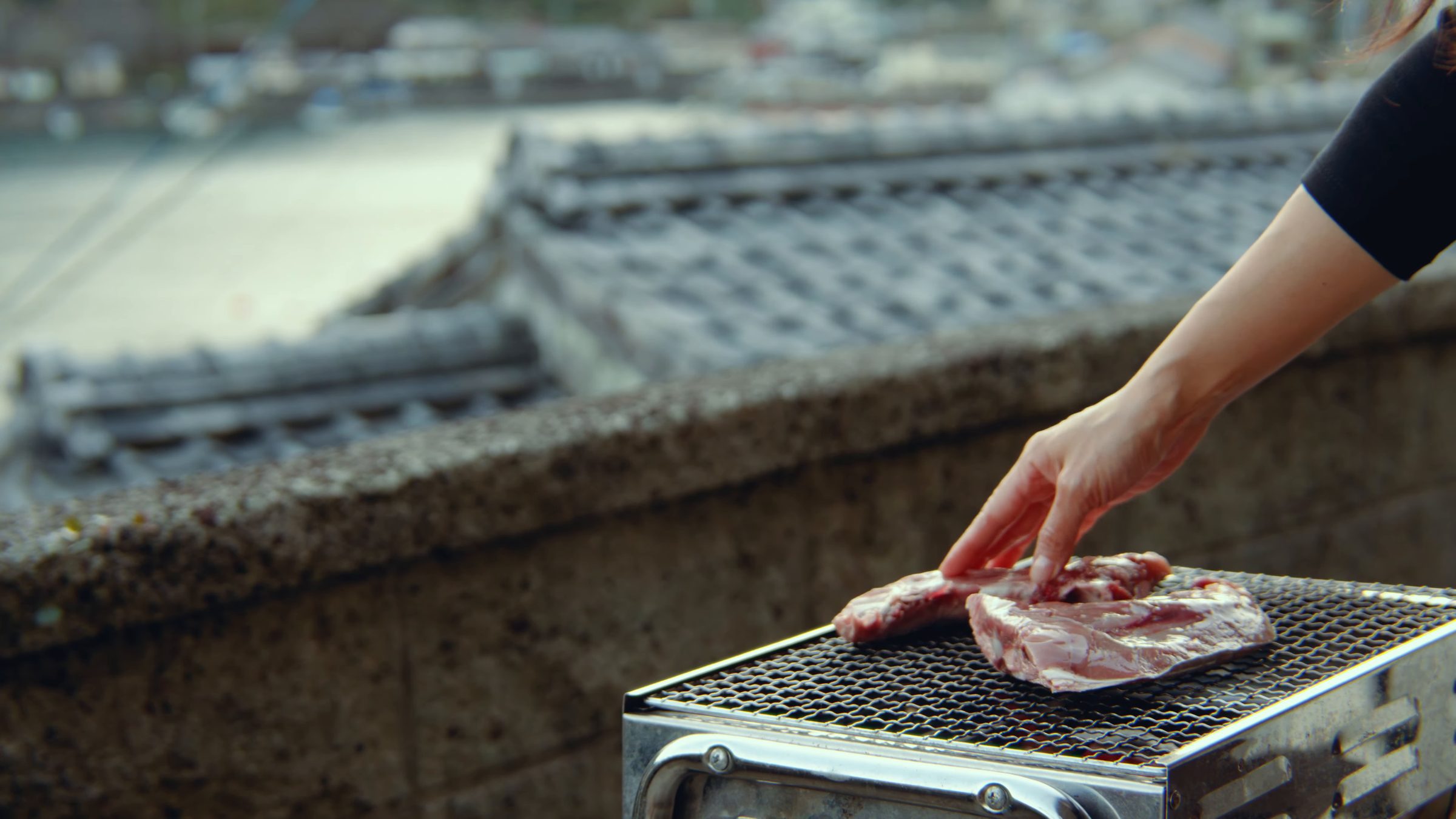
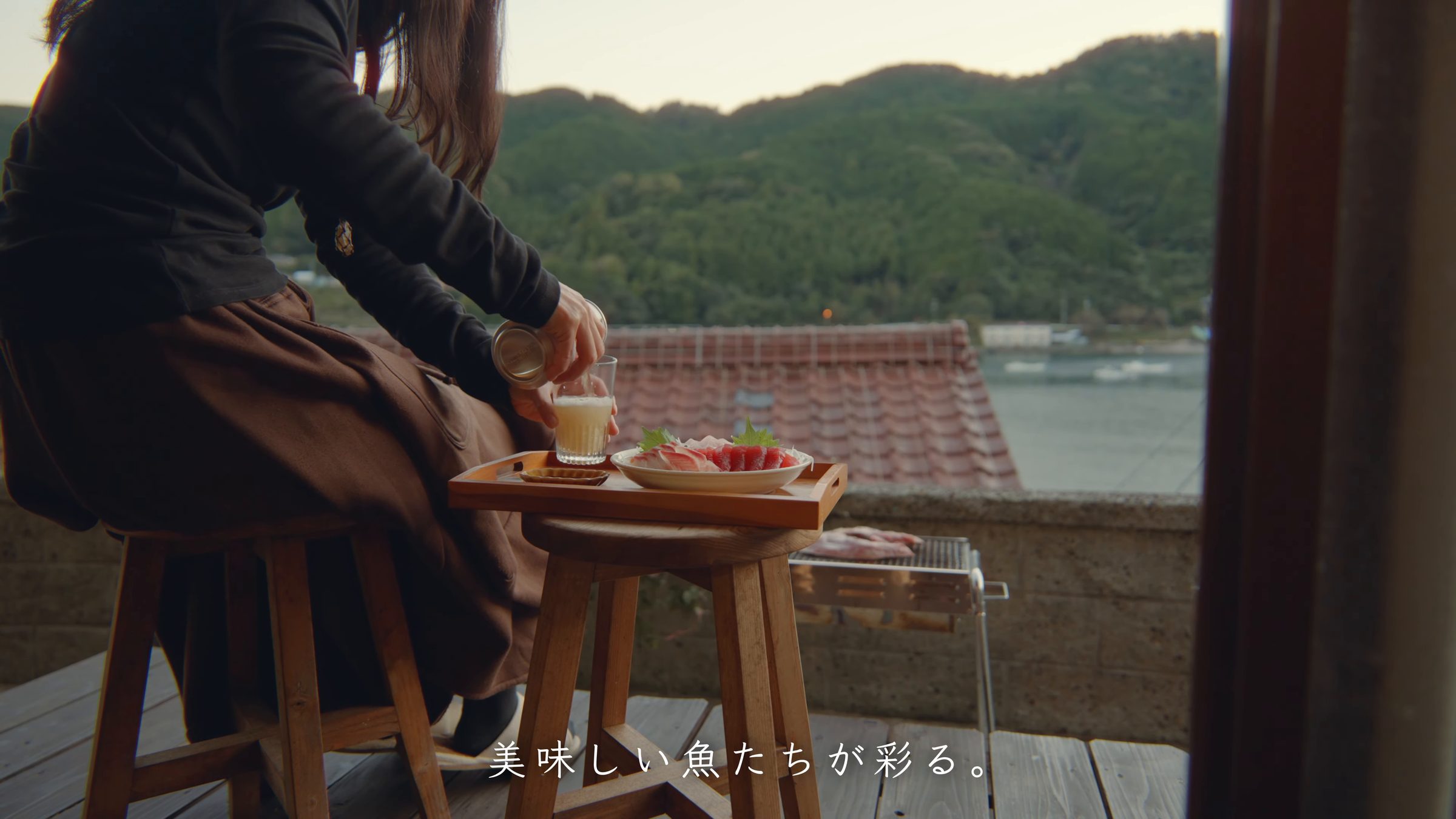
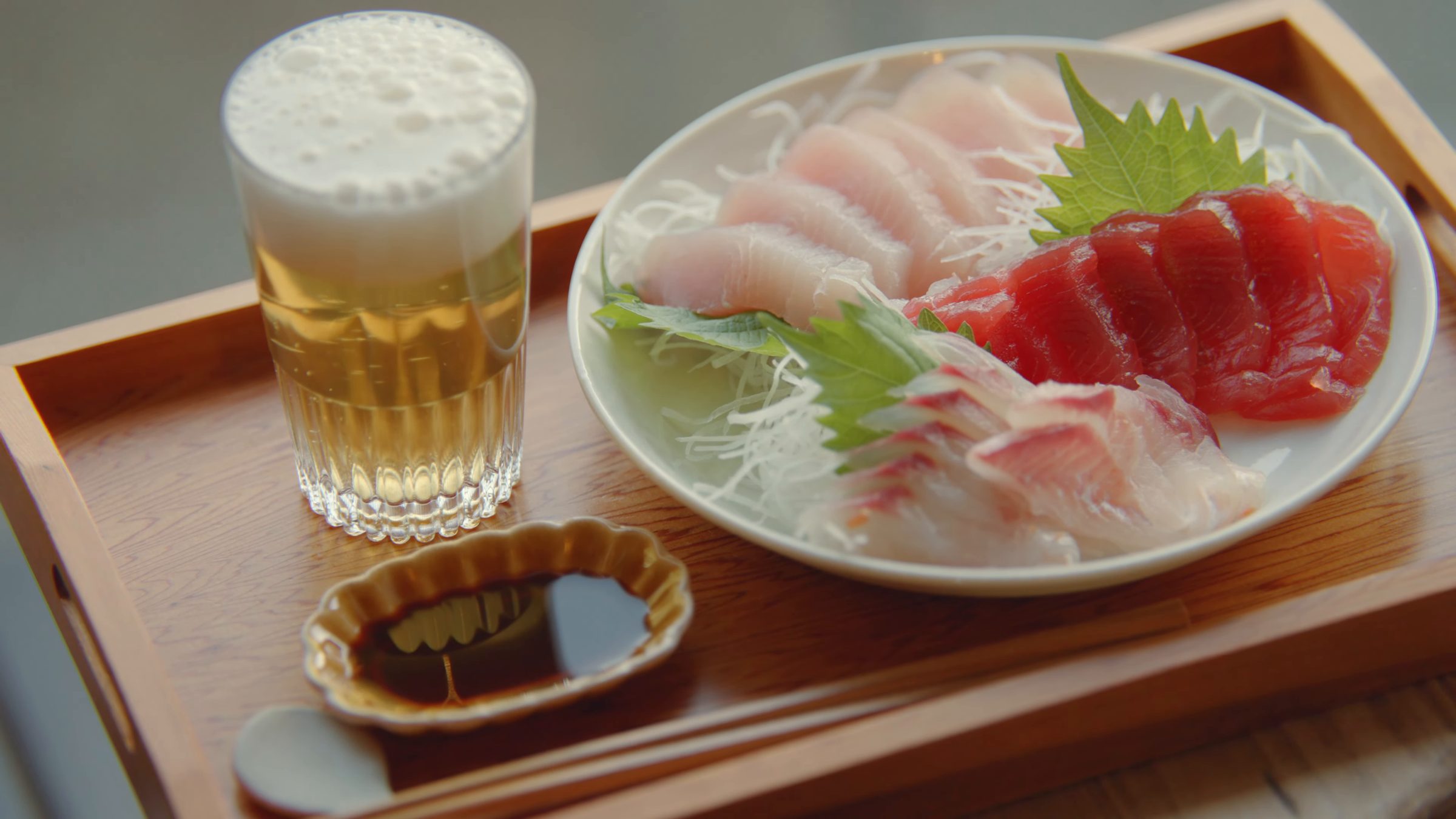
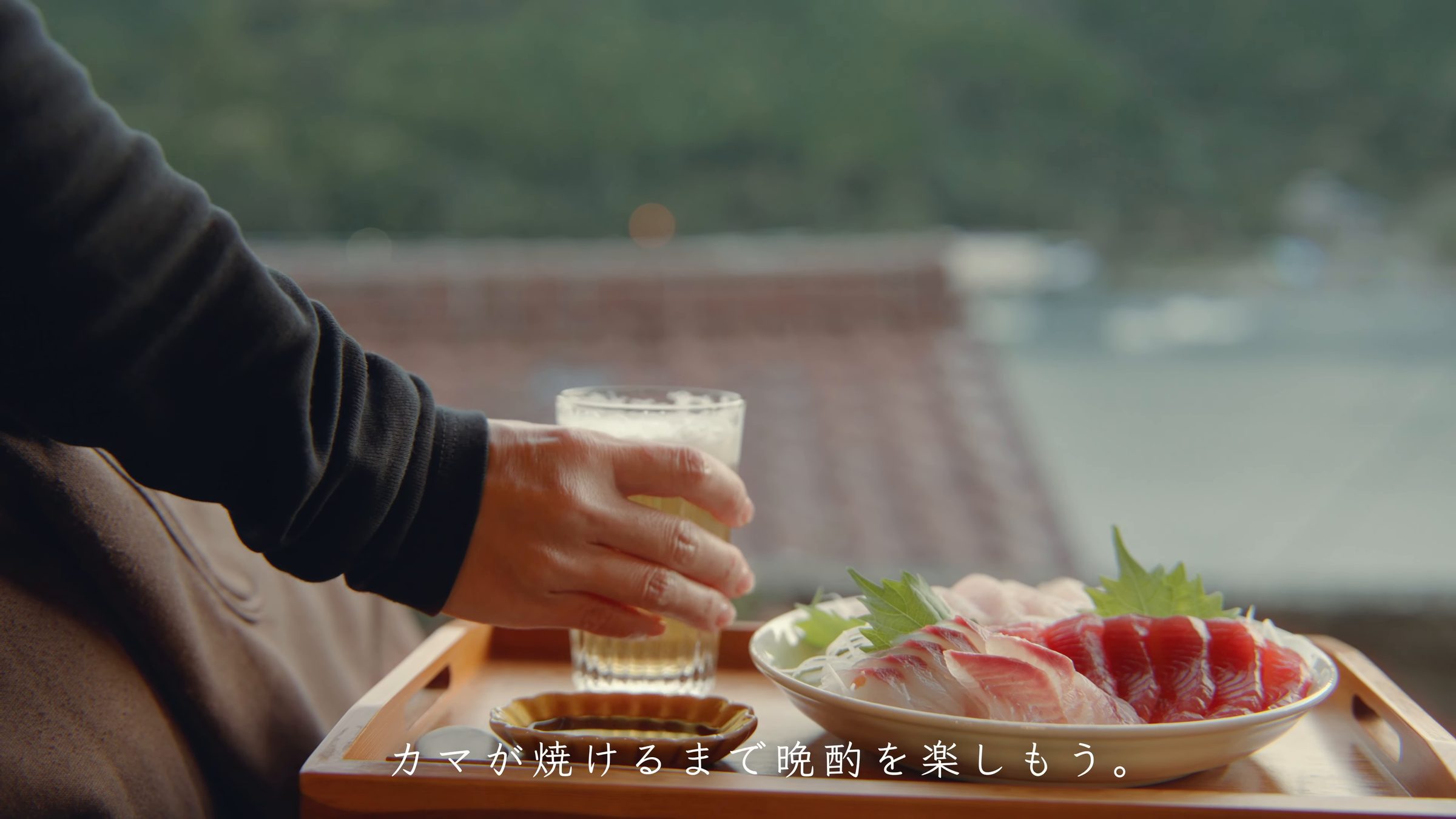
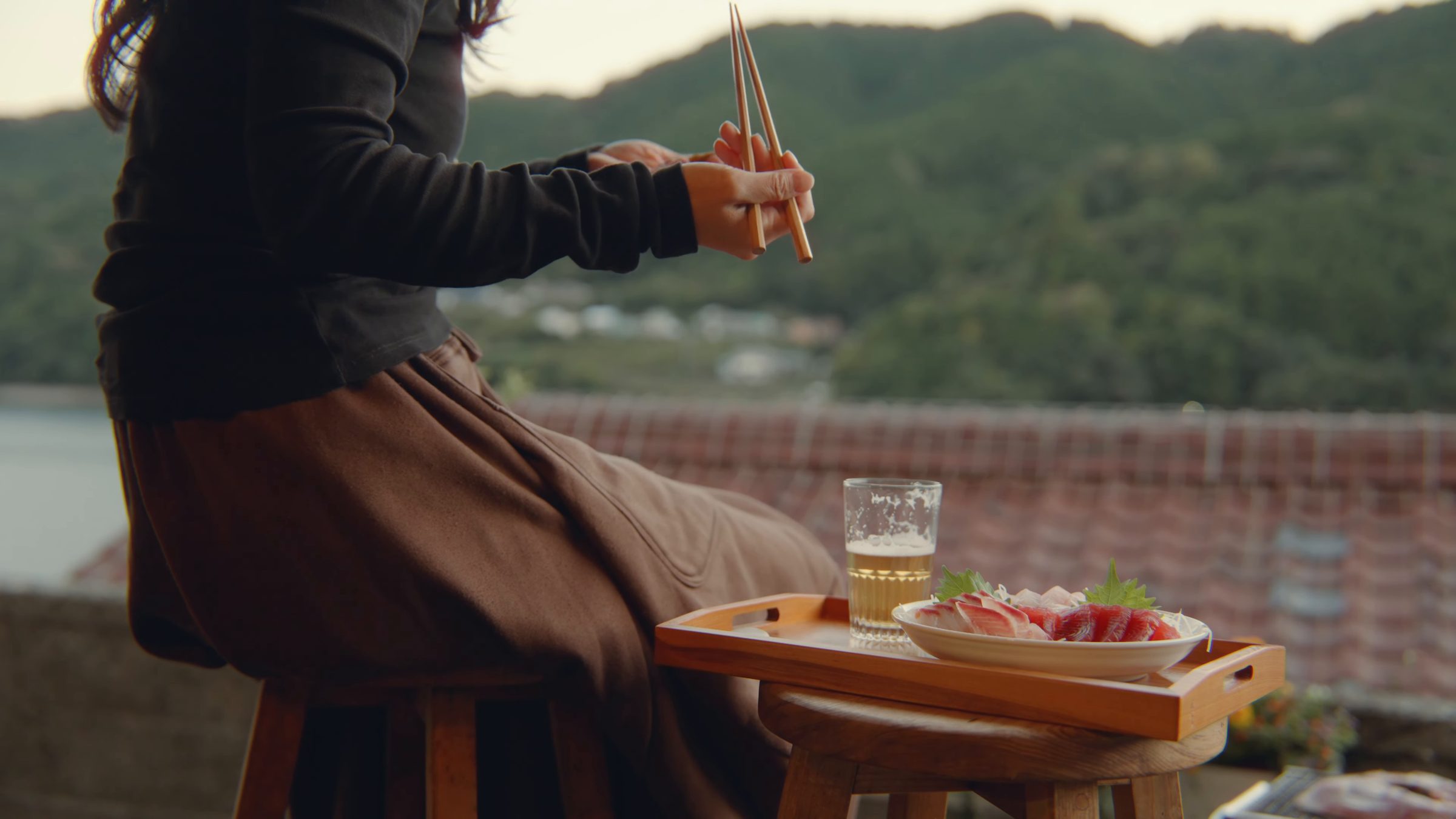
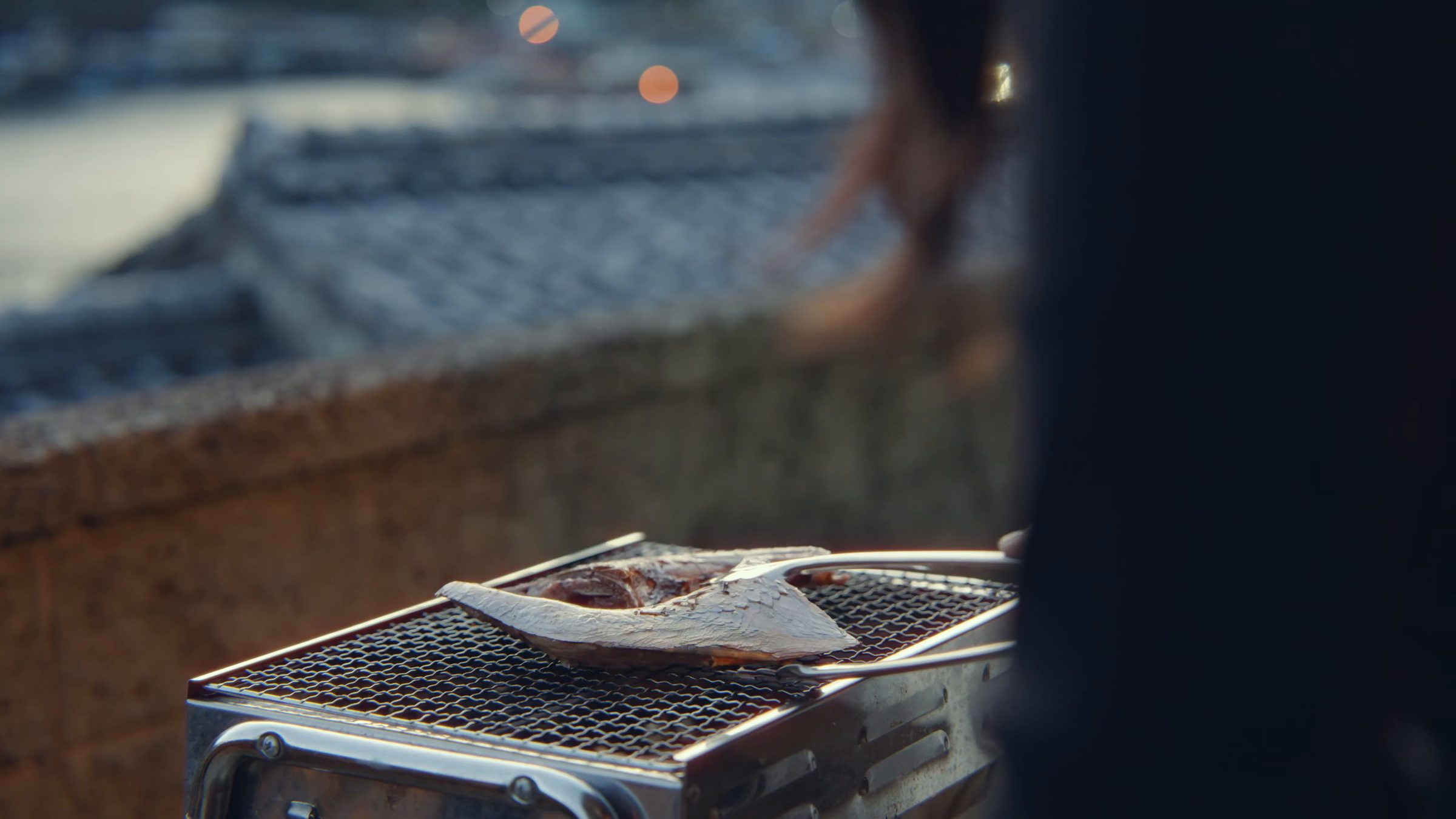
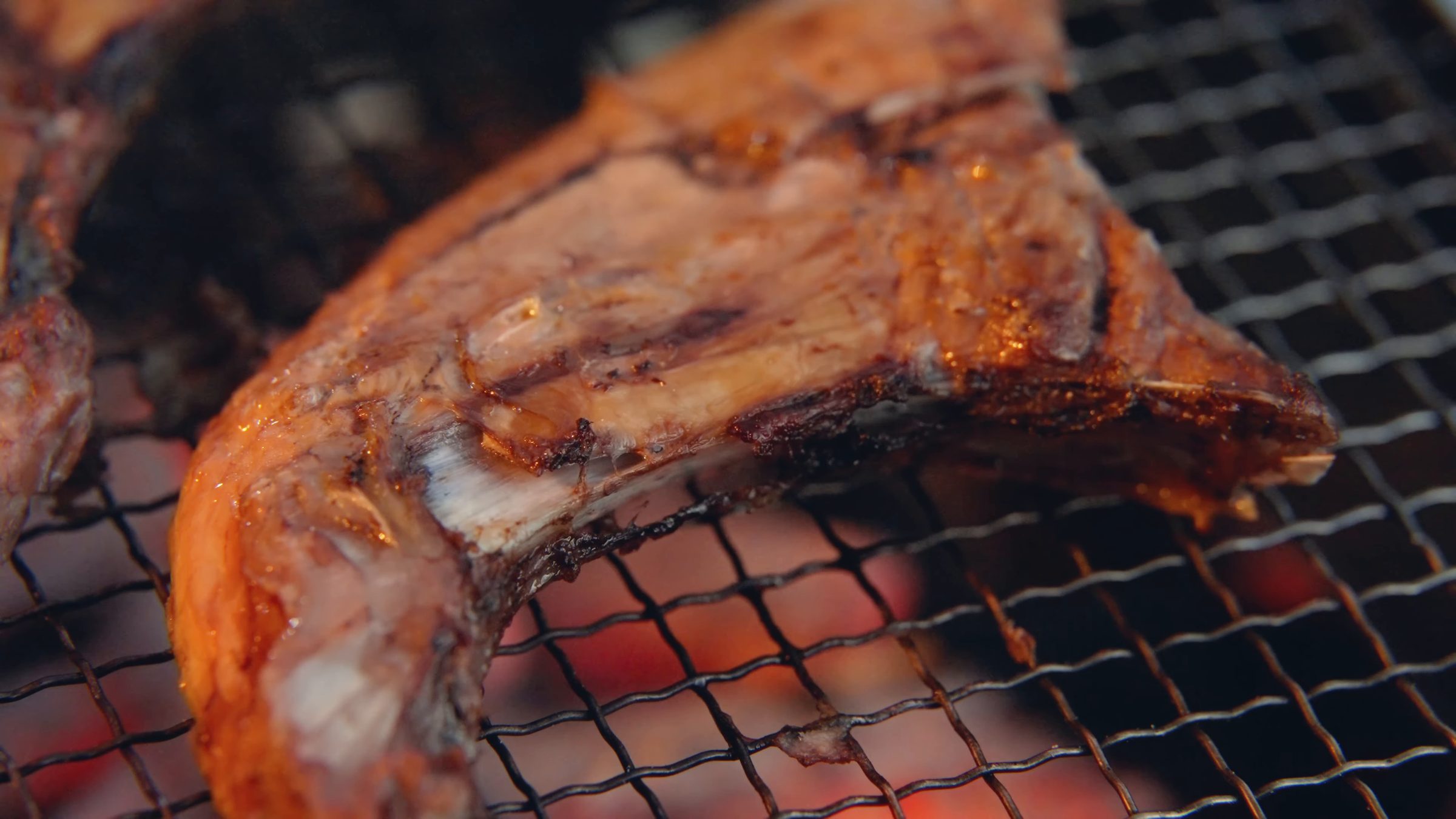
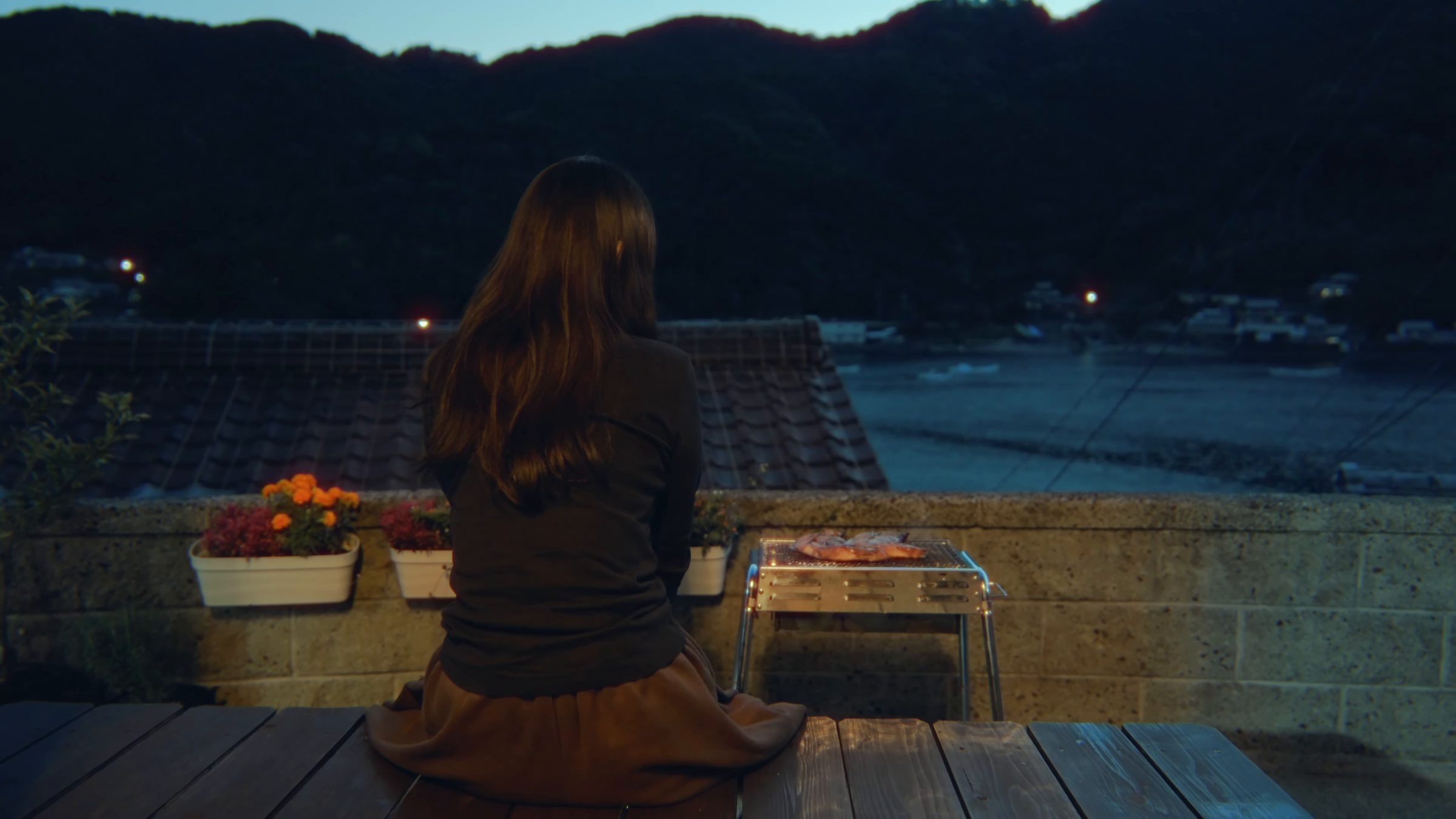
The tuna collar would be grilled slowly over charcoal. I lit the coals in the shichirin and laid the big collar on the wire mesh. On the little table on the terrace waited sashimi of the fresh tuna from the self-service shop, and a beer. Good fish to round off a good day.
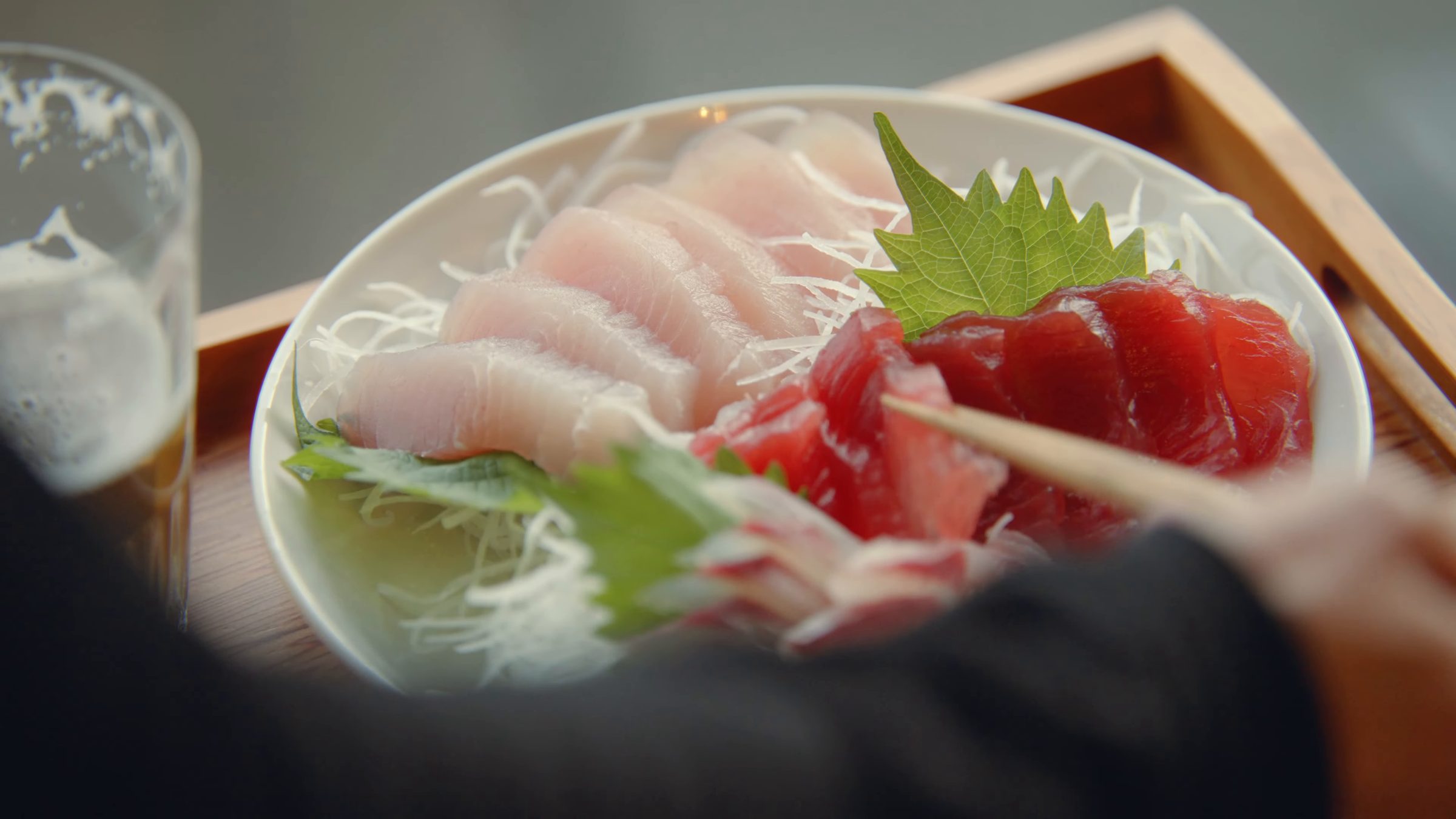
While the collar cooked, I enjoyed my evening drink. My second fresh tuna of the day: lean red meat and pale, fatty cuts. That soft, chewy texture had completely won me over.
Watch this scene on YouTube4:31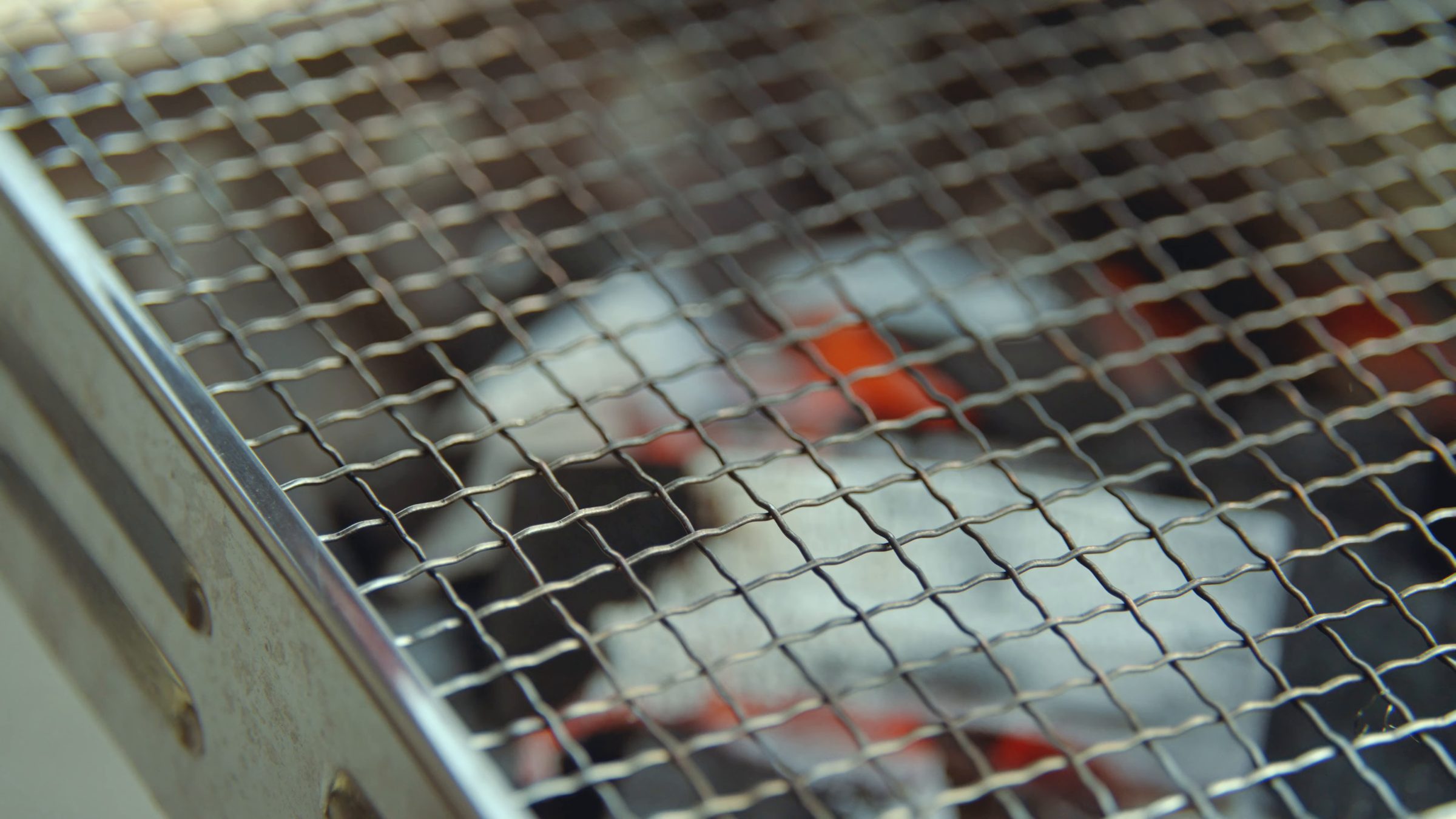
11TRAVEL JOURNAL
The bay at dusk
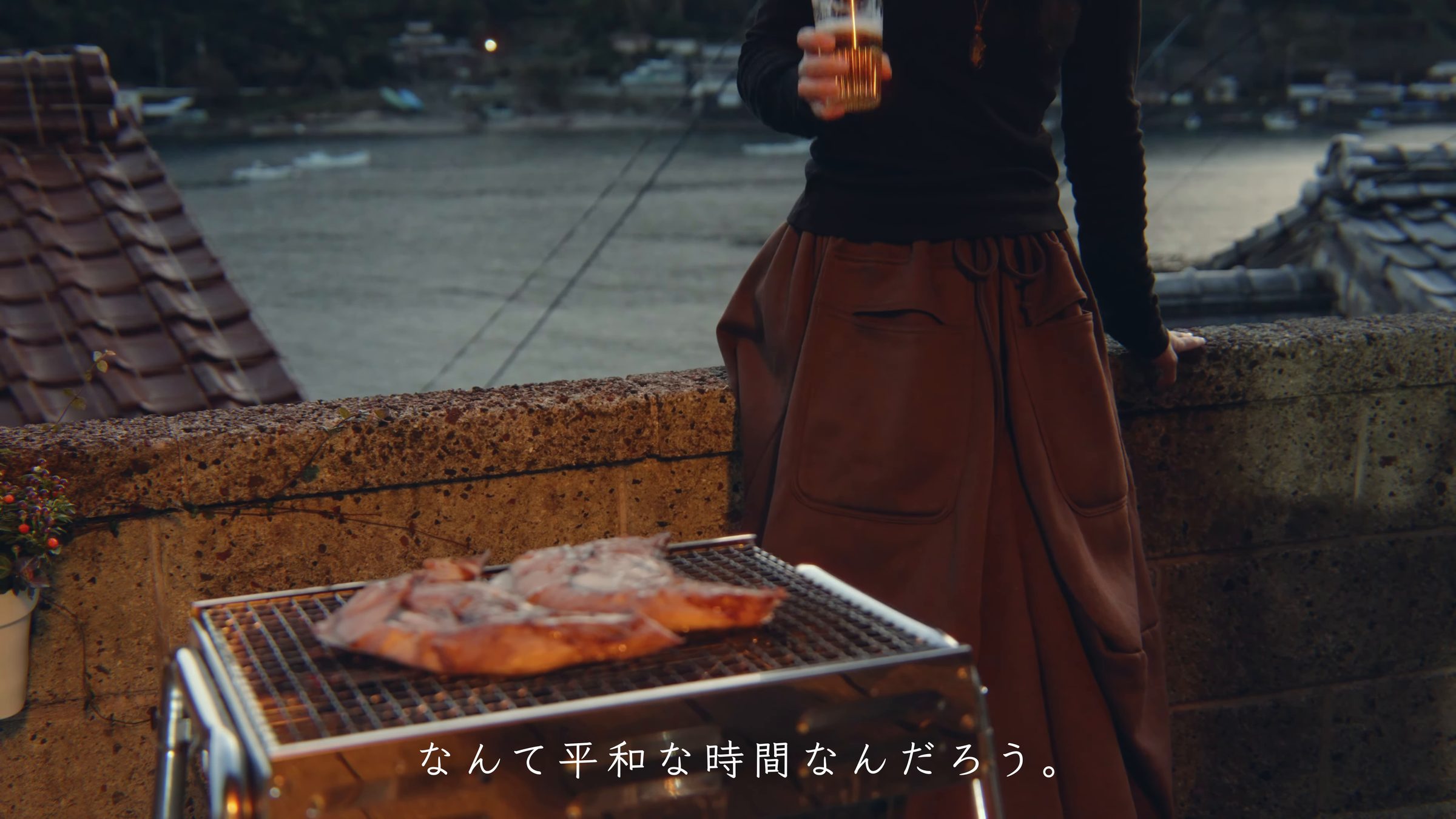
On the grill, the skin of the collar tightened and the fat dripped onto the coals with a fragrant sizzle. Beyond the sink, the bay sank into deep blue, and lights came on in the houses across the water.
I ate the collar hot off the grill, looking out over the darkened bay. What a peaceful way to spend an evening.
Watch this scene on YouTube5:20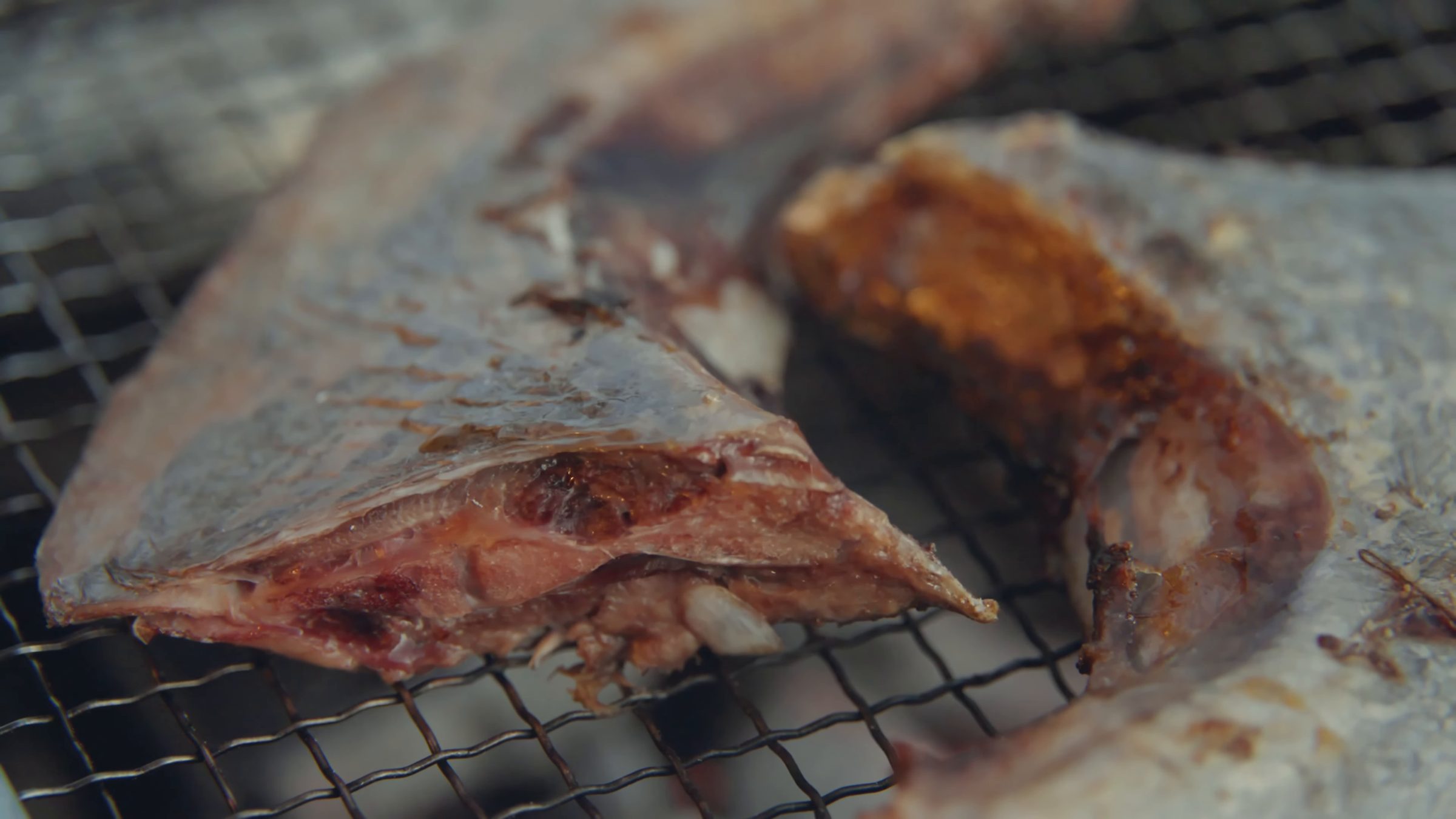
THE JOURNEY IN FILM
The wind. The sounds of a kitchen.
Spend a little more time inside the journey, on film.
Watch the video6 minTHE BORROWER’S NOTES
The Borrower's Notes: Nachikatsuura, Wakayama
Places we stopped, dishes we made, and stories of the land. A few things to keep from the journey.
01Where I ate and shopped
Ichiba Gohan Shige
7-12 Tsukiji, Nachikatsuura, Higashimuro District, Wakayama (inside Katsuura Fishing Port Nigiwai Market)
A rice-bowl stand in the food court of Katsuura Fishing Port Nigiwai Market, ordered through a ticket machine. The owner bids for the fish at the morning auction. I had the "tuna wholesaler's staff-meal bowl": fresh tuna under shredded nori and green onions, finished with an egg yolk. There are seats looking out over the harbor.
Sources: tabelog.com retty.me
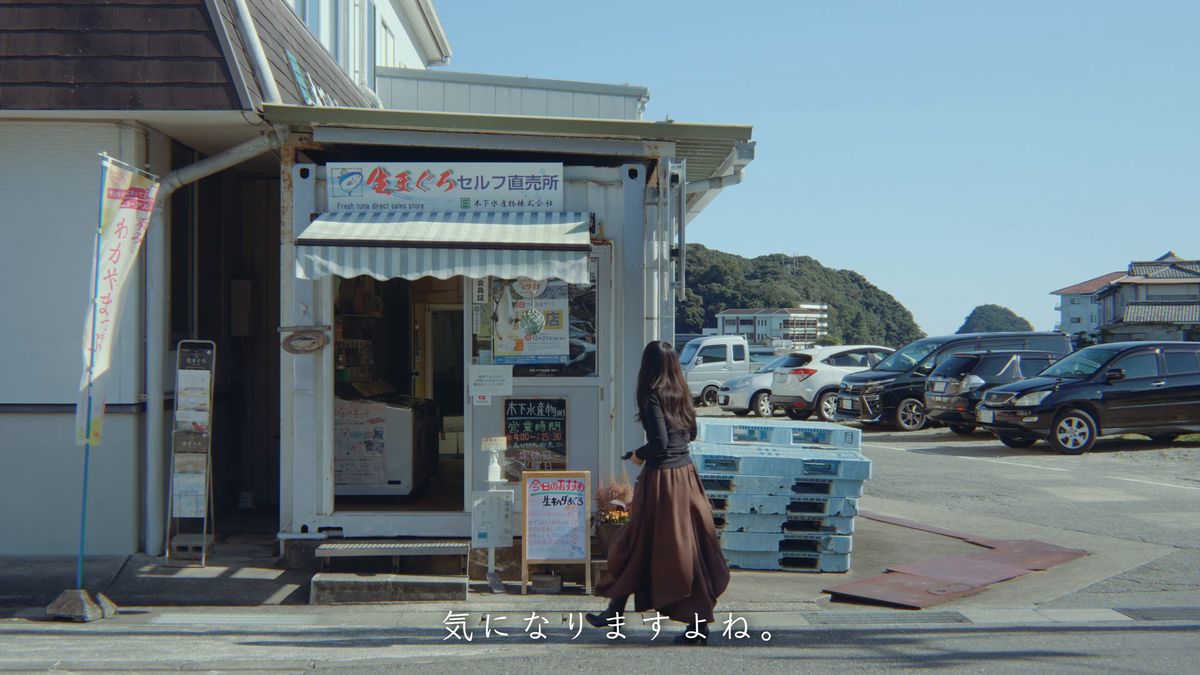
Kinoshita Suisanbutsu Fresh Tuna Self-Service Shop
8-6-5 Tsukiji, Nachikatsuura, Higashimuro District, Wakayama
A self-service shop run by a fresh-tuna wholesaler. Packs of fresh tuna sashimi are laid out on a blue counter, with the day's special written on a board on the wall. You pay by putting the money in the box at the front. I bought a tuna collar and a pack of sashimi.
Sources: yukoyuko.net
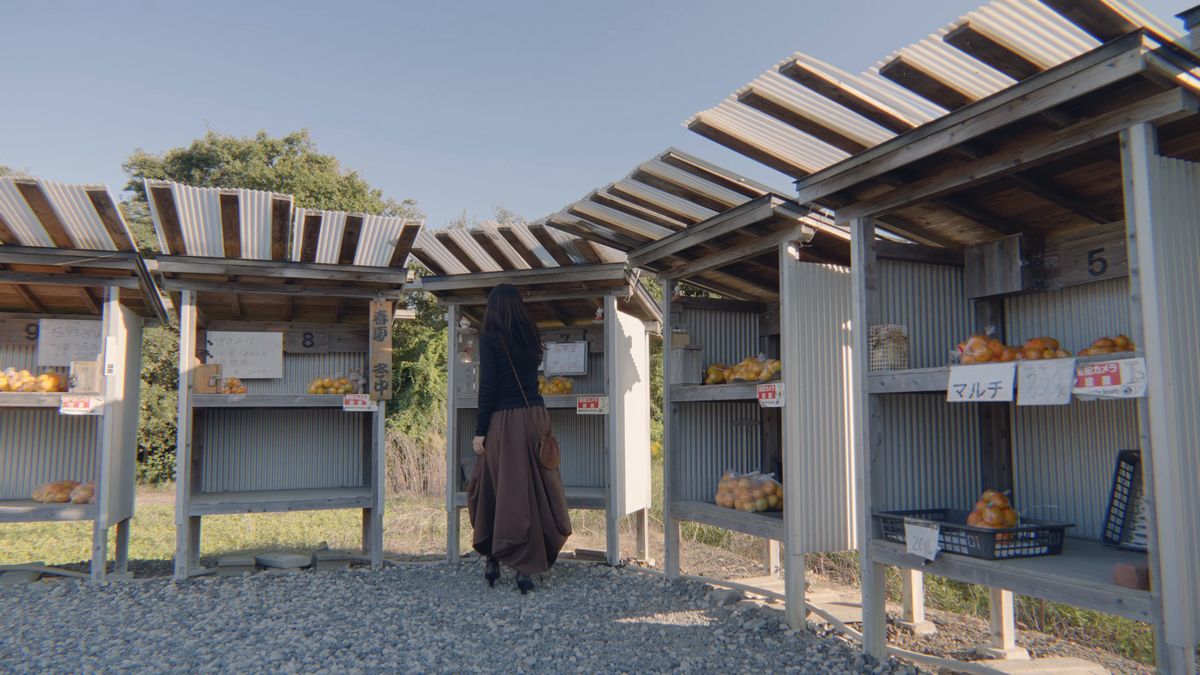
Fruit Market Ichigi
An unstaffed roadside farm stand. Bags of mandarins sit on covered shelves, with the variety and price chalked on a board. Growers from Mihama and Kumano in Mie, a region known for its citrus, each bring their own fruit. I bought extra-early mandarins, the first of the autumn.
Sources: pref.mie.lg.jp
02What I cooked
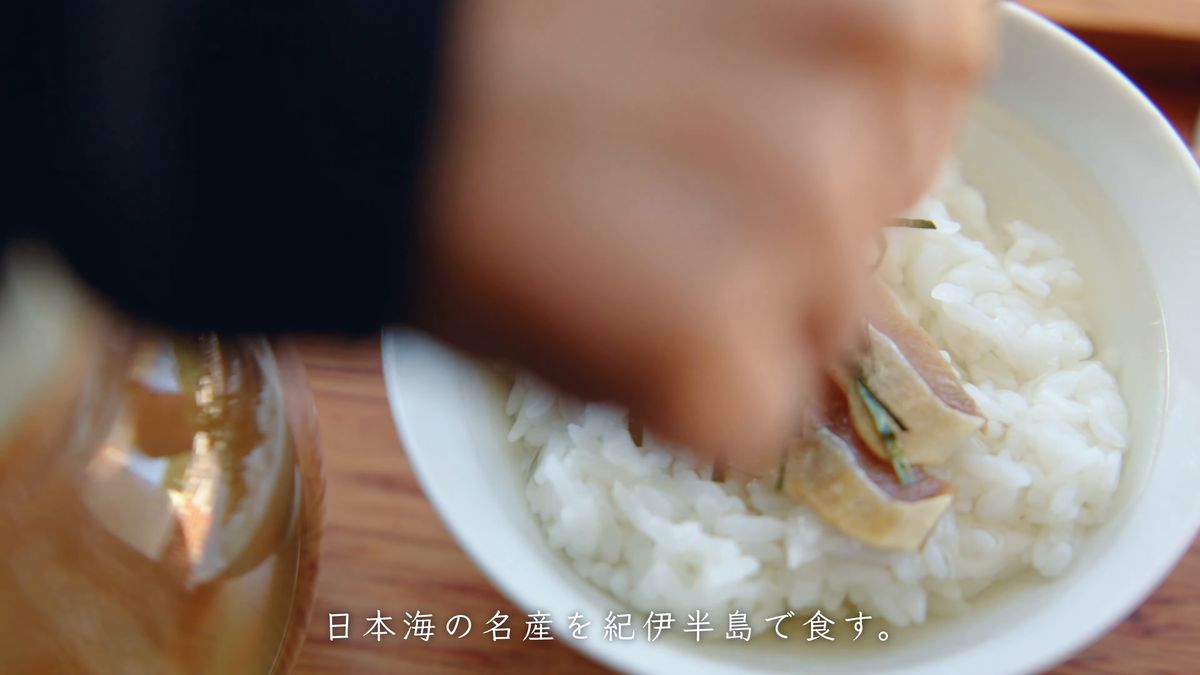
Ochazuke with saba heshiko
Heshiko is a traditional preserved food of the Wakasa region of Fukui: gutted mackerel is salted, then packed in rice bran and left to cure for months. It was a precious source of protein for getting through the winter, and is said to date back to the mid-Edo period. The bran is scraped off and the fish sliced and lightly grilled, or eaten in ochazuke, as a side with sake, or inside rice balls. This time, heshiko bought in Ine, Kyoto, became ochazuke in a fishing village on the Kii Peninsula.
IngredientsCooked rice, Saba heshiko (mackerel pickled in rice bran), Hot tea
- Unwrap the heshiko and slice it thin
- Lay the slices over the rice
- Pour hot tea from the pot over the bowl
Sources: maff.go.jp
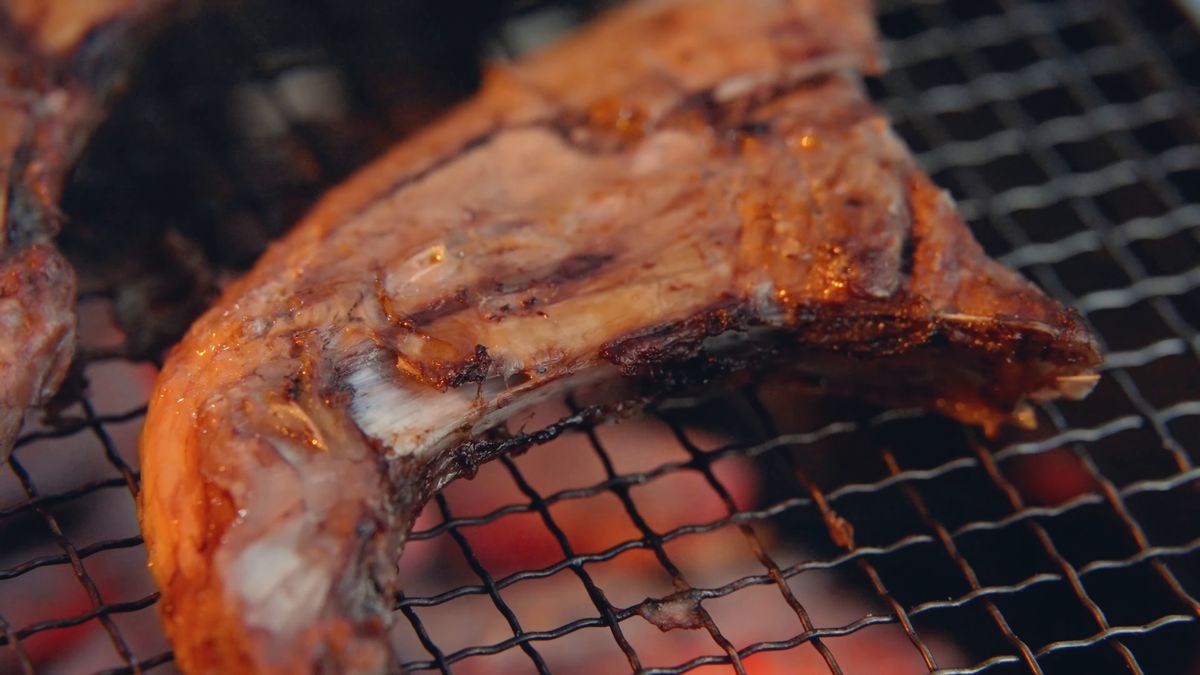
Charcoal-grilled tuna collar
Nachikatsuura is a fishing town that boasts Japan's largest landings of fresh tuna. The people of Katsuura port are committed to longline fishing, and the port has admitted only longline boats since the 1970s. I bought the collar of a line-caught, never-frozen tuna at a self-service shop near the harbor and grilled it over charcoal on the terrace of the house on the hill.
IngredientsFresh tuna collar, Charcoal
- Light charcoal in a shichirin grill
- Lay the collar on the wire mesh and grill it slowly
- It is ready when the skin has tightened and browned
Sources: pref.wakayama.lg.jp
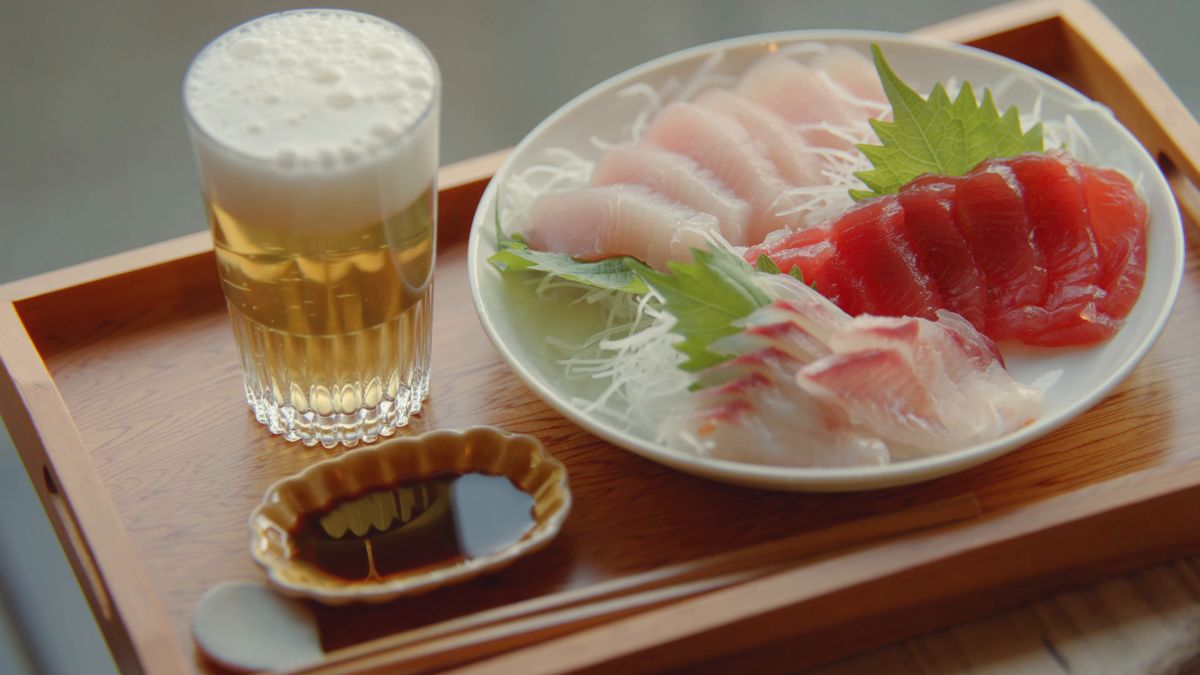
Fresh tuna sashimi
Katsuura's fresh tuna, never frozen, has a soft, chewy texture. After the tuna bowl at lunch, this was my second fresh tuna of the day, eaten with a beer while the collar grilled over the coals.
IngredientsFresh tuna (lean red meat and fatty cuts), Shiso leaf, Shredded daikon, Soy sauce
- Arrange the sashimi on a plate with shredded daikon and shiso
- Eat with soy sauce
03About the area
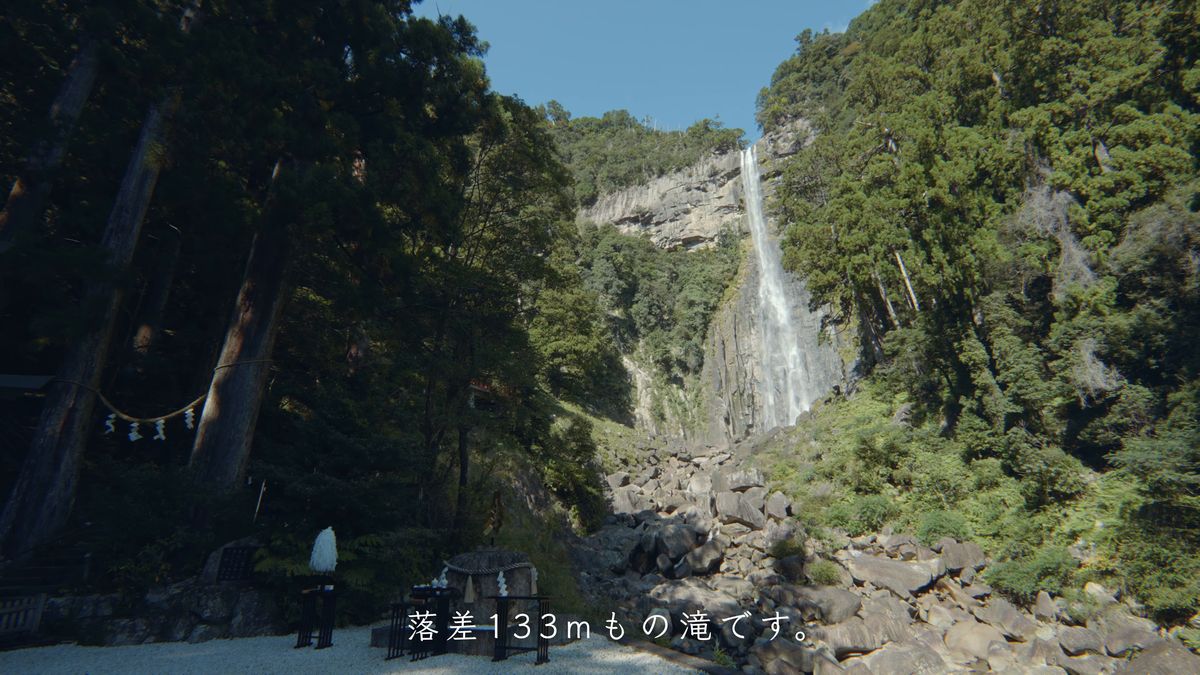
Nachi Falls (Hiro Shrine)
One of Japan's three great waterfalls: 13 meters wide at the lip, with a 10-meter-deep basin, it drops 133 meters in a single fall. The waterfall itself is the sacred body of Hiro Shrine, an auxiliary shrine of Kumano Nachi Taisha, and tradition holds that worship here began when Emperor Jimmu revered the falls as a deity. Near the viewing platform, the "water of long life" can be drunk from a small ceremonial cup. The falls were designated a national Place of Scenic Beauty in 1972 and became part of the World Heritage site "Sacred Sites and Pilgrimage Routes in the Kii Mountain Range" in 2004.
Sources: pref.wakayama.lg.jp ja.wikipedia.org
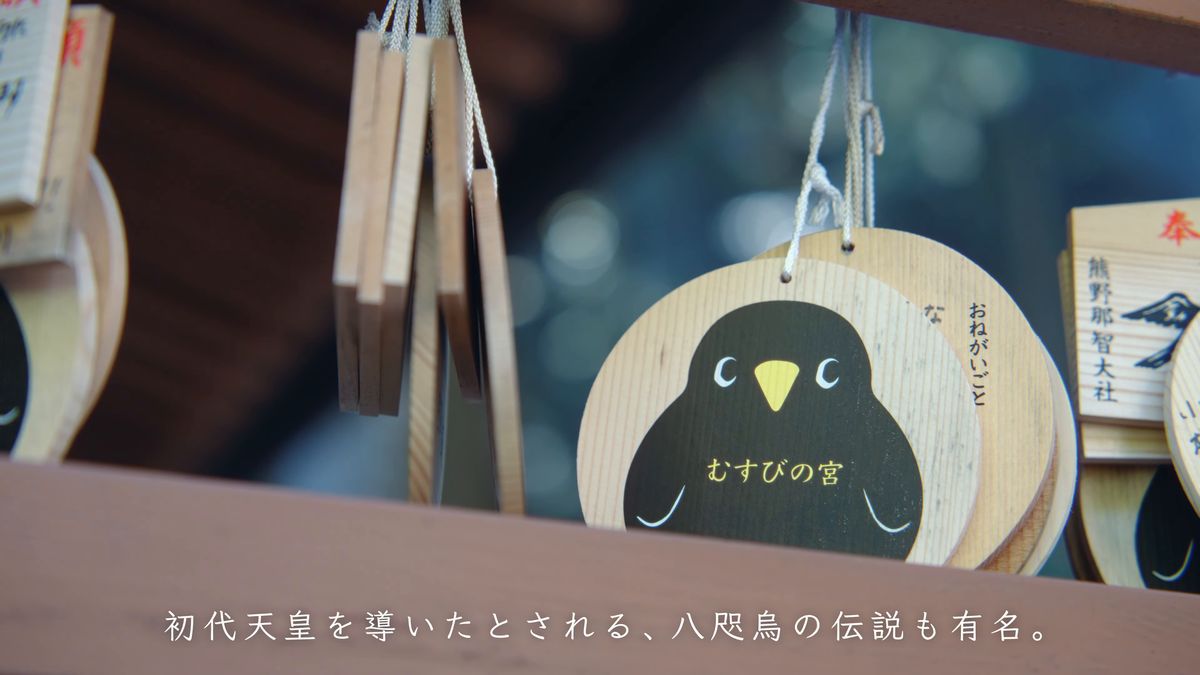
Kumano Nachi Taisha and the Yatagarasu
One of the three grand shrines of Kumano, born of the worship of Nachi Falls, with a history of about 1,700 years. Legend says the Yatagarasu, the great three-legged crow that guided Emperor Jimmu to Nara, alighted here, and the bird appears on the shrine's votive plaques. Every July, during the Nachi Fire Festival, the deities are carried in portable shrines back to the falls for a "homecoming."
Sources: mlit.go.jp
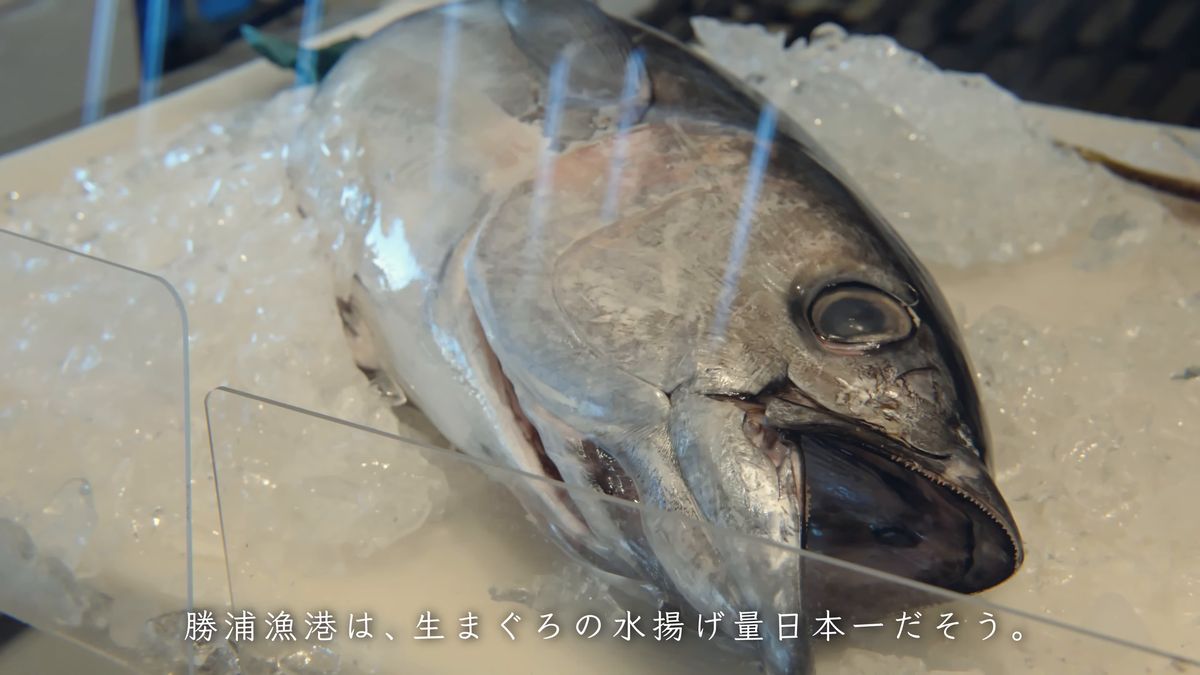
Katsuura's fresh tuna
With the Kuroshio current flowing offshore and a deeply indented coastline, Nachikatsuura is a fishing town with Japan's largest landings of fresh tuna. The people of Katsuura port are committed to longline fishing, and since the 1970s only longline boats have been admitted. The tuna is caught one fish at a time and shipped without freezing, which is why it is sold here as "fresh tuna." Many places in town serve tuna bowls, and there are even unstaffed tuna shops around the harbor.
Sources: pref.wakayama.lg.jp
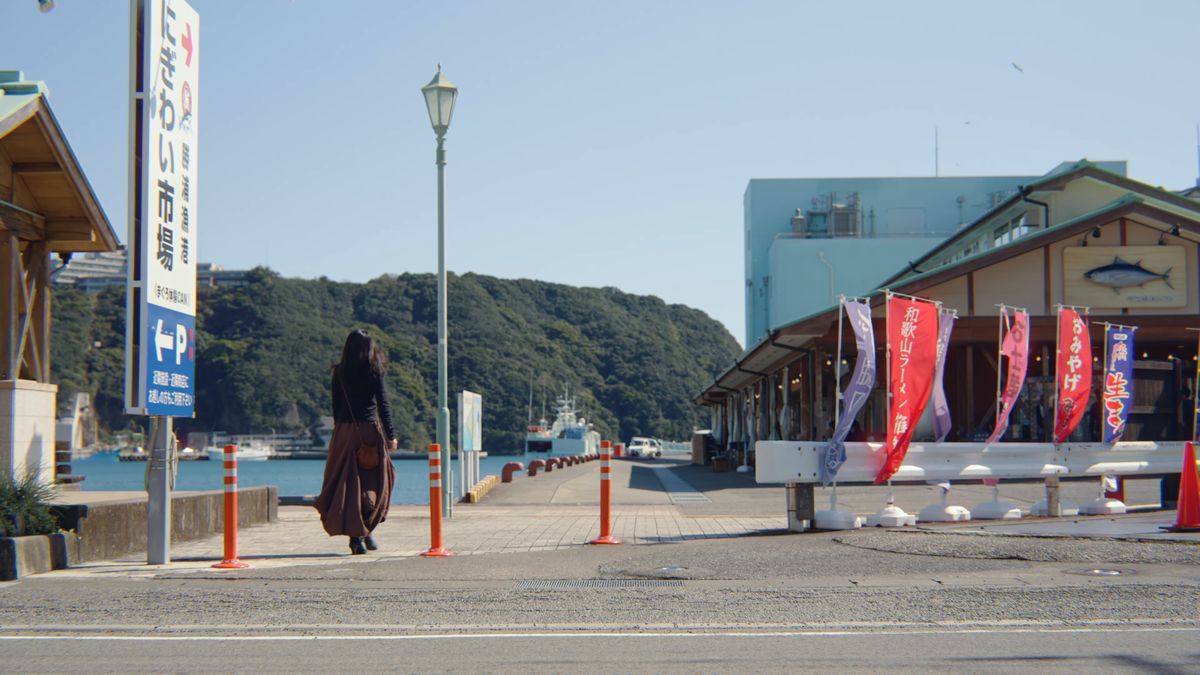
Katsuura Fishing Port Nigiwai Market and the Umi no Yu footbath
7-12 Tsukiji, Nachikatsuura, Higashimuro District, Wakayama
A market beside Katsuura Fishing Port, with a direct-sales area for fresh tuna, dried local fish and vegetables, and a food court of tuna dishes, sushi and set meals. A tuna-cutting demonstration is held every day. Right next door is Umi no Yu, a free footbath with a view of the sea.
Sources: pref.wakayama.lg.jp rurubu.jp
Saba heshiko
A preserved food of the Wakasa region of Fukui: mackerel is salted and then cured in rice bran for about half a year, giving it a strong, salty, almost smoky flavor. Seafood from Wakasa was carried to the old capital, mostly salted mackerel, along what later became known as the Saba Kaido, the "mackerel road." This heshiko came from Ine in Kyoto, which I had visited on my previous trip.
Sources: maff.go.jp
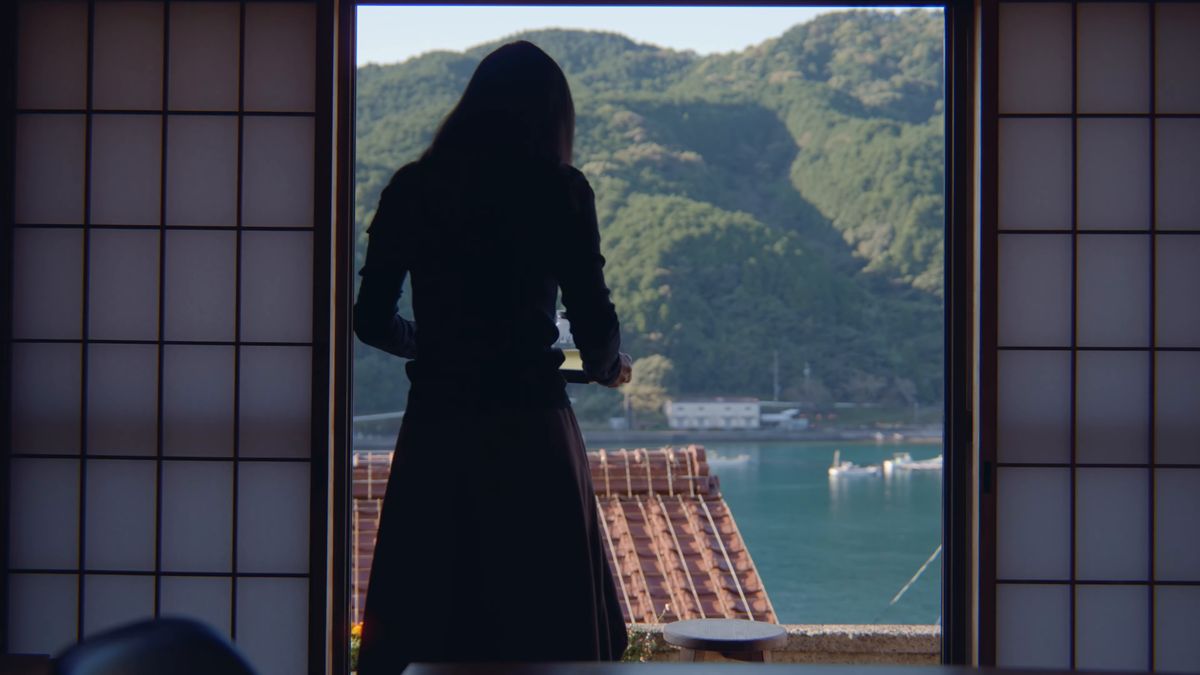
An old house on the hill above the bay
This time I borrowed an old house on a small hill in a fishing village at the head of a ria-coast bay. Open the shoji and the window fills with the bay; from the terrace, with its charcoal grill, you look down over the village's tiled roofs to the sea.
PHOTO ALBUMPhoto album78Open all photographsClose the photo album
Select a photograph to explore the journey one frame at a time.