A TRAVEL ESSAY
Mitoyo, Kagawa
Island Life in the Seto Inland Sea, Part 1
A great camphor treeand a garden in the sky:island life in the Seto Inland Sea
From Awashima to Shishijima, with a homemade breakfast in hand.
Read the journey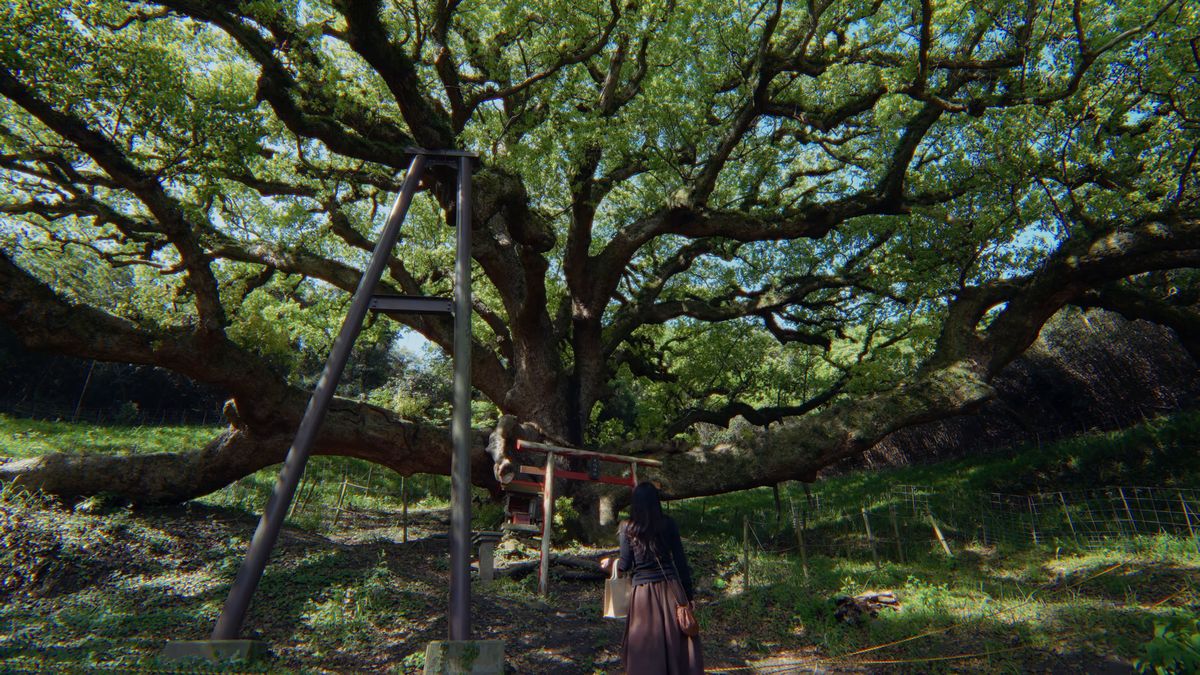
ABOUT THIS JOURNEY
I woke up on Awashima, a small island in the Seto Inland Sea off Kagawa. I made niku mosso, a local rice dish from Mitoyo, wrapped it in a cloth and took the little passenger boat to the neighboring island of Shishijima. There I looked up at a camphor tree said to be 1,200 years old, walked through the flower garden in the sky tended by the islanders, and ate my breakfast in a handmade lookout hut above the sea. A day warmed by the kindness of island people.
A little more about the food and the land01TRAVEL JOURNAL
Morning on Awashima
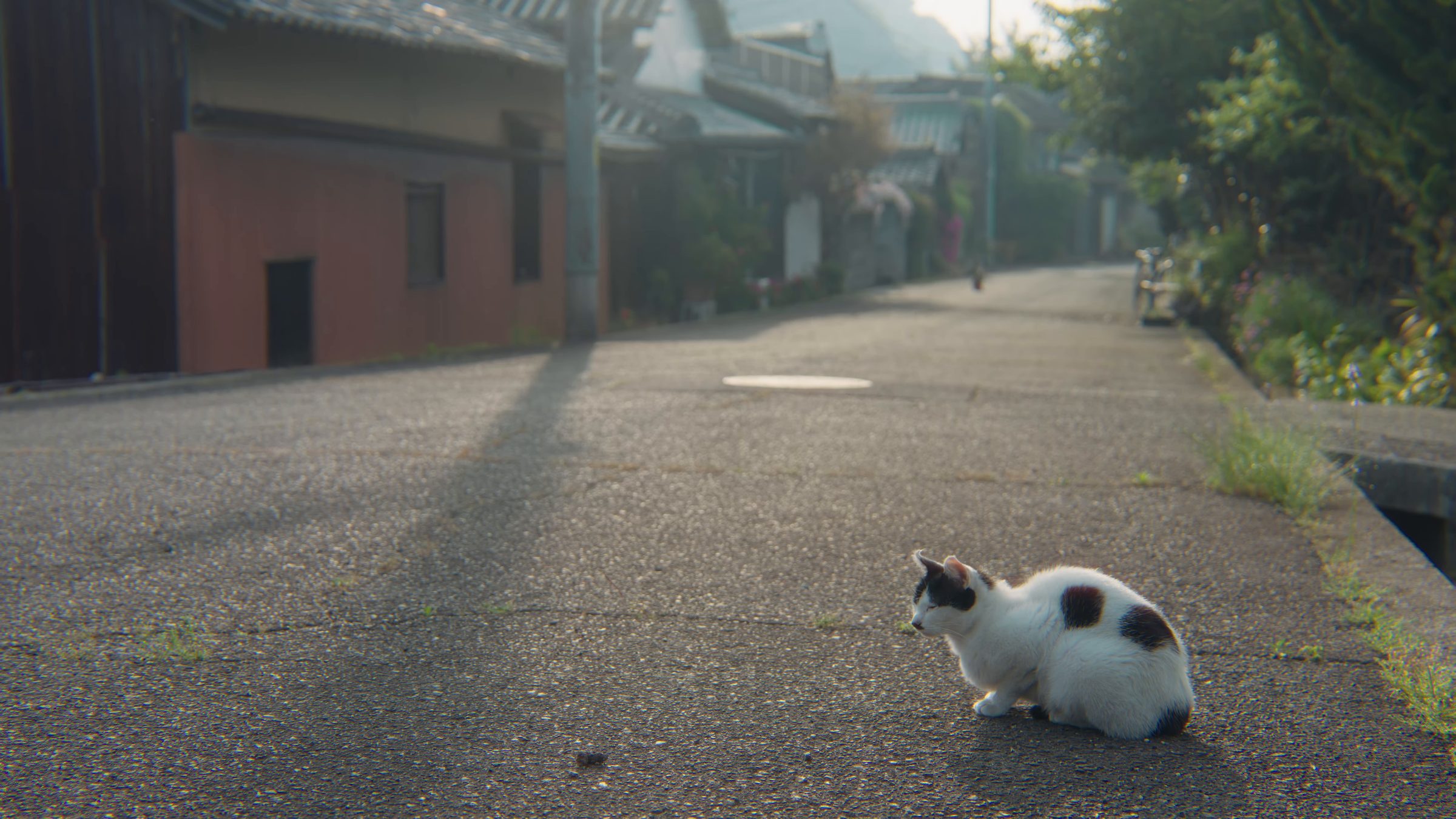
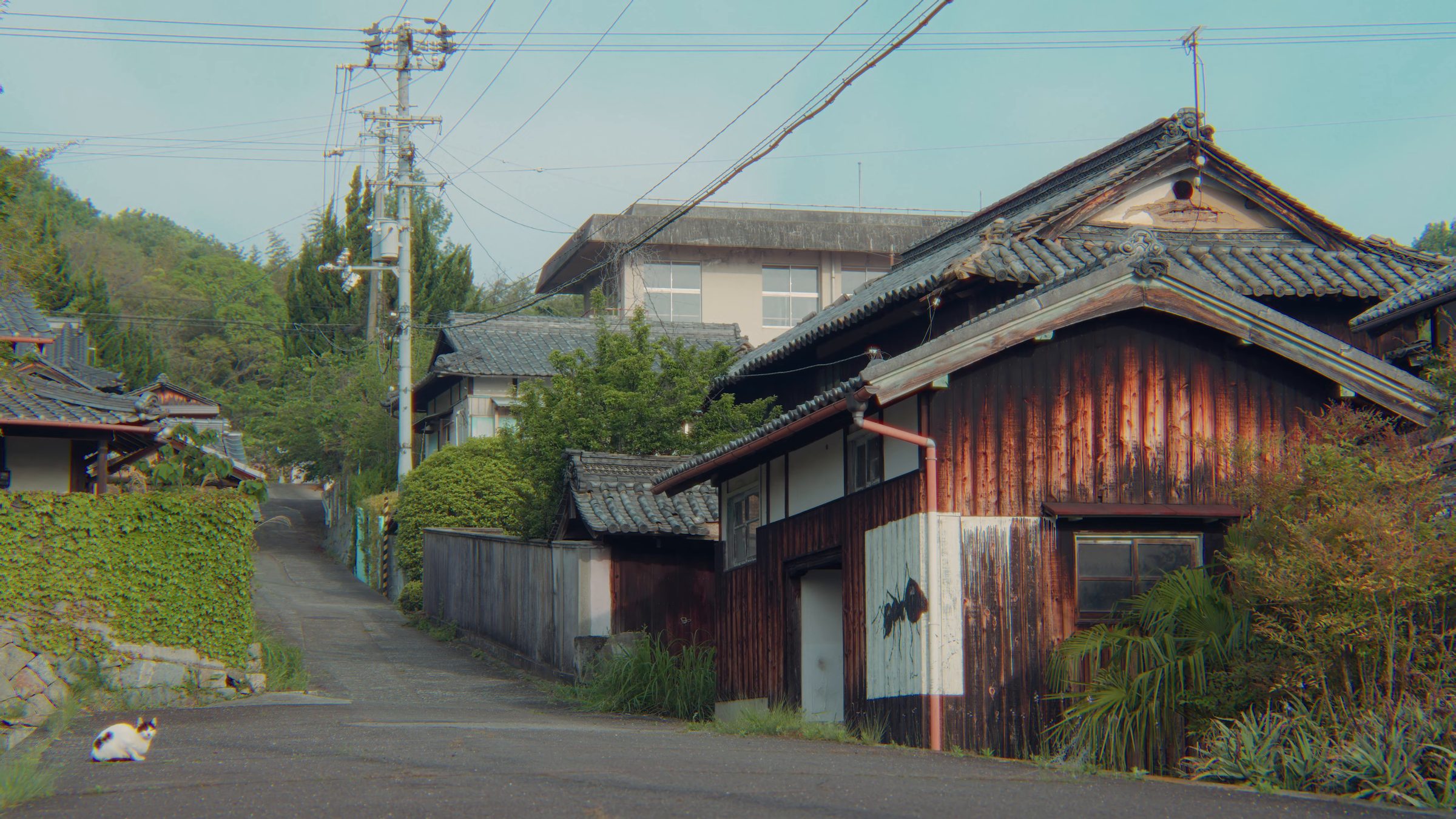
I woke up on Awashima, an island in the Seto Inland Sea off the coast of Mitoyo, Kagawa. The sun was rising over the hill behind the harbor, laying a straight path of light across the water. In the middle of the village road, a black-and-white cat sat watching.
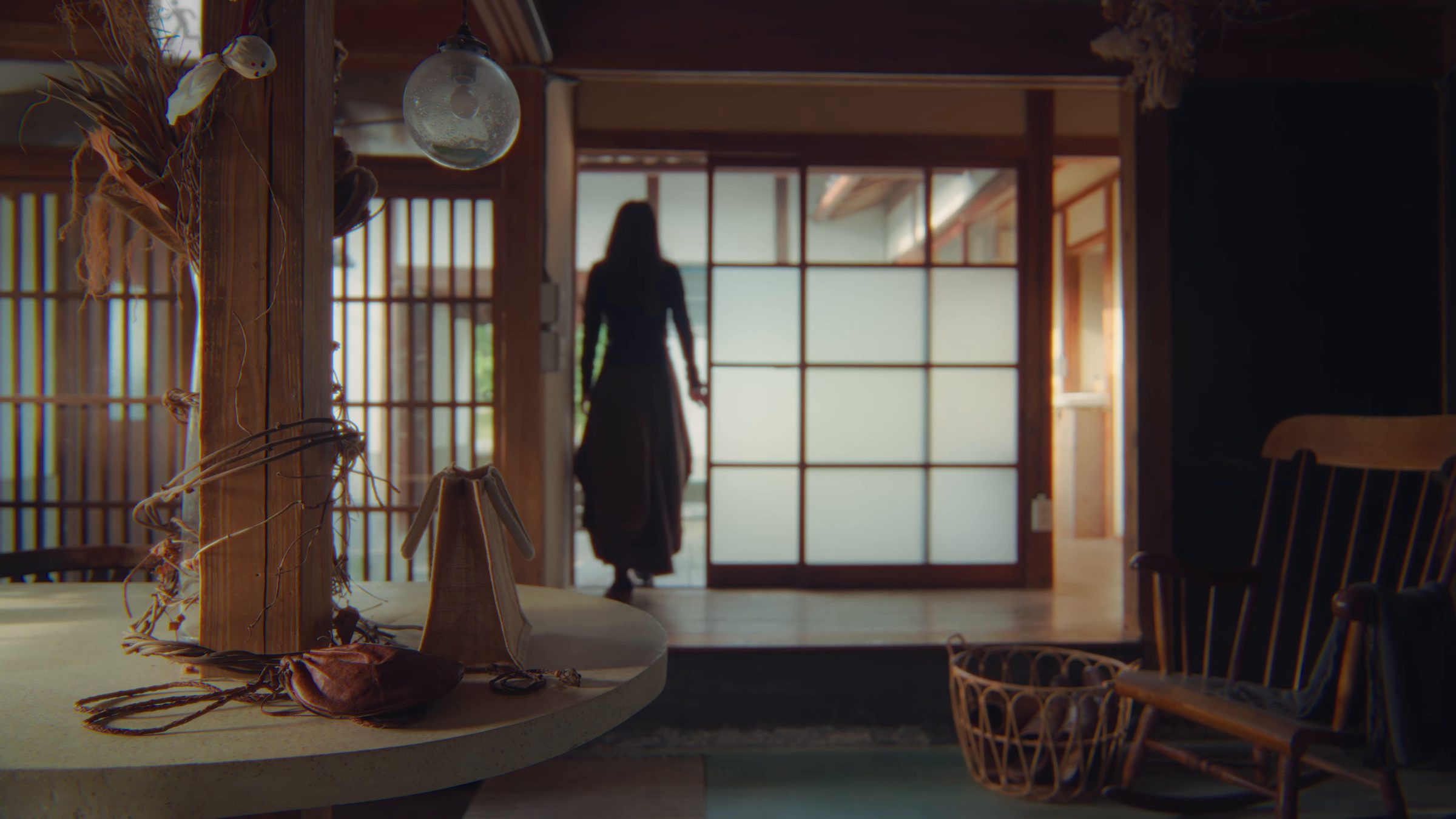
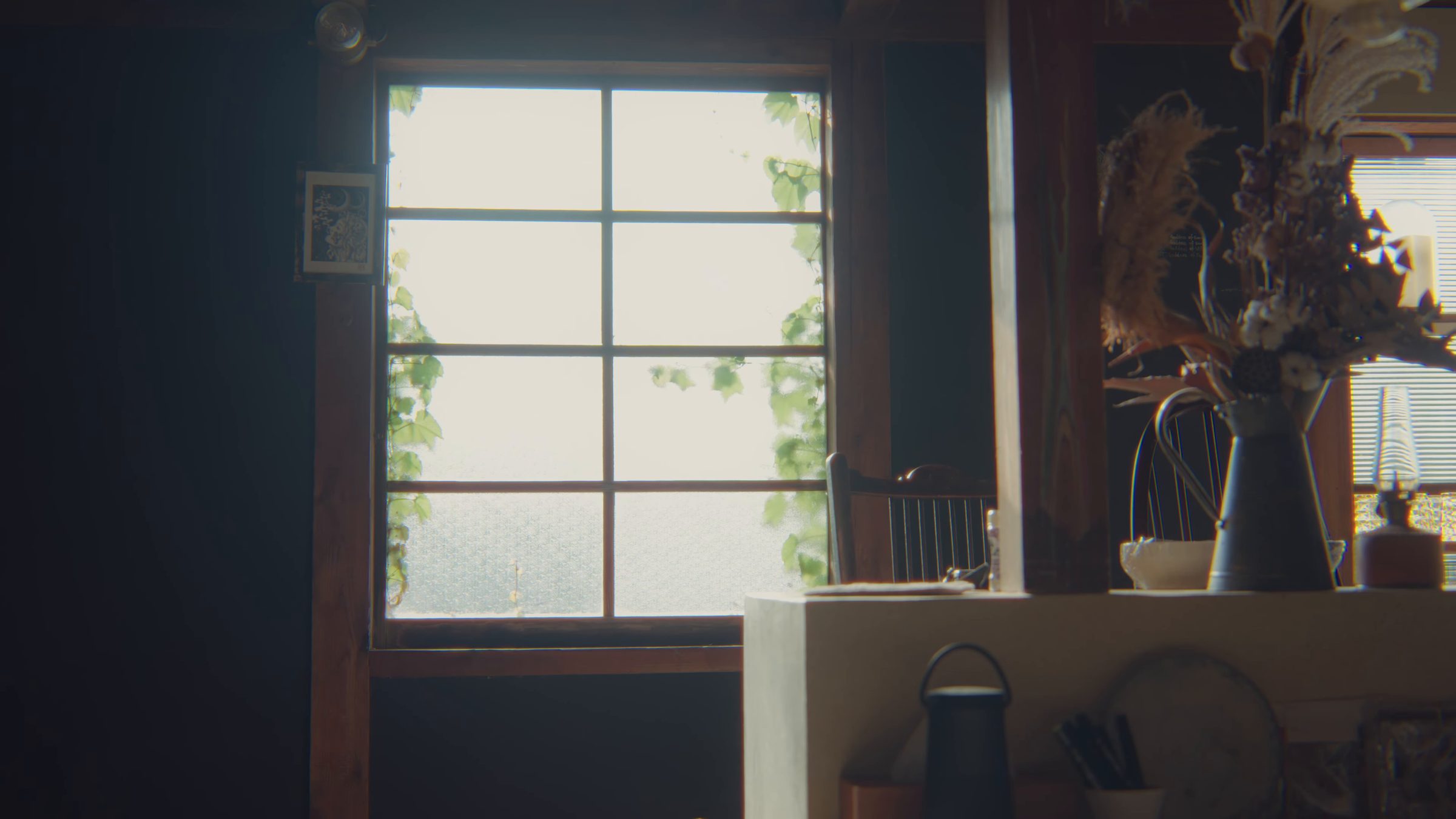
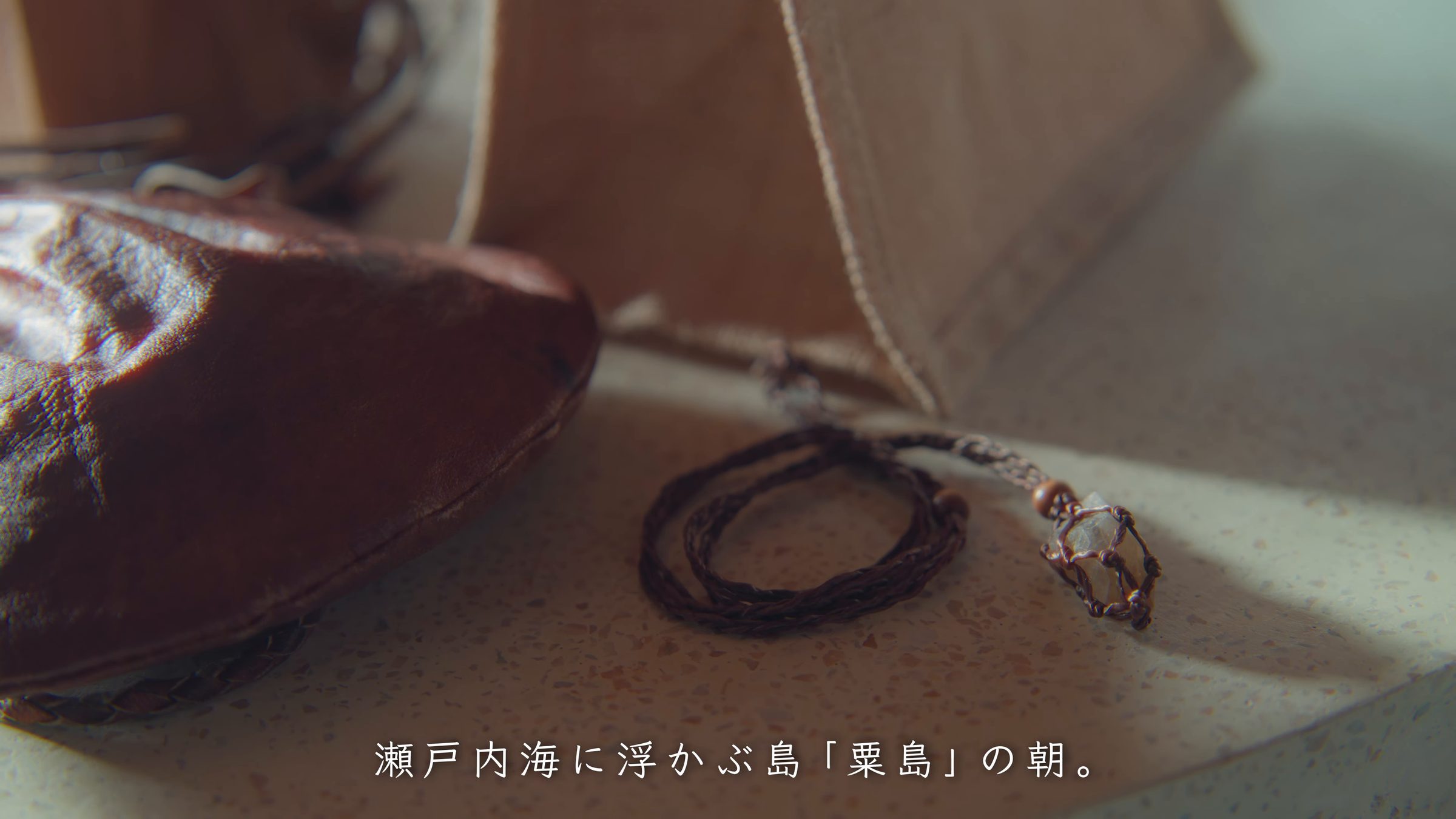
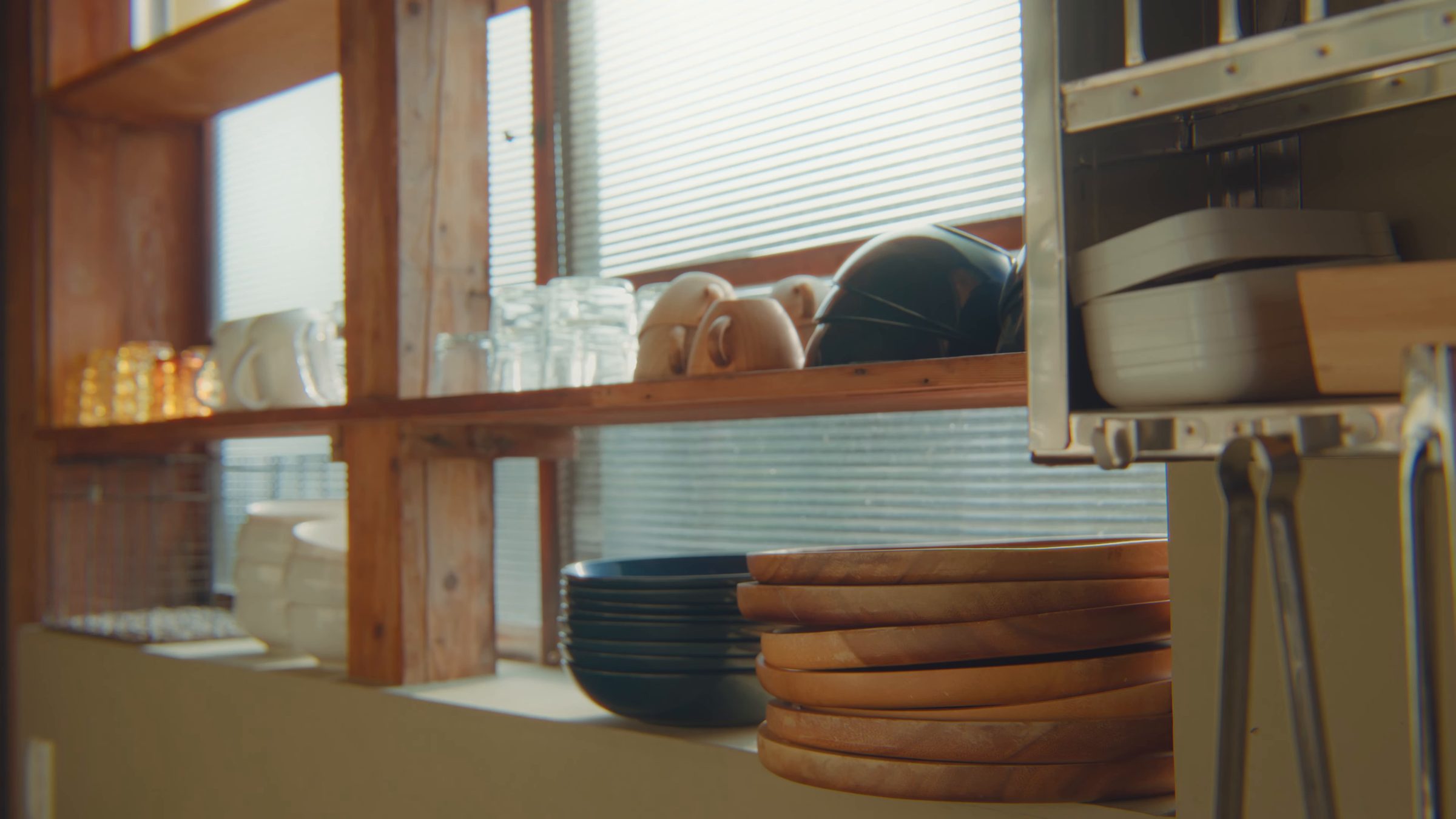
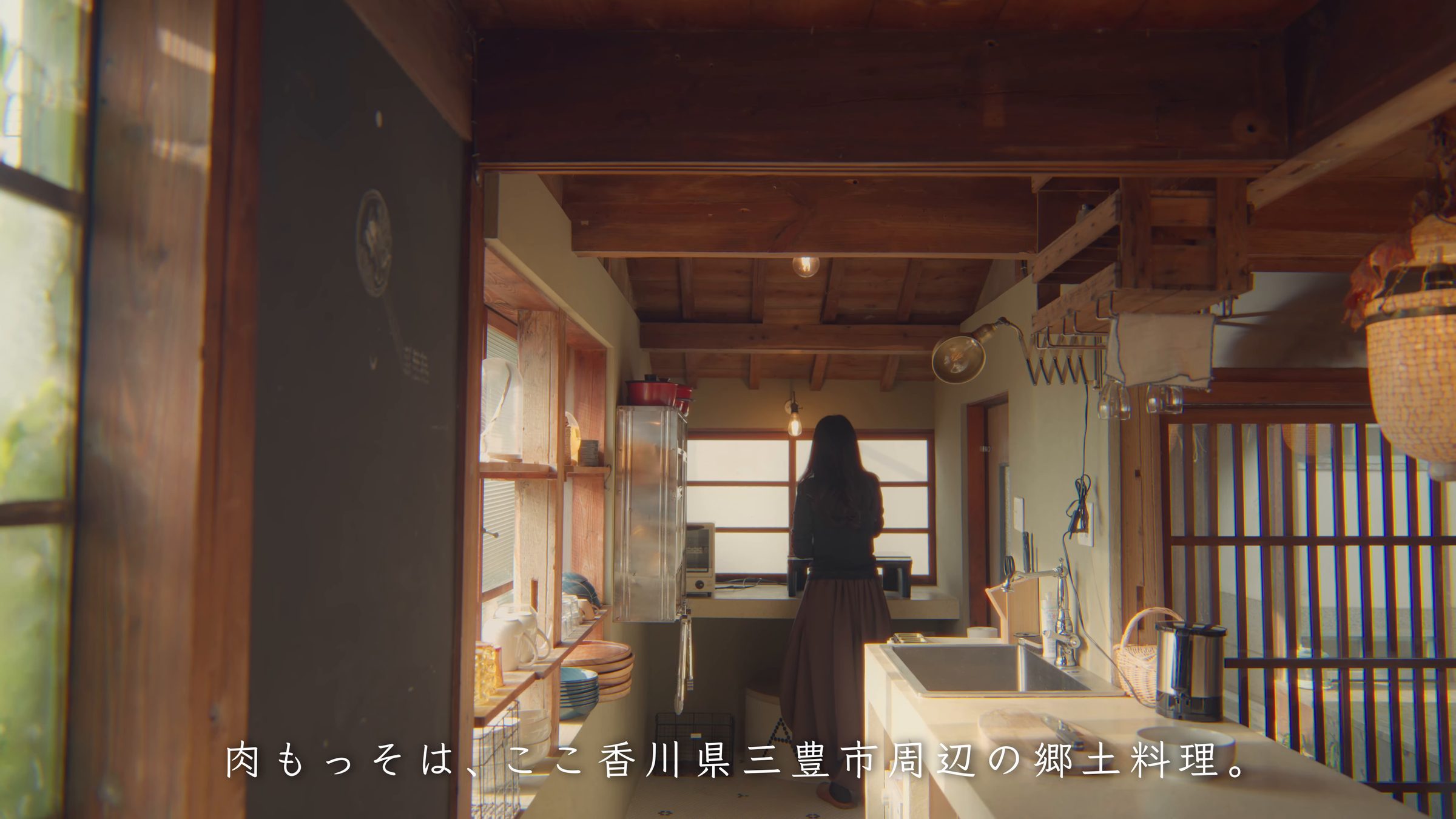
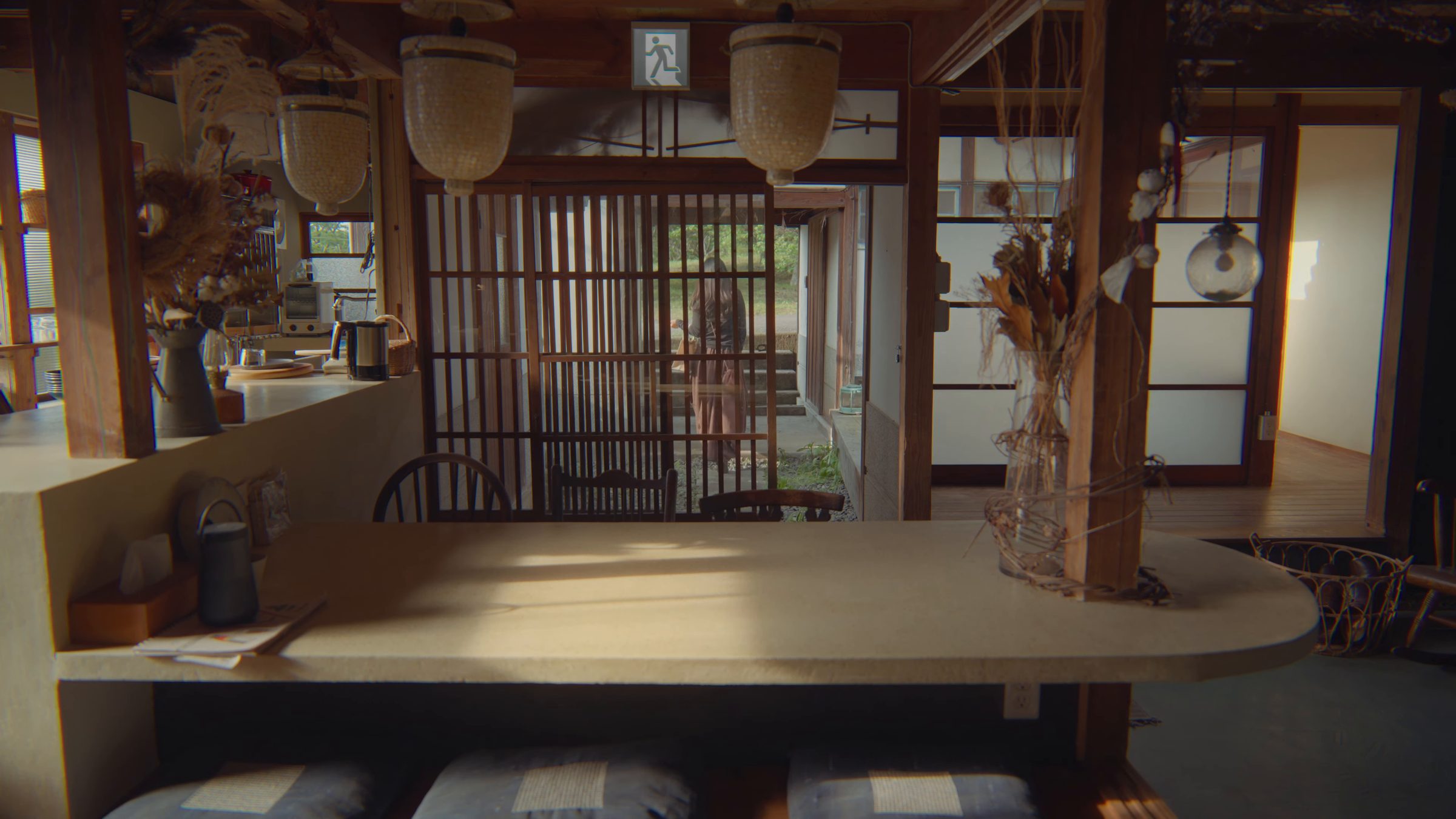
The house I was borrowing is an old home facing the village road. When I slid open the shoji, morning light came into the entrance; dried flowers hung by the latticed kitchen window, and glasses and wooden bowls lined the shelves. I set my leather shoes and a corded necklace aside and started on breakfast.
Watch this scene on YouTube0:21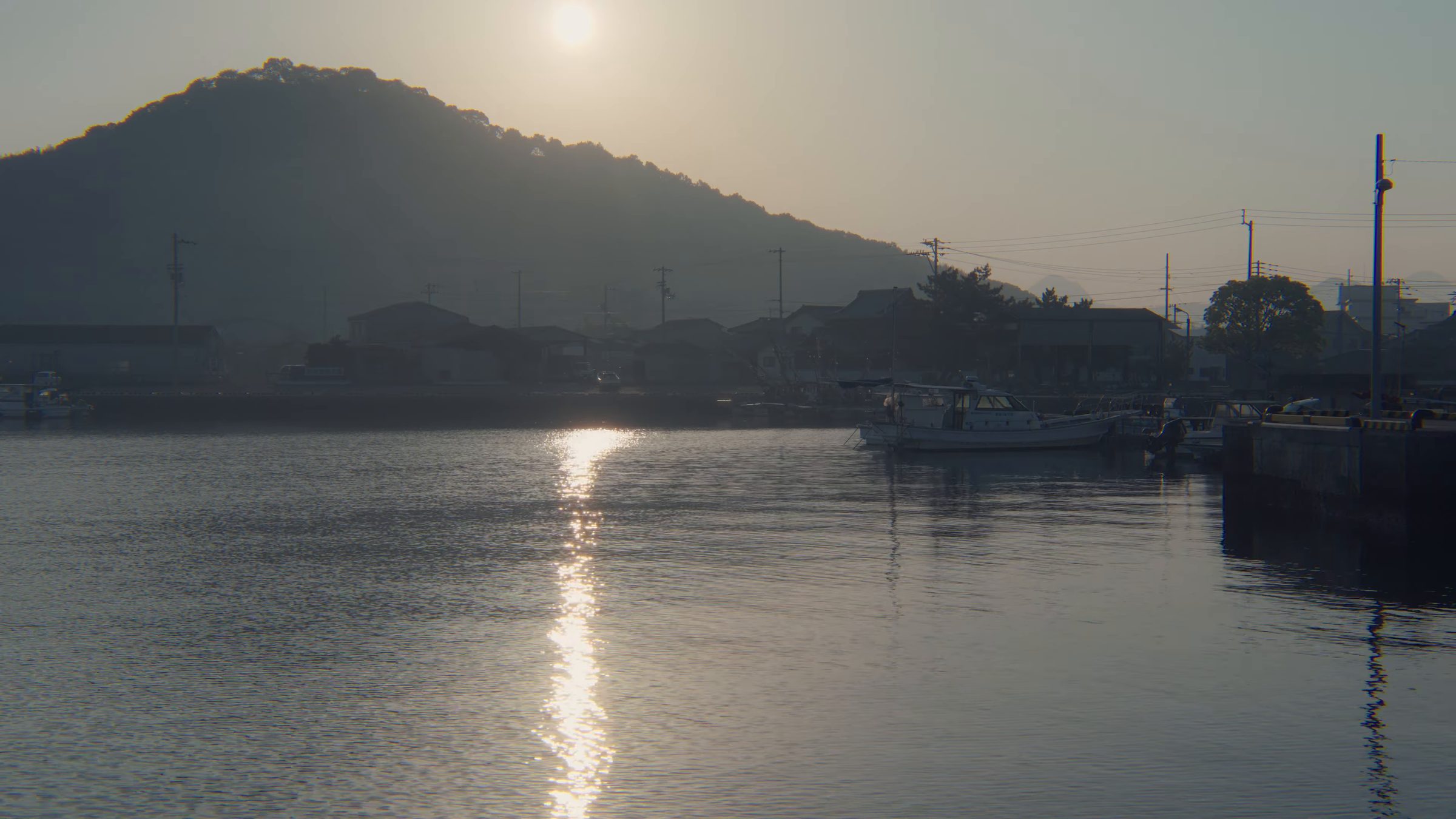
02TRAVEL JOURNAL
Niku mosso, a taste of Mitoyo
For breakfast, I decided to try making niku mosso, a local dish from around Mitoyo City here in Kagawa. I soaked dried shiitake in a glass bowl, chopped carrots finely, and set out some green beans on a plate.
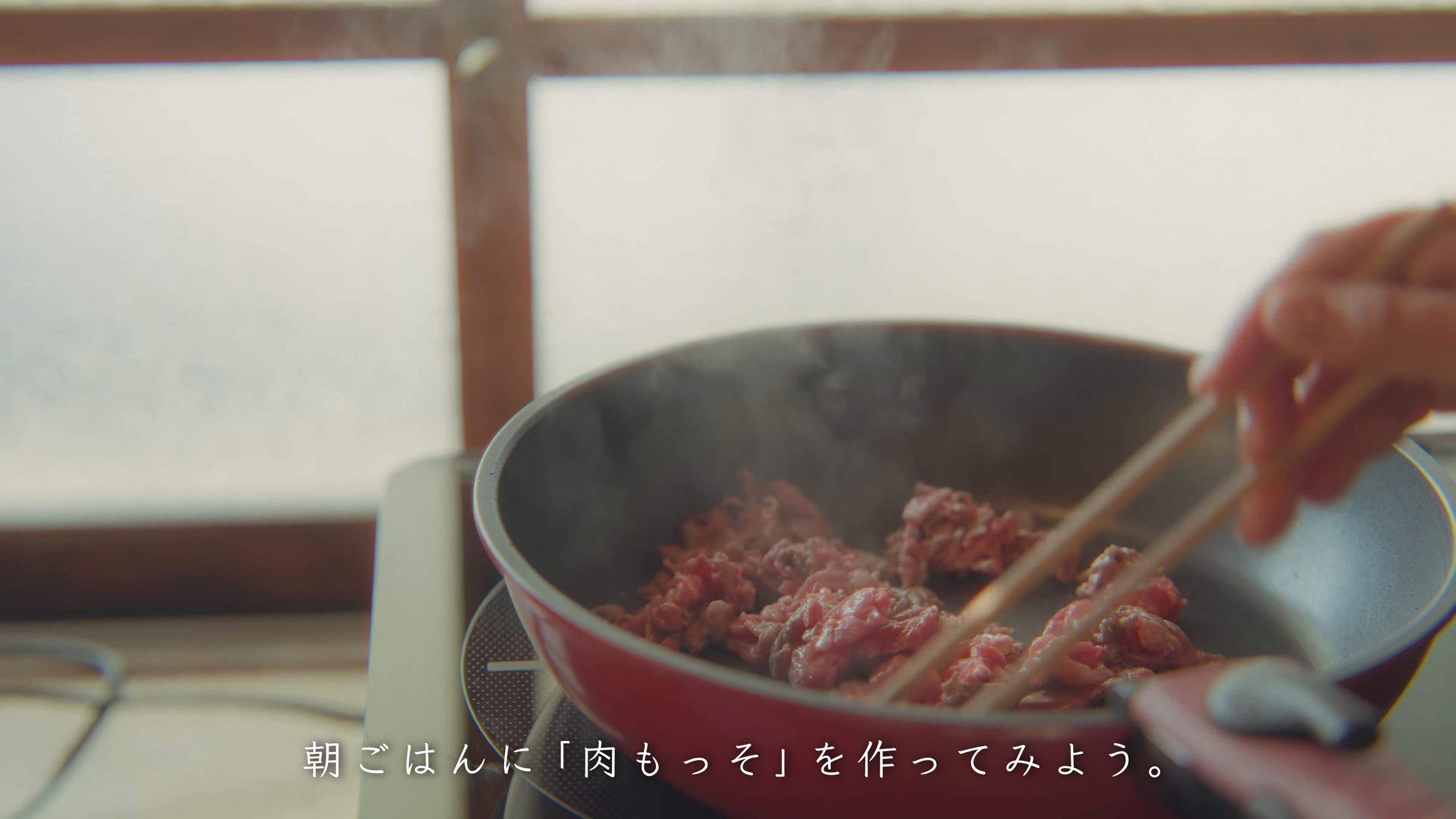
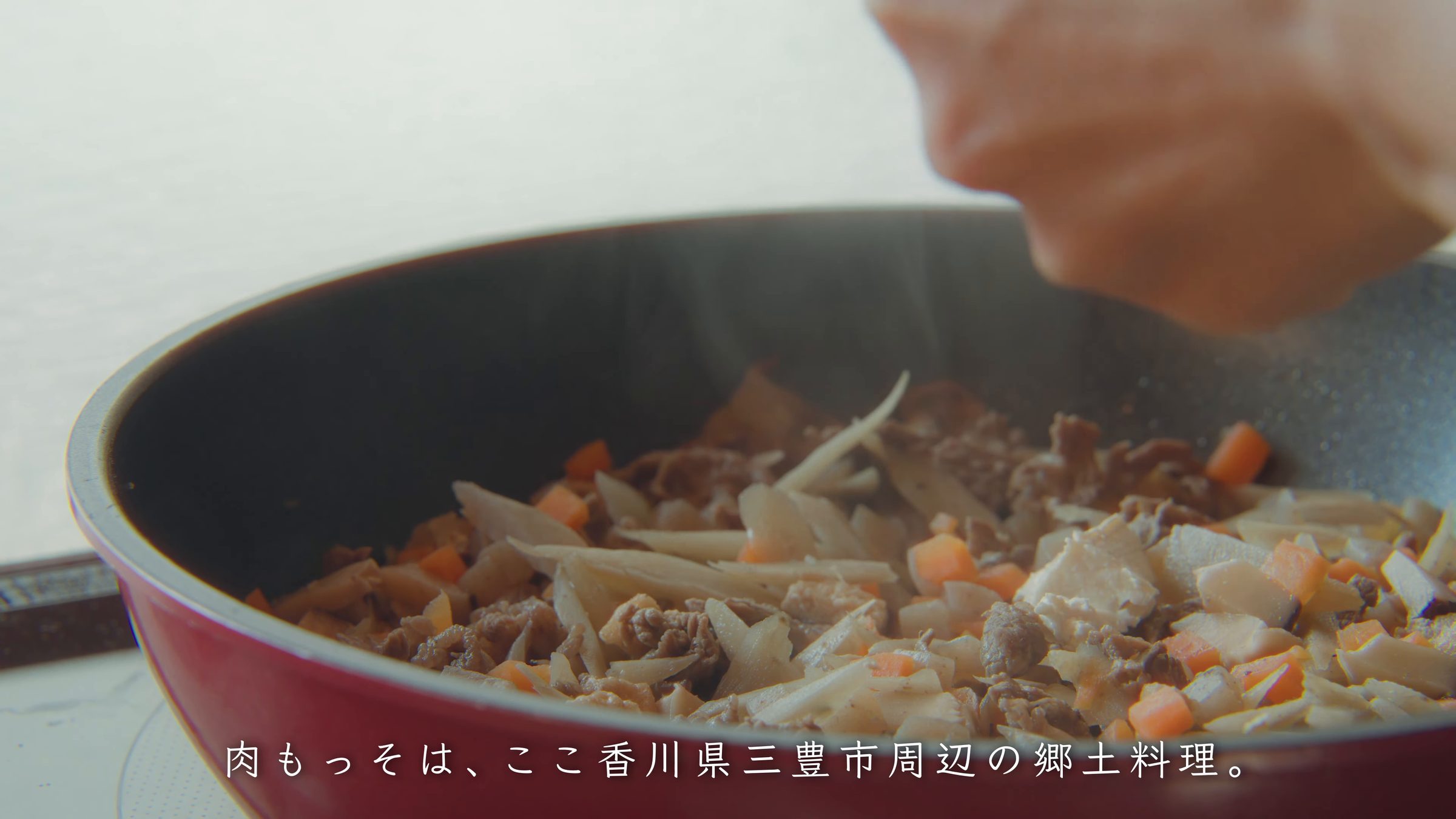
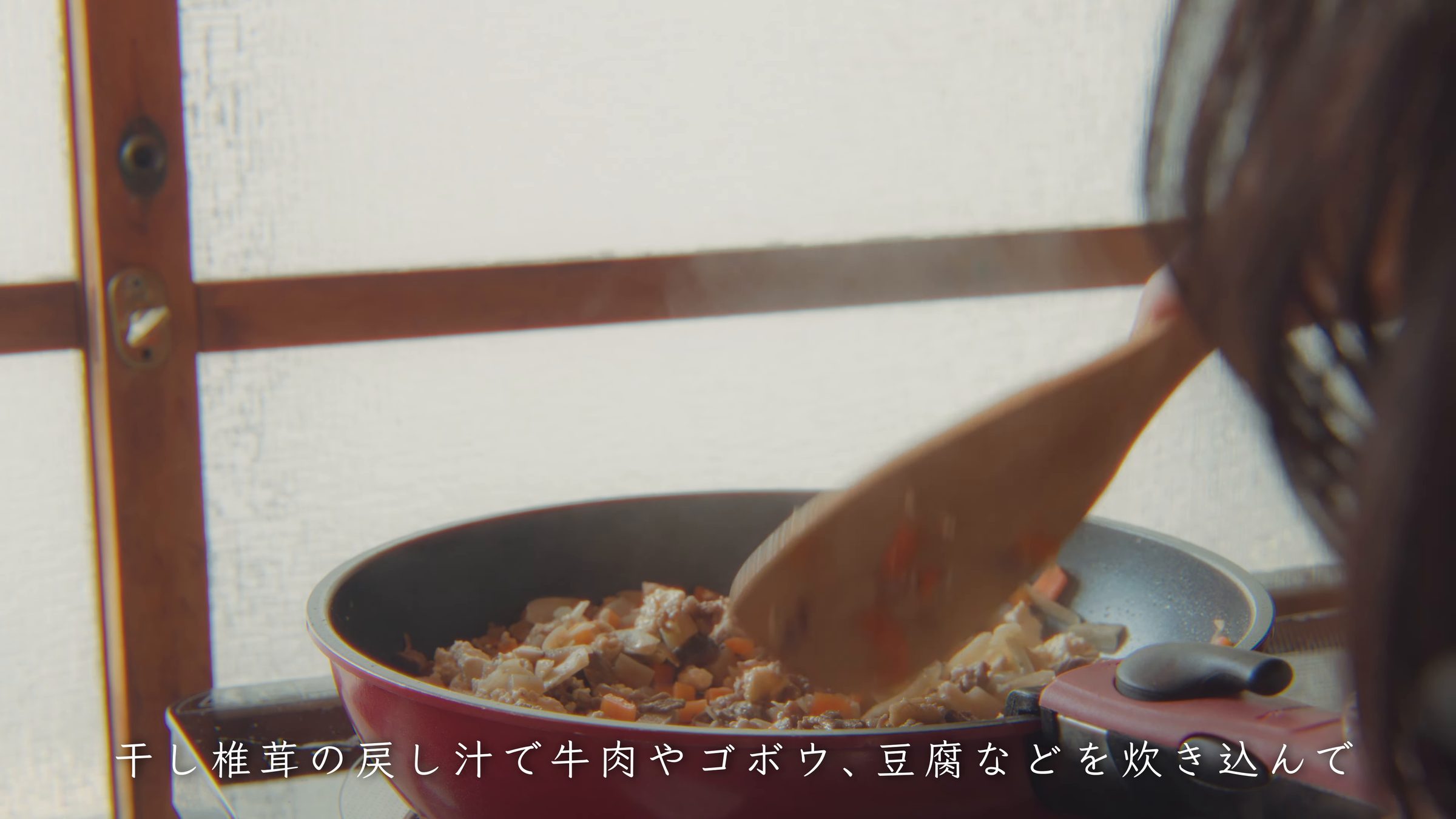
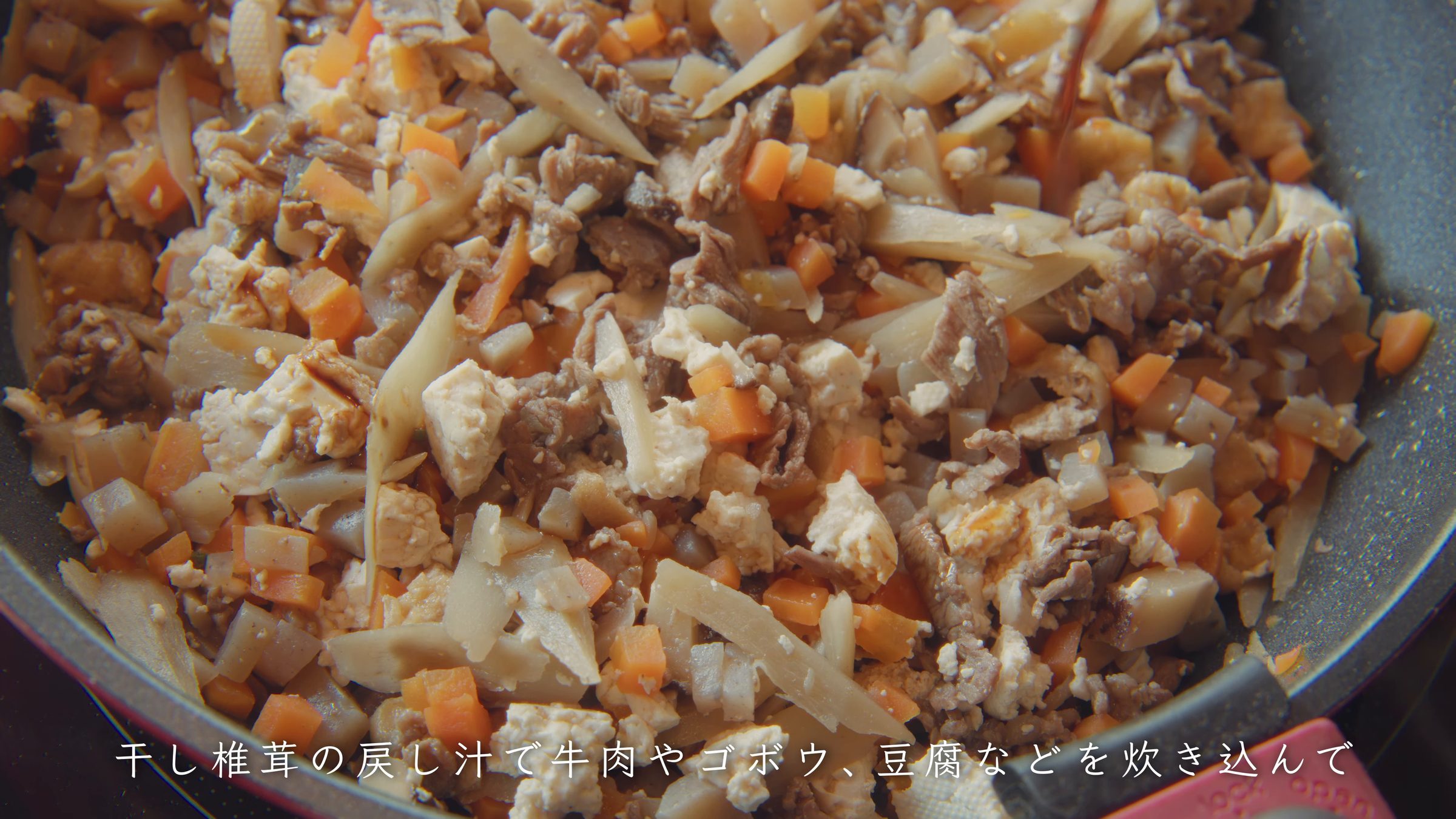
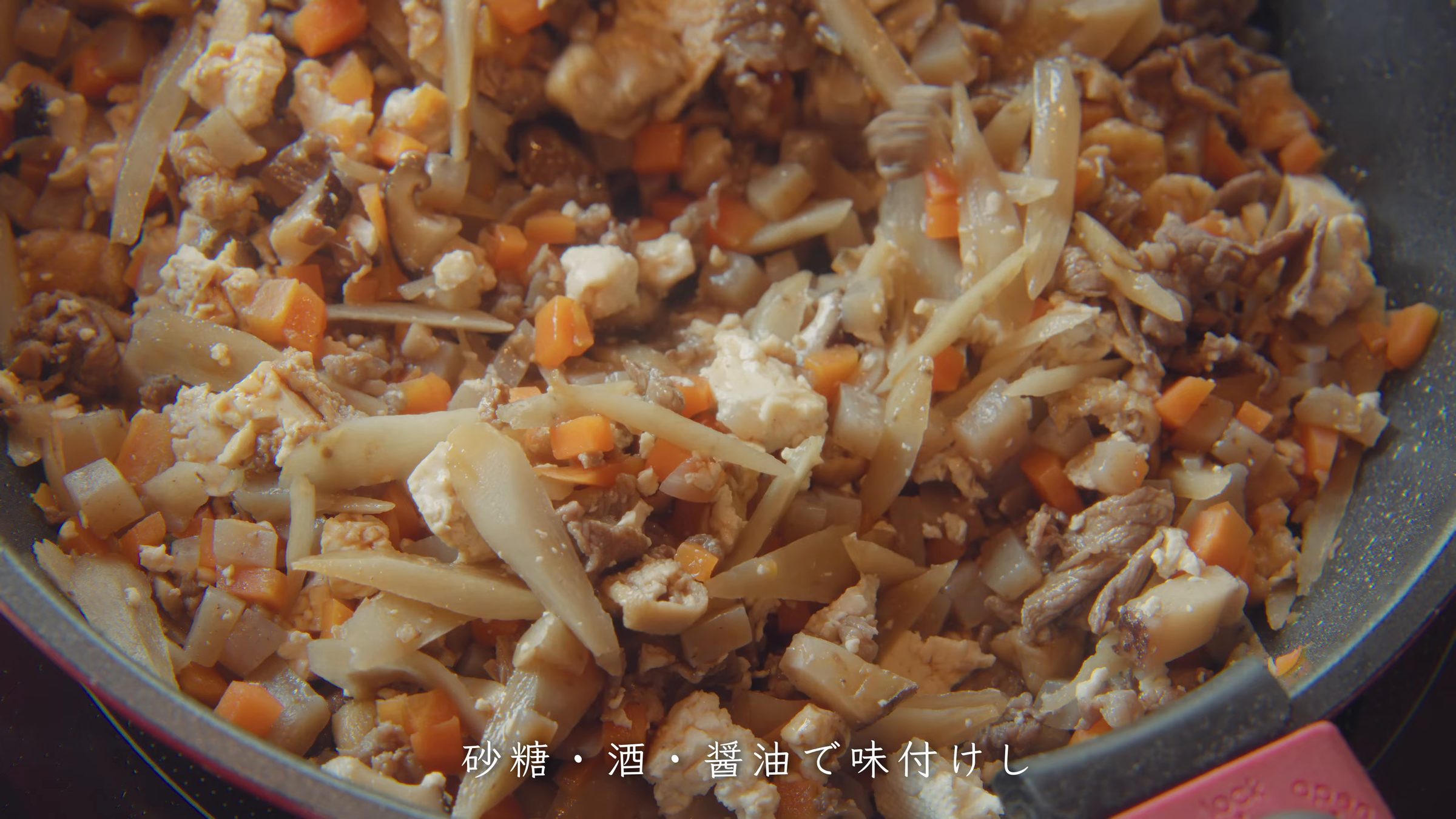
Beef goes into the pan first, then burdock, carrot and tofu, all simmered in the liquid from the shiitake. Seasoned with sugar, sake and soy sauce, the kitchen filled with steam and the smell of soy.
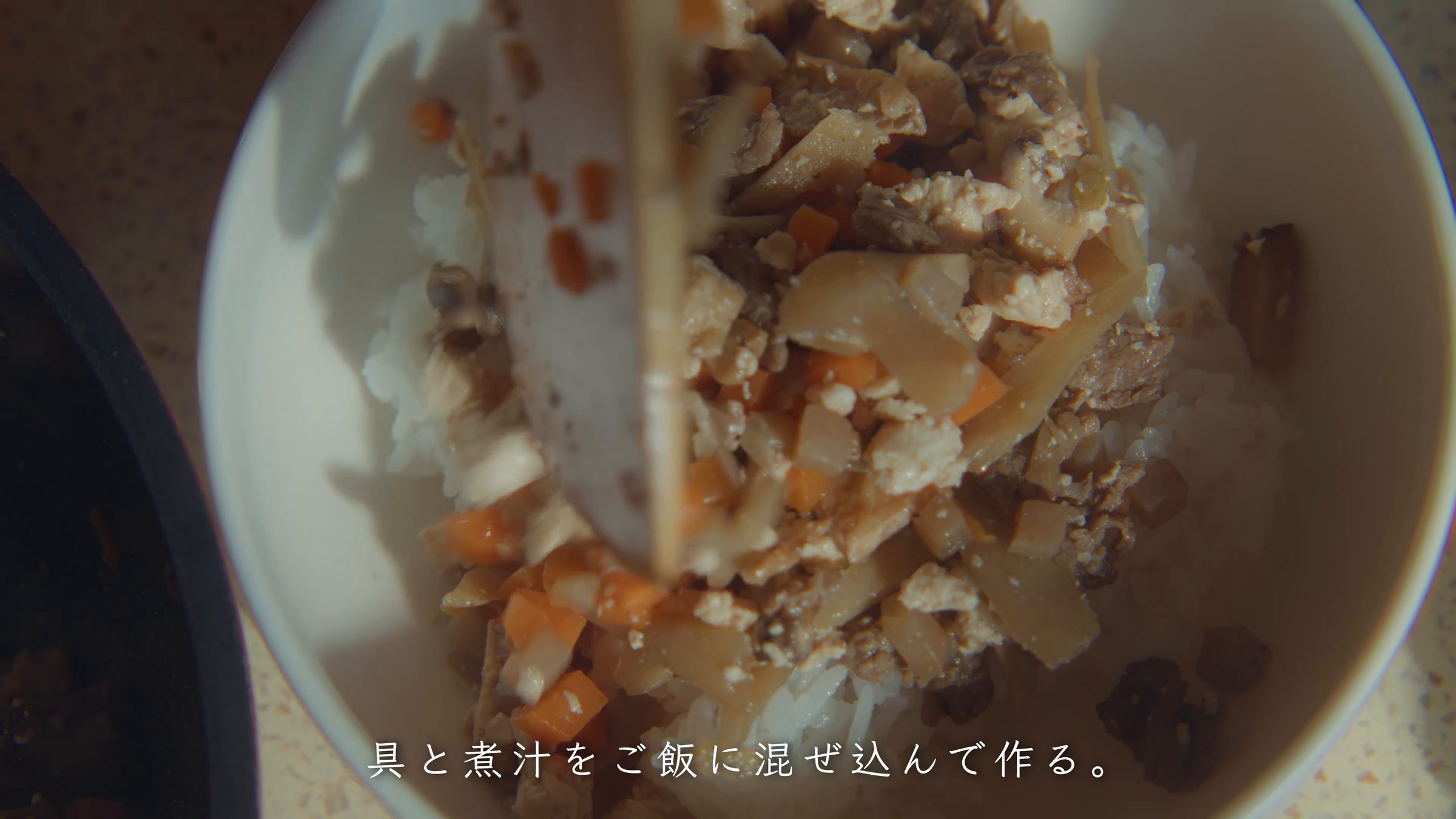
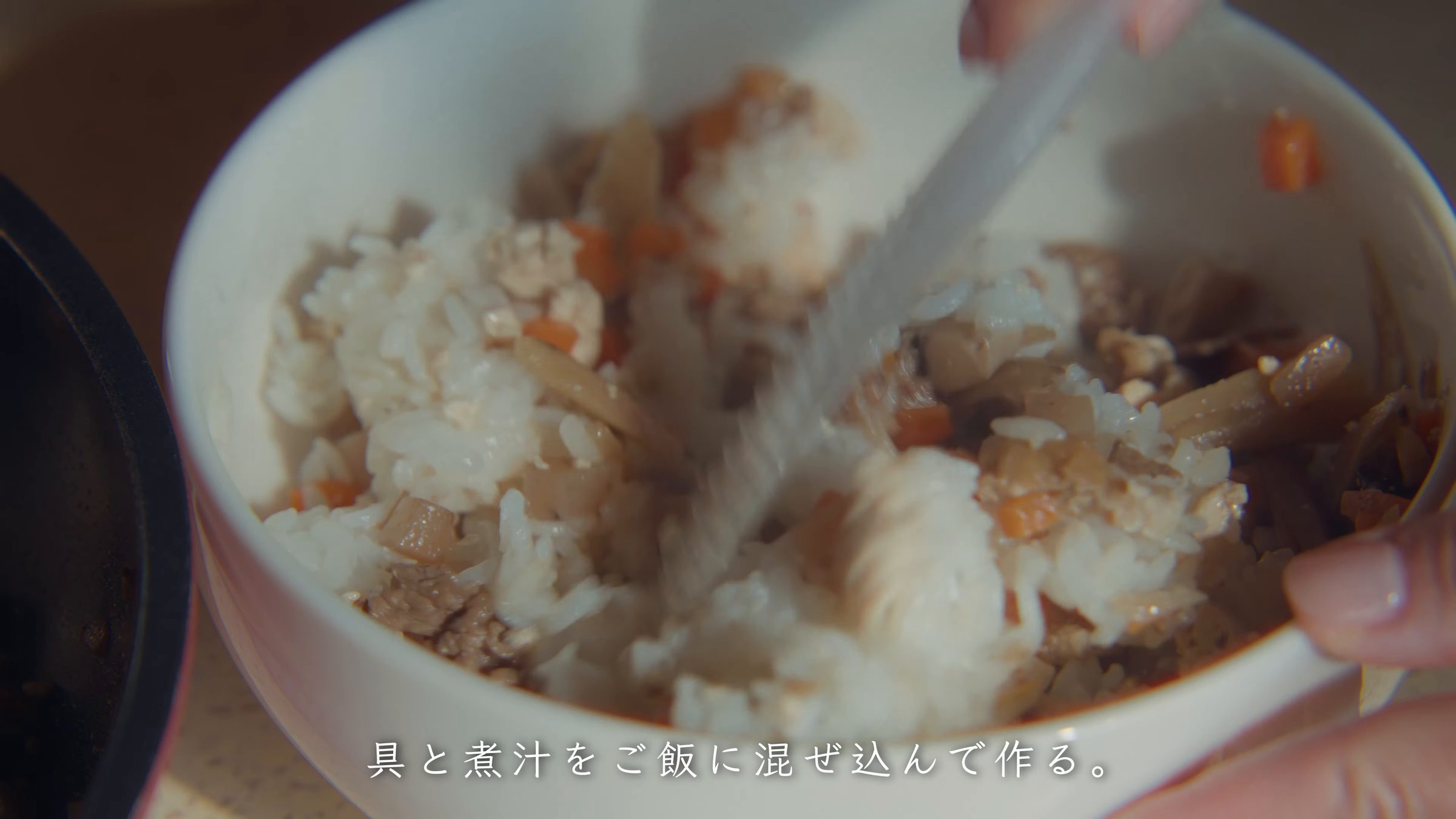
I moved the cooked ingredients and their broth into a bowl of rice and folded everything together with a rice paddle, turning it up from the bottom.
Watch this scene on YouTube0:51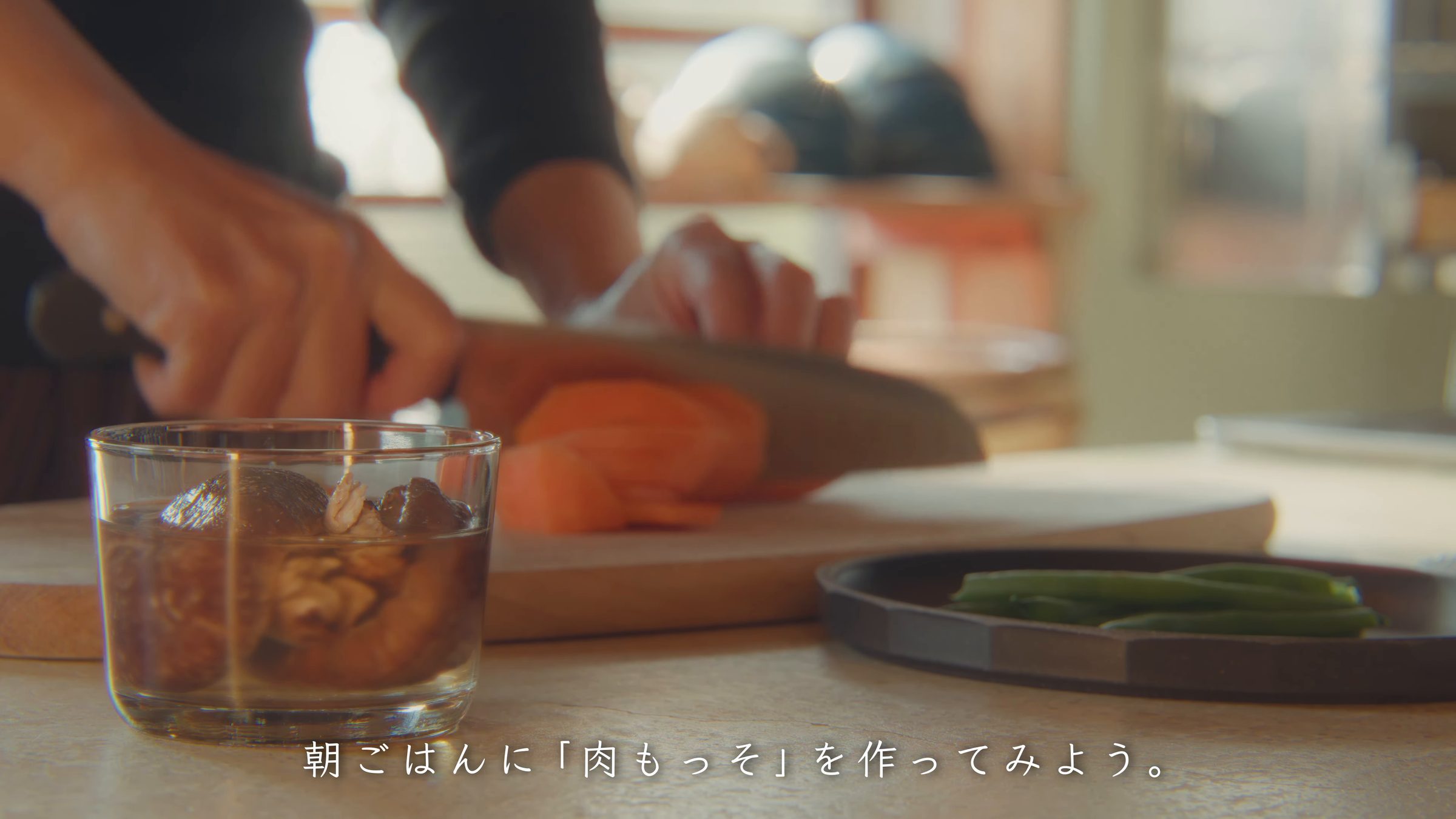
03TRAVEL JOURNAL
Not pressed, but loosely wrapped
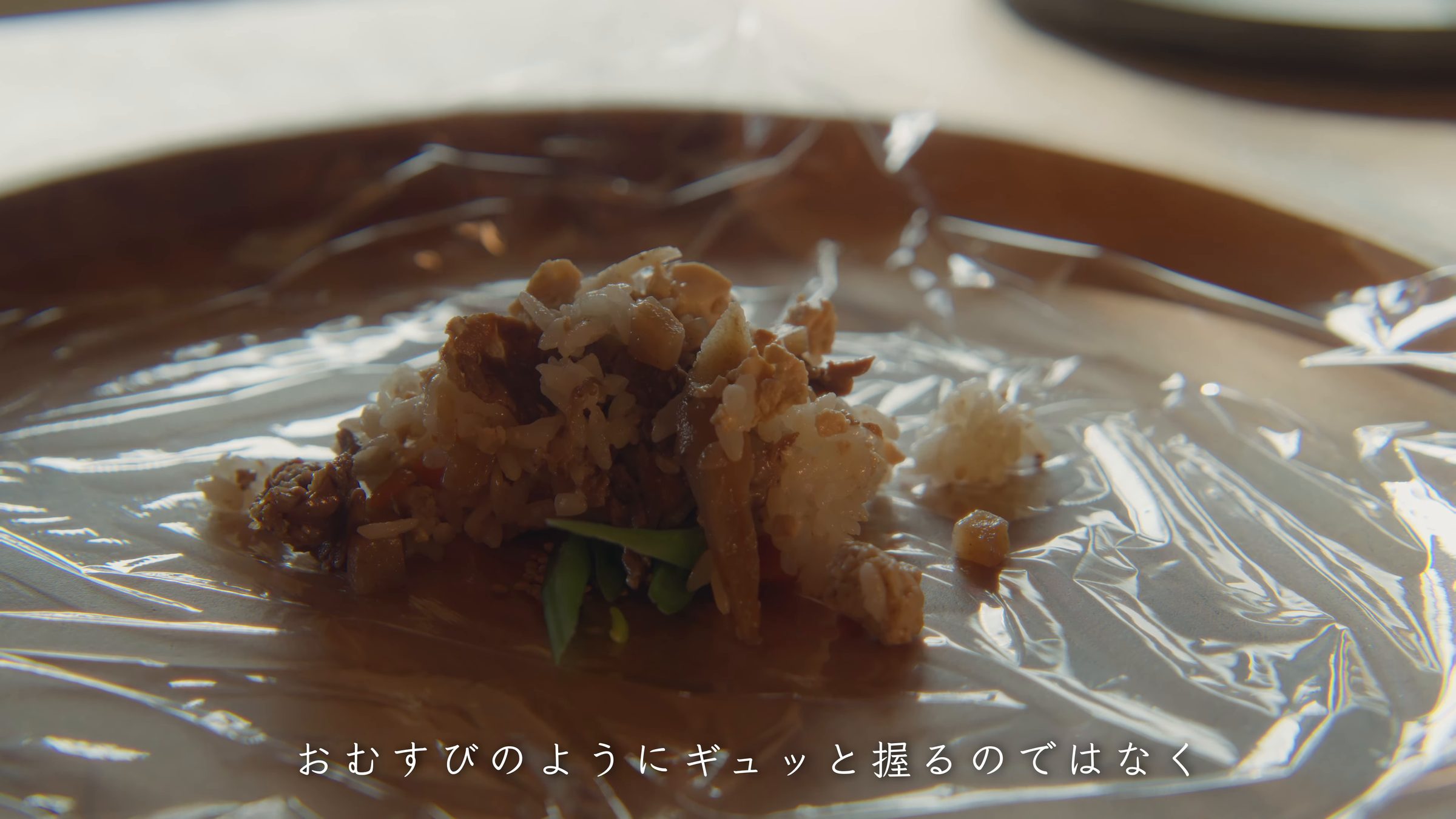
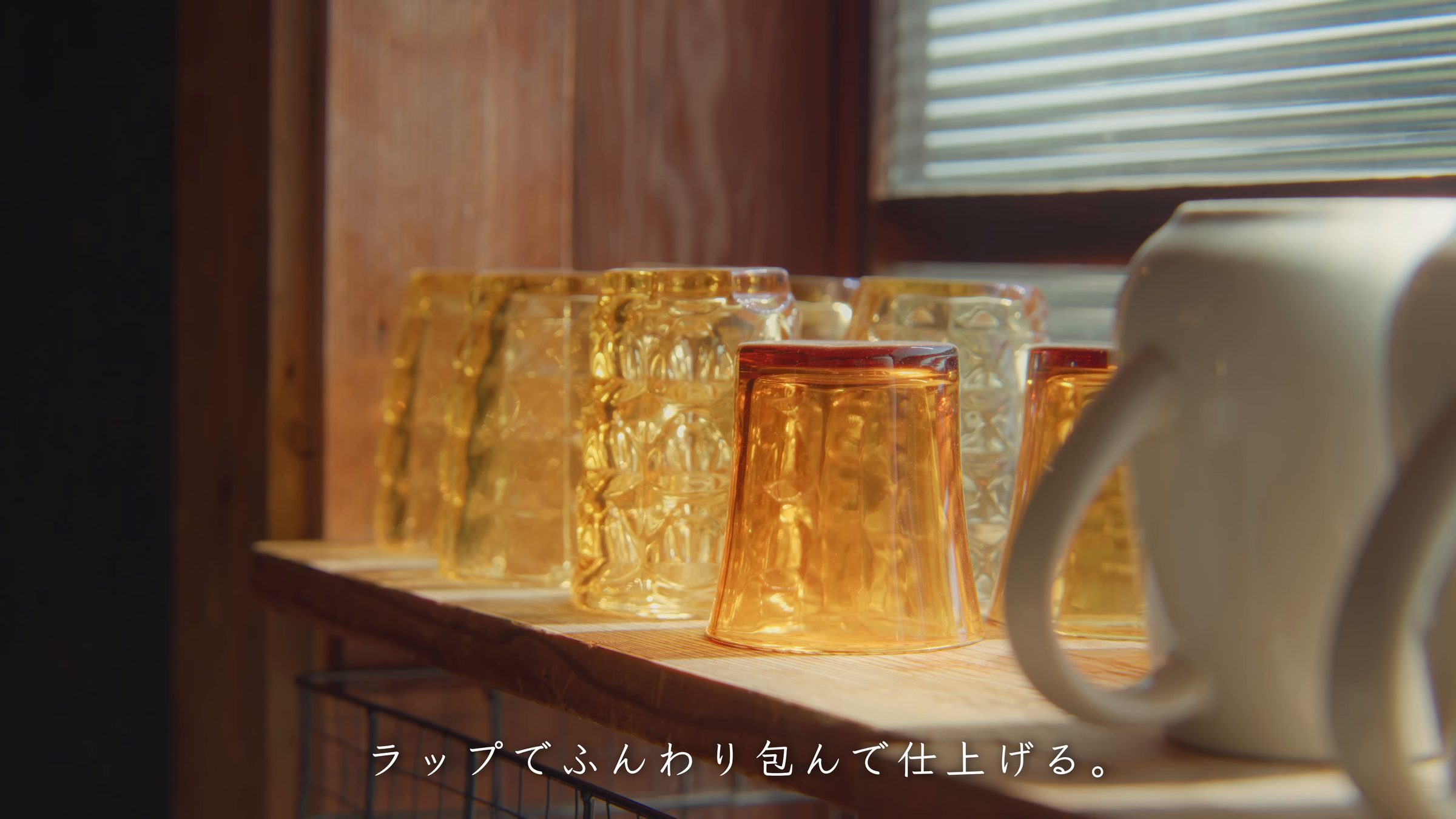
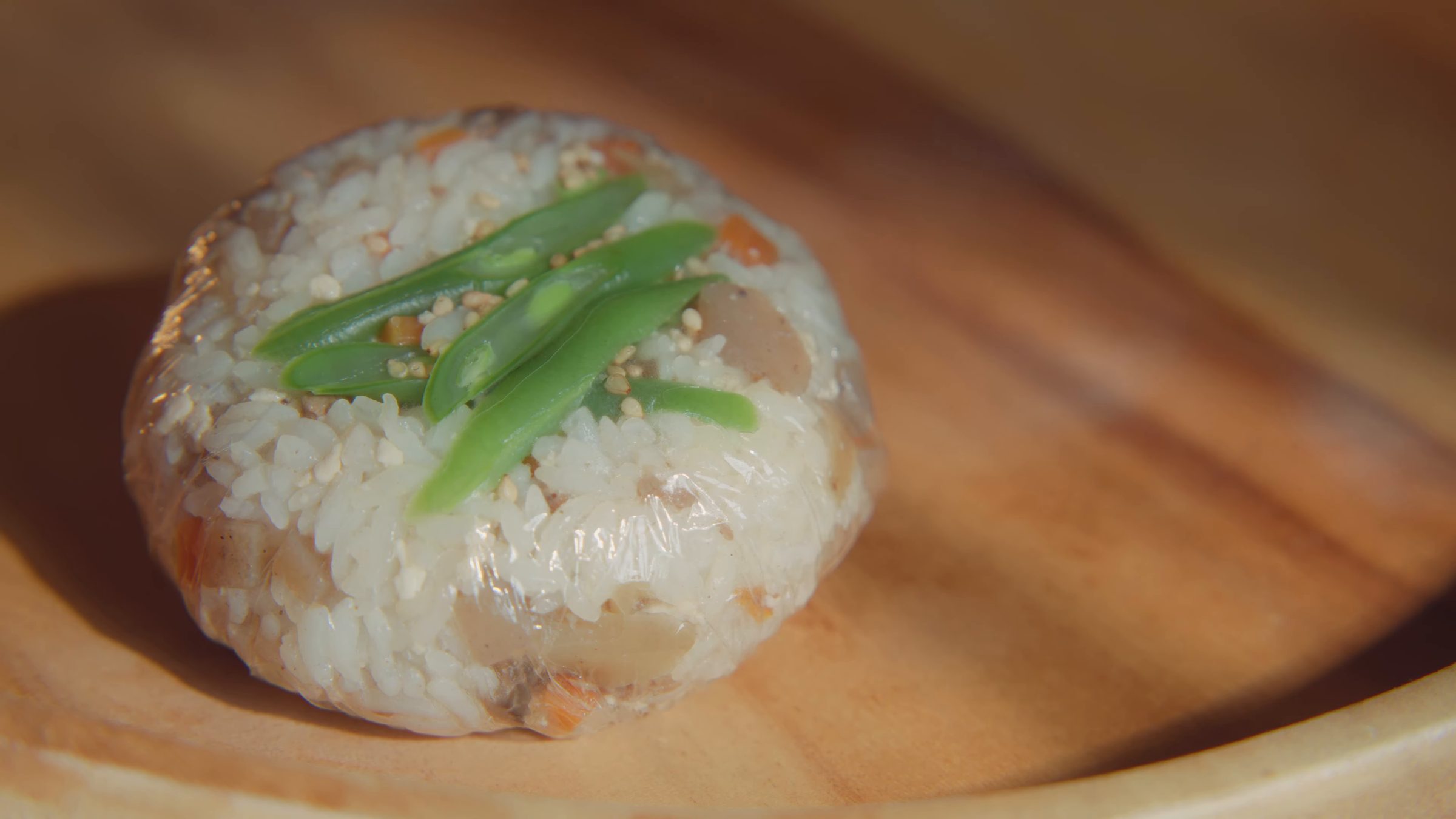
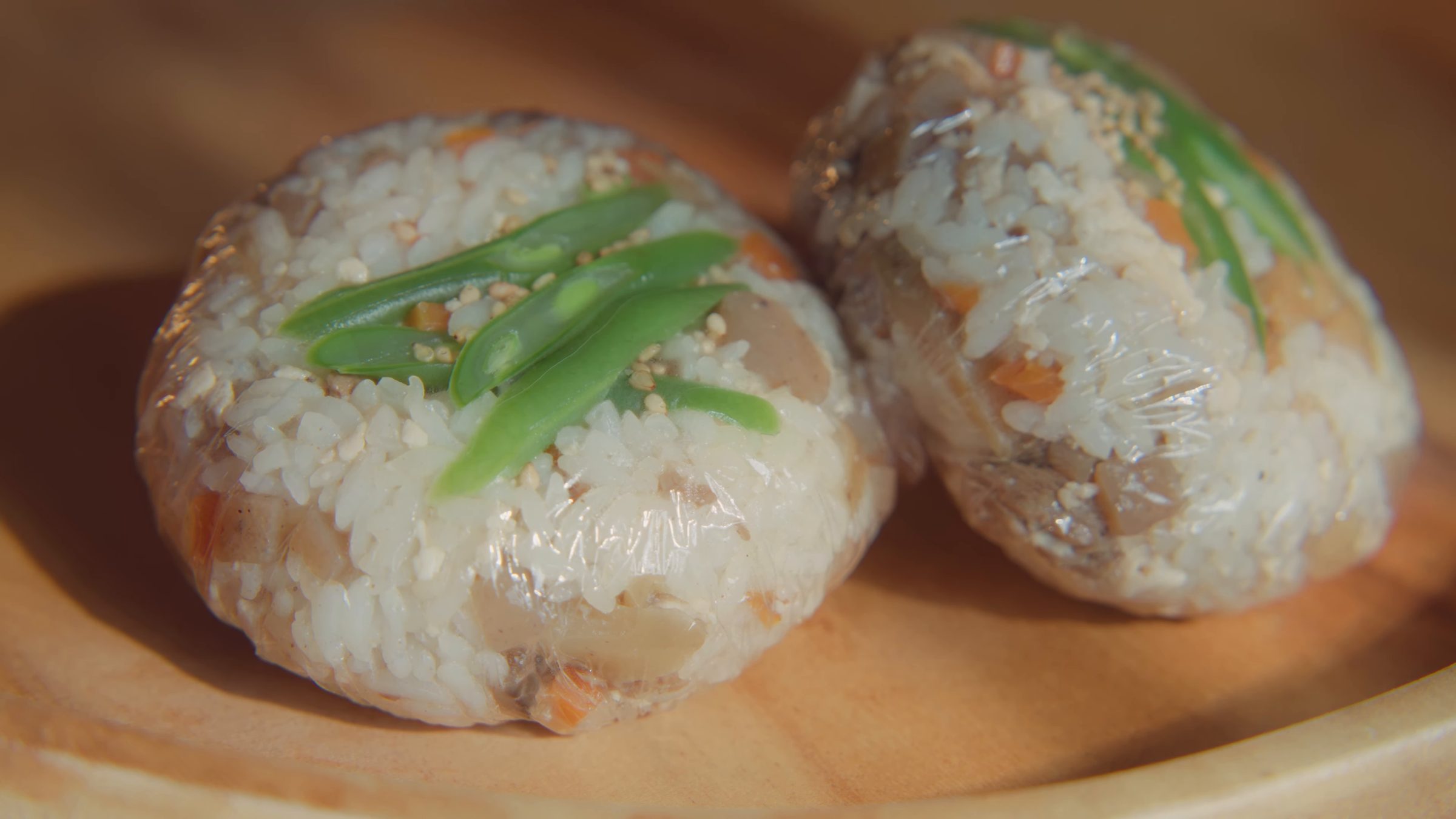
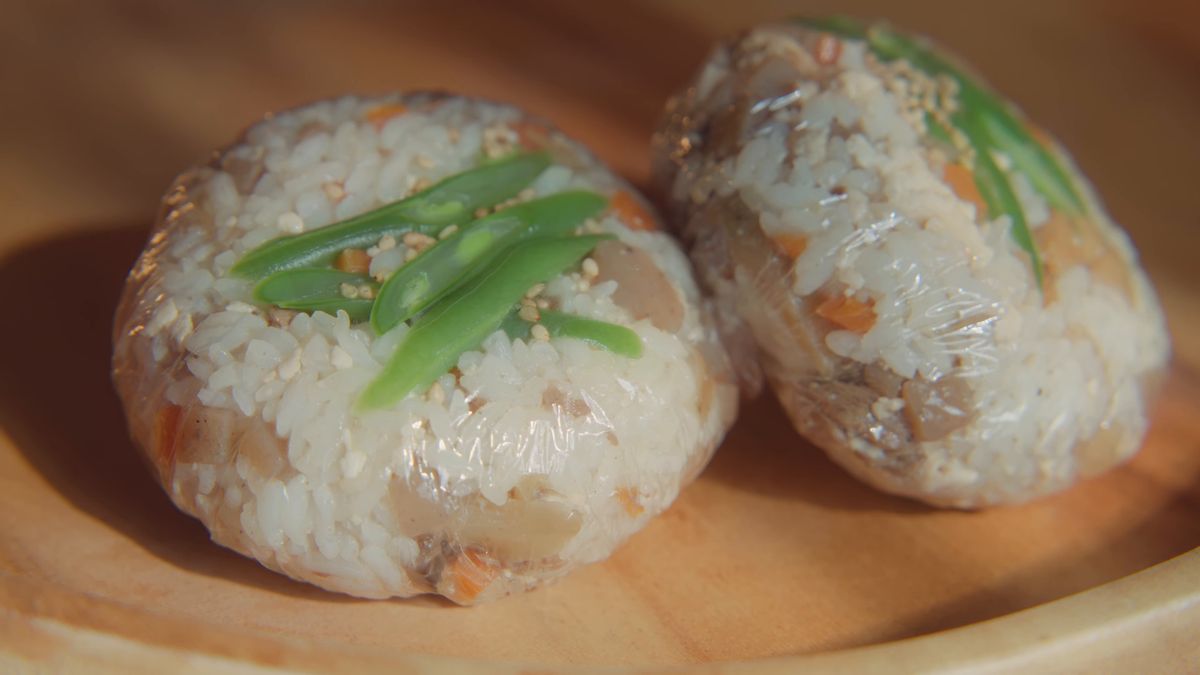
Niku mosso isn't squeezed tight like a rice ball. I laid green beans on a sheet of plastic wrap, spooned the mixed rice on top, and wrapped it loosely to shape it. By the window, amber glasses caught the morning light.
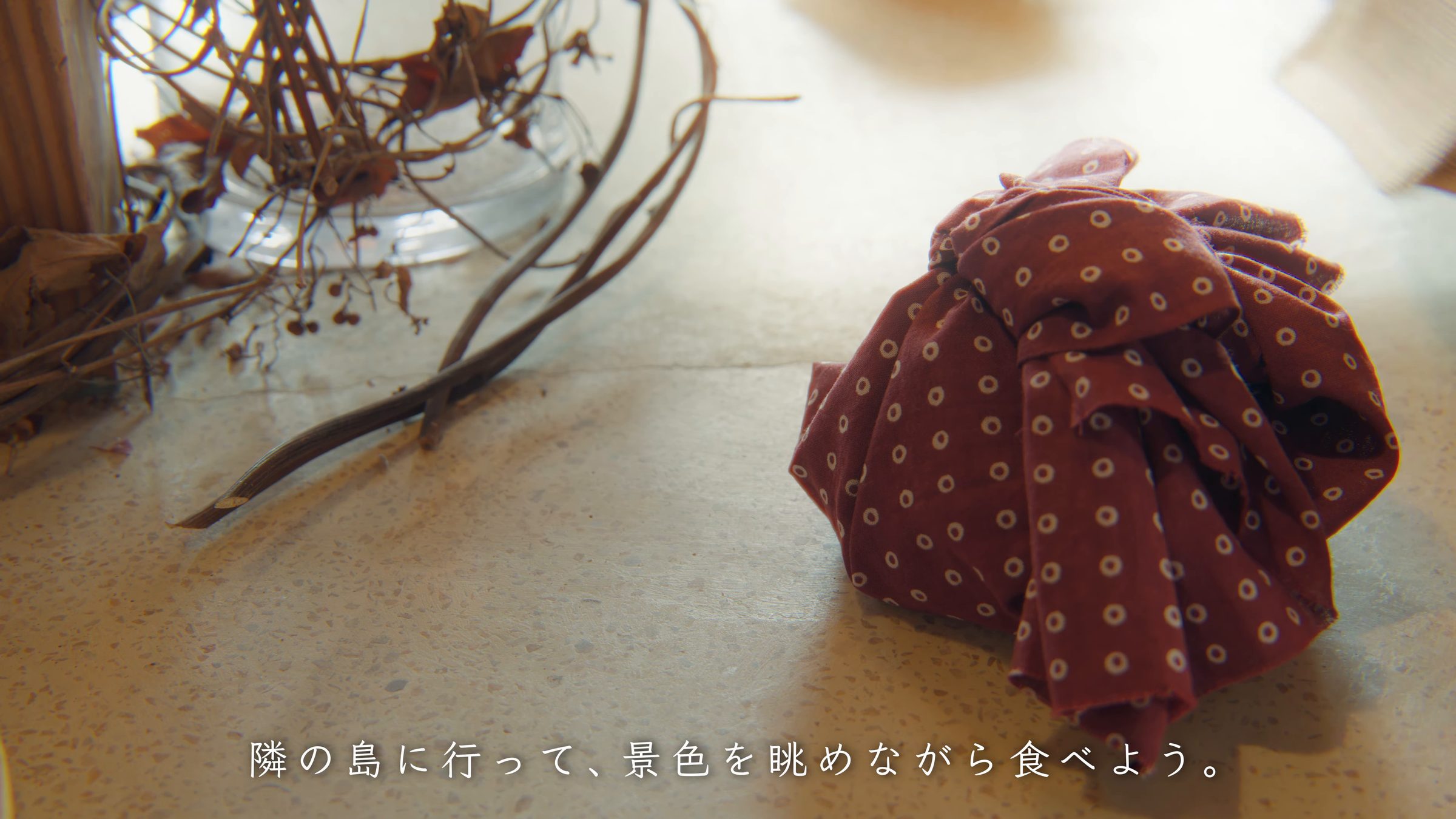
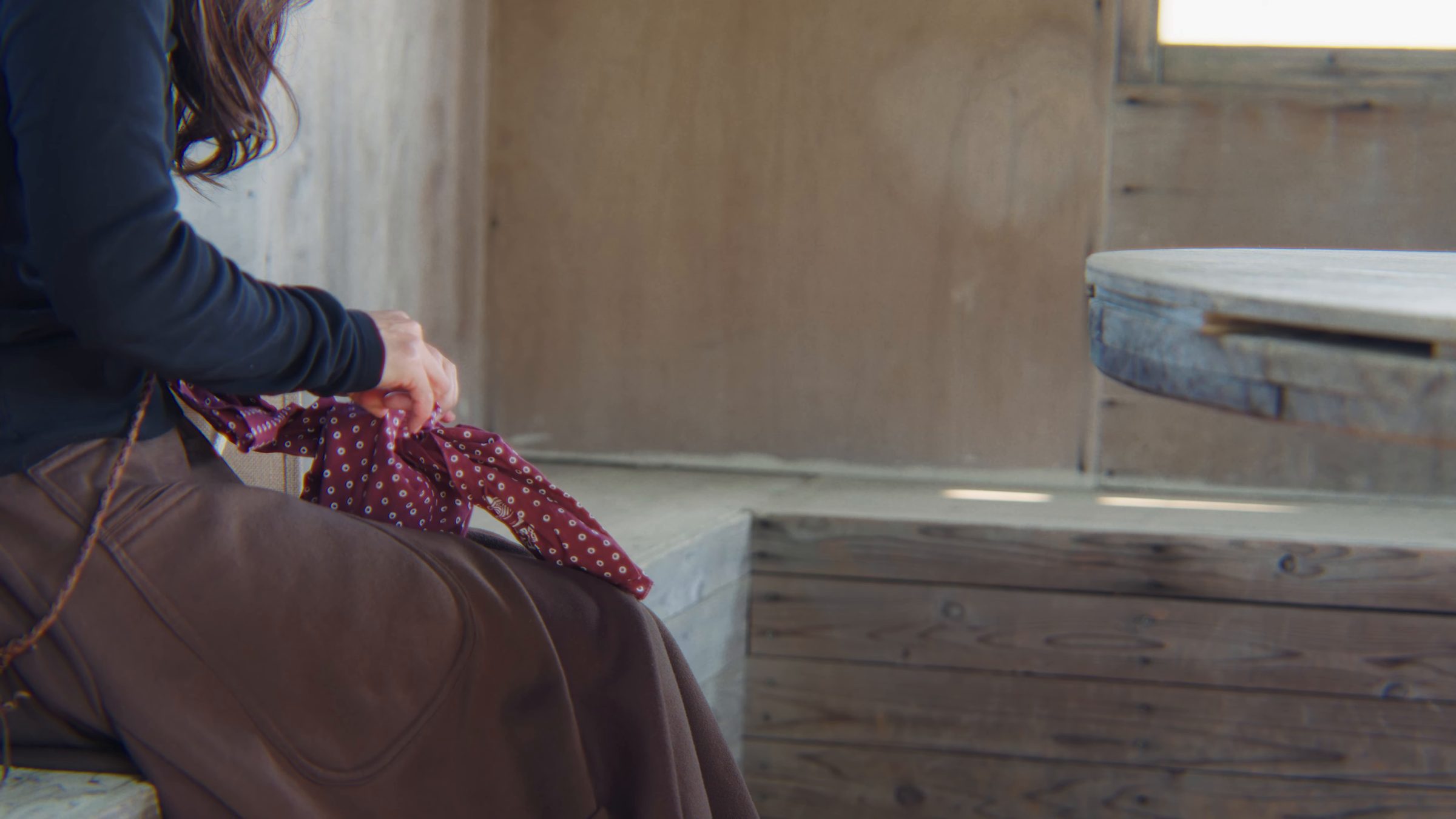
Two round bundles of niku mosso sat on a wooden plate. I tied them up in a red furoshiki cloth to take to the neighboring island: breakfast with a view.
Watch this scene on YouTube1:32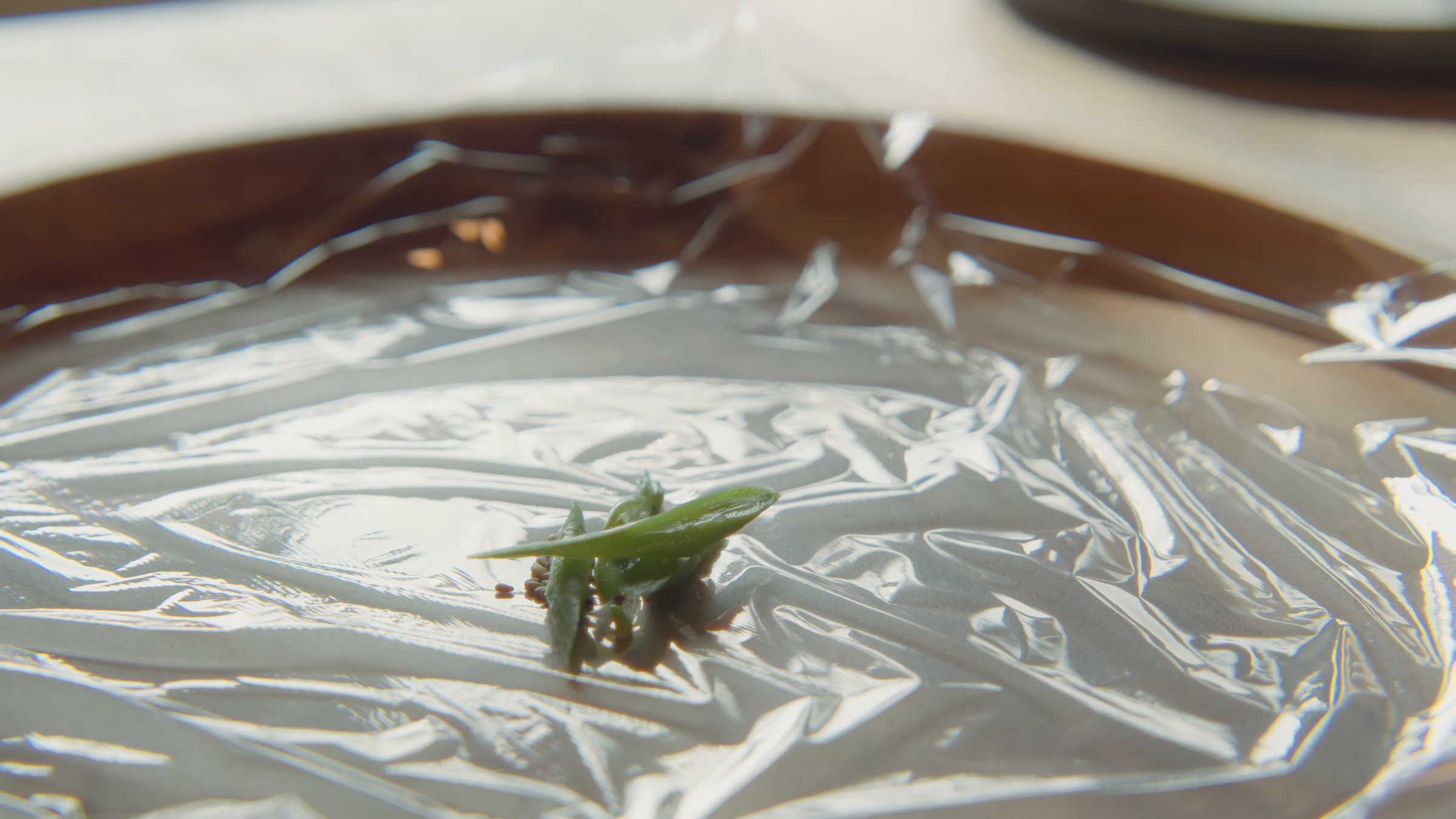
04TRAVEL JOURNAL
A picnic on a Setouchi island
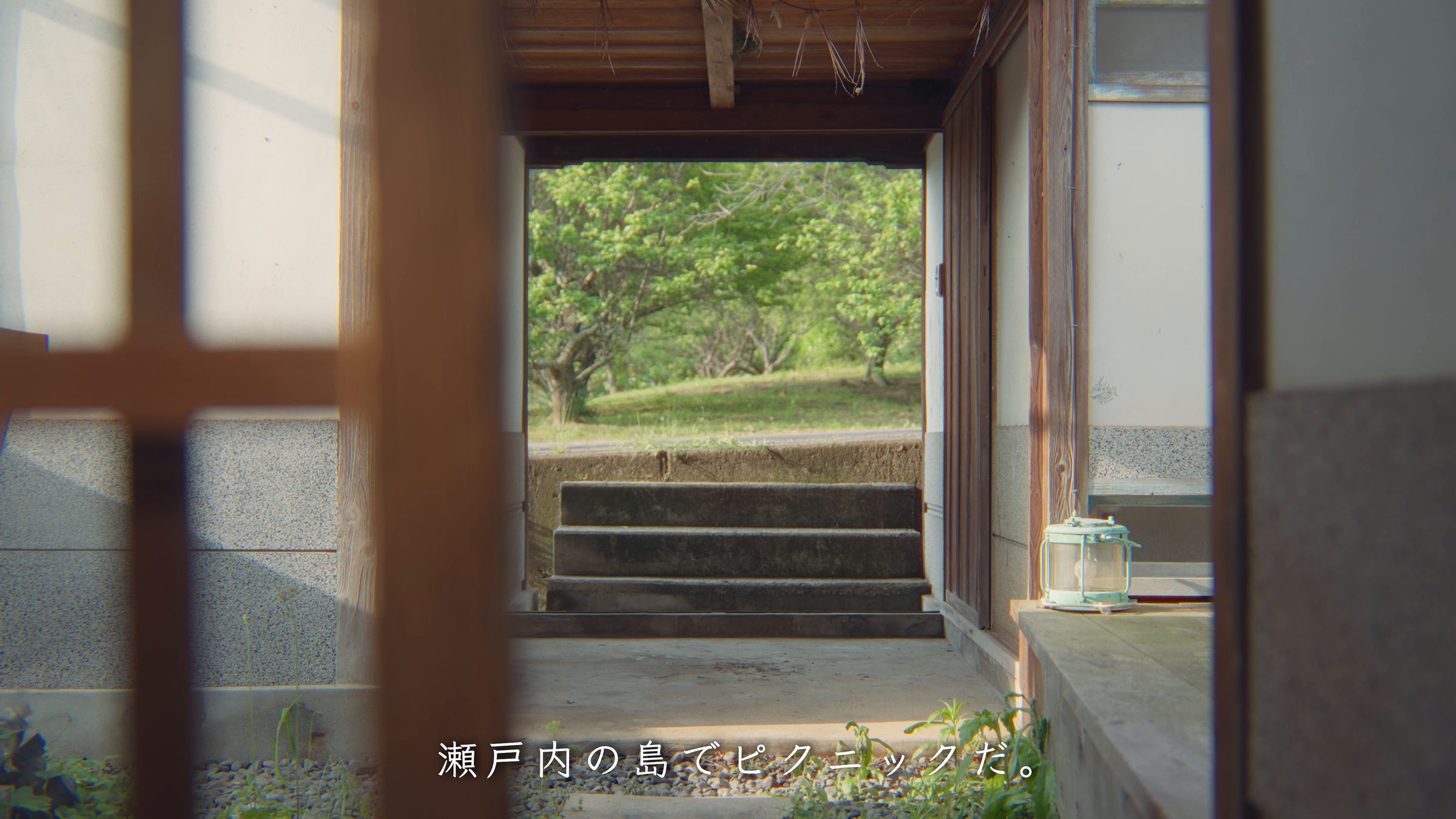
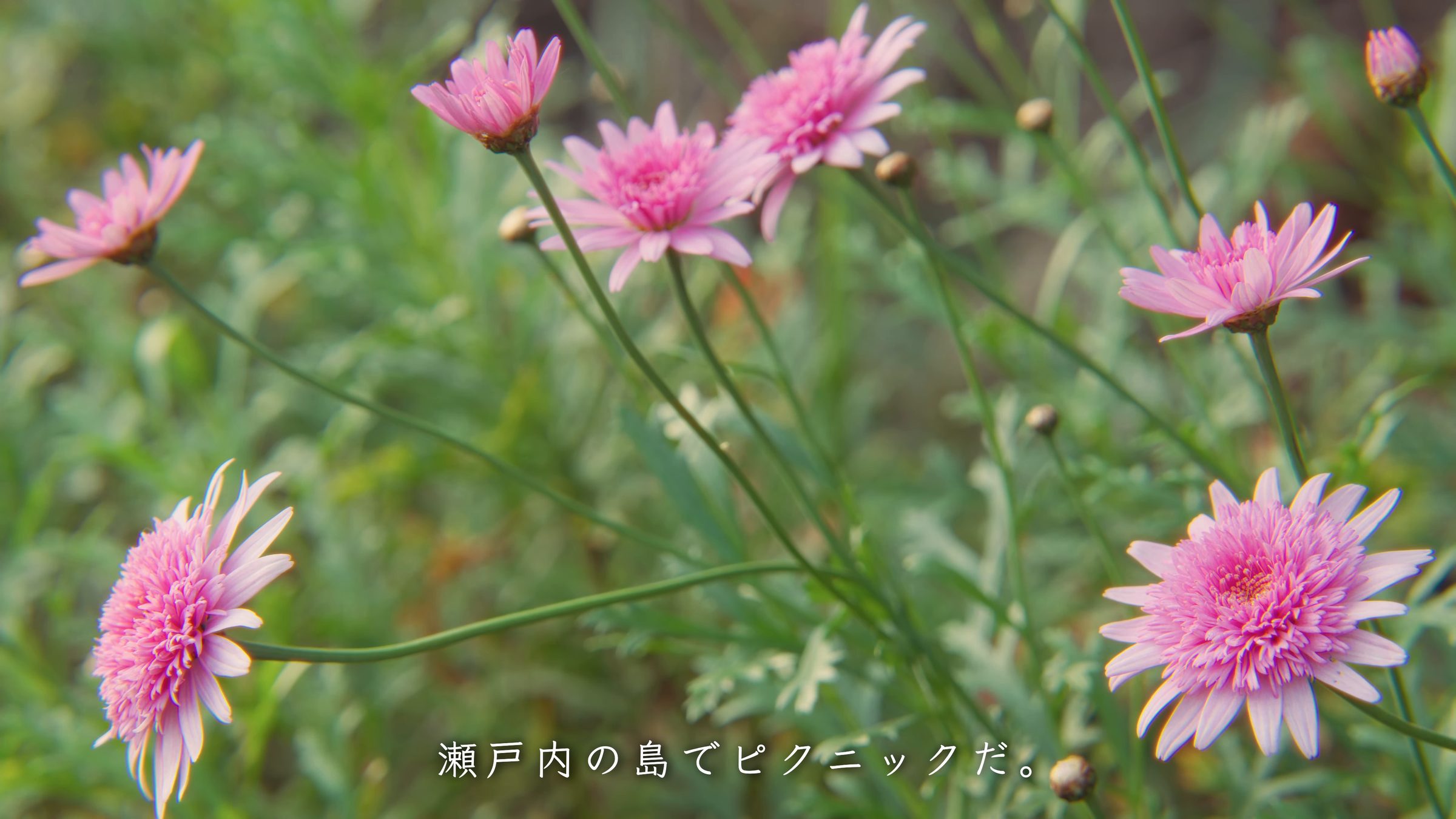
I walked out through the room where pendant lamps hang over a long table. Beyond the doorway were stone steps and the green of morning, and pink flowers bloomed by the road. Time for a picnic on an island in the Seto Inland Sea.
Watch this scene on YouTube2:03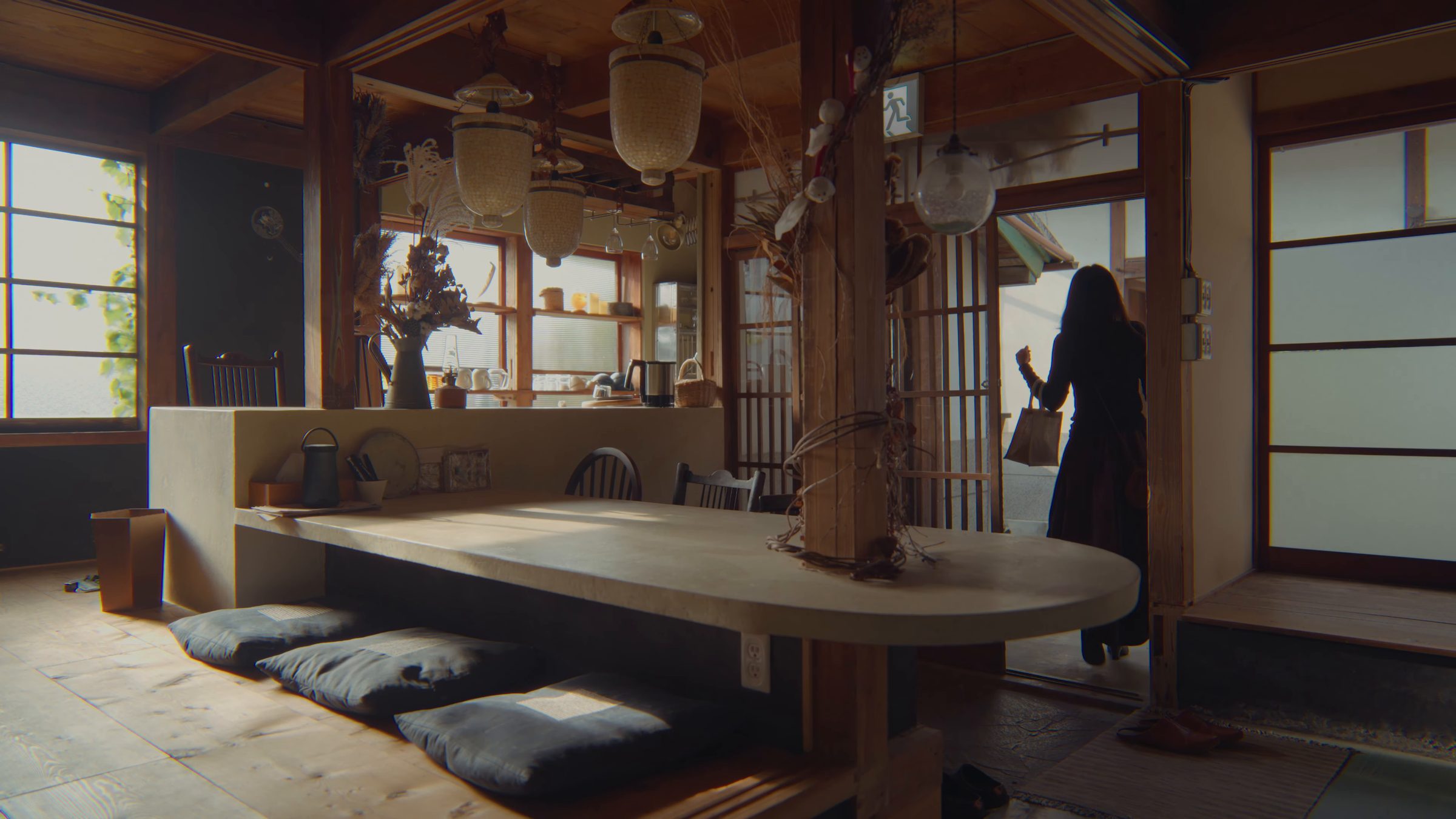
05TRAVEL JOURNAL
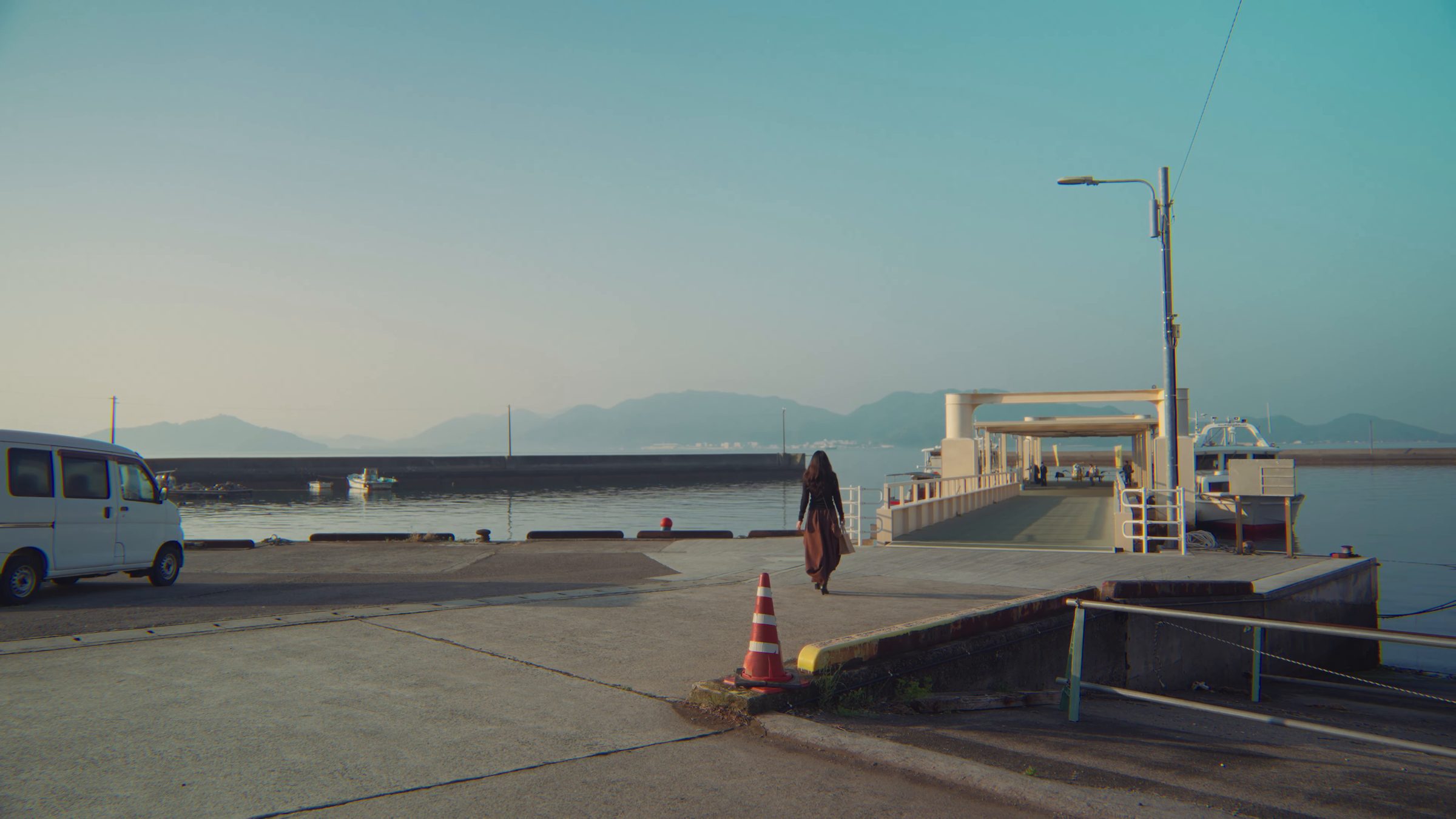
By small boat to the next island
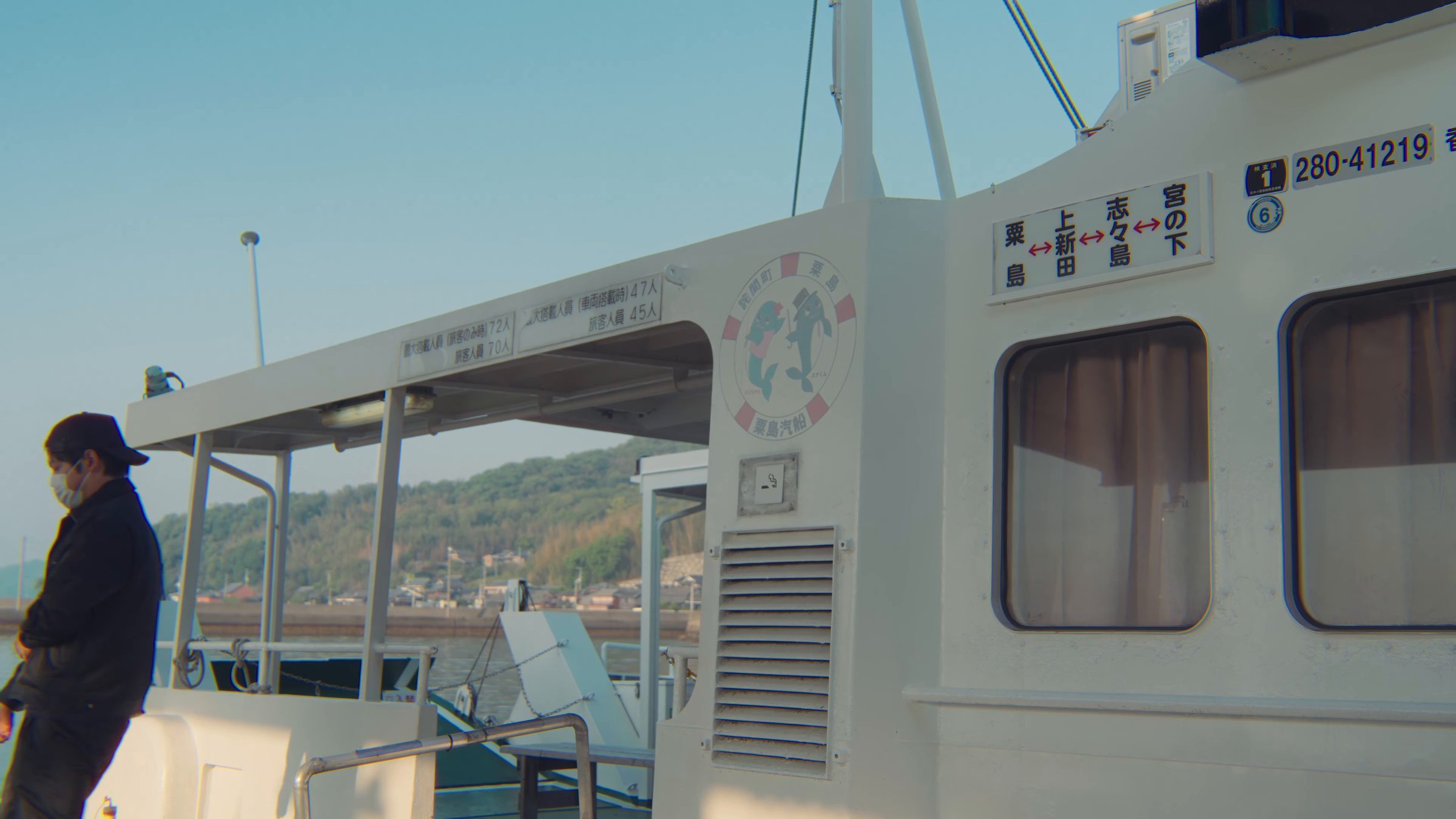
Morning haze hung over the harbor, where small boats drifted slowly by. On the side of the boat waiting at the pier were the names of its stops: Awashima, Kamishinden, Shishijima, Miyanoshita. A little passenger boat linking Awashima and Shishijima with Miyanoshita port on the mainland.
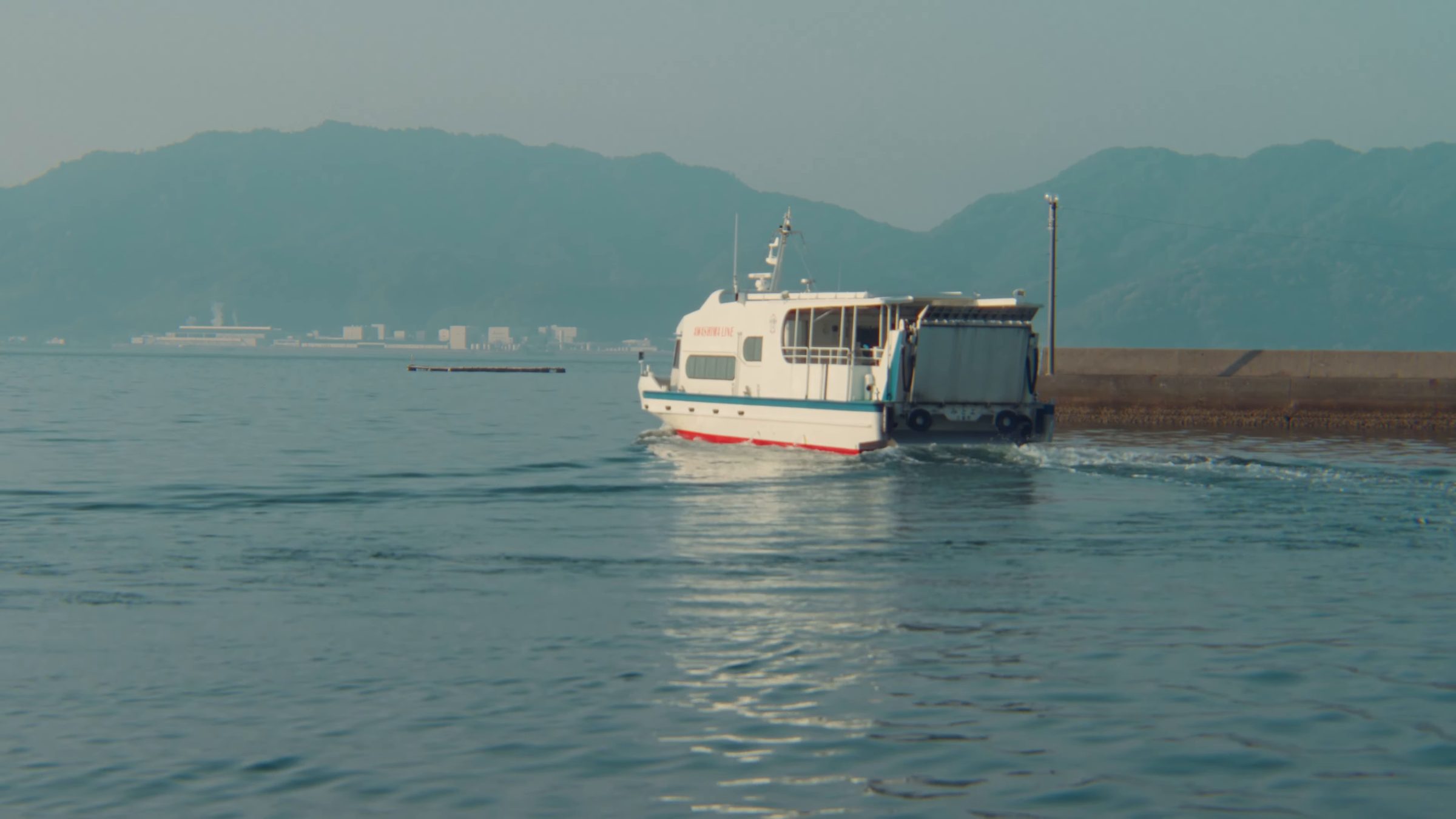
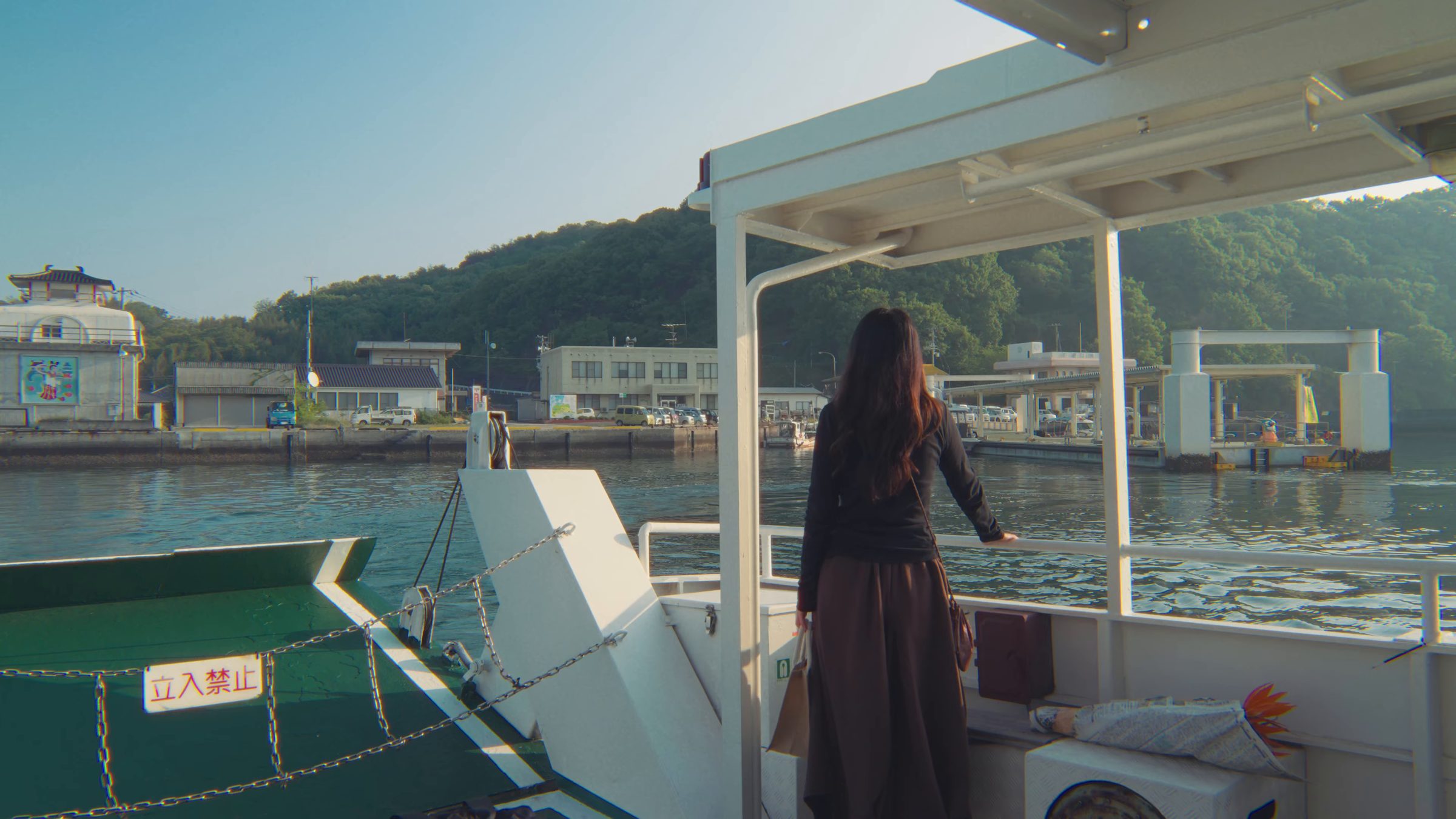
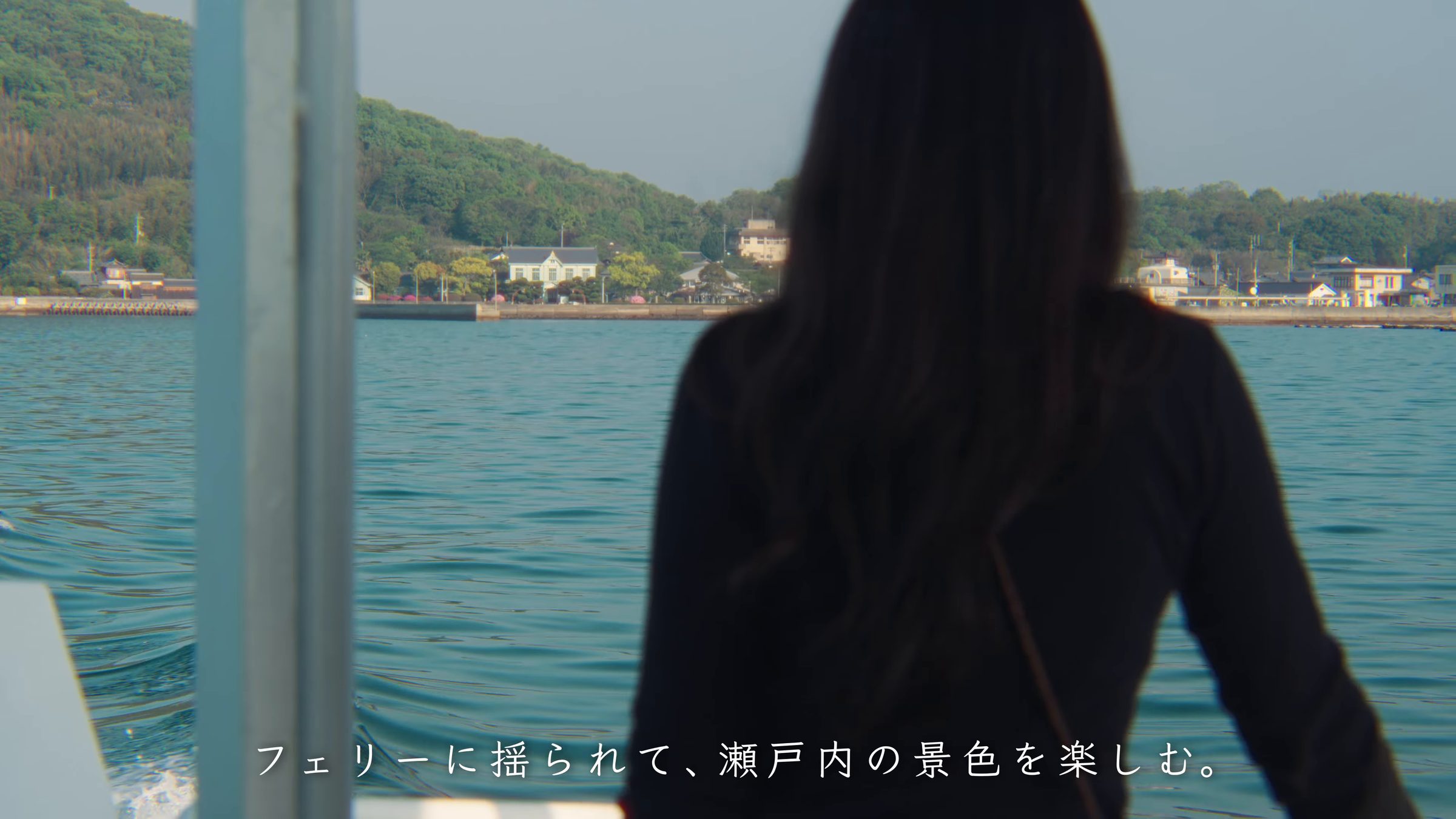
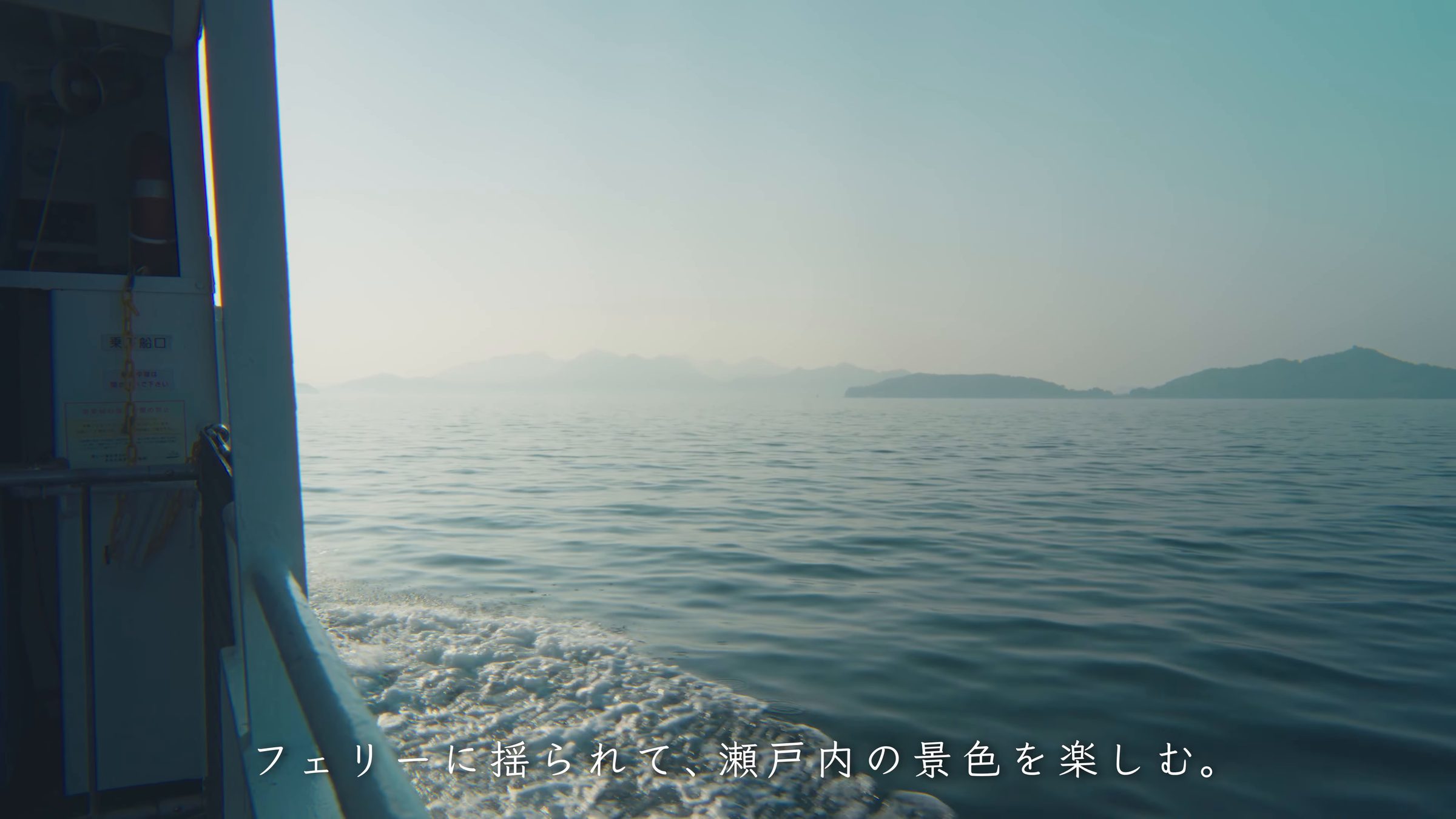
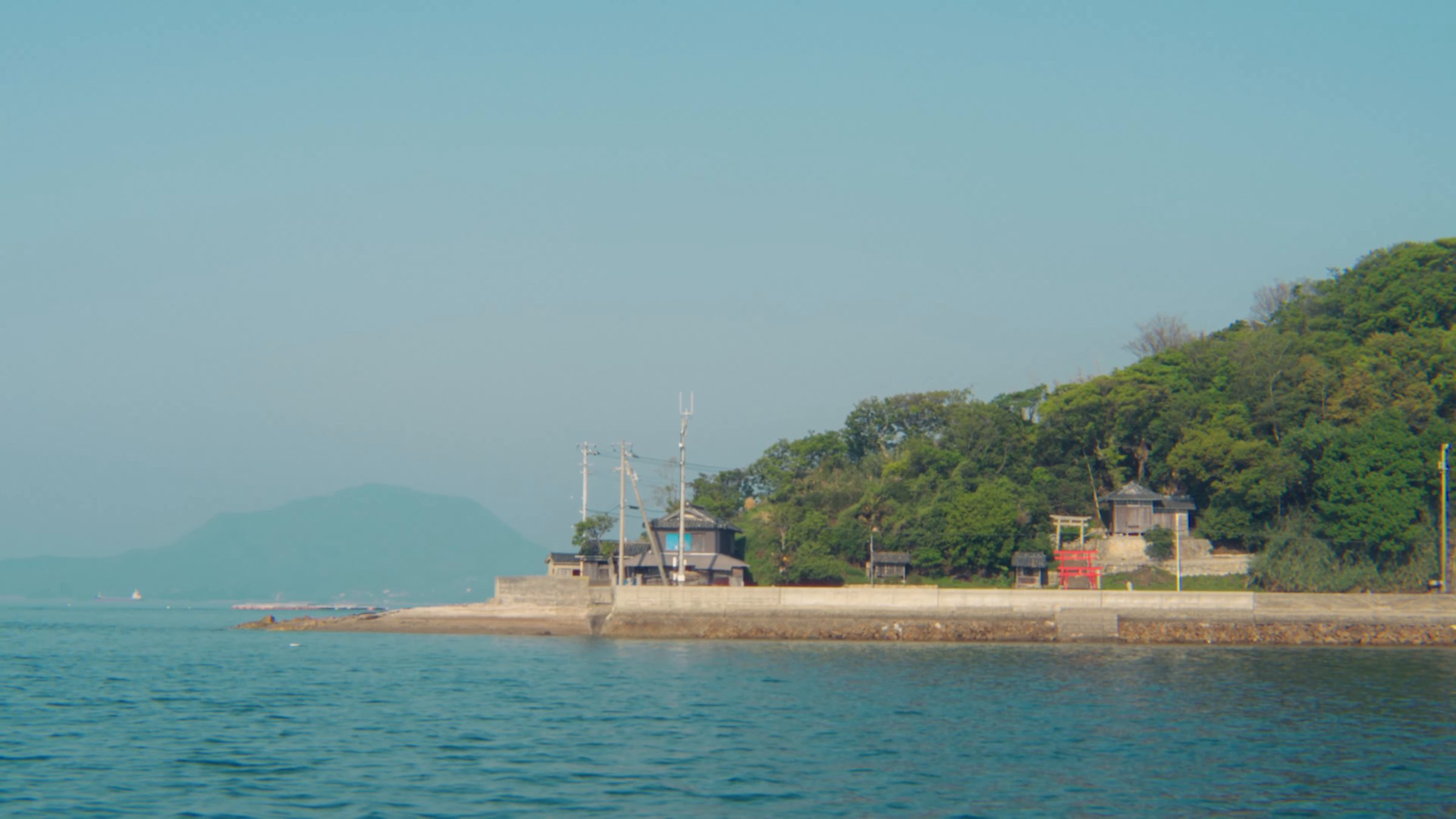
I stood on the deck and watched the harbor fall away, enjoying the Seto Inland Sea from the ferry. The white of the wake dissolved into the water, and hazy islands floated all around. Soon a seawall with a red torii gate and a small shrine came into view.
Watch this scene on YouTube2:19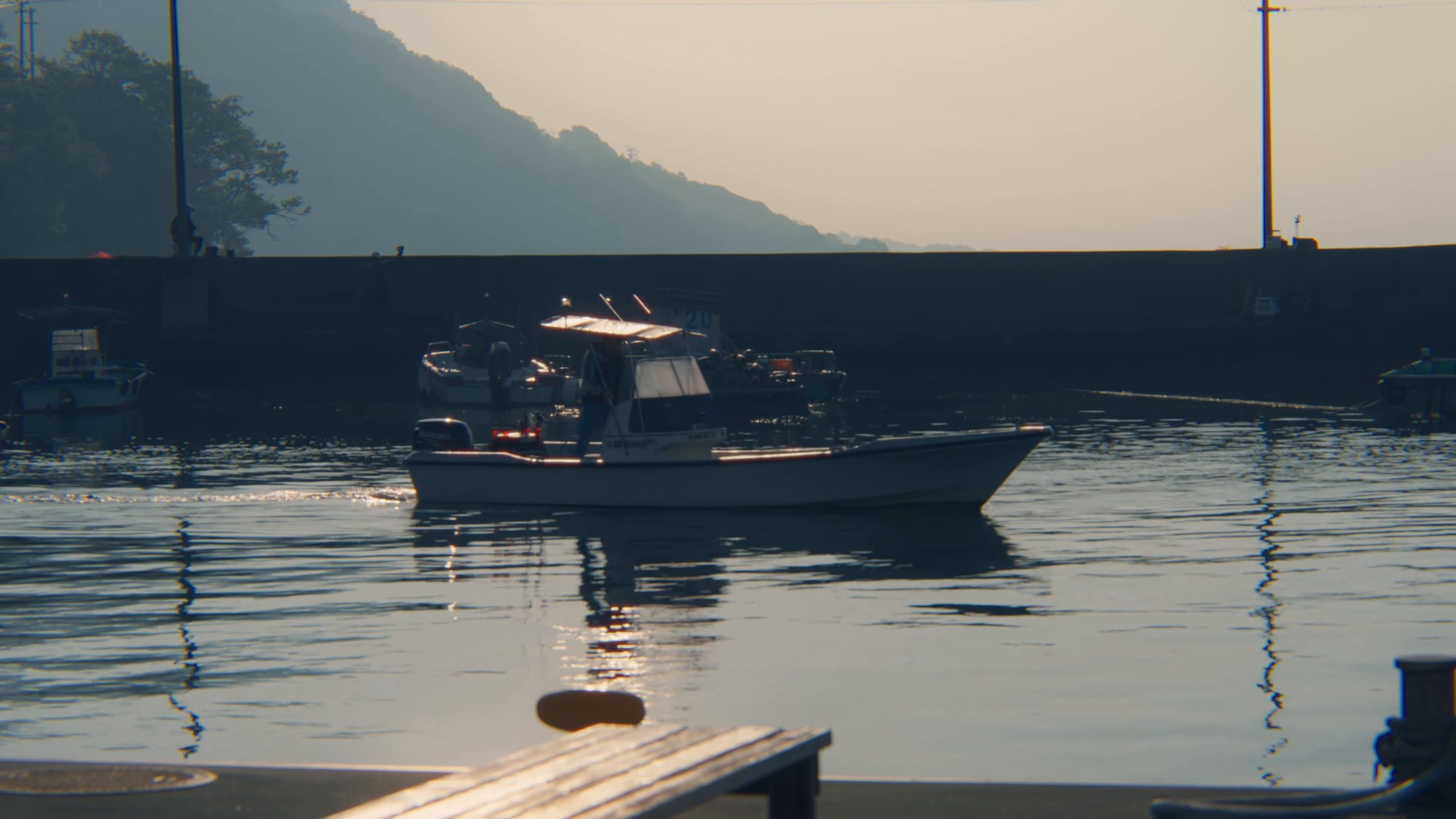
06TRAVEL JOURNAL
Shishijima, a small island of the Shiwaku group
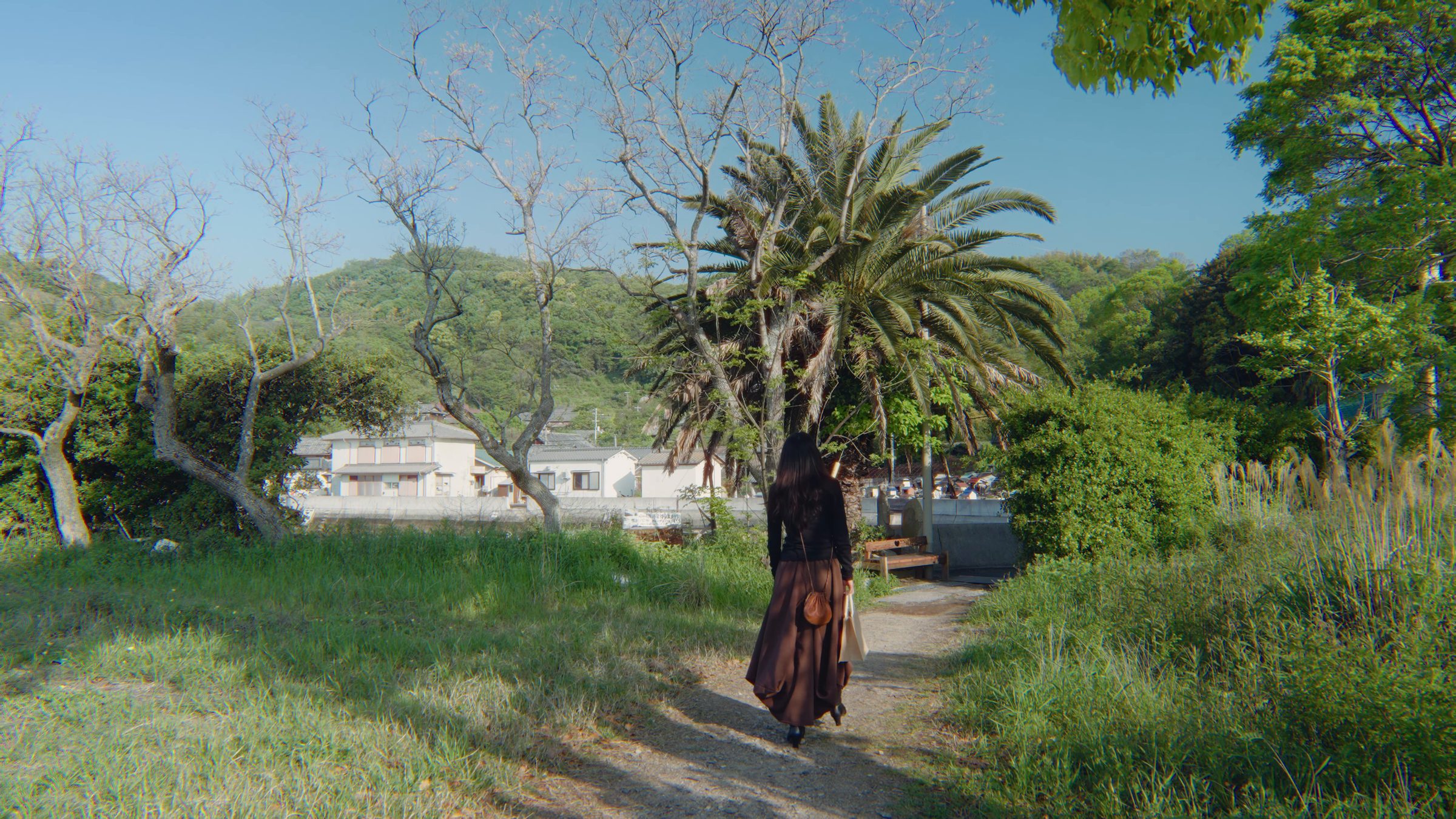
I arrived at Shishijima, a small island in the Shiwaku Islands. At the port stood a board reading "Welcome to Shishijima" and a buoy painted with a cat's face. Around twenty people live here, and there are no cars.
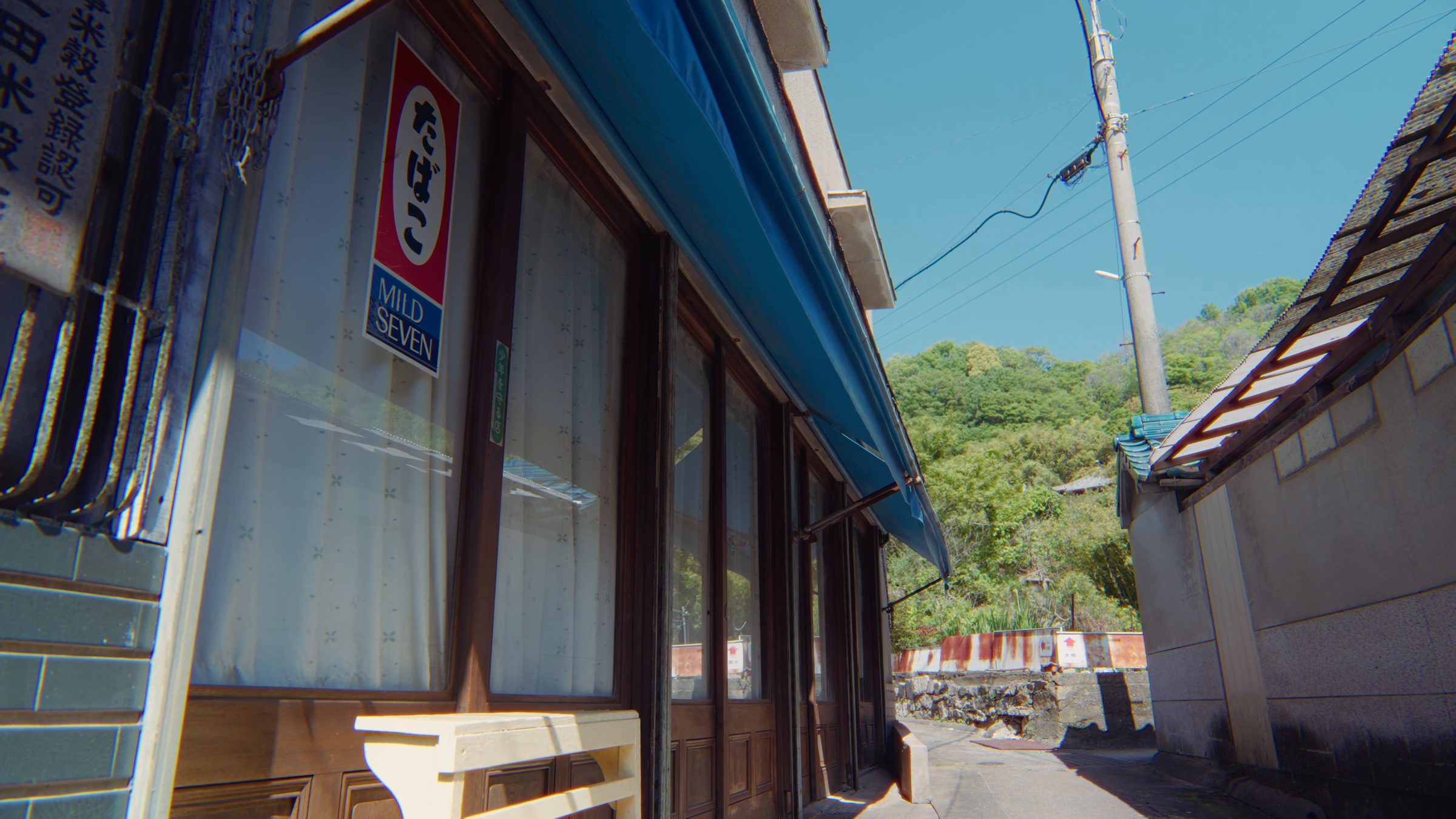
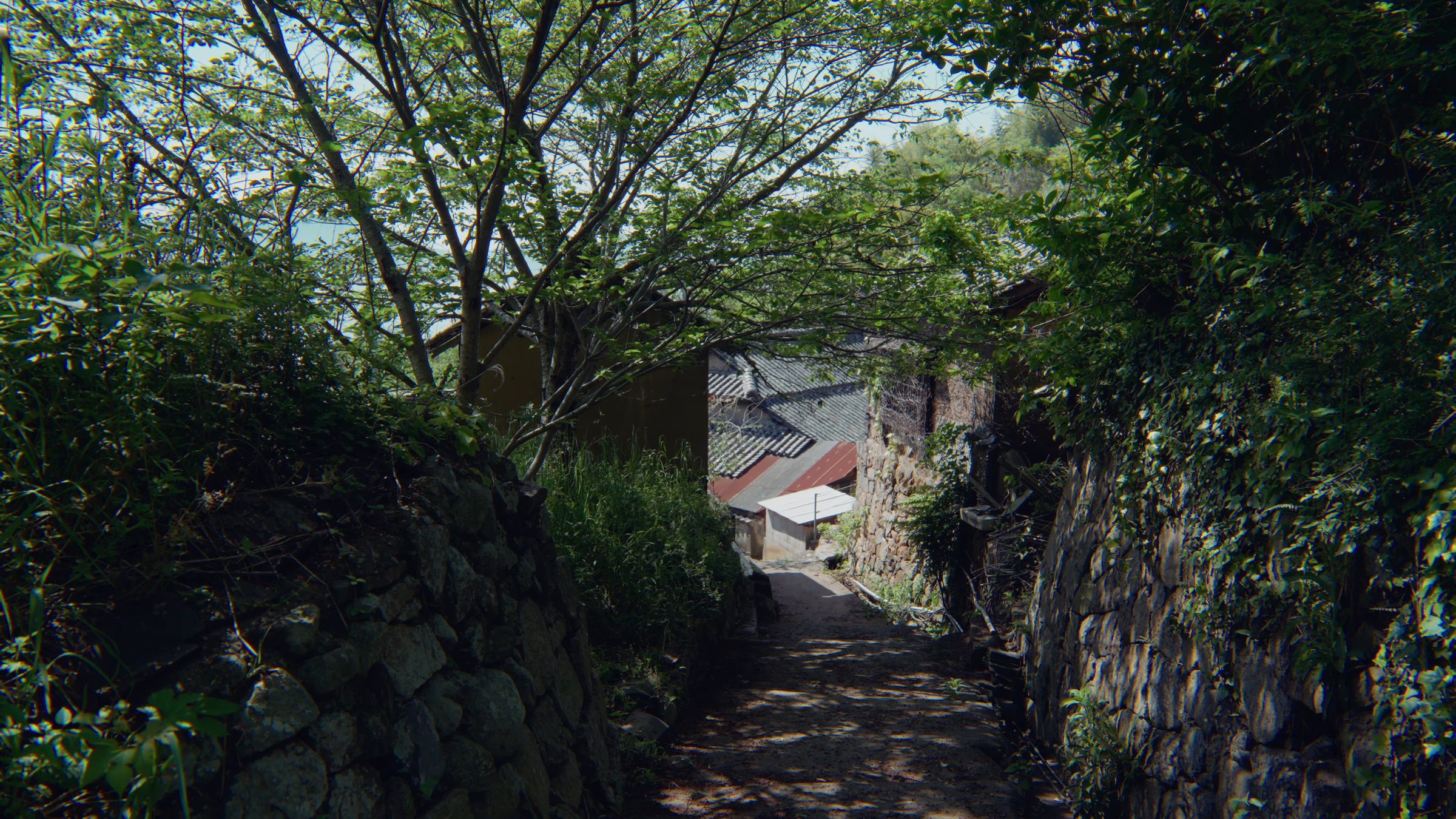
I walked past a cycad tree into the village. The eaves of a shop with an old tobacco sign, and narrow lanes between stone walls, carry the memory of an island where more than a thousand people once lived.
Watch this scene on YouTube2:55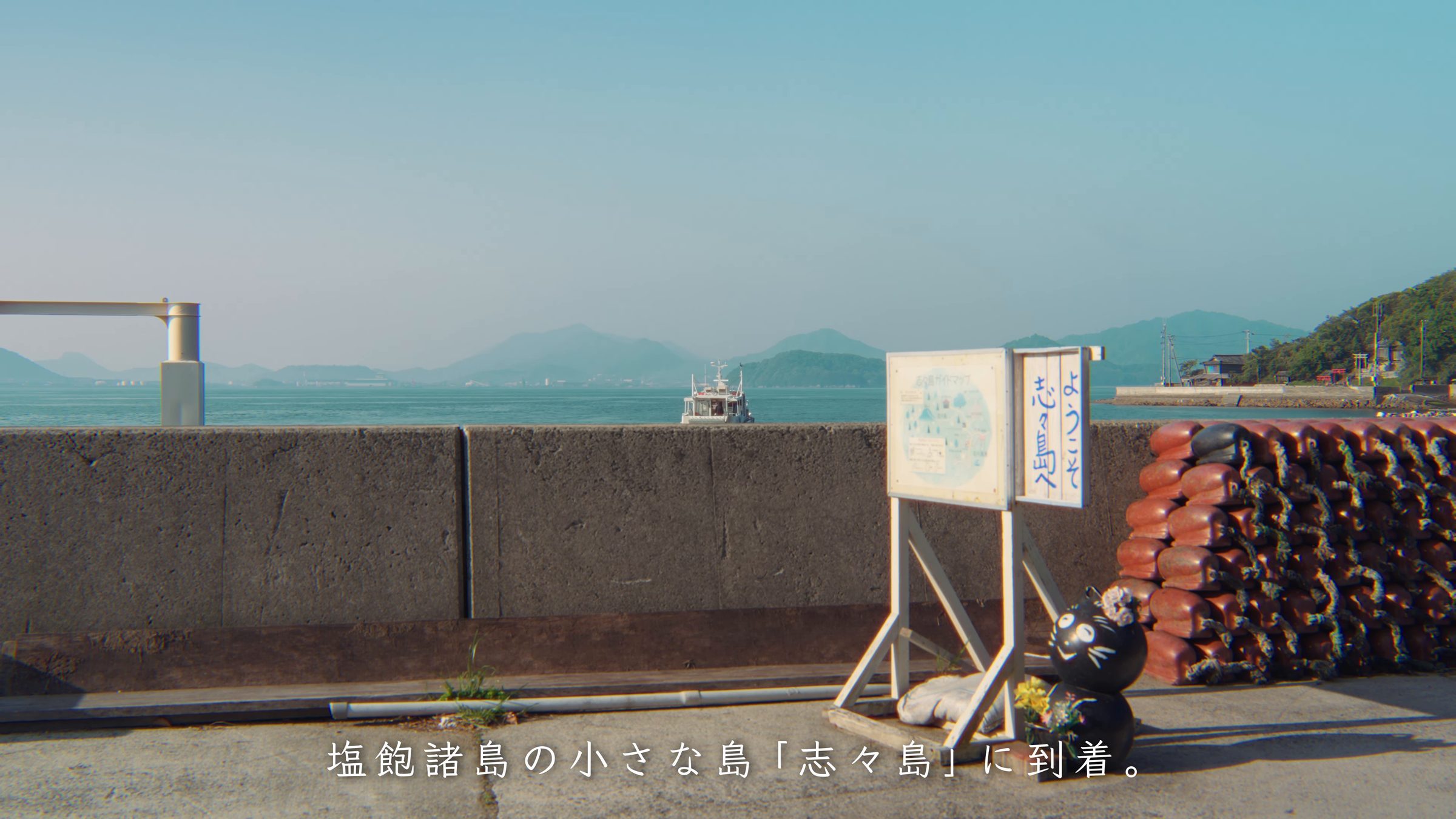
07TRAVEL JOURNAL
A rest stop on the island Tora-san visited
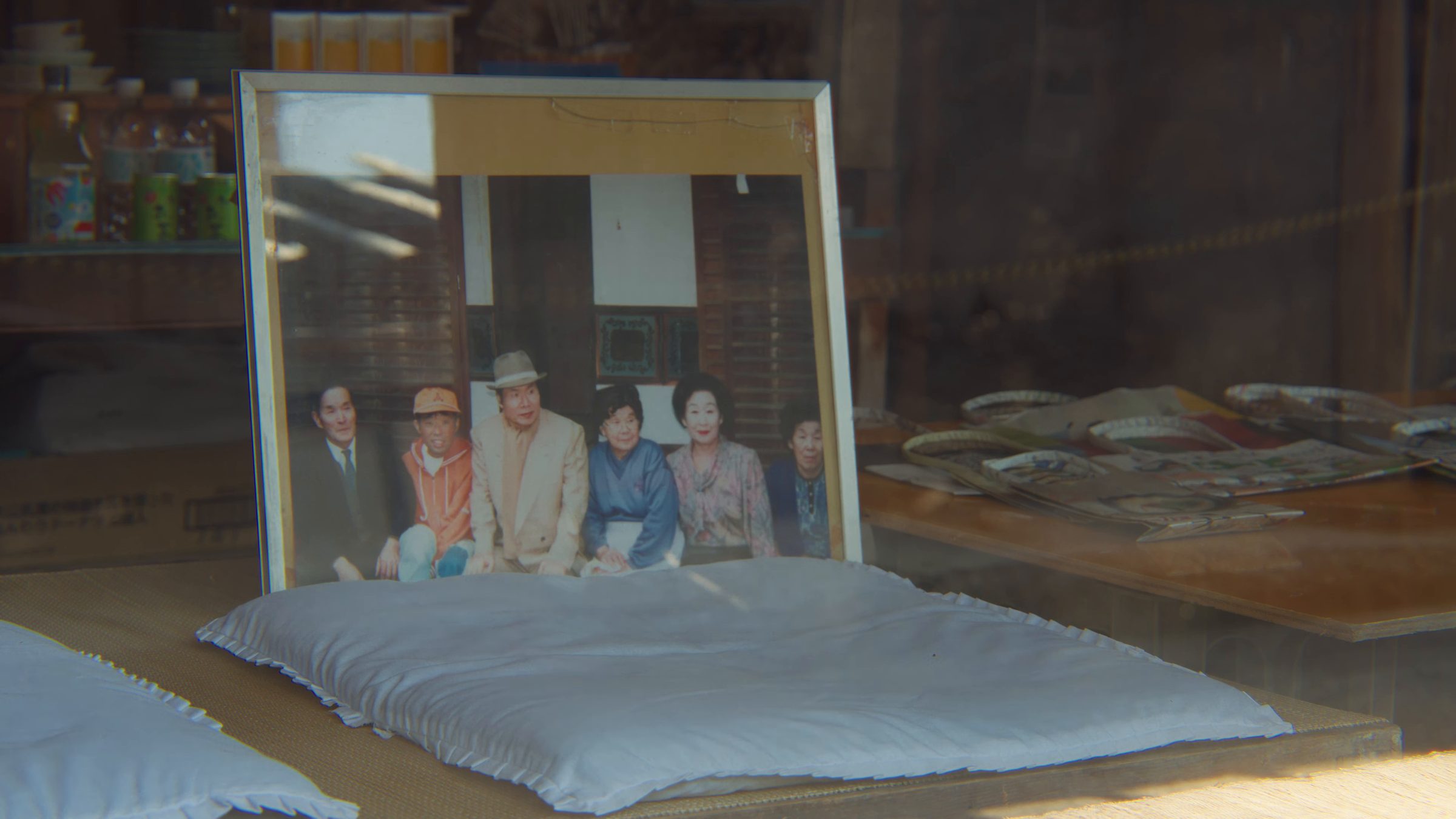
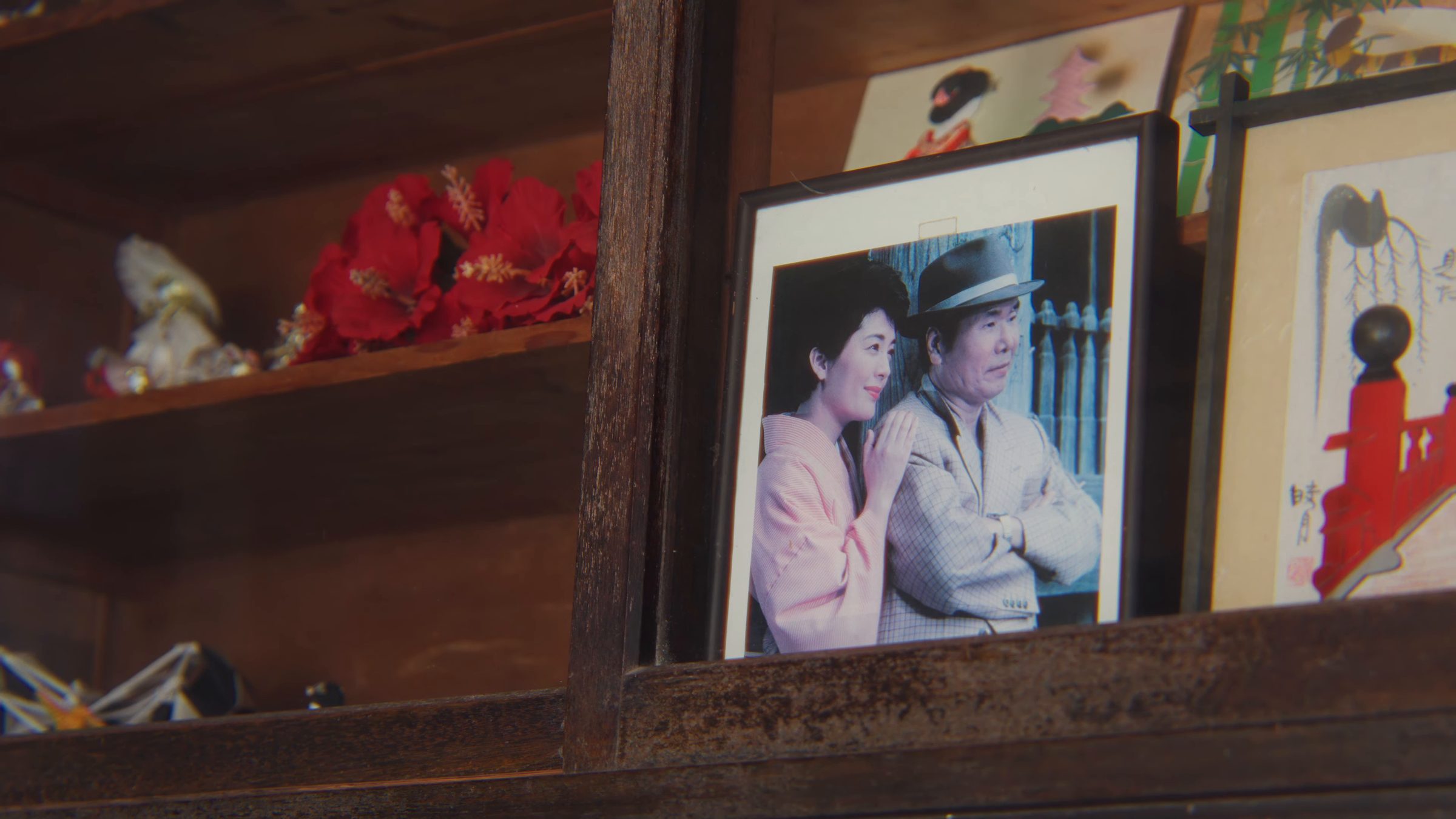
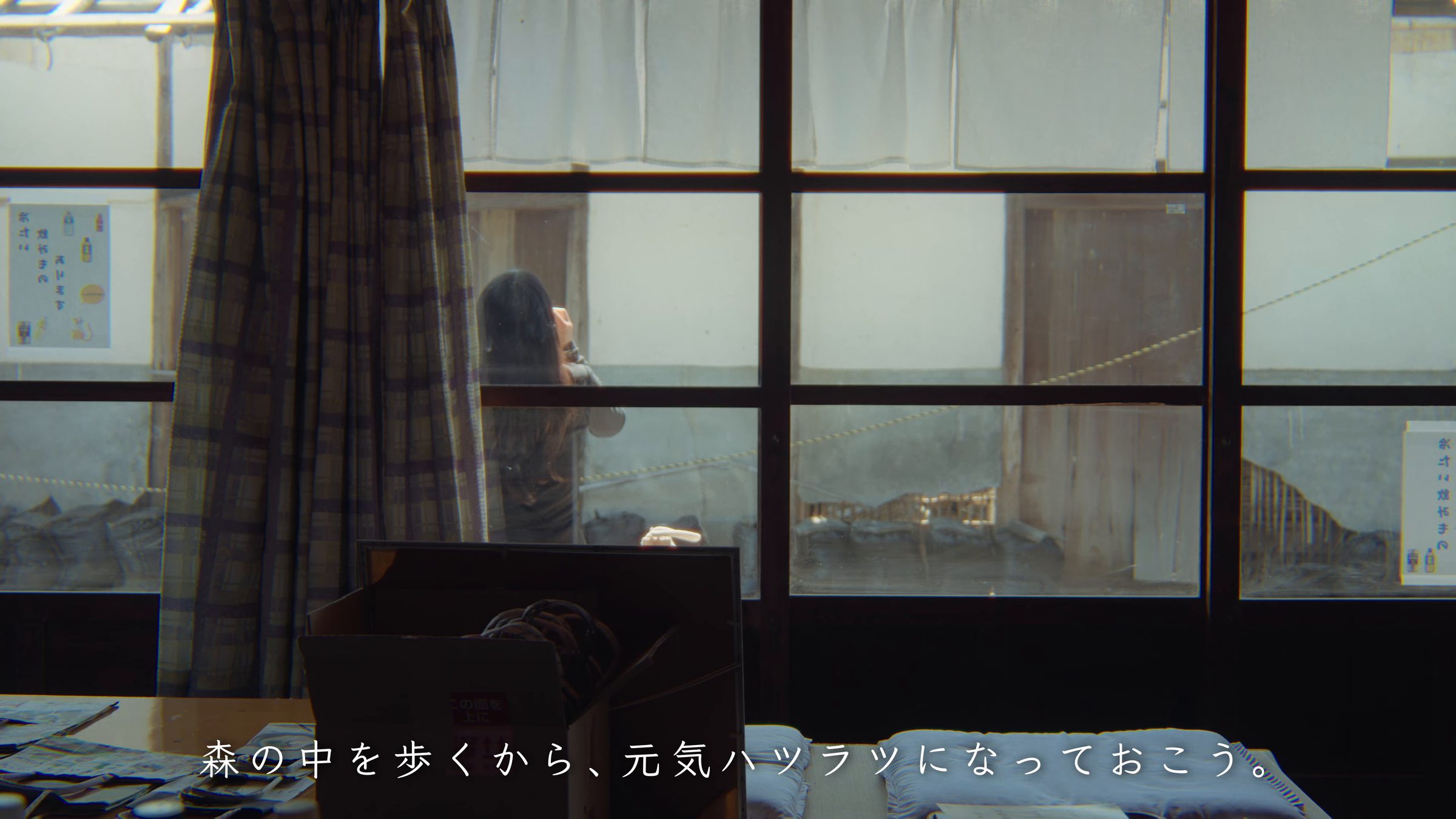
Near the port, an old merchant's house now serves as the island's rest stop. Notes on the window read "Rest here" and "Cold drinks available." Inside, a framed old group photograph leaned against a folded futon. This island was a location for the 46th Tora-san film, Otoko wa Tsurai yo: Torajiro no Endan, and Tora-san himself once came here.
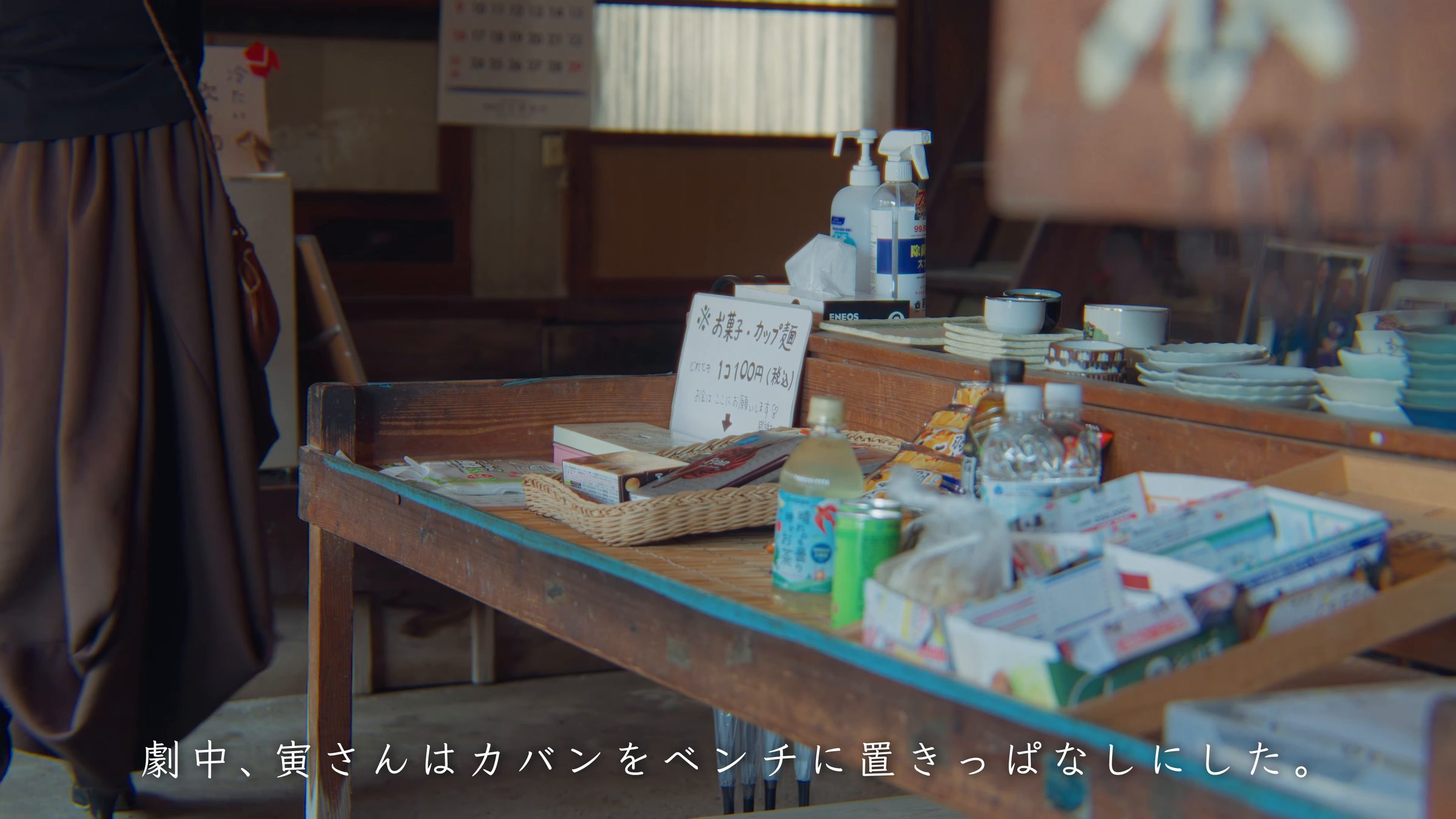
In the film, Tora-san leaves his bag on a bench. "There are no thieves on this island," the policeman tells him.
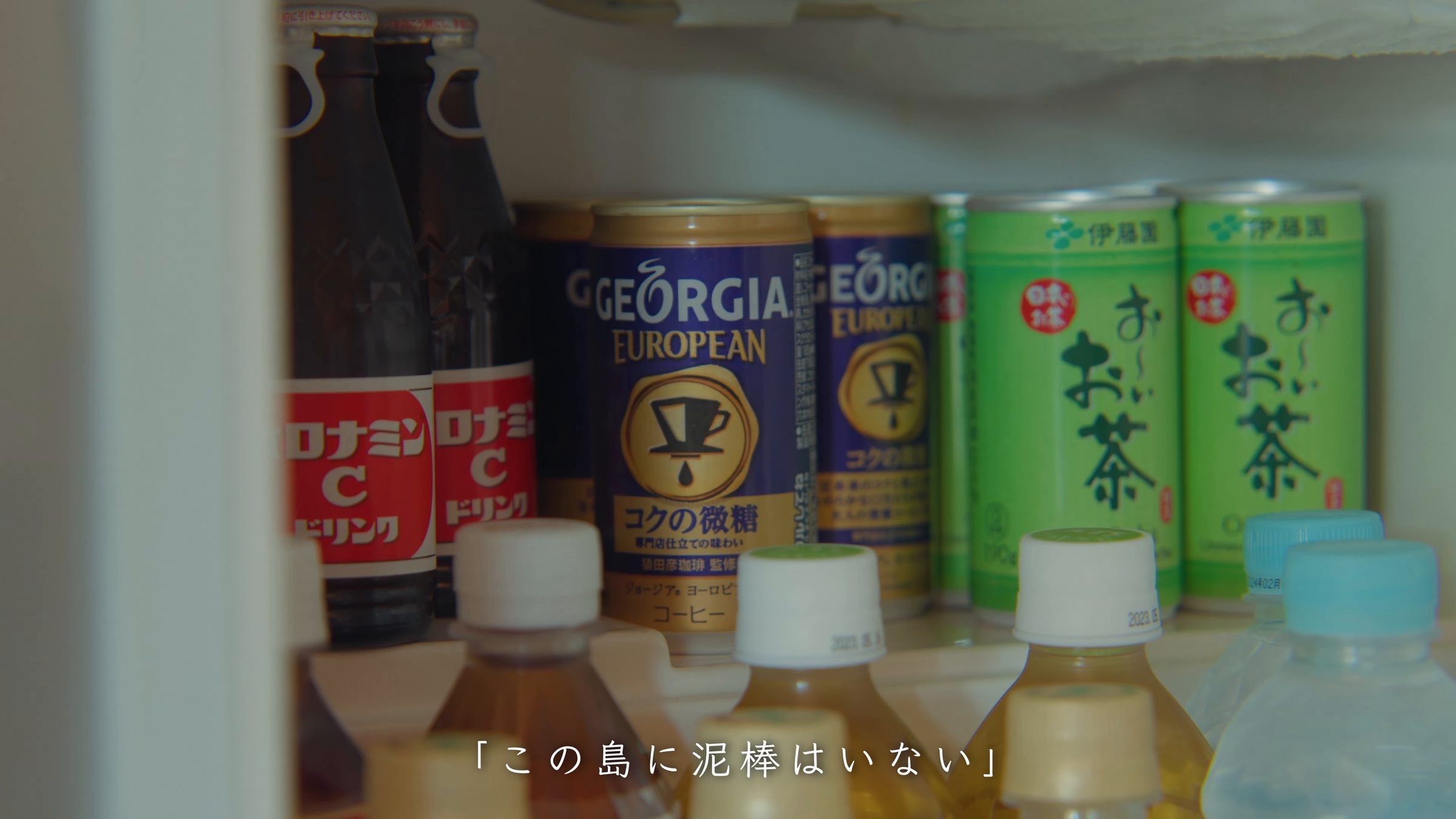
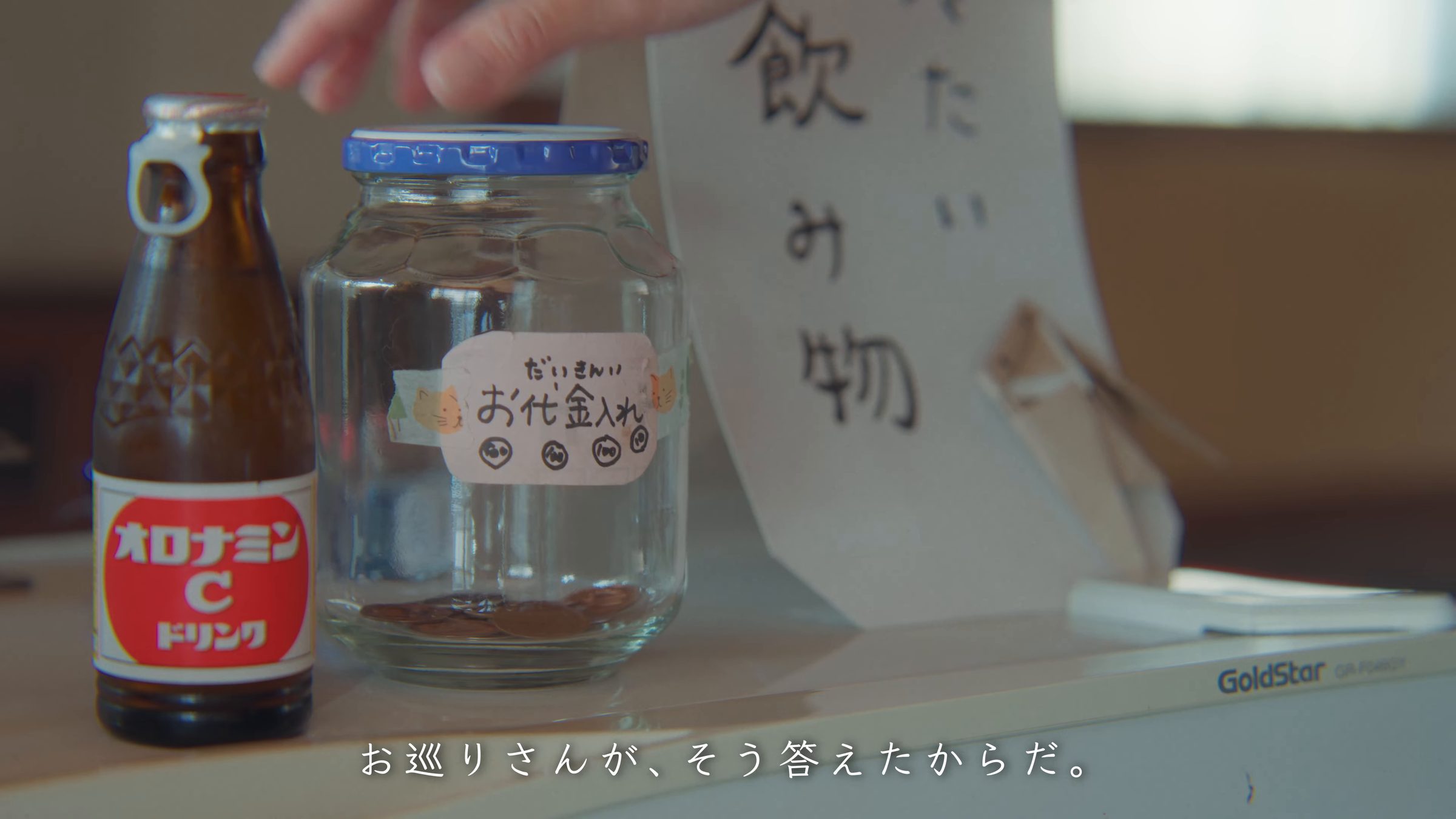
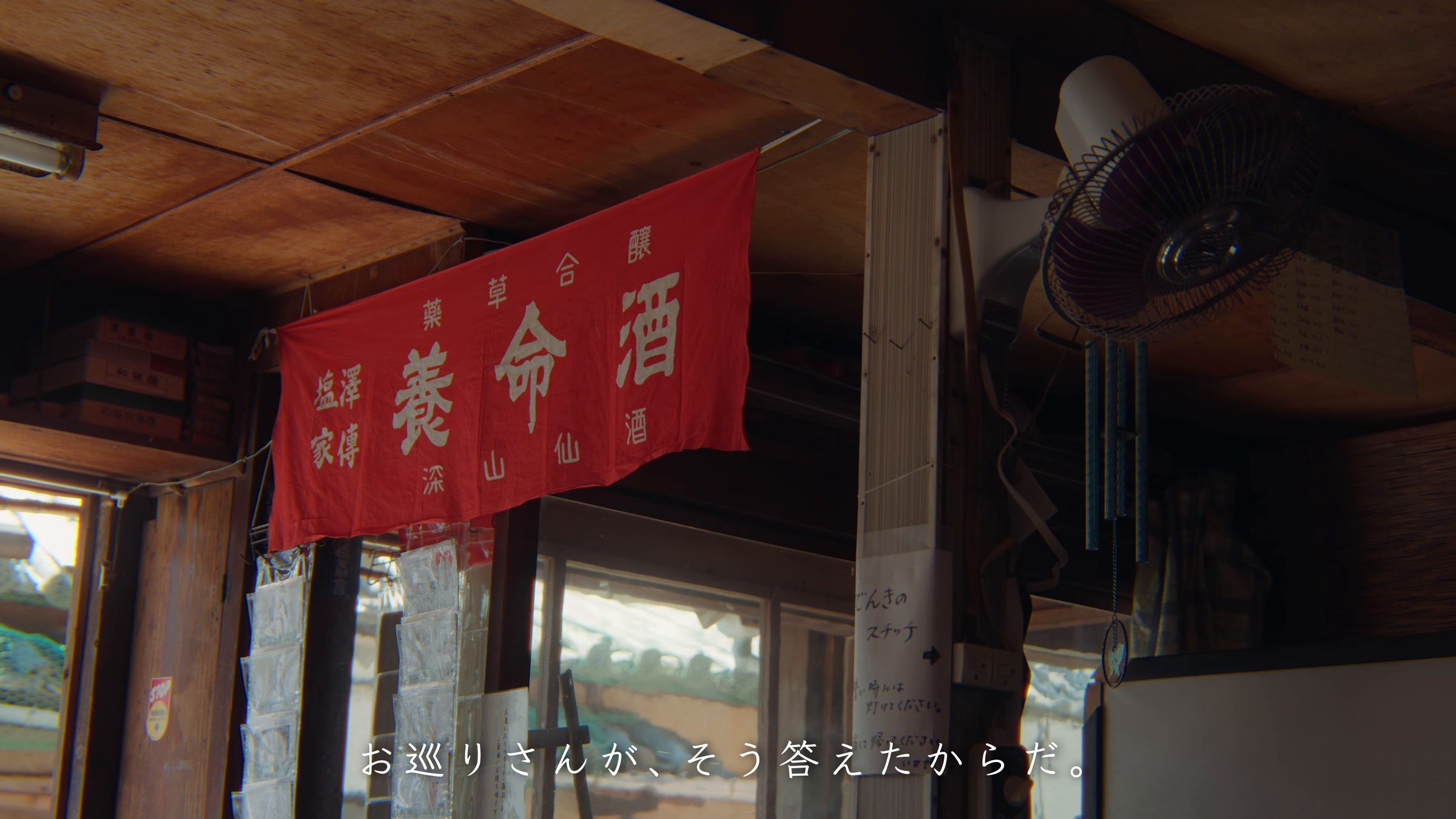
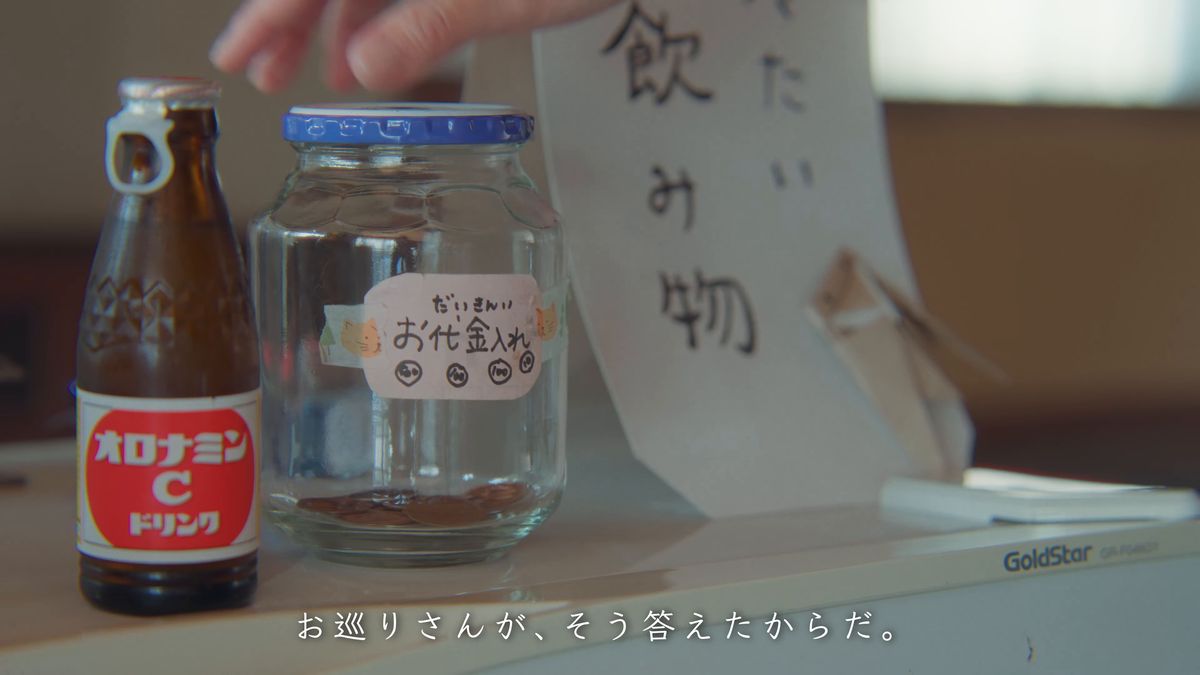
On the table were snacks and cup noodles, a sign saying "any item 100 yen" and a box for the money. On the shelf, bottles of Oronamin C, canned coffee and green tea. I dropped my coins into the payment jar and took a bottle. A red Yomeishu curtain, an electric fan, and film stills on the display shelf. I'd be walking the mountain trails, so a little energy drink first.
Watch this scene on YouTube3:12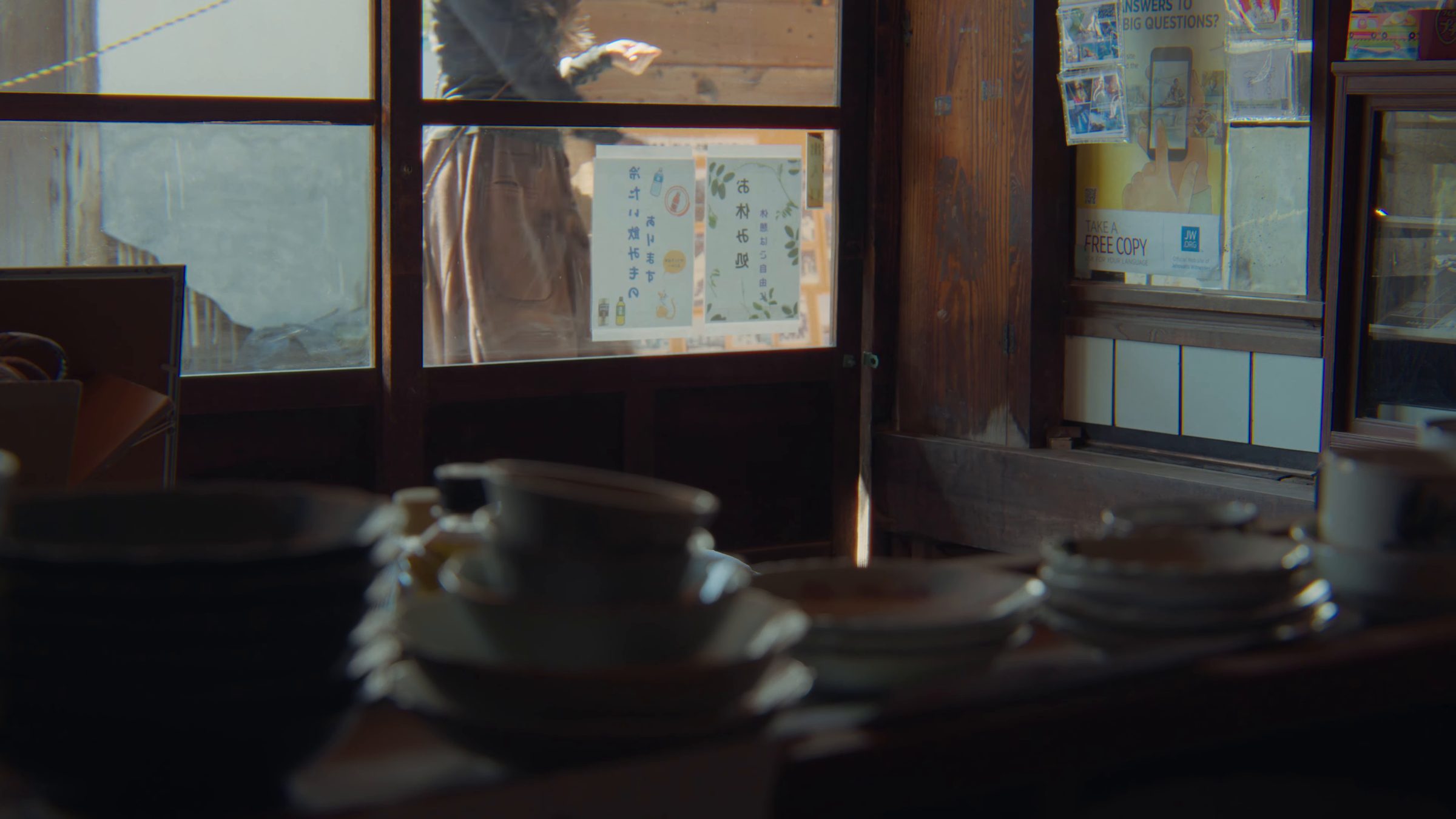
08TRAVEL JOURNAL
The 1,200-year-old camphor tree
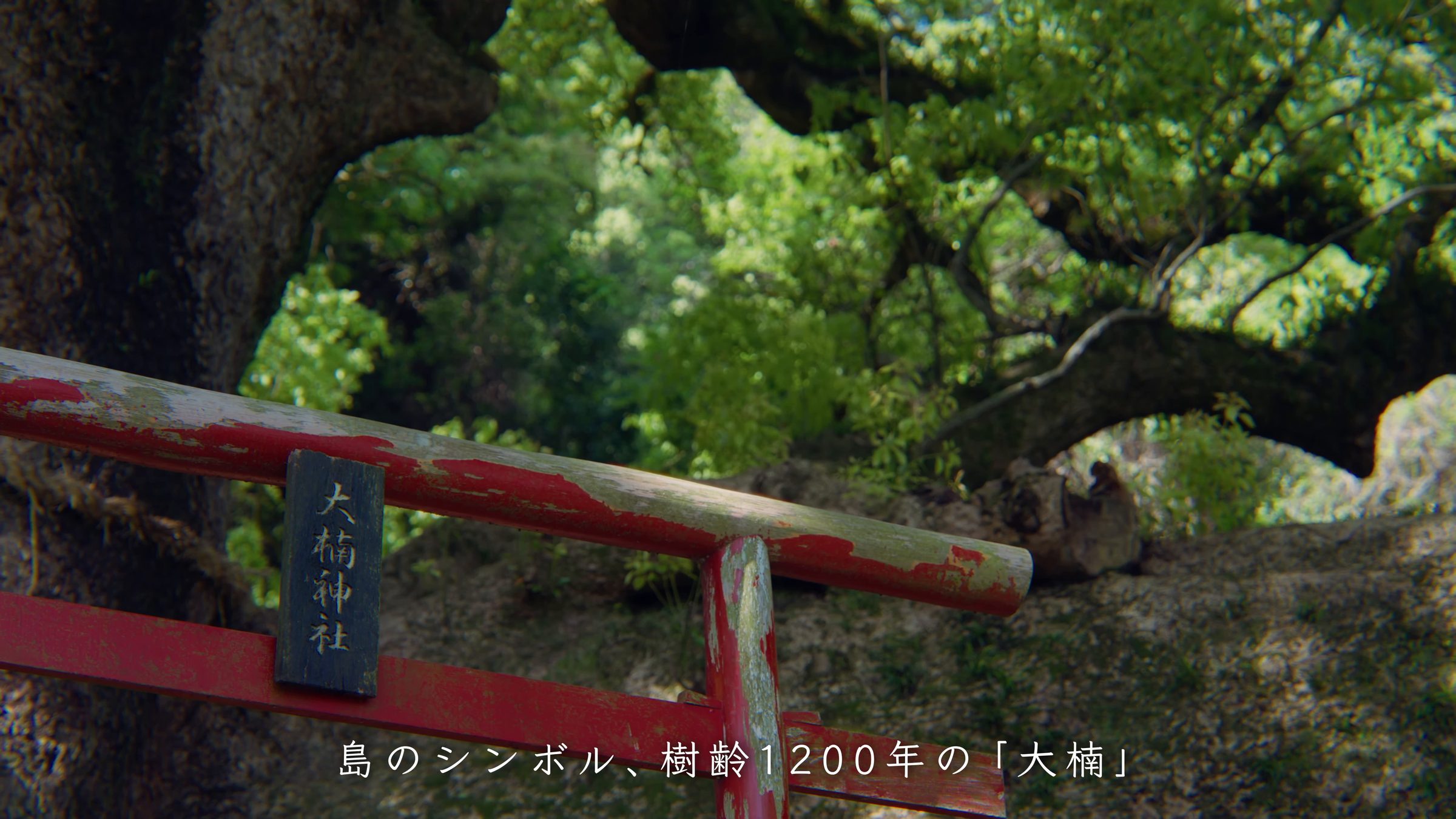
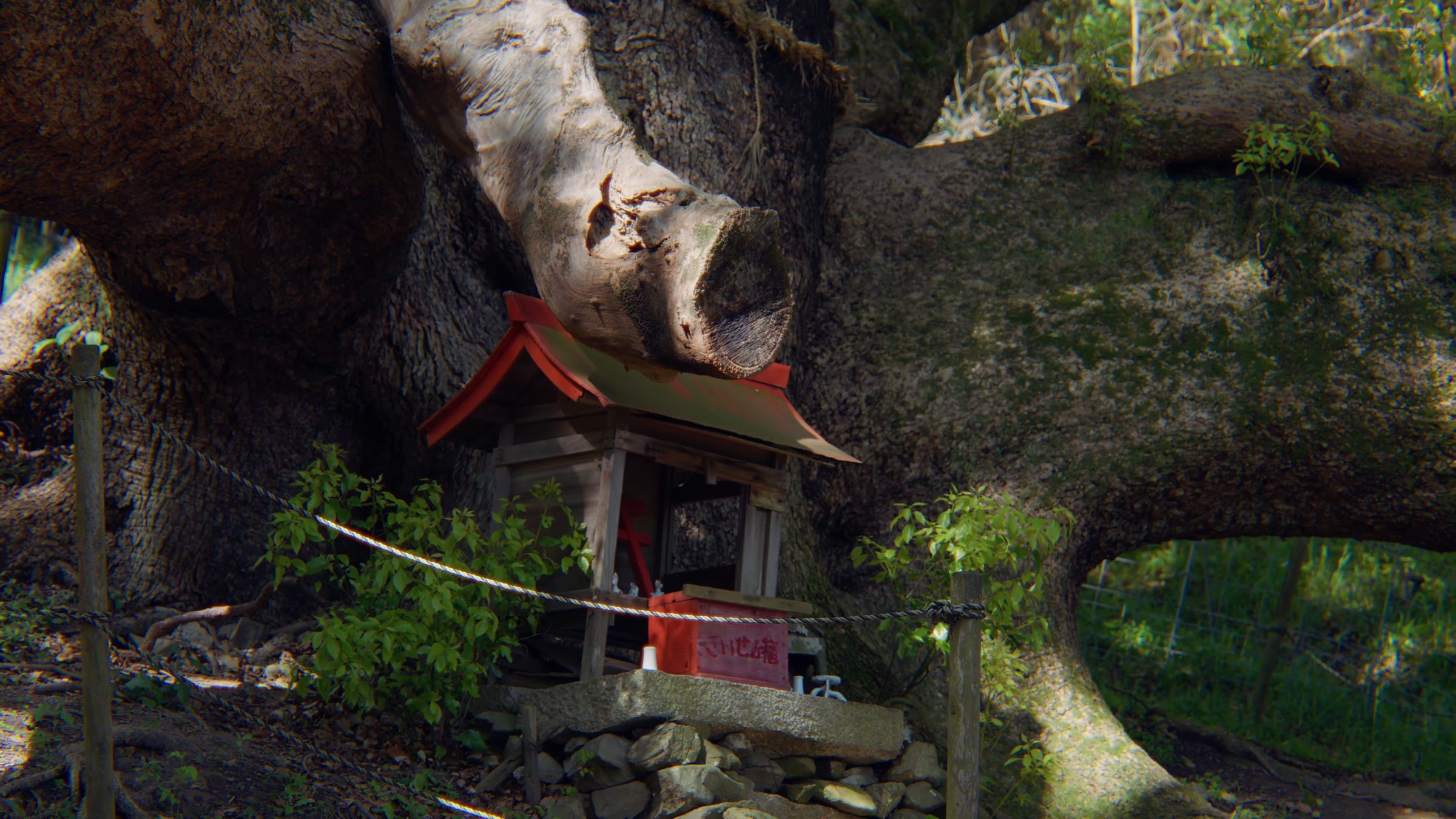
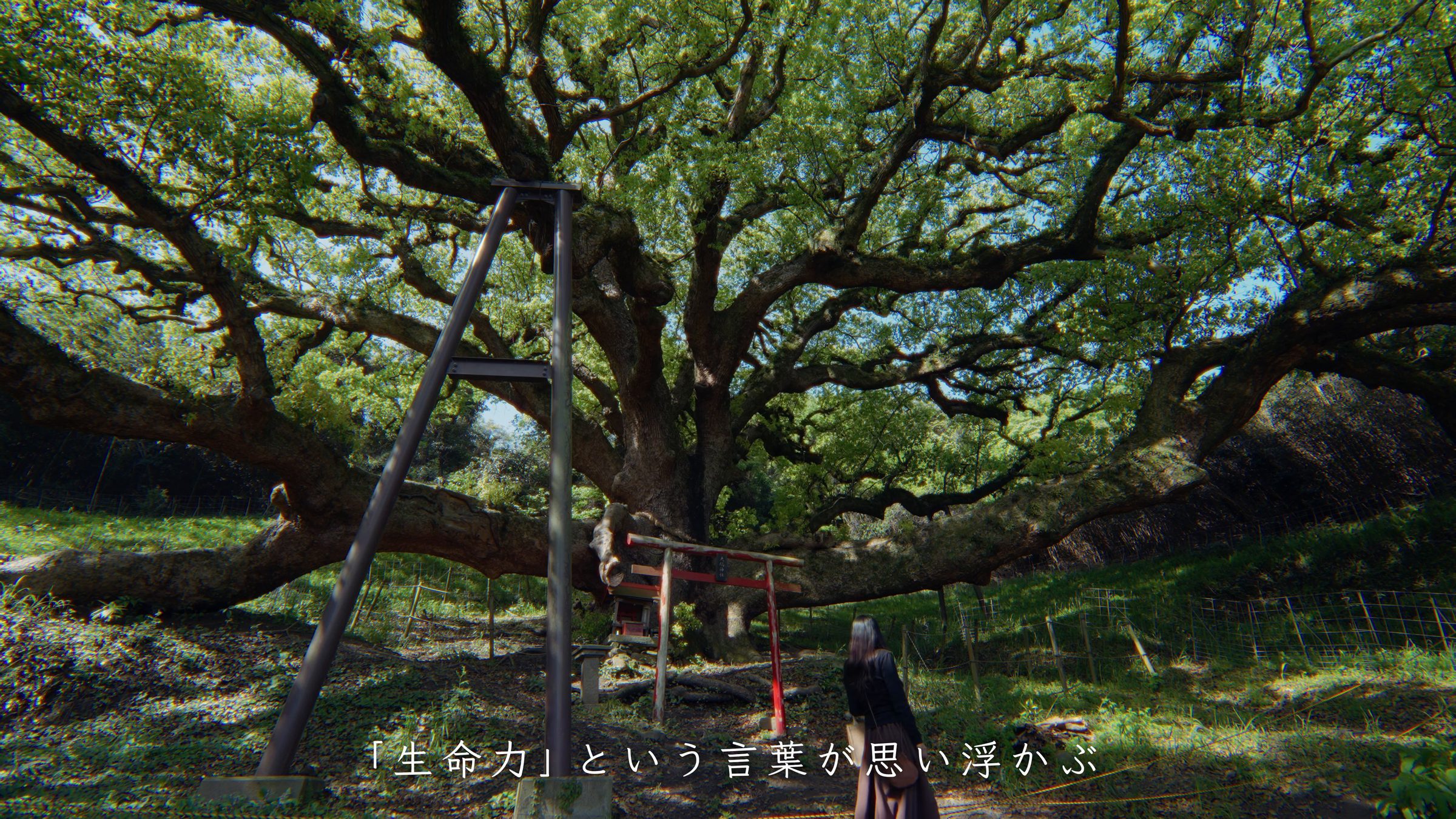
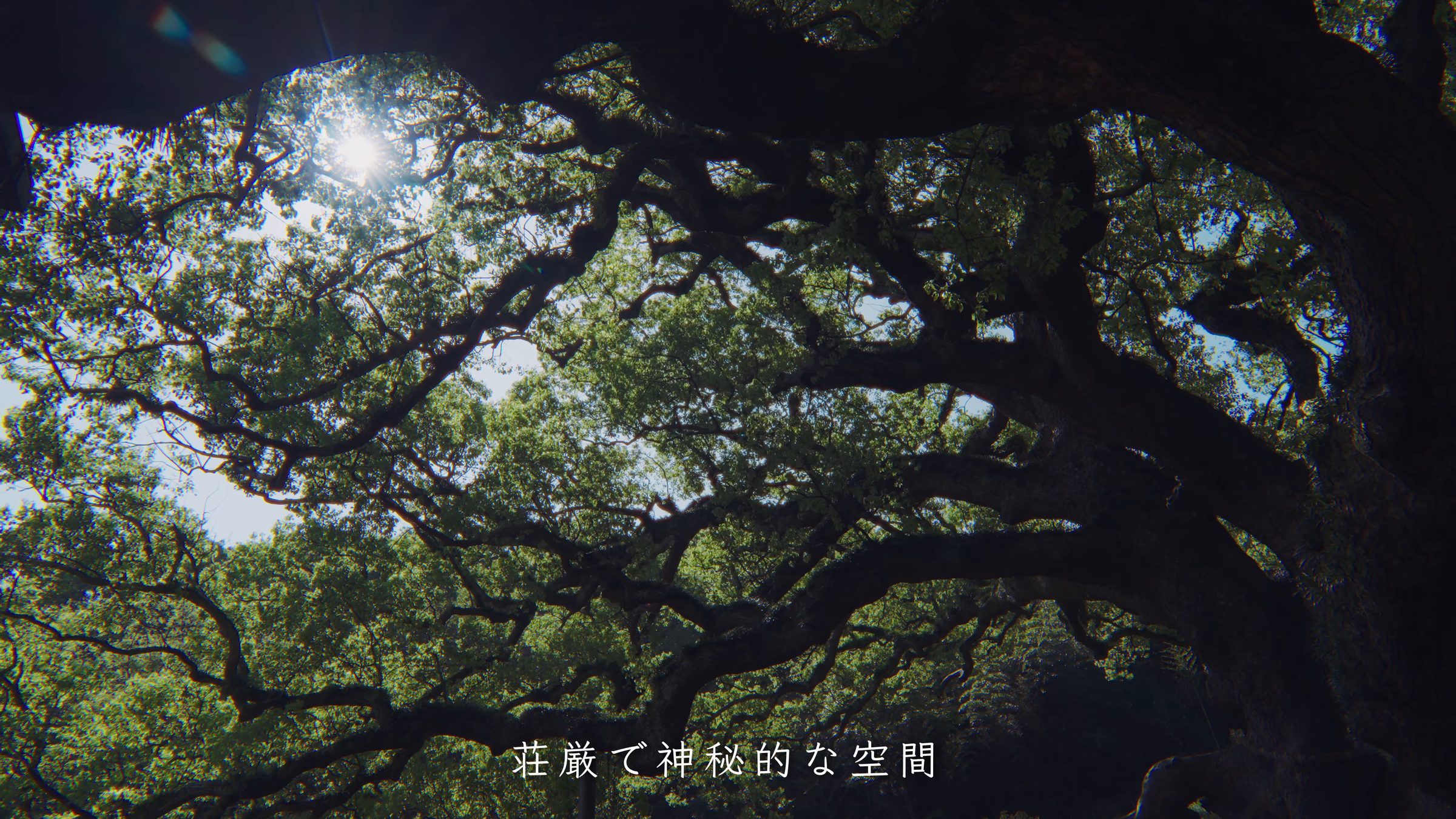
Climbing the slope, I came upon the island's symbol in the woods: the Okusu, a camphor tree said to be 1,200 years old. Thick trunks spread from the ground in every direction, and its branches fill the sky. At its base stood a red torii with a plaque reading "Okusu Shrine," and a tiny shrine.
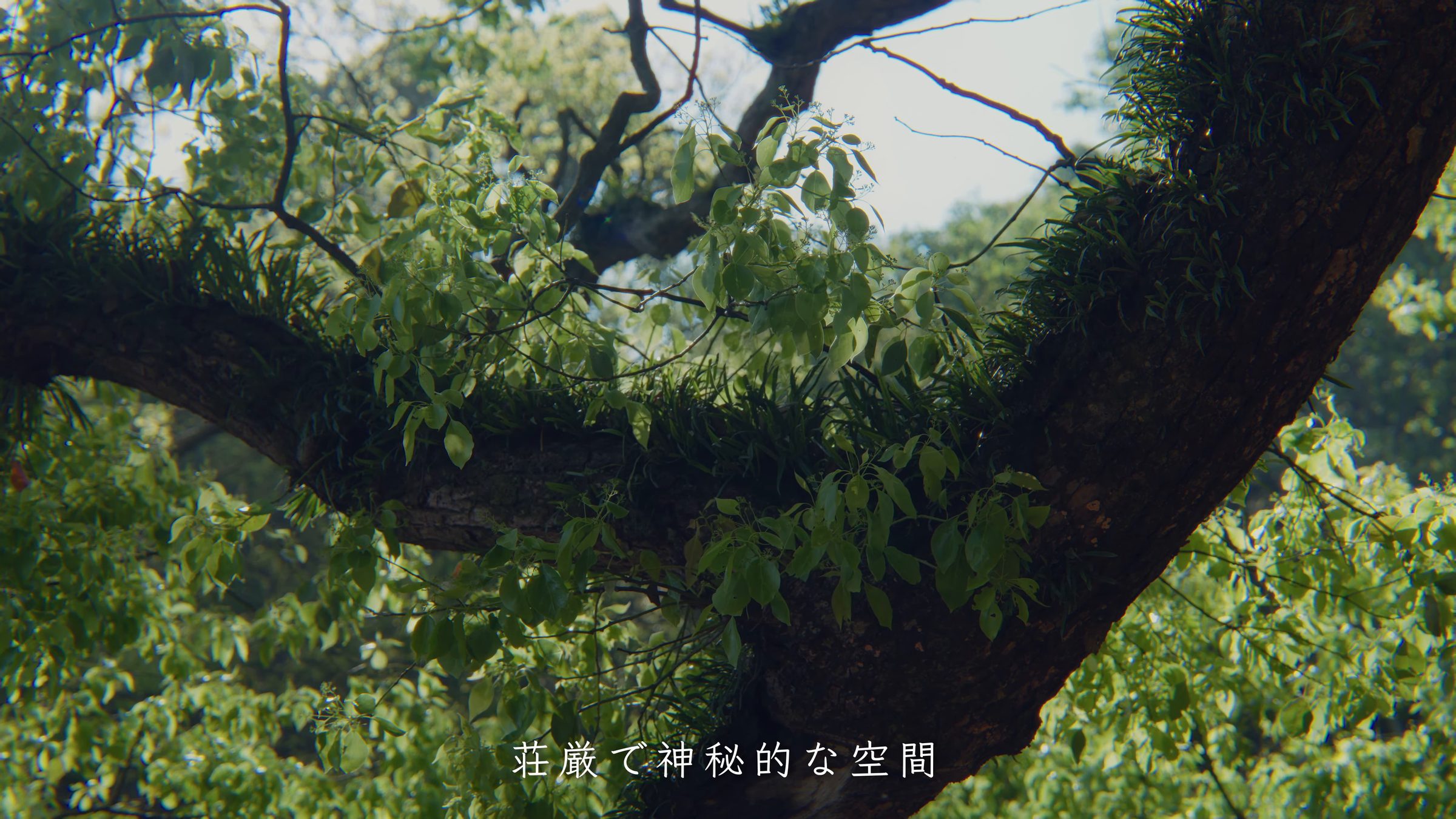
Looking up, sunlight filtered down through branches full of young leaves. The phrase "life force" came to mind. I stood for a while in that majestic, sacred space.
Watch this scene on YouTube4:22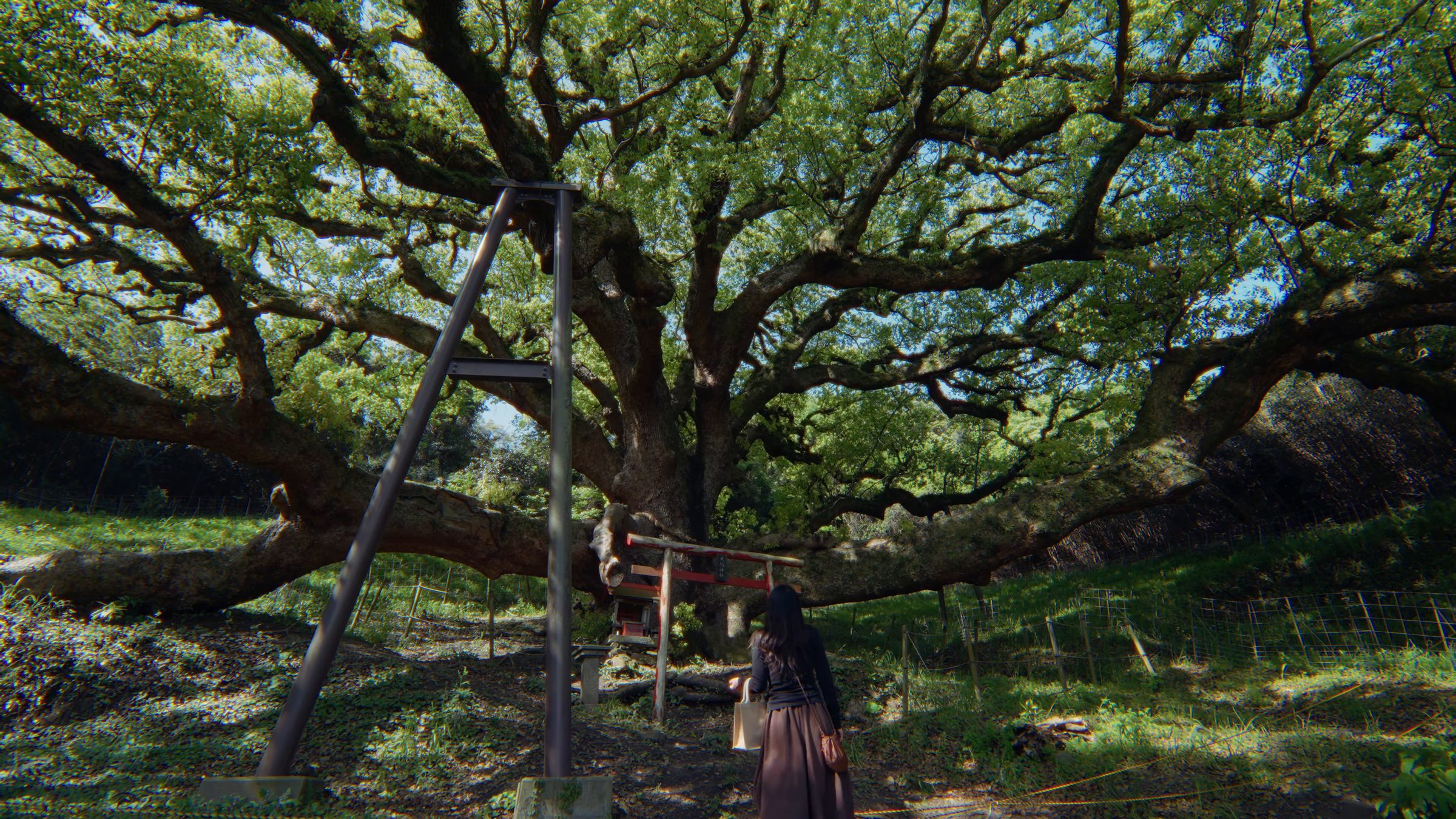
09TRAVEL JOURNAL
The flower garden in the sky
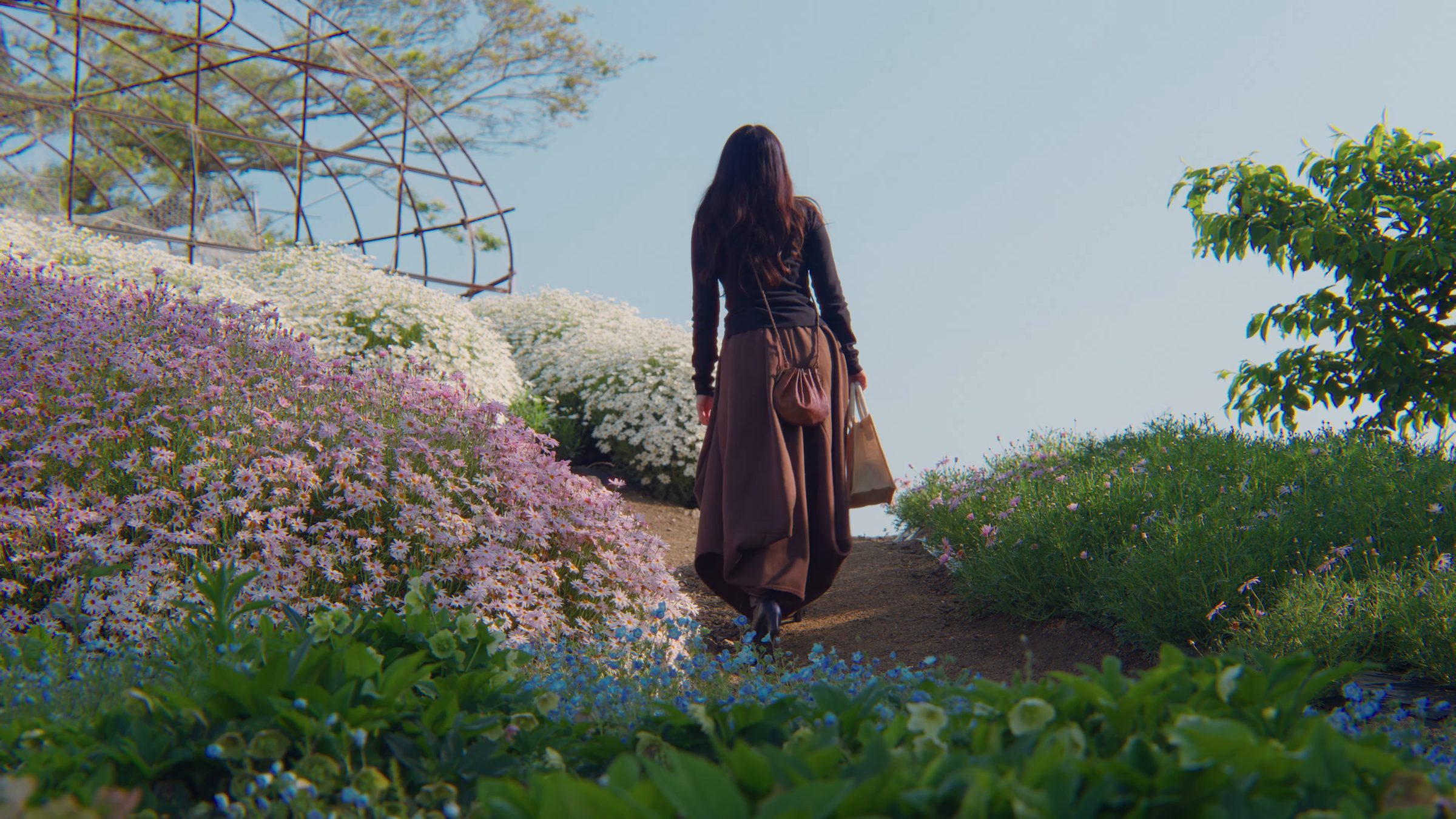
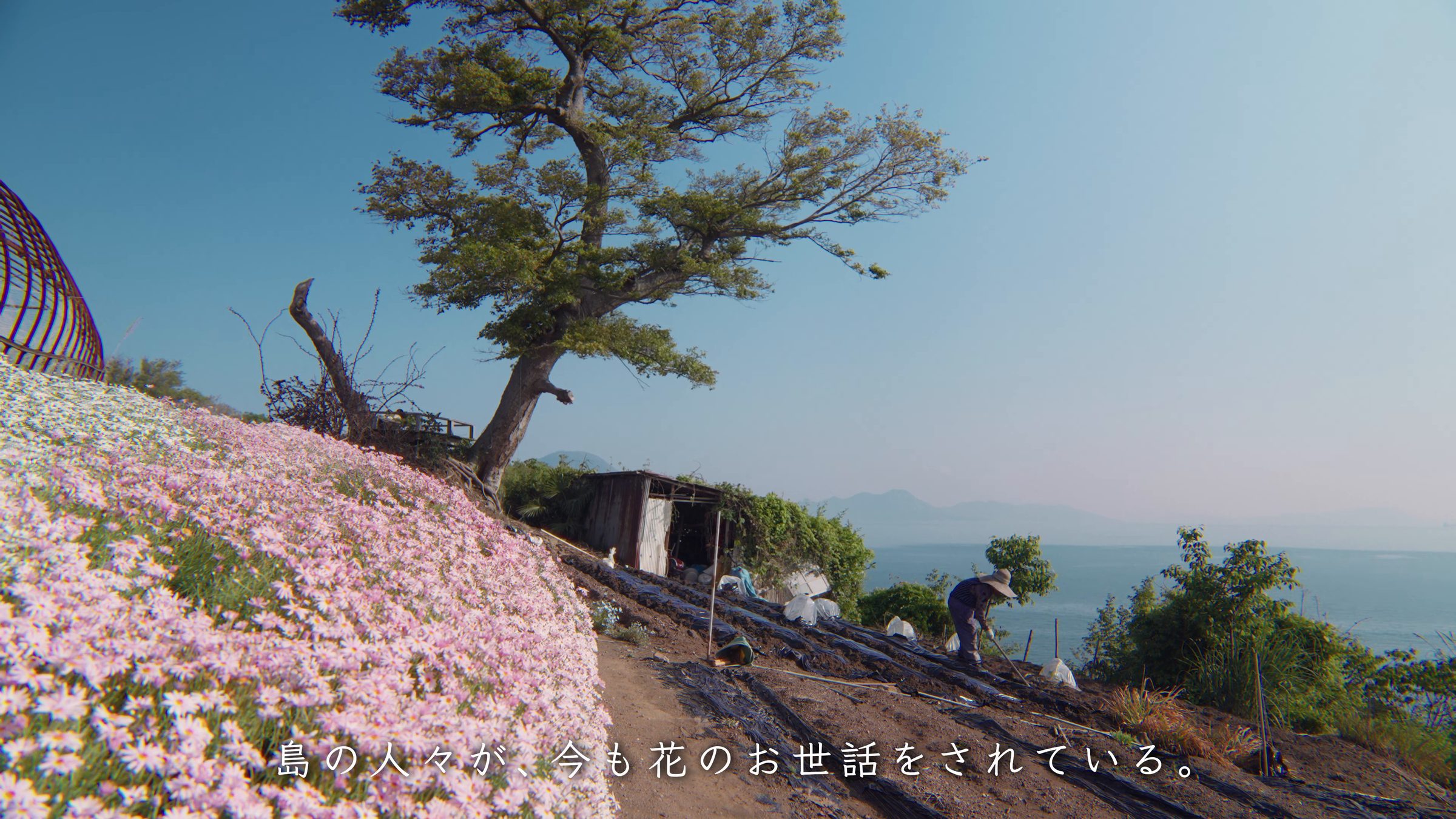
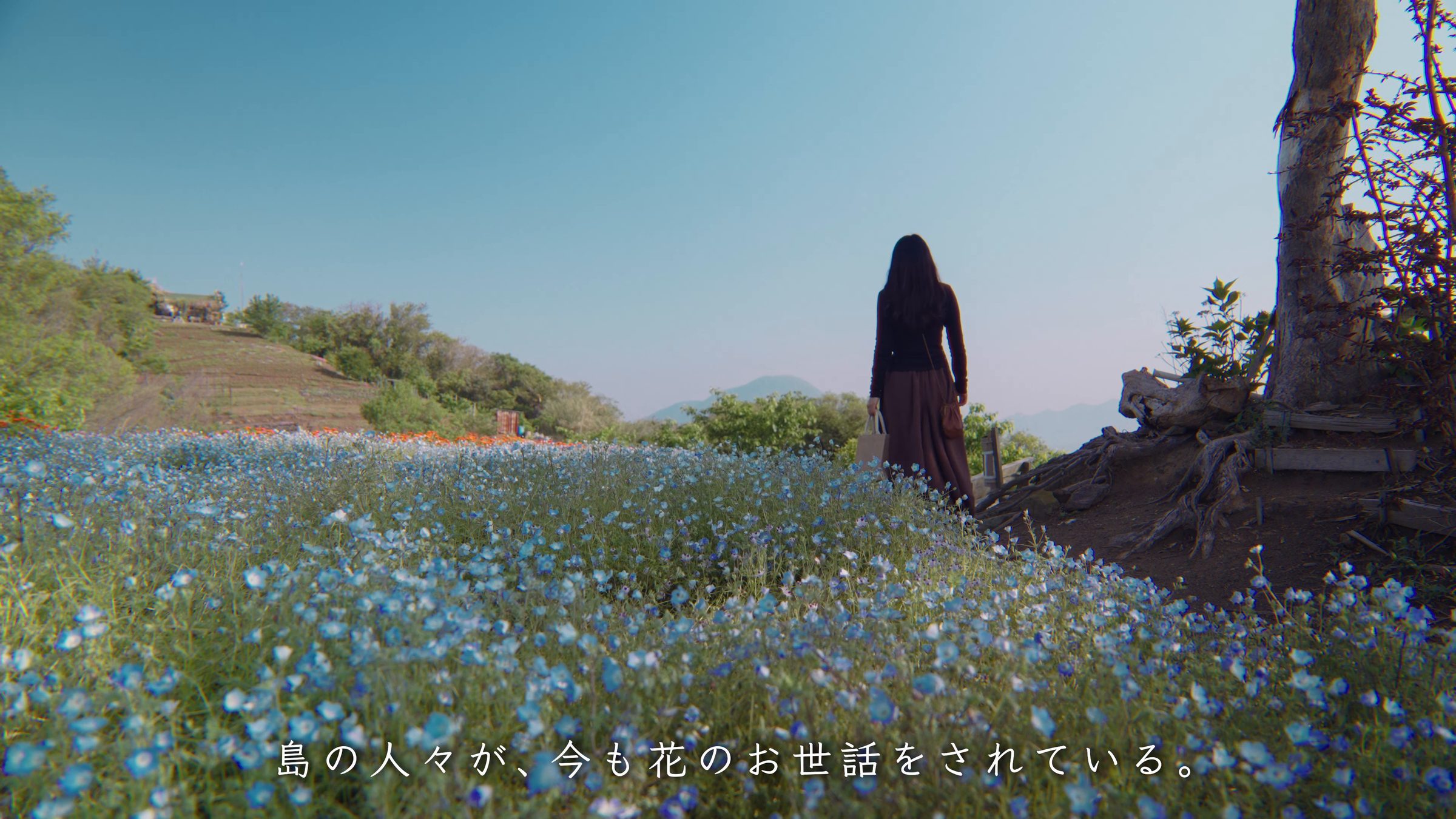
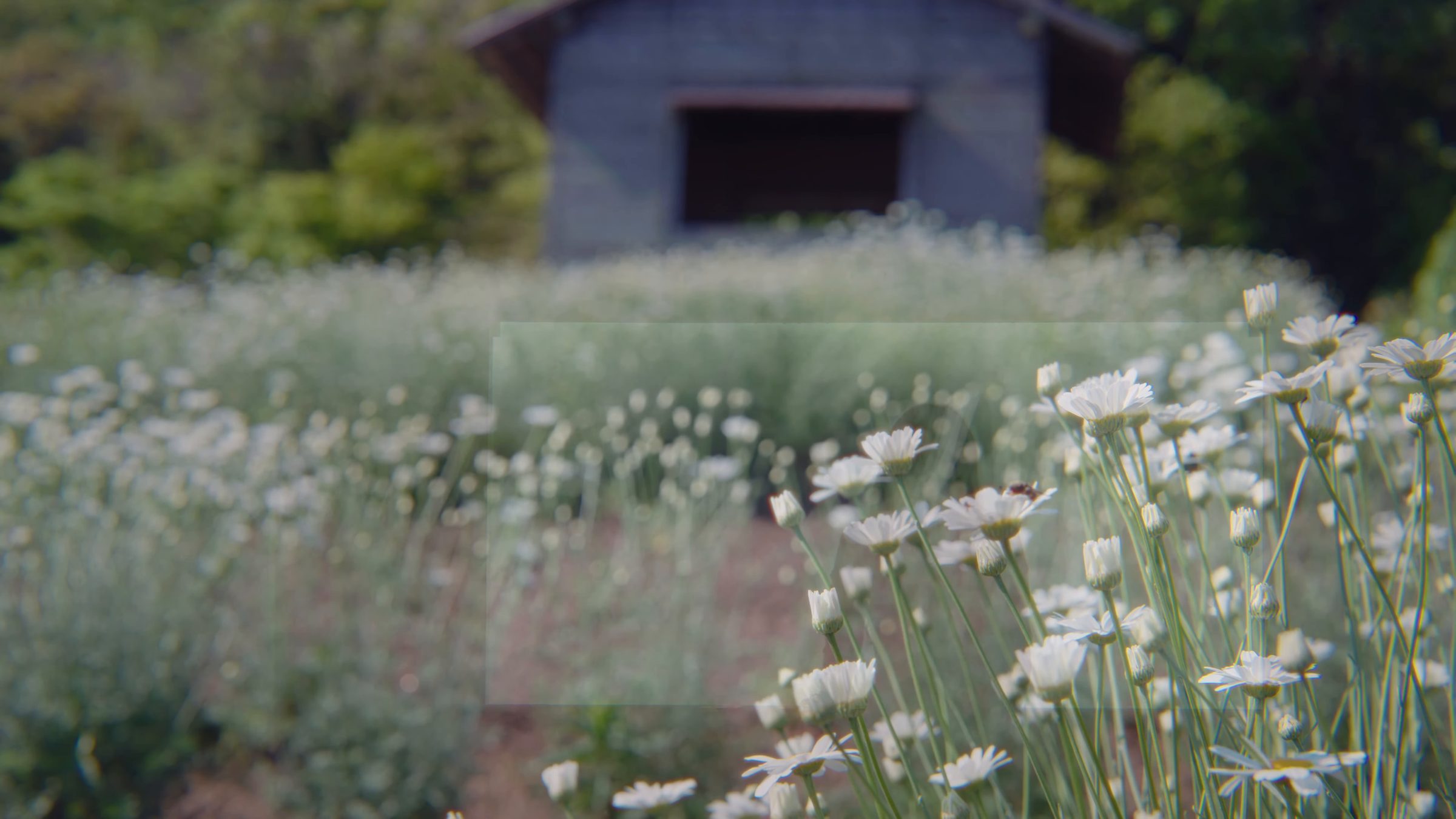
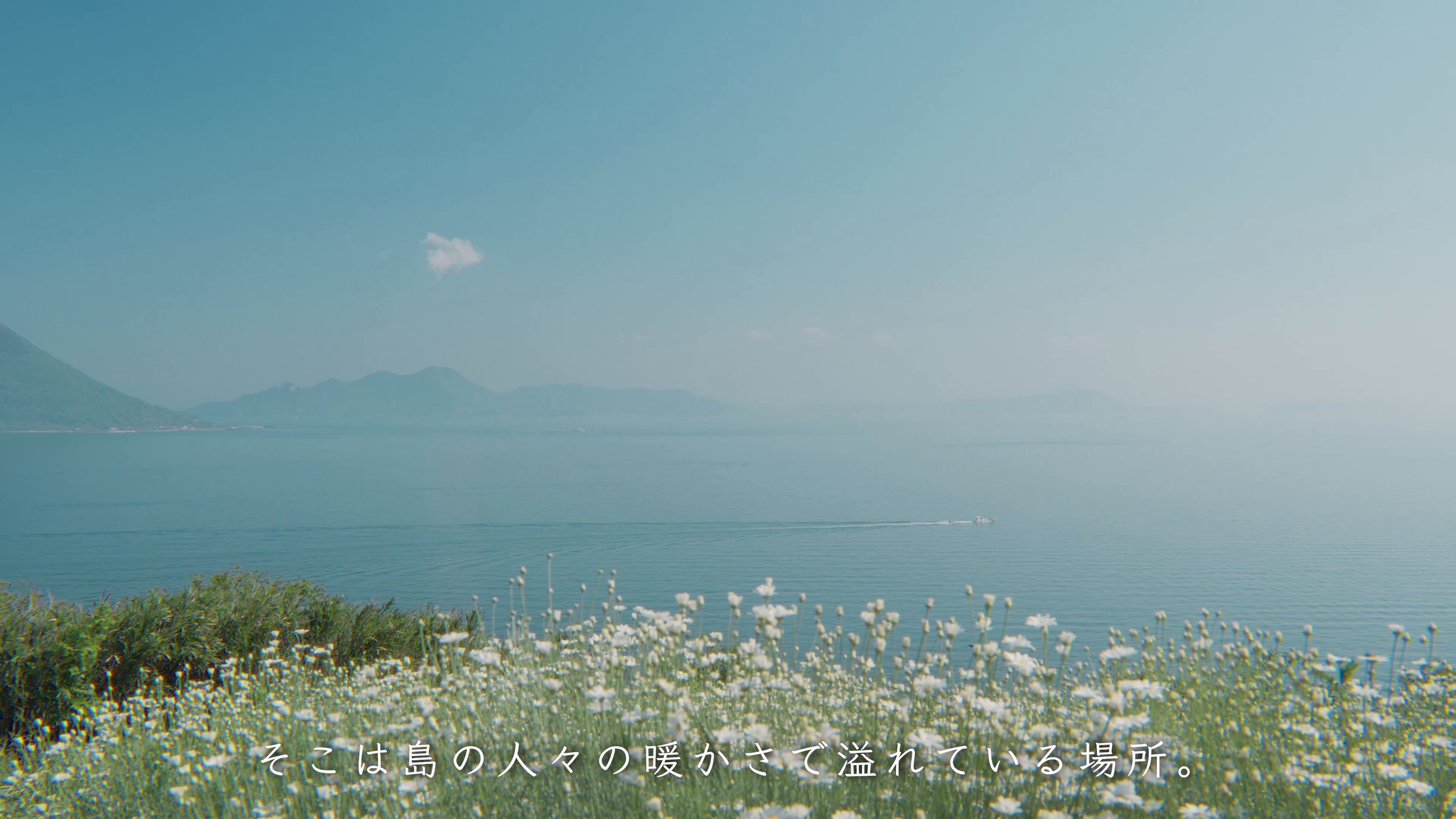
Past the great tree, I came to flower fields on the slope. Shishijima was once known as the "flower island," with flower fields covering the whole island. To bring that scenery back, the islanders still tend the flowers today. Pink moss phlox and white blossoms filled the hillside, and nemophila spread blue at my feet.
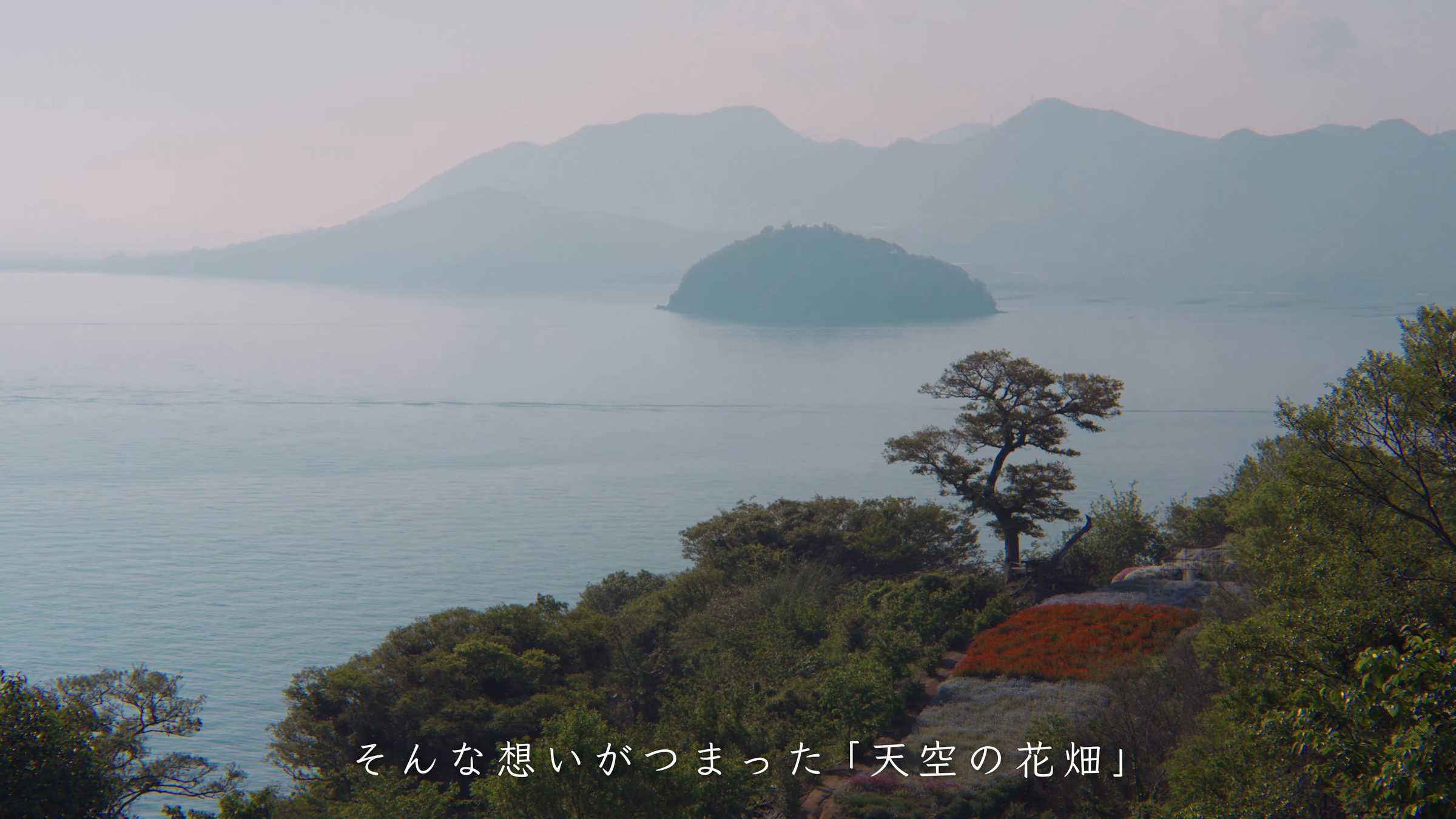
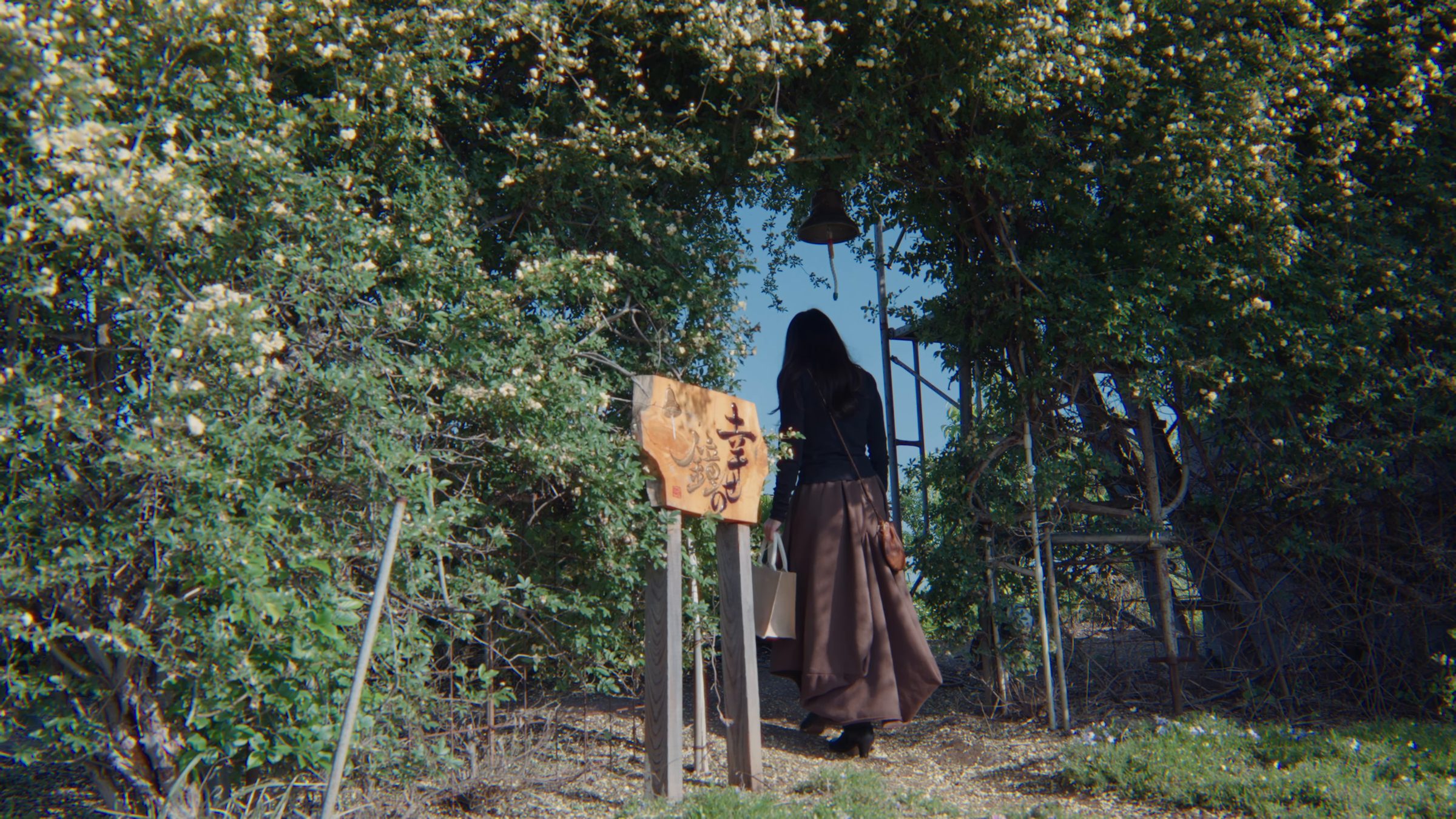
Farther along, an islander was working the rows of soil, with the Seto Inland Sea and its islands beyond. This is the "flower garden in the sky," filled with those feelings. In one corner hung a small bell beside a wooden sign reading "Bell of Happiness."
Watch this scene on YouTube4:53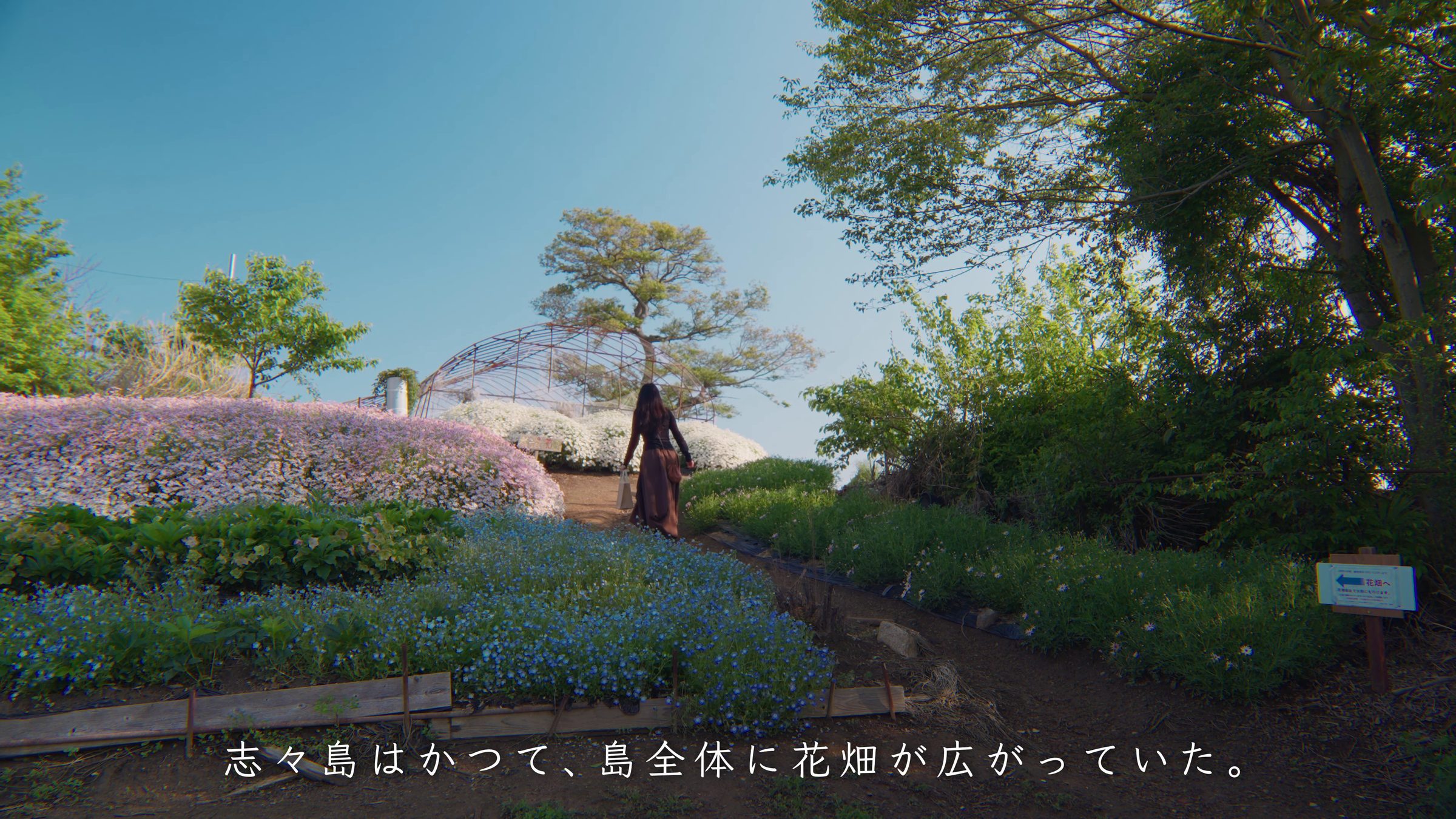
10TRAVEL JOURNAL
Breakfast at the Kusunokura lookout
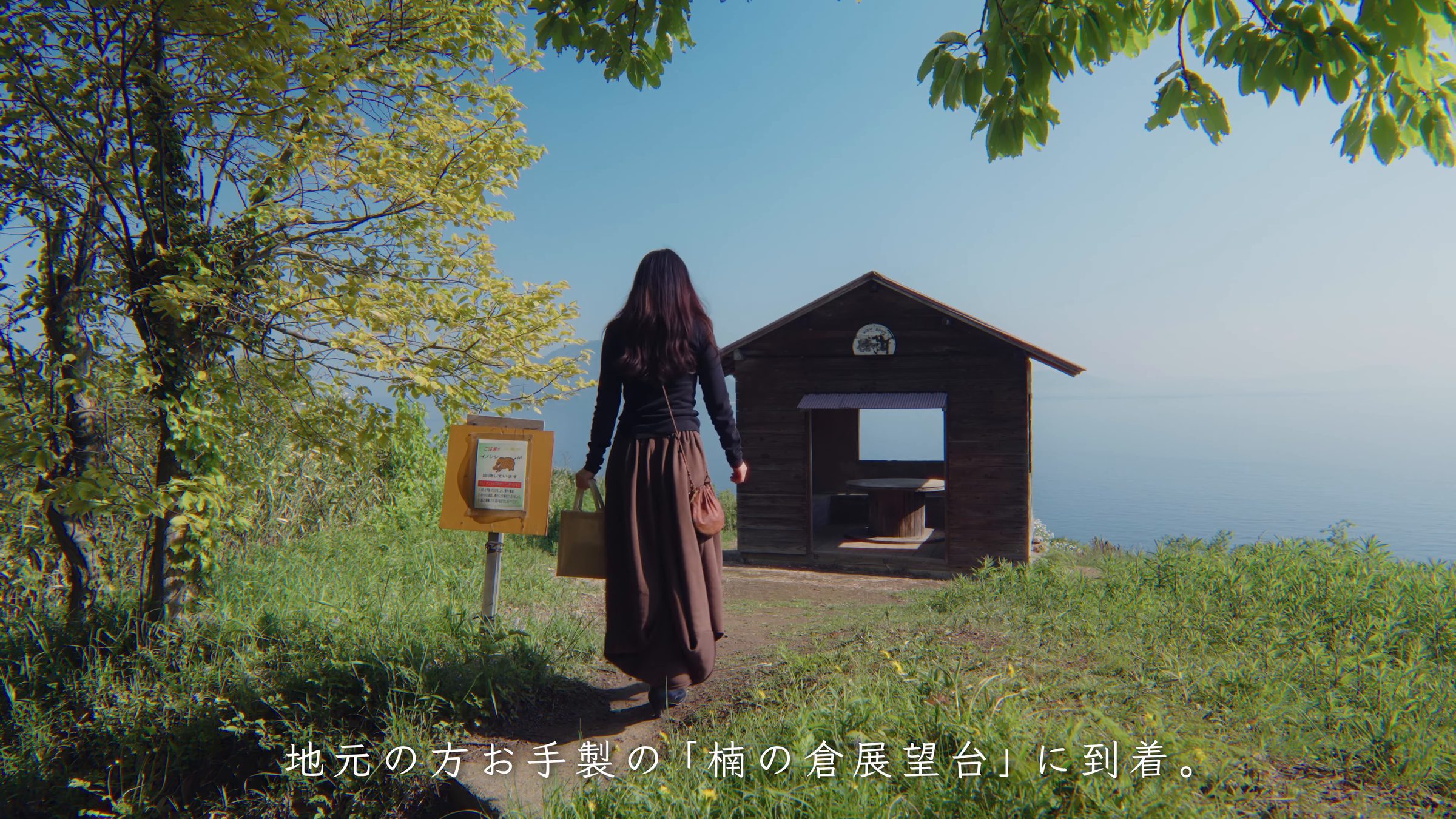
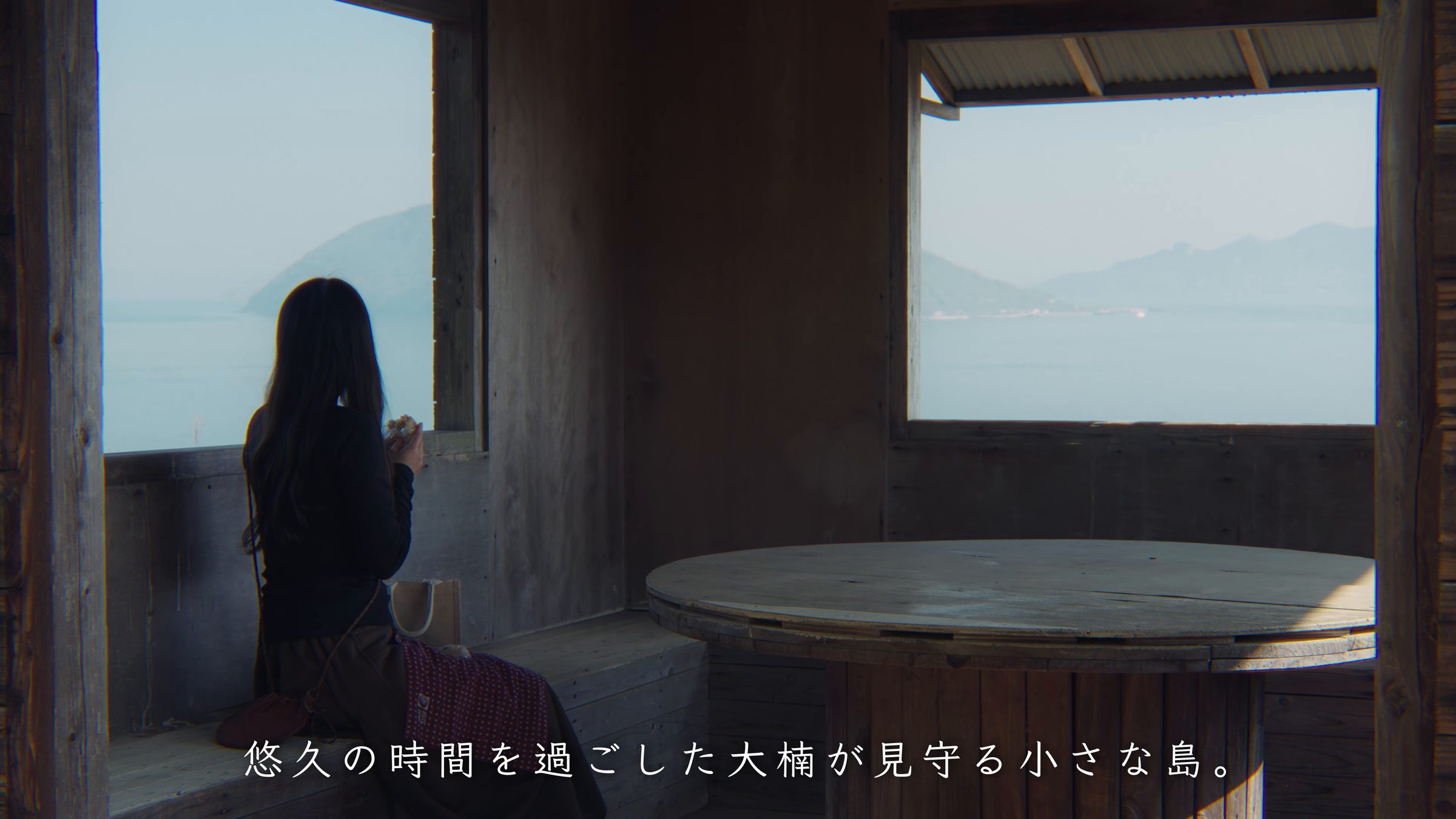
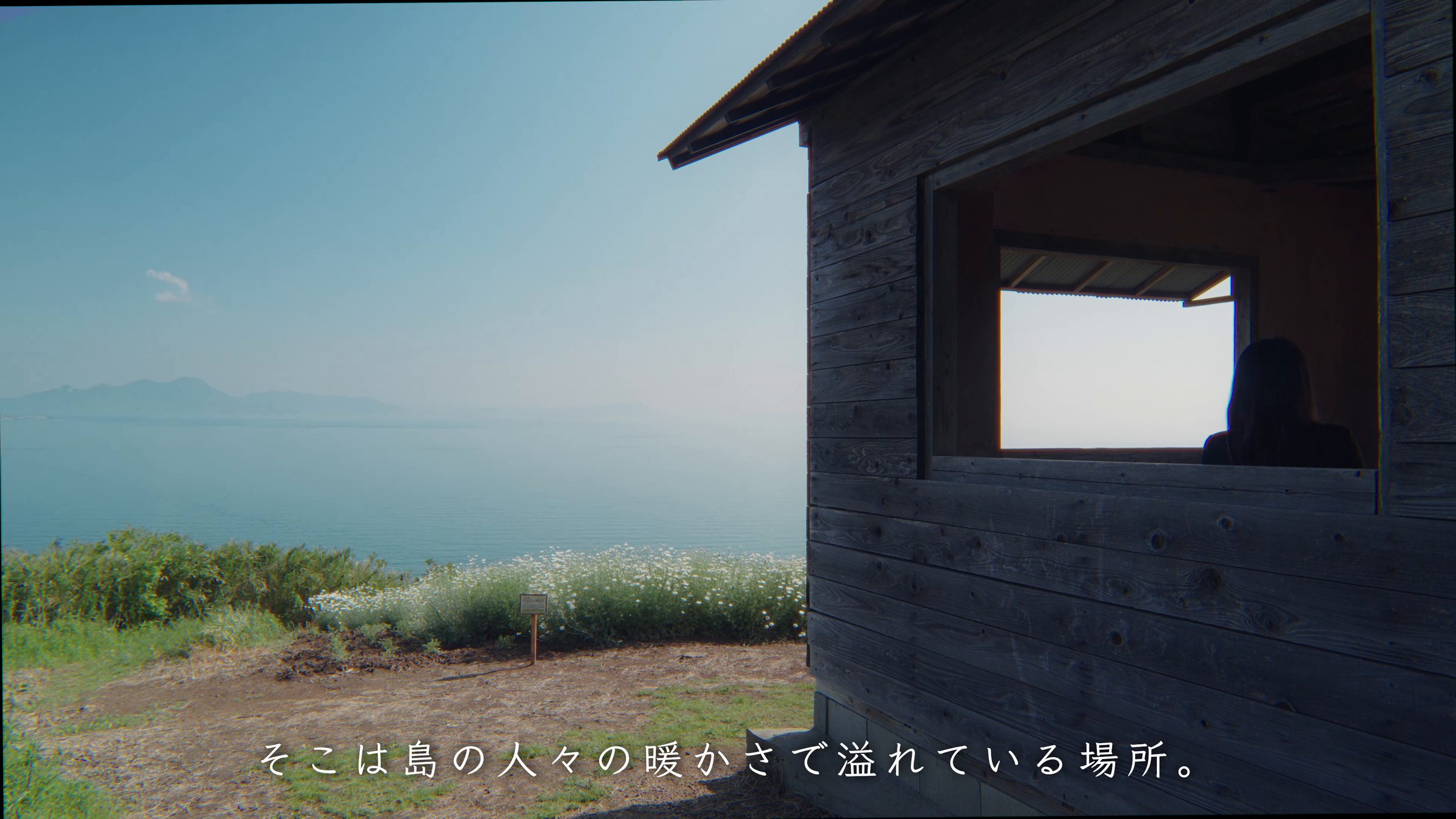
Beyond the trees, a hut came into view: the Kusunokura Observatory, built by hand by local people. A single wooden hut stands on a slope of white flowers. Inside are a round table and benches, and through the window cut into the wall, the Seto Inland Sea spreads out.
I untied the furoshiki and had my niku mosso breakfast, eating slowly as I gazed at the sea. A small island watched over by a great tree that has lived through an eternity of time. It was a place overflowing with the warmth of the islanders.
Watch this scene on YouTube5:37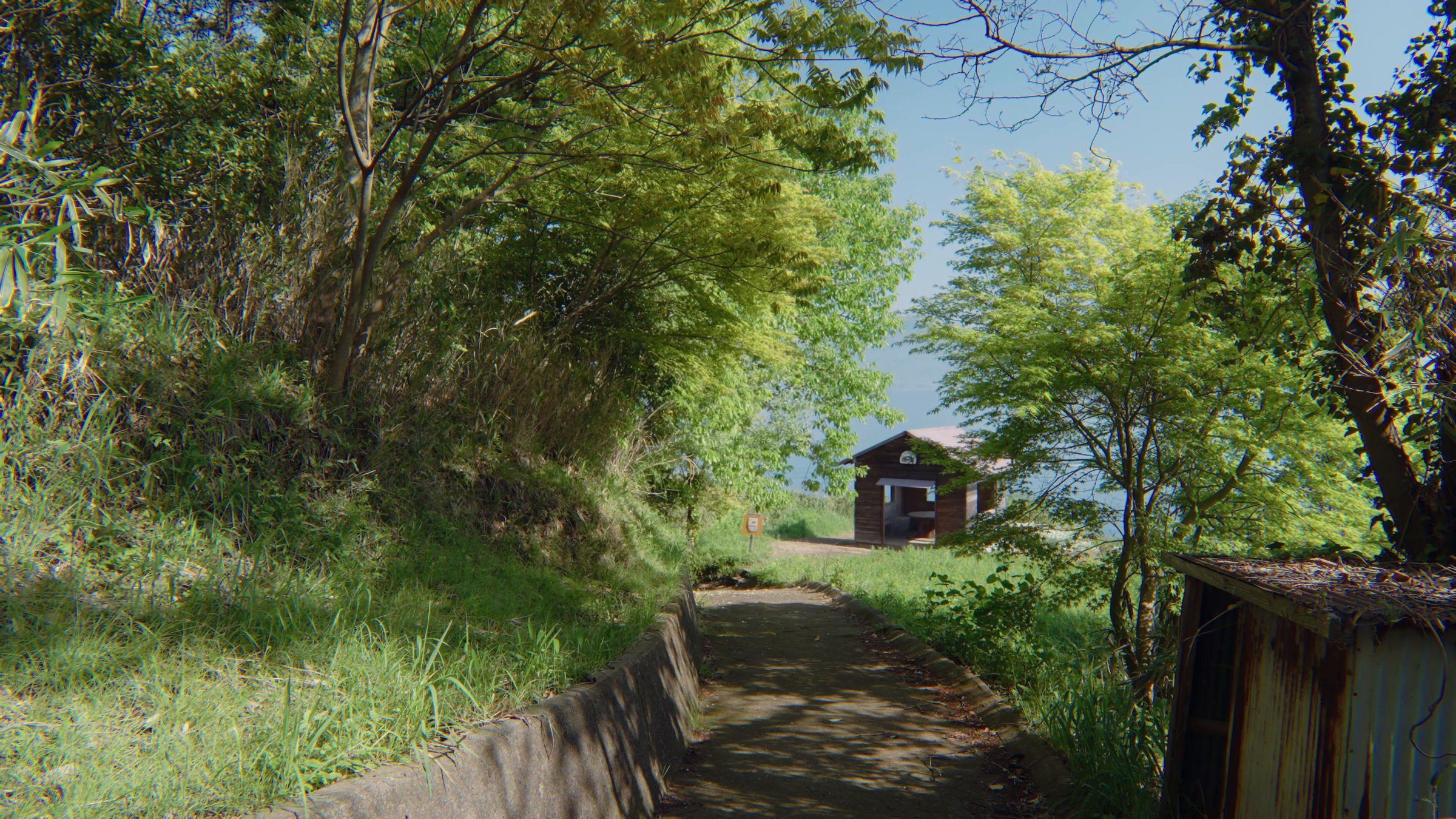
THE JOURNEY IN FILM
The wind. The sounds of a kitchen.
Spend a little more time inside the journey, on film.
Watch the video7 minTHE BORROWER’S NOTES
The Borrower's Notes: Awashima and Shishijima, Kagawa
Places we stopped, dishes we made, and stories of the land. A few things to keep from the journey.
01Where I ate and shopped
Iseya Shoten
398 Shishijima, Takuma, Mitoyo, Kagawa
A rest stop just steps from the port of Shishijima, in an old house said to date from the Edo period. You can sit on the veranda and relax, and islanders gather here too. Snacks, cup noodles and cold drinks are sold on the honor system: you leave the money in a box or jar on the table. I had a bottle of Oronamin C. Film stills decorate the walls.
Sources: do-mitoyo.com
02What I cooked
Niku mosso
A beef version of mossou-meshi, a traditional dish of Mitoyo. Rice pressed out of a wooden mold is called mossou-meshi (literally "measured rice"), and its origin is said to be a Buddhist monks' meal that fit a whole meal into one bowl. In Mitoyo it has been served at the Momote festival, which prays for a good harvest and wards off misfortune, and as a working meal when the whole village turned out for jobs like clearing the river or raising a roof. In Toyonaka, the host family would make it after the Kojin festival for everyone to share. The ingredients are simmered sweet and salty and mixed into the rice along with their broth. This time I wrapped it loosely in plastic instead of pressing it in a mold.
IngredientsCooked rice, Beef, Burdock root, Carrot, Tofu, Dried shiitake (and their soaking liquid), Sugar, Sake, Soy sauce, Green beans
- Soak the dried shiitake in water and chop the carrot
- Fry the beef, add burdock, carrot and tofu, and simmer in the shiitake liquid
- Season with sugar, sake and soy sauce
- Mix the ingredients and broth into cooked rice
- Lay green beans on plastic wrap, add the rice and wrap it loosely
Sources: maff.go.jp
03About the area
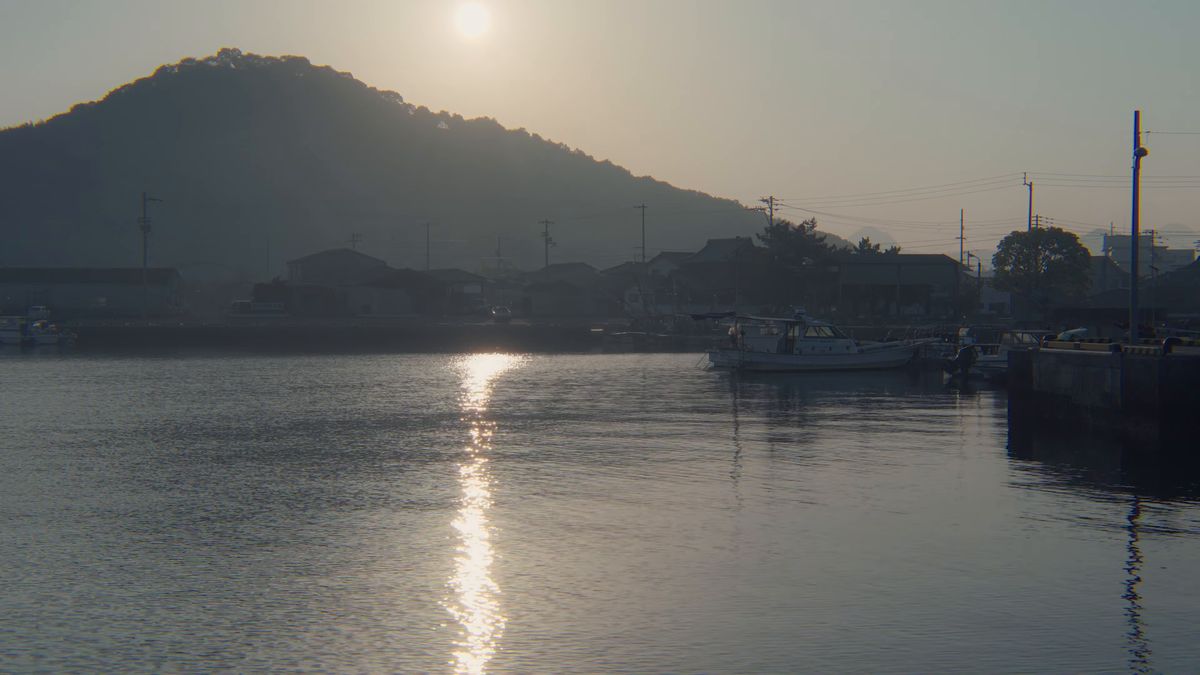
Awashima
One of the Shiwaku Islands, about 4.5 km northwest of Takuma port in Mitoyo. It covers 3.72 square kilometers and is shaped like a propeller, three islands joined by sandbars. In 1897 the Awashima Seamen's School opened here as Japan's first village-founded school for seamen; it ran for more than ninety years until it closed in 1987, and the site is now the Awashima Marine Memorial Park. About 15 minutes by Awashima Kisen boat from Suda port.
Sources: ja.wikipedia.org
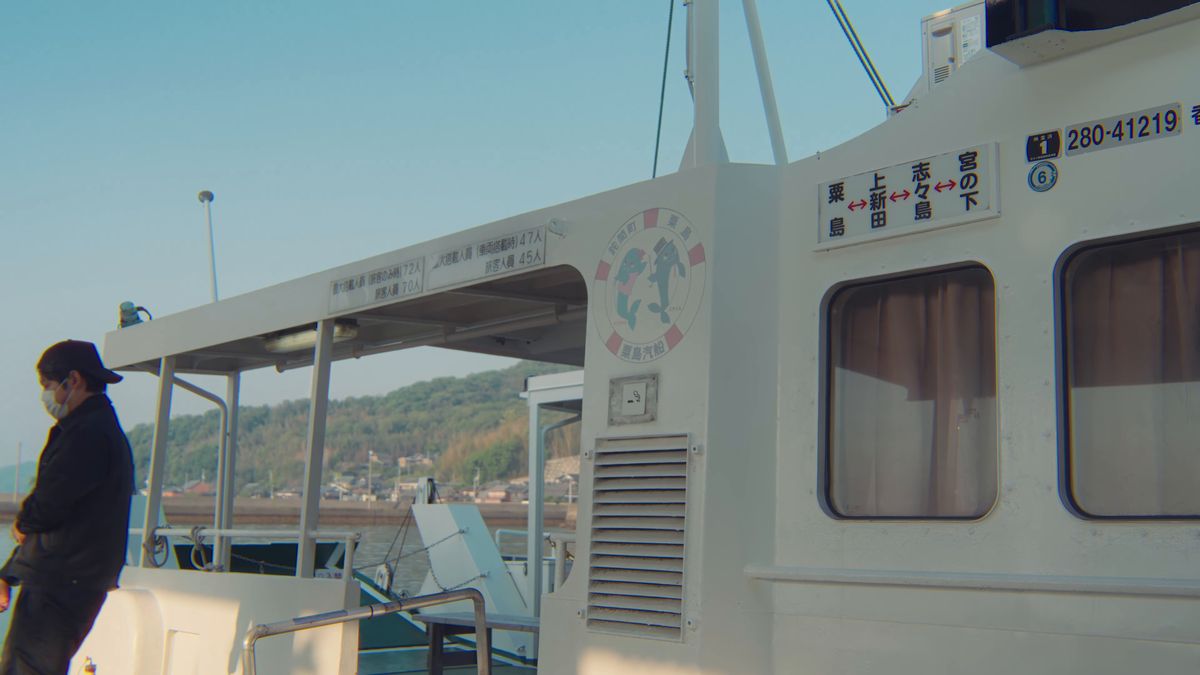
The boat between Awashima and Shishijima
Awashima Kisen runs passenger boats between Suda and Miyanoshita ports on the mainland and Awashima, Kamishinden and Shishijima. No road reaches the port on Shishijima, so vehicles cannot be carried. Miyanoshita to Shishijima takes about 20 minutes. In the spring flower season the boats have a passenger limit, and the Mitoyo tourism office also suggests the route from Suda via Awashima or a sea taxi.
Sources: ja.wikipedia.org mitoyo-kanko.com
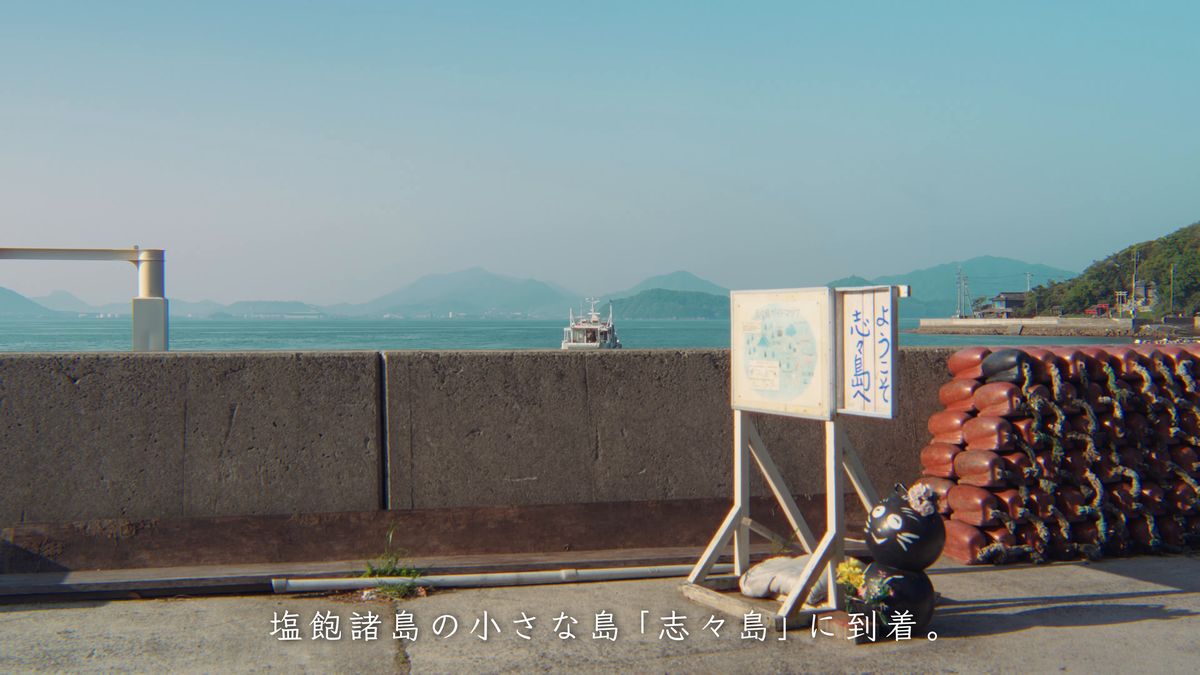
Shishijima
A small island in the Shiwaku group, part of Mitoyo (formerly Takuma town), about 0.74 square kilometers. More than a thousand people lived here in the Meiji and Taisho eras; today there are around twenty, and no cars. It appeared as "Kotojima" in the 1993 film Otoko wa Tsurai yo: Torajiro no Endan (the 46th in the Tora-san series) and was also a location for Kikansha Sensei (2004). The island keeps the old custom of separate burial and visiting graves, with brightly colored grave shelters near the port.
Sources: ja.wikipedia.org nippon.com
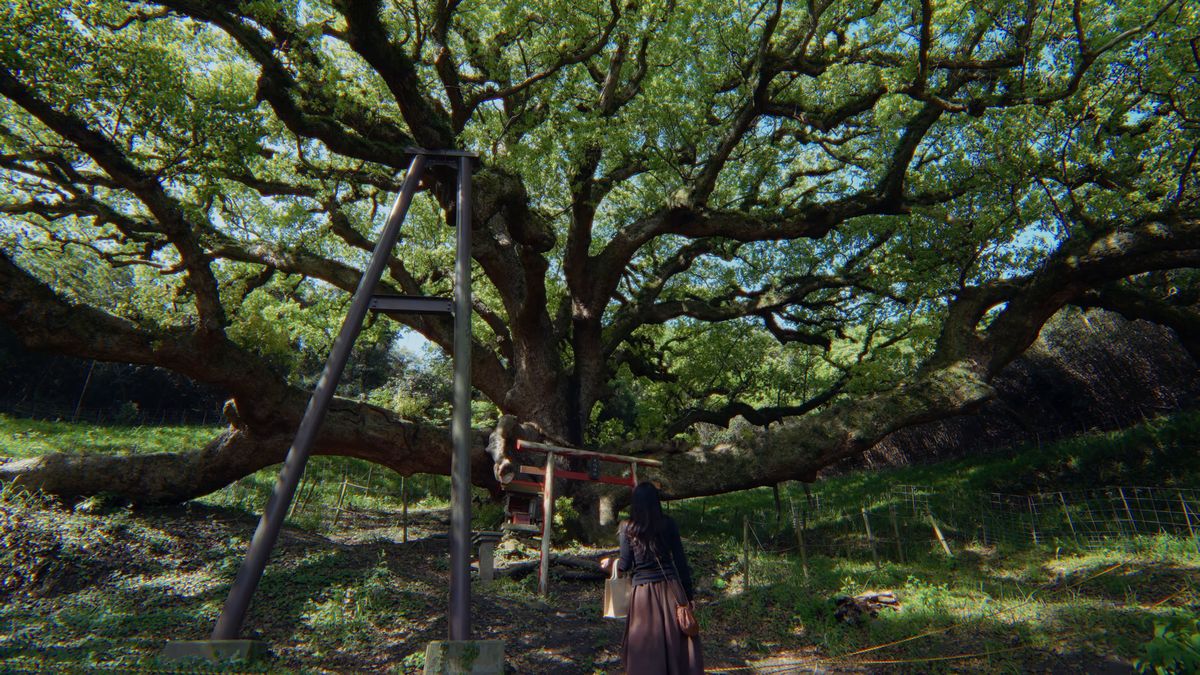
The Great Camphor Tree of Shishijima
A giant camphor tree on the hillside on the north side of the island. It is estimated to be about 1,200 years old, with a girth of 12 meters at the base and a height of 22.5 meters; its branches reach as far as 26 meters. It was designated a natural monument of Kagawa Prefecture in April 1970. The base was buried by a landslide long ago, and thick limbs now spread in every direction from the trunk emerging from the ground. A small shrine, Okusu Jinja, sits at its foot. About a 20-minute walk from the port.
Sources: ja.wikipedia.org jeepe.jp nippon.com
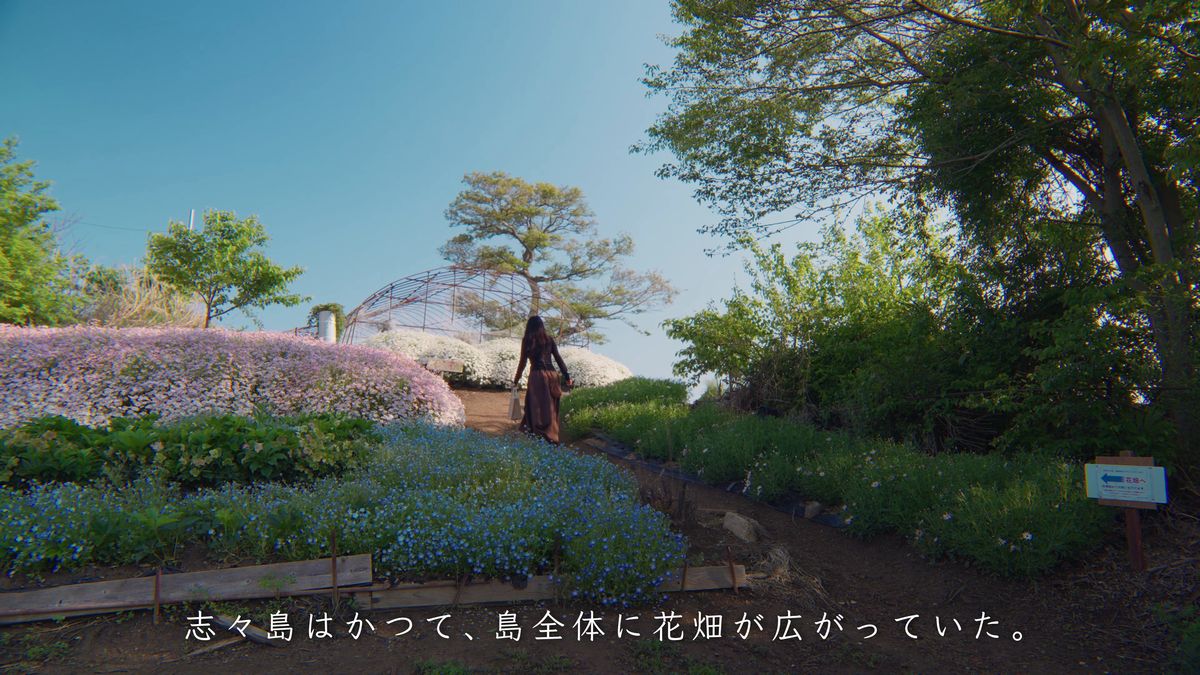
The Flower Garden in the Sky
After the war, Shishijima thrived on growing pyrethrum and flowers; at its peak more than a hundred farms raised chrysanthemums, stock, marguerites, calendula and more for Buddhist altars, and it was called the "flower island." The farms all closed, but since 2015 a woman who once ran a flower farm and her son and his wife have cleared the hillside, sown seeds and tended some fifteen kinds of flowers, including moss phlox, calendula and nemophila. The best season is late March to May. About a 15-minute walk from the port.
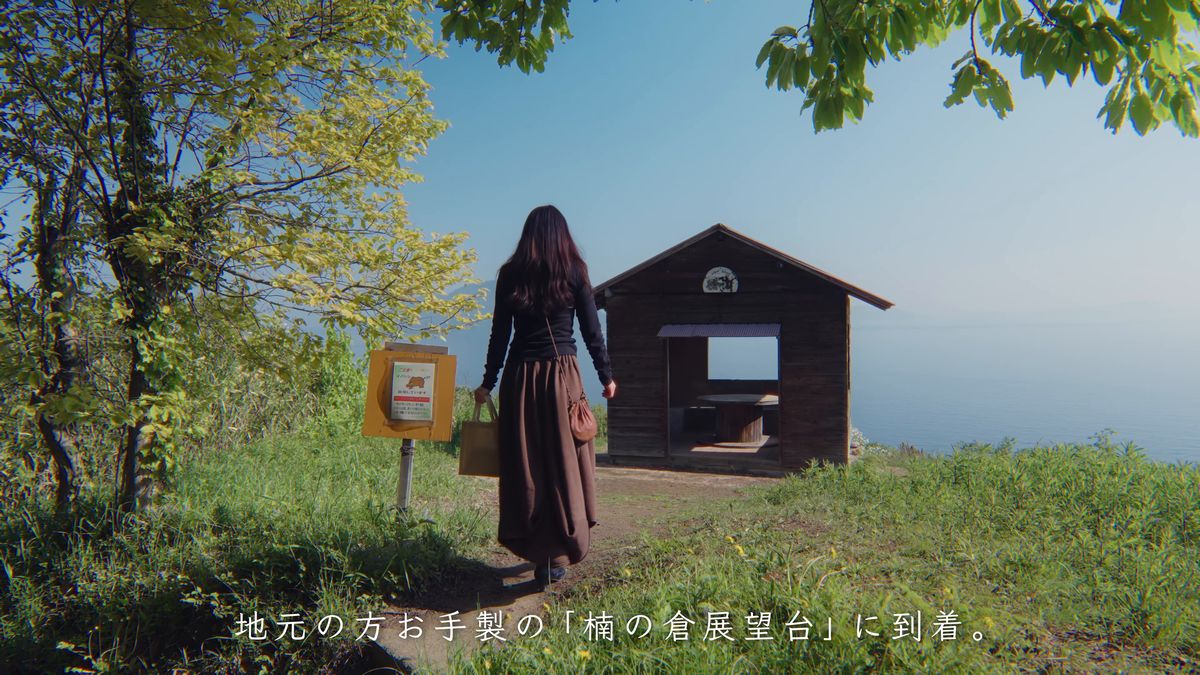
Kusunokura Observatory
A handmade lookout that the islanders built together on the rise above the great camphor tree. The window of the wooden hut frames the sea like a picture, and you can sit on the bench inside and take it in. To the north lie the Kasaoka Islands, to the east Takamijima and the Great Seto Bridge, and to the south the mountains of Shikoku.
Sources: mitoyo-kanko.com nippon.com jb-honshi.co.jp
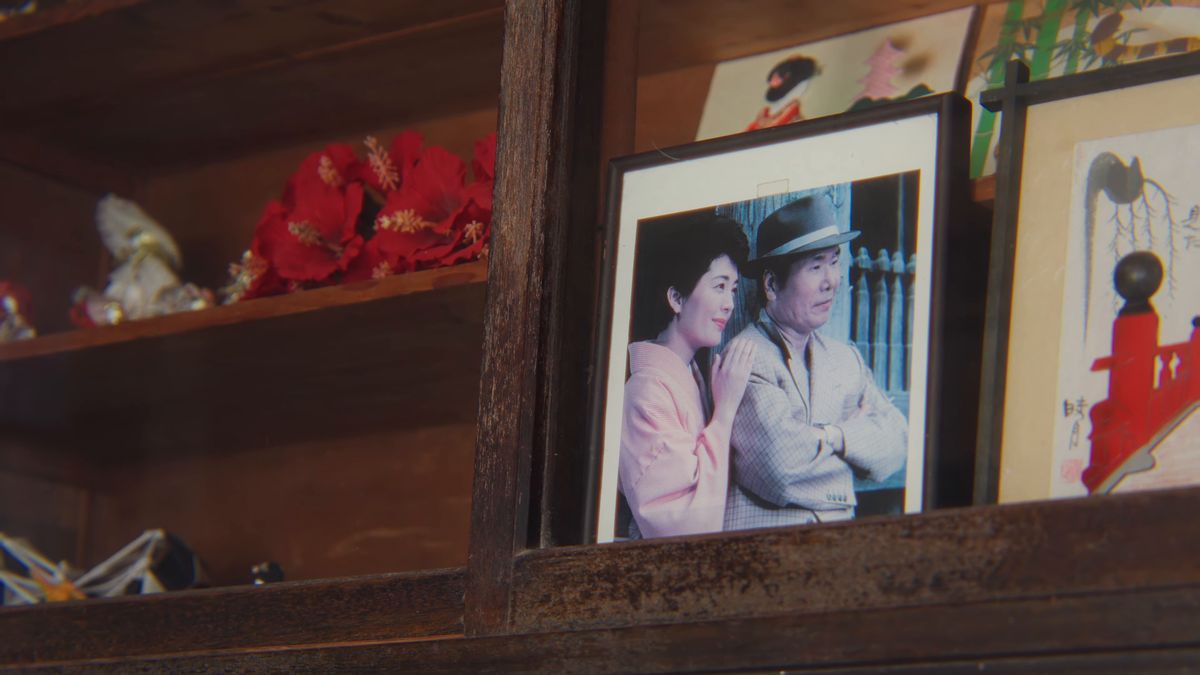
Tora-san and this island
The 46th film in the Tora-san series, released in December 1993, directed by Yoji Yamada, with Keiko Matsuzaka as the leading lady. Yoko, who ran a restaurant in Kobe, has fallen ill and is recuperating on Kotojima, where her father lives. Tora-san comes to the island to bring back his runaway nephew Mitsuo, and grows close to Yoko. The fictional Kotojima was filmed on Shishijima and nearby Takamijima.
Sources: cinemaclassics.jp ja.wikipedia.org
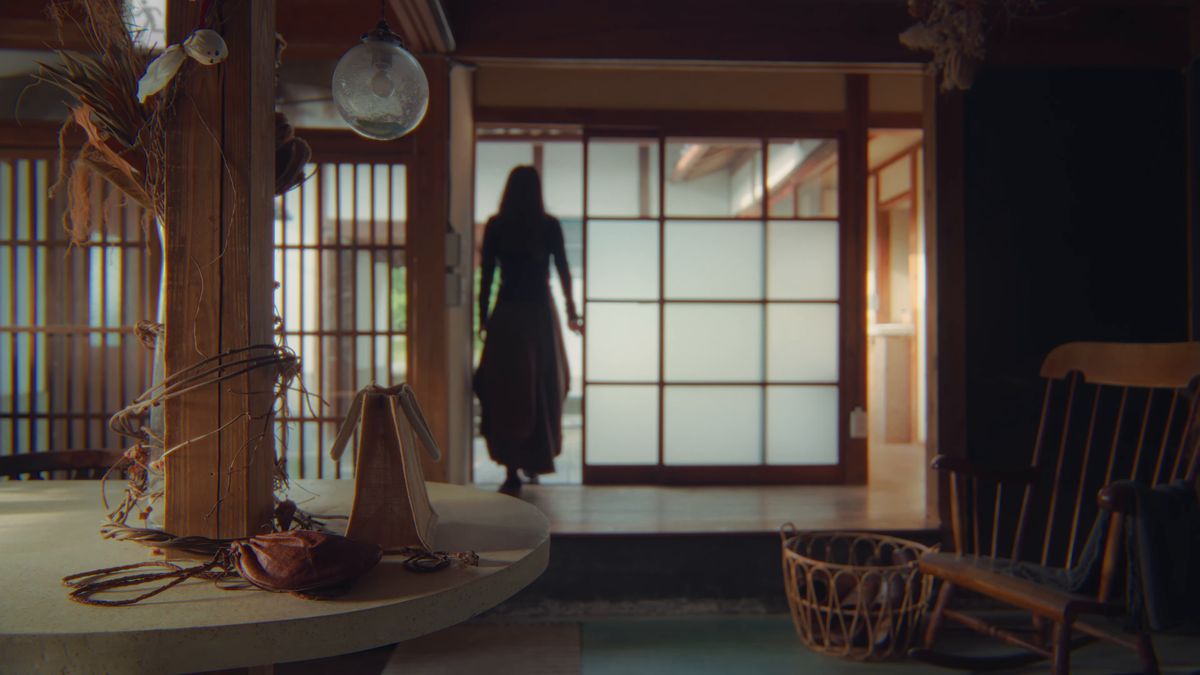
An old house on Awashima
This time I borrowed an old house facing the village road on Awashima, with a long table under a row of pendant lamps, a kitchen with a latticed window, and an entrance lit through the shoji.
PHOTO ALBUMPhoto album65Open all photographsClose the photo album
Select a photograph to explore the journey one frame at a time.