A TRAVEL ESSAY
Motobu, Okinawa
Japan's Earliest Cherry Blossoms
Early cherry blossomsand an Okinawan winter
A January day in Okinawa, walking into an early spring.
Read the journey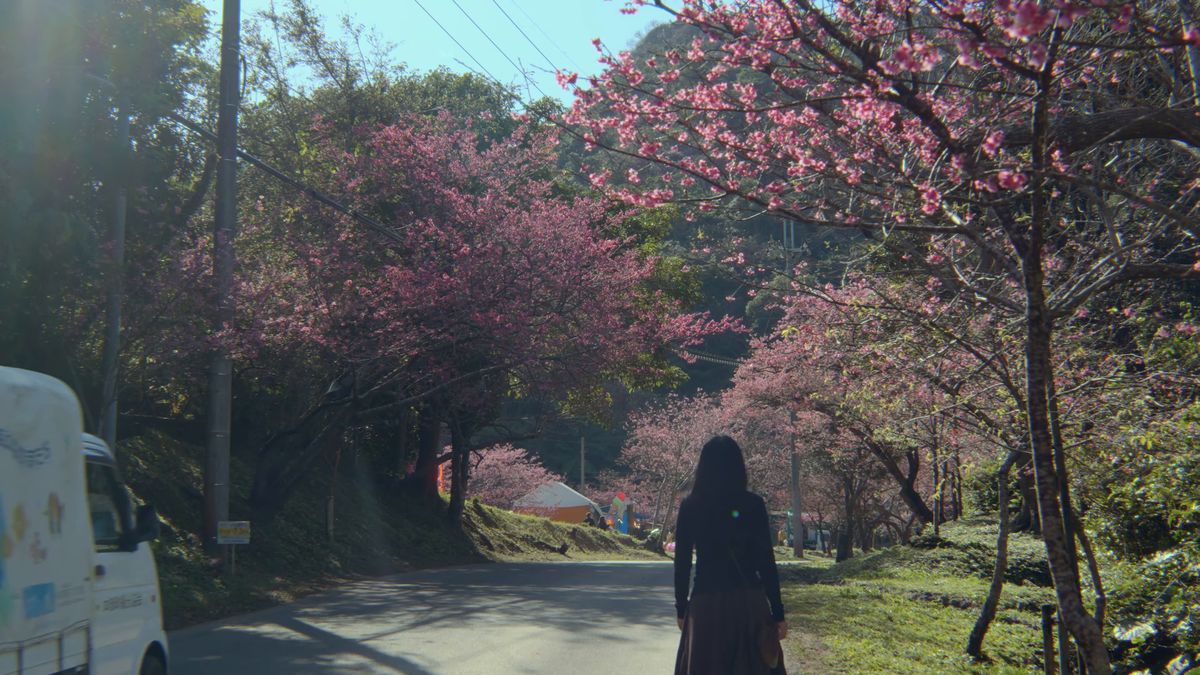
ABOUT THIS JOURNEY
Motobu, in the north of Okinawa's main island. I woke up in an old house with shisa lions on its red-tiled roof, and the day began with a breakfast of sea grapes. I detoured through the fukugi trees to an emerald sea, walked under Ryukyu kanhizakura at Mt. Yaedake, where Japan's earliest cherry blossom festival is held, visited the Churaumi Aquarium and its whale sharks for the first time, and came home from the market of this bonito town with bright red sashimi. One January day in Okinawa.
A little more about the food and the land01TRAVEL JOURNAL
To the island where the cherry trees bloom
I sat down on a road by the sea in the half-light, waiting for the day to begin. On the far point, the lights of a hotel were still glowing.
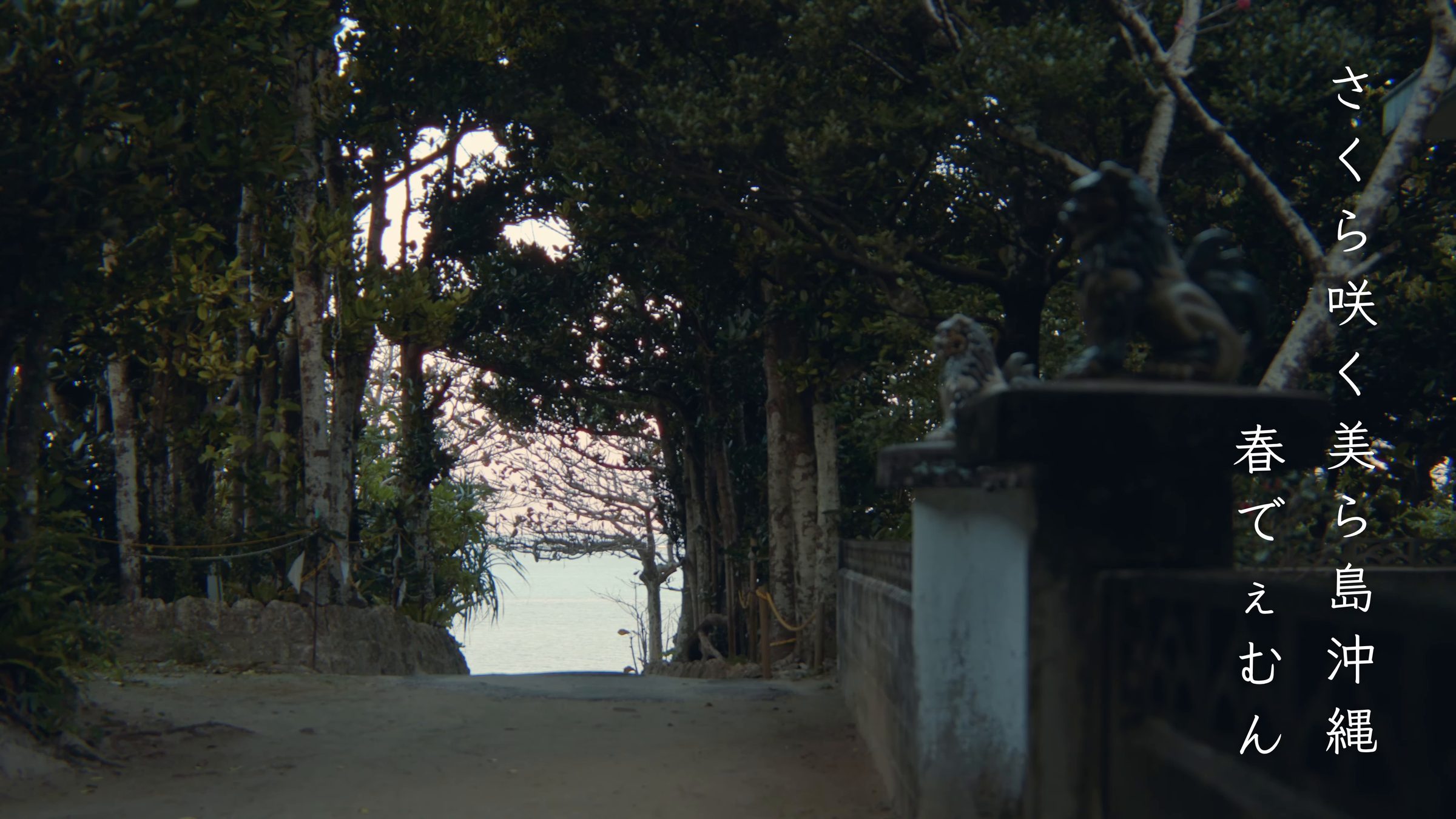
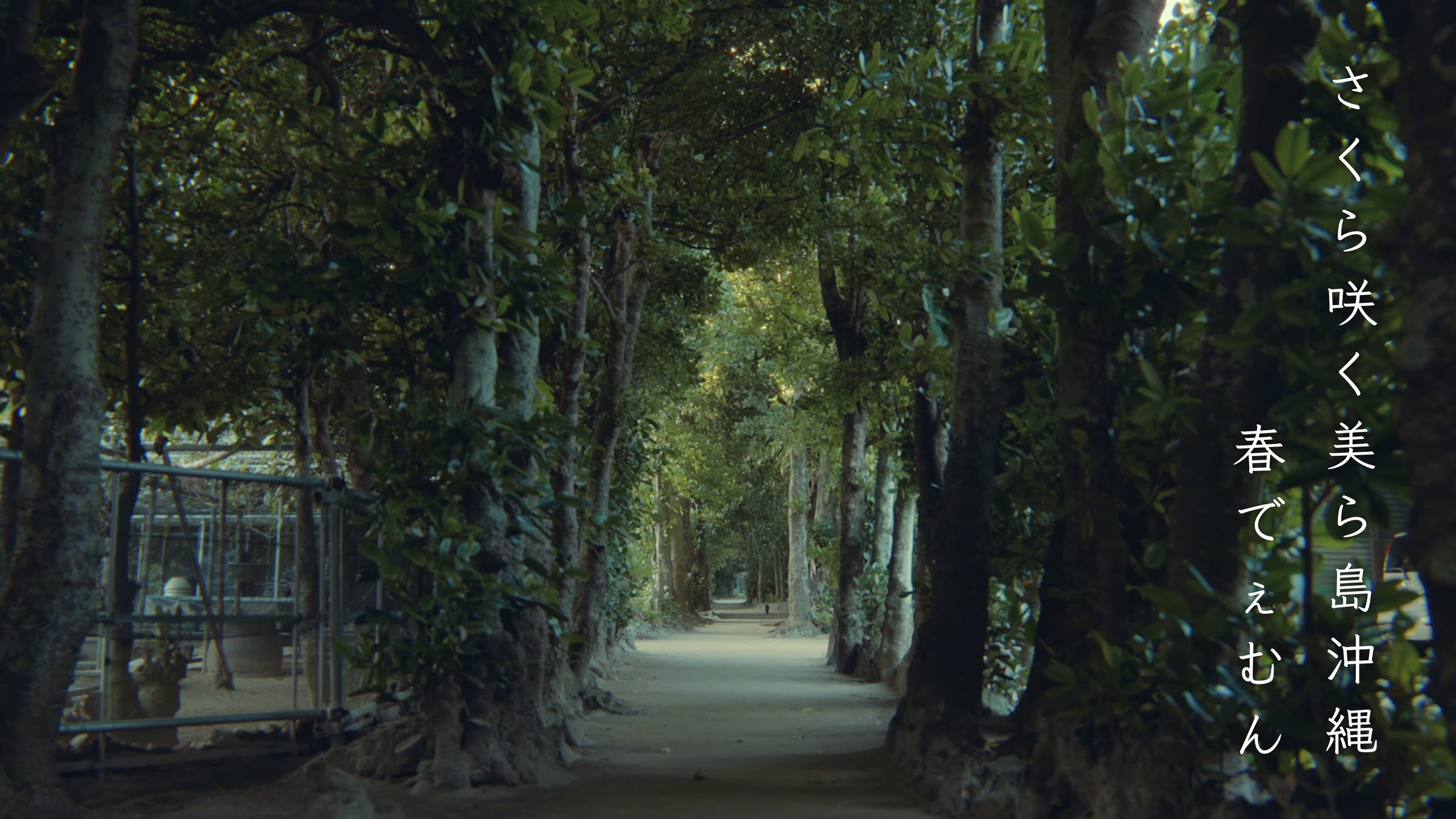
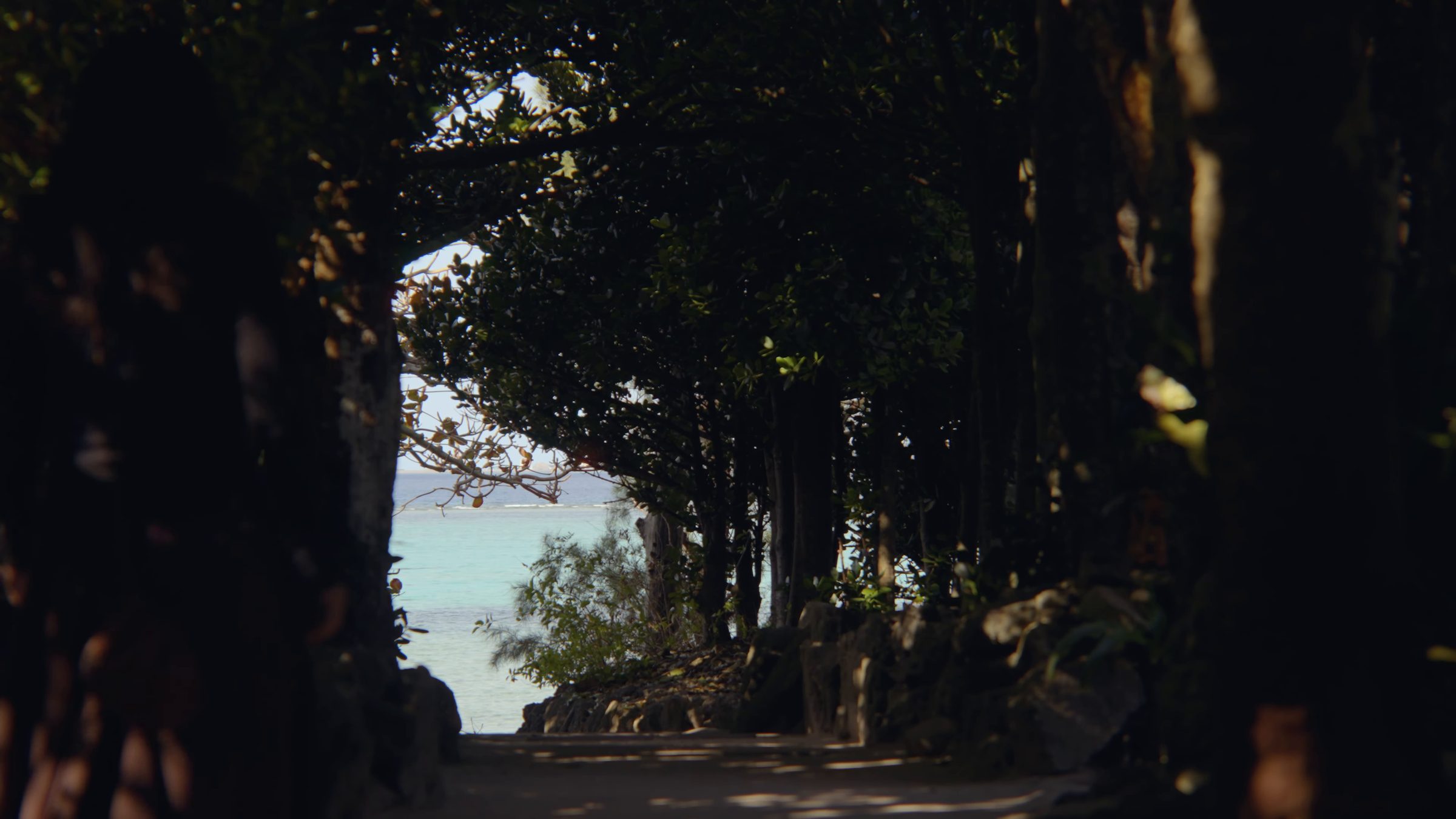
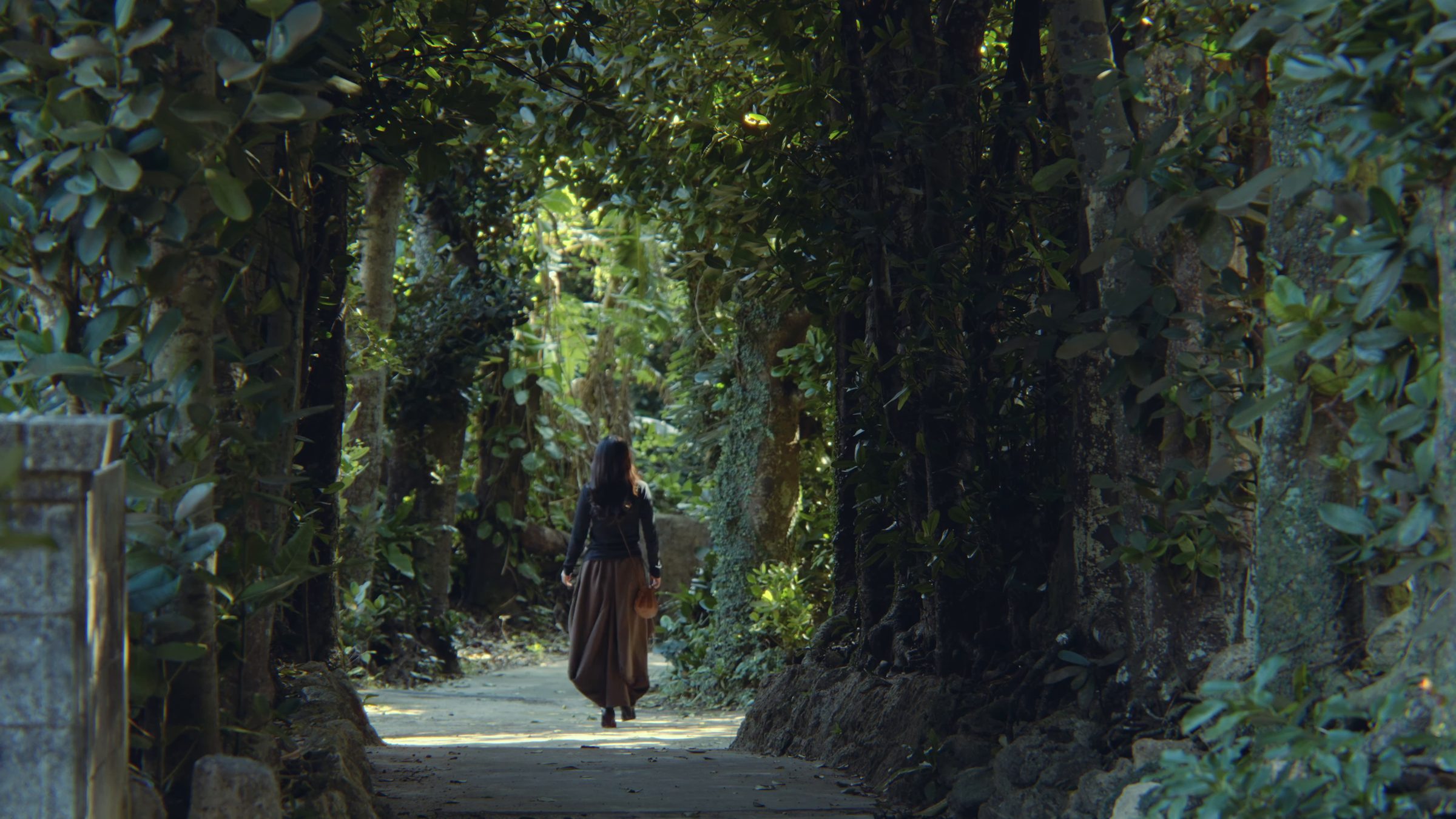
Beyond a stone gate the sea was shining, and a row of fukugi trees ran on like a tunnel. The beautiful island of Okinawa, where the cherry trees are in bloom. Here, it is already spring.
Watch this scene on YouTube0:20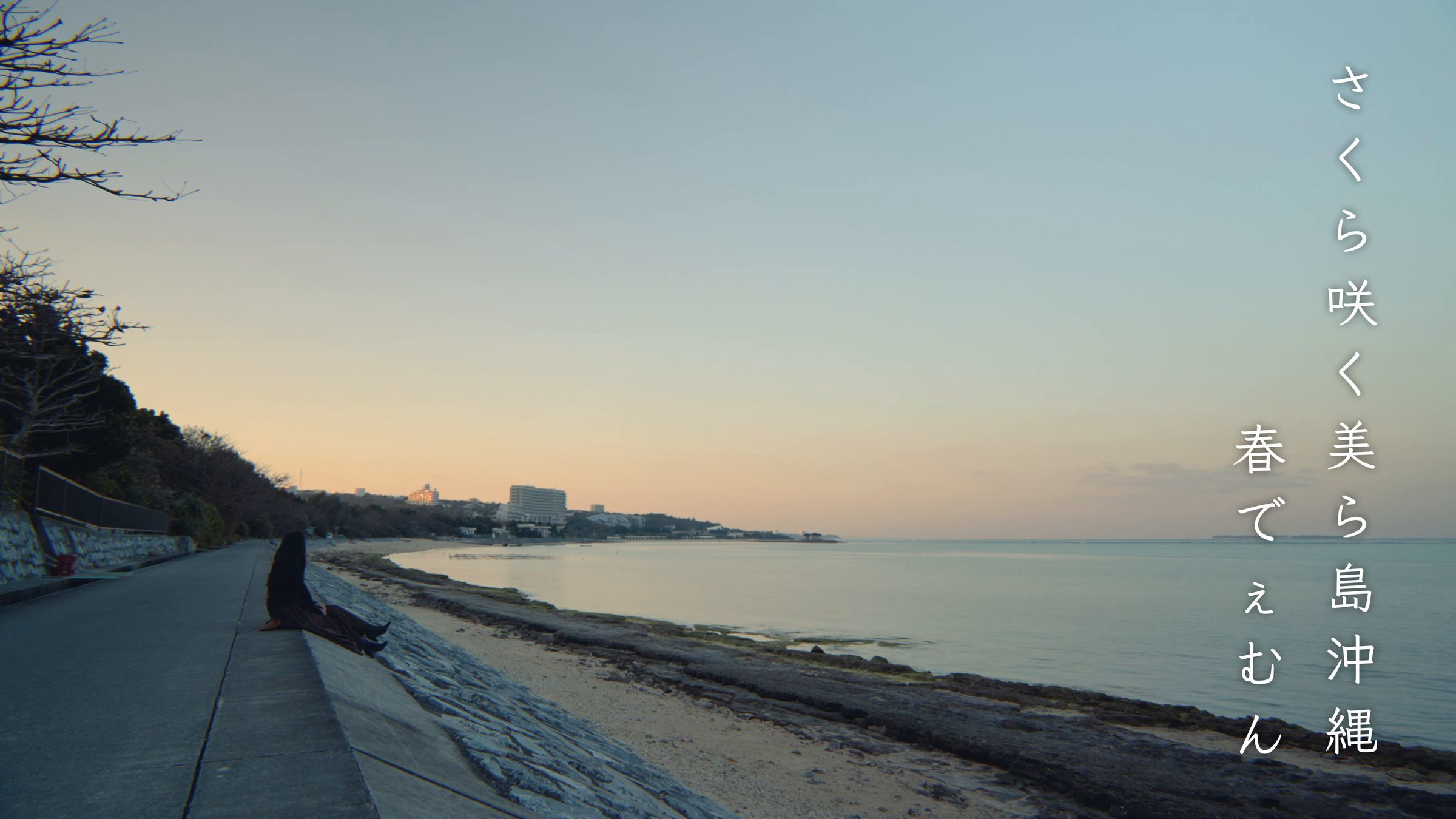
02TRAVEL JOURNAL
Morning in Motobu, breakfast of sea grapes
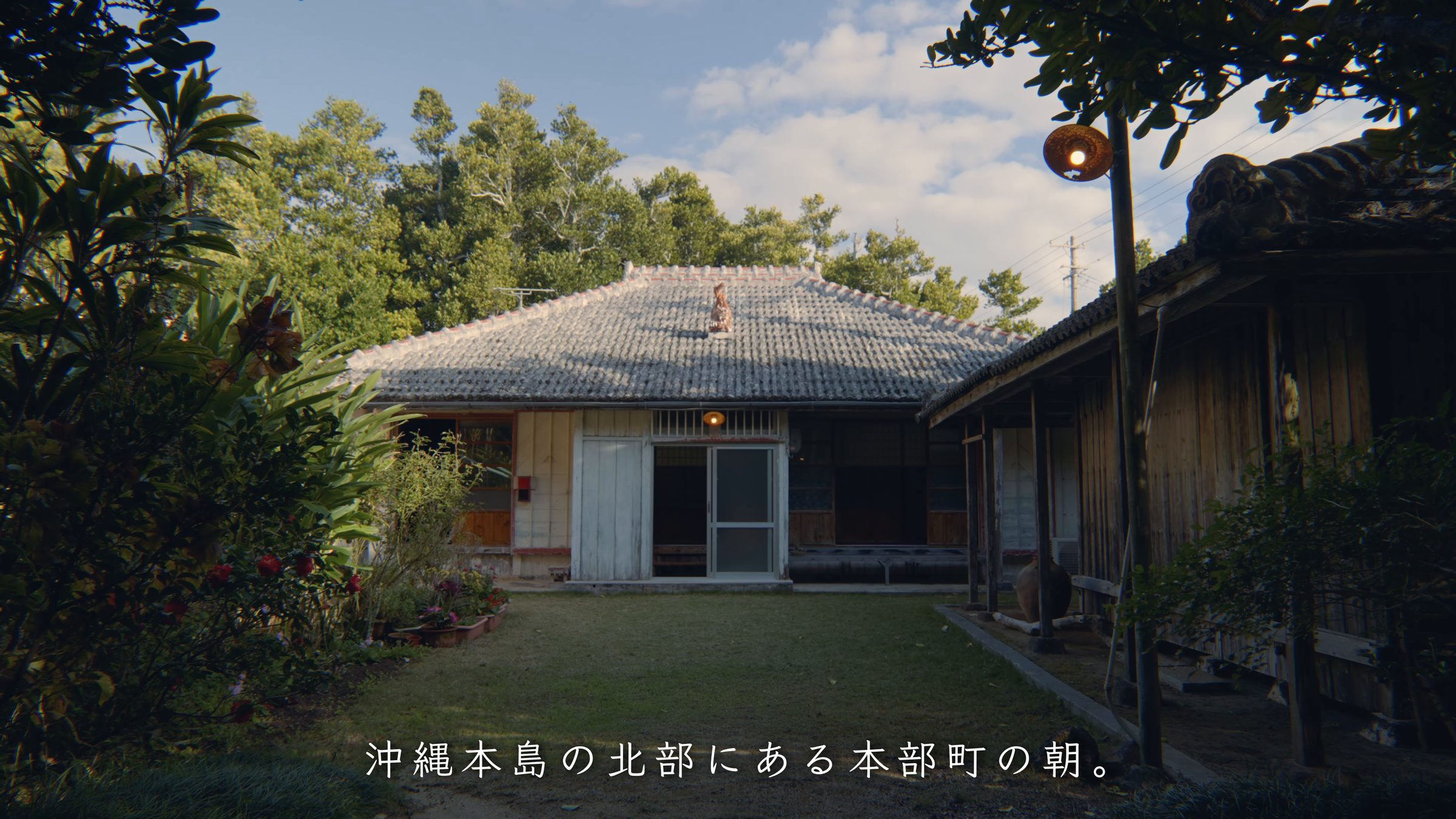
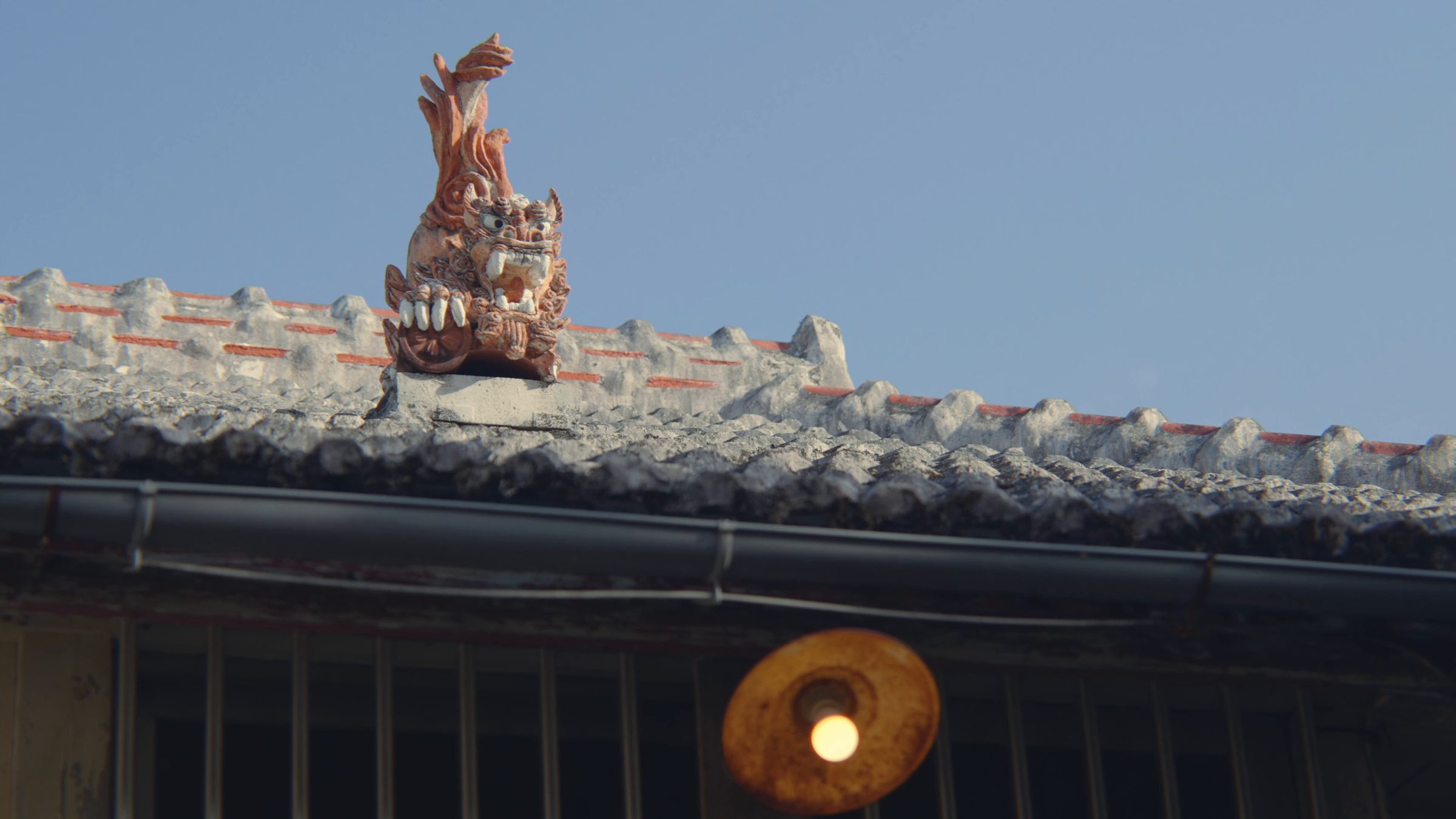
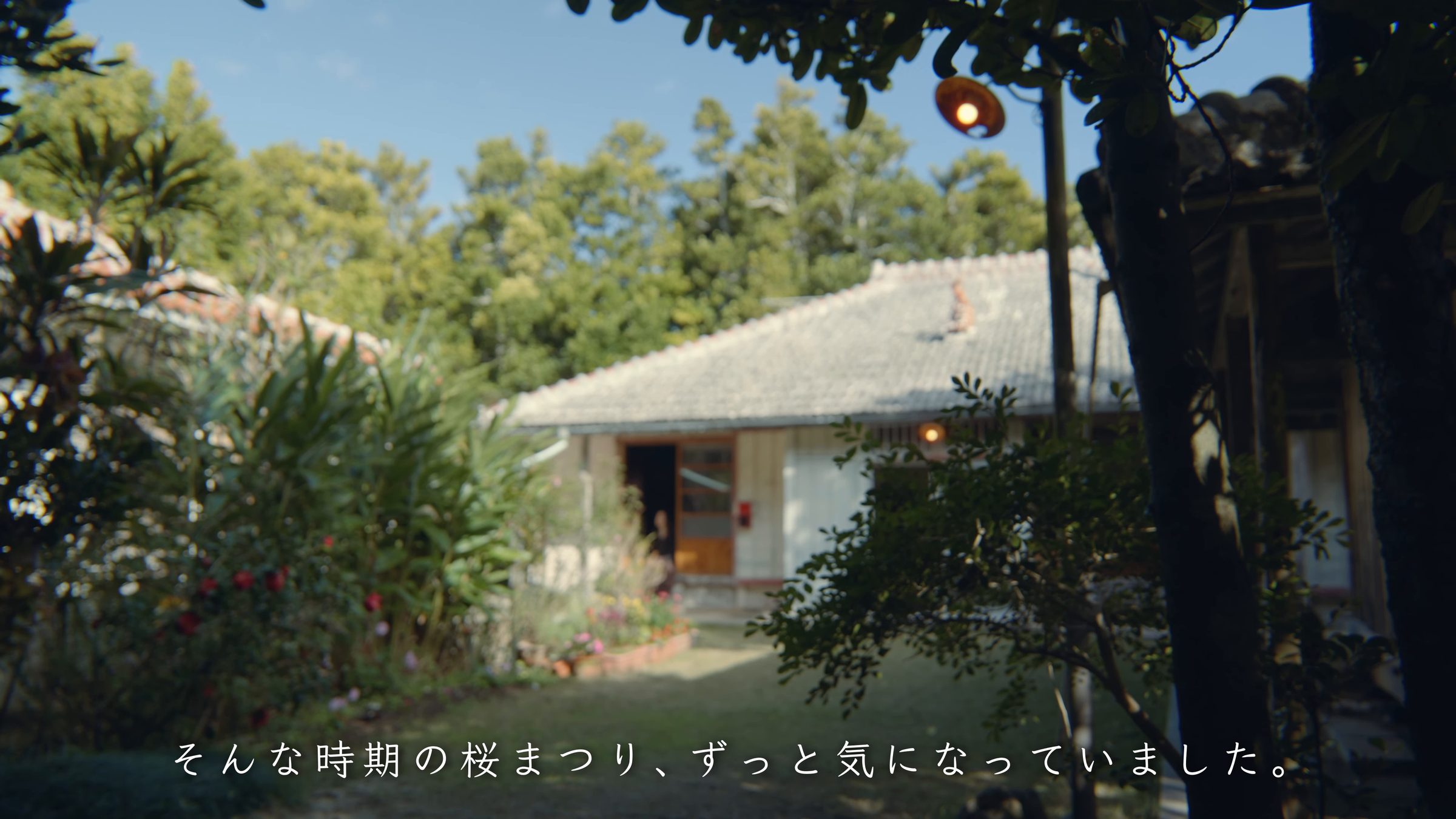
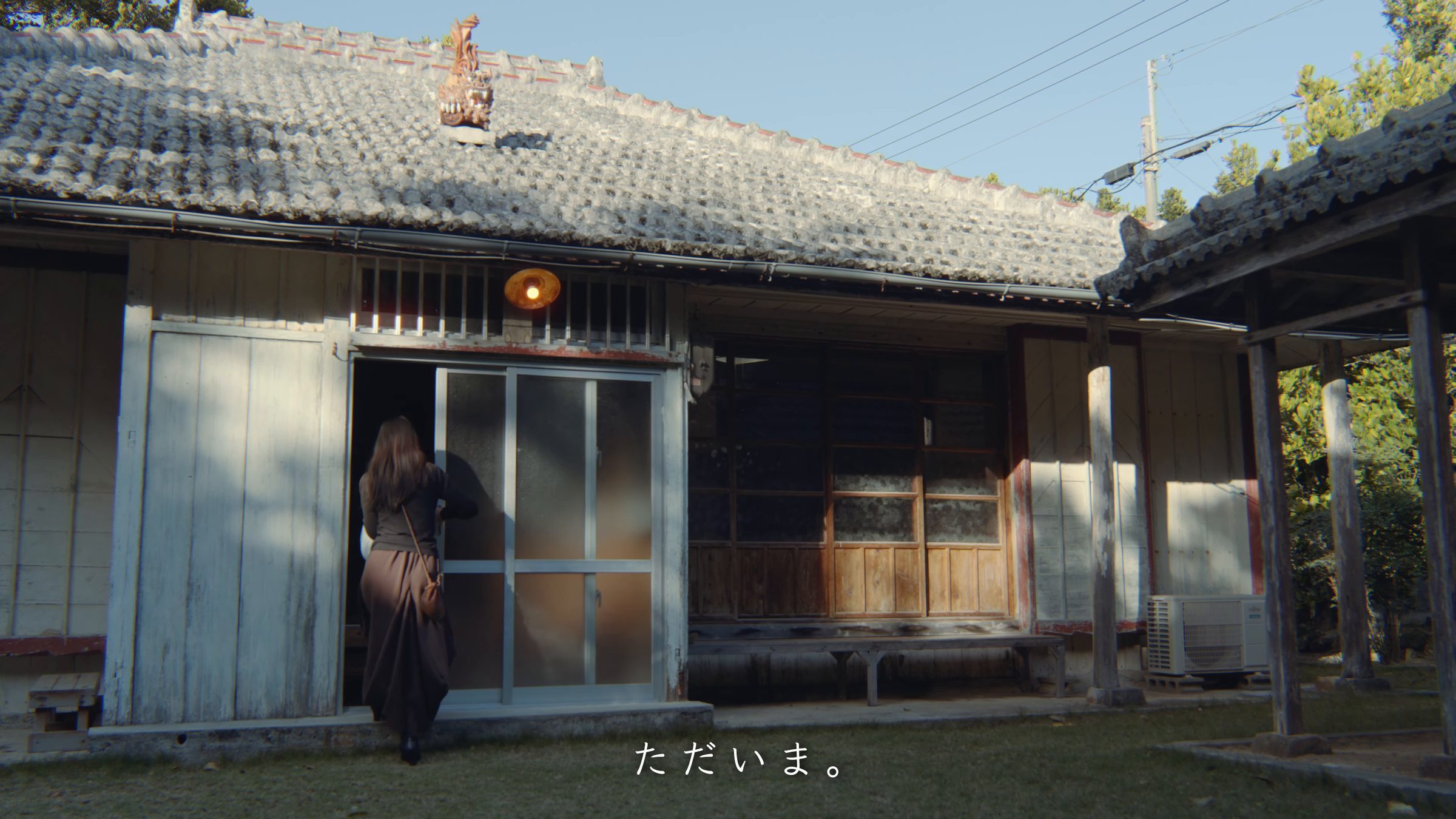
Morning in Motobu, in the northern part of Okinawa's main island. On the red-tiled roof, a shisa lion gazed at the dawn sky. At the back of a lawn stood an old house with white board walls, which I was told was used as a location for the film Ito.
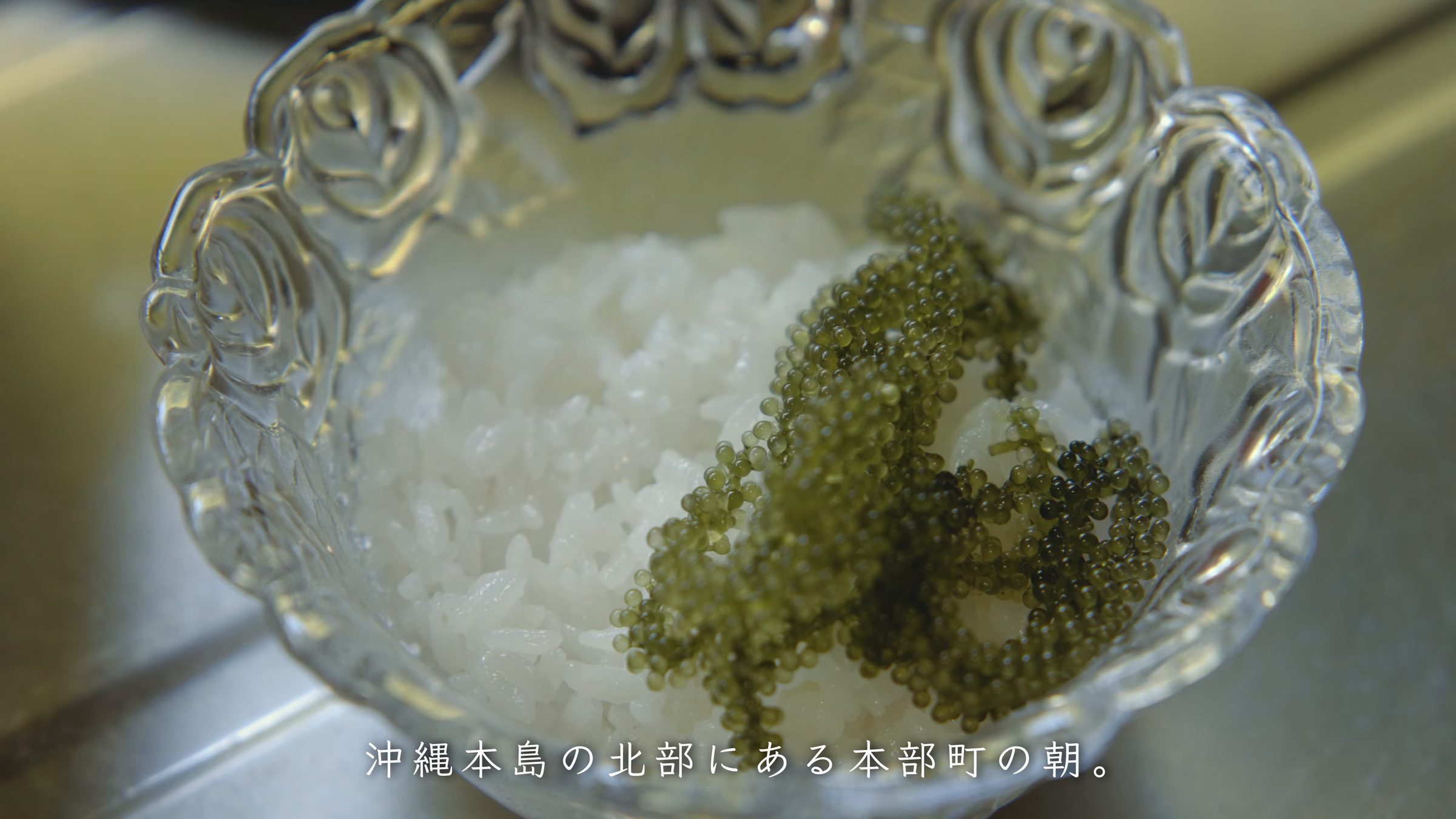
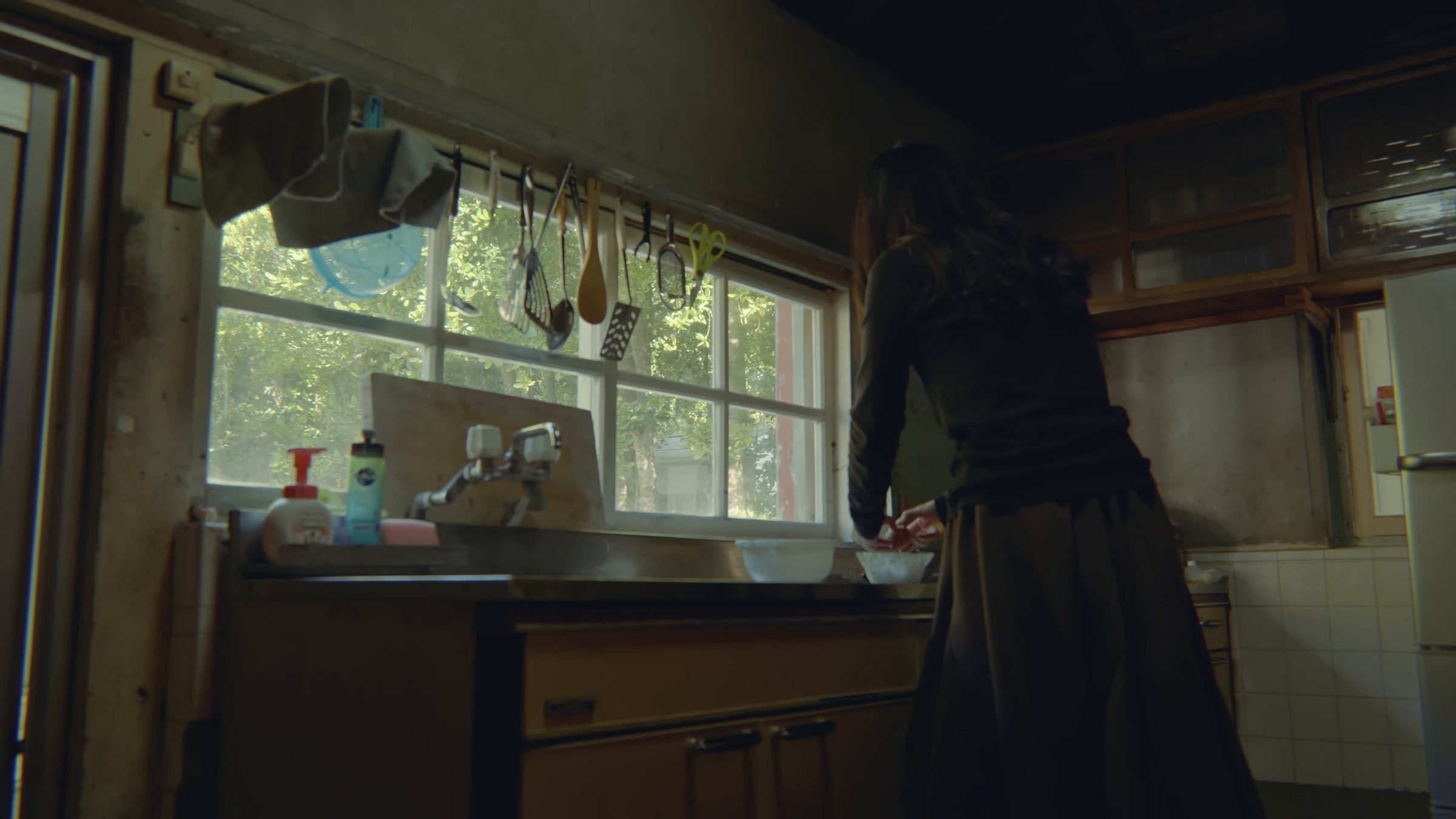
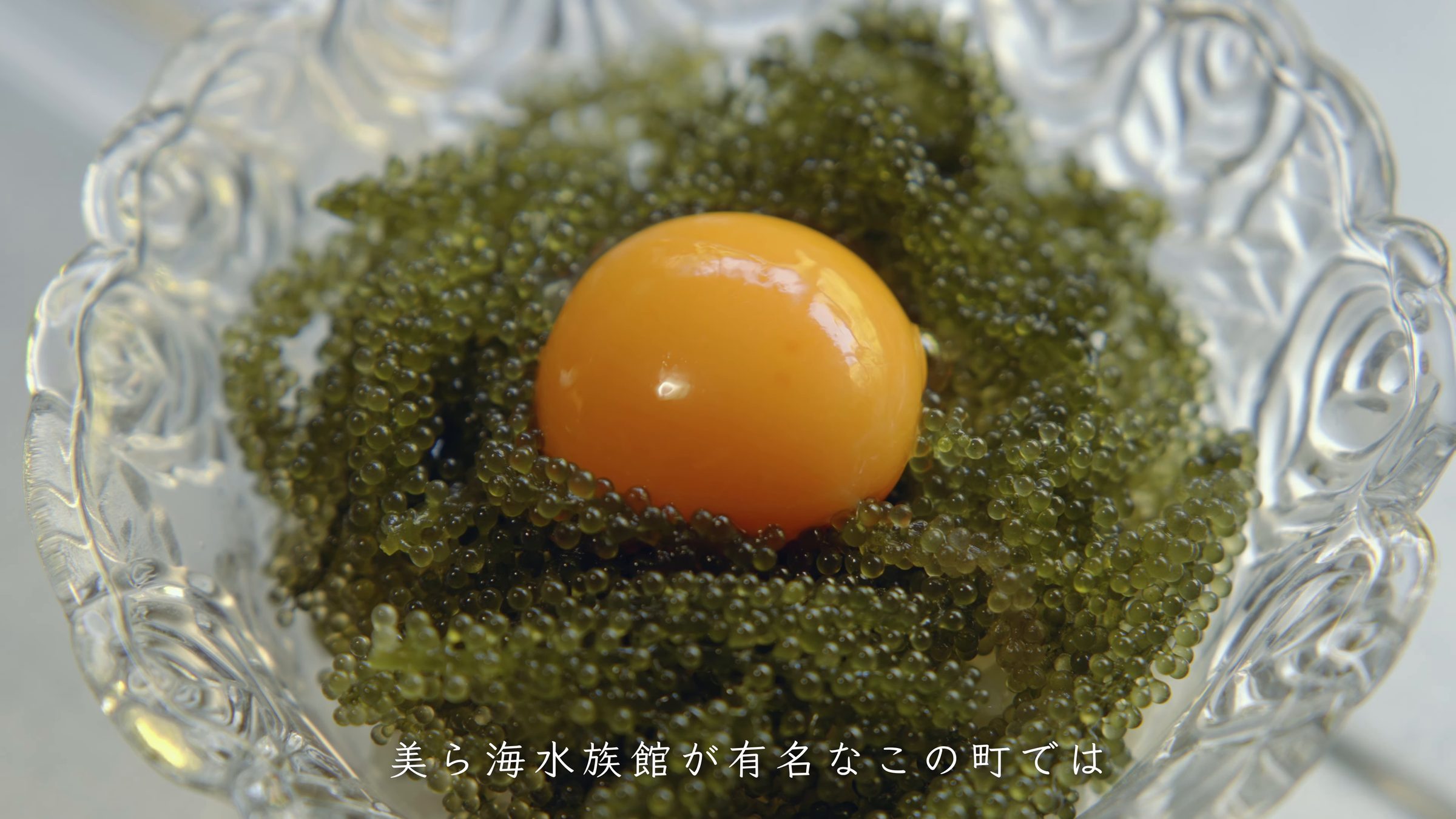
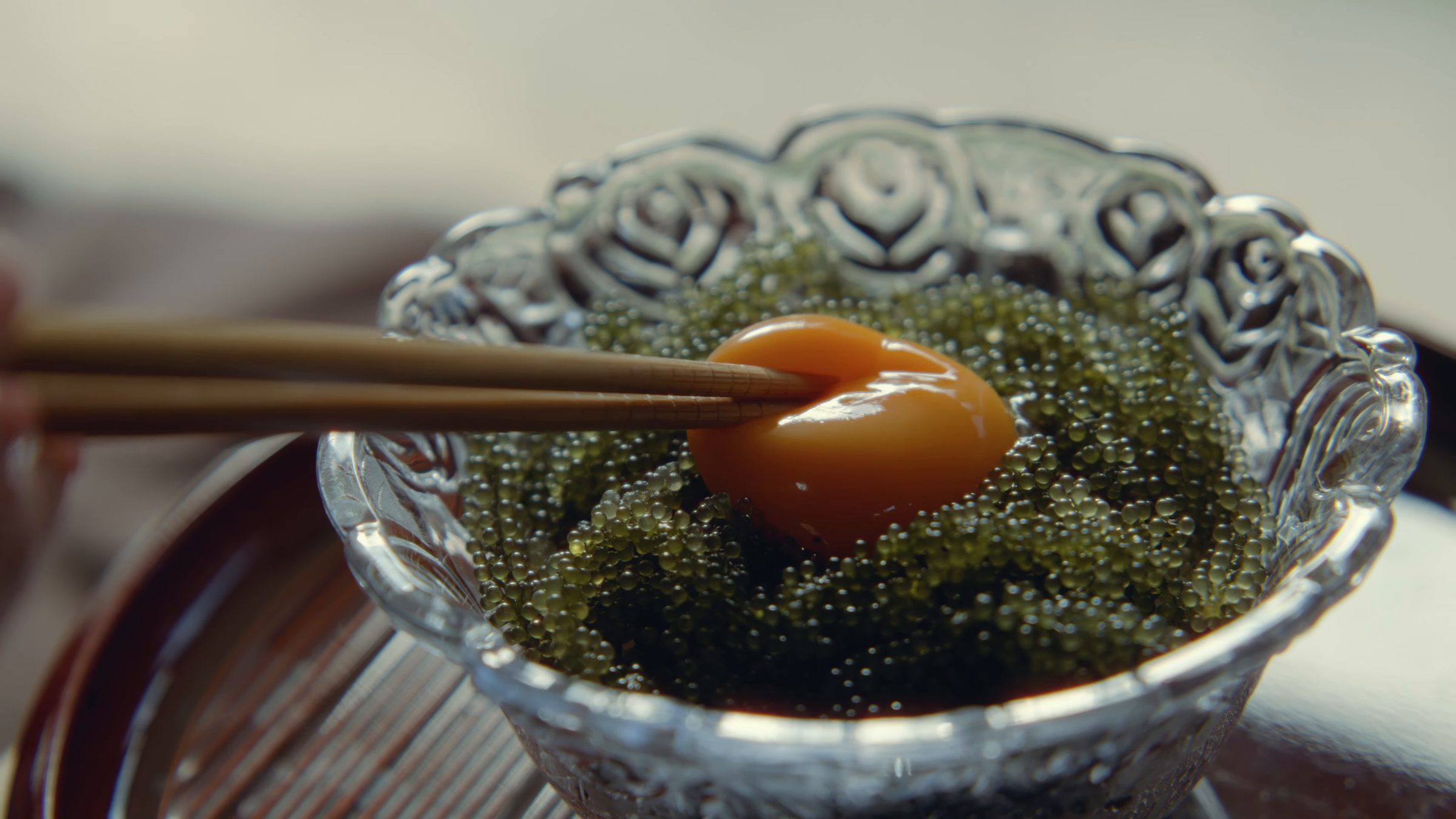
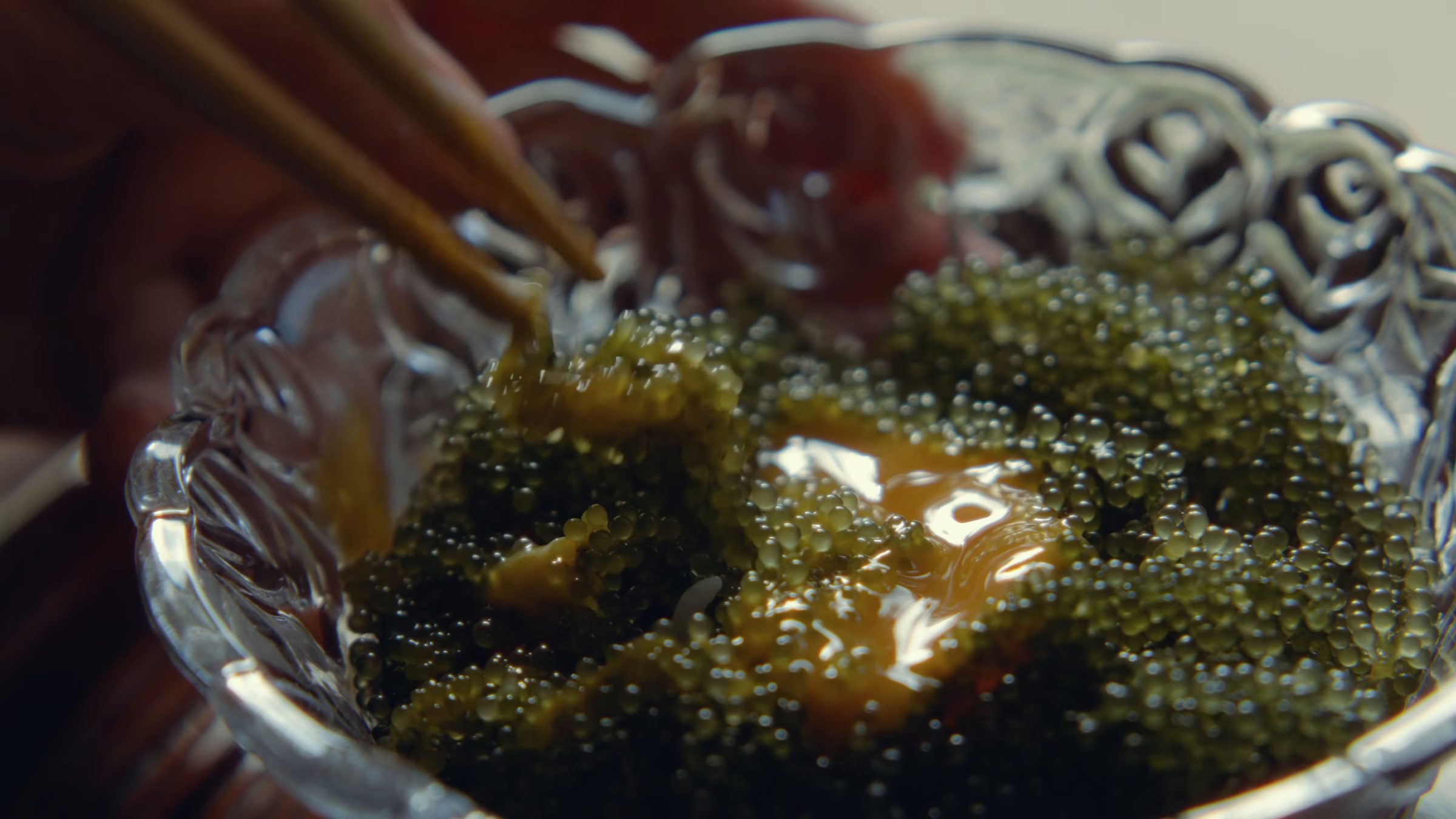
I filled a glass bowl with rice and heaped sea grapes on top. Through the kitchen window I could see the green of the garden. An egg yolk in the middle, and breakfast was ready.
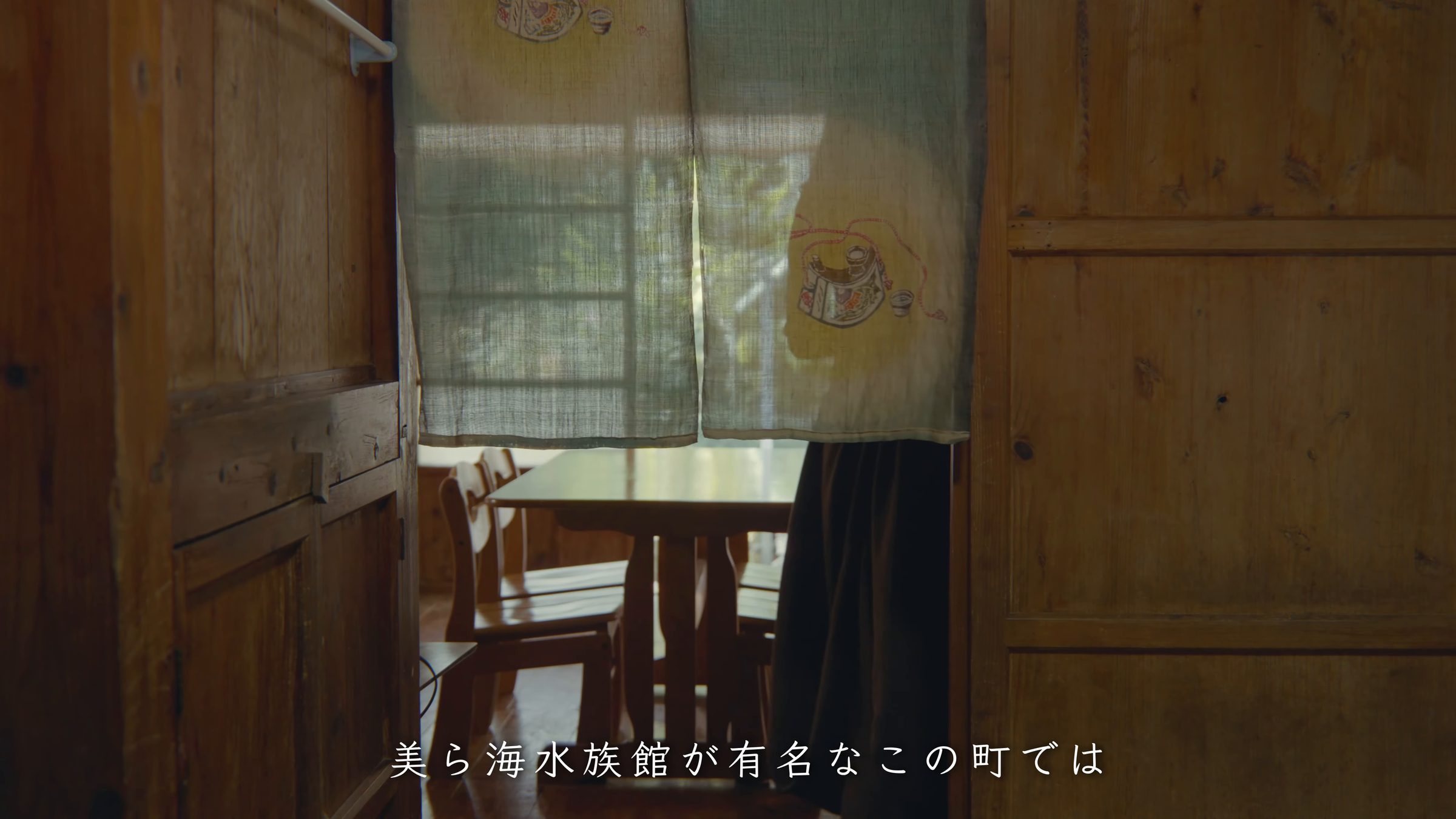
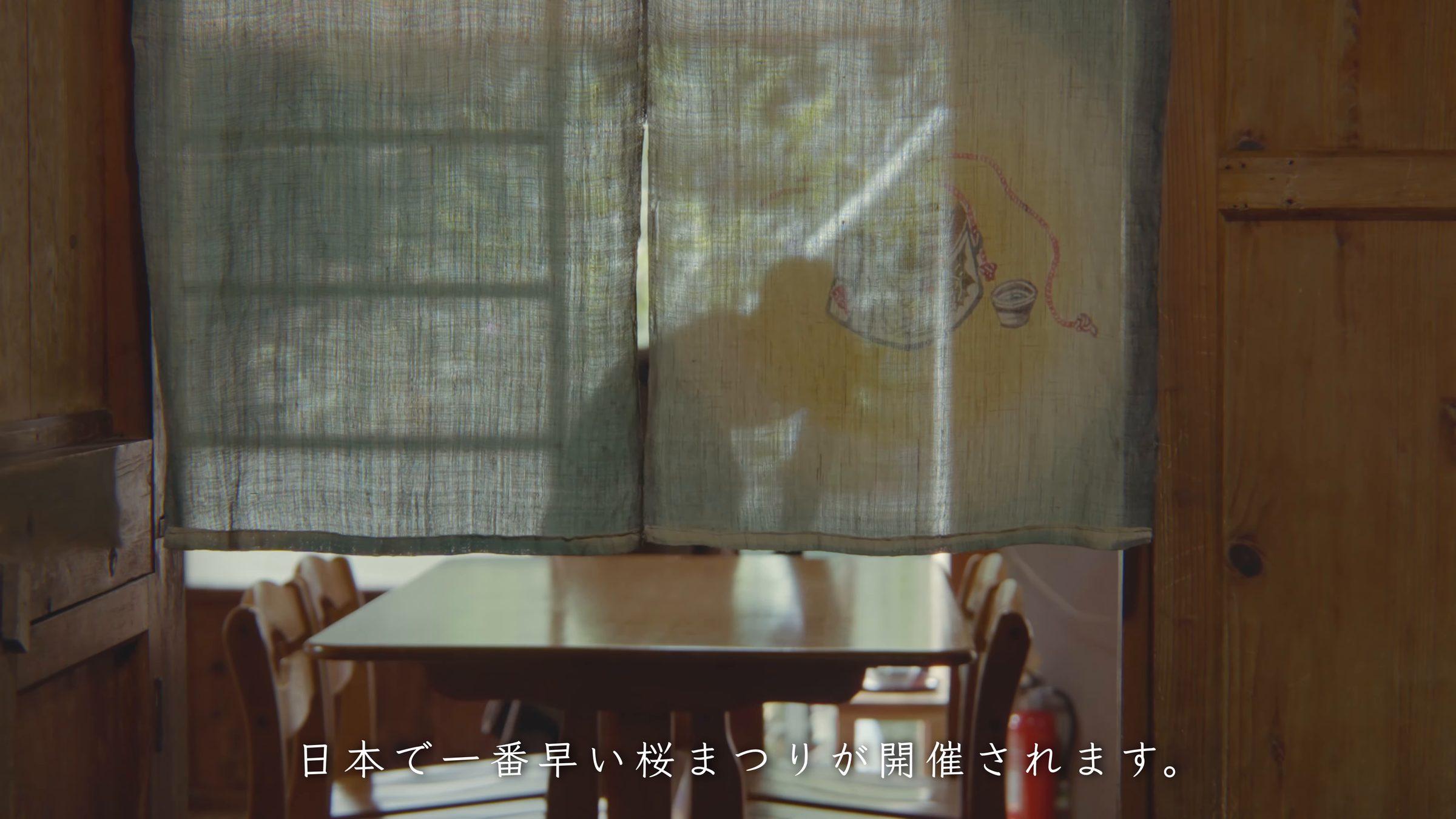
This town is famous for the Churaumi Aquarium, and it also holds the earliest cherry blossom festival in Japan. Morning light came through the noren curtain onto the table. I broke the yolk with my chopsticks and stirred it into the popping sea grapes.
Watch this scene on YouTube0:28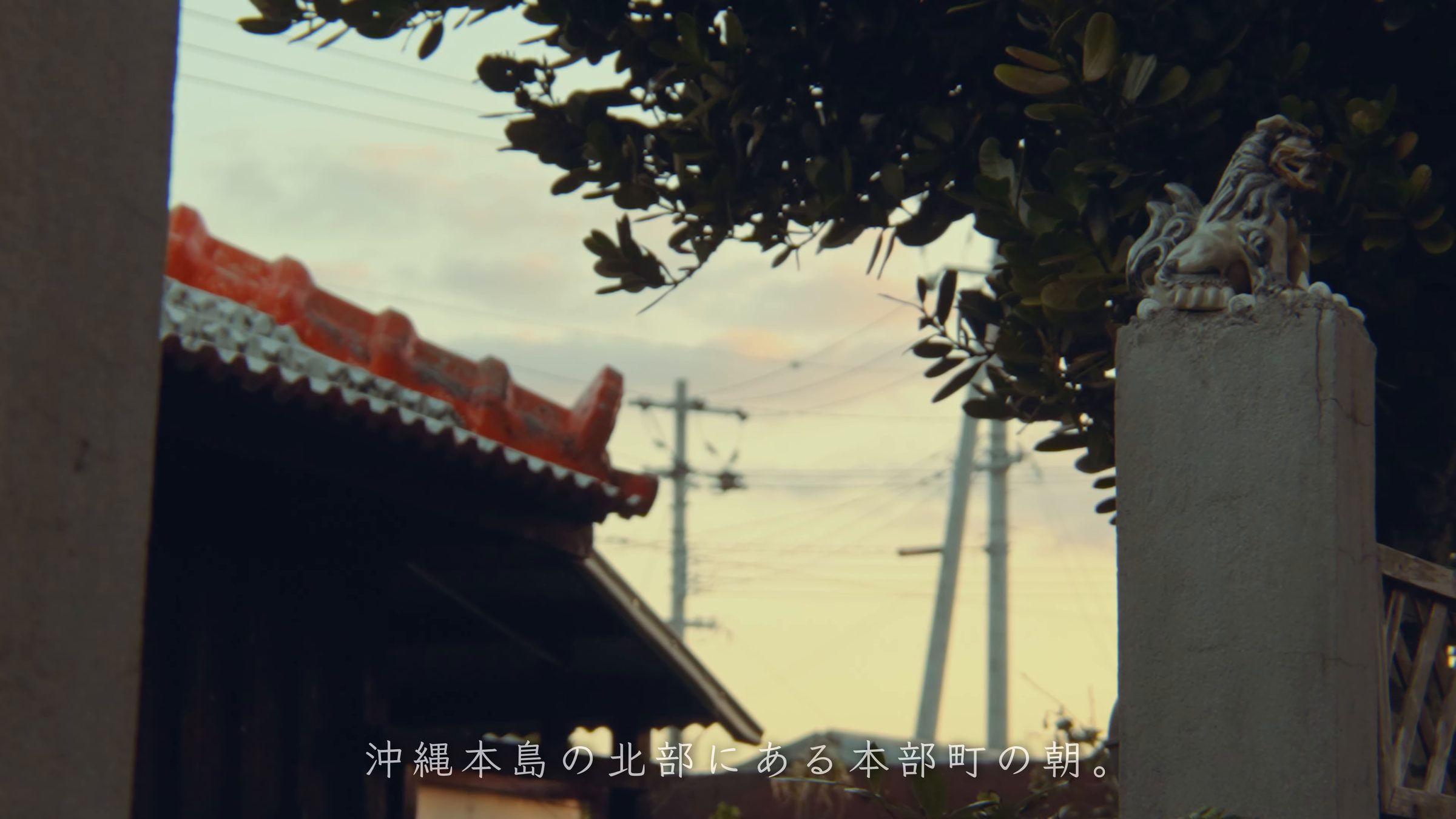
03TRAVEL JOURNAL
Drawn by the fukugi trees and the emerald sea
I sat on the veranda and pulled on my boots. Late January, the middle of winter on Honshu. I had long been curious about a cherry blossom festival held at this time of year.
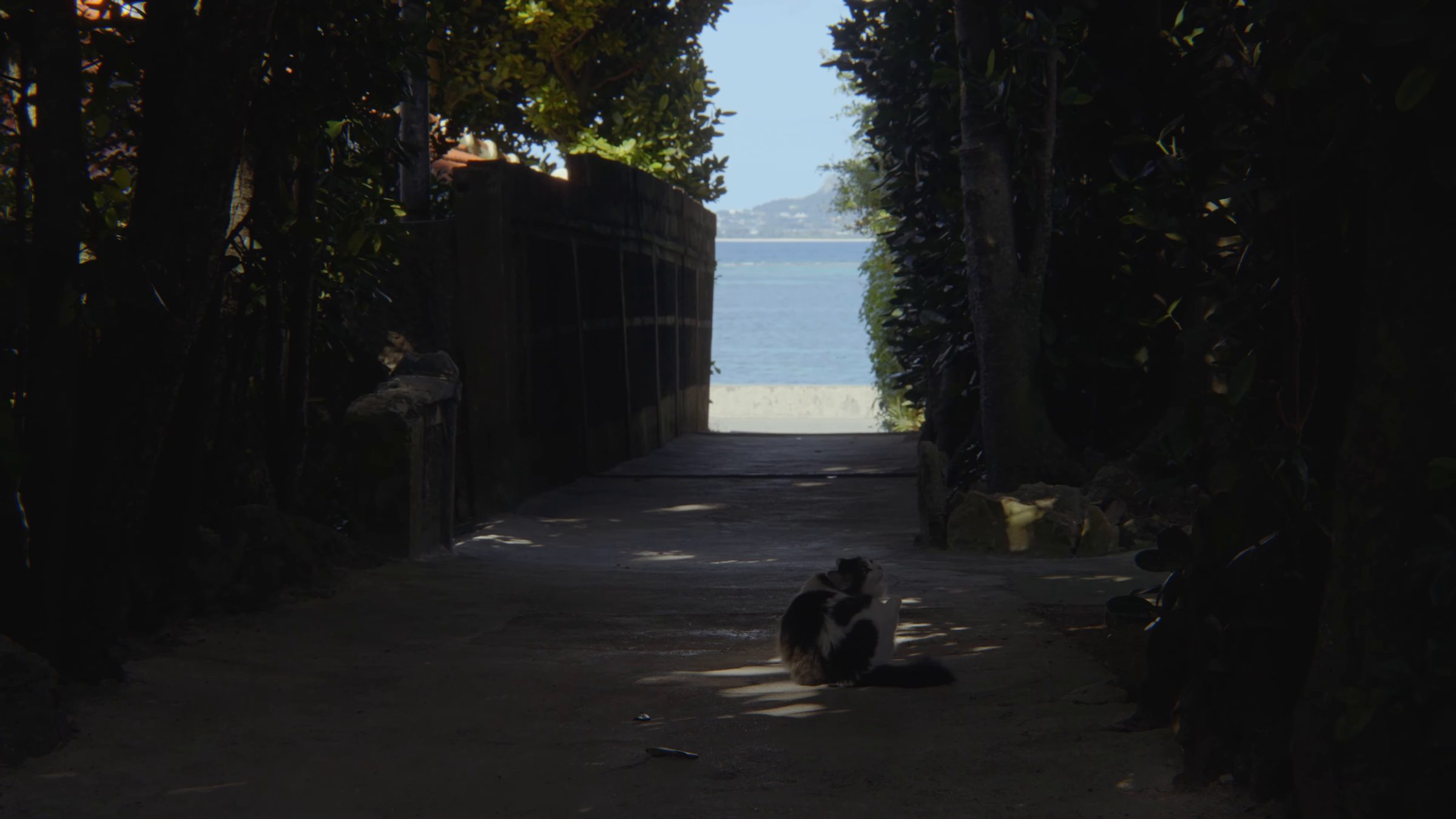
Outside, the sea was shining at the end of the fukugi trees. Halfway along, a cat was sunning itself. Through the tunnel of trees, emerald shallows and a white beach opened out.
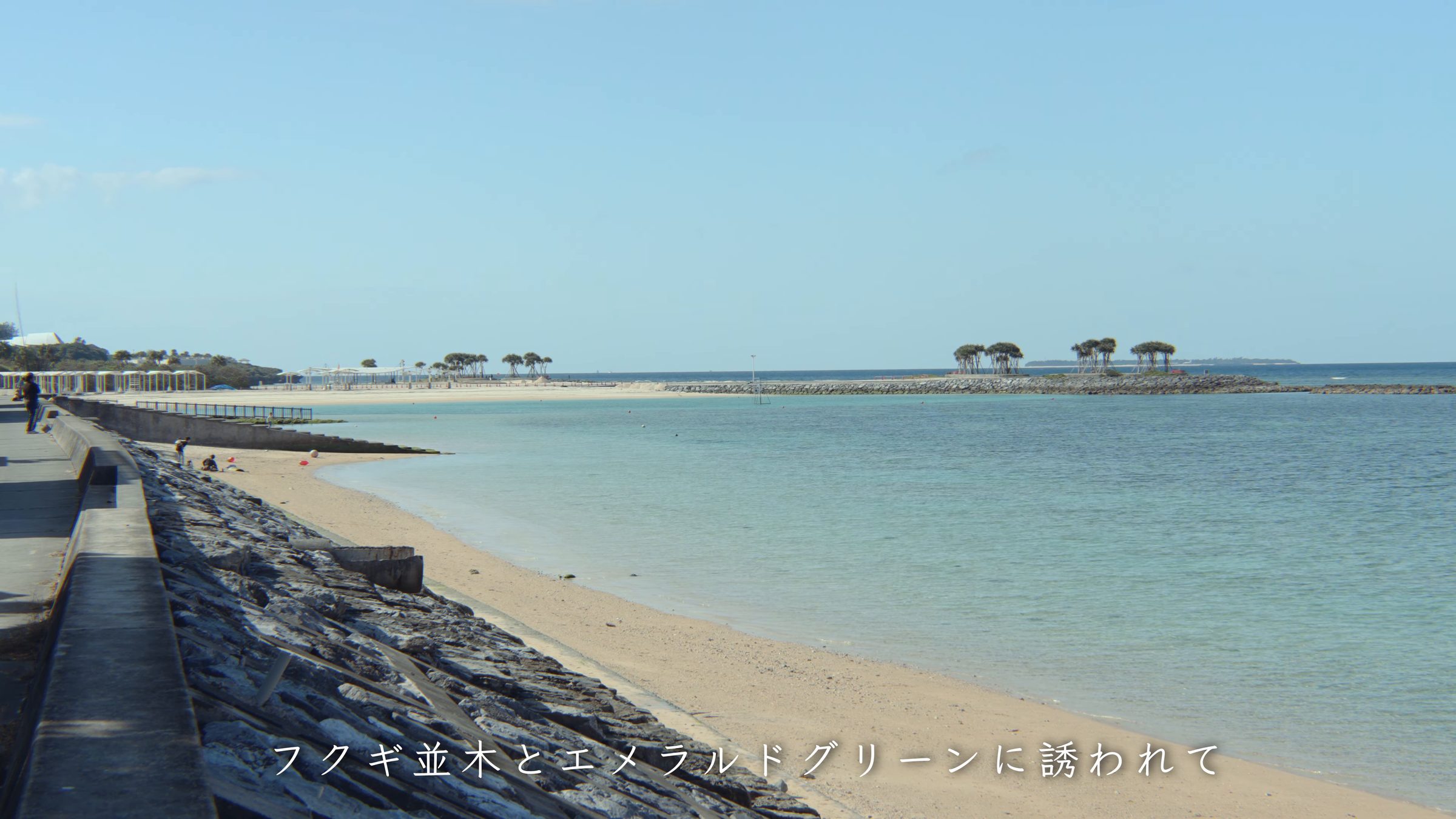
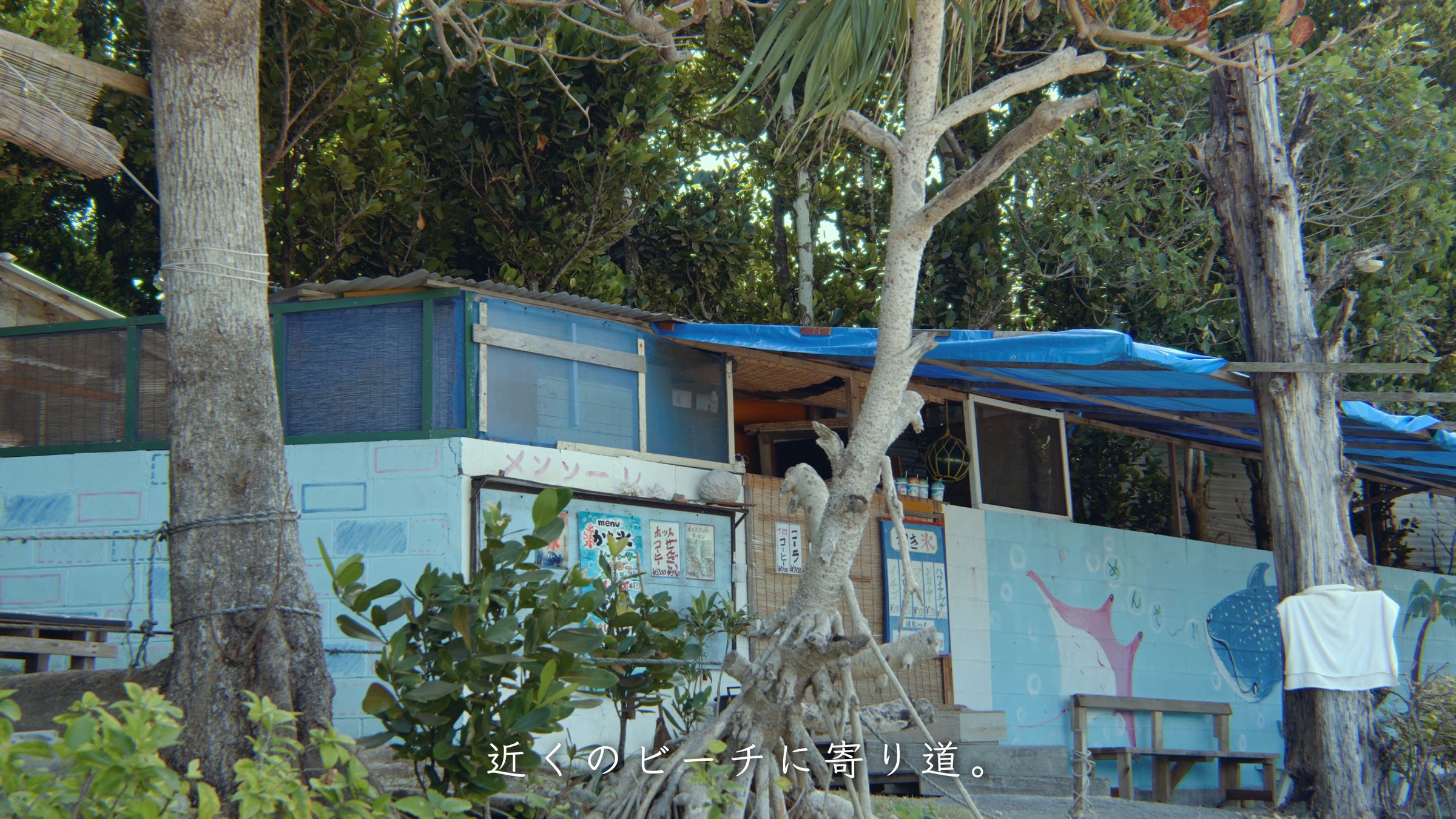
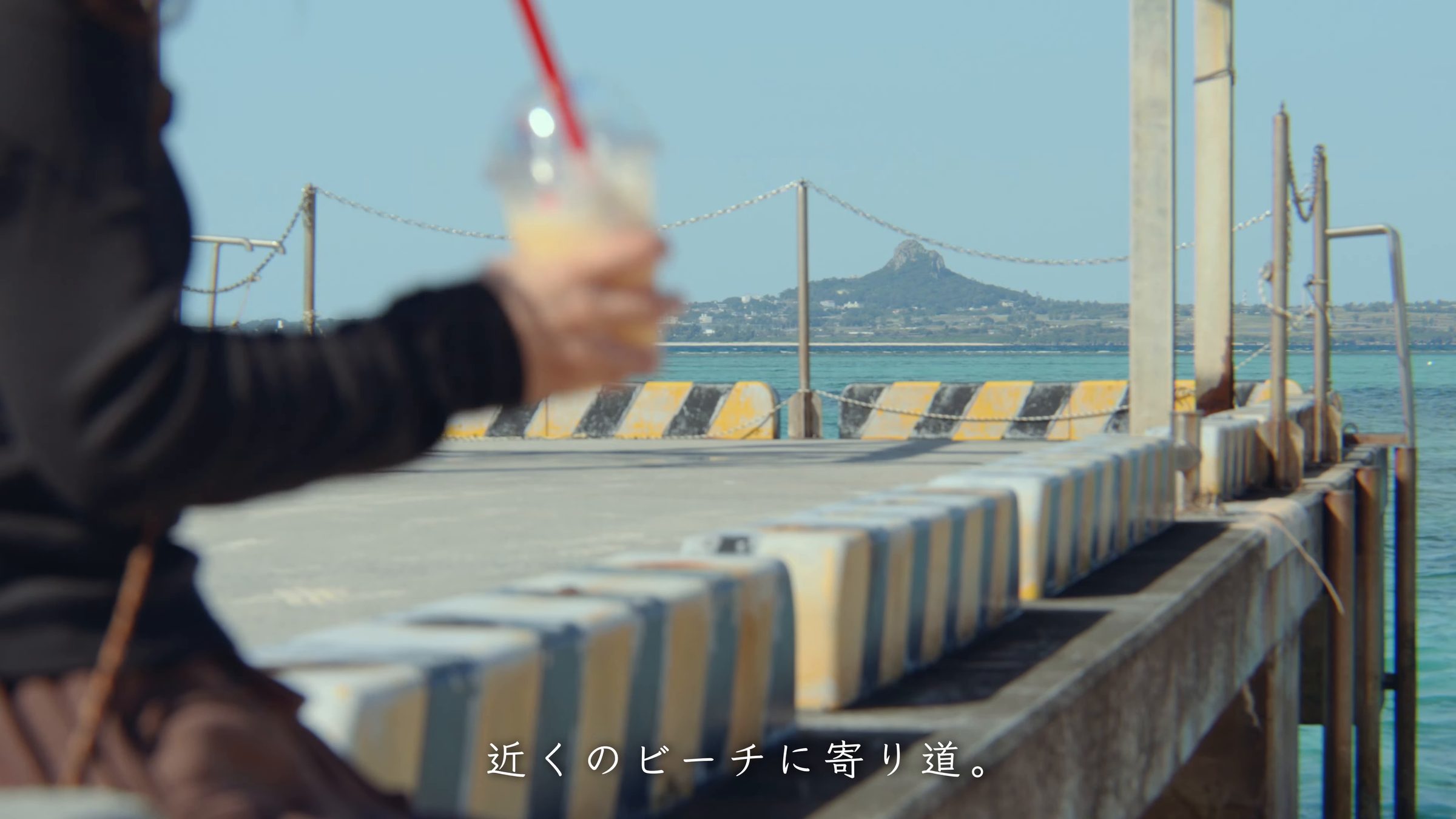
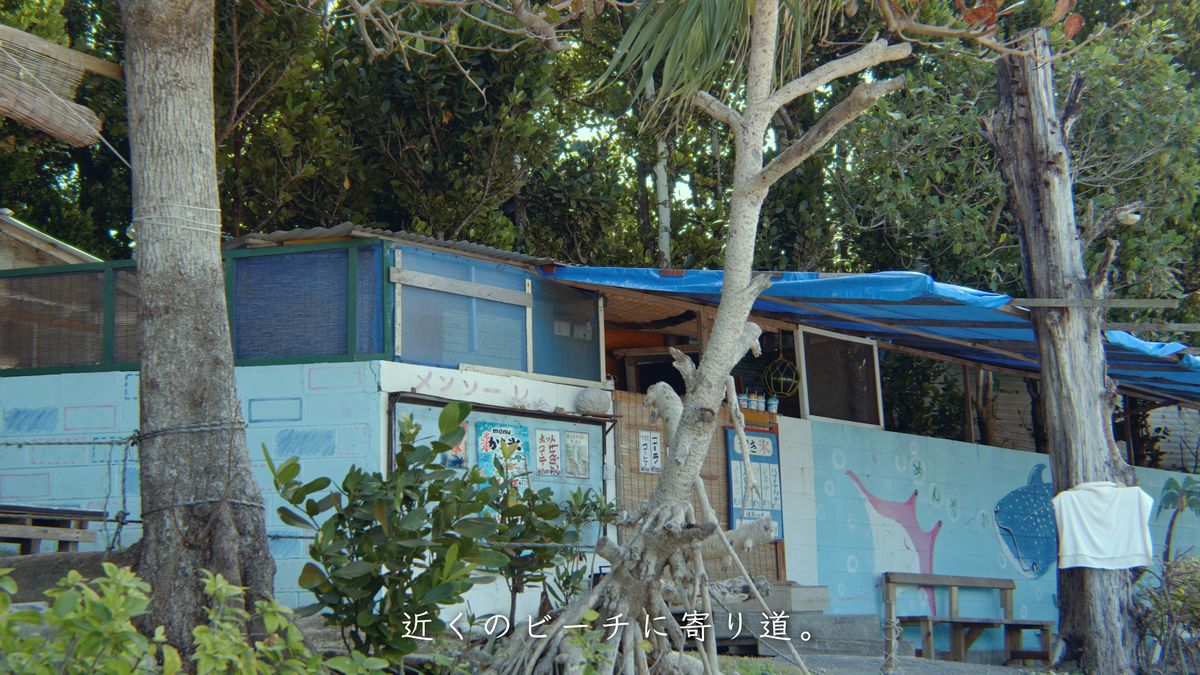
A detour to the nearby beach. The kiosk, painted blue, had a menu of shaved ice and coffee hanging outside and a whale shark painted on its wall. I walked out onto the pier and looked at the sea with a cold drink in my hand. Offshore floated Ie Island, with its peak, Mt. Gusuku. Then back along the fukugi path, and on to the festival.
Watch this scene on YouTube1:01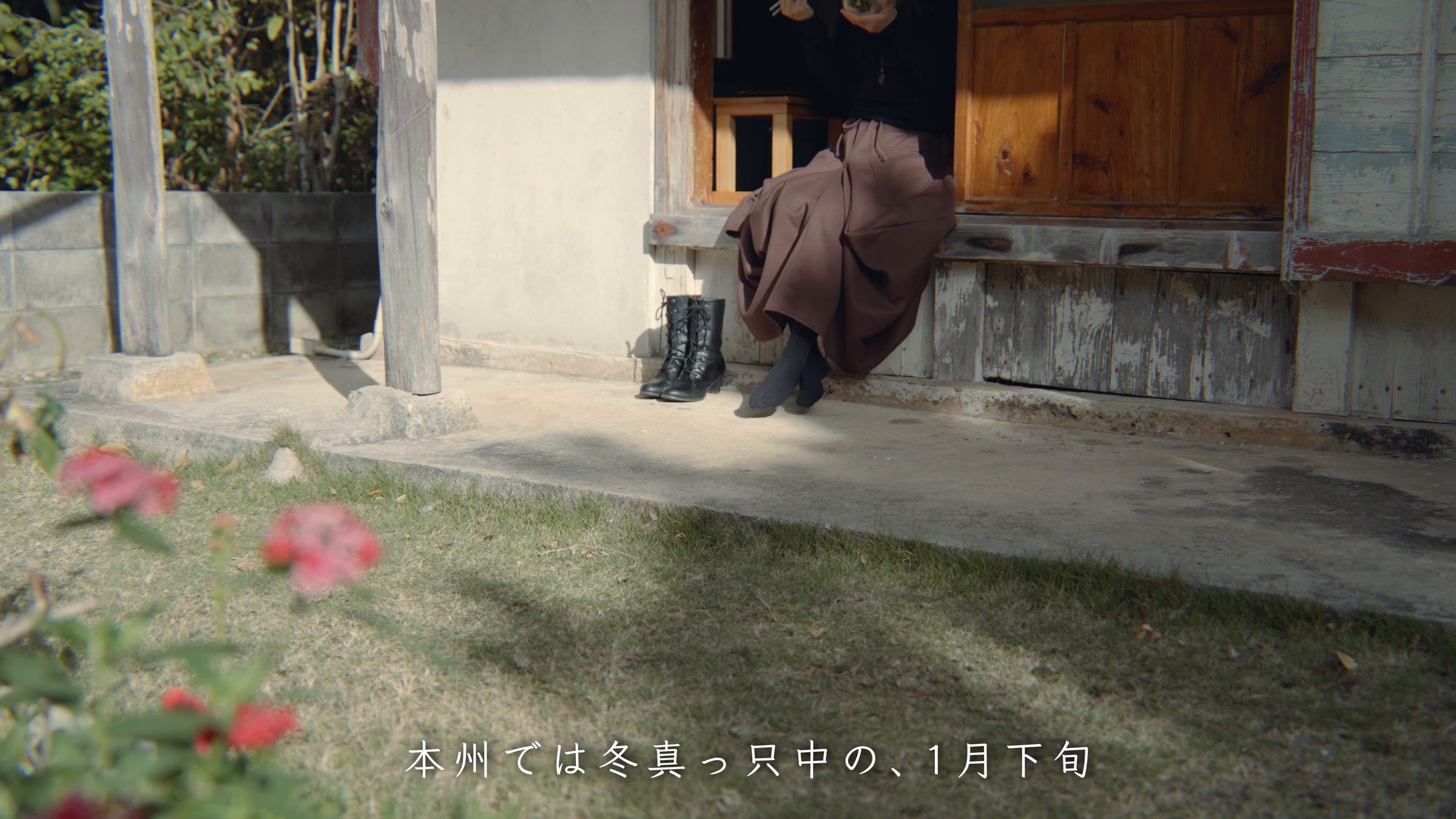
04TRAVEL JOURNAL
Japan's earliest cherry blossom festival
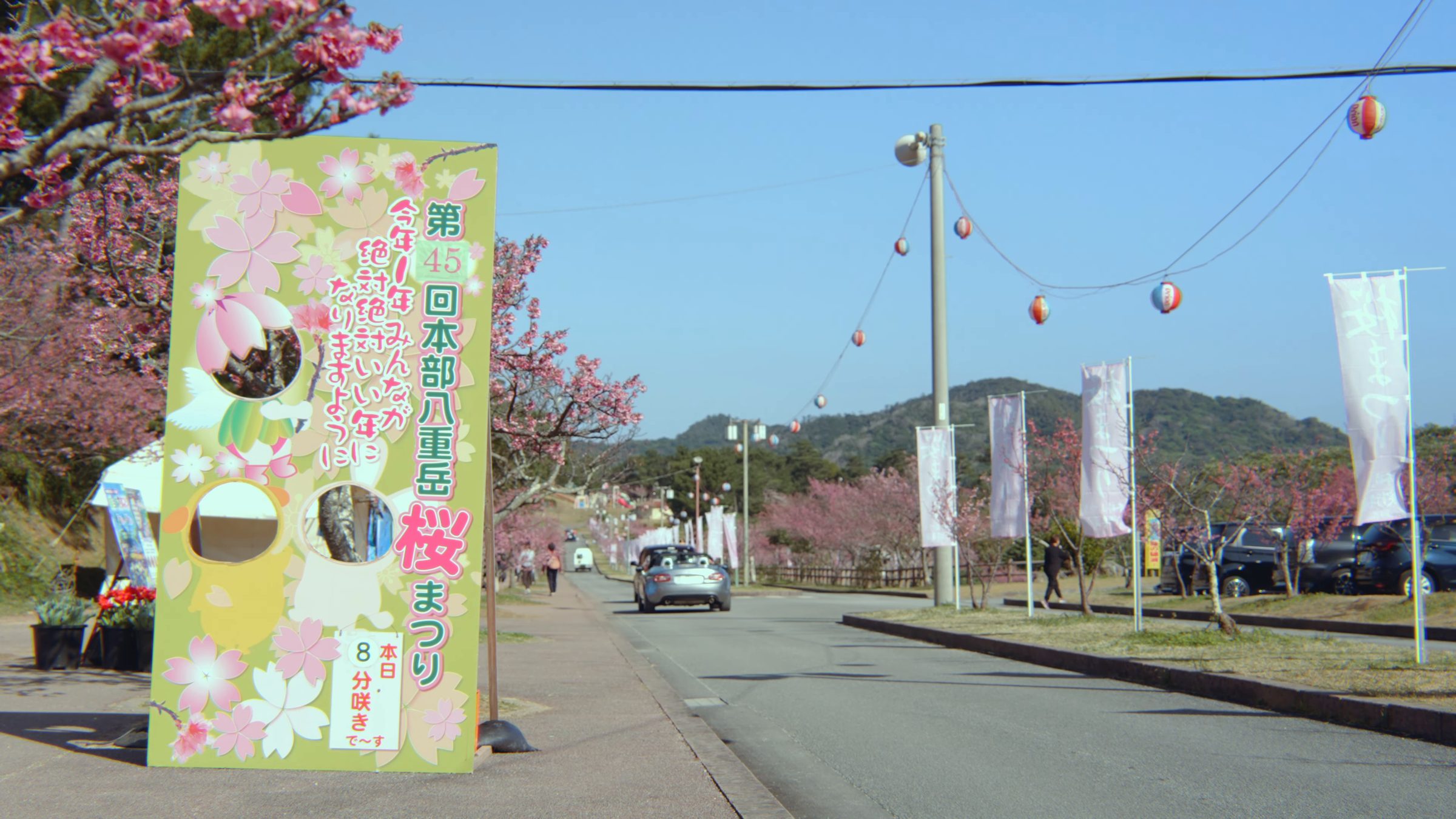
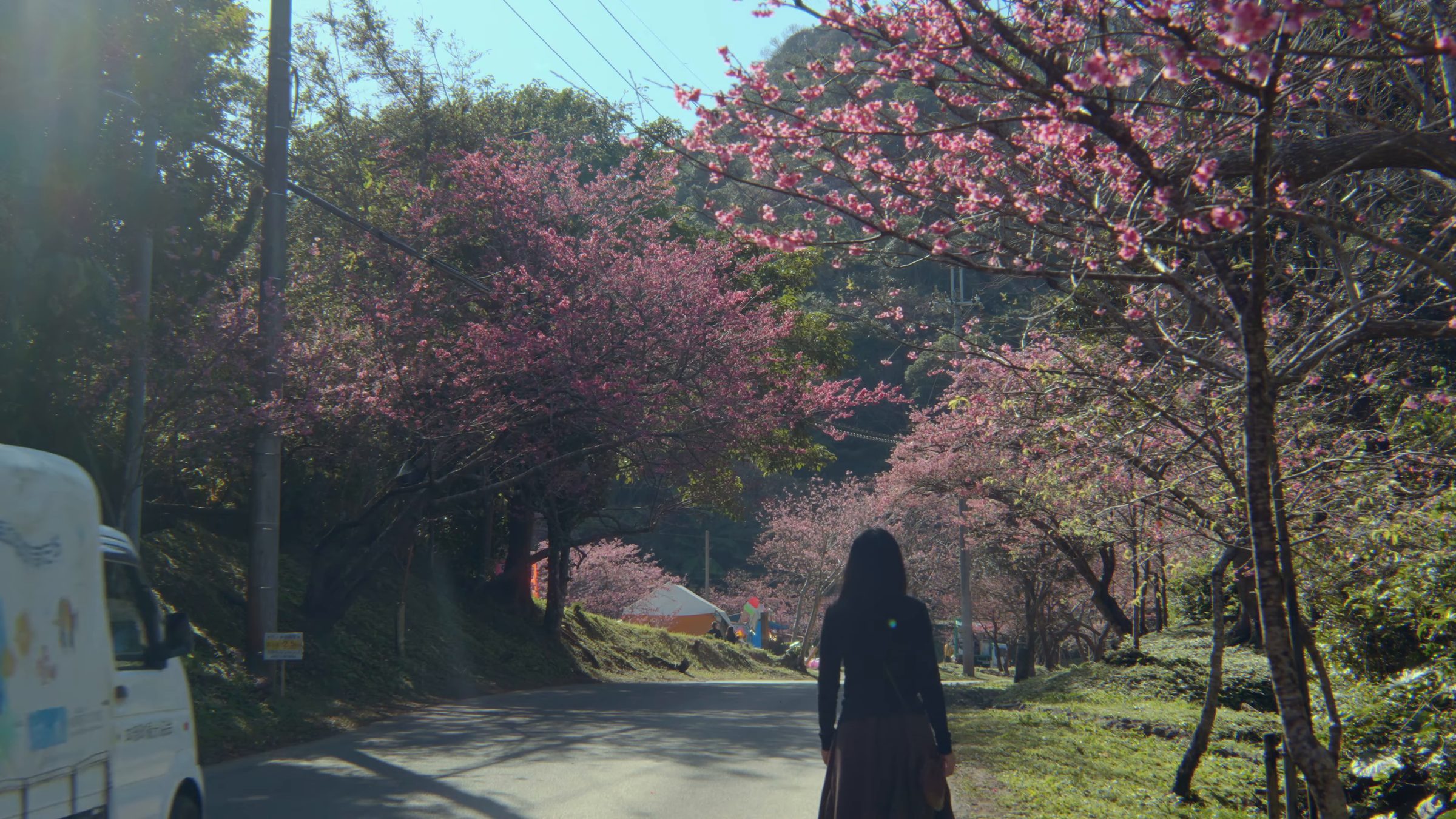
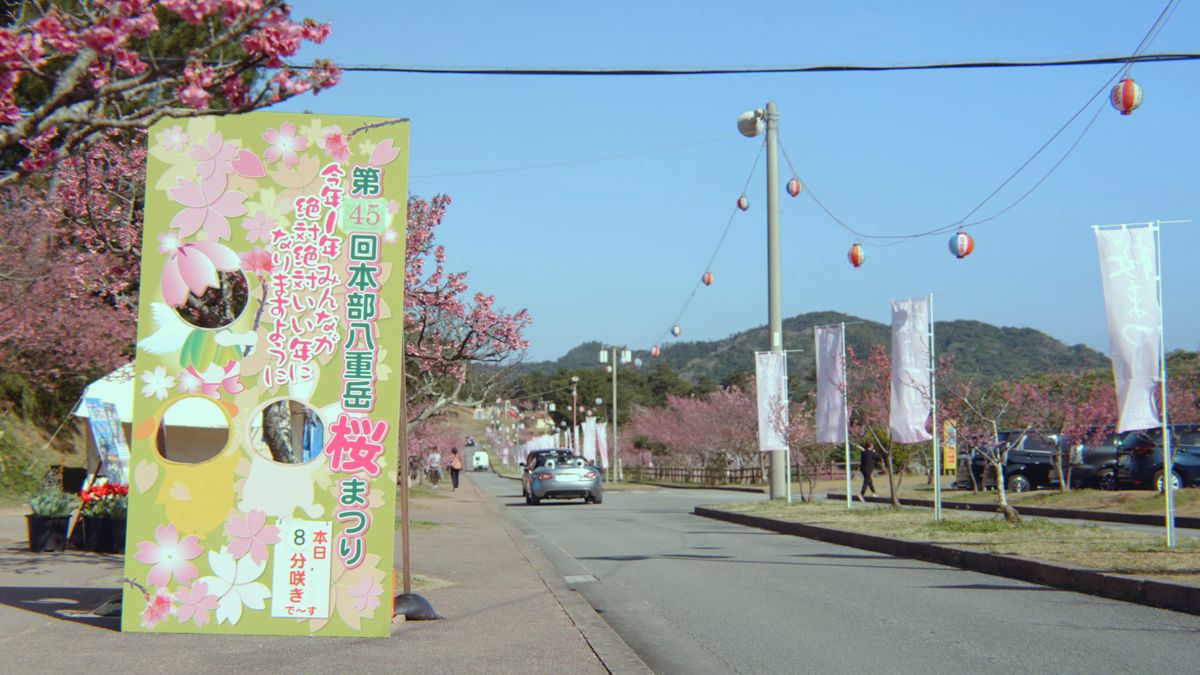
At Mt. Yaedake, deep pink blossoms covered the branches: Ryukyu kanhizakura. At the entrance stood a photo cut-out board for the 45th Motobu Yaedake Cherry Blossom Festival, with a note saying the trees were at 80 percent bloom today. Paper lanterns were strung across the road and sakura banners fluttered in the wind.
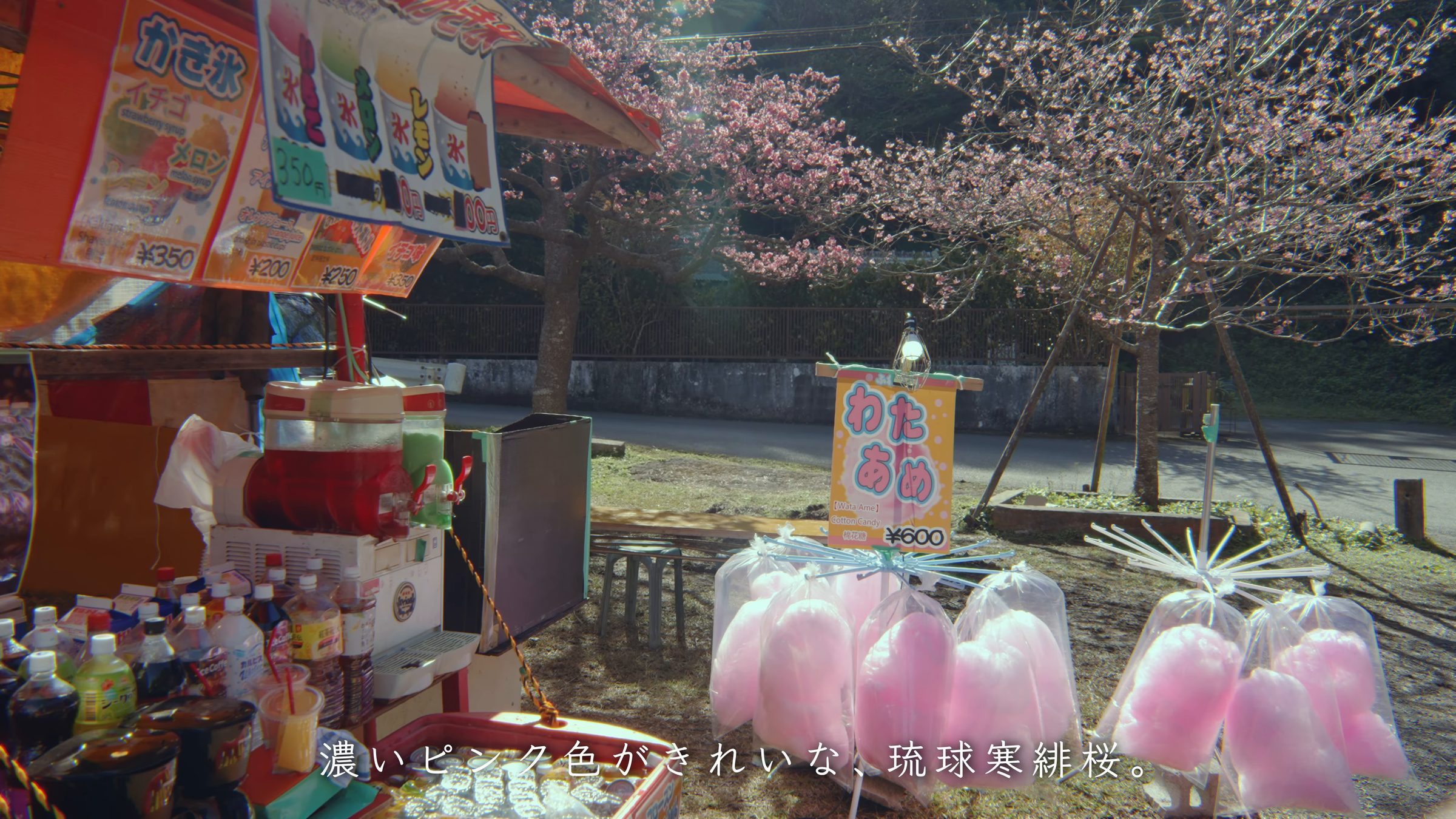
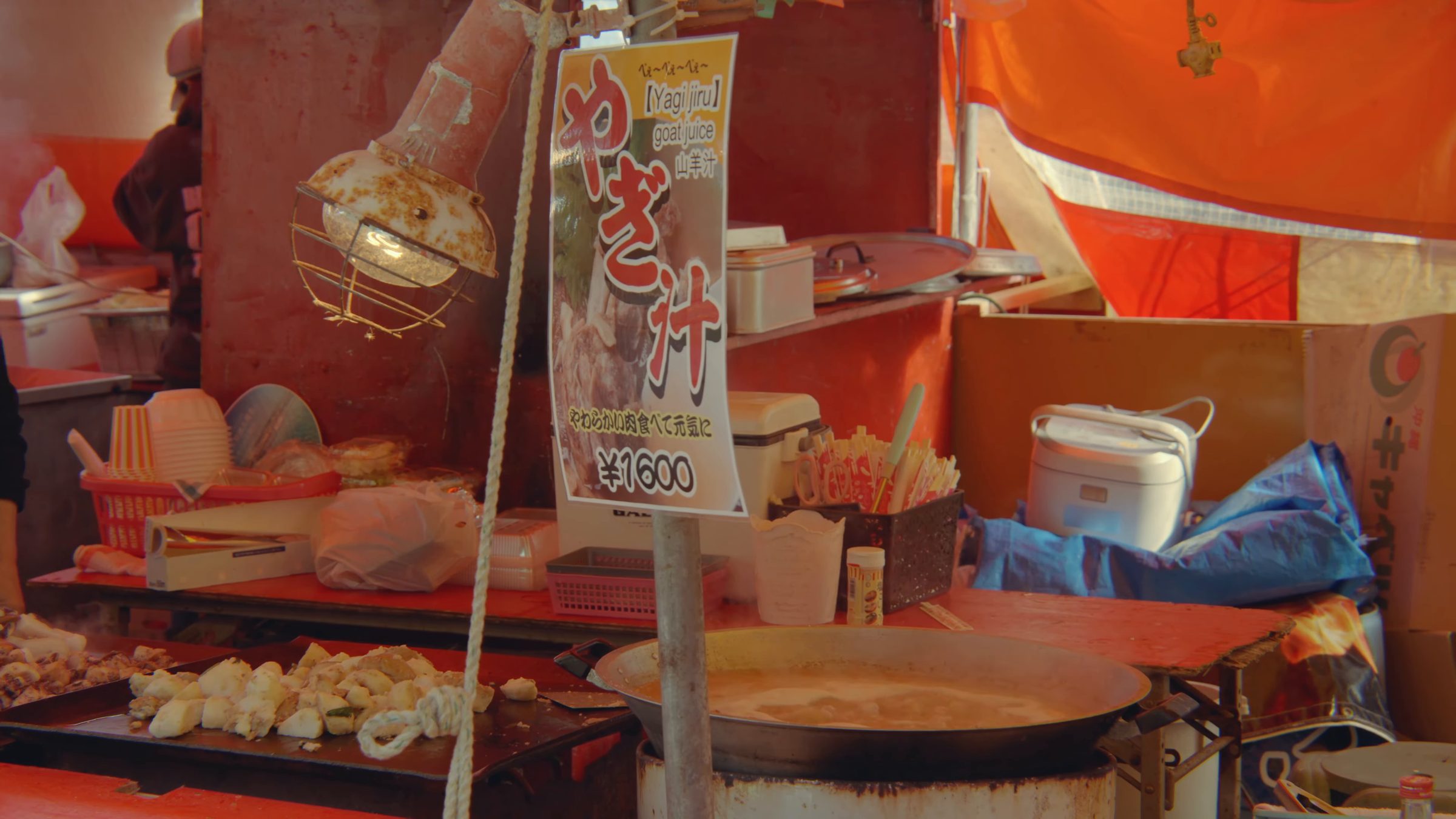
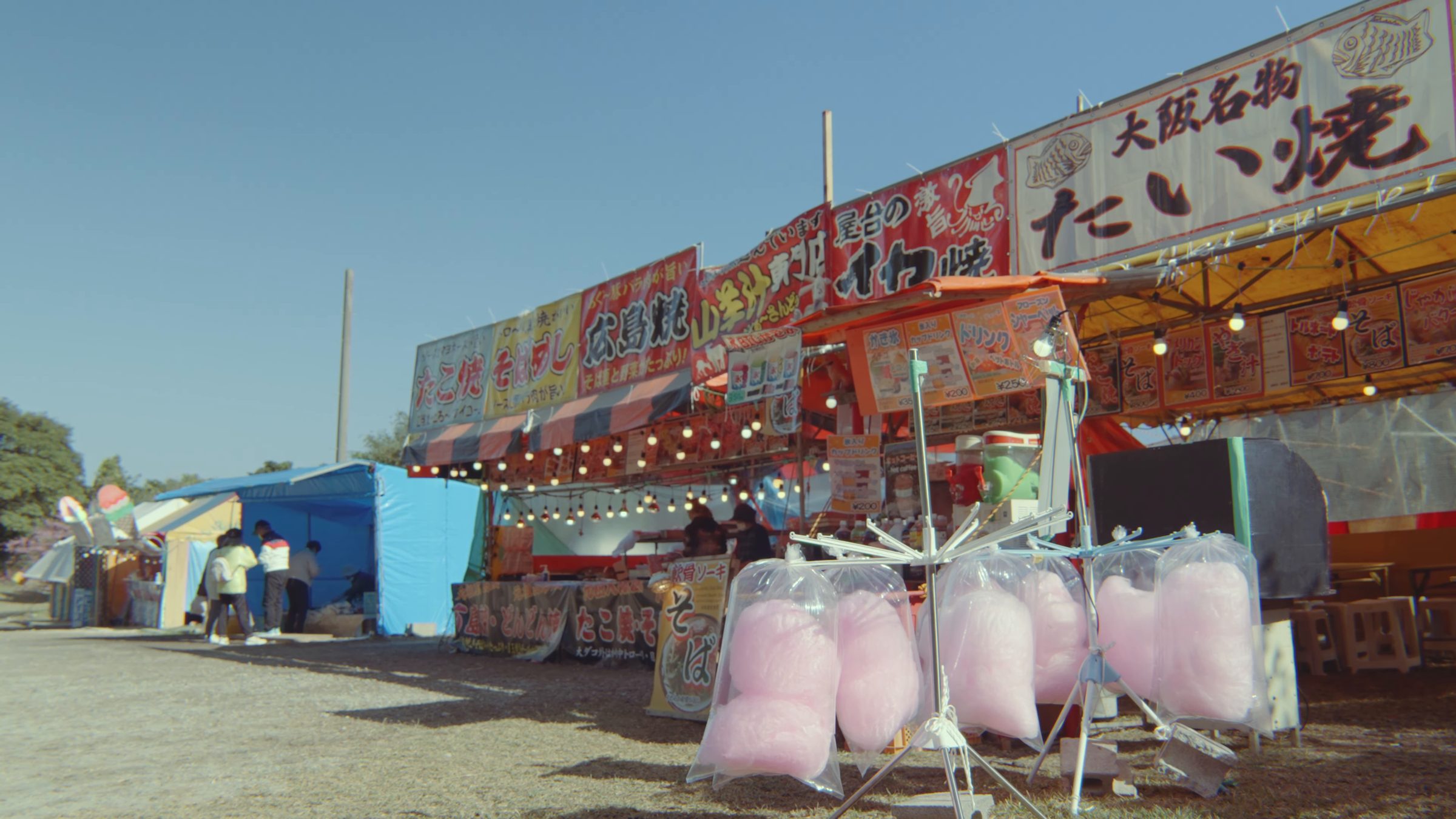
I walked under the cherry trees. The stalls sold shaved ice and cotton candy, goat soup, and taiyaki. It felt less like a flower festival than a fairground.
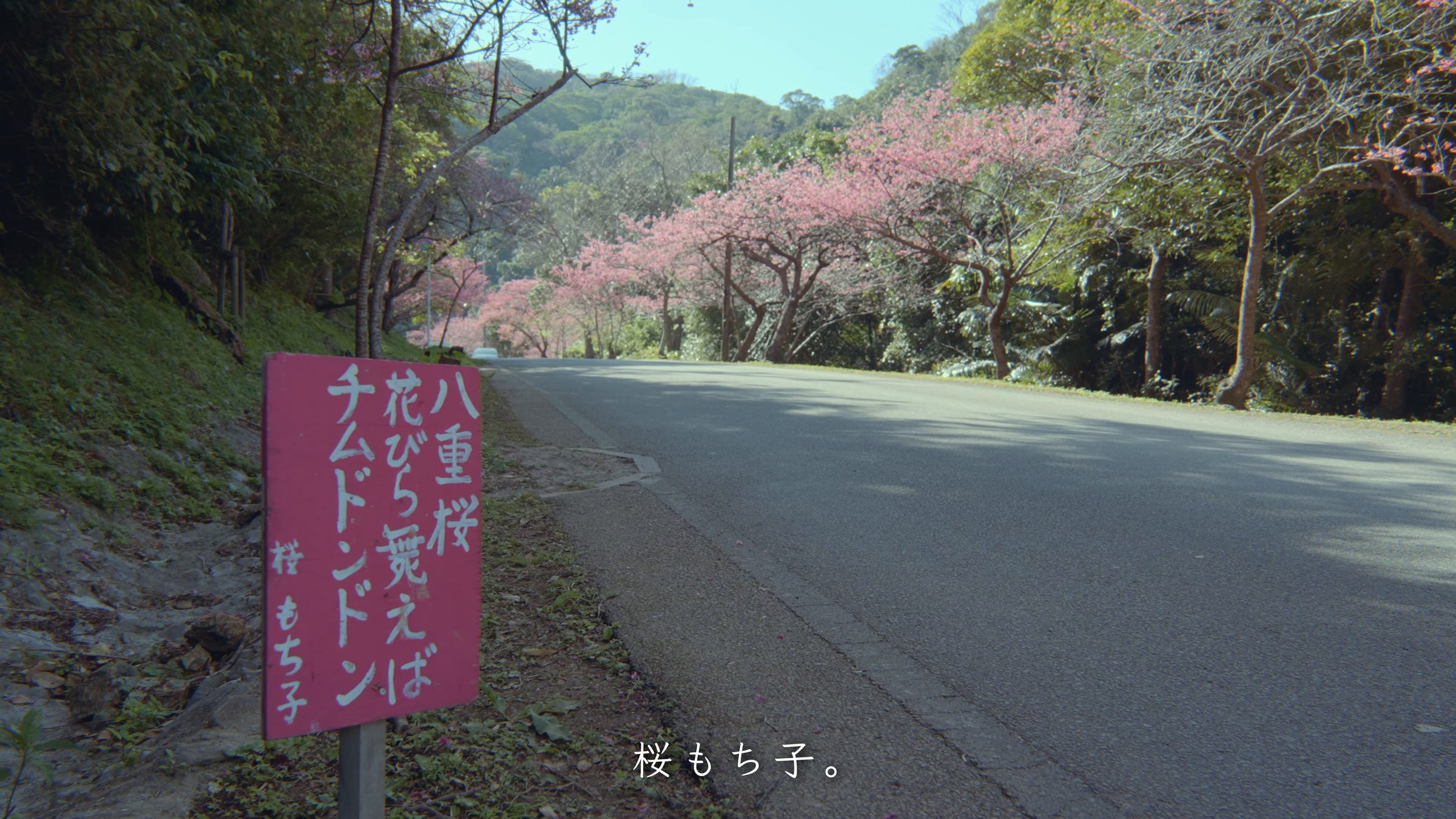
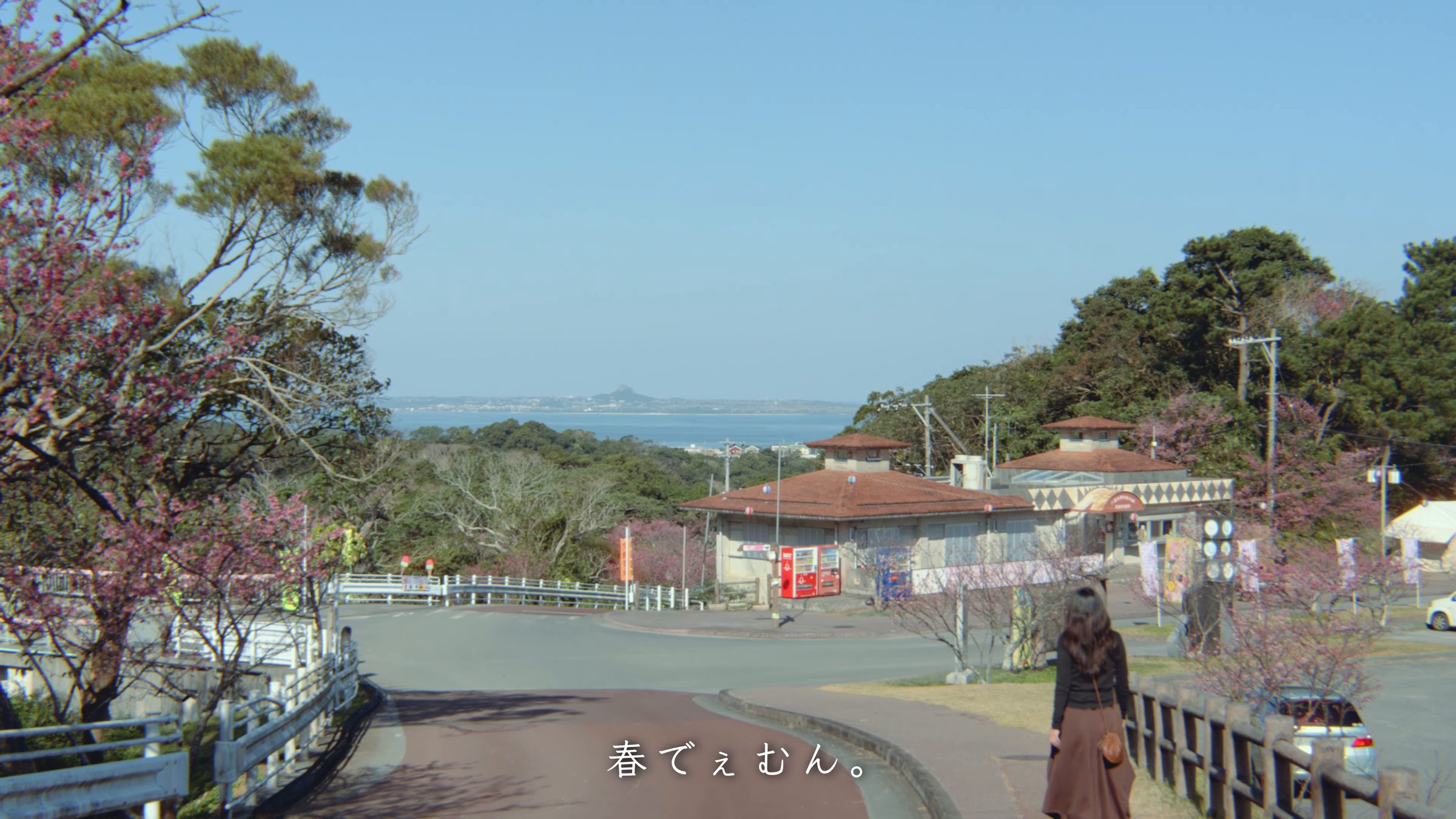
A pink sign by the road read: when the Yaedake petals dance, chimu-dondon. In the Okinawan language, chimu-dondon means a pounding heart. Up the mountain road, the sea appeared beyond the blossoms. Haru deemun: because it's spring.
Watch this scene on YouTube1:37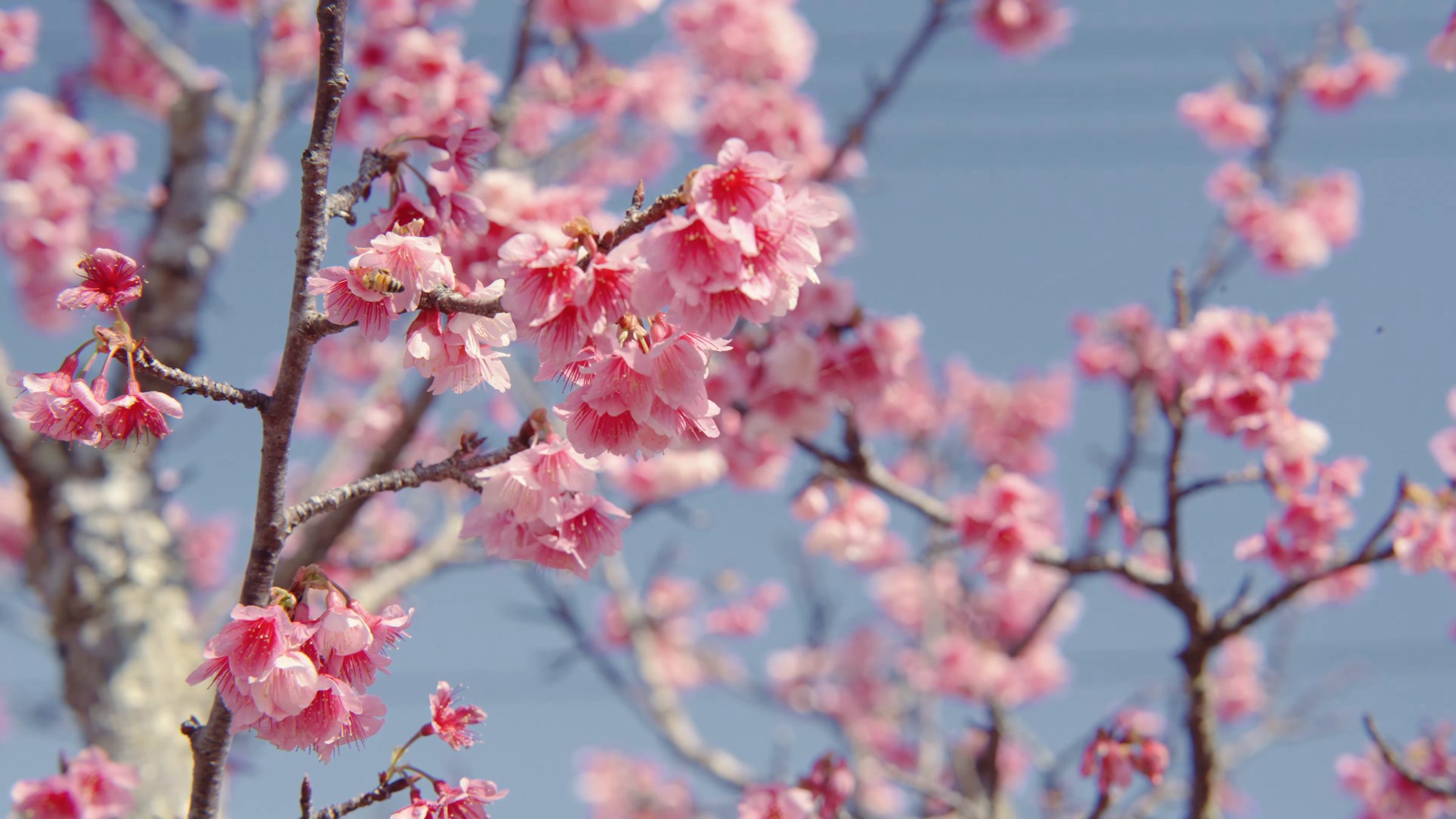
05TRAVEL JOURNAL
Okinawa soba on a terrace in January
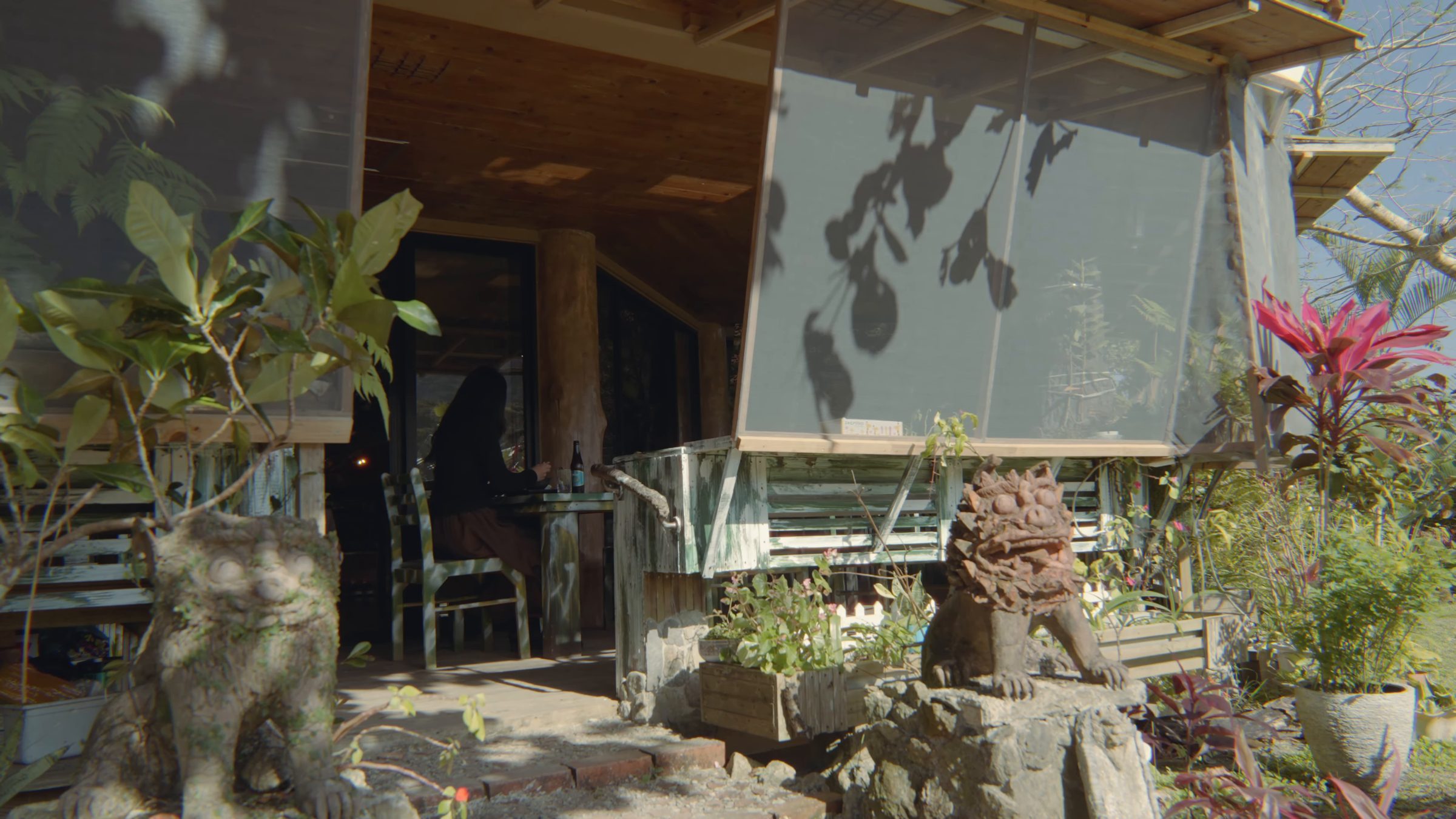
By the mountain road, a sign: Okinawa Soba Mori no Ie. Following the arrow, I went into a restaurant hidden among the trees.
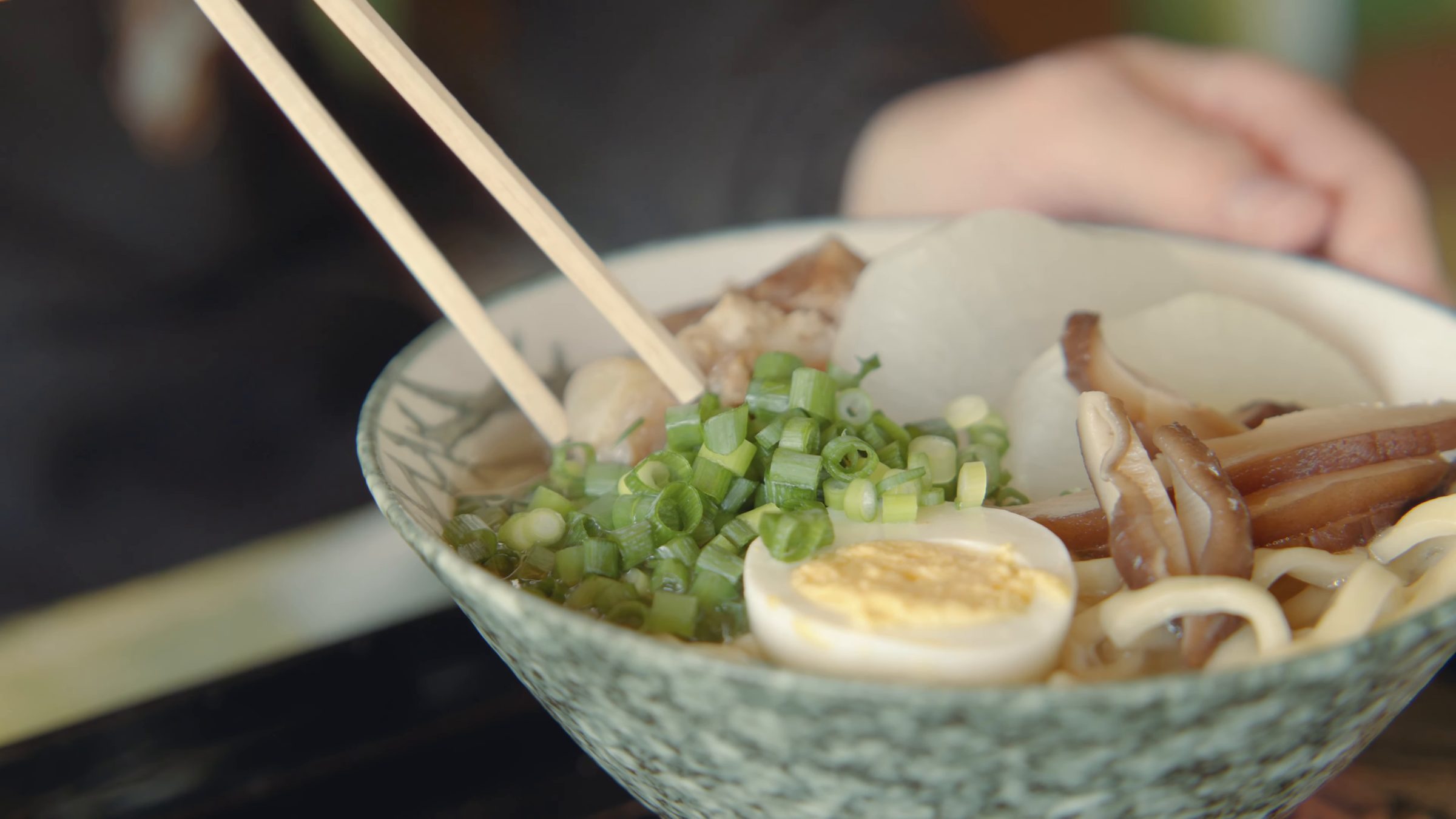
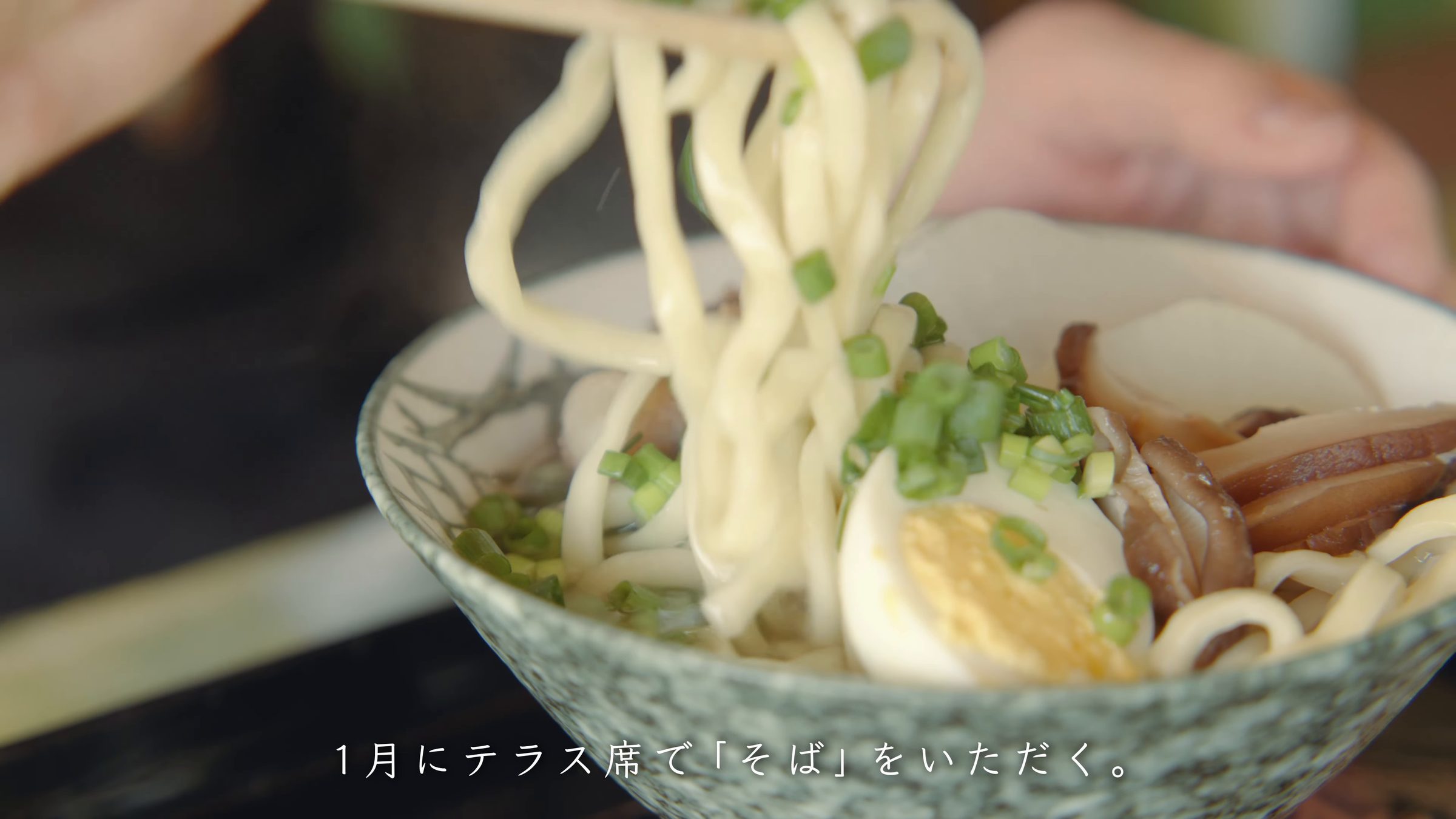
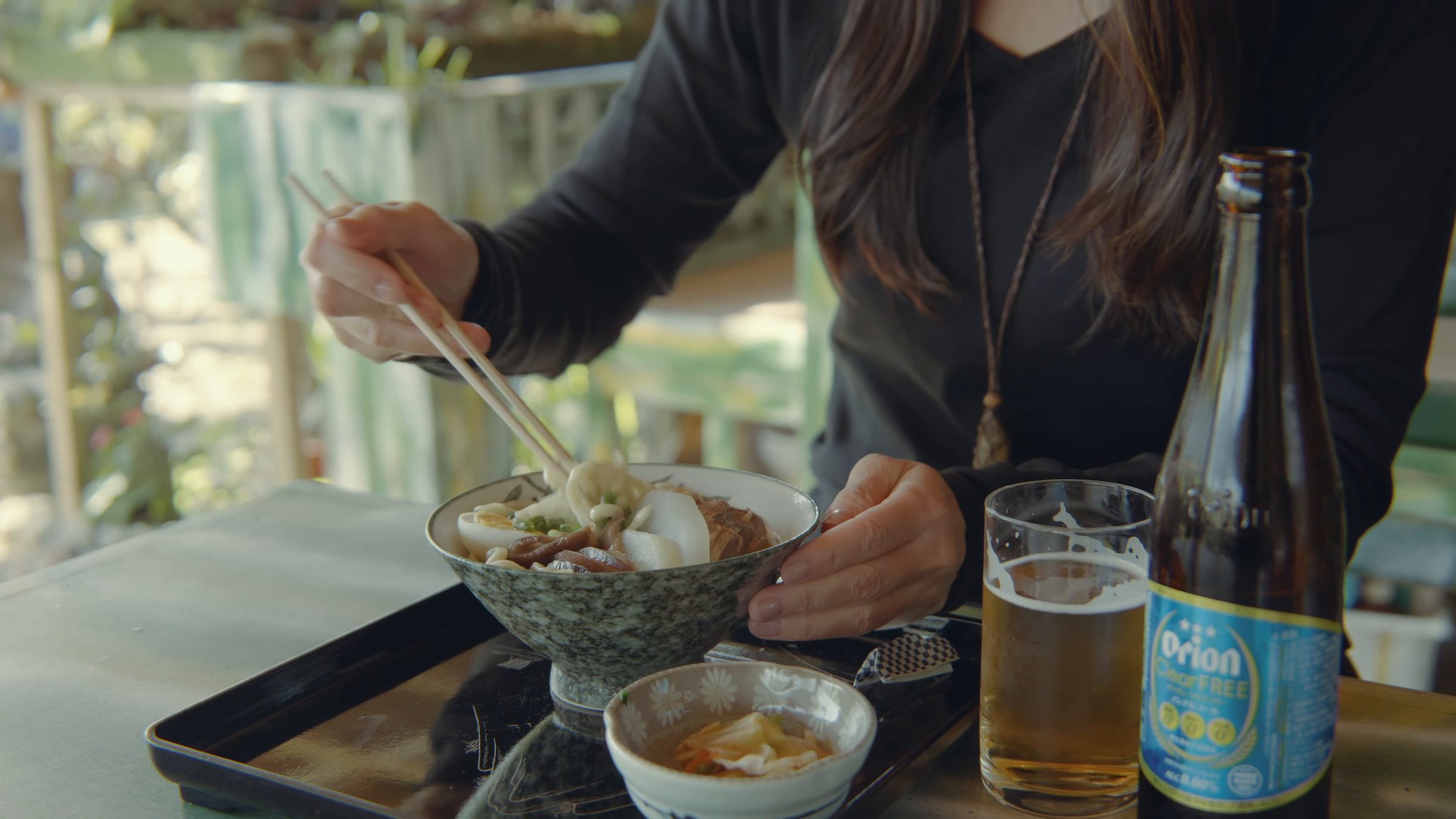
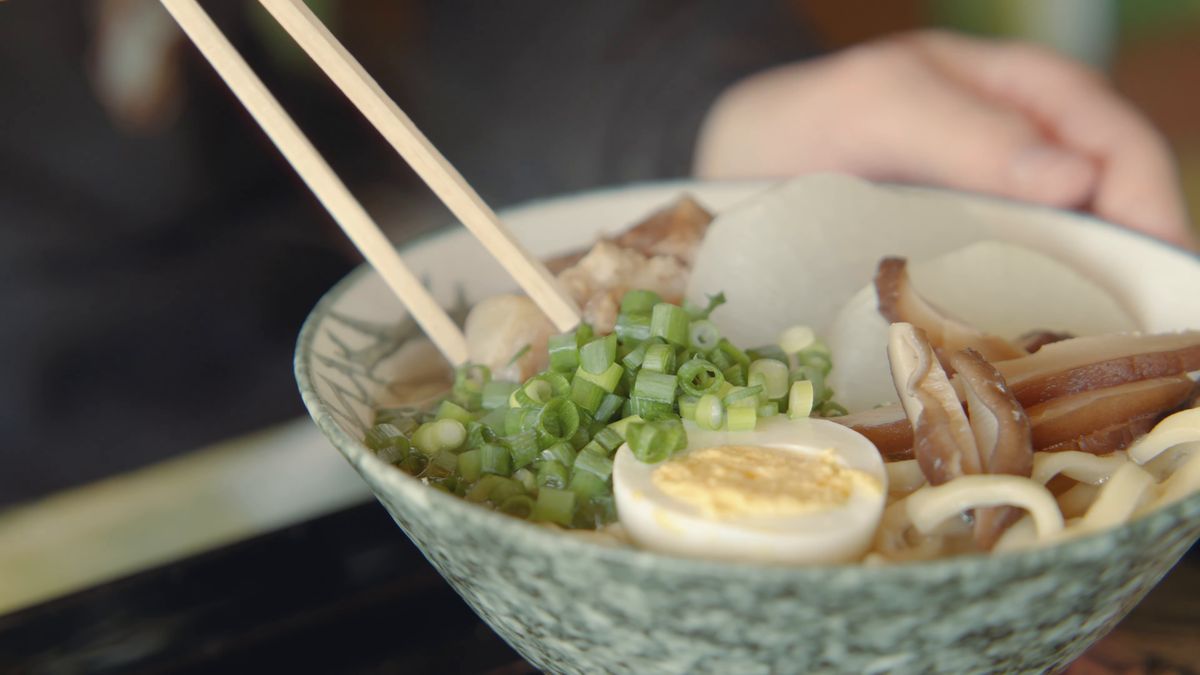
The Okinawa soba brought to my terrace table came with pork, a boiled egg and plenty of green onions. Steam rose as I lifted the thick noodles. Noodles on a terrace in January: haru deemun, because it's spring.
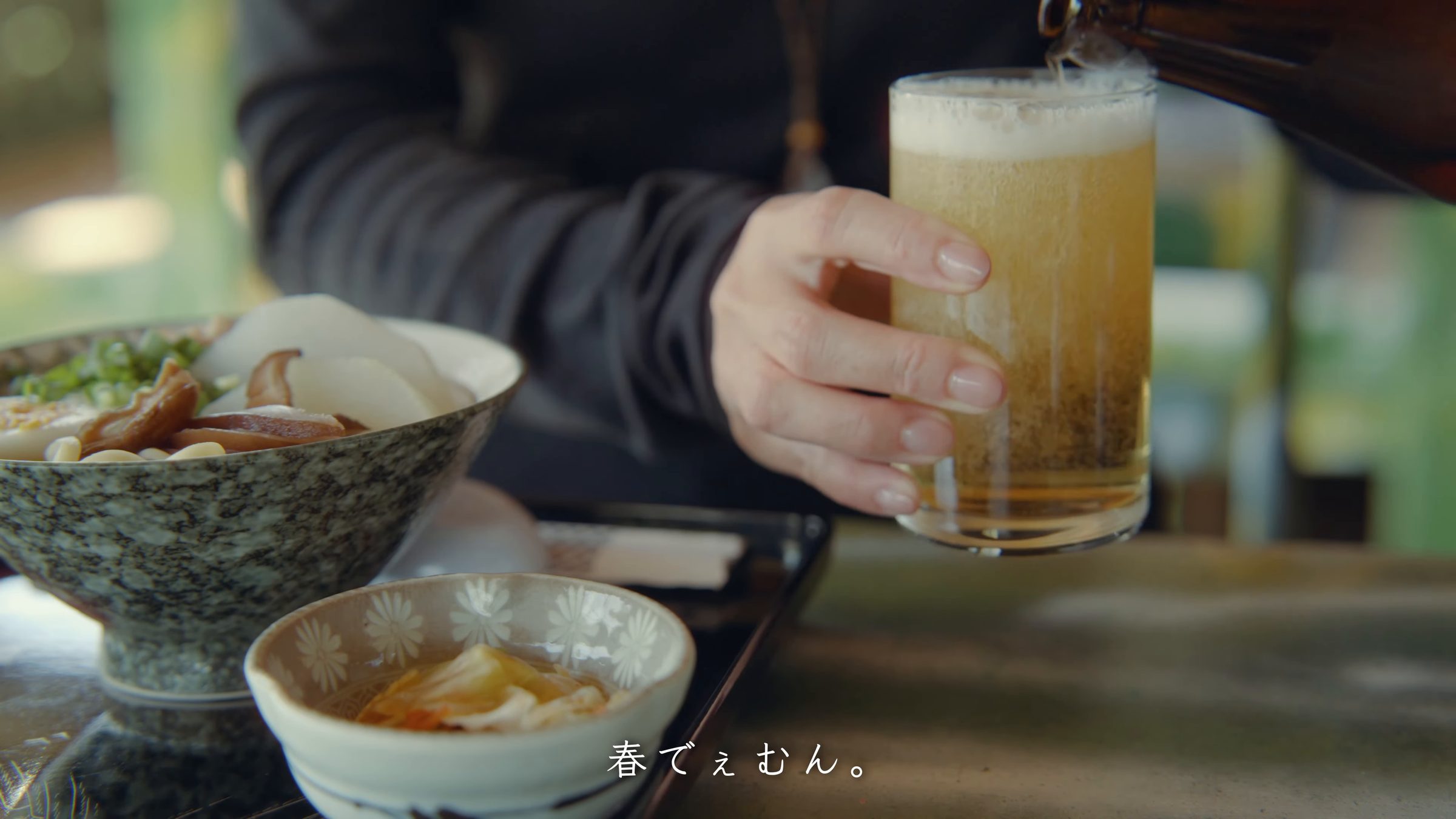
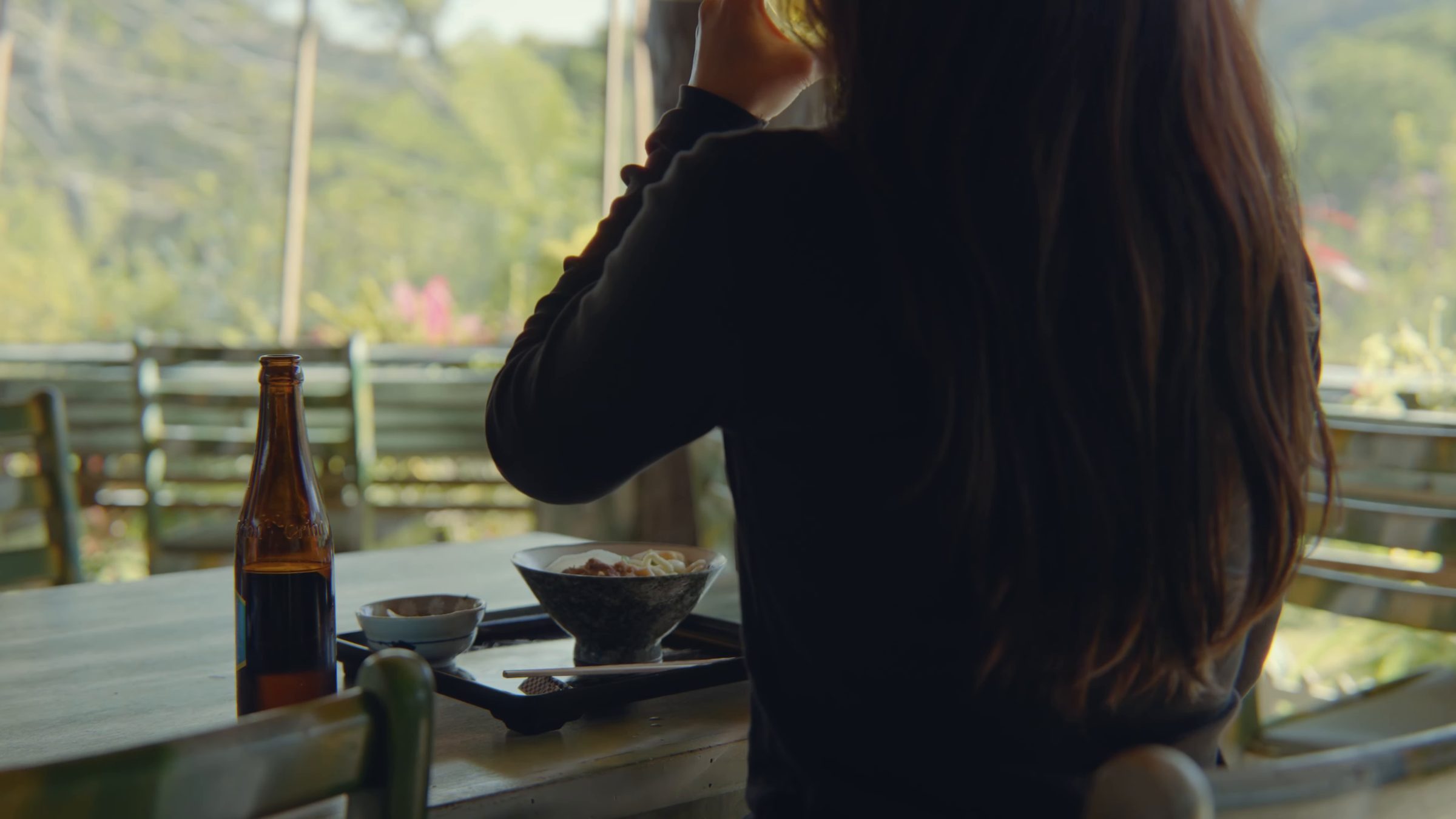
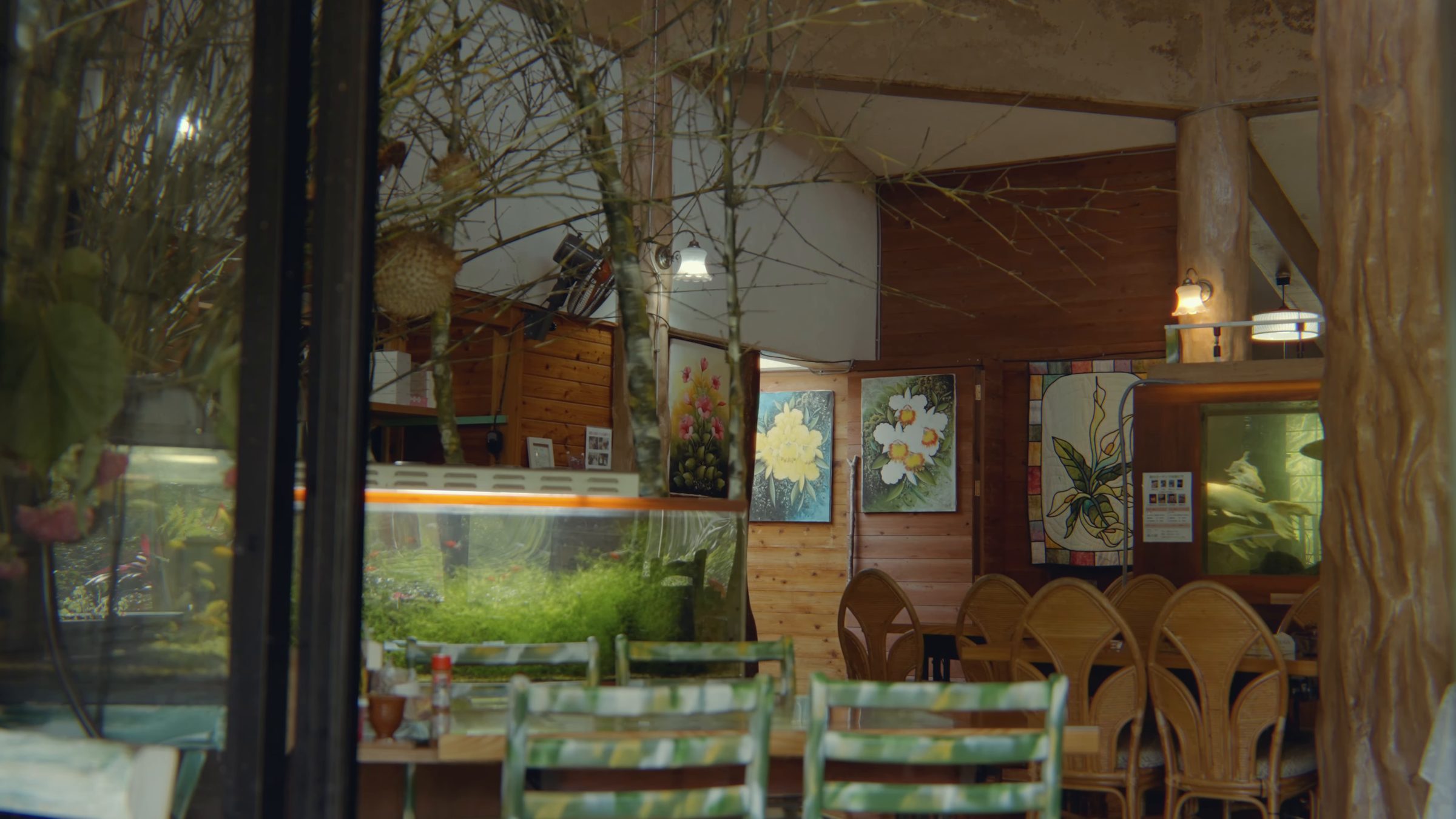
Alongside it, a bottle of Orion's non-alcoholic beer. With a small dish of vegetables, I ate slowly under the dappled light. Inside were an aquarium and paintings of flowers, with rattan chairs in rows. Shisa statues guarded the entrance of this restaurant in the woods.
Watch this scene on YouTube1:55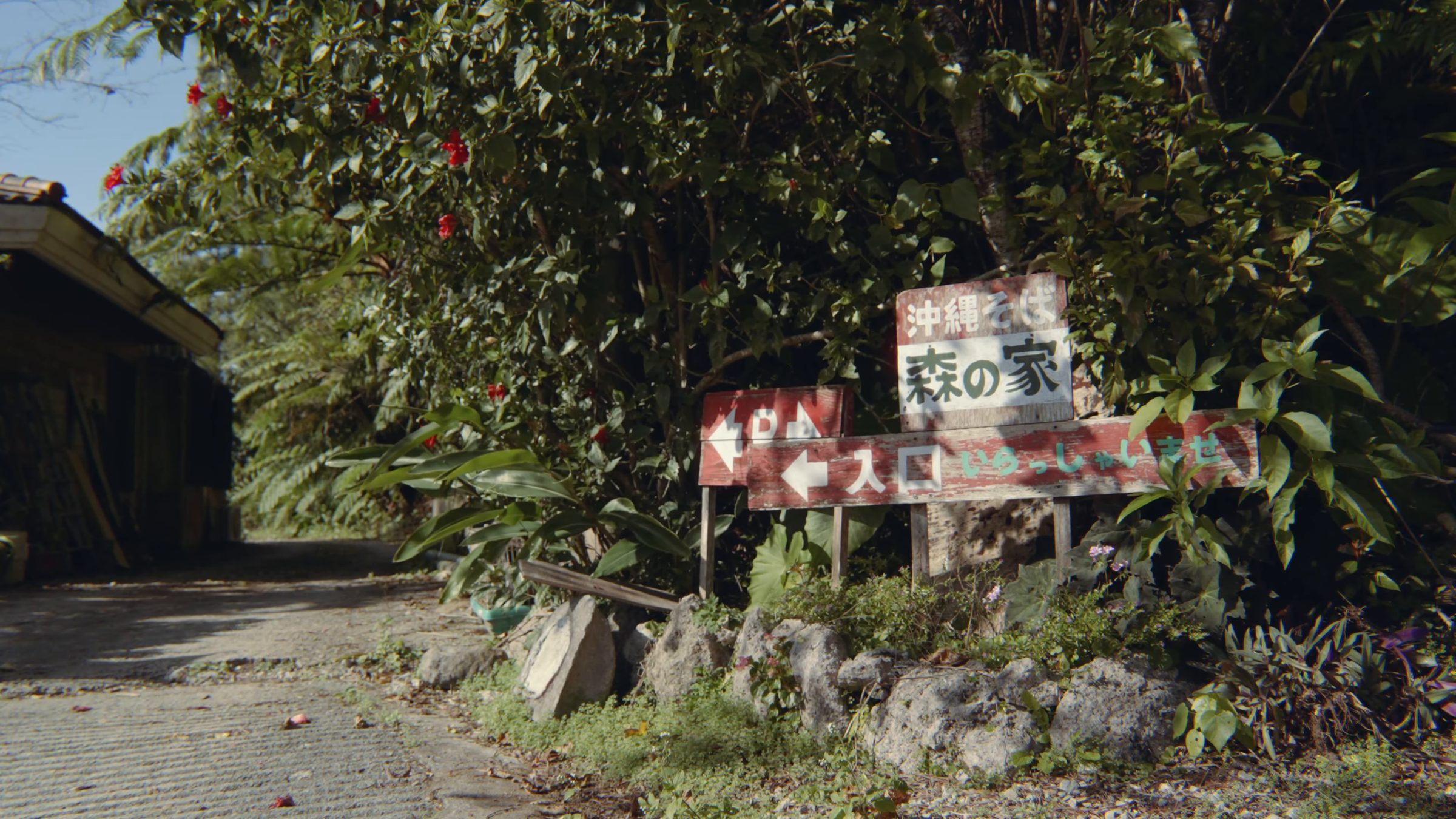
06TRAVEL JOURNAL
The Kuroshio Sea
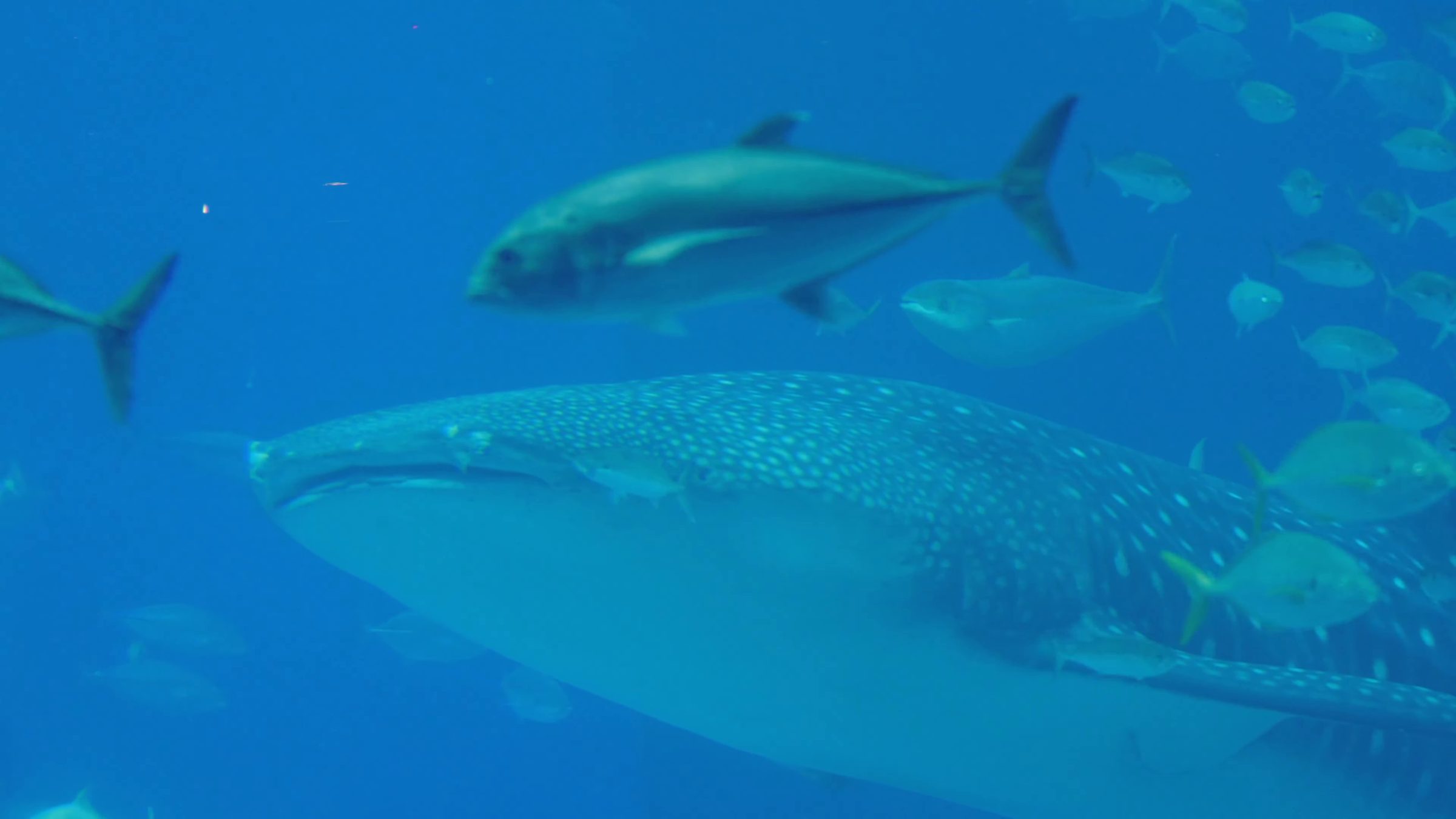
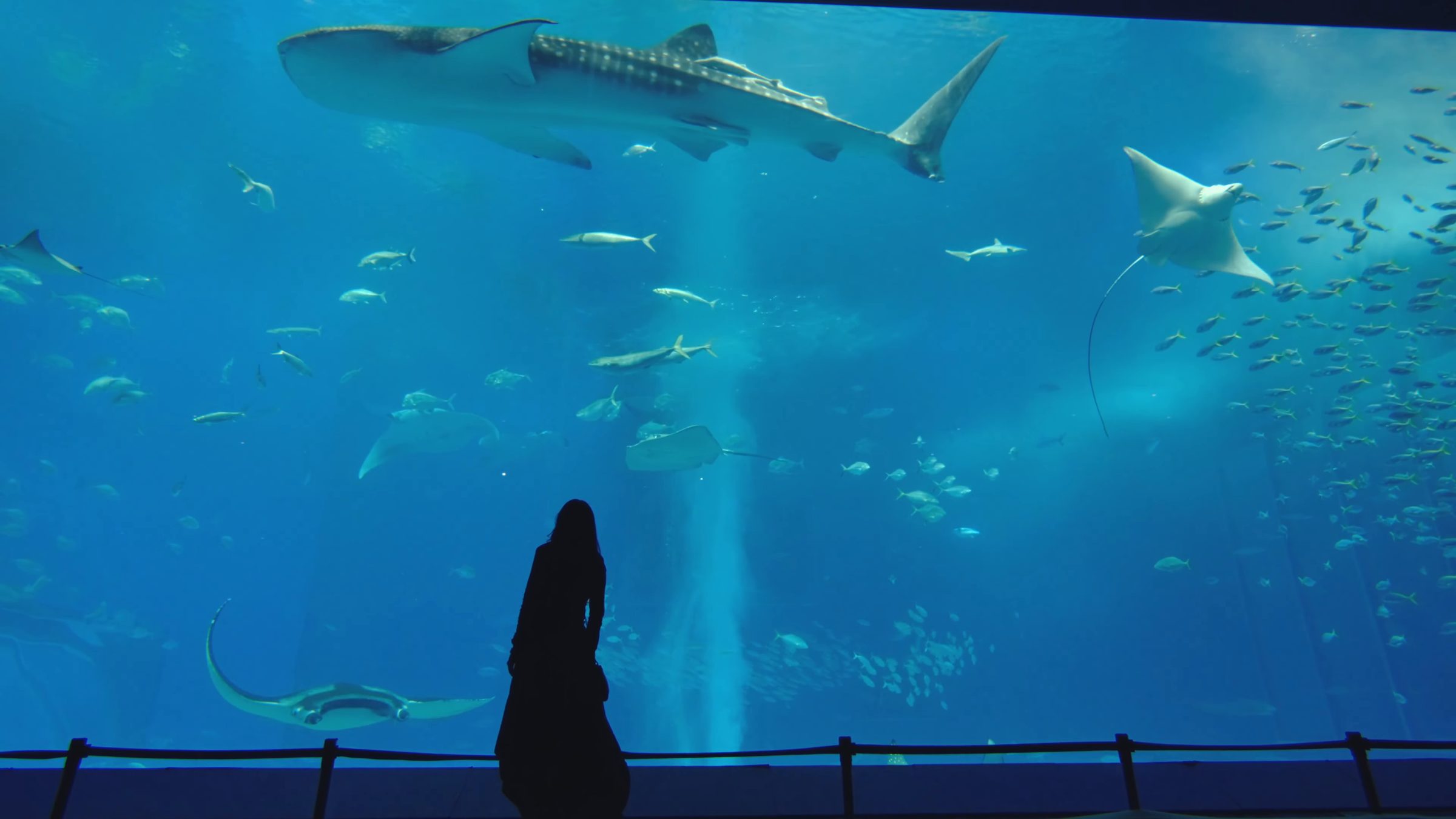
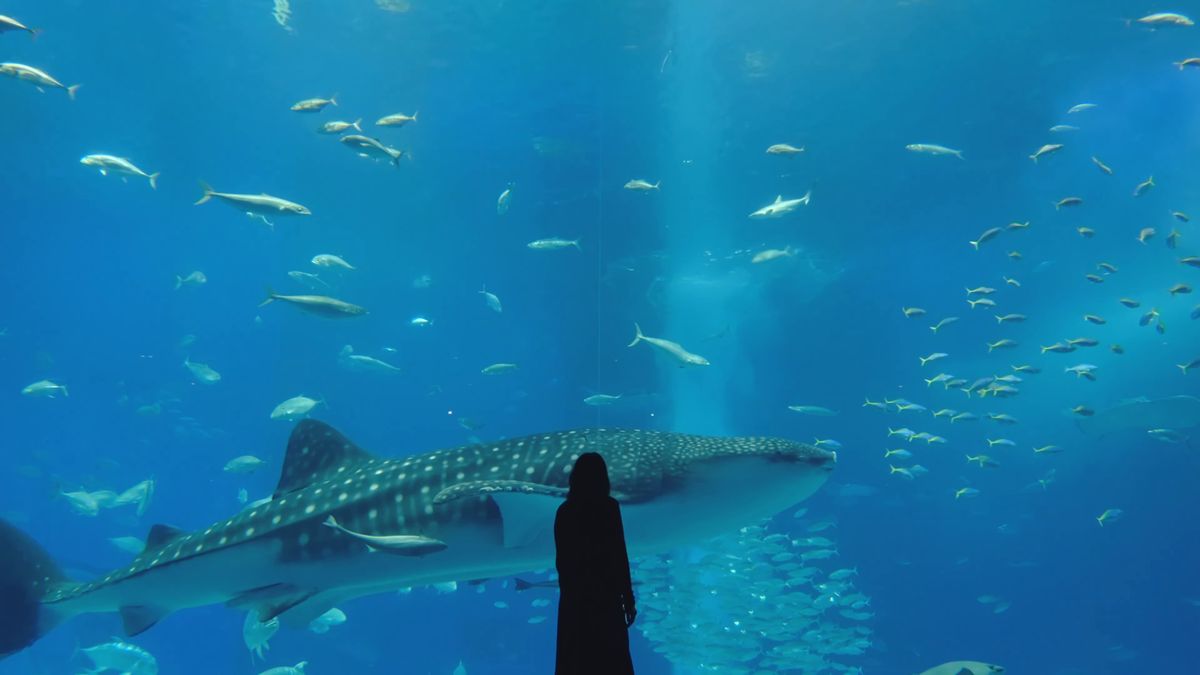
On to the Churaumi Aquarium, famous for its enormous tank. It was my first visit. A whale shark glided slowly across the blue water.
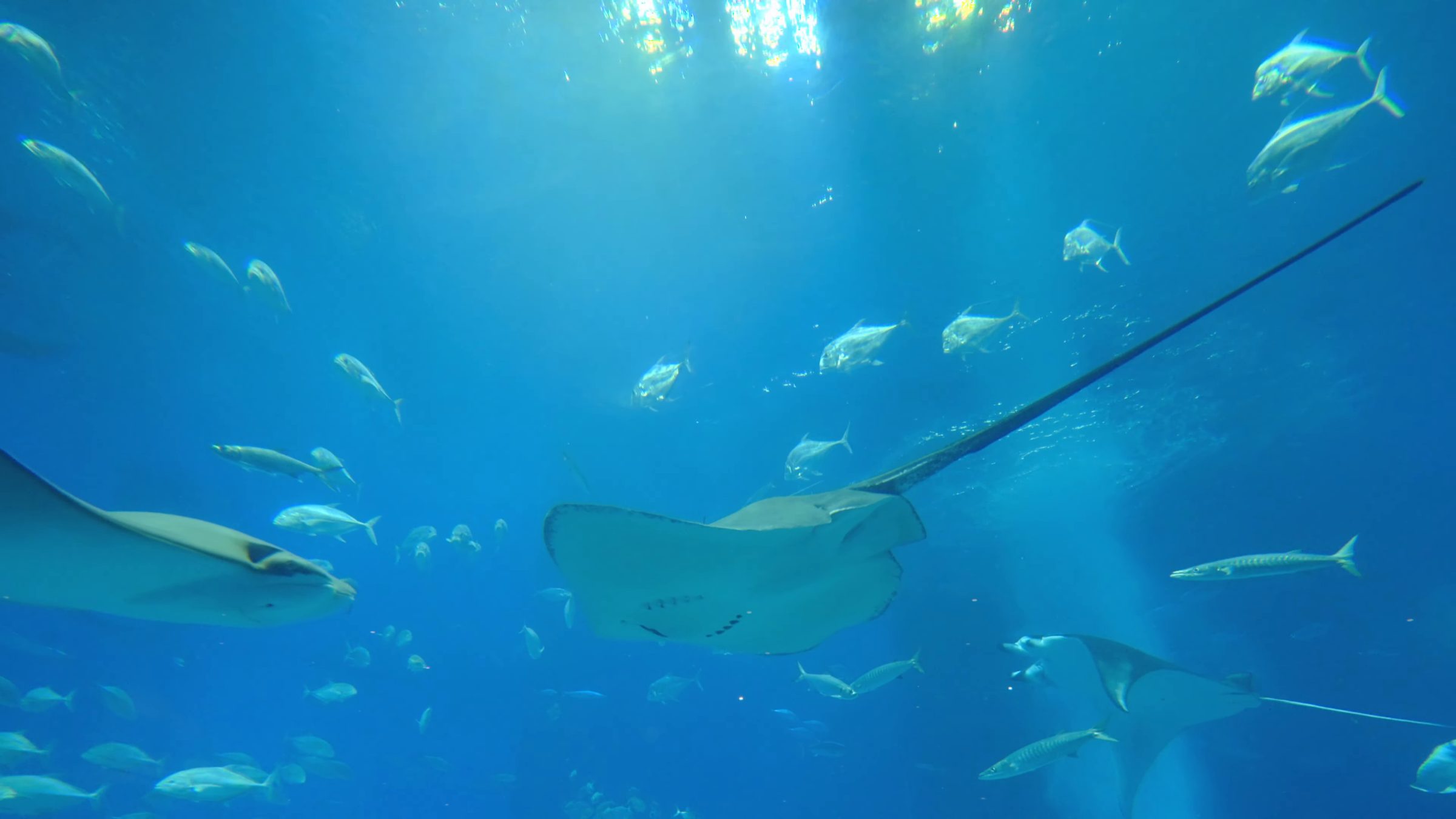
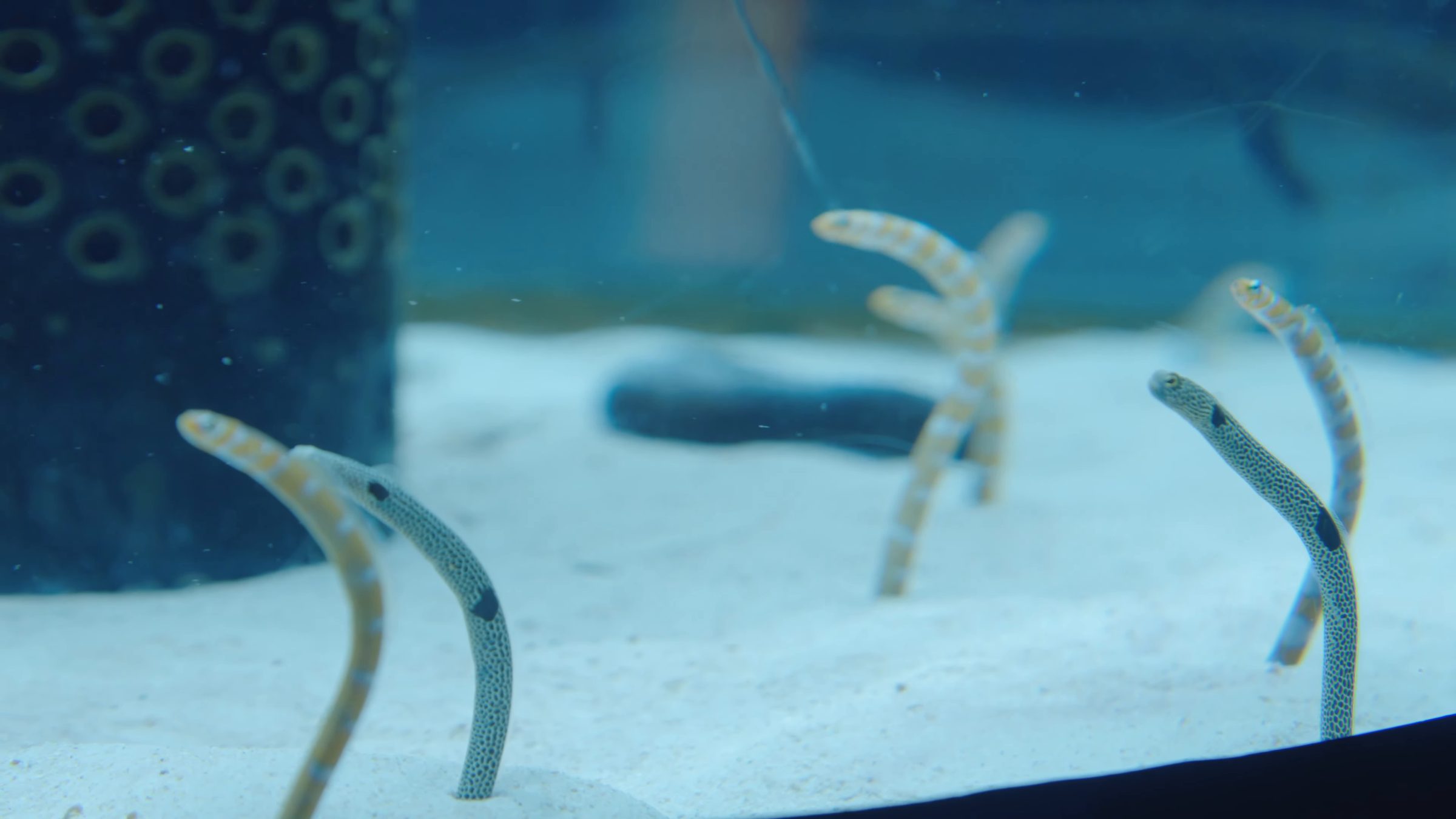
Rays spread their fins like wings and schools of fish glittered. Garden eels peered up from the sand.
The whale shark passing right in front of me made my heart race. I stood before the great tank and watched the fish swim as they pleased, for as long as I liked.
Watch this scene on YouTube2:22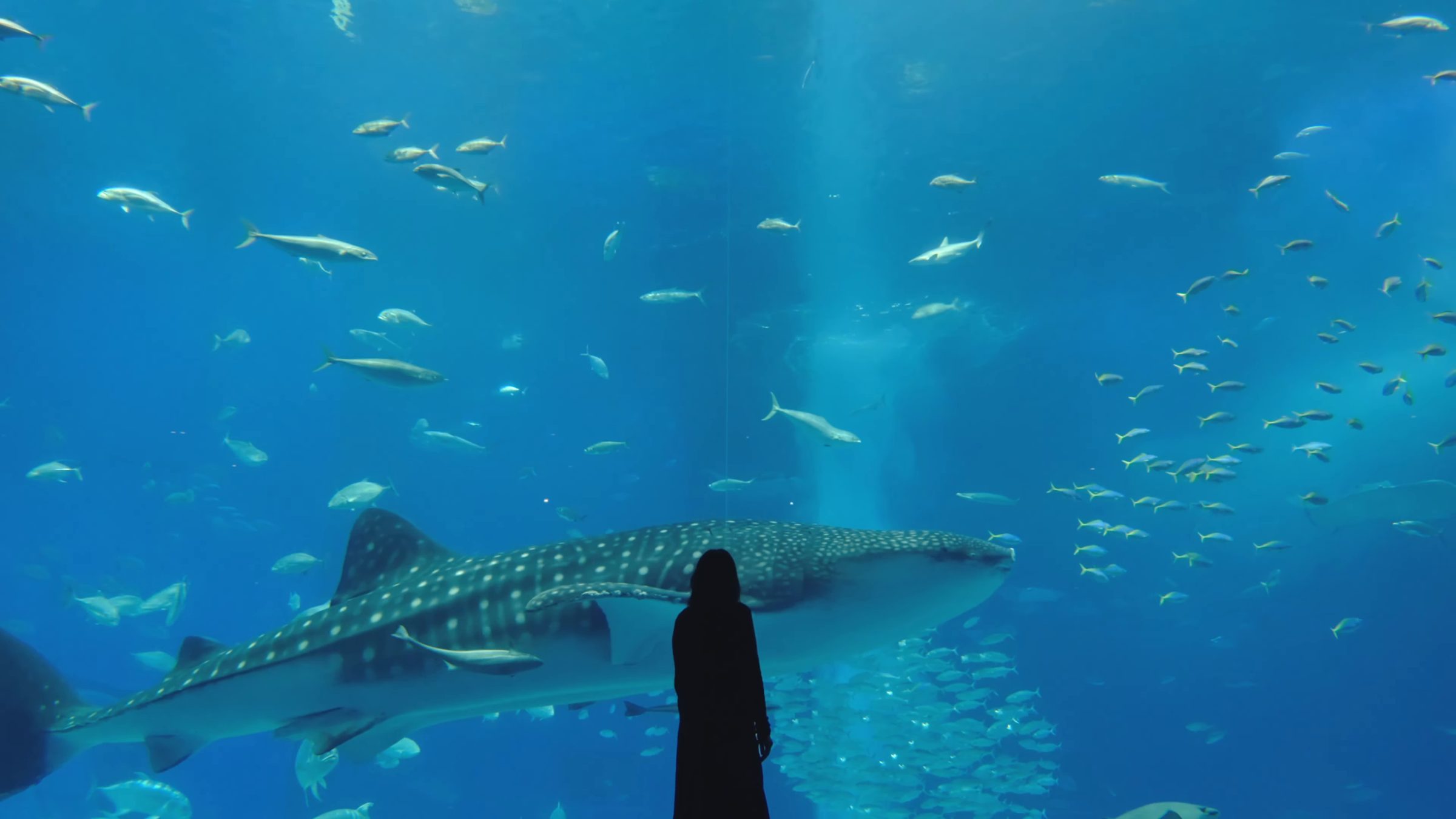
07TRAVEL JOURNAL
At the market of the bonito town
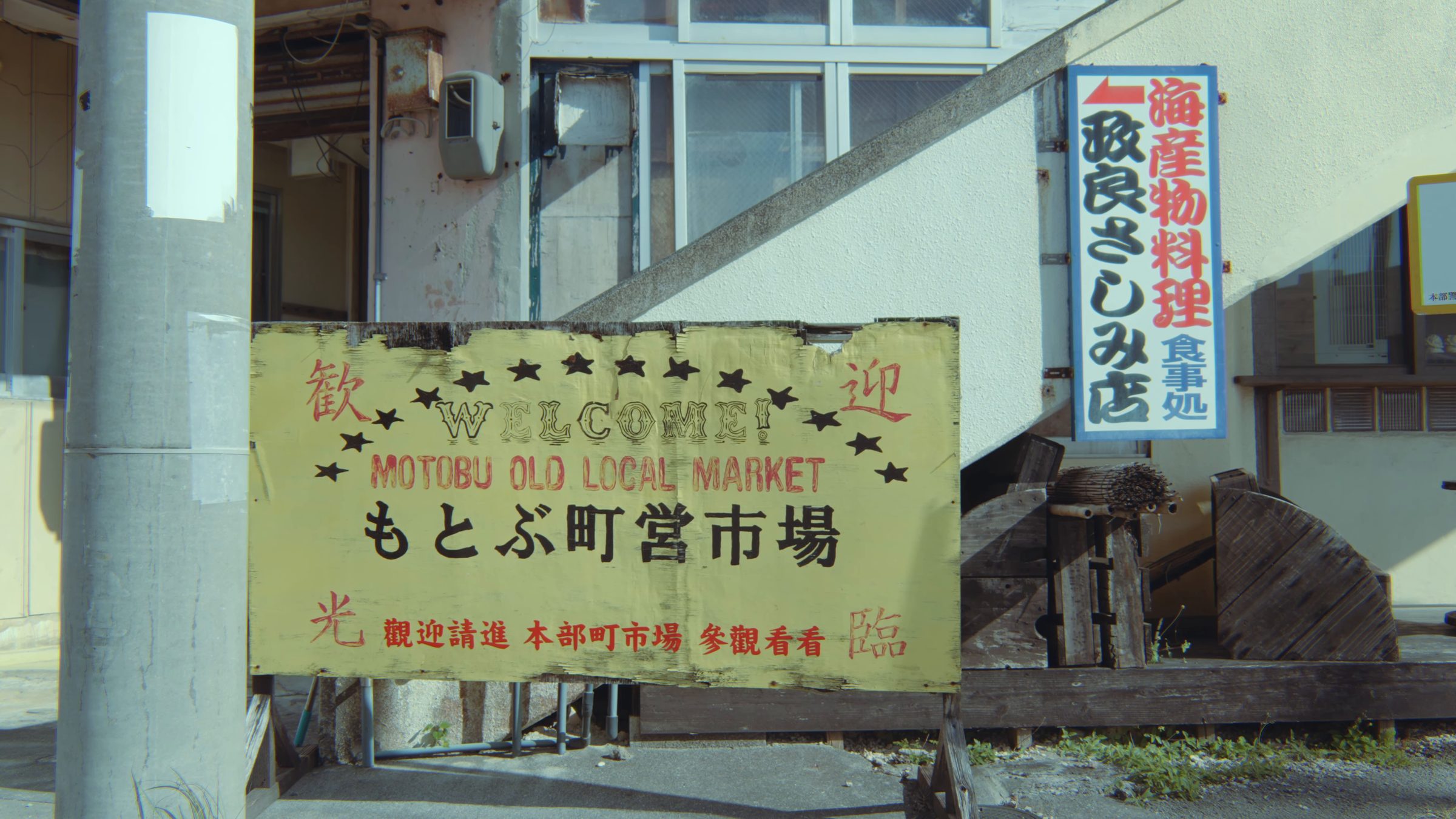
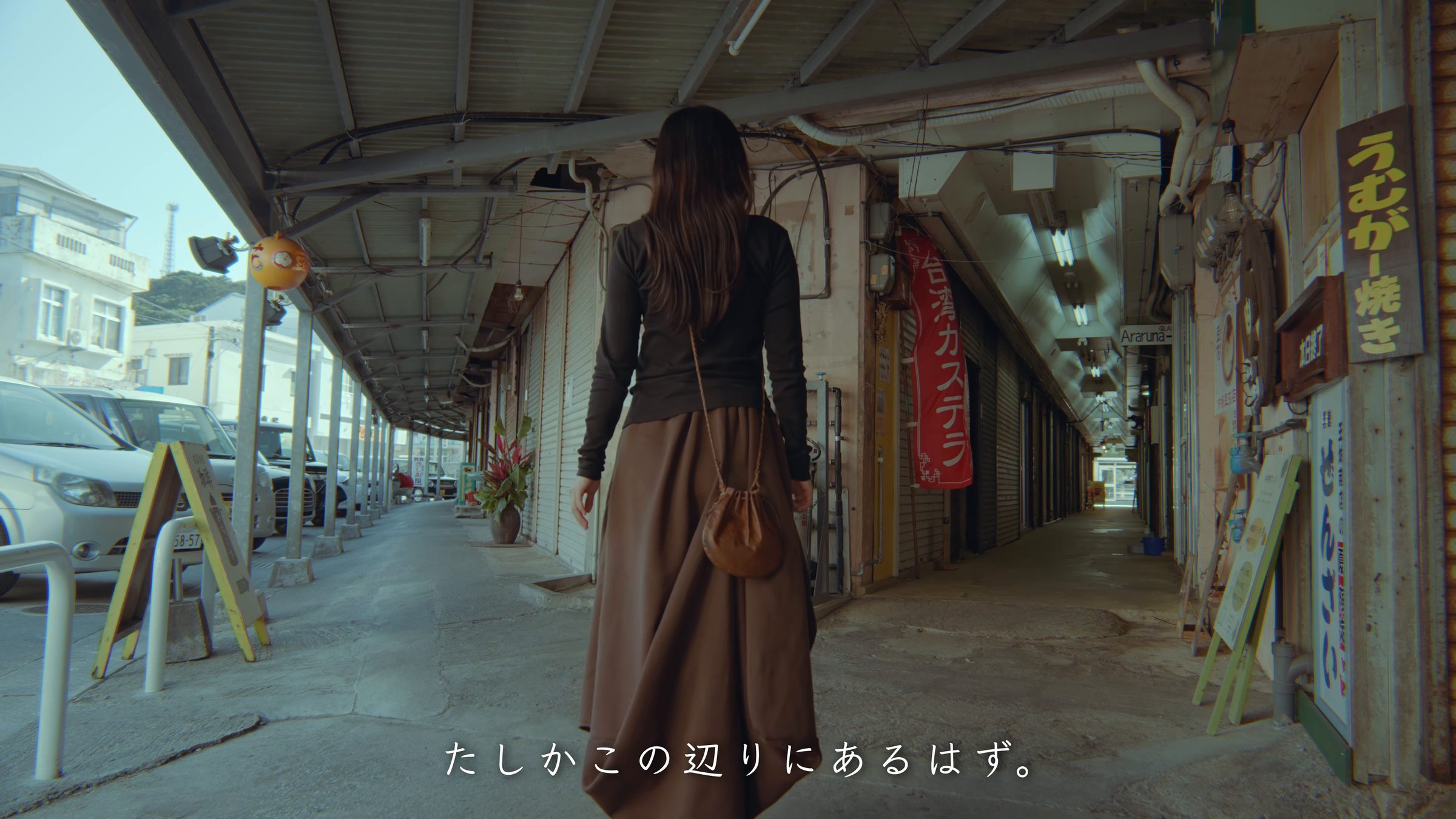
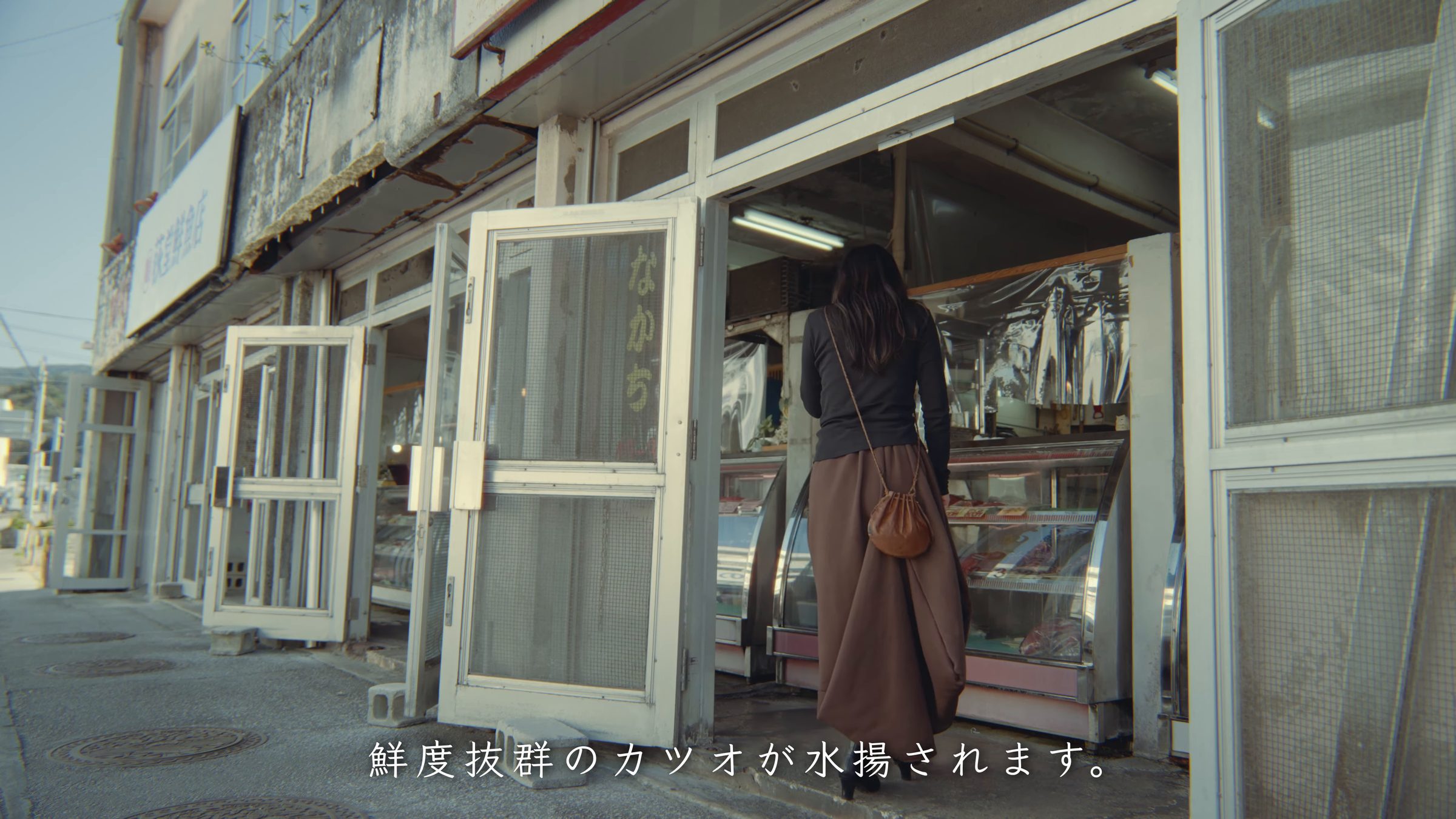
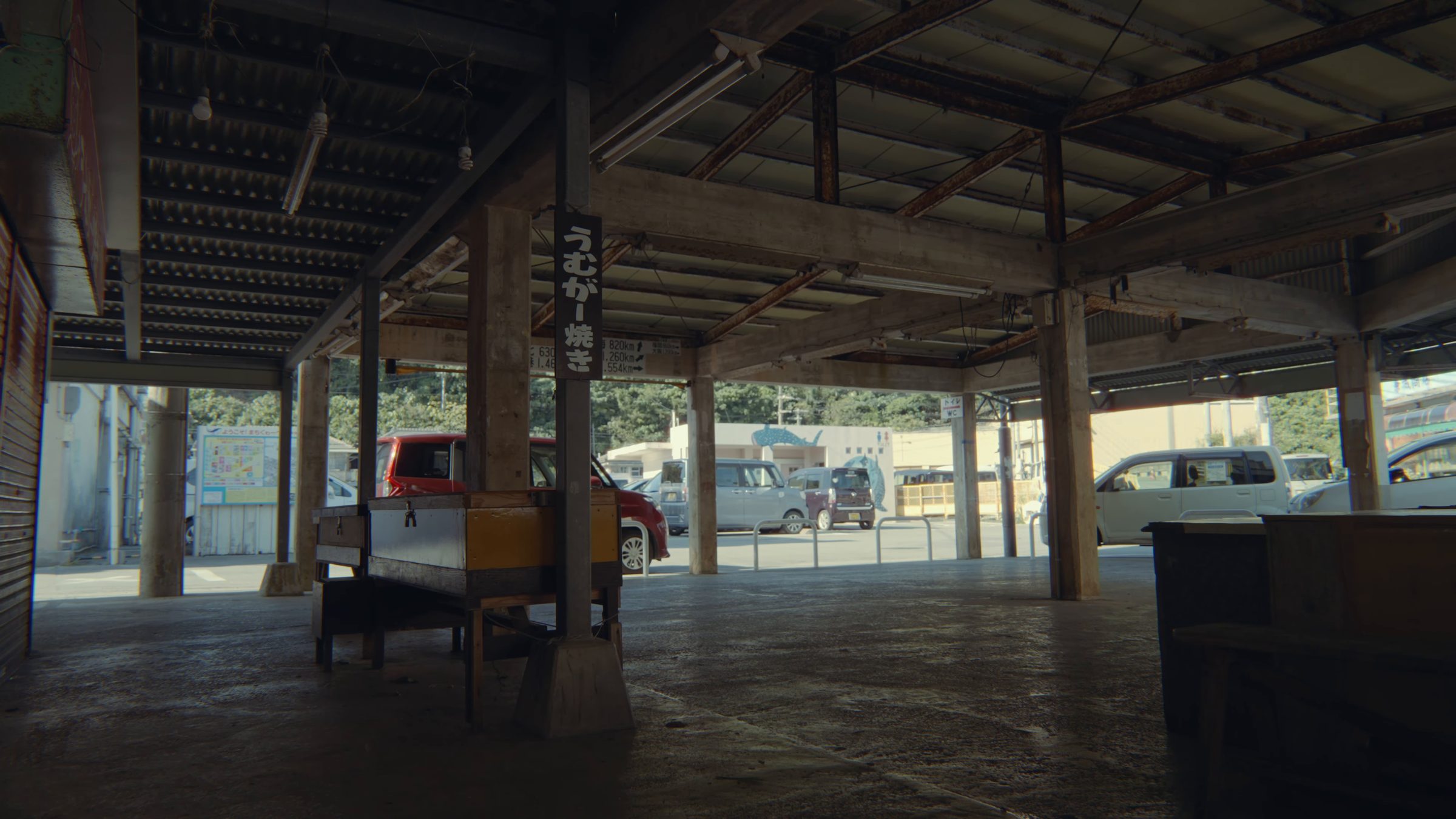
In the late afternoon, to the market in the center of town. Through a window of the arcade I could see a fish shop across the street. At the entrance hung a sign: Motobu Old Local Market. Many shutters were down. It must be around here, I thought, walking on.
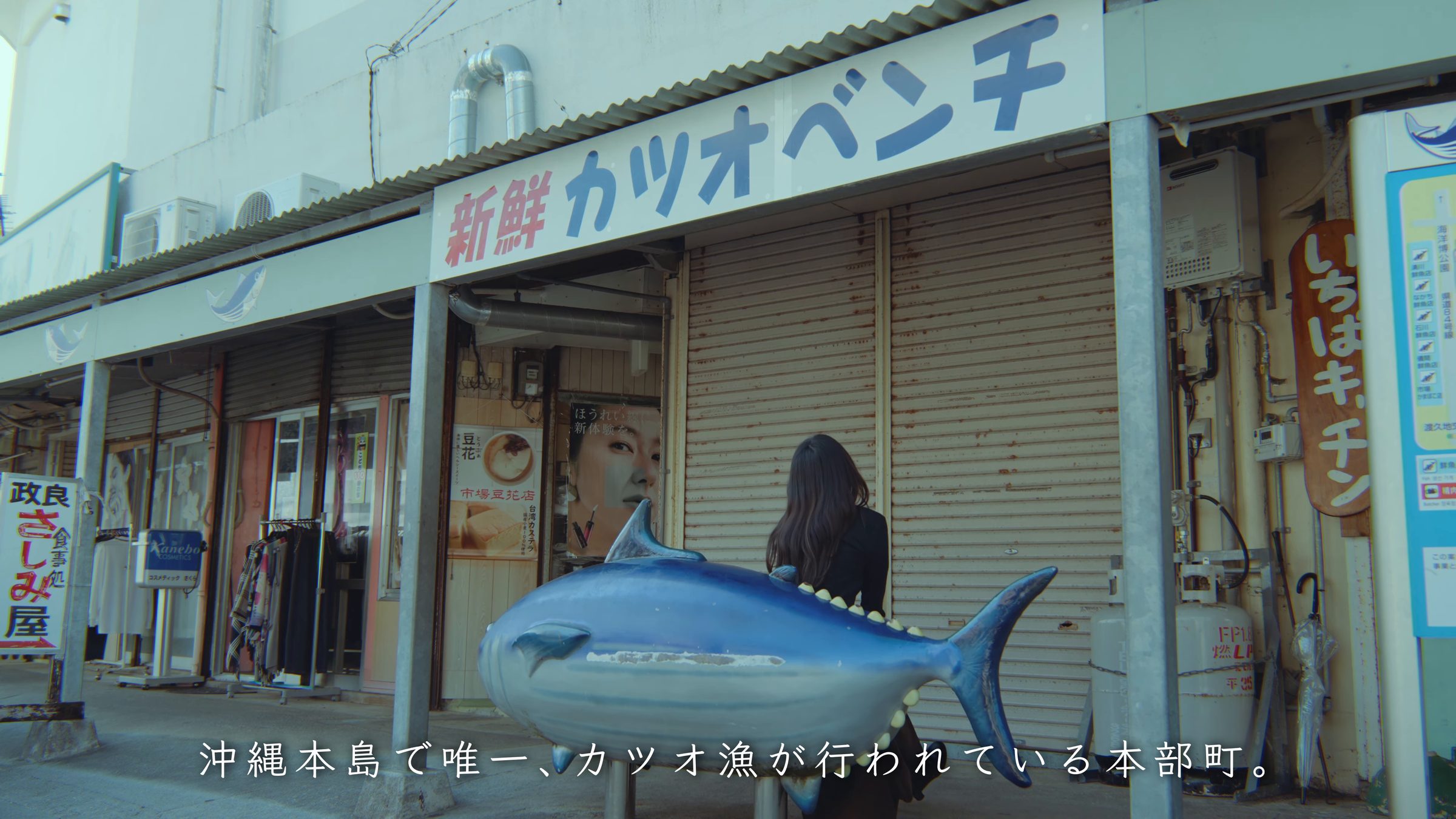
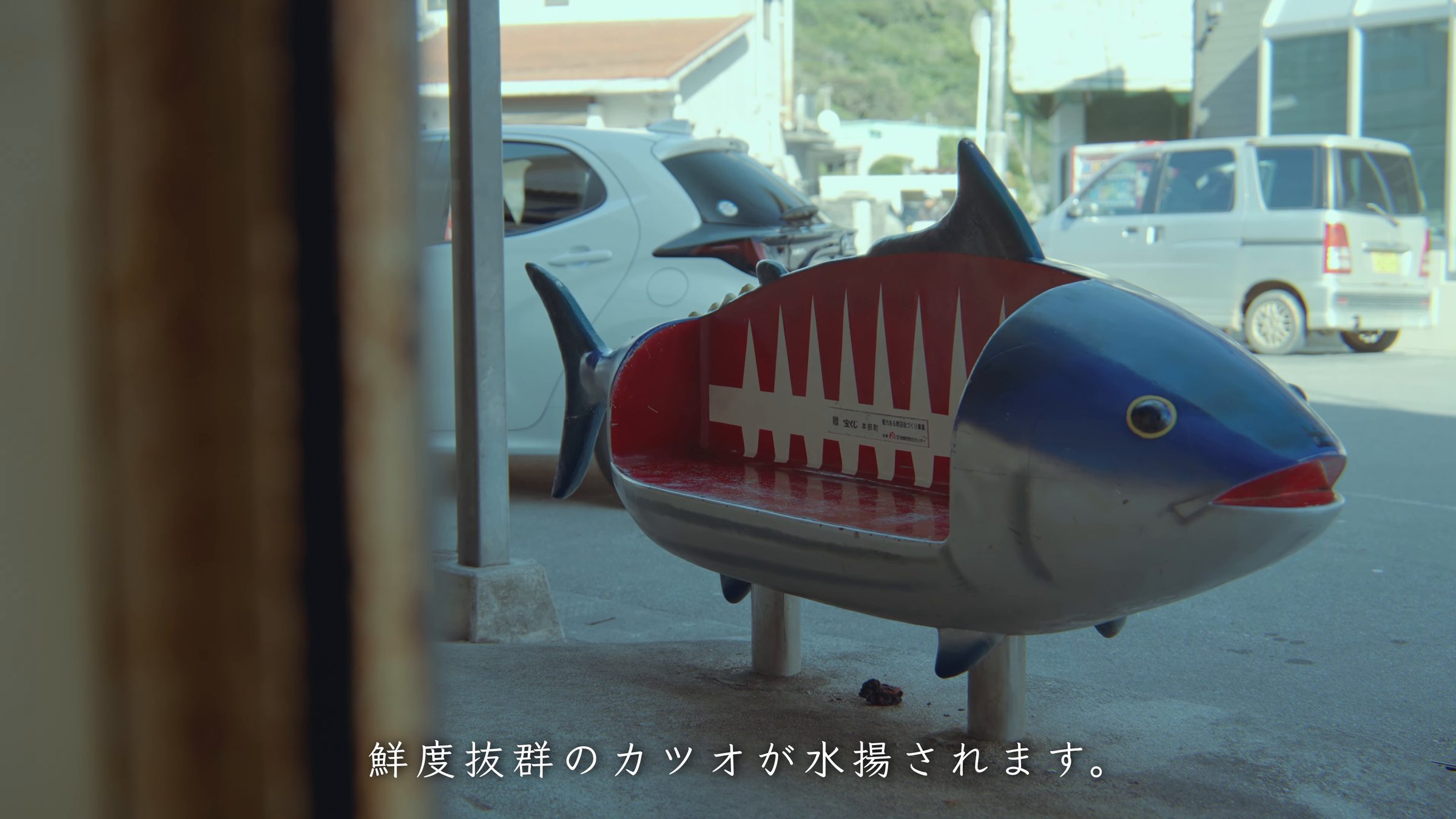
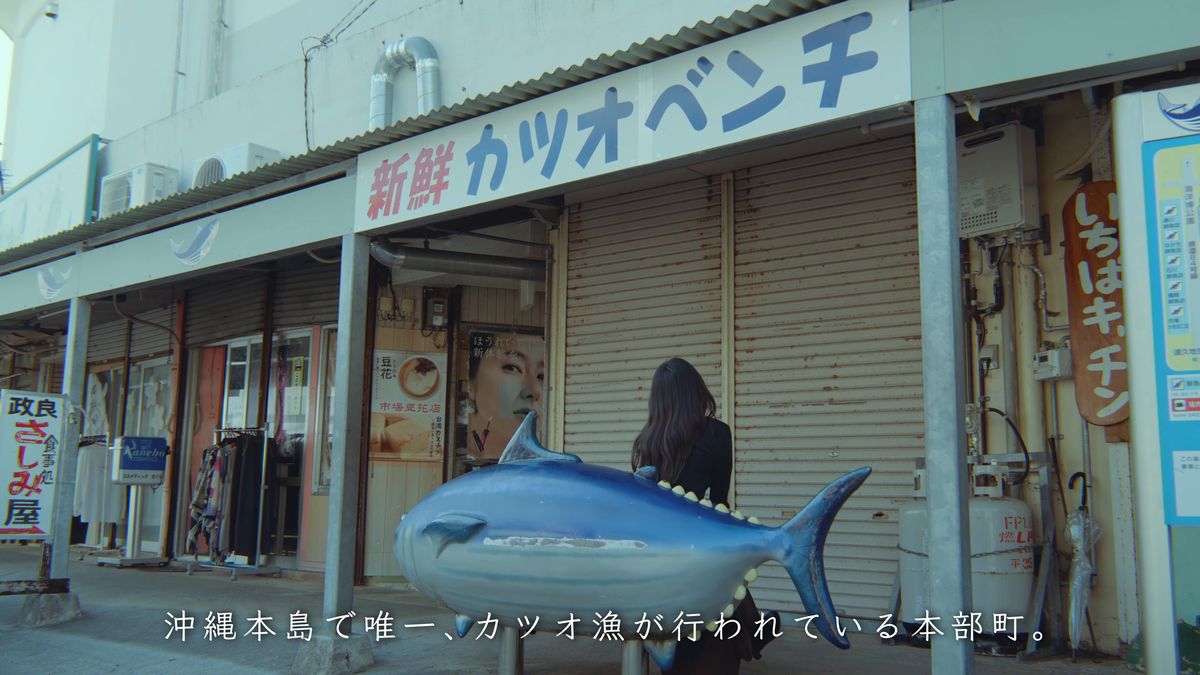
There it was: Fresh Bonito Bench. Motobu is the only town on Okinawa's main island where bonito fishing is still carried on. The symbol of this town, where the freshest bonito is landed, turned out to be a bench shaped like a bonito.
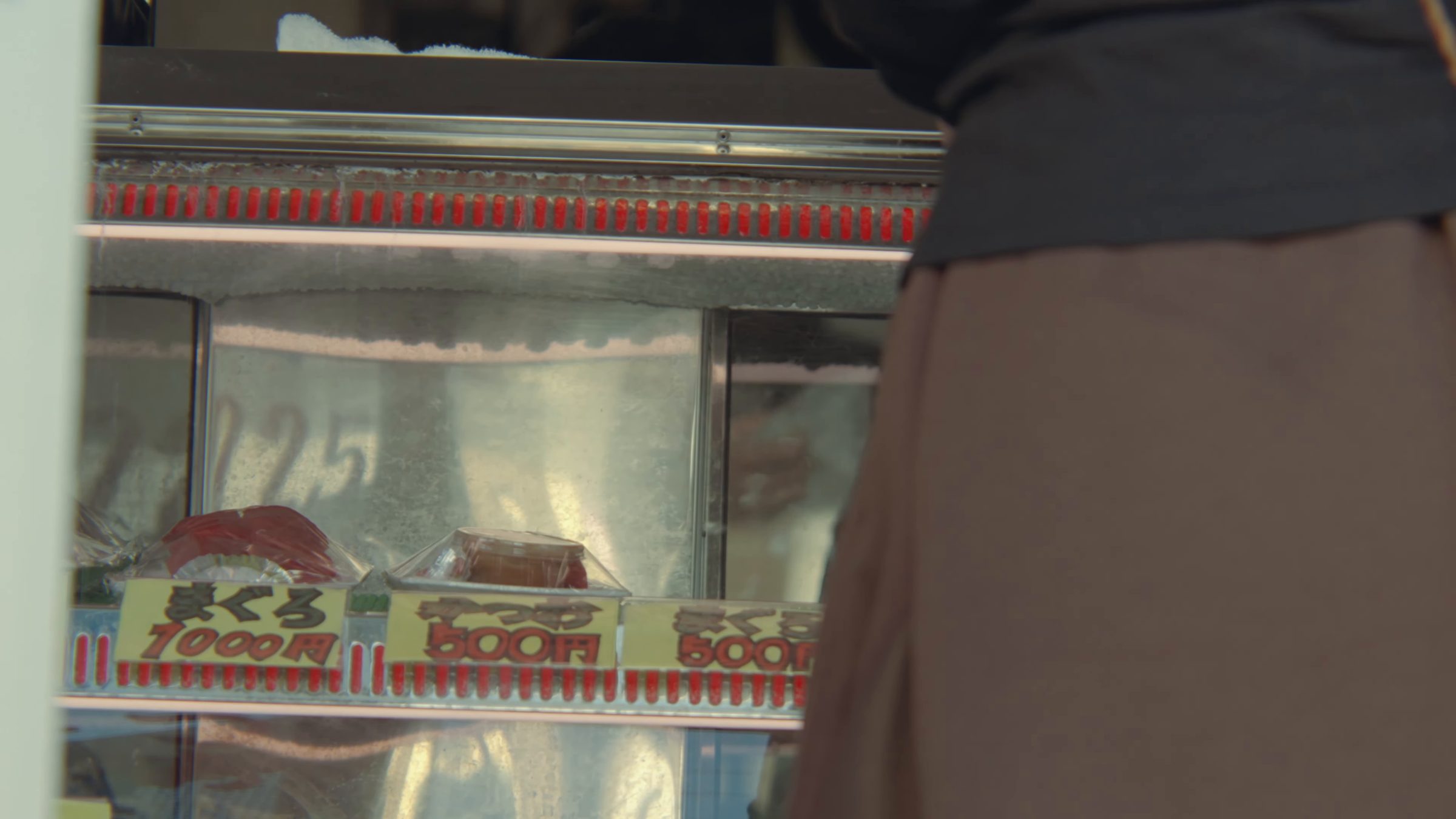
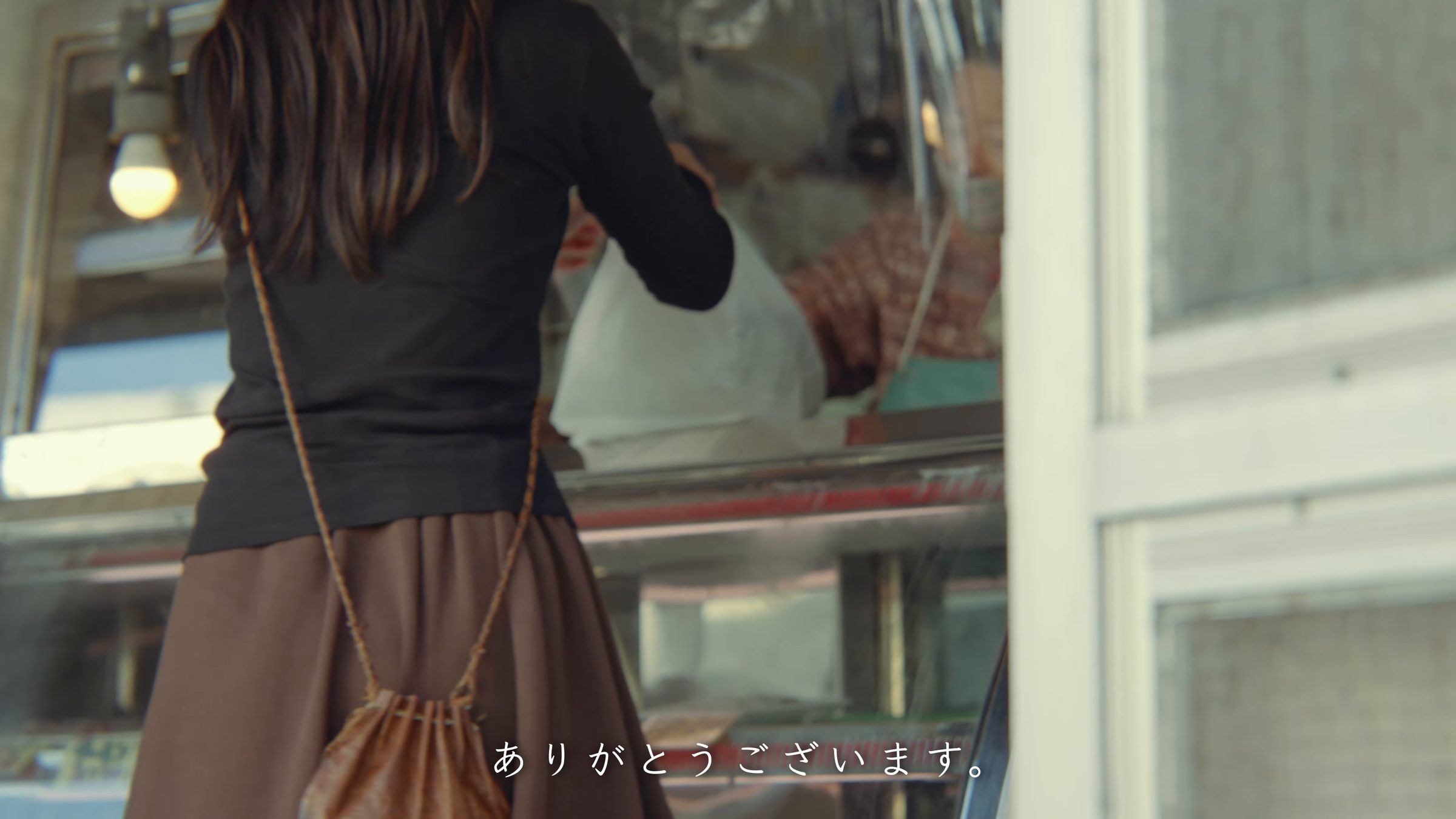
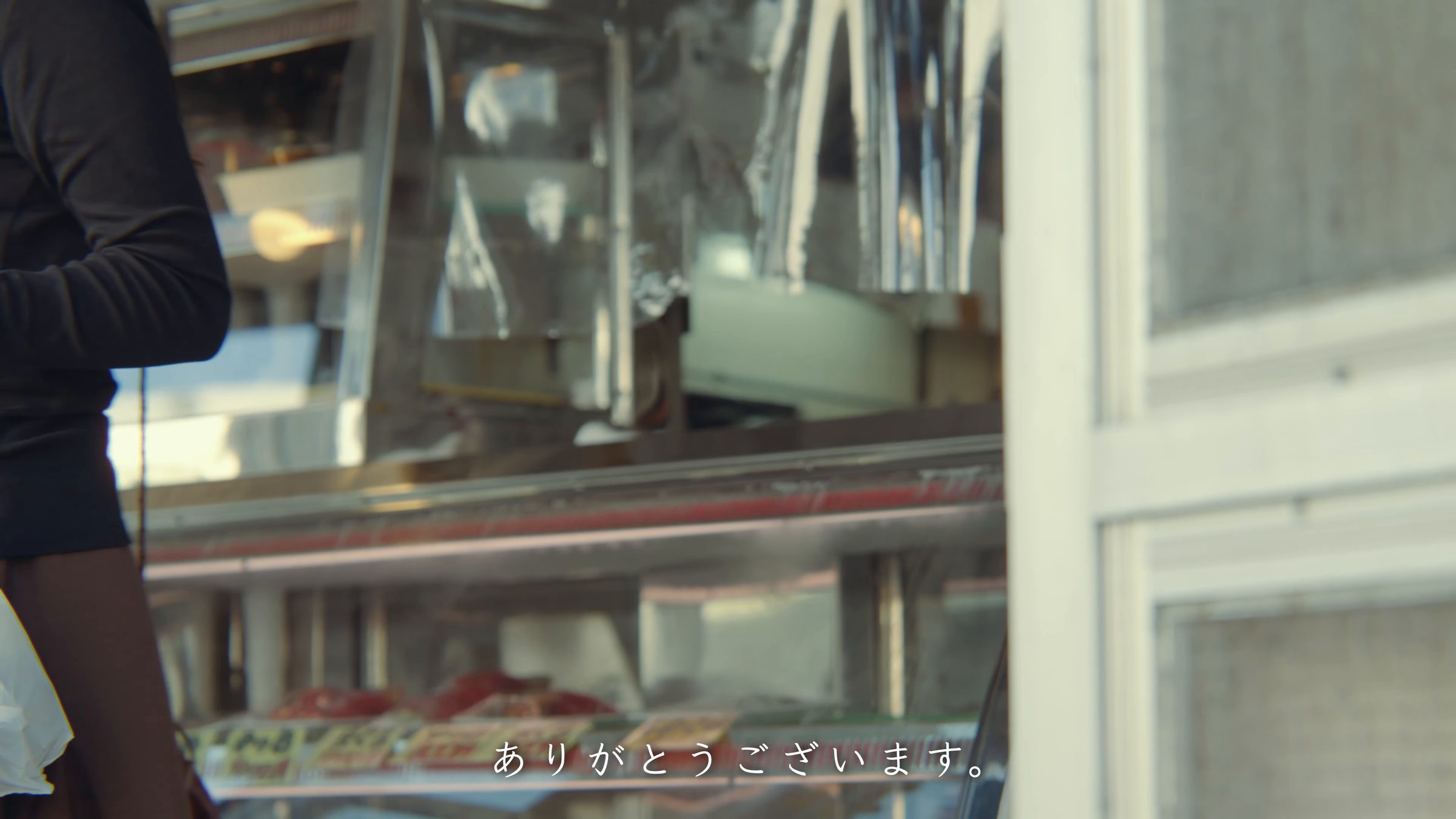
I looked into the fish shop across from the market. In the glass case lay blocks of tuna and bonito with their price tags. I had tonight's sashimi wrapped up. Thank you very much.
Watch this scene on YouTube2:43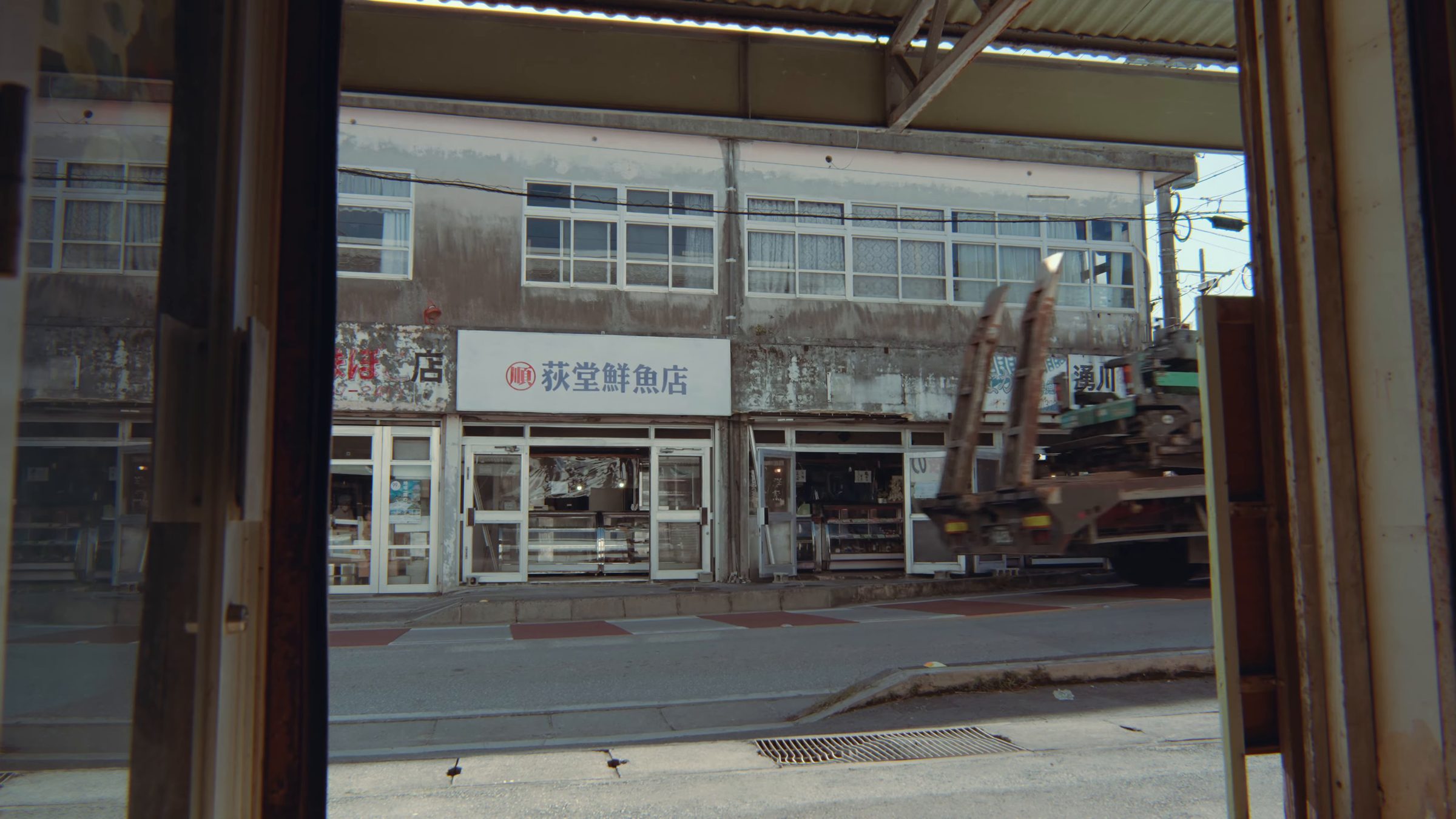
08TRAVEL JOURNAL
Home again, and a sunset over the sea
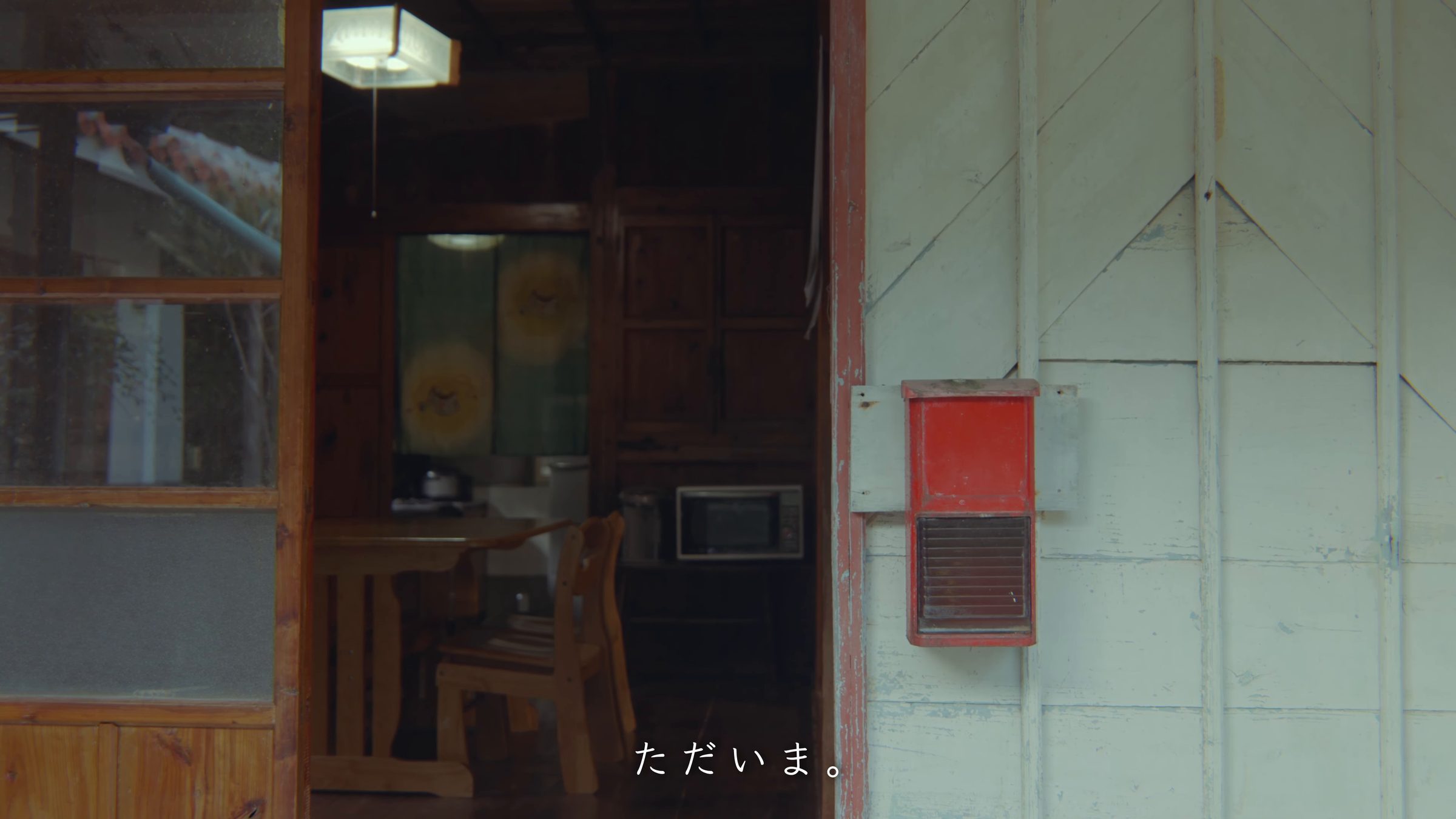
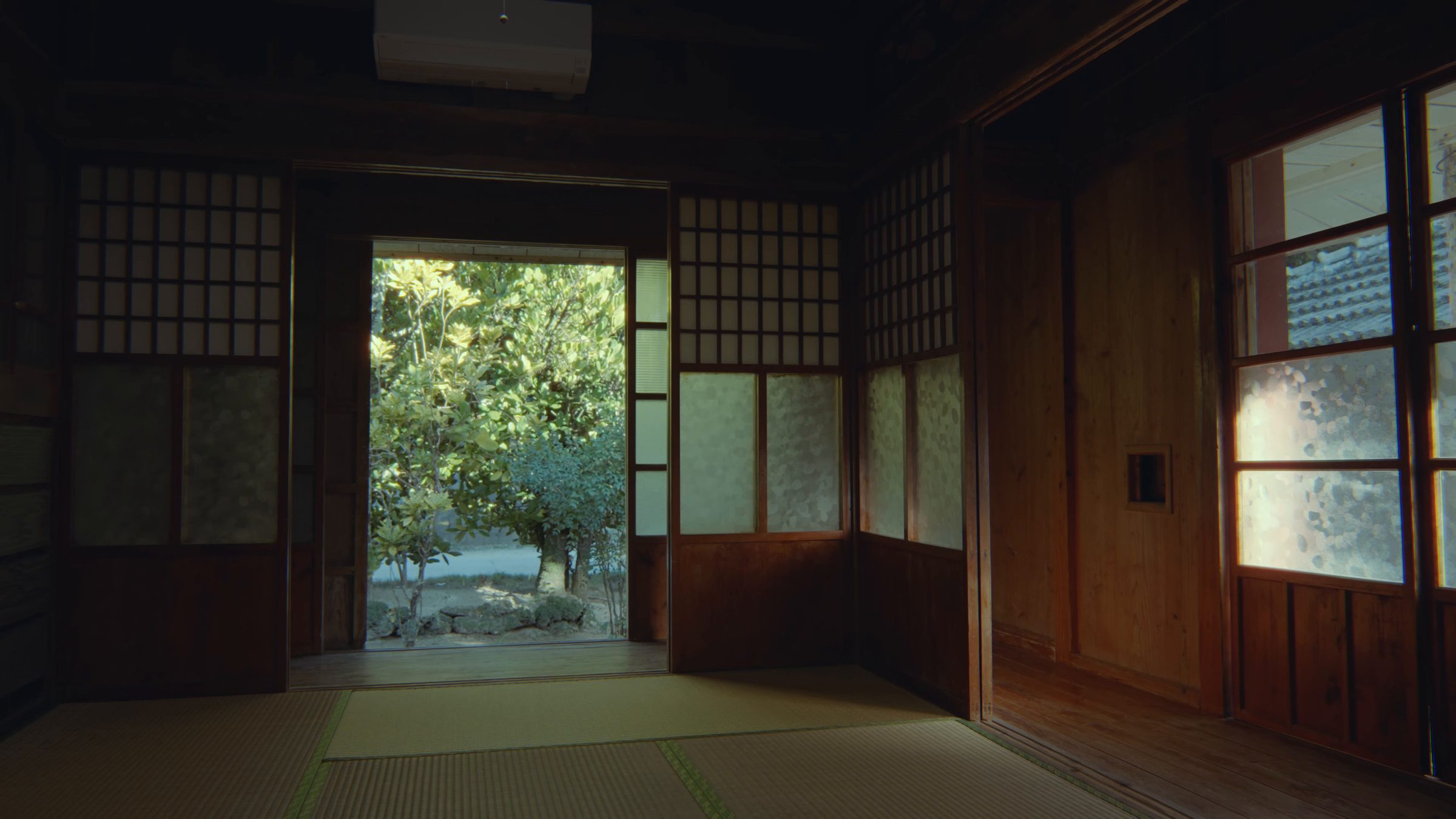
Back to the old house with my bag. I'm home. When I slid open the glass door of the veranda, the kitchen light was waiting. Beyond the tatami room, the green of the garden was framed by the doorway.
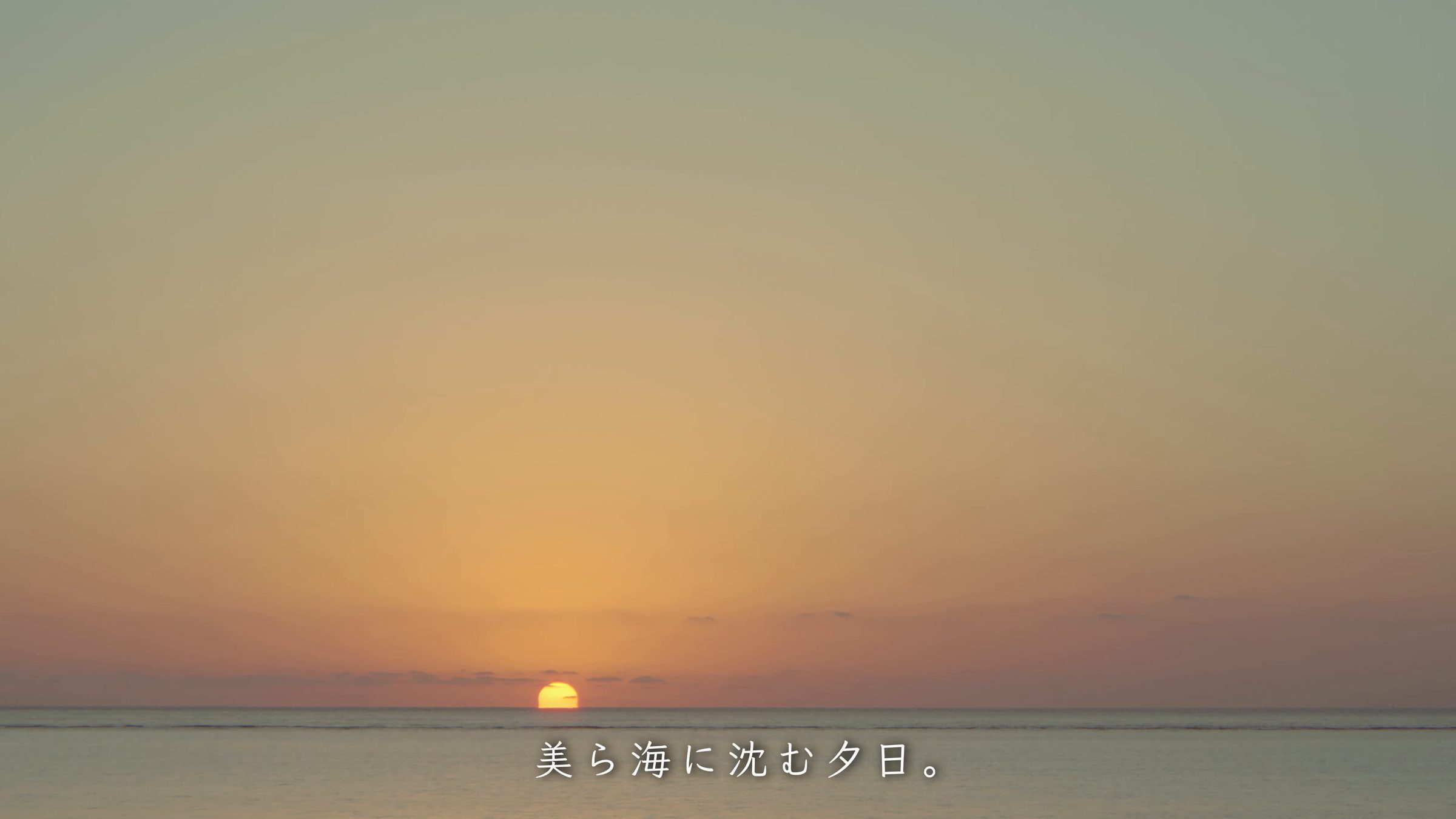
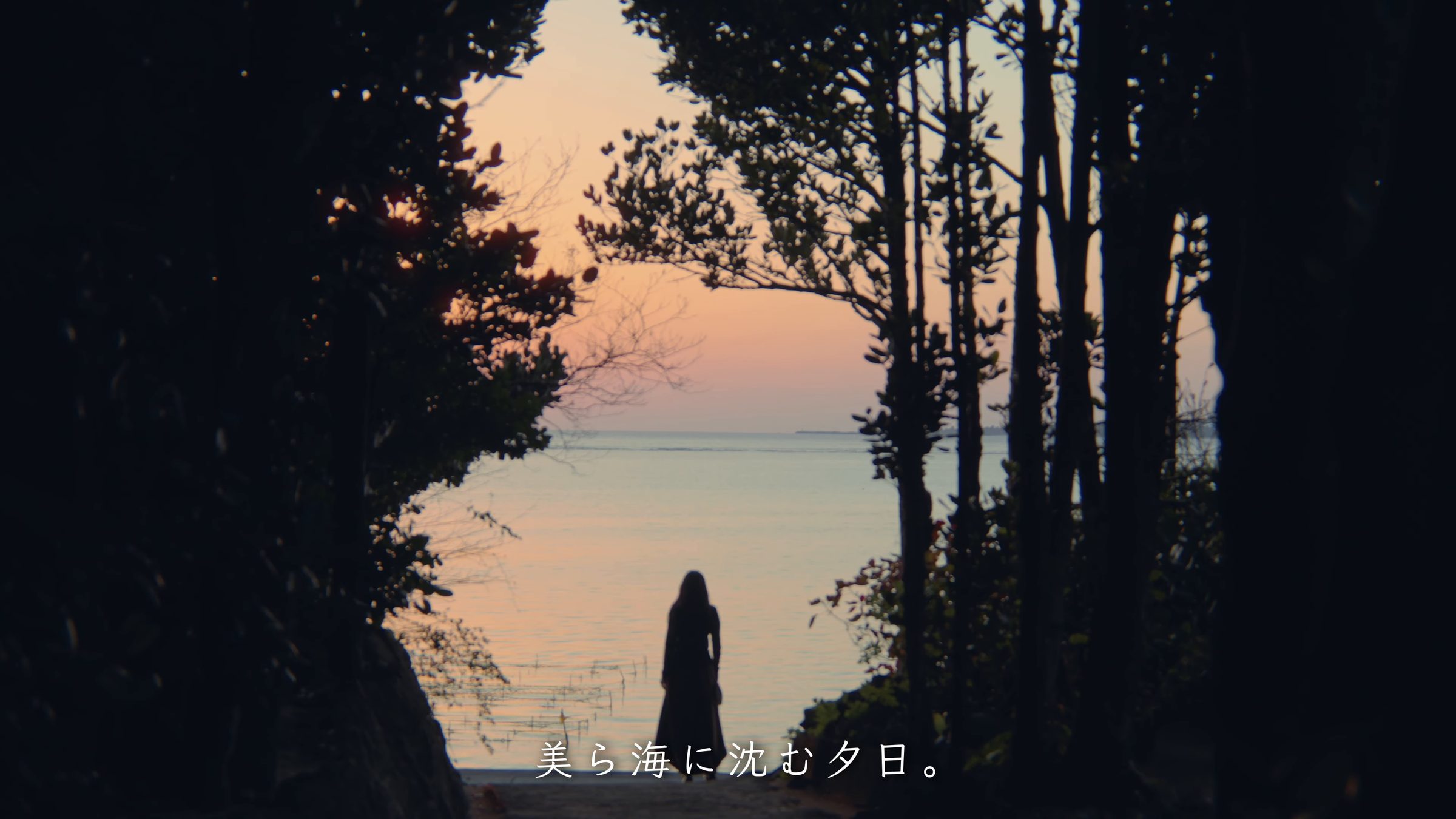
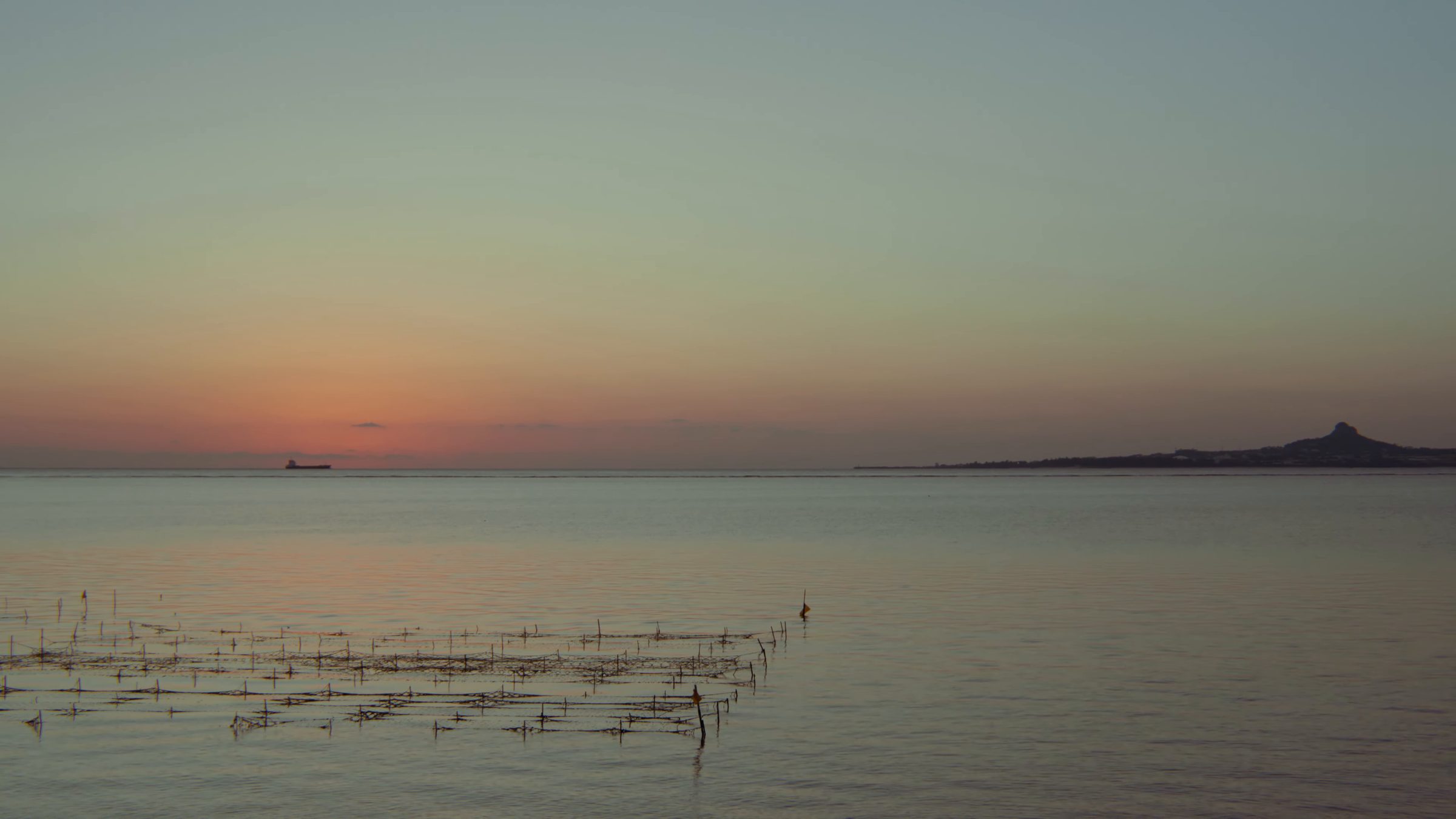
As the sun went down, I went to the sea. It sank slowly into the horizon. Watching from between the trees, I saw it dye the water orange. Under the darkened sky, only the silhouette of Ie Island remained. Back at the house, the lights were on.
Watch this scene on YouTube3:20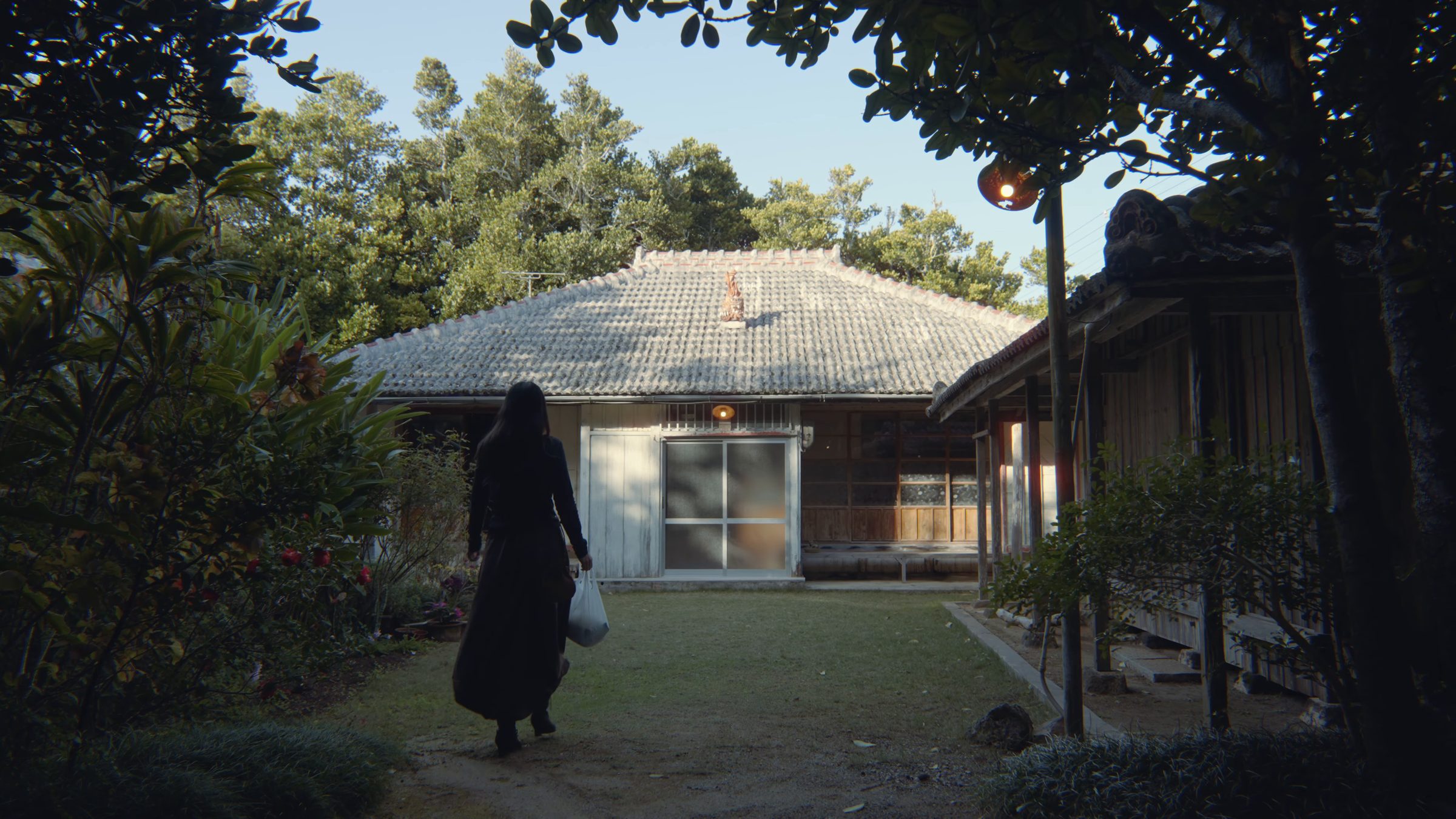
09TRAVEL JOURNAL
Okinawa soba yakisoba and bonito sashimi
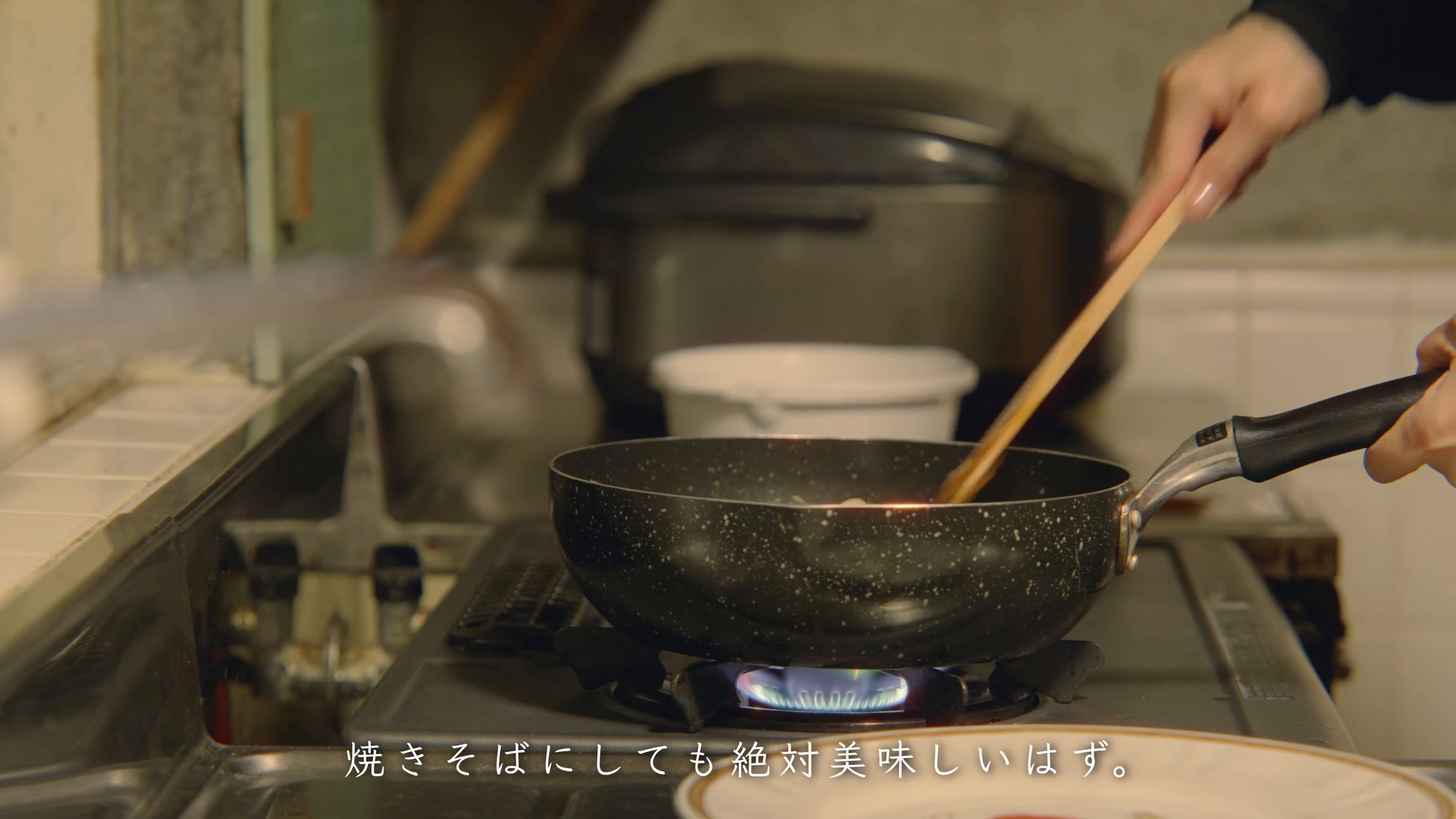
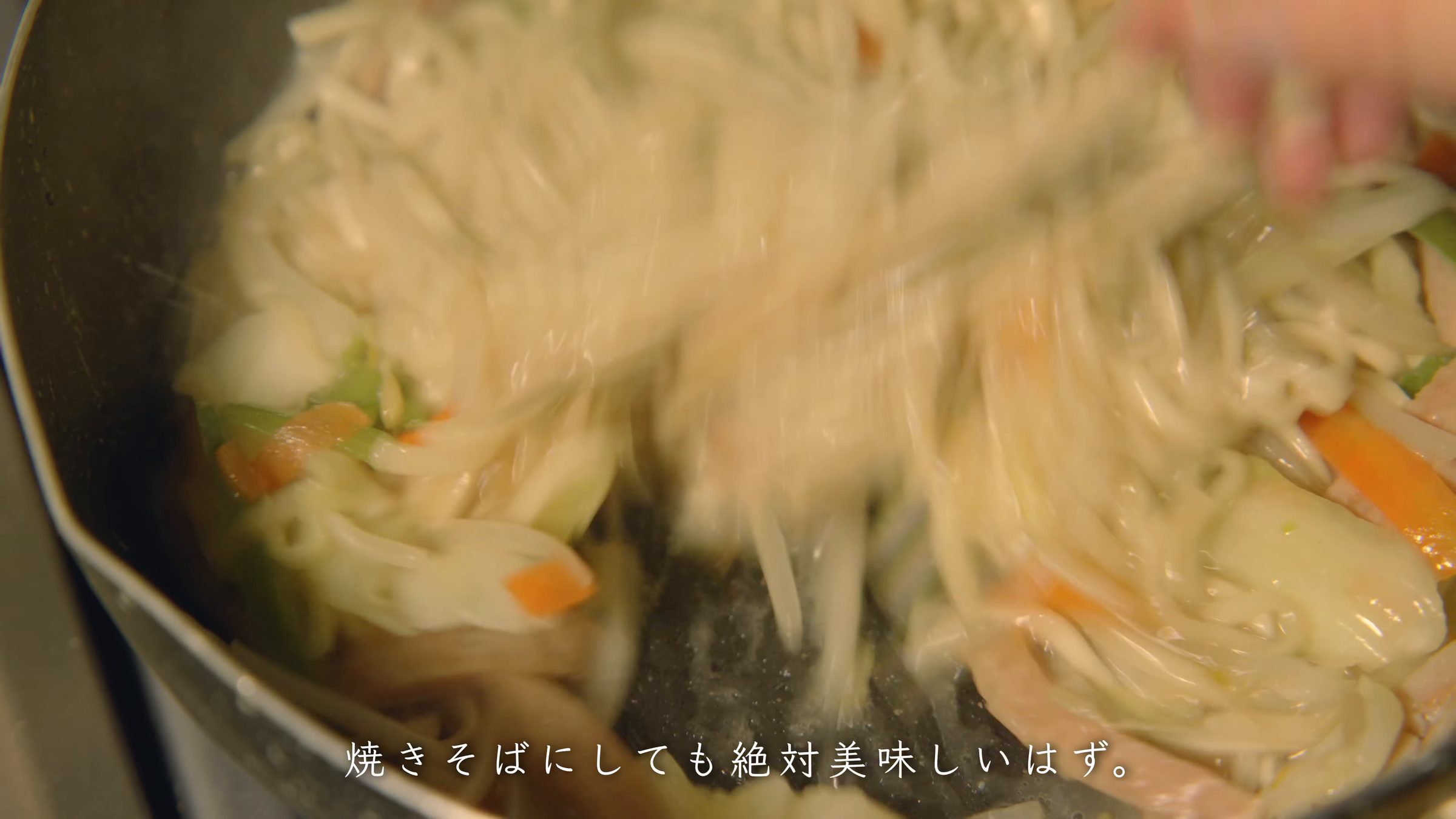
Time to cook dinner. Okinawa soba noodles, soft and chewy, would surely be delicious stir-fried. Cabbage, bean sprouts, carrot and thin slices of meat went into the pan over the gas flame. I added the noodles and seasoned them with Okinawa soba soup.
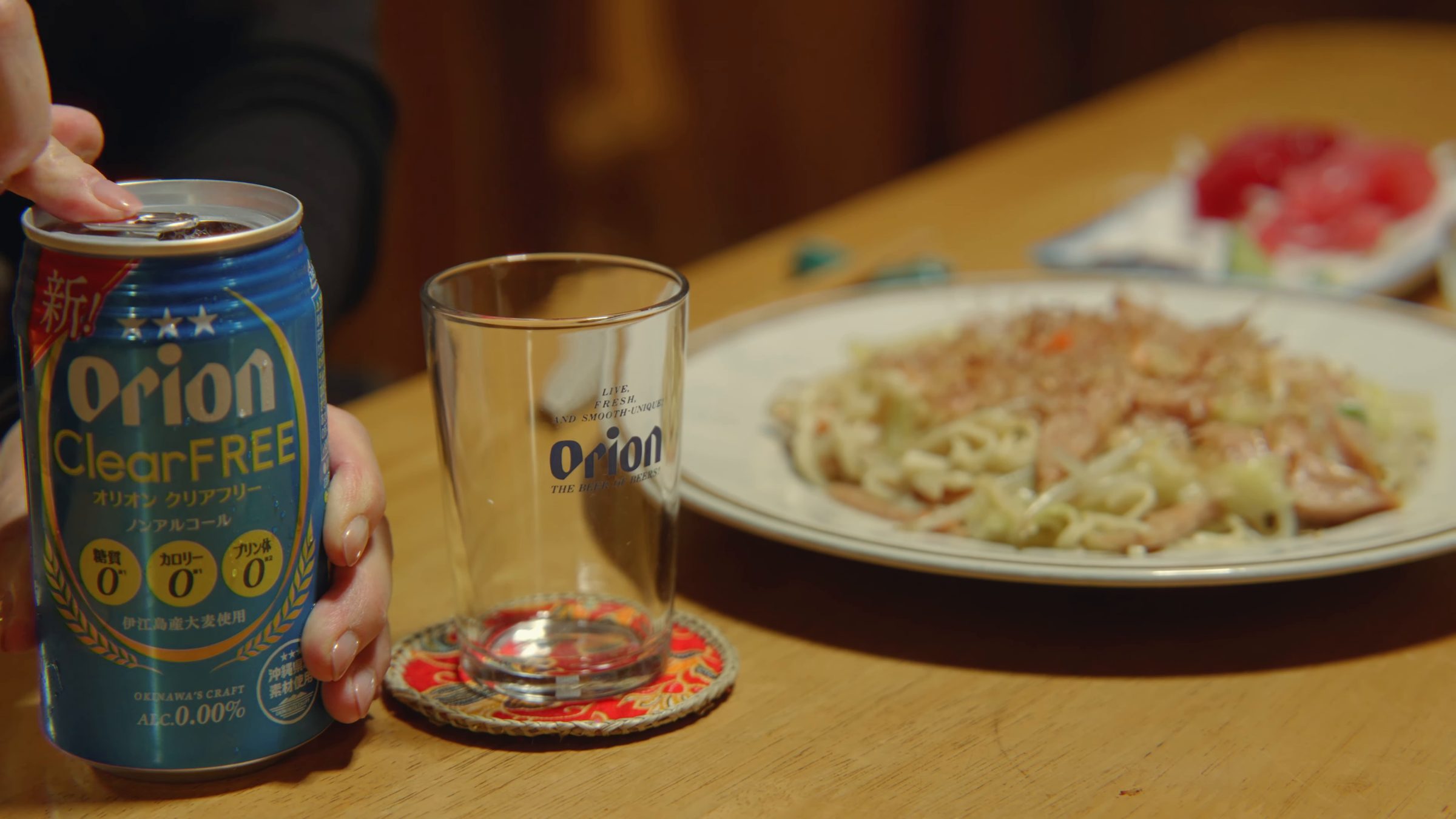
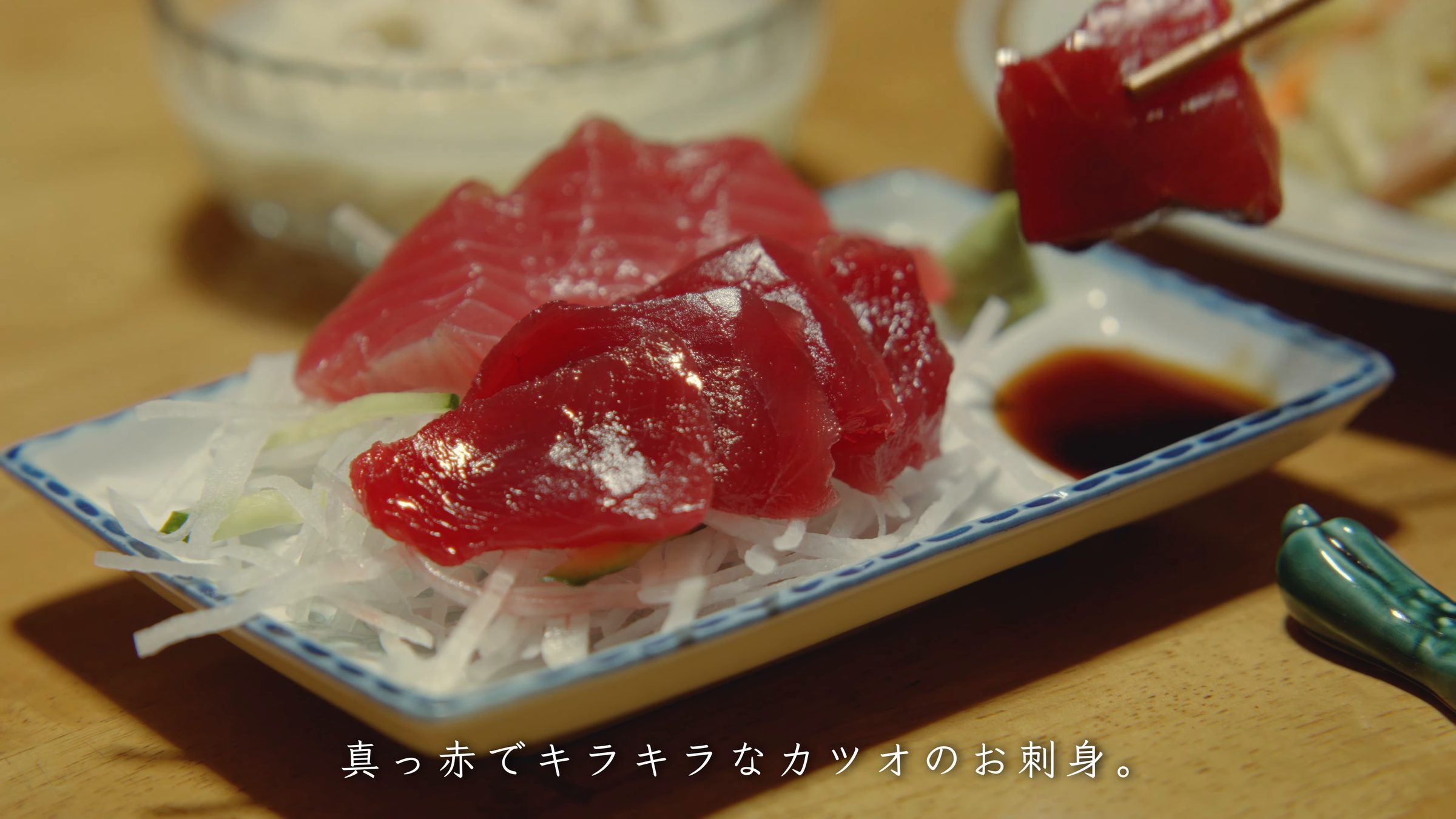
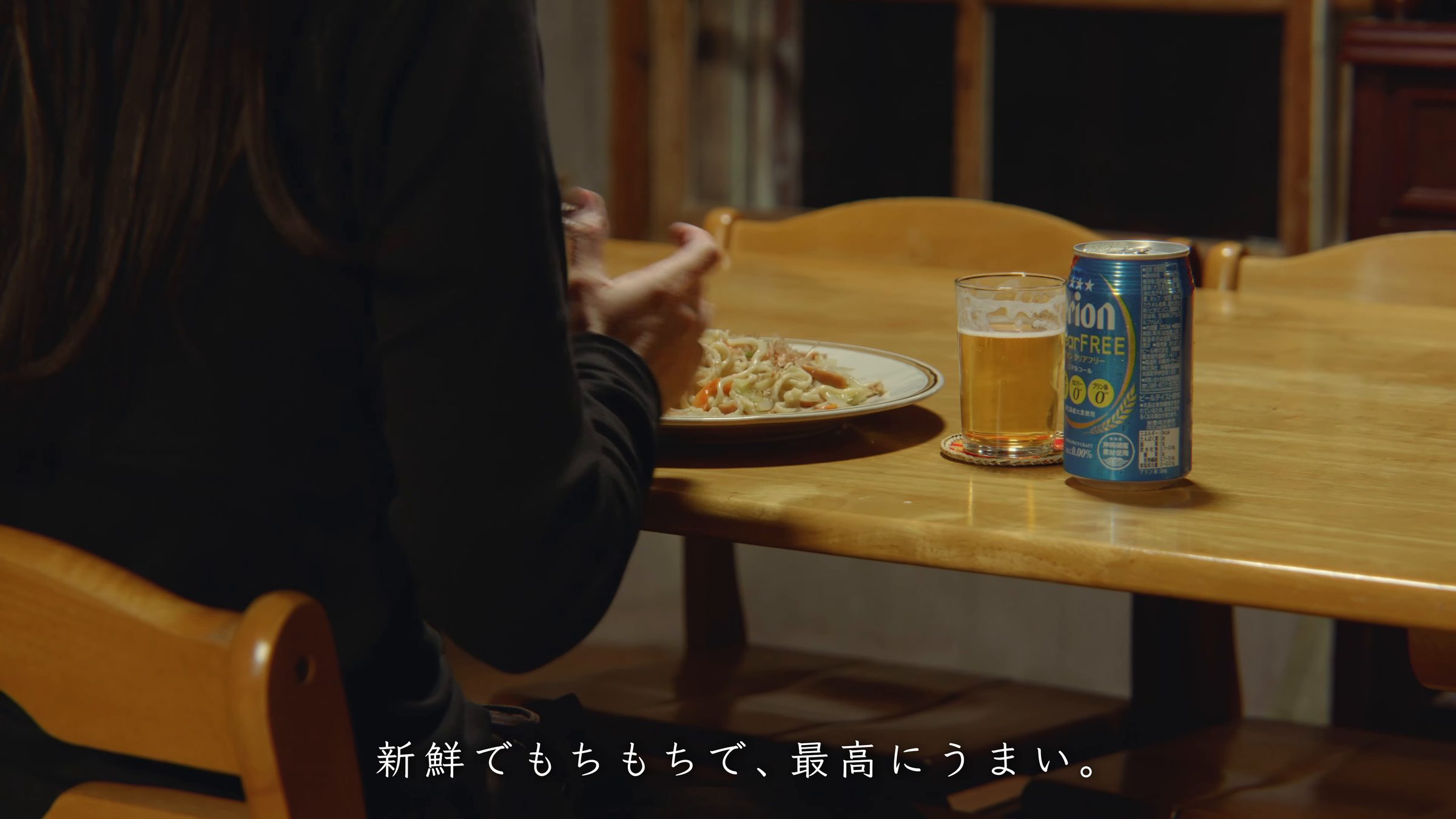
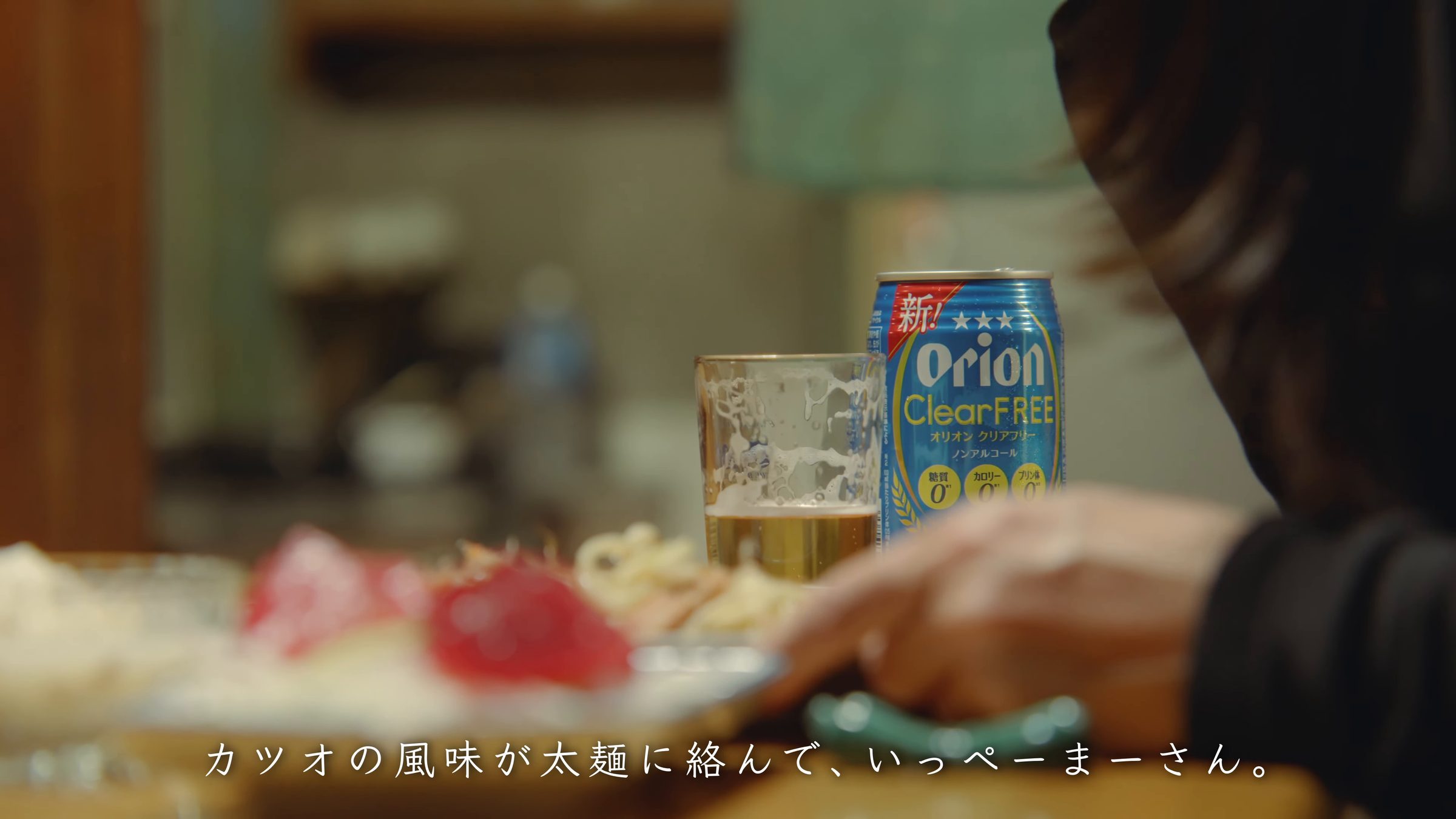
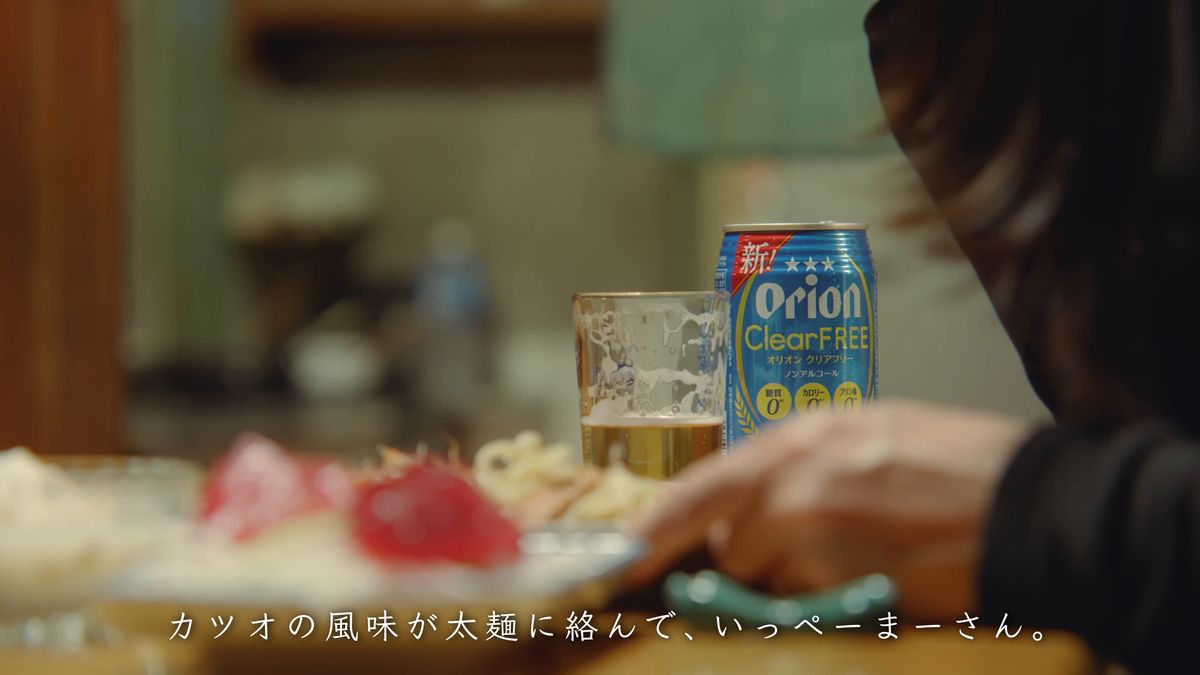
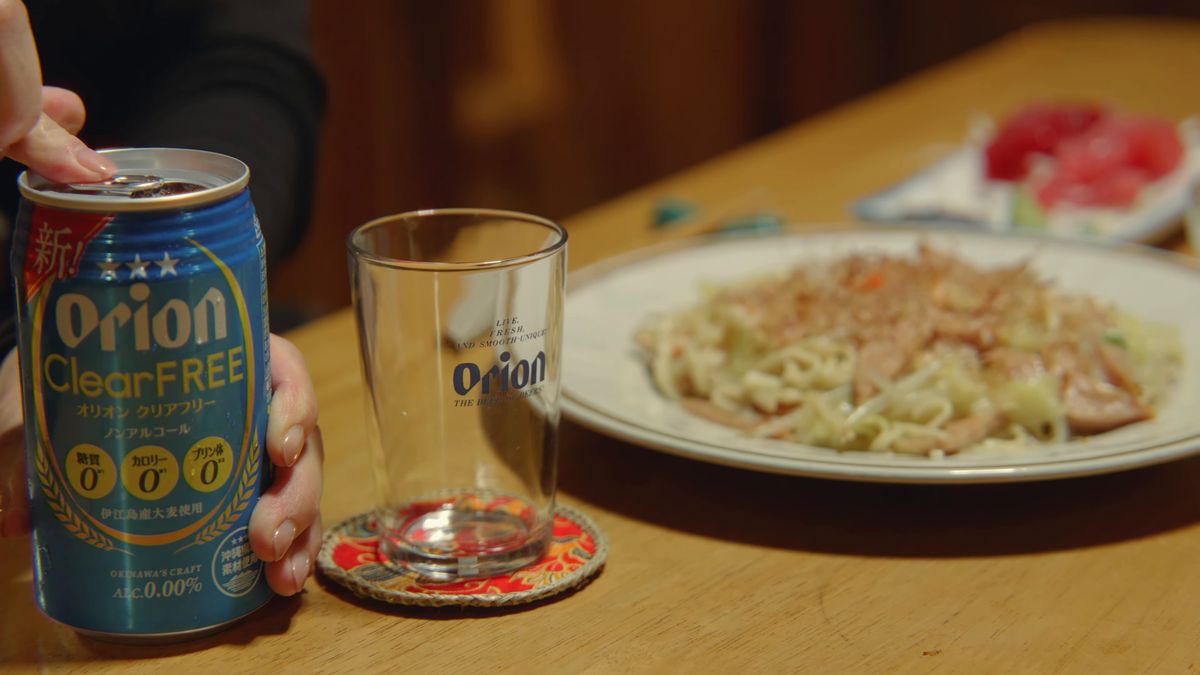
On the table: a can of Orion's non-alcoholic beer and a plate of fried noodles. And bright red bonito sashimi, glistening, served with shredded daikon and cucumber, soy sauce and wasabi. Fresh and chewy, really good.
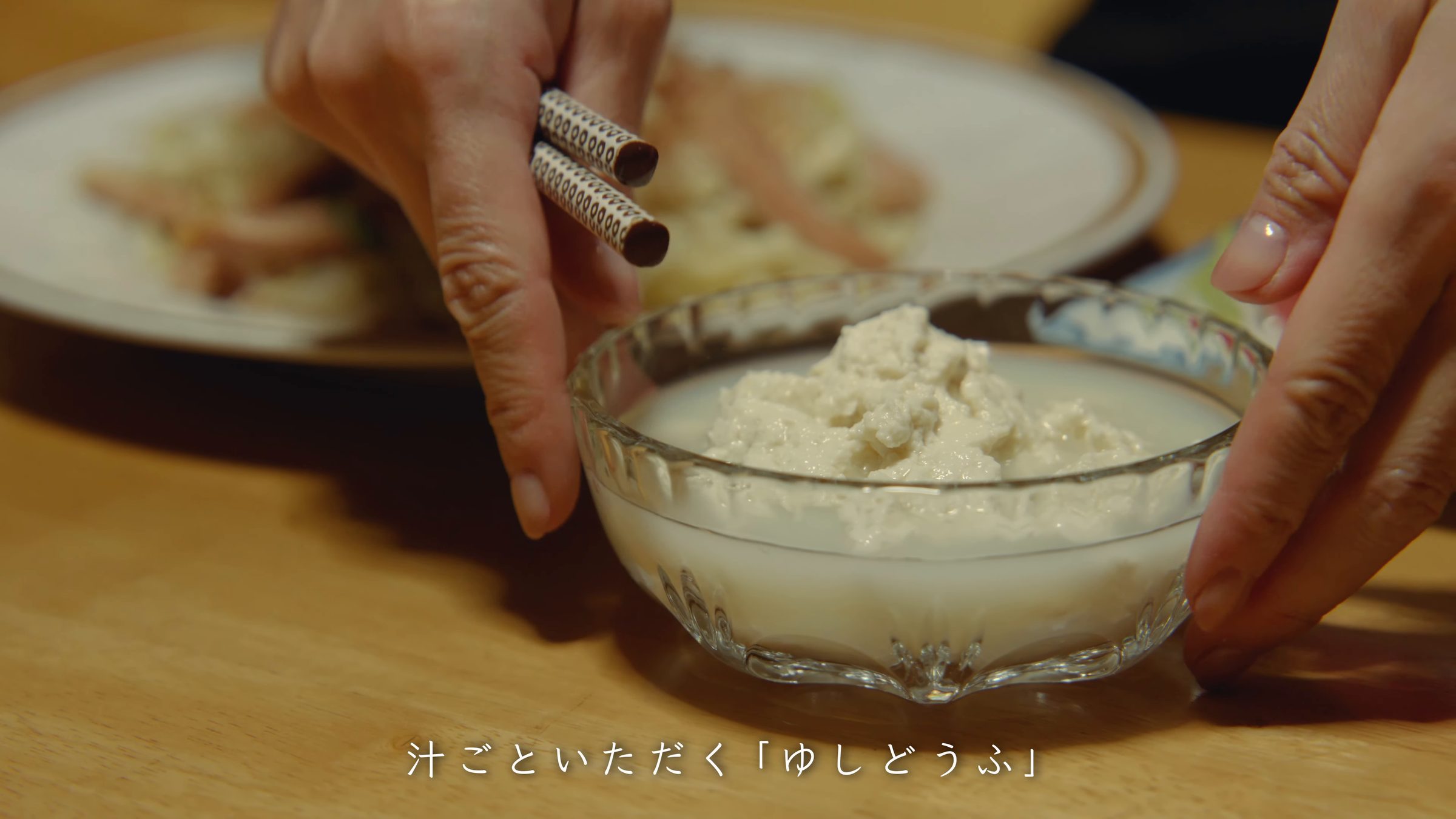
In a glass bowl, yushidofu, eaten together with its broth. I topped the noodles with shaved bonito flakes. The flavor of bonito clung to the thick noodles. Ippee maasan: so delicious.
Watch this scene on YouTube3:51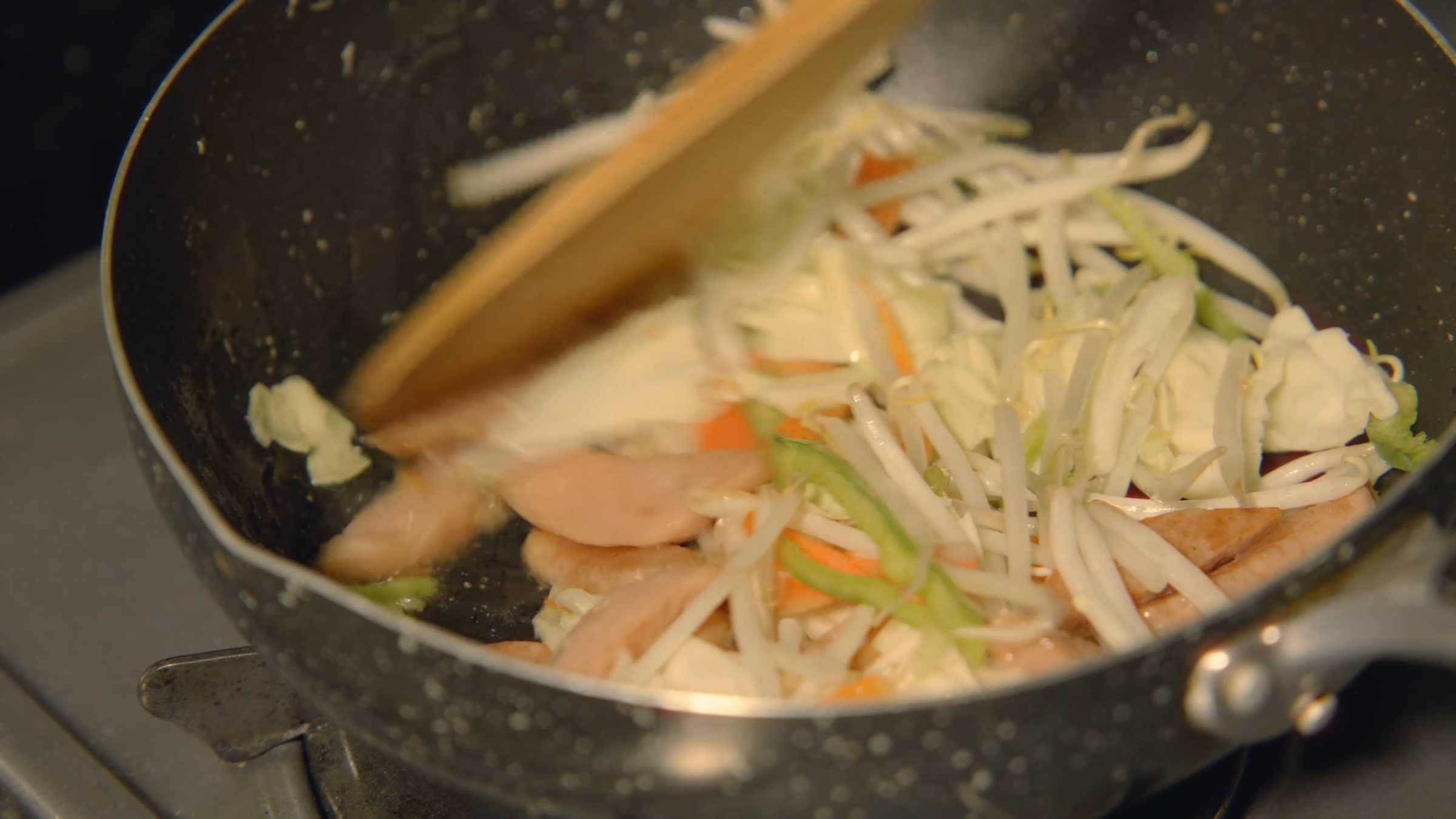
10TRAVEL JOURNAL
A thoroughly happy Okinawan excursion
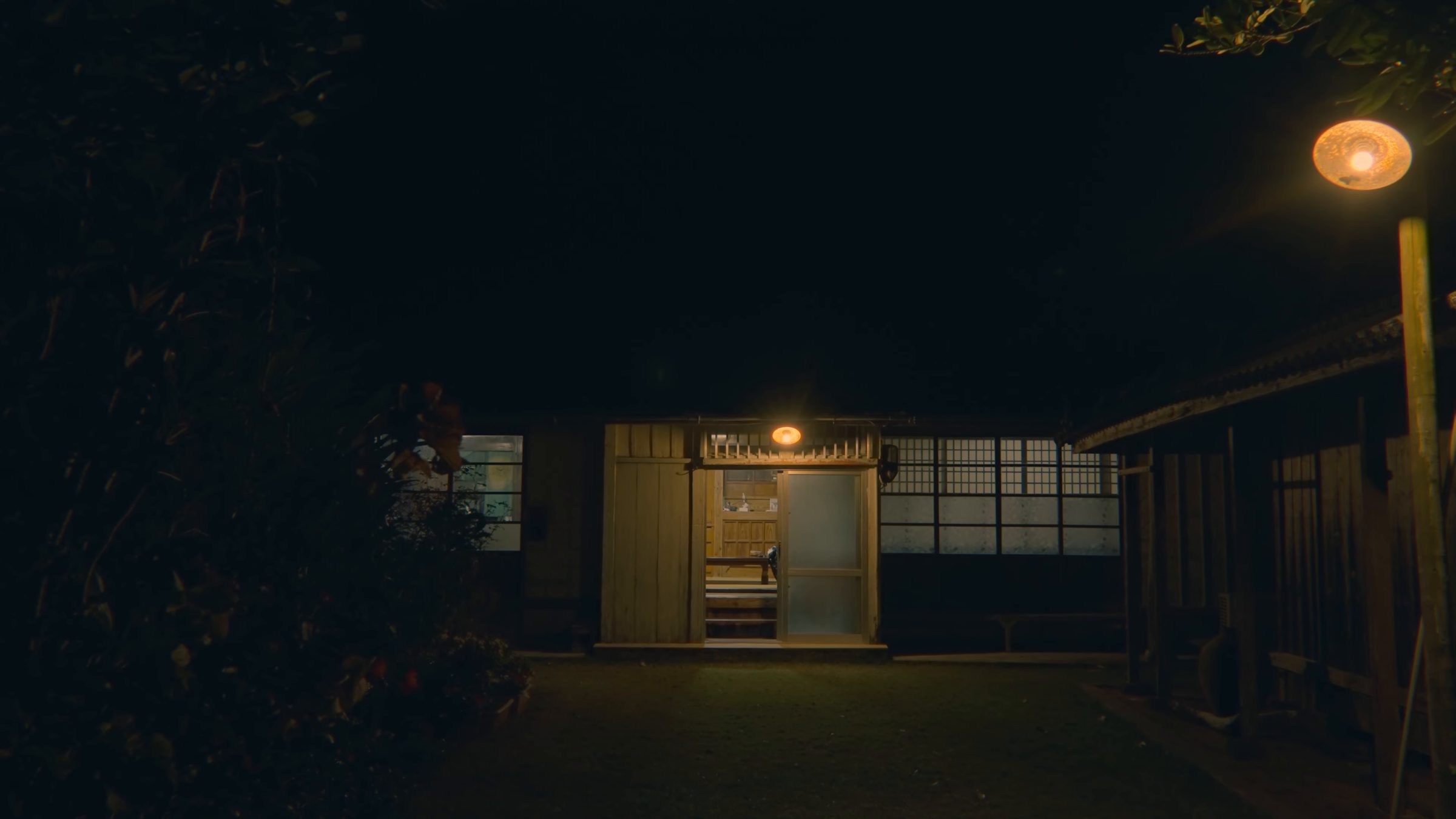
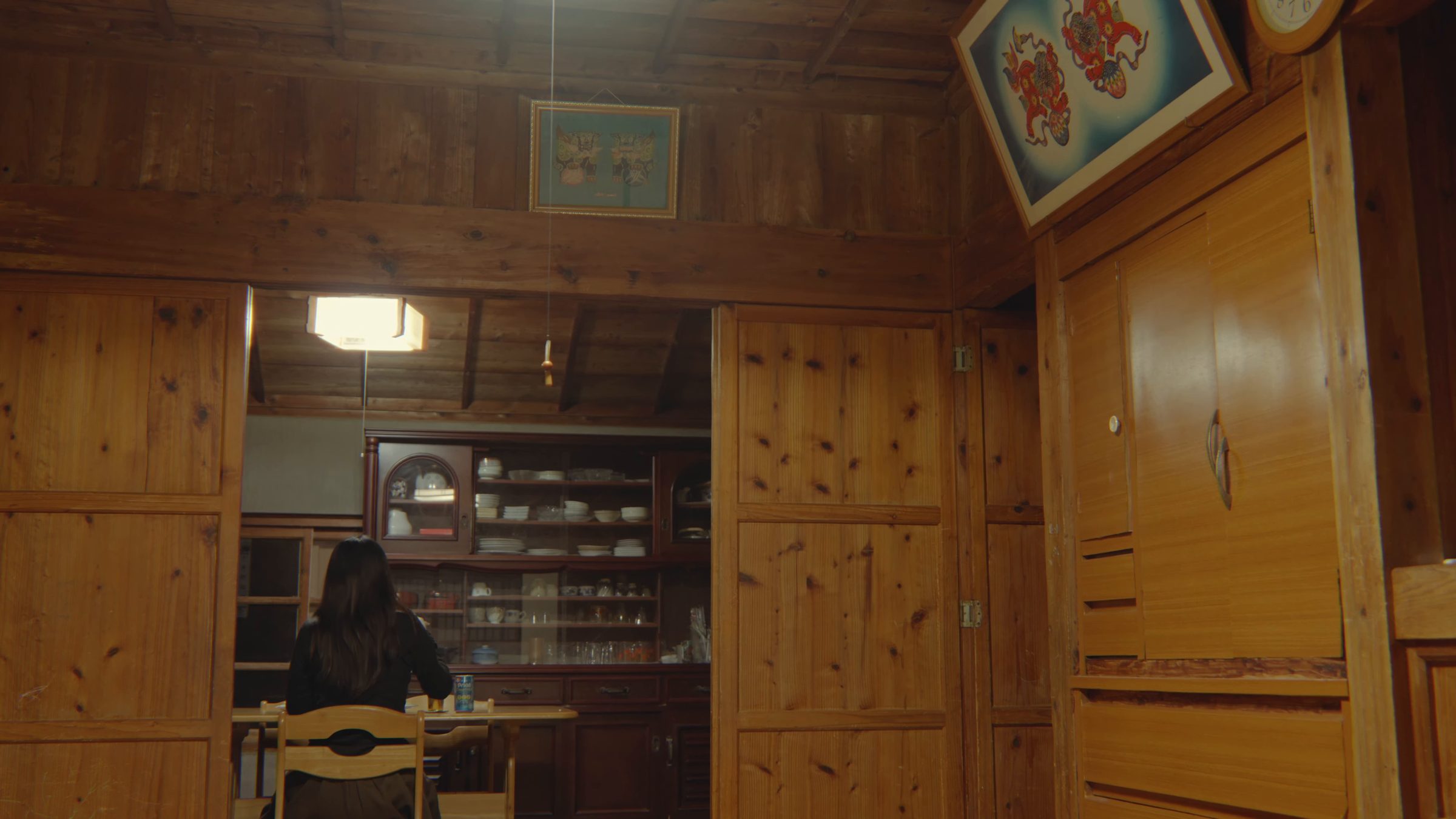
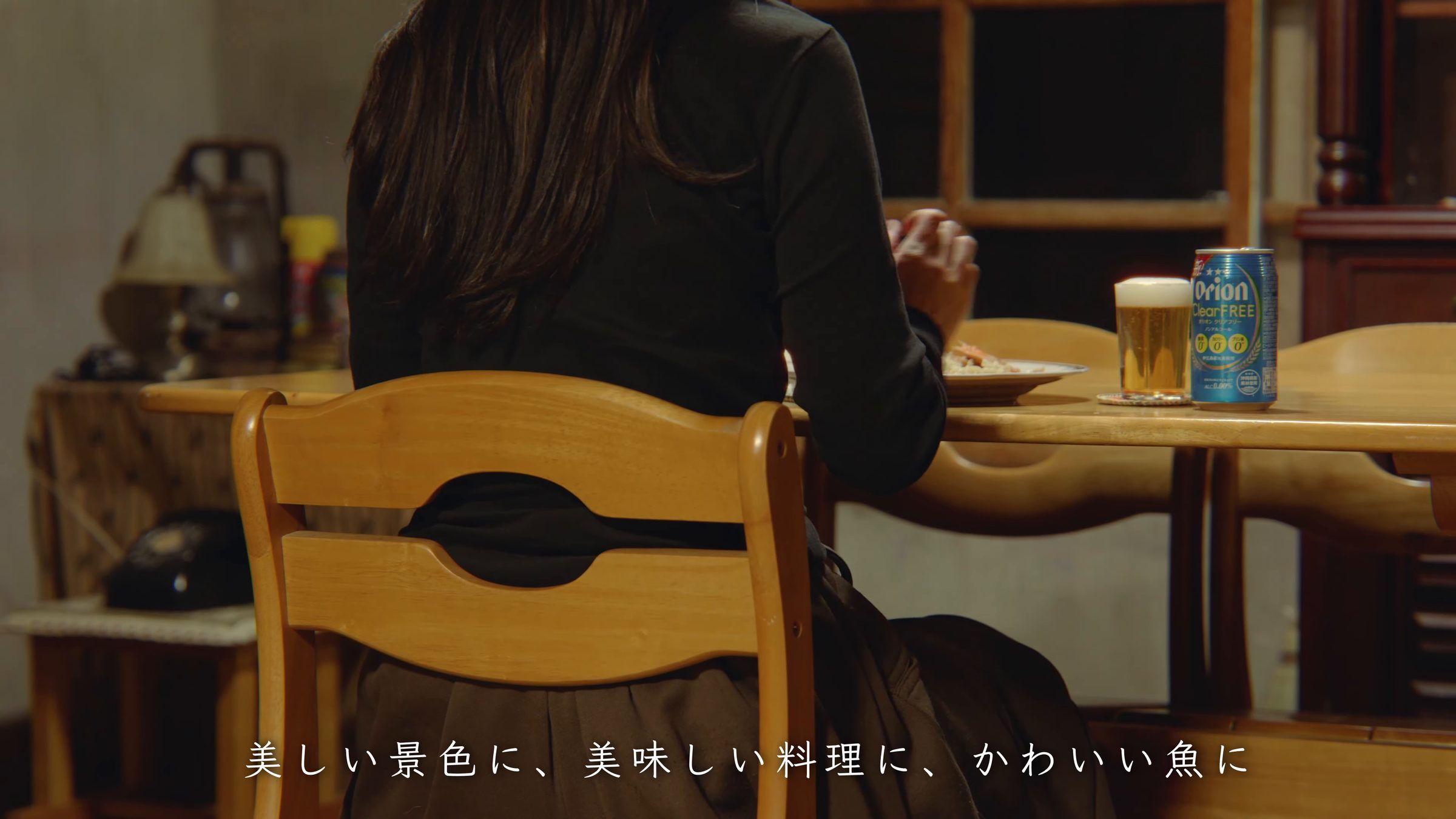
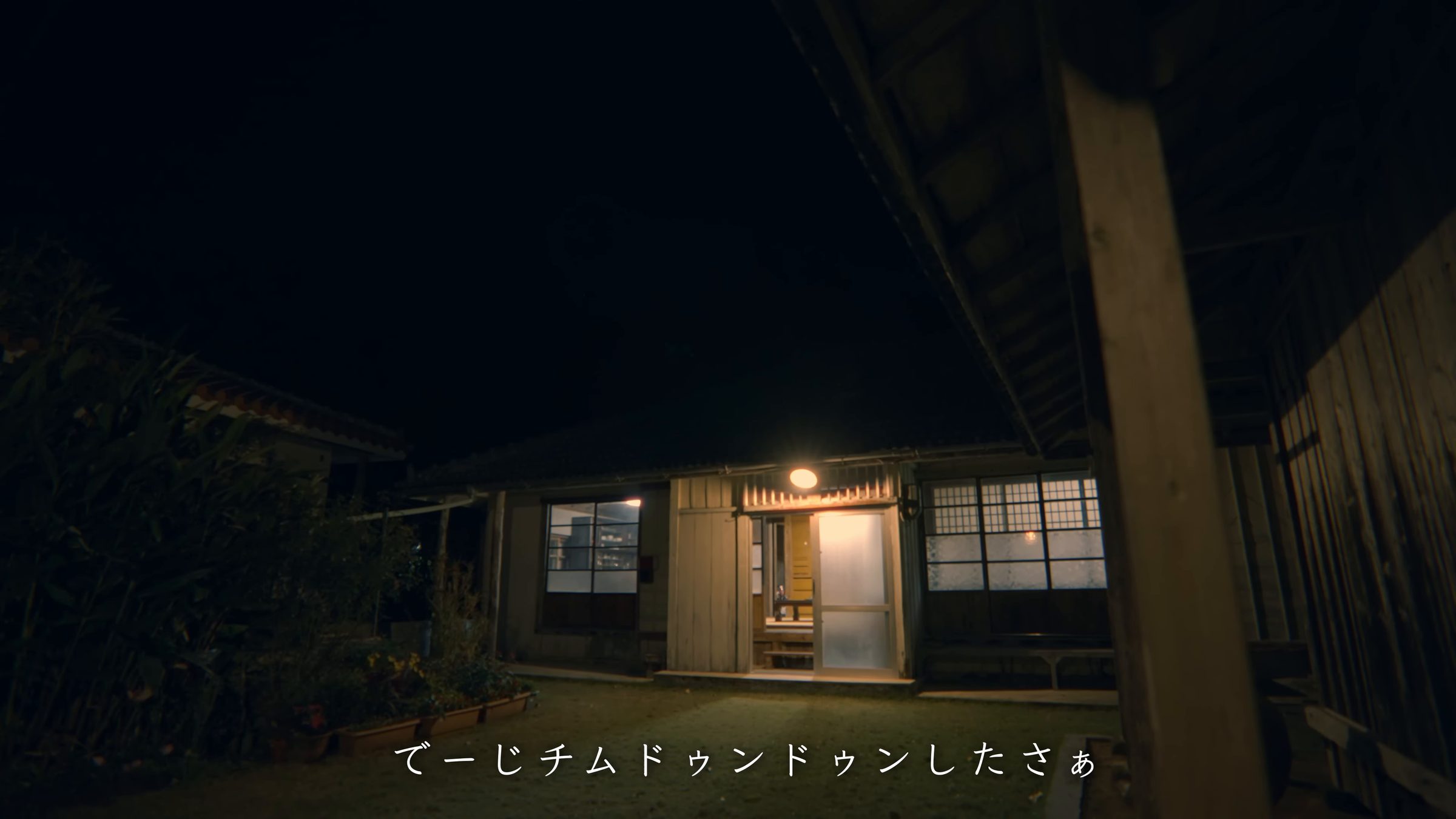
A single light glowed on the veranda at night. In the wood-floored room lined with cupboards, I carried on with dinner at my own pace.
Beautiful scenery, delicious food, lovely fish. Deeji chimu-dundun shita saa: my heart was pounding all day. A thoroughly happy Okinawan excursion.
Watch this scene on YouTube4:36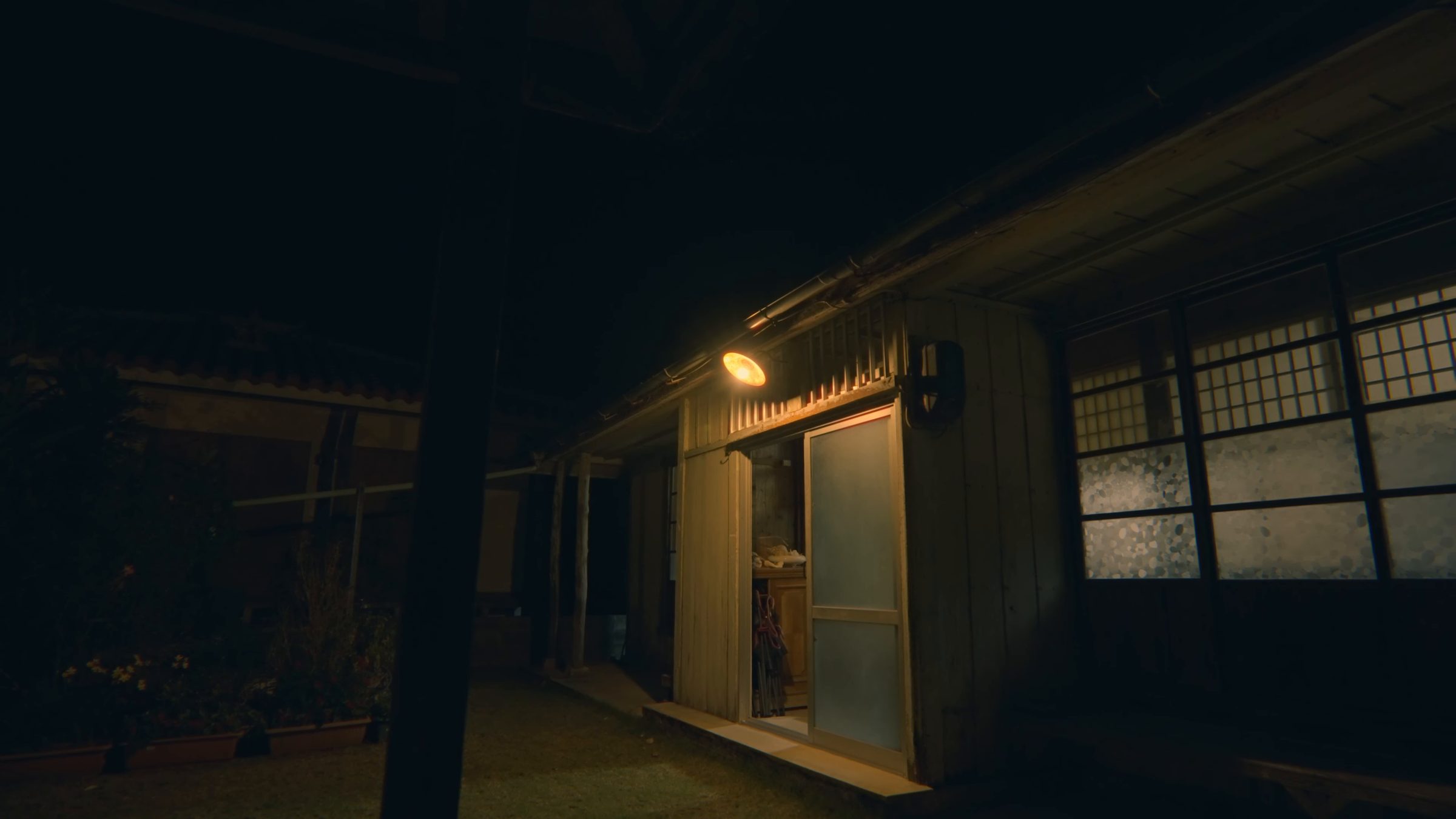
THE JOURNEY IN FILM
The wind. The sounds of a kitchen.
Spend a little more time inside the journey, on film.
Watch the video5 minTHE BORROWER’S NOTES
The Borrower's Notes: Motobu, Okinawa
Places we stopped, dishes we made, and stories of the land. A few things to keep from the journey.
01Where I ate and shopped
A beach kiosk
A blue-painted kiosk on the beach at the end of the fukugi path. On its walls hang menus for shaved ice and coffee, and a painting of a whale shark. The cold drink I had on the pier seems to have come from here.
Okinawa Soba Mori no Ie
743-3 Izumi, Motobu, Kunigami District, Okinawa
An Okinawa soba restaurant hidden among the trees beside the mountain road up Mt. Yaedake. The grounds are spacious, with terrace seating, and the shop is known for its light bonito-stock soup. This time I had Okinawa soba topped with pork, a boiled egg and green onions on the terrace. Shisa statues stand at the entrance, and inside are an aquarium and paintings of flowers.
Sources: hamoni.jp
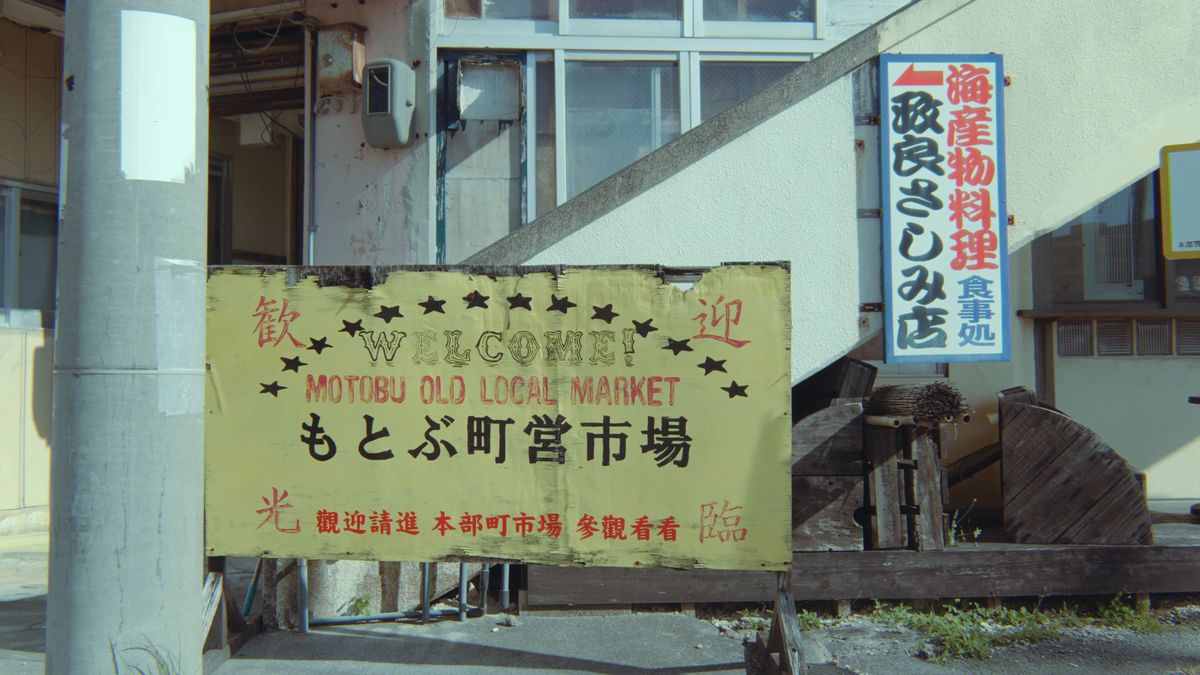
Motobu Town Market
4 Toguchi, Motobu, Kunigami District, Okinawa
An old-style public market in Toguchi, the center of Motobu. Many shutters under the arcade are down, but cafes and craft shops are still in business. In one corner of the arcade, under a sign reading Fresh Bonito Bench, sits a bench shaped like a bonito.
Sources: 4travel.jp
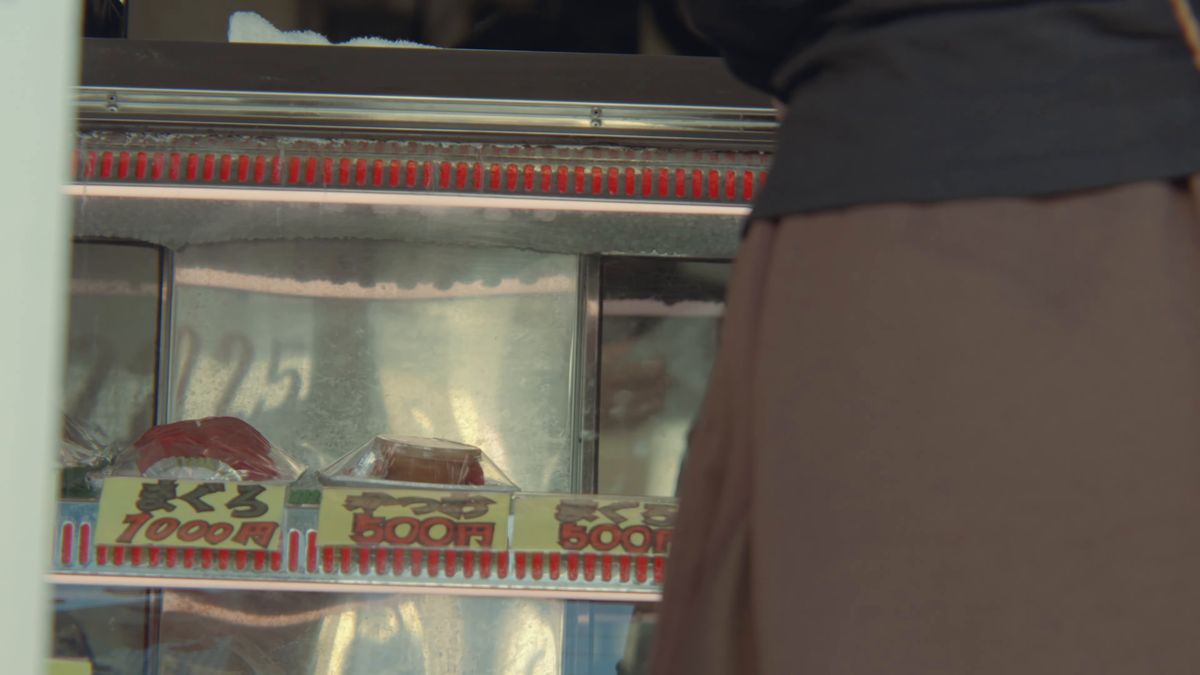
The fish shop across from the market
A fish shop across the street from the town market. Blocks of tuna and bonito lay in the glass case with their price tags. The bonito I bought here became that night's sashimi.
02What I cooked
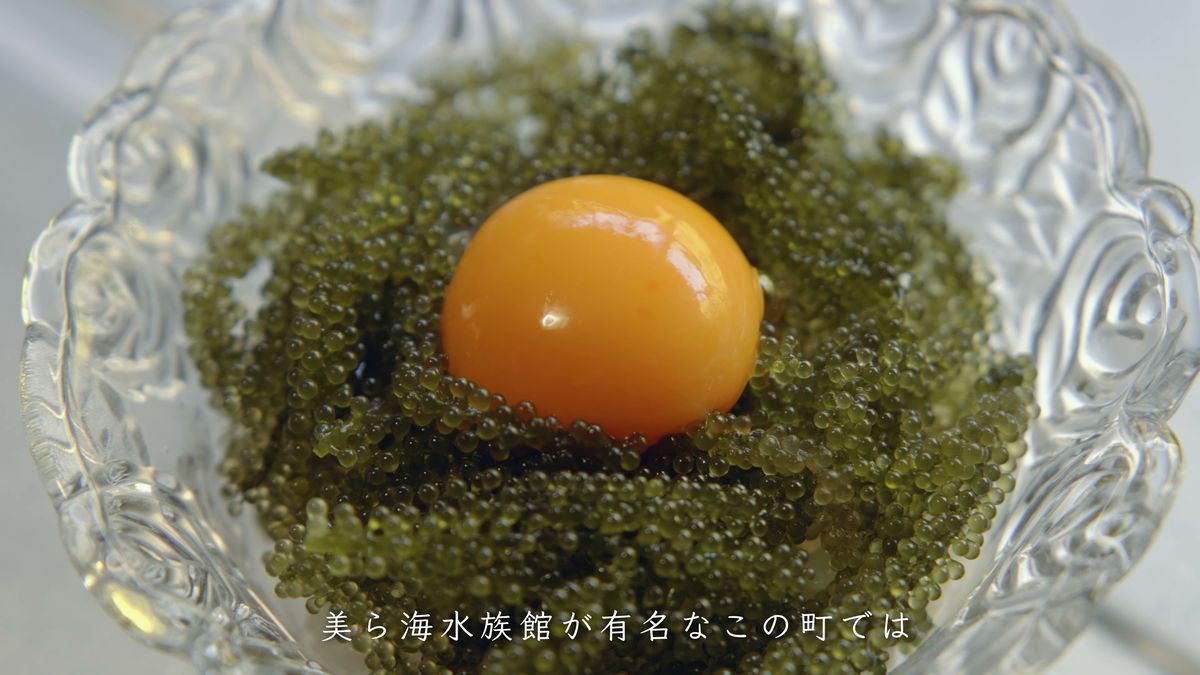
Rice with sea grapes and egg yolk
Sea grapes (umibudo) rank third in Okinawa's aquaculture by both volume and value and are known as one of the prefecture's signature products. Their popping texture is the point; in the north of the island most farms are family-run. This time I piled them on rice with an egg yolk for an Okinawan breakfast.
IngredientsCooked rice, Sea grapes (umibudo), Egg yolk
- Fill a glass bowl with rice
- Heap sea grapes on top
- Drop an egg yolk in the middle, break it with chopsticks and mix
Sources: pref.okinawa.jp
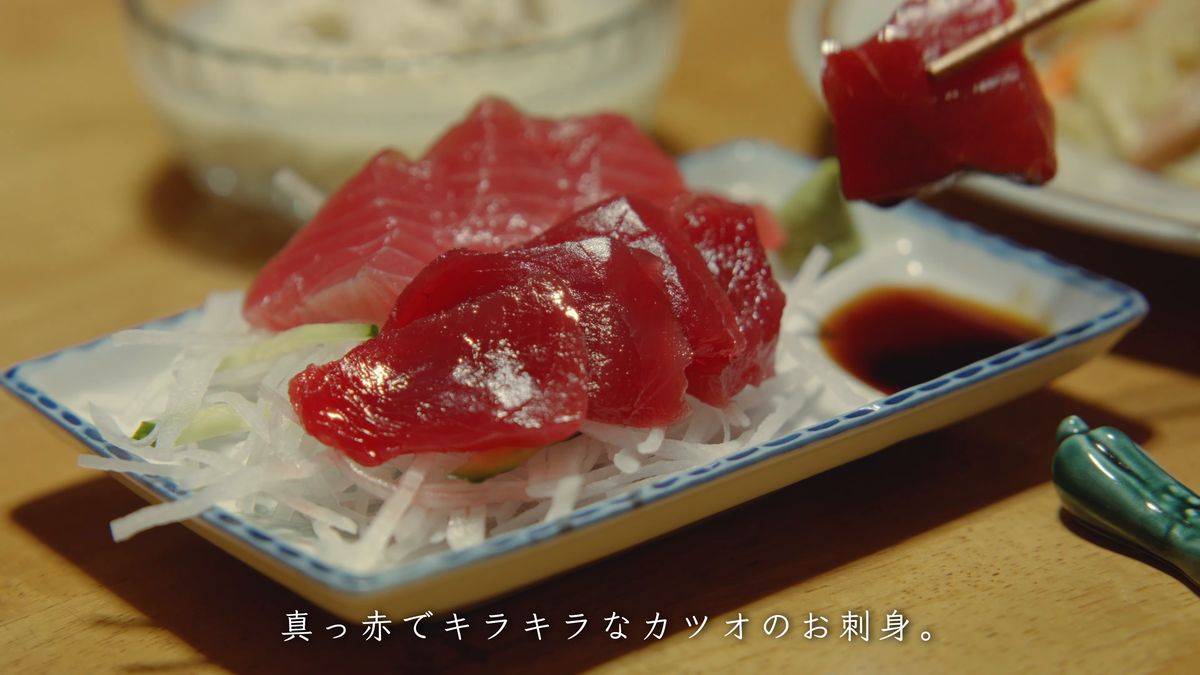
Motobu bonito sashimi
Freshly landed bonito from a fish shop in Motobu, the only town on Okinawa's main island where pole-and-line bonito fishing survives, where the fish is fresh enough to eat raw. The bright red, chewy flesh was served on shredded daikon and cucumber with soy sauce and wasabi.
IngredientsA block of bonito (from the fish shop across from the market), Daikon radish, Cucumber, Wasabi, Soy sauce
- Slice the bonito thickly
- Arrange it on shredded daikon and cucumber
- Eat with wasabi and soy sauce
Sources: cri.ehime-u.ac.jp
Okinawa soba yakisoba
Okinawa soba is a noodle dish made with wheat flour rather than buckwheat. It is said to have come from China four to five hundred years ago, to have been served at the court of the Ryukyu Kingdom, and to have spread to ordinary people after the war. Pork stock, taken from pork meat and bones, is often combined with bonito stock, and the balance between the two is what defines the soup in each home and shop. This time the chewy thick noodles became yakisoba, seasoned with Okinawa soba soup and finished with bonito flakes.
IngredientsOkinawa soba noodles, Cabbage, Bean sprouts, Carrot, Thin slices of meat, Green onions, Okinawa soba soup (as seasoning), Shaved bonito flakes
- Stir-fry the vegetables and meat in a pan
- Add the noodles and toss together
- Season with Okinawa soba soup
- Plate and top with bonito flakes
Sources: maff.go.jp maff.go.jp
03About the area
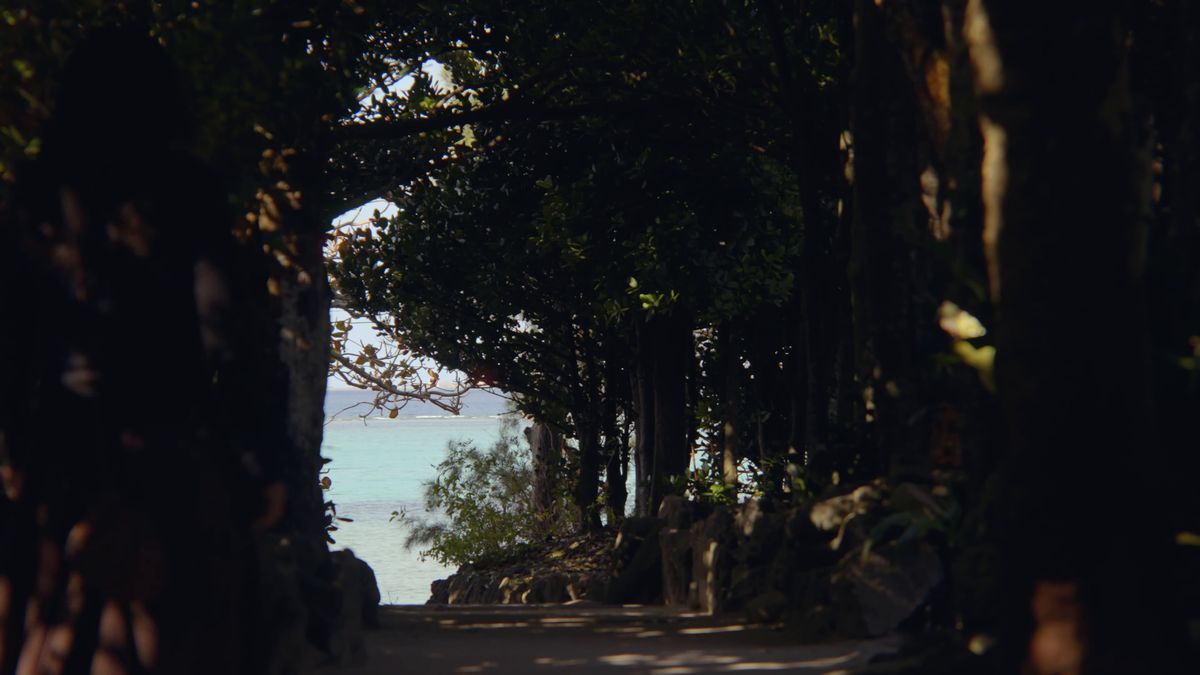
Bise Fukugi Tree Path
Bise, Motobu, Kunigami District, Okinawa
In the village of Bise, at the northwestern tip of the Motobu Peninsula, fukugi trees planted as windbreaks around the houses form the largest tree-lined paths on Okinawa's main island. Almost every lane in the village runs between fukugi, about a kilometer to Cape Bise. The sea opens out at the end of the trees, with Ie Island offshore. Though it is right next to Ocean Expo Park, the whole village is wrapped in quiet.
Sources: motobu-ka.com rurubu.jp
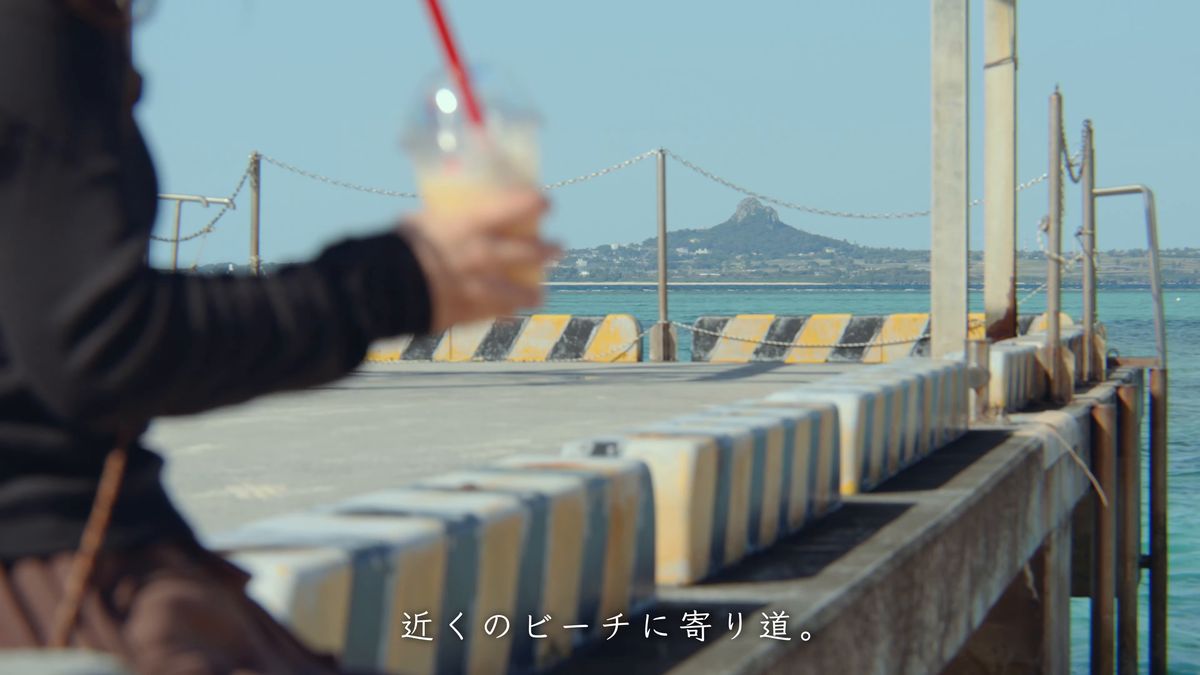
Ie Island and Mt. Gusuku
An island about 5 kilometers west of the Motobu Peninsula, forming the village of Ie. The sharp peak rising in its eastern part is Mt. Gusuku, known as the Ie Island Tatchu and the island's symbol; the island's highest point is 172.2 meters. I could see its outline from the pier at Bise and again across the sea at dusk.
Sources: ja.wikipedia.org
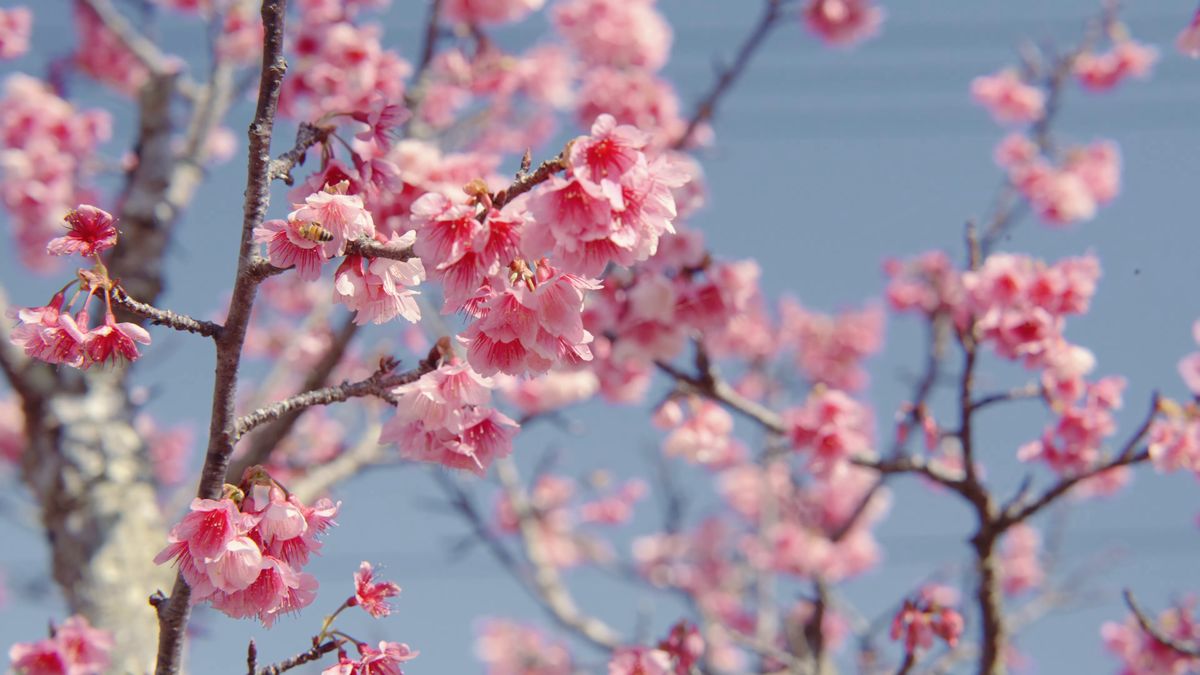
Ryukyu kanhizakura cherry
In Okinawa, cherry blossom means kanhizakura, whose deep pink flowers hang downward like little bells. The Okinawa Meteorological Observatory usually announces the first blooms around January 18, based on a sample tree in Sueyoshi Park, Naha. Unlike the cherry front on the mainland, the blossoms in Okinawa move from the north of the main island southward, so late January on Mt. Yaedake is the earliest peak of all.
Sources: tabi-mag.jp
Yaedake Sakura no Mori Park and the Motobu Yaedake Cherry Blossom Festival
921 Namisato, Motobu, Kunigami District, Okinawa
Mt. Yaedake, 453.4 meters high, stands on the border of Motobu and Nago and is the second-highest peak on Okinawa's main island. About 7,000 kanhizakura trees line the roughly 4-kilometer road from mid-slope to the summit. The Motobu Yaedake Cherry Blossom Festival, with the slogan hitoashi osaki ni (a step ahead), is said to be Japan's earliest cherry blossom festival; the first was held in January 1979. The 45th, in 2023, ran from January 21 to February 5 with Yaedake Sakura no Mori Park as the main venue, and the trees were about 40 percent in bloom on opening day.
Sources: motobu-ka.com rurubu.jp ryukyushimpo.jp ja.wikipedia.org
Okinawa Churaumi Aquarium
424 Ishikawa, Motobu, Kunigami District, Okinawa (in Ocean Expo Park)
An aquarium inside Ocean Expo Park; the present building opened in November 2002. The great tank, the Kuroshio Sea, holds 7,500 cubic meters of water and measures 35 by 27 meters, 10 meters deep. The acrylic panel between visitors and the water is 8.2 meters high, 22.5 meters wide and 60 centimeters thick. A whale shark 8.8 meters long has been kept here since March 1995, and the aquarium was the first in the world to keep several reef manta rays together and breed them.
Motobu, the bonito town
A town where people say: if bonito, then Motobu; if Motobu, then bonito. It is known for pole-and-line bonito fishing, begun in the Meiji era, and for katsuobushi (dried bonito) production, started by a local cooperative in 1905; its bonito fishery and its katsuobushi factory are said to be the only ones on Okinawa's main island. The bonito is also the town's official fish. Toguchi Port, which once prospered on katsuobushi, remains the fishing base, and most of the bonito landed there goes to fresh fish and katsuobushi. In the arcade of the town market sits a bench shaped like a bonito.
Sources: cri.ehime-u.ac.jp ja.wikipedia.org
Orion Clear Free
A non-alcoholic beer-style drink (0.00% alcohol) made by Orion Breweries of Okinawa, with zero sugar, calories and purines, brewed with locally grown barley. I had it from a bottle at the soba restaurant and from a can at dinner.
Sources: orionbeer.co.jp
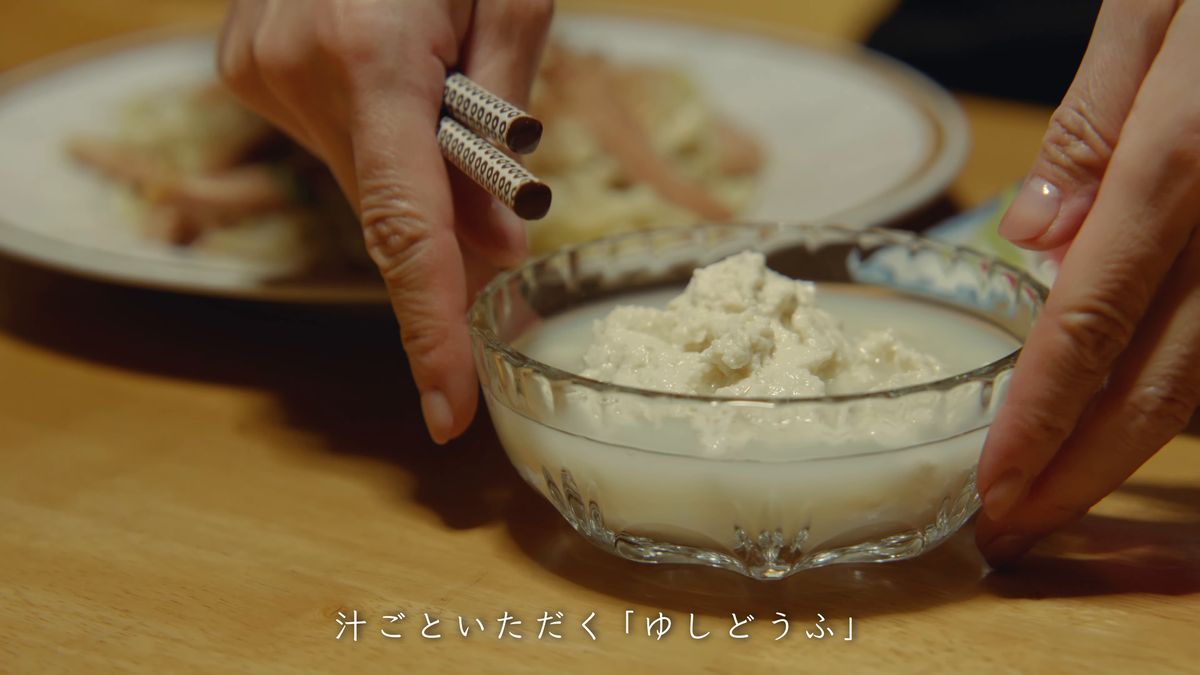
Yushidofu
Okinawan tofu is sold warm, and because it holds together it is prized for stir-fries. Yushidofu is the stage before the tofu goes into the mold: soy milk that has just begun to set after the bittern is added. It is served in a bowl with its liquid. In the everyday cooking of Okinawa, which leans on bonito and pork stock, tofu is a daily staple.
Sources: maff.go.jp
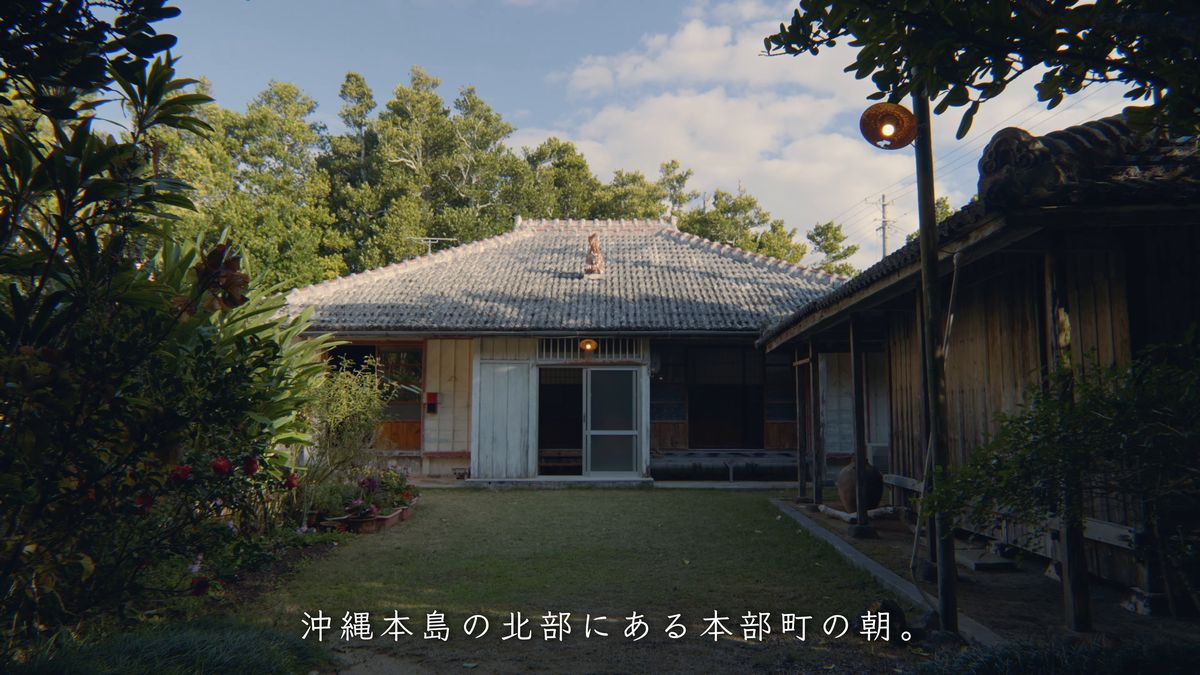
An old house with red tiles and shisa
This time I borrowed a traditional Okinawan house in a village surrounded by fukugi trees. Shisa lions sit on its red-tiled roof, and glass doors open onto the veranda of its white board walls. It is said to have been a location for the film Ito. There is a kitchen, a wood-floored dining room lined with cupboards, and a tatami room, with a lawn in the garden.
PHOTO ALBUMPhoto album73Open all photographsClose the photo album
Select a photograph to explore the journey one frame at a time.