A TRAVEL ESSAY
Hsinchu, Taiwan
A Taste of Life in Taiwan
An apartment in Hsinchuand the steam of the night market
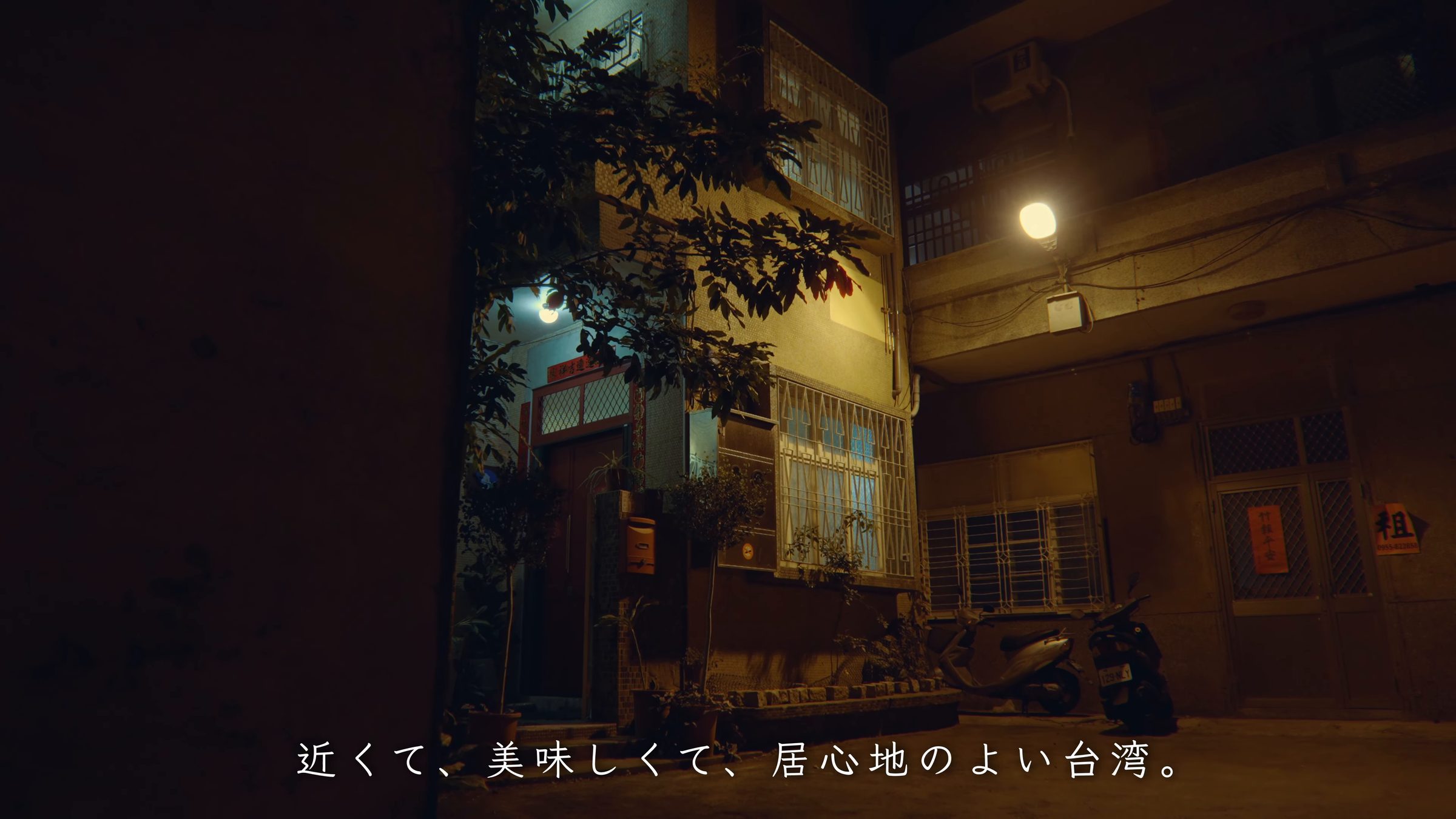
Close, delicious, and comfortable: Taiwan.
Read the journey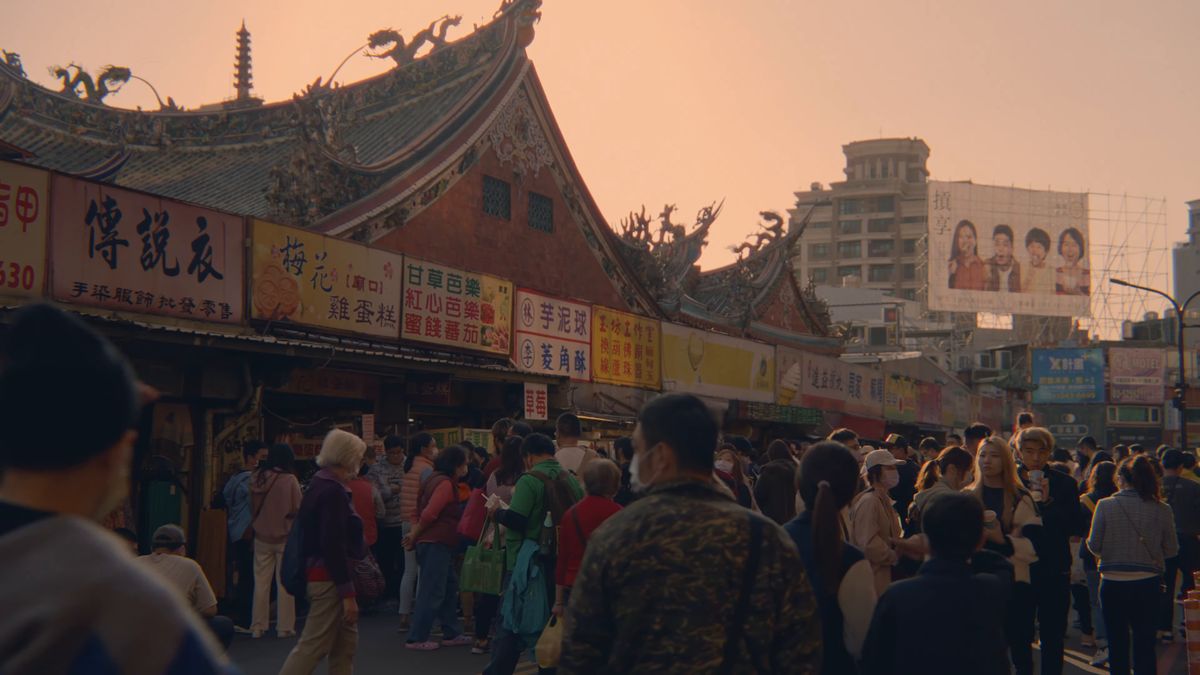
ABOUT THIS JOURNEY
Southwest of Taipei, in the northwest of Taiwan, lies the city of Hsinchu. I walked streets crowded with signboards to buy a danbing from a breakfast shop, then made savory soy milk soup in a retro apartment. Braised pork rice at Dongmen Market, founded under Japanese rule, a pepper bun from an old shop, shaved milk ice. After dark, the night market around the City God Temple. Then rice vermicelli and meatball soup, the local specialties, to close a day in Hsinchu.
A little more about the food and the land01TRAVEL JOURNAL
A morning in Hsinchu
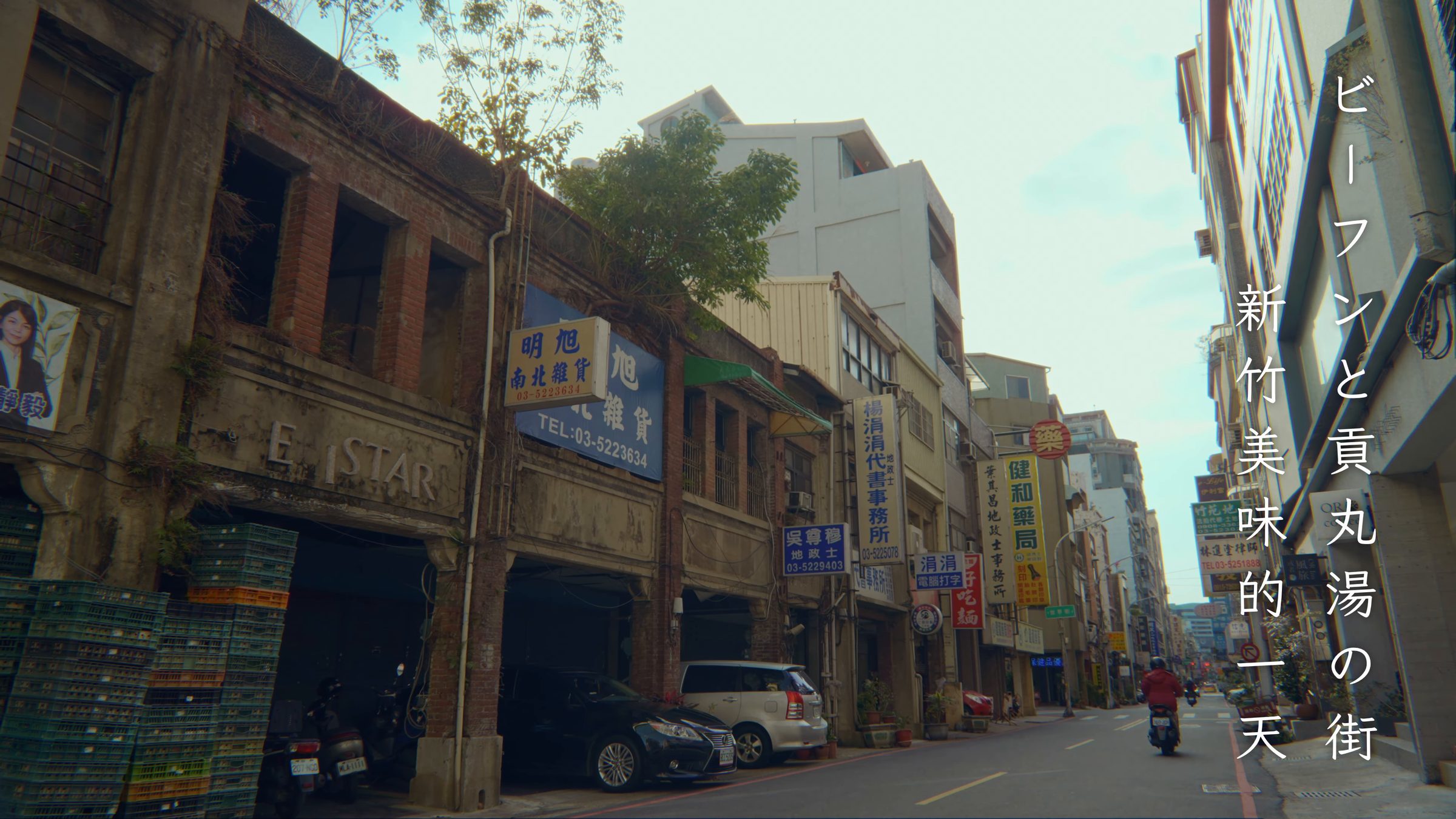
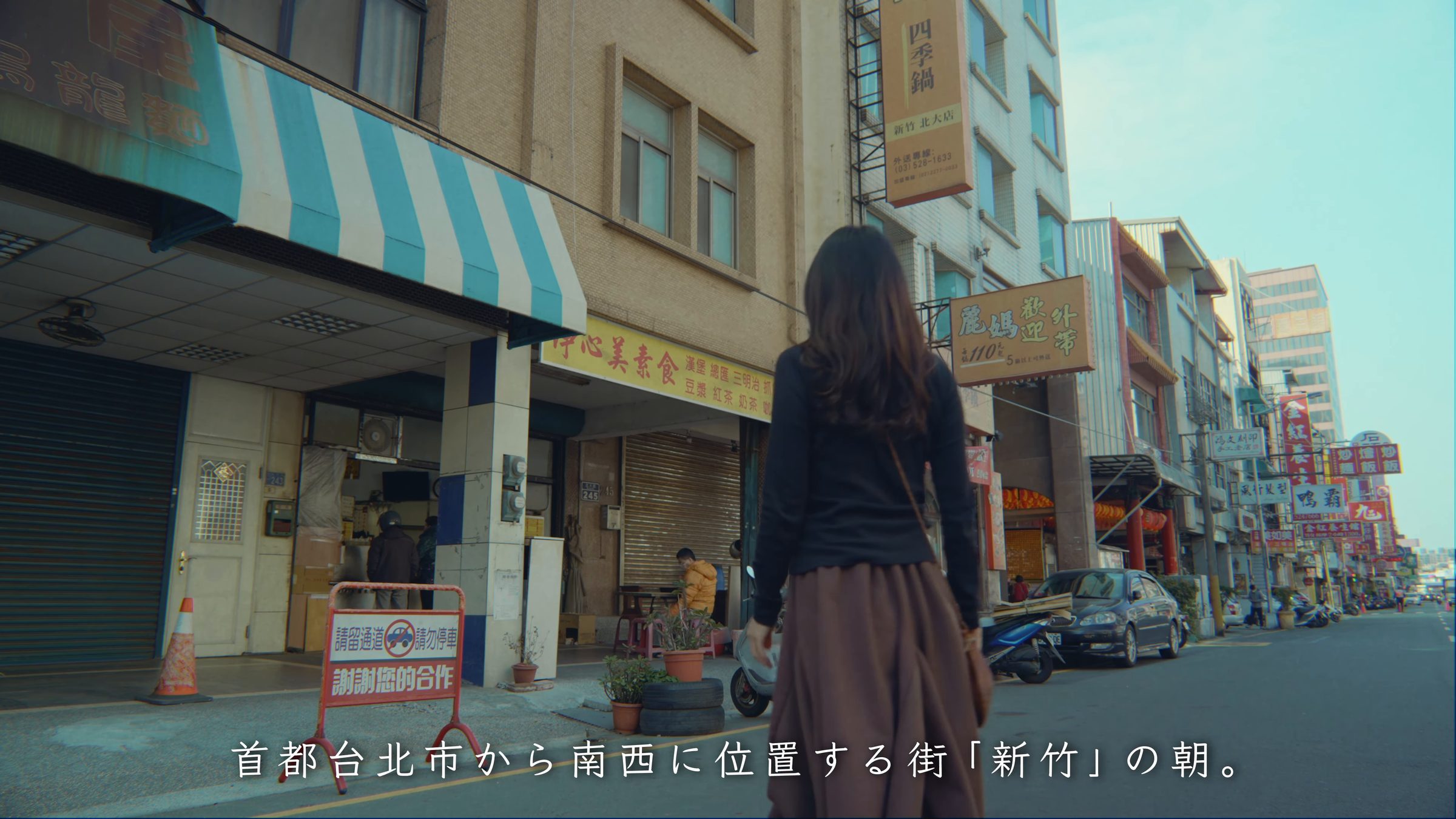
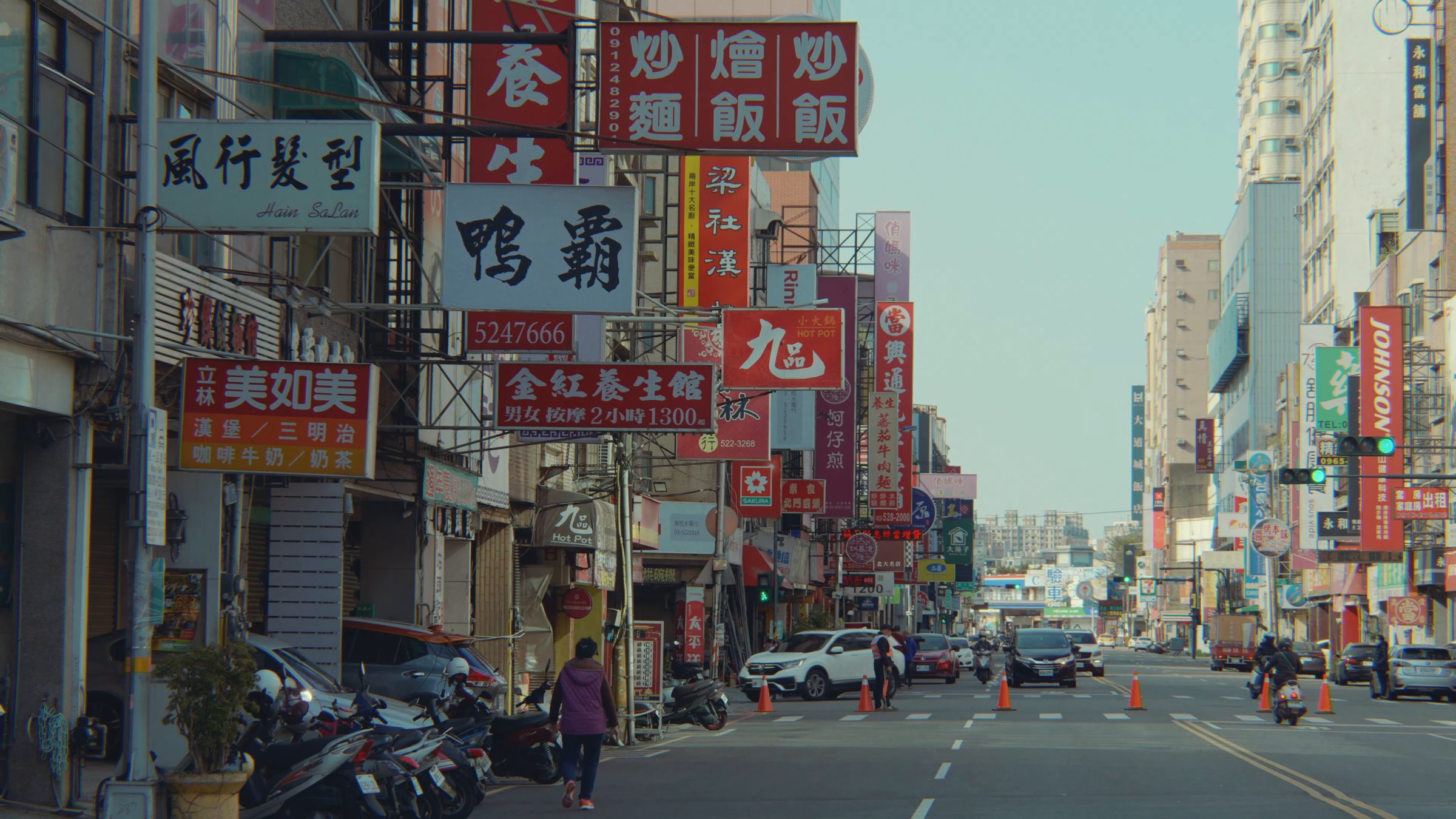
Southwest of Taipei, in the northwest of Taiwan, I woke to a morning in Hsinchu. Signboards jutted out over the main street, with tall buildings in the distance. A short walk brought me to a street of old brick buildings.
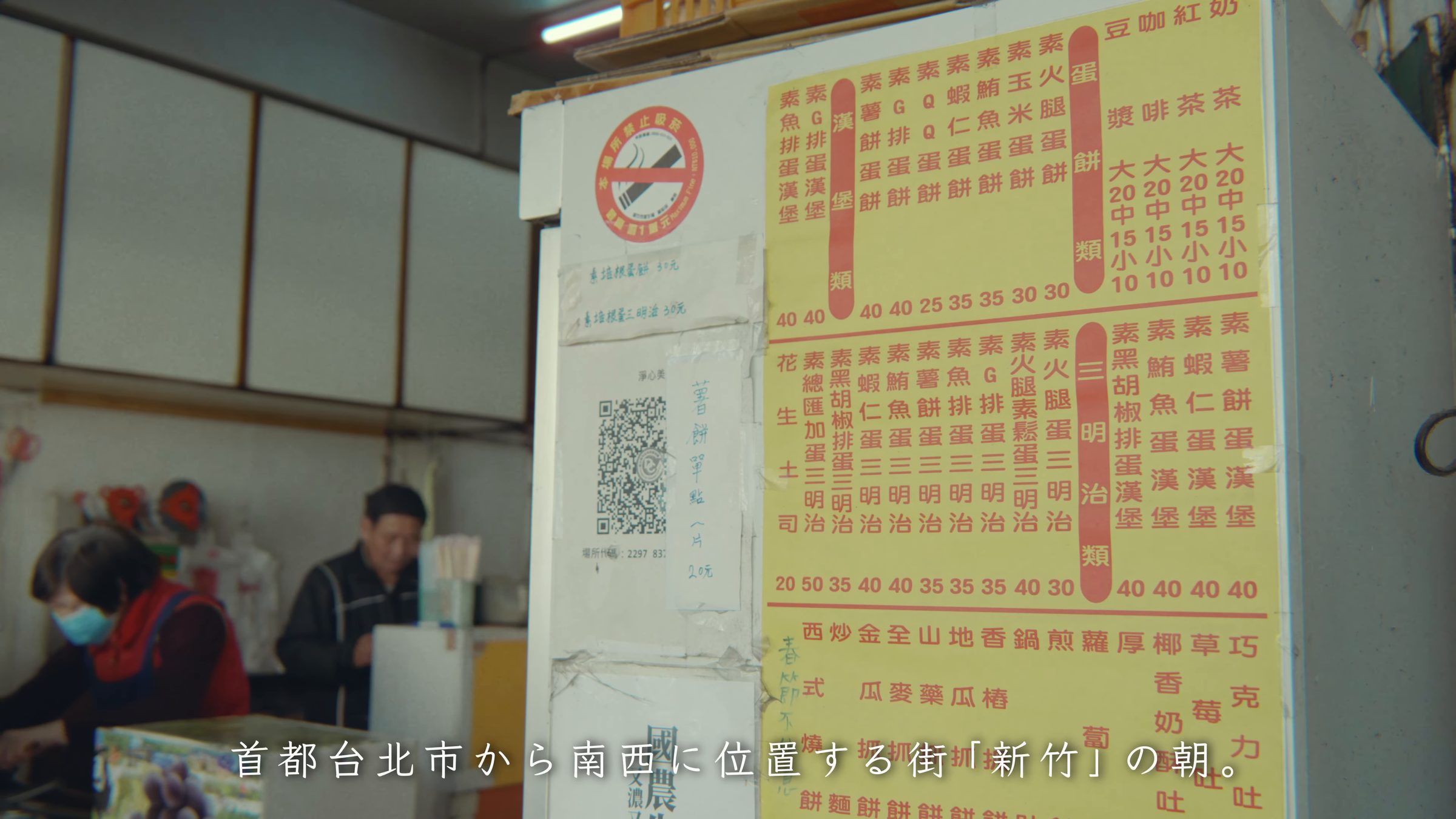
The wall of a breakfast shop was covered in a yellow menu. In front of a shop with a blue awning, scooters rolled slowly past.
Watch this scene on YouTube0:21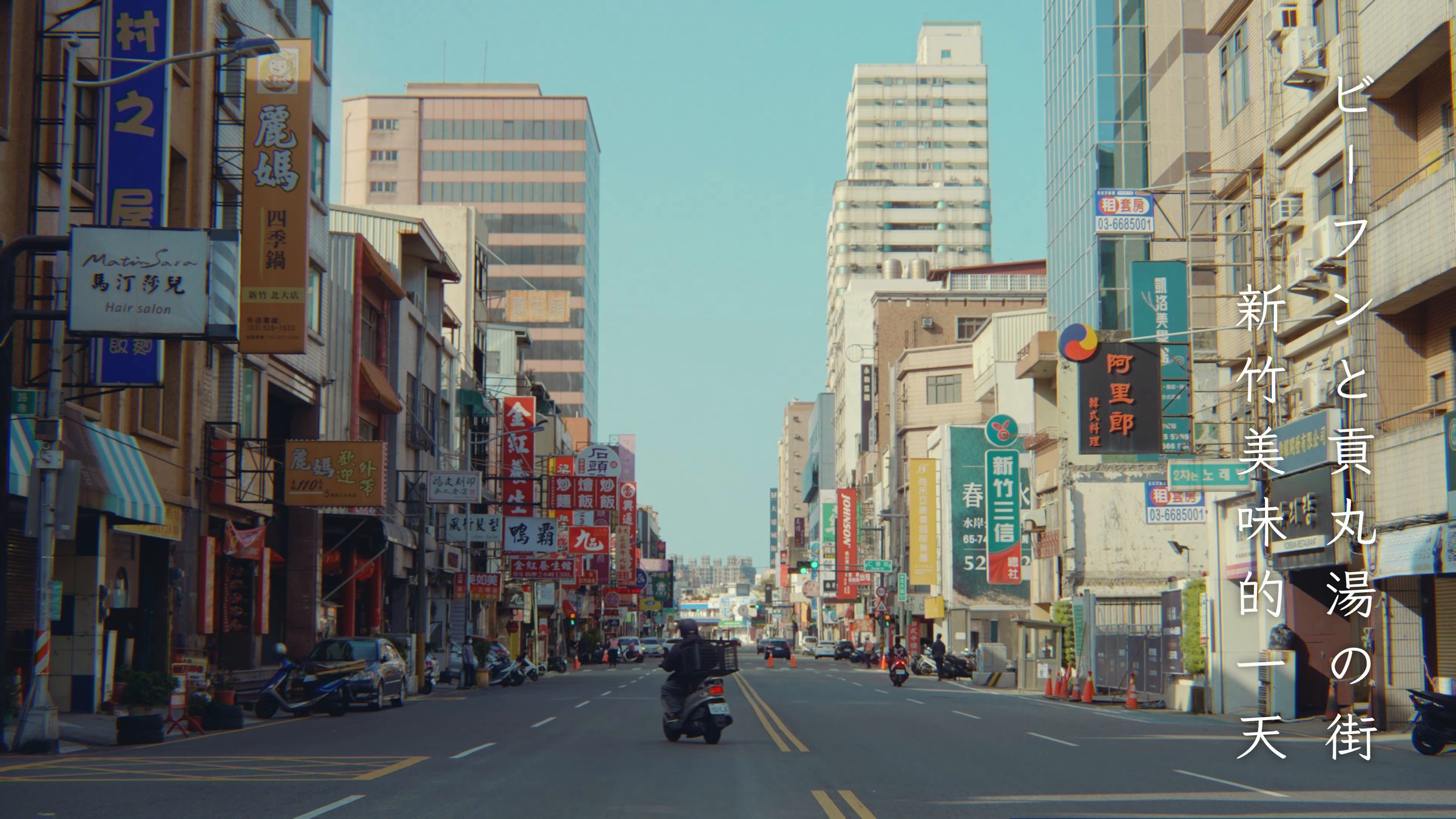
02TRAVEL JOURNAL
Buying danbing, a Taiwanese breakfast
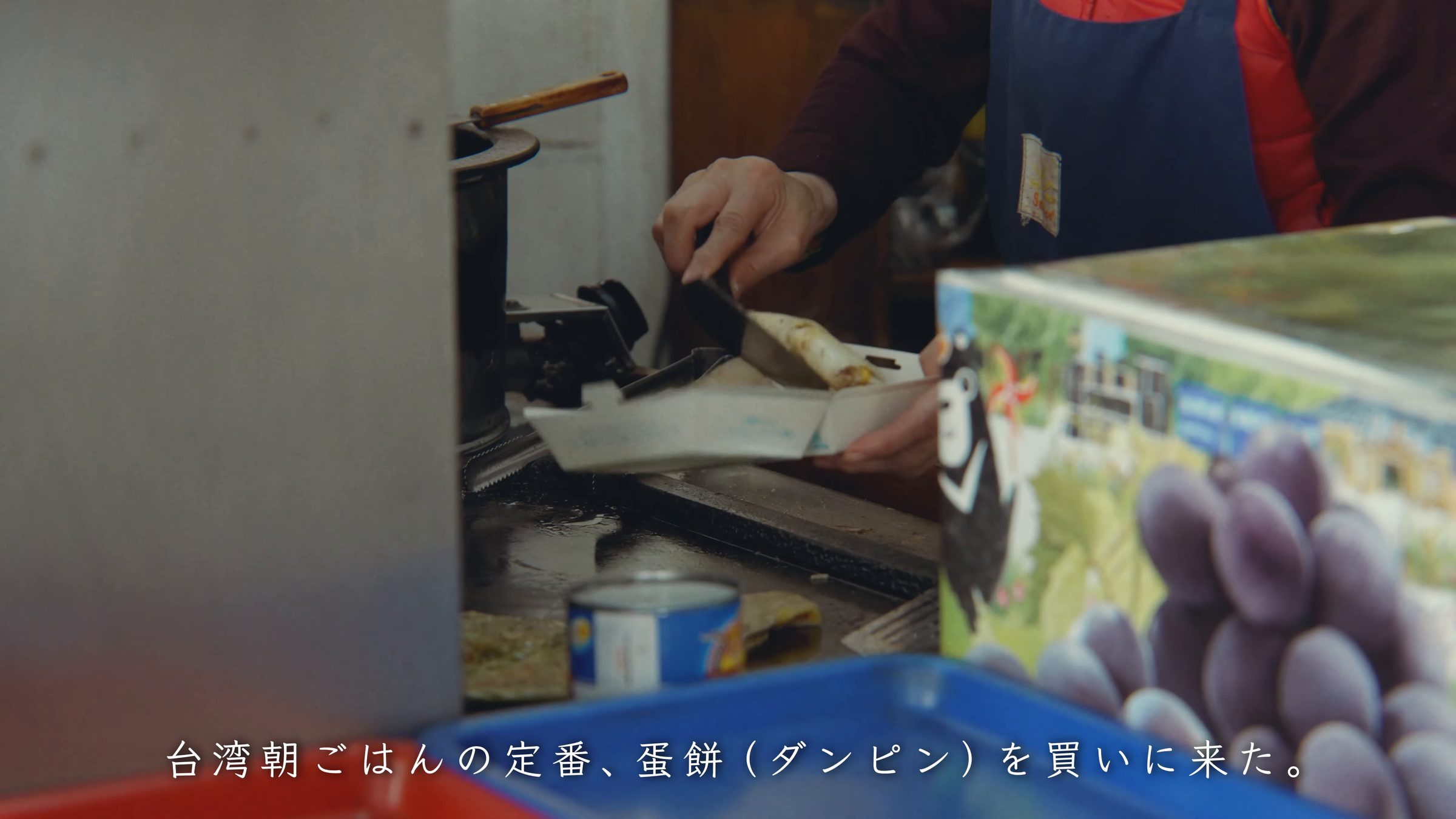
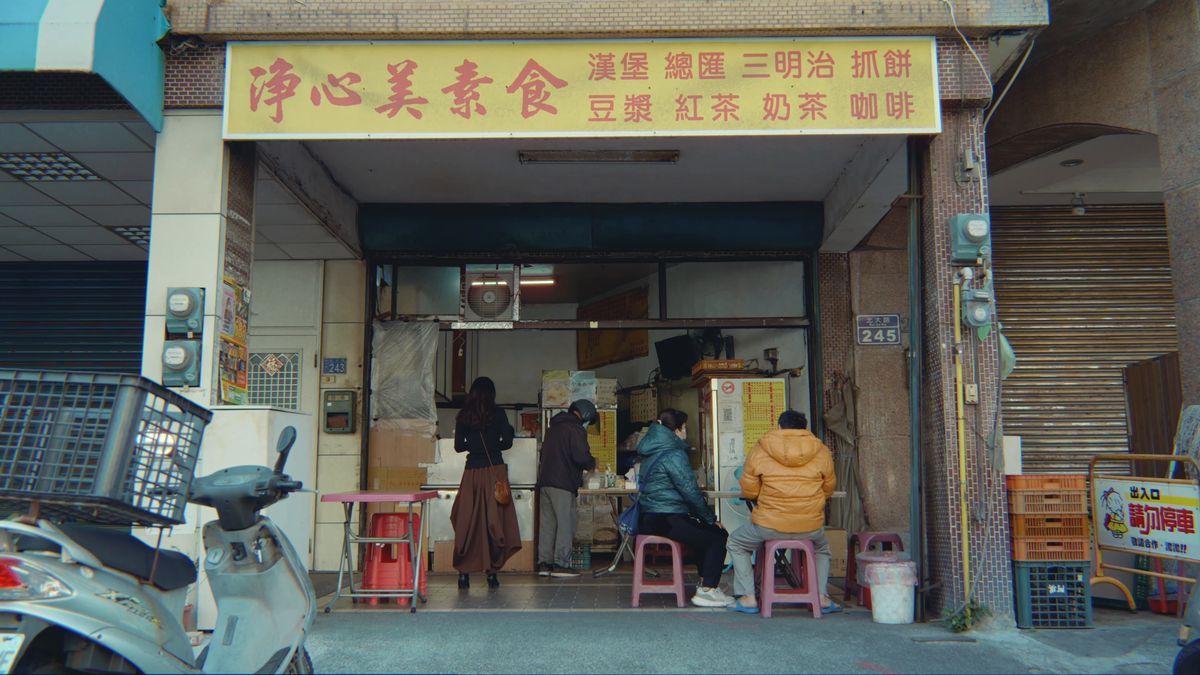
I came to buy a danbing, the classic Taiwanese breakfast egg crepe. At a vegetarian breakfast shop with a yellow sign, the batter was quickly cooked on the griddle.
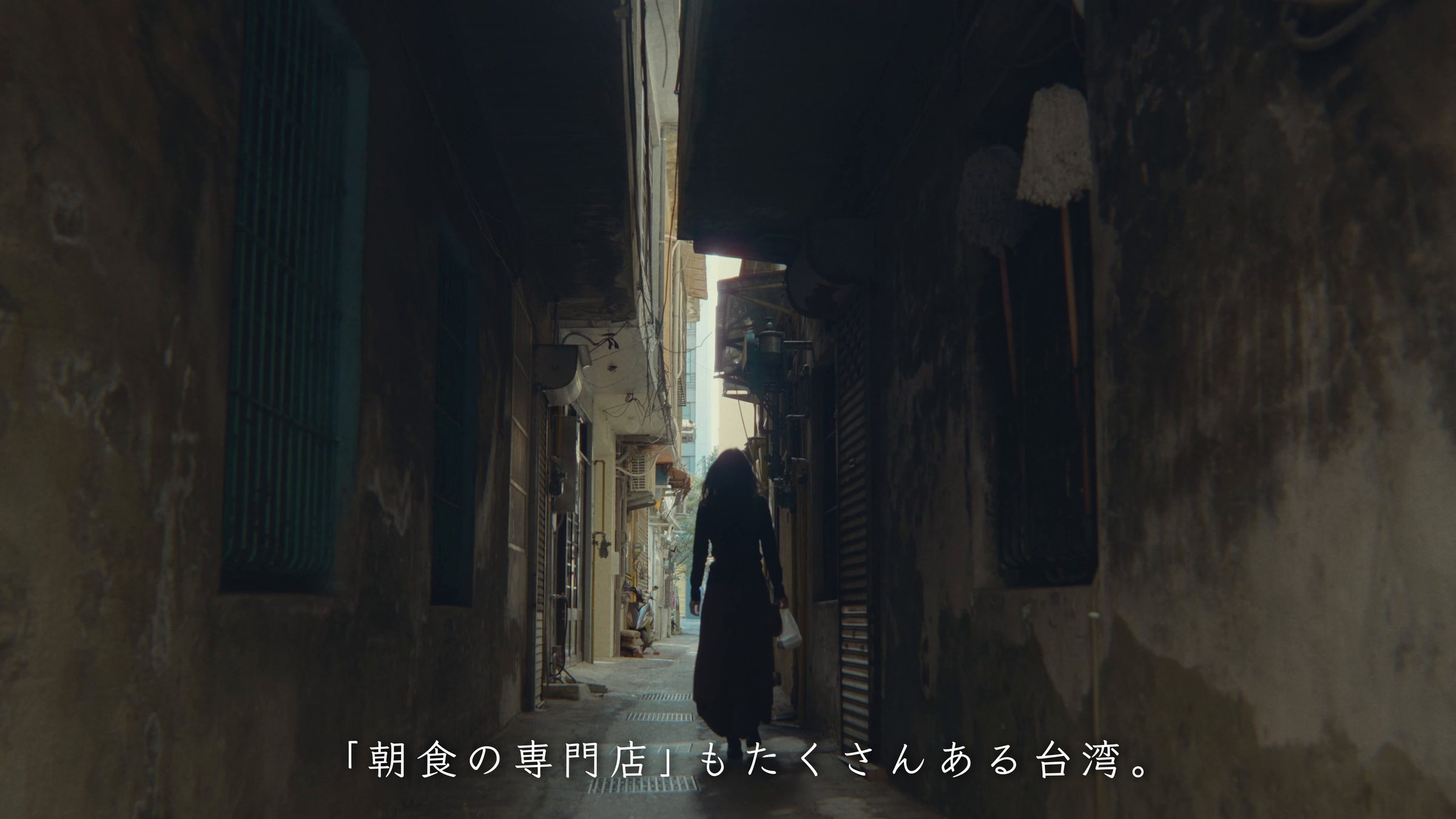
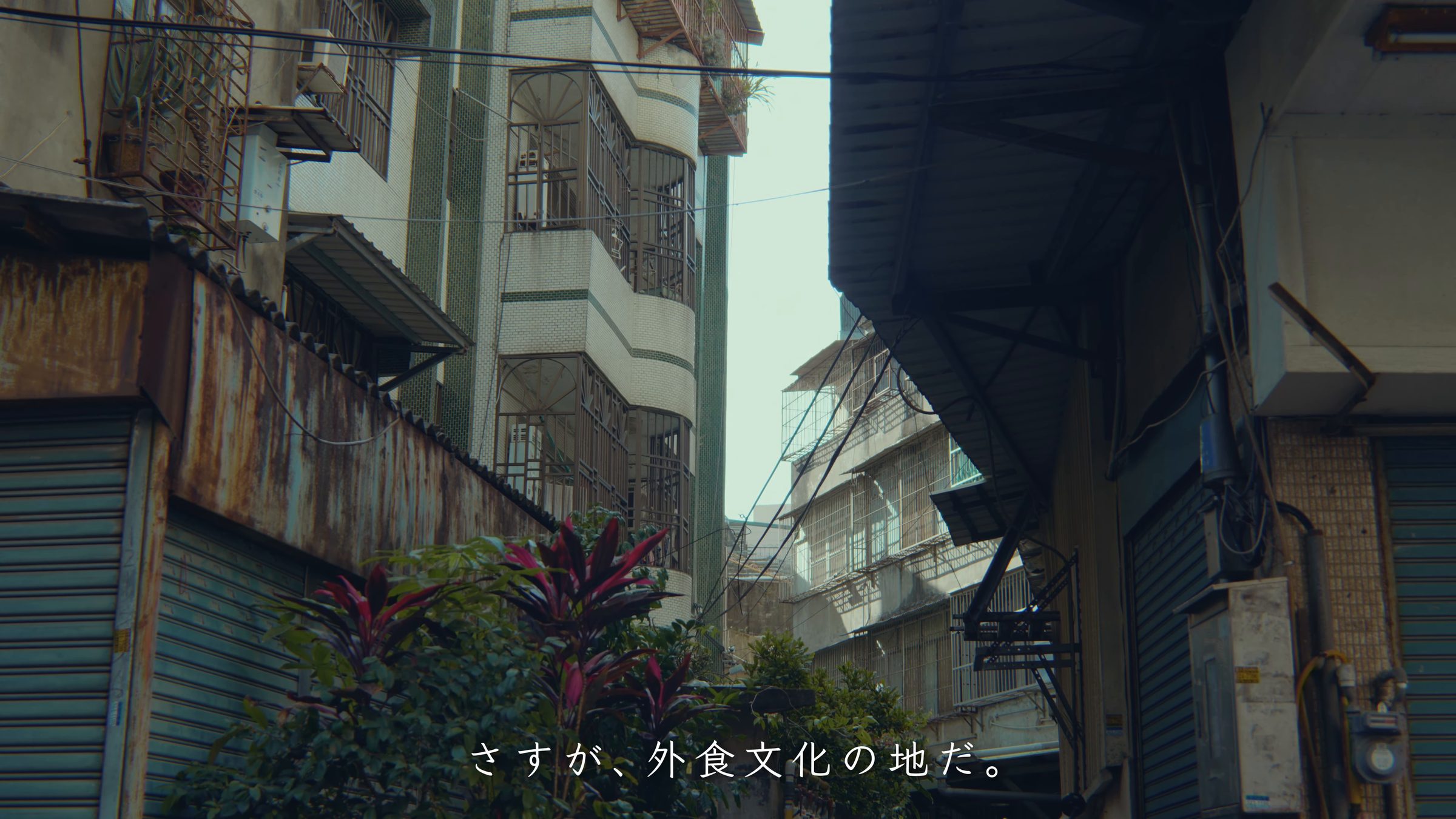
Taiwan is full of shops that specialize in breakfast. Streets of colorful signboards, narrow alleys, the walls of old buildings: this really is a place of eating-out culture. I followed a stone wall back to the apartment where I was staying.
Watch this scene on YouTube0:36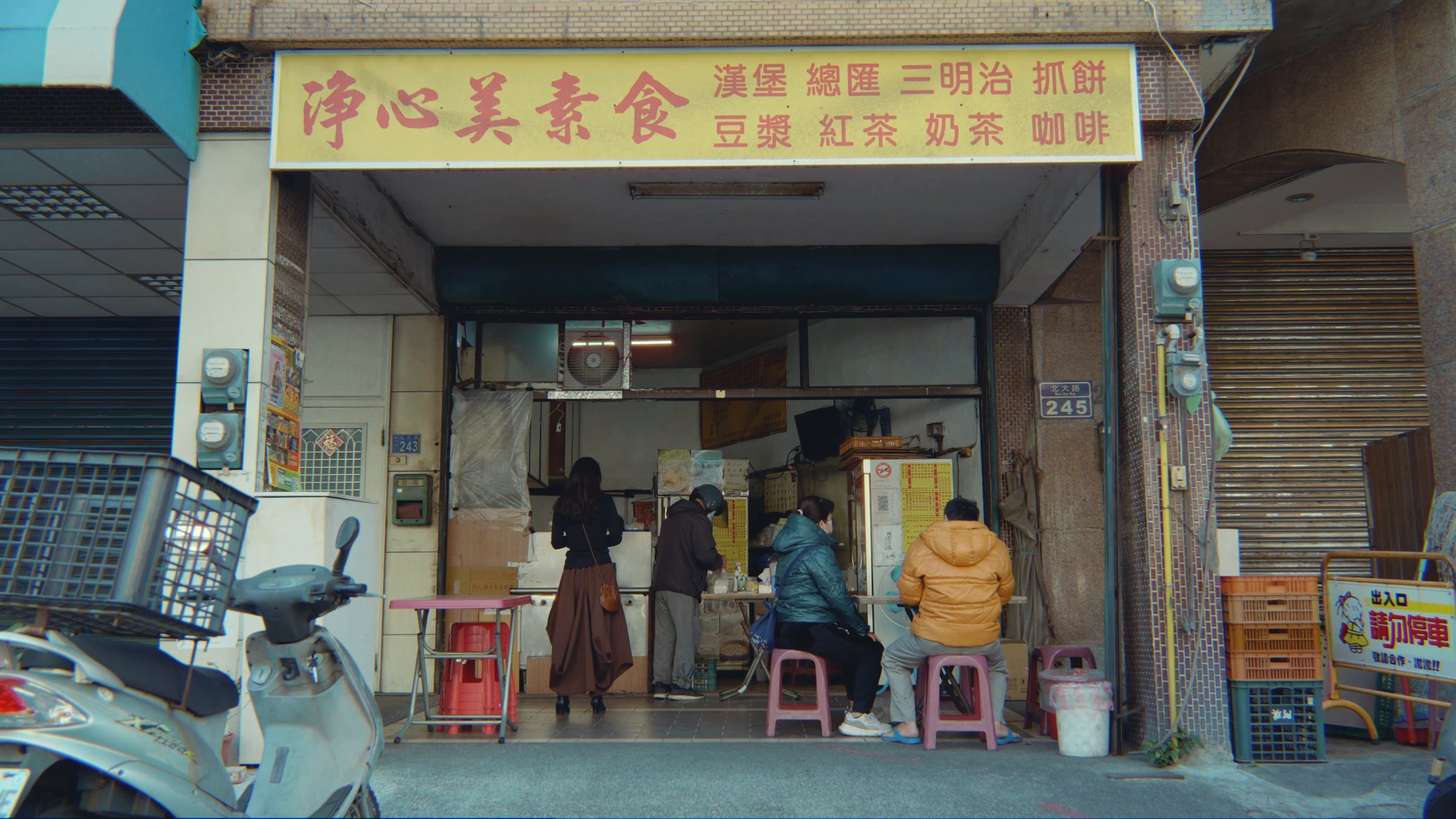
03TRAVEL JOURNAL
A retro apartment
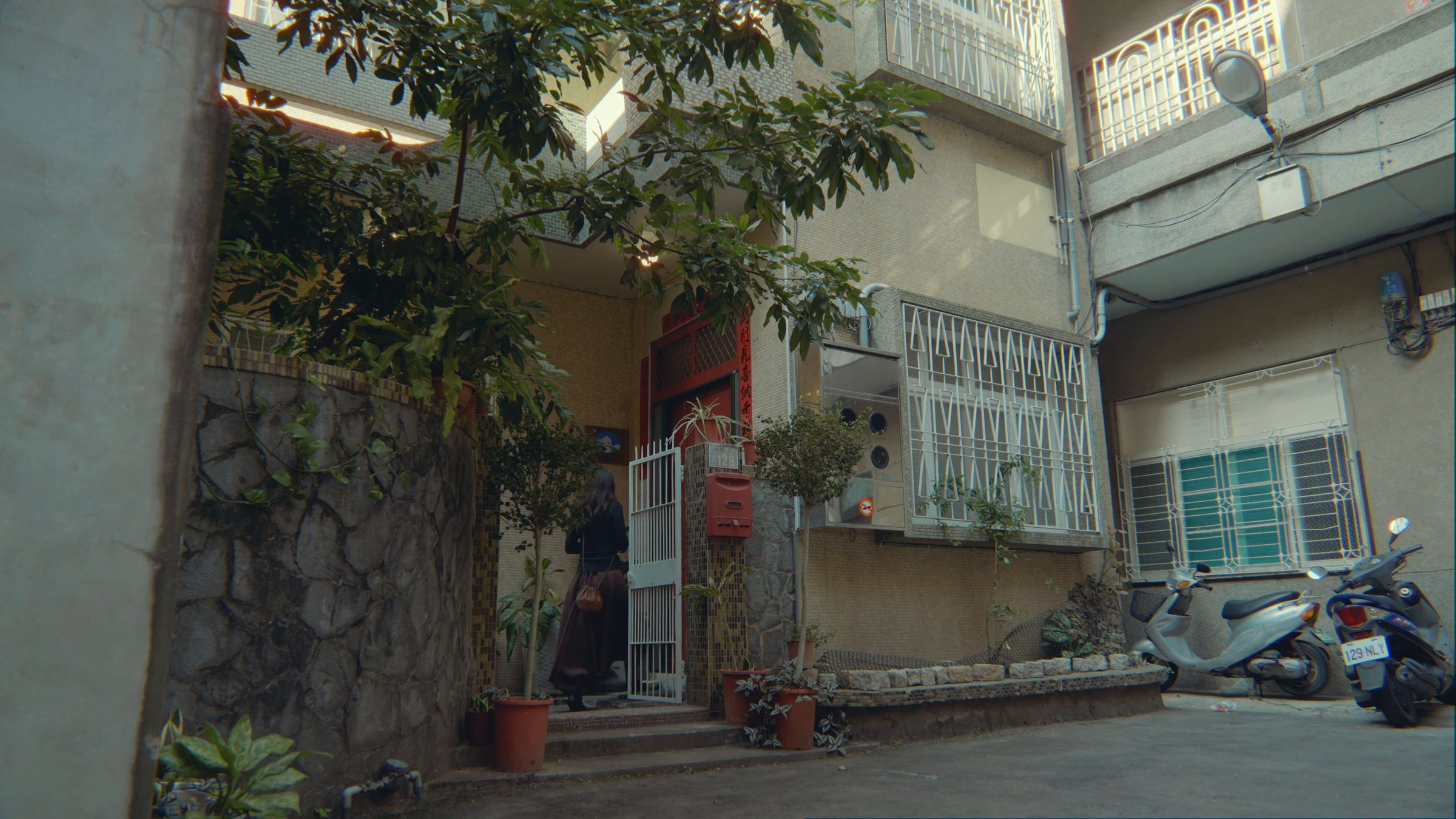
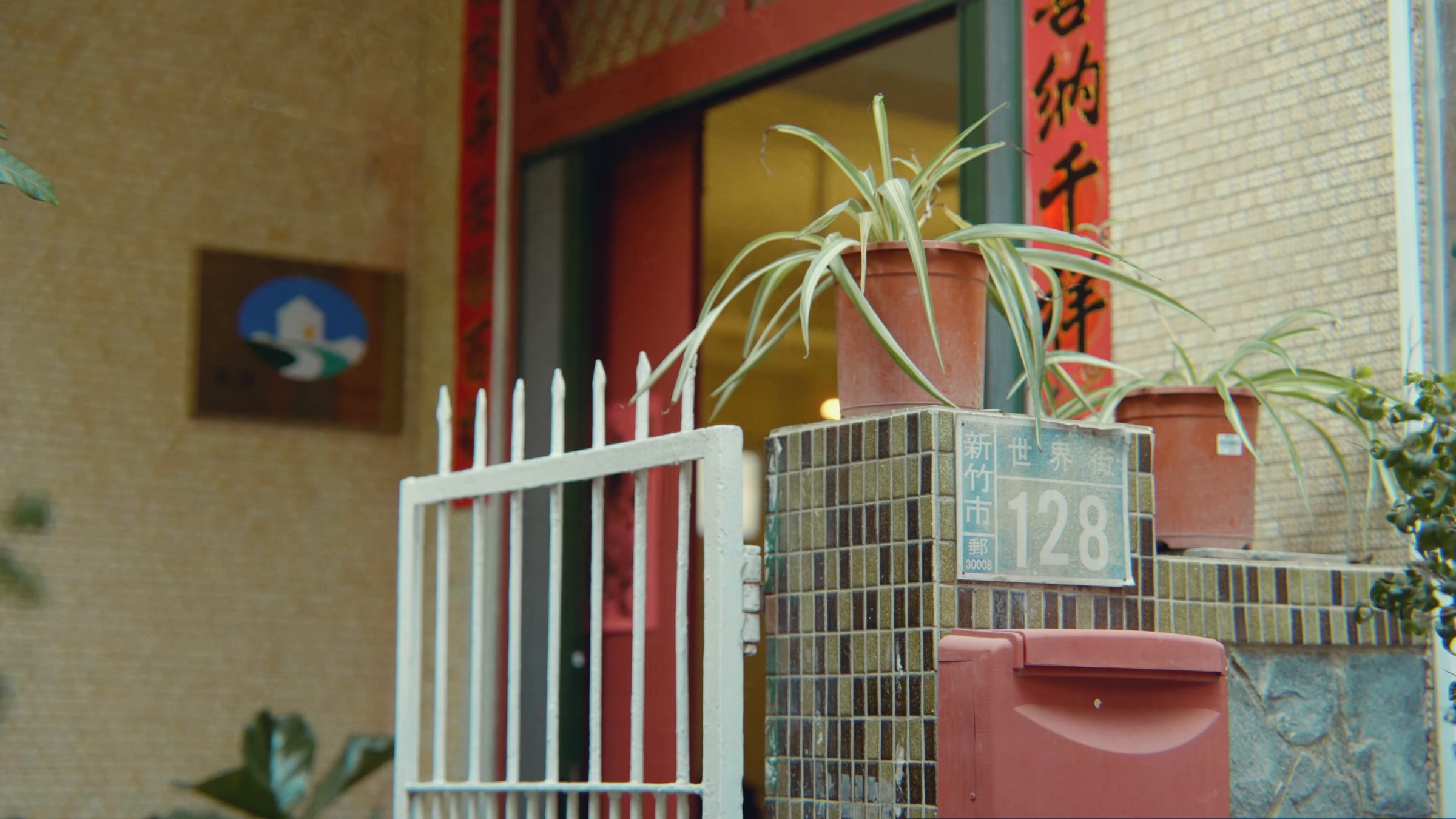
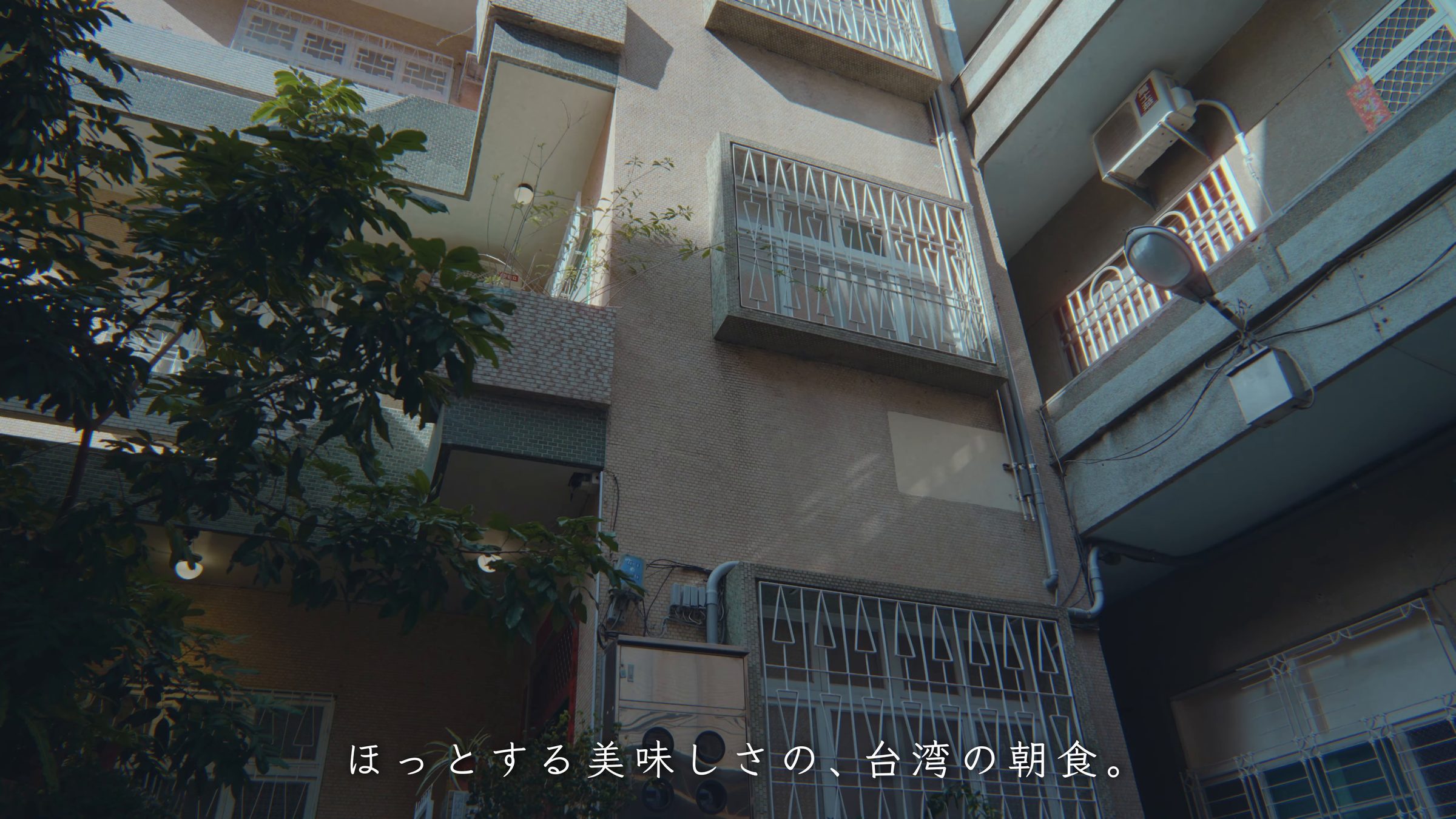
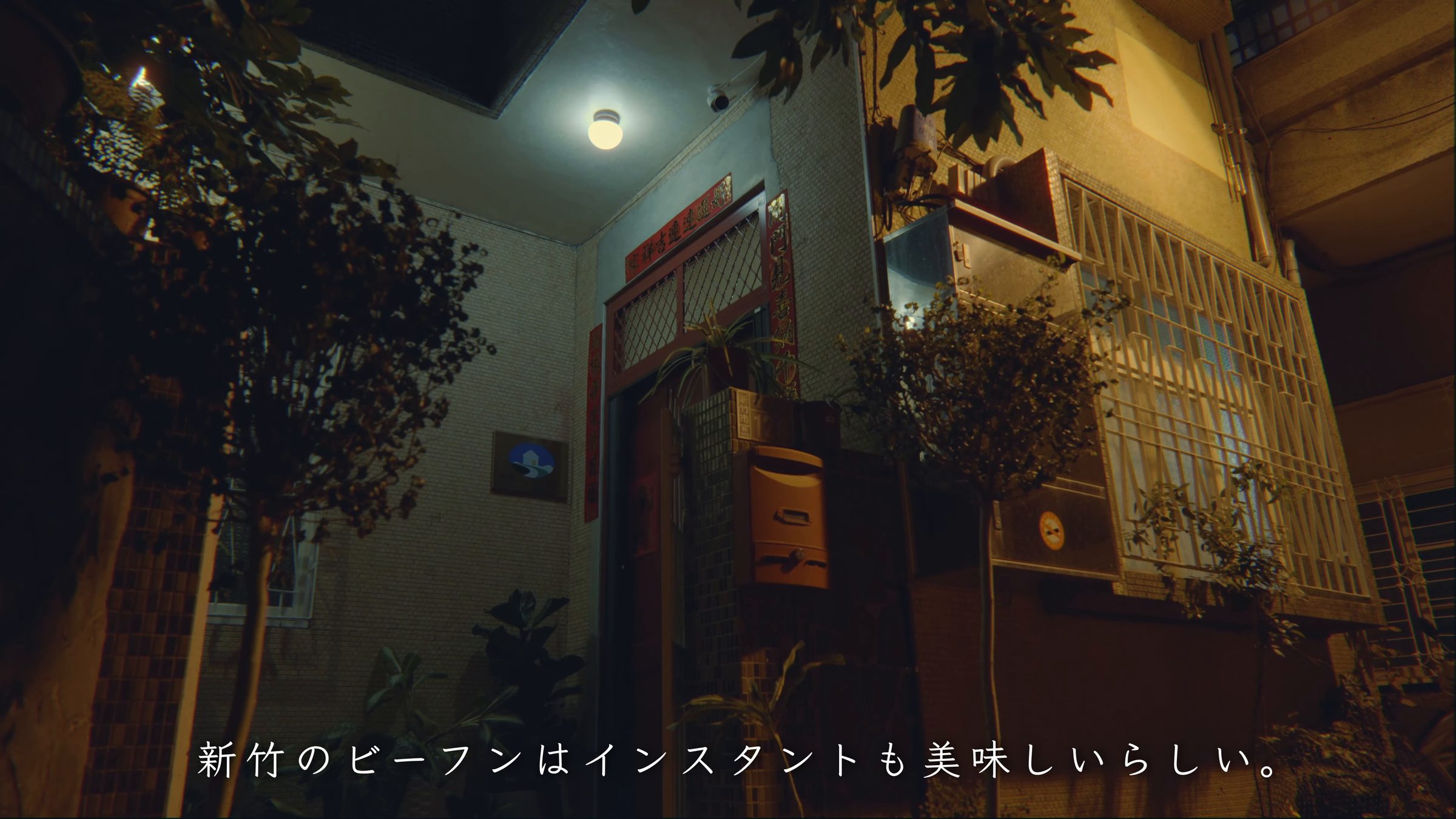
A white gate, a red mailbox, potted greenery. Somehow it felt nostalgic. Up the stairs, morning light fell on the landing and a red lantern swayed.
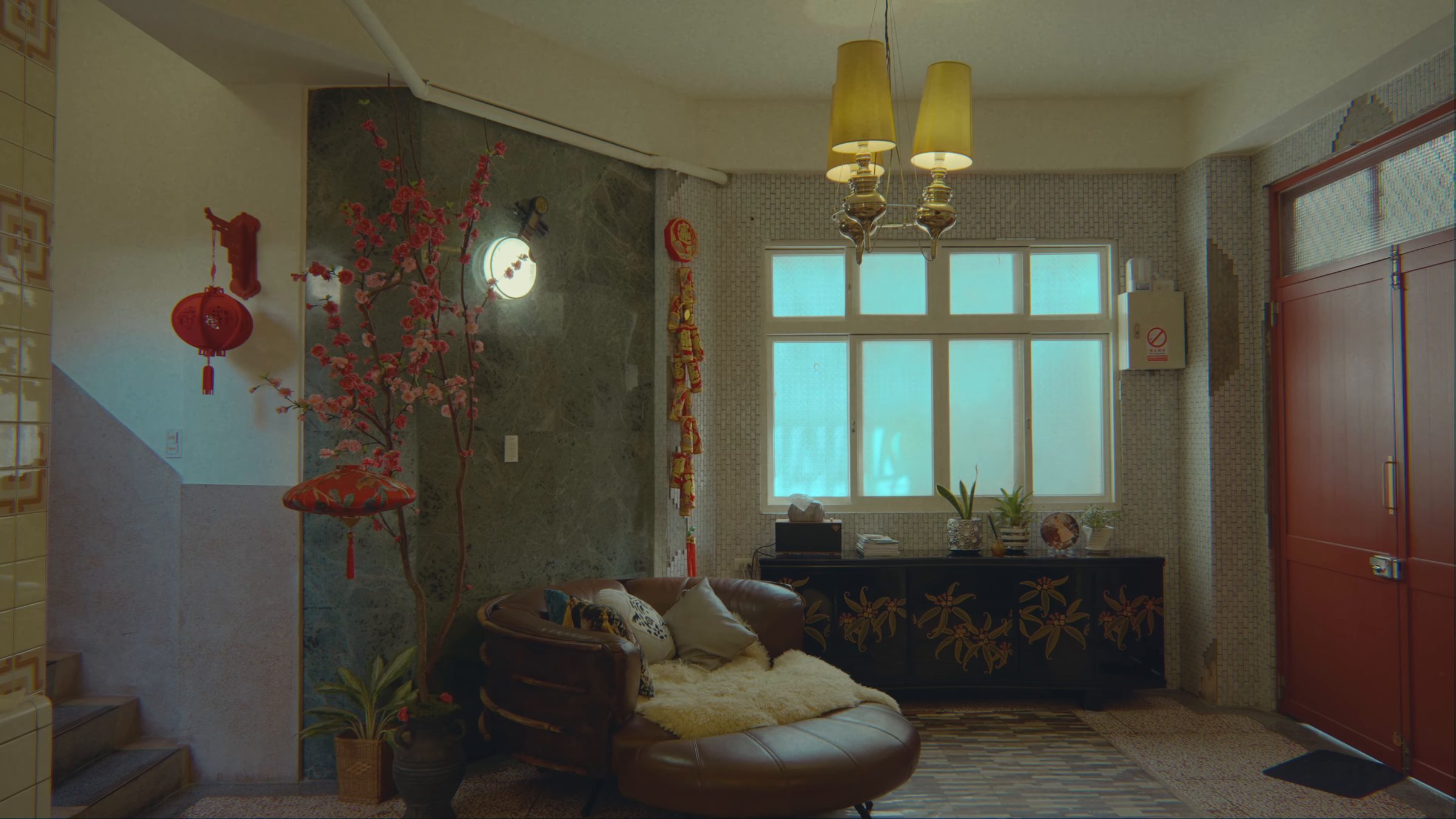
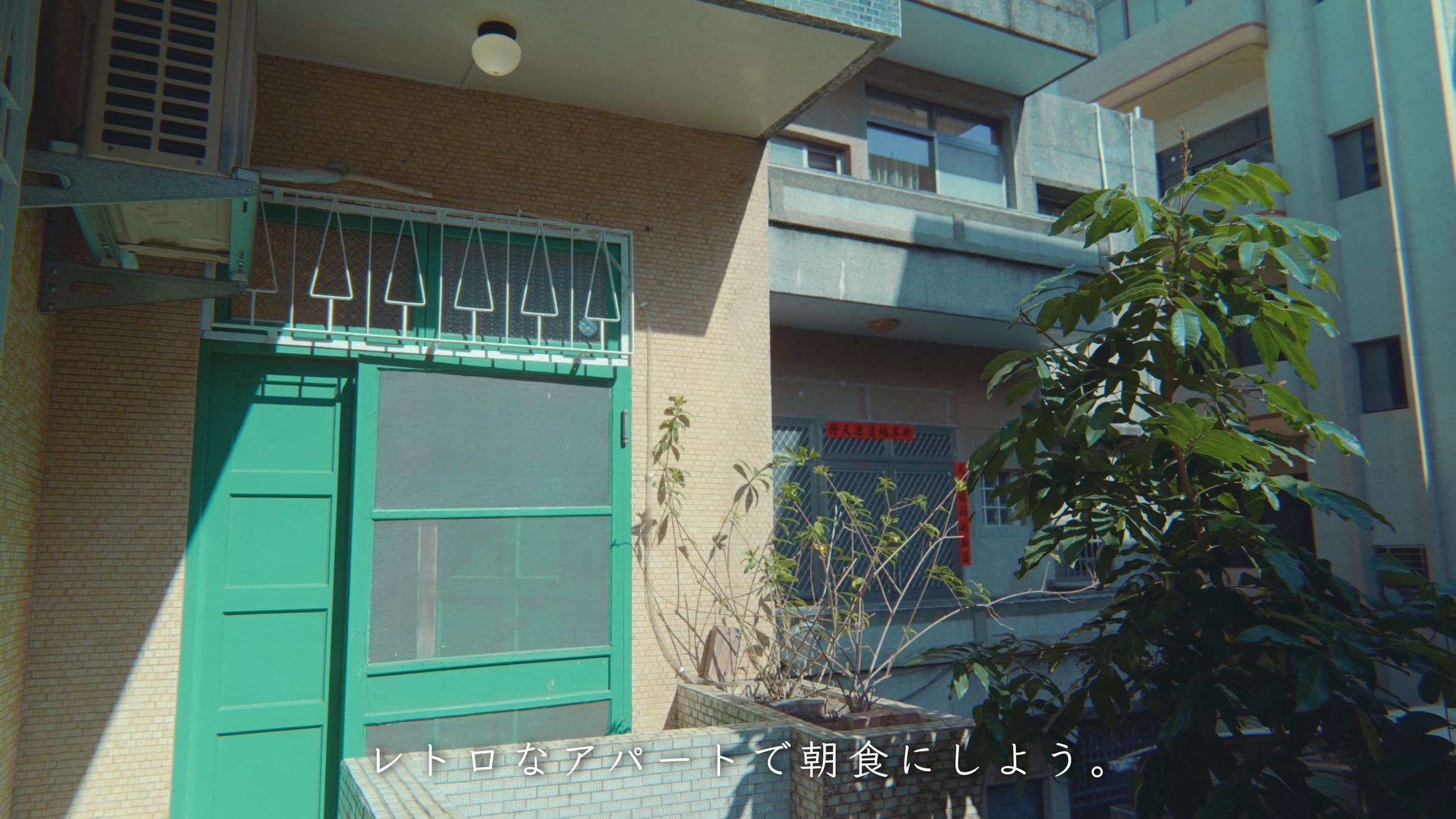
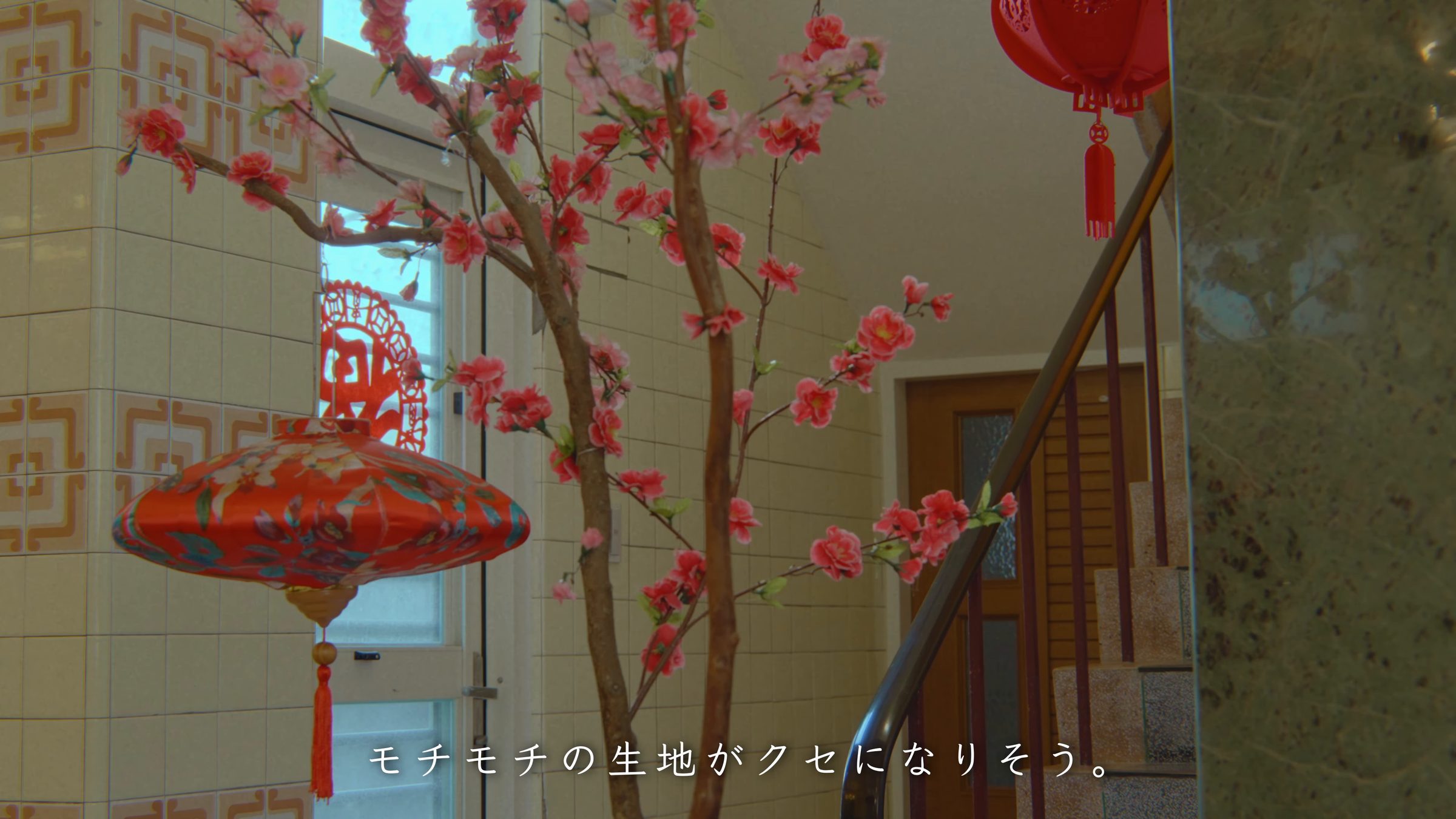
I had borrowed a room in a retro apartment: a chandelier, peach-blossom decorations, a leather sofa, a red door. Coming and going through the green lattice door, this is where I would have breakfast.
Watch this scene on YouTube1:00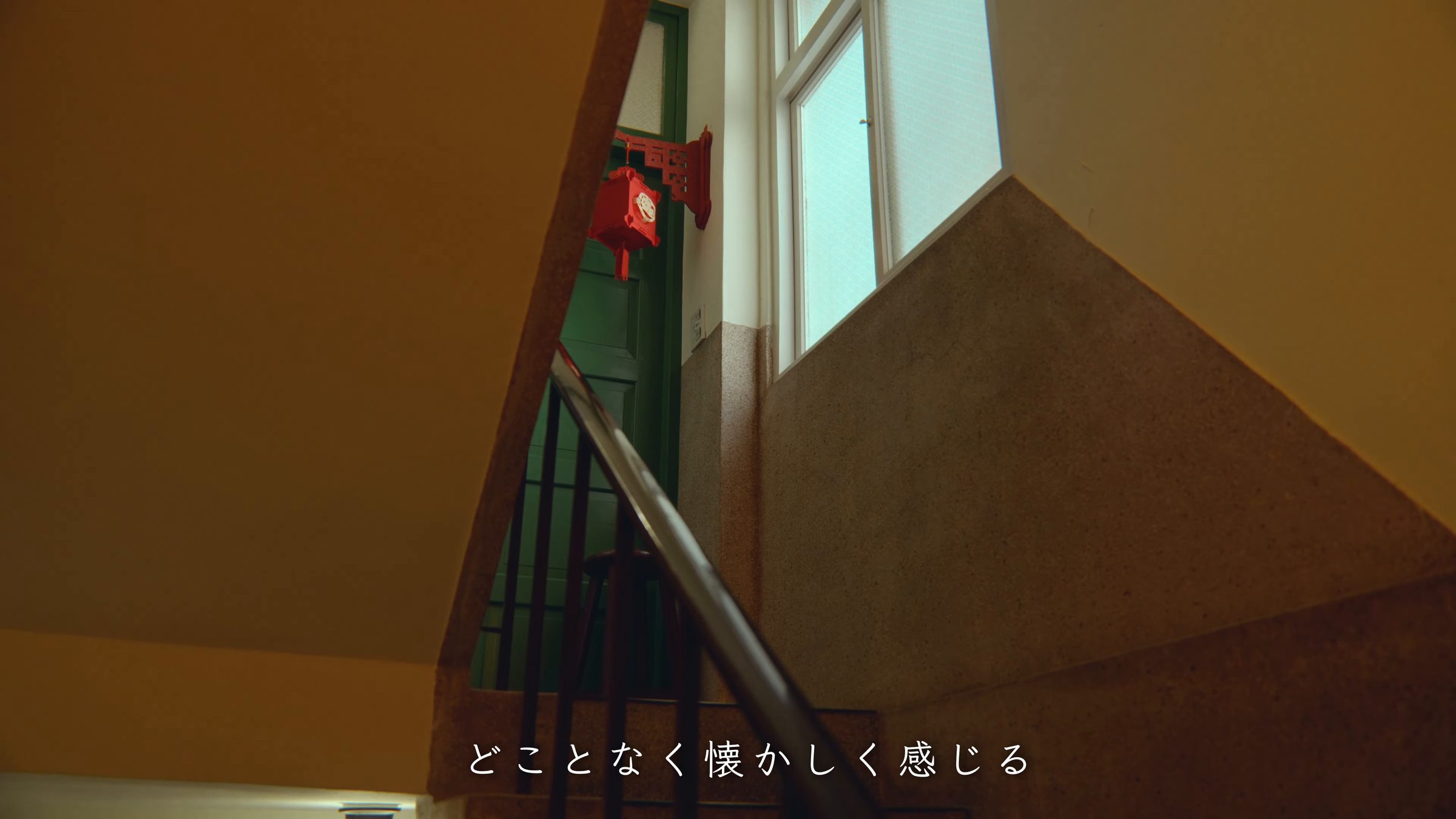
04TRAVEL JOURNAL
Making savory soy milk soup
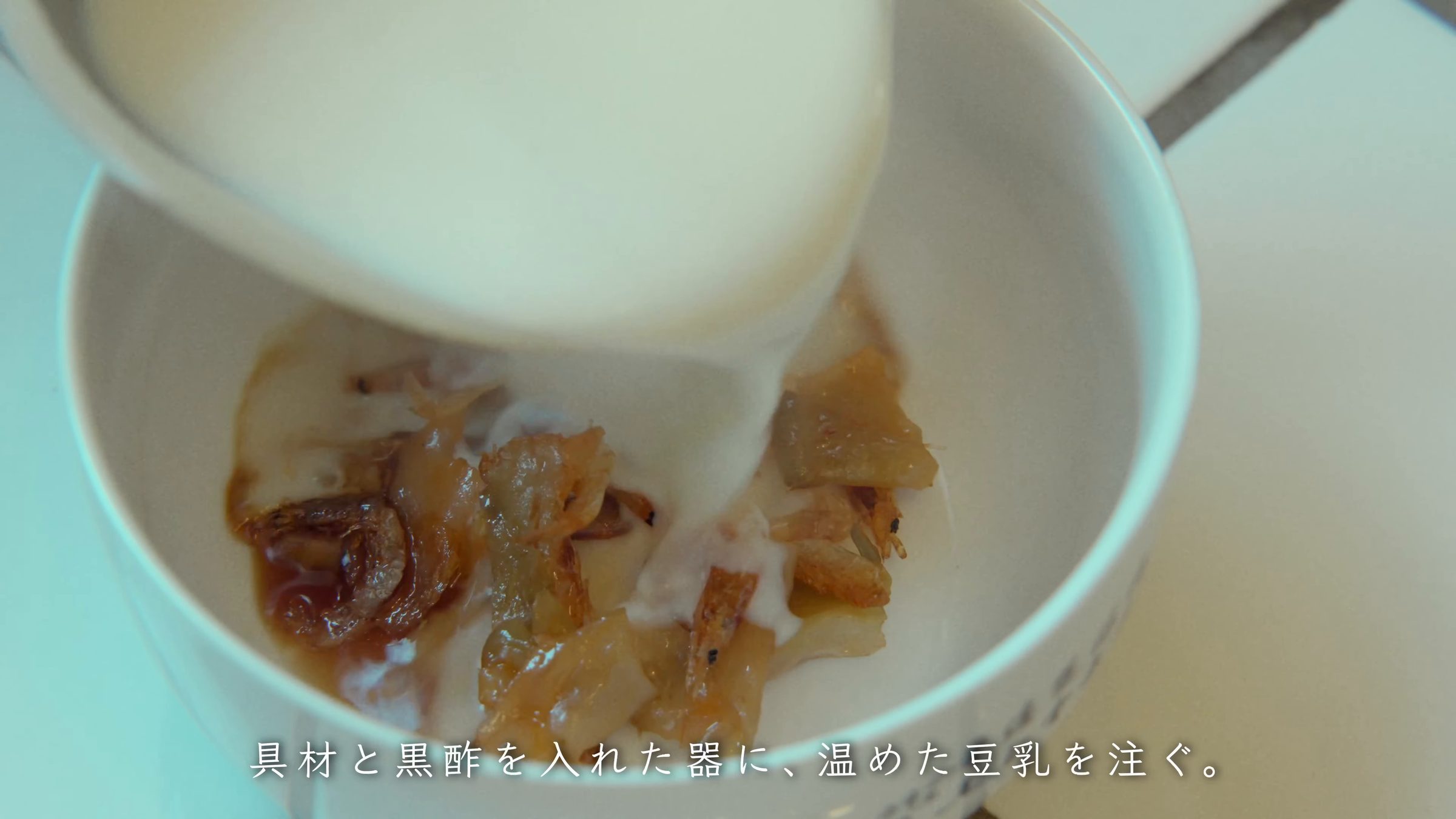
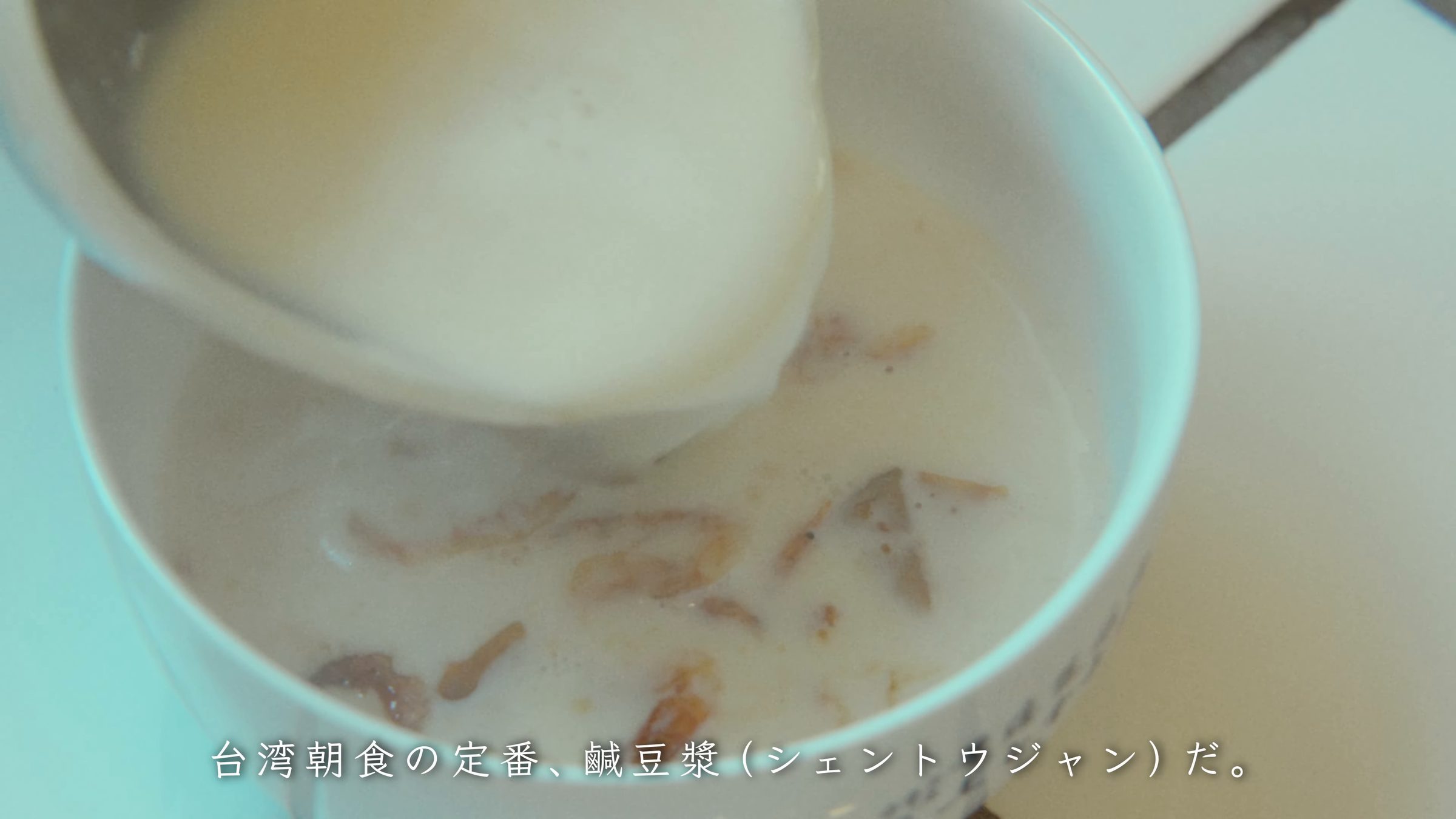
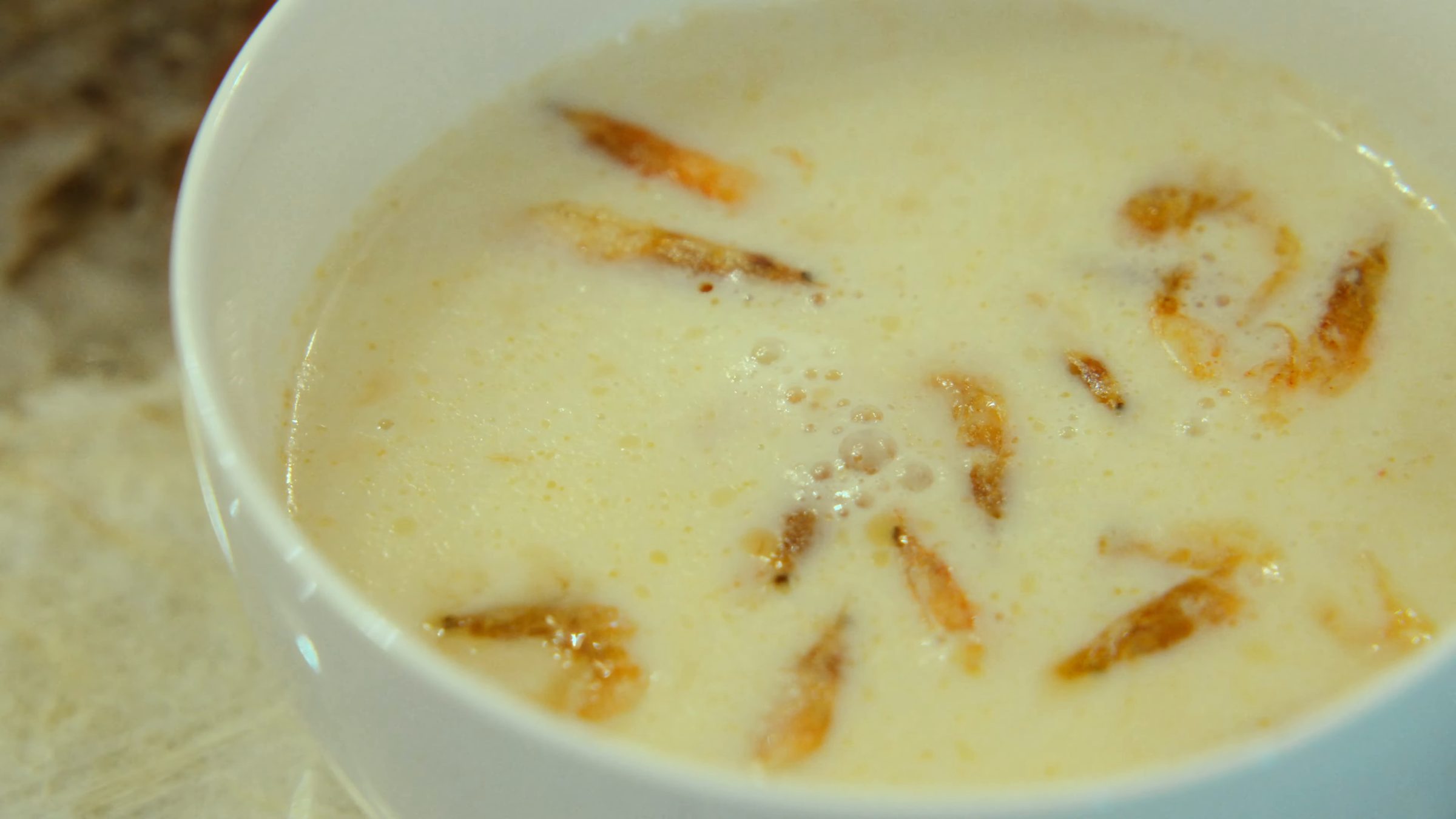
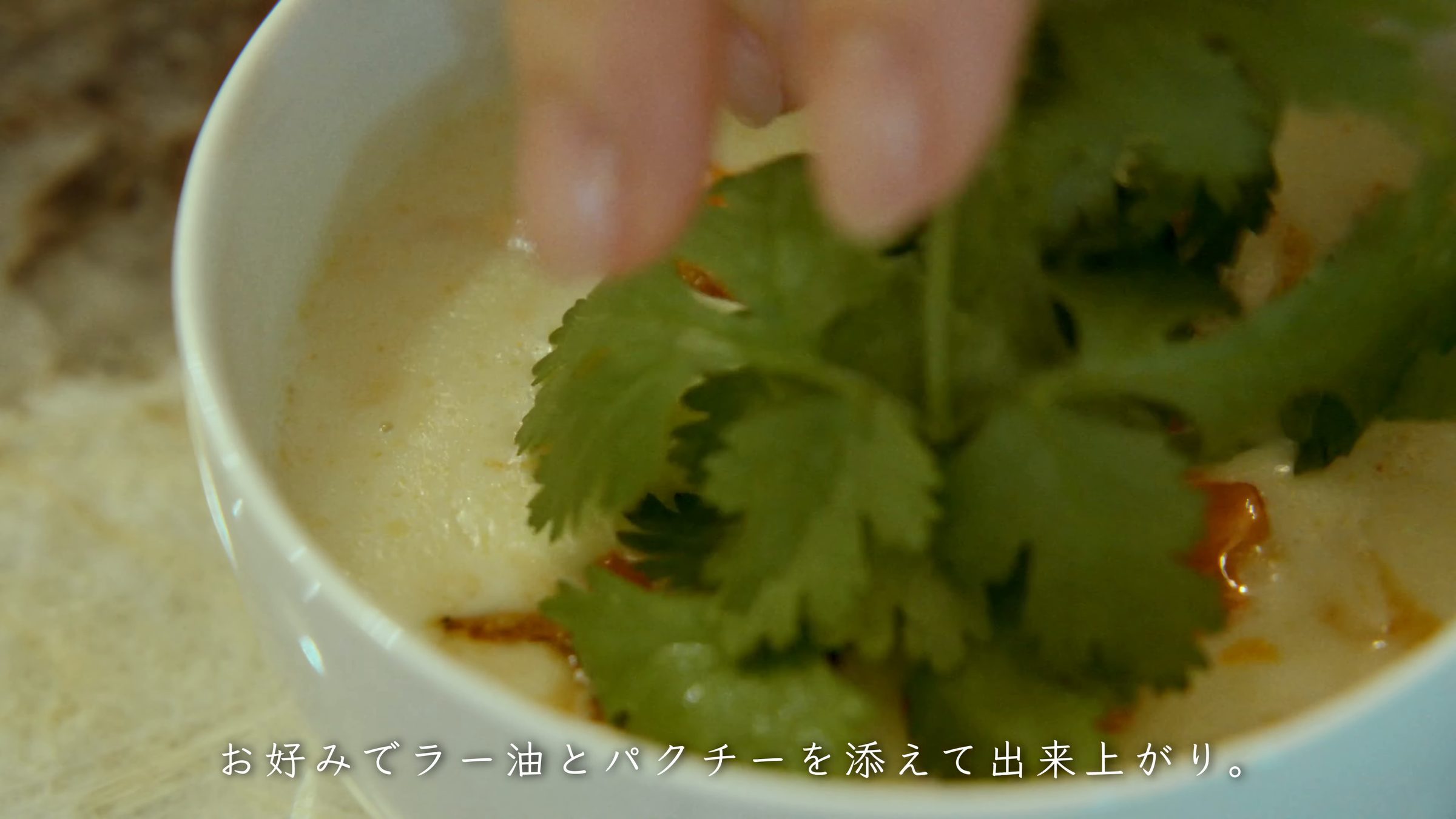
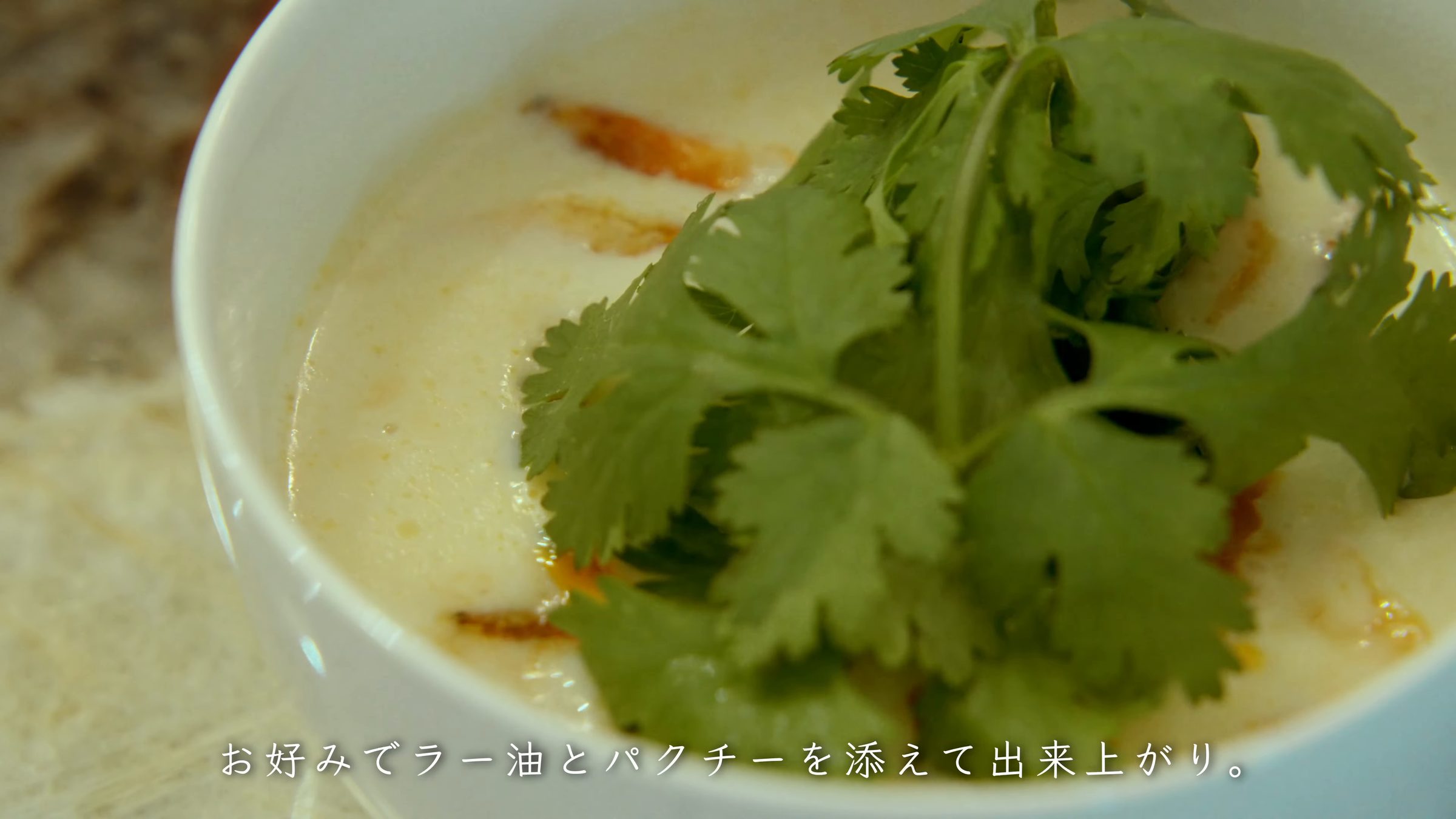
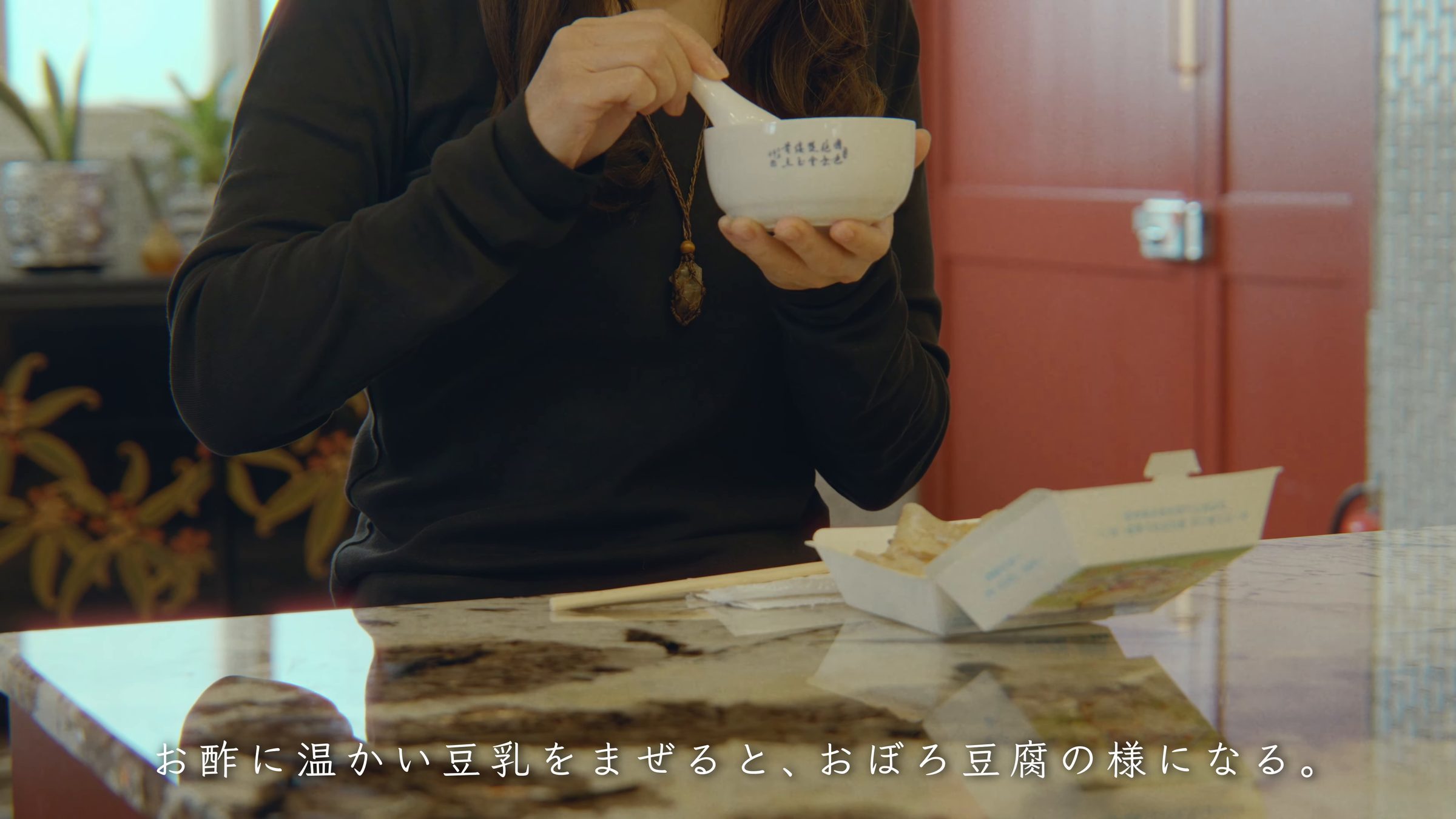
First, I lightly stir-fried dried shrimp and zha cai. Into a bowl went the fried bits and black vinegar, and over them I poured warm soy milk. This is xian doujiang, the classic Taiwanese breakfast soup.
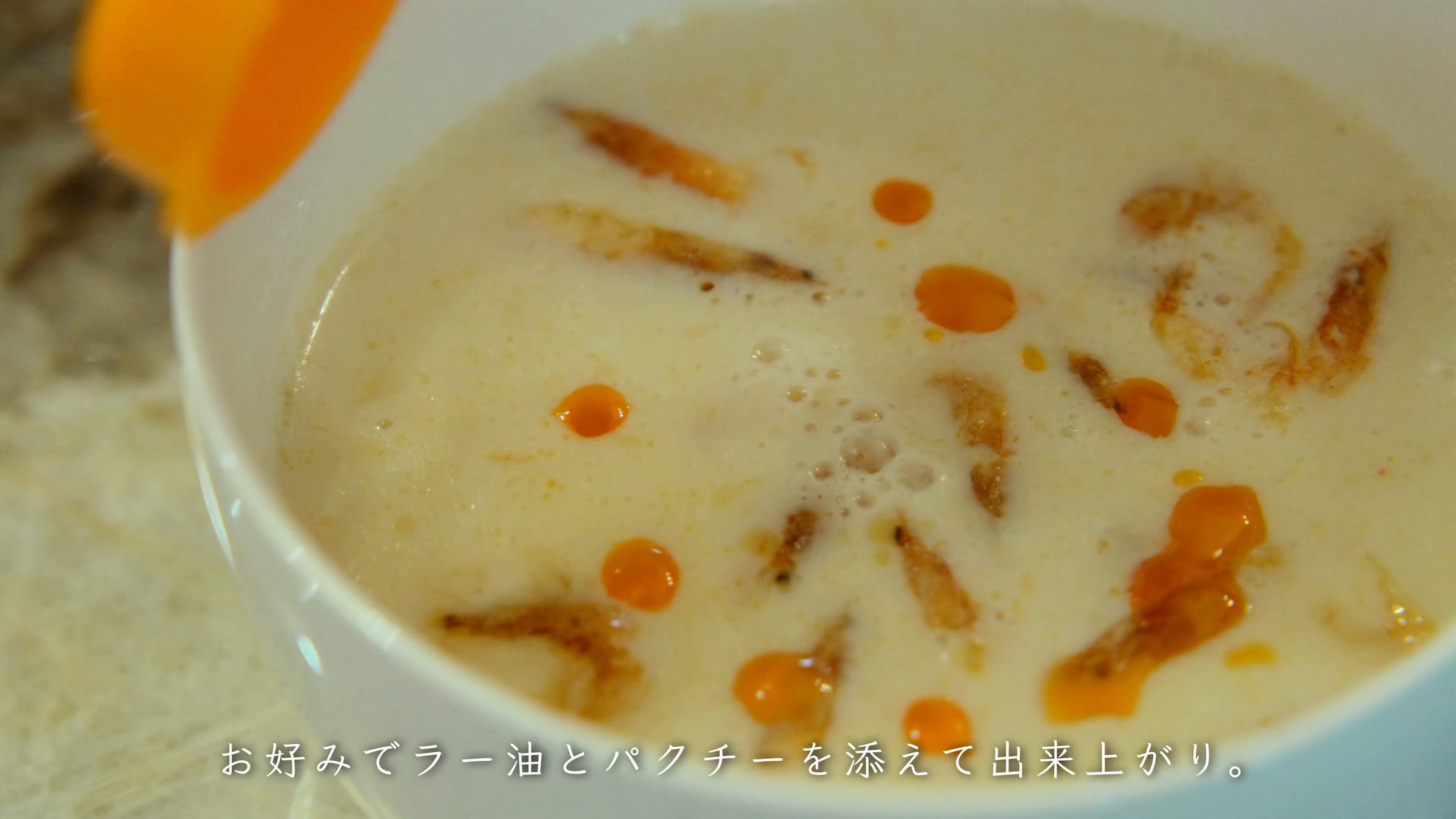
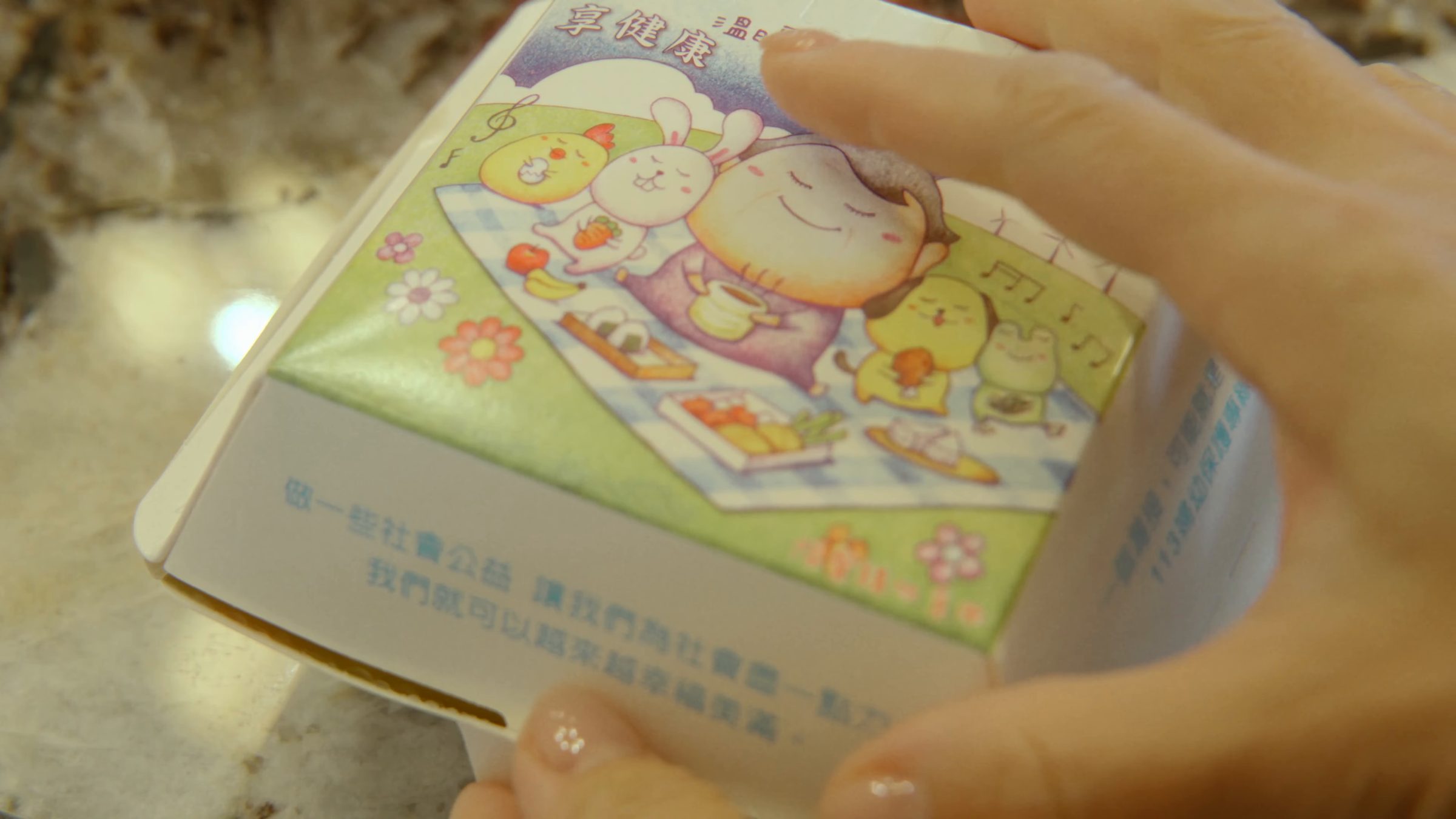
A few drops of chili oil and a generous handful of coriander, and it was done. The danbing I had bought came in a paper box printed with cute drawings.
Watch this scene on YouTube1:13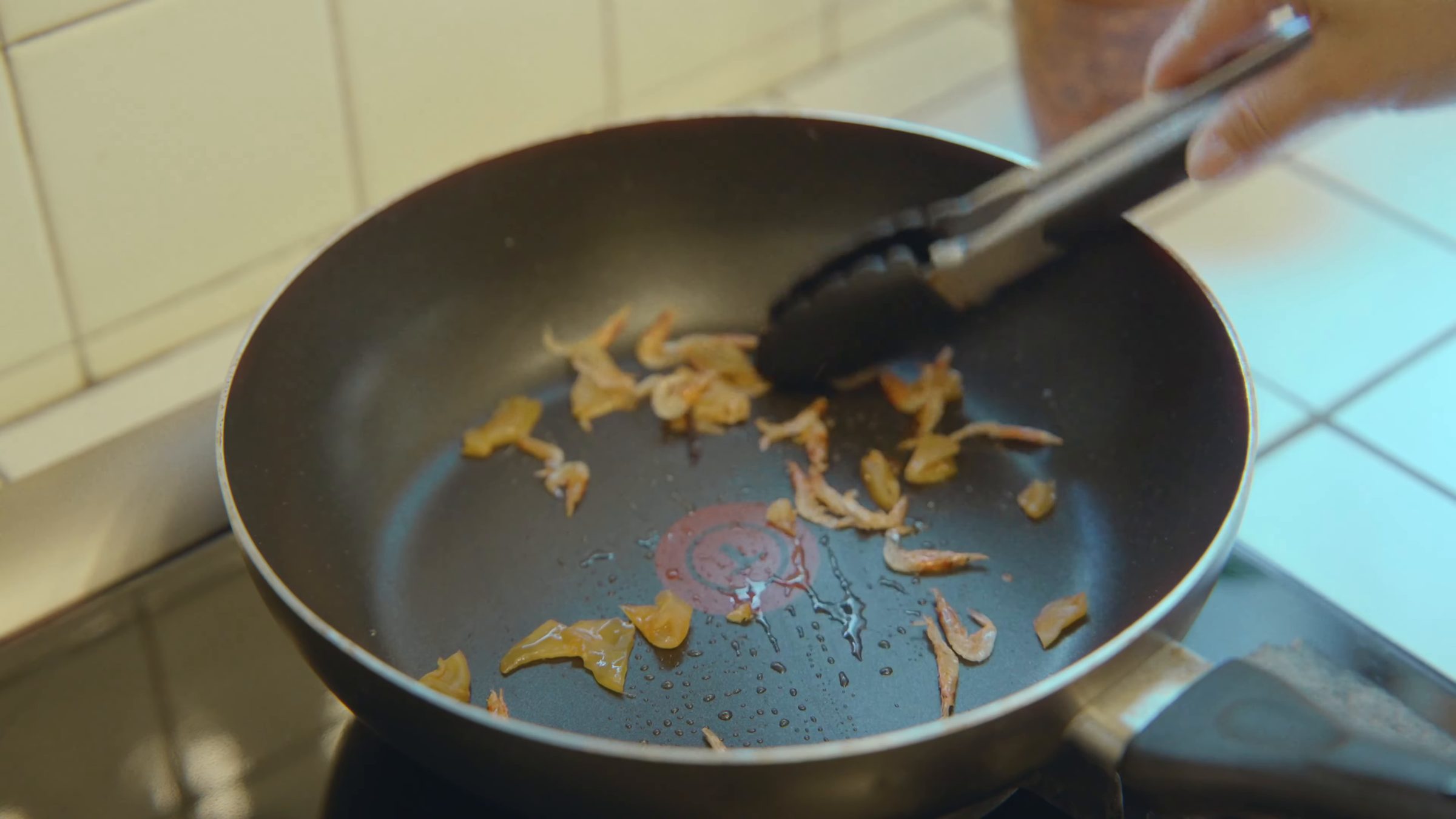
05TRAVEL JOURNAL
A comforting breakfast
Time to eat. When warm soy milk meets vinegar, it curdles softly, like fresh tofu. Fluffy, silky and delicious.
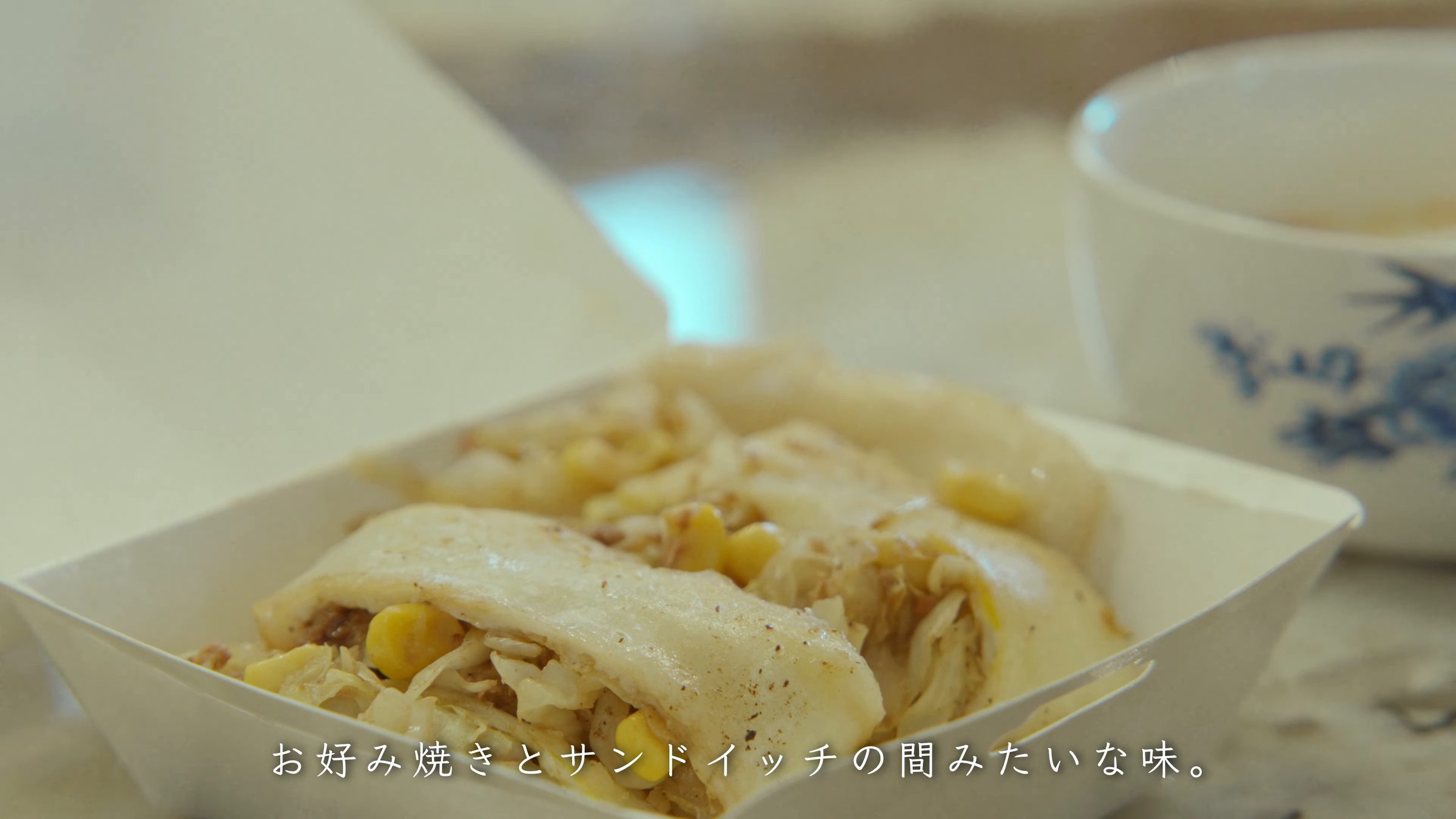
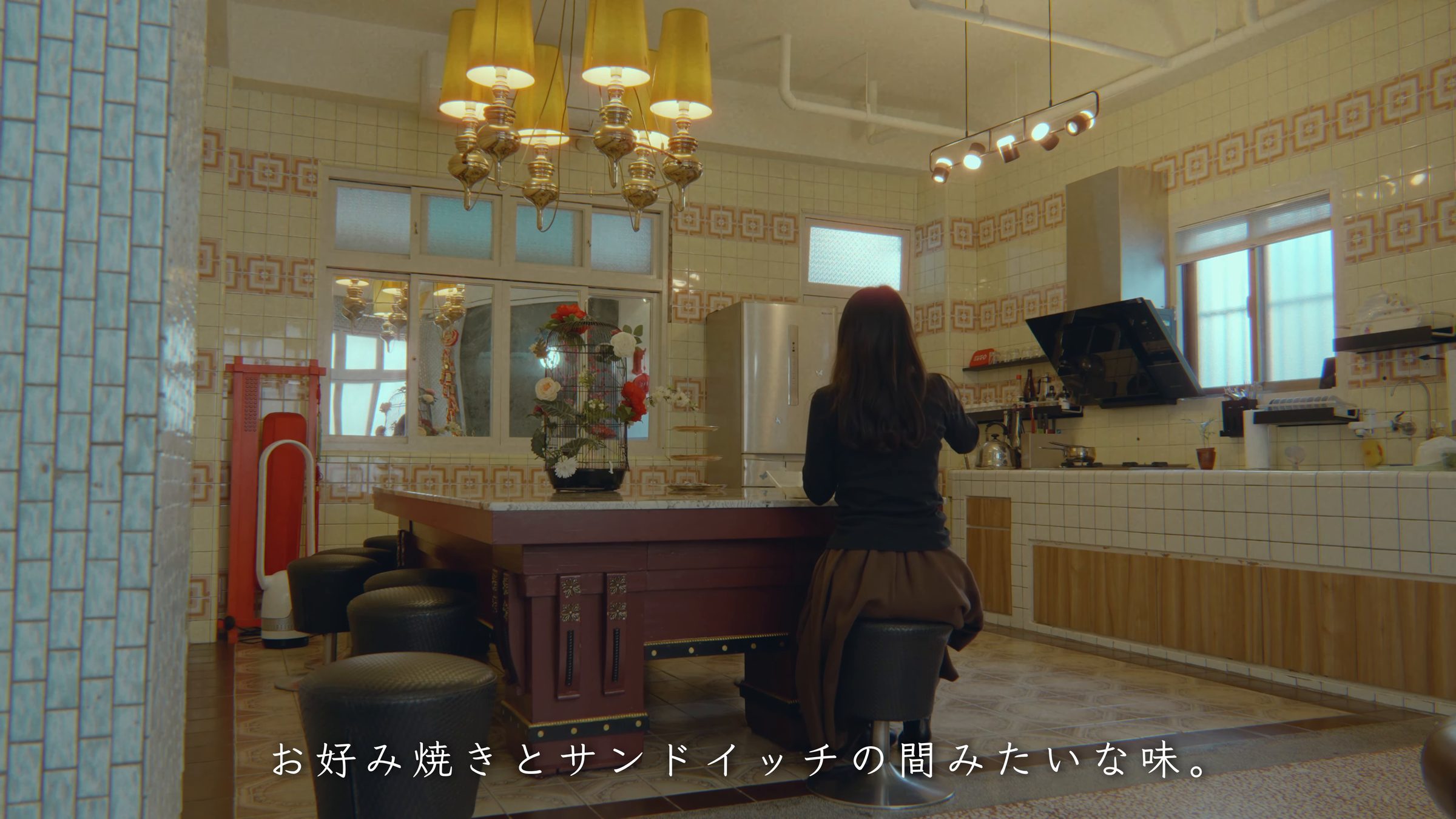
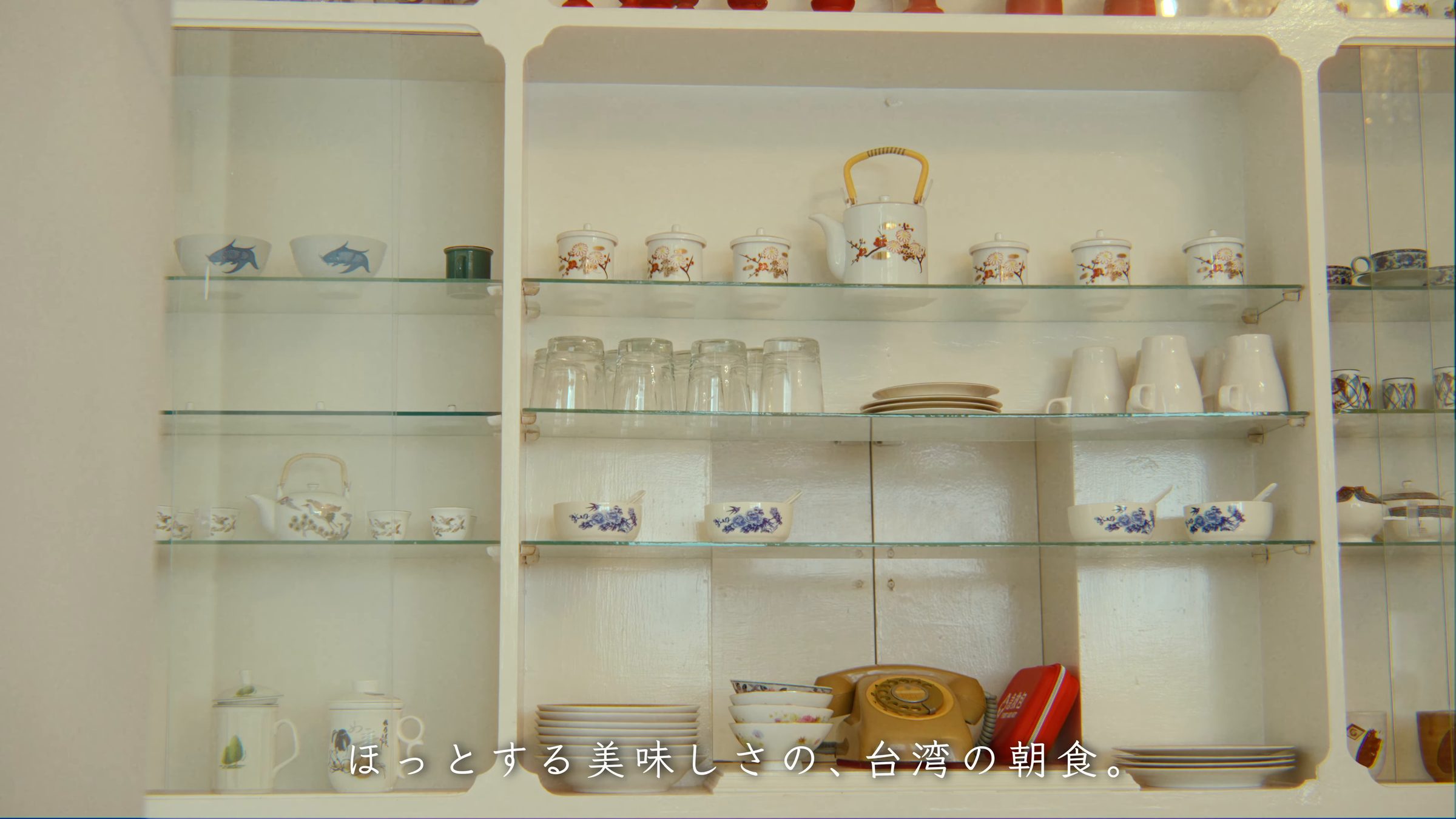
The danbing was filled with tuna and corn. It tasted like something between okonomiyaki and a sandwich, and the soft, chewy wrapper could become a habit. A tiled kitchen, a white cabinet of teaware and a dial telephone. A Taiwanese breakfast that put me completely at ease.
Watch this scene on YouTube1:41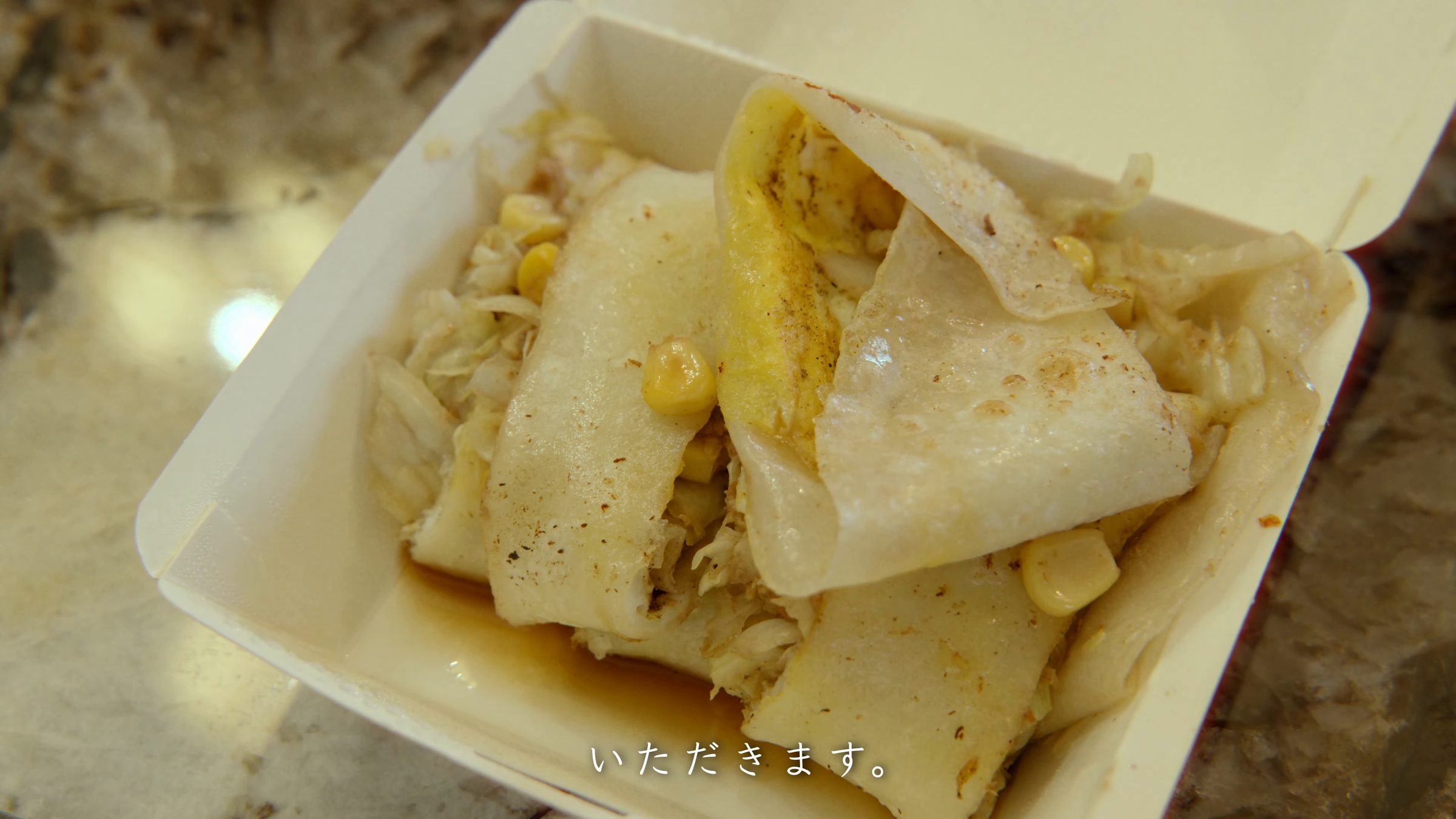
06TRAVEL JOURNAL
Dongmen Market
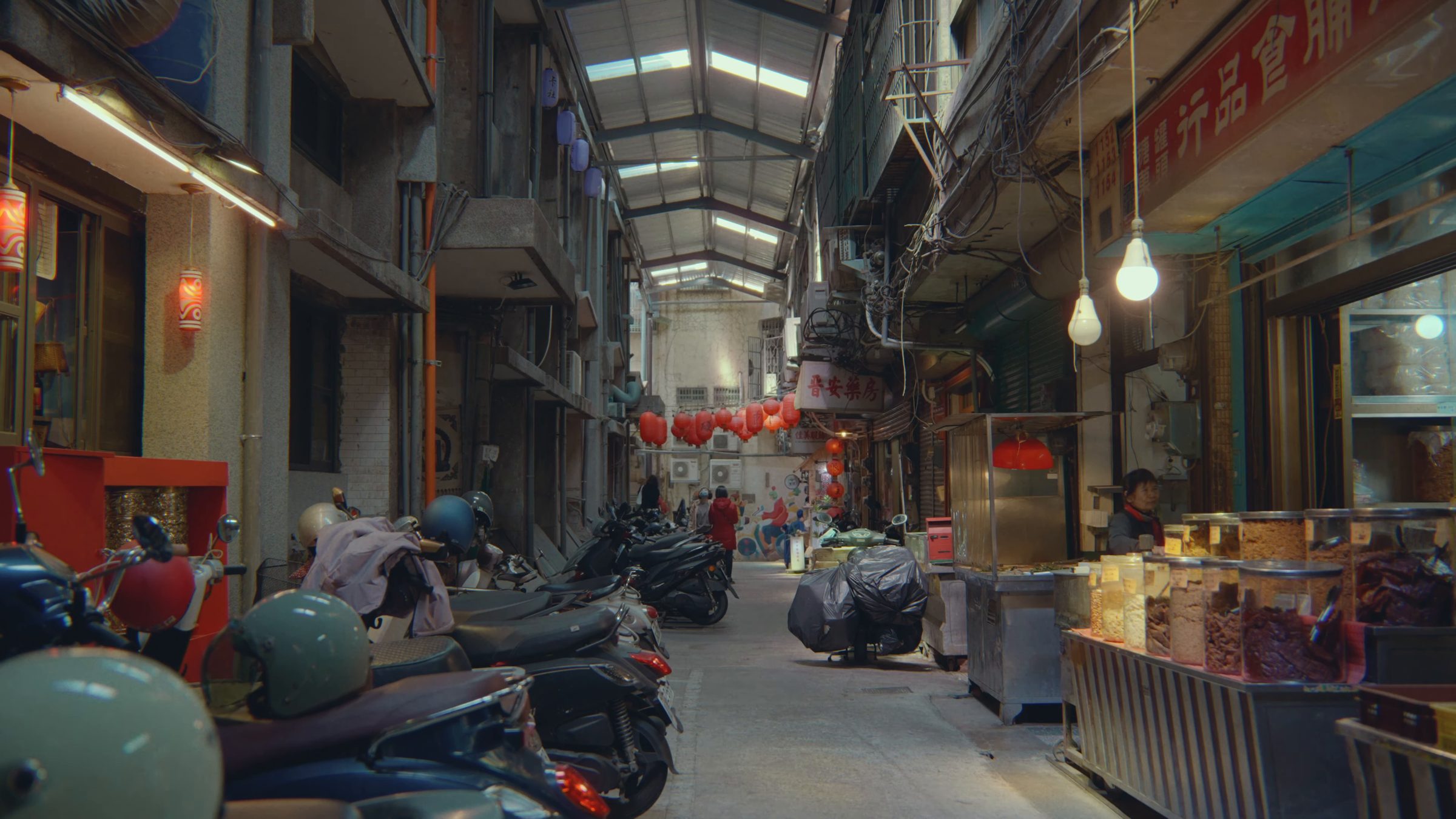
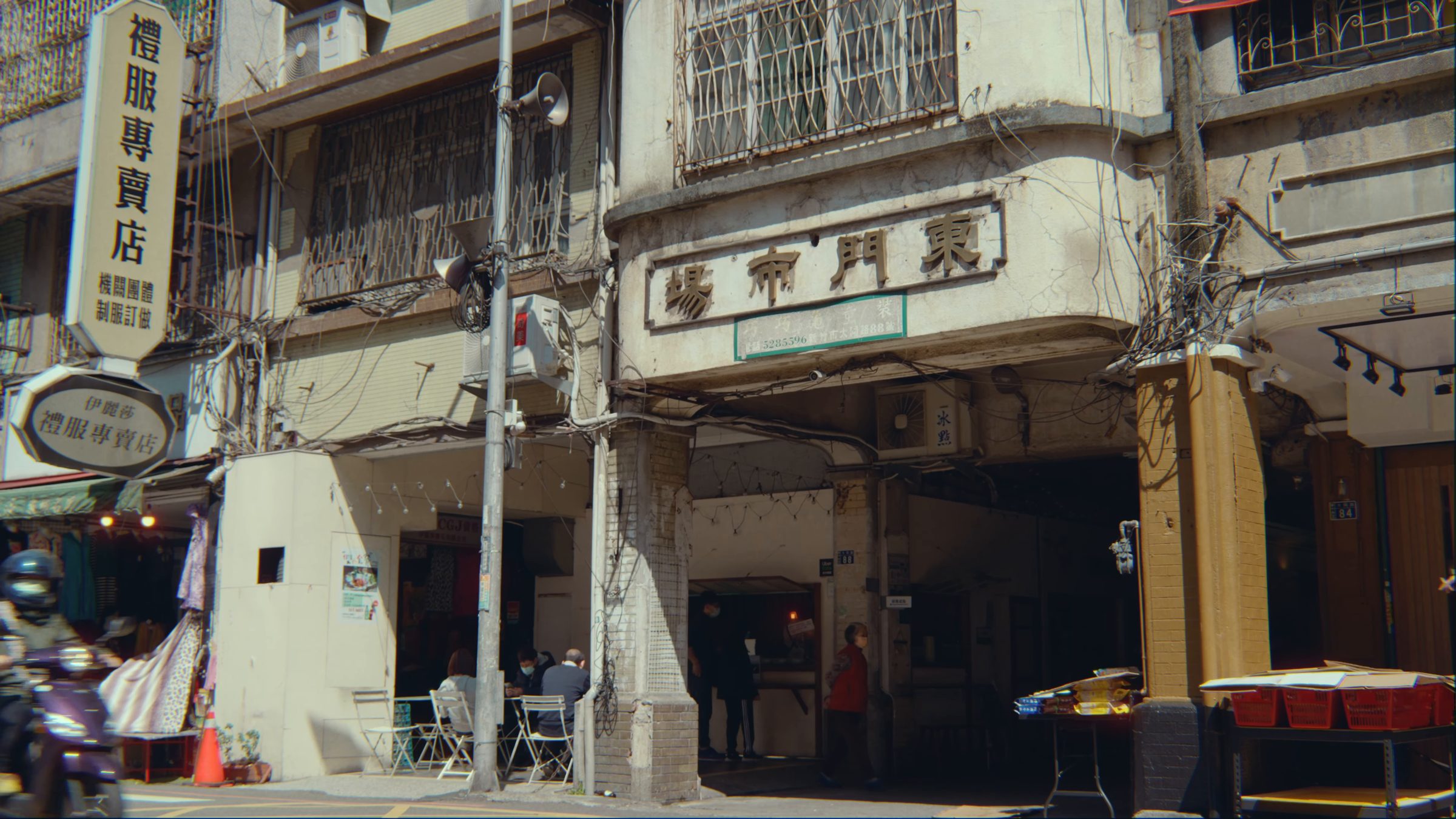
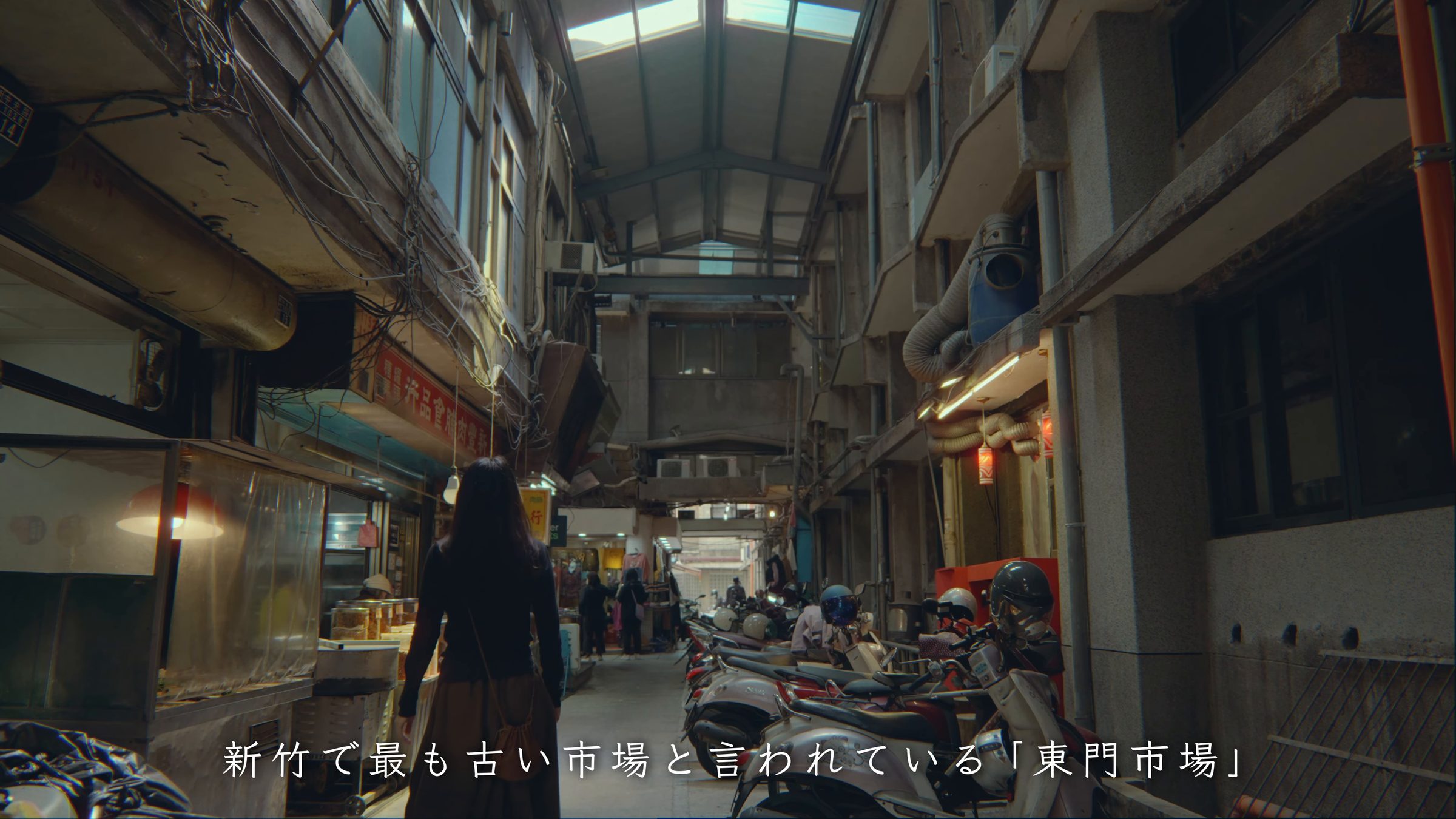
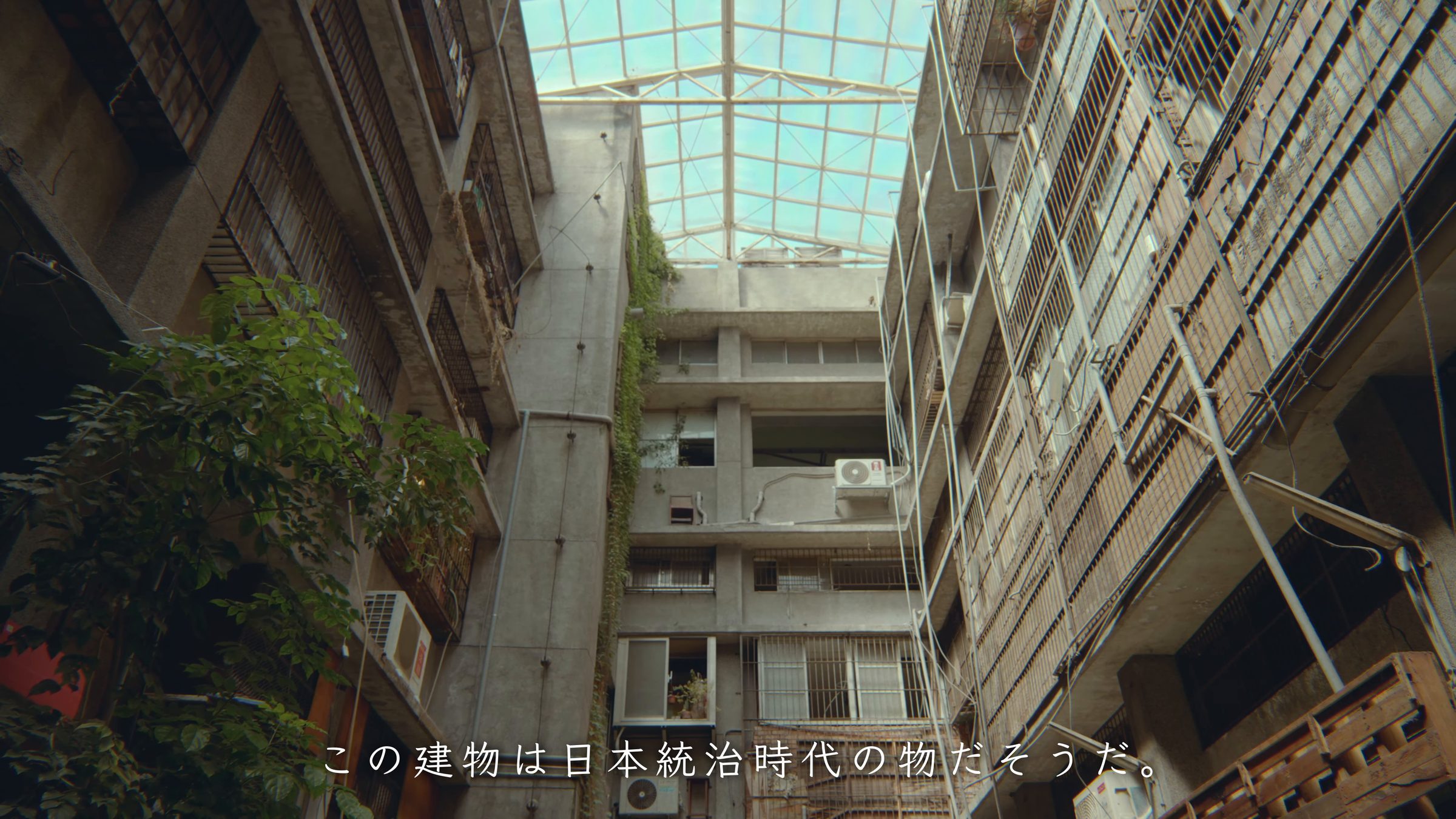
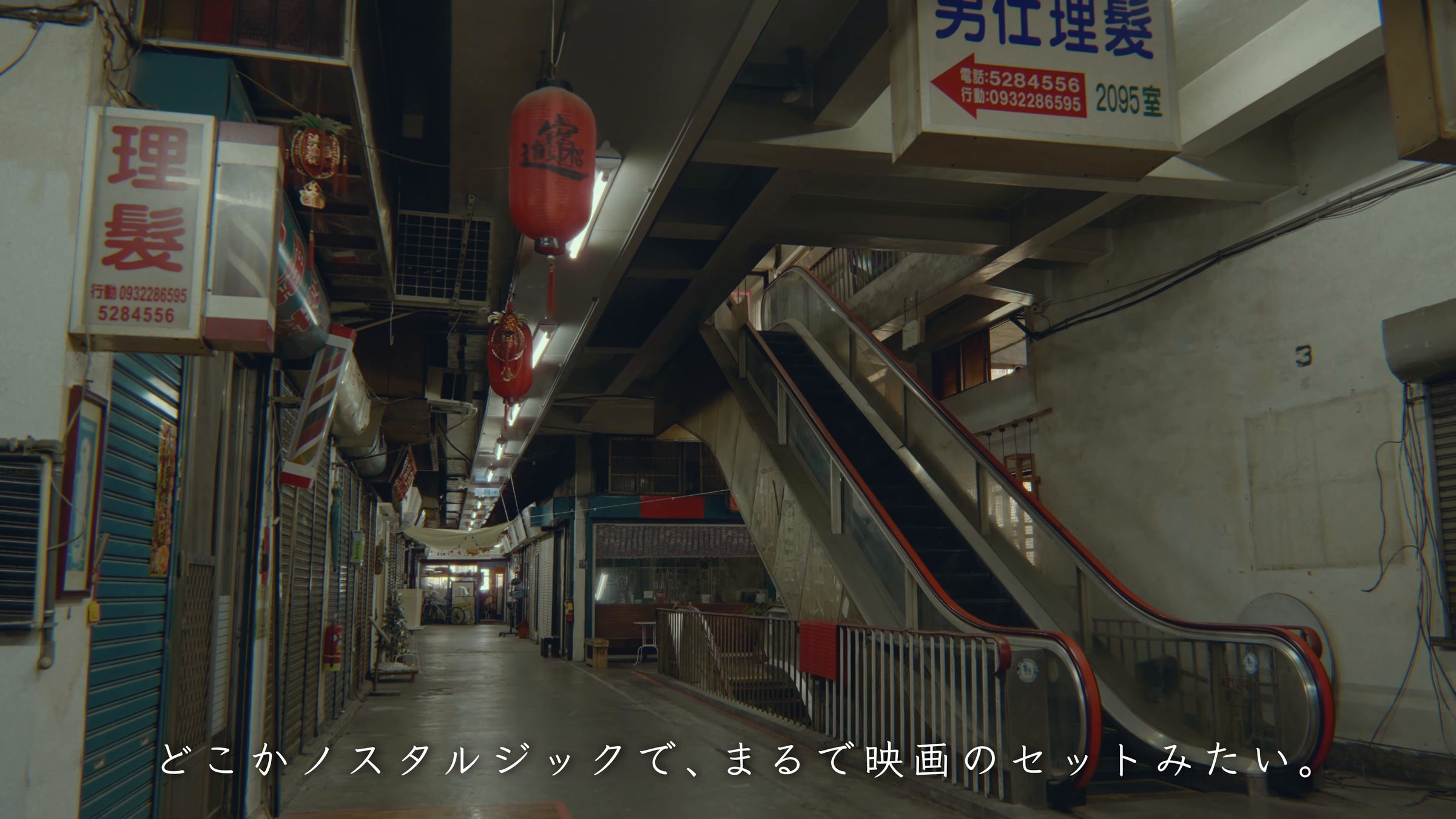
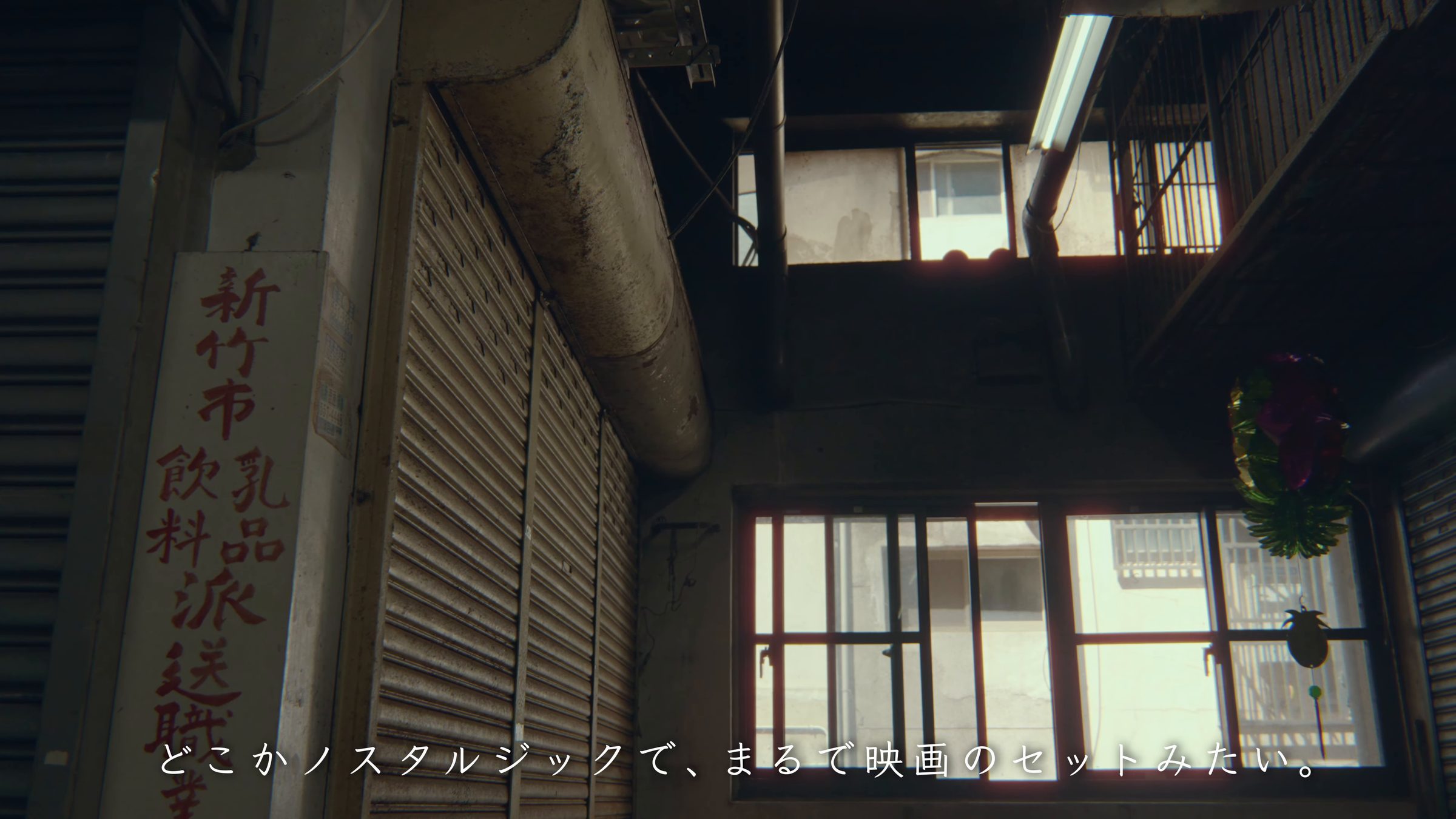
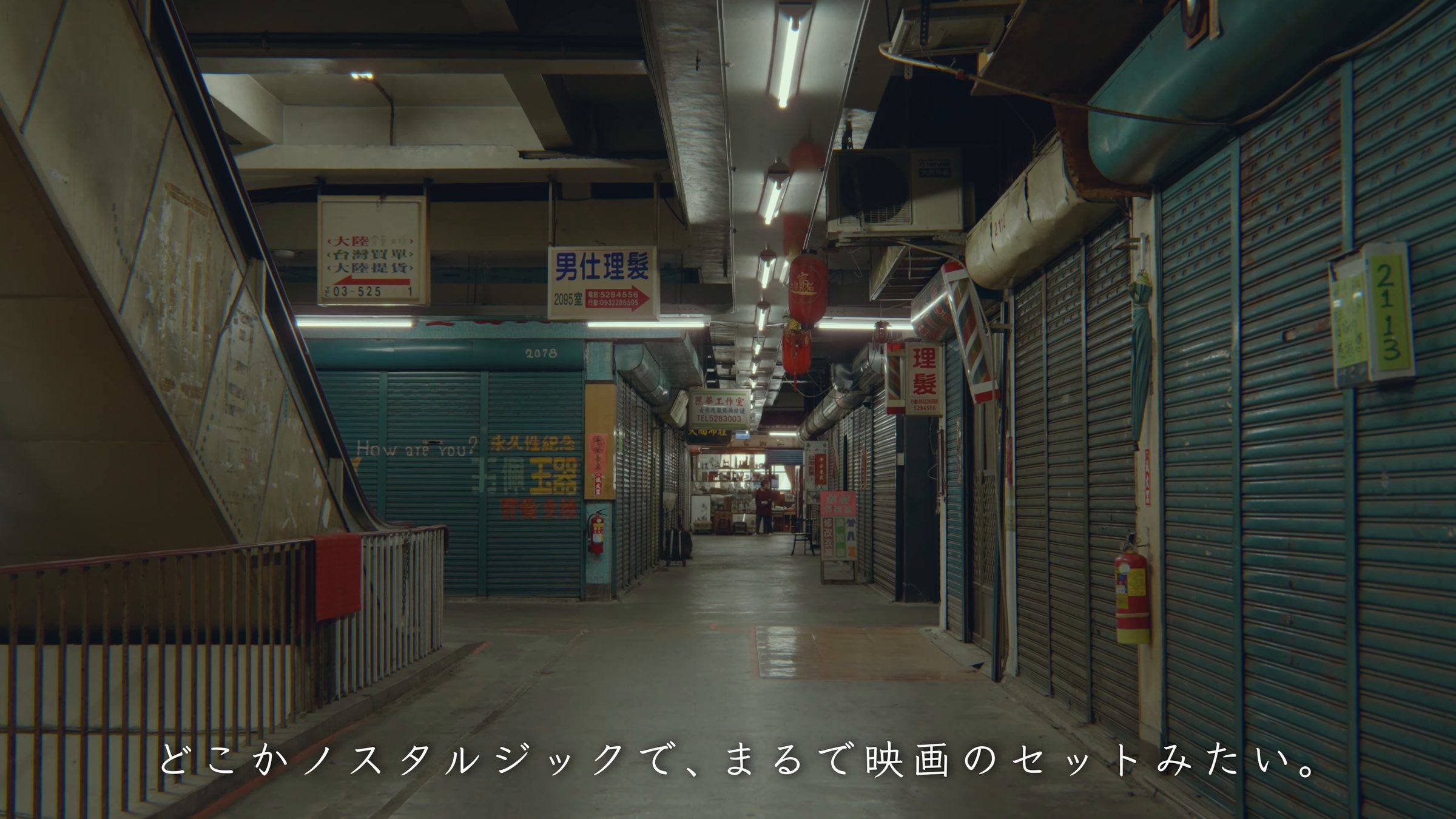
Following the Dongqian Street sign, I went to Dongmen Market, said to be the oldest market in Hsinchu. It was established in 1900, under Japanese rule, and the present building dates from 1977.
Red lanterns hung in the passageways, and a glass roof covered the atrium. Signs in old lettering, rows of shutters, an escalator. Somehow nostalgic, like a film set.
Watch this scene on YouTube2:26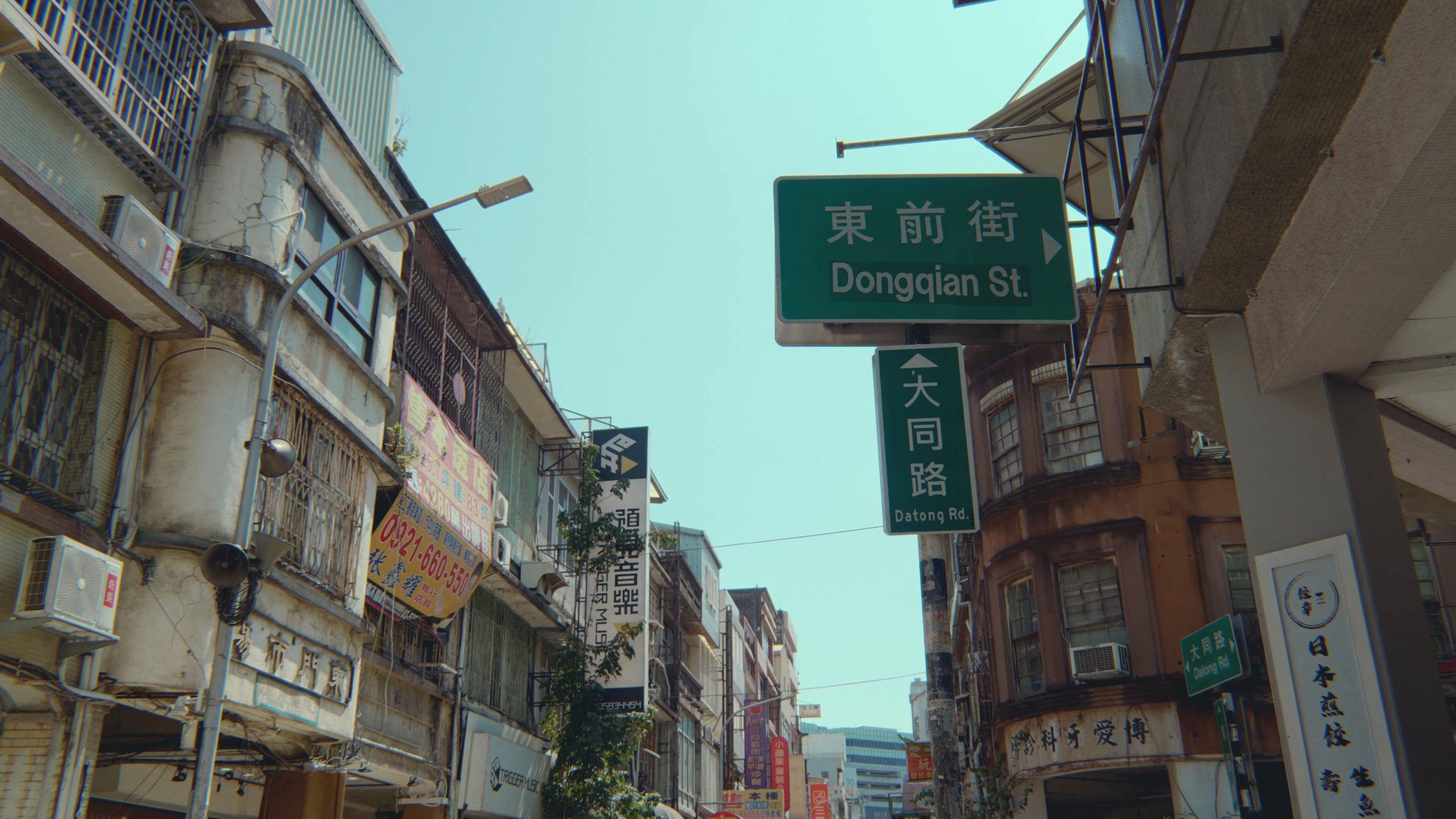
07TRAVEL JOURNAL
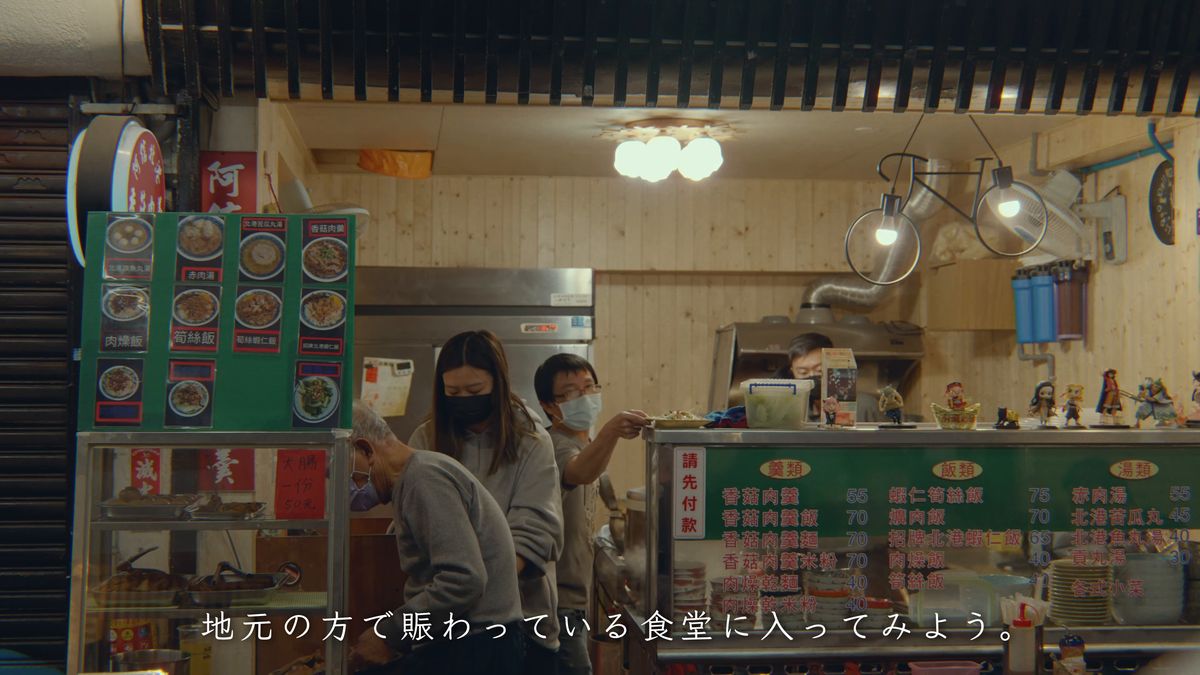
Braised pork rice at a market diner
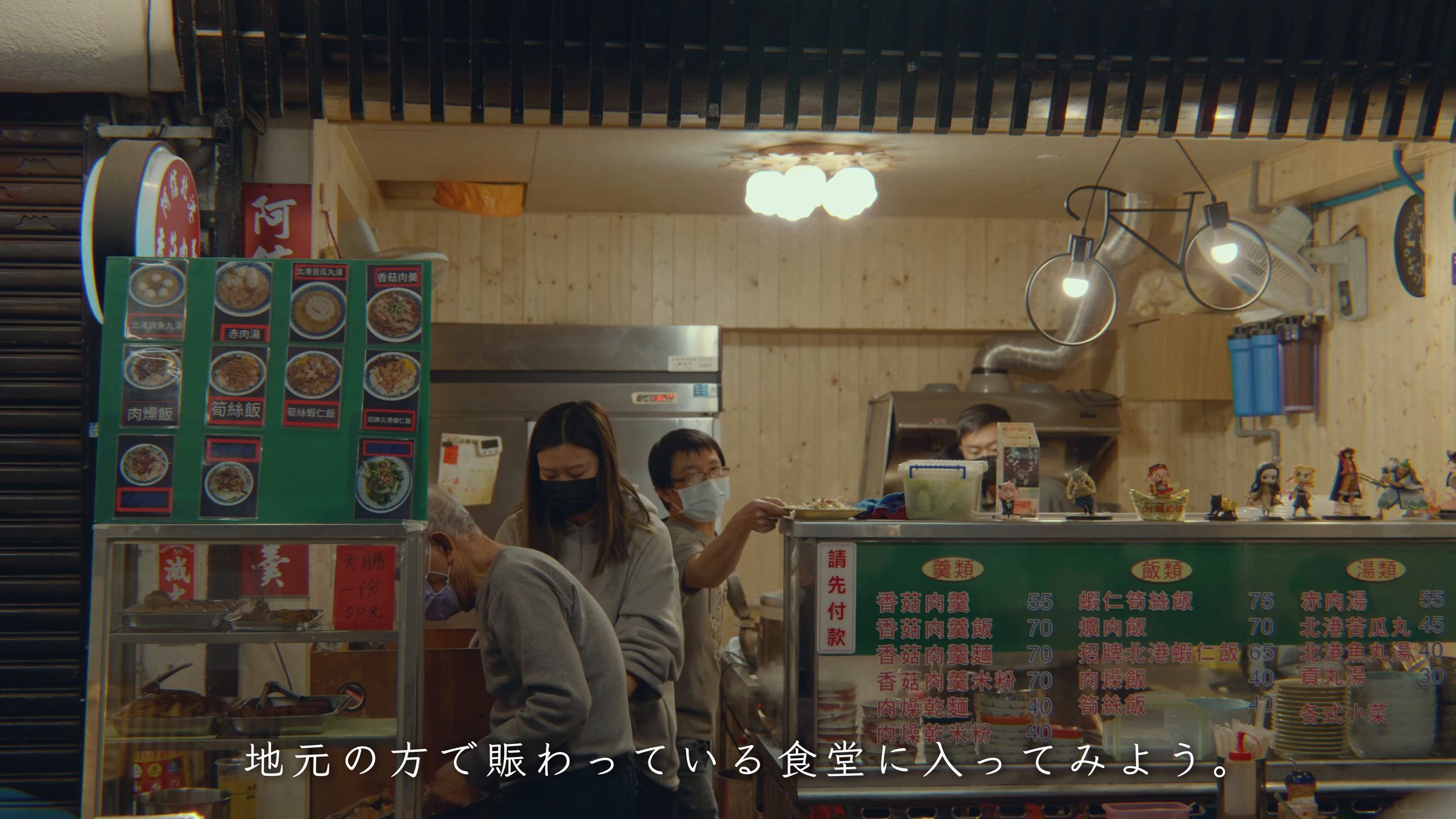
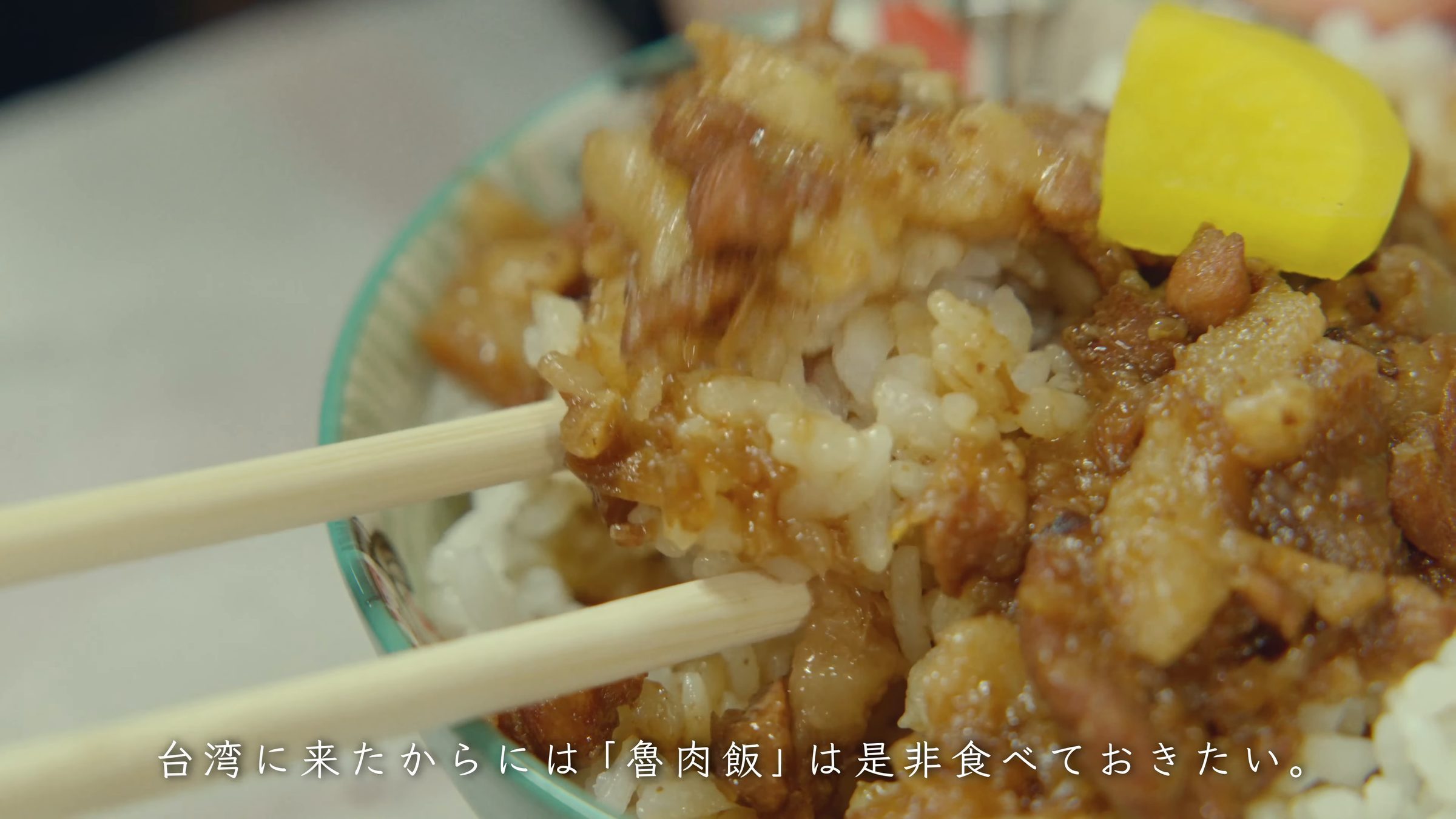
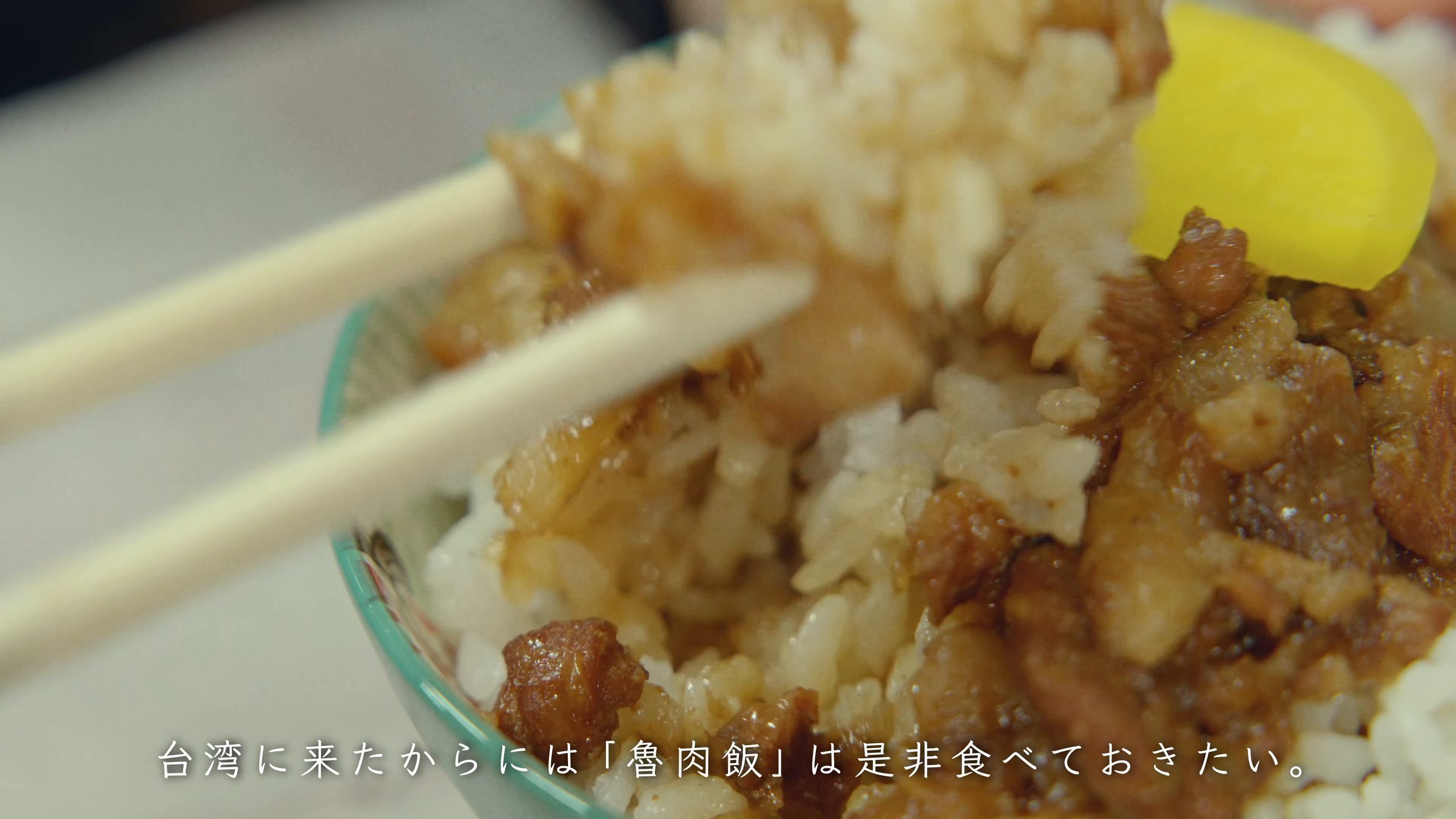
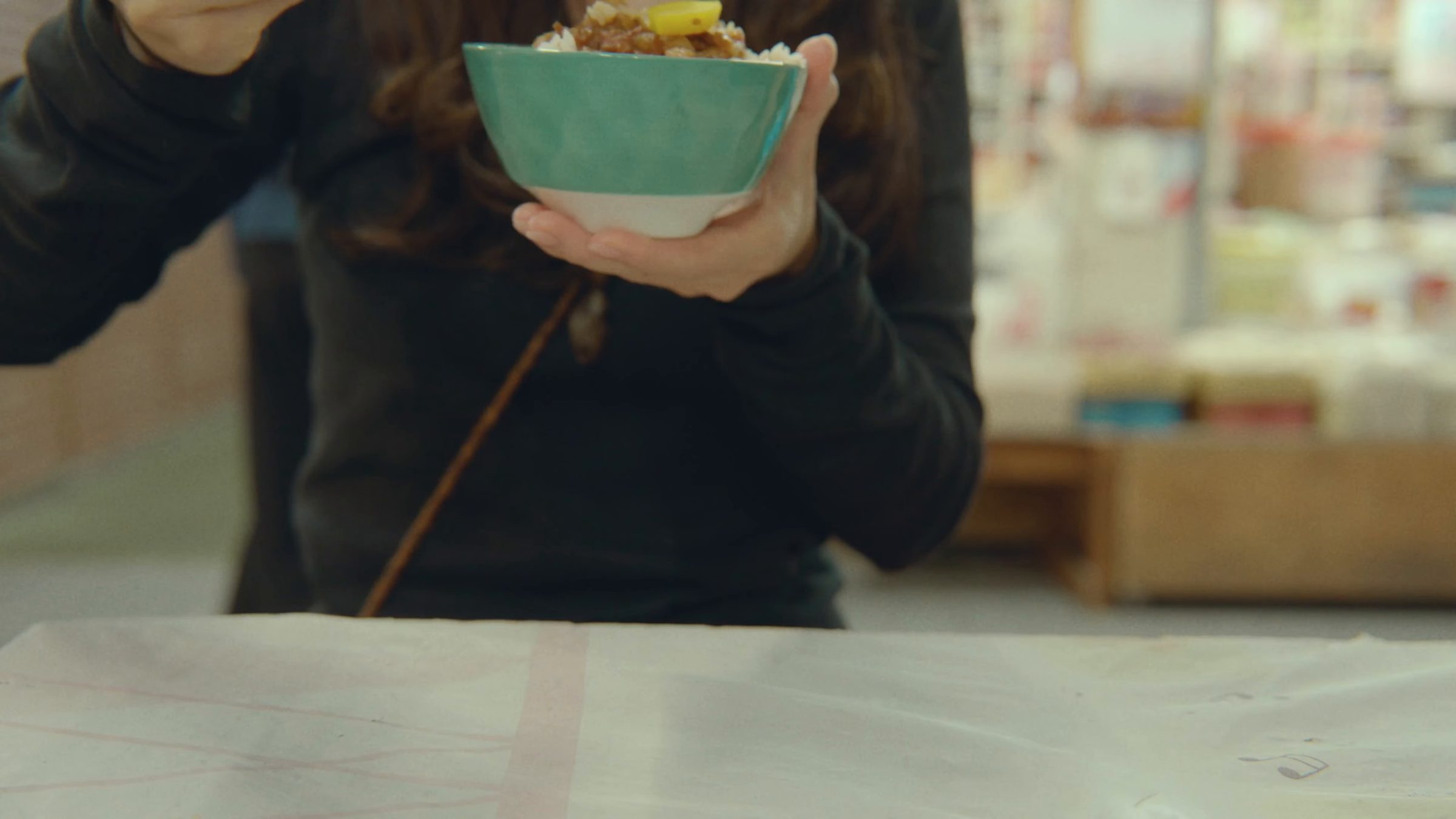
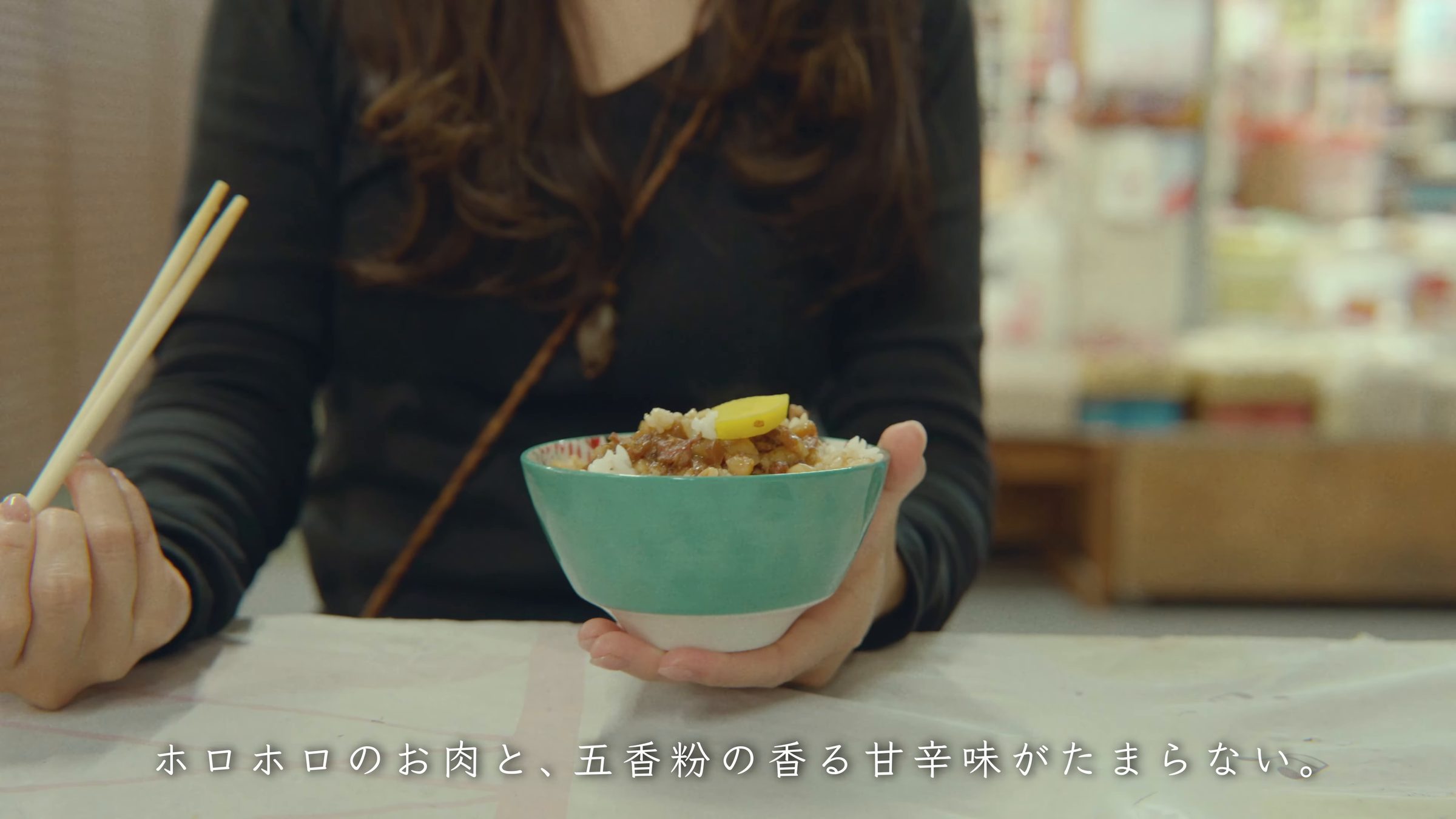
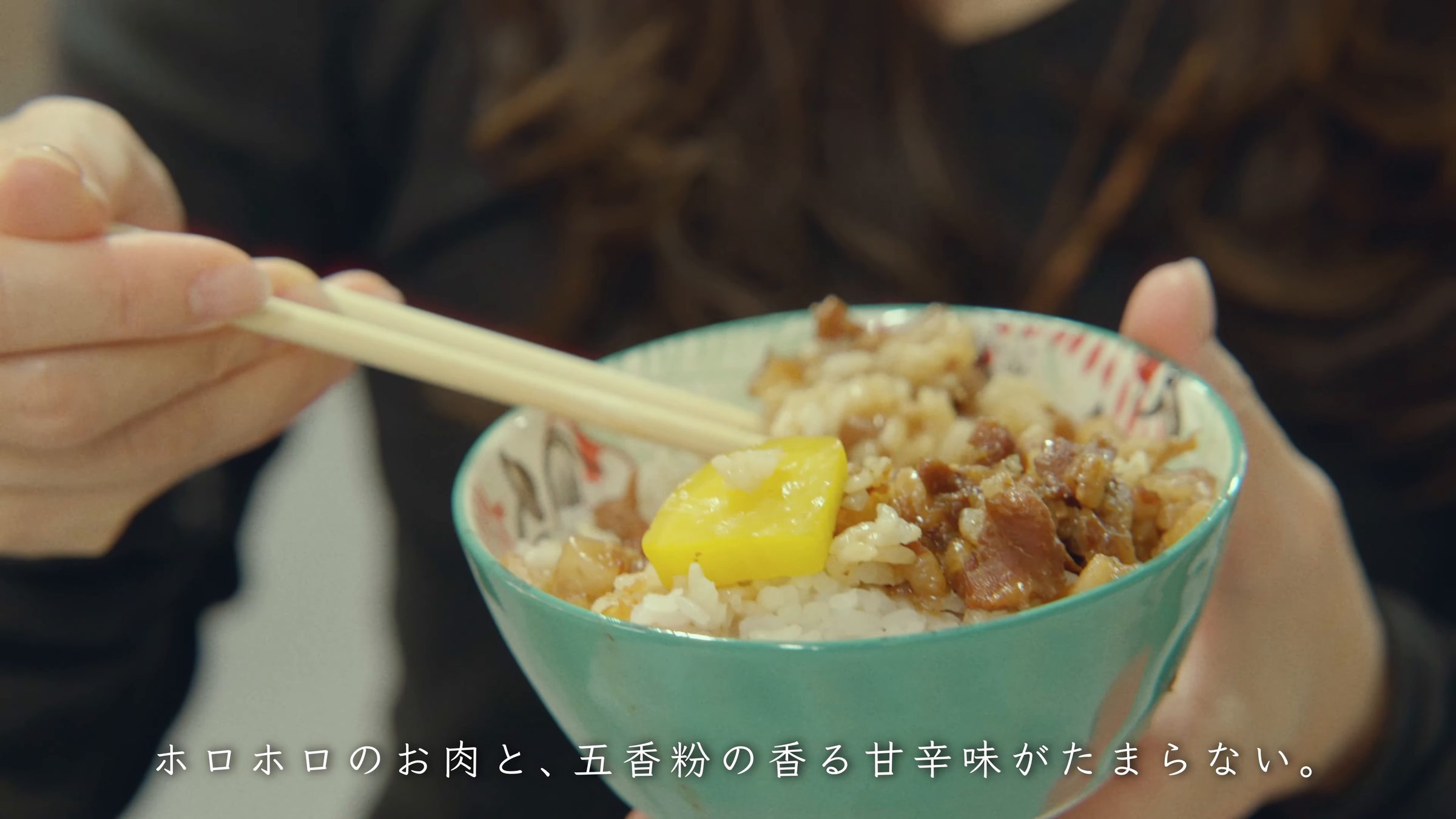
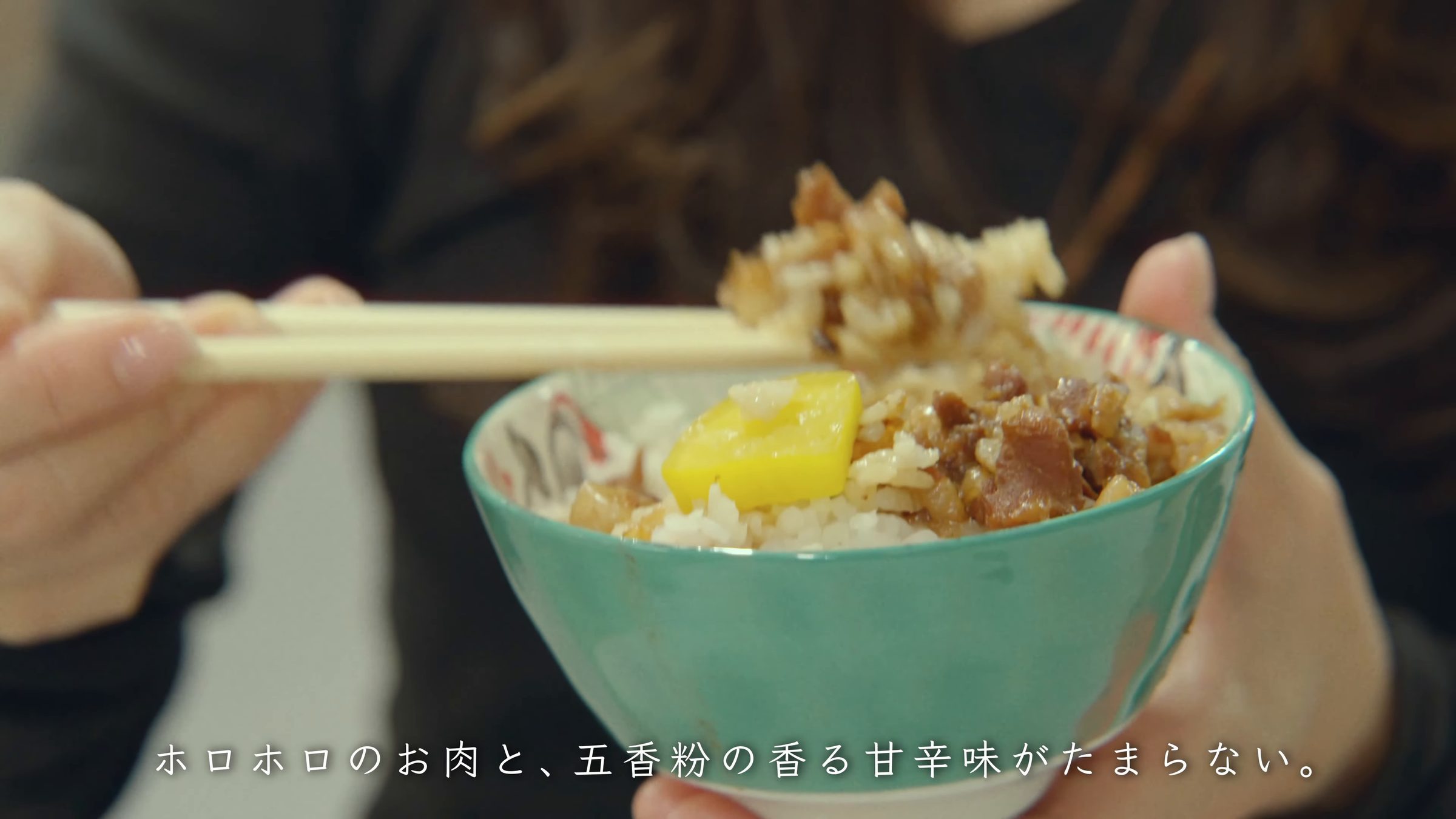
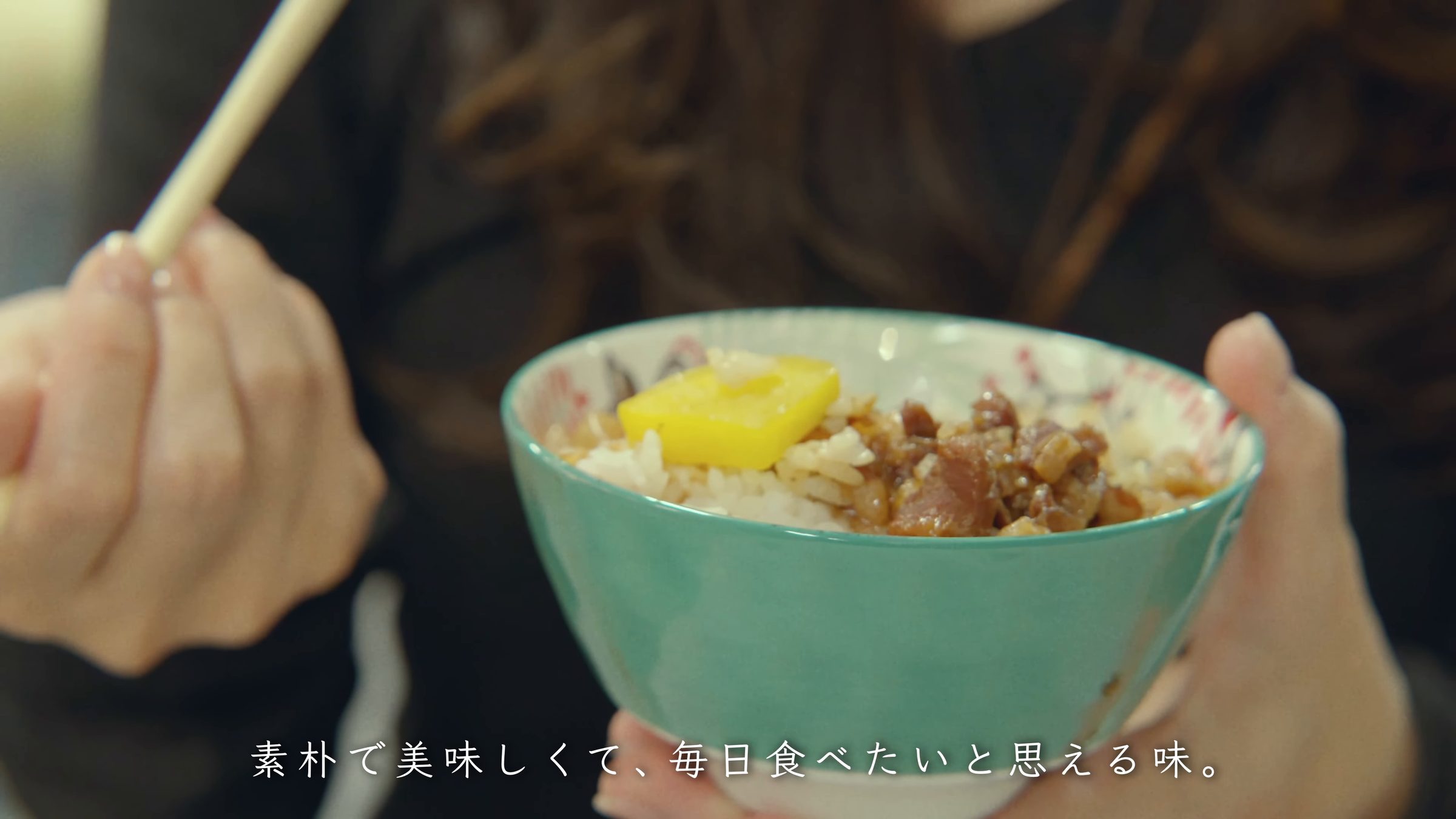
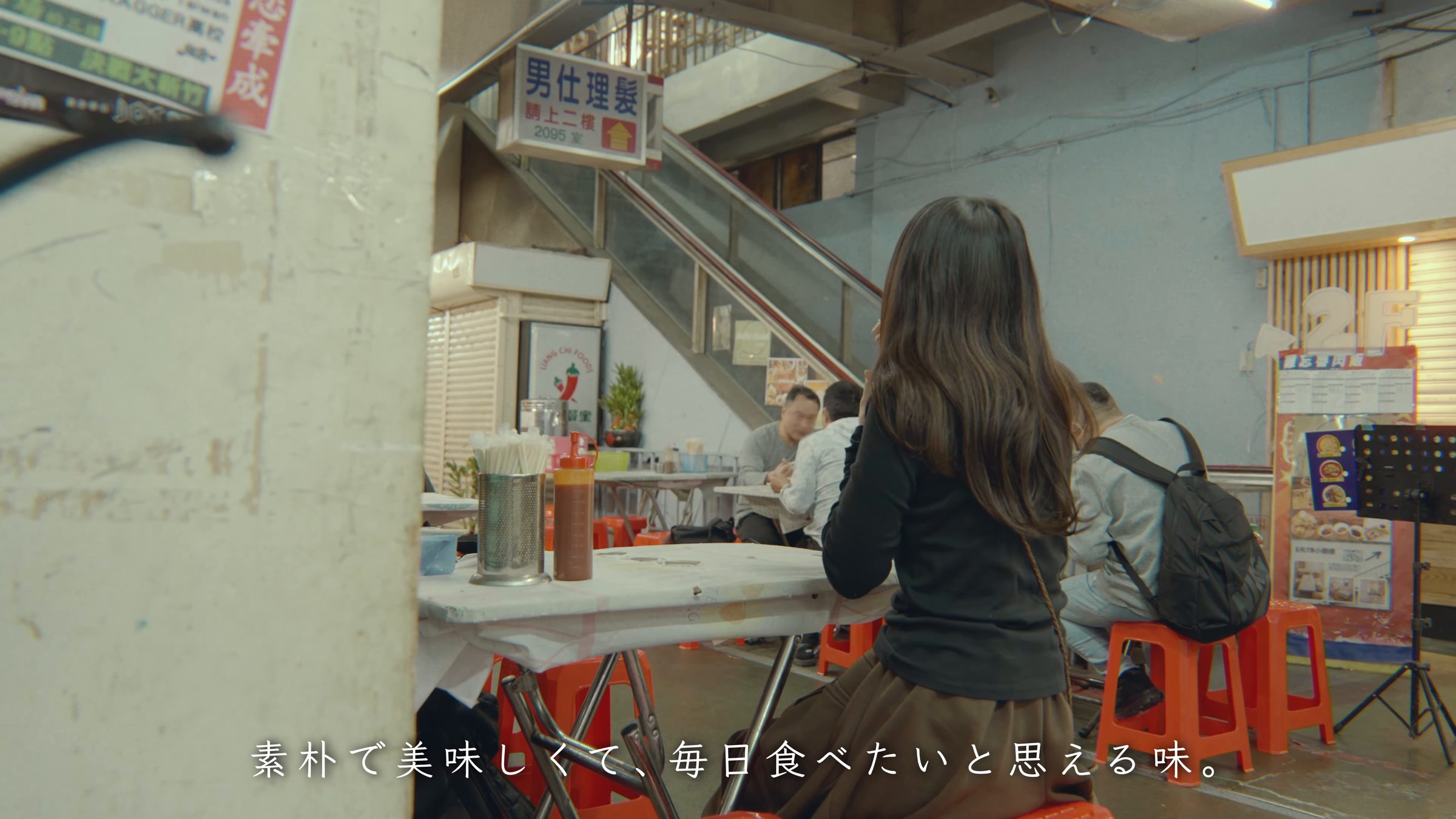
On the ground floor, I stepped into a diner crowded with locals. A menu of photos hung out front. If you come to Taiwan, you have to try lu rou fan, braised pork over rice.
A pale blue bowl, with a slice of pickled radish on top. The meltingly soft pork and the sweet, savory sauce scented with five-spice were irresistible. Simple and delicious: a taste I could eat every day.
Watch this scene on YouTube2:58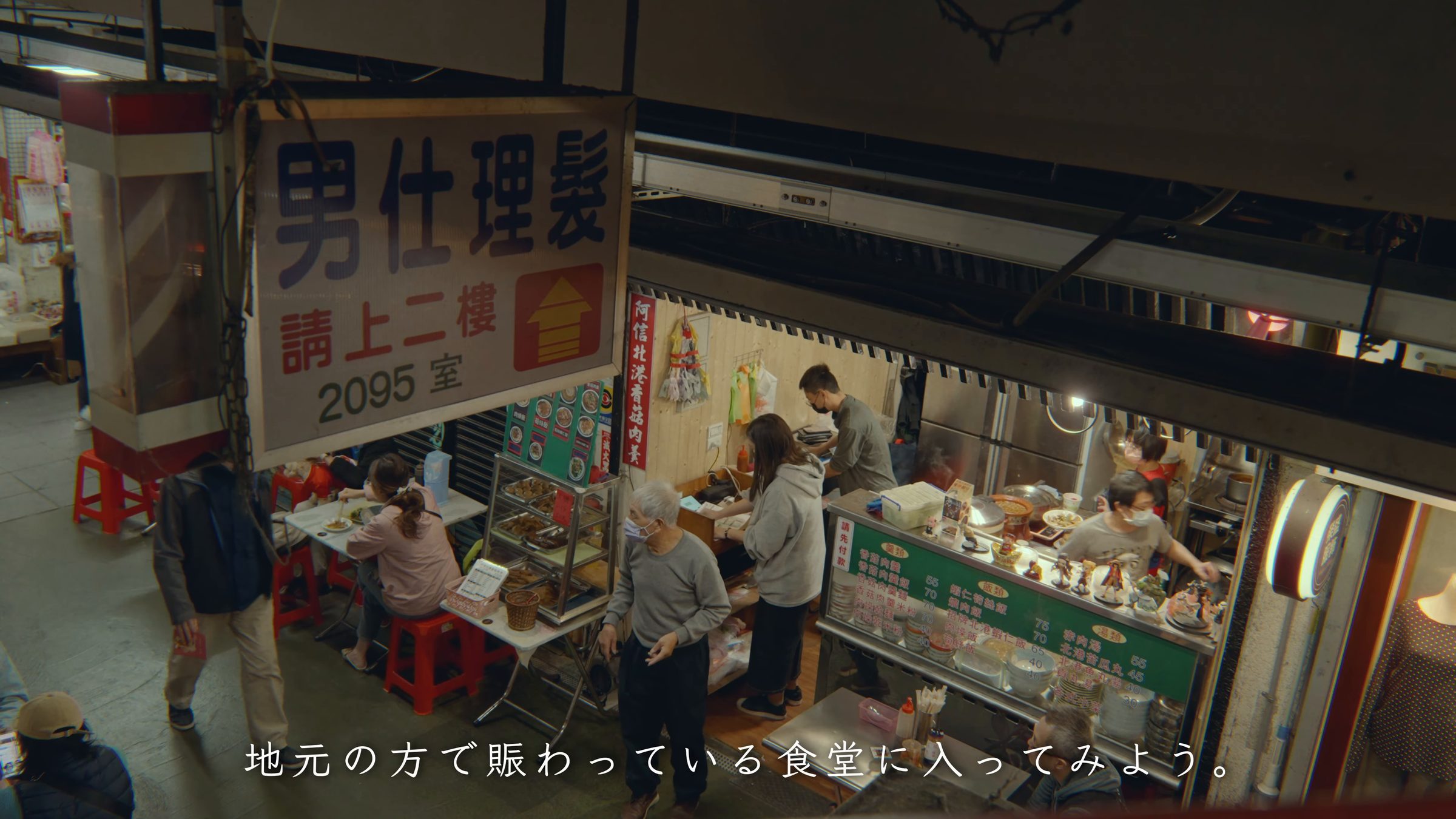
08TRAVEL JOURNAL
Pepper buns from an old shop
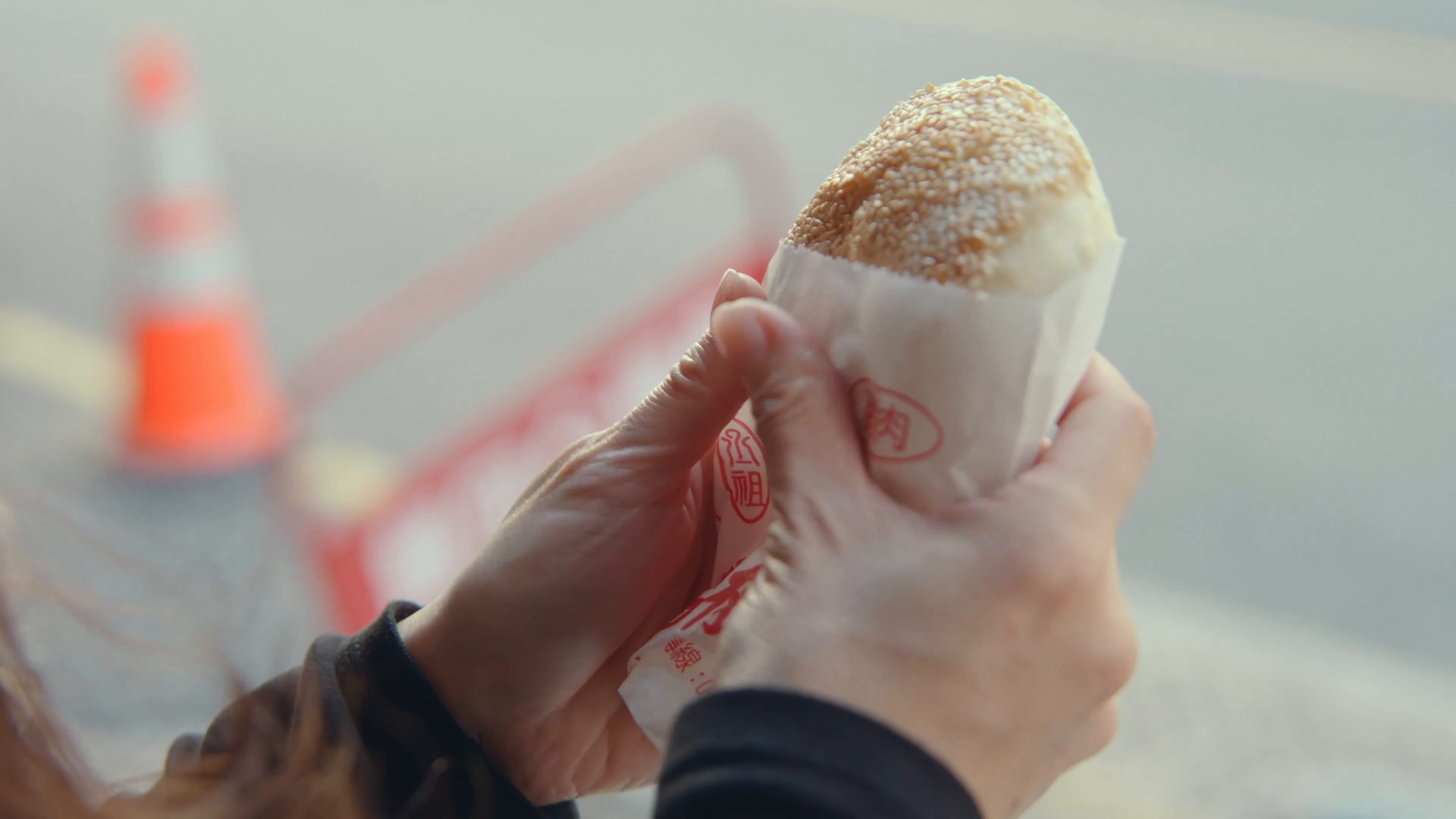
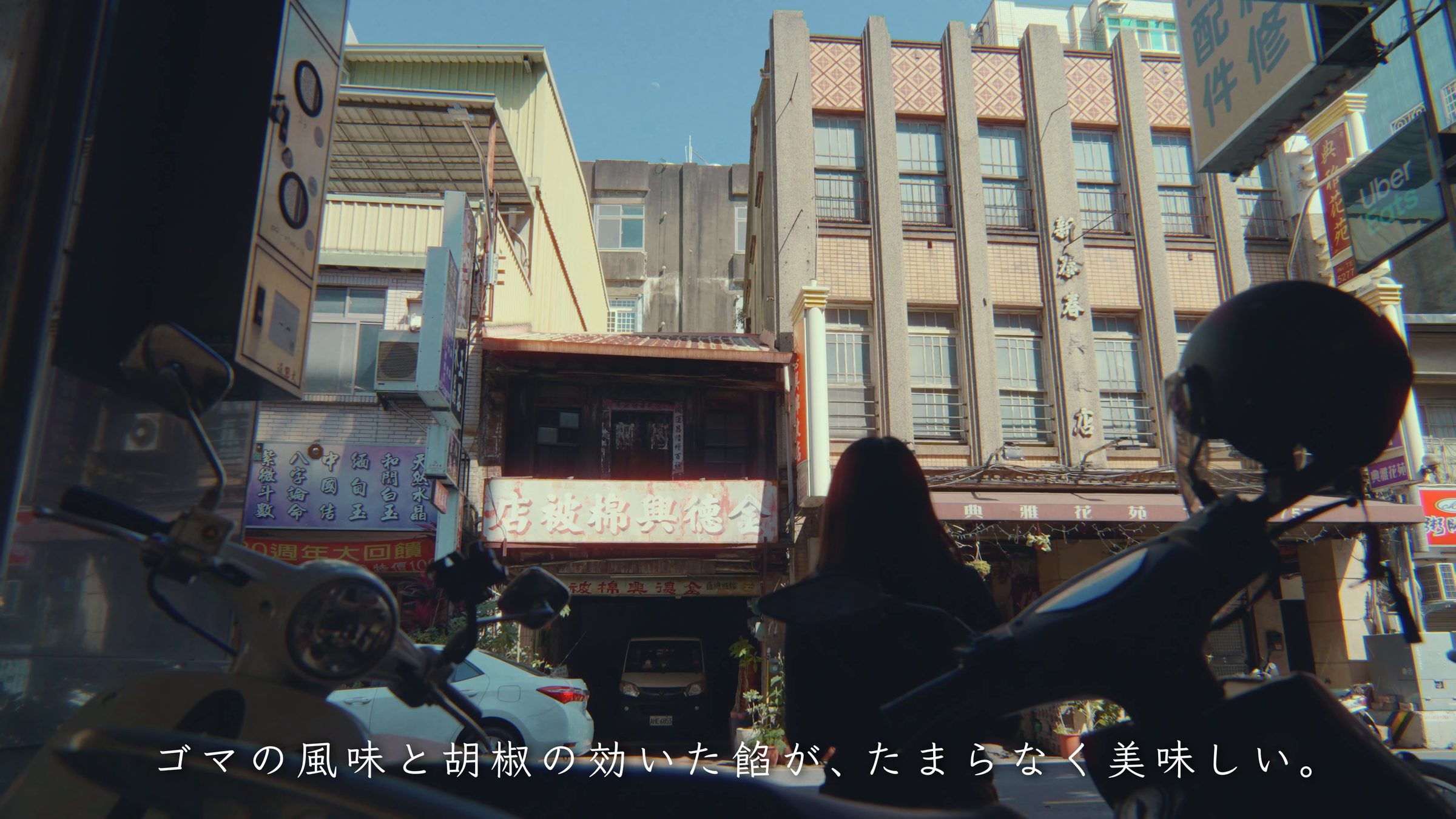
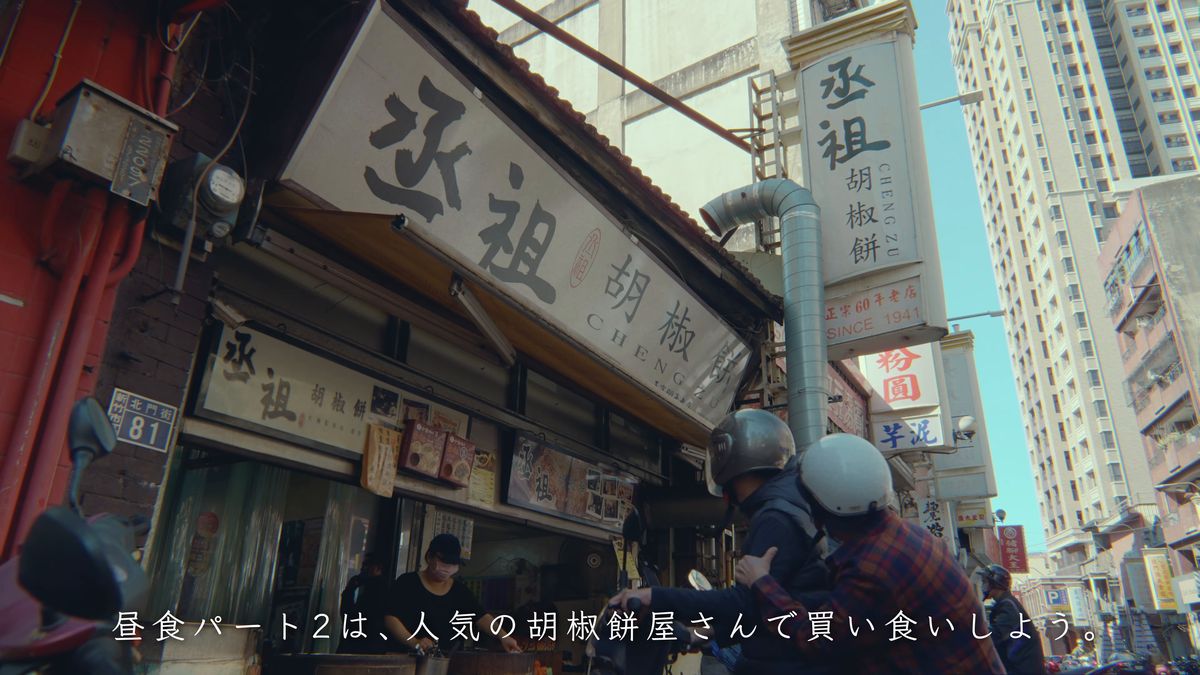
Lunch, part two: a snack from a popular pepper bun shop. Cheng Zu Pepper Bun on Beimen Street is an old shop whose sign says it was founded in 1941. Beyond a row of scooters, I was handed a piping hot bun in a paper bag.
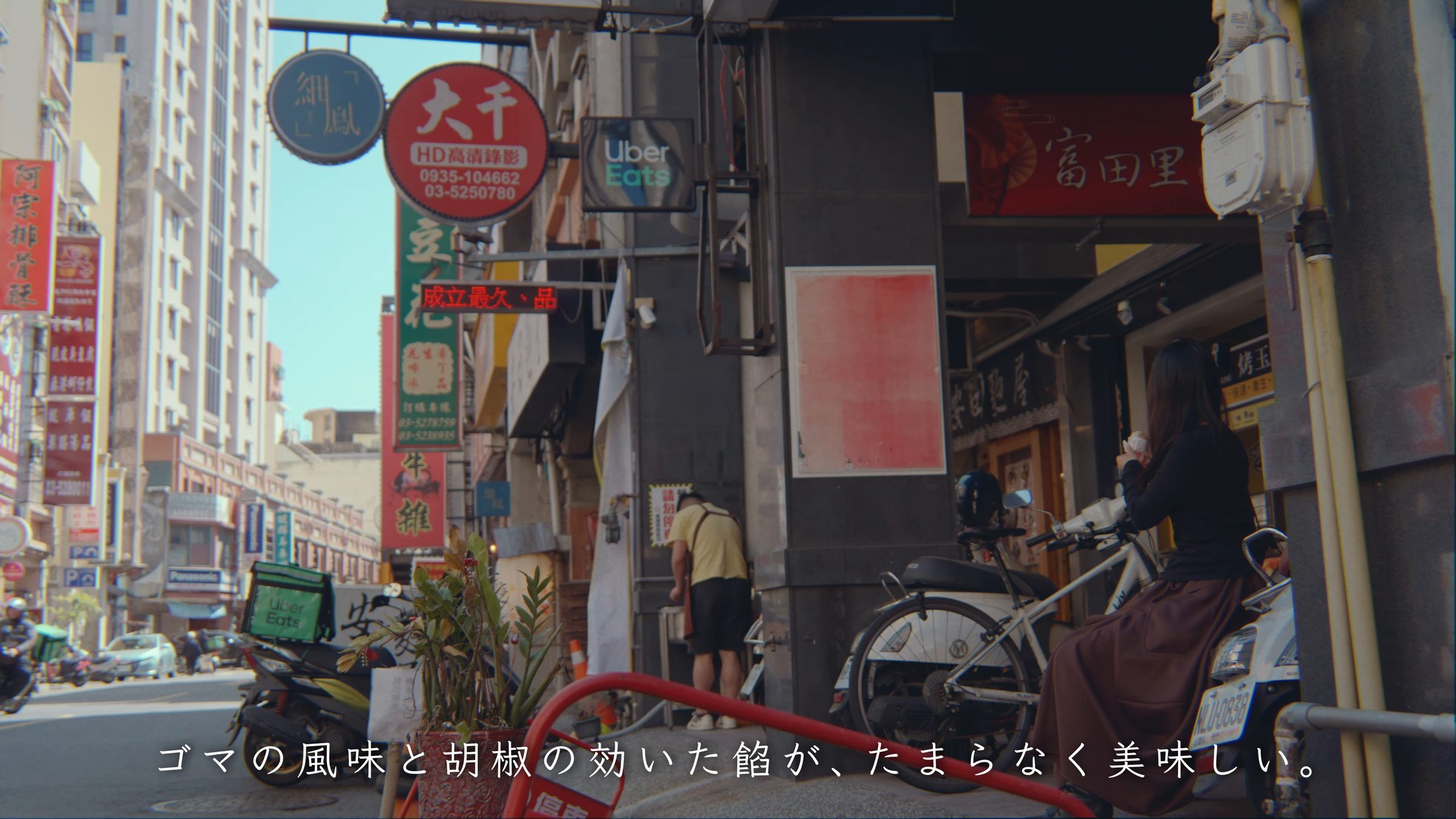
The crust was covered in sesame seeds. The sesame aroma and the peppery filling were irresistible. I turned the corner past the signboards and walked on, admiring an ornate old building.
Watch this scene on YouTube3:26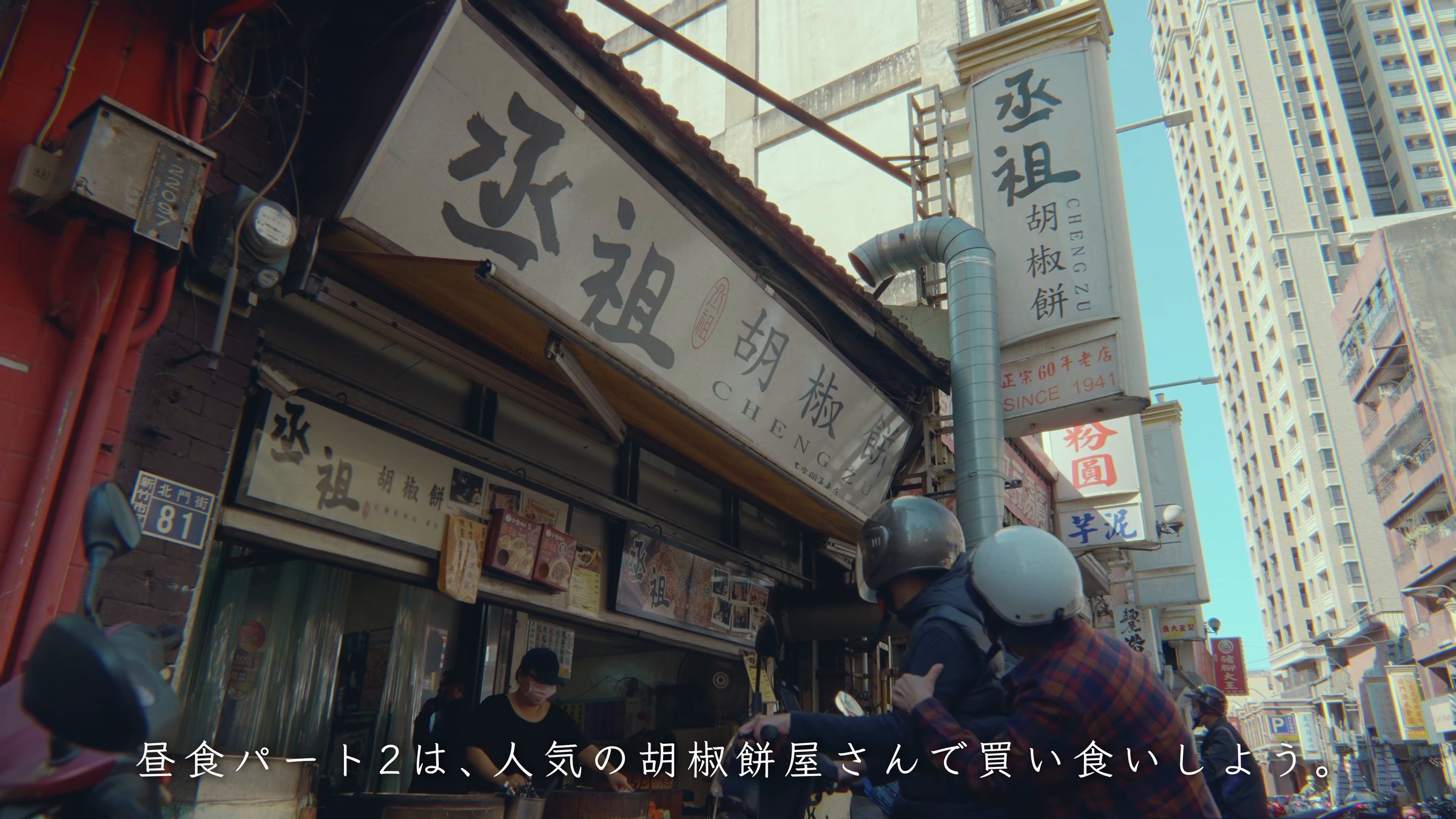
09TRAVEL JOURNAL
Shaved milk ice
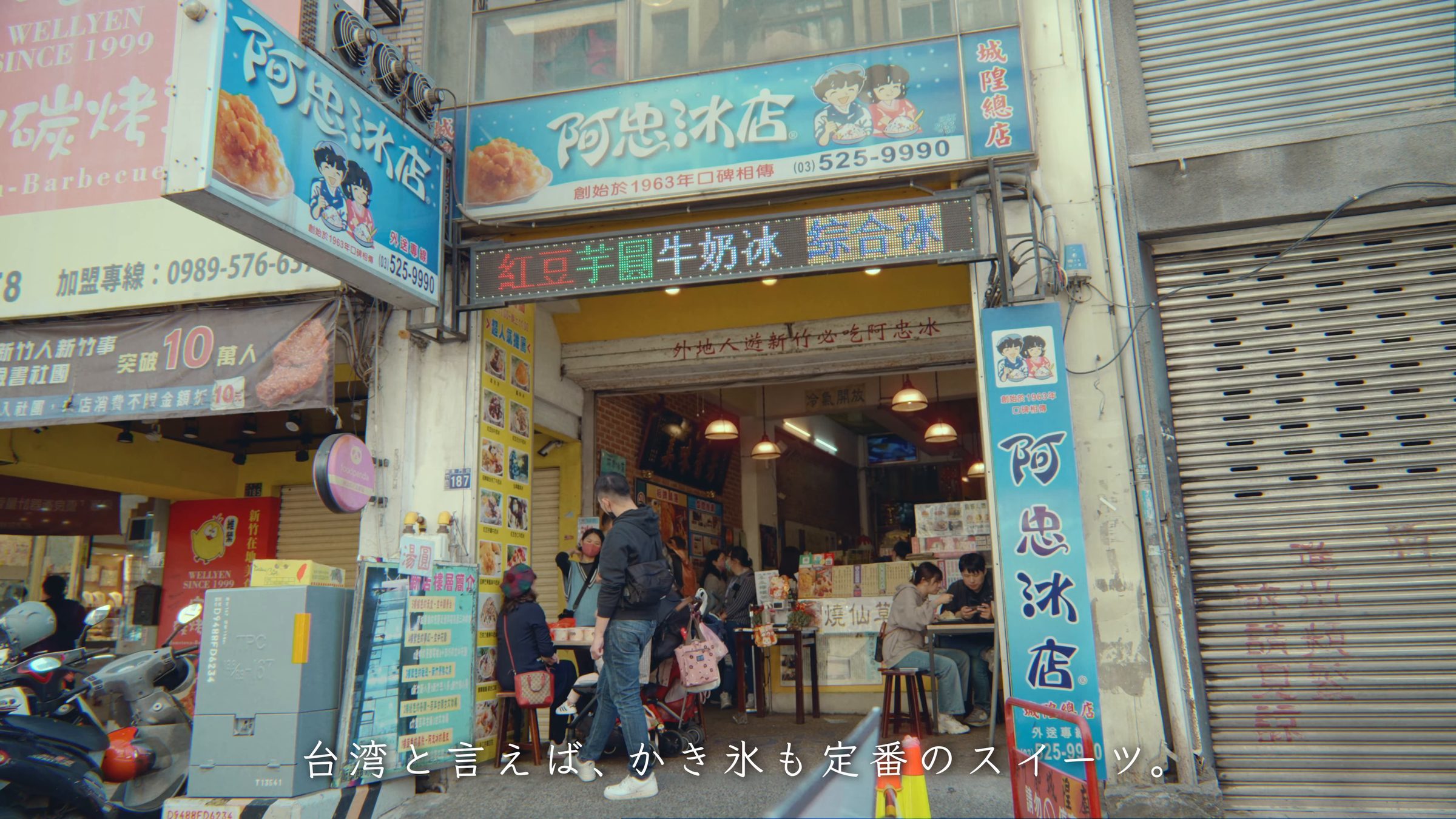
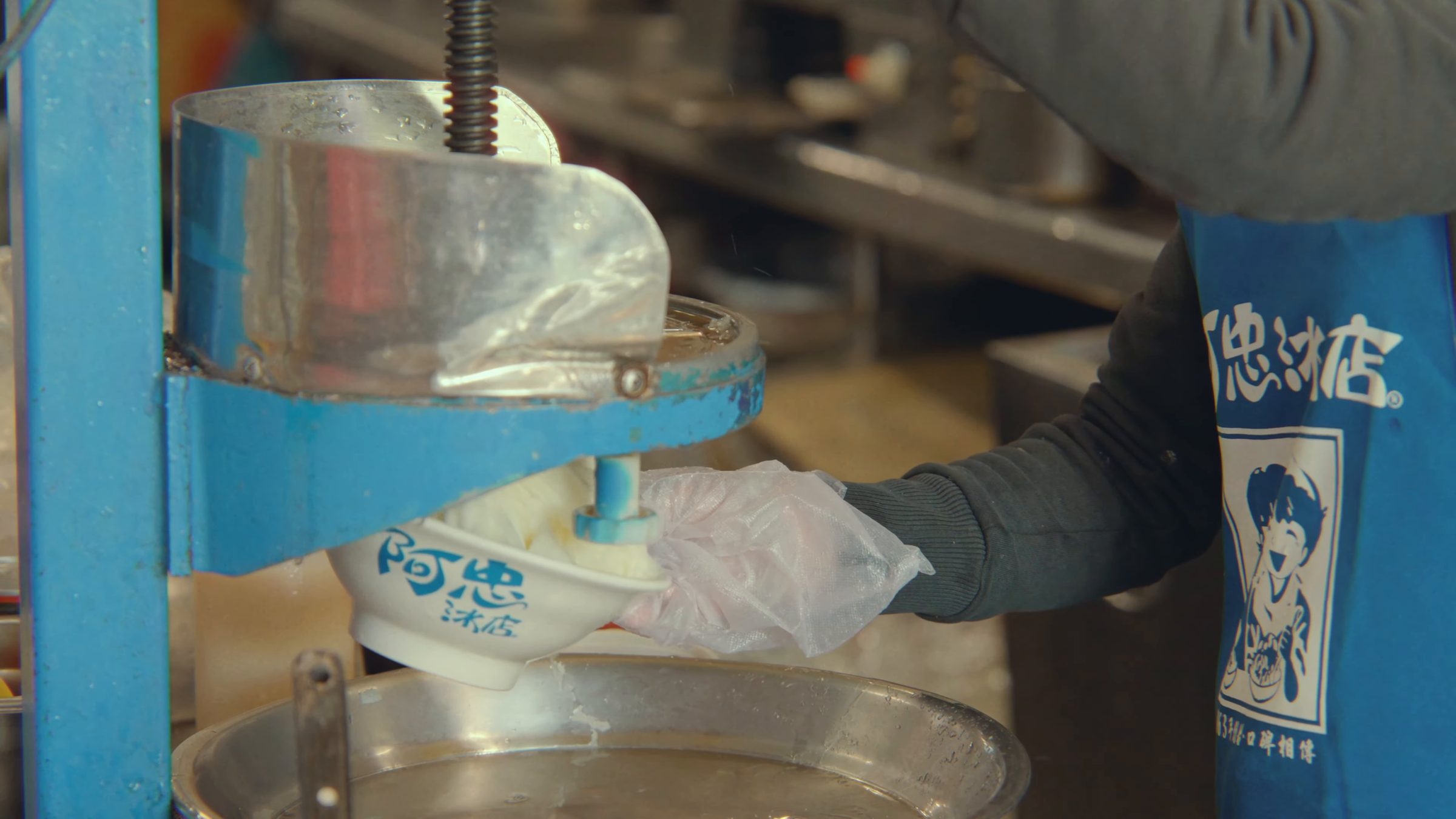
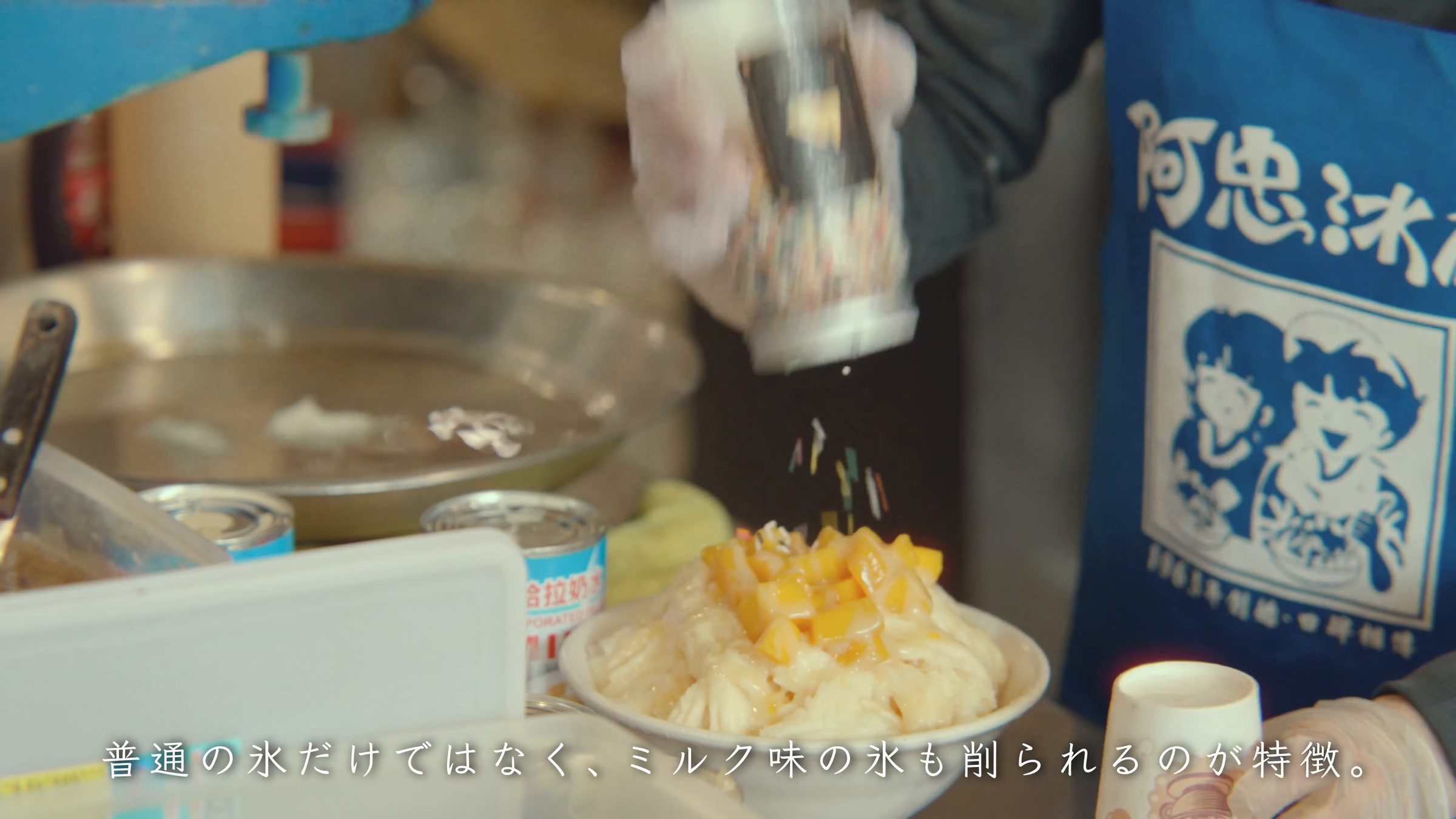
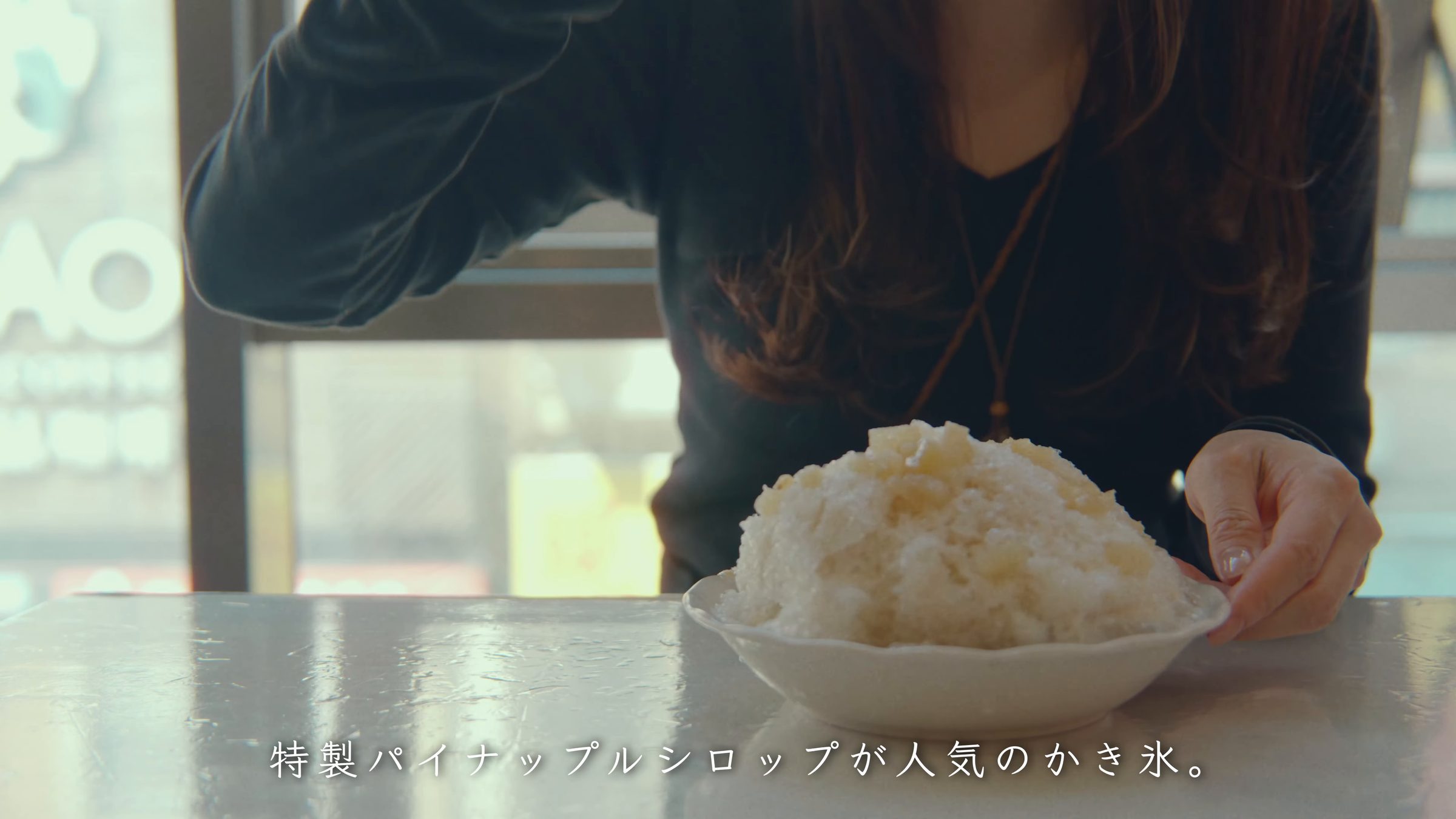
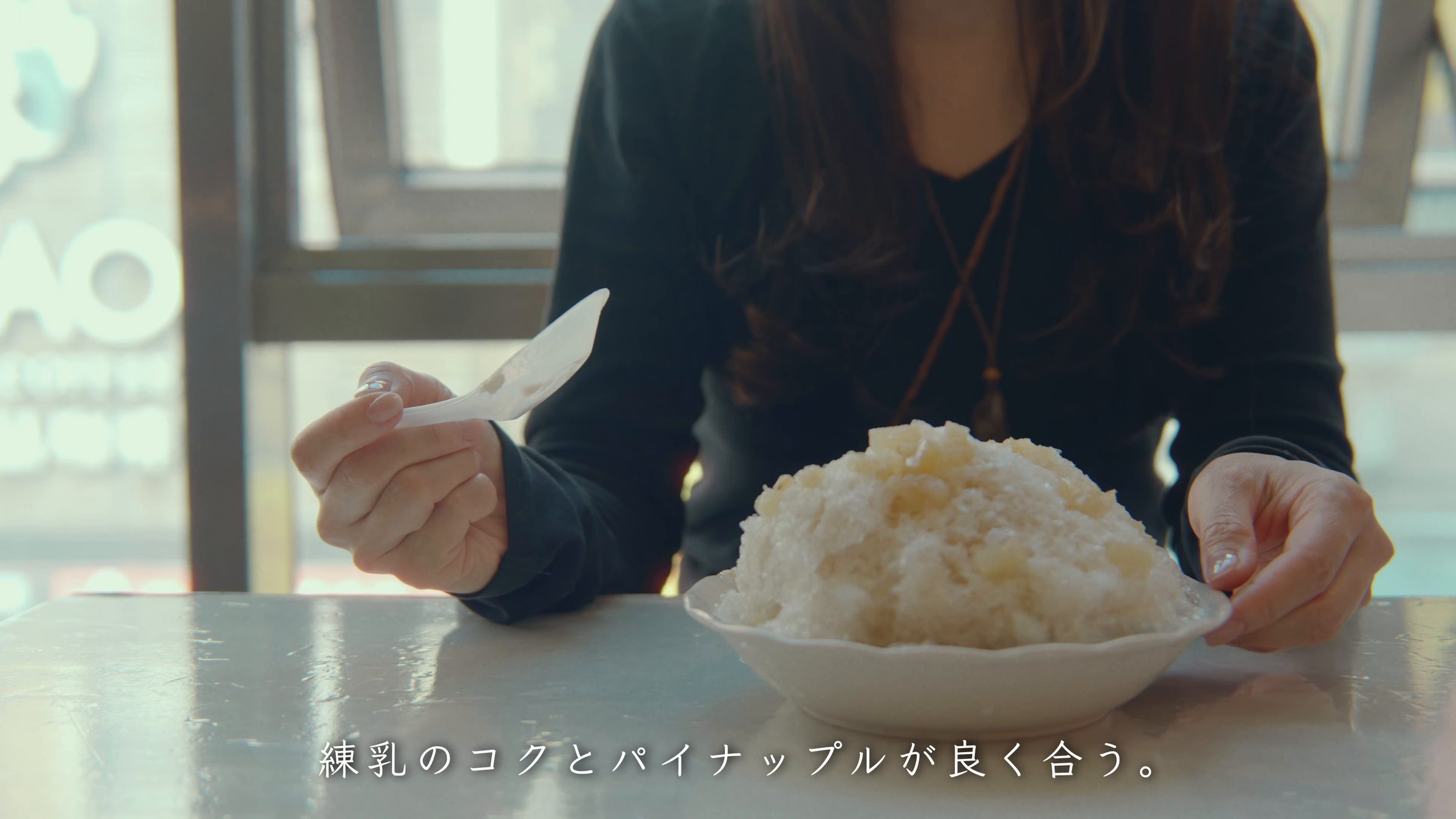
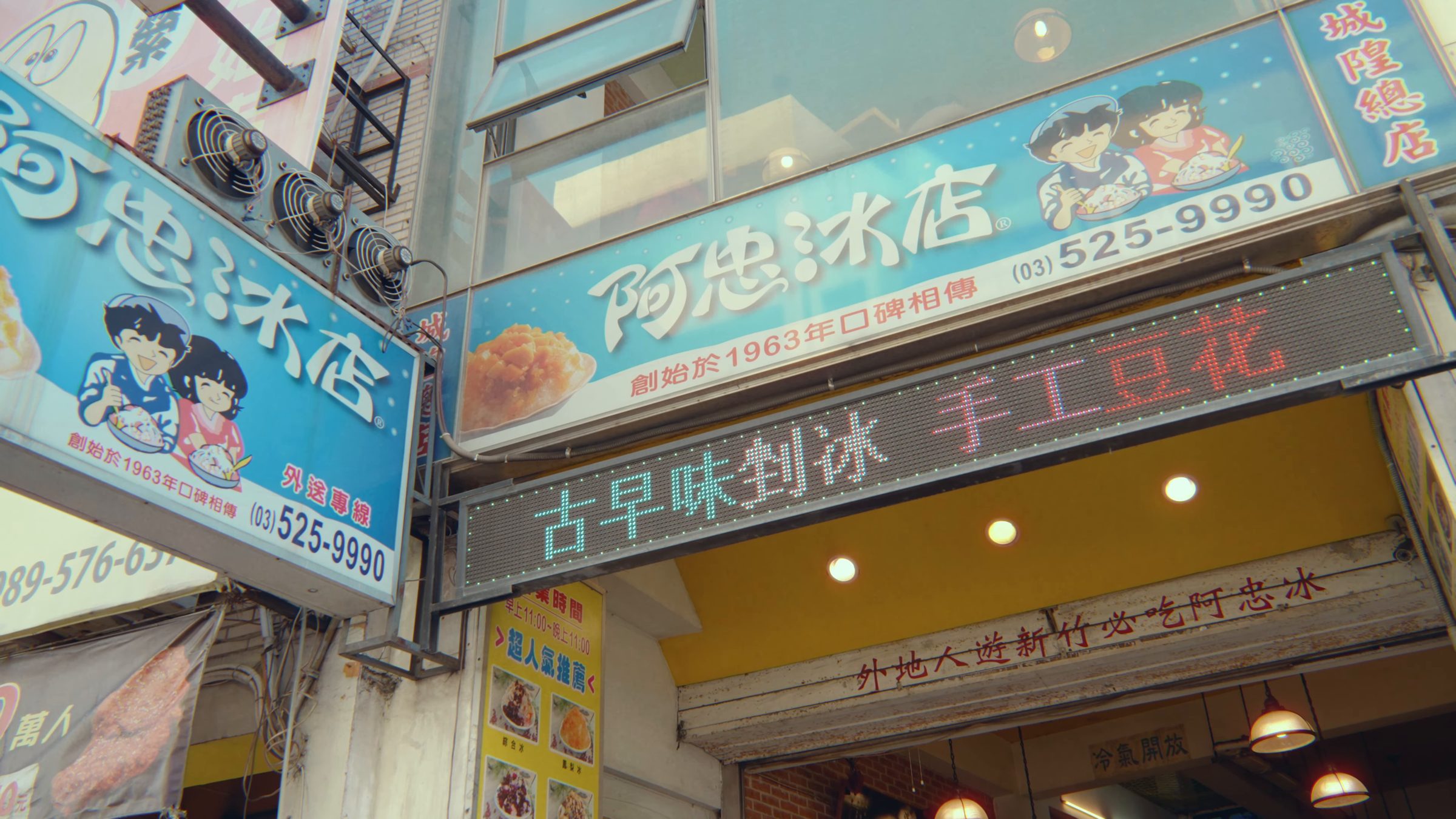
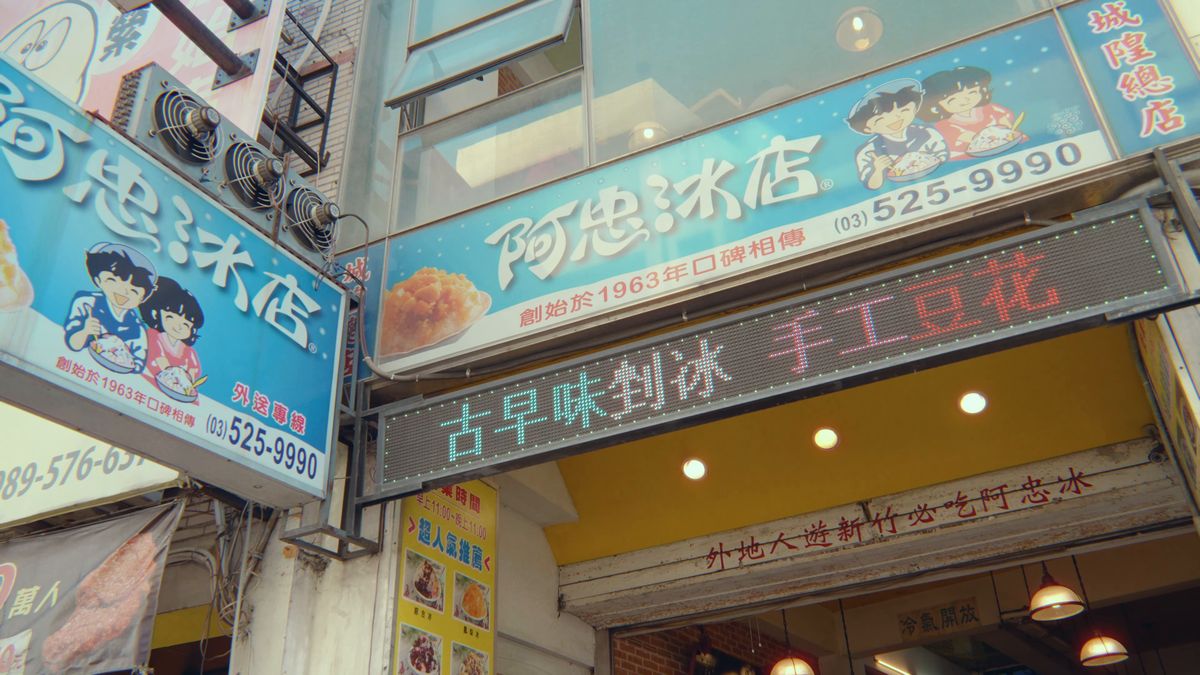
Shaved ice is another Taiwanese classic. A-Zhong Ice Shop, near the City God Temple, has a sign saying it was founded in 1963. What makes it special is that besides plain ice, it shaves milk-flavored ice too.
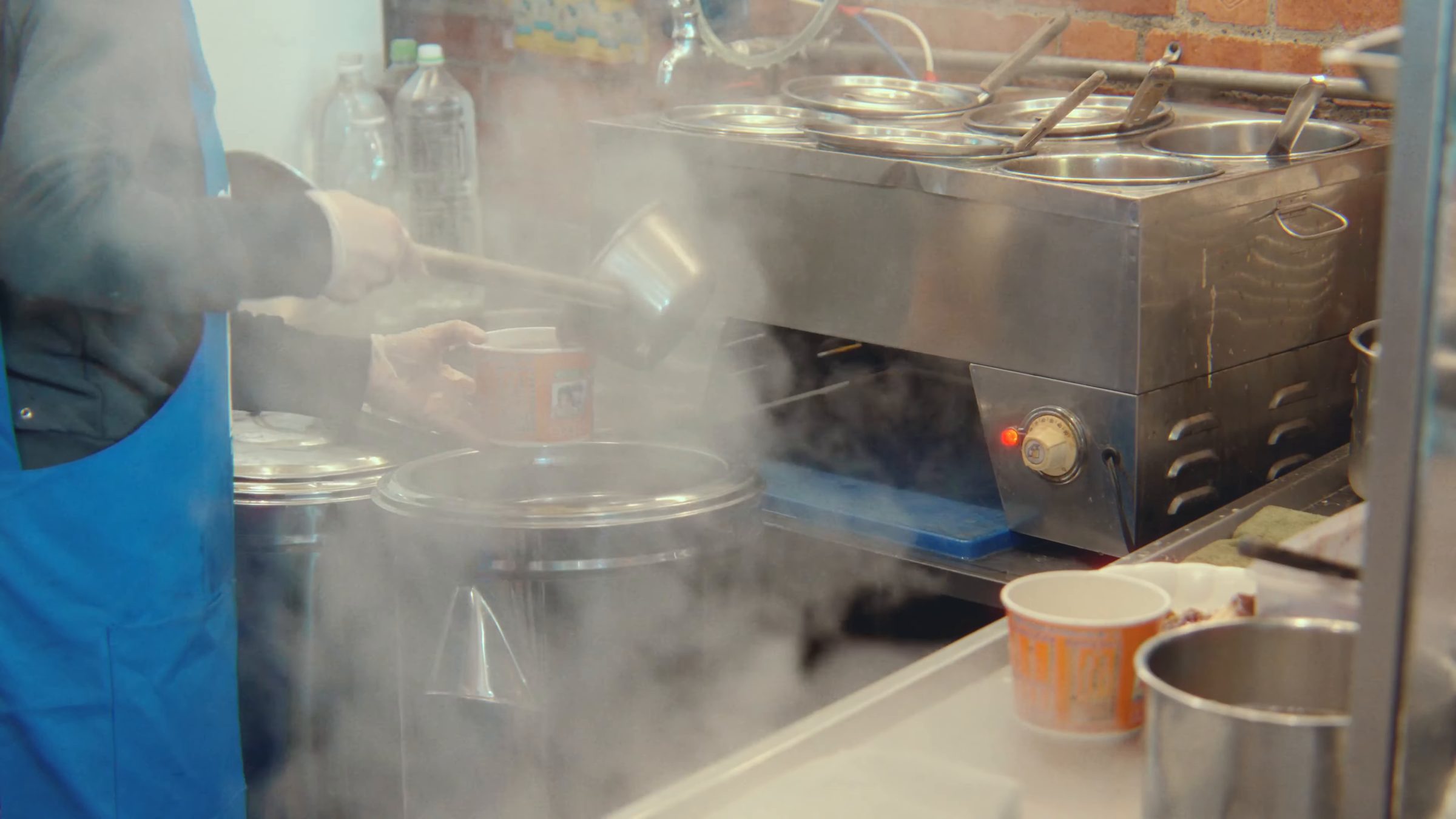
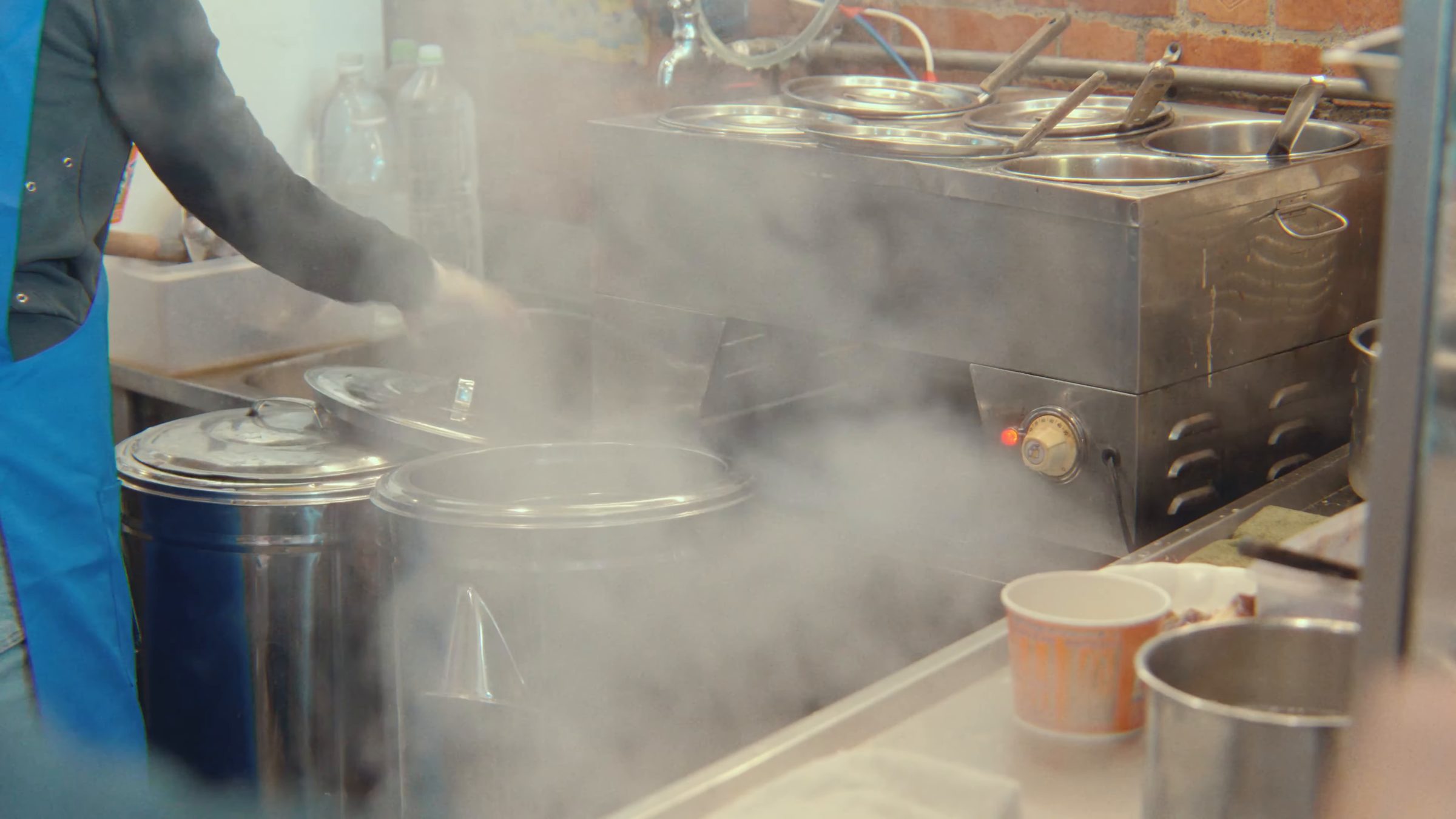
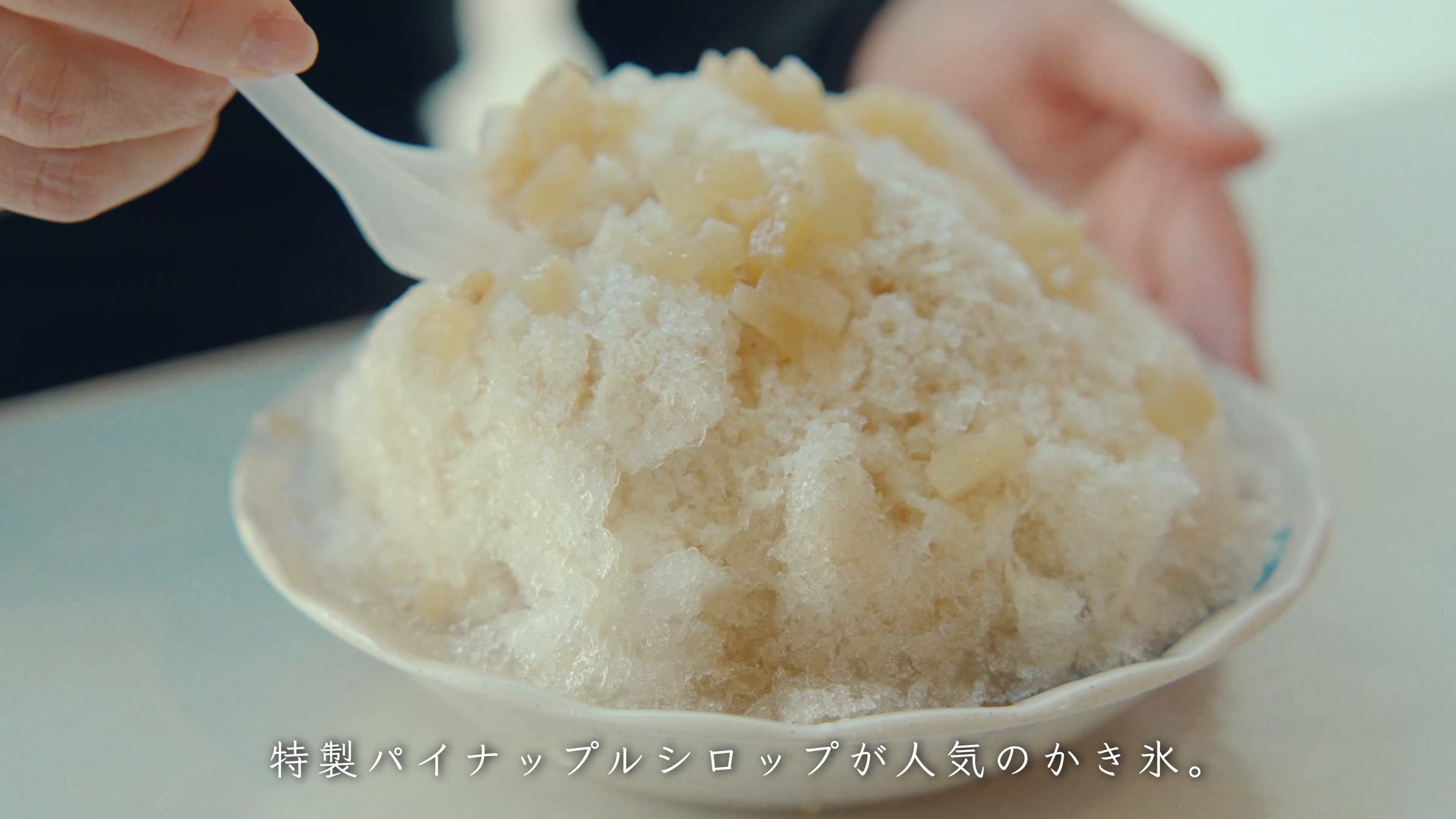
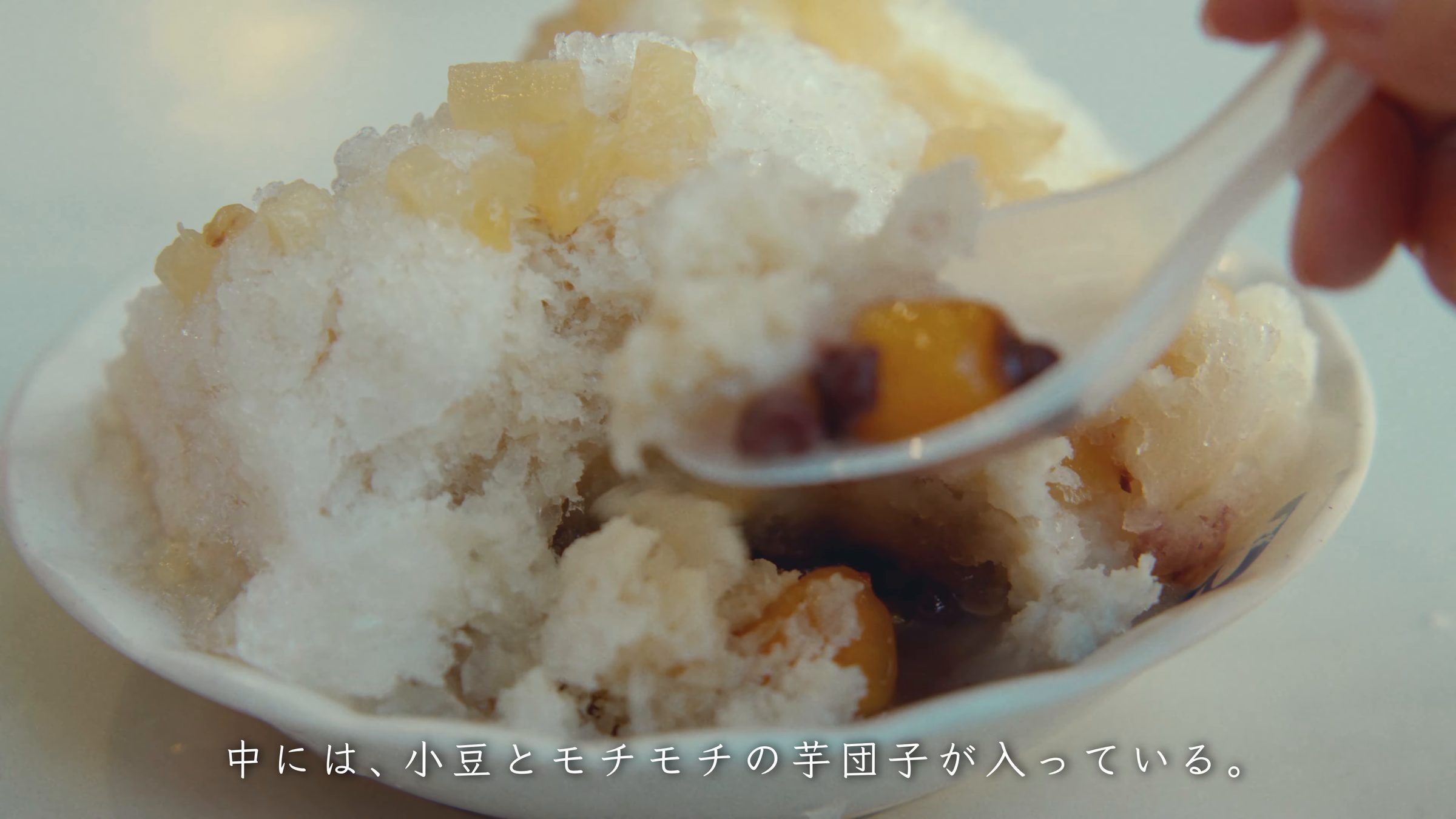
Out front, a big ice shaver was at work while steam rose from the pots beside it. I ordered the popular shaved ice with the shop's special pineapple syrup. The richness of condensed milk went beautifully with the pineapple, and inside were sweet red beans and chewy taro balls. It exceeded my expectations: deeply satisfying.
Watch this scene on YouTube3:51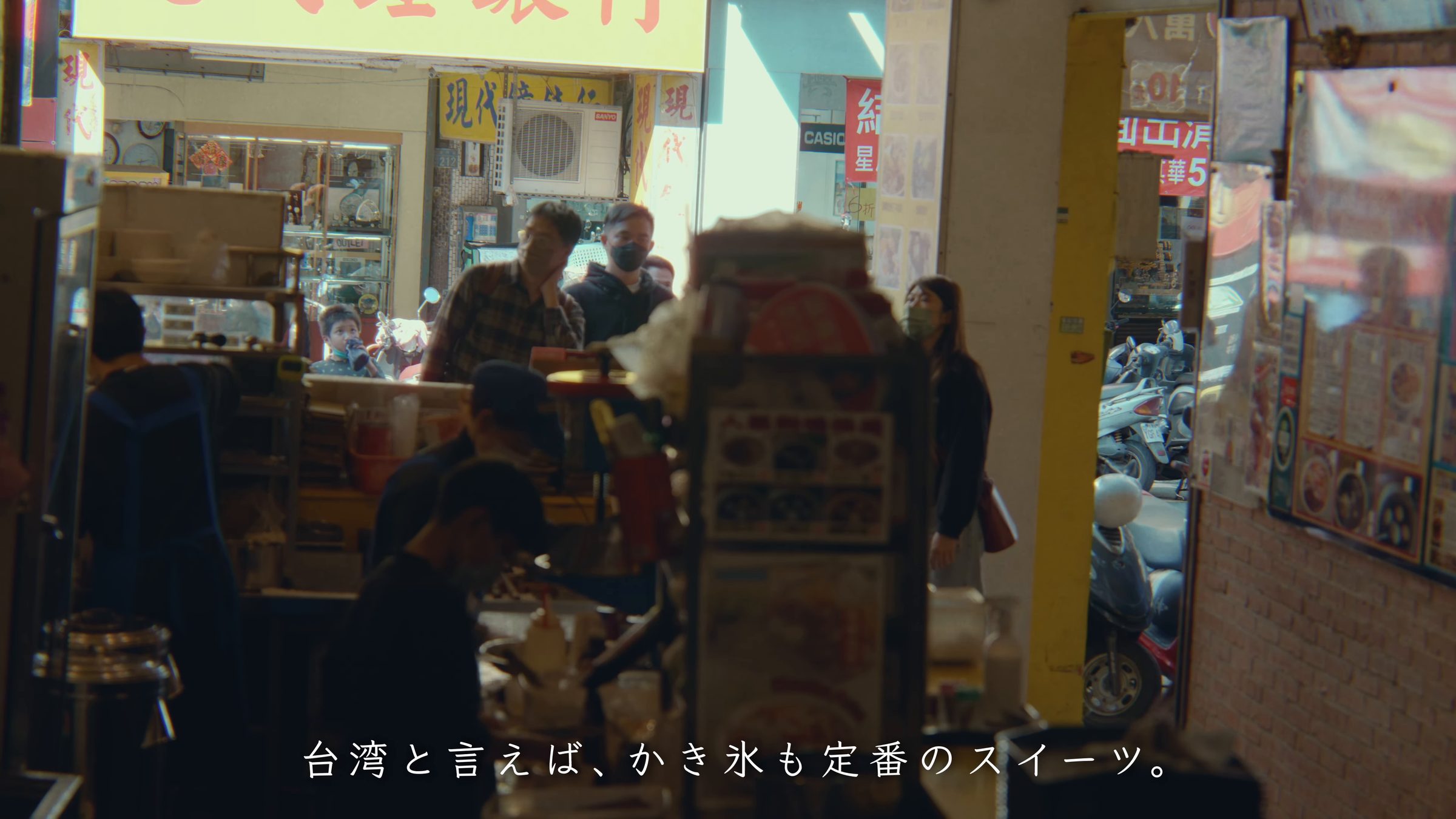
10TRAVEL JOURNAL
Hsinchu Station at dusk
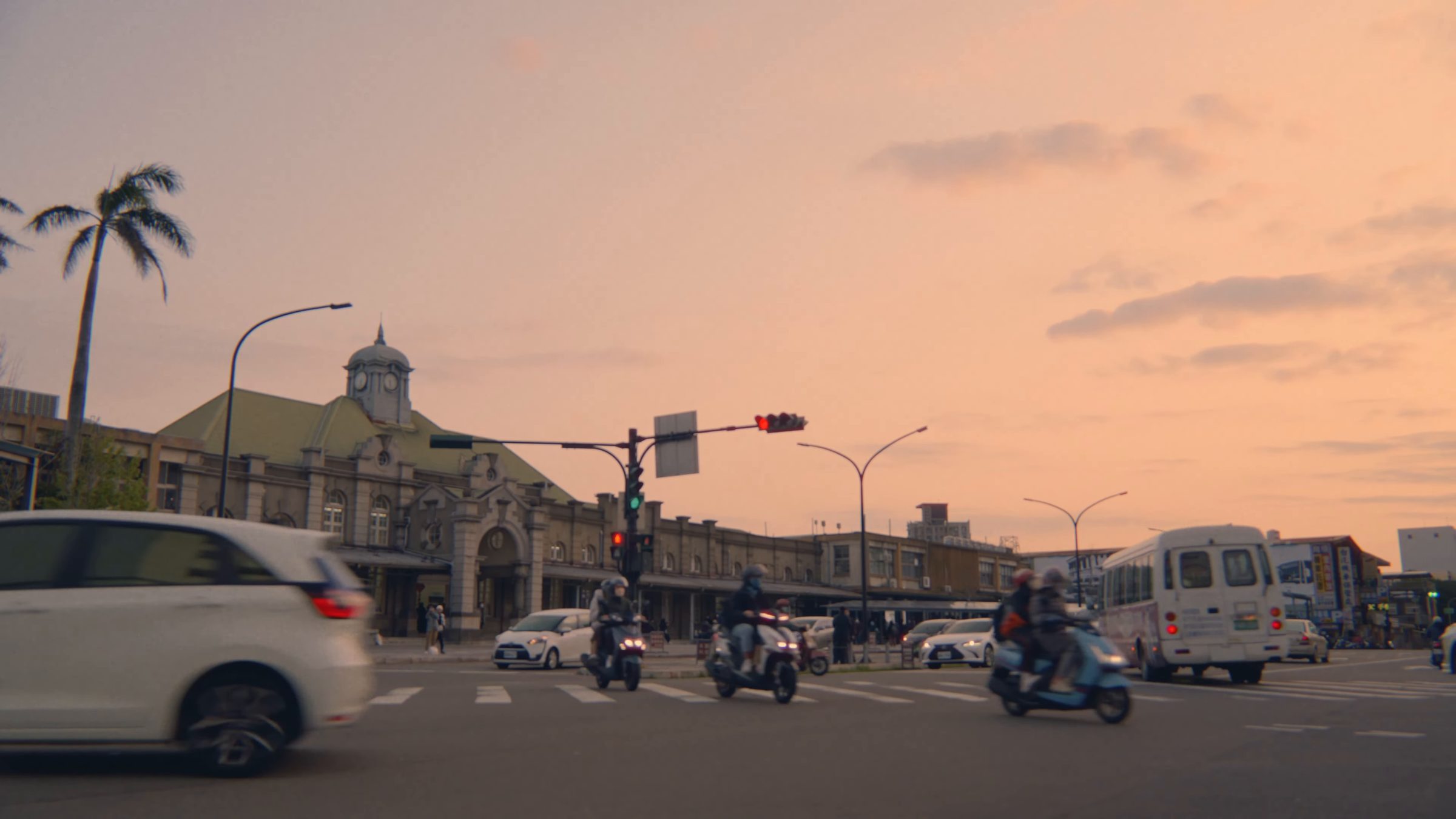
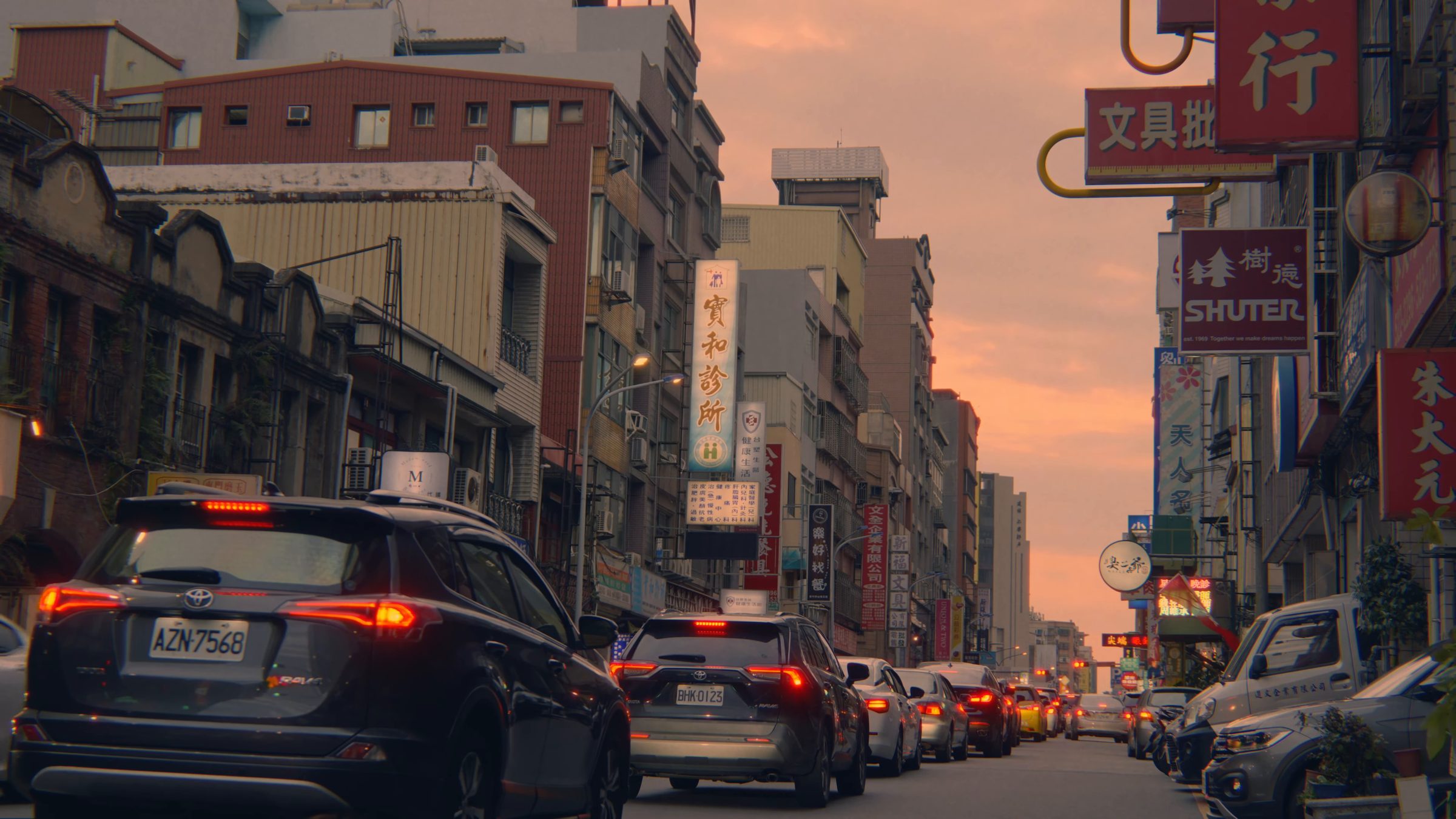
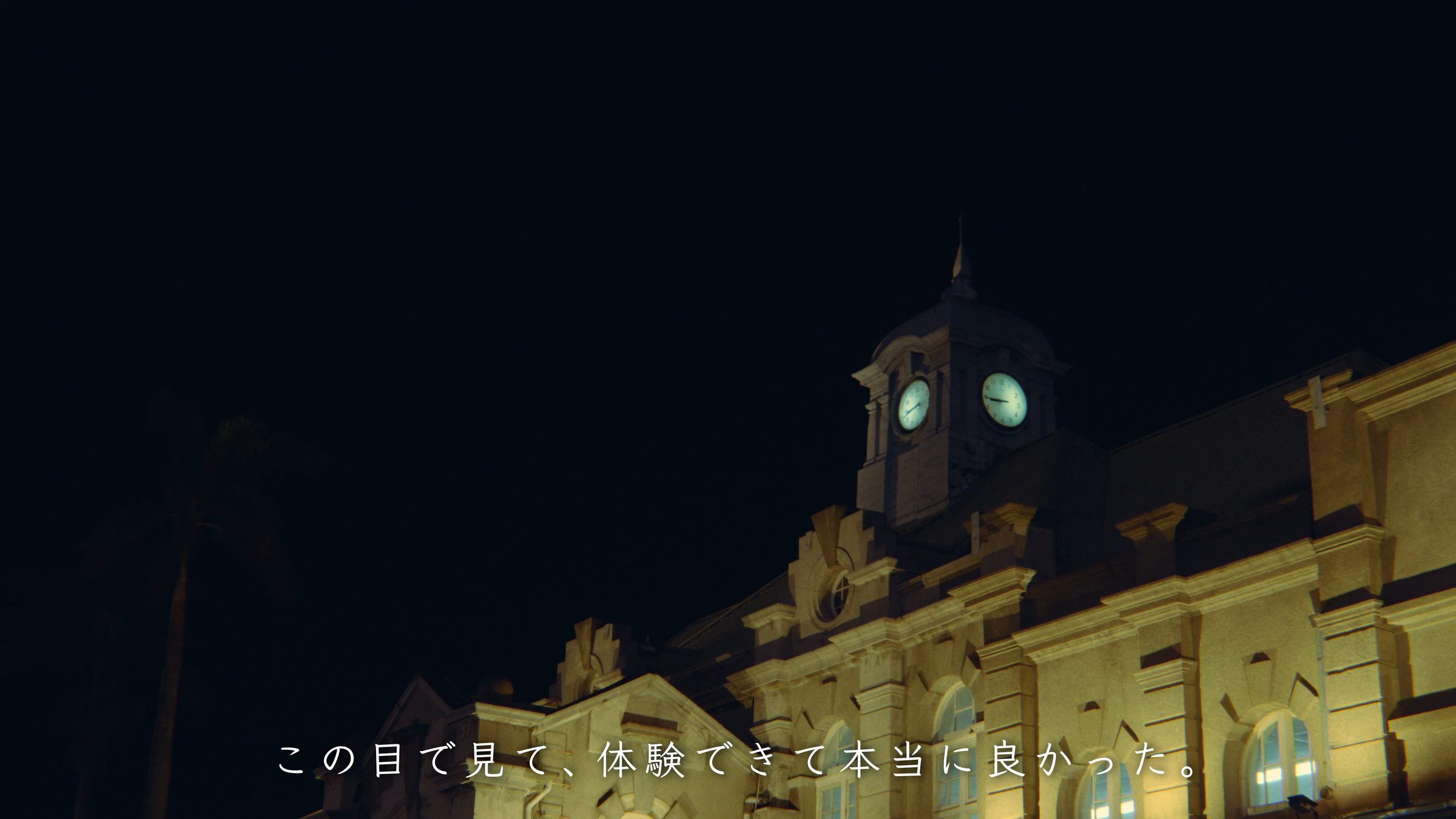
The station building of Hsinchu, built in 1913, is said to be the oldest station still in service in Taiwan. By day it stood beyond the palm trees; as the sun sank, the intersection in front of it and the signboard-lined streets turned the color of the sunset.
Watch this scene on YouTube4:28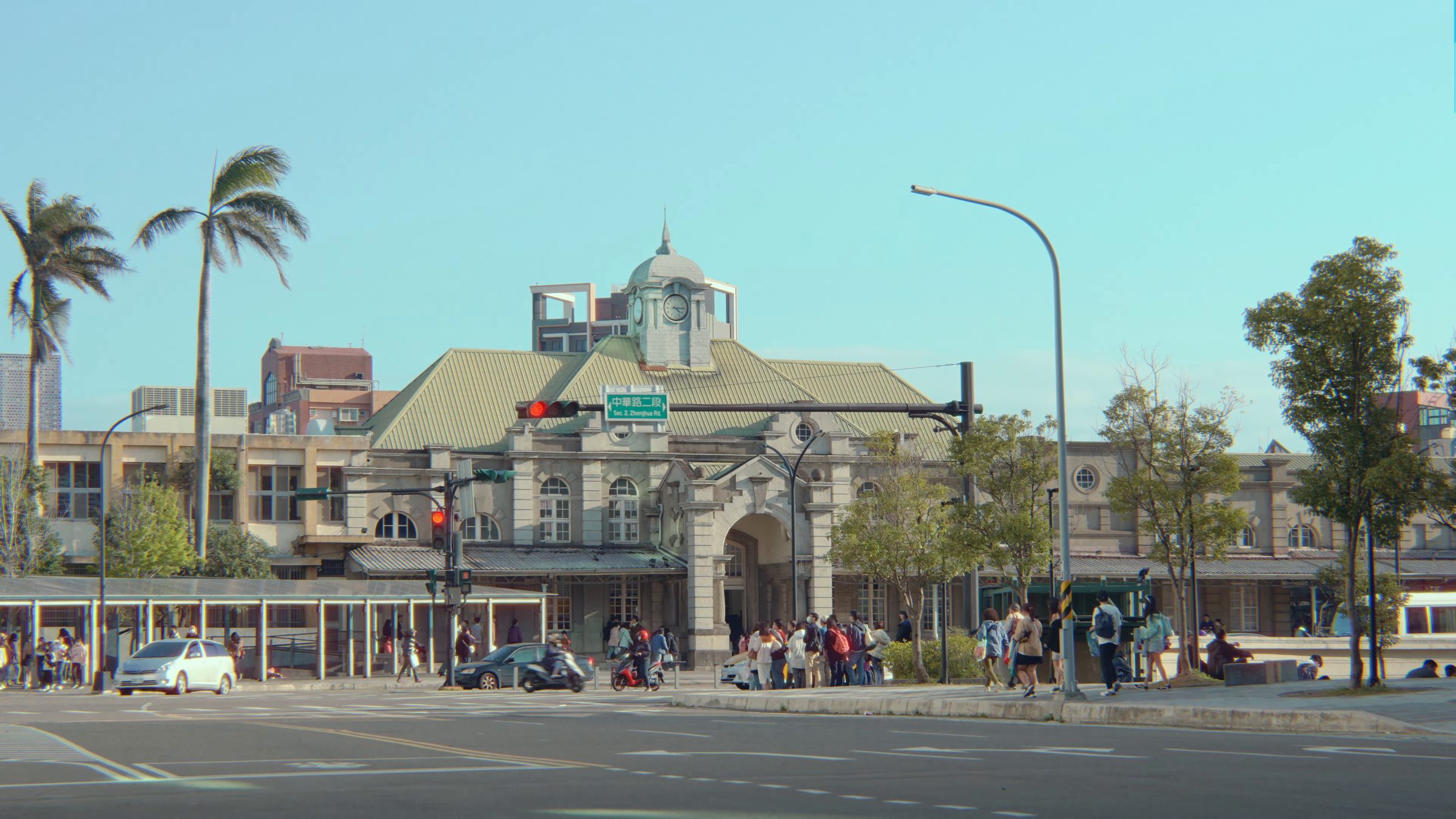
11TRAVEL JOURNAL
The night market at the City God Temple
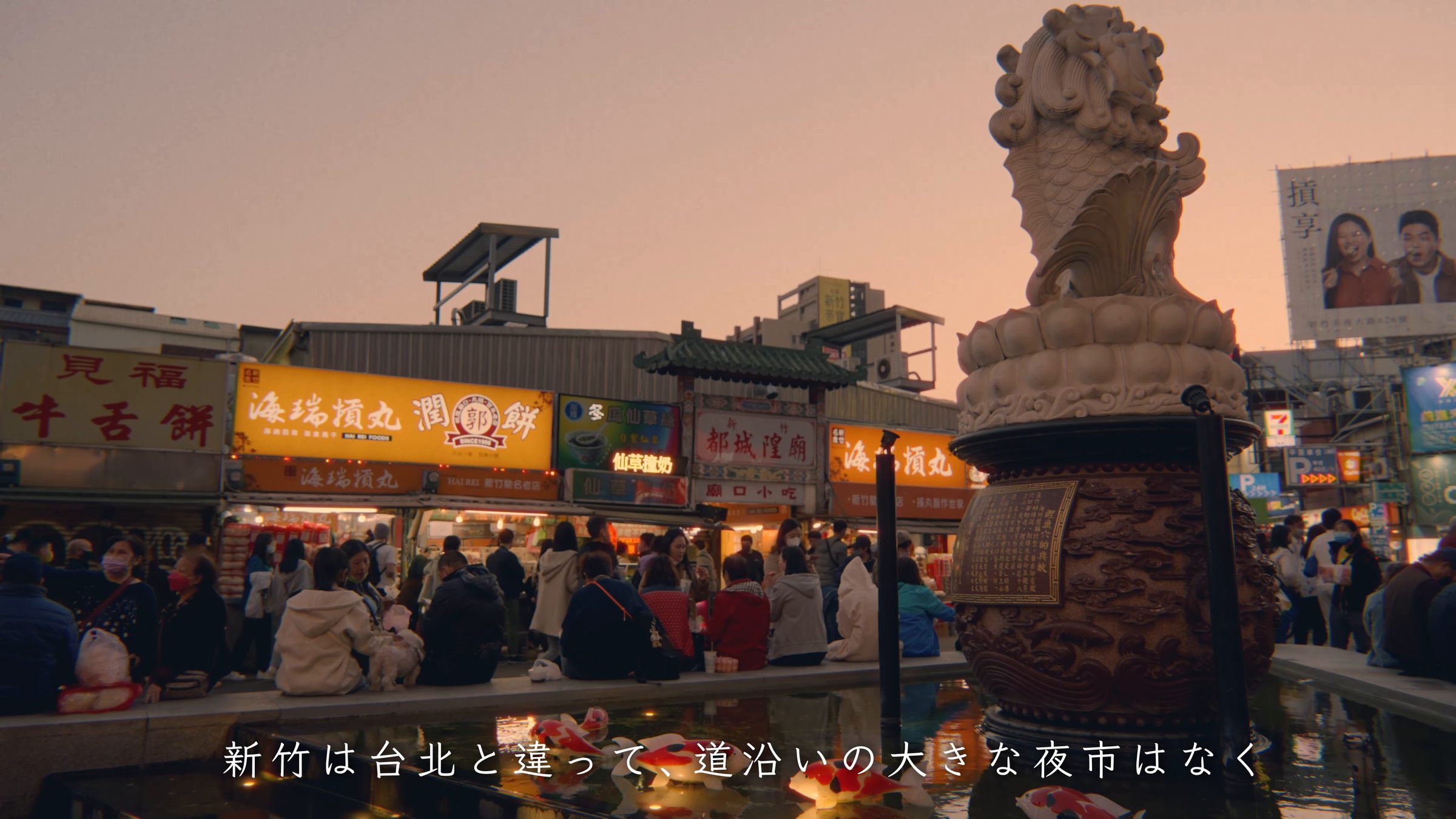
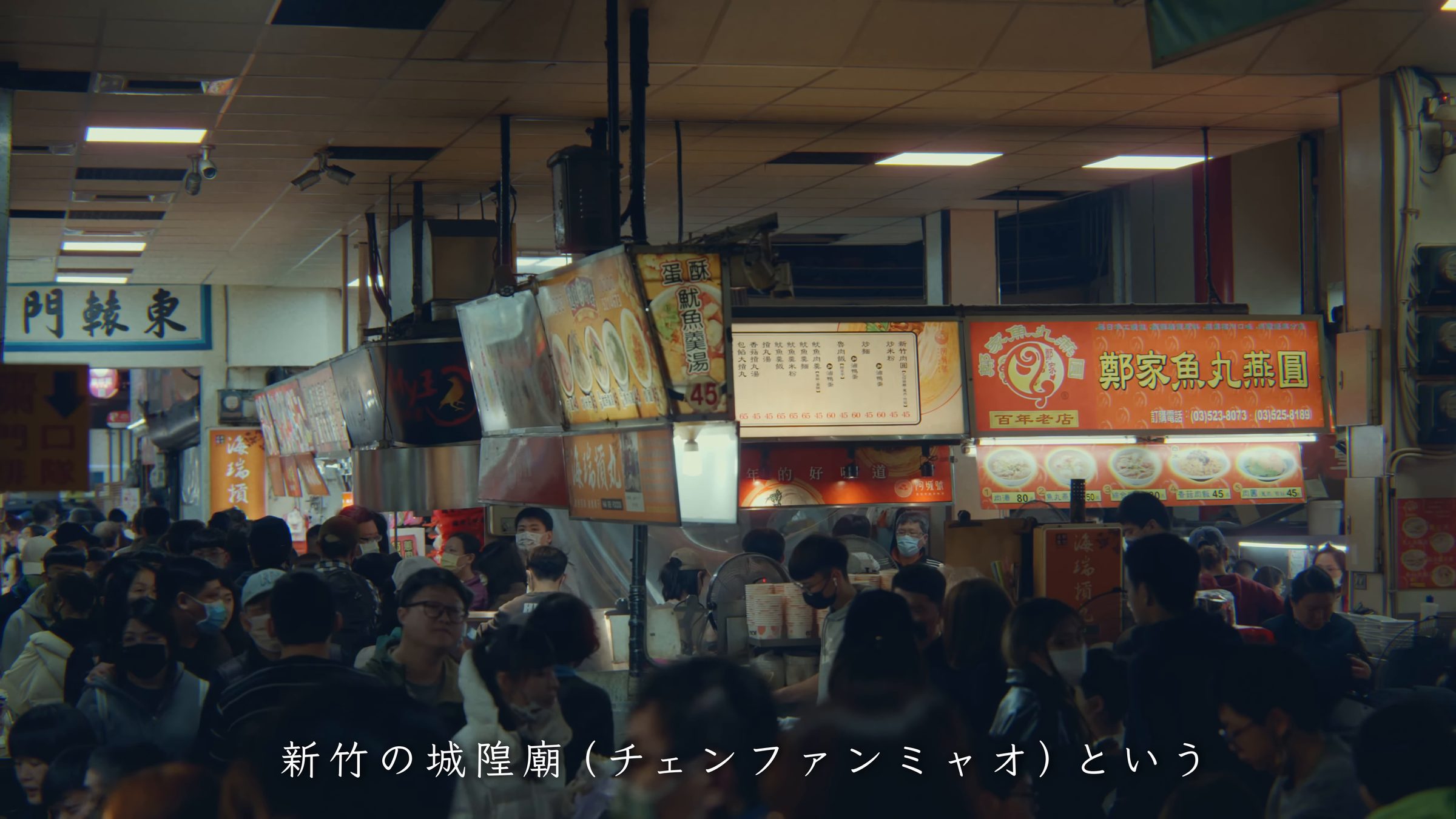
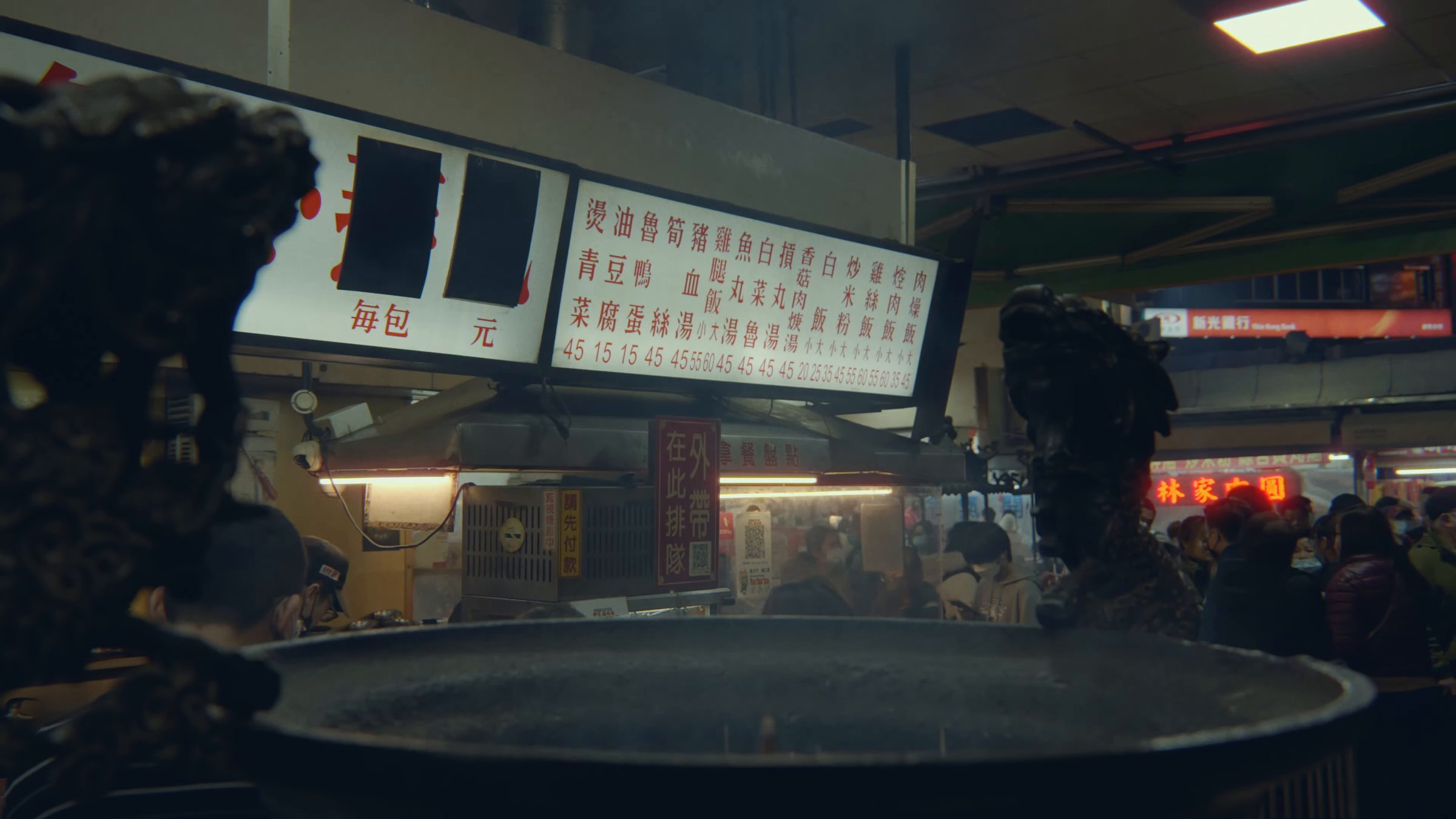
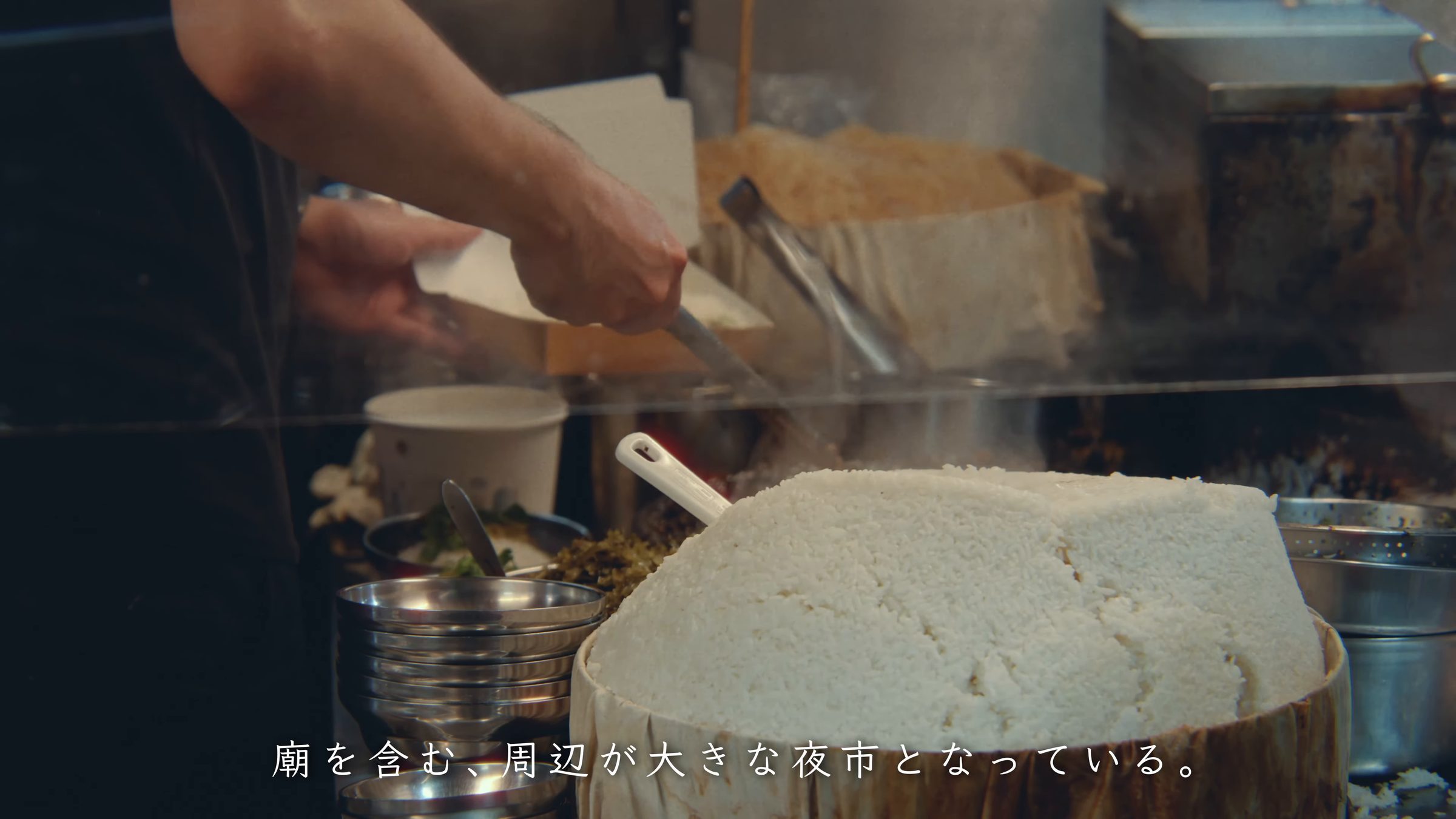
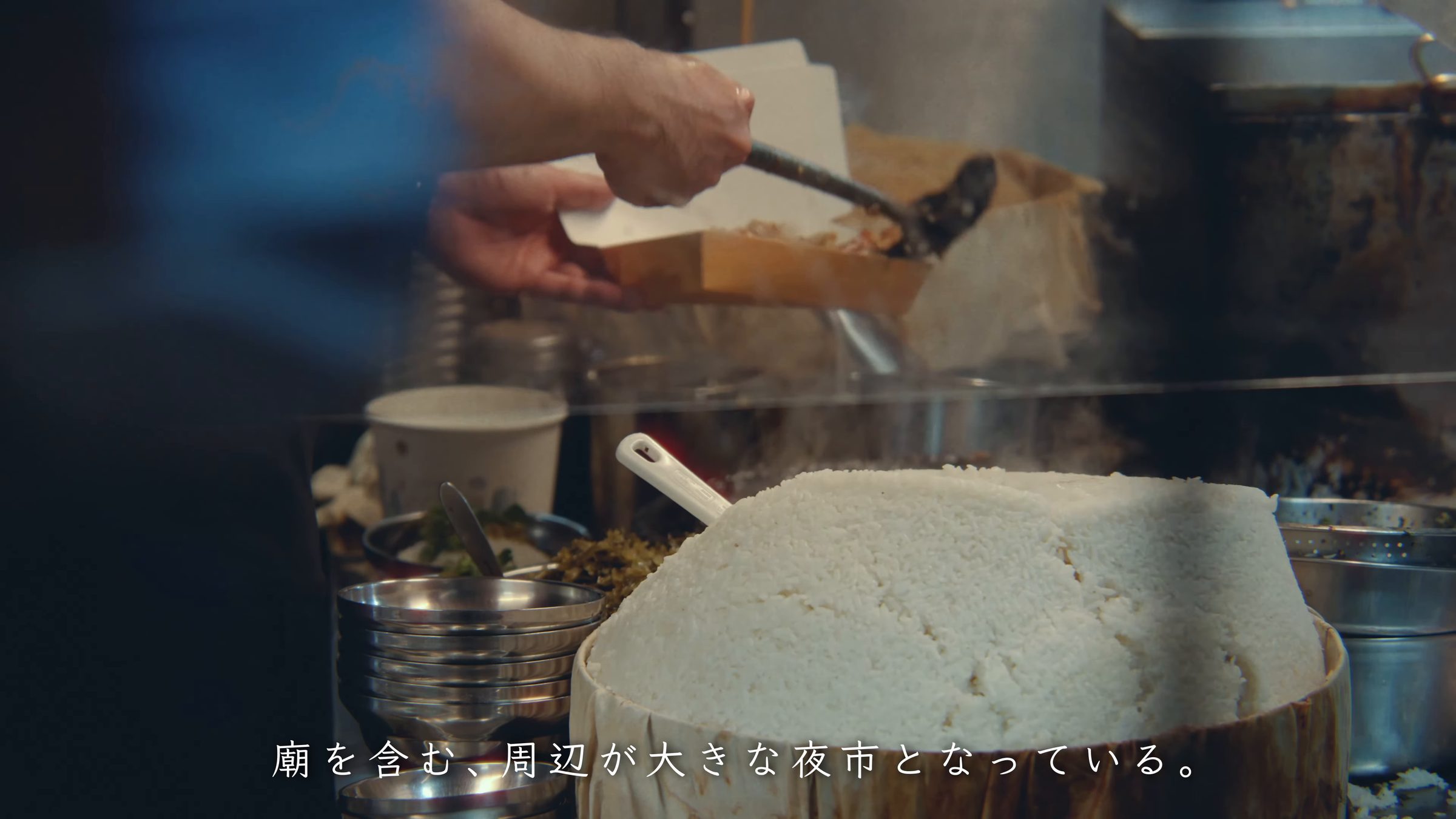
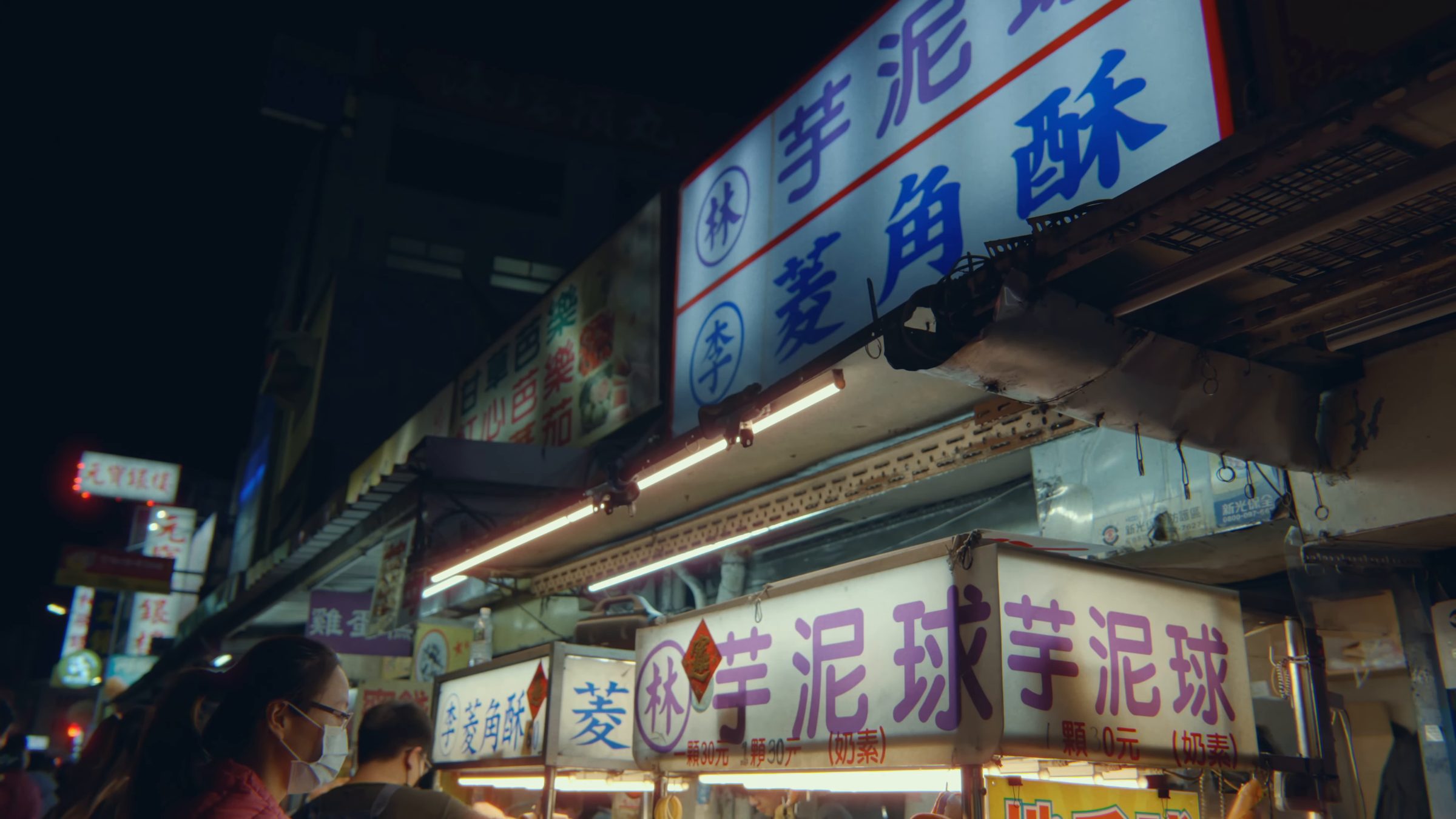
Unlike Taipei, Hsinchu has no big night market along a street; instead, the whole area around the City God Temple, Cheng Huang Miao, becomes one. Crowds streamed beneath the temple roof. Past a stone lion, stalls stretched on, steam rising in front of their menu boards. Hands filling paper boxes, hands working a griddle, a sign for taro balls and water-chestnut cakes.
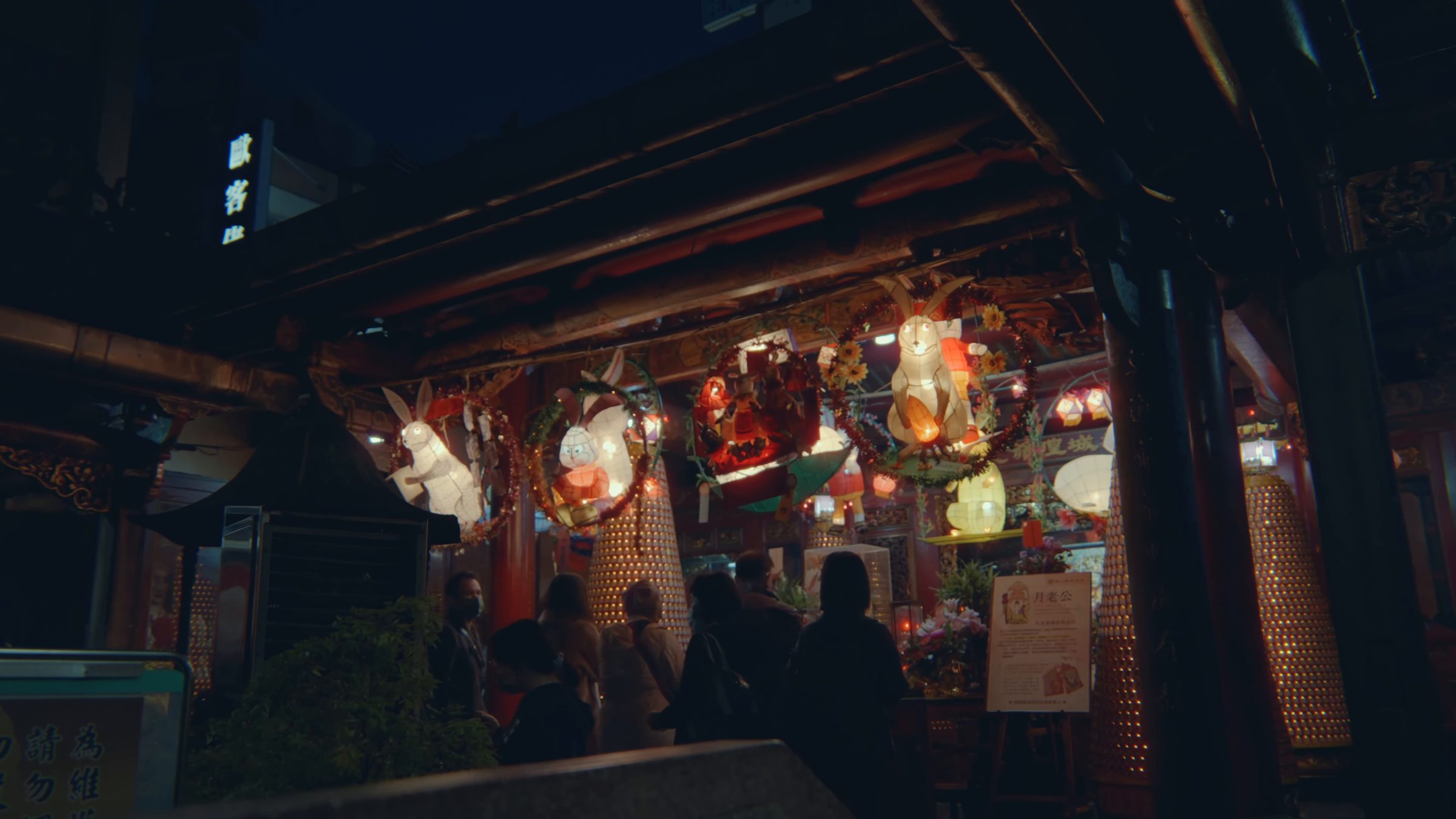
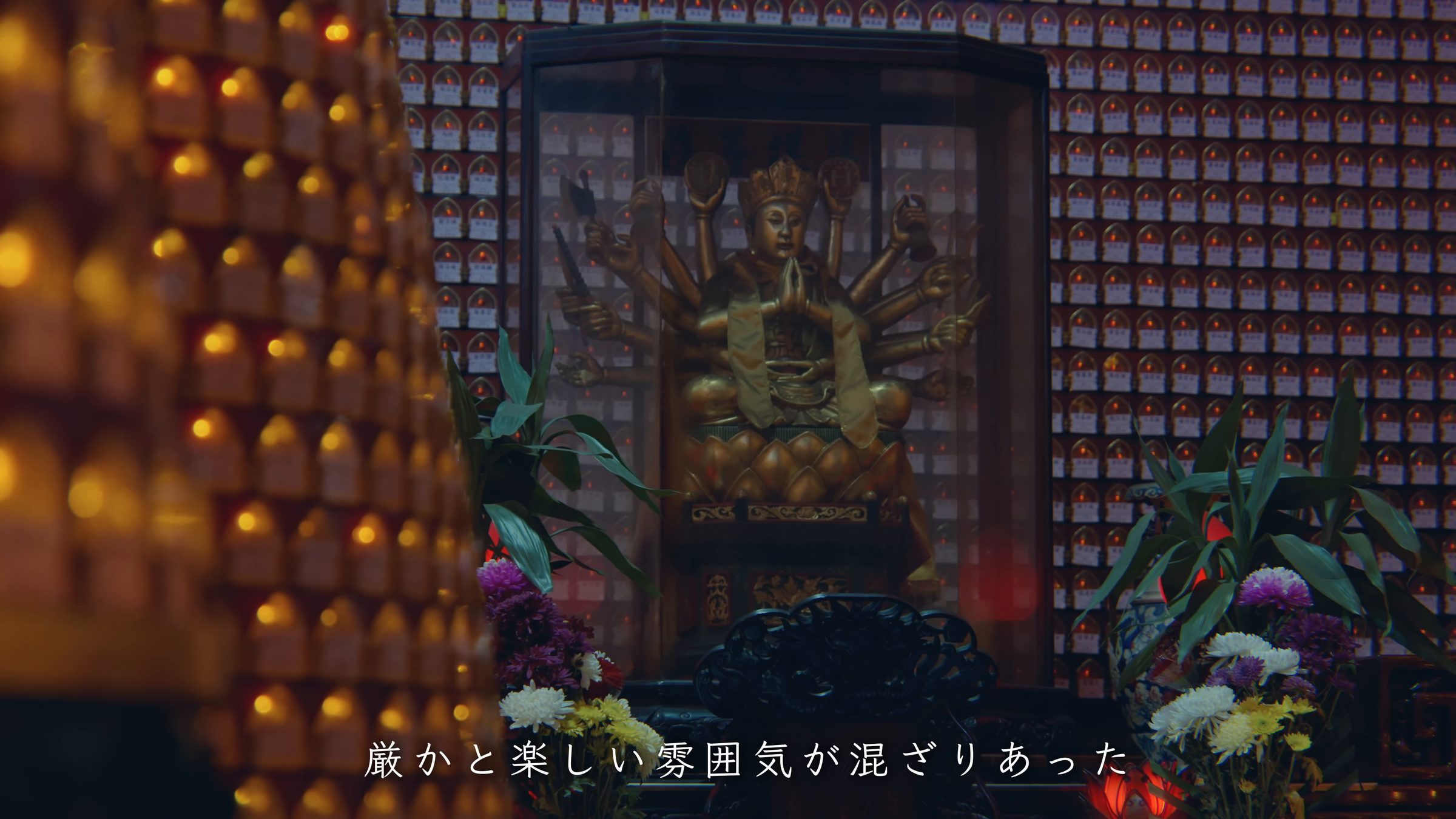
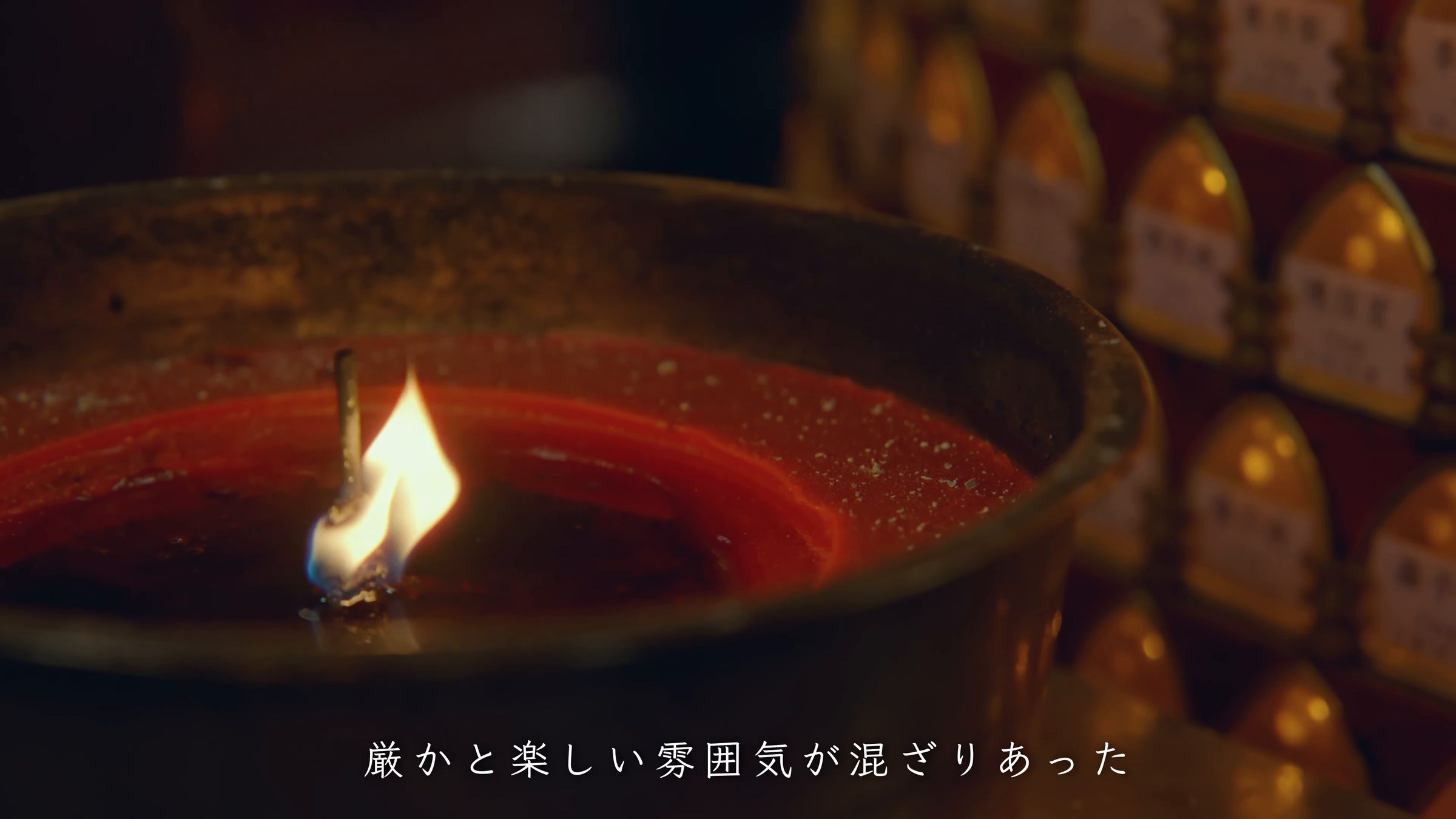
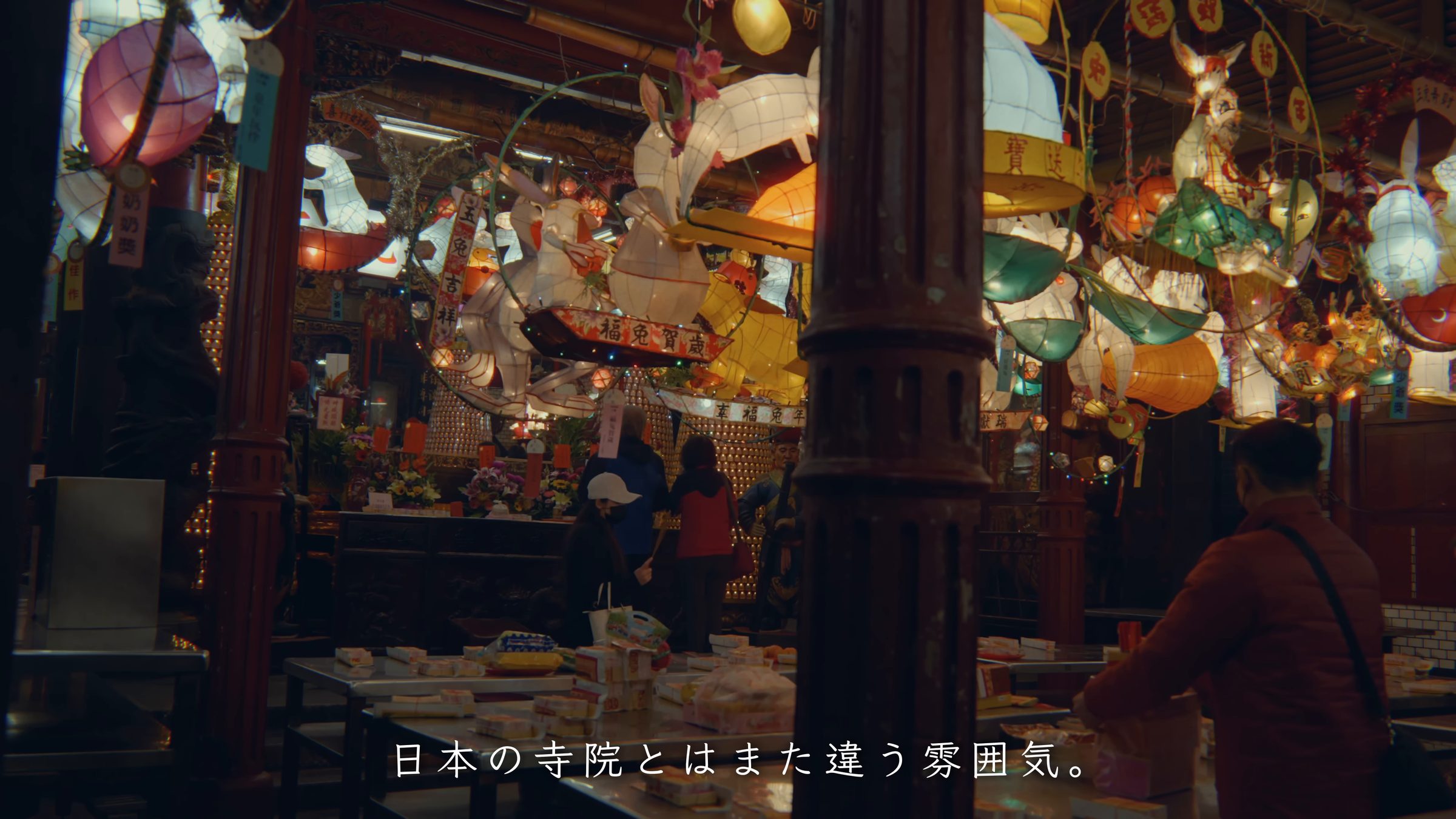
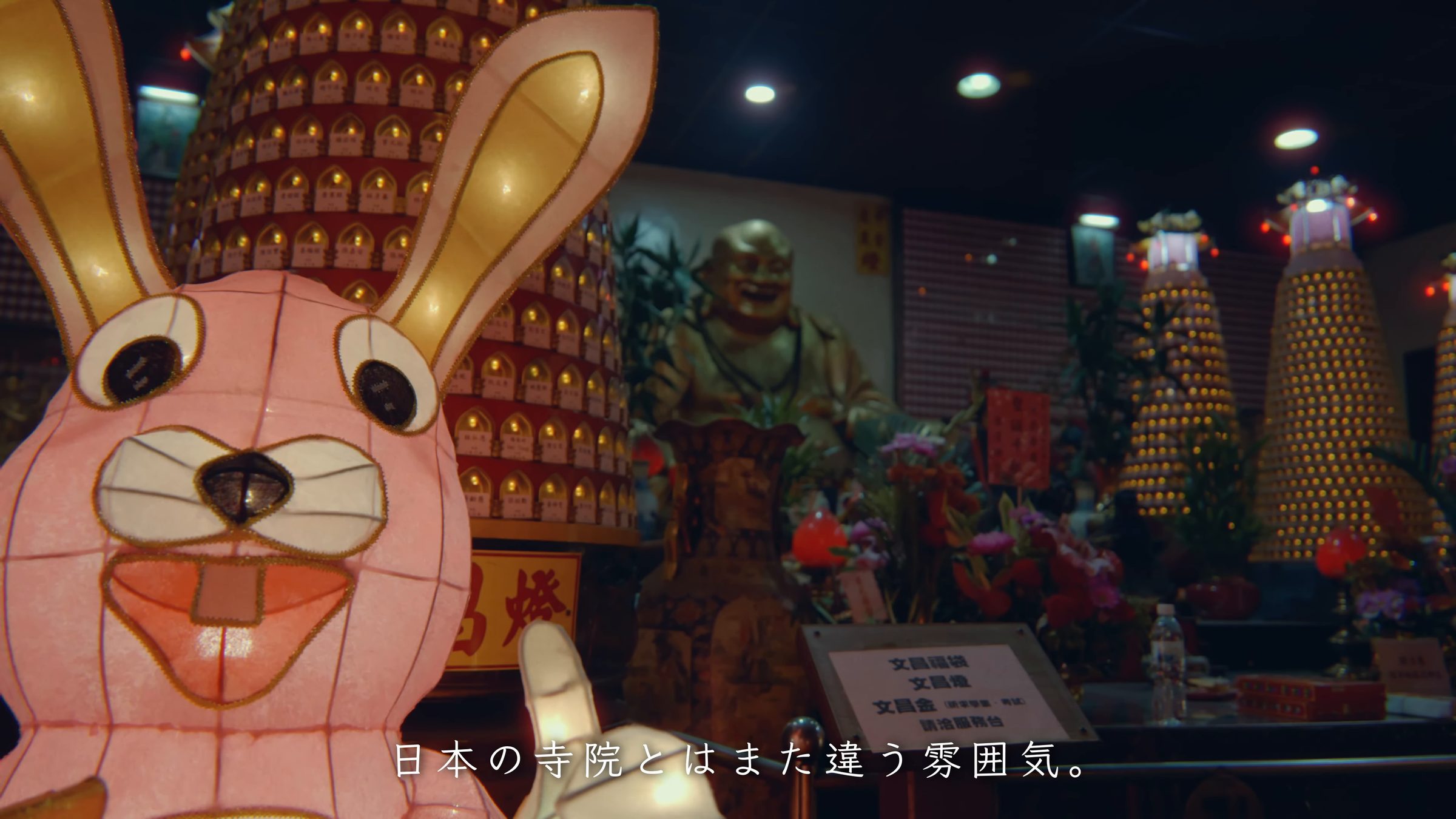
The temple was completed in 1748 and was busy with local worshippers. A gilded statue glowing in the light, a candle burning in a red bowl, a ceiling full of lanterns, rabbit lanterns among them. A mix of solemnity and festivity, quite different from a temple in Japan.
Watch this scene on YouTube4:42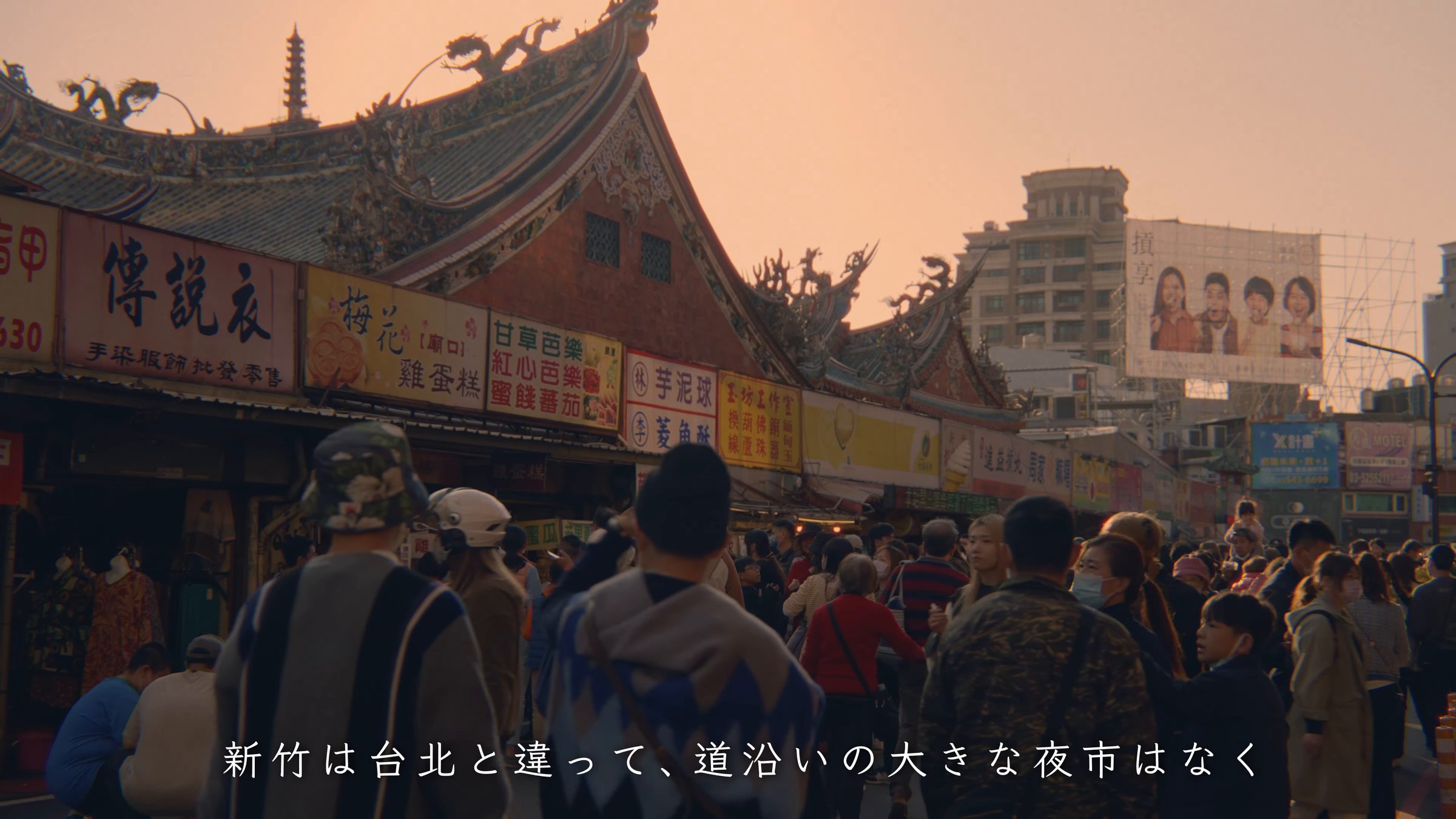
12TRAVEL JOURNAL
Rice vermicelli and meatball soup, Hsinchu's specialties
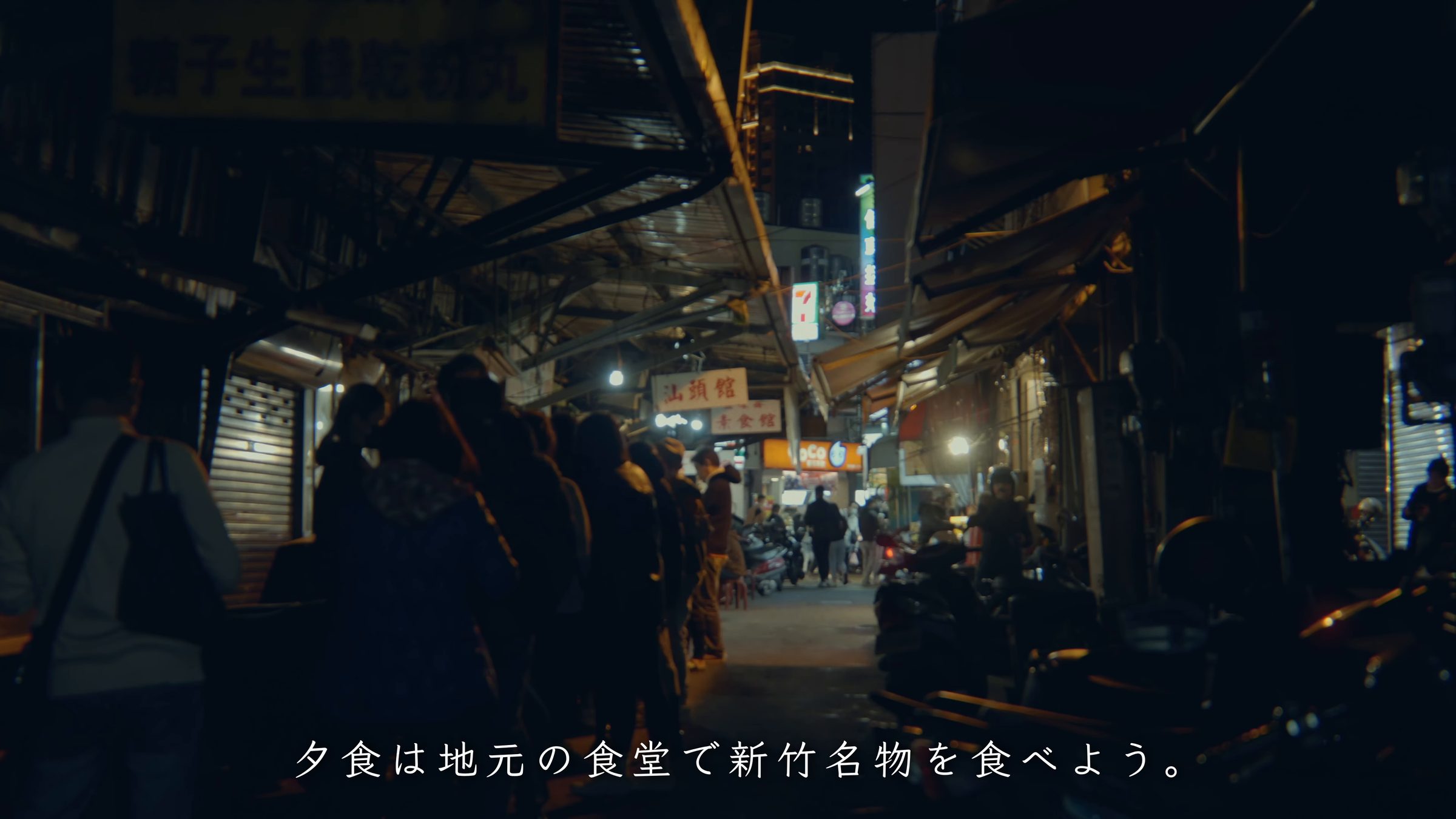
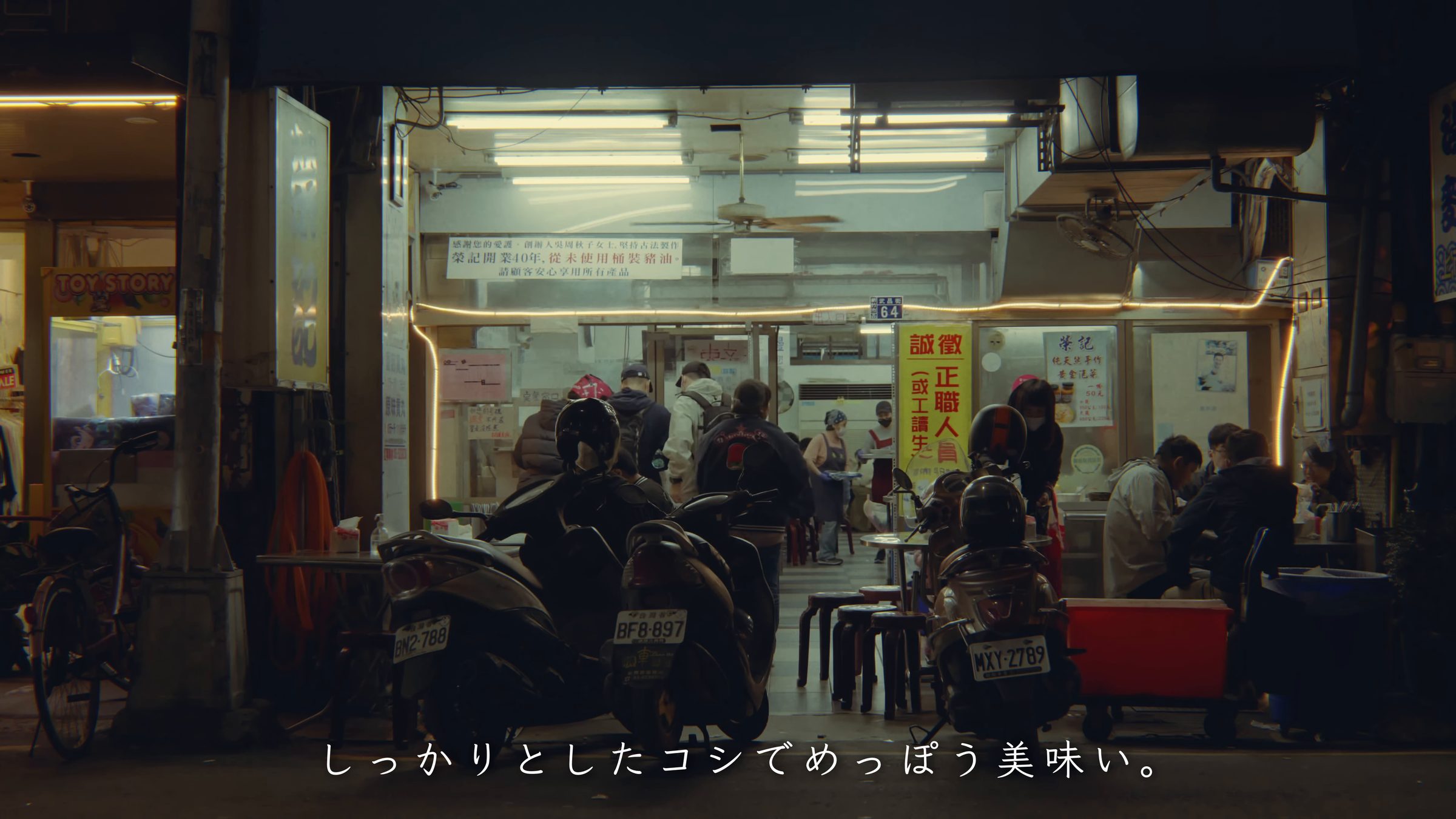
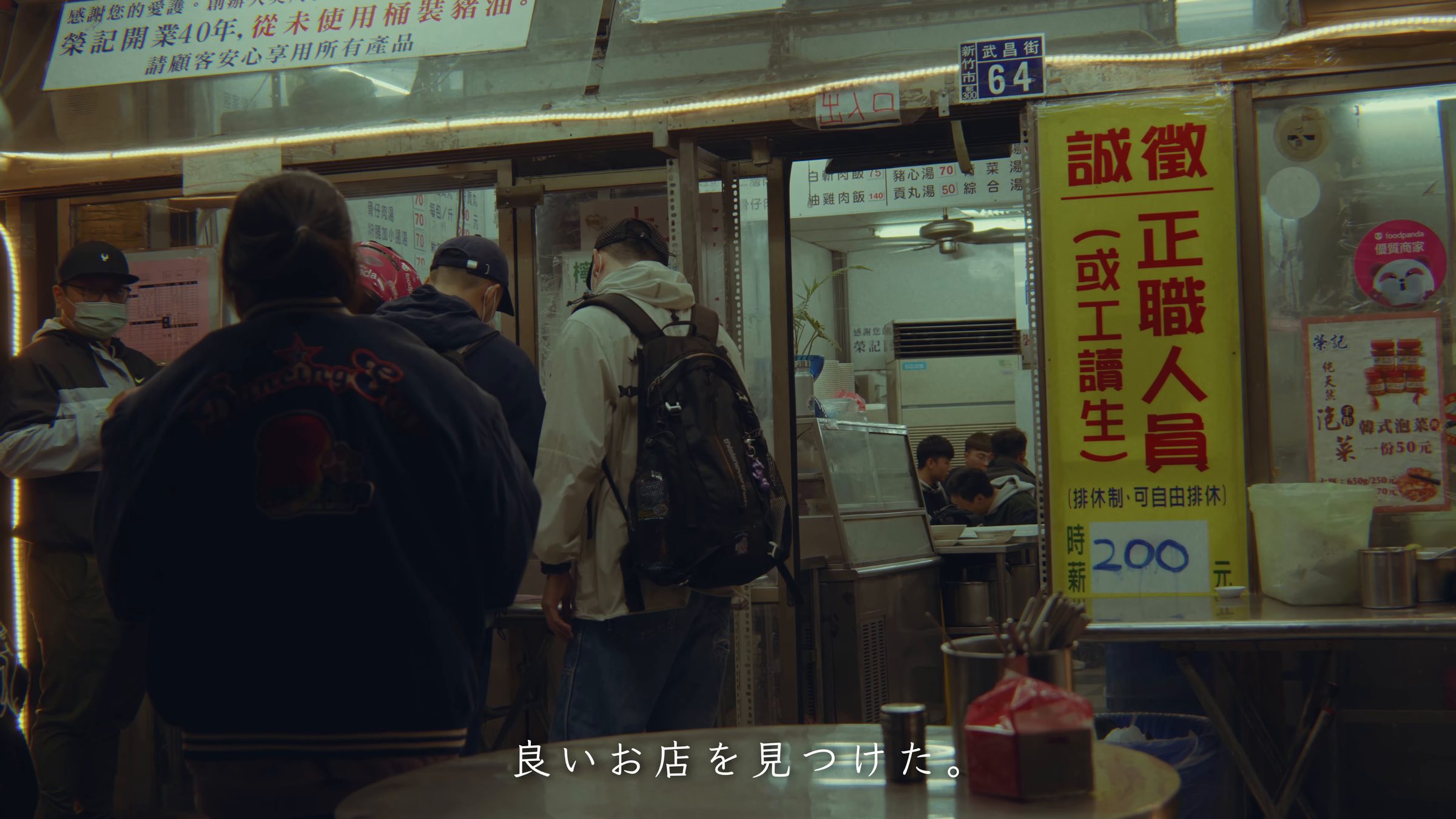
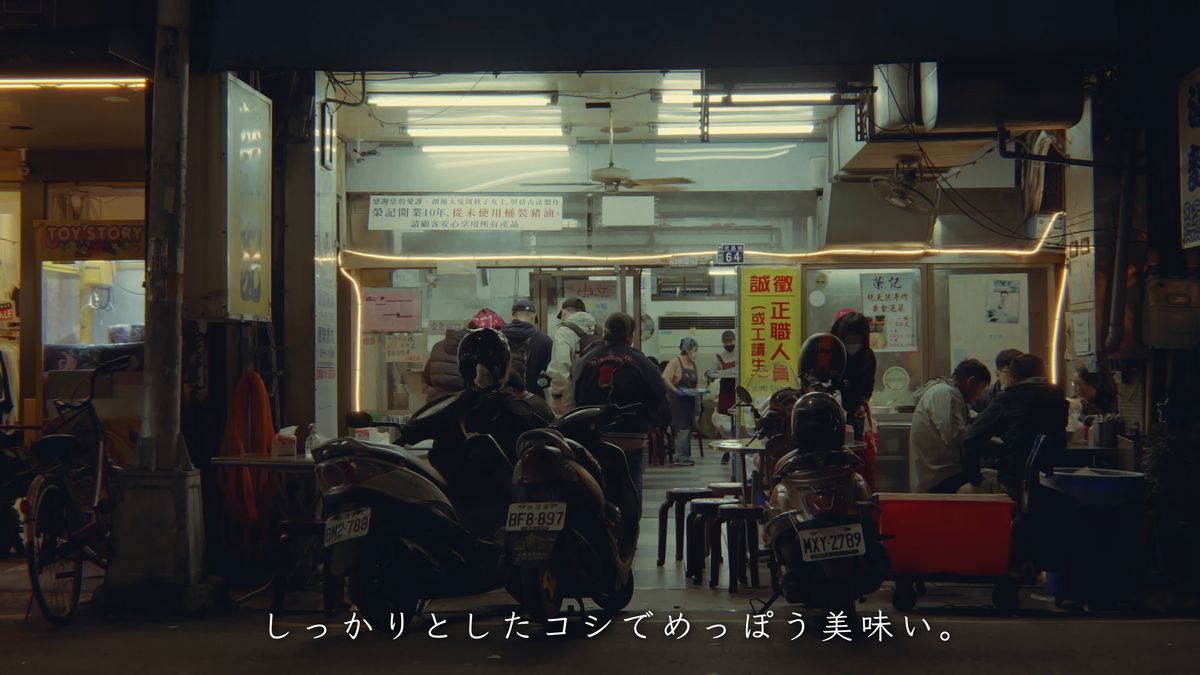
For dinner, Hsinchu's specialties at a local eatery. I left the stalls behind, walked down an alley of closed shutters, and arrived at Rongji on Wuchang Street. Windy Hsinchu is famous for its rice vermicelli.
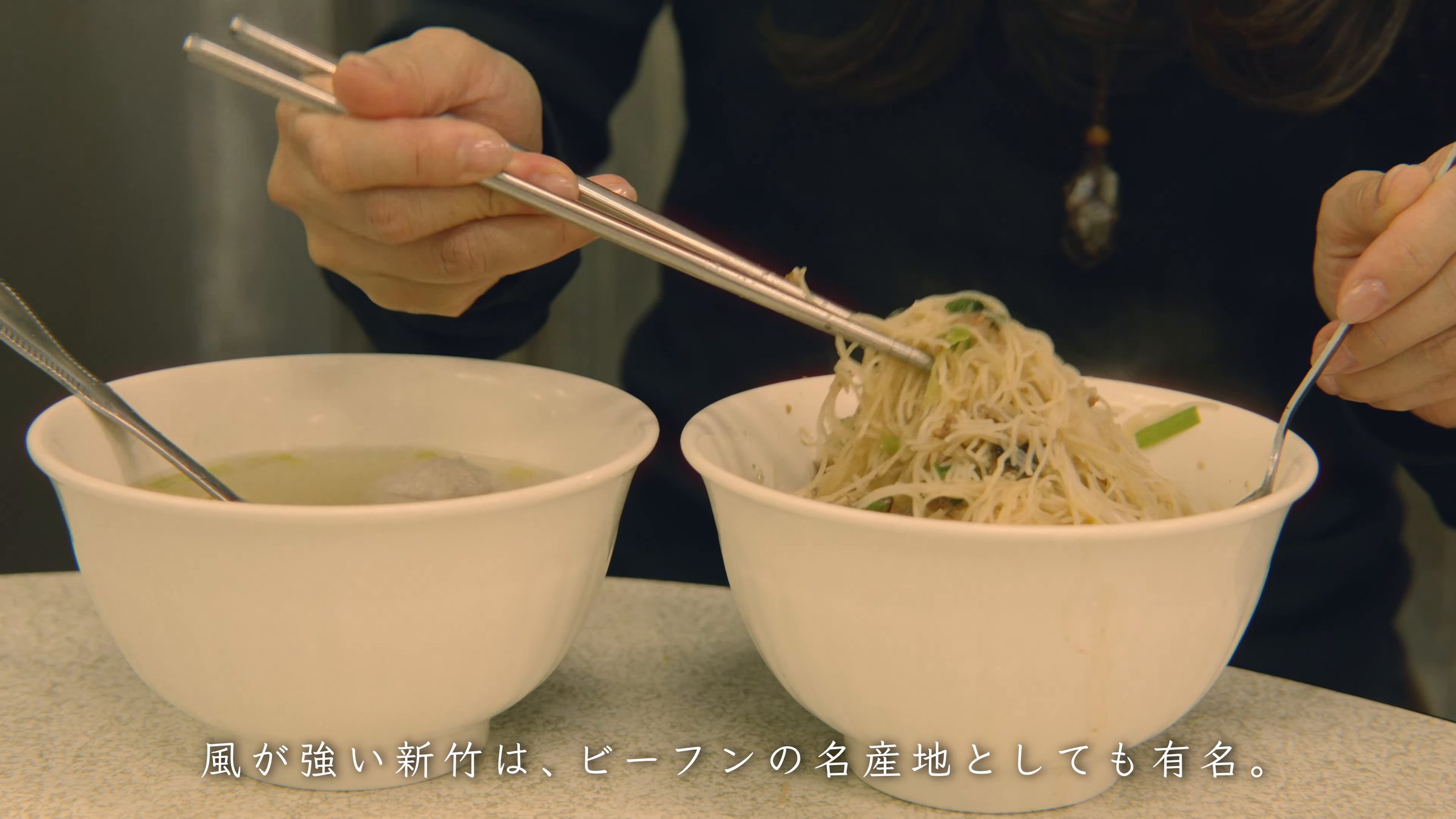
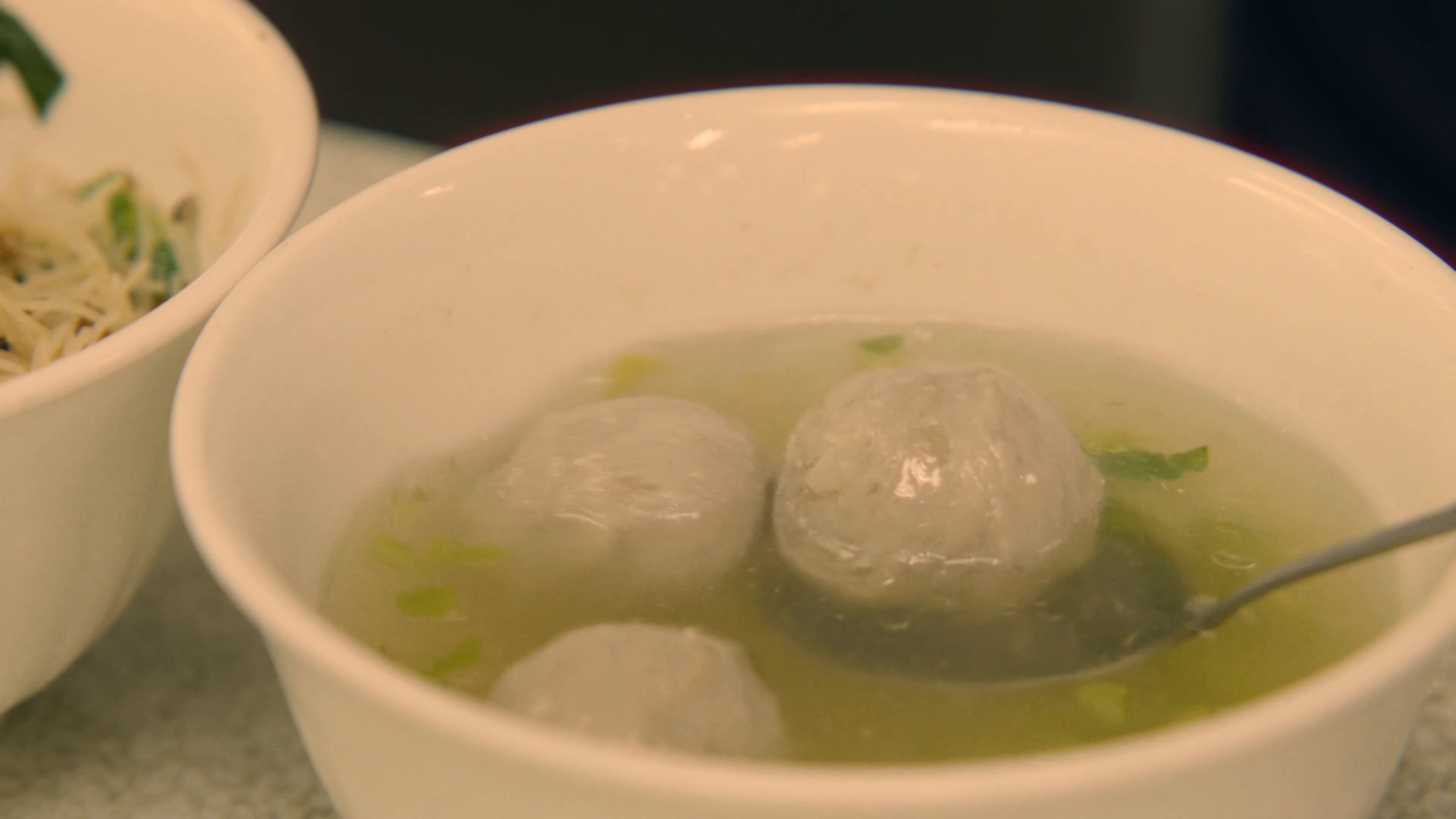
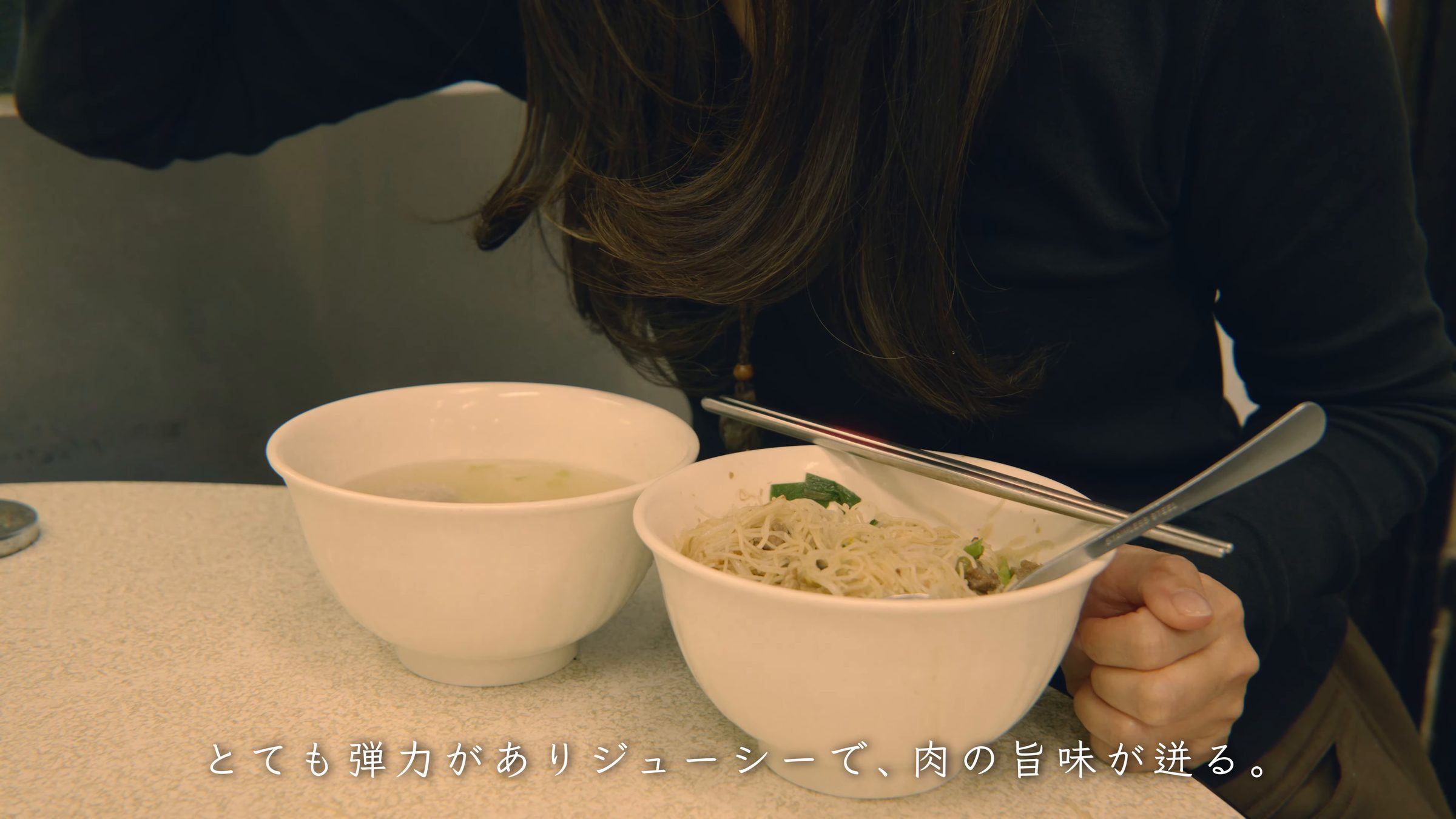
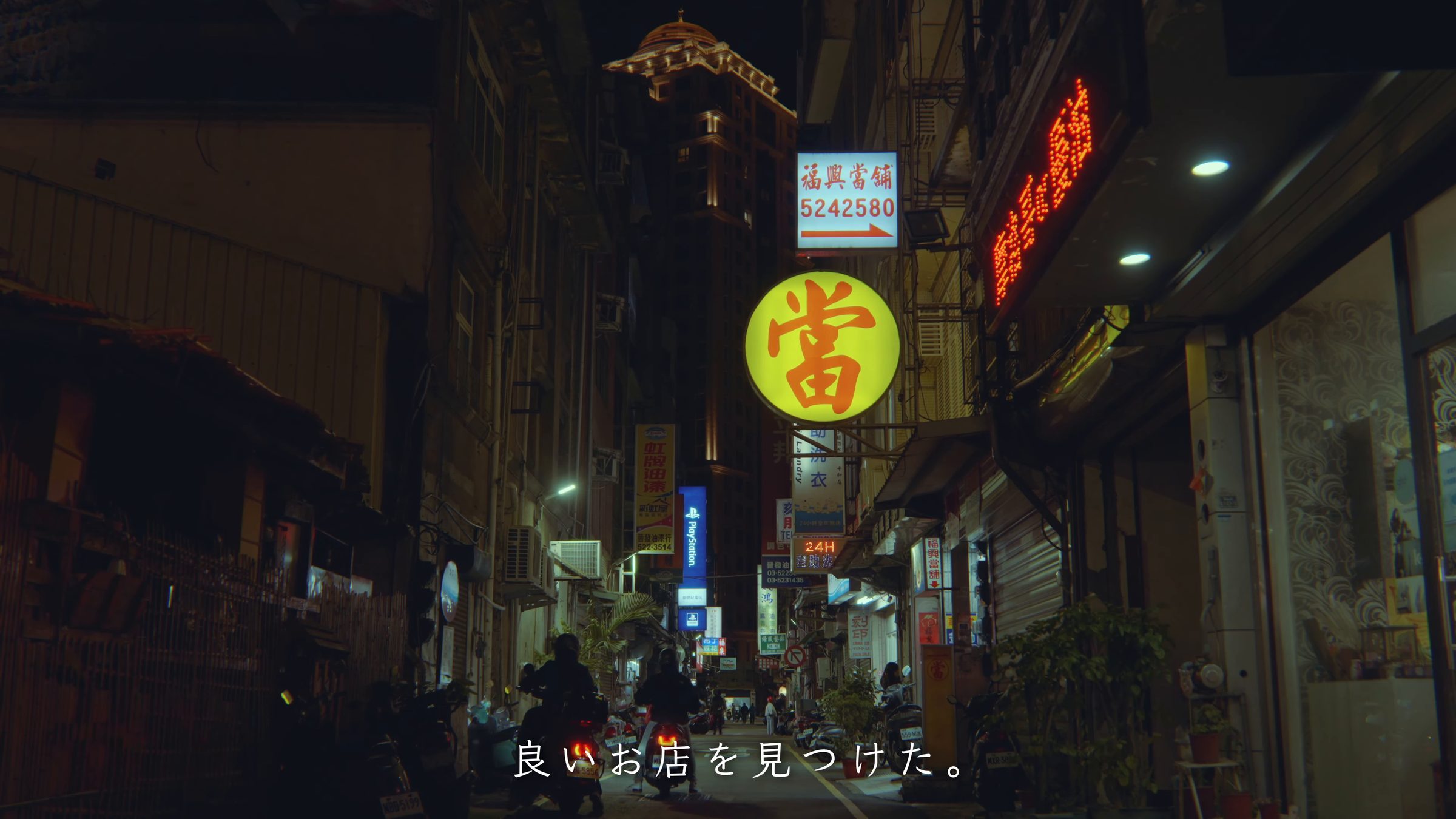
The noodles I lifted with my chopsticks had a firm, springy bite and were tremendously good. Gongwan tang, meatball soup, is another Hsinchu specialty: bouncy, juicy meatballs bursting with flavor. No wonder the place was full of locals. I had found a great restaurant. Under the glowing sign of a pawnshop, I walked back to the apartment.
Watch this scene on YouTube5:20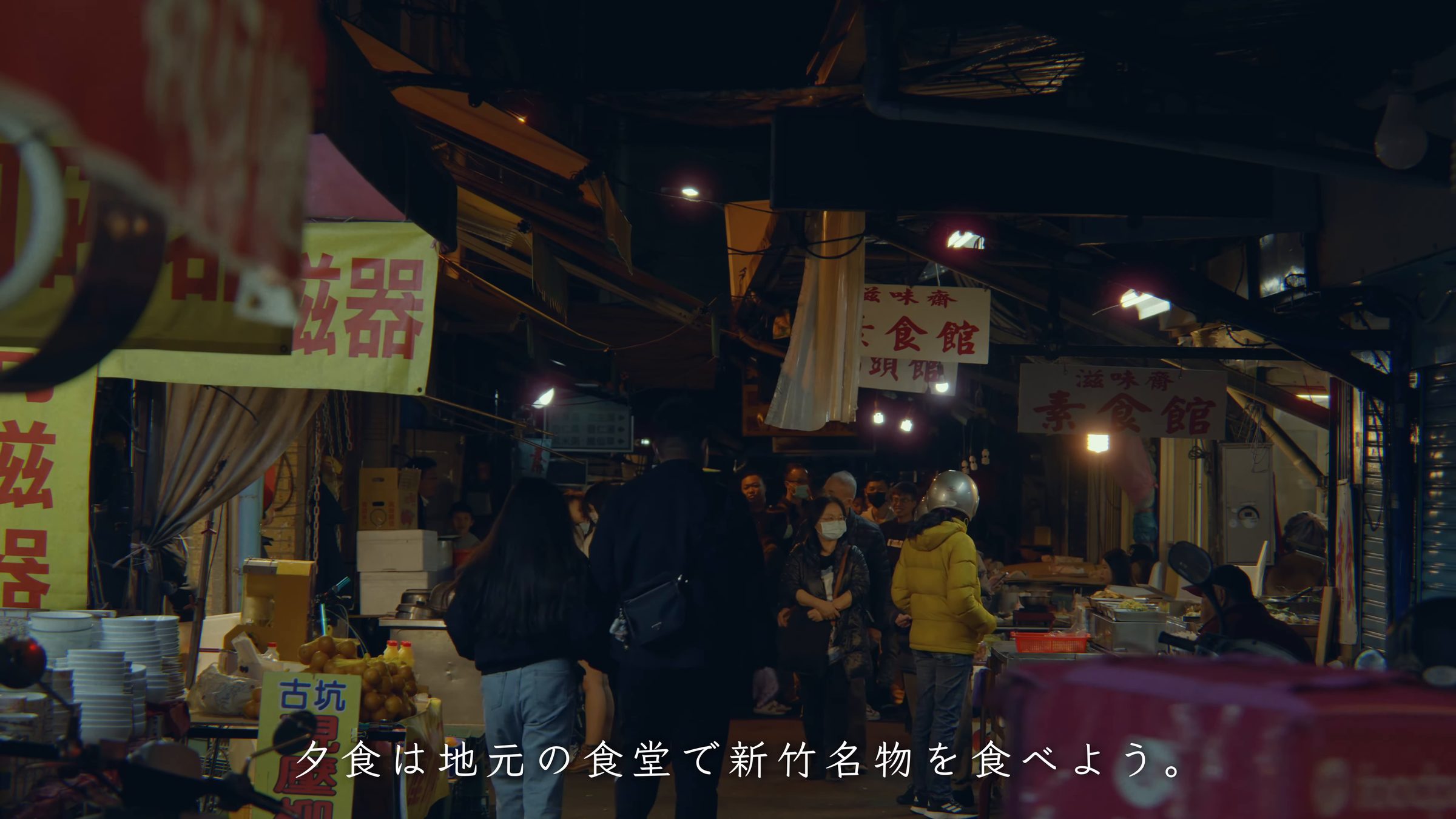
13TRAVEL JOURNAL
Night in the apartment
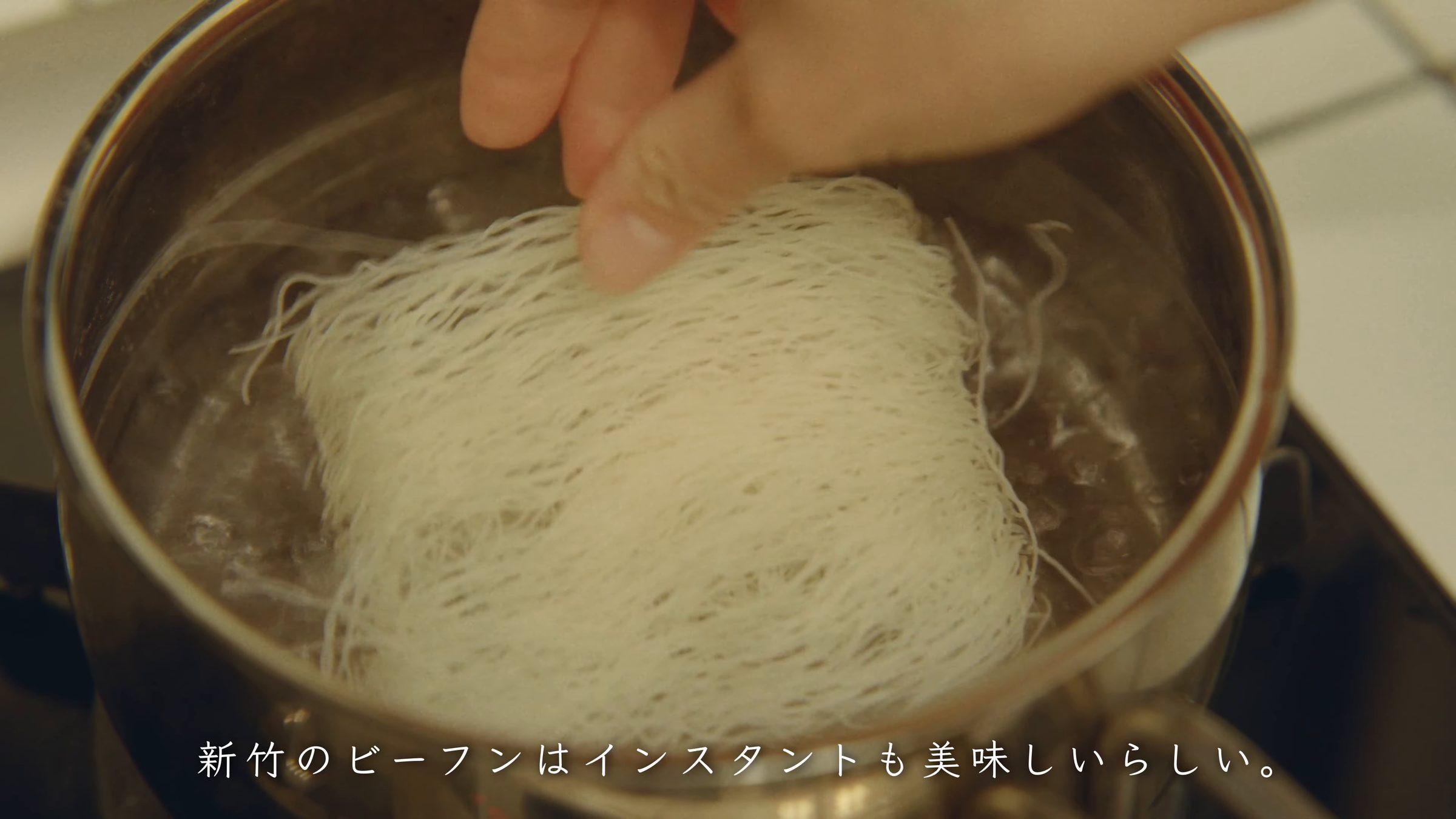
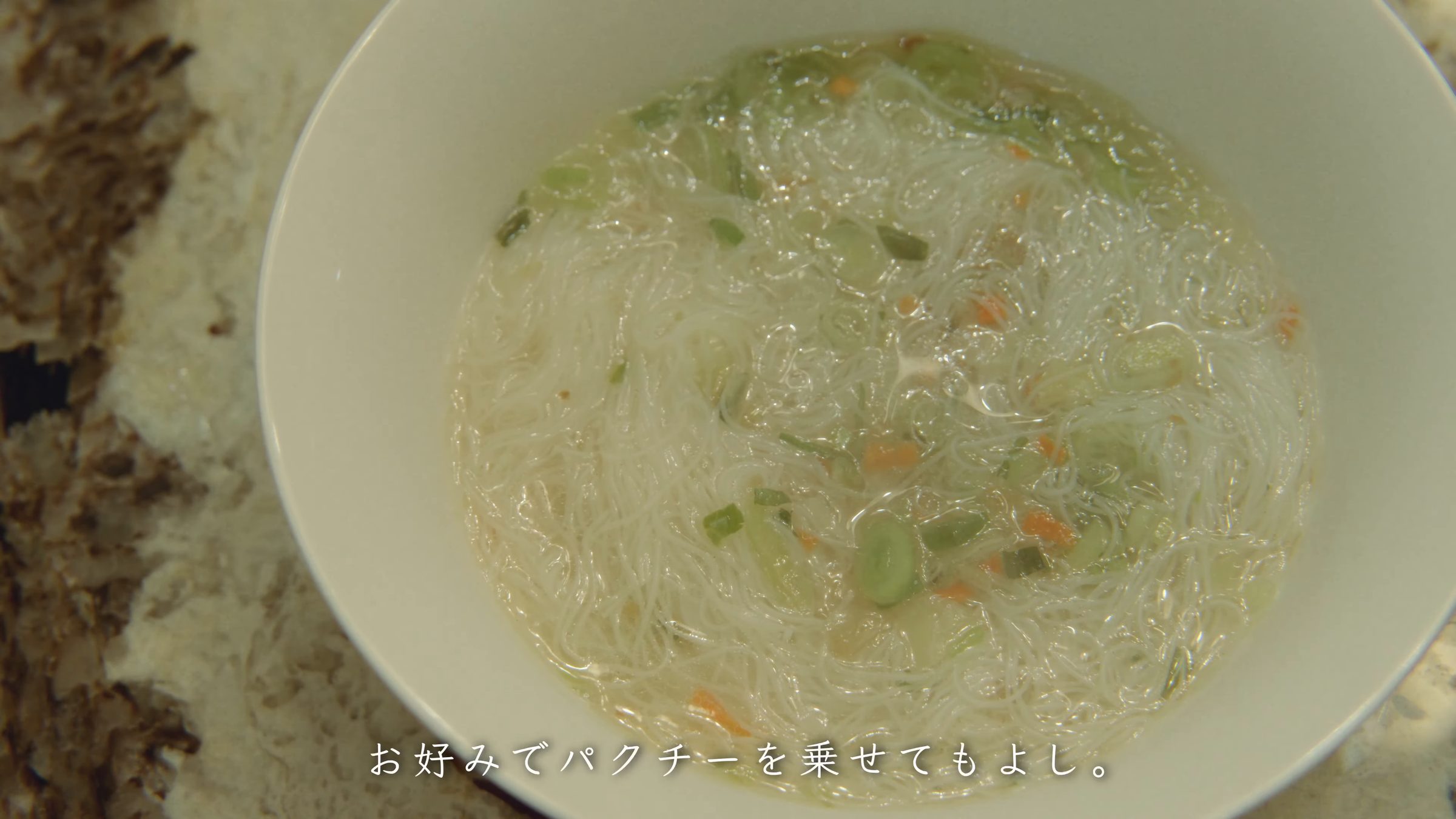
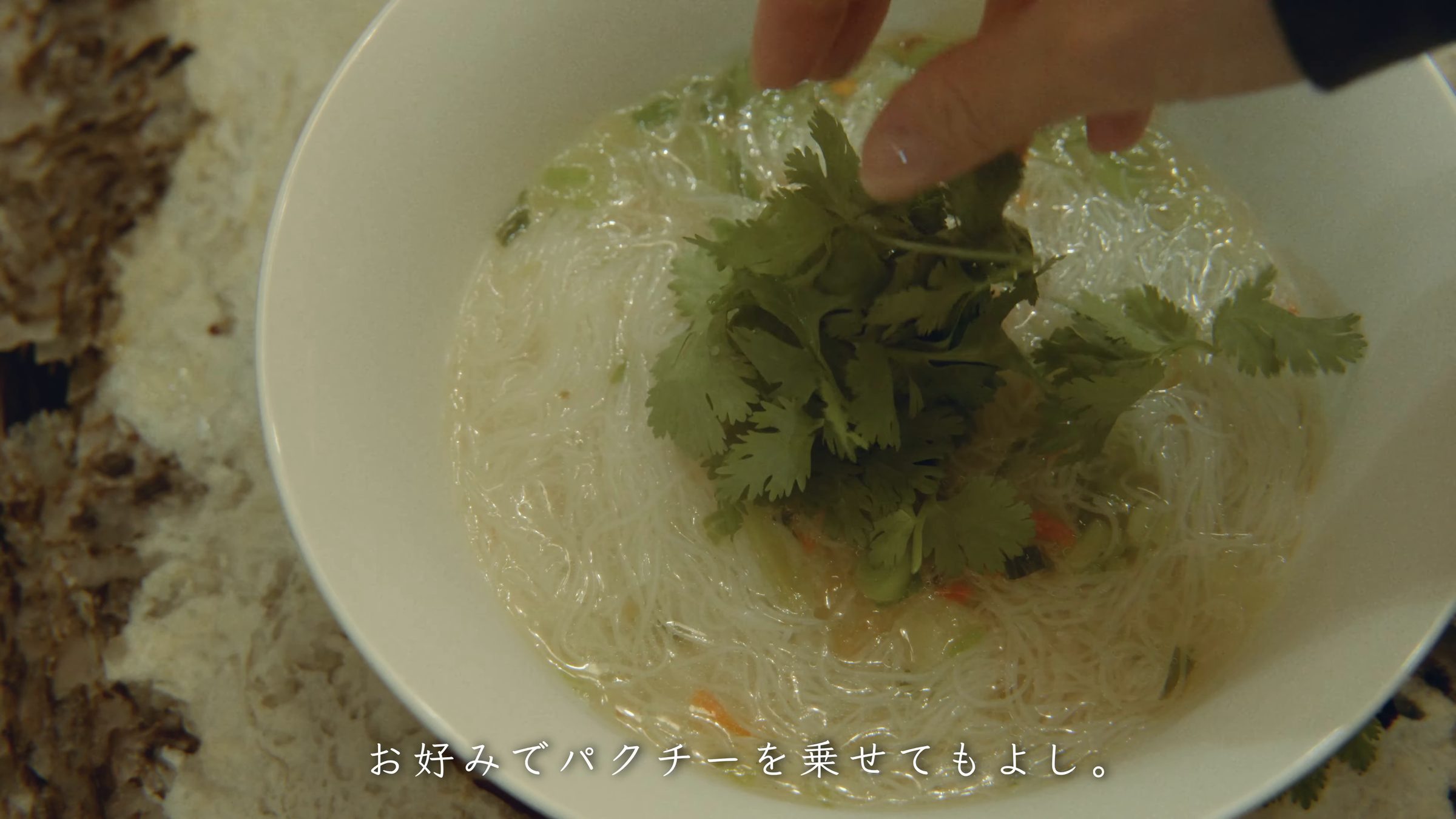
I had heard that even instant Hsinchu rice vermicelli is good. I boiled a packet of the blended rice noodles, put them in a bowl, and added coriander to taste.
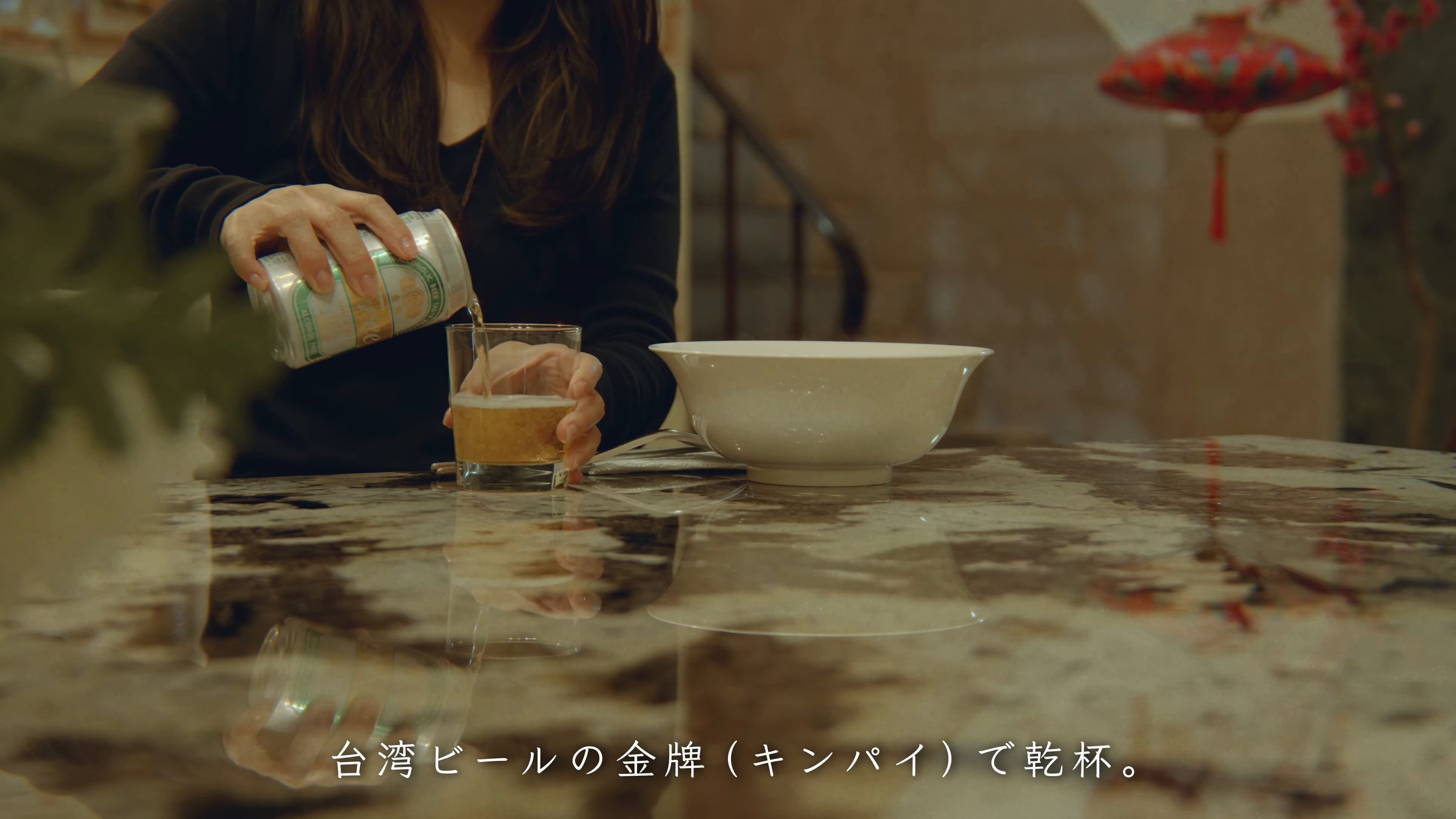
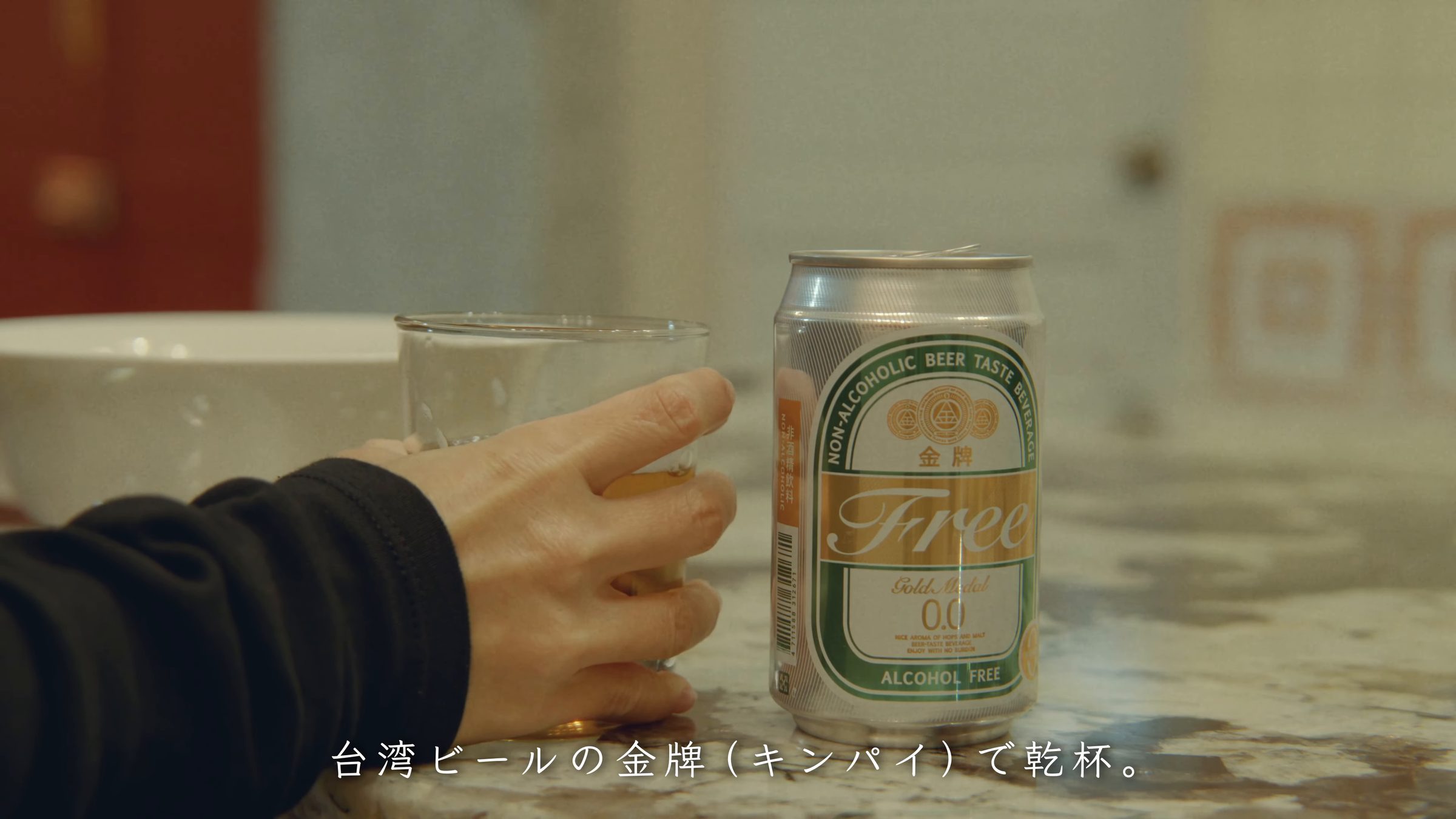
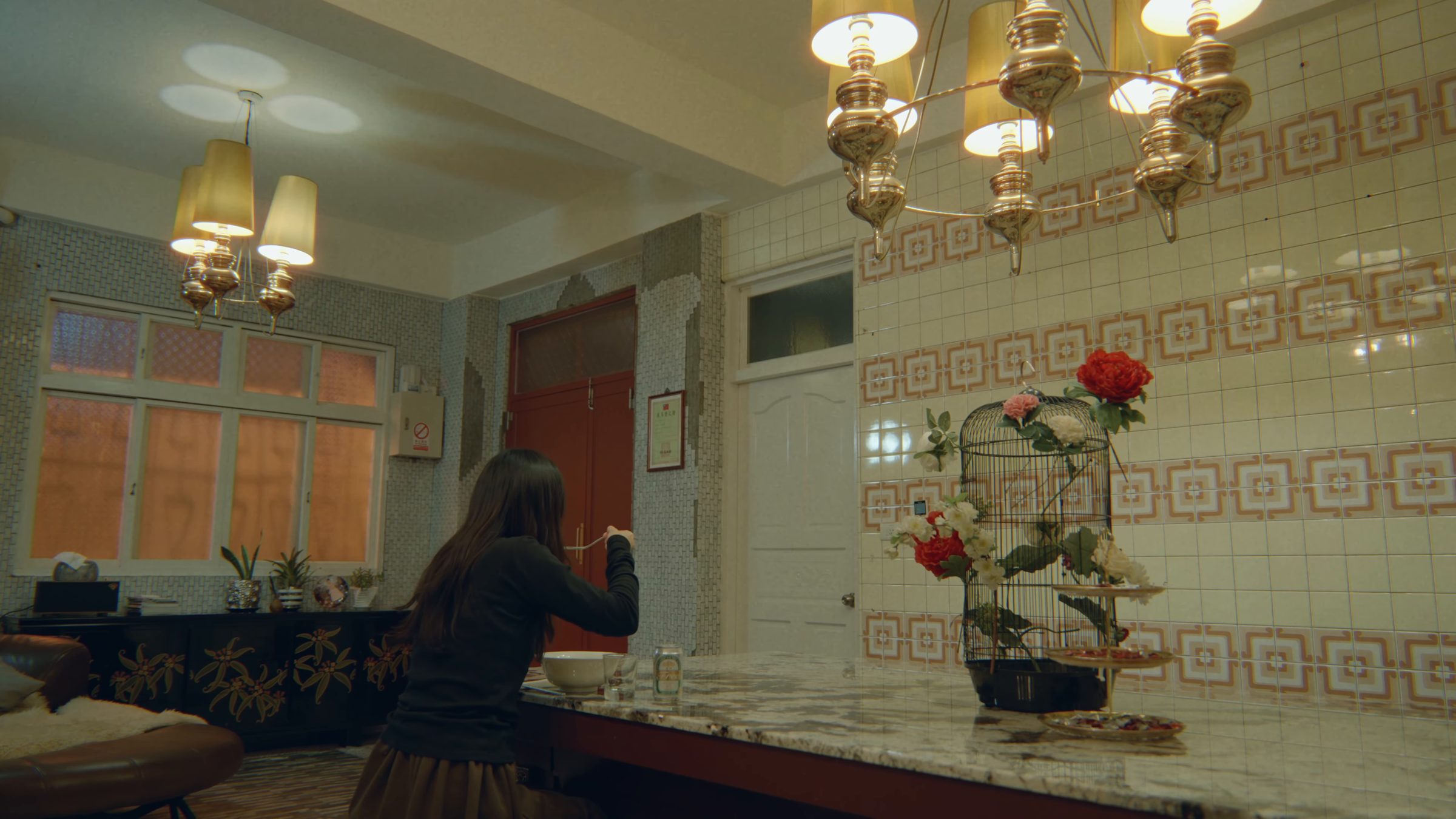
A toast with Gold Medal, Taiwan Beer's brand, in its alcohol-free version tonight. At a table beside a tiled wall and a vase of flowers, I looked back on the day. Close, delicious, and comfortable: Taiwan.
Watch this scene on YouTube6:08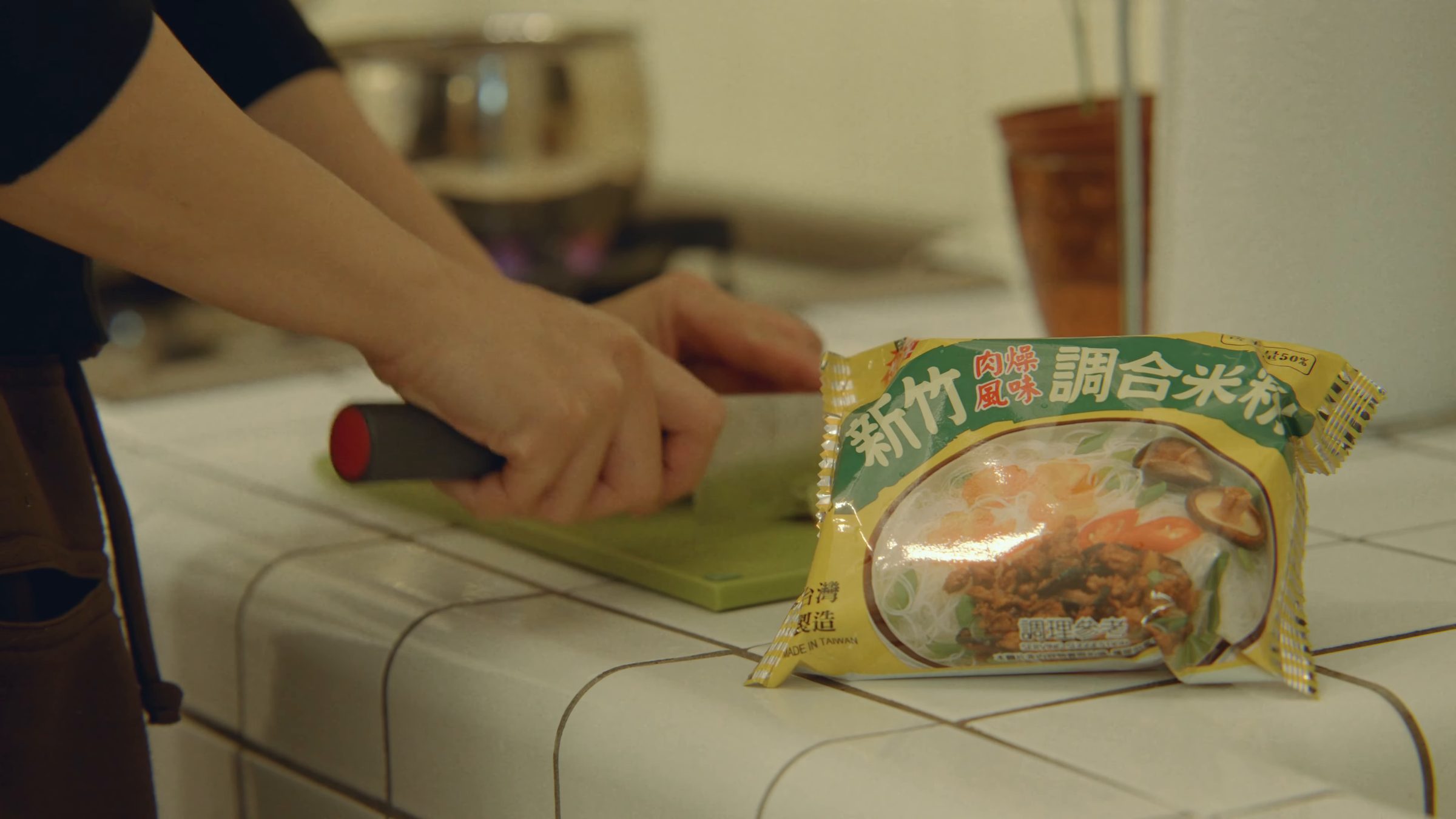
14TRAVEL JOURNAL
Seeing it for myself
At the end of a night street of passing scooters, the clock tower of Hsinchu Station was glowing. I was so glad to have seen and experienced it all for myself.
Watch this scene on YouTube6:51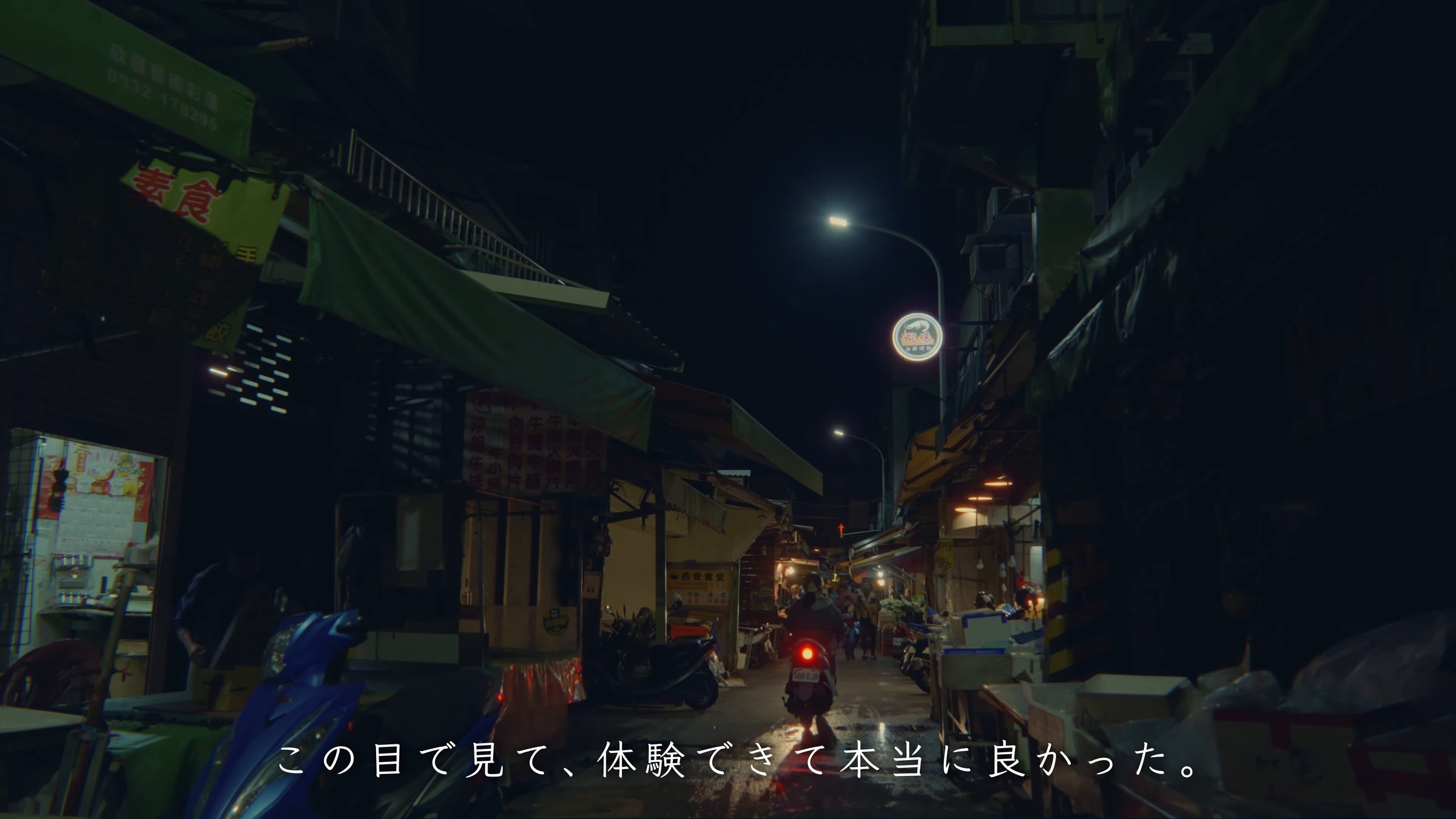
THE JOURNEY IN FILM
The wind. The sounds of a kitchen.
Spend a little more time inside the journey, on film.
Watch the video7 minTHE BORROWER’S NOTES
The Borrower's Notes: Hsinchu, Taiwan
Places we stopped, dishes we made, and stories of the land. A few things to keep from the journey.
01Where I ate and shopped
A vegetarian breakfast shop
A breakfast shop with a yellow sign, selling burgers, sandwiches, soy milk, black tea and milk tea as well. I bought a tuna-and-corn danbing here.
A diner in Dongmen Market
A diner on the ground floor of Dongmen Market, crowded with locals. The photo menu lists rou zao fan, bamboo-shoot rice and soups. I had braised pork rice here (listed as rou zao fan on the menu).
Cheng Zu Pepper Bun
No. 81, Beimen St., North District, Hsinchu City, Taiwan
A pepper bun shop founded in 1941 that began in Wanhua, Taipei; the Beimen Street shop is the Hsinchu main store. Besides pork and beef, there are kimchi-pork and cheese versions. I bought one bun to eat on the spot.
Sources: supertaste.tvbs.com.tw
A-Zhong Ice Shop (阿忠冰店)
No. 187, Dongmen St., Hsinchu City, Taiwan
A shaved-ice shop beside the Hsinchu City God Temple. Its sign says it was founded in 1963, serving old-style shaved ice and handmade tofu pudding. It shaves milk-flavored ice, and the shaved ice with its special pineapple syrup came with red beans and taro balls.
Sources: 4travel.jp supertaste.tvbs.com.tw
Rongji Hakka Tangyuan (榮記客家湯圓)
No. 64, Wuchang St., East District, Hsinchu City, Taiwan
An eatery on Wuchang Street, full of locals. The menu runs to rice vermicelli, meatball soup, chicken rice and other small dishes. I had dry rice vermicelli and meatball soup here.
Sources: travel.yam.com supertaste.tvbs.com.tw
02What I cooked
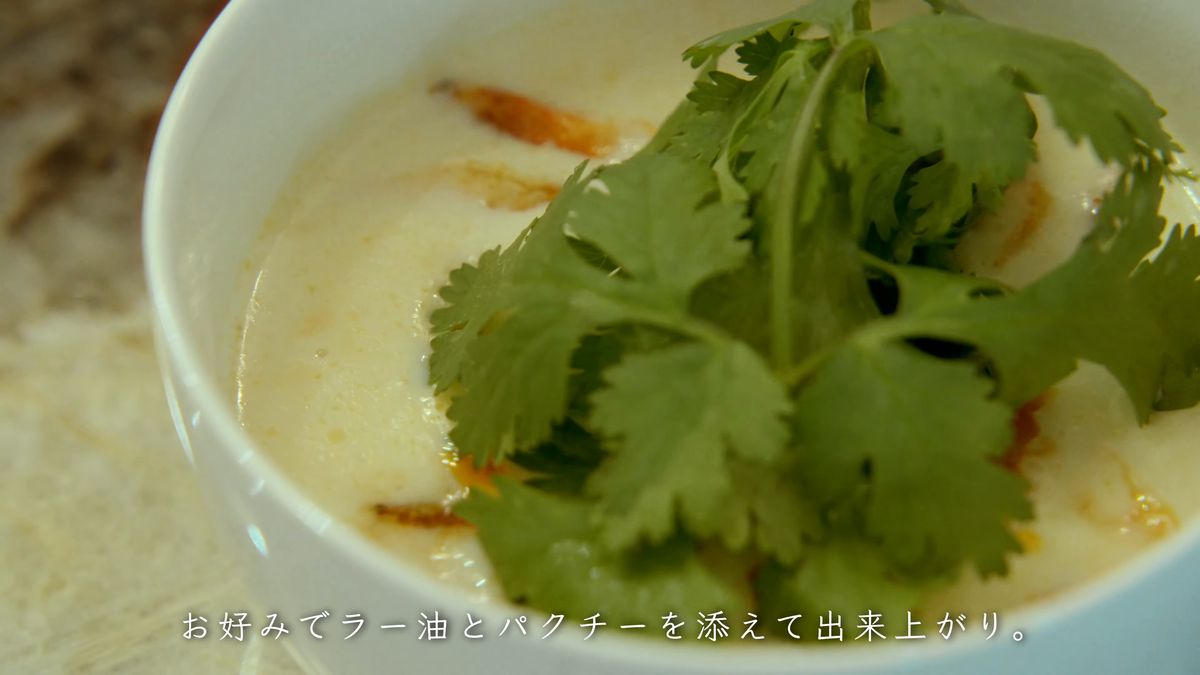
Xian doujiang (savory soy milk soup)
A classic Taiwanese breakfast. When vinegar is added to warm soy milk, the protein curdles into something like fresh tofu. Shops add toppings to taste, such as dried radish, dried shrimp and youtiao (fried dough). This time I fried dried shrimp and zha cai and used black vinegar.
IngredientsSoy milk, Black vinegar, Dried shrimp, Zha cai (pickled mustard stem), Chili oil, Coriander
- Lightly stir-fry the dried shrimp and zha cai
- Put the fried bits and black vinegar in a bowl
- Pour in warm soy milk
- Add chili oil and coriander to taste
Sources: health.tvbs.com.tw
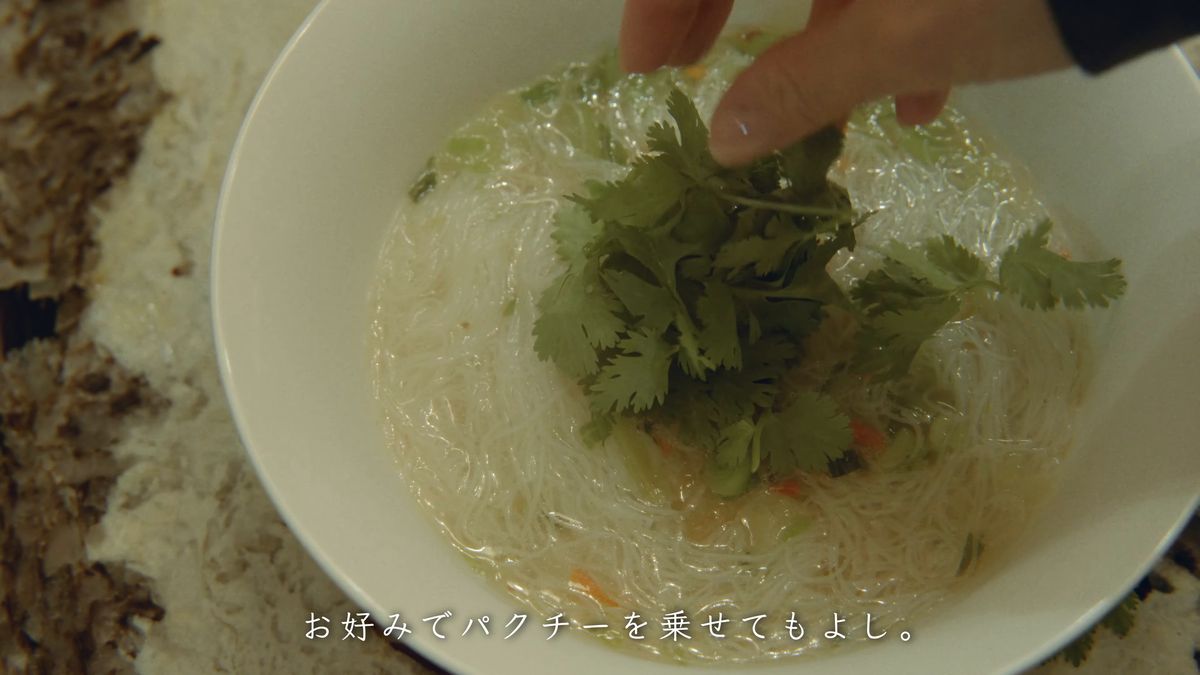
Hsinchu rice vermicelli (instant)
Hsinchu rice vermicelli has a history of more than 150 years. Under Taiwan's rules, only noodles made of 100% rice may be called "mifen"; those with more than 50% rice are labeled "blended rice vermicelli." I boiled a packet of the blended noodles and topped them with coriander.
IngredientsPackaged Hsinchu blended rice vermicelli (minced-pork flavor), Coriander
- Boil the rice vermicelli in hot water
- Transfer to a bowl
- Top with coriander to taste
Sources: mirrormedia.mg
03About the area
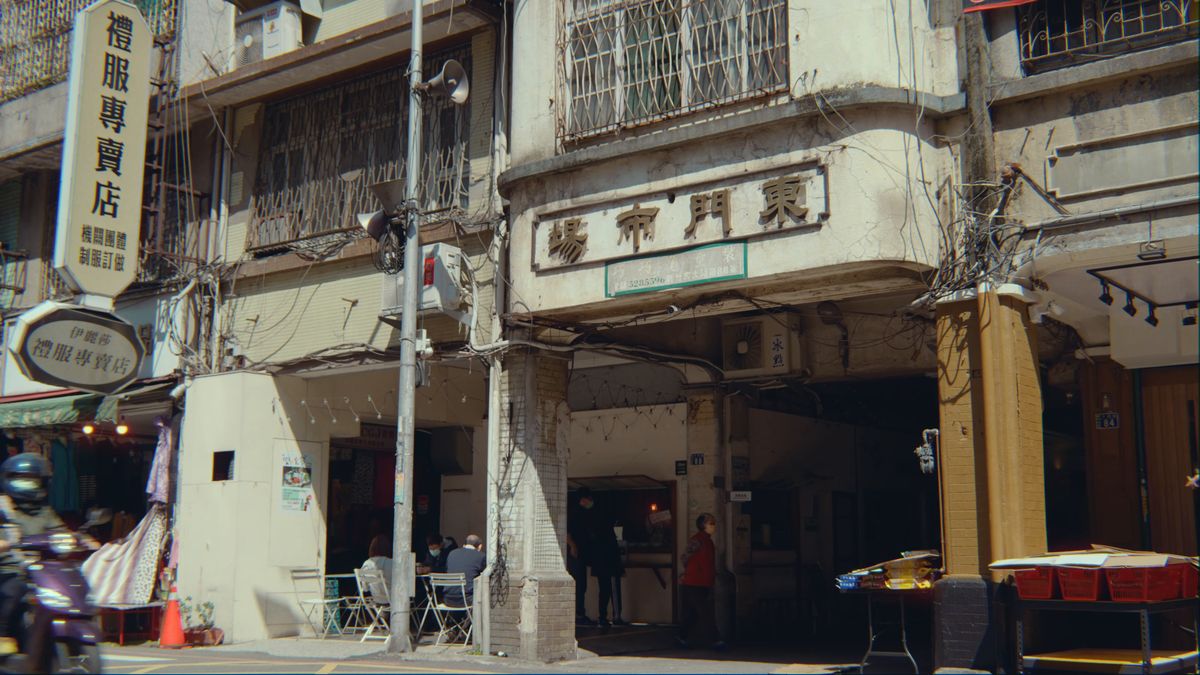
Dongmen Market
A market established in 1900, under Japanese rule. A greatly expanded second-generation building went up in 1911, but it was heavily bombed in World War II and demolished; the present building was completed in 1977, with space for more than 500 vendors. After declining in the 1990s, the upper floors were repurposed from the mid-2010s for young entrepreneurs' studios and shops, and new eateries opened at ground level.
Sources: ey.gov.tw spectralcodex.com
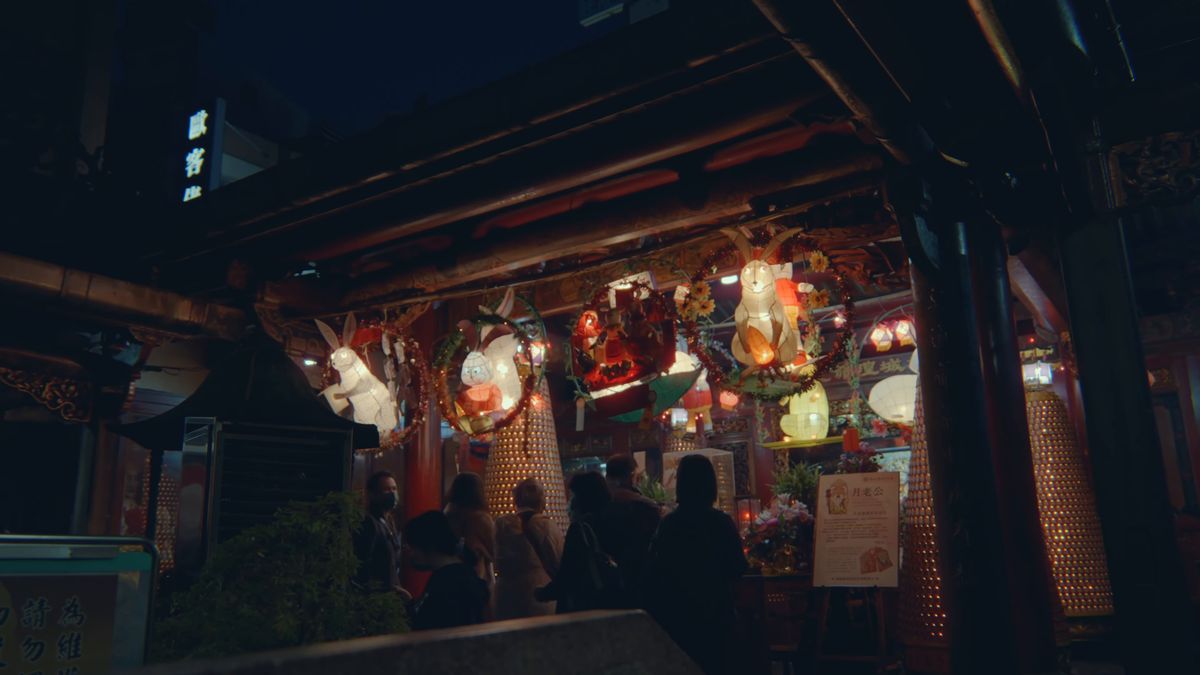
Hsinchu City God Temple
No. 75, Zhongshan Rd., North District, Hsinchu City, Taiwan
A City God temple whose construction began in 1747 and was completed in 1748. It is said to be the only case in Taiwan where the City God temple was built before the government office. Food stalls crowd around the temple, and the whole area becomes a night market.
Sources: dguidedwalks.tw travel.yam.com
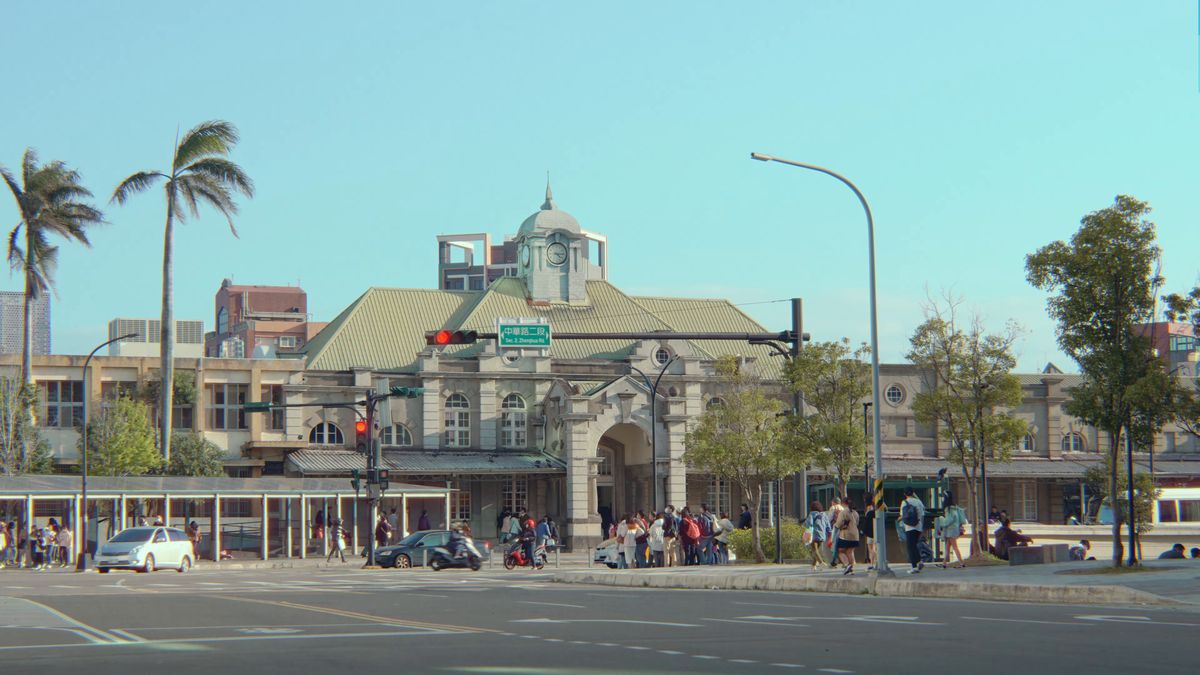
Hsinchu Station
The station opened in 1893. The present building was completed in 1913 to a design by Matsugasaki Tsumunaga of the Railway Department of the Government-General of Taiwan, combining Baroque and German Gothic styles. It was designated a provincial monument in 1998 and a national monument in 1999, and is considered the oldest station building still in use in Taiwan.
Sources: zh.wikipedia.org
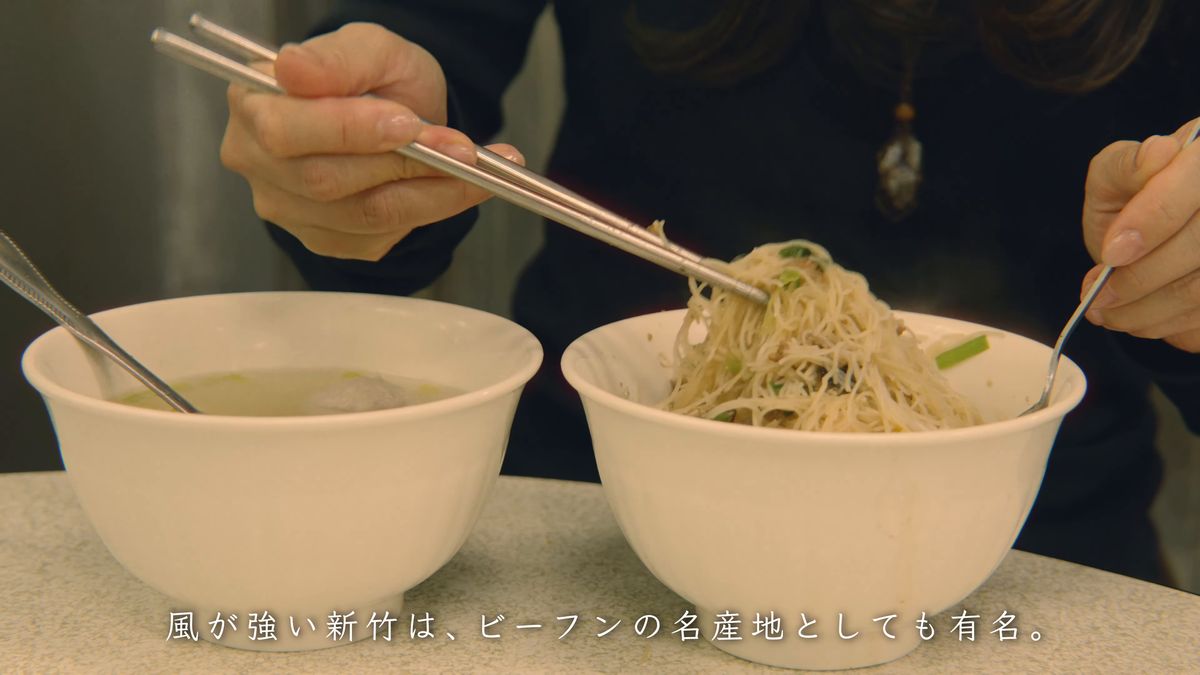
Hsinchu rice vermicelli and the Jiujiang wind
Hsinchu is nicknamed the "Windy City" for the strength of the Jiujiang wind, which blows around the ninth lunar month (October to November). This wind dries the rice vermicelli and made Hsinchu mifen famous across Taiwan. Rice vermicelli and meatballs are the city's signature products.
Sources: n.yam.com zh.wikipedia.org
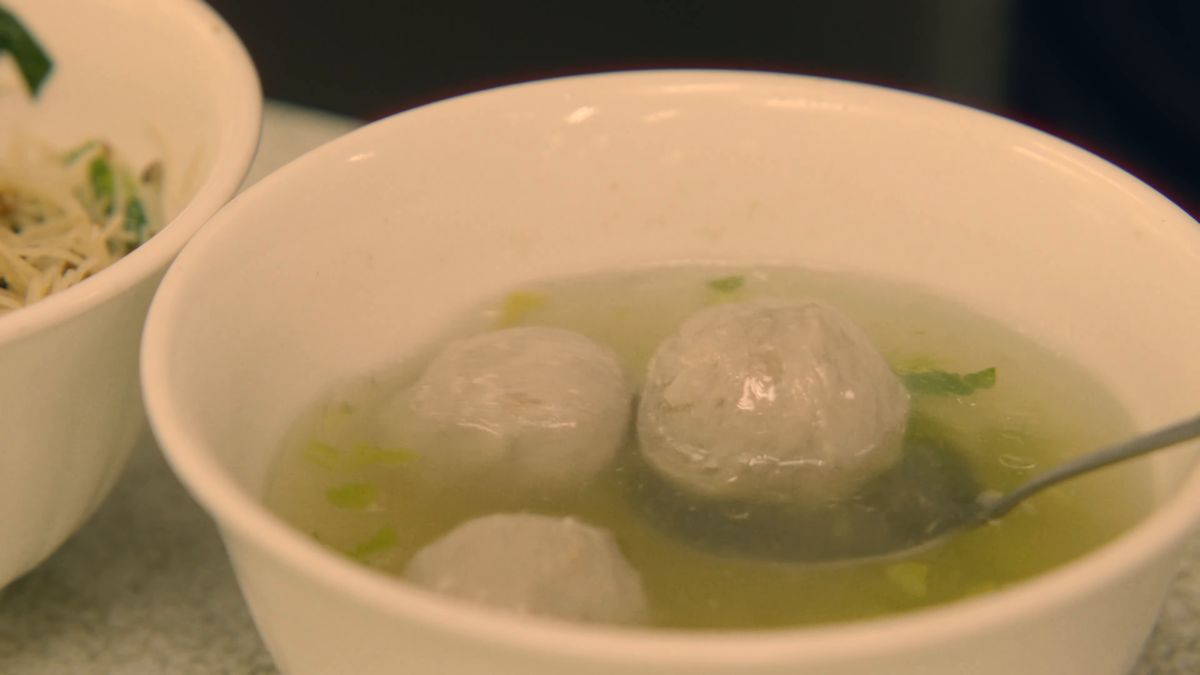
Gongwan, Hsinchu meatballs
Hsinchu's meatballs, made by pounding pork into a paste and boiling it. A long-established shop near the City God Temple explains that the balls were once made by beating chunks of meat with a wooden mallet, and the loud "gong, gong" of the pounding gave them their name. Machines do the pounding now, but the pounding is still said to be the key to their taste.
Sources: travel.yam.com
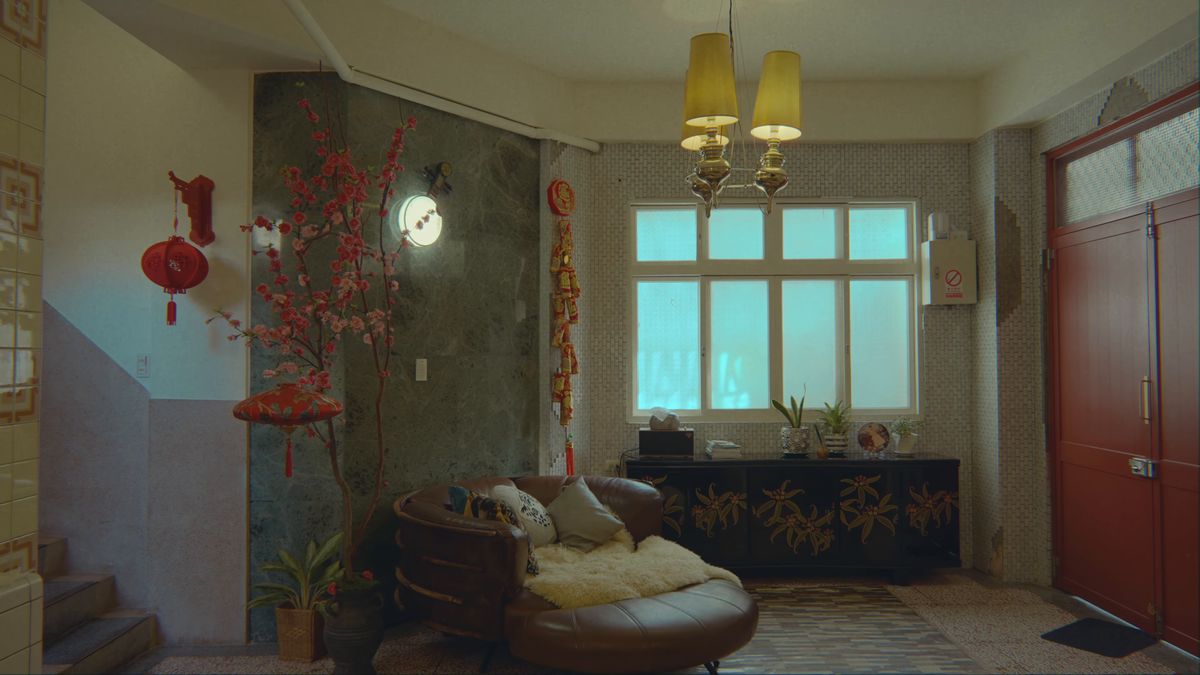
A retro apartment stay
This time I borrowed a room in a retro apartment with a green lattice front door: a living room with a chandelier and peach-blossom decorations, a tiled kitchen, and a white cabinet of teaware with a dial telephone.
PHOTO ALBUMPhoto album98Open all photographsClose the photo album
Select a photograph to explore the journey one frame at a time.