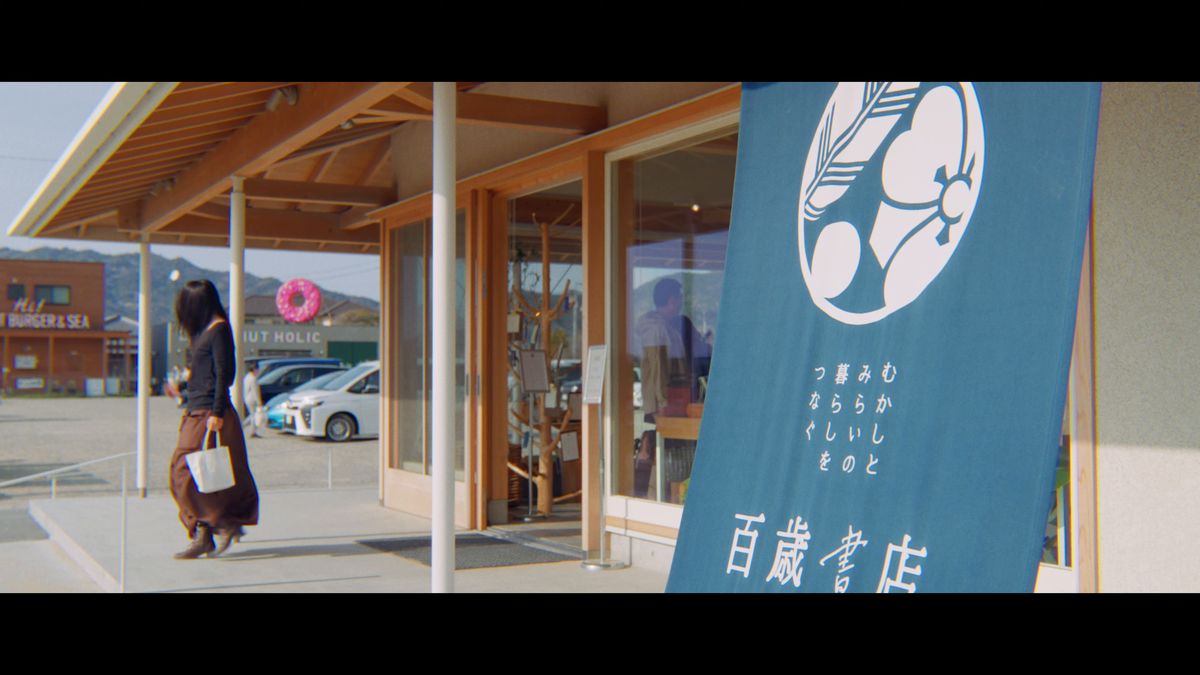
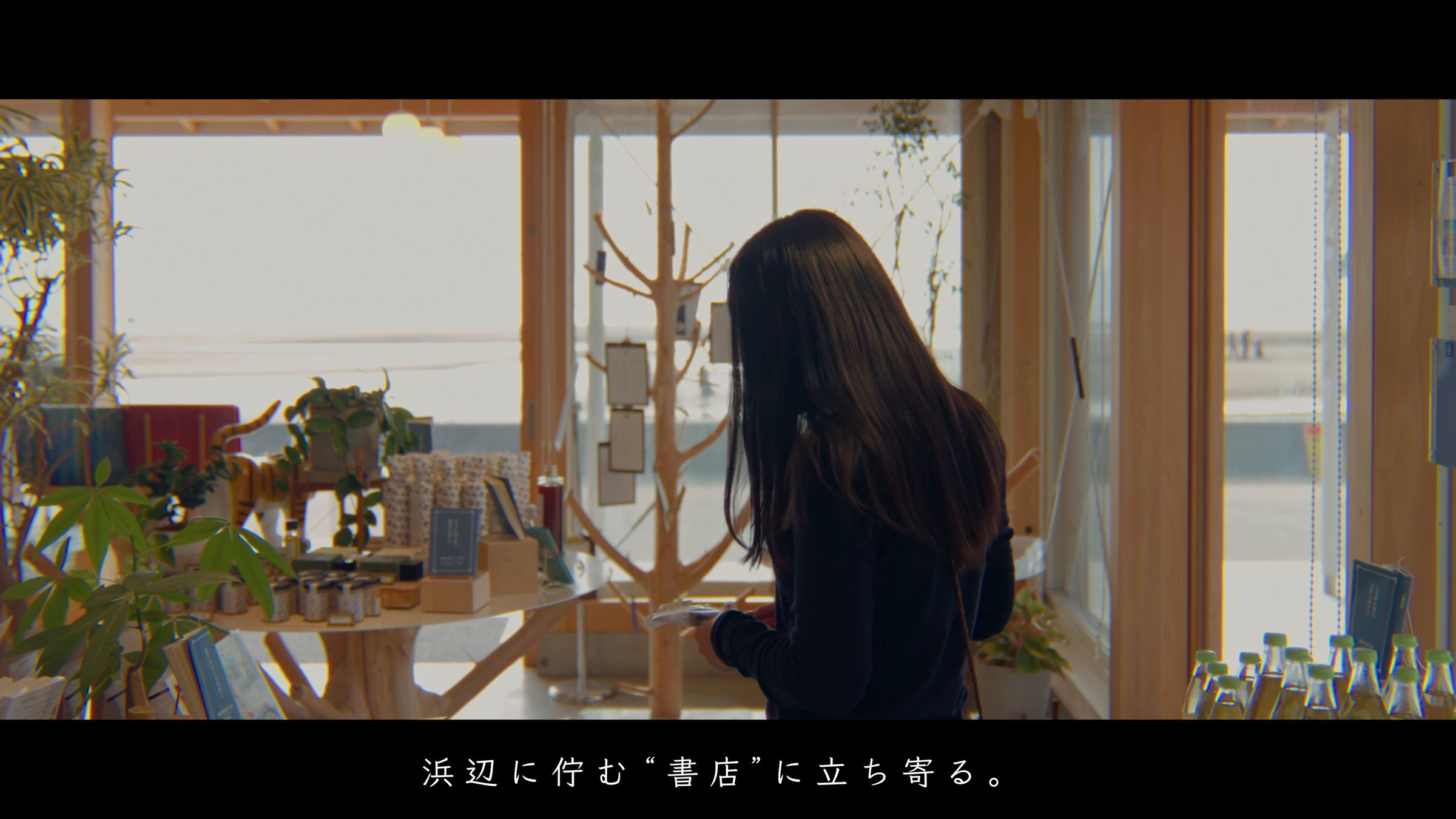
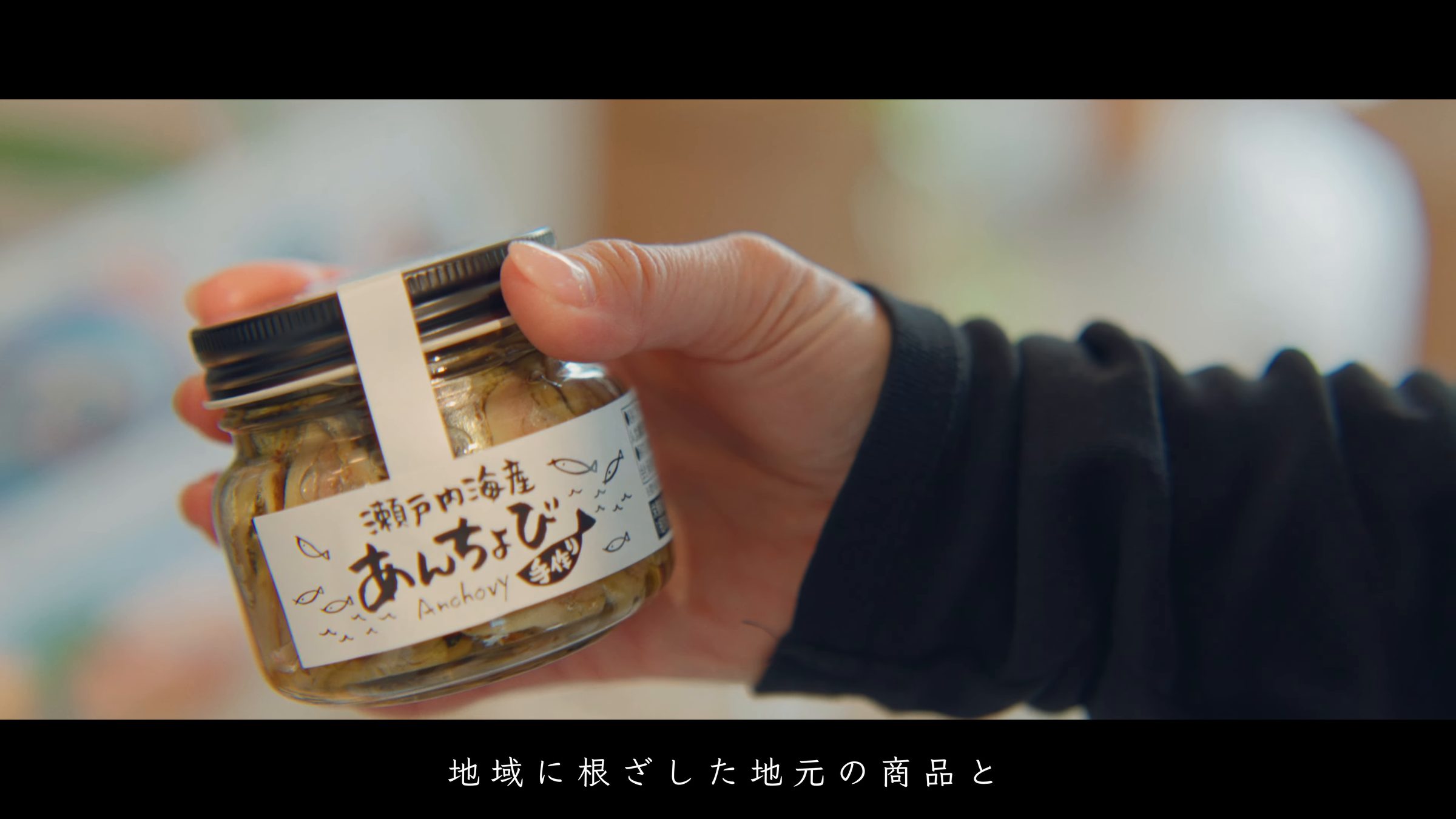
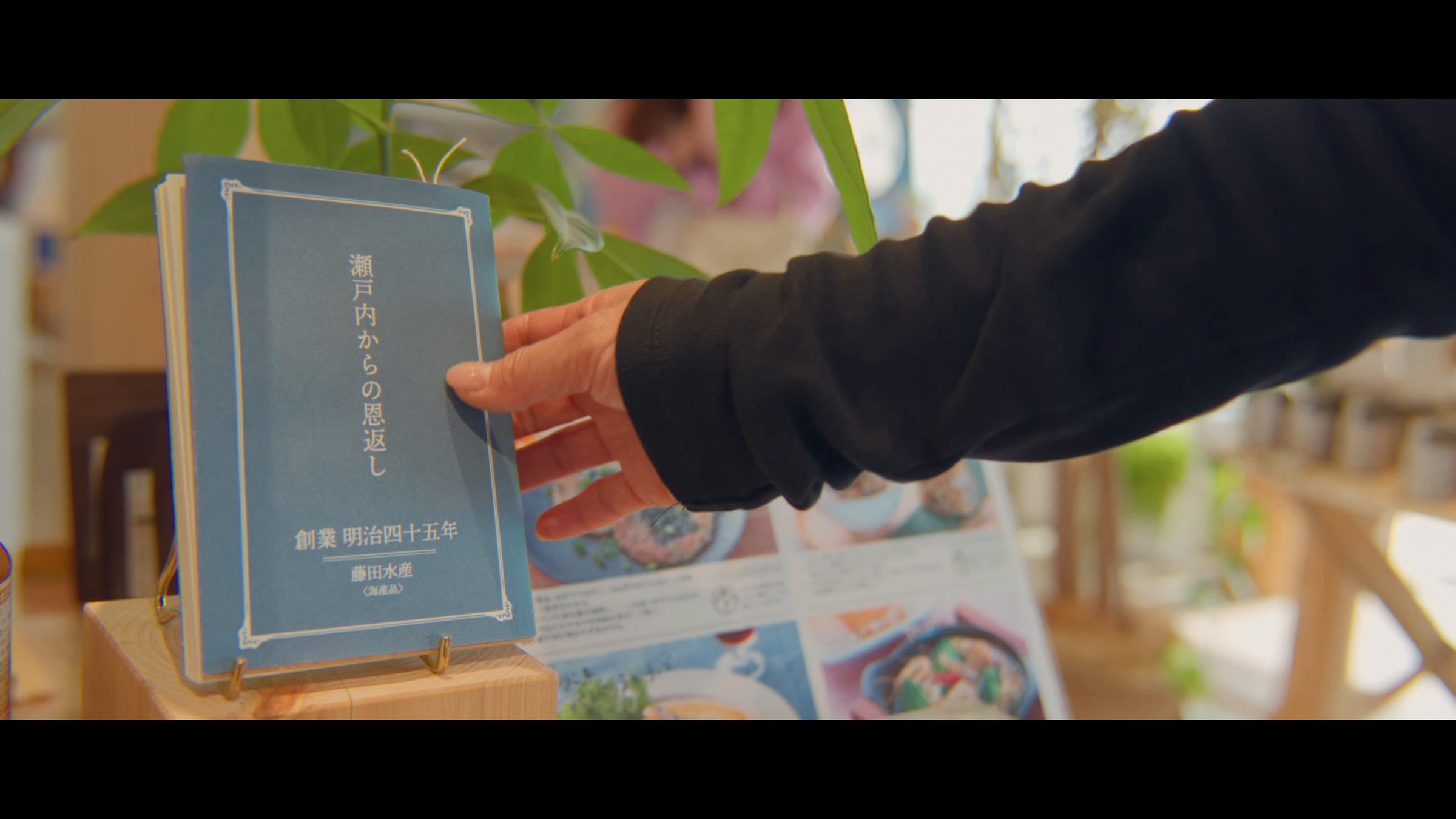
A shop on Chichibugahama. Despite the word "bookshop" in its name, it doesn't sell books: it was named for a wish to pass on things that have lasted a hundred years and things worth keeping for the next hundred. Local foods, seasonings and crafts line the shelves, alongside books recording the makers' thoughts. I picked up a jar of Seto Inland Sea anchovies and a booklet titled "A Thank-You from the Seto Inland Sea." The Mitoyo tourism site currently lists not this beachside shop but a similarly named store, Hyakusai Shoten ("hundred-year store"), inside the Shopping Store Imagawa supermarket in Nio, so check before you go.
2686-3 Nio-otsu, Nio-cho, Mitoyo, Kagawa
Sources: matcha-jp.com local-media.heteml.net mitoyo-kanko.com
This moment in the journey
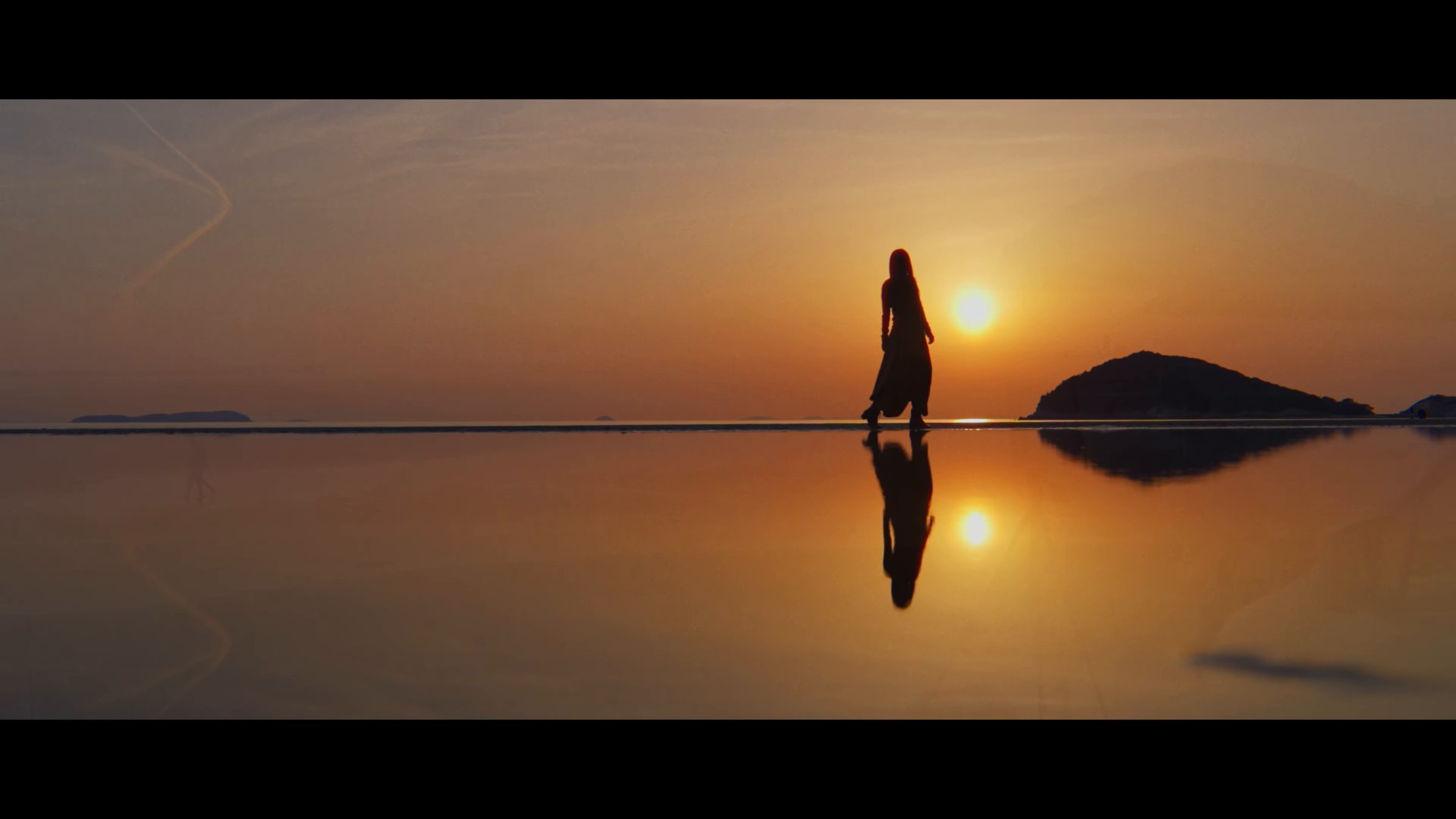
Chichibugahama, where the water mirrors the sky
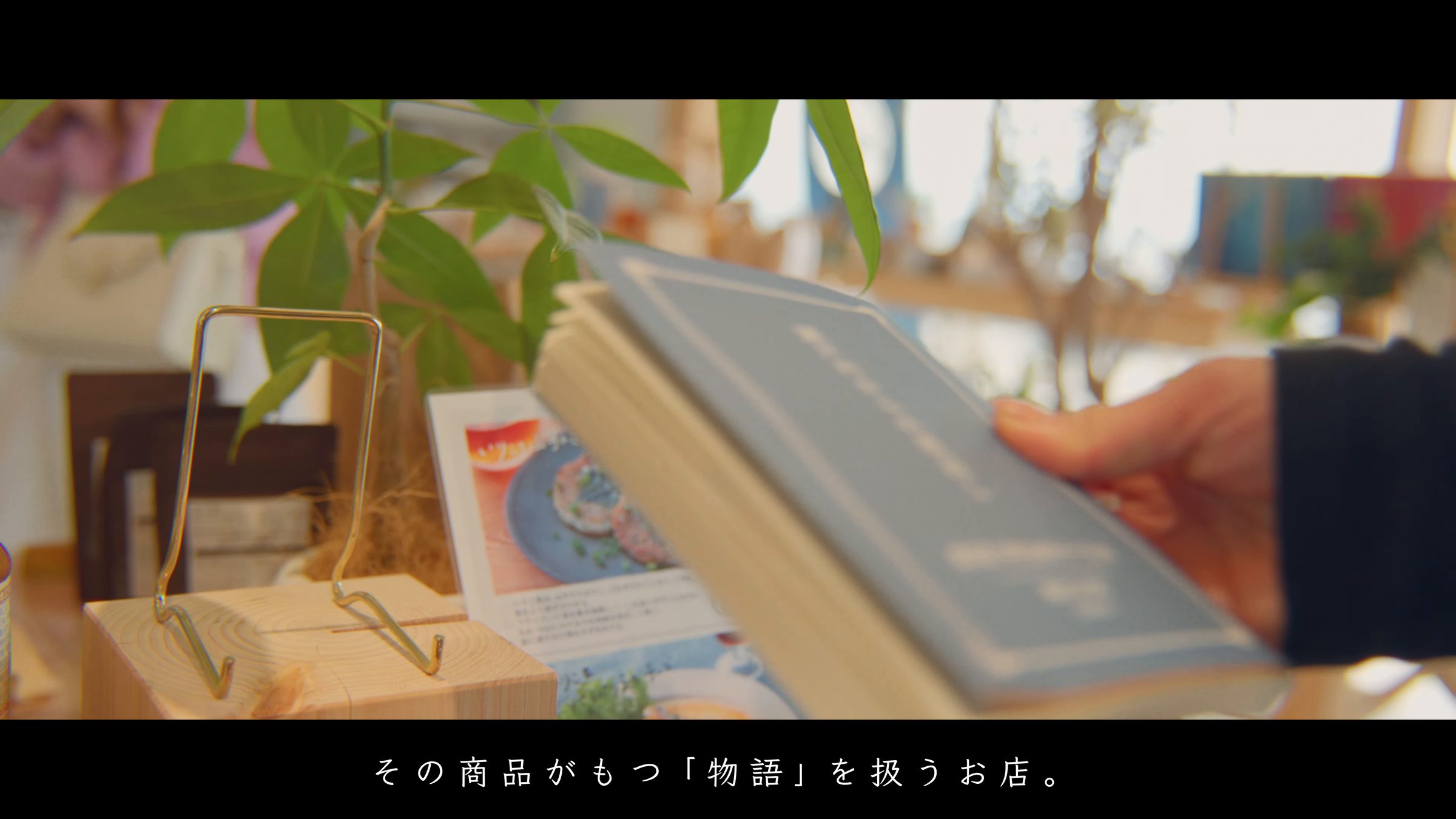
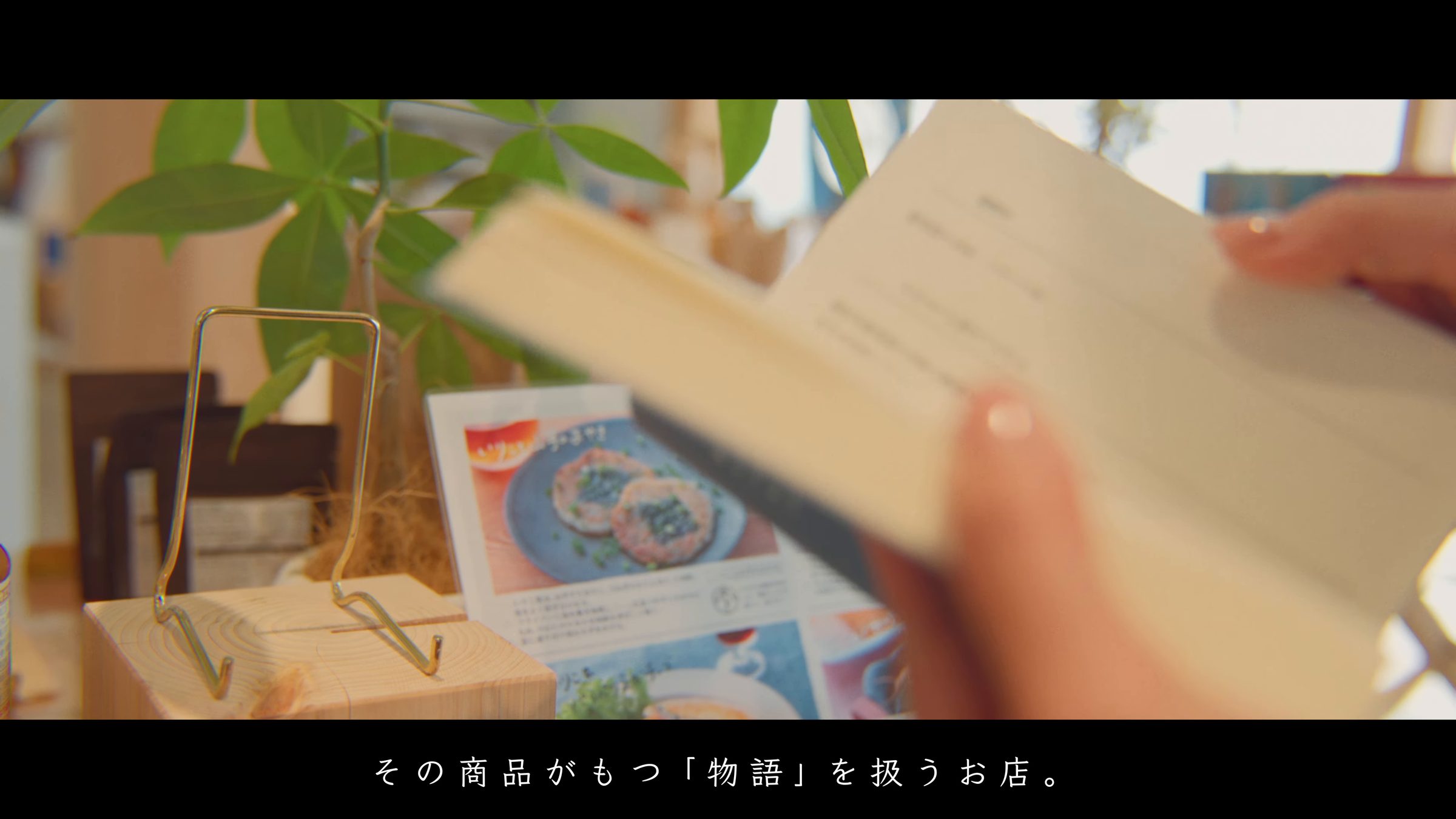
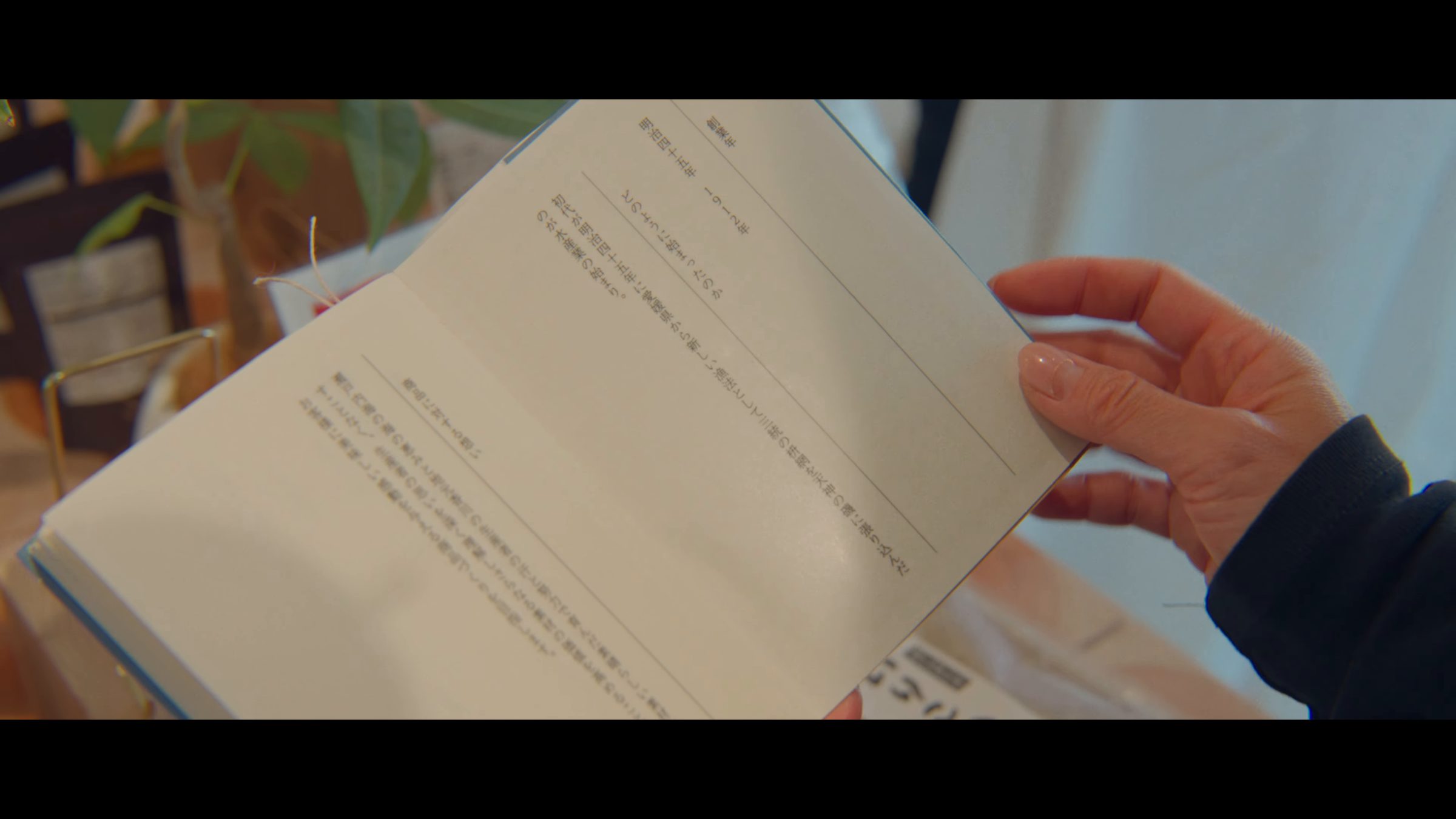
I also made my way to Chichibugahama, one of Kagawa's most popular beaches. The shallows ran far out to sea, and someone had set up a tripod to photograph the water. I stopped by a "bookshop" standing by the beach, its noren curtain reading Hyakusai Shoten. What it offers isn't books, but local products rooted in the area, along with the stories those products carry.
I picked up a jar of anchovies from the Seto Inland Sea and opened the booklet propped beside it. The cover read "A Thank-You from the Seto Inland Sea," with a founding date of Meiji 45 (1912).
As the sun went down, the tide pools turned into mirrors. Chichibugahama is also called "Japan's Salar de Uyuni," and at dusk especially, the water reflects the beautiful sky. The setting sun and my own silhouette floated on the water a second time.
Watch this scene on YouTube6:55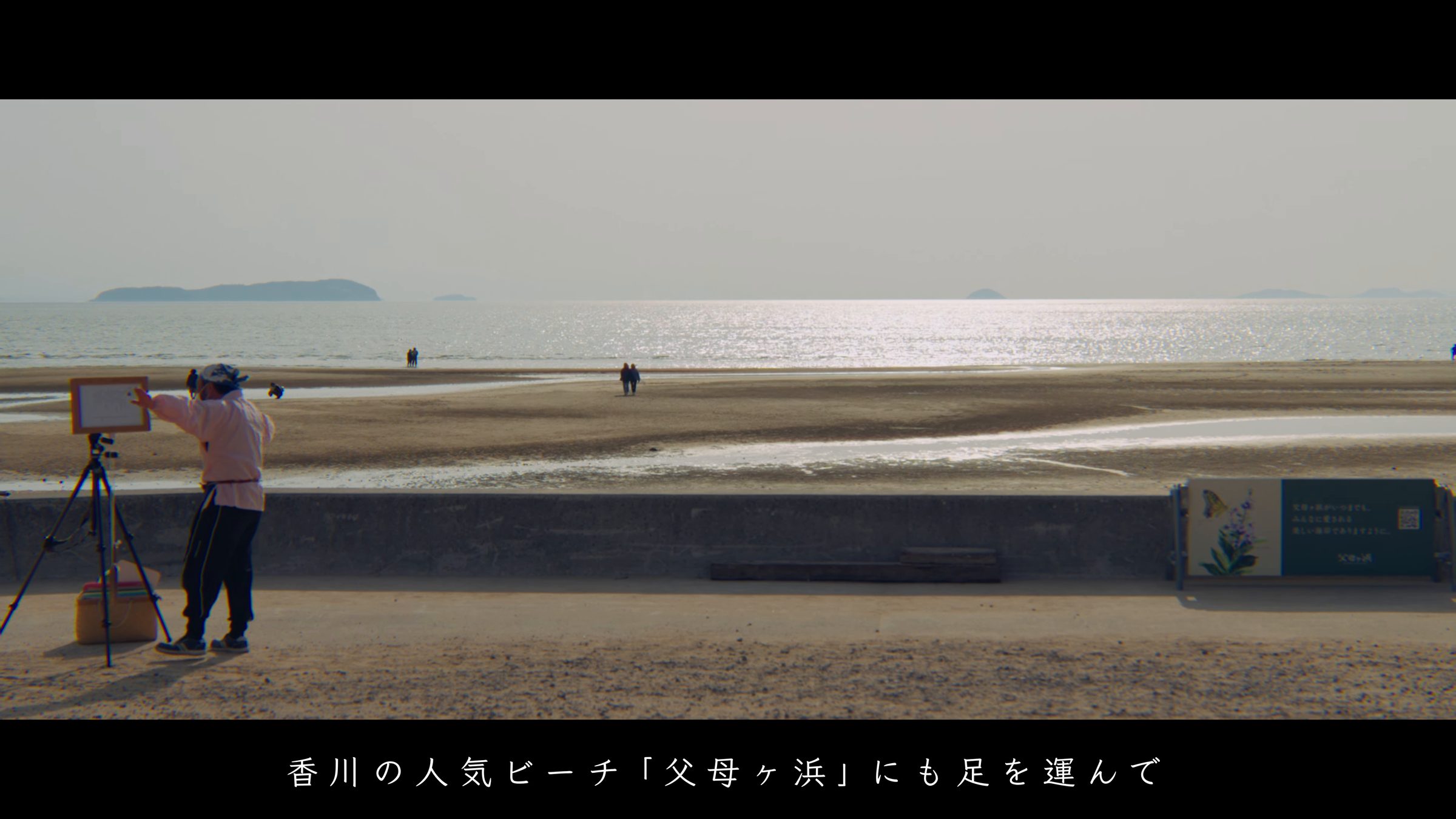
More notes from this journey
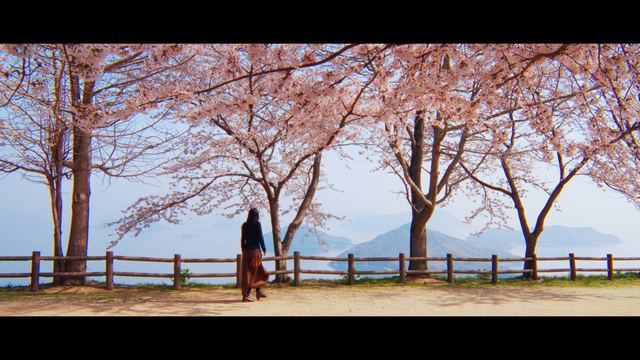
Mitoyo (Mt. Shiude)
Mt. Shiudeyama
At 352 meters, the highest peak on the Shonai Peninsula.
From: Chasing the cherry blossoms across spring Japan
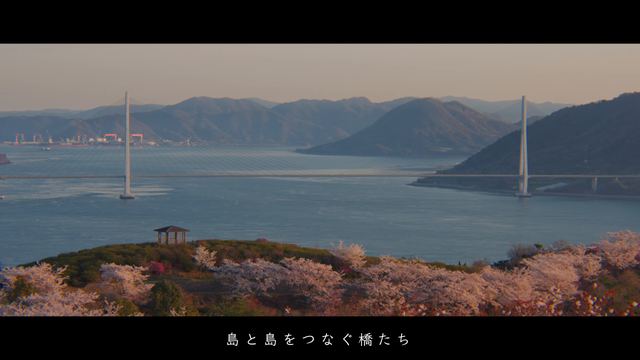
Shimanami Kaido
Hirakiyama Park
A park at the top of Mt.
From: Chasing the cherry blossoms across spring Japan
Kagawa, Ehime & Tokyo
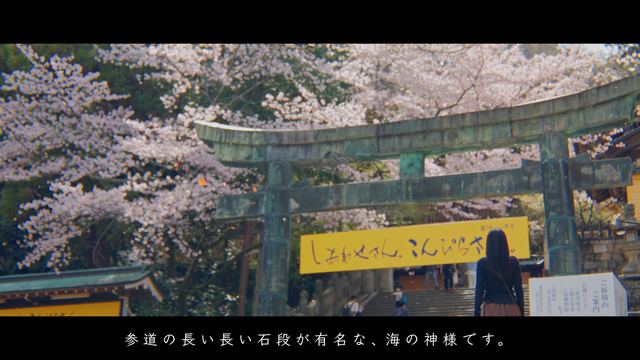
Kotohira-gu Shrine (Konpira-san)
A shrine on the eastern slope of Mt.
From: Chasing the cherry blossoms across spring Japan
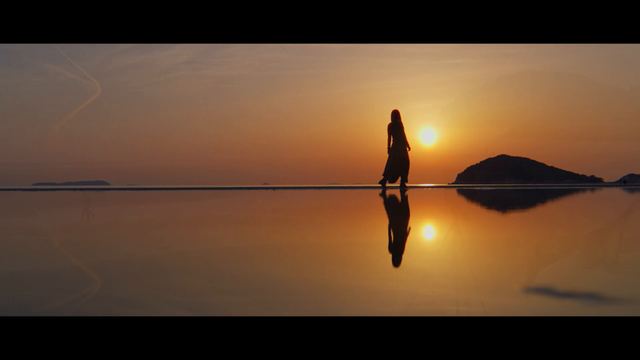
Mitoyo (Mt. Shiude)
Chichibugahama Beach
A shallow beach stretching about a kilometer.
From: Chasing the cherry blossoms across spring Japan
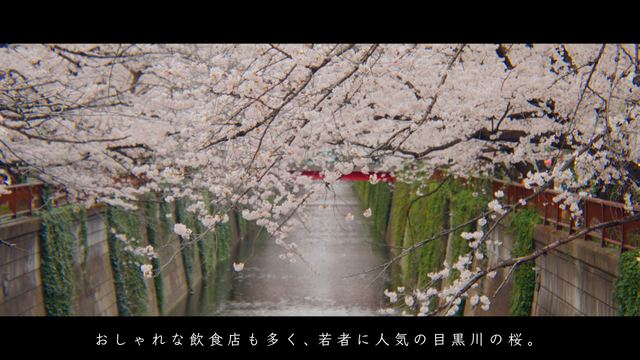
Kagawa, Ehime & Tokyo
Tokyo's cherry blossom spots
Ueno Onshi Park has cherries from kanzakura blooming in February to Kanzan at its best in mid-to-late April, and draws close to 3.3 million visits in the blosso…
From: Chasing the cherry blossoms across spring Japan
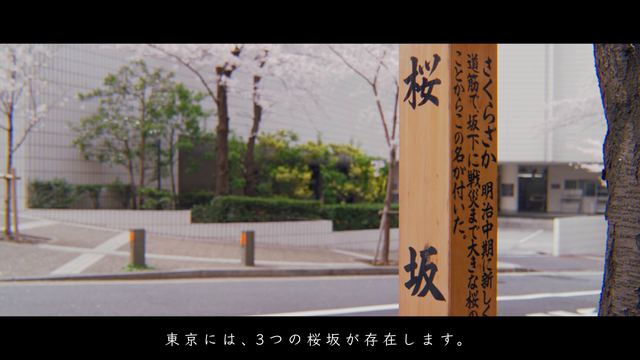
Kagawa, Ehime & Tokyo
Tokyo's Sakurazaka slopes
On the slope I walked in Akasaka and Roppongi, the marker post says the road was laid in the mid-Meiji era and named for a large cherry tree that stood at its f…
From: Chasing the cherry blossoms across spring Japan
More notes from Kanto
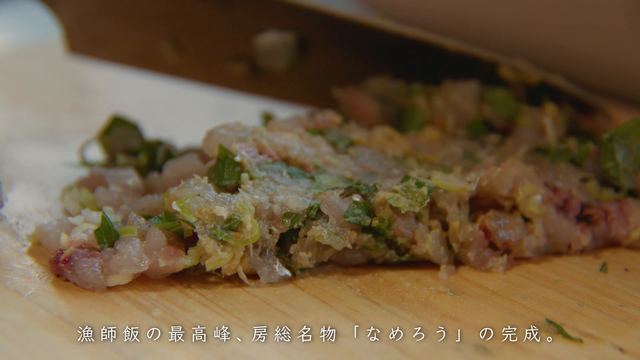
Kamogawa, Chiba
Namero on rice
Namero is a Chiba specialty handed down along the coast of the Boso Peninsula.
From: Zero minutes to the sea: summer vacation in Kamogawa
Kamogawa, Chiba
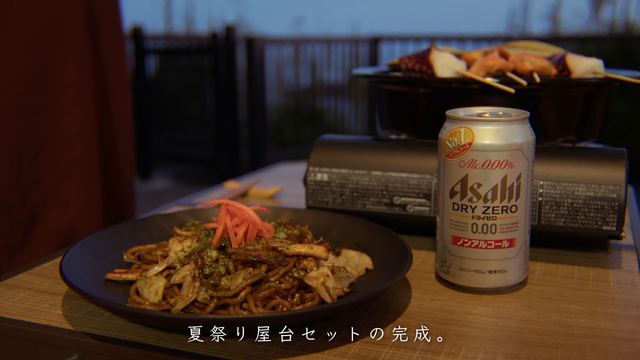
Sauce yakisoba
A staple of summer festival stalls.
From: Zero minutes to the sea: summer vacation in Kamogawa
Kamogawa, Chiba
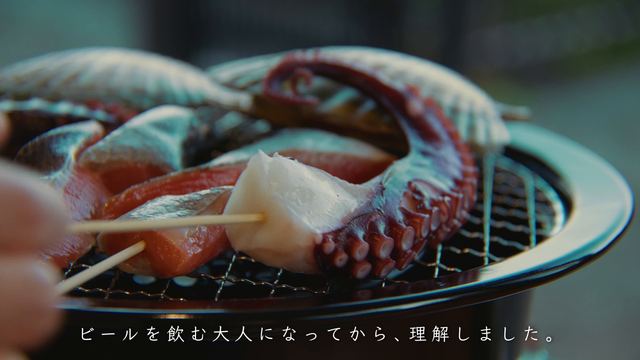
Grilled seafood skewers
The taste of the festival stall, on a small charcoal grill on the veranda.
From: Zero minutes to the sea: summer vacation in Kamogawa
Kamakura, Kanagawa
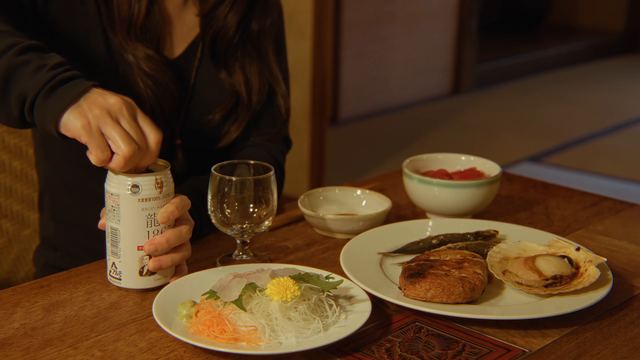
A little Kamakura drinking set
At the farmers' market near Kamakura Station, growers from around Kamakura sell "Kamakura vegetables," many varieties in small quantities, grown with as little…
From: A hundred-year-old house in the town of the Enoden
Kamakura, Kanagawa
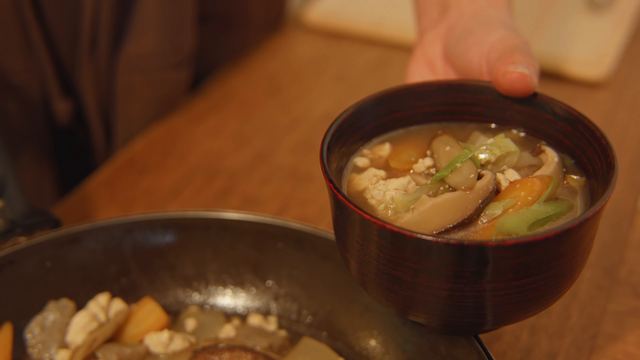
Kenchin-jiru
A soup of root vegetables and tofu, sautéed in oil before simmering.
From: A Kamakura-vegetable breakfast and a walk on Enoshima
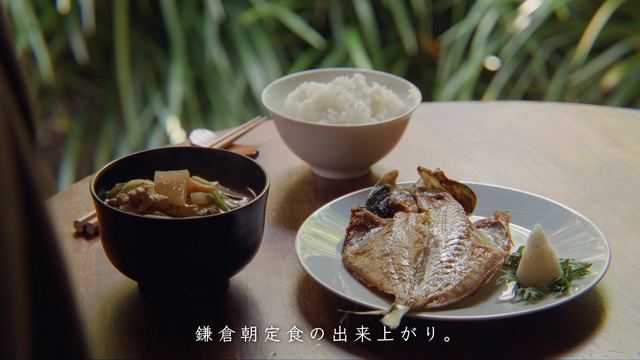
Kamakura, Kanagawa
Kamakura morning set with grilled dried fish
Kenchin-jiru made with Kamakura vegetables, with dried fish from the market shop grilled alongside.
From: A Kamakura-vegetable breakfast and a walk on Enoshima