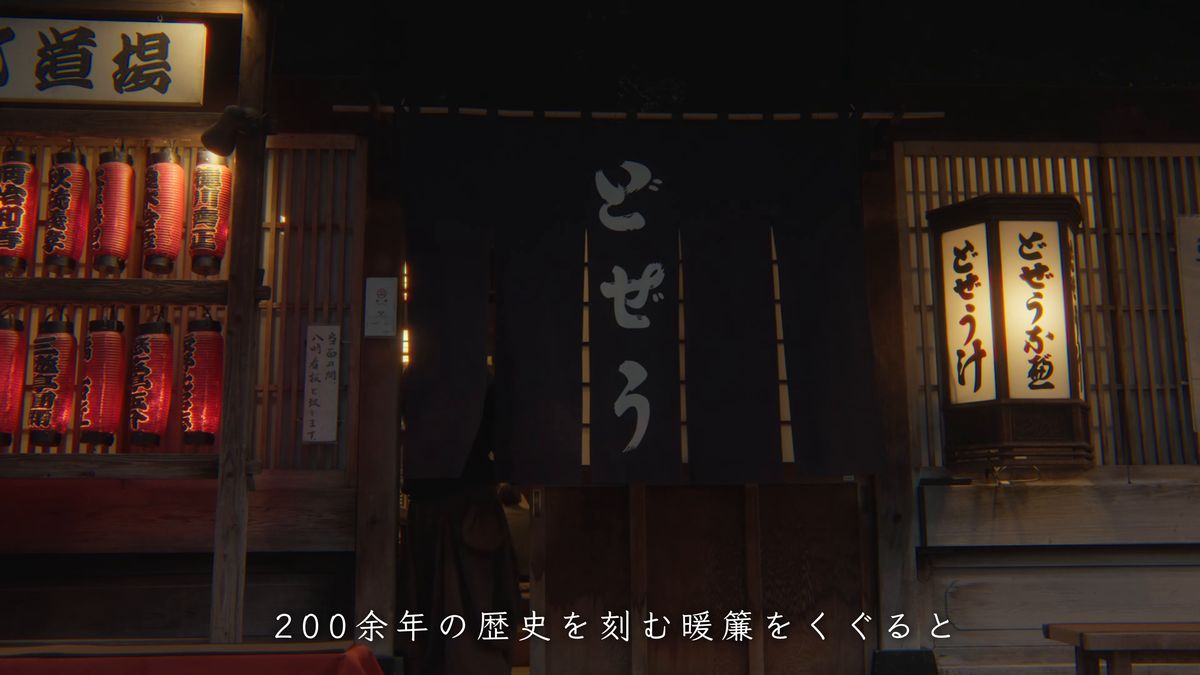
A loach restaurant founded in 1801. It is said to be the first shop to write the name as dozeu, since spelling it dojau with four kana was thought unlucky. The building has burned down three times, yet it keeps a wooden form little changed from its founding. You eat dozeu nabe from an iron pan on a charcoal brazier, set on a kanaita board over rattan matting, piled high with green onions from a wooden box. White rice comes in an ohitsu tub. Don't forget your shoe tag on the way out.
1-7-12 Komagata, Taito, Tokyo
Sources: dozeu.com norenkai.net tv-tokyo.co.jp
This moment in the journey
Into the dusk, toward Komagata
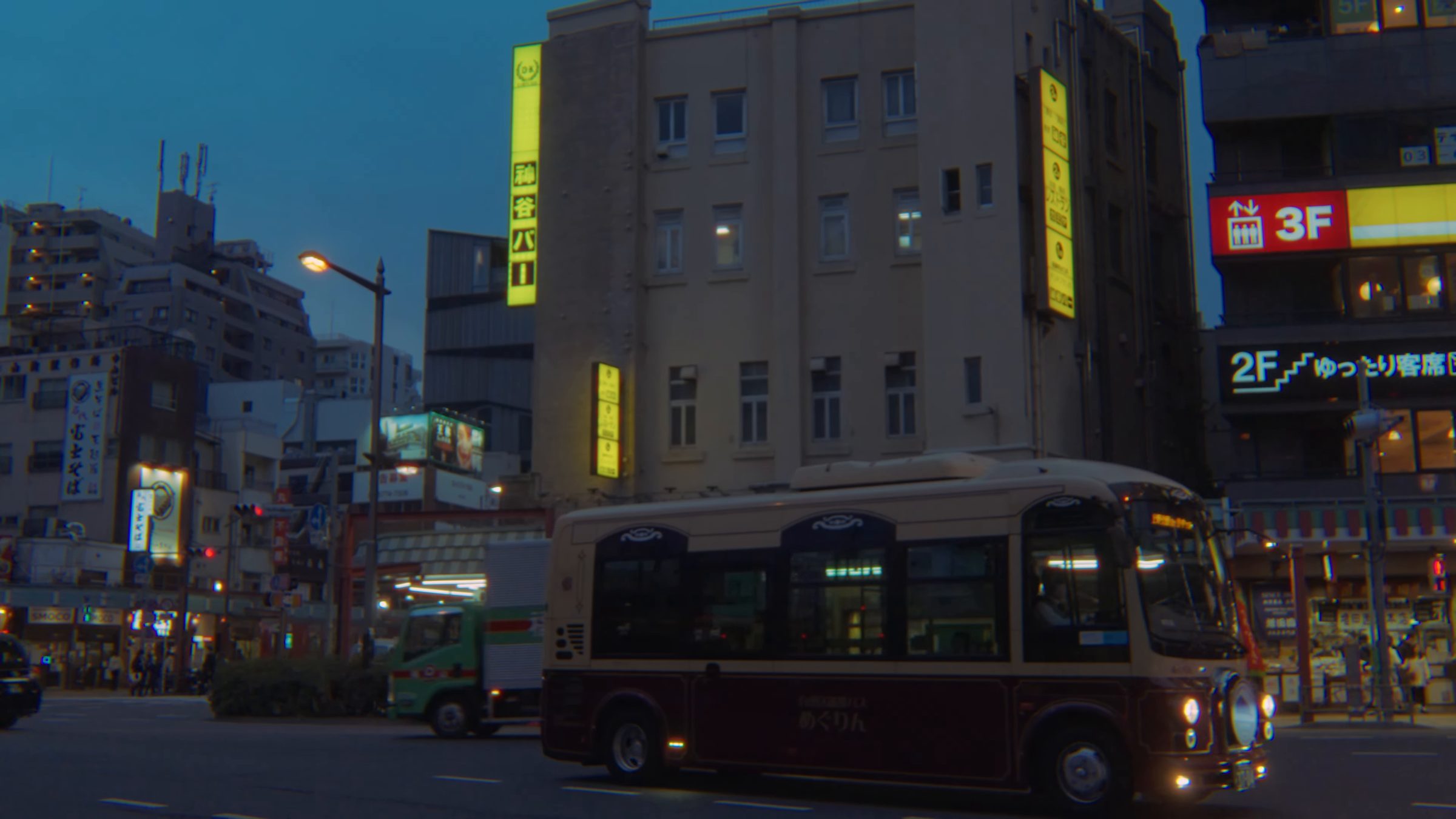
More of my stay in Asakusa. As the day faded, the Tokyo Skytree glowed blue beyond an elevated railway. Buses crossed the intersection and the city lights began to come on. Tonight I was going to taste a flavor of the common folk that has lasted since the Edo period.
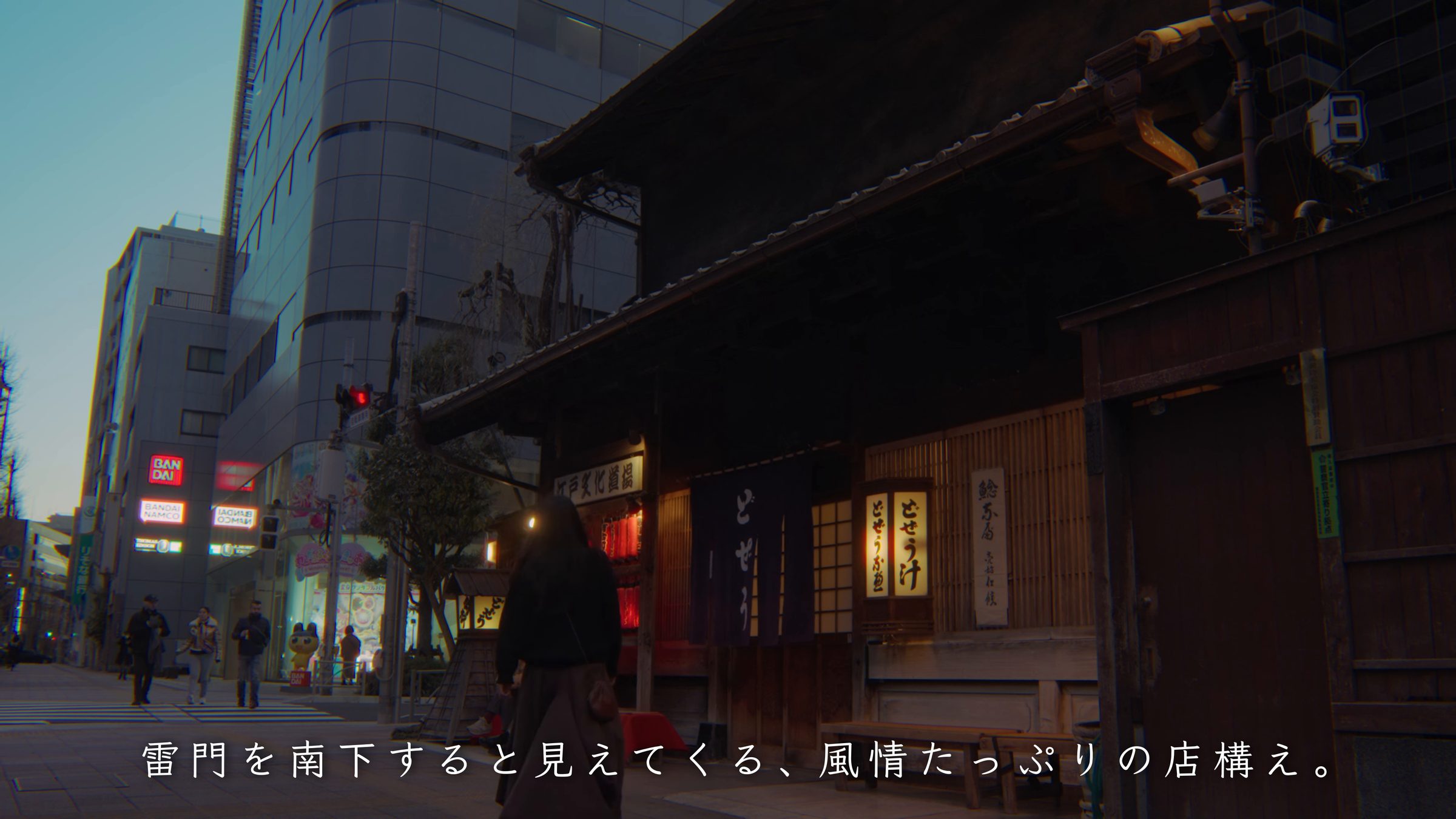
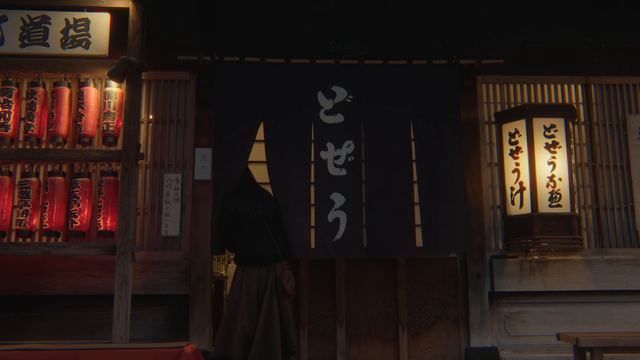
Heading south from Kaminarimon, you come upon a shop front full of old-world charm: Komagata Dozeu, a loach restaurant founded in 1801. Beside the noren curtain dyed with the word dozeu, a row of red lanterns glowed.
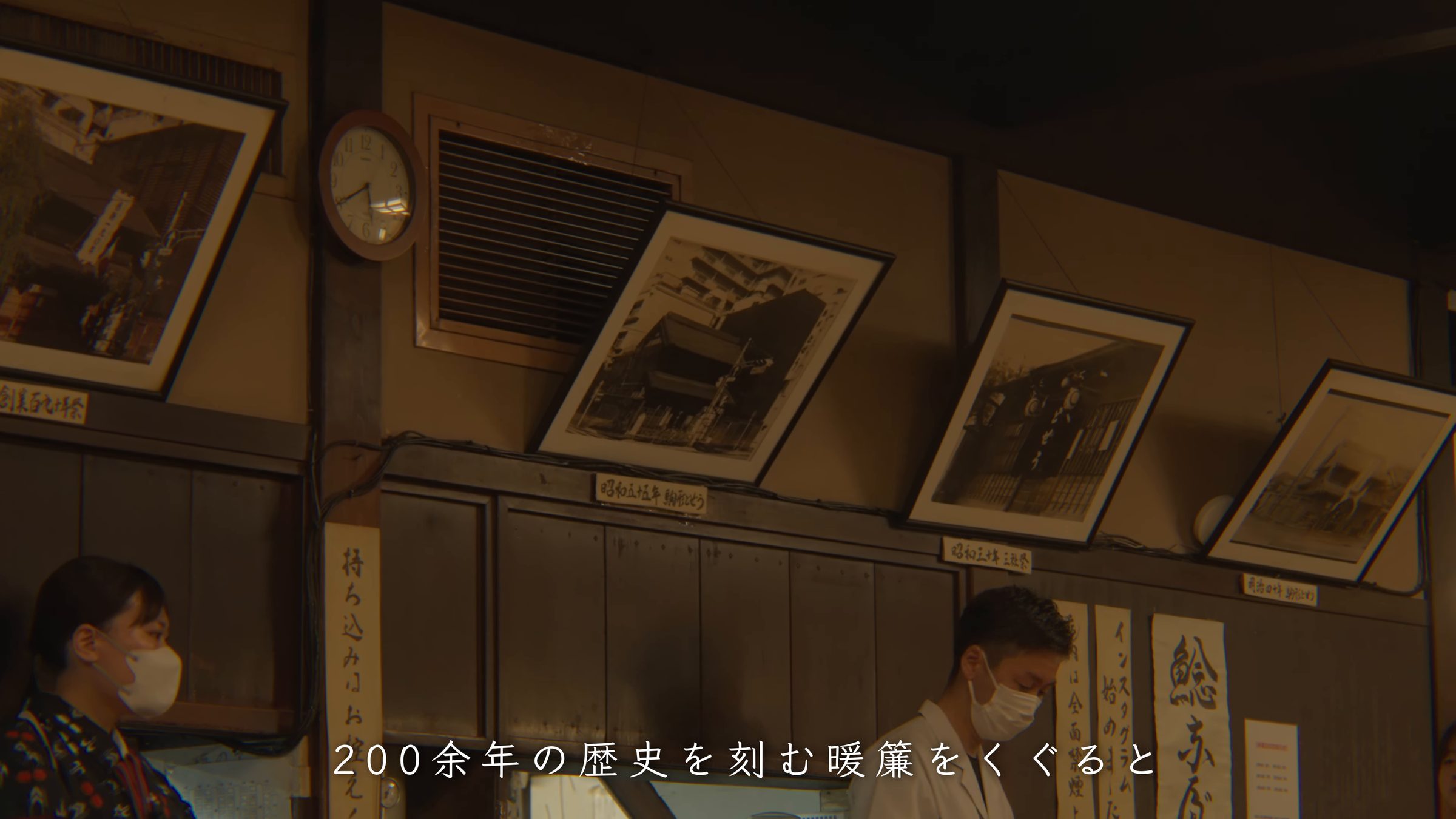
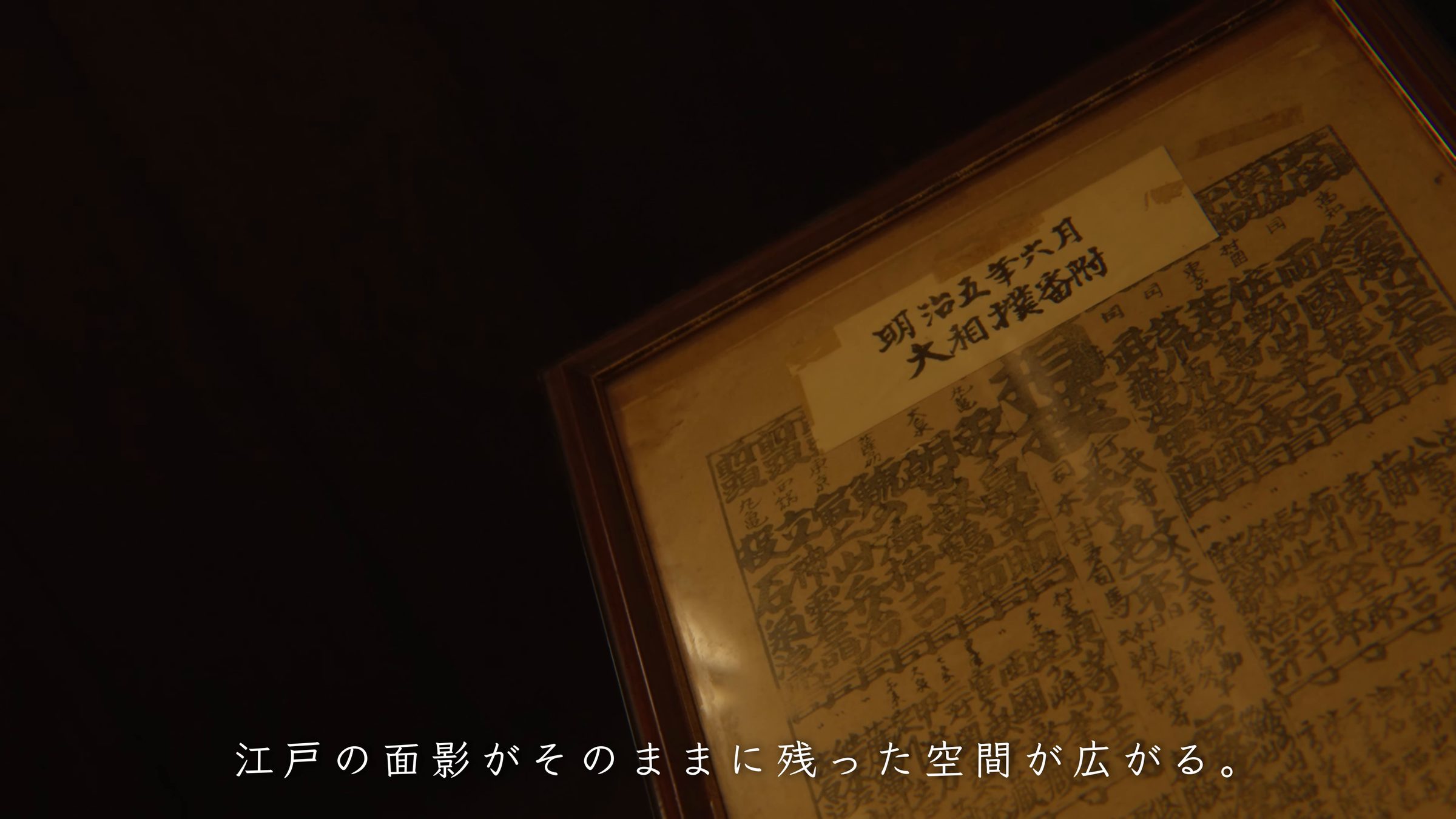
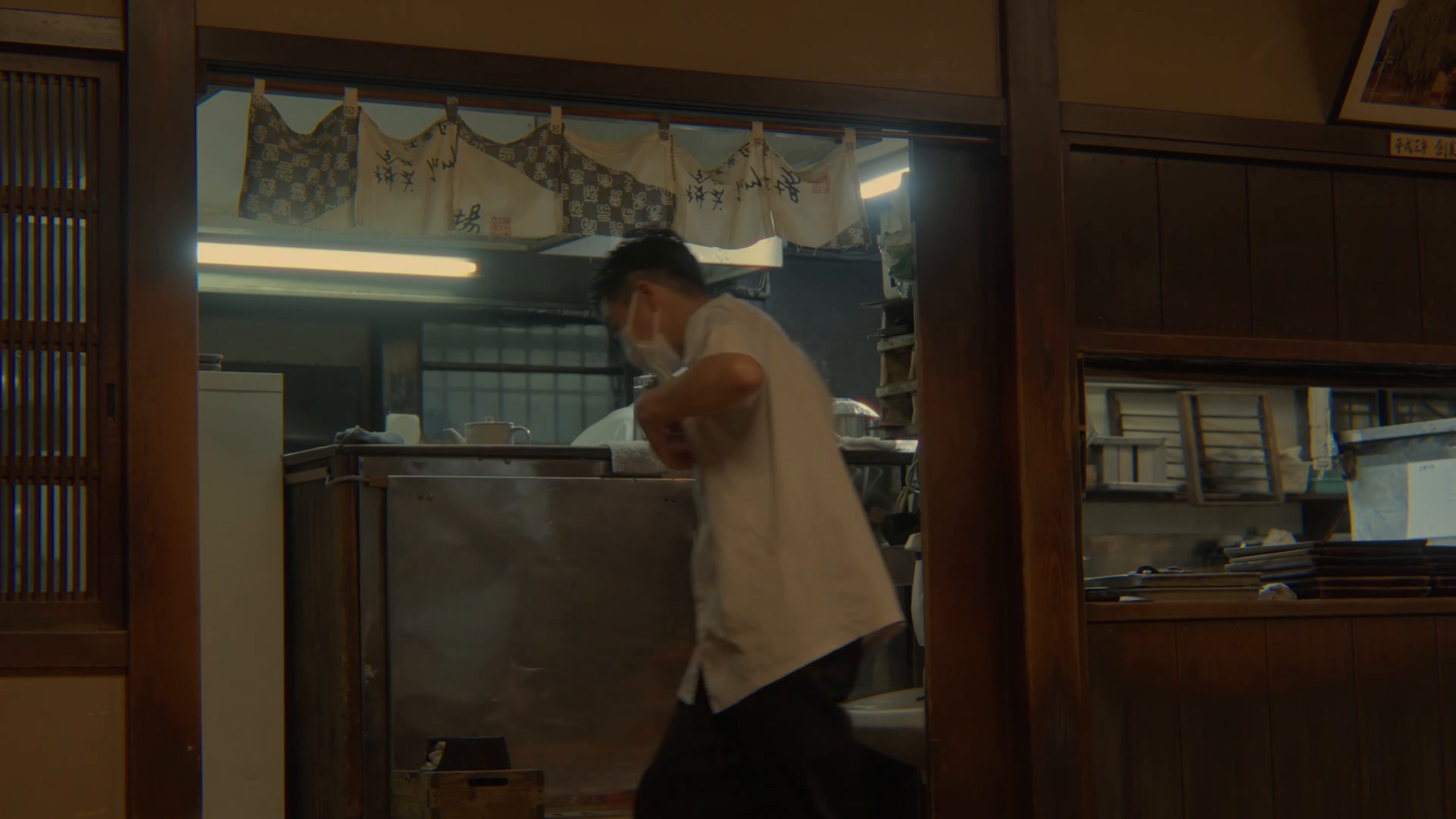
I passed through a noren with more than two hundred years of history and found a space that still holds the essence of Edo. Old photographs hung on the walls, along with a sumo ranking sheet from June 1872. Beyond the curtain, the kitchen was busy.
Watch this scene on YouTube0:24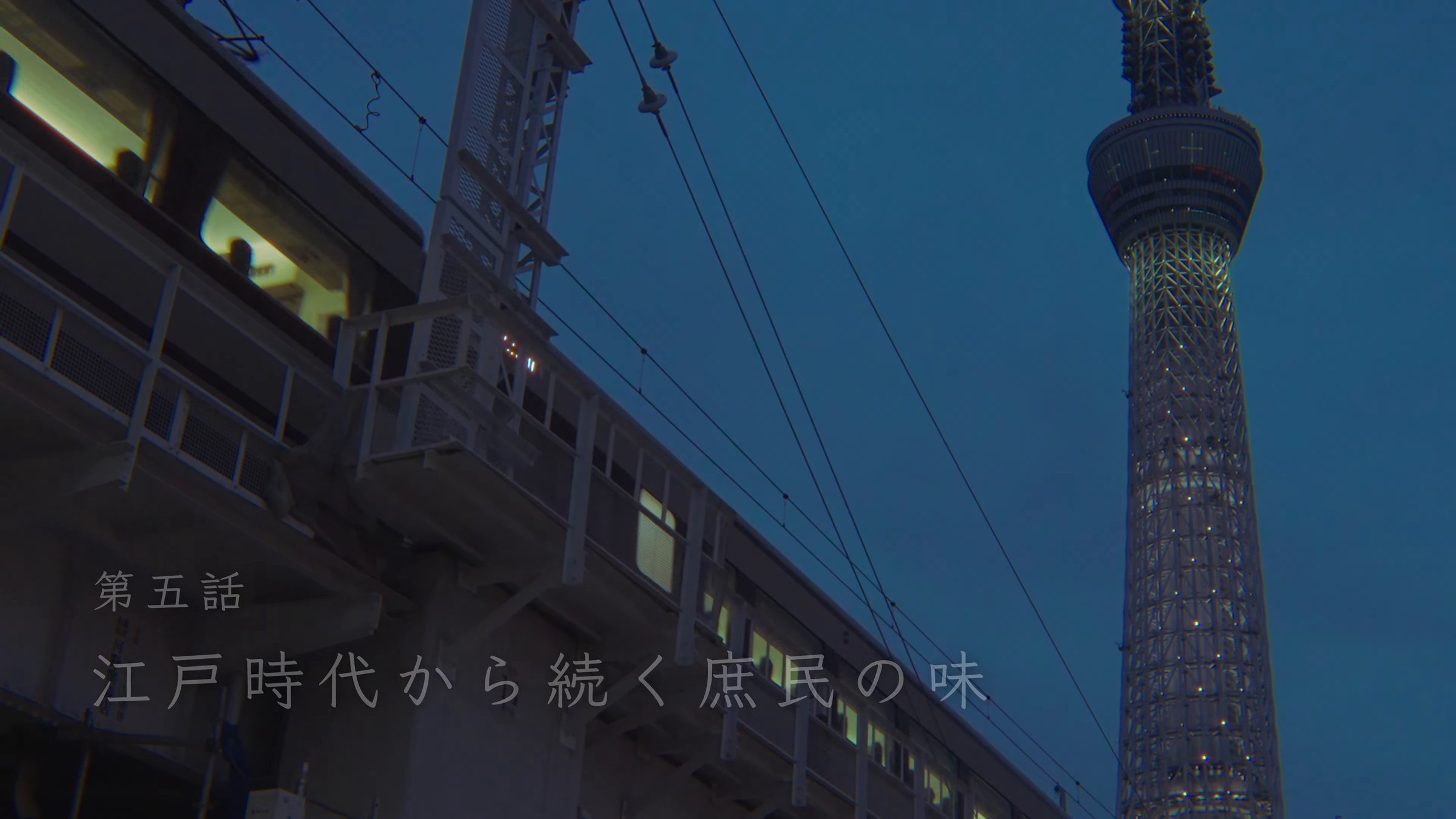
More notes from this journey
Taito, Tokyo
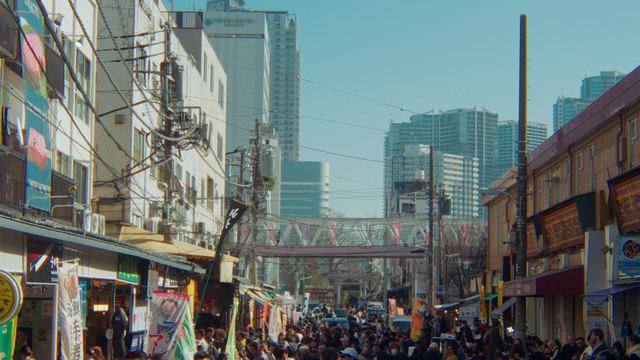
Tsukiji Outer Market
A market district of about 460 shops.
From: Loach hot pot and Tokyo ramen: more of Asakusa
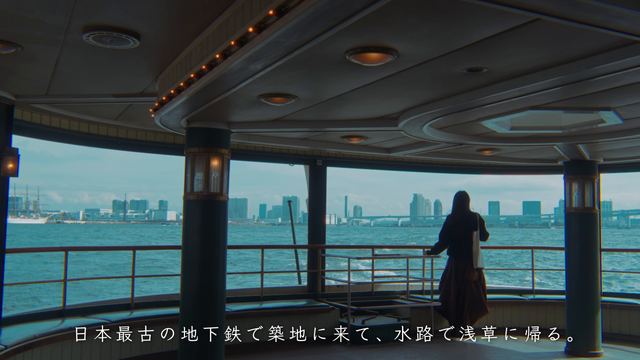
Taito, Tokyo
Sumida River Line water bus
A water bus run by Tokyo Kanko Kisen, linking Asakusa and Hinode Pier.
From: Loach hot pot and Tokyo ramen: more of Asakusa
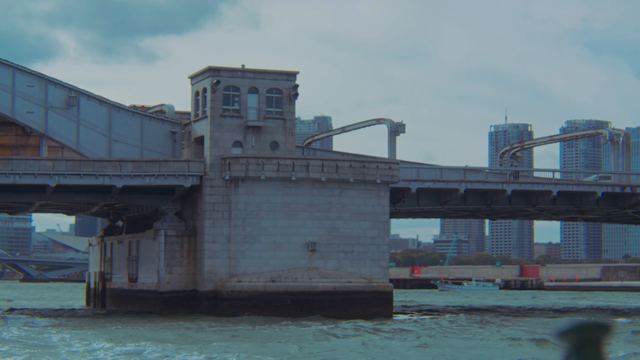
Taito, Tokyo
Kachidoki Bridge
Opened in 1940, it is a steel tied-arch bridge whose center is a Chicago-type double-leaf bascule span; it kept opening and closing after the war, up to a trial…
From: Loach hot pot and Tokyo ramen: more of Asakusa
Taito, Tokyo
Asakusa Station, Tokyo Metro Ginza Line
The Ginza Line opened between Asakusa and Ueno in 1927 as the first subway in the East, and was completed all the way to Shibuya in 1939.
From: Loach hot pot and Tokyo ramen: more of Asakusa
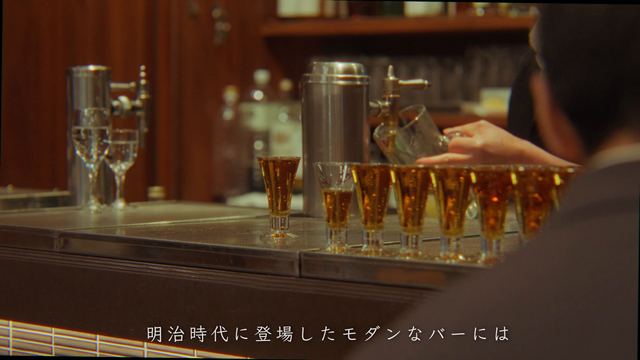
Taito, Tokyo
Denki Bran
A drink created in 1893 by the founder of Kamiya Bar, blending brandy with gin, wine, curaçao and herbs in secret proportions.
From: Loach hot pot and Tokyo ramen: more of Asakusa
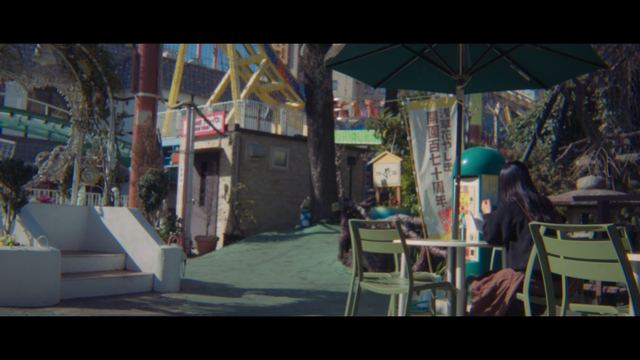
Taito, Tokyo
Asakusa Hanayashiki
Japan's oldest amusement park, opened in 1853 near the end of the Edo period.
From: Loach hot pot and Tokyo ramen: more of Asakusa
More notes from Kanto
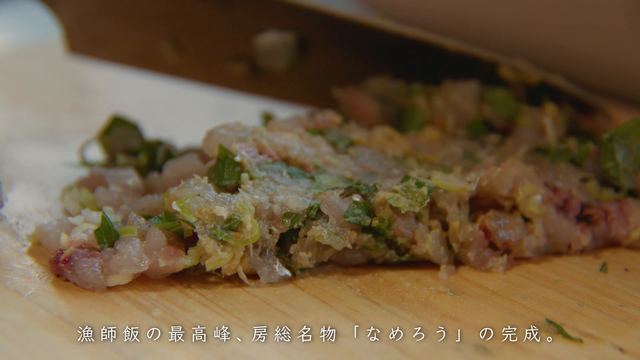
Kamogawa, Chiba
Namero on rice
Namero is a Chiba specialty handed down along the coast of the Boso Peninsula.
From: Zero minutes to the sea: summer vacation in Kamogawa
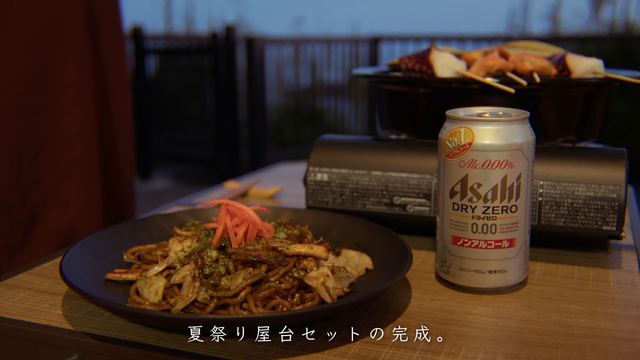
Kamogawa, Chiba
Sauce yakisoba
A staple of summer festival stalls.
From: Zero minutes to the sea: summer vacation in Kamogawa
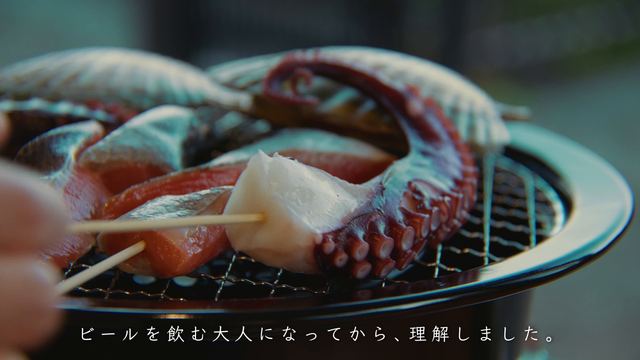
Kamogawa, Chiba
Grilled seafood skewers
The taste of the festival stall, on a small charcoal grill on the veranda.
From: Zero minutes to the sea: summer vacation in Kamogawa
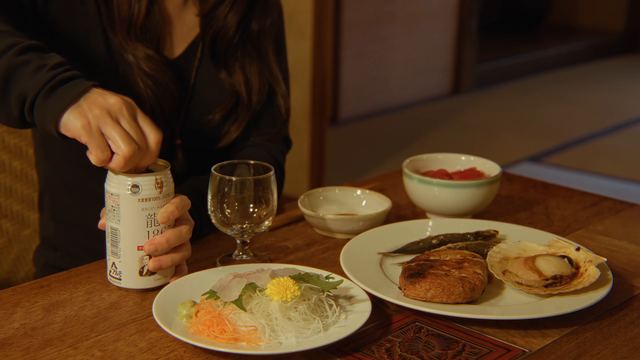
Kamakura, Kanagawa
A little Kamakura drinking set
At the farmers' market near Kamakura Station, growers from around Kamakura sell "Kamakura vegetables," many varieties in small quantities, grown with as little…
From: A hundred-year-old house in the town of the Enoden
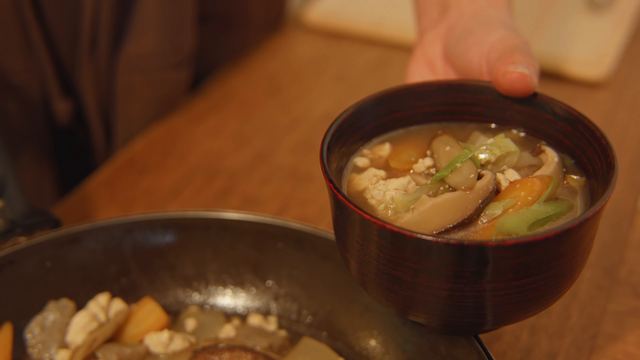
Kamakura, Kanagawa
Kenchin-jiru
A soup of root vegetables and tofu, sautéed in oil before simmering.
From: A Kamakura-vegetable breakfast and a walk on Enoshima
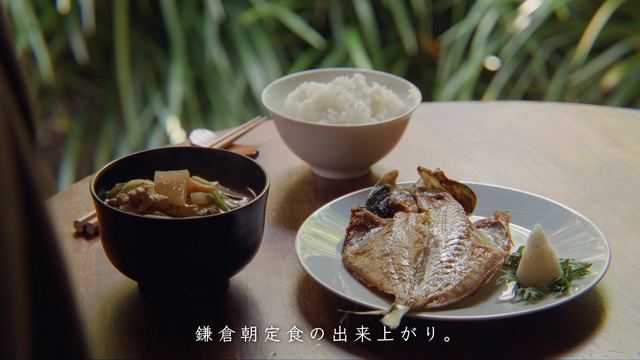
Kamakura, Kanagawa
Kamakura morning set with grilled dried fish
Kenchin-jiru made with Kamakura vegetables, with dried fish from the market shop grilled alongside.
From: A Kamakura-vegetable breakfast and a walk on Enoshima