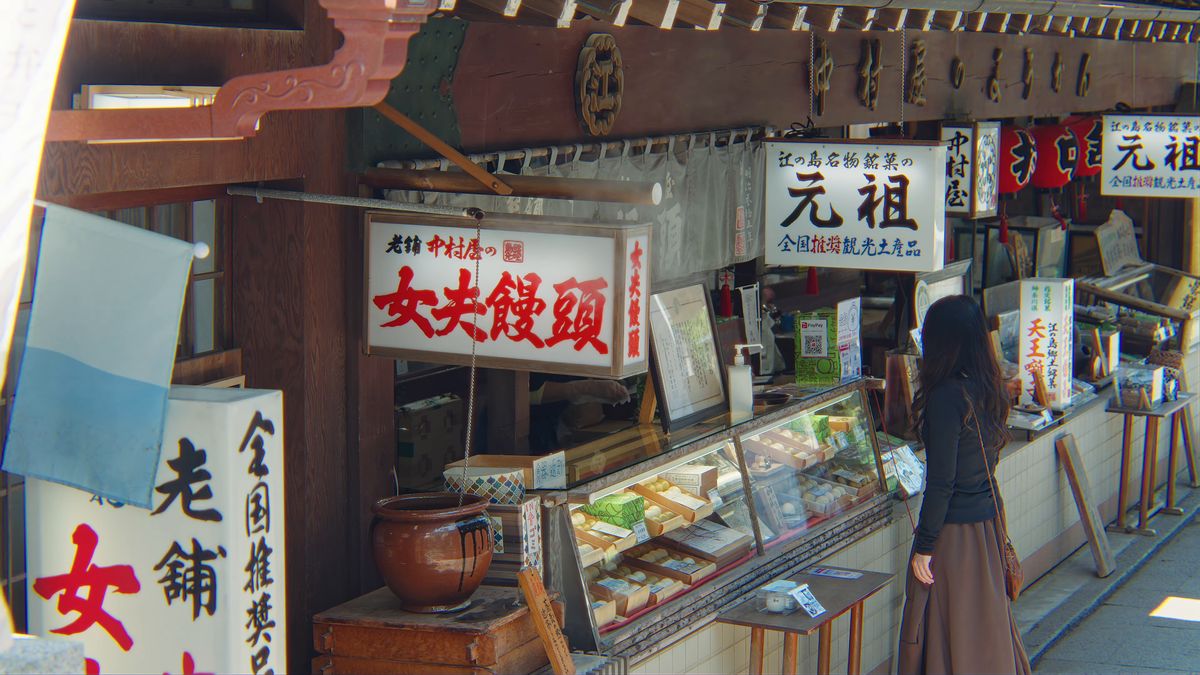
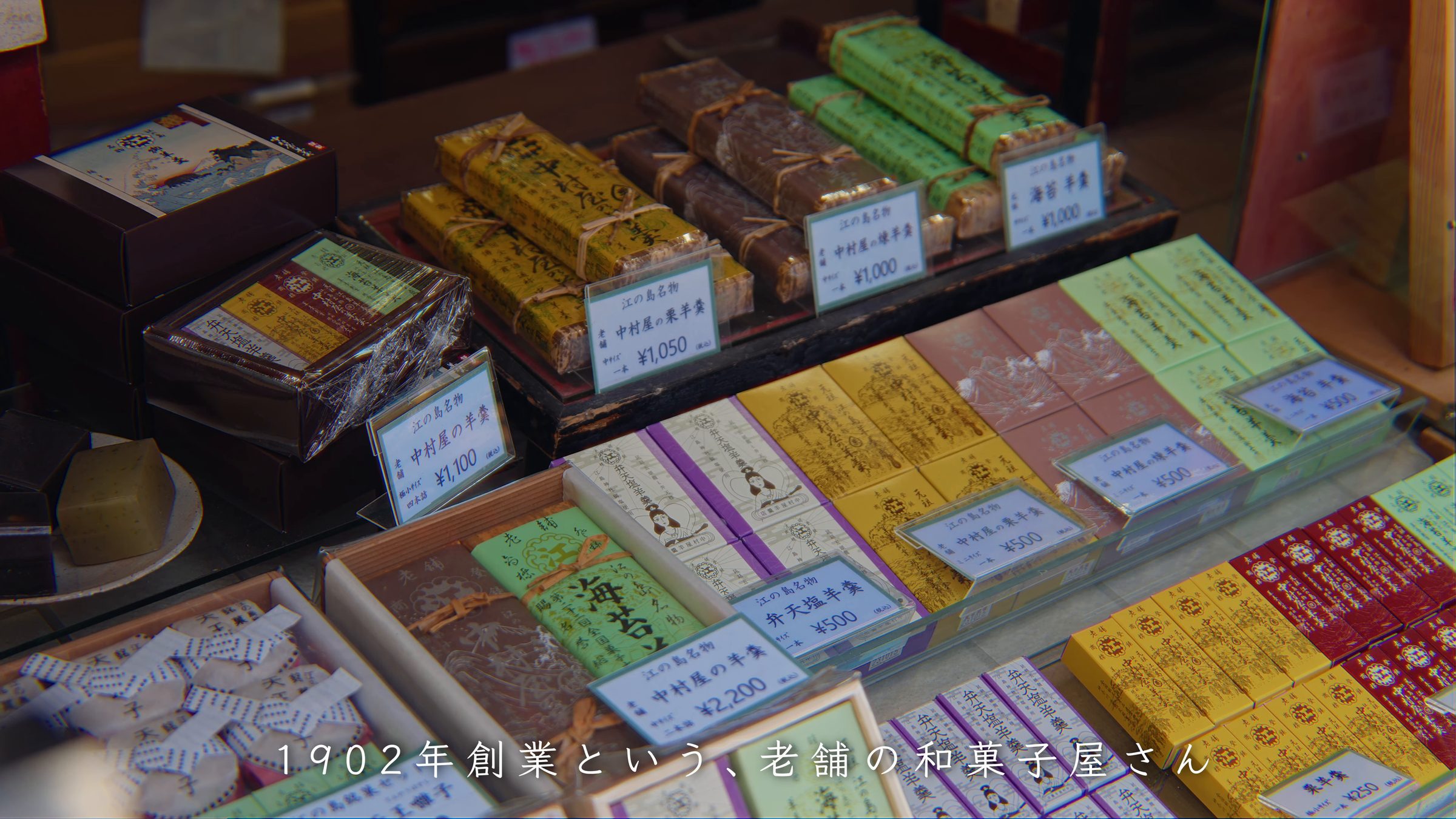
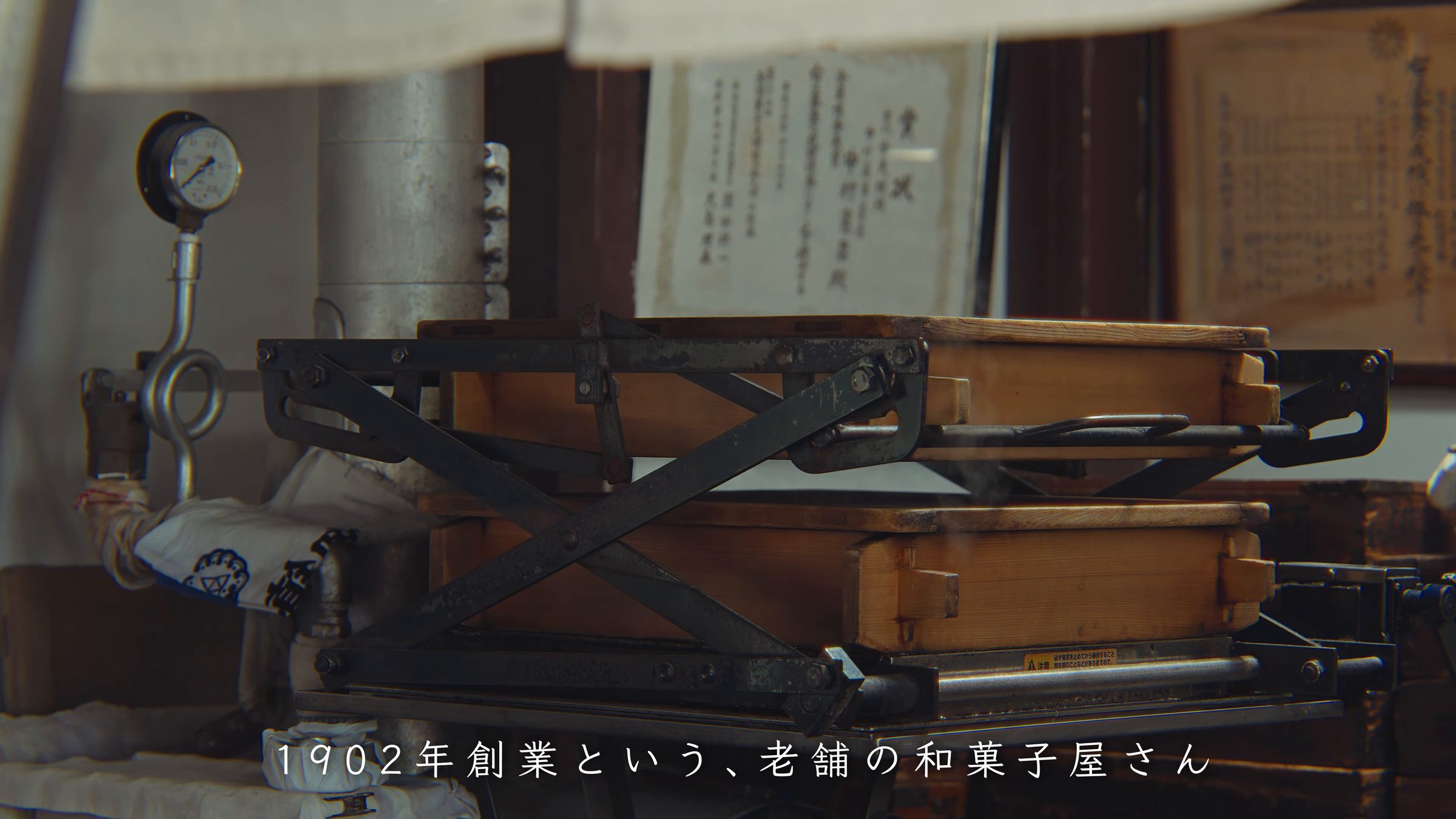
A Japanese sweets shop on the approach to Enoshima Shrine. It is said to have created its original nori yokan in 1902 from seaweed on the island's rocks, and has been in business for more than 120 years. Meoto manju comes in two kinds, smooth and chunky bean paste, steamed in a machine at the storefront. The shop also makes Benten salt yokan, with purifying salt from the shrine, and Tenno-bayashi, a baked sweet shaped like the drums of the island's Tenno festival.
2-5-25 Enoshima, Fujisawa, Kanagawa
This moment in the journey
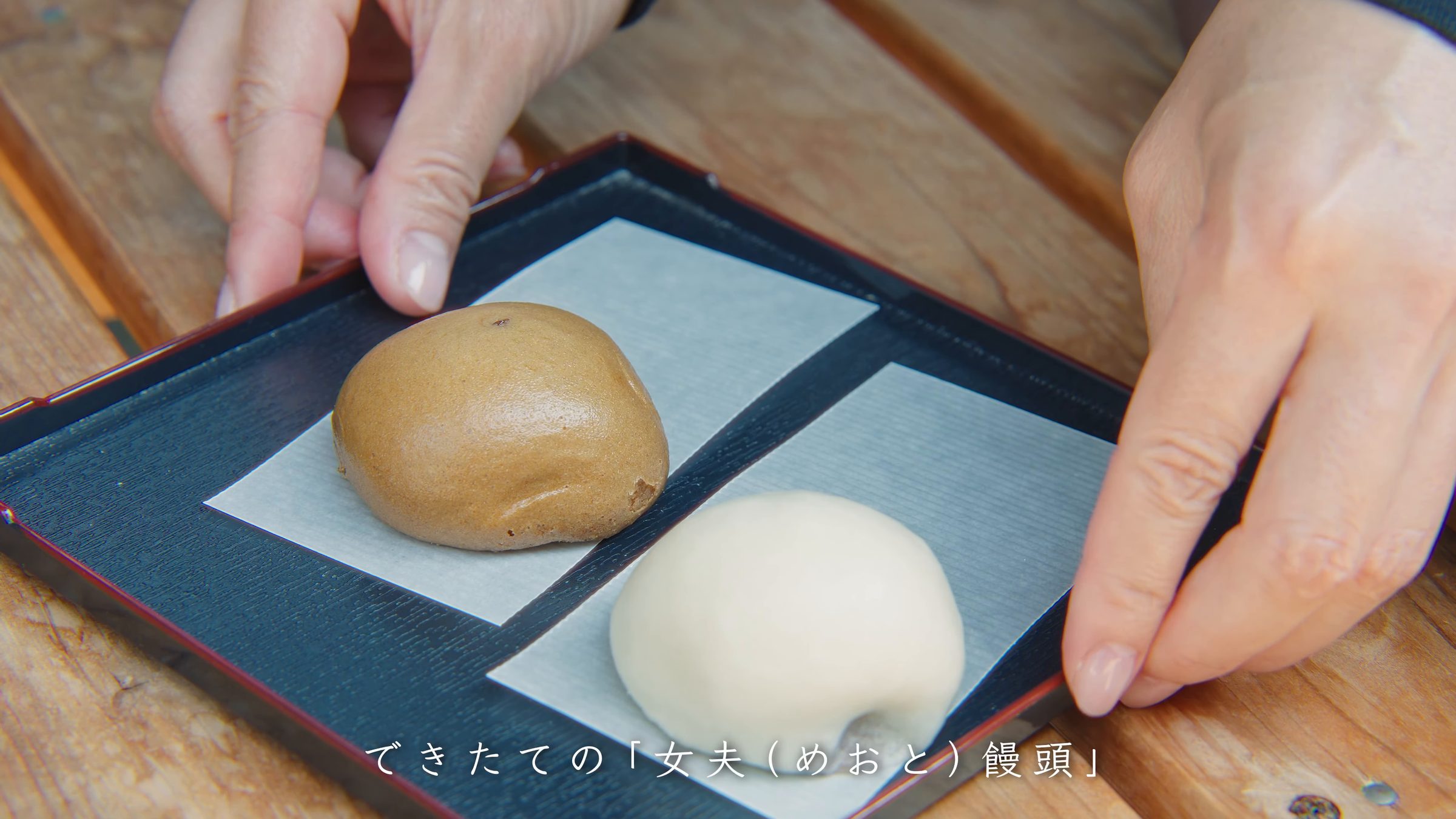
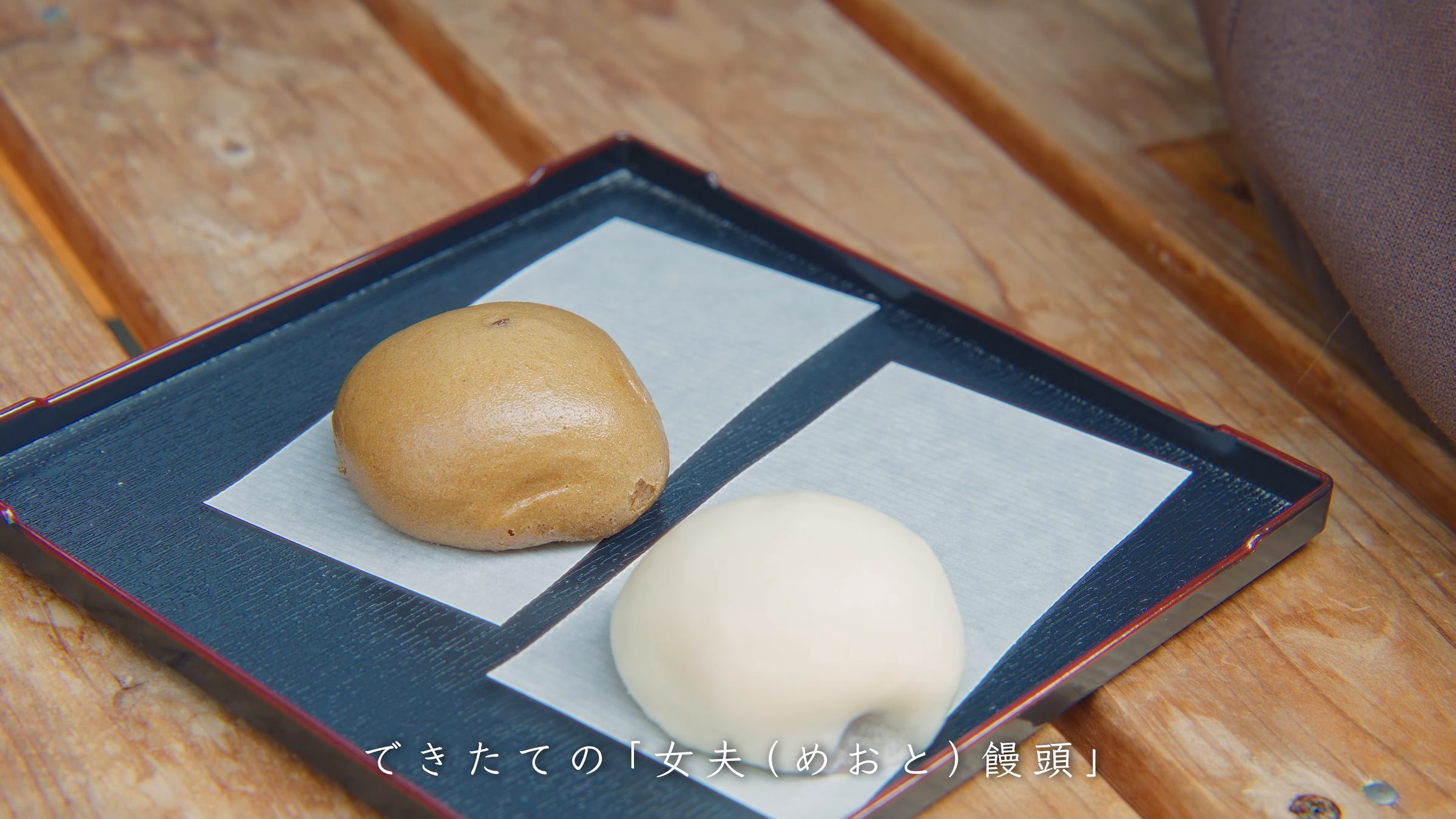
Freshly made meoto manju
Climbing the stone steps lined with banners, I came to a long-established sweets shop founded in 1902. Boxes of nori yokan and Benten salt yokan filled the shelves out front, and in the back an old machine was steaming manju.
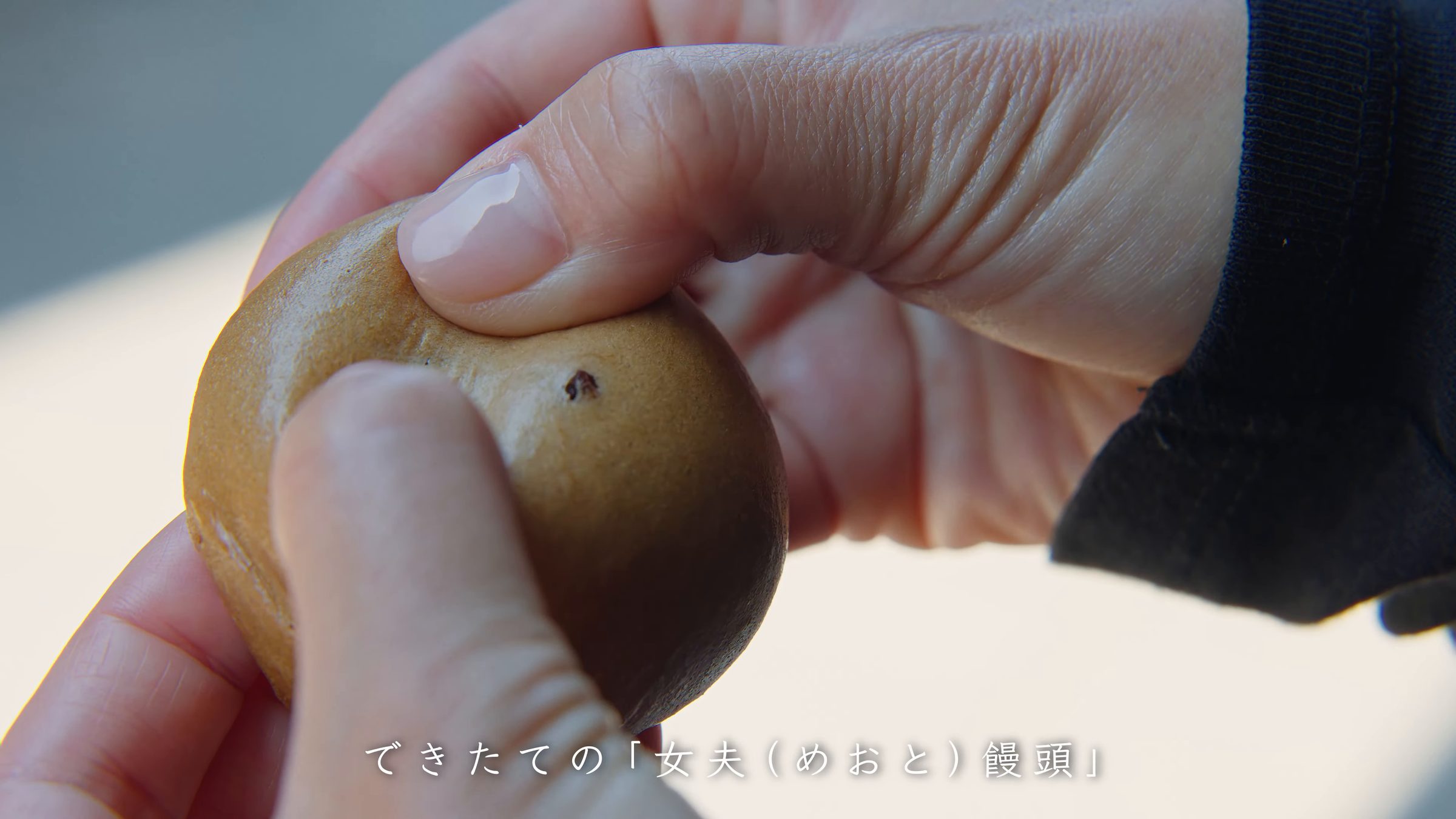
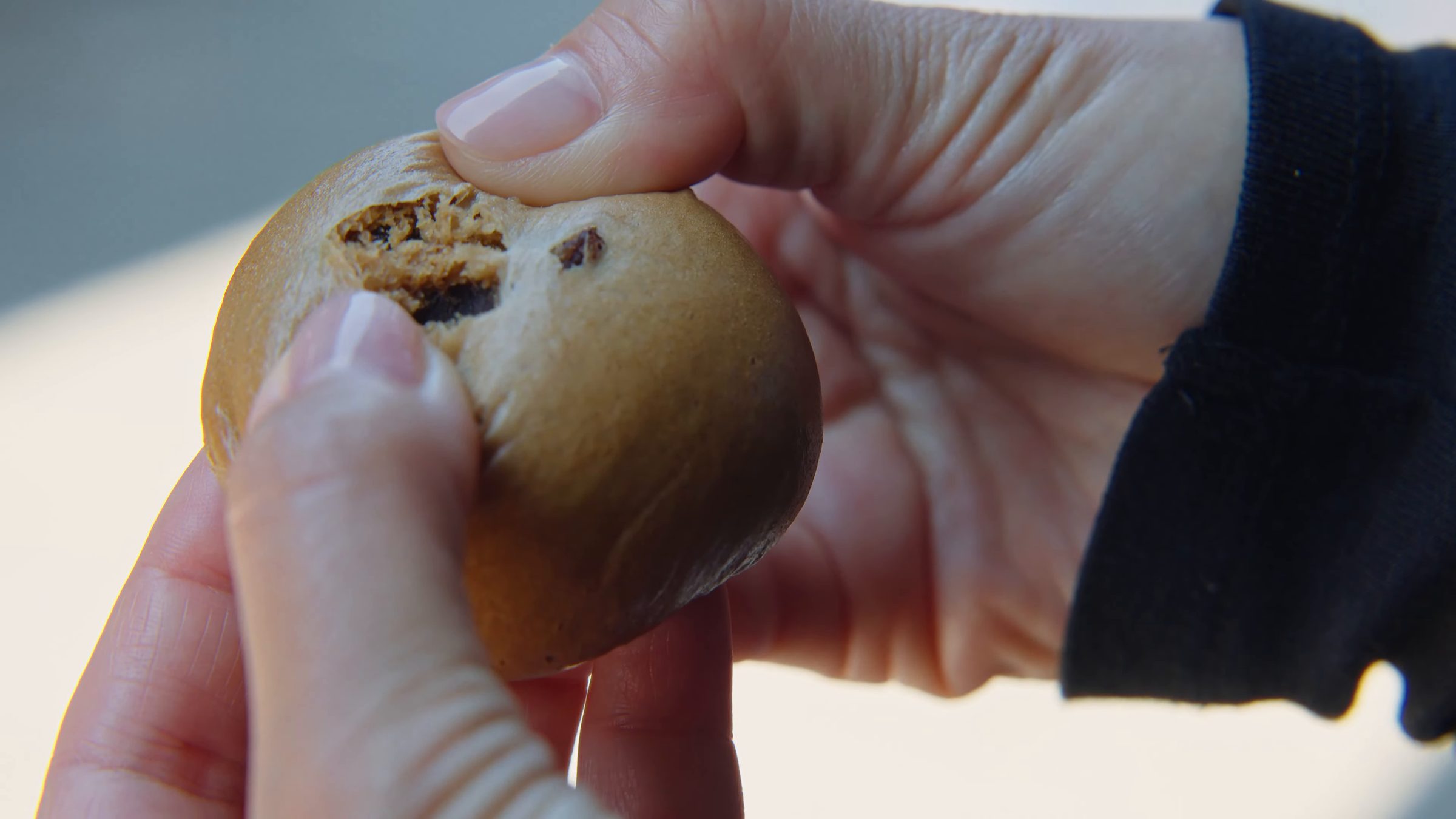
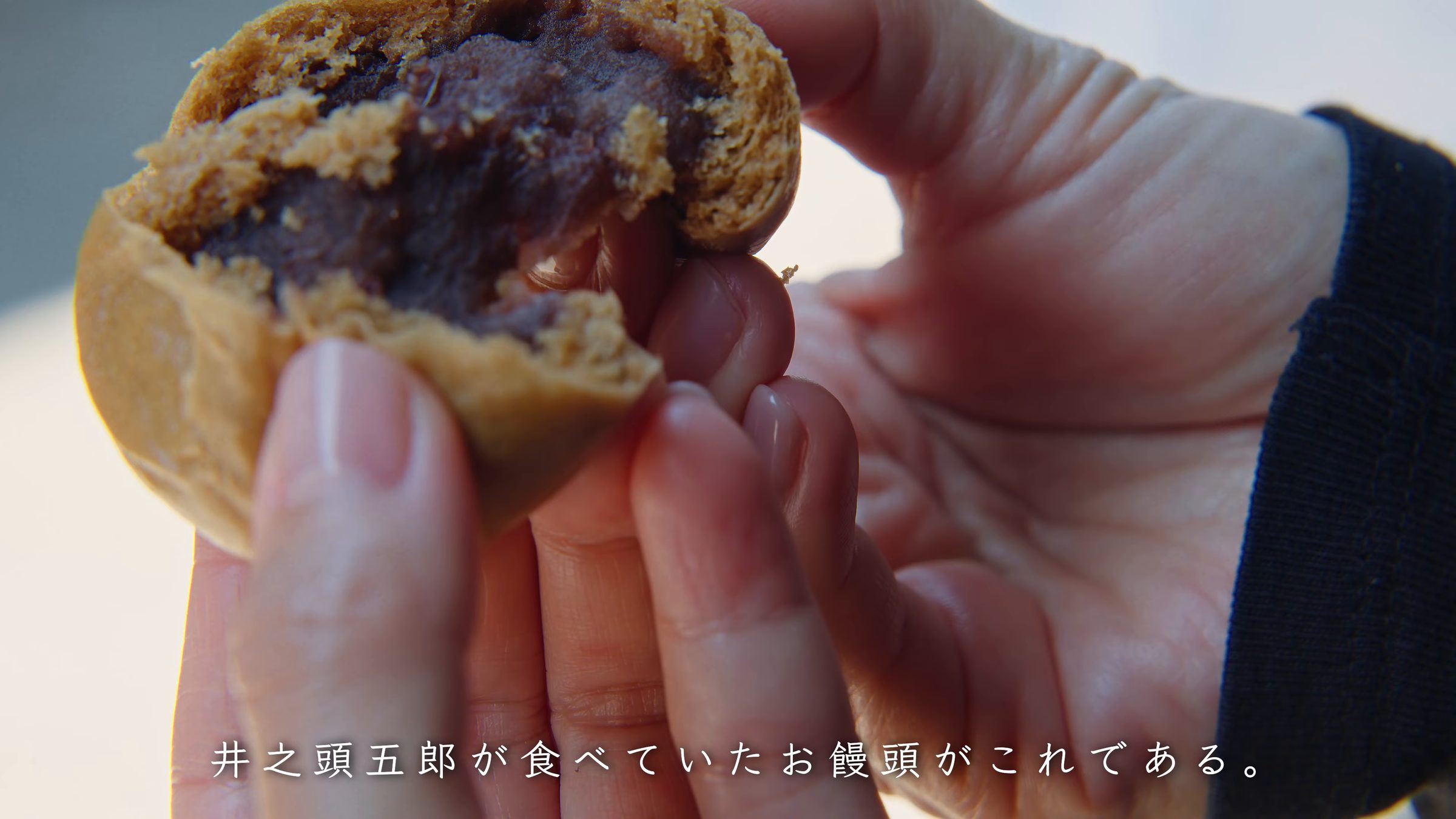
Freshly made meoto manju: one brown, one white, served on a black tray. Breaking the brown one open revealed chunky sweet bean paste. This is the manju that Goro Inogashira ate in the manga The Solitary Gourmet.
I sat on the bench in front of the shop and ate. A taste that carries the history and culture of Enoshima.
Watch this scene on YouTube4:09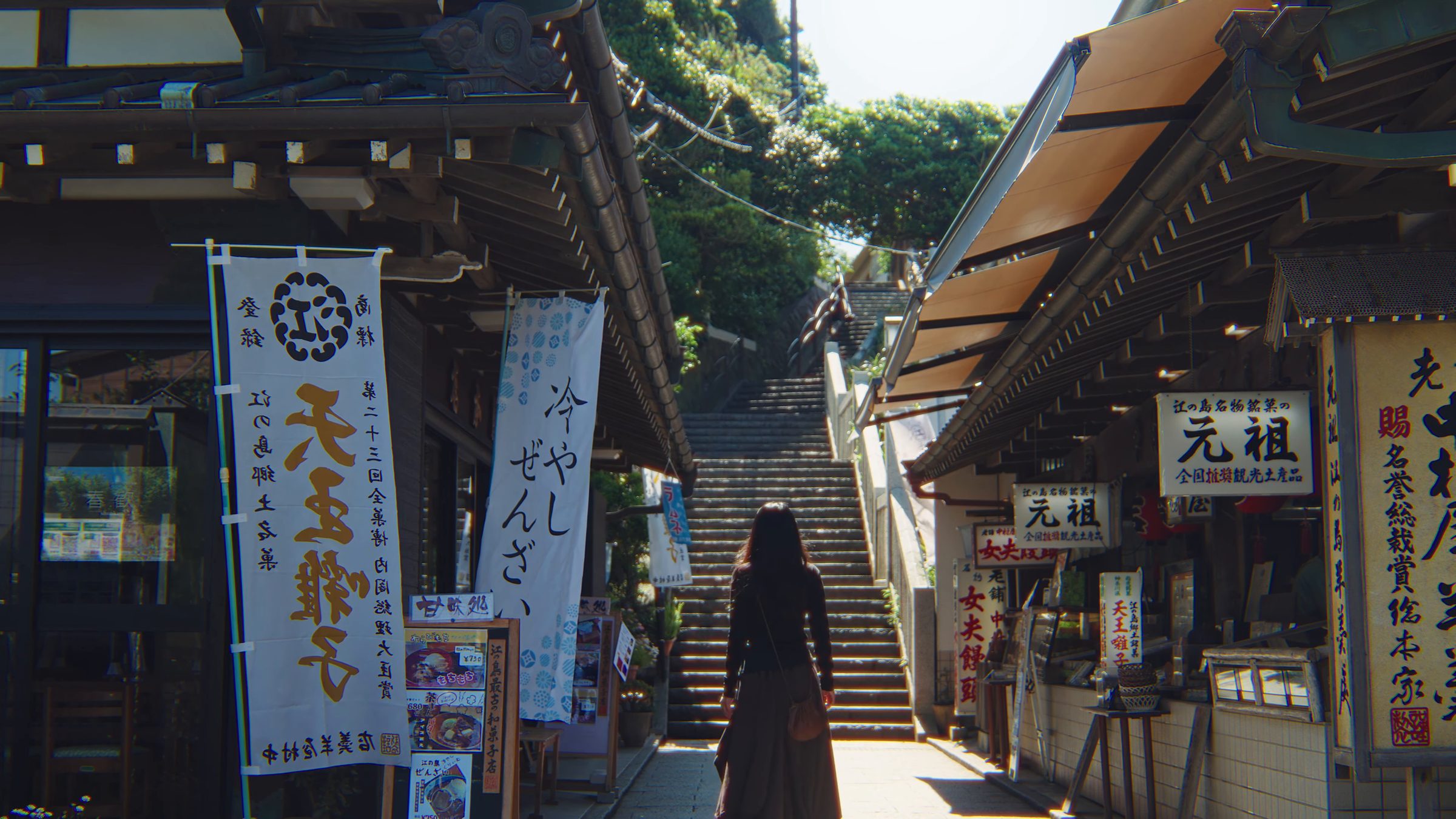
More notes from this journey
Kamakura, Kanagawa
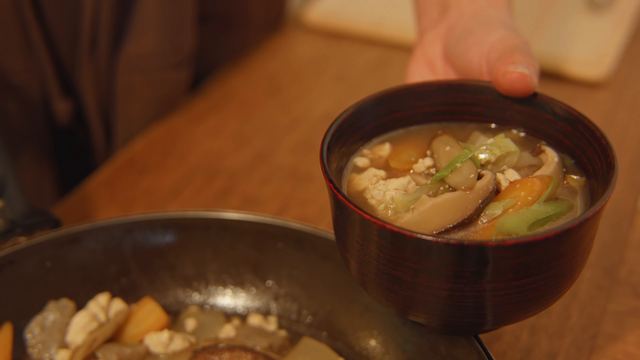
Kenchin-jiru
A soup of root vegetables and tofu, sautéed in oil before simmering.
From: A Kamakura-vegetable breakfast and a walk on Enoshima
Kamakura, Kanagawa
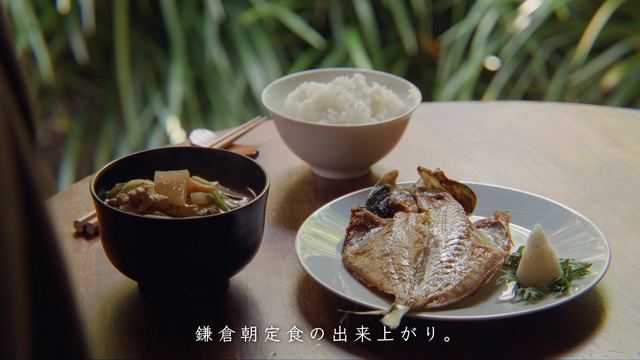
Kamakura morning set with grilled dried fish
Kenchin-jiru made with Kamakura vegetables, with dried fish from the market shop grilled alongside.
From: A Kamakura-vegetable breakfast and a walk on Enoshima
Kamakura, Kanagawa
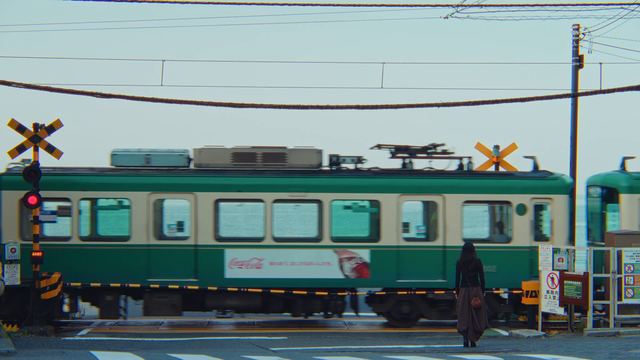
Kamakura-Kokomae Station and the seaside crossing
Kamakura-Kokomae, on the Enoshima Electric Railway, is a station right beside the sea.
From: A Kamakura-vegetable breakfast and a walk on Enoshima
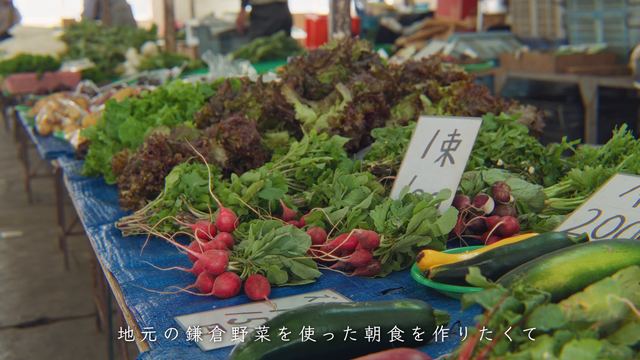
Kamakura, Kanagawa
Kamakura vegetables
A collective name for vegetables grown by farmers around Kamakura.
From: A Kamakura-vegetable breakfast and a walk on Enoshima
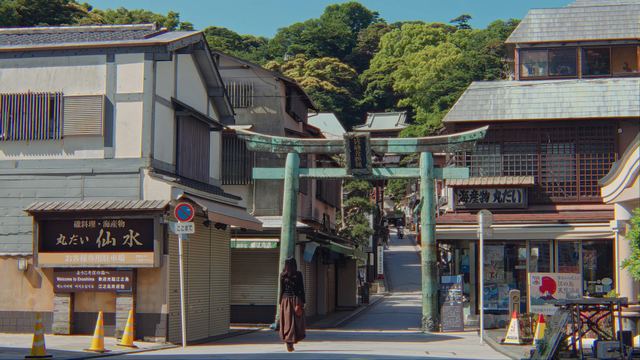
Kamakura, Kanagawa
The bronze torii and Zuishinmon gate of Enoshima Shrine
Enoshima Shrine consists of three shrines, Hetsumiya, Nakatsumiya and Okutsumiya, and is counted among Japan's three great Benzaiten shrines.
From: A Kamakura-vegetable breakfast and a walk on Enoshima
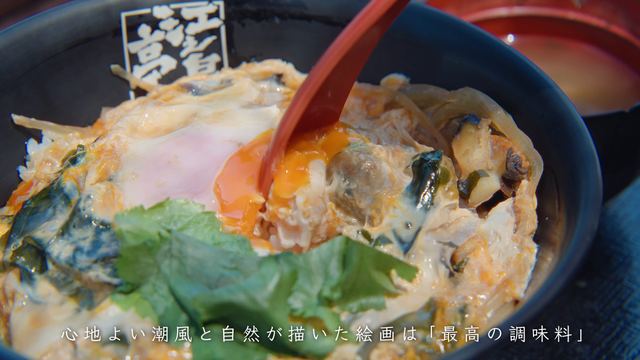
Kamakura, Kanagawa
Enoshima-don
Enoshima's signature rice bowl: turban shell simmered in egg and served over rice, offered at many of the island's restaurants.
From: A Kamakura-vegetable breakfast and a walk on Enoshima
More notes from Kanto
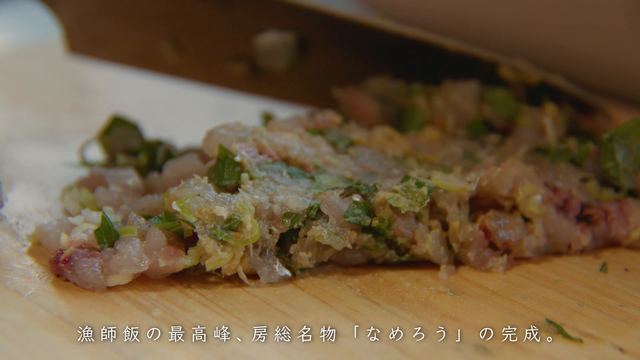
Kamogawa, Chiba
Namero on rice
Namero is a Chiba specialty handed down along the coast of the Boso Peninsula.
From: Zero minutes to the sea: summer vacation in Kamogawa
Kamogawa, Chiba
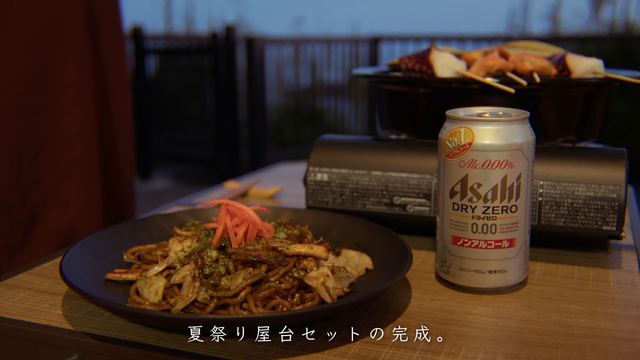
Sauce yakisoba
A staple of summer festival stalls.
From: Zero minutes to the sea: summer vacation in Kamogawa
Kamogawa, Chiba
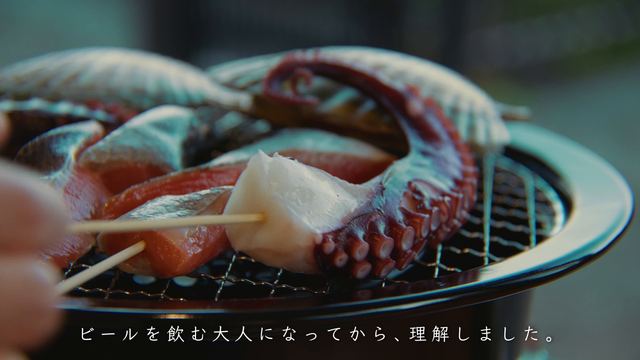
Grilled seafood skewers
The taste of the festival stall, on a small charcoal grill on the veranda.
From: Zero minutes to the sea: summer vacation in Kamogawa
Kamakura, Kanagawa
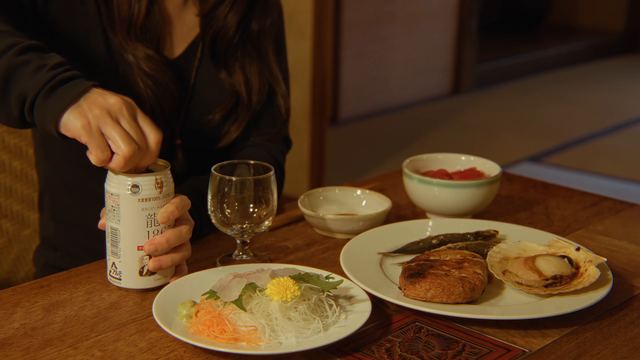
A little Kamakura drinking set
At the farmers' market near Kamakura Station, growers from around Kamakura sell "Kamakura vegetables," many varieties in small quantities, grown with as little…
From: A hundred-year-old house in the town of the Enoden
Chuo, Tokyo
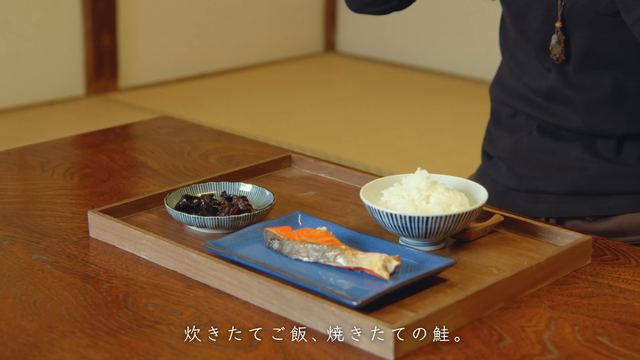
A shitamachi breakfast: grilled salmon and tofu miso soup
Tsukudani was born in neighboring Tsukuda.
From: A downtown table in a Tokyo row house
Chuo, Tokyo
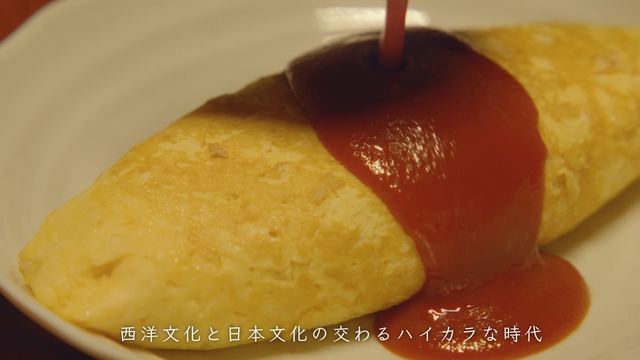
Omurice
One story has it that omurice was born in the mid-1920s at a Western-style restaurant in Osaka, where the owner wrapped ketchup rice in a thin omelet for a regu…
From: A downtown table in a Tokyo row house