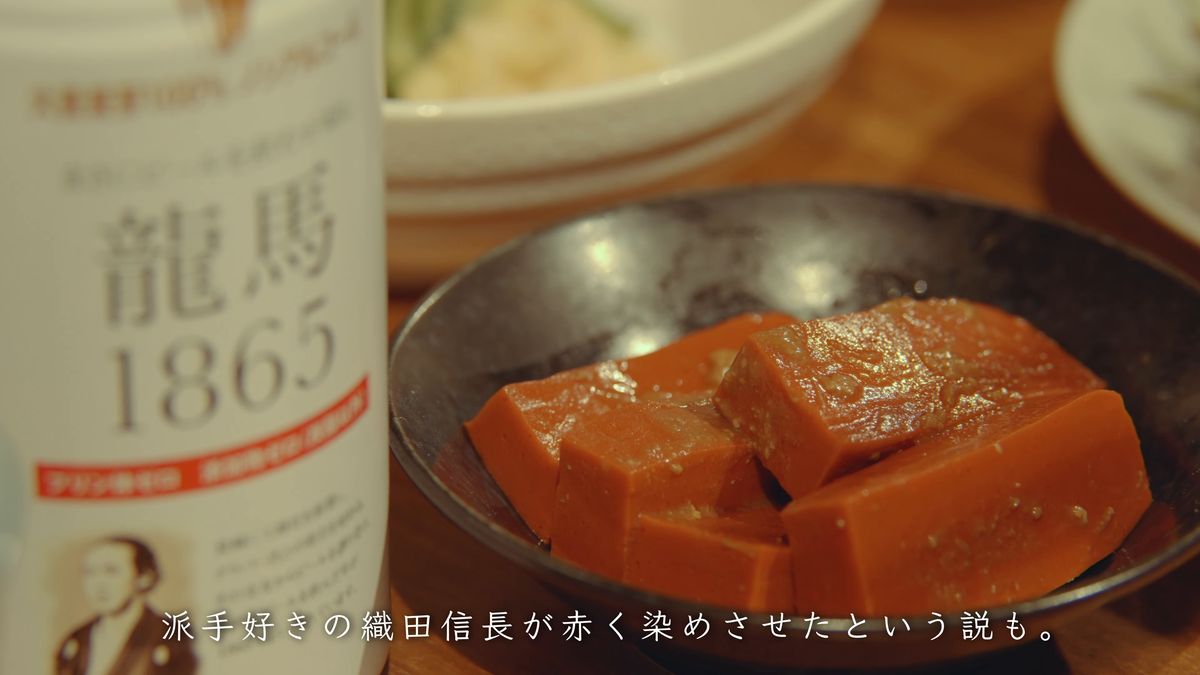
A local ingredient that spread nationwide from Omihachiman. Its red comes from iron oxide and does not fade with cooking. One story says it was born when Oda Nobunaga, fond of flashy things, had even konnyaku dyed red. It has little of konnyaku's usual smell and a soft, springy texture.
Sources: maff.go.jp
This moment in the journey
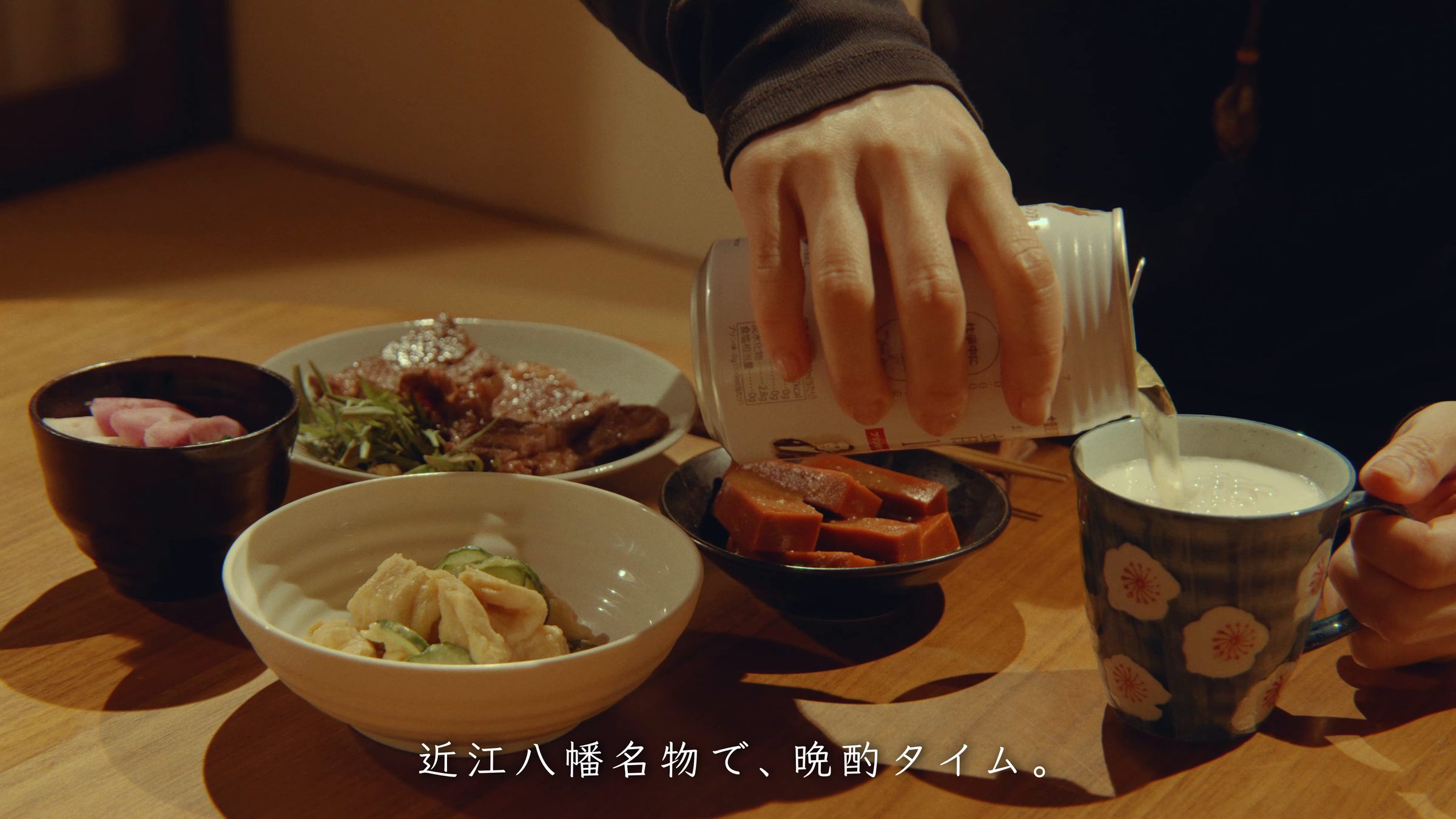
An evening meal of Omihachiman specialties
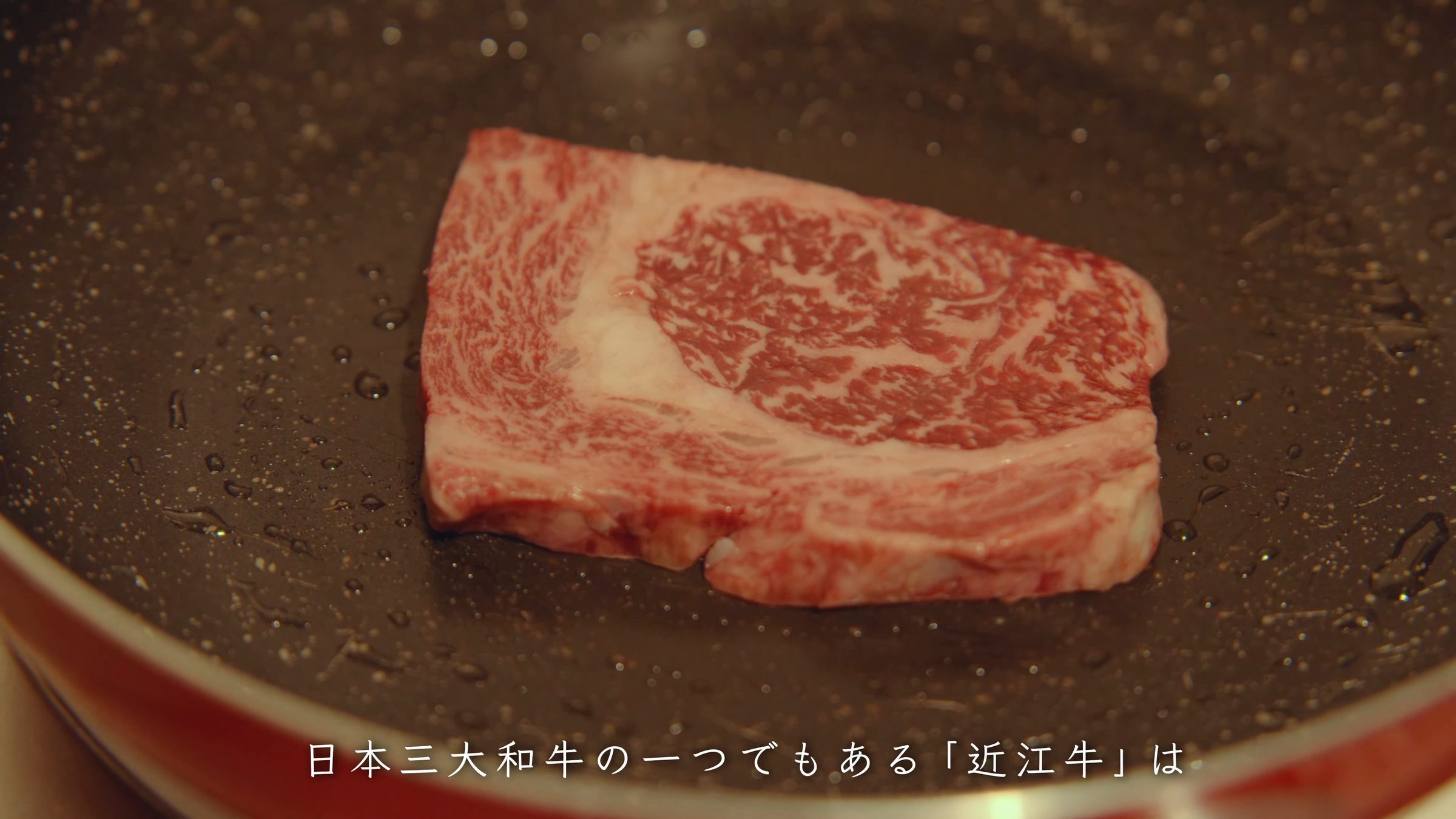
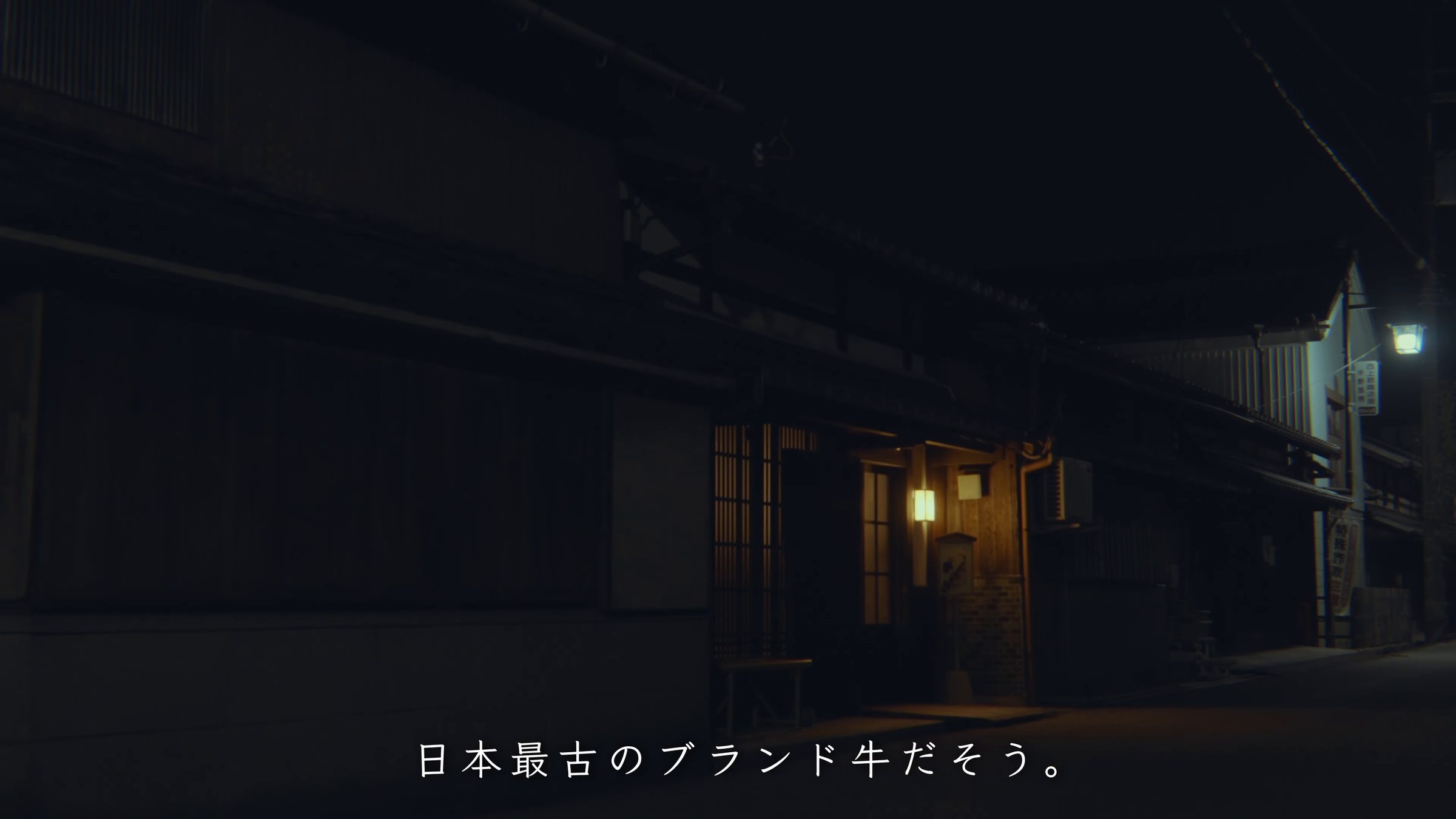
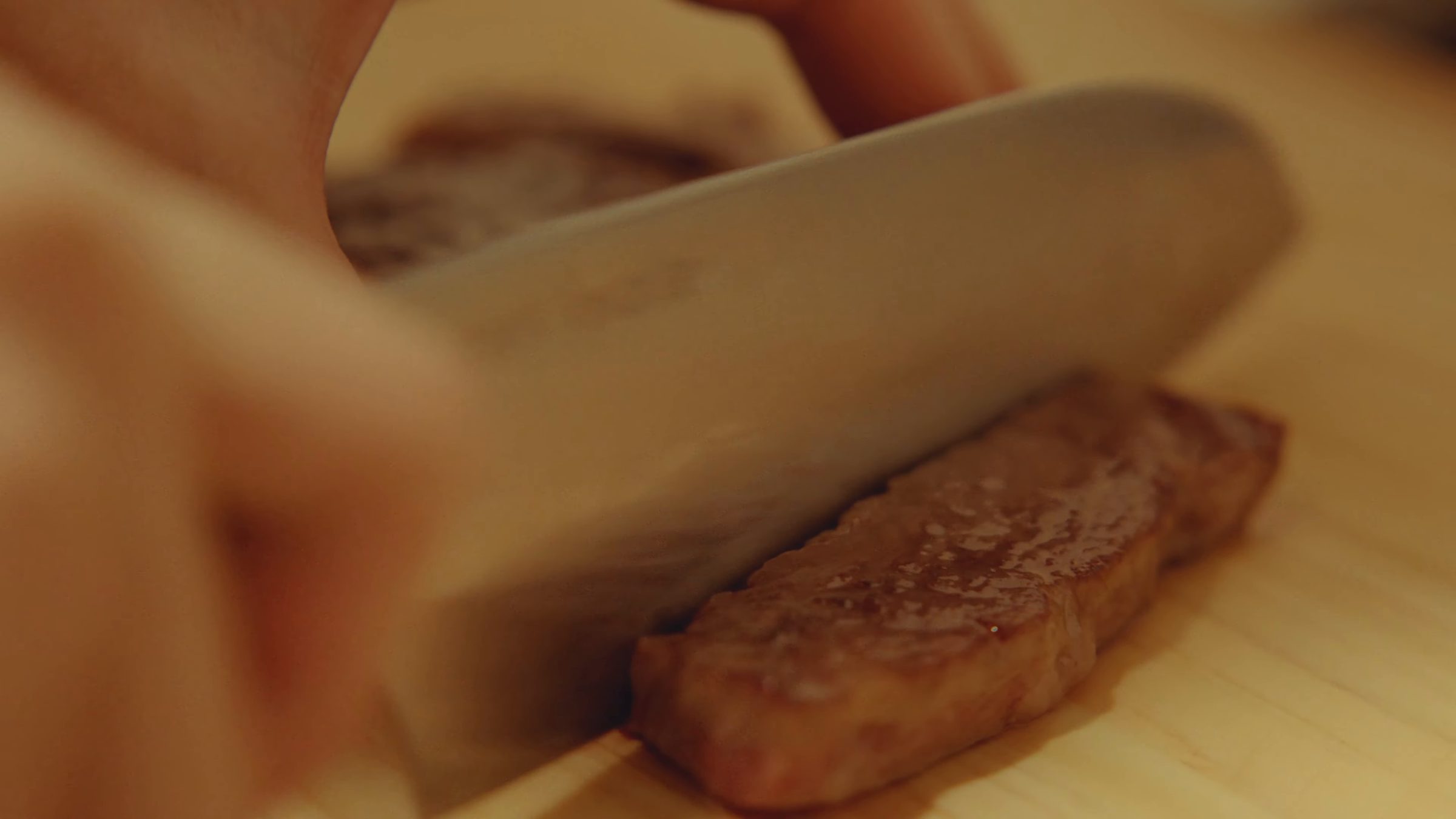
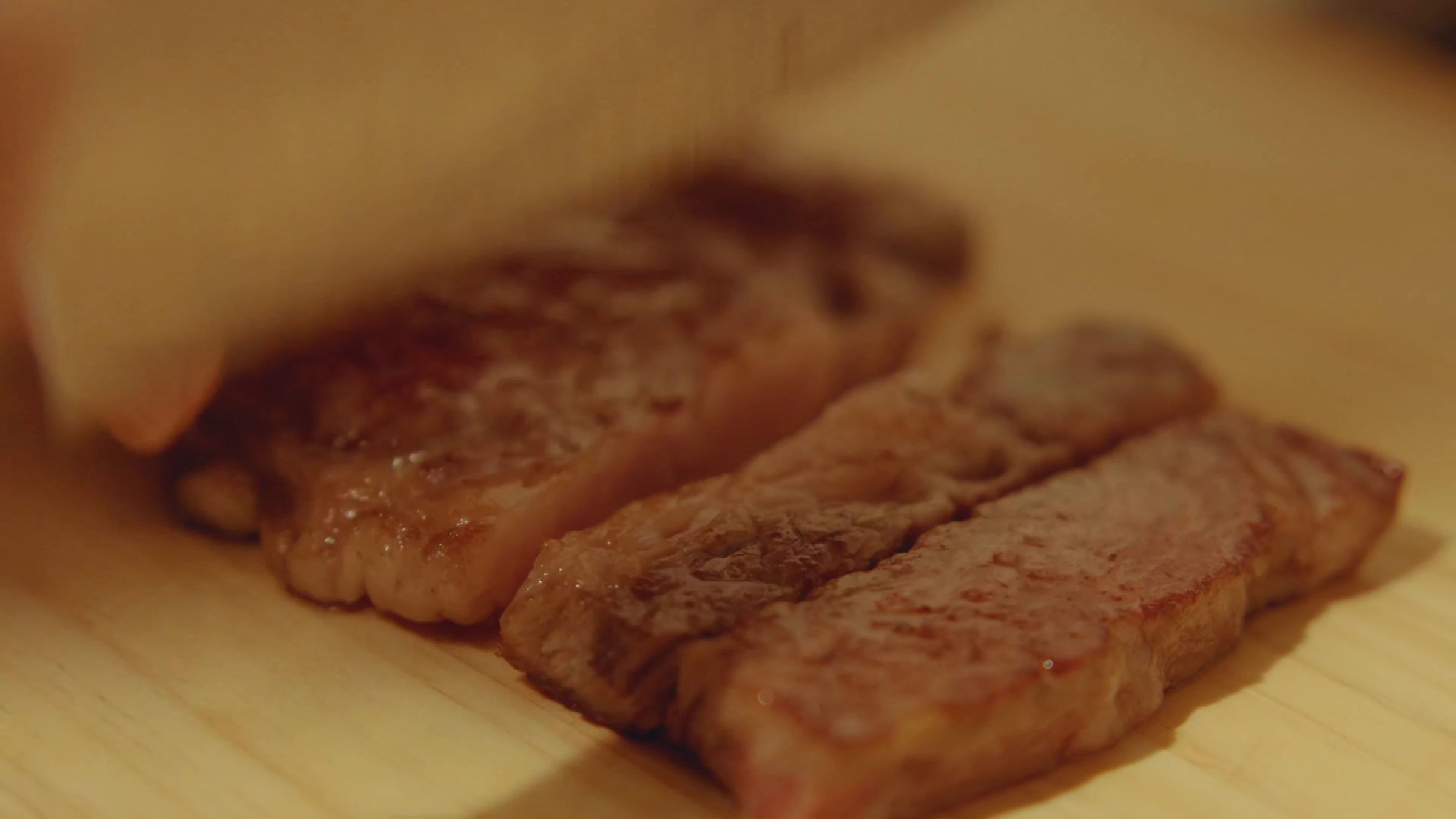
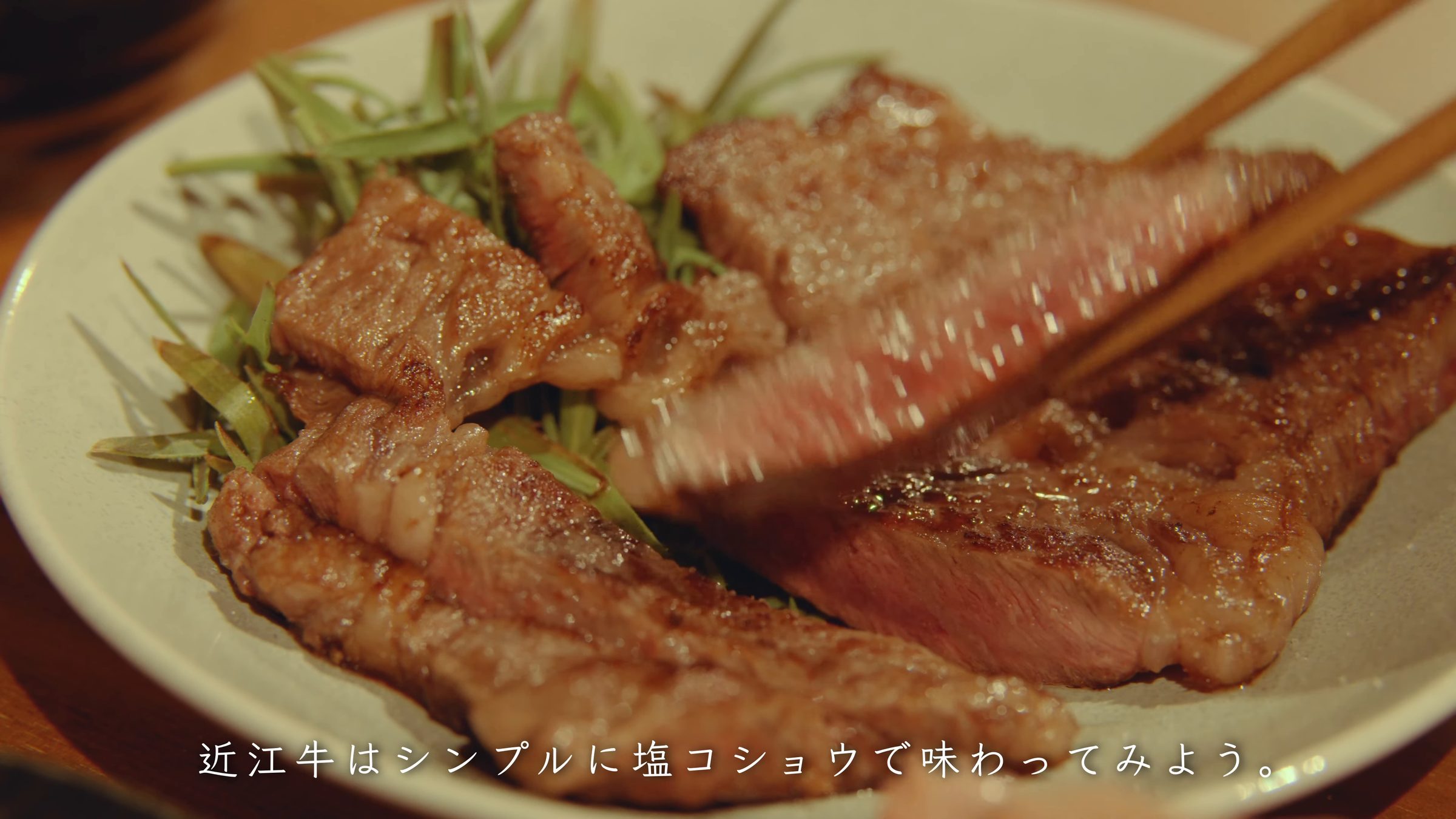
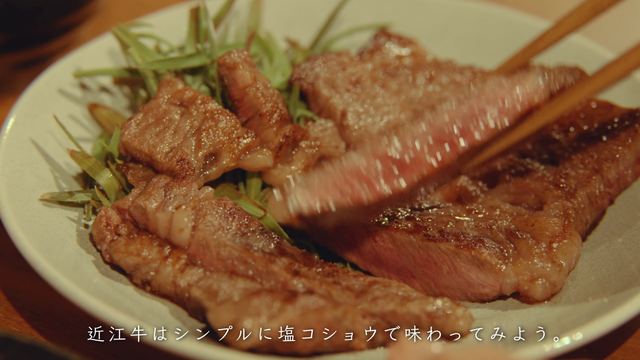
Dinner was an evening of Omihachiman specialties. I sliced cucumber thinly on the board, seared a thick cut of marbled Omi beef, and carved it with a knife. Omi beef is counted among Japan's three great wagyu, and is said to be the country's oldest brand of beef. I kept it simple, with just salt and pepper.
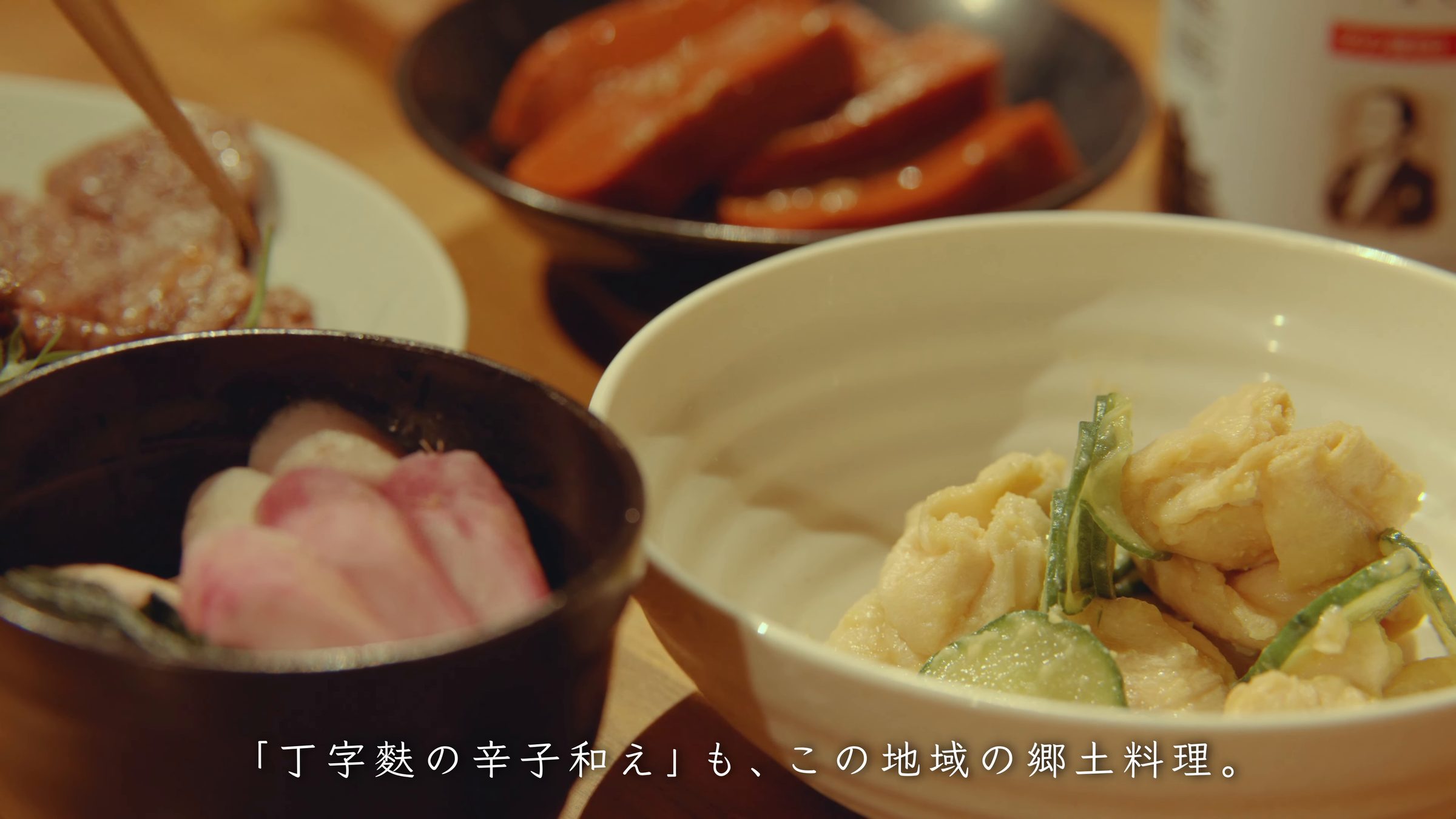
Small dishes went out on the low table, and I poured a glass of alcohol-free beer. Red konnyaku, fine-grained and smooth, gets its color from iron; one story says Oda Nobunaga, who loved flashy things, had it dyed red. It looks festive and is nourishing too.
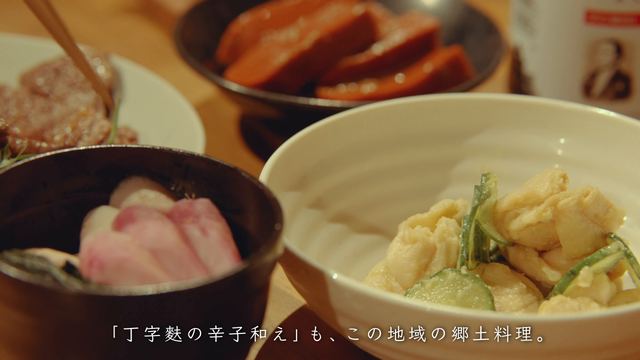
The pink hinona pickles had a pleasant bite, and chojifu no karashi-ae, cubes of the local chojifu wheat gluten dressed with mustard, is another dish of this region. The chewy texture of the fu kept my chopsticks coming back.
Watch this scene on YouTube4:04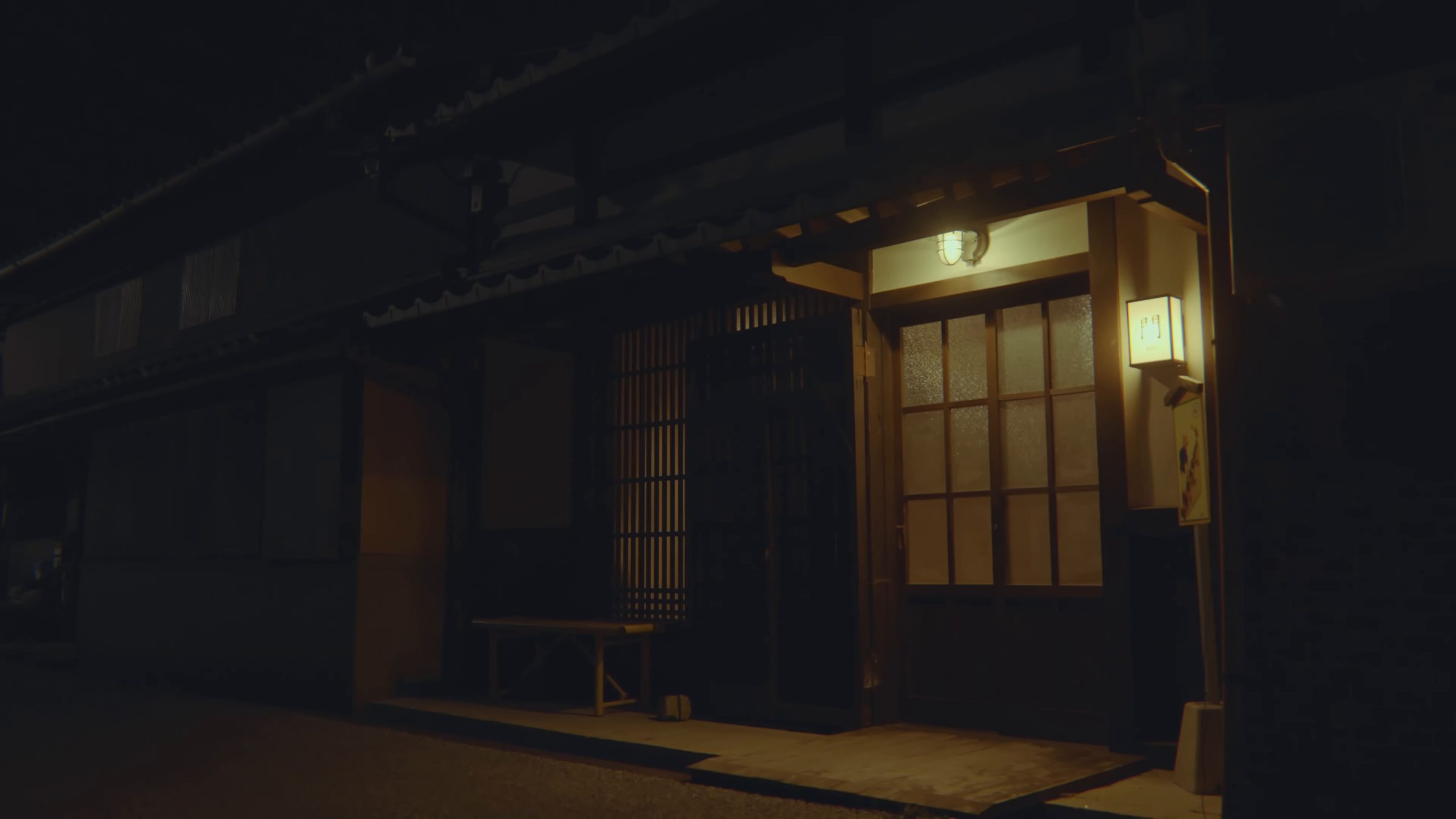
More notes from this journey
Omihachiman, Shiga
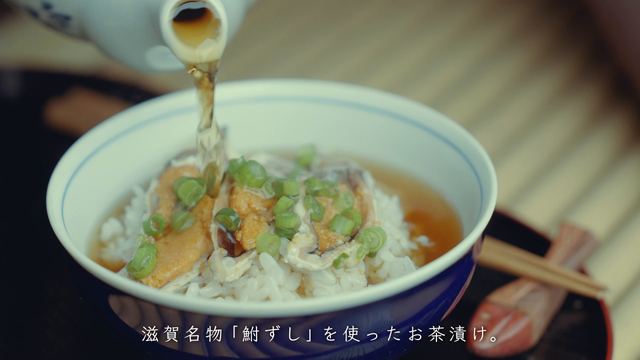
Funazushi ochazuke
Funazushi is a fermented sushi found throughout Shiga: crucian carp from Lake Biwa, salted and then layered with cooked rice in a tub to ferment for more than h…
From: A day in Omihachiman, where boats glide through town
Omihachiman, Shiga
Omi beef steak
Omi beef is Shiga's pride, Japan's first brand of beef and counted among the three great wagyu.
From: A day in Omihachiman, where boats glide through town
Omihachiman, Shiga
Chojifu with mustard dressing
Chojifu is Omihachiman's local wheat gluten, cut into squares.
From: A day in Omihachiman, where boats glide through town
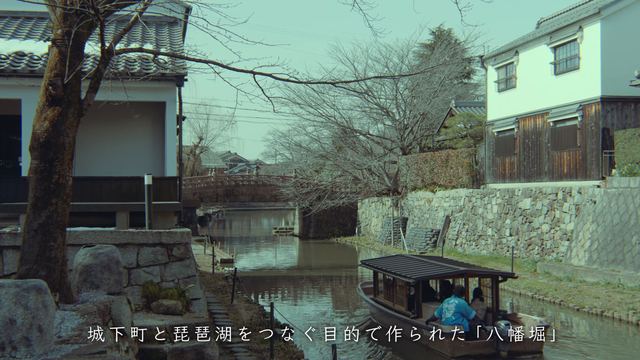
Omihachiman, Shiga
Hachimanbori Canal
A 4,750-meter canal dug in 1585, when Toyotomi Hidetsugu, nephew of Hideyoshi, built his castle on Mt.
From: A day in Omihachiman, where boats glide through town
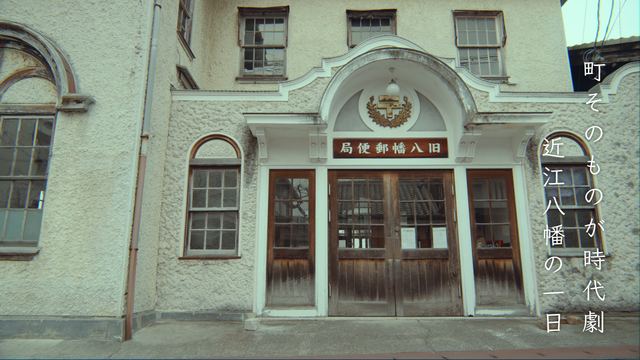
Omihachiman, Shiga
Old Hachiman Post Office
A two-story wooden Western-style building designed by William Merrell Vories and completed in 1921.
From: A day in Omihachiman, where boats glide through town
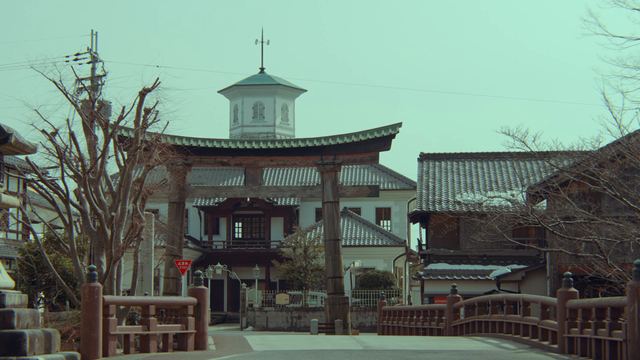
Omihachiman, Shiga
Hakuunkan
Built in 1877 as the Hachiman East School by Omi merchants to educate their children, in a Western-influenced style, with most of the cost covered by donations.
From: A day in Omihachiman, where boats glide through town
More notes from Kinki
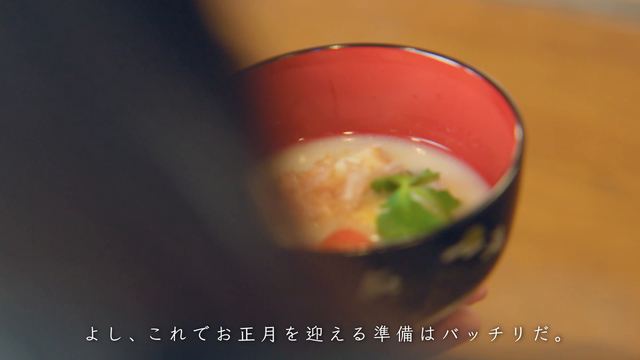
Kyoto City, Kyoto
Kyoto-style ozoni (white miso New Year soup)
Ozoni in and around Kyoto is built on kombu dashi and white miso, with round mochi, taro, carrot and daikon.
From: Making New Year's Eve soba in a Kyoto townhouse
Kyoto City, Kyoto
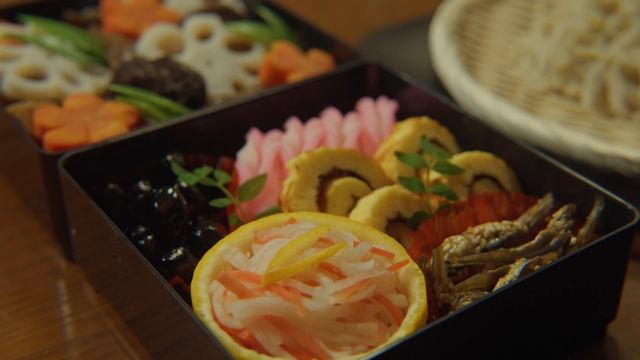
Osechi (datemaki, red-and-white namasu, decorated kamaboko)
Each osechi dish carries a wish.
From: Making New Year's Eve soba in a Kyoto townhouse
Kyoto City, Kyoto
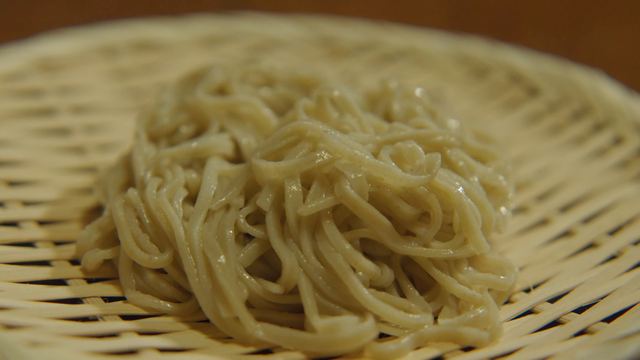
Toshikoshi soba (nihachi soba)
The custom of eating soba on New Year's Eve is said to have spread among ordinary people in the Edo period.
From: Making New Year's Eve soba in a Kyoto townhouse
Aridagawa, Wakayama
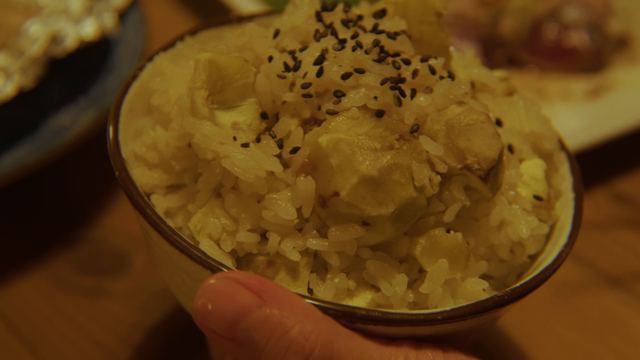
Chestnut rice (kuri gohan)
My first chestnut rice, made with chestnuts I had picked myself.
From: Chestnuts, saury and an autumn feast
Aridagawa, Wakayama
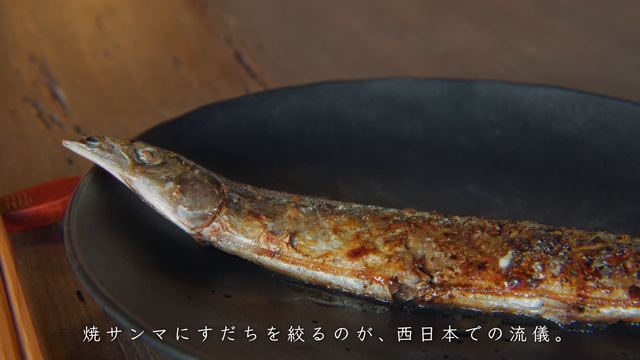
Charcoal-grilled saury with sudachi
Sanma is written 秋刀魚, "autumn sword fish," but that spelling only spread from the Taisho era on; older texts wrote it 青串魚.
From: Chestnuts, saury and an autumn feast
Aridagawa, Wakayama
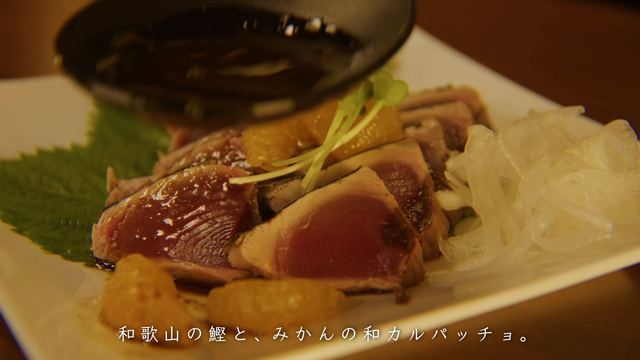
Wakayama bonito and mandarin carpaccio
In contrast to the lean first bonito of spring, the fish that head south from around September are called modori-gatsuo, returning bonito.
From: Chestnuts, saury and an autumn feast