Cook the local flavors once more
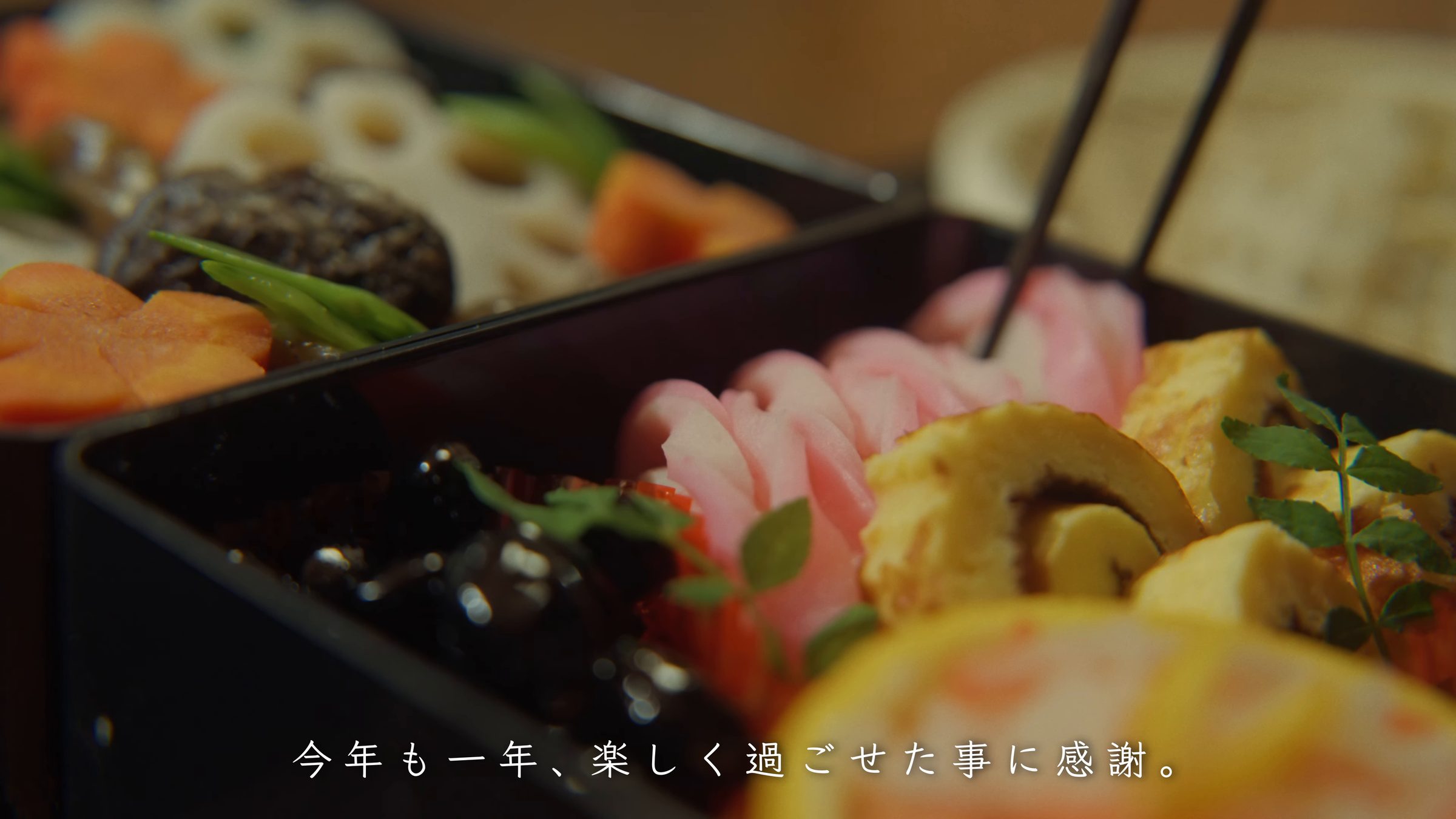
Osechi (datemaki, red-and-white namasu, decorated kamaboko)
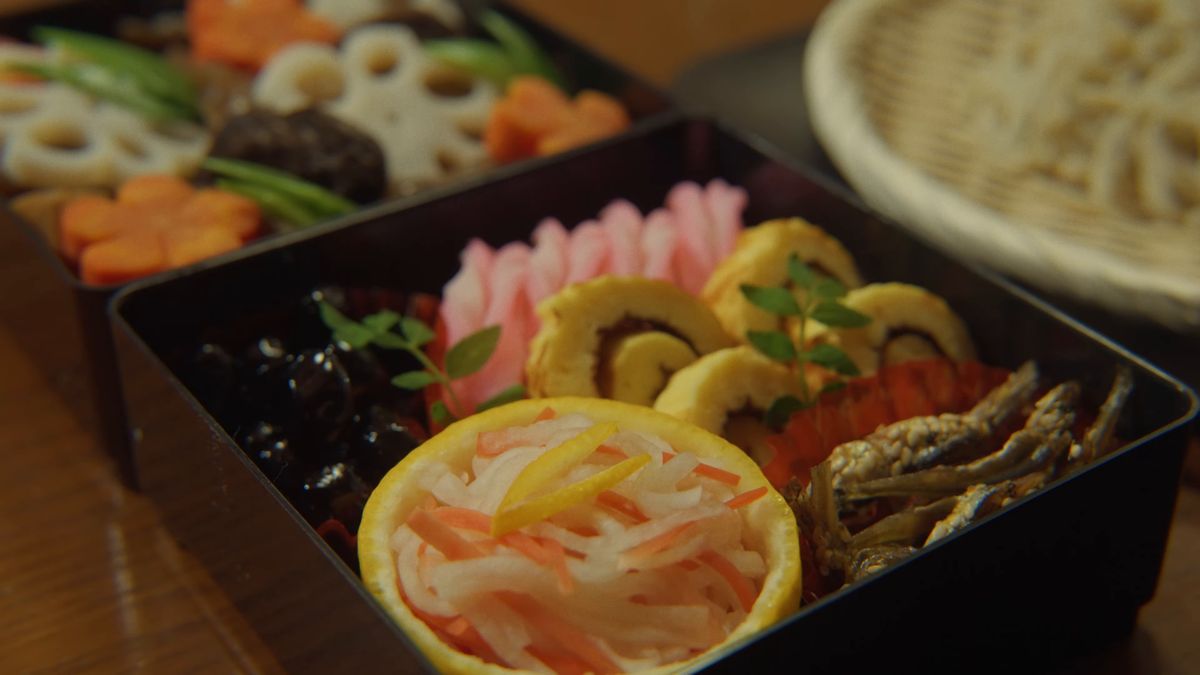
Each osechi dish carries a wish. Datemaki resembles the pattern of a kimono, so it stands for never lacking clothes, and black beans for working diligently. Tazukuri, made from anchovies once used to fertilize the fields, prays for a good harvest, and nishime is said to combine auspicious ingredients whose names contain the sound n, for good luck (un). This time I tried the shortcut of making datemaki with mashed hanpen, and used red-and-white kamaboko from Izuman in Gion.
Ingredients
- Hanpen (soft fish cake)
- Eggs
- Carrot
- Daikon radish
- Yuzu
- Red-and-white kamaboko
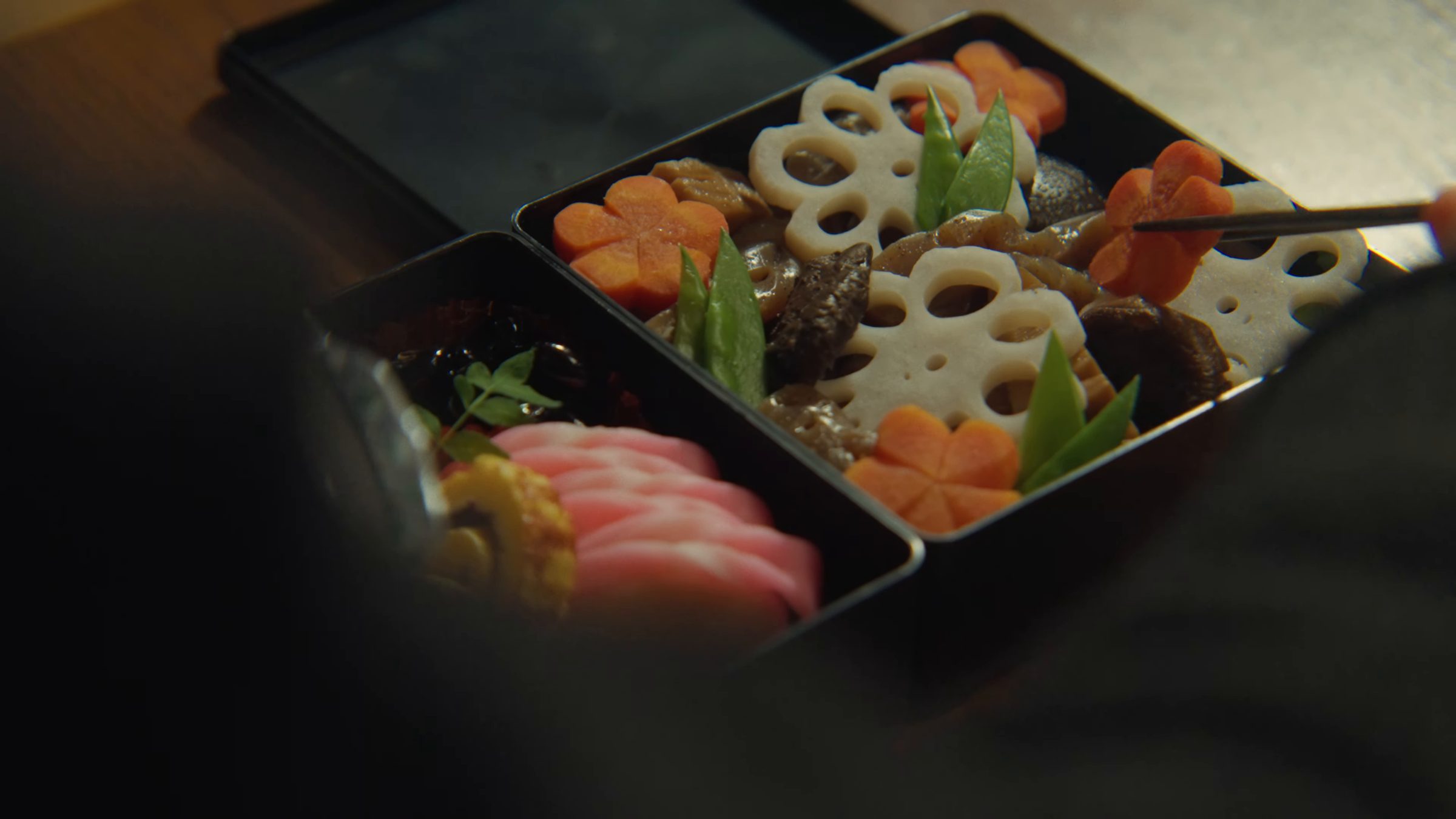
- Nishime (lotus root, carrot, shiitake, snow peas)
- Black beans and tazukuri (store-bought)
How I made it
- Mix mashed hanpen with eggs, pour into a frying pan and cook under a lid
- Roll the cooked omelet tightly in a bamboo mat and slice it
- Halve a yuzu and scoop it out to make a cup
- Cut carrot and daikon into fine strips for namasu and fill the yuzu cup
- Slide the kamaboko off its board, slice it, score the red skin and curl it into a loop
- Pack the boxes with datemaki, kamaboko, namasu, black beans, tazukuri and nishime
Sources: maff.go.jp
This moment in the journey
Osechi, and a happy New Year
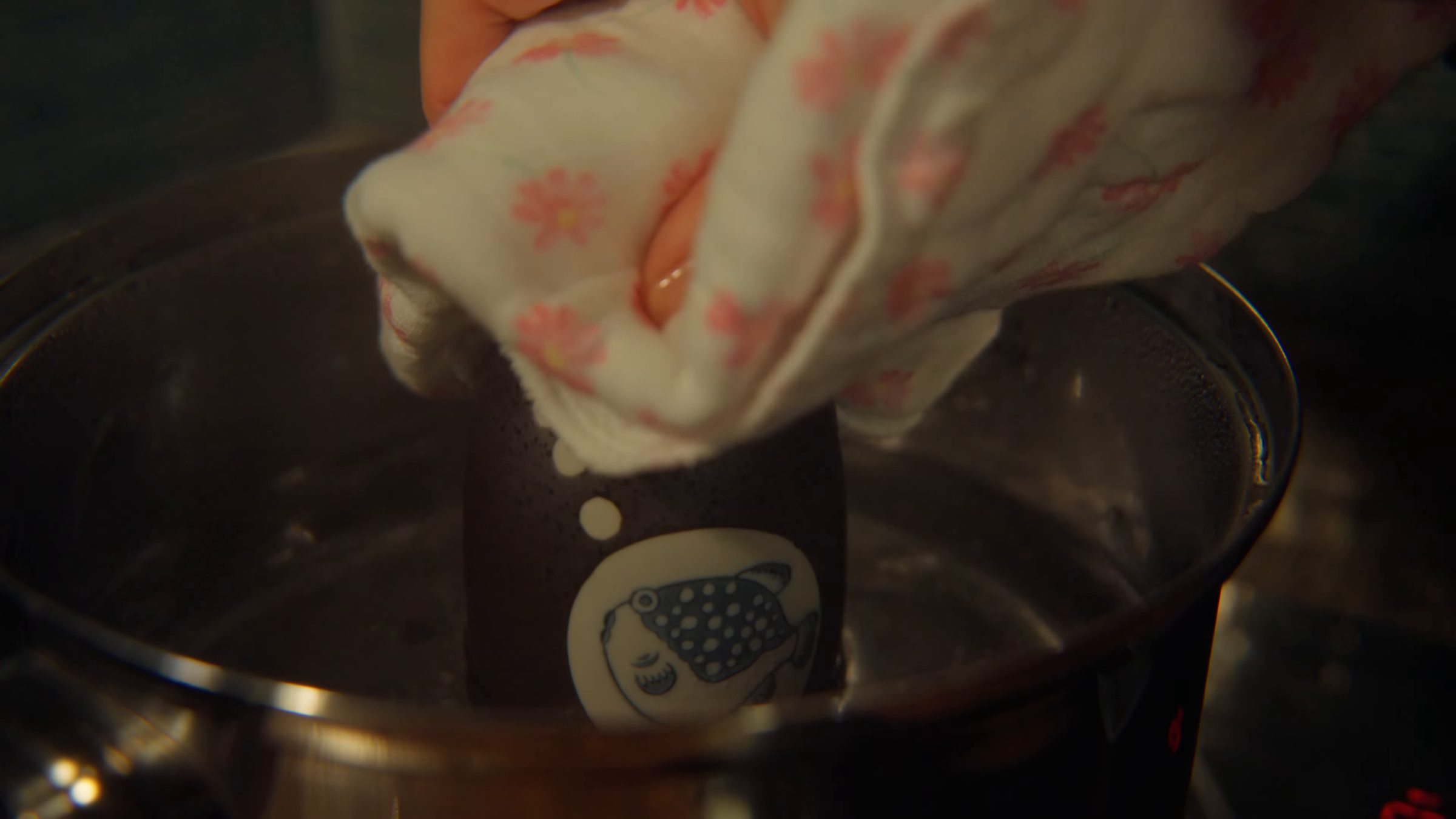
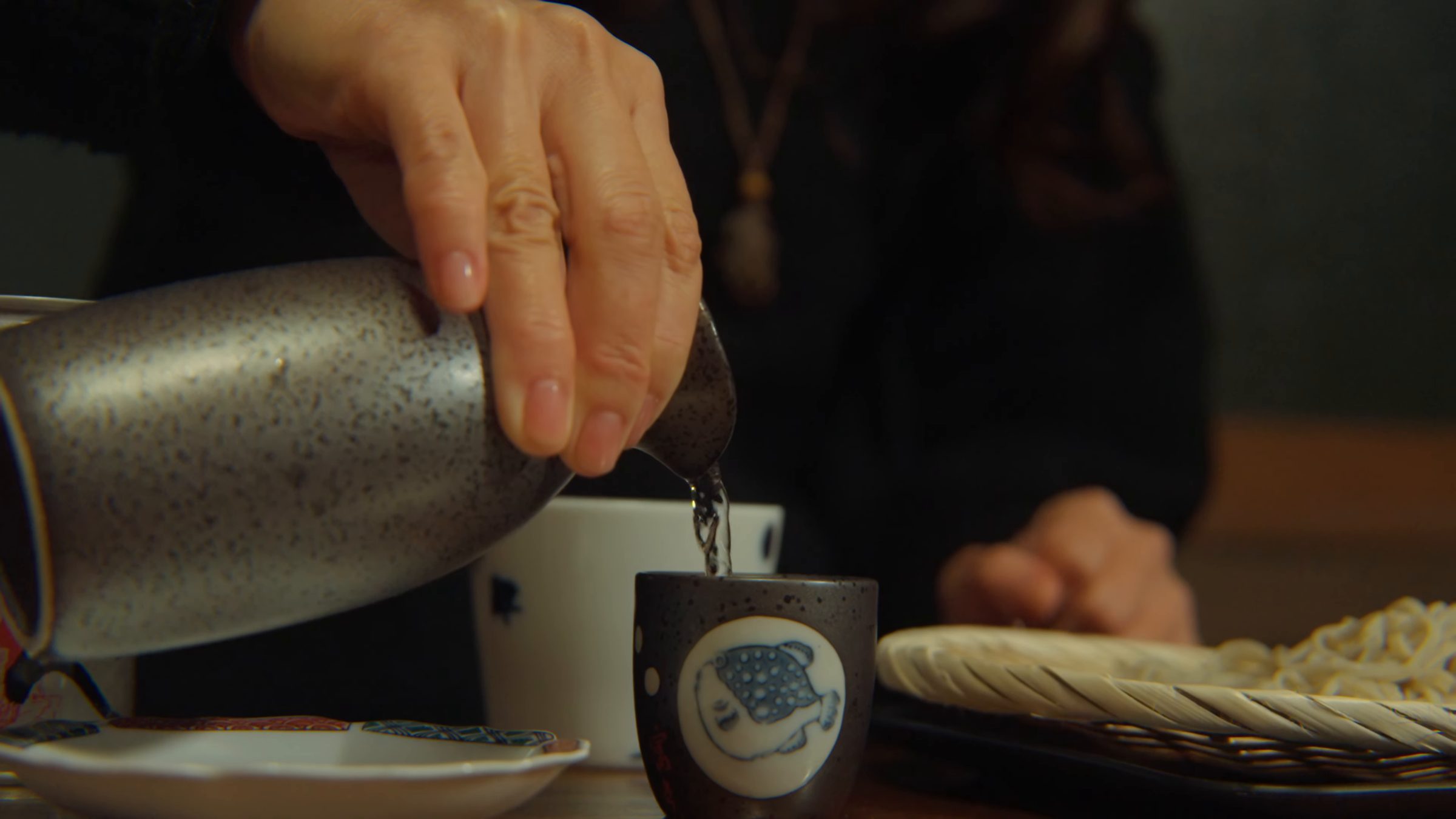
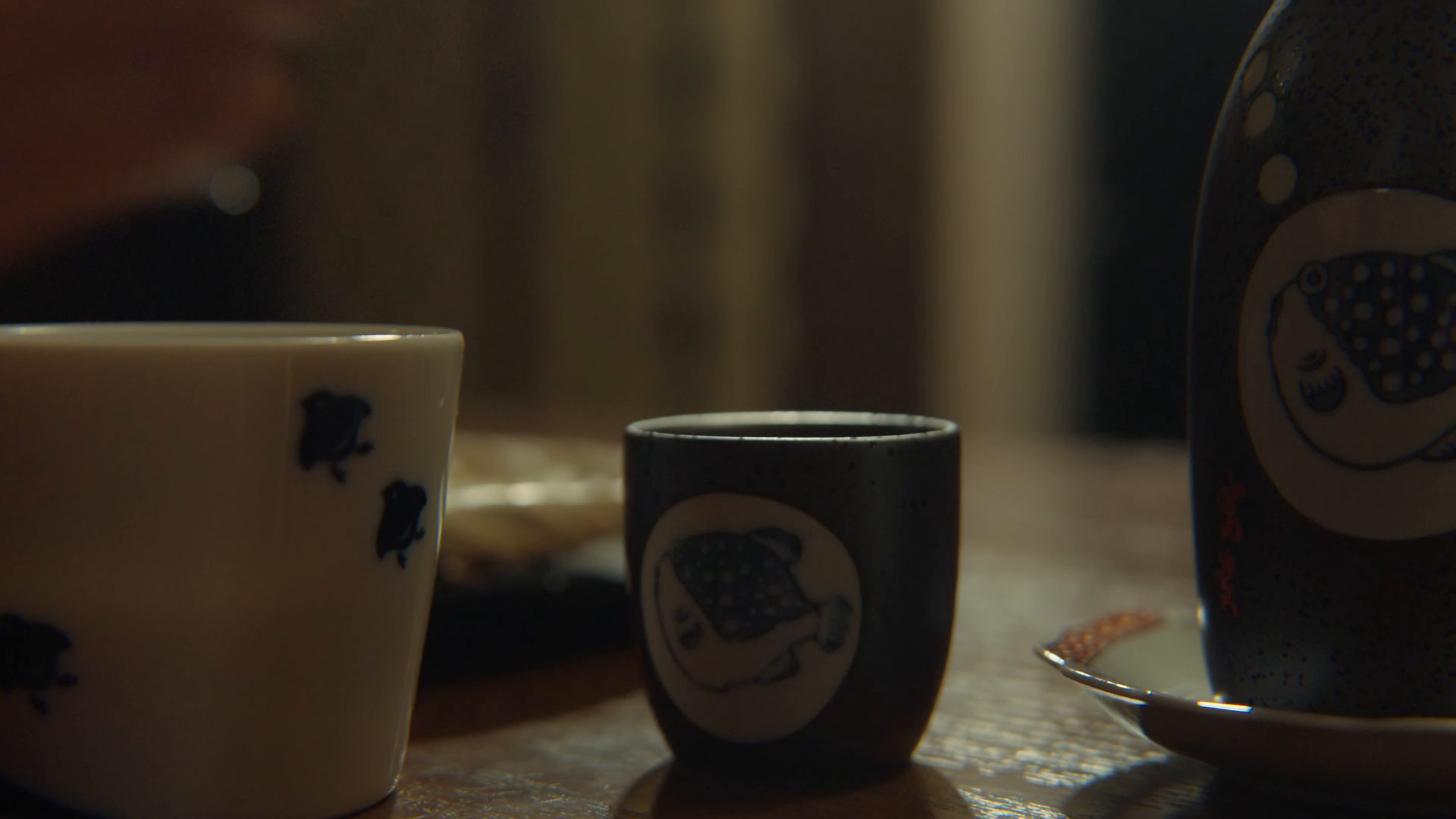
I warmed a flask painted with a pufferfish in a pot of hot water, lifted it out wrapped in a cherry-blossom tenugui towel, and poured from a silver server into a little pufferfish cup.
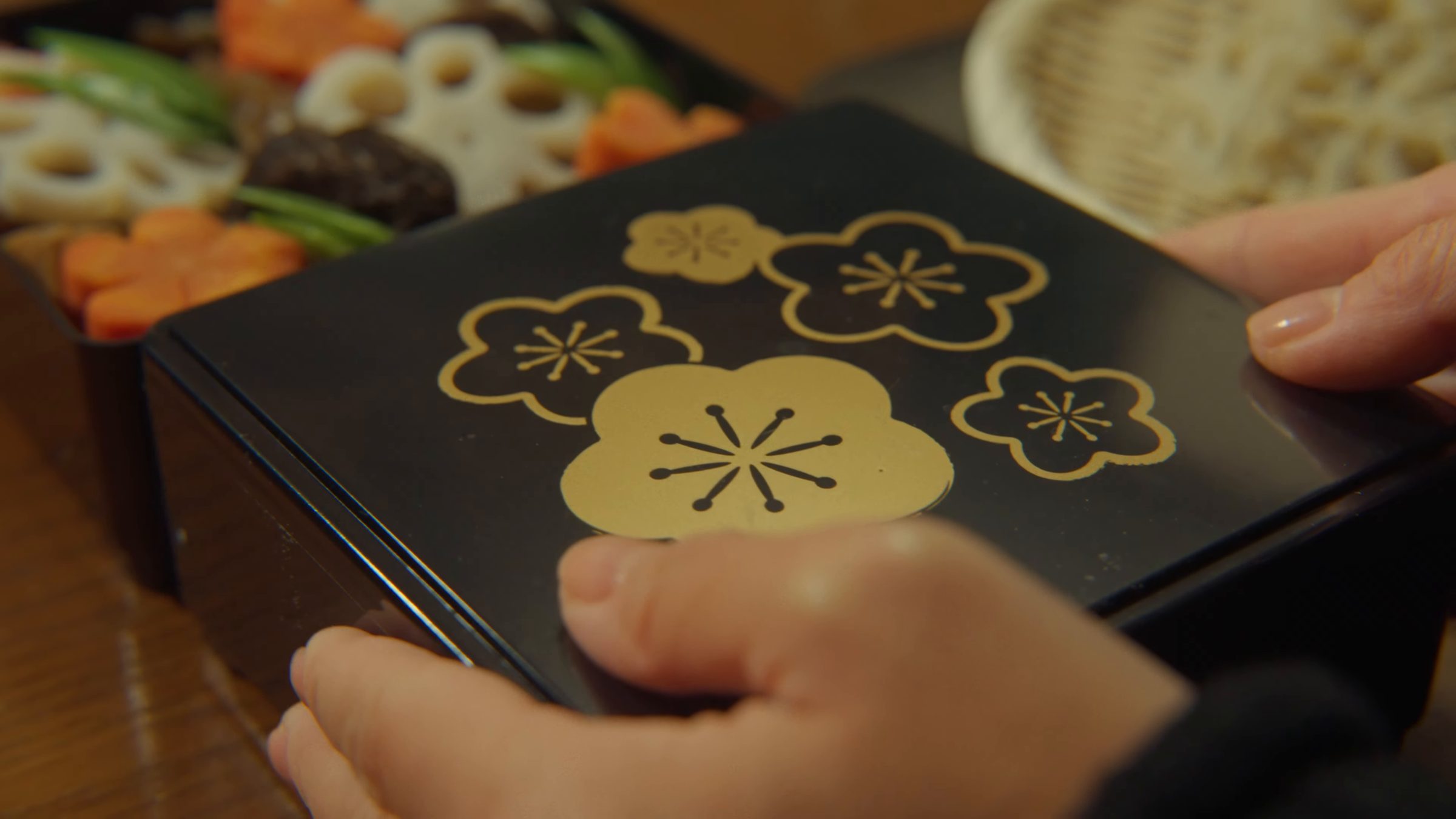
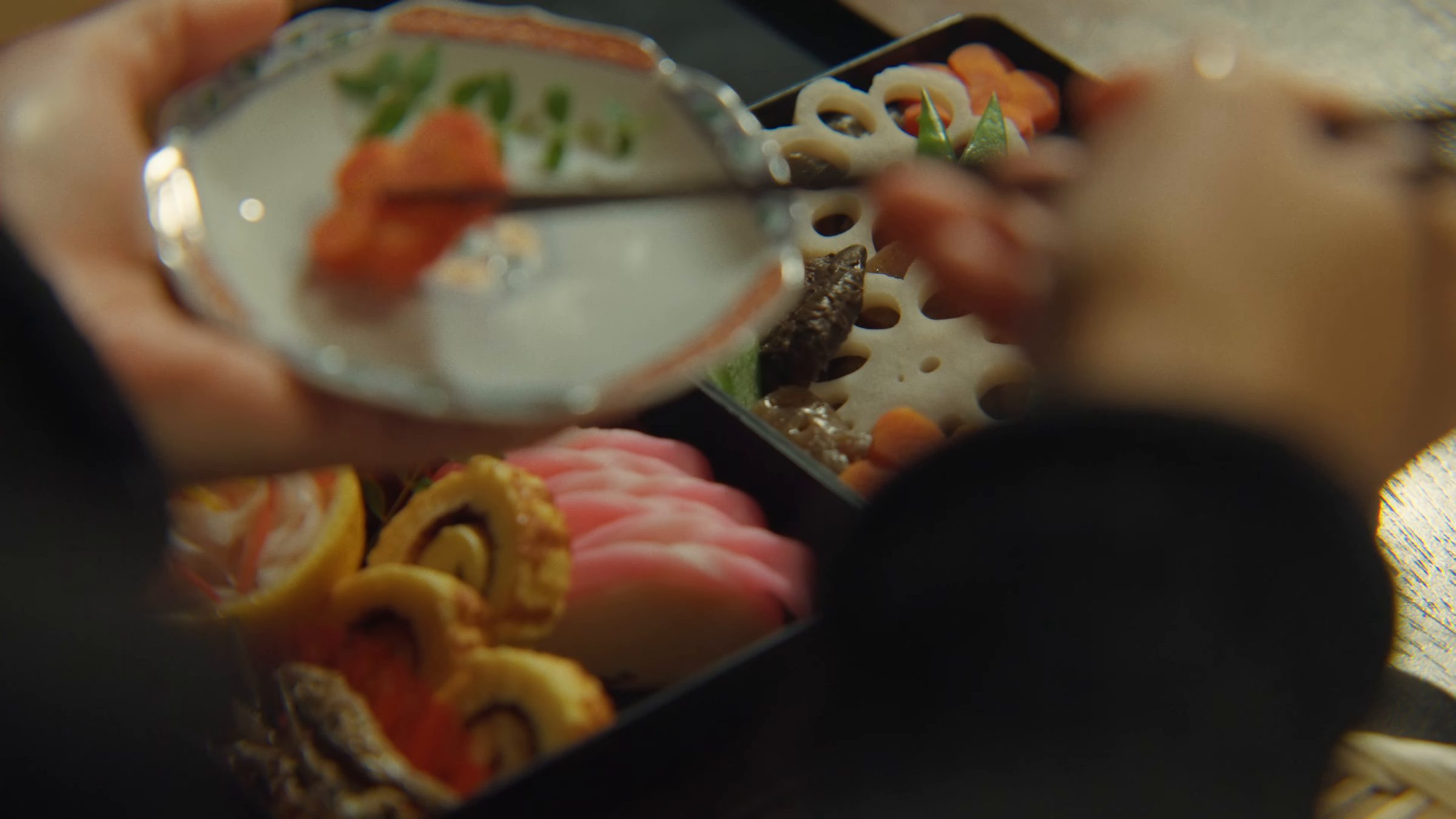
Under the lid of the box, painted with golden plum blossoms: namasu in its yuzu cup, datemaki, red-and-white kamaboko, black beans and tazukuri. The other tier held the nishime. I took a little of each onto a small plate. The older I get, the more deeply I appreciate how good osechi is.
Grateful for another year spent happily. The street outside was quiet at night, a lamp glowing under the eaves. I wonder what kinds of life I will meet next year.
Watch this scene on YouTube8:33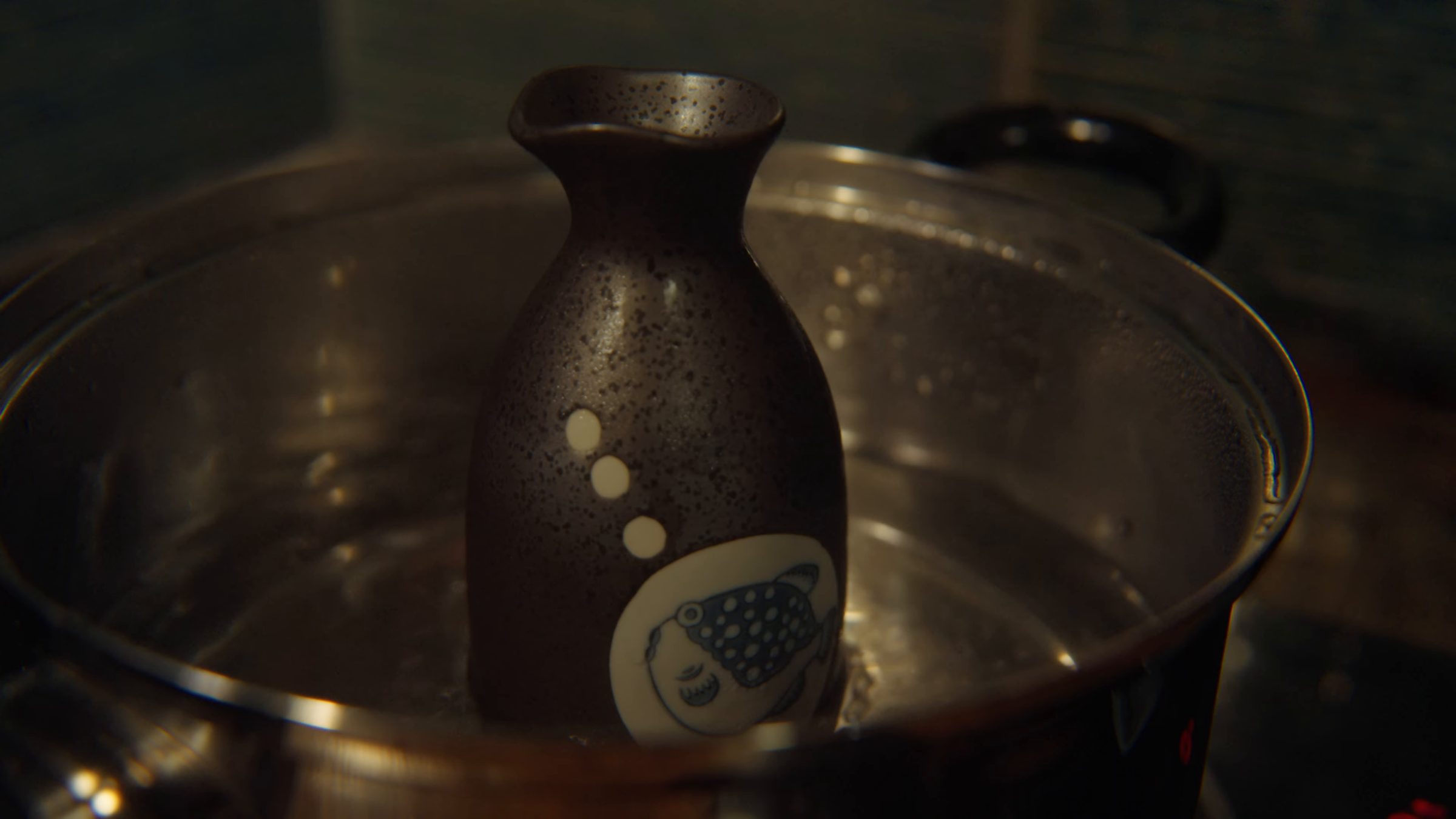
More notes from this journey
Kyoto City, Kyoto
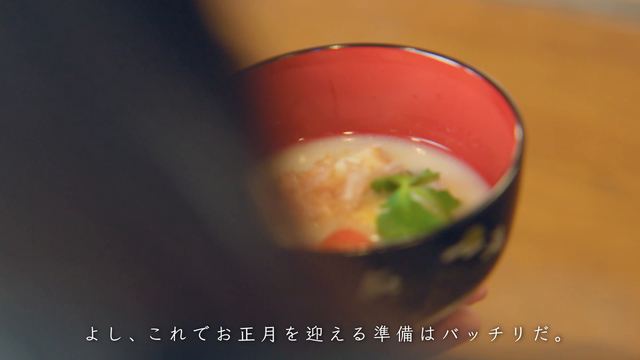
Kyoto-style ozoni (white miso New Year soup)
Ozoni in and around Kyoto is built on kombu dashi and white miso, with round mochi, taro, carrot and daikon.
From: Making New Year's Eve soba in a Kyoto townhouse
Kyoto City, Kyoto
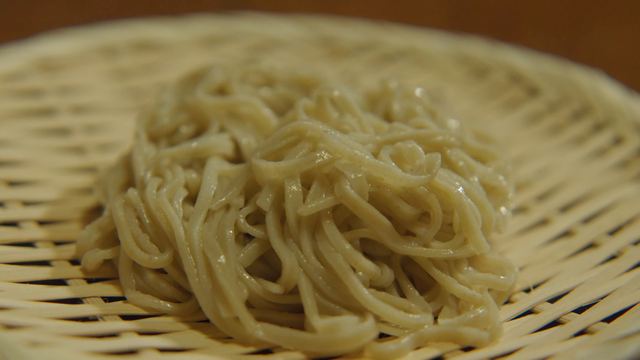
Toshikoshi soba (nihachi soba)
The custom of eating soba on New Year's Eve is said to have spread among ordinary people in the Edo period.
From: Making New Year's Eve soba in a Kyoto townhouse
Kyoto City, Kyoto
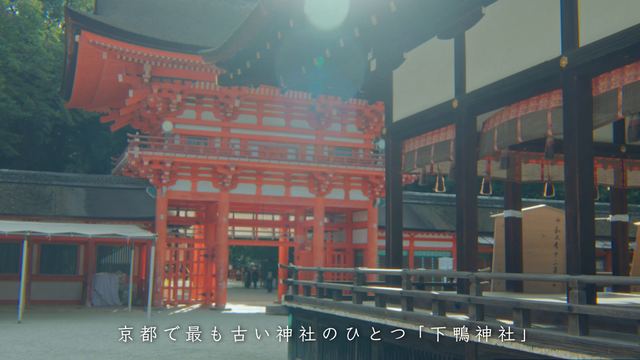
Shimogamo Shrine (Kamomioya-jinja)
Its official name is Kamomioya-jinja.
From: Making New Year's Eve soba in a Kyoto townhouse
Kyoto City, Kyoto
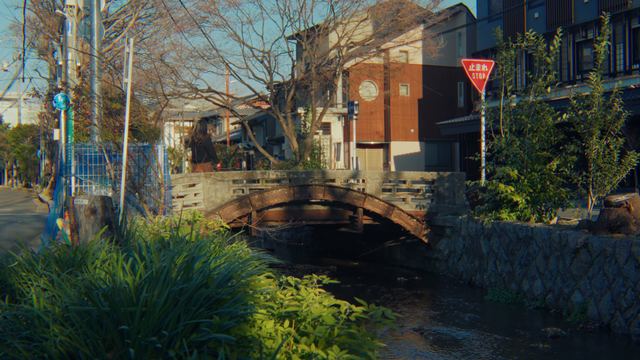
Takase River
A canal running alongside the Kamo River.
From: Making New Year's Eve soba in a Kyoto townhouse
Kyoto City, Kyoto
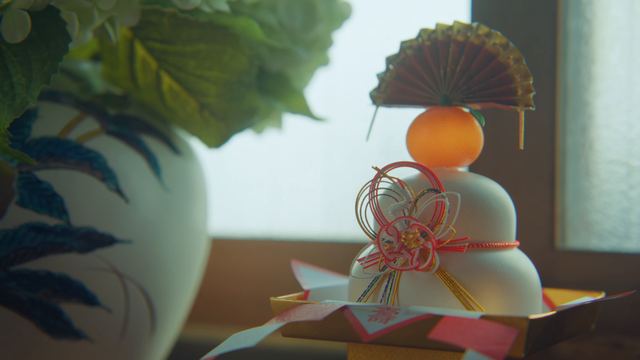
Kagami-mochi
Kagami-mochi is the offering made when welcoming Toshigami, the deity of the new year, and every part of its decoration has a meaning.
From: Making New Year's Eve soba in a Kyoto townhouse
Kyoto City, Kyoto
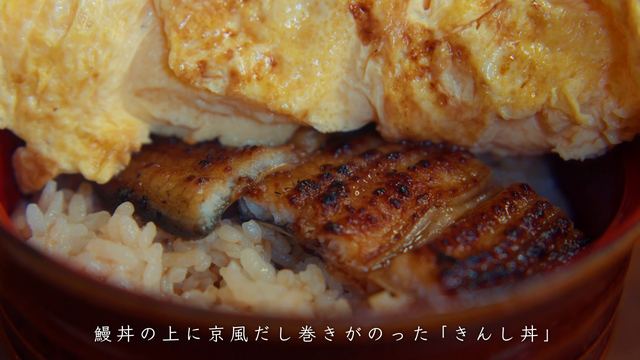
Kyogoku Kaneyo
An eel restaurant said to date from the Meiji era (some say the Taisho era), in a wooden building that keeps the look of its early days.
From: Making New Year's Eve soba in a Kyoto townhouse
More notes from Kinki
Aridagawa, Wakayama
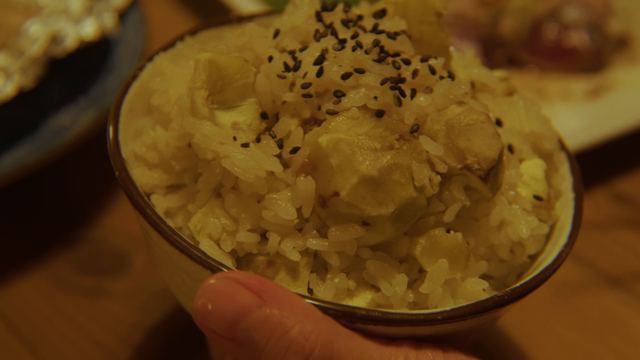
Chestnut rice (kuri gohan)
My first chestnut rice, made with chestnuts I had picked myself.
From: Chestnuts, saury and an autumn feast
Aridagawa, Wakayama
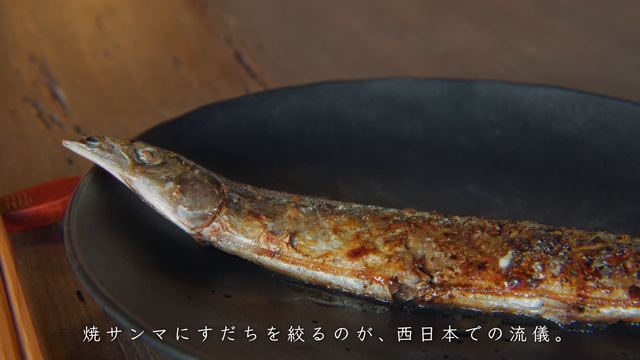
Charcoal-grilled saury with sudachi
Sanma is written 秋刀魚, "autumn sword fish," but that spelling only spread from the Taisho era on; older texts wrote it 青串魚.
From: Chestnuts, saury and an autumn feast
Aridagawa, Wakayama
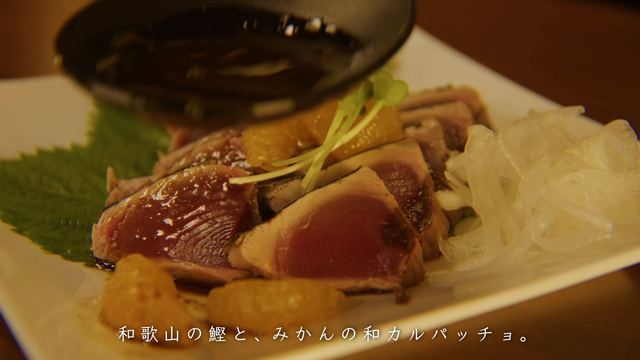
Wakayama bonito and mandarin carpaccio
In contrast to the lean first bonito of spring, the fish that head south from around September are called modori-gatsuo, returning bonito.
From: Chestnuts, saury and an autumn feast
Aridagawa, Wakayama
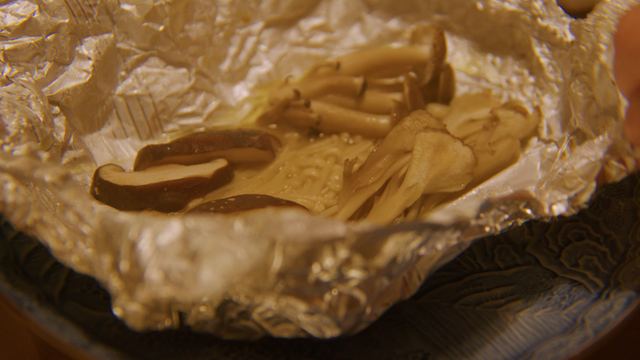
Foil-grilled mushrooms with butter
Mushrooms are another essential of the autumn table.
From: Chestnuts, saury and an autumn feast
Aridagawa, Wakayama
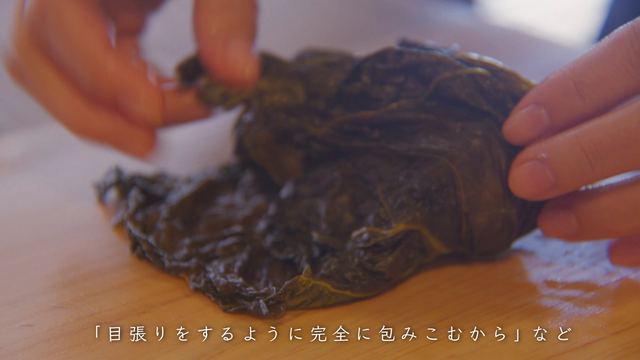
Mehari-zushi
A Wakayama specialty: a large rice ball wrapped in salt-pickled takana leaves.
From: Sushi, Cosmos and Ramen
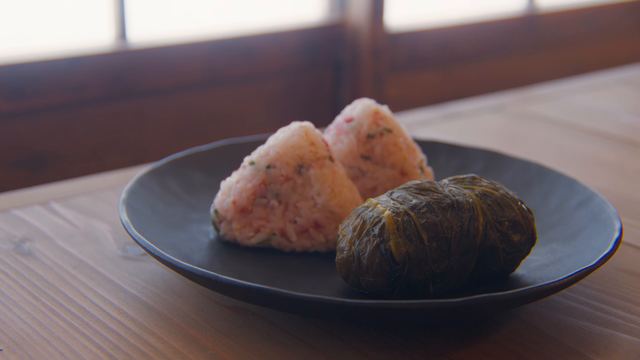
Aridagawa, Wakayama
Umeboshi and red shiso rice ball
Wakayama grows more ume than any other prefecture in Japan: 58% of the national harvest in 2024 (64% the year before).
From: Sushi, Cosmos and Ramen