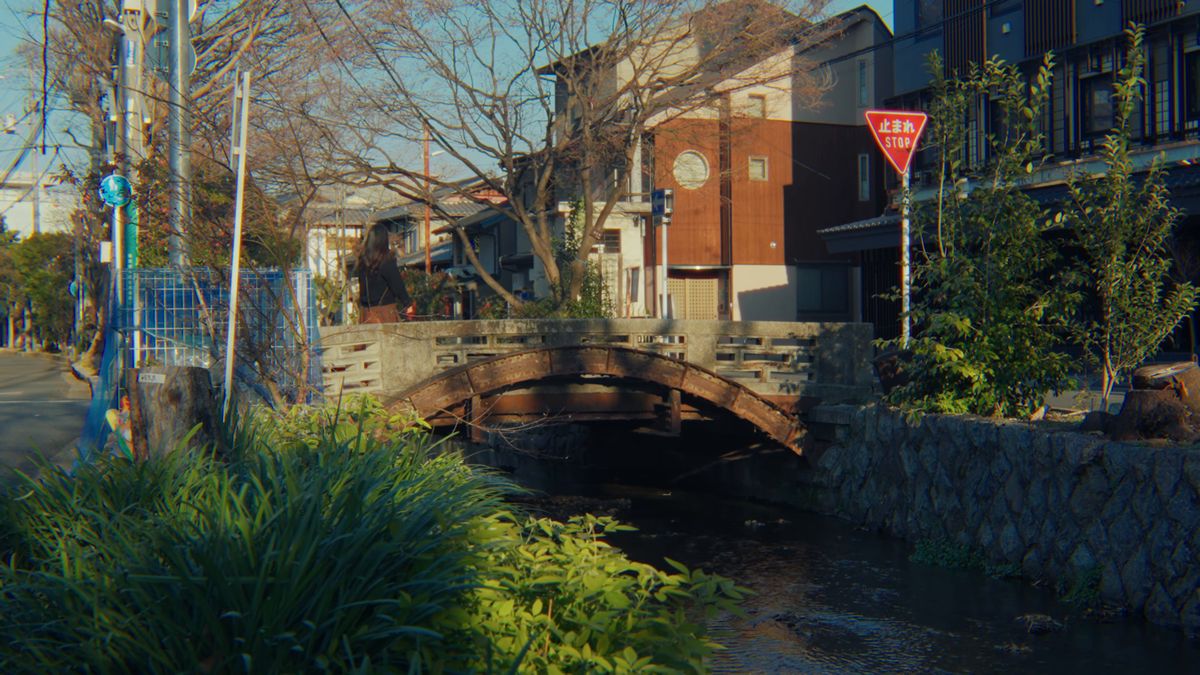
A canal running alongside the Kamo River. It was dug by the merchant Suminokura Ryoi and his son Soan to carry materials for rebuilding the Great Buddha Hall of Hoko-ji, and was completed between 1611 and 1614. It flows from central Kyoto toward Fushimi, and nine landing basins for boats were built between Nijo and Shijo. With the arrival of the railways, its days as a waterway ended in 1920. Sauna no Umeyu stands on its banks.
Sources: keihan.co.jp tabi-mag.jp
This moment in the journey
Totonou at Sauna no Umeyu
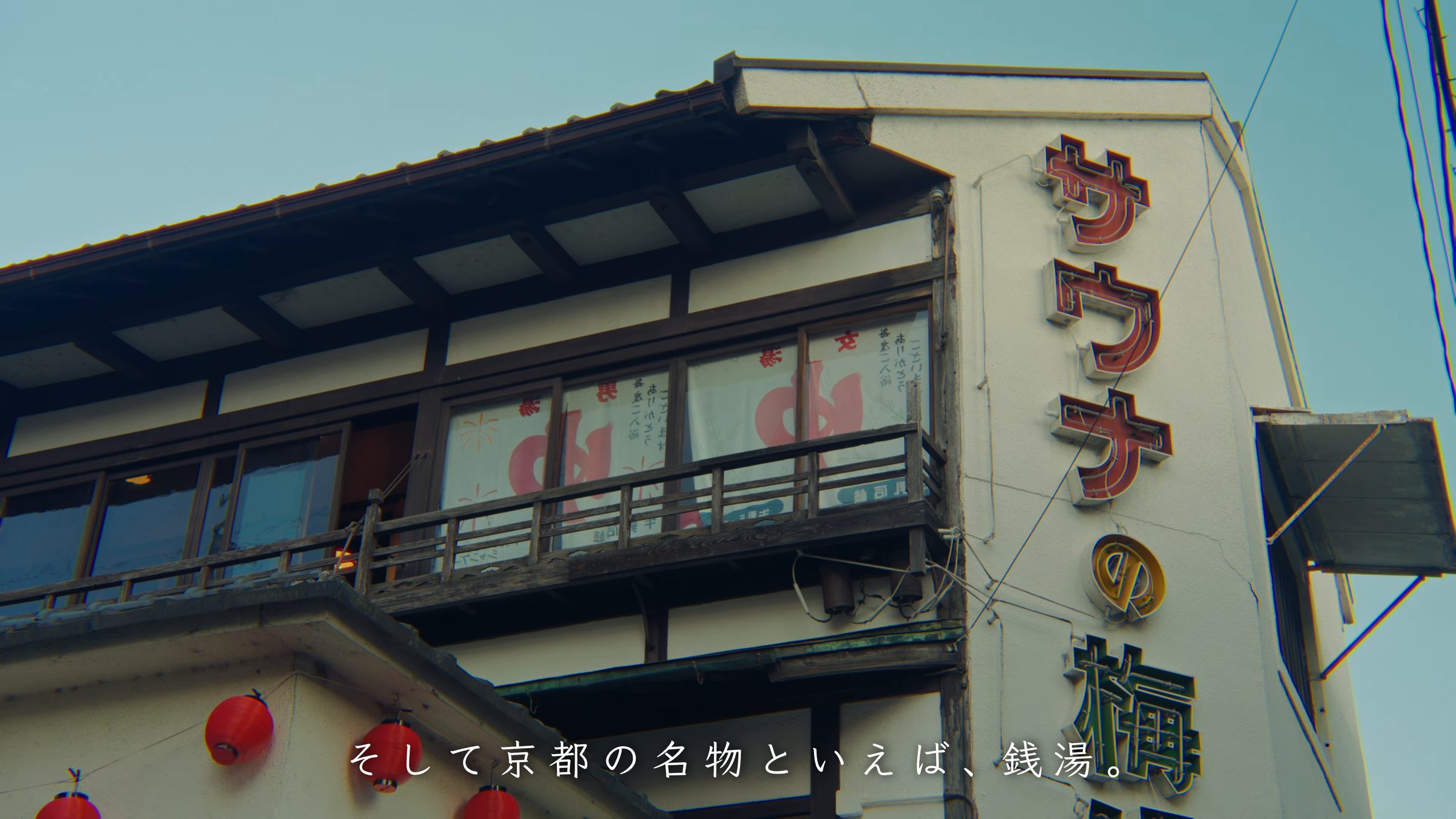
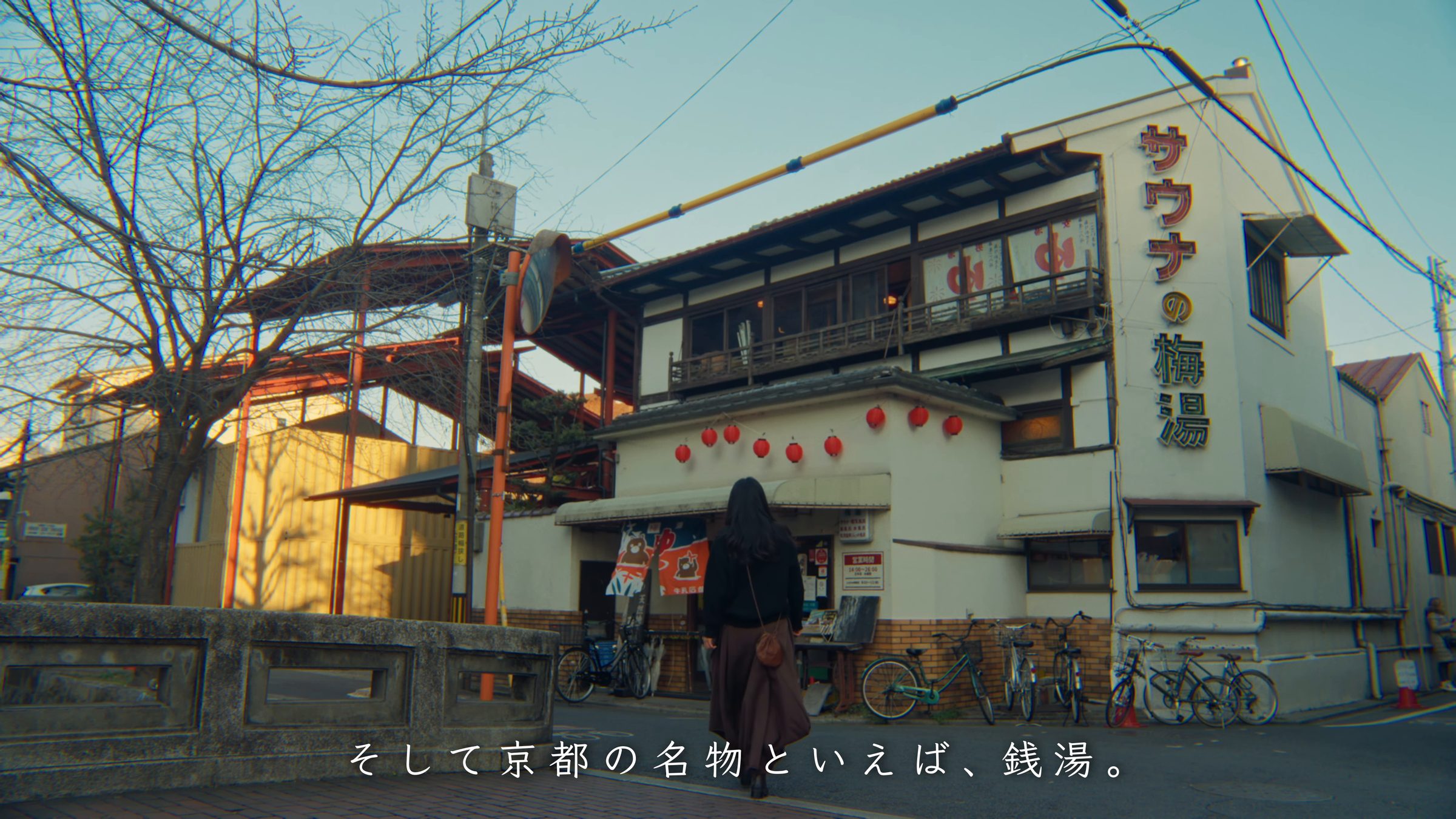
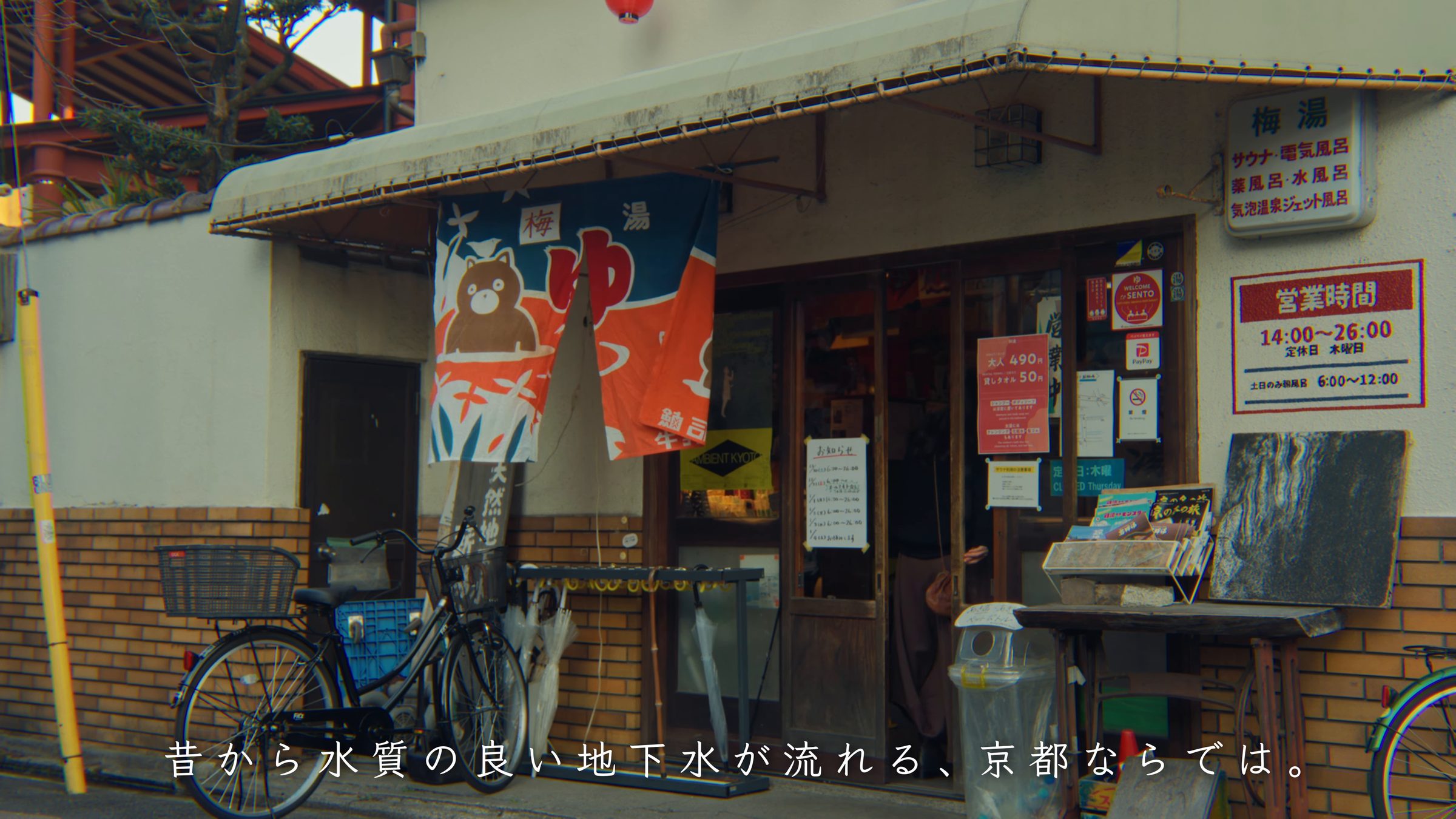
And speaking of Kyoto specialties: public baths. After a look at the Kamo River, I crossed a little bridge over the Takase River to a retro bathhouse with SAUNA NO UMEYU painted in huge letters.
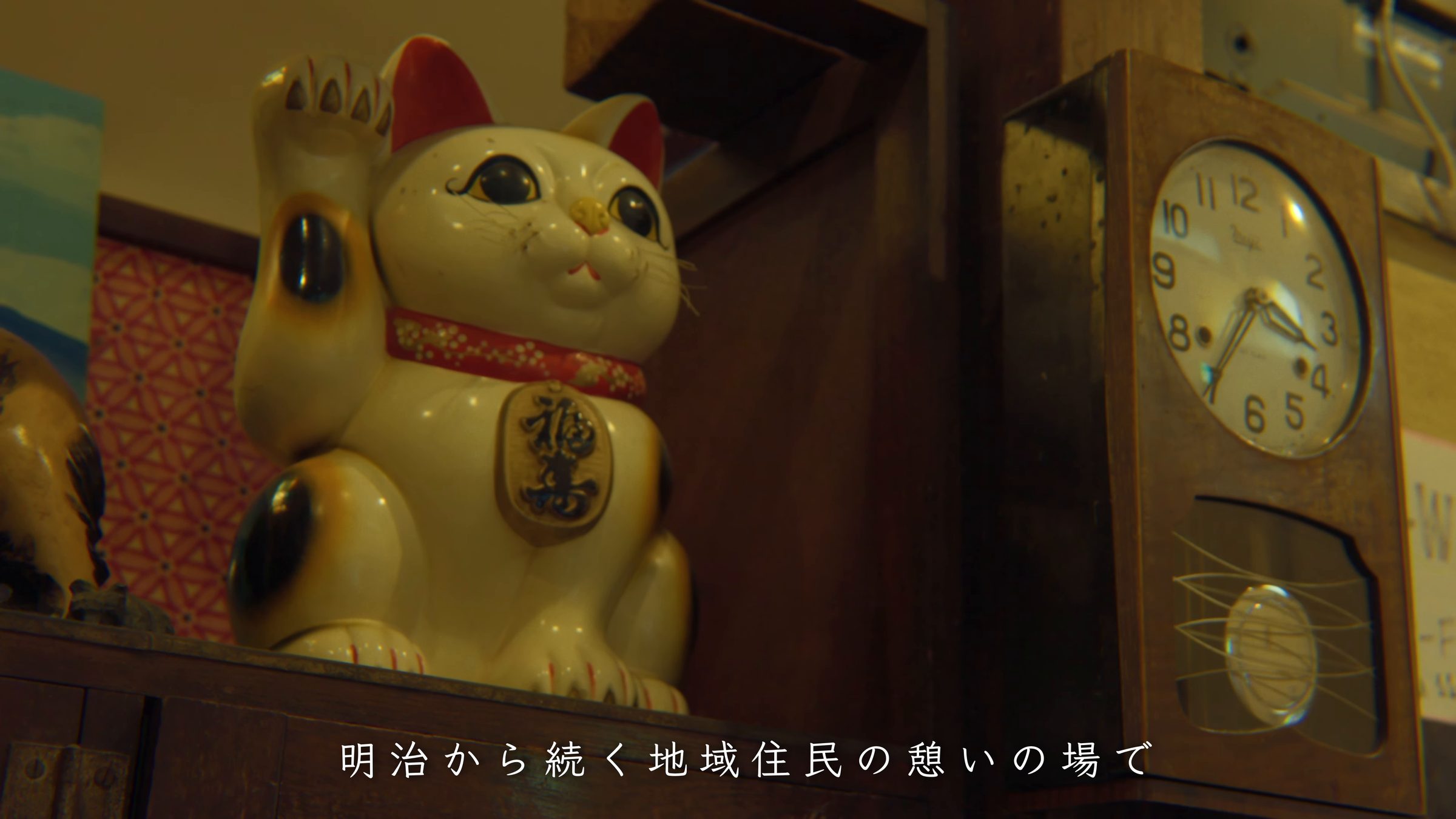
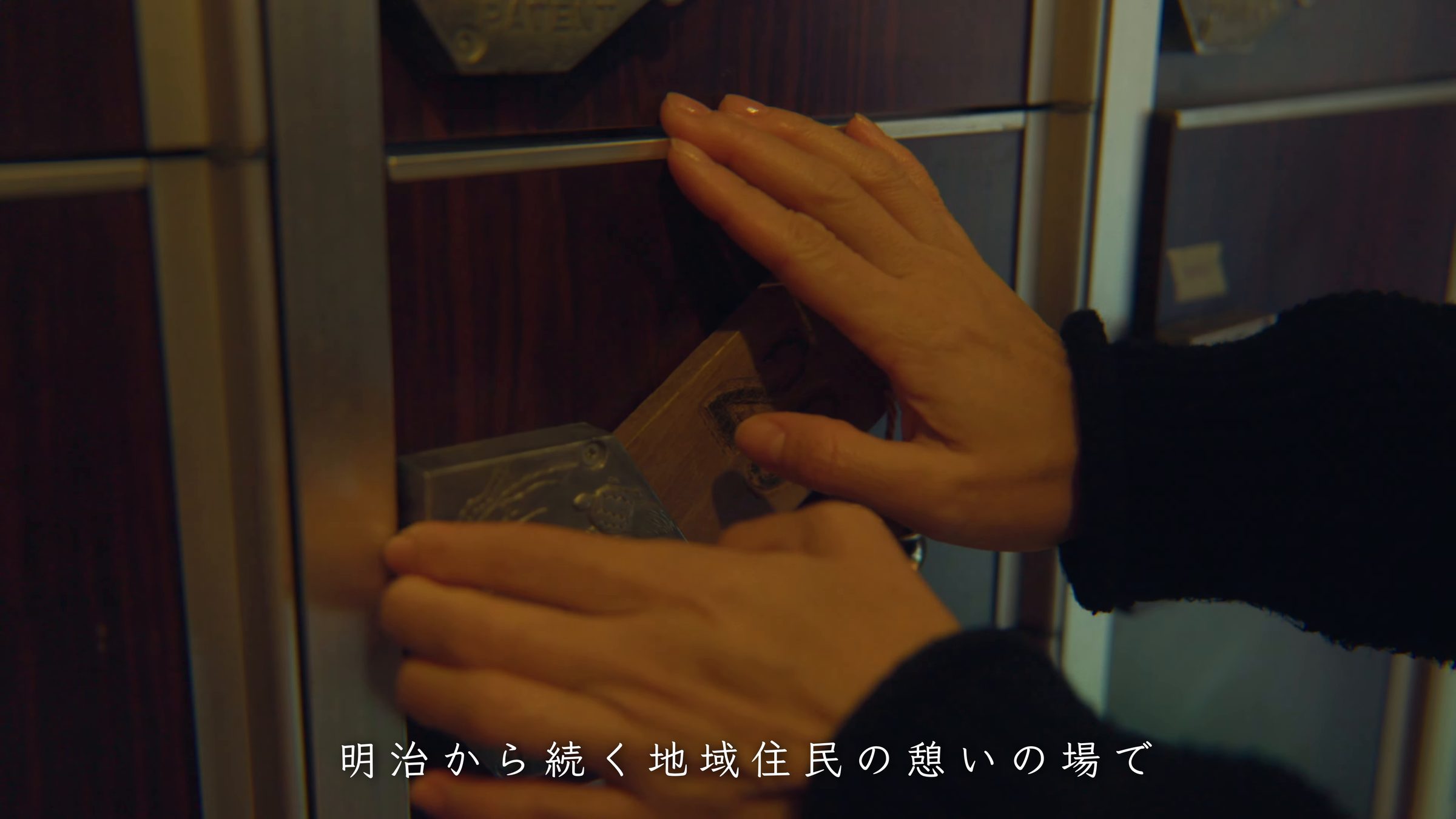
Kyoto has long had good, clean groundwater, and that makes its bathhouses special. Here, in a gathering place for the neighborhood since the Meiji era, I would wash away the fatigue of the year. Inside the noren, a beckoning cat and an old pendulum clock greeted me. I put my shoes in a locker and turned its wooden key.
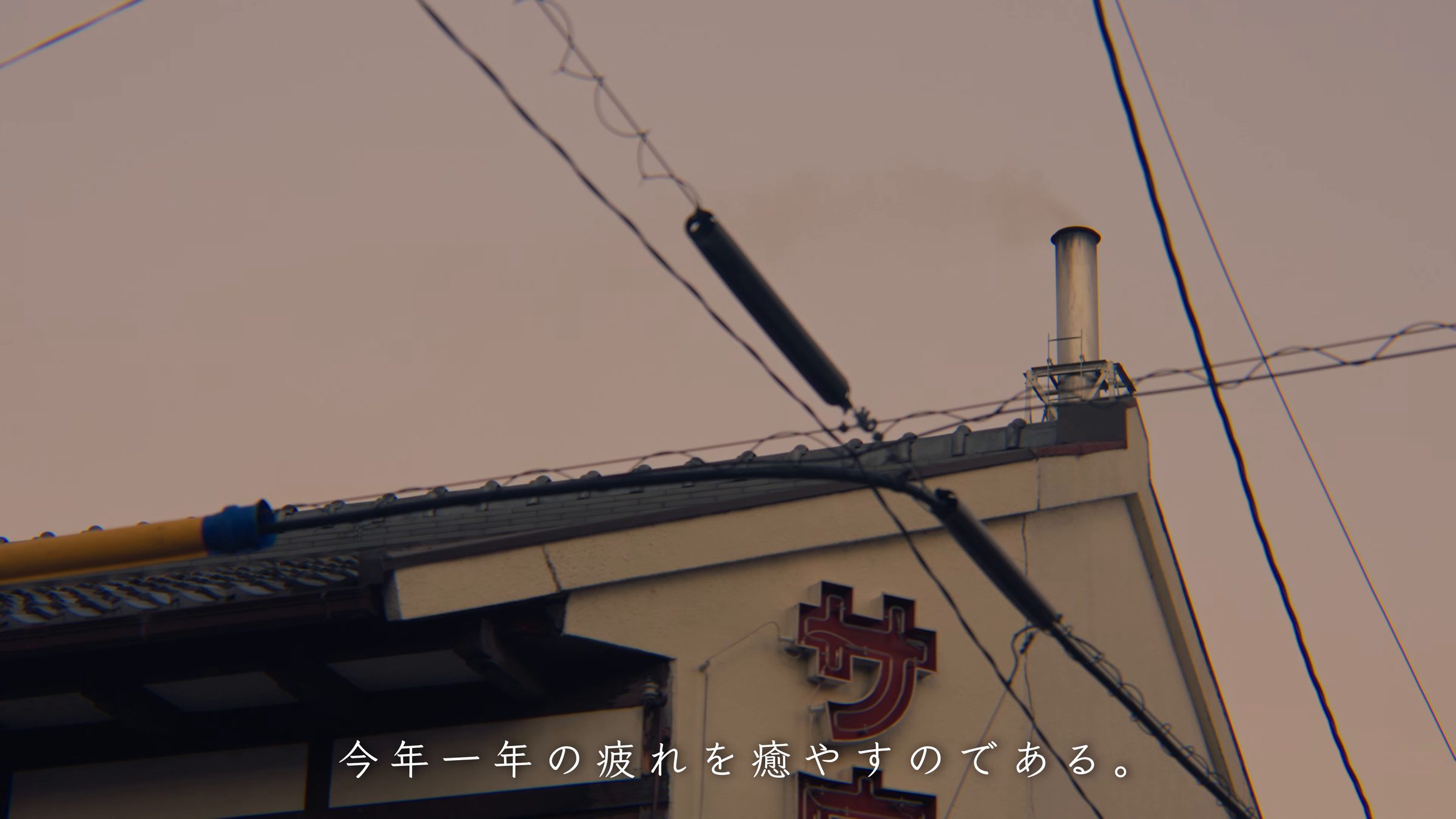
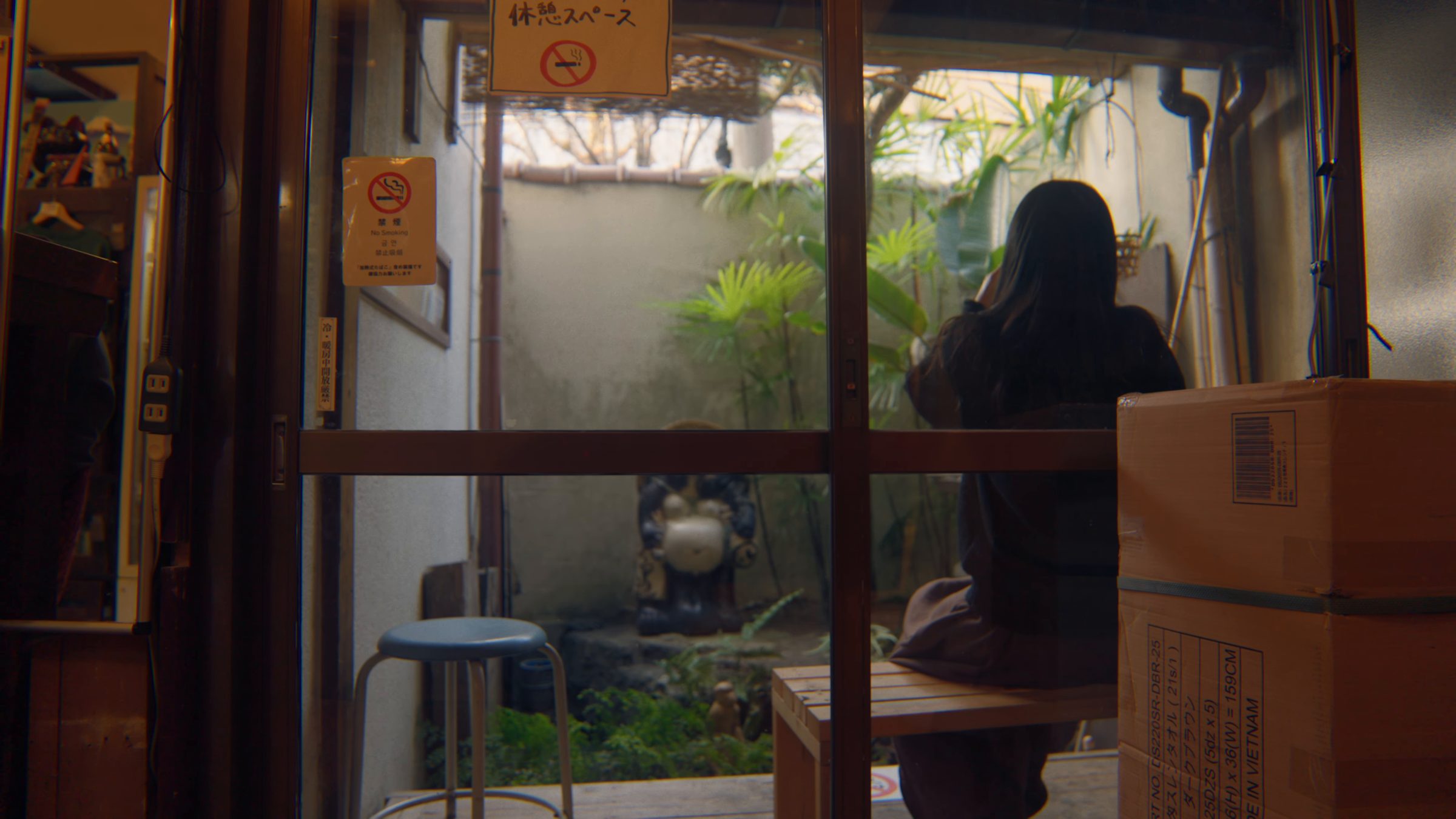
The cold bath, said to use groundwater, was wonderful. Afterward I rested in the lounge facing a small courtyard garden, and when I stepped outside, Kyoto Tower stood in silhouette against the sunset. By night, the neon sign glowed over the Takase. Totonotta: body and mind, perfectly reset.
Watch this scene on YouTube4:54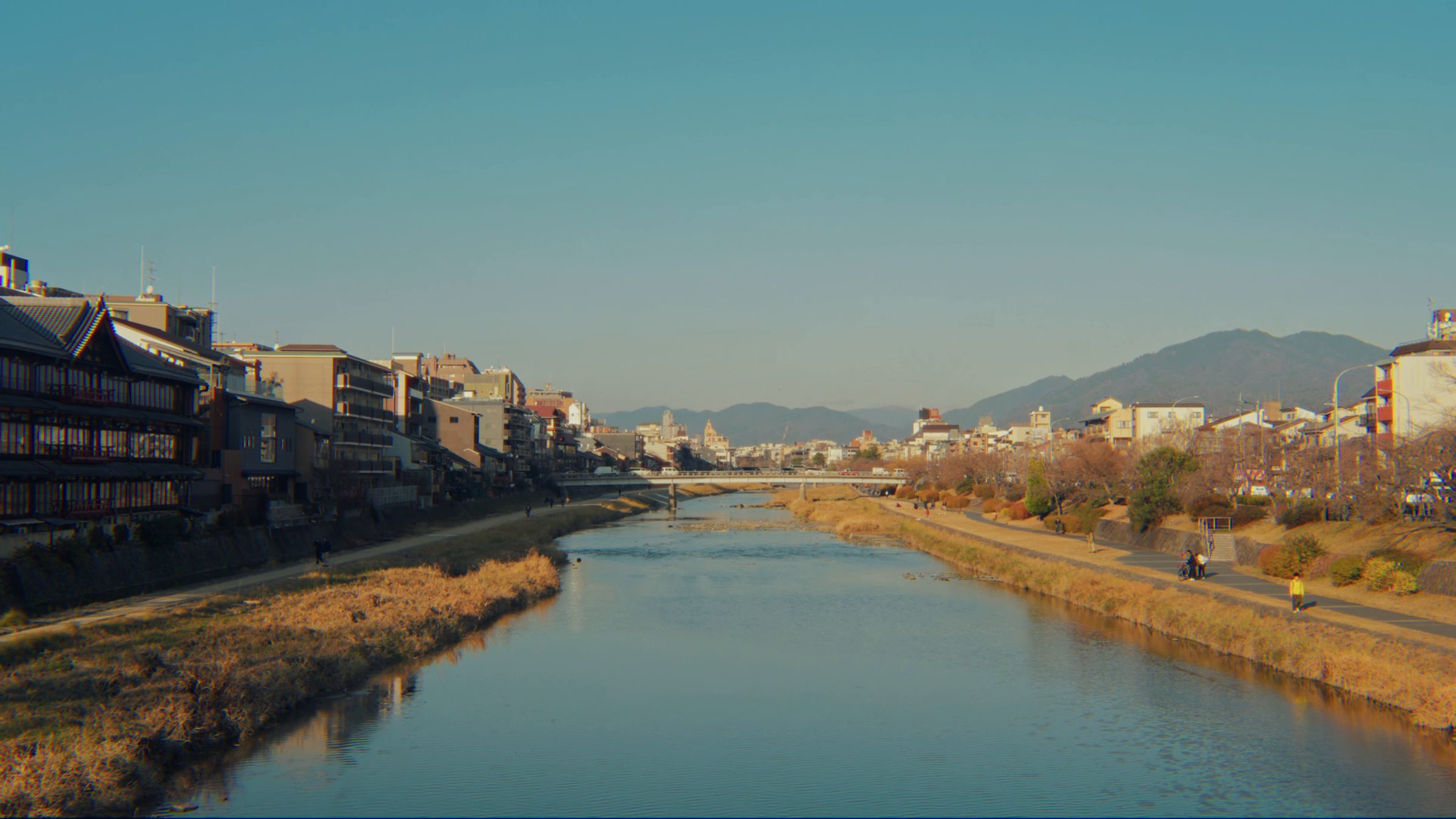
More notes from this journey
Kyoto City, Kyoto
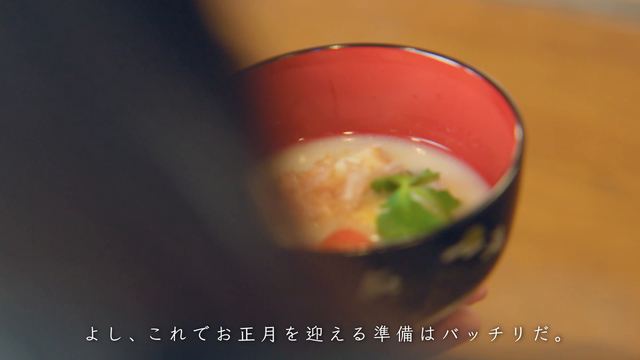
Kyoto-style ozoni (white miso New Year soup)
Ozoni in and around Kyoto is built on kombu dashi and white miso, with round mochi, taro, carrot and daikon.
From: Making New Year's Eve soba in a Kyoto townhouse
Kyoto City, Kyoto
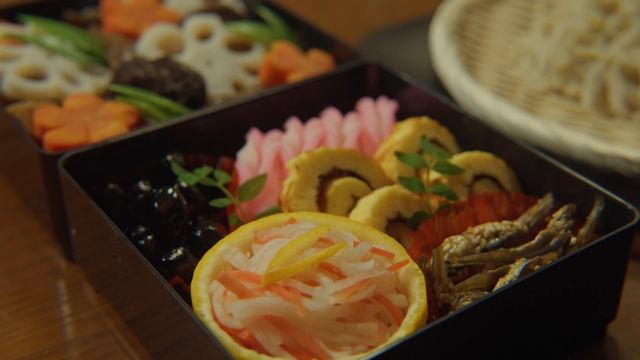
Osechi (datemaki, red-and-white namasu, decorated kamaboko)
Each osechi dish carries a wish.
From: Making New Year's Eve soba in a Kyoto townhouse
Kyoto City, Kyoto
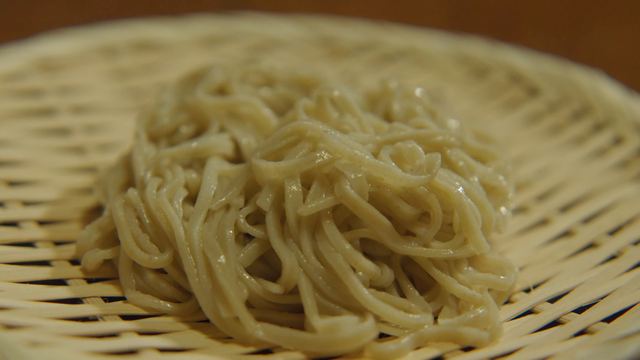
Toshikoshi soba (nihachi soba)
The custom of eating soba on New Year's Eve is said to have spread among ordinary people in the Edo period.
From: Making New Year's Eve soba in a Kyoto townhouse
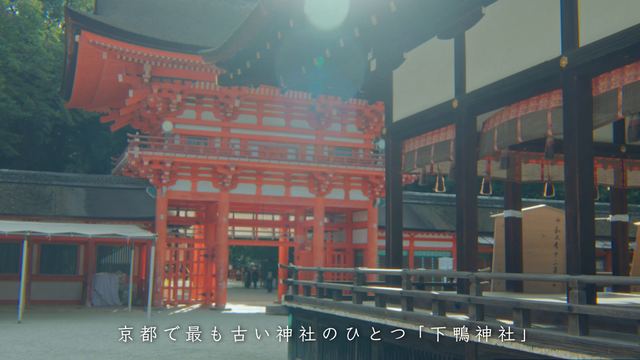
Kyoto City, Kyoto
Shimogamo Shrine (Kamomioya-jinja)
Its official name is Kamomioya-jinja.
From: Making New Year's Eve soba in a Kyoto townhouse
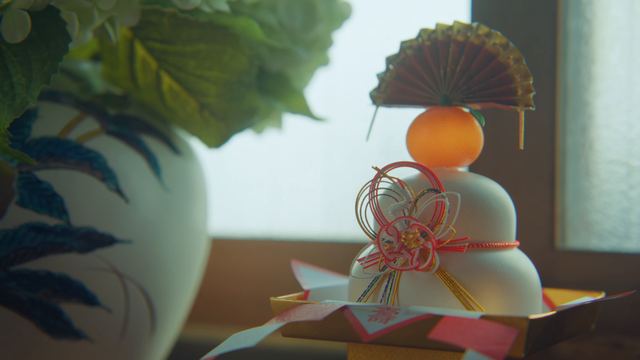
Kyoto City, Kyoto
Kagami-mochi
Kagami-mochi is the offering made when welcoming Toshigami, the deity of the new year, and every part of its decoration has a meaning.
From: Making New Year's Eve soba in a Kyoto townhouse
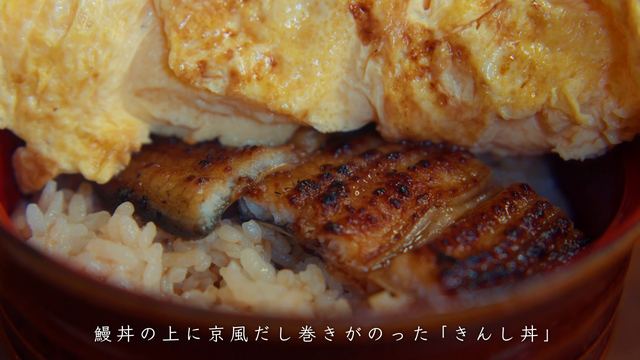
Kyoto City, Kyoto
Kyogoku Kaneyo
An eel restaurant said to date from the Meiji era (some say the Taisho era), in a wooden building that keeps the look of its early days.
From: Making New Year's Eve soba in a Kyoto townhouse
More notes from Kinki
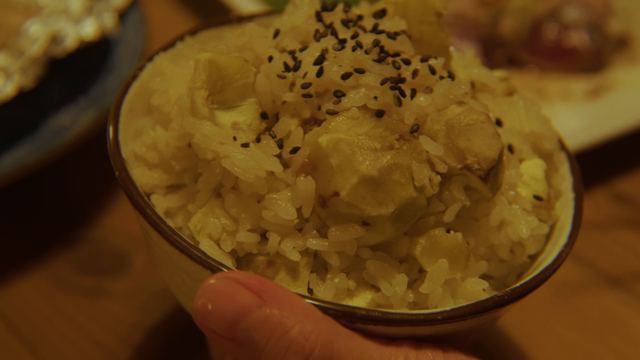
Aridagawa, Wakayama
Chestnut rice (kuri gohan)
My first chestnut rice, made with chestnuts I had picked myself.
From: Chestnuts, saury and an autumn feast
Aridagawa, Wakayama
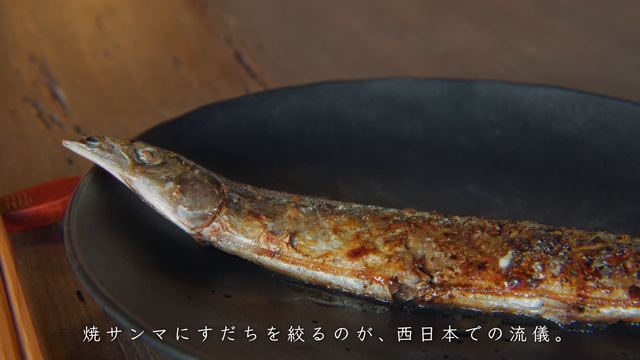
Charcoal-grilled saury with sudachi
Sanma is written 秋刀魚, "autumn sword fish," but that spelling only spread from the Taisho era on; older texts wrote it 青串魚.
From: Chestnuts, saury and an autumn feast
Aridagawa, Wakayama
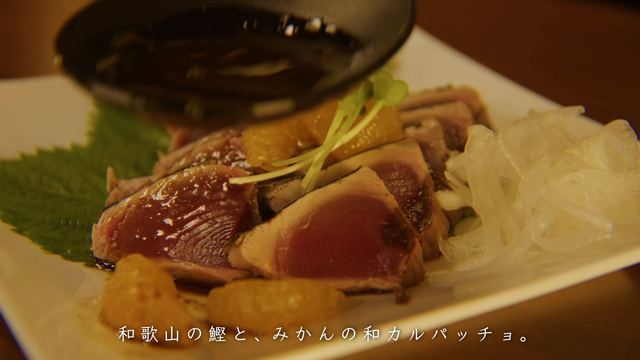
Wakayama bonito and mandarin carpaccio
In contrast to the lean first bonito of spring, the fish that head south from around September are called modori-gatsuo, returning bonito.
From: Chestnuts, saury and an autumn feast
Aridagawa, Wakayama
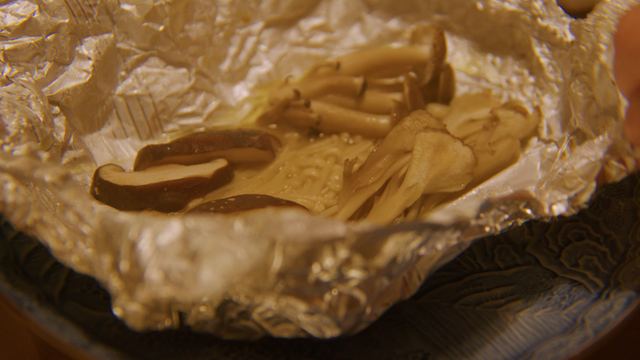
Foil-grilled mushrooms with butter
Mushrooms are another essential of the autumn table.
From: Chestnuts, saury and an autumn feast
Aridagawa, Wakayama
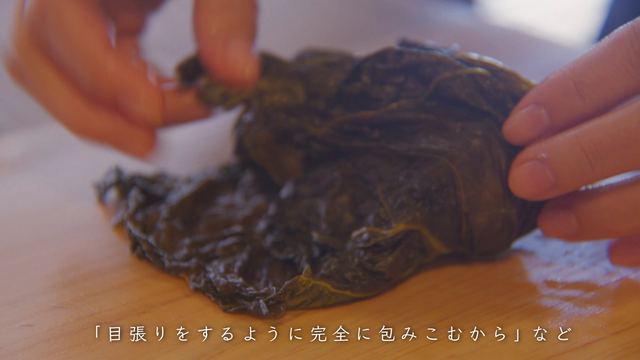
Mehari-zushi
A Wakayama specialty: a large rice ball wrapped in salt-pickled takana leaves.
From: Sushi, Cosmos and Ramen
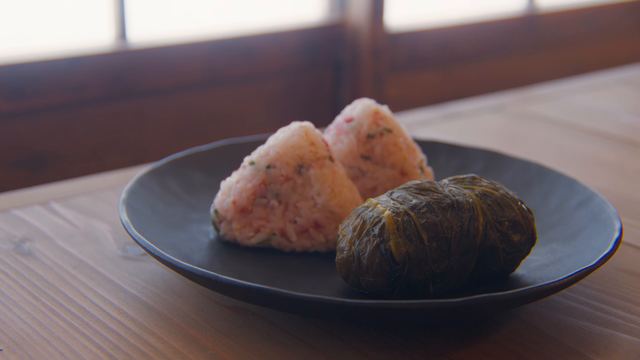
Aridagawa, Wakayama
Umeboshi and red shiso rice ball
Wakayama grows more ume than any other prefecture in Japan: 58% of the national harvest in 2024 (64% the year before).
From: Sushi, Cosmos and Ramen