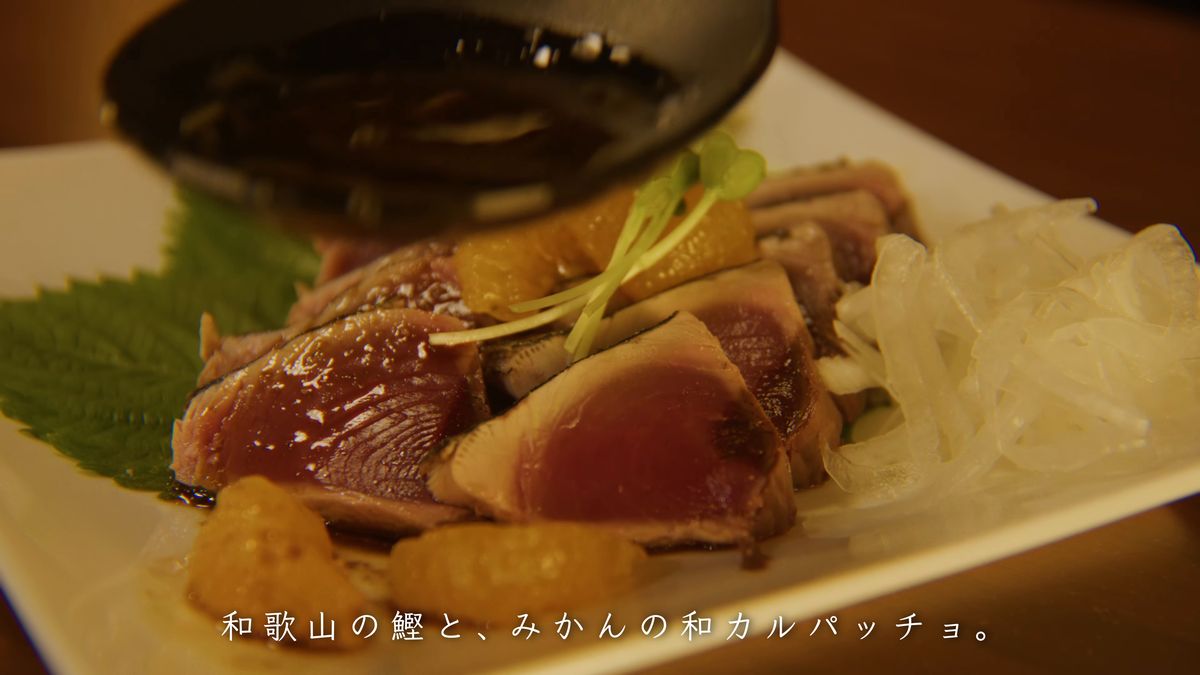
In contrast to the lean first bonito of spring, the fish that head south from around September are called modori-gatsuo, returning bonito. Coming back from their feeding grounds, they are rich in fat, and their pink flesh earns them the nickname toro-katsuo. In Wakayama, boats along the Kinan coast catch bonito by kenken trolling, a method said to have been brought from Hawaii in the Meiji era; fish landed at Susami are known as Susami kenken bonito (in season from March to May). This time I ate Wakayama bonito with a sauce of extra-early mandarins from the same prefecture.
Ingredients
- Autumn bonito loin
- Extra-early mandarins
- Onion
- Shiso leaves
- Balsamic vinegar
- Oil
How I made it
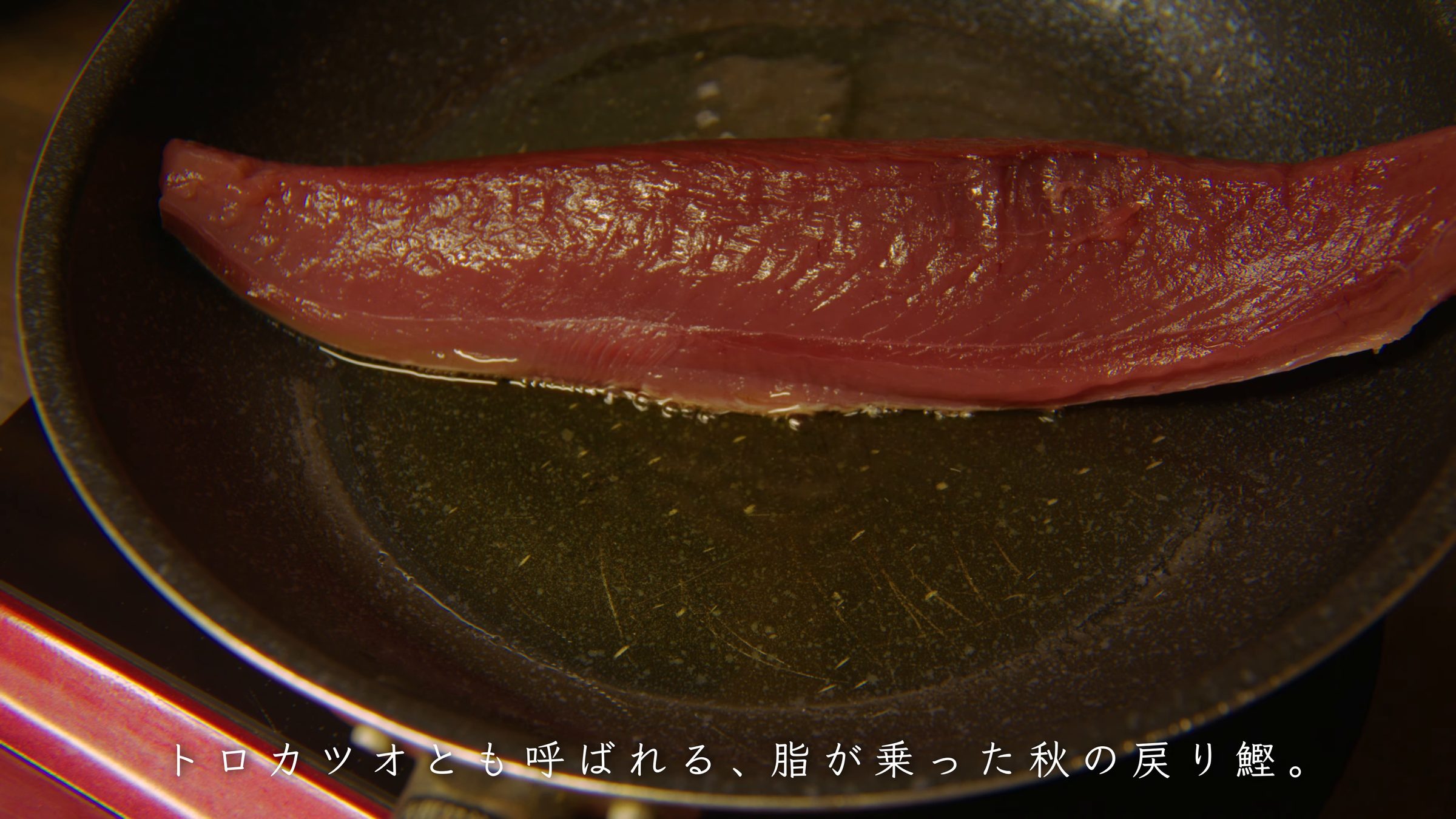
- Sear the bonito in a frying pan, skin side first
- Add balsamic vinegar to the oil left in the pan, then plenty of freshly squeezed mandarin juice, to make the sauce
- Slice the bonito, arrange with shiso, thinly sliced onion and mandarin segments, and spoon the sauce over
Sources: pref.wakayama.lg.jp agri.mynavi.jp
This moment in the journey
Mushrooms, autumn bonito and early mandarins
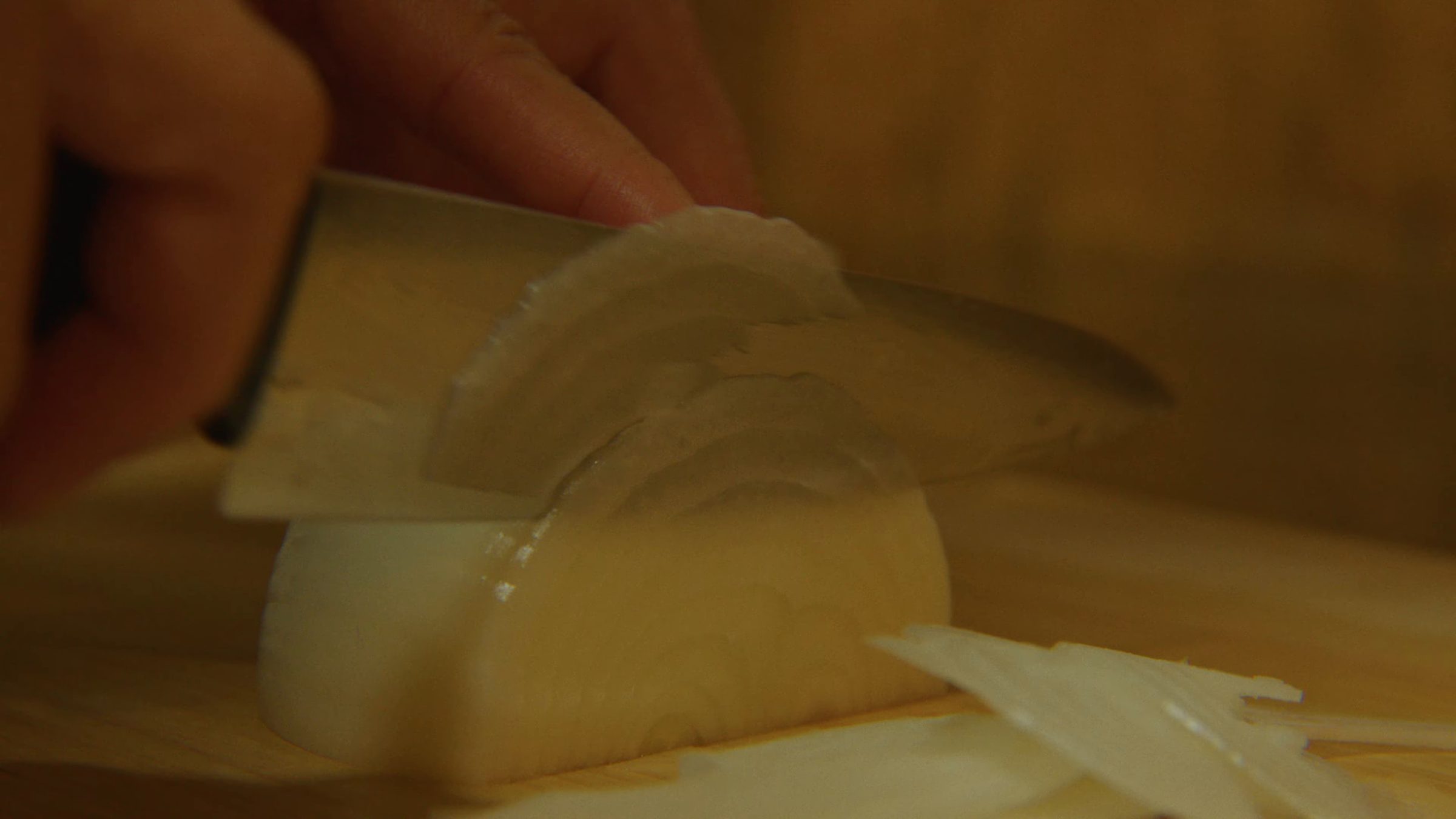
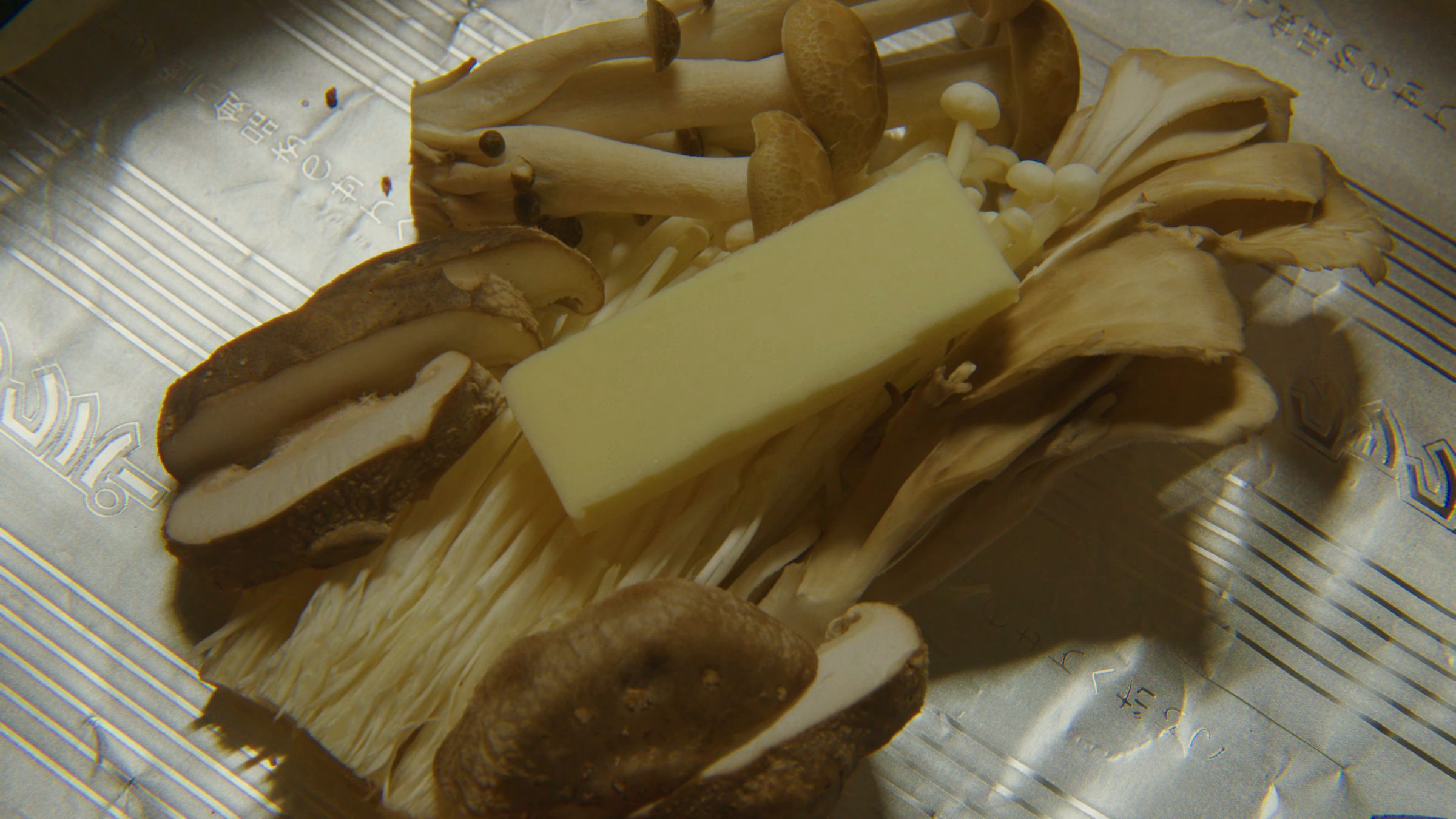
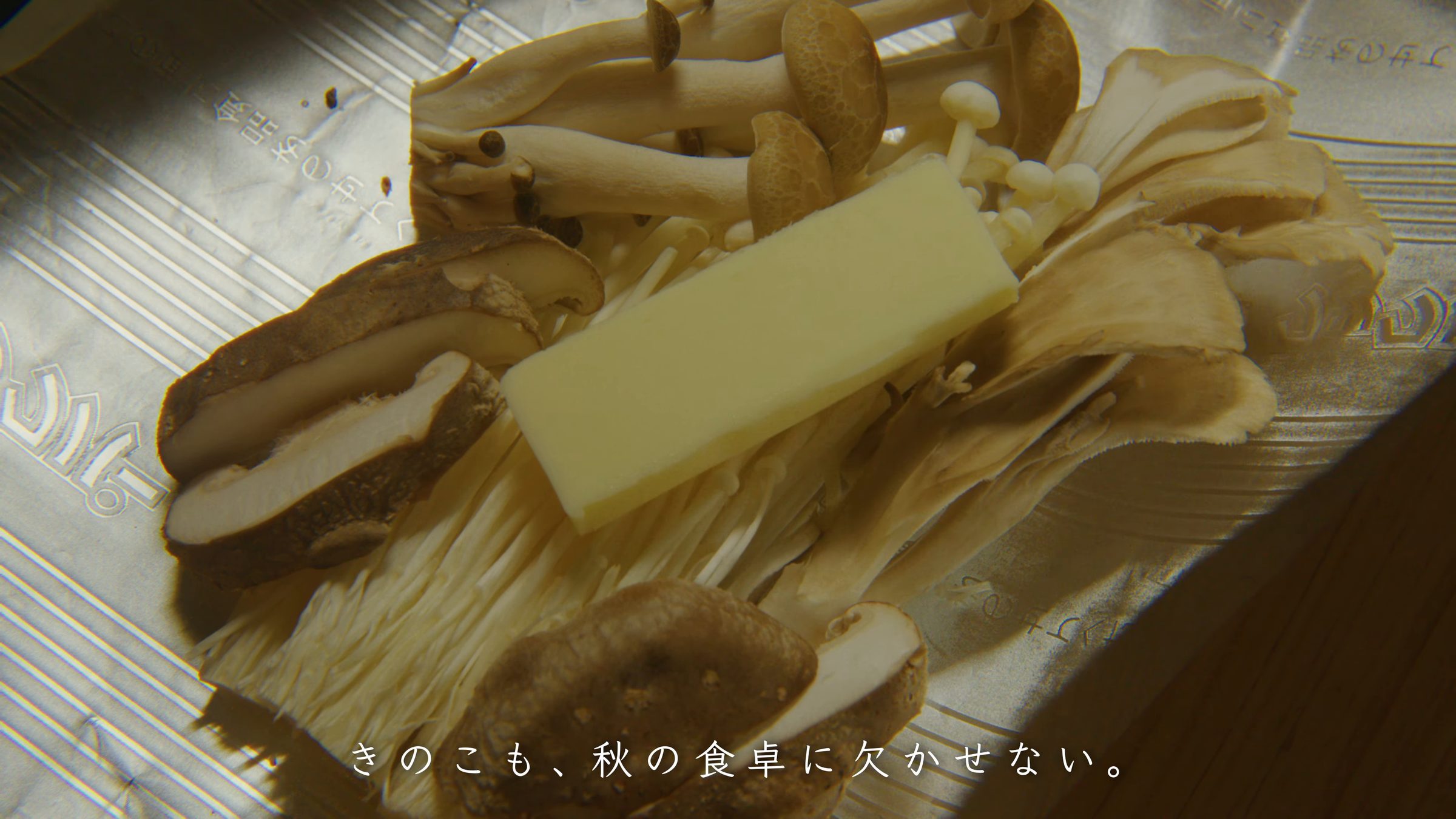
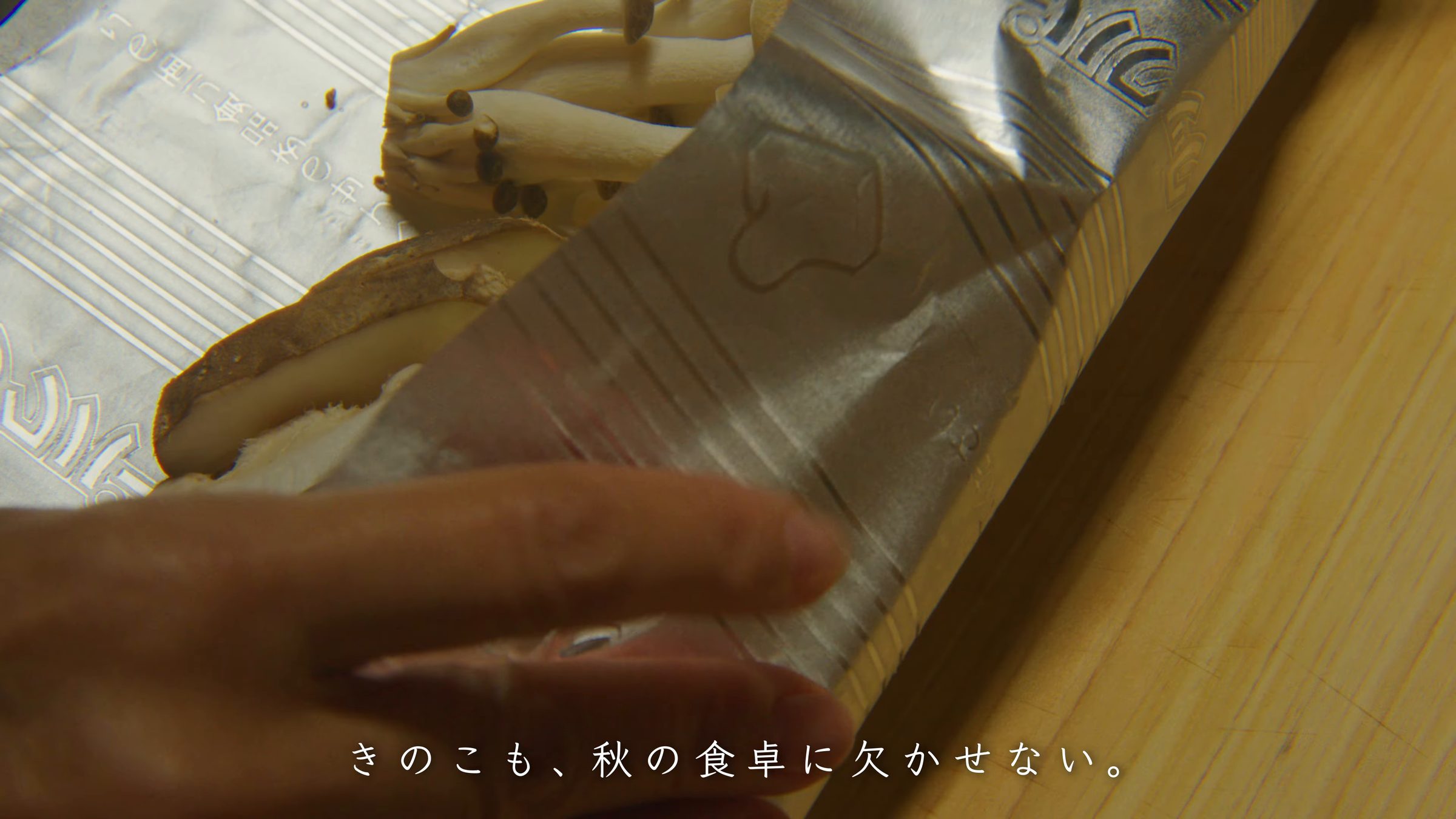
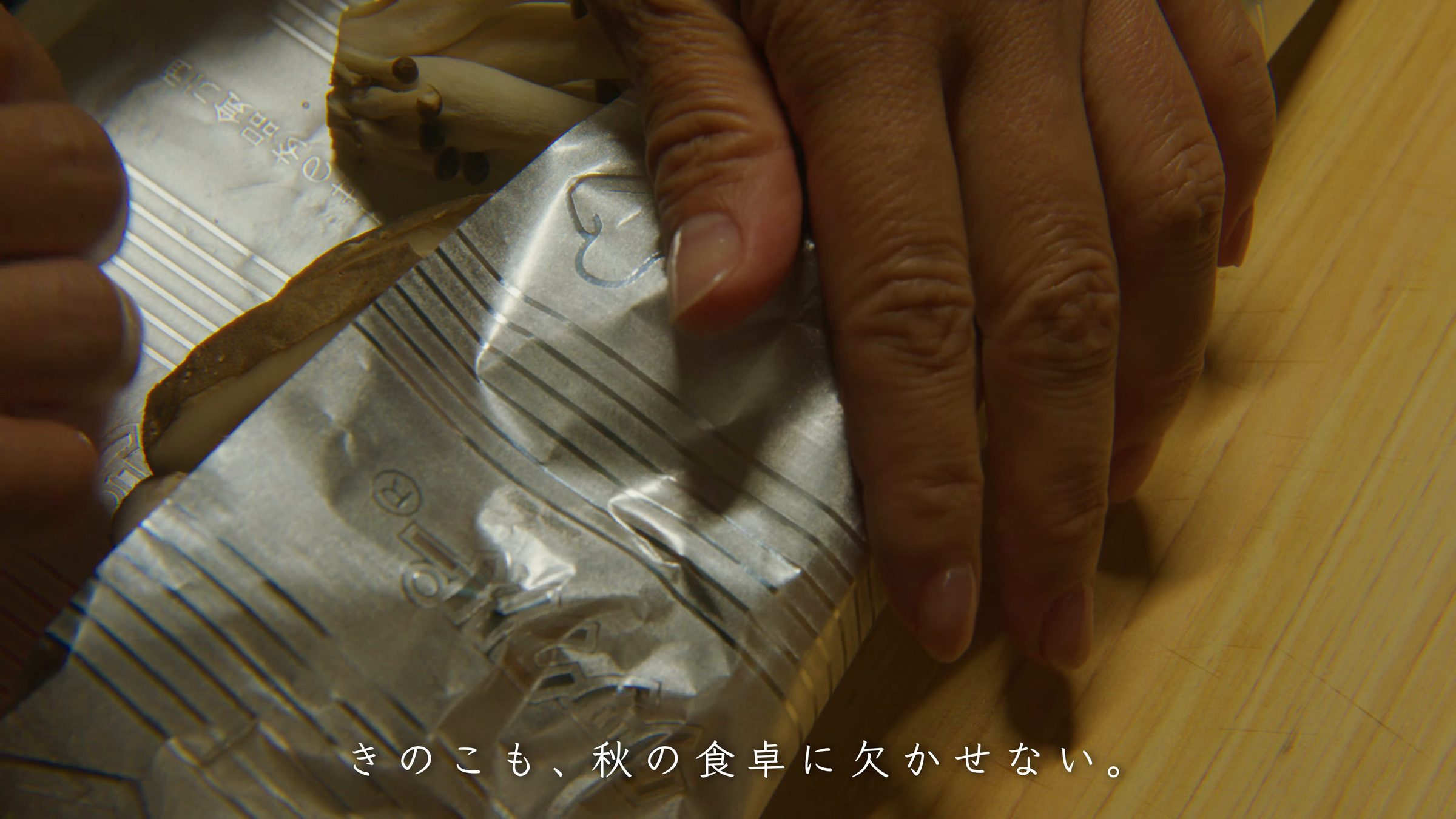
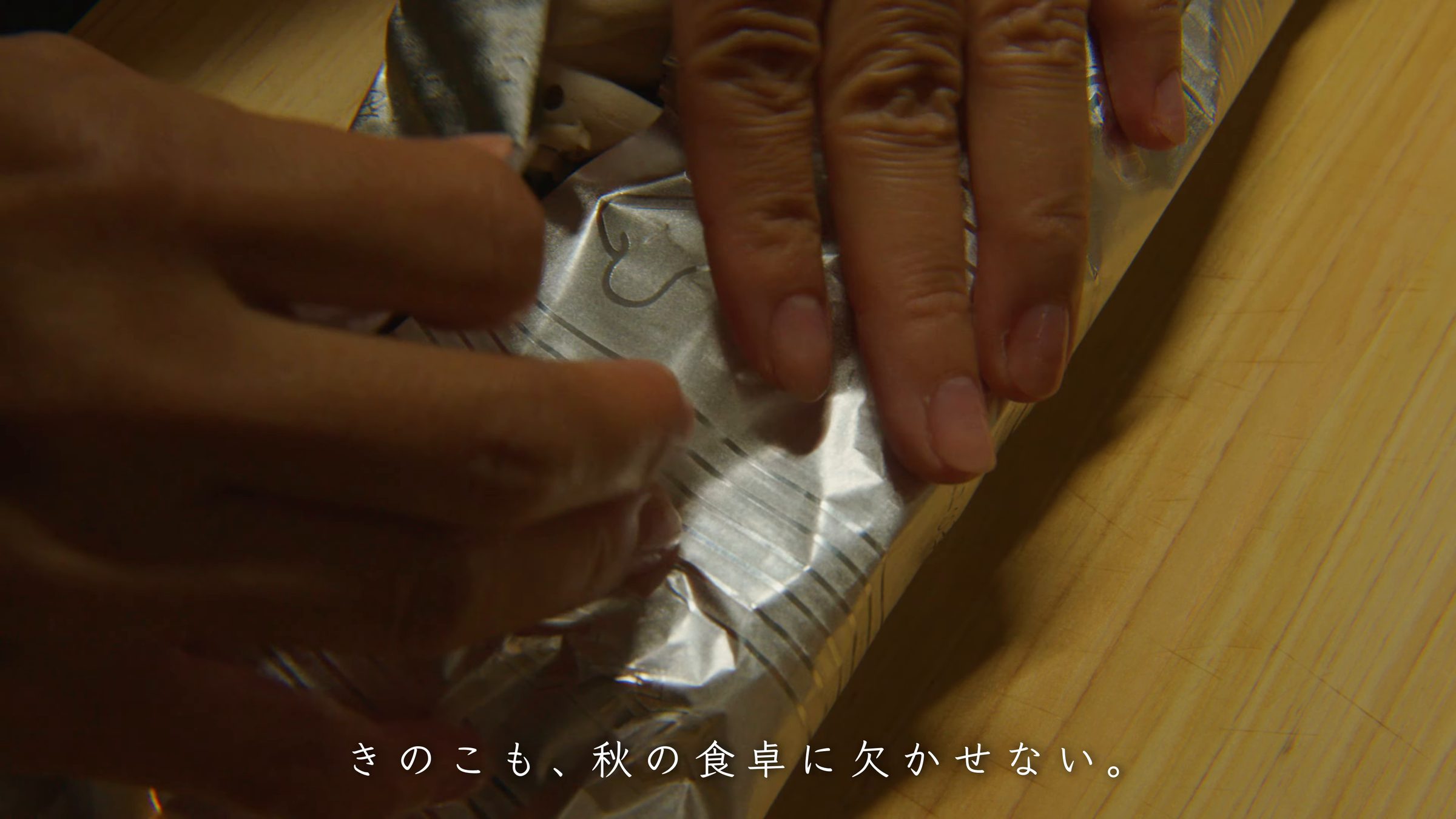
I sliced an onion thin, then spread shiitake, shimeji, enoki and maitake mushrooms on a sheet of foil with a pat of butter and folded it shut. Mushrooms, too, are essential to an autumn table.
Then the other star: autumn bonito, so rich in fat that it is sometimes called toro-katsuo. I seared it skin-side down in a frying pan and decided to cook it Western-style, together with extra-early mandarins. To the oil left in the pan I added balsamic vinegar and plenty of freshly squeezed mandarin juice: a sweet, tart, refreshing sauce.
I sliced the bonito, arranged it with shiso leaves, onion and mandarin segments, and spooned the sauce over. Wakayama bonito and mandarin, as a Japanese-style carpaccio.
Watch this scene on YouTube3:53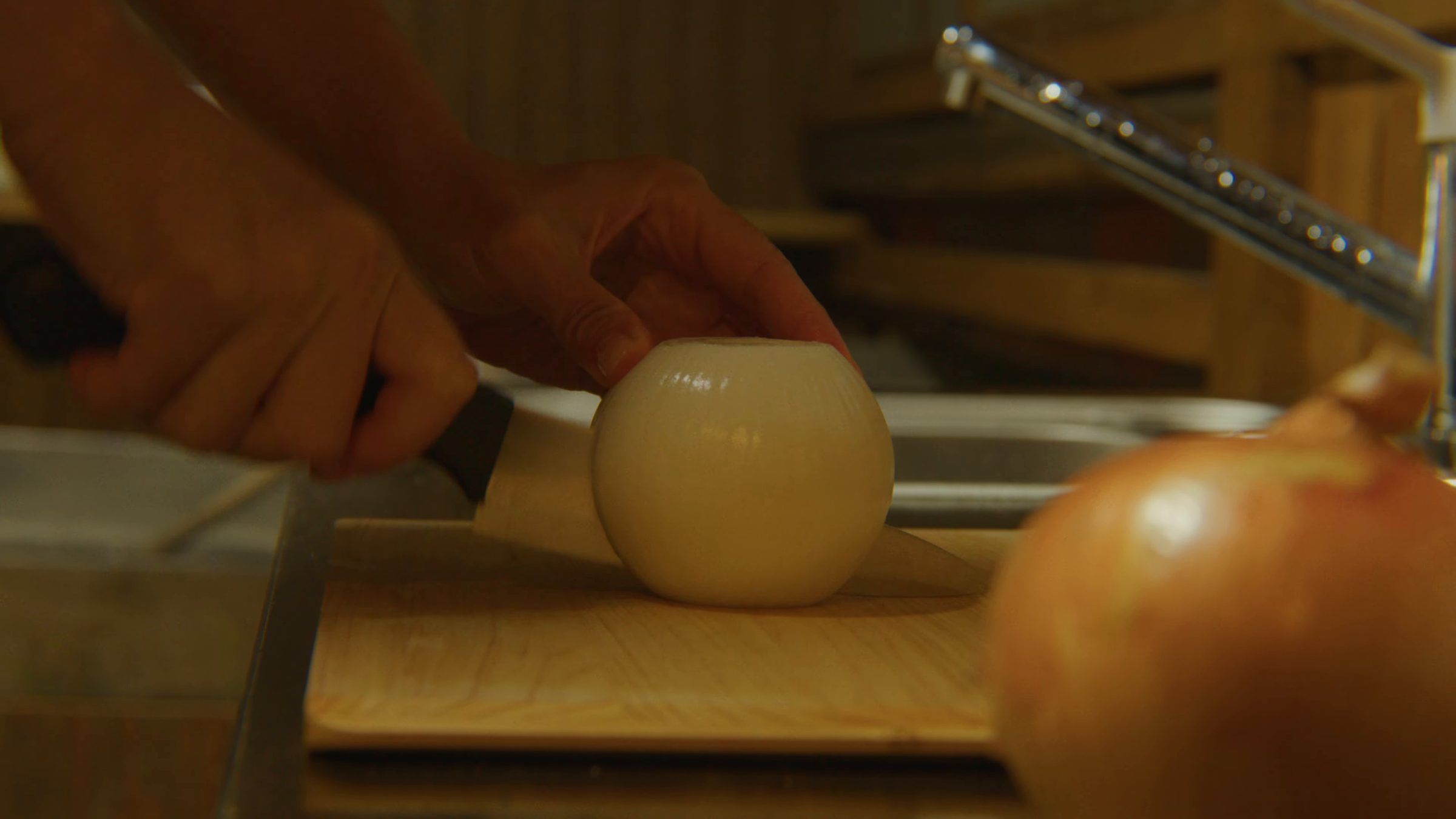
More notes from this journey
Aridagawa, Wakayama
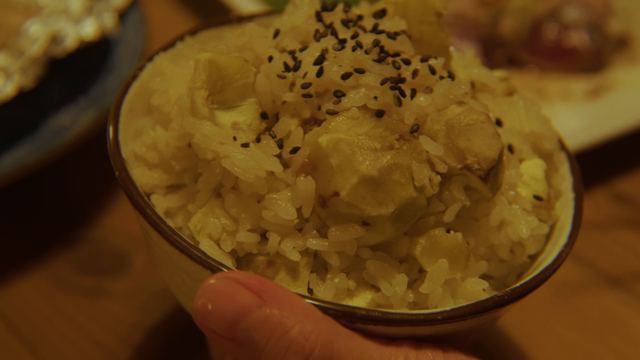
Chestnut rice (kuri gohan)
My first chestnut rice, made with chestnuts I had picked myself.
From: Chestnuts, saury and an autumn feast
Aridagawa, Wakayama
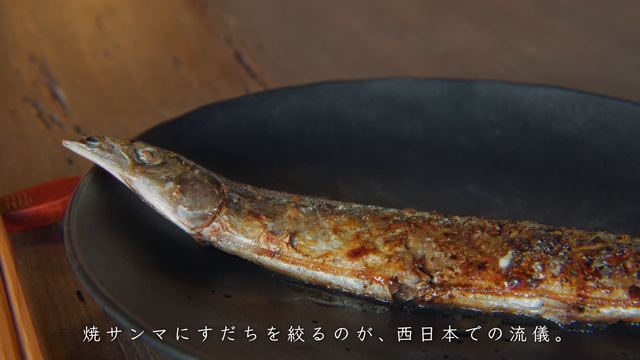
Charcoal-grilled saury with sudachi
Sanma is written 秋刀魚, "autumn sword fish," but that spelling only spread from the Taisho era on; older texts wrote it 青串魚.
From: Chestnuts, saury and an autumn feast
Aridagawa, Wakayama
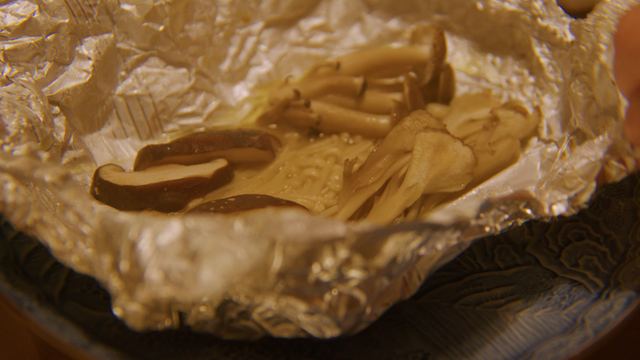
Foil-grilled mushrooms with butter
Mushrooms are another essential of the autumn table.
From: Chestnuts, saury and an autumn feast
Aridagawa, Wakayama
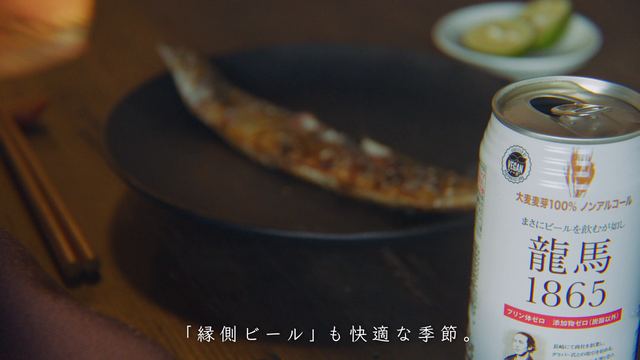
Ryoma 1865, a non-alcoholic beer
What I drank on the veranda and at dinner was Ryoma 1865, a non-alcoholic beer from Nippon Beer Co.
From: Chestnuts, saury and an autumn feast
More notes from Kinki
Kyoto City, Kyoto
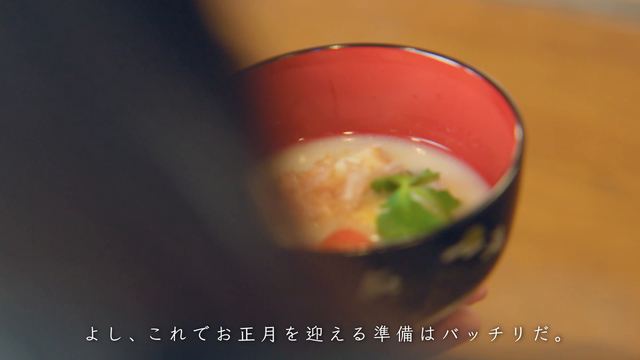
Kyoto-style ozoni (white miso New Year soup)
Ozoni in and around Kyoto is built on kombu dashi and white miso, with round mochi, taro, carrot and daikon.
From: Making New Year's Eve soba in a Kyoto townhouse
Kyoto City, Kyoto
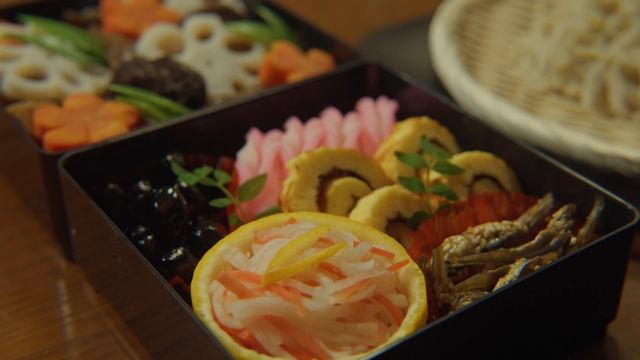
Osechi (datemaki, red-and-white namasu, decorated kamaboko)
Each osechi dish carries a wish.
From: Making New Year's Eve soba in a Kyoto townhouse
Kyoto City, Kyoto
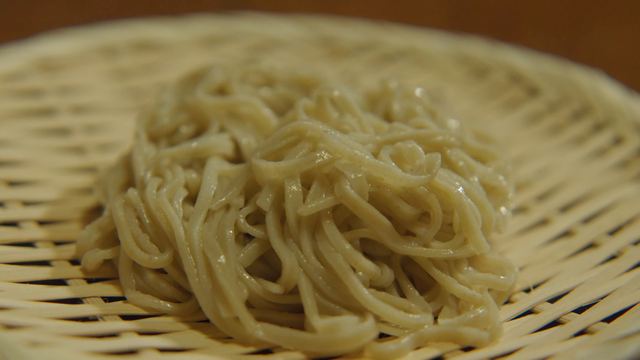
Toshikoshi soba (nihachi soba)
The custom of eating soba on New Year's Eve is said to have spread among ordinary people in the Edo period.
From: Making New Year's Eve soba in a Kyoto townhouse
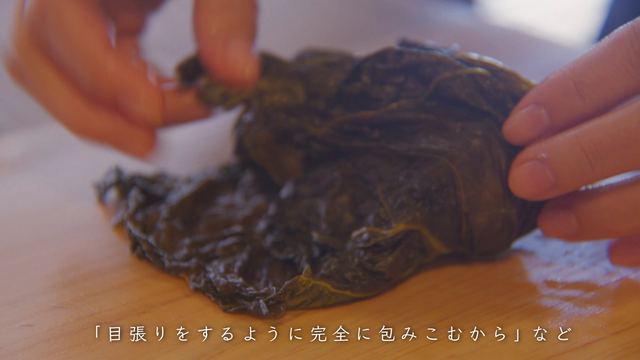
Aridagawa, Wakayama
Mehari-zushi
A Wakayama specialty: a large rice ball wrapped in salt-pickled takana leaves.
From: Sushi, Cosmos and Ramen
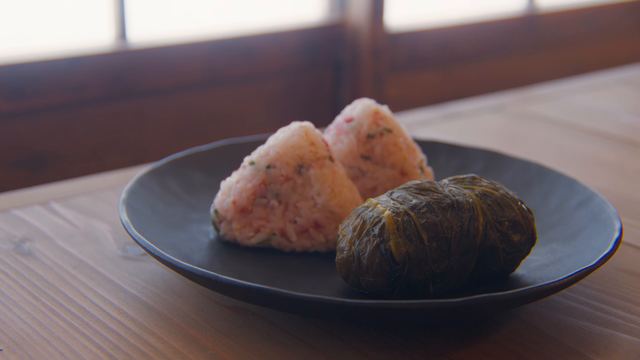
Aridagawa, Wakayama
Umeboshi and red shiso rice ball
Wakayama grows more ume than any other prefecture in Japan: 58% of the national harvest in 2024 (64% the year before).
From: Sushi, Cosmos and Ramen
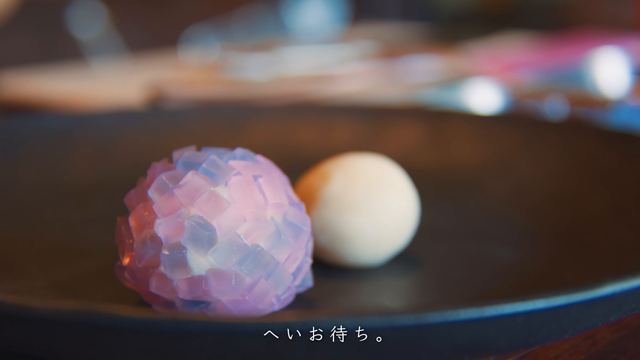
Tamba, Hyogo
Kingyoku hydrangea
Kingyoku (kingyokukan) is a Japanese sweet made by dissolving agar, adding sugar or starch syrup, and letting it set; its translucence is used to suggest water…
From: Hydrangea season in an old house in Tamba