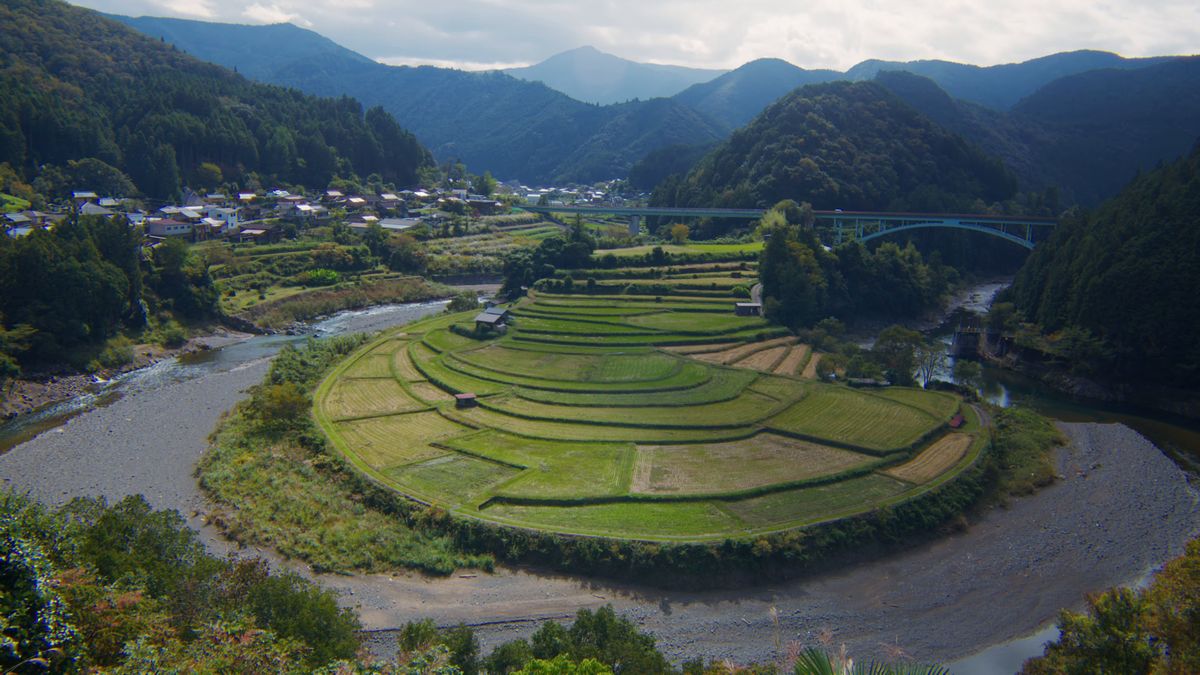
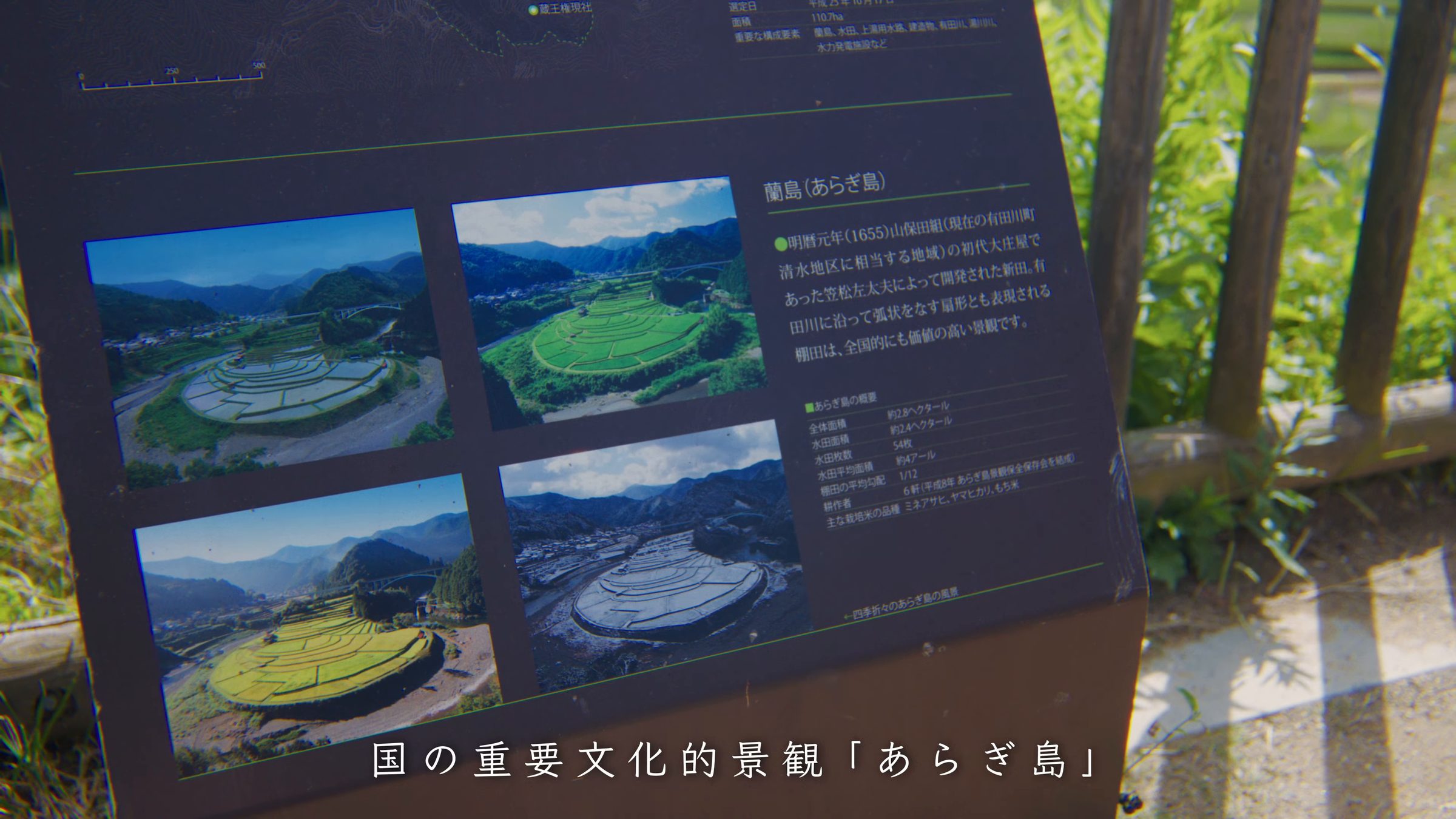
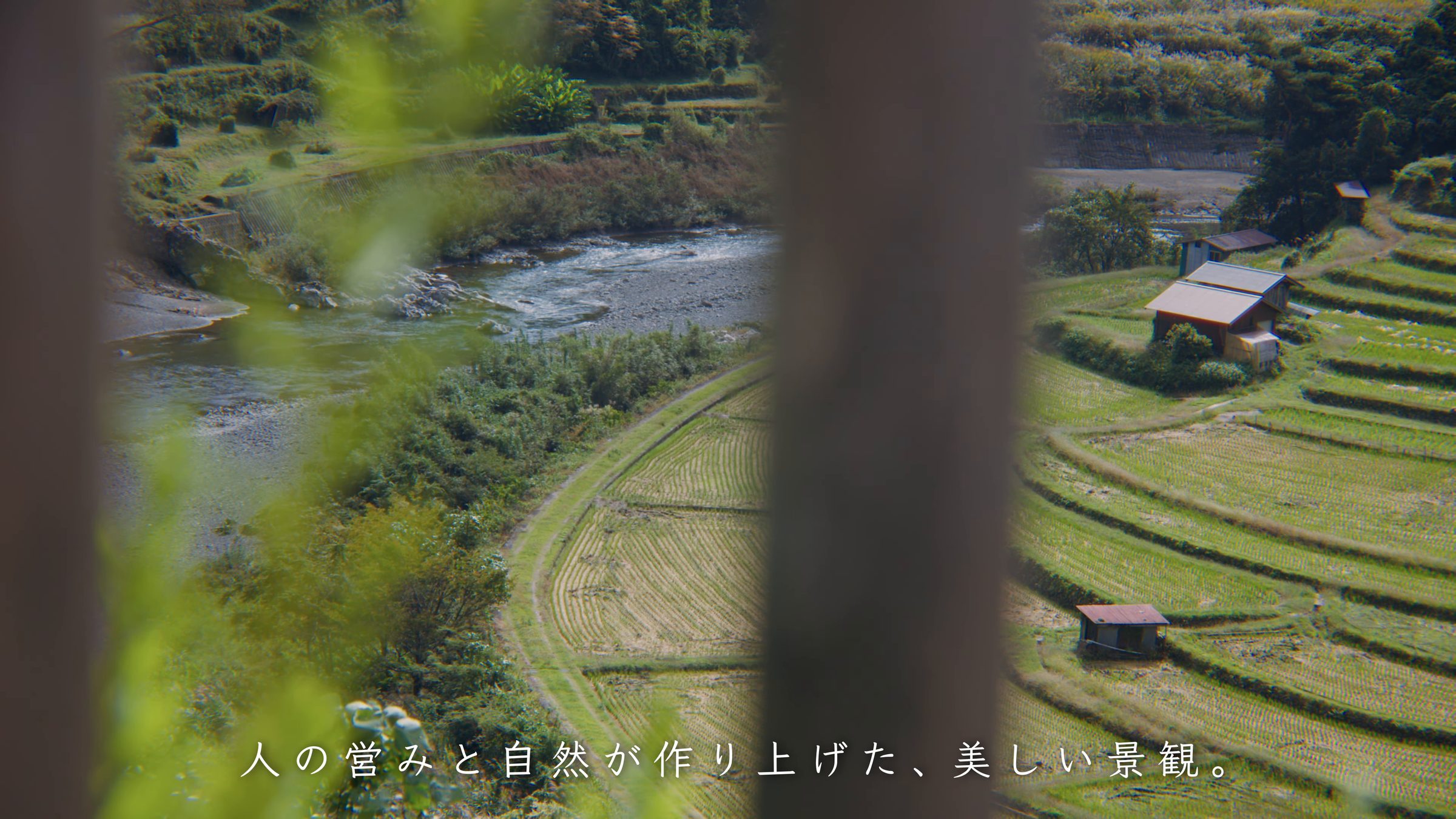
A fan-shaped terrace of rice paddies wrapped by a bend of the Arida River. In 1655, Kasamatsu Sadayu, head village official of the Yamahota district, built a weir on the Yukawa River and dug the Uwayu irrigation channel, which made rice farming possible on Aragijima (some tourist guides give 1661). On October 17, 2013, the area was designated a national Important Cultural Landscape. It is also one of Japan's 100 Selected Terraced Rice Fields.
Sources: online.bunka.go.jp mlit.go.jp youtube.com
This moment in the journey
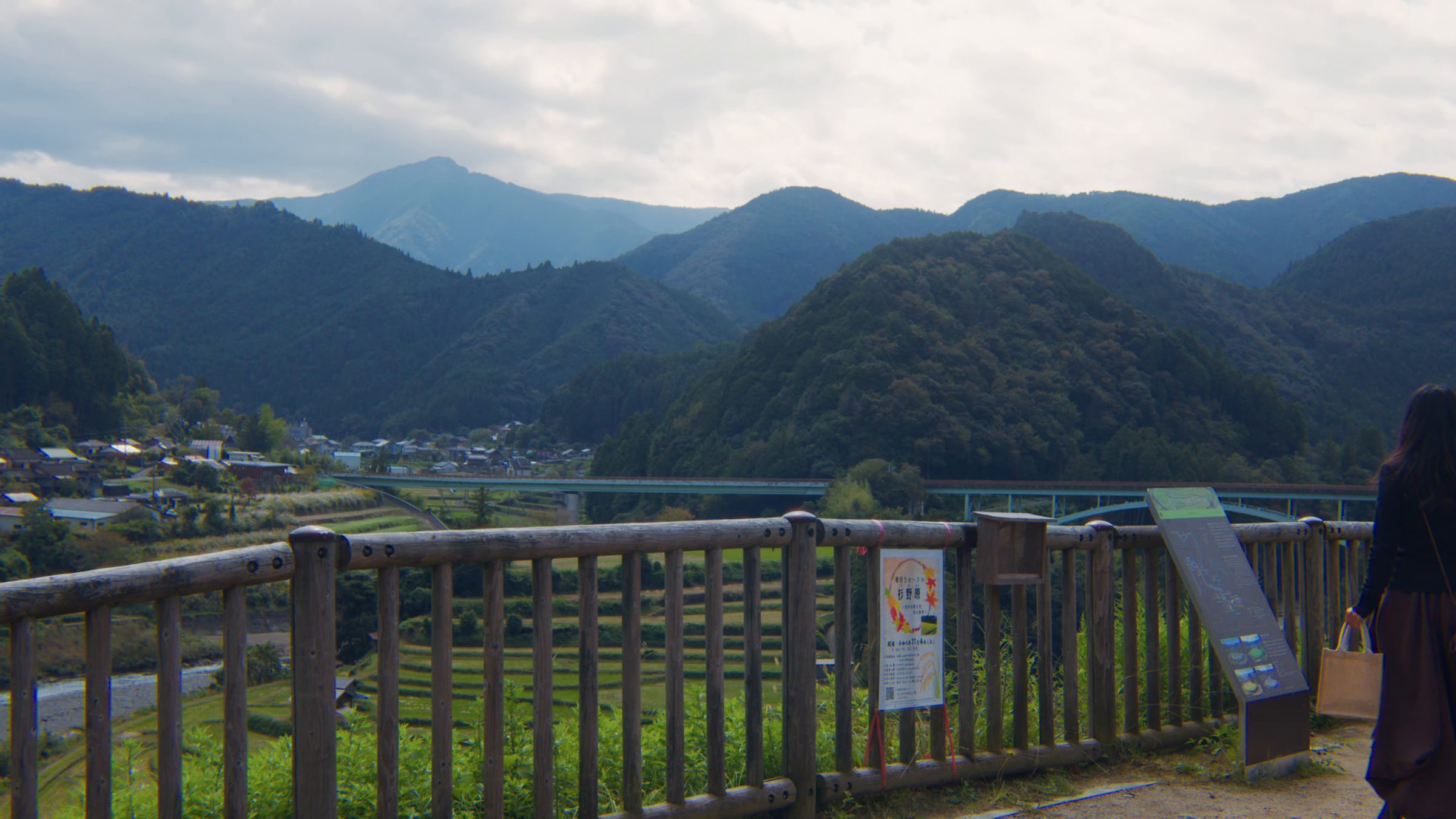
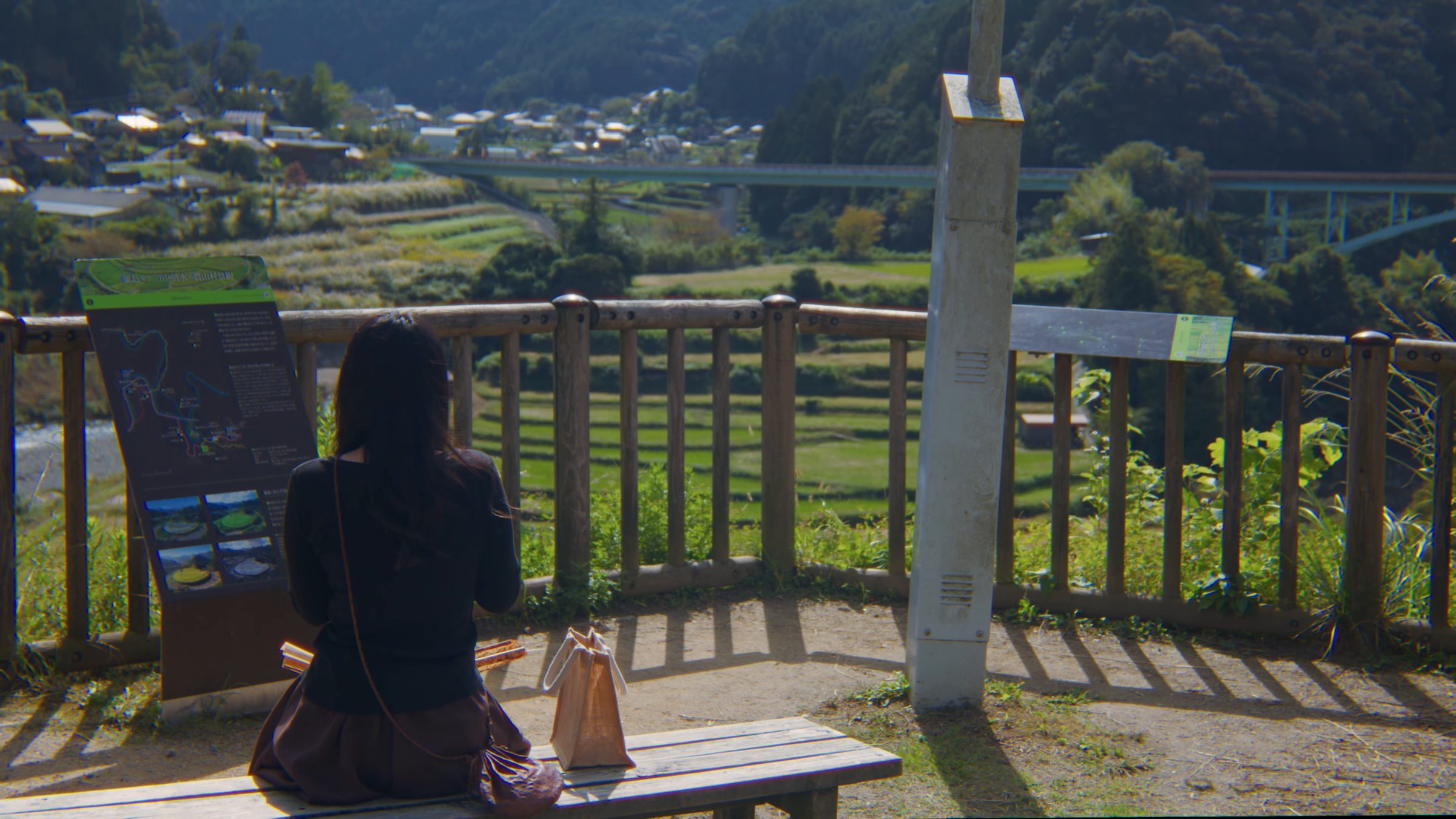
Looking down on Aragijima
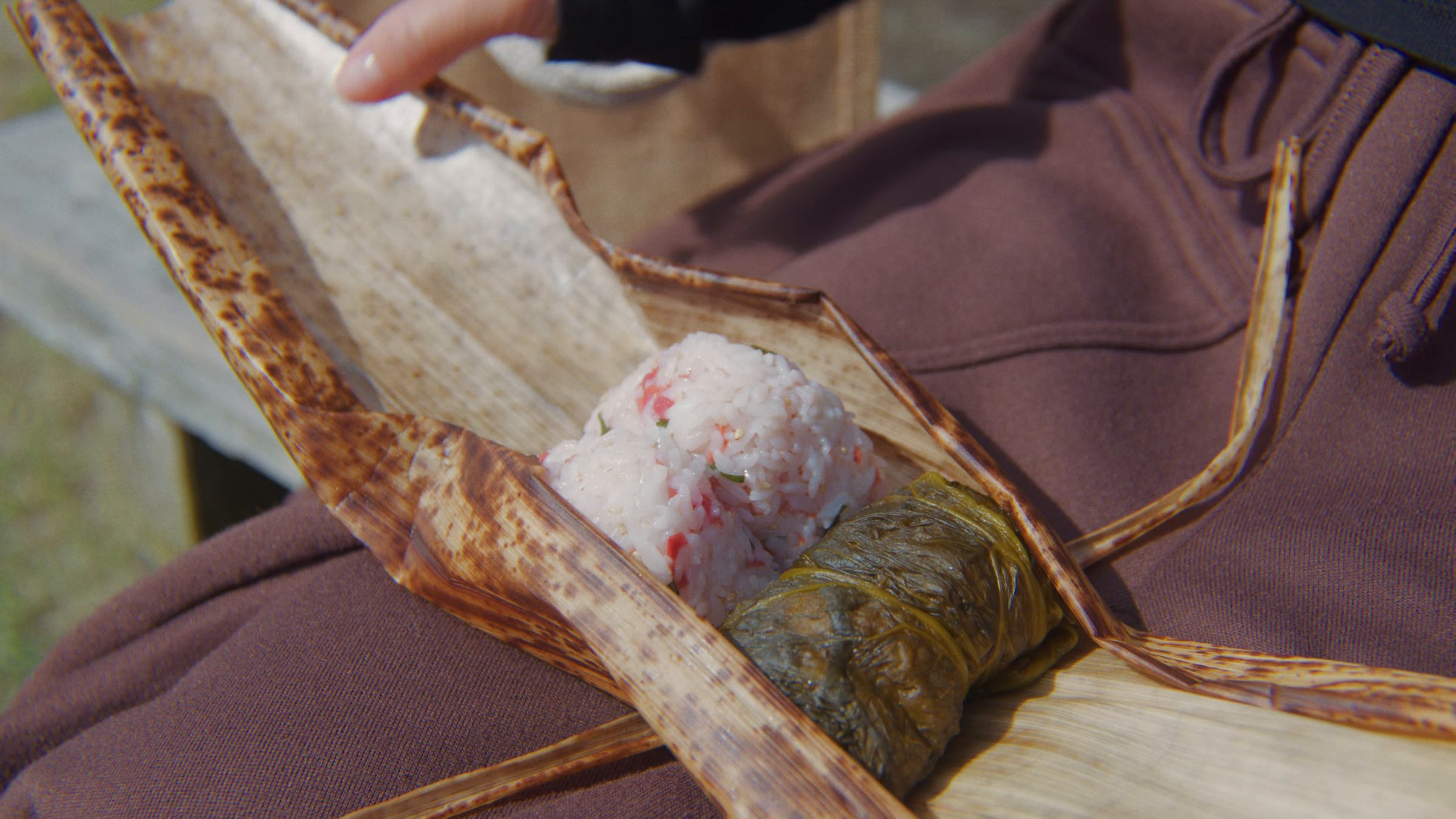
I wrapped the rice balls in a bamboo sheath and set out. The thatched main house and the storehouse stood side by side in the morning sun.
My destination was Aragijima, designated a nationally Important Cultural Landscape. The Arida River bends in a wide arc, and inside it lies a fan of terraced rice paddies. According to the sign at the viewpoint, an irrigation channel was dug here in 1655, early in the Edo period, making it possible to grow rice.
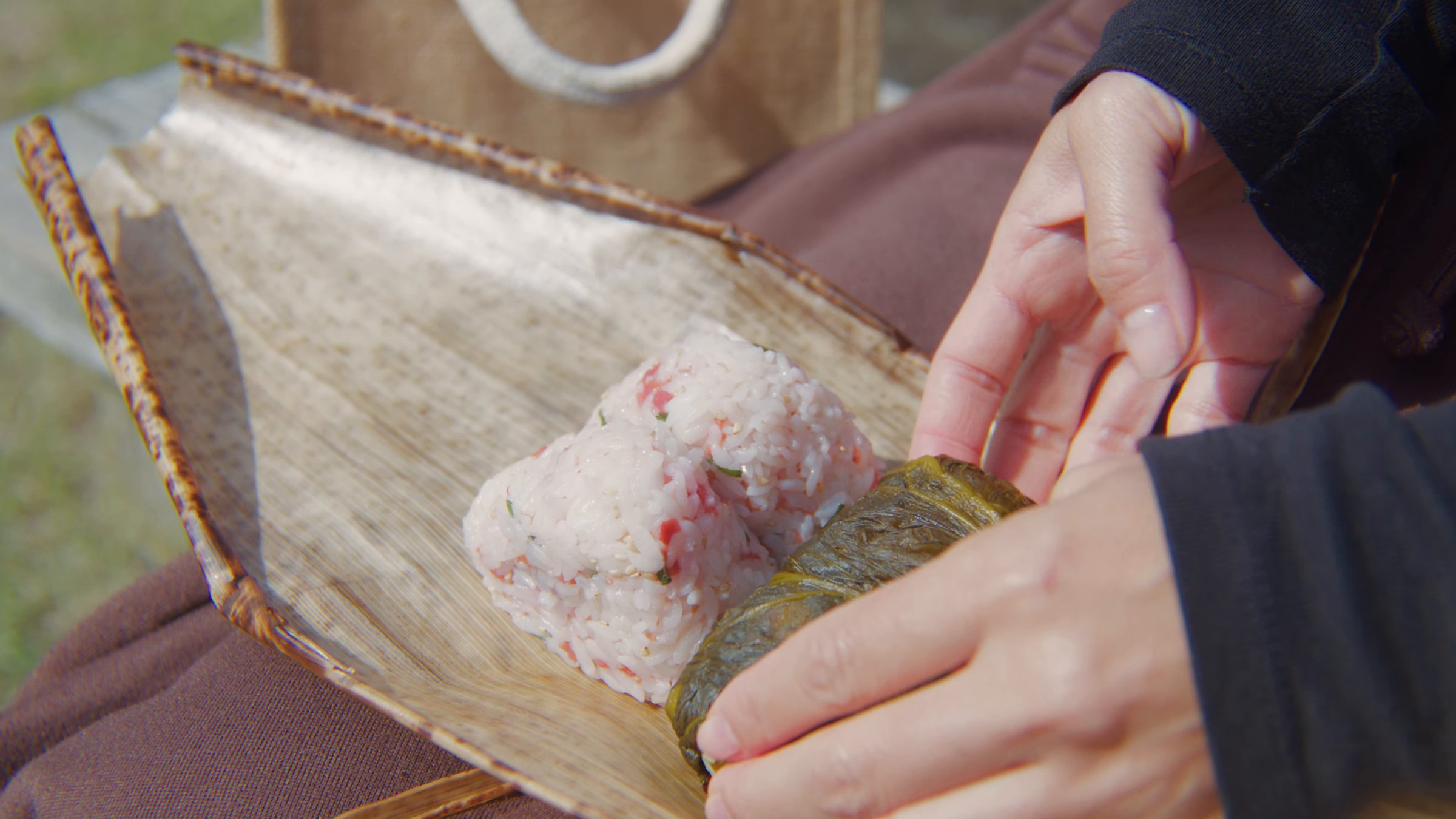
I sat on a bench and opened the bamboo sheath on my lap. Biting into mehari-zushi and umeboshi rice balls, I gazed over the terraces and the village: a landscape made over centuries by people and nature together. It was a perfectly happy breakfast.
Watch this scene on YouTube1:34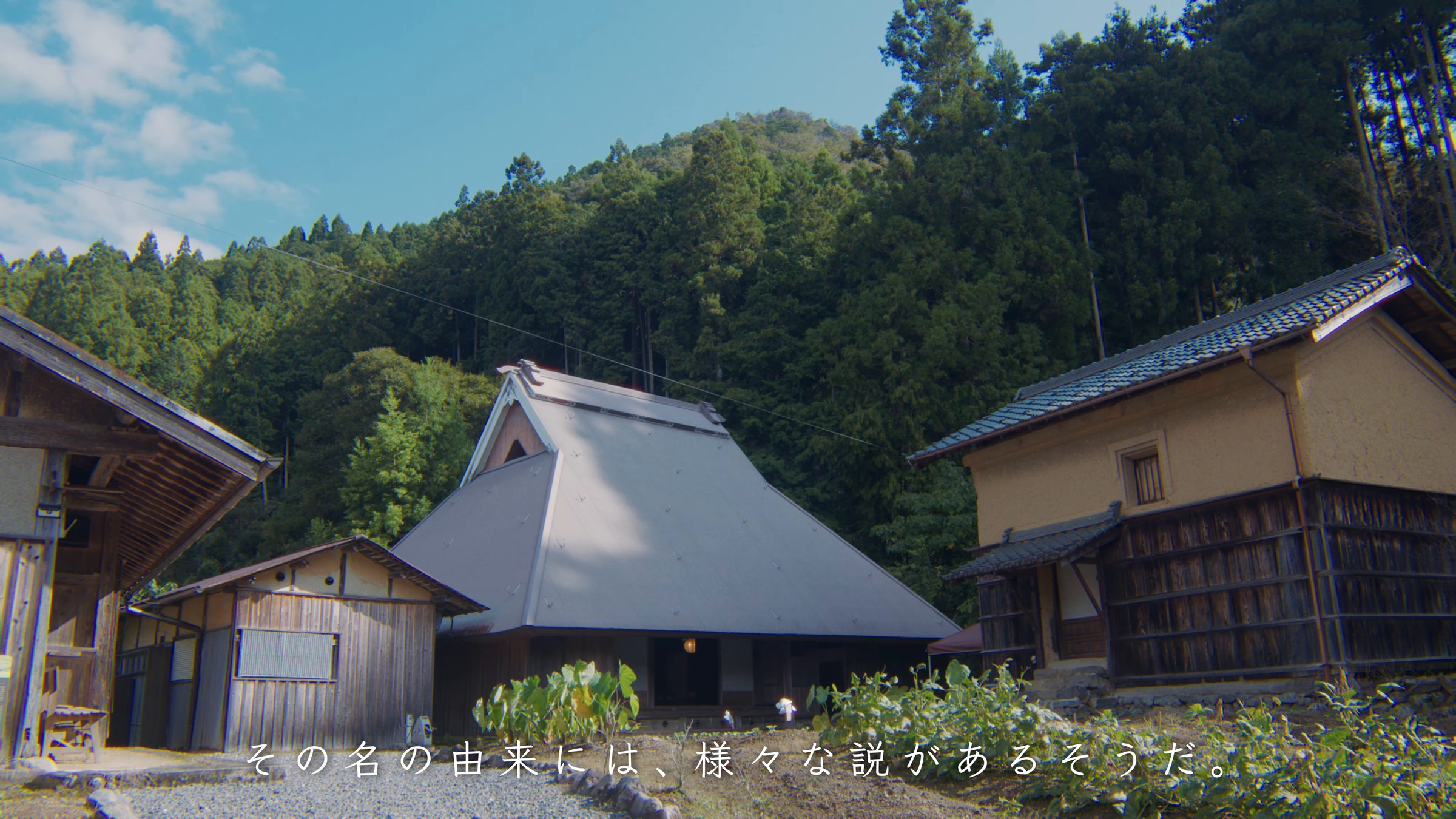
More notes from this journey
Aridagawa, Wakayama
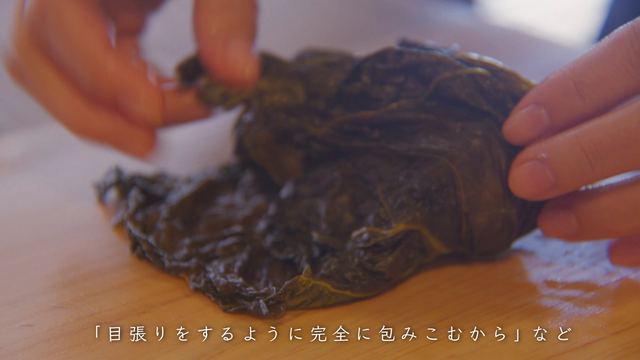
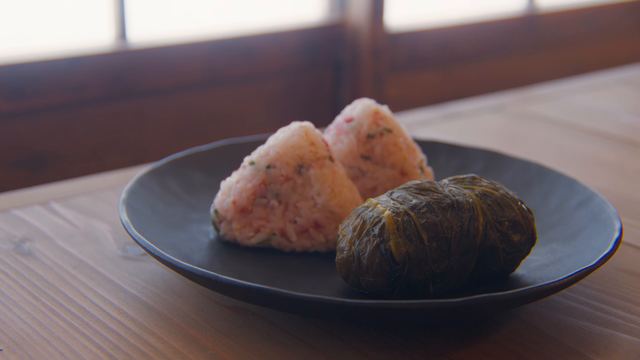
Mehari-zushi
A Wakayama specialty: a large rice ball wrapped in salt-pickled takana leaves.
From: Sushi, Cosmos and Ramen
Aridagawa, Wakayama
Umeboshi and red shiso rice ball
Wakayama grows more ume than any other prefecture in Japan: 58% of the national harvest in 2024 (64% the year before).
From: Sushi, Cosmos and Ramen
Aridagawa, Wakayama
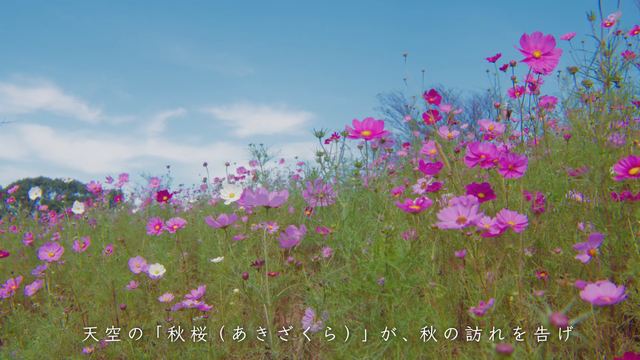
Washigamine Cosmos Park
About a million cosmos bloom across the summit of Mt.
From: Sushi, Cosmos and Ramen
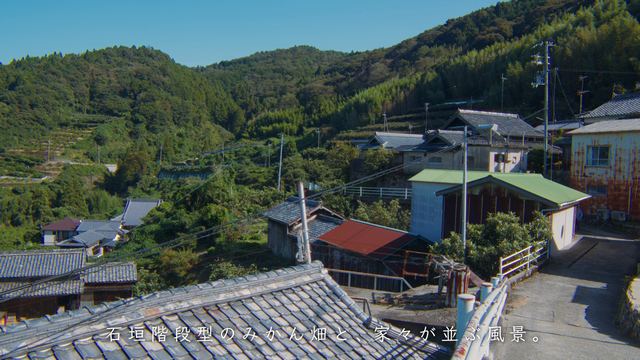
Aridagawa, Wakayama
Arida mandarins and stone-walled terraces
Wakayama produces more unshu mandarins than any other prefecture.
From: Sushi, Cosmos and Ramen
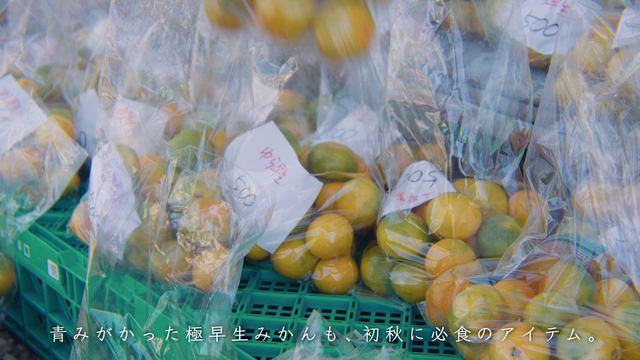
Aridagawa, Wakayama
Yura Wase, an extra-early mandarin
Discovered in 1985 in Yura, Wakayama, as a bud mutation of the Miyagawa Wase mandarin, and registered as a variety in 1995.
From: Sushi, Cosmos and Ramen
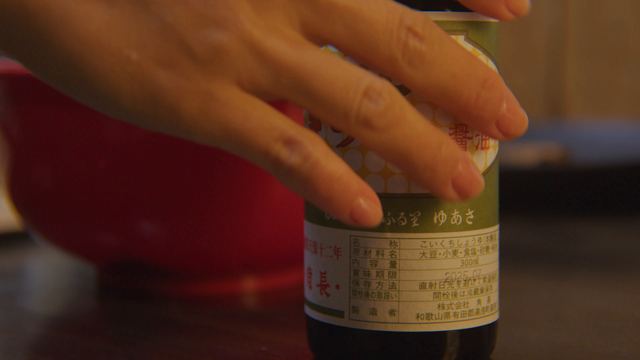
Aridagawa, Wakayama
Soy sauce of Yuasa
Yuasa, the town next to Aridagawa, is known as the birthplace of soy sauce brewing.
From: Sushi, Cosmos and Ramen
More notes from Kinki
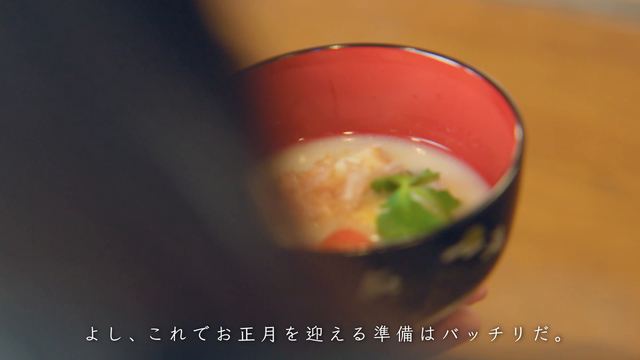
Kyoto City, Kyoto
Kyoto-style ozoni (white miso New Year soup)
Ozoni in and around Kyoto is built on kombu dashi and white miso, with round mochi, taro, carrot and daikon.
From: Making New Year's Eve soba in a Kyoto townhouse
Kyoto City, Kyoto
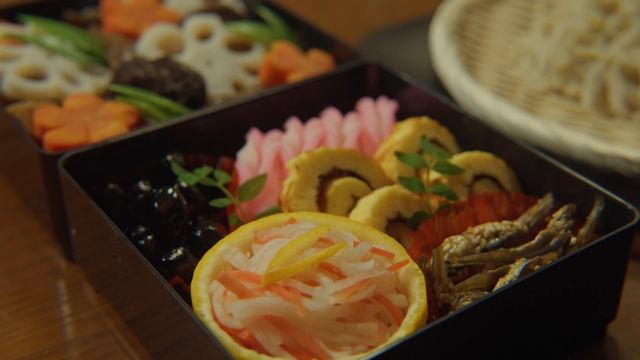
Osechi (datemaki, red-and-white namasu, decorated kamaboko)
Each osechi dish carries a wish.
From: Making New Year's Eve soba in a Kyoto townhouse
Kyoto City, Kyoto
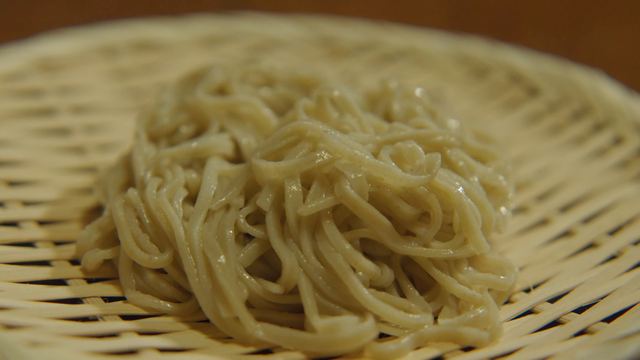
Toshikoshi soba (nihachi soba)
The custom of eating soba on New Year's Eve is said to have spread among ordinary people in the Edo period.
From: Making New Year's Eve soba in a Kyoto townhouse
Aridagawa, Wakayama
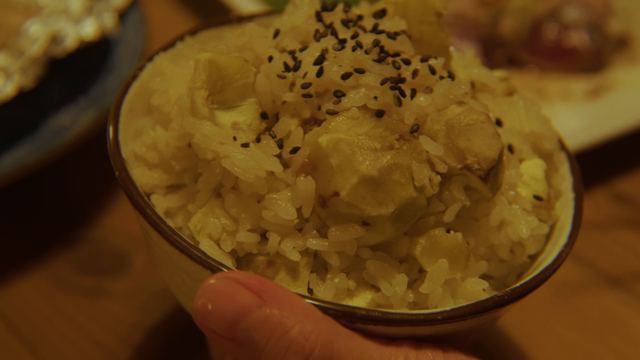
Chestnut rice (kuri gohan)
My first chestnut rice, made with chestnuts I had picked myself.
From: Chestnuts, saury and an autumn feast
Aridagawa, Wakayama
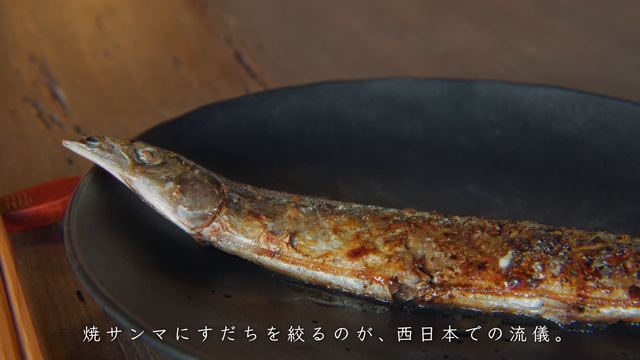
Charcoal-grilled saury with sudachi
Sanma is written 秋刀魚, "autumn sword fish," but that spelling only spread from the Taisho era on; older texts wrote it 青串魚.
From: Chestnuts, saury and an autumn feast
Aridagawa, Wakayama
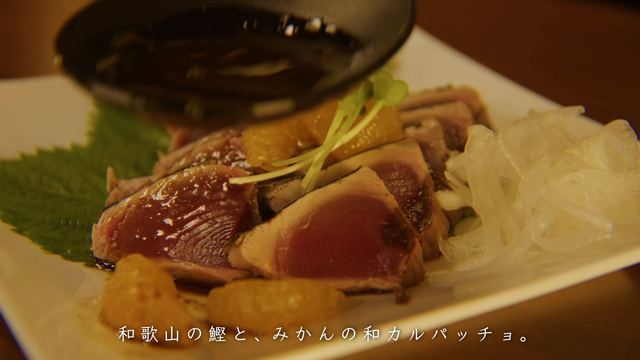
Wakayama bonito and mandarin carpaccio
In contrast to the lean first bonito of spring, the fish that head south from around September are called modori-gatsuo, returning bonito.
From: Chestnuts, saury and an autumn feast