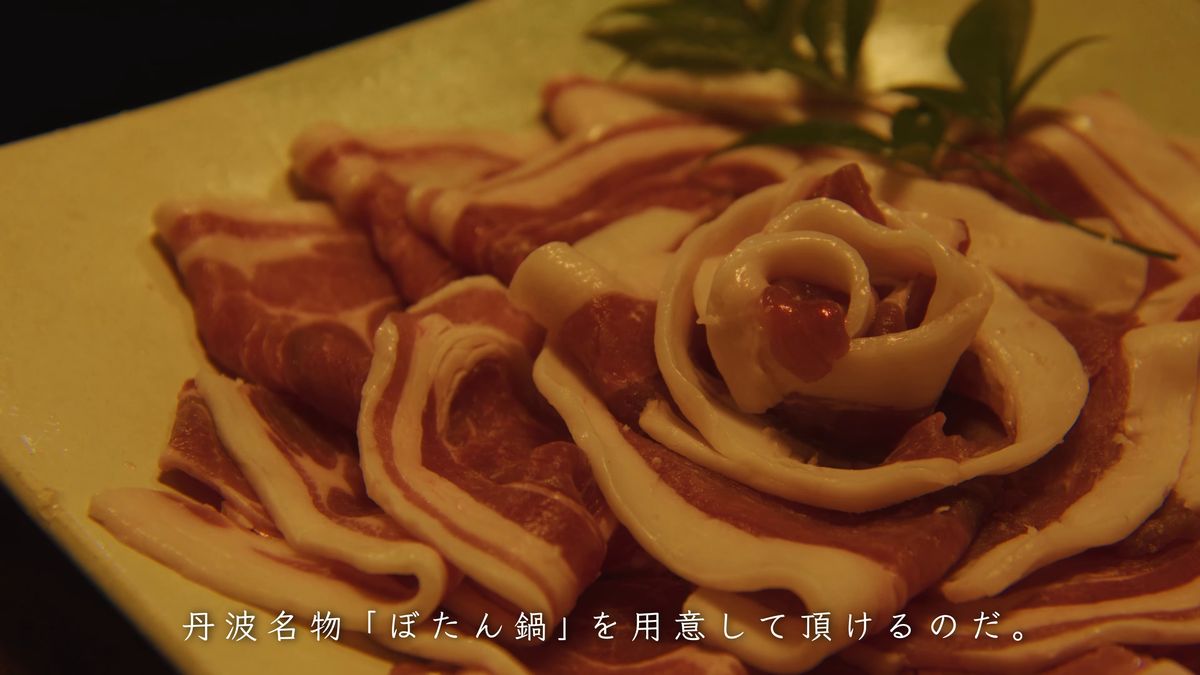
Thinly sliced wild boar is arranged like a peony (botan) flower and simmered with vegetables in a miso broth. It originated in Tamba-Sasayama and has been served as a dish of hospitality since the Meiji era. It is said to have begun in 1891 as "ino nabe," devised by the owner of an inn in Sasayama, and the name botan nabe spread through the lyrics of a 1931 folk song, "Sasayama Kouta." Because the boar feed on nuts and acorns, the meat has no gamey smell; the season runs from December to March. In fiscal 2021 it was recognized by the Agency for Cultural Affairs as a "100-Year Food" (modern category). This time the inn prepared it for me, with boar and vegetables in a sweet miso broth, followed by udon and rice cakes.
Sources: bunka.go.jp kobe-np.co.jp
This moment in the journey
Botan nabe, Tamba's specialty, over the hearth
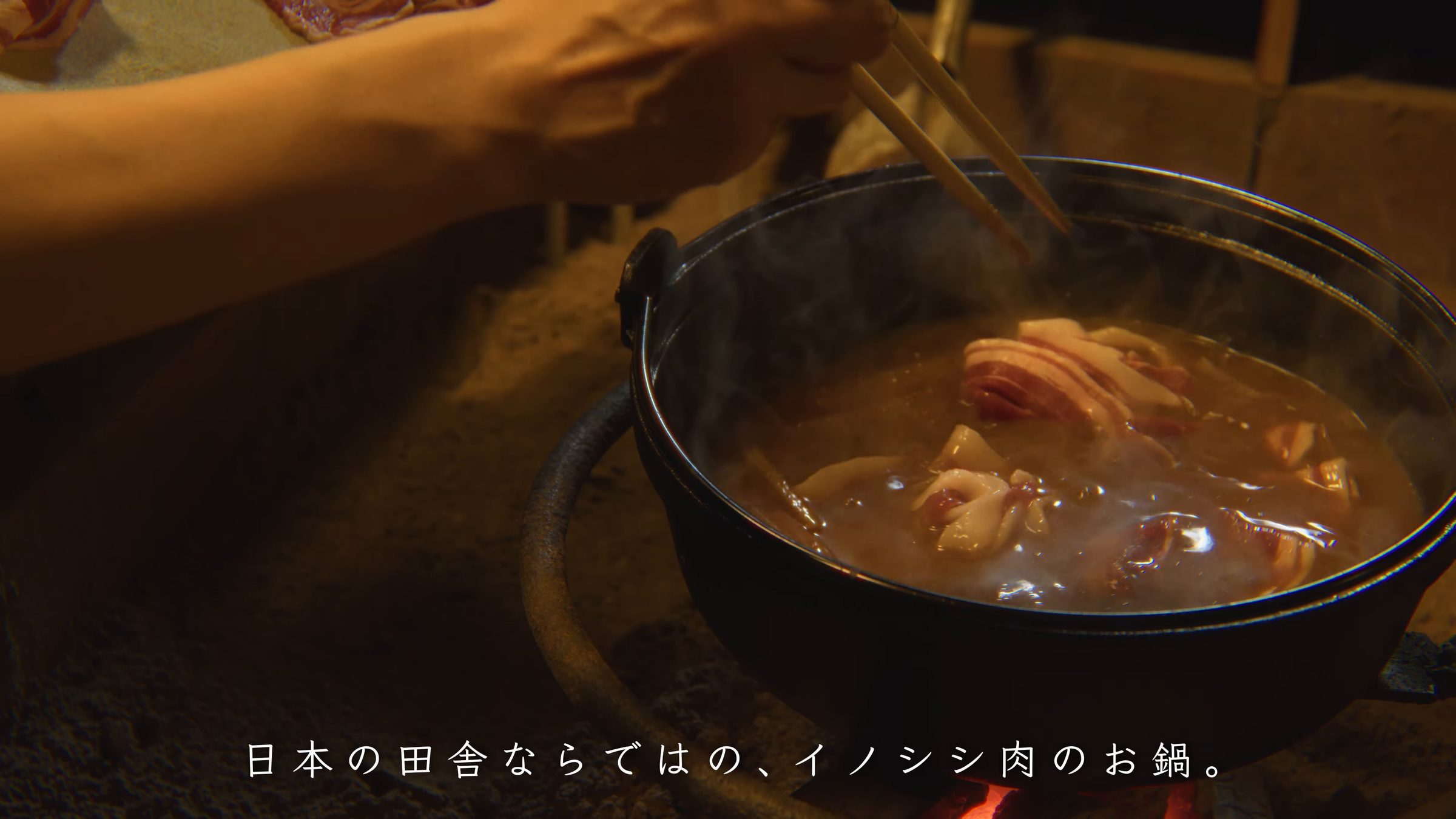
In the evening I sat at the hearth. However many times I do this, an open hearth never fails to excite me. Over the charcoal hung an iron pot with a wooden lid.
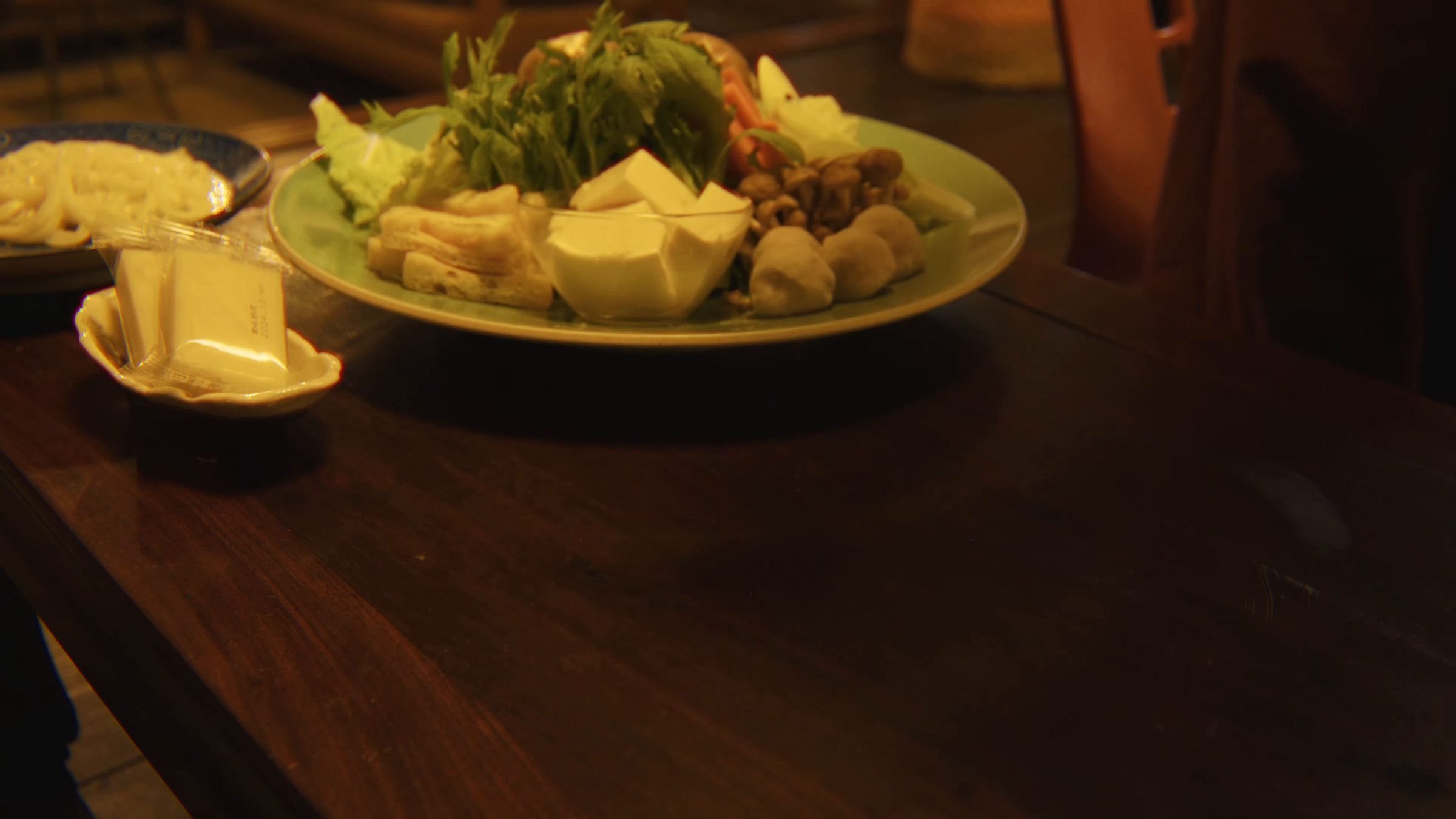
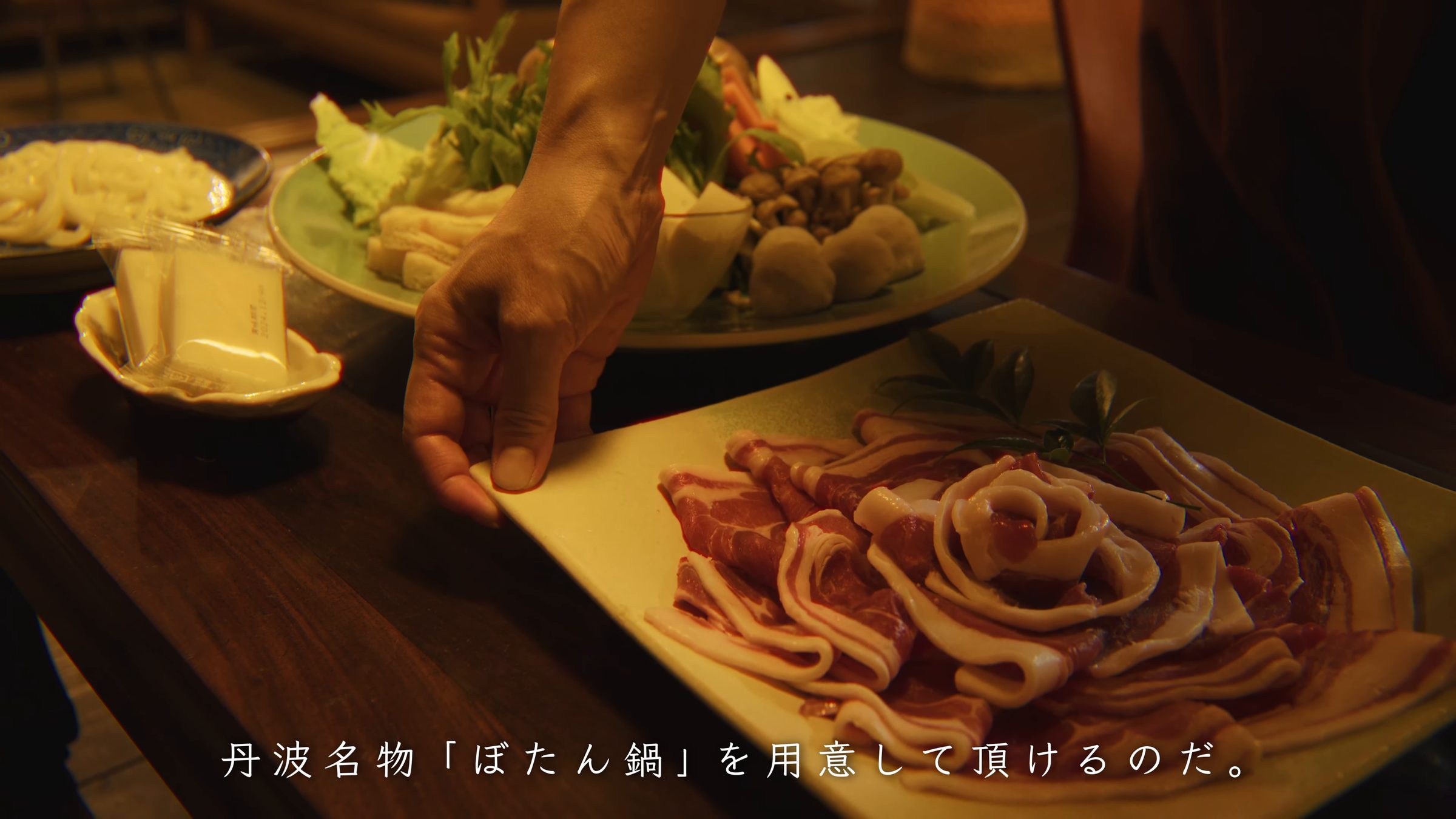
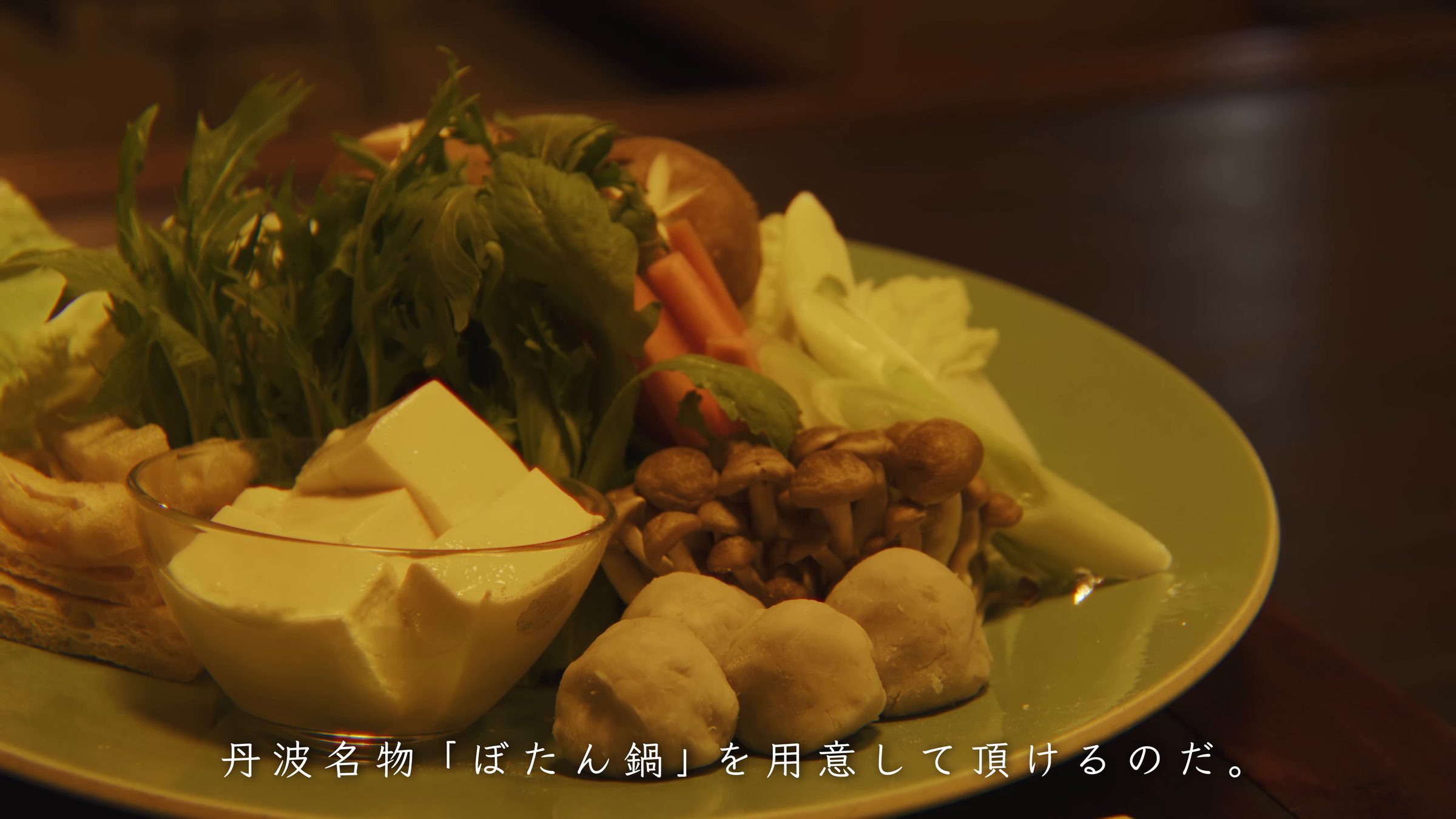
At this farmhouse, dinner can be arranged as an option, and what they prepare is botan nabe, Tamba's specialty. On the table sat a platter of mizuna, carrot, Chinese cabbage, tofu, shimeji mushrooms and leek, with udon and rice cakes beside it. Then came the dish of thinly sliced wild boar, arranged like a peony flower. A wild-boar hot pot, something you find only in rural Japan.
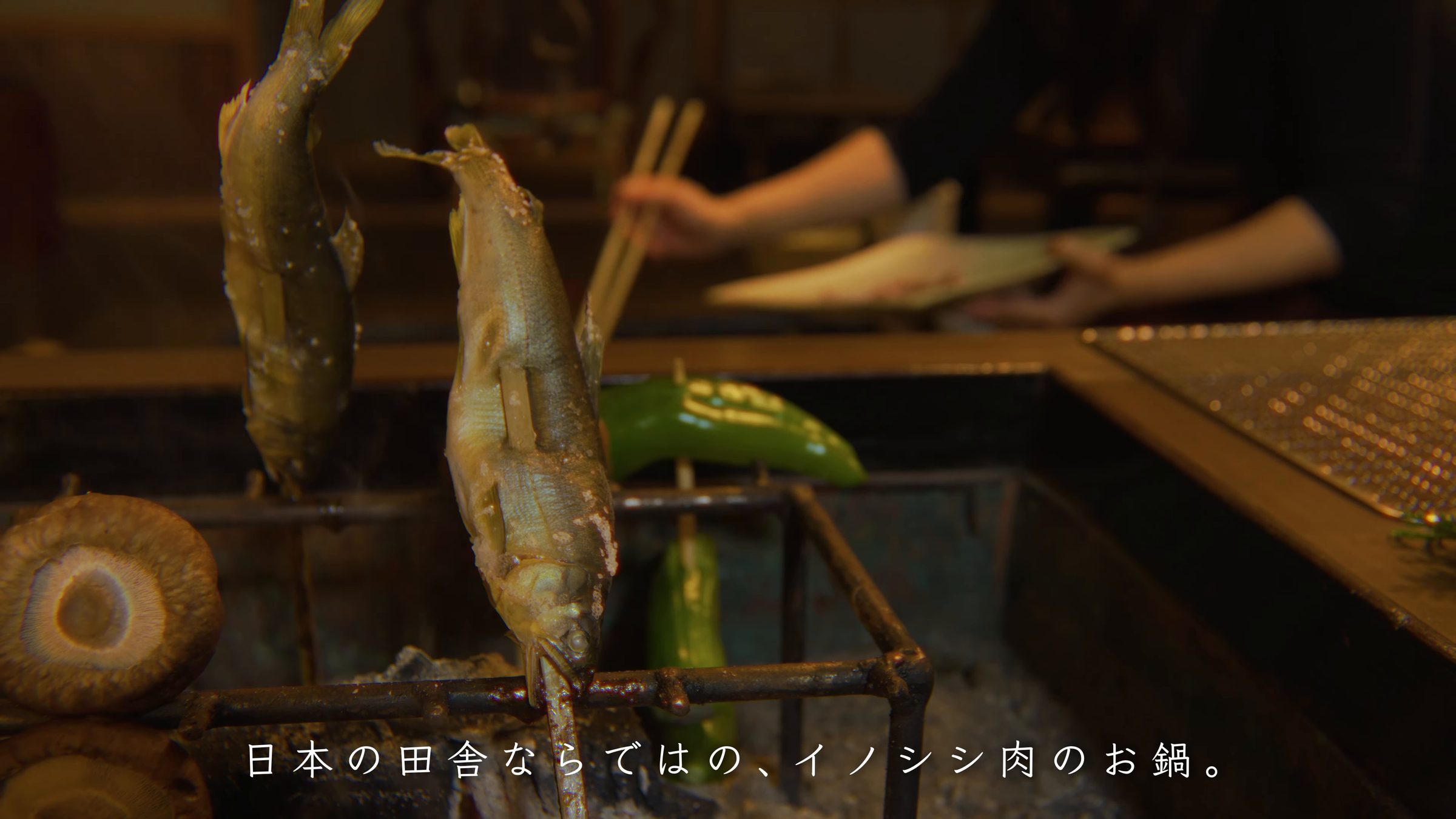
As the meat went into the pot, steam rose. Along the edge of the hearth, skewered sweetfish, shiitake and green peppers were roasting slowly.
Watch this scene on YouTube5:06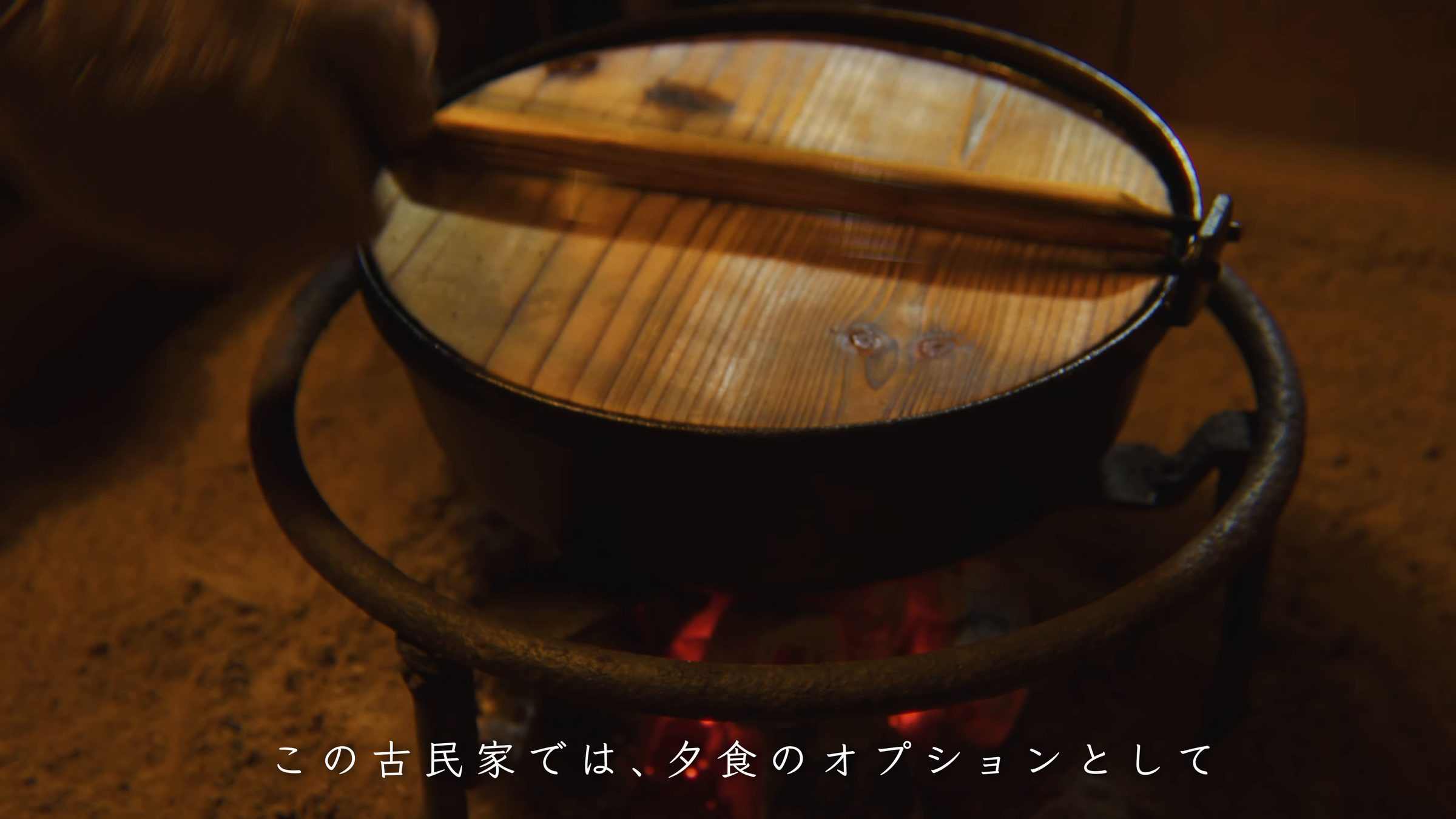
More notes from this journey
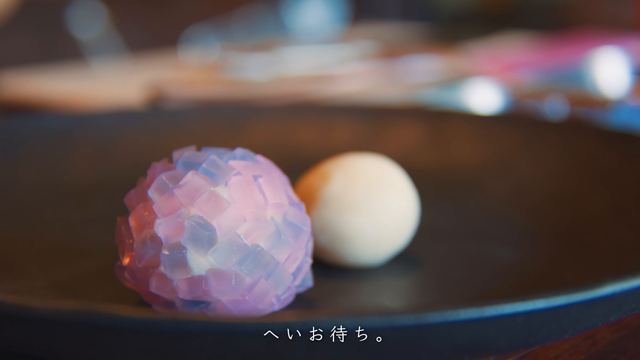
Tamba, Hyogo
Kingyoku hydrangea
Kingyoku (kingyokukan) is a Japanese sweet made by dissolving agar, adding sugar or starch syrup, and letting it set; its translucence is used to suggest water…
From: Hydrangea season in an old house in Tamba
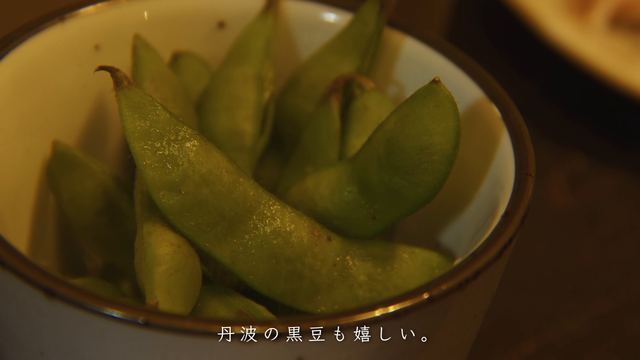
Tamba, Hyogo
Tamba black soybeans
A large black soybean grown in the Tamba region since old times.
From: Hydrangea season in an old house in Tamba
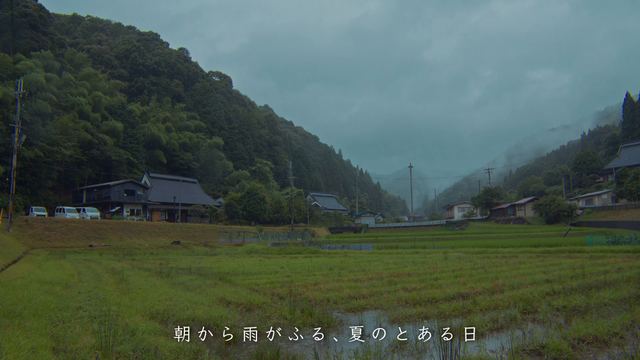
Tamba, Hyogo
Tamba City
An inland city in the hills of eastern Hyogo, roughly midway between the Seto Inland Sea and the Sea of Japan.
From: Hydrangea season in an old house in Tamba
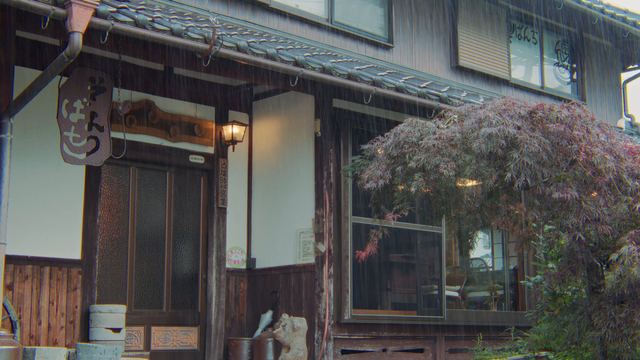
Tamba, Hyogo
Sobanchi
A soba restaurant in an old house, with veranda seats looking out on a garden maple, rice fields and hydrangeas.
From: Hydrangea season in an old house in Tamba
More notes from Kinki
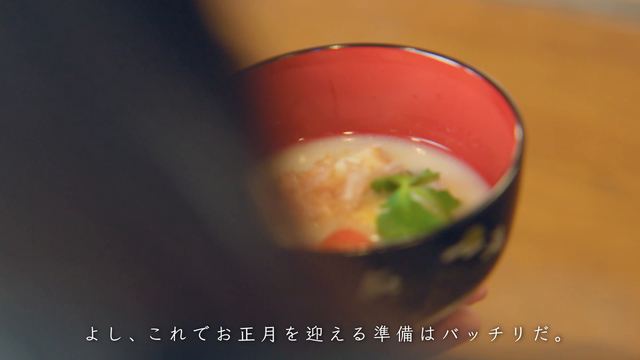
Kyoto City, Kyoto
Kyoto-style ozoni (white miso New Year soup)
Ozoni in and around Kyoto is built on kombu dashi and white miso, with round mochi, taro, carrot and daikon.
From: Making New Year's Eve soba in a Kyoto townhouse
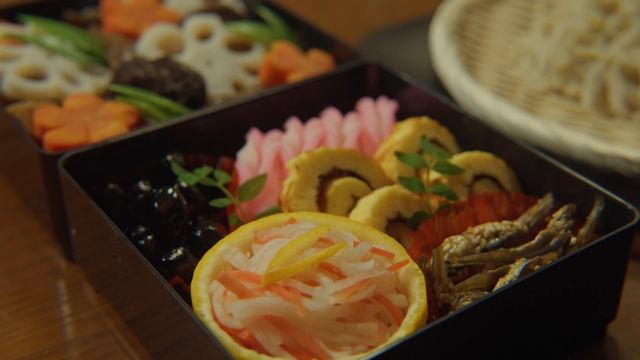
Kyoto City, Kyoto
Osechi (datemaki, red-and-white namasu, decorated kamaboko)
Each osechi dish carries a wish.
From: Making New Year's Eve soba in a Kyoto townhouse
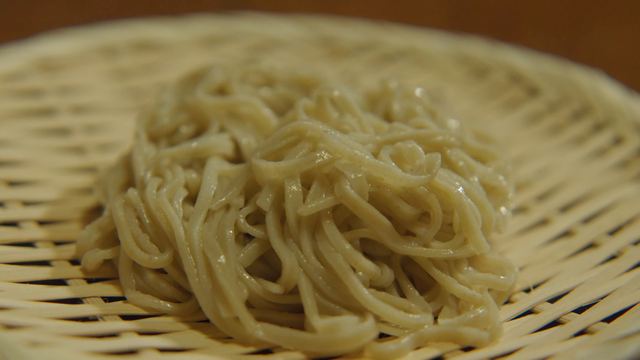
Kyoto City, Kyoto
Toshikoshi soba (nihachi soba)
The custom of eating soba on New Year's Eve is said to have spread among ordinary people in the Edo period.
From: Making New Year's Eve soba in a Kyoto townhouse
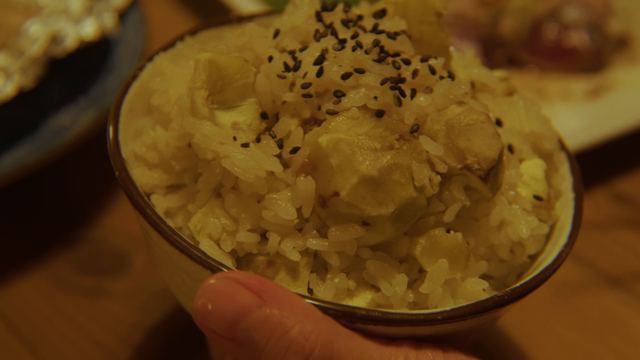
Aridagawa, Wakayama
Chestnut rice (kuri gohan)
My first chestnut rice, made with chestnuts I had picked myself.
From: Chestnuts, saury and an autumn feast
Aridagawa, Wakayama
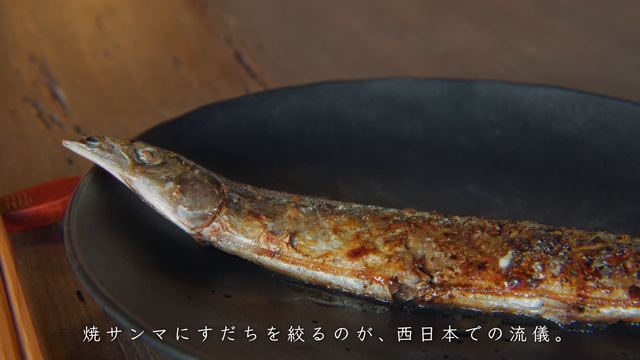
Charcoal-grilled saury with sudachi
Sanma is written 秋刀魚, "autumn sword fish," but that spelling only spread from the Taisho era on; older texts wrote it 青串魚.
From: Chestnuts, saury and an autumn feast
Aridagawa, Wakayama
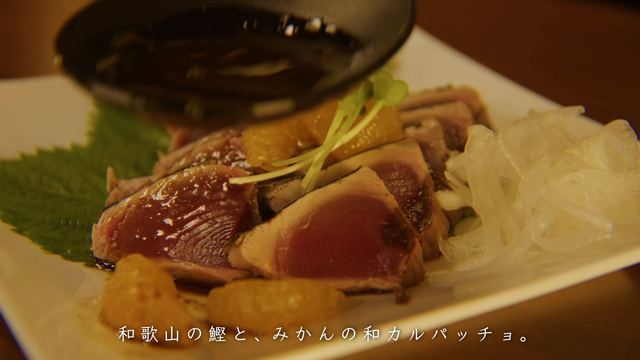
Wakayama bonito and mandarin carpaccio
In contrast to the lean first bonito of spring, the fish that head south from around September are called modori-gatsuo, returning bonito.
From: Chestnuts, saury and an autumn feast