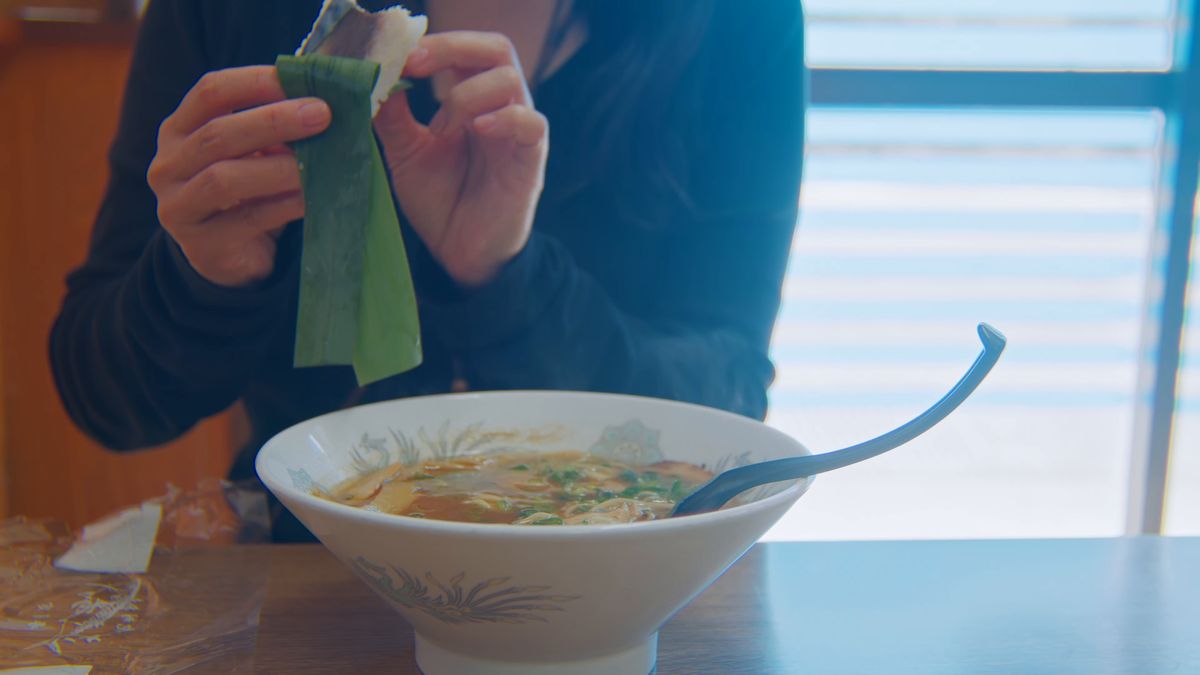
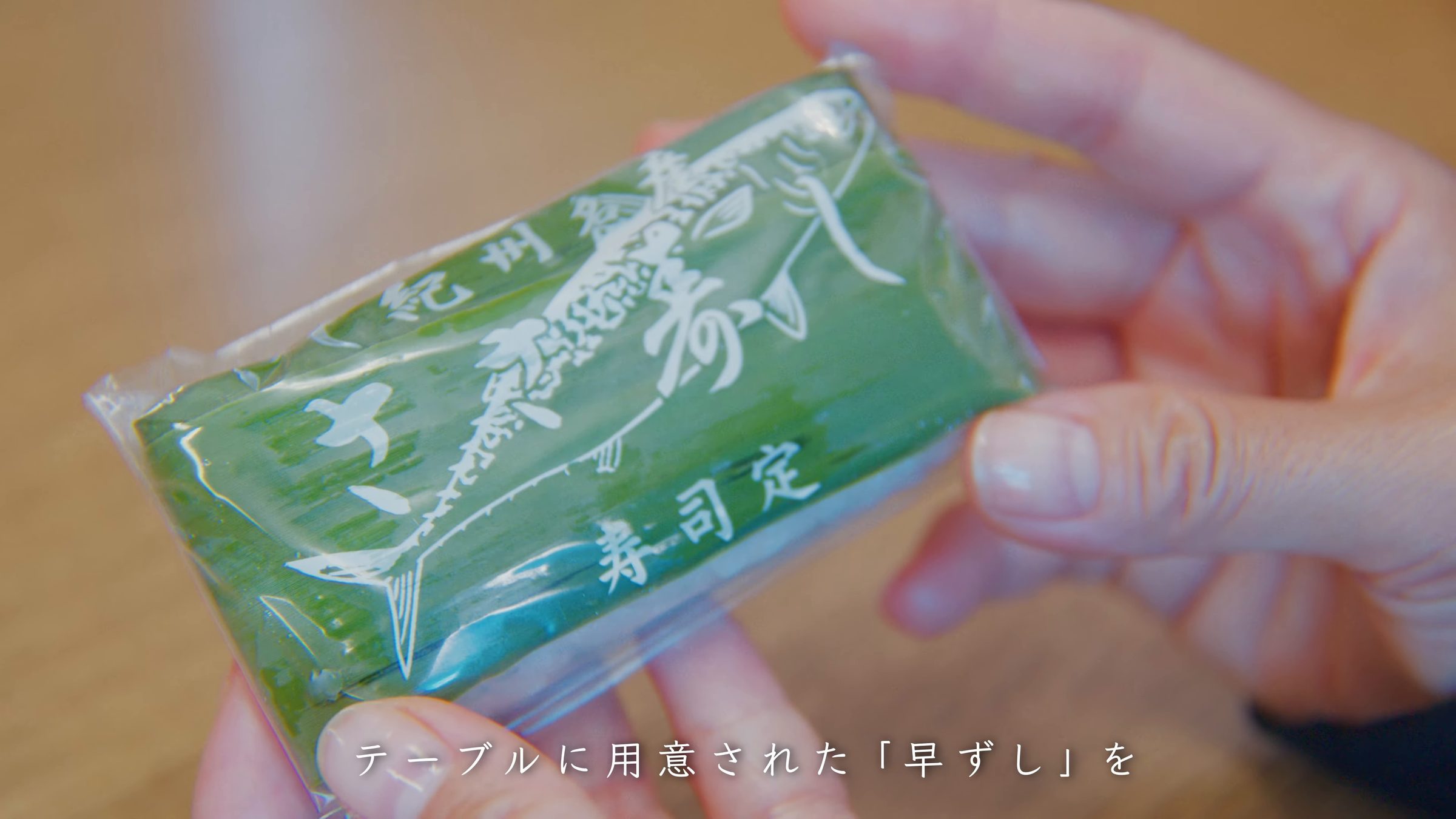
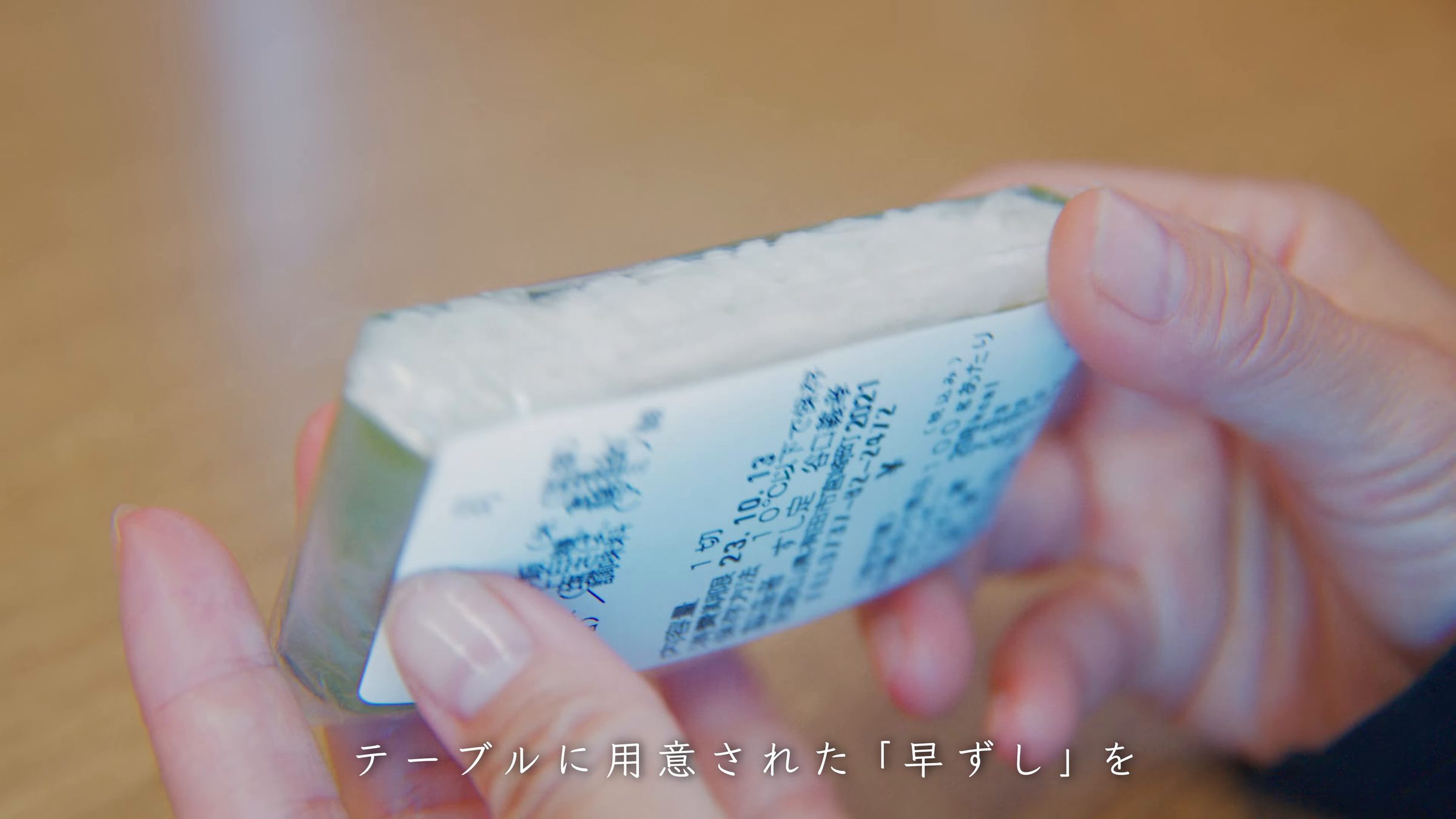
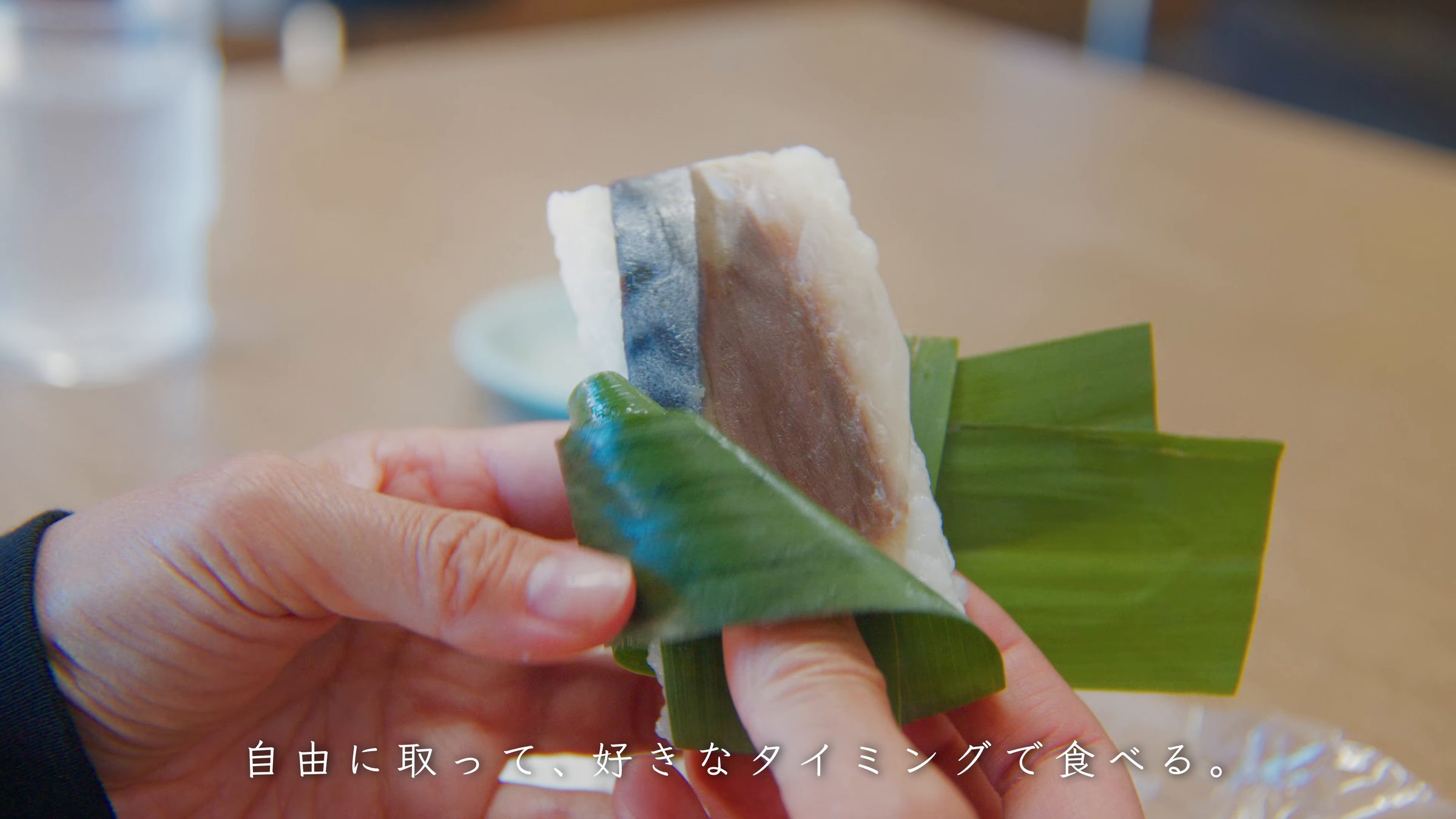
Locals call Wakayama ramen simply chuka soba; it is said to have begun at street stalls in the early Showa era. The base is a pork-bone and soy sauce broth, in two broad styles: the lighter Shakomae style and the mellow, rich Ide style. Hayazushi (vinegar-cured mackerel pressed on rice) and boiled eggs sit on the table for you to take whenever you like. In the Shimizu area of Aridagawa, traditional hayazushi is wrapped in ase leaves, which make it easy to carry and help keep it fresh.
Sources: wakayama-kanko.or.jp mlit.go.jp
This moment in the journey
Sushi on the table, Wakayama ramen
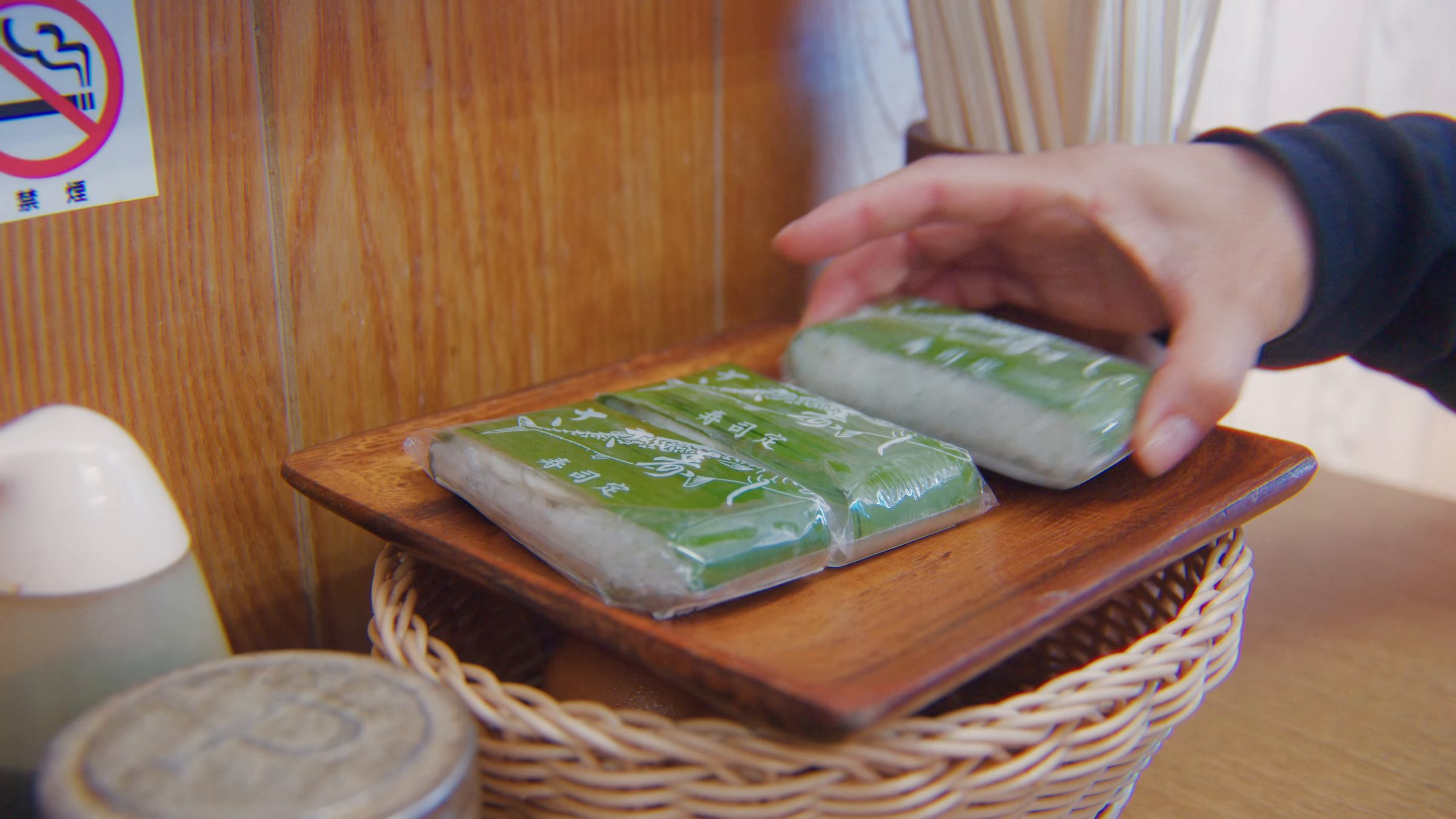
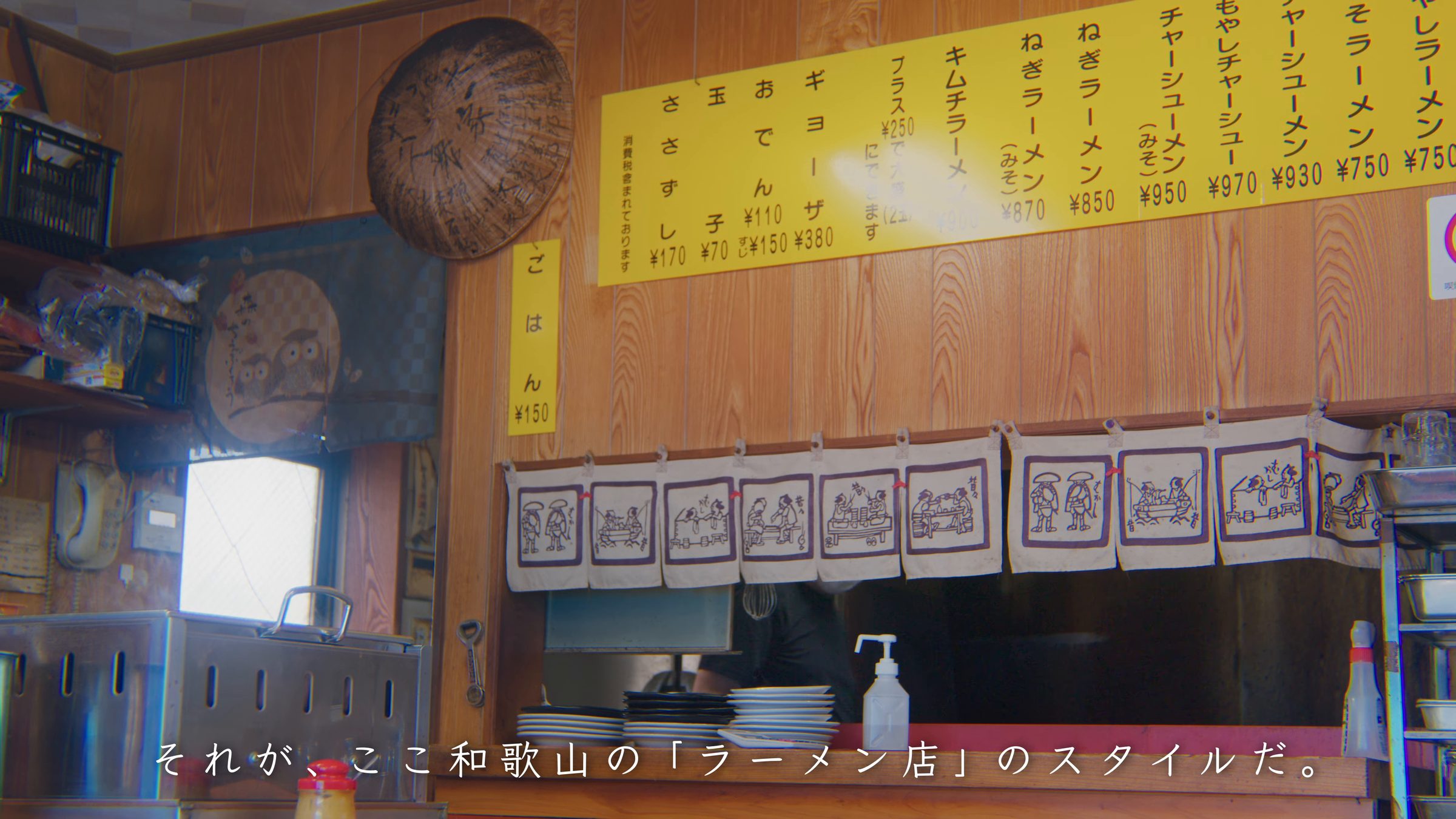
Back down the mountain, I stepped into a ramen shop. Boxes from a noodle maker were stacked by the kitchen, and on each table sat a basket of hayazushi, pressed sushi wrapped in leaves.
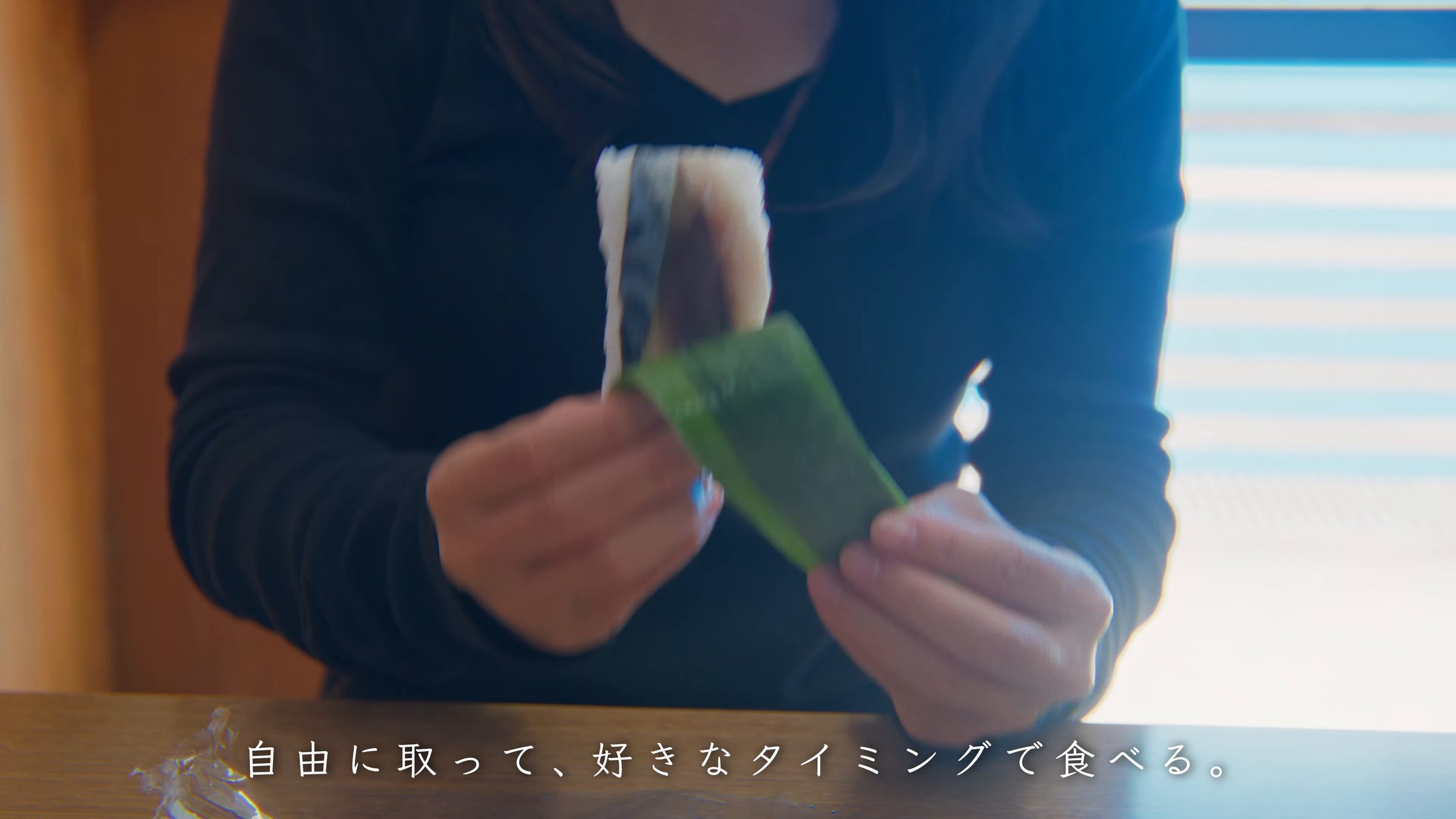
You help yourself to the sushi whenever you like (and pay for it at the end, of course). That is the way of ramen shops here in Wakayama. Ever since I'd heard that "in Wakayama, there's sushi on the ramen-shop table," my pressed-sushi-loving heart had been racing.
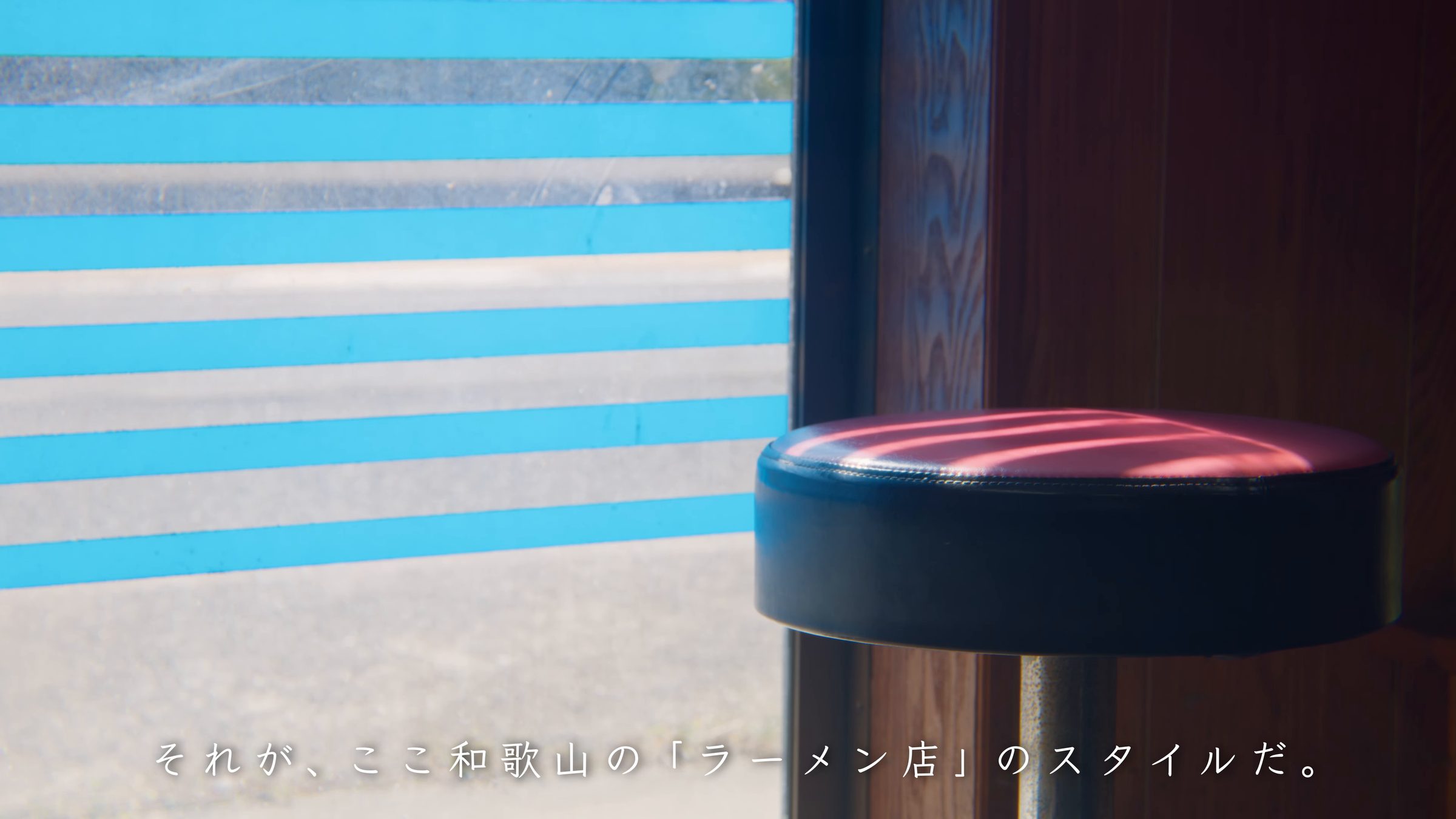
Unwrapping the leaf revealed mackerel cured in vinegar and pressed onto rice. A wall of menu boards, a red stool by the window, and then the bowl arrived: Wakayama ramen, a pork-bone and soy sauce broth topped with slices of kamaboko. The clean yet rich soup and the straight, medium-thin noodles were wonderful together.
The bright, tangy sushi set off the deep, savory ramen. One bite, and I understood why this supporting actor has a seat at every table.
Watch this scene on YouTube4:01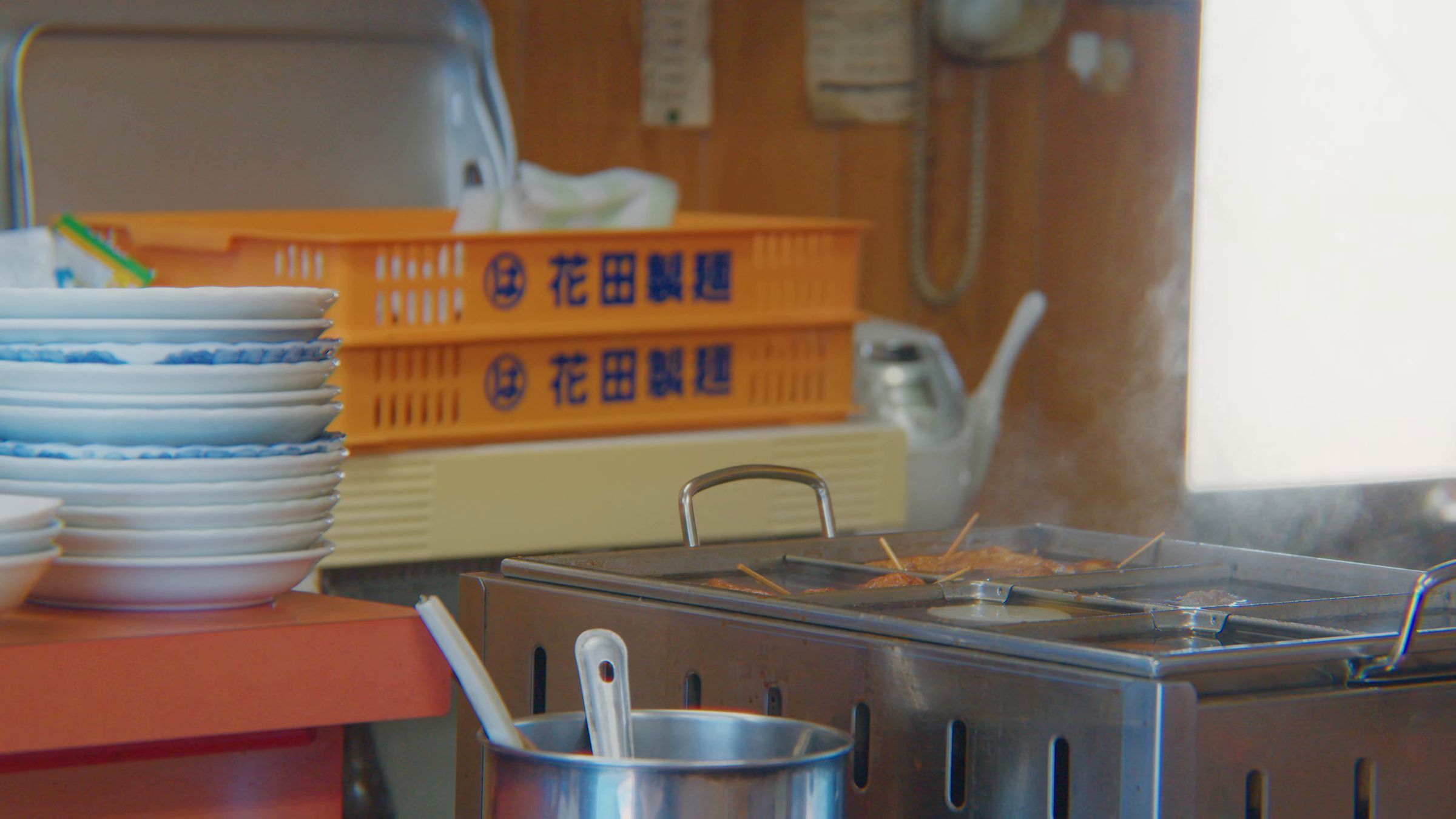
More notes from this journey
Aridagawa, Wakayama
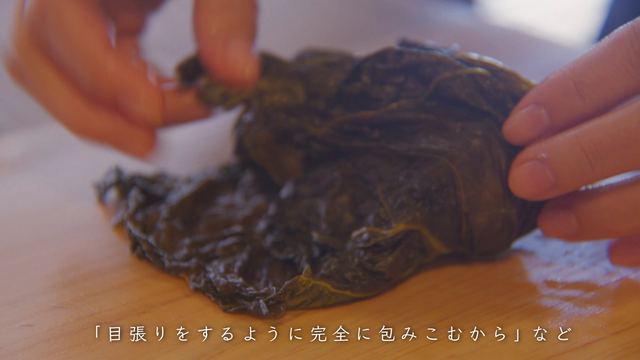
Mehari-zushi
A Wakayama specialty: a large rice ball wrapped in salt-pickled takana leaves.
From: Sushi, Cosmos and Ramen
Aridagawa, Wakayama
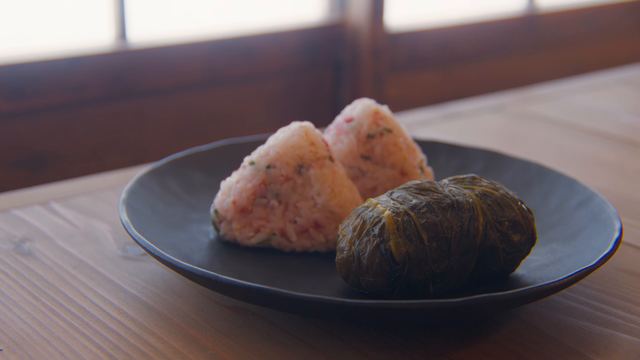
Umeboshi and red shiso rice ball
Wakayama grows more ume than any other prefecture in Japan: 58% of the national harvest in 2024 (64% the year before).
From: Sushi, Cosmos and Ramen
Aridagawa, Wakayama
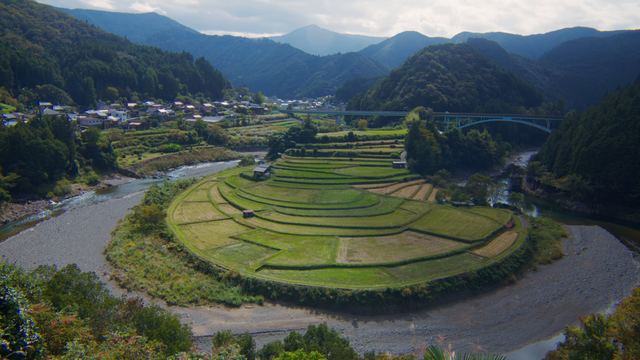
Aragijima Rice Terraces
A fan-shaped terrace of rice paddies wrapped by a bend of the Arida River.
From: Sushi, Cosmos and Ramen
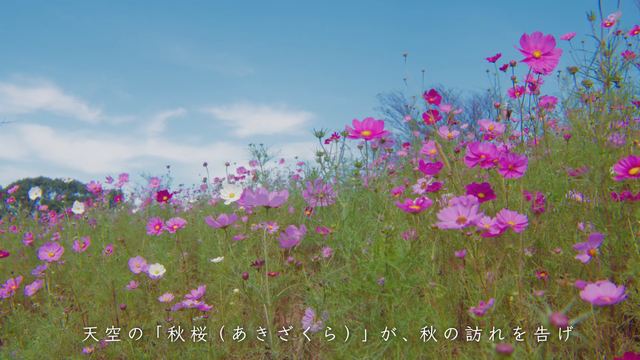
Aridagawa, Wakayama
Washigamine Cosmos Park
About a million cosmos bloom across the summit of Mt.
From: Sushi, Cosmos and Ramen
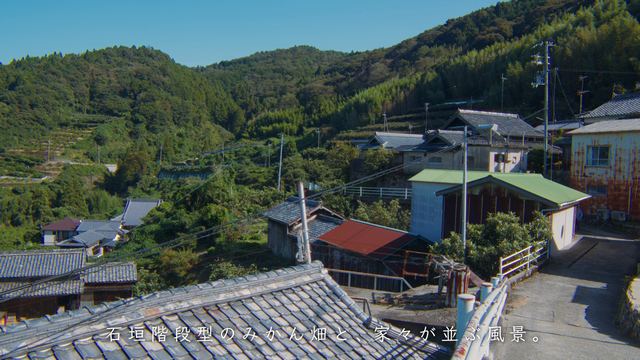
Aridagawa, Wakayama
Arida mandarins and stone-walled terraces
Wakayama produces more unshu mandarins than any other prefecture.
From: Sushi, Cosmos and Ramen
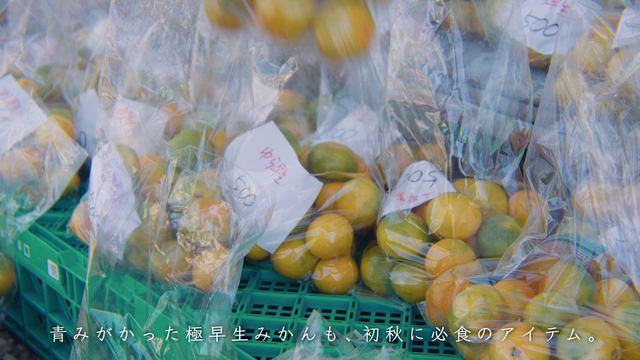
Aridagawa, Wakayama
Yura Wase, an extra-early mandarin
Discovered in 1985 in Yura, Wakayama, as a bud mutation of the Miyagawa Wase mandarin, and registered as a variety in 1995.
From: Sushi, Cosmos and Ramen
More notes from Kinki
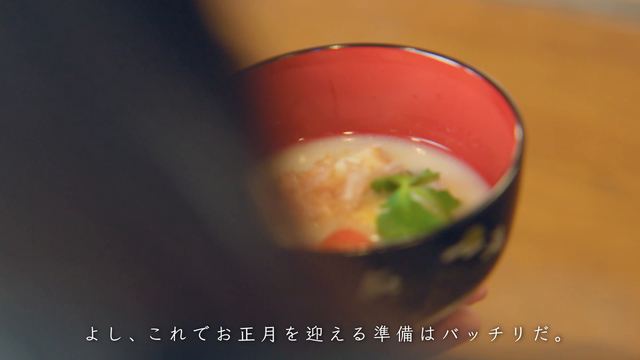
Kyoto City, Kyoto
Kyoto-style ozoni (white miso New Year soup)
Ozoni in and around Kyoto is built on kombu dashi and white miso, with round mochi, taro, carrot and daikon.
From: Making New Year's Eve soba in a Kyoto townhouse
Kyoto City, Kyoto
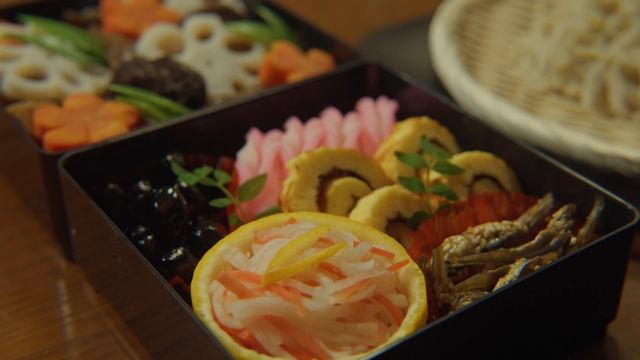
Osechi (datemaki, red-and-white namasu, decorated kamaboko)
Each osechi dish carries a wish.
From: Making New Year's Eve soba in a Kyoto townhouse
Kyoto City, Kyoto
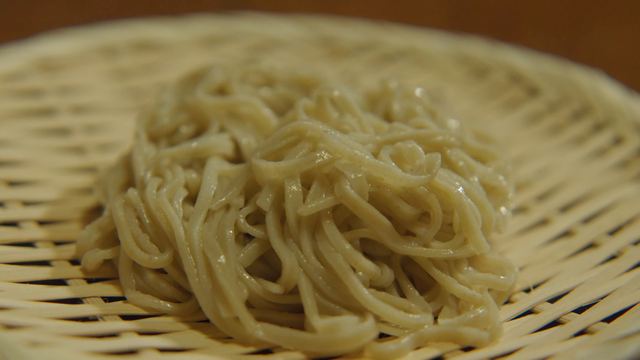
Toshikoshi soba (nihachi soba)
The custom of eating soba on New Year's Eve is said to have spread among ordinary people in the Edo period.
From: Making New Year's Eve soba in a Kyoto townhouse
Aridagawa, Wakayama
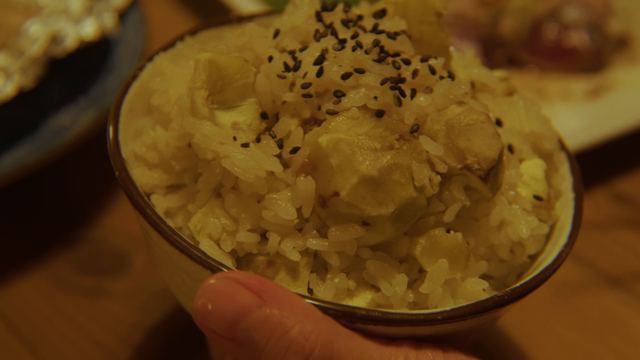
Chestnut rice (kuri gohan)
My first chestnut rice, made with chestnuts I had picked myself.
From: Chestnuts, saury and an autumn feast
Aridagawa, Wakayama
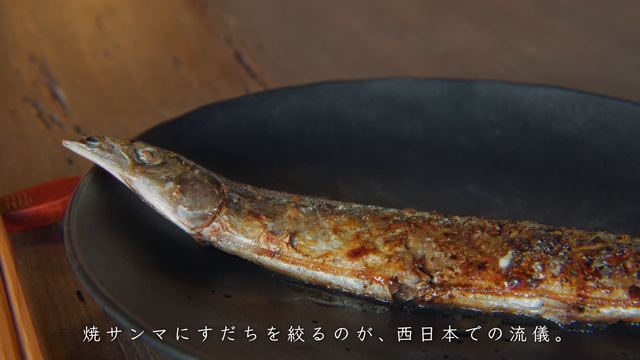
Charcoal-grilled saury with sudachi
Sanma is written 秋刀魚, "autumn sword fish," but that spelling only spread from the Taisho era on; older texts wrote it 青串魚.
From: Chestnuts, saury and an autumn feast
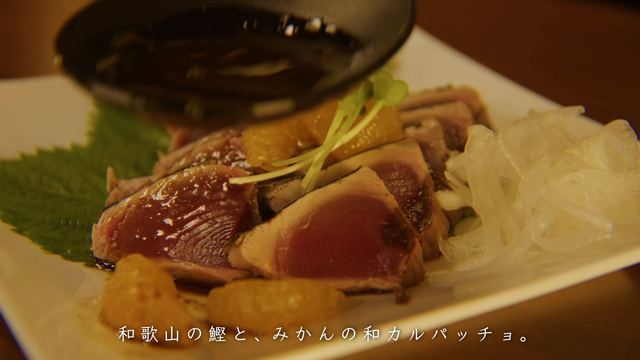
Aridagawa, Wakayama
Wakayama bonito and mandarin carpaccio
In contrast to the lean first bonito of spring, the fish that head south from around September are called modori-gatsuo, returning bonito.
From: Chestnuts, saury and an autumn feast