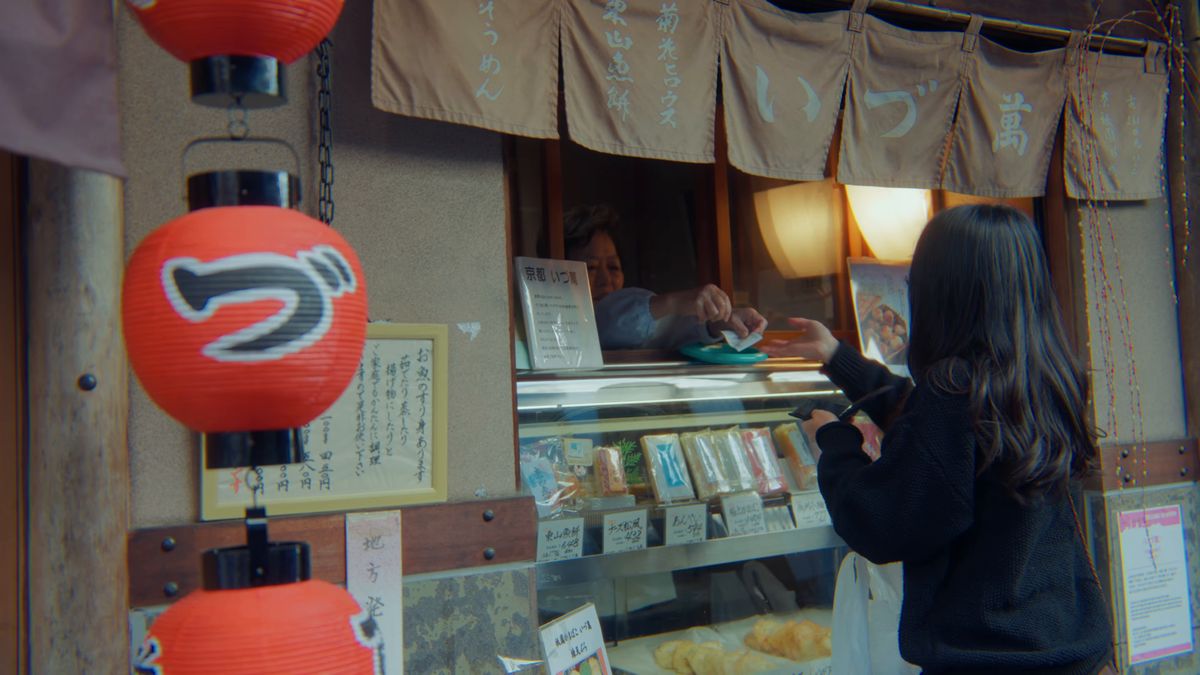
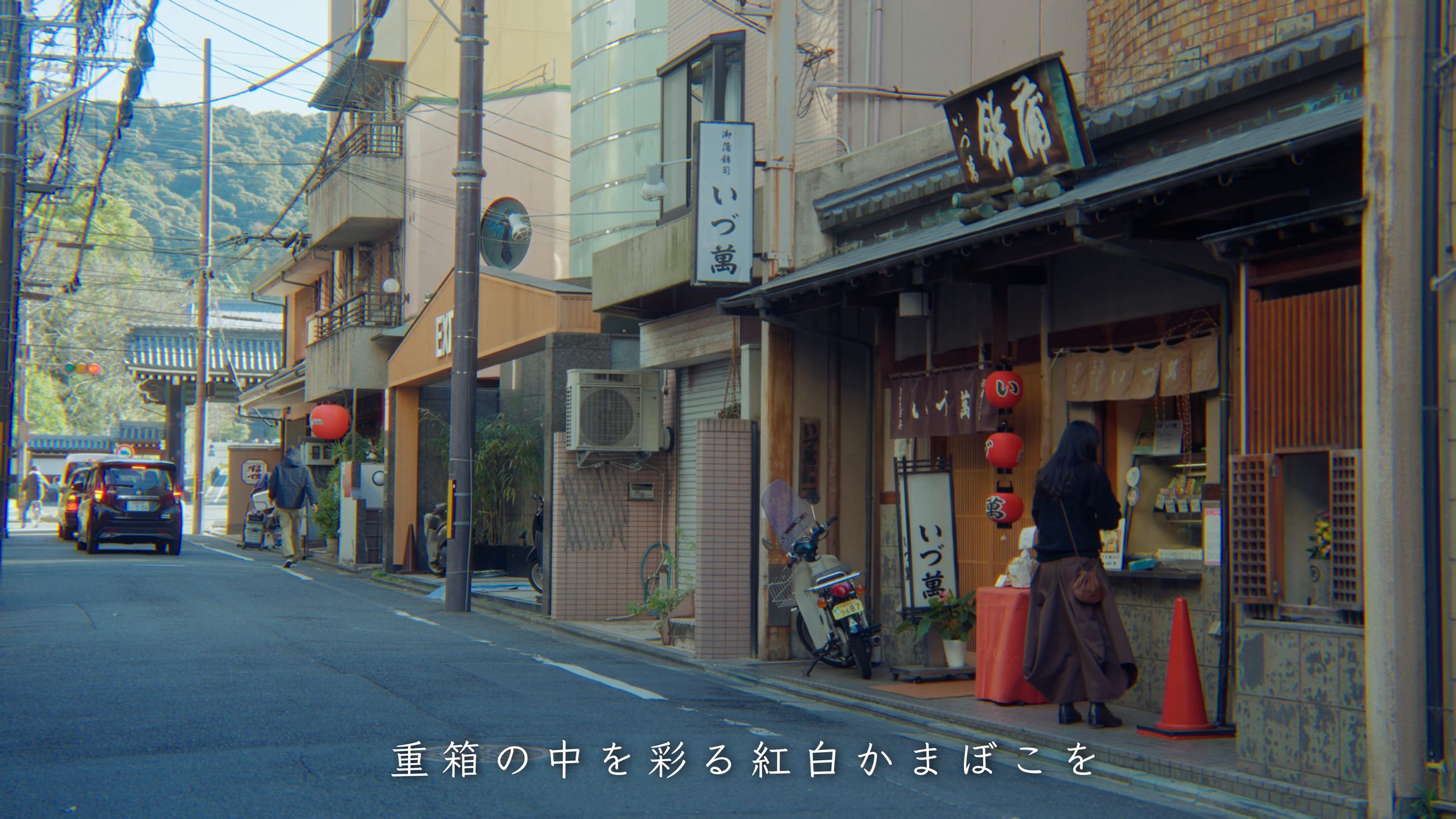
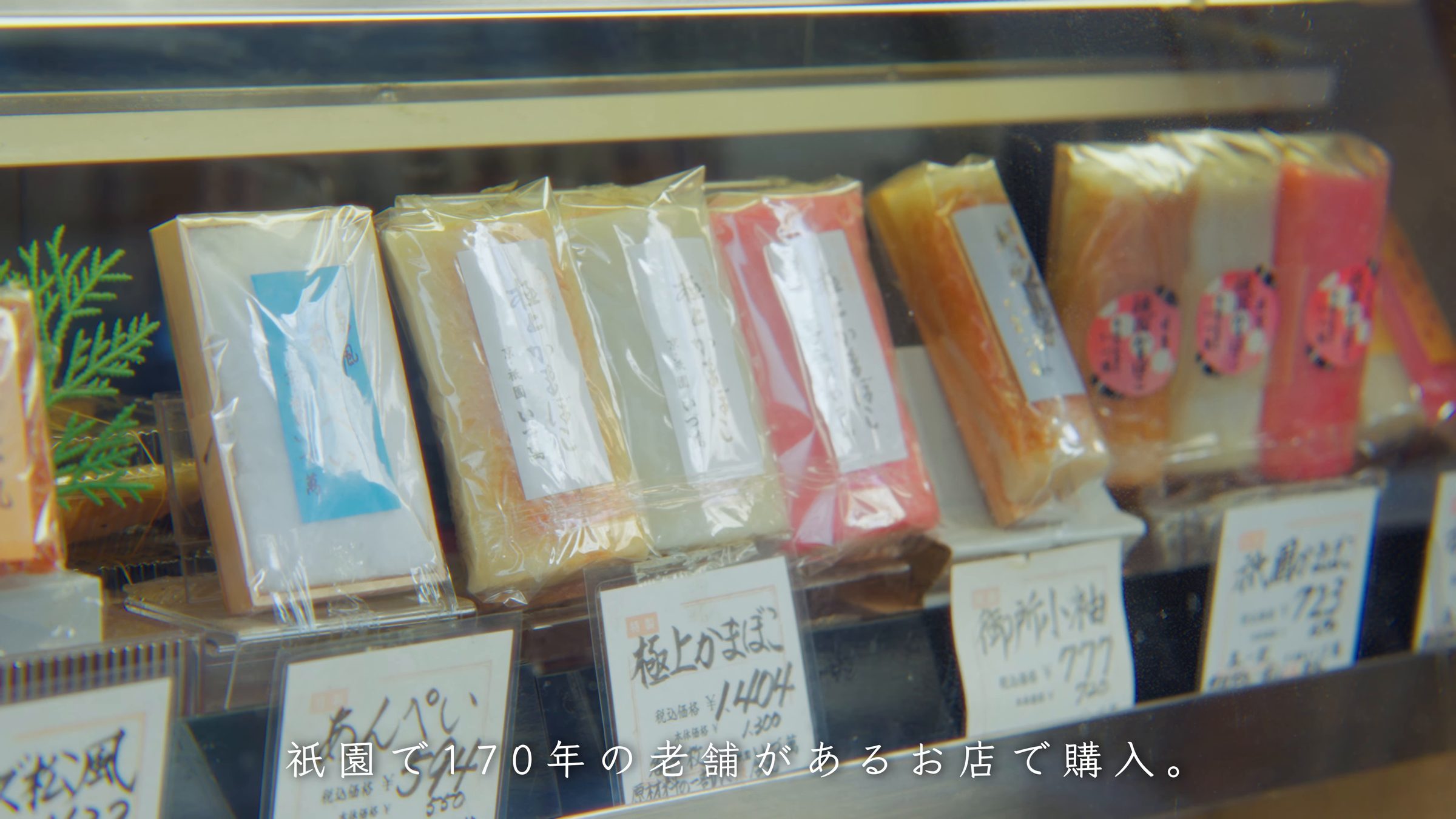
A kamaboko maker founded in 1844 and said to be the oldest in Kyoto. The founder came from Izumo and began making fish cakes in landlocked Kyoto with fish brought in from the Sea of Japan and the Seto Inland Sea. Kamaboko and fried fish cakes line the shopfront on Shinbashi-dori, and the Higashiyama gyohei devised by the third generation is a specialty. This time I bought red-and-white Gion kamaboko for my osechi.
432 Rinkacho, Higashiyama-ku, Kyoto
Sources: keihan.co.jp keihan.co.jp
This moment in the journey
Red-and-white kamaboko in Gion
Next on the New Year list: osechi, the boxed feast. I went to Gion, where a few autumn leaves still hung on, to buy red-and-white kamaboko to brighten the boxes.
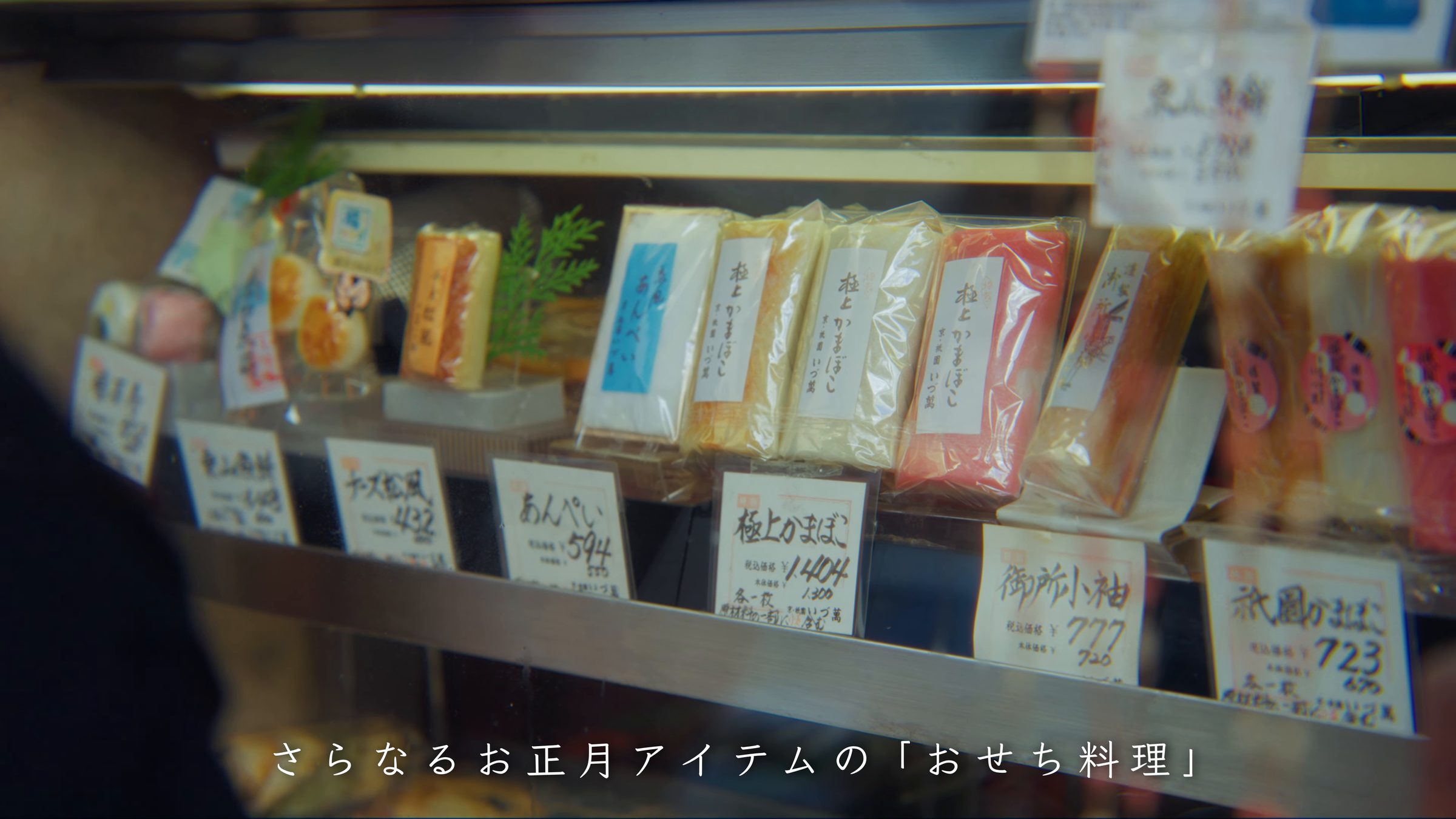
Izuman, on Shinbashi-dori, has been making kamaboko since 1844, more than 170 years in Gion. Under its red lantern marked with the character zu, the glass case held Higashiyama gyohei, cheese matsukaze, anpei, premium kamaboko, Gosho kosode and Gion kamaboko.
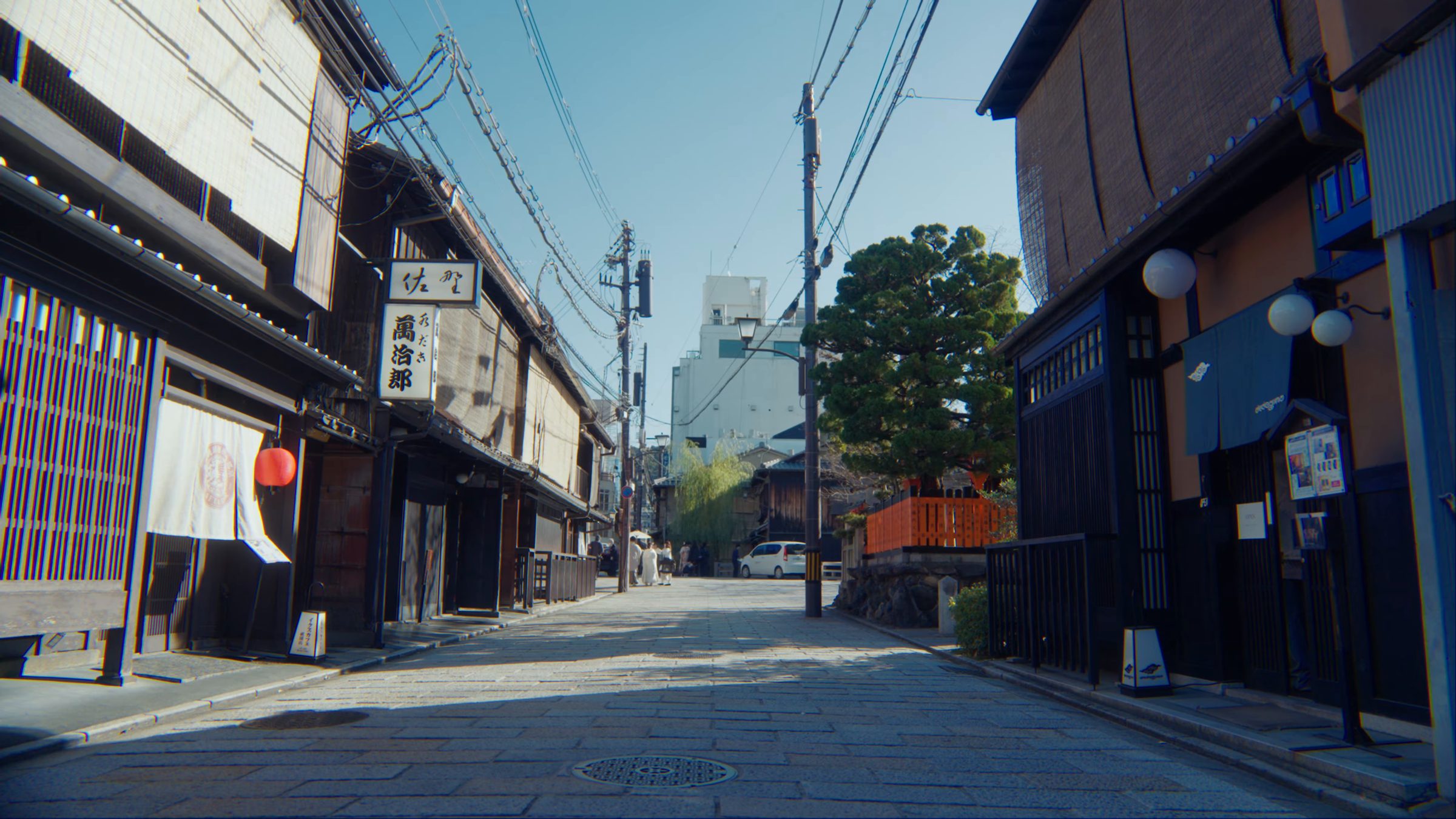
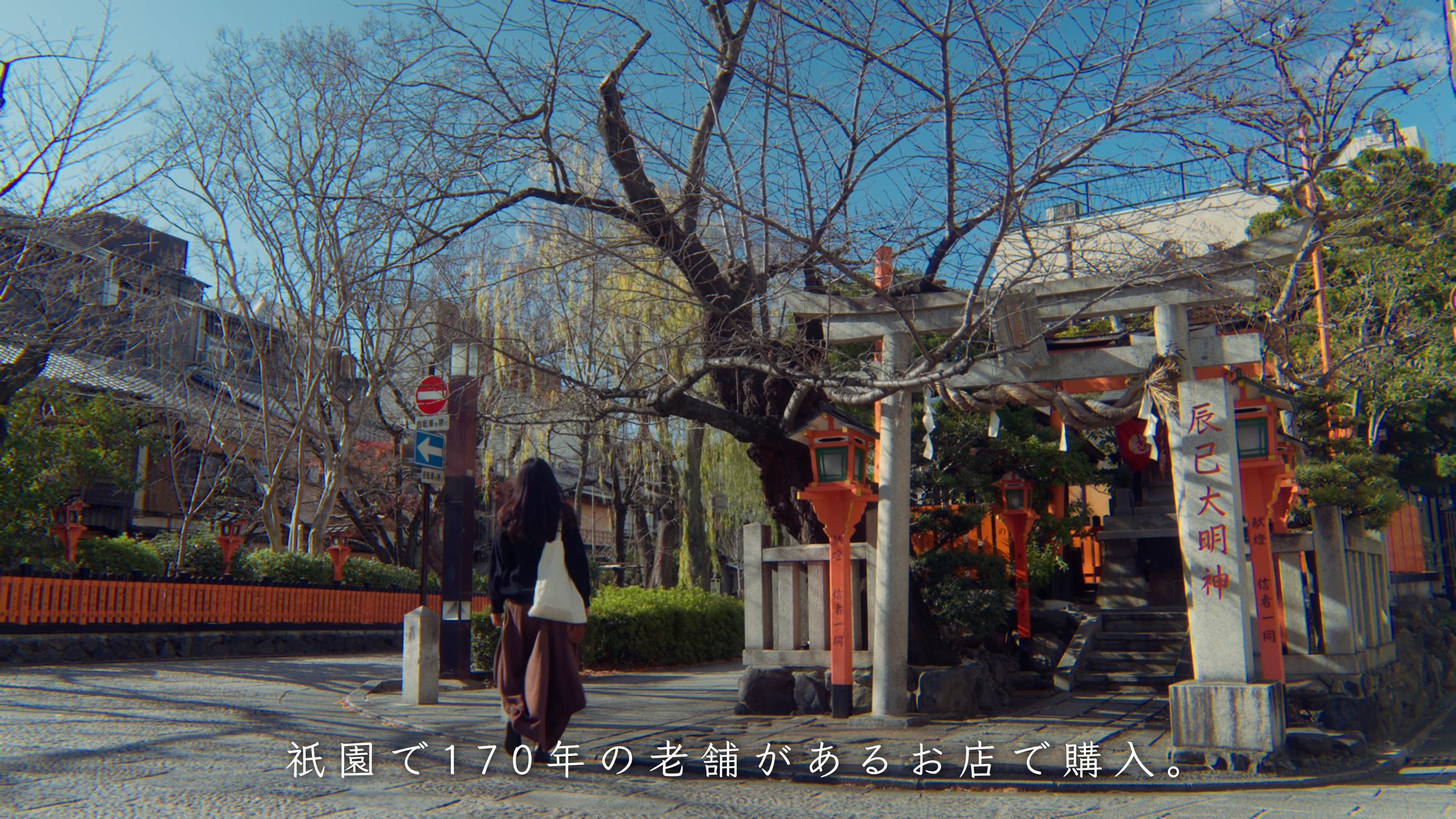
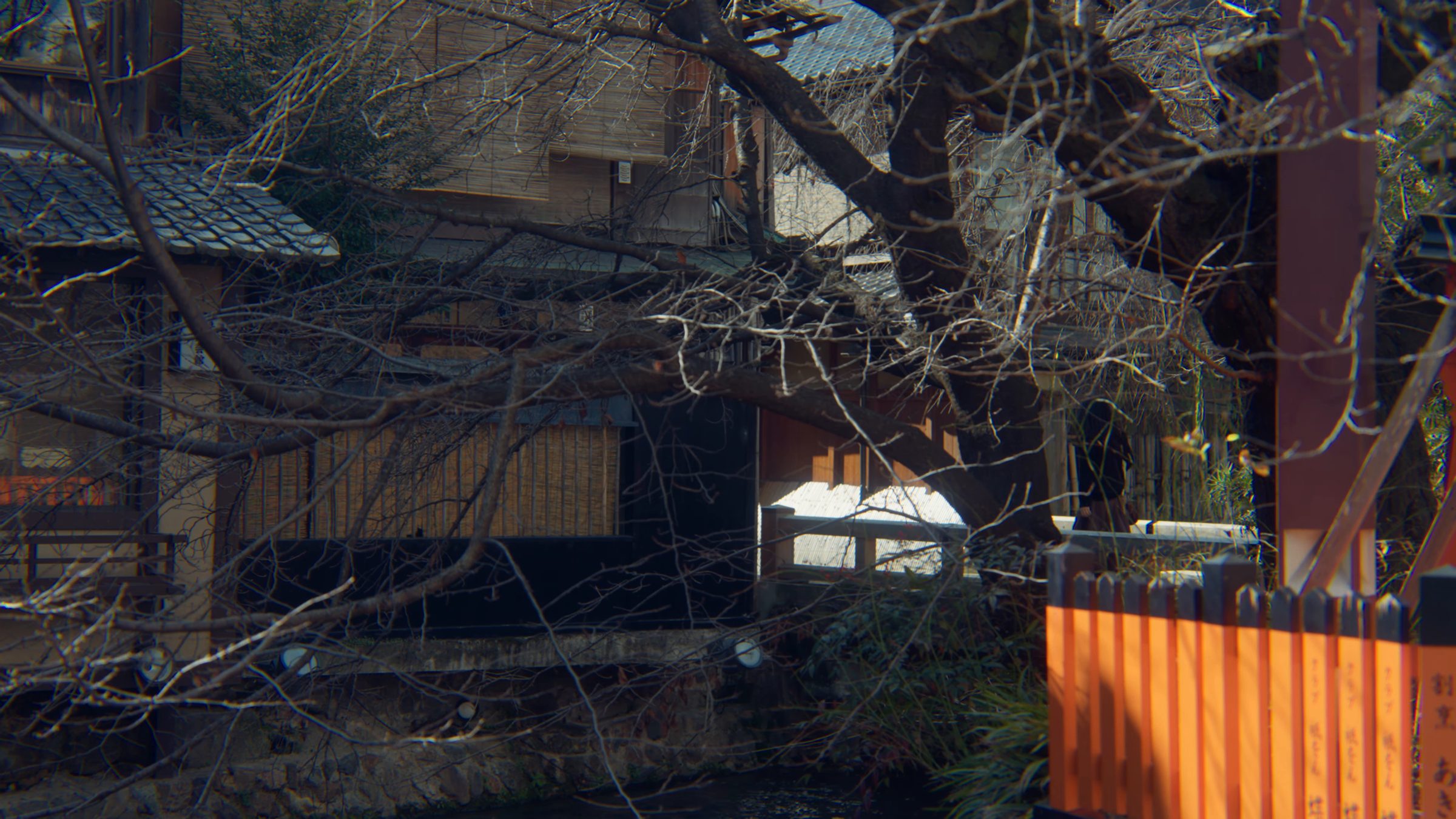
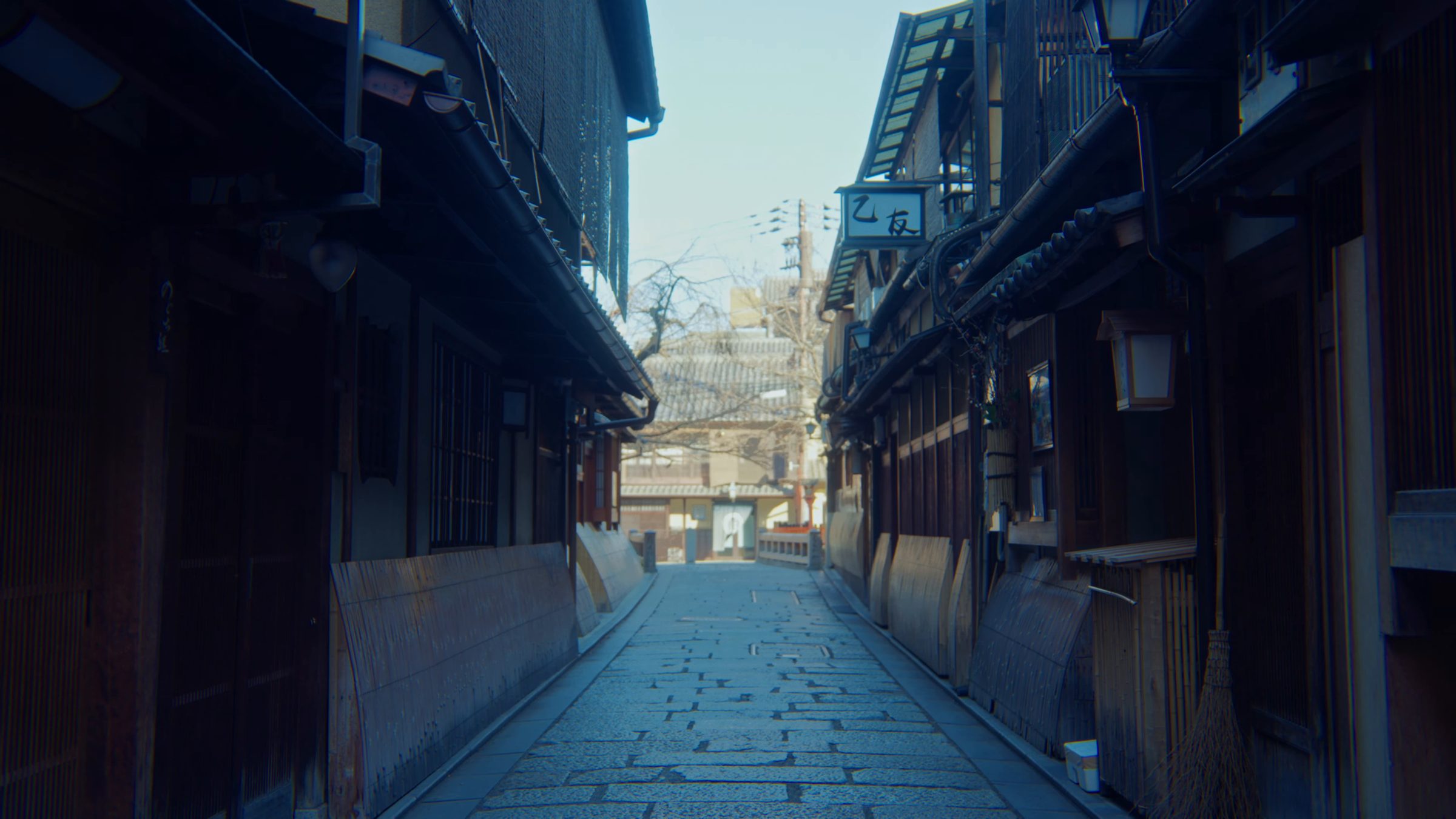
Kamaboko in hand, I passed the torii of Tatsumi Daimyojin and wandered down a stone-paved lane.
Watch this scene on YouTube3:56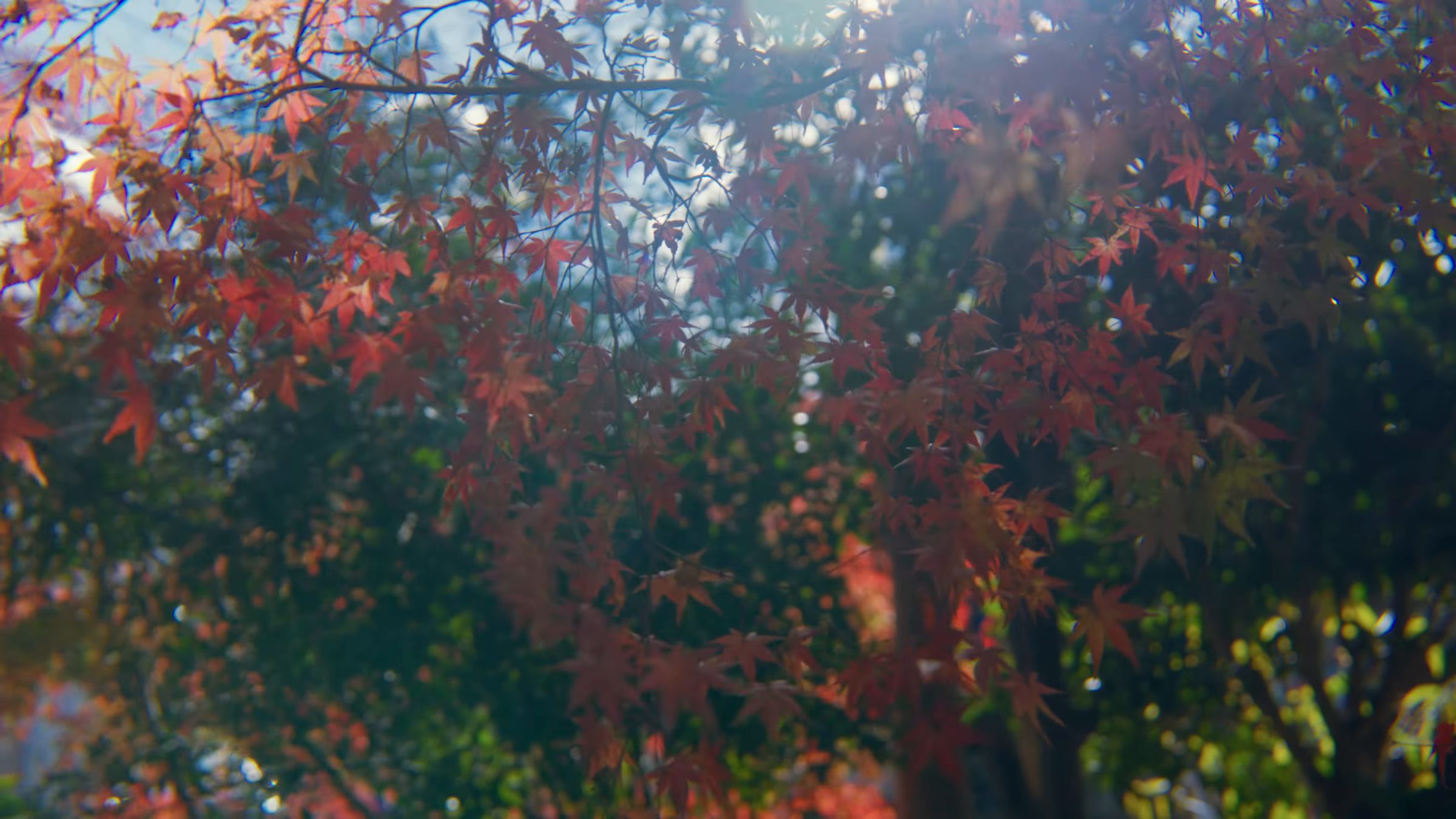
More notes from this journey
Kyoto City, Kyoto
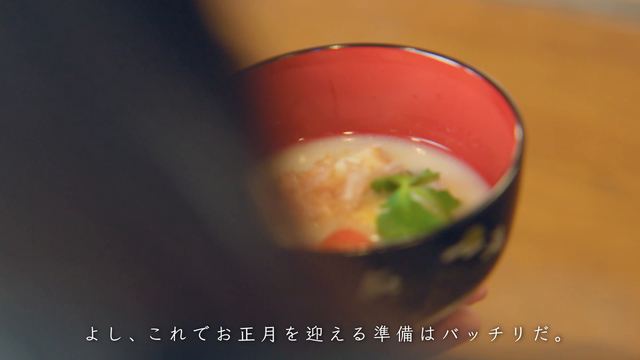
Kyoto-style ozoni (white miso New Year soup)
Ozoni in and around Kyoto is built on kombu dashi and white miso, with round mochi, taro, carrot and daikon.
From: Making New Year's Eve soba in a Kyoto townhouse
Kyoto City, Kyoto
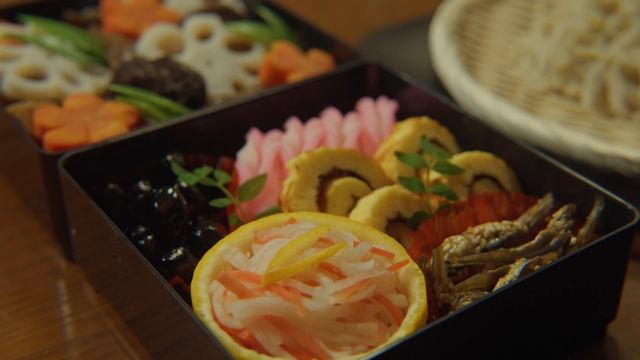
Osechi (datemaki, red-and-white namasu, decorated kamaboko)
Each osechi dish carries a wish.
From: Making New Year's Eve soba in a Kyoto townhouse
Kyoto City, Kyoto
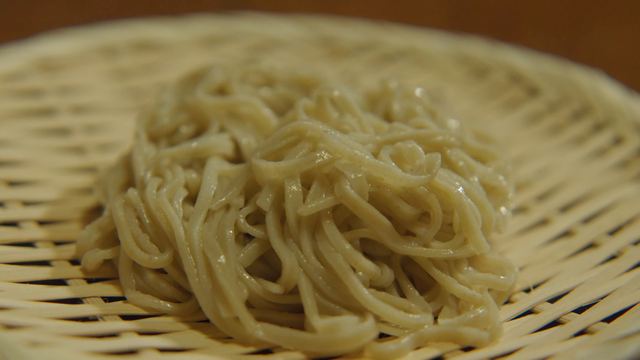
Toshikoshi soba (nihachi soba)
The custom of eating soba on New Year's Eve is said to have spread among ordinary people in the Edo period.
From: Making New Year's Eve soba in a Kyoto townhouse
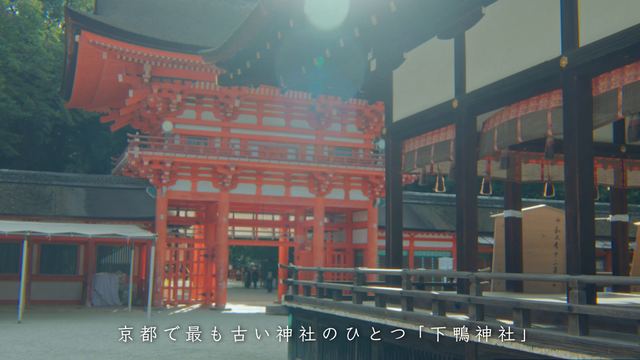
Kyoto City, Kyoto
Shimogamo Shrine (Kamomioya-jinja)
Its official name is Kamomioya-jinja.
From: Making New Year's Eve soba in a Kyoto townhouse
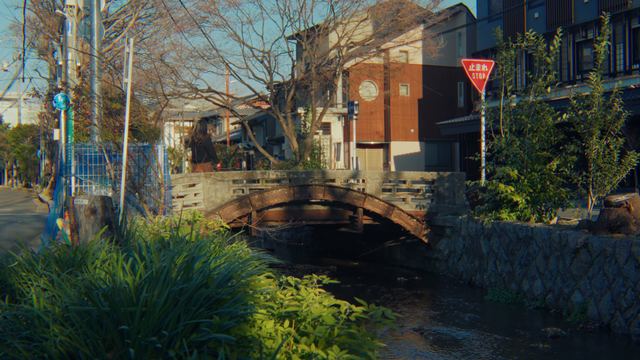
Kyoto City, Kyoto
Takase River
A canal running alongside the Kamo River.
From: Making New Year's Eve soba in a Kyoto townhouse
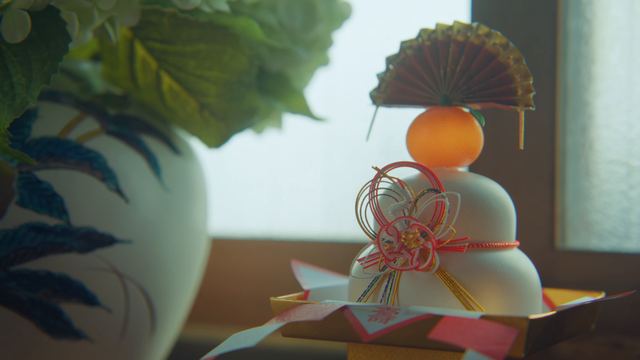
Kyoto City, Kyoto
Kagami-mochi
Kagami-mochi is the offering made when welcoming Toshigami, the deity of the new year, and every part of its decoration has a meaning.
From: Making New Year's Eve soba in a Kyoto townhouse
More notes from Kinki
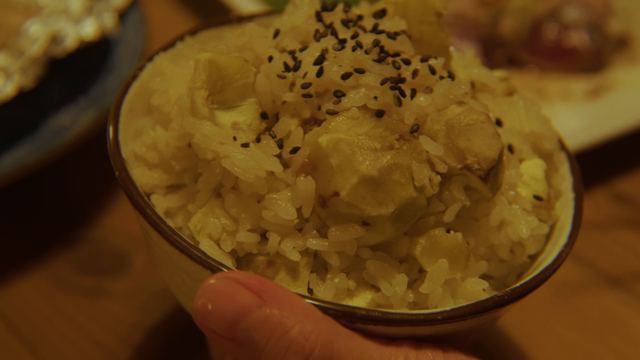
Aridagawa, Wakayama
Chestnut rice (kuri gohan)
My first chestnut rice, made with chestnuts I had picked myself.
From: Chestnuts, saury and an autumn feast
Aridagawa, Wakayama
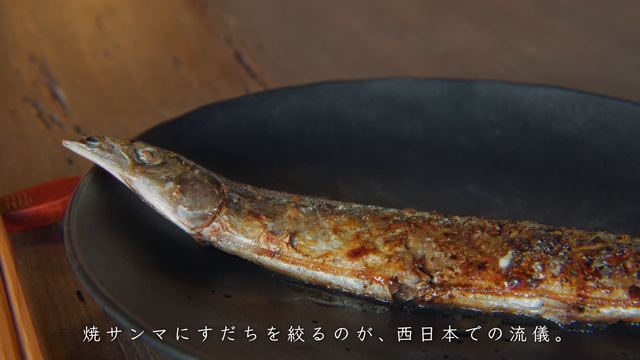
Charcoal-grilled saury with sudachi
Sanma is written 秋刀魚, "autumn sword fish," but that spelling only spread from the Taisho era on; older texts wrote it 青串魚.
From: Chestnuts, saury and an autumn feast
Aridagawa, Wakayama
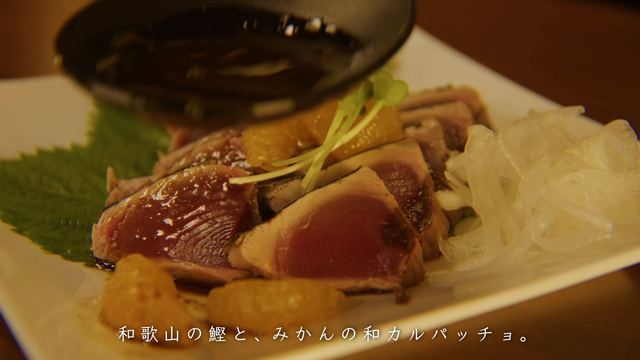
Wakayama bonito and mandarin carpaccio
In contrast to the lean first bonito of spring, the fish that head south from around September are called modori-gatsuo, returning bonito.
From: Chestnuts, saury and an autumn feast
Aridagawa, Wakayama
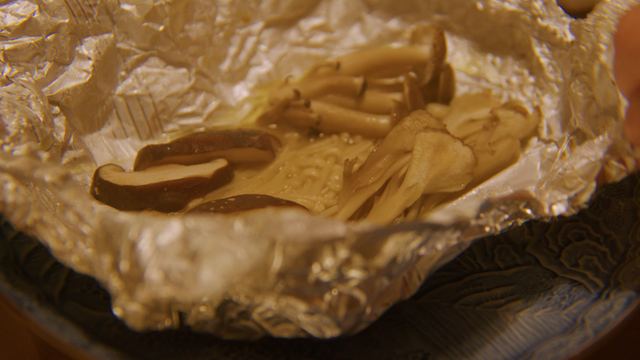
Foil-grilled mushrooms with butter
Mushrooms are another essential of the autumn table.
From: Chestnuts, saury and an autumn feast
Aridagawa, Wakayama
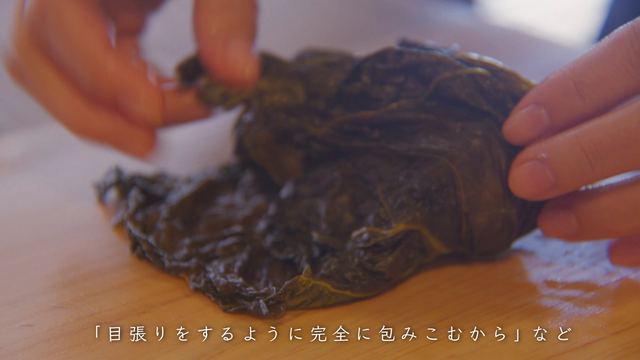
Mehari-zushi
A Wakayama specialty: a large rice ball wrapped in salt-pickled takana leaves.
From: Sushi, Cosmos and Ramen
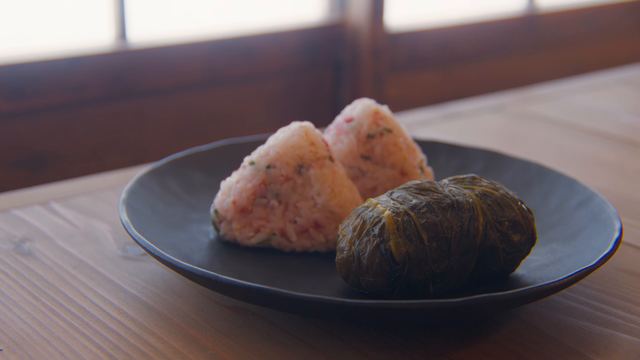
Aridagawa, Wakayama
Umeboshi and red shiso rice ball
Wakayama grows more ume than any other prefecture in Japan: 58% of the national harvest in 2024 (64% the year before).
From: Sushi, Cosmos and Ramen